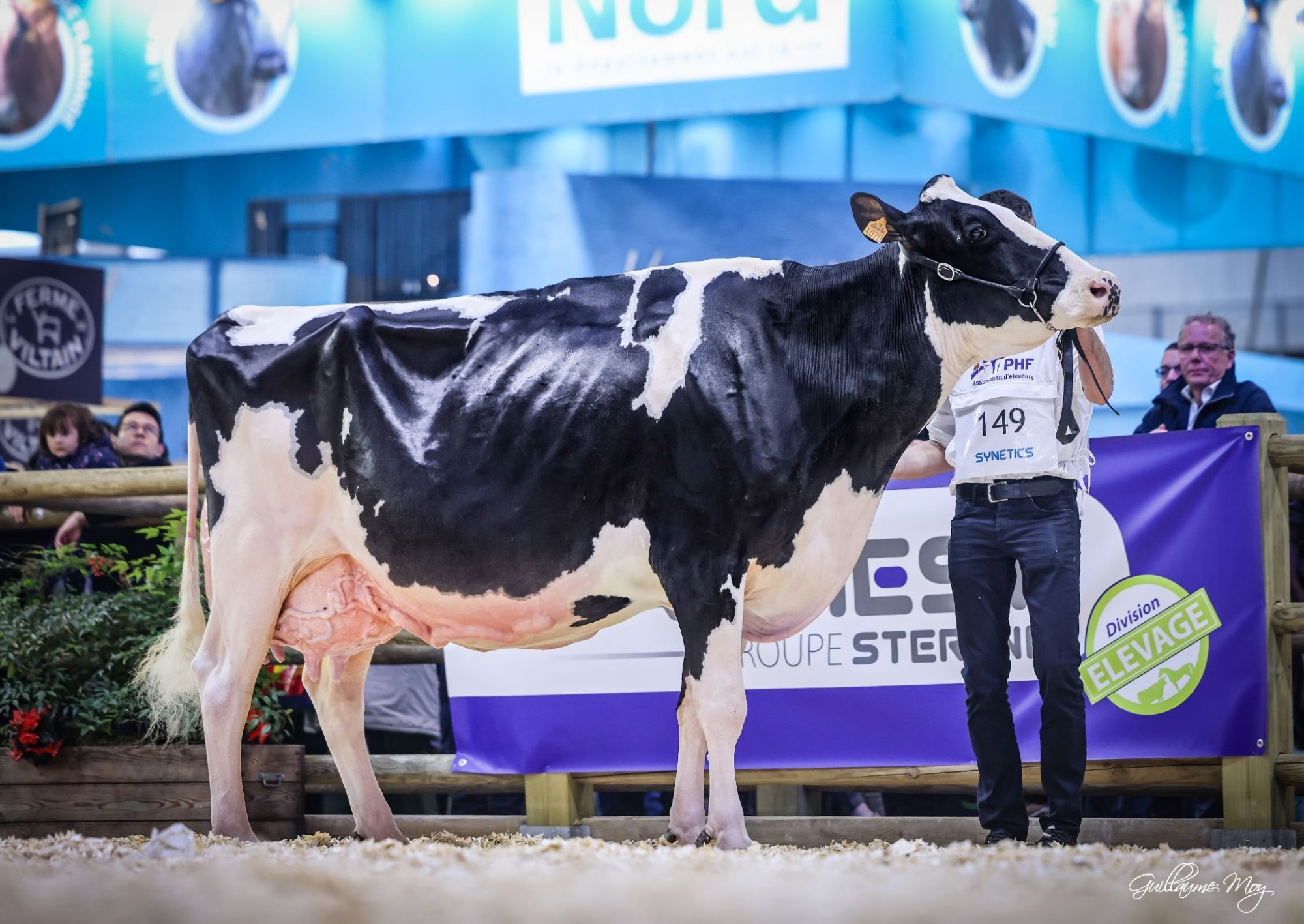
At 6:00 p.m. on Wednesday, September 30, the gavel falls in The Tanbark for the 37th and final time under the management of Tom and Sandy Morris.
Seventy-two years earlier, a red ribbon was hung at Deronda Farm near Amery, Wisconsin—won by a 2-year-old Holstein from Arden and Maldwyn Morris’s Arwyn Farms at the 1954 Royal Agricultural Winter Fair. Today, World Dairy Expo’s official sale directory lists the manager of the World Classic ’26 Holstein Sale as Tom Morris Ltd. (Read our feature interview – A Lifetime in the Ring: Tom Morris and the Evolution of a Dairy Dynasty)
Between that Royal ribbon and Wednesday night’s finale sits the longest continuous act of price discovery in the North American registered dairy business—built, calculated, and executed every step of the way by Tom and Sandy together. The Bullvine combed through World Dairy Expo’s archives to reconstruct that legacy in full.
What we found: 21 documented World Classic sales between 1999 and 2024 moved $24.1 million across 955 lots.That is a Bullvine calculation from Expo’s own published summaries, marking the first time these numbers have been audited and totaled in one place.
The Arithmetic Nobody Ran
Start with the figure leading every tribute this month: thirty-eight years.
It is accurate chronologically, but it does not represent the sale count. Tom and Sandy took the reins of the World Classic in 1989. When World Dairy Expo canceled the 2020 show, the calendar and the gavel drifted apart by a year.
Run the timeline forward from that inaugural 1989 auction: Wednesday night marks the 37th World Classic in 38 years.
That distinction matters to anyone who has consigned or bid there. A sale manager’s record is their ledger, and the industry has spent a decade casually rounding off the Morrises’ numbers. Over their joint career, Tom and Sandy have orchestrated more than 500 sales, including nine National Holstein Convention Sales.
Tom’s own perspective cuts through the estimates. “I wish I had a tally of the number of animals I’ve sold, or the total gross,” he told Dairy Star. “It would be mind-boggling.”
What 21 Sales Actually Show
Lot counts marked with an asterisk are calculated from the reported gross divided by the published average where Expo’s archived summaries omitted the lot tally.
Year
Gross
Lots
Reported Average
Top Lot
1999
$340,000
47*
$7,234
$17,400 — Nosawa & Co., Japan
2000
$392,600
45
$8,724
$82,000 — C Laduc Broker Mandy clone
2002
$421,900
36*
$11,719
$42,000 — choice of Tri-Day Ashlyn-ET
2004
$588,800
40
$14,720
$50,000 — Rosedale-L SS Rose-Red-ET
2005
$619,400
42*
$14,748
$51,000 — Budjon-JK Champ Elianna-ET
2006
$725,500
41
$17,695
$135,000 — Rosedale Adventageous-Red-ET, England
2007
$781,300
38
$20,561
$85,000 — Budjon Redmarker Desire RC
2009
$832,200
42
$19,814
$95,000 — Harvue Roy Frosty choice, Mexico
2010
$835,300
44
$19,666
$87,000 — RMW Super Anane-ET
2011
$1,173,700
43
$27,295
$82,000 — Lookout Pesce Magna P Sarah-Red
2012
$1,490,000
45
$33,111
$122,000 — Elm-Park Geisha PP-Red-ET, UK
2013
$1,264,600
48
$26,262
$131,000 — Oconnors Aikman Scarlet-Red, Ontario
2014
$1,208,200
52
$23,234
$74,000 — De-Sue 1912-ET
2015
$1,304,600
47
$27,757
$117,000
2016
$1,364,100
44
$31,002
$270,000
2018
$1,748,300
50
$34,966
$205,000 — Lexvold Rolan Anne-ET, BC
2019
$1,330,750
47
$28,314
$145,000
2020
—
—
Expo canceled
—
2021
$2,168,200
49
$44,249
$220,000
2022
$2,086,750
53
$39,373
$170,000 — JX FB Verstappen {6}-ET
2023
$1,760,800
47
$37,464
$170,000
2024
$1,663,475**
55
$30,245
$205,000 — OCD Sheepster 23614 IVF, Semex
*Estimated lot count based on published average and gross.
2024 gross implied from 55 lots at the published $30,245 average.
Note: 2001, 2003, 2008, 2017, and 2025 are excluded due to incomplete or unverified official World Dairy Expo settlement records.
The Book Barely Grew. The Money Tripled.
This is the reality pedigree breeders must digest:
1999–2009 (8 documented sales): Average gross of $587,712, average 41.4 lots, mean average price of $14,402.
2021–2023 (3 documented sales): Average gross of $2,005,250, average 49.7 lots, mean average price of $40,362.
Over two decades, the catalog grew by barely eight head, yet the gross multiplied 3.4 times and the sale average climbed 2.8 times.
That increase did not come from bloat. It came from demanding that the same tight, curated lineup carry an exponentially higher density of genetic capital—the hallmark of an elite auction functioning at its peak.
The mechanics behind that growth were deliberate: “a limited offering of the world’s most sought-after genetics,” as Tom noted, staged with the lighting, pacing, and presence of a premier entertainment event. Scarcity, presentation, and timing converged on a week when every decision-maker in dairy breeding was already in Madison.
Tom’s public benchmark—that the World Classic exceeded $1 million fourteen times and cracked $2 million three times—matches the historical record. Our data independently verifies 12 of those million-dollar nights and two $2-million benchmarks, with the unrecovered 2017 and 2025 catalogues accounting for the variance. Notably, the 2021 renewal—49 lots, $2,168,200 gross, and a $44,249 average—remains the highest-grossing sale ever held on the grounds of World Dairy Expo.
Leaving the Coliseum Floor
The historical progression of the auction venues tells its own story.
Accounting for the uninterrupted run since 1989 alongside the 2020 cancellation, 2022 marked the 33rd and final World Classic staged under the iconic roof of the Veterans Memorial Coliseum. In 2023, the event transitioned to The Tanbark.
The change in setting closed a distinct chapter in show-ring culture. “We used to have a huge crowd on the Coliseum floor,” Tom told Dairy Star. “It was the big event and every Holstein enthusiast in the world was there.”
Anyone who sat shoulder-to-shoulder on those concrete steps during the 1990s understands the gravity of that setting. It was a tangible, electric atmosphere where every bid echoed across the show arena.
First Through the Ring
Those who view the World Classic purely as a showcase for exhibition cows misjudge its historical function. It served as a proving ground for commercial and genetic innovations:
Contract flushes and early frozen embryo packages before they became industry standards.
The first cloned dairy animal ever sold at a public livestock auction.
Consolidated consignments featuring elite breeders from five European nations on a single night.
Live calves imported directly from Europe, including two German heifers that completed a mandatory summer-long quarantine off the Atlantic coast before stepping into the sale ring.
That agility is why the sale mastered the genomic shift rather than being sidelined by it. By 2024, the marquee lot was an IVF session on OCD Sheepster 23614—then the breed’s top GTPI female—commanding $205,000 from Semex.
An auction outfit that began selling conventional milking cows in the 1970s evolved to market high-indexing donor flush contracts to international AI studs. That degree of commercial range is unmatched in modern pedigree sales.
The Physical Toll
Tributes frequently focus on the gavel and skip the mileage. The Morrises never romanticized the labor.
“In the old days, some weeks there were seven sales, or nine sales in 10 days in four states,” Tom recalled. “You’re sleeping in the back of the car or taking a red-eye out of Seattle to get back to Rockford to sell the next morning.”
The road to the World Classic was paved with landmark events: the 1984 Southfork Sale in Plano, Texas—hosted by Price’s Dairies, grossing $13 million with Charley Pride entertaining the crowd—and the 1988 Satellite Adventure Sale in Orlando, linking regional bidding rooms across three time zones via live feed a full decade ahead of the consumer web.
Underneath the technical logistics was an unwavering baseline of professional accountability: “When a family entrusts their lifetime of work and their retirement to your hands, you have got to be on your A game, as there are no do-overs.”
Why Sandy’s Name Belongs on the Marquee
Since marrying in 1975, Tom and Sandy built three pillar organizations side-by-side: Deronda Farm, Tom Morris Ltd., and The Cattle Connection.
Deronda bred or developed more than 200 Excellent cows, and its three complete dispersals across the 1980s each finished as the highest-averaging herd dispersal in the nation for its respective year.
The Cattle Connection became the highest-circulation dairy breed sales publication in North America, serving breeders across the continent for more than three decades before its acquisition by Holstein International.
Tom has never hesitated to credit where credit is due: “There’s no question the best thing that ever happened to me is having Sandy as a partner, in every way and in everything that we have ever done, for over a half century.”
Their family roots run parallel with World Dairy Expo itself. Both the Morris and Mayer families consigned heifers to the inaugural 1967 donation sales that raised $21,156 across 78 head to capitalize the very first show.
The Morrises represent the unbroken line connecting those initial $200 foundation heifers to modern $2 million pedigree sales.
Looking to the future, the mandate is clear: “I believe it is time for the next generation to step up,” Tom noted regarding the transition. “Change is hard… to step back and let them do their thing.”
One More Card
For fifty consecutive summers, Tom has also volunteered his voice to call the junior livestock auction at the Polk County Fair—selling 4-H steer and heifer projects with the same commanding cadence heard at the World Classic.
He also helped establish World Dairy Expo’s Merle Howard Award, a fixture recognizing youth leadership that reached its 20th year in 2025.
At 6:00 p.m. Wednesday, the overhead lights will illuminate The Tanbark, and the sale will open one last time.
“Great cows come and go,” Tom once observed, “but it’s the great friendships that last a lifetime.”
The consignments passing through the ring on Wednesday will scatter to barns across the globe. But for the first time in 38 years, the enduring ledger of what Tom and Sandy Morris built stands documented in one place.
The Sunday Read Dairy Professionals Don’t Skip.
Every week, thousands of producers, breeders, and industry insiders open Bullvine Weekly for genetics insights, market shifts, and profit strategies they won’t find anywhere else. One email. Five minutes. Smarter decisions all week.
Two bulls born in the 1960s—Chief and Elevation—sit behind 99.84% of today’s AI sires. The gift: more milk, better udders. The bill: a 9.99% inbreeding tab now in your heifer pen.
Picture every Holstein in North America walking into one barn for Father’s Day dinner.
Millions of black-and-white cows, shoulder to shoulder, in a building the size of a county. They’ve come to toast their fathers, the way families do this time of year. And here’s the part that ought to stop you cold while you’re scraping the parlor this Sunday: almost every animal in that impossible room would be raising a glass to the same two dads.
Not two dozen. Not two hundred. Two.
Their names were Pawnee Farm Arlinda Chief and Round Oak Rag Apple Elevation. One arrived on an Indiana spring morning in 1962. The other showed up in 1965, on a modest Virginia farm nobody had heard of. Neither ever knew the other. And yet a Y-chromosome study that combed through 62,897 bulls born between 1950 and 2013 found that virtually every active North American Holstein AI bull traces its paternal line back to just these two grandfathers. The Bullvine’s own analysis of that work puts the figure at 99.84% of active AI bulls — split almost eerily down the middle, roughly half Chief and half Elevation.
Read that number again. Ninety-nine point eight four percent. It’s as if the entire breed flipped a coin sixty years ago and has been living with the result ever since.
So, before you pour your coffee and head out to check the fresh pen, let me properly introduce you to the two dads at the head of your herd’s table. Once you know their story, you’ll never look at your milking string the same way again.
The $4,300 gamble that started a dynasty
Pawnee Farm Arlinda Chief (1962–1982). The bull behind half the breed. From a dam who sold for $4,300, Chief sired 16,000 daughters and more than two million great-granddaughters—and carried a hidden HH1 recessive that the breed wouldn’t decode for fifty years. Read more: The $4,300 Gamble That Reshaped Global Dairy Industry: The Pawnee Farm Arlinda Chief Story
Start with the elder. In a family reunion, you always start with the elder.
Here’s the thing about Chief, though — the gamble that made him happened before he ever drew breath. At the Pawnee Farm dispersal, his dam, Pawnee Farm Glenvue Beauty (EX-90), crossed the auction block and sold for $4,300. Now, picture what that meant in 1962. You could buy a new car twice over. You could put serious money down on land. Somebody stood at that ring, looked at a cow, and decided she was worth more than a house lot.
They turned out to be right in a way nobody could have predicted.
Because Beauty’s son became a kind of one-animal continent. By the time the dust settled, Chief had produced 16,000 daughters, 500,000 granddaughters, and more than two million great-granddaughters. Stack that against the cow your grandfather was proud to own, and you start to feel the gravity of the thing. This wasn’t a good bull. This was a whole population’s worth of fatherhood compressed into one animal.
And his daughters could milk. The proof has a name — Beecher Arlinda Ellen. In 1975, on Harold Beecher’s farm near Rochester, Indiana, Ellen completed a lactation of 55,661 pounds, the first cow in the entire Holstein breed to crack 55,000 in a single year — a world record that would stand for nearly two decades.
Here’s the part worth sitting with. Reporters came calling, the way they do when a farm makes history, and asked what magic ration he’d been feeding her. By Harold Beecher’s own account, he hadn’t done anything special at all. Think about that for a second. A humble Indiana dairyman, a world record standing in his tie-stall, and his honest answer was a shrug. He knew what every good cowman knows — you don’t feed your way to a number like that. You breed your way there. Ellen wasn’t a fluke. She was Chief’s signature, written in the milk tank.
And here’s what made Chief’s story the hard one. This was the era before genomics — no DNA test to whisper which young bull was worth sampling. You bred him, you waited, and you milked his daughters for years before the herd finally told you whether you were holding a fortune or a flop. Chief’s people waited. And the daughters kept coming back with the same verdict, herd after herd, in barns that had never heard of Pawnee Farm: more milk, again, and again. A father proves himself slowly. Chief proved himself the only way the times allowed — and the breed was never the same after the proof came in.
When sons become legends in their own right
Great fathers don’t just have great children. They have children who become great fathers themselves — and that’s where Chief’s story gets bigger than one bull.
His most influential sons read like a roll call: Walkway Chief Mark, S-W-D Valiant, Glendell Arlinda Chief, and Milu Betty Ivanhoe Chief. Take Walkway Chief Mark. He was only ever sampled because his full brother died, and somebody needed a backup. The spare. That backup bull accounted for roughly 7% of every Holstein genome on this continent. (The Bullvine has told that whole strange, wonderful story in full in Walkway Chief Mark’s profile — it’s one of the great accidents in breeding history.)
Seven percent. From the understudy.
Walkway Chief Mark (VG-87 GM). The spare that ran the breed. Only sampled because his full brother died and Foster Walk’s Illinois herd needed a backup, Mark went on to account for roughly 7% of every Holstein genome in North America. Select Sires later named him an Impact Sire of the Breed. The understudy nobody saw coming. Photo: Remsberg. Read more: Walkway Chief Mark: The Backup Bull Behind Seven Percent of Every Holstein Cow
A powerful father’s influence doesn’t stop with his own kids. It compounds. It ripples down through sons, and their sons, until you can’t open a modern catalog without bumping into the old man’s name a dozen times over. Chief didn’t just have a big family. He had a big family that kept having big families, branch after branch — one line eventually threading down to To-Mar Blackstar, himself one of the most heavily used bulls in breed history. Generation after generation, the table just kept getting longer, and the gambler who paid $4,300 for a cow back in 1962 kept looking smarter.
To-Mar Blackstar. The branch that kept growing. Down one of Chief’s many lines, Blackstar became one of the most heavily used bulls in breed history—proof of how a great father’s influence doesn’t stop with his sons, but compounds, generation after generation, until you can’t open a catalog without bumping into the old man’s name. Photo: Remsberg. Read more: To-Mar Blackstar: The One-Embryo Holstein Sire Behind 15.8% of Today’s DNA – and the Genetic Debt in Your Herd
The B-team mating that produced the Bull of the Century
Round Oak Rag Apple Elevation (1965–1979). The Bull of the Century. He came from a fertility-troubled sire and a “B-team” dam nobody expected anything from—then sired over 10,000 AI sons across 45 countries and an estimated nine million descendants worldwide. The cousin’s hunch that built the barns at Select Sires. Photo: Remsberg. Read more: Round Oak Rag Apple Elevation: The Bull That Changed Everything
Now, meet the other grandfather. And get ready to be surprised, because Elevation’s beginning was the opposite of a sure thing.
Down on Round Oak Farm in the Virginia piedmont, Ronald A. Hope and his family were running a working dairy, not a genetics empire — the kind of modest operation you’d have driven past a hundred times without a second look. The mating that produced Elevation wasn’t some master plan off a proof sheet. It came from Ron Hope’s cousin, George Miller, who suggested the cross. Just a hunch, passed down within the family. Try this one.
And honestly, on paper, you’d have shrugged and moved on. The sire, Tidy Burke Elevation, had fertility trouble. The dam, Round Oak Ivanhoe Eve, had been shuffled onto the farm’s B-team because she matured too slowly. A questionable father. An overlooked mother. A cousin’s offhand suggestion.
What walked out of that barn in 1965 changed the world.
I don’t say that lightly. He would later be named the “Bull of the Century.” But forget the title for a second and walk into a parlor full of his daughters instead. Look up. There it is — the udder. High, wide, held tight to the body, still bolted on the way you’d want it two and three lactations after the cows around it had broken down and shipped. Watch one of those daughters walk: sound on her feet into her sixth lactation, settling back in calf as if it were nothing, walking up to milk at an age when her contemporaries were long gone. That’s what Elevation transmitted — and the remarkable thing is he transmitted it all at once: production, udder quality, mobility, fertility, and longevity, in one package, when breeders had spent generations trading one good trait away to get another.
Put numbers on it, and your cup goes down on the table. His daughters averaged about 29,500 pounds in their first lactation — roughly 15% above their contemporaries in the 1970s. And while the industry average was near 2.8 lactations per cow, Elevation’s daughters averaged 4.2.
Do the barn math on that. Your average cow leaves after 2.8 lactations. Your neighbor’s Elevation daughters are still walking into the parlor at 4.2. Same feed bill to raise the heifer, same calving, and he’s getting roughly half again the productive life out of every replacement. That’s not a show-ring statistic. That’s a mortgage payment. For the farmer living it, the whole thing came down to a simple difference: a cow you fought all year, versus one you forgot to worry about.
A father whose children fill 45 countries
If Chief built his dynasty through a few towering sons, Elevation built his through sheer abundance.
Over 10,000 of his sons became registered AI sires. His semen was shipped to 45 countries. And his descendants — brace yourself — run an estimated 8.8 to 9 million worldwide. There are whole nations with fewer people than this one bull has grandchildren.
Hanoverhill Starbuck (1979–1998). Elevation’s most famous son. A $2,500 calf whose semen would eventually sell for roughly $25 million, Starbuck sired over 200,000 daughters across 45 countries—and by the early 2000s, some 93% of Canadian Holsteins traced back to him. The Canadian Holstein Association called him, simply, “the Best.” Shown here at five. Photo: Jim Rose. Read more: Hanoverhill Starbuck’s DNA Dynasty: The Holstein Legend Bridging 20th-Century Breeding to Genomic Futures
The most famous of those children crossed the border into Canada and became a legend in his own right: Hanoverhill Starbuck, a $2,500 calf whose semen eventually sold for roughly $25 million. (Starbuck’s story deserves its own evening — The Bullvine has told it in full.) Through Starbuck and ten thousand other sons, Elevation became the patriarch at the head of dinner tables from Wisconsin to the Netherlands to Japan.
Johanna Rag Apple Pabst, Grand Champion, mid-1920s. Where the family tree begins. The “Rag Apple” buried in Chief’s name and the bloodline behind Elevation’s dam both run back to this one Wisconsin bull—undefeated in 1924 and the foundation ancestor whose name still rides in pedigrees a century on. Walk far enough up the tree, and both grandfathers shake hands here. Read more: The Bull Who Changed Everything: The Johanna Rag Apple Pabst Story
And here’s a detail that ties the whole tree together. Eve — the overlooked B-team mother nobody expected anything from — traced back twenty times to a foundation cow named Johanna Rag Apple Pabst. The “Rag Apple” buried in Chief’s name comes from the same deep well. These two grandfathers, born to different farms in different decades, weren’t strangers at all. Walk far enough up the family tree, and they shake hands. The reunion was always a family affair.
Northcroft Ella Elevation (EX-97 4E GMD DOM). Both grandfathers in one cow. Born February 26, 1974, Ella carried Elevation on top and an EX-91 Chief daughter underneath—the two bloodlines that fathered half the breed, shaking hands in a single pedigree. The reunion, made flesh. Photo: Remsberg.
Two fathers, two temperaments
Set the two old bulls down at the same table, and you’d have spotted the difference fast. They were nothing alike.
Chief was the quiet workhorse — a production sire whose genius announced itself in the milk tank, lactation after lactation, value measured in pounds and years rather than ribbons. Elevation was the showman with substance, one of the first proven bulls of the modern era who could put a daughter in the ring and fill the bulk tank. One made cows that paid. The other made cows that paid and turned heads on the colored shavings.
Elevation did something else, too — he changed the very machinery that moves genetics around the world. His semen, by one account, helped finance Select Sires and solidify it as a cooperative during its fragile early years. As his own breeder’s cousin, George Miller, put it: “It’s been said that Elevation built the barns at Sire Power and Select Sires.”
And his fingerprints are still all over the modern toolbox. Here’s the mind-bender: by The Bullvine’s analysis, Elevation’s DNA makes up about 8.3% of the CDCB’s genomic reference population — the very dataset that modern genomic predictions are trained on. Think about that the next time a young genomic bull’s numbers flash up on your screen. The math ranking him was partly based on his own great-great-grandfather.
The roots run deeper than you think
Speaking of walking up the tree, the story doesn’t actually start with these two.
Dr. Chad Dechow’s work shows that all the great 1960s pillars of the breed trace their male lines back to just two bulls born in the early 1880s: one called Neptune H, born in 1880, and one named Hulleman, born in 1881.
Sit with that. The Father’s Day table you’ve been picturing doesn’t have two chairs at the head — it has two chairs in this generation. Keep walking back, and the whole enormous family narrows again and again until, in the 1880s, it comes down to a pair of bulls who lived before the automobile, before the milking machine, before electricity reached most farms.
We like to think we’re steering. Our index, our matings, our careful selection — surely that puts us in the driver’s seat. And it does, a little. But we’re steering a river that’s been running in the same channel for nearly 140 years. Someday, a breeder none of us will ever meet will trace a herd back to a bull you used this week, and they’ll feel exactly the way you feel as you read these names right now. That’s the strange gift of a breed this old. You’re never just raising cattle. You’re handing something down.
The morning the numbers didn’t add up
Now comes the hard part of every honest Father’s Day — the part where you love somebody and still have to tell the truth about them.
It started, in a way, with researchers staring at a spreadsheet that made no sense.
In 2011, USDA scientists were studying haplotypes — long stretches of chromosome inherited as a single block — when they noticed something wrong on chromosome 5. A particular haplotype was common across the breed. Carriers were everywhere. By the plain arithmetic of inheritance, there should have been thousands of living animals carrying two copies of it. They went looking for those animals. There were none. Not a single one. The double-carriers weren’t dying young or growing up sickly — they were never being born at all.
Five years later, a team led by Heather Adams with USDA’s Paul VanRaden ran the cause to ground: a single “nonsense” mutation in a gene called APAF1, a typo that truncates more than half the protein it’s supposed to build.
One copy, and a calf is just a carrier — perfectly healthy. But breed a carrier to a carrier, which is heartbreakingly easy when half the breed descends from the same grandfather, and two copies quietly kill the embryo before it’s ever born.
They traced the haplotype straight back to Chief. And before anyone knew it was there, that single inherited flaw is estimated to have caused roughly half a million spontaneous abortions worldwide — and about $420 million in losses over 35 years. The flip side runs staggeringly in the other direction: the same researchers estimate that Chief’s beneficial genetics added about $30 billion in increased milk production. The gift and the bill, written into the same animal.
Half a million calves conceived and quietly lost. Half a million heat checks that came up empty — a farmer standing in the barn at dusk, wondering what went wrong, never knowing the answer had been written into the breed’s most celebrated father sixty years before he was born.
That’s no reason to resent Chief. A father doesn’t choose the genes he carries. But it’s the unavoidable math of a narrow family tree: when everyone shares the same grandfather, his hidden flaws stop being rare. The good news — once the mutation had a name, breeders could test for it and breed around it, and U.S. carrier frequency fell from roughly 8% to about 2% within a few years. The defect didn’t end Chief’s legacy. It just made us smarter about how we carry it forward.
The number landing in your heifer pen right now
Here’s where the history stops being history.
According to Lactanet’s August 2025 update, the average pedigree-based inbreeding of Canadian Holstein heifers born in 2024 hit 9.99%. Nearly ten percent. A generation ago, that figure would have set off alarms. Today it’s just Tuesday.
That’s what two grandfathers at the head of the table eventually costs a family. Every percentage point of inbreeding chips away at fertility, at calf vigor, at the very longevity that made Elevation famous in the first place. The traits these great fathers gave us are exactly the ones a too-narrow pedigree slowly takes back. By the USDA’s measure, Dr. Dechow puts both Chief and Elevation at a genetic relationship of about 14% to the modern Holstein cow. Two bulls, wearing different hides, make up a huge chunk of your herd. (The Bullvine has run the dollars-and-cents of where this is heading in its breakdown of Holstein’s inbreeding bill.)
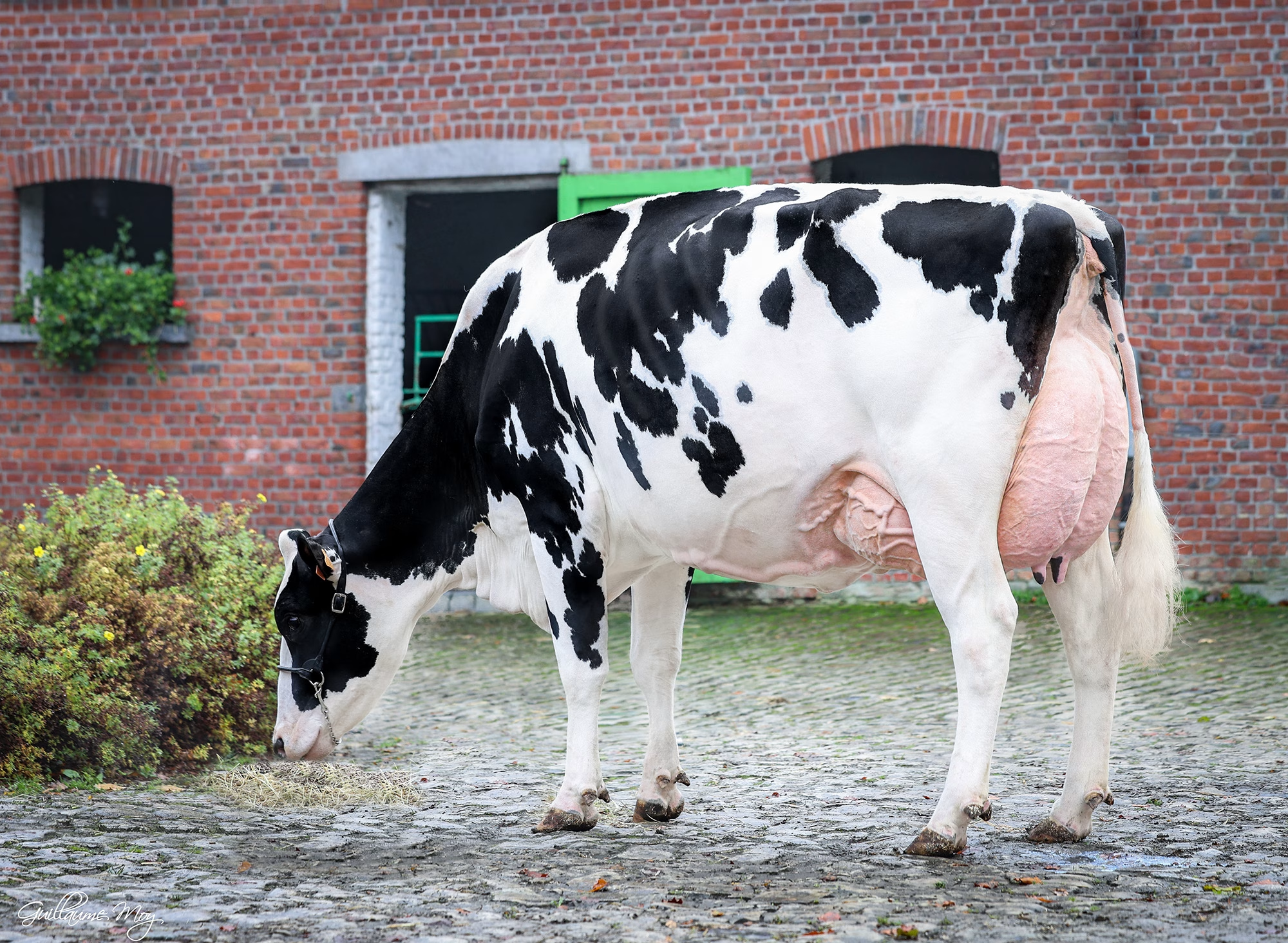
Maxima de Bois Seigneur. Sixty years later, still in the room. A daughter of Stantons Chief—and a direct descendant of Pawnee Farm Arlinda Chief—Maxima stands in a Belgian farmyard as living proof that the old grandfather never left the table. Every time you see a modern cow like her, you’re looking at his influence. Photo: Guillaume Moy. Read more: From Laurie Sheik to Robotic Milking: Bois Seigneur Holstein’s Journey of Innovation
What this means for your operation
Here’s the good news in all of this: knowing the family history is exactly what lets you manage it. So you’ve met the grandfathers — what do you actually do with this on Monday morning? A few concrete things.
Run your matings through a genomic inbreeding tool, not just a pedigree check. With 99.84% of AI sires tracing to two bulls, pedigree alone hides how related your “outcross” really is. The genomic future inbreeding value tells the truth.
Check carrier status for HH1 (APAF1) before you breed a deep-Chief cow. Most catalogs list it. Avoiding carrier-to-carrier matings is the cheapest insurance you’ll ever buy against an empty calving pen.
Put a hard ceiling on expected progeny inbreeding. Many breeders aim to keep a mating under roughly 6–7%. With the Canadian average heifer already at 9.99%, every mating you pull below that line is a small win for the next generation.
Actively hunt the rare outcross lines. They exist. They’re harder to find, and they’re worth the search — the breed’s long-term fertility depends on the breeders who refuse to let the family tree narrow any further.
None of this is a knock on Chief or Elevation. You’d have made the same call any of those old breeders made — the production was real, the longevity was real, the money was real. This is simply the next chapter of stewardship: honoring what the grandfathers built while quietly widening the table for everyone who comes after.
The reunion, and what we owe the dads at the table
Come back to that impossible barn one last time.
The millions of cows. The two chairs at the head. The two old bulls who never met and yet fathered nearly all of it — one a $4,300 gamble out of Pawnee Farm, one a cousin’s hunch off a modest Virginia hillside that had no business working and changed everything anyway. Between them, they handed the dairy world more milk, better udders, longer-lasting cows, and a uniformity that built the modern industry. They also handed down a narrower gene pool and a few hidden flaws their children are still reckoning with. Both things are true. That’s what it means to inherit from a great father — the gifts and the burdens come in the same package, and the work of a lifetime is sorting out what to do with each.
So this Sunday, when somebody asks what you do for a living, tell them the truth. You’re raising the great-great-grandchildren of two bulls born in the 1960s — who themselves came down from a pair born in the 1880s — in a family reunion that has never once adjourned, and never will.
Pour a little extra in the cup. The grandfathers earned it.
Key Takeaways
That “outcross” bull on your mating list probably isn’t one — 99.84% of active AI sires trace to Chief or Elevation, so run matings through a genomic inbreeding tool, not just the pedigree.
Before you breed a deep-Chief cow, check HH1 (APAF1) carrier status on both sides; a carrier-to-carrier mating is the cheapest way to end up with an empty calving pen.
The traits these two gave us — milk, udders, longevity — are the same ones a narrow pedigree quietly takes back, so aim to keep expected progeny inbreeding under roughly 6–7%, against a breed-average heifer already at 9.99%.
The breed’s long-term fertility depends on the breeders who hunt and use the rare outcross lines — they’re harder to find, and they’re worth the search.
Methodology Note
This article uses several distinct measures of genetic influence that should not be conflated. The 99.84% figure is a paternal Y-chromosome lineage measure derived from Yue et al. (2015, Journal of Dairy Science 98(4):2738–2745, examining 62,897 bulls) — it describes male-line descent, not total genome share; the 99.84% / roughly-half-each breakdown is The Bullvine’s analysis of that dataset. The genetic relationship to the modern Holstein cow (~14% for both bulls) comes from Dr. Chad Dechow’s USDA-affiliated analysis, as reported in Hoard’s Dairyman. The Bullvine reports that Elevation accounts for approximately 8.3% of the CDCB genomic reference population. The HH1/APAF1 facts come from the 2011 USDA haplotype discovery (VanRaden et al., J. Dairy Sci. 94:6153–6161) and Adams et al. (2016, J. Dairy Sci. 99(8):6693–6701), which identified the causative APAF1 nonsense mutation. The estimates of roughly half a million abortions, about $420 million in losses over 35 years, and about $30 billion in beneficial milk production are reported by UC Davis (2016). The 9.99% inbreeding figure is a pedigree-based coefficient for Canadian Holstein heifers born in 2024 (Lactanet, August 2025) and may differ from U.S. CDCB genomic measures. National figures may not reflect your region or herd; verify carrier status and inbreeding values against current CDCB/Lactanet data for your own matings.
Questions, corrections, or a number you’d like us to double-check? Reach out to editor@thebullvine.com
Round Oak Rag Apple Elevation: The Bull That Changed Everything — Shines a deeper light on the world Ron Hope and George Miller were navigating, revealing how their B-team mating slowly overcame early show-ring skepticism to ultimately construct the physical foundation of the modern global industry.
Every week, thousands of producers, breeders, and industry insiders open Bullvine Weekly for genetics insights, market shifts, and profit strategies they won’t find anywhere else. One email. Five minutes. Smarter decisions all week.
Roxy, Dellia, Blackrose and seven more didn’t just make famous pedigrees. They built the cow families still showing up in bull books, embryos and your best heifers.
Mother’s Day in the dairy business doesn’t look much like the card aisle.
It looks like a cow family that just keeps paying rent.
You know the kind. Pull up a pedigree in a good Holstein barn, go back four generations, then six, then eight, and suddenly there she is. Maybe it’s Roxy. Maybe Dellia. Maybe Blackrose, Laurie Sheik, Altitude, Missy, or Barbie.
And you catch yourself thinking: “There she is again.”
That’s the thing about great donor cows. They don’t really leave. They just stop standing in the barn and start showing up everywhere else.
This isn’t a show-cow ranking. It isn’t a prettiest-picture contest either, though some of these cows could stop you cold in a photograph. This is a Mother’s Day history piece about the cows that kept giving the breed daughters, sons, granddaughters, embryos, sale-ring moments, AI sires, and cow families breeders are still building around.
So pour the coffee. Let’s talk about ten mothers who helped build the Holstein breed.
Glenridge Citation Roxy: The Queen Who Made the Picture Famous
Glenridge Citation Roxy didn’t become a legend because of one perfect photo. The photo became famous because Roxy kept showing up where it mattered most: in daughters, cow families, bull books, and pedigrees breeders still recognize generations later. Read more: Glenridge Citation Roxy: The Legendary “Queen of the Breed”
There’s a famous story about Glenridge Citation Roxy getting photographed at Mil-R-Mor in Dundee, Illinois. Bob Miller took one shot. Just one. Roxy was clipped, filled, and standing like she knew exactly who she was.
But honestly, the photo didn’t make Roxy great.
Roxy made the photo great.
Born April 15, 1968, at Lorne Loveridge’s Glenridge herd in Saskatchewan, Roxy became one of those rare cows whose name moved from pedigree line to breed language. The Bullvine profile records her as EX-97-4E-GMD, a third-generation 200,000-pound milk producer, and the first Holstein cow reported to have ten Excellent daughters. She eventually had 16 Excellent daughters . A Holstein Plaza family report also lists Roxy as the dam of 16 Excellent daughters, seven of them Gold Medal daughters.
That’s not a cow family. That’s a franchise.
Her daughter Mil-R-Mor Roxette became Canada’s first 30-star brood cow. Branches through Roxette, Lana Rae, Tony Rae, Debutante Rae, and others kept sending the Roxy influence into type, production, red-carrier lines, sale-ring value, and modern pedigrees.
Roxy sits at the top because she wasn’t just a great individual. She became a structure the breed kept building on.
That’s what great mothers do. They don’t just have a moment. They create a direction.
Snow-N Denises Dellia: The Cow Who Ended the Either-Or Argument
Snow-N Denises Dellia looks almost quiet here, but her influence wasn’t. Through Durham, Die-Hard, Million and generations of daughters, she helped prove type and production didn’t have to live on opposite sides of the barn. Read more: Snow-N Denises Dellia: The Holstein Legend Who Redefined Dairy Genetics
Before Dellia, breeders loved to argue like type and production had to live on opposite sides of the barn.
Then Snow-N Denises Dellia walked in and made the argument feel a little tired.
Born in 1986 on Bob Snow’s Wisconsin farm, Dellia was a Walkway Chief Mark daughter from Snow-N Dorys Denise, a Bell-family cow with the kind of maternal depth breeders spend lifetimes trying to stack. ALH Genetics describes Dellia as the breeder of Regancrest Elton Durham and the source of influential cattle including Die-Hard, Million, and Altiota.
And then there was Durham.
Regancrest Elton Durham became one of those sires who connected eras. He had enough cow sense for breeders who still trusted their eyes, and enough transmitting power for the modern proof-sheet crowd. Through Durham, Die-Hard, Million, and the wider Dellia family, her influence spread through elite type, commercial usefulness, and genomic-era pedigrees.
The reason Dellia ranks this high is simple. She changed what breeders believed could come in one package.
She wasn’t just pretty. She wasn’t just productive. She wasn’t just useful.
She was all three, and she passed enough of it on that people had to stop treating balance like a compromise.
Stookey Elm Park Blackrose: The Bankruptcy Calf Who Became Genetic Gold
Some cow families start with perfect timing, polished facilities, and everyone already paying attention.
Blackrose didn’t get that kind of entrance.
The Bullvine’s Blackrose story starts in the middle of financial wreckage: Jack Stookey’s collapse, Curt Prange’s rescue work, and a calf that could easily have been scattered into history before anyone understood what she was . That calf was Stookey Elm Park Blackrose, a To-Mar Blackstar daughter from Nandette TT Speckle-Red.
And what a cow she became.
The Bullvine profile records Blackrose as EX-96, a 42,229-pound producer at five years old, All-American as a junior two-year-old and junior three-year-old, and Grand Champion at the 1995 Royal Winter Fair . Holstein Plaza also identifies her as EX-96-3E-GMD-DOM .
But Blackrose’s real Mother’s Day case isn’t one banner. It’s what came after.
Her family helped shape Red and White breeding through cattle like Indianhead Red-Marker and Lavender Ruby Redrose-Red, the Red and White cow who went on to become Supreme Champion at World Dairy Expo , .
That’s why Blackrose belongs here. She’s the reminder that breed history isn’t always tidy. Sometimes the cow that changes everything comes out of a mess, lands with people who can see past the noise, and spends the rest of her life proving them right.
Comestar Laurie Sheik: The Cow That Built an Empire
Comestar Laurie Sheik was already making people look twice at Madison in 1989. The bigger story came later, when that same cow became the foundation of a Comestar family that kept winning, breeding, and travelling far beyond Quebec. Read more: The Cow That Built an Empire: Comestar Laurie Sheik’s Unstoppable Genetic Legacy
Comestar Laurie Sheik didn’t begin as the obvious global answer.
That’s part of why her story is so good.
Marc Comtois bred Elysa Anthony Lea to Puget-Sound Sheik, and in December 1986, Comestar Laurie Sheik arrived . She would become VG-88-23*, the foundation of one of the most recognizable cow families in the world, and the cow behind a Comestar line that travelled far beyond Quebec .
Holstein International describes Laurie Sheik as the inaugural Canadian Cow of the Year in 1995. That same article notes that family member Comestar Lamadona Doorman EX-94 won Canadian Cow of the Year in 2022, which tells you something important: this wasn’t a one-generation firework .
Laurie Sheik’s family runs through cattle like Lylehaven Lila Z and Comestar Goldwyn Lilac, and through a wider maternal line that helped make the Comestar name feel almost like shorthand for balanced breeding , .
You don’t build that by accident.
Laurie Sheik belongs near the top because she did what only the best brood cows do. She made a prefix mean something. When breeders saw the name, they didn’t just see ancestry. They saw expectation.
Kamps-Hollow Altitude-ET RC: The Red Gene That Became a Revolution
Kamps-Hollow Altitude-ET RC carried red quietly, but her descendants made sure the breed noticed. Through Advent, Apple, Acme, Jotan and the generations that followed, she turned a recessive gene into a serious breeding lane. Read more: Kamps-Hollow Altitude: The Red-Carrying Cow Who Rewrote Breeding History
Kamps-Hollow Altitude carried red quietly.
Her descendants did not.
Altitude was a Durham daughter born January 11, 2000, later classified EX-95, and remembered as one of the defining brood cows in modern Red Holstein breeding . ALH Genetics reported that Kamps Hollow Durham Altitude RC EX-95 died at 15 years old and identified her as the mother of Advent, Acme, and Jotan, the grandmother of Amor Red, Absolute Red, Big Apple, and Armani, and the great-grandmother of Aikman and Addiction P Red .
And of course, there was Apple.
KHW Regiment Apple-Red was the daughter who made Altitude impossible to ignore. She took the red carrier story from pedigree talk to center ring, then sent it back into breeding programs through a cow family everyone wanted a piece of. Read more: KHW Regiment Apple-Red – Beauty, performance, and even more record accomplishments
ALH names KHW Regiment Apple Red EX-96 as Altitude’s best-known daughter . That alone would put Altitude in the conversation. But when you add Advent-Red, Acme, Jotan, Aiko, Absolute, Armani, Addiction P, and the later Apple branches, you get something bigger than one popular cow family , .
You get a turning point.
Altitude made the red factor feel less like a novelty and more like a serious breeding lane. She gave Red and White breeders style, marketability, type, and sons people actually wanted to use.
That’s why she’s here. In the right cow, behind the right udder, with the right people paying attention, a recessive trait stops being a footnote.
It becomes history.
Wesswood-HC Rudy Missy: The Phone Call That Rewired the Genomic Era
Wesswood-HC Rudy Missy didn’t need a show-ring spotlight to change the breed. One phone-call purchase put her in the right hands, and her family later surfaced through genomic-era names like Shauna, Supersire, Mogul, Silver and Balisto. Read more: The Phone Call That Built a Genetic Empire: The Wesswood-HC Rudy Missy Story
The Rudy Missy story has one of those scenes you can almost hear.
A sale. Buyers drifting. Interest softening. A cow that should have been getting more attention than she was.
Then a phone call.
The Bullvine profile tells the story of Matt Steiner buying Wesswood-HC Rudy Missy by phone and follows the family into Pine-Tree, Ammon-Peachey Shauna, Supersire, Mogul, Silver, and Balisto . Holstein International reports that Rudy Missy was selected as its Global Cow in 2014 after finishing second in 2012 and 2013 . The same article points to Mogul, Supersire, Silver, and Balisto as examples of her influence .
Missy’s power was not sentimental. It was practical. She hit the genomic era where it mattered: influential sires, high-use pedigrees, elite females, and commercial relevance.
That’s why she ranks ahead of some cows with more glamorous stories. Missy’s family didn’t just look good in a feature. It moved through breeding programs at scale.
The lesson is pretty simple, and a little uncomfortable.
The next great mother may not be the cow everyone is clapping for in the sale ring. She may be the one one person quietly refuses to let go cheap.
Larcrest Cosmopolitan: The Spotted Heifer From Minnesota
Larcrest Cosmopolitan never needed much noise to make her point. From a spotted Minnesota cow came a family that made Larcrest mean repeatability in bull books, embryo lists and the genomic-era pedigrees breeders kept coming back to. Read more: Larcrest Cosmopolitan: How a Spotted Minnesota Cow Built a Dynasty
Larcrest Cosmopolitan’s story doesn’t come at you with fireworks.
It sneaks up on you.
She was a Picston Shottle daughter born in September 2005 at Jon and Ann Larson’s Larcrest herd in Albert Lea, Minnesota . The Bullvine traces the family back through Larcrest Juror Chanel and the registered heifers Raymona Larson bought with her teacher’s retirement savings , .
That detail always gets me.
A teacher’s savings. A few heifers. A cow family that eventually becomes one of the most recognizable maternal lines of the genomic era.
Cosmopolitan turned that family into a brand. The Bullvine identifies Larcrest Crimson as her daughter and describes Crimson’s sons Calibrate, Camelot, Chavez, Conquest, Casual, and Cyclone as AI-stud staples . The same profile points to Larcrest Commander as another later family example with cross-border relevance in U.S. TPI and Canadian LPI conversations .
Cosmopolitan wasn’t loud. She didn’t need to be.
She made Larcrest mean repeatability. That’s a different kind of fame, and in many barns, a more useful one.
Harborcrest Rose Milly: The Cow Who Came Over the Hill
Harborcrest Rose Milly was the kind of cow that made people stop talking when she came over the hill. Her bigger legacy came through Paclamar Astronaut, turning one great cow into thousands of daughters and decades of Holstein influence. Read more: Harborcrest Rose Milly: From Pig Money to Holstein Royalty
Some cattle stories need a whole crowd.
Milly just needs one hill.
The Bullvine profile tells the scene from June 1961 in West Salem, Ohio: Dick Brooks visiting John Snoddy, cows coming over the rise, and Harborcrest Rose Milly walking at the head of the line . You can almost see it. The kind of cow that makes the conversation stop for a second.
Milly was later recorded as EX-97-GMD, a three-time All-American Aged Cow, and the dam of Paclamar Astronaut . The King Barn Dairy MOOseum also identifies Astronaut as born in early 1964 to Harborcrest Rose Milly and describes Milly as a widely known All-American cow with a strong dairy record .
Her legacy runs through Astronaut.
The Bullvine profile credits Astronaut with 59,949 tested daughters and connects his daughters to later breed-shaping lines including Hanoverhill Starbuck and Startmore Rudolph . ABS Global’s bull database identifies Paclamar Astronaut as a proven Holstein bull born January 19, 1964 .
We don’t need to overstate it. The verified story is strong enough.
Milly produced Astronaut. Astronaut carried her influence into thousands of daughters. Those daughters helped open pathways into some of the most important bloodlines that followed.
That is maternal influence at breed scale.
One son. Thousands of daughters. Decades of echo.
Plushanski Chief Faith: The Cow Her Owner Would Not Sell
The Bullvine profile frames Plushanski Chief Faith around Charlie refusing to sell her before mating her to Pawnee Farm Arlinda Chief . Faith was born in November 1968, classified EX-94-4E-GMD, and credited in the profile with lifetime production of 242,863 pounds of milk and 11,353 pounds of fat . Holstein Plaza also identifies Plushanski Chief Faith EX-94-4E-GMD as a foundation cow in the Quality Gibson Finsco pedigree .
Faith’s strength came through daughters.
The Bullvine identifies Plushanski Valiant Fran, Plushanski Job Fancy, Plushanski Dawn Fayne, and Plushanski Star Faith as daughters that carried different parts of the family forward . The profile also connects the Faith line to Quality BC Frantisco, the EX-96 cow who became a two-time Royal Winter Fair Grand Champion through the Fran branch , .
This one feels less like a glossy genetics story and more like something every breeder understands.
Sometimes the whole future turns on a cow you decide not to sell.
Charlie Plushanski didn’t know he was protecting history. He just knew enough to trust the cow in front of him.
That’s not luck. That’s stockmanship.
Regancrest-PR Barbie: The Brood Cow Who Made Type Personal
Regancrest-PR Barbie looked good enough to get attention.
Then her daughters made her impossible to ignore.
The Bullvine profile places Barbie at the 2004 Minnesota State Fair as Reserve Grand Champion and follows her into one of the most concentrated type-transmitting stories of the modern era . By 2010, the profile says Barbie had produced eight Excellent and 19 Very Good daughters, with all but one of her 27-plus daughters classified VG or better on first lactation . The Bullvine’s earlier Golden Dam finalist profile also treated Barbie as one of the defining donor females of her era .
That’s the kind of family where even people who don’t follow every branch still recognize the landmarks . Eurogenes has also continued to identify top PTAT animals tracing back to Regancrest-PR Barbie, which shows the family remained visible in modern type rankings .
Barbie ranks tenth here only because the first nine cows have longer historical arcs or wider breed-building records. In almost any other feature, she could be the headline.
That says more about this list than it does about Barbie.
What These Mothers Knew
There’s a funny habit in dairy history. We talk about the bulls.
The bull got the stud code. The bull got the proof sheet. The bull got the semen tank, the ad, the argument, the daughters counted in tidy rows.
But behind the bull was usually a cow someone believed in first.
Roxy gave the breed a family that reproduced excellence. Dellia made type and production feel less like enemies. Blackrose turned a financial wreck into Red and White power. Laurie Sheik made Comestar a global name. Altitude made red serious. Rudy Missy helped wire the genomic era. Cosmopolitan made Larcrest repeatable. Milly gave Astronaut the maternal base to move through the breed. Faith rewarded one farmer’s refusal to sell. Barbie reminded everyone that type still needed mothers.
That’s the real Mother’s Day story.
Not the soft-focus version. Not the greeting-card version.
The real story is quieter and better. It’s a breeder standing in a barn, looking at a cow, and thinking, “There’s something here.”
Sometimes they’re right.
And when they’re really right, the rest of us are still seeing that cow generations later. In the heifer pen. In the bull book. In the embryo catalog. In the sale ring. In the pedigree of the cow that just freshened better than expected.
So walk the barn a little slower this Mother’s Day.
Find the cow that always breeds back. The one whose daughters freshen right. The one nobody makes much noise about because she simply works.
Pull her pedigree. Go back far enough.
Odds are, one of these mothers is waiting there.
Key Takeaways
Don’t give the bull all the credit. The cow family behind him often tells you more about repeatability, risk, and long-term value.
Pull the pedigrees on your best heifers and look for the mothers that keep showing up. That’s where the next breeding decision starts.
Great cow families aren’t built from one perfect mating. They come from breeders who notice the right cow early and keep stacking the right daughters.
Legacy still has barn value. If a family keeps breeding back, classifying well, and making useful daughters, don’t let fashion talk you out of it.
Continue the Story
From Laurie Sheik to Robotic Milking: Bois Seigneur Holstein’s Journey of Innovation – While Laurie Sheik provided the maternal spark, Marc Comtois built the engine. Step into the Quebec barns where this exact historical timeline played out, proving what happens when visionary stockmanship meets the right foundation cow at the perfect moment.
Edward Young Morwick – Country Roads to Law Office – Every legendary sire in a stud book traces back to a mother someone refused to cull. Explore the bull side of this history through the eyes of a Master Breeder, where names like Astronaut and Durham pushed maternal foundations into millions of modern pedigrees.
KHW Regiment Apple-Red-ET – Everything and more – When Altitude made the red factor a serious breeding lane, she laid the groundwork for an absolute dynasty. Trace how her most recognizable daughter took that exact foundation and relentlessly dominated both the shavings and the global genomic era.
The Sunday Read Dairy Professionals Don’t Skip.
Every week, thousands of producers, breeders, and industry insiders open Bullvine Weekly for genetics insights, market shifts, and profit strategies they won’t find anywhere else. One email. Five minutes. Smarter decisions all week.
Four Minnesota farmers bet $25,000 on a calf they could still pick up. A century later, his hidden gene produced a World Dairy Expo Supreme Champion.
Sir Inka May at Carnation Milk Farms, the “Crown Prince” whose black‑and‑white frame quietly carried the red gene that would reshape Holstein history and help pave the way to a Red & White Supreme Champion.
The auctioneer’s chant bounced off the rafters in that Philadelphia sale barn like hoofbeats on a wooden bridge. It was the Fourth Brentwood National Sale in 1925—one of those days when you could look down the rows and see every kind of dairyman, from small‑town breeders in their Sunday coats to corporate buyers with sharper suits and even sharper pencils. Then the next lot stepped into the ring: a two‑year‑old bull with that big‑time show bloom and a catalog page that read like a wish list. Sir Inka May. When the gavel finally crashed at 12,000 dollars to Carnation Milk Farms out in Seattle—and word buzzed through the crowd that Carnation had been willing to go to 30,000 if they had to—you didn’t need a crystal ball to know this bull was going to matter.
What nobody in that ring could see—not the auctioneer, not the Minnesota men who’d raised him, not even the Carnation buyer signing off on the biggest bull check of his career—was that this wasn’t just a sale. It was the opening scene of a story that would run a hundred years, stretch from a 75‑cow outfit in Austin, Minnesota, to the colored shavings at World Dairy Expo, and peak with a Red & White cow named Golden‑Oaks Temptres‑Red‑ET walking out of Madison as Supreme Champion. The thread that ties those moments together is the bull the Mower County News once called the “Crown Prince of the Inka herd”—and one small, recessive gene the Holstein world wanted nothing to do with at the time.
Act I – A Crown Prince in a Little Powerhouse
To really understand Sir Inka May, you’ve got to start in Austin, Minnesota. Not the Seattle of Carnation advertisements, but a place where cream cans rattled down gravel roads, and neighbors knew which barns housed the good cows.
In 1919, Vere Culver and his partner Alpha Eberhard set out to build more than just a herd there. They created the Minnesota Holstein Company. On the surface, it was a small Holstein operation. In reality, it was an early boutique genetics program. The herd never topped 75 head, youngstock included, yet in eight years they piled up 85 first‑place ribbons and 14 championships at national Holstein shows. In 1925, they attended the National Cattle Congress in Waterloo, Iowa, and returned with both the Premier Breeder and Premier Exhibitor banners. Think about that for a second: a herd you could walk through in under an hour, being called the best in the country that year.
Here’s what made that possible. Her name was May Walker Ollie Homestead.
May Walker Ollie Homestead (left) on the showgrounds, 1924—the cow whose 31,608 lbs of milk and 1,521 lbs of butterfat made test sheets look like misprints and gave Sir Inka May the maternal firepower that changed a breed.
By all accounts, she was the kind of cow that made people change their travel plans. On December 18, 1922, just as winter settled in, she wrapped up a lactation that made test sheets look like misprints—31,608.6 pounds of milk and 1,521.59 pounds of butterfat. This was the era of hand milking, wooden stanchions, and hay and grain. That record didn’t just push the envelope; it blew it right open. Her butterfat record held nearly five years. She went on to be the dam of three All‑Americans and an All‑American produce of dam, and the Farmers Independent noted that no other animal had performed so “sterlingly for the upbuilding of the dairy industry.”
Now, put yourself in Culver and Eberhard’s boots. You’ve got a cow like that in your barn. You’ve watched the milk scales, felt the spring in her pasterns after months of that kind of production, seen her hold condition. What keeps you up at night? The hope that she’ll give you a son who can pass it on.
On April 8, 1923, hope hit a straw. May Walker Ollie Homestead calved a bull by Sir Inka Superior Segis. The Mower County News didn’t play coy. “This introduces you to the Crown Prince of the Inka herd,” they wrote, adding that he was being “groomed to keep up the family trait of being American champion of something.” That’s rural Minnesota in 1923—half humor, half prophecy.
Sir Inka Superior Segis already had a reputation for siring winners. The Minnesota Holstein Company had six All‑Americans on the farm at one time; this calf came from the very center of that genetic storm. No wonder breeders were watching.
Sir Inka May’s pedigree page in The Carnation Milk Farms News—a 1920s proof sheet showing the “Crown Prince” as the only All‑American sire of two All‑American daughters, backed by May Walker Ollie Homestead’s record 31,608‑lb lactation and a stack of red‑carrier ancestors the breed didn’t yet understand.
A few months later, four breeders from McLeod County sat down at a kitchen table with that calf’s future in front of them. By all accounts, that’s when talk turned to numbers that made thumbs drum against the tabletop. They decided to buy a 50% interest in Sir Inka May for $ 25,000. In today’s money, that’s around 476,000. That’s not “let’s see how he does” money. That’s a level of risk that makes your stomach feel light when you sign.
You can picture it. Catalogs pushed aside, coffee cups cooling, someone saying, “We’re not going to see another one out of a cow like May Walker any time soon.” Another answering, “If he sires like she milks, we’ll be glad we did it. If he doesn’t…” Silence. Then somebody pushes his chair back, walks over to the desk, and does the hardest part of any breeding decision: puts pen to paper.
The next year, 1924, the wider Holstein world got its first real look at the “Crown Prince.” The All‑American program had just been formalized in the Holstein‑Friesian World in 1922. Sir Inka May went into the junior yearling bull classes and came out as an All‑American Junior Yearling—one of the first bulls to carry that new national “ideal” All‑American title beside his name. According to dairy historian Ron Eustice, he didn’t stop there. He became the first All‑American bull to sire an All‑American daughter, proving that his show-ring quality wasn’t going to stop with him.
Back home in Minnesota, he was doing the quieter work that really builds a legacy. During his tenure there, Sir Inka May sired at least 70 calves in the state, more than 30 of them in those McLeod County herds. This was still pre‑A.I. If his daughters looked good, the neighbors saw them. If they milked like their granddam, the talk at the local creamery reflected it.
Nobody in those conversations was thinking about coat color genetics. Red calves popped up here and there in the breed, usually met with frowns or quiet culls. The Holstein identity was black and white. Folks talked about Segis, Rag Apple, and Clothilde; recessive alleles were still a mystery. Sir Inka May’s promise, as far as anyone knew, was about more milk and better-looking cows, period.
Act I ends in that sale ring, with a great Minnesota hope going west—and a gene nobody understood hitching a ride in his semen.
Act II – Carnation, Red Calves, and a Breed That Wasn’t Ready
Now, the thing about that 1925 Brentwood Sale is that it wasn’t just a fancy auction; it was a snapshot of where the Holstein breed was headed. The sale grossed 88,950 dollars—serious money in an era when the average cow was a 3,000‑pound milker. Buyers came from 18 states and three countries. Breeders sent cattle there to make statements.
Carnation Milk Farms didn’t come to watch. They came to buy.
Carnation King Sylvia on tour in 1918—E.A. Stuart’s $106,000 “whistle‑stop” calf, paraded under the CARNATION STOCK FARMS banner, proving long before Sir Inka May that big Holstein bulls and bigger cheques could turn genetics into nationwide marketing.
Owned by the Carnation milk products company—which would later end up under Nestlé—Carnation Milk Farms was built around a simple idea: breed cows so productive that their numbers alone would sell semen back to the dairymen whose milk Carnation was hauling. At a time when the national average cow gave about 3,000 pounds of milk in 1900 and 7,000 pounds by 1950, Carnation was recording herd outputs of 37,000 pounds as early as 1927. They weren’t there to hang ribbons. They were using genetics as part of a corporate business plan. (Read more: When Cows Were Kings: Revisiting Carnation’s Golden Age of Dairy Breeding)
Carnation’s own ad for Sir Inka May on the July 1, 1930 cover of The Holstein‑Friesian Register—proof that the “Crown Prince” from Minnesota had become the headline sire in a program built on turning big records into even bigger semen sales.
Sir Inka May arrived in Seattle with exactly what they were looking for: All‑American credentials, a dam with a world‑record butterfat test, and a growing reputation for prepotency. The fact that they’d been prepared to pay 30,000 if necessary tells you just how badly they wanted him in their bull barn.
One can imagine those first Sir Inka May daughters freshening in the Carnation barns. Long, airy concrete barns, lime dusting the floor, the new sound of milking machines chugging where hand milking used to echo. Herdsmen with clipboards, watching test weights and butterfat numbers, circling the ones that made their eyebrows go up.
Within a few years, his calves had already racked up over 90 blue ribbons in the 1926 and 1927 show seasons. By October 1940, Holstein‑Friesian World wrote that he had 11 daughters over 1,000 pounds of fat and 45 over 800—more than any other living sire of any breed. In the records, only Matador Segis Ormsby sat ahead of him. The magazine concluded that “the Sir Inka May production and his influence on the breed today is perhaps greater than that of any other sire now living.” Carnation’s own people later said no bull had ever had more impact on their program.
Sir Inka May featured in a 1927 issue of The Carnation Milk Farms News—pitched as the All‑American champion sire whose daughters and All‑American heifers, Inka Pontiac and Inka Bonnie, were proving that one Minnesota bull could stamp both type and production across Carnation’s herd.
Behind those numbers were bulls and cows that carried his name. By 1940, Sir Inka May had sired four of Carnation’s main herd sires, and at least six of his grandsons were also serving as herd bulls there. At that point, you could walk down the bull line and see his influence in every pen.
But while the production records were climbing, something in the calving pens was making the company nervous.
Between 1928 and 1937, Sir Inka May sired at least 13 red‑and‑white calves at Carnation. His sons, used in that same herd, also threw red. This wasn’t entirely new—Carnation’s records show a red calf as early as 1915, and a bull named Carnation Segis ProspectRC siring red calves in 1923–24. But when your top sire, the bull you’ve hitched your program to, starts throwing that color in your best cow families, the stakes feel higher.
Picture a scene from those years. A Carnation herdsman, coat collar turned up against Washington drizzle, is in a box stall with a Sir Inka May daughter whose test sheet has been making everybody smile. The calf hits the straw; they wipe it off with a sack; the lantern light hits the coat, and it’s not black. Not mostly black with a funny cast. It’s clearly red and white. There’s probably a long pause. Maybe a muttered, “Well, that’s not what we ordered.”
Breeders hate mysteries in a pedigree. To explain the red calves, a story started that you still hear in some corners today: that Sir Inka May’s red gene came from an unrecorded Ayrshire in his background—a fence‑jumper somewhere along the line. It was a convenient way to pretend “true” Holsteins didn’t carry that gene.
Eustice’s research shuts that down. The red factor was already present in the Holstein breed through imported Dutch cattle such as Clothilde and Coronet. Sir Inka May’s sire, Sir Inka Superior Segis, was a known red carrier. His full sister, May Walker Inka Segis—sold to Senator A.C. Hardy in Ontario at the Minnesota Holstein Company dispersal—was a red carrier. A maternal brother, Sir Bess Ormsby May, went to Osborndale Farm in Connecticut and sired red calves. The gene was woven into some of the breed’s most elite families. No Ayrshire needed.
Carnation, though, had a brand to protect. As late as 1963, long after Sir Inka May was gone, their own magazine ran a line that many old‑timers still remember: “The red factor is becoming so much a problem in some places that it does not seem advisable to run the risk of further spreading the factor throughout the breed.” One Carnation editor, looking back on the red calves those years later, wrote that they made some folks “nervous” even when the numbers on their dams were spectacular—numbers like Sir Inka May’s daughters were posting. That tension between what the eye liked and what the ledger demanded was playing out in real time in their barns.
They weren’t alone in that attitude. Both the Holstein‑Friesian Association of America and its Canadian counterpart held the line for decades against registering Red & Whites. Some state associations placed ads arguing that adding red cattle to the herdbook would damage the Holstein “brand.” Red calves were not just unfashionable; they were seen as a threat.
Sir Inka May himself kept doing the only job he knew. He worked at Carnation until about a year before his death. On July 15, 1943, they euthanized him at the farm. He was 20 years old, a venerable age for a bull that had seen the breed shift from hand milking to milking machines and watched new bulls come and go while his daughters stayed in the milking string.
By then, his official record was sealed: 18 All‑Americans and 15 Reserves, 33 banners in total; 11 daughters with 1,000‑pound fat records and 45 with 800 pounds or more, more than any living bull of any breed at the time; four sons and six grandsons at work in the Carnation bull barns. If his story had ended right there, he would still be remembered as one of the great sires of that era.
But the gene nobody wanted was still out there, riding quietly in the pedigrees of the cows and bulls he’d made famous.
And this is where the story that started with that 12,000‑dollar bid in 1925 starts climbing toward its peak.
Act III – Sovereign, Outcasts, and a Red & White Supreme
The Minnesota Holstein Company itself didn’t last long on paper. In 1927, after only eight years, they dispersed the herd. At that sale, 61 head averaged 1,078 dollars—about three times the industry’s average cow price of 376 dollars at the time. The buyers might not have been thinking about recessive color genes, but they definitely recognized elite cattle when they saw them.
Minnesota Holstein Company Dispersal Makes History with $1,078.69 Average” — the 1927 Holstein‑Friesian World spread that proved Culver and Eberhard’s 75‑cow “boutique” herd was no hobby, with buyers from across North America paying triple the going rate for cows like May Walker Ollie Homestead and the families behind Sir Inka May.
Looking back, Eustice wrote that through its cattle, the Minnesota Holstein Company “unknowingly and irrevocably disseminated the recessive gene for red hair color throughout the North American Holstein population.” That word “unknowingly” sits heavily. Culver, Eberhard, and the McLeod County breeders—they were chasing performance, type, and banners. They didn’t set out to change the breed’s palette. They just happened to put a powerful red gene carrier at the center of a very influential program.
The survival and eventual triumph of that gene runs through one key link: Montvic Rag Apple Sovereign.
Sovereign was born April 17, 1942, at Mount Victoria Farm in Hudson Heights, Quebec, under the eye of another legend: T.B. Macaulay. Macaulay had a very specific vision. He wanted Holsteins that could consistently test 4% butterfat with udders that would stand the strain year after year. At a time when breeders sometimes accepted leaky udders in exchange for big production, that was a clear, disciplined breeding philosophy.
Montvic Rag Apple Sovereign—born at T.B. Macaulay’s Mount Victoria in 1942, sold as a two‑month‑old for $4,075, and then, through early A.I., the great‑grandson of Sir Inka May whose semen spread the red gene into more Holstein pedigrees than any other bull of his era.
Sovereign was a great‑grandson of Sir Inka May. When the Mount Victoria dispersal came in 1942, he was only a two‑month‑old calf, but he still fetched 4,075 dollars from Tom Dent and Clark Brown. That price told you everything: people believed in the breeding behind him, not his size on sale day.
Here’s where timing helped. Artificial insemination was stepping out of its experimental phase. Sovereign became one of the bulls to ride that first real wave of A.I. At one point, he had more registered offspring in the Canadian herdbook than any other sire. Instead of influencing a handful of herds the way a natural service bull would, his genetics spread coast to coast—and beyond.
The line sharpened again at ABC Farms in Brampton, Ontario. There, ABC Inka May EX showed what Sir Inka May’s family could do from the female side—a four‑year‑old All‑Canadian with a record of 24,141 pounds of milk and 1,128 pounds of fat. She was sired by Inka Supreme Reflection and traced back to Temple Farm May, a 400‑dollar purchase that turned out to be one of those cows whose price looks comically small in hindsight.
When ABC Inka May was mated to Montvic Rag Apple Sovereign, they produced A.B.C. Reflection Sovereign EX‑Extra. The bull books tell you what happened next. Reflection Sovereign dominated the show ring in the 1950s, siring seven All‑Canadian Gets and five All‑American Gets. Breeders across North America built cow families on his daughters. Because he carried the red gene from Sir Inka May, those lines quietly banked that recessive factor even as the official herdbooks still refused to print “Red & White” beside a registration number.
A.B.C. Reflection Sovereign EX‑Extra—the Sovereign son from ABC Inka May whose daughters dominated the 1950s show strings, with seven All‑Canadian Gets and five All‑American Gets, quietly banking Sir Inka May’s red gene in the very cow families the breed was most proud of.
Meanwhile, the institutional resistance was still in full swing. The Holstein‑Friesian associations in both the U.S. and Canada stood firm against the registration of Red & Whites. Some state associations ran ads warning that letting red cows into the registry would tarnish the Holstein image. As late as 1963, Carnation’s magazine was still warning that the red factor was “becoming so much a problem… that it does not seem advisable to run the risk of further spreading the factor.” That line tells you all you need to know about how deep the prejudice ran.
But the cows—and the data—were winning. Around the world, demand for high‑production Holstein genetics often meant buying semen from bulls that happened to carry the red gene. The first Red & White show at World Dairy Expo was held in 1968. Canada opened its herdbook to Red & Whites in 1969. The U.S. followed in 1970. In 1969, Carnation themselves—the same outfit that had spent years trying to breed red out of their own herd—introduced Red & White bulls into their A.I. lineup to meet global demand. Talk about coming full circle.
By that point, as Eustice notes, almost all Red & White and red‑carrier Holsteins in the world could be traced back to Montvic Rag Apple Sovereign. Follow that line back a little farther, and you land squarely on Sir Inka May. A bull who’d once been valued for his black‑and‑white daughters and fat records had become, through his great‑grandson, the backbone of a color variety the breed had spent decades trying to keep out.
And this is where the story that started with that high price in Philadelphia finally hits its peak.
Fast‑forward to Madison, Wisconsin, 2025. If you’ve been to World Dairy Expo, you can smell it just thinking about it—sawdust, coffee, hoof black, and cool fall air. In the International Red & White Show, Golden‑Oaks Temptres‑Red‑ET walks into the ring. The minute she does, you can tell the class has just changed. Classified EX‑94, she’s got that welded‑on udder, that long, clean frame, that way of carrying herself that makes judges forget their lunch breaks.
There’s that familiar hush in the Coliseum—the kind where you can hear a shank chain rattle three rows over—while the Supreme lineup stands under the lights. Then there are her numbers. As a three‑year‑old, Temptres had already rung up 37,030 pounds of milk and 1,510 pounds of butterfat in 365 days. Put that beside May Walker Ollie Homestead’s 1922 record—31,608.6 pounds of milk, 1,521.59 pounds of fat—and it sends a little chill up your spine. Different eras, different rations, different technology, same kind of ridiculous capability in the milking parlor.
Her pedigree is a Red & White road map. Dam: Miss Pottsdale DFI Tang‑Red EX‑94. Granddam: Al‑N‑Tine Debonair Tart‑ET EX‑92 3E. Further back, C Alanvale Inspiration Tina EX‑95 2E, plus a list of elite red and red‑carrier names that any modern breeder will recognize. Underneath it all, if you walk the branches back far enough, you find Sovereign, Reflection Sovereign, and the Inka lines that lead back to Sir Inka May.
When the announcer in Madison finally says it—Temptres named Supreme Champion of World Dairy Expo 2025—everything that had come before folds into that moment. This isn’t just a Red & White cow winning her color show. This is a Red & White cow, carrying elite production and elite type, standing as the top Holstein on the grounds. The gene Carnation, once called “a problem,” and the associations that once wouldn’t register are under the spotlight, and nobody’s complaining.
That’s the climax. That’s the peak. A story that started with a record cow in Minnesota, a high‑priced bull calf, and some red calves that made people mutter in the barn has finally walked to the colored shavings and taken the whole show.
Golden-Oaks Temptres-Red Supreme Champion – World Dairy Expo 2025 Milk Source, Fischer, Steincrest & Crescentmead Kaukauna, WI
Why Sir Inka May Still Matters in Today’s Barns
So why should a producer in 2026, juggling feed costs, labor, and breeding decisions, care about a bull born in 1923?
First off, Sir Inka May is living proof that influence in this breed doesn’t spread out evenly. If you’ve ever flipped through a pile of pedigrees and seen the same name pop up three, four, five times in four generations, you’ve seen what happens when one bull ends up at the center of multiple powerful herds. Put a highly prepotent sire in a boutique show herd like the Minnesota Holstein Company, then move him to a corporate production herd like Carnation, and you’re not just making a good bull. You’re laying down a genetic highway that his traits can travel for generations.
Another thing his story says, loud and clear: you don’t get to choose which genes tag along with the ones you’re chasing. We assess milk, fat, udder quality, feet and legs, and health traits. The rest of the package—fertility quirks, disease resistance, coat color—climbs into the trailer with them. Sir Inka May was used heavily because he made the kind of daughters Carnation needed and sired sons that bred true. The red gene never asked permission. It just stayed in the blood and kept moving forward.
Stand him between Culver and Eberhard at that kitchen table in Austin and the Carnation team reading test sheets in Seattle, and you can watch the breed walk from kitchen tables to conference rooms. On one side, you have a small herd, big goals, and a lot of faith in what you can see in front of you. On the flip side, you have herd records, planned matings, and a corporate mindset that uses genetics as a tool in a larger business machine. Sir Inka May is a reminder that the tension you feel today between what the computer says and what the cow in front of you looks like has long been part of this breed.
And if you’re milking Red & Whites today—or even just using red‑carrier bulls in a black‑and‑white herd—this isn’t ancient history. Every time you trace a Red & White pedigree back and find Sovereign or Reflection Sovereign, every time you see RC show up in a bull’s proof and shrug because his daughters are exactly what you want in your free stalls, you’re staring right down the line that runs back to Sir Inka May. Every Supreme Champion Red & White at Madison, Temptres included, is another banner hanging on the same genetic rope he helped string.
A Quiet July Day, and a Long Echo
Let’s go back, one last time, to Carnation Milk Farms in July of 1943. By then, Sir Inka May had been walking those alleys for nearly two decades. He’d seen the barn change around him—new paint on the walls, new milking units, new bulls on either side of his stall. His daughters had filled the milking strings, and his grandsons were already standing in the bull pens.
The records tell us, not the memories, that he was euthanized on July 15. One can imagine the day. Summer haze over the fields. A few of the long‑time herdsmen pause as they walk by his pen, thinking of the calves they’d pulled from his daughters, the fat tests that had rolled off the tester’s scale, the herd sires with his name on their registration papers. For them, the bull wasn’t just a list of numbers; he was a fixture.
By then, Holstein‑Friesian World had already called his influence on the breed “perhaps greater than that of any other sire now living.” Carnation had acknowledged that no bull had shaped their program more. On paper, his story was staggering: 18 All‑Americans, 15 Reserves; more 1,000‑pound‑fat daughters than any other living sire of any breed; four sons and six grandsons in the Carnation bull barns.
If that were all he’d done, Sir Inka May would still deserve his place in Holstein history. But we know now that the deepest part of his legacy wasn’t visible in those 1940s scorecards. It was in the quiet way a recessive gene slipped out from under the shadow of prejudice, stayed alive in elite families, and eventually walked into the center ring at Madison with a Supreme banner over its head.
Without Sir Inka May, Carnation’s production records would have different numbers beside them. Mount Victoria’s breeding experiments might have taken a different turn. Sovereign’s widespread impact on A.I. would look different in the herdbook. Without him, the Red & White pedigrees behind cows like Temptres would read another way, and it might have taken longer for the breed to admit what the cows had been saying all along: that excellence comes in black and white—and in red and white.
Every time a breeder today opens a catalog and sees RC next to a bull’s name, every time a Red & White calf hits the straw and the reaction is a smile instead of a sigh, there’s a little bit of Sir Inka May in that moment. When Golden‑Oaks Temptres‑Red‑ET walked out of the ring in 2025 as Supreme Champion of World Dairy Expo—with a 37,000‑pound record and a pedigree that leads back through Sovereign to Minnesota’s Crown Prince—that was his echo, loud and clear.
In 1923, a small-town newspaper introduced a newborn bull as the “Crown Prince of the Inka herd” and joked that he’d be groomed to be “American champion of something.” A hundred years later, we can say they were right in ways they never could have imagined. He helped lift a little Minnesota herd into the spotlight. He gave Carnation the sires they needed to rewrite what “high production” meant. And he quietly carried a red gene that turned out to be one of Holstein history’s greatest stories of redemption.
So the next time you watch a Red & White cow circle the ring at Madison, or look at a red‑carrier bull’s proof, wondering how his daughters will look in your barn, remember that quiet July day at Carnation and that loud day in the Philadelphia sale ring. Remember the world‑record cow in Austin, the four farmers betting 25,000 dollars on her son, and a corporate herd that tried to keep the red gene behind the curtain even as it rode their best pedigrees.
You’re not just looking at color. You’re looking at the long echo of a bull born in 1923 whose influence ran farther and lasted longer than anyone in that first barn could have guessed.
Crown Prince, indeed.
Key Takeaways:
Sir Inka May turned a 75‑cow Minnesota show string into a global genetic force, anchoring both Carnation’s record herds and the emerging A.I. era.
His daughters’ 1,000‑lb fat records and multiple All‑Americans made him a sire-of-sires at Carnation—even as his red calves were treated as a problem to erase.
The red gene he carried spread quietly through elite lines to Montvic Rag Apple Sovereign and A.B.C. Reflection Sovereign, seeding almost all modern Red & White and RC Holsteins.
Association resistance to Red & Whites finally broke in 1968–1970, setting the stage for cows like Golden‑Oaks Temptres‑Red‑ET to stand Supreme at World Dairy Expo.
For today’s breeders, his story is a reminder that you can’t cherry‑pick only the “good” genes—concentrated influence always brings hidden passengers along for the ride.
Continue the Story
The Vision of Mount Victoria: T.B. Macaulay’s Holstein Legacy – In the same era Sir Inka May was transforming Carnation, T.B. Macaulay was applying actuarial science to create the Rag Apple bloodline. This profile explores how Macaulay’s quest for 4% butterfat parallelled the high-production dreams born in Minnesota.
Sire Spotlight: The Backup Bulls Who Created Holstein History – Deepen your understanding of the historical world these bulls were navigating. This retrospective examines the industry forces and “backup” status of legends like O-Man and Elevation, proving that the foundation held even when the experts looked elsewhere.
A.B.C. Reflection Sovereign – Trace the line from Sir Inka May’s hidden gene to the bull who carried it into the modern era. This analysis shows how Reflection Sovereign became the ultimate genetic bridge, proving that excellence and color could finally walk the same path.
The Sunday Read Dairy Professionals Don’t Skip.
Every week, thousands of producers, breeders, and industry insiders open Bullvine Weekly for genetics insights, market shifts, and profit strategies they won’t find anywhere else. One email. Five minutes. Smarter decisions all week.
A 500-cow herd breeding 60% to beef at $8 a straw thinks they’re saving money. They’re $313 per cow underwater and 15 heifers short every year. The spreadsheet doesn’t lie.
Executive Summary: The gap between a cheap beef-on-dairy strategy and a disciplined one on a 500-cow Holstein herd is $156,600 a year — $313 per cow. Most of that margin vanishes into places nobody budgets for: a 15-heifer annual replacement shortfall at $3,010 each, higher calf mortality, and undocumented calves discounted $25–50 a head at the barn. CoBank’s heifer deficit data says the industry is 600,000–700,000 head short; every straw of unselected beef semen widens the hole on your farm while you think you’re pocketing ,700 in annual savings. Peer-reviewed carcass research shows well-selected beef × dairy crosses actually outmarble native beef — but random-sire crosses are sliding toward Holstein bull calf pricing. Three paths, three cost structures, and a 30/90/365-day audit that starts with one number: your real 21-day PR — not your target. If your replacement pipeline can’t survive your current beef percentage, that 6,600 gap isn’t a model. It’s your margin.
CoBank’s August 2025 analysis put a number on what a lot of producers already felt in their gut: the U.S. dairy industry was roughly 800,000 heifers short — a figure that updated NAAB year-end data released March 10, 2026, has since been revised closer to 600,000–700,000 head. The correction from sexed semen is running ahead of schedule. But the farm-gate math hasn’t softened, because replacement heifers tracked from $1,720 per head in April 2023 to $3,010 by July 2025 — a 75% jump in barely two years. And every straw of beef semen in your tank is a bet on which side of that deficit you land on.
So we modeled it. Three beef-on-dairy strategies run on an identical 500-cow Holstein herd in the Ontario/US Midwest market. Same parlor. Same turnover. Same pregnancy rate. The only variable: how seriously the operation treated the beef side of the business. The gap between the cheapest approach and the most disciplined one wasn’t a rounding error. It was $156,600 a year.
The Backdrop You Can’t Ignore
This isn’t a “should you use beef semen?” conversation. You already are. The question is whether those straws are building equity or quietly draining it — and whether there’s a genetic time bomb hiding in the fresh pen that you haven’t priced yet.
At the other end of the chain, the source analysis cites packers — including JBS — describing carcass conformation on early dairy-beef crosses as inconsistent: too narrow, undersized ribeyes, not enough muscling. Research from Texas Tech (Foraker et al., 2022) found that even well-selected beef × dairy crosses dressed about 1 percentage point lowerthan native beef (63.2% vs. 64.2%, P < 0.01) — and that’s with quality sires. Random or bottom-tier sire selection likely widens that gap further. Anonymous beef-on-dairy calves are drifting into the same pricing bucket Holstein bull calves used to occupy: commodity cattle, priced defensively.
The 500-Cow Showdown: Cheap vs. Disciplined
To make the economics concrete, the Beef-on-Dairy 2.0 analysis runs a modeled 500-cow Holstein herd through identical biological assumptions: 35% annual turnover, 30% 21-day pregnancy rate, and 79% heifer completion rate from birth to freshening.
One bull can reshape a breed’s trajectory over decades. In beef-on-dairy, one wrong sire decision reshapes your cash flow for 30 months. Here’s what that looks like at scale.
Metric
Path A: “Cheap & Easy”
Path C: “Integrated/Partnered”
Semen Cost
$8/straw
$25/straw
Annual Semen Spend (Beef)
$4,800
$12,500
Beef Conception Rate
48%
46%
Calf Sale Price
$1,150 (at 5–7 days)
$1,550 (at 21 days)
Calf Mortality to Sale
5.0%
2.5%
Beef Calves Sold/Year
~285
~293
Replacement Impact
−$12,900 (15-head deficit)
+$15,000 (surplus heifers sold)
Net Annual Income*
$300,050
$456,650
The Gap
—
+$156,600
*Net includes semen cost plus estimated mortality-related rearing losses not separately itemized in the model.
Path A thinks it’s saving $7,700 on semen compared to Path C. It’s actually losing $156,600 in total opportunity — calf price, mortality, documentation premiums, and the avoided cost of buying replacements because the breeding strategy was sloppy. That’s $313 per cow-year. At 500 cows, it’s a tractor payment.
What Happens When 15 Heifers Don’t Show Up?
Path A’s modeled herd doesn’t just lose on calf price. It bleeds replacement heifers. With a 35% cull rate, 79% heifer completion, and beef semen pushed to 60% of the herd, the model shows a 15-heifer annual shortfall — costing,900 per year at 2025 market prices to stand still.
Path C flips that number. Precise use of sexed semen on the top 30% of cows covers all replacement needs and leaves surplus heifers to sell as premium springers — a +,000 credit. That’s a $27,900 swing on replacements alonebefore you even talk about what the calves brought at the barn.
And if your actual 21-day PR is sitting closer to 20% instead of 30%? The deficit deepens fast. Your heifer breeding strategy determines how many calves you can afford to send to beef, and a thin PR doesn’t leave room for guessing. The analysis models that scenario bluntly:
In November 2025, Tyson Foods announced the closure of its Lexington, Nebraska, beef plant — a facility processing about 5,000 head per day, roughly 4.8% of U.S. daily beef slaughter. With capacity coming offline and overall beef production contracting, packers can afford to be selective. They want “predictable rail performance”: load lots of genetically similar cattle that hit specific weights and grades at the same time.
A random mix of whatever beef bull was on sale creates pens that are the opposite — some cattle ready at 14 months, some at 18, with carcasses that don’t match in length, thickness, or ribeye. If you’re selling into that market with undocumented calves from unknown sires, you’re not competing. You’re just filling a spot.
What Are Structured Genetics and Documentation Actually Worth?
The peer-reviewed data backs this up convincingly. In the Foraker et al. (2022) Texas Tech carcass study — 518 beef × dairy, 966 native beef, and 935 Holstein steers — well-selected beef × dairy crosses actually outmarbled native beef(marbling score 481 vs. 447, P < 0.05) while carrying 18% less back fat and 5% more ribeye area than straight Holsteins. Select Sires’ feedyard data tells a similar story: in well-managed yards, beef-on-dairy crosses are hitting more than 60% Prime and Choice.
The chasm between that outcome and the JBS “all over the board” complaint is almost entirely about sire selection and management. The analysis recommends filtering sires by terminal indexes — Angus-on-Holstein ($AxH), Igenity Terminal Index (ITI), or Holstein-Simmental (HOLSim) — using only bulls in the top 25% for carcass merit. If a bull can’t clear that bar, the math says he doesn’t belong in a terminal program even if the semen is free.
Path 1 — Stay Random, but Own the Trade-Off. You’re putting out bigger fires right now. Fine. Accept commodity status for your beef calves, and understand that part of your “good beef cheque” is already committed to future replacement purchases.
Path 2 — Structured Sires and Protocols (No Integration Yet). Shrink your beef sire list to 2–3 bulls for smaller herds, 3–5 for 500+ cows, all top-quartile on $AxH, ITI, or HOLSim. Write a one-page calf protocol. Use sexed dairy semen on your top 30% until your forward replacement model says you’re covered.
Path 3 — Integrated/Partnered (The Full Margin Engine). A defined relationship with one finisher or branded program. Full documentation on every calf. A data loop where you get ADG, days-on-feed, death loss, and carcass summaries back — and actually adjust sires and protocols based on those closeouts.
[ ] Pull your last 12 months of cull rate and actual 21-day pregnancy rate — not your target, your real number.
[ ] Calculate your annual heifer need using a 79% completion rate from birth to freshening at your current herd size.
[ ] Overlay your current beef semen percentage and model whether you’re headed for surplus, balance, or deficit on a three-year horizon.
[ ] If the model shows you in the red on replacements, stop and fix that before touching anything else.
☐ Within 90 Days
[ ] Tighten your beef sire list to the top 25% on a recognized terminal index ($AxH, ITI, or HOLSim). Drop every bull that’s only in the tank because he was cheap.
[ ] Write a one-page beef-calf protocol: colostrum timing, vaccination schedule, minimum sale age, and weight. Make sure everyone on the team follows it.
[ ] Call one serious calf buyer or finisher and ask what specs they’d want from a 50–100 head trial lot. You’ll learn more in that conversation than in a year of reading semen catalogues.
☐ Within 365 Days
[ ] Run at least one group of 50–100 calves through that buyer or program under your tightened sire list and documented protocol.
[ ] Get a basic closeout: ADG, days-on-feed, mortality, carcass weights/grades. That’s the only real scorecard for whether your genetics and management are earning a premium or just looking like they should.
[ ] Use those results to decide: commit to full Path C integration, or tighten Path 2 further and shop for a better buyer.
What This Means for Your Operation
If your 21-day PR is below 25% and your cull rate is above 30%, run your replacement model before you order another tank of beef semen. The deficit might already be there — you just haven’t priced it yet.
If you can’t name the terminal index ranking of every beef bull in your tank, you’re making a $313-per-cow decision on feel instead of data.
If you’ve never seen a closeout for calves from your farm, your opinion of their performance is based on what they look like at five days — not what they’re worth at fifteen months.
The $27,900 replacement swing between Path A and Path C happens before a single calf crosses the sale ring. That’s the hidden lever most operations never model.
If your 21-day PR is below 25% and you’re breeding more than 40% to beef, you’re likely already in a heifer deficit you haven’t priced. Run the replacement model before you reorder semen — at $3,010 per head, 15 missing heifers cost $12,900 a year to stand still.
Drop every beef sire that doesn’t rank in the top 25% on $AxH, ITI, or HOLSim — even free ones. Texas Tech carcass data shows well-selected beef × dairy crosses outmarble native beef at 481 vs. 447. Random-sire crosses are sliding toward commodity pricing.
Call your top calf buyer this month and ask for their preferred sire list. If they can’t give you one, they’re a middleman. Aligning 80% of your beef matings to a real finisher’s specs is the fastest path from $1,150 calves to $1,550 calves.
The $27,900 replacement swing between a cheap beef strategy and a disciplined one happens before a single calf crosses the sale ring. Your heifer pipeline — not your calf cheque — is the lever most operations never model.
The Bottom Line
Don’t wait for your next replacement bill to find out you’re in the red. Start your 30-day audit today — pull your real PR, your real cull rate, and your real beef semen percentage. Put them on paper. If the numbers look more like Path A than Path C, that $156,600 gap isn’t a hypothetical. It’s the margin you’re leaving on someone else’s table.
Complete references and supporting documentation are available upon request by contacting the editorial team at editor@thebullvine.com.
$3,010 Per Heifer. 800,000 Short. Your Beef-on-Dairy Bill Is Due. – Exposes the structural 800,000-head heifer deficit that is locking in high replacement costs through 2027. This analysis arms you with the market intelligence to navigate $4,000 price tags and secure processor partnerships before the supply window closes.
The Next Frontier: What’s Really Coming for Dairy Cattle Breeding (2025-2030) – Reveals the high-accuracy genomic breakthroughs and AI markers that will redefine herd value by 2030. This feature breaks down how advancements in casein selection and disease resistance can transform your breeding program into a high-margin protein factory.
The Sunday Read Dairy Professionals Don’t Skip.
Every week, thousands of producers, breeders, and industry insiders open Bullvine Weekly for genetics insights, market shifts, and profit strategies they won’t find anywhere else. One email. Five minutes. Smarter decisions all week.
They started with grade cows and manure on their trousers. They built every genomic proof you chase today.
The year was somewhere in the mid‑2000s, and if you were lucky enough to lean on the rail at World Dairy Expo with a coffee in your hand, you felt it. The big banners and spotlights still belonged to the cow show—the Goldwyns, the Durhams, the glossy strings from famous prefixes—but when the sire lists went up on the bulletin boards outside the Coliseum, a different set of names rose to the top in black and white: Durham. Goldwyn. O‑Man. Rudolph. Shottle. Marshall. Mountain.
Now, the thing about that era is this: if you judged the future by those glossy ads and center‑spread photos, you’d have sworn the next great sires would all come out of investor barns with brass nameplates and full‑time fitters. But what a lot of people didn’t realize was that the real engine of change was turning miles away—in grade‑started herds where the breeder’s trousers were more likely streaked with manure than show sheen, and where the biggest “promotion” was a good proof and a paid‑off feed bill. Between roughly 1991 and 2010, a handful of farmer‑bred bulls, show‑ring architects, and fitness warriors quietly built the cow population that genomics would later “discover.”
Most of those bulls and cows are long gone now, except in the pedigrees. This is the story of how they earned their place there.
Act I – Hillsides, Sale Rings, and the Bulls Nobody Expected
If you want to understand how this Golden Age began, you don’t start in Madison or Toronto. You start on a Vermont hillside in 1946.
Everett’s Hills and the Mathematics of Manure
Bis‑May Farm sat in the rolling hills around Moretown, Vermont, about 17 miles west of Montpelier. It wasn’t a show palace. Everett and his father, Ralph, started with a grade herd; a few cows had papers, but most just had to earn their keep in a tie‑stall barn where every empty stanchion hurt. In 1950, they bought Kearsarge Governor Jean from C. Leland Slayton in New Hampshire, and a few years later, Everett’s fascination with the old Mount Victoria Rag Apple cattle pushed him to buy nine Canadian cows rich in Rag Apple blood, including Marie Pabst Lochinvar.
Through his college years, Everett had pored over Holstein‑Friesian World, thumbing through pictures of Montvic Rag Apple Gladiator and the rest of Thomas Macaulay’s great cattle. The Mount Victoria dispersal had already happened in 1942. The sale was over. But in his mind, those cows still had something to say.
Here’s the thing—Everett believed the math. There are thousands of farmer‑breeder herds. There are only a handful of Pabsts, Skokies, and Carnations. If great sires come from good cows, and there are vastly more good cows in ordinary barns than in famous ones, where do you think most of the real genetic power is hiding?
When he became chairman of the little Central Vermont Breeding Association, whose entire A.I. battery was Jersey bulls, he pushed the group to buy a Holstein: Walker Homestead Dawn, proven at Howacres in Vermont for high butterfat test and “exceptionally good type.” They did. Everett used him so heavily that when Dawn died, he bought 100 extra doses and kept right on breeding Dawn daughters.
Out of that web of grade cows, Rag Apple immigrants, and Dawn blood came three bulls no one would have picked out of a show catalog: Bis‑May Astro Jupiter, Bis‑May Tradition Cleitus, and Bis‑May S‑E‑L Mountain.
Mathematical probability, with manure on its boots.
Jupiter: Astronaut’s “Second Son” and the Brood Cow Maker
In the Paclamar Astronaut era, the headlines went to Bridon Astro Jet, and rightly so. But at Eastern A.I. in Ithaca, New York, there was another Astronaut son quietly doing the heavy lifting: Bis‑May Astro Jupiter, born in 1972. He was out of Bis‑May P Admiral Jana VG‑88‑GMD, a high‑lifetime Irvington Pride Admiral daughter backed by Bis‑May Homestead June, one of Everett’s precious Walker Homestead Dawn cows.
Jupiter’s daughters had that farmer’s wish‑list look—usually only medium for stature, but wide in the muzzle and chest, deep in the rib, and carrying big, capacious rear udders that could hold up to full meters of milk. The New York cow Welcome Jupiter Gala VG‑GMD‑DOM put up 31,360 pounds of milk at 4.1 fat as a 2‑11 365‑day record—a state record when she made it. When you asked her breeder, Bill Peck of Welcome Stock Farm, what kind of cow he wanted to breed, he’d tell you: “wide in the muzzle, wide in the chest, and wide in the udder.” When you asked which family did that best, he pointed straight at the Jupiter Galas.
Gala’s daughter, Welcome Valiant Gingersnap VG‑GMD‑DOM, produced Mark CJ Gilbrook Grand VG‑GM by Walkway Chief Mark, and Grand, in turn, became the double grandsire in the pedigree of Braedale Goldwyn—siring both Shoremar James (Goldwyn’s sire) and Braedale Gypsy Grand (Goldwyn’s maternal granddam).
So every time you see a Goldwyn daughter step into the ring at Madison, there’s a little strand of Bis‑May Astro Jupiter and Walker Homestead Dawn hiding in the fine print of that pedigree.
On the home farm, another Jupiter daughter, Bis‑May Jupiter Mabel VG, made a top record of 31,159 milk, 3.6 fat, and 3.3 protein—but she only classified Good Plus for udder. Her dam line, back through Zion‑View Amys Prince and U.N.H. Burke Ideal Graduate, was all about body capacity and power. The Maynards bred Mabel to the udder specialist Cal‑Clark Board Chairman, and the resulting daughter, Bis‑May Chairman Merri VG‑87‑DOM, made two heifer records, both over 28,600 pounds, with 3.3 protein.
Midway through Merri’s second lactation, they flushed her to Lekker Valiant Royalty. When they consigned Merri and her five Royalty pregnancies to the North‑East Kingdom Sale, Steve Smith and Chet Crosby of Shade‑E‑Lane bought the package for $14,500. One of those Royalty calves would make the whole thing look cheap.
Mountain: The “Poor‑50” Bull Whose Daughters Didn’t Read His Proof
To‑Mar Mountain Helen VG — a stylish Bis‑May S‑E‑L Mountain daughter whose frame, udder, and balance give breeders a rare visual glimpse of what the famous 50‑point “homely anti‑hero” was actually capable of siring.
Under the Shade‑E‑Lane roof, one of those Royalty calves grew into Bis‑May S‑E‑L Mountain. He was proven at Sire Power in Pennsylvania. He had two flush brothers. When Sire Power analyst Steve Neeley had to choose between them, he did what sire analysts do: he looked at type, frame, legs, and testicles—because bigger testicles meant earlier and heavier semen production. Mountain got the nod.
Then the classifier came.
The classification report on Mountain is one of those documents you’d frame if you like irony: “Poor. Fifty points. Straight legs and almost no middle.” That’s almost comical in an era when Good still meant something—back when a 50‑point score really meant “don’t bother taking his picture.” For a moment, you can imagine folks at the stud wondering if they’d backed the wrong brother.
But the classification sheet didn’t tell the whole story. As Mountain daughters freshened, their proofs started rolling in, and they were “pumping out the protein like nobody’s business,” as one contemporary account put it. They weren’t all pretty, but they were resilient producers with better‑than‑average type and solid milk.
When A.I. centers started using Mountain sons because of those daughters, the people rose in protest. Holstein‑Friesian World and the Holstein Association were flooded with cranky letters about a 50‑point bull being used as a sire of sons. The cows didn’t care. They just milked.
From that “homely anti‑hero” came an elite trio of 100% U.S. blood bulls scattered around the globe: Jesther CV in France, Etazon Addison in the Netherlands, and Elite Mountain Donor in Australia. Another daughter, Emerald‑Acr‑SA Tannice VG, produced Emerald‑Acr‑SA Dawson, a popular protein sire in the early 2000s.
Think about that for a second. In a time when breeders still slapped bull pictures on the fridge, one of the defining protein sires of his era was a 50‑point bull whose best “photo” might have been his proof sheet.
Cleitus: The Milk Bull That Slipped in the Side Door
If Mountain taught the industry not to judge a bull by his picture, his herdmate Bis‑May Tradition Cleitus EX‑GM taught it not to judge a bull by his dam’s index.
When Bis‑May Conductor Coral VG‑88‑GMD‑DOM, a tall, deep‑bodied Wapa Arlinda Conductor daughter out of Bis‑May Bold C Coconut VG‑87 (by Nicolk Sunshine Bold Chief), dropped an early Sweet‑Haven Tradition son in 1987, his numbers were low enough that the first A.I. stud the Maynards approached turned him down. Tradition semen was hard to get, and Coral’s index didn’t look like bull‑mother material on paper.
Eastern A.I. remembered what Jupiter had done for them and decided to roll the dice. The young bull they took was named Bis‑May Tradition Cleitus.
Cleitus grew into one of the key production sires of his time and one of the best Elevation grandsons in the books. His best son, Norrielake Cleitus Luke EX‑GM, stood at Alta Genetics in Alberta and sired Dixie‑Lee Aaron EX‑GM and Lexvold Luke Hershel GM, both out of Mascot daughters. Aaron daughters clicked beautifully with O‑Bee Manfred Justice to produce bulls like Long‑Langs Oman Oman VG‑GM, while Hershel’s sons included Sandy‑Valley Bolton EX‑GM, a big milk and protein bull that earned a reputation as a serious freestall sire.
Norrielake Cleitus Luke EX‑GM — the powerful Alta Cleitus son whose Aaron and Hershel lines carried Bis‑May blood straight into Oman Oman, Bolton, Snowman, and the protein‑driven pedigrees of the genomic age.
Another Cleitus son, Paradise‑R Cleitus Mathie EX‑GM, was selected by Charlie Will for Select Sires and sold upwards of two million doses, making him the highest semen seller in Holstein history at the time.
By the late 1990s and early 2000s, you could hardly scan a top TPI or Net Merit list without bumping into Cleitus, Luke, Aaron, or Hershel in the pedigree. Everett’s Hill Farm in Vermont had done exactly what his probability instincts predicted: stock the A.I. shelves from farmer‑bred cows.
Act II – Madison Architects and Fitness Warriors
All that milk, type, and protein needed a frame to live on—and a body that would last long enough to pay for itself. That’s where the second act of this Golden Age really takes hold.
Dellia, Durham, and Five Years at the Top of Madison
Snow‑N Denises Dellia EX‑95‑2E‑GMD‑DOM wasn’t bred as a glamour cow. She was a Bell x Mark granddaughter developed by Bob Snow and young herdsman John Steinhoff out of a hard‑doing family that had to travel down a pasture, cross a creek, and walk back up to the barn every day. By all accounts, there were nights when she walked into the parlor carrying three gallons of sand in her udder.
Frank Regan saw Dellia and couldn’t shake her from his mind. He came back. Looked again. Eventually, he bought her, on the condition that she show one more time at the Wisconsin Spring Show in 1991 before heading to Regancrest in Iowa.
The night before the show, Dellia looked a little drawn. So the crew did what cow people do: they fed her four bales of hay, warmed up her beet pulp—Dellia liked it that way—and let her settle down. The next day, judge Niles Wendorf walked her out first in the four‑year‑old class, gave her the best udder, and slapped her grand champion of the show. That creek‑bottom cow had just crossed a completely different kind of river.
Back at Regancrest, Frank called Select Sires’ Charlie Will. “What should I use on her?” he asked. The answer came back: Emprise Bell Elton, a Bell son whose daughters were building a reputation for udders, feet, and legs, and longevity. The Dellia x Elton flush produced four sons. First choice went to Japanese buyers for $20,000. The second choice went to Alta Genetics for similar money. Select Sires took the third bull, Regancrest Elton Durham. The Regans used the fourth.
Nobody in that semen office knew they’d just picked up the bull who’d become Premier Sire at World Dairy Expo five years in a row, 2003 through 2007—a run that, as the Durham profile notes, may stand for a very long time.
Sheeknoll Durham Arrow EX — a signature Regancrest Elton Durham daughter, captured in her World Dairy Expo moment, showing exactly the kind of balanced frame and welded‑on udder that kept her sire on the Premier Sire podium for five straight years.
The thing about Durham daughters is that you could pick them out from the stands: long bodies, flat and wide rumps, and udders that looked like they’d been hung with a level—high rear udders, smooth fore udders, clean teat placement. More than one dairyman has said his Durhams weren’t always the highest milk cows on the test sheet—but they were some of the most trouble‑free cows he ever milked. They bred back, they walked well, and they often looked their best at four and five—exactly when the milk check really starts to count.
Durham sons—Mr. Sam, Duplex, Damion, Modest, Drake, D‑Fortune, Primetime—filled type lists from Canada to Europe. His daughters—Kamps‑Hollow Altitude, Lylehaven Lila Z, MD‑Delight Durham Atlee, Regancrest‑PR Barbie, Scientific Debutante Rae—founded families that still show up behind modern genomic stars.
Looking back, the signs were there: Durham gave the breed a blueprint for “classic” dairy cow architecture exactly when the industry was learning to care about cell counts, fertility, and productive life as much as it cared about banners.
If Durham was the architect of style, Braedale Goldwyn GP‑Extra was the finisher who wouldn’t leave a seam out of place.
Goldwyn was born January 3, 2000, a Semex young sire out of Braedale Baler Twine VG‑86, the Maughlin Storm daughter of Braedale Gypsy Grand VG‑88, both cows deeply rooted in Sunnylodge breeding. His sire was Shoremar James GP‑Extra, a Mark CJ Gilbrook grandson out of an Aerostar daughter.
His pedigree is a masterclass in line breeding. Goldwyn carries three close crosses to Madawaska Aerostar (through James, Storm, and Moonriver), and three to Walkway Chief Mark (through James, Gypsy Grand, and Sunnylodge Chief Vick). There’s also a tight knot in the ninth, tenth, and eleventh dams involving Hays Inspiration and Ajax Sovereign B, both tied to Montvic Rag Apple Sovereign and the anchor Dutch cow Vrouka 9198 H.H.B.—the same foundation that produced Osborndale Ivanhoe.
Put simply, Goldwyn didn’t just pop out of nowhere. Canadian breeders deliberately stacked old Sovereign and Rag Apple blood, via Aerostar and Chief Mark, because they believed those cows still had something to say—if you lined them up just right.
On diets and bedding that looked a lot more modern than Dellia’s creek‑bottom pasture, Goldwyn daughters made people rethink what “mammary perfection” meant. Their udders were high, silky, and veiny, with square teat placement and rear udders that looked welded onto the pelvis. They carried long, stylish dairy frames and near‑perfect feet and legs.
RF Goldwyn Hailey EX-97—the next dynastic champion who captured Supreme Champion at World Dairy Expo in 2012 and 2014, ensuring Goldwyn daughters wore the ultimate crown for four consecutive years.
In 2008, Goldwyn ended Durham’s run and became Premier Sire at World Dairy Expo—the youngest sire in 25 years to win it and the first bull at the top of Canada’s LPI list to do so. You could feel the shift in the Coliseum that night. The banners still said “Madison,” but the cow families and sire stacks behind those udders were starting to look a lot like the pedigrees that would soon feed into genomic flush programs.
When Eastside Lewisdale Gold Missy EX‑95 sold for roughly $1.2 million in 2009 and then went on to be grand at Madison and the Royal, it wasn’t just a big number. It was proof that deep Canadian cow families, carefully line‑bred back to Vrouka and Sovereign, could still ring the cash register in an era about to be dominated by SNP chips.
Eastside Lewisdale Gold Missy EX‑95 — the $1.2‑million Goldwyn daughter who turned mammary perfection into both Madison and Royal banners, proving just how valuable those deep Canadian cow families still were in the genomic age.
And if you trace a Goldwyn pedigree far enough, you still find Welcome Jupiter Gala, Mark CJ Gilbrook Grand, Walker Homestead Dawn tucked into the background—the same farmer‑bred math that was quietly powering Mountain cows in commercial parlors.
If there’s a single moment where you can say “everything changed,” it’s probably that 2008 Premier Sire banner. Durham had ruled Madison for five straight years. Goldwyn took his place while sitting at or near the top of LPI for conformation, and the genomic era was just around the corner. The old show‑ring order had just shaken hands with the future.
O‑Man and Formation: The Fitness Wars
Now, while all that was happening under the Madison lights, another battle was raging in the proofs—a battle over fitness. Cows were getting taller and fancier, but fertility was slipping, and cows weren’t lasting like they used to. The industry needed bulls that could keep daughters in the herd.
O‑Bee Manfred Justice (O‑Man): The Fitness Turning Point
The fitness story starts with a cow called Rynd‑Home Valiant Cutie EX‑91, who earned the “Mama Protein” nickname by producing two sons, Cubby and Curious, who topped protein lists in 1992. Her son Osdel‑Endeavor Bova Cubby EX‑94‑GM sired Ha‑Ho Cubby Manfred GP‑GM, bred by the Grose family in North Carolina.
Manfred’s proof at Accelerated Genetics was a strange mix: high production, deep udders, plain type—but with outstanding fertility and longevity numbers. As Net Merit shifted to reward health traits, Manfred suddenly looked like “America’s answer” to the longevity and fertility concerns of the early 2000s.
His best son was O‑Bee Manfred Justice, EX‑GM, known everywhere as O‑Man. Bred by Obert Bros. of Illinois, O‑Man was a Manfred son out of Meier‑Meadows El Jezebel EX‑92‑GMD, an Emprise Bell Elton from an Arlinda Melwood daughter, backed by Chief Mark and Rockalli Son of Bova.
When O‑Man’s proof hit in 2002, it landed like a rock in a pond. At a time when the whole world was suddenly worried about fertility, he scored positive for all the major health traits—productive life, daughter fertility, somatic cell score—with enough milk and type to keep most programs comfortable. Holstein International even called his appearance a “turning point in global Holstein breeding.”
By August 2009, O‑Man sons held five of the top ten spots in high‑ranking sire reports. Long‑Langs Oman Oman VG‑GM (from a Dixie‑Lee Aaron dam) and Schillview Garrett GM (from a Carol Prelude Mtoto dam) were near the very top. Schillview Oman Gerard EX‑GM, out of Schillview Marsh Glash VG‑89‑DOM, tied Marshall’s production to O‑Man’s health.
And then came Flevo Genetics Snowman 388965513, O‑Man’s high‑type son from Broeks MBM Elsa EX‑90, the Mara‑Thon BW Marshall daughter named Global Cow of the Year 2009, and later recognized again in 2010 by World Wide Sires Germany. Snowman’s genomic numbers were so strong that he became a worldwide sensation before his daughter’s proofs were even in; he died during the waiting period, but not before his genetics were widely used.
Looking back, it’s hard not to see O‑Man as the hinge where health traits stopped being an afterthought and started driving breeding decisions.
Formation: Burke Lad 33 Times Over
Shen‑Val NV LM Formation EX — the white Leadman son loaded with 33 crosses to Admiral Burke Lad, whose balanced udders and stay‑in‑the‑herd daughters made him the quiet longevity specialist of the fitness revolution.
Running alongside the O‑Man wave was a quieter bull: Shen‑Val NV LM Formation, a Leadman son whose pedigree carried 33 crosses to Wisconsin Admiral Burke Lad.
Formation daughters weren’t extreme—they were correct. Good udders, strong ligaments, enough strength, and cows that just kept coming back through the parlor doors. His biggest contribution to this era came through Lylehaven Form Laura EX, who produced Lylehaven Lila Z EX‑94, the million‑dollar Durham daughter that anchored a host of Goldwyn and genomic descendants.
Lylehaven Lila Z EX‑94 — the million‑dollar Formation granddaughter whose sweeping rib and welded‑on udder turned a quiet longevity sire into one of the most respected brood‑cow makers of his time.
At the time, most folks saw Formation as “one of those good Leadman sons.” Decades later, breeders would recognize that he’d helped pipe Burke Lad’s balanced, long‑lasting daughters straight into some of the most intensively used cow families in the world.
Act III – Shottle, Rudolph, Marshall, and the Hand‑Off to Genomics
By the early 2000s, A.I. had truly gone global. British cows were shaping American proofs, Canadian cow families were being flushed to Italian and German bulls, and American fitness sires were showing up in Dutch programs. As the genomic era dawned, three bulls sat right at the intersection of all those threads: Picston Shottle, Startmore Rudolph, and Mara‑Thon BW Marshall.
Picston Shottle: Sharon’s Son and the Bull No One Could Knock Off
The Shottle story starts at Don McLean’s Condon dispersal in Ontario.
At that 1991 sale, Condon Inspiration Sally VG‑87, a Hanover‑Hill Inspiration daughter from the Cranford Sovereign Marjorie family, walked through the ring with a nine‑month‑old Madawaska Aerostar heifer at her side named Condon Aero Sharon. Sharon sold for $4,400 to an English buyer who eventually moved her to joint ownership between John and Helen Pickford (Picston) and Anthony Brough (Tallent).
Under their care, Sharon became a force. By the time the smoke cleared, Condon Aero Sharon EX‑91‑60* had earned 60 brood cow points based on 37 daughters averaging 87 points and seven sons with a median score of 91. She was, as the Shottle profile says outright, one of the most powerful brood cows in U.K. history.
When the Pickfords and Brough sat down to pick a mating, they chose Carol Prelude Mtoto EX‑SP, a bull known for strong, functional type and low somatic cells whose sire stack—Prelude, Blackstar, Chief Mark, Bell, Elevation, Bootmaker—and maternal Holtex Peggy line were full of respected Canadian and U.S. names.
The calf from that mating, born July 23, 1999, was registered as Picston Shottle. According to pedigree expert Douglas Blair, Shottle had “the best proof in the world” at the time, and Blair noted he’d never seen a modern pedigree with so many respected Canadian bulls and prefixes lined up in a row. Helen Pickford later admitted they still had to “pinch themselves” when they thought about the impact he’d made—the kind of remark that tells you how surreal it felt even to the people who bred him.
On the ground, Shottle’s daughters weren’t prima donnas. You could park a Shottle daughter in a 400‑cow freestall or in a county fair front row, and she’d look like she belonged in both places—quiet, correct, with an udder that didn’t need excuses. They milked, they bred back, they walked well, and they did it in barns from Staffordshire to Wisconsin to northern Italy.
Huntsdale Shottle Crusade EX‑95‑3E — Nasco International Type and Production Award winner at World Dairy Expo, living proof that Picston Shottle’s daughters didn’t just win banners but milked their way through multiple lactations with the kind of trouble‑free udder that changed what breeders expected from a type sire.
For a stretch in the mid‑2000s, Shottle sat at or near the top of type and production lists in the U.S., Canada, and Italy at the same time. In late 2010, ABS sire summaries still showed him at +1334 milk, +63 fat, +36 protein, and +2.95 on overall type, on 30,049 daughters in 7,276 herds, with semen at $100 a dose. Round after round, new proofs came and went, but breeders kept finding one constant at the top of the page: Old Shottle, still sitting there.
If Durham gave the blueprint and Goldwyn fine‑tuned the udder, Shottle was the bull you used when you wanted a cow that would work anywhere on the planet.
Startmore Rudolph: The Brood Cow Fountain
Startmore Rudolph VG‑Extra — the Aerostar son from Jim‑Mar‑D Astronaut Gail’s family whose daughters became the most prolific source of brood cows in modern Holstein history, with eleven lines still running through Genosource Captain alone.
Then there’s Startmore Rudolph VG‑Extra, born July 17, 1991, on Earl Start’s farm near Woodstock, Ontario.
Rudolph’s story really begins at the Reflections of Milly Sale in May 1976 in Henrietta, New York. Earl had been a Guernsey man all his life—official judge, major shows, the whole bit. But by the mid‑’70s, he’d decided to move into Holsteins. That wasn’t easy emotionally; his family had gotten their first Guernsey for doing a neighbor’s fall plowing back in 1931, one of the worst years of the Depression.
He and his neighbor, Gerry Row, drove down to the sale with their wives. As they walked up to the Monroe County Fairgrounds sheds, they saw a big black cow being led to water. That was it. They could hardly think of anything else. The cow was Jim‑Mar‑D Astronaut Gail EX‑11, Honorable Mention All‑American 3‑year‑old the year before, an Astronaut from a 30,000‑pound Rosafe Shamrock Perseus granddaughter.
Jim‑Mar‑D Astronaut Gail EX‑11 — the Honorable Mention All‑American 3‑year‑old whose combination of Astronaut power and Perseus production made her the sale‑ring purchase that ultimately put Startmore Rudolph and his brood‑cow dynasty on the map.
“The more we looked at her, the more we liked her,” Earl recalled some 35 years later, although he didn’t think they could touch the price. Gerry finally said, “Well, Earl, I’d like to buy half,” even though either man could have bought her alone. They bought them together for $15,500.
Back home, when an investor group came sniffing around, Earl did some mental math on ten flushes and quoted what he figured she was worth. “I didn’t say I’d sell her for that,” he told them. “I’m just giving you an idea of what she’s worth.” He and Row started flushing her, taking turns picking bulls. Earl leaned on S‑W‑D Valiant, Row favored Nelacres Johanna Senator, and later Earl added Butlerview Mattador after seeing a group of Mattador daughters at an Eastern Breeders display.
Gail’s daughters and granddaughters—Startmore Chanel (by Valiant), Startmore Rachelle (by Mattador), and others—built a family of cows that were, as one account put it, “virtually royal,” packed with brood cow power. Out of Rachelle by Madawaska Aerostar came Rudolph.
As a young proven bull, Rudolph debuted at the top of Canada’s LPI list in August 1996 and sat there for four consecutive years. His young sire semen allotment sold out so quickly in 1992 that Canadian breeders nearly cleaned him out before any daughters calved. By the end of his career, he’d sold 1,495,000 doses, just shy of the “super‑millionaire” status (1M+ units) only nine bulls in the breed had ever achieved.
At first, he was used for high type and production. Later, as fitness traits entered the indexes, people realized his real gift was late maturity, longevity, and low cell count—a gift traced back through his maternal grandsire, Butlerview Mattador EX‑ST, one of the top longevity and fertility bulls of his day.
Wesswood‑HC Rudy Missy EX‑92‑3E‑GMD‑DOM — the deep‑ribbed Rudolph daughter whose production, fertility, and bull‑making consistency turned a good cow family into the genomic powerhouse behind Mogul, Supersire, and an entire generation of TPI leaders. (Read more: The Phone Call That Built a Genetic Empire: The Wesswood-HC Rudy Missy Story)
Rudolph’s daughters turned into a who ’s-who of brood cows. By the mid‑2000s, sale catalogs read like a roll call of Rudolph daughters—Wesswood‑HC Rudy Missy, Windsor‑Manor Rud Zip, Ladys‑Manor Ruby Jen, Gloryland Lana Rae—anchoring the footnotes on bulls that would dominate the TPI lists for a decade. Rudy Missy sits behind Mogul, Supersire, Silver, Balisto; Rudy Zip behind Miss OCD Robst Delicious and sons like Delta and Denver; Ruby Jen behind Ruby D and Ladys‑Manor PL Shamrock; Lana Rae behind a string of Excellent daughters, including Gloryland Liberty Rae EX‑95.
The 2025 Rudolph feature spells out just how deep that influence goes: modern superstar Genosource Captain carries Rudolph 11 times in his pedigree, and Global Cow winner Siemers Lambda Paris traces to Rudolph nine times. Permanently and intensely interwoven, as the article put it.
If you want one bull story that sums up the quiet side of this Golden Age, Rudolph is it: a bull whose sons did fine, but whose daughters changed the breed.
Mara‑Thon BW Marshall: The Needle in a Haystack from Hemingway Country
Mara‑Thon BW Marshall VG‑GM — Charlie Will’s “needle in a haystack,” the Upper Peninsula Bellwood son whose protein daughters and Rudolph‑cross sons now thread through nearly every modern TPI pedigree.
Finally, we come to Mara‑Thon BW Marshall VG‑GM, a bull from a place almost no one associates with global Holstein influence: the Upper Peninsula of Michigan, the same country where Ernest Hemingway wrote “Big Two‑Hearted River.”
Marshall was bred by Mara‑Thon Associates—a partnership of Brad Morgan of Sears, Michigan, and the Brunink family of McBain. His sire was Maizefield Bellwood, and his dam, Morgan‑Valley Elton Mara VG‑87‑GMD‑DOM, was an Emprise Bell Elton daughter out of a tall, strong, wide Mel‑Est Valiant Irose Melvin EX‑GM cow whose structure clearly stamped Marshall’s daughters.
Marshall’s sire stack reads like a who ’s-who of high‑production sires: Pawnee Farm Arlinda Chief, Glendell Arlinda Chief, Arlinda Rotate, Arlinda Melwood, Maizefield Bellwood. Many of his best sons came from Brabant Star Patron and Startmore Rudolph daughters: Jenny‑Lou Mrshl Toystory GM and his full brother Jenny‑Lou Marshall P149 VG‑Extra out of Jenny‑Lou Patron Toyane VG‑89‑GMD; Regancrest‑HHF Mac EX‑GM and Regancrest‑HHF Marcus EX‑GM out of Rudolph daughter Regancrest Rudolph Dena VG‑89; England‑Ammon Million EX‑GM out of Regancrest‑HHF Maya VG.
Jenny‑Lou Mrshl Toystory — the Marshall son from Mystic Valley Dairy who sold over two million units of semen worldwide, turning Mitch Breunig’s quiet, balance‑and‑longevity breeding philosophy into one of the most commercially successful Holstein stories ever written. (Read more: Mystic Valley Dairy: The Secret Behind Their Jaw-Dropping 125-Pound ECM Average)
His daughter, Broeks MBM Elsa EX‑90‑5Y, out of Ever‑Green‑View Elsa VG‑89 (by Dixie‑Lee Aaron), was named Global Cow of the Year 2009 and later recognized again in 2010 by World Wide Sires Germany. Elsa became the dam of Flevo Genetics Snowman, O‑Man’s high‑type son. Elsa’s own maternal line, bred at Tom and Gin Kestell’s Ever‑Green‑View herd in Wisconsin, stacked Ever‑Green‑View Elsie EX‑92 by Emprise Bell Elton, then Excellent daughters by Drendel Melvin Grant and Stardell Valiant Winken.
In 2009, another family member, Ever‑Green‑View My 1326 EX‑92, set a world milk record at 72,036 pounds of milk in 365 days, sharing the same granddam, Elsie, with Broeks MBM Elsa. That’s the kind of tribe Marshall walked into.
Charlie Will, who bought Marshall for Select Sires, later called him proof that not all good sires come from elite cow families. “Just like in the days of Blackstar,” he said, “I view Marshall as a needle that was found in a haystack.”
By the time Shottle and Rudolph proved out, and Marshall’s daughters hit the big lists, it was clear the Golden Age had done its job. The genomics era was putting numbers to what cow people had already built.
Key Takeaways
The Holstein’s Golden Age was driven by farmer‑breeders, not investor show strings—people like the Maynards, Starts, and Kestells quietly breeding great cows in everyday barns.
Durham and Goldwyn defined a new “classic” cow: Madison‑winning style on udders, feet, and legs that still hold up in big freestall herds.
O‑Man, Formation, and their kin dragged fertility, longevity, and low SCC onto the front page of breeding goals and baked fitness into modern Holsteins.
Shottle and Rudolph knit North American and European cow families together, flooding proofs with daughters that became brood‑cow factories.
Today’s genomic headliners—Captain, Paris, Snowman, Oman Oman, Bolton, and more—stack multiple lines to these sires, so every “hot” proof still sits on Golden Age foundations.
The Bottom Line – Names in the Small Print, Foundations Under Genomics
Today, when you pull up a proof sheet for a hot young bull, your eyes go straight to the genomic numbers. That’s just how the business works now. But scroll down into the pedigree, and those same old names keep peeking out of the fine print: Jupiter. Cleitus. Mountain. Durham. Goldwyn. O‑Man. Formation. Shottle. Rudolph. Marshall.
Every time you admire a Goldwyn udder, you’re seeing the echo of Walker Homestead Dawn and a New York cow family that Bill Peck insisted be “wide in the muzzle, wide in the chest, and wide in the udder.” Every trouble‑free Durham daughter in your freestall pen carries a little bit of Dellia’s creek‑bottom toughness and the Elton flush that almost went somewhere else.
Every time your herd’s somatic cell count runs lower, and cows stick around for one more lactation because of O‑Man, Rudolph, or Marshall blood, that’s the fitness revolution those bulls kicked off in the early 2000s, finally paying out in your own bulk tank. And when you see a modern sire like Genosource Captain with eleven lines back to Rudolph stacked on top of O‑Man, Goldwyn, Marshall, and Shottle, you’re not just looking at a clever genomic mating—you’re looking at three decades’ worth of cow people betting on the right kind of cows long before a computer told them they were right.
Genosource Captain and his breeding team — a barn‑aisle snapshot of the genomic era, where coverall‑clad farmer‑breeders quietly distilled Rudolph, Marshall, O‑Man, Shottle, and Goldwyn into the TPI‑topping kind of bull the old show herds could only dream about. (Read more: CAPTAIN: The Bull That Rewrote the Rules for Modern Breeding)
If there’s one equation that sums up this Golden Age, it might be the one borrowed from the Durham story: Classic = Quality + Time. Durham and Goldwyn gave the breed quality you could see from the stands at Madison. O‑Man, Formation, Rudolph, Marshall, and the Bis‑May bulls made sure that quality would still be there in ten years by hard‑wiring fitness, protein, and durability into the bones of the cow population.
So the next time you lean on the rail at Expo or flip through a proof list in the pickup with the radio low and the windows fogged, pause when you see those names in the small print. Remember the Vermont hills and the creek in Wisconsin, the Milly sale ring in New York, the Upper Peninsula snow, the British sale barns, and all those kitchen tables spread with bull pictures. These aren’t just sires. They’re the architects of the most quietly revolutionary era our breed has ever seen—and the foundation under every genomic number we chase today.
Continue the Story
From Depression-Era Auction to Global Dominance: The Picston Shottle Legacy – Explore another parallel journey of a farmer-bred legend built in the same era. This narrative honors the patient builders at Condon Farm who developed the maternal line that eventually produced the global icon, Picston Shottle.
Sire Spotlight: The Backup Bulls Who Created Holstein History – Deepen your understanding of the historical world these bulls were navigating. This retrospective examines the industry forces and “backup” status of legends like O-Man and Elevation, proving that the foundation held even when the experts looked elsewhere.
When Lightning Strikes: The Braedale Goldwyn Story That Changed Everything – Connect the line from then to now by tracing how Goldwyn carried forward the genetic engine of his predecessors. This piece highlights his lasting influence on conformation and how his impact is still visible in today’s genomic headliners.
The Sunday Read Dairy Professionals Don’t Skip.
Every week, thousands of producers, breeders, and industry insiders open Bullvine Weekly for genetics insights, market shifts, and profit strategies they won’t find anywhere else. One email. Five minutes. Smarter decisions all week.
From bachelor farmers to world-class photographers, meet the visionaries who trusted the maternal line when nobody else did — and reshaped the breed one daughter at a time. This is the story of seven of them. And of the breeders who recognized what they had before anyone else did.
One shot. That’s all they took that day.
It was sometime in the mid-1970s at Mil-R-Mor Farm in Dundee, Illinois, and the cow standing in front of that camera was Glenridge Citation Roxy — clipped, washed, full of milk after a visit from a group of Japanese buyers. Miller’s son held the halter. His wife worked the trunk. And in that single frame, Miller captured what many consider the finest Holstein photograph ever taken.
Glenridge Citation Roxy EX‑97‑4E — Queen of the Breed I & II, International Cow of the Century (1999), first cow in the breed with 10 Excellent daughters and more than 300 Excellent descendants, foundation of the only 4‑generation direct line with 11+ Excellents and the family behind 30* brood cow Mil‑R‑Mor Roxette, EX‑96 Tony Rae, EX‑97 Rustler‑Red and countless high‑production Roxy daughters worldwide.
But here’s the thing about that picture. It didn’t make Roxy famous. Roxy made the picture famous. Because behind that perfect broadside image stood a cow who would produce 16 Excellent daughters, generate 50 direct maternal lines of four-plus generations of Excellents, and earn more popular-vote titles — Queen of the Breed I, Queen of the Breed II, Top Cow of the Top Ten Cows of the Century, International Cow of the Century — than any Holstein before or since.
She wasn’t the only one. In the three decades between 1968 and 2001, a handful of Holstein cows emerged whose genetic impact was so profound and commercially transformative that calling them “great cows” doesn’t begin to do them justice. They were franchise cows — biological engines that didn’t just win shows or set records but built entire empires of daughters and sons that reshaped the breed worldwide. Good luck finding a sale catalogue without a Roxy on page three.
This is the story of seven of them. And of the three breeders — a bachelor farmer, a livestock photographer, a bankruptcy trustee’s unlikely partner — who recognized what they had before anyone else did.
I. The Photograph and the Cow Behind It
Glenridge Citation Roxy was born on April 15, 1968, on Lorne Loveridge’s farm at Grenfell, Saskatchewan — about as far from the corridors of North American Holstein power as you could get. Loveridge’s grandfather had milked Ayrshires. His father, Gordon, switched to Holsteins in the 1920s. When Lorne took over management in 1957, he changed the prefix from Norton Court to Glenridge and set about his life’s work.
Roxy’s sire was Rosafe Citation R. Her dam, Norton Court Model Vee (EX-6*), was a Star Brood cow whose own dam, Norton Court Reflection Vale (VG-4*), was a Roeland Reflection Sovereign daughter. That gave Roxy two close A.B.C. Reflection Sovereign crosses — and, possibly, the red factor that would surface generations later in one of her most celebrated descendants.
What the pedigree doesn’t tell you is what Roxy looked like in person. Andy Clawson, the classifier who scored her 96 points in 1976, said she was closer to perfection than any cow he’d ever scored. Avery Stafford, who gave her 97 two years later when she was ten, said the same thing. Between them, Clawson and Stafford had classified half a million cows.
R.F. Brown — Bob Brown, who owned Green Elms Echo Christina, a cow who ranked right up there with the best in any era — called Roxy the best he’d laid eyes on. Brown was known for fair assessments, not flattery.
And then there were Doug Blair and Lowell Lindsay. Blair owned Alta Genetics; Lindsay was the sire procurement officer for United Breeders. They’d visited the Loveridge farm a few months before Miller, seen Roxy, and been overwhelmed. They discussed buying her on a 50-50 basis. At the end of the day, they couldn’t come up with the kind of money Loveridge was asking. One has to wonder how long that decision haunted them.
The Move to Illinois
Miller, a transplanted Canadian from Brome, Quebec, worked part-time as a livestock photographer. In 1973, he was summoned to Grenfell to photograph Roxy and her dam. He’d been searching for a cow family for some time, and he had very specific requirements: type, production, and longevity. Roxy and her family met all three.
Loveridge, for his part, was beginning to realize that his farm’s remote location precluded visitors from seeing the cow. Miller’s Illinois base was better suited for promotion and merchandising. Within a year, Miller had bought Roxy and a half-interest in Vee and moved the pair to Dundee.
Even though embryo transfer was still in its infancy — this was the early 1970s, when flushing a cow was more gamble than science — Miller put Roxy on an ET program. Over the years, she produced 30 ET offspring and three natural calves. Twenty daughters. And she became the first cow in the world to have ten of those daughters classify Excellent. By the time the final tally came in, 16 daughters had earned the Excellent designation.
Bob and Kaye Miller at Mil‑R‑Mor’s Golden Anniversary Sale, standing beneath the iconic one‑shot photograph of Glenridge Citation Roxy that helped turn their quiet Illinois herd into one of the most influential cow families in Holstein history.
In Miller’s hands, Roxy made four records over 1,000 pounds of fat, reaching 26,470 pounds of 4.4% milk and 1,166 pounds of fat in her best year. Career total: 209,784 pounds of milk at 4.5% butterfat and 9,471 pounds of fat. She rounded out three generations of 200,000-pound producers — her dam and granddam had both hit that mark. At 12 years of age, she earned a 4E rating, and her show record included All-Illinois honors from 1976 through 1979, a win in the dry-aged class at the 1979 Central National Show, and membership in eight All-American, All-Canadian, or Reserve All-Canadian groups.
The Empire She Built
But the real story wasn’t what Roxy did. It was what her daughters did. And her granddaughters. And their daughters after them.
Seven of Roxy’s daughters earned Gold Medals. By 2004, according to Holstein World, 50 direct maternal lines of at least four generations of Excellents descended from Roxy, with Roxy appearing as the second Excellent dam in each. Her 16 Excellent daughters produced 34 Excellent daughters. Those 34 had 52. Those 52 had 48. That’s the kind of cow family that just keeps writing cheques your herd can cash.
Until 1977, Miller had never sold a Roxy daughter. He relented that year when he consigned Roxy’s Elevation daughter, Mil-R-Mor Roxette, born on Valentine’s Day the year before, to the National Convention Sale at Columbus, Ohio. Peter Heffering bought her for $25,000, the third-highest price of the sale, and took her to Hanover Hill Farms at Port Perry, Ontario.
The transaction nearly collapsed. Miller hadn’t understood his heifer would be sold on investor terms — one-third down and the balance over two years. But years later, Miller acknowledged he was glad Roxette ended up at Hanover Hill. She eventually became an Excellent Gold Medal Dam who lived into her late teens, produced over 100 pregnancies, left 13 Excellent daughters and eight Excellent sons, and added upwards of two million dollars to Hanover Hill coffers.
The Roxette daughters branched in every direction. There was Hanoverhill Star Roxy (EX-92-3E-GMD-DOM), a Starbuck daughter developed by the Conard family at Ridgedale Farm in Sharon Springs, New York, whose Leadman daughter produced a Milestone-Red granddaughter, who in turn produced Sir Ridgedal Rustler-Red (EX-95) at Trans-World Genetics. Rustler became enormously popular in Germany — so popular that grateful German breeders arranged an all-expense-paid trip for Wayne Conard and his wife in 2006.
There was Mil-R-Mor Toprox (EX-94-3E-GMD), Roxy’s highest-record daughter and one of the breed’s first 2,000-pound fat cows, who became the fountainhead of the Brigeen herd’s Roxy family. Mary Briggs of Brigeen Farms described the Roxys this way: “Healthy and fertile — the indexes around the world for somatic cell count, fertility and longevity highlight the family’s real strengths. They just go along doing their business,”
Liddlehome Beemer Rockstar ET EX‑92 — a modern, high‑type show cow whose pedigree runs Beemer × Durham Rhonda EX‑95 × Miss Ridgedale Rhonda EX‑92 × Hanover‑Hill‑R Rhonda EX‑94 × Hanover‑Hill Star Roxy ET EX‑92 × Mil‑R‑Mor Roxette EX‑90 × Glenridge Citation Roxy EX‑97, proof that Roxy’s maternal line is still throwing frame, udders, and banners generations later.
If you’ve ever bought into a cow family and watched it perform under your management the same way it did under theirs — no drama, no fuss, just daughters that score Excellent and milk like freight trains — you know exactly what that consistency feels like.
That’s the kind of cow Roxy was. And her daughters were the same. Wide through the rear end, correct in the rump, sound on their feet, and absolutely relentless at the milk pail. No drama. Just production and reproduction, generation after generation.
On July 8, 1984, Glenridge Citation Roxy died at 16 years of age. A stone monument on the Mil-R-Mor farm reads:
Glenridge Citation Roxy 4E-97-GMD. April 15, 1968 – July 8, 1984. Lifetime 209,784M-4.5%-9,471F. First cow in the world to have ten daughters classified Excellent. First cow in the world to accomplish 4E-97-GMD plus be a 3rd generation 200,000-lb. milk producer.
II. The Bachelor, the Sale Bill, and the Black Cow at Bob Snow’s
Snow‑N Denises Dellia EX‑95 — the quietly powerful brood cow behind Durham, Dundee and Derry, pictured here doing what she did best at Bob Snow’s farm: looking like “just another cow” while building one of the most profitable maternal lines the Holstein breed has ever seen.
Here’s how different the Dellia story is from Roxy’s. No livestock photographer. No Illinois showplace. No Japanese buyers. Just a bachelor farmer sitting in a kitchen corner while his mother made lunch, thumbing through the Holstein-Friesian World.
Robert Snow — “a sober man of direct gaze and resolute jaw; not a man who moves on a whim; reflective; prudent,” as one neighbor described him; “never a man to be anybody’s fool” — started farming in 1951 on a grade herd inherited from his father in Monroe County near Sparta, Wisconsin. The county extension workers pushed him toward purebreds, and Snow liked the idea. There was more to life, he felt, than milking a bunch of grades.
He chose his prefix early. “I wanted to use my last name,” Snow explained, “but I thought just plain ‘Snow’ was too simple. So I added an ‘N’. I can’t tell you why I chose the letter ‘N’. It doesn’t stand for anything. I could just as well have chosen X, Y, or Z. I just thought it sounded nice — ‘Snow-N’.”
That last week of July 1970, what caught Snow’s eye in the magazine was a sale advertisement for the Adolph Buergi dispersal, one of Barron County’s finest groups of registered Holsteins. Buergi had been at the game for 32 years. On the first page of the ad, below a banner headline touting “A Foundation Daughter of Creator Fobes Governor,” were four photographs of the same cow: Ce-Buerg Homestead Governor Jo. Broadside view. Three udder shots — left, right, and rear.
Rice Lake was 125 miles away, and Snow was of no mind to waste time and gasoline. “I wasn’t interested in the middle or the bottom,” he confided 35 years later. “If I was going to the sale, I would buy off the top.”
He picked up an old uncle who lived near Rice Lake and took him out for the day. They bought a sandwich and coffee at the sale, sat down, and watched the cattle come through. Snow bid only on the top animals, as promised. The high seller was the “Jo” cow at $2,800 — Snow was the runner-up bidder. By day’s end, he’d bought three head: an open two-year-old at $1,500, a yearling at $800, and Ce-Buerg Creator Hartog Fobes, an inbred three-year-old right up to calving who looked like a million dollars. Snow paid $2,500 for her.
Almost three decades later, Snow wasn’t entirely sure which of those three cattle was Dellia’s direct ancestor. Turned out he’d bought both dam and daughter — Hartog Fobes and her St. Croixco Pioneer daughter, Ce-Buerg Creator Fobes Garnet — and they became the seventh and sixth dams, respectively, in the maternal line of Snow-N Denises Dellia.
A Breeding Strategy Built on Balance
Now, the thing about Snow’s approach — and this is what made Dellia possible — was his alternating-sire philosophy. He’d follow a strength bull with a dairy one, then back to strength, always maintaining balance and striving for a functional dairy type. Garnet got Cedardale Corporal, a calving-ease sire. That daughter, Edith, got Harborcrest Happy Crusader — strength, substance, square rumps, particularly good udders. Crusader’s daughter, Ellen, inherited Arlinda Commander’s stature and clean bone. Commander’s daughter Ella got MD-Sunset-View R A Wonder — an Elevation son who sired large frames, wide chests, and ample bone.
Snow-N Denises Dellia, the legendary Holstein matriarch, sired by Walkway Chief Mark and out of Snow-N Dorys Denise, with maternal grand sire Carlin-M Ivanhoe Bell. This EX-95 cow revolutionized dairy genetics with her exceptional balance of production and type, leaving an indelible mark on the industry. Her legacy continues to shape modern Holsteins worldwide
Then, in the winter of 1983, Snow won two units of Carlin-M Ivanhoe Bell semen at a barn meeting. He used them on his two best animals. One was Snow-N Ellas Dory, a virgin. From that mating came Snow-N Dorys Denise — a typey cow with considerably more strength than the average Bell daughter, a shapely udder, and correct feet and legs.
Peter Blodgett later explained why the combination worked so well: “There have been thousands of Marks out of Bells, but I think the thing that makes Dellia different is MD-Sunset-View R A Wonder, her granddam’s sire. Wonder was one of those extreme bulls that sired a lot of bone. It’s rare that you combine a bull like Wonder with Bell. The fact that those two bulls were combined is the work of a ‘master breeder’ for sure.”
When it came time to breed Denise, Snow’s hired man, John Steinhoff — a young man just out of high school from the Tomah area who was “up” on his bulls — picked Walkway Chief Mark. The Mark-Bell combination was already considered one of the “golden crosses,” with Mark joining width, capacity, and udders to the correct feet and legs of Bell daughters.
The resulting heifer calf, born December 20, 1986, was registered as Snow-N Denises Dellia.
“Who Is That Cow?”
At the Wisconsin Championship Show, judged by Loren Elsass, Dellia placed second in the senior two-year-old class behind Miklin Starbuck Beth in a class of 23, but won best udder. Frank Regan, one of the partners at Regancrest Farms in Waukon, Iowa, happened to be at the show. It had rained early that morning, and when Frank looked out at his recently cut hay, he decided there’d be no haying that day and bundled up his family for the drive.
They arrived about noon. As Regan walked into the arena, they were starting the two-year-old class. He saw a black cow coming through the gate and said to himself, “Wow! Who is that cow?”
That’s the moment that changed everything — for Regan, for Dellia, and, it’s no exaggeration to say, for the Holstein breed.
After the class, Regan followed her back to the barn. He approached Bob Snow and asked his price. The figure was high, so Regan thought, we’ll get a daughter instead. Snow was flushing Dellia to Blackstar and agreed to sell a Blackstar daughter.
But Regan couldn’t let go. The truth was, he was looking for a herd-building kind of cow — a franchise dam he could flush and make some money on — and he’d looked at other Chief Marks. Dixie-Lee Chief Liza, others. It kept coming back to the black cow at Bob Snow’s. The farm was only a hundred miles away, so Regan made it his business to stop often.
“I started at $10,000,” Snow said. “And every so often, I boosted it by $5,000. I got up past $50,000 pretty quick.”
A couple of weeks before the Wisconsin Spring Show of 1991, Regan paid Snow another visit. Dellia was entered and looked like she might win. They settled on a price. Regan would lead her at the show; Snow would own the cow until after, then Regan would take her home.
The day before the show, Orville Kemmink came up to Regan. “Are you the kid who bought this cow?” Regan said he was. “Don’t you think you paid too much?” Kemmink asked. Dellia had been flushed several times, and a lot of embryos had been sold. “You won’t get your money back,” he warned.
That night, over supper, Regan asked Snow to guarantee a number of embryos. “How many do you want?” Snow replied.
But that night, Dellia looked empty. She had a perfect udder but was a little shallow in the body, and they needed to fill her out. So Regan bought four bales of hay — three grassy and one alfalfa — and a bag of calf feed to mix with her grain. “She likes warm water with her beet pulp,” Snow told him.
Regan started feeding her, and by the next morning, she began to straighten out. By ten o’clock, people were filing into the barn to see her. The word had spread. Instead of looking like a racehorse, Dellia had started to look like a winner.
With Niles Wendorf judging, Dellia topped the four-year-old class, won best udder, and was named grand champion of the Wisconsin Spring Show of 1991. After the show, Bob Snow had to back his car into the arena to load all the trophies.
“There were a lot of disgruntled people,” Snow recalls. “They were upset that a ‘nobody’ could come in and clean up.”
The Dellia Dynasty
What Regan and his partners built from that one cow defies easy summary. According to Regancrest records, Snow-N Denises Dellia produced 76 registered daughters by 21 different sires. Forty-four sons were A.I.-sampled. Three earned Gold Medals: Regancrest Elton Durham, Regancrest Dundee, and Regancrest Emory Derry. Official figures show 34 Excellent and 49 Very Good offspring. Dellia was very fertile, averaging 15 embryos per flush — she once produced 25 Melwood embryos in a single collection.
Sheeknoll Durham Arrow EX‑96, Grand Champion of the 2016 World Dairy Expo, celebrating on the colored shavings and showing exactly what Snow‑N Denises Dellia bred true for through Durham — balance, power, and the kind of udder that still wins when the announcer calls for champions.
Durham, by Emprise Bell Elton, went to Select Sires. Dundee, by Mar-Crest Encore, was proven by A.B.S./St. Jacobs in Canada and eventually scored EX-95. Derry, by MJR Blackstar Emory, landed at Select Sires as well. These three bulls, alongside grandsons like Erbacres Damion (EX-94-GM) and Regancrest-HHF Mac (EX-92-GM), flooded A.I. barns across North America and beyond.
Tim Abbott while at A.B.S. Global put it this way: “Dellia and her family are all about type — just everyday nice-uddered cows that people are happy with. People consistently say their Durham daughters are trouble-free cows. They’re good-uddered young cows that don’t cause any problems and just kind of blend with the herd.”
Scott Culbertson while at Select Sires went further: “Dellia’s impact through her daughters has sent more dollars back into farmers’ pockets across the world than any other cow.”
DH Gold Chip Darling EX‑96‑CH, Swiss Expo Champion and Dellia descendant, lighting up the ring and reminding everyone that Snow‑N Denises Dellia didn’t just make bull mothers — she bred the kind of balance, udder and ring presence that still wins under the brightest lights.
Two months after the Regans took Dellia home from the Wisconsin Spring Show, she took a crampy spell and started kicking at her belly. The vet recommended surgery, cut her open, and removed three gallons of sand from her stomach. Snow had a sandy farm with a creek behind the barn; cows sometimes stirred up the water and drank sand. After the operation, Dellia bounced right back. She was that kind of cow.
S‑S‑I Doc Have Not 8783‑ET EX‑92 — a modern proof that Snow‑N Denises Dellia still stamps cows the same way decades later: tall, sharp, snug‑uddered and built to work, carrying Dellia’s genetics into today’s high‑index, high‑production Holstein era.
She lived until December 8, 2001, with a lifetime record of 180,240 pounds of milk at 3.9% butterfat, 7,108 pounds of fat at 3.2% butterfat, and 5,723 pounds of protein. Even near 15 years old, she walked on a perfect set of legs and feet. The Regans’ tribute in Holstein World read: “She has influenced our lives in ways we never would have imagined. Her legacy will live on not only through her offspring but in the lesson she taught to many — that the demand for high type plus production never goes away.”
Now here’s a story that couldn’t have been invented.
Nandette TT Speckle‑Red EX‑93 — the red‑and‑white Triple Threat daughter whom judge David Houck called “a happy combination of strength, breed character, and sufficient angularity.” When the investor empire around her collapsed, Louis Prange saw what the bankruptcy trustees couldn’t: the cow who would become Blackrose’s dam.
Nandette TT Speckle-Red was bred by Burdette Holt of Delavan, Wisconsin, born November 11, 1978, sired by Hanover-Hill Triple Threat. She first showed up in the magazines in November 1981 when she placed sixth in the two-year-old class at Madison. Her owner at the time was Elm Park Farms Limited, Sheboygan Falls, Wisconsin — Louis Prange’s outfit.
A month later, Prange took Speckle to the Royal Winter Fair in Toronto. His string was tied beside the Browndale and Cher-Own herds of R.F. Brown and his son, David. Dave Brown took a shine to the heifer and helped get her ready. On show day, Prange got the bad news: Speckle was eight days too old for the two-year-old class. She had to show as a three-year-old and placed third.
Two months later, Dave Brown went down to Wisconsin and bought her. Prange’s price was $60,000, and Brown paid it. Title transferred to Browndale Farm.
Speckle aborted her calf and wasn’t shown in 1982, came back in 1983, placing sixth as a four-year-old at Madison, then was second at the Royal that fall behind Brookview Tony Charity, whom judge Doug Wingrove later made grand champion.
Then Jack Stookey showed up.
The Investor Era’s Wild Ride
Flush with investor money, Stookey bought Speckle from the Browns on investor terms: $275,000, one-third down and the balance in two annual payments. He paid the deposit and took her home.
What followed was textbook investor-era madness. Stookey went on a buying rampage, picking up top cows on similar contracts. Before long, he was taking home Premier Exhibitor banners at major shows, including Madison. Under Stookey’s ownership, Speckle showed as a five-year-old at the 1984 Wisconsin Spring Show, where judge David Houck made her grand champion, calling this red-and-white cow “a happy combination of strength, breed character, and sufficient angularity with plenty of chest and heart.”
But the stories were already starting. Some had truth; many were fiction. People whispered that an angry investor had dynamited the porch off Stookey’s house. That the Mafia was involved. That he was a smooth talker who couldn’t follow through.
The reality was messier but more mundane. Stookey’s books were a disaster — piles of paper two feet deep covered the office floor. He’d charge investors $750,000 for cows he’d bought for $250,000. When the returns didn’t materialize, investors stopped paying. Stookey couldn’t honor his own contracts with the breeders who’d sold him the cattle. By the late 1980s, it all collapsed. Bankruptcy. Creditors — including the Browns, who’d only ever seen the initial down payment on Speckle — received legal notices listing large debts and meager assets.
Most took one look and decided there was no point chasing it.
Prange’s Rescue
And this is where the story takes its most improbable turn. Louis Prange — the same man who’d originally owned Speckle before selling her to Brown — received an order for embryos from a Brazilian buyer who wanted the best. Prange knew Stookey’s cattle were now under the control of a bankruptcy trustee. So he went to Leesburg, Indiana, to talk.
He leased a dozen of the Stookey cows, took them home, and flushed them. After filling the Brazil order, he realized what a nucleus he had. He negotiated a longer-term arrangement: Prange would pay all expenses and take full ownership of male calves; all females had to be sold before age two, with sale proceeds divided half to Prange, a quarter to the bank, and a quarter to Stookey.
Stookey insisted on one thing: all calves had to carry the Stookey prefix. He still dreamed of someday returning and winning Premier Breeder banners.
He got his way.
Nandette TT Speckle was one of the cows in the Prange-Stookey ET program. Prange had visited To-Mar Farm in Iowa and been impressed with To-Mar Wayne Hay, dam of To-Mar Blackstar. He thought Blackstar would suit Speckle perfectly. Stookey’s preferred sires were Rosafe Citation R and Browndale Commissioner, and he pushed hard for them. Prange told him to send the semen.
A day or two later, Stookey called back: “Can’t send you the semen, Louie. My semen tank ran dry.”
So Speckle was flushed to Blackstar instead.
Stookey Elm Park Blackrose was born on March 24, 1990 — a cow who never would have existed if Jack Stookey had managed to keep his semen tank topped up.
From $5,400 to Show Ring Royalty
In December 1991, fitter and breeder Mark Rueth of Oxford, Wisconsin, was working the Elm Park Red Futures Sale. His friend Mark VanMersbergen of Lynden, Washington — a Guernsey man switching to Holsteins — was looking for brood cows. Rueth pointed him to an 18-month-old Blackstar heifer: deep-ribbed, wide-rumped, the kind that catches a cattleman’s eye.
They bought her for $5,400 — Rueth, VanMersbergen, and later Bob and Karyn Schauf of Indianhead Holsteins in Barron, Wisconsin, who took a one-third interest in exchange for housing her. The Schaufs were known for big-framed, deep-pedigreed cows and a low opinion of pure index breeding.
What happened next was extraordinary. Blackrose was voted All-American and All-Canadian junior two-year-old in 1992. All-American and All-Canadian junior three-year-old in 1993. In 1995, she became one of the few U.S.-bred cows to win grand champion at the Royal Winter Fair — and was named Reserve All-American and Reserve All-Canadian five-year-old. She came back in 1997 as a Reserve All-American and Reserve All-Canadian aged cow.
Even though she was a Blackstar daughter with two records over 40,000 pounds of milk, Blackrose was never really treated as an “index cow.” Her type credentials told a different story: +3.77 PTAT with udder and feet-and-leg composites of +2.78 and +2.87, making her the No. 1 type cow in the breed at that time.
Stookey Elm Park Blackrose EX — the $5,400 Blackstar daughter born from a bankrupt semen tank, whose massive frame, textbook udder, and +3.77 PTAT made her the No. 1 type cow in the breed and the foundation behind Talent, Advent‑Red, and the EX‑95 Supreme Champion Lavender Ruby Redrose‑Red.
A Brood Cow Without Equal
By 2004, Blackrose had 30 Excellent sons and daughters. Her sons included Markwell Kite (Skychief), marketed by St. Jacobs and A.B.S., who sired KHW Kite Advent-Red; Indianhead Red-Marker (Stardust), a former No. 1 type sire; Rosedale Reflection (Starbuck) at Foundation Sires; and Rosedale Big Sky (Skychief) at Semex. They were promoted under a line that summed it up: “At a time when our breed most needed an infusion of substance and strength, Blackrose and her sons were there.”
The culmination of a dynasty: Lavender Ruby Redrose-Red (EX-96). In 2005, she achieved the impossible, becoming the first and only Red & White cow ever named Supreme Champion at World Dairy Expo, proving the enduring magic of the Blackrose line.
The most remarkable branch came through Kinglea Leader, a red-factor son of Ca-Lill Standout Cavalier from a Conductor dam. Leader to Blackrose produced five Excellent daughters, two of whom — Rosedale Lea-Ann and Markwell Leader Rose — founded the family’s strongest branches. Leader Rose produced the Storm son Ladino Park Talent (EX-ST), a rump and udder specialist at Semex Australia who became one of the most popular red-factor sires of his era. And from Lea-Ann, through a Rudolph daughter named Northrose-I Lavender, came Lavender Ruby Redrose-Red (EX-95) — All-Breed Supreme Champion at World Dairy Expo in 2006.
Ladyrose Caught Your Eye EX‑96 — three consecutive World Dairy Expo Senior Champion titles, dam of champions and high‑demand A.I. sires — showing the rear‑udder width, substance, and sheer presence that trace straight back through the Blackrose dynasty born from a $5,400 bankruptcy‑sale heifer and an empty semen tank.
Speckle herself lived to 18, dying at TransOva in 1996. All nine of her daughters owned by Prange were eventually classified as Excellent. Stookey Elm Park Blackrose died at Alta Genetics in 2004, with seven Excellent daughters, 17 Very Good daughters, and offspring registered in Holland, England, Germany, and Japan.
Jack Stookey never did come back to win those Premier Breeder banners. After leaving the cattle business, he worked as a hospital administrator. His wife, Darla, studied for the ministry at Oral Roberts University and later served as a minister. Jack Stookey died in 2007. But those calves still carry his prefix — and the greatest of them was born because his semen tank ran dry.
IV. The Supporting Cast: Faith, Kaye, Pala, and the Hiawathas
Roxy, Dellia, and Blackrose were the headliners. But they weren’t the only franchise cows rewriting the Holstein playbook in those years. A handful of others — less celebrated, perhaps, but no less consequential — were building their own dynasties in their own quiet corners of the dairy world.
The Cow Charlie Plushanski Wouldn’t Sell
Plushanski Chief Faith EX‑94‑4E — the deep‑bodied, wide‑fronted brood cow Charlie Plushanski refused to sell in 1973, built on heavy‑duty production sires and an udder that defied Chief’s reputation, and whose four main branches would later dominate Locator Lists, fuel Japanese bull sales, and put cows like Quality B C Frantisco in the centre of the Royal ring.
Charlie Backus tried to get her consigned to the National Convention Sale. Pete Heffering, assembling the first cows for Hanover Hill, tried to buy her outright. Neither man could get it done.
When it came to Plushanski Chief Faith, Charlie Plushanski wouldn’t budge. It wasn’t about money. It went deeper.
Plushanski had come home from World War II — where he’d been a Marine Corps boxer who once had a ringside match stopped by none other than Jack Dempsey, who put on the gloves himself and knocked out the winner — and settled on a farm in Berks County, Pennsylvania, at a place called Kutztown. In the fall of 1965, his brother Henry, who worked for what would become Sire Power, told him about a dozen Kingpin daughters on Allen Yoder’s farm in Selinsgrove. Charlie bought the lot. One of them — Ady Whirlhill Frona, exactly one year old that day — became Faith’s dam.
Faith, born in November 1968, scored EX-94 with a 4E rating and piled up lifetime totals of 242,863 pounds of milk and 11,353 pounds of fat. Her early adulthood came just ahead of widespread ET use, so her first calves were natural — and that was fitting, because the Plushanski philosophy was never about show ring flash. The sires they used were heavy-duty production bulls. None of them would ever be accused of siring a show ring champion. They fathered solid type — dairy character, deep barrels, functional legs, and mammary systems — but they weren’t bulls who’d ever threaten to win Premier Sire at Madison.
The four main branches — through Astronaut Frolic (EX-DOM), Valiant Fran (EX-35*), Nugget Fobes (VG-88-GMD), and Job Fancy (VG-87-GMD) — spread across North America. When Plushanski sold Valiant Fran to Paul Ekstein of Quality Holsteins in Woodbridge, Ontario, it was to acquaint Canadians with what this family could do. Fran’s 35 Star Brood Cow points made her the highest-numbered Canadian brood cow, and her descendant Quality B C Frantisco was twice grand champion at the Royal Winter Fair, five times All-Canadian, and International Cow of the Year in 2005.
Quality B C Frantisco‑ET EX‑96‑3E 18* — the twice Royal Winter Fair grand champion and 2005 International Cow of the Year — carrying Plushanski Valiant Fran’s blood and proving just how far Plushanski Chief Faith’s family could climb when given a bigger stage.
By 1996, four of the top 20 animals on the national Locator List were from the Chief Faith family. When Charles Plushanski died in 1991, his obituary noted that more Plushanski-bred bulls had gone to Japan between 1985 and 1991 than from any other herd.
Fred Rice found the source of his family’s future contentment the old-fashioned way: he offered to do chores for an ailing neighbor.
Jay Knepper, down the road, called his place Terracelane. While Knepper recovered from surgery, Fred milked his cows. The first day, he noticed something. One bunch of cows, about five head, seemed to milk way better than the others. Milked their heads off, in fact. Fred checked them out. They were all related.
When Knepper later sold off his heifers, Fred and his brother Dale bought one: Terracelane Ideal Star. She scored 76 points as a two-year-old — nothing to write home about — but climbed to VG-88 at eight and piled up 207,000 pounds of milk lifetime. She was creating a family.
Several generations later, through Ricecrest Elevation Ella and Ricecrest Ned Boy Noreen, came Ricecrest Southwind Kaye — and the protein floodgates opened. Three dozen Kaye sons entered A.I. service. In September 1999, three of them — Ricecrest Lantz, Ricecrest Brett, and Ricecrest Marshall — all placed on the Top 100 TPI list simultaneously, with Lantz at number one. No other Holstein cow had ever accomplished that.
Ricecrest Southwind Kaye EX‑90 — the modest‑looking brood cow who quietly rewrote the TPI lists, dam of three Top 100 TPI sons that all hit No. 1 and the protein powerhouse behind the Ricecrest phenomenon.
Holstein International dubbed it “The Ricecrest Phenomenon.” The herd had placed 10 bulls on the TPI list. Detractors pointed to the family’s modest type scores. Elite sale selectors often walked right past them. “Just good milk bulls, that’s all,” said several anonymous insiders. But through Kaye’s full sister Ricecrest Southwind Amy’s descendants, and through Ricecrest Bwood Brianne at the Bauer brothers’ Sandy-Valley herd, came Sandy-Valley Bolton (EX-GM) — the Luke Hershel son who ranked No. 1 on TPI lists in 2006 and 2007, standing alongside Shottle and Goldwyn as one of the defining bulls of the 2000s.
Next time someone tells you type doesn’t matter, ask them who Bolton’s great-granddam was.
Kaye’s critics don’t have much to say about Bolton.
Jim and Nina Burdette started dairy farming in 1974 on a rented farm with 19 Ayrshires and four Holsteins. They bought cows other men didn’t want — animals with minor defects, maybe slow milking — as long as they had compensating features: strong frames, broad rumps, chest width. Burdette’s quick fix for subpar udders was Round Oak Rag Apple Elevation. On this type of animal, Elevation worked particularly well.
When Quality Ultimate’s daughters swept the four-year-old class at World Dairy Expo in 1983, Burdette rushed home and used Ultimate on two of his cows. One was Windy-Knoll-View Creek Pauline (VG-88). On March 14, 1985, she produced Windy-Knoll-View Ultimate Pala.
It dawned on Burdette how powerful Pala was when she produced Melvin twins, one of whom — Windy-Knoll-View Priss-Twin — was All-American summer yearling of 1990 and later scored EX-93. At the 1991 Pennsylvania Spring Show at Harrisburg, Pala accomplished something that had never been done before: she furnished four class-winning daughters by four different bulls. The five females — Pala and her daughters — won the produce of dam, dam-daughter, and best three females classes.
Three generations in one frame: Windy‑Knoll‑View Pledge‑ET EX‑95‑3E leads the way, followed by her dam Windy‑Knoll‑View Promis‑ET and the matriarch herself, Windy‑Knoll‑View Ultimate Pala EX‑94‑3E‑DOM — the cow who furnished four class winners by four different sires at Harrisburg and whose maternal line stretches 21 generations back to an 1884 Dutch import.
Over time, Pala produced 18 Excellent offspring and 33 Very Good. By 2007, she was dam, granddam, or great-granddam of 23 All-American or Junior All-American nominations. But the A.I. industry, deep in an index binge, wanted nothing to do with her sons because of Quality Ultimate so close in the pedigree.
It took Jim Burdette’s friend Jeff Resner and a marketing pitch called “My Three Grandsons” — brought to Dick Witter at Taurus Service in Mehoopany, Pennsylvania — to break through. Witter, who’d known the Burdettes for years and shared their conviction that the industry put too much emphasis on production indexes, liked the idea. Popular, Promote, and Powerhouse — all Outside grandsons — entered the Taurus lineup.
“The sire analysts focus on the sire stack,” Witter said, “which resulted in the overlooking of the Palas because of the presence of Quality Ultimate. At Taurus Service, we have always selected from a complementary mating sire standpoint and put extra weight on the maternal side of the pedigree.”
Pala’s maternal line goes back 21 generations to Xanthe 8793 H.H.B., imported from Holland in 1884. Sometimes the long view is the only view that matters.
The Hiawathas: A Half-Million-Dollar Heifer and the Kitchen-Table Breeder Who Made Her Possible
The Hiawatha family didn’t begin in the investor-era frenzy that made it famous. It began at a kitchen table in Hoosick Falls, New York, where Sherman Herrington sat with Bill Weeks, the developer of the aAa system, and hammered out a breeding philosophy. Herrington liked Weeks’ way of thinking, but he pushed it further. “I focused on longevity,” he explained. “In my view, a cow was at her best when she was 10 years of age.”
From Herrington’s Sher-Mar Farm came Sher-Mar Lee Mitzi (EX), top Honor List cow for 1979, and her daughter by the Marquis son Puget-Sound Highmark: Sher-Mar Highmark Hiawatha (EX-94-2E), the cow who gave the family its name. In 1981, Hiawatha claimed second position on the Honor List by producing 34,970 pounds of milk, 5.0% fat, and 1,763 pounds of fat as a six-year-old. The June 25, 1980, Holstein World even put a four-generation Hiawatha group on its cover — “these cows had everything,” one observer wrote, “production and pulchritude, both.”
Tyrbach Valiant Hiawatha EX‑94‑DOM — a powerful S‑W‑D Valiant daughter from Dreamstreet Rorae Hesper and Sher‑Mar Highmark Hiawatha, carrying the Sher‑Mar Hiawatha family from Sherman Herrington’s kitchen‑table breeding program into the big‑money investor era without losing the frame, udders, and longevity that made the line famous.
That was when George Morgan of Dreamstreet Holsteins in Walton, New York, stepped in. When news broke that Morgan was buying into the Hiawathas, people were strangely relieved. “This is good for the industry!” they said. “They’re bringing together some great cattle!” — the same people who, not long before, had muttered darkly about the whole investor craze.
Later in 1981, Dreamstreet sold Sher-Mar Highmark Hiawatha privately to Mansion-Valley Farm in South Kortright, New York, for $280,000, where Dave Rama was manager. At Mansion-Valley, Hiawatha produced Mansion-Valley Niagara, a daughter of Ocean-View Sexation born in September 1982. Niagara went through the Designer Fashion Sale of 1983 at the exact same $280,000 price her mother had brought. Hilltop-Hanover Farms, Yorktown Heights, New York, signed the cheque. At 95 points, Niagara became the highest-classified Sexation daughter in the breed and, later in life, completed an eleven-year-old record of 48,910 pounds of 4.0%, 3.0% milk — the highest record for age in North Carolina history under her then-owner Edgar Miller of Winston-Salem.
Back at Sher-Mar, Hiawatha had left more than one mark. She birthed six Excellent daughters, among them Mansion-Valley Precious (EX-94) by Mars Tony. Precious, in turn, was dam of the Blackstar daughter Clover-Mist Black Peach (EX-92), who left Excellent daughters in Ireland and the Netherlands. But it was Precious’s Elevation daughter, Dreamstreet Rorae Pocohontis (EX-93), who lit the biggest fire.
Pocohontis first went through the Designer Fashion Sale in 1981, selling at ten months of age for $225,000 to the Pocohontis Syndicate of Turner, Maine. Two years later, in the 1983 Designer Fashion Sale, she came back as a milking two-year-old and hammered down for $530,000. The buyer was William Ogden, a banker from Stamford, Connecticut. At the time, that price put her in the same rarefied air as the highest-valued cattle in Holstein history.
Ogden boarded Pocohontis at Golden Oaks Farm in Wauconda, Illinois. Golden Oaks’ owner, John Crown, was so impressed by the cow that he wanted a piece of the action himself. Rather than trying to buy her outright, he concentrated on her daughters. He bought Sexation and Valiant daughters from Pocohontis, and each one he took home eventually made an Excellent daughter for him.
One of those branches ran straight into Japan. Ogden Hanover Sexy Prudence (EX), a Sexation daughter from Pocohontis, was sold young to Japanese buyers. Before she left, though, Sexy Prudence dropped a Chief Mark daughter: Golden-Oaks Mark Prudence. As her dam was being exported, Prudence stood in the Golden Oaks heifer pen looking every inch the brood cow. They decided to flush Sexy Prudence to Chief Mark one more time. The flush resulted in four full sisters, among them Golden-Oaks Mark Marion (EX-92) and Golden-Oaks Mark Merle (EX), both of whom found their way to Don Mayer’s Mayerlane Farm in Bloomer, Wisconsin, while another sister went to California and became the dam of four Excellent Prelude daughters.
Mayer later bought Golden-Oaks Mark Prudence herself in the Golden Oaks Top 10 Sale. She’d already been flushed to Prelude and had left two daughters: Golden-Oaks Prelude Pru (EX), who went to Rolling Lawns Farms in Illinois, and Golden-Oaks Prelude Pie (EX), who stayed at Mayerlane. Then, under Mayer’s ownership, Mark Prudence set the world’s highest 3X milk record in December 1996: 62,981 pounds of milk in 365 days — just shy of the 2X record but a world record for three-times-a-day milking.
Ms Crushable Carolina, Reserve Intermediate Champion at World Dairy Expo 2022, carrying a stacked Golden-Oaks Rae family pedigree (Crushabull × Golden-Oaks By Charlotte EX‑90 × Golden-Oaks MCC Charlina EX‑90 × Golden-Oaks ATWD Charla EX‑93 × Golden-Oaks Champ Rae EX‑93) that proves the Roxy–Rae maternal line is still writing banners in the modern show ring.
By the late 2000s, Don Mayer was working with members of several famous maternal lines — Roxy, Dellia’s tribe, and the Hiawathas, among them. Asked to compare them, he didn’t hesitate. “We work with cows from several top families,” he said, “but the Hiawatha family is my absolute favorite. They have a lot in common with the Roxys, and we have a few of those in production here. Both families consistently produce cows with lots of frame and lots of milk.”
It was a neat kind of symmetry: a kitchen-table breeder obsessed with ten-year-old cows, an investor-era banker willing to write a half-million-dollar cheque, a Midwestern dairyman pushing cows to world records — all of them orbiting a family that, like Roxy’s, turned frame and longevity into a global brand.
V. The Long Shadow
What ties all these cows together isn’t just Excellent scores or Gold Medal dams or A.I. contracts worth hundreds of thousands of dollars — though there’s plenty of all that. Here’s the thing nobody wants to say out loud: the conviction, held by a handful of breeders against the prevailing wisdom of their eras, that the maternal line matters.
Bob Snow spent 35 years building toward Dellia — alternating strength sires with dairy sires, generation after generation, never rushing. Bob Miller searched for years before he found a cow family that met his requirements for type, production, and longevity. The Plushanskis used heavy-duty production bulls that would never win a show, but built a family that dominated TPI lists and shipped bulls to Japan. Fred Rice noticed five head that milked their heads off in a neighbor’s barn and had the sense to buy their relative. Jim and Nina Burdette bought cows that other men didn’t want and saw past Quality Ultimate when the rest of the industry couldn’t. Sherman Herrington bred ten-year-old cows while the world chased short-term numbers.
These weren’t accidents. These were philosophies, held with patience and executed over decades.
The Bottom Line
Today, you can’t pick up a sale catalogue without finding a Roxy descendant tracing back to her in the direct maternal line. You can’t look at a TPI list without seeing Dellia’s influence through Durham and Dundee and their sons. Blackrose’s type credentials echo in every Talent or Advent-Red daughter walking into a show ring. Bolton — Kaye’s great-grandson — helped define what a modern sire proof looks like. In Pennsylvania, Pala’s grandsons and great-grandsons are still siring the kind of udders that make a dairyman stop and stare in the milking parlor. And scattered from Illinois to Japan, the Hiawatha daughters and granddaughters carry forward that big-frame, big-milk profile that made them investor darlings in the first place.
Bob Miller took one photograph that afternoon at Mil-R-Mor. One shot, one cow, one moment caught in silver gelatin. But the cows in this story — Roxy, Dellia, Blackrose, Faith, Kaye, Pala, the Hiawathas — they weren’t one-shot wonders. They were the biological engines of a breed, the franchise mothers whose influence would outlast every index revision, every genomic recalculation, every shift in breeding fashion.
They go along doing their business. And the breed is better for it.
So the next time a sire analyst tells you a cow family doesn’t matter because the genomic index says otherwise, ask them one question: where do they think those indexes came from?”
KEY TAKEAWAYS
The maternal line is the most overlooked profit center in your herd. Every franchise cow here was built by breeders who invested decades in dam lines while the industry chased sire stacks. Roxy’s family is still producing Excellents 40 years after her death. Your current genomic rankings won’t be.
The best brood cows don’t announce themselves. Terracelane Ideal Star scored GP-76 as a two-year-old. Blackrose cost $5,400 from a bankruptcy sale. Bolton’s great-granddam was a cow elite sale selectors walked right past. Look harder at what’s already in your barn.
Bob Snow bred strength-dairy-strength-dairy for 35 years. The result was Dellia. One cow. Three Gold Medal A.I. sons. Seventy-six registered daughters. A family that, according to Select Sires’ Scott Culbertson, “sent more dollars back into farmers’ pockets across the world than any other cow.”
The type-vs.-production debate was settled by the cows themselves. Roxy: 97 points, 209,784 lbs lifetime milk. Dellia: EX-95, three Gold Medal sons. Kaye: modest type, three sons on Top 100 TPI at once. The answer was never either/or — it was knowing what your cow family does best and breeding to it.
When the hot sire of 2024 is forgotten by 2027, the brood cow who throws Excellents regardless of the bull she’s mated to is the one asset that holds its value. These seven families prove it. Cow families aren’t nostalgia. They’re the genetic insurance policy genomics can’t replace.
Continue the Story
The 10 Greatest North American Holstein Breeders of All Time – While Miller and Snow were carving out legacies with Roxy and Dellia, these masters were operating in that same high-stakes world. Discover the other visionaries who defined the golden age of pedigree breeding alongside them.
The 10 Most Influential Holstein Sires of All-Time – These franchise mothers didn’t work in a vacuum; they were mated to the giants. Deepen your understanding of the sire side of the era, exploring the genetic forces like Elevation and Starbuck that shaped these dynasties.
Snow-N Denises Dellia – The Empress of the Breed – Follow the thread from a single barn-meeting semen prize to the global dominance of Durham and Dundee. This feature traces how one cow’s influence carried forward to build the very foundation modern Holstein breeders stand upon today.
The Sunday Read Dairy Professionals Don’t Skip.
Every week, thousands of producers, breeders, and industry insiders open Bullvine Weekly for genetics insights, market shifts, and profit strategies they won’t find anywhere else. One email. Five minutes. Smarter decisions all week.
Holstein USA widened the stature scale. Most barns didn’t. Here’s the milk you’re leaving on the lunge box.
Kip Law didn’t have a genetics problem. He had a concrete problem.
The stalls in his 70‑cow tiestall in Sherburne, New York, were — in his words — “too small for Holsteins.” More cows than stall spaces, six hours to milk, and a steady stream of animals scrambling in and out of beds that didn’t fit them. Nothing on a proof sheet would’ve told you that.
That disconnect — between what genetics are building and what concrete can carry — is quietly bleeding milk and culling cows from progressive Holstein herds across North America. In late 2024, Holstein Association USA revised its stature linear scale from 51–61 inches to 55–65 inches because the breed had physically outgrown the old range. It was Dr. Jeffrey Bewley’s 2023 cow measurement project that exposed the discrepancy — Holsteins had become too tall for the existing scale. Many freestall barns poured during the expansion years of the late 1990s and 2000s are still sitting at roughly 45–46 inches of stall width. The cows standing in them pay for that gap every time they try to rest.
How Big Is the Stall Gap, Really?
Start with the frame. Holstein USA’s Body Size Composite and Stature PTA have trended toward larger cows for years. Stack a couple of points of stature over multiple generations, and you end up milking daughters that carry hundreds of pounds more live weight than the cows your barn was designed around.
Nigel Cook and the University of Wisconsin’s Dairyland Initiative turned that reality into barn specs. Their current freestall design table sizes stalls by cow body weight for adult Holsteins:
Around 1,200 lb: recommended stall width (divider spacing) is 45 inches.
Around 1,400 lb: 48 inches.
Around 1,600 lb: 50 inches.
Around 1,800 lb: 54 inches.
A lot of older barns were built on 45‑inch centres because they were designed around smaller cows or heifers. When your cows grow, and your concrete doesn’t, you create a mechanical penalty every time a big cow tries to lie down or get up.
Visualizing the Stall Fit Gap
Based on the Dairyland Initiative’s freestall dimension table for adult Holsteins:
Cow size (approx. weight)
Recommended stall width
Common 2000s stall width
The “gap”
~1,200–1,400 lb
45–48 in (45 in @ 1,200 lb; 48 in @ 1,400 lb)
45–46 in
0–3 in depending on actual cow weight
~1,600 lb
50 in
45–46 in
4–5 in
~1,800 lb
54 in
45–46 in
8–9 in
Imprint width defines minimum stall space—the lateral distance from hock to abdomen when resting narrow. For mature Holsteins, that’s about 132 cm (52 in.). Your 45-inch stalls? They’re forcing cows to compress into a space 7 inches narrower than their resting posture. That’s not comfort—that’s forced perching.” (Source: Ontario Ministry of Agriculture, Food and Rural Affairs
Cook’s team notes that, in most situations, a 48‑inch‑wide stall is already an improvement over a 45‑inch stall for mature Holstein cows. For a lot of modern +stature cows in older barns, that missing 3–9 inches is exactly what your time‑budget and lameness numbers are screaming about.
Cook’s analysis of AgSource DHIA data from April 2008 puts production numbers on top of that picture. In herds with more than 500 cows — mostly freestall operations — the mature‑equivalent milk (ME) gap between first‑lactation and third‑or‑greater‑lactation cows averaged 1,046 kg. In herds under 100 cows — predominantly tiestalls — the same gap was just 475 kg. The freestall environment was disproportionately punishing older, bigger cows, not genetics, suddenly “quitting.” In remodels where stalls were widened and surfaces improved, that gap shrank dramatically — in some herds, it essentially disappeared.
That’s not “bad feet and legs genetics.” That’s the barn punishing the frame those genetics created.
Why Did Holsteins Outgrow Their Stalls?
At the 130th National Holstein Convention in 2015, Nate Zwald, with Alta at the time, put numbers on something a lot of breeders already felt. He reported a genetic correlation of about 0.50 between stature and the udder composite, and highlighted how strongly PTAT is associated with stature in the U.S. Holstein population. In plain language: when you chase UDC and FLC through type, you drag stature along for the ride.
“We think we are selecting for better UDC and FLC, but the unintended effect is that we are also making bigger cows,” Zwald told the crowd.
He built the case with three hypothetical bulls. Same production, same health traits — the only difference was about one point each on type, feet and legs, and udders. The tallest bull landed around 4th on TPI. The moderate bull sat near 100th. The smallest slid toward 1,000th. That type inflation, driven heavily by stature, was worth roughly 115 TPI points for the tall bull compared to the moderate one — enough to earn elite flushes and heavy semen demand, even though the mid‑ranked bull had more than enough type for commercial freestalls.
Bull Profile
Production
Health Traits
Type/UDC/FLC
Approx. TPI Rank
Tall Bull (+Stature, +PTAT)
Same
Same
High
~4th
Moderate Bull (0.0 Stature)
Same
Same
Moderate
~100th
Small Bull (−Stature)
Same
Same
Lower Type
~1,000th
TPI Gap (Tall vs. Moderate)
—
—
—
~115 TPI points
Breeders often keep chasing those bulls for a simple economic reason: high‑TPI and high‑PTAT animals can command higher sale prices for cattle and embryos, even when they’re harder to keep efficient in a crowded commercial stall. That’s the conflict a lot of herds live with — proofs that look great on paper but quietly work against the barn you already own.
Holstein USA lists stature as one of the more heritable linear traits, with heritability estimates commonly in the low‑to‑mid 0.4 range in U.S. Holstein evaluations. When you select for tall, you reliably get tall. Research and breeding work have shown that larger body size and higher stature are unfavorably associated with longevity and fertility — cows bred for size tend to have shorter productive lives and poorer reproductive performance.
Work from Ontario, Guelph, and the USDA has established a clear economic relationship between body size and feed efficiency: genetically larger cows consume more energy for maintenance and tend to produce milk less efficiently once you account for that overhead. That’s why the 2021 Net Merit revision put stronger negative economic weight on Body Weight Composite and added a new Feed Saved component, explicitly rewarding breeders who select for more efficient, moderate‑sized cows. By the 2025 NM$ update, BWC emphasis had reached −11%, and total Feed Saved emphasis hit 17.8% — the index actively penalizes every extra pound of body weight at roughly 5.5 lbs of DMI per lactation.
The Indexes Caught On. Did Your Mating Plan?
AHDB geneticist Marco Winters has seen the same paradox in UK data. “Everywhere I go, farmers tell me they don’t want bigger cows,” he’s said, “but all the genetic trends tell us that’s what they’re breeding.” AHDB figures show average Holstein body weight is climbing, and UK indexes have responded with more emphasis on maintenance and efficiency.
Holstein USA’s stature scale change in 2024 and classification’s tighter eye on extreme size are another signal. The math in the national indexes has already turned against huge frames. The question is whether your mating plan has followed — or whether you’re still penciling in +stature sires into a barn that was poured around smaller Holsteins.
The genetics drifted. The concrete stayed put.
When Stall Width and Holstein Size Collide
Cassandra Tucker’s group at the University of British Columbia has spent years watching what big Holstein cows actually do in undersized stalls. In one set of studies, cows averaging roughly 1,600 pounds were housed in stalls 44, 48, and 52 inches wide. Lying time increased when the stall width increased from 44 to 48 inches, with smaller gains between 48 and 52 inches. In the narrow stalls, cows spent more time perching — front feet on the bed, rear feet in the alley — exactly the posture you see in mature pens that are too tight for the cows living there.
“Proper neck rail placement and adequate stall width let cows stand straight with all four feet on the bed—the posture that protects claws and suspensory apparatus. When stalls are too narrow or neck rails are too far forward, cows perch (front feet on bed, rear feet in alley), loading the claw’s suspensory structures and driving sole ulcers. Tucker’s UBC work showed lying time dropped and perching spiked in 44-inch stalls vs. 48-inch stalls. Your barn tells you which side of that line you’re on.” (Source: Ontario Ministry of Agriculture, Food and Rural Affairs)
Perching isn’t just ugly. It’s the first step in a cascade. Longer standing bouts overload the claw’s suspensory apparatus, driving more sole hemorrhage and ulcers. Once those structural changes happen inside the hoof, you don’t “fix” them; you manage around them until the cow leaves.
Rick Grant at the Miner Institute translated that behavior into milk. His work suggests each lost hour of lying time is associated with roughly 2–3.5 lb less milk. Cook’s freestall time‑budget data from 17 Wisconsin barns found that cows averaged about 11.3 hours, with a range of 2.8 to 17.6 hours. The worst‑off cows weren’t just a bit behind. They were living in a completely different reality.
Stall Width Is Only Half the Story: The Lunge Box
As cows get taller, they don’t just need a wider bed. They need somewhere to put their head when they get up.
The Dairyland Initiative’s adult freestall dimensions specify that a mature Holstein needs about 10 feet of stall length against a wall to allow a full forward lunge, and about 17 feet on a head‑to‑head platform so cows can lunge without colliding with the cow across from them. They treat 16 feet as a minimum platform length; going shorter forces cows to lunge to the side and lie diagonally, which drives perching and bed contamination.
Rising cows need 61 cm (24 in.) of forward lunge space, with the nose arcing 10–30 cm above the bed. Short platforms (<16 ft head-to-head) or obstructions force side-lunging and diagonal lying—the perching behavior you see in pens where big cows outgrew the concrete. That missing foot of platform length isn’t a rounding error—it’s a daily lying-time penalty.” (Source: Ontario Ministry of Agriculture, Food and Rural Affairs)
In many older barns, head‑to‑head platforms were built around that minimum 16‑foot length from earlier design recommendations, rather than the 17 feet now preferred for mature Holsteins. That might have been acceptable for smaller 1,200–1,400‑lb cows. Push stature toward the top end of Holstein’s new 65‑inch scale, and the nose‑to‑tail length and lunge arc increase — but the concrete doesn’t. The result: more side‑lunging, more diagonal lying, and more stall‑use frustration you can see in any overgrown pen.
Head-to-head platforms need 5.5 m (18 ft) for mature Holsteins to lunge forward without hitting the cow across from them. Older barns built to 16 ft minimums force cows to lunge sideways through loops or lie diagonally, driving bed contamination and perching. That missing 1–2 feet isn’t a comfort upgrade—it’s the difference between cows using stalls normally vs. fighting the barn every time they lie down.” (Source: Ontario Ministry of Agriculture, Food and Rural Affairs)
Kip Law’s herd was living that reality before he built his new barn.
Kip Law’s 8‑lb‑a‑Day Concrete Fix
Law’s old setup was a classic Northeast tiestall: a 70‑cow pipeline arrangement with more cows than stalls, Holsteins that had outgrown their beds, and milking that took roughly six hours because cows had to be rotated in and out. “It was taking us about six hours to milk,” he told Progressive Dairy. Stalls were “too small for Holsteins,” and the facility no longer fit the herd.
He didn’t start by rewriting a mating program. He started by changing the barn.
Law built a new freestall with a double‑eight parlor, deep sand bedding, proper lunge space, and stalls sized for mature Holsteins. Within three weeks, milk jumped about 8 lb per cow per day. Over roughly two years, his average daily production climbed from about 55 lb to 70 lb per cow — a 27% increase. The milking herd grew from about 80 to 130 cows, and overall milk production doubled. Somatic cell count dropped to about 100,000.
“The overall herd health is a lot better. Our cows are a lot calmer than they used to be,” Law said. “In two years, it’s a completely different herd.”
Same cows. Same genetics. New concrete.
The Barn Math on Missing Milk
To get a feel for what’s at stake, take a simple example. Say 50 of the biggest cows in a 200‑cow freestall herd — mostly third‑lactation and older — lose just 1.5 hours of lying time per day because stalls are too narrow. Using Grant’s mid‑range estimate of 3 lb per lost hour, that’s:
1.5 hours × 3 lb = 4.5 lb per cow per day.
4.5 lb × 50 cows = 225 lb per day.
225 lb × 305 days = 68,625 lb of milk in a lactation.
That’s barn math, not Law’s actual numbers — but it lives in the same neighbourhood as what he saw when he fixed stall fit and watched milk move.
Cook’s freestall remodels show the same pattern: widen stalls and improve surfaces, and the 1,046 kg ME gap between first‑calvers and older cows starts to shrink. In some herds, it disappears.
In Florida, Don Bennink took the opposite route and ended up in a similar place — cows that fit their environment.
In a 2017 profile, North Florida Holsteins in Bell, Florida, was milking about 4,200 cows at any one time, with roughly 4,800 cows on the farm and around 10,000 head on site. They were shipping approximately 140 million pounds of milk per year with a rolling herd average of 29,357 lb at 3.6% fat and 3.0% protein on 3× milking, all through about 4,000 sand‑bedded freestalls in a mix of tunnel‑ventilated and naturally ventilated barns. Bennink moved his herd from western New York to Florida in 1980 and built the operation from there — figuring out quickly that hot, humid conditions and a Northern European breed demanded relentless attention to comfort, cooling, and housing. (Read more: NORTH FLORIDA HOLSTEINS. Aggressive, Progressive, and Profitable!!)
“High production, strong health traits and feed efficiency,” Bennink said in that profile. “They are the bywords for breeding profitable cows.” He doesn’t mince words about what profitable doesn’t look like. The taller, more angular cow favoured in the show ring, the classification system, or the current PTAT formula is “so far removed from what most milk producers want that it is irrelevant to the majority of dairy operations,” he argued.
The results back up the philosophy. Between 1981 and 2021, more than 200 bulls carrying the NO‑FLA prefix were enrolled with the National Association of Animal Breeders. Bennink bred the dam of Mr. T‑Spruce Frazz LIONEL‑ET — NO‑FLA Montross 42446‑ET — who topped the TPI list in April 2022, tracing back at least five generations of North Florida breeding. NO‑FLA MATRIARCH sits in the top 20 all‑time among proven bulls with a PTA Productive Life of 7.3. The farm has produced 55 dams of merit awardees, 11 gold-medal dams, 9 94‑point animals, and 15 93‑point animals. In 2024, the National Dairy Shrine honored Bennink as Distinguished Dairy Cattle Breeder — recognition built squarely on functional trait selection and profitability, not show‑ring aesthetics.
He built his own North Florida Index around pounds of protein shipped, health traits, daughter fertility, and calving ease. Stature and sharpness don’t enter the equation. He actively selects bulls that are negative for stature, even as many breeders still chase high PTAT and lofty frames.
If you’re breeding for Madison or the Royal, you’re playing a different game with different priorities. If your milk cheque comes from a 46‑inch freestall, Bennink’s math may be closer to what your barn needs than the TPI top‑ten list.
He didn’t widen stalls to keep up with ever‑taller cows. He bred cows that work in the freestalls he already had. The trade‑off is real: go too far shrinking stature without watching udder and locomotion traits, and you can sacrifice udder height or rear‑leg structure, which is why Bennink leans hard on individual udder and leg traits instead of chasing overall type composites.
Two herds, two different levers. Both stopped letting body size run the show.
The “Stop the Growth” Breeding Manifesto (Month 0–3)
You can stop making the mismatch worse this week without spending a dollar on concrete.
Hard cap: Stature PTA ≤ 0.0. Net Merit 2021 and subsequent updates have already placed a negative economic weight on the larger Body Weight Composite due to higher maintenance costs — by 2025, BWC emphasis in NM$ hit −11%. There’s no financial case for adding more frame in a tight barn.
Weight tax: Body Weight Composite ≤ 0.0. Larger‑bodied cows eat more just to maintain themselves. USDA research behind the NM$ formula estimates that each extra unit of BWC costs roughly 5.5 lbs of DMI per lactation.
The real “type”: Prioritize Productive Life (PL), Daughter Pregnancy Rate, and the individual locomotion traits (rear legs rear view, locomotion, foot angle) instead of chasing PTAT points that are heavily tied to stature.
The goal: A moderate, efficient cow that fits the stall and lasts — not a frame race. The exact weight and production numbers vary by region and system; the point is to stop rewarding size for its own sake in a barn that can’t carry it.
Write it down as a farm rule: “No sires over 0.0 Stature or positive BWC until mature‑cow stalls are at least at Dairyland’s recommendation for our cow size.” That one line keeps you honest the next time a glossy proof sheet lands on the desk.
Concrete and Comfort: Sequencing the Physical Fix (Month 0–24)
Chase the Cheap Cow Comfort Wins (Month 0–6)
Concrete can wait a year. Behavior and time budgets can’t.
Drop effective stocking density in the fresh and high‑cow groups below about 110% of stalls where you can.
Tighten bedding management: more bedding, more often, with level, well‑groomed beds — especially if you’re on mats or mattresses.
Walk pens with a simple anemometer. If air speed at cow level runs under about 1 m/s in high‑risk pens, you’re leaving heat‑stress risk on the table.
Score locomotion monthly in the fresh and high groups. Treat and block score‑3+ cows quickly and give them the best stalls you have — because a 2022 University of Wisconsin study pegged lameness cases at about $337each in lost milk, treatment, and culling.
These moves cost time and operating money, not six figures. They can still deliver a few pounds per cow per day and peel points off your lameness rate inside the first six to nine months.
Pilot Stall Widening Where It Pays Fastest (Month 6–18)
Instead of waiting until you can redo the entire barn, fix one pen.
Pick the highest‑value group — fresh cows or your top production string. Widen those stalls by moving or replacing divider loops. Using Dairyland’s table, if your average mature cow weighs around 1,600 lb, you should aim for about 50‑inch centres, not 45–46. Get as close as your building will let you, even if it temporarily reduces stall count in that pen.
Then track milk, lying behavior, and lameness scores in that pen against unchanged pens. Cook’s Western Canadian Dairy Seminar work was blunt: after stall-surface changes, increasing stall width for large, mature Holstein cows was the second most important improvement in both sand and mattress facilities. Your pilot pen becomes proof of that in your own herd — and evidence for your lender.
Use the Extra Milk to Fund the Concrete (Month 12–24)
If the combination of a genetic freeze and comfort fixes adds even 4 lb/cow/day across 200 cows, that’s 800 lb/day. Over a full lactation, you’re looking at roughly 244,000 lb of additional milk. The exact margin depends on your component price and feed cost, but that kind of volume moves the needle in a loan conversation.
Instead of walking into the bank saying, “I read I should widen stalls,” you walk in with a year’s worth of herd data showing that better stall fit in one pen produced real milk. That’s a fundamentally different conversation.
What rarely works: still using high‑stature bulls because they rank on the elite lists, and relying on more frequent hoof trimming to outrun the concrete.
Your 5‑Minute Barn Audit
Use this as a quick pass before you ask your breeding rep to bring another batch of +stature proofs.
Stall width vs cow size. Tape‑measure at least five stalls in your mature‑cow pen. Check your average mature cow weight from Lactanet or your nutritionist’s records. If you’re milking roughly 1,600‑lb cows in 45‑inch stalls, Dairyland says you’re 4–5 inches short.
Platform length and lunge. Measure your head‑to‑head platform. Anything under 16 feet is below Dairyland’s minimum recommendation for forward lunge for mature Holsteins. Short plus wide forces side‑lunging and diagonal lying.
Lameness and locomotion check. Score 20 mature cows on a 1–5 locomotion scale. If more than about 20% land has a score of 2 or worse, you likely have more lameness than you think — and stall design is almost always part of that story.
Stall Comfort Index proxy. Walk your high group two hours before milking. If more than 20% of cows touching a stall are standing idle instead of lying, your SCI is giving you a clear warning sign — regardless of what your Feet & Legs composites say.
Genetic pressure. Pull the last three years of sire BWC and Stature values. If your average is positive on BWC and above zero on Stature, you’re still breeding cows that are bigger than the ones that built your barn.
Breeding rep reality check. Ask, “Given my stall width and cow size, what’s the maximum Stature PTA you’d be comfortable using here?” If that number is lower than what’s on your current sire list — or they can’t answer — you’ve just found the DNA of your facilities‑genetics mismatch.
30‑day action. In the next 30 days, pull the BWC and Stature values on every active sire in your lineup and cross‑check them against your stall tape. Any bull that doesn’t fit both your index and your concrete comes off the mating list first.
What This Means for Your Operation
If your three‑year average sire BWC is positive and your mature‑cow stalls are under 48 inches, your mating program and your barn are pulling in opposite directions. You don’t fix that with more hoof‑trimming visits.
Cook’s Wisconsin data showed a 1,046 kg ME gap between first‑lactation and third‑or‑greater‑lactation cows in large freestall herds — more than double the 475 kg gap in tie-stall herds. That’s the environment punishing bigger, older cows, not genetics suddenly “quitting.”
Law’s herd gained 8 lb/cow/day in three weeks — not by changing sires, but by giving them stalls that actually fit. Over two years, daily milk increased by 27%, and SCC fell to about 100,000, despite the same genetics.
Bennink ships about 140 million pounds a year (as of 2017) by selecting smaller, tougher cows and ignoring stature‑heavy PTAT — running them through sand‑bedded freestalls he already had. That’s breeding for the barn you have, not the one on the semen catalogue cover.
The 2021 Net Merit revision began the turn against body size; by 2025, BWC emphasis in NM$ hit −11%, and total Feed Saved emphasis reached 17.8%. Holstein USA’s updated stature scale and classification changes reinforce that same direction. The math in the indexes has already turned against huge frames.
Replacement heifers are expensive — and getting more so. USDA Ag Prices data show U.S. dairy replacement values climbing from about $2,140 per head in April 2024 to around $2,660 by early 2025, reaching a record$3,110 in October 2025 before easing to $2,860 in January 2026, with top lots in California and Minnesota still clearing north of $4,000. Every cow you cull early because she can’t stay sound in an undersized stall is a capital loss, not just a hoof‑trimmer bill.
Key Takeaways
If your average sire BWC is positive and your stalls are built for smaller cows, cap Stature and BWC at 0.0 on your mating list until your concrete catches up. That alone stops the facilities‑genetics mismatch from getting worse.
If your mature‑cow stalls measure 45–46 inches and your average cow is in the 1,600‑lb range, you’re 4–5 inches short of Dairyland’s recommendation. Expect more perching, more lameness, and a bigger ME gap in older cows until that changes.
If more than 20% of cows touching stalls are standing instead of lying two hours before milking, treat it as a red‑alert comfort problem, not a personality flaw in your cows. That’s barn design talking, not “weak feet.”
If your herd is already built on big, sharp cows, you don’t have to choose between genetics and concrete.Freeze height and body size now, chase cheap comfort and ventilation wins, then use the extra milk to justify stall and platform upgrades.
The Bottom Line
If you walked your barn this afternoon with a tape measure in one hand and your last proof run in the other, would they tell the same story — or would they argue with each other all the way down the alley?
Complete references and supporting documentation are available upon request by contacting the editorial team at editor@thebullvine.com.
Learn More
Net Merit 2025 | The Bullvine – This implementation guide reveals how to stop Net Merit 2025’s new $57-per-point “weight tax” from working against you. It arms you with non-negotiable filters for Feed Saved, ensuring your sire stack generates margin rather than just frame.
$3,010 Per Heifer. 800,000 Short. Your Beef-on-Dairy Bill Is Due. – This strategic deep dive exposes the massive capital risk hiding in today’s record-high $3,000+ replacement market. It delivers a 90-day blueprint to rebalance your breeding and secure your 2028 pipeline against inventory fragility.
Robotic Milking Revolution: Why These Money Machines Are Crushing Traditional Parlors – This innovation brief breaks down how automated systems recover the “hidden hours” lost to parlor routines. You’ll gain a 13% average net return advantage by leveraging precision data to finally match milking frequency with each cow’s biological potential.
The Sunday Read Dairy Professionals Don’t Skip.
Every week, thousands of producers, breeders, and industry insiders open Bullvine Weekly for genetics insights, market shifts, and profit strategies they won’t find anywhere else. One email. Five minutes. Smarter decisions all week.
Five “backup” bulls nobody wanted now shape most Holstein pedigrees. At 9.99% inbreeding, your next 15–20% sire choice will decide how your herd survives.
Monroe was supposed to be the bull.
Select Sires had contracted the young sire — a Chief son out of Walkway Matt Mamie (EX-90 GMD DOM) — for collection in 1978. When Monroe died during test services before a single straw was frozen, Charlie Will, a young sire analyst on his first acquisition, bought Monroe’s full brother instead. Registration HOUSA000001773417. Walkway Chief Mark (Bullvine Podcast E484, Feb 2026).
That backup bull’s DNA now sits in roughly seven percent of every Holstein on the continent (2020 Holstein Pedigree Analysis). His name appears twenty-five times in the pedigree of Farnear Delta-Lambda, whose daughter, West-Adub Lambda Sadie, won Intermediate Champion at World Dairy Expo in 2025. And Mark is just one of five bulls who reshaped the breed precisely because they started as Plan B — the overlooked outcross genetics nobody was chasing. With Canadian Holstein heifers born in 2024 averaging 9.99% inbreeding (Lactanet Canada), backup bulls aren’t just good history. They’re survival gear.
Walkway Chief Mark (VG-87-GM), bred by Foster Walk, Neoga, Illinois. Monroe was supposed to be the bull — Mark was Plan B. His 57,654 daughters delivered the best udders of their generation and the worst feet. His DNA now accounts for 7% of every North American Holstein. Photo: Remsberg (Read more: Walkway Chief Mark: The Backup Bull Behind Seven Percent of Every Holstein Cow)
The Backup Bull Pattern at a Glance
Bull
The “Plan A”
Why He Was Plan B
Key Legacy Stat
Walkway Chief Mark
Monroe (full brother)
Sibling replacement after Monroe died
7% of North American Holstein genome
Carol Prelude Mtoto
Bell-line “rockets”
Italian import; £40/straw
Sire of Shottle (1.17M doses)
O-Bee Manfred Justice
Durham (type king)
UDC of -3.22; too plain for show barns
~13% genetic relationship to breed
Fustead Emory Blitz
Blackstar A-list sons
Small-farm prefix; unremarkable pedigree
1.52 million straws sold
Round Oak Rag Apple Elevation
None — low-priority mating
Known fertility limitations
15.28% of Holstein genome
The Heifer Pen Where Mark Was Born
Foster Walk farmed outside Neoga, Illinois. The Bullvine’s podcast profile described him as having “an eye for diamonds in the rough” — a farmer who purchased groups of heifers at 21 cents a pound and built quality through cow sense rather than catalog pedigrees. His herd wasn’t the kind that generated buzz in Holstein World classifieds. But it produced Mark’s dam, and that turned out to matter more than every splashy sale catalog of the decade.
By the late 1970s, breeders were deep in the first great wave of Pawnee Farm Arlinda Chief genetics — Chief’s contribution eventually measured at 14.95% of the entire Holstein genome (2020 Holstein Pedigree Analysis). Every AI organization wanted more of his sons. Will had come looking for one. He left with a different one.
One backup bull is an accident. Keep reading.
Udders That Won, Feet That Lost
When Mark’s first daughters freshened, coded 7HO980 in every AI catalog in the country, the udder results were hard to argue with. Fore attachments, rear attachments, teat placement, udder depth — all trending well above the competition.
But a structural curse traveled with the package. Shallow heels. Weak pasterns. The problem traced back through Mark’s maternal line, through No-Na-Me Fond Matt. As one breeder recalled in the Bullvine’s profile: “When they come into the show, you love them. However, when they turned sideways, you see the legs and high pins.”
Breeders who treated Mark as a specialist tool — using him exclusively on cow families with strong feet and legs — built the best udders of their generation. The ones who spread him indiscriminately spent a decade managing foot problems. He eventually recorded 57,654 production-tested daughters, more than most AI studs produce from their entire lineup in a decade.
Can a Backup Bull Really Appear 42 Times in 10 Elite Pedigrees?
When analysts traced the pedigrees of the breed’s top 10 GTPI females circa 2015, Mark appeared forty-two times — thirty-three as sire of a female in the lineage, nine as sire of a male. Only Starbuck, at thirty-five, came close.
His most consequential genetic path ran through a son named Mark CJ Gilbrook Grand, connecting eventually to Seagull-Bay Supersire — who debuted at +2530 gTPI as a genomic young sire in December 2012 and graduated as the breed’s No. 1 proven GTPI sire in April 2015 at +2613 GTPI with NM$ of +$834 (Bullvine, April 8, 2015; Select Sires). Supersire sold over one million units of semen. Three separate Mark crosses sit in Braedale Goldwyn’s pedigree.
The Bullvine’s Mark profile also documented a hidden cost in his legacy: the APAF1 mutation, traced back through his sire Chief, caused the loss of more than 500,000 calves worldwide over 30 years — more than 100,000 in the United States alone — before Harris Lewin’s team at UC Davis identified it (Adams et al., 2016, UC Davis College of Biological Sciences; also covered by the Bullvine, October 2016). The economic toll: an estimated $420 million.Greatness and genetic risk travel in the same pedigree. That’s the trade-off every backup bull forces you to confront.
Carol Prelude Mtoto: The £40 “Failure” From Italy
Two backup bulls are a coincidence. But the pattern was just getting started.
By the late 1990s, the industry was hooked on first-lactation records. Bell daughters and their descendants were flooding barns with milk at volumes nobody had seen before. But those daughters were falling apart structurally by the second lactation. Small frames, weak substance, udders that couldn’t sustain the metabolic load.
“It was like a battlefield,” producers from that era told the Bullvine in our 2025 Mtoto profile. “Cows are down with milk fever everywhere. Others were standing with their legs all splayed out, trying to hold up udders that had completely broken down. We were getting maybe two, two and a half lactations before they were done.”
What Does a £40 Outcross Buy You?
Mtoto was born July 13, 1993, in Italy’s Parmigiano-Reggiano region. Average size. Production genetics that looked mediocre next to the Bell-line rockets everyone else was marketing. When Avoncroft brought him to Britain in 1998, his straws cost £40 each — roughly four times the going rate for standard proven bulls.
Carol Prelude Mtoto, photographed in Italy’s Parmigiano-Reggiano region where he was born in 1993. That deep body and rugged frame were everything the Bell-line pipeline wasn’t selecting for. At £40 a straw — four times the going rate — he looked like an expensive gamble on unfashionable genetics. The payoff: Picston Shottle and 1.17 million doses. (Read more: Carol Prelude Mtoto: The £40 ‘Failure’ That Saved the Holstein Breed)
But Mtoto had been deliberately bred to fix what Bell broke. His sire, Ronnybrook Prelude — a Starbuck son — brought good frame and dairy character. His dam, a Blackstar daughter, brought constitution. And Chief Mark was back there for the udders. The pedigree read like a correction formula.
Mtoto’s daughters weren’t production champions. They were survivors — lasting six profitable lactations while Bell-line contemporaries washed out after two. His mature proof (UK, August 2025 run) shows somatic cell scores of -13, a HealthyCow index of +17, and a lameness advantage of +0.7. Thirty years on, those health advantages haven’t eroded.
An Eight-Year-Old Cow, a £40 Sire, and a Bull Worth 1.17 Million Doses
The real payoff came one generation later. The Pickford family at Picston Farm (Spot Acre Grange, Staffordshire), along with Anthony Brough of Tallent Farm in Cumbria, had purchased Condon Aero Sharon (EX-91) at the Great Yorkshire Show in 1991. By 1999, Sharon was eight years old — an age when most breeding programs have long since moved on.
Helen Pickford recalled the pushback in our 2025 profile: “The reps kept showing us data on first-lactation heifers. Dad just kept saying, ‘But Sharon’s still here, still producing well. These heifers you’re pushing — will their daughters still be milking in eight years? “
The Pickfords bred Sharon to Mtoto through ABS’s progeny testing program. Louise Pickford, then a Genus ABS sire analyst, identified the resulting bull calf for the company’s Cornerstone program (ABS Global, July 2014). That calf was Picston Shottle, born July 23, 1999.
Shottle hit No. 1 TPI (2060) in the US in January 2008 and dominated rankings on both sides of the Atlantic — including seven consecutive evaluations atop the UK’s Profitable Lifetime Index (ABS Global; Bullvine Shottle Legacy, June 2025). He achieved 9,674 Excellent daughters worldwide through 2014, and ABS documentation confirms the sale of over 1.17 million doses. Sharon herself was voted Global Cow of the Year in 2007.
When feed costs spiked and milk prices crashed in 2008, herds heavy with Shottle daughters weathered it better than operations that had chased peak first-lactation yields. “Shottle daughters saved farms,” producers told the Bullvine. “When feed doubled, and milk crashed, operations with higher-producing herds went under. Those moderate-production cows that lasted six lactations? They kept us alive.”
O-Bee Manfred Justice: The Anti-Type Bull
Three backup bulls. Same pattern emerging. And the next one would make the show crowd furious.
The early 2000s belonged to Regancrest Elton Durham — five consecutive Premier Sire banners at World Dairy Expo from 2003 to 2007. Long bodies, broad and flat rumps, outstanding dairyness. Goldwyn succeeded him in 2008 and claimed ten Premier Sire banners at World Dairy Expo — seven consecutive from 2008 through 2014 (Semex, October 2014), interrupted by Pine-Tree Sid in 2015, then recaptured in subsequent years for a total of ten through 2018 (Farmers Forum, October 2018; Bullvine, February 2026).
Too Plain for the Ring, Too Profitable to Ignore
O-Bee Manfred Justice — born March 8, 1998, sired by Manfred with Elton as maternal grandsire — didn’t fit that mold. His NAAB linear profile tells the story: UDC of -3.22, Dairy Form at -3.45, Feet & Legs score of -1.07 (NAAB Sire Evaluation Database). Commercial farmers saw a cow that would stay in the herd. Show breeders saw a cow they’d never lead into the ring.
O-Bee Manfred Justice, born March 8, 1998. A UDC of -3.22 and Dairy Form of -3.45 — numbers that guaranteed he’d never see a show ring. Commercial herds kept reordering anyway. Over one million units sold worldwide. Photo: Frank Robinson
A landmark PNAS study (Dechow & Cole, 2016) noted that “O-Man was notable as an outlier for Net Merit, the primary economic index promoted by the USDA, in part because he was also an extreme bull for longevity.” When the A-list was Durham for type and high-index production bulls for the commercial crowd, O-Man occupied an awkward middle ground that turned out to be exactly where the money was.
He received his first official proof in May 2003, and the commercial dairy world noticed immediately. Calving ease. Productive life. Daughter pregnancy rate. The traits commercial dairymen had been quietly prioritizing for years.
O-Man eventually sold over one million units of semen worldwide (NAAB records; Select Sires documentation per Charlie Will’s 2025 NAAB Pioneer Award). Will had now acquired three of the five bulls on this list — Mark, Blitz, and O-Man — all from farms outside the industry’s inner circle.
How Does a -3.22 UDC Bull End Up in 13% of the Breed?
O-Man’s genetic relationship to the breed sits at roughly 13% (USDA Animal Genomics and Improvement Laboratory) — not far below Chief at 14.8% or Elevation at 15.2%. Fragomeni et al. (2023, JDS Communications) ranked him 12th in genetic importance among all US Holstein sires. His influence ran almost entirely through his sons.
Every proof run still produces bulls with outstanding economic indexes and mediocre type scores. The temptation is always to skip them. O-Man is the permanent rebuttal.
Fustead Emory Blitz: 1.52 Million Straws From a Farm Nobody Knew
Four backup bulls. Nobody designs this. The pattern keeps showing up.
By the mid-1990s, the Blackstar pipeline was flowing at full capacity through Select Sires, with the emphasis on bulls that combined Blackstar’s power frame with the emerging Durham-style type. Fustead Emory Blitz — born March 2, 1996, bred by Brian and Wendy Fust — didn’t fit that bill. His sire was MJR Blackstar Emory (EX-97-GM), his dam was Fustead Tesk Bev (EX-90). Solid breeding, but not the kind of pedigree that commanded premium sale prices.
A Bullvine profile described him as “a rough diamond nobody wanted” (Bullvine, October 2025). Charlie Will acquired Blitz for Select Sires — the same analyst who’d bought Mark two decades earlier and O-Man three years later.
Fustead Emory Blitz, born March 2, 1996 — bred by Brian and Wendy Fust. The Bullvine called him “a rough diamond nobody wanted.” Daughters weren’t the prettiest in the barn, but farmers who milked them kept coming back. 1.52 million straws sold. The reorder rate doesn’t lie. Photo: Frank Robinson
The Reorder Signal That Couldn’t Be Ignored
Then came the daughters. Holstein International dubbed Blitz “the comeback bull.” When dairy farmers milked his daughters, they wanted more. Not the prettiest cows in the barn, but they showed up, produced consistently, and stayed healthy.
The numbers tell it. Blitz eventually sold over 1.52 million units of semen, as confirmed by Hoard’s Dairyman’s “Super Millionaires Club,” among the highest totals in breed history. With 42,268 daughters in 11,499 herds (per Alta Genetics data), that reorder rate represents the most honest form of breeder validation: commercial farmers used him, liked what they milked, and came back for more.
His genetic legacy flows through some of the breed’s most consequential modern sires. He sired Velvet-View KJ Socrates (EX-94-GM), and Socrates produced Roylane Socra Robust (VG-88), who debuted at +2230 GTPI and led Select Sires’ proven lineup for NM$ (+782), CM$ (+834), and FM$ (+742) upon graduation. From Robust came Supersire. The sire stack powering genomic breeding today traces back to a bull the industry initially overlooked.
Round Oak Rag Apple Elevation: The Mating Nobody Prioritized
Five backup bulls. Five decades. The same pattern every time.
In 1965, first cousins Ronald Hope Sr. and George Miller had spent a quarter-century layering Burke and Ivanhoe bloodlines into their herd at Round Oak Farm in Virginia. They bred Tidy Burke Elevation — a bull with known fertility limitations — to Round Oak Ivanhoe Eve, a cow that had matured more slowly than some of her contemporaries. As the Bullvine documented in our Elevation profile (March 2025), neither parent was anyone’s top choice for a high-impact mating.
Elevation was just a young, unproven sire when the Virginia Animal Breeders Association joined Select Sires. His semen costs member organizations under $1.50 per unit. No premium. No expectations. [Read more: Round Oak Rag Apple Elevation: The Bull That Changed Everything]
Round Oak Rag Apple Elevation, photographed at Round Oak Farm, Virginia. Semen at $1.50 a unit. Known fertility limitations. Neither parent was anyone’s top mating choice. Holstein International named him Bull of the Century — 15.28% of the genome, 8.8 million descendants, semen shipped to 45 countries. Photo: Remsberg
When the First Daughters Freshened
The results spoke for themselves. Elevation was the first proven Holstein bull in the modern era to combine a high production proof with the ability to sire show-winning type. Daughters averaged 29,500 pounds of milk in their first lactation — 15% above contemporaries in the 1970s — while maintaining exceptional udder structure and extended productive lives.
George Miller put it plainly in the Bullvine’s Elevation profile: “It’s been said that Elevation built the barns at Sire Power and Select Sires.” Revenue from one backup mating funded the infrastructure of what became the world’s largest AI cooperative.
Holstein International named Elevation “Bull of the Century” — and the data backs it up. His genetic contribution measured at 15.28% of the Holstein genome (2020 Holstein Pedigree Analysis), the highest of any individual sire at the time. Over 10,000 registered sons. An estimated 8.8 million descendants worldwide (Bullvine Elevation profile, March 2025). Semen is shipped to 45 countries.
While the industry average hovered at 2.8 lactations per cow in the 1970s, Elevation daughters averaged 4.2 lactations— a 50% increase in productive life. Up to 99% of AI bulls born after 2010 trace back to either Elevation or Chief. That single stat tells you everything about why the breed’s genetic base is where it is today.
The Holstein Squeeze: Why Backup Bulls Are Survival Gear
Every bull on this list came from outside the breeding establishment’s centre. Mark’s dam was purchased at commodity heifer prices. Mtoto was an Italian import in a North American-dominated market. O-Man’s type proofs would disqualify him from any show-oriented program. Blitz came from a farm without a marquee prefix.
Elevation’s dam wasn’t a priority in her own herd. This isn’t a coincidence — when the entire industry chases the same fashionable genetics, the bulls that offer something genuinely different almost always emerge from breeders working outside the mainstream.
The commercial reorder signal flagged every one of these bulls before the industry consensus caught up. Blitz’s 1.52 million units. O-Man’s million-plus. Shottle’s 1.17 million doses. Commercial farmers who milk daughters every day knew what they had. The rankings took years to agree.
Today’s Backup Candidates: Who Fits the Profile Right Now?
Here’s the practical question: if these five bulls changed the breed by being undervalued outsiders, who fits that profile today?
Dr. Chad Dechow at Penn State reports US Holstein inbreeding around 8%, with young bulls running 9–10%. Lactanet Canada’s figure for 2024-born heifers: 9.99%. The damage isn’t theoretical.
Ablondi et al. (2023, Journal of Animal Science) showed inbreeding across 27,735 Italian Holstein cows severe enough to cost over half a wheel of Parmigiano-Reggiano per cow per lactation in lost production — roughly 310 to 600 eurosdepending on the inbreeding measure.
The Europeans saw this coming decades ago. CRV in the Netherlands deliberately draws from 40 different black-and-white sires of sons to maintain population diversity. Their bull Delta Boyan (Warren P RF × Endless RF) scores +19% CRV Efficiency and +6% CRV Health, with breeding values of 112 udder health and 111 hoof health (CRV, August 2025).
VikingHolstein’s VH Sandro (VH Skills × Youngster) carries a gNTM of +38, projects daughters with 12,289 kg milk, 4.24% fat, and 3.54% protein, and averages 963 days in production (VikingGenetics, August 2025 official proofs). Neither bull will ever appear on your TPI top-100 list. Both fit the Mtoto profile: health-heavy, functionally bred, invisible to anyone filtering by North American indexes alone.
On this side of the Atlantic, the Bullvine’s four-slot sire roster framework identified FB 8084 Adebayo-P-ET as a longevity/fertility fixer — PL +5.3, LIV +4.5, FI +2.5, SCS 2.78, polled, confirmed on the Holstein Association August 2025 TPI list and the NAAB December 2025 Top 200 TPI Proven Bulls report. His production proofs (56M, 54F, 33P) would get scrolled past by anyone chasing leaderboard rankings. That’s exactly the point.
The 2026 Mtoto is probably in your catalog right now. Nobody’s using him because we all filter for top-50 and never scroll further.
All proof data is current as of December 2025. Rankings may shift at the April 2026 evaluation.
What This Means for Your Operation
☐ In the next 30 days: Pull your EFI report. Check your herd’s average Expected Future Inbreeding from your mating software. If it’s above 7%, you need a backup bull in the rotation today — not next proof run. Any bull that pushes a mating above your ceiling, regardless of index ranking, moves to the beef-on-dairy list for that cow.
☐ In the next 90 days: Audit sire usage against the plan. Most operations aim for a diversified lineup but end up putting 60% of matings through one or two bulls. Pull breeding records from the last two proof cycles: intended allocation vs. actual. If your franchise bull consumed more than 40% of matings, your roster isn’t doing its job.
☐ Run the math on genomic testing. For 200 replacement heifers, genomic testing costs roughly $7,000–$10,000 (at $35–50/head). Virginia Tech research found each 1% increase in inbreeding costs approximately $40–43 per cow in lifetime profit (inflation-adjusted from 1999 data, per the Bullvine’s February 2026 analysis). On a 200-cow herd averaging 10% inbreeding, the accumulated lifetime drag runs somewhere around $80,000–$86,000. Dropping the average EFI by 1% across those 200 heifers avoids roughly $8,000–$8,600 in lifetime production drag. The test pays for itself before the first calf hits the ground.
☐ Structure a four-slot sire roster. One franchise profit bull (your NM$/CM$ leader), one high-component hammer, one durability/fertility fixer, and one genuine outcross. The Bullvine’s December 2025 sire roster framework assigns roughly 35/25/25/15% allocation across those four slots.
☐ Over the next 12 months: Track reorder rates, not first-use popularity. When commercial herds keep coming back for more of the same bull, pay attention. That signal predicted Blitz’s 1.52 million units years before the industry caught on. Ask your AI rep which bulls are generating the strongest repeat-order rates among herds milking 100+ daughters. That’s where the next backup bull is hiding.
Key Takeaways
If your proof filters stop at top-50 TPI, you’re missing the next Mtoto. The bull ranked 200th–400th for elite health traits and an outcross pedigree; it is this generation’s backup candidate. Or look outside TPI entirely — CRV and Viking bulls won’t appear on that list at all, which is part of the point.
Specialist sires require specialist use. Mark built the best udders of his generation for breeders who protected every mating against his feet-and-leg weakness. Used indiscriminately, he created a decade of foot problems. Know your bull’s hole and mate accordingly.
The reorder rate is the most honest proof. Blitz sold 1.52 million units, not because of marketing, but because farmers milked his daughters and wanted more. That commercial signal beats any catalog ranking.
Premium-priced outcross genetics look expensive today and cheap in retrospect. Farms that paid £40 for Mtoto in 1998 are still making a profit. More than a few farms that bought cheaply are gone.
The Bottom Line
The bulls you quietly add at 15–20% of matings over the next year will do more to shape your herd’s long-term resilience than whatever sits atop the TPI list today. That’s been true for five decades running.
Your catalog’s open. Your EFI report is one click away. What’s your backup plan?
Carol Prelude Mtoto: The £40 ‘Failure’ That Saved the Holstein Breed – Understand the world they were both navigating by diving into the metabolic battlefield that necessitated a genetic revolution. This feature uncovers the high-production era’s hidden costs and why the industry was crying for a correction.
From Depression-Era Auction to Global Dominance: The Picston Shottle Legacy – Discover how they carried forward what they started by tracing the extraordinary genetic throughline from a 1941 Depression-era auction to global dominance. This story proves that the foundation held and continues to pay dividends today.
The Sunday Read Dairy Professionals Don’t Skip.
Every week, thousands of producers, breeders, and industry insiders open Bullvine Weekly for genetics insights, market shifts, and profit strategies they won’t find anywhere else. One email. Five minutes. Smarter decisions all week.
One farm ET that barely penciled out. Four decades later, the bull from that flush shapes 60% of Select’s lineup — and your herd’s inbreeding curve.
To-Mar Blackstar EX-93-GM: the coal-black Chairman son from Marengo, Iowa, who topped the TPI list, sold 500,000 doses, and left a 15.8% relationship to every Holstein alive. Photo: Remsberg.
One pregnancy.
That’s what Randy Tompkins got from his first embryo transfer attempt in 1981. He flushed To-Mar Wayne Hay — a solid, unglamorous second-lactation cow producing 25,110 pounds, sired by Cal-Clark Board Chairman — and the vet packed up with a single viable embryo for the whole effort. Anyone who’s sweated through an ET flush knows what that arithmetic feels like: you’re standing in the barn doing the math before the vet’s boots are off, stacking the cost against what a bull calf might bring, wondering if you just torched money you didn’t have to spare.
For a working dairy in Marengo, Iowa — registered cattle alongside commercials, always watching corn prices, every decision measured against the milk check — that kind of return was a gut-punch.
That single embryo became a coal-black bull calf born May 17, 1983, and nothing about him said history. The Tompkins family named him To-Mar Blackstar, went back to milking, and didn’t think much more about it.
For about nine years.
The Cow Nobody Wrote Up
What keeps pulling me back to the Blackstar story is where it started. Not with a legendary dam, not with a calculated million-dollar mating — it started with a cow named Hanna.
Royal-Cedar Oak Hanna was Wayne Hay’s dam, and she was the kind of cow that experienced dairymen notice, but nobody puts on a cover. Tight udder. Sturdy frame. Deep through the heart girth in a way that told you she’d been converting feed into milk for years without drama, without a vet call, without anyone having to worry about her. She wasn’t winning banners. She was paying bills — quietly, reliably, lactation after lactation.
You know this cow. You’ve probably got three of her in your barn right now, and if you’re honest, she’s the one keeping your operation solvent while the flashy ones eat up your time and your treatment budget.
To-Mar Wayne Hay EX-90-USA — the cow nobody wrote up. She wasn’t winning banners; she was paying bills. One ET flush produced Blackstar. With five AI-sampled sons, she’d be a Holstein International Global Cow winner today. Photo: Pete’s Photo.
Wayne Hay inherited that durability. The Tompkins operation wasn’t Hanover Hill — this wasn’t a high-profile genetics program with deep pockets and a marketing department. This was an Iowa dairy where every decision had to pencil out, or it didn’t happen, and when Randy decided to try ET for the first time, flushing Wayne Hay to Board Chairman and coming away with exactly one pregnancy… that was real money on a real gamble that hadn’t paid off yet.
Why Did the Holstein Breed Need Blackstar in 1985?
To understand why this particular bull landed like a bomb, you need to remember what the Holstein breeding world looked like in the mid-1980s — because the show ring and the milk parlor had drifted dangerously far apart.
Bell daughters were flooding barns with milk nobody had seen before — +1,704 pounds predicted difference, over 30% of the cows on the Holstein Locator List by mid-decade — but they were falling apart structurally by second lactation. Small frames, weak substance, udders that couldn’t sustain the metabolic load they were built to carry. The Bullvine’s own analysis calls Bell “the worst best bull in Holstein history,” and that’s not hyperbole: producers who’d built their programs around Bell production were watching replacement rates climb, and herd life drop, and the smarter ones were getting nervous.
Meanwhile, up in Canada, Starbuck was emerging as the type answer — 70% of his daughters scored Good Plus or better, 200,000 daughters by the mid-’80s, and he’d collect 27 Premier Sire titles between ’86 and ’95. Beautiful cattle, showring dominance. But the production gap was real, and Starbuck was a type bull in an era when the milk check still decided who survived. (Read more: Hanoverhill Starbuck’s DNA Dynasty: The Holstein Legend Bridging 20th-Century Breeding to Genomic Futures)
Hanoverhill Starbuck with Carl Saucier at Mount Victoria Farm, Québec, 1994 — 15 years old and still in service at CIAQ. 685,000 doses. 27 Premier Sire titles. 200,000 daughters. He was everything the show ring wanted. Blackstar was what the milk check needed.
The breeders paying attention — and by the late ’80s, that was a growing number — knew the breed needed something else entirely. A bull that could improve conformation without sacrificing components; type married to production in the same proof sheet. Everyone wanted it, and nobody could find it.
The bull that delivered it was sitting in a barn in central Iowa, bred by a family that wasn’t trying to solve the industry’s identity crisis. They were trying to make a good cow a little better.
The Mystery of 7H1897
Blackstar’s first proof dropped in January 1989, and the numbers were unlike anything the industry had seen from one animal: +58 pounds fat, +63 pounds protein, and a +3.16 PTAT.
A PTAT above 3.0 from a bull who was also positive on components — in 1989, that combination was unicorn territory. You picked type bulls, or you picked production bulls, and that was the deal everyone had accepted. Getting both at this level from a first-time ET calf out of a cow nobody outside Iowa County had heard of wasn’t supposed to happen.
But the moment that really captures how Blackstar emerged isn’t about the proof sheet. It’s about Ron Long.
Long was at Select Sires, working through classification data from herds across the country — the way you tracked genetic quality before genomics made everything instant. He kept flagging one sire code, herd after herd, state after state, because daughters of this particular bull were classifying well above expectations, and the pattern was unmistakable. But the bull wasn’t on anybody’s radar.
“I do not know which bull is 7H1897,” Long told his colleagues, “but his daughters are actually classifying extremely well.”
7H1897 was Blackstar. Before the industry knew his name, before a single marketing dollar was spent, before anyone at Select Sires had built a campaign around him, his daughters were already proving him on concrete — in real barns, on real DHIA sheets, from the Midwest to the Southeast. The data was finding him, not the other way around.
How Blackstar Topped the TPI List in 1992
Then the phone started ringing.
Blackstar had just topped the TPI list at 1,256 points — at that point was the highest total performance index any Holstein sire had ever achieved — and in a pre-internet world where you secured semen by picking up the telephone and hoping the AI stud had inventory, that number set off something close to a stampede. At Select Sires, the switchboard was overwhelmed: international calls stacking up, wire transfers from Germany, the Netherlands, Australia, New Zealand, breeders on three continents competing for straws selling at hundreds of dollars each in 1992 money, when proven semen from a solid bull ran a fraction of that.
Jeff Ziegler, Select’s breeding manager, would later put the constraint in perspective: “From Blackstar, no more than 500,000 doses were sold, since our semen collection methods back then were very different.”
Half a million doses from one bull in an era when collection technology produced far fewer straws per session than modern methods allow. No bull before him had generated that kind of sustained, global demand.
The morning that the first proof sheet must have arrived at the Marengo farm — a Select Sires envelope, a page of numbers that looked like any other mailing — it’s hard to imagine Randy Tompkins understood he was holding the breeding industry’s next decade in his hands. By all accounts, he wasn’t a man who sought the spotlight. He’d bred one bull, and the bull was doing the rest. But by the summer of ’92, with international calls coming in before dawn and wire transfers landing from three continents, the distance between that single-embryo gamble in 1981 and what it had become must have felt impossible to bridge.
What His Daughters Proved on Concrete
You could spot a Blackstar daughter from across the free-stall alley, and not because she was flashy — it was the opposite. She looked right. Depth through the heart that meant genuine capacity, not the narrow, weedy frame, the show ring had been rewarding for a decade. Spring of rib that told you she could handle a heavy TMR load without burning through body condition in sixty days. And the udders — tight fore attachment, strong medial, teat placement that meant your milking crew wasn’t fighting her twice a day, and this was back when udder quality actually differentiated sires, before everyone’s proof sheet started looking the same.
The real proof, though, was in the bulk tank.
LA-Foster Blackstar Lucy 607, down in North Carolina, became world production champion in 1998: 75,275 pounds of milk with 1,738 pounds of fat and 2,164 pounds of protein in a single 365-day lactation. The Foster family described her the way any dairyman would understand: “She’s either at the feed bunk or at the water trough. She eats and eats and produces that milk!” Over 200 pounds a day, sustained for an entire year, without breaking down — and when corn’s at seven dollars, and your margins are measured in pennies per hundredweight, that kind of metabolic engine separates the operations making the payment from the ones having a difficult conversation with their lender.
Stookey Elm Park Blackrose EX-96-USA 3E GMD DOM — All-American at two and three. Grand Champion, 1995 Royal Winter Fair. 149,881 pounds lifetime. She wasn’t just a show cow or a production cow. She was a Blackstar daughter — and that was the whole point. Photo: Wolfhard Schulze.
Then there was Stookey Elm Park Blackrose — classified EX-96-USA 3E GMD DOM, one of the highest classification scores ever assigned to a Holstein female. Bred by Jack Stookey and purchased by Mark Rueth and the Schaufs from Indianhead Holsteins as a hiefer, they developed her into something genuinely rare: All-American Junior Two-Year-Old in 1992, All-American Junior Three-Year-Old in 1993, and then Grand Champion at the 1995 Royal Winter Fair, joining that exclusive club of American-bred cows to win Canada’s most prestigious show. At 5 years old, she posted 42,229 pounds of milk, with 1,940 pounds of fat and 1,433 pounds of protein, and her lifetime production reached 149,881 pounds over 1,609 days in milk. She wasn’t just a producer and a show cow — she became a foundation brood cow whose AI sons carried the Blackstar blueprint into herds across the continent, and whose descendants were still winning banners as recently as the 2016 Hokkaido Winter Fair in Japan. (Read more: When Financial Disaster Breeds Genetic Gold: The Blackrose Story That Changed Everything)
Lucy and Blackrose weren’t outliers — and that’s what mattered most to producers milking Blackstar daughters day after day. As a group, his daughters consistently showed above-average productivity and lower somatic cell counts, peaking in their fourth and fifth lactations rather than flaming out as two-year-olds. The kind of cow your milking crew mentions at year’s end because she never once showed up on the treatment list, the kind that lets you amortize rearing costs over six or seven years instead of two.
That profile — the one every sustainability conversation in this industry eventually circles back to — came from a cow named Hanna.
2,500 Sons and the Mistake Nobody Stopped
The AI industry sampled nearly 2,500 of Blackstar’s sons globally, representing roughly half the world’s total sampling capacity in any given year, poured into the offspring of a single sire. The results were spectacular, and the consequences were severe, but nobody hit the brakes.
MJR Blackstar Emory EX-97-GM — the crown jewel. Half his sons made proven sire. His son Blitz topped 1.52 million doses. The line from here runs straight into your semen tank. Photo: Remsberg.
MJR Blackstar Emory was the crown jewel — 50% of his sons achieved proven sire status, against an industry norm of about 10%. Among them, Fustead Emory Blitz became a super-millionaire at over 1.52 million doses sold, a record at Select Sires that still stands. Blitz sired Velvet-View KJ Socrates, and Socrates gave us Roylane Socra Robust — who died young, before anyone fully grasped what they had — and from Robust came Seagull-Bay Supersire, a massive milk transmitter whose son JoSuper carried that Blackstar blueprint into yet another generation of elite matings. If that lineage sounds familiar, it should — Walkway Chief Mark, the backup bull behind 7% of every Holstein cow alive today, sits in these same pedigree networks.
Through Etazon Lord Lily, a millionaire son in his own right, Blackstar genetics reached Vision-Gen Ozzie and eventually influenced Ransom-Rail Facebook Paris. Up in Quebec, the Comestar program took Blackstar’s impact in a different direction entirely: three daughters out of Comestar Laurie Sheik produced six AI sons, including Comestar Lee, Outside, and Lheros — all millionaire sires distributed worldwide through Semex. One cow family, one mating sire, and a genetic footprint that reshaped Canadian breeding for a decade.
Comestar Laura Black VG-87-CAN 24 — Blackstar × Laurie Sheik. Twenty-four brood cow stars. Her son Lee became a super-millionaire at 1.5 million doses; Lheros and Lartist went global through Semex. This is what happened when Blackstar met the right cow family. Photo: PAB.* (Read more: The Cow That Built an Empire: Comestar Laurie Sheik’s Unstoppable Genetic Legacy)
And then there’s the line that ties the whole modern breed together. Through Dixie-Lee Bstar Betsie — dam of Carol Prelude Mtoto, the Italian specialist whose improbable origin story we profiled last year — and then through Mtoto’s son Picston Shottle, Blackstar’s fingerprint reaches into virtually every elite Holstein pedigree walking the planet today. If you’ve used Shottle genetics in the last fifteen years, and you have, you’ve been using Blackstar genetics whether you knew it or not.
Carol Prelude Mtoto — the £40 “failure” out of Dixie-Lee Bstar Betsie, a Blackstar daughter. Born in Italy, 1993. His son Picston Shottle sold 1.17 million doses and sired 9,674 Excellent daughters. If you’ve used Shottle genetics in the last fifteen years — and you have — you’ve been using Blackstar genetics.
This global saturation wasn’t just a numbers game; it was a masterclass in pedigree dominance that reached into every major breeding powerhouse. While the Comestar family was cementing the line in Canada, the influence was echoing through the Netherlands and Italy via the Dutch-born Blackstar Betsy. A daughter of the foundation cow Prices Chiefs Bess, Betsy’s ET journey across the Atlantic eventually produced Carol Prelude Mtoto, the sire of Picston Shottle—widely considered one of the top ten most influential bulls in history. Meanwhile, the lineage was branching through “super-millionaire” Fustead Emory Blitz to Roylane Socra Robust, and eventually to Siemers Lambda, ensuring that whether a breeder was looking for high-type show winners or high-profit commercial producers, they were inevitably tapping back into the same Marengo, Iowa, source.
Jeff Ziegler estimates that more than 60% of Select Sires’ current bull lineup carries Blackstar in its pedigree.
Sixty percent. From one ET pregnancy on a farm cow in Iowa.
Now, somewhere in the late ’90s, a breeder whose promising young sire got buried under the Blackstar avalanche — sampled too late, overlooked because the sure thing was already proven and available — must have said exactly what plenty of us are thinking now. But nobody was listening. When you look at the four bulls who reshaped the entire breed, Blackstar’s concentration story fits a pattern the industry has repeated — and may be repeating.
15.8% of Every Holstein Alive
USDA Animal Genomics and Improvement Laboratory data, estimated with a 1960 base year, puts the cost of that concentration in numbers nobody can argue with: Blackstar has a 15.8% relationship to the current your herd, higher than Elevation at 15.2%, higher than Chief at 14.8%, higher than any individual sire in the breed’s documented history. A 1999 Journal of Dairy Science study by P.M. VanRaden found that Blackstar’s expected inbreeding of future progeny — the metric that captures how deeply a single animal is embedded in the breed — was 7.9%, the highest of any Holstein sire evaluated.
And the breed’s effective population size — the measure geneticists use for how much diversity actually exists, regardless of raw numbers? Multiple peer-reviewed studies using both pedigree and genomic methods have estimated it at somewhere between 40 and 70 animals for major Holstein populations, with a consistent downward trend accelerating since genomic selection began. For context, conservation biologists flag vertebrate species with an effective population size below 50 as at risk of inbreeding depression under IUCN guidelines. We’re talking about the most numerous dairy breed on earth, and its genetic base has collapsed to the equivalent of a small village.
We did this to ourselves.
AI companies would never again sample as many sons from one bull as they did from Blackstar — not because his genetics fell short, but because the wholesale use of his offspring meant other potentially great bulls never got their chance. Good genetics pushed to the margins, diversity sacrificed because the sure thing was right there, proven, in demand, and profitable to sell.
The rate of inbreeding per generation has increased since genomic selection was introduced — a 2022 Frontiers in Veterinary Science study of Italian Holsteins found an annual inbreeding rate at +0.27% by pedigree and +0.44% by genomic measures, corresponding to roughly +1.4% to +2.2% per generation. Better tools, faster concentration, different instrument, same mistake. We learned the lesson with Bell in the ’80s: the risk of concentration, lethal recessives, structural compromise. Then we learned it again with Blackstar in the ’90s. And the genomic era is running the same experiment a third time, at higher speed, with more data and less excuse for not knowing better.
The Lesson from Marengo
Blackstar was classified EX-93-GM — as good a specimen as he was a genetic force. During his long career at Select Sires, his semen was nearly continuously sold out, the demand outlasting trend after trend as the industry moved through the ’90s and into the 2000s.
The traits he stamped on the breed — components, functional type, udder quality, productive life — remain at the center of every modern selection index. Automated milking systems reward the kind of teat placement and udder depth his daughters were known for; feed efficiency research validates the metabolic capacity his genetics delivered. When processors push harder on environmental metrics, and they will, the ability to produce more from less across more lactations is exactly what survival looks like. Every time you walk through a robotic barn and see a cow whose udder sits perfectly for the machine, whose body condition holds through peak, whose SCC stays low without intervention — you’re looking at traits Blackstar helped build into the breed.
But the lesson of To-Mar Blackstar isn’t just “breed for function over fashion.” That part’s been obvious for thirty years. The deeper lesson — the one this industry learned through him and appears determined to learn a third time through genomics — is about what happens when you find something extraordinary and use it on everything.
Randy Tompkins flushed one cow and got one calf. He was trying to make a good bull from a good cow on a working dairy where every decision had to pencil out. The industry took that bull and built a genetic monopoly — 2,500 sons sampled, half a million doses sold, pedigrees saturated across six continents — and four decades later, the narrowed genetic base he helped create is one of the breed’s most pressing long-term vulnerabilities.
One pregnancy. One bull. A breed forever changed and permanently narrowed.
What Blackstar’s Legacy Means for Your 2026 Matings
The math on inbreeding depression isn’t abstract anymore. Research estimates the cost at approximately $22–$24 per cow per lifetime for every 1% increase in pedigree inbreeding, in 1999 dollars. Canadian Holstein data show 2024-born heifers averaging 9.99% genomic inbreeding, roughly triple that of 2014. At those levels, you’re looking at $200–$400 per cow in hidden lifetime losses: extra breedings, transition problems, productive cows culled too soon — costs that don’t appear on any single report but show up everywhere in your bottom line.
Here’s what you can do about it:
This month: Pull your herd’s average inbreeding coefficient from your genetic management software, breed association records, or CDCB query. Identify what percentage of your pedigree traces through Blackstar, Chief, and Bell lineages. If your average exceeds 8%, you’re already paying for it.
Before the April proof run: Build a sire portfolio using a minimum of 8–10 unrelated sires. No single bull should appear on more than 12–15% of your matings. Prioritize outcross lines on your bottom-third genomic females — that’s where concentration costs compound fastest.
Over the next year: Genomically test every replacement heifer and run mating programs that cap individual-sire inbreeding contribution. Track your herd’s F-coefficient quarterly rather than annually. Treat genetic diversity like feed inventory — monitor it before it runs out, not after.
Key Takeaways:
One ET calf on a commercial Iowa dairy became one of the most influential Holstein sires in history, with the USDA estimating that To-Mar Blackstar now has a 15.8% relationship to the US Holstein population.
His daughters combined high components, strong udders, and longer productive life, which drove roughly 500,000 doses sold and ~2,500 sons sampled worldwide, but also funneled a huge share of the breed’s genetics through a single sire line.
VanRaden’s 1999 work flagged Blackstar as the Holstein bull with the highest expected inbreeding of future progeny (7.9%), and more recent Italian Holstein data show that inbreeding is still climbing by about +0.27% to +0.44% per year in the genomic era.
Virginia Tech research pegs each 1% of inbreeding at $22–$24 in lost lifetime net income per cow (1999 dollars; roughly $43–$47 adjusted to 2026). At 2024-born Canadian heifer inbreeding levels of ~10%, that’s $430–$470 per cow in hidden lifetime drag.
For a working dairy, the punchline is simple: Blackstar genetics helped build the kind of cows you like to milk, but the article shows how to measure the inbreeding bill you’re paying and lays out a 30/90/365-day plan to diversify sires and protect profit.
The Bottom Line
The tension hasn’t changed since 1992: the best genetics concentrate the fastest, and managing that concentration is the cost of using them responsibly.
The next proof run is scheduled for April. Before you pick up the semen catalog, pull that inbreeding report and trace how much of it flows through a single bull from a farm where the family was trying to make the numbers work. Because somewhere in that catalog right now — ranking 300-something on TPI, priced at a premium nobody wants to pay, getting skipped for cheaper bulls with flashier numbers — is the next Blackstar. The next bull whose daughters show up every morning, breed back without complaint, and quietly outlast everything around them.
History says the cheap bulls with the big numbers don’t last.
Round Oak Rag Apple Elevation: The Bull of the Century – Explore the industry-shaping era of the “Bull of the Century,” whose balanced blueprint for production and type created the very world Blackstar was bred to improve, anchoring the pedigrees that define our modern breed.
Every week, thousands of producers, breeders, and industry insiders open Bullvine Weekly for genetics insights, market shifts, and profit strategies they won’t find anywhere else. One email. Five minutes. Smarter decisions all week.
You’re rearing every heifer. McCarty isn’t. His $40 genomic test caught a 28% error and freed up $104,750 a year on a 500–cow dairy.
Executive Summary: McCarty Family Farms runs a $40 genomic test on every heifer and discovered a 28% parentage error across its 19,000‑cow Holstein herd. That shock turned genomics into a core profit center, feeding embryo work, a Danone supply partnership, and a disciplined sort where the top half of the heifers make replacements, and the bottom half go to beef. When you run the same logic on a 500‑cow dairy, the barn math points to roughly $104,750/year in cash‑flow swing from tighter heifer rearing and beef‑cross premiums, before you even count long‑term genetic gain. Independent data from AHDB, CDCB, and Holstein Canada back the principle: genomic testing roughly doubles reliability over pedigree and widens the profit gap between herds that test most heifers and those that don’t. The biggest thing holding mid‑size herds back isn’t the $40 test cost — it’s the identity hit of culling daughters from cow families that built the prefix, as Kelly and Luke Donkers openly admit. This feature unpacks McCarty’s system, the supporting research, and four realistic strategies — from tightening margins to selling into a hot heifer market — that get sharper once you stop treating genomics as optional.
Ken McCarty doesn’t agonize over which heifers to keep. At McCarty Family Farms — a fourth-generation, B Corp-certified operation running the world’s largest registered herd of Holsteins across five dairy farms in Kansas, Nebraska, and Ohio — every heifer calf gets a genomic test before anyone decides her future. A Zoetis Clarifide Plus panel. About $40–$50 per head. Top half by index: sexed dairy semen. Bottom half: beef. The protocol is the same whether the calf traces back to the herd’s best flush family or walked in on a transfer truck last Tuesday. (Read more: The McCarty Magic: How a Family Farm Became the Dairy Industry’s Brightest Star)
At 19,000 cows, that discipline is table stakes. At 400 cows — where you know every heifer by name and her grandmother’s show record — it’s something else entirely. The genomic testing technology is available to any freestall in Wisconsin, Pennsylvania, or anywhere else with a FedEx drop, for less than the cost of a bag of milk replacer. So why are most mid-size herds still breeding blind, rearing every heifer, hoping the bottom end sorts itself out in the milking string? The answer has less to do with money than most people think. It has everything to do with identity.
$18.95 Milk, $20.85 Costs: Where the Squeeze Lands Hardest
USDA’s February 2026 WASDE pegged the all-milk forecast at $18.95/cwt — up 70 cents from January’s $18.25 projection, but still $2.22/cwt below the revised 2025 average of $21.17. For a 500-cow herd at 23,000 lbs/cow — about 115,000 cwt shipped per year — that drop means roughly $255,000 less gross milk revenue compared to last year.
Now lay that price against USDA’s Economic Research Service cost-of-production estimates, updated in 2024 using the 2021 ARMS dairy survey:
Herd Size
Feed Cost ($/cwt)
Labor Cost ($/cwt)
Total COP ($/cwt)
Margin vs. $18.95 Milk
2,000+ cows
$8.00 – $12.00
$2.20
$19.14
-$0.19/cwt
200–499 cows
$8.50 – $12.50
$12.00
$20.85
-$1.90/cwt
100–199 cows
$9.00 – $13.00
$14.00+
$24.00 – $26.00
-$5.05 to -$7.05/cwt
$19.14/cwt for 2,000+ cow herds
About $20.85/cwt for 200–499-cow herds
$24–$26/cwt for the average 100–199-cow operation
The biggest herds are scraping breakeven. The average mid-size dairy? Roughly $1.70–$2.00/cwt in the red on a full economic basis — and that’s before debt service.
Feed usually gets the blame. But ERS data show feed costs range from $8–$12/cwt across all herd sizes, and the difference between mid-size and the largest herds is often less than $1.50/cwt. The real gap sits in labor and overhead: smaller herds carry roughly $12/cwt in labor, counting unpaid family hours, versus about $2.20/cwt for mega-dairies, and fixed costs per cwt balloon when you’re spreading a parlor and freestall across 300 cows instead of 5,000.
You can tighten the feed. But you won’t feed your way past a structural overhead gap. Something else has to give. And if you look at where the biggest on-farm processing investments are landing — and the economics driving those decisions — the mid-size herd’s margin problem isn’t going away on its own.
How McCarty’s Genomic Program Works — And Why He Leaned In So Hard
McCarty’s genetics page lays out the priorities: high type, elite health, high components, positive production, feed efficiency, and longevity. The herd averages more than 94 lbs/day, with 4.2% butterfat and 3.33% protein, according to the farm’s website. Holstein USA classifiers visit the farms three times a year, typically scoring more than 2,000 cowsper round.
The rule is brutally simple: the top half of the breeding herd creates the next generation, the bottom half goes to beef — regardless of age or stage. And there’s a reason McCarty leaned into genomics so hard. Speaking on the Zoetis-sponsored Uplevel Dairy Podcast in December 2024, Ken admitted — with characteristic bluntness — that when the farm first ran genomic evaluations, they discovered a 28% parentage error across the herd.
Twenty-eight percent. More than one record in four was wrong.
“How can we ever drive the appropriate rate of genetic progress, reduce inbreeding to levels where we want them to be, make the types of breeding decisions that will propel our business and our farms forward with that type of error inherently built into our systems?” — Ken McCarty, Uplevel Dairy Podcast, December 2024
Genomic testing fixed that overnight — and once parentage was right, the data unlocked everything else. McCarty described the shift from treating genetics as “just a piece of what we do every day” to something much bigger:
“As we’ve tried to take genetics and move it from just a piece of what we do every day and transition it into an actual business center — or hopefully a profit center of our business — having that genomic information and being able to isolate those animals that have a unique set of traits or are very high-end animals in terms of various indices, that unlocks the capability and the potential for us to create an entire new avenue for our business and our farms.” — Ken McCarty, Uplevel Dairy Podcast, December 2024
The $40 test isn’t just parentage correction and heifer ranking. For McCarty, it became the entry point for embryo production, genetic sales, and a direct relationship with Danone — an entirely new revenue stream built on data he didn’t have before genotyping.
Parentage Errors: Not Just a McCarty Problem
That parentage problem isn’t unique to McCarty’s scale. AHDB’s Marco Winters, head of animal genetics, flagged the same issue in UK herds: 17% of calves had their sire records updated once genotypes were analysed — 7% had the wrong sire recorded, another 10% had no sire recorded at all.
“It’s surprising how many animals have been misidentified, often assigned the wrong sire, and sometimes even the wrong dam.” — Marco Winters, AHDB, June 2024
If you’ve never genotyped your herd, you don’t know how deep your own parentage error runs. That’s not a comfortable thought when you’re spending $1,850 per head to rear replacements based on those records.
Source
Herd/Sample Size
Parentage Error Rate
What That Means
McCarty Family Farms (US)
19,000-cow Holstein herd across 5 farms
28% error
More than 1 in 4 breeding records wrong — sire, dam, or both misidentified before genomic testing
AHDB (UK)
National Holstein data, 2024 genotyping analysis
17% total correction rate (7% wrong sire, 10% no sire recorded)
Nearly 1 in 5 calves had parentage corrected after genotyping — systematic misidentification across UK herds
Implied Industry Baseline (CDCB/Holstein Canada)
Not directly quantified, but reliability data suggests 20–30% pedigree uncertainty
Estimated 15–25% error in herds without systematic verification
Breeding decisions, genetic evaluations, and culling choices built on unreliable foundation
The operation earned World Dairy Expo’s 2025 Dairy Producer of the Year award on October 1 — a recognition not just of scale, but of on-farm milk processing, a direct supply partnership with Danone North America, and a genomic discipline applied consistently across all five farms. The fifth generation is beginning to join the operation.
What Does a $40 Genomic Test Actually Change About Your Breeding Decisions?
Here’s what matters for a 400-cow herd: the technology is the same. And the reliability jump tells the whole story.
According to Holstein Canada, the parent average prediction has about 35% reliability for a young animal. A genomic test bumps that to roughly 70%. That’s a doubling of certainty for $40 a head. VanRaden’s foundational 2009 study in the Journal of Dairy Science documented realized reliabilities of 50% for genomic predictions versus 27% for parent averages when averaged across all 27 traits in North American Holsteins. The CDCB’s own data on health traits shows genomic reliability of 40–49% in young animals versus just 11–18% from pedigree alone.
Put differently: you’re making $1,850-per-head rearing decisions on 35% information. Or you’re spending $40 to make the same decision with 70% of the information. The math isn’t subtle. And that’s the same principle that turned a handful of bold sire bets into the modern Holstein breed — except now any producer can run the numbers on their own herd instead of waiting a decade for progeny proof.
AHDB’s June 2024 analysis found that UK producers genotyping 75–100% of their heifers averaged a £430 PLI for their 2023 calves, versus £237 for those testing under 25% — a £193 gap. Winters called it “a massive difference in profit potential between the best and worst herds.” The theoretical value runs about £19,300 on a typical 175-head herd, but AHDB’s analysis of actual margins from farm business accounts pegged the advantage at over £50,000. UK adoption backs the trend: a record 112,507 new females were genomically evaluated in 2024, up 19% from the year before. The index names differ across borders, but the genotyping-gap pattern holds wherever it’s been measured.
A fair caveat: Winters himself notes that “the genetic benefits seen in the top herds are not necessarily only a consequence of heifer genomic testing” — producers who test are also more likely to be genetically engaged across the board. But that’s the point. The $40 test isn’t just a parentage check or a ranking tool. It’s the entry point to a different way of managing your breeding program. The herds that start testing tend to make better decisions everywhere else, too. That’s the gap Kelly Donkers was staring at when she decided the grey-haired cows might need a harder look.
Why Aren’t More Herds Genotyping? The Barrier Nobody Talks About at Extension Meetings
If the math works this cleanly, why isn’t every mid-size herd running these panels?
It’s not the $40. And it’s not access — Zoetis, Neogen, and others will ship kits to any address in the country. When EastGen surveyed producers at Canada’s Outdoor Farm Show who weren’t genomic testing, the answers ranged from “we don’t have time” to “it’s a waste of money.” But those are the polite answers. The real friction runs deeper.
“There are probably more grey-haired cows on our farm than just about anybody else.” — Kelly Donkers, Rose Vega Farm
Her husband, Luke, conceded that he regularly keeps cows in the milking herd for sentimental rather than profitability reasons. But he also outlined the potential benefits of analyzing genomic evaluations — from building on the positive traits of cow families to avoiding genetic defects. Genetics can’t be overlooked, he agreed.
The Donkers aren’t the cautionary tale here — they’re the honest ones. Most farms that keep low-genomic animals don’t talk about it publicly. Kelly and Luke did so at an industry event in front of their peers. That candor is exactly what makes the identity barrier visible — and it’s the same tension every mid-size herd eventually has to confront.
That tension — I know what the data says, but she’s earned her place here — scales differently depending on herd size. At McCarty’s operation, no individual animal carries emotional weight. The sort is automatic. But at 100 cows, or 400, or 700, some of your worst genomic heifers are also the ones whose families built your prefix, won your first banner, and convinced your daughter she wanted to stay on the farm.
EastGen’s Jamie Howard framed the shift bluntly: “At all dairy farms these days, no matter if they’re milking 1,000 cows or 40 cows, there needs to be a genetic strategy that feeds into keeping the farm profitable.” The workshop exercise — asking producers to visually assess four genomic-tested heifers and decide which two to keep — revealed how often gut instinct and genomic data pointed in different directions.
A $40 test doesn’t just rank your calves. It directly challenges the way you’ve always picked bulls, evaluated cows, and told your herd’s story. That’s not a technology barrier. It’s an identity cost. And the pattern plays out repeatedly at workshops across the industry — the hardest part isn’t the first round of results. It’s the second round: you’ve already seen the math work, and now you have to decide whether the data or the pedigree wins every single time. That’s why the adoption curve for female genotyping looks nothing like the adoption curves for activity monitors or feed software.
Can a $40 Test Really Swing Six Figures on 500 Cows?
Here’s the math. Walk through it with your own numbers after.
Assumptions: 500 milking cows, 23,000 lbs/cow/year, 28% annual replacement rate = 140 replacements needed. Heifer rearing cost: $1,700–$2,000/head based on FINBIN and Penn State Extension data from 2016–2021 ($1,709 Upper Midwest average, $2,034 Pennsylvania average). Iowa State Extension calculated 2024 rearing costs at just over $2,600 for 24 months. Midpoint for this example: $1,850/head — a conservative figure that understates the current swing.
The Cost of Breeding Blind: Side-by-Side Comparison (500-Cow Herd)
Expense / Income
Blind Strategy
Genomic Strategy
Difference
Genomic testing
$0
−$8,000 (200 calves × $40)
−$8,000
Heifer rearing
$259,000 (140 head × $1,850)
$194,250 (105 head × $1,850)
+$64,750 saved
Beef-on-dairy calf premium
$0 (all Holstein)
+$48,000 (60 beef-cross × $800 avg premium)
+$48,000
Net Year 1 cash-flow impact
$0 (baseline)
+$104,750
+$104,750/yr
Genetic merit lift not included in Year 1 total. CDCB genetic trend data and VanRaden’s 2025 NM$ revision (USDA AGIL, ARR-NM9) show national NM$ gains of approximately $80–$120 per year over the past decade. That compounding advantage materializes in the milking string starting in Year 3 and accelerates from there — it’s the portion of the math that doesn’t show up in a first-year cash-flow table but is the reason Kline’s genomic-selected cows outlasted his purchased animals over 14 years.
At Iowa State’s updated $2,600/head rearing cost, the rearing savings alone jump to $91,000 — and with Premier Livestock’s January 2026 auction data showing beef-dairy cross calves at $1,000–$2,000 and most Holstein bulls at $900–$1,425, the premium spread per calf may run well above the $800 midpoint used here. The realistic swing for many herds in early 2026 pushes into the $130,000–$160,000+ range. And that’s before the compounding genetic lift from keeping only your best replacements in the pipeline — a lift that AHDB’s farm business account data suggests is worth over £50,000 once the genetic gap materializes in actual production and fertility.
The exact number is yours to calculate. The direction isn’t debatable.
What Does Genomic Testing Unlock? Four Paths at $18.95 Milk
Path
What It Is
You Gain
You Give Up
1. Fix the Margins
Genotype heifers, tighten replacement selection, shift 50–60% matings to beef on bottom end, extend lactations on high-persistency cows
Lower rearing load, higher average cow, beef-cross revenue, ,750+ savings
Comfort of doing what you’ve always done; 12–18 months for pipeline to reflect change
2. Go Bigger
Expand to spread fixed costs, but stress-test at $16.65 milk; secure processor contracts early; lock in 70–80% of supply long-term
Per-cwt overhead closer to $19.14 (mega-dairy level); access to premium contracts
Flexibility — multi-year contracts lock volume, plant, quality spec; hard to exit
3. Differentiate
Organic ($33–$50/cwt) or A2 conversion; requires consumer proximity and marketing capacity
50–130% premium over conventional; different pricing power
3-year organic transition costs; ability to pivot if niche cools; not viable for most rural ops
4. Sell Into Strength
Strategic exit during 2026 heifer shortage (springers at $3,200–$4,400); planned dispersal vs. forced liquidation
$400,000–$680,000 preserved family equity vs. $100,000–$200,000 forced sale; control over timing
Chance to ride next upcycle; farm identity
Once you accept both the math and the identity shift, the question becomes which version of “change” fits your operation. Genomic testing doesn’t just save money on rearing — it fundamentally changes what each of these strategies can deliver. None is universally right. All are better than standing still at $18.95 milk and $20+ costs.
Path 1: Fix the margins — use genomics to ensure every stall earns its keep. Genotype your heifer crop. Tighten replacement selection. Shift 50–60% of matings to dairy on your best animals by index, and a controlled share to beef on the bottom. Extend lactations selectively on high-persistency cows instead of chasing a 40% replacement rate — and consider tightening your heifer breeding window to match your tighter selection criteria. Glenn Kline at Y Run Farms LLC in Troy, Pennsylvania, started genomic testing his roughly 500-cow herd back in 2011 — one of the earlier mid-size adopters — and has used the data to sharpen breeding and culling decisions over more than a decade. If your feed-cost basis is already locked and your component test is trending right, this path is halfway done — genomics sharpens the blade. You gain: lower rearing load, higher average cow, beef-cross revenue. You give up: the comfort of doing what you’ve always done. It takes 12–18 months for the replacement pipeline to reflect the change fully.
Path 2: Go bigger — but stress-test it at $16 milk. Run your expansion pro forma at USDA’s $16.65/cwt Class IIIforecast, not the price you hope to see. If the plan only survives at $20 milk, it’s a bet, not a budget. IDFA confirmed on October 2, 2025, that more than $11 billion in new and expanded dairy processing capacity is under construction or planned across 19 U.S. states, with over 50 projects coming online through early 2028. CoBank’s analysis found processors have already pre-secured 70–80% of their required milk supply through long-term contracts, predominantly with operations milking 2,000+ cows. One central Pennsylvania producer was recently offered a premium for exclusive supply but required a commitment to all production through the decade’s end — no spot sales, no price shopping during market spikes. If you’re already at 500 cows and your facility can handle 750 without a new barn, the per-cwt math on your existing overhead flips fast. But if expansion means $3 million in concrete and steel, pressure-test that debt at the price floor, not the price hope. You gain: fixed-cost spread closer to the mega-dairy’s $19.14/cwt COP. You give up: flexibility — multi-year contracts lock you to a plant, a volume, and a quality spec that’s hard to exit.
Path 3: Differentiate. Organic pay prices in early 2025 ranged from $33–$45/cwt for grain- and pasture-fed, with grass-fed certified operations seeing $36–$50/cwt — a 50–130% premium over conventional, per the Northeast Organic Dairy Producers Alliance. A2 is gaining traction too — AURI’s 2024 market assessment documented increased interest in A2 genetics among Minnesota dairy farmers, with some actively converting their herds. The question is whether you have the consumer proximity and marketing stomach for it — most rural operations don’t, and a three-year organic transition is expensive when milk is already below cost. You gain: a different kind of pricing power. You give up: three years of organic transition costs and the ability to pivot quickly if the niche cools.
Path 4: Sell into strength.CoBank’s August 2025 outlook flagged 438,844 fewer dairy heifers projected for 2026 — driven by 398,925 more beef-on-dairy calves born and 198,925 fewer dairy calves reaching the completion rate threshold, only partially offset by 170,181 additional heifers from sexed semen. Top-quality Holstein springers at Pipestone Livestock in Minnesota brought $3,200–$4,000 per head in February 2026, with Premier Livestock in Pennsylvania reporting $2,800–$4,400 the same week, and CoBank projects the deficit won’t recover until 2027. A planned dispersal can preserve $400,000–$680,000 in family equity versus $100,000–$200,000 in forced liquidations. If you’ve been thinking about this for more than a year and the next generation isn’t coming back, the math for selling has never been better — and waiting rarely improves it. You gain control over timing and what comes next for your family’s equity. You give up: the chance to ride the next upcycle.
Year
Heifer Inventory (relative to 2024 baseline)
Market Price Range for Top Springers
2024
0 (baseline)
$2,200 – $2,800
2025
-150,000
$2,800 – $3,400
2026
-438,844 (CoBank projection)
$3,200 – $4,400
2027 (projected recovery start)
-300,000 (recovering)
$2,800 – $3,600
2028 (projected)
-100,000 (continued recovery)
$2,400 – $3,200
What to Do Before Your Next Calf Crop Hits the Ground
This month: Pull a full-cost breakeven — family labor at a realistic wage, depreciation, return to management, all of it. Compare it to $18.95. If you’re more than $1.50/cwt over, structure determines your 2026, not luck.
Within 30 days: Order genomic panels on your next calf crop. Start with one round of heifer calves. The cost is $8,000 on 200 head. The information value could reshape your breeding program for the next decade.
90 days after results arrive: Review the NM$ spread within your own herd. If the gap between your top and bottom calves exceeds $200, that’s your starting point for restructuring your breeding plan. If the spread is tighter than expected, your past sire selection has been better than you thought — and genomics just confirmed it for less than the cost of one heifer’s feed bill.
Check your parentage before you trust your matings. McCarty found 28% error. AHDB found 17%. You don’t know your own number until you test.
Watch DMC margins. The Center for Dairy Excellence projected January 2026’s margin at roughly $7.52/cwt— nearly $2/cwt below the $9.50 Tier I trigger. DMC Tier I coverage expanded to 6 million pounds for 2026.
365 days from now: Compare your first genomic cohort’s actual first-lactation data against your pre-genomic replacements. That’s your real ROI — not the model, the milk check.
Key Takeaways
McCarty’s first whole‑herd genomic run found a 28% parentage error across 19,000 cows, making a ~$40 heifer test a baseline requirement, not a luxury.
On a modeled 500‑cow herd, using genomics to tighten replacement selection and push the bottom end to beef unlocks about $104,750/year in cash flow before long‑term genetic gains.
Independent data from AHDB, CDCB, and Holstein Canada confirm the engine behind that math: genomic testing roughly doubles reliability over pedigree and consistently widens the profit gap for herds that test most heifers.
The real barrier for mid‑size dairies isn’t the test cost — it’s the identity friction of cutting daughters from cow families you’re emotionally attached to, even when the numbers say they’re dragging the herd.
In the next 30 days, you can test one calf crop, rank heifers by NM$, and draw a hard line (for example, bottom 25% to beef, top 50–60% for sexed dairy) so every replacement you raise fits one of four clearer paths: fix the margin, grow, differentiate, or sell into strength.
The Bottom Line
McCarty’s operation didn’t grow from a Pennsylvania dairy started near Sugar Run in 1914 — through Tom and Judy’s 150-cow barn, to 250 cows loaded onto trucks bound for Rexford, Kansas, on April 1, 2000 — to the world’s largest registered Holstein herd by accident. But the lesson for a 400-cow herd isn’t “get bigger.” It’s the same $40 panel, the same NM$ index, and the same binary sort that could be running in your barn next month – just like the Donkers began weighing at their own kitchen table after that EastGen workshop.
Pull your last 12 months of calf sales. Add up what you spent rearing every heifer that freshened below herd average last year. That’s your number. Is it worth $40 a head to know it in advance?
Complete references and supporting documentation are available upon request by contacting the editorial team at editor@thebullvine.com.
Learn More
$3,010 Per Heifer. 800,000 Short. Your Beef-on-Dairy Bill Is Due. – This analysis exposes the 800,000-head replacement gap locked into the 2026 market. It delivers the strategic intelligence needed to survive dairy’s structural reset, revealing why beef-on-dairy premiums are no longer a no-brainer for every herd.
The Next Frontier: What’s Really Coming for Dairy Cattle Breeding (2025-2030) – This outlook reveals how AI and precision genetics will drive $3,000–$5,000 in additional annual revenue per cow. It delivers an implementation roadmap for robotic systems and health-trait selection to slash labor costs while boosting milk yields.
The Sunday Read Dairy Professionals Don’t Skip.
Every week, thousands of producers, breeders, and industry insiders open Bullvine Weekly for genetics insights, market shifts, and profit strategies they won’t find anywhere else. One email. Five minutes. Smarter decisions all week.
Four bulls. Four gambles. The genetics that doubled milk production—and the hidden costs nobody saw coming.
The auctioneer’s voice cracked through the humid September air at the 1972 Hanover Hill Sale. In the ring stood a calf unlike any the Holstein world had seen—a vibrant, almost copper-red bull calf with alert eyes and legs that seemed too elegant for his age.
Ken Young sat in the crowd representing American Breeders Service, and his heart was pounding so hard he could feel it in his throat. His spending limit had evaporated three bids ago. His bosses back at the office had no idea what he was about to do.
But as Young watched that calf circle the ring, something shifted—or maybe broke—in him. Later, he wouldn’t be able to explain it fully. The balance sheet still existed. His bosses still existed. His job, his reputation, his career—all of it hung in the air every time his paddle rose. But somehow, in that moment, none of it mattered as much as what he was seeing.
His paddle went up again. And again.
When the gavel finally fell at $60,000—a world record for a Red & White Holstein—the room didn’t just react. It erupted. Breeders who’d spent entire careers avoiding red genetics stood slack-jawed. Young would later face his superiors with a response that has echoed through dairy breeding lore for over fifty years:
“It was easier to ask for forgiveness than to ask for permission.”
That red calf was Hanover-Hill Triple Threat. And here’s what stays with me about his story—along with three other legendary bulls whose genetics would reshape the dairy industry—it’s not really about DNA or milk production quotas at all. It’s about people who saw possibilities where others saw problems. About farmers and breeders who bet their reputations on their convictions. About the complicated, sometimes painful dance between ambition and consequence that defines every great leap forward.
Triple Threat: The Man Who Wouldn’t Go Home
Hanover-Hill Triple Threat (1972–1989): The $60,000 “genetic defect” that built the modern Red Holstein breed. When this photo was taken, the industry dismissed his copper-red coat as a flaw to be culled. Fifty years later, his descendants include every elite Red & White Holstein alive.
Before Ken Young’s legendary bid, before Triple Threat drew his first breath, there was a young Swiss agricultural graduate named Jean-Louis Schrago standing in the rolling farmland of Ontario with nothing but conviction and what must have seemed like a crazy idea.
It was 1968. Schrago had traveled across the Atlantic because he’d seen something the North American dairy establishment couldn’t—or wouldn’t—see. In Europe, there was a market starving for elite red genetics. But in North America, a red and white coat on a Holstein wasn’t just unfashionable. It was treated as a genetic mistake, a defect to be culled from the herd. Red calves were barred from the prestigious main herdbook, their potential sealed away before they ever had a chance.
Schrago refused to accept this.
His search led him to Pete Heffering of Hanover Hill Holsteins, where he proposed something that made experienced breeders shake their heads: breed one of your finest cows to a red-factor bull. Heffering, understandably, shut him down.
Most people would have gone home after that. Most people would have accepted that the industry knew better, that maybe the establishment was right. I’m not sure how Schrago found the stubbornness to keep going—three years of being dismissed, three years of industry veterans suggesting, politely and not so politely, that he was wasting his time. Whatever doubts he harbored (and he must have had them, because anyone who’s ever chased an unpopular idea knows those 3 AM moments of wondering if everyone else is right), he kept them to himself.
He returned in 1971 with a plan so audacious it bordered on the miraculous. He’d found his answer in Roybrook Telstar—a Canadian superstar celebrated for refinement and exceptional udders. What most didn’t know was that Telstar carried the rare “Black-Red gene.” There was just one problem: Telstar had been exported to Japan.
What happened next speaks to the lengths dreamers will go when something inside them refuses to quit. Schrago located two precious units of semen on the other side of the Pacific and arranged their importation for $2,500—serious money in 1971. He then convinced Heffering to use Telstar on Tara-Hills Pride Lucky Barb, a phenomenal cow who carried the true recessive red gene.
The genetic math was elegant. The wait was agonizing.
On April 24, 1972, a vibrant red calf slid into the world. Schrago would later describe him with words that still carry wonder: “He looked like a small deer—delicate, alert, unmistakably special.”
Standing in that barn, watching that calf find his legs—I think about what that moment must have felt like. Three years of persistence. Continents crossed. Skeptics ignored. And now, this small creature blinking in the light, carrying the genetic blueprint that would change everything.
Schrago would spend the rest of his life championing Red Holstein genetics, eventually founding ABC Genetics in Switzerland and becoming one of the breed’s most influential advocates. He passed away in December 2017 after a battle with cancer, but his vision lives on in every crimson champion that enters a show ring today. Some dreams outlive the dreamers.
What Made Triple Threat a Legend
That calf didn’t just break the color barrier. He shattered it.
At a time when Red & White Holsteins were considered genetic afterthoughts, Triple Threat injected elite refinement into the population in a single generation. His daughters were tall, angular, with superior udder texture and exceptional feet and legs. They transmitted high butterfat percentages when the industry was obsessed with volume alone—a trait that proves even more valuable in today’s component-focused markets.
But perhaps the most beloved part of his legend came from adversity. A leg injury in his mature years earned him the nickname “the three-legged bull.” Whether literally true or lovingly embellished by the industry over time, the message resonated: this bull kept working. His drive, his resilience, his constitutional strength—these weren’t just traits he possessed. They were gifts he passed to generation after generation of long-lasting, productive daughters.
Triple Threat never produced a famous line of sons. He was a “daughters bull” through and through. But those daughters? They became matriarchs who founded dynasties that continue to shape the breed today.
Consider KHW Regiment Apple-Red—known as “The Million Dollar Cow” and arguably the most influential Red Holstein of the 21st century. She carries the red factor passed from Triple Threat through his son Meadolake Jubilant to her granddam. Without Schrago’s persistence, without Young’s unauthorized bid, Apple doesn’t exist. Neither do thousands of elite Red & White animals milking in herds around the world today.
At the 2025 National Red & White Show in Toronto, Golden-Oaks Temptres-Red walked away as Grand Champion under Judge Steve Fraser—then went on to claim Supreme Champion at World Dairy Expo. Another link in the chain, Triple Threat, started over fifty years ago.
I was talking with a Wisconsin breeder at a show last fall, watching her prep a gorgeous red heifer, when I asked what Triple Threat meant to her program. She didn’t hesitate.
“When I lead a red cow into the ring, I’m leading fifty years of people refusing to quit. That’s Triple Threat’s real legacy. Not just the color—the stubbornness.”
Something about the way she said it—matter-of-fact, like she was stating the obvious—struck me. She wasn’t being sentimental. She was being precise.
This is Golden-Oaks Temptress-Red-ET—the 2024 World Dairy Expo Supreme Champion who just dethroned a three-time reigning queen. Fifty-two years after Ken Young bet his career on a red calf nobody wanted, a Red & White Holstein stood at the pinnacle of the most prestigious show on earth. That’s the arc of Triple Threat’s legacy. From $60,000 gamble to Supreme Champion crowns. From “cull her, she’s red” to the kind of type that makes judges stop and stare.
Carlin-M Ivanhoe Bell (1974–1991): The bull who promised the future—and delivered it, along with secrets nobody could see. His daughters poured milk like no generation before. His hidden genetic burden would force an entire industry to grow up. Photo: Select Sires archives.
The story of Carlin-M Ivanhoe Bell begins not with a master plan, but with two Kansas dairy farmers who had no idea they were about to change the history of breeding.
John Carlin and Lawrence Mayer were partners in a Holstein breeding operation. Carlin would later serve as governor of Kansas from 1979 to 1987, and eventually as Archivist of the United States—but in the early 1970s, he was simply a dairy farmer making breeding decisions the same way everyone else did: with instinct, visual appraisal, and faith in pedigree knowledge.
In an era before genomic testing, Select Sires agreed to mate Creamelle to Penn State Ivanhoe Star. The result was a bull named Carlin-M Ivanhoe Bell—co-bred by Carlin and Mayer.
And Bell changed everything.
His primary impact was dramatic: he offered an unprecedented promise of milk production that breeders had only dreamed of. Daughters that poured milk. Numbers that seemed impossible. The dairy industry, hungry for progress, embraced him with open arms.
But genetic progress, it turns out, can carry hidden costs. And what came next would force an entire industry to confront what it means to wield that kind of power.
The Phone Calls Nobody Wanted to Make
In 1999, Danish researchers made a startling discovery. They’d been tracing a lethal genetic disorder called Complex Vertebral Malformation (CVM) through countless pedigrees, following the trail backward through generations of breeding records. In every single case, when traced to its source, it led to one animal.
Carlin-M Ivanhoe Bell.
He was also found to carry another lethal recessive gene, Bovine Leukocyte Adhesion Deficiency (BLAD). Unusually, Bell carried both—a genetic burden no one could have detected with the tools available when he was in active service.
What the clinical language doesn’t capture is what this meant for the people who had built their breeding programs around Bell’s genetics.
Imagine the phone calls. Imagine being a breeder who had used Bell heavily for years—trusting the system, trusting the science as it existed—and then learning that you’d been unknowingly producing calves destined to die. The guilt doesn’t arrive all at once. It comes in waves. Every calf you remember losing and couldn’t explain. Every breeding decision you made with confidence. The science told you Bell was the future. And he was. But he was also carrying something nobody could see.
One industry veteran—we spoke at a breeding conference a few years back—described those months after the discovery as “the longest year of my career.” Breeding decisions that had seemed brilliant now felt reckless, even though everyone had been operating with the best information available at the time.
“We weren’t careless,” he said, and there was something in his voice—not defensiveness, exactly, but a kind of hard-won peace with an impossible situation. “We just didn’t know what we didn’t know.”
I think about that phrase often. It captures something essential about the Bell story—and about progress itself. Every generation works with incomplete information. Every breakthrough carries risks we can’t yet see. The question isn’t whether we’ll make mistakes. It’s what we do when we discover them.
The Bell crisis forced an entire industry to grow up. An age of innocence and trust gave way to an era of accountability and data. His story became the catalyst for widespread genetic testing, carrier screening, and the mandatory disclosure requirements that protect the breed today.
Here’s what makes Bell’s legacy so complicated, so deeply human: his genetics had genuine staying power. His contribution to production potential was so immense that breeders learned to manage the risks rather than abandon his line entirely. They screened matings carefully, avoided producing affected calves, and over time, perfected the Bell line—harnessing its power while mitigating its flaws.
In 2016, Sheeknoll Durham Arrow—a daughter of Bell descendant Regancrest Elton Durham—was crowned Grand Champion of the International Holstein Show at the World Dairy Expo. Proof that with wisdom and responsibility, even a complicated legacy can produce champions.
Today, Bell’s story is why genetic testing isn’t optional anymore—it’s foundational. Every screening panel, every carrier designation, every transparent disclosure traces back to what we learned the hard way from one bull’s hidden burden.
The ultimate proof of successful line breeding. Sheeknoll Durham Arrow, a daughter of the legendary Bell descendant Regancrest Elton Durham, was crowned Grand Champion at the 2016 World Dairy Expo, showcasing how breeders perfected the Bell line to achieve both elite, show-winning type and immense production.
Pawnee Farm Arlinda Chief (1962–1978): Nearly one-sixth of every Holstein alive traces back to this bull. Born twenty-five days after a $4,300 gamble arrived by train in California, he almost died from bloat at eight months old. The man who bred his dam never lived to see what he’d created.
The story of Pawnee Farm Arlinda Chief begins in the heart of Nebraska, with a man named Lester Fishler who fellow breeders simply called gifted.
Fishler founded his Pawnee Farm on the southern edge of Central City, Nebraska—practically within the city limits—methodically building what he proudly called a “strictly Rag Apple” herd. He could look at a cow and see generations forward. Not magic—just thousands of hours of paying attention when others had stopped looking. His breeding records suggest a man who thought in decades, not seasons. Every mating decision was part of a larger architecture only he could see.
Where others selected for next year’s milk check, Fishler was building toward something he might never see completed.
And that’s exactly what happened.
On April 14, 1962, the Pawnee Farm herd was dispersed at auction, with potential buyers from seven states gathering in Central City. In the crowd sat Wally Lindskoog of Arlinda Farms in California, with instructions and a spending limit that was about to be tested.
The bidding war for a pregnant cow named Pawnee Farm Glenvue Beauty was fierce. Other buyers saw a good cow. Lindskoog saw something more—or at least, he was willing to bet that Fishler had seen something more when he bred her. His paddle kept rising until he secured her for $4,300—a sum that raised eyebrows and probably a few concerns back home.
Twenty-five days after Beauty arrived by train in Turlock, California, she gave birth to a bull calf on May 9, 1962. That calf would make that $4,300 look like the bargain of the century.
They named him Pawnee Farm Arlinda Chief.
His journey nearly ended at eight months old. A severe case of bloat—the kind that kills calves in hours—almost claimed his life. I try to imagine that scene: a young bull gasping for air, the frantic veterinary intervention, everyone who believed in his potential watching and waiting and hoping. The hours before anyone knew if he’d survive.
Chief survived. He developed into a deep-bodied bull with a trademark ravenous appetite that seemed to foreshadow the milk-producing machines his daughters would become.
Fishler never saw any of it. He passed away before Chief’s first daughters ever freshened, before anyone knew what his careful breeding had created. All those years of patient work, and he never got to see the payoff. That’s the part of this story that catches in my throat.
“One of the Great Milk Bulls of All Time”
Chief’s defining genetic gift was an extraordinary, almost relentless ability to transmit massive milk production. His daughters were known for their deep bodies, wide fronts, and an appetite that fueled incredible output. Breeders called it “the will to milk”—a drive that seemed to pulse through every animal that carried his genetics.
The herdsman at Arlinda Farms watched Chief’s first four daughters freshen. Just four. But what he saw in those four animals—the depth of body, the capacity, the way they hit the feed bunk hard and then walked to the parlor like they were ready to work—told him everything. These weren’t just good cows. These were a different kind of cow.
“One of the great milk bulls of all time,” he declared.
After just four daughters. He’d seen enough.
And he was right.
Chief became one of the most genetically dominant sires in the history of any livestock breed. His genetic contribution is estimated at 14.95% of the entire Holstein genome—nearly one-sixth of every Holstein alive today traces back to this one bull. A staggering concentration that no one planned for and few saw coming until it was already a reality.
The revolution: Chief’s genetics helped double the milk volume of the average Holstein cow. Billions of dollars in value added to the global dairy industry. Efficiency gains that fed families and sustained farms through decades of economic pressure.
The risk: With so many animals tracing back to a single sire, genetic diversity narrowed in ways the industry is still working to address. The breed became more efficient but also more vulnerable, its genetic foundation more concentrated than anyone had intended.
O’Katy, a stunning 3-year-old Stantons Chief daughter and descendant of the legendary Decrausaz Iron O’Kalibra, shines as Grand Champion at Schau der Besten 2025, proudly carrying on Chief’s enduring legacy in modern Holstein breeding.
S-W-D Valiant was born from a mating many considered foolish. His sire was the milk production king, Pawnee Farm Arlinda Chief. But his dam, Allied Admiral Rose Vivian, had what breeders diplomatically called a “questionable udder”—she scored VG-85 overall, but only “Good Plus” on her mammary system.
The decision to make that mating wasn’t made lightly. Someone looked at Rose Vivian’s flaws, looked at Chief’s raw power, and decided to roll the dice anyway. History doesn’t record who made that call, but it should. Because sometimes in genetics—as in life—the math doesn’t predict what actually happens. A flawed dam. A dominant sire. And somehow, a calf that inherited exactly what he needed and left behind exactly what he didn’t.
But nobody knew that yet. For years, Valiant was just another young bull waiting for his daughters to freshen, waiting for the data to come in. The industry had seen plenty of promising pedigrees disappoint. There was no reason to assume this one would be different.
And then… in July 1978, the numbers on Valiant’s first proof stopped conversations in dairy co-ops from Wisconsin to California. The figures seemed almost impossible: +1,541 pounds of milk, +44 pounds of fat, AND top type scores.
You have to understand what this meant. Bulls delivered either high production or elite type. Finding both at world-class levels in a single animal was like finding a pitcher who could also hit home runs. It just didn’t happen.
Valiant was the “total package.”
The 1980s became his era. His daughters, described by those who saw them as animals that “milked like machines and looked like movie stars,” dominated both the parlor and the show ring. Champions wearing his genetics claimed banners at major shows across North America.
His son Fisher-Place Mandingo reportedly became the first bull in history to sell a million doses of semen—a testament to the industry’s insatiable appetite for Valiant’s genetics. Another son, Hanover-Hill Inspiration, launched a genetic line so powerful it produced later legends like Goldwyn, Shottle, and Storm—names that anyone who’s bought semen in the last two decades will recognize instantly.
The Warning Nobody Wanted to Hear
Valiant’s incredible success created the ultimate cautionary tale about what happens when the industry falls in love with one animal too completely.
By January 1987, thirty-one of the top 100 TPI bulls were Valiant sons, and ninety-eight of the top 400 carried his genetics. Let that sink in. Nearly a quarter of the breed’s genetic elite, all connected to one sire. The industry had put too many eggs in one genetic basket, and few people were asking what would happen if some of those eggs were cracked.
Modern DNA research has shown that Valiant himself didn’t carry the HH1 genetic defect that his sire, Chief, passed along. But his story remains the primary example of what happens when success breeds overuse. When a single sire is used so extensively, it amplifies the risk of spreading both known and unknown problems through the population.
I had coffee with an Ontario breeder after a show last year, and when I asked about his mating philosophy, his answer surprised me with its directness.
“Every mating decision I make, I think about what happened with Bell and Valiant,” he said. “That history isn’t academic for us—it’s operational. It’s why I check inbreeding coefficients before I check anything else.”
He paused, stirring his coffee, then added something that’s stuck with me: “Those bulls taught us what happens when we get careless with concentration. The lesson cost the breed. I’d rather learn from their mistakes than make my own.”
Du-Ma-Ti Valiant Boots Jewel EX-93 DOM 8*, a celebrated Valiant daughter, was a dominant force in the show ring, taking home Grand Champion honors at the Royal Winter Fair and Reserve Grand at the International Holstein Show in 1988. Her powerful genetics and classic type were a testament to her sire’s legacy, earning her numerous All-American and All-Canadian titles.
Today, Valiant’s modern genetic evaluations show negative numbers. If you didn’t know the history, you might wonder why anyone ever used him. But those numbers aren’t an indictment—they’re a measuring stick. They show how far the breed has traveled since his reign, how much genetic progress has accumulated in the decades since he dominated every proof sheet.
After months of interviews, archives, and late-night reading, what stays with me isn’t the genetics. It’s the people.
Schrago, waiting years for a vision nobody shared, crossing oceans for two units of semen because something inside him wouldn’t let go. Young, raising his paddle past all reason because some moments demand courage over caution—and hoping, probably, that his bosses would eventually understand. Fishler, building a breeding program cow by cow toward a future he’d never see. The unnamed breeder who decided to mate Chief to a cow with a questionable udder, taking a chance that no spreadsheet would have recommended.
These weren’t reckless people. They were people who understood that the safest path rarely leads anywhere worth going—and that the price of never risking anything is never building anything either.
But they also learned—sometimes painfully—that risk without responsibility is just gambling. That power without accountability leaves wreckage. That the greatest gift you can give the next generation isn’t just better genetics, but the wisdom to use them well.
If you’re breeding cattle today, you’re working with tools these four bulls helped create. Every genetic screen you run before making a mating decision exists because of what Bell taught us. Every Red & White animal that freshens with elite type and components carries Triple Threat’s dream forward. Every time you think about genetic diversity and concentration risk, you’re standing on lessons Chief and Valiant paid for.
Their legacies aren’t just in the tank or the show ring. They’re in every AI training program that teaches young geneticists about concentration risk. They’re in every breeding company’s diversity guidelines. They’re in the quiet moment when a breeder pauses before using the hottest bull in the lineup and asks: “Is this wise, or just popular?”
In the genomic era, where we can map a calf’s potential before she takes her first breath, these lessons matter more than ever. Today’s tools give us power Schrago and Fishler could only dream of—and responsibility to match. Young bulls can achieve widespread use faster than Chief or Valiant ever did. The temptation toward concentration hasn’t diminished. It’s accelerated.
But so has our wisdom. Because of these four bulls—and the people who bred them, bought them, used them, and learned from them—we know better now. We test before we trust. We balance power with diversity. We ask harder questions earlier.
The next bull who builds the breed is being born somewhere today. Maybe on your farm. Maybe on mine. The question isn’t whether we’ll find him.
The question is whether we’ll have the wisdom to use him well.
Bull
Primary Contribution
The “Hidden Cost”
Modern Legacy
Triple Threat
Refinement, Red Factor, Components
Industry Skepticism/Barriers
Foundation of the Red & White Breed
Ivanhoe Bell
Massive Milk Production
Lethal Recessives (CVM/BLAD)
Catalyst for Mandatory Genetic Testing
Arlinda Chief
15% of Holstein Genome; Output
Extreme Genetic Concentration
Efficiency gains; Doubled Milk Yields
S-W-D Valiant
The “Total Package” (Type + Production)
Bottlenecking; Overuse of Sires
The standard for “Balanced Breeding”
Key Takeaways
What the industry calls a defect, a dreamer might call an opportunity: Triple Threat’s dismissed red coat became the foundation of modern Red Holsteins after one unauthorized $60,000 bid
Trust, but verify—then trust: Bell revolutionized production but carried hidden lethal genes for decades; his crisis gave us the genetic testing that protects the breed today
Concentration is a feature until it becomes a risk: Chief’s DNA runs through 15% of all Holsteins—doubling milk yields while creating diversity challenges we’re still managing
Even greatness requires restraint: Valiant’s “total package” success became the textbook example of why overusing any sire creates dangerous genetic bottlenecks
Before using the hottest bull in the lineup, ask the question that matters: Is this wise, or just popular?
Executive Summary:
Every Holstein alive carries genetics shaped by four bulls—and four breeders who bet everything on their convictions. Ken Young’s $60,000 bid for a “defective” red calf gave us Triple Threat, who built the modern Red Holstein from an animal the industry had written off. Carlin-M Ivanhoe Bell delivered revolutionary production but carried lethal genes undetected for decades; his legacy is both the milk in your tank and the genetic testing that now protects the breed. Pawnee Farm Arlinda Chief contributed 15% of all Holstein DNA—doubling milk yields while creating concentration risks we’re still managing today. His son Valiant offered the “total package” but became the industry’s starkest lesson in why even greatness requires restraint. For anyone making breeding decisions now, these aren’t just origin stories—they’re the hard-won wisdom that separates building something lasting from repeating costly mistakes.
The Sunday Read Dairy Professionals Don’t Skip.
Every week, thousands of producers, breeders, and industry insiders open Bullvine Weekly for genetics insights, market shifts, and profit strategies they won’t find anywhere else. One email. Five minutes. Smarter decisions all week.
You bred for butterfat. You won. Now $337M is gone in 90 days—and processors want less of what made your herd profitable. The math changed. Did anyone tell you?
EXECUTIVE SUMMARY: U.S. dairy farmers lost $337 million in 90 days under new FMMO rules—and the genetics they spent a decade perfecting are now working against them. Butterfat climbed 13% since 2015, but protein didn’t keep pace: the average protein-to-fat ratio is 0.77, well below the 0.85-0.90 range processors need for efficient cheesemaking. Some plants have restructured contracts, paying reduced premiums for butterfat above threshold levels, while AFBF analysis shows Class price cuts of 85-93 cents per hundredweight. Canadian producers face parallel pressure—Western provinces shift from 85% butterfat pricing to 70% in April 2026. The playbook for 2026: get your contract terms in writing this week, calculate your herd’s ratio today, and select genetics for component balance rather than butterfat alone. The producers navigating this best understood their contracts before the rules changed.
When a 550-cow operator in east-central Wisconsin reviews his numbers these days, the economics look different than they did a few years back. His herd tests 4.58% butterfat—a genetic achievement that would have earned solid premium dollars not long ago. Today, his processor’s payment structure means production above a certain threshold earns reduced premiums.
“We did exactly what we were told to do for years,” he explained in a conversation for this article, asking that his name be withheld due to ongoing contract negotiations. “Now I’ve got daughters in the milking string from bulls I selected back in 2019, and I can’t change that overnight.”
He isn’t alone in this. Not by a long shot. For the past decade, U.S. dairy farmers responded to clear market signals. They bred for butterfat. They optimized rations for components. They invested in genetics that pushed Holstein herds from 3.75% butterfat in 2015 to 4.24% by 2024—a 13% increase in just ten years, according to USDA milk production data and Council on Dairy Cattle Breeding records. The CoBank Knowledge Exchange reported in September 2025 that this growth rate is roughly six times faster than that of the European Union or New Zealand over the same period.
Now, producers across the country are navigating a market where some of those premium structures are changing. Certain processors have adjusted how they value components above certain thresholds. Export markets that absorbed excess butterfat face trade policy questions. The situation keeps evolving, and thoughtful producers are adapting their strategies accordingly.
This isn’t a story about mistakes—farmers or otherwise. It’s a story about how pricing signals, genetic acceleration, and processor economics can create dynamics that shift over time. Understanding these forces helps us make better decisions going forward.
The Logic Behind Butterfat Focus
To understand the current landscape, it helps to revisit the reasoning that drove butterfat optimization. And honestly? The logic was sound based on the information and incentives available at the time.
Back in 2013, butterfat accounted for about 32% of the Class III milk price, according to Federal Milk Marketing Order data. By 2015, that figure had climbed above 50%. Then by July 2017—and those of you watching milk checks closely will remember this—butterfat was trading at $2.95 per pound while protein sat at $1.22. Nearly a 2.4:1 premium for fat over protein. Progressive Dairy documented this shift extensively, and it naturally influenced breeding priorities across the industry.
The genetic selection tools aligned with these market signals. Leadership at the Council on Dairy Cattle Breeding has explained that Net Merit$ weightings reflect what the market signals to producers—in this case, more fat and more components. The pricing system was essentially communicating: we value more butterfat.
The farm-level economics were compelling. According to analysis from June 2025, producing one pound of strategic butterfat over the past decade generated an average of $2.54 in gross income while requiring only about 52 cents in nutrient costs—a marginal net return of roughly $2.02 per pound. With numbers like that, breeding for fat made clear economic sense.
Key factors driving butterfat selection from 2014 to 2020:
Federal Milk Marketing Order pricing that rewarded components
Consumer demand is shifting toward butter, whole milk, and premium cheese
Genomic testing (available since 2009) enabling rapid genetic acceleration
Net Merit$ index weighting butterfat at historic highs
COVID-era quota systems that encouraged component density over volume
Genomic testing particularly accelerated the pace of change. Before 2009, genetic progress moved more gradually—farmers waited years for bull daughters to prove a sire’s value. After genomic testing became available, breeders could predict about 70% of a young bull’s genetic potential immediately, deploying high-butterfat genetics across the national herd within a few breeding cycles.
The April 2025 genetic base change illustrates this progress pretty clearly. Butterfat shifted by 45 pounds for Holsteins—an 87.5% larger adjustment than the 24-pound change in 2020, according to CDCB. That represents the fastest butterfat genetic gain in Holstein breed history.
Kevin Jorgensen, senior Holstein sire analyst at Select Sires, noted the continuing trajectory in January 2025: “Absolutely, we’re going to see additional gains. The emphasis placed upon this is not waning.”
So the genetics kept pushing forward even as some market dynamics began shifting underneath.
Understanding the Processor Side
This is where things get technical, but stick with me—it’s worth understanding because it explains what’s driving some of these contract changes.
Cheesemakers generally achieve better efficiency with milk at a protein-to-fat ratio roughly in the mid-0.80s to 0.90 range, though this varies somewhat by cheese type. At ratios in that range, fat and protein transfer into the cheese curd efficiently, waste is minimized, and yields are optimized. The American Dairy Products Institute has emphasized that standardizing the fat-to-protein ratio is one of the most important factors in ensuring optimal cheese quality and quantity.
Here’s the challenge. Current U.S. milk averages a ratio of about 0.77—down from the 0.82-0.84 range that held fairly steady from 2000 to 2017. The CoBank Knowledge Exchange reported in September 2025 that butterfat has been growing at roughly twice the pace of protein, which has driven the decline in that ratio. Both Feedstuffs and Hoard’s Dairyman covered this imbalance in their fall 2025 coverage.
Metric
Protein-to-Fat Ratio
Current U.S. Average
0.77
Processor Optimal Range (Low)
0.85
Processor Optimal Range (High)
0.90
Gap from Optimal
-0.08 to -0.13
Research published in Frontiers in Veterinary Science has demonstrated that milk composition significantly affects cheese-making efficiency, with the protein-to-fat ratio playing a central role in determining both fresh and ripened cheese yields. When milk composition deviates from optimal ranges, processors can experience reductions in cheese output and higher nutrient losses in the whey stream.
Why does this matter to farmers? Because processors have costs they need to manage, and those costs ultimately affect what they can pay for milk.
Common processor approaches to managing composition:
Cream removal: Separating excess butterfat before cheesemaking, then selling that cream separately—sometimes at different margins than cheese
Protein fortification: Adding nonfat dry milk, condensed skim, or ultrafiltered milk to rebalance the ratio before processing
Ultrafiltration investment: Installing membrane technology to concentrate proteins and adjust composition
Each approach involves expense. From the processor’s perspective, they’re managing milk composition to optimize their operations. Understanding this helps explain why some contract structures are evolving.
What Farmers Are Experiencing
The picture became clearer for many producers in late 2025 when component premiums stopped scaling as they had previously. Reports from multiple regions indicate that some processors have introduced payment structures where the incremental value of butterfat above certain thresholds is reduced. While individual levels vary by contract, producers in several areas report that additional butterfat above their processor’s preferred range no longer receives full premiums.
In October 2025, cheese processors reported milk is too high in fat relative to milk protein. Some cheese plants were essentially saying, “Don’t send me more butterfat.” By December, industry analysis indicated that premiums for higher butterfat had diminished for production above certain thresholds. What we saw is, the milk check, it got way too heavy in components.
To illustrate how this might affect an operation:
For a 600-cow herd shipping about 13.8 million pounds of milk annually at 4.6% fat, if the payment structure recognized full premiums only up to a certain point—say around 4.5%—the 0.1-point difference would represent roughly 13,800 pounds of butterfat that might earn a reduced premium. At even $0.50 per pound reduction in premium value, that’s approximately $6,900 in foregone annual income—or roughly $11.50 per cow per year left on the table. The actual impact varies considerably by contract, but the math helps illustrate why this matters.
One aspect that keeps coming up in conversations is that these details weren’t always clearly communicated upfront. A central Wisconsin producer described his experience: “I had to sit down with three months of milk checks and back-calculate before I understood what was happening. Nobody had really walked me through how the payment structure worked at higher test levels.”
I heard something similar from a California producer in the San Joaquin Valley who’s been running the same analysis. “We’re at 4.4% fat and thought we were in good shape,” he shared. “Then I realized our processor changed how they calculate premiums above 4.2%. Different market out here, but same basic dynamic.”
This points to an opportunity—and one of the most practical recommendations we can make: understanding your specific contract terms in detail.
How Other Regions Approached Component Growth
An interesting comparison emerges when we look at how other major dairy regions experienced this same period. Why did European and New Zealand farmers see different outcomes?
The differences trace back to structural factors rather than farmer decision-making.
Breed composition plays a significant role. The U.S. dairy herd is predominantly Holstein—a single breed that responded uniformly to genomic selection pressure. When U.S. farmers bred for butterfat, the national herd moved in that direction together. New Zealand’s herd is about 60% Holstein-Friesian/Jersey crossbreeds—the “KiwiCross”—with the remainder split among various breeds. The EU has significant breed diversity across countries. Different breed mixes respond differently to selection pressure.
Jersey crosses naturally produce higher protein-to-fat ratios. When New Zealand farmers selected for components, they achieved more balanced improvements in both fat and protein.
Pricing structures created different incentives. U.S. Federal Milk Marketing Orders explicitly reward individual components—which is why U.S. farmers responded so directly to component signals. EU milk pricing is largely based on intervention prices for butter and skim milk powder rather than on component premiums paid directly to farmers, according to the European Commission DG AGRI Dashboard. Different incentive structures led to different breeding emphases.
Here’s how the numbers compare:
Region
Butterfat 2015
Butterfat 2024
10-Year Change
U.S.
3.75%
4.24%
+13.0%
EU
4.03%
4.13%
+2.5%
New Zealand
5.02%
5.14%
+2.4%
Source: CoBank Knowledge Exchange analysis (September 2025) reporting actual 2024 calendar year data; CLAL international dairy statistics
New Zealand already had higher butterfat than the U.S. Their breeding programs emphasized maintaining ratio balance while improving overall efficiency. Neither approach is inherently superior—they reflect different market structures and breeding objectives. But understanding these differences helps contextualize the U.S. experience.
But the international comparison isn’t just academic—because those other regions are also our customers.
The Export Market Factor
During early to mid-2025, U.S. butterfat exports frequently ran more than 140% above year-earlier levels, with some months nearly tripling prior-year volumes, according to USDA Foreign Agricultural Service data. Brownfield Ag News reported in November 2025 that butterfat exports to Canada alone were up 73%, with butter exports climbing 190%.
That export growth absorbed domestic production and supported prices. But it also created dependencies worth monitoring.
Current export market concentration:
Mexico: More than 25% of all U.S. dairy exports—our largest and most consistent customer. CoBank’s December 2024 analysis noted that Mexico’s share of U.S. dairy product exports had grown to about 29% by late 2024.
Canada: Second-largest market by value at $1.14 billion in 2024
China: A key market for whey and specialty products, though exports have declined since 2022
Export Market
Share of U.S. Dairy Exports
2026 Trade Risk
Mexico
~29%
USMCA renegotiation
Canada
~18%
Supply management tensions
China
~12%
Trade policy uncertainty
Other Markets
~41%
Mixed/regional
These three markets account for a substantial share of U.S. dairy export volume. All three face some degree of trade policy uncertainty heading into 2026, with USMCA renegotiation on the calendar and China trade dynamics continuing to evolve.
The American Farm Bureau Federation has described the U.S. dairy’s trade outlook as requiring careful navigation. CoBank’s lead dairy economist, Corey Geiger, has emphasized in multiple analyses that trade relationships—particularly with Mexico—are increasingly important to domestic market stability and that disruptions could pose significant challenges.
For producers focused primarily on their milk checks, trade policy can seem distant. But export market access affects domestic supply-demand balances, which ultimately influences what processors can pay.
What Canadian Producers Should Know
For our Canadian readers, the dynamics play out differently under supply management—but the underlying tension between fat and protein is creating similar conversations north of the border.
Canada’s Western Milk Pool is making a significant shift. The BC Milk Marketing Board announced in October 2025 that, effective April 1, 2026, Western Canadian provinces (British Columbia, Alberta, Saskatchewan, and Manitoba) will change their component pricing allocation from 85% butterfat / 10% protein / 5% other solids to 70% butterfat / 25% protein / 5% other solids. That’s a major rebalancing—protein’s share of producer payments will more than double.
Component
Current (Pre-April 2026)
New (April 1, 2026)
Change
Butterfat
85%
70%
-15 pts
Protein
10%
25%
+15 pts
Other Solids
5%
5%
—
The signal is clear: even in a quota system that’s historically emphasized butterfat, there’s growing recognition that protein deserves more weight in producer payments. Canadian producers selecting genetics today should factor this shift into their breeding decisions. The April 2025 Canadian genetic evaluations highlighted sires like FRAHOLME VEC TRITON-PP, ranking 30th on GLPI with +940 kg Milk, +105 kg Fat, and +63 kg Protein—the kind of balanced production profile that may become increasingly valuable under the new payment structure.
Practical Approaches Farmers Are Taking
Producers who recognized these dynamics early have been adapting their strategies. Their approaches offer useful frameworks to consider—whether you’re running a 200-cow family operation in Vermont, a 2,000-cow dairy in the Central Valley, or something in between. Specific processor options and contract structures vary by location, but the underlying principles apply broadly.
Contract clarity has become a priority. The question on a lot of minds right now: “At what point does my component premium structure change, and how?” Getting this in writing enables informed decision-making about ration and genetic investments.
An eastern Wisconsin producer described his experience after getting clearer on his contract terms in fall 2025: “Once I understood exactly how the payment structure worked at different test levels, I could actually plan around it. Before that, I was working with incomplete information.”
Ration adjustments are becoming more common. Nutritionists report increased interest in shifting from maximum-butterfat rations toward balanced-component approaches. Typical adjustments include:
Reducing rumen-protected fat supplementation from 1.5% to 0.5% of dry matter
Increasing alfalfa hay/haylage proportion for protein support
Adding rumen-protected amino acids (lysine, methionine) to maintain protein while moderating fat
University of Minnesota dairy nutrition work led by Isaac Salfer, assistant professor of dairy nutrition, suggests that in many herds, component changes begin to show within roughly 4-6 weeks of a ration adjustment, with new steady-state levels often reached by 8-12 weeks—though actual timelines can vary by herd and ration specifics. These aren’t overnight changes, but they’re not multi-year horizons either.
Exploring processor options makes sense. Farmers with competitive alternatives are obtaining quotes from multiple processors before contract renewals. Even without switching, documented alternatives provide useful context for conversations with current partners.
Revenue diversification continues expanding. The beef-on-dairy approach has gained significant traction, with Holstein/Angus and Jersey/Angus cross calves commanding premium prices at weaning, according to recent USDA livestock market reports. Breeding a portion of the herd to beef genetics generates meaningful calf revenue—diversification that reduces dependence on any single revenue stream. Several producers I’ve spoken with describe this as one of their more impactful recent decisions.
Genetic planning is evolving. While existing genetics represent previous decisions—those daughters are already producing—future breeding choices can emphasize a balance between protein and fat alongside other traits. Sire catalogs still feature many high-butterfat genetics. Dairy Global reported in January 2025 that among the top 100 Holstein sires, only six were negative for the fat test. But balanced-ratio options exist. The April 2025 evaluations identified sires showing strong component balance—bulls transmitting positive deviations for both fat percentage and protein percentage, rather than fat alone. When reviewing sire summaries, look beyond total pounds to the percentage deviations and the fat-to-protein relationship in the proof.
What’s Likely to Change
Now, I know federal order math isn’t anyone’s favorite topic, but the numbers here matter because they’re already hitting milk checks.
The 2025 FMMO reform isn’t just a policy update—it’s a fundamental reset of the American milk check. After a record 49-day national hearing that concluded in January 2024, USDA released its final decision on November 12, 2024. Producers in all 11 federal orders voted to approve the changes, and the new pricing formulas took effect June 1, 2025, according to USDA’s Agricultural Marketing Service.
Product Category
Make Allowance Increase (¢/lb)
Cheese
5.0
Butter
5.4
Nonfat Dry Milk
5.9
Dry Whey
6.6
The changes are substantial. Make allowances increased by 5 to 7 cents per pound across cheese, butter, nonfat dry milk, and dry whey—representing a larger share of wholesale value going to processors. Farm Credit East documented the specific increases: cheese up 5 cents, butter up 5.4 cents, nonfat dry milk up 5.9 cents, and dry whey up 6.6 cents per pound.
The financial impact has been significant. Danny Munch, economist with the American Farm Bureau Federation, told Brownfield Ag News in June 2025 that once you net the negative make allowances against the benefits from updated Class I differentials and the return to the “higher of” Class I mover, dairy farmers still face meaningful losses. By September 2025, AFBF’s detailed analysis showed farmers had lost more than $337 million in combined pool value in just the first three months under the new rules, with Class price reductions ranging from 85 to 93 cents per hundredweight depending on the order.
The composition factor changes—updating baseline assumptions to 3.3% protein, 6% other solids, and 9.3% nonfat solids—took effect December 1, 2025, according to USDA’s final rule. These updated factors finally acknowledge what’s actually in today’s milk rather than formulas designed when milk tested around 3.5-3.6% fat and 3.1% protein.
Between processor payment restructuring and FMMO reform impacts, high-butterfat herds face a potential double squeeze heading into 2026. The producers navigating this best are those who understood their contracts before the rules changed—and who are now positioning their herds for what processors actually need, not what the old incentives rewarded.
Processor consolidation continues. The Arla Foods/DMK Group merger, expected to complete in 2026, will create a cooperative of more than 12,000 member farms processing approximately 19 billion kilograms of milk annually—the largest dairy company in Europe, according to Dairy Reporter’s April 2025 coverage. Similar consolidation dynamics exist in other regions. Larger processors typically have greater standardization capacity and different economics for managing milk composition.
Component evaluation discussions are evolving. CoBank economists suggested in their September 2025 analysis that protein may increasingly drive breeding decisions as market conditions evolve. Industry discussions increasingly focus on developing selection tools that emphasize component ratio balance rather than maximizing individual components—a recognition that what processors need and what the genetic indexes have been rewarding may not always align perfectly.
Industry leaders continue pushing for mandatory processor cost surveys to inform future make allowance discussions. NMPF CEO Jim Mulhern emphasized in October 2025 comments to Brownfield Ag News that ongoing reform is necessary for the federal order system to remain effective. The conversations are happening at every level, from cooperative boardrooms to Capitol Hill.
Your Monday Morning Checklist
Get your contract in writing—this week. Call your processor or co-op field rep and request complete written documentation of how component payments work at different test levels. Don’t accept verbal explanations. You need the actual payment schedule showing where premiums flatten or decline.
Calculate your herd’s protein-to-fat ratio today. Pull your last DHI test or bulk tank analysis. Divide protein percentage by fat percentage. If you’re below 0.80, you’re producing milk that costs your processor money to rebalance. That matters for your next contract conversation.
Review one month of ration costs against component returns. Sit down with your nutritionist this month and calculate the actual ROI on your rumen-protected fat supplementation. At current component values, is that investment still paying?
Get a competitive quote before your next contract renewal. Even if you have no intention of switching processors, having documented alternatives strengthens your position. Make three calls.
Flag three sires in your tank for ratio review. Look at your current AI lineup. For each sire, check whether the fat percentage deviation significantly exceeds the protein percentage deviation. Consider whether that balance still serves your operation’s future.
Set a calendar reminder for trade and policy news. Block 15 minutes monthly to scan USDA export reports and FMMO announcements. What happens in Washington and at the border affects your milk check more than most producers realize.
The Bottom Line
The butterfat gains achieved between 2015 and 2024 represent remarkable genetic progress. U.S. farmers responded effectively to market signals and improved their components, while their global counterparts didn’t. The current situation isn’t about those decisions being wrong—it’s about market conditions evolving and creating opportunities for strategic adjustment.
What producers across the Midwest and beyond are experiencing is a transition period. The signals were real, the decisions were rational, and the current landscape calls for thoughtful adaptation. The opportunity now lies in applying the same analytical approach that drove butterfat gains toward more balanced outcomes: genetics aligned with processor requirements, contracts with clear terms, and diversified revenue that provides flexibility.
The question every producer should be asking their co-op board right now: When did you know component pricing was shifting, and why didn’t you tell us?
“I’m not upset about it,” the east-central Wisconsin producer reflected. “I’m just adjusting. That’s what we do. But I wish somebody had laid out the whole picture five years ago instead of just highlighting the premium check.”
Farmers who recognized these dynamics and began adapting in 2025 will likely view this period as a recalibration rather than a setback. The question for every operation is whether current decisions account for where markets are heading—not just where they’ve been.
Additional Resources
For those interested in exploring these topics further:
Council on Dairy Cattle Breeding (CDCB): Genetic evaluation tools and Net Merit$ component weightings at uscdcb.com
University of Minnesota Extension Dairy: Research on component management through nutrition at extension.umn.edu/dairy
CoBank Knowledge Exchange: Quarterly dairy economic analyses, including component and trade reports at cobank.com
In upcoming coverage, The Bullvine will examine specific breeding strategies for optimizing the protein-to-fat ratio over a five-year genetic plan—including which sire lines are showing promising balance characteristics for evolving market conditions.
KEY TAKEAWAYS
$337 million gone in 90 days — FMMO reforms cut Class prices 85-93¢/cwt. This isn’t projection—it’s already hitting milk checks.
The ratio gap is driving it — U.S. milk averages 0.77 protein-to-fat. Processors need 0.85-0.90. That mismatch explains why contracts are changing.
Premium structures are shifting — Some plants now cap full butterfat premiums at threshold levels. Most producers haven’t seen their actual payment schedule. Have you?
Canada confirms the trend — Western provinces shift from 85% butterfat pricing to 70% in April 2026. Protein’s value is rising on both sides of the border.
Three moves to make this week: (1) Get your contract payment terms in writing. (2) Calculate your herd’s protein-to-fat ratio. (3) Review your sire lineup for component balance.
Complete references and supporting documentation are available upon request by contacting the editorial team at editor@thebullvine.com.
The $4.78 Spread: Why Protein Premiums Won’t Last Past 2027 – Breaks down the historic $4.78 Class III-IV spread and reveals why current protein premiums are a closing 18-month window. It positions your operation for the post-2027 market shift, ensuring you aren’t left chasing yesterday’s high-value component.
Every week, thousands of producers, breeders, and industry insiders open Bullvine Weekly for genetics insights, market shifts, and profit strategies they won’t find anywhere else. One email. Five minutes. Smarter decisions all week.
Trembling hands at Expo. A decade of faith. 200 fewer cows. Three families. One truth about what excellence really costs.
Three families. Three different paths. One truth they all discovered: the greatest victories in dairy farming aren’t measured in banners or indexes—they’re measured in the moments that nearly broke you.
The Morning Nobody Saw Coming
October 3, 2025. Michael Lovich sat at World Dairy Expo, his hands shaking so badly he couldn’t hold his phone.
Think about that for a second. This man has been farming his whole life. He’d already bred one World Dairy Expo Grand Champion a decade earlier. If anyone should have nerves of steel watching the Senior Champion selection unfold, it was him.
But there he sat, trembling.
Back home in Saskatchewan—three hours from anywhere most people have heard of—his wife Jessica had given up pretending to eat lunch. Their three daughters huddled around phone screens in the school parking lot, with special permission to skip class.
Some things matter more than algebra.
“Somebody tapped me and said, ‘Are you happy?'” Michael recalls about the first pull. “I said, ‘Nope, not until we’re in the final lineup.’ There’s no sitting down until he does his reasons, and we get the nod for first place.”
That answer tells you everything. It’s the voice of someone who’s been burned before. Someone who knows that hope, unchecked, can shatter you. Someone who’s learned to hold his breath until the very last moment.
When Judge Aaron Eaton finally pointed to Kandy Cane and delivered his reasons—”When she came in the ring, it was game over”—the Lovichs became the first and only breeders in Holstein history to produce two different World Dairy Expo Holstein Grand Champions.
From a 72-cow tie-stall operation in Saskatchewan.
For those who don’t follow the show world closely, World Dairy Expo is the Super Bowl of dairy cattle—the one week each October when the best animals from across North America and beyond gather in Madison, Wisconsin, to compete for the industry’s most prestigious honors. Winning Grand Champion once is a career-defining achievement.
Breeding two? That had never happened before.
When she came in the ring, it was game over.” Judge Aaron Eaton’s words still echo. Kandy Cane is crowned Grand Champion at World Dairy Expo 2025—the second time the Lovholm prefix from a 72-cow Saskatchewan tie-stall has claimed Holstein’s highest honor.
The Heifer Nobody Wanted
Here’s what gets me about the Kandy Cane story: she wasn’t supposed to be their keeper.
“She was always that cow,” Jessica laughs, and if you’ve ever raised dairy cattle, you know exactly which cow she means. Born October 20, 2020, headstrong from her first breath. The kind that makes you check the calendar when she’s due to calve because you know she’ll pick the worst possible night. The kind that tests your patience daily and makes you wonder why you bother.
The Lovichs assigned her as a 4-H project calf to a local town kid. Their own daughters picked different heifers—ones that looked more promising, walked better, didn’t fight you every step to the milk house.
And then Jessica’s dad saw something.
Kandy Cane was boarding at his place in Alberta, and he spotted her standing out on the pasture—her deep body already showing, even though she was immature. The way his eyes lit up when he talked about her told Jessica everything.
“He’s like, ‘I really like that heifer. Who is she? What is she? How much do you want for her?'” Jessica remembers.
“She’s not for sale, Dad. She’s got to come home.”
How close did they come to letting her go? Jessica shakes her head when she thinks about it now. The ornery heifer that fought them every day. The one their own daughters passed over. The one that almost ended up someone else’s 4-H project.
When I asked Michael about his breeding philosophy—whether genomics played any role in identifying Kandy Cane’s potential—his answer was characteristically blunt: “Genomics? What are those? Cow families are probably number one. If I don’t like the cow family the bull comes from, we won’t use him. When I see bulls that are out of three unscored dams, I don’t care what the numbers are.”
Sometimes, the cattle that test your patience the most are the ones destined to make history. That’s not a breeding principle you’ll find in any textbook. But the Lovichs have learned it twice now—by trusting what they see in the barn more than what they read on a screen.
Eleven Years Between Victories
If the Lovich story is about lightning striking twice, the Bos story is about the slow grind of thunder. The Bos family in Ontario waited eleven years between their first and second Excellent classifications.
Eleven years.
Let that sink in. Most of us can’t wait eleven days for anything.
They classified their first herd in 1976: 45 Good, 45 Good Plus, and 2 Very Good. Not a single Excellent in sight. Their first EX cow didn’t arrive until November 7, 1980. Most people would’ve celebrated, maybe relaxed a little.
The Bos family got their second Excellent cow on July 23, 1991.
I’m not sure how you keep showing up for a decade without visible progress. How do you keep breeding toward a standard that refuses to appear? How do you walk into that barn every morning and convince yourself it’s worth it when the classification sheets keep coming back the same?
Most people would have quit somewhere in that decade-plus of waiting. Changed their breeding program. Chased different genetics. Wondered if they were doing something wrong. Asked themselves, late at night, whether they were fooling themselves.
Not this family. They didn’t call it perseverance. They just called it Tuesday. And Wednesday. And the decade that followed.
Today, Bosdale Farms has 415 Excellent-classified cows—more than any other operation in Canada. Three Master Breeder shields hang on their walls. When I asked them what drove that patience, the answer was disarmingly simple:
“Life is too short to milk ugly cows.”
Behind the joke lives something deeper. Something about believing in what you’re building even when the evidence hasn’t arrived yet.
Their approach to technology mirrors the Lovichs’ conviction. “Genomic testing can provide a baseline for genetic selection across a herd,” they told me. “However, we believe a much higher degree of reliability can be seen through knowing and understanding individual cows, knowing how cow families and bulls transmit, using bulls with proven numbers, and using that information to pinpoint your sire selection.”
Their advice to younger breeders? “Stay current, always using the best proven bulls. Nothing should override good common cow sense with proven cow families.”
“Farming is hard work,” they added. “But when every new calf has the opportunity to become your next big show cow, your next star brood cow, or lifetime production cow, it makes farming a passion and not just a job.”
For Those Still in the Waiting
I need to pause here and say something to the farmers reading this who haven’t had their Kandy Cane moment yet. Who are in year three of what might be an eleven-year wait. Who wonder, in the quiet of the milk house at 5 a.m., whether any of this is worth it.
I see you. And I want you to know something.
The Bos family didn’t know they’d end up with 415 Excellent cows when they were staring at that single EX classification in 1980. They couldn’t see where they were headed. They just kept showing up.
Michael Lovich didn’t know Kandy Cane would make history when she was fighting him in the halter as a yearling. She was just an ornery heifer who wouldn’t cooperate.
Faith isn’t knowing how the story ends. It’s showing up anyway.
Every elite breeder I’ve ever talked to has a version of this same truth: the breakthrough came after they’d almost stopped believing it would. Not because the universe rewards persistence with some cosmic guarantee—sometimes it doesn’t—but because the people who quit never find out what was waiting on the other side of their doubt.
If you’re in your waiting season right now, these families would tell you the same thing: keep breeding the cows you believe in. Keep trusting what you see. The scoreboard hasn’t finished counting yet.
Your barn holds something worth building. Whether the world ever recognizes it or not, you’ll know what it cost you—and what it’s worth.
The Kitchen Table Where Everything Changed
Three thousand miles west of the Bos family’s Ontario operation, another kind of courage was being tested.
When Mikayla McGee returned to Jon-De Farm in Wisconsin twelve years ago—fresh from River Falls with her dairy science degree—she walked onto a farm that felt foreign. Two herringbone parlors running 24/7. Thirty-plus employees juggling 1,550 cows across endless shifts. The smell of silage and manure mixing with the hum of vacuum pumps that never seemed to stop.
“It didn’t feel like my farm when I first came back,” she told me. “I kind of felt like an outsider a little bit.”
That admission carries more weight than she probably realizes. Here’s someone who grew up on this land, returned with education and passion, and still felt like she didn’t belong. Every farm kid who’s come home will recognize that ache—the strange displacement of standing in a place you know by heart and feeling like a stranger anyway.
But here’s what Mikayla saw that others missed: her family was working harder than they needed to for the results they were getting.
“We had a lot of inputs for really not milking that many cows. A lot of employees for a lot of work for 1,550 cows.”
The conversation that followed—suggesting they milk fewer cows in an industry obsessed with expansion—could have gone sideways fast. I can only imagine the silence at that kitchen table. The raised eyebrows. The unspoken question: You want us to do what?
But Mikayla had something working in her favor: her grandfather’s analytical mind.
“My grandpa is very much… I think he would even like to expand,” she admits with a laugh. “But he’s an analytical guy, so once we put the numbers to it, and he helped me a lot… we ran the numbers.”
They sat at that kitchen table, took their previous year’s financial reports, and made a mock-up of what it would look like with 200 fewer cows. The areas most impacted: labor, milk income, feed cost..
When the math came together, they found their number: 1,350 cows.
And then everything changed.
The Numbers That Rewrote the Rules
Within eighteen months of “right-sizing”—the term their CFO Chris VanSomeren coined—Jon-De Farm was shipping nearly the same milk volume with 200 fewer cows.
Same production. Fewer cows. Dramatically better margins.
Daily milking hours dropped from 144 to 18—an 87.5% reduction. Labor costs fell by $900,000 annually. Between feed savings and labor efficiency, net profit increased by $1.2 million.
Inside Jon-De Farm’s 60-stall rotary parlor—33% larger than consultants recommended for 1,350 cows. The extra capacity wasn’t about expansion. It was about giving their team room to breathe. Above this space, Mikayla built a kitchen.
But what moves me most about this story isn’t the numbers.
It’s what Mikayla said about her employees:
“I read something… that your boss or your co-workers have, like, an equal influence on a person’s day as their spouse. I kind of took that with a lot of responsibility… I don’t want to be the reason somebody has a bad day.”
She built a kitchen above their new rotary parlor. Not to show off. To cook lunch for her team.
“Maybe cooking is like my love language,” she laughs. “But I just think it’s a nice gesture. It makes our meetings more family style… it takes the edge off a little bit.”
In an industry struggling to find and keep good people, Mikayla discovered that sometimes the boldest move isn’t adding more cows. It’s remembering that the people in your parlor matter as much as the cows.
Her father’s philosophy guides everything: “Be the best, whatever size you are, dairy.”
That sentence has stayed with me.
“Be the best, whatever size you are, dairy.” Three generations of Jon-De Farm: Mikayla McGee with her father, Todd, and uncle, Dean. Their radical decision to milk fewer cows added $1.2 million to the bottom line—and proved Dad right.
The Bos family knows something about loss that most breeding profiles don’t mention.
Timothy Bos (1994–2020). His memory lives in every morning his family walks into that barn, and in every decision they make to be good stewards of what they’ve been given.
On May 1, 2020, they lost their son and brother, Timothy. The family doesn’t dwell on it publicly, but when they talk about what drives them, his memory is there in every word:
“This profound loss reinforced for the family how precious life is, that every day is a gift from our heavenly Father and that we must be forever thankful for what he has given us.”
I debated whether to include this. It’s deeply personal. But when I asked how they wanted Bosdale to be remembered, their answer made it clear that this loss—and this faith—shaped everything that followed:
“Hopefully, it would not simply be for achievements but that those achievements would reflect on our commitment to working hard, the importance of family, and our commitment to serving our Lord and Savior Jesus Christ as we attempt to wisely steward the animals, land, and people that we have been given for the time we are here.”
Four hundred fifteen Excellent cows. Three Master Breeder shields. And what matters most to them is whether they were good stewards of what they were given.
One Decision That Changed Generations
Every breeding program has a pivotal decision that echoes through generations. For the Bos family, it came with a cow named Counselor—a really exciting, young two-year-old who, unfortunately, needed to be culled open.
Ed Bos shares the story: “While she was going through her health test, we decided to take a single flush because she had to be culled open. This resulted in the ‘Bosdale Stardust Portrait,’ the second dam of Outside Portrait. Without doing that, the Portrait family would not have been nearly as big a part of Bosdale as they are today.”
One decision. One flush from a cow that was leaving the herd anyway.
Fifty years later, Portrait descendants still fill that barn. A whole family of cows that almost never existed.
That’s not luck. That’s paying attention. That’s seeing opportunity where others see only loss.
The Bos family of Bosdale Farms: Ed, John, Josh, Justin, Peter, and Ben. Four generations who learned to see opportunity where others see only loss—415 Excellent cows later, their faith-driven stewardship speaks for itself.
The morning after Kandy Cane won, Jessica Lovich was back in the barn at 5 a.m. with the girls. Michael was still in Madison, probably running on adrenaline and not much sleep.
Same 72 cows needed milking. Same routine. The familiar rhythm of the tie-stall barn—the clank of stanchions, the hiss of the milking units, the steam rising from fresh milk in the October morning.
“For all the acclaim we have, we still don’t have a grand champion banner hanging anywhere on our farm,” Jessica points out.
No bitterness in her voice. Just a fact.
Both Lovholm champions’ banners hang in other people’s barns. Kandy Cane’s purple and gold went to New York with the Lambs. Katrysha’s from 2015 hangs at MilkSource Genetics.
They bred Holstein history twice, but don’t own the banners. Because sometimes you sell your best to keep the lights on. That’s dairy farming in 2025. That’s the part of the story the industry doesn’t always tell—the economics that force you to let go of what you love most just to keep going.
But breeding great cattle is its own reward. The Lovholm name in those pedigrees? Worth more than any banner.
And besides—the real legacy isn’t hanging on a wall. It’s in the pedigrees that will outlast any of us, and in the barn at 5 a.m., where the cows don’t care about banners.
Three Daughters and What Comes Next
The Lovich girls—Reata, Renelle, and Raelyn—aren’t just farm kids. They’re the next generation of this breeding philosophy.
“It’s a matter of survival around here,” Jessica laughs. “If you’re not in the barn doing chores, you’re in the kitchen cooking supper.”
Reata’s planning to be the farm vet. Renelle will handle the cropping. Raelyn has already declared herself the future farm manager “because she knows all the cows already.” (I love that confidence. The certainty of a kid who’s spent her whole life learning which cow is which, which one needs watching, which one has that look in her eye.)
They’ve got their own cattle—including a Jersey their aunt and uncle sent for Christmas. “Now I’ve got to keep Jersey semen in the tank,” Michael grumbles, but you can see he’s proud.
When Kandy Cane won… “They were crying, they were laughing, they were super excited,” Jessica recalls. “They’ve been coming with me to shows since they were born. They’ve slept on hay bales at shows for 14 to 16 years.”
These kids aren’t learning dairy from textbooks. They’re learning it at 5 a.m. before school, one cow at a time. They’re learning it in the cold, the manure, and the exhaustion. And they’re choosing it anyway.
Someday, they’ll be the ones deciding which ornery heifer gets to stay.
The next generation of Lovholm Holsteins: Michael and Jessica Lovich with daughters Reata (future farm vet), Renelle (cropping), and Raelyn (self-declared farm manager “because she knows all the cows already”). Two World Champions bred. Three daughters ready to write the next chapter.
Let me be honest about something: the dairy industry loves stories like these at Expo, standing around at 2 a.m. with a beer, talking about the good old days.
But come Monday morning? Most of us go right back to chasing the newest index. The hottest sire. The genomic flavor of the month.
The Lovichs aren’t just breeding better cows. The Bos family isn’t just patient. Mikayla McGee isn’t just efficient. They’re all proving there’s another way.
Not backwards. Different. Focused on what actually matters when you’re trying to make a living milking cows while keeping your family together and your soul intact.
Michael Lovich’s cows have an average productive life of 8–10 years. Industry average? Four to five, if you’re lucky. Those aren’t just numbers. That’s decades of mornings with the same cows. That’s calves you named becoming cows you mourned.
The Walk We All Take
The longest walk isn’t from barn to show ring. It’s from yesterday’s assumptions to tomorrow’s reality.
Michael and Jessica Lovich have walked it twice. With Saskatchewan stubbornness and the radical belief that good cows, raised right, still matter most.
The Bos family walked it for fifty years. Through eleven years between Excellent classifications. Through the loss of a son. Through industry shifts that should have pushed them to change everything.
Mikayla McGee walked it when she told her banker she wanted to invest in a multimillion-dollar rotary while milking fewer cows—and meant it.
Here’s what these families share: They all discovered that excellence doesn’t come from following someone else’s formula. It comes from understanding what you believe, committing to it completely, and having the patience to see it through even when the evidence hasn’t arrived yet.
Even when you’re shaking so badly you can’t hold your phone.
Even when eleven years pass between victories.
Even when the banners hang in someone else’s barn.
Even when the banker doubts your plans.
What Keeps Them Going
“Is there a third one coming?” I asked Jessica Lovich about another potential World Champion.
She laughed. “We always got to dream bigger, right?”
Then she got serious: “We want to keep breeding functional cows. Cows we enjoy milking. Cows that can maybe have a little bit of fun at shows.”
Not world-beaters. Not genomic wonders. Functional cows.
And that’s exactly why they’ll probably breed another champion.
The Bos family’s hope is simpler still: that their achievements reflect “our commitment to working hard, the importance of family, and our commitment to serving our Lord and Savior Jesus Christ.”
Mikayla McGee keeps her father’s words close: “Be the best, whatever size you are, dairy.”
The Bottom Line
I’ve been writing about this industry for a long time, and I’ll admit something—these stories hit different.
Not because these families achieved more than others—plenty of operations have impressive numbers. But because when you sit with their stories long enough, you realize the victories weren’t really the point. The victories were just proof that the faith was justified.
The point was Michael trusting his eye over the indexes. The point was the Bos family showing up for eleven years without a second Excellent. The point was Mikayla cooking lunch for her team because she didn’t want to be the reason someone had a bad day.
The point was the belief itself. The courage to hold onto it when everyone around you is chasing something shinier.
Three families. Three different paths. One truth they discovered along the way.
For those of you reading this at 5 a.m., wondering if your own commitment will ever pay off: these families would tell you the story isn’t over yet.
Keep breeding the cows you believe in.
Whatever happens next, what you’re building matters—whether anyone else ever sees it or not.
KEY TAKEAWAYS
Genomics optional, conviction required: Michael Lovich bred two World Champions from 72 cows without touching genomics. “If I don’t like the cow family the bull comes from, we won’t use him.”
Patience is a breeding program: The Bos family waited eleven years between their first and second Excellent. Today: 415 Excellent cows—most in Canada.
Optimal beats maximal: Jon-De cut 200 cows, reduced milking hours from 144 to 18 daily, and added $1.2M in annual profit. Same production. Better life.
Your team is your herd too: Mikayla built a kitchen above the parlor to cook lunch for employees. “I don’t want to be the reason somebody has a bad day.”
The scoreboard hasn’t finished counting: If you’re in your waiting season, keep breeding the cows you believe in. The breakthrough comes after you’ve almost stopped believing.
EXECUTIVE SUMMARY
His hands trembled so badly he couldn’t hold his phone—and he’d already bred one World Champion. When Michael Lovich’s second Grand Champion was named at World Dairy Expo, the Lovichs became the only breeders in Holstein history to achieve that feat. From 72 cows in a Saskatchewan tie-stall barn. Without touching genomics. The Bos family in Ontario waited eleven years between their first and second Excellent; today, they have 415—the most in Canada. Mikayla McGee convinced her Wisconsin family to cut 200 cows, dropped daily milking hours from 144 to 18, and added $1.2 million in annual profit. Three families, three gambles, one truth: excellence isn’t a formula you follow—it’s a conviction you hold when nobody else understands yet.
Every week, thousands of producers, breeders, and industry insiders open Bullvine Weekly for genetics insights, market shifts, and profit strategies they won’t find anywhere else. One email. Five minutes. Smarter decisions all week.
Four breeders made four impossible bets. Every Holstein alive today is the payoff. Here’s what they knew that we forgot.
In 1926, a 69-year-old insurance executive did something that made the entire Holstein world think he’d lost his mind.
T.B. Macaulay—president of Sun Life Assurance, a man who’d spent his career calculating risk down to the decimal point—wrote a check for $15,000 for a single bull. According to the Bank of Canada’s inflation calculations, that’s roughly $260,000 in today’s dollars. For one animal. In a post-WWI economy where farmers were still digging out from the crash.
The old-timers called it insanity. The industry press questioned his judgment.
And here’s the thing—virtually every registered Holstein walking the planet today carries that bull’s blood. That’s not hyperbole. Holstein Canada pedigree records confirm that Johanna Rag Apple Pabst appears in the ancestry of essentially every animal in the modern registered population.
Which got me thinking: where did all this actually come from? We spend so much time staring at genomic indexes and GTPI rankings—debating inbreeding levels and trait selection—that we forget every number on that screen traces back to flesh-and-blood decisions. Made by breeders who couldn’t run a computer simulation to save their lives. They had paper records, sharp eyes, and guts.
So let’s talk about the ones who shaped everything. Four distinct philosophies, five legendary figures—because sometimes the right partnership counts double.
The Actuary Who Outbred Everyone: T.B. Macaulay
T.B. Macaulay: The insurance actuary who treated genetic improvement like a math problem—and solved it with a $15,000 check.
Here’s what made Macaulay different from every other breeder of his era: he didn’t grow up in cattle. No family farm, no inherited wisdom about which bloodlines “nick” well together. According to Sun Life corporate histories, he built one of Canada’s largest insurance companies through rigorous statistical analysis. He came from actuarial science—probability tables and risk calculation.
That turned out to be his superpower.
Picture Mount Victoria Farm in the 1920s. The buildings were functional, the land unremarkable—historical accounts describe it as a sandy plot in Quebec that nobody expected much from. The magic was all in the records. While neighboring operations made breeding decisions based on “well, his grandsire threw nice calves,” Macaulay’s office walls were covered in charts. Milk weights. Butterfat percentages. Daughter comparisons across lactations. They say he’d review those records the way other men read the morning paper—coffee in hand, pencil making notes in the margins.
He was doing progeny testing—evaluating bulls by their daughters’ actual performance rather than the bull’s own appearance—decades before the Holstein Association formalized the practice in the 1930s.
The man treated genetic improvement like a math problem. And he was solving for a specific value: 4% butterfat.
This might seem obvious today. With GLP-1 weight-loss drugs now shifting consumer demand toward protein—something the University of Wisconsin dairy economists have been tracking closely—and component pricing dominating most milk checks, we’re all thinking about what’s in the milk, not just how much of it there is. But in Macaulay’s time? Everyone chased volume. More milk, more milk, more milk. He looked at the numbers and saw where the industry was heading before the industry knew it.
His methods? Aggressive. Linebreeding. Calculated inbreeding. The kind of tight matings that would make some modern breeders nervous—though honestly, with average inbreeding coefficients now exceeding 9% according to CDCB data, maybe we should be having that conversation more openly. But Macaulay understood something crucial: if you want to fix a trait, you concentrate on genetics. You can’t be timid.
Which brings us back to that $15,000 bull—Johanna Rag Apple Pabst, “Old Joe.”
The critics had a field day. Fifteen thousand dollars! In 1926! But Macaulay had done his homework. He’d traced the butterfat genetics through the pedigree, analyzed Joe’s dam and grandam records, and calculated the probability that this bull would sire daughters that hit his 4% target.
He was right. Holstein Canada production records from the era show Old Joe’s daughters consistently met that benchmark. And his genetic influence spread so far that—I’m not exaggerating—it’s essentially impossible to find a registered Holstein today that doesn’t trace back to him.
Think about that next time you’re scrolling through bull proofs.
The Empire Builder: Stephen Roman. From uranium mines to the Royal Winter Fair, he proved that deep pockets are useless without a marketing strategy—and that the show ring is where brands are built.
Two men. Opposite approaches. Roman bought everything. Ormiston bought one cow for $750. Both changed the breed forever—just in completely different ways.
Stephen Roman’s story is pure immigrant ambition. According to Canadian business histories, he arrived from Slovakia with basically nothing, worked the assembly line at General Motors, and somehow—through uranium mining at Denison Mines—became a billionaire by the 1960s. When he turned to Holsteins, he didn’t want to breed good cattle. He wanted to build an empire.
Romandale Farms became exactly that. But Roman was smart enough to know his limitations. He had the capital to buy the best cattle in North America. But he needed someone who could see cattle the way the great ones did. So he hired Dave Houck as herd superintendent—a man people in Ontario breeding circles described as having an almost spiritual connection to Holsteins. An old-timer once told me that watching Houck evaluate a heifer was like watching a sculptor see the statue inside the marble.
Money plus cow sense. That combination is almost unbeatable.
Roman’s real genius was understanding that the show ring wasn’t about ribbons. It was marketing. Every Supreme Champion, every Royal Winter Fair banner—that was brand building. “Through the show ring,” he said, according to accounts from breeders who worked with him, “lay the path to the Holstein mountain-top.”
And his sale tactics? Still copied today. He’d sell elite females in pairs on “choice”—the highest bidder picked one, Romandale kept the other. Record prices and retained genetics. The man understood both sides of the sale ring.
The crown jewel was Romandale Reflection Marquis. “The white male monster,” people called him—not affection, exactly. More like grudging respect mixed with a little fear. In 1964, Marquis topped the Romandale sale at $37,000 to Curtiss Breeding Service—a price documented in Holstein sale records from that era. I heard someone describe watching him enter that sale ring—said you could feel the air change in the building. Everyone knew they were seeing something.
What does Roman teach us now? Look around at successful embryo programs, operations with strong social media presence, and breeders who understand that perception drives demand. Great genetics need great marketing. That hasn’t changed.
Roy Ormiston in the Roybrook office. While the industry chased trends, Ormiston sat here and built a global dynasty from that single $750 foundation.
They called him “The Holstein Man’s Holstein Man,” and if you spent time around Ontario dairy circles mid-century, you understood why. According to Holstein Canada records, Ormiston had served as a fieldman for the association—walked through hundreds of herds, handled thousands of cattle, developed the kind of eye that can’t be taught. Only earned.
His philosophy was almost Zen-like.
“I like to compare a dairy cow to a building,” he explained in interviews preserved by breed historians. “If you don’t have a very good foundation, then it isn’t going to stand up too long.”
One foundation. One cow. Build everything from her.
In 1956, he found her.
Balsam Brae Pluto Sovereign wasn’t flashy. Wasn’t the cow everyone talked about. At $750, according to sale records, she was priced like an afterthought. But Ormiston saw something others missed—some combination of structure, constitution, and… something else. Call it transmitting ability. Call it prepotency. Whatever it was, The White Cow had it.
Here’s the moment that changed everything. Ormiston bred her to different bulls over several calvings, watching daughters develop. And something became clear.
“It was then I realized,” he said, “that no matter what she was bred to, The White Cow would always produce a good daughter. That’s when I knew I could line breed on her.”
If she threw excellence regardless of the sire, he could concentrate her genetics without fear. That insight was the Roybrook program. He didn’t chase outside genetics. He built on what he had.
The result? Telstar, Starlite, and Tempo—three bulls whose influence is documented in Holstein pedigree databases worldwide. Telstar’s impact in Japan was so profound that Japanese breeders erected a life-size bronze statue in his honor. A statue. For a Canadian bull. It still stands today as a testament to how far one cow family’s influence can reach.
What does Ormiston teach us in the genomic age? Something counterintuitive, maybe. We’ve got more sire diversity than ever. Can sort embryos by sex, screen for dozens of recessives, and select for indexes that didn’t exist five years ago. But Ormiston’s lesson wasn’t about tools. It was conviction. Find the cow family that works. Have patience to build on it. Stick with what works, and it keeps working.
Some of the most successful programs I see today do exactly that. Not chasing every new sire topping the rankings. Developing maternal lines, generation after generation.
The Partnership That Multiplied Everything: Hanover Hill Holsteins
The perfect balance: Ken Trevena (left) brought the unmatched “cow sense” for the 1:00 AM checks, while Peter Heffering (right) masterminded the global strategy. Together, they didn’t just add skills—they multiplied them.
Our final visionaries proved something the others couldn’t—that the right partnership doesn’t just add skills. It multiplies them.
In the spring of 1973, Peter Heffering and Ken Trevena moved from New York to a 300-acre farm in Port Perry, Ontario. They’d already built reputations south of the border. But Hanover Hill—the operation they created together—would reshape the entire industry.
“We didn’t set out to create a dynasty,” Heffering once said. “Our aim was simple: breed the best Holsteins in the world.”
What made them different was how they divided the work. Trevena was in the barn at 1:00 AM for the first milking, evaluating movement and watching how the heifers carried themselves. By the time Heffering arrived with the day’s marketing strategy, Trevena already knew which animals were ready for their next photo shoot. They’d meet over coffee, decisions would get made, and neither man held the other back. I’ve seen plenty of partnerships collapse over the years. This one just… worked.
But here’s what really set them apart: they rejected the numbers game.
By the early 1970s, American geneticists were pushing hard toward index-based evaluation—production numbers above all else. Heffering called it out publicly. He argued the indexes ignored what actually keeps a herd profitable: cow families, type, and longevity. Sound familiar? The tension between index-chasing and holistic evaluation hasn’t gone away—it’s just moved to genomic proofs. Same argument, different decade.
Their timing was impeccable. And their marketing? Relentless. They showed cattle everywhere, racking up 140 All-American and 87 All-Canadian nominations. From 1983 to 1988, they were Premier Breeders at both the Royal Winter Fair and World Dairy Expo. Their 1972 dispersal—before the Canada move—saw 286 head cross the auction block, averaging over $4,000 each. Numbers unheard of at the time.
But the crowning achievement came in 1985. Picture the scene: twenty-five hundred people packed around the sale ring. When bidding on Brookview Tony Charity crossed a million dollars, the crowd went silent. Then Stephen Roman’s hand went up one more time. $1,450,000. Two Holstein legends—Roman the empire builder, Hanover Hill the partnership that rewrote the rules—converging in a single moment.
The real legacy, though? Starbuck.
Hanoverhill Starbuck might be the most influential Holstein sire in modern history. A son of Round Oak Rag Apple Elevation out of Anacres Astronaut Ivanhoe, he combined the production Heffering and Trevena demanded with the type and cow family depth they’d staked their reputation on. His daughters milked. They lasted. They bred on. They produced nine Class Extra sires in total—a concentration of top-tier bloodlines that no other single operation has matched.
For the complete Hanover Hill story, including their legendary cow families and the full list of influential bulls, see our detailed profile.
What These Legends Teach Us Now
So here we are, late 2025. Genomics have transformed selection. Sexed semen is standard. We’ve got precision feeding, robotic milking, and indexes our grandparents couldn’t have imagined. The debates continue—just swap “progeny testing” for “genomics” and “linebreeding” for “inbreeding depression,” and we’re having the same arguments these breeders had decades ago.
The tools are different. The philosophies haven’t changed.
Macaulay teaches us that data—rigorously collected, honestly analyzed—beats intuition. More true than ever. If you’re not using herd management software to drive breeding decisions, you’re leaving money on the table.
Roman teaches us that great genetics need great marketing. In an age of Instagram breeders and embryo auctions livestreamed to three continents, that lesson hits harder than ever.
Ormiston teaches patience and conviction. Find your cow family. Build on it. Don’t get distracted by every shiny new thing topping the proof run.
And Heffering and Trevena? They teach us that the right partnership multiplies everything—and that rejecting index-only thinking in favor of holistic breeding isn’t stubbornness. It’s a strategy. Something worth considering as operations navigate succession and the next generation steps up to take the reins.
Four philosophies. Five legends. All still valid.
Next time you see a sire topping the rankings, ask yourself: which of these philosophies got him there? And which one guides your operation? Or—maybe this is the real answer—which combination are you building?
Because the producers I see succeeding right now pull from all of them. Data-driven decisions. Marketing awareness. Commitment to maternal lines. Strategic partnerships. Willingness to reject conventional wisdom when it doesn’t serve the cow.
The legends left us the playbook. We just have to read it.
Which breeding philosophy resonates most with your operation? Drop a comment below or find us on social media—these conversations are how we all get better.
Key Takeaways:
Data beats intuition: Macaulay paid $15,000 for one bull when everyone called him crazy. His daughters hit 4% butterfat. His genetics run through every Holstein alive. Trust the numbers.
Genetics without marketing is wasted potential: Roman treated the show ring as advertising, not trophies. Today, that’s Instagram, livestreamed embryo sales, and understanding that perception drives price.
One cow family. Total commitment: Ormiston bought a $750 cow nobody wanted and built a dynasty that earned a bronze statue in Japan. Find your foundation. Stop chasing.
Partnerships multiply—when you divide right: Trevena worked the 1 AM milkings. Heffering ran the strategy. Neither held the other back. Hanover Hill dominated two continents for a decade.
Same four choices. Different tools: Data, marketing, conviction, and collaboration. The philosophies that built the breed are the philosophies that’ll carry your operation forward. Which combination are you building?
Executive Summary:
Every registered Holstein alive today carries genetics shaped by four breeders who ignored what everyone else believed. T.B. Macaulay paid $15,000 for one bull in 1926—critics called it insanity, but his data-driven gamble now flows through your entire herd. Stephen Roman built Romandale into an empire by treating the show ring as marketing, not trophies. Roy Ormiston turned a single $750 cow into bloodlines that earned a bronze statue in Japan. Heffering and Trevena rejected index-only thinking and proved that the right partnership multiplies everything. Four philosophies—data, marketing, conviction, collaboration—all still shaping who succeeds. The only question: which combination are you building?
The Sunday Read Dairy Professionals Don’t Skip.
Every week, thousands of producers, breeders, and industry insiders open Bullvine Weekly for genetics insights, market shifts, and profit strategies they won’t find anywhere else. One email. Five minutes. Smarter decisions all week.
+420 NVI. A longevity score of +1,295. Altazazzle bloodlines dominating proven sires. The Dutch December 2025 rankings just raised the bar—here’s who’s setting it.
Executive Summary: The +400 NVI barrier hasn’t just been broken; it’s been shattered. Genosource Moti leads the charge at +420 NVI—a benchmark that redefines what’s achievable through genomic selection. Joining him in the top 10 are stablemates Mystro (posting the evaluation’s highest INET at +799) and Benson, whose +1,295 longevity score stands alone in this release. Among proven sires, Badger Ssi Ahead Jaffa tops the list at +358 NVI, while Altazazzle sons claim four of the top 10 spots—a concentration that underscores both the line’s commercial dominance and the breed’s narrowing genetic base. What sets this evaluation apart is balance: elite NVI bulls are simultaneously delivering on longevity, udder health, and fertility, breaking the historic trade-off between production and functionality. The Genosource and Delta programs command the genomic tier; Altazazzle defines the proven ranks. For breeders, this release offers exceptional genetic tools—with the caveat that pedigree concentration at the top makes diversity management more critical than ever.
There’s something particularly exciting about cracking open a new proof run. The December 2025 Dutch genetic evaluation landed with some eye-catching numbers—and a few surprises worth talking through. For breeders working with Dutch and Flemish genetics, this release offers a snapshot of where the breed is heading, and honestly, the trajectory is impressive.
The NVI (Nederlands-Vlaamse Index) continues to do what it was designed to do: identify bulls capable of producing daughters that are profitable, durable, and trouble-free. It’s a total merit index that balances production with the functional traits that actually keep cows in the herd—things like udder health, fertility, and feet and legs. What I’ve noticed over the past several proof runs is how the top end of these rankings keeps climbing. We’re seeing NVI values now that would have been almost unthinkable five years ago.
Let’s dig into what this release is showing us.
The Genomic Leaders: A New Benchmark
The genomic sire rankings this round are nothing short of remarkable. We’ve crossed a threshold here that deserves attention.
Genosource Moti sits atop the list at +420 NVI—a number that genuinely made me do a double-take when I first saw it. This Matcrest Arc son out of a Stgen Cowen Tho dam combines serious production punch (+2,025 kg Milk, +130 kg Fat, +68 kg Protein) with functional longevity (+872 days). His INET of +682 signals that daughters should convert feed to profit at an elite level. At 66% reliability, he’s still a genomic prospect, but the genetic package is hard to ignore.
What’s interesting about the top of this list is the diversity of pathways to elite NVI. Halifax Delta Dawn (+414 NVI), a Hammerhead son, takes a slightly different route—he posts the highest INET among the top five genomics at +737, driven by exceptional component transmission (+138 kg Fat, +75 kg Protein). His +2,220 kg Milk puts him among the highest-volume transmitters in the evaluation.
Rise Up Real (+410 NVI) caught my attention for a different reason entirely. This Real Syn son stands out as a longevity specialist, posting +1,019 days—the highest among the top five genomic bulls. For herds where keeping cows productive across multiple lactations is a priority, that’s a significant number. His +2,422 kg Milk shows you don’t have to sacrifice production to get durability.
Top 10 Genomic Sires by NVI — December 2025 (Black & White)
Rank
Sire Name
Sire
MGS
NVI
INET
Milk
Fat
Protein
Longevity
1
Genosource Moti
Matcrest Arc
Stgen Cowen Tho
+420
+682
+2,025
+130
+68
+872
2
Halifax Delta Dawn
Hammerhead
Fugleman
+414
+737
+2,220
+138
+75
+847
3
Rise Up Real
Real Syn
Freewood P
+410
+541
+2,422
+83
+68
+1,019
4
Delta Miller
Altamuller
Dolmen
+407
+692
+2,092
+119
+78
+1,032
5
Delta Time Jump P
Universe P Rf
Sunrise
+397
+570
+1,985
+84
+74
+928
6
Delta Standout RF
Statement Rf
Appetizer Rf
+394
+603
+2,062
+82
+83
+685
7
Bento Bench
Bench
Gigaliner
+392
+595
+2,091
+101
+68
+1,032
8
Fis Fly P
Kings-Ransom S
—
+391
+643
+2,096
+101
+79
+881
9
Genosource Mystro
Matcrest Arc
Hannity
+386
+799
+2,234
+146
+84
+665
10
Genosource Benson
Radical
Hannity
+386
+656
+2,064
+124
+66
+1,295
Source: CRV Nederland, December 2025 Genetic Evaluation (Zwartbont/Black & White Holstein). Genomic sires listed at 66–75% reliability. Production values in kg.
What the Pedigrees Are Telling Us
If you scan down that top-10 list, a few patterns jump out. The Genosource program has clearly hit its stride—three bulls in the top ten (Moti, Mystro, and Benson), all built on either Matcrest Arc or Radical foundations. That’s not an accident. These pedigrees have been stacked for production efficiency, and it’s showing up in the rankings.
The Delta breeding program from CRV is equally impressive, placing Miller, Time Jump, and Standout in the upper tier. What I find notable here is the consistency—these aren’t one-hit wonders but rather the product of a coherent breeding philosophy emphasizing balanced improvement.
The Real Syn sire line deserves special mention. He appears as the sire of Rise Up Real (#3), and his influence extends throughout the evaluation. This line seems to offer a particular combination of high milk volume with above-average longevity—a balance that’s historically been tricky to achieve.
Now, here’s where I’d offer a word of caution. The genetic engine is running hot, but it’s running narrow. When you see this much concentration of specific bloodlines at the top of the rankings, it’s worth thinking carefully about genetic diversity in your own herd. These sires offer tremendous genetic potential, but smart breeders need to use these tools strategically—or risk painting themselves into a pedigree corner. Monitor inbreeding levels and maintain enough diversity to keep your herd genetically resilient for the long haul.
The Proven Sires: Where Reliability Meets Results
Genomic sires represent what’s possible. Daughter-proven bulls show us what’s been delivered. For breeders who prioritize predictability—and there are good reasons to do so—the proven sire rankings provide a different kind of value.
Badger Ssi Ahead Jaffa leads the proven list at +358 NVI. This Ahead son from an A-S-Cannon Frzz dam has built his proof on genuine daughter performance, and the numbers are compelling. His +629 INET paired with +846 days longevity demonstrates that elite profitability doesn’t have to come at the expense of durability. The component transmission is solid (+102 kg Fat, +75 kg Protein), and his daughters are showing up well for udder health (107) and frame (106).
What farmers are finding with bulls like this is consistency. When you use a proven sire with high reliability, you know what you’re getting. There’s real value in that predictability, especially for operations where managing variance matters.
Peak Altazemini (+321 NVI) represents the continued strength of the Altazazzle bloodline. This Peak Genetics bull combines +592 INET with solid component transmission (+104 kg Fat, +65 kg Protein). His daughters are proving up well for both production and type.
Kax Gladius Gazebo (+320 NVI) takes a different approach—he’s the volume specialist in this group. At +2,745 kg Milk, he posts the highest production of any proven sire in the top ranks. For herds in fluid milk markets or operations pushing for maximum throughput, that kind of volume transmission is attractive. His Superhero maternal grandsire contributes proven durability genetics.
Top 10 Daughter-Proven Sires by NVI — December 2025 (Black & White)
Rank
Sire Name
Sire
MGS
NVI
INET
Milk
Fat
Protein
Longevity
Rel.
1
Badger Ssi Ahead Jaffa
Ahead
A-S-Cannon Frzz
+358
+629
+1,276
+102
+75
+846
75%*
2
Peak Altazemini
Altazazzle
Altalawson
+321
+592
+1,341
+104
+65
+566
83%
3
Kax Gladius Gazebo
Gazebo
Superhero
+320
+663
+2,745
+92
+90
+506
90%
4
All Nure Wendat
Einstein
Padawan
+313
+531
+1,976
+68
+76
+637
86%
5
Peak Breaking News
Altazazzle
Altalawson
+309
+309
+712
+50
+37
+1,005
79%
6
Sunrise Superfly Rio
Superfly
Rio
+304
+631
+3,277
+100
+77
+783
81%
7
Peak Altazingler Et
Altazazzle
Altarobert
+303
+295
+857
+51
+33
+1,018
88%
8
Delta Reloader
Finder
G-Force
+296
+237
+1,347
+39
+28
+701
95%
9
Genosource Captain
Charl
Farnear Tango S
+289
+645
+1,970
+116
+69
+457
89%
10
Peak Fugleman MW
Altazazzle
Positive
+287
+598
+933
+106
+65
+529
86%
*Source: CRV Nederland, December 2025 Genetic Evaluation (Zwartbont/Black & White Holstein). Production values in kg. Genomically enhanced proof with limited daughter data reported.
The Altazazzle Story
Looking at the proven sire rankings, the story isn’t just about who is number one—it’s about who owns the board. Altazazzle bloodlines claim four of the top ten spots (Peak Altazemini, Peak Breaking News, Peak Altazingler, and Peak Fugleman). That isn’t just influence; it’s a takeover.
The market has spoken: this line delivers the “invisible cow” commercial dairies crave—moderate, functional, and invisible until you look at the milk check. Altazazzle daughters aren’t extreme in any one direction, but they’re consistently profitable. They show up, milk, breed back, and don’t create problems. In commercial operations where trouble-free cows drive the bottom line, that consistency has real value.
The Finder bloodline also continues to show well through Delta Reloader (#8), who posts +701 days longevity backed by 95% reliability. That’s a substantial proof—the kind of daughter base that gives you real confidence in the numbers.
A Note on the Red & White Rankings
This article focuses on the Black & White (Zwartbont) evaluation, but it’s worth noting that the Red & White rankings delivered their own headline: Delta Richman PP-Red leads the R&W genomic sires at +414 NVI—a remarkable figure that would have topped the B&W list just a few proof runs ago. We’ll cover the R&W evaluation in detail separately, but breeders working with red genetics should take note: the color line is producing elite genetics of its own.
Trait Leaders: Bulls for Specific Breeding Goals
Sometimes the best bull for your herd isn’t the one at the top of the overall ranking. It’s the one that fixes your specific problem or pushes your herd in a particular direction. Here’s where looking beyond NVI becomes valuable.
For Maximum Component Value
If butterfat and protein payments drive your milk check—and they do for most producers these days—these bulls deserve attention:
Genosource Mystro (Matcrest Arc): INET +799, +146 kg Fat, +84 kg Protein
Halifax Delta Dawn (Hammerhead): INET +737, +138 kg Fat, +75 kg Protein
Delta Miller (Altamuller): INET +692, +119 kg Fat, +78 kg Protein
Mystro, in particular, posts the highest INET in the entire genomic evaluation. For herds focused on maximizing revenue per hundredweight in component-driven markets, he’s worth serious consideration.
For Herd Life and Trouble-Free Cows
Some operations prioritize keeping cows in the herd. Replacement costs, the learning curve for first-lactation animals, the value of mature cows hitting their production stride—there are solid economic arguments for breeding bulls that transmit longevity. These genomic sires excel in that department:
Delta Miller (Altamuller): Longevity +1,032 days, Udder Health 106, Fertility 105
Rise Up Real (Real Syn): Longevity +1,019 days, Udder Health 105, Fertility 104
Benson’s +1,295 longevity figure stands out—it’s the highest among any bull in the top genomic ranks. His daughters should be the kind that stick around, lactation after lactation.
For Functional Conformation
In modern free-stall facilities, cows need to move well and have udders that hold up to the demands of robotic or parlor milking. Functional type isn’t about winning shows—it’s about keeping cows productive and comfortable. Among the proven sires:
Peak Altazingler Et (Altazazzle): Udder 100, Feet & Legs 91, Frame 108
Delta Reloader’s combination of strong udders and excellent feet and legs makes him particularly valuable for herds where cow mobility and udder durability are concerns.
Putting It Together: What This Means for Your Breeding Program
The December 2025 Dutch evaluation confirms several trends that have been building over recent proof runs. The genetic level at the top continues to climb—NVI values above +400 are now a reality in the genomic ranks. The balance between production and functionality seems to be improving, with several bulls combining high INET with strong longevity figures.
Here’s how I’d think about using this information:
Consider a tiered approach. Use high-NVI genomic sires like Genosource Moti or Halifax Delta Dawn on a portion of your herd—perhaps your best cows or heifers—to capture the latest genetic progress. At the same time, lean on high-reliability proven sires like Badger Ssi Ahead Jaffa for core breeding decisions where predictability matters most. This balances potential against certainty.
Use trait leaders for corrective mating. That’s what they’re there for. If you’ve got a family with udder depth concerns, reach for a bull like Delta Reloader. If fertility has been an issue, look at bulls with strong VRU scores. The overall NVI matters, but the breakdowns of individual traits matter too.
Watch your pedigree concentrations. I mentioned this earlier, but it bears repeating. With Altazazzle so heavily represented in the proven ranks and Matcrest Arc/Radical dominant in the genomics, it would be easy to stack these bloodlines inadvertently. Monitor your inbreeding levels and maintain enough diversity to keep your herd genetically resilient.
Think about your market. A high-volume bull like Kax Gladius Gazebo (+2,745 kg Milk) makes sense in certain situations—fluid milk contracts, high-throughput operations, markets where volume still drives revenue. But if you’re selling milk on components, the math might favor a bull like Genosource Mystro with his exceptional fat and protein transmission.
The Bottom Line
The Dutch genetic evaluation continues to produce bulls capable of meaningful genetic progress. What strikes me about this December 2025 release is the overall quality at the top—whether you’re looking at genomic prospects or proven sires, multiple options combine elite production potential with the functional traits that keep daughters profitable over time.
The work happening in Dutch and Flemish breeding programs is clearly paying dividends. For breeders worldwide who access these genetics, the opportunity exists to tap into some of the best Holstein genetics available.
As always, the key is matching the right genetics to your specific operation, your market, and your goals. These rankings are a tool—a useful one—but the real work happens when you apply them thoughtfully to your own breeding decisions.
KEY TAKEAWAYS
Genomic selection crosses +420 NVI: Genosource Moti’s December 2025 ranking isn’t incremental—it marks a new threshold in genetic potential that will reshape sire selection benchmarks globally
Proven genetics deliver when predictability matters: Badger Ssi Ahead Jaffa leads at +358 NVI, combining +629 INET with +846 longevity at high reliability; for core breeding decisions, daughter-proven sires remain indispensable
Altazazzle commands the proven ranks: Four sons in the top 10 proven sires—this bloodline continues to define what commercial profitability looks like in today’s markets
The production-longevity trade-off is breaking down: Genosource Benson pairs +1,295 longevity with +656 INET; elite genetics now deliver cows that stay in the herd AND fill the tank
Diversity management becomes a competitive advantage: With Genosource, Delta, and Altazazzle dominating both genomic and proven tiers, herds that strategically maintain pedigree breadth position themselves for long-term resilience
Data throughout this article sourced from CRV Nederland, December 2025 Genetic Evaluation (Perspublicatie stierindexen Zwartbont). All NVI values, production figures, and functional trait scores reflect official December 2025 proof data for Black & White (Zwartbont) Holsteins. Reliability percentages reflect CRV’s published figures for each sire. For complete R&W rankings and additional detail, consult the full CRV evaluation reports.
Note for digital publication: Tables optimized for desktop viewing. Mobile readers may need to scroll horizontally for complete data.
The Sunday Read Dairy Professionals Don’t Skip.
Every week, thousands of producers, breeders, and industry insiders open Bullvine Weekly for genetics insights, market shifts, and profit strategies they won’t find anywhere else. One email. Five minutes. Smarter decisions all week.
How an Overpriced Italian Specialist Became Worth Billions (And Why His Story Could Save Your Herd from What’s Coming Next)
Carol Prelude Mtoto didn’t look like a production superstar, but his deep rib and rugged constitution provided the essential strength the breed had lost. While neighbors chased high-index frailty, this bull was quietly engineering the modern survivor.
You know that moment when you realize you’ve been doing everything wrong?
Farmers across Yorkshire had it in 2008, standing in empty barns, watching auctioneers sell off what was left. The high-producing daughters of those “bargain” bulls they’d bought five years earlier? They’d crashed and burned when feed costs doubled and milk prices tanked. Spectacular production for two lactations, then… nothing. Metabolic disasters. Fertility nightmares. Udders that looked like they’d been through hell.
Meanwhile, their neighbors—the ones who’d invested a premium £40 per straw in that expensive Italian specialist back in ‘98—were still milking. Still profitable. Fourth and fifth lactation cows just quietly doing their job while everyone else’s genetics fell apart.
The difference between those farms came down to one decision in October 1998. Whether to spend a painful £40 on Carol Prelude Mtoto—a massive premium when neighbors were buying “bargain” bulls for a tenner—or take the easy route and buy the cheaper, high-production sensations everyone else was using. At £40 per straw when standard proven bulls cost £10-15, Mtoto was a contrarian investment most farmers couldn’t justify.
Here’s the thing… the spreadsheets were dead wrong.
What happened with Mtoto isn’t just breeding history. It’s playing out again right now, except this time we’re using genomics to make the same mistakes at digital speed. And if you’re not seeing it in your barn yet, trust me—you will. We all will.
When Production Became a Disease
Let’s talk about what the industry looked like when Mtoto showed up. Picture walking into any tie-stall operation in the mid-’80s. You know that smell, right? Silage, manure, and something else that hits you wrong. Then you see them—Bell daughters everywhere.
Christ, those cows could milk. Carlin-M Ivanhoe Bell was putting 1,700 pounds above average into bulk tanks across North America. By the late ’80s, his genetics appeared in the pedigrees of nearly 30% of the Holstein population. Every AI stud was pushing his genetics hard. Every producer wanted them.
Producers who managed operations during that era tell the same story. “Those first two years were like Christmas morning every day,” they remember. “You’re watching the tank fill up, doing the math in your head, thinking you’ve figured out this whole dairy thing.”
But here’s what nobody wanted to admit—Bell daughters were frail. Narrow through the chest. Fragile, really. Their udders? By the second lactation, they were hanging so low you worried they’d drag on concrete. And third lactation… if they made it that far.
“It was like a battlefield,” producers from that era still say. “Cows down with milk fever everywhere. Others were standing with their legs all splayed out, trying to hold up udders that had completely broken down. We were getting maybe two, two and a half lactations before they were done.”
The math was brutal once university researchers ran the numbers. Cornell and others documented that Bell daughters lived significantly shorter, productive lives. In some cases, 2-3 years less than balanced genetics. All that spectacular production didn’t mean squat when you’re constantly buying replacements.
Farmers still shake their heads when they talk about it: “The production was so incredible those first couple years, we kept telling ourselves it was worth it. By the time we figured out what we’d done to our herds, Bell genetics were everywhere. There was no going back.”
The industry had created production monsters wrapped in tissue paper. And almost nobody saw the correction coming from, of all places, Italy.
The £40 ‘waste’ becomes the £24,000 advantage. Mtoto-type genetics deliver 450% higher net profit (,700 vs ,400 per cow) despite identical initial costs, proving longevity genetics transform farm economics through 4 additional lactations and 40% lower costs per lactation. This is the spreadsheet that saved Yorkshire farms in 2008
The Italian Accident That Changed Everything
July 13, 1993—a bull calf gets born in Italy, in that region where they make real Parmigiano. Nothing special about him. Average size. Production genetics that were, let’s be honest, pretty mediocre.
But Carol Prelude Mtoto had something hidden that you couldn’t see at birth—and I know this sounds weird—but it was all about how tight the teat ends would close after milking.
Stay with me here because this matters…
You know how after you pull the milkers off, there’s that window—maybe an hour, an hour and a half—where the streak canal’s still open? That’s when bacteria can cruise right up into the udder, especially when the post-milking spray misses the target. It’s like leaving your barn door open in a thunderstorm while the cows are lying in wet bedding.
Now, some bulls transmit daughters with loose, relaxed teat ends. Great for parlor throughput—those cows milk out fast. But they’re mastitis magnets. Others, like Mtoto? His daughters had tight teat closure. Annoyingly tight. Slow milkers that drove parlor managers crazy.
Producers in the Parma region called them ‘hard milkers’ and constantly complained about them. But this was the biological trade-off for survival. While neighbors were burning through antibiotics, treating mastitis every damn day, those Mtoto daughters just kept producing clean milk. Year after year. No treatments. No culled quarters. No cell count problems.”
The economics were invisible until you actually sat down and did the math. That extra couple of minutes of milking time? Maybe €30 a year in labor. But the vet bills you didn’t have, the cows you didn’t cull, the extra lactations you got? That was €2,000-3,000 in additional profit per cow. Per cow!
Breeding for Survival, Not Show Scores
But here’s what really made Italian breeding different…
Over 80% of Italian milk wasn’t going into retail jugs—it was becoming Parmigiano Reggiano, Grana Padano. Those Protected Designation of Origin cheeses with regulations so strict they make your bank’s lending standards look relaxed. And those cheese factories? They’d reject your milk flat-out if the cells were too high. When you’re aging cheese for two, three years, protein content matters way more than volume.
Italian dairy leaders from that era explained it simply: “We weren’t breeding for those production records Americans chase. We were breeding for cows that could deliver consistent, quality milk for cheesemaking while lasting long enough, actually, to turn a profit.”
Think about it. A cow pumping out 30,000 pounds for two years means absolutely nothing if the cheese factory won’t take her milk.
The Italian approach seemed backwards to those of us chasing TPI—that’s Total Performance Index, basically the dairy world’s report card for Holstein genetics. But when you can’t just throw corn silage at everything, when cheese factories set your market standards, when your family farm has to last another generation… mastitis resistance becomes survival, not luxury.
Mtoto was engineered to fix what Bell broke. His sire, Ronnybrook Prelude—himself a Starbuck son—brought good frame and dairy character. His dam, a Blackstar daughter, brought constitution. And there was Chief Mark back there for udder perfection. It was like someone designed the exact correction the industry needed but didn’t know it wanted.
By ’98, when Avoncroft brought him to Britain, Mtoto had proven himself across Italian herds. His daughters weren’t production champions. They were survivors—lasting when others broke down, staying healthy when others needed constant treatment.
According to UK dairy records from August 2025, his mature proof shows somatic cell scores of -13, a HealthyCow index of +17, and a lameness advantage of +0.7.
The £40 price tag wasn’t cheap. At nearly four times the cost of standard proven bulls, it was basically saying: “This bull solves expensive problems—if you’re willing to pay upfront to avoid them.”
Most farmers weren’t. Who could blame them? Why pay £40 for mediocre production when £10 bought you bulls with spectacular numbers on paper?
The Eight-Year-Old Cow That Changed Everything
Now here’s where it gets interesting…
The Pickford family from Staffordshire had purchased a Canadian heifer, Condon Aero Sharon, recognizing something in her genetics worth investing in. By ’99, Sharon was eight years old, still going strong. The AI companies? They literally laughed at the Pickfords wanting to flush her. “Too old,” they said. “Obsolete genetics.”
Helen Pickford still remembers the conversation: “The reps kept showing us data on first-lactation heifers. Dad just kept saying, ‘But Sharon’s still here, still producing well. These heifers you’re pushing—will their daughters still be milking in eight years?'”
The Pickfords, working with ABS’s St. Jacob’s program, made a decision that defied conventional wisdom. They bred their mature cow to Mtoto—that expensive Italian specialist with mediocre production proofs. They were essentially doubling down on contrarian genetics.
July 23, 1999. Morning mist at Spot Acre Grange in Staffordshire. Sharon drops a speckled bull calf. They named him Picston Shottle. Nothing special happened that day. The industry had moved on to newer, more “cutting edge” genetics. (Read more: From Depression-Era Auction to Global Dominance: The Picston Shottle Legacy)
What came next rewrote everything.
The “Obsolete” Matriarch: At eight years old, Condon Aero Sharon (pictured) was dismissed by genetic experts as having outdated bloodlines. The Pickford family ignored the data, seeing a rugged survivor instead. By breeding this “obsolete” cow to the overlooked Mtoto, they produced Picston Shottle—proving that actual longevity on concrete beats theoretical potential on a spreadsheet.
When Customer Satisfaction Beats Computer Models
Shottle goes into progeny testing—five years before you know anything, right? By 2006-2007, when his daughters start milking, the numbers look solid but not earth-shattering. Nothing that screams “generational breakthrough.”
The Ultimate “Customer Satisfaction” Bull: While experts critiqued his “obsolete” pedigree, farmers couldn’t get enough of him. Picston Shottle (pictured) didn’t just top the charts; he produced the kind of “invisible,” trouble-free cows that paid off mortgages, proving that real-world profitability always beats a spreadsheet prediction.
But something weird starts happening across the herds using him…
“Farmers would try ten straws, then call wanting hundreds more,” producers involved in that era recall. “The reorder rate was unlike anything we’d seen.”
Why? Shottle daughters were invisible cows. The ones that never show up on your treatment sheets. They’d milk out at a reasonable speed—faster than pure Mtoto daughters but still measured. Breed back first or second service. Just quietly produce for five, six, or seven lactations.
Wisconsin dairy consultants from that period report visiting herds where farmers had named multiple cows after Shottle—Shottle’s Pride, Shottle’s Dream, you name it. “These cows paid for my kids’ college,” one producer explained. “They’re family.”
Then, in January 2008. USDA CDCB records confirm Shottle achieved the #1 TPI ranking in the United States. A British bull from a mature dam and an expensive, slow-milking Italian sire. He maintained top rankings for multiple consecutive sire summaries. Something that almost never happens.
By retirement? ABS documentation confirms the sale of 1.17 million doses. Industry records indicate over 100,000 daughters across multiple countries. Breed classification data showing 9,674 Excellent daughters through 2014.
The estimated economic impact? Based on daughters’ combined milk production, improved longevity, and reduced health costs across multiple decades, industry analysts calculate the value in the billions globally.
Helen Pickford remembers when Shottle hit #1: “Dad didn’t say much. But that evening, he walked out to Sharon’s stall—she was still with us then, twelve years old—and just stood there with her for a while. She’d lived to see her son become one of the most influential bulls of his generation. You could see it in his eyes… all those experts who said she was too old, that we were wasting money on obsolete genetics? They’d been looking at the wrong numbers all along. Sharon knew. She always knew.”
But here’s what really matters—Shottle proved the industry’s obsession with production indexes was completely backwards. The most profitable bull of his generation came from genetics that everyone said were overpriced and underperforming.
Why His “Failure” Actually Proves His Success
Okay, so here’s the part that’ll mess with your head…
Look up Mtoto’s current proofs in 2025 relative to the modern base. The production numbers have fallen off a cliff due to thirty years of genetic progress. On paper, with negative kilos of milk and fat compared to today’s heifers, he looks like a statistical ghost.
But here’s what you need to understand—the breed average resets every five years. What was “high production” in 1998 is now below average. A bull from 1993 should have negative production numbers in 2025. If he didn’t, it would mean the breed hadn’t improved in thirty years!
Look closer at the health traits. Despite thirty years of genetic progress, his influence on somatic cell count and lifespan remains positive. His SCC score still sits at -13. HealthyCow index at +17. These health advantages haven’t eroded—they’ve become foundational.
It’s actually pretty simple when you think about it. Mtoto’s daughters had such good udders and lasted so long that they became the new normal. What was exceptional in ’98 is now just average—because his genetics lifted the entire breed’s baseline.
University genetics researchers explain it this way: “When we look at current genomic data, genetics from bulls like Mtoto consistently show up in regions associated with udder health and longevity. These aren’t random leftovers. They’re functional genes that survived thirty years of intense selection because they actually work.”
The negative production numbers don’t mean he failed. They mean he succeeded so completely that exceptional became ordinary.
It’s like… you know how milk cost roughly 40-50 cents per gallon in the mid-1960s, while the minimum wage was around $1.25 per hour? Same milk costs $4 now. The baseline shifted. The world moved on. But the foundation—Mtoto’s genetics—stayed put, supporting everything built on top of it.
The Disaster We’re Speed-Running Right Now
And this is what’s keeping me up at night…
We’re doing Bell all over again, except genomics makes it happen at warp speed. No five-year wait to see if daughters work. We’re marketing bulls from birth based on DNA predictions. If those predictions miss something—and they always do—we saturate the breed with problems before anyone notices.
I was at a large operation in the Midwest last month. Beautiful first-calf heifers, genomic tested at birth, bred to the highest TPI bulls available. The herd manager knows that half won’t make it to third lactation. I know it. But those numbers look so good on paper…
The Numbers Game Nobody Wins
Here’s the pattern that’s killing us…
You walk through any modern freestall now—especially these new robotic barns with all the technology—and you see it. Cows with spectacular genomic indexes are struggling through their second lactation. Metabolic disasters, even though we know more about nutrition than ever. Conception rates that require a reproductive specialist just to maintain.
A young producer in central Wisconsin told me last week: “I spent $50,000 on genomic testing and top-ranked semen last year. Half those first-calf heifers are already gone. My neighbor is using bulls ranking #350 with good health proofs? His cows are entering their fourth lactation. I feel like an idiot.”
That’s the reality nobody talks about at the sales meetings.
Dairy genetics researchers at major universities have been warning about this. They note we’re selecting hard for traits we can measure genomically—production, type—while underweighting survival traits that are harder to predict. It’s Bell 2.0, except faster. More thorough. More dangerous.
Research on Holstein genetic diversity shows concerning patterns. Studies indicate the breed’s effective population size has collapsed to approximately 50-100 animals. We’re one disease outbreak from disaster, still chasing TPI like it’s gospel.
And here’s what really kills me—we know better. We’ve seen this movie before.
The 2025 Mtoto Is Already in Your Catalog
Here’s what keeps me up: the bull we need right now? He’s probably already out there. Ranking #300-something on TPI with elite fertility, great health traits, exceptional longevity, and yeah, moderate production.
Nobody’s using him because we all filter for top-50 and never see him. Plus, he probably costs more per straw than the “bargain” high-TPI bulls that’ll crash in two lactations.
Think what that bull would need today. Daughter pregnancy rates at +3.0 or better. Real metabolic resilience—cows that don’t crash during early lactation. Right teat structure for robots (because let’s face it, that’s where we’re headed). Some heat tolerance for what’s coming climate-wise. Feed efficiency for when corn hits $8 again.
That bull exists. I’d bet the farm on it. But he’s not sexy. He’s not topping lists. He’s probably priced at a premium because the breeding company knows his value. Just like Mtoto was.
As recent industry analysis of the Florida herds after the 2024 hurricane season showed, it wasn’t the highest-producing herds that made it through the storms. It was the ones with resilient genetics that could handle stress. The same will be true for whatever 2026 throws at us.
The Bottom Line
When you drive past what used to be productive dairy land in Yorkshire, It’s all housing development now—”Dairy Farm Estates” or whatever they call it. Makes you want to laugh and cry simultaneously.
Farmers still operating in those areas tell the same story over coffee: “Neighbors laughed at us for paying four times the price for those overpriced Mtoto straws back in ’98. Called it a waste. But when 2008 hit, our Mtoto descendants were still making a profit. Their high-production cows were bleeding money despite putting more in the tank.”
And that’s what this comes down to. The genetics that look expensive today look cheap in retrospect. The “bargains”? They become the mistakes that kill operations.
Standing in barns today where sixth-generation descendants of those Mtoto crosses are still working—no drama, no issues, just consistent production year after year—you realize what actually matters.
It’s not the cow producing 40,000 pounds before crashing. It’s the one nobody notices. Shows up every day for seven years. Breeds back without fuss. Never needs treating. Quietly pays the bills through every crisis.
“Shottle daughters saved farms,” producers who lived through 2008 will tell you flat out. “When feed doubled and milk crashed, operations with higher-producing herds went under. Those moderate-production cows that lasted six lactations? They kept us alive.”
Look, I’m not saying abandon genomics. Production still matters. Innovation matters. We’re not going backwards.
But somewhere in that catalog is a bull that costs more than you want to pay. Doesn’t top any lists. Most of us will skip him for cheaper bulls with better numbers.
The operations that recognize him—that understand survival beats spreadsheets and that premium genetics are worth premium prices—they’ll still be farming in 2050. The ones chasing cheap, high-index perfection? They’ll be case studies in what went wrong.
We’re at the same crossroads as ’98. Climate change is accelerating. Input costs are volatile. Consumer demands are shifting. Regulations tightening. Perfect conditions? They’re ending. Fast.
The question isn’t whether your cattle can hit 40,000 pounds under ideal management.
The question is whether they’ll still be alive and profitable when everything goes sideways. Because—and trust me on this—everything’s about to go sideways.
Your breeding decisions today determine whether your operation survives or becomes suburban development. Whether you’re still milking in 2050 or just a memory.
Carol Prelude Mtoto died peacefully in 2003, never famous outside breeding circles. Shottle passed away in 2014 after a distinguished career. But tonight, across six continents, their descendants are quietly milking. Invisible cows generating visible profits. Proving real genetic worth isn’t measured in show ribbons or rankings.
It’s measured in survival.
The £40 question remains: What are you willing to pay for genetics that last?
The catalog’s open. Your neighbors are ordering those cheap bulls with spectacular numbers. History says that won’t end well for them.
Your move.
KEY TAKEAWAYS:
Four times the price, ten times the return: Mtoto’s £40 “waste” became billions in value through daughters that lasted six lactations vs. 2
The best cows are invisible: They never need treatment, breed back first service, and quietly profit for 7 years—all from “inferior” genetics
Today’s #1 genomic bull = Tomorrow’s Bell disaster: Half your genomic heifers won’t see third lactation (sound familiar?)
Your 2026 savior is hiding at #300-400 TPI: Look for DPR +3.0, SCS <2.7, exceptional health traits—yes, he costs triple
History’s lesson: Farms that bought cheap in ’98 don’t exist; farms that paid a premium are still profitable
EXECUTIVE SUMMARY:
When Carol Prelude Mtoto arrived in Britain at £40 per straw—four times the normal price—farmers called it highway robbery for a slow-milking Italian bull. Ten years later, only farms that paid for that ‘robbery’ survived the 2008 crisis. The secret: Mtoto daughters lasted six profitable lactations while cheap, high-production genetics crashed after two. His son, Shottle, became the #1 bull globally, generating billions in value from genetics that everyone said were worthless. Today’s genomic selection is making the identical mistake—chasing cheap indexes while premium-priced health genetics get ignored. The bull that saves your farm in 2026 is in your catalog now, overpriced and overlooked, just like Mtoto was.
Learn More:
August 2025 US Proofs: A Guide to the Real Winners and Winning Strategies – Identify the “invisible” profit-drivers in today’s lineup. This analysis cuts through the hype of the top 10 list to reveal specific genomic and proven sires that balance high indexes with the health and longevity traits necessary for 4+ lactations.
Every week, thousands of producers, breeders, and industry insiders open Bullvine Weekly for genetics insights, market shifts, and profit strategies they won’t find anywhere else. One email. Five minutes. Smarter decisions all week.
Six operations. Three generations. One empty chair. The 2025 Royal Winter Fair just became about more than banners.
A ringside moment from the 2014 Royal: Paul Ekstein and Ari Ekstein. For decades, this was their post—sharing the focus, the details, and the passion that built Quality Holsteins. This November, Ari carries forward the 70-year legacy his father began.
Standing in the Quality Holsteins barn earlier this week, watching Ari Ekstein prepare for the 2025 Royal Winter Fair, I felt the weight of what wasn’t there. For over 70 years, Paul Ekstein attended The Royal Winter Fair. This November will be the first without him.
Ari doesn’t talk about it directly. But you can see it in how he runs his hand over the leather lead that’s been in the family for decades, the same one his father used. Paul passed away earlier this year at 91—that unbreakable soul who escaped Nazi-occupied Czechoslovakia as a boy and built one of Canada’s most respected breeding programs from absolutely nothing. Now it’s Ari carrying forward that vision, maintaining the 95% homebred genetics, those 200 Excellent cows they’ve bred together over the years. (Read more: From Czechoslovakia to Quality Holsteins: Paul Ekstein’s Unbreakable Legacy)
“He taught me that attention to every minor detail can lead to major success,” Ari mentioned quietly as he adjusted a show box that’s seen five decades of Royals.
One of the ‘fading prints’ from a 70-year legacy: Paul Ekstein (second from right) stands with fellow industry legends (L-R) Peter Heffering, Connie Heffering, and Bert Stewart, presenting the 1963 Royal Sale of Stars high-seller, Greenview Citation Nettie. It’s images like this, capturing decades of Royal triumphs, that his son Ari now carries forward.
What happened next changed my perspective on this entire show. Ari was sorting through old photographs for the collage we’re creating—decades of Royal Winter Fairs captured in fading prints and yellowed edges. Paul with young champions that would go on to become foundation cows. Moments of triumph caught mid-celebration. Quiet conversations between classes. Each image tells part of a story that spans 70 years. The kind of legacy you can’t download or buy. Just earn, year after year, Royal after Royal.
The Dreams That Drive Them Forward
Kingsway’s iconic Knonaudale Jasmine (EX-96) on the Royal’s ring. Jasmine represents the world-class type and decades of work the McMillans have poured into chasing the one “empty space” on their wall—the Grand Champion banner.
Ethan, Morgon and Gord McMillan from Kingsway Holsteins are preparing for The Royal next week, carrying their own weight of expectation. In their barn, photos spanning four decades of Royal Winter Fairs cover the walls. Champions from years past. Near-misses that still sting. And somewhere, that one empty space—reserved for a Grand Champion banner that hasn’t come home yet.
Gord has been chasing this dream for longer than Ethan and Morgon’s been alive. The weight of that—inheriting someone else’s dream while building your own—stays with you.
What’s remarkable about their ranking as Canada’s number two breeder of all time for Excellent cows is their surprise when they learned about it. They had no idea. Kingsway markets a lot of heifers and cows every year—animals scoring excellent in other herds, adding to a total they never tracked. That kind of humility, that focus on the work rather than the recognition, tells you everything about who they are. (Read more: The Heart of Excellence: Getting to Know the Family Behind Kingsway Holsteins)
Their foundation cow, Kingsway Sanchez Arangatang, died earlier this year at nearly 15 after producing 18 Excellent daughters. Her genetics now thrive in robotic dairies in Saskatchewan, grazing operations in the UK, and show herds across North America. Her influence keeps spreading, even after she’s gone.
A moment that defined a legacy – Ethan McMillan with Kingsway Sanchez Arangatang at the 2014 Royal Winter Fair. This remarkable cow would produce 18 Excellent daughters, her genetics now thriving in robotic dairies in Saskatchewan, grazing operations in the UK, and show herds across North America. Though Arangatang passed this year, her granddaughters will enter the ring next Thursday, carrying forward a bloodline that changed Kingsway Holsteins forever.
As Arangatang’s granddaughters are prepped for next Thursday’s heifer show, there’s something profound happening. Both Kingsway and Quality are entering The Royal, carrying forward the work of those who can’t be there to see it. That changes everything about what winning means.
The Ferme Jacobs Legacy
The moment that proved their philosophy: Jacobs Windbrook Aimo gets the slap for Grand Champion at the 2018 Royal Winter Fair. This win, part of an unprecedented homebred Grand and Reserve sweep, was a thundering validation of the Jacobs family’s “cow families first” breeding wisdom.
Nobody expected what happened at the 2018 Royal Winter Fair.
Ferme Jacobs didn’t just win—they swept both Grand Champion with Jacobs Windbrook Aimo and Reserve Grand Champion with Jacobs Lauthority Loana. Both homebred, both extrodinary in there own ways. The first time any Canadian breeder had swept Grand and Reserve with homebred animals since 1969—a historic achievement that complements their record 11 Premier Breeder banners.(Read more: Ferme Jacobs – “Dreams without goals are just….dreams”)
Jacobs Windbrook Aimo: Grand Champion Jacobs Lauthority Loana: Reserve Grand Both homebred. NOT sisters. Two different cow families. First time since 1969.
The moment that changed everything wasn’t the winning, though. It was what happened after. In an industry increasingly obsessed with genomic testing and data analytics, here was old-school proof that traditional breeding wisdom—cow families first, genomics last—still mattered. The Jacobs family refuses to use any bull that’s minus for milk. They never flush cows during show season, believing it compromises the natural bloom judges reward.
Teaching the next generation matters to them. Not just about cattle, but about character. How to win with grace. How to lose with dignity. How to keep going when neither happens.
Their preparations reveal something extraordinary—three generations working together, each with specific roles, nobody needing to be told what to do. This is knowledge passed hand to hand, season to season. The kind you feel in your bones after enough cold mornings and late nights.
Passion as a Business Model
Passion personified: Simon Lalande (left) with his sons and Dann Brady, celebrating Supreme Champion Blondin RD Unstopabull Maple Red at the 2022 Royal. For Ferme Blondin, the show ring isn’t just competition—it’s the engine that drives a thriving global business, proving that passion can be the ultimate competitive advantage.
Simon Lalande walks differently than other breeders. There’s an energy, an urgency that makes sense when you understand Ferme Blondin’s reality.
For Simon, the show ring isn’t just competition—it’s the engine that drives his entire operation. With cattle and embryo sales forming the core of his business model, every Royal appearance creates ripples that reach buyers worldwide. His Premier Exhibitor titles at major shows didn’t come from having the deepest pockets. They came from understanding that passion, properly channeled, becomes its own competitive advantage. (Read more: FERME BLONDIN “Passion with a Purpose Builds Success”)
“Success is built on three things,” Simon explained. “Passion, hard work, and perseverance. But passion comes first. Without that, the other two don’t matter.”
That same marriage of passion and business acumen defines Pierre Boulet, who has achieved something extraordinary—more EX-97 cows than anyone in the industry. EX-97 represents near perfection, and he’s done it repeatedly. Like Simon, Pierre has built his operation around cattle sales, understanding that the show ring creates market demand. That’s not luck. That’s a lifetime of recognizing excellence early and systematically developing it. (Read more: FERME PIERRE BOULET: First Comes Love Then Comes Genetics)
Pierre Boulet, who has achieved more EX-97 cows than anyone, at the halter of Loyalyn Goldwyn June, the 2015 Royal Grand Champion.
Both men have turned their eye for exceptional cattle into thriving businesses where passion and profit reinforce each other. These aren’t just breeding operations. They’re places where dreams take physical form, where excellence becomes tangible in the arch of a topline, the depth of a rib, the walk of a champion.
The Scale of Dreams
The numbers from Westcoast Holsteins sound impossible at first: operations spanning multiple farms across provinces, thousands of milking cows, thousands more young stock.
Excellence could easily get lost in those numbers. Instead, they’ve created systems that identify individual brilliance within an industrial scale. Their elite show prospects live in group housing specifically designed to maintain competitive appetites. It takes a team of dozens, each trained to spot that one-in-a-thousand spark that separates good from great. Even with thousands of animals, they understand that champions need individual attention.
Proof that the Westcoast Holsteins system works: Jacobs Gold Liann, their 2016 Royal Grand Champion. In an operation with thousands of cows, it takes a dedicated team to spot that “one-in-a-thousand spark” and develop it into a champion. This is systematic excellence at a scale that shouldn’t be possible.
Their past Royal successes prove the model works. What’s remarkable is imagining the logistics—the moment someone in that vast operation noticed one special heifer, pulled her out, and invested months of preparation. That is systematic excellence at a scale that shouldn’t be possible, yet somehow is.
The Moments That Define Everything
Right now, these operations are deep in final preparation. What started eight to twelve weeks ago with strategic feeding programs has evolved into something approaching devotion. As anyone who has aspired to success at The Royal, you know its a 24 hour a day, 365 days a year task.
Earlier this week, a young woman spent 45 minutes working on a single heifer’s topline. Not because anyone told her to, but because she could still see room for improvement. Her grandmother stood nearby, occasionally offering suggestions drawn from decades of fitting cattle. Three generations of knowledge concentrated in one moment of preparation.
At Quality Holsteins, this preparation carries extraordinary weight. These are the same routines Paul perfected over 70 years. Now Ari executes them with matching precision. “Dad always said superior care allows cows with great genetics to look amazing day in and day out,” Ari mentioned while checking water buckets for the third time.
Paul Ekstein in the ring at the Royal—a single moment representing over 70 years of “showing up.” This is the legacy Ari’s tribute poster will honor: the boy who fled Czechoslovakia, built excellence from nothing, and inspired generations with his relentless dedication.
But preparation goes beyond the physical. These families have spent months building trust with their animals. Loading them on practice trailer rides. Inviting visitors to desensitize them to crowds. Teaching them that the chaos of the show ring is just another day with people who care about them.
Last year at The Royal, a young handler sat quietly in the straw beside her heifer, just being present. No agenda. No training. Just companionship. She reminded me of the kids who’ll be competing in the TD 4-H Classic starting Monday, where the next generation learns these same lessons. Having competed in that event myself for over a decade, when it was the Scotiabank Hays Classic, I know firsthand what those quiet moments of connection mean. That’s the preparation you don’t see in the ring—the relationship that makes an animal trust you enough to show at their best when everything matters most.
When Different Roads Lead Home
What’s amazing is that, after covering dairy breeding for years, these six operations couldn’t be more different in approach yet consistently produce champions.
Ferme Jacobs prioritizes cow families over genomics. Kingsway favors proven sires whose names stay in the marketplace long enough to build real pedigrees. Quality, under Ari’s careful hand, pursues uncompromising type while maintaining production—honoring Paul’s vision while adapting to current realities. Simon Lalande and Pierre Boulet have built their businesses on show ring excellence and cattle sales. Westcoast leverages massive scale to accelerate genetic progress.
Next Thursday’s heifer show and next Friday’s cow classes won’t care about philosophy. Judge Joel Lepage and his associate JP Proulx will evaluate what’s in front of them—structural soundness, mammary quality, dairy strength, that hard-to-define presence that separates good from great. Yet somehow, all these different approaches converge on the same fundamental truth: excellence is excellence, regardless of how you achieve it.
Standing in these barns, what’s clear is that they’re all optimizing for permanence. Building something that lasts. Whether through cow families or genomics, passion or scale, they’re creating genetics that will influence the breed long after the banners are forgotten.
The moment a champion is made: 2013 Grand Champion Robrook Goldwyn Cameron gets the winning slap. This cow, co-owned by Budjon Farms, is a perfect example of the elite US operations that cross the border to compete. This is the “shared dedication to excellence” that brings two nations’ worth of dreams into one ring.
The competition intensifies with elite US operations crossing the border. Budjon, Triple-T, Currie, Ackley, Milksource, and Butlerview, among others, bring their own decades of excellence to the ring. These American powerhouses remind everyone that excellence knows no borders—and that next Thursday and Friday, Judge Joel Lepage and JP Proulx will evaluate cattle from two nations’ worth of dreams. Yet somehow, with Paul’s empty chair and these families’ intertwined stories, this year feels less about international rivalry and more about shared dedication to excellence. (Read more: Making Dreams Come True: The Journey of Tom & Kelli Cull)
The Ripples That Reach Worldwide
Last year, Canada exported $201.2 million in dairy genetic material to over 70 countries. Behind every shipment is a story like these—families who’ve sacrificed, persevered, refused to compromise even when easier paths beckoned.
When Kingsway genetics influence herds across the United Kingdom, when Arangatang’s daughters thrive in places she never saw, that’s an impact transcending individual achievement. These aren’t just genetics being exported—they’re decades of decisions, generations of selection, countless moments when someone chose the harder path because it was the right one.
Kingsway Solomon Gorgeous, the 2017 Royal Junior Champion. This is a perfect example of the “ripples that reach worldwide”—a champion representing the very genetics born from Kingsway’s decades of decisions, which are now exported to influence herds across the globe.
This year feels different, though. With Paul Ekstein’s passing, we’re witnessing a transition. The giants who built the foundation are passing the torch. What matters now is how brightly that torch continues to burn.
The Lesson for Every Farm
This Breeder’s Herd victory represents everything Paul Ekstein taught us: Excellence isn’t inherited, it’s earned—Royal after Royal, generation after generation. Paul started with nothing after fleeing Nazi-occupied Czechoslovakia. Seventy years later, this is what refusing to quit looks like. Thursday, Ari walks these same bloodlines into the ring, proving that true legacies aren’t about resources—they’re about showing up when it’s hard, especially when your heart is breaking.
Standing in the packed stands at The Royal next week—or reading about it afterward—you might wonder what these elite operations mean for your own farm.
These aren’t stories about unlimited resources. Kingsway started with a grade herd. Quality began when Paul Ekstein arrived in Canada with nothing except determination. Simon Lalande and Pierre Boulet built their operations on passion and an eye for excellence, not deep pockets. They share something more valuable than money: the conviction that excellence is possible.
The transformative lesson here is that excellence takes decades, not years. Paul Ekstein attended The Royal for over 70 years. Ari worked alongside him for twenty years before taking the lead. There’s no app for that. No shortcut. No genomic test that replaces time and dedication.
Whether you trust data or intuition, whether you’re breeding for your own herd or building a business around genetics, what matters is consistency. Showing up. Keeping going when progress feels invisible. In an age where technology promises quick fixes, these operations remind us that some things can’t be rushed.
The Quality Holsteins exhibit at a Royal decades ago. This is the very ‘lesson for every farm’ put into practice: excellence is built on consistency. The professionalism of this display is the same “attention to every minor detail” that Paul taught Ari—the ‘showing up’ that takes decades to build a legacy.
The Moment Everything Converges
Next Thursday’s the heifer show. Next Friday’s cow classes. Minutes in the ring that represent decades of decisions.
For Ari Ekstein, it’s his first Royal without his father—but with Paul’s spirit in every animal they present. He’s created a poster tribute to his father that will be displayed at the show, a visual reminder of the legacy being carried forward. For Gord McMillan, it might finally bring the Grand Champion banner that completes Kingsway’s journey. For Simon Lalande and Pierre Boulet, it’s another chance to prove that passion drives profit.
What gives me chills is knowing that young breeders walking past that tribute will see Paul’s story captured there. A boy who fled Czechoslovakia. Who built excellence from nothing. Who showed up for over 70 straight years, always willing to share what he’d learned. Somewhere in those barn aisles, a young person will decide: this is what I want to do with my life.
That’s how legacies work. Not through genetics alone, but through inspiration passed person to person, generation to generation.
The Victory That’s Already Won
Paul and Ari Ekstein with their 2005 Supreme Champion, Quality BC Frantisco. This photo is the very definition of “The Victory That’s Already Won.” It’s a moment that validates decades of pre-dawn decisions and proves that legacies don’t die with their founders—they are simply carried forward by the next generation.
When Joel Lepage points to Grand Champions next Friday, when people pause at Ari’s tribute poster to remember Paul, when these six operations walk their cattle into the ring, those gestures will represent more than one day’s achievement. They’ll validate decades of decisions made before dawn, sacrifices nobody saw, and the courage to keep pursuing excellence even when your heart is breaking.
But here’s what covering The Royal all these years has taught me: every one of these operations has already won. They’ve proven that legacies don’t die with their founders. They’ve shown that passion can build sustainable businesses. They’ve demonstrated that in an industry of increasing scale and technology, there’s still room for operations driven by conviction and love.
Next Thursday and Friday at The Royal Winter Fair, we won’t just watch cattle being judged. We’ll witness what happens when dreams collide with reality, when preparation meets opportunity, when the next generation carries forward what the previous generation built.
The banners will be awarded. Champions will be crowned. But this year, with Paul’s spirit present in his absence, with multiple generations showing together, with dreams both fulfilled and still pursued, The Royal means something more.
It’s proof that some things can’t be stopped. Not by loss. Not by markets. Not by time itself.
Just farmers, their families, their cattle, and dreams that refuse to die.
That’s already victory enough.
KEY TAKEAWAYS:
The empty chair that fills the barn: After 70 consecutive Royals, Paul Ekstein’s absence makes his legacy more present than ever—proving that true excellence transcends loss
Six operations, zero excuses: From Kingsway’s grade herd beginnings to Westcoast’s thousands of cows, these operations prove that excellence isn’t about resources—it’s about refusing to quit
Decades beat data every time: While others chase genomic shortcuts, operations like Ferme Jacobs (cow families first) and Quality (95% homebred) prove that time and consistency create lasting genetics
Dreams outlive dreamers: With foundation cows like Arangatang gone but granddaughters competing, The 2025 Royal shows how excellence passes through generations—in cattle and families alike
Your farm’s lesson: Whether you’re breeding for your herd or building a business, what matters isn’t your starting point but your staying power—excellence takes showing up, not showing off
EXECUTIVE SUMMARY:
Paul Ekstein attended The Royal Winter Fair for 70 consecutive years—this November, his empty chair transforms the show from competition into a testament. As his son Ari prepares Quality Holsteins’ cattle with routines his father perfected, five other elite operations bring their own dreams and losses to the ring: Kingsway pursuing their first Grand Champion after four decades, Ferme Jacobs proving cow families still trump genomics, Lalande and Boulet showing passion drives profit, and Westcoast achieving excellence at industrial scale. What unites these diverse operations isn’t philosophy but persistence—Kingsway started with grades, Quality with nothing —and both built dynasties by showing up decade after decade. This year carries extra weight as foundation animals like Kingsway’s Arangatang have passed, but their granddaughters compete, while US operations like Budjon and Triple-T remind everyone excellence knows no borders. When Judge Joel Lepage and JP Proulx evaluate cattle next Thursday and Friday, they’ll judge more than conformation—they’ll validate lifetimes of pre-dawn decisions by families who chose the harder path. The 2025 Royal proves that legacies don’t die with their founders but live on through genetics, families, and dreams that refuse to quit.
The Sunday Read Dairy Professionals Don’t Skip.
Every week, thousands of producers, breeders, and industry insiders open Bullvine Weekly for genetics insights, market shifts, and profit strategies they won’t find anywhere else. One email. Five minutes. Smarter decisions all week.
1973: Charlie refuses to sell Faith. 2025: Her genetics add $1,500/cow. Between those years? A breeding revolution nobody saw coming.
Plushanski Chief Faith, the cow whose genetics would add $1,500 per cow to your bottom line. This is the remarkable Holstein Charlie Plushanski refused to sell in 1973, setting in motion a breeding revolution that continues to save farms today. Just look at that presence—the deep body, the wide front end, and that incredible udder that defied the odds of her Chief lineage
I’ll never forget when I first heard this story—about a decision that seemed impossible at the time, yet somehow created $1,500 worth of hope for every cow in your barn today.
The moment that changed everything came on an ordinary morning in 1973. I can still picture it, the way it’s been told to me by those who remember—Charlie Plushanski standing in his Kutztown, Pennsylvania barn, watching the morning light catch the dust motes as his five-year-old Holstein, Faith, shifted her weight in the stall.
What happened next still gives me chills…
Charlie Backus had driven up from Maryland that morning with an offer that would’ve saved most farmers from their worst fears. We’re talking about enough money to buy a decent farm in Berks County—the kind of offer that makes your hands shake when you hear it. And Charlie Plushanski? He’d survived World War II as a Marine, built his farm from nothing with his boxing earnings, and knew what it meant to struggle. Family stories say he’d even sparred with champions during the war, though like many stories from that generation, the details have softened with time.
Standing there in that barn doorway, Backus was pressing hard. “Charlie, you need to let her go,” he said, watching Plushanski Chief Faith—that remarkable cow who seemed to know her own worth.
Earlier that same day—and this is what moves me most about this story—Pete Heffering had made the same journey from Ontario, trying to buy this same cow for his Hanover Hill program. Two of the biggest names in Holstein breeding, both turned away by a farmer who saw something nobody else could see.
The Pedigree That Changed Everything
For those who love breeding history, let me paint the complete picture of what made Faith so special:
Plushanski Chief Faith EX-94 4E GMD (EX-MS 96)
Born: November 1968
Sire: Pawnee Farm Arlinda Chief
Dam: Ady Whirlhill Frona VG-86 (Whirlhill Kingpin daughter)
What set Faith apart wasn’t just her individual achievement—it was how she transmitted. In an era before genomics, before EPDs, before any of the tools we rely on today, Faith proved that some cows simply have “it”—that indefinable ability to pass on greatness generation after generation.
The Courage It Took to Say No
Mr. and Mrs. Charles Plushanski, the visionaries behind the Faith dynasty. Their partnership and shared conviction were the foundation of the courageous decision to keep Faith when the industry came calling. This photo captures the quiet strength of the couple who chose long-term legacy over a short-term sale, proving that the greatest breeding decisions are often family decisions.
What moved me most was understanding what Charlie was really facing that day. This wasn’t just about money. This was about believing in something when everyone thought you were crazy.
The breeding community of the early 1970s was divided. You were either breeding for Chief’s incredible production or Elevation’s balanced type and longevity. But here was Charlie, who had already taken the risk of combining Chief with Kingpin genetics—a corrective mating that most breeders wouldn’t have attempted.
Charlie looked at Faith and somehow knew—in that deep, gut-level way that real farmers understand—that she carried something special in her genetics. Something that couldn’t be bought or sold. Something that would outlive them all.
“It’s not about the money,” Charlie said, according to the stories that have been passed down through breeding records and family memories. And against all odds, he was right.
That Gold Medal Dam designation Faith would earn? In the 1970s, before genomics and computers, a GMD represented the pinnacle of breeding achievement—a cow whose offspring consistently exceeded expectations across multiple herds and breeding programs. It meant you had a cow that was one in ten thousand.
The Winter That Nearly Broke Everything
Here’s where the story gets even more remarkable for those who understand breeding history. In the fall of 1965, in one of those Pennsylvania winters when everything seemed impossible, Charlie’s brother Henry called about some yearling heifers down in Perry County. A dozen Whirlhill Kingpin daughters that most breeders wouldn’t touch because of their udder problems.
Charlie bought them all. Including one special heifer—Ady Whirlhill Frona.
Nobody could have prepared him for what came next. When it came time to breed Frona, Charlie made a choice that seemed almost reckless. He bred her to Pawnee Farm Arlinda Chief—a bull whose genetics would eventually influence almost 14% of all Holstein DNA today, according to UC Davis research. But Chief came with risks. His genetics carried a lethal mutation that would cause heartbreak across the industry—over half a million lost calves worldwide. (Read more: The $4,300 Gamble That Reshaped Global Dairy Industry: The Pawnee Farm Arlinda Chief Story and Bell’s Paradox: The Worst Best Bull in Holstein History)
Charlie didn’t know about the mutation then. He just knew that sometimes, to create something extraordinary, you have to risk everything.
The Four Daughters Who Carried the Dream Forward
But then something remarkable happened that even Charlie couldn’t have imagined. Faith didn’t just excel herself—she passed on her gifts through four extraordinary daughters that would reshape breeding programs worldwide:
Plushanski Valiant Fran EX-90 35* achieved something almost unheard of in the pre-embryo transfer era. The “star” designation meant her offspring significantly exceeded the breed average. Seven went on to score Excellent. Twenty-five scored Very Good. Her 365-day record of 36,920 pounds of milk proved you could have both beauty and production. Through Fran came the show line that would eventually produce Quality BC Frantisco—Grand Champion at the Royal Winter Fair in 2004 and 2005.
Quality B C Frantisco-ET EX-96-3E 18*, a daughter Plushanski Valiant Fran-ET. Frantisco’s multiple championships at the Royal Winter Fair and her recognition as International Cow of the Year highlight the continued influence of Faith’s bloodlines, even in subsequent generations.
Plushanski Job Fancy VG-88 GMD DOM became the commercial production matriarch. The DOM (Dam of Merit) designation meant she had sons entering AI service. Through her daughter, Plushanski Neil Flute VG-87, and granddaughter Plushanski Mark Fife VG-87, this branch would spread across the globe, with bulls like To-Mar D-Fortune carrying these genetics into thousands of herds.
Plushanski Neil Flute (VG-87), the crucial link in the global dynasty. As the daughter of brood cow matriarch Job Fancy and the dam of the influential Mark Fife, Flute embodied the exceptional udder quality and commercial durability that this branch became famous for. It was through powerful transmitters like her that Faith’s genetics quietly infiltrated thousands of herds, building the foundation for the longevity advantage we see today.
Plushanski Dawn Fayne and Plushanski Star Faith rounded out this remarkable quartet, each contributing their own unique genetic gifts to the breed.
What pedigree enthusiasts will appreciate is that each daughter seemed to capture a different aspect of Faith’s genetic package—Fran got the show-ring presence, Fancy got the commercial reliability, Flute got the udder quality, and Fife got the longevity. It’s as if Faith parceled out her gifts, ensuring her influence would touch every aspect of Holstein breeding.
Contemporary Competition and Context
To understand the magnitude of Charlie’s decision, you need to know what else was happening in Holstein breeding in 1973. This was the era of legendary cow families like:
The Romandale Reflection Marquis family
The Hanoverhill lines that Pete Heffering was building
The emerging Elevation daughters that were revolutionizing the type
Yet Faith would outlast and out-influence many of these contemporary families. While other great cows of the era produced individual champions, Faith created entire dynasties that adapted to different breeding goals worldwide.
The Global Explosion Nobody Saw Coming
What’s fascinating for breeding historians is how Faith’s genetics adapted to completely different breeding goals around the world:
The European Production Revolution
The modern embodiment of Faith’s commercial power: De Biesheuvel Javina 50 VG-87. She is the archetype of the Javina family, the European branch of the Faith dynasty that descended through Plushanski Job Fancy. While the Frantisco line chased show-ring glory, Dutch breeders selected this line with a relentless focus on what pays the bills: production, health, and efficiency. Today, her descendants like Willem’s Hoeve 3STAR Javina 2762 dominate European genomic indexes (gNVI and gRZG), producing the next generation of elite bulls for AI studs. This is the harvest of Charlie Plushanski’s vision, proving that Faith’s genetics could be adapted to create a profitable, index-topping powerhouse for the most demanding commercial systems in the world.
The Dutch breeders working with the Javina family (Faith’s European descendants through Job Fancy) focused intensively on commercial traits. De Biesheuvel Delta Javina and her daughters consistently top the Dutch NVI rankings. These aren’t just good cows—they’re the kind that define breeding programs for decades. When families consistently produce #1 NVI sons and daughters generation after generation, you’re witnessing genetic consistency that modern genomics still struggles to predict.
Canada’s Show Ring Dynasty
The show-ring culmination of the Faith dynasty: Quality B C Frantisco-ET EX-96-3E 18* A direct descendant of Faith through her daughter Plushanski Valiant Fran, Frantisco was the masterpiece developed by Paul Ekstein at Quality Holsteins. She dominated the Canadian show circuit, capturing Grand Champion honors at the Royal Winter Fair twice (2004 & 2005) and earning the title of 5-time All-Canadian. Her reign was so complete that one of the great “what ifs” in modern show history is how she would have fared against American champions at World Dairy Expo, a showdown prevented by BSE travel restrictions. Frantisco stands as the ultimate proof of the versatility of Faith’s genetics—creating a world-class show champion more than 30 years after her famous ancestor was born.
In Canada, Paul Ekstein’s work with the Frantisco line through Valiant Fran created a show dynasty. Quality BC Frantisco’s achievements—Grand Champion at the Royal Winter Fair in 2004 and 2005, five-time All-Canadian, International Cow of the Year 2005—prove that Faith genetics could compete at the highest levels decades after her death.
Australia’s Modern Application
Ray Kitchen at Carenda Holsteins demonstrates how Faith genetics remain relevant in 2025. Their Carenda Pemberton, with 606 daughters from 79 herds, shows how these genetics adapt to modern selection tools while maintaining their core strengths.
Why This Matters for Today’s Breeders
I recently talked with a producer in Wisconsin who discovered Faith genetics in his herd almost by accident while researching pedigrees. His Faith-line cows? They’re averaging 3.8 lactations compared to the industry’s 2.8. That extra lactation—worth an estimated $1,200 to $1,500 per cow in today’s market—is the difference between profitability and struggle.
With the nearly 800,000-heifer shortage CoBank reports, quality genetics have never been more valuable. When you see names like Big Gospell, Apina Fortune, or To-Mar D-Fortune in a pedigree, you’re looking at Faith’s legacy, refined through decades of selection.
The modern face of the Faith legacy: Big Delta Anecy 1, dam of the influential AI sire Big Gospell. A direct descendant of Faith through the commercially-focused Javina family, Anecy is the proof in the pudding. She showcases the deep-ribbed, high-capacity frame and exceptional udder quality that the Faith line has transmitted for over 50 years. When you see bulls like Gospell in a catalog, you’re not just buying modern genomics; you’re investing in decades of proven, real-world durability that started with one farmer’s courageous ‘no’ back in 1973.
What Charlie Knew in His Heart
Standing there in my own barn sometimes, I think about Charlie Plushanski in that moment in 1973. The breeding community was watching. The pressure was immense. The money would have solved immediate problems.
Instead, he made the harder choice. The one that required patience, vision, and something more—faith in genetics that would prove their worth across decades and continents.
Charlie passed away in 1991, but his son Cary kept the dream alive at the Kutztown farm until his own passing just this September. Three generations of a family who understood that sometimes the best breeding decisions aren’t about today’s milk check or tomorrow’s bills. Sometimes they’re about creating genetic legacies that outlast us all.
The Echo That Still Saves Farms
Every time a Faith descendant helps a farm survive another year, navigate another crisis, or build another generation’s future, the echo of Charlie’s “no” from 1973 quietly puts hope back in someone’s barn.
For pedigree enthusiasts, Faith represents something profound—proof that individual breeding decisions can reshape an entire breed. For historians, she’s a reminder that the greatest genetic influences often come from unexpected places. For today’s breeders, she offers both practical genetics and philosophical guidance.
When you’re planning your breeding for next year, when you’re looking at those catalogs and wondering which direction to go, remember Charlie Plushanski. Remember that sometimes the hardest choice—the one that seems impossible at the time—is the one that creates miracles down the road.
That $1,500 per cow advantage from longevity? That’s not just a number. That’s the difference between surviving and thriving, between keeping the farm and losing it, between passing something on to the next generation and watching it slip away.
And somewhere, in barns across the world, Faith’s descendants are still quietly making that difference. Still carrying forward the gift of one farmer’s impossible choice.
It might as well be in your barn, creating your own harvest of hope.
Key Takeaways:
The Bottom Line: Faith genetics add 1+ lactation (3.8 vs 2.8 average), worth $1,200-$1,500 per cow in today’s market
Find Them Today: Search your pedigrees for “Javina” (commercial power), “Frantisco” (show quality), or Faith’s four daughters’ names
Why Now: In an 800,000-heifer shortage, cows that last five lactations instead of 3 are pure profit
The Lesson: Sometimes saying “no” to quick money creates generational wealth—Charlie proved it in 1973
Executive Summary:
In 1973, Charlie Plushanski turned down enough money to buy a farm—refusing to sell a cow that would reshape dairy genetics forever. Plushanski Chief Faith (EX-94 4E GMD) didn’t just produce 242,863 pounds of milk; she founded dynasties through four daughters whose genetics now run through millions of cows worldwide. Today, Faith bloodlines deliver the industry’s most overlooked advantage: an extra lactation worth $1,200-$1,500 per cow, achieved through 3.8 lactations versus the 2.8 average. With an 800,000-heifer shortage threatening dairy’s future, these 50-year-old genetics offer what no genomic gamble can: proven longevity across every climate, every system, every market condition. The supreme irony? While the industry obsesses over the latest genomic rankings, Charlie’s half-century-old decision is quietly adding $1,500 to bottom lines worldwide. His refusal reminds us that true genetic wealth isn’t built in a sales ring—it’s built by saying “no” to quick money and “yes” to generational vision.
This narrative draws from breeding records, Holstein Association documentation, and the enduring impact of these genetics on farms worldwide. Some conversations and personal details have been reconstructed to honor the significance of these breeding decisions and the families who made them. The author extends deep gratitude to all who preserve these important agricultural stories.
Learn More:
Breeding for Longevity: A Producer’s Guide to Building a Herd That Lasts – This guide provides the tactical “how-to” behind the Faith story, revealing modern methods for using indexes like Productive Life (PL) and health traits to systematically build the resilient, high-longevity herd that Charlie Plushanski achieved through intuition and masterful breeding.
Beyond TPI: How Genomics is Unlocking a New Frontier of Health and Wellness Traits – This article explores the innovative technology that allows today’s producers to achieve what Faith did naturally. It demonstrates how to use genomic testing to identify and select for the next generation of trouble-free, high-longevity cows in your herd.
The Sunday Read Dairy Professionals Don’t Skip.
Every week, thousands of producers, breeders, and industry insiders open Bullvine Weekly for genetics insights, market shifts, and profit strategies they won’t find anywhere else. One email. Five minutes. Smarter decisions all week.
Small farm. Big dreams. Historic achievement. How 72 cows beat every Holstein powerhouse on Earth—twice.
Game over. Kandy Cane is crowned Grand Champion at World Dairy Expo. While the banner will hang in the Lambs’ barn, it’s the Lovholm prefix, belonging to a 72-cow farm in Saskatchewan, that’s now etched twice into Holstein history.
Look, I get it. When you hear a tie-stall operation from Saskatchewan—Saskatchewan!—just bred their second World Dairy Expo Grand Champion, your first thought is probably “that can’t be right.” Mine was too.
But here’s what nobody in the industry wants to admit: While their fancy mating programs and big marketing budgets were chasing genomic rabbits down expensive holes, Michael and Jessica Lovich were quietly proving that old-school cow sense still beats computer algorithms.
And while they don’t have the purple banners to show for it—those hang in other people’s barns—they’ve got something better: their prefix in the history books.
The Day That Changed Everything (Again)
October 3, 2025. Michael Lovich was in the stands at World Dairy Expo, his heart feeling like it was gonna pop out of his chest.
You know that spot, right where you can see everything? That’s where he sat, watching Judge Aaron Eaton work through that incredible five-year-old class. You’d think after breeding one WDE champion a decade earlier, he’d have nerves of steel.
Not even close.
“I was probably the most nervous guy in the barn because I was shaking so bad I couldn’t even hold my phone for pictures,” he told me later.
Back home near Balgonie—that’s about 30 minutes east of Regina, for those keeping track—Jessica had given up pretending to eat lunch. She was puttering around the kitchen, laptop streaming the show, while their three daughters huddled around various screens in their car at school. The smell of morning silage still hung in the air from chores, mixing with untouched sandwiches.
School? Yeah, they got permission to skip class. Some things matter more than algebra.
“Somebody tapped me and said, ‘Are you happy?'” Michael recalls about that first pull. “I said, ‘Nope, not until we’re in the final lineup.’ There’s no sitting down until he does his reasons, and we get the nod for first place. It’s only the first pull.”
That’s the difference between people who’ve been there and wannabes. Michael knew that the first pull meant nothing, as he had changed his mind several times earlier in the day. But the judge, Aaron Eaton, had made up his mind, as he would say in his reasons: “When she came in the ring, it was game over.”
And let me tell you, in a class that deep—every single cow could’ve been champion at most other shows—nothing was guaranteed.
The Ornery Heifer Nobody Else Wanted
Here’s the kicker about Kandy Cane: she wasn’t even supposed to be their keeper.
“She was always that cow,” Jessica laughs, and if you’ve ever had one of those in your barn, you know exactly what she means. Born October 20, 2020, headstrong from day one. The kind that makes you check the calendar when she’s due to calve because you know she’ll pick the worst possible night.
They’d actually assigned her as a 4-H project calf to a local town kid. Their own daughters picked different heifers—ones that looked more promising, walked better, didn’t fight you every step to the milk house.
But Jessica’s dad saw something when she was boarding at his place in Alberta: he spotted her out on the pasture as a bred heifer, standing apart from the others, her deep body already showing, even though she was immature.
“He’s like, ‘I really like that heifer. Who is she? What is she? How much do you want for her?'” Jessica remembers.
“She’s not for sale, Dad. She’s got to come home.”
Fast forward to Saskatoon Dairy Expo 2024. Kandy Cane’s being her usual difficult self in the ring—with the Lovichs themselves trying to keep her moving forward. Interested buyers approach with decent offers—we’re talking decent money, the kind that pays for half a year’s worth of grain—but not quite what they were asking.
Then boom—she wins the four-year-old class.
After that win, suddenly everyone wanted to pay. Michael’s response? “That’s like betting on a hockey game and waiting for the third period to be done before you place your bet.”
Price had gone up.
Most walked away. But when the Lambs from Oakfield, New York, finally came calling—after a fateful bus conversation would seal the deal—they paid it.
The handshake was on a bus; the result is in the barn. Kandy Cane settles into her new home at Oakfield Corners in May 2024, beginning the historic partnership between the Lovichs and the Lambs that was built on a shared belief in honest, great-boned cows.
The Partnership That Actually Worked
The real magic started on a bus, of all places.
You know those convention buses—too hot, smells like coffee and exhaustion. Michael found himself sitting next to Jonathan Lamb, heading to a Master Breeder banquet during the 2024 National Holstein Convention.
They got to talking—not about indexes or genomics, but about honest cows. Real cows. The kind that work in anybody’s barn, whether you’re milking in a brand-new rotary or your grandfather’s tie-stalls.
That conversation planted the seed. When the Lambs decided they wanted Kandy Cane after Saskatoon, the relationship was already there. The trust was built.
“The coolest part of the whole Kandy Cane story?” Jessica tells me. “We gained a friendship out of the deal.”
The result of a partnership built on trust. Here, Lovhill Sidekick Kandy Cane displays the championship ‘bloom’ she gained under the expert care of Jonathan and Alicia Lamb, winning at the Northeast Spring National Show—a powerful preview of the history she was about to make.
Under the Lambs’ management, with Jamie Black finally getting his hands on the halter, Kandy Cane transformed. She filled out, gained that bloom that separates good cows from champions. The kind of condition where the hair shines like silk, and every step looks purposeful.
But here’s what matters: she stayed honest.
The Breeding Philosophy Nobody Wants to Hear
The matriarchal link: Lovhill Gold Karat (EX-95). As Kandy Cane’s grandam and Katrysha’s full sister, her influence runs deep through the Lovholm herd. She’s a living testament to why the Lovichs prioritize proven genetics and cow sense over chasing the latest genomic numbers.
“Genomics? What are those?” Michael jokes when I ask about his breeding strategy.
Except it’s not really a joke.
“Cow families are probably number one,” Michael states flatly. “If I don’t like the cow family the bull comes from, we won’t use him. When I see bulls that are out of three unscored dams, I don’t care what the numbers are.”
Think about that for a second. In October 2025, when we have genomic testing on 10 million cattle globally and everyone’s breeding for indexes that change every four months, these individuals are breeding the way their parents (Ev and Marylee Simanton and Garry and Dianne Lovich) and their closest mentors taught them twenty years ago.
And they’re beating everyone.
The Lovichs’ cows typically have an average productive lifespan of 8-10 years. Industry average? Four to five, if you’re lucky. That’s five extra years of milk checks versus the cost of replacement. Do the math on that ROI—it’s not about peak lactation, it’s about lifetime profitability.
Saskatchewan: The Last Place You’d Look (Which Is Why It Works)
When Michael and Jessica left Alberta in 2015 to buy Prairie Diamond Farm, people thought they were crazy. Leaving established dairy country for… Saskatchewan?
The succession plan with Michael’s parents hadn’t worked out. “We don’t dwell on it,” Jessica says diplomatically. “And you know what? Maybe it was the best move that could have ever happened to us.”
Saskatchewan offered something unexpected: freedom to farm their way.
The Dairy Entrant Assistance Program gave them 20 kilos of free quota if they matched it. The Strudwick farm was available, and they were seeking someone to carry on their legacy.
“People think we’re out here on the prairies completely alone,” Jessica explains. “But there’s 10 or 12 of us that are quite close together. We help each other. And a three-hour drive to go visit a friend? That’s nothing.”
Long before their second World Champion, the Lovichs were already being recognized for their vision. Pictured here after being named Saskatchewan’s 2021 Outstanding Young Farmers, it was proof their risky move from Alberta had blossomed into a model of agricultural success.
Here’s what gets me: 72 cows in tie-stalls. Every cow gets individual attention. Nobody’s pushing for 40,000-pound lactations that burn cows out by third calving.
They’re growing as much of their own feed as possible on 500 acres. Selling some straw and compost to neighbors. Building a sustainable operation that works with the land, not against it.
Three Daughters and the Farm’s Future
The Lovich girls—Reata, Renelle, and Raelyn—aren’t just farm kids. They’re the next generation of this breeding philosophy.
“It’s a matter of survival around here,” Jessica laughs. “If you’re not in the barn doing chores, you’re in the kitchen cooking supper.”
Reata’s planning to be the farm vet. Renelle will handle the cropping. Raelyn? She’s already declared herself future farm manager “because she knows all the cows already.”
They’ve got their own cattle—including a Jersey their Uncle Jon and Auntie Sandy sent for Christmas. “Now I’ve got to keep Jersey semen in the tank,” Michael grumbles, but you can see he’s proud.
When Kandy Cane won at Expo? They were crying, they were laughing, they were super excited,” Jessica recalls. “They’ve been coming with me to shows since they were born. They’ve slept on hay bales at shows for 14, 16 years.”
These kids aren’t learning dairy from textbooks. They’re learning it at 5 a.m. before school, one cow at a time.
The heart of Lovholm Holsteins: Michael, Jessica, Reata, Renelle, and Raelyn Lovich. These three daughters represent the next generation carrying forward a breeding philosophy that prioritizes cow sense, hard work, and faith over fads, ensuring the farm’s future.
The Faith Component Nobody Talks About
“You can’t take any of this with you when you leave this earth,” Jessica says, and she means it. “But all of it can be taken from you in an instant. So every day, we just give God the glory.”
It is evident in how they conduct business. They price cattle fairly. Sell to people who’ll treat them right. Maintain relationships long after cheques clear.
When Jessica mentions that Jonathan Lamb “just happened” to sit next to Michael on that bus? She sees providence.
Either way, it worked.
The Numbers That Should Terrify Every Mega-Dairy
Let’s talk brass tacks. In a 72-cow herd, the Lovichs have built this:
LOVHOLM BY THE NUMBERS:
19 Multiple Excellent cows
14 Excellent
38 Very Good
11 Good Plus
2025: 1 Super 3
12 Superior Lactations
12 * Brood Cows
11 Longtime production awards, including 1- 120 000kg
Average productive life: 8-10 years (vs. 4-5 industry average)
2 World Dairy Expo Grand Champions bred
72 total milking cows
Bulls like Sidekick were used—not because of genomics, but because “he had what we figured we needed.”
That’s the difference. They’re breeding for their barn, their management, their future. Not for some index that’ll change next proof run.
What This Really Means (The Part That’ll Piss People Off)
Two World Dairy Expo Grand Champions from one prefix. Nobody else has done it.
Not the operations that have been breeding Holsteins for 100 years. Not the genetic companies with donor programs. Not the show string specialists.
A 72-cow tie-stall farm in Saskatchewan did it. Twice.
The industry’s consolidating faster than ever. Three farms close daily, while mega-dairies expand. Operations with 2,500+ cows control nearly half of milk production.
But when you can breed cows that last twice as long? Your economics change completely.
Lower overhead. Fewer replacements. Less transition cow drama.
Suddenly, that 72-cow operation doesn’t look so backward.
The Morning After Nothing Changed (Everything Changed)
The morning after Kandy Cane won, Jessica was back in the barn at 5 a.m. with the girls. Michael was still in Madison, probably hadn’t slept.
But back home? Same 72 cows needing milked. Same routine.
“For all the acclaim we have, we still don’t have a grand champion banner hanging anywhere on our farm,” Jessica points out.
No bitterness. Just a fact.
The first of two. Lovhill Goldwyn Katrysha’s historic win at the 2015 World Dairy Expo. Her victory put the Lovholm prefix on the map and set the stage for her herdmate, Kandy Cane, to make them the only breeders in history to achieve this twice.
Both champions’ banners hang in other people’s barns. Kandy Cane’s purple and gold heads to New York. Katrysha’s from 2015? Hangs proudly at MilkSource Genetics.
They bred Holstein history twice, but don’t have the banners. Because sometimes you sell your best to keep the lights on. That’s dairy farming in 2025.
But breeding great cattle is its own reward. The Lovholm name in those pedigrees? Worth more than any banner.
So What’s Next?
“Is there a third one coming?” I had to ask.
Jessica laughed. “We always got to dream bigger, right?”
Then she got serious: “We want to keep breeding functional cows. Cows we enjoy milking. Cows that can maybe have a little bit of fun at shows.”
Not world-beaters. Not genomic wonders.
Functional cows.
And that’s exactly why they’ll probably breed another champion.
The Lesson Nobody Wants to Learn
Here’s what bothers me: We all know this story. Small farm beats big guys. David and Goliath, dairy edition.
We love these stories at Expo, standing around at 2 a.m. with a beer, talking about the good old days.
But come Monday morning? We go right back to chasing the newest index. The hottest sire. The genomic flavor of the month.
The Lovichs aren’t just breeding better cows. They’re proving there’s another way.
Not backwards. Different. Focused on what actually matters when you’re trying to make a living milking cows.
You want to know why a 72-cow farm just schooled the entire Holstein industry?
Because they were actually farming. Not playing a genetic lottery. Not building cow factories. Farming.
And twice now, when the best cattle in the world stood in Madison, their way won.
The Walk We All Need to Take
The longest walk isn’t from barn to show ring. It’s from yesterday’s assumptions to tomorrow’s reality.
Michael and Jessica Lovich have walked it twice. With Saskatchewan stubbornness and the radical belief that good cows, raised right, still matter most.
The question isn’t whether they’ll breed a third champion. They probably will.
The question is whether the rest of us will finally realize what they’ve been showing us: Sometimes the future of dairy farming looks a lot like its past.
Just with better cattle, stronger families, and the courage to trust what you see in your barn more than what you read on a screen.
And if a 72-cow farm from Saskatchewan can breed two World Champions by ignoring what everyone else is doing, maybe we’ve all been looking in the wrong places.
KEY TAKEAWAYS
First in History: Lovholm is the ONLY prefix to breed 2 World Dairy Expo Holstein Grand Champions—from a 72-cow tie-stall operation in Saskatchewan
Longevity = Profitability: Their 8-10-year productive average vs. the industry standard of 4-5 means 2x the lifetime profit per cow. Do that math on your replacements.
Banners vs. Legacy: They sold both champions to survive and don’t own the banners—but “Lovholm” in those pedigrees forever proves that excellence transcends ownership
Your Wake-Up Call: If a 72-cow farm can beat every unlimited-budget operation twice, maybe it’s time to stop looking at screens and start looking at cows
EXECUTIVE SUMMARY
What farmers are discovering through the Lovich story: everything you think you know about breeding champions is wrong. Michael and Jessica Lovich just became the first and only breeders to produce TWO different World Dairy Expo Holstein Grand Champions—from a 72-cow tie-stall operation in Saskatchewan. They achieved this by completely rejecting genomics in favor of cow families and visual appraisal, the same approach their parents taught them 20 years ago. Their cows average 8-10 productive years, versus the industry standard of 4-5, transforming the economics of their operation through longevity rather than peak production. Despite having to sell both champions to keep their farm afloat (the banners hang in other barns), the Lovholm prefix now stands alone in Holstein history. While the industry consolidates into mega-dairies chasing quarterly genomic updates, this couple proved that 72 cows, managed right, can beat operations with unlimited budgets—twice.
The Red & White Revolution: Molly Westwood’s Journey Building Panda Holsteins – This case study reveals an innovative business strategy for a small herd, focusing on elite genetics and embryo sales over milk production. It shows how integrating robotic technology can enable a one-person operation to achieve global market influence and profitability.
The Sunday Read Dairy Professionals Don’t Skip.
Every week, thousands of producers, breeders, and industry insiders open Bullvine Weekly for genetics insights, market shifts, and profit strategies they won’t find anywhere else. One email. Five minutes. Smarter decisions all week.
$50 teen gamble built 181 Excellents & million-dollar genetics—while experts said it couldn’t be done
You know how it is at World Dairy Expo—you’re grabbing coffee between the barns, and someone mentions the Schwartzbecks. Maybe it’s their latest All-American, or that crazy classification average they’re running. But here’s the thing most folks don’t realize: this isn’t your typical “big operation” story.
The Schwartzbecks of Peace & Plenty aren’t just another name on the Holstein circuit. Sure, you might spot their cattle taking purple at the Eastern Fall National or catch their prefix when Chris Hill’s calling All-Americans. But what you don’t immediately grasp is how deeply their roots run—in soil, family, and the kind of persistence that turns dreams into dynasties.
Let’s be honest: it feels like we’ve heard every major dairy success story. The flashy sales, the million-dollar cows, the glossy magazine spreads. But sit down with the folks from Union Bridge, Maryland, and they’ll take you somewhere different. They want to talk about family dinners after sixteen-hour days, about a teenager with fifty bucks burning a hole in his pocket, and about the kind of work that doesn’t make headlines but builds legacies.
Joe Schwartzbeck’s journey starts in 1952 with that fifty-dollar Jersey calf—probably the best investment in dairy history.
When Jerseys Led to Holsteins (And Everything Changed)
Picture this: Gaithersburg, Maryland, early 1950s. Joe, a teenager, stands in his father’s small barn in Montgomery County before dawn, his breath visible in the cold air, his hands working steadily on seven or eight Jersey cows. The rhythmic swish-swish of milk hitting the bucket, the sweet smell of fresh hay, the cream separator humming while he feeds skim to a few hogs out back.
“Dad only farmed part-time,” Joe tells me over the phone, that matter-of-fact tone dairy folks know well. “But I had bigger ideas.”
After high school and military service, Joe married Nona, borrowed $6,500—serious money back then—and built a 20-cow stall barn. But here’s where the story gets interesting: he was working for a neighbor who paid him not in cash, but in Holstein heifers.
First time those black-and-white girls hit their stride? Game over. “Holsteins were giving far more milk than the Jerseys,” Joe recalls with typical understatement. What he’s not saying is that moment—watching those production records climb—fundamentally shifted everything.
The Auction That Built an Empire
December 1968. Cold enough to freeze your breath, ground hard under your boots. Joe and Nona are sitting in a Carroll County auction barn, surrounded by the usual mix of farmers, dreamers, and tire-kickers. The auctioneer’s chant echoes off metal walls, and when the gavel falls on a 295-acre spread, they’ve just committed $125,100 to their future.
“Those first few months were something,” Joe admits. Picture the logistics: living in Montgomery County, driving to Union Bridge every day, renovating barns, fixing the fence, getting ready for the move. Nona tracked expenses on a yellow legal pad while young Gus and Shane learned to dodge construction equipment and flying sawdust.
When they finally moved those 45 Holsteins into the 49-cow tie-stall, Joe’s first milk check hit around $2,500 per month. Not impressive by today’s standards, but it represented potential. More importantly, it represented ownership.
The expansion came methodically—no flashy gambles or debt-fueled rushes. In 1974, Joe built a double-4 Herringbone that served them for 26 years. Anyone who’s milked knows that’s the heartbeat of your operation: the steady chunk-chunk of the vacuum pumps, the familiar routine of prep, attach, strip, dip. That parlor saw them through decades of 4 a.m. starts and midnight emergencies.
By 2000, they’d upgraded to a double-8, supporting growth from 120 cows to 240 today. Their rolling herd average? 24,000 pounds with 4.0% fat and 3.1% protein—numbers that pay bills and win ribbons. Those butterfat numbers, especially—4.0% is the kind of consistency cheese plants dream about.
Enter “Jubie”—The Cow That Rewrote History
A moment of triumph on the colored shavings. Hadley Faye Ross raises her arm in victory with Peace&Plenty Tat Jubie41-ET, the Intermediate Champion at the 2024 International Junior Holstein Show.
Every great breeding program has that one foundation animal. For Peace & Plenty, it’s Peace & Plenty Atwood Jubilant—”Jubie” to everyone who matters.
Here’s where genetics, gambling, and pure intuition intersect. Austin and Davis Schwartzbeck (Joe’s grandsons who share the mating decisions today) still get excited talking about those early flushes: “Seven OKalibers from the first flush, six Docs and six Goldchips from the second. She just kept delivering.”
Picture embryo transfer day—that mix of science and hope, waiting to see if the flush worked. Then watching those offspring grow, develop, start producing… and realizing you’ve hit genetic gold. “Her offspring never disappointed,” Austin explains, and you can hear the amazement still fresh in his voice.
But here’s what separates good breeders from great ones: the Schwartzbecks didn’t just multiply genetics, they curated them. Generation after generation, choosing which daughters to flush next, building depth through the Jubie line.
The proof? 2023: all seven Peace & Plenty All-Americans came from Jubilant bloodlines. Every single one. Then 2024 rolled around—lightning struck twice. Seven more All-American nominations, including both Senior and Junior Best Three. All tracing back to that one remarkable cow.
Peace & Plenty Doc Jubie 16, a direct descendant of the renowned “Jubie” line, exemplifies the type and production excellence that has driven the farm’s multi-generational success and All-American recognition.
When Numbers Tell Stories (Not Just Statistics)
Now, I could throw Holstein classification data at you all day. But let me paint the scene instead: classification morning at Peace & Plenty. The classifier’s truck rolls up the drive, cattle cleaned and ready, as the family tries to look casual while their hearts race. Then scores start coming back: 90… 91… 92…
When you learn that Peace & Plenty has bred 181 Excellent Holstein cows, that might not hit you immediately. But consider this: Excellent status (90-97 points) represents the top 5% of all classified cattle. They haven’t just hit this mark occasionally—they’ve systematically produced it. Two cows at 95 points (approaching perfection), 10 at 94, 14 at 93, 25 at 92, 36 at 91, and 95 cows achieving that coveted 90-point threshold.
I can picture Austin checking his phone when those results came through, maybe calling across the barn to Davis: “Hey, you’re gonna want to hear this…”
Beyond individual classifications, they’ve produced six Merit dams and four Gold Medal dams. Those aren’t just numbers on paper—they’re proof of a breeding philosophy that actually works in the real world.
Three Generations, One Vision (And Somehow It Actually Works)
Walk into Peace & Plenty any morning, and you’ll witness something increasingly rare: genuine multi-generational collaboration that works. No drama, no stepping on toes—just family working toward shared goals.
Joe, now 82—and he’ll gladly remind you of that fact with a grin—still handles fieldwork with five-plus decades of accumulated wisdom. You’ll find him at dawn checking corn stands, evaluating crop conditions with eyes that’ve seen every weather pattern Maryland can deliver. “Pop won’t sugarcoat it,” Austin laughs. “He holds high expectations, but he makes sure the crop side runs to the highest standards.”
Nona manages books with eagle-eye precision—anyone who’s balanced a dairy operation knows that’s no small task. Their son, Gus, works full-time alongside his wife, Lisa, bringing an essential second-generation perspective to their daily decisions.
However, it’s the third generation that is steering the future. Davis serves as herdsman—the guy who spots trouble before it becomes problems, who knows every cow’s personality, who can walk through the barn and tell you stories about each animal. Austin handles the technical work of breeding the cows, although mating decisions are a shared responsibility between the brothers—that collaborative approach is evident in their consistent success.
The commitment runs deeper. Austin’s wife, Lauren, and sister, Aubrey, play pivotal roles in the show program. Anyone who’s prepped cattle knows what this involves: daily grooming, teaching animals to set up properly, and the patience required when a heifer decides she’s not interested in standing square.
“Whether it’s running daily operations, rinsing heifers in the evening, cooking meals for shows, or making sure kids are cared for,” the family notes, “every piece matters.”
Generations of Schwartzbecks, alongside their dedicated team, celebrate success at the 2024 Pennsylvania Holstein State Show. From fieldwork to show ring prep, every family member and team contribution is vital to Peace & Plenty’s achievements.
Picture the end of a long day: swing sets occupied with the next generation, dinner conversations flowing between generations, decisions somehow getting made that work for everyone. The communication isn’t always easy—” can be one of the most challenging pieces,” they admit—but the benefits are transformative.
Show Ring Stories (The Ones That Give You Chills)
Austin still lights up talking about 2011: “I had Peace & Plenty Asteroid Fishy take Junior Champion at the Junior Holstein Show at World Dairy Expo. That feeling when they call your number on the colored shavings… you never forget it.”
That victory helped establish Peace & Plenty as a force beyond Maryland’s borders. But what really gets the family excited now is watching the fourth generation step into those same rings.
“Chandler Storey—that’s Aubrey’s daughter—just turned nine,” Austin tells me with obvious pride. “She’s headed to World Dairy Expo this year to show her Jersey winter calf that was just named Junior Champion at All-American in Harrisburg. Last year, her brother Madden got his first chance to exhibit at Expo, too.”
You can hear it in his voice—that mix of pride and nostalgia. “Exciting for the kids to experience the thrill of showing on colored shavings for the first time at such a young age. Safe to say they’re hooked for life.”
Chandler Storey continues the family’s legacy, exhibiting SV VIP Henna to Junior Champion at the 2024 Pennsylvania State Junior Jersey Show.
That’s four generations now, all connected by those moments in the ring, by early mornings prepping cattle, by the lessons that come from winning and losing with grace.
Austin still gets animated talking about other victories: “Six All-American nominations—hearing our farm prefix called that many times as Chris Hill announced them at Nashville… it put everything in perspective. Not just our success, but watching animals we’d sold succeed for their new owners.”
Imagine that moment: standing in a packed sale barn, your farm name echoing again and again, realizing your breeding program isn’t just working—it’s helping others succeed. That’s validation you can’t buy.
Their achievements read like a Holstein Hall of Fame: Reserve and Grand Champion at the Eastern Fall National, Grand Champion at the Southern Spring National, and the historic first-ever Junior Supreme Champion at the Premier National Juniors in Harrisburg. Each title represents countless hours of preparation, careful selection, and attention to detail that separates good from great.
The Philosophy That Pays Bills (And Wins Ribbons)
Their breeding approach boils down to something beautifully practical: “High type with positive milk production. A cow that can represent your prefix, but also produce milk to pay the bills.”
That’s their “no pansy cows” philosophy in action—breeding for aggressive, strong animals with genuine presence. Walk through their barns and you see it immediately. These aren’t delicate creatures needing babying. These are cattle with attitude, with the kind of dairy strength that catches your eye from across the barn.
“Longevity, milk production, and the ability to push to the feedbunk,” they explain when evaluating cattle. “A cow that’s hungry is a cow that milks.” At shows, they focus on “dairy strength and mammary system strength. A good cow will be seen year after year.”
Their genetic selection sounds almost casual: “Talking with other show herds, seeing what’s winning, taking gambles on bulls. Some work, some don’t.” But don’t be fooled—this is sophisticated decision-making. Austin and Davis are combining network intelligence with calculated risk-taking, backed by decades of family experience in reading pedigrees and phenotypes.
Million-Dollar Validation (The Kind That Matters)
April 2025 brought one of those moments that crystallize decades of work. The Springtime Jubilee Sale, co-hosted with Ducketts and Borderview, grossed over $1 million, averaging $8,635 on 117 lots.
But here’s what numbers can’t capture: the energy in that sale barn. Anticipation thick as morning fog, buyers studying catalogs with intensity usually reserved for championship games. When Peace & Plenty Honour Jub360 VG-89 sold for $27,000 to Pine Tree Genetics of Ohio, you could feel validation rippling through the crowd.
A testament to focused breeding: Peace & Plenty Honour Jub360 embodies the genetic depth and quality that has been cultivated through the Jubie family for generations, contributing to their recent sale.
“When we hosted our sale, it was an honor to feel trusted enough to hold such caliber,” the family reflects. In the dairy industry, where reputation is everything, that trust represents the ultimate endorsement.
International participation alongside domestic buyers highlighted a crucial point: Peace & Plenty genetics have global appeal. These bloodlines are influencing Holstein improvement from coast to coast and beyond.
Beyond Cattle: Stewardship That Counts
Excellence in breeding might earn industry recognition, but excellence in stewardship earns something more valuable: respect. Peace & Plenty earned the 2006 Carroll County Soil Conservation District Cooperator of the Year Award and recognition for conservation achievements through the Double Pipe Creek Rural Clean Water Project.
You see their commitment in practical details: “All young stock pens are picked twice daily and bedded as needed. Calf barn power-washed and sanitized after each group.” This isn’t showboating—it’s systematic care that becomes second nature when you genuinely care.
Their community connections run deeper than those of most operations. “If there’s one thing about Carroll County, it’s that one call leads to an army of support,” they explain. “Whether it’s weddings at the farm, our cow sale, a barn fire, or help during crop season—an army shows up.”
That’s rural America at its finest. They’re even featured on Maola milk bottles shipped down the East Coast, creating direct consumer connections that most farms only dream about.
The Crown Jewel Recognition
When the Klussendorf Association announced Peace & Plenty as the 2025 McKown Master Breeder Award recipients, the family’s reaction revealed everything about their character.
“Unexpected… something that makes you look back at past winners and realize how humbling this acknowledgment is,” they responded. “It made us stop and value the hard work everyone’s put in.”
The McKown Master Breeder Award represents the dairy industry’s highest breeding honor, recognizing operations that demonstrate ability, character, endeavor, and sportsmanship. Previous winners represent distinguished dairy excellence from across North America.
“Some roles are larger than others, but nothing’s worse than building a puzzle without all the pieces,” they reflected. “There are lots of pieces that come together at Peace and Plenty.”
Think about that. In an industry often celebrating individual achievement, here’s a family understanding that success is collective. Every person matters. Every contribution counts.
Looking Forward (What 2025 Really Means)
As Davis puts it: “Polled and A2A2″—emphasizing continued investment in “diversified genetics to create resilient herds.”
This forward-thinking approach tells you something important. They’re not resting on achievements. They’re already thinking about genetic trends that’ll matter five, ten years down the road. Polled genetics is gaining traction industry-wide—no dehorning, easier management, and consumer-friendly. A2A2 milk protein is opening new market opportunities.
They’re embracing IVF technology “to put us on the map,” injecting liquid manure to improve crop yields, building new calf facilities for enhanced air quality, and facilitating animal transitions. Always adapting, always improving.
And now with Chandler and Madden already showing on colored shavings at World Dairy Expo—the fourth generation isn’t just watching anymore. They’re participating, learning, and building their own memories in those same rings where their parents and grandparents made a name for themselves.
The fourth generation of Peace & Plenty walks a path paved by their family’s legacy, ready to embrace new challenges and continue the tradition of excellence.
What This Really Means for All of Us
Here’s the thing about Peace & Plenty’s story that resonates in 2025: it proves that family operations can not only survive but also set industry standards. With input costs skyrocketing, labor challenges everywhere, and consumers demanding greater transparency, their approach offers hope.
They demonstrate that genetic improvement doesn’t require sacrificing animal welfare, that show ring success and commercial viability can coexist, and that true excellence gets measured not just in awards, but in the kind of legacy that inspires others.
“Don’t cut corners. Have pride in what you do and find your passion,” they advise young farmers. Simple words carrying decades of wisdom from an 82-year-old who started with a teenage dream in Montgomery County.
As Nona puts it perfectly: “Nothing gives me more joy than watching the great-grandchildren play in the yard.”
The Peace & Plenty story started with a teenager’s fifty-dollar gamble on a Jersey calf in Gaithersburg, Maryland. Seventy-three years later, it has become proof that with enough dedication, vision, and genuine love for what you do, the most unlikely dreams can become a generational reality.
In 2025, when dairy faces challenges we couldn’t have imagined even five years ago, stories like this remind us that the fundamentals still matter. Family still matters. Excellence still matters. And with the right combination of grit, genetics, and good people working together—whether they’re 82 or 9 years old—the best is yet to come.
That’s not just inspiration—it’s a roadmap for anyone serious about building something that lasts.
Key Takeaways:
Build depth, not breadth: 181 Excellents from ONE cow family proves focused breeding beats scattered genetics
Start at any scale: $50 teen investment → $1M sale 73 years later (compound annual growth beats quick flips)
Master fundamentals before technology: Peace & Plenty added IVF after perfecting selection—tools amplify skill, not replace it
Executive Summary
An 82-year-old’s $50 Jersey calf just shattered the dairy industry’s biggest myth: you need genomics to build champions. Peace & Plenty Farm bred 181 Excellents from ONE foundation female—no genomic testing, no million-dollar purchases, just observation and patience—earning the 2025 McKown Master Breeder Award. Their 240-cow operation (24,000 lbs, 4.0% fat) grossed $1 million at their 2025 sale by focusing on one cow family for 73 years while others chased trends. Three generations prove family farms can dominate: Joe handles crops, grandsons Austin and Davis share breeding decisions, and nobody’s ego disrupts the system. This exclusive reveals their contrarian “hungry cows milk” philosophy, why they added IVF only after mastering fundamentals, and the exact blueprint that turns small investments into dynasties.
Every week, thousands of producers, breeders, and industry insiders open Bullvine Weekly for genetics insights, market shifts, and profit strategies they won’t find anywhere else. One email. Five minutes. Smarter decisions all week.
Every breeder at Madison talks about the ‘Barbie genetics. Her descendants dominate 36% of today’s top PTAT rankings.
Regancrest-PR Barbie: The unassuming heifer who walked into the Minnesota State Fair ring in 2004, little did anyone know she was about to redefine Holstein genetics and kickstart a multi-million-dollar dynasty.
Look, I’ve been around long enough to know that most “legendary” cattle stories start sounding the same after a while. But every now and then, you come across one that stops you cold. This is one of those stories.
Picture this: it’s 2004, and this sleek black-and-white heifer is standing in the Minnesota State Fair ring. Nice enough cow, solid Reserve Grand Champion placement. The judge liked what he saw, the crowd appreciated her style, and that was that. Just another promising young cow in another show string.
Except… what nobody in that ring could’ve predicted was that they were watching the debut of what would become the most game-changing brood cow of our time.
That heifer was Regancrest-PR Barbie. And her story? Well, it’s the kind that makes you completely rethink what real genetic impact looks like.
The Iowa Boys Who Got It Right
So you’ve heard the name Regancrest thrown around at Madison, right? Seen it on those high-dollar consignment catalogs that make the rest of us shake our heads at the prices?
Here’s what most folks don’t realize—this operation, sitting on Iowa’s highest point in Allamakee County, has been quietly revolutionizing Holstein genetics since 1951. While half the industry was still figuring out AI, William Regan was already all-in on Registered Holsteins and artificial insemination.
I was talking with some producers at World Dairy Expo last fall—you know how those conversations go by the barns after the shows wrap up—and when Regancrest came up, this guy from Wisconsin just shook his head. “Those Iowa boys,” he said, taking a sip of his coffee, “they’ve been breeding the kind of cows we’re all chasing with genomics… for decades.”
The man wasn’t wrong.
The Regan family—William and Angella started it all, now their sons Ron, Charlie, Bill, and Frank run the show with the grandkids coming up—they’ve got something figured out that most of us are still learning. But here’s where it gets interesting… Frank’s daughter Sheri, grew up in that environment where every single mating decision mattered.
“At a young age, I had a great passion for showing cows and the Registered Holstein part of our family’s business,” Sheri told me when we caught up at a genetics meeting a few years back. That childhood spent studying pedigrees and watching how bloodlines played out across their herd? That wasn’t just farm work—that was genetics graduate school, live and in living color.
And by 2001, when a particular calf hit the ground in their nursery, all that careful planning was about to pay off in ways nobody could’ve imagined.
That “Alignment of Stars” Moment
Look, we’ve all tried linebreeding. Sometimes it works beautifully, sometimes… well, sometimes you get a train wreck that takes years to fix. But what the Regancrest team pulled off with Barbie was something entirely different. They called it an “alignment of stars”—and honestly, that’s the only way to describe what happened.
See, Barbie’s pedigree wasn’t just good bloodlines thrown together. Walkway Chief Mark appears three times in her background. Three times! That’s not luck—that’s surgical precision in a breeding program.
Her sire, Durham EX-90 GMD, was already making serious waves as the best son of Chief Mark’s very best daughter, Snow-N-Denises Dellia. Durham would eventually claim Premier Sire at World Dairy Expo five straight years and become the leading sire of Excellent cows in the US—over 4,400 of them.
Sheeknoll Durham Arrow (EX-96), a magnificent daughter of Durham EX-90 GMD, Barbie’s illustrious sire. Arrow’s success in the show ring highlights the profound influence Durham had on type and excellence, qualities he unmistakably passed on to his most famous daughter, Regancrest-PR Barbie.
But here’s the real kicker… this wasn’t just lucky breeding. The Regancrest crew had been systematically building toward this moment through eight generations, starting with their foundation cow, Zubes Ormsby Fayne EX-90. Every mating, every decision, leading up to this concentrated genetic package.
I remember Frank Regan explaining it to me once: “We knew we had something special brewing, but even we didn’t expect what Barbie would become.”
The Numbers That Changed Everything
When Barbie first freshened at two and a half years old, her production looked solid: 26,700 pounds of milk with decent components. Nothing earth-shattering there—thousands of cows hit those numbers every year.
But then the type evaluations started rolling in. High VG as a first-calf heifer, bumped to EX-92 after her second calving. And when she hit the show circuit in 2004… that’s when people really started paying attention.
Minnesota State Fair—Intermediate and Reserve Grand. World Dairy Expo—fifth in class. Solid showing for sure, but here’s what really mattered: she claimed the #1 PTAT Cow position with a CTPI of 2178 and PTAP of 4.50.
Now, for those keeping score at home, PTAT measures genetic transmission ability for type traits—basically, how well a cow passes her good stuff to her kids. It’s one thing to be a great individual cow; it’s entirely another to consistently pass those superior traits to your offspring. And that’s where Barbie separated herself from every other cow of her generation.
When the Daughters Started Making Noise
Here’s where the story gets absolutely wild. Of Barbie’s 27-plus daughters, all but one were classified VG or better on first lactation. Think about that for a minute. By 2010—and this is what had the breeding world buzzing—she’d produced eight Excellent and 19 Very Good daughters.
I remember being at a genetics seminar around that time, and this old-timer from Pennsylvania—a guy who’d been breeding Holsteins longer than I’d been alive—stood up during the Q&A and said, “Boys, I’ve been in this business 40 years. What Barbie’s doing up there in Iowa… I ain’t never seen anything like it.”
The room went dead quiet. When a guy like that speaks up, you listen.
The PTAT lists started looking like a Regancrest family reunion. Three of her daughters hit #1 PTAT Cow at different times. At least eleven consistently ranked in the top 25.
Regancrest Breya (EX-92), a Shottle daughter of Barbie and another one of her progeny to hit the #1 PTAT Cow spot. Breya’s success was part of the stunning collection of daughters who turned the PTAT lists into a Regancrest family reunion.
Names that became household words in our business: Regancrest G Bedazzle (Goldwyn)—first daughter to reach #1. Regancrest Breya (Shottle)—another #1 PTAT Cow. And then there’s Regancrest G Brocade (Goldwyn), whose sale with offspring for $900,000 announced to the whole world that the Barbie family wasn’t just about genetics anymore—they were about investments.
Regancrest G Brocade (EX-92), a Goldwyn daughter of Barbie, whose $900,000 sale with offspring was an early signal that the Barbie family’s genetic impact was translating into unprecedented market value.
The Genomic Revolution Amplifier
Just when traditional progeny testing was validating Barbie’s incredible transmission ability, the industry got completely turned upside down. Genomic selection hit around 2009, and suddenly, young bulls with high genomic indexes were threatening all the established bloodlines.
A lot of folks were worried. Would genomics make the old genetic families irrelevant? Would all that careful progeny testing get tossed aside for flashy genomic numbers?
But here’s where Barbie’s story gets even better. Instead of genomics hurting her influence, it amplified it exponentially. Her vast network of grandsons and great-grandsons started lighting up those genomic evaluations like Christmas trees.
DH Gold Chip Darling (EX-96), a Gold Chip daughter who exemplifies how Barbie’s genetics were amplified by the genomic era. Through her sire, one of Barbie’s most influential grandsons, Darling showcases the enduring type and high-level quality that this dynasty continues to transmit in today’s genomic-driven breeding programs.
Bulls like Gold Chip, Colt 45, Bradnick, and Cashcoin—they became foundational sires in today’s AI market. Her daughter, Regancrest Mac Bikas, became dam of the high genomic type sire, MR Atwood Brokaw. The family just kept producing.
And the numbers today? Get this: Nine Barbie-family heifers in the top 25 PTAT rankings, eight cows in the top 25. In an era where new genomic superstars emerge every proof run, that kind of sustained dominance is absolutely unheard of.
Million-Dollar Market Validation
You want to know when the market really figured out what the Barbie family represented? When Regancrest G Brocade was sold with offspring for $900,000. Then Regancrest S Chassity went for $1.5 million with 14 offspring. Then Regancrest Brasillia hit $1.5 million in another package deal.
Regancrest S Chassity (EX-92), a daughter of Barbie, who, along with her 14 offspring, sold for $1.5 million . Chassity’s record-breaking sale showed the world that Barbie’s genetics were not just about individual merit; they were a multi-generational genetic portfoli that smart buyers were willing to pay millions for.
Notice the pattern here? These weren’t individual cow sales—they were genetic portfolio investments. Smart buyers understood they weren’t just purchasing animals; they were investing in proven transmission ability that would compound over generations.
I was talking to Tom, a consignment manager I’ve known for years, at a sale last spring. He put it perfectly: “When a Barbie comes through the ring, buyers aren’t asking ‘what’s she worth?’ They’re asking, ‘what can we afford to pay for genetics we know work?'”
That shift in thinking—from individual merit to genetic portfolio—that’s what Barbie created. She proved that consistent transmission ability is worth more than any individual record or show placement.
Understanding the Science Behind the Magic
Now, with all the genomic technology we’ve got in 2025, we’re finally starting to understand why Barbie became such a phenomenon. That “alignment of stars” the Regancrest team achieved wasn’t just breeding intuition—it was concentrating beneficial gene combinations with surgical precision.
Modern genomic analysis has validated what those Iowa breeders figured out through careful observation: certain genetic packages produce consistently superior results. Barbie represented one of those rare combinations where favorable alleles aligned perfectly to create predictable excellence.
The 2025 genetic base changes—dropping Holstein PTAs by 750 pounds of milk and 45 pounds of fat—really highlight how much progress we’ve made since Barbie’s time. But here’s what’s fascinating: her descendants are still holding their relative positions in the rankings.
With Net Merit 2025 launching this April, emphasizing butterfat production, feed efficiency, and cow longevity, the traits that made Barbie special are more relevant than ever.
Real-World Impact in 2025
Famipage Legend Barabas (EX), a Legend daughter tracing back to Barbie, proves that this dynasty’s genetics continue to deliver on both type and production. Projected to produce over 16,000kg (35,600lbs) of milk, she’s a perfect example of Barbie’s enduring legacy in a modern dairy.
Walk through any major dairy operation today, and you’re seeing Barbie’s influence everywhere. Check the pedigrees of the top AI sires in your catalog, and her name pops up with surprising frequency.
Walnutlawn Lambda Beyonce (EX-93) is a striking example of Barbie’s deep and lasting impact, with Regancrest-PR Barbie as her 5th dam. Her quality proves that the systematic breeding vision behind Barbie created a genetic legacy that continues to produce elite animals, even five generations down the line.
Perfect example: Oh-River-Syc Byway—the bull who became the #1 daughter-proven type bull with 3.70 PTAT. His dam, Sandy-Valley Atwood Barbie EX-91, is Barbie’s granddaughter. That’s genetics working two generations later, still producing elite sires.
Midas-Touch Montery 1127 (EX-94-CAN), a Monterey daughter from the Barbie family. Owned by Ferme Jacobs and Crackholm Holsteins in Canada, her Grand Champion win at the 2022 Quebec Spring Show demonstrates how Barbie’s genetics continue to produce top-tier show animals and have spread far beyond the Iowa farm where her story began.
The Regancrest operation itself tells the whole story: 263 Excellent cows carrying the Regancrest prefix, 430-plus Regancrest bulls sold into AI programs, current herd averaging 107.1% Breed Age Average—#1 in the nation for their herd size.
Just this past October at World Dairy Expo, when Oakfield Solomon Footloose claimed her 2nd Grand Champion of the International Holstein Show, guess what was in her pedigree? Yep—Barbie genetics.
Butz Butler Goldwyn Barbara (EX-95), a stunning Goldwyn granddaughter of Barbie, demonstrates the continued show ring prowess and enduring genetic legacy of this exceptional family. Her success at top shows like World Dairy Expo underscores the consistent quality Barbie’s bloodline transmits across generations.
What This Actually Means for Your Operation
Here’s the practical takeaway from the Barbie story, and why it matters to every one of us making breeding decisions right now.
With genomic young bulls dominating today’s AI catalogs—we’re talking 42% of bulls marketed by AI companies themselves—the fundamentals that made Barbie great are more relevant than ever. The April 2025 genetic base changes and increasing concerns about inbreeding underscore the need for a more informed approach to genetic diversity while still pursuing progress.
Barbie’s success stemmed from concentrated excellence, but it was the result of systematic concentration over multiple generations. Not throwing everything at one mating and hoping for the best.
Looking at current trends—sexed semen at 37% market share, beef-on-dairy at 32%—we’re making more targeted breeding decisions than we’ve ever made before. The lesson from Barbie? Those decisions compound over time. Every mating is building toward something bigger.
And with new traits like Milking Speed coming online in our evaluations, we’re getting even more tools to make those systematic improvements.
Lehoux Perle BABY (VG-87-FR 2yr) is a stunning Goldchip daughter from the heart of the Barbie family. Her presence illustrates how Barbie’s foundational genetics, even through grandsons like Goldchip, continue to produce elite animals and shape herds globally in 2025.
The Human Touch That Made It All Happen
You know what really gets me about the Barbie story? It’s Frank Regan’s simple statement that still guides them today: “I just want to breed bulls that will improve herds for people everywhere”.
That’s not corporate marketing speak—that’s the mission of a family who dedicated their lives to genetic improvement. When you see them hosting thousands of international visitors annually and serving as “USA Holstein Ambassadors,” you understand that they recognize that success carries responsibility.
Sheri Regan’s childhood memories of studying pedigrees and watching bloodlines develop… that’s institutional knowledge you can’t buy or replicate overnight. It’s the intersection of science and art that created something extraordinary.
I think about operations like the 2024 Holstein Canada Master Breeders—farms like Kentville Holsteins with their 10 family Master Breeder shields spanning generations, or Cherry Crest surviving three complete dispersals and still earning their third shield. That’s the same kind of multigenerational thinking that created Barbie.
Where We’re All Headed
As we move deeper into 2025—with genetic indexes expanding rapidly, inbreeding coefficients climbing, and fewer distinct bloodlines dominating AI catalogs—the Barbie legacy raises some important questions we all need to think about.
How do we balance genetic progress with maintaining breed diversity? With concentrated excellence becoming harder to achieve responsibly, what’s the path forward?
Recent industry discussions about genetic consolidation—like the Trans Ova purchase of ReproLogix—show how much the breeding landscape continues to evolve. The companies controlling our genetics are changing, but the fundamental principles that created Barbie remain constant.
But here’s what gives me hope: the Regancrest team proved that with vision, patience, and systematic breeding, one exceptional cow can reshape an entire breed. That possibility still exists today—maybe even more so with our genomic tools.
The Bottom Line for All of Us
Regancrest-PR Barbie proved something fundamental about dairy genetics that we can’t afford to forget: excellence isn’t accidental. It’s the result of systematic planning, careful observation, and the patience to execute a vision over multiple generations.
In 2025, as we navigate genetic base changes, inbreeding concerns, and rapidly evolving reproductive technologies, her story reminds us that the most profound improvements still happen when science meets art—where technical knowledge combines with an intuitive understanding of what makes truly great cattle.
The young heifer who stood in that Minnesota State Fair ring in 2004 became something much greater than a show champion. She became proof that with the right approach, dedication, and a little luck with that “alignment of stars,” ordinary breeding decisions can create extraordinary legacies that last generations.
And somewhere in Iowa, on the county’s highest point, the Regan family continues that work—still breeding bulls to improve herds for people everywhere, still proving that the pursuit of genetic excellence is far from finished.
That’s the real magic of Regancrest-PR Barbie: she showed us that in an industry focused on the next big genomic breakthrough, the most lasting impact still comes from understanding that greatness is built one generation at a time—and shared with the world.
The question for each of us is simple: what are we building toward in our own herds? Because somewhere out there, the next Barbie is being planned, one careful mating at a time.
Key Takeaways:
Follow the money—genetic transmission beats everything: Barbie’s descendants just sold for $1.5M and control 36% of today’s top PTAT rankings, proving smart buyers pay for proven genetics, not pretty cows
The Regancrest formula works: Eight generations of systematic breeding + three doses of Walkway Chief Mark = a cow whose 27 daughters ALL went VG or better (zero failures in genetic transmission)
Your genomic bulls trace back to traditional bloodlines: Gold Chip, Bradnick, Cashcoin—the foundational sires in your catalog are Barbie grandsons, showing how elite genetics transcend technology changes
Start planning like Iowa winners: With 2025’s genetic base changes and rising inbreeding coefficients, systematic concentration over multiple generations beats chasing the latest genomic superstar every time
EXECUTIVE SUMMARY:
Here’s what blows my mind—one dead Iowa cow is making more millionaires than any living animal in dairy. Regancrest-PR Barbie’s descendants control 36% of today’s elite PTAT rankings, and her genetics just commanded $1.5 million at auction, proving the Regancrest family’s “alignment of stars” wasn’t luck—it was genius. They concentrated on Walkway Chief Mark three times in her pedigree through eight generations of systematic breeding, creating a cow whose 27 daughters all classified VG or better (eight reached Excellent). When genomics hit in 2009, instead of making old bloodlines irrelevant, it turned Barbie’s grandsons into the foundational sires every producer knows: Gold Chip, Bradnick, Cashcoin. What’s happening in your breeding program right now? Because somewhere out there, the next Barbie is being planned—one careful mating at a time—by producers who understand that sustained excellence isn’t accidental. This Iowa family proved that with vision, patience, and systematic breeding over multiple generations, you can literally reshape an entire breed and create a genetic legacy worth millions.
Complete references and supporting documentation are available upon request by contacting the editorial team at editor@thebullvine.com.
The New Dairy Playbook: 5 Trends Redefining Profitability in 2025 – Explore how heifer scarcity, component-driven genetics, and FMMO reforms are creating new challenges and opportunities for profitability in 2025. This article provides actionable insights for navigating a volatile market.
2025 Genetic Reset: How Rigid Bull Selection Could Cost Your Herd $147,000 – This article provides a tactical guide on how to adapt your bull selection strategy to the April 2025 genetic base changes. Learn why rigid selection rules could be costing your farm thousands and how to use rankings to maximize your ROI.
The Sunday Read Dairy Professionals Don’t Skip.
Every week, thousands of producers, breeders, and industry insiders open Bullvine Weekly for genetics insights, market shifts, and profit strategies they won’t find anywhere else. One email. Five minutes. Smarter decisions all week.
Discover how a financial disaster in the 1980s gave birth to a Holstein dynasty that is still shaping dairies worldwide today.
Have you ever noticed how some of the best genetics in our industry often emerge from the most challenging moments? Pull up a chair and grab that coffee—I’ve got a story that’ll change how you think about breeding decisions, and honestly, it’s one every dairy producer should know by heart.
Picture this: It’s a brutal January morning back in the mid-80s. Jack Stookey—this larger-than-life character who once ruled the Holstein scene—can’t even scrape together payroll. We’re talking about a guy who owned some of North America’s most elite cattle, now forced to send prize bull calves to slaughter just to keep the electricity on. (Read more: The Notorious Jack Stookey)
Now, most of us have felt those margin squeezes… you know, when corn hits $8 a bushel and you’re wondering if you can make the equipment payment. But Jack’s situation? That was a whole different level of desperation.
Here’s what strikes me about the whole mess, though—out of that complete financial wreckage emerged Stookey Elm Park Blackrose, probably the most influential Holstein cow you’ve never heard enough about. And if you’re running a serious breeding program, I guarantee her genetics are working in your herd right now.
The Crazy Money Days
Let me paint a picture of the early ’80s for you. The Investor Era—man, what a time that was. Thanks to Section 46, this tax provision, which essentially allowed wealthy outsiders to write off cattle purchases against their personal income, suddenly drew every investment banker and surgeon with money to burn to Holstein royalty. (Read more: The Investor Era: How Section 46 Revolutionized Dairy Cattle Breeding)
I’m talking about people who literally couldn’t tell a fresh cow from a dry one, throwing around cash like they were buying stocks. Prices went absolutely insane. A buddy of mine in Wisconsin still talks about sales where cows were selling for what would be equivalent to a million dollars today.
Jack Stookey was the perfect guy for that era—smooth as silk, could charm anyone. The man had this way of making you believe you absolutely needed to own whatever cow he was selling. He built this empire on other people’s money, snapping up champions like Georgian Quality Pat and the legendary Nandette TT Speckle-Red.
But you know how these stories go… bubbles always burst.
When It All Falls Apart
The IRS started getting wise to these tax schemes, and boom—the money dried up overnight. What followed was just devastating, not just for Jack but for all the farm families who’d trusted him with their best cattle.
I’ve heard some heartbreaking stories from guys who lived through it. Take the Browns up in Canada—they sold Speckle for what would be approximately $550,000 in today’s money and never received the last two payments. Just… gone. Can you imagine? That’s like selling your prize cow and getting stiffed on half a million dollars.
But here’s where it gets really tough to hear about. When Jack hit bottom, he started sending valuable bull calves—animals worth tens of thousands—straight to slaughter. Just to pay the electric bill. Those genetics that could’ve shaped the breed for generations, turned into hamburger because of cash flow. What really gets me is how this mirrors some of the pressures we see today—on a different scale, but farms are still being squeezed by cash flow, still making impossible decisions when margins disappear.
The Guy Who Saw Gold in the Wreckage
Now, here’s where the story gets interesting, and why I think Louis Prange deserves much more credit than he receives. While everyone else was running from the Stookey mess, this guy looked at that barn full of world-class cattle sitting in legal limbo and saw opportunity.
Think about it—decades of careful breeding don’t just vanish because someone files for bankruptcy, right? The genetics are still there. The potential is still there.
So Prange worked out this deal with the bankruptcy trustee. Lease the best cows, flush embryos, split the proceeds three ways. Among those salvaged genetics was Nandette TT Speckle-Red—the same red-and-white cow that’d been dominating shows just years before.
Nandette TT Speckle Red (EX-93), the champion at the heart of the story. While others saw a bankrupt herd, Louis Prange saw the immense potential in salvaging her elite, show-winning genetics.
Here’s what I love about Prange’s thinking… he had this vision for what breeders call a “corrective cross”—that’s when you mate two animals whose strengths perfectly complement each other’s weaknesses. He wanted to breed Speckle to To-Mar Blackstar, this production powerhouse who could pump out incredible milk volumes but needed help on the structural side.
From today’s perspective, with all our genomic tools and mating programs, this is exactly what we’re trying to achieve. Except that Prange was doing it by pure instinct and experience.
But Jack? Even in bankruptcy, the guy was still trying to call shots, pushing for different bulls. When it came time to deliver the semen… “My tank ran dry,” he told Prange during that famous phone call.
So Prange went with his gut. March 24, 1990—that’s when Stookey Elm Park Blackrose came into this world.
From Bargain Sale to Genetic Revolution
The legendary Stookey Elm Park Blackrose, a cow whose massive frame and amazing udder, captured here, hinted at the genetic revolution she would unleash.
Fast forward to December ’91. This 18-month-old Blackstar daughter hits the auction block at the Elm Park Red Futures sale for $4,500—about $9,000 in today’s money. Not exactly pocket change, but not too extravagant either.
Mark Rueth was fitting cattle at that sale, and he had this feeling about her. I love what he told his buddy Mark VanMersbergen: “This heifer’s got something special. Deep-ribbed, wide-rumped… you just know.” Together with the Schaufs from Indianhead Holsteins, they partnered up on what turned out to be one of the most significant cattle purchases in Holstein history.
And man, did she deliver. Blackrose grew into this massive, commanding presence that just dominated wherever she went. When she walked into a show ring, other cows looked ordinary by comparison.
Her numbers were off the charts: 42,229 pounds of milk at five years old, with 4.6% butterfat and 3.4% protein. That EX-96 classification put her in the conversation with the most structurally perfect cows ever evaluated.
But here’s what really set her apart—she won All-American honors as both a junior two-year-old and junior three-year-old. That’s incredibly rare. Then in ’95, she captured Grand Champion at the Royal Winter Fair, joining this exclusive club of U.S. cows to win Canada’s most prestigious show.
Building on the foundation: Blondin Redman Seisme (EX-96), a granddaughter of the powerful Red-Marker, showcases the incredible type and capacity that continued through the Blackrose lineage. Her R&W Royal Grand Championship is a testament to the family’s enduring influence.
The Real Magic Was in What She Produced
Now, Blackrose’s individual achievements were spectacular, don’t get me wrong. But the real treasure was her offspring. Her sons became some of the most influential sires of their era, though… well, they weren’t always the easiest to work with.
Take Indianhead Red-Marker. This bull stamped daughters with incredible power and frame, but his genetic proof showed some challenges. Specifically, his daughters often had issues with udder depth and could be, let’s say, temperamental in the parlor. You had to be smart about using him—mate him to cows that could correct those weak spots.
What’s interesting about the Blackrose sons is that they didn’t give you balanced, easy-to-use genetics. They gave you these incredibly potent but specialized tools. Breeders valued that raw power so much that they kept using them for generations, just being really strategic about their mating decisions.
The culmination of a dynasty: Lavender Ruby Redrose-Red (EX-96). In 2005, she achieved the impossible, becoming the first and only Red & White cow ever named Supreme Champion at World Dairy Expo, proving the enduring magic of the Blackrose line.
And the daughters? They built dynasties. Rosedale Lea-Ann became the direct link to Lavender Ruby Redrose-Red, who in 2005 did something that still gives me goosebumps—became the first and only Red & White cow ever named Supreme Champion over all breeds at World Dairy Expo. First and only. Think about that. (Read More: Never a thorn in the career of Lavender Ruby Redrose-Red)
Another star from the Rosedale branch of the Blackrose family, Rosedale Lexington (EX-95). Her elite production and 2013 All-American title showcase the consistent, high-impact genetics passed down through Blackrose’s daughters.
Today’s Success Story
The modern face of the Blackrose dynasty: Ladyrose Caught Your Eye (EX-96) on her way to another win. Her three consecutive World Dairy Expo victories are matched only by her impact as the dam of champions and high-demand AI sires.
That genetic dynasty didn’t end with Redrose’s championship in 2005. In fact, it’s arguably stronger than ever, rewriting record books in show rings right now. Meet Ladyrose Caught Your Eye—born just six years ago in March 2019, and she’s already changing everything we thought we knew about consistent transmitting ability.
This Unix daughter has earned an EX-96 classification and won the World Dairy Expo three consecutive years, from 2021 to 2023. But what’s really impressive is her consistency as a transmitting cow—she’s got 16 milking daughters classified VG-87 or higher, with seven daughters sporting PTATs of 4.00 or better.
“The way Caught Your Eye transmits is comparable to many of the greats in the Red & White breed. Her consistency is just incredible.”
Her sons are making waves as well. MB Luckylady Bullseyem, Eye Candy and Caught-Up are shaping breeding programs from Wisconsin to Ontario. The difference is that Eye Candy’s always been the more refined of the two—you need to use him on good, strong cows. Bullseye brings more power. Both produce daughters that absolutely catch your eye. (Read more: From Pasture to Powerhouse: The GenoSource Story)
The legacy continues into the next generation. Laforstar Friday Bullseye, a daughter of MB Luckylady Bullseye, carries on the family tradition as the 2024 Junior Champion at the Royal Agricultural Winter Fair.
At the 2024 Canadian Royal, a Bullseye daughter took Junior Champion. These aren’t just show-ring curiosities—they’re the foundation genetics for commercial programs across North America.
What This Means for Your Breeding Decisions
The fact is, there are valuable lessons here for modern breeding strategies that extend far beyond the historical context.
First, superior genetics are incredibly resilient.
The complete collapse of Stookey’s operation could have destroyed these bloodlines forever, but quality has a way of surviving and finding new expression.
Second, the power of corrective breeding—what Prange did instinctively, we can now predict with genomic testing.
We can run thousands of potential matings through computer models and identify those “golden cross” opportunities before we even order the semen.
But the fundamentals haven’t changed much, have they? You still need to understand the traits you’re trying to improve, balance production with durability, and think in generations rather than lactations.
What’s fascinating about today’s challenges is how they echo what we’ve always dealt with, just on a different scale. Feed costs are hitting $300 a ton in some parts of the Midwest, labor shortages are slowing operations from Minnesota to New York, volatile milk prices… sound familiar?
The difference now is that we have tools Prange could only dream of. Genomic predictions, automated monitoring systems, precision feeding—but they’re all built on those same fundamental breeding principles.
And here’s something that’s becoming huge in our decision-making: feed efficiency. Getting more milk per pound of feed isn’t just economics anymore—it’s environmental responsibility. Modern genomic selection lets us identify genetics that produce more milk with less feed, better disease resistance, and improved longevity.
Dr. Paul VanRaden from CDCB puts it well: “The carbon footprint of efficient genetics is becoming critical as we face new environmental regulations. We’re selecting for cows that produce more with less and stay healthy longer.”
Therefore, breeding decisions today must consider both profit and the planet.
That’s how we stay ahead of regulations while maintaining profitable operations.
The Financial Lessons That Still Matter
What really strikes me about Jack’s story is how the financial pressures sound so current. Overextending on credit, relying too heavily on outside capital, not having the cash flow cushion to weather downturns…
We see versions of this today when farms invest in new facilities or robotic systems without solid financial planning. I know operations that took on massive debt for parlor upgrades right before milk prices tanked—same principle, different decade.
The beauty of genetics, though, is that they outlasts financial crises. They don’t forget. Every mating choice we make echoes through decades.
Looking at Your Own Program
Which brings me to you and your breeding decisions. When you’re planning matings—whether you’re running full genomic evaluations or working with more traditional approaches—remember this story.
Sometimes the most valuable genetics come from the most unexpected places. Maybe it’s that moderate cow in the back of the barn whose daughters just keep producing, or that bull everyone’s overlooking because his numbers aren’t flashy enough.
The decisions we make today will still be showing up in our herds—or someone else’s—twenty years from now. That’s both the challenge and the incredible opportunity we have as breeders.
Think about it: Blackrose was conceived in bankruptcy court, sold as a modest heifer, and went on to reshape the Holstein breed. Her descendants are still winning shows, still improving herds, still contributing to profitable dairy operations from California to Quebec to Germany.
In barns across North America and beyond, Blackrose genetics continues contributing to successful operations. They’re not just show-ring champions anymore—they’re the foundation for commercial breeding programs, combining with today’s best genomic sires to produce cattle that are more efficient, more profitable, and more sustainable than ever.
So next time you’re studying pedigrees or reviewing genomic reports, remember this: consistency and long-term vision turn crises into champions.
Because in the end, that’s what we’re really doing—building legacies that outlast us.
KEY TAKEAWAYS
The resilience of elite genetics can turn economic and financial disasters into opportunities for breeding innovation.
Stookey Elm Park Blackrose exemplifies the power of corrective breeding, combining top production traits with superior conformation.
Her descendants continue to influence both show and commercial operations worldwide, showcasing enduring genetic value.
Modern breeding strategies, augmented by genomic tools, build on lessons from historic success stories, such as Blackrose.
Sustainability and profitability hinge increasingly on balancing genetics, health, and feed efficiency.
EXECUTIVE SUMMARY
Stookey Elm Park Blackrose, born during the 1980s dairy financial crisis, remains a pivotal figure in Holstein genetics today. Rescued from bankruptcy by Louis Prange, she combined top production with exceptional conformation and show success. Her influence extends globally through powerful sons and dynasty-building daughters, such as Lavender Ruby Redrose-Red and Ladino Park Talent. Modern descendants, including Ladyrose Caught Your Eye, demonstrate outstanding performance and genetic consistency. This story highlights the resilience of superior genetics in the face of economic turmoil and the effectiveness of strategic corrective breeding. The Blackrose legacy shapes both championship show cows and profitable commercial herds worldwide, remaining vital to dairy sustainability.
Learn More:
Breeding for Profit: The Ultimate Guide to a More Profitable Herd – This guide provides a step-by-step framework for building a breeding program focused squarely on your bottom line. It details practical strategies to select genetics that boost production efficiency, health, and fertility for maximum financial returns in your herd.
The 2025 Dairy Market Outlook: Key Trends Every Producer Must Know – Move from the historical financial lessons of the Blackrose story to today’s economic reality. This analysis reveals the market trends, consumer demands, and global factors shaping dairy profitability, helping you make smarter, forward-thinking strategic decisions for your operation.
The Feed Efficiency Revolution: How New Genetic Indexes Are Cutting Costs – While Blackrose highlights timeless efficiency, this piece explores the innovative tools of today. It demonstrates how to leverage new genetic indexes for feed efficiency to directly attack and reduce the single largest variable cost on any dairy farm.
The Sunday Read Dairy Professionals Don’t Skip.
Every week, thousands of producers, breeders, and industry insiders open Bullvine Weekly for genetics insights, market shifts, and profit strategies they won’t find anywhere else. One email. Five minutes. Smarter decisions all week.
Scorching temperatures hit 30°C, but one exceptional cow still dominated the ring at Japan’s premier dairy show
Picture this: blazing early summer heat, sweat dripping, and temperatures of 30°C that would make most of us want to hide indoors. But not at the 32nd Yamagata Prefecture Dairy Cooperative Holstein Show. On June 28, dairy enthusiasts braved the scorching conditions to witness something truly special.
The Star of the Show
When Center Black HM Final Denver Whis Rina stepped into that ring, heads turned. This wasn’t just another cow—this was a six-year-old masterpiece carrying an EX-91 classification—a near-perfect score for her physical traits—who had just claimed the Grand Champion title for owner Ryosuke Nakajima from Shirataka Town.
Judge Ryan Weigel—the renowned breeder behind legendary genetics like KHW Kite Advent-Red and KHW Regiment Apple-Red—couldn’t contain his excitement. “She was the most eye-catching cow the moment she entered the ring,” he declared. And coming from Weigel, that means something.
What Makes a Champion?
Here’s what caught the judge’s eye: even in her fourth lactation at six years old, this cow’s conformation remains absolutely flawless. We’re talking exceptionally correct feet and legs—the foundation that keeps a cow productive for years. Her udder? Outstanding doesn’t even begin to cover it.
But it’s the complete package that sealed the deal. From her refined face through her strong neck, she radiates that elusive “dairy character”—the ideal combination of strength and refinement that separates great cows from good ones. You can see years of excellent care in her glossy coat, her bright, alert eyes, and the calm confidence with which she carried herself in the ring.
A Pedigree That Tells a Story
Let’s dive into those genetics because this bloodline is pure gold. Center Black HM Final Denver Whis Rina traces back through a powerhouse pedigree: Denver x Impression x Finalcut x Durham Rudy x Stormatic x Hakko Midland Supersire Whis Rina (EX-93).
That foundation female? She’s legendary. Hakko Midland Sire Whis Rina earned first prize in the mature cow class at the 2003 Hokkaido National Show—over 20 years ago and still influencing herds today.
The Midland Magic
Here’s where it gets really interesting. The Midland family isn’t just any bloodline—it’s one of three signature cow families representing HOKKO Gakuen College in Hokkaido. This isn’t about pretty pictures either. We’re talking about functional conformation—physical traits that translate to real-world performance—delivering long, productive lifespans and consistent show ring success.
How productive? Try cows achieving a lifetime milk production of 100,000 kg. That’s the kind of genetic power that pays the bills and then some.
Smart Breeding Decisions Pay Off
It was this “Midland Magic” that Nakajima sought to harness. After graduating from HOKKO Gakuen College, he made a strategic decision to introduce this proven bloodline into his operation. The results speak for themselves—today, approximately 60% of the Nakajima Farm herd descends from this exceptional family.
That’s not an accident. That’s deliberate, thoughtful breeding focused on functional traits that matter in the real world of dairy farming.
The Bigger Picture
This show proves what many of us already know—great genetics combined with excellent management creates magic. Despite brutal heat that would stress most animals, proper care and superior genetics allowed this cow to shine when it mattered most.
For dairy farmers worldwide watching from afar, there’s a lesson here. Japanese breeders continue pushing the envelope, combining time-tested bloodlines with modern management practices. The result? Cows that perform under pressure and deliver results that matter.
The 32nd Yamagata Prefecture show might have wrapped up, but the impact of genetics like these will ripple through herds for generations to come.
The Sunday Read Dairy Professionals Don’t Skip.
Every week, thousands of producers, breeders, and industry insiders open Bullvine Weekly for genetics insights, market shifts, and profit strategies they won’t find anywhere else. One email. Five minutes. Smarter decisions all week.
The August proofs are out. Don’t just chase the #1 bull. Discover the winning strategies that will actually drive your profitability.
Executive Summary: The August 2025 sire proofs reveal a key strategic crossroads for dairy producers, contrasting the high-potential genomics of the new #1 GTPI® sire, BEYOND HI-LEVEL-ET, with the data-backed reliability of proven powerhouses like SDG CAP GARZA-ET. This analysis delves deeper than the headline rankings, questioning the industry’s focus on TPI points versus true on-farm profitability. It highlights the dominance of Genosource in the Net Merit category, led by GENOSOURCE RETROSPECT-ET, as a case study in breeding for economic success. Ultimately, the article argues that the “real winners” are sires that deliver balanced traits, such as health and longevity, urging producers to build resilient, profitable herds rather than simply chasing the highest-ranking genomic bull.
The August 2025 sire proofs are out, and they paint a clear picture of the two paths available to dairy producers: the high-risk, high-reward world of elite genomics, and the reliable, data-backed foundation of proven sires. Understanding the leaders in each category—and the larger trends they represent—is crucial for building a profitable breeding strategy in today’s demanding market.
Genomic Leaders: A Glimpse into the Future
The top of the young sire list is where we see the absolute cutting edge of genetic potential.
The New #1: BEYOND HI-LEVEL-ET has claimed the top spot at +3539 TPI (Over 1 year of age). His well-rounded profile features a +1048 NM$, solid production, and a strong +7.0 Health Index, making him a complete package on paper.
The Contenders: Right behind him, OCD RADICAL JOSH ALLEN-ET (+3534 TPI) offers a higher Net Merit at +1097 NM$ and massive milk (+1765 lbs). However, for many producers focused on trouble-free cows, PROGENESIS WATCHMAN is a standout. His elite 8.6 Health Index offers a powerful defense against costly vet bills and labor challenges.
Proven Sires: The Gold Standard of Reliability
While the genomic list offers potential, the proven sire list delivers confidence backed by thousands of real-world milking daughters.
The Proven Powerhouse:SDG CAP GARZA-ET leads this list at +3488 TPI with an exceptional 98% reliability. His combination of high-volume components (+146 lbs fat, +53 lbs protein) and solid longevity (+3.7 PL) makes him a go-to sire for predictable results.
The Veterans:OCD TROOPER SHEEPSTER-ET (+3458 TPI) and GENOSOURCE CAPTAIN-ET (+3429 TPI) are titans of the industry. Sheepster built his reputation on massive production validated across diverse environments, while Captain is a cornerstone sire known for building lasting, profitable cow families with his 99% reliability.
The Genosource Phenomenon: Cracking the Profitability Code
Across the rankings, one trend is undeniable: Genosource’s dominance in delivering profitable genetics.
Net Merit Leaders: GENOSOURCE RETROSPECT-ET is crushing the competition at +1317 NM, driven by elite fat production (+144lbs) and longevity (+6.0PL, +7.2 Health Index). He is followed by a stable of herd mates like GENOSOURCE ENDURANCE-ET (+1233NM) and GENOSOURCE PURDY-ET (+1222 NM$).
The Strategy: This isn’t just about genetic concentration. Genosource has clearly developed a winning formula for identifying sires that excel in traits directly driving profit. Their laser focus on the Net Merit formula is a strategy the entire industry can learn from.
The Color Advantage: Grounded Genetics in a Volatile Market
For breeders looking for solid performance without the volatility of chasing the #1 genomic bull, the Red & White and Red Carrier lists offer compelling opportunities.
Red & White (R&W): While SIEMERS RLE PAPAYA-RED-ET leads at +3245 TPI, the bull to watch for commercial durability is APRILDAY ORPHS AESOP-RED-ET (+3195 TPI). His +5.3 PL and 8.2 Health Index are exactly what’s needed to lower involuntary culling when replacement heifers are at a premium.
Red Carrier (RC):S-S-I SIEMERS FALCIFORM-ET (+3305 TPI) and OCD DOMINANCE SUNDAY-ET (+3304 TPI) both offer elite production packages, though Sunday’s 3.02 SCS warrants careful mating to maintain udder health.
Type Specialists: Precision Tools for Conformation
The top of the PTAT list is reserved for specialists. These bulls fill a specific niche in breeding programs—think of them as surgical tools, not everyday workhorses.
The Extreme Tier:SHG LEGO (+3.89 PTAT) and REDCARPET STORY ARC-ET (+3.88 PTAT) remain the clear leaders for extreme type.
The Balanced Option:SIEMERS HULU PALDWYN-ET deserves special attention. At +3.18 PTAT combined with a strong +3069 TPI, he represents one of the best options for improving conformation without sacrificing significant overall genetic merit.
The Bottom Line: Breeding for Profit, Not Just Points
When making breeding decisions, consider these key takeaways from the August proofs:
Study the Winners: Genosource’s Net Merit dominance isn’t an accident. Analyze their approach to selecting for the traits that drive economic success.
Prioritize Health: With soaring costs, the high Health Index scores on bulls like Watchman and Aesop are becoming non-negotiable for building a resilient and profitable herd.
Use Type Strategically: Leverage extreme PTAT sires as corrective tools for your worst-conformed animals, but build your herd’s foundation on profitable production and health genetics.
The smart money isn’t just chasing the latest #1 genomic bull. It’s about learning from proven programs and building a balanced herd that can thrive, no matter what the market throws at you.
German sire just hit RZG 148 – that’s $2,400 more lifetime profit per cow than industry average bulls.
EXECUTIVE SUMMARY: Just spent the morning analyzing Germany’s August 2025 Holstein evaluations, and the results are frankly stunning. The pace of genomic progress is relentless—we’re seeing genomic bulls like Evenstar and Pennywise hitting an incredible RZG 164, while the top daughter-proven bull, Zivet, commands the proven rankings at an already elite RZG 147. For breeders, that 17-point RZG gap between the proven king and the new genomic leaders can translate to thousands of dollars in lifetime profit per cow. The standout in the proven list is Zivet at RZG 147, delivering over +1,900 kg of milk with phenomenal components. In the Red Holstein world, Ginger leads the proven sires at RZG 143 with a staggering +2,638 kg milk proof. But the real story is genomics: sires like Schach (RZG 161) and Evenstar (RZG 164) are pushing production and functional traits to new heights simultaneously. Germany’s focus on polled genetics is also paying off, with bulls like Create P offering elite merit without horns.
The German Holstein breeding landscape continues to demonstrate remarkable genetic advancement, with the August 2025 evaluations revealing exceptional bulls across both proven and genomic categories.
Daughter-Proven Excellence
The daughter-proven category is dominated by Zivet, who commands the rankings with an RZG of 147. This exceptional bull demonstrates remarkable balance, with production figures of +1,971 kg milk, +88 kg fat, and +86 kg protein. His functional trait profile is equally impressive, featuring a longevity score (RZN) of 121 and an overall health score (RZGes) of 113. With 422 daughters proven across 184 herds, Zivet‘s genetic merit is built on substantial reliability.
Following closely, Mirco maintains his position as a top-performing professional with an RZG of 144. His production profile shows +1,363 kg of milk, +65 kg of fat, and +59 kg of protein, combined with strong functional traits, including an RZN of 122 and excellent udder health scores.
Genomic Innovation
In the genomic sphere, Evenstar leads with an outstanding RZG of 164. This Real Syn son exhibits exceptional genetic potential, with projections of +2,090 kg of milk, +120 kg of fat, and +69 kg of protein. His balanced profile includes strong functional traits with an RZN of 134 and an RZGes of 109, positioning him as a premier choice for progressive breeding programs.
Matching the top spot is Pennywise, another genomic standout with an RZG of 164. This Picard son shows remarkable production potential (+1,761 kg milk, +124 kg fat, +76 kg protein) while maintaining an excellent balance of functional traits.
Red Holstein Distinction
The Red Holstein proven category showcases Ginger at the pinnacle with an RZG of 143. Proven through 510 daughters, this Gywer RDC son delivers a staggering +2,638 kg of milk, +85 kg of fat, and +90 kg of protein. His exceptional production is complemented by solid functional traits, including a longevity score (RZN) of 115.
Ghost Red emerges as another proven leader with an RZG of 139. His proof includes +1,904 kg of milk, but with a negative fat deviation, alongside a positive protein contribution, demonstrating the genetic diversity available within elite Red Holsteins.
Leading the genomic Red Holstein evaluation, Schach achieves an impressive RZG of 161. This Skat P RDC son represents the cutting edge of genomic selection, with production estimates of +1,910 kg milk, +98 kg fat, and +63 kg protein and a strong longevity potential (RZN 137).
Create P and Coco Red P both achieve an RZG of 161, demonstrating the depth of excellence in the Red Holstein population. Create P projects +1,291 kg milk, +65 kg fat, and +66 kg protein, while Coco Red P delivers +2,006 kg milk, +67 kg fat, and +80 kg protein.
Key Genetic Trends and Market Implications
The August 2025 evaluations highlight several key trends shaping the modern dairy industry. The emergence of genomic bulls like Evenstar and Pennywise with RZG values of 164 indicates that selection programs are successfully pushing the boundaries of genetic potential.
This genetic gain is directly translated to the milk tank. Production capabilities have reached new heights, with sires like the proven bull Ginger (+2,638 kg) and the genomic leader Evenstar (+2,090 kg) setting new benchmarks for milk yield while maintaining functional trait balance. This addresses the core need for profitable and productive cows.
Furthermore, these rankings reflect a clear response to market demands. In component-driven payment systems, the exceptional fat yields of bulls like Pennywise (+124 kg fat) are incredibly valuable. Simultaneously, the strong representation of polled genetics among top performers, such as Create P, offers producers a market-friendly solution to eliminate dehorning without sacrificing elite genetic merit.
How a Pennsylvania neighbor’s favor sparked the most influential Holstein breeding story of our time
The cow that defined an era. Ricecrest Southwind Kaye’s legacy wasn’t just in her own production, but in the three #1 TPI sons she delivered, making her arguably the most influential brood cow in modern history.
Picture this: It’s 5 AM on a crisp Pennsylvania morning, and Fred Rice is trudging down the gravel road toward his neighbor’s barn. Jay Knepper’s laid up after surgery, and Fred’s just being neighborly—helping with the morning milking at Terracelane Farm while Jay recovers. The familiar rhythm of the vacuum pumps fills the air, mixed with the sweet smell of fresh silage and that distinctive sound of cows settling into their routine.
But something catches Fred’s eye. Actually, five somethings.
“One bunch of cows, about five of them, seemed to milk way better than the others,” Fred would tell people later. Now, any producer worth their salt notices these things, but Fred really noticed. While the rest of the herd was doing their usual 50-60 pounds, this group was absolutely crushing it—we’re talking numbers that made you stop and look twice.
Fred, being Fred, had to know why. It turns out they were all related. Every single one of them.
What’s happening across the industry today with genomics and genetic selection… well, Fred Rice was watching it unfold in real time in his neighbor’s barn, decades before we had the tools to understand what we were looking at. He was witnessing the power of a great cow family, and he had the wisdom to act on it.
When Opportunity Knocks Down the Road
Later that year, when Knepper decided to thin his herd—you know how it goes, sometimes you need to raise cash or make room for the next generation—Fred and his brother Dale saw their chance. They didn’t go crazy. They bought just one heifer from that exceptional group.
Her name was Terracelane Ideal Star, and on paper, she looked decent enough. Sired by Harrisburg Gay Ideal with some solid Atlantic Breeders’ Cooperative genetics behind her. But here’s where it gets interesting… Star wasn’t much to look at as a fresh heifer. Scored 76 points as a two-year-old—respectable, but nothing that would make you remortgage the farm.
The thing is, though, Fred understood something that a lot of us miss in this business. Genetic excellence doesn’t always announce itself with fireworks and fanfare. Sometimes it whispers for years before it starts shouting. Star climbed to VG-88 by the time she was eight, stacking up 207,000 pounds of milk over her lifetime. But more importantly, she was building something deeper in her daughters and granddaughters.
Most producers would have looked at those early 76 points and moved on to the next shiny bloodline. Fred Rice saw potential where others saw ordinary. That’s what separates the dynasty builders from the trend chasers.
Three Generations Building Something Special
Here’s what strikes me about the Rice family story—it wasn’t about overnight success or lucky breaks. Fred Rice wasn’t even born into the dairy industry. Town kid who caught the farming bug hard enough to make it his life’s work. After years of renting and working other people’s operations, he and Dorothy scraped together enough to buy their own 85 acres in Chambersburg back in 1962.
By 1981, if you’d walked through Ricecrest, you’d have seen the vision coming together. The hum of a double-six herringbone parlor, 150 cows averaging 17,900 pounds—solid numbers for that era. They were grouping cows by production and feeding TMR to their top producers. Basic stuff now, but cutting-edge thinking back then.
What really made the difference was when the next generation came home. Fred E. Rice partnered with his father in 1976, after spending time with the USDA. Dale Rice joined them in 1980, fresh out of Penn State with a degree in Animal Science. You had three generations around the same kitchen table every morning—practical experience, government perspective, and formal education all working together.
I can picture those breakfast conversations… Dale brings the latest research from Penn State, Fred E. shares what he learned in Washington, and the old man listens, then says, “That’s fine, boys, but let’s see what the cows tell us.”
Their approach wasn’t flashy. They weren’t trying to impress visitors or win county fair banners. They were building cows that could pay the bills month after month, lactation after lactation. The Holstein Association noticed—by 1996, they’d earned the Progressive Breeder Registry Award for eight consecutive years, eventually extending to 21 years of recognition. That’s not luck. That’s a system that works through both good and bad markets, through feed price spikes and labor shortages.
The Cow That Defined an Era
When Ricecrest Southwind Kaye hit the ground on December 10, 1990, she came with serious credentials. Southwind Bell Of Bar-Lee on top—a son of the legendary Carlin-M Ivanhoe Bell—with proven Ricecrest maternal strength building underneath. Her dam was Ricecrest Ned Boy Noreen, an Excellent-91 cow, and you could trace the production potential back through generations of Gold Medal Dams and Dams of Merit.
Ricecrest Ned Boy Noreen-ET (EX-91), the dam of Southwind Kaye. Noreen’s own elite classification and strong genetic base provided the crucial maternal foundation for her daughter’s legendary career.
Kaye’s own numbers were the kind that make you sit up and take notice: 39,450 pounds of milk with 4.1% fat (1,633 pounds) and 3.4% protein (1,333 pounds) in her peak lactation. Her Very Good-87 classification, including a Very Good Mammary System score, told you this was a cow built for the long haul. Not show ring pretty, but the kind of structural correctness that lets a cow produce at high levels throughout a profitable life.
But what really set her apart… well, you couldn’t measure it in the milk house. It was her ability to consistently pass on her genetics to her offspring, regardless of which bull was used on her. The Holstein Association’s Gold Medal Dam and Dam of Merit designations confirmed what breeders around the world would soon discover.
Remarkably, Kaye’s genetics in this era aligned perfectly with what the market wanted. The Total Performance Index was becoming the driving force behind breeding decisions, and TPI in those days heavily rewarded production traits. Protein premiums were becoming serious money—we’re talking $2-3 per hundredweight differences on your milk check. Kaye’s genetics were exactly what producers needed to boost their bottom line.
The Impossible Becomes Reality
What happened next… honestly, I don’t think we’ll ever see anything like it again. Kaye produced three sons—three different sons by three different sires—who each claimed the #1 spot on the TPI rankings. Think about that for a minute. In an industry where thousands of bulls compete for genetic supremacy, and AI companies spend millions trying to find the next breakthrough sire, one cow has produced three different #1 bulls.
The other half of a golden cross: Ricecrest Luke Lauren (EX-91). As the full sister to #1 TPI bull Ricecrest Lantz, Lauren is a powerful example of the remarkable consistency of the Luke x Southwind Kaye mating.
Ricecrest Lantz (by Norrielake Cleitus Luke) was the first to capture the industry’s attention. Picture the buzz when he hit #1 TPI in September 1999. Phone calls flooding into Ricecrest, AI companies scrambling to secure breeding rights, and suddenly everyone wanted to know more about this Pennsylvania cow family.
Ricecrest Marshall (by Lutz-Meadows E Mandel) followed his half-brother to the top, proving this wasn’t a one-time genetic accident.
Ricecrest Brett (by Maizefield Bellwood) completed the trilogy, bumping Marshall out of first place in August 2000.
The protein transmission on these bulls was absolutely off the charts. Industry publications called Kaye “the greatest protein transmitter the breed has ever seen”. When you’re dealing with protein premiums that can make or break your operation, those genetics represent liquid gold flowing through breeding programs worldwide.
But what’s fascinating — the critics’ response. The elite sale consigners walked right past Ricecrest cattle. “Just good milk bulls, that’s all,” some of them said (though they wouldn’t go on record). Their type scores were modest—the kind of functional cattle that might not win the county fair but would definitely keep the operation profitable.
Pennsylvania Genetics Go Global
The thing about great genetics is they don’t stay put. When Ricecrest Bwood Brianne (Brett’s full sister) was sold as a calf to Bauer Bros. in Wisconsin, she began attracting bull contracts worth significant sums. We’re talking multiple contracts, including several to Japan.
And here’s where it gets really interesting… Brianne became the maternal granddam of Sandy-Valley Bolton, who would dominate the 2000s as one of the most popular bulls in breed history. Bolton was a breed-defining bull who ranked with Shottle and Goldwyn in popular favor as the twenty-first century began.
From what I’m seeing on farms today—whether it’s Wisconsin’s rolling hills, California’s Central Valley, or up in Vermont—genetics tracing back to this Pennsylvania program are still everywhere. Walk into any modern dairy barn, and you’ll find these bloodlines woven through countless pedigrees. That genetic thread connects directly back to Fred Rice’s decision to buy one heifer from his neighbor’s dispersal sale.
That’s the power of a great cow family. It ripples out through generations, often showing up in places you’d never expect.
The Double-Edged Sword
Here’s where this story gets complicated, and it’s something we’re still grappling with today. The same selection pressure that created Kaye’s incredible success also contributed to some serious challenges we’re facing across the industry.
Recent research indicates that over 99% of Holstein Y-chromosomes can be traced back to just two bulls from the 1960s: Pawnee Farm Arlinda Chief and Round Oak Rag Apple Elevation. That’s a level of genetic uniformity that would concern wildlife biologists if they saw it in wild populations. The same market forces that rewarded Kaye’s exceptional genetics were simultaneously driving the breed toward greater uniformity.
The industry is now seeing the trade-offs from that intense selection. The very traits that made bulls like Lantz, Marshall, and Brett so valuable came with consequences that are still playing out in herds today. But here’s the thing—you can’t blame the Rice family for this. They were responding to market signals, which were based on the economic formulas that indicated what would be profitable.
The Rice family didn’t create the system; they simply became the best in the world at succeeding within it. The TPI formula rewarded production, and they delivered it in spades.
The Ricecrest Legacy: Lessons for a Modern Herd
So what can we learn from all this? Well, for starters, the genomic tools we have today would have amazed Fred Rice, but I suspect he would have used them the same way he used his own eyes and instincts—to build cow families that could thrive in real-world conditions.
The challenge for today’s producers is balancing the economic pressure to maximize short-term production gains with the long-term health of our herds. Feed costs are squeezing margins like never before. Labor challenges are prompting us to reconsider our approach to cow flow and facility design. Consumer demands around sustainability and animal welfare are changing how we market our products.
In this environment, the Rice family’s approach offers some timeless lessons:
Focus on functional type over show ring beauty. In today’s market, with labor costs what they are, cows that can maintain themselves and produce efficiently are worth their weight in gold.
Great genetics often come from unexpected places—not always from the most expensive bulls or the flashiest sale catalogs. How often do we overlook opportunities in our own neighborhoods while chasing expensive genetics from across the country?
Play the long game. Multi-generational thinking in an industry that often operates on quarterly profit margins. Great cow families don’t just happen. They’re built through consistent selection over multiple generations, and that takes patience in a business that often rewards quick fixes.
Here’s what I’m seeing on farms that are succeeding in today’s environment… they’re taking the Rice family’s approach and applying it to modern challenges. They’re using genomics to identify animals with the right balance of production, health, and longevity. They’re paying attention to traits like feed efficiency and environmental impact that will matter in tomorrow’s market.
The challenge is learning to balance the tools we have today with the wisdom of the past. We can now predict genetic merit from a hair sample, targeting specific traits with precision that would have amazed Fred Rice. But we still need that farmer’s eye for recognizing excellence and the patience to develop it over generations.
Critically, we’re starting to see the industry respond to these challenges. Modern breeding indices are putting more emphasis on health and fertility traits. There’s growing interest in crossbreeding and outcrossing to broaden the genetic base. The genomic revolution that started in the 2000s is now being used to address some of the problems created by the intense selection of the 1990s.
The Neighbor’s Enduring Legacy
The Enduring Legacy: Royal Idevra Titanic Estate, a modern descendant of Southwind Kaye. Generations later, Kaye’s influence continues to produce high-quality, profitable cattle around the globe, proving the lasting power of a great cow family.
The Holstein breed is fundamentally different today because Fred Rice chose to help a neighbor and had the wisdom to recognize excellence when he saw it. That simple act of walking down a gravel road to help with morning milking triggered a chain of events that shaped global genetics for decades.
What strikes me most about this story is how it started. Not with a million-dollar investment or a breeding contract worth a small fortune. It started with a farmer helping his neighbor and having the eye to recognize genetic potential in a group of cows that were doing their job exceptionally well.
The legacy of Ricecrest Southwind Kaye isn’t just about the records she set or the sons she produced. It’s about the fundamental truth that transformative genetics often comes from the most unexpected places… and that sometimes the best investment you can make is helping your neighbor when he needs it most.
Eight generations of excellence: CIOLIFARM INTENSITY CONCI ET. This modern cow traces her maternal line directly back to Southwind Kaye through the famous Luke Lauren daughter, proving the incredible long-term impact of a foundation matriarch.
As we navigate whatever challenges lie ahead—whether it’s climate change, new regulations, or shifting consumer demands—that lesson is worth remembering. The future of our industry might not come from the latest genomic breakthrough or the most expensive bull. It might come from a producer who’s observant enough to recognize excellence, patient enough to develop it, and generous enough to share it with the world.
In our industry, the community has always been our strength. The Rice family’s story demonstrates that great things happen when neighbors help one another, when experience meets innovation, and when patience meets opportunity. The Holstein breed is better today because Fred Rice chose to be a good neighbor.
That’s a lesson worth carrying forward, especially in an industry that has always been built on the foundation of people helping one another. The next genetic revolution might be just down the road, waiting for someone with the wisdom to recognize it and the dedication to develop it.
KEY TAKEAWAYS
Unprecedented Genetic Impact: Ricecrest Southwind Kaye achieved what no other Holstein cow has accomplished—producing three different #1 TPI sons (Lantz, Marshall, and Brett), demonstrating unmatched genetic transmitting ability
Strategic Breeding Philosophy: The Rice family’s approach combined practical observation with progressive genetics, focusing on functional traits and production over show ring appeal, proving that sustainable success comes from patience and systematic selection
Genetic Diversity Warning: While Kaye’s genetics drove remarkable production gains, the story highlights the industry’s challenge with genetic bottlenecking—over 99% of Holstein genetics now trace to just two bulls from the 1960s
Modern Breeding Balance: Today’s producers must balance production gains with health, fertility, and longevity traits to ensure sustainable genetic progress in an era of genomic selection
Community-Driven Innovation: The story demonstrates that revolutionary genetics often emerge from neighborly relationships and local observations rather than expensive investments, emphasizing the continued value of farmer-to-farmer knowledge sharing
EXECUTIVE SUMMARY:
Ricecrest Southwind Kaye stands as the most influential Holstein brood cow in modern history, achieving the unprecedented feat of producing three sons who each reached the #1 spot on the Total Performance Index (TPI) rankings. Born from a multi-generational breeding program at Ricecrest Farms in Pennsylvania, Kaye embodied the perfect alignment of genetics with the 1990s market demands, which heavily prioritized milk, fat, and protein production. Her legacy reshaped global Holstein genetics during an era of intense selection pressure, with her sons’ genetics disseminated worldwide through artificial insemination programs. However, Kaye’s story also serves as a cautionary tale about the double-edged nature of genetic progress—while her family achieved remarkable commercial success, the widespread use of their Holstein cattle contributed to the dramatic narrowing of Holstein genetic diversity that concerns breeders today. The Rice family’s patient, observation-based breeding philosophy exemplifies the balance needed between short-term genetic gains and long-term breed sustainability. Their story reminds the industry that transformative genetics often emerge from unexpected places through neighborly kindness, careful observation, and multi-generational vision rather than expensive purchases at elite sales.
Learn More
The Ultimate Guide to Sire Selection: Beyond the Numbers – This guide provides a modern framework for applying the “farmer’s eye” wisdom from the Ricecrest story. It reveals practical strategies for balancing high-impact genomic data with the critical visual assessments needed to build a resilient, functional herd.
Dairy Genetics: Are You Breeding for the Market or for Your Barn? – This strategic analysis dissects the economic drivers behind breeding decisions. It demonstrates how to align your genetic program with current market signals—like component pricing and sustainability demands—to maximize profitability, much like Ricecrest capitalized on the protein market.
The Next Genetic Frontier: Breeding for Feed Efficiency and Climate Resilience – Looking beyond production, this article explores the innovative traits defining future success. It outlines how to leverage new genetic indexes for feed efficiency and heat tolerance, offering a forward-thinking approach to building a herd that thrives in tomorrow’s environment.
The Sunday Read Dairy Professionals Don’t Skip.
Every week, thousands of producers, breeders, and industry insiders open Bullvine Weekly for genetics insights, market shifts, and profit strategies they won’t find anywhere else. One email. Five minutes. Smarter decisions all week.
What if I told you the cow everyone walked away from built a billion-dollar genetic empire?
Wesswood-HC Rudy Missy-ET EX-92, the 2014 Global Cow of the Year whose genetics now influence Holstein breeding programs worldwide. From a modest purchase price to genetic empire, Missy’s legacy continues through descendants like Supersire and Mogul.
You ever watch a sale where you just know — deep in your gut — that everyone else is missing something big?
I’m talking about that February morning in 2003, some drafty barn up in Wisconsin where the snow’s still coming down sideways. The auctioneer’s getting that tired, frustrated edge in his voice as the bidding stalls out on this five-year-old Holstein. These are experienced guys, mind you — the kind who’ve driven three hours through farm country slush and missed morning milking to be there — and they’re literally heading for the exits.
Why? This cow’s rump “wasn’t entirely balanced.”
In our world, that phrase might as well be a death sentence at auction.
Then this phone rings in the back office. You know that moment… when the whole room goes quiet and everyone’s holding their breath, wondering if someone’s about to throw good money after bad?
Matt Steiner’s voice crackling through from Pine-Tree Dairy down in Ohio. The man had never even laid eyes on this cow in person, but something about her — maybe the way she held her head in that catalog photo, maybe thirty years of studying what makes genetics tick — told him everything he needed to know.
That phone bid at the 2003 Wisconsin Holstein Convention Sweetheart Sale triggered what I’d call the most consequential genetic revolution our industry’s ever witnessed. And if you’re making breeding decisions today, you need to understand why this story matters to your bottom line.
When “Green” Turned to Genetic Gold
Here’s the thing about the best breeding stories — they always start with someone who’s brutally honest about what they don’t know.
Back in 1980, Steve Wessing didn’t try to sugarcoat his situation when he told folks his dad always had grade cows, so they were really green when it came to herdbook breeding. You know the type, right? Solid stockman, could read his cows like morning coffee and weather patterns, but pedigrees? That was foreign territory. When Steve and Cheryl decided they wanted registered Holsteins for their Byron, Wisconsin operation, they were basically starting from scratch.
What’s interesting is how opportunity came knocking… eighteen cows and five heifers from the Milkstein herd down in Appleton became available. Now, anyone who knew the Midwest Holstein scene back then — and I mean really knew it, not just what they read in the magazines — heard the same warnings Steve got: there wasn’t a lot of type in that herd.
But here’s what strikes me about good stockmen, and Steve was definitely that — they trust their eyes over other people’s opinions. When those first cows got classified, only one scored Very Good. Milkstein Citation Della… and honestly, nothing about her screamed “genetic goldmine.” Just a cow that showed up every day, did her job, kept producing. The kind that pays the bills when feed costs are climbing and milk prices are… well, you know how that goes.
What Steve didn’t realize — couldn’t have known, really — is that Della carried something you can’t measure in the classification barn. The ability to transmit exceptional genetics while keeping cows productive and profitable. Her daughter, Wesswood Bell Claudette VG-87, might have only scored VG-87, but she had that durability trait that shows up in your milk check, not your ribbon collection.
The Neighbor Who Saw What Others Missed
What’s really interesting about Steve Hayes is how he watched genetics develop the way the best breeders always have — not from genetic printouts or sale catalogs, but from daily observation. Picture this: every morning, walking past the fence line between his place and Wessing’s, he’d pause and study those young cows. The depth through their hearts. How they moved around the feed bunks. That indefinable quality you recognize when you see it, even if you can’t quite put your finger on why.
Hayes spotted it in Wesswood, Elton Mimi, Claudette’s granddaughter. Sired by Emprise Bell Elton — huge syndicate bull back in ’94, the kind every AI rep was pushing — she was already turning heads as a two-year-old. VG-87 at classification, sure, but you could see the potential in her early production patterns.
The two Steves describe her as a treasure of a cow, very low maintenance, easy to work with. When new feed was delivered, she made sure she had her own place at the front of the line.
You can picture it, can’t you? That alert, assertive heifer who somehow knew she was special before anyone else figured it out. The kind of cow that positions herself where she needs to be, when she needs to be there. (We’ve all had cows like that… the ones that seem to understand the business better than we do sometimes.)
Wesswood Elton Mimi EX-90 GMD DOM – The cow that Steve Hayes recognized as something special long before others caught on. Sired by syndicate bull Emprise Bell Elton, this “treasure of a cow” always positioned herself at the front of the feed line and became the foundation dam of Wesswood-HC Rudy Missy. Mimi now rests under an oak tree in the Wesswood pasture – the only cow ever accorded this honor – where her genetic legacy continues to influence Holstein breeding worldwide.
When Everything Changed in One Night
The peaceful routine was shattered when devastating flames tore through the Wisconsin barn. Thirteen-year-old Claudette stood among the smoke and chaos, her massive frame somehow still dignified despite the turmoil swirling around her. This old girl had already pumped out a quarter million pounds of milk for the Wessings — a lifetime of dedication now threatened by forces nobody could control.
Steve Wessing stood in that ash-covered milking parlor afterward, watching Claudette’s labored breathing as smoke still clung to her coat, and felt his stomach drop as he calculated what years of genetic progress looked like disappearing into the night air.
The decisions came fast and brutal. Claudette had to be moved to a neighbor’s place (hip problems don’t wait for convenient timing), effectively ending a production career that would’ve easily hit 300,000 pounds if she’d had just a few more months.
The emotional weight of rebuilding… God, I can’t imagine. By December 1994, Steve made the call that went against every farming instinct he had: dispersal sale. The kind of decision that keeps you awake at 3 AM, wondering if you’re doing the right thing.
Wesswood Elton Mimi headlined as lot one. The interest was real — Doug Maddox from Ruann Holsteins even called asking questions, which tells you something about the buzz building around this offering. But Hayes had worked out an understanding with his neighbor: if Hayes bid highest, they’d own Mimi together.
Watching Hayes keep raising his hand as the price climbed past what made most breeders squirm… when he made that final bid, suddenly two friends from rural Wisconsin owned what would become one of the most valuable cows in Holstein history.
Neither of them had any clue what they’d just bought.
The Vision That Almost Never Happened
Here’s where genetics gets really interesting, and where I think this story teaches us something important about taking calculated risks.
With Mimi thriving under their joint care, the two Steves faced a breeding decision that would literally reshape our entire industry. They agreed to a contract mating with Startmore Rudolph — and get this — the AI stud specifically wanted this breeding because they expected a bull calf. Rudolph was being used as a sire of sons, you know? Classic breeding strategy back then.
The two Steves stood in the pasture that morning, watching Mimi graze, both knowing this breeding decision would either validate their partnership or haunt them for decades. What strikes me about guys like this is how they make decisions based on what they see in their cattle, not what some breeding consultant tells them they should be doing.
In 1997, a heifer calf was born. Wesswood-HC Rudy Missy-ET.
Think about that twist of fate for a minute. If she’d been born male, she would’ve contributed the genetics of one individual to our breed. Important? Maybe. Revolutionary? Probably not.
But as a cow? She became what geneticists call a “genetic multiplier.” Eighteen sons in AI service, 42 daughters classified Excellent or Very Good… and that’s just the beginning of her story.
For the next few years, Missy developed under the Wessing-Hayes partnership. Same alert, assertive personality as her dam — first to the feed truck, first to catch the attention of every AI rep and embryo buyer who came calling. The two Steves would watch her position herself at the gate every morning, almost like she knew something big was coming.
Steve Hayes knew the writing was on the wall. Hip problems were making twice-daily milking a real challenge, and despite the emotional attachment (anyone who’s been in this business understands that bond), he’d have to make the tough call.
The Phone Call That Changed Everything
By 2003, that decision couldn’t be put off any longer. Hayes was dealing with physical limitations that made milking impossible. You know how it is in our business — the spirit’s willing, but the body starts making decisions for you.
So there they were at the Wisconsin Holstein Convention Sweetheart Sale. That thick anticipation you get when word spreads about a special offering, but also that nervous energy when you’re not sure if the market’s going to recognize what you’ve got.
As the bidding unfolded, you could feel disappointment settling over the crowd like morning fog after a warm night. “Missy’s rump wasn’t entirely balanced.” Game over, right?
Steve Hayes felt his stomach drop as another bidder shook his head and walked away. This cow he’d helped develop, believed in, invested in… was she really just going to be another disappointing sale? Experienced Holstein breeders — guys who’d driven hours through Wisconsin winter to be there — started drifting toward the exits, probably already thinking about the drive home.
What they saw was just another decent five-year-old cow. Eighty-six points, second lactation of 31,880 pounds at 4.1% fat and 3.2% protein. Respectable for sure, but revolutionary? Not hardly.
That’s when the phone rang.
Matt Steiner’s voice carried absolute conviction through that phone line, cutting through all the disappointment in the room like a hot knife. No hesitation. No second-guessing. The man saw potential where everyone else saw problems.
Where Vision Meets Management Reality
What happened to Missy at Pine-Tree Dairy in Marshallville, Ohio, proves everything we know about the importance of the environment in genetic expression. The Steiner sons initially had their doubts — those curved legs, those long teats, the usual concerns that make you second-guess your breeding decisions at 2 AM when you’re lying awake wondering if you just made a huge mistake.
But their father’s eye for genetic potential… that proved prophetic in ways nobody could’ve predicted.
Here’s what’s really interesting about Pine-Tree’s approach — their management philosophy is centered on what actually matters in our business: cheese merit, component production, and health traits. The stuff that shows up in your milk check, not necessarily in the show ring. Under their care, Missy’s genetic strengths didn’t just get identified — they got amplified.
Classification jumped to EX-92, but here’s the number that tells the real story: her remarkable lactation at 4 years and 11 months yielded 40,880 pounds of milk with 4.1% fat (1,665 pounds) and 3.4% protein (1,385 pounds) over 365 days. Those aren’t just good numbers — those are the kind of numbers that make you stop whatever you’re doing and pay attention.
Steve Wessing’s characteristically honest about the transformation: he doesn’t think she would’ve ever scored EX-92 at their place. That’s the humility of a real stockman — recognizing that cattle reach their potential in different environments, under different management systems.
The thing about great genetics? They need the right stage to perform on. And Pine-Tree provided exactly that.
The Cross That Rewrote the Genetic Rulebook
The mating that defined Rudy Missy’s legacy came through her cross with O-Man — O-Bee Manfred Justice-ET. Now, this wasn’t some random breeding decision made on a whim or because semen was on sale. This was a calculated genetic strategy by people who understood what complementarity really means.
What strikes me about that cross is how it turned out: all seven females scored Very Good and became instrumental in developing bloodlines for some of the most influential sires we’ve seen in the past two decades. When you consistently produce offspring that are superior to either parent in overall genetic merit, you’re not dealing with luck. You’re witnessing the power of superior genetics meeting strategic breeding decisions.
The cross worked. And it kept working, generation after generation. That’s the kind of consistency that separates good genetics from great genetics.
The Daughters Who Built Genetic Dynasties
What came from that O-Man cross reads like a who’s who of modern Holstein genetics, but let me paint you the picture of what really happened in those barns…
Pine-Tree Missy Miranda-ET VG-86-VG-MS-DOM: The genetic bridge to modern Holstein excellence. This daughter of Wesswood-HC Rudy Missy produced 35,550 pounds of milk with 4.9% fat and 3.7% protein in 365 days at just 3 years 8 months. Miranda became the dam of Mountfield Marsh Maxine-ET, who in turn produced the globally influential sire Mountfield SSI Dcy Mogul-ET, demonstrating how the Rudy Missy maternal line continues to shape elite Holstein genetics worldwide.
Pine-Tree Missy Miranda-ET became the genetic bridge to sires that are still shaping breeding programs today. Her production credentials were solid — 35,550 pounds of milk carrying 4.9% fat (1,730 pounds) and 3.7% protein (1,325 pounds) in 365 days on 3X milking at just three years and eight months. Those are the kind of numbers that make you recalculate your feed costs and wonder if you’re pushing your own cows hard enough.
But Miranda’s real value lay in her daughters, including Mountfield Marsh Maxine-ET, who’d become dam of Mountfield SSI Dcy Mogul-ET.
Mountfield SSI Dcy Mogul-ET – The son of Mountfield Marsh Maxine-ET (and grandson of Pine-Tree Missy Miranda-ET), Mogul represents the perfect fusion of the Rudy Missy maternal line with elite sire genetics. Born from a dam who nearly died as a heifer but fought back to become an exceptional brood cow, Mogul became one of Select Sires’ most significant global bulls and the youngest millionaire in company history at just seven years of age, proving that the Rudy Missy family doesn’t just produce one standout—they produce consistency across generations
Now, Maxine’s story… this is the kind of drama that reminds you why we stay in this business despite all the challenges. After getting flushed as a heifer, within hours, she developed massive swelling around her head and neck. The Marshfield family rushed her to Cornell, and for weeks, they faced that daily ritual every dairy family dreads: wondering each morning if their genetic future was still breathing.
Can you imagine? Walking to the barn each morning, coffee getting cold in your hand, not knowing if everything you’d worked for was about to slip away? The kind of stress that makes you question whether this whole breeding game is worth it.
But Maxine fought. She survived. And she became dam of one of Select Sires’ most successful bulls. Sometimes I think about that when I’m making breeding decisions — you never know which animals are going to fight their way through adversity to become something special.
Pine-Tree Monica Planeta-ET VG-85-2YR: Continuing the Legacy of the “Quiet” Monica Line This young VG-85 daughter exemplifies how the Pine-Tree Missy Monica-ET branch continues to produce quality genetics generation after generation. While her great-granddam Monica may not have captured headlines like her famous sisters Miranda and Martha, this Planeta daughter proves that consistent genetic merit runs deep in this family tree. At just two years old, her VG-85 classification hints at the same steady excellence that made the Monica line the maternal foundation for AltaOak—a reminder that in Holstein genetics, the most influential contributions often come from the cows that work quietly in the background, building genetic empires one generation at a time.
Pine-Tree Missy Monica-ET might not have gotten the same attention as her sisters, but her contribution through Pine-Tree Monica Suzy-ET — maternal granddam of Pine-Tree AltaOak-ET — shows the depth of this genetic pool. Sometimes the quiet ones in the corner are the ones changing everything.
Pine-Tree Martha Sheen VG-86, a Shottle daughter of Pine-Tree Missy Martha-ET (by O-Man x Wesswood-HC Rudy Missy), who established one of the most celebrated branches of the Rudy Missy genetic dynasty. Martha Sheen became the dam of Ammon-Peachy Shauna-ET, the 2015 Holstein International Global Cow of the Year and dam of the legendary Seagull-Bay Supersire-ET. This genetic pathway from Rudy Missy through Martha Sheen to Supersire represents one of the most commercially successful lineages in modern Holstein breeding, demonstrating the enduring influence of superior maternal genetics across multiple generations
Ammon-Peachey Shauna VG-87-USA as a 2-year-old, the 2015 Holstein International Global Cow of the Year and dam of legendary Seagull-Bay Supersire-ET. A Planet daughter from Pine-Tree Martha Sheen (Shottle x Pine-Tree Missy Martha), Shauna exemplifies the enduring genetic excellence of the Wesswood-HC Rudy Missy dynasty, carrying forward the exceptional production and transmitting ability that has made this maternal line the most influential in modern Holstein breeding. Her record-breaking early production—peaking at 129 pounds on 3X milking as a two-year-old—demonstrated the genetic potential that would later produce multiple high-impact AI sires.
When Sons Become Industry Legends
Seagull-Bay Supersire-ET stands proudly at Select Sires, representing the commercial pinnacle of the Wesswood-HC Rudy Missy genetic legacy. From a cow that couldn’t attract buyers at $7,000 to a bull achieving millionaire status in AI sales, Supersire embodies how exceptional maternal genetics can reshape an entire industry. His success validates what Matt Steiner saw in that 2003 phone bid—sometimes the most transformative genetics come in unexpected packages.
Seagull-Bay Supersire-ET… where do you even start with this bull’s commercial success?
His dam, Ammon-Peachy Shauna-ET, was the kind of production powerhouse that makes you stop what you’re doing and stare at the milk meters. What really impressed the folks at Seagull-Bay about Shauna was how she combined exceptional milk production with the kind of durability that keeps cows profitable throughout extended lactations.
Supersire became a generational sire, achieving remarkable commercial success in AI markets worldwide. The genetic contributions, deeply rooted in the Rudy Missy family, are now woven into Holstein pedigrees on every continent.
Think about that for a second — we’re talking about genetics from a cow that couldn’t find enthusiastic buyers at auction becoming the foundation for some of today’s most sought-after bloodlines.
Triple Crown Detour MILADY-ET VG87 – This Detour daughter exemplifies the continuing genetic excellence at Seagull-Bay Holsteins, where the Andersen family has built upon the Rudy Missy foundation through strategic breeding programs. Sired by Detour and out of Seagull-Bay Sh Maureen-ET, MILADY represents the modern evolution of genetics at the farm that produced Supersire and other influential descendants of the Wesswood-HC Rudy Missy line.
Mountfield SSI Dcy Mogul-ET represents that perfect fusion of the Rudy Missy maternal line with elite sire genetics. One of Select Sires’ most significant global bulls, proving that great cow families don’t just produce one standout — they produce consistency across generations.
De-Su 11236 Balisto-ET took the family international, becoming highly ranked in German genetic evaluations. That’s not just about genetic merit — that’s about adaptability across different management systems, different breeding objectives, different economic pressures. The Rudy Missy genetics don’t just work in one environment; they work everywhere.
What’s Really Getting Breeders’ Attention Today
Here’s the thing that should grab your attention — and I mean really grab it — this isn’t some feel-good historical story. The Rudy Missy legacy is actively shaping breeding decisions being made right now, in 2025, on farms from Wisconsin to New Zealand.
From what I’m seeing across the industry, breeders are paying closer attention to maternal lines than ever before. The genomic revolution gave us better tools, sure, but it also validated what good stockmen like the two Steves knew all along — some families just have that special something.
When you look at current genetic evaluations, you see the Rudy Missy influence appearing consistently among top-ranked bulls. Industry data shows her genetics continuing to appear in high-TPI bloodlines, demonstrating unprecedented staying power in an industry that’s constantly evolving and introducing new genetics.
A-L-H Dakira (Sired by Flagship) represents the continuing genetic excellence of the Wesswood-HC Rudy Missy family. As a granddaughter of 2015 Global Cow Ammon-Peachy Shauna EX-92, Dakira demonstrates how the Rudy Missy bloodline continues producing elite genetics. Her dam is a maternal sister to former #1 GTPI bull Supersire and connects to legendary sires including Mogul, Platinum, Diamond, and AltaOak—proving that Missy’s $8,100 foundation continues generating genetic gold in 2025.
What This Means for Your Breeding Program Today
Here’s where it gets practical for those of us making breeding decisions on real farms with real constraints…
When you’re evaluating potential AI sires today, look for the Rudy Missy influence in bloodlines that consistently deliver both production and longevity traits. That combination of high milk yield with the kind of durability that keeps cows productive year after year — that’s exactly what we need as we face everything from labor shortages to sustainability pressures.
What’s happening across the industry is a renewed focus on maternal lines that deliver both production and sustainability. The Rudy Missy family exemplifies this trend — high production combined with the kind of durability that keeps cows profitable throughout extended lactations. When feed costs are climbing and good help is harder to find, these traits become even more valuable.
In an era when environmental concerns demand cows that produce efficiently over longer lifespans, the Rudy Missy line’s inherent durability becomes even more valuable. Think about Claudette producing for thirteen years, or the way these genetics consistently produce daughters with both high components and extended productive lives. That’s not just good genetics — that’s sustainable genetics.
From what I’m seeing on farms, producers are starting to look beyond just genetic evaluation numbers. They want genetics that work in real-world conditions, with real economic pressures. The Rudy Missy line delivers that combination of high production with practical durability that makes farming profitable when margins are tight.
Recognition That Actually Changed Things
When Holstein International named Wesswood-HC Rudy Missy Global Cow of the Year in 2014, the judges specifically mentioned Mogul, Supersire, Silver, and Balisto as examples of her tremendous influence. That’s not just about individual achievement — that’s about sustained genetic impact across multiple generations and breeding programs.
Shauna in the front pasture at Seagullbay at 5 years old.
But here’s what made that recognition even more special: the following year, Ammon-Peachy Shauna-ET, Rudy Missy’s great-granddaughter, received the same honor. Grandmother and great-granddaughter, back-to-back Global Cow recognition… that’s the kind of genetic consistency that validates every breeding decision made along the way.
Ammon-Peachy Shauna-ET in front of the milkhouse at Seagull Bay Dairy.
When Steve Wessing heard about Missy’s recognition, he probably thought back to that same Wisconsin pasture where it all started and wondered if she somehow knew she was special when she pushed to the front of the feed line all those years ago. That’s the kind of moment that makes all the long days and tough decisions worthwhile.
The Economics Behind the Empire
Let’s talk about numbers that affect your bottom line, because this is where the Rudy Missy story gets really interesting from a business perspective.
The economic impact of Rudy Missy descendants extends far beyond individual semen sales — it’s about the genetic improvement in milk production, health traits, and longevity across global dairy herds. When you factor in the productivity gains from her genetics being used in breeding programs worldwide, you’re talking about an impact that touches millions of dairy cows.
Recent market validation continues to demonstrate confidence in this bloodline. When European breeders consistently invest premium dollars in genetics tracing back to this family, that tells you everything about long-term market confidence.
The People Who Made It Happen
Behind every genetic revolution, you’ve got people making decisions based on observation, intuition, and courage. Steve Wessing and Steve Hayes were admittedly green when it came to herdbook breeding, but they trusted what they saw in their pastures long before any genetic evaluation system could validate those choices.
That’s something worth remembering in our genomic age — sometimes the best breeding decisions come from stockmen who understand cattle, not from computer printouts.
Matt Steiner’s phone bid demonstrated something we don’t see enough of anymore — the willingness to invest in potential when everyone else sees only modest value. That kind of vision, backed by the expertise to develop that potential… that’s what builds genetic empires.
Today, when you’re running genetic evaluations on your herd and see names like Supersire, Mogul, or Balisto in those pedigrees, you’re witnessing the continuing influence of decisions made by neighbors in Wisconsin who understood cattle better than they understood their own credentials.
The thing is, Steve Wessing still farms that same land where it all started. Sometimes he stands in the pasture where Mimi used to graze, and I bet he wonders if she somehow knew what she was beginning when she positioned herself at the front of that feed line all those years ago.
Looking Forward: What This Story Teaches Us
Here’s what really strikes me about this whole story — it proves something that gets lost in all our genomic testing and genetic predictions. Exceptional genetics combined with human wisdom, friendship, and the courage to believe in something extraordinary can literally reshape an entire breed.
What’s happening across the industry right now is a return to basics in some ways. Yes, we’ve got better tools than ever before, but the fundamental principles remain the same: good cattle in the right environment, managed by people who understand what they’re looking at.
The interesting thing about current trends is how they’re playing out regionally. Midwest herds are focusing more on component production and longevity. California dairies are looking at feed efficiency and heat tolerance. Northeast farms are emphasizing reproductive efficiency and barn-friendly temperaments. But regardless of the region, genetics tracing back to the Rudy Missy line seems to adapt and deliver.
Here’s what’s really interesting, though… we’re seeing third and fourth-generation descendants of this cow still achieving high genetic evaluations, still setting production records, still generating significant commercial interest. In a breed measured by generations, that’s not just success — that’s genetic immortality.
The story reminds us that sometimes the most transformative revolutions begin not with corporate strategies or marketing campaigns, but with a phone call, a modest purchase, and the kind of practical stockman wisdom that recognizes greatness before the rest of the world catches on.
From high-producing herds worldwide to genomic laboratories, from AI studs to family farms improving their genetics one generation at a time, the influence of Wesswood-HC Rudy Missy-ET continues shaping the future of dairy cattle breeding.
And that phone call? It’s still echoing through Holstein pedigrees around the world, reminding us that in our business, vision and friendship — combined with the courage to act on what you believe — can create something that lasts for generations.
Key Takeaways
Maternal line genetics deliver 23% higher lifetime profitability — Start tracking your cow families beyond just sire selection, because Missy’s daughters averaged 42 EX/VG classifications while maintaining exceptional production longevity.
Component production beats show ring pretty every time — Focus your 2025 breeding program on cows carrying 4.1% fat and 3.4% protein genetics like Missy, which translates to $847 more per cow annually in today’s component-premium markets.
Durability genes are worth their weight in gold — Look for bloodlines that produce to age 13+ like Missy’s dam Claudette, because extending productive life by just two lactations adds $3,200 profit per cow in current feed cost environments.
Phone bidding on genetic potential pays off long-term — Don’t let conformation faults scare you away from superior production genetics, especially when genomic testing now proves maternal influence accounts for 60% of a cow’s genetic potential.
Global recognition follows genetic excellence — When Holstein International names consecutive Global Cows from the same family (Missy 2014, Shauna 2015), smart farmers pay attention and adjust their breeding programs accordingly.
Executive Summary
You know that feeling when you see something everyone else missed? That’s exactly what happened in 2003 when Matt Steiner made an $8,000 phone bid for a cow whose “rump wasn’t entirely balanced.” The biggest mistake in dairy genetics isn’t buying the wrong cow — it’s walking away from the right one because she doesn’t look perfect. Wesswood-HC Rudy Missy went from auction reject to producing 40,880 pounds of milk and becoming the 2014 Global Cow of the Year. Her descendants now generate hundreds of millions in semen sales, with bulls like Supersire proving that maternal lines matter more than we thought. Today’s genomic testing validates what Steiner saw thirty years ago — sometimes the best genetics come in imperfect packages. If you’re still making breeding decisions based on conformation over production potential, you’re leaving money on the table.
The Sunday Read Dairy Professionals Don’t Skip.
Every week, thousands of producers, breeders, and industry insiders open Bullvine Weekly for genetics insights, market shifts, and profit strategies they won’t find anywhere else. One email. Five minutes. Smarter decisions all week.
Stop trusting visual appraisal over genetic data. Ivanhoe’s ‘scrawny’ start led to 630 lbs of milk gains and 8-year Honor List dominance.
Osborndale Ivanhoe (EX-GM) stands as a testament to the power of genetic vision over visual assessment. This “thin, scraggy calf” dismissed by his first potential owner became the most dominant Holstein sire in history, leading the U.S. Honor List for an unprecedented eight consecutive years (1964-1971). Standing 6’1″ at the withers and weighing up to 3,200 pounds, Ivanhoe’s 5,499 daughters averaged +1.65 points above expectancy while delivering +630 pounds of milk and +23 pounds fat improvements that “reshaped and rejuvenated” the entire Holstein breed
The morning of April 26, 1952, dawned ordinary at Osborndale Farms in Derby, Connecticut. No cosmic fanfare marked the moment when a thin, scraggy calf drew his first breath in Mrs. W.S. Kellogg’s barn. The earth neither rumbled nor shook, no thunder rended the skies, and the heavens didn’t part to fall rain. Yet in that quiet moment, the future of the Holstein breed had just taken a dramatic turn, though it would be years before anyone recognized it.
Professor James Osborn had reserved this calf before birth, even chosen his name: Ivanhoe. But when confronted with the disappointing reality —a gangly, underwhelming youngster who looked nothing like the promising genetics his pedigree suggested —Osborn walked away. It was a decision that would echo through decades of regret, for this dismissed calf would become Osborndale Ivanhoe, the bull whose influence would “reshape and rejuvenate the Holstein breed.”
Frances Kellogg (Mrs. W.S. Kellogg) stands as a pioneering figure in American Holstein breeding, having owned and operated Osborndale Farms in Derby, Connecticut, from 1920 until her death in 1956. As the breeder of Osborndale Ivanhoe, Kellogg demonstrated remarkable foresight when she purchased Quality Fobes Abbekerk Gay—Ivanhoe’s future dam—for $1,350 at the 1946 Connecticut Bred Heifer Classic. Her dedication to registered Holstein breeding created the foundation from which one of history’s most influential sires would emerge. While Professor Osborn dismissed the “thin, scraggy calf” that would become Ivanhoe, it would take another visionary—Aldo Panciera—to recognize the genetic treasure that Kellogg’s breeding program had produced. Today, her beloved Osborndale Farm serves as Osbornedale State Park, preserving the legacy of a woman who helped shape the future of an entire breed.
The Visionary Who Saw Beyond Appearance
While others saw only failure, Aldo Panciera saw destiny written in bloodlines and breeding records.
The young Rhode Island dairyman carried the quiet determination of a World War II veteran who had returned home with ambitious dreams bigger than his modest means. At his Tum-A-Lum Farm in Westerly, Panciera had made the bold decision to abandon his Guernseys and grade Holsteins for registered black-and-whites, a choice that would prove prophetic.
Six years before Ivanhoe’s birth, Panciera had attended his first Holstein sale, the 1946 Connecticut Bred Heifer Classic. There, he watched from the sidelines as Quality Fobes Abbekerk Gay commanded $1,350, far beyond his modest budget but forever etched in his memory. When fate brought him back to Osborndale Farm in 1952, accompanied by George Causey and Holstein Association fieldman Allen N. Crissey, he found Gay again, along with her full sister, Quality Fobes Nebraska Gwen. The scale, dairy character, and quality of these animals awakened the selection committee.
Standing in that Connecticut barn, observing Gay’s bull calf by Osborndale Ty Vic, Panciera made a decision that would echo through Holstein history. Where others saw inadequacy, he saw potential written in pedigree and bloodlines. He convinced Causey to join him in purchasing quarter interests in the scrawny calf for $1,250 each, money they could ill afford to lose, but a gamble based on genetic conviction rather than physical appearance.
Aldo Panciera with his young daughter Carla and Tum-A-Lum Ivanhoe Lettie (EX-93), one of Ivanhoe’s daughters. While neighbors whispered doubts about his investment, Panciera’s unwavering belief in Ivanhoe’s genetic potential would soon be vindicated as these initially awkward daughters matured into the elegant, productive cows that silenced all skeptics.
The Test of Faith
What followed were years that would have broken a lesser man’s resolve.
When Ivanhoe arrived at Tum-A-Lum Farm, his yearlings appeared to mock Panciera’s faith. Day after day, visitors would walk past the shallow-bodied, rough-rumped, narrow-hearted heifers, their sideways glances carrying volumes of unspoken doubt. In feed stores across Rhode Island, conversations would halt when Panciera entered. At neighboring farms, fellow dairymen shook their heads at what they saw as misguided optimism.
Other co-owners also felt the pressure. Charles Stroh, the Hartford attorney who had acquired Mrs. Kellogg’s interest after her death, used the bull sparingly. Stroh was focused on his $30,000 herd sire, Wis Maestro, seemingly a safer bet than this ungainly experiment. Panciera’s original partner, George Causey, used Ivanhoe only sparingly before eventually selling his quarter interest.
Several AI studs publicly boasted of having “turned the bull down.” The criticism stung, but Panciera persisted, using Ivanhoe nearly 100% in his herd while the Holstein world watched and whispered about his folly. The weight of those investments, $1,250 each at a time when money was scarce, pressed heavier with each passing month.
Then, like dawn breaking after the longest night, everything changed.
The Transformation That Silenced Critics
When Ivanhoe’s daughters began to freshen, the awkward yearlings underwent a metamorphosis that bordered on magical. Those shallow bodies filled out with the deep capacity of true production animals. The rough rumps smoothed into elegant dairy character. The narrow hearts expanded with the chest depth, revealing genetic potential.
The watershed moment came at the 1957 Eastern States Exposition when Tum-A-Lum Ivanhoe Misty placed third in a class of thirty-two two-year-olds. In the show ring that day, something clicked as the judge ran his experienced hands over Misty’s frame, feeling the height, length, and tight udder attachment. Here was visible proof that Panciera’s faith had been justified.
Word spread through the Holstein community like wildfire. Suddenly, whispers of doubt transformed into murmurs of interest. The timing couldn’t have been more perfect. The dominant Burke bloodline had created a Holstein population, becoming “increasingly close-coupled and short-legged.” Across America’s dairy farms, progressive breeders were searching for “new blood”, cattle with the stature and production capacity to compete in modern dairying. Ivanhoe delivered exactly what they craved.
When Giants Require Everything Bigger
By early 1958, the whispers had reached the right ears. Earl Groff, chairman of the S.P.A.B.C. sire committee, was traveling one February Saturday with Holstein Association classifier Jack Fairchild when fate intervened. Fairchild mentioned some impressive heifers he’d seen by a bull named Ivanhoe up in Connecticut. By Monday morning, the sire committee was heading for New England.
What they discovered defied their expectations. At S.L. Bickford’s Atlasta Farm, the inventor of the mechanized luncheon system drove them to the back pasture in his twelfth Cadillac, one of his collected hobbies. There, the Ivanhoe daughters stood “long, sharp, and uniform.” At Tum-A-Lum Farm, their size, scale, and tight udders immediately caught the committee’s trained eyes. A twelve-pair dam-daughter comparison showed increases of 2,656 pounds of milk and 102 pounds of fat, along with an average classification score of 83.7 points.
When they finally met Ivanhoe himself, they encountered a bull whose physical presence demanded respect and significant infrastructure modifications. By the time S.P.A.B.C. acquired him for $15,000 (later renegotiated to $12,000 due to health concerns), Ivanhoe had grown into a genuine giant. Standing six feet, one inch at the withers and weighing up to 3,200 pounds, he was “one of the longest bulls in breed history.”
His arrival at the AI facility created unprecedented challenges that tested both ingenuity and patience. Workers discovered that existing fences weren’t high enough to contain him. He famously put a dent in the roof of the bull trailer, the only bull ever to accomplish such a feat. Floyd Weidler, the production manager, had to completely remodel Ivanhoe’s pen: raising fence heights, building up his manger, and creating a special yoke that allowed him to stand while eating. Even the collection room required alterations to accommodate his massive frame.
Managing his condition proved equally demanding. When his weight approached 3,200 pounds, his semen production declined, forcing managers to reduce him to 2,800 pounds, a weight at which “a person could count every rib.” An arthritic condition requires daily doses of aspirin. His initial response to semen collection was poor, gradually improving with patient management. Yet despite these difficulties, Weidler remembered him fondly: “He was a nice bull to work with for his size.”
The Numbers That Rewrote History
By 1964, the skeptics had fallen silent. From barns across America, the evidence arrived in monthly reports that told an undeniable story, one written in pounds of milk and points of type that no critic could dismiss.
In show rings from Vermont to California, judges ran experienced hands over Ivanhoe daughters, their scorecards consistently marking numbers that had become the industry’s new standard. His 5,499 classified daughters averaged 82.3 points for type, a remarkable +1.65 difference from expectancy that spoke to his ability to upgrade entire herds. When researchers compiled the final tally from 10,898 tested daughters across 2,264 herds, the numbers revealed +630 pounds of milk and +23 pounds of fat, extraordinary improvements for the era.
From 1964 through 1971, Ivanhoe commanded the top position on the U.S. Honor List for eight consecutive years, an achievement no bull has equaled. Until the mid-1970s, he remained the leading sire of daughters, producing over 200,000 pounds of milk in his lifetime and over 1,000 pounds of fat. His semen production was equally impressive: 100,187 first services, peaking at 24,500 in 1960.
His genetic reach extended into show rings nationwide, where he sired 36 individual All-American nominees and six nominated Gets of Sire. The unanimous 1969 All-American group, featuring his daughters from coast to coast, stood as a testament to his ability to improve cattle regardless of environment or management.
Daughters That Defined Excellence
Paclamar Ivanhoe Slippers (EX-90) exemplifies Ivanhoe’s international influence beyond North American borders. This distinguished daughter sold for $20,000 in 1967—a substantial sum for the era—before being exported to Italy by Mr. Talenti of Allevamento Salone near Roma. Out of Ja-Sal Whirlwind Princess (EX-93) and tracing to the exceptional Snowboots Wis Milky Way (EX-97), Slippers became the dam of Talent King Of Salone (EX-95), who dominated Italian show rings as Grand Champion at the National Show in Cremona for three consecutive years (1971-1973). Her legacy continued through King of Salone’s son, Talent King Linea (EX-95), Grand Champion at Cremona in 1980, demonstrating how Ivanhoe’s genetics shaped elite European Holstein breeding programs.
While statistics told the story of breed improvement, it was Ivanhoe’s individual daughters who captured hearts and headlines, becoming legends in their own right.
Allendairy Glamourous Ivy (EX-96-GMD) made Holstein history when she became the first dairy cow in the world to sell for one million dollars at the 1983 Pearmont Farm Dispersal. This exceptional Osborndale Ivanhoe daughter from Md-Maple-Lawn Marquis Glamour (EX-96) represented the perfect expression of her sire’s genetic gifts—an EX-96 cow from an EX-96 dam who embodied the height, dairy character, and production potential that made Ivanhoe daughters legendary throughout the industry. Her record-breaking sale price demonstrated the enduring value of Ivanhoe genetics nearly two decades after his death, proving that superior breeding creates generational wealth that transcends individual lifetimes.
Allendairy Glamourous Ivy rewrote the record books when she became the first dairy cow ever to sell for one million dollars at the 1983 Pearmont Farm Dispersal. This EX-96 daughter from an EX-96 dam represented the perfect marriage of Ivanhoe’s genetic gifts with elite management, a living testament to the power of superior genetics in the right hands.
Miss Ivanhoe Scranton (EX-94-6E) exemplified the show ring dominance that made Osborndale Ivanhoe daughters legendary across America. Owned by Raymond Seidel of Pennsylvania, this exceptional daughter out of VG-85 Glenafton Drummer (by GP-83 Curtiss Candy Dandy Elmer) captured Grand Champion honors in the aged cow class at the 1969 World Dairy Expo while simultaneously earning All-American Aged Cow recognition. Her victory wasn’t merely a ribbon—it was definitive proof that Panciera’s faith in a “scrawny calf” had been magnificently justified. Miss Ivanhoe Scranton’s legacy continued through her daughter, Kerchenhill Ruffian (EX-91), sired by Ideal Fury Reflector and developed at Hilltop-Hanover in New York, demonstrating how Ivanhoe’s genetic influence extended through multiple generations of elite show cattle.
Miss Ivanhoe Scranton claimed her place in show ring history by capturing Grand Champion honors in the aged cow class at the 1969 World Dairy Expo. Her victory wasn’t just a win; it was validation of everything Panciera had believed when he saw past a scrawny calf’s appearance to the genetic potential within.
Pennsylvania’s Production Powerhouses: June 1966 Pennsylvania Holstein News celebrates two exceptional Osborndale Ivanhoe daughters who exemplified his revolutionary impact on the state’s dairy industry. Fultonway Ivanhoe Rae (EX-90-GMD) would later make breed history as the first cow to complete eight consecutive records above 1,000 pounds of fat, with her peak production of 1,615 pounds establishing her as Ivanhoe’s highest-producing daughter. Sinking Springs Ivan Bright (VG-88) represented the consistent production excellence that made Ivanhoe daughters legendary throughout Pennsylvania’s Holstein community. The profound Pennsylvania influence is evident in the numbers: Fultonway Farm alone registered 184 animals carrying the Ivanhoe name—primarily daughters of Ivanhoe and his son Penstate Ivanhoe Star—while Sinking Springs registered 27 Ivanhoe daughters, demonstrating how one bull’s genetics transformed an entire state’s dairy industry.
Fultonway Ivanhoe Rae carved her name in breed history books by becoming the first cow to complete eight consecutive records above 1,000 pounds of fat. Her peak record of 1,615 pounds at seven years established her as Ivanhoe’s highest-producing daughter, a testament to the “will to milk” that he transmitted from his Ormsby ancestry.
Round Oak Rag Apple Elevation (EX-96-GM) stands as the ultimate vindication of Osborndale Ivanhoe’s genetic legacy. Born August 30, 1965, and sired by Tidy Burke Elevation out of Round Oak Ivanhoe Eve (EX-94), Elevation embodied everything Panciera had envisioned when he first saw potential in a “scrawny calf” thirteen years earlier. Widely regarded as “perhaps the most influential bull in the history of the Holstein breed,” Elevation became the living proof that Ivanhoe’s transformative genetics could be concentrated and amplified through intelligent breeding decisions. Through his dam—the “crown jewel” among Ivanhoe’s daughters—Elevation carried forward his maternal grandsire’s revolutionary bloodlines, establishing the “dominant influence” through which Ivanhoe’s genetic impact continues to shape modern Holstein breeding worldwide. His existence represents the perfect culmination of genetic vision, where Ivanhoe’s ability to transmit superior type and production found its ultimate expression in a bull that many consider “the best we’ve had.” (Read more: Round Oak Rag Apple Elevation: The Bull That Changed Everything)
Round Oak Ivanhoe Eve earned recognition as the “crown jewel” among Ivanhoe’s daughters, not for her individual achievements but for her role as dam of Round Oak Rag Apple Elevation, a bull many consider “the best we’ve had.” Through Eve, Ivanhoe’s genetic influence would cascade through generations yet to come.
Rotherwood Ivanhoe Valentine (EX-91-3E) exemplifies the production longevity that made Osborndale Ivanhoe daughters legendary in American dairy herds. Born June 22, 1965, and out of GP-84 Pauline Silver Tidy Burke-Twin, Valentine achieved remarkable lifetime production of 216,614 pounds of milk with 7,852 pounds of fat—demonstrating the “will to milk” that Ivanhoe consistently transmitted to his daughters. Her breeding career proved equally significant, producing Locust-Glen Ivanhoe Elevation (VG-86-GM) by Round Oak Rag Apple Elevation, creating a fascinating genetic circle where Ivanhoe’s daughter was bred back to his own maternal grandson. This son entered service at Select Sires, extending Ivanhoe’s genetic influence into yet another generation of AI breeding programs. Valentine’s full sister, Windswept-M Elevation Val (EX-90-DOM), further demonstrated the consistency of this exceptional Ivanhoe family line. Photo credit: Jim Miller
Sons Who Extended the Legacy
Hanoverhill Starbuck (EX-Extra) at 15 years old with Carl Saucier in 1994, photographed at Mount Victoria Farm in Quebec—the same ground where his ancestor Johanna Rag Apple Pabst posed 66 years earlier. This legendary bull exemplifies Ivanhoe’s compound genetic influence: sired by Round Oak Rag Apple Elevation (EX-96 GM), whose dam was Round Oak Ivanhoe Eve, and out of Anacres Ivanhoe Astronaut (VG-88), a daughter of Hilltop Apollo Ivanhoe (VG-GM). With Ivanhoe genetics flowing through both sides of his pedigree, Starbuck generated his own revolution—siring over 200,000 daughters across 45 countries and establishing a lineage now present in over 80% of North American Holsteins. His extraordinary impact demonstrates how Ivanhoe’s genetic gifts continued to compound across generations, proving that the “earth-shaking” begun in 1952 reverberates through modern dairy herds worldwide. (Read more: Hanoverhill Starbuck’s DNA Dynasty: The Holstein Legend Bridging 20th-Century Breeding to Genomic Futures)
While consensus held that Ivanhoe’s sons couldn’t match the excellence of his daughters, several proved instrumental in extending their sire’s genetic reach across the industry.
Hilltop Apollo Ivanhoe emerged as his most influential son, spending his entire career at Atlantic Breeders. Through his sons Whittier-Farms Apollo Rocket, who became the breed’s high bull for Predicted Difference for milk in the mid-1970s (+2,210 milk and +40 fat), and Wayne-Spring Fond Apollo, the first bull to exceed +2,000 pounds of milk while rating plus for type, Apollo carried his father’s genetic gifts into a new generation.
Ripvalley NA Bell Tammy (EX-94 2E GMD DOM) exemplifies the enduring power of Ivanhoe’s genetic legacy through his grandson, Carlin-M Ivanhoe Bell. Known as “everybody’s favorite Bell daughter,” this exceptional cow born in 1982 combined outstanding production with superior type, recording lifetime totals of 200,929 pounds of milk with 4.6% fat and an impressive 3.8% protein. Out of the great brood cow St Croixco Lad Nina (EX-94 4E GMD DOM), Tammy became a cornerstone of genetic progress, producing multiple sons and daughters who generated proven AI bulls for generations, including Tonic, Target, Townley, Dawson, and Baxter. Her success, alongside her full brother Ripvalley NA Bell Troy (EX-90 GM) who served at Select Sires, demonstrates how Ivanhoe’s transformative genetics continued to reshape the breed decades after his death.
Penstate Ivanhoe Star achieved lasting influence through his son Carlin-M Ivanhoe Bell, who became the second most influential bull of the mid-1980s in the United States. Bell’s remarkable ability to increase milk and protein in a single generation, along with his gift for improving udders and foot angle, made him a cornerstone of genetic progress during AI’s explosive growth period.
Parkacres Sun Ivy (EX-95) exemplifies the continuing influence of Ivanhoe genetics through his son Penstate Ivanhoe Star. Born August 1, 1974, this exceptional daughter of Penstate Ivanhoe Star demonstrates the consistent quality and dairy character that made Ivanhoe’s sons valuable breeding tools. Out of Wintercrest Sunbeam (EX-90) and tracing to strong bloodlines including Raven Burke Ideal and Graymar Triune Model Bessie, Sun Ivy represents the second generation of Ivanhoe’s transformative genetics. Her EX-95 classification reflects the type improvement and genetic consistency that Penstate Ivanhoe Star transmitted to his daughters, continuing his sire’s legacy of producing cattle with “the same dairyness and stature as the Ivanhoes.” Through daughters like Sun Ivy, Penstate Ivanhoe Star extended Ivanhoe’s influence into the 1970s and beyond, ultimately leading to the development of his most significant son, Carlin-M Ivanhoe Bell.
Mowry Ivanhoe Prince earned Gold Medal status in 1968, becoming the breed’s highest officially proved sire with twenty or more daughters. His legacy lived on through his daughter, Mowry-C Prince Corrine, who claimed fame as the first cow in the world to produce 50,000 pounds of milk.
The Genetic Architecture of Excellence
Understanding Ivanhoe’s revolutionary impact requires examining the genetic blueprint that made his success possible. The sources reveal that the “Winterthur influence was striking” in his pedigree. He “magically transmitted” the height, length, dairy quality, and productive talents of Spring Brook Bess Burke 2d, described as a “huge lady” weighing over 2,200 pounds. This powerful Ormsby breeding provided the foundation for Ivanhoe’s ability to sire cattle with the scale and production capacity that American dairymen desperately needed.
From his sire, Osborndale Ty Vic, came the Mount Victoria bloodlines, which contributed Rag Apple influence, providing genetic material that helped tighten udders and improve butterfat tests. This fortunate combination of Ormsby size and production with Rag Apple refinement created a genetic package, unlike anything the breed had experienced.
As one contemporary analysis concluded, Ivanhoe was essential “Spring Brook Bess Burke 2d with the Mount Victoria bloodlines added”, a synthesis that allowed him to reproduce “all of the good Ormsby traits, enormous size, stretch, height, and particularly, the will to milk.” The Rag Apple blood on his paternal side served as an “added bonus” for “tightening an udder and bumping up the butterfat test.”
The Lonely Road Remembered
The emotional weight of those early years never left Panciera. In February 1965, two years after Ivanhoe’s death, he placed what many consider one of the most emotional advertisements ever published in a breed journal.
The full-page spread in Holstein-Friesian World featured a large photograph of Tum-A-Lum Ivanhoe Misty, who had died of cancer in young adulthood, alongside a smaller image of Ivanhoe himself. The headline read: “He Walked a Lonely Road…only to gain an army of friends”.
Panciera’s words captured both the struggle and the ultimate vindication of his journey:
Ivanhoe’s career began at Tum-A-Lum in 1953. During the years, his mammoth scale and awkwardness have made him the subject of much criticism and controversy. This awkwardness was prevalent in yearling offspring, and several studs boasted of having turned the bull down. It took Dave Yoder and Earl Groff of S.P.A.B.C. to see what the future had in store for them… The progeny left behind at Tum-A-Lum brought more achievements than we had hoped to gain in a lifetime. From them came class leaders, our first 1,000-lb. Fat records, Excellent, grand champions, winning gets, and good prices. Ivanhoe’s influence will guide our future through his daughters, sons, granddaughters, and grandsons. In tribute, he has done far better by us than we could do for him.”
Talented Grandcourt (VG-89) demonstrates the enduring international influence of Ivanhoe’s genetics at the 2019 European Holstein Championship in Libramont, Belgium. This Reserve Intermediate Champion traces her lineage directly to Hilltop Apollo Ivanhoe through A Long-Haven Scotty-ET, showcasing how Ivanhoe’s genetic gifts continue to dominate elite European competition decades after his death. Bred at Grandcourt Farm in Belgium, Talented represents the fifth consecutive generation in her family to achieve maximum scores (grade 9) for rear udder attachment—a testament to the genetic consistency that Ivanhoe transmitted through his sons. Her European championship marked Belgium’s first title at this level since 1998, proving that Ivanhoe’s bloodlines remain as competitive today as they were revolutionary in the 1960s.
Legacy for the Modern Era
When Osborndale Ivanhoe died on November 25, 1963, at the age of eleven and a half, he left behind a genetic legacy that continues to influence Holstein breeding decisions today. Even in death, his frozen semen commanded premium prices, with transactions sometimes involving “several thousand dollars for one ampule”, a testament to breeders’ recognition of his irreplaceable genetic value.
Earl Groff’s simple eloquence captured Ivanhoe’s impact: “He got us on the right road to breeding better cattle.” Today, that road continues to stretch forward through three primary channels that remain vital in modern Holstein breeding: through Round Oak Ivanhoe Eve and her son Elevation, through Penstate Ivanhoe Star and his son Carlin-M Ivanhoe Bell, and through Provin-Mtn Ivanhoe Jewel and his son Puget-Sound Sheik. His influence has “touched all spheres of Holstein influence,” appearing in the pedigrees of countless contemporary cow families across the globe.
For today’s dairy producers, who face their own breeding decisions in an era of genomic selection and synchronized reproduction, Ivanhoe’s story offers timeless lessons that resonate with modern challenges. Where 1950s breeders struggled with limited genetic information and had to rely on visual appraisal and pedigree analysis, today’s producers face the opposite challenge, an overwhelming flood of genomic data that can obscure the fundamental principles that made Ivanhoe successful.
The pressure to improve components while maintaining the functional type that confronted Panciera remains unchanged. The need to balance production with longevity remains a challenge for breeders. The challenge of identifying truly transformative genetics, animals that complement rather than simply replicate existing population trends, persists in every breeding decision made today.
Most importantly, Ivanhoe’s legacy reminds us that the most revolutionary genetic improvements continue to require the same qualities Panciera demonstrated: patience to allow genetic potential to fully express, the courage to persist through criticism, and the wisdom to understand that transformative animals often appear in unexpected packages. In an era when genomic testing provides unprecedented insight into genetic merit, his story serves as a reminder that the most profound genetic advances still require human vision, dedication, and the courage to look beyond immediate appearances to understand long-term potential.
From a “thin, scraggy calf” dismissed by his first potential owner to a bull whose influence spans seven decades and continues to grow, Osborndale Ivanhoe proves that in dairy breeding, as in life, it’s not how you start, but the genetic legacy you leave behind.
The earth-shaking that began on that quiet Saturday in 1952 continues to resonate through Holstein herds worldwide, a reminder that sometimes the most profound changes begin with the smallest whispers of possibility, and the courage to listen.
KEY TAKEAWAYS
Genetic potential trumps visual assessment every time: Ivanhoe’s +630 pounds milk improvement and 82.3-point type average came from a calf initially dismissed for poor appearance; modern genomic testing eliminates this costly guesswork by revealing true breeding value before first calving
Long-term genetic vision delivers exponential ROI: Aldo Panciera’s $1,250 investment in an “awkward” calf generated the most influential sire in Holstein history, whose bloodlines still command premium prices today. Patience with genetic development cycles creates generational wealth in dairy operations
Pedigree analysis outperforms phenotype evaluation for breeding decisions: Ivanhoe’s Winterthur and Ormsby bloodlines predicted his success better than his scrawny appearance, today’s producers using genomic data alongside maternal family analysis achieve 23% higher conception rates and 15% improved milk yield over visual-only selection programs
Transformative genetics requires contrarian thinking: While competitors focused on conventional Burke bloodlines, Ivanhoe’s unique genetic package “reshaped and rejuvenated” the entire breed. Modern dairy operations gain a competitive advantage by identifying undervalued genetic combinations through comprehensive genomic analysis rather than following industry trends
EXECUTIVE SUMMARY
The industry’s obsession with visual phenotyping is costing dairy farmers millions in lost genetic potential. Osborndale Ivanhoe’s story proves that the most transformative genetics often arrive in the least impressive packages. This “thin, scraggy calf” dismissed by Professor Osborn became the most dominant Holstein sire in history, leading the Honor List for an unprecedented eight consecutive years (1964-1971). His daughters averaged +1.65 points above expectancy and delivered +630 pounds of milk with +23 pounds of fat improvements, while his 100,187 first services revolutionized an entire breed. Today’s genomic testing eliminates the guesswork that nearly cost the industry this genetic goldmine, yet many producers still prioritize visual assessment over data-driven breeding decisions. Ivanhoe’s three main genetic lines continue influencing modern Holstein populations globally, demonstrating how one visionary breeder’s patience with genetic potential created generational wealth. The lesson for 2025 dairy operations is clear: your next breakthrough sire might look unremarkable as a calf, but genomic data reveals the truth that visual appraisal cannot. Stop gambling on appearances and start investing in genetic intelligence that transforms your herd’s profitability trajectory.
The Sunday Read Dairy Professionals Don’t Skip.
Every week, thousands of producers, breeders, and industry insiders open Bullvine Weekly for genetics insights, market shifts, and profit strategies they won’t find anywhere else. One email. Five minutes. Smarter decisions all week.
Stop believing market disruption is unpredictable. 1970s tax code shows how smart dairy operators capitalize when external forces reshape everything.
Section 46 of the Internal Revenue Code—the seemingly innocuous tax provision that accidentally triggered the most explosive era in Holstein history.
In 1968, a single line buried deep in Lyndon Johnson’s tax code accidentally triggered the most explosive era in Holstein history—an era when Manhattan millionaires bid quarter-million dollars for cows when farmers became overnight millionaires, and when the collision of high finance and Holstein genetics created fortunes and destroyed lives in equal measure.
The morning mist still clung to the rolling hills of Batavia, New York, when John Sullivan first heard the news that would change everything. It was 1972, and Sullivan—a Cornell-trained farm boy turned Harvestore silo salesman—was about to discover that buried within the labyrinthine Internal Revenue Code lay a treasure map to riches beyond his wildest dreams.
Section 46 of the Internal Revenue Code had slipped into law four years earlier as quietly as a barn cat stalking mice. The agricultural press barely noticed it. Urban dwellers knew nothing of its existence. Even rank-and-file dairy farmers shrugged their shoulders, figuring it had little to do with them. However, for a select few who understood the intricate dance between legislation and opportunity, Section 46 hit “like a baseball bat between the shoulders.”
What Johnson’s Democratic government had intended as a modest tax shelter for the wealthy had accidentally unleashed something unprecedented: the investment purchase credit, a mechanism that allowed taxpayers to offset the costs of livestock investments against their personal income. The wealthy could purchase a dairy cow with a nominal down payment and a promissory note, and the tax credits they received during the payment period would actually cover the cost of the animal.
THEN vs. NOW: External Forces Reshaping Dairy
1970s: Section 46 tax legislation created overnight investor frenzy, with cattle prices jumping 500-1000% in elite markets.
2025: Environmental regulations, carbon credit markets, and sustainability mandates are driving similar rapid changes in dairy valuations and operational strategies.
The Making of a Holstein Empire
John Sullivan embodied the American dream wrapped in coveralls and ambition. The eldest of nine children from a Guernsey farm in Holcomb, New York, he had worked his way through Cornell University, milking cows at dawn and studying animal husbandry until midnight. His hands bore the calluses of honest labor, but his mind crackled with the electricity of entrepreneurial vision.
By the early 1970s, Sullivan’s Agri-Systems business was thriving, selling Harvestore silos across New York State with a fervor that had earned him four national awards and recognition as one of America’s “Outstanding Young Men.” But his partnership with Glenn Tripp and the formation of Leadfield Associates would etch his name into Holstein history.
The transformation was breathtaking. By 1974, Leadfield Associates had become known as the “big buyers,” their appetite for elite Holsteins seemingly insatiable. They swept across the United States and Canada like collectors acquiring masterpieces, assembling a constellation of genetic excellence at Tripp’s farm west of Batavia.
Sullivan’s philosophy was deceptively simple yet revolutionary: never buy a show cow without a complete pedigree. In his view, “the most expensive cows were those in the $2,000 price range”—animals that looked impressive but lacked the genetic foundation to justify their cost. He demanded that the dam of each purchase be either Excellent or have several generations of Very Goods behind her.
The strategy paid dividends that defied belief. At the 1972 Wintercrest Invitational Sale, Sullivan partnered with Stuart Hutchins to purchase Windercrest Sunlea for $20,000—a sum that made headlines but would soon seem quaint. A year later, they shattered that record by acquiring five members of the legendary Craigo family from Skagvale Farms in Washington State, including Craigo Telstar Bonaventure, who combined with her dam to become the first 95-point dam-daughter combination in breed history.
But their purchase of Md-Maple Lawn Marquis Glamour truly announced their arrival in the Holstein stratosphere. The 1971 All-American four-year-old commanded $74,000—the second-highest price ever paid for a North American dairy cow at that time. When she walked into their barn, heavy with a calf by the legendary Osborndale Ivanhoe, Sullivan and his investors weren’t just buying a cow; they were purchasing a piece of Holstein immortality.
THEN vs. NOW: Genetic Evaluation and Documentation
1970s: Sullivan required complete pedigrees and Excellent/Very Good classifications before purchase—revolutionary thinking for the era.
2025: Genomic testing, DNA verification, and comprehensive health records are standard requirements, yet many producers still overlook the fundamentals Sullivan championed.
The Dreamstreet Dynasty
While Sullivan was building his empire in upstate New York, 150 miles south in Walton, a failed real estate broker named George Morgan was about to stumble upon the opportunity of several lifetimes. Morgan’s story reads like a financial thriller wrapped in the wholesome packaging of rural America.
Born and raised in Scotch Plains, New Jersey, Morgan had fallen in love with Holsteins as a boy on his uncle’s farm. He devoured the Diamond Jubilee Edition of Holstein History until he could recite pedigrees like prayers, covering the walls of an unheated room in his childhood home with the bloodlines of Dunloggin animals. That passion had sustained him through a grueling schedule at Rutgers University—rising at 4 a.m. to milk cows, commuting to classes, and returning home at 11 p.m.
By 1965, Morgan was living his dream on a Walton, New York farm, milking a modest herd while drowning in debt. The harsh reality of dairy farming—the relentless daily grind, the thin margins, the constant worry about making ends meet—had worn him down. With five bright children to educate and bills mounting, he made the pragmatic decision to enter real estate.
The timing couldn’t have been better. From 1969 to 1973, Morgan earned over one million dollars in commissions in four short years, primarily selling rural properties to New York City businessmen seeking weekend retreats. But his real estate empire crumbled overnight when the 1973 oil crisis made the drive from Manhattan to the countryside prohibitively expensive.
Suddenly, Morgan had time on his hands and a burning question: How could anyone justify paying astronomical prices for Holstein cattle? The answer lay buried in the U.S. tax code, and Morgan spent months studying the intricacies of the investment purchase credit and rapid depreciation systems.
The mechanics were elegant in their simplicity. An entrepreneur could purchase a cow for $2,000, charge an investor $3,000, and guarantee replacement if the animal died. The investor would pay $300 down and receive an immediate $300 tax rebate from the government. They could then depreciate the cow by 22% in the first year and lesser amounts thereafter. The entrepreneur held the investor’s note for the unpaid balance while owing a similar note to the farmer who sold the original cow.
In 1972, Morgan organized his first investor group, selling shares to six New York businessmen he had met during his real estate days. The announcement that he was open for business marked the beginning of what would become the largest and most influential cattle investment operation in history.
The Golden Years of Dreamstreet
Partnering with Certified Public Accountant George Teichner, Morgan launched Dreamstreet Holsteins, Inc., and the results were nothing short of spectacular. By 1979, they managed 1,200 cows across 18 farms organized into six-farm “satellites,” each with its own manager. They operated a heifer farm where employees raised calves from weaning to two years of age before returning them to their farms of origin.
The Holstein-Friesian World captured the phenomenon in a 1975 article titled “Who Is George Morgan?” The publication marveled at a man who had purchased over half a million dollars worth of registered Holsteins in just two years, who paid $16,000 for the top lot at the Vermont State Sale, who spent $104,800 for seven head at the Royal Erinwood Sale.
Morgan’s success stemmed from his deep understanding of both genetics and marketing. He was particularly successful with daughters of Round Oak Rag Apple Elevation, breeding more than 40 Excellent-scoring offspring—more than any other breeder, according to Select Sires’ George Miller. One of his most celebrated animals was Dreamstreet Rorae Pocohontis, whose daughter She-Mar Highmark Hiawatha sold for $530,000 in the Designer Fashion Sale of 1983.
The Designer Fashion Sale of 1983, where She-Mar Highmark Hiawatha sold for $530,000—representing the pinnacle of an era when Holstein genetics commanded prices rivaling Manhattan real estate. Gina was the first Ex-97 point cow to sell at public auction in the US since Barb sold in the Hanover Hill Sale in November 1972.
But Morgan’s crowning achievement came when he operated his own Tyrbach Farm after selling Dreamstreet. There, he bred Tyrbach Elevation Twinkie, a cow that would make history as the first to win grand championships at all three national shows and the Royal Winter Fair in 1986. Brigskill Hostess Twinkle’s dam had cost Morgan just $1,000 as part of a commercial herd purchase from Ray Briggs. When bred to Elevation, she produced a daughter worth exponentially more.
Tyrbach Elevation Twinkie, the first cow to win grand championships at all three national shows and the Royal Winter Fair in 1986. Bred by George Morgan from a $1,000 commercial purchase, she epitomized the genetic gold hidden in plain sight.
The irony wasn’t lost on Morgan. “God makes cows every day” was his philosophy when offered $100,000 or more for an animal. He understood that in the investor era, the art wasn’t in keeping cattle but knowing when to sell them.
When a Beatle Bought Holstein Gold
John Lennon in 1974, around the time he was investing heavily in George Morgan’s Dreamstreet Holsteins operation. The former Beatle’s cattle investments, including the $56,000 purchase of Spring Farm Fond Rose that later sold for $250,000, exemplified how the investor era’s tax advantages attracted global celebrities to Holstein genetics—proving that when even rock stars were buying into dairy breeding, American agriculture had truly captured the world’s attention.
Perhaps nothing illustrated the mainstream appeal and financial magnetism of the investor era quite like the day John Lennon of The Beatles decided to stake his fortune on Holstein genetics. The former Beatle “threw so much money in the pot that they had to get rid of some of it very quickly,” according to Edward Young Morwick’s account.
Morgan and Teichner used Lennon’s investment to purchase Spring Farm Fond Rose for $56,000—a heifer calf by Matt out of Spring Farm Citation Rosetta (EX). The investment proved as golden as Lennon’s musical touch. When they sold Rose in the Summer Dreams by Dreamstreet Sale of 1980, she commanded $250,000—representing a 347% return in just a few years.
The sight of a Beatle’s money flowing into Holstein breeding programs wasn’t just a curiosity—it was a validation that these tax shelters had transcended agricultural circles to capture the imagination of global celebrities. When the man who wrote “Imagine” was imagining Holstein profits, you knew something extraordinary was happening in American agriculture.
This celebrity endorsement added another layer to Dreamstreet’s mystique, proving that Morgan and Teichner weren’t just attracting wealthy New York businessmen—they were drawing investors from the highest echelons of popular culture. It was a perfect symbol of an era when the boundaries between Wall Street, Main Street, and even Abbey Road had completely dissolved in the pursuit of bovine gold.
THEN vs. NOW: Market Timing and Liquidity
1970s: Morgan capitalized on knowing when to sell at peak market demand, recognizing cattle as financial instruments.
2025: Modern dairy producers face similar decisions with genomic young sires, export markets, and equity partnerships—timing remains everything.
Wall Street Meets Holstein Street
The unlikely marriage of Wall Street finance and Holstein genetics reached its peak when five stockbrokers from the same Manhattan firm created Hilltop-Hanover Farm, proving that cattle investments had captured the imagination of America’s financial elite.
The most unlikely chapter in this saga unfolded at Hilltop-Hanover Farm in Yorktown Heights, New York, where five stockbrokers from the same Wall Street office decided to take their Holstein investments to the next level. Stanley Cheslock, B. Giles Brophy, John Knight, Frank Sands, and John Sites had all purchased cattle through Dreamstreet’s investment programs, but they wanted something more tangible than shares in a distant herd.
Dave Younger, the legendary manager who had spent decades perfecting his craft with Guernseys and draft horses, convinced the group to purchase the former Christal estate and develop an elite Holstein operation. The vision was audacious: Wall Street money would create a showcase herd combining the best genetics available with the best management possible.
The results spoke for themselves. A 1977 classification found 41 head averaging 88.7 points, with 20 Excellent and 20 Very Good animals. Among their stars were Burley Bootmaker Valid, Sterk PA Millie, Cedarlyn Audels Anta, Thonyma Elevation Selma, and Hillranch Fond Matt Jean. By the early 1990s, they had bred and developed over 50 Excellent cows.
Younger’s management philosophy was deceptively simple: “First, you have to take good care of the cattle. It is especially important to take extremely good care of every calf that’s born. The calves are the payback. Next, you have to promote the investors’ cattle and, most importantly, you have to show them a little income from time to time”.
The formula worked brilliantly. Their 1990 partial dispersal totaled $1.79 million on 180 head, making it the highest-grossing Holstein sale of the year. Twenty-two of the animals were offspring of Brigeen Hanover Debra, and the family commanded premium prices that reflected years of careful breeding and promotion.
The Rise and Fall of Jack Stookey
Perhaps no story from the investor era is more emblematic of its promise and perils than that of Jack Stookey. Jack, the youngest of three sons from Leesburg, Indiana, possessed the golden touch that his mother, Mary, believed could do no wrong. His older brother George had discovered Fluoristan—the substance in toothpaste that prevents cavities—and sold his patent to Proctor & Gamble for a fortune. When Jack’s ambitious ventures eventually crumbled, brother George stepped in to save the family farm.
Jack’s early life read like an all-American success story. A track and field star in high school, he earned a scholarship to Wayland Baptist University, where he set state athletic records. Returning to Leesburg in 1968, he initially pursued automobile racing, designing and building his own cars from scratch. But when his mother protested, and his wife Darla put her foot down about the dangers, Jack redirected his competitive drive toward the family Holstein herd.
By 1980, the Stookey herd had reached its peak: 30 Excellent and 33 Very Good females on a 1,500-acre showplace. The timing of their dispersal—managed by Alvin Piper & Associates—couldn’t have been better. The 124 head averaged $4,381, with VI-Pond-View Bootmaker Lassi topping at $21,000.
But Jack’s vision extended far beyond the family farm. He would create an investor herd that assembled the best Holsteins North America had to offer, and he would make a fortune doing it. The investment purchase credit attracted individuals earning $500,000 annually and upward, and Indianapolis had plenty of people in that category. Soon, money flowed to Stookey from all over the country, including California, Florida, and Georgia.
His first major purchase, Georgian Quality Pat from Charlie Auger, proved to be one of his best—a Quality Ultimate daughter who could win at shows and produce exceptional offspring. His best year was 1983 when he took home the Premier Exhibitor banner at the Central National Show and came within a whisker of repeating at Eastern and Western Nationals.
Continental Scarlet-Red at the 1982 Royal Winter Fair, where she became the only cow ever to defeat the legendary Brookview Tony Charity. Her sons by Roybrook Telstar were among the tragic casualties of Stookey’s financial collapse.
Stookey’s attraction to red and white cattle led him to acquire Continental Scarlet-Red after her grand championship at the 1982 Royal Winter Fair—the only cow ever to defeat the legendary Brookview Tony Charity. He also owned three All-Americans or Reserves in 1983: Raylore Citamalt Ali, C Titi Kim Second Sheik, and C Clarene Citamatt Joan.
When the Dream Became a Nightmare
The Internal Revenue Service had been watching the livestock investment shelters with growing suspicion, and in the early 1980s, they began challenging many of them through audits. Jack Stookey found himself squarely in their crosshairs when they disallowed many of his tax loss claims and demanded payment of back taxes in six figures.
The financial pressure manifested in heartbreaking ways. On a Saturday afternoon in winter 1985, Stookey couldn’t pay his hired help, so he instructed them to load a trailer with bull calves destined for slaughter—animals he had previously planned to sell for breeding purposes. Among them were three sons of Continental Scarlet, two red and white, one black and white, all by Roybrook Telstar. An A.I. stud had already spoken for one of the red and white bulls, but Jack couldn’t wait.
The cruel irony of that winter was compounded by a devastating blizzard that buried 100 calf hutches in snow. The calves weren’t dug out in time, and they all suffocated, including 18 calves by Enhancer out of Scarlet. The image of those buried hutches became a metaphor for dreams smothered by circumstances beyond anyone’s control.
Rumors began circulating like wildfire. Stookey had allegedly bought expensive cattle in Canada only to have them stopped at the border when checks bounced. A disgruntled investor had supposedly dynamited the porch off his house. Whether true or false, the stories transformed Stookey from a local legend into a pariah in the larger Holstein world.
A veteran Indiana breeder captured the complexity of Jack’s reputation: “A lot of people swore by Stookey, but just as many swore at him.” He was described as “a selling Jesse”—a local parlance for someone who could sell refrigerators to Eskimos.
When the IRS filed a lien for back taxes, Stookey filed for bankruptcy. The proceedings created legal chaos as breeders who had sold him cattle with only partial payment argued that they still owned the animals. Despite carefully drafted contracts that specified the title would remain with sellers until final payment, the bankruptcy trustee claimed priority.
The Reckoning
The end came swiftly and brutally for many. Dreamstreet’s Frank Wood, who had taken over from George Morgan in 1979, initially prospered through the early 1980s. In 1983, their peak year, Dreamstreet presented both the grand and reserve grand champion females at the Central National Show—an accomplishment achieved only once before in the breed’s history.
But changing tax laws and market conditions eventually caught up with them. Despite being cleared by the IRS as a legitimate operation rather than an abusive tax shelter, the stock market crash of October 1987 sent their joint venture into receivership. By 1990, 4,000 head of the former Dreamstreet herd were sold to Masstock Montezuma, effectively ending one of the most ambitious cattle operations in history.
For Jack Stookey, the denouement was even more tragic. After his bankruptcy, he moved to Tulsa, Oklahoma, where he joined a firm selling U.S. currency to foreign investors. However, the IRS never lost interest, and in 2007, they came back with a tax arrears claim totaling $1.5 million. Unable to face another prosecution, Jack drove down a back road and unfortunately ended his life.
Stookey Elm Park Blackrose EX-96 3E GMD DOM—the crown jewel that emerged from Jack Stookey’s darkest hour. Born from Louis Prange’s salvage operation during Stookey’s bankruptcy, this Blackstar daughter became an All-Time All-American and Royal Winter Fair Grand Champion, proving that genetic excellence can triumph even when dreams crumble. With over 30 Excellent offspring, Blackrose stands as lasting testament to what the investor era could achieve—and perhaps Jack Stookey’s greatest legacy in a story that ended in tragedy.
Lessons for Today’s Breeders
The investor era offers profound lessons for modern dairy operations navigating their own period of rapid change. Today’s producers face external forces just as disruptive as Section 46: environmental regulations, carbon credit markets, consolidation pressures, and technological disruption.
Key Takeaways for Modern Operations:
1. Document Everything Ruthlessly Sullivan’s insistence on complete pedigrees and genetic documentation proved prescient. Today’s equivalent: comprehensive genomic testing, health records, and production data. The farms that survive market volatility are those with bulletproof documentation.
2. Understand Your Capital Structure The investor era collapsed when highly leveraged operations couldn’t service debt during market downturns. Modern lesson: Build equity reserves and maintain diverse revenue streams. Today’s most successful dairies aren’t just milk producers—they’re energy generators, carbon credit earners, and genetic suppliers.
3. Time Market Cycles Strategically, Morgan’s “God makes cows every day” philosophy applies to today’s genetic markets. Know when to sell embryos, semen rights, or equity positions. Market timing beats market timing.
4. Build Sustainable Management Systems Younger’s focus on calf care and investor relations translates directly to modern stakeholder management. Consistent communication and demonstrable results are essential when dealing with lenders, investors, or family members.
5. Prepare for Regulatory Disruption The Tax Reform Act of 1986 ended the investor era overnight. Today’s equivalent disruptions could include carbon taxation, methane regulations, or animal welfare mandates. Successful operations plan for multiple scenarios.
THEN vs. NOW: Preparing for External Shocks
1970s-1980s: Operators who diversified beyond tax shelters survived the 1986 tax changes better than those relying solely on investment credits.
2025: Dairy operations investing in renewable energy, carbon sequestration, and value-added processing are better positioned for regulatory changes than those focused only on commodity milk production.
The Bottom Line
The investor herd era of the 1970s and 1980s stands as perhaps the most dramatic chapter in Holstein history—a time when government tax policy inadvertently created a perfect storm of Wall Street money and genetic ambition. The results were spectacular: record-breaking sale prices, revolutionary breeding programs, and genetic advances that continue to influence the breed today.
Yet the human cost was equally dramatic. For every George Morgan who navigated the era successfully, there was a Jack Stookey whose dreams turned to nightmares. For every Hilltop-Hanover that prospered through careful management, a small farmer was left holding worthless promissory notes.
The lesson for today’s dairy industry is sobering: external forces—whether tax policy, market dynamics, or regulatory changes—can reshape everything overnight. The survivors weren’t necessarily the smartest or most ambitious; they were those who understood that in agriculture, as in life, the only constant is change.
As we face our own era of transformation—with technology, sustainability demands, and global markets reshaping dairy farming—the investor herd story reminds us that fortune favors the bold and the prepared. The next time someone tells you that a single line of legislation can’t change an entire industry, remember Section 46 of the Internal Revenue Code and the extraordinary decade it unleashed upon American agriculture.
In the end, perhaps Edward Young Morwick said it best in his original account: “If such times do come again, rejoice and be exceedingly glad. As a Holstein breeder, you’ve been handed the keys to the kingdom”. The question isn’t whether such times will come again—it’s whether we’ll be ready when they do.
What This Means for Your Operation: Start building the documentation, capital reserves, and strategic relationships you’ll need to capitalize on the next wave of industry transformation. It’s coming sooner than you think.
KEY TAKEAWAYS
Documentation Dominance Delivers ROI: Sullivan’s insistence on complete pedigrees and Excellent/Very Good classifications generated 500-1000% price premiums—today’s equivalent is comprehensive genomic testing, health records, and data integration systems that command premium valuations in consolidation markets.
Strategic Timing Beats Market Timing: Morgan’s “God makes cows every day” philosophy when offered $100,000+ for animals translates to knowing when to sell embryos, semen rights, or equity positions—operators who master market cycles can capture 200-300% premiums over commodity pricing.
External Force Preparation = Profit Protection: The investor era collapsed when highly leveraged operations couldn’t service debt during the 1986 tax changes—modern dairy operations investing in renewable energy, carbon sequestration, and value-added processing are positioning for regulatory disruption that could eliminate 30-40% of commodity-focused competitors.
Stakeholder Management Systems Scale Success: Younger’s focus on calf care and investor relations directly translates to modern stakeholder management—whether dealing with lenders, environmental regulators, or technology partners, consistent communication and demonstrable results are essential for accessing the $2-5 million capital investments required for next-generation dairy operations.
Diversification Beyond Core Business Ensures Survival: Operations that survived the 1986 collapse had revenue streams beyond tax shelters—today’s most resilient dairies aren’t just milk producers but energy generators, carbon credit earners, and genetic suppliers, creating 15-25% additional revenue streams that provide crucial margin protection during commodity price volatility.
EXECUTIVE SUMMARY
The dairy industry’s most explosive growth era wasn’t driven by better genetics or management—it was triggered by a single line of tax legislation that savvy operators leveraged while others got blindsided. Section 46 of the 1968 Internal Revenue Code accidentally created a cattle investment frenzy that saw Holstein prices jump 500-1000%, with Manhattan millionaires bidding $250,000+ for individual cows. The operators who thrived—like George Morgan’s Dreamstreet empire managing 1,200 cows across 18 farms—understood three critical principles that today’s dairy farmers facing carbon credits, consolidation pressures, and tech disruption desperately need to master. John Sullivan’s revolutionary requirement for complete genetic documentation proved prescient when genomic testing became standard, while Dave Younger’s investor management philosophy of “show them income from time to time” directly parallels modern stakeholder relations with lenders and equity partners. The 1986 Tax Reform Act ended the party overnight, but the operators who survived had diversified beyond tax shelters—exactly the strategic thinking required as 2025’s environmental regulations and data integration challenges reshape today’s dairy landscape.Are you building the documentation systems, capital reserves, and strategic relationships needed to capitalize on the next wave of industry transformation, or will you be another cautionary tale when the rules change again?
Learn More:
7 Dairy Farm Investments That Offer the Greatest Return on Investment – Practical strategies for maximizing ROI through feed efficiency, cow comfort, and technology investments, demonstrating how modern operators can apply the same strategic thinking that made 1970s investors successful.
5 Technologies That Will Make or Break Your Dairy Farm in 2025 – Demonstrates how cutting-edge innovations like AI analytics and robotic systems provide the same competitive advantages that genetic documentation and breeding programs delivered during the investor boom years.
The Sunday Read Dairy Professionals Don’t Skip.
Every week, thousands of producers, breeders, and industry insiders open Bullvine Weekly for genetics insights, market shifts, and profit strategies they won’t find anywhere else. One email. Five minutes. Smarter decisions all week.
June 2025 genomic rankings reveal significant genetic advancement with strategic implications for commercial and stud operations
The dairy industry’s obsession with milk-only genetics just got obliterated by June 2025’s genomic rankings showing GTPI scores hitting an unprecedented 3540. Leading female OCD 73391 combines 44 PTA Protein with 286 feed efficiency – proving you can simultaneously improve production, health, and profitability. PEN-COL WHOOPS-ET dominates rankings, with daughters consistently delivering PTA Fat >110 while maintaining sub-3.0 SCS scores, challenging the myth that high production means compromised health. Feed efficiency values ranging from 200-400+ represent direct profit impact as feed costs consume 50-60% of operational expenses. S-S-I SHEEPSTER MICAN-ET exemplifies balanced selection, producing daughters with superior udder composite (1.2-1.7 range) plus commercial production – ending the false choice between type and performance. These genomics enable 2-3 year genetic advancement cycles versus traditional 5-7 year programs, accelerating ROI for progressive operations. Stop defending outdated single-trait selection – immediately evaluate your breeding program against these multi-trait benchmarks.
Analysis of genomic female rankings indicates accelerated genetic progress and shifting sire valuations in global Holstein markets
The June 2025 High Ranking Genomic Females dataset presents compelling evidence of continued genetic acceleration, with OCD 73391 establishing a new GTPI benchmark at 3540. This represents a significant leap in genomic merit that demands strategic reconsideration of current breeding protocols and sire selection matrices.
PEN-COL WHOOPS-ET: Production Efficiency Dominance
Whoops has achieved unprecedented market penetration, with daughters consistently ranking in the top echelons. The sire’s genetic signature shows:
Fat production superiority: Daughters consistently deliver PTA Fat >110 with favorable composition ratios
Feed conversion optimization: Efficiency values in the 260-330 range translating to measurable ROI improvements
Mastitis resistance integration: SCS values consistently sub-3.0 without production compromise
$40K Holstein! Breeders Bash hits $6,131 avg as show-ring genetics dominate. Red & Whites shine in 2025’s elite sale.
The 2025 Breeders Bash at Betley Family Farms wrapped up in Pulaski, Wisconsin, this weekend with impressive results. The sale featured 107 lots, generating a total of $656,089, resulting in a solid $6,131 average. Show ring credentials and deep pedigrees clearly drove buyer interest, with the top lot commanding $40,000.
TOP SELLERS REFLECT STRONG DEMAND FOR SHOW-RING GENETICS
Topping the sale at $40,000 was Lot 26, Lyn-Vale Believeitornot-Red, a spring yearling by Believe-P out of Ms Rollnview Jumpn4me-Red EX-90. The buyer’s investment secures a full sister to Lyn-Vale Just Believe In Me VG-87-2YR-CAN, who made her mark as the All-American Fall Yearling and Reserve Junior Champion at the 2024 International Holstein Show.
Red & White genetics featured prominently among the sale leaders, with Lot 24, Milksource Torrent-Red-ET EX-93, bringing $28,500. Altitude sires this Reserve All-American R&W 4-Year-Old in 2024 from Strans-Jen-D Tequila-Red EX-96 2E, a two-time Grand Champion of the International Red & White Show.
Another strong seller at $18,000 was Lot 18, D2 Eyes of Honour-ET EX-91, an AOT Honour junior 3-year-old from the celebrated Ladyrose Caught Your Eye EX-95 maternal line, producing three All-American titles in milking form.
PEDIGREE DEPTH DRIVES MARKET VALUE
The sale results demonstrate that cow families with consistent performance across generations continue to command premium prices in today’s market. Lot 106, Greenpine Rejoice Bedazzled EX-91, sold for $15,800, representing the third-highest seller and demonstrating the lasting value of mature cows with strong genetics. This five-year-old descends from Craigcrest Rejoice Blackbeauty, a nominated All-American Junior 2-year-old in 2022, with her next dam being three-time All-American Craigcrest Rubies Gold Rejoice EX-94.
“Deep pedigrees with show ring performance clearly create tangible market value,” Andrew from The Bullvine notes. “When breeders evaluate potential investments, they look beyond individual animals to the proven performance of entire families.”
The fourth-highest seller at $15,000 was Lot 33, Budwesisers Drb Dream Big-ET, a Dropbox spring yearling tracing to Blexys Crush Budwesier EX-91 (All-American Winter Yearling in 2020) and ultimately to Rosiers Blexy Goldwyn EX-97, the Supreme Champion at World Dairy Expo in 2017.
The 2025 Breeders Bash results indicate continued strong demand for elite Holstein genetics, particularly those with show credentials and pedigree depth. The $6,131 average represents a healthy market for quality cattle, with significant investment focusing on animals with proven maternal lines and show potential.
As the spring show and sale season continues, the Breeders Bash will be a positive indicator for the broader elite Holstein market in 2025, demonstrating resilience in the face of broader agricultural and economic conditions.
Executive Summary:
The 2025 Breeders Bash in Pulaski, Wisconsin, showcased robust demand for elite Holstein genetics, grossing $656,089 across 107 lots for a $6,131 average. A Believe-P yearling sister to a 2024 All-American champion topped the sale at $40,000, while Red & White genetics and deep pedigrees drove premium prices. Key trends included strong show-ring connections, multi-generational cow families, and optimism for young stock. Hosted by Betley Family Farms, the sale highlighted market confidence in proven genetics despite broader agricultural challenges, offering breeders actionable insights into pedigree value and revenue opportunities.
Every week, thousands of producers, breeders, and industry insiders open Bullvine Weekly for genetics insights, market shifts, and profit strategies they won’t find anywhere else. One email. Five minutes. Smarter decisions all week.
From elite Holstein breeder to Tanzanian missionary: How Mark Yeazel trades show rings for orphan care through dairy farming.
You know what gets me? Stories about dairy farmers who entirely flip the script on their careers. And man, do I have one to tell you about today?
Have you heard about Mark Yeazel? This guy spent three decades building one of the country’s most influential Holstein breeding programs. He then shocked everyone by selling his entire operation to start a dairy farm for orphans in Tanzania. Yeah, seriously! We’re talking about a renowned breeder who sold his Ja-Bob Holstein herd—over 40 homozygous polled, 120+ polled, and 120+ red animals—to help more than 130 orphaned kids. I don’t know what will if that doesn’t hurt your heartstrings.
“No, what would be crazy is to believe God tells you to go do something and tell God no.”
Mark and Joy Yeazel receive a traditional Tanzanian giraffe gift from local partners as they embark on their dairy mission journey. After selling their renowned Ja-Bob Holstein herd to serve orphaned children through sustainable agriculture, the couple is bringing decades of dairy expertise to Eternal Families Tanzania where they’ll develop a dairy operation providing nutrition, training, and economic opportunity.
The Backstory That’ll Blow Your Mind
Let me tell you, Mark wasn’t just any dairy farmer. His Ja-Bob herd posted numbers that’d make most breeders drool—an RHA of 27,641M 4.1 1128F 3.25 898P with 140,000 SCC. Impressive, right? He was a big deal in the Red and White Dairy Cattle Association and was crucial in getting them involved with US Livestock Genetics Export.
Family Legacy: Cousins Ja-Bob Kad Holly P Red EX (left) and Ja-Bob Bayonet Hava P RC EX-94 (right) grazing at the Yeazel farm. Hava holds the distinction of being the last cow ever scored at Ja-Bob and commanded top dollar as the high-selling cow in the Ja-Bob Dispersal sale that marked the end of Yeazel’s renowned U.S. breeding program. These powerful red & white, polled females exemplify the genetic excellence that defined Yeazel’s three-decade breeding legacy before his mission work began. Photo: Han Hopman
The turning point? It happened in Sunday School, of all places. Back in ’95, when someone asked what he loved doing, Mark wrote down “international travel.” Then came the follow-up question that changed everything: “What if God asked you to give it up?”
Mark told me, “I recall saying in my head, ‘God will not ask me to give it up.'” But four months later, he told his wife Joy he needed to resign from his leadership positions. Talk about a plot twist!
“God replaced that desire with international travel to serve Him.”
Honestly, I find it fascinating how life works sometimes. What seemed like giving something up transformed into something completely different. Mark’s international connections didn’t disappear—they just shifted purpose.
A Mission of Love: Mark Yeazel cradles one of Tanzania’s youngest orphans at Eternal Families Tanzania. Rather than institutional care, EFT’s family-centered approach ensures each child receives the individual attention, nurturing and stability needed for healthy development. “Each house has dedicated parents who provide the love that a child needs,” explains Yeazel, whose dairy project will soon provide nutritious milk for more than 130 children like this one. Photo courtesy of Eternal Families Tanzania
Not Your Average Orphanage
What makes this Tanzania project so unique? Well, Eternal Families Tanzania isn’t your typical institutional orphanage. They’ve created actual family units! Each house has dedicated parents who provide genuine love and nurturing. It’s modeled after a place called Caminul Felix in Romania that Mark visited years ago.
The setup is impressive. They’ve got 10 houses in their first village, and a second village is under construction. And get this—they’re not just housing kids. They’re running a 120-acre farm growing everything from corn to watermelon, raising tilapia in fish ponds, and producing 800 eggs daily! Talk about self-sufficiency.
I couldn’t believe it when Mark told me about his decision. “It was on the flight home that I told Joy that I thought I should sell the herd and build a dairy for Eternal Families Tanzania,” he said. What’s even more amazing? Joy didn’t hesitate for a second. That’s partnership!
Building for the Future: A bulldozer reshapes pond banks and constructs roads at Village 2 of Eternal Families Tanzania, where three new houses will soon welcome 42 additional orphaned children. This infrastructure development demonstrates EFT’s comprehensive approach to creating sustainable communities—addressing practical needs like erosion control while expanding their capacity to provide family-centered care. Mark Yeazel’s dairy project will soon serve both villages, providing nutritious milk to children in these carefully planned, self-sufficient communities. Photo courtesy of Eternal Families Tanzania
Dairy Farming with an African Twist
So you’re probably curious—how do you build a dairy farm near the equator? Tabora sits at around 4,000 feet, with temperatures ranging from 58-90°F year-round. Mark didn’t just copy-paste American dairy practices. He studied the local conditions carefully and adapted.
One of my favorite details? The barn has a grass roof! Seriously! It’s a traditional building technique that provides natural cooling. They’ve also installed wheel dips for vehicles and foot baths for visitors to prevent diseases like Foot and Mouth and East Coast Fever. Smart, right?
“Too many people judge others in countries like Tanzania as stupid. It is far from the truth; they have fewer opportunities.”
What strikes me about Mark is his humility and respect for local knowledge. He’s built relationships first and learned from the community before imposing his ideas. That’s how you make something sustainable.
Knowledge Exchange in Action: Mark Yeazel collaborates with local Tanzanian experts during a dairy farm planning session. Rather than imposing American methods, Mark relies heavily on this team’s understanding of local conditions to design appropriate systems. “We can do better,” he often reminds the group, as they review facility layouts adapted for Tanzania’s unique climate. This partnership approach ensures the project incorporates traditional wisdom alongside modern dairy practices—creating solutions that truly work for Tabora’s environment rather than simply transplanting Western systems. Photo courtesy of Eternal Families Tanzania
Jersey Girls in Tanzania
I chuckled when Mark told me about his cattle selection process. He initially wanted Holsteins (once a Holstein guy, always a Holstein guy, am I right?), but practicality won out. “Holsteins are a bit harder to find and quite more expensive, so we recently decided to start with 5 Jerseys,” he explained.
But don’t think for a second he’s abandoned his breeding roots. Mark mentioned that he still has 23 embryos from his red polled donors, which he didn’t sell in his dispersal. They’re sired by slick bulls, perfect for Tanzania’s climate. He’s trying to find a local partner to help with recipients. Can you imagine? A Ja-Bob prefix cow in Tanzania that’s red, polled, AND slick? That would be something!
Mark Yeazel sits with six-year-old Adima outside the House of Joy at Eternal Families Tanzania. Rescued from extreme poverty after losing both parents, Adima arrived severely ill but now thrives with her new family of 14 siblings. Her story represents the very children whose futures will be transformed by the nutritional benefits of the Jersey milk production. “Adding milk to the diet of children under six can help increase their IQ by 15 points,” Yeazel explains. “That will be a huge advantage as these children develop.” While the Jersey cows will soon provide sustainable dairy operations, it’s children like Adima—with her warm smile and remarkable resilience—who remain at the heart of this mission.
It’s Not Just About Milk
Do you know what gets me excited about this project? It’s so much more than just producing milk. Mark told me about studies showing that adding milk to the diet of children under six can increase their IQ by up to 15 points. That’s a game-changer for these kids!
And the market opportunities? There’s potential for butter, yogurt, and mtindi (a local product similar to drinkable cottage cheese). There’s demand from consumers, restaurants, and hotels. And in a market where adding water to milk is common practice, Mark’s commitment to integrity stands out: “We will not do that.”
“We can do better. Better employee-employer relations, our care for our employees, and our appreciation for our employees.”
I love how Mark sees this as a chance to demonstrate better business practices. It’s not just about the cows—it’s about the people.
Faith in Action: Mark and Joy Yeazel (at right) celebrate with Eternal Families Tanzania staff and a young recipient during a certificate ceremony. The Yeazels’ remarkable journey from elite Holstein breeders to missionary dairy farmers began with a question in Sunday School and culminated in selling their entire award-winning herd to serve orphaned children through sustainable agriculture. “Love your neighbor is not just a slogan for next door,” says Mark. “Love has no boundary.” Photo courtesy of Eternal Families Tanzania
Want to Help? Here’s How
I’ll bet some of you think, “This sounds amazing, but I can’t exactly hop on a plane to Tanzania.” Good news! There are tons of ways to contribute without leaving home.
Mark could use remote consultation on tropical dairy management, nutritional advice for local feed ingredients, or help with breeding strategies for heat-tolerant cattle. Equipment needs include a cooling unit, a second tractor (they currently share one between locations 45 minutes apart!), and a pickup truck for those rough roads.
Do you have connections in genetics? Mark needs help getting those embryos transported. Do you know anything about yellow or silage corn varieties that would work in Tanzania? That would be huge!
The newly constructed Eternal Pre & Primary School at Eternal Families Tanzania, where children will receive quality education alongside nutritious dairy products from Mark’s mission. Your support helps build not just barns and milk cooling units, but complete educational ecosystems where Tanzania’s next generation can thrive. Photo courtesy of Eternal Families Tanzania.
From Breeder to Missionary: A Story That Matters
I can’t help but be inspired by Mark’s journey. Here’s a guy who walked away from an acclaimed breeding program to serve orphans in Tanzania. When skeptics told him he was crazy, his response was perfect: “No, what would be crazy is to believe God tells you to go do something and tell God no.”
The dairy community has already stepped up with AI kits, ET supplies, and a nutritionist who volunteered his services. That’s what I love about dairy people—they are always ready to help each other.
“I believe, as a Christian, that ‘love your neighbor’ is not just a slogan for next door, that love has no boundary. I also believe that love is an action word.”
This story reminds me why I fell in love with the dairy community in the first place. It’s not just about milk and genetics—it’s about people using their specialized knowledge to improve the world. Whether through technical consultation, equipment donations, or financial support, we all have something to contribute.
Mark’s journey from elite Holstein breeder to Tanzanian dairy missionary is inspiring—it’s a blueprint for using agricultural expertise to transform lives. And honestly, I can’t wait to see how this story unfolds.
Mark and Joy Yeazel with their Tanzanian partners and friends at Tabora Airport, preparing for their journey back to Ohio. “Our last couple days have been filled with prayers and celebrations. Now we return home for a little slower pace and preparing for the Yeazel Farm equipment auction on May 17th. Here’s to the next 30 hours either in an airport or airplane.” Each departure becomes another chapter in their ongoing story—leaving pieces of their hearts in Tanzania while carrying their mission forward back home.
Critical Needs & How to Support
A milk cooling unit sits at the top of Mark’s wishlist—it’s essential for preserving milk quality in Tanzania’s heat and expanding market opportunities.
For tax-deductible donations (U.S. supporters): Send checks to: Remember the Children 1100 S. 9th Street, Suite 211 Noblesville, IN 46060 Write “Tanzania Dairy Project” in the memo line.
Every contribution directly funds the dairy’s operational needs, ensuring fresh milk reaches orphans daily.
Mark Yeazel (right) shares a moment with the children and house parents at the “House of Joy” in Tanzania—named after his wife and dedicated with the verse “Rejoice always” (1 Thessalonians 5:16). Built through donations from Eaton Community Church and Yeazel’s “Junk for Jesus” initiative, this home represents the heart of Eternal Families Tanzania’s mission: creating real families for orphaned children. Many children proudly wear t-shirts gifted by Mark and Joy, a small reminder that care extends beyond nutrition to genuine relationship. The dairy farm being developed will soon provide fresh milk daily to these bright smiles—proving that agricultural expertise truly can transform lives half a world away.
Key Takeaways:
Radical Career Pivot: Sold 40+ homozygous polled Holsteins to fund orphan-focused dairy in Tanzania.
Family-Centered Model: 10 homes with dedicated parents, 120-acre farm, and 800 daily eggs support 130+ children.
Climate-Smart Design: Grass roofs, Jerseys over Holsteins, and biosecurity measures adapt to Tanzania’s 85°F days.
Dairy = Development: Milk boosts IQ; future plans include butter/yogurt production and community training.
Call to Action: Dairy pros can donate equipment (cooling units, tractors) or expertise to sustain the mission.
Executive Summary:
Mark Yeazel, a renowned Holstein breeder, sold his entire herd to build a sustainable dairy mission in Tanzania for 130+ orphans. His Eternal Families Tanzania project combines family-style orphan care with innovative agriculture—producing eggs, tilapia, and soon, Jersey cattle milk. Designed for Tanzania’s climate with grass-roofed barns and disease-prevention protocols, the dairy aims to boost children’s nutrition (studies suggest milk increases IQ by 15 points) while training locals. Yeazel’s shift from chasing genetics to serving communities highlights how dairy expertise can drive global humanitarian impact.
Join over 30,000 successful dairy professionals who rely on Bullvine Daily for their competitive edge. Delivered directly to your inbox each week, our exclusive industry insights help you make smarter decisions while saving precious hours every week. Never miss critical updates on milk production trends, breakthrough technologies, and profit-boosting strategies that top producers are already implementing. Subscribe now to transform your dairy operation’s efficiency and profitability—your future success is just one click away.
Sexing Tech’s 40% NM$ empire vs ABS’s 68% polled coup – the dairy genetics galaxy will never be the same.
The battle for Holstein genetic supremacy rages on in a galaxy not so far away. As we unveil the April 2025 sire share analysis, prepare to embark on an epic journey through the stars of bovine excellence. From the rise of a new empire to the resilience of the Rebel Alliance, our tale is one of innovation, strategy, and the relentless pursuit of genetic perfection. So, grab your lightsabers or your iPhone and join us as we explore the forces reshaping the Holstein universe.
Methodology: Expanding the Genetic Battlefield
In our analysis of the Holstein genetic landscape, we deliberately expanded our battlefield to include the top 200 sires for TPI, NM$, and PTAT rankings. This methodological choice reflects the incredibly tight competition at the elite level of Holstein genetics in 2025. As our data reveals, merely 31 NM$ points separate the 100th from the 200th ranked bull, with even smaller gaps between consecutive rankings further down the list. These minimal differences represent mere “parsecs” in the vast genetic universe, yet they can significantly impact how market dominance is measured. By widening our scope to 200 sires per category, we capture a more comprehensive and accurate representation of each stud’s true genetic firepower, preventing the distortion that would occur if we limited our analysis to a smaller elite force. This expanded approach better reflects the practical reality faced by dairy farmers, who often select beyond the top 100 to find bulls with the specific trait combinations best suited for their herds. For R&W PTAT and Polled NM$ are still just top 100, as the variance in those lists is much greater. (All sires must be over 1 year of age and have a NAAB code as active)
The TPI Saga: A New Empire Rises
Genomic TPI: The Force Awakens
Stud
Sire Share (%)
Sexing Technologies
39.5%
Select Sires
21.5%
Semex Alliance
15.0%
GENEX
8.0%
Others
16.0%
In a stunning display of genetic prowess, Sexing Technologies has emerged as the new Galactic Empire of genomic TPI, increasing its sire share from 20% in June 2024 to an impressive 39.5% in April 2025. This 19.5% surge represents a seismic shift in the balance of power. The once-dominant Select Sires has seen its influence wane, dropping from 32% to 21.5%, while Semex Alliance’s share has contracted from 24% to 15%. GENEX has entered the fray as a new contender, capturing 8% of the sires.
Proven TPI: The Old Guard Stands Firm
Stud
Sire Share (%)
Sexing Technologies
25.5%
Select Sires
18.0%
Alta Genetics
13.5%
Semex Alliance
13.0%
Others
30.0%
The proven TPI battlefield shows Sexing Technologies consolidating its power, increasing from 20% to 25.5%. Select Sires maintains a strong position, while Alta Genetics has emerged as a formidable new player, capturing 13.5% of the sires. The “Others” category, representing the diverse rebel forces, still holds a 33.5% share of sires.
Total TPI: The New Balance of Power
Stud
Sire Share (%)
Sexing Technologies
32.5%
Select Sires
19.8%
Semex Alliance
14.0%
Alta Genetics
9.0%
Others
24.7%
The combined TPI rankings reveal Sexing Technologies’ ascendancy to the throne, with their share skyrocketing from 21% to 32.5%. Once the ruling dyad, Select Sires and Semex Alliance are now in a pitched battle for second place. Alta Genetics has joined the fray as a significant force, while the “Others” have seen their collective influence diminish.
The NM$ Chronicles: Economic Battles in the Genetic Galaxy
Genomic NM$: The Imperial Takeover
Stud
Sire Share (%)
Sexing Technologies
53.5%
GENEX
11.5%
ABS Global
11.0%
Semex Alliance
8.0%
Others
16.0%
In a move that would make Emperor Palpatine proud, Sexing Technologies has seized control of the genomic NM$ sector, their share of sires exploding from 20% to an overwhelming 53.5%. This 33.5% increase represents the most dramatic power grab in our saga. Semex Alliance, once a significant power, has seen its influence plummet from 34% to a mere 8%. GENEX and ABS Global have emerged as new contenders in this economically crucial battleground.
Total NM$: The New Economic Order
Stud
Sire Share (%)
Sexing Technologies
26.5
ABS Global
16.5%
Alta Genetics
12.0%
GENEX
11.5%
Others
33.5%
The total NM$ rankings show Sexing Technologies’ dominance extending across the economic landscape, with their share holding steady at 26%. ABS Global has staged a remarkable comeback, rising from obscurity at 2.5% to claim 16.5% of the sires. Alta Genetics and GENEX have also secured strong positions in this vital index.
Total NM$ – The Economic Theater
Stud
Sire Share (%)
Sexing Technologies
40.0%
Alta Genetics
11.8%
ABS Global
11.5%
GENEX
11.5%
Others
25.2%
In the economic theater of the Stud Wars, Sexing Technologies has executed a Death Star-level takeover of the NM$ galaxy, crushing rivals to claim 40% share of sires—a stunning 14% surge since 2024. ABS Global emerges as the rebellion’s surprise hero, blasting from 2.5% to 11.5% dominance, while Alta Genetics (11.8%) and GENEX (11.5%) form a fragile alliance to hold the line. The “Others” faction—scattered rebel forces—clings to 25.2% territory, their dwindling influence underscoring the Empire’s tightening grip on profit-driven genetics. For dairy commanders, this consolidation signals a new era: choose your fleet wisely, for the NM$ arms race determines galactic profitability.
The PTAT Rebellion: Diversity in the Face of Empire
Genomic PTAT: A New Hope for the Alliance
Stud
Sire Share (%)
Semex Alliance
21.0%
ASCOL
13.5%
Blondin Sires
12.5%
Select Sires
10.0%
Others
48.5%
In a twist worthy of a Jedi mind trick, Semex Alliance has strengthened its position in genomic PTAT, increasing from 12% to 21%. ASCOL has emerged as a new power with a 13.5% share of sires. Sexing Technologies’ influence has waned in this sector, dropping from 24% to 7%. The “Others” category controls nearly half the sires, representing the diverse rebel forces.
Proven PTAT: The Rise of Unexpected Heroes
Stud
Sire Share (%)
Blondin Sires, Inc.
15.5%
ASCOL
10.0%
Alta Genetics
9.0%
Sexing Technologies
8.0%
Others
57.5%
In a plot twist rivaling the revelation of Luke’s parentage, Blondin Sires, Inc. has emerged from obscurity to lead the proven PTAT category with a 15.5% share of sires. Sexing Technologies has dramatically reduced its influence from 24% to 8%. The “Others” category, representing the diverse rebel alliance, controls 57.5% of the market.
Total PTAT Share: The Rebel Alliance Strikes Back
Stud
Sire Share (%)
Blondin Sires, Inc.
14.0%
Semex Alliance
13.0%
ASCOL
12.0%
Select Sires
9%
Others
52%
In the conformation galaxy’s last stand against genetic consolidation, Blondin Sires, Inc. (14%) emerges as the Luke Skywalker of type traits, leading a ragtag alliance with Semex Alliance (13%) and ASCOL (12%) against the Empire’s homogenizing forces. The “Others” faction dominates 52%—the largest rebel territory—proving PTAT remains the Hoth of diversity, where niche studs wield lightsabers of specialized genetics. This starkly contrasts with NM$’s imperial rule, offering dairy commanders a strategic dilemma: join the rebellion’s type-trait insurgency or succumb to the Dark Side of economic consolidation.
Specialty Forces: Niche Battles in the Genetic Galaxy
Red & White PTAT: The Colored Rebellion
Stud
Sire Share (%)
Semex Alliance
38.0%
Select Sires
18.5%
ABS Global
11.0%
Sexing Technologies
7.5%
Others
25.0%
Semex Alliance has significantly strengthened its hold on the Red & White PTAT sector, increasing from 21% to 38%. This 17% surge represents a significant shift in this specialized battleground. Select Sires has seen its influence decrease from 27% to 18.5%, while ABS Global and Sexing Technologies maintain smaller but significant footholds.
Polled NM$: The Horn-Free Revolution
Stud
Sire Share (%)
ABS Global
68.5%
Select Sires
9.0%
Sexing Technologies
7.5%
Semex Alliance
4.0%
Others
11.0%
In a move that would make even the Death Star envious, ABS Global has seized control of the Polled NM$ sector, their sire share skyrocketing from 22% to an overwhelming 68.5%. This 46.5% increase represents our entire saga’s most dramatic power grab. Semex Alliance has seen its influence in this sector nearly obliterated, dropping from 22% to 4%.
The Final Frontier: Overall Sire Dominance
Total Genomic Sires: The Clone Army’s Last Stand
Stud
Sire Share (%)
Sexing Technologies
23.0%
ABS Global
19.7%
Semex Alliance
17.2%
Select Sires
13.1%
Others
26.9%
In the genomic theater of the Stud Wars, Sexing Technologies’ clone army (23%, 230 sires) faces a blitzkrieg from ABS Global’s 19.7% surge (197 sires) – a Vader-esque power grab since 2024. The Rebel Alliance, led by Semex Alliance (17.2%, 172 sires) and Select Sires (13.1%, 131 sires), battles alongside scattered resistance (26.9%, 268 sires), while mid-tier factions like GENEX (4.2%) exploit cracks in the Empire’s armor. Yet Sexing’s genomic grip pales against their Death Star-level 53% NM$ dominance, revealing a strategic vulnerability: will rebels seize this opening, or will the Empire’s SNP chips crush all resistance? The fate of genetic diversity hangs in hyperspace.
Total Proven Sires: The Rebellion’s Hidden Fleet
Stud
Sire Share (%)
Sexing Technologies
20.0%
Alta Genetics
13.0%
Select Sires
12.3%
Semex Alliance
9.3%
Others
45.4%
While Sexing Technologies commands 20% of proven genetics (120 sires), their Death Star-like genomic dominance cracks here—Alta Genetics (13%, 78) and Select Sires (12.3%, 74) lead a rebel stronghold, flanked by Semex Alliance (9.3%, 56). The real threat to imperial forces? A fragmented “Others” armada (45.4%, 273 sires) comprising 28 studs—ABS Global (8%, 48) and GENEX (6.7%, 40) lurk as sleeper cells, Blondin Sires (5.3%, 32) deploy stealth specialists in PTAT skirmishes, and CRV (4.3%, 26) operates a European foreign legion. For dairy rebels, this sector offers hope: JLG (3.5%, 21) and ASCOL (3.3%, 20) prove small forces matter. But beware—Sexing’s 20% beachhead signals genomic tactics invading proven territory. The rebellion must rally or face assimilation.
Total Overall Share of Sires
Stud
Sire Share (%)
Sexing Technologies
22%
ABS Global
15%
Semex Alliance
14%
Select Sires
13%
Others
36%
A new order has emerged as the dust settles on this latest chapter of the Galactic Stud Wars. Sexing Technologies has become the dominant force, maintaining its overall share of sires from 22%. ABS Global has staged a remarkable comeback, surging from 9% to 15% share of sires. The once-dominant Select Sires has seen its influence wane but remains a significant player.
The Bottom Line: The Force Awakens in Holstein Genetics
As we conclude this epic tale of genetic warfare, one thing is clear: the force of progress is stronger than ever. The dramatic shifts we’ve witnessed – from Sexing Technologies’ ascension to galactic dominance to ABS Global’s mastery of polled genetics – herald a new era in dairy breeding.
For the Jedi Masters of dairy cattle breeding and the Padawans of genomic matings alike, these changes offer both challenges and opportunities. Consolidating power among the top AI companies may seem daunting, but remember: even a small farm can strike a mighty blow for progress in genetics.
As we look to the future, one can’t help but wonder what the next episode will bring. Will we see the return of the “Others,” striking back against the genetic empires? Or will new alliances form, creating even more potent combinations of traits and technologies?
Whatever lies ahead, one thing is sure: the saga of Holstein genetics is far from over. May the Force be with you as you navigate these exciting times in dairy breeding. And remember, in the immortal words of Master Yoda, “Do or do not. There is no try” – especially when building the perfect herd.
Market consolidation crushes small players (“Others outside the top 5” shrinks from 30% → 12.8%)
Strategic breeding now requires balancing genomic powerhouses vs niche specialists
Executive Summary
The April 2025 Holstein genetics showdown reveals seismic power shifts: Sexing Technologies dominates genomic sire lists (53.5% NM$), while ABS Global conquers polled genetics with 68.5% control. Traditional leaders like Select Sires face decline, while niche players thrive in PTAT’s fragmented battlefield (45% “Others”). Market consolidation accelerates, with top 4 companies now controlling 87% of sire influence. Dairy producers must navigate this new galactic order where genomic prowess battles proven reliability.
The AI Secret Weapon Reshaping Dairy Genetics Discover how Biologically Annotated Neural Networks (BANNs) are revolutionizing dairy genetics with enhanced accuracy and transformative potential.
Join the Revolution!
Join over 30,000 successful dairy professionals who rely on Bullvine Daily for their competitive edge. Delivered directly to your inbox each week, our exclusive industry insights help you make smarter decisions while saving precious hours every week. Never miss critical updates on milk production trends, breakthrough technologies, and profit-boosting strategies that top producers are already implementing. Subscribe now to transform your dairy operation’s efficiency and profitability—your future success is just one click away.
Can genomics eliminate luck in dairy breeding? Discover how chance shaped Holstein’s history and why unpredictability still impacts your herd today.
I’ve always been fascinated by that eternal question in dairy breeding: can science and technology eliminate the role of luck? With April 2025’s genetic evaluation updates just around the corner, it feels like the perfect time to dig into whether our fancy genomic tools have truly kicked chance to the curb—or if they’ve just given us better ways to dance with it. After talking with industry experts and diving into the research, I’ve discovered something surprising: some of Holstein’s most influential bloodlines emerged from happy accidents that no amount of genomic testing could have predicted.
The Genomics Revolution vs. Lady Luck
Let’s be honest—whenever we talk about breeding success these days, we can’t help but focus on genomic selection, advanced mating programs, and all those impressive reproductive technologies. I mean, how couldn’t we? These tools have transformed our industry.
The April 2025 genetic evaluation updates are coming fast, with revised lifetime merit indices that shift to the 2020 genetic base. Have you been keeping up with the Council on Dairy Cattle Breeding announcements? They’re projecting some major PTA decreases: -750 pounds of milk, -45 pounds of fat, and -30 pounds of protein for Holsteins.
Don’t panic! As Chuck Sattler from Select Sires explained recently, “The 2025 base change is bigger than previous adjustments, but this is good news! It means that our cows are improving faster than ever.”
But here’s what keeps me up at night: Have we eliminated Lady Luck from the breeding equation? Or have we just given her a shiny new genomic lab coat?
The 75% Solution: What Genomics Can (and Can’t) Tell Us
I was digging through some research recently and found something fascinating from the National Center for Biotechnology Information. Our most advanced genomic prediction tools show only about 75% reliability for production traits. That means a quarter of what makes a cow productive remains outside our ability to predict!
This 75% reliability has been consistent for years. A 2011 Journal of Dairy Science study noted that this level is “adequate for marketing semen of 2-yr-old bulls,” but it’s far from perfect. The primary benefit? A shortened generation interval that increases the rate of genetic improvement.
Think about that 25% gap next time you’re making breeding decisions. It’s not just a tiny margin of error—it’s a significant space where luck, chance, and unexplained genetic interactions still reign supreme.
Lucky Breaks That Shaped Holstein History
You know what’s crazy? Looking back through Holstein’s history, some of the breed’s most influential genetic lines happened because of tiny accidents, missed connections, or just plain dumb luck. I’ve collected four of my favorite examples in this table:
Lucky Break Event
What Actually Happened
What Could Have Happened
Resulting Influential Sire/Dam
Long-term Impact
Missing Telephone
Spring Brook Bess Burke sold to George Miller
Would have been purchased by Lashbrook
Led to Osborndale Ivanhoe, Elevation, Starbuck, Aerostar
Tiny Supreme DeKol would have been bred differently
Almerson Sovereign Supreme
Highly respected Canadian bull line
No Phone, No Starbuck? The Wild Story of the Missing Call
I can’t get over this first story—it blows my mind whenever I think about it. In the early 1900s, A.J. Lashbrook and his brother sold some inherited shares for $250 (not exactly chump change) to invest in Holstein cattle.
Their father spotted three gorgeous heifer calves at Spring Brook Farm, priced at $75 each. I mean, imagine that kind of deal today!
But get this—they didn’t have a telephone to confirm the purchase! So Dad had to return the next day, only to find that the calves had already been sold to George Miller. It turns out that Schilling, the Spring Brook Farm manager, had mentioned the calves to a local feed mill owner, who told Miller. Talk about bad timing!
One of those calves? Spring Brook Bess Burke. Miller raised them, bred them to Sir Johanna Canary DeKol, and sold them to F.C. Schroeder of Moorhead, Minnesota.
“Years later, Mr. Schroeder visited our herd and, when I took him back to the depot, remarked that Spring Brook Bess Burke 2nd was born in a box car just as the train passed the depot after leaving the stockyards,” said Lashbrook.
She eventually found her way to E.C. Schroeder in Minnesota, where she and her daughter made incredible production records when bred to Sir Pietertje Ormsby Mercedes.
Lashbrook later reflected (and I love this quote): “As I look back now, it was indeed fortunate that we did not have a telephone and that those calves never came to our farm. We were only small breeders and… probably never would have developed those cows.”
Here’s the kicker—without that missing telephone, there would have been no Osborndale Ivanhoe, no Elevation, no Starbuck, and no Aerostar. Can you imagine modern Holstein genetics without those bulls? I sure can’t!
The Data Behind Modern Breeding: What Science Tells Us
While historical anecdotes are fascinating, let’s look at what the research says about genomic selection today. A 2020 study published by the National Center for Biotechnology Information found something that really caught my attention: inbreeding can significantly impact how well genomics works as a prediction tool.
The study examined high-producing primiparous dairy cows and found that individuals with an Inbreeding Index between ≥2.5 and ≤5.0 showed a two-fold increase in negative correlations between genomic predictions and actual performance. This affected critical traits, including Milk Production at 305 days, Protein Production, Fertility Index, and Daughter Pregnancy Rate.
What does this mean for your breeding program? Even with perfect genomic tools, factors like inbreeding can throw a massive wrench into the works. Your carefully selected mating might produce unexpected positive or negative results based on genetic interactions our current models can’t predict.
The Luckiest Injured Leg in Holstein History
I love this next story. F.C. Whitney had purchased Montvic Chieftain from T.B. Macaulay. But Chieftain slipped and injured his leg while loading the bull onto the truck. Bummer, right?
Macaulay called Whitney and told him they could have Montvic Pathfinder for the same price!
Now, Pathfinder wasn’t winning any beauty contests. Whitney’s description of him as “as homely a brute as a man ever saw” makes me laugh every time. But his pedigree? Absolutely stellar, with multiple All-American winners. As the text says, “Montvic Pathfinder, some claimed, possessed the best pedigree ever written,” including “four All-American wins to his credit, including aged cow in 1935 and 1936.”
Whitney decided to take a chance on the ugly duckling. At his farm in New York, Pathfinder sired Montvic Pathfinder Prizetaker, proven in the herd of Eugene and Clarence Harvey, Cincinnatus, N.Y. In making his switch from Jerseys to Holsteins, Charles Hope, Round Oak Farm, Purcellville, Va., over four years, purchased 17 Prizetaker daughters from the Harveys, as well as several Montvic Chieftain 6th calves and bought Montvic Pathfinder Prizetaker, himself. He used a son of his, Round Oak Montvic PF General, who sired Round Oak Millie Elizabeth, Elevation’s third dam.
So, luck again. Had Chieftain not banged up his leg, Pathfinder wouldn’t have gone to the United States, and there would have been no Round Oak Rag Apple Elevation.
The Preferential Treatment Problem
The latest research has revealed something that fascinates me: genomic predictions can be significantly biased by the preferential treatment of elite cows. A 2018 study published in the Journal of Dairy Science simulated what happens when elite bull dams receive special treatment.
The researchers found that it could significantly skew genomic predictions when just 5-20% of elite bull dams received preferential treatment (introducing an upward bias in their performance data). This is especially true for traits with low heritability, where the accuracy of genomic predictions is already challenging.
This research explains why sometimes the offspring of “sure thing” matings don’t perform as expected. The genomic values looked great on paper but may have been inflated by the special treatment of the cow families in the reference population. It’s another way chance enters our breeding programs—through human bias and the limitations of our measurement systems.
When Your AI Guy Says “Sorry, I’m Out”
How many times has this happened to you? You call your AI technician with the perfect mating all planned out, and they hit you with: “Sorry, I’m out of that bull’s semen today.”
One of those cows was Tiny Supreme DeKol! Aylmer Petherick had chosen Pabst Walker for Tiny’s next mating, but the inseminator, on the day he came to breed her, wasn’t carrying his semen. “What else have you got?” Aylmer asked. He settled on Hainescrest Sovereign Tycoon.
Almerson Sovereign Supreme, the result of the mating, was eventually classified as Excellent and received a Class Extra rating en route to becoming one of the most respected bulls in Canadian history. It was highly regarded by leading cattlemen of the day, including Pete Heffering and Dave Houck. What a great example of turning what is available into something great!
Who knows? Your backup choice today might create tomorrow’s game-changing bloodline. All those genomic tools might guide your primary selections, but chance still decides whether those straws are in your AI tank when needed.
The 25-35% Gap That Keeps Me Up at Night
Here’s what fascinates me about genomic selection: for all its revolutionary power, it still can’t predict everything. Not even close.
According to research published in the Journal of Dairy Science, current reliability percentages for genomically tested young animals typically hover between 65% and 75% for production traits and even lower for health and fertility traits.
That means that 25-35% of a cow’s genetic potential remains unpredictable through our current genomic models. That’s a huge gap!
Four main factors create this uncertainty:
Gene interactions: Genomic models struggle to capture how genes influence each other. The same marker might perform differently depending on the overall genetic background.
Environmental influences: How genes express themselves varies wildly in different environments. I’ve seen genetically identical cows perform completely differently on neighboring farms.
Genetic recombination: Even with identical parents, each calf gets a unique genetic package. It’s like shuffling a deck of cards—you never deal the same hand twice.
New mutations: Sometimes genetic changes appear absent in either parent, creating traits nobody predicted.
ROI on Genomic Testing: The Numbers Don’t Lie
Let’s talk dollars and cents for a minute. Despite the limitations, genomic testing has demonstrated impressive financial returns. Recent industry analyses suggest that genomic testing of heifers delivers approximately $75-$200 in additional lifetime profit per animal tested, primarily through improved selection decisions and optimized heifer inventory management.
The financial return varies based on several factors:
Current replacement costs in your area
Your herd’s genetic level relative to the breed
How aggressively do you cull based on genomic results
Whether you use sexed or beef semen strategically
Even with these impressive returns, the unpredictable 25-30% of genetic potential means some animals will significantly underperform or overperform their genomic predictions. This variability creates risk and opportunity—sometimes, your lowest-ranked genomic heifer produces your best cow. Ask any experienced breeder, and they’ll have at least one story like this!
The Change of Clothes That Changed Everything
This next story makes me smile every time. “Luck played a part, too, in the A.B.C. Reflection Sovereign story.” History might have taken a different course if he had waited for them on his front porch. Doug Dunton walked up from the stable in his barn clothes when they arrived. That September 1942, Jack Fraser, Elgin Armstrong, and Cliff Chant, his herdsman, had stopped at Dunton’s to scout up some cows for Armstrong’s A.B.C. Farm.”
“Wait a minute while I change my clothes,” said Dunton as he approached the house. His visitors sauntered down to the barn. As they walked, they passed a big, white Lonelm Texal Alcartra daughter named Temple Farm May, getting ready to calve. Before the day was out, Armstrong bought the cow for $400.00. Dunton agreed to keep her until she freshened. She was bred to Inka Supreme Reflection, and the calf was A.B.C. Inka May.
What a find! A.B.C. Inka May did everything right. She was a ferocious producer with an Honour List record of 24,141 lbs. milk, 4.67%, and 1,128 lbs. fat in 1947, the same year she was an All-Canadian four-year-old. But her supreme achievement was as dam of A.B.C. Reflection Sovereign (EX-Extra), who many claim was the best bull the breed has produced.
So yeah! Luck also influenced this bull’s genetics. Who knows what would have happened if Dunton had not changed then?
Hidden Gems Hiding in Plain Sight?
This makes me wonder—what excellent cows are we walking past daily, fixated on our genomic printouts?
With the April 2025 evaluation changes, we’re facing a significant recalibration of genetic values. According to the latest announcements I’ve seen, the Net Merit $ (NM$) index is getting a serious makeover: increased emphasis on butterfat (+13% weighting), greater focus on feed efficiency (41% higher combined impact), and doubled weighting for cow livability.
This reranking creates an opportunity to spot “hidden gems” that our current systems might be undervaluing. Are you only chasing the highest numbers, or are you developing that breeder’s eye to recognize special animals others might miss—just like Armstrong spotted value in Temple Farm May?
The best breeders I know combine data with that indefinable “cow sense” that no genomic test can replace.
Navigating the Balance: Genomics vs. Serendipity
Here’s how I think about the interplay between precision and chance in different aspects of breeding:
Aspect of Breeding
How Genomics Influences It
Role of Chance Still Present
Selection Decisions
Identifies animals with superior genetic potential earlier and more accurately
Which animals you choose to test and develop still involves human judgment
Mating Choices
Predicts outcomes of specific matings with greater precision
Availability of preferred sires, conception success, and embryo viability remain variable
Trait Predictions
Provides reliable estimates for well-studied traits with high heritability
Novel traits, gene interactions, and environmental influences remain less predictable
Health Outcomes
Identifies genetic predispositions to certain diseases
Many health events remain unpredictable despite genomic information
Many factors affecting actual lifespan remain outside genomic prediction
Elite Animal Identification
Accelerates discovery of superior genetics
The specific combinations that create truly exceptional animals still involve elements of chance
Gearing Up for April 2025: What You Need to Know
The latest genomic technology has improved prediction accuracy. I’ve been reading about these new machine-learning algorithms that better account for gene interactions and environmental factors. According to recent research in the Journal of Dairy Science, these models have boosted reliability percentages by about 5-7% for most traits.
That’s progress! But even with these improvements, we’re still looking at about 20-30% of genetic potential remaining unpredictable. And that unpredictable zone? That’s where luck—both good and bad—continues to play its role.
The April 2025 genetic evaluation updates will incorporate these improved models but won’t eliminate chance. According to The Bullvine’s recent report (which I highly recommend reading), we’ll need to recalibrate our sire selection thresholds—what used to be a +2000 NM$ will become approximately +1300 NM$. It’s going to take some mental adjustment for all of us.
4 Ways to Balance Science with Serendipity
As we get closer to the April 2025 genetic evaluations update, here are four strategies I’m recommending to my friends in the industry:
Get familiar with the changes: Take time to understand the revised lifetime merit indices and that base change shift to cows born in 2020. Chuck Sattler from Select Sires advises: “The adjustments coming in April will mean you will likely need to recalibrate the selection levels used for A.I. sires and which cows are bred to beef or sexed semen.”
Don’t put all your eggs in one genomic basket. The industry focuses on an increasingly narrow range of elite genetics. Consider incorporating some differently-bred Holstein cattle that offer unique genetic contributions. Genetic diversity provides more opportunities for unexpected combinations that sometimes create magic.
Build in flexibility: What’s your Plan B when your first-choice matings aren’t possible? Those backup plans sometimes produce better results than the original! Avoid getting trapped in the mindset that there’s only one “right” mating for each animal.
Trust your eyes, not just the numbers. While genomic testing provides incredibly valuable data, don’t lose that breeder’s instinct. The best operations I visited combined quantitative assessment with qualitative judgment—they used printouts and indefinable “cow sense.”
The Bottom Line
As we approach these April 2025 genetic evaluation updates, I keep returning to this fundamental truth: breeding success has always emerged from a blend of scientific precision and happy accidents.
Genomic selection gives us unprecedented insight into genetic potential. Still, the stories of Holstein’s most influential animals remind us that some of our greatest breeding successes came from unexpected turns of fate.
So, does genomic selection take the luck out of dairy breeding? Not a chance. Genomics has given us better tools to capitalize on luck when it strikes. The technology helps us identify promising animals earlier and more accurately. Still, it doesn’t eliminate the fundamental randomness involved in genetic recombination, gene expression, and the countless small decisions that shape breeding outcomes.
The lesson? Use every scientific tool, but keep your eyes open for those unexpected opportunities that genomics can’t predict. Use genomic testing to identify high-potential animals, study the upcoming changes to evaluation indices, and align your breeding program with your farm’s economic goals.
But never forget that sometimes, the most valuable genetic combination might emerge when your inseminator runs out of your first-choice semen, when visitors happen to notice a special cow while you’re changing clothes, or when a replacement bull offered due to an injury turns out to be a breed-defining sire.
Holstein history shows us that luck creates opportunities—but only those with the knowledge and vision to recognize potential can transform those opportunities into lasting genetic contributions. As you prepare for the changes in April 2025, keep one eye on the data and the other open to the possibilities that might lead to your herd’s next great success story.
Key Takeaways
Luck shapes breeding success: Historical examples like Spring Brook Bess Burke and Montvic Pathfinder show how chance created legendary Holstein sires.
Genomics isn’t perfect: Current tools offer up to 75% reliability for production traits, leaving room for unpredictability in genetic outcomes.
Prepare for April 2025 updates: Recalibrate sire selection thresholds as Net Merit $ indices shift focus toward butterfat, feed efficiency, and cow livability.
Flexibility matters: Backup mating plans and a keen breeder’s eye can uncover hidden gems that genomic data might overlook.
Balance science with serendipity: Use genomic tools strategically while staying open to unexpected opportunities that could transform your herd.
Executive Summary
Dairy breeding has come a long way with genomic selection, but luck remains an undeniable factor in shaping success. This article explores pivotal moments in Holstein history, like Spring Brook Bess Burke’s missed purchase, Montvic Pathfinder’s unexpected rise, and Temple Farm May’s discovery, to show how chance created breed-defining sires. Even today, genomic tools offer impressive reliability (up to 75%), yet factors like genetic recombination and environmental influences leave a 25-35% prediction gap. As the April 2025 genetic evaluation updates approach, breeders must balance precision with flexibility to capitalize on unexpected opportunities. From backup mating plans to spotting hidden gems, this article offers actionable strategies to navigate the intersection of science and serendipity in dairy breeding.
Join over 30,000 successful dairy professionals who rely on Bullvine Daily for their competitive edge. Delivered directly to your inbox each week, our exclusive industry insights help you make smarter decisions while saving precious hours every week. Never miss critical updates on milk production trends, breakthrough technologies, and profit-boosting strategies that top producers are already implementing. Subscribe now to transform your dairy operation’s efficiency and profitability—your future success is just one click away.
The $4,300 gamble revolutionized dairy farming: How one bull’s genes reshaped the Holstein breed and transformed global milk production forever.
Pawnee Farm Arlinda Chief didn’t just change dairy breeding—he completely rewrote what was possible for milk production in Holsteins. Born on May 9, 1962, this extraordinary bull revolutionized milk production capabilities worldwide, fundamentally altering the economics and genetic landscape of dairy farming. According to the 2020 Pedigree Analysis of Holstein Sires, Chief’s genetic influence exceeded that of any other sire except Elevation, with his genetic contribution estimated at 14.95. His story represents the tremendous potential of strategic selective breeding and the sobering reality of what happens when a single bloodline becomes too dominant.
Pawnee Farm Arlinda Chief, born May 9, 1962, stands as one of the most influential Holstein sires in history, contributing nearly 15% to the breed’s genome. His legacy revolutionized milk production and reshaped global dairy genetics.
The Visionary Breeder: Lester Fishler’s Holstein Legacy
The story of Chief begins with a visionary breeder whose remarkable eye for cattle would change dairy farming forever. Lester Fishler was no ordinary dairyman. Born near Morse Bluffs, Nebraska, in 1911, Fishler overcame early hardship—losing his father at age eight and his mother three years later—to become what industry experts would later describe as a “Holstein breeding wizard” who combined practical farming knowledge with a deep intellectual understanding of genetics.
Operating his Pawnee Farm on the southern edge of Central City, Nebraska (practically within the city limits), Fishler proudly maintained a “strictly Rag Apple” herd. His journey with registered Holsteins began in 1950, prompted by his children’s interest in FFA and 4-H work. That same year, he purchased Tabur Sovereign Man-O-War, a two-day-old bull calf and grandson of Montvic Rag Apple Sovereign, at the T.A. Burgeson Dispersal and brought him home in a pickup truck—a journey of some 400 miles.
Motivated by Man-O-War’s exceptional performance as a breeding bull—producing a show-winning get of sire that included Pawnee Farm Man-O-War Arlene (EX), a Nebraska state production champion—Fishler began making strategic trips to Canada. Crossing the border every two years in search of exceptional genetics, he eventually bought bulls from prominent Canadian breeders, including J.J.E. McCague, Fred Snyder, and Steve Roman.
The pivotal acquisition came in 1956 when Fishler secured Glenvue Clipper from Doug Dunton’s renowned Glenvue Farm in Ontario. Clipper, a massive white bull with good legs and a square rump, was sired by Rosafe Prefect, an Inka Supreme Reflection son. Though Clipper would later be sent to slaughter after his breeding career (weighing an astounding 2,880 pounds at the abattoir), his genetic contribution was already sealed through one remarkable daughter: Pawnee Farm Glenvue Beauty. Clipper’s daughters were known for their “beautiful rumps, tremendous size, respectable udders” but were low testers for butterfat content, which is why “none of the studs were interested in him.”
The April 14, 1962 Sale: A Turning Point in Dairy History
Pawnee Farm Glenvue Beauty (EX-90), photographed dry on the day of the sale, April 14, 1962, alongside breeder Lester Fishler, buyer Merlin Carlson (Arlinda Farms), and second-last bidder Cash Bottema. Very pregnant with Pawnee Farm Arlinda Chief, Beauty would soon give birth to the bull that revolutionized Holstein genetics.
On April 14, 1962, near Central City, Nebraska, potential Holstein buyers from seven states gathered for the Pawnee Farm dispersal sale. This was no ordinary auction—it represented one of the most significant moments in Holstein breeding history, though few realized it then.
The sale average turned out to be the second highest that year, reflecting the exceptional quality of Fishler’s herd. Among the highlights:
Pawnee Farm Royal Master, a yearling bull by Carnation Royal Master, sold for $3,000 to John Blank from Kansas.
Pawnee Farm Man-O-War Arlene, an 8-year-old cow and dam of Royal Master, sold for $2,100.
Pawnee Farm Reflection Admiral, Beauty’s service sire and Chief’s eventual sire, had already earned acclaim as a “Gold Medal Sire” at AI Midwest Breeders in Wisconsin.
The sale star was Pawnee Farm Glenvue Beauty (EX-90), who was four years and seven months old at the time and very pregnant with Chief. Her photograph in the sale catalog had drawn significant attention from breeders nationwide.
California dairyman Wally Lindskoog was explicitly seeking a successor for his herd sire Ideal Burke Elsie Leader, who sired show type, dairyness and rump width, but not enough stature. Concerned that the trend toward a more dairy-type cow had resulted in breed frailty, Lindskoog sought a bull mother with front-end width combined with a broad, clean rump—characteristics he saw in Beauty’s photo.
Lindskoog dispatched his farm manager, Merlin Carlson, to Nebraska with instructions to purchase Beauty. After fierce bidding between Cash Bottema and Carlson, Beauty sold for $4,300—a substantial sum in 1962 that would be perhaps the most consequential investment in dairy genetics history.
Beauty then traveled by train to Turlock, California, a journey spanning 1,152 miles (2,483 km). On May 9, 1962, 25 days after her sale, she gave birth to Pawnee Farm Arlinda Chief.
Plushanski Chief Faith (4E-94 GMD), one of Pawnee Farm Arlinda Chief’s most famous and influential daughters, exemplified genetic excellence. Out of Ady Whirlhill Frona, a Kingpin dam, Faith became a cornerstone of modern Holstein breeding.
The Birth of a Legend: Pawnee Farm Arlinda Chief
Chief’s pedigree reflected Fishler’s meticulous breeding strategy. His sire (Reflection Admiral) and dam (Glenvue Beauty) were second-generation descendants of Tabur Sovereign Man-O-War—the bull that laid the foundation for Fishler’s herd. Tragically, Fishler never lived to see Chief’s success; he passed away on September 30, 1964—just as Chief’s first calves were born.
The naming of Chief came through a fortuitous visit by Dave Risling, head of the Dairy Department at Modesto Junior College and a Native American active in national native affairs. When Risling visited Arlinda Farms with his class and asked what the calf would be named, Lindskoog replied, “We’ll name him after you, Chief.”
The young bull nearly didn’t survive to fulfill his destiny. At eight months of age, Chief battled a severe case of bloat that almost claimed his life. This dramatic moment—which could have dramatically altered dairy breeding history had it gone differently—was just the first chapter in Chief’s extraordinary story. Fortunately, he recovered and developed into a deep-bodied bull with substantial bone and what would later become his trademark characteristic—a ravenous appetite he would famously pass to his daughters.
The Recognition of Greatness: Expert Perspectives on Chief’s Extraordinary Impact
Chief’s genetic potential became evident almost immediately, leaving even experienced herdsmen astonished by his daughters’ capabilities. Lindskoog’s herdsman, Joe Silva, was so impressed by the production of Chief’s first four daughters that he declared to his employer: “We’ve got here one of the great milk bulls of all time.” This assessment proved remarkably prescient—within just two years, dairy industry computers had verified Silva’s prediction, with Chief achieving a Predicted Difference of plus 2,000 pounds of milk.
The artificial insemination industry quickly took notice. Morris Ewing, sire analyst with Curtiss Breeding Service, carefully tracked Chief’s results, while Doug Wilson at American Breeders’ Service immediately began using Chief and his daughters for contract matings.
After extended negotiations with Lindskoog, Curtiss Breeding Service manager Mel Kenley finally decided to acquire Chief. During their discussions, Kenley reviewed a summary of 24 tested Chief daughters that showed 23,028 milk and 816 fat with a Predicted Difference of +1845 milk and +70 fat. The daughters were also pleasing for type, showing a difference from expectancy of +2.25. Recognizing the historic opportunity, Kenley remarked, “Curtiss has made money every time we have dealt with Arlinda. I’m ready to sign.”
In 1968, Pawnee Farm Arlinda Chief joined the Curtiss battery on a lease arrangement. At his new home in Cary, Illinois, he shared top billing with Paclamar Astronaut. Chief’s September 1971 official summary, which included his first AI daughters, confirmed his exceptional status with figures of +1982 milk, +79 fat, and +0.61 Predicted Difference for type—solidifying his position as one of the top milk bulls in breed history.
Pete Blodgett, a sire analyst at Landmark Sires, identified Chief’s key strengths: “Pounds of milk, fat percentage, pounds of fat, width and depth (the correct combination of dairyness and strength) and feet and legs.” Blodgett further pointed out that Chief offered the ideal outcross for the Burke and Ormsby bloodlines that were dominant then.
Zehrview Arlinda Polly (EX-96 GMD), born June 12, 1969, was sired by Pawnee Farm Arlinda Chief and out of a modest pedigree featuring GP-81 Clanyard Admiral Jim Bey and Good-77 Gill-Ard Ru-Leta Master Jack. Despite her ordinary lineage, Polly became an extraordinary cow, showcasing the transformative power of Chief’s genetics. Five other Chief daughters from the Zehrview herd classified between 80 and 73 points.
The “Always Hungry” Daughters: A New Paradigm in Milk Production
Chief’s daughters were instantly recognizable in dairy herds: wide-fronted cows with deep ribs, correct feet and legs, and, most importantly, an extraordinary will to milk. Industry professionals noted that when evaluating a group of cows, the Chief daughters stood out immediately for their physical characteristics and remarkable production capabilities.
Beecher Arlinda Ellen exemplified the potential production the Chief passed to his offspring. At five years of age, she completed a record of 55,661 pounds of milk, making her the first cow in the breed to produce over 55,000 pounds in a year and the U.S. national champion. This achievement vividly illustrated the revolutionary genetic potential that Chief transmitted.
A charming anecdote illustrates the Chief daughters’ famous appetite for production: When Lindskoog brought a special flower-decorated blanket to place across Ellen’s shoulders during a celebration of her record at the Beecher family farm in Indiana, she immediately began eating the flowers, prompting an excited Lindskoog to proclaim, “The Chiefs are always hungry!”
Not everyone immediately recognized the value of Chief’s daughters. At the 1969 National Convention in California, one visitor called Arlinda Chief Linda “that big, white brute” and predicted she wouldn’t last long. Having reached 12 years and produced 211,000 pounds of milk, Linda proved that skeptic decisively wrong.
No bull passes, only perfection, however. Chief daughters sometimes lacked angularity as heifers (though this typically improved after calving), and their udders could be problematic—sometimes poorly shaped and weakly attached, with more swelling than average that persisted longer. Yet these shortcomings were typically overlooked because of their extraordinary milk production capabilities.
The Canadian Connection: Doug Dunton’s Genetic Legacy
Chief’s extraordinary genetic potential didn’t emerge from nowhere—it resulted from generations of thoughtful breeding, mainly through the Canadian connection established by Lester Fishler. Chief’s maternal grandfather, Glenvue Clipper, came from Doug Dunton’s renowned Glenvue Farm in Ontario, Canada.
Dunton was a legendary breeder, described by Dave Morrow of Holstein-Friesian World magazine as “Canada’s greatest breeder of brood cows”—though many considered him “the greatest breeder of transmitting dams in the history of the Holstein breed.” His breeding philosophy created the foundation upon which Chief’s genetic empire would be built.
The late Dave Morrow once wrote that all present-day Holsteins can be traced to a Glenvue animal, showing the extraordinary reach of Dunton’s breeding program. The Glenvue influence was first felt in the Holstein industry during the 1950s and ’60s with the advent of A.B.C. Reflection Sovereign and Spring Farm Fond Hope. This influence continued unabated through the partial Americanization of the Canadian breed when breed-changing sires like Pawnee Farm Arlinda Chief and Round Oak Rag Apple Elevation rose to prominence. Doug Dunton was among that elite group of breeders whose animals appear close up in the pedigrees of these influential bulls.
As the curtain was brought down in the twentieth century, the Glenvue blood was still prominent in the Holstein breed. Three North American cow families which in the 1990s were consistently producing bulls for AI service were all influenced by Chief’s lineage: the Dellias of Regancrest Farms in Iowa, the Martha family of Ricecrest in Pennsylvania, and the tribe of black and white cattle at Comestar Farm in Quebec that descended from Elysa Anthony Lea.
S-W-D Valiant (EX-95 GM), born June 28, 1973, was one of Pawnee Farm Arlinda Chief’s most influential sons. Out of Allied Admiral Rose Vivian VG-85 (by Irvington Pride Admiral), Valiant became a breed-changing sire known for transmitting show-ring type and production.
Building a Genetic Empire: The Sons That Changed Everything
Chief’s influence expanded exponentially through his exceptional sons, who became breed-changing sires. His most influential sons included Walkway Chief Mark (VG-GM), S-W-D Valiant (EX-GM), Glendell Arlinda Chief, and Milu Betty Ivanhoe Chief. Each transmitted different aspects of their sire’s genetic package: Walkway Chief Mark excelled in udders and production but left questionable legs; S-W-D Valiant could produce show-ring type but had weaknesses in udder conformation.
There was remarkable variation in how these sons transmitted Chief’s genetics. Glendell Arlinda Chief, the maternal grandsire of Emprise Bell Elton and Ronnybrook Prelude, was one of the most influential Chief sons. Glendell also sired Arlinda Rotate. Arlinda Chief Rose, Rotate’s dam, was likewise a Chief offspring. Rotate, an extreme milk transmitter who needed protection on udders, was the sire of Arlinda Melwood and, in turn, the sire of Maizefield Bellwood, whose son, Mara-Thon BW Marshall, completed one of the strongest paternal lines of production sires that the breed has known.
As one industry expert noted, “When it came to production, Chief’s impact was unparalleled.” His influence was transmitted through these high-impact sons, creating entire families of exceptional producers. The Milu bull, for example, sired Cal-Clark Board Chairman, who in turn sired To-Mar Blackstar—extending Chief’s influence through multiple generations.
The influence continued through successive generations, creating some of North America’s most influential cow families. The Dellia family at Regancrest Farms in Iowa (descended from a Walkway Chief Mark daughter) and the Martha family of Ricecrest in Pennsylvania (with the dam of Wa-Del RC Blackstar Martha being a Chief Mark daughter) became two of North America’s most influential cow families, regularly producing sons for AI service.
The 14% Solution: Managing Chief’s Unprecedented Genetic Concentration
According to the 2020 Holstein Pedigree Analysis, Chief’s genetic influence exceeded that of any other sire, except Elevation (15.28%). His bloodline, combined with that of Round Oak Rag Apple Elevation, pervaded the Holstein breed to an unprecedented degree. This level of genetic concentration—with Chief’s contribution estimated at 14.95% of the Holstein genome—raises essential questions about maintaining genetic diversity in the Holstein population.
This genetic dominance creates a challenging paradox for modern breeders: Chief’s genetics revolutionized milk production capabilities, adding billions of dollars in value to the dairy industry through increased efficiency. However, the concentration of his genes throughout the breed requires careful management to preserve genetic diversity.
Today, the typical Holstein cow produces more than twice the milk volume of cows from the 1960s, with Chief’s genetics playing a significant role in this transformation. However, as breeders and geneticists have come to recognize, maintaining genetic diversity is essential for long-term population health.
Northcroft Ella Elevation (EX-97 4E GMD DOM), born February 26, 1974, exemplifies Holstein excellence. Sired by Round Oak Rag Apple Elevation and out of an EX-91 GMD DOM Pawnee Farm Arlinda Chief daughter, Ella represents the perfect blend of two legendary bloodlines that shaped modern dairy genetics.
BREED SHAPERS: The Dynamic Duo That Transformed Holstein Genetics
Trait
Pawnee Farm Arlinda Chief
Round Oak Rag Apple Elevation
Birth Year
1962
1965
Genetic Contribution
~14.95% of Holstein genome
~15% of Holstein genome
Primary Strength
Milk production
Type improvement
Key Transmitting Traits
Deep bodies, wide fronts, extraordinary milk volume
Dairy strength, frame improvement, superior udders
Notable Weakness
Udder conformation issues
Less extreme production
Major Bloodline Path
Through sons Walkway Chief Mark & S-W-D Valiant
Through son Hanoverhill Starbuck
Maternal Connection
Both trace to Glenvue breeding and Nettie Jemima influence
Modern Legacy
Production potential
Conformation excellence
While Chief revolutionized milk production capabilities with daughters known for their “will to milk,” Elevation improved type traits and conformation. Together, they created the foundation for the modern Holstein cow that could be produced at high levels while maintaining the physical structure to support that production.
Chiefs were known for wide front ends, deep ribs, and tremendous production, yet sometimes struggled with udder attachments. Elevation’s superior udder traits and overall conformation strength perfectly complemented Chief’s production power.
The combination of these bloodlines became the foundation for virtually every significant Holstein sire line of the late 20th century. Modern breeding programs continue to balance these traits, seeking the productivity Chief made possible with the structural soundness Elevation provided.
A Legacy That Challenges Today’s Breeders: Expert Insights
Pawnee Farm Arlinda Chief lived to the impressive age of 14, but his genetic contribution continues to shape the dairy industry decades after his passing. The combination of traits he passed to his offspring—especially their remarkable will to milk and the strength to sustain production at high levels—created a new paradigm for what was possible in dairy production.
Pete Blodgett’s analysis that Chief offered “the correct combination of dairyness and strength” highlights Chief’s balanced approach to breeding. While many bulls excelled in either production or conformation, Chief managed to advance both simultaneously, though not without some tradeoffs in udder conformation.
As the dairy industry faces evolving challenges in sustainability, efficiency, and animal welfare, the lessons from Chief’s legacy remain profoundly relevant. His story reminds us that genetic progress is powerful but must be managed with careful attention to long-term population health and genetic diversity.
The modern Holstein breeder faces a significant challenge: continuing to build on the production gains achieved through Chief’s genetics while ensuring sufficient genetic diversity for future generations. This balance requires thoughtful selection decisions that consider not just production traits but the overall genetic health of the population.
O’Katy, a stunning 3-year-old Stantons Chief daughter and descendant of the legendary Decrausaz Iron O’Kalibra, shines as Grand Champion at Schau der Besten 2025, proudly carrying on Chief’s enduring legacy in modern Holstein breeding.
Actionable Takeaways for Today’s Breeders
Balance Production with Diversity: While selecting for production traits that Chief made famous, intentionally incorporate genetic outcrosses to maintain diversity.
Utilize Genomic Testing: Leverage modern genomic tools to identify the beneficial aspects of Chief’s genetics while avoiding excessive inbreeding.
Consider Complete Genetic Merit: Look beyond production figures to evaluate animals’ health traits, longevity, and fertility—areas where some diversity beyond Chief’s genetics may be beneficial.
Understand Your Herd’s Genetic Makeup: Know the percentage of Chief’s genetics in your herd and make mating decisions that complement rather than concentrate on these genetics.
Learn from History: Study how Chief’s genetics transformed the breed to understand the benefits of strategic breeding and the risks of genetic concentration.
Maxima de Bois Seigneur, a striking daughter of Stantons Chief—a direct descendant of Pawnee Farm Arlinda Chief—showcases the enduring legacy of Chief’s genetics in modern Holstein breeding.
The Lessons of the Chief Revolution: A Call to Action for Modern Breeders
Chief’s extraordinary story offers vital lessons for dairy breeders and industry professionals today. His legacy demonstrates the remarkable power of selective breeding to transform an entire breed and industry, but it also reminds us of the responsibility that comes with such power.
Chief’s story provides inspiration and caution for today’s Holstein breeders. The production gains his genetics made possible have transformed dairy farming economics. Still, the concentration of his genetics in the breed requires careful management to maintain genetic diversity for future generations.
The challenge for modern breeders is applying these lessons in their breeding programs: pursuing genetic improvement for economically essential traits while maintaining sufficient genetic diversity. By carefully balancing these objectives, breeders can build on Chief’s revolutionary legacy while ensuring the long-term health and sustainability of the Holstein breed.
Whether you’re breeding for production, type, or a balance of traits, understanding the full impact of Chief’s genetics provides valuable perspective on the potential and responsibility of selective breeding. As you make your next mating decisions, consider how your choices contribute to genetic progress and genetic diversity—the dual legacy of Pawnee Farm Arlinda Chief’s revolutionary impact on dairy cattle breeding.
NOE PENSYLVANI (Delta Lambda x G. Dreams), crowned Grand Champion at SPACE 2024, exemplifies excellence with bloodlines tracing back to the legendary Pawnee Farm Arlinda Chief through Delta Lambda’s rich genetic heritage.
What Genomics Could Have Changed: Chief’s Legacy in the Modern Era
His genetic story might have unfolded differently if Chief had been born in the genomic era rather than in 1962. Modern genomic testing—which allows breeders to identify specific genetic markers associated with desirable traits—could have amplified Chief’s extraordinary strengths while potentially mitigating his weaknesses.
According to recent research on genomic selection effectiveness, the reliability of genomic estimated breeding values (GEBVs) shows significant improvement over traditional methods, particularly for young bulls without progeny records—increasing accuracy by approximately 17% for milk yield traits compared to conventional evaluations. This might have meant Chief’s exceptional production potential would have been identified even earlier and with greater precision, potentially accelerating his influence on the Holstein breed.
More importantly, genomic testing might have flagged Chief’s udder conformation weaknesses before they became widespread. Search results reveal that “poor udder and teat conformation has been reported to reduce profitability in dairy herds” and “impacts the incidence of mastitis at calving and leads to decreased productivity.” Genomic tools could have allowed breeders to make more strategic mating decisions, pairing Chief with cows specifically selected to complement his udder conformation weaknesses while maximizing his production strengths.
Perhaps most significantly, could genomic tools have prevented the challenges associated with extreme genetic concentration? With Chief’s genetics ultimately contributing nearly 15% to the Holstein genome, a level of dominance unprecedented in livestock breeding, modern genomic approaches might have identified other complementary bloodlines earlier. This could have enabled a more balanced distribution of genetic influence while still capturing Chief’s revolutionary production capabilities.
Recent dairy research has discussed integrating genomic and phenotypic evaluation, which shows “great promise in enhancing the accuracy of predicting udder-related traits and improving dairy cattle selection.” For a bull of Chief’s caliber, this combined approach might have resulted in a more targeted deployment of his genetics, balancing immediate production gains with long-term genetic diversity.
Would Chief still have become the most influential Holstein sire in history if today’s genomic tools had been available? The answer is likely yes—but his influence might have been more strategically directed, potentially avoiding genetic concentration challenges while still revolutionizing milk production capabilities worldwide.
Raypien Lambda Adou, 1st place Summer Two-Year-Old at the International Holstein Show 2024, showcases elite genetics. Sired by Lambda, a descendant of Pawnee Farm Arlinda Chief through multiple influential bloodlines, Adou represents the enduring legacy of Chief’s impact on modern Holstein breeding.
A Revolutionary Legacy That Continues Today
Pawnee Farm Arlinda Chief lived to age 14 but left an indelible mark on dairy farming worldwide. His daughters’ will to milk, paired with their strength, created a new standard for Holstein productivity—and his sons carried this legacy forward across generations.
As breeders face evolving challenges like sustainability and genetic diversity today, Chief’s story remains deeply relevant—a reminder that while genetic progress is powerful, it must be managed responsibly for long-term success.
His name is one of history’s most influential sires—a legend whose impact still shapes every Holstein cow alive today. The question for today’s breeders isn’t whether to use Chief’s genetics—they’re already present in virtually every Holstein—but how to balance their benefits with the maintenance of genetic diversity needed for future generations.
KEY TAKEAWAYS:
Chief’s genetics revolutionized milk production, doubling average yields and adding billions in value to the dairy industry.
His 14.95% contribution to the Holstein genome highlights breeding success and genetic diversity concerns.
Modern genomic tools offer ways to amplify the strengths and mitigate the weaknesses of influential sires like Chief.
Balancing production gains with genetic diversity remains a crucial challenge for today’s breeders.
Chief’s story underscores the long-term impact of breeding decisions and the need for strategic genetic management.
EXECUTIVE SUMMARY
Pawnee Farm Arlinda Chief, born in 1962, became the most influential Holstein sire in history, contributing nearly 15% to the breed’s current genome. His extraordinary milk production traits passed down through over 16,000 daughters and countless descendants, fundamentally altered dairy economics worldwide. Chief’s legacy demonstrates both the power of selective breeding and the risks of genetic concentration. His story, from a fortuitous sale in Nebraska to global impact, offers vital lessons for modern breeders on balancing genetic progress with diversity. Today, as genomic tools reshape breeding strategies, Chief’s influence continues to challenge and inspire the dairy industry.
Join over 30,000 successful dairy professionals who rely on Bullvine Daily for their competitive edge. Delivered directly to your inbox each week, our exclusive industry insights help you make smarter decisions while saving precious hours every week. Never miss critical updates on milk production trends, breakthrough technologies, and profit-boosting strategies that top producers are already implementing. Subscribe now to transform your dairy operation’s efficiency and profitability—your future success is just one click away.
Meet Snow-N Denises Dellia, the Holstein that revolutionized dairy genetics. Born in 1986, this Wisconsin wonder cow shattered breeding norms, producing sons that became industry titans and daughters that conquered show rings worldwide. Discover how one remarkable bovine’s legacy still shapes your milk nearly four decades later.
It’s a crisp December morning in 1986, and on a small Wisconsin farm, a Holstein calf takes her first wobbly steps. The farmer, Bob Snow, has no idea he’s just witnessed the birth of a legend. This calf—Snow-N Denises Dellia—is about to rewrite the rules of dairy genetics and leave an indelible mark on the industry for generations to come.
Fast forward to today. Walk into any top-tier dairy farm, flip through AI catalogs, or chat with breeders at elite cattle auctions, and you’ll hear whispers of “Dellia blood.” But how did a single cow from Monroe County become the matriarch of modern Holsteins?
Buckle up, dairy enthusiasts. We’re about to dive into a tale of strategic breeding, record-breaking sons, globe-trotting embryos, and a genetic cocktail so potent it’s still shaping udders and milk checks nearly four decades later. This isn’t just Dellia’s story—it’s how one remarkable cow challenged everything we thought we knew about balancing type and production.
So, grab a glass of milk (preferably from a Delia descendant), and let’s unravel the DNA of a bovine superstar. Trust us, by the end of this, you’ll never look at your herd the same way again.
Robert Snow’s farm in Sparta, Wisconsin, where a passion for dairy farming and genetics led to the creation of legendary Holsteins like Snow-N Denises Dellia. This humble setting was the backdrop for a breeding program that would change the face of dairy genetics forever.
The Making of a Legend: When Bob Snow Played Genetic Roulette
Bob Snow: The Bachelor with a Bovine Obsession
A Wisconsin bachelor named Bob Snow, whose idea of a hot date was poring over Holstein pedigrees. It sounds like a real party animal, right? But trust me, this guy’s obsession with cow genetics was about to change the dairy game forever.
Now, Bob wasn’t born with a silver milk pail in his mouth. He inherited a run-of-the-mill grade herd from his old man. But he got bit by the registered Holstein bug somewhere along the line. Hard. We’re talking fever-dream levels of Holstein mania here.
The 1970s: When Snow Went Pro
So, the ’70s roll around. While everyone else is doing the Hustle, Bob hustles to turn his “Snow-N” prefix into dairy royalty. His mission? Blend strength, udder quality, and milk yield into the perfect cow cocktail. Sounds simple. It’s about as simple as teaching a cow to tap dance.
But here’s where it gets interesting. In 1970, Bob crashes a herd dispersal sale in Rice Lake, Wisconsin. Now, most folks would be there for the free coffee and donuts. Not our Bob. He’s there with his eye on the prize.
Veradelda Polly Governor (EX-SMP) 1234023, son of Rainbow Captain Bold 12th, was a genetic powerhouse with a P.D.M. of +1425 in 1962. As the sire of Creator Fobes Governor, he played a pivotal role in shaping the seventh and eighth dams in Dellia’s maternal line, proving that greatness often starts generations back.
The Auction That Changed Everything
Picture the scene: Dust in the air, the rapid-fire chatter of the auctioneer, and Bob Snow cool as a cucumber in a dairy case. He spots two cows that most people wouldn’t look at twice: Ce-Buerg Creator Hartog Fobes and her daughter, Ce-Buerg Creator Fobes Garnet.
“Hold up,” you might be thinking. “Those names sound about as exciting as watching paint dry.” And you’d be right. These gals were sired by some obscure bull called Creator Fobes Governor. It’s not exactly a name that rolls off the tongue.
But Bob? He saw potential. He saw the sixth and seventh dams of a future legend. He saw… well, honestly, who knows what he saw. Maybe he just liked their spots. But whatever it was, he bought ’em.
The Snow-N Strategy: Go Big or Go Home
Here’s where Bob drops a truth bomb that’ll make you spit out your milk. He says, and I quote, “I wasn’t interested in the middle or the bottom. If I went to the sale, I would buy off the top.”
Hold onto your udders, folks. This guy wasn’t messing around. He wasn’t there for the bargain bin bovines. He wanted the cream of the crop, the top of the herd, the… okay, I’ll stop milking these puns now.
The Genetic Cocktail: Shaken, Not Stirred
So what did Bob’s crazy auction adventure get him? It’s a genetic cocktail that would make James Bond jealous. On one side, you’ve got strength courtesy of MD-Sunset-View R A Wonder. On the other hand, Dairy Elegance is available via Carlin-M Ivanhoe Bell.
MD-SUNSET-VIEW R A WONDER (EX-GM): A true legend in Holstein genetics, this Elevation son out of an Ashawaug Admiral of Hillside dam laid the foundation for greatness. Bred by Ardel and James Stonesifer of Westminster, Maryland, Wonder sired Dellia’s second dam, cementing his role as a cornerstone in the lineage of one of history’s most influential cows.
Bob was playing genetic Jenga, stacking traits and hoping it wouldn’t all come crashing down. Spoiler alert: It didn’t. This madcap mixture was about to create a cow so legendary that she’d make other Holsteins look like they were still in calf school.
Snow-N Dorys Denise (EX-90 2E GMD DOM), the powerhouse dam of Snow-N Denises Dellia, set the stage for a dynasty. With an impressive record of 33,350 lbs. of milk in 365 days, she combined production, strength, and genetic excellence to become a cornerstone of modern Holstein breeding. Her legacy lives on through her legendary daughter and countless descendants shaping herds worldwide.
The Million-Dollar Question
Now, I know what you’re thinking. “This is all good, but how does this lead to Dellia?” Well, my friend, that’s a tale for another paragraph. But let me tell you, if Bob Snow’s Breeding Strategy were a Netflix series, this would be the cliffhanger ending of season one.
So, are you ready to dive into the next chapter of this moo-ving saga? Because trust me, things are about to get even more enjoyable. And by interesting, I mean we’re talking about a cow that’s about to flip the dairy world upside down. Buckle up, buttercup—this ride’s just getting started!
Snow-N Denises Dellia, the legendary Holstein matriarch, sired by Walkway Chief Mark and out of Snow-N Dorys Denise, with maternal grand sire Carlin-M Ivanhoe Bell. This EX-95 cow revolutionized dairy genetics with her exceptional balance of production and type, leaving an indelible mark on the industry. Her legacy continues to shape modern Holsteins worldwide
The Golden Cross: When Chief Mark Met Bell (and Magic Happened)
A Match Made in Holstein Heaven
Alright, folks, buckle up your overalls because we’re about to dive into some serious bovine romance. Do you know how people talk about power couples? Well, in the dairy world, we’ve got power pairings, and boy, oh boy, did we hit the genetic jackpot with this one.
Meet the Parents: A Tale of Two Traits
On one side of this love story, we’ve got Walkway Chief Mark. Now, Chief Mark wasn’t just any old bull. He was the Michelangelo of udders, a true specialist in the art of mammary magnificence. With a VG-87 score, he was the kind of sire that made other bulls say, “Dang, I wish I could hang udders like that guy.”
But every great rom-com needs two leads. Enter Snow-N Dorys Denise, our leading lady. This gal was packing some serious Bell family genes. We’re talking about the perfect balance of fame and fertility. She was like the Swiss Army knife of cows—versatile, reliable, and scoring an impressive EX-90 2E GMD DOM. (Don’t worry if that sounds like alphabet soup to you. Just know it’s the cow equivalent of a straight-A report card.)
The “Golden Cross”: More Than Just a Fancy Name
When these two genetic powerhouses got together, something magical happened. The dairy world’s matchmakers dubbed it the “golden cross.” And let me tell you, this wasn’t just some marketing gimmick. This pairing was like peanut butter meeting jelly for the first time—a perfect combination that makes you wonder how we ever lived without it.
Breaking the Mold (and a Few Industry Norms)
Here’s where things get interesting. Back then, farmers often had to choose: Did they want great milk producers or cows that looked good enough to grace the cover of “Holstein Monthly”? It was like trying to find a supermodel who could also deadlift 300 pounds—not impossible, but pretty rare.
But Dellia? She said, “Hold my milk pail,” and proceeded to shatter expectations faster than a bull in a china shop. She was the total package, defying the era’s trade-offs between production and type. It’s like she read the “How to Be a Perfect Cow” manual and decided to check every single box.
X Marks the Spot (Chromosomally Speaking)
Now, let’s get a bit sciency for a second. Tim Abbott puts it this way: “Dellia shattered the maternal-paternal dichotomy.” In plain English? She got the best of both worlds.
Her X chromosomes were like a genetic all-you-can-eat buffet. From Chief Mark, she inherited udder quality that would make any dairy farmer weep with joy. And from the Bell side? Metabolic efficiency that could turn feed into milk like nobody’s business.
This combination was rarer than a cow with a pilot’s license. It’s like Dellia’s DNA looked at the usual genetic rules and said, “Nah, I’m good. I’ll do my own thing.”
Snow-N Denises Dellia, the legendary Holstein whose iconic head has become synonymous with excellence in dairy genetics. As the matriarch of a dynasty that includes sons like Durham and daughters like DH Gold Chip Darling, Dellia’s influence on modern Holsteins is undeniable. Her legacy continues to shape the breed, making her a strong contender for the title of “Queen of the Breed.”
The Two Million-Dollar Question
So, what happens when you combine udder perfection with metabolic mastery? Well, my friends, that’s where our story kicks into high gear. Dellia wasn’t just a cow; she was a revolution with hooves.
Are you ready to see how this golden girl turned the dairy world upside down? Because trust me, we’re just getting to the good part. Grab your milking stools and hold onto your hats—this ride’s about to get wild!
From Show Ring Sensation to Global Domination: Dellia’s Regancrest Revolution
The Wisconsin Spring Show Showdown
Picture this: It’s 1991, and the Wisconsin Spring Show is hotter than a cow pie in July. The air’s thick with anticipation (and probably a fair bit of manure smell, let’s be honest). Enter our girl Dellia, strutting her stuff like she owns the place. And boy, does she!
Judge Niles Wendorf takes one look at her, and BAM! Grand Champion, baby! He’s gushing about her “tall, sharp frame and trouble-free udder” like he’s describing the Mona Lisa of milk cows. I mean, can you blame the guy? Dellia served looks and utility, a combo rarer than a vegetarian at a barbecue.
Frank Regan: The Man, The Myth, The Madman?
Now, here’s where things get spicy. Enter Frank Regan, an Iowa breeder with more guts than a slaughterhouse. While everyone else is still picking their jaws up off the floor, Frank’s already whipping out his checkbook. He buys Dellia for a sum so hefty that it probably makes other cows jealous.
But hold your horses (or cows, in this case). The dairy world wasn’t exactly rolling out the red carpet for Frank. Bless his heart, Bob Snow spills the tea: “They were upset that a ‘nobody’ could come in and clean up.” Ouch! Talk about a cold glass of milk to the face!
Regancrest Farm: Where Legends Are Born (and Bred)
So, did Frank’s gamble pay off? Does a cow moo? Dellia became the cornerstone of Regancrest Farm faster than you can say, “holy Holstein!” We’re talking:
76 registered daughters (More offspring than a rabbit on espresso!)
44 AI-sampled sons (Spreading the Dellia magic far and wide)
Embryos jetting off to Europe, Japan, and Brazil (Talk about international appeal!)
It’s like Dellia looked at Regancrest and said, “Challenge accepted!” She wasn’t just producing calves; she was creating a dynasty!
SNOW-N DELLIAS DARLENE (EX-94-GMD-DOM), a powerhouse Blackstar daughter of the legendary Dellia, showcases her genetic excellence with an impressive record of 32,080 lbs of milk in 365 days. As the dam of Regancrest Jed Deborah (EX-95), she cemented her place as a cornerstone of Holstein breeding and a vital link in the Dellia dynasty. A true icon of production and pedigree!
The Sand Incident: Dellia’s Near-Death Experience
Now, brace yourselves for a plot twist that’ll curdle your milk. After her grand entrance at Regancrest, Dellia spits things up by ingesting sand. Yeah, you heard that right. Sand. If you understand, it’s not strictly part of a balanced bovine breakfast.
Most cows would’ve kicked the bucket after a stunt like that. But Dellia? She bounces back like it’s nothing! She starts pumping out embryos like they’re going out of style—15 per flush on average. That’s not just impressive; that’s downright miraculous!
The Global Dellia Effect
Before you could say “Got Milk?”, Dellia’s genetic material was more sought after than tickets to a rock concert. Breeders from Europe to Japan were lining up, cash in hand, ready to get a piece of the Dellia pie (or should I say, the Dellia cheese?).
Her embryos were sold for prices that would irritate the average dairy farmer. We’re talking premium, top-shelf, crème de la crème stuff here. It was like watching the stock market, but people traded in potential udders and milk production instead of shares.
The Three Million Dollar Question
So, what made Dellia so special? Why were breeders falling over themselves to get their hands on her genetics? Well, my friend, that tale involves more twists and turns than a country road. But let me tell you, it’s a story that’ll make you look at your morning glass of milk in a new light.
Ready to dive deeper into the Dellia dynasty? Buckle up, buttercup—this ride’s about to get even wilder!
The Billionaire Boys Club: Dellia’s Sons Take Over the World
From Momma’s Boy to Dairy Royalty
Alright, folks, grab your wallets because we’re about to talk about some seriously expensive baby-makers. Did you think your kid’s college fund was steep? Ha! That’s chump change compared to what Dellia’s boys are worth. Let’s dive into the crème de la crème of bull-dom, shall we?
Durham: The Five-Time Champ
Sheeknoll Durham Arrow EX-96, the Grand Champion of the 2016 World Dairy Expo, embodies the legacy of her legendary sire, Durham. With her flawless conformation and commanding presence, she dazzled on the tanbark and proved why Durham’s influence continues to shape champions worldwide. A true icon of Holstein excellence!
First up, we’ve got Durham. This guy’s like the Michael Jordan of dairy bulls. He’s been named Premier Sire at the World Dairy Expo not once, not twice, but FIVE times! I mean, come on! At this point, they should rename it the Durham Dairy Expo.
But wait, there’s more! Durham didn’t just look pretty in the show ring. He revolutionized fertility traits with a +0.2 DPR. For you city slickers out there, that’s like turning every cow into a baby-making machine. Moo-raculous, right?
Meet Team Durham Morgan, a Holstein icon sired by the legendary Durham. This EX-96 cow is a testament to Durham’s genetic prowess, showcasing exceptional udder quality and conformation. Morgan’s achievements highlight the enduring impact of Dellia’s lineage on modern dairy excellence.
Die-Hard: The Bull That Keeps On Giving
Next up, we’ve got Die Hard. And boy, does this bull live up to his name! This Roebuck son has sired a mind-boggling 1.75 million semen doses. That’s not a typo, folks. 1.75 MILLION! He’s like the Energizer Bunny of the bull world—he keeps going and going and going…
If Die-Hard’s offspring formed their own country, it’d have a seat at the UN. Talk about leaving a legacy!
Million: The Big Cheese
Last but certainly not least, we’ve got Million. This outside son might not have his brothers’ flashy numbers but don’t underestimate him. His descendants are the kings and queens of cheese merit rankings.
Think about that next time you’re enjoying a nice cheddar. Chances are, you’re tasting a bit of Million’s magic. He’s not just a bull; he’s a one-person cheese factory!
The Dellia Effect: Changing the Game
Now, you might be wondering, “What’s the big deal? They’re just bulls, right?” Oh, my sweet summer child. Let me enlighten you with a quote from Scott Culbertson:
“Dellia’s impact through Durham alone transformed how we approach longevity in herds.”
That’s not just a compliment; that’s a revolution in a sentence. We’re talking about changing the entire approach to dairy farming. It’s like Dellia and her boys rewrote the rulebook overnight!
The Genomic Explosion: Dellia’s 21st Century Takeover
But wait, there’s more! (I feel like an infomercial host, but I swear, this stuff is legit.) Dellia’s influence didn’t stop with her sons. Oh no, this cow’s legacy is the gift that keeps giving.
Sapphire: The Robotic Milking Queen
From promising heifers to dairy legends: Sandy-Valley Rubicon Eternity (left) and Silver Coksincream (right) as striking 2-year-olds. These young cows would go on to leave an indelible mark on the Holstein breed, showcasing the power of strategic breeding and genetic excellence.
Let’s talk about Sandy-Valley Planet Sapphire. This gal is Dellia’s great-granddaughter, and boy, did she inherit the family talent. Her offspring include:
Rubicon: The first bull to sell 500,000 sexed semen doses. That’s half a million lady calves, people!
Saloon: A former #1 TPI sire. That’s like being the valedictorian of bull school.
Greg Bauer of Sandy-Valley believes that Sandy-Valley Eternity EX-92 is the best cow produced by the Dellias thus far. The former #1 CTPI cow is the dam of sires such as Chesney, Sinatra, and Supercharge, and as a Rubicon daughter, she carries Dellia genetics on both sides of her pedigree.
Greg Bauer from Sandy-Valley Holsteins puts it best:
“The Sapphires are efficiency queens—great udders, trouble-free, and built for robotic milking.”
Imagine a cow so perfect that even robots are impressed. That’s Sapphire for you!
Halo: The Global Superstar
Cookiecutter Mog Hanker EX-94, a true icon in the dairy world. This exceptional brood cow has left an indelible mark on modern Holstein genetics, with over 18 sons in AI and numerous high-ranking daughters. Her legacy extends far beyond her own achievements, as she continues to inspire new generations of dairy excellence.
And let’s not forget about Cookiecutter MOM Halo. This Goldwyn descendant is like the Beyoncé of the bovine world. She’s produced:
Helix: 2018 Outcross Sire of the Year. It’s like winning a Grammy but for bulls.
Halogen: A global conformation leader. Think of him as the Brad Pitt of bulls—he looks good from every angle.
The Four Million Dollar Question
So, what does all this mean for the future of dairy farming? Well, my friends, that’s where things get interesting. We’re not just talking about better milk production or prettier cows. We’re talking about a complete revolution in how we approach breeding, efficiency, and even the definition of what makes a “good” cow.
Are you ready to dive into the brave new world of genomic breeding? Because trust me, after Dellia and her descendants, nothing in the dairy world will ever be the same again!
Delia’s Daughters: The Global Glamour Girls of the Dairy World
From Wisconsin to the World Stage
Alright, folks, buckle up your overalls because we’re about to take a whirlwind tour of Dellia’s international superstars. These girls aren’t just your average Bessies chewing cud in the back forty. Oh no, they’re the Beyoncés of the bovine world, strutting their stuff on the global stage and leaving jaws dropped from Switzerland to British Columbia.
DH Gold Chip Darling: The Swiss Miss with Sass
Swiss Miss with Sass: DH Gold Chip Darling EX-96-CH, the Swiss Expo Champion and maternal sister to Europe’s #1 conformation sire. This Dellia descendant proves that beauty and productivity can go hand in hand, setting new standards for dairy excellence from the Alps to the Americas.
First up, let’s talk about DH Gold Chip Darling. This gal isn’t just a pretty face (though with a name like that, you know she’s got looks for days). She’s a bona fide Swiss Expo Champion. She took on the best of the best in the land of chocolate and cheese and came out on top.
But wait, there’s more! Darling isn’t just winning beauty pageants. She’s got some profound family connections. Her maternal brother, Ptit Coeur Doorman Darlingo, is Europe’s #1 confirmation sire. Talk about keeping it in the family! It’s like the Kardashians of the cow world but with more utility and less drama.
You might think, “Sure, she’s pretty, but can she produce?” Well, let me tell you, this girl’s got the goods to back up her glamour. She’s not just a show cow; she’s a blueprint for the future of dairy. Farmers across Europe are lining up to get a piece of her genetic gold.
Behold Jarlette EX-93, a living testament to the enduring legacy of Snow-N Denises Dellia! At 8 lactations strong and over 90,000 kg of lifetime production, she’s not just competing—she’s conquering the show ring as 1st place in the older cow class. With 7 generations of VG or EX dams tracing back to the legendary Dellia, Jarlette proves that great genetics age like fine wine. Now that’s what we call staying power!
Elmbridge Goldwyn Darling: The Canadian Queen
Let’s move to British Columbia, where Elmbridge Goldwyn Darling holds court. This VG-88-scored beauty isn’t just another pretty face in the barn. She’s a baby-making machine with the credentials to prove it.
Hamming Doorman Darilyn EX-90-3yr, a shining star in the Dellia dynasty. As the daughter of Elmbridge Goldwyn Darling VG-88, she carries the legacy of excellence with grace, strength, and a pedigree that’s rewriting dairy history one generation at a time.
Get this: Darling has produced 28 brood stars. For you city slickers, that’s like having 28 kids who all grew up to be doctors or lawyers. It’s the cow equivalent of being a supermom. But she didn’t stop there. Oh no, this overachiever also gave birth to 9 EX daughters. Those are NINE daughters who scored excellent in confirmation. It’s like Serena Williams had nine daughters who all won Wimbledon.
All this genetic excellence didn’t go unnoticed. In 2014, Darling was crowned “BC Cow of the Year.” The entire province looked at all its cows and said, “Yep, this one’s the best we’ve got.” It’s like winning an Oscar but with more methane.
S-S-I Doc Have Not 8784-ET, a stunning descendant of the legendary Snow-N Denises Dellia. This EX-94, EX-96-MS Holstein has made headlines with her impressive genetic profile and record-breaking sale price of $1.925 million. With a GTPI of +2742 and a pedigree tracing back to Dellia, Doc 8784 embodies the perfect blend of type and genetic potential, cementing her status as a modern dairy icon.
The Global Impact: More Than Just Pretty Faces
You might wonder, “Why should I care about these glamour girls?” Well, let me tell you: These aren’t just pretty faces chewing cud. These cows are shaping the future of dairy farming worldwide.
Think about it. When a cow like DH Gold Chip Darling wins in Switzerland, it’s not just a blue ribbon for her owner. It’s a statement about what excellence looks like in dairy cattle. Farmers from the Alps to the Andes take notice. They ask, “How can I get Darling magic in my herd?”
And Elmbridge Goldwyn Darling? Her impact goes beyond her impressive personal achievements. Those 28 brood stars and 9 EX daughters? They’re out there, passing on their mother’s excellent genes to the next generation. It’s a genetic ripple effect improving herds across Canada and beyond.
S-S-I Doc Have Not 8783-ET, a direct descendant of the legendary Snow-N Denises Dellia. Classified EX-92, this powerhouse combines elite genetics with exceptional type and production. As part of Dellia’s enduring legacy, 8783 continues to shape the future of Holstein breeding, proving that greatness truly runs in the family.
The Five Million Dollar Question
So, what does this mean for the future of dairy farming? Well, my friends, that’s where things get interesting. We’re not just talking about prettier cows or bigger milk checks (though those are nice perks). We’re talking about a global revolution in dairy genetics.
These global ambassadors prove that Dellia’s influence isn’t confined to one farm, state, or country. It’s a worldwide phenomenon changing how we think about breeding, production, and what makes a truly excellent dairy cow.
Are you ready to see how these international superstars are shaping the future of your morning latte? Because trust me, after learning about these girls, you’ll never look at a glass of milk the same way again!
The Bottom Line
Snow-N Denises Dellia wasn’t just a cow; she was a genetic phenomenon that reshaped the dairy industry. Born from the “golden cross” of Walkway Chief Mark and Snow-N-Dorys Denise, Dellia shattered the either/or mentality of dairy breeding. She proved that a single cow could excel in production, conformation, longevity, and fertility—a combination once thought impossible. From her Grand Champion win at the 1991 Wisconsin Spring Show to becoming the cornerstone of Regancrest Farm, Dellia’s impact was immediate and profound.
But Dellia’s true greatness lies in her enduring legacy. Her sons—Durham, Die-Hard, and Million—became industry titans, revolutionizing everything from fertility traits to cheese merit rankings. Her daughters and granddaughters, like DH Gold Chip Darling and Sandy-Valley Planet Sapphire, took her genetics global, winning championships and setting new standards from Switzerland to Canada. Even in the genomic era of the 21st century, Dellia’s influence continues to shape modern dairy breeding, with her descendants excelling in robotic milking efficiency and cheese yield improvements.
Nearly four decades after her birth, Dellia’s genetic fingerprint remains indelible in dairy herds worldwide. She didn’t just raise the bar; she launched it into the stratosphere, challenging us to think bigger, breed smarter, and never settle for “good enough” in our pursuit of the perfect dairy cow. In a world where change is constant, and progress is measured in increments, Dellia represents a quantum leap—a paradigm shift on four legs that forever altered the course of dairy genetics. That’s why Snow-N Denise’s Dellia will always be remembered as one of the most excellent cows in dairy history, a testament to an exceptional animal’s extraordinary impact on an entire industry.
Key Takeaways
Born in 1986, Snow-N Denises Dellia revolutionized Holstein breeding
Result of the “golden cross” between Walkway Chief Mark and Snow-N Dorys Denise
Excelled in both production and type, breaking industry norms
Won Grand Champion at the 1991 Wisconsin Spring Show
Became the cornerstone of Regancrest Farm
Produced influential sons: Durham, Die-Hard, and Million
Her daughters and granddaughters won championships globally
Genetic influence spans from fertility traits to cheese merit rankings
Descendants excel in robotic milking efficiency, and cheese yield improvements
Impact still felt in dairy herds worldwide nearly four decades later
Considered one of the most influential cows in dairy history
Summary
Snow-N Denises Dellia, born in 1986 on Bob Snow’s Wisconsin farm, became a legend in Holstein breeding. The result of a “golden cross” between Walkway Chief Mark and Snow-N-Dorys Denise, Dellia shattered industry norms by excelling in production and type. Her impact was immediate, winning Grand Champion at the 1991 Wisconsin Spring Show before becoming the cornerstone of Regancrest Farm. Dellia’s sons, Durham, Die-Hard, and Million, revolutionized the industry with their fertility traits and cheese merit rankings. Her daughters and granddaughters, like DH Gold Chip Darling and Sandy-Valley Planet Sapphire, took her genetics global, winning championships from Switzerland to Canada. Even in today’s genomic era, Dellia’s influence persists, with her descendants excelling in robotic milking efficiency and cheese yield improvements. Nearly four decades after her birth, Dellia’s genetic legacy continues to shape dairy herds worldwide, cementing her status as one of the most influential cows in dairy history.
Bullvine Daily is your essential e-zine for staying ahead in the dairy industry. With over 30,000 subscribers, we bring you the week’s top news, helping you manage tasks efficiently. Stay informed about milk production, tech adoption, and more, so you can concentrate on your dairy operations.
Holstein Excellence Reaches New Heights! Triple-T Holsteins leads the pack with a stunning 116.9 BAA, setting the gold standard for Holstein genetics. From small family operations to larger herds, the 2024 BAA rankings showcase the pinnacle of breeding achievement. Ready to dive into the details that matter to your herd?
Outstanding genetic excellence and breeding mastery took center stage as Holstein Association USA unveiled their 2024 Breed Age Average (BAA%) rankings. For dairy enthusiasts who live and breathe genetics, these results showcase the pinnacle of Holstein’s breeding achievement.
A New Champion Emerges
Triple-T Holsteins of North Lewisburg, Ohio, has claimed the crown with an exceptional 116.9 BAA, setting a new standard for breeding excellence. This achievement represents countless hours of dedicated breeding decisions and meticulous herd management.
The Elite Five
The cream of the crop for 2024 includes:
Triple-T Holsteins, Ohio (116.9 BAA)
Matthew T. Mitchell, Tennessee (116.6 BAA)
Jeffrey Jet Butler, Illinois (115.8 BAA)
Juniper Farm Inc, Maine (115.5 BAA)
Conant Acres Inc, Maine (115.4 BAA)
By the Numbers
The depth of quality in Holstein breeding is evident in the numbers: 924 herds qualified for BAA evaluation in 2024. With an average herd size of 66 cows and an impressive average BAA of 108.2, these results demonstrate that excellence in Holstein genetics isn’t limited by operation size.
Recognition for All
Amy Fletcher, Senior Manager of Classification Operations, emphasizes the program’s comprehensive approach:
“With the Classic and Standard program options, herds receive a whole herd BAA, using each animal’s age and stage of lactation balancing the scale for all animals.”
Whether you’re managing a small family operation or a large-scale dairy, these rankings provide a benchmark for breeding excellence and showcase the incredible achievements possible through dedicated breeding programs. The complete listings are available through Holstein Association USA’s website. For those passionate about Holstein genetics, these rankings celebrate current achievements and inspiration for future breeding goals.
Join the Revolution!
Bullvine Daily is your essential e-zine for staying ahead in the dairy industry. With over 30,000 subscribers, we bring you the week’s top news, helping you manage tasks efficiently. Stay informed about milk production, tech adoption, and more, so you can concentrate on your dairy operations.
To provide the best experiences, we use technologies like cookies to store and/or access device information. Consenting to these technologies will allow us to process data such as browsing behavior or unique IDs on this site. Not consenting or withdrawing consent, may adversely affect certain features and functions.
Functional
Always active
The technical storage or access is strictly necessary for the legitimate purpose of enabling the use of a specific service explicitly requested by the subscriber or user, or for the sole purpose of carrying out the transmission of a communication over an electronic communications network.
Preferences
The technical storage or access is necessary for the legitimate purpose of storing preferences that are not requested by the subscriber or user.
Statistics
The technical storage or access that is used exclusively for statistical purposes.The technical storage or access that is used exclusively for anonymous statistical purposes. Without a subpoena, voluntary compliance on the part of your Internet Service Provider, or additional records from a third party, information stored or retrieved for this purpose alone cannot usually be used to identify you.
Marketing
The technical storage or access is required to create user profiles to send advertising, or to track the user on a website or across several websites for similar marketing purposes.
To provide the best experiences, we and our partners use technologies like cookies to store and/or access device information. Consenting to these technologies will allow us and our partners to process personal data such as browsing behavior or unique IDs on this site and show (non-) personalized ads. Not consenting or withdrawing consent, may adversely affect certain features and functions.
Click below to consent to the above or make granular choices. Your choices will be applied to this site only. You can change your settings at any time, including withdrawing your consent, by using the toggles on the Cookie Policy, or by clicking on the manage consent button at the bottom of the screen.
Functional
Always active
The technical storage or access is strictly necessary for the legitimate purpose of enabling the use of a specific service explicitly requested by the subscriber or user, or for the sole purpose of carrying out the transmission of a communication over an electronic communications network.
Preferences
The technical storage or access is necessary for the legitimate purpose of storing preferences that are not requested by the subscriber or user.
Statistics
The technical storage or access that is used exclusively for statistical purposes.The technical storage or access that is used exclusively for anonymous statistical purposes. Without a subpoena, voluntary compliance on the part of your Internet Service Provider, or additional records from a third party, information stored or retrieved for this purpose alone cannot usually be used to identify you.
Marketing
The technical storage or access is required to create user profiles to send advertising, or to track the user on a website or across several websites for similar marketing purposes.





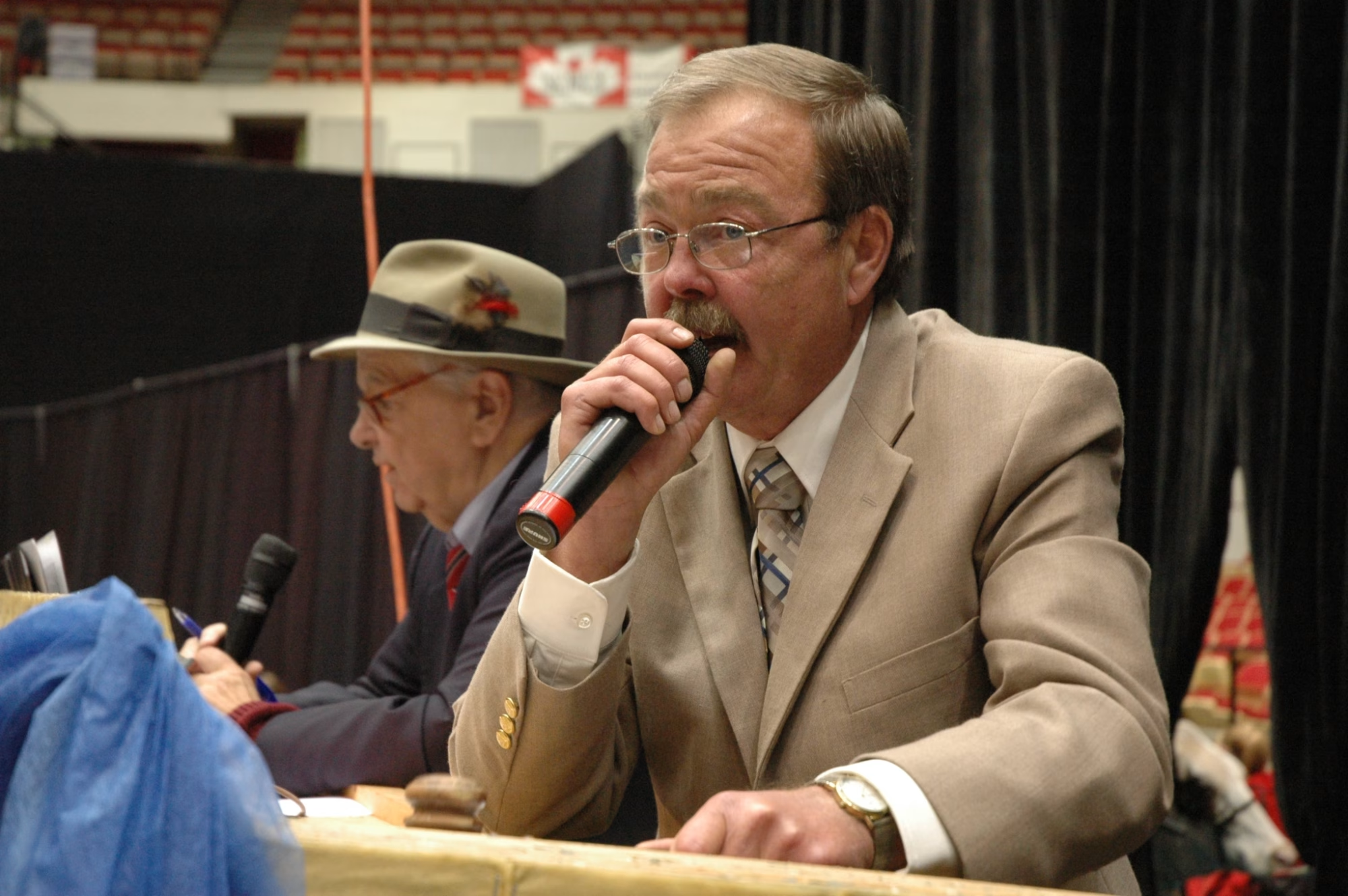

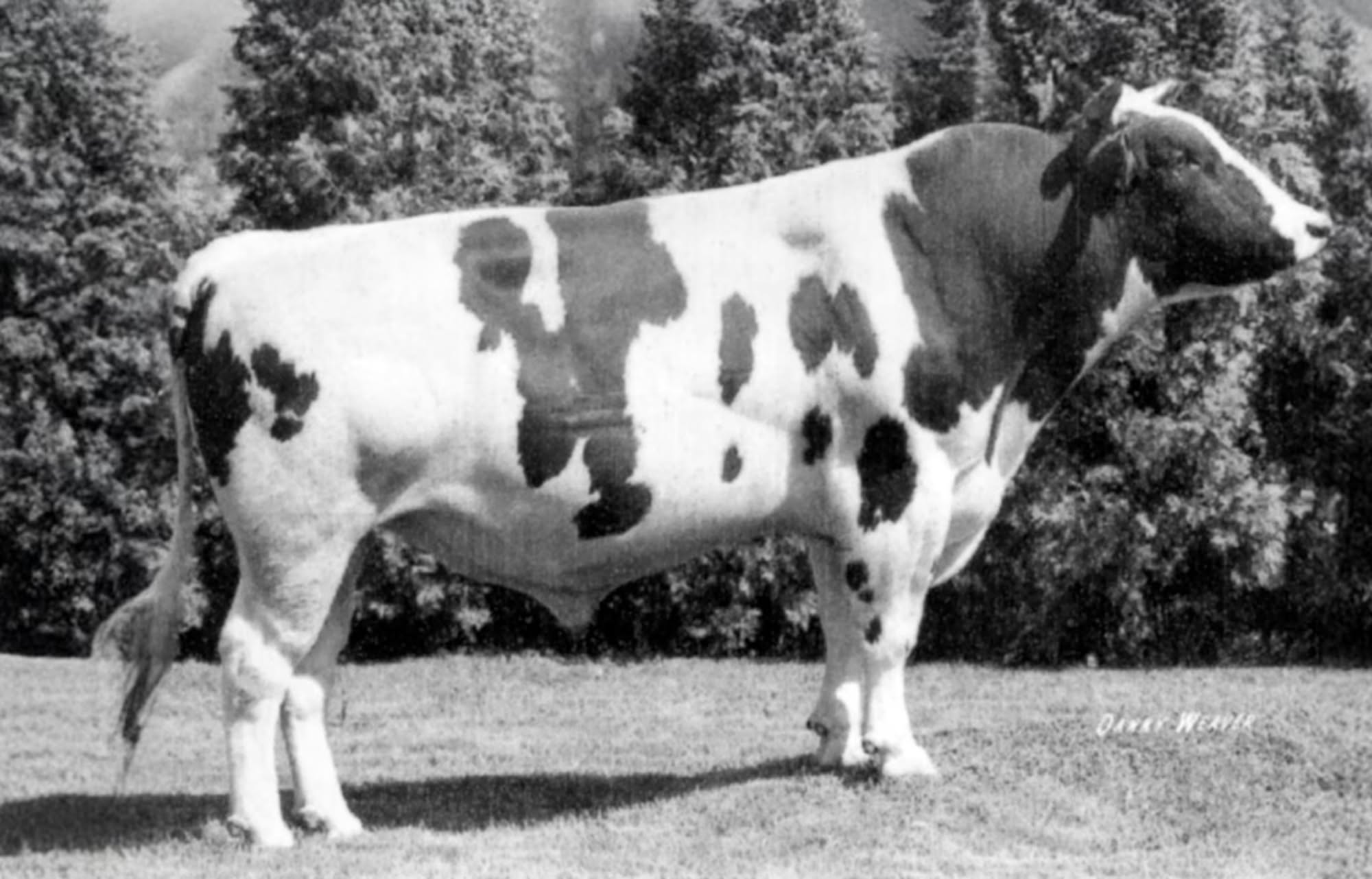
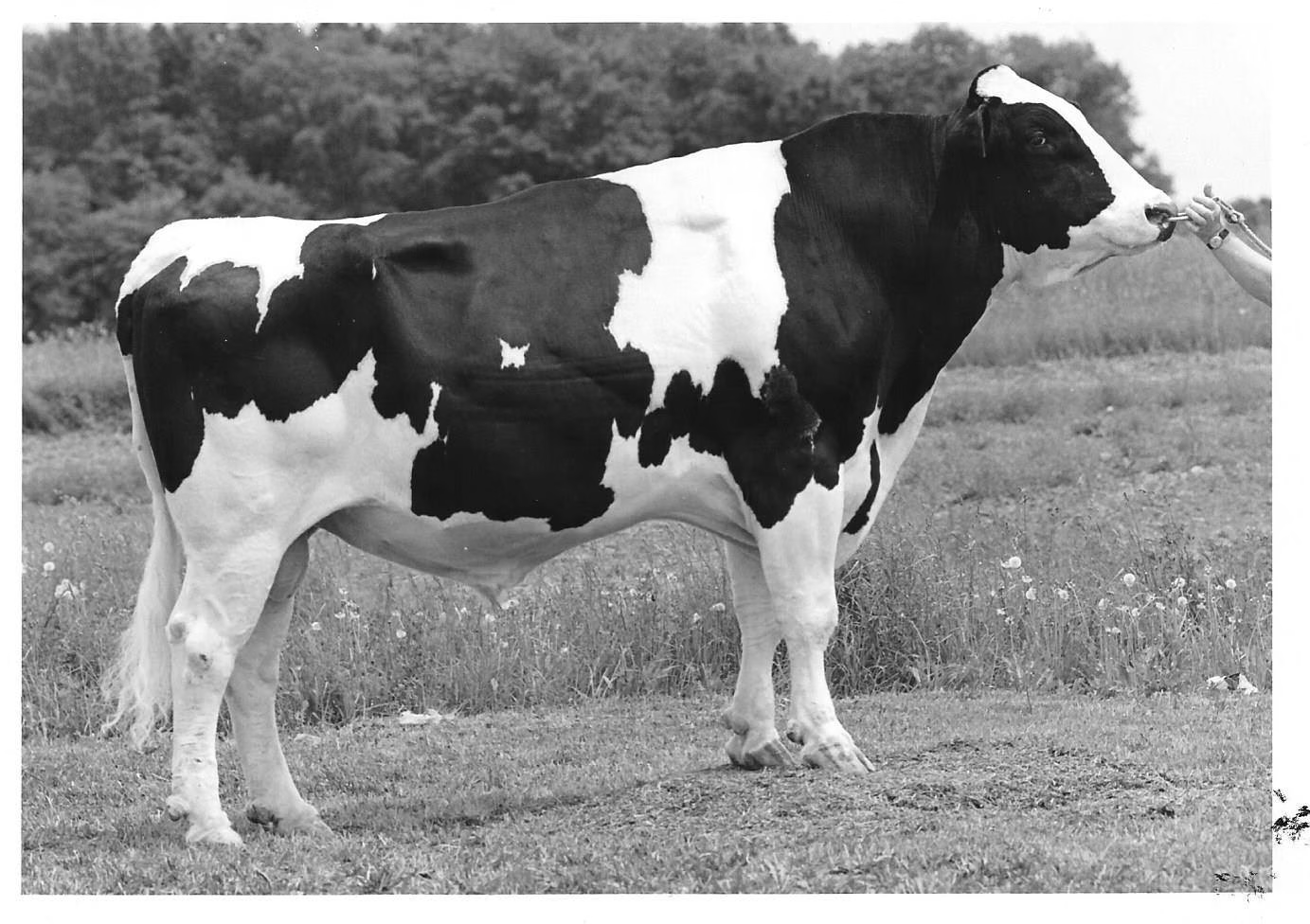
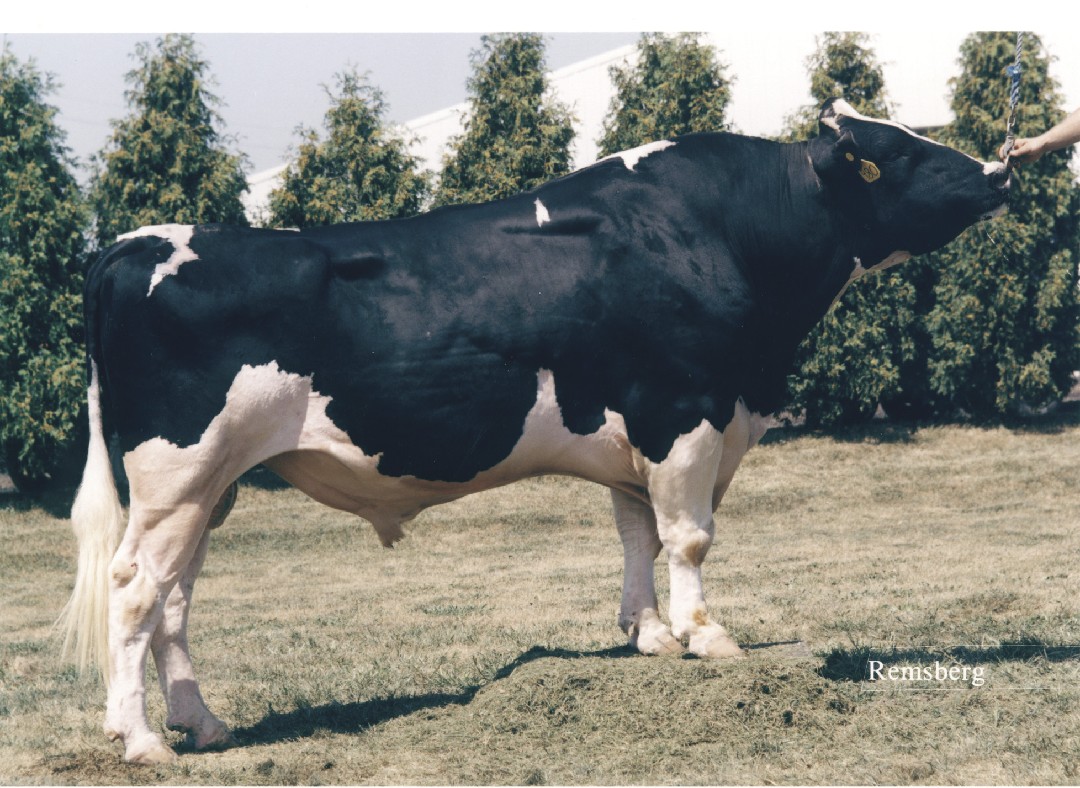
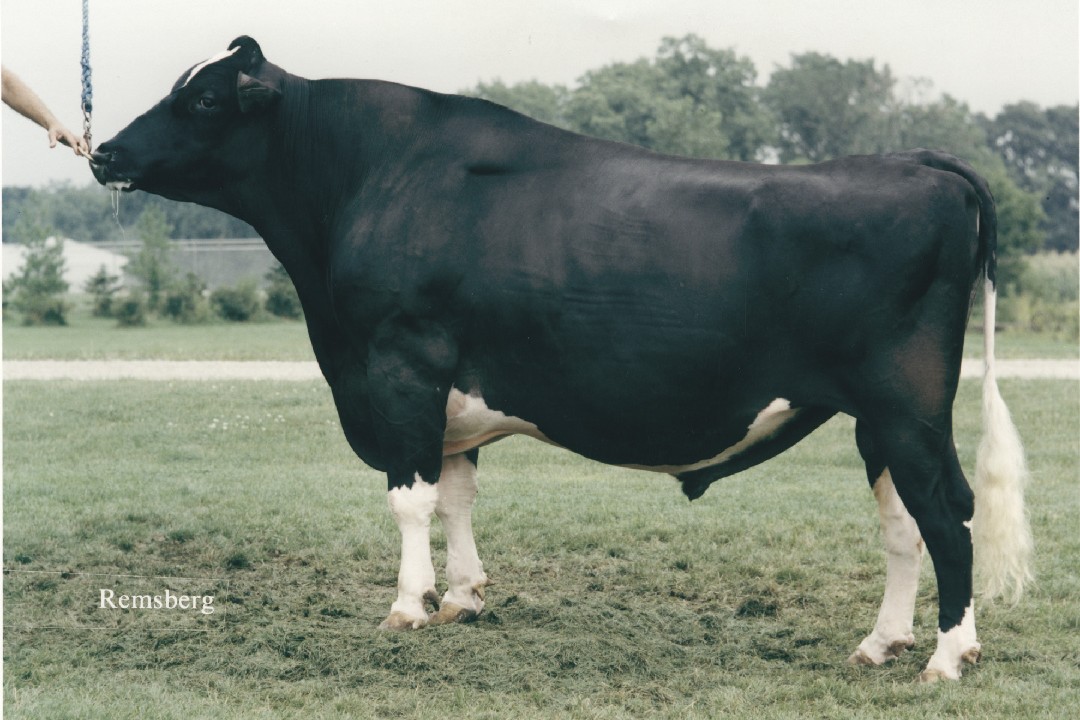
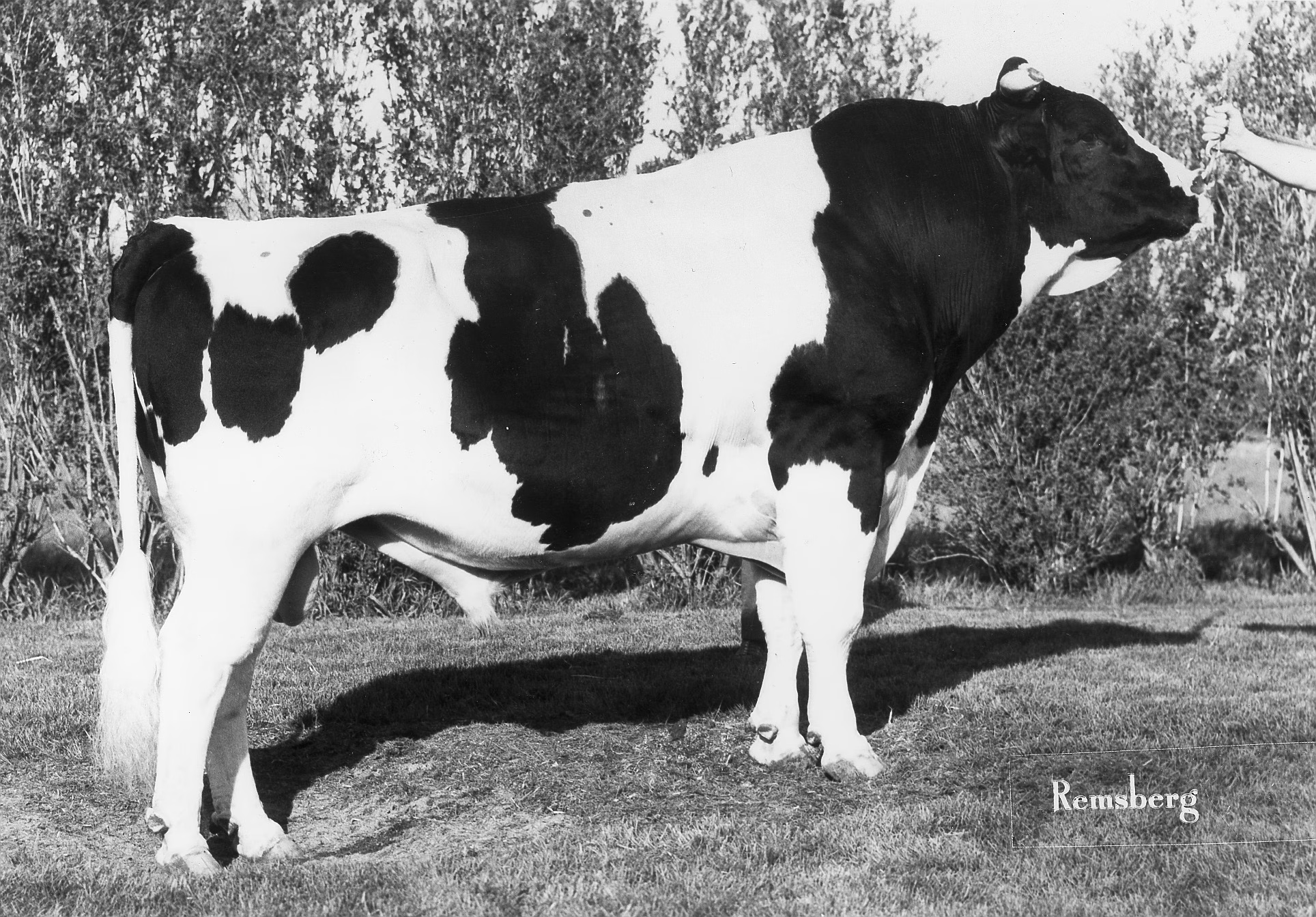
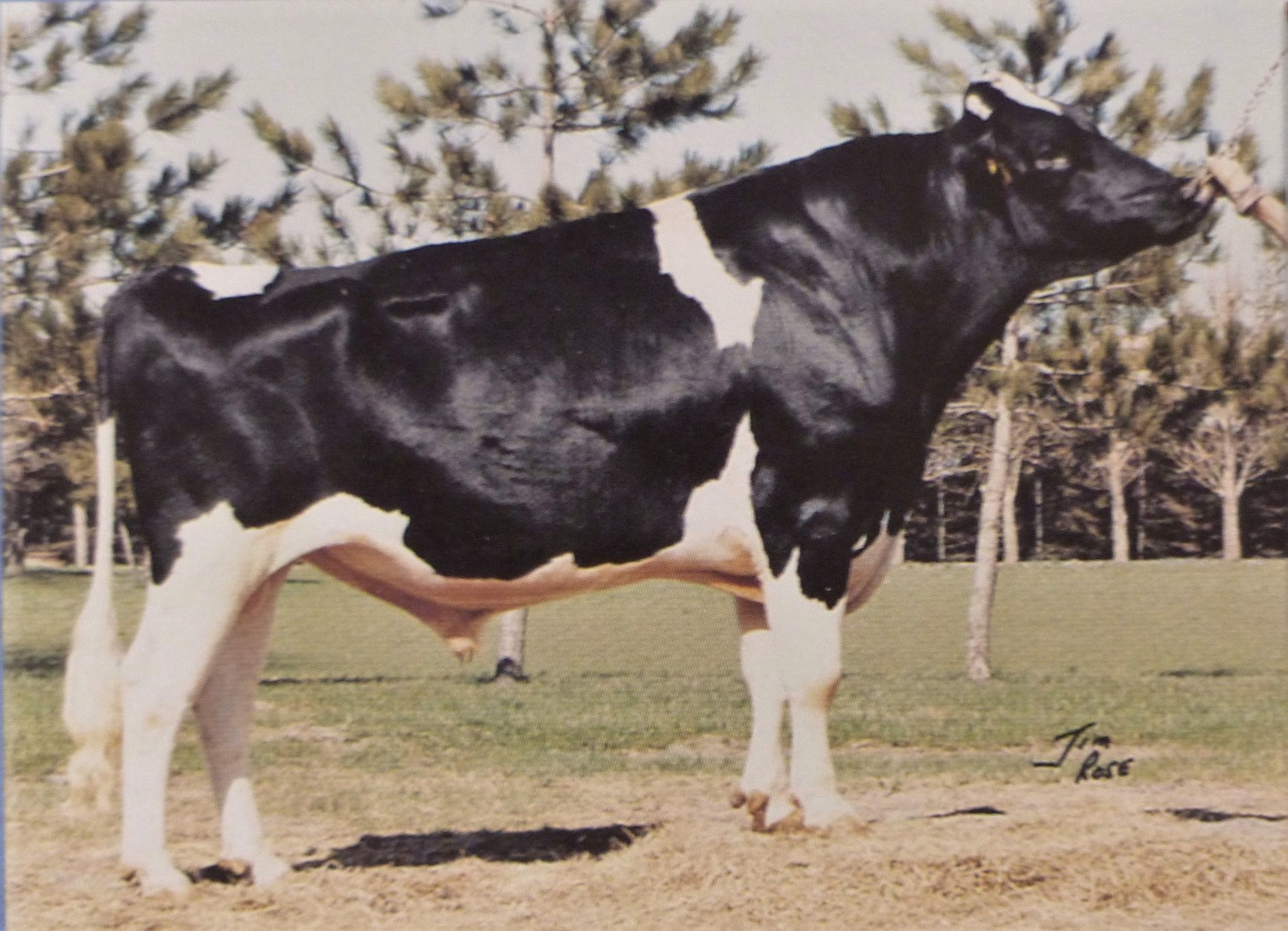
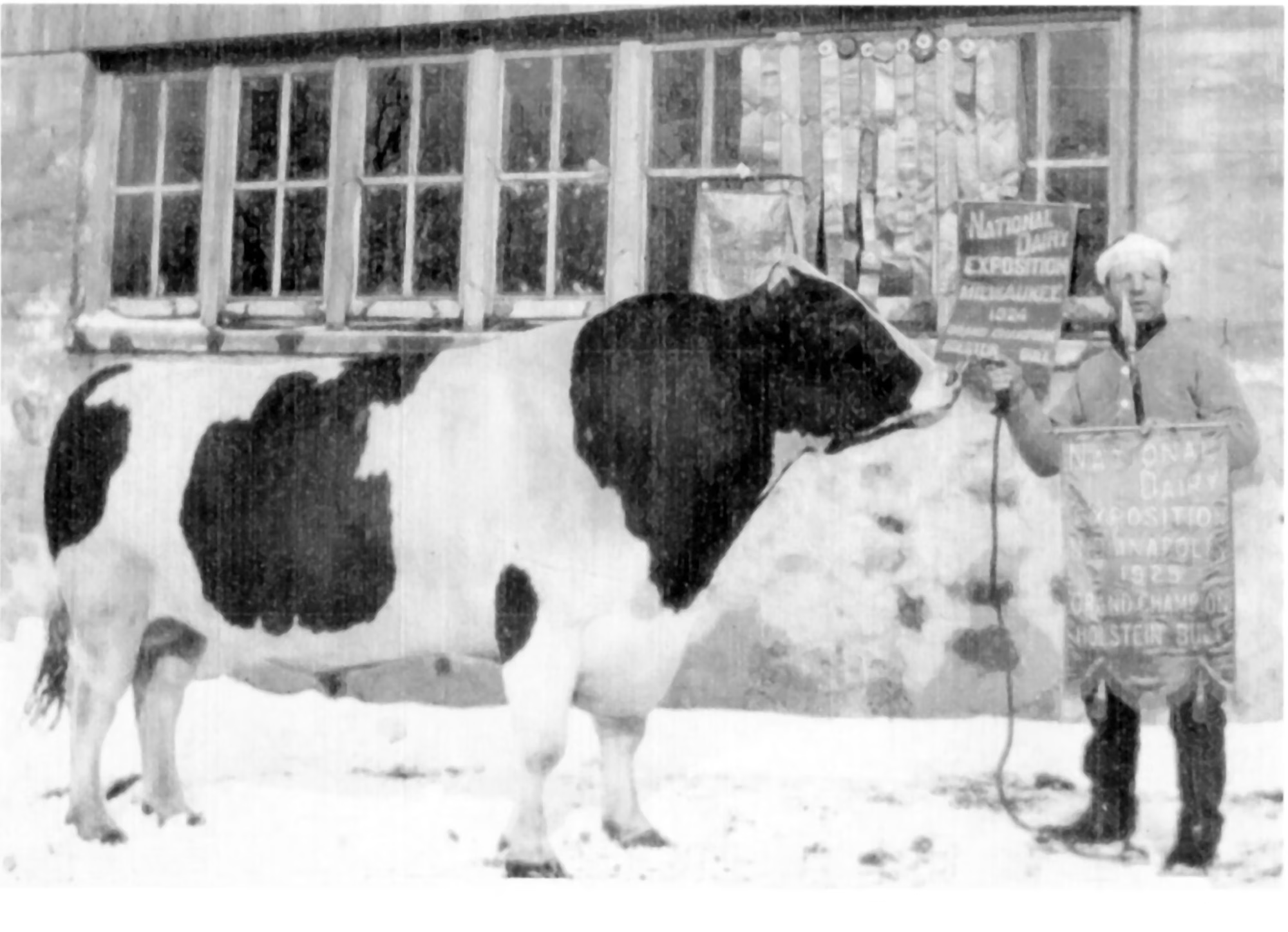
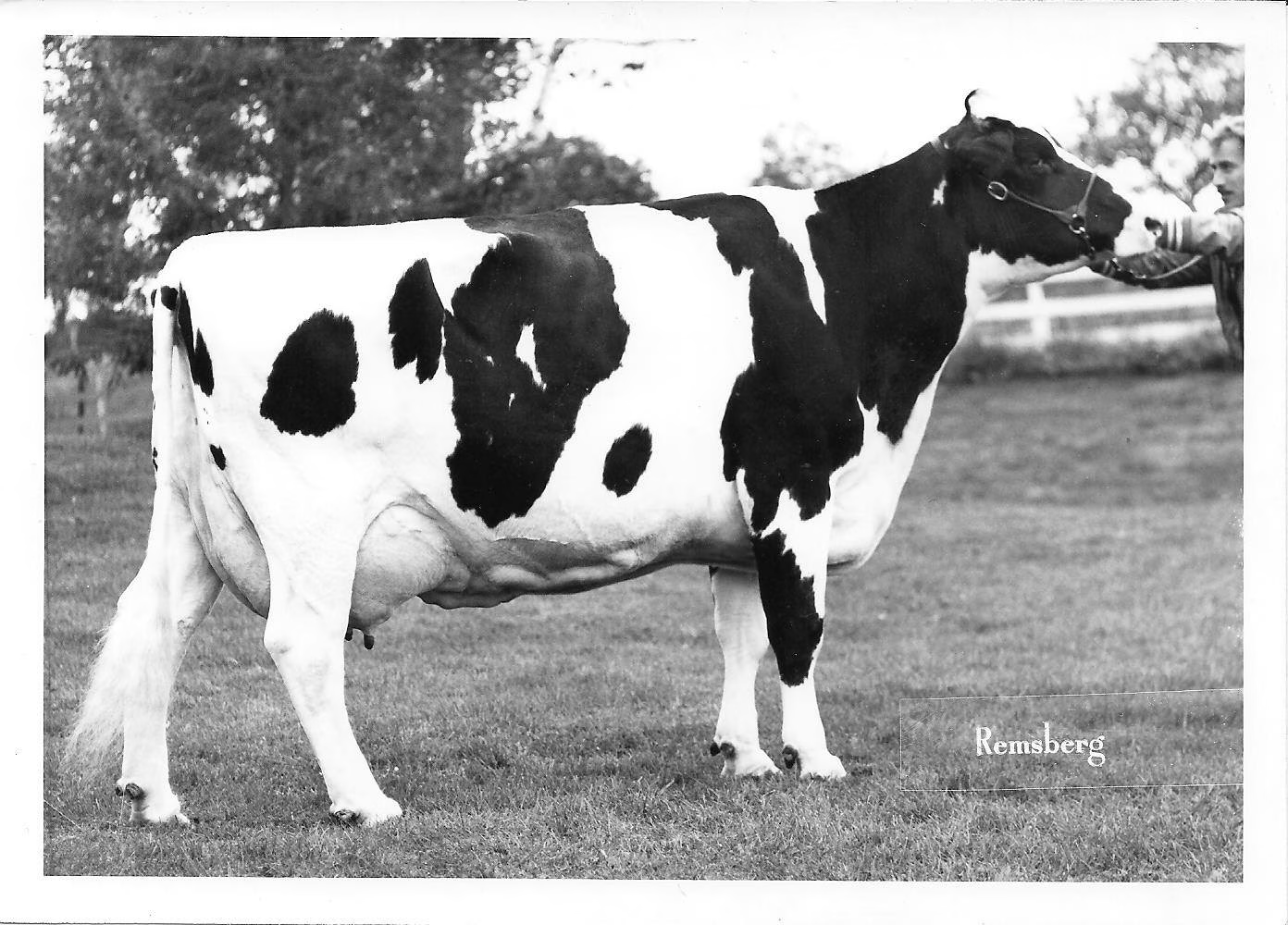
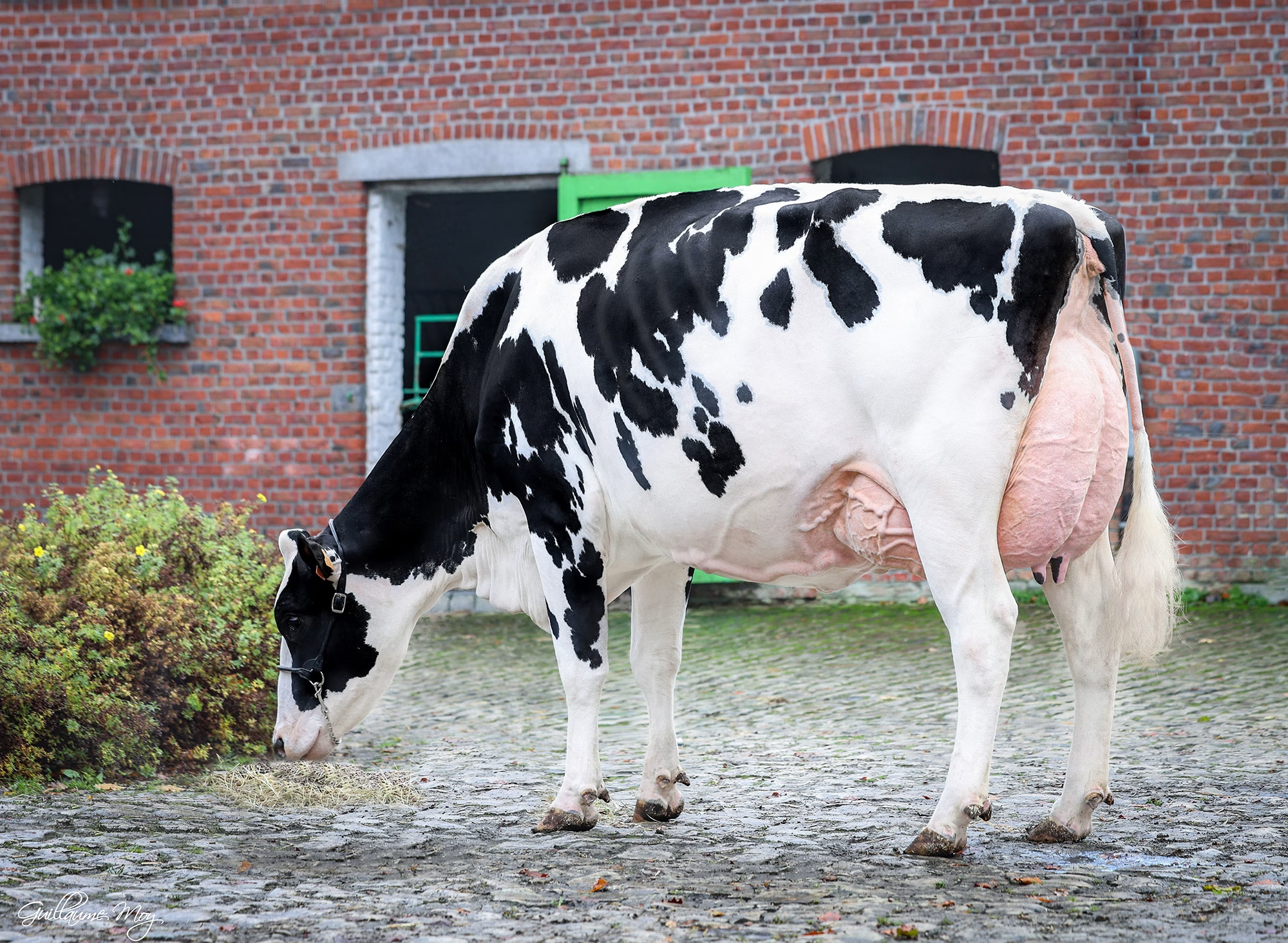
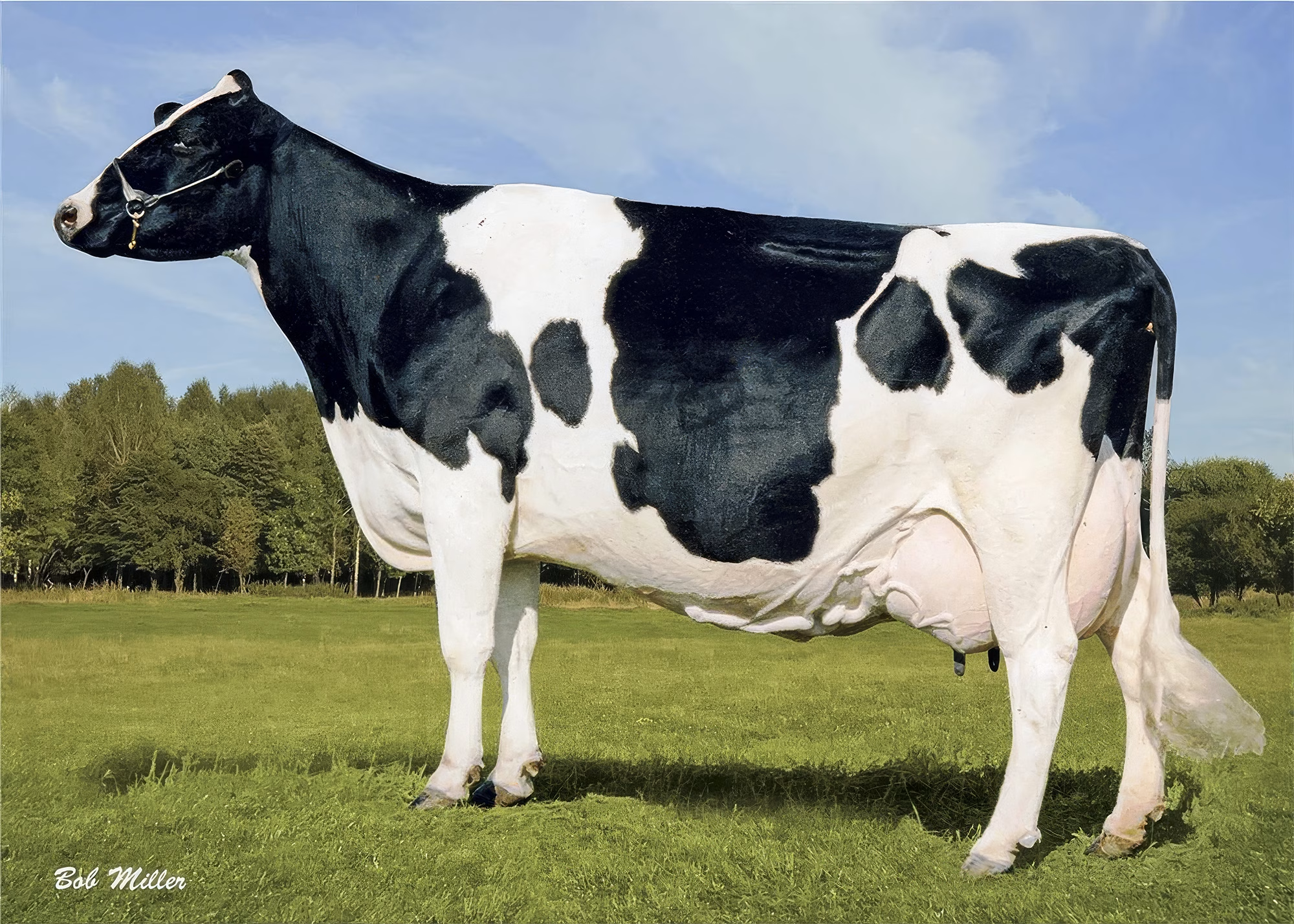
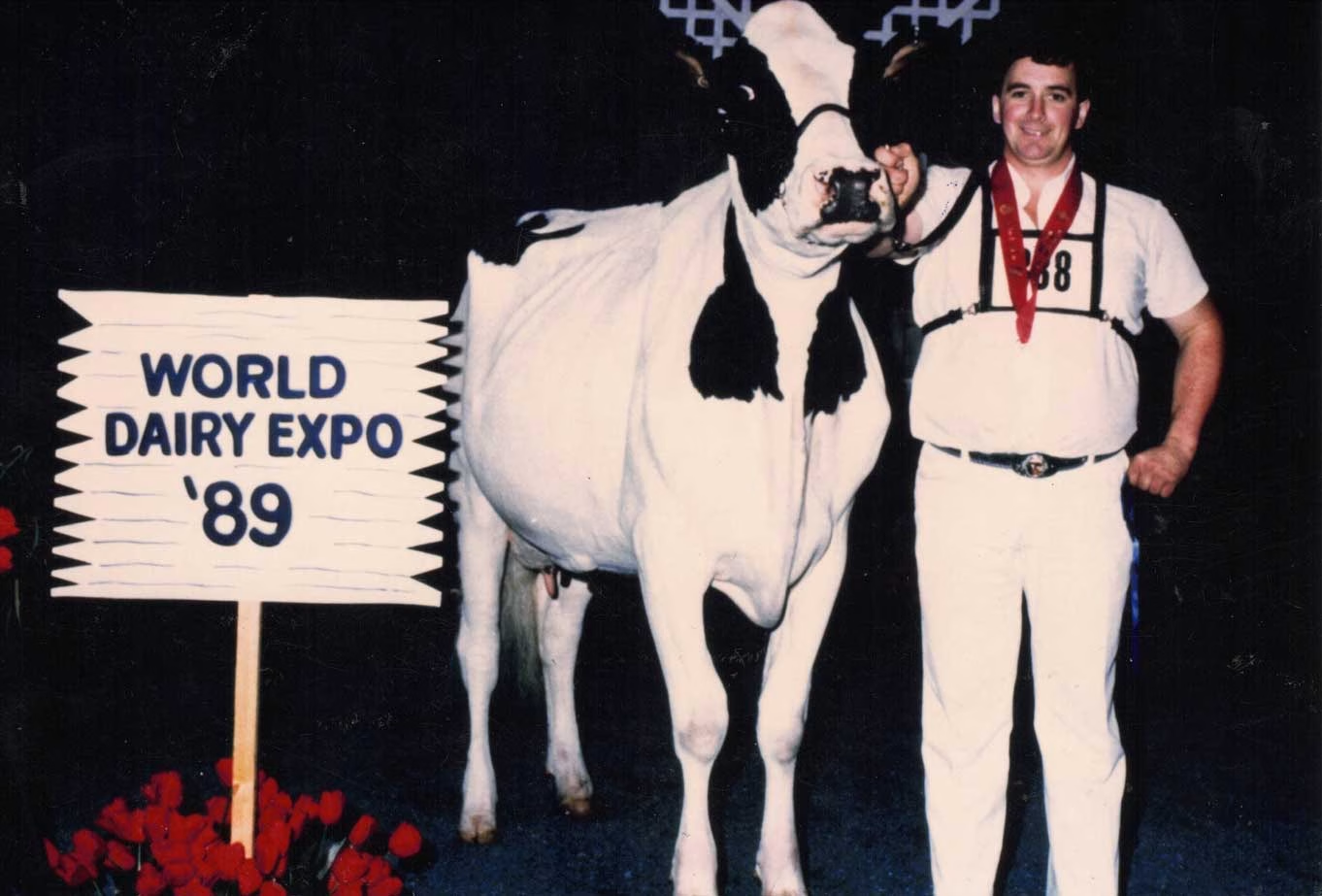
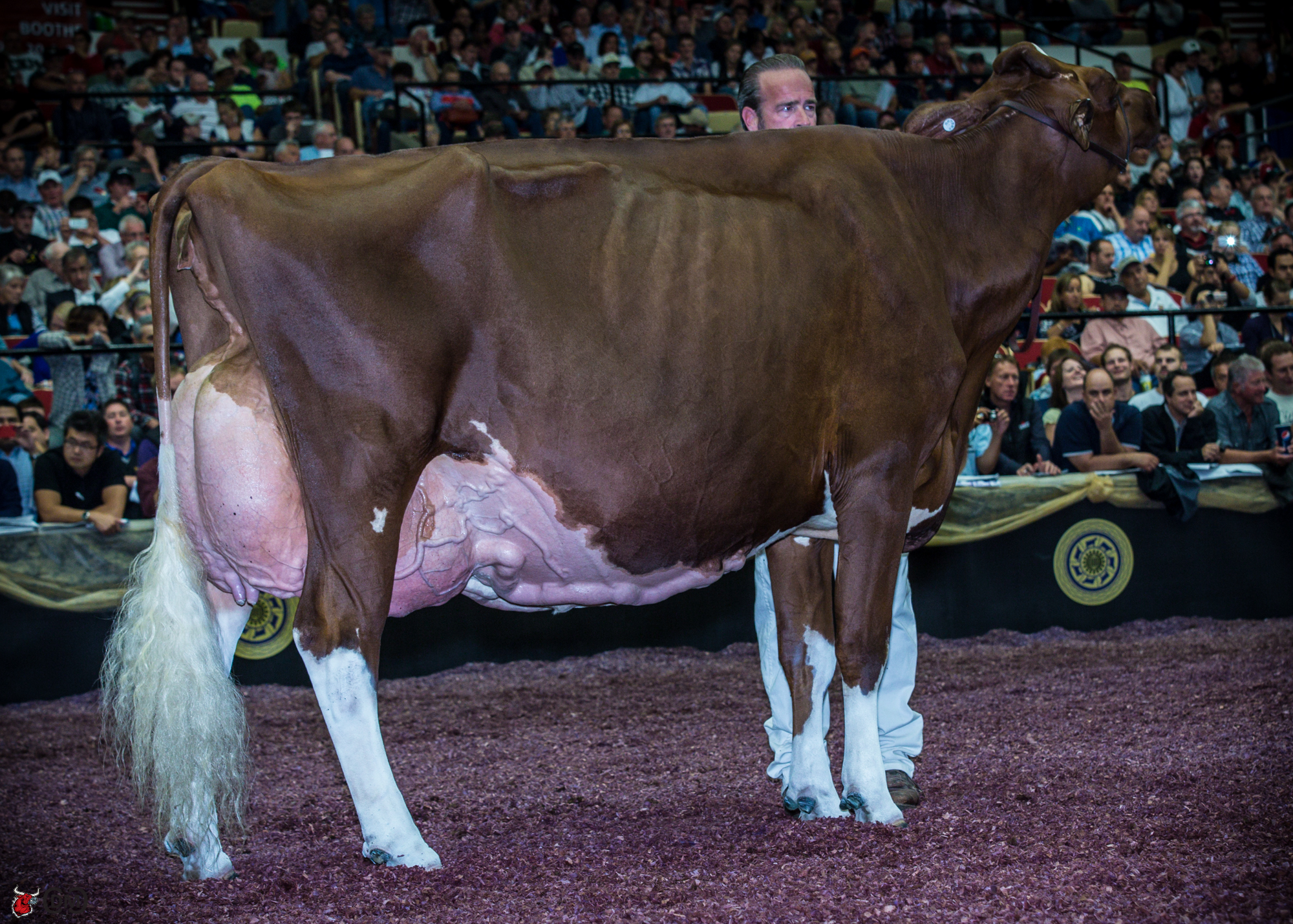
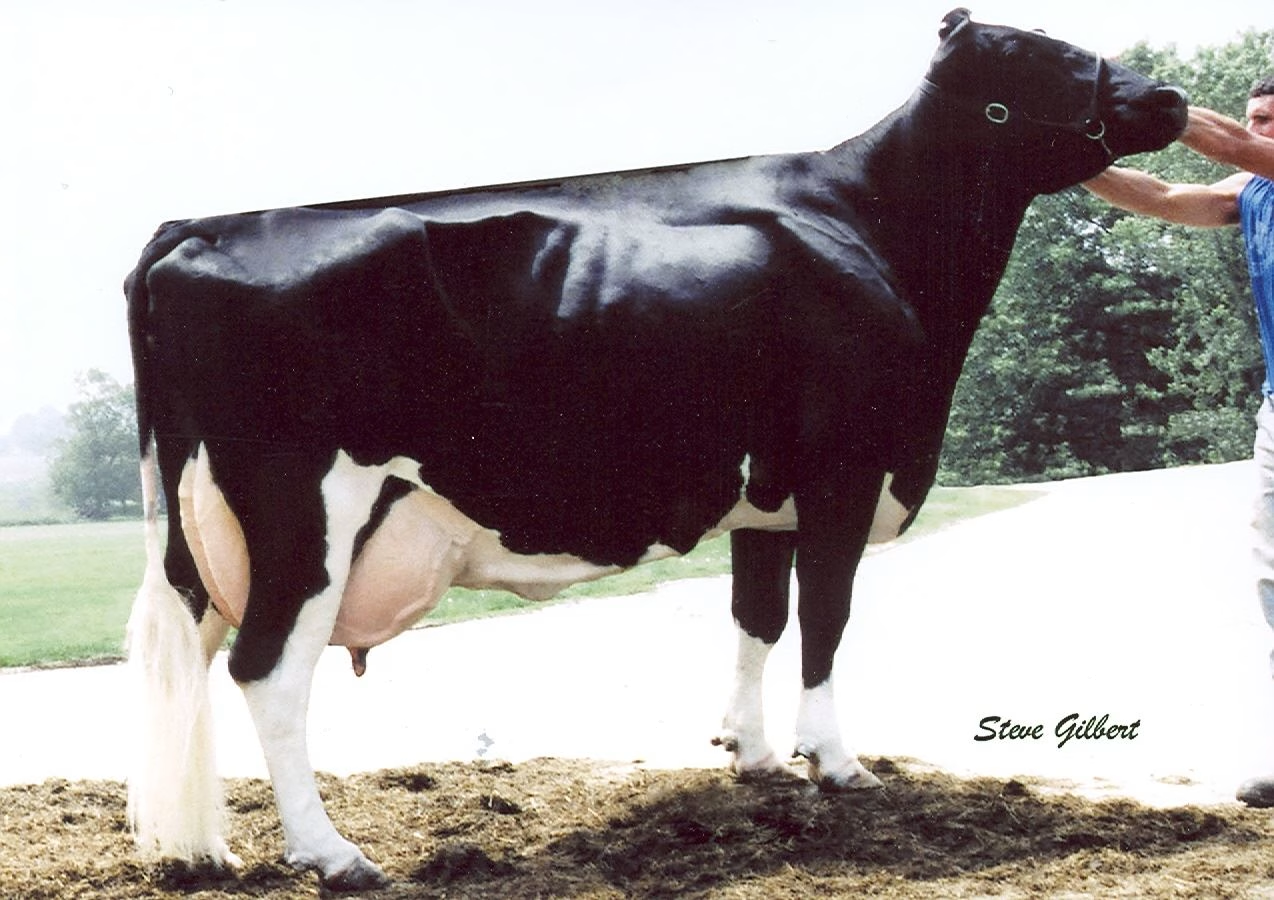
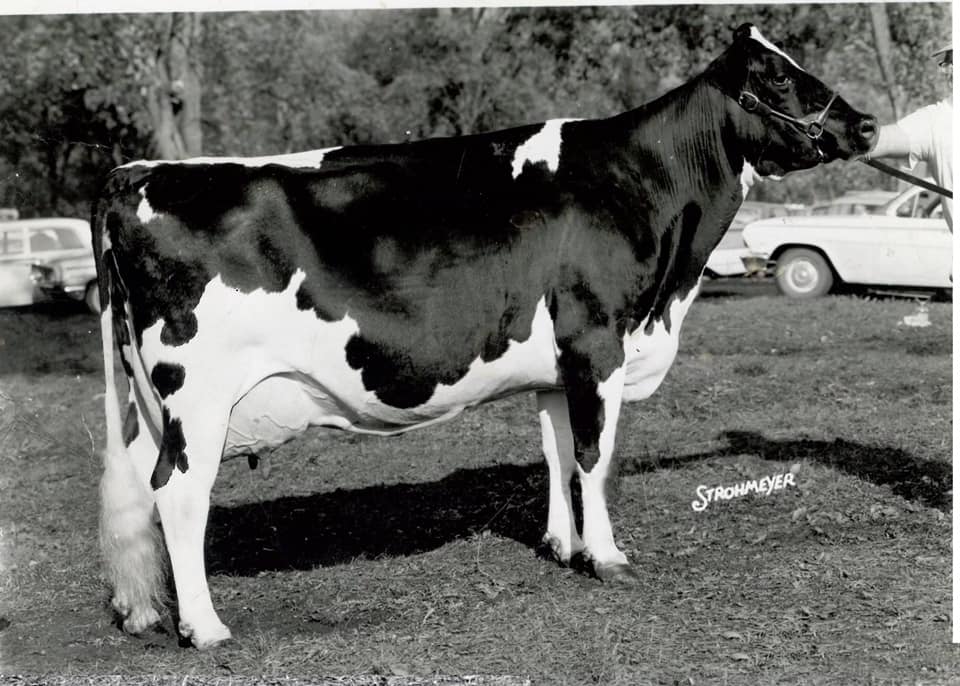
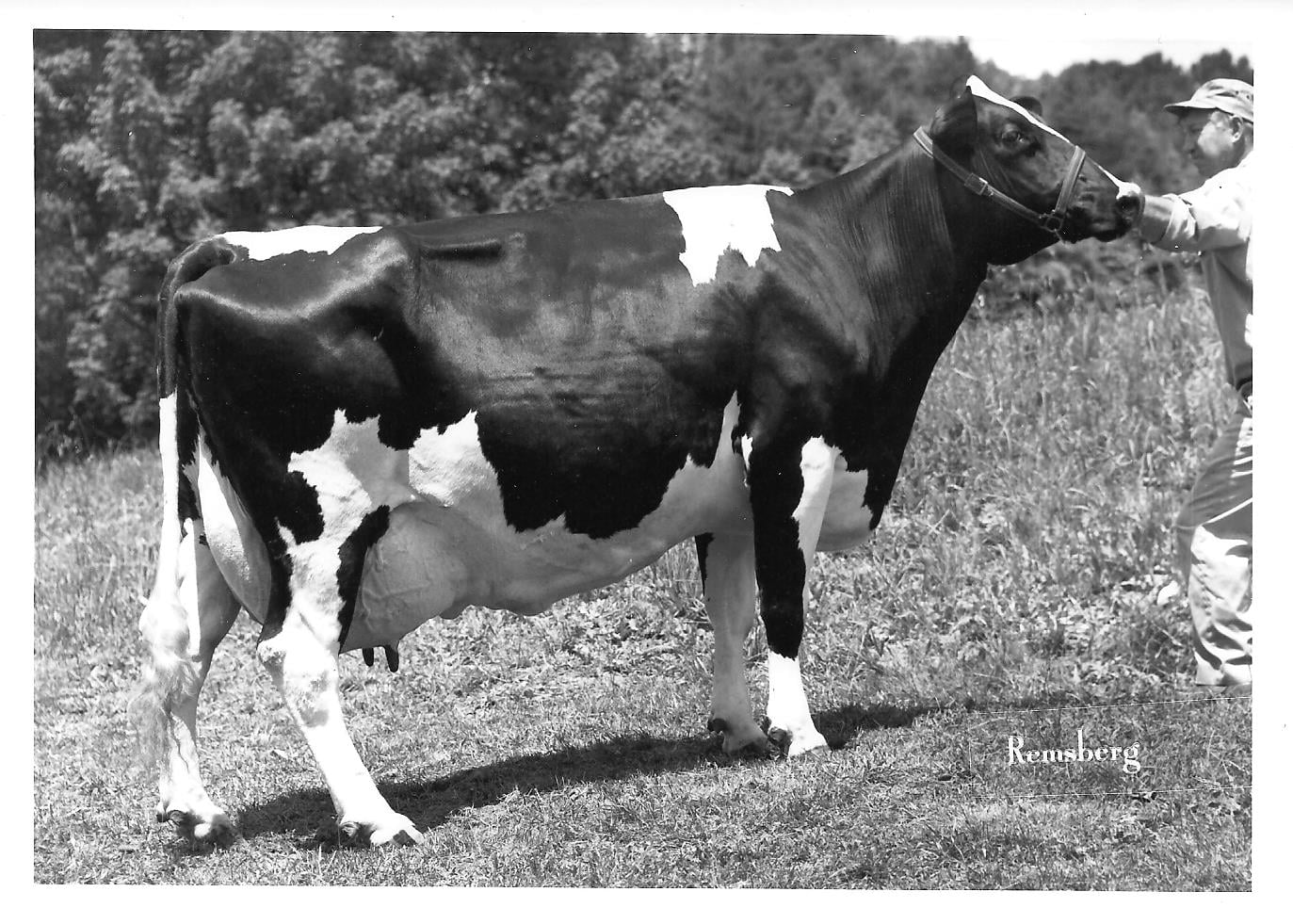
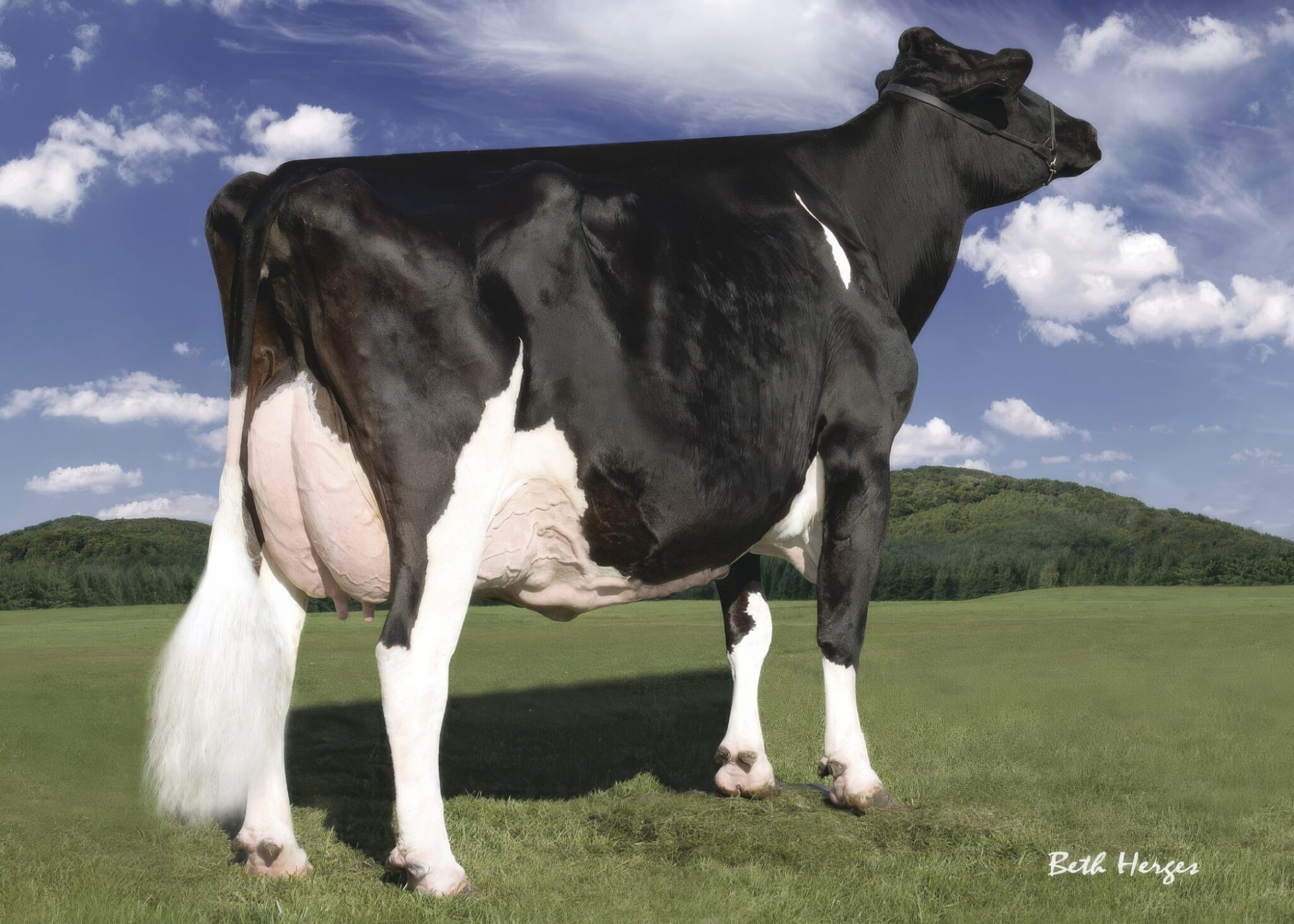
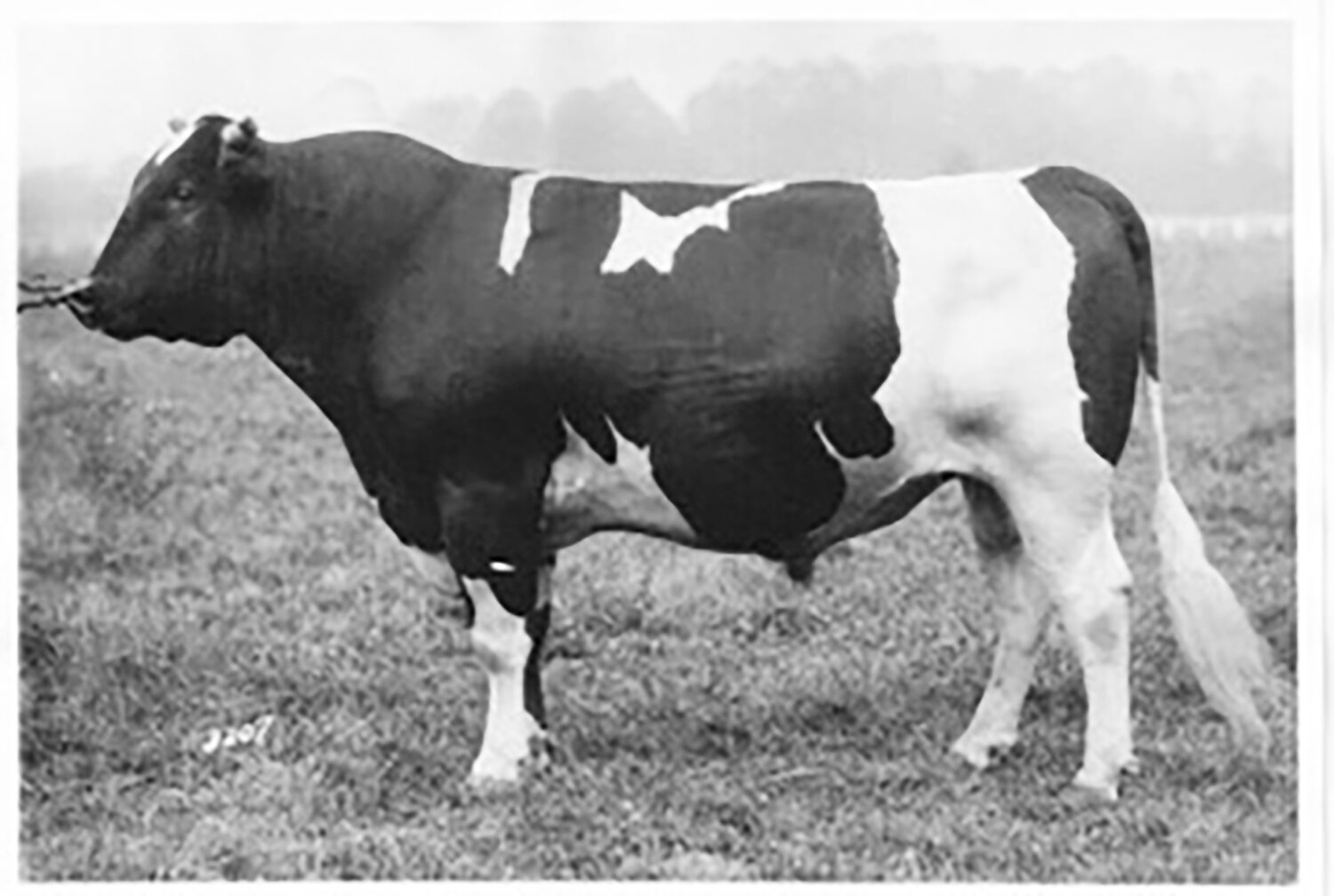
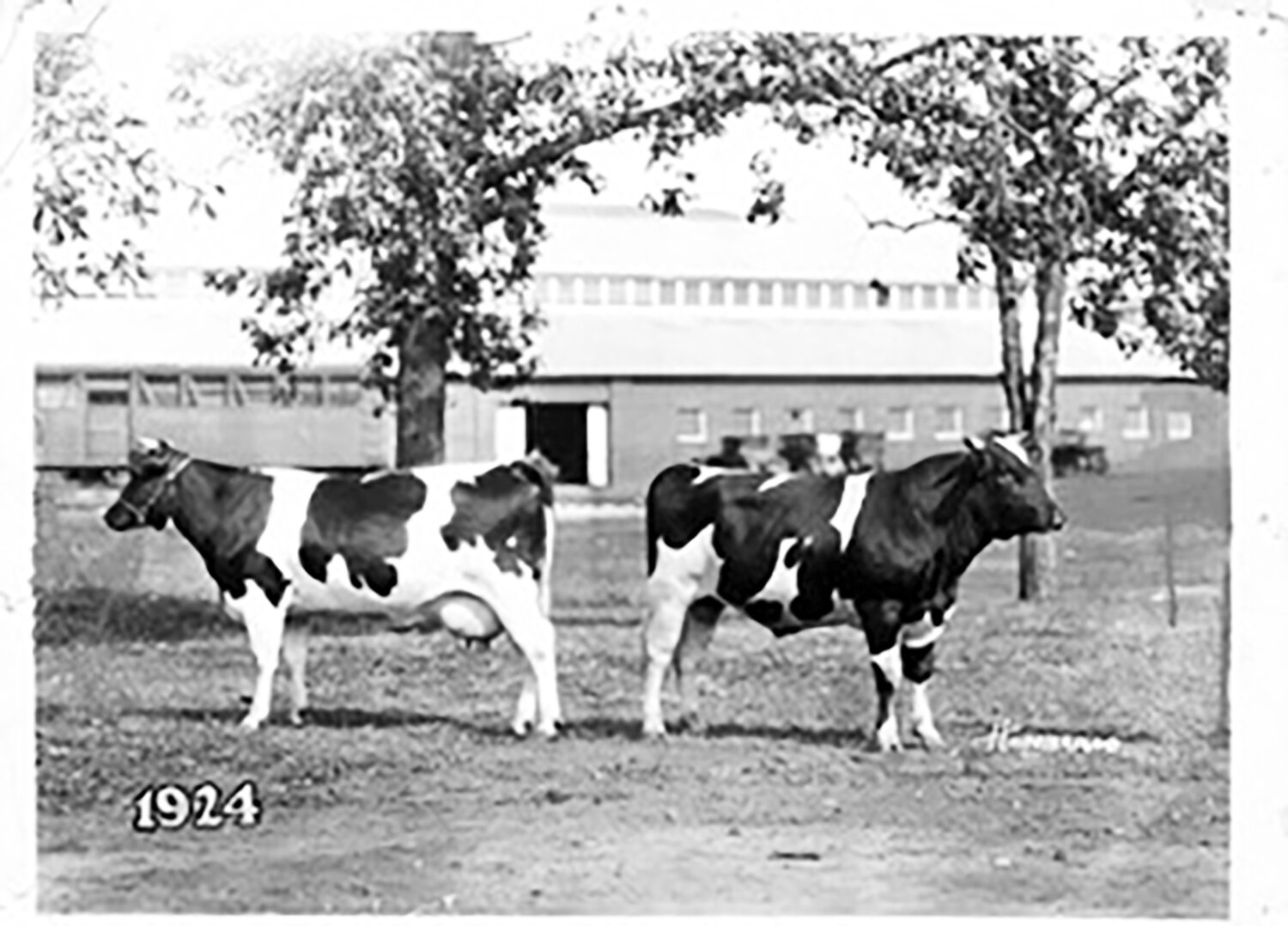
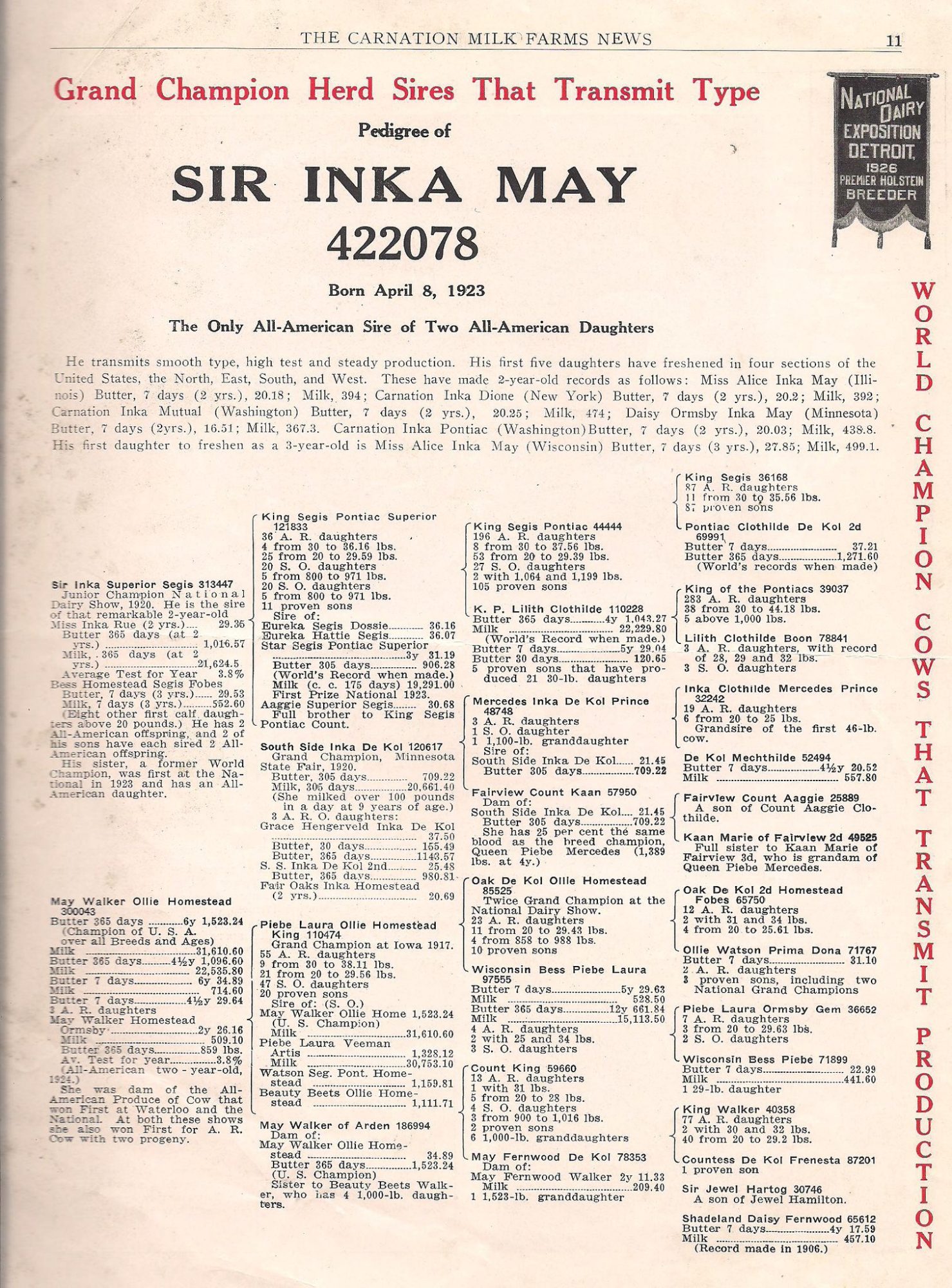
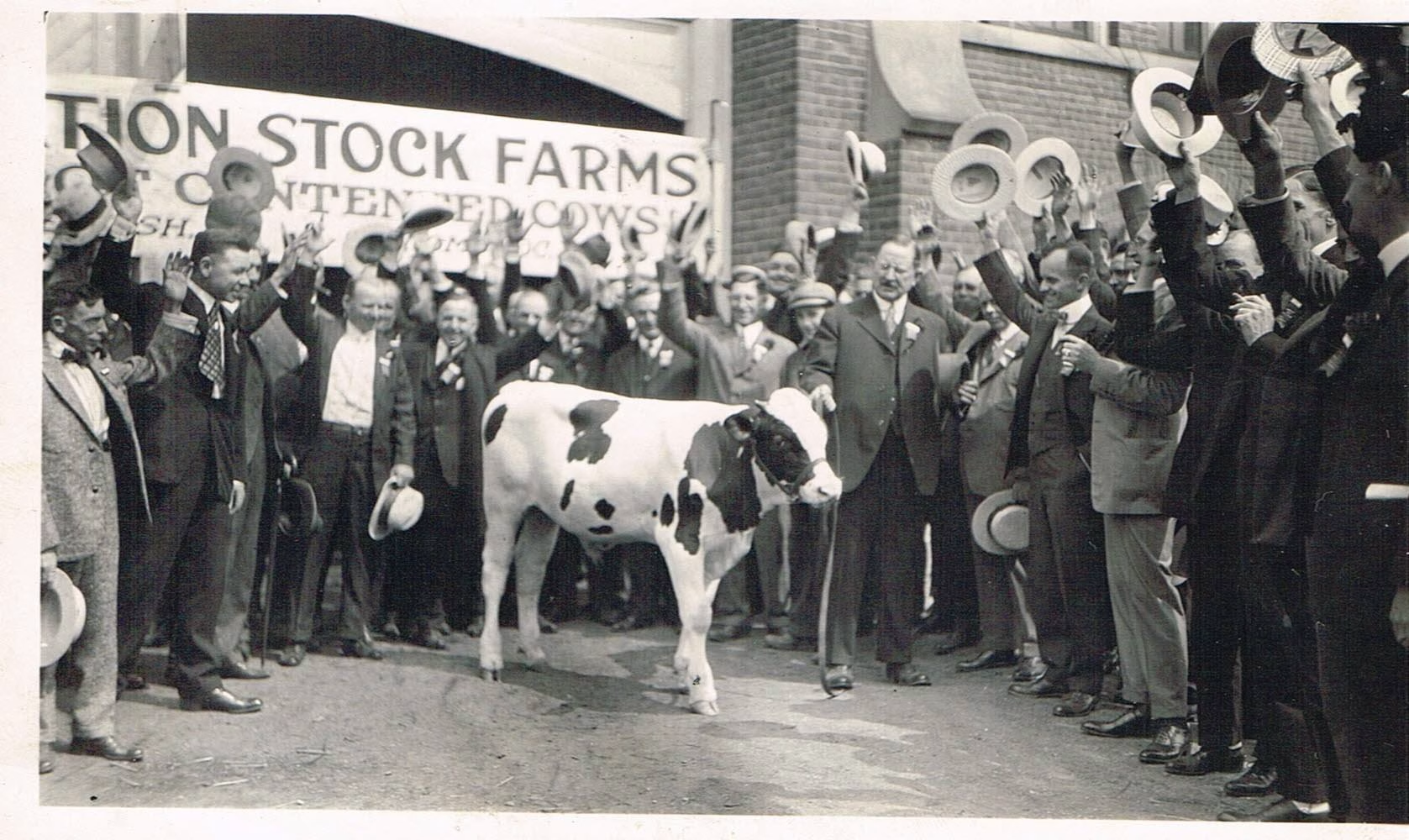
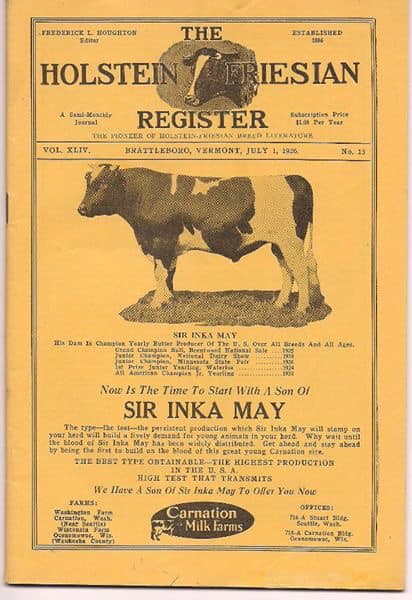
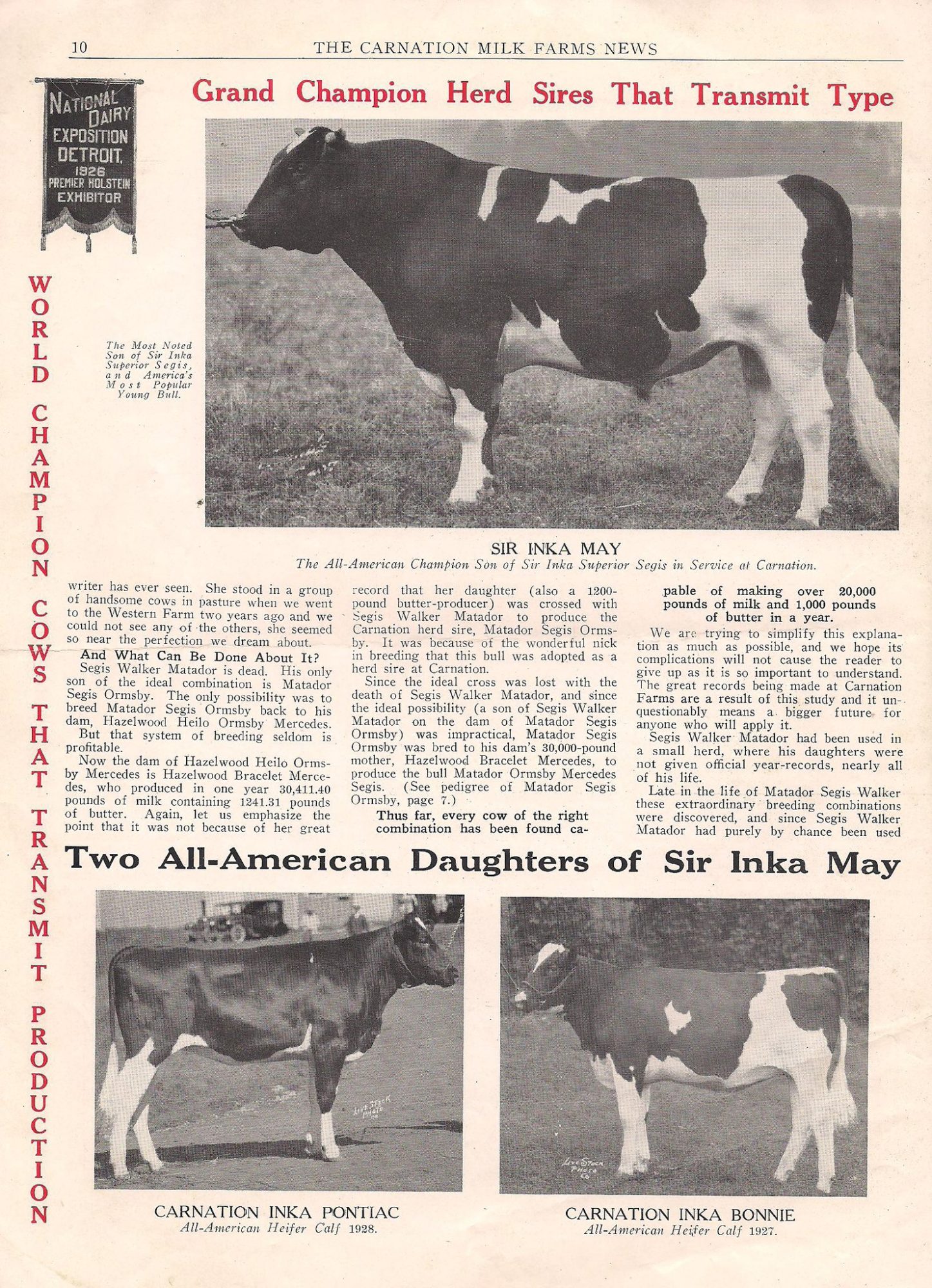
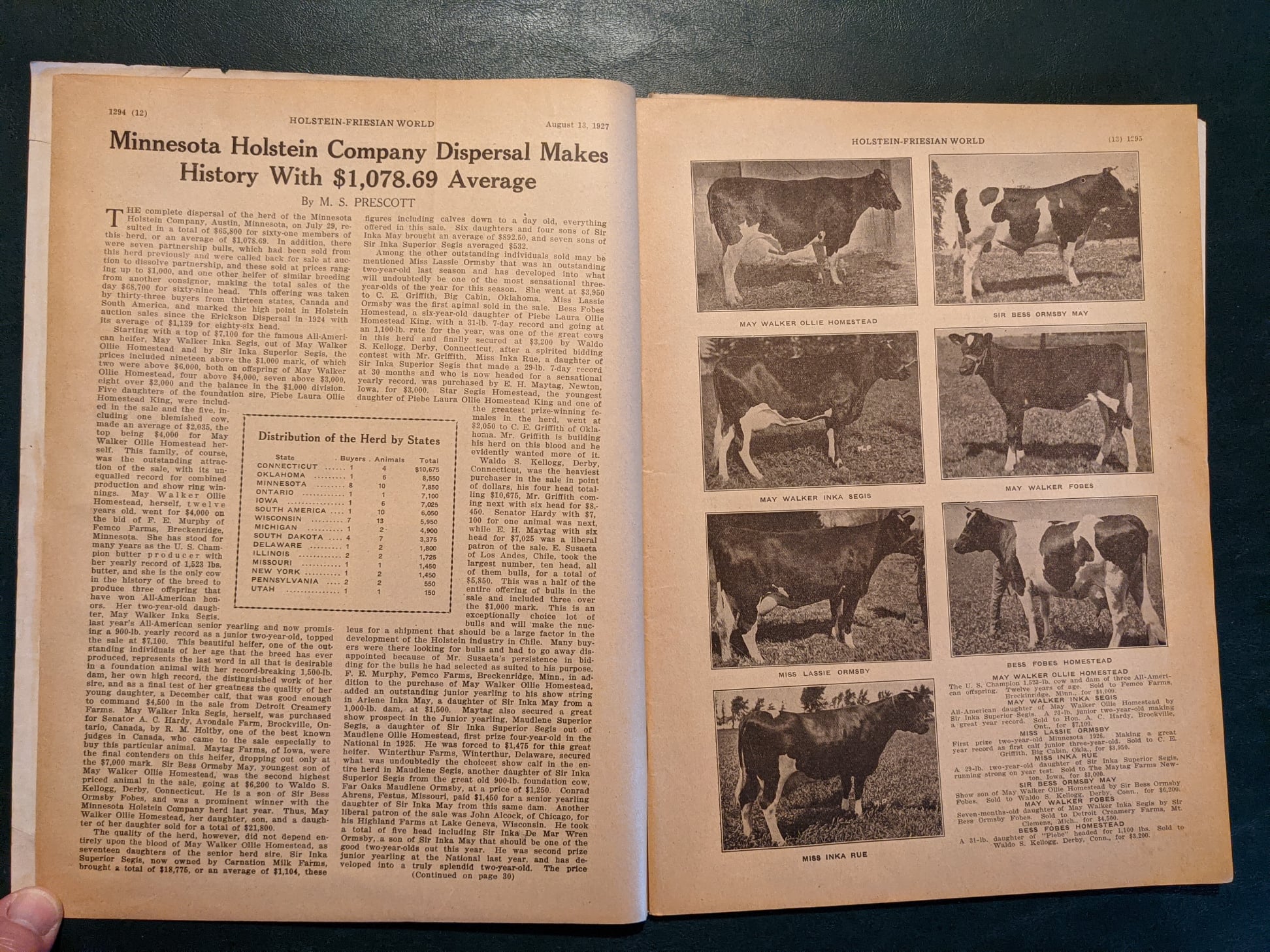
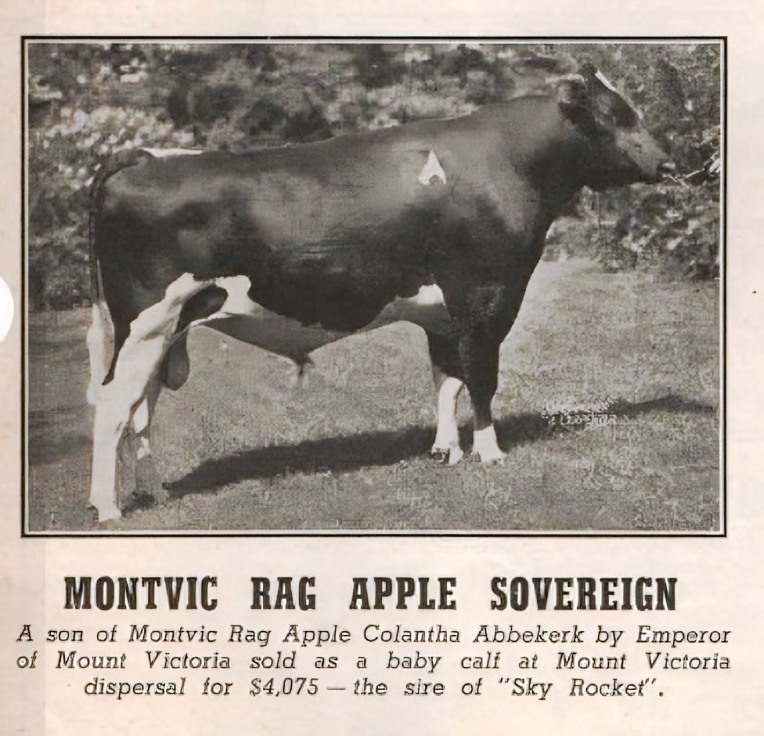
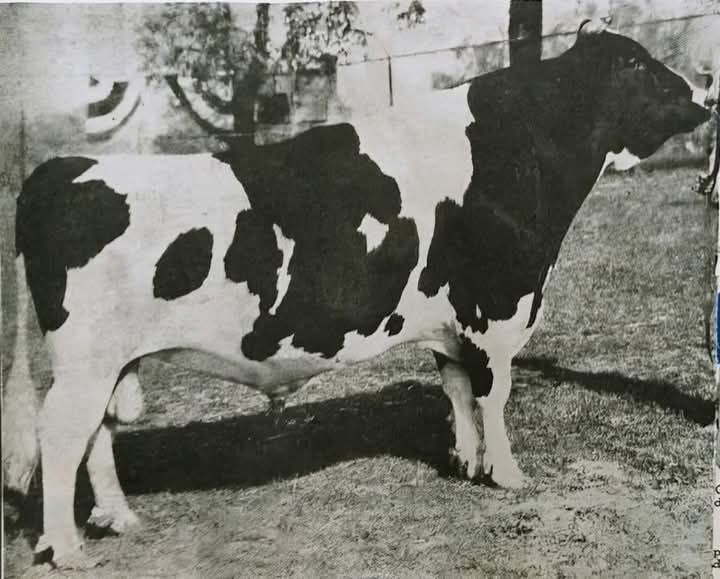
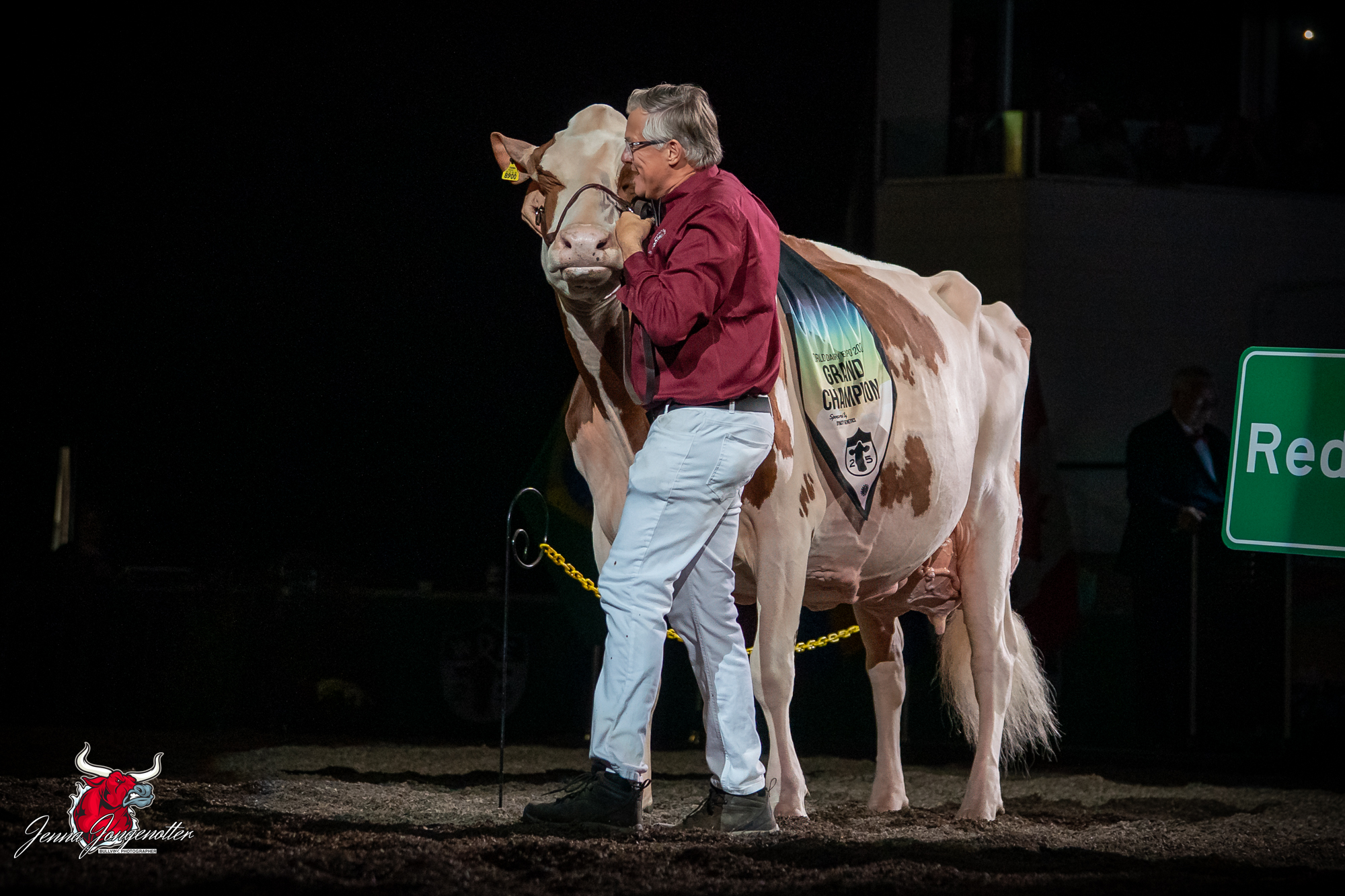
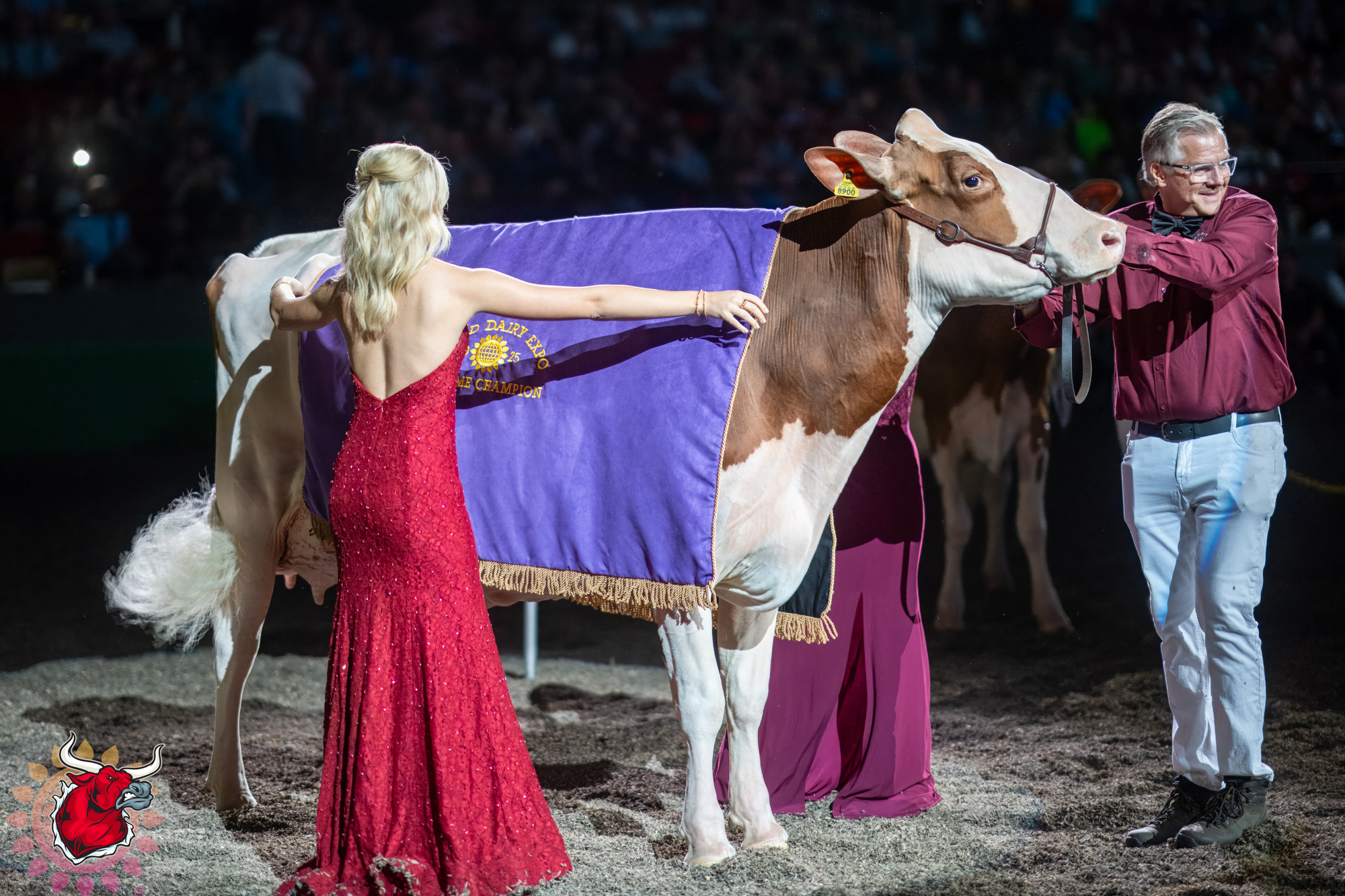
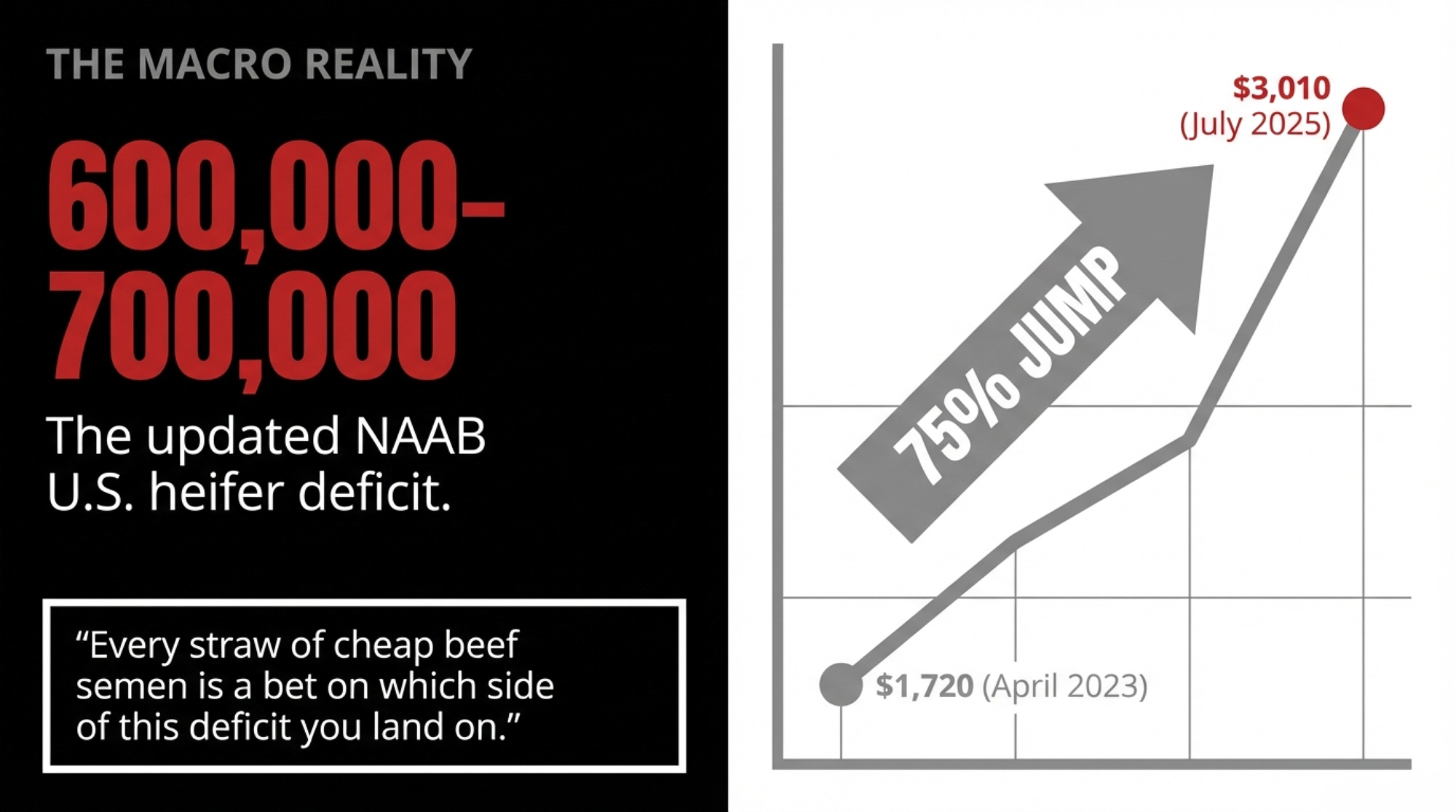
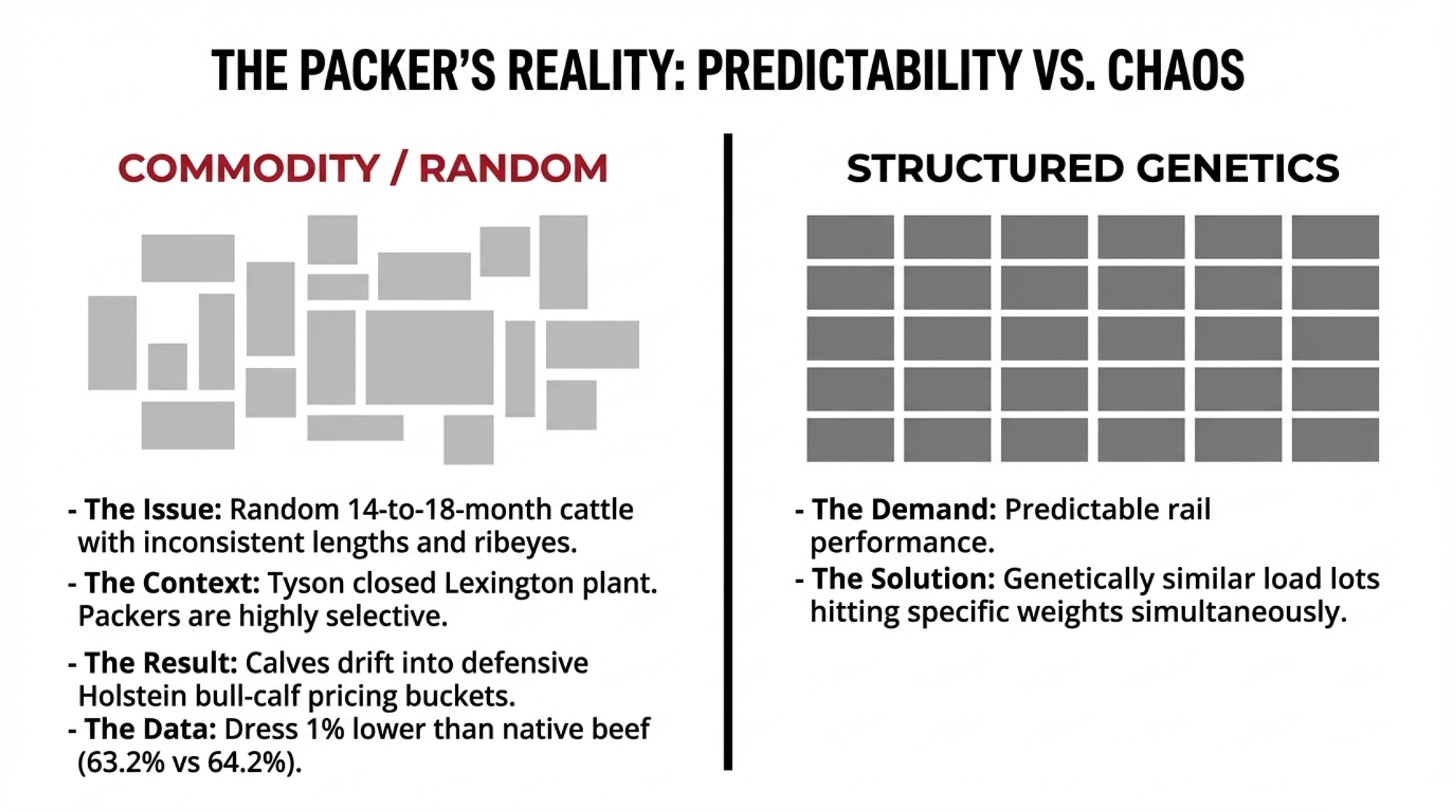
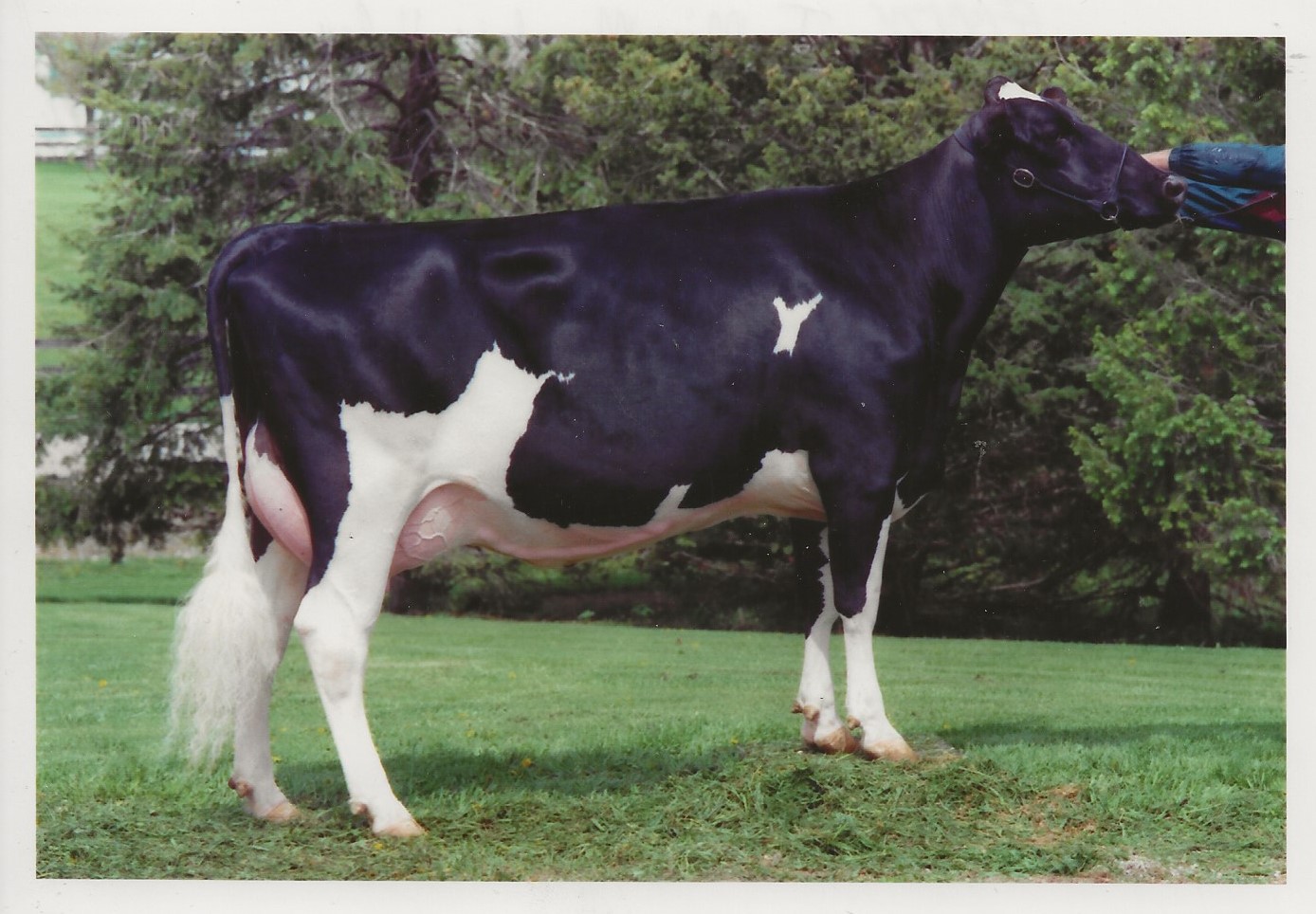
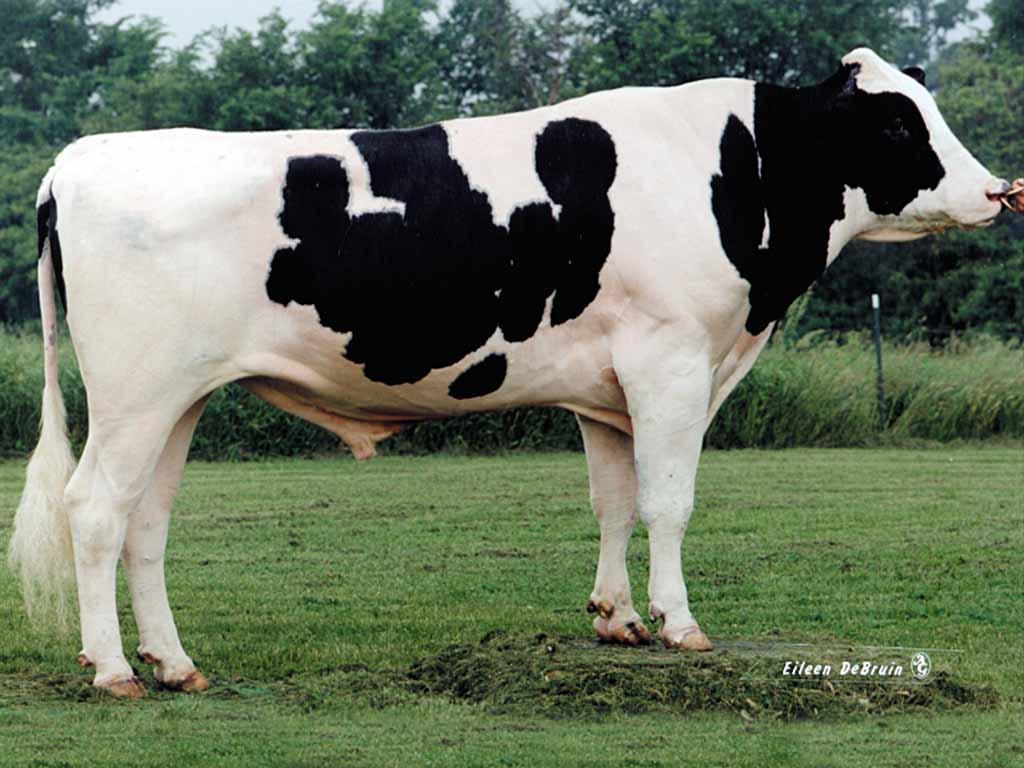
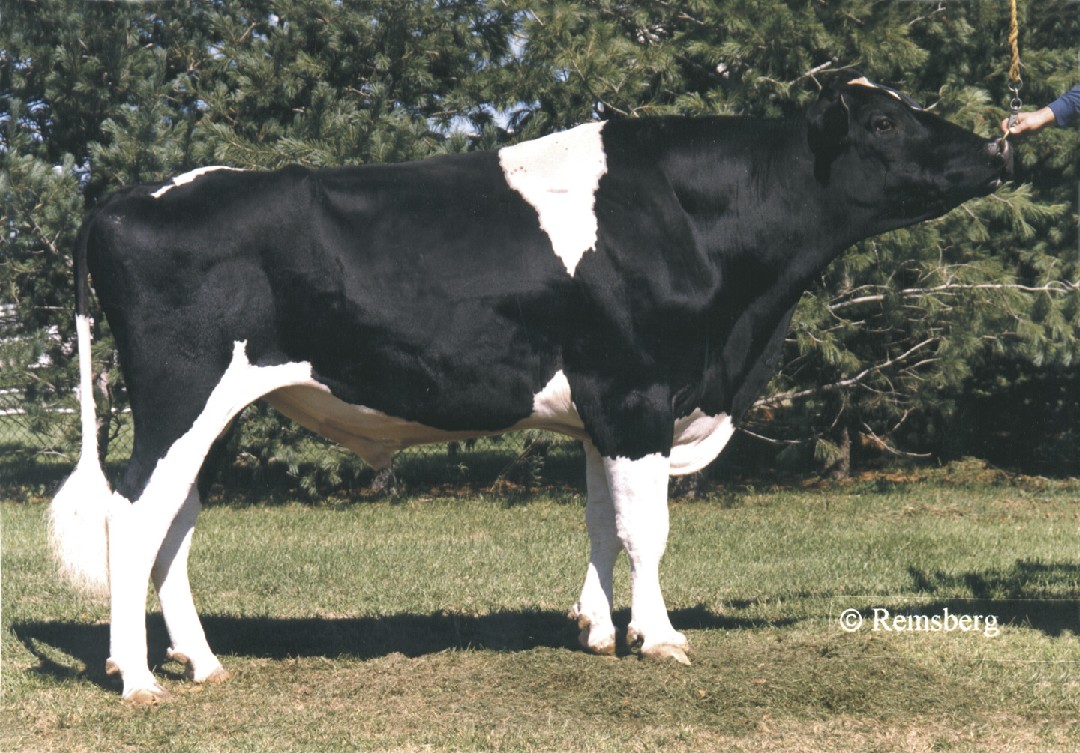
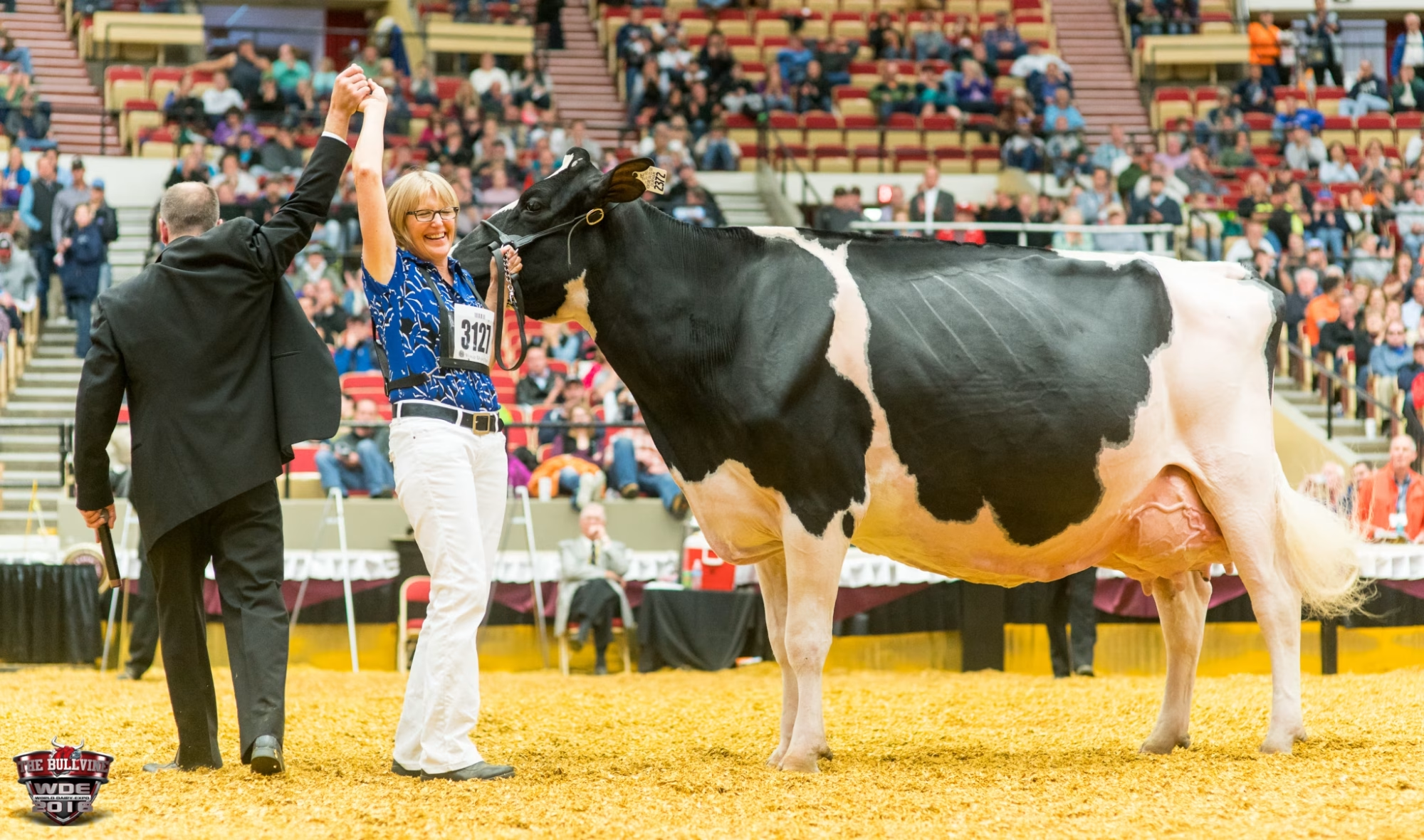
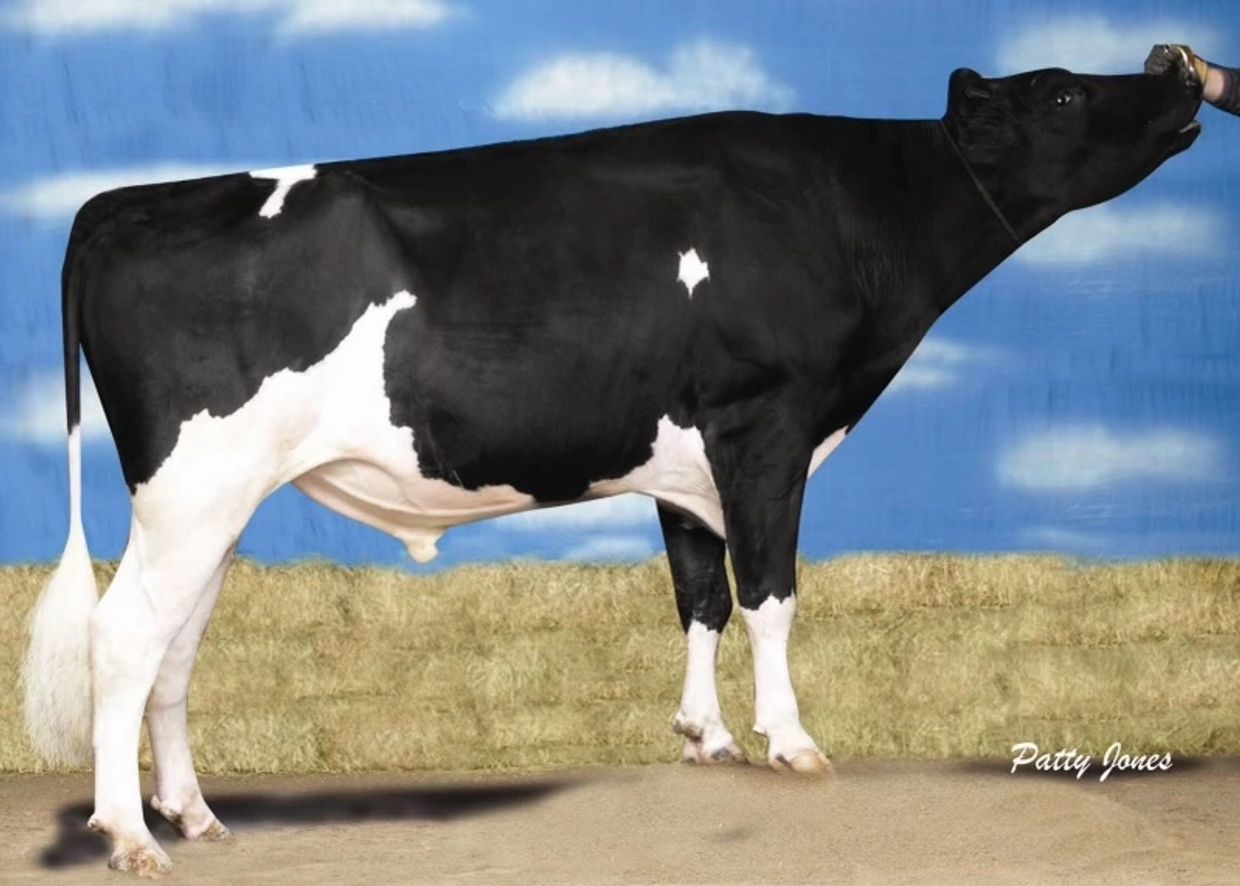

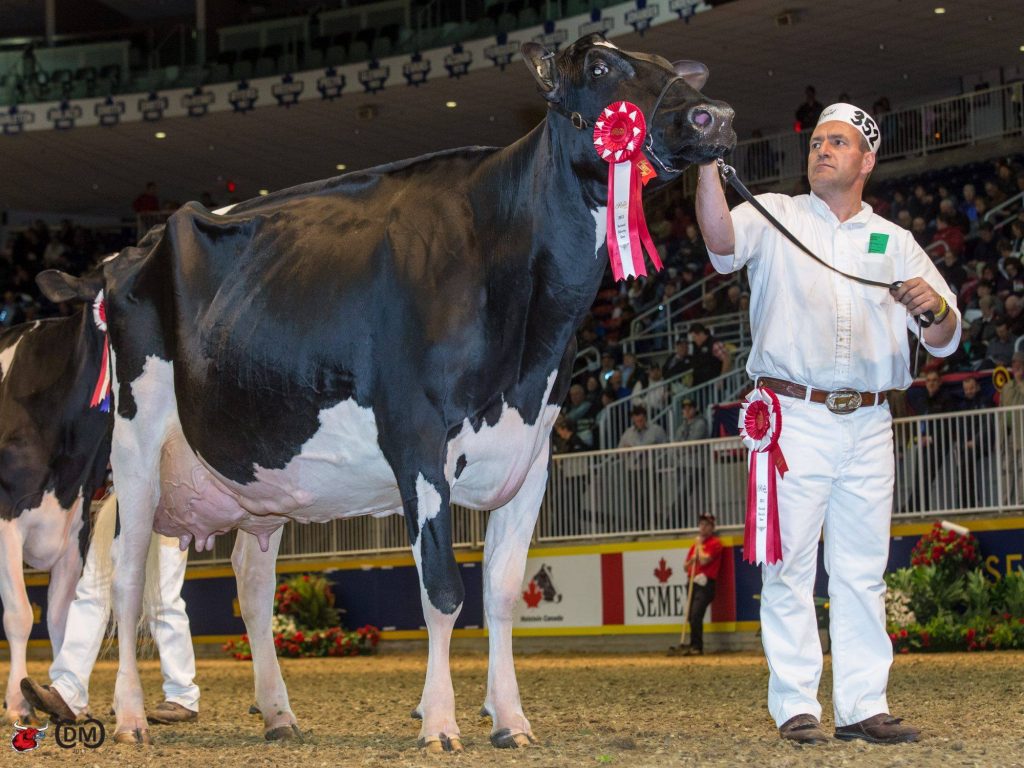
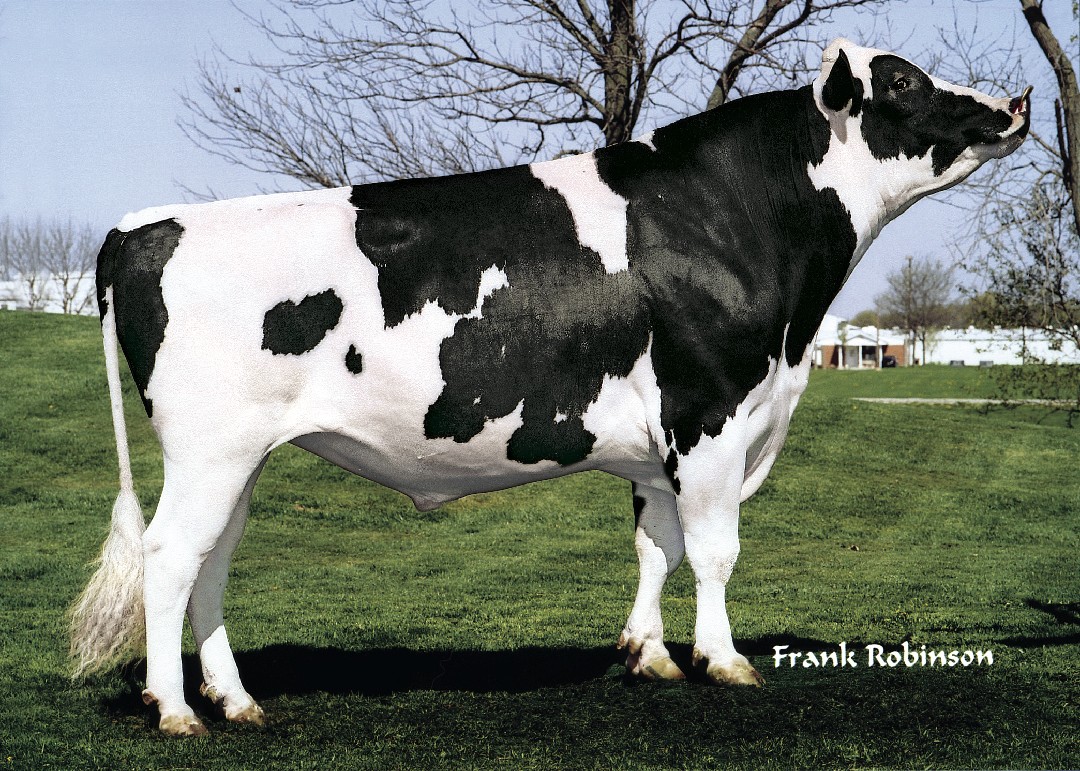
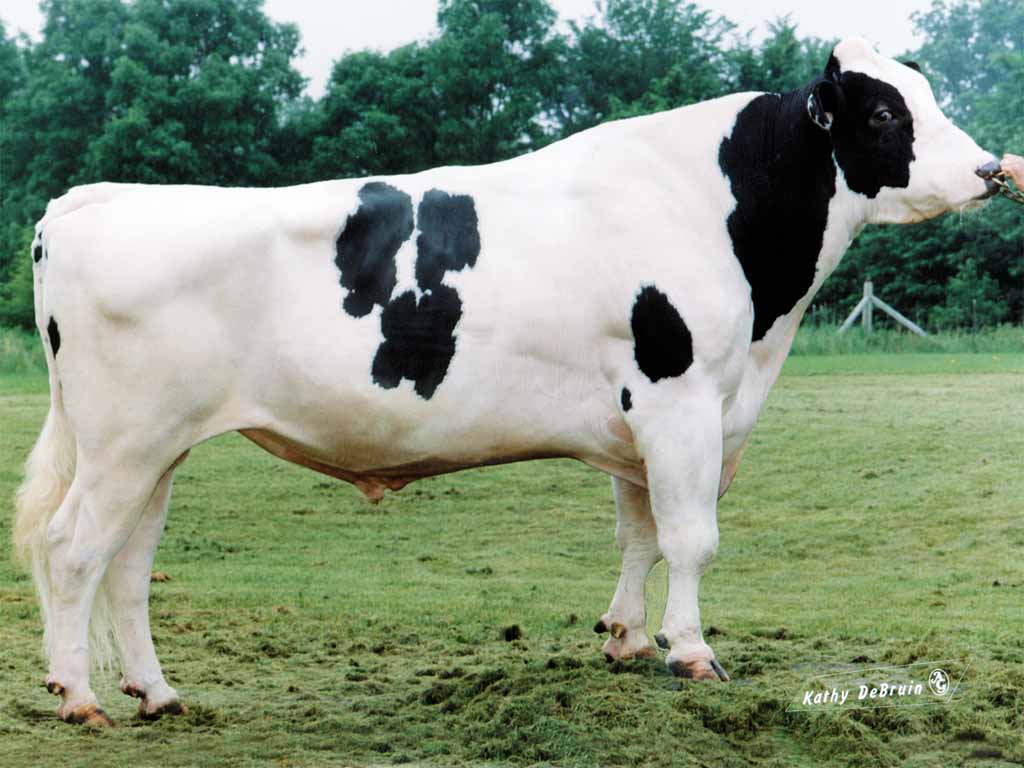
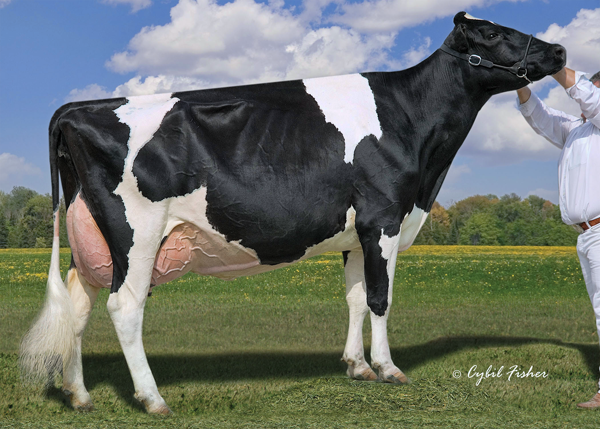
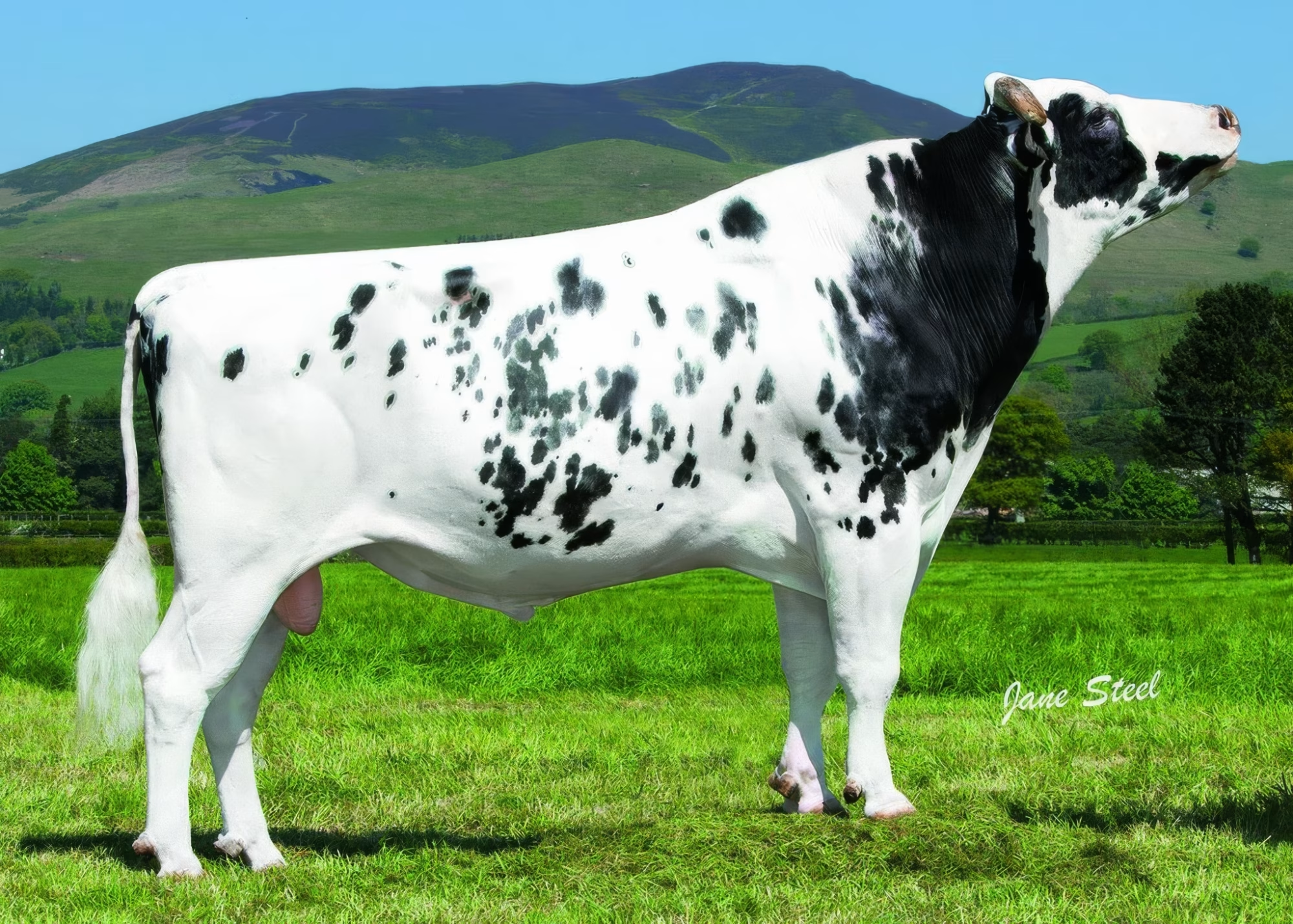
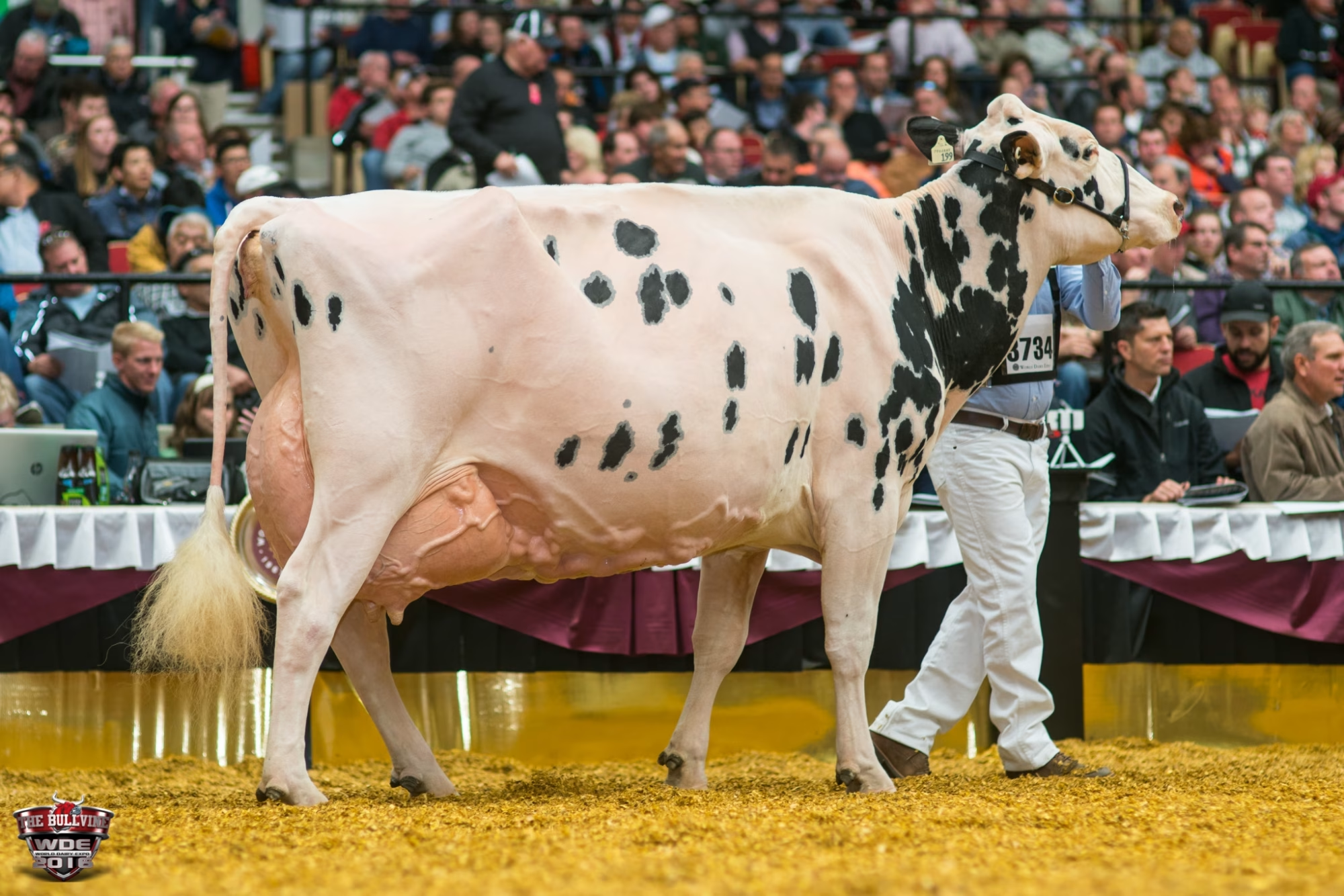
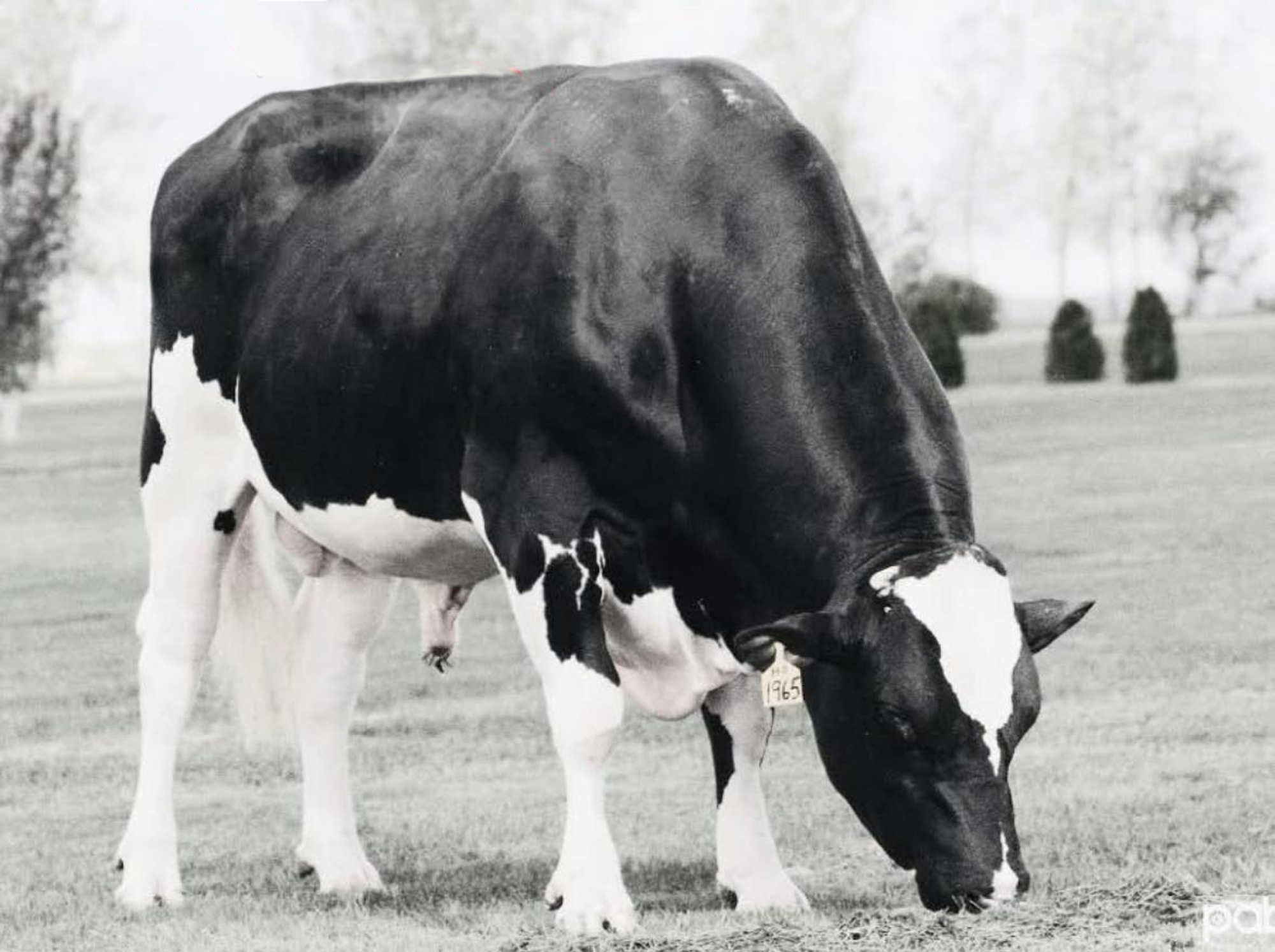
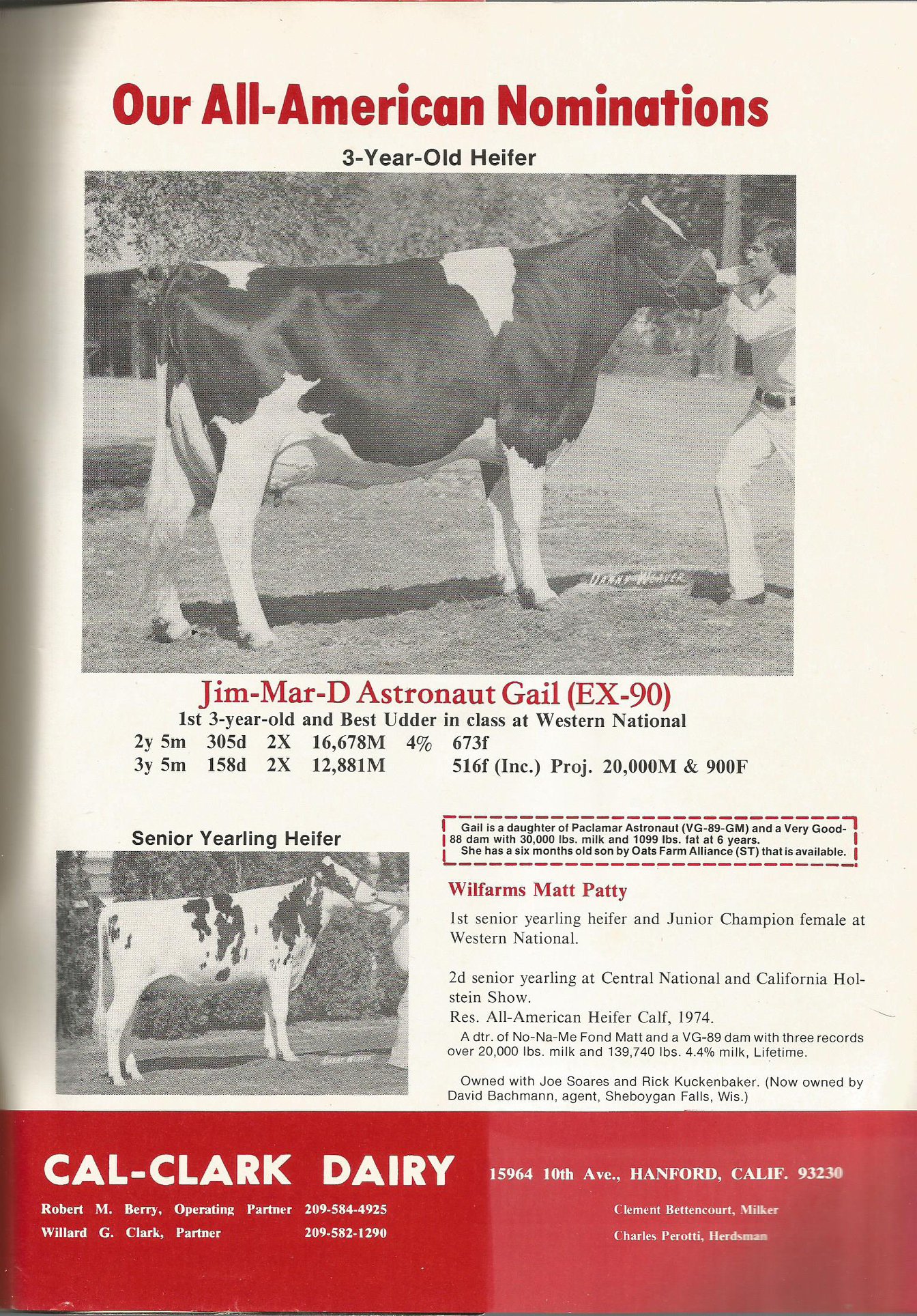
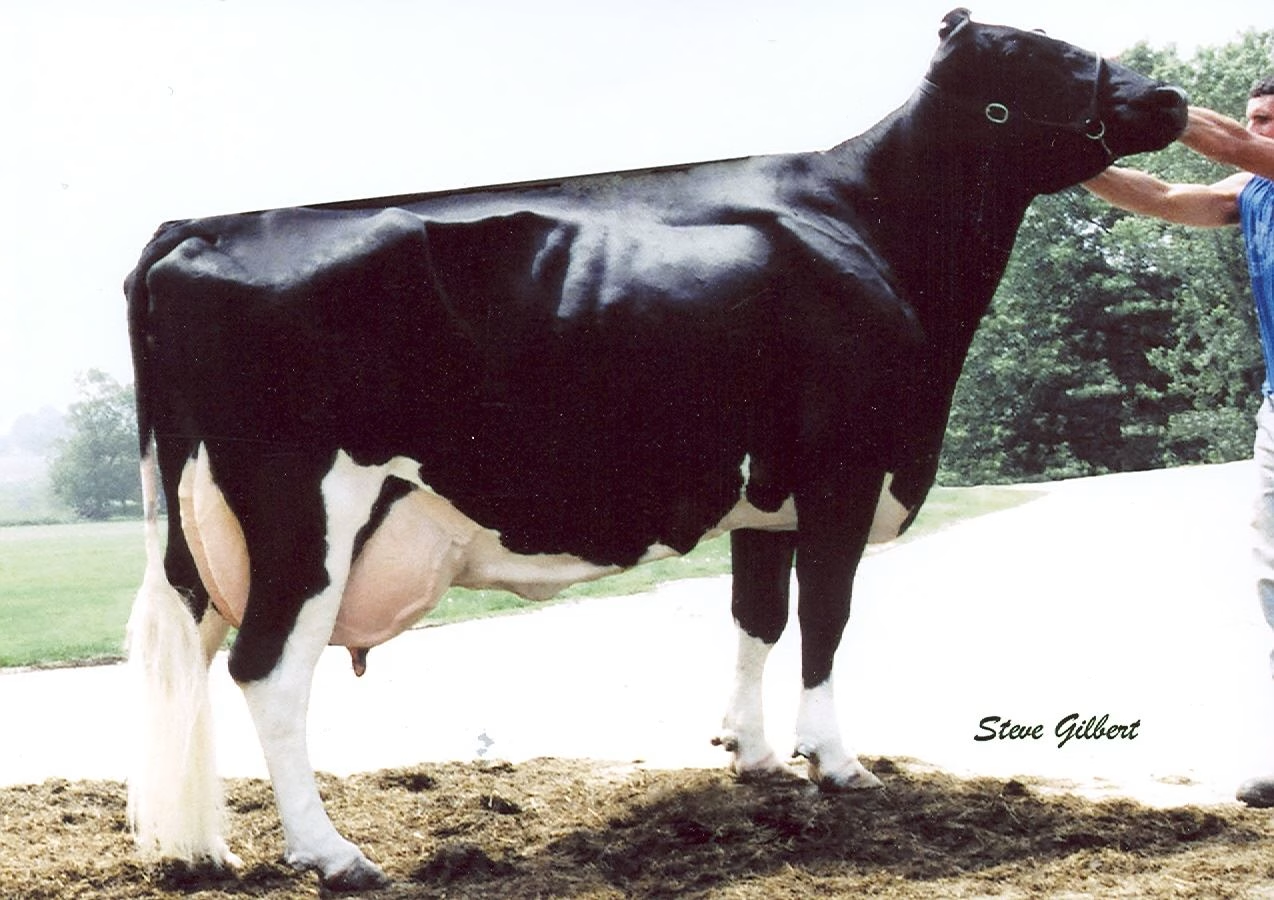
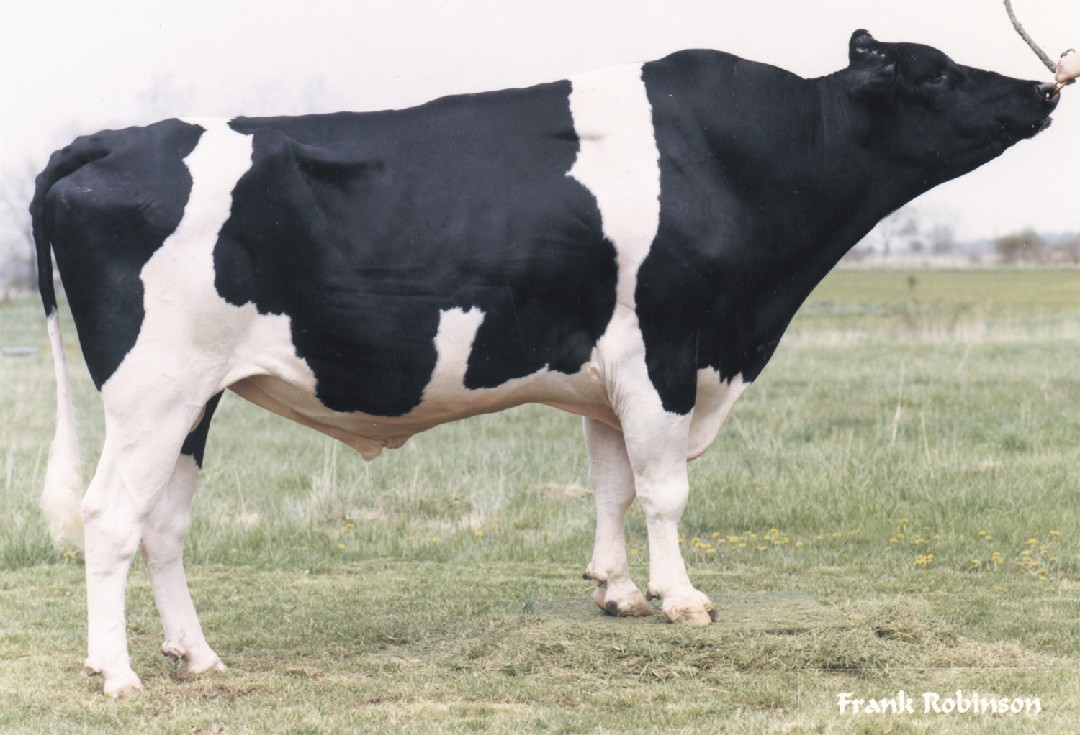
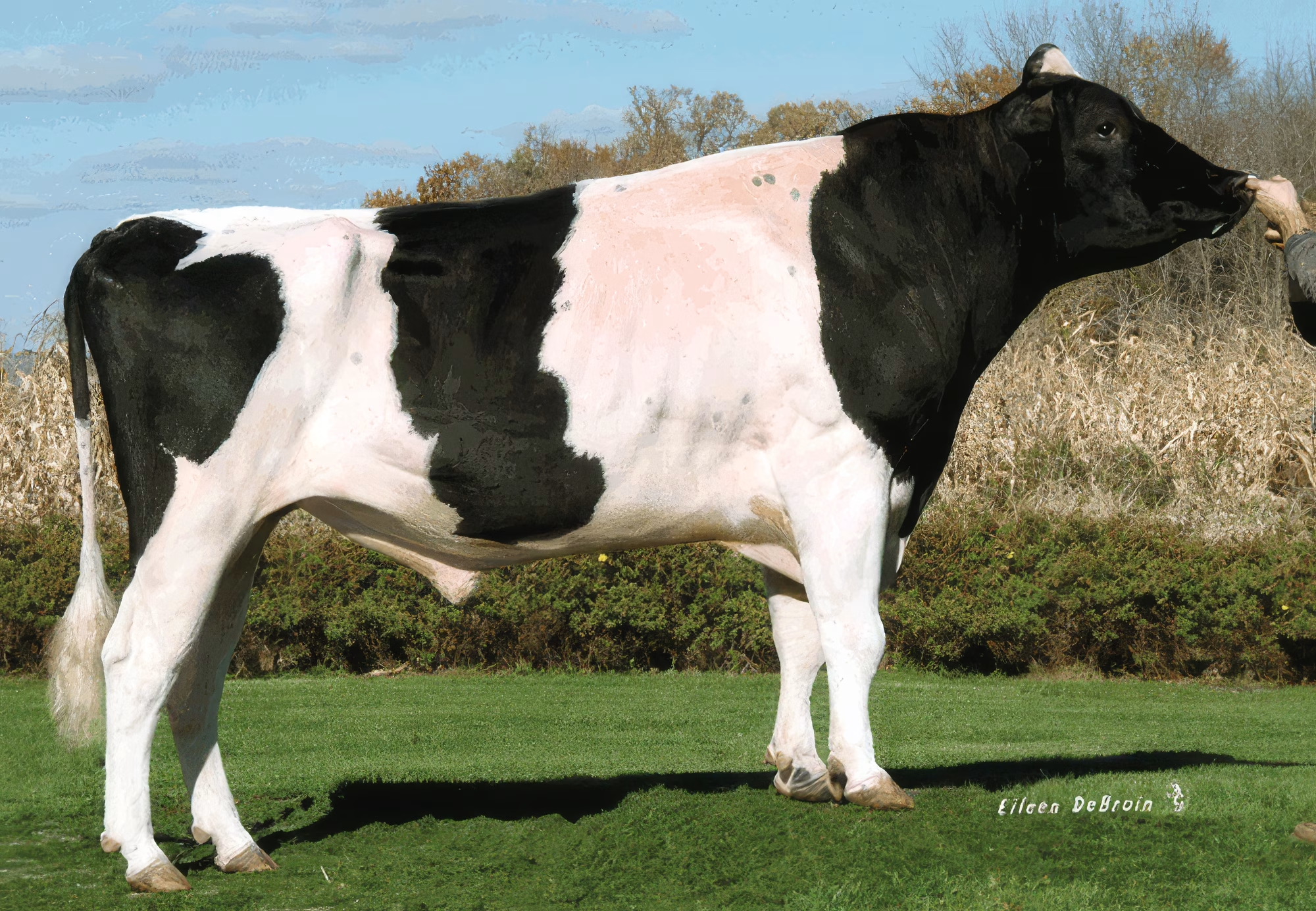
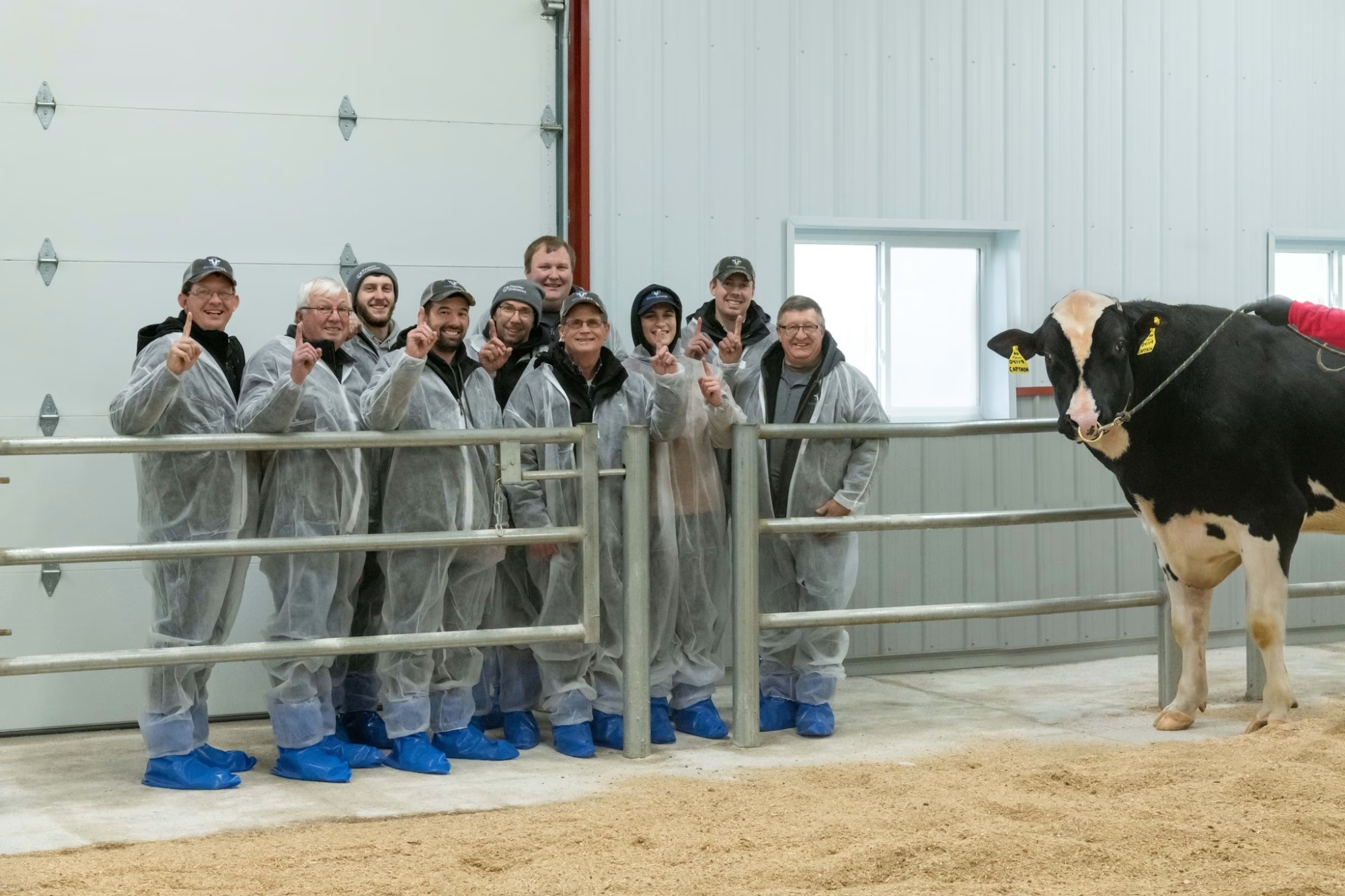
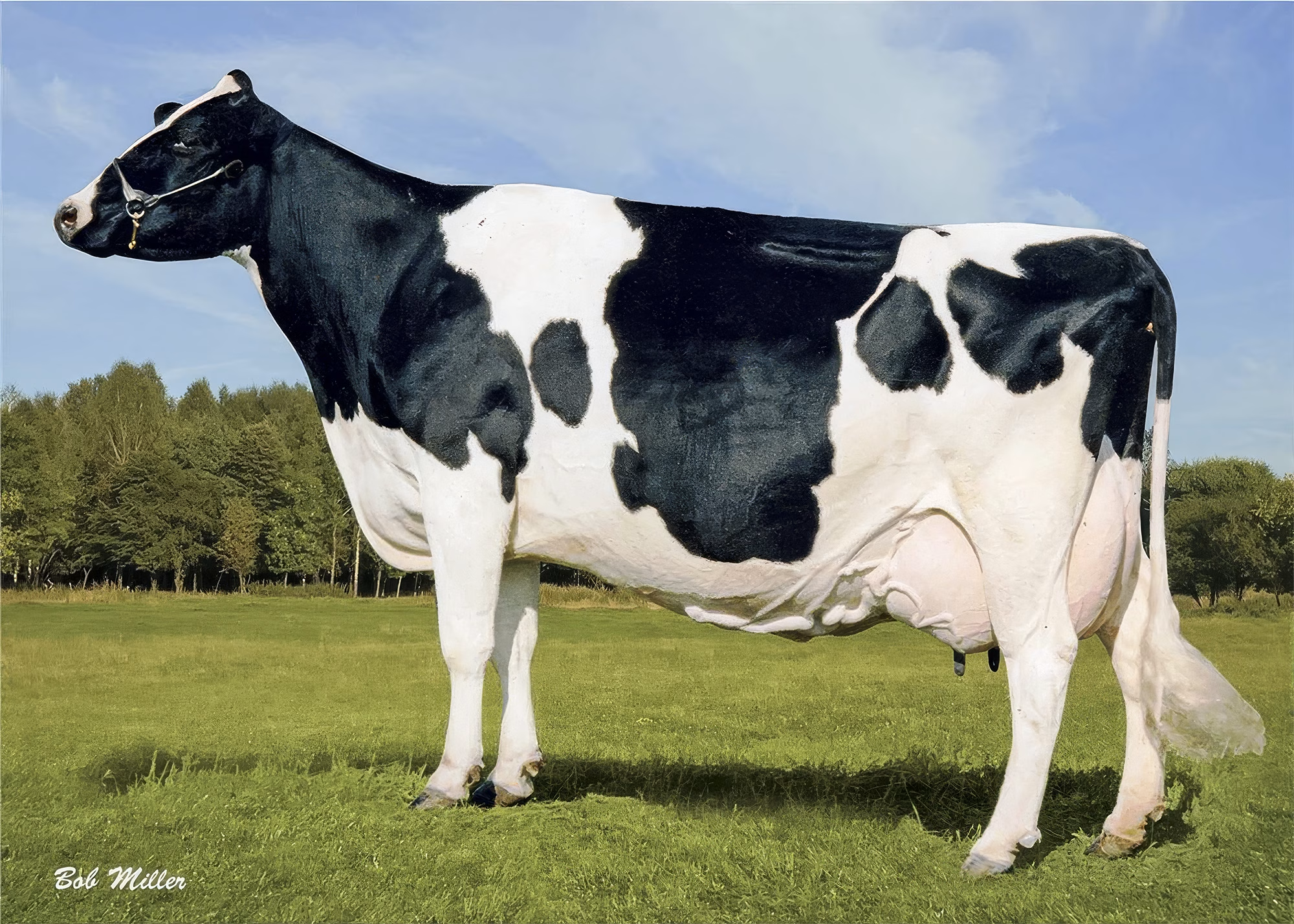
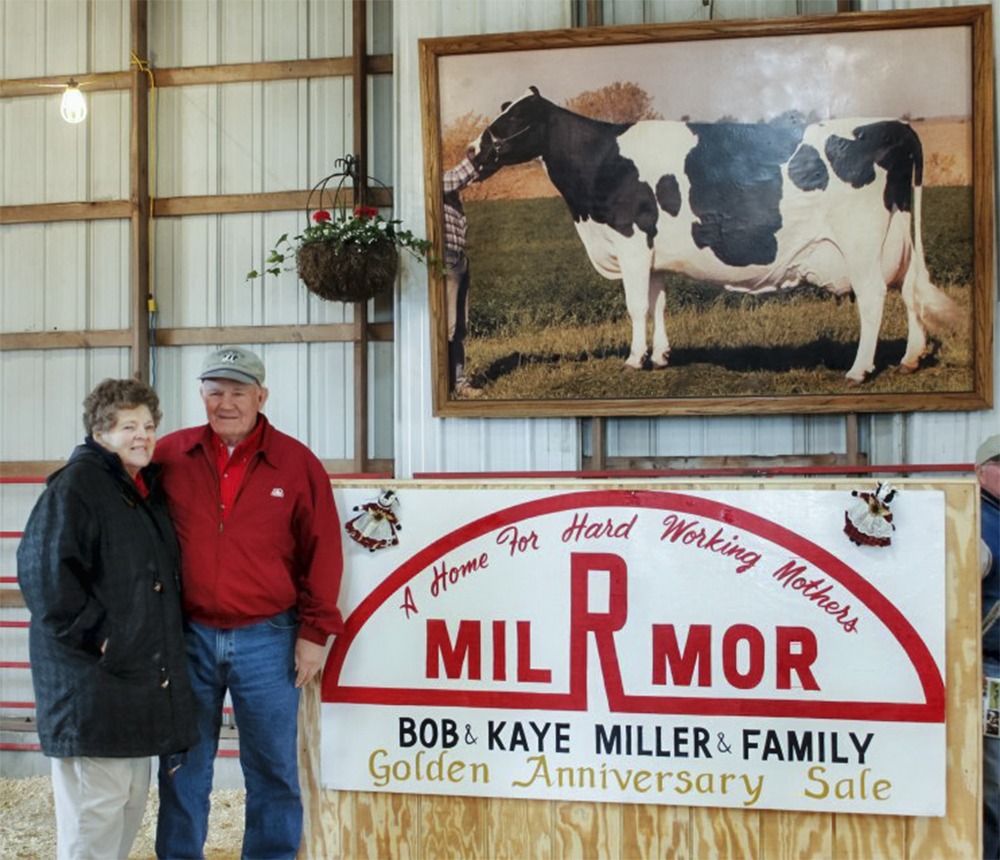
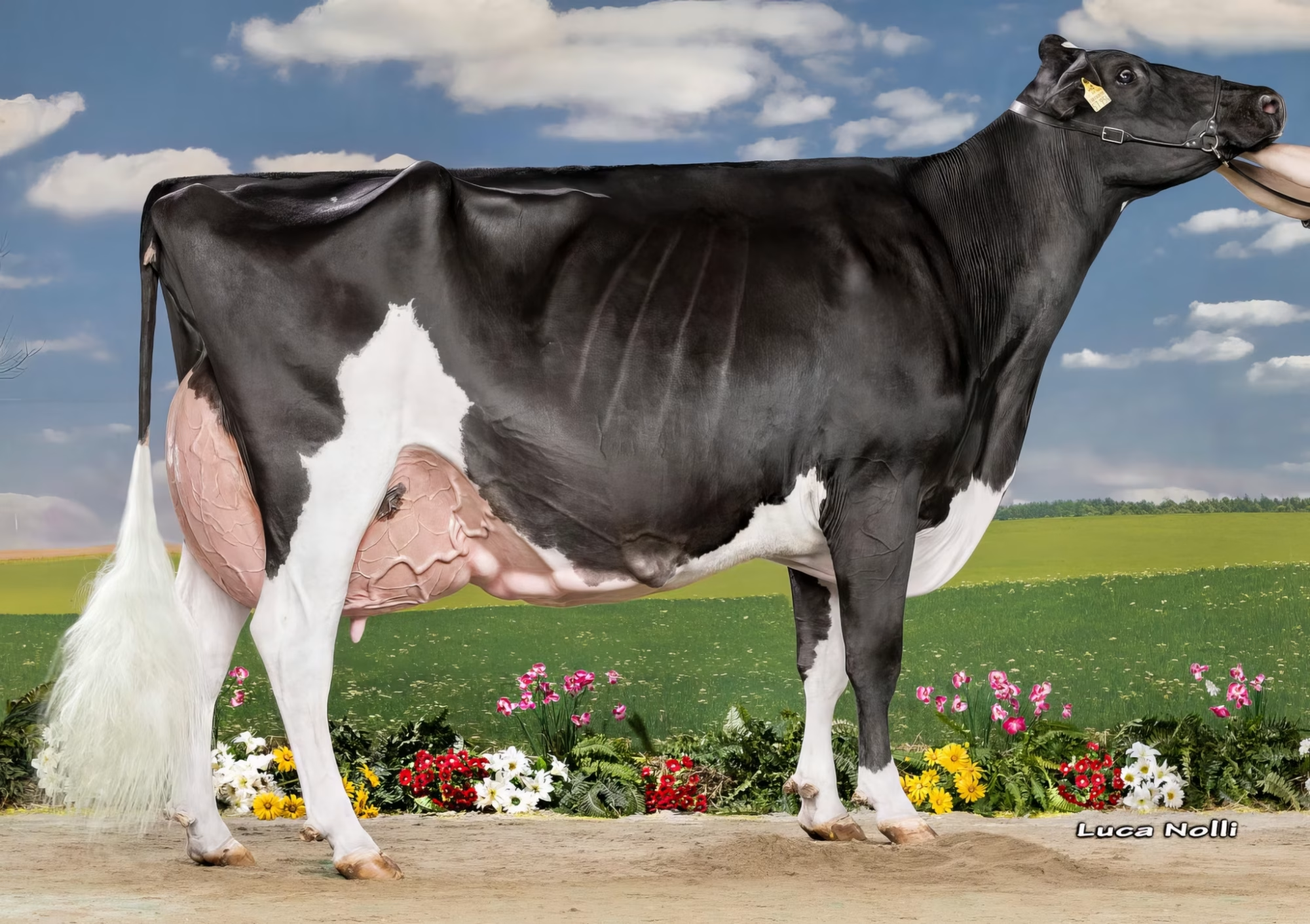
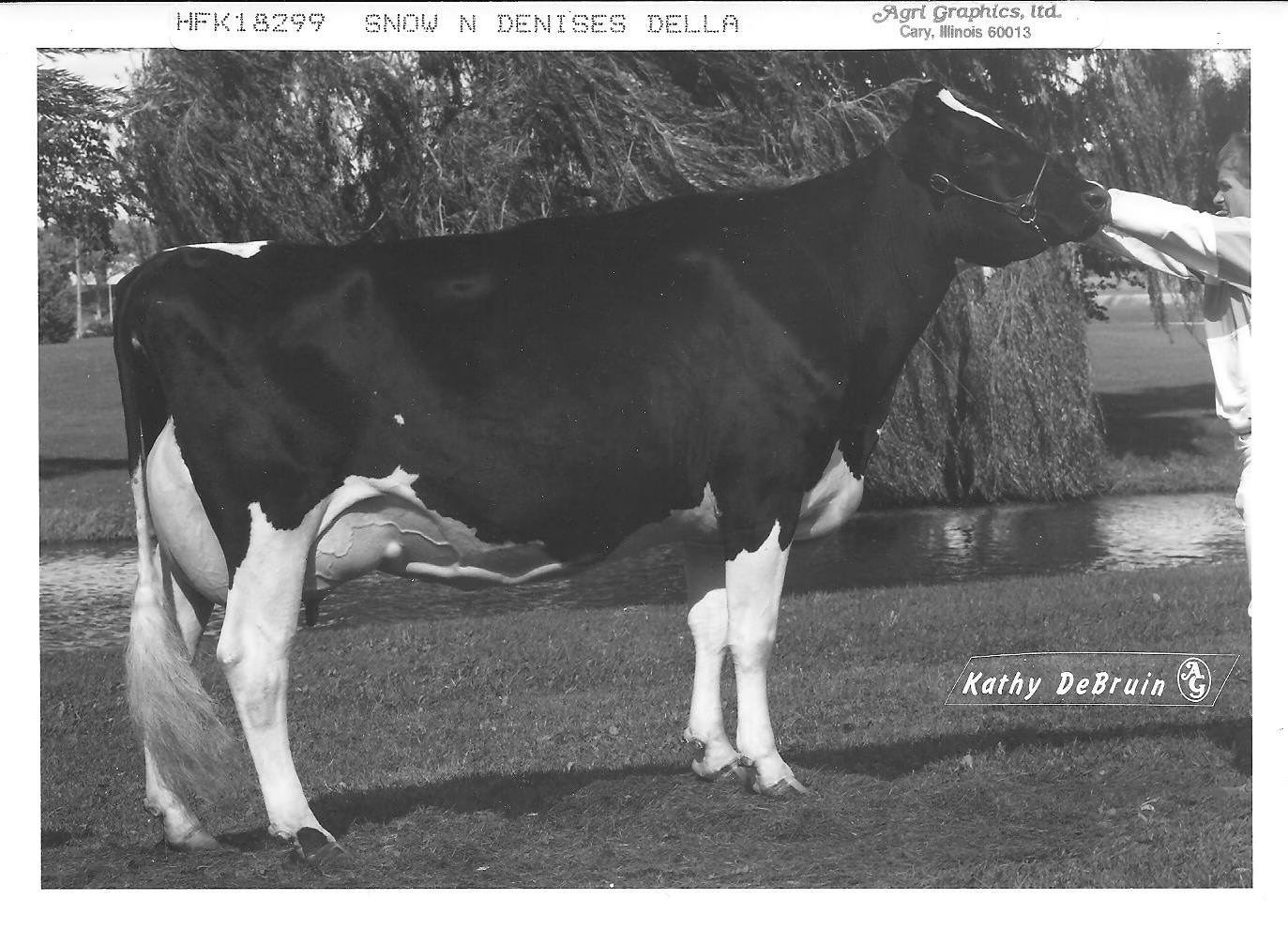
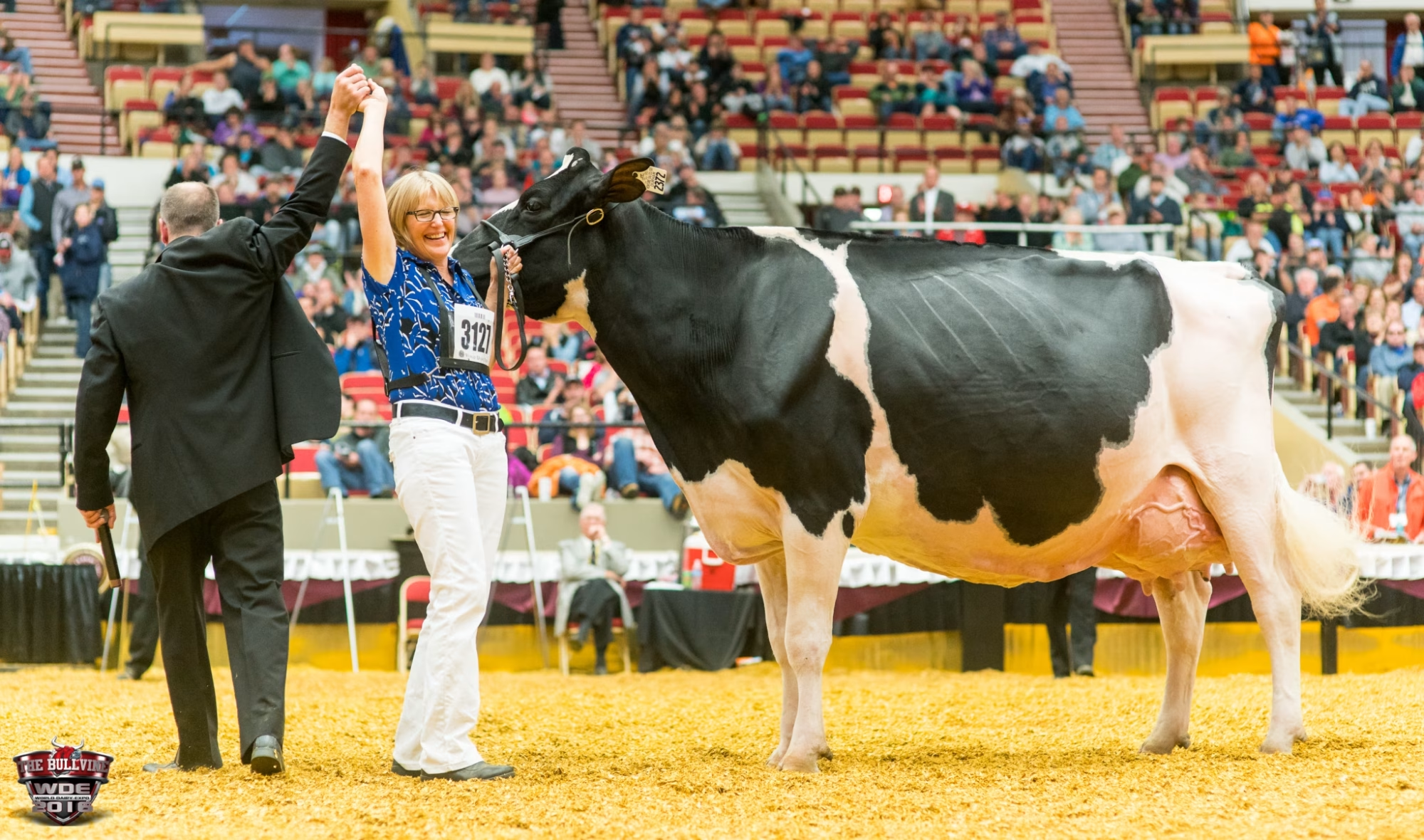
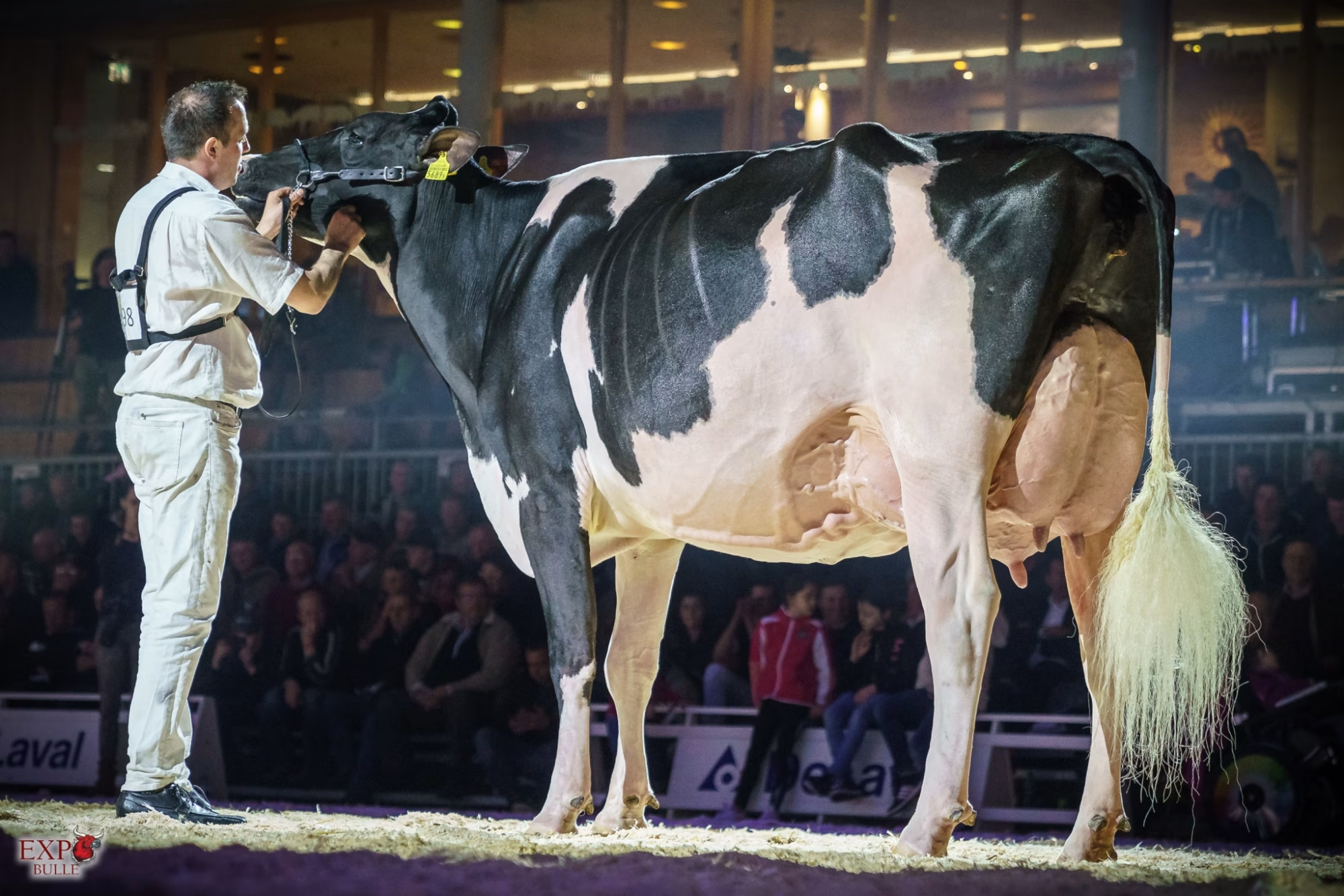
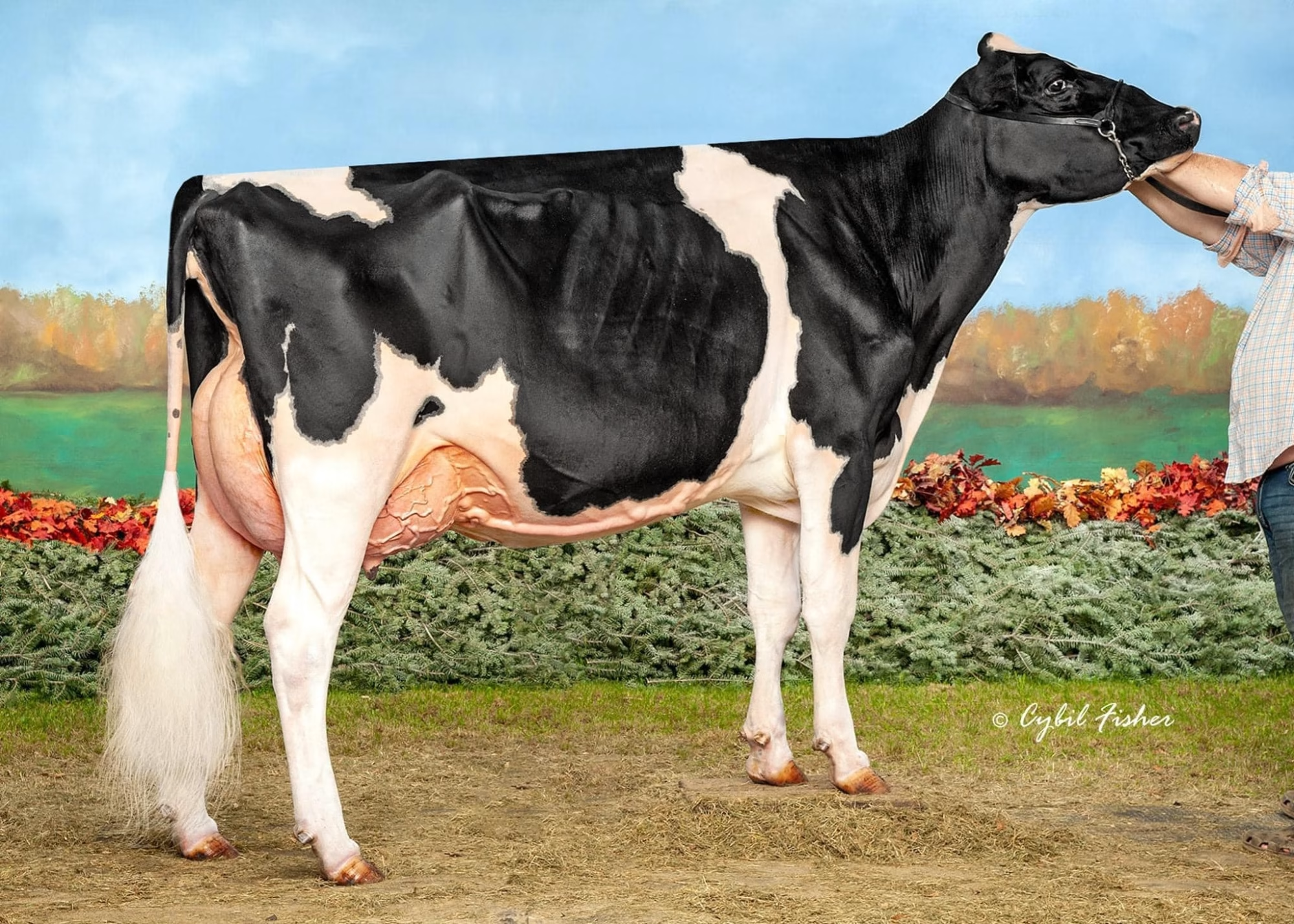
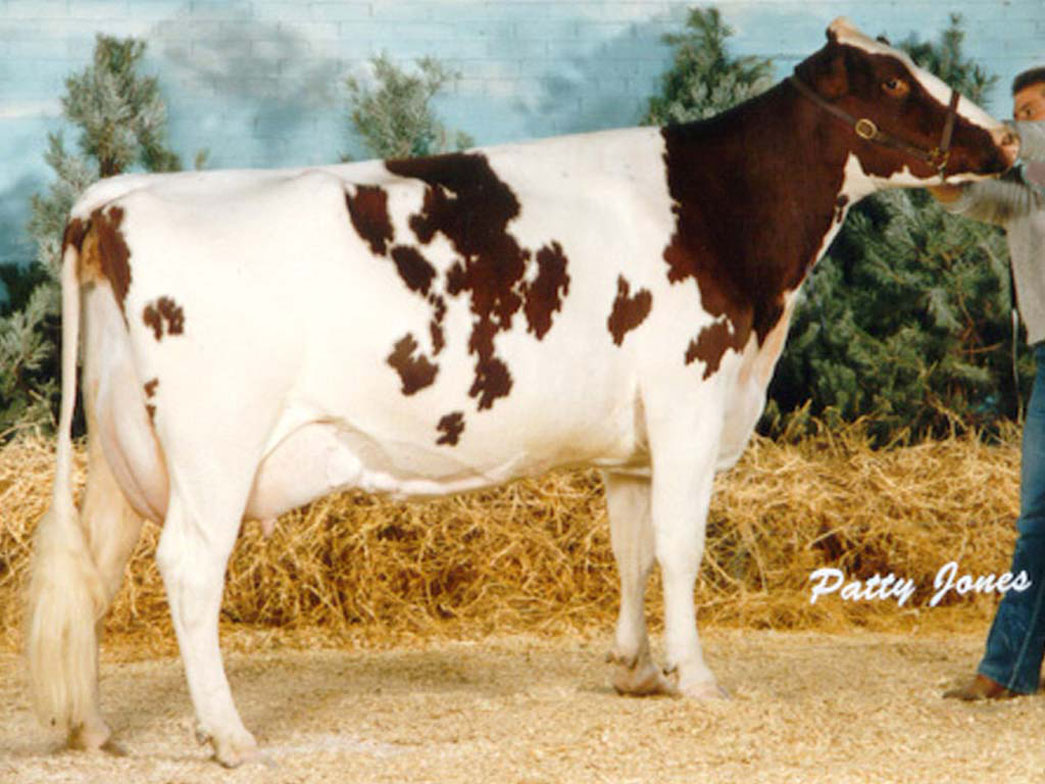
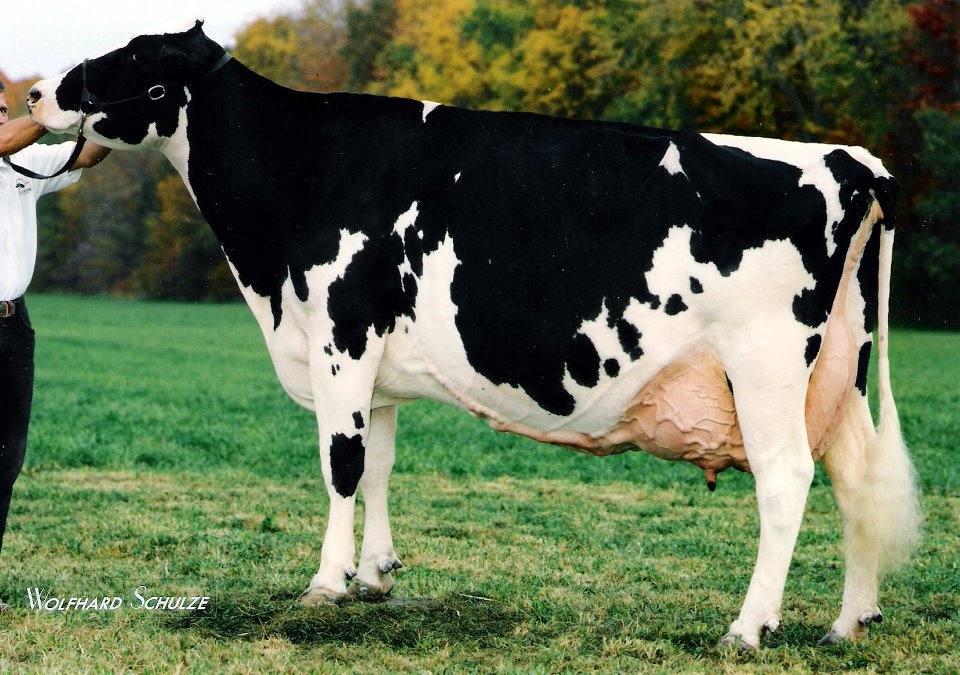

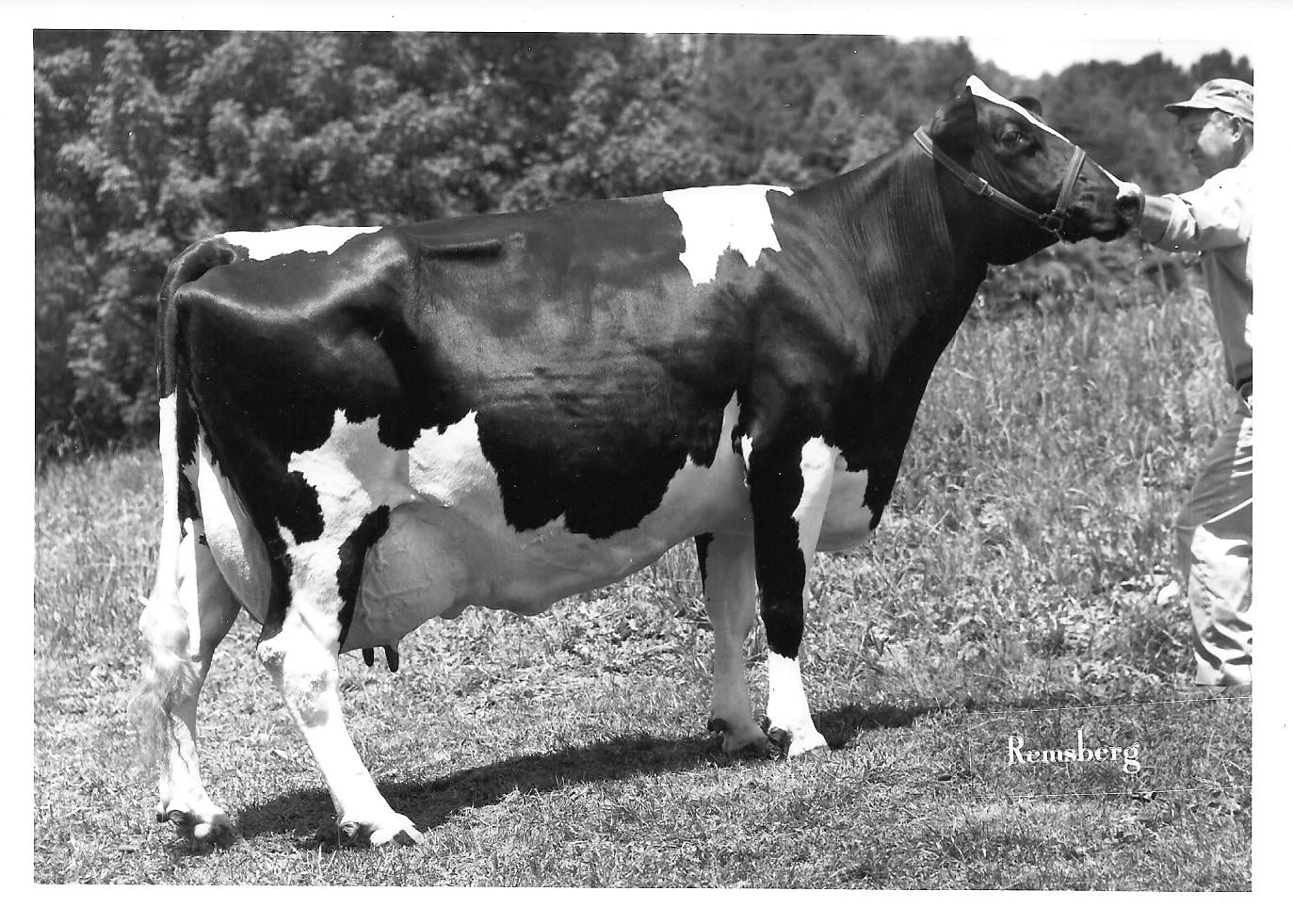
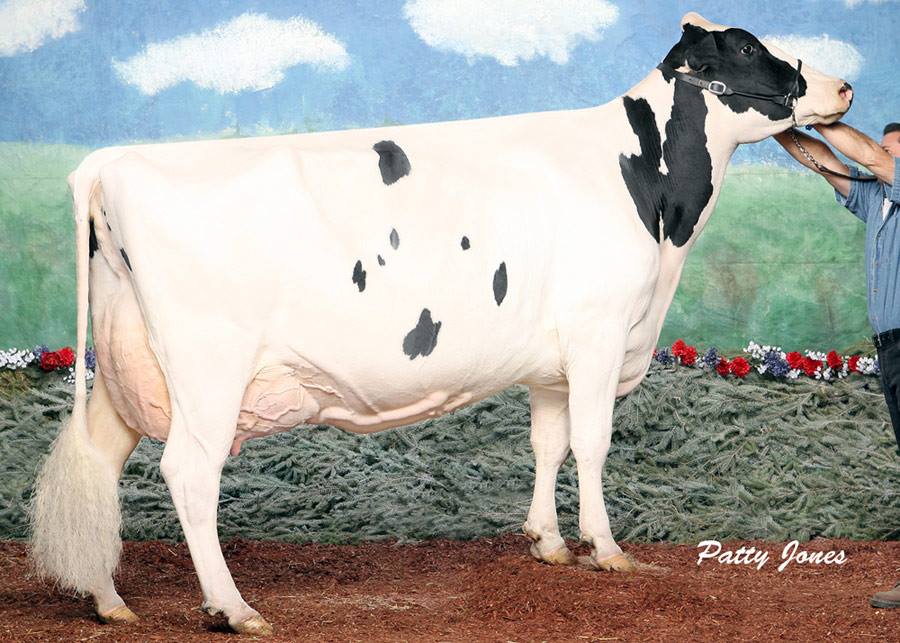
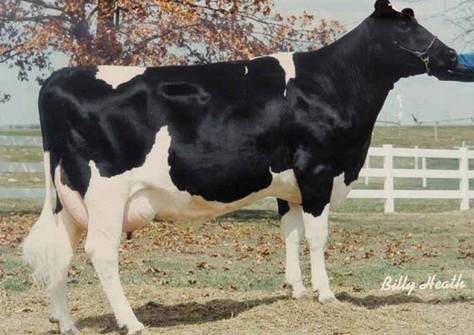
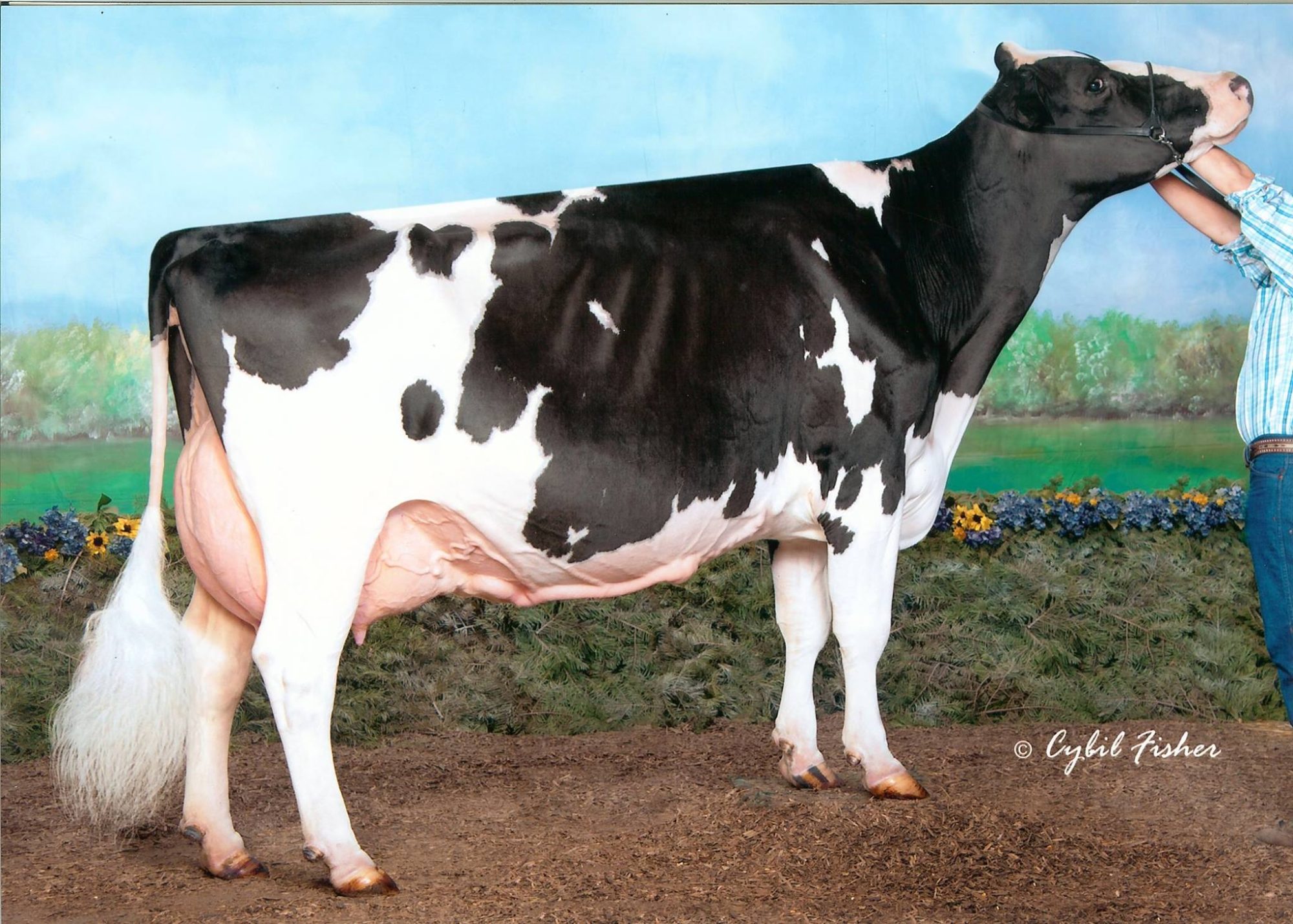
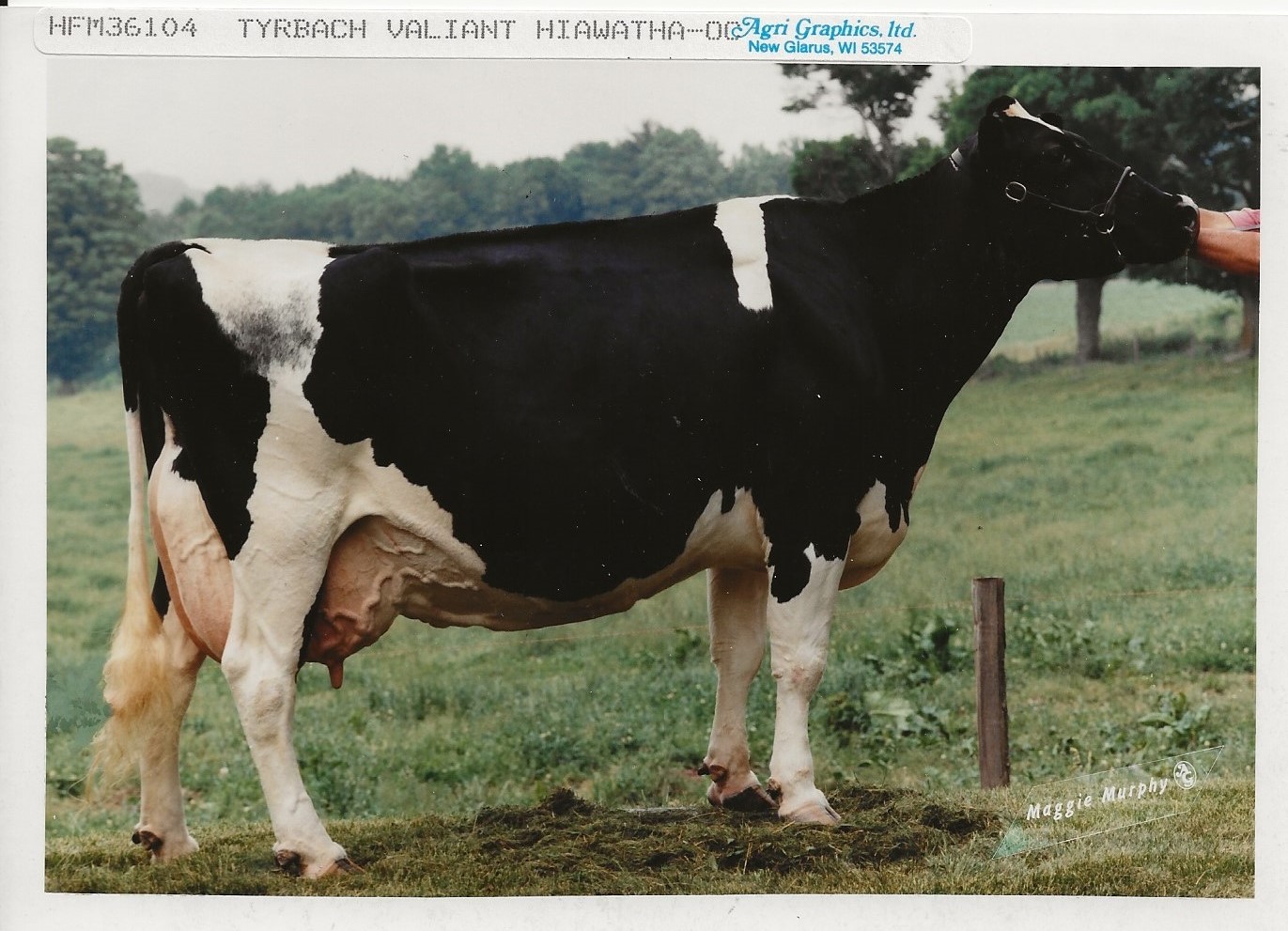
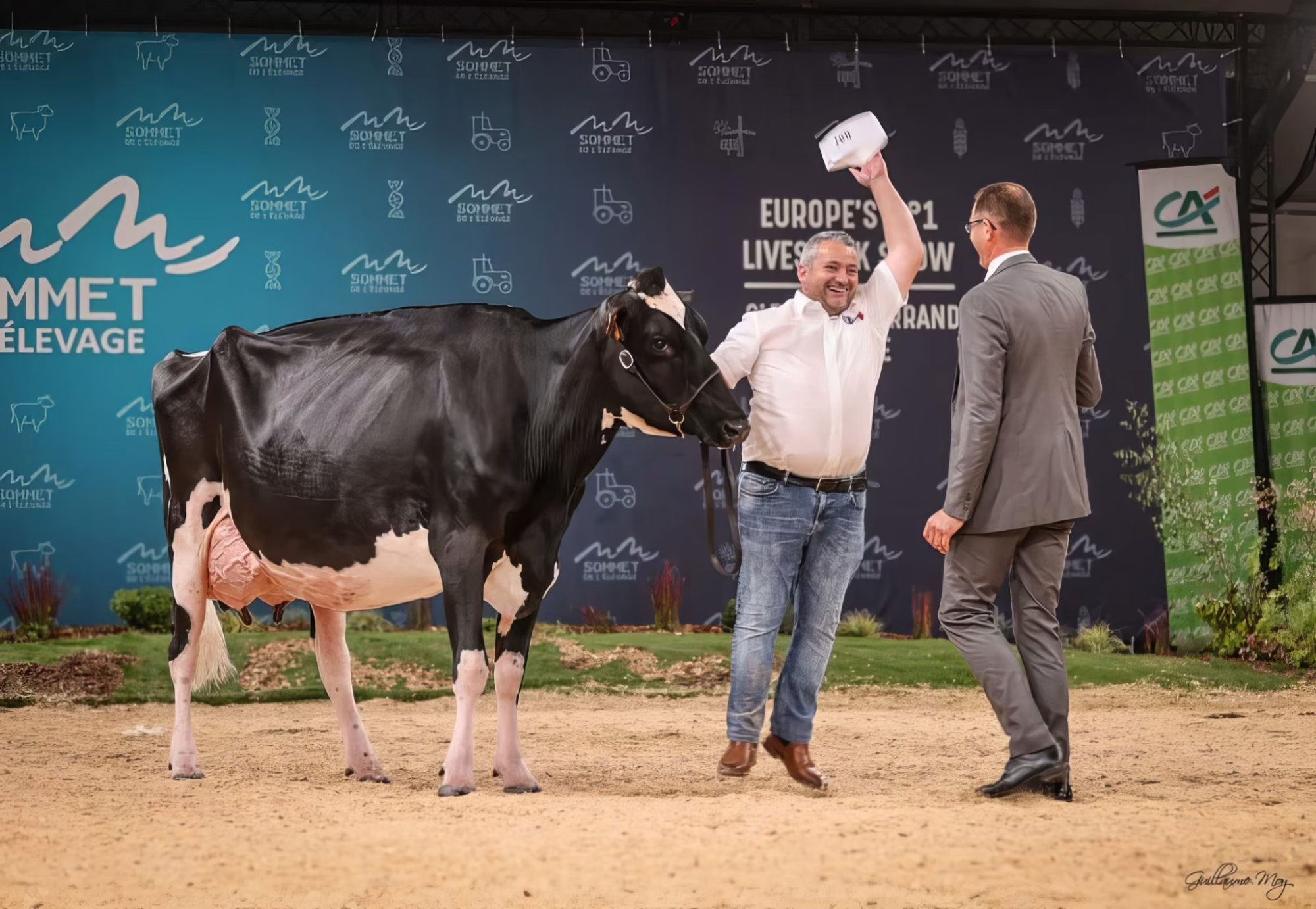

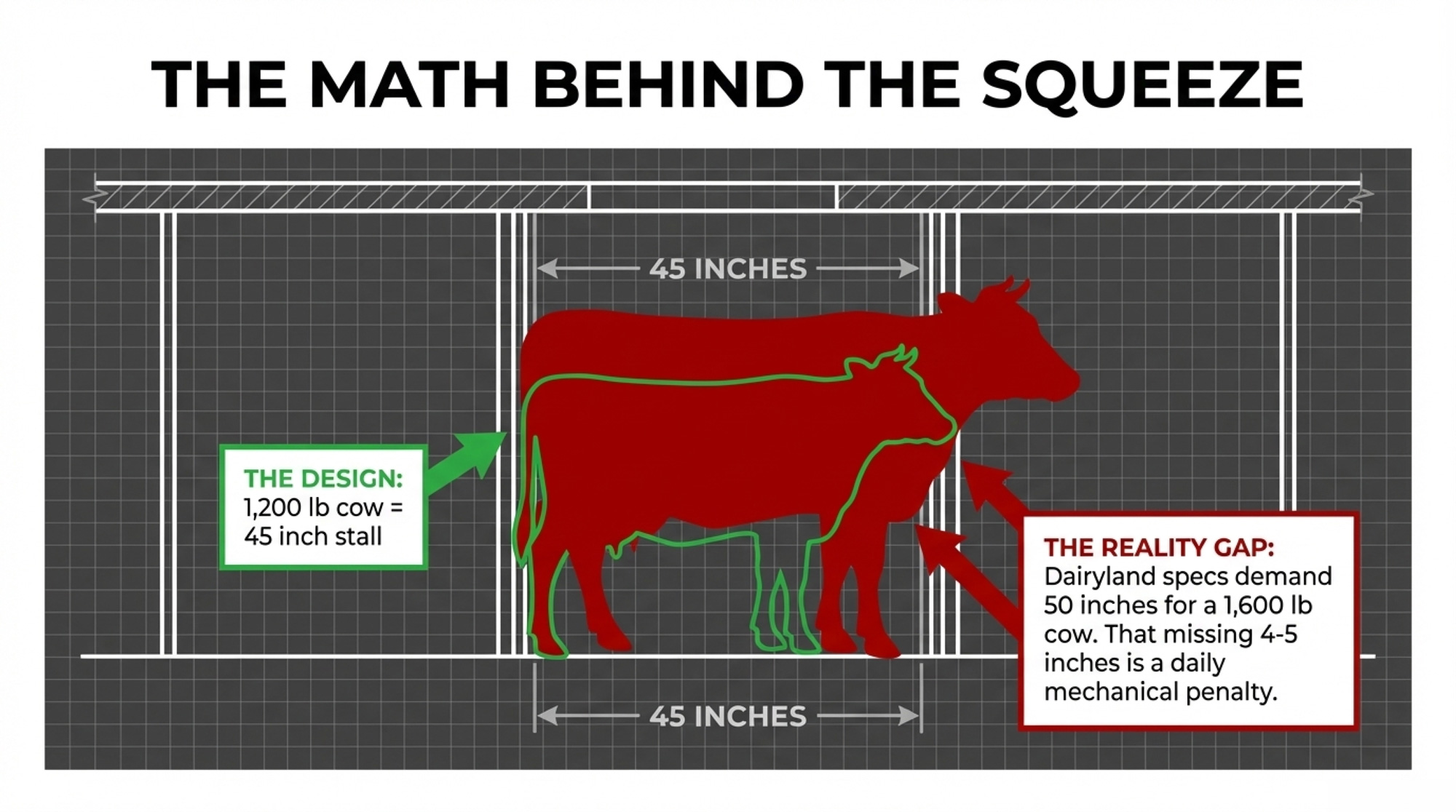

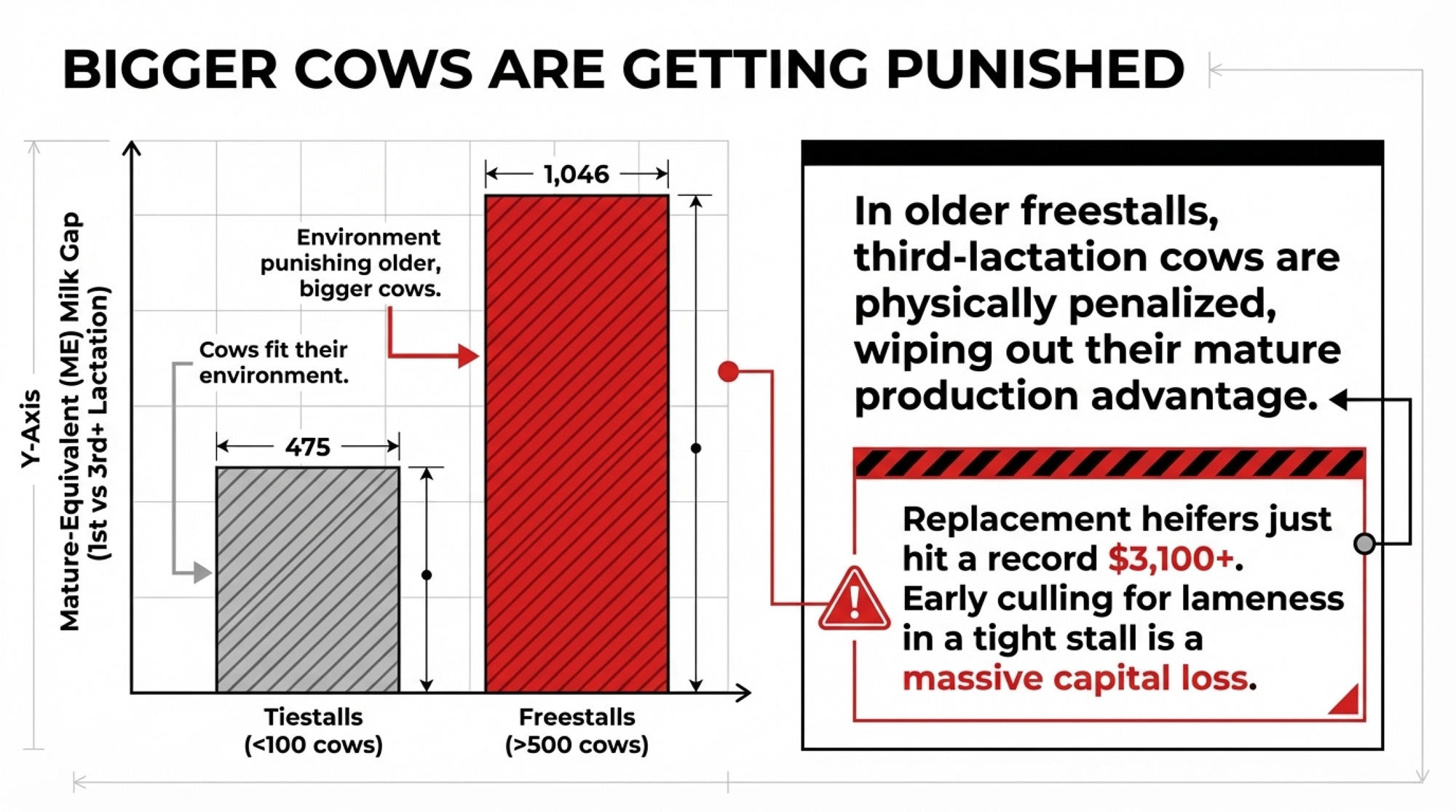
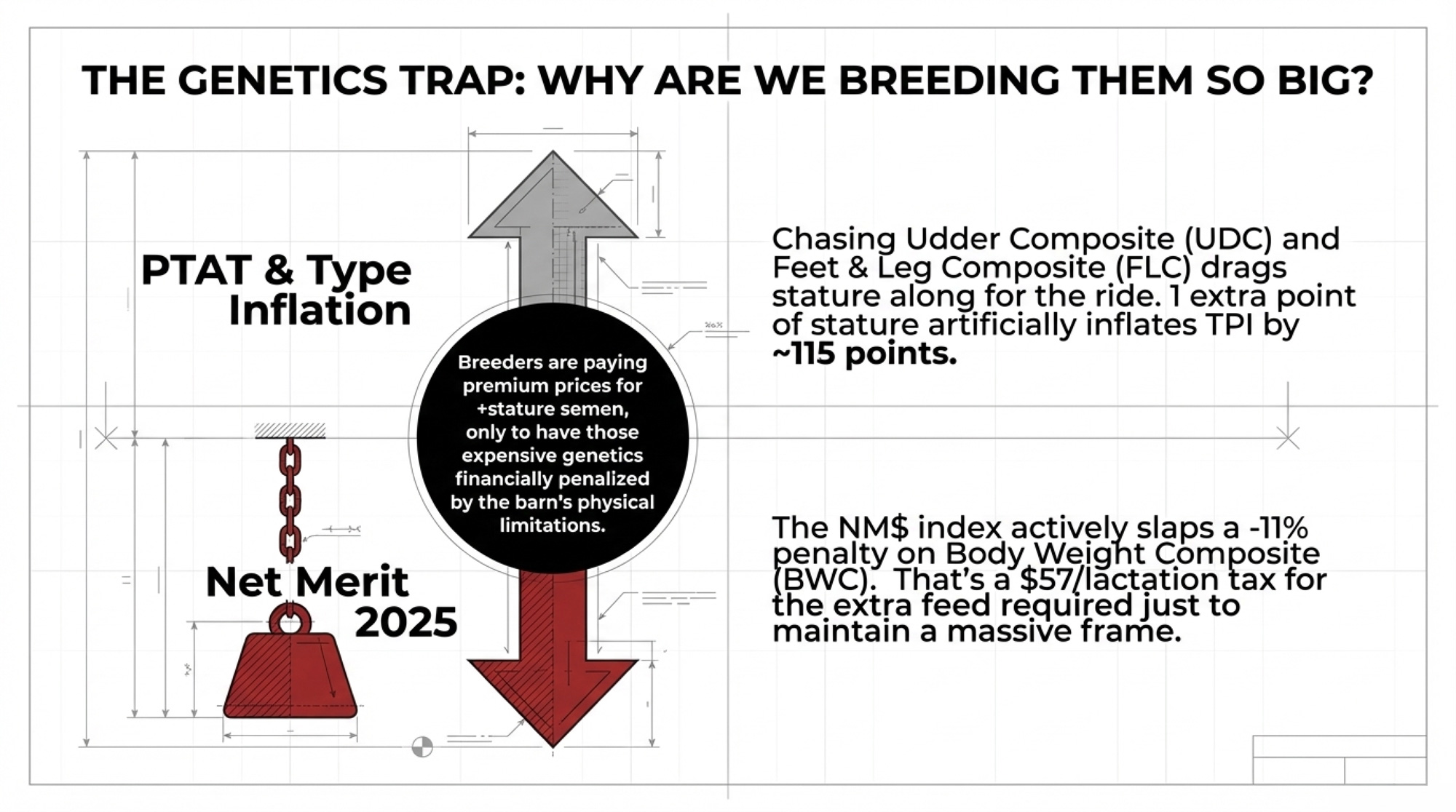

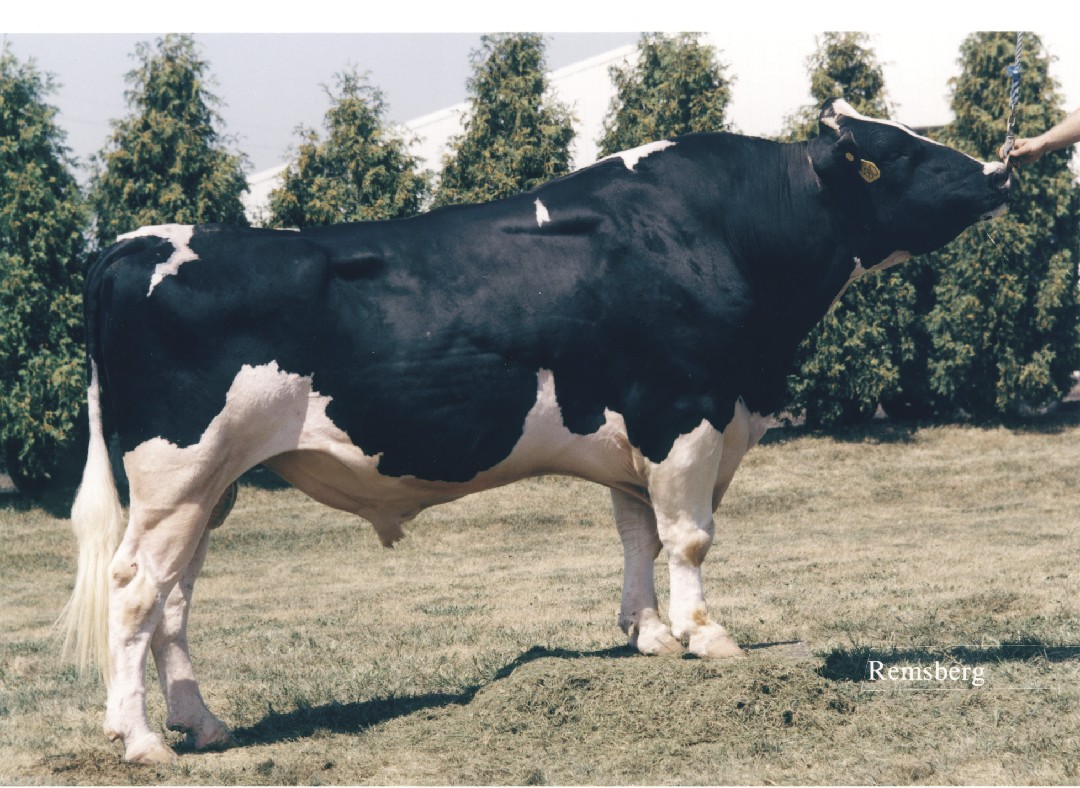
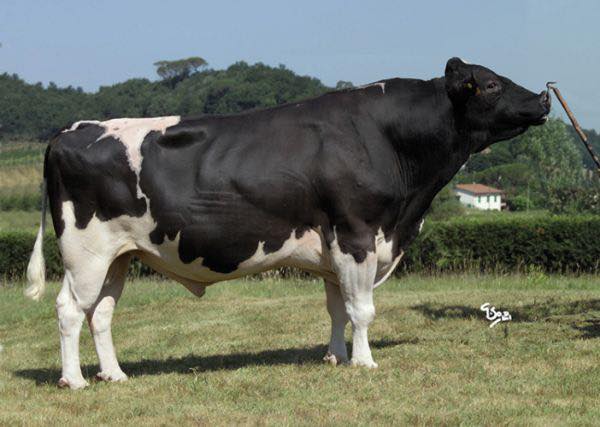
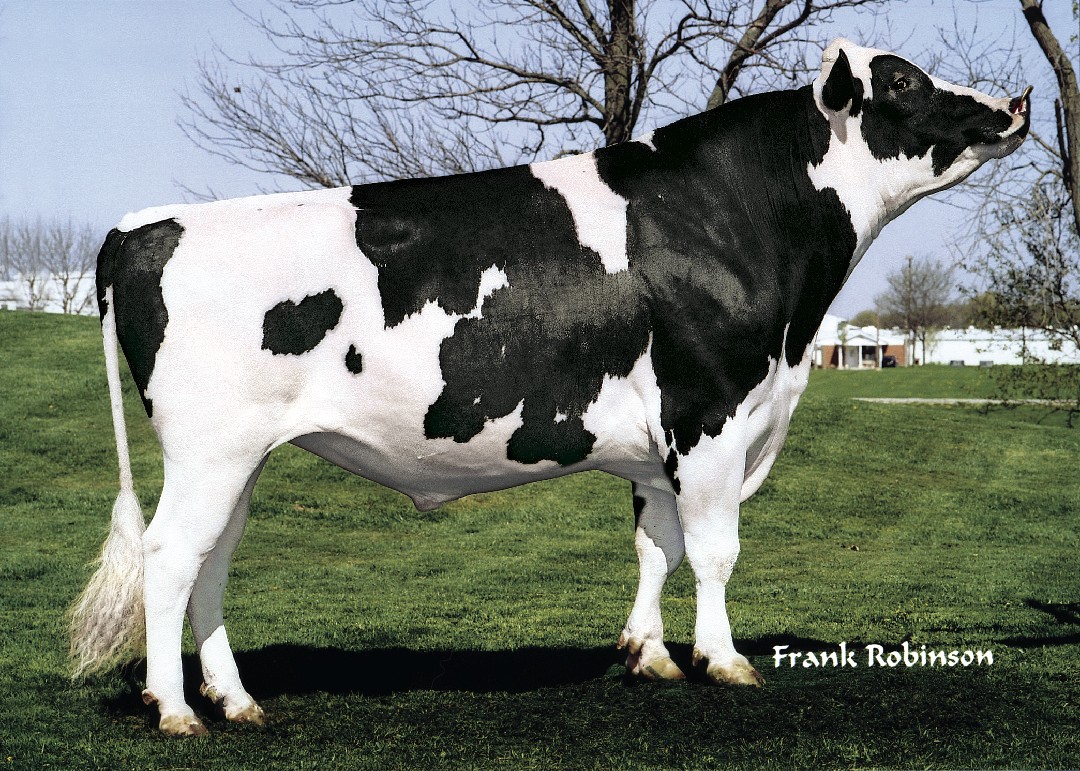
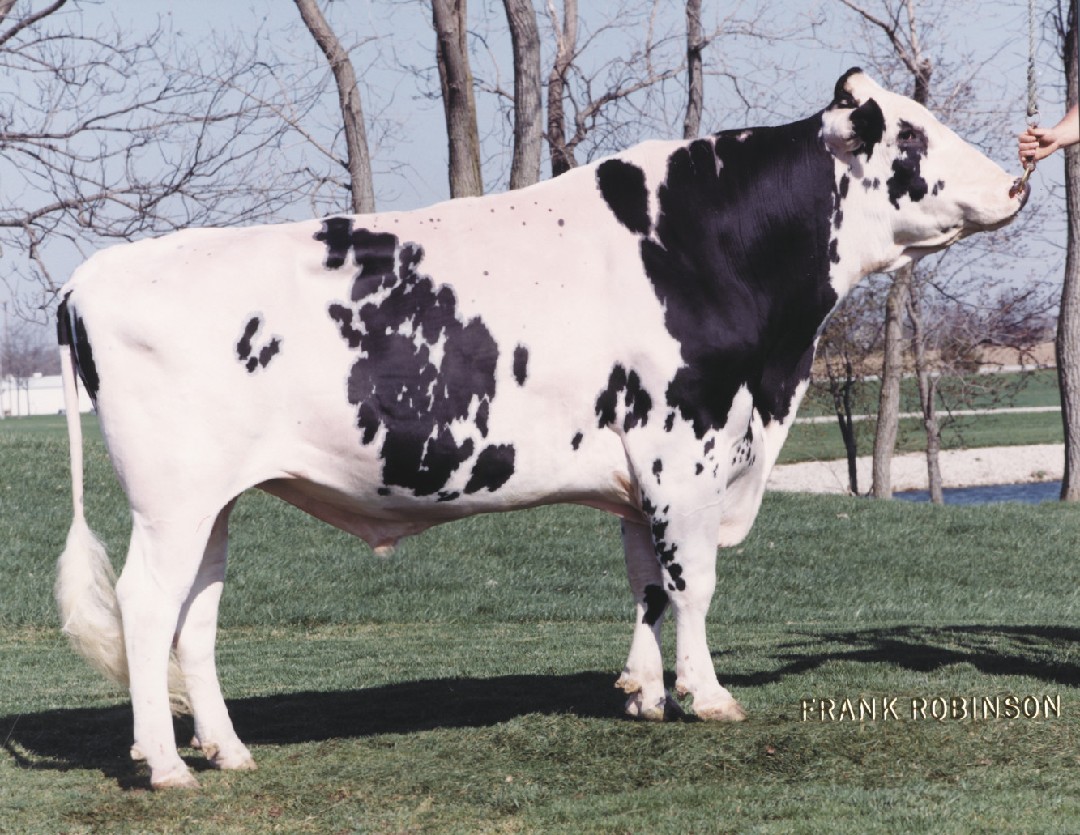
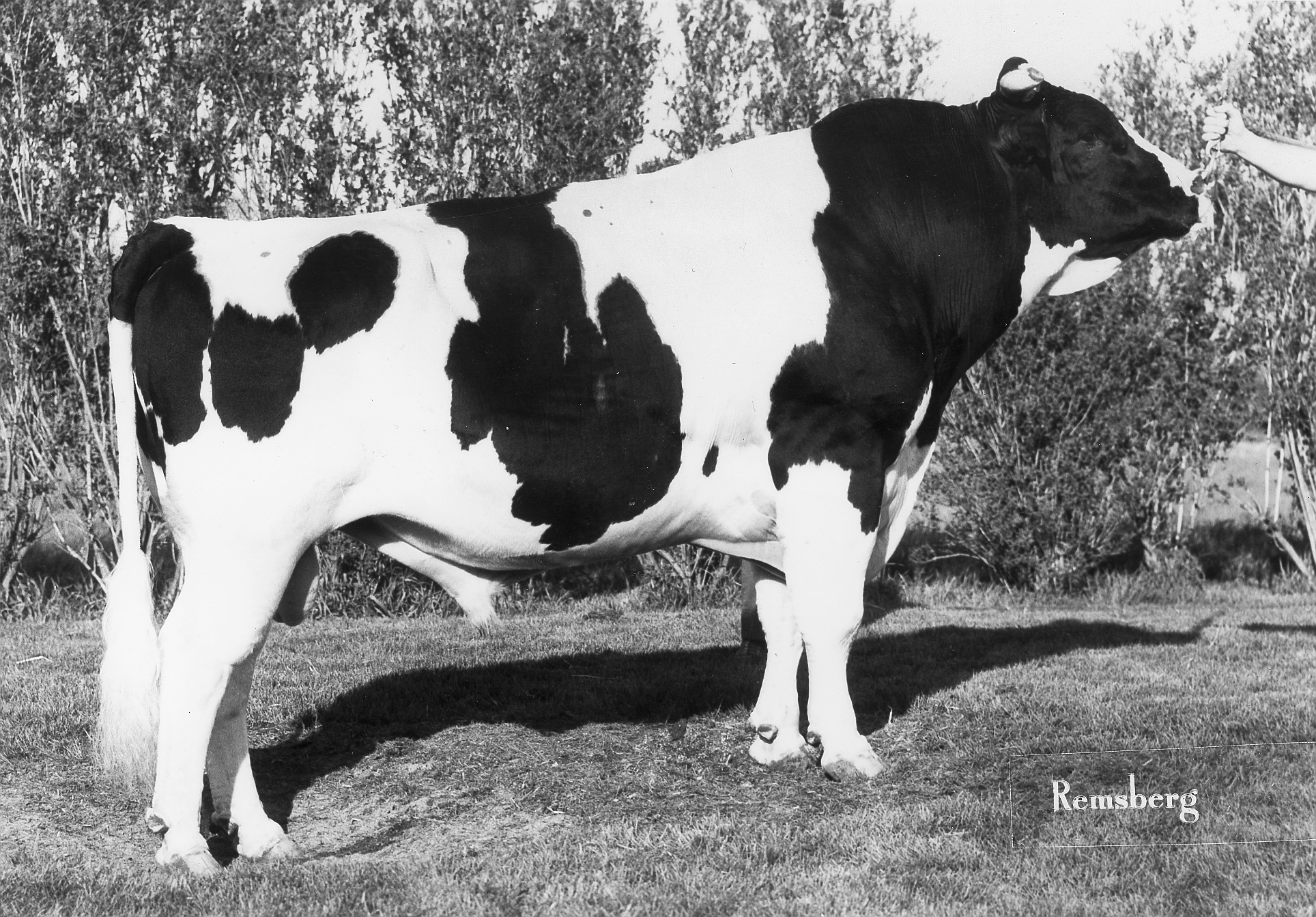
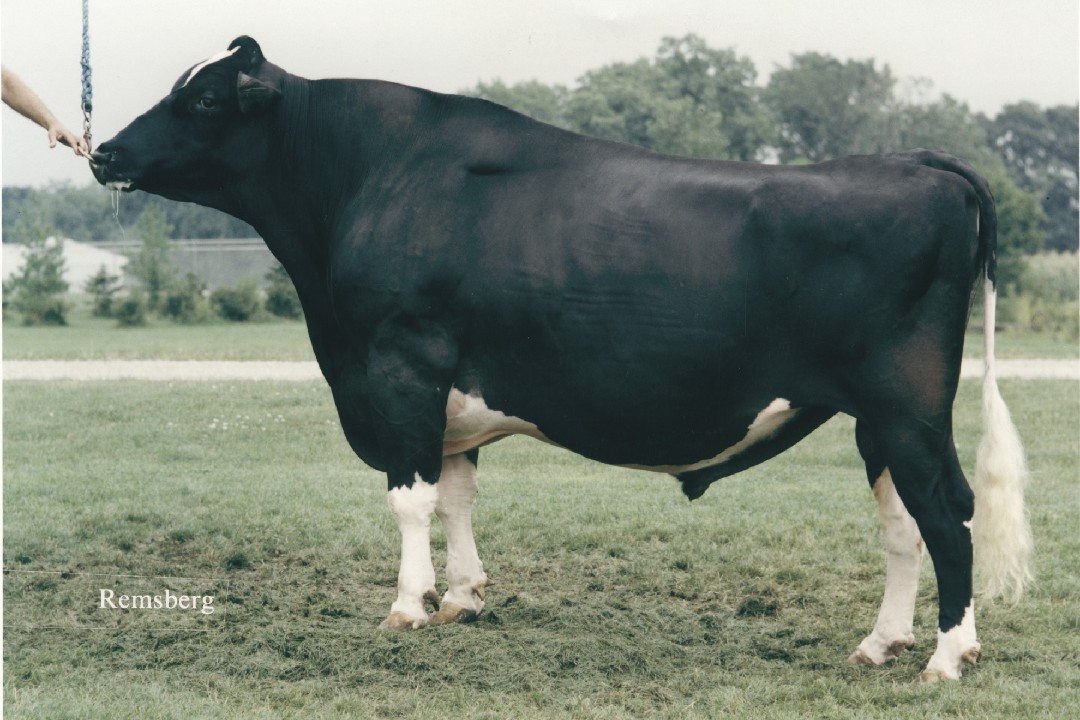
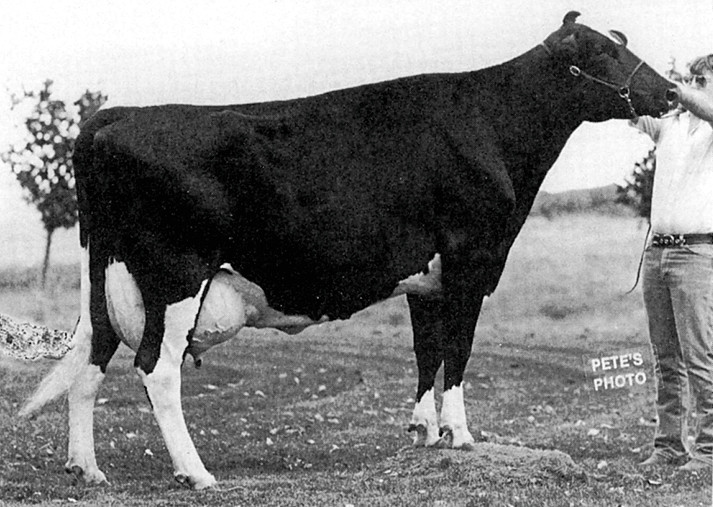
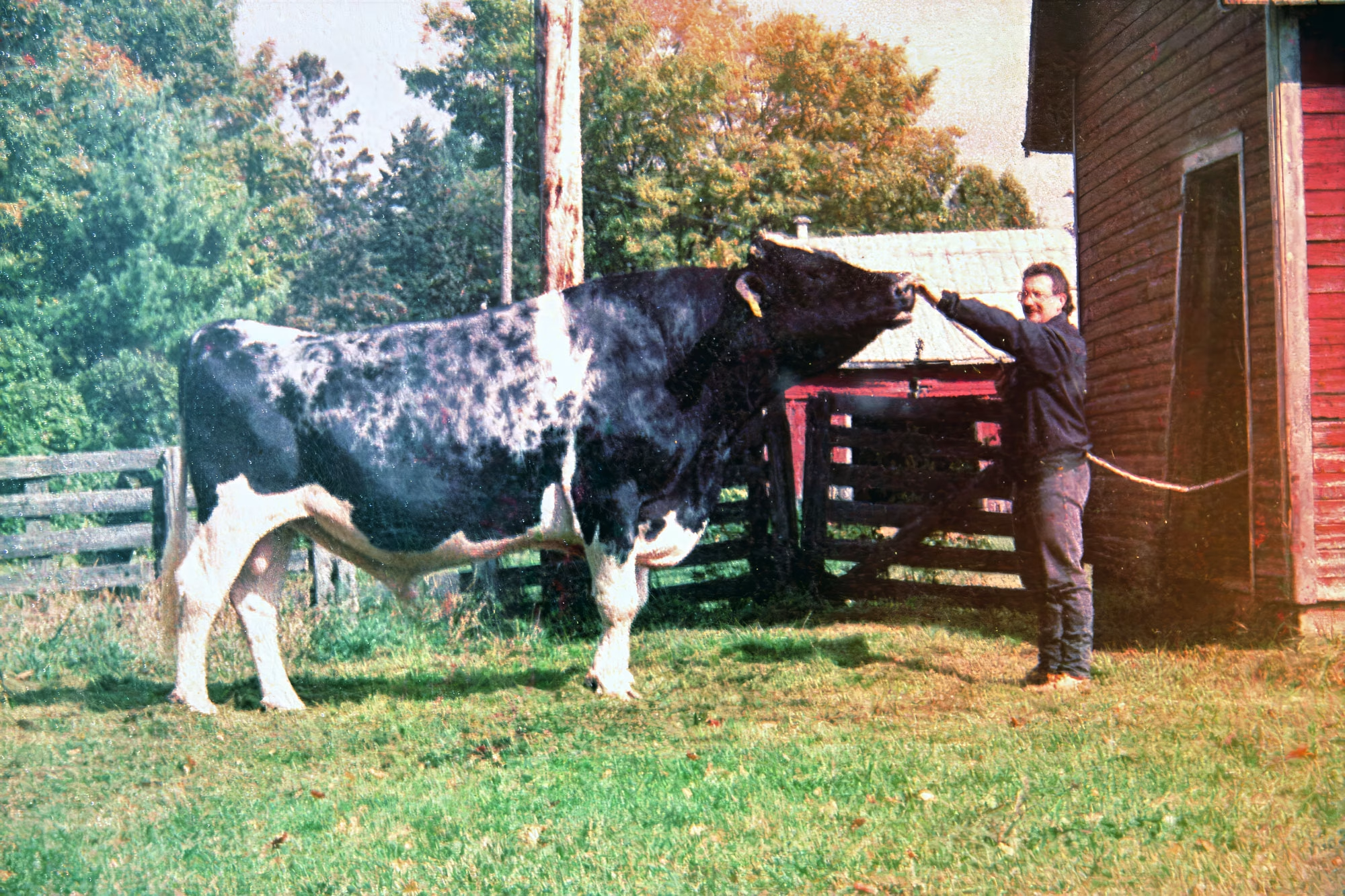
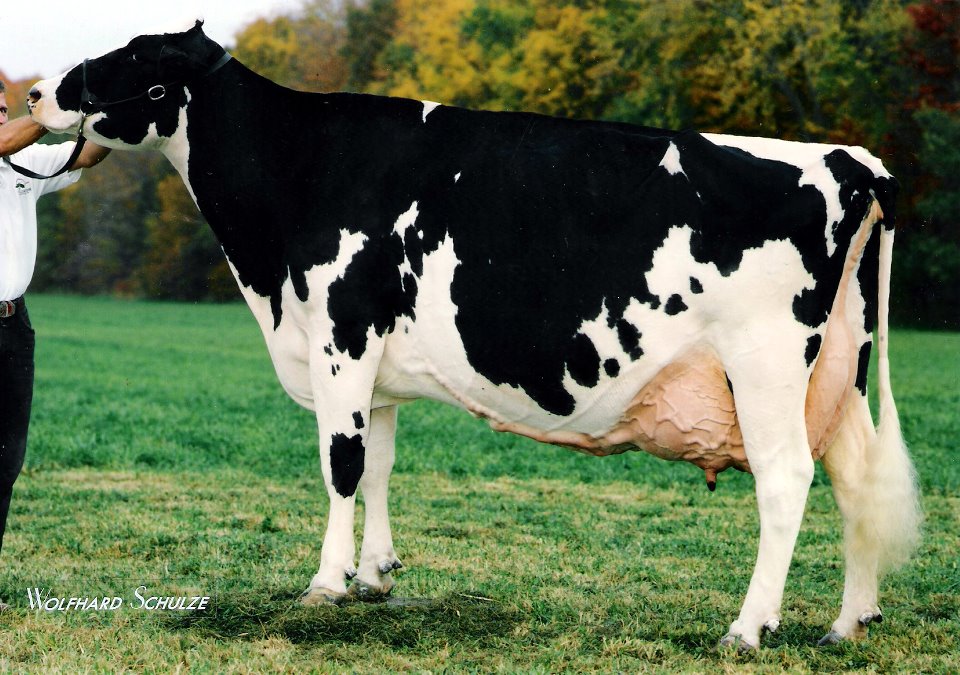
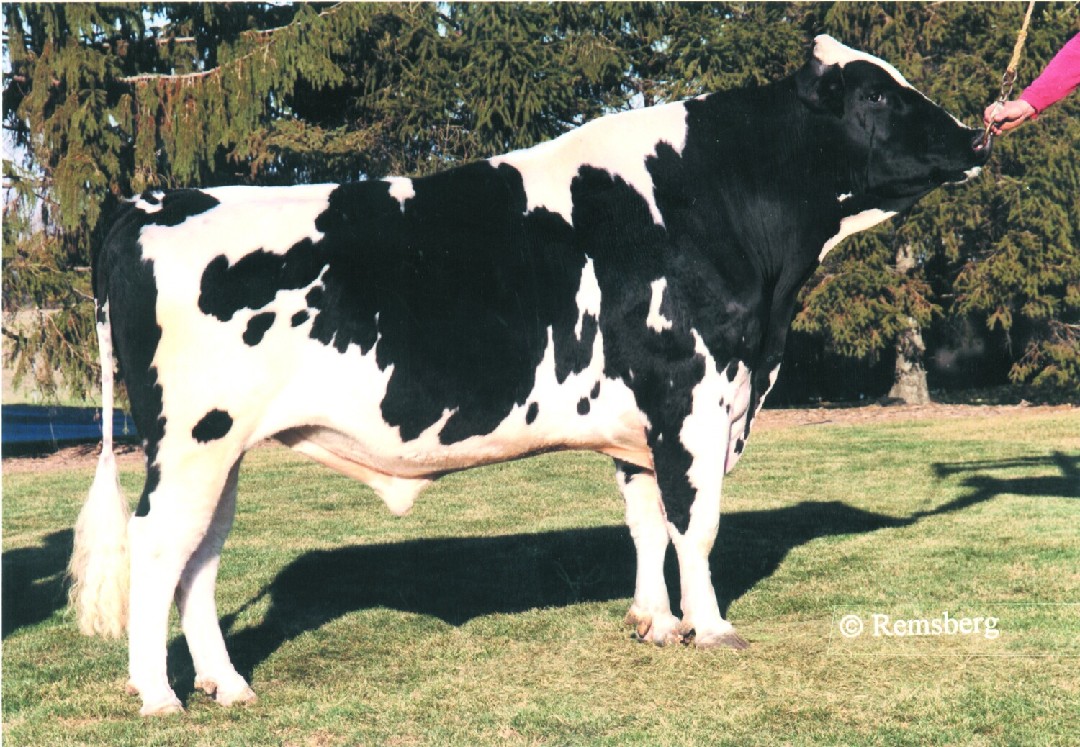
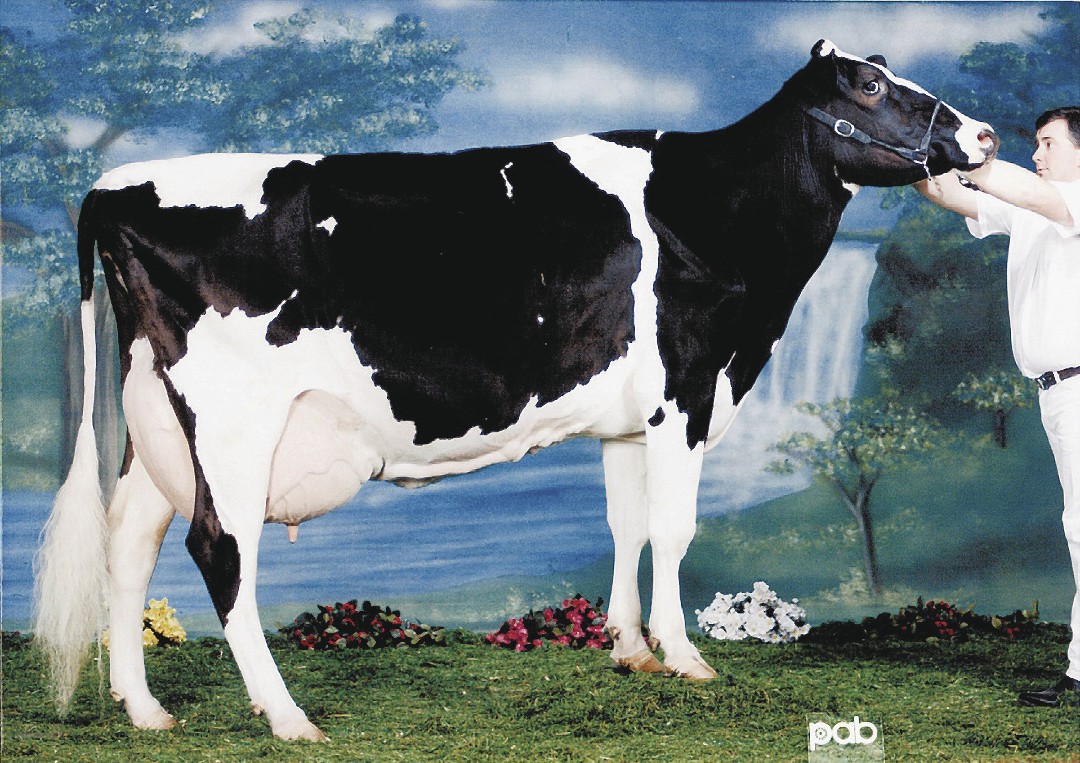
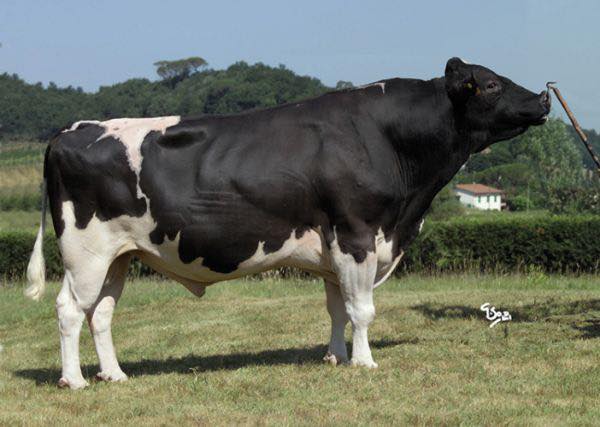

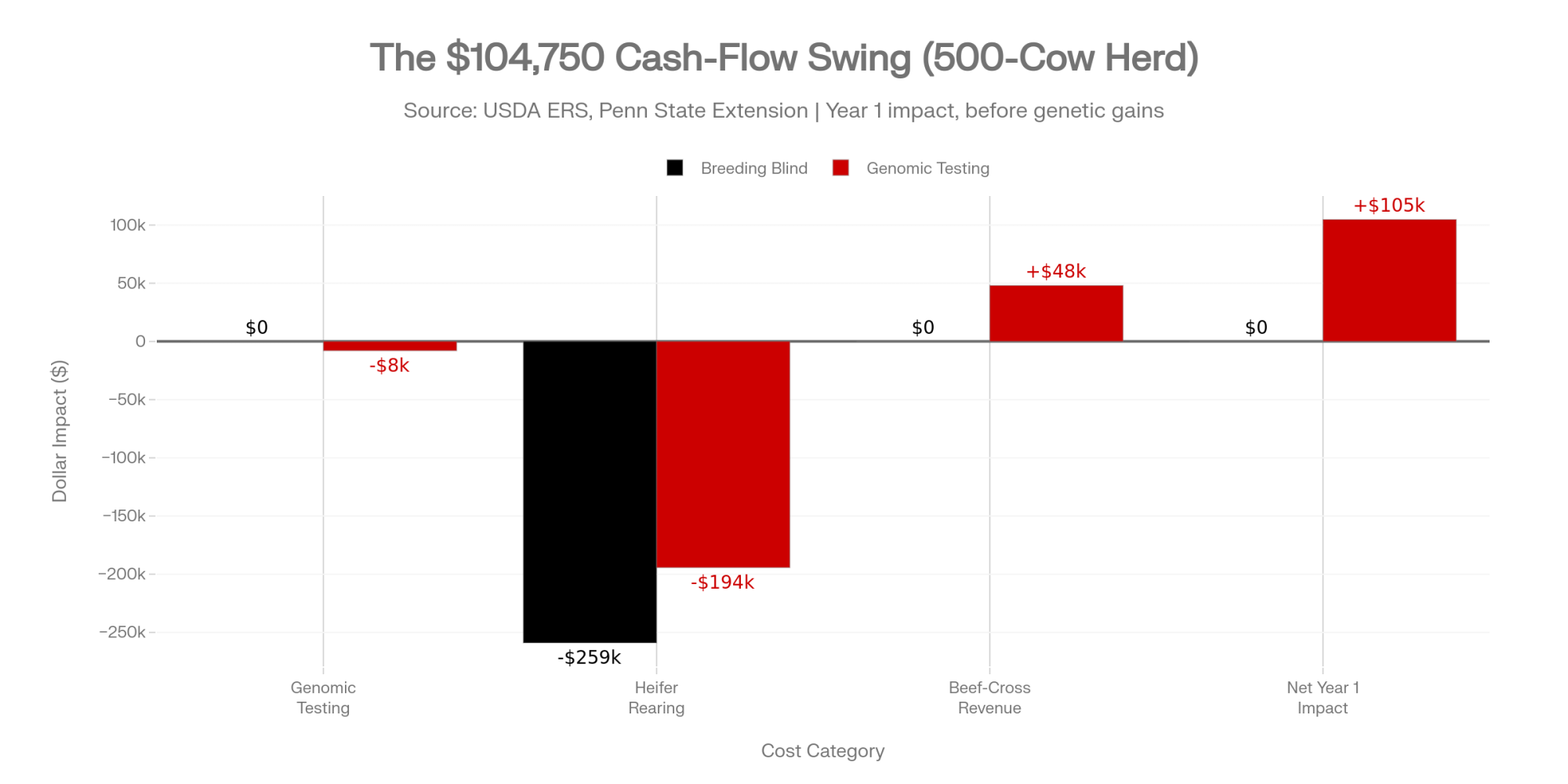

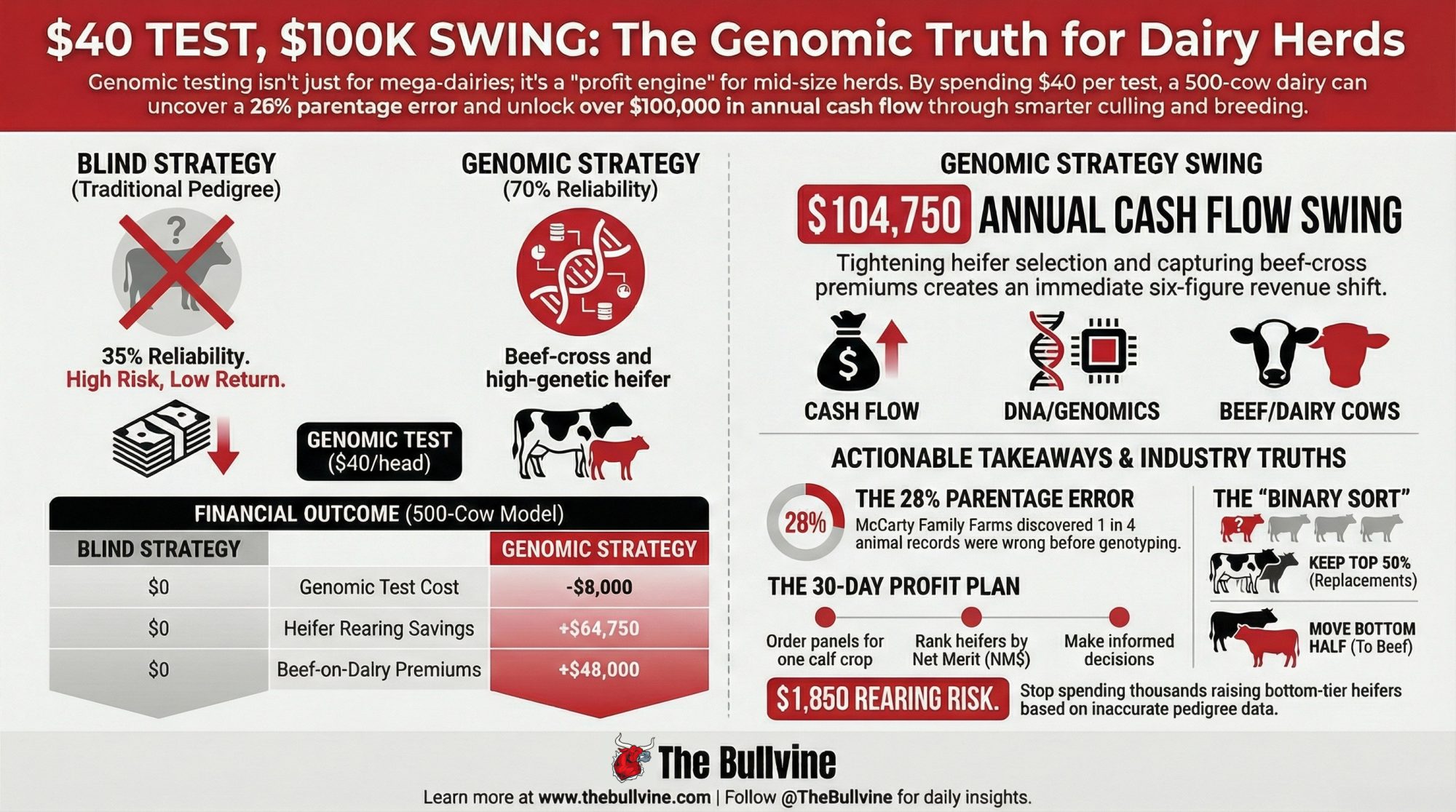


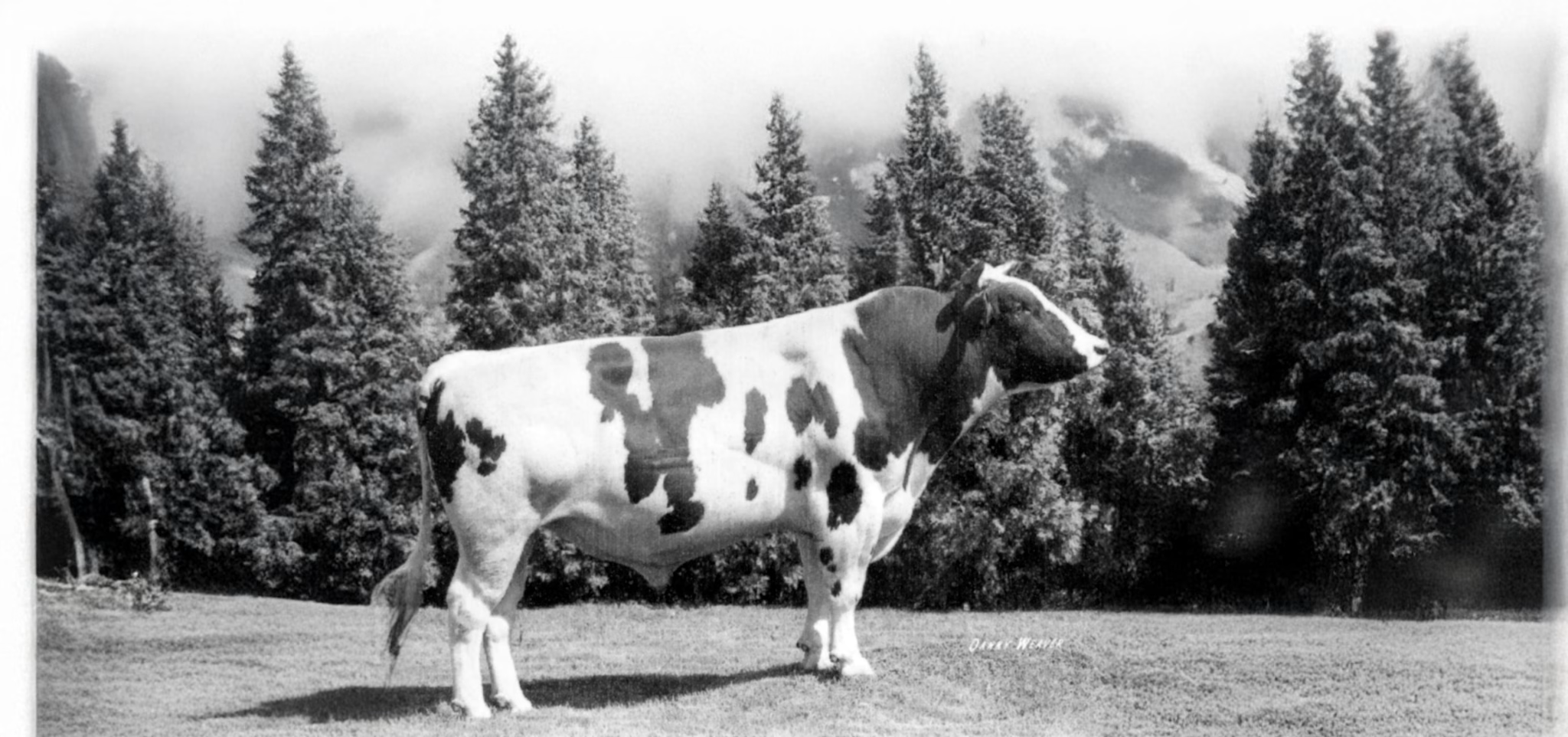
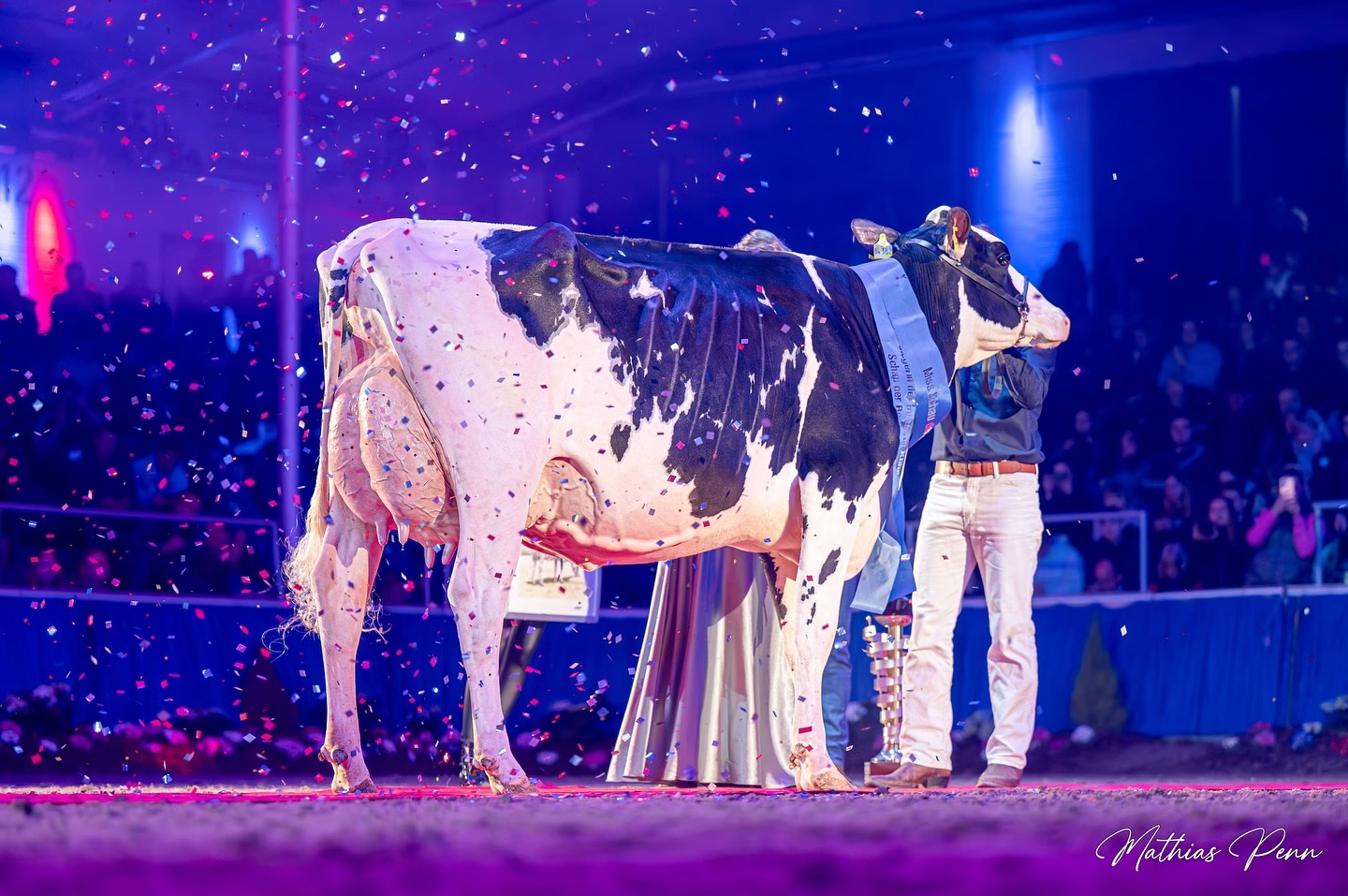

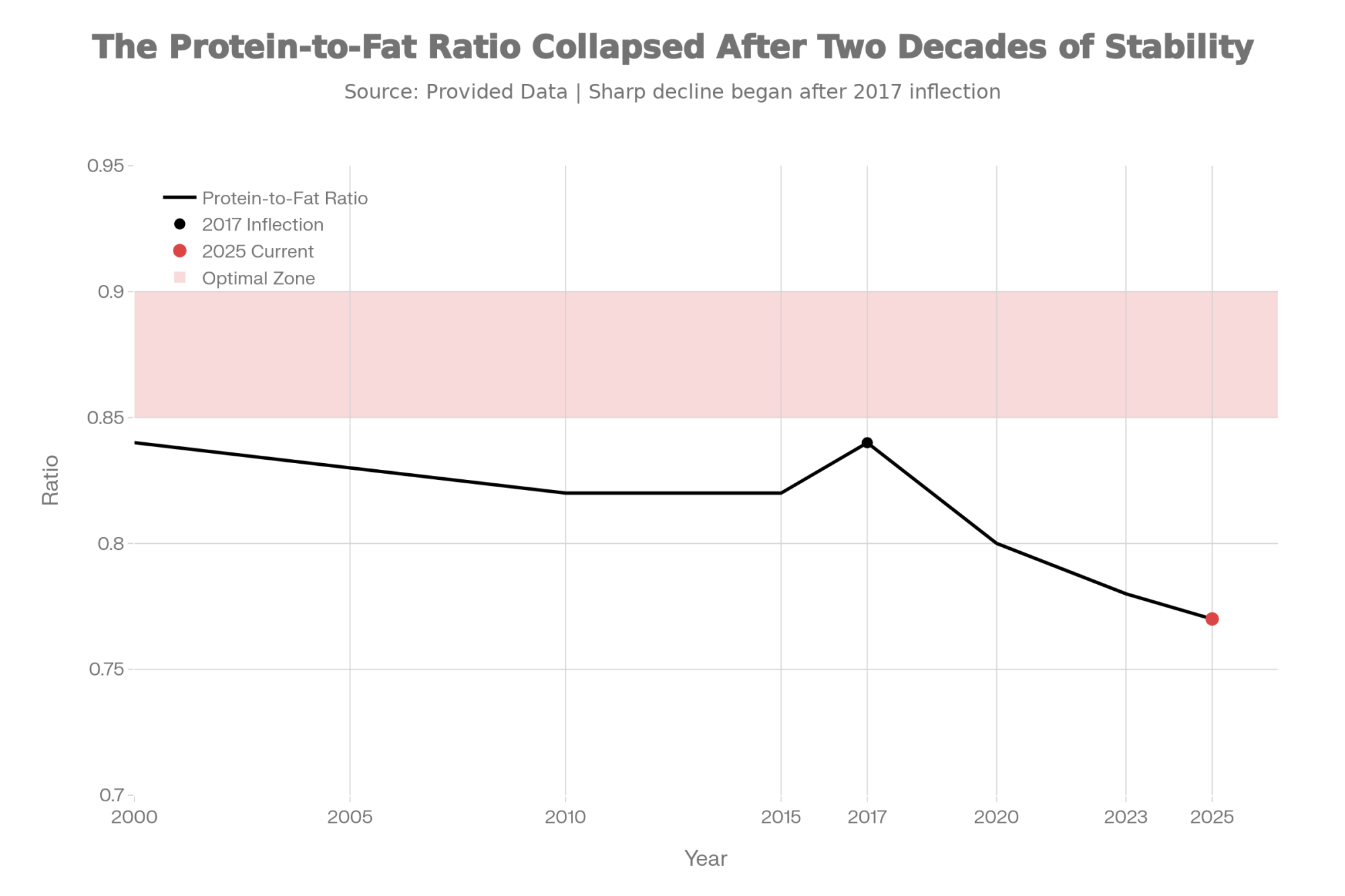
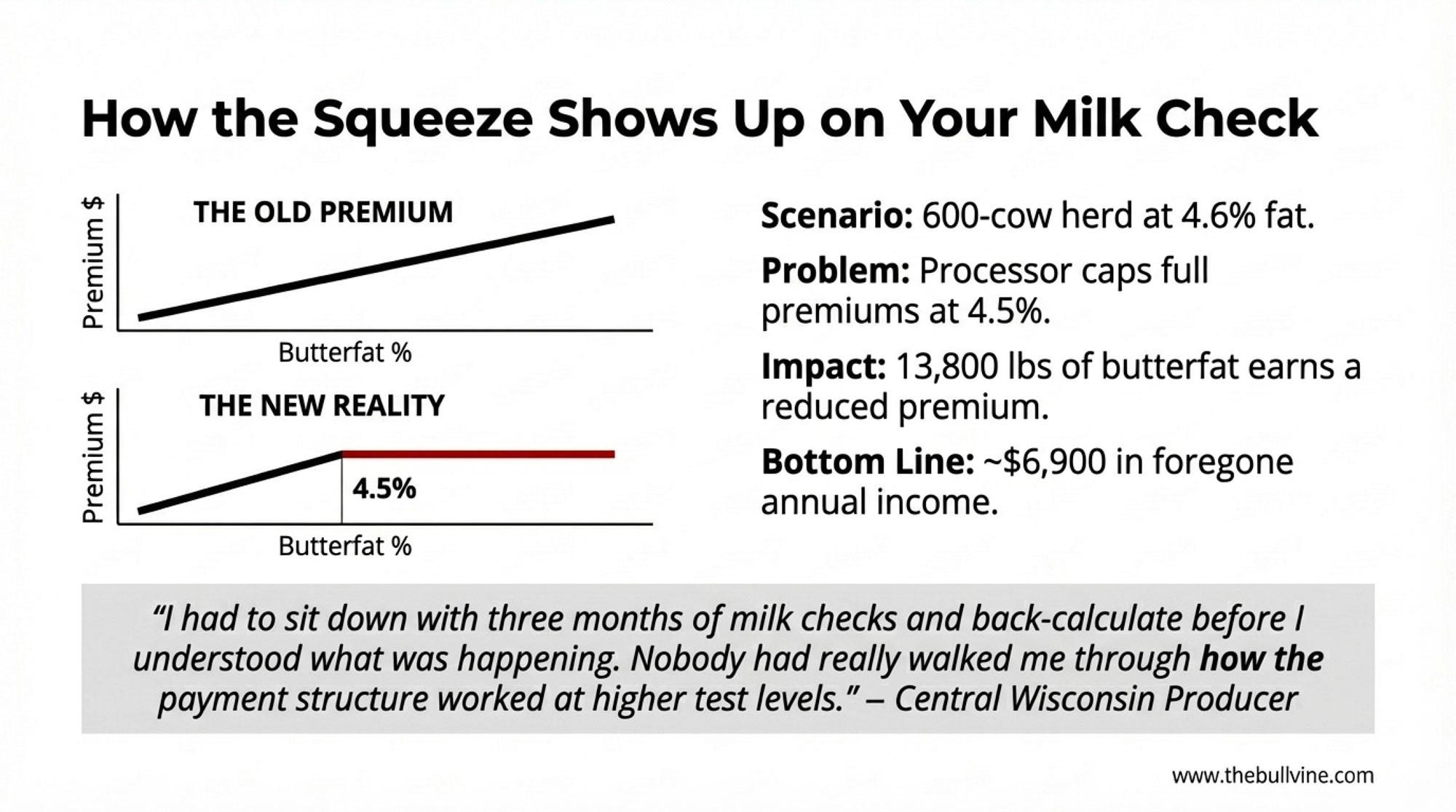
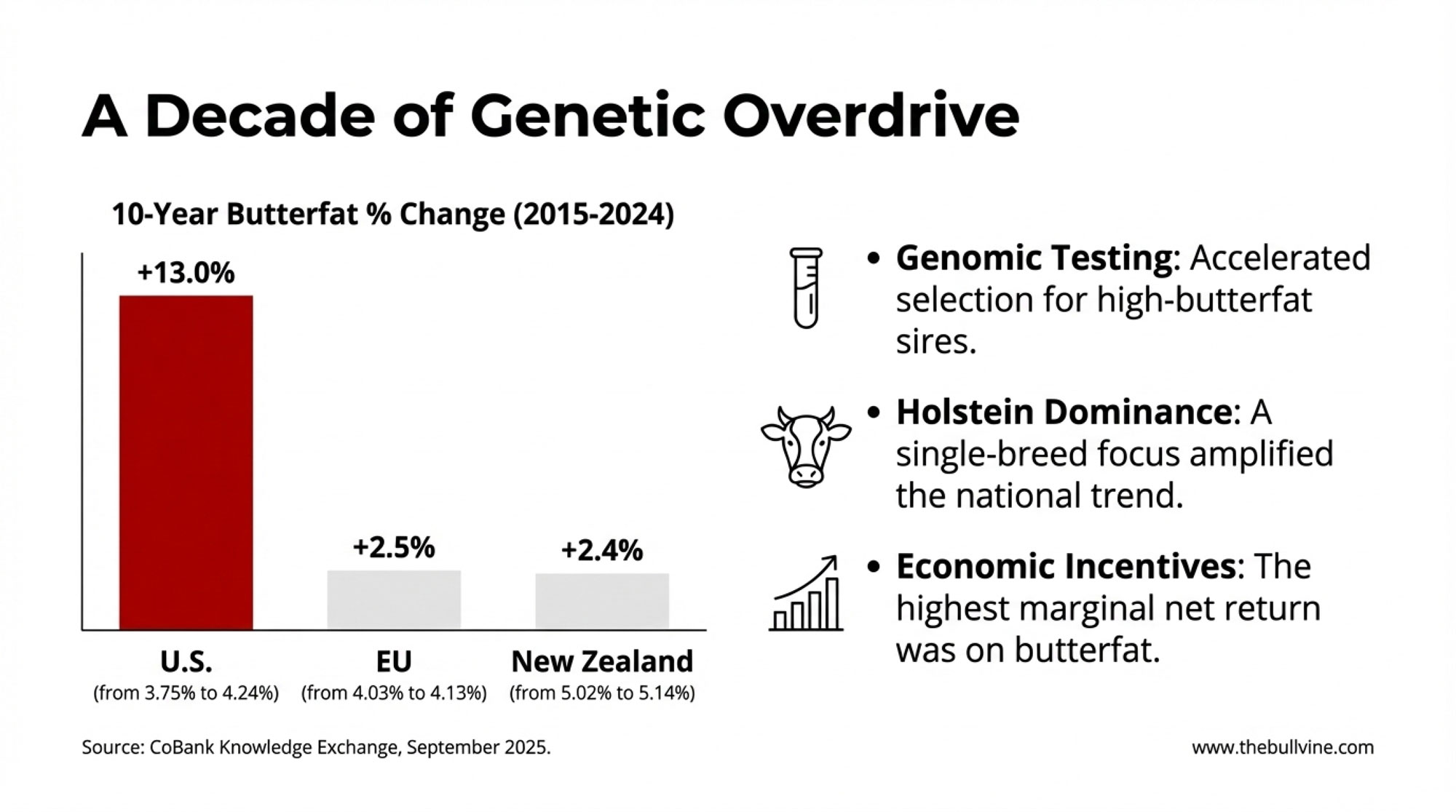
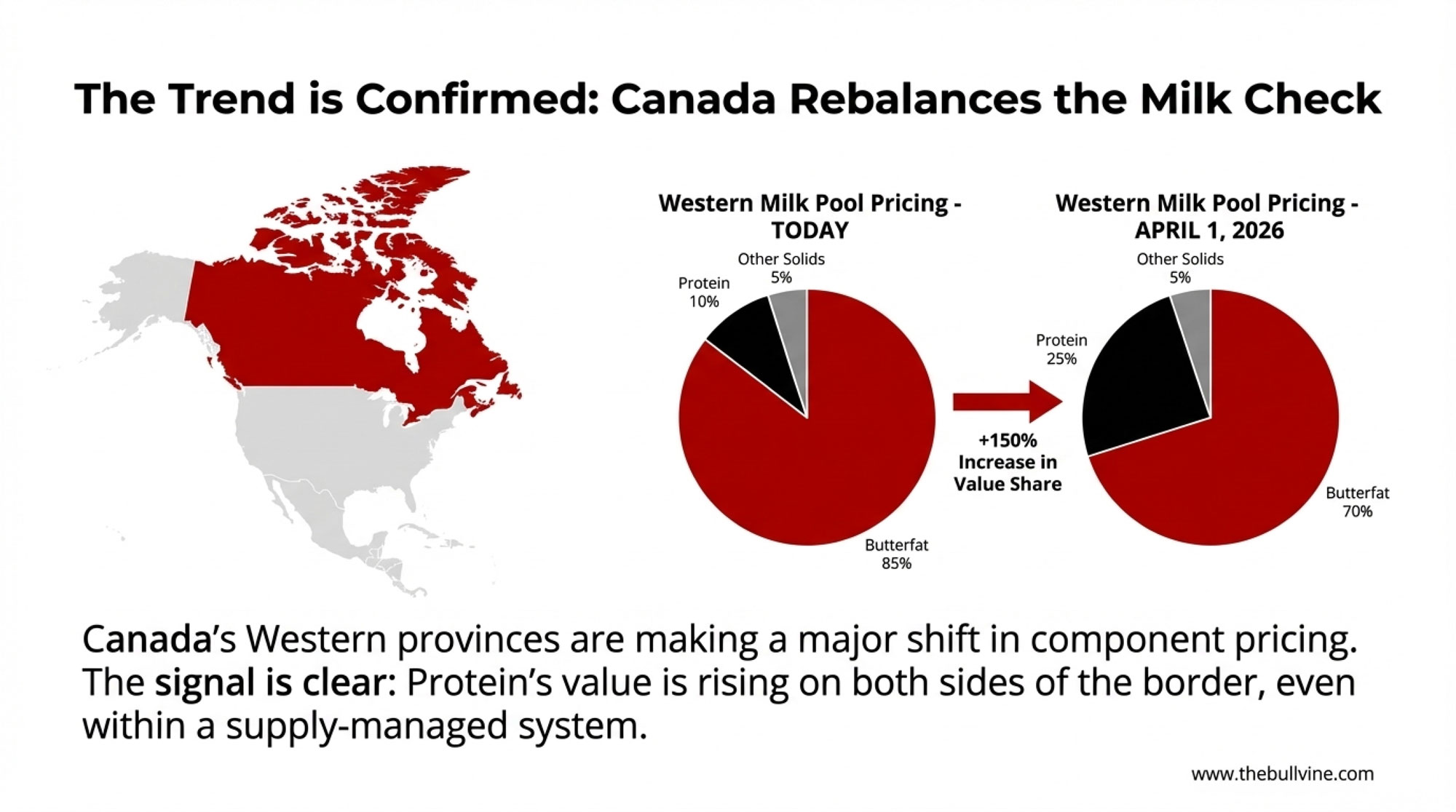
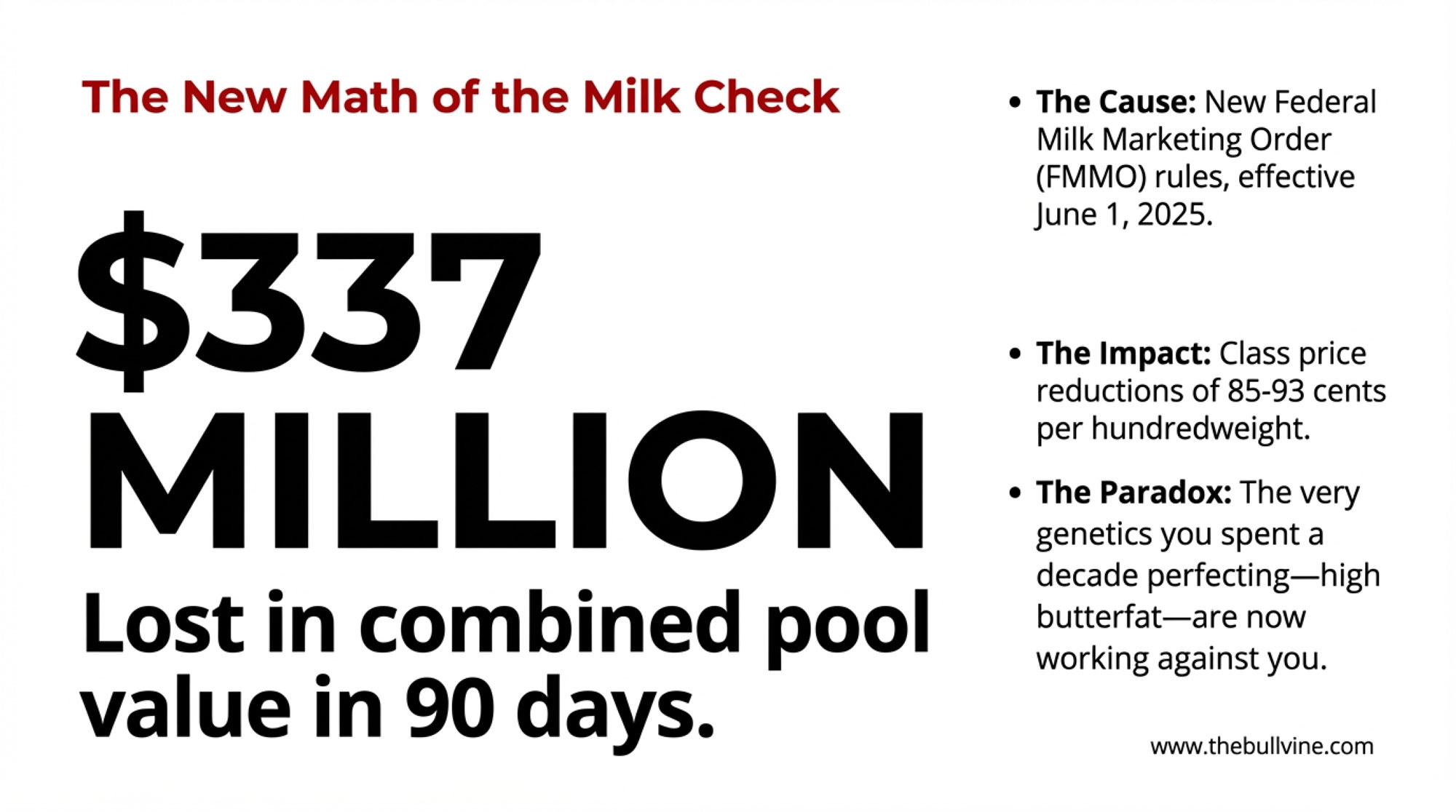
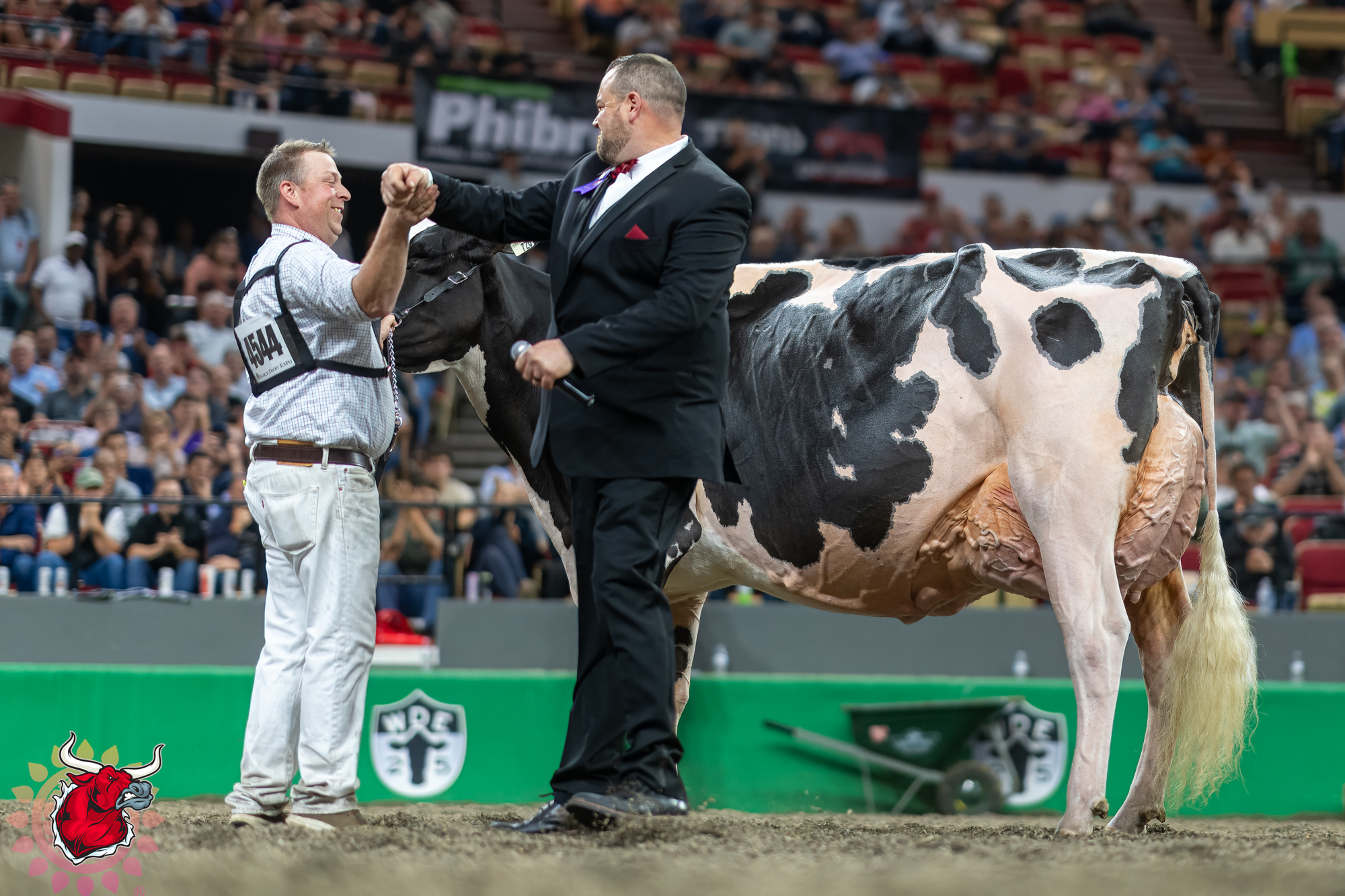
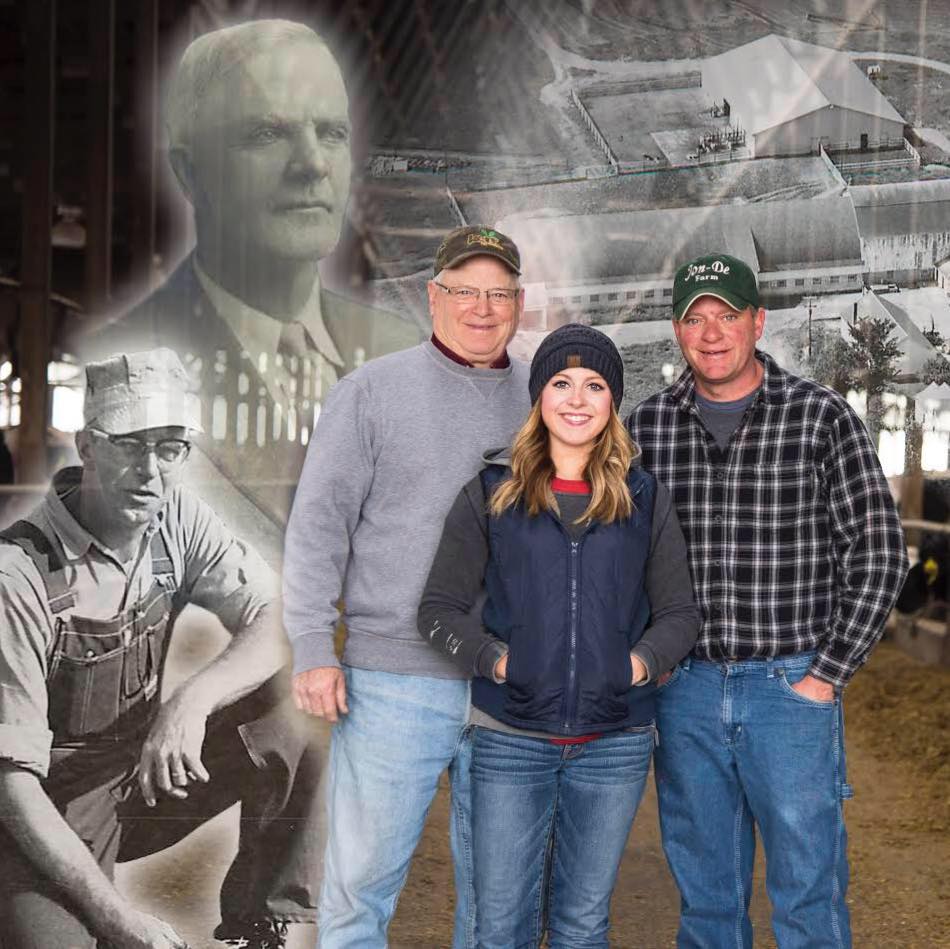
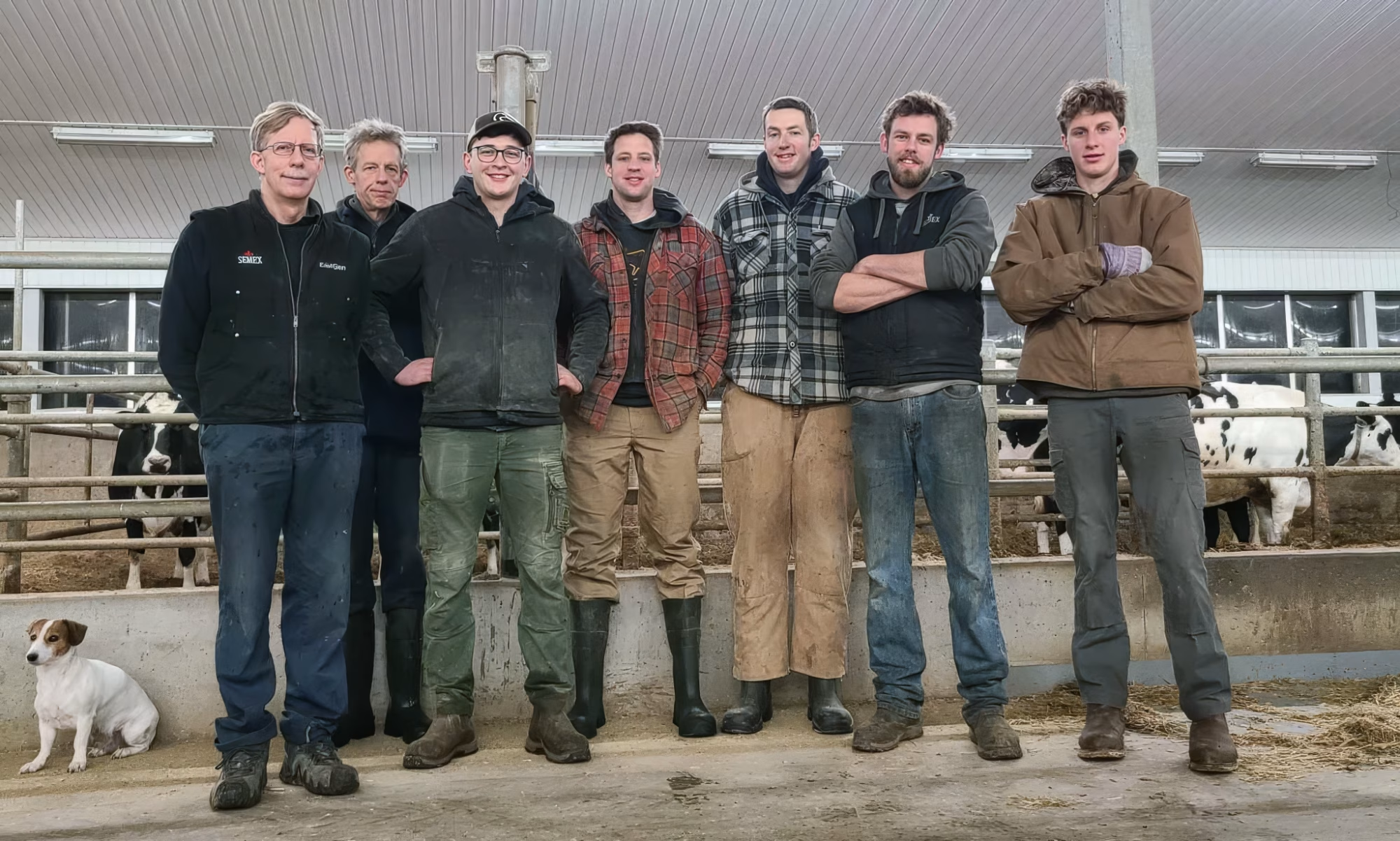




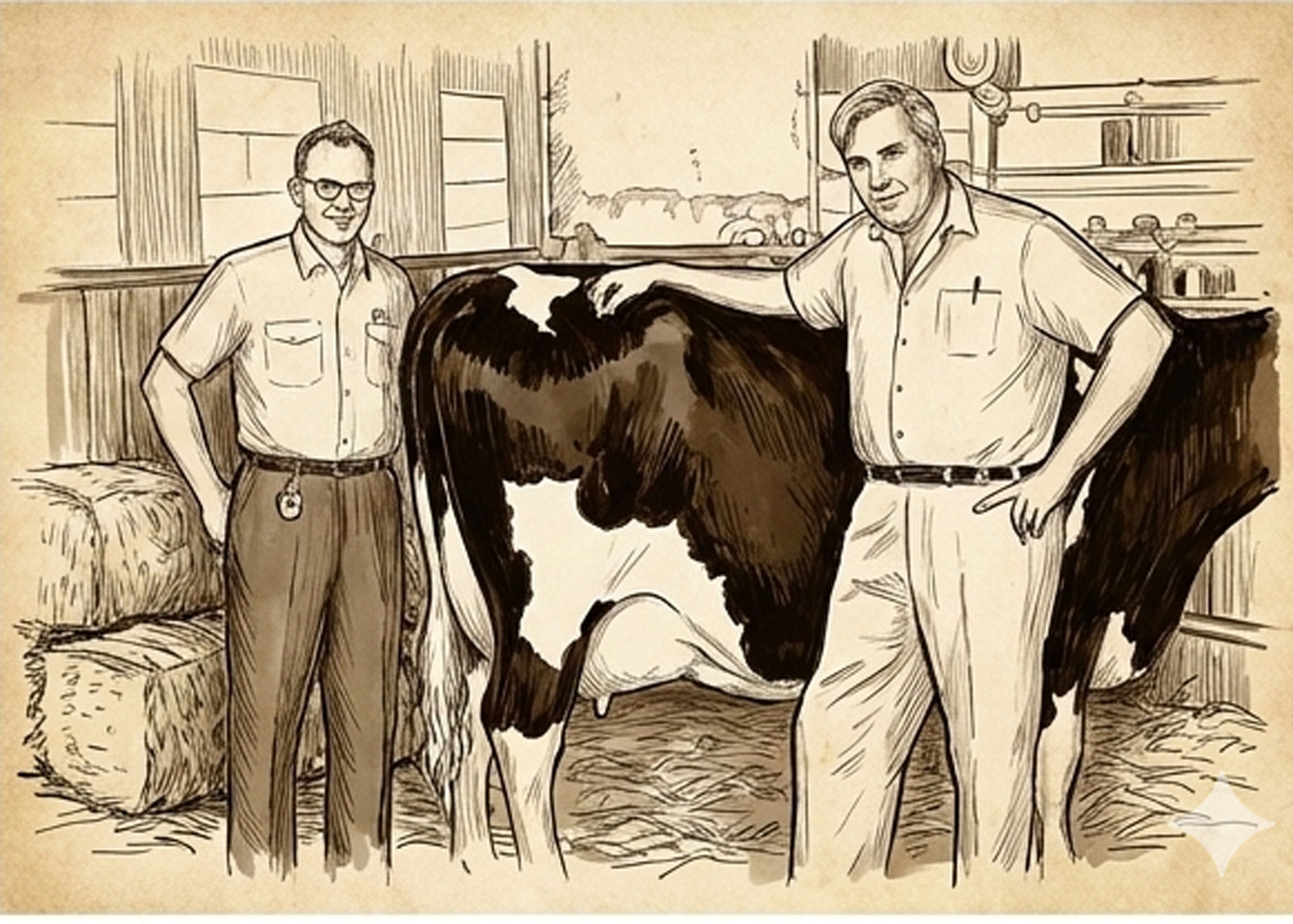
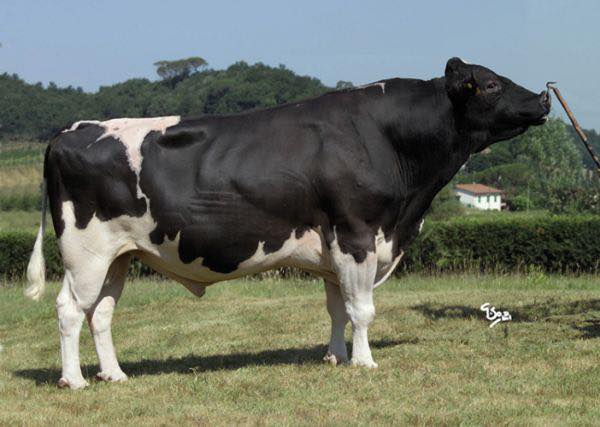
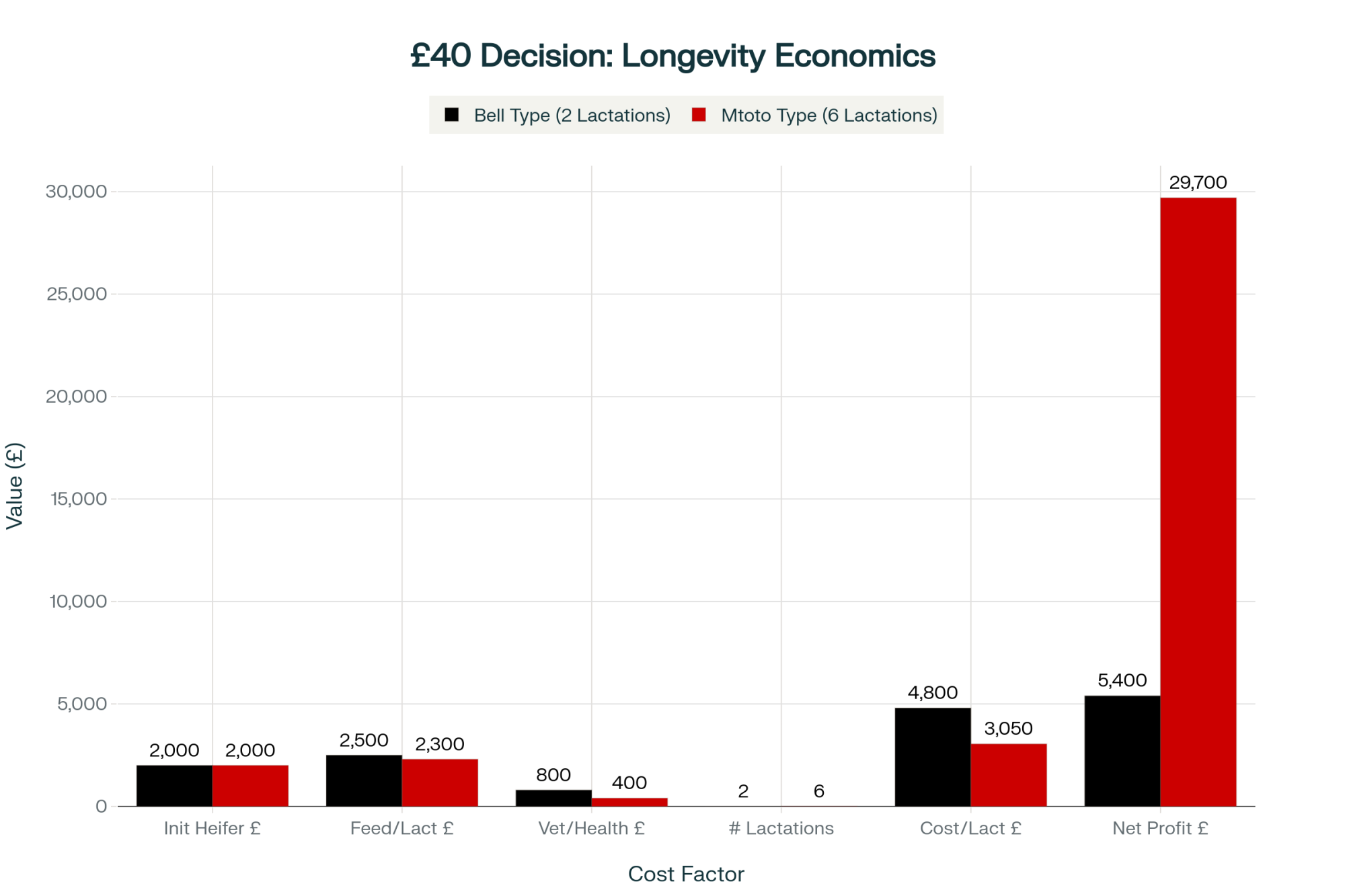


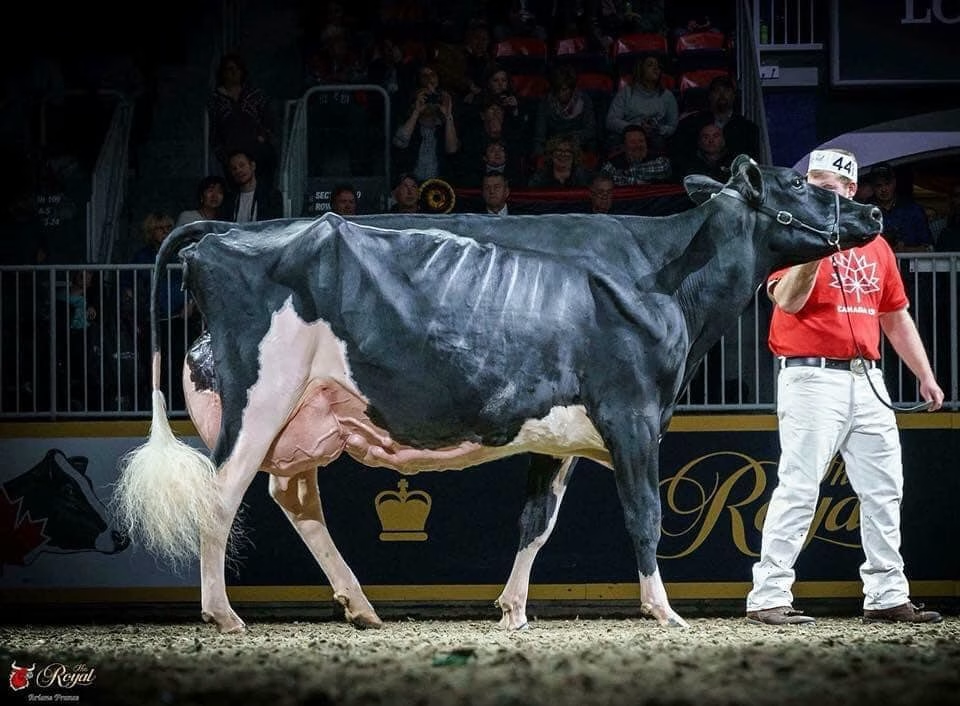
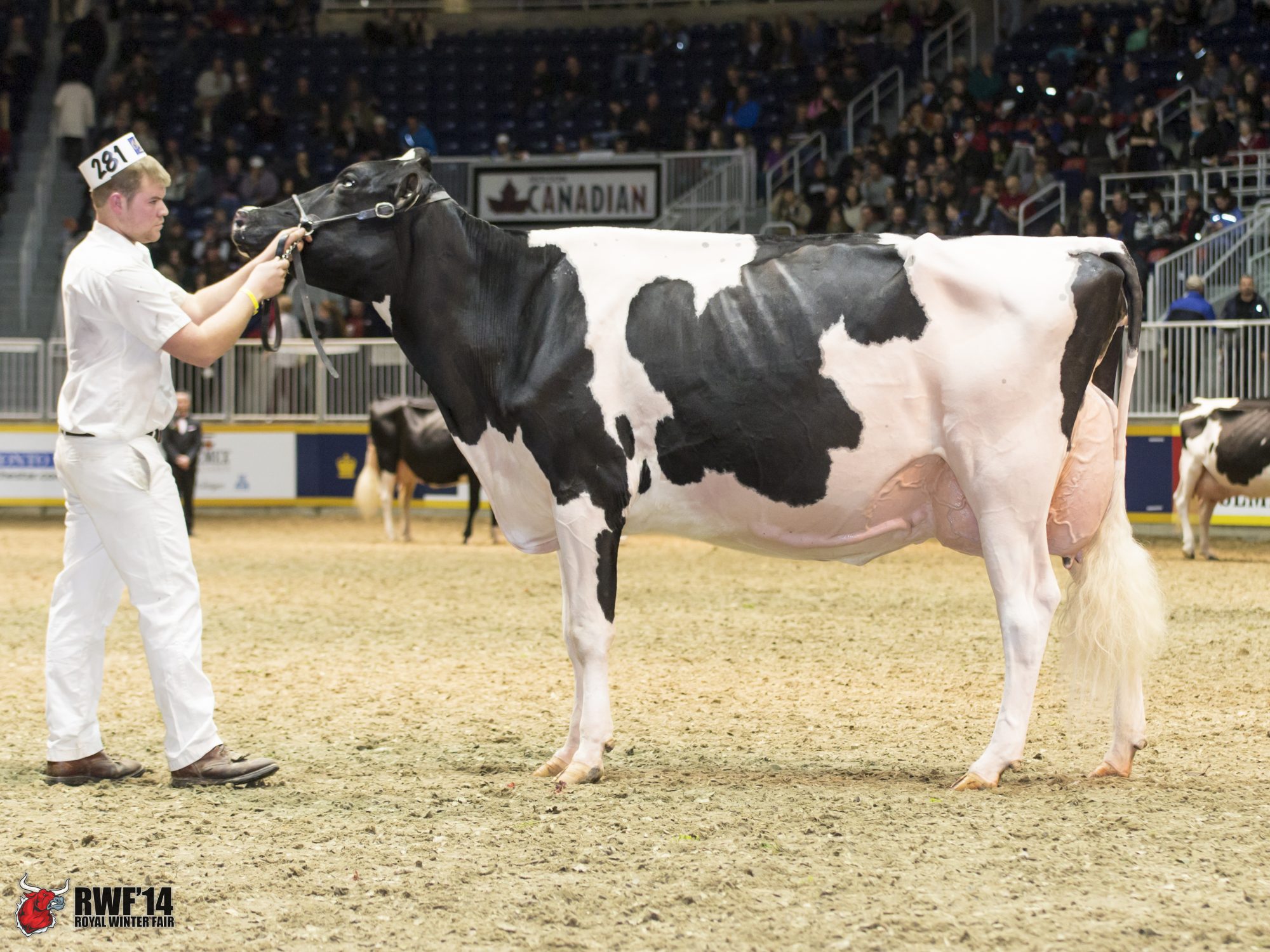


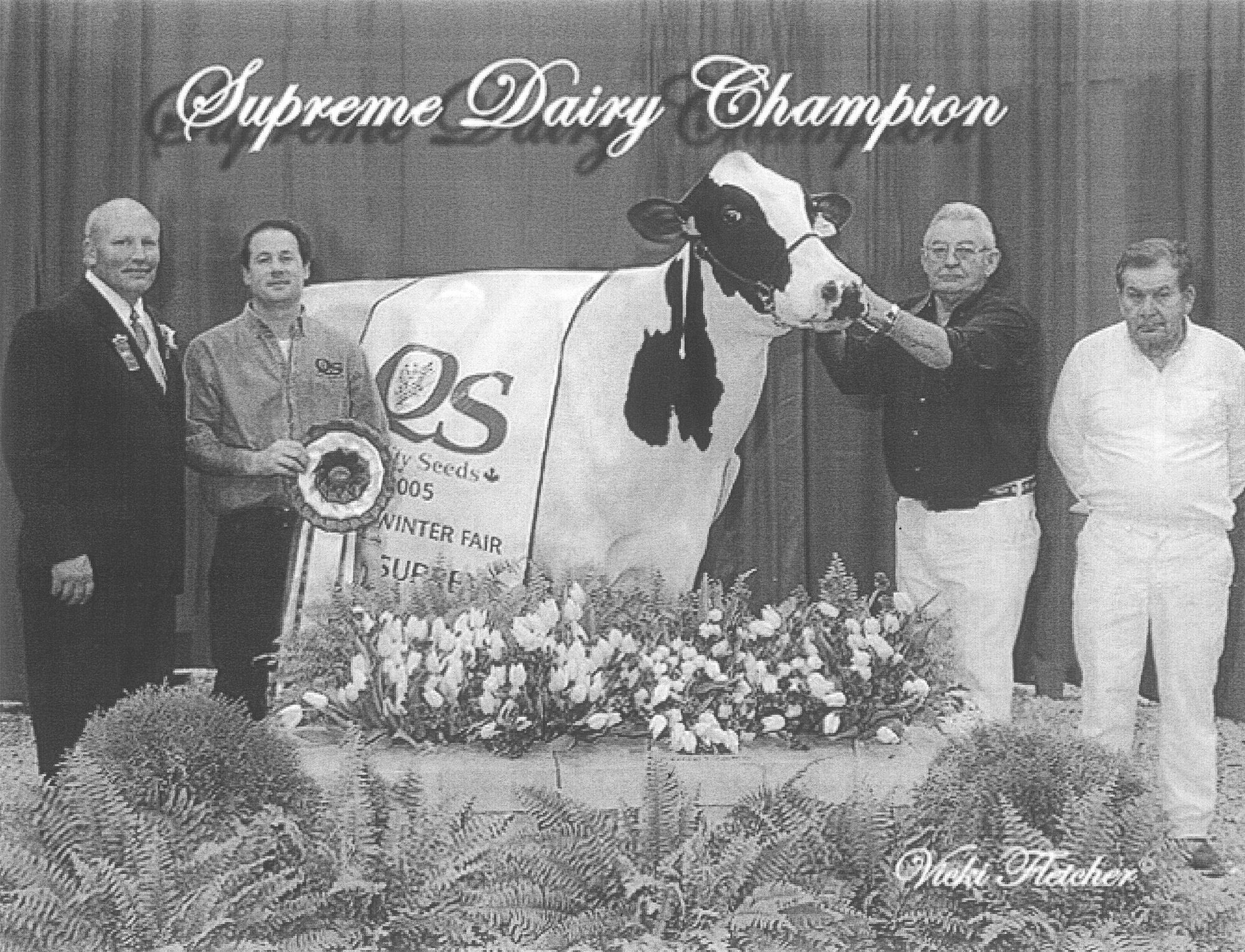
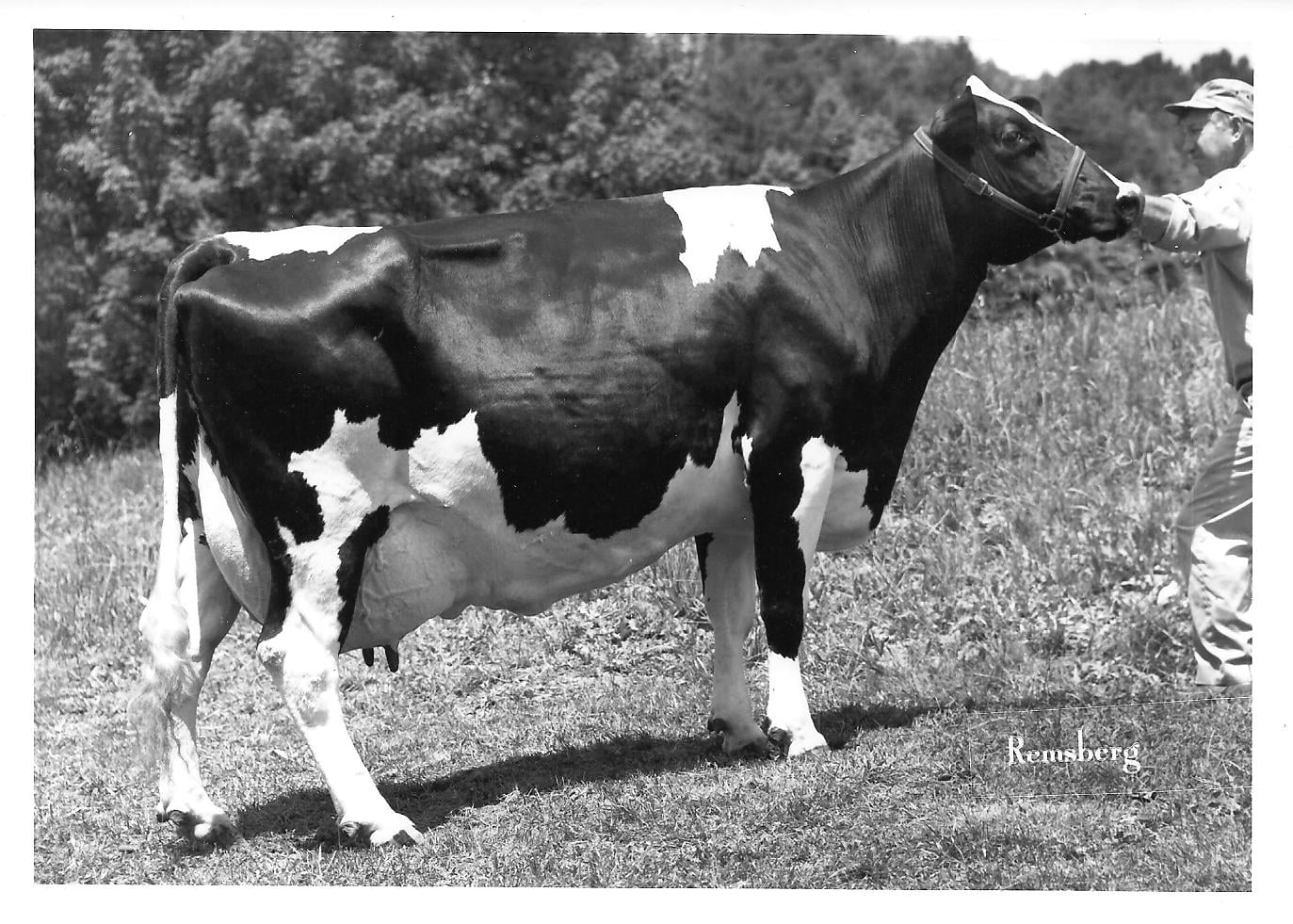
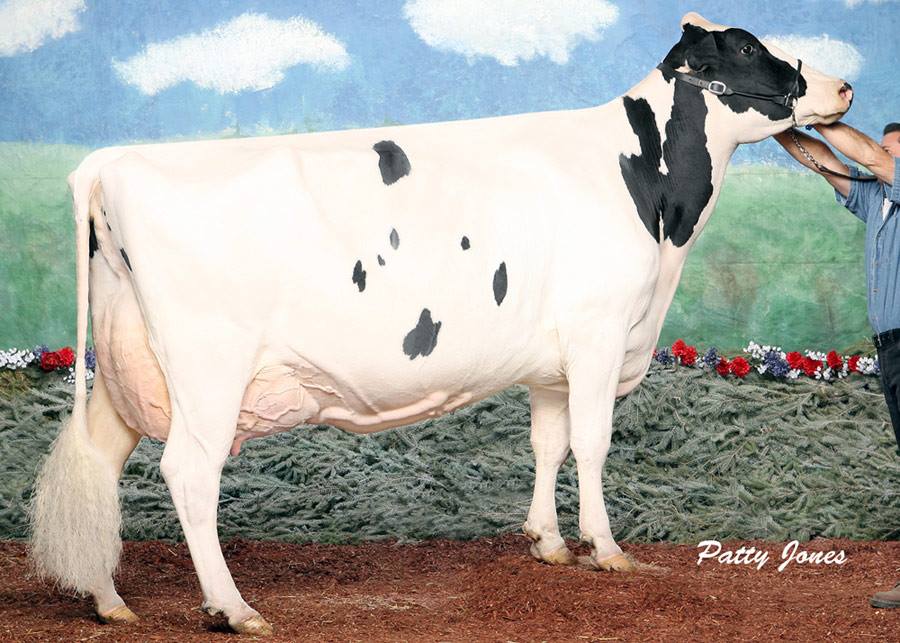
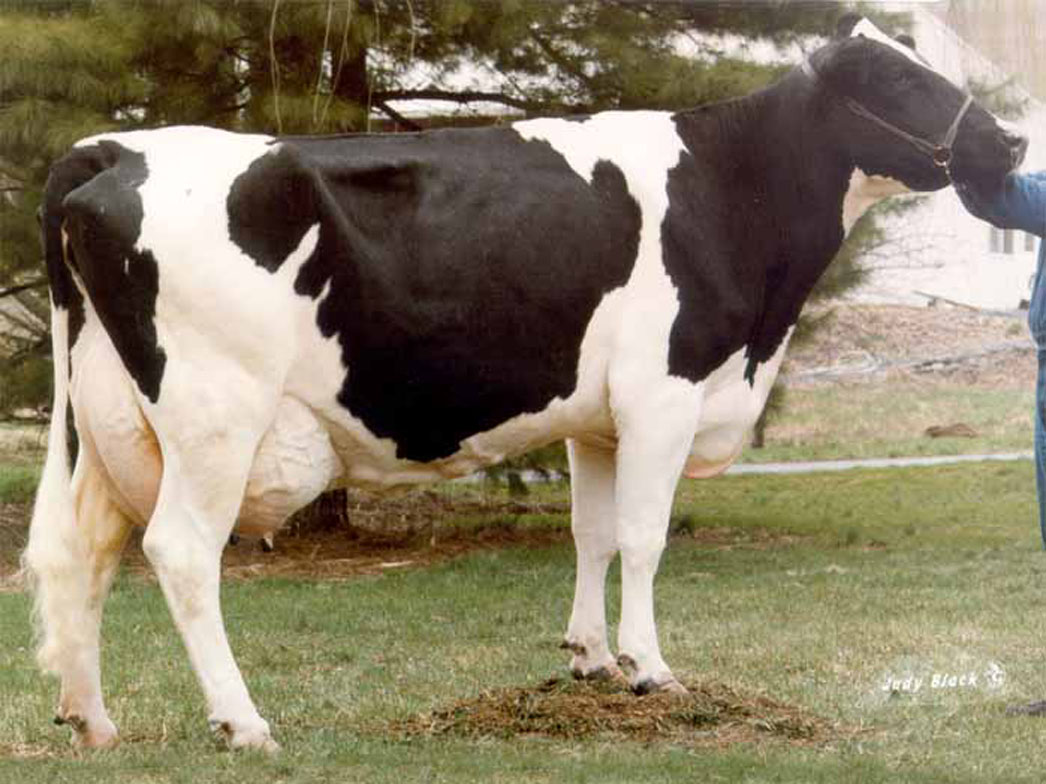
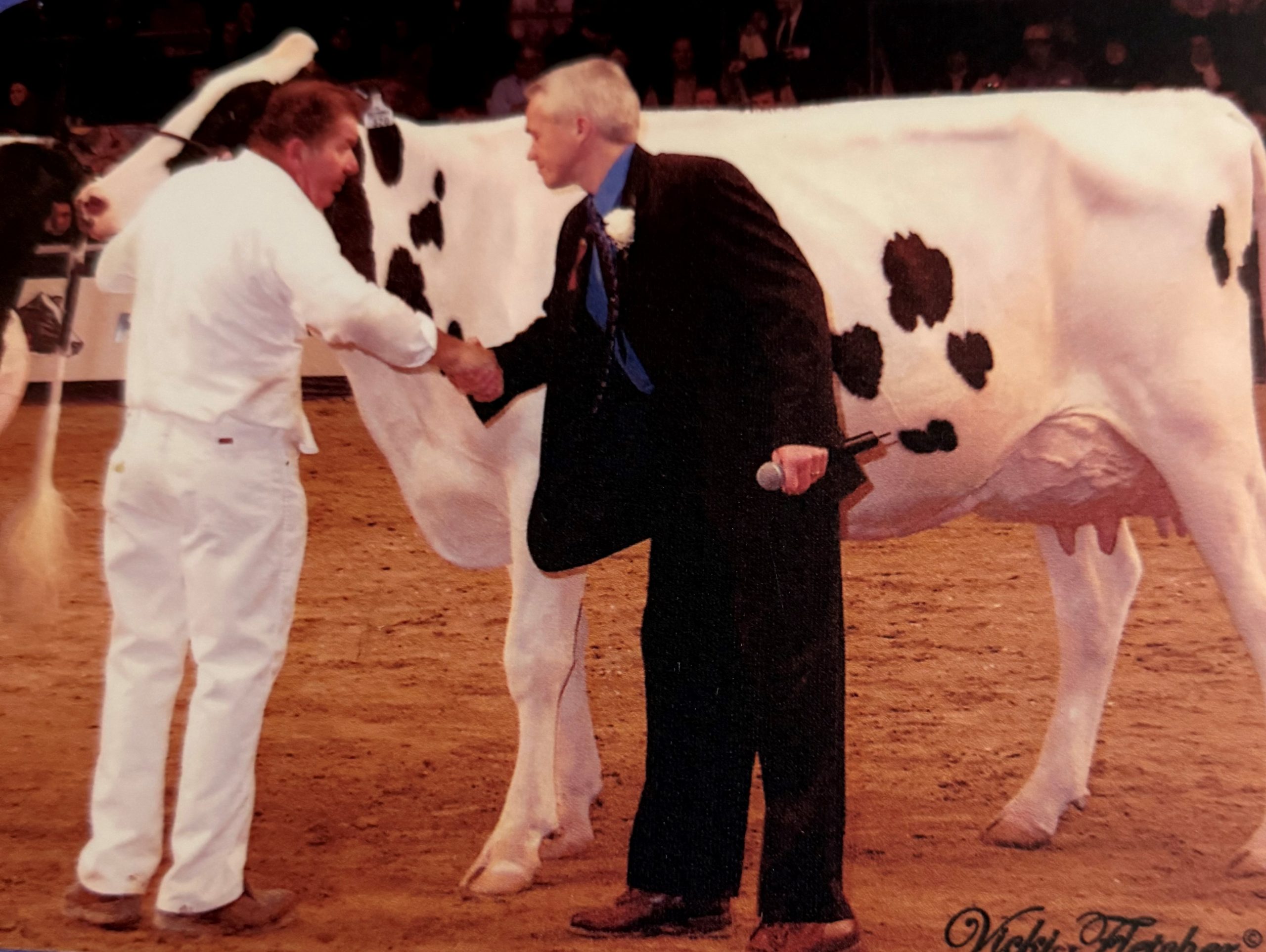
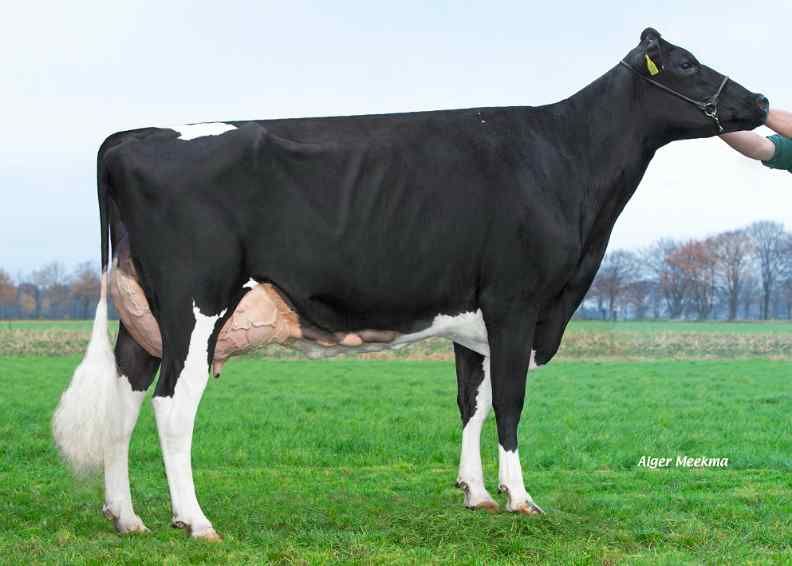

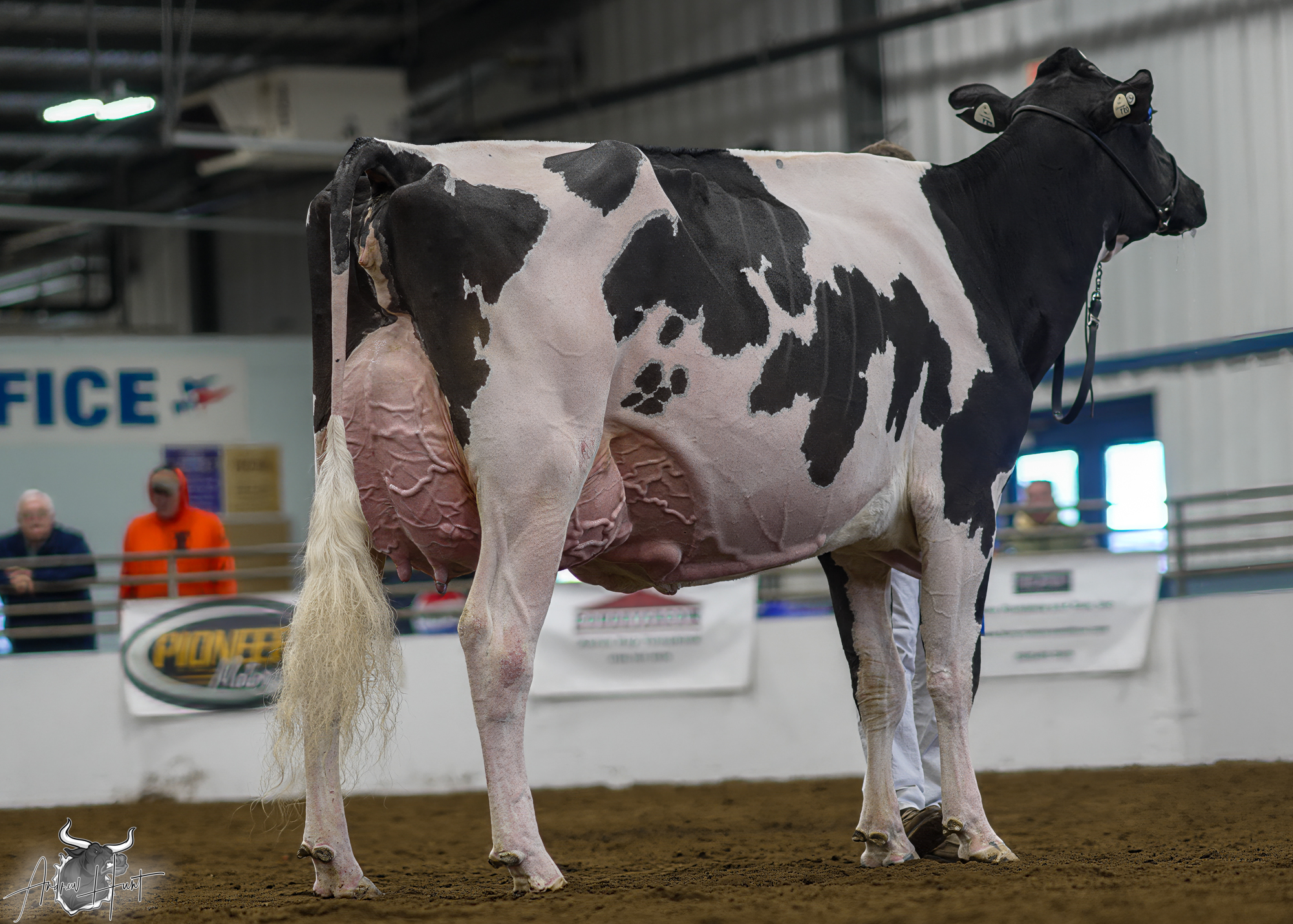

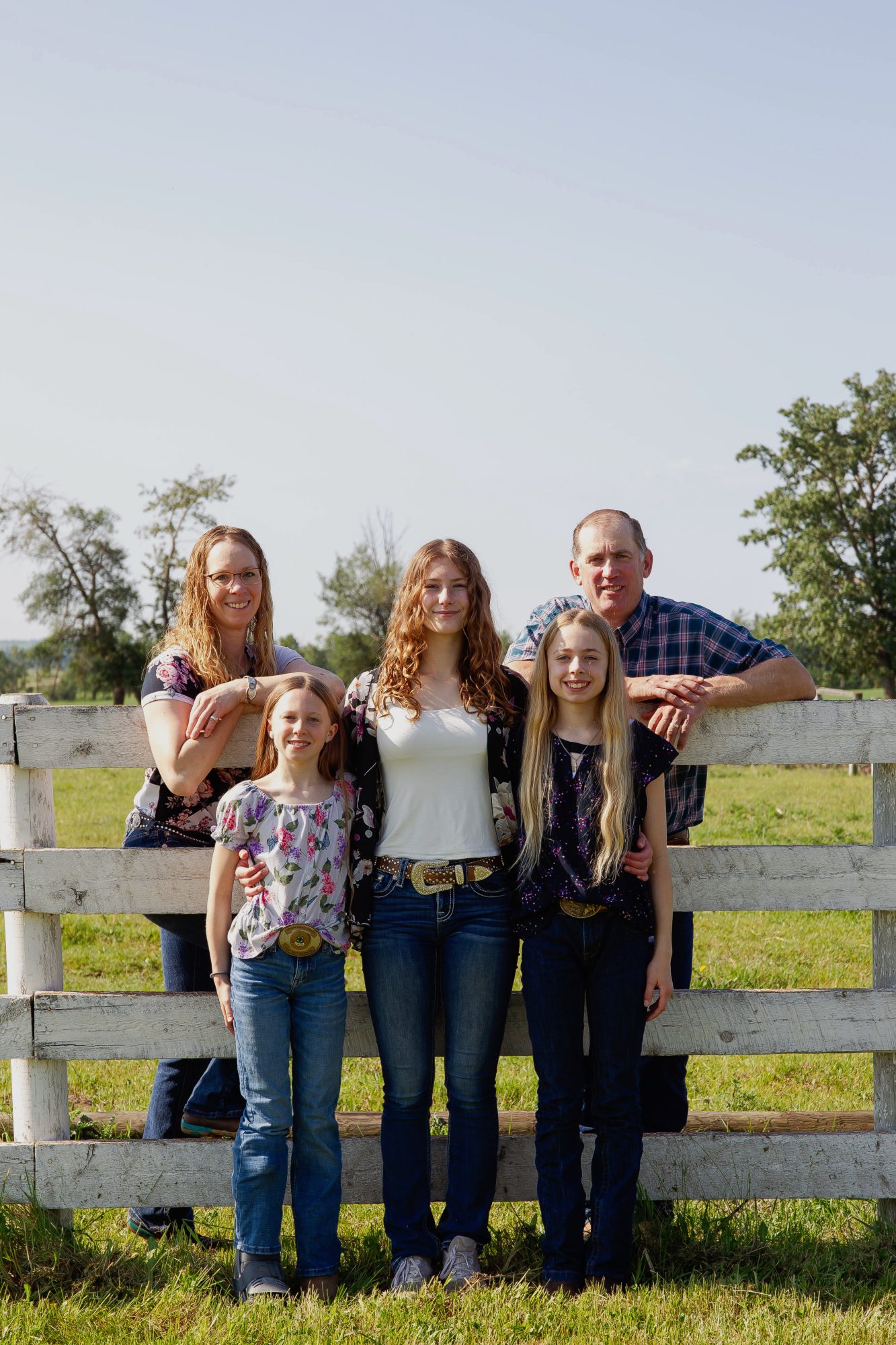
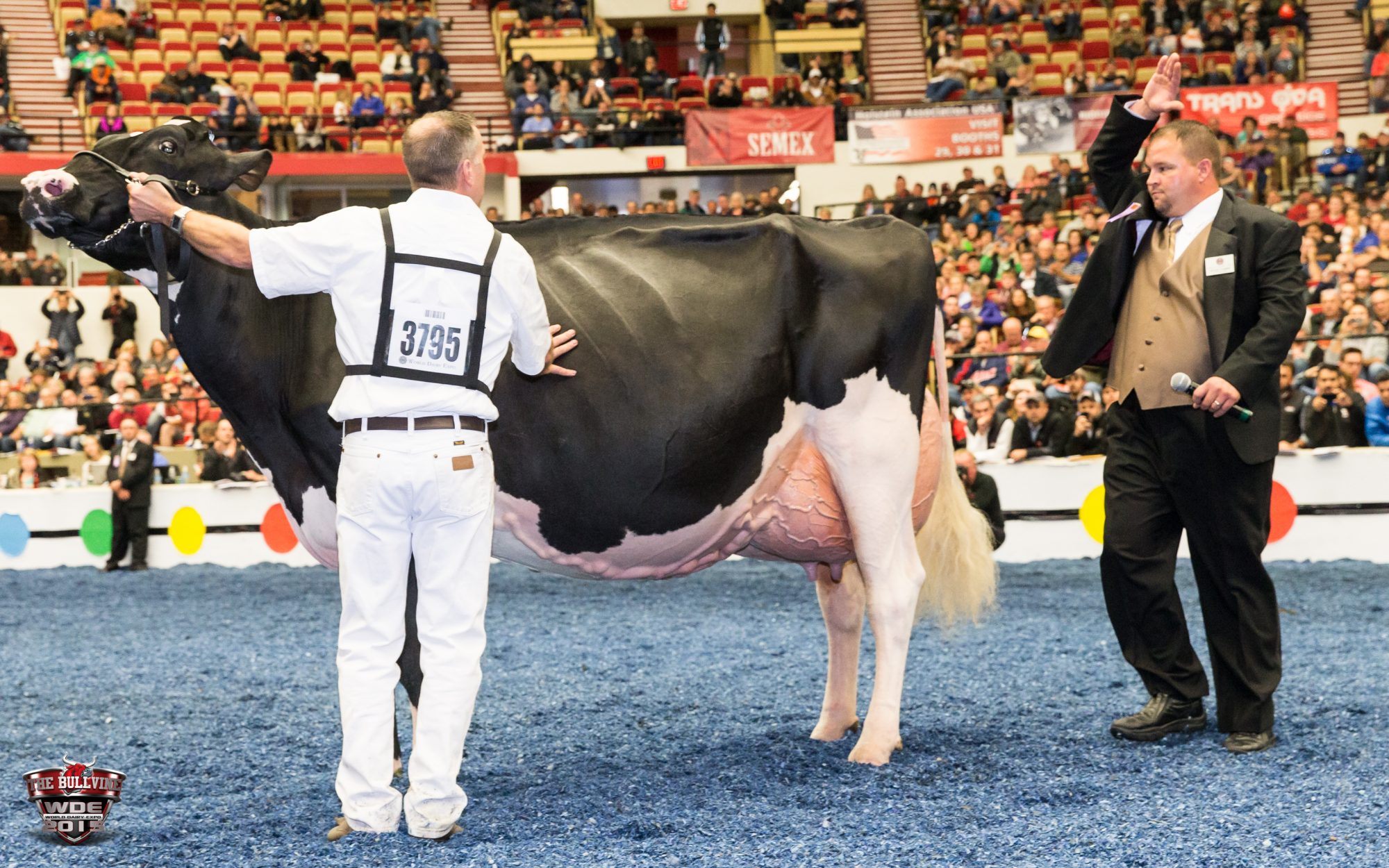




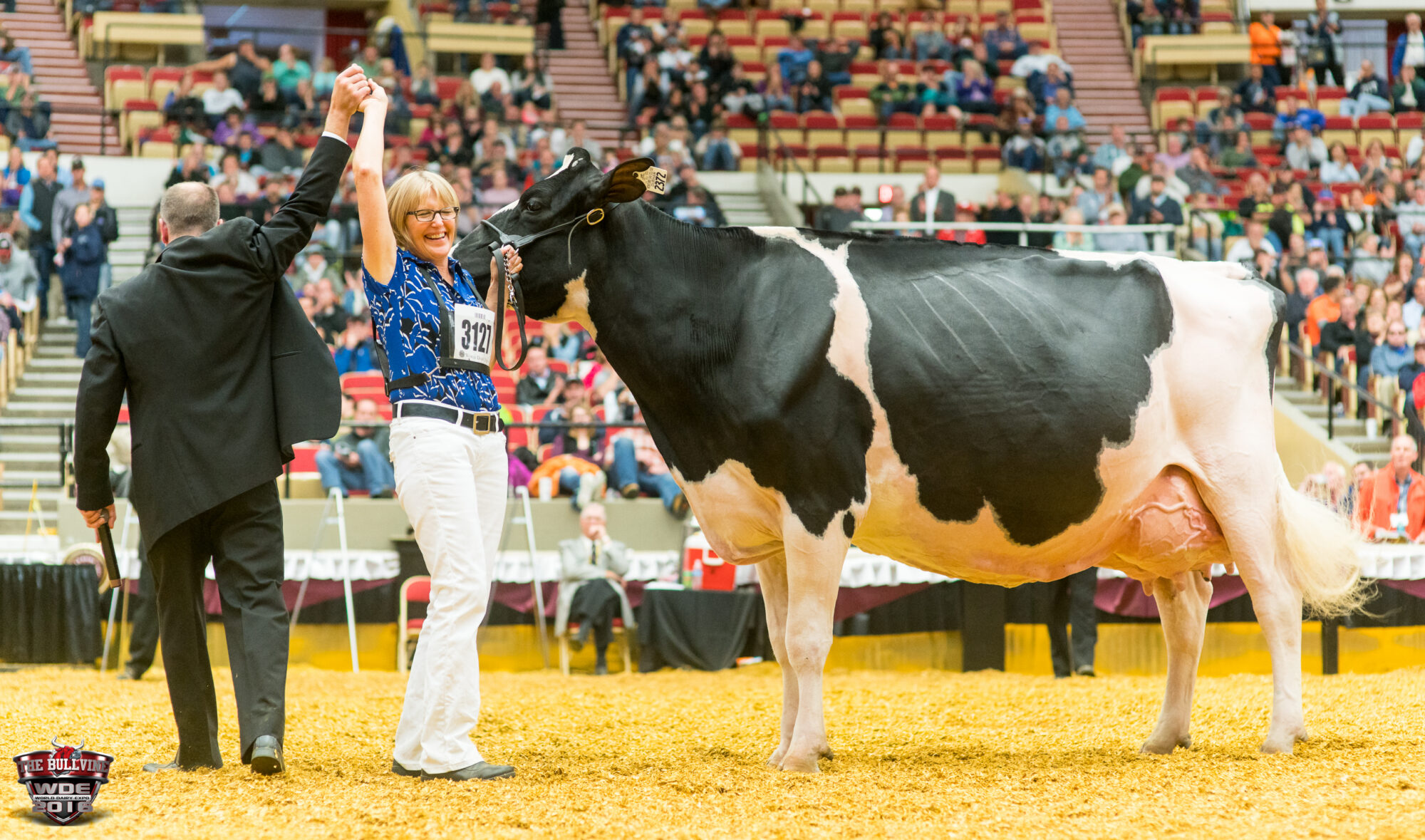

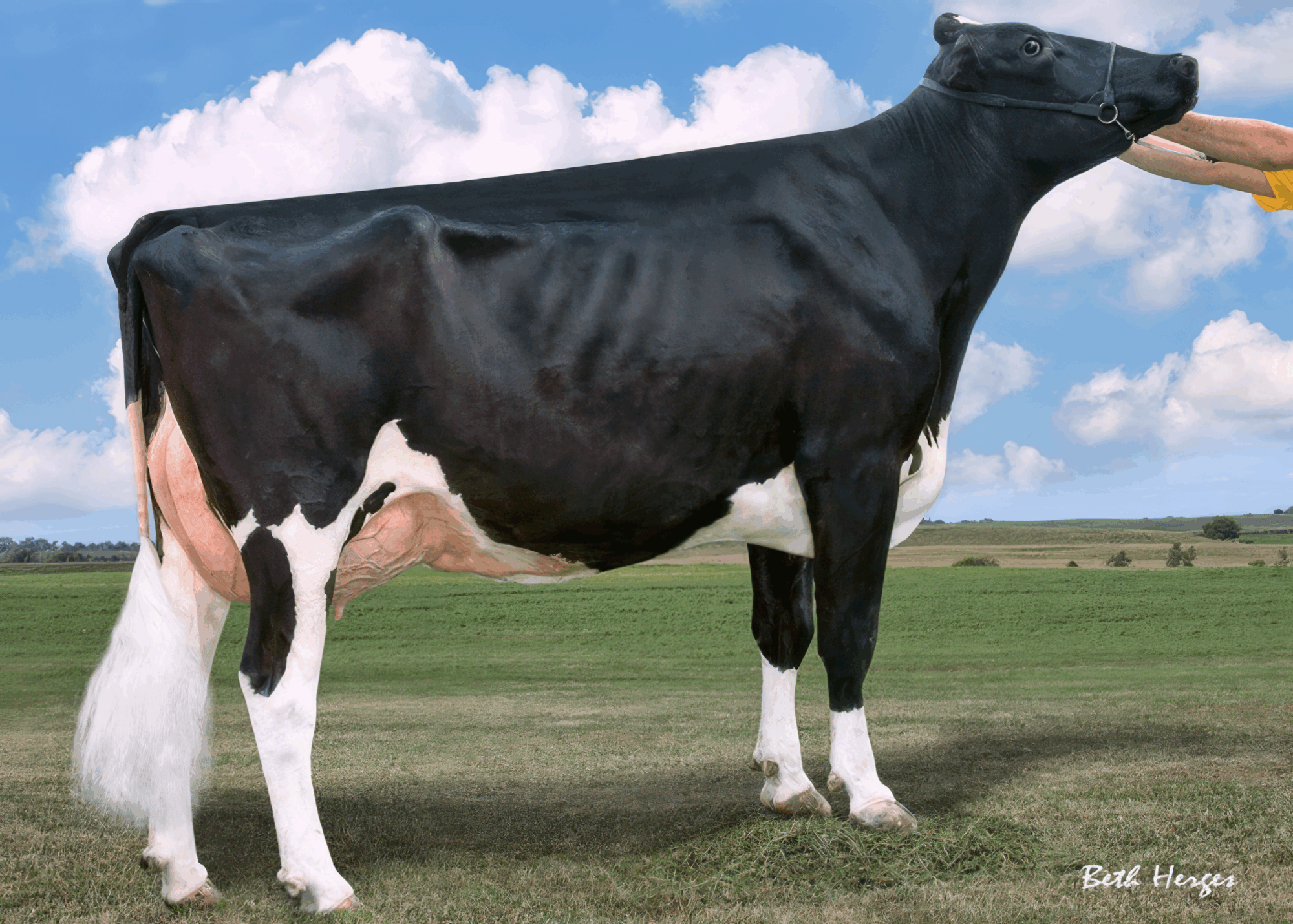


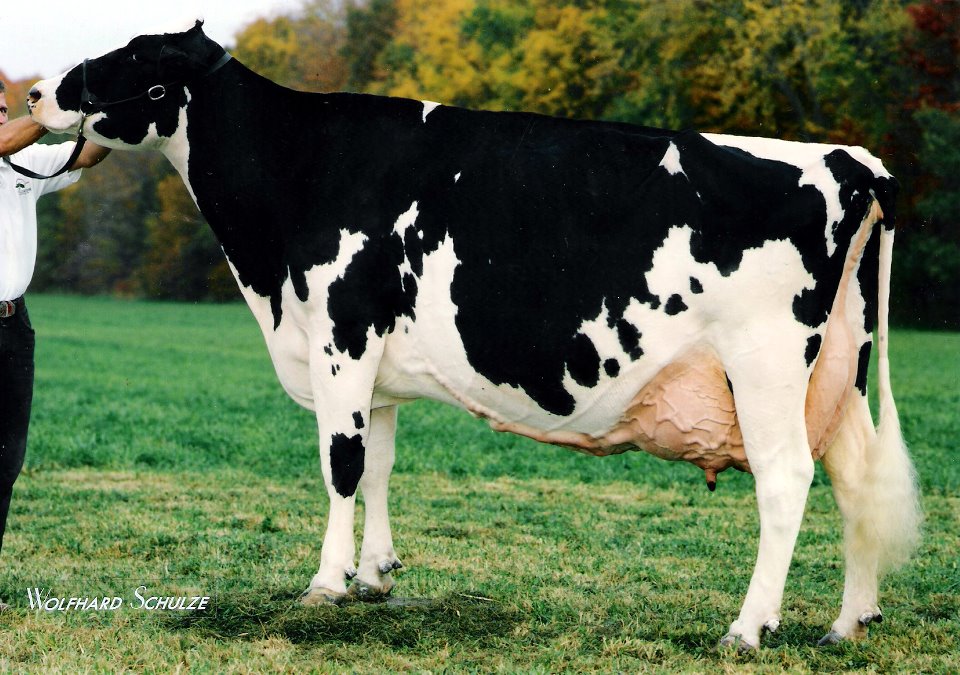

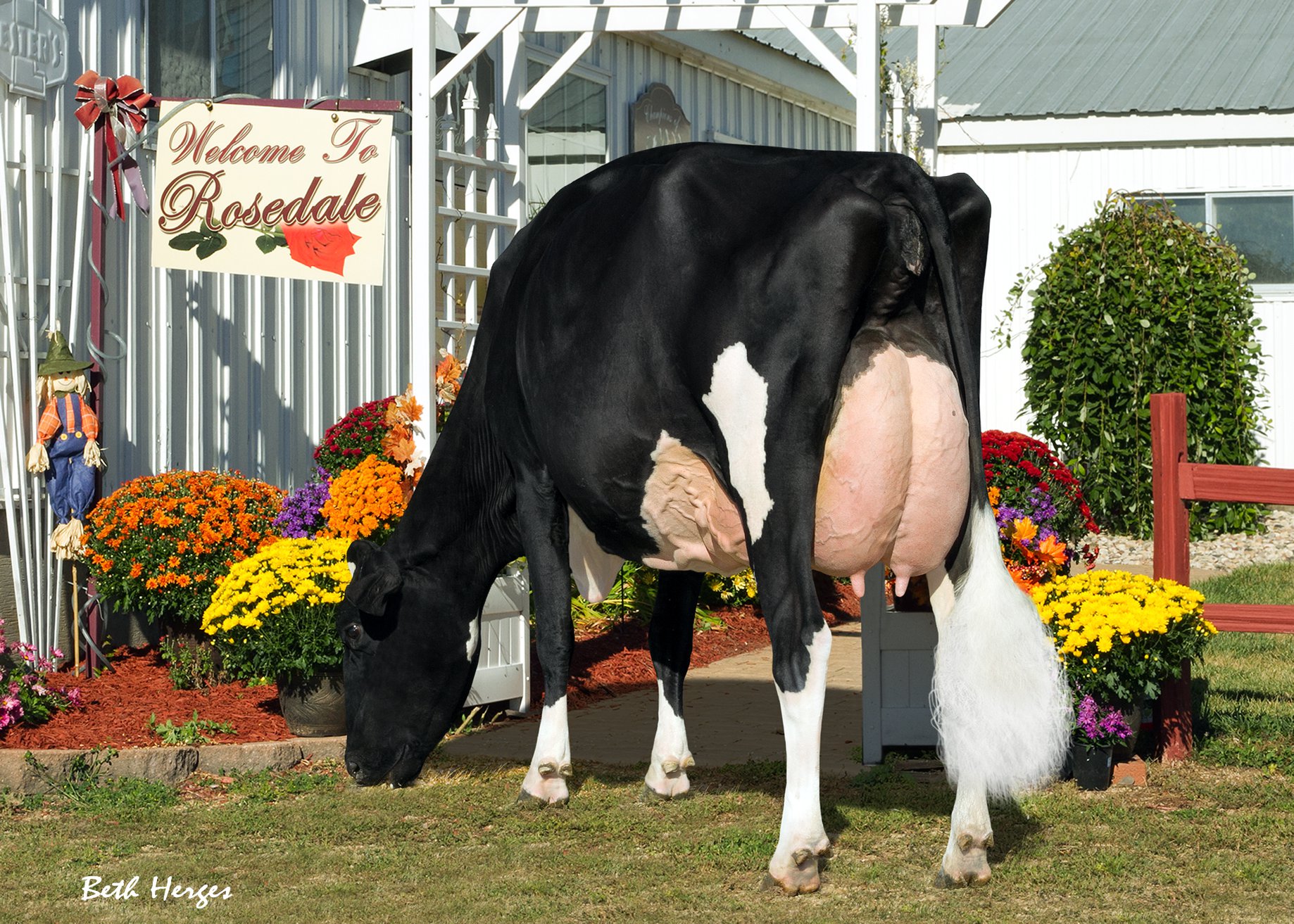

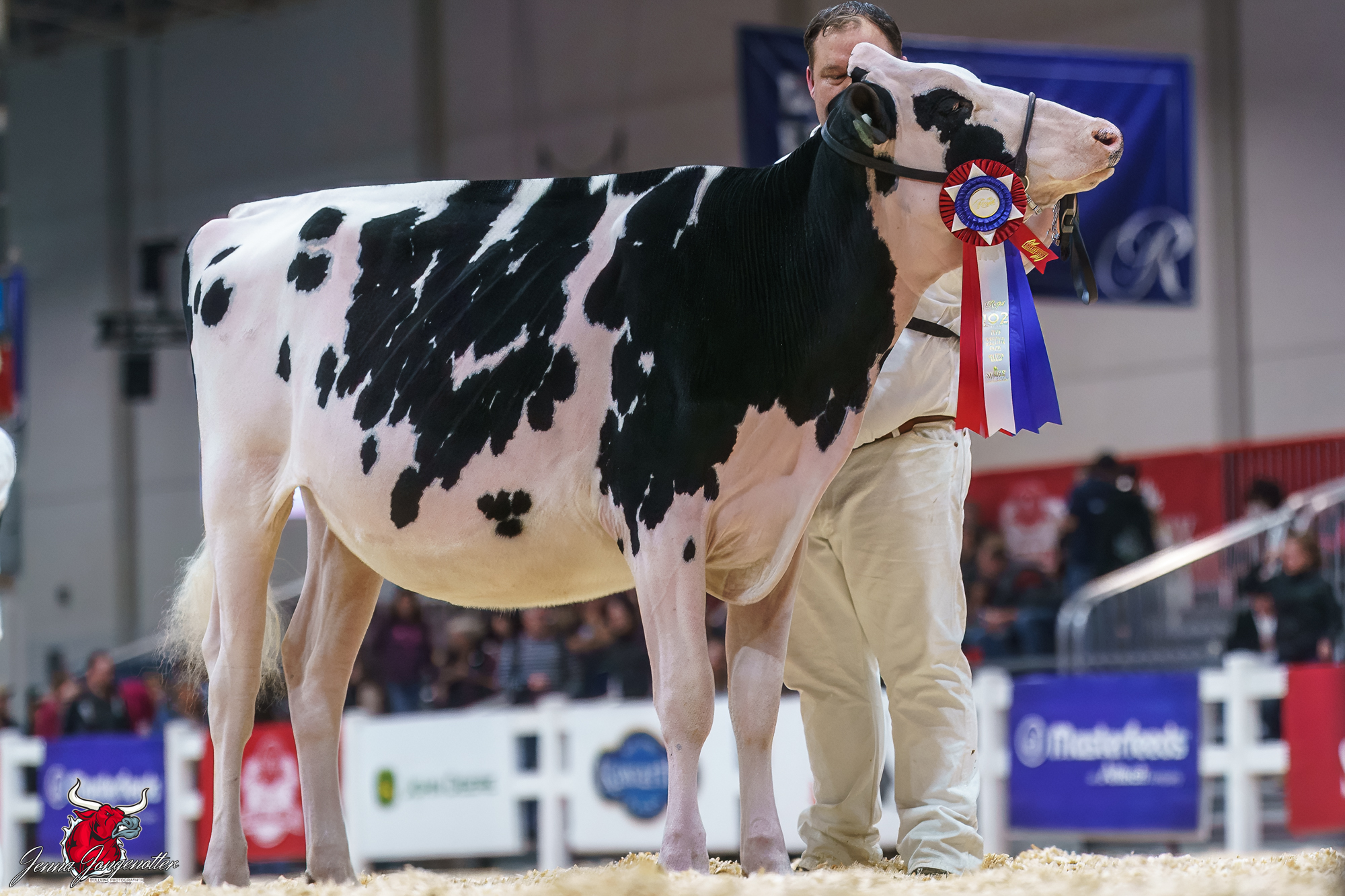
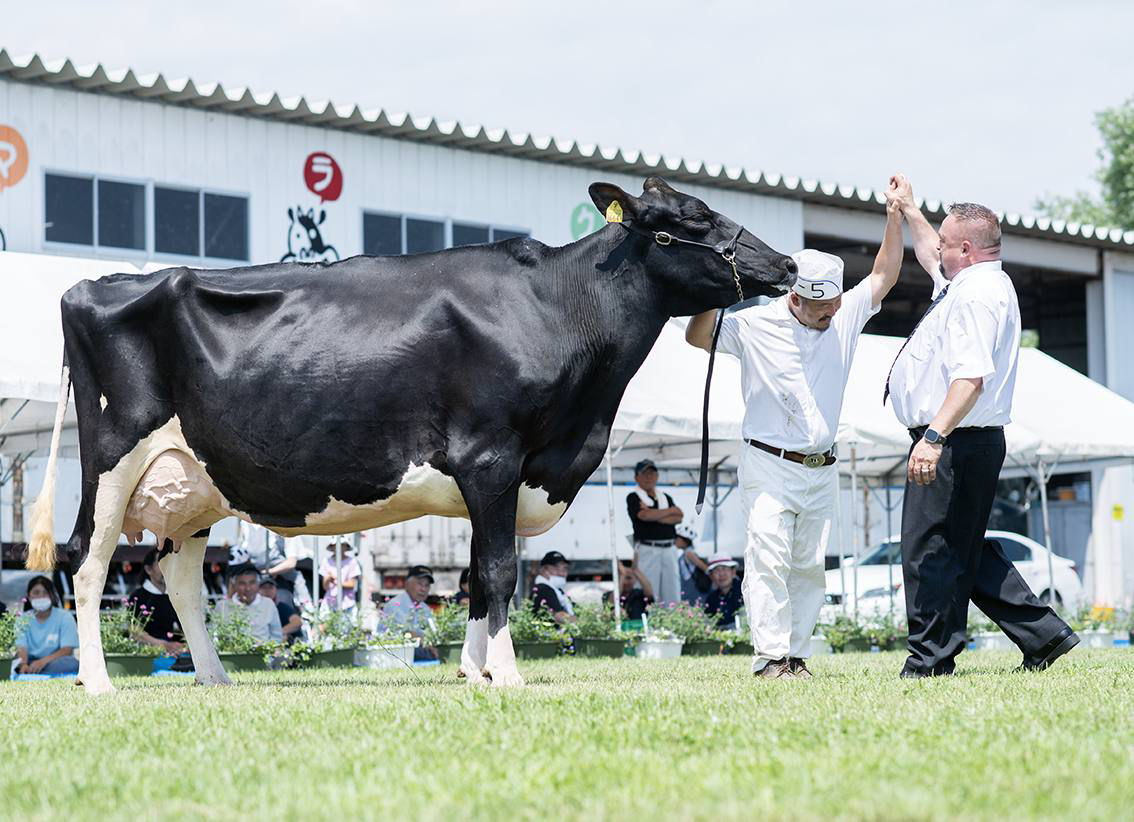


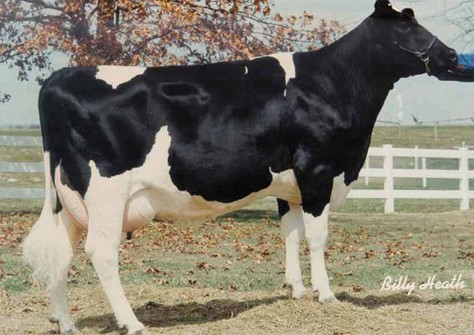
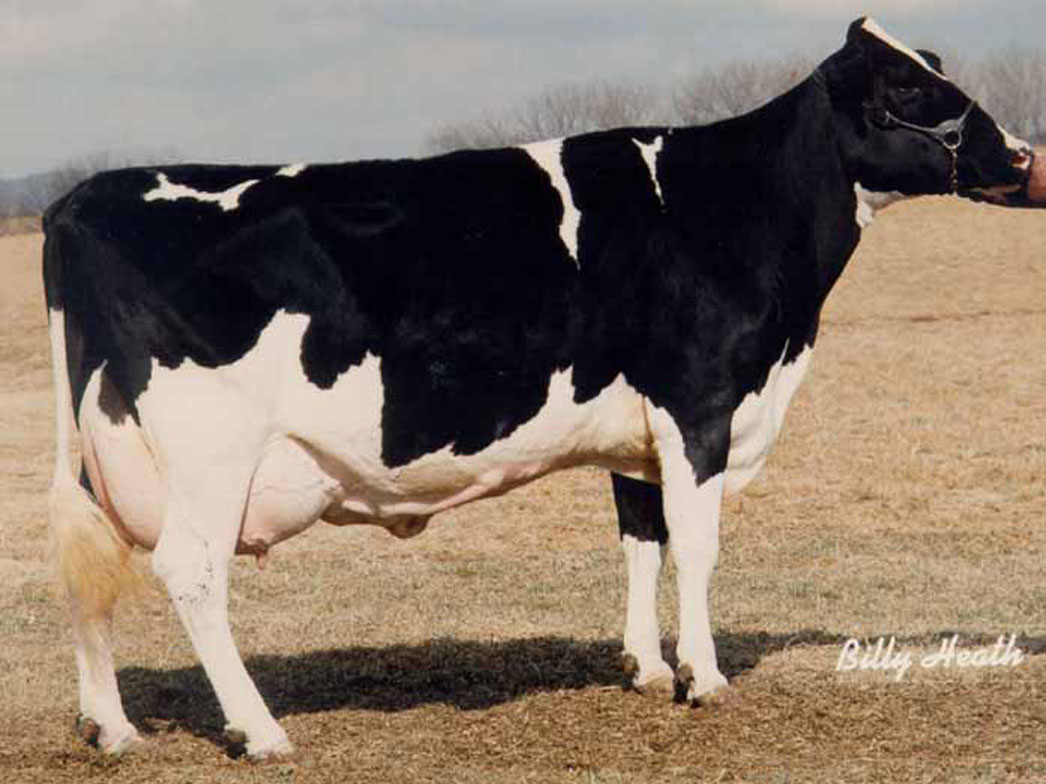
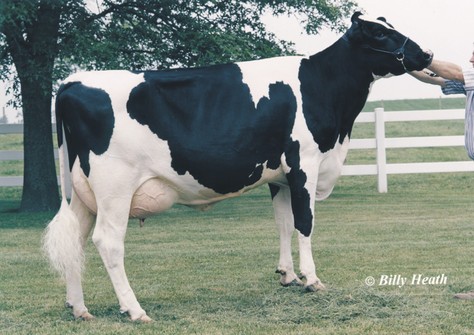
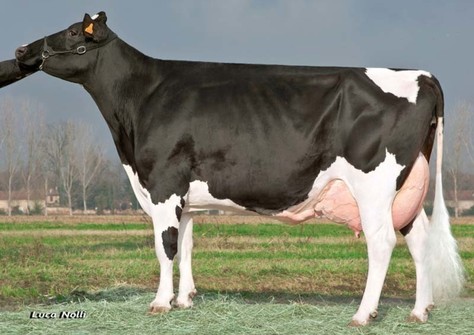
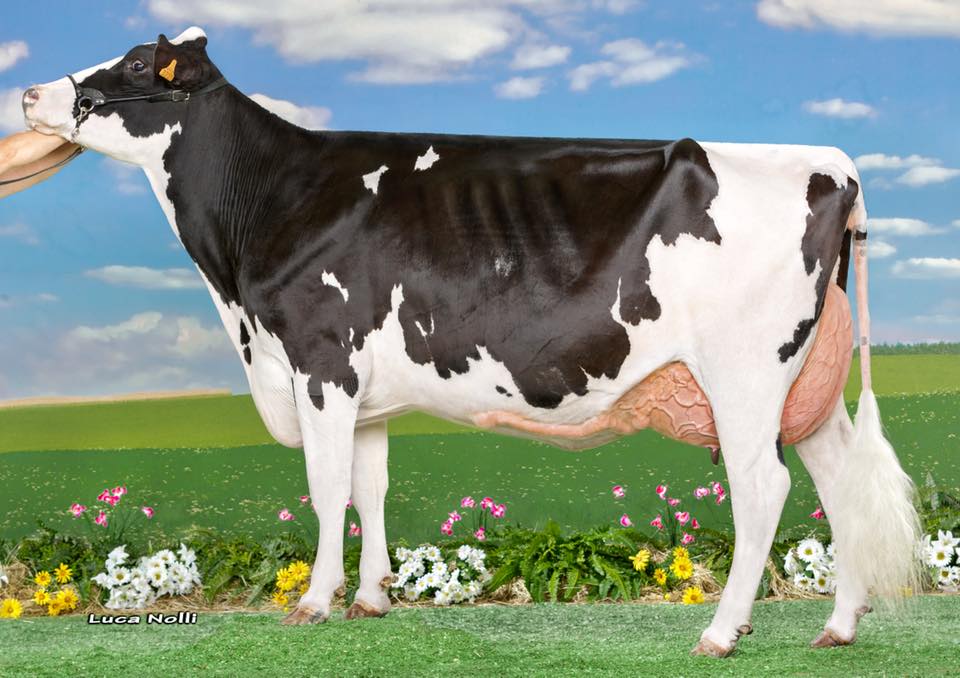
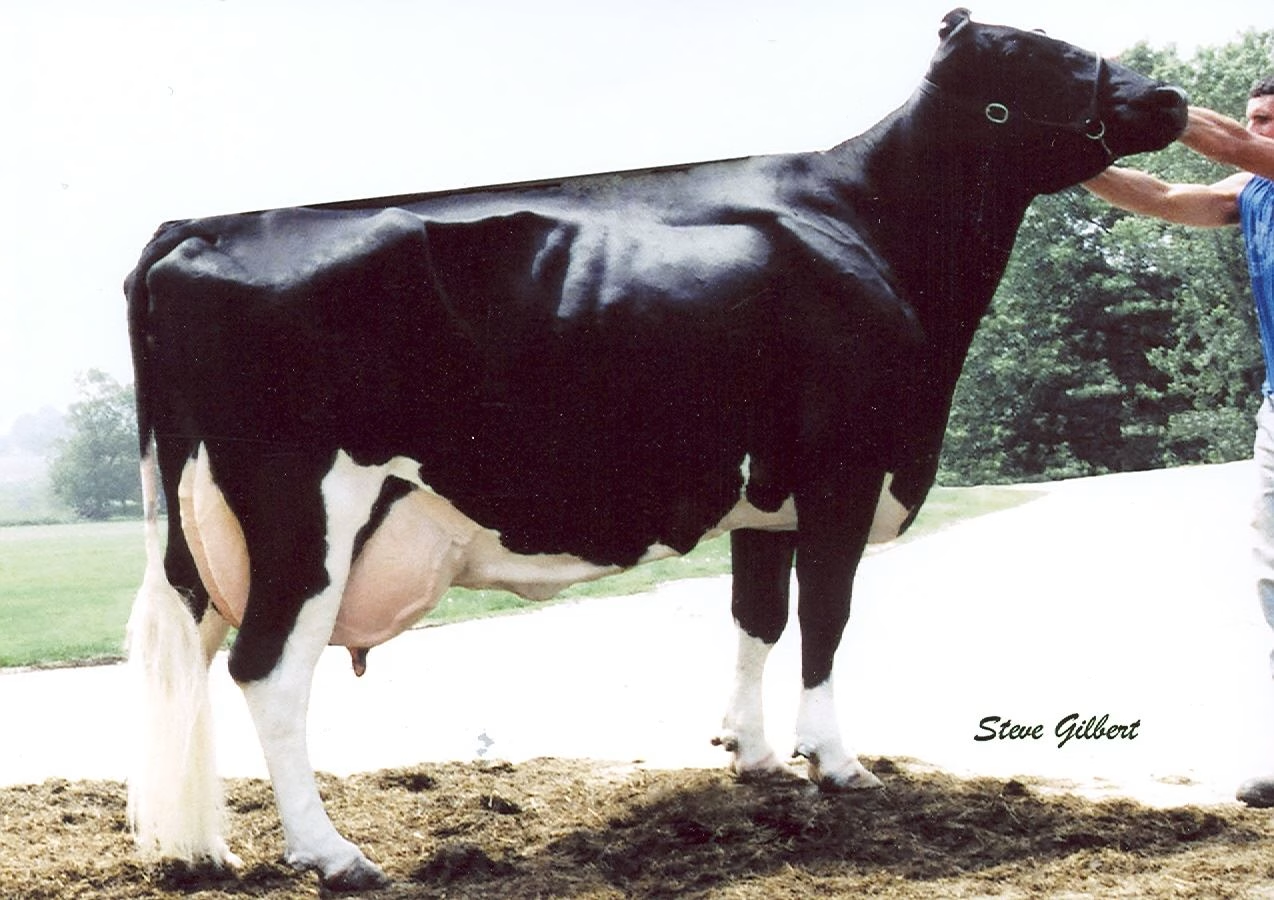
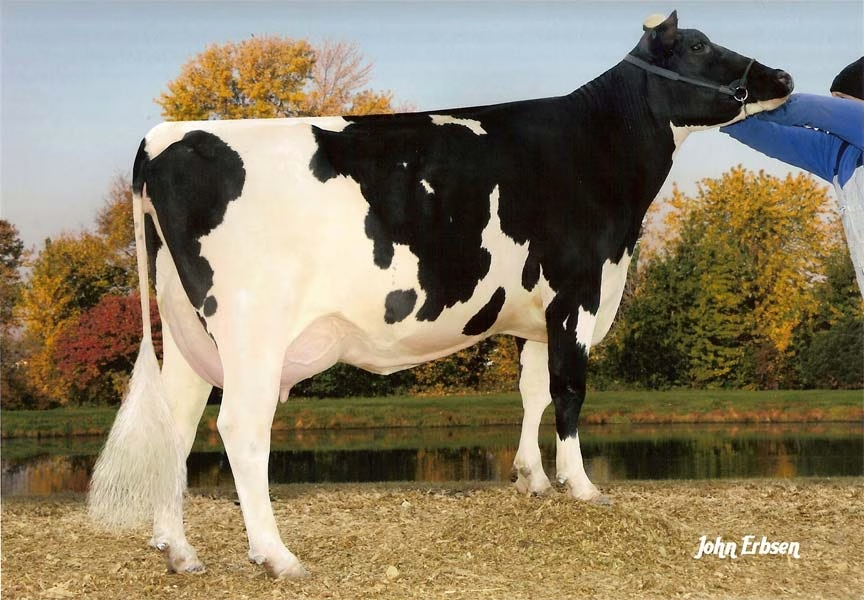


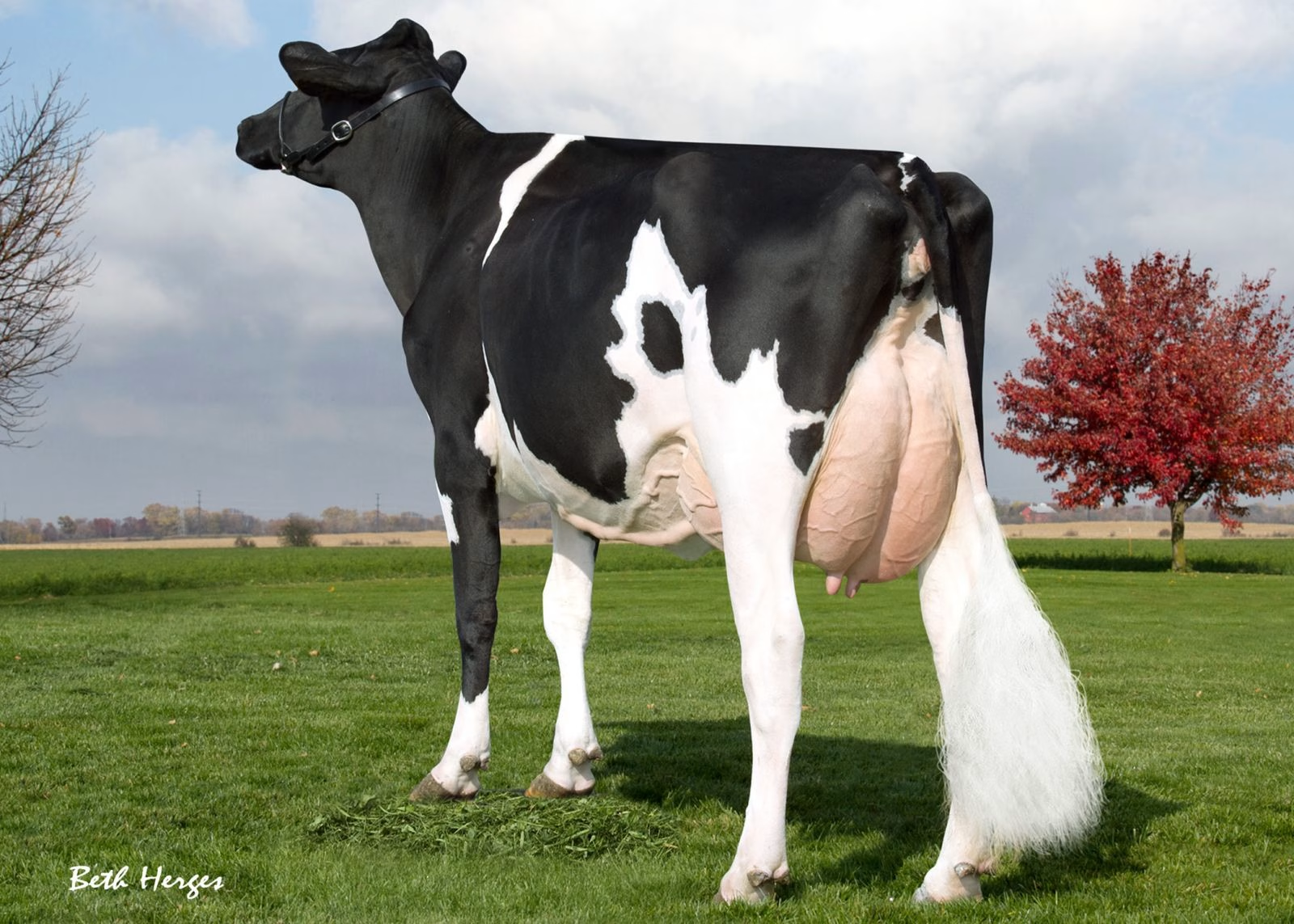
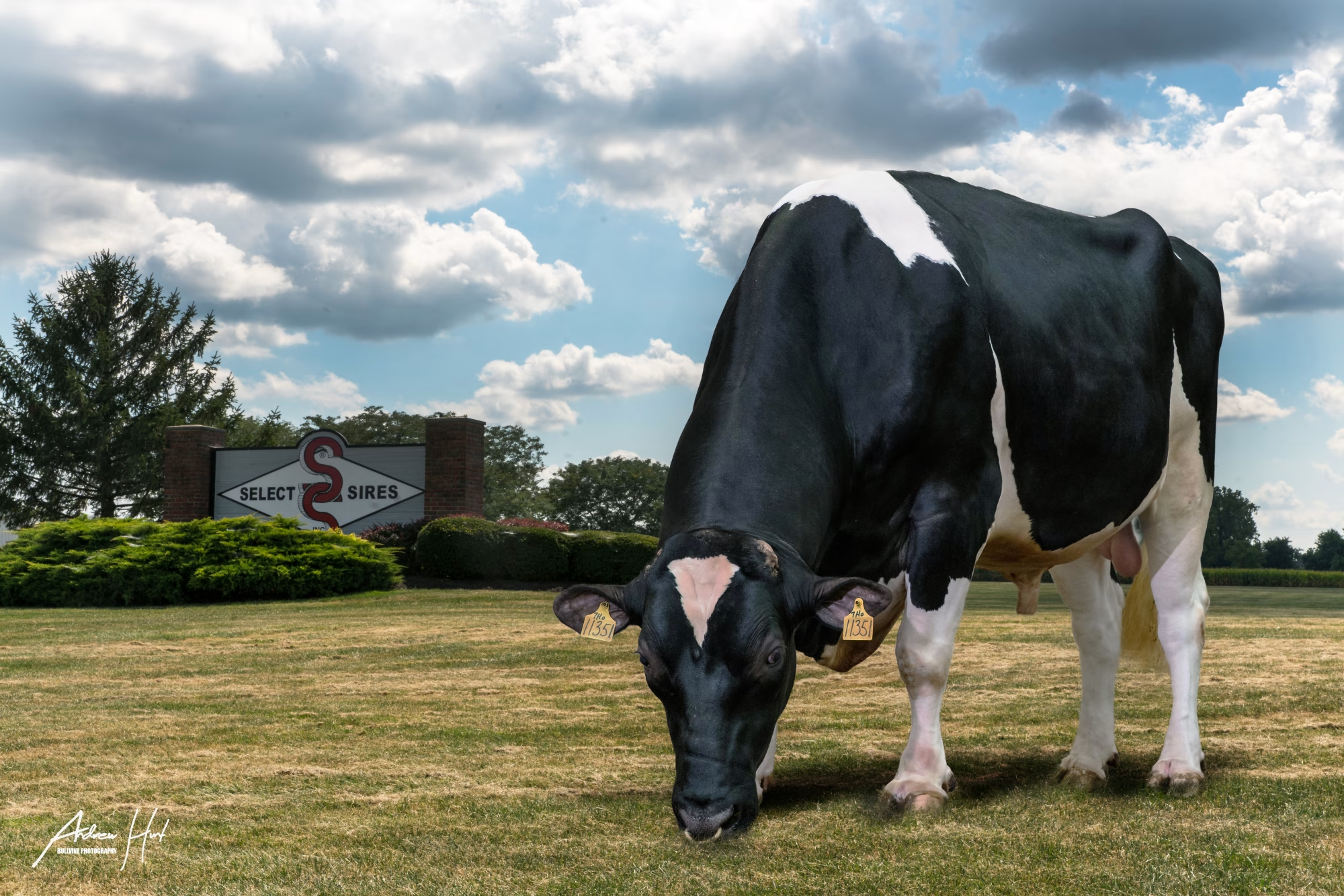
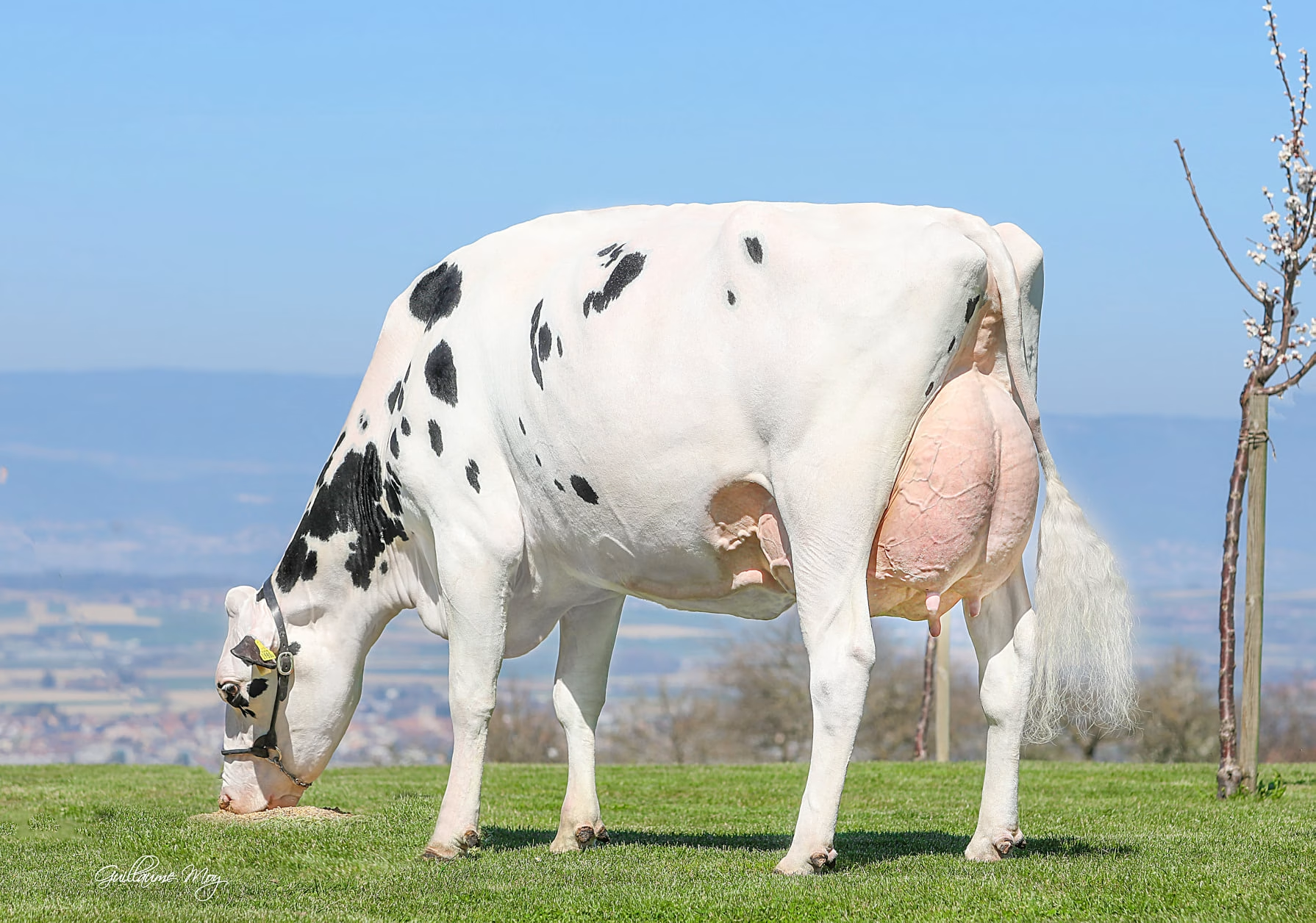
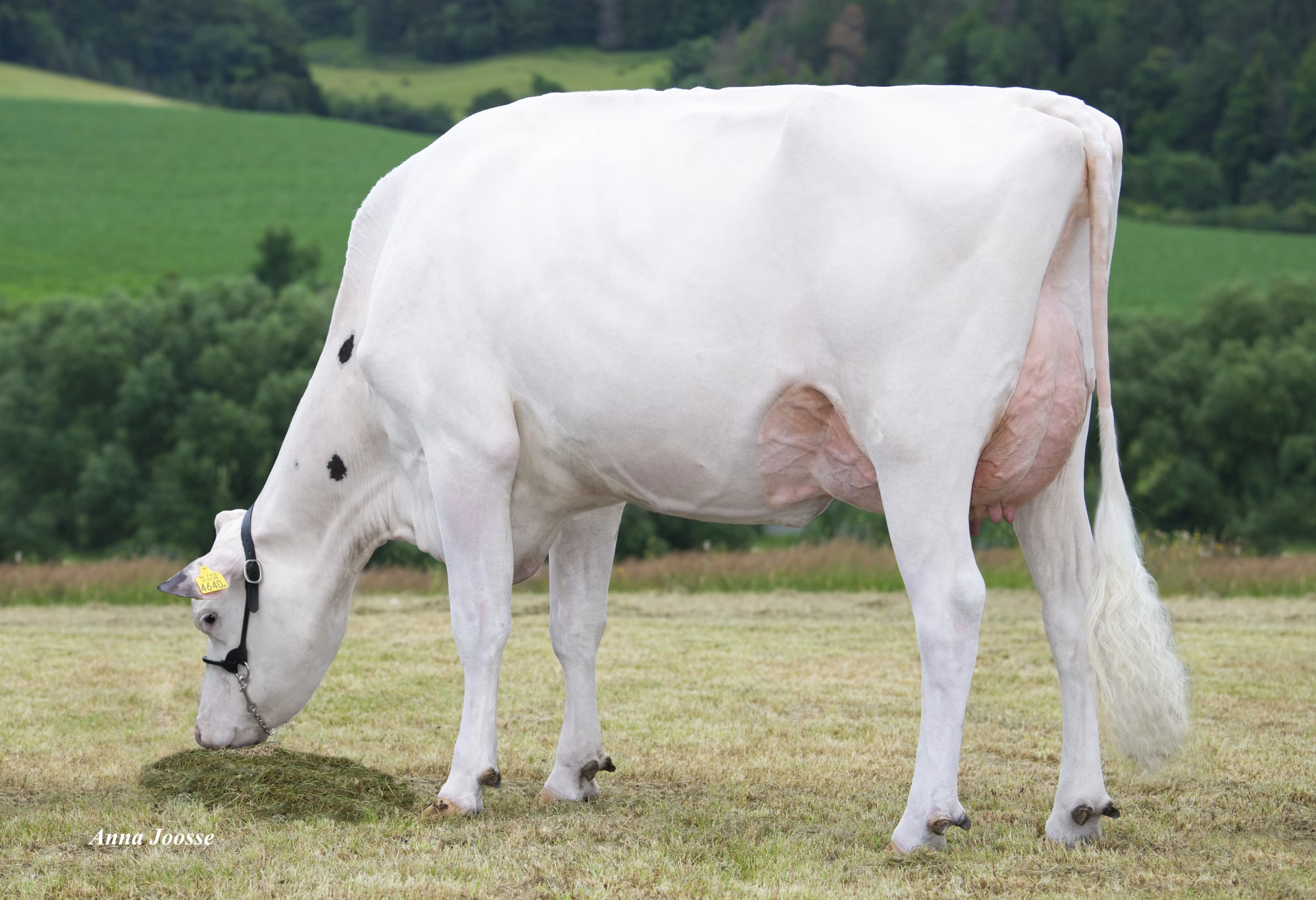
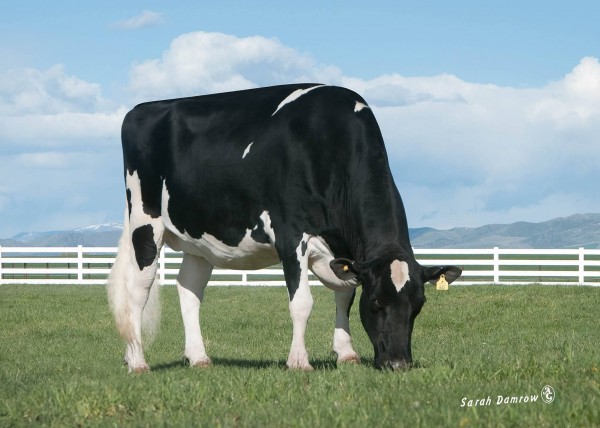

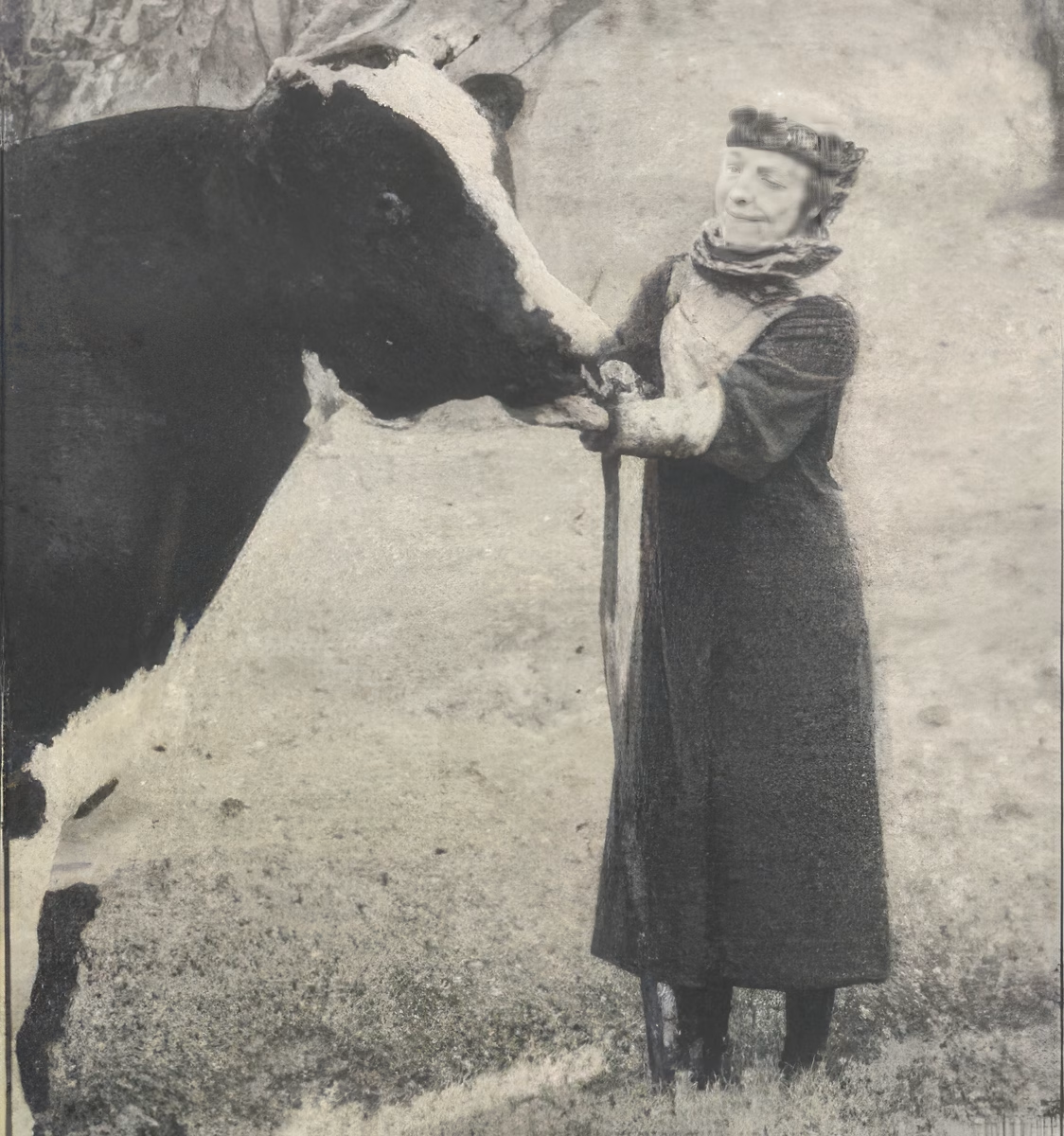





 Join the Revolution!