


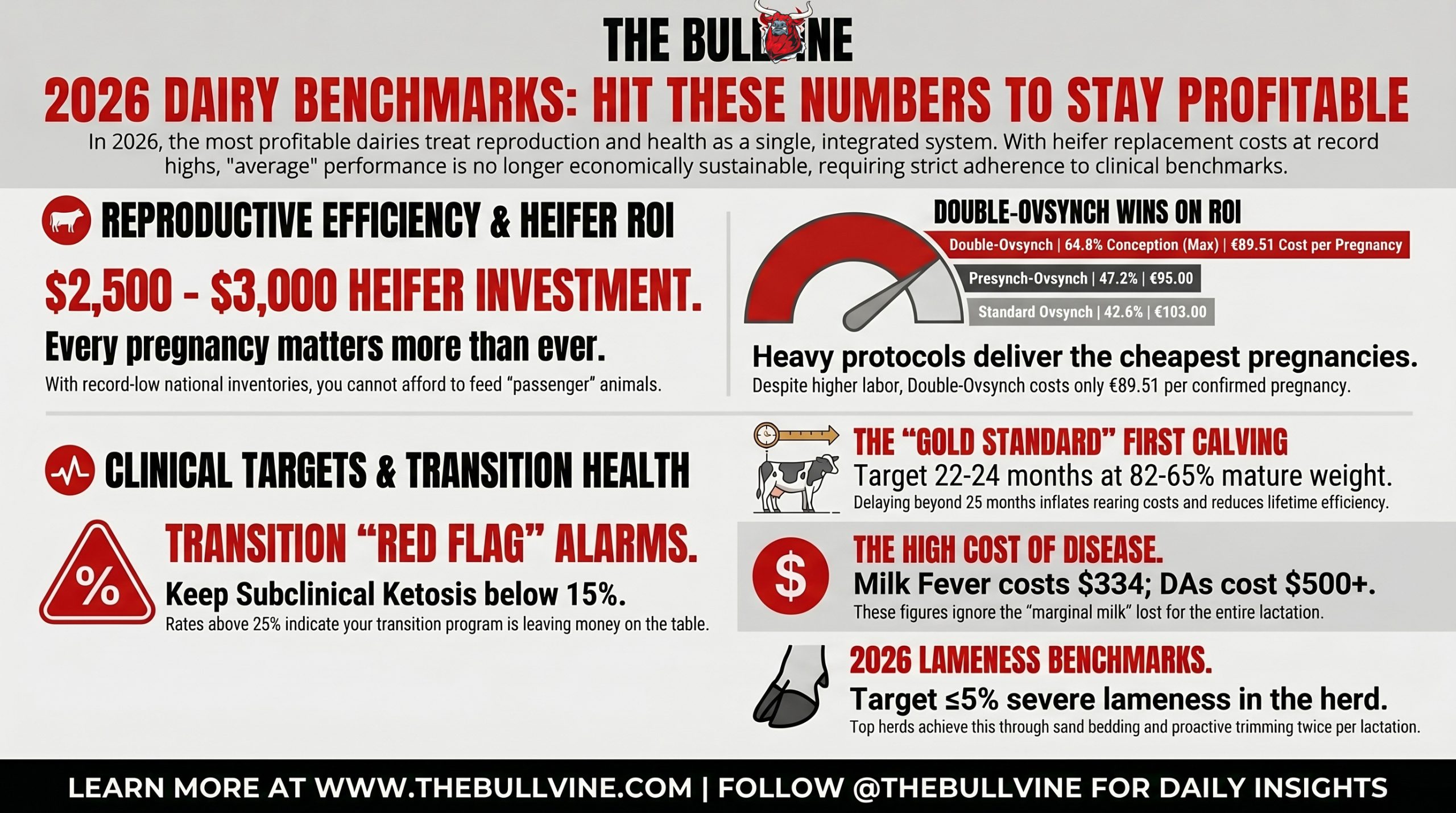



The most profitable dairy herds in 2026 treat herd health and reproduction as one system, aligning fertility protocols, mastitis control, hoof health, transition cow care, and welfare standards around hard economic benchmarks and clear clinical targets. If you get that alignment right, pregnancy rate, milk per stall, and longevity all move together. If you miss it, you’re feeding too many passengers.
Here’s the thing: with replacement heifers pushing $2,500–$3,000 to raise and national inventories at their lowest since the late 1970s, you can’t afford “average” anymore. This page pulls together what the latest research, field data, and welfare programs say about dairy herd health and reproduction in 2026, from Double-Ovsynch and Short-Resynch to SDCT, lameness prevention, transition monitoring, and FARM 5.0. We’ll walk through the numbers, the protocols, and the trade‑offs so you can decide what fits your own herd, facilities, and labour.
KEY TAKEAWAYS
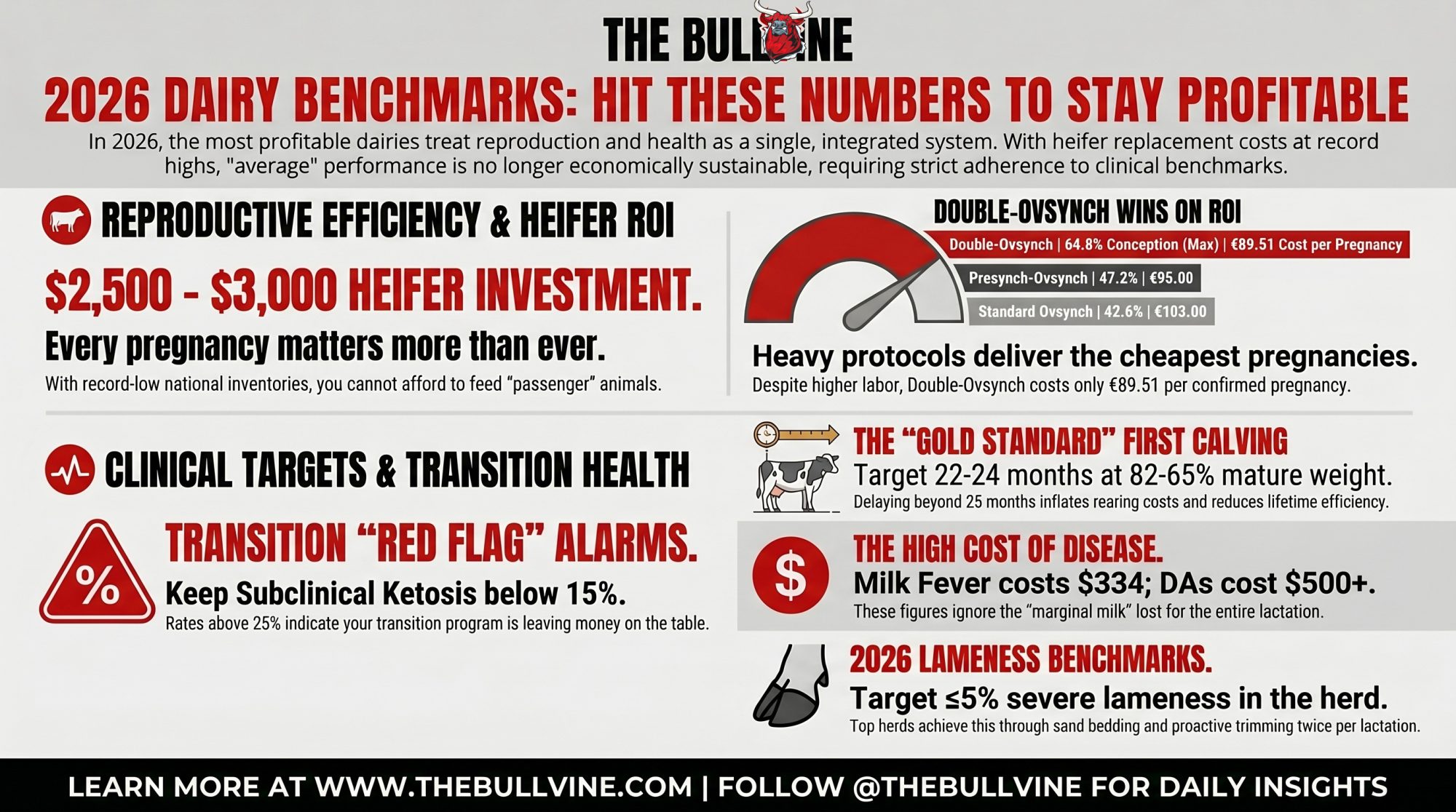
- Replacement heifers now cost roughly $2,500–$3,000 to raise, so every pregnancy and extra lactation matters.
- Double-Ovsynch routinely delivers 50–65% conception and the lowest cost per pregnancy when compliance is high.
- Selective dry cow therapy (SDCT) plus internal teat sealants is now the standard in low-SCC herds for antimicrobial stewardship.
- Worldwide lameness prevalence hovers near 23%, but top herds target ≤15% moderate and ≤5% severe lameness.
- Subclinical ketosis above 15% and DA above 3% are clear red flags that your transition program is leaving money on the table.
- FARM 5.0 makes pain control for disbudding mandatory and bans routine tail docking, tying welfare to market access.
- Age at first calving has shifted firmly to a 22–24 month goal at 82–85% of mature body weight.
The Reproduction Revolution in Dairy Herd Health
The reality is simple: if you’re not getting cows pregnant on time, you’re paying twice—once in lost milk and again in bigger replacement inventories. Reproduction has shifted from “catch more heats” to structured fertility programs built around the High Fertility Cycle concept.
The High Fertility Cycle recognises that timely pregnancies in one lactation reduce body condition loss, improve health, and set cows up for higher fertility in the next lactation. That’s why the industry has moved from stand‑alone Ovsynch to heavier presynchronisation strategies like Double-Ovsynch, G6G, and Short-Resynch.
From Ovsynch to Double-Ovsynch
Classic Ovsynch still has a place, but its performance depends heavily on the stage of the oestrous cycle when you start. It works best if you hit days 5–12 of the cycle; outside that window, response is much more variable.
Double-Ovsynch was developed to solve the early‑lactation anovular cow problem. It runs a full Ovsynch cycle as a presynch, followed by a second Ovsynch for breeding. That sequence drastically reduces the proportion of anovular cows—from around 25% down to about 5%—and ensures cows enter the breeding protocol with a functional corpus luteum (CL) and higher progesterone (P4).
That high‑P4 environment matters. In low‑P4 situations, early pregnancy loss can run around 16%, while in high‑P4 cows it can drop as low as 4%. Fewer double ovulations, fewer twins, and fewer early embryo losses all add up to more pregnancies per AI and fewer “mystery” open cows.
Comparative fertility and cost per pregnancy
Recent comparative work has put hard numbers on protocol performance. In one detailed economic evaluation:
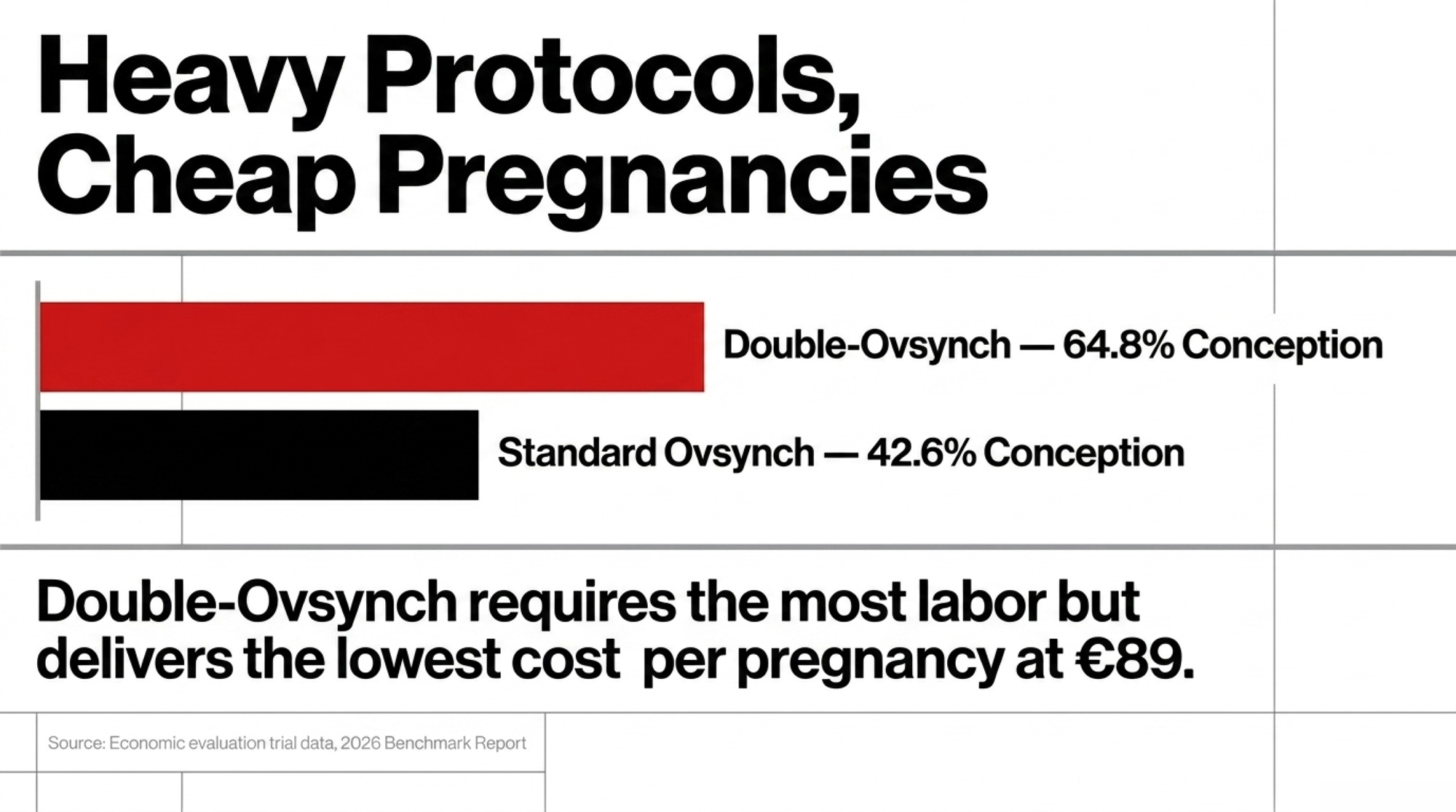
- Double-Ovsynch delivered the highest pregnancy rate at 64.8% and the lowest cost per confirmed pregnancy at about €89.51, using a single AI at the end of the program.
- Standard Ovsynch topped out around 42.6% conception with an estimated cost per pregnancy near €102.00.
- Presynch-Ovsynch hit 47.2% at best, with cost per pregnancy around €95.00.
- G6G landed near 41–43% conception and an estimated €98.00 per pregnancy.
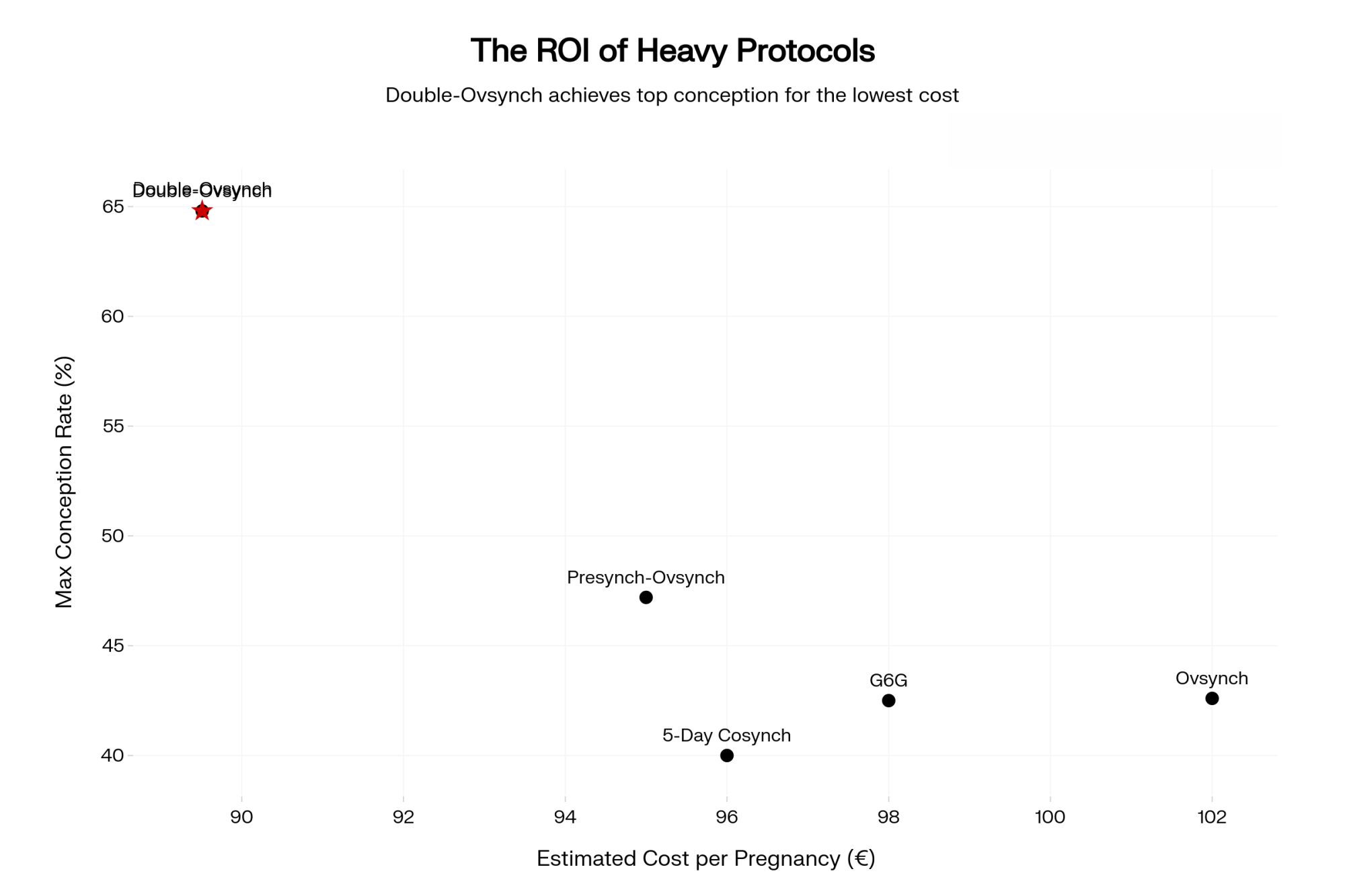
In other words, the “heaviest” protocol in terms of hormone and labour actually produced the cheapest pregnancies on a cost-per-pregnancy basis. That lines up with what many vets and consultants are seeing on high‑producing herds.
Protocol variations: G6G, PG-3-G, 5‑Day Cosynch
For herds that can’t stomach the full Double-Ovsynch labour bill, GnRH‑based presynchronisation like G6G and PG‑3‑G are solid middle‑ground options. They add GnRH and prostaglandin (PGF₂α) six to seven days before kicking off Ovsynch, pushing more cows into an early luteal phase when the main protocol begins.
A 5‑day Cosynch approach, combining a shorter protocol with timed AI, typically targets around 38–40% conception. It’s a moderate‑labour option, but you give up some fertility and cost‑per‑pregnancy advantage compared with Double-Ovsynch.
Short-Resynch and early open-cow capture
Short-Resynch strategies focus on shrinking the interval between services. The common structure is: ultrasound at about day 32 post‑AI, identify non‑pregnant cows, and act immediately:
- If a cow has a CL ≥15 mm, you can administer PGF₂α right away and move quickly to TAI, skipping the initial GnRH.
- If there’s no CL, adding a second PGF₂α injection 24 hours later significantly improves ovulatory response and P/AI.
That’s how high‑performing herds keep 21‑day pregnancy rates high and days open under control.
Reproduction protocol comparison table
From the source data, here’s how the major protocols stack up.
| Protocol | Typical P/AI (28–32 d) | Study Max CR | Est. Cost per Pregnancy | Labour Intensity |
| Ovsynch (Standard) | 35–41% | 42.6% | €102.00 | Low |
| Presynch-Ovsynch | 42–43% | 47.2% | €95.00 | Moderate |
| G6G | 41.2–43% | 42.5% | €98.00 | Moderate |
| Double-Ovsynch | 50–64.8% | 64.8% | €89.51 | High |
| 5‑Day Cosynch | 38–39% | 40% (target) | €96.00 | Moderate |
Sources: trial data summarised in the underlying report. Costs vary by region and volume.
VCPR and label / extra-label use
Every one of these fertility programs relies on prescription pharmaceuticals. In 2026, that means:
- GnRH (Gonadorelin), PGF₂α (Dinoprost or Cloprostenol), and progesterone (CIDR) must be used under a valid Veterinarian–Client–Patient Relationship (VCPR).
- Any deviation in dose, route, or frequency is considered extra‑label drug use and requires explicit veterinary authorisation.
You get to pick your protocol, but you don’t get to freelance doses.
Dairy Heat Detection Technology and AI Monitoring
Honestly, the biggest change in the last five years isn’t another GnRH shot. It’s the fact that heat detection has become a sensor‑driven, AI‑assisted discipline rather than a chalk‑and‑clipboard job.
Wearable sensors: ear tags, collars, and rumen boluses
By 2026, adoption of wearable sensors on progressive dairies is essentially standard. Systems span:
- Ear tags
- Neck collars
- Leg bands
- Rumen boluses
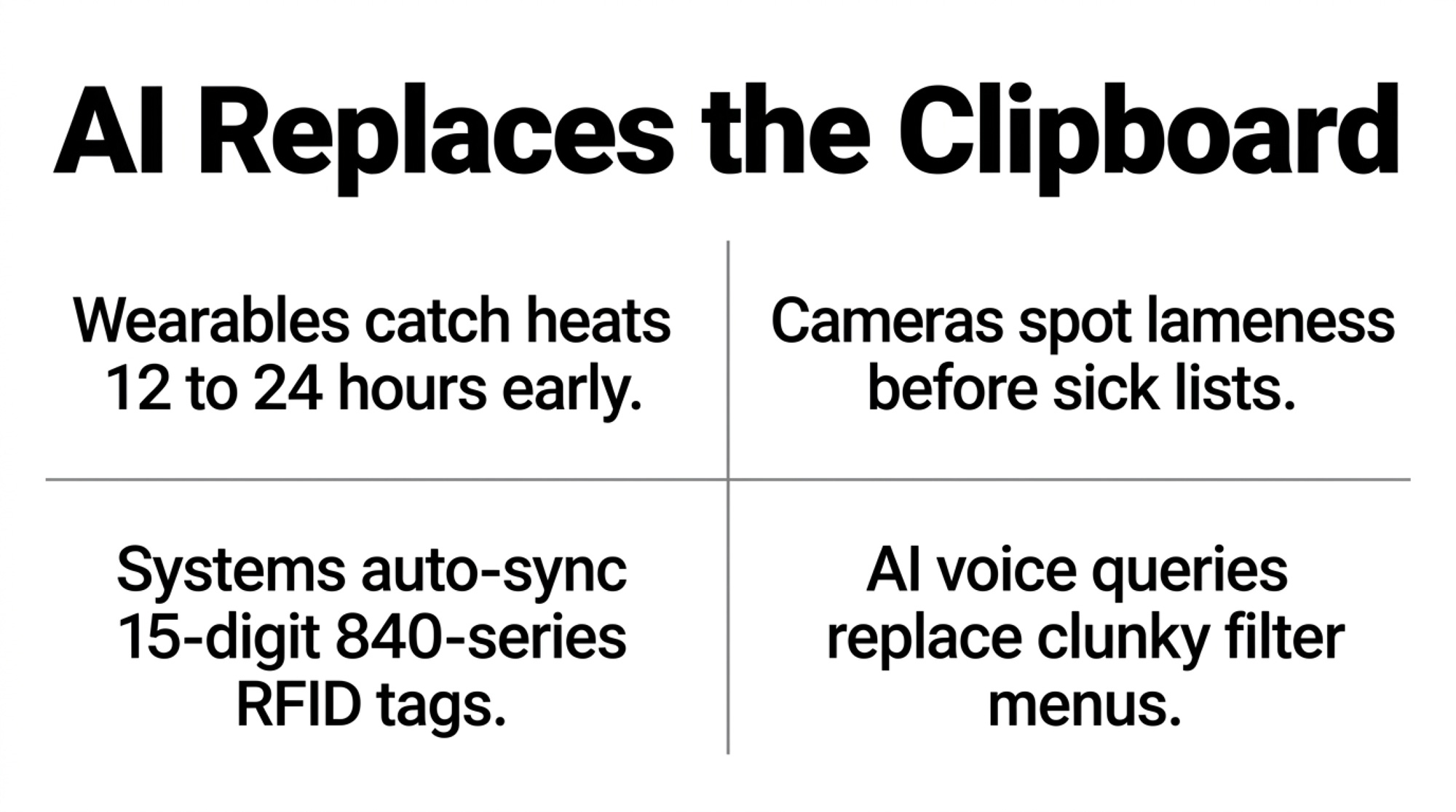
Platforms like CowManager, Allflex/SCR, Nedap, and Afimilk have pushed estrus detection sensitivity above 95% by combining activity data with rumination and sometimes temperature. These systems routinely pick up heats 12–24 hours before a human observer would.
A few practical examples from the report:
- CowManager uses ear temperature plus activity and rumination to flag both heats and early disease.
- Afimilk integrates in‑parlour milk data (fat, protein, conductivity) with AfiCollar behaviour data to generate nuanced health and repro alerts.
AI-powered camera and computer-vision systems
The real 2026 disruptor is AI computer vision. Overhead camera systems like Cainthus (now integrated into Ever.Ag) track cow movement, bunk time, posture, and lying behaviour without any per‑animal hardware.
These systems are particularly strong at:
- Detecting lameness through subtle gait changes.
- Scoring body condition to within about 0.25 BCS units.
For large freestall herds, the ability to spot a cow that’s quietly slipping into lameness or negative energy balance days before she hits your “sick list” is a big deal.
Software integration and natural-language interfaces
The sensors and cameras are only half the story. The value comes when they plug cleanly into herd management software like DairyComp 305 and DeLaval DelPro.
In 2026, many systems allow natural‑language queries. A vet or herd manager can ask, “Show me all fresh cows with a 20% drop in rumination over the last 48 hours,” and get a prioritised list instantly. That’s a different world from exporting CSVs and wrestling with filter menus.
There’s also a regulatory angle: following the 2024 update to the USDA Animal Disease Traceability (ADT) rule, 840‑series RFID tags are required for all interstate dairy cattle movement. Modern ID and monitoring platforms now pull those 15‑digit IDs directly into the herd software so compliance and data transfer are one step instead of three.
How this ties back to reproduction
The smartest herds use tech and protocols together instead of treating them as competitors:
- Use activity / rumination systems to catch most heats in cycling cows and reserve Double-Ovsynch‑style protocols for anovular or “no heat by X DIM” cows.
- Use sensor non‑return data plus ultrasound or PAG tests to trigger Short-Resynch on open cows at 28–32 days post‑AI.
- Let AI‑generated lists feed sort‑gates so cows for AI, hoof trimming, or fresh checks are automatically drafted in the parlour.
Mastitis Control, SCC Benchmarks, and SDCT
If fertility is the engine, mastitis is the brake pedal that’s always dragging. Udder health in 2026 is defined by two things: dropping SCC and antibiotic use at the same time, without blowing up clinical mastitis.
DHI SCC benchmarks and pathogen patterns
Recent Dairy Herd Improvement (DHI) data from Midwestern herds show an average linear score of 1.9, which corresponds to a mean bulk tank SCC of about 168,000 cells/mL. First‑test SCC by lactation is a sharp transition health readout:
| Parameter | Lactation 1 | Lactation 2 | Lactation 3+ |
| SCC (thousands) | 121 | 135 | 232 |
| New infection risk | 6% | — | — |
| Chronic infection risk | 8–9% | — | — |
| Goal bulk tank SCC (BTSCC) | <150,000 | — | — |
Sources: 2024 DHI data summarised in the report.
Culture results from 2024 highlight that:
- Environmental streptococci (e.g., Streptococcus uberis) remain the most common clinical isolates at about 25% of cases.
- Staphylococcus aureus prevalence has stabilised near 2%, thanks to better biosecurity and culling strategies.
- Roughly 30% of clinical samples show “no growth,” which is a huge opportunity for culture‑guided, no‑antibiotic decisions.
Selective dry cow therapy (SDCT) and internal teat sealants
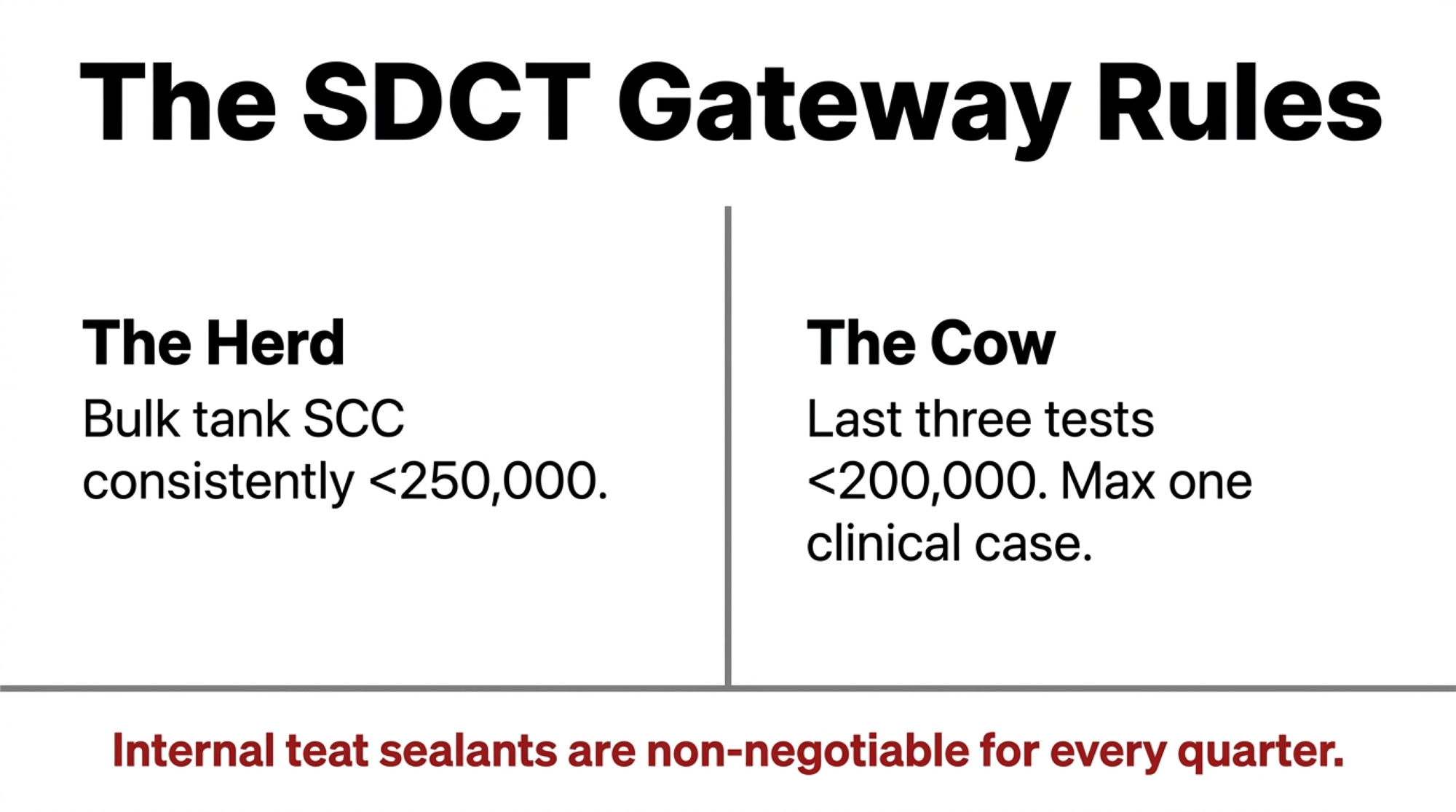
Selective dry cow therapy has gone from “research idea” to mainstream cornerstone for herds with good milk quality. The report emphasises that SDCT is really only appropriate when:
- BTSCC is consistently below 250,000 cells/mL.
- You have robust protocols and compliance for cow selection and hygiene.
Typical cow‑level criteria for SDCT include:
- SCC below 200,000 for the final three DHIA tests of the lactation.
- No more than one clinical mastitis case in the current lactation.
- No clinical mastitis in the 14 days before dry‑off.
And there’s a non‑negotiable rule: every cow, every quarter gets an internal teat sealant at dry‑off. Products like Orbeseal and ShutOut provide a physical bismuth subnitrate barrier in the teat canal, mimicking the natural keratin plug. Research has shown they can reduce new intramammary infections during the dry period by more than 70% when applied correctly.
Part of that “correctly” is only partially inserting the cannula—just enough to deposit the paste—so you don’t drag environmental bacteria up into the teat cistern.
All intramammary antibiotics and teat sealants are prescription products. SDCT protocols must be written and monitored under VCPR, with label directions followed; any extra‑label use needs explicit veterinary approval.
Mastitis vaccines: J5 and beyond
Core‑antigen vaccines like Bovilis J‑5 remain a key tool against coliform mastitis. They’re especially effective in older cows and are formulated with low endotoxin levels to minimise systemic reactions.
The evidence is clear: these vaccines reduce the severity and frequency of clinical coliform mastitis, even if they don’t fully prevent infections. Vaccines against Staph. aureus exist but are still considered secondary to milking‑time hygiene, segregation, and aggressive culling in most 2026 mastitis programs.
Hoof Health, Lameness, and Genetic Tools
Lameness is no longer treated as a “claw issue.” Dr. Nigel Cook and others have driven home that it’s a facility and management disease first, with huge reproduction and longevity impacts.
Lameness prevalence and “standing-up disease”
The report notes an estimated worldwide lameness prevalence of about 23%. Cook’s work emphasises that most of those cases are driven by facilities—especially what he calls “standing‑up disease”: cows spending too much time on concrete because stalls are uncomfortable, overstocked, or both.
To hit the gold standard of 12 hours of rest per day, you need:
- Properly sized, deep‑bedded stalls (sand continues to be the industry benchmark for cushion and traction).
- Adequate stocking density so cows can actually lie down when they want.
- Strong ventilation; heat‑stressed cows stand more to dissipate heat, and you often see lameness spike 60–90 days after a heatwave.
Fans should kick on around 65–68°F, aiming for roughly 400 feet per minute of airspeed over resting cows.
Footbath protocols and trimming schedules
Digital dermatitis (hairy heel warts) and infectious hoof diseases aren’t going away, so footbaths are still a frontline tool. The 2026 recommendation in the report is:
- Bath length of at least 10–12 feet, so each foot gets 2–3 immersions per pass.
- At least 4 uses per week in herds with active digital dermatitis challenges.
- Copper sulphate (2–10%) and formaldehyde (4–6%) remain the most effective chemicals, with environmental and regulatory pressure increasingly favouring copper despite cost.
Hoof trimming should be proactive, not just a “fix the lame cow” event. The report recommends:
- At least two formal trims per lactation: one around 80–120 DIM and another at dry‑off.
This schedule lets you restore correct claw angles and unload pressure from high‑risk lesion sites before they blow up.
Genetic selection for hoof health
Historically, we were stuck with generic Feet and Legs Composite (FLC) scores. In 2026, genomic evaluations like the Zoetis Hoof Health Index and Lactanet lameness traits give you direct selection tools for specific lesions.
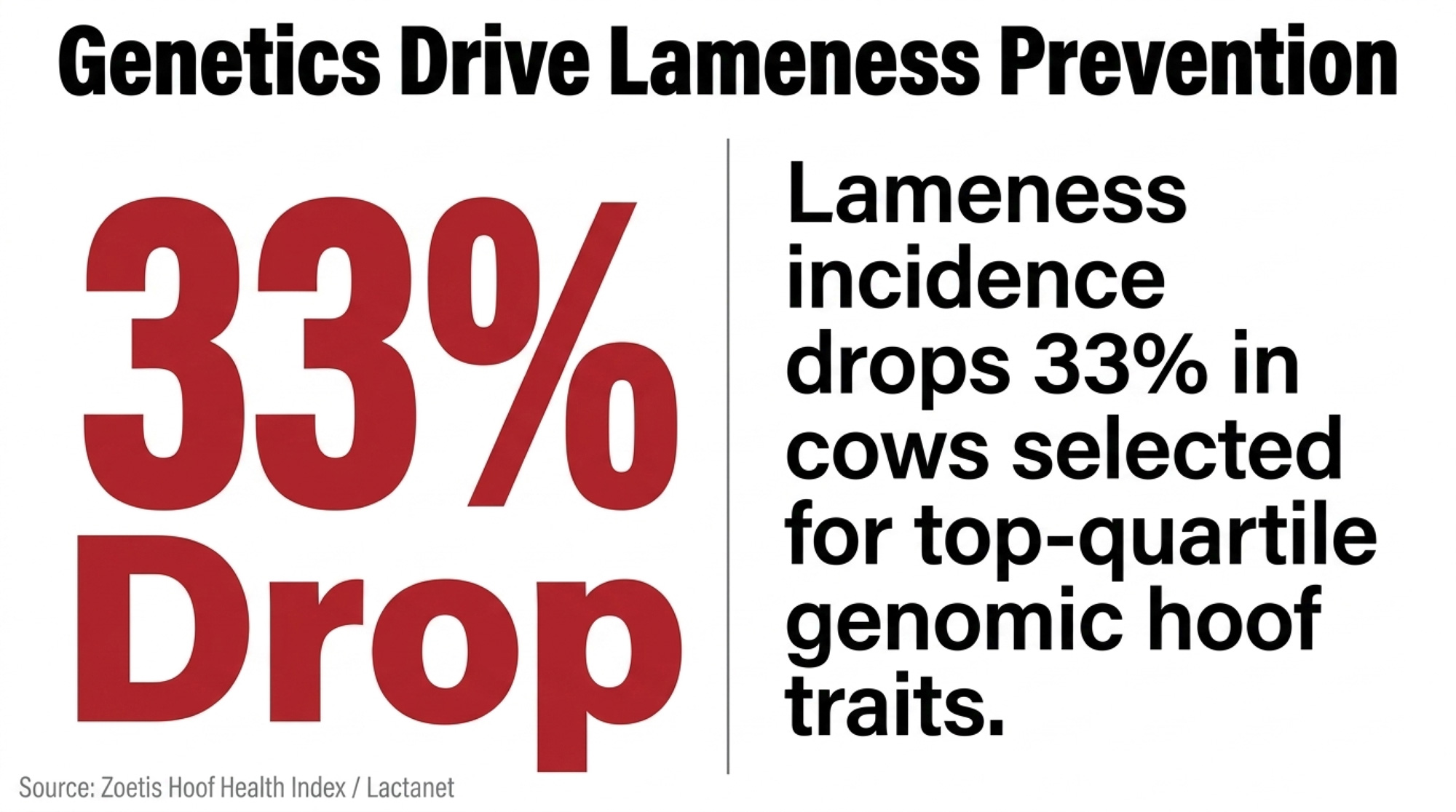
The report notes that cows in the top quartile for these genomic hoof health traits have a 33% lower lameness incidence than bottom‑quartile cows. That’s huge when you multiply it across multiple lactations.
Transition Cow Disease and ROI Monitoring
Here’s where a lot of lost pregnancies and culls actually start: the transition period. The report defines this window as dry‑off through the first 30 days in milk and notes that roughly one‑third of dairy cows experience some form of disorder in that time.
Incidence benchmarks and “alarm” thresholds
Subclinical ketosis (SCK) and subclinical hypocalcaemia are the two big metabolic drivers of transition trouble. The report sets the following benchmarks and alarms:
| Condition | Achievable Rate | Alarm Rate | Monitoring Parameter |
| Displaced abomasum | <3% | ≥6% | Clinical exam |
| Clinical milk fever | <2% | ≥5% | Calcium levels |
| Metritis | <5% | ≥10% | Uterine health screen |
| Subclinical ketosis | <15% | >25% | Blood BHB >1.2 mmol/L |
| Negative energy balance | — | — | Pre‑fresh NEFA >0.4 mmol/L |
Sources: transition cow studies summarised in the report.
SCK defined as BHB >1.2 mmol/L is associated with a 3–8x higher risk of DA and a roughly 3x greater risk of metritis. High NEFA (>0.4 mmol/L) in the last 7–10 days before calving doubles the risk of retained placenta and early culling.
Monitoring strategies: BHB, NEFA, and behaviour
The report recommends:
- Weekly screening of fresh cows (3–14 DIM) using a handheld blood BHB meter, aiming to keep SCK below 15%.
- Strategic pre‑fresh NEFA testing in close‑up cows as a herd‑level audit of your dry and transition ration, stocking density, and bunk management.
It also highlights the value of behavioural data: cows with reduced feedbunk time or abrupt drops in rumination pre‑ and post‑calving are at higher risk for metritis and other disorders.
The economics of transition management
The cost numbers are blunt:
- A single clinical milk fever case costs around $334 in direct and indirect losses.
- A displaced abomasum often tops $500 once you add vet costs, lost milk, and culling risk.
But the report points out the less obvious loss: “marginal milk” left on the table throughout the lactation. Herds that try to save money by lowering replacement rate from 38% to 34% just to keep “cheap” older cows actually lose about $19 per cow slot per year because those cows are less efficient producers.
Any drenches, calcium boluses, or ketosis treatments used preventively are still drug uses and must be handled under VCPR, with careful attention to label vs extra‑label protocols.
Calf and Heifer Health: Colostrum, Disease, and AFC
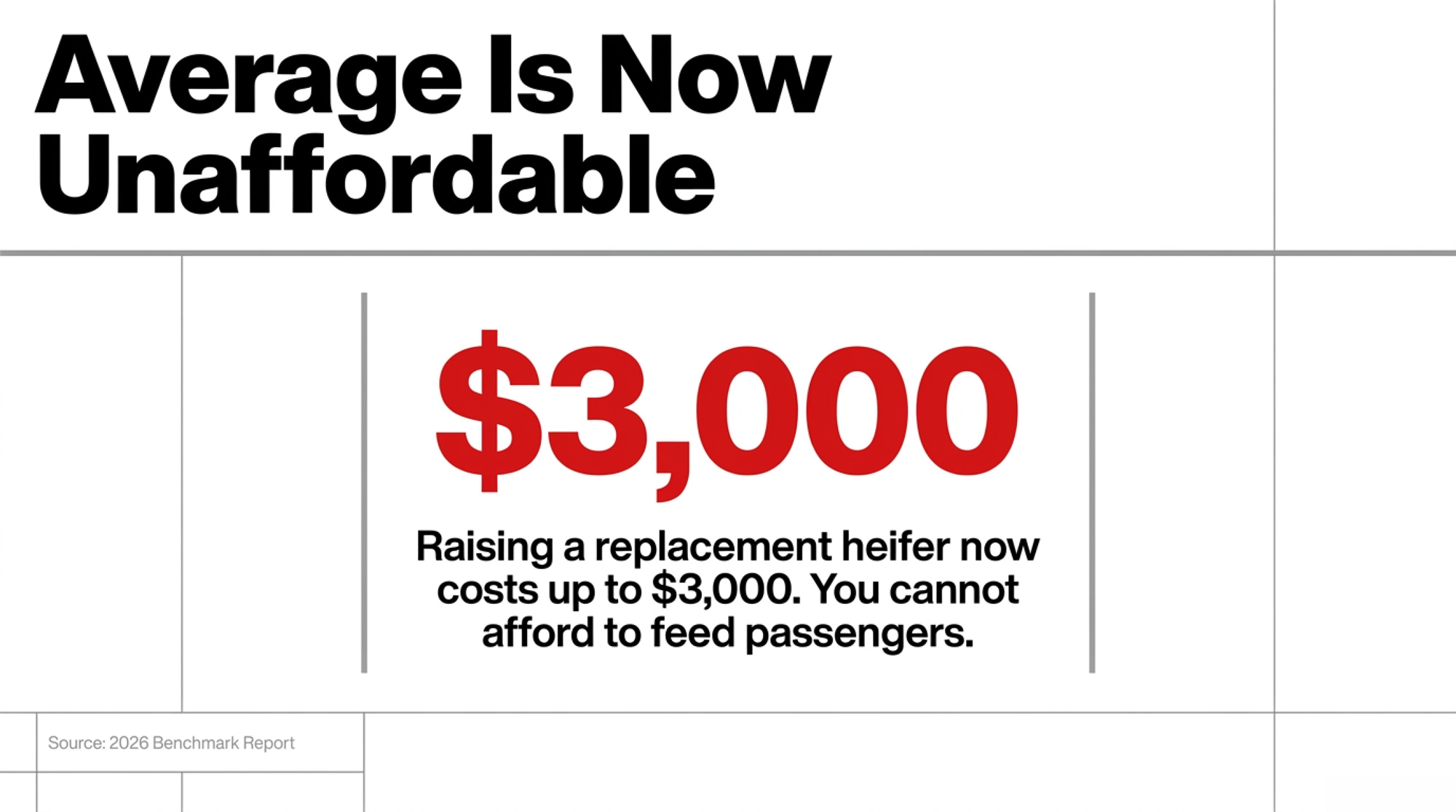
With heifer rearing costs now in the $2,500–$3,000 range, calf and heifer health has gone from “youngstock” to core capital asset management.
Colostrum management and passive transfer
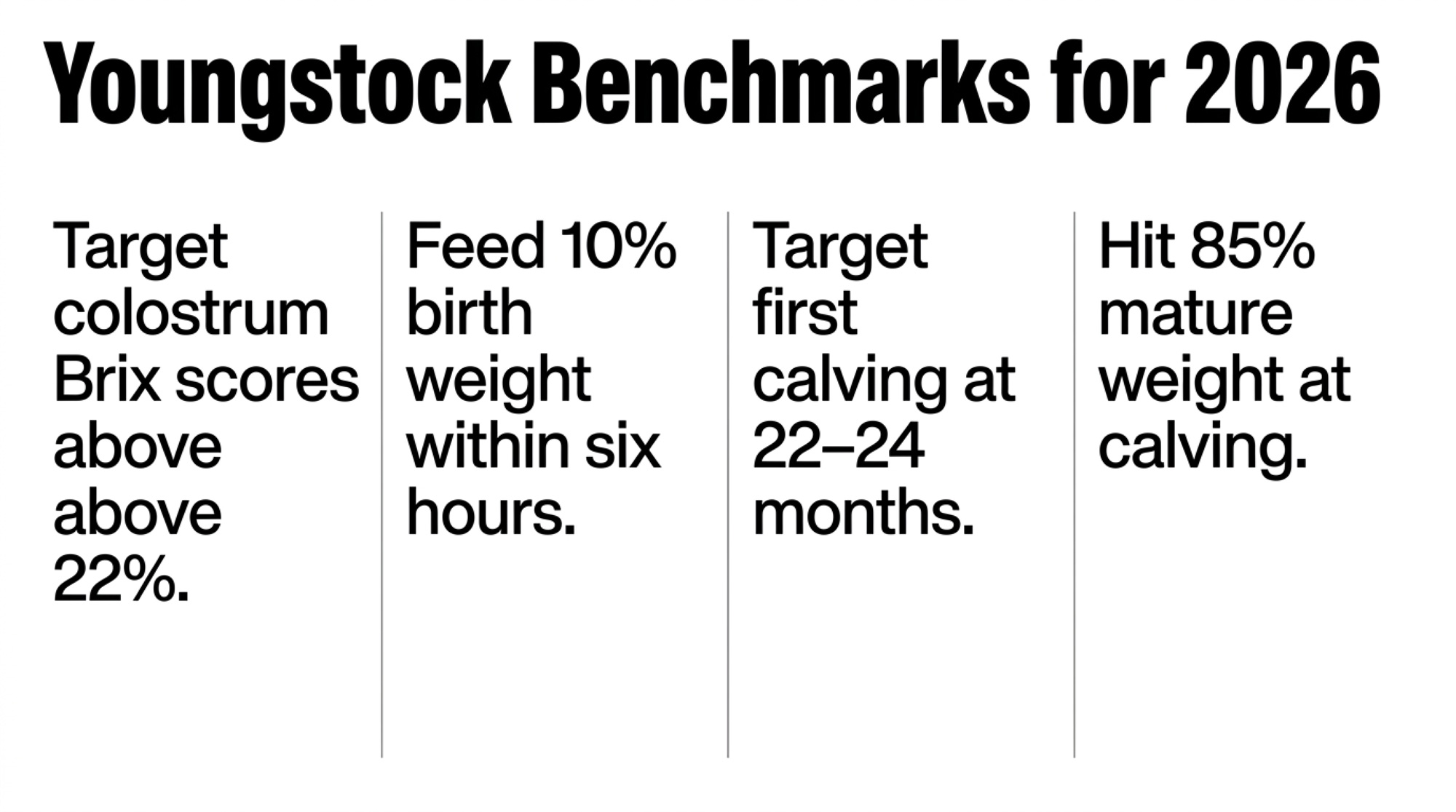
FARM Version 5.0 mandates that every calf receives high‑quality colostrum within six hours of birth. The report outlines a tight set of benchmarks:
- Measure colostrum quality with a Brix refractometer.
- High quality: Brix >22%; anything below 18% is considered poor and needs supplementation.
- Feed a volume equal to 10% of birth weight (about 4 quarts for a Holstein) as soon as possible, and certainly within six hours.
Passive transfer is best monitored by serum IgG or total protein:
- Target serum IgG >10 mg/mL or total protein >5.5 g/dL.
Those calves are more likely to survive, hit growth targets, and become profitable cows.
Scours, respiratory disease, and lifetime impact
The report notes that heifers experiencing significant respiratory disease (bovine respiratory disease, BRD) or severe scours in the first 120 days never fully catch up to their genetic potential. Citing Dr. Overton’s analysis, a single case of BRD before weaning can cost more than 0 in future lost milk production.
Calf health benchmarks under FARM and extension programs typically aim for:
- Pre‑weaning mortality below 5%.
- Low treatment rates for diarrhoea and pneumonia, with tight protocols and strong ventilation.
Vaccination programs (dam vaccination for scours, calf respiratory vaccines) should be designed with the herd vet under VCPR, following label directions on age, dose, and route. Extra‑label vaccine use is regulated and must be justified by documented disease risk and veterinary oversight.
Age at first calving (AFC) economics
The industry target has firmed up around 22–24 months for age at first calving. The report highlights that:
- Heifers calving at 22–24 months should weigh 82–85% of their projected mature body weight.
- Undersized heifers at calving divert too many nutrients to growth instead of milk, leaving them in permanent “catch‑up” mode.
- Delaying AFC beyond 25 months drives up rearing costs and inflates the number of youngstock needed just to hold herd size—an unsustainable strategy in a high‑cost environment.
Longevity, Welfare, FARM 5.0 and proAction
Your ability to keep and sell milk increasingly depends on welfare audits as much as bulk tank SCC. FARM 5.0 and Canadian proAction have raised the floor on what’s acceptable.
National Dairy FARM Program Version 5.0
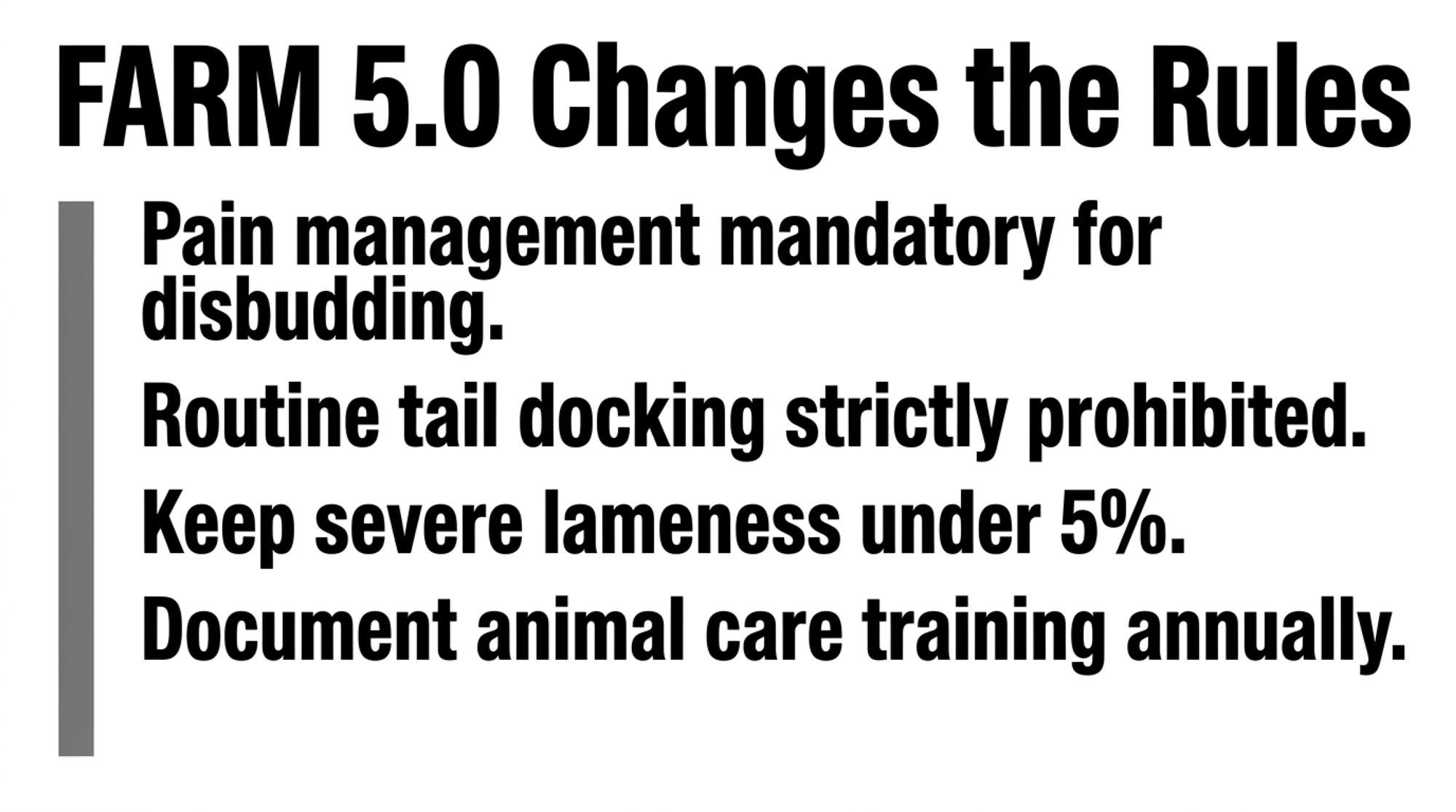
Launched in 2024 and running through June 2027, FARM Animal Care Version 5.0 sets several hard lines:
- Disbudding: Pain management is mandatory for all disbudding procedures. Farms must use approved methods (cautery or caustic paste) and provide analgesia such as lidocaine and/or NSAIDs.
- Tail docking: Routine tail docking is strictly prohibited. Violations trigger an Immediate Action Plan (IAP) and can jeopardise certification.
- Locomotion: Benchmarks are ≤15% moderately lame and ≤5% severely lame in the lactating herd.
- Training: All employees and family members who handle cattle must document job‑specific animal care training annually.
If you’re shipping to major processors, these aren’t “nice guidelines”—they’re your social licence.
Global and Canadian welfare standards
EU welfare trends are also tightening: the report notes legislative proposals moving toward banning cages and further restricting transport times, which will influence future trade expectations for imported dairy products.
In Canada, proAction has aligned with the updated Code of Practice, with higher requirements for calf and dry cow housing that must be validated by 2027.
That likely means more scrutiny on bedding, stocking density, and turnout or exercise options for specific classes of cattle.
Longevity, replacement rate, and economics
We already touched on the risk of “saving” money by keeping lower‑producing older cows. The report’s economic example is clear: dropping replacement rate from 38% to 34% by holding inferior cows actually costs about $19 per cow slot annually due to lower production efficiency.
Real longevity isn’t just cows staying in the herd longer. It’s high‑health, high‑production cows staying in the herd for more profitable lactations because welfare, feet, udders, and repro are all managed aggressively.
Frequently Asked Questions
How does Double-Ovsynch improve dairy herd health and reproduction?
Double-Ovsynch runs a full Ovsynch cycle as presynch, then a second Ovsynch for breeding, drastically reducing anovular cows and creating a high-progesterone environment. That cuts early pregnancy losses from about 16% to 4% and pushes conception into the 50–65% range, lowering cost per pregnancy.
When is selective dry cow therapy safe for my dairy herd?
SDCT is recommended only when bulk tank SCC is consistently below 250,000 cells/mL and you have excellent udder-health protocols. Cows must meet strict SCC and mastitis-history criteria, and every quarter of every cow still receives an internal teat sealant at dry-off under veterinary oversight.
What are realistic 2026 benchmarks for subclinical ketosis?
The report sets an achievable subclinical ketosis rate below 15% of fresh cows, with an alarm threshold above 25%. SCK, defined as BHB >1.2 mmol/L, is linked to a 3–8x higher risk of displaced abomasum and a threefold increase in metritis risk, so monitoring is non‑negotiable.
How often should I run a footbath for digital dermatitis control?
In 2026, the recommendation is a 10–12 foot-long bath used at least four times per week in herds battling digital dermatitis. Copper sulphate at 2–10% or formaldehyde at 4–6% are most effective, and proper bath length ensures each foot is immersed two to three times per pass.
What Brix score should I target for colostrum quality?
You should target a Brix score above 22% for high-quality colostrum and treat anything below 18% as poor quality needing supplementation. Combined with feeding 10% of birth weight within six hours, this supports serum IgG above 10 mg/mL and lowers disease and mortality risk.
What is the ideal age at first calving for heifers in 2026?
The industry goal is 22–24 months, with heifers at 82–85% of mature body weight at calving. Calving too small forces animals to partition nutrients toward growth instead of milk, while calving after 25 months drives up rearing costs and replacement numbers.
How strict is FARM 5.0 on pain relief for disbudding and tail docking?
FARM 5.0 makes pain management for all disbudding mandatory and bans routine tail docking entirely. Farms must use approved methods plus analgesia and anaesthetic, document training, and correct any non‑compliance immediately or risk certification and milk-market access.
What locomotion scores does FARM 5.0 expect herds to maintain?
FARM 5.0 sets locomotion benchmarks of ≤15% moderately lame and ≤5% severely lame in the lactating herd. Hitting those numbers requires comfortable stalls, adequate rest time, proactive trimming twice per lactation, and frequent scoring aligned with lameness-prevention plans.
How expensive is a single case of milk fever or displaced abomasum?
The report pegs a single clinical milk fever case at about $334 in direct and indirect losses, and a displaced abomasum at over $500. Those figures don’t include the long-term “marginal milk” lost across the lactation due to poorer performance and higher culling risk.
Why does keeping more older cows sometimes reduce profitability?
Herds that lower replacement rate from 38% to 34% by retaining lower-producing older cows lose roughly per cow slot per year. That’s because those cows are less efficient, so the apparent savings in replacement cost are more than erased by lost milk revenue.
 The Sunday Read Dairy Professionals Don’t Skip.
 The Sunday Read Dairy Professionals Don’t Skip.
Every week, thousands of producers, breeders, and industry insiders open Bullvine Weekly for genetics insights, market shifts, and profit strategies they won’t find anywhere else. One email. Five minutes. Smarter decisions all week.




