FDA cleared Dectomax-CA1 for the milking string on May 19. At 175 miles from the line, three “2” wounds and a $42,000 load say targeted beats reflex. Here’s the math.
Executive Summary: FDA’s May 19, 2026 EUA on Dectomax-CA1 (doramectin) is the first systemic screwworm tool corridor operators can legally run through the milking string — but the closest active Mexican case still sits roughly 175 miles south of the Texas line, and that geography hasn’t moved. On a 600-cow Panhandle herd at 45% beef-on-dairy, three “2”-scored wounds in a $42,000 loadout pen cost about a dollar a head in drug and roughly $1,500 in buyer “biosecurity discount” if the contract language isn’t pre-negotiated. The protocol that works isn’t reflex treatment — it’s a written 0/1/2 wound score, two-layer spotter-decider review, and 12-hour treatment on confirmed “2” wounds only. Two clocks now run on the same needle: a pre-slaughter withdrawal on beef-cross calves, and an EUA-defined milk discard window on lactating cows, and the treatment record has to log which clock started on which animal. The three-year math matters too: 19 targeted doses a year preserves doramectin for the screwworm fight ahead, while 80+ reflex doses accelerates the macrocyclic-lactone resistance load already documented in cattle ticks and GI worms. Adjacent-zone operators (100–300 miles) should sit down with their vet this month, write the wound-scoring card in the language the crew speaks, and read the next loadout contract for a treatment-disclosure clause before three wounds force the conversation under deadline. Treatment access without surveillance discipline is a worse position than no treatment access at all.
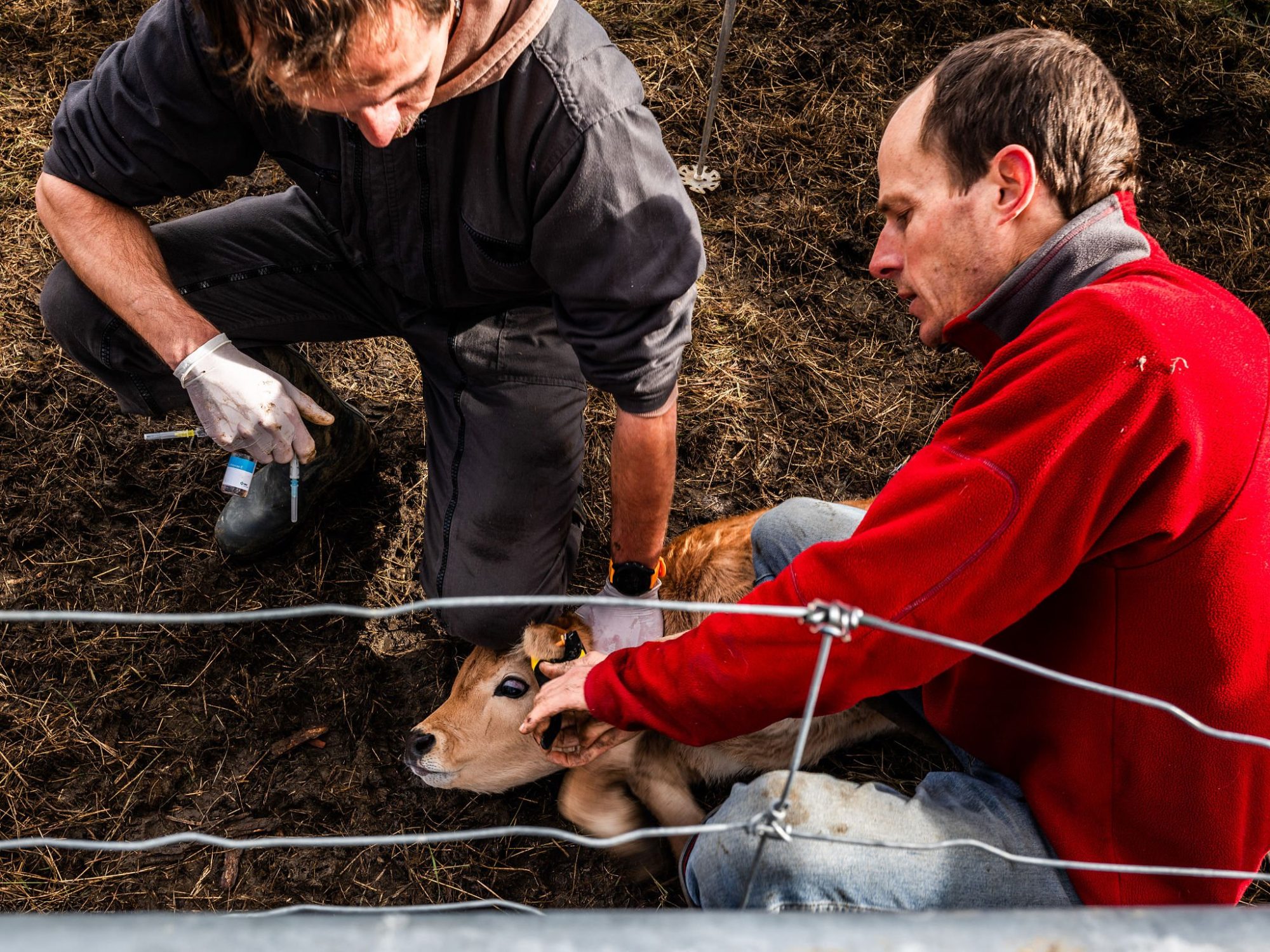
Editor’s Note: The 600-cow Texas Panhandle operation in this piece is a composite scenario modeled from publicly available regional production data and current beef-on-dairy contracting patterns, following the precedent set by The Bullvine’s ,000 Breeding Meeting feature. Sensory and pen-floor framing is anchored to that disclosed composite, not to any named real individual or farm. All regulatory, surveillance, and resistance citations are sourced as named.
It’s a Tuesday afternoon in a Panhandle calf barn, and the herd manager is looking at a dehorning wound that doesn’t look right. The smell is wrong. Not the usual stale iodine, day-three infection smell. Sweeter than that. Closer to rotting meat. The stump is bigger than it was yesterday, instead of smaller, and the calf won’t stop shaking its head against the panel. The crew is standing back, waiting for the call.
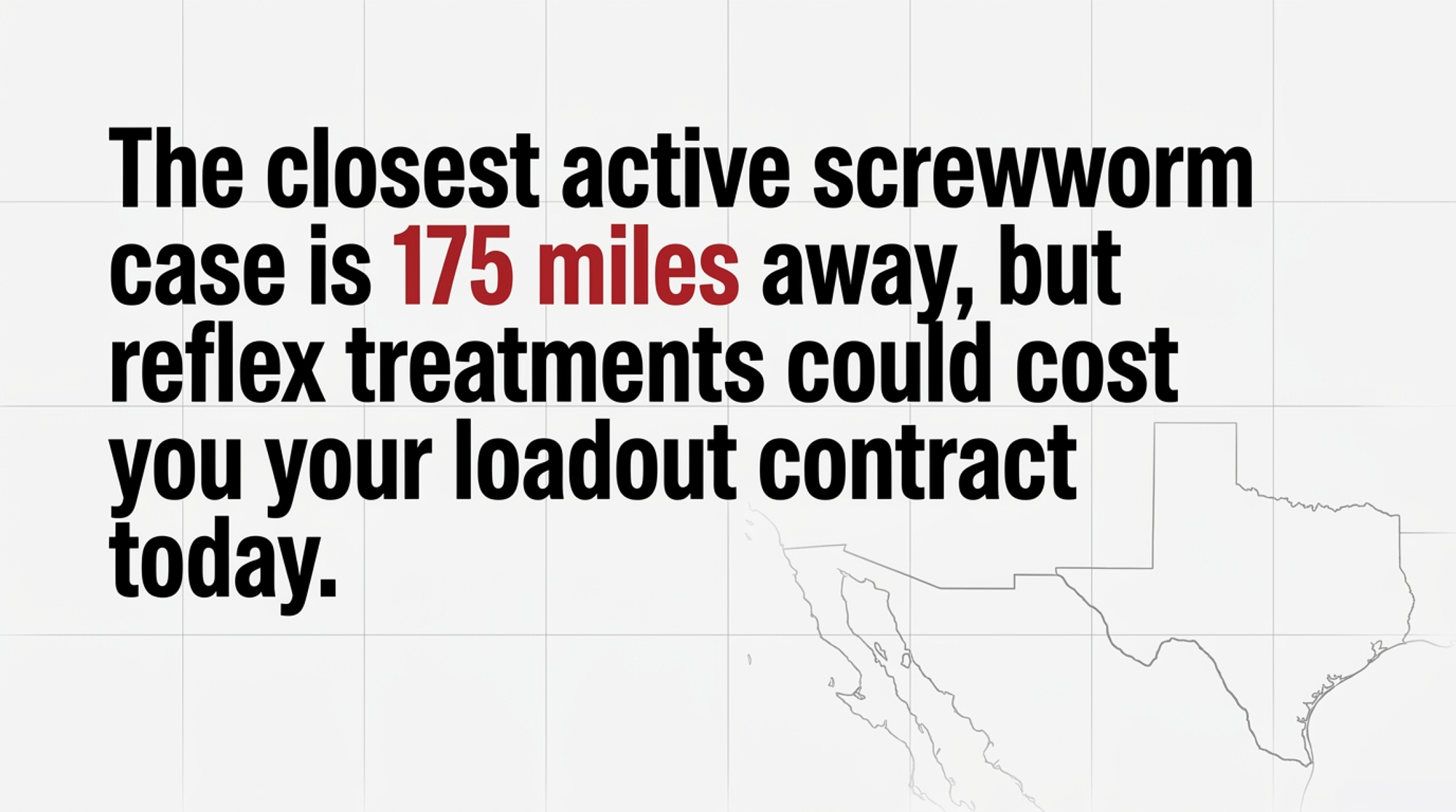
Roughly 175 miles south, the closest confirmed New World screwworm case in Mexico is still creeping north. Sterile flies are dropping along the border. A buyer contract on the next pen of beef-cross calves specifies loadout in 14 days with no force majeure clause for parasites. Six months ago, this herd manager wouldn’t have had a broadly available systemic tool to use on this calf if it really were screwworm. As of May 19, 2026, that changed.
This is the 12-hour decision.
May 18 vs. May 19: What the EUA Actually Changed
On May 18, a Texas Panhandle dairy with a fresh dehorning gone bad on a mature cow had no broadly available systemic NWS tool inside the milking string. Topicals, wound hygiene, and a phone call to a state vet were the practical toolkit.
The next morning, the FDA issued an emergency use authorization expanding access to Dectomax/Dectomax-CA1 (doramectin injection) for use in dairy cattle. Under the conditional approval alone, corridor operators had been working with a label limited to beef cattle and young dairy heifers. The EUA brought a systemic doramectin product into the dairy-cattle authorization space under emergency authority — a meaningful expansion of access for a milking-string animal with a wound nobody wants to misread.
That regulatory shift is what kept many southern-corridor dairy vets from designing whole-herd wound protocols around a systemic tool until last week. With the EUA in hand, those same vets are quietly redesigning what happens in the first 12 hours after a dehorning, castration, or fresh navel — and asking herd managers harder questions about surveillance distance, withdrawal timing, and contract language than they were asking last fall.
The operator who recognizes themselves in this story runs 400 to 600 cows in Texas, New Mexico, southern Arizona, or Florida, breeds 40 to 45% beef-on-dairy, and ships short-weaned calves under contract to backgrounders. The screwworm threat isn’t theoretical. Neither is the buyer paperwork.
The Two Clocks That Define the Tool
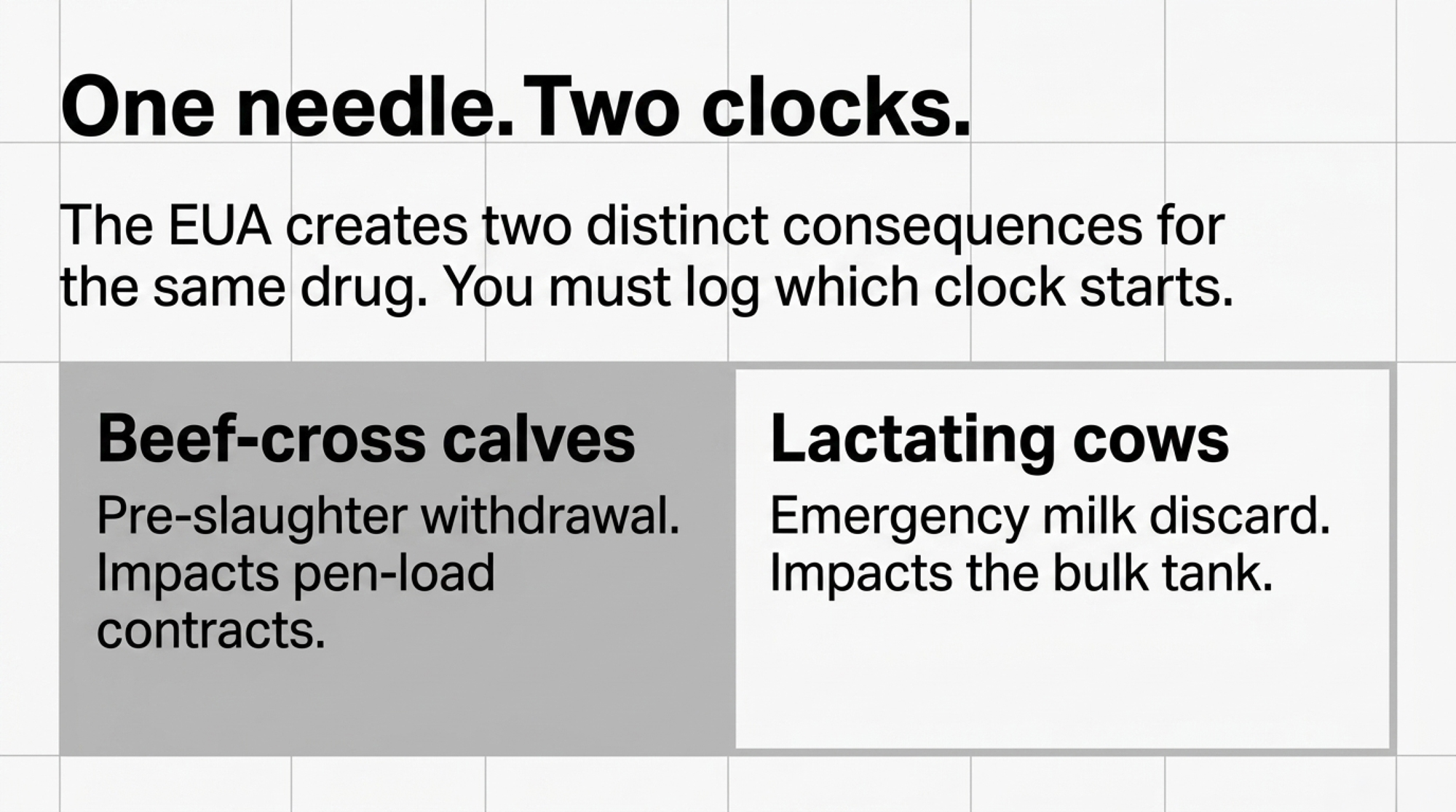
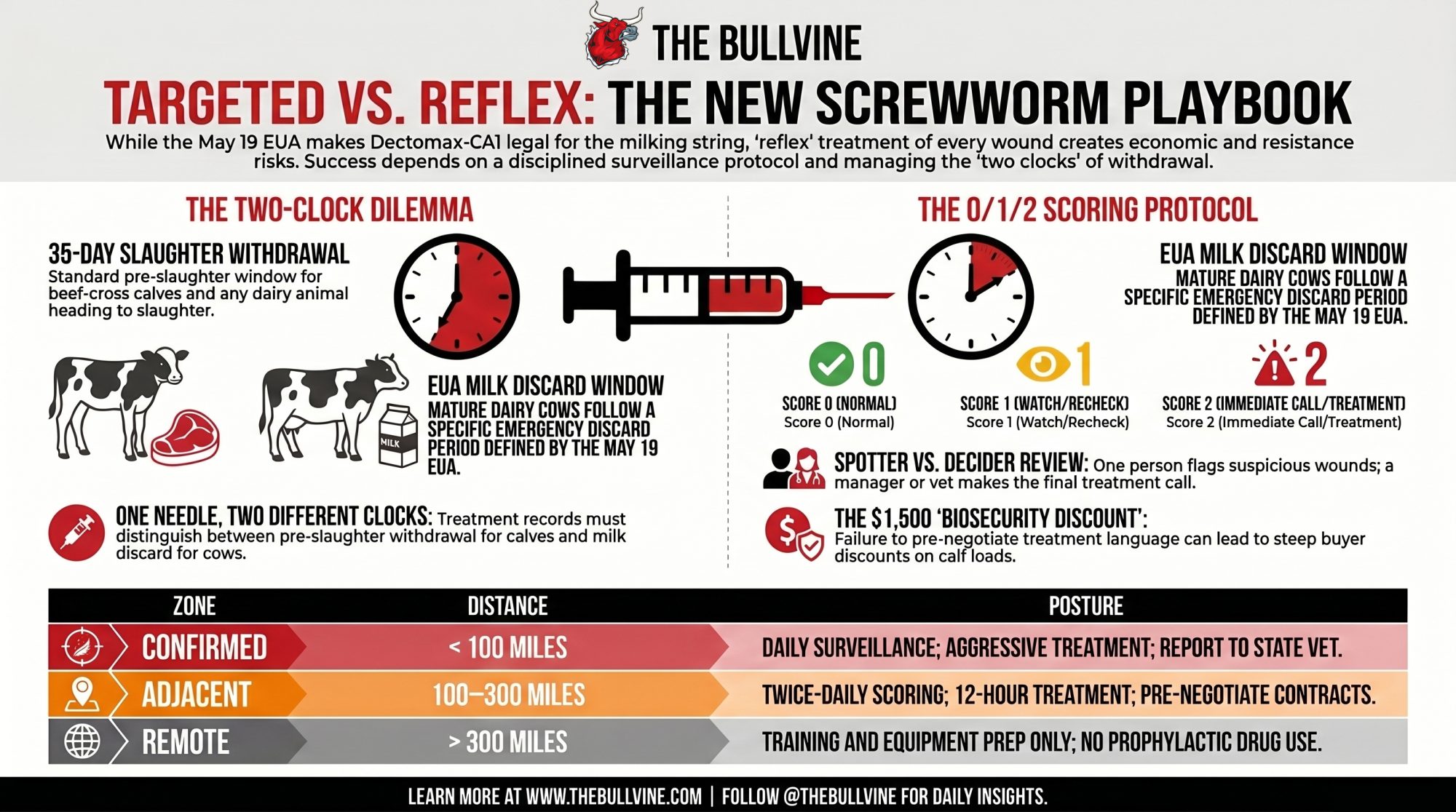
Two clocks start the moment a doramectin needle goes into the neck. They don’t run in the same direction, and they don’t apply to the same animals. Reading the EUA letter against the full Dectomax label is what tells you which clock starts on which animal.
For beef-cross calves and any animal heading to slaughter, doramectin’s full FDA-approved label has historically carried a 35-day pre-slaughter withdrawal. Most corridor vets and Panhandle backgrounders already know that number off the top of their heads. The EUA letter is the document that confirms whether the same window applies under emergency authorization for dairy cattle use, and the herd’s vet should read it line by line before the first dose goes in.
For lactating dairy cows, the picture is sharper and stricter. Doramectin’s full FDA-approved label historically did not include use in female dairy cattle of breeding age due to unresolved milk-residue concerns. That gap is exactly what the May 19 EUA was written to address. The EUA specifies the emergency milk discard period operators must observe when treating mature dairy cows under this authorization — a defined window during which milk from treated cows is held out of the bulk tank.
The point isn’t the exact number of hours. The point is that two different clocks now apply to the same drug — one for the calf headed to a backgrounder, one for the cow headed to the parlor — and the protocol you build has to log which clock started on which animal, every time. Same drug, two completely different downstream consequences. The dump tank, the bulk-load schedule, the milk cheque, and the pen-load contract all live on different sides of that line.
| Factor | Beef-Cross Calf (heading to backgrounder) | Lactating Dairy Cow (milking string) |
|---|---|---|
| EUA Applicability | Pre-existing label + EUA confirmation | New access via May 19 EUA only |
| Withdrawal Type | Pre-slaughter (days) | Milk discard window (hours) |
| Primary Risk if Ignored | Violates packer/backgrounder SLA | Milk residue in bulk tank |
| Clock Start Event | Date of injection | Date of injection |
| Record Column Required | Animal ID + treatment date + slaughter date | Animal ID + treatment date + milk-hold end date |
| Marketing Impact | Delayed if sold within withdrawal window | Milk check loss for discard period |
| Protocol Priority | Confirm slaughter date > 35 days out | Confirm bulk tank segregation before treatment |
What Does a 12-Hour Wound Actually Look Like?
The protocol isn’t “treat everything.” It’s a wound-severity score the crew runs consistently, twice a day, in pens nobody else is watching that closely.
USDA APHIS, Texas A&M AgriLife, and CDC all describe the same red-flag wound: a sweet, rotting odor distinct from normal infection; a wound enlarging or deepening instead of drying; visible larvae or white “grains”; bloody or serous discharge that should have crusted; behavior out of proportion to the wound’s age — head-shaking, kicking, isolation. Eggs hatch in 12 to 24 hours. Untreated newborn calves can die in 7 to 14 days.
What’s different now isn’t the biology. It’s that the crew on a 175-mile-from-the-line operation has a written 0/1/2 scoring card and a vet-backed rule.
- 0 = Normal. Clean, dry, no smell, calf indifferent. Log it and keep walking.
- 1 = Watch. Some swelling or thin discharge, no odor, calf mostly normal. Recheck the same day.
- 2 = Call. Any odor, visible larvae, blood-tinged fluid, a wound bigger or deeper than yesterday, or a calf obsessing over it. Tag the calf, time-stamp it, call the herd manager.
| Score | Visual Signs | Smell | Animal Behavior | Wound Trend | Protocol Action | Timeframe |
|---|---|---|---|---|---|---|
| 0 — Normal | Clean, dry, no discharge, edges approximated | None / faint iodine | Indifferent, eating normally | Drying/shrinking as expected | Log and keep walking | N/A |
| 1 — Watch | Mild swelling, thin clear/serous discharge | None or faint | Mostly normal, occasional head-shake | Stable | Recheck same shift; note in log | Same day |
| 2 — Call | Visible larvae or white granules; bloody or wet discharge; edges enlarging | Sweet, rotting meat odor | Head-shaking, kicking, isolation, won’t eat | Bigger or deeper than yesterday | Tag animal, time-stamp, call herd manager immediately | Treat within 12 hours |
The two-layer review is the part most operations skip. One spotter — calf tech, pen rider, whoever’s eyes are on those calves first — flags. One decider — herd manager or designated vet tech — calls the shot. The spotter’s job is to surface anything wrong without fear of over-calling. The decider’s job is to sort the genuinely suspicious wounds from the ugly-but-normal ones, because every unnecessary dose chips away at something the FDA flagged in its EUA guidance: long-term resistance.
The Math on Three Calves
Picture the pen the way the herd manager sees it. Sixty beef-cross calves, averaging 250 to 300 pounds, contracted at roughly $700 a head — a price point consistent with the current Panhandle short-weaned beef-cross trade. That’s $42,000 in inventory tied to a load scheduled to leave in 14 days. The buyer plans to background them another 90 to 120 days before they hit a finishing program. Slaughter is 140 to 180 days out.
Three of those calves caught a “2” on the wound score today. The protocol says to treat within 12 hours.
The drug math is small. Label dose is 1 mL per 110 pounds, subcutaneous in the neck. A 250-pound calf takes roughly 2.3 mL. At publicly available retail pricing in the range of $0.30 to $0.45 per mL on a 500 mL bottle, that’s roughly a dollar per head in drug at retail. Three calves: a few dollars total.
The pre-slaughter withdrawal clock starts today. With the buyer’s slaughter window more than 100 days out, the withdrawal doesn’t disrupt the marketing plan — provided nobody panics and sells. The risk isn’t the packer timetable. It’s the buyer’s contract language and the buyer’s perception.
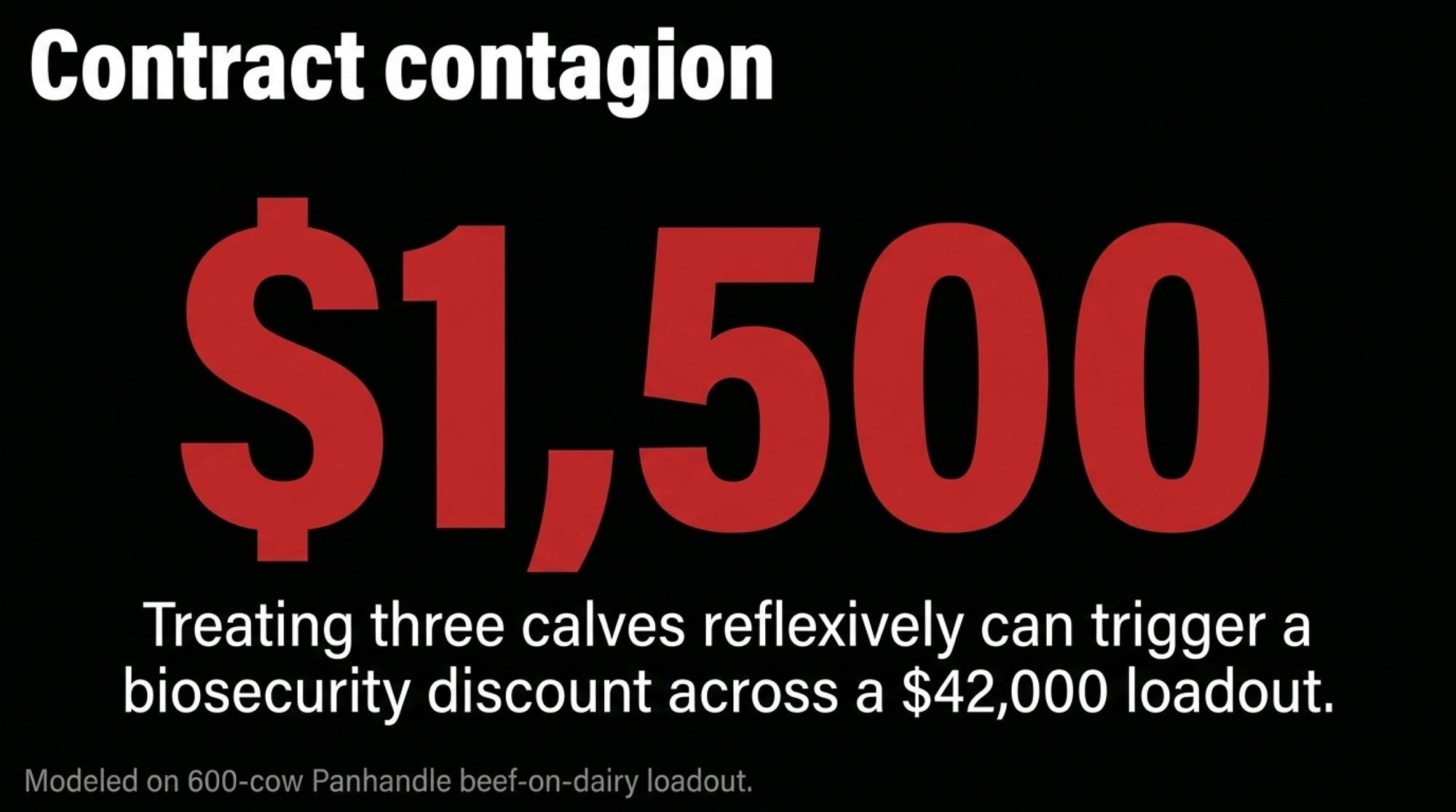
If the contract has a “no systemic antiparasitic within 14 days of delivery” clause and treatment hasn’t been pre-cleared, three treated calves can become a contract problem stretching across all 60. A 30-day delay on the load is a $42,000 cash-flow gap on a credit line that wasn’t built to absorb it. A flat $25-per-head “biosecurity discount” applied to the whole pen is $1,500 off the check.
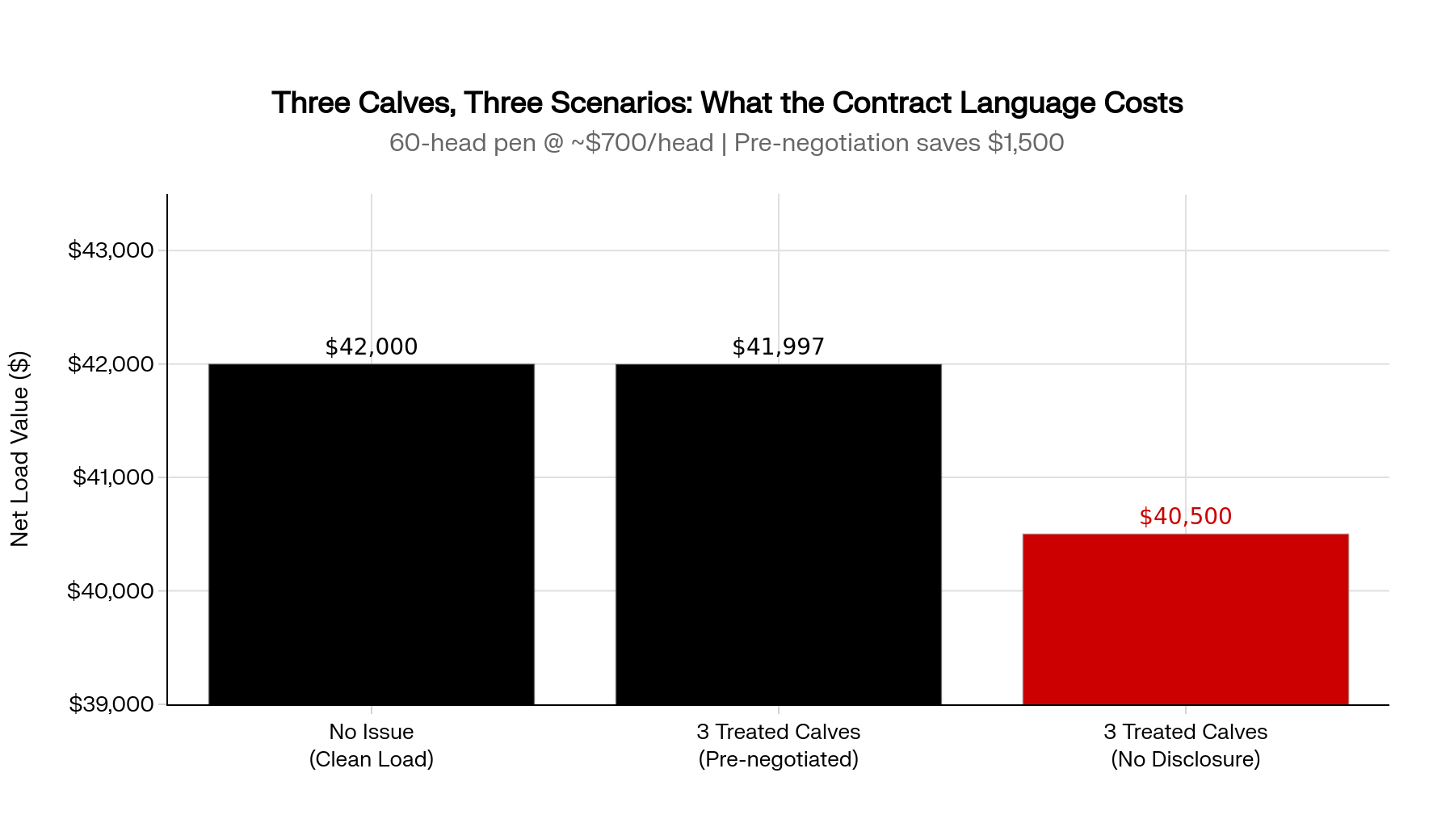
Treatment-disclosure clauses and rights to discount or reject are the kind of language corridor vets and herd managers report seeing in purchase-agreement drafts this spring, even where screwworm isn’t named explicitly. The Bullvine is reporting that pattern with named buyers in a forthcoming piece; until then, treat the contract risk as anecdotal but live. For background on how loadout discipline shaped a real beef-on-dairy closeout check, see The Bullvine’s 168 Steers, One Closeout, $33,000 Riding on the Sire Sheet You Ordered Last Fall.
What Does Treating This Calf Cost the Tool Three Years From Now?
FDA’s EUA guidance carries a warning that’s easy to skim past. The agency directs producers — in language paraphrased here from FDA’s NWS Animal Drugs guidance — to use these drugs only when medically necessary and as part of a comprehensive parasite management strategy, to preserve effectiveness and reduce the risk of resistance.
Recent peer-reviewed work on macrocyclic lactone resistance in livestock — including reviews published in Veterinary Parasitology and reports presented at the American Association of Veterinary Parasitologists proceedings — documents the development of resistance in cattle ticks and gastrointestinal worms, with cross-resistance among molecules in the same class. Heavy, repeated use selects for parasites that survive. None of that is news to a working corridor vet. It’s the part that gets quietly ignored when a screwworm scare lands on top of an already-heavy parasite program.
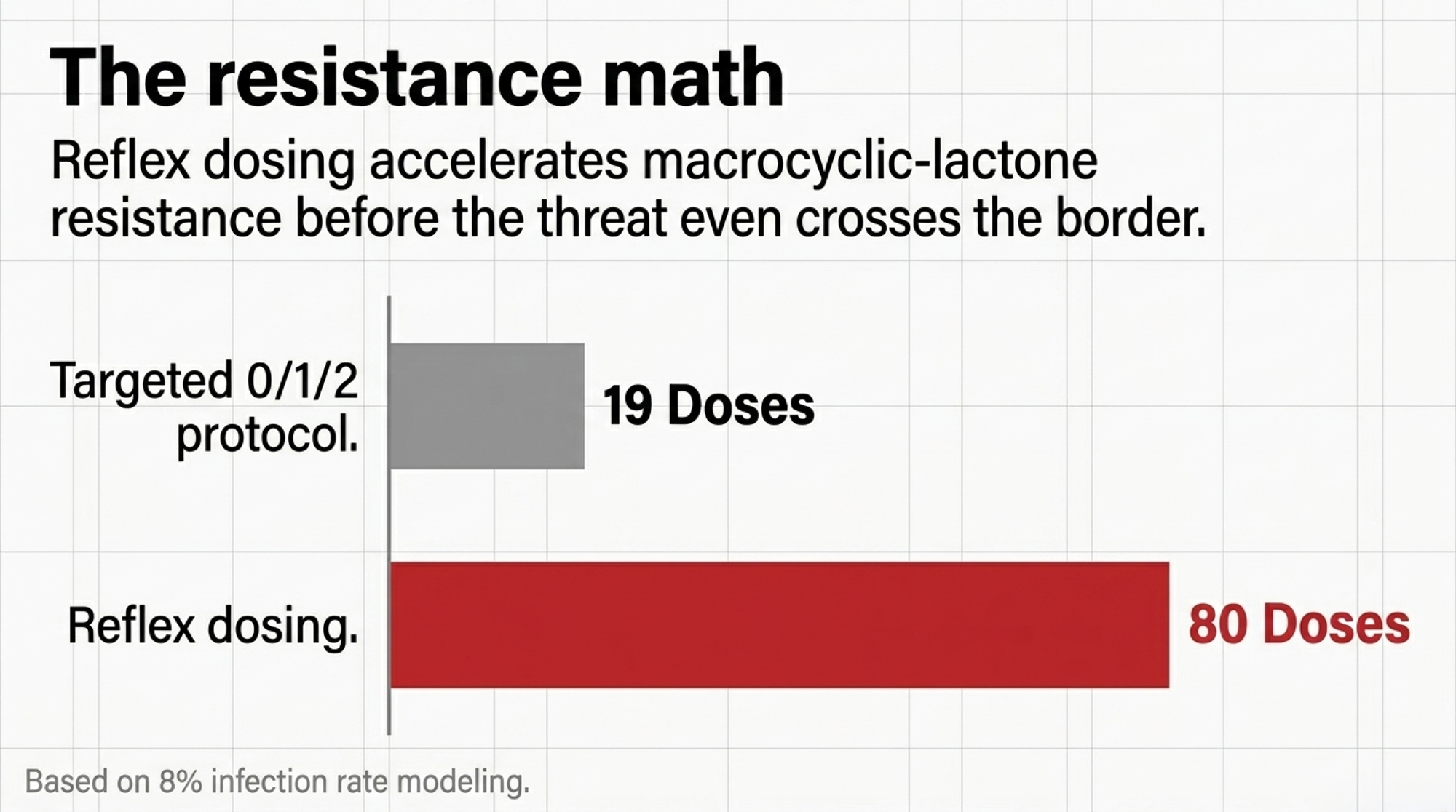
Run a quick three-year load math on the same 600-cow operation. Those 270 beef matings a year produce roughly 238 weaned beef-cross calves after losses. If 8% of those calves catch a true “2” wound in a given year — call it a working scenario rate, not a sourced one — that’s about 19 doramectin doses on the calf side annually. Low-frequency, targeted use. Stretch that to a “Dectomax Wednesday” reflex, hitting one in three calves just in case, and the same operation is suddenly running 80-plus extra doses through the calf pens every year, on top of whatever the cow side and the deworming program already use.
Used sparingly on truly high-risk wounds in a high-risk zone, Dectomax-CA1 stays sharp for the screwworm fight ahead. Used as a reflex, it accelerates the day doramectin doesn’t clean up a tick load the way it used to — and the day a screwworm population that finally crosses the line shrugs it off. That’s the long-term tool-preservation argument. It runs straight into the short-term reality that one missed screwworm case can detonate movement, contracts, and confidence on a single farm. The honest answer at 175 miles in an active threat band: spend the tool, but spend it carefully. The discipline lives in the protocol that decides when.
Tracking the Line Without Going Crazy
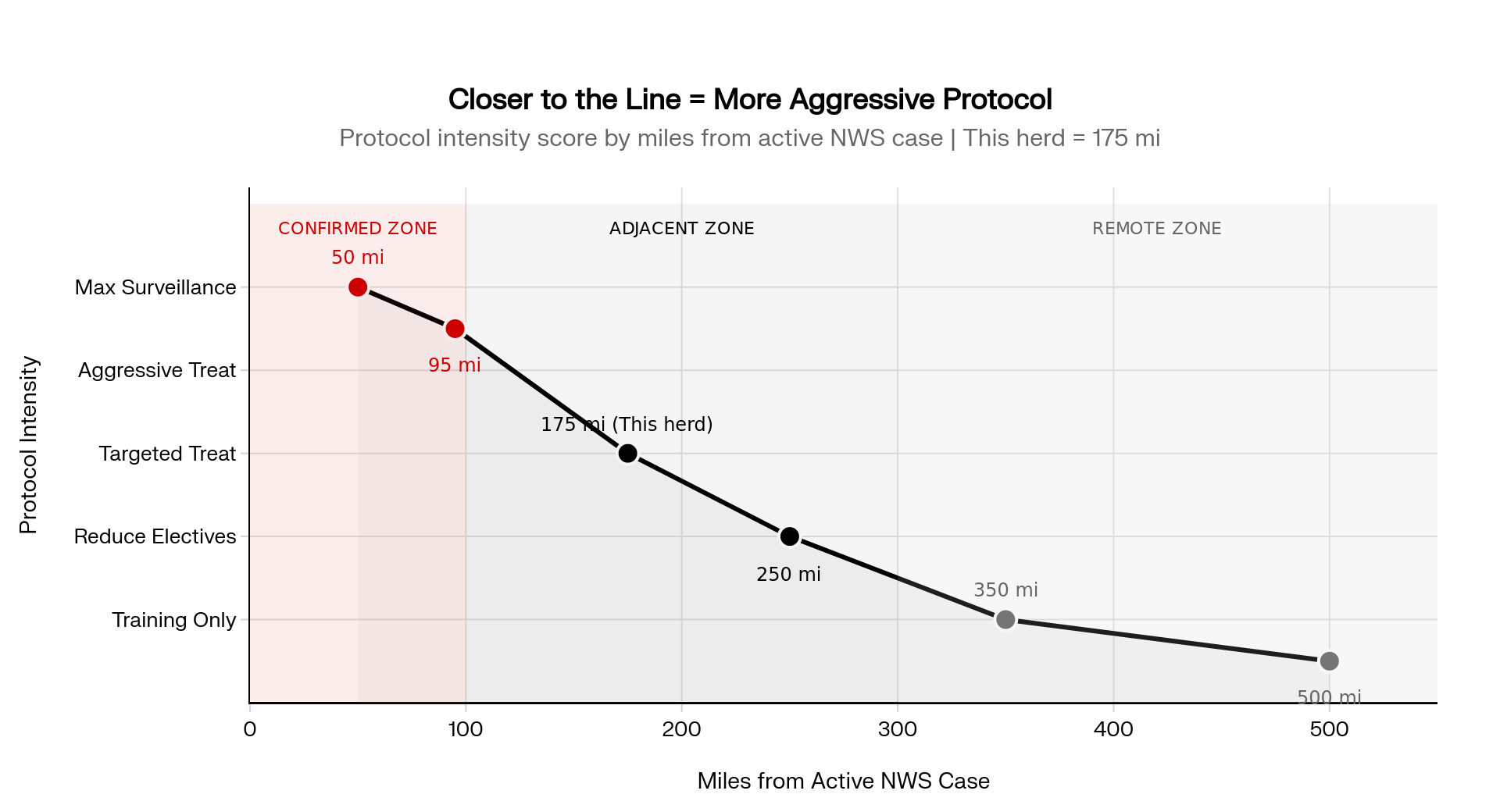
Risk band changes everything. USDA APHIS guidance and corridor-state extension materials roughly split into three working zones:
| Zone | Distance from active case | Default protocol posture |
| Confirmed | Within 100 miles | Postpone elective wounds; treat suspect wounds aggressively; daily surveillance on every pen; report any “2” to the state vet same day. |
| Adjacent | 100–300 miles | Twice-daily wound surveillance; 0/1/2 scoring active; treat “2” wounds inside 12 hours; pre-negotiate contract language with buyers; weekly APHIS check. |
| Remote | >300 miles, stable | Training and equipment only; no prophylactic Dectomax-CA1; ensure vet can ID a “2” wound on a 30-minute drive-out. |
The 600-cow operation in this piece is 175 miles away. That’s squarely in the adjacent band — exactly where targeted treatment of high-risk wounds pencils out, and blanket prophylaxis still doesn’t. Move that pin to 95 miles next month if Mexican cases keep moving north, and the posture shifts to confirmed. Move it to 350 miles by next fall if the sterile-fly program holds and pushes the active line south, and the same operation throttles back to training and equipment.
The protocol isn’t static. The line moves. APHIS updates its current-status page on a regular cadence; corridor operations check it the same way they check the milk-price board. For working surveillance distance and the active case map, check the USDA APHIS New World Screwworm response page directly.
Four Options, Honestly
There are four real plays a corridor operator can run on this set of facts. Each has a cost, a backfire mode, and a herd type it fits.
| Option | Protocol | Annual Drug Cost | Primary Risk | Backfire Mode | Best Fit Herd |
|---|---|---|---|---|---|
| 1 — Targeted + Written Protocol | 0/1/2 wound score, treat “2” only, pre-negotiate contract | Low (~$20–$30/yr on 19 doses) | Card lives in a binder nobody opens | Discipline failure mid-season | 100–300 mi corridor, stable buyer relationship |
| 2 — Prophylactic on Every Elective Day | Treat all elective-wound animals regardless of score | High (80+ doses, withdrawal mgmt on dozens) | Biosecurity discount applied to whole load | Accelerated ML resistance; buyer rejects pen | <100 mi confirmed zone, threat no longer theoretical |
| 3 — Postpone Elective Wounds | Delay dehorning, castration, tagging until line moves | None | Schedule backlog in peak summer pen density | Weaning targets blown, labor crunch | Smaller herds with flexible wound calendar |
| 4 — Exit Beef-on-Dairy Entirely | Rebuild calf revenue program, renegotiate contracts | None (calf revenue lost) | Leaves a tested revenue stream over a manageable threat | Almost irreversible short-term | Almost nobody at 175 mi now; real if U.S. line crossed |
Option 1 — Targeted treatment, written protocol, contract pre-negotiation. Cost: a vet visit and an afternoon writing the 0/1/2 card with the crew, plus modest annual drug spend on a low-double-digit number of doses. Backfire: a card that lives in a binder nobody opens. Fits: corridor operations at 100–300 miles with a stable buyer relationship and a vet who’ll walk pens.
Option 2 — Prophylactic Dectomax-CA1 on every elective-wound day. Cost: high drug spend, withdrawal management on dozens of calves at once, contract risk multiplied across the load. Backfire: accelerated resistance, and a “biosecurity discount” buyers apply to the whole pen instead of three calves. Fits: confirmed-zone operations under 100 miles where the threat is no longer theoretical.
Option 3 — Postpone elective wounds until the line moves. Cost: dehorning, castration, and tagging schedules pushed by weeks, with downstream labor and pen-flow consequences. Backfire: a backlog that hits the worst pen-density week of the summer. Fits: operations that can flex their wound calendar without breaking weaning targets — usually smaller herds or those with redundant labor.
Option 4 — Walk away from beef-on-dairy in the corridor entirely. Cost: rebuilding the calf-revenue program and renegotiating contracts. Backfire: leaving a tested revenue stream over a threat the protocol can manage. Fits: almost nobody at 175 miles right now, but a real conversation if the line crosses into the U.S. and stays.
The 600-cow herd in this scenario is running Option 1 by default and keeping Option 3 on the shelf in case the line moves. That’s the honest call on the trade-off. The wrong call is treating Option 2 as the default because the EUA made it easier.
For corridor operators rebalancing the broader beef-on-dairy share question, see the calf-math piece from last week.
What This Means for Your Operation
- Which clock applies to this animal? Beef-cross headed to a backgrounder runs on the pre-slaughter withdrawal in the EUA. A lactating cow under the EUA runs on the emergency milk discard period. If your treatment record doesn’t capture which clock starts on which animal, build that column into the chart this week.
- Have you read your next loadout contract for a treatment-disclosure clause? If the buyer hasn’t added one yet, ask whether they’re drafting one. If they have, pre-negotiate the “treated with FDA-authorized antiparasitic” line before three “2” wounds force the conversation under a deadline.
- Where is your operation in the risk-zone table — confirmed, adjacent, or remote? Pin the closest active Mexican NWS case to a map this morning and check the distance. Re-check it weekly. The protocol you run is the one your distance number says you should be running, not the one you ran last fall.
- Is your crew running a written 0/1/2 wound score with two-layer review, or are you relying on whoever happens to walk the pen first? Spotter flags, decider calls. If your barn doesn’t have both roles named on the wall, you’re not running this protocol — you’re hoping.
- 30-day action. This month, sit down with your vet and write a 0/1/2 wound-scoring card in the language your crew actually uses — bilingual if your crew is bilingual. Walk pens together once. Establish the two-layer review. Cost: a vet visit and an afternoon. Backfire risk: a card that lives in a binder nobody opens. The card only works if the crew helped write it.
Key Takeaways
- If your operation sits inside 300 miles of an active NWS case, the May 19 EUA changed your toolkit but not your geography. Treatment access without surveillance discipline is a worse position than no treatment access at all.
- If you treat reflexively rather than by wound score, you’re spending the tool faster than the screwworm threat warrants. Targeted use on “2” wounds preserves doramectin for the year a real outbreak crosses the line; reflex use does not.
- If you don’t pre-negotiate treatment language with your buyer, three treated calves can cost you a $1,500 discount on a $42,000 load — or worse. The conversation is cheaper before the wound than after.
- If your crew can’t tell you which clock starts when the needle goes in, the protocol on the wall isn’t the protocol in the barn. Train on the two clocks, log them each time, and audit the record at the end of each month.
Walk that pen with your own eyes tomorrow morning. Could your crew tell you, without flinching, which version of this protocol your operation is actually running?
Run Your Numbers
Farm Benchmark Snap Check — Pressure-test what a 30-day calf-movement disruption, a $1,500 biosecurity discount, or a held loadout actually does to your milk check and your credit line before three “2” wounds force the decision under deadline.
Complete references and supporting documentation are available upon request by contacting the editorial team at editor@thebullvine.com.
Learn More
- Beef-on-Dairy at 45%? A Screwworm 200 Miles South Just Rewrote Your Calf Math — Arms you with a partial-budget stress test modeling how regional movement restrictions and bid discounts on beef-cross calves can strip up to $135,000 from a 1,200-cow herd’s annual margin-over-feed ledger.
- How a 500-Cow Dairy Capped Beef at 35% – The Bullvine — Reveals why maximizing short-term calf revenue with aggressive beef crossbreeding quietly triggers a $97,000 net liability by hollow-out your replacement heifer pipeline and forcing expensive future replacements.
- Why Every Calf Ranch Owner Is Rethinking Biosecurity (And You Should Too) — Delivers an actionable operational blueprint to capture a 420% return on calf health assets using precise zoning and traffic controls to combat multi-drug resistant strains before they hit the pen.
 The Sunday Read Dairy Professionals Don’t Skip.
 The Sunday Read Dairy Professionals Don’t Skip.
Every week, thousands of producers, breeders, and industry insiders open Bullvine Weekly for genetics insights, market shifts, and profit strategies they won’t find anywhere else. One email. Five minutes. Smarter decisions all week.