



The people who worked beside him in the auction box remember the hours he put into every catalog and how freely he passed on what he found.
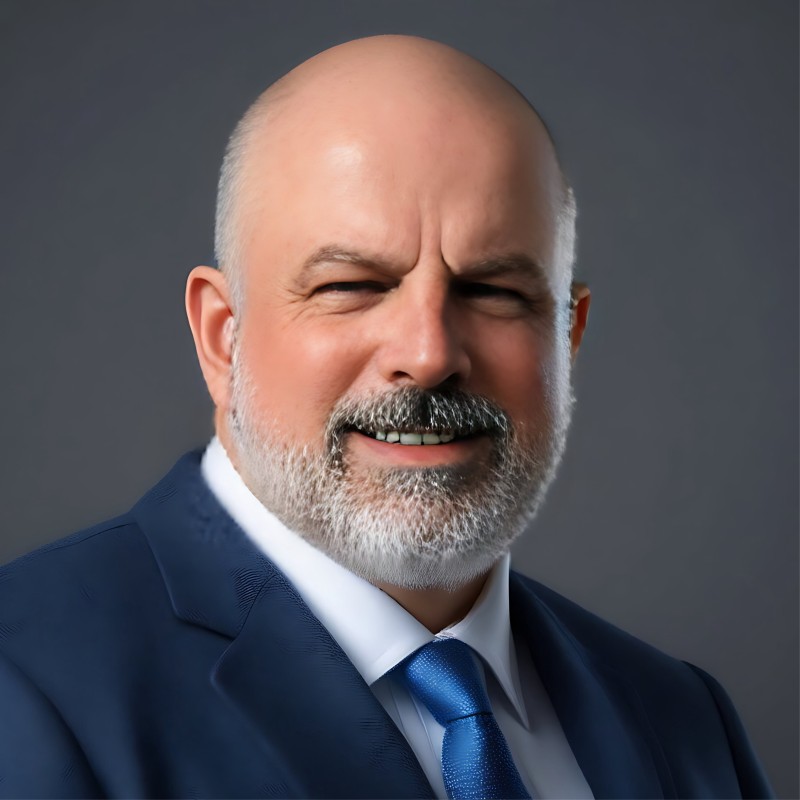
Horace Backus, the Dean of Pedigrees, 1927–2024. He moved into the auction box as a pedigree man in November 1953 and worked his last sale in that role in October 2016.
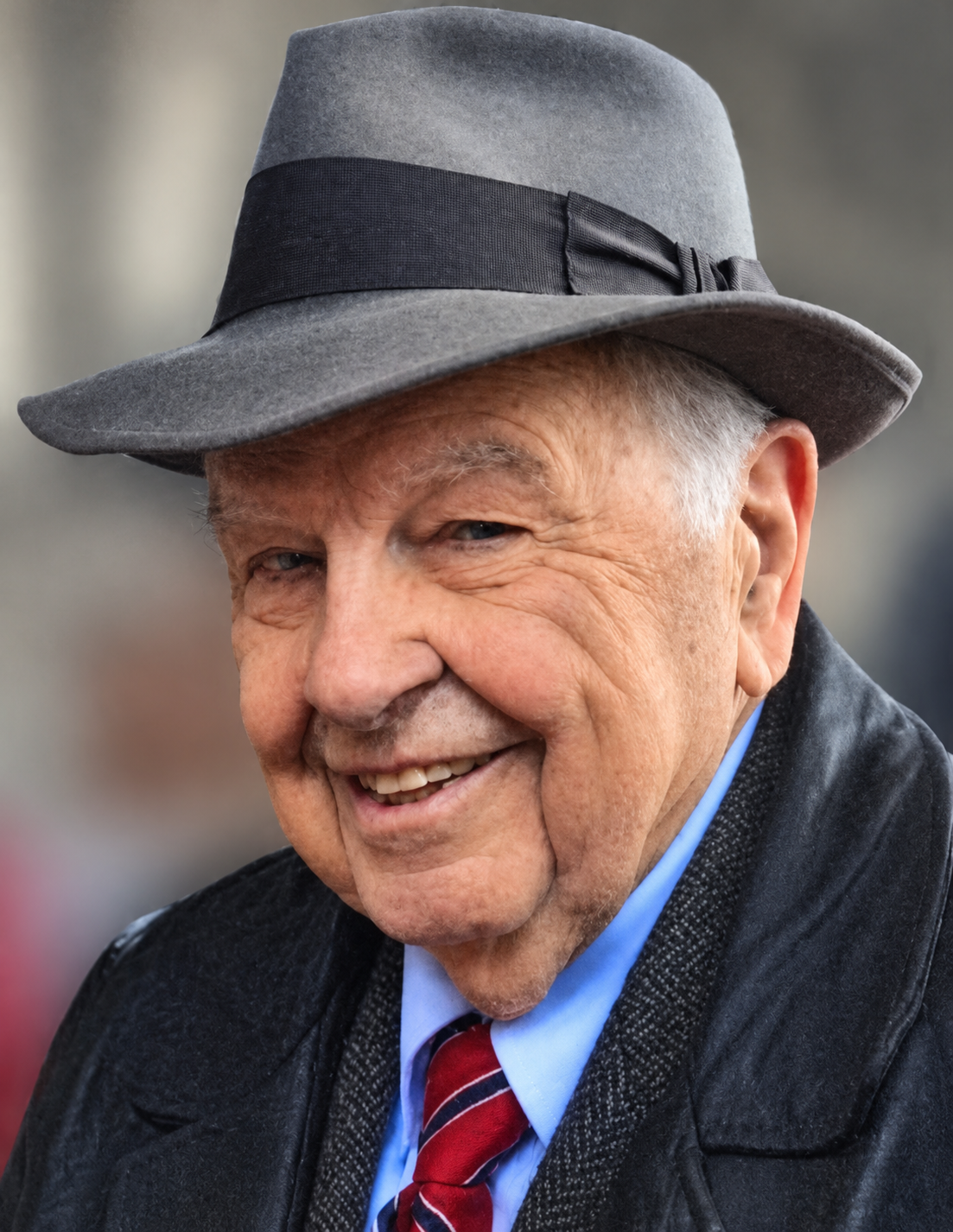
Horace Backus died two years ago this week, on October 22, 2024, in Mexico, New York, at 96.
Breeders called him the Dean of Pedigrees. He started in his father’s pedigree office in 1943, at 15 and still in high school. He moved into the auction box as a pedigree man in November 1953. His last sale in that role was the Cornell University Dairy Club sale in October 2016, two months before he turned 89. People often asked him which sale was his favorite. According to his obituary, he always named the one he was working on, because every owner’s herd or consignment deserved equal attention.
Four Colors of Ink
When Dave Rama mailed Horace a sale catalog, it came back marked in red, blue, green and yellow ink. Rama said in a DairyVoice tribute that Horace had researched the pedigrees further and added sisters the printed pages had left out.
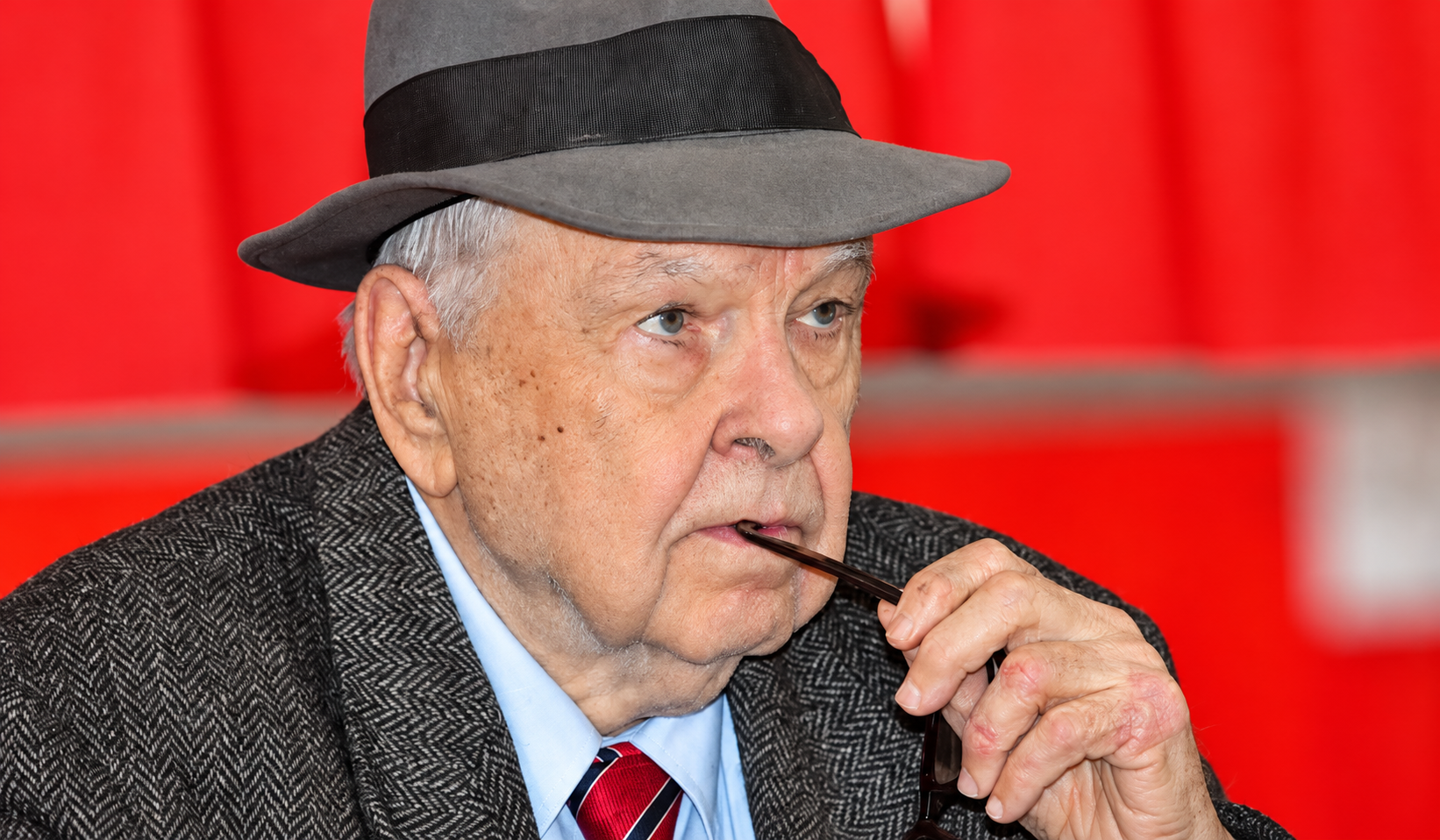
Horace Backus at work. Dave Rama said the catalogs he mailed Horace came back marked in red, blue, green and yellow ink, with sisters added that the printed pages had left out.
Rama worked with Horace for more than 30 years. Early on, he said, they might mark three cows in a sale with more than 1,000 pounds of fat. Years later, whole catalogs ran from 1,000 to 1,500.
Once a Month at Earlville
R. Austin Backus started the Earlville sale series in central New York in 1924, and it ran into the late 1960s, according to Joel Hastings in the tribute. Hastings’s family published the Holstein World. He said a small breeder in upstate New York had little chance of buying a calf at Osborndale. When Osborndale consigned to Earlville, though, every breeder had a chance to participate. Rama added that this was before artificial insemination became widespread.
Rama once saw an old Earlville register listing buyers from Canada and perhaps 20 states. Plenty of cattle there brought $300 or $500 in the late 1930s and 1940s, he said. As a college student reading the Holstein World, he’d count six Backus sales in a month. “You’re like a carnival,” he said, “pitching tents and tearing down.”
The family also ran the Garden Spot sales in Pennsylvania. More than one consignor told Hastings that the Backus December sale made Christmas better at home.
Audrey Posch came to Earlville by way of the New York State Fair, where R. Austin was superintendent. In their February 28, 1996, interview, Horace told Doug Blair that she was tied right across from his father’s office. Every time R. Austin looked up from his desk, he saw her, so he sent Ed Harrison to get her consigned.
Horace believed she sold in the 1942 Earlville sale. She went on to make 1,000 pounds of fat. By his count, she was the 400th cow in the breed to reach that mark, and he thought she was probably among the first 150 to do it on twice-a-day milking. At the time of the interview, he traced 11 generations of Excellent cows at Pinehurst Farms back to her.
The Kid on the Phone
Frances Kellogg of Osborndale ran factories and kept both Holsteins and Jerseys, yet she ordered the pedigrees for her bulls herself. Horace, then the kid in the pedigree office, told Blair he was “almost terrified to talk to her.” She turned out to be very easy to work with. Later, the family owned Montvic Lochinvar in partnership with her.
Kellogg wanted Quality Fobes Abbekerk Gay mated to Osborndale Ty Vic, Horace said. She worried that her manager, Fred Nichols, would use another bull, so she sat on a straw bale and watched the mating herself. Osborndale Ivanhoe came from it.
Paul Misner of Dunloggin wrote advertisements in the Backus office so fast, Horace said, “that it was scary.” Anyone who wanted to watch put other work aside, because Misner would be gone by noon. He made sure Horace and Charles each got turns driving him, which gave each brother time alone with him.
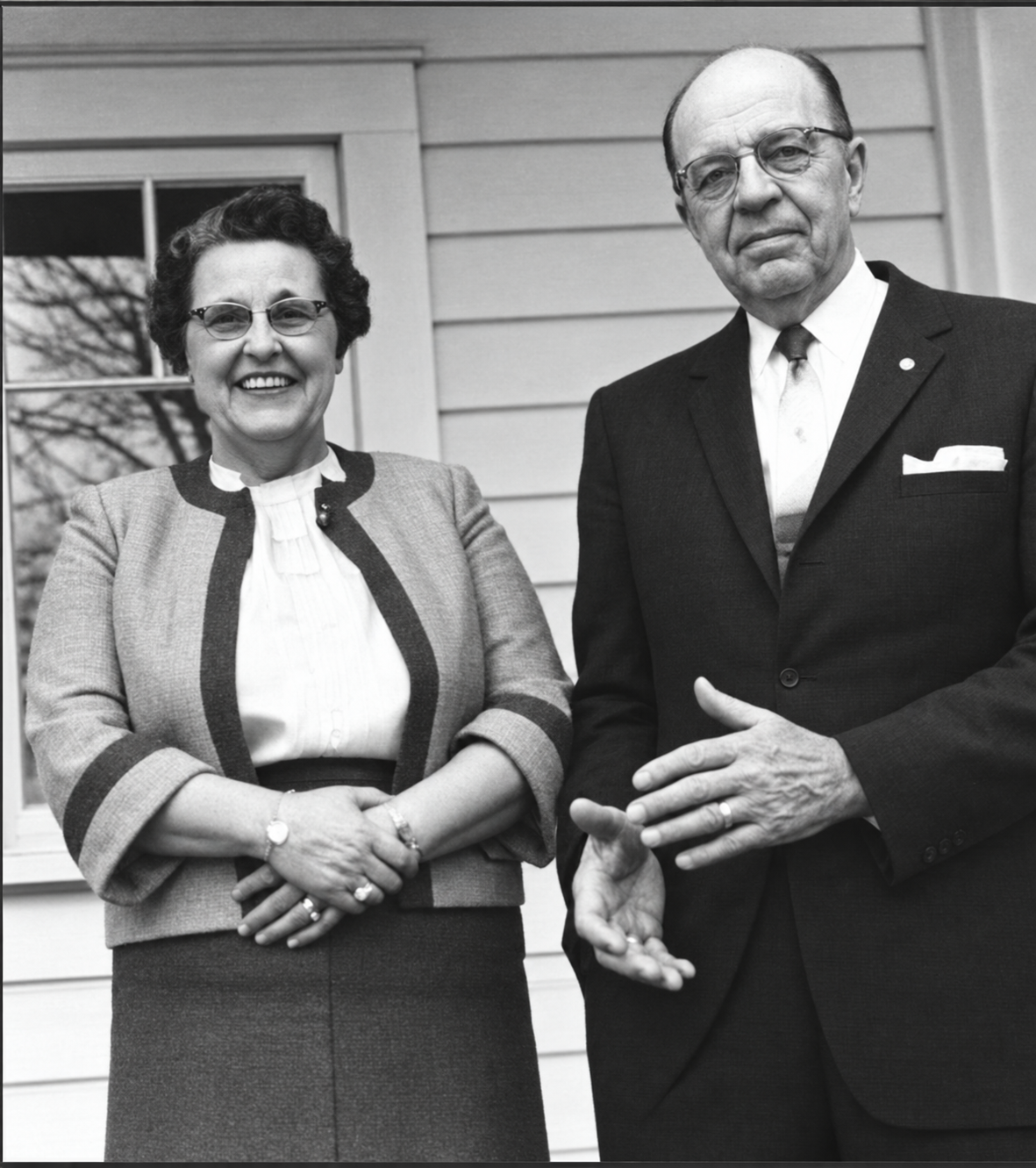
Early in their marriage, when Horace and Doris Anne had hardly any furniture, Misner came for supper and raved over the meal. Doris Anne had a church meeting that evening. Misner helped Horace with the dishes, washing while Horace dried. Horace’s mother, he said, thought Misner was “the most charming man who ever lived.”
A Dairyman at Heart
In 1948, Horace bought a small farm within sight of Butterfly Farms. The two places shared machinery and help. Horace said his own equipment amounted to a little Ferguson tractor, a mower and a manure spreader. He bought proven cows with 500- to 600-pound fat records on twice-a-day milking. Those cows “got old very fast,” he told Blair, and many never left a heifer.
The sale business kept him on the road, some years for 104 or 105 sales, with trips of two or three weeks. One summer morning in the early 1950s, he arrived at five o’clock to meet the tester, Kennedy. Nobody was around, and a meal was still on the table in the house. He told Kennedy to sit down on a bale of hay while he went back to change his clothes. Horace then milked the cows himself for a week until he found a replacement.
The next man, Max, did good work. Even so, Horace felt he had to get bigger or get out. “I wasn’t going to hire another guy,” he said, and in those years “you couldn’t hire anybody. Everybody was fully employed.” That November, he told Max the cattle would sell in December and offered him the farm. “We didn’t get into any arguments about it.”
The bank wouldn’t take on Max’s loan yet, so Horace carried the contract himself until Max’s down payment was big enough for the bank to take over. “We were good friends the rest of our lives,” Horace said. What he regretted was selling the cattle, especially three or four cows he would have loved to keep.
One bull he bred on that farm was Noblebar Loch Dazzler.
Into the Box
Michigan auctioneer C.B. Smith stood with the Backus brothers for their first four or five sales after Horace started in November 1953. People must have wondered, Horace said, “how these kids are going to get this done.” Having Smith there gave them “a great boost in people’s eyes.”
Smith had heavy debts of his own. Horace said he owed R. Austin $30,000. He kept working Earlville sales and told R. Austin not to send his check until the debt was paid.
The Heifers Buyers Doubted
The first big group of Osborndale Ivanhoe daughters the brothers sold went through a sale at Methodist Home. Horace called the heifers “rough and tough.” He and Charles kept telling buyers they’d make great cows if people stayed with them. After the sale, several people asked, “What are you doing trying to push a bull like that?” Horace said a lot of breeders passed on Ivanhoe for a while because of those heifers.
In 1959, Aldo Panciera of Tum-A-Lum Farm in Rhode Island took an Ivanhoe Get of Sire to Syracuse. Horace and Charles had just begun giving the show a Get trophy in memory of their uncle Jay, who had died that year, and the Ivanhoes won it. “There wasn’t a line of cows like those four,” Horace said. The group was nominated All-American Get of Sire that year. In his view, Ivanhoe udders weren’t picture udders, but they were high-quality udders that would last until a cow was 16 or 17.
The Posch-bred cattle of the 1940s, Horace said, “were not the best legged cattle in the world,” and yet they lived into their teens. “So maybe they were good legged.” He saw Old Abbie, Montvic Rag Apple Colantha Abbekerk, in her teens at Mallary Farms. Her udder had broken down, but a milker could still go on it, and “the rest of this cow had held together beautifully.”
The Last Stall on the Right
During the 1996 visit, Blair spotted Roxy among the pictures in Horace’s office and asked whether he’d had much experience with her. Horace said that after a National Convention in Illinois, he and Charles had stopped at Bob Miller’s farm. In the last stall on the right, a box stall, stood a cow with “the longest neck I think I ever saw on a cow.” Both brothers looked at her and saw a 97-point cow.
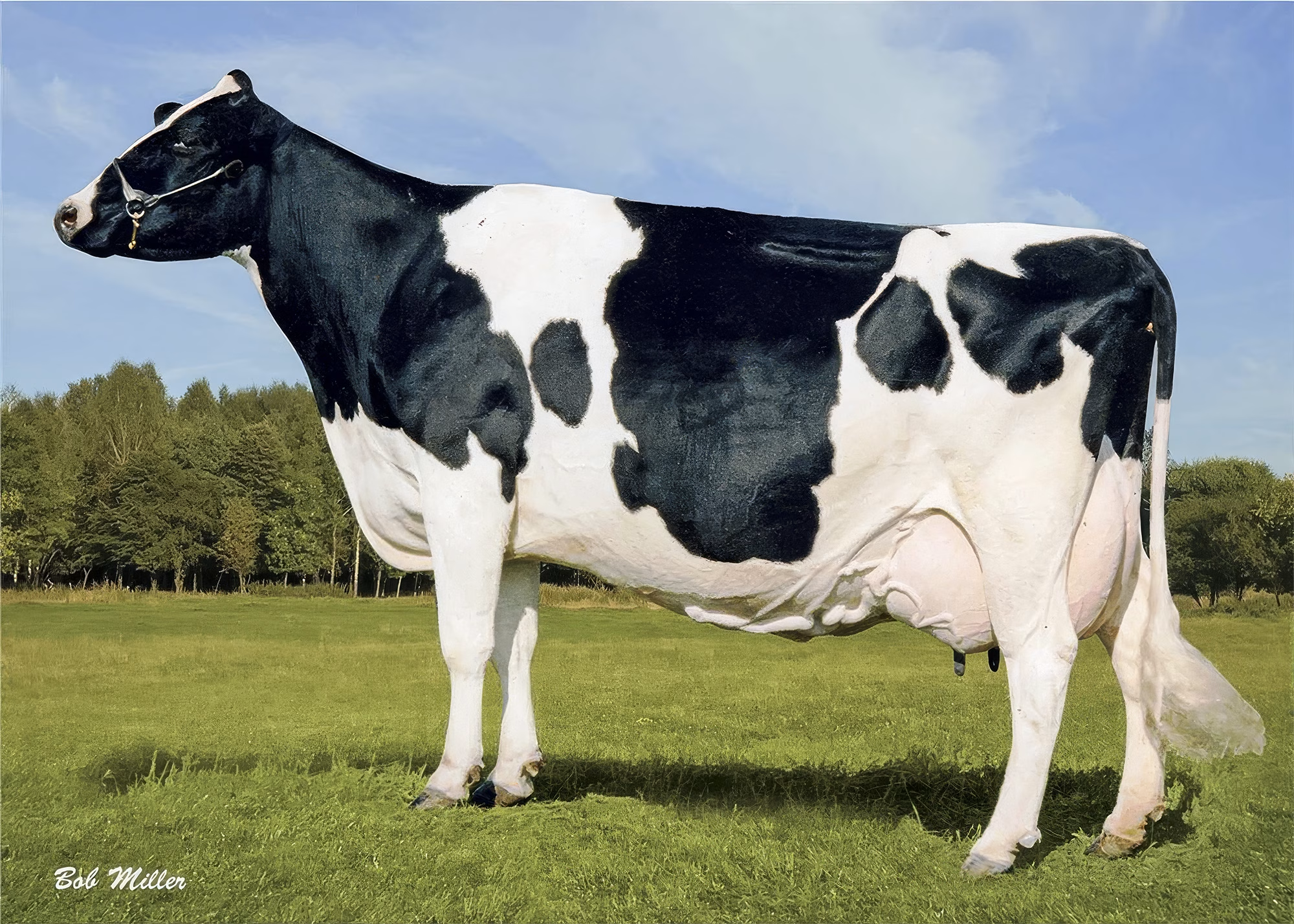
Glenridge Citation Roxy did classify EX-97. Lorne Loveridge bred her at Glenridge. According to The Bullvine’s 2014 Roxy family profile, she “caught the eye of Doug Blair and Lowell Lindsay,” the same Blair who later asked Horace about her. Miller then bought her and developed the family at Mil-R-Mor.
The same profile reports that Miller had never sold a Roxy daughter until 1977. That year, at Horace’s encouragement, he consigned her daughter by Round Oak Rag Apple Elevation to the National Convention sale in Columbus, Ohio. Charles made the selection trip and came back with Mil-R-Mor Roxette.
Twenty-One Days
The brothers managed that sale, with Horace as pedigree man. Before it, Horace told Blair, Pete Heffering said the sale was “timed just right.” Heffering had investors and could buy cattle, “but I have got to have a little time.”
“We have got 21 days before we must pay the consignors,” Horace answered. “Can you get it to us by then?” Heffering said, “Yes, we can.”
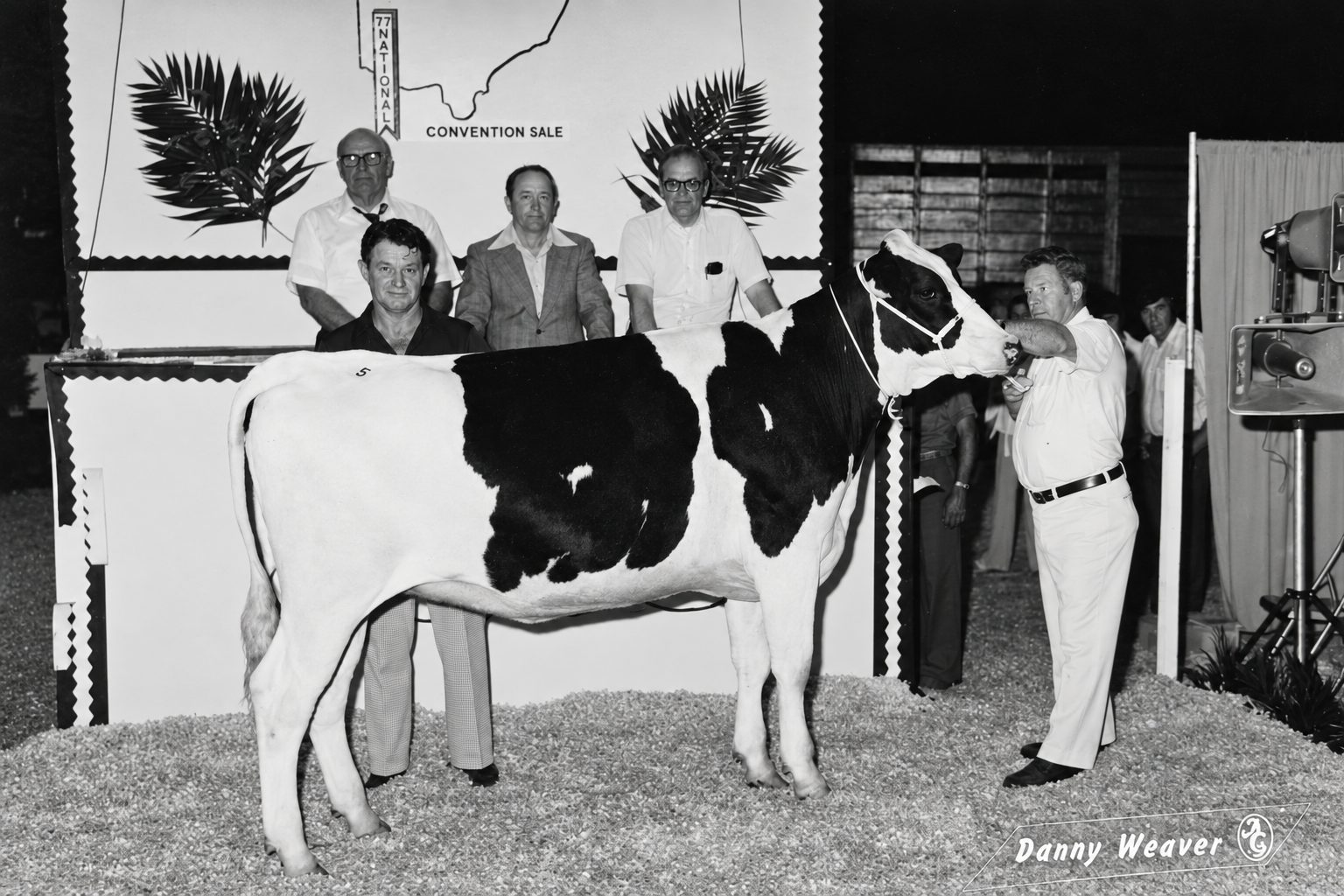
Horace was certain Heffering would buy J-P-G Standout Kandy, and he was thinking maybe $30,000 or $40,000. A WorthPoint listing for a marked copy of the sale catalog dates the sale June 30, 1977. The seller’s description says the copy has top prices marked and that Kandy topped the sale at $41,000, sold to Hanover Hill Holsteins. Kandy, EX-96, went on to win 1977 All-American Aged Cow. The Bullvine’s 2014 Roxy profile lists Roxette at $25,000, the sale’s third-highest price, and puts Heffering’s purchases that day at 19 head for $207,600.
The individual prices came from Blair in the interview, not from Horace. “I had forgotten the amounts,” Horace said. What he remembered was Heffering telling him it was the greatest day he ever had, because he got Roxette.
People around the sale chided the brothers. “Are you going to get paid?”
As the 21st day neared, Horace had business in Connecticut. He reached Heffering in Canada and asked whether he could stop in Millbrook, New York, and pick up the check at Mabel’s. “Yeh, pick up the check.” Horace drove back through Millbrook, Mabel sat down and wrote it out, and he headed home.
“I had always felt that we could trust Pete,” Horace said, “and then I absolutely knew we could trust Pete.”
Roxette’s Line
The Bullvine’s 2014 Roxy profile reports that Bob Miller objected after Roxette was sold on investor terms, with a third down on sale day and the balance over the next two years. It adds that “rumors spread that the deal almost collapsed.”
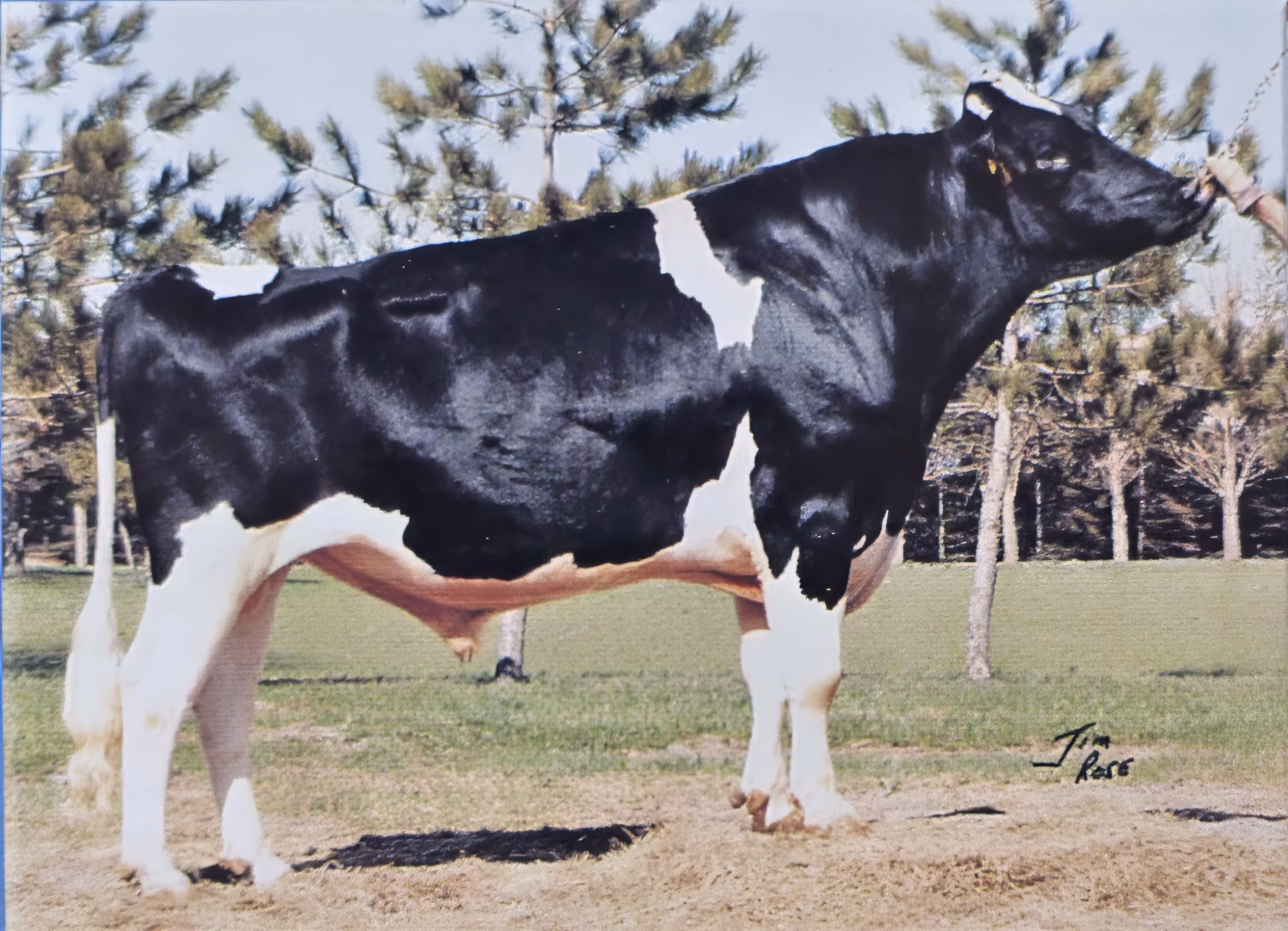
Roxette bred at least 30 daughters at Hanoverhill. Mated to Hanoverhill Starbuck, she produced Hanoverhill Raider, born August 17, 1986, and bred by Hanover Hill Holsteins. Interbull data published August 11, 2026, lists Raider as Starbuck out of Mil-R-Mor Roxette, with Glenridge Citation Roxy as his maternal granddam. The same record credits him with 75,791 yield daughters in 23,306 herds, including 23,580 in Canada, 13,719 in Great Britain, 11,862 in Australia and 6,802 in the United States.
Horace told Blair that Starbuck’s pedigree had always fascinated him because it brought together two of his favorite cows, Round Oak Ivanhoe Eve and Quality Fobes Abbekerk Gay. He named Raider among Starbuck’s great sons.
What He Charged
“I have never told anybody what I would charge them,” Horace told Blair. Then he allowed, “Well, there might have been a couple of exceptions, but in most cases, people have been very fair.” When Heffering wanted to agree on a fee, Horace said no. “If you send me a check we will be fine.”
When the New York Holstein News asked Heffering who had most affected his Holstein career, he named three people. Horace was one, Dave Younger another, and Horace admitted he “must have blocked out the other one.”
“That tickled me as much as anything that has happened to me in a long, long time. Simple thing. Little thing.”
The Voice
Horace Backus in the box. Dave Rama said Horace gave a $600 heifer the same treatment as a $60,000 heifer.
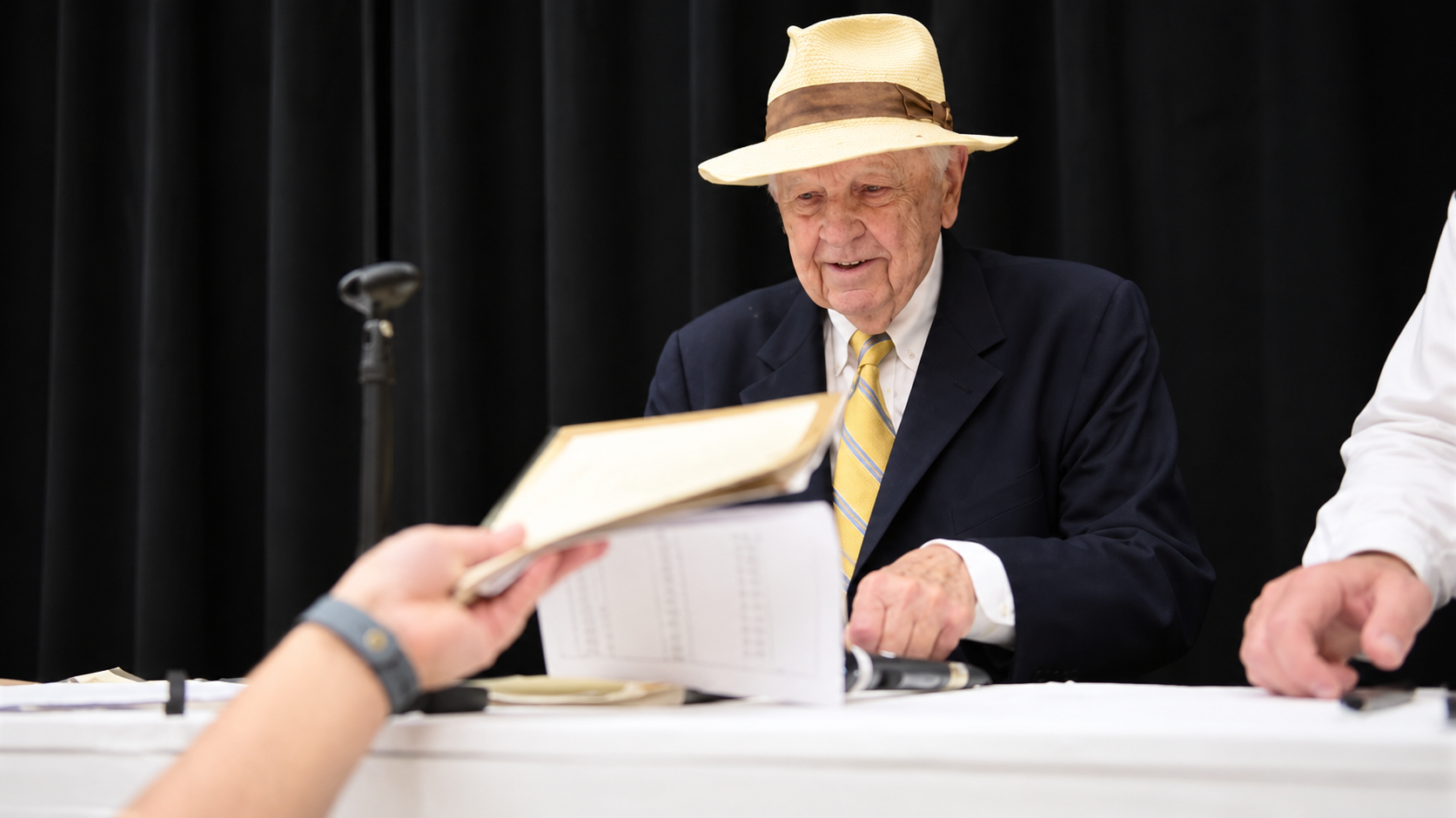
Tim Abbott hosted the DairyVoice tribute. He remembered the arena lights going down at the World Classic sale and Horace’s voice reading the pedigree for lot one. As a young man, Abbott dreamed of owning the animal Horace would read in that spot.
Rama remembered Horace giving a $600 heifer the same treatment as a $60,000 heifer. When a pedigree excited him, his voice grew stronger. If the bidding stalled, he might throw in “soar with the eagles” at the right moment, and the bidding would start again. “When Horace talked, it was gospel.”
Rama also recalled an investor who asked the two of them before one sale what a cow was worth. They told him $12,000, with a high limit of $15,000. She sold for $35,000, and the buyer was that same investor. After that, they decided to “just tell them the pedigree, let him bid.”
Over the 30 years they worked together, Rama said, he heard Horace say something disparaging about someone “maybe once or twice.”
Hastings said that even five minutes before getting into the box, Horace would stop to listen to someone and look the person in the eye. The person felt like the only one who mattered to Horace in that conversation.
Stepping Back
Horace and Charles decided in 1982 to leave sale management, keeping the right to manage the 1983 National Convention sale in Virginia. Their father had suffered a stroke at 57, and their uncle Jay had died at 59. By the 1996 interview, two other brothers who hadn’t worked under that kind of pressure were 90 and 86 or 87, and still playing golf. “We didn’t know how long we were going to live,” Horace said, “so that is why we eased up.”
They sold the business to one of the people who had worked for them and kept working freelance. Charles called the 1987 National Convention sale in Indianapolis his last. Horace kept going and later served as pedigree man for the Cattle Exchange.
According to Hastings, the brothers could have been elected convention delegates while they ran sales, but they believed those seats belonged to active breeders. After leaving sale management, Horace served two four-year terms on the Holstein Association board. Hastings remembered him and Dave Bachman on the audit committee, asking how breeders’ money was being spent.
World Dairy Expo named Horace its Industry Person of the Year in 2010, and Holstein Association USA gave him its Distinguished Leadership Award in 2013. He was also an honorary member of the Arthur Klussendorf Memorial Association, and the New York association honored him for distinguished service to the breed. At the height of his career, Hastings said, Horace may have spoken at more local Holstein club meetings “than the next five guys.”
“David, I worked longer with you than I worked with my own brother Charlie,” Horace once told Rama. Some sale selections didn’t get them in until two in the morning. It was tough on Horace as he got older, Rama said, “but he wanted to go.”
Abbott credited Horace’s mentorship with much of the success of the cattle-sales business Dave and Mary Rama built. Rama called Horace his mentor, one of his best friends and “almost like a father in many ways.”
Doris Anne, his wife of 70 years, and their son Harry both died before him.
The Record He Kept
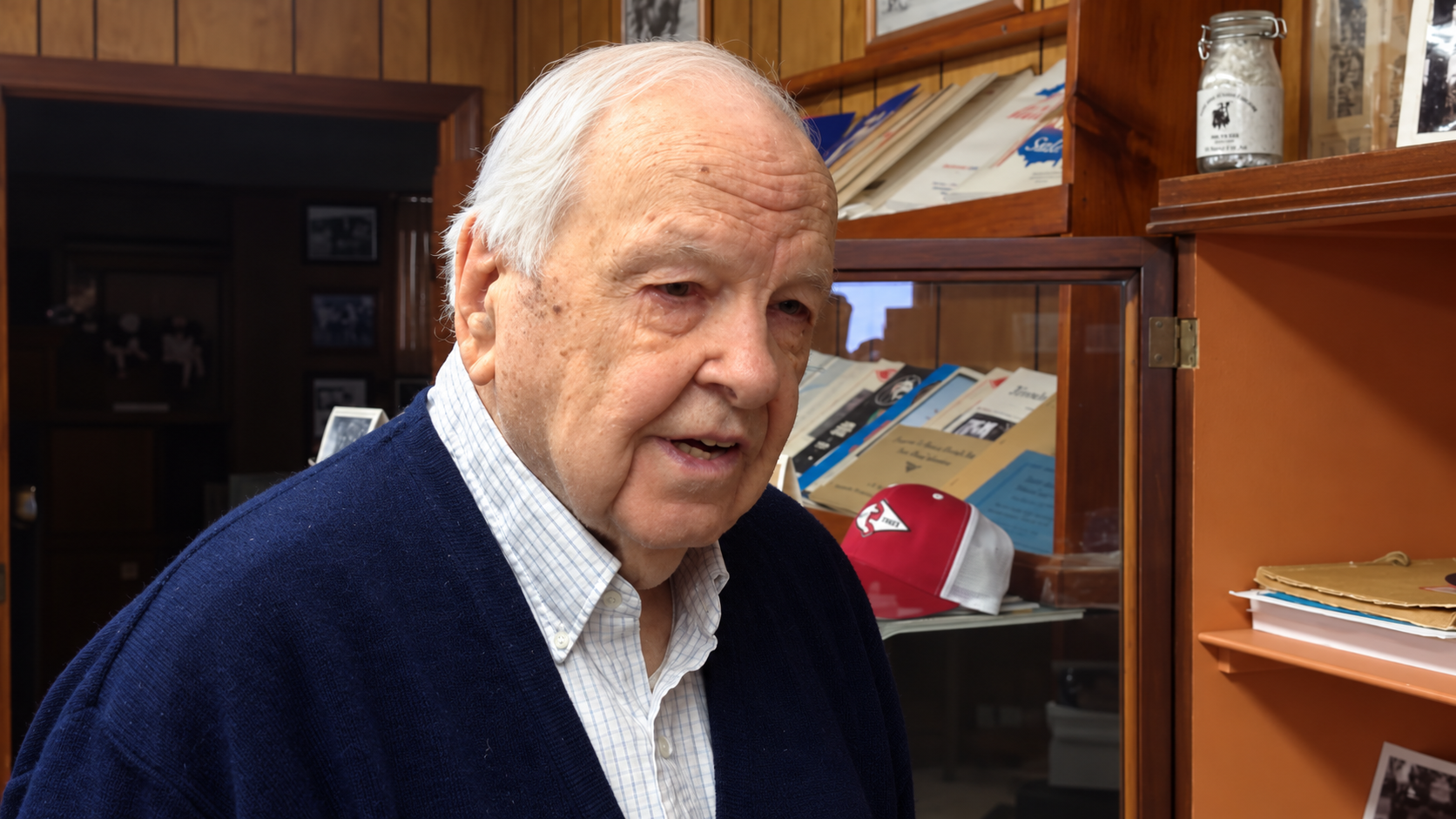
Horace Backus among his sale catalogs and memorabilia. His books covered herds and sales he had known, among them Dunloggin, Mount Victoria Farms and the Seed Stock series.
While researching his Dunloggin book, Horace called Maurice Prescott about criticism of Paul Misner’s judging at the 1953 Chicago International. By the accounts Horace heard, Misner took more than an hour over the aged cow class. He kept Woodyglen Queen Mazie, a former All-American, in first place most of the time, then switched the placing at the last minute. Hoard’s Dairyman criticized the decision sharply. Horace also corrected the common story that Misner never judged again, pointing to a later Maryland State Show and what became the Pennsylvania Holstein Show.
One night at dinner, Misner said out of the blue, “You know, Maizie acted up in the ring.” That was all. “Why I didn’t ask him more I don’t know,” Horace told Blair. “I might have been right not to ask him more. Maybe I was wrong.”
Rama said Horace’s other books covered herds and sales he had known, among them Mount Victoria Farms, the Seed Stock series, Scatterin’ and Milestone. Hastings said Horace never believed the old cows were better. During one of their sessions, Blair pointed out a connection in Starbuck’s pedigree. “I didn’t know that till you told me last night,” Horace said.
The Bull From the Little Farm
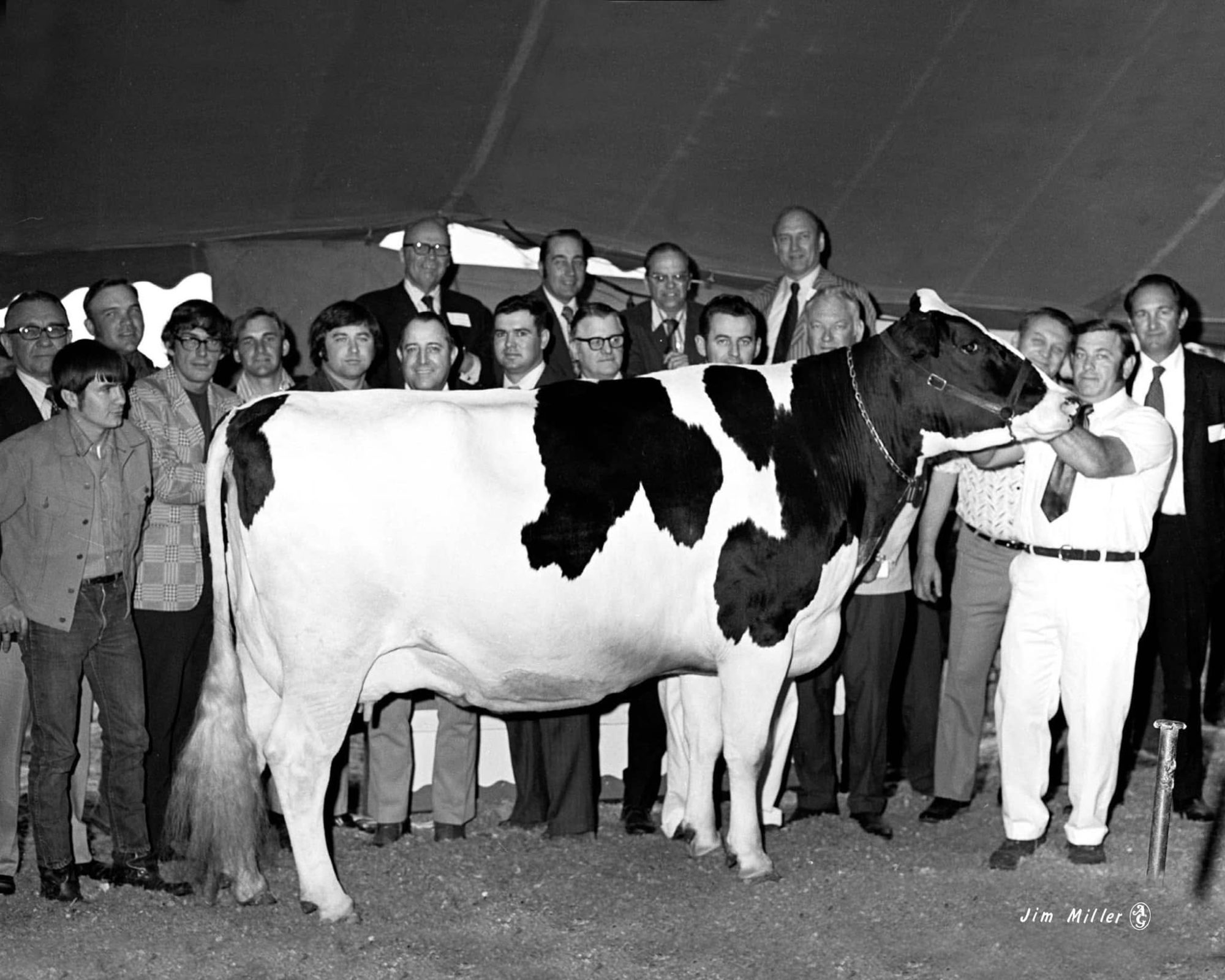
In February 1996, a photograph of Md-Maple-Lawn Marquis Glamour hung on Horace’s office wall. Blair asked whether he had been in the box when she sold. “Yes, I was.” The Backus’ had sold the Allendairy herd for the Reisinger family.
Glamour’s dam’s dam, Horace told Blair, was by Noblebar Loch Dazzler, “a bull that I had bred in our herd on that little farm.” He recalled Glamour being about two months in calf to Osborndale Ivanhoe when she sold.
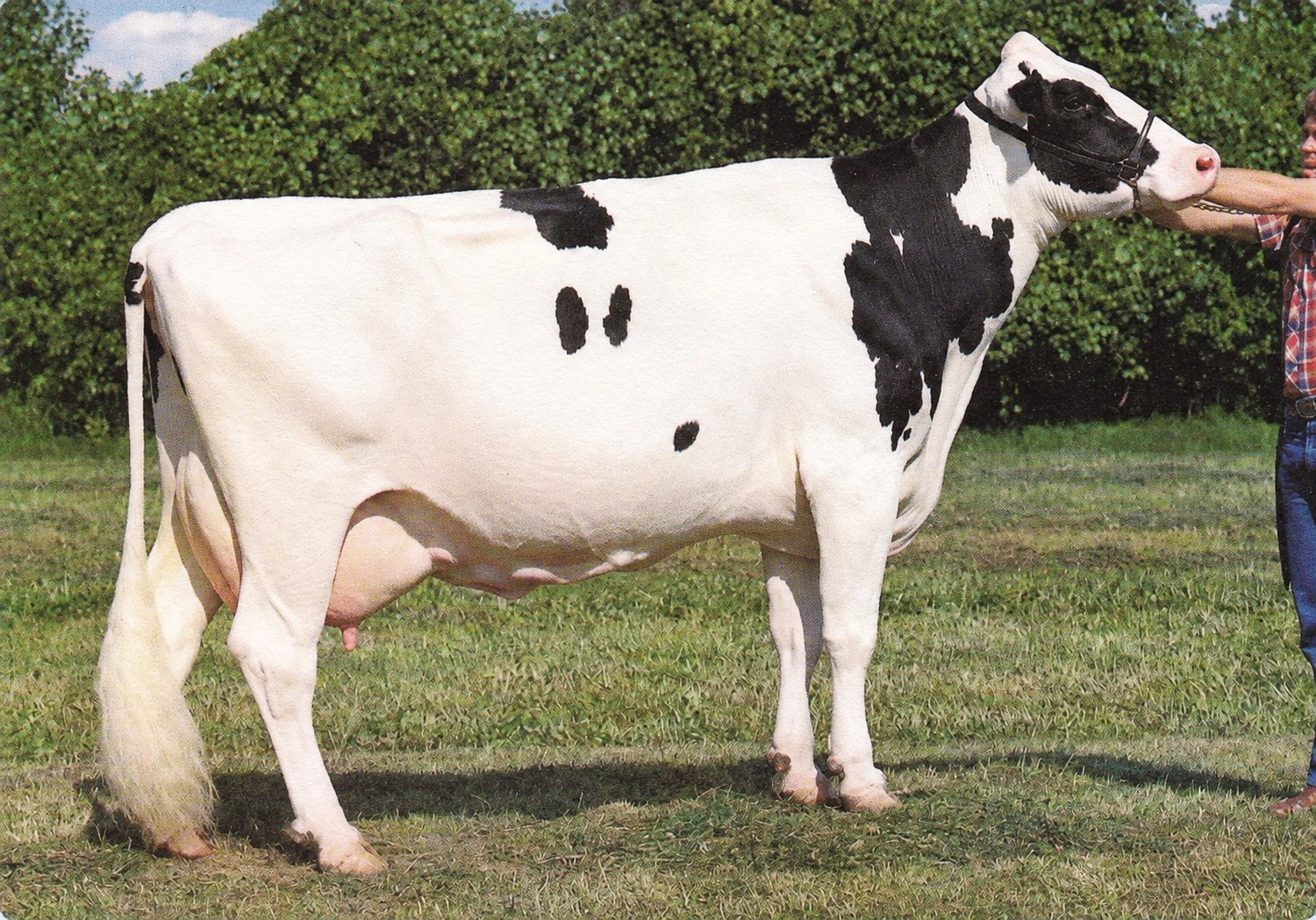
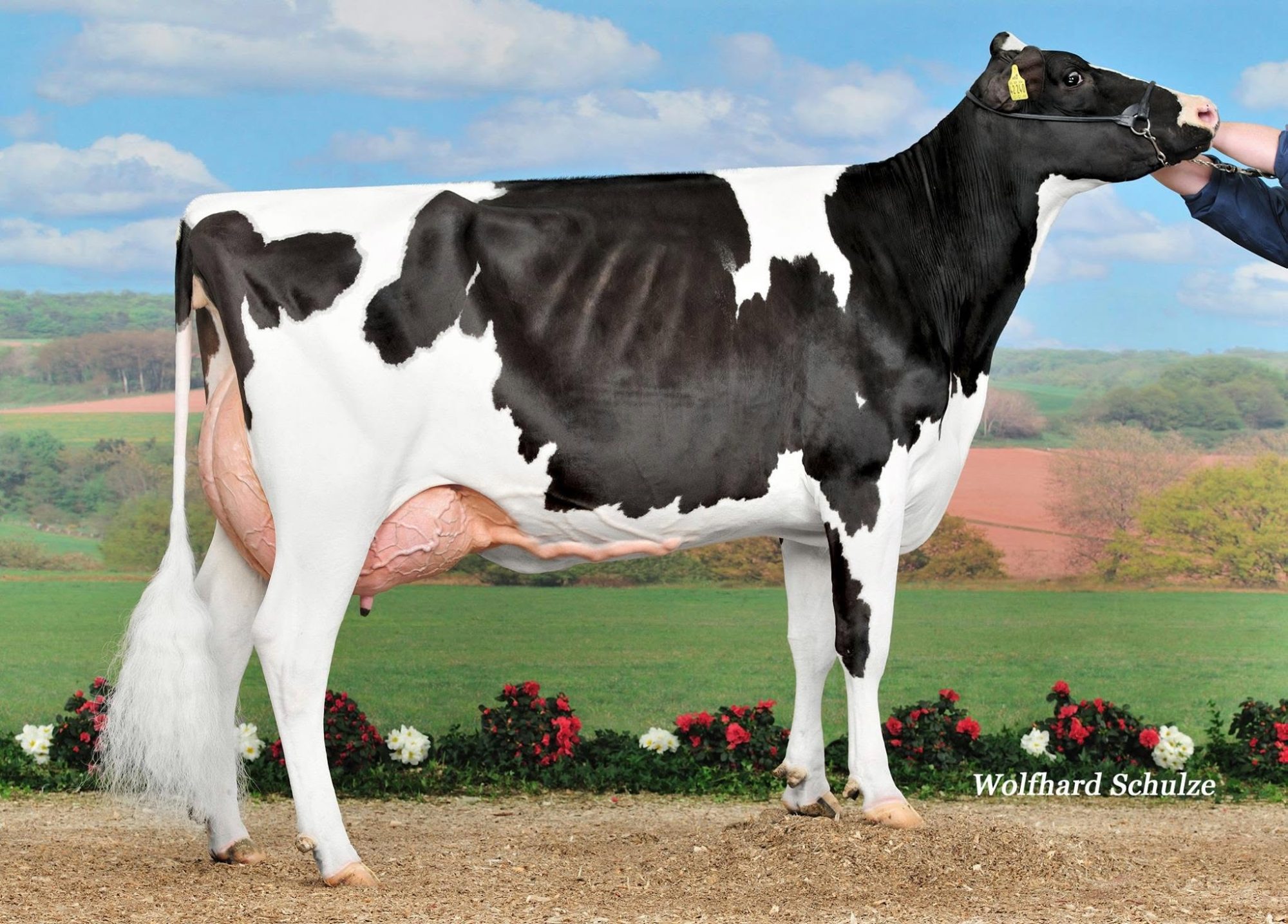
That calf was Allendairy Glamourous Ivy, whom Horace called “the first million dollar cow.” In a 1984 issue, FARM SHOW reported that the top bid on Ivy, then owned by Tom Pearson of Greenleaf, Wisconsin, reached $1,025,000 at a dispersal sale. The report named Cormdale Farms of Georgetown, Ontario, as the buyer. “I always got a big kick out of Glamour,” Horace said.
“Keep It”
At home in Mexico, New York, Horace served 10 years on the school board and was Sunday School superintendent at the First Presbyterian Church, where he was a lifelong member.
When friends proposed raising scholarship money in Horace’s name for young dairy leaders through the Holstein Foundation, Hastings said Horace wasn’t eager to have his name attached. He agreed because the money would help educate young people. Abbott later consigned a calf at the World Classic for the fund. Afterward, Horace wrote Hastings that he never would have asked for it, but it had been “kind of fun” and “a nice ride.”
In the 1996 interview, Blair asked about the Maytag herd in Iowa. Horace called it “a wonderful job of breeding Ormsby cattle.” He had a Maytag sale catalog in the office and asked whether Blair had one.
“I would like to have you take it,” he said. “Keep it.”
Horace Austin Backus, December 26, 1927 – October 22, 2024. Funeral services were held October 29, 2024, at the First Presbyterian Church of Mexico, New York, with the Rev. Karen Green officiating. Interment was in Mexico Village Cemetery. Survivors include his son, John, and his daughter, Kim.

The marked catalogs. The sale-ring stories. The people behind the pedigrees.
This tribute draws on Doug Blair’s interviews with Horace Backus, preserved in The Legacy of Horace Backus: Pillar of Holstein Heritage and Humanity by Ronald Francis Eustice.
If Horace’s story brought back memories—or introduced you to a man you wish you’d known—continue reading in the book that helped make this tribute possible.
Buy the Book on Amazon →
Our thanks to Ronald Francis Eustice and Doug Blair for preserving these stories for the next generation.
Share your memories of Horace and the Backus family, in the sale ring or out of it, in the comments below.
Editor’s note: Horace Backus’s recollections come from Doug Blair’s interviews, published in The Legacy of Horace Backus: Pillar of Holstein Heritage and Humanity by Ronald Francis Eustice. Recollections from Joel Hastings, Dave Rama, and Tim Abbott come from the DairyVoice tribute episode. The June 30, 1977, sale date and Kandy’s $41,000 price come from a seller’s description of a marked catalog copy listed on WorthPoint, which The Bullvine has not inspected. Roxette’s $25,000 price, Heffering’s 19-head total, and the sale terms come from The Bullvine’s 2014 Roxy family profile. Raider’s daughter figures come from Interbull data published August 11, 2026.
Continue the Story
- Hanover Hill Holsteins: Peter Heffering 1931-2012 – Heffering stood across the sale ring from Horace, building a herd around cow families, type and longevity. Follow his partnership with Ken Trevena through the breeding convictions and cross-border decisions that shaped Hanover Hill.
- The Investor Era: How Section 46 Revolutionized Dairy Cattle Breeding – Behind the bids Horace read pedigrees for was a changing world of outside money, ambitious breeding programs and investor expectations. Follow the rise of Erinwood and Dreamstreet to understand the forces filling those sale barns.
- Roxy, Dellia and The Mothers Who Built the Breed – The Roxette story carries beyond Columbus and Hanover Hill. Follow Roxy’s descendants alongside other foundational cow families into later generations, where the ancestry Horace spent his life explaining still gives breeders something to build on.
The Sunday Read Dairy Professionals Don’t Skip.

Every week, thousands of producers, breeders, and industry insiders open Bullvine Weekly for genetics insights, market shifts, and profit strategies they won’t find anywhere else. One email. Five minutes. Smarter decisions all week.