


Most 2,800-cow dairies chase volume. Curtis Vanden Berge chased components — and hit 4.17% fat while one cow, Halogen 516-ET, seeded 200-plus descendants in his Bakersfield barn.
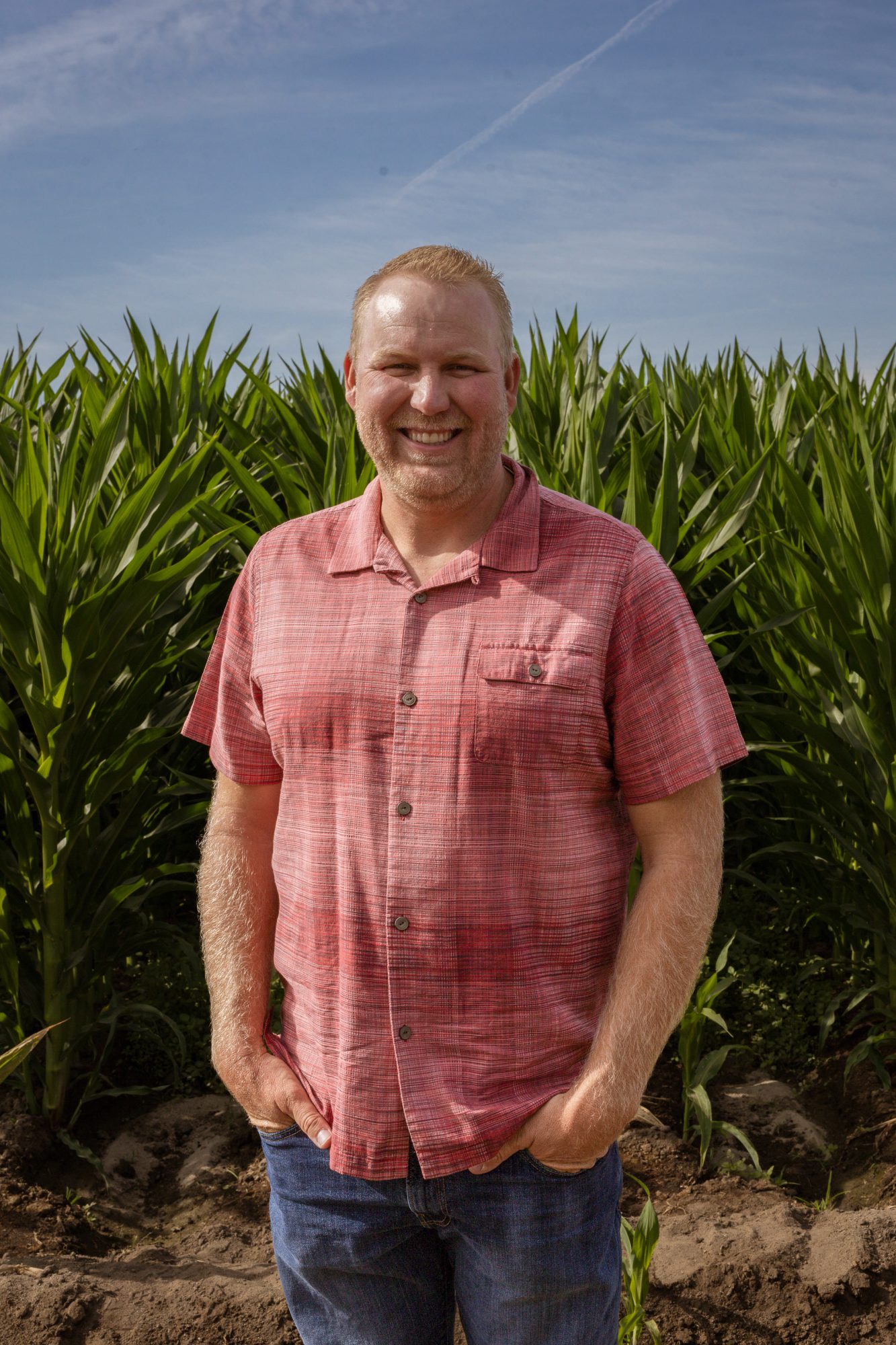
When Holstein Association USA CEO Lindsey Worden called with the news, Curtis Vanden Berge didn’t see it coming. “When CEO Lindsey Worden called me to tell me the news, I was truly surprised,” he says. “It’s nice to be recognized for the work we do every day.”
That recognition is the 2026 Distinguished Young Holstein Breeder award, which he’ll receive at the National Holstein Convention in Orlando in June. But the real story has been building for decades on a family dairy that uprooted once, expanded, and grew into one of California’s most genetics-driven Holstein herds.
Leaving Mira Loma, Building in Bakersfield
Curtis didn’t “find” dairying — he grew up in the middle of it. He was raised on his family’s dairy near Mira Loma, California, where his father and grandfather sparked his passion for dairy farming and genetic progress.
In 2004, the family relocated to Bakersfield, expanding the farm and creating opportunities for the next generation. By 2010, Curtis had stepped into day-to-day management at Vanden Berge Dairy. Five years later he became a partner. Today the operation is run by Curtis and his wife Stacey, alongside his brother Trevin and his wife Heidi, while Curtis and Stacey raise their three children — Case, Tessa, and Payton — on the farm.
2,800 Holsteins, Three Times a Day, Components First
Vanden Berge Dairy now milks about 2,800 Holstein cows in California’s Central Valley, running three-times-a-day milking.
The numbers behind the award aren’t fluff:
- Rolling herd average: 27,895 lb milk
- Fat: 1,163 lb (4.17%)
- Protein: 928 lb (3.33%)
That profile isn’t accidental. Curtis is driven to continuously improve herd genetics, focusing on increasing components and making sure each generation is better than the last. Higher fat and protein pounds are the priority — and in a market where components carry more of the milk cheque every year, that focus lines up with where progressive Holstein breeders have pushed for the past decade.
The Cows Behind the Strategy
The genetic shift took off when the first group of Registered Holsteins arrived at Vanden Berge Dairy nearly 15 years ago. One cow in particular, Longfellow Boxer Bianca, showed Curtis what Registered Holsteins could do — her performance in the herd demonstrated their value firsthand.
Another foundation piece is Seagull-Bay Halogen 516-ET, whose influence keeps spreading through the milking string and heifer pens. Curtis can trace more than 200 descendants of that cow in the herd today, including Vanden-Berge Trpc Daphne-ET EX-90 — proof you don’t have to choose between commercial performance and high-end pedigrees.
Genomics, Embryos and Beef-on-Dairy — With Discipline
On the tools side, Curtis isn’t dabbling. Vanden Berge Dairy leans on:
- Genomic testing to sort heifers early and line up matings that move indexes, not just pedigrees
- Embryo transfer and IVF to multiply the most profitable cow families faster
- Beef-on-dairy to turn lower-genetic-value pregnancies into higher-value calves instead of replacements they don’t need
That package, combined with Holstein Association USA’s programs and services, gives Curtis a feedback loop: what the cows look like, what they produce, and how it ties back to mating decisions made years earlier. It’s the same shift across top Holstein herds — genomics isn’t a “technology project” anymore, it’s just how breeding decisions get made.
More Than Genetics: Association Leadership
This award doesn’t just recognize a numbers game. Curtis has been active with the California Holstein Association for years, serving on the board and two years as president — no small commitment while managing a large Western herd.
That role has put him in the middle of the big questions: how to keep Registered Holsteins relevant to large-pen commercial setups, how to protect breed identity and data integrity in a world of crossbreeding and beef-on-dairy, and how state associations stay valuable when breeders are stretched thin.
Why This Young Breeder Award Matters
The Distinguished Young Holstein Breeder Award targets breeders ages 21 to 40 who run a profitable Registered Holstein herd and contribute back to the industry. Winners receive travel and lodging for up to two people to the National Holstein Convention, complimentary tickets to the Awards Luncheon, a $2,000 cash award, and a plaque — plus their name engraved on a permanent plaque at Holstein Association USA headquarters in Brattleboro.
Recent recipients include Tim Rauen of Iowa, Trent Hendrickson of Wisconsin, and Ty Etgen of Ohio. Curtis joins that list at a moment when Western dairies face hard scrutiny on water, emissions, and economics — and a 2,800-cow, components-driven Holstein herd run by a breeder comfortable with both genomic data and a board agenda is exactly the kind of operation that will help decide what the Holstein cow looks like fifteen years from now.
Curtis Vanden Berge will be recognized as Holstein Association USA’s 2026 Distinguished Young Holstein Breeder during the National Holstein Convention in Orlando, Florida, on Wednesday, June 24.
Key Takeaways
- Components are the play. Vanden Berge runs nearly 28,000 lb of milk at 4.17% fat and 3.33% protein because fat and protein pounds are what cash the milk cheque — not raw volume.
- Genomics, IVF, and beef-on-dairy only pay when they’re part of one system. Test heifers early, multiply your best cow families, and breed the bottom end to beef instead of making replacements you don’t need.
- One cow can carry a herd. Halogen 516-ET left 200-plus descendants in this string — proof that finding and propagating your best family beats chasing the hot bull every proof run.
- The award rewards more than numbers. Curtis built it with herd results plus state-association leadership, and that combination is what gets a young breeder recognized at the national level.
The Sunday Read Dairy Professionals Don’t Skip.

Every week, thousands of producers, breeders, and industry insiders open Bullvine Weekly for genetics insights, market shifts, and profit strategies they won’t find anywhere else. One email. Five minutes. Smarter decisions all week.