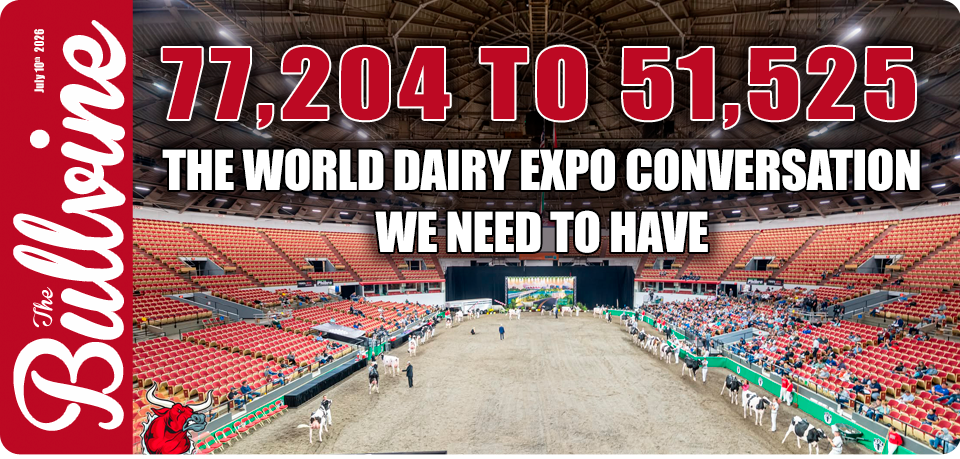



That’s how many people walked onto the colored shavings in 2014 versus 2025. The cattle are still magnificent — so why is the world quietly walking away, and why has nobody done a thing about it?
Editor’s note: This is an opinion piece. The observations, arguments, and recommendations here — including the “four fixes” below — are solely those of the author and The Bullvine. They are not a position, statement, or viewpoint of World Dairy Expo, which did not request, authorize, or contribute to this article. In keeping with our standards, we shared the article with World Dairy Expo ahead of publication and invited their comment; they reviewed it and provided feedback, and this piece reflects our independent editorial judgment. World Dairy Expo has not issued a statement for publication. Every attendance, trade-show, and cattle-entry figure cited is drawn from World Dairy Expo’s own publicly published show summaries and anniversary materials; how those numbers are interpreted is our opinion alone.
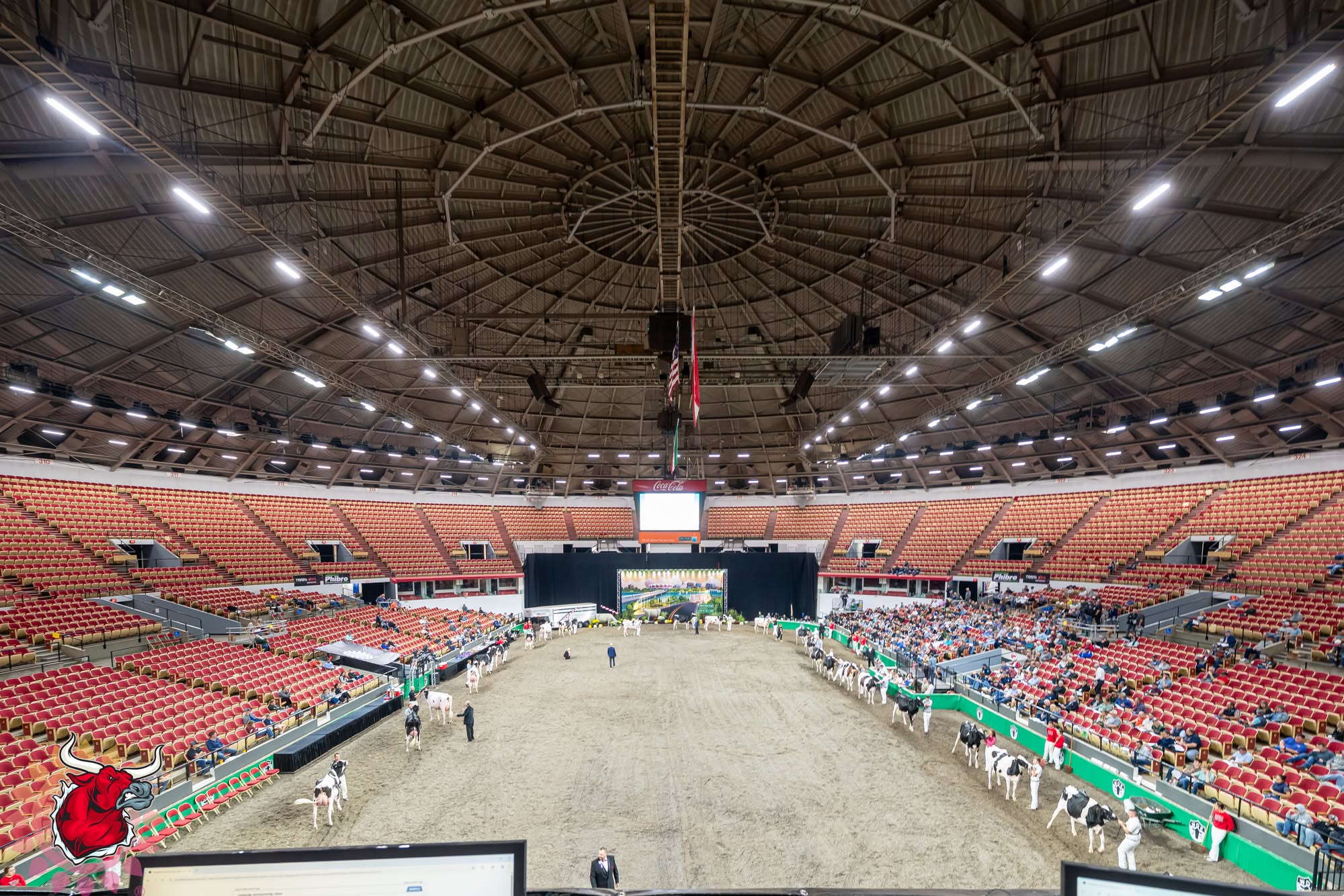
You know the feeling. The lights come up over the Coliseum. Your heart’s going before your heifer ever hits the gate. The colored shavings stretch out in front of you like the most important stage in the dairy world — because for one week in Madison, that’s exactly what it is.
That part hasn’t changed. The cattle are still the best in North America. The competition is still ferocious. The 4 a.m. trailer-loading, the clipping, the nerves at ringside — all of it is exactly as good as it ever was.
So here’s the question that should stop every one of us cold.
If the cattle are this good, why has World Dairy Expo lost one in three of the people who used to come watch them?
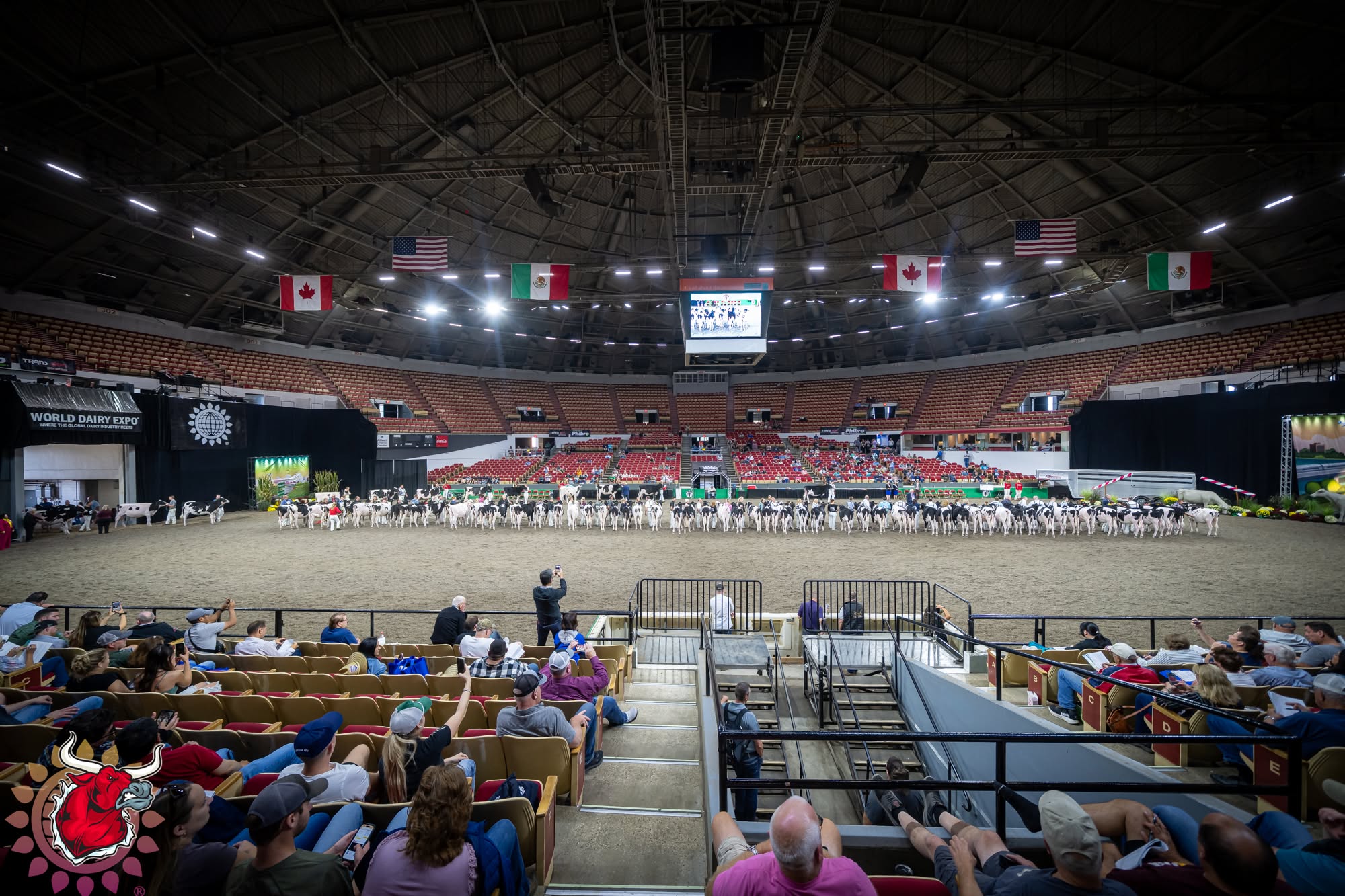
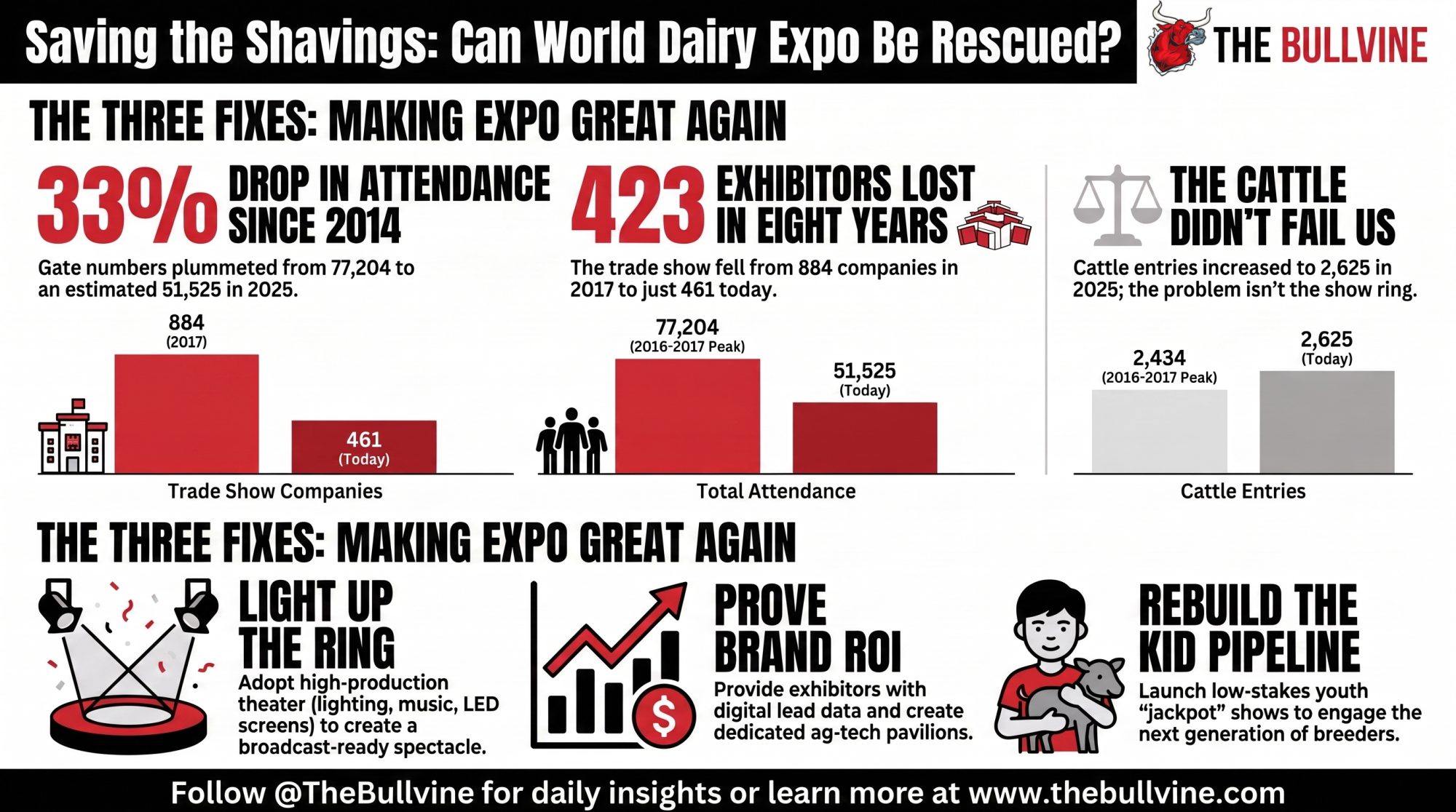
In 2014, Expo pulled 77,204 through the gates. In 2025, an estimated 51,525 (WDE Show Summaries 2014; World Dairy Expo homepage). That’s a 33% collapse in eleven years. And the trade show — the floor that used to have companies on a waiting list begging to get in — has gone from 884 companies in 2017 to 461 in 2025 (WDE 49th anniversary materials; WDE homepage). Nearly half. Gone. In eight years.
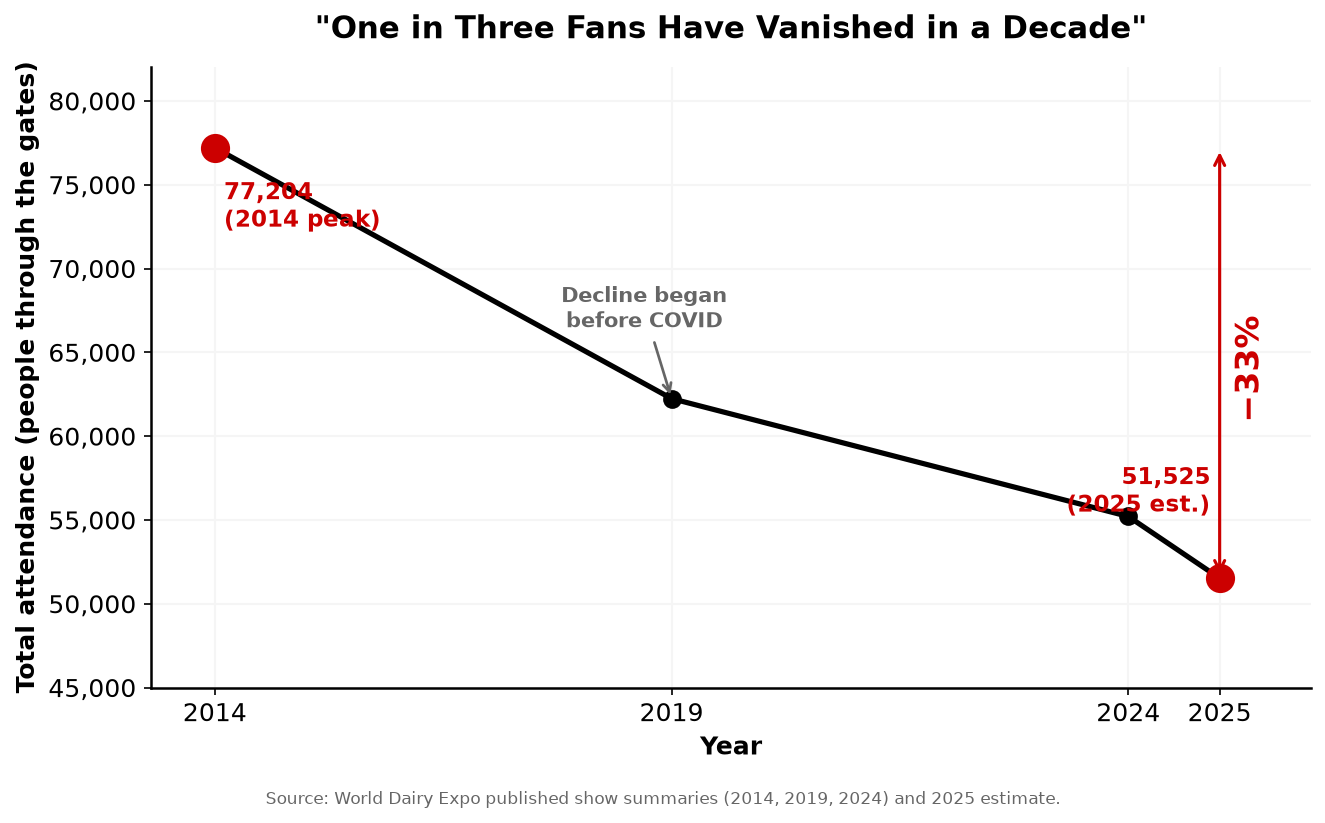
We are quietly letting the greatest show in our world slip away. One empty seat and one dark booth at a time. And the silence about it is the most alarming part of all.
The cattle didn’t fail us. Let’s be clear about that.
Before anybody gets defensive — this is not a knock on the show ring. Read that twice.
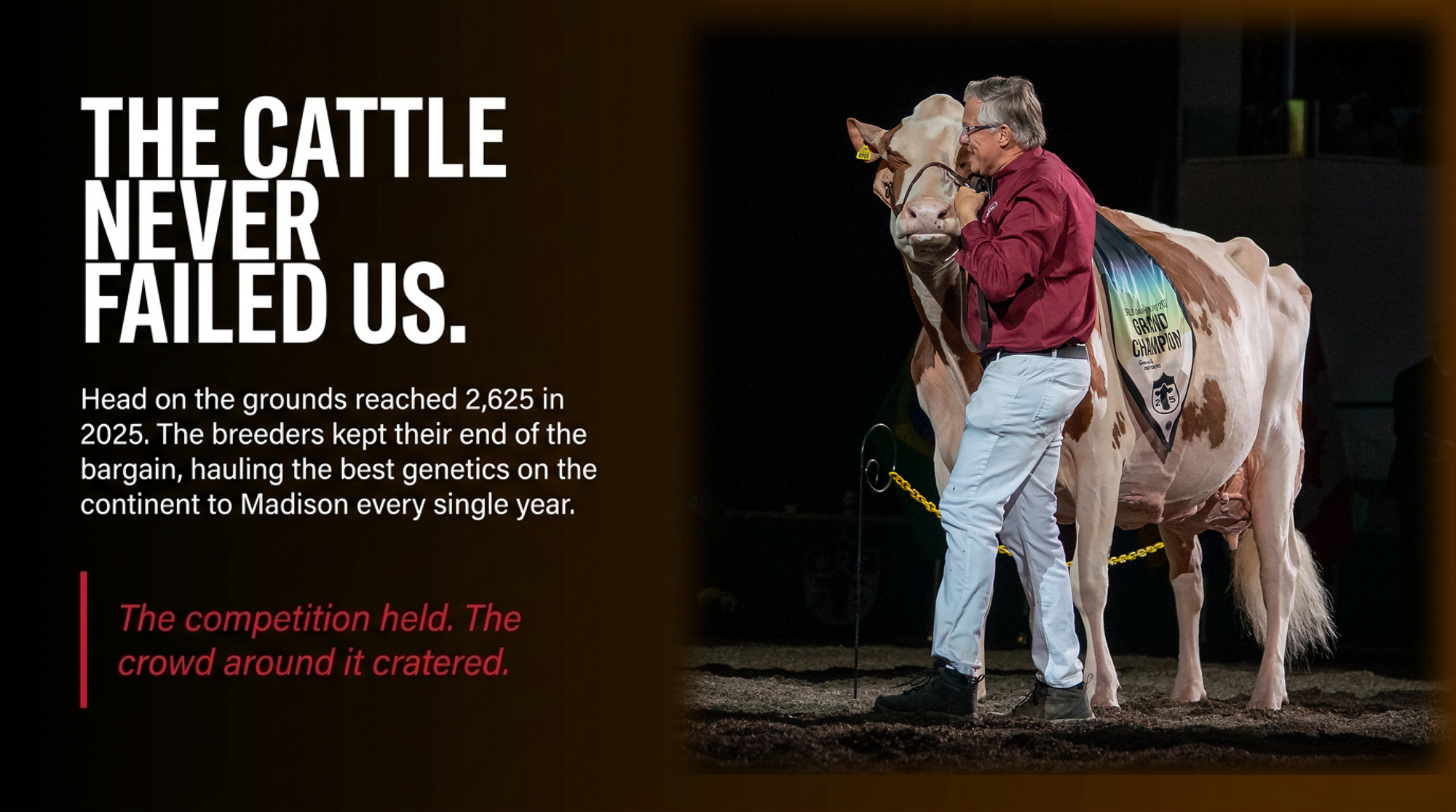
The cattle show is thriving. Head on the grounds ran 2,434 in 2016, 2,331 in 2019, and 2,625 in 2025 — flat-to-up across a whole decade (WDE Dairy Cattle Show). The breeders kept their end of the bargain. Every single year, the families still hitched up and hauled the best genetics on the continent to Madison.
So sit with what that actually means. The competition held. The crowd around it cratered. The companies bailed.
That’s not a cattle problem. That’s everyone around the cattle quietly deciding Expo isn’t unmissable anymore — while the people who love it most kept showing up and assuming somebody, somewhere, was minding the store.
Were they? Let’s look.
From “you’re on the waiting list” to “please, take a booth”
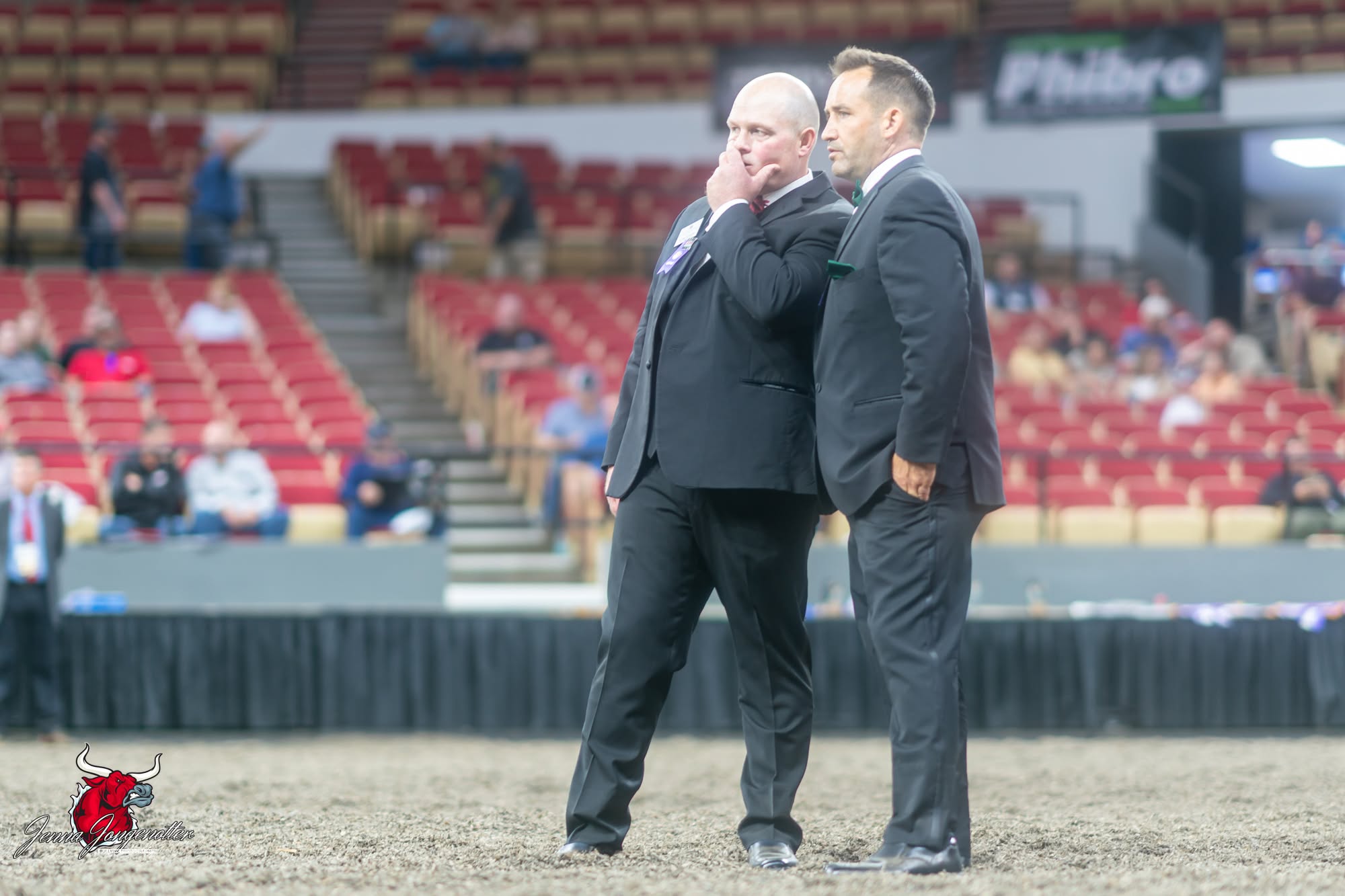
Picture 2014. Eight hundred thirty-five companies on the floor (WDE 2014 Show Summary) — and a line of others behind them, because Expo “typically sells out very early in the year” and runs a formal waiting list, in its own words (WDE exhibitor information). That’s how badly the world wanted in.
Now look at 2025. 461 companies — roughly what the floor looked like in the mid-1990s (WDE 1999 Show Summary). Thirty years of growth, erased. The waiting list is a memory. The homepage now advertises the open space.
And here’s what should really light a fire: this started before COVID. The 2019 show was already down to 859 companies and 62,240 people (WDE 2019 Show Summary). The first full show back in 2022 — when pent-up demand should have packed the place — managed just 672 companies, already a quarter below the peak. Then 563. Then 551. Then 461.
Do that arithmetic and it’s chilling. From 672 companies in 2022 to 461 in 2025 is 211 exhibitors gone in three years — the trade floor is losing roughly 70 companies every single year, right now. This isn’t a slow historical fade. It’s an active bleed, accelerating while we watch.
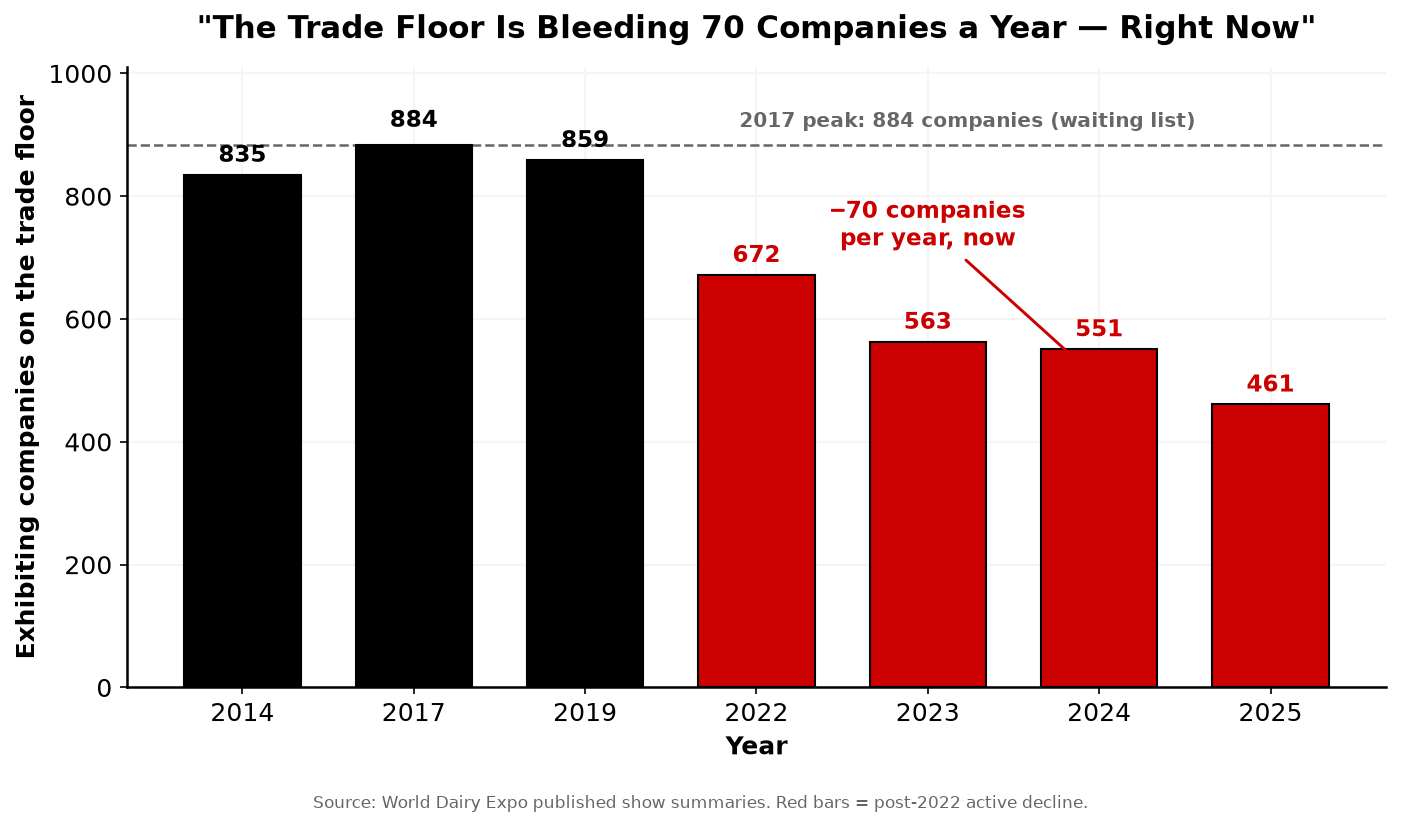
That’s not a pandemic dip anyone can blame and move on from. That’s a slide that’s been running for the better part of a decade in plain sight. The pandemic was just a convenient place to hide it.
“But the industry’s shrinking” — no, it isn’t. And that’s the gut-punch.
Here’s the excuse you’ll hear at every coffee shop and committee table: fewer farms, fewer people, what do you expect.
It does not hold up. Yes, the number of dairy farms fell hard — 39,303 in 2017 to 24,094 in 2022 (USDA via Farmdoc Daily). But the cows didn’t go anywhere. The U.S. still milks about 9.4 million of them — same as before — and produces more milk than ever, around 226 billion pounds (USDA NASS Census Highlights).
Read that again. Same cows. More milk. More work to do than ever.
The customers didn’t disappear — they got bigger. The 40,000 farmers who used to walk the aisles are now a few thousand large operations, and the genetics and equipment companies serving them merged to match: Select Sires swallowed Accelerated, ABS took De Novo, BouMatic bought SAC, DeLaval took milkrite | InterPuls. Every merger turned four booths into one.
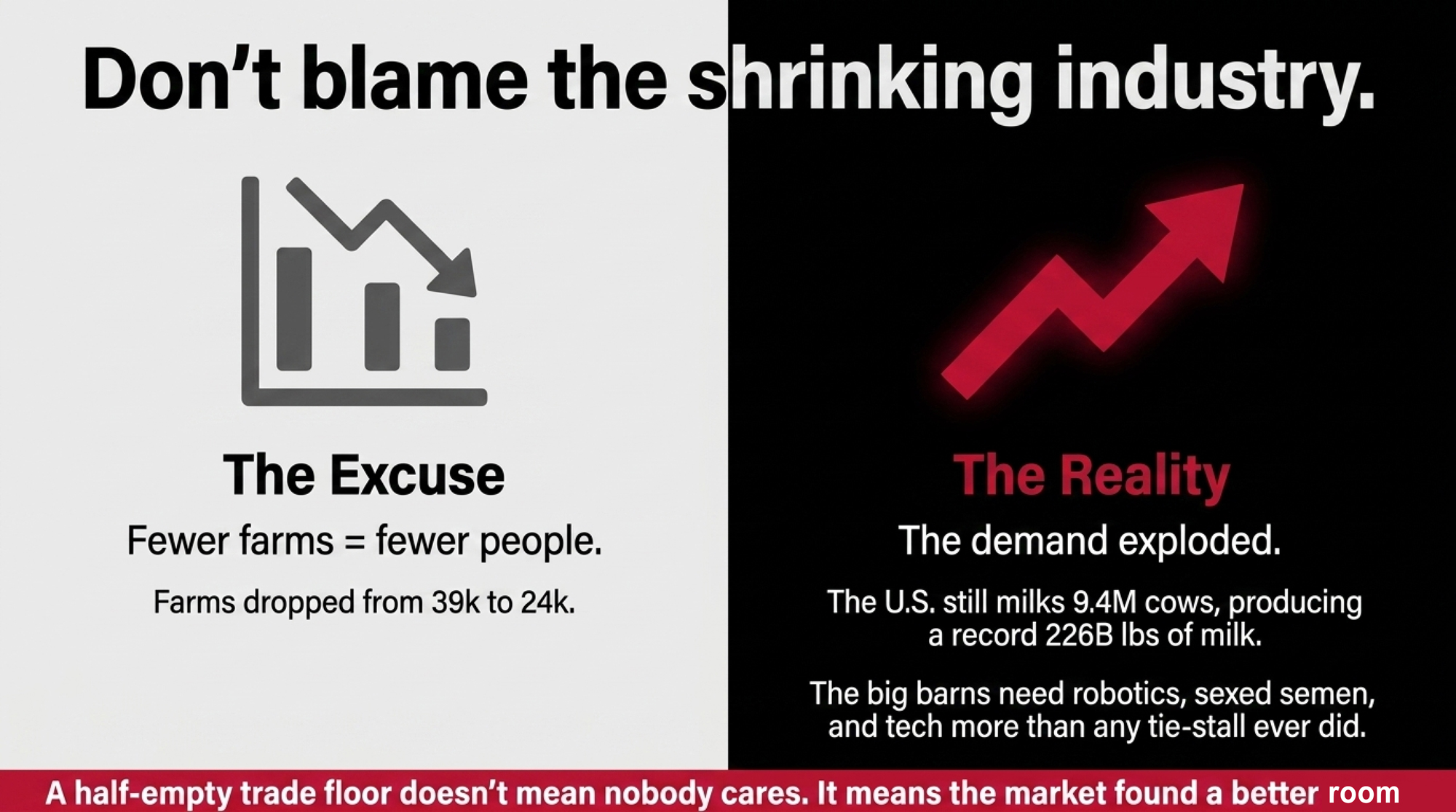
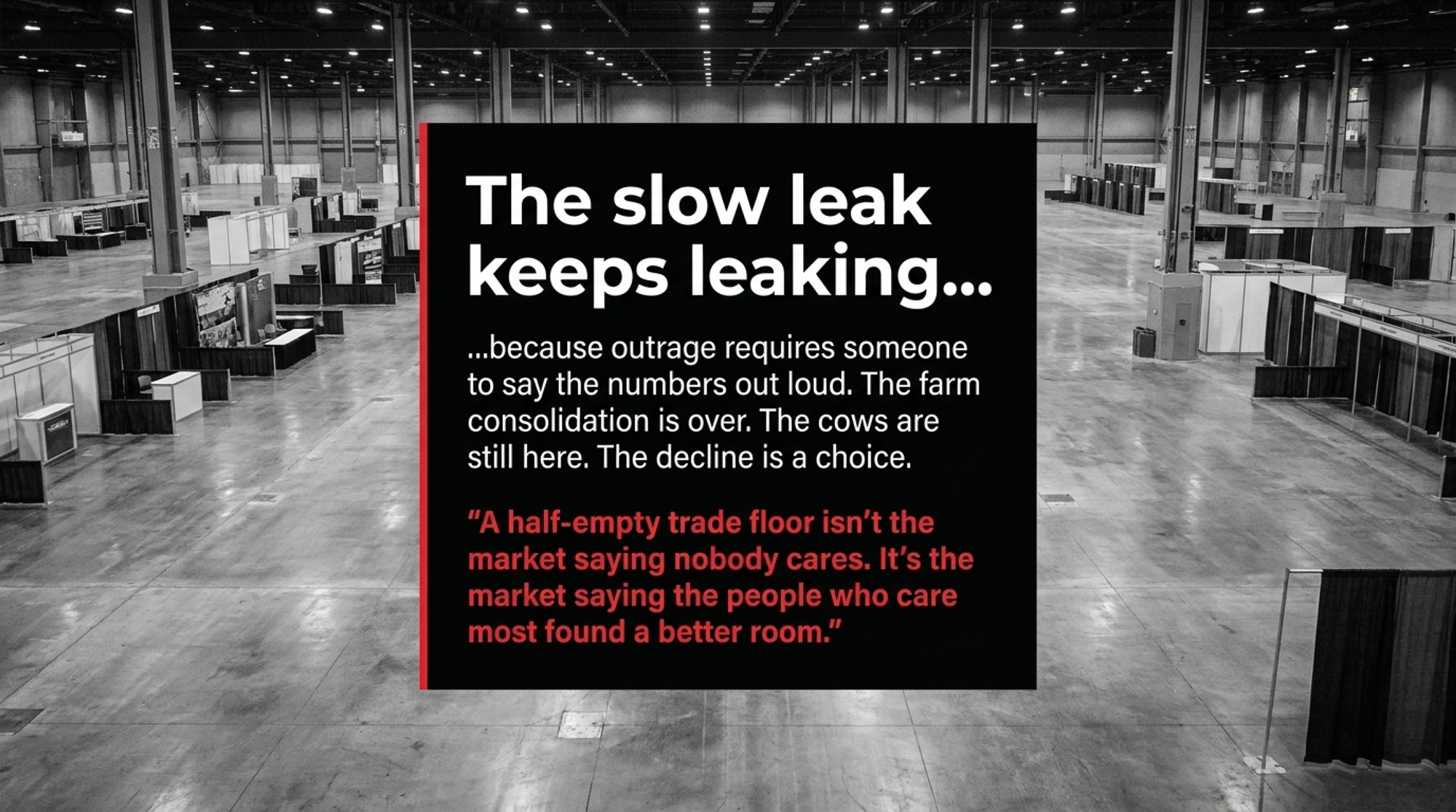
But — and this is the part that should make every enthusiast furious — those big barns need the latest genetics and technology more than any tie-stall ever did. Robots. Sensors. Sexed semen. The TPI and NM\$ proofs everybody’s chasing. The demand for everything Expo exists to showcase didn’t shrink. It exploded. A half-empty trade floor isn’t the market saying nobody cares. It’s the market saying the people who care most found a better room to do it in.
And while we coasted, the rest of the world turned the lights on
This is the part that stings the most, so brace for it.
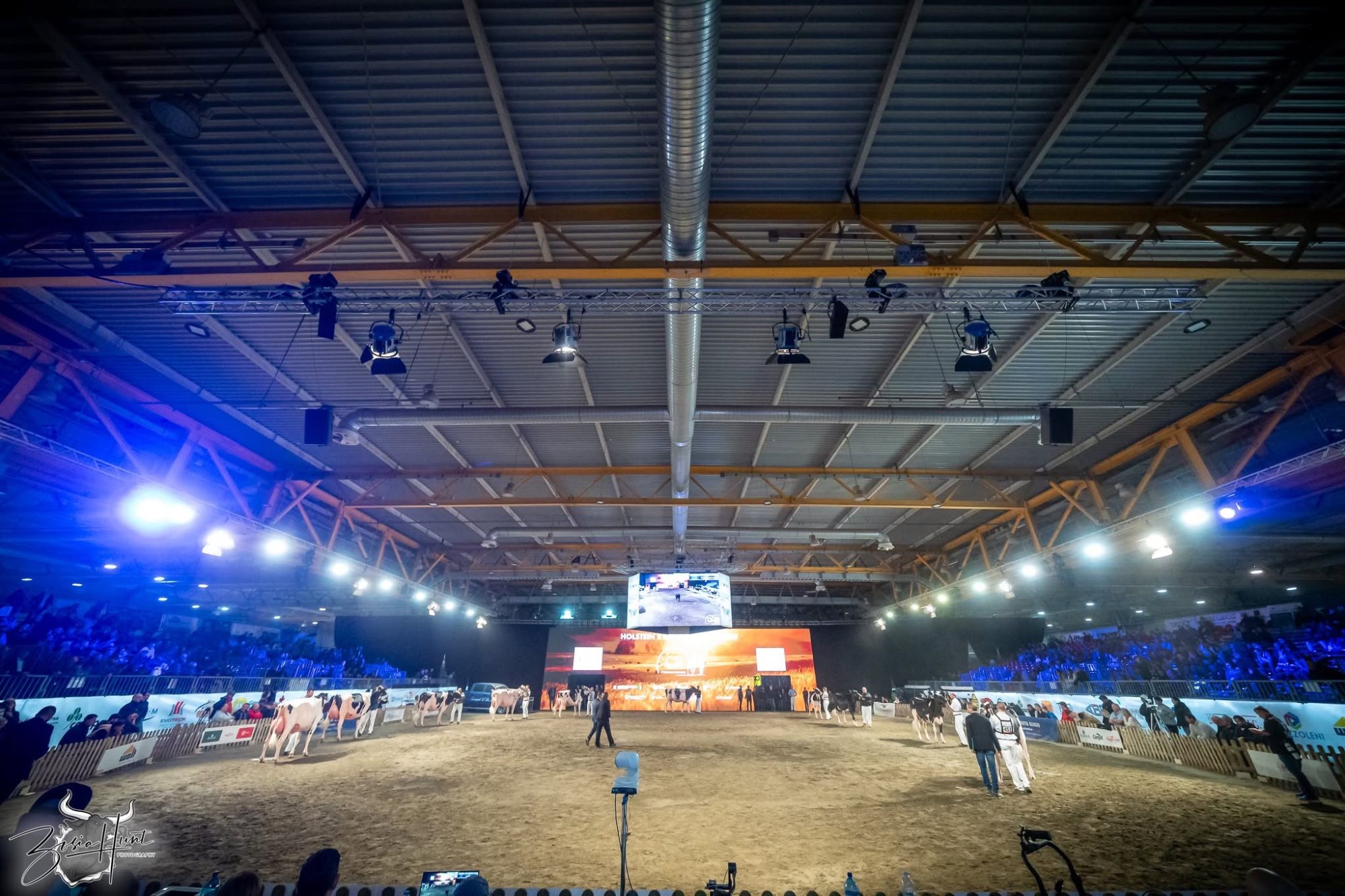
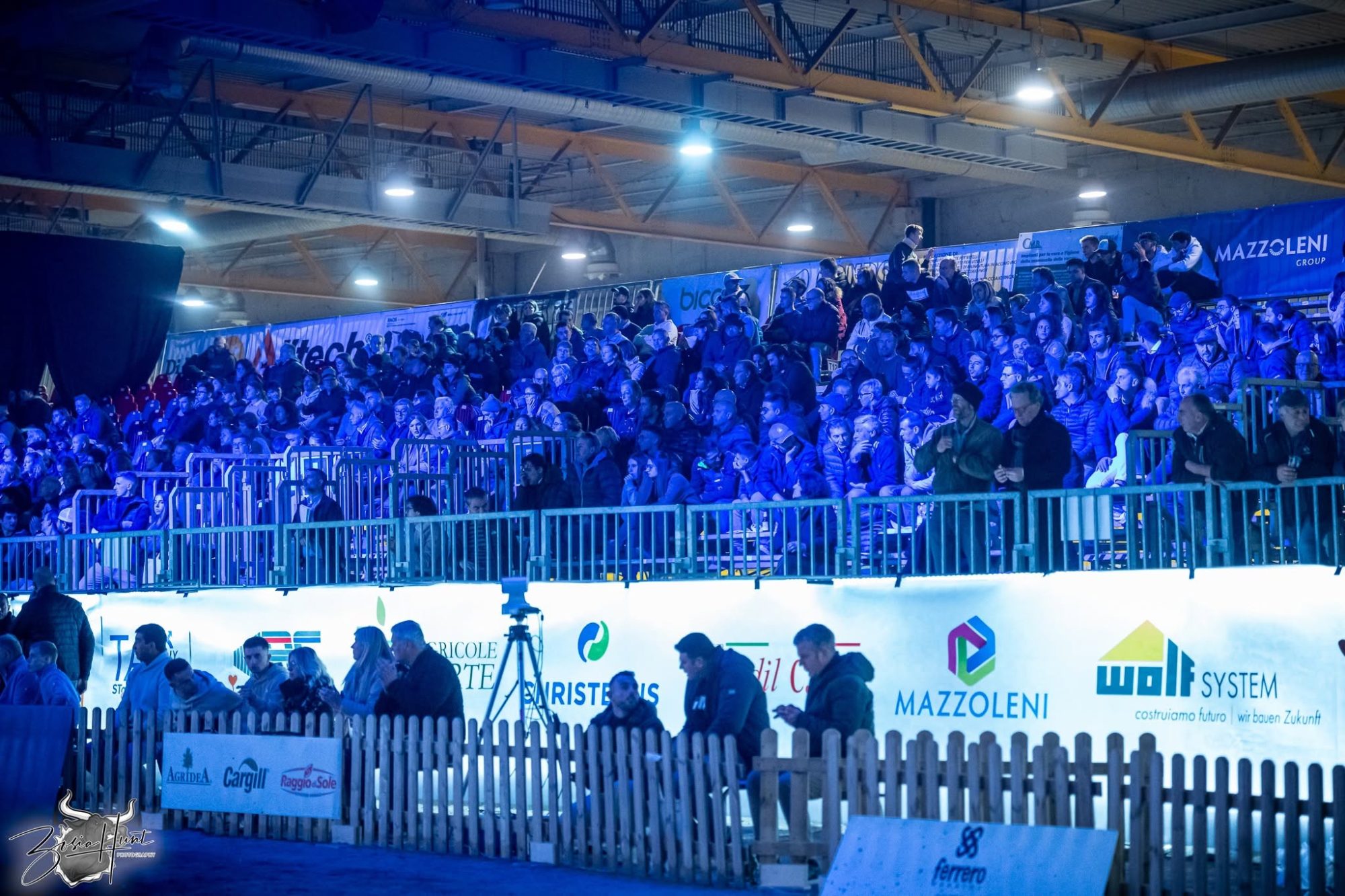
Go to Cremona, Italy, in late November. They run their show ring like a rock concert — darkened arena, theatrical lighting, music cues, giant LED screens. Fitters who’ve led at the top called the atmosphere “unreal” and “unbelievable.” And here’s the twist of the knife: Judge Nathan Thomas, fresh off a World Dairy Expo championship, said the spectacle is exactly why he took the Cremona assignment (The Bullvine’s Cremona coverage called it “a fashion runway built for Holsteins”).
Cremona is a show a third Madison’s size — about 200 exhibitors. It isn’t beating Expo on scale. It’s beating it on show. On the experience. On making people feel something special walking into the building.
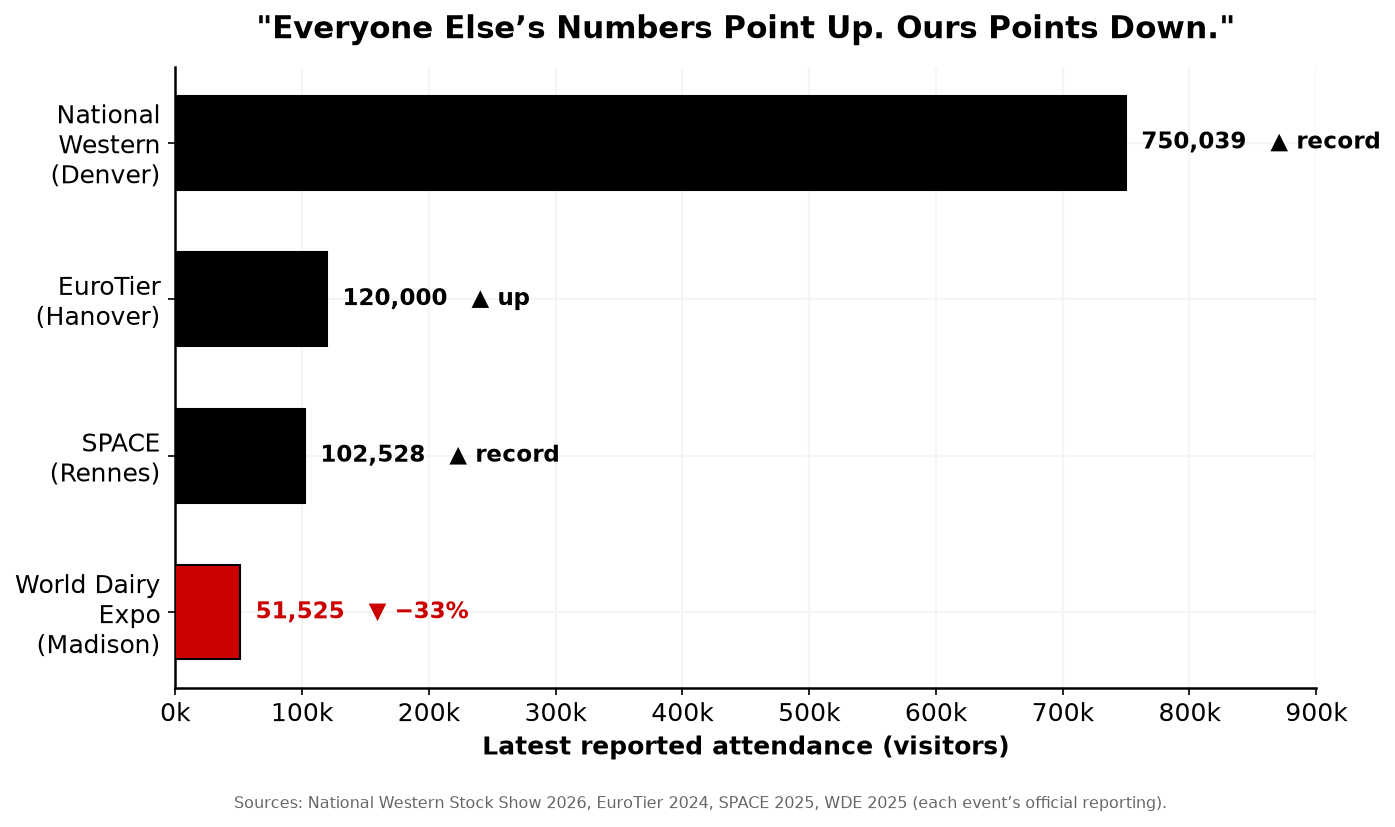
It’s not just Italy. EuroTier in Hanover pulled roughly 120,000 visitors from 149 countries in 2024 (EuroTier 2024). SPACE in Rennes set a record 102,528 visitors in 2025 (SPACE 2025). Those are broad livestock shows, not pure dairy — fair enough. But the direction of the number lines is the whole point. Theirs go up. Ours goes down.
And don’t tell me it’s a European thing. Drive to Denver. This January, the National Western Stock Show packed 750,039 people through the gates over 16 days — an all-time record that finally broke a mark standing since 2006 (National Western Stock Show; Denver7). Same continent. Same cold January. The difference is that Denver treats its show like a 16-day event the whole city can’t miss — rodeo, horse show, trade floor, the works (NWSS) — while we treat ours like a cattle competition with a trade hall attached. One of those models is setting records. The other is dyeing shavings.
When did our signature become the color of the shavings?
Ask anyone what makes World Dairy Expo special and you’ll hear it: the colored shavings. Stop and really feel how strange that is. The single most iconic thing about the world’s premier dairy event is the color they dye the wood chips — Hoard’s Dairyman literally ran a feature on how they’re made.
And here’s the maddening part: Expo knows how to do spectacle. The one-ton, 20-foot revolving globe has spun over the show since 1967. The themed backdrops have become a simple backdrop where once a full construction-site build for “Excitement is Building” (Hoard’s Dairyman). They do a supreme-champion moment — lights down, single spotlight, the music swelling as she walks in — gives everyone in that Coliseum chills.
So the talent is there. The history is there. The capability has always been there. The question isn’t whether Madison can light up a ring like Cremona. It’s why, year after year, we let more of our identity ride on the shavings and less on everything the rest of the world is now building around them.
That’s not bad luck. That’s a choice nobody’s owned.
So how did this happen on our watch?
Be fair: some of this nobody could stop. Farm consolidation and supplier mergers are real forces, and no show committee could have frozen them.
But “it’s structural” became the comfortable story everyone hid behind — because it lets all of us off the hook. And it doesn’t survive the timeline. The decline started before COVID. It kept rolling for three straight years after the farm shakeout was already over: 563, 551, 461. The cows never left. The milk never left. The hunger for genetics and technology only grew.
So no — this didn’t just happen to Expo. It happened while the people who love it assumed it was somebody else’s job to fix. The breeders kept showing. The enthusiasts kept buying tickets. And the slow leak kept leaking, because outrage requires somebody to first say the number out loud.
Consider it said.
What it would take to make Expo great again — four fixes that already work
To be clear: what follows is our opinion — a set of ideas drawn from what’s working at other shows, not a plan endorsed by or affiliated with World Dairy Expo.
Here’s the hopeful part, and it’s real: almost nothing here is fatal, and almost every fix already exists somewhere in the show world. The decline is a choice. Which means it can be un-chosen — if enough of us push.
| Lever | The move | The impact |
|---|---|---|
| 1. Light up the ring | Adopt Cremona’s high-production theater — lighting, music, LED screens, plain-English commentary. | Turns live judging into a broadcast-ready moment worth sharing. |
| 2. Prove value to brands | Give exhibitors modern digital lead data, plus a dedicated ag-tech pavilion. | Pulls back the commercial companies chasing real ROI. |
| 3. Rebuild the kid pipeline | Champion a dairy version of the beef jackpot circuit — frequent, cheap, low-stakes youth shows. | Restores the fading youth crowd that fills the seats in 2045. |
| 4. Capture the afterglow | Launch an official, app-integrated flash sale right after the Supreme selection. | Redirects the genetics surge back into the show that created it. |
No single lever saves Expo. Together, they turn a show that’s playing defense into an event the commercial world can’t afford to miss. Here’s the evidence under the four moves:
Light up the ring (Lever 1). Expo’s own ExpoTV livestream drew about 56,935 unique viewers and 212,916 views in 2023 — an online audience already rivaling the in-person gate. The reach is sitting there untapped. It also highlights that more people would like to watch from home than live, similar to the challenges the NFL have, something we have made suggestions in the past for: From Football Field to Dairy Show Ring: Translating NFL Marketing Prowess into Tanbark Success
Prove value to brands (Lever 2). 79% of exhibitors say they want attendee buying-cycle data; fewer than half get it (Exhibitor Advocate). And remember the earlier math — the big commercial barns didn’t stop needing genetics and automation, they need more of it than ever. Expo has to prove those buyers are standing in the aisles.
Rebuild the kid pipeline (Lever 3). Expo youth showmanship plateaus near 450 entrants while a single beef event runs 7,000-plus kids (Oklahoma Youth Expo). By 2023, only 1 in 7 Dairy Challenge students came from a dairy background. That’s the crowd that fills the seats in twenty years.
Capture the afterglow (Lever 4). You can’t buy the Grand Champion while she’s standing on the shavings — nor should you. But the moment the judge’s hand hits her hip, the private texts, breeder groups, and third-party sale platforms light up to trade her embryos and offspring. The infrastructure already exists: elite Madison-week sales like the Top of the World Sale have gone all-virtual with online bidding. Expo builds the marketing moment; an official flash sale ties that financial heat back to the entity that built the stage.
This is the part where you stop nodding and do something
If you’ve read this far, you’re not a bystander. You’re the person who actually cares whether your kids get to feel what you felt walking onto those shavings. So don’t just share this and sigh. Find your role below and do the one thing next to it.
If you’re on a board, committee, or breed association: Put the production question on the next agenda. Ask out loud why Cremona outshines us at a third our size — and what a lit-up ring would actually cost. Somebody has to ask. Let it be you.
If you exhibit or sponsor: Renewal contracts for the 2027 show go out this coming winter, with deposits due by early spring. Before you sign the next one, tell Expo exactly what would make the floor worth it again — lead data, a dedicated tech pavilion, a real reason to be there. They have every reason to be listening now, because they have to.
If you’re a breeder or a fan: Say the quiet part loud. Bring it up in the barn aisles, in the online groups, and anywhere breeders gather. The single biggest reason nothing’s been done is that nobody has demanded it as a community. A hundred voices that love this show beat any consultant’s slide deck.
Because the cows were never the problem. They still show up — the same nine and a half million of them, making more milk than ever.
The only question left is whether we show up for the show the way the breeders always have. Whether we make enough noise, soon enough, that Madison remembers it’s supposed to be the place nobody can stay away from.
The clock’s running. And right now, by default, we’re letting it slip.
What are you going to do about it?
Key Takeaways
- The cattle never left — attendance fell a third since 2014 and the trade floor is bleeding ~70 companies a year, while cow numbers and milk output held. This is a show-experience problem, not a dairy problem.
- Cremona runs a ring a third of Expo’s size and packs the house with lights, screens, and atmosphere. The capability exists in Madison too; the will to use it hasn’t.
- The next real window is the 2027 renewal cycle — contracts go out this winter, deposits early spring. If you exhibit or sponsor, that’s when your feedback actually moves the room.
- Nothing here is fatal, and every fix already works somewhere. Whether it turns around depends on whether the people who love this show start saying so out loud, now.
Want the deeper math behind all this? We’ve gone further on whether Expo is really dairy’s Super Bowl, on what dairy shows must learn from the booming stock-show world, and on where consolidation is taking the whole industry in our deep-dive, The Bullvine Dairy Curve.
Methodology note: Attendance, trade-show company, and cattle-entry figures come from World Dairy Expo’s own published show summaries except where noted. Farm count, cow numbers, and milk output are from the USDA Census of Agriculture and USDA NASS. Show-ring history (the globe, themed backdrops, colored shavings) is drawn from Hoard’s Dairyman and WDE’s published anniversary record. Comparative attendance for other shows comes from each event’s official reporting (EuroTier, SPACE, and the National Western Stock Show). National figures may not reflect your region or operation. Year-by-year gate counts vary by source: the 2024 show reported 55,209 attendees including 2,731 international visitors, WDE has not published a clean public 2022 gate count, and the 2023 figure ranges from “over 54,500” to ~56,250 depending on the source; these are flagged rather than smoothed over. World Dairy Expo was contacted for comment prior to publication.
Learn More
- Dairy’s Ultimate Power Play: Your Insider’s Guide to Conquering World Dairy Expo 2025 — Arms your operation with an actionable playbook covering admission strategies, travel scheduling, and networking timelines to maximize the financial and professional returns on your annual trek to Madison.
- Is the World Dairy Expo Really the Super Bowl of the Dairy Industry? — Contrasts the critical metrics of commercial relevance with global attendee profiles, exposing why the legendary event’s economic impact transcends the niche show ring despite an increasingly loud chorus of modern skeptics.
- From Football Field to Dairy Show Ring: Translating NFL Marketing Prowess into Tanbark Success — Delivers a blueprint for adapting mass-market sports promotion to regional and national cattle shows, shifting the focus toward aggressive branding guidelines and cultivating elite bovine superstars to systematically drive fan engagement.
The Sunday Read Dairy Professionals Don’t Skip.

Every week, thousands of producers, breeders, and industry insiders open Bullvine Weekly for genetics insights, market shifts, and profit strategies they won’t find anywhere else. One email. Five minutes. Smarter decisions all week.