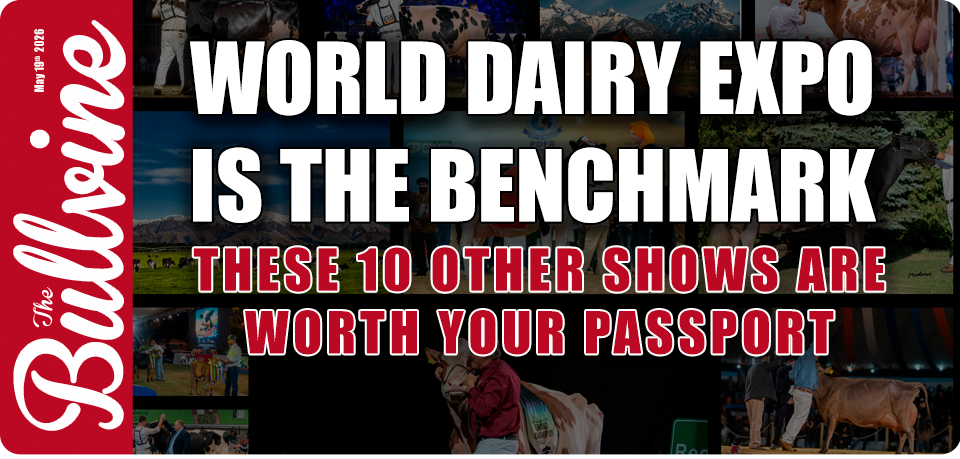




WDE draws 53,000+ from 95 countries. The Royal matches its class‑for‑class. Japan’s Grand Prix runs once every five years. Eight more shows follow — and most serious breeders haven’t been to any of them.
Ferme Jacobs is loading semis in Cap‑Santé before sunrise on a Tuesday in late August. Pierre Boulet’s string is already three hours up the road. Somewhere in Wisconsin, a fitter is checking a flight to Cremona for the second leg of a fall trip that started in Madison and ends with espresso. None of them calls this a vacation. They’ve stopped pretending it isn’t one.
Right now, somebody you know is standing barefoot on a beach holding a drink with an umbrella in it. You’re not jealous.
You’re checking in a string at 6:47 a.m. in a barn that smells like fresh shavings, tail adhesive, and possibility. Your back hurts. You’ve slept for four hours. The coffee is bad. And in eleven hours, when the senior three‑year‑old class hits the colored shavings, and the crowd leans forward as one organism, you’ll feel something no swim‑up bar has ever delivered.
That feeling has a name now.
Showcation. Time off spent at a cattle show — or in a cattle show universe — instead of a “real” vacation. Side effects: ruined tolerance for sitting still, an uncontrollable urge to book flights based on judging cards, and the gradual realization that the rest of the world’s “world cities” — Milan, Tokyo, New York — are pretenders. Your world cities are Madison, Toronto, Cremona, Castro, Quito, and a few sleepers so good you almost don’t want to tell anyone.
Almost.
This is the world tour. Eleven shows. Five continents. Ranked, opinionated, and honest about what’s elite, what’s underrated, and which one will absolutely change your life.
Pick two. Book them before you close this tab. Let’s go.
What Makes a Cattle Show Worth Traveling For?
A showcation is the full package: the flights, the planning, the sale catalog you read on the plane, the bar tab the night before the big class, the farm tours you bolt on, and the part where you come home with a notebook full of ideas and a phone full of cow photos and the unmistakable feeling that you’ve been reset.
You come back with a sharper eye and a worse tolerance for staying home. Both are features, not bugs.
It pays for itself, too. File it under continuing education, marketing, R&D, or “competitive intelligence” — pick your favorite and own it. Because watching 1,800 of the best cows on earth in a four‑day window is genuinely the most efficient learning week any breeder will ever have, for a deeper dive into how those cows actually get sorted in the ring, check out our Judging and Ring Craft Fundamentals guide to walk through what the cards are really telling you.
Honest reason you’re going? It’s spectacular. That’s enough.
The Showcation Cheat Sheet
Eleven shows, sorted so you can stack them without losing a calving season:
| # | Show | Country | Month | Best For | Difficulty |
| 1 | World Dairy Expo | USA (WI) | October | Everyone, once | Easy |
| 2 | The Royal | Canada (ON) | November | Holstein purists + city lovers | Easy |
| 3 | Le Suprême Laitier | Canada (QC) | August | Ringside intensity + culture | Easy |
| 4 | Cremona International | Italy | November | European elite + production value | Medium |
| 5 | All Japan Grand Prix | Japan | Every 5 yrs (Oct) | Bucket‑list once‑in‑a‑lifetime | Hard |
| 6 | Agroleite | Brazil | August | Energy + Latin American scale | Medium |
| 7 | Ecuador National | Ecuador | Varies | Hidden gem + Andes | Medium |
| 8 | Agroter (Azores) | Portugal | Summer | Pasture systems + island escape | Medium |
| 9 | PDFA Expo | India | February | Cultural shock‑and‑awe | Hard |
| 10 | NZ DairyEvent | New Zealand | January | Pasture systems + summer escape | Medium |
| 11 | Western Spring National | USA (UT) | May | Long weekend + Yellowstone | Easy |
1. World Dairy Expo — Madison, Wisconsin
The benchmark. The Coliseum. The show that gently destroys your previous standards.
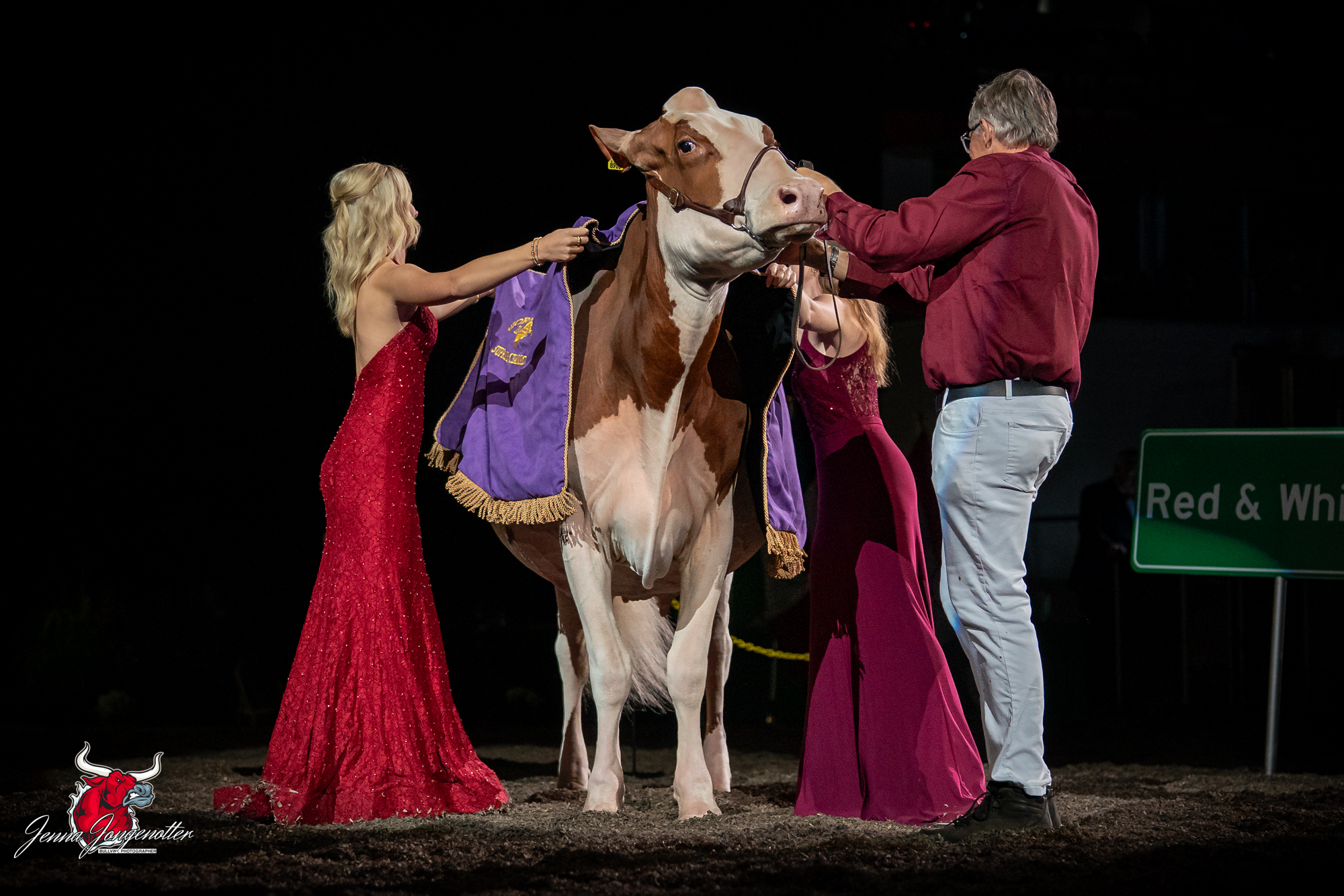
If you only ever export your cows or your carcass once in your life, make it Madison. That isn’t a slogan. It’s just true.
WDE pulls more than 53,000 attendees from 95 countries into a single Wisconsin fairgrounds for one week every October — roughly 1,800 dairy cattle on the grounds, 650+ companies in the trade show, and dairy people from Chile, China, Cremona, and Cache Valley walking the same alley between the Holstein barns and the trade pavilion.
Here’s what hits first‑timers like a kick in the chest: the heifer that won her class at your national show is fighting for seventh in Madison. The depth resets your eye permanently. You’ll never look at a class the same way again — and if you want our complete breakdown of the rings that defined the recent season.
Then the Coliseum. When the Senior Cow class loads up — when a great mature cow with that kind of width and presence and rear udder walks under the lights, and the building leans in — there’s no equivalent moment in any vacation, anywhere, ever. It’s the closest thing in agriculture to a championship fight. You can feel the building hold its breath.
Outside the ring, the trade show is sensory overload in the best way. Robotics demos, embryo programs, semen contracts, startup gadgets you’ve never heard of, all crammed into ten minutes of walking. Teat sealants, flush programs, and genomic strategy in a single aisle. The whole global dairy industry fits inside one fairgrounds for seven days.
Madison, the city, is the bonus round. Lakes, the Capitol, a Saturday farmers’ market that looks like a magazine spread, cheese curds at midnight at The Old Fashioned, and a bar scene where the person beside you is probably a herdsman from Italy.
Insider Notes:
- Lodging Strategy: Book hotels early in the summer, or stay slightly farther out and eat downtown to offset the premium rates.
- Can’t-Miss Event: Plan for a minimum of three days. Stay through the Parade of Champions and never miss the International Holstein Show.
- Networking Hub: Tanbark Café happy hours and trade show after‑parties are where the real conversations happen. Don’t skip them for sleep. Sleep is for December.
2. Royal Agricultural Winter Fair — Toronto, Canada
Madison’s equal in the ring. Then you walk outside, and you’re in a world city.
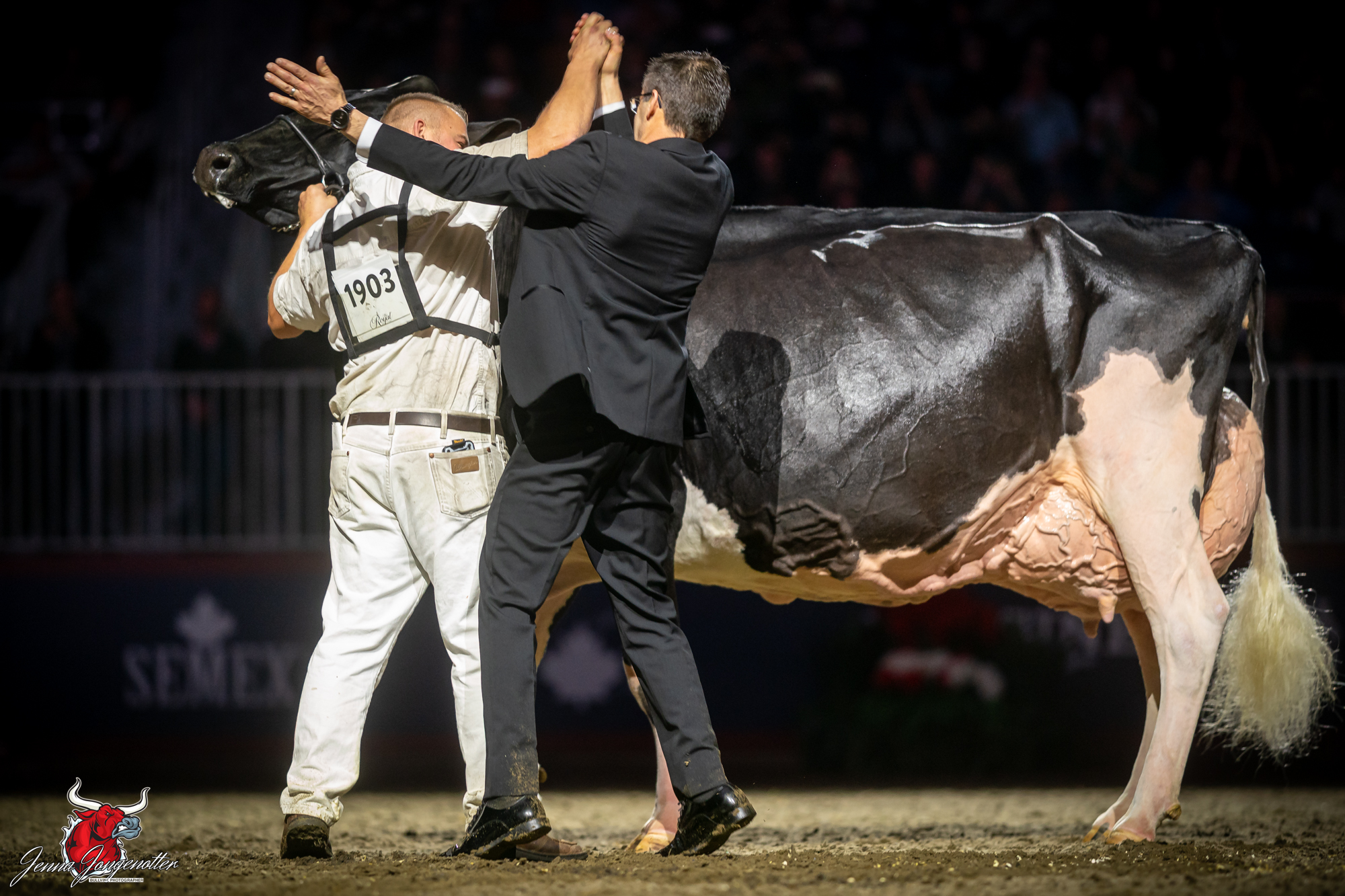
Settle this once and for all: for Holsteins, The Royal is on par with World Dairy Expo in ring quality and depth. Not close. Not “if you squint.” Equal.
The National Holstein Shows at the RAWF run in November, when cattle are at peak condition after a full season, and the cards read accordingly. Holstein Canada has already locked in Nathan Thomas and Joel Phoenix to judge the 2026 National Holstein and Red & White Shows, which tells you exactly how seriously the committee takes the standard.
Here’s what The Royal has that nobody else does: more than a century of history (the fair celebrated its centennial in 2022), an arena in the middle of Canada’s biggest city, and a “fair” wrapping around the show that’s the size of most countries’ national exhibitions. One ring over from a five‑year‑old Holstein walking under the spotlights, there’s a world‑class show jumping class. Downstairs, kids are seeing their first butter sculpture. Saturday Night at The Royal — when the Holsteins finish and the city lights up outside the doors — has its own electricity.
Then. You. Walk. Outside.
You’re in Toronto. Tie‑ups to one of the world’s great food cities in 20 minutes flat. Multicultural neighborhoods, Leafs and Raptors at Scotiabank, live music in Kensington, and the kind of restaurants that make non‑dairy spouses suddenly very supportive of your hobby. This is the showcation you sell to your partner first. You can’t lose pitching it.
Insider Notes:
- Commuting Pro-Tip: Stay downtown. Take the subway or a short Uber to Exhibition Place. Don’t try to fight Toronto traffic from the outer suburbs.
- Barn Access: Walk the cattle barns at 6 a.m. The morning light through the old rafters is gorgeous, and breeders are actually approachable before the massive crowds arrive.
- Booking Windows: Secure downtown hotels by early fall. November in Toronto fills fast due to winter conventions.
3. Le Suprême Laitier — Saint‑Hyacinthe, Québec
Quebec’s summer championship. French passion. North American show cows. Barn parties that go too late.
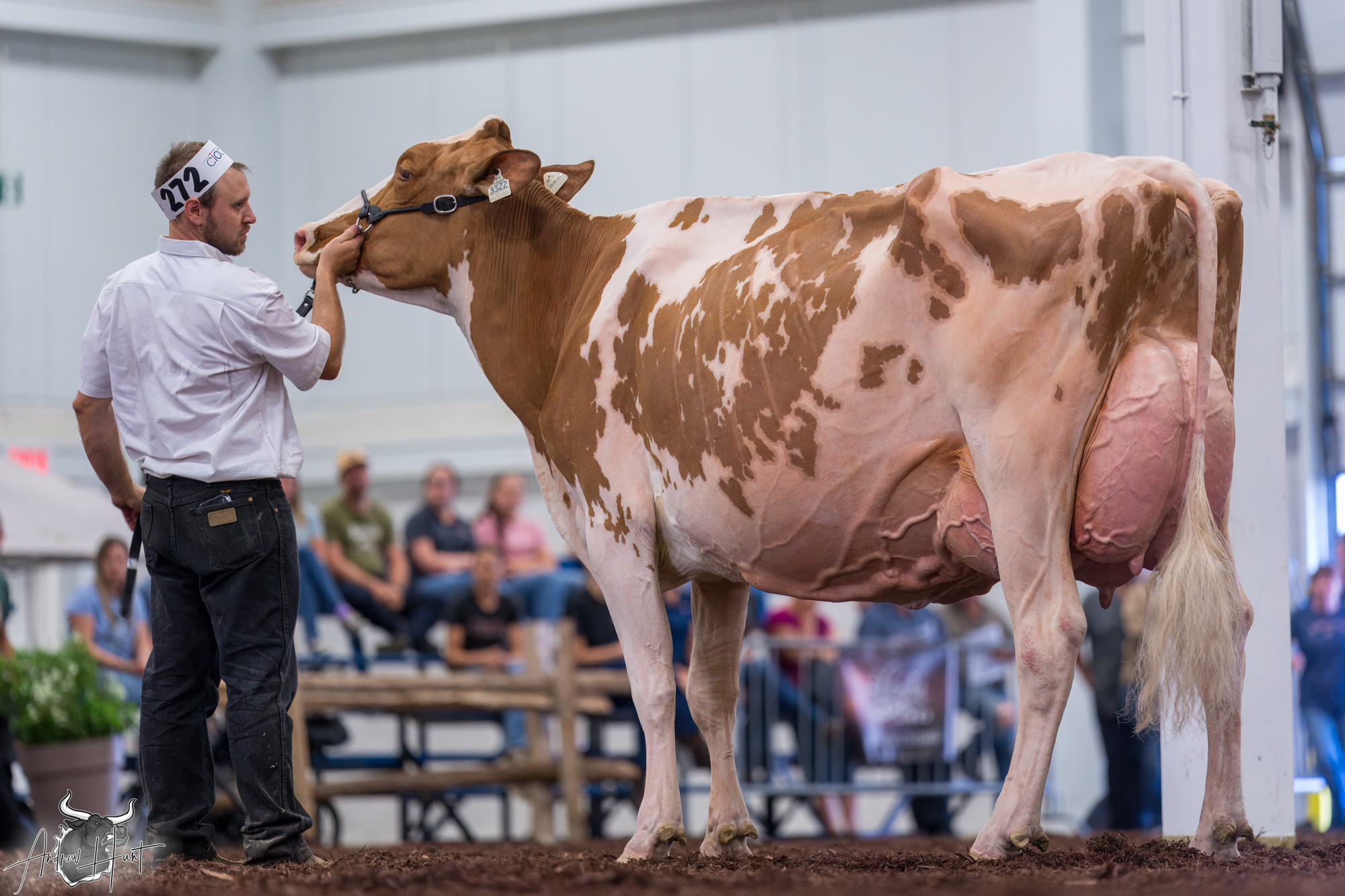
Pull up the recent results sheet and try not to start booking flights. Ferme Jacobs is anchoring multiple divisions. Comestar. Pierre Boulet is doing what Pierre Boulet does. The top of the ring reads like a who ‘s-who of modern global cow families — and it’s all happening in one barn, in late August, in the most beautiful agricultural region of Québec.
Nowhere else in North America does the European emotion of dairy meet North American show cow power quite like this. French‑Canadian breeders bring something different to the ring — louder, more familial, more multi‑generational, more theatrical in the best possible way. Grandfathers who led calves here in 1975 watch their grandkids show direct descendants of those exact cow families. The pride is real. The barn parties go later than they should. Your French gets better around midnight.
The vacation twist: rural Québec in late August. Poutine from a proper roadside casse‑croûte after the Holstein show. Cheese factories, sugar shacks, microbreweries, and small‑town festivals every weekend. Montréal is 45 minutes away if you want a city anchor for non‑show days.
Insider Notes:
- Inventory Alert: Because of the prime August timing, lock down your dates early. Saint‑Hyacinthe hotel inventory is notoriously tight.
- Genetic Capital: Watch for the embryo and elite livestock sales running concurrently alongside the show. Some of the most valuable genetic conversations of the year happen in those aisles.
- Local Secret: Bring cash for the rural roadside casse‑croûtes. Trust us on this one.
4. Cremona International Dairy Show — Cremona, Italy
Heir to Swiss Expo. A fashion show for cows. Espresso instead of energy drinks.
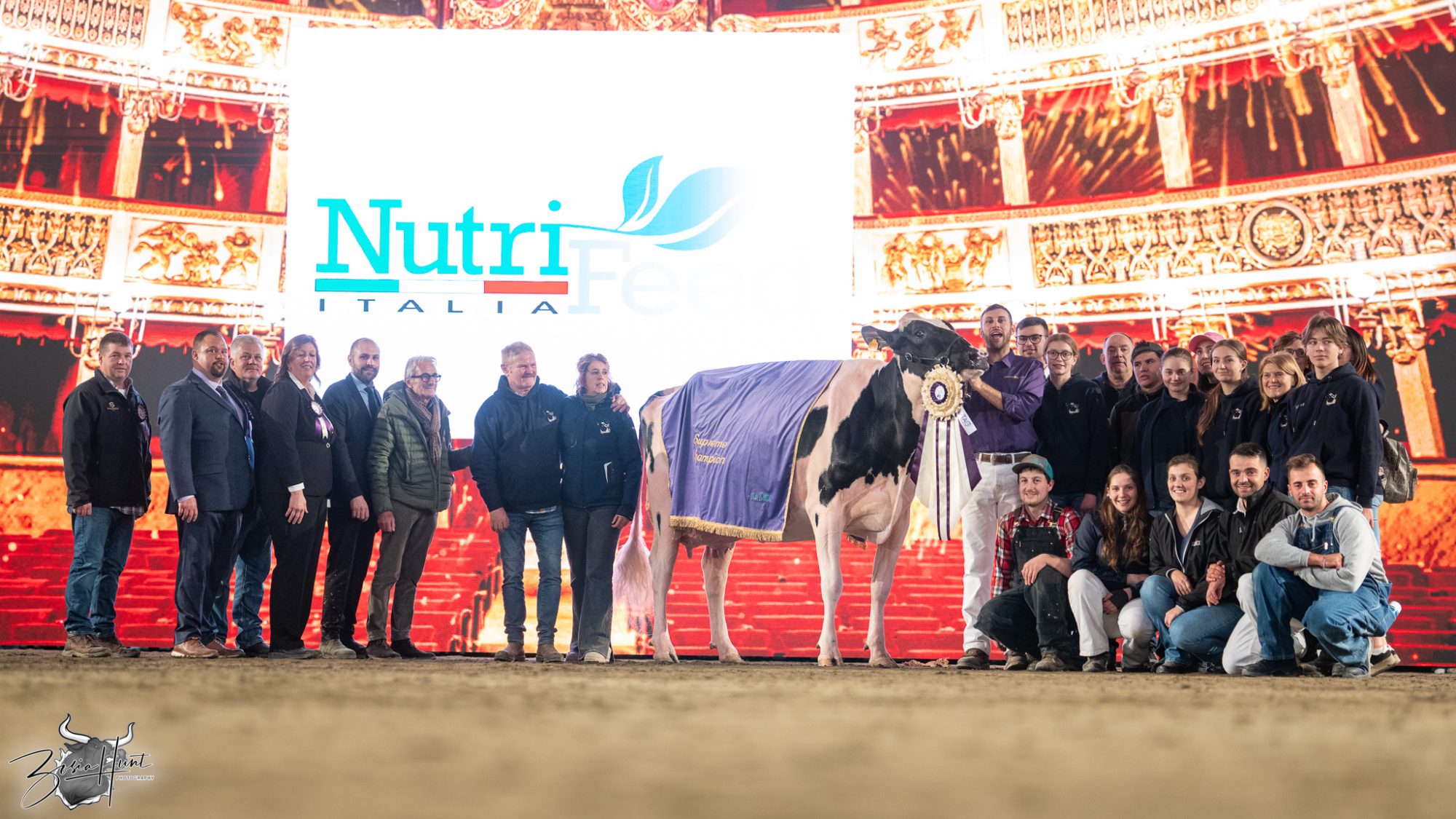
When Swiss Expo wound down, the European show world held its breath. Cremona stepped in and didn’t just fill the gap — it took the throne.
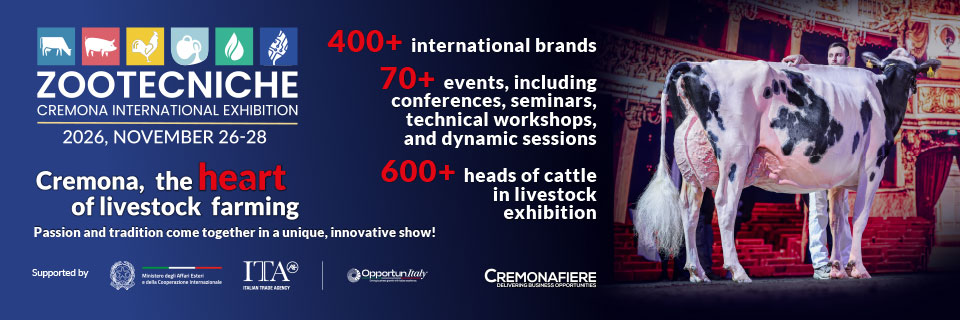
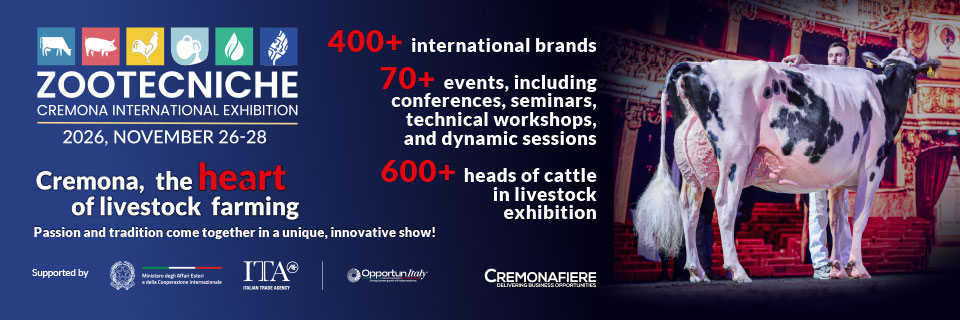
The 80th edition in November 2025 was the proof of concept that erased any remaining doubt. Fantasy Darsena tapped Supreme Champion and Grand Champion Holstein. DORAL RED daughters owned the Red & White ring. Nathan and Jenny Thomas ground through marathon judging days across multiple breeds. An Austrian alpine herd of just 60 cows — Schönhof — walked away as Premier Breeder and Premier Exhibitor in both Red & White and All Breeds. That kind of result doesn’t happen by accident; that’s a continental championship operating at full power.
But Cremona’s signature is the production. Darkened arenas. Theatrical lighting. Music cues. Tight crowds packed close to the cattle. This is a fashion runway built for Holsteins, and the Italians lean into it without apology. After two days, you start wondering why every show back home isn’t lit like this.
Step outside and you’re in Northern Italy. Risotto alla Milanese. Real espresso. Parmigiano-Reggiano right from the source. Lombardy and Emilia‑Romagna farm tours show you some of Europe’s most interesting Holstein and Brown Swiss herds operating at high‑input, high‑output intensity. Cremona quickly becomes the one trip your non‑dairy friends will spend years asking you about.
Insider Notes:
- Transit Strategy: Runs in late November. Fly into Milan Linate or Bergamo. Grab a rental car or catch the train—the trip to Cremona is a beautiful ride under two hours.
- The Evening Scene: Stay right in the historic city centre. Gathering in the piazza post‑show with a glass of wine alongside continental breeders is the whole point of the trip.
- Simplified Logistics: Group tours organized through regional or state Holstein associations are an underrated way to bypass logistical headaches and unlock otherwise closed farm gates.
5. All Japan Holstein Grand Prix — Hokkaido, Japan
Once every five years. Worth every second of the wait.
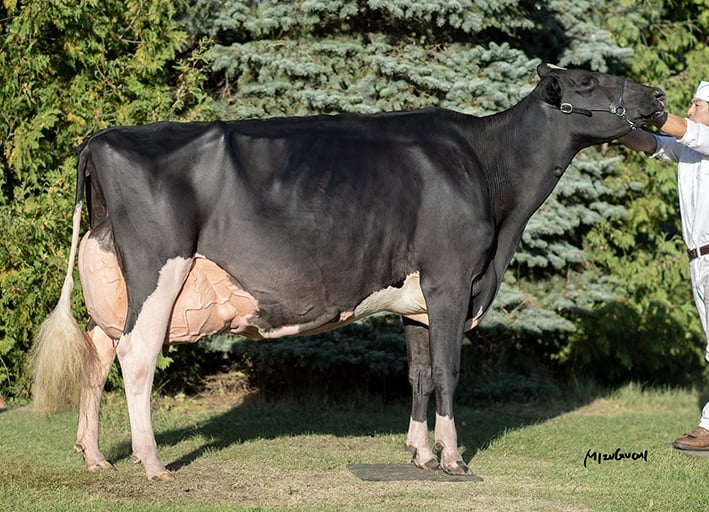
Japan is one of the most serious Holstein countries on Earth, and almost no one outside the inner genetic circle knows it. Near‑100% AI usage. Obsessive type and pedigree work. Show prep so meticulous it makes North American fitters look casual. Breeders like Tommy Araki, who spent 50 years bridging Japanese and North American genetics, producing legendary cows like ROCKET — EX‑95 — who tied the second‑highest classification score in Japanese history, and L’Espoir ReganStar Hagen, the nation’s solitary EX‑96 champion.
The catch? The All Japan Holstein Grand Prix happens only once every five years.
The historic 16th edition took place in Abira Town, Hokkaido, celebrating the 150th anniversary of Holsteins in Japan. 380 world-class cows from 38 prefectures went head-to-head. And the Grand Champion? She literally couldn’t stand eight weeks before the show. They got her up. She walked out and won supreme. Try writing that on a beach itinerary.
The atmosphere is profoundly disciplined. Japanese showmen bring a level of focus to clipping, toplines, and ring craft that western visitors describe as entirely humbling.
Insider Notes:
- Planning Horizon: Because of the strict five‑year cycle, lock in your transpacific flights as soon as the next dates are released.
- The Route: Fly into New Chitose Airport to access Hokkaido’s dairy heartland. Save a bullet train trip south to Tokyo for your second week.
- Overcoming the Barrier: Connect with the Holstein Cattle Association of Japan (HCAJ) or a local genetics distributor before departing. Japanese hospitality is unmatched, but a local guide can triple what you can experience.
6. Agroleite — Castro, Paraná, Brazil
Latin America’s flagship. Where the crowd reacts like a football match — and you’re glad they do.
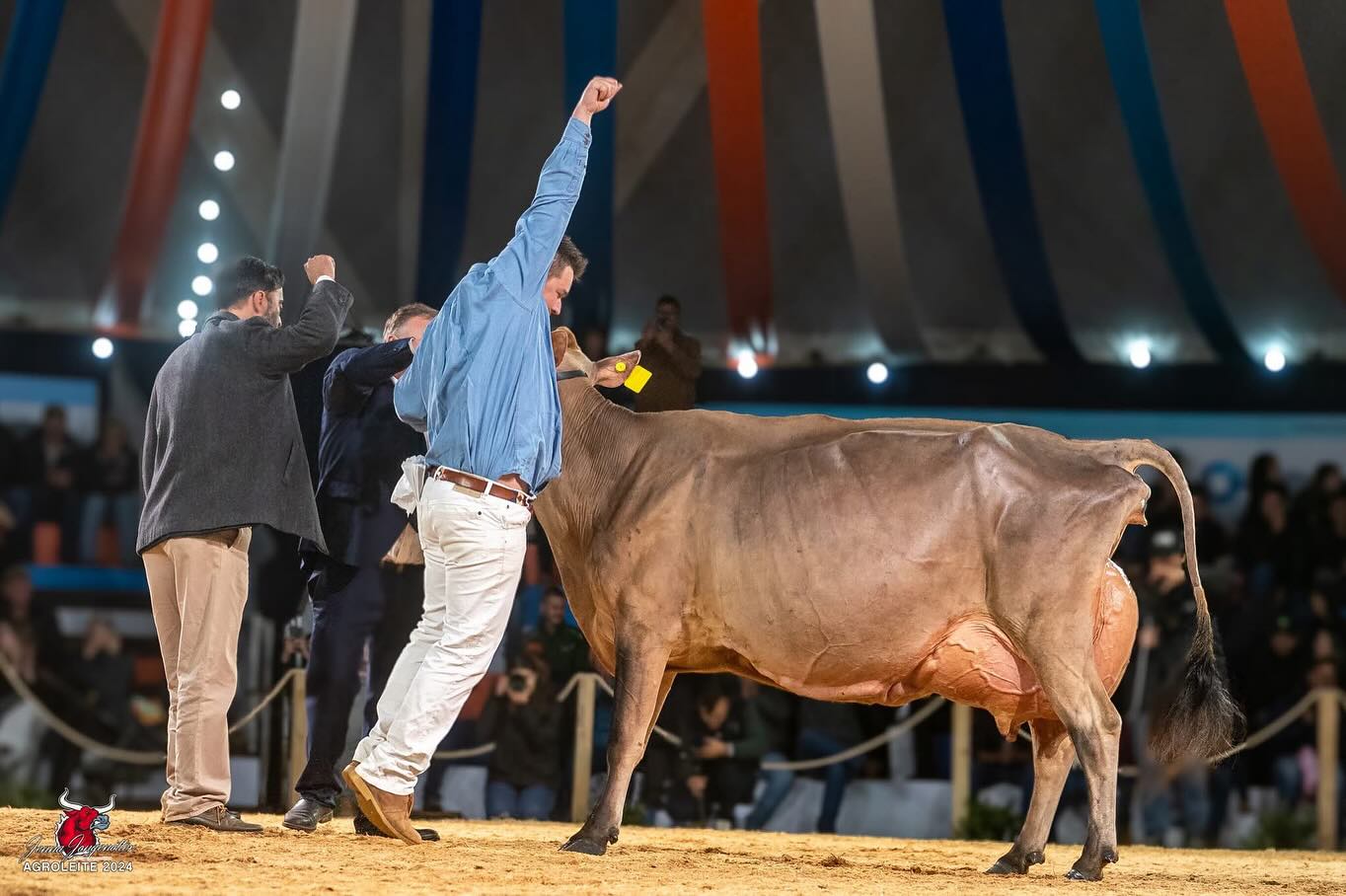
Agroleite completely rewires your understanding of how big and loud the global dairy sector truly is. The event is built around the powerhouse Castrolanda Cooperative, founded in 1952 by 50 pioneering Dutch dairy families who arrived in Brazil with just 61 cows and a massive vision.
Today, Castrolanda processes well over 200 million liters annually and commands staggering business volumes of north of R$500 million during a single Agroleite show week. Combining an elite Dairy Tournament, Fodder Park exhibits, dynamic machinery demonstrations, and deep breed shows, it easily eclipses the scope of most regional North American exhibitions.
While international judges like Brian Carscadden, Jamie Black, and Ryan Krohlow provide the rings with rigorous global calibration, the defining element here is raw energy. Brazilians watch a dairy class like a World Cup football match. Expect thunderous crowd reactions to structural placing moves in real time, entire multi-generational families filling the stands, and singing barn crews cheering their strings into the ring.
The travel add-ons are spectacular: authentic Brazilian churrasco, coastal getaways to nearby Florianópolis, and late-night barn hospitality where you’ll find yourself talking sire stacks at 2 a.m. in a mix of broken Portuguese and pure cow passion.
Insider Notes:
- Logistics Check: Hosted in Castro every August. Fly into Curitiba International Airport and rent a car for the straightforward two-hour drive inland.
- Vocabulary Prep: Learn at least 20 core Portuguese dairy and conformation terms before you land. It instantly turns hosts into lifelong friends.
- The Extension: Always split the trip. Spend three days at the show, and sneak in a coastal weekend on the backend to balance the pace.
7. Ecuador National Holstein Fair — Valle de los Chillos, Quito
A volcano in your show photos. Genetics shaped by the Andes. The world’s best‑kept showcation secret.
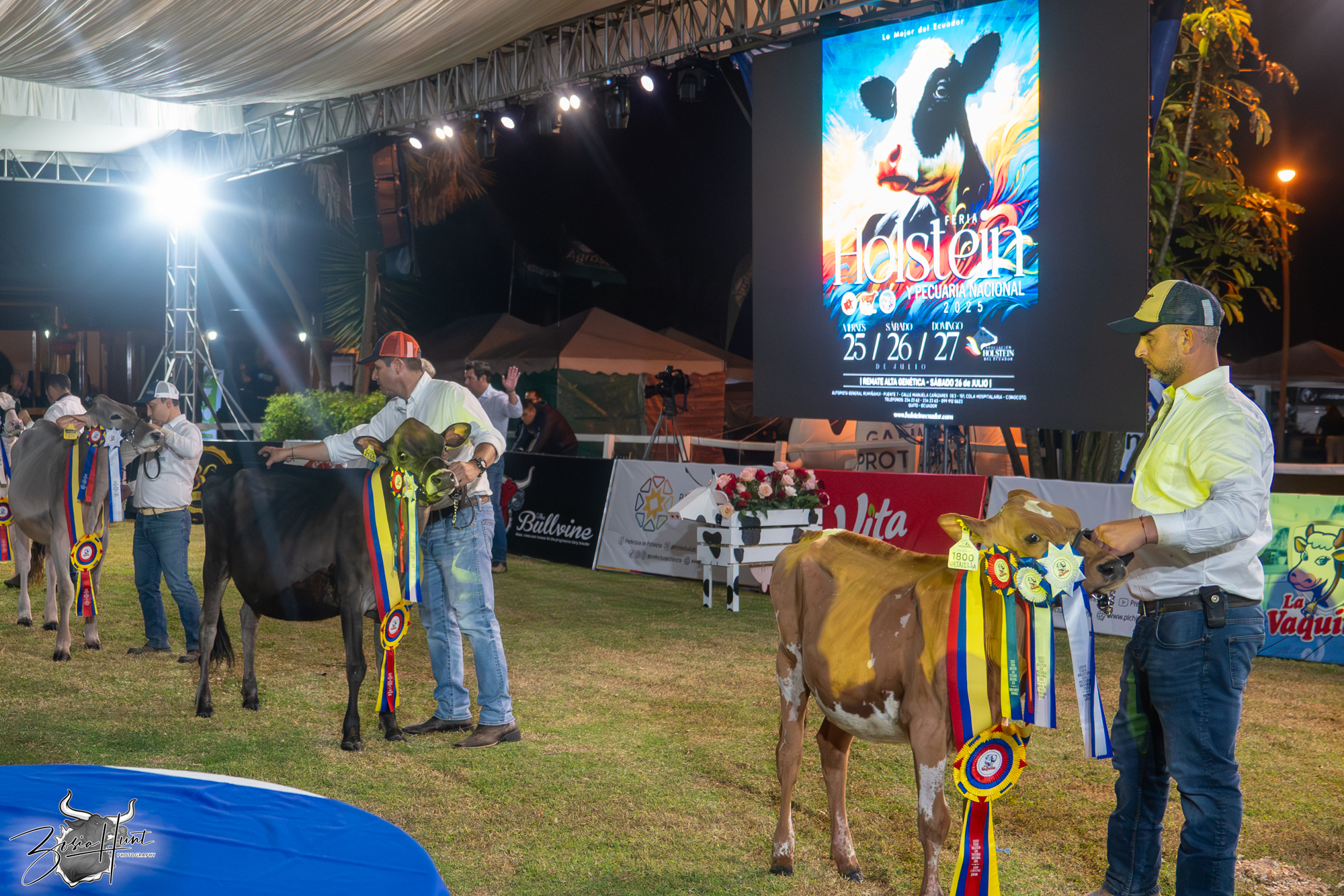
This is the hidden gem that nobody openly talks about—and that is exactly why it is worth the trek. Stand in the center of the ring at Ecuador’s National Holstein Fair, located in the gorgeous Valle de los Chillos just outside Quito, and look upward. An active volcano frames the backdrop of the cattle. Situated at an elevation of 2,500 meters, the light is unreal. Every photo looks like a postcard with a Holstein in it — only better.
The underlying genetics are stellar. Ecuador’s Holstein populations have been meticulously bred in the central Andes since the 1950s at elevations scaling up to 3,000 meters. That altitude, that climate, those gradients — they select hard for functional, durable, heat‑tolerant animals. The breeding associations have been running MOET since the late 1990s and IVF since the mid‑2000s, and pedigrees here reference the same global AI sires you’re using at home. The bloodlines here trace back to the same elite global AI sires milking in your home barn.
The local breeding community is incredibly welcoming, eager to share traditional food, pull you into their strings, and discuss deep pedigree trees long into the night. Turn the trip into an unforgettable vacation by leveraging Quito as a launchpad for cloud forest hikes, historic highland markets, or a direct flight out to the Galápagos Islands.
Insider Notes:
- Altitude Adaptation: Fly straight into Quito, but budget your first 24 hours strictly for leisure and hydration to acclimate to the 2,500+ meter elevation before hitting the barns.
- The Ultimate Add-on: If your farm budget permits, add a 4-day cruise extension to the Galápagos on the back end. It is an unmatched bucket-list pairing.
- Mindset Shift: Leave your assumptions at home. Ecuadorian dairy operations utilize world-class technology and intense management strategies that surprise Western visitors.
8. Agroter — Terceira Island, Azores, Portugal
A volcanic Atlantic island. NZ‑style pasture dairying. A small show with massive pride.
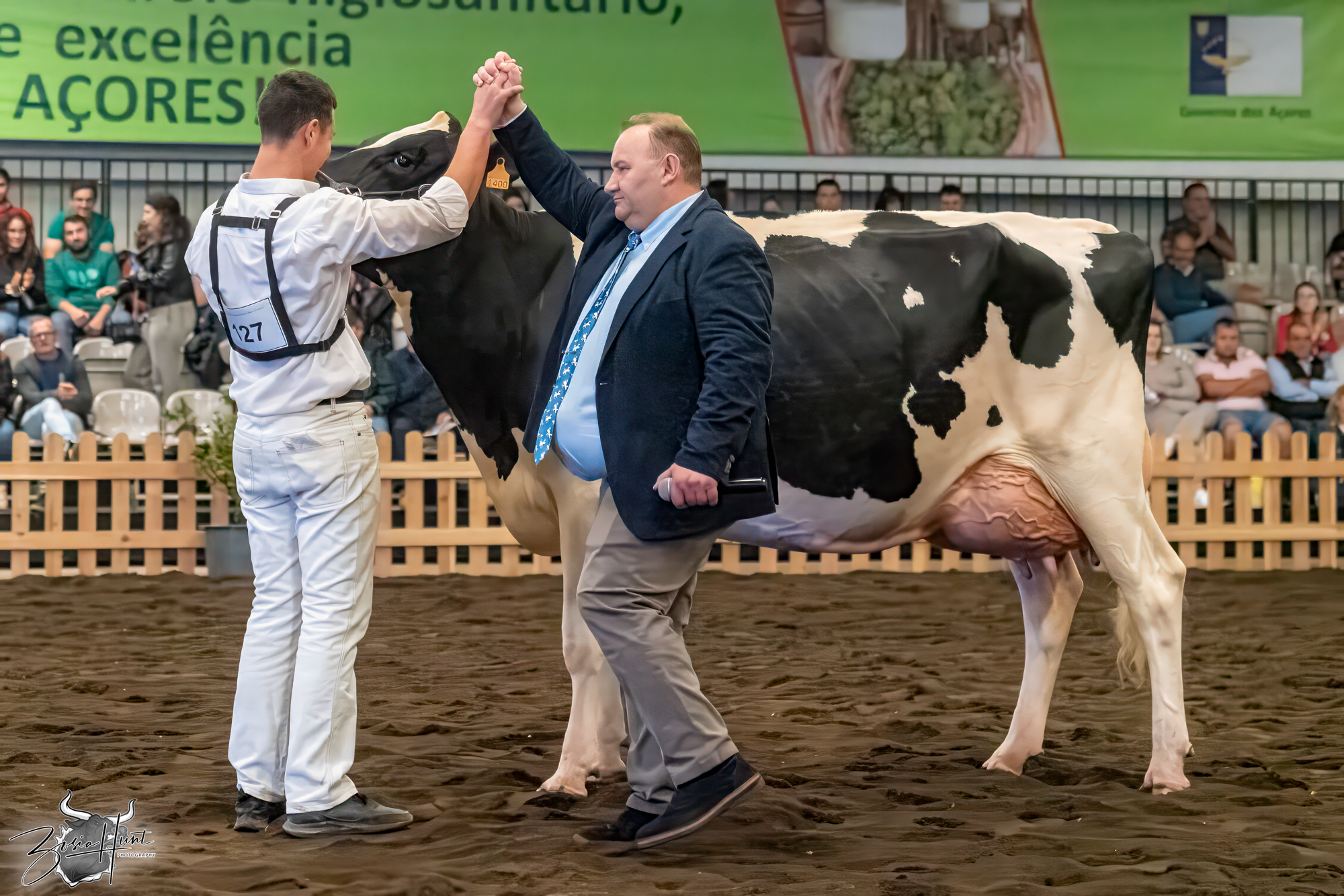
Terceira is one of those legendary, off-the-radar destinations passed quietly among well-traveled cowmen. Anchored 1,500 kilometers out in the Atlantic Ocean, right between Lisbon and New York, this volcanic island utilizes an intensive pasture-based dairy model that reflects New Zealand far more than mainland Europe.
Cows rotate through stone-hedged volcanic paddocks in a temperate maritime climate that drives exceptional forage growth nearly 365 days a year. This high-quality grass directly fuels the production of famous artisanal São Jorge and Ilha cheeses, resulting in some of the lowest component production costs in the developed world.
Agroter, the island’s agricultural exhibition, runs competitive breed shows every summer that showcase purebred Holsteins and innovative crossbreds optimized to excel in this specific high-grazing ecosystem. The show is intimate; you will comfortably meet nearly every single exhibitor before the conclusion of day one. The island’s pride is immense, and because it hosts very few international agronomists, visitors are treated like extended family.
The setting is surreal: the host city of Angra do Heroísmo is a protected UNESCO World Heritage site, the seafood is plucked straight from the Atlantic daily, and the dramatic coastal cliffs will make you completely rethink your concept of dairy geography.
Insider Notes:
- Flight Routing: Route through Lisbon or Ponta Delgada into Lajes Airport on Terceira. SATA/Azores Airlines handles the inter-island connectors seamlessly.
- Duration Guide: Plan for at least four full days. The island’s geography, volcanic caves, and coastal roads cannot be properly appreciated on a fast fly-in schedule.
- The Real Value: Work with local extensions to book a formal guided pasture tour. Seeing how these cows manage steep slopes and volcanic forage will give you concrete ideas for improving grazing efficiency at home.
9. PDFA International Dairy & Agri Expo — Jagraon, Punjab, India
300,000 visitors. Three days. One cow lifted in front of a stadium‑sized crowd. You will never forget it.
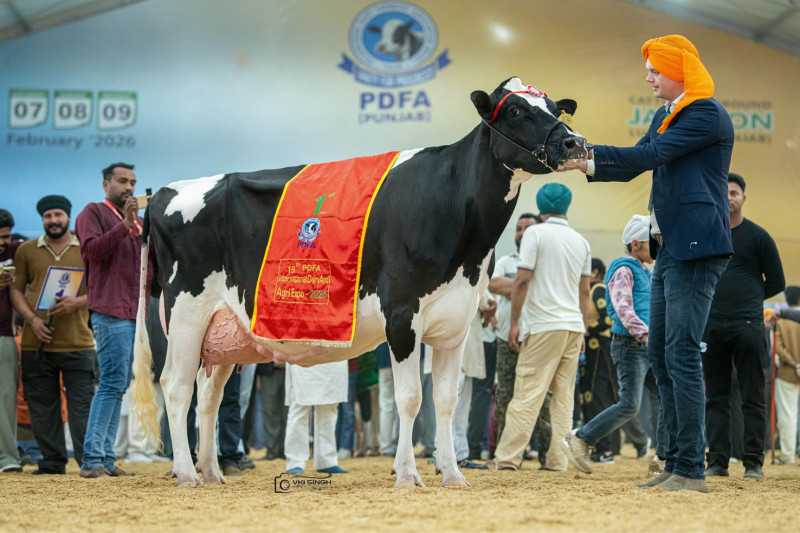
Read this number again: roughly 300,000 visitors over three days at the 19th PDFA International Dairy & Agri Expo in February 2026, per organizer reporting. Three. Hundred. Thousand.
This is exactly what agriculture looks like when it forms the absolute backbone of a regional economy. In Punjab, dairy farming is central to rural life—it is a vital economic engine, a profound marker of family social status, and a source of deep generational pride. The PDFA stages an event that mirrors that massive scale. The Grand Champion Holstein Friesian is crowned in front of concrete stadium stands packed to the rafters like an international soccer final, surrounded by beating drums and roaring crowds.
The cattle shown represent an interesting cross-section of pure imported North American/European genetics and highly adapted local Friesian crosses. The event features rigorous multi-day milking competitions, highly competitive type conformation classes, and massive trade rows that stretch for miles. It is loud, vibrant, intensely colorful, and presents an educational shock-and-awe that fundamentally recalibrates your view of global milk production.
For a true life reset, the magnificent Golden Temple in Amritsar—one of the most spiritually profound sites on earth—is less than an hour’s drive from the showgrounds.
Insider Notes:
- Weather Window: Held annually in early February. This gives you the ideal cool, dry, and clear winter weather window for comfortable travel in northern India.
- Arrival Vector: Fly directly into New Delhi or pick up a connecting flight to Amritsar. Arrange a dedicated private road transfer to Ludhiana or Jagraon through your hotel.
- The Mandatory Stop: Visit the Golden Temple, a non-negotiable part of your itinerary. It provides an unparalleled cultural perspective that rounds out the trip.
10. NZ DairyEvent — Feilding, New Zealand
The sleeper. The one show people quietly tell each other to bump up the bucket list.
Two international judges who’ve gone to evaluate the NZ DairyEvent admitted, on record, that they were genuinely surprised by the cattle when they got there. That tells you everything. That tells you everything you need to know about this quiet powerhouse.
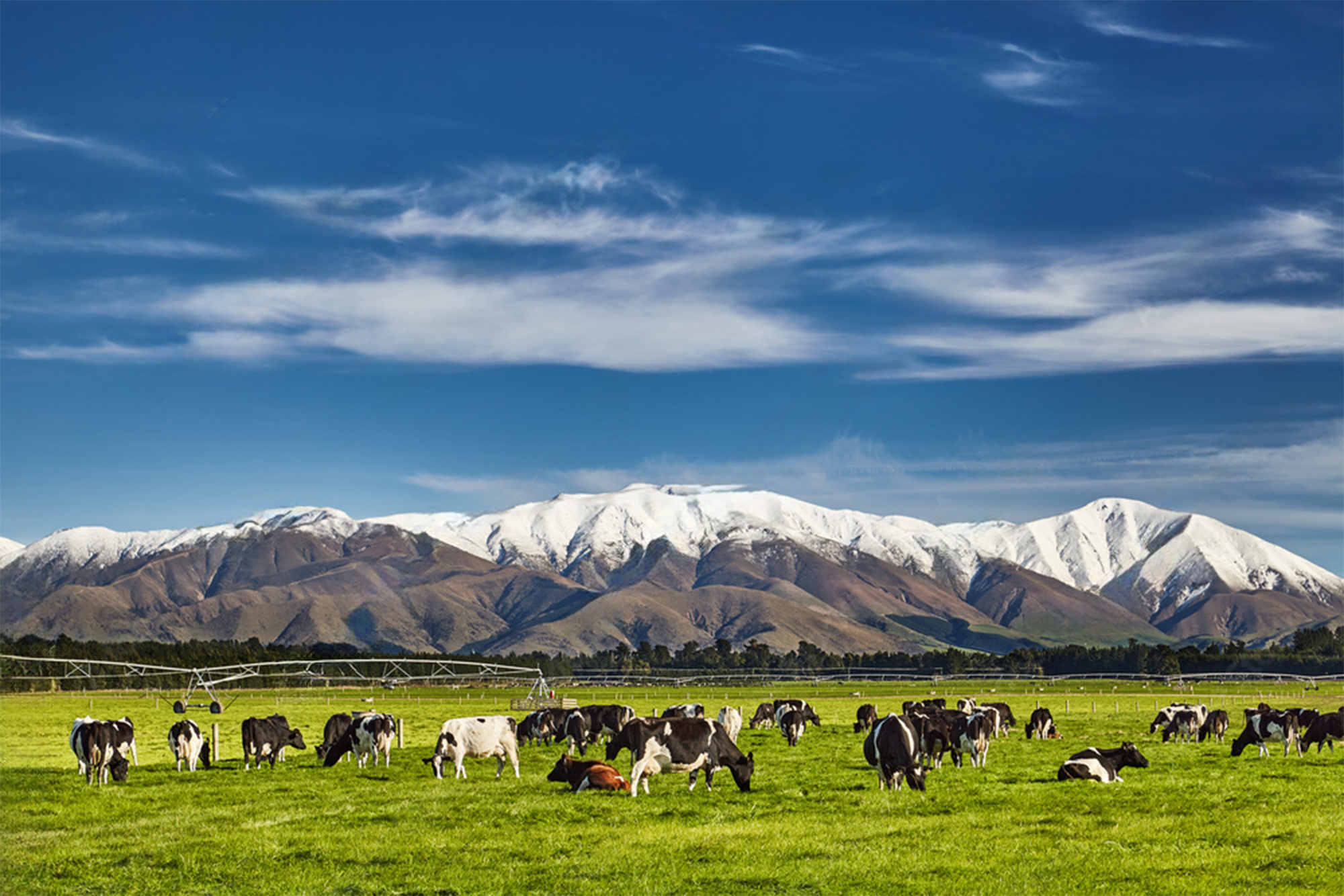
Staged every January at Manfeild Park in Feilding, the NZDE draws the absolute best Holstein, Jersey, and Ayrshire strings from both the North and South Islands. The competitive field routinely clears 370+ head, with class depth climbing rapidly every year. Look at operations like Ferdon Genetics out of Otorohanga—they have captured eight Grand Champion Jersey wins, four Supreme Dairy Cow titles, and nine consecutive Premier Jersey Exhibitor banners. Their legendary matriarch, Ferdon Comerica Viyella, won Grand Champion Jersey five times and Supreme three times on this very grass. This is elite-level generational breeding.
The overall vibe is classic Kiwi: welcoming, intensely practical, and entirely free of pretense. Yet the competitive fire in the ring is world-class.
The seasonal timing is a massive selling point: it offers a perfect midsummer escape in January. You can step off the showgrounds and immediately study some of the most efficient, low-input pasture dairy management models on earth, running at stocking rates that challenge conventional northern hemisphere economic models. Add a trip through Marlborough wine country or a flight down to Queenstown, and you have the ultimate ag-travel package.
Insider Notes:
- Cultural Advantage: Held in late January. The show features free public gate admission, fostering an open, community-driven event culture where networking is incredibly easy.
- Travel Hubs: Fly into Auckland or Wellington, then catch a quick domestic flight straight into Palmerston North to access Feilding.
- System Analysis: Do not limit yourself to the North Island. Take the ferry or a flight south; analyzing the stark operational contrasts between the regional grazing systems is worth the price of admission alone.
11. Western Spring National Holstein Show — Richmond, Utah
Laid‑back, community‑driven, with a national park down the road.
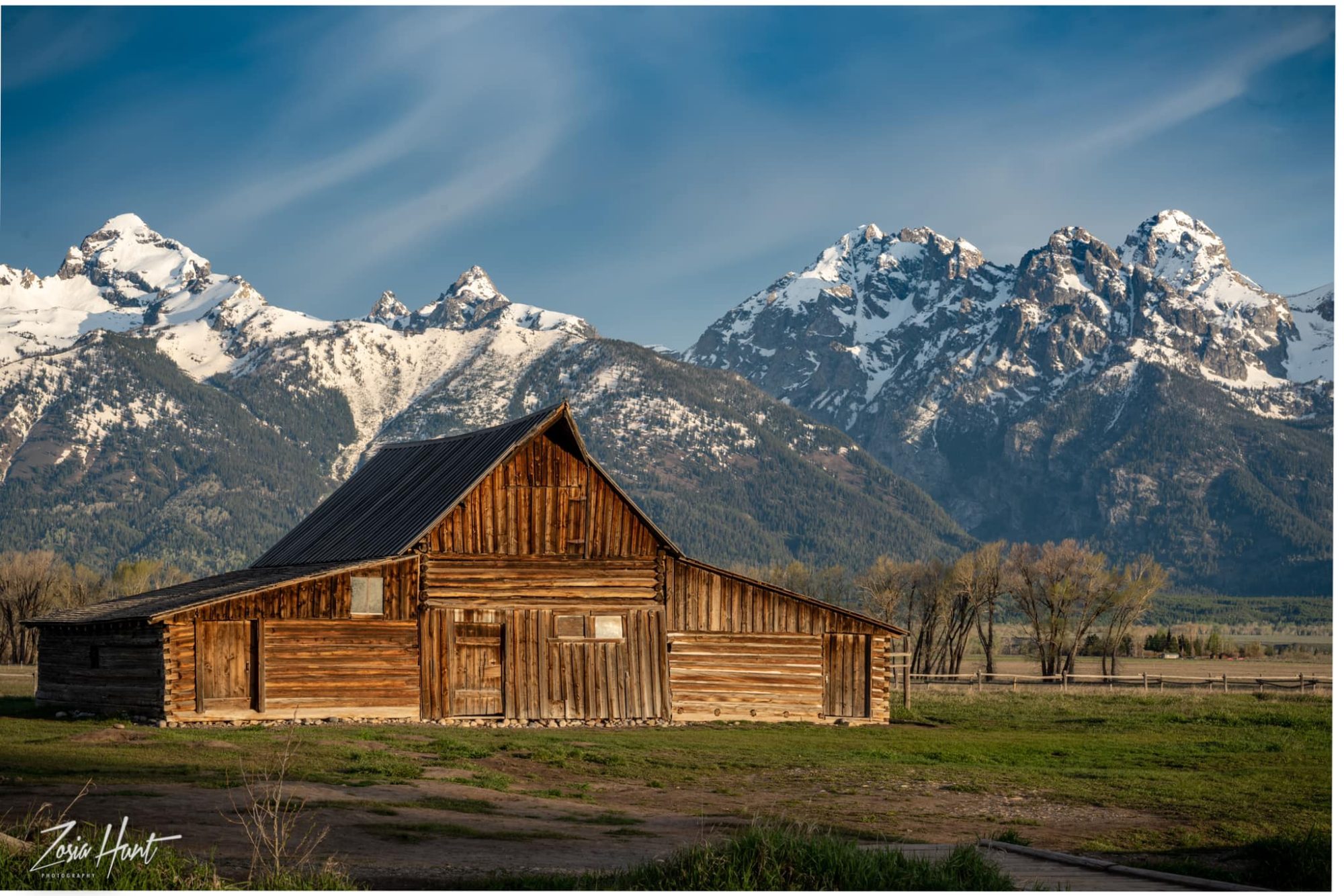
Not every world-class showcation requires a passport or an international cell phone plan. The Western Spring National Holstein Show in Richmond, Utah, proves that elite cattle, sharp judging, and awe-inspiring alpine scenery can easily be packaged into a long weekend rather than a multi-week international expedition.
The show aggregates the absolute finest strings from across the western United States—drawing top exhibitors from Utah, Idaho, Nevada, California, and Oregon into one competitive barn every mid-May. The show features top-tier national judges like Pat Lundy and Andy Reynolds sorting through highly competitive fields.
The tight-knit dairy community in Cache Valley is the true differentiator here. If you show up with genuine curiosity, breeders will instantly pull you into their alleys. The barns are exceptionally clean and walkable, the master breeders are highly approachable, and the conversations about genetic strategy are as authentic as they get. The mid-May timing means you get to see fresh, high-yielding early-lactation cows and the very first calves from last winter’s flush choices making their debut.
The structural bonus of Richmond is its location. The iconic Yellowstone National Park sits just three hours north, with Grand Teton National Park positioned along the same mountain route. Traveling in early May allows you to witness baby bison herds, calving elk, and active grizzly bears emerging for the season—all entirely before the chaotic summer tourist traffic clogs the park roads.
Insider Notes:
- The Route: Fly directly into Salt Lake City International Airport. Rent a truck and drive an easy, scenic two hours north into Cache Valley.
- The Itinerary: Block out two to three extra days specifically for the mountain parks. This shoulder-season timing is the ultimate trick for avoiding tourist crowds.
- Packing Strategy: Pack high-quality layers. Utah spring weather in the mountains is notoriously unpredictable and can swing from warm sunshine to a sudden valley snow flurry in a single afternoon.
How Do You Decide Which Showcation to Book First?
To maximize the return on your time and travel capital, run your decision through three distinct operational filters:
Filter 1: Where Is Your Eye Right Now?
If you have never stood ringside at a national-level show outside your own immediate region, Madison is your mandatory starting point. WDE will permanently calibrate your eye for dairy conformation, and every other show on this list reads differently after you’ve experienced the Coliseum. However, if you have already done Madison and Toronto multiple times, you do not need a third trip to the same barns—you need to push your comfort zone and head to Cremona, Japan, or Brazil to observe how the global genetic game is played when you don’t speak the native language.
Filter 2: What Is Your Primary Structural Goal?
- For Pure Type Conformation & Pedigree Design: Focus your travel on Madison, Cremona, and the Royal Agricultural Winter Fair.
- For Commercial Management Perspective & Systems Reset: Head straight to the grazing and high-altitude models of Ecuador, the Azores, or New Zealand.
- For Pure Cultural Shock-and-Awe: Book the PDFA Expo in Punjab to witness dairy integrated into society at an unmatched scale.
- For Elite Regional Networking: Head to Utah for the Western Spring National to connect with progressive western operations.
Filter 3: What Is the Reality of Your Farm Calendar?
If your home herd experiences a massive calving cluster every October, accept it and pass on Madison this year. Instead, pivot and schedule Cremona in late November or the NZDE in January when your fresh cows are settled. If crops are still standing or the silage harvest falls within a critical window in late August, Le Suprême and Agroleite can wait for the next rotation.
The Ultimate Takeaway: A proper showcation is not about abandoning your home operation; it is about strategically matching the right global ring to the exact window when your farm can safely run on automated protocols.
Why You’ll Never Stop Doing This
Once you do one proper showcation, you start scheduling your year around the next one. It’s not a phase. It’s a permanent rewiring.
Take Steve, a Canadian breeder who plans his calendar the way other people plan cruises. Three years ago: Madison and Cremona, same trip. Last year: Agroleite and Ecuador back‑to‑back, because “if I’m already halfway there.” His non‑dairy wife is now the one taking screenshots of Jersey heifers at 11 p.m. and demanding they book the Azores.
Then there’s Claire, a young breeder who sold her parents on her first WDE trip at 22 by writing “continuing education” in the farm budget. She came back with a notebook full of ideas, ringside contacts at major AI firms, and a permanently sharper eye.
Ask either of them why they keep booking flights, and they will point to the same three pillars:
1. Sharpens Your Eye: Watching the best cows on earth, in person, in high volume, permanently sharpens your eye. The compounding returns on your domestic breeding decisions are real. 2. Expands Your Network: The breeders you lean against the gate with become the people who answer your DMs five years later when you’re making a tough flush or sire selection. Zoom cannot replicate this. 3. Provides a Mental Reset: A week entirely away from your bulk tank, your fences, and your daily breakdowns gives you the high-level perspective needed to grow your operational business.
Yes, it costs money. Yes, it takes you off the farm. So does buying a new mixer wagon—and that won’t hand you a notebook full of breeding ideas, a global network, and the memory of a Senior Cow class in the Coliseum that you’ll think about while feeding calves twenty years from now. Stop apologizing for it. Call it what it is: an investment in your eye, your network, and your business headspace.
Key Takeaways
- If you’ve never been to Madison, that’s your next 12 months. Everything else on this list reads differently after WDE. Book it before September fills.
- If you’ve done WDE and The Royal twice, your next trip must be international. Cremona, Japan, Brazil, or Ecuador will change how you think about the global dairy industry in ways no livestream replicates.
- If the partner test is your friction point, anchor the show to a destination they want. Royal + Toronto, Cremona + Italy, Western Spring + Yellowstone. The math gets easier when the trip sells itself.
- If “someday” has been your answer for three years running, execute the 30‑day move. Pick one show. Put dates on the family calendar this month. Price flights this week. Conversion from intent to commitment is the highest‑ROI action you’ll take this quarter.
- If budget is the real hurdle, run the math against an equipment upgrade. A flush program or genetic purchase informed by what you actually observed at Madison or Cremona is harder to put a price on than a piece of iron—and far easier to justify.
So — Which One Are You Crossing Off First?
Pick two shows. Right now. Not “someday.” Not “if the milk price holds.” Two shows, on a calendar, with flights attached, before you close this tab.
When somebody at the coffee shop asks why you spent your vacation at a cattle show, don’t get defensive. Just smile. Pull out your phone. Show them the third photo. By photo five, they’ll be asking how to get tickets.
You can keep the beach loungers, the cruise buffets, and the all‑inclusive bracelets. For the rest of us, the best vacation on earth still starts with loading the trailer.
If you want our deeper coverage of the cards, classes, and breeding decisions coming out of these rings — the kind of breakdowns that turn a good showcation into a productive one — that’s what our Bullvine show reports deliver every week. The Bullvine Weekly newsletter pulls the highlights into one place.
We’ll see you ringside.
The Sunday Read Dairy Professionals Don’t Skip.

Every week, thousands of producers, breeders, and industry insiders open Bullvine Weekly for genetics insights, market shifts, and profit strategies they won’t find anywhere else. One email. Five minutes. Smarter decisions all week.