






They mocked Mountfield SSI Dcy Mogul-ET for siring “fat heifers”—then his daughters made him the youngest millionaire in Select Sires history and reshaped four generations of Holsteins.
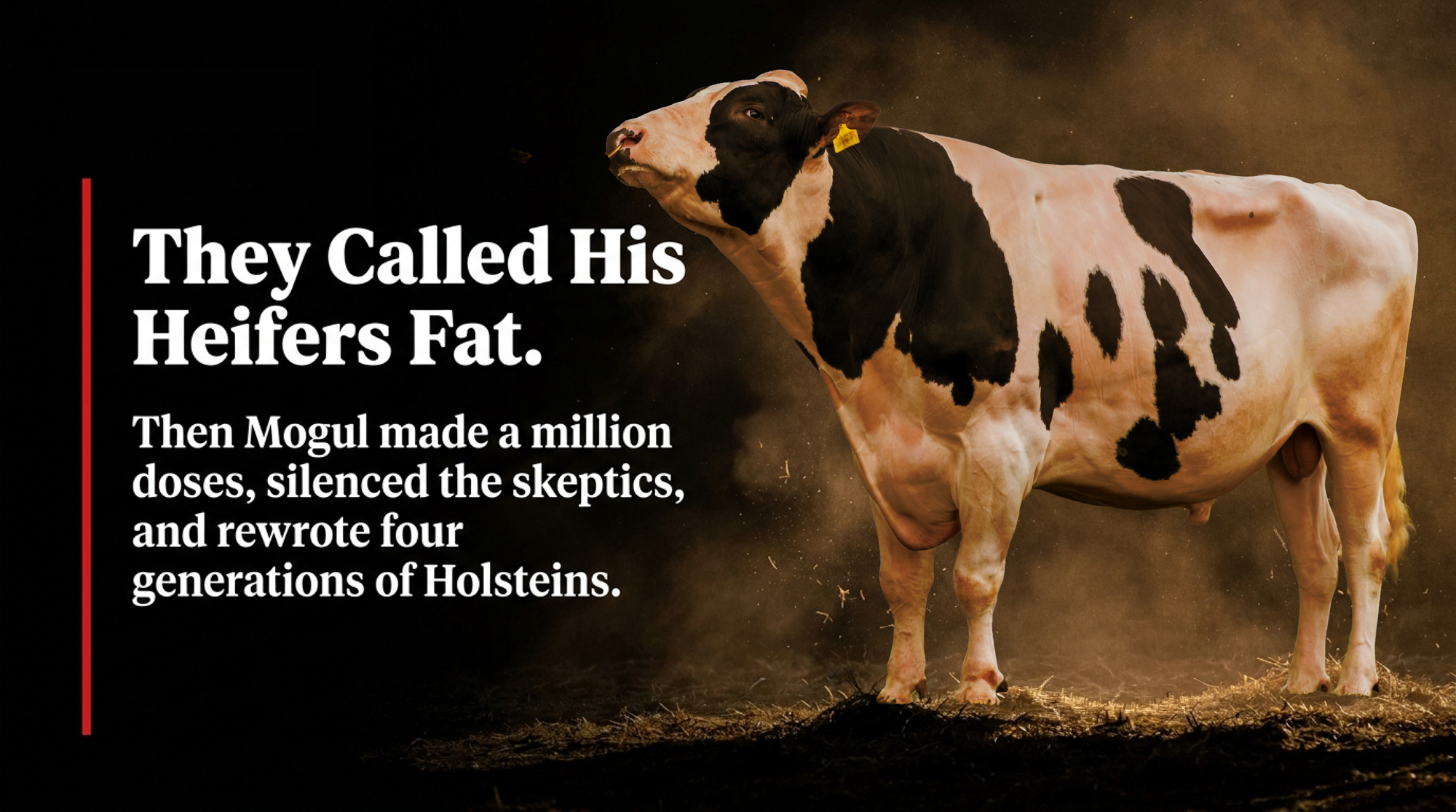
One million doses by age seven—the youngest in Select Sires history. Not bad for the bull breeders mocked for siring “fat heifers” before his daughters shut them up.
They called his heifers fat.
That was the word making the rounds through AI desks and breeding circles in 2013 and 2014, back when the first crop of Mountfield SSI Dcy Mogul-ET daughters were developing on farms across the Midwest and Northeast. Thick, deep-bodied heifers that didn’t fit the angular dairy frame most classifiers rewarded. Breeders who’d paid top-shelf semen prices were getting nervous. Select Sires themselves would later acknowledge it with unusual candor: their marquee genomic sire had been “criticized for siring ‘fat bred heifers.'”
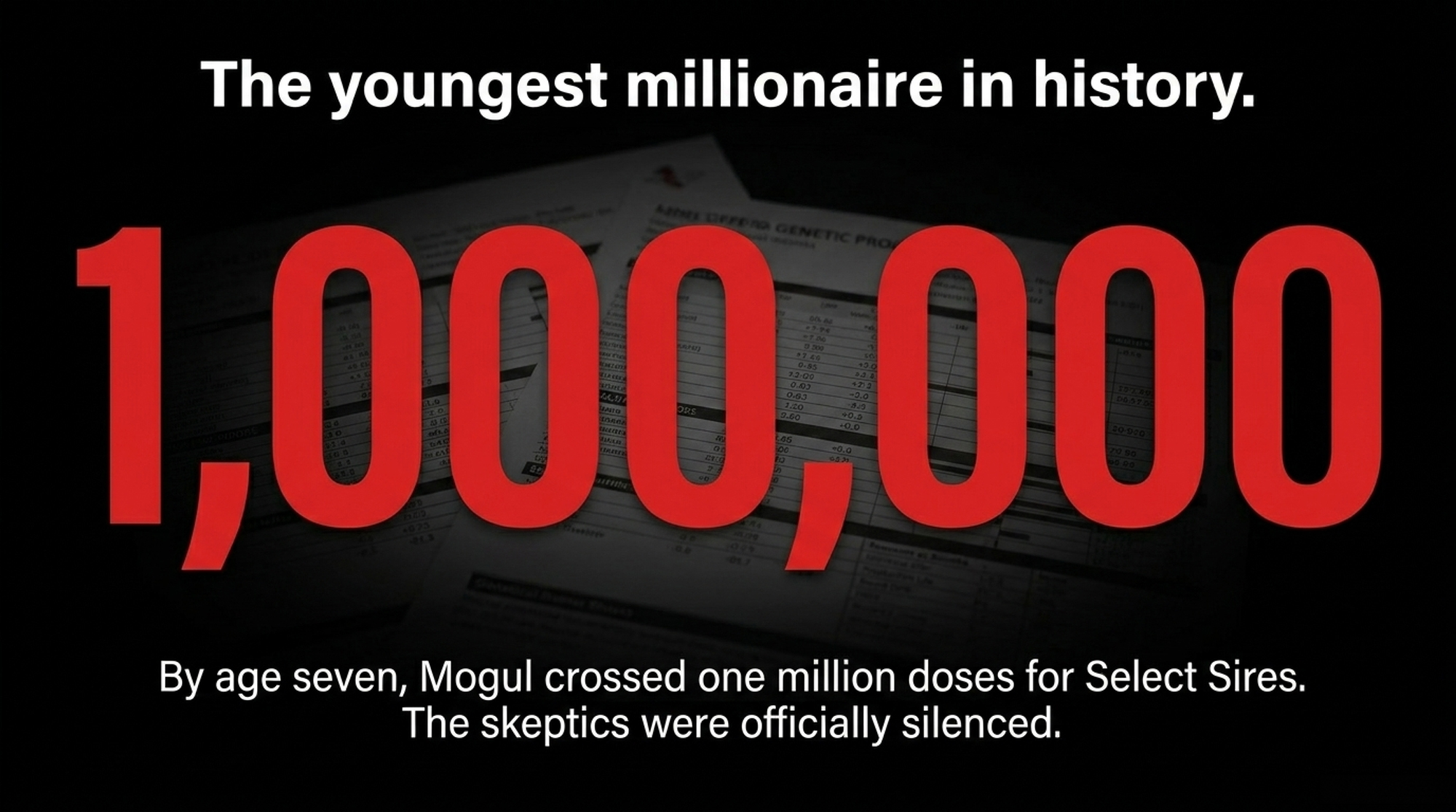
Three years after that whisper campaign, the same bull became the youngest millionaire in Select Sires history. One million doses at seven years old. Only nine sires in the cooperative’s existence had ever reached that number, and the earlier ones typically needed a decade and a half to get there.
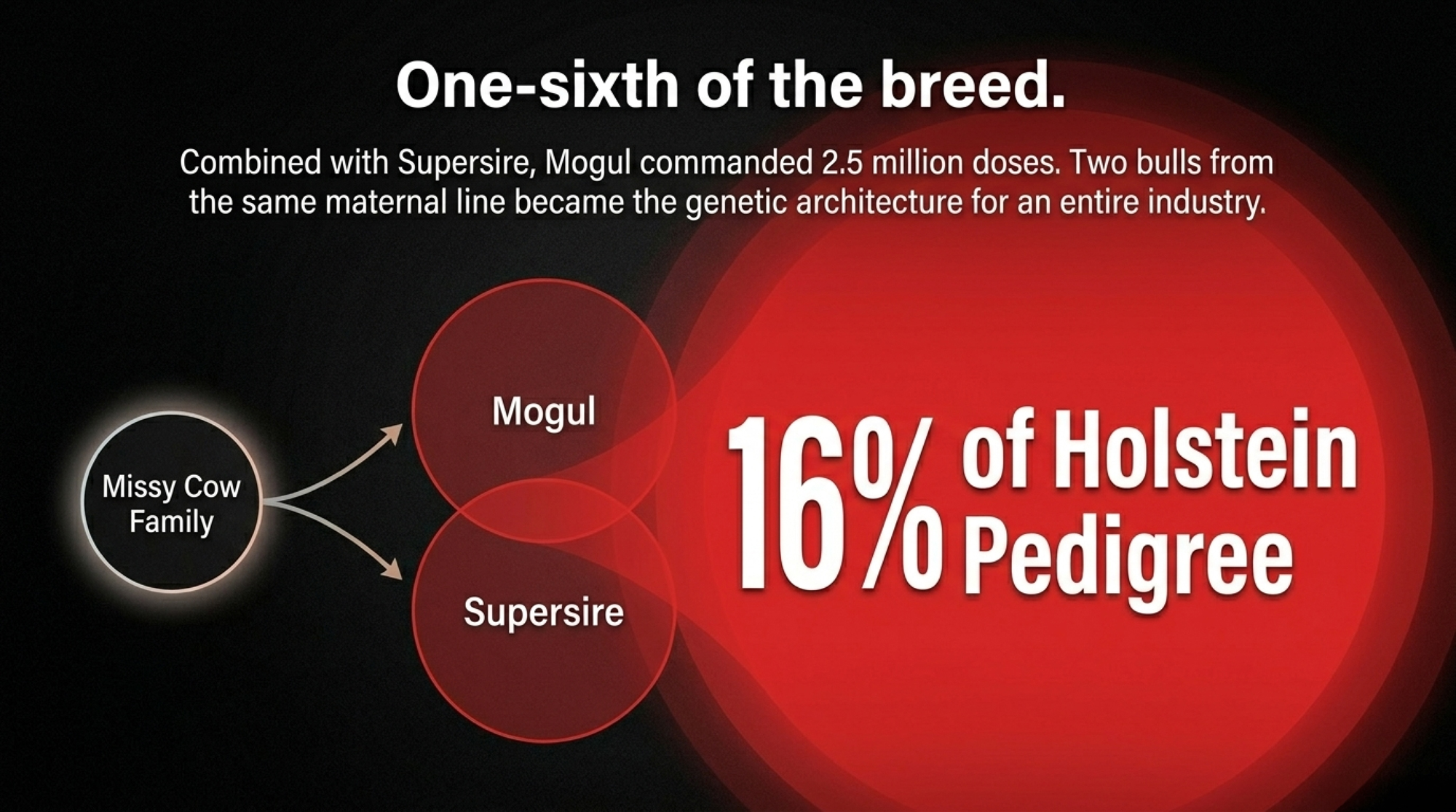
The distance between “fat heifers” and “youngest millionaire” is really the story of genomic-era Holstein breeding itself. And what happened in between—vindication, sons that reshaped international genetics, dominance that touched 16% of the breed’s pedigree architecture, and the inbreeding bill that came due—tells you as much about this industry’s strengths and blind spots as it does about any single bull.
The Dam Who Knew First
You can’t understand Mogul without understanding his mother. And you can’t understand his mother without understanding the moment in Holstein breeding when genomic testing was still something people argued about at open house tours and over bad coffee at cattle sales.
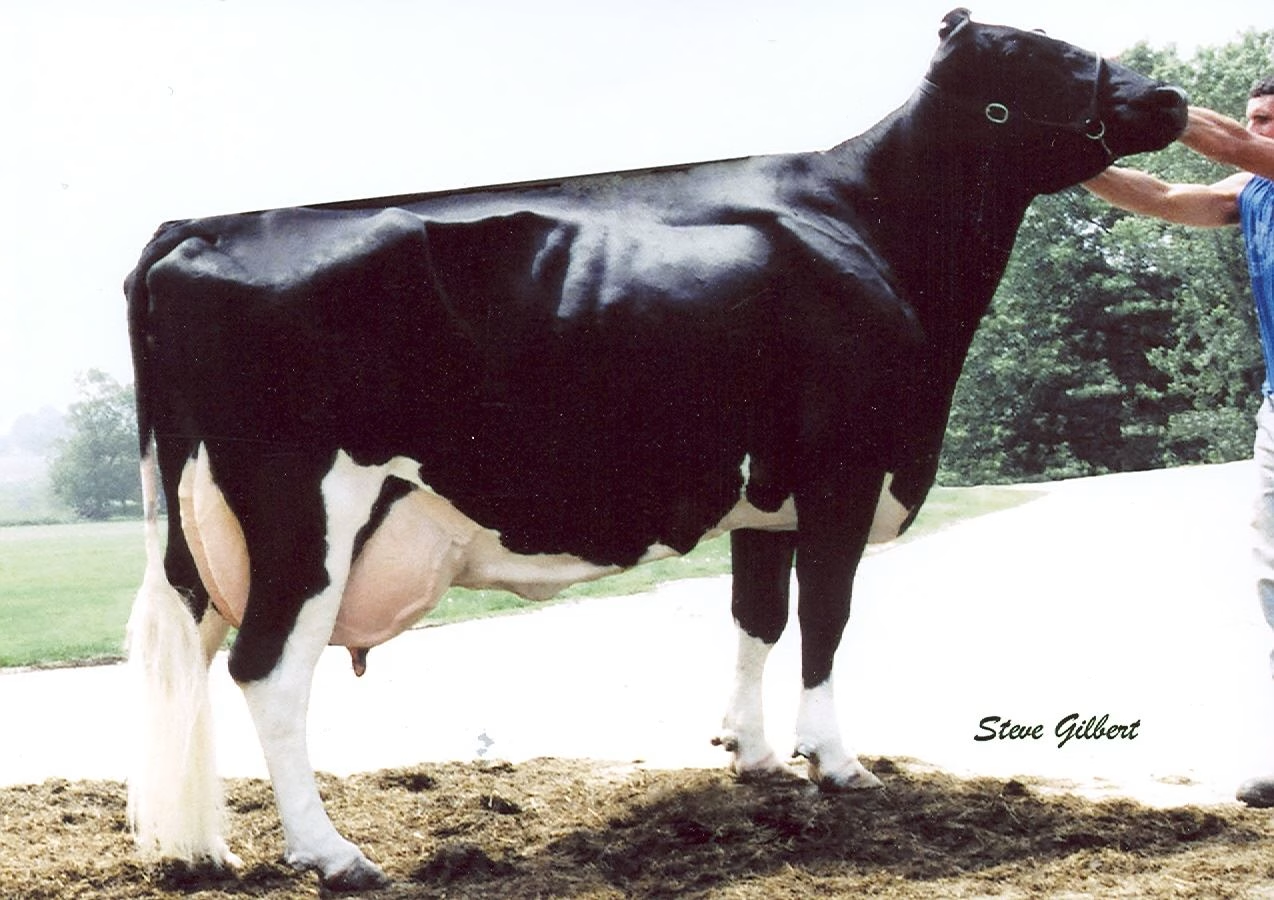
Mountfield Marsh Maxine-ET scored Very Good-88 with an Excellent Mammary System—VG-88-EX-MS-DOM, in the shorthand that keeps proof-sheet readers up past midnight. A daughter of Pasen Marsh-ET, she carried the maternal influence of Pine-Tree Missy Miranda-ET (VG-86-VG-MS-DOM), who traced back to one of the breed’s most consequential matriarchs: Wesswood-HC Rudy Missy EX-92-3E USA DOM GMD. That Missy cow family would eventually produce both Mogul and his stablemate Seagull-Bay Supersire—two bulls who’d combine for over 2.5 million doses and 16% of Holstein USA’s pedigree influence among top bulls. (Read more: The Phone Call That Built a Genetic Empire: The Wesswood-HC Rudy Missy Story)
Roger and Phil Marshfield ran their operation in Marcellus, New York, under the “Mountfield” herd prefix. They bred Maxine to Coyne-Farms Dorcy-ET (VG-87), a Bolton son known for transmitting functional type. A sound mating on paper. What walked out of it was something else entirely.
The Marshfields knew. Or at least they suspected.
You can picture how that suspicion took hold—not in a lab, but in the alley, over years of watching Maxine’s calves grow out. A breeder learns a cow by living with her. The way her bull calves carried more than her heifers did, season after season, until the pattern was impossible to ignore. By all accounts, that’s exactly the read Roger and Phil Marshfield made long before a chip could confirm it.
“We did realize early on that Mogul’s dam was an extraordinary cow that had that rare ability to transmit her extreme genetics no matter what bull is used,” Roger and Phil said after the millionaire milestone. “Before the science was available to prove it, we knew that her bulls seemed to transmit higher genetic traits than her heifer offspring.”
Before the science was available to prove it. One sentence, and you’ve got the entire fault line this industry was straddling in 2010—breeder eye on one side, genomic revolution on the other. Mogul was born June 22, 2010, right at the crossing point.
Select Sires purchased him as an embryo and enrolled him in their Aggressive Reproductive Technologies program—ART, the pipeline built to develop Holsteins that were genetically distinct from the general population. Nobody designing that program could’ve known what was sitting in that particular calf. Mogul would eventually become the first ART-program bull to ever hold the #1 GTPI spot among daughter-proven sires. But in the summer of 2010, he was just a calf with a pedigree and a genomic chip result.
The Promise on Paper
Mogul’s genomic evaluation dropped in December 2011: second-highest young sire in the breed. The numbers—+1,469 pounds milk, +87 fat, +52 protein, +3.55 PTAT—lit up every breeding desk in the country.
Now, you have to remember what December 2011 felt like. Half the industry still trusted only daughter proofs and treated genomic predictions like a weather forecast for next month—interesting, maybe directionally right, but you wouldn’t bet the mortgage. The other half was placing that bet every time they loaded an AI gun. Planet was still king of the proven sire list. Shottle daughters were the gold standard for type. And here comes this Bolton-grandson genomic calf out of Marcellus, New York, with numbers that said he might outdo them all.
But genomic numbers are promises. Daughters are proof.
When those first daughters freshened through 2013 and 2014, the initial reaction wasn’t standing ovations. It was skepticism. Walk a pen of first-calf Mogul heifers in those years and the frame hit you first—broader and deeper through the chest than the sharp, angular silhouette the show ring had trained an entire generation of breeders to prefer. These weren’t dairy princesses. They were built like middle linebackers.
Then those heifers started milking. And calving. And breeding back. And the talk changed fast.
“His daughters quickly turned heads, calving in with extraordinary udders and feet and legs, with great milking ability and reproductive performance that made them standouts in the herd,” said Jeff Ziegler, Select Sires’ genomics program manager. Whatever those bred heifers had looked like standing in a development pen, they were turning into exactly what commercial dairymen actually needed: moderate-framed, durable cows with mammary systems that looked engineered and feet that held up on concrete year after year.
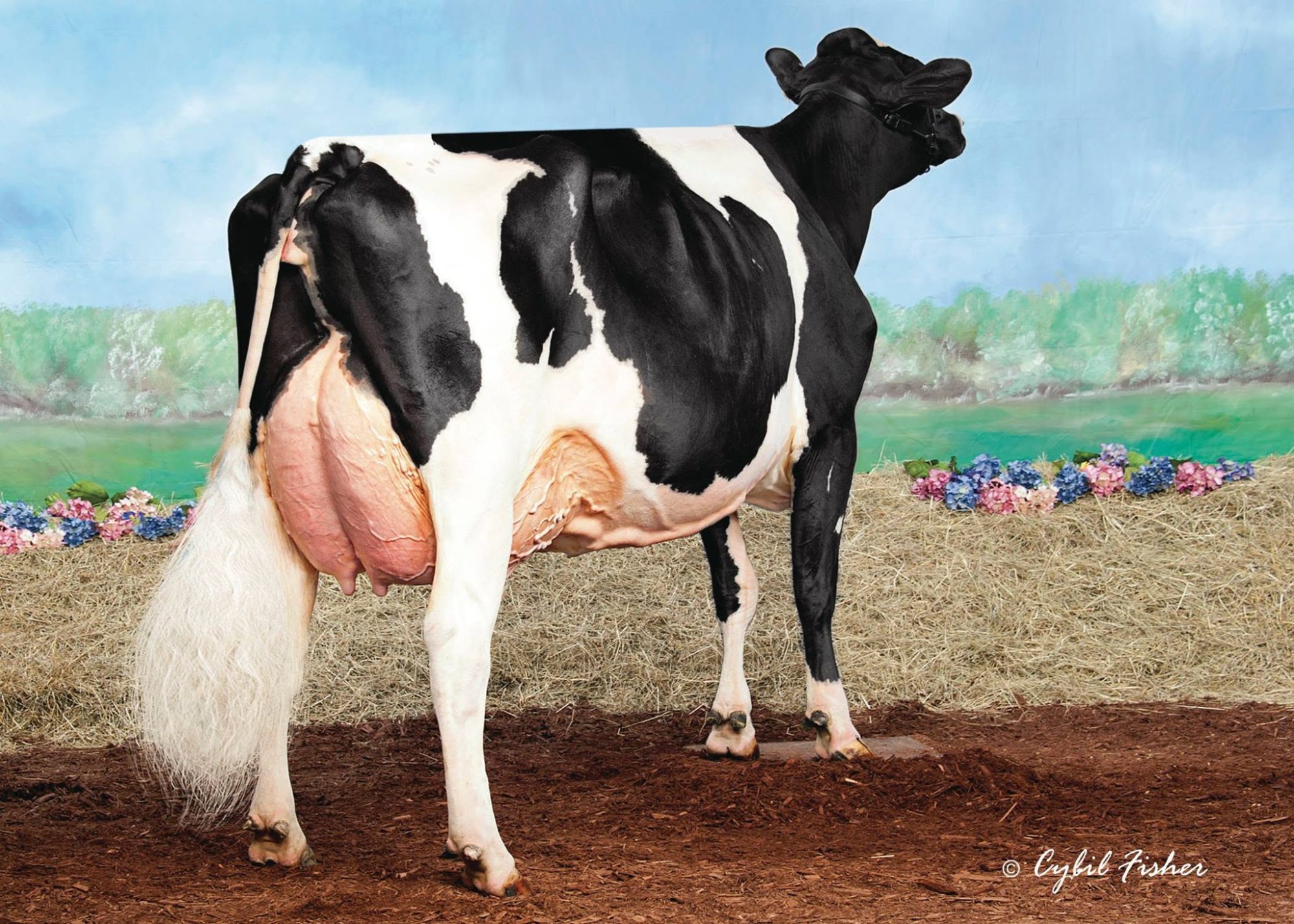
The fat heifers were becoming the best cows in the barn.
The Warning in the Fine Print
Here’s the part of the story that matters more than the glory.
By April 2015, Mogul received his first official daughter proof: #2 on the U.S. TPI (Total Performance Index, the Holstein Association’s composite ranking) proven sire list behind only Supersire, 313 daughters in 130 herds, 97% reliability, +2.85 PTAT. The type was undeniable. He was everything the genomic prediction had promised and then some.
But The Bullvine said it plainly that same month: “You will need to watch the SCS score as well as the DPR when using Mogul.”
DPR—Daughter Pregnancy Rate. The number that tells you whether a cow breeds back on schedule or eats your margins in extra straws, extended days open, and vet calls. Not a footnote. A warning.
Most breeders looked at the headline number instead. Honestly? Look at what Mogul was doing in type transmission and try to blame them.
Rick VerBeek, sire analyst for Select Sires, put it in historical context: “His ability to dominate a mating, regardless of the type of cow he is used on, has been shown by very few sires in Holstein history. He is referred to as the modern day Elevation because of that consistent dominance.”
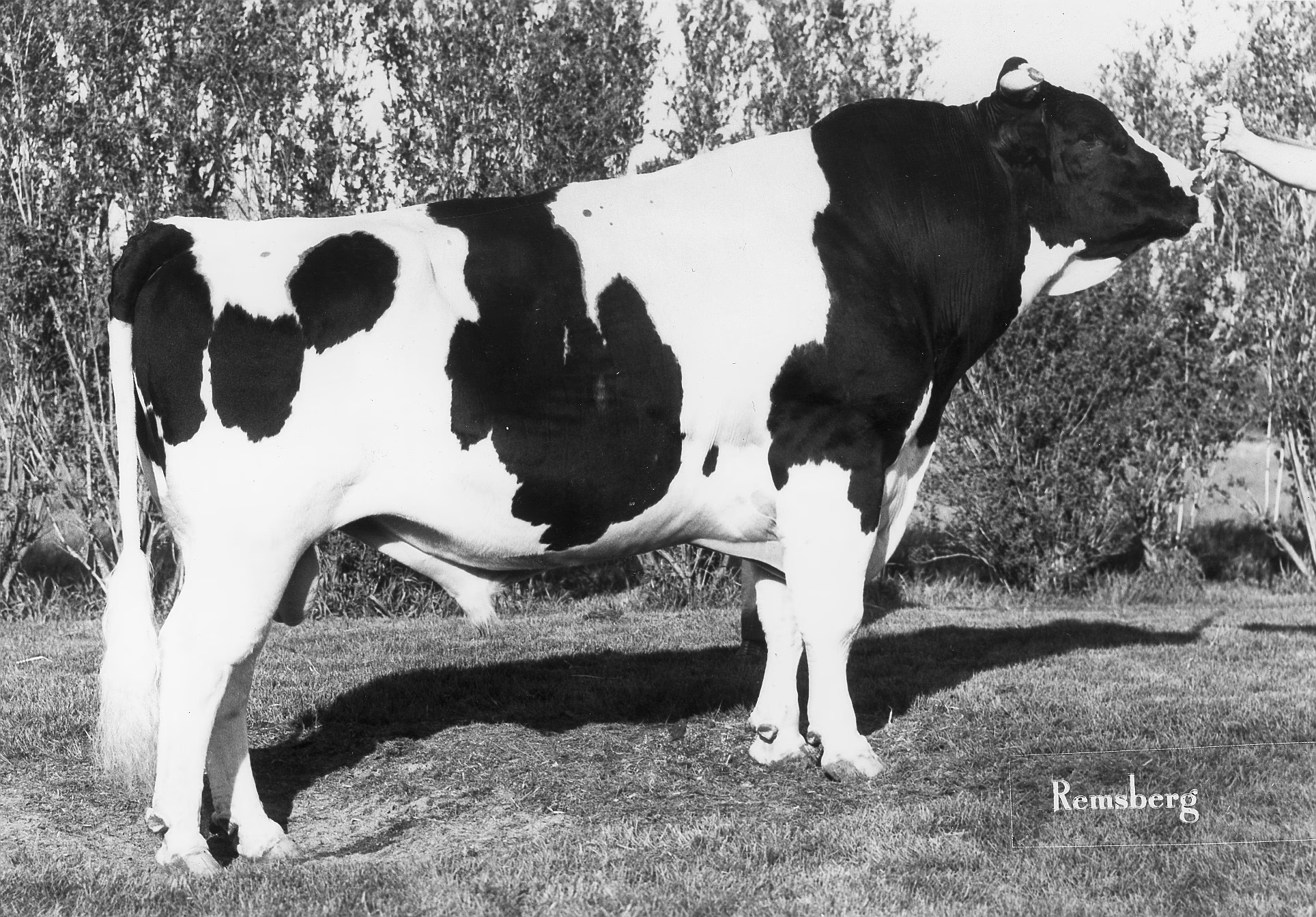
Nobody in this business invokes Elevation casually. Round-Hill Rag Apple Elevation reshaped the breed from the 1960s forward and still shows up in roughly 15% of modern pedigrees. When a sire analyst—not a marketing team, a sire analyst—puts that name next to your bull’s name on the record, people pay attention.
Three Sons, Three Different Answers
What happened next proved Mogul was more than a great transmitter of udders and frame. He was a genetic platform—and one that adapted its output to whatever maternal line you put underneath it.
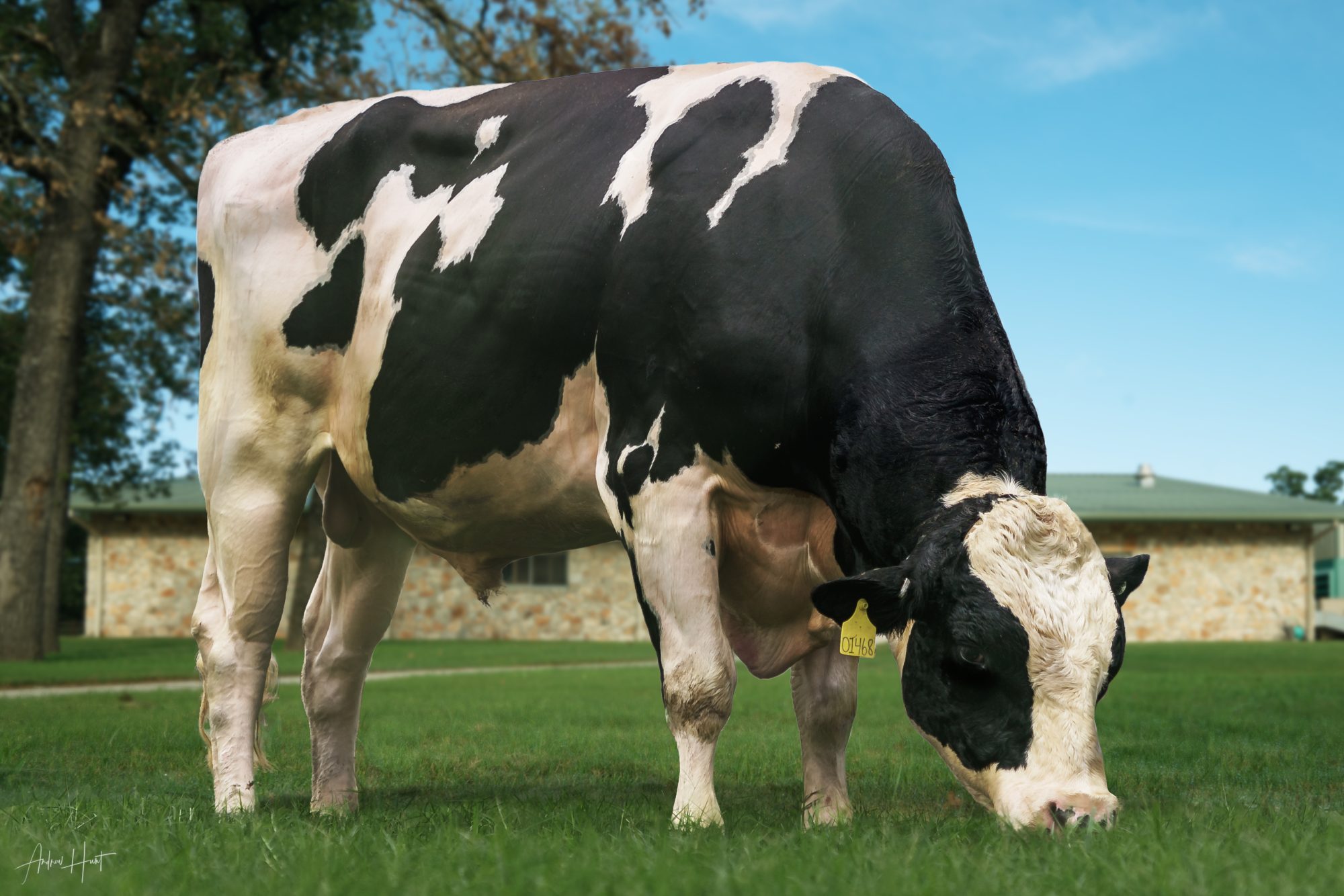
The April 2015 proof run didn’t just confirm Mogul. It unveiled his first great son. Mr Mogul Delta 1427-ET debuted at #2 among genomic sires over one year of age, out of Miss OCD Robst Delicious-ET VG-86 DOM, a Robust daughter who would prove herself one of the elite brood cows of the genomic era. Delta’s numbers landed hard: CM$ 899, +1,487 milk, +90 fat, +52 protein, +8.0 Productive Life, SCS 2.84. And the industry moved on him immediately—Delta was pressed into heavy service as a sire of sons during Mogul’s peak years, reordering young-sire lists and seeding the next genomic generation before his own daughters had finished proving him out. Mogul’s frame and udder architecture channeled through Robust’s production engine. A bull designed to make milk.
Sixteen months later, the August 2016 proof run introduced a completely different kind of Mogul son. S-S-I Mogul Multiply debuted at #10 TPI, and the story his proof told had almost nothing to do with raw production. Multiply transmitted +7.5 Productive Life and over +2.0 DPR—health and fertility numbers that keep cows in the herd instead of on the cull truck. Carrying a double dose of Oman through his maternal line, Multiply was the anti-Delta. Not a milk machine. A longevity machine. Same sire. Opposite emphasis. The Bullvine noted you’d need to watch Multiply daughters on their high pins and straight legs—the Mogul signature showing up again, filtered differently through different maternal genetics.
And then there was Montross.
Bacon-Hill Montross-ET came from royalty on both sides, and his dam’s record proves it wasn’t just pedigree talk. Unique-Style Bolton Money—EX-93-2E-EX-MS-GMD-DOM—milked 38,430 pounds at 4.2% fat in a 365-day record at three years old, three times a day. Sit with that for a second. A first-rate aged-cow record produced by a three-year-old. New York Holstein later named her their Cow of the Century. She wasn’t a brood cow who happened to throw good bulls; she was an elite producer in her own right who became one of the most sought-after bull mothers in the breed, with sons standing at multiple AI units. Bred under the Bacon-Hill prefix in Schuylerville, New York, by the Peck family of Welcome-Stock Farm with partners Tom Kugler and Jim Copper, Bolton Money was the kind of cow who makes a herd prefix famous.
Mogul on Bolton Money. That cross worked like it had been engineered in a lab. Montross rose all the way to #1 on the TPI list—he topped Holstein Association USA’s ranking in December 2016 at +2,771 GTPI, claimed the #1 TPI spot a second time, and held a place inside the industry’s top 10 across multiple sire summaries. Back at Welcome-Stock in Schuylerville, that December 2016 list meant something else entirely. The Pecks, Tom Kugler, and Jim Copper had bred Bolton Money, watched her milk like an aged cow at three, sent her to Mogul—and now her son sat alone at the top of the entire breed. By all accounts, a moment like that doesn’t feel like a marketing milestone to the people who lived with the cow. It feels like vindication you can taste. “He’s a bull that really modernized the Holstein cow with moderate stature, tremendous depth, width, strength and power,” VerBeek said. “His daughters convert that strength into production performance and make milk with ease.”
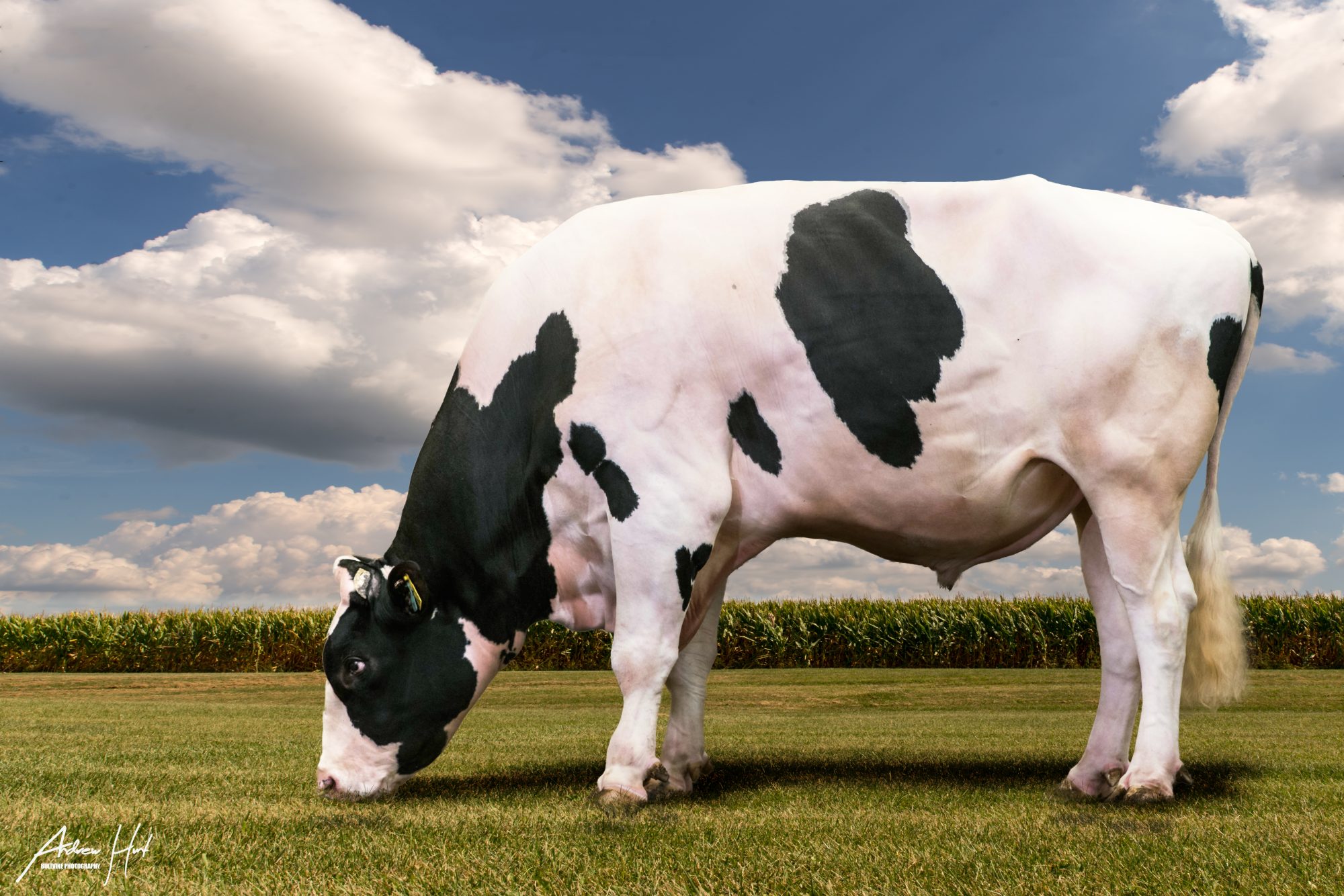
By September 2020, Montross reached millionaire status—the 12th sire in Select Sires history, following the trail his own sire had blazed three years earlier. Two Mogul sons, both millionaires. And it didn’t stop with them—Delta sons and Montross sons fanned out across AI units on both sides of the border, with Montross alone putting seven sons into a single Canadian evaluation. That’s not a hot bull-of-the-month. That’s a genetic system reproducing itself.
Montross was classified Excellent-92 Gold Medal with nearly 30,000 daughters before his passing in July 2021. Select Sires called him a “genetic giant.” VerBeek, the same analyst who’d compared Mogul to Elevation four years prior, noted that Montross had “sold over one million units throughout his career” and that producers around the world offered “ultra-positive remarks.”
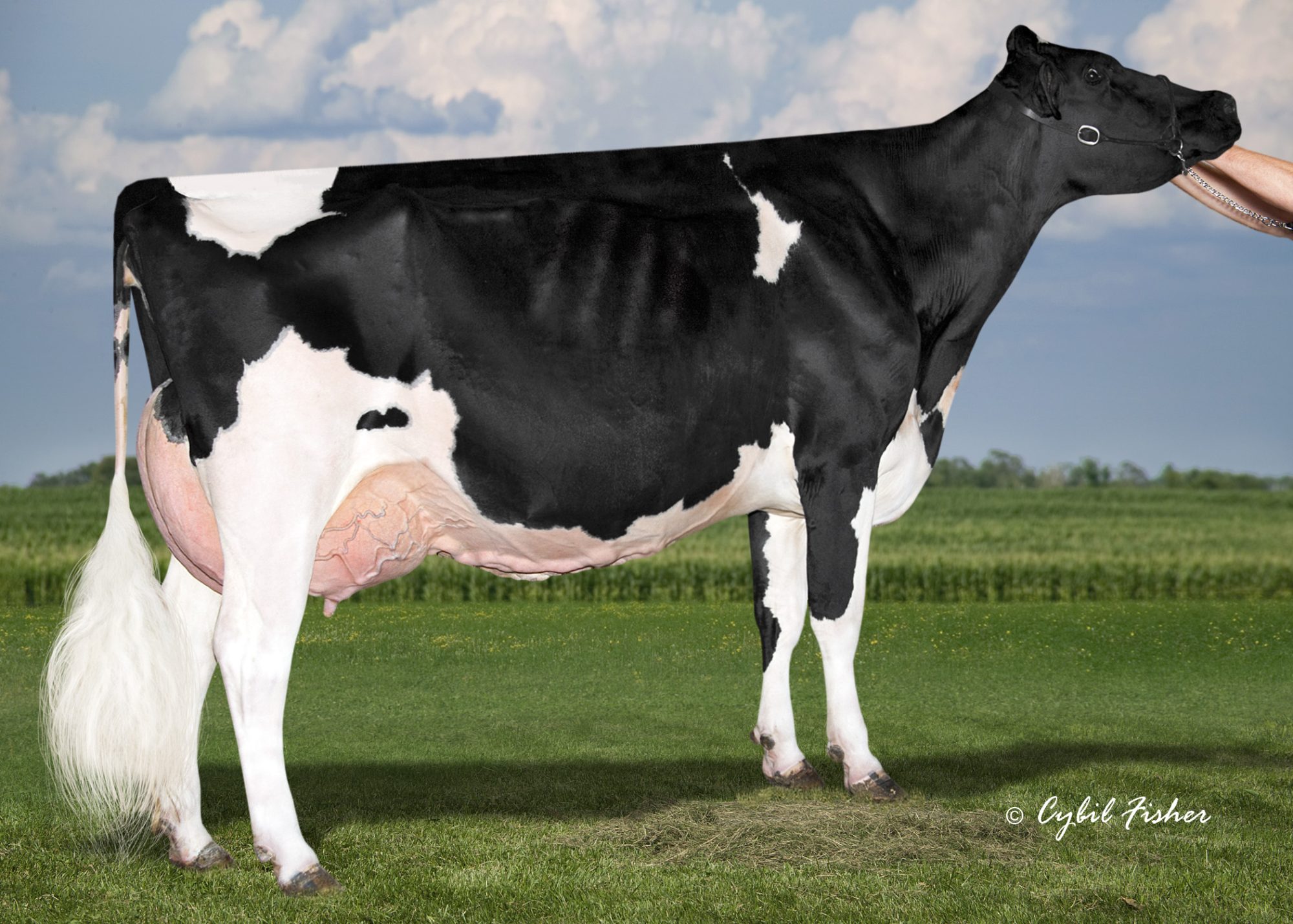
The Peck family and their partners had bred one of the most impactful sires in breed history. And Mogul had proved something the industry was still learning: same sire, different dam, radically different outcomes. Delta for production. Multiply for durability. Montross for complete packages. Three tools built on the same platform, each shaped by what the cow brought to the mating.
September 2017: The Youngest Millionaire
The moment that crystallized everything came in September 2017. Select Sires announced Mogul had exceeded one million units in semen sales—the tenth sire in the cooperative’s history, following Shot, Planet, Million, Moscow, O-Man, Blitz, Integrity, Mathie, and Mandingo. The youngest of them all. Not by a little.
Picture the Plain City office that week—the sales charts and proof sheets spread across a desk under fluorescent light, a coffee going cold beside them, the same staff who’d fielded those early “fat heifer” calls three years back now staring at a million-dose tally next to a seven-year-old bull’s name. Nobody crosses that line in seven years. Nobody had.
“Skeptics were quickly shown the value of genomic testing, and Mogul was a serious example of the power genomics could give to us,” Ziegler said.
Those skeptics he’s referencing? Some were the same people who’d whispered about fat bred heifers three years earlier.
By that August 2017 proof run—his peak—Mogul’s numbers read like a breed-shaping résumé: +2,504 GTPI, +1,220 milk, +119 Combined Fat & Protein, +2.22 PTAT, +3.08 UDC, +2.35 FLC, +4.1 Productive Life. He’d earned Excellent-93 Gold Medal classification himself. World Wide Sires called him “Mr. Consistency”—a bull who sired “consistent daughters that are moderate in size, great producers and have the functional type traits breeders love.” Number 2 on the TPI list, number 3 for Feet and Legs, transmitting exceptional udders across every herd type, management system, and climate he was used in.
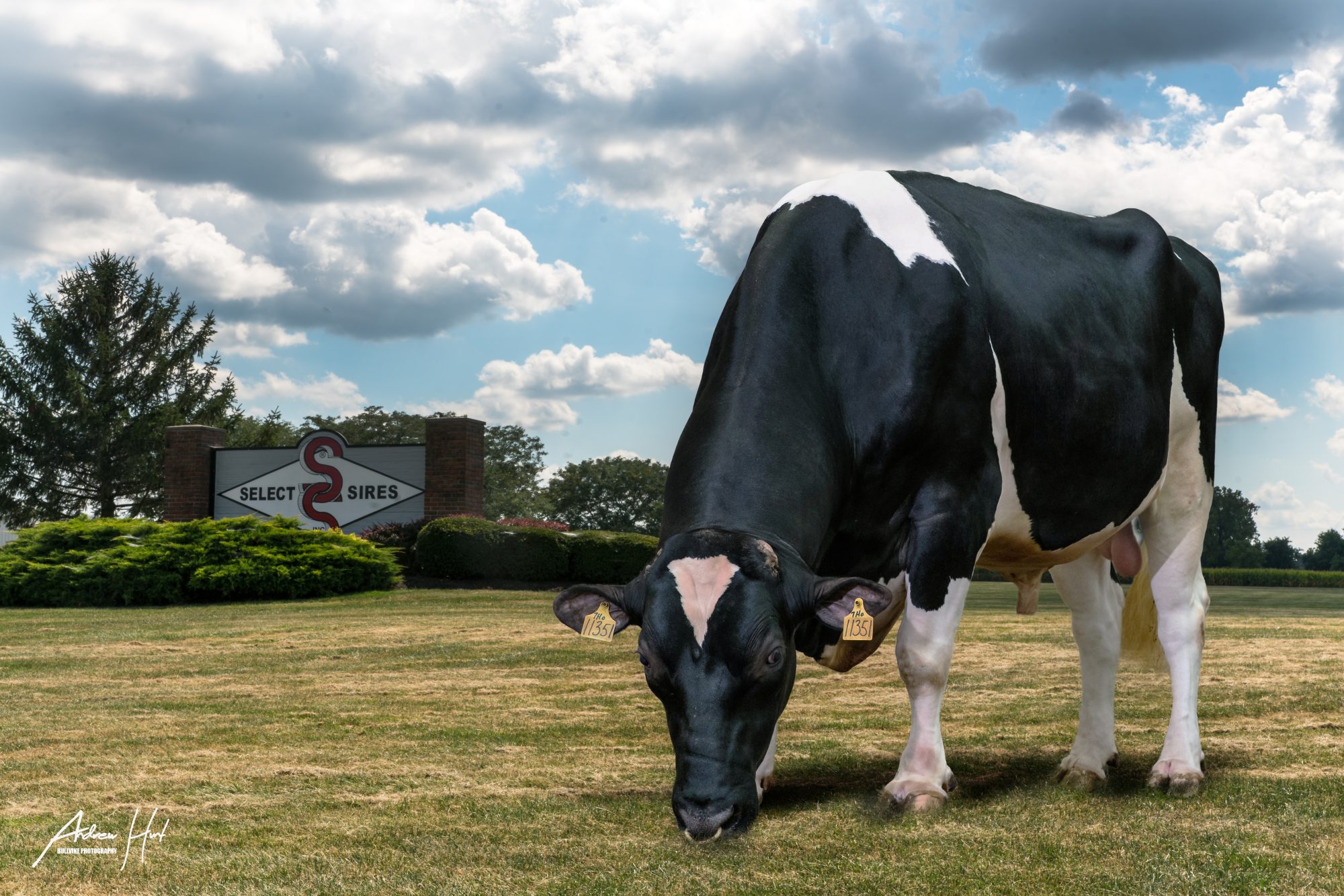
The influence didn’t plateau. By 2021, combined with Supersire—both tracing to that same Missy cow family—their total exceeded 2.5 million doses. Together they accounted for 16% of influence in Holstein USA’s pedigree analysis of top bulls. Two bulls from the same maternal line, commanding one-sixth of the breed’s genetic architecture.
By April 2019, Mogul held the most sons among the Canadian Top 100: 11 for LPI and 15 for Pro$. S-S-I Montross Duke-ET—a Montross x Supersire cross—stood at #1 for both LPI and Pro$ in Canada. Seven Montross sons received their first official Canadian proofs in that single evaluation.
The Bill That Comes Due
Every bull who dominates at this scale leaves marks you don’t frame on the wall.
Mogul’s linear profile carried pronounced straight rear legs and short teats from the earliest proofs. The Bullvine flagged it with the body depth and rear legs warnings. The August 2016 review said the same about Multiply: “high pins and some curve to their legs, as he tends to produce high-rumped straight legged daughters.” The signature followed the sire line like a family nose you can’t breed away without thinking about it.
Breeders who checked linear breakdowns before every mating and used Mogul only on cows with adequate leg set and teat length? They managed fine. Those who treated him as a blanket sire learned what they’d missed at the hoof trimmer’s chute.
But the fertility trade-off cuts deeper than feet and legs.
Current CDCB data (April 2025, 99% reliability, 99,999+ daughters in 16,683 herds) tells the whole story: Daughter Pregnancy Rate -2.8. Cow Conception Rate -3.4. Productive Life -2.1. Somatic Cell Score 3.22. Net Merit: -$65. NAAB status: Inactive.
Negative NM$ doesn’t mean Mogul was a bad bull. It means the breed moved past his baseline—partly because of what he helped build. But the fertility numbers weren’t artifacts of base change. They were real in 2015 when The Bullvine flagged DPR. They’re real now.
And here’s the math that gets uncomfortable: when two related bulls command 16% of a breed’s pedigree influence, and one carries negative fertility and negative productive life at current evaluation, the breed absorbs those weaknesses at scale. Over a 50-year window, Holstein inbreeding has climbed from roughly 0.5% to approximately 10%. Mogul isn’t solely responsible. But his dominance—and the industry’s habit of stacking his genetics across multiple generations without corrective mating—is threaded through that trajectory.
This isn’t a criticism of the bull. It’s a criticism of how parts of the industry used him. Mogul was always a precision tool. Too many treated him like a silver bullet.
The Grandson Test
The real measure of a foundation sire isn’t his daughters or even his sons. It’s what happens two and three generations out.
Delta accumulated over 58,000 daughters in more than 2,000 herds before his own passing. He was used heavily as a sire of sons during Mogul’s peak years, and the pipeline he established kept producing elite animals long after Mogul’s NAAB status turned Inactive.
Genosource Captain reached #1 TPI among proven sires and held that position for seven consecutive proof runs through December 2024—a streak STgenetics called “historical.” Nearly two years of unbroken dominance at the top of the breed, two full generations downstream from a calf born on a farm in Marcellus, New York.
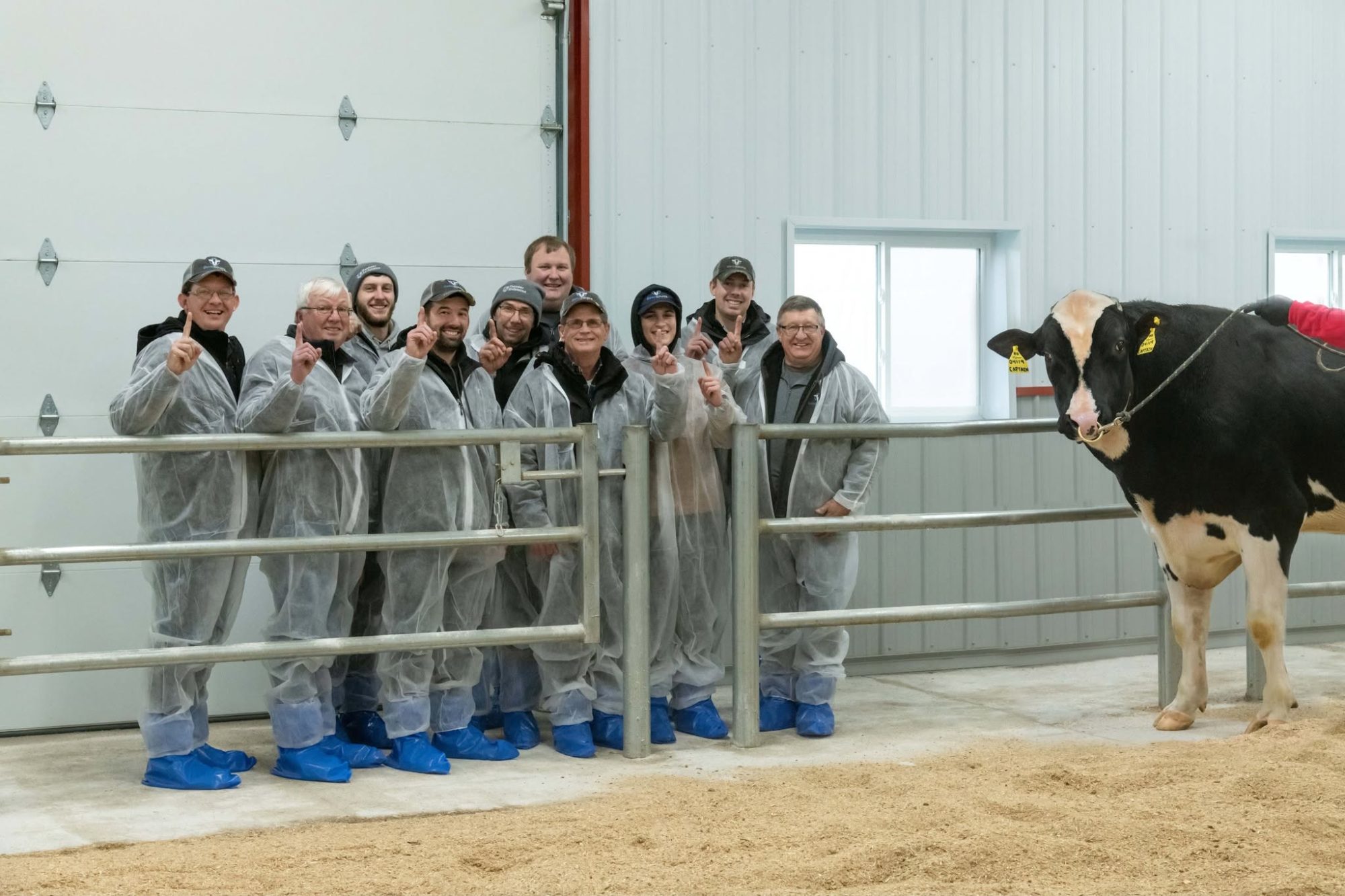
Walk through GenoSource’s own barns near Blairstown, Iowa—the operation eight dairy families pooled their resources to build in 2014, now run by CEO Tim Rauen and a team that turned genomics into a global business—and you can see it in the flesh: pens of Captain daughters, high-wide rear udders, cows built to milk—the Mogul template carried two generations forward and refined. And the line kept building on itself. SDG Cap Garza-ET, a Captain son, debuted in December 2024 and climbed to #1 daughter-proven TPI by August 2025 at +3,488 TPI on 406 daughters with 98% reliability. OCD Thorson Ripcord-ET—Captain on the sire side again—pushed past +3,400 GTPI as one of the top genomic sires of the same era. That’s Maxine’s family, four generations down through Mogul and Captain, still parked at the top of the breed.
Then April 2026 happened. Holstein USA moved PTA Protein from 19% to 24% of the TPI formula and dropped Fat from 19% to 14%, and Garza—a fat-heavy bull—lost roughly 125 TPI points overnight without a single daughter changing. That’s the honest footnote to any “still on top” claim: rankings move when the industry rewrites what it values. But the family didn’t vanish from the leaderboard. Bolton Money’s own blood still surfaces in the modern proven ranks—FB 8084 Adebayo P, the breed’s top polled proven bull in 2025 at +3,170 TPI, traces back to that same EX-93 cow who gave Mogul his greatest son.
When a sire’s grandsons hold #1, his great-grandsons headline the genomic lists, and his best son’s dam still threads through the polled leaders a decade later, you’re not looking at a lucky cross. You’re looking at a foundation sire’s proof of concept.
What This Means at the Breeding Desk
Mogul’s legacy carries specific lessons for every mating decision made today:
- Match the son to the problem. Mogul produced specialists—Delta for production, Multiply for longevity, Montross for balanced merit. Sorting them required reading the full proof breakdown, not the TPI headline. And none of this is a knock on the bull. The herds that won with Mogul didn’t avoid him—they mated him with intent, on the right cows, with their eyes open. The same principle applies to whatever dominant sire line sits in your tank right now.
- Protective mating isn’t optional with this line. If you’re using any Mogul-line genetics—sons, grandsons, great-grandsons—check Rear Legs Side View and Teat Length on the individual animal’s linear. Don’t stack multiple generations of straight-legged, short-teated genetics. The breeders who skipped this step paid for it in trimming bills and milking speed. Here’s the 90-day version: before your next sire order goes in, pull the linear on the last two generations behind every Mogul-line bull on your shortlist, and refuse to put a straight-leg, short-teat sire on a cow already carrying that signature. One round of discipline now beats three years of correction later.
- Watch your pedigree concentration. Mogul and Supersire together represent 16% of pedigree influence and both trace to the same Missy cow family. Inbreeding math tightens fast. Before selecting any young genomic sire, check how much Mogul appears in the maternal pedigree.
- A negative NM$ on a legacy sire is evolution, not failure. Mogul’s current GTPI of +2,335 and NM$ of -$65 (April 2025, CDCB, 99% reliability) reflect what he helped build. But they also mean the breed doesn’t wait. Neither should your matings.
The Permanent Record
Excellent-93 Gold Medal. North of 99,999 daughters across 16,683 herds on six continents. A son who reached #1 on the daughter-proven TPI list. Another son who became a millionaire in his own right, classified Excellent-92 Gold Medal, before passing at the age of 11. A grandson who held #1 TPI for seven consecutive proof runs. First ART-program bull to ever top the proven sire rankings. One million doses by age seven.
But strip the numbers away and what stays is the thing Roger and Phil Marshfield recognized in a VG-88 cow named Maxine before any genomic test existed to confirm it: that some genetics transmit beyond what evaluations capture, that the best breeders know it before the science catches up, and that the distance between a doubted calf and a generational sire is sometimes nothing more than the patience to let the daughters prove the doubters wrong.
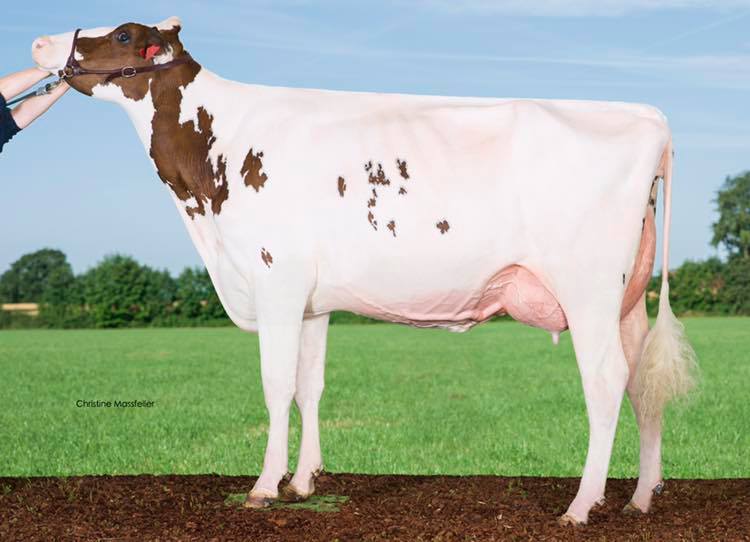
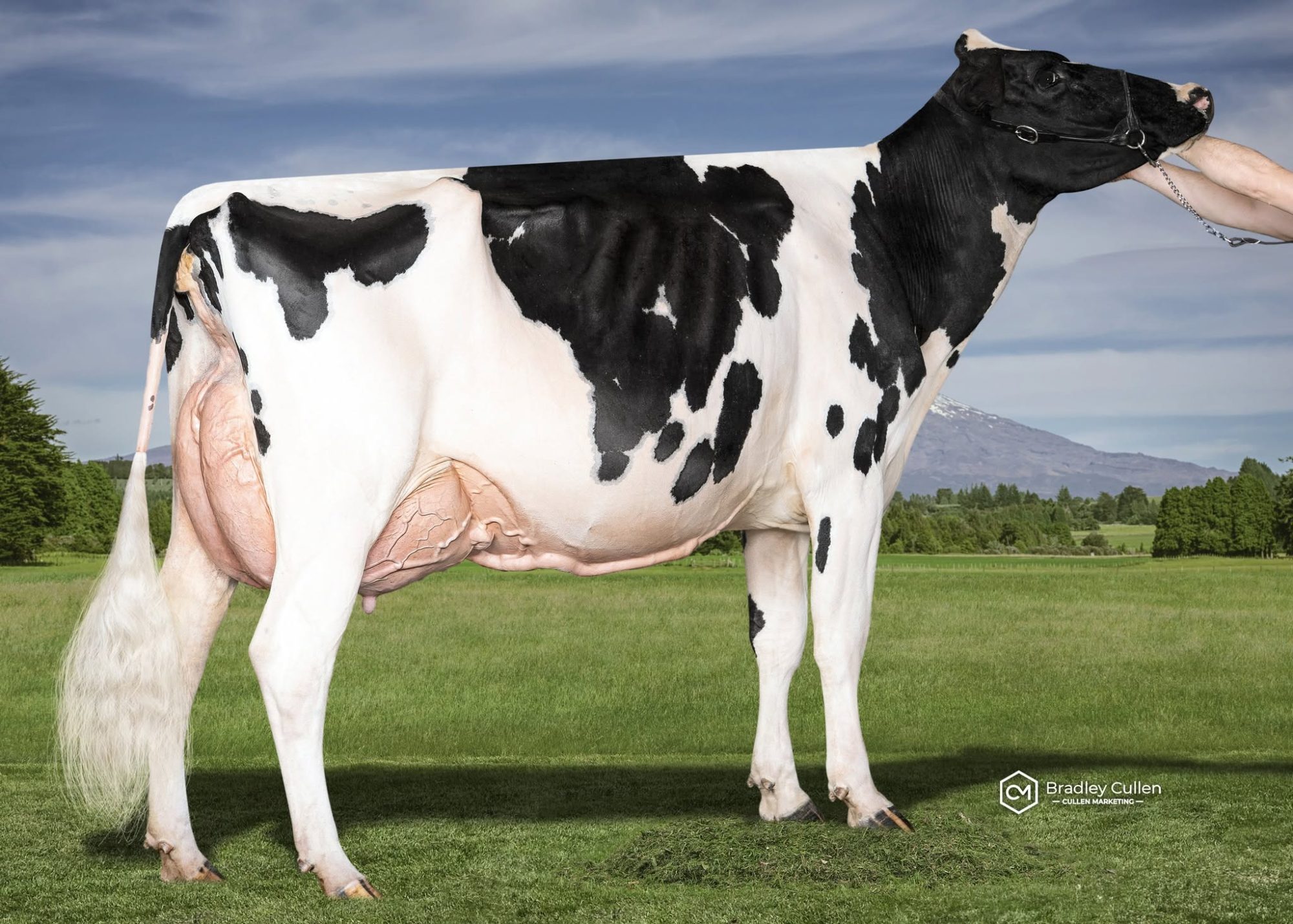
Decades from now, someone will pull a pedigree on their best cow and trace it back through Captain, through Delta, through the bull the industry first dismissed for making fat heifers—all the way to a family farm in Marcellus. And they’ll understand something about this breed that no proof sheet fully explains.
Mogul didn’t just change the cows. He changed what we believe they can be.
Key Takeaways
- Mogul proved genomics could be trusted before his daughters did—but his real lesson is that a dominant sire is a precision tool, not a blanket bull. Match the son to the job: Delta for milk, Multiply for longevity, Montross for the full package.
- The bill came due in the fine print. If you’re stacking Mogul-line genetics—Captain, Garza, Ripcord and back—pull the linear on the last two generations and don’t double up straight legs, short teats, or that −2.8 DPR on a cow already carrying it.
- A −$65 NM$ on a legacy sire isn’t a failure; it’s the breed moving on. When two related bulls touch 16% of the pedigree, and inbreeding has climbed from 0.5% to about 10%, watch how much Mogul hides in your maternal lines before you order.
Continue the Story
- Seagull-Bay SUPERSIRE Dominates US Registrations for Past 30 Days – Running parallel to Mogul’s rise, this snapshot from the height of the genomics boom captures the fierce registration battles and explosive commercial demand for the two dominant matriarchal branches of the Wesswood-HC Rudy Missy cow family.
- The $8100 Gamble on Missy, 198 Dragged Genes, and the 20-Year Breeding Blind Spot Hiding in Your Herd – Deepen your understanding of the hidden biological tradeoffs in the genomics revolution by exploring how the foundational cow behind Mogul unwittingly carried both extreme production and massive fertility challenges across generations.
- CAPTAIN: The Bull That Rewrote the Rules for Modern Breeding – Trace the line from then to now by examining how Mogul’s direct grandson shattered all industry records to become a historic multi-proof champion, cementing Maxine’s family line at the absolute peak of modern global genetics.
 The Sunday Read Dairy Professionals Don’t Skip.
 The Sunday Read Dairy Professionals Don’t Skip.
Every week, thousands of producers, breeders, and industry insiders open Bullvine Weekly for genetics insights, market shifts, and profit strategies they won’t find anywhere else. One email. Five minutes. Smarter decisions all week.