


Two of the five names going into Canada’s most prestigious agricultural shrine this November built their legacies the same way most of you do — one cow, one decision, one stubborn winter at a time.
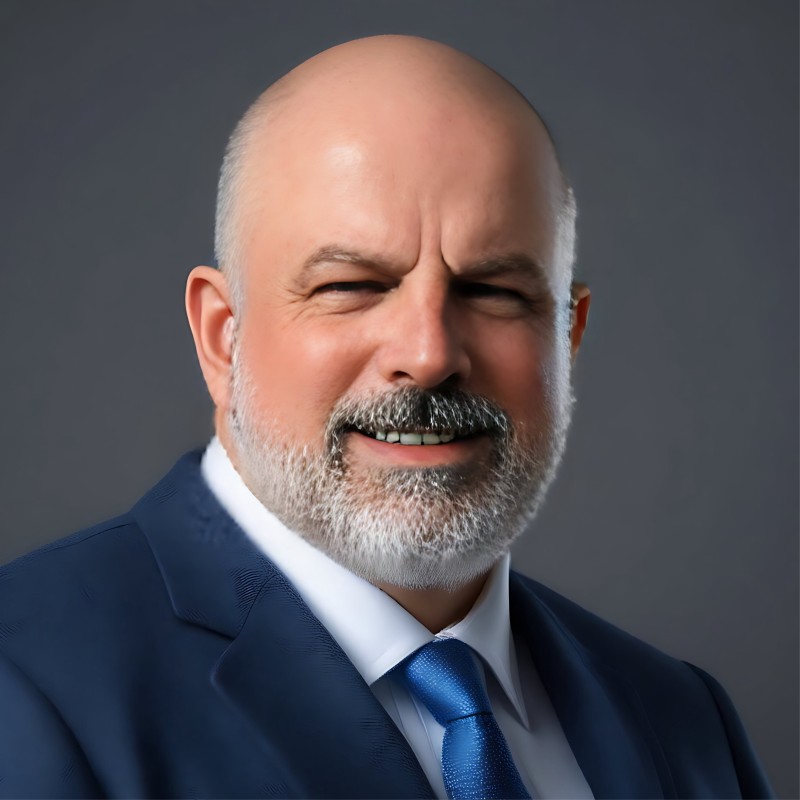
On Saturday, November 7, in Laval, Québec, the Canadian Agricultural Hall of Fame Association will induct its 2026 class: plant breeder Dr. Brian Rossnagel, fruit-and-vegetable labour advocate Ken Forth, food-safety and genomics leader Dr. David Bailey, and the two who’ll matter most to anyone reading this — Jersey breeder Gary Bowers and 11th-generation Holstein man Guy Charbonneau.
For an organization that’s been hanging portraits since 1960 — its gallery lives at the Royal Agricultural Winter Fair in Toronto — adding two dairymen in the same year isn’t routine. It’s a marker of how much weight Canadian dairy genetics still carries on the national stage.
The Lencrest Story Is Really a Semex Story
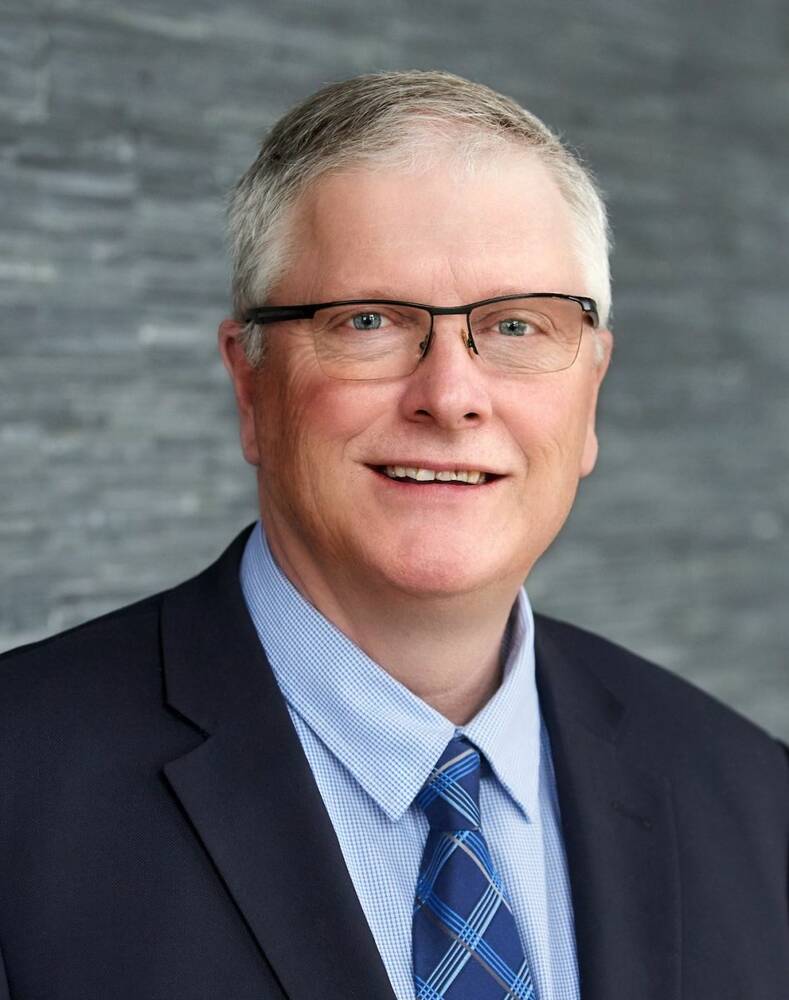
If you’ve used Canadian Jersey genetics in the last 30 years, Gary Bowers’ fingerprints are on your barn whether you know it or not.
Bowers built Lencrest from almost nothing. He started with 17.08 kg of fat/day of milk quota — a number small enough to make you wince — after stints with Lorne Ella at Rock Ella Jerseys and managing Ferme Bovi-Lact. The prefix went on to stamp elite cow families and a string of A.I. sires. Lencrest On Time, a Sultan son out of Declo Belle, climbed to #1 LPI Jersey in Canada and threw the impact sire Lencrest Blackstone.
But the herdbook is only half of it. Bowers spent nearly 40 years in boardrooms that shaped the genetics every Canadian producer buys. Jersey Québec. Jersey Canada, where he served as president. The Québec Dairy Breeds Council, 14 years. CIAQ, 15 years. The Semex Alliance, 14 years and two terms as president. The Canadian Dairy Network and Dairy Farmers of Canada on top of that.
Here’s what that actually bought you. As Jersey Canada’s representative, Bowers was central to launching the Multi-Breed Classification Program in 2005 — the system that finally let coloured-breed cows get classified on a level playing field. On the Semex board, he was part of the 2007 decision to bring in Paul Larmer as CEO and push hard into genomics, sexed semen, and IVF — the tools that turned Semex into a genuine global player and carried Canadian genetics into barns on every continent.
He’s already done the succession piece too — Lencrest is now in the hands of his daughter Melissa Bowers and son-in-law Philip Aitken under Lencrest de la Vallée, running north of 170 kg fat/day. From 17 kg to 170, and handed off intact. That’s the whole arc most family operations are chasing.
Eleven Generations and a Microphone
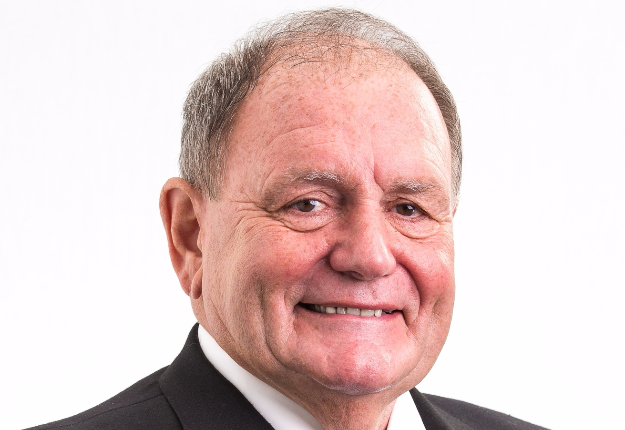
Guy Charbonneau’s claim to the Hall is different, and in some ways harder to pull off.
He’s a co-owner of Ferme Vachalê in Sainte-Anne-des-Plaines, a Holstein operation the CAHFA citation describes as 11 consecutive generations of the same family on the land. The farm runs around 160 milking cows across 360-plus hectares of forage and grain, and in recent years added an on-farm processing plant selling under the Lait Charbonneau label — the kind of vertical move a lot of supply-managed operators are weighing right now.
What earned Charbonneau the portrait isn’t the milk — it’s the 57 years he spent making noise for the rest of the industry. He came up through l’Union des producteurs agricoles, Québec’s farm union, and a stack of genetics-sector organizations. His particular niche is the seam where farm issues collide with municipal politics — the zoning fights, the land-use battles, the local council meetings where agriculture usually shows up underrepresented and outgunned.
That’s unglamorous work. Nobody hangs a banner for showing up to a planning hearing. But it’s exactly the work that keeps a farm viable for an 11th generation — and an argument for the 12th.
What This Means for Your Operation
A Hall of Fame induction isn’t a market report, so let’s be honest about the takeaway. There are two real lessons in this class for working producers.
- Genetics leadership compounds. Bowers didn’t just breed good cows — he sat on the boards that decided how cows get classified, evaluated, and sold. If you’ve ever benefited from multi-breed classification, genomic evaluations, or Canadian sexed-semen access, that infrastructure didn’t appear by accident. The practical move: when your breed association or co-op asks for board volunteers, that’s where the rules of your business actually get written. Bowers’ career is the case study.
- Advocacy is succession insurance. Charbonneau’s portrait is built on 57 years of policy and political work, not pedigree. For operations betting on a next generation, the lesson is that protecting the right to farm — zoning, land access, processing flexibility — matters as much as the genetics in the tank. The on-farm processing plant at Vachalê is a concrete example of diversifying revenue while keeping the land in the family.
Both men also did the thing the industry talks about constantly and executes rarely: they handed the operation forward. Bowers to his daughter and son-in-law. Charbonneau toward a documented next generation. In a sector where succession failure quietly ends more farms than markets ever do, that might be the most replicable part of either story.
The 2026 induction ceremony runs November 7 in Laval, Québec. Portraits join the permanent gallery at the Royal Agricultural Winter Fair in Toronto.
For more on Bowers’ breeding philosophy and the Lencrest legacy, see our 2024 profile, Gary Bowers: Driven, Yet Humble and Grateful.
Know someone whose boardroom work or backroom advocacy shaped your barn? Tell us — those are the legacies we want to cover. Corrections: editor@thebullvine.com.
The Sunday Read Dairy Professionals Don’t Skip.

Every week, thousands of producers, breeders, and industry insiders open Bullvine Weekly for genetics insights, market shifts, and profit strategies they won’t find anywhere else. One email. Five minutes. Smarter decisions all week.