Archive for Dairy Herd Management

Stop Leaving $30,000 on the Table: The 6-Day Protocol That’s Getting Herds to 60% Heifer Conception

Still accepting 50% conception on your heifers? That’s $30,000 a year you’re handing to competitors who’ve figured out the 6-day protocol.

Executive Summary: If your heifers are stuck at 50% conception with sexed semen, you’re not unlucky—you’re running the wrong protocol. The 5-day CIDR was built for cows. Heifers ovulate later, and UW-Madison research shows 30% come into heat early on the 5-day program, wrecking your AI timing before you even breed. The 6-day protocol fixes this by extending progesterone exposure and pushing AI to 56-60 hours post-removal—when heifers actually ovulate. Published research in JDS Communications (Moore et al., 2023) showed conception climbing from 50% to 59% with this single change. For a 500-cow operation, that’s 15-18 more pregnancies a year—$30,000 or more you’re currently losing. But here’s the catch: execution has to be precise. If you can’t hit your timing windows within 30 minutes, don’t bother switching.

We’ve accepted 50% conception rates on heifers for too long because we treated them like small cows. The biology says we were wrong.

The reality: farms running the 6-day CIDR-Synch protocol are hitting 59-60% conception with sexed semen. Consistently. Month after month. The difference isn’t genetics, semen quality, or luck. It’s a one-day timing adjustment that finally matches how heifers actually ovulate—and a management discipline most operations haven’t seriously considered.

After digging into the research and talking with farms implementing this protocol, what I’ve found goes deeper than “try this instead.” It’s about why the protocols we’ve relied on never quite fit heifer physiology in the first place.

Heifers Aren’t Small Cows

Dr. Richard Pursley at Michigan State University—the reproductive physiologist whose Ovsynch work shaped modern synchronization—proved what many of us suspected: heifers respond to progesterone differently than cows.

When you insert a CIDR into a heifer, the exogenous progesterone suppresses LH pulse frequency more aggressively than in mature animals. The result? After CIDR removal, heifers take measurably longer to mount the LH surge that triggers ovulation. Longer than cows on identical protocols.

Dr. José Santos and his team at the University of Florida have documented this for over a decade. Dr. Milo Wiltbank’s follicular dynamics work at the University of Wisconsin-Madison confirms it.

That timing gap matters. A lot. Especially when you’re using sexed semen.

Sexed Semen Dies Faster—So Timing Has to Be Perfect

The sorting process is brutal on sperm cells. Dr. George Seidel’s pioneering work at Colorado State University showed what happens: cells get diluted, stained with fluorescent dye, and blasted through a laser detection system at high velocity. Pressure changes, UV exposure, mechanical stress—it all adds up.

The 2018 review in the journal Animal by Vishwanath clearly documented cellular damage. Sorted sperm show membrane destabilization and premature capacitation.

The bottom line: sexed semen doesn’t stay fertile as long in the reproductive tract as conventional semen. Period.

If your timing is off by a few hours with conventional semen, you’ve probably still got viable sperm when ovulation happens. With sexed semen? Those same few hours can mean sperm are dying right when you need fertilization to occur.

And here’s something worth noting—sire selection matters too. Some bulls’ semen handles the sorting process better than others. Farms achieving the highest conception rates with sexed semen often work with their AI representatives to identify sires with proven post-sort fertility, not just genomic merit.

The 5-Day Protocol Was Never Designed for Heifers

The standard 5-day CIDR protocol has become the default for dairy heifers. It works reasonably well—around 60% conception in well-managed herds with conventional semen.

But there’s a problem: Dr. Paul Fricke’s extension team at UW-Madison has documented that approximately 30% of heifers show early estrus on the 5-day protocol before the scheduled breeding time. That’s nearly a third of your animals potentially getting bred at suboptimal timing.

And the AI window of 48-56 hours post-CIDR removal? That’s based on cow physiology. For heifers—with their delayed LH response—ovulation often happens later than the protocol assumes.

You’re asking sperm to wait around while the oocyte isn’t ready. With sexed semen’s compressed fertility window, that’s a losing bet.

The 6-Day Fix: What the Research Actually Shows

The modification is straightforward: extend CIDR exposure by 24 hours and shift timed AI to 56-60 hours post-removal.

That extra day of progesterone allows smaller follicles more development time, creating a more uniform follicle cohort across the group. The later AI timing aligns insemination with when heifers actually ovulate.

The early estrus problem? Nearly eliminated. Research from Fricke’s team at UW-Madison shows early estrus dropping from roughly 30% on the 5-day protocol to nearly zero on the 6-day protocol—findings he presented at the 2025 Dairy Cattle Reproduction Council annual meeting.

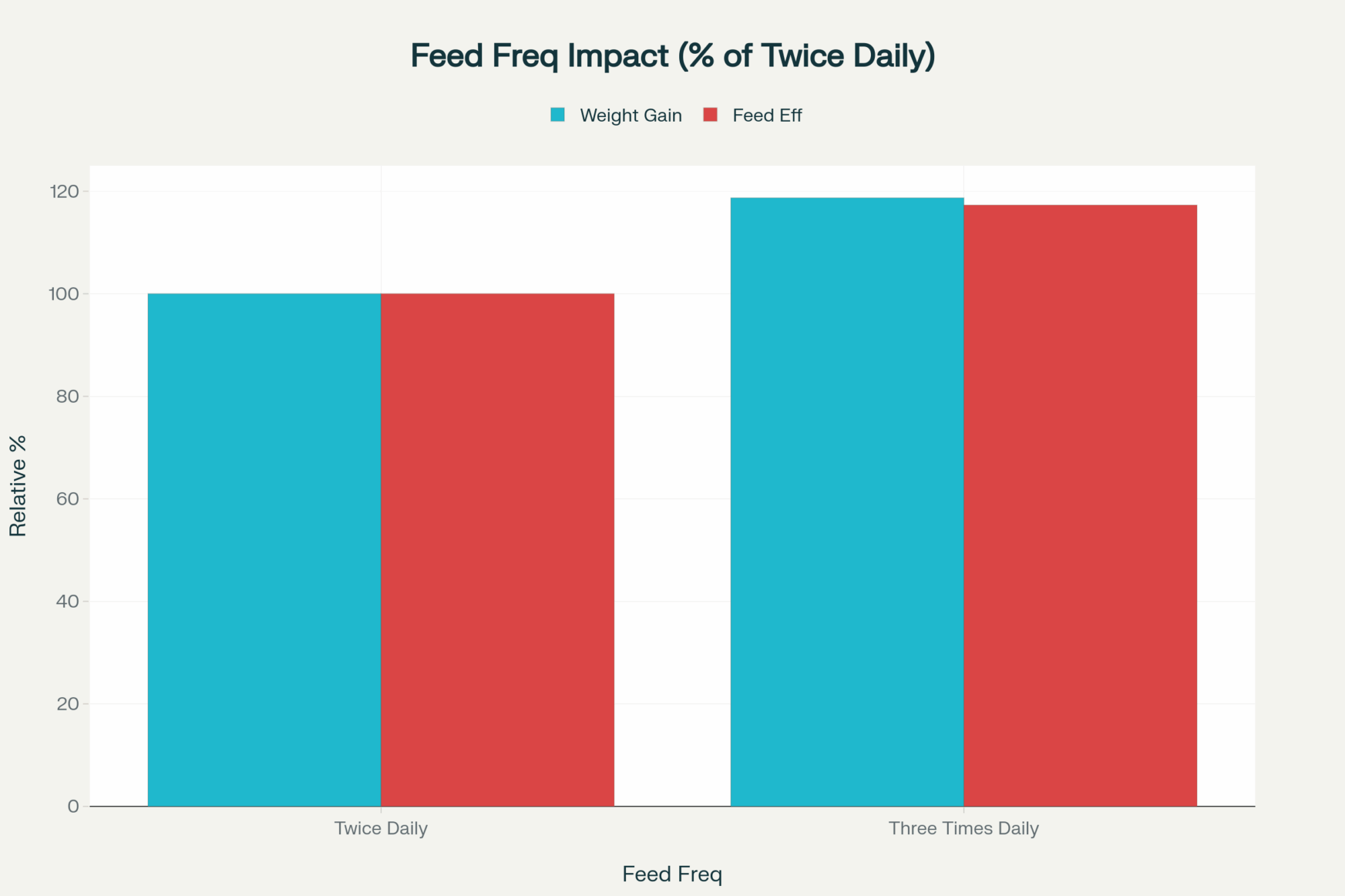
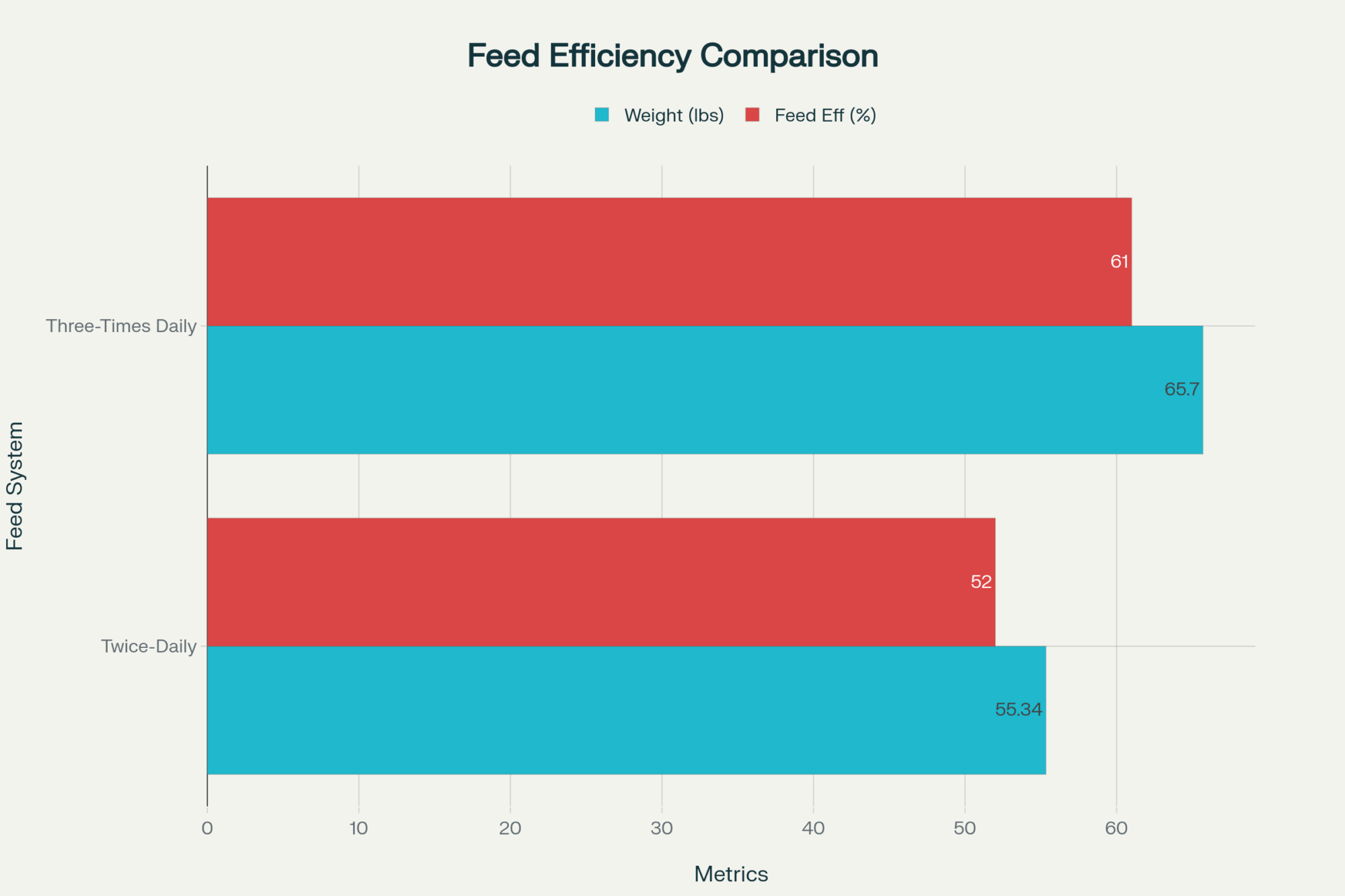
The pregnancy data is what gets attention. In trials with over 800 Holstein heifers—published in 2023 by Moore and colleagues in JDS Communications—delaying AI by 8 hours with sexed semen increased pregnancies per AI by about nine percentage points. From roughly 50% to about 59%.

Whitney Brown, a PhD student working with Dr. Fricke at UW-Madison, is running larger-scale trials across Wisconsin commercial herds. The early results are holding up.

Myth vs. Reality

Myth: “Heifers are just harder to breed. You have to accept lower conception rates.”

Reality: Heifers aren’t harder to breed—they’re differently timed. The 5-day protocol was optimized for cows. When you match the protocol to heifer physiology, conception rates climb to 59-60% with sexed semen.

Conception rates jumped 9 percentage points while early estrus problems virtually disappeared with the 6-day protocol—proof that one extra day of progesterone exposure aligns AI timing with actual heifer ovulation patterns.

How Rosy-Lane Holsteins Cracked the Code

Rosy-Lane Holsteins in Watertown, Wisconsin—a 1,750-cow operation across two sites and recipient of the U.S. Dairy Sustainability Award—made the switch and documented what happened.

Partner Jordan Matthews, a UW-Madison dairy science graduate, was skeptical at first.

“We’d been running 5-day CIDR for years and getting acceptable results—low 50s on heifers with sexed semen,” Matthews shared. “When I first heard about the 6-day protocol, I honestly thought it was splitting hairs. One day difference? How much could that matter?”

The results surprised him. By month four, they were consistently hitting 58-60%. Same heifers. Same semen. Only the timing changed.

But here’s what Matthews emphasizes most:

“Switching protocols made us look hard at our execution. We realized our timing had been drifting—sometimes breeding at 50 hours post-removal, sometimes 58. We’d never really tracked it closely. When we committed to the 6-day protocol, we also committed to hitting our timing windows exactly. I think that discipline was as important as the protocol itself.”

— Jordan Matthews, Partner, Rosy-Lane Holsteins

That observation came up repeatedly in my conversations with farms. The protocol matters—but the precision of execution matters at least as much.

The Skeptic’s View (And Why It’s Worth Hearing)

Not everyone thinks this is a silver bullet. Dr. Carlos Risco—currently Dean of Oklahoma State University’s Center for Veterinary Health Sciences and formerly a professor of large-animal clinical sciences at the University of Florida—has seen farms switch and not achieve the results they expected.

“The research is solid, and the physiology makes sense,” Dr. Risco notes. “But I’ve seen farms switch to the 6-day protocol and not see the improvement they expected. Usually, it’s because they underestimated how demanding the execution requirements are. If you can’t consistently hit that 56-60 hour AI window—and in real-world conditions, that’s harder than it sounds—you may not capture the benefit.”

His advice? Get the fundamentals right first.

“Sometimes I tell producers: before you switch protocols, let’s look at your estrus detection accuracy, your body condition at breeding, your heat stress mitigation. Get those foundations solid first. Then we can talk about protocol optimization.”

The Discipline That Actually Drives Results

Dr. Paul Fricke—professor and Extension specialist at UW-Madison who presented this research at the 2025 Dairy Cattle Reproduction Council meeting—has studied protocol compliance across hundreds of Wisconsin operations.

“The farms getting top-tier conception rates aren’t necessarily using different protocols than average farms,” he observes. “They’re executing the same protocols more consistently. When we look at timing data, the high performers show tight clustering around target times. The average performers show much wider variation.”

What high-performing farms do:

  • Timing precision of ±30 minutes for every CIDR insertion, removal, and AI event
  • Written protocols specifying exact times—not “early morning” but “8:00 AM.”
  • Time-stamped records creating accountability
  • Minimal variation from cohort to cohort

The counterintuitive insight: stopping experimentation and locking in consistent execution often produces better results than constantly trying to optimize.

The Economics: What Open Heifers Actually Cost You

Per-heifer protocol costs run roughly $35-45 (GnRH, CIDR, PGF, sexed semen, labor). First-year setup investment—training, documentation, vet consultation—adds another $1,200-4,300.

For a 500-cow operation breeding 150-180 heifers annually, the total first-year investment runs approximately $6,500-12,000.

The return: moving from 50% to 60% conception means 15-18 additional pregnancies per year.

But here’s what really matters: every open heifer that doesn’t conceive costs you feed, housing, and delayed lactation revenue. At current, heifer values of $2,000-2,500 in many markets, those 15-18 additional pregnancies are worth $30,000-45,000.

Let me put it plainly: if you’re running 150 heifers at 50% conception when you could be at 60%, you’re leaving $30,000 or more on the table every year. That’s not a rounding error. That’s real money walking out the door.

The protocol typically pays for itself in year one.

Regional Reality Check

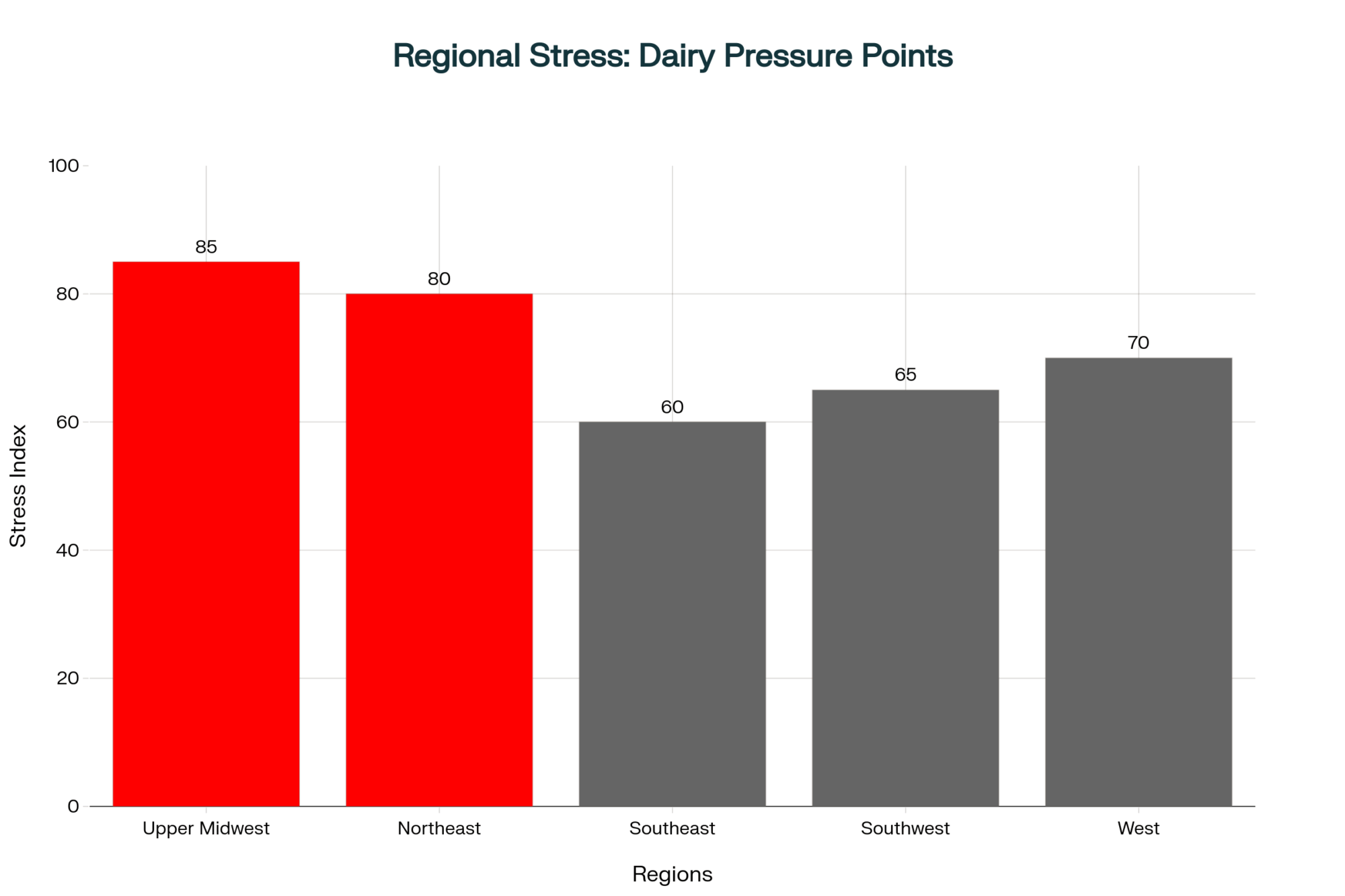
Heat stress hammers both protocols, but the 6-day advantage holds across every region and season—delivering 7-9 percentage point gains even in brutal summer conditions.

This protocol doesn’t perform identically everywhere.

In the Upper Midwest—Wisconsin, Minnesota, Michigan—where most validation research has been conducted, the 6-day protocol delivers consistent results across spring, fall, and winter. Summer is manageable with good heat abatement.

The Southeast and Southwest are different. Heat stress suppresses LH pulsatility regardless of protocol design. Extension data generally shows 8-12 percentage-point drops during heat-stress periods. The 6-day protocol still outperforms alternatives, but absolute numbers are lower. Some operations skip synchronized AI entirely during peak summer.

Pasture-based and dry lot systems face handling frequency constraints that make four precisely timed chute events over eight days more challenging than in confinement operations.

When This Protocol Isn’t Right for You

Reconsider if:

  • More than 15% of your heifers are prepubertal. The 6-day protocol assumes cycling heifers. For mixed groups, a 14-day CIDR protocol works better.
  • Your facilities can’t support ±30 minute timing precision. Without precise timing, the advantage erodes quickly.
  • Labor turnover is high. Consistency requires trained people who stay.
  • You’re already achieving 55%+ conception. The marginal improvement may not justify transition costs.

Alternatives:

  • 14-day CIDR-PG: More forgiving timing; mid-50s conception with sexed semen
  • Activity monitoring with conventional semen: Low-to-mid-60s achievable in well-run systems
  • MGA-based synchronization: Reduced handling; works well for pasture-based systems

The Bottom Line

The 6-day CIDR protocol works. The physiology is sound. The published research—Moore et al. 2023 in JDS Communications, ongoing UW-Madison Extension trials—backs it up. Farms executing it correctly are hitting 59-60% conception with sexed semen.

But it’s not magic. The farms getting those results are committing to execution discipline that most operations underestimate.

The deeper lesson? Constraint enables control. Stopping experimentation often produces better results than constant optimization.

That applies well beyond heifer breeding. But heifer breeding is a pretty good place to learn it. The question is whether you’re ready to stop tinkering and start executing.

Protocol Comparison

 5-Day Protocol6-Day Protocol
Day 0GnRH + CIDR inGnRH + CIDR in
Day 5CIDR out + PGF
Day 6CIDR out + PGF
Day 7GnRH + AI (48-56 hr)
Day 8GnRH + AI (56-60 hr)
Early estrus rate~30%~1%
P/AI with sexed semen~50%~59%

Implementation Schedule

DayTimeAction
Day 08:00 AMGnRH injection + CIDR insertion
Day 68:00 AMCIDR removal + PGF injection
Day 84:00 PMGnRH injection + Timed AI

Pre-Implementation Checklist

  • Confirm ≥85% of the heifer group is cycling
  • Assess facility capability for four precisely-timed chute events
  • Identify or train a dedicated AI technician
  • Establish a timing documentation system
  • Consult with the herd veterinarian on protocol fit
  • Review sire selection for post-sort fertility data

For protocol guidance specific to your operation, consult your herd veterinarian or state dairy extension specialist. The Dairy Cattle Reproduction Council (dcrcouncil.org) maintains additional synchronization resources.

Key Takeaways: 

  • It’s not bad luck—it’s the wrong protocol. The 5-day CIDR was built for cows. 30% of heifers come into heat early, wrecking your AI timing before you even breed.
  • One extra day changes everything. The 6-day protocol delays AI to 56-60 hours post-removal—when heifers actually ovulate.
  • The science is settled. Moore et al. (2023) in JDS Communications: conception jumped from 50% to 59% with sexed semen.
  • The cost of inaction: $30,000+. That’s 15-18 pregnancies a year you’re losing. Every year.
  • Discipline is non-negotiable. Hit your timing windows within 30 minutes, or don’t bother switching. This protocol rewards precision, not good intentions.

Complete references and supporting documentation are available upon request by contacting the editorial team at editor@thebullvine.com.

Learn More:

Join the Revolution!

Join over 30,000 successful dairy professionals who rely on Bullvine Weekly for their competitive edge. Delivered directly to your inbox each week, our exclusive industry insights help you make smarter decisions while saving precious hours every week. Never miss critical updates on milk production trends, breakthrough technologies, and profit-boosting strategies that top producers are already implementing. Subscribe now to transform your dairy operation’s efficiency and profitability—your future success is just one click away.
NewsSubscribe
First
Last
Consent

October’s 6,000-Cow Reality Check: Why the Smart Money Is Culling at Record Prices

October data: Production ↑3.7%, Herd ↓6,000 cows. First reduction of 2025. What smart producers know that you might not.

EXECUTIVE SUMMARY: October revealed dairy’s inflection point: producers culled 6,000 cows while production rose 3.7%, proving that margin math now trumps expansion momentum. At $16.91 milk and $165 cull values, keeping a cow losing $45/month means refusing $1,950 in immediate cash—a calculation thousands of farm families have already made. The heifer shortage (the lowest since 1978) has pushed replacements to $4,200, effectively locking the industry into its current size regardless of dreams of price recovery. Geography has become destiny, with new processing plants creating permanent $1.50/cwt advantages that no amount of good management can overcome. While some wait for $22 milk to return, successful operations are already adapting through component optimization, forward pricing, and even geographic relocation. October’s 6,000-head reduction isn’t a statistic—it’s 6,000 individual decisions that collectively signal dairy’s new reality: adapt to $17-19 milk or exit.

Dairy Culling Strategies

This caught my attention because it suggests we’re witnessing a pivotal moment where operational economics are beginning to override expansion momentum. After spending the week talking with producers and economists across Wisconsin, Texas, Idaho, and New York, what struck me is how this single data point reflects deeper strategic shifts happening across the industry.

Looking at the USDA’s October milk production report released this afternoon, total production reached 19.47 billion pounds, continuing the growth trend we’ve seen all year. But that 6,000-cow reduction? That’s producers voting with their culling decisions, signaling that margin pressures are finally forcing hard choices.

The economic calculation forcing dairy producers to choose between $1,950 immediate cash or continued monthly losses of $45 per marginal cow—explaining October’s historic 6,000-head reduction.

Dr. Marin Bozic, who tracks dairy economics at the University of Minnesota, offered an interesting perspective during our discussion. He noted that these patterns remind him of previous structural adjustments in commodity markets—times when the industry had to recalibrate expectations.

“What we’re observing isn’t just price pressure—it’s the convergence of biological lags from past breeding decisions meeting current economic realities. The industry is essentially paying for decisions made three years ago.”
— Dr. Andrew Novakovic, E.V. Baker Professor of Agricultural Economics, Cornell University

Here’s what’s particularly interesting—industry perspectives vary considerably on what this means. Some analysts I’ve spoken with suggest we’re seeing a temporary oversupply that could resolve with strong export demand or weather-related production disruptions by late 2026. Others see signs of more fundamental market restructuring.

And honestly? Both camps make compelling arguments.

Let me walk you through what the data tells us, and you can draw your own conclusions…

October 2025: The Numbers Behind the Decision

MetricValueSource
National Herd Size9.35 million headUSDA Milk Production Report
Year-over-Year Change+12,000 headUSDA NASS
October Adjustment-6,000 headUSDA NASS
Milk Production19.47 billion lbs (+3.7% YoY)USDA NASS
Class III Milk Price$16.91/cwtUSDA-AMS
Cull Cow Value$165/cwt (Southern Plains avg)USDA Direct Cattle Report
Replacement Heifer Cost$3,010 (July avg)USDA-AMS Auctions
Daily Feed Investment$8.50/cowUW Extension

The Math Behind October’s Culling Decisions

Here’s what struck me as particularly revealing: the national herd stands at 9.35 million head—essentially flat with only 12,000 more cows than in October 2024. Given all the processing capacity that’s come online recently, you’d expect more aggressive expansion. But that’s not what we’re seeing.

I spent time this week with a Wisconsin dairy operator managing 2,100 cows who walked me through their October decision-making. With Class III milk at $16.91 and feed costs around $8.50 daily, their bottom-quartile cows—those averaging 65 pounds versus the herd average of 85—were generating negative margins of about $45 monthly.

Meanwhile, cull values in the Southern Plains were hitting $165 per hundredweight.

Think about that calculation for a moment: $1,950 in immediate cash versus continued negative margins. It’s not an easy decision, but it’s becoming increasingly common.

What made October particularly significant was this convergence of pressures:

  • Milk prices are settling at $16.91, well below the $20-23 range that justified 2023-2024 expansion plans
  • Feed costs are stabilizing around $8.50 per cow daily (University of Wisconsin Extension’s November data)
  • Cull cow values are reaching near-historic levels at $165/cwt in the Southern Plains
  • Replacement heifers averaging $3,010, up from $1,720 in April 2023
  • December Class III futures are showing $17.21 on the CME—not exactly a recovery signal
  • Processing facilities are dealing with utilization challenges despite $10 billion in recent investments (CoBank’s August assessment)

An Idaho producer I spoke with, managing 450 cows near Twin Falls, described it this way: “We’re evaluating every animal’s contribution to cash flow. It’s about making data-driven decisions, not emotional ones.”

The Heifer Shortage Nobody Saw Coming (Except Everyone Should Have)

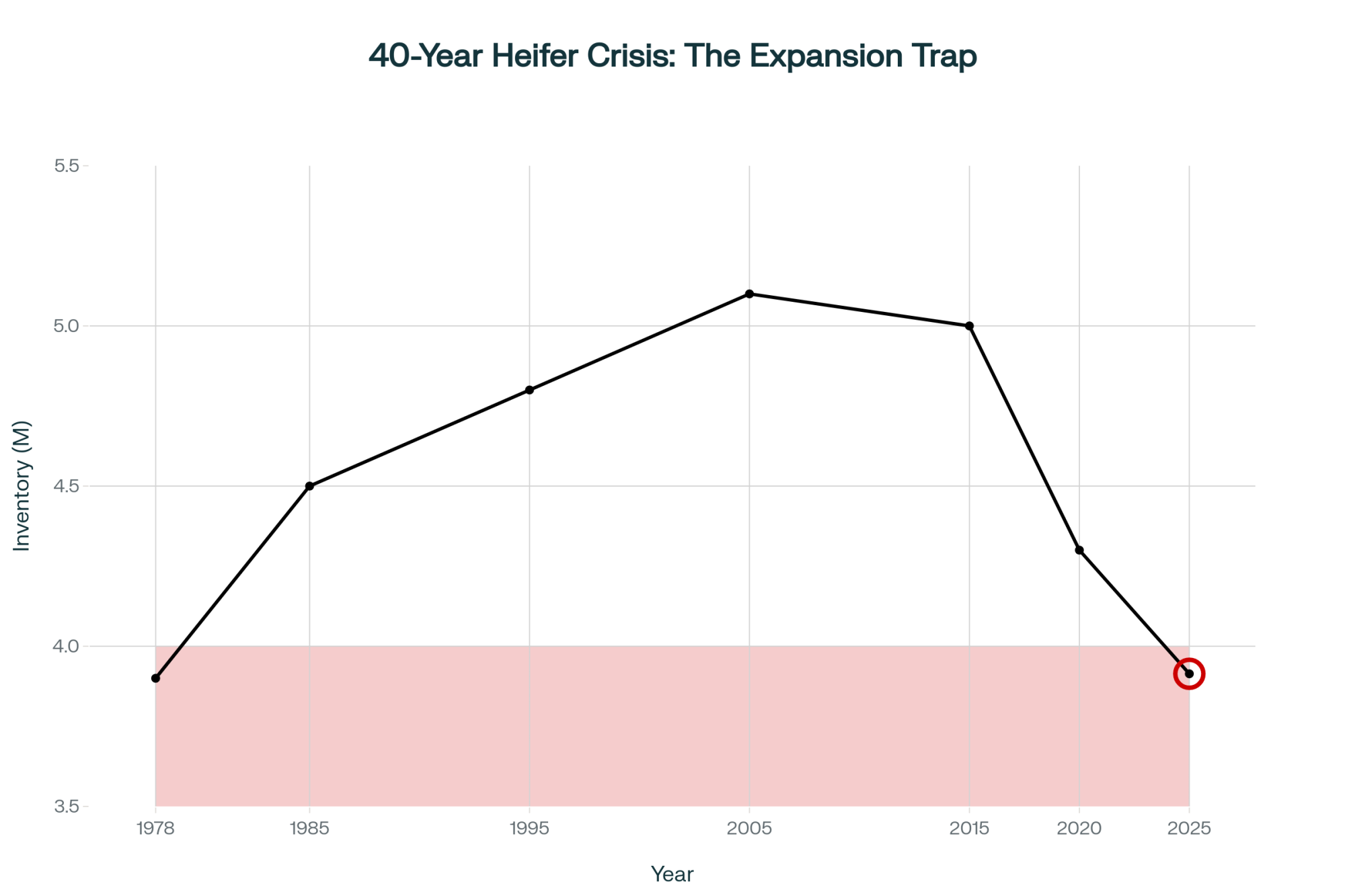
Replacement heifer prices exploded 144% from $1,720 to $4,200 between April 2023 and November 2025, creating an unprecedented shortage that locks the industry into its current size until 2027.

What’s fascinating—and honestly, a bit frustrating—is how predictable the current heifer shortage was, yet how unprepared we seem to be for it.

The price explosion from $1,720 to over $4,000 isn’t inflation; it’s the bill coming due for decisions made years ago.

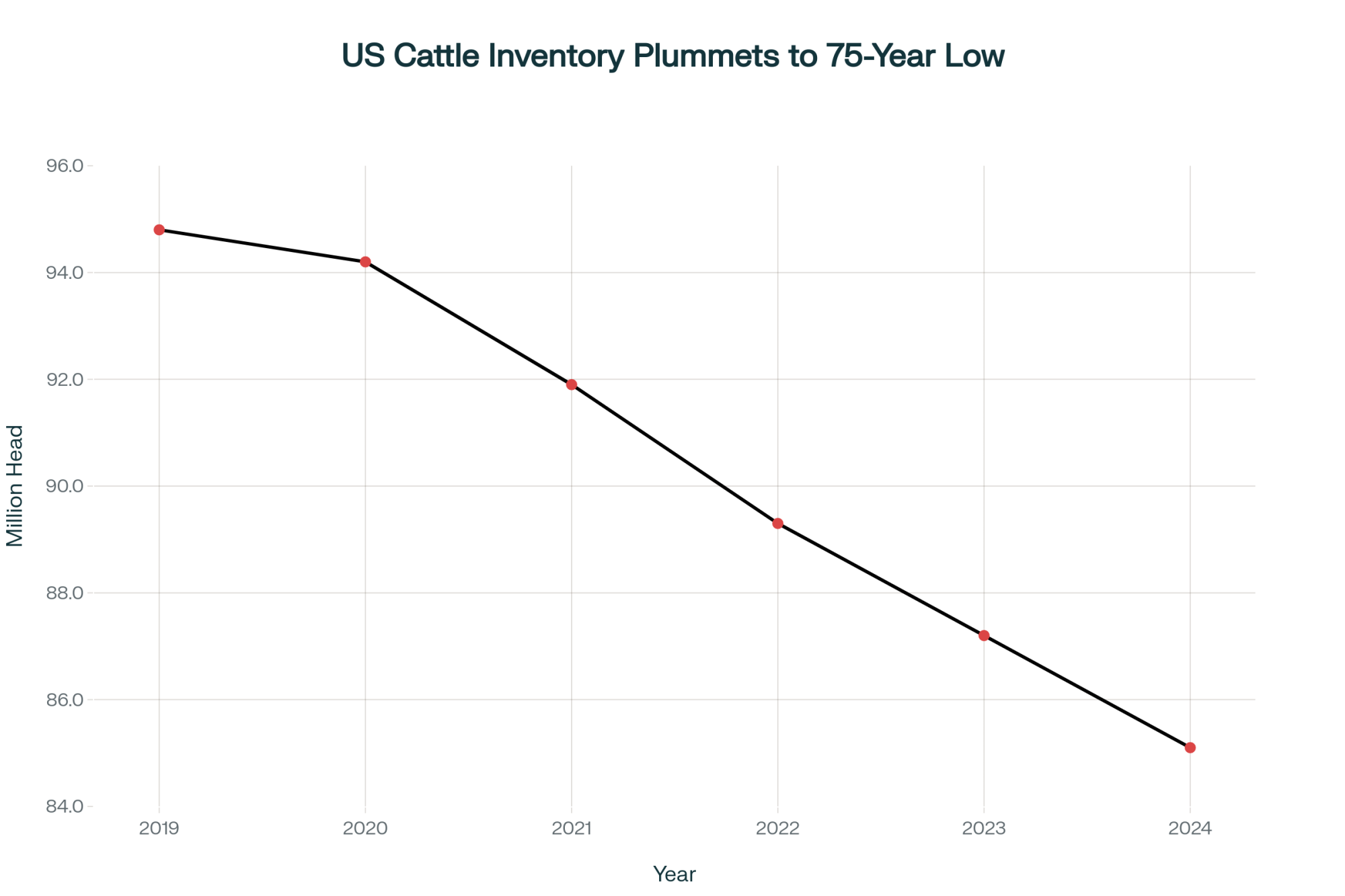
According to USDA data, dairy heifer inventory hit 3.914 million head in January 2025—the lowest since 1978. I had to double-check that number because it seemed impossible. But it’s real, and it stems from entirely rational decisions made during the challenging price environment of 2015-2021.

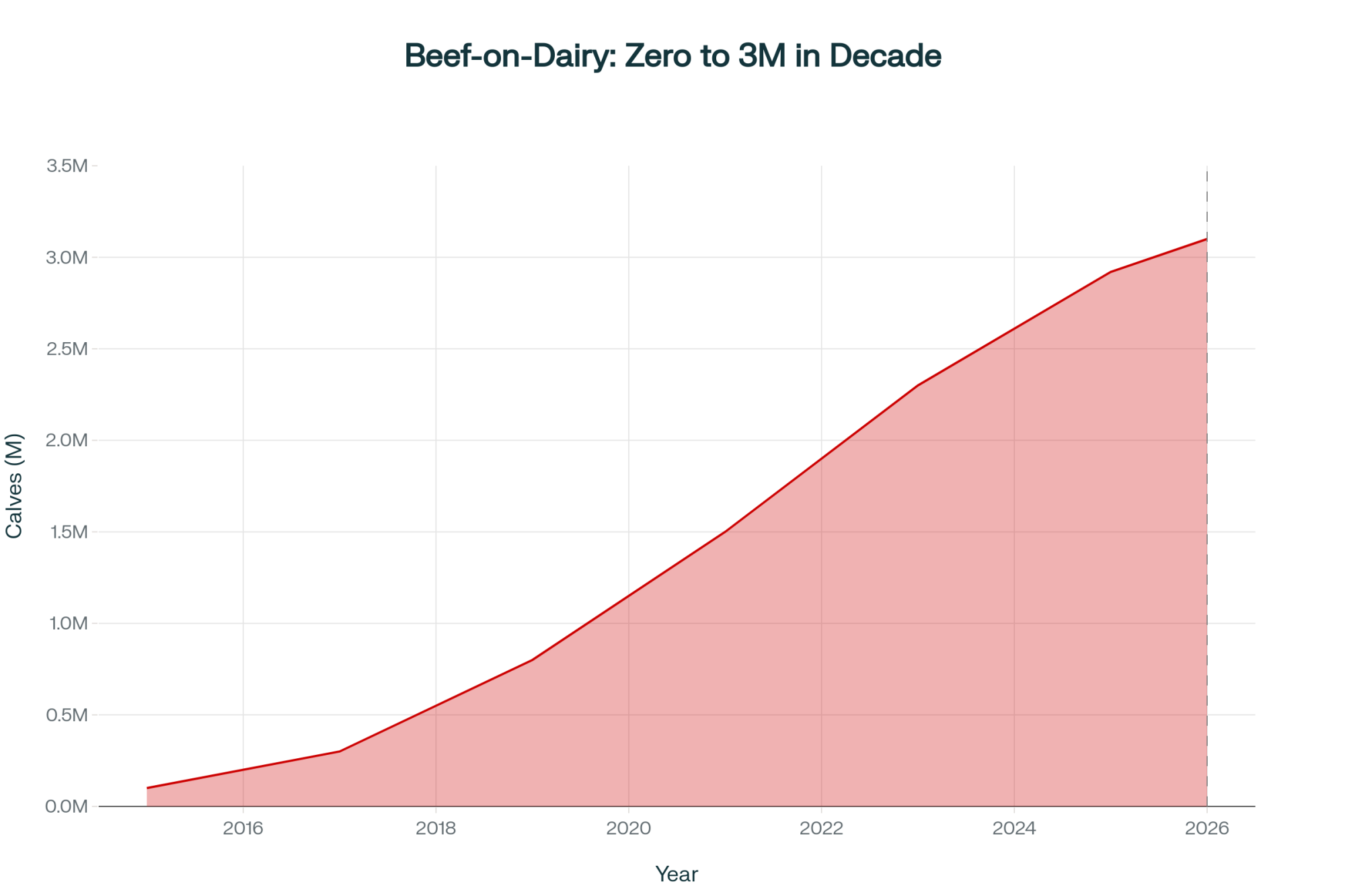
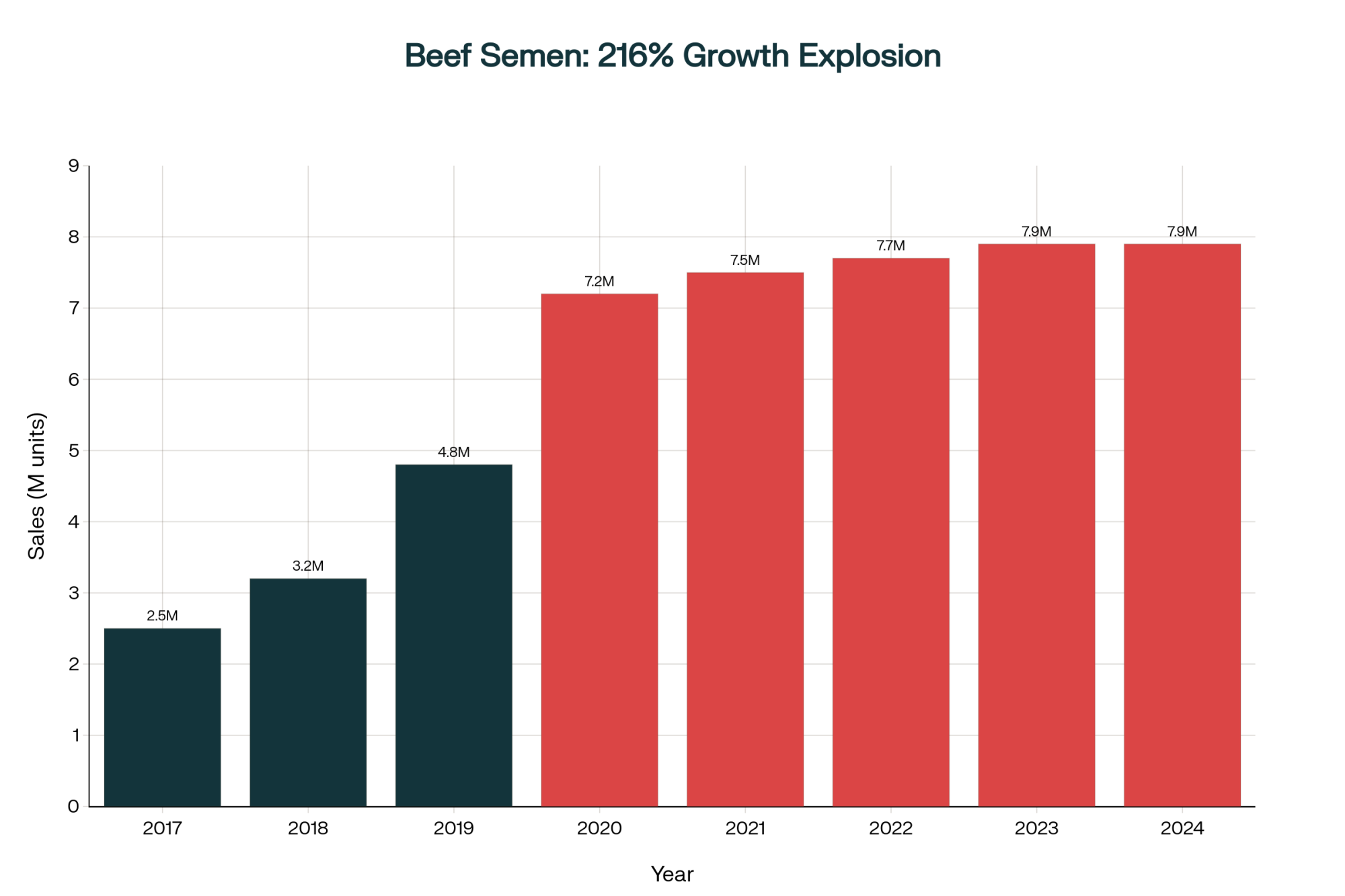
When milk prices stayed in that $12-14 range for years, producers did what made economic sense: they bred with beef semen instead of raising dairy replacements. The National Association of Animal Breeders reports beef semen sales to dairy operations nearly tripled from 2017 to 2020.

We essentially removed 800,000 dairy heifers from the pipeline—about 130,000 per year.

Here’s the kicker that keeps me up at night: those breeding decisions from 2019-2021? Those missing heifers would be entering herds right now. Instead, we’ve got producers competing fiercely for the limited genetics available.

A procurement specialist for a large Texas Panhandle operation shared something revealing: “We locked in heifer contracts in early 2023 at $1,900, thinking we were being conservative. Those same genetics are $4,200 today. If we’d modeled $16.91 milk instead of $21, our entire expansion strategy would’ve been different.”

There’s a glimmer of hope, though. Gender-sorted semen sales jumped 17.9 percent from 2023 to 2024—1.5 million additional units, according to the National Association of Animal Breeders.

But meaningful relief? We’re probably looking at 2027.

Regional Realities: Why Your Zip Code Matters More Than Ever

Regional production growth reveals how new processing investments in Idaho (7.0%) and California (6.9%) create permanent $1.50/cwt advantages that no amount of management can overcome in lagging regions.

Looking at the October state-by-state data, what jumped out at me was how dramatically different the dairy economy looks depending on where you’re standing.

The growth stories:

  • California: Up 6.9 percent (though comparing against last year’s bird flu challenges)
  • Idaho: Up 7 percent (that new Glanbia cheese plant in Twin Falls is pulling everything)
  • Texas: Added 26,000 cows despite yield challenges
  • Michigan: Up 4.3 percent
  • New York: Up 4 percent

But here’s where it gets interesting. A Pacific Northwest producer managing 1,800 cows near Lynden, Washington, shared their reality: “We’re getting $16.16 per hundredweight while Idaho producers see $17.66. That $1.50 difference? It’s because we’re shipping to powder plants while they’re shipping to cheese plants.”

This illustrates something I’ve been tracking for a while—the growing divide between regions with new processing investments and those without. The Federal Milk Marketing Order system, despite updates in 2024, still creates these regional disparities based on fluid demand assumptions from another era.

Processing investments are reshaping the geography of dairy: Leprino Foods’ $870 million Lubbock facility, Fairlife’s $650 million New York expansion, and Great Lakes Cheese in Abilene.

These aren’t just plants; they’re creating new centers of gravity for milk production.

Success Stories: Adaptation in Action

While challenges dominate headlines, I’ve encountered several operations that have successfully navigated current conditions through strategic adaptation.

A 1,200-cow operation in central New York completely restructured their approach this summer. They shifted focus from volume to components, reformulated rations to optimize butterfat (accepting a 4 percent volume decrease in exchange for a 0.35 percent butterfat improvement), and locked in 70 percent of their 2026 production through forward contracts.

The result? They’re projecting positive margins even at $17.50 milk.

Another success story comes from a Wisconsin cooperative that pooled resources among five family farms to negotiate better component premiums directly with their processor. By guaranteeing consistent high-component milk, they secured an additional $0.85/cwt premium above standard pricing.

In Pennsylvania, a 600-cow operation near Lancaster took a different approach entirely. They invested in on-farm processing, launching a farmstead cheese operation that now processes 30 percent of their production.

“We realized we couldn’t compete on commodity milk,” the owner explained. “But we could capture more value through differentiation. Our cheese sales are covering the losses on our fluid milk.”

What these operations share is a willingness to challenge traditional approaches and adapt to new realities rather than waiting for old conditions to return.

The Export Paradox and What It Really Means

Here’s something that initially puzzled me: September exports were phenomenal—cheese up 28 percent, butterfat exports nearly tripled according to the USDA.

Yet farm-level milk prices remain depressed. How does that math work?

The answer reveals an uncomfortable truth about global competitiveness. CME cheese at $1.56 per pound versus European cheese at approximately $1.90 (converted from euros) gives us an 18 percent price advantage.

We’re competitive precisely because our prices have fallen.

After processing and logistics, that $1.56 cheese price translates to farm-level milk values around $12.40 per hundredweight. That’s below breakeven for most operations.

So yes, exports are strong, but they’re preventing collapse, not driving recovery.

Mexico accounts for about 30 percent of our exports, according to the U.S. Dairy Export Council. But Rabobank’s November analysis flags something concerning: Mexico is actively building domestic production capacity with government support.

If they reduce imports by even 20 percent, that would be a significant demand shock.

Risk Scenarios: What Could Change Everything

While I’ve focused on current trends continuing, it’s worth considering what could dramatically shift the market:

Disease outbreak: An H5N1 resurgence affecting 5-10 percent of the national herd would immediately tighten supply and drive prices higher. Nobody wants this scenario, but it remains a possibility.

Weather extremes: A severe drought across the Midwest in summer 2026 could quickly reduce production by 3-4 percent. Combined with current tight heifer supplies, this could push milk prices back above $20.

Trade disruptions: New tariffs or trade agreements could fundamentally alter export dynamics. A comprehensive trade deal with Southeast Asian nations could open significant new demand.

Processing consolidation: If one or two major processors face financial stress and close facilities, regional oversupply could quickly become undersupply.

These aren’t predictions—they’re reminders that dairy markets can shift rapidly when unexpected events occur.

Practical Strategies for Navigating Current Conditions

Based on conversations with producers successfully adapting to current conditions, several strategies deserve consideration:

Margin-Based Management

Evaluating individual cow contributions monthly provides objective retention criteria. Several producers mentioned using $40 monthly contribution as their threshold, though your specific number will depend on your cost structure.

Component Optimization

With butterfat premiums at $0.50-1.50/cwt above base (varying by cooperative), optimizing for components rather than volume can improve margins. This might mean accepting lower production for higher component percentages.

Geographic Assessment

Honestly evaluating your regional competitive position matters more than ever. If you’re in a structurally disadvantaged region, consider whether repositioning—through relocation, market channel changes, or value-added production—makes sense.

Risk Management Tools

Forward pricing isn’t about predicting markets; it’s about creating certainty. Several producers described securing 50-70 percent of future production at known prices, allowing them to plan with confidence.

Collaborative Approaches

Producer cooperation—whether through joint marketing, shared resources, or collective bargaining with processors—is gaining traction as a strategy for improving positioning.

Looking Ahead: Key Indicators to Watch

The November and December production reports will reveal whether October’s 6,000-head reduction was an isolated adjustment or the beginning of something bigger.

Here’s what I’ll be watching:

Herd trajectory: Another 5,000+ reduction would signal systematic adjustment. Stabilization suggests October was an anomaly.

Per-cow production: Changes exceeding seasonal norms could indicate compositional shifts in the national herd—are we keeping the best and culling the rest?

Regional divergence: Continued growth in Texas/Idaho, while other regions contract, would confirm geographic consolidation.

Component trends: Rising butterfat with declining volume would indicate a strategic focus on quality over quantity.

The Bottom Line: Adaptation, Not Capitulation

October’s 6,000-head culling amid production growth tells us something important: the industry is beginning to self-correct, with individual producers making rational decisions based on economic reality rather than expansion momentum.

This isn’t about doom and gloom—it’s about adaptation. The operations that recognize current conditions as a new reality rather than a temporary disruption are positioning themselves for long-term success.

They’re not waiting for $22 milk to return; they’re building businesses that work at $17-19.

What’s becoming clear from my conversations across the industry is that successful navigation requires three things: an honest assessment of your specific situation, a willingness to challenge traditional approaches, and the courage to make difficult decisions based on data rather than hope.

The dairy industry has weathered massive transitions before—the shift from small diversified farms to specialized operations, the technology revolution, and multiple trade upheavals. Each time, those who adapted thrived while those who resisted struggled.

Current conditions represent another such transition. How individual operations choose to respond will determine not just their immediate survival but their long-term positioning in whatever structure emerges.

As we await the next production reports, remember that behind every data point are real farming families making real decisions about their futures. The 6,000-head reduction isn’t just a statistic—it represents thousands of individual choices, each reflecting unique circumstances and strategic calculations.

The market is speaking. The question isn’t whether to listen, but how to respond thoughtfully and strategically to what it’s telling us.

Resources for Further Information:

  • USDA Milk Production Reports: www.nass.usda.gov
  • University Extension Dairy Programs: Contact your state extension service
  • Federal Milk Marketing Order Administrators: www.ams.usda.gov/about-ams/programs-offices/federal-milk-marketing-orders
  • Risk Management Tools: Contact your milk cooperative or CME Group Agriculture
  • Dr. Andrew Novakovic’s market analysis: Charles H. Dyson School of Applied Economics, Cornell University
  • Component Premium Information: Contact your regional cooperative

Key Takeaways: 

  • The October Calculation: Keeping a marginal cow means refusing $1,950 cash today to lose $45/month tomorrow—that’s why 6,000 left the herd despite record milk production
  • The 2027 Reality: With heifers at $4,200 and inventory at 45-year lows, the industry is locked into current size until 2027, regardless of price recovery
  • Location Determines Survival: Processing investments have created permanent $1.50/cwt regional pricing advantages that no amount of good management can overcome
  • Three Paths Forward: Optimize for components (butterfat premiums worth $0.50-1.50/cwt), lock in 50-70% of production at $17-19, or relocate to advantaged regions
  • Bottom Line: October proved the market has fundamentally shifted—build a business that works at $17-19 milk or become a statistic

Complete references and supporting documentation are available upon request by contacting the editorial team at editor@thebullvine.com.

Learn More:

Join the Revolution!

Join over 30,000 successful dairy professionals who rely on Bullvine Weekly for their competitive edge. Delivered directly to your inbox each week, our exclusive industry insights help you make smarter decisions while saving precious hours every week. Never miss critical updates on milk production trends, breakthrough technologies, and profit-boosting strategies that top producers are already implementing. Subscribe now to transform your dairy operation’s efficiency and profitability—your future success is just one click away.
NewsSubscribe
First
Last
Consent

The Robot Truth: 86% Satisfaction, 28% Profitability – Who’s Really Winning?

When satisfaction rates soar but profitability plummets, the dairy industry’s automation revolution reveals uncomfortable truths about who really wins

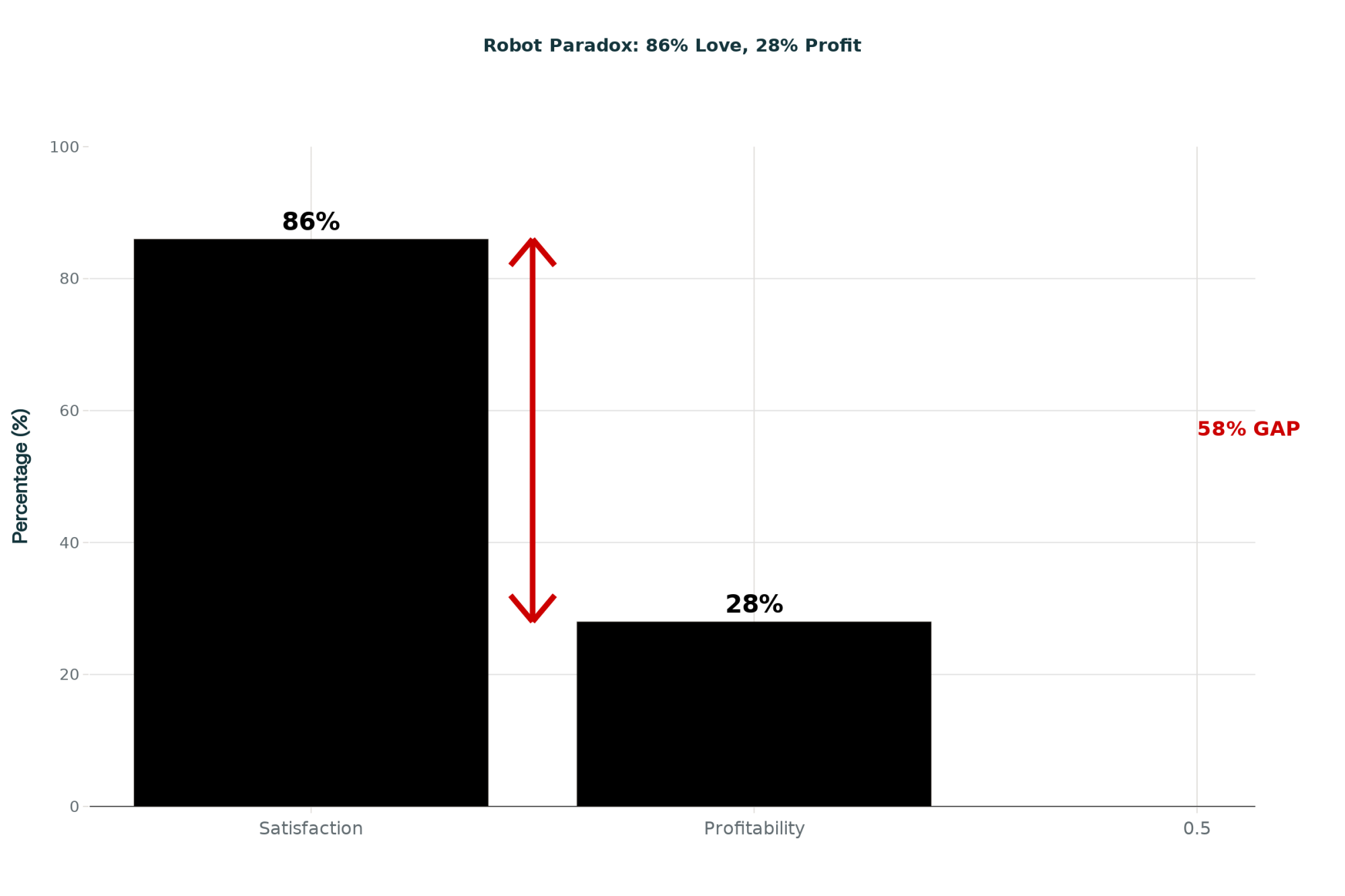
The Robot Paradox reveals dairy farming’s uncomfortable truth: while 86% of farmers recommend robots to others, only 28% achieve the production gains needed for clear profitability. This 58-point gap exposes how quality-of-life improvements mask economic challenges

You know, that 4 a.m. alarm clock is becoming a thing of the past on more and more dairy farms. I’ve been tracking this transformation pretty closely, and what’s fascinating is where we’re at in 2025—the robotic milking market has grown to about $3.39 billion globally according to Future Market Insights, with projections suggesting we’ll hit $19.5 billion by 2035.

Big numbers, right? But here’s what’s interesting…

When you dig beneath all those impressive adoption statistics, there’s a more complicated story that I think every farmer considering robots really needs to hear. The University of Calgary followed 217 Canadian dairy producers through their robotic transitions—published the whole thing in the Journal of Dairy Science back in 2018—and what they found, combined with research from around the world, reveals some surprising patterns.

So yes, 86% of farmers who’ve installed robots would recommend them to others. That’s genuine satisfaction. But here’s the interesting part: only about 28% are actually achieving the production increases needed for clear profitability, based on the University of Minnesota’s economic modeling this year.

That gap? Well, it tells you something important about what’s really happening out there.

Why Farmers Love Robots Even When the Numbers Don’t Always Work

You probably know someone who’s installed robots and can’t stop talking about how it’s changed their life. A fifth-generation Prince Edward Island farmer told me recently, “I haven’t missed one of my kids’ events since we installed the robots.” And honestly, I hear this all the time.

This quality-of-life transformation—it’s real, and it explains why satisfaction rates stay high even when the economics get challenging.

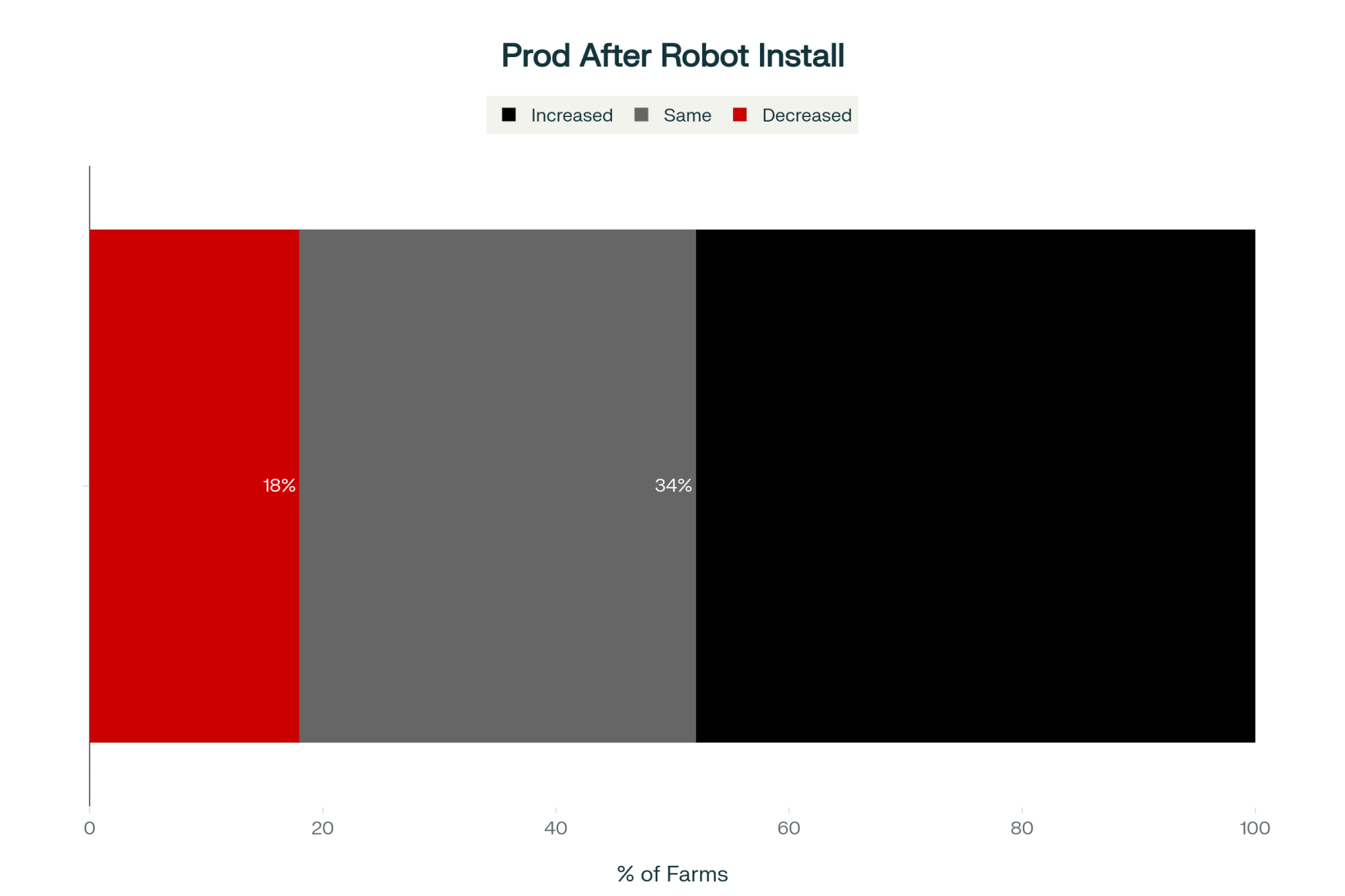
Looking more closely at that Calgary data, some interesting patterns emerge. About 58% of farms report increased milk production, which sounds good. But these range from tiny 2-pound gains all the way up to exceptional 10-pound improvements. Meanwhile, 34% maintain exactly the same production levels despite dropping serious money on robots. And here’s what really stands out—18% actually see production go down. Makes profitability pretty much impossible when that happens.

Production Reality exposes the hidden complexity: while 58% of farms see production increases, most gain only 2-3 lbs/day when 5+ lbs is required for profitability. Meanwhile, 34% see no change and 18% actually lose production—making robots profitable for just 28% of adopters

As Trevor DeVries from University of Guelph recently explained, “What producers are discovering is that robotic milking success depends on having the right combination of factors. The technology changes the nature and flexibility of labor rather than simply reducing hours.”

The Scale Trap defies conventional wisdom: small farms see 355% profit increases while medium-sized operations (61-120 cows) lose money with robots. This “missing middle” represents 40-50% of North American dairies—too large for simplicity benefits, too small for economies of scale

When More Milk Doesn’t Mean More Money

A Kansas dairy farmer shared something with me that really stuck: “We tried to save money by retrofitting our existing barn—big mistake. Cow traffic issues cost us at least 10 pounds of milk per cow until we finally redesigned the entire layout a year later. Do it right the first time.”

His experience aligns with research from multiple countries. Yes, 58% of farms report some production increases according to that Calgary study. But this year, the Minnesota Extension discovered that you need gains of at least 5 pounds per day to overcome the technology’s cost structure.

Most farms are getting just 2-3 pound increases? They’re stuck in what researchers call the “marginal profitability zone”—where success depends on milk prices staying strong and everything else going perfectly.

The Numbers That Matter

The Minnesota team uncovered specific thresholds that determine success, and honestly, these are sobering:

If your production increases just 2 pounds per day, robots need to last longer than 10 years to be more profitable than your old parlor. If production stays flat—and remember, that’s a third of farms—you’re looking at robots needing 13 to 17 years just to break even. And if production actually decreases? Well, robots are never going to be as profitable as what you had before.

Now, the financial reality gets even tougher when farmers discover that operational costs are running 300 to 400% higher than dealers projected. Teagasc in Ireland documented electricity costs that were nearly three times higher than those of conventional systems back in 2011. New Zealand farmers have told researchers their electricity bills doubled after installation. One farmer showed me maintenance invoices that hit six figures in the first year—the dealer told him to expect five to nine thousand.

The Scale Problem Nobody Expected

Turkish researchers published something in 2020 that really challenges what we’ve assumed about farm modernization. They looked at robot economics across different herd sizes, and what they found… well, it surprised me.

The Scale Trap defies conventional wisdom: small farms see 355% profit increases while medium-sized operations (61-120 cows) lose money with robots. This “missing middle” represents 40-50% of North American dairies—too large for simplicity benefits, too small for economies of scale

Small operations with 10 to 60 cows saw profit increases of 355% with robots. Operations with 121 or more cows? Generally profitable with proper execution. But here’s the kicker—farms with 61 to 120 cows actually saw decreased profitability.

Now, this Turkish study reveals a pattern that, if it holds true for North America, has profound implications. That middle group represents about 40-50% of North American dairy farms. We’re potentially talking about what economists call the “missing middle”—too large for the simplicity benefits of small-scale operations, but too small for the economies of scale that make it work for bigger dairies.

Looking at different regions, the pattern seems to align. Wisconsin farms averaging 90 cows? They’re right in what could be this danger zone. Vermont’s typical 125-cow operations sit just above the profitability threshold. California’s larger operations generally do fine. But those traditional Midwest family farms in that 80 to 100 cow range… if this Turkish research applies here, they really need to think this through carefully.

Down in the Southwest, where operations tend to be larger, the economics often work better. But what about Southeast producers with their typically smaller herds and higher humidity challenges? That’s a whole different calculation. And up in Canada—where that Calgary study originated—producers in Ontario versus those in Alberta face completely different economics, based on quota systems and herd-size restrictions.

The Genetic Timeline That Changes Everything

Here’s something that doesn’t get nearly enough attention—it takes 5 to 8 years to breed a herd that’s actually optimized for robotic milking. I’m not kidding.

Research published in the Journal of Dairy Science last year analyzed over 5 million milking records from about 4,500 Holstein cows. What they found is that udder conformation traits crucial for robot efficiency are moderately to highly heritable—we’re talking 0.40 to 0.79. So yes, you can breed for robot success. But man, it takes time.

A Wisconsin farmer discovered this the hard way two years after installing his robots. “I sold three of my highest producers six months after installation,” he told me. “They were production champions but robot time hogs. After replacing them with more efficient cows, my output actually increased even though individual cow averages decreased slightly.”

Think about that—higher total output with lower individual averages. It’s all about efficiency.

CRV and other breeding organizations showed in 2023 that farmers using bulls specifically selected for robot-friendly traits ultimately get about 350,000 pounds more milk per robot annually. For a three-robot operation, that’s over $200,000 in additional revenue. But—and this is crucial—only after 5 to 8 years of strategic breeding.

The Efficiency Gap That Makes or Breaks You

What really blew my mind: individual cow efficiency in robotic systems varies by nearly 300%. Same production levels, wildly different robot utilization.

Lactanet did this fascinating comparison in 2023—two cows with almost identical daily production, 48 kilos versus 49.5 kilos. But one produced her milk nearly three times more efficiently in terms of robot time. Just think about the implications…

And here’s where genetics meets economics in ways we’re just beginning to understand…

This explains why manufacturer recommendations about running 60 to 70 cows per robot produce such different results from farm to farm. High-efficiency operations can profitably run 68 cows per robot, sometimes more. Low-efficiency farms struggle with just 45 cows on the same equipment.

The Facility Mistakes That Haunt Farmers

The Calgary study found something that should give everyone pause: 68% of farmers would do something differently during installation, with facility modifications topping the list of regrets.

We’re not talking minor tweaks here. These are fundamental design decisions that compound into permanent profitability problems.

A Michigan producer took a different approach worth noting: “We visited fifteen robotic dairies before finalizing our facility design. The three most successful operations all emphasized the same point—cow flow is everything.”

Three Design Elements That Can Make or Break Your Operation

Feed Space—The Hidden Killer

The Dairyland Initiative in Wisconsin has repeatedly shown that retrofitting four-row barns—where everyone tries to save money—creates permanent bottlenecks.

These facilities typically give you 12 to 18 inches of feed space per cow when you need 24 inches minimum. What happens? Subordinate cows see their feed intake drop 15 to 25%. Your fetching requirements jump from a manageable 5% to 20% of the herd. And lameness rates climb from a typical 20% to a devastating 35-45%.

I’ve seen this mistake too many times. Farmers think they can make that old four-row barn work. It rarely does.

Traffic Flow—More Than Philosophy

The choice between free and guided traffic isn’t just a matter of management philosophy—it’s economics.

Farms trying to save 40 to 60 thousand on selection gates often discover that their “savings” create massive waiting times. Research in Animal Welfare Science from 2022 showed that this reduces lying time from the required 12 to 14 hours to just 9 to 11 hours. You know what happens when cows don’t get enough rest—lameness goes up, production goes down.

Backup Capacity—The Insurance You Hope You’ll Never Need

Despite dealer assurances that all cows will adapt, the Calgary research shows that 2% of herds need culling because they won’t work with robots. Plus, fresh cow management requires special protocols.

An experienced farmer put it bluntly: “You can’t avoid having some backup milking capacity. The cull rate’s too high if you require everyone to be robot-trained.”

Who Actually Benefits from Automation

The industry often talks about labor savings driving automation, but the challenges are real. USDA data from this year shows immigrant workers make up 51% of the dairy workforce while producing 79% of U.S. milk. With 38.8% annual turnover creating measurable production losses, something’s gotta give.

But here’s what I’ve learned—successful automation requires specific labor economics.

Minnesota’s breakeven analysis this year shows that robots become competitive when labor costs range from $22 to $32 per hour (depending on production gains), or when turnover exceeds 50% annually. Ideally, you have both.

For farms with stable workforces at $18 to $20 per hour—common in many rural areas—the economics often don’t support automation regardless of other factors. As one Nebraska farmer explained, “We have great employees who’ve been with us 10-plus years. Robots would’ve solved a problem we don’t have.”

When Everything Goes Right: A Success Story

Let me share what success looks like based on several Vermont operations I’ve worked with that represent that successful 28%.

One particular farm began in 2021, selecting for robot traits while still milking in their double-8 parlor. “We genomic tested every animal and started culling hard for robot efficiency traits,” they explained.

By the time they installed four DeLaval robots in 2023, 40% of their 240-cow herd already had favorable genetics. They built a new freestall barn explicitly designed for robots—about a $1.7 million investment that hurt, but they had the capital reserves.

“We could’ve retrofitted for $800,000,” they noted, “but after visiting twelve robot farms, we saw how facility compromises created permanent problems.”

Today, successful operations like these are achieving 90 to 95 pounds per day, with robots running at 2.0 to 2.2 kilos per minute. Many report annual labor cost reductions of 40-50%. But what really matters to these families—they’re coaching youth hockey, returning to off-farm careers part-time, actually having a life outside the barn.

“This technology transformed our operation,” one farmer told me. “But I tell neighbors straight up—if you can’t absorb significant losses for three years and invest in genetics and facilities, wait. This isn’t for everyone.”

The Questions That Predict Success or Failure

After analyzing hundreds of operations, researchers have identified the key diagnostic question that predicts success with remarkable accuracy:

Can you comfortably absorb $100,000 in annual losses for three consecutive years while investing an additional $150,000 in facility corrections and genetic improvements—without threatening your farm’s survival?

If you can’t confidently say yes, the research suggests waiting or exploring alternatives. This single question brings together every critical factor: scale, capital reserves, commitment to the timeline, and strategic thinking capacity.

There’s also the temperament piece. Ask yourself: Am I comfortable with data-driven decision making rather than hands-on control? Can I wait 24 to 48 hours for technical support instead of fixing things immediately? Will I accept that 5-8% of cows will always need fetching?

That last one’s important—perfectionism becomes a liability with robots.

Dutch research from 2020 found something surprising: farmers who quit robotic milking actually scored higher on conscientiousness scales than those who successfully adopted robotic milking. The characteristics that make excellent conventional dairy farmers—disciplined, hard-working, hands-on—can work against you with systems requiring indirect management.

Making Sense of It All: Who Should Actually Buy Robots

Based on everything we’re seeing, clear patterns emerge for different situations.

You’re a Strong Candidate (about 28 to 40% of farms) If You Have:

  • 121 or more cows with plans to maintain or expand
  • High-wage labor markets ($24+ per hour) or severe turnover (over 50%)
  • Capital reserves to absorb $250,000 to $400,000 in losses and corrections over three years
  • Already started genetic selection for robot traits at least two years before installation
  • Willingness to build new or invest in proper retrofits ($1.2 million plus)
  • Comfort with systems thinking and data-driven management

Proceed with Extreme Caution (about 40 to 50% of farms) If You Have:

  • 60 to 120 cows—remember, scale economics work against this group
  • Moderate labor costs ($18 to $22 per hour) with manageable turnover
  • Limited capital requiring minimal facility retrofits
  • Haven’t begun genetic selection for robot efficiency
  • Need profitability within 2 to 3 years
  • Preference for hands-on problem solving over remote management

Consider Alternatives (about 20 to 30% of farms) If You Have:

  • Under 60 cows without expansion plans
  • Stable, affordable labor force
  • Existing facilities requiring extensive modification
  • Management style strongly favoring direct control
  • Can’t absorb three years of potential losses

The Bottom Line

What we’re learning about robotic milking challenges many of the assumptions we’ve held for years.

Quality-of-life improvements? They’re absolutely real and valuable. That 86% recommendation rate reflects genuine lifestyle benefits. But—and this is important—quality of life doesn’t automatically translate to profitability. I’ve seen too many farms discover this the hard way.

The 72% profitability gap is sobering but manageable if you understand what you’re getting into. Only 28% achieve the 5-plus-pound daily gains needed for clear profitability, according to Minnesota’s analysis. But understanding the specific requirements lets you make an informed decision rather than just hoping for the best.

Timeline expectations need radical adjustment, too. Full optimization takes 5 to 8 years, not the 1 to 2 years dealers suggest. Start genetic selection 2 to 3 years before installation and expect marginal performance for the first couple of years of operation. This isn’t pessimism—it’s realism based on what farmers have actually experienced.

Facility design really does determine destiny. Those 68% who regret their installation decisions teach us a powerful lesson: cutting corners on facility design creates permanent barriers to profitability. Proper design typically requires $1.2 to $2.2 million for most operations. If that number makes you uncomfortable… well, that’s valuable self-knowledge.

And scale economics aren’t what we thought. That 61 to 120 cow “dead zone” where robots actually decrease profitability challenges everything we’ve assumed about modernization improving economics. This has profound implications for mid-sized family farms—the backbone of our industry in many regions.

The dairy industry’s at an interesting crossroads. Technology adoption is accelerating even as economic pressures intensify. Robotic milking represents a genuine transformation for the 28 to 40% of operations that have the right combination of scale, capital, management style, and long-term commitment. For these farms, the technology really does deliver.

But for the majority—those who lack critical success factors at 60 to 72%—the technology might create more challenges than solutions. When you look at industry projections suggesting growth from $3.39 billion to $19.5 billion by 2035, those numbers require adoption rates that probably exceed the population of farms that are actually good candidates.

The lesson isn’t that robotic milking is good or bad. It’s that complex agricultural technologies require an honest assessment of your individual situation rather than following narratives about what’s “inevitable.”

The farmers succeeding with robots aren’t just early adopters or tech enthusiasts. They’re operations whose specific circumstances align perfectly with the technology’s requirements.

As that Vermont farmer put it perfectly: “This technology is amazing—for the right farm, at the right scale, with the right preparation. The challenge is being honest about whether you’re that farm.”

And honestly? That’s the conversation we all need to be having.

KEY TAKEAWAYS:

  • The One Question That Matters: Can you lose $100K/year for 3 years? If no, skip robots. Only 28% ever see profit.
  • The Scale Trap: 60-120 cows = robot dead zone (you’ll lose money). Under 60 or over 120 = potential profit.
  • The Timeline Nobody Tells You: Year 1-3: Losses. Year 4-5: Breakeven. Year 5-8: Maybe profit. Plan accordingly.
  • Your Best Cows Are Your Biggest Problem: High producers often fail at robots. Efficiency beats volume every time.
  • The Real Math: Dealers say $9K/year costs. Reality: $30-45K. Triple everything, including disappointment.

EXECUTIVE SUMMARY: 

The robot revolution has a secret: it’s only working for 28% of dairy farms. After tracking 217 operations, researchers discovered a brutal truth—farms with 60-120 cows (nearly half of U.S. dairies) actually lose money with robots, while those below 60 or above 120 can profit. Success demands crushing requirements: 0,000 in loss tolerance, 5-8 years of genetic prep, and willingness to cull your best producers for efficiency. Yet 86% of farmers still recommend robots, creating false confidence that drives unsuitable operations toward financial disaster. The industry needs these failures to hit its $19 billion target by 2035. One question predicts your fate: Can you bleed $100,000 a year for 3 years and survive?

Complete references and supporting documentation are available upon request by contacting the editorial team at editor@thebullvine.com.

Learn More:

Join the Revolution!

Join over 30,000 successful dairy professionals who rely on Bullvine Weekly for their competitive edge. Delivered directly to your inbox each week, our exclusive industry insights help you make smarter decisions while saving precious hours every week. Never miss critical updates on milk production trends, breakthrough technologies, and profit-boosting strategies that top producers are already implementing. Subscribe now to transform your dairy operation’s efficiency and profitability—your future success is just one click away.
NewsSubscribe
First
Last
Consent

The $20,000 Fresh Cow Feeding Mistake Most Dairies Make (And How Michigan State’s Research Can Fix It)

Your nutritionist has you feeding three fat sources to fresh cows? Michigan State just proved that one works identically. Same 5-6 kg ECM boost. Same health. $20,000 less cost. The biology is eye-opening.

Executive Summary: You’re probably feeding multiple fat sources to fresh cows and wasting thousands each year—Michigan State just proved that one source works just as well. Dr. Adam Lock’s research shows that single-source supplementation at 3% dietary fat produces the same 5-6 kg ECM boost as expensive 4.5% combinations, but costs $0.42 less per cow per day. Why? Fresh cows have biological ceilings on fat processing—their intestines, rumens, and livers can only handle so much, making extra supplementation literally worthless. Choose whole cottonseed for high-starch rations or calcium salts for strong forage programs, but stop combining them—you’re throwing $20,000 yearly (500-cow herd) into the manure lagoon. The ROI difference is staggering: 228% for single-source versus 118% for combinations. Bottom line: More fat doesn’t mean more milk—it just means more cost.

dairy fat supplementation

So I was having coffee with a producer outside Madison last week, and he said something that really stuck with me. “Twenty years ago,” he told me, “my nutritionist had me feeding one fat source. Today? I’m feeding three different ones and honestly can’t tell you if they’re all necessary.”

You know, that resonates across the industry right now. Walk through most feed centers these days and you’ll find whole cottonseed, palmitic acid supplements, maybe some bypass fats… it’s basically a nutritional insurance policy that’s getting more expensive every year. And here’s what’s interesting—we’re all wondering whether this approach is actually delivering returns or just adding complexity.

Michigan State proved the controversial truth: single-source at 3% dietary fat produces identical milk as expensive 4.5% combinations—same 5-6 kg ECM boost, $20K less cost

Recent work from Dr. Adam Lock’s team up at Michigan State offers some compelling insights that might reshape how we think about all this. Their research, published in the Journal of Dairy Science in 2023 (Volume 106, pages 8667-8680), found something that really challenges what we’ve been doing. Turns out, cows fed a single fat source at 3% total dietary fatty acids produced 5-6 kg more energy-corrected milk daily compared to controls. But here’s the kicker—that’s exactly what cows receiving those expensive combination approaches at 4.5% total fat achieved too. Same results, but we’re paying for 50% more fat supplementation.

ROI comparison reveals single-source fat supplementation delivers 228% return versus just 118% for expensive combinations—nearly double the profitability for identical milk production

Understanding the Biological Framework

You know how the traditional thinking goes—fresh cows face massive energy deficits, fat provides concentrated energy, so more fat sources should help bridge that gap. Makes sense, right? It’s driven our supplementation strategies for decades.

But Dr. Lock, who’s spent over a decade investigating fatty acid metabolism at Michigan State’s Department of Animal Science, suggests we might be looking at this all wrong. “What we’re seeing,” he explains, “is that fresh cows aren’t simply energy-deficient—they’re processing-limited. Their intestinal absorption, rumen fermentation, and liver metabolism create biological ceilings that we can’t simply override with more inputs.”

This builds on what many of us have observed in the field for years. We’ve watched producers add supplemental fat sources, maintain stable production, yet see feed costs steadily climb. The cows appear healthy, milk flows well, but margin pressure… well, it quietly intensifies.

The Three Processing Bottlenecks

Here’s what the research identifies: three critical constraints that help explain why additional supplementation doesn’t necessarily translate into better performance.

So first, consider intestinal absorption capacity. Work from multiple research groups—including foundational studies by Doreau and Chilliard back in 1997, as well as more recent confirmations by Lock and Bauman—demonstrates that fatty acid digestibility follows a predictable pattern. At moderate intake levels, we’re seeing 80-85% digestibility. But push total dietary fat above 5-6% of dry matter, and that drops to 65-75%.

Intestinal capacity limits hit hard above 5% dietary fat—digestibility plummets from 82.5% to 70%, wasting 30% of expensive supplements in the manure lagoon

Why does this matter? Well, the small intestine requires bile salts and lysolecithin to form micelles—think of them as molecular structures that transport fatty acids across the intestinal wall. There’s a finite capacity here. And when we exceed it? Those expensive supplements we’re feeding end up contributing more to manure nutrient value than milk production.

The second constraint involves our rumen microbial populations. Research published in Animal Feed Science and Technology demonstrates that excessive unsaturated fatty acid loads force bacteria to shift their metabolism. Instead of following normal trans-11 biohydrogenation pathways, they switch to trans-10 pathways that produce compounds that actively suppress milk fat synthesis. It’s actually counterproductive.

And then there’s the third bottleneck at the liver. Fresh cow hepatic metabolism is already under tremendous strain. Drackley’s work from 1999, along with more recent studies by Ospina and colleagues in 2010, shows plasma NEFA concentrations spiking to 0.8-1.0 mEq/L in early lactation—that’s a four- to five-fold increase from the pre-calving baseline. When you add substantial dietary fat loads on top of endogenous mobilization, you’re asking the liver to exceed its metabolic capacity.

Quick Decision Guide: Cottonseed vs. Calcium Salts

Decision FactorChoose Whole Cottonseed When:Choose Calcium Salts When:
Base Ration StarchExceeds 26-28% of dry matterControlled below 26% of dry matter
Forage QualityLimited access to quality foragesExcellent forage program (peNDF >22%)
Heat StressTHI is regularly above 72Moderate climate conditions
Storage InfrastructureAdequate commodity handling is availableLimited storage capabilities
Milk PricingComponent pricing is moderateButterfat premiums >$2.50/lb over base
Fiber NeedsNeed additional effective fiberBase ration of fiber is already adequate
Primary GoalStabilize rumen functionMaximize milk fat synthesis

Economic Realities in Today’s Market

Let’s translate this biology into economics. Current market conditions—and I’m looking at USDA Agricultural Marketing Service data from October 2025—show whole cottonseed trading at around $220-250 per ton, though prices vary considerably by region and quality. California producers might see the lower end, while operations in the Northeast often face the higher range due to transportation costs.

Calcium salts of palmitic and oleic acids… that’s a different investment level entirely. We’re typically looking at $1,800-2,200 per ton, depending on volume and supplier relationships. Some operations negotiate better rates, but these figures represent what most producers encounter.

The Michigan State research suggests that the combination approach costs approximately $0.42 more per cow per day than single-source supplementation, with no production advantage. So for different herd sizes, the annual implications become pretty substantial:

You’ve got a 100-cow operation? That’s roughly $4,000 in additional cost. Scale that to 300 cows, and we’re discussing $12,000. For 500-cow dairies—which are increasingly common as consolidation continues—that’s $20,000. And larger operations feeding 1,000 cows or more? They could be looking at $40,000 annually.

Annual savings scale with herd size: 500-cow operations save $20,000 yearly by ditching combination feeding for strategic single-source supplementation

What’s particularly striking in the data is how return on investment shifts. Single-source strategies in the Michigan State trials delivered 228-231% ROI. The combination approach? Just 118%, despite requiring greater investment.

“What surprised us was discovering our combination feeding approach was actually driving higher NEFA concentrations. We thought more energy supplementation would reduce body fat mobilization, but we were creating metabolic stress instead.” – Central Valley dairy producer implementing monitoring protocols

Strategic Selection: Matching Supplement to System

Here’s the thing—the choice between whole cottonseed and calcium salt supplements isn’t about which is inherently superior. It’s about matching the tool to your specific situation.

When Cottonseed Fits Best

I spoke recently with a producer near Green Bay who made an important observation. His operation was pushing starch levels near 30% of dry matter, trying to maximize energy density. “Adding calcium salts to that situation,” he explained, “was like adding fuel to a fire that was already burning too hot. Cottonseed gave us energy but also brought fiber that helped stabilize the whole system.”

And this aligns with the biological understanding. Operations running higher starch levels—approaching 28-30% of dry matter—often benefit from cottonseed’s dual contribution. The intact seed coat provides a time-release mechanism, delivering oil gradually over 12-24 hours rather than flooding the system. Plus, that effective fiber component helps maintain rumen mat integrity and supports more stable fermentation.

Heat stress considerations matter significantly, too. Research from Lock’s group indicates that whole cottonseed maintains feed intake more effectively during heat-stress periods because its lower fermentation rate generates less metabolic heat. For operations in Arizona, New Mexico, or even during increasingly hot summers in traditional dairy regions, this becomes critical when the temperature-humidity index regularly exceeds 72.

And you can’t overlook storage infrastructure either. Cottonseed requires proper commodity storage—covered, well-ventilated, with moisture control. Operations lacking these facilities might find the handling challenges outweigh potential benefits.

When Calcium Salts Excel

On the flip side, operations with strong forage programs often maximize returns from calcium salt supplementation. If you’re maintaining physically effective fiber above 22% with quality alfalfa or grass hay, you don’t need cottonseed’s fiber contribution—you need concentrated, targeted energy delivery.

The fatty acid profile matters here. Most commercial calcium salt products feature a 60:30 palmitic-to-oleic ratio, which Lock’s recent research suggests offers specific advantages. Palmitic acid directly drives milk fat synthesis, while oleic acid helps maintain insulin sensitivity and moderates body condition loss during early lactation.

Component pricing drives this decision, too. With the Federal Milk Marketing Order adjustments that went into effect June 1st, 2025, we’re seeing shifts in how components are valued. When processors pay strong butterfat premiums—and some regions are seeing $2.50-3.50 per pound over base—the enhanced milk fat response from palmitic acid supplementation can justify the investment. Provided you’re operating within biological capacity limits, that is.

Monitoring What Matters

Making the transition from combination to single-source supplementation requires systematic monitoring to validate outcomes. And progressive operations are tracking several key metrics.

Body condition score change remains fundamental. You want to target less than 0.5 units of loss from calving through day 21. Ospina’s research showed cows exceeding this threshold face 61% higher hyperketonemia risk, while Shin documented five-fold increases in pregnancy loss rates. If your supplementation strategy drives excessive mobilization, you’re creating cascading problems throughout lactation.

The milk fat-to-protein ratio at the first test provides valuable insight, too. Ratios exceeding 1.5-1.6 suggest a severe negative energy balance was occurring 10-14 days prior, according to University of Wisconsin Extension guidelines. Now, this lag means you’re always looking backward, but patterns across fresh pen groups reveal systemic issues versus individual cow problems.

Blood NEFA testing at days 3-6 postpartum offers an early warning system. Cornell University’s Animal Health Diagnostic Center has long recommended targeting below 0.6 mEq/L, with concern rising when more than 10% of sampled cows exceed 0.7 mEq/L.

Blood NEFA levels reveal metabolic stress: fresh cows spike 4-5x above baseline, and exceeding 0.7 mEq/L triggers 61% higher ketosis risk—combination feeding often makes this worse

A Central Valley producer I work with implemented these monitoring protocols last year. “What surprised us,” she noted, “was discovering our combination feeding approach was actually driving higher NEFA concentrations. We thought more energy supplementation would reduce body fat mobilization, but we were creating metabolic stress instead.”

Broader Industry Context

You know, this research emerges at a particularly relevant time. Milk price volatility combined with elevated feed costs—just look at the latest USDA Economic Research Service reports from October 2025—means efficiency increasingly determines profitability rather than pure production volume.

Dr. Lock frames it well: “We’ve moved past the era where simply adding expensive ingredients guarantees returns. Biology has limits, and understanding those limits separates thriving operations from those merely surviving.”

The science continues evolving, too. Michigan State’s work with high-oleic soybeans offers intriguing possibilities for operations growing their own feedstuffs. These varieties contain 75-80% oleic acid, compared with conventional soybeans’ 50% linoleic acid profile, potentially providing homegrown solutions for optimizing fatty acid supplementation.

Looking forward, precision feeding technologies will enable even more targeted supplementation. Several research institutions are field-testing sensors measuring milk fatty acid profiles at each milking, with automatic supplementation adjustments based on individual cow needs. Sure, it sounds futuristic, but remember—robotic milking seemed equally far-fetched just two decades ago.

International Perspectives Worth Considering

What’s fascinating is seeing how different production systems worldwide approach fat supplementation through various lenses. Pasture-based systems, in particular, have discovered that timing often matters more than source selection. They’re using milk fatty acid profiling to guide supplementation decisions during transitions between grazing and stored feeds—insights that are applicable to any operation managing seasonal feed changes.

European operations, particularly in regions with strict nutrient management regulations, have focused intensively on efficiency rather than maximization. Their experience suggests single-source supplementation matched to specific production phases often delivers superior economic and environmental outcomes.

Key Takeaways for Implementation

So several principles emerge from both research and field experience:

First, respect biological processing limits. The Michigan State data clearly indicates that pushing beyond 3% total dietary fat often means paying for supplements that deliver no additional benefit. This isn’t about feeding less—it’s about feeding smarter.

Second, match your strategy to your system. Either cottonseed or calcium salts can deliver excellent returns when properly implemented. The combination approach appears to waste resources while producing identical results. Base your choice on ration composition, infrastructure capabilities, and component pricing rather than following generic recommendations.

Third, consider timing carefully. Lock’s team has shown that delaying high-palmitic supplementation until after day 21-28 postpartum can prevent excessive body condition loss while still capturing milk fat benefits. Fresh cow nutrition isn’t just about what to feed, but when to feed it.

Fourth, invest in monitoring. Don’t wait for monthly test days to reveal problems. Systematic tracking of body condition, metabolic markers, and milk components catches issues while there’s time for correction. The testing investment pays dividends through prevented metabolic crises.

And finally, evaluate true economics. Look beyond ingredient cost per ton to assess income over feed cost, factoring in component premiums, health outcomes, and reproductive impacts. That “expensive” single-source strategy might actually reduce total cost when all factors are considered.

The Path Ahead

What’s encouraging is that the Michigan State research provides clarity in an area often clouded by conflicting advice. Strategic single-source fat supplementation respects the biology of the fresh cow while delivering strong economic returns.

For a typical 500-cow dairy, transitioning from a combination to a single-source supplementation system could yield $20,000 in annual savings without sacrificing production. As margins continue tightening industry-wide, these are opportunities worth serious consideration.

And here’s what I find particularly encouraging—implementation doesn’t require new technology or infrastructure investment. It’s about understanding biological constraints and making more informed decisions with familiar ingredients.

The operations that’ll thrive in 2026 and beyond are those that embrace evidence-based nutrition strategies. The kitchen-sink approach served its purpose when we understood less about the metabolism of fresh cow milk. But now that we know better, we can do better.

The fundamental question has evolved, you know? It’s no longer whether to supplement fat to fresh cows—that value is established. The question now is which source, at what inclusion rate, during which timeframe, and within what biological constraints. Answer those questions correctly, and you’re not just feeding cows… you’re optimizing a complex biological system for maximum efficiency and profitability while respecting the fundamental limits that govern metabolic function.

This represents a more sophisticated approach to dairy nutrition—one that acknowledges that more isn’t always better, that biology has boundaries, and that respecting those boundaries often leads to superior outcomes both economically and metabolically.

Key Takeaways:

  • One fat source = Same milk, less cost: Single-source supplementation (3% dietary fat) matches combination results (4.5%) while saving $20,000/year per 500 cows
  • Biology has limits—respect them: Fresh cows max out fat processing at intestines (digestibility drops 85%→65%), rumen (bacteria shift to harmful pathways), and liver (NEFA overload)
  • Choose based on your ration: Cottonseed for high-starch operations needing fiber; calcium salts for strong forage programs chasing butterfat premiums—but never both
  • ROI tells the story: Single-source delivers 228% return vs. 118% for combinations—that’s nearly double the profitability for identical production

Complete references and supporting documentation are available upon request by contacting the editorial team at editor@thebullvine.com.

Learn More:

Join the Revolution!

Join over 30,000 successful dairy professionals who rely on Bullvine Weekly for their competitive edge. Delivered directly to your inbox each week, our exclusive industry insights help you make smarter decisions while saving precious hours every week. Never miss critical updates on milk production trends, breakthrough technologies, and profit-boosting strategies that top producers are already implementing. Subscribe now to transform your dairy operation’s efficiency and profitability—your future success is just one click away.
NewsSubscribe
First
Last
Consent

The $1,350 Replacement Advantage

Why Today’s Best Dairies Cull Healthy Cows That Could Produce for Years

Executive Summary: Wisconsin dairyman Eric Grotegut no longer culls cows in crisis—he replaces them strategically on “Monday afternoons,” capturing a $1,350 per head advantage that’s reshaping dairy economics nationwide. Despite cows being genetically capable of living 13 months longer than they did 20 years ago, the math now favors earlier replacement: while a third-lactation cow generates $234 in annual profit, her $350 genetic lag means a younger replacement creates $2,704 in value over three years. This shift, powered by genomic selection tripling genetic progress to $75 yearly, beef-on-dairy premiums of $370-400 per calf, and IVF technology approaching commercial viability, has created an unexpected crisis—heifer inventory down 18% with prices soaring from $1,720 to over $3,000. The optimization technology driving these decisions requires an annual investment of $26,000-78,000, achieving positive ROI only above 400 cows, accelerating consolidation that may reduce U.S. dairy farms from 26,000 to 15,000-18,000 by 2035. With environmental genomics launching in 2026-2027, producers face three paths: scale up to 600+ cows and embrace technology, develop specialized niches like organic or direct marketing, or exit strategically before 2030 while preserving asset value. The longevity paradox reveals a fundamental truth—in modern dairying, keeping cows longer often means keeping the operation shorter.

You know, there’s something that doesn’t quite add up when you really think about it. Our cows today are genetically capable of living 13.2 months longer than they did twenty years ago—that’s what the folks at CDCB showed us at the October meeting held during World Dairy Expo, saying we’ve gained about 4.7 months of productive life per decadethrough genetic selection. But here’s what’s interesting: many of the most progressive producers I know are actually replacing them earlier, not later.

Eric Grotegut, who runs 1,400 cows up in Wisconsin, said something at that meeting that really stuck with me.

“15 to 25 years ago, it seemed like I was selling cows every day for a lame cow, a mastitis cow, a pneumonia cow—something all the time. Now most cull cows are on Monday afternoon.”

Monday afternoon. That shift—from emergency culling to what Eric calls “Monday afternoon” strategic replacement—well, that tells you everything about how dairy economics have completely flipped in the last decade or so.

The Math That Changes Everything

So I’ve been digging into what the researchers call the Retention Payoff calculation, or RPO for short. Basically, you’re asking: does keeping this cow generate more profit than replacing her with a younger animal? And what I’ve found is…the numbers are surprisingly clear-cut.

Here’s how it breaks down in a real scenario that many of us face. You’ve got a third-lactation cow producing 68 pounds daily—decent production, no major health issues, right? She’s profitable, generating about $234 in annual profit above her direct costs, according to the Wisconsin Extension models. So, naturally, you’d think, why would anyone replace her?

ComponentMature CowReplacement Heifer (3 Years)
Annual Profit Above Costs$234 (with $350 genetic lag at $75/yearprogress)Year 1: $97Year 2: $720Year 3: $1,031
Genetic Opportunity Cost$233/year (USDA analysis)No lag—current genetics
Net Present Value$1,353 (over 3 years)$2,704
Bottom Line Advantage$1,350 more value from replacement

Here’s what’s really happening, though. That cow carries genetics from roughly 4-5 years ago, which means she’s about $350 behind current genetic averages. We’re seeing genetic progress at $75 PTA Net Merit per year now—both CDCB and the Canadian Dairy Network have confirmed this. And that creates what Paul VanRaden at USDA calls a “genetic opportunity cost“—essentially $233 per year in lost value from not having current genetics in that stall.

“We’re not just looking at whether a cow covers her feed costs anymore. We’re evaluating whether she’s the most profitable use of that stall space given all available options.”
— Tom Overton, Cornell’s dairy management professor at the Western Dairy Management Conference

Three Technologies Converging to Change Everything

What’s driving this shift isn’t just one breakthrough—and this is what I think many folks miss—it’s three technologies hitting maturity at the same time, each reinforcing the others in ways nobody really predicted five years ago.

Genomic Selection Has Changed the Game Entirely

Since USDA launched official genomic evaluations for Holsteins and Jerseys back in January 2009, we’ve gone from experimental to essential. Today, 95% of U.S. AI bulls are genomically tested, and about 20% of heifer calves get tested within their first week of life, according to CDCB’s latest data.

The impact on genetic progress? Man, it’s been dramatic. Before genomics, we were seeing gains of about $28 PTA Net Merit per year. Now? We’re hitting $75 per year—nearly triple the rate.

The Canadian Dairy Network’s 2024 report shows even more dramatic shifts in specific traits. Production traits have doubled their rate of improvement, but here’s what’s really impressive: tough traits like daughter pregnancy rate have increased threefold to fourfold. That’s…that’s game-changing for our industry.

Kent Weigel at the University of Wisconsin, who’s been tracking this since the beginning, tells producers that “farmers typically cull the bottom 15 to 20% of calves based on genomic testing, but the exact proportion depends on the number of surplus heifer calves available on a given farm.” And he’s right—it’s all about finding that sweet spot for your operation.

Genomics didn’t just speed up progress—it blasted a hole in the old ceiling. Black bars for ‘then,’ red for ‘now.’ That’s a revolution in every stall.

Sexed Semen: Strategic but Still Limited

Now, sexed semen adoption in the U.S. sits at 25-30% according to NAAB statistics. Compare that to the UK, where they’re at 84% based on AHDB’s 2024 report. Why the gap? Well, the challenges are real, as many of you probably know.

Conception rates with sexed semen still run 15-20% below conventional, based on large-scale field data from Alta Genetics and Select Sires. The stuff costs 2.3 times more—you’re looking at $50-64 versus $18-28 for conventional. And during summer heat stress? Forget about it.

Peter Hansen’s group down at the University of Florida has shown that pregnancy rates can drop to 25-30% with sexed semen when the temperature-humidity index exceeds 72. Those of us dealing with hot summers know exactly what that means for breeding programs. July and August can be brutal.

But here’s what’s working: virgin heifers in fall and winter. You can still hit 60% conception rates with good management. Matt Lauber, working with Paul Fricke at Wisconsin, showed that with proper synchronization protocols, the fertility gap narrows to just 8-12%—making sexed semen far more viable in optimized systems. It’s not about using sexed semen everywhere—it’s about using it where it pencils out.

Beef-on-Dairy: The Revenue Stream Nobody Saw Coming

This might be the biggest shift I’ve seen in twenty years of watching this industry. We’ve gone from 200,000 beef-cross dairy calves in 2008 to 2.9 million in 2025, according to Rabobank’s analysis. These calves now represent 12-15% of the U.S. fed cattle supply. Think about that for a minute.

What’s driving it? Money, plain and simple. Day-old beef-cross calves are bringing $370-400 premiums over straight dairy bull calves based on USDA auction reports from Wisconsin and California. For a 1,000-cow operation breeding 60-70% to beef, that’s $222,000 to $280,000 in annual premium revenue that didn’t exist before 2015.

Glenn Klein, who manages 3,600 cows across multiple sites in Wisconsin, explained their approach at the Industry Meeting: “We’ve been doing beef-on-dairy since I think 2018 or 2019. We do it somewhat strategically based on the cow. We look at her genomics, see her past history, and basically decide whether she gets sexed semen or beef semen.

The Constraint Nobody Planned For

Lowest heifer numbers, record-busting prices. What felt like a quiet trend just crashed into reality, and every buyer’s feeling it.

But here’s where things get complicated—and it’s a perfect example of unintended consequences in our industry. This strategic shift toward beef-on-dairy has created the worst heifer shortage in 20 years.

CoBank’s August 2025 analysis shows national dairy replacement heifer inventory at 3.914 million head. That’s 18% below 2018 levels and the lowest we’ve seen since 2005. They’re projecting inventories will shrink by another 800,000 head before recovering in 2027.

The math is straightforward but painful. With 60-70% of the national herd now bred to beef—that’s per National Association of Animal Breeders data—we’ve essentially cut our replacement pipeline in half.

Heifer prices tell the story: from $1,720 in April 2023 to $3,010 by July 2025, according to USDA market reports. And I’ve seen high-quality Holsteins fetching over $4,000 at auctions in Turlock, California, and New Ulm, Minnesota.

This creates a real paradox, doesn’t it? While the RPO math strongly favors replacement, producers are actually reducing culling rates—down from 32.7% in 2019 to 27.9% in 2024, according to Canadian Dairy Information Centre data, which is the best North American dataset we have. They’re keeping marginal cows they would’ve culled five years ago when heifers cost $1,200.

“We know the economics favor replacement, but you can’t replace what you don’t have. So producers are keeping cows a bit longer than optimal while rebuilding heifer inventory.”
— Mike Overton, DVM, who directs technical services at Elanco

IVF: From Seedstock Tool to Commercial Reality

What’s fascinating to me is watching IVF technology move from the seedstock world into commercial dairies. Current pregnancy rates have climbed above 50-55% based on 2024 data from Trans Ova Genetics and other major providers—matching or even beating conventional AI in some cases.

The cost trajectory is what really matters, though. We’re at $350-450 per pregnancy today, but industry projections show that dropping to an estimated $200-300 by 2027-2029 as volumes scale and protocols improve.

Several technical improvements are converging here:

  • Optimized FSH protocols during the voluntary waiting period increase oocyte yields by 51%—that’s from Wisconsin research
  • Time-lapse embryo selection with continuous monitoring from fertilization through day 8 improves pregnancy rates by 15-25 percentage points, according to Animal Reproduction Science
  • Vitrification technology—that ultra-rapid freezing technique—now allows frozen embryos to match fresh transfer success rates

Sean Nicholson, who runs 1,600 cows in Tulare County, California, shared his experience with the California Dairy Magazine: “IVF pregnancy rates markedly exceed what we see with conventional AI, especially during summer when heat stress hammers traditional breeding.” His operation now uses beef IVF embryos for 7% of pregnancies—producing purebred Angus calves from Jersey recipients that bring even higher premiums than regular beef-crosses.

For operations above 800 cows, IVF is starting to pencil out. You can take your elite donors—that top 3-5%—and produce 10-15 pregnancies annually versus one naturally. This creates what I call a three-tier system: elite cows produce all your replacements via IVF, middle-tier cows just make milk, and bottom-tier cows produce beef calves for cash flow.

Success Story: Minnesota’s IVF Innovation

Take a look at how one Minnesota operation is making this work. They’re running 850 cows, started genomic testing everything three years ago, and now use IVF on their top 25 females. Last year, those 25 cows produced 180 pregnancies—enough to cover all their replacement needs plus some to sell. Meanwhile, they bred the rest of the herd to beef and captured an extra $240,000 in calf revenue. That’s…that’s transformative economics.

What’s interesting is they’re not doing this alone—they’ve partnered with two neighboring farms, each running 400-500 cows, to share IVF technician costs and expertise. It’s the kind of cooperative approach that makes advanced technology accessible at smaller scales.

Environmental Pressure: The Next Wave Coming

Here’s something that hasn’t hit most U.S. producers yet, but it’s definitely coming. John Cole at CDCB revealed in October that methane emissions evaluations will launch in 2026-2027, with disease resistance traits following shortly after. When these environmental traits are integrated into selection indices, genetic progress could accelerate from the current $75 per year to an estimated $110-125 per year, depending on the heritability and economic weightings of these new traits. That’s a 47-67% jump.

The University of Wisconsin’s $3.3 million methane project has found heritability of 0.20-0.28 for residual methane traits. That’s moderately to highly heritable, which means we can effectively select for it. They’re using milk spectral data and even fecal microbiome profiles as proxies for rumen emissions, which would make large-scale phenotyping actually feasible.

What’s particularly interesting is looking at what’s already happening in Europe. UK and Irish producers are getting 2-4 pence per liter premiums for verified emission reductions, according to Arla Foods’ 2024 sustainability report. Every dairy bull calf they raise counts against their farm’s carbon intensity score. When similar pressures reach U.S. markets—and trust me, they will—cows with poor environmental genetics might become economically unjustifiable regardless of their production level.

The Reality Check: Who Can Actually Execute This?

Now, all this sophisticated RPO optimization sounds great in theory. But after talking with producers and consultants across the country, I’ve realized there’s a massive gap between what’s theoretically optimal and what most farms can actually implement.

The industry basically breaks into five distinct tiers based on what I’m seeing:

Elite operations—those running 1,000+ cows and producing about 45% of U.S. milk—they’ve got the whole package. Daily milk weights, genomic testing for every calf, activity monitors —the works. Eric Grotegut’s Wisconsin operation falls squarely into this category. They’re truly optimizing these RPO calculations daily.

Progressive commercial farms running 400-1,000 cows —roughly 30% of our milk supply —have most of the tools but use them monthly rather than daily. They’ll perform genomic testing on 60-80% of calves and run activity monitors on breeding-age animals.

Mainstream operations—150-400 cows, about 20% of milk—they operate on rules of thumb. Kristen Metcalf, running 360 cows in Minnesota, described improving health through “implementing more frequent hoof trimming and rubber mats in the barn.” That’s good management, absolutely, but it’s not sophisticated RPO optimization.

Smaller operations with fewer than 150 cows, which produce about 5% of our milk, simply don’t have access to these tools. At $26,000-78,000 annual investment for full RPO infrastructure—genomic testing, monitors, software, consultants—it only achieves positive ROI above 400 cows.

You know, research from ETH Zurich published in the Journal of Dairy Science found that suboptimal culling decisions cost 1.55 Swiss francs per cow monthly. And here’s the kicker: losses from keeping cows too long were three times greater than premature culling losses. But that analysis required dynamic programming models with detailed farm data—exactly what most mid-size operations lack.

Practical Strategies by Farm Size

What farmers are discovering varies dramatically by scale, and honestly, there’s no one-size-fits-all answer here. Let me break down what’s actually working:

For Large Operations (800+ cows):

Go all-in on the technology. Full genomic testing runs about $40-50 per calf through companies like Zoetis or Neogen—that’s $12,000-20,000 annually for a 1,000-cow herd, but it pays back quickly.

Consider IVF programs for your top 3-5% once you’ve identified them genomically. Keep beef-on-dairy at 60-70% to maximize that revenue stream while beef premiums stay high.

And start preparing for environmental compliance now. Methane measurement infrastructure is projected at $50,000-100,000 based on current equipment costs, though specific U.S. regulatory requirements are still being developed.

For Mid-Size Operations (200-600 cows):

Focus on what I call the 80-20 approach—capture 80% of the value with 20% of the complexity:

  • Definitely genomic test all your heifers and cull the bottom 15-20% before spending $2,900 to raise them
  • Use your monthly DHIA test to identify cows below 75% of herd average production who are also open past 120 days
  • Put beef semen on your bottom 50% by either genomic merit or production
  • The key decision: can you scale to 600+ cows in the next 3-5 years? If not, start developing a niche strategy now
  • Consider cooperative approaches—some 400-cow operations are exploring shared IVF programs with neighbors to access technology at a viable scale

For Smaller Operations (under 200 cows):

Your economics are fundamentally different, and that’s okay. Focus on:

  • Reducing involuntary culling through better fresh cow management and hoof health
  • If you’re in the right location, organic certification can capture $7-12/cwt premiums that offset scale disadvantages
  • Direct marketing through on-farm stores or agritourism might work
  • But let’s be honest here—if you don’t have a clear competitive advantage like paid-off land, unique market access, or family labor, start planning your exit strategy for 2027-2030 before technology requirements intensify

Regional Realities Shape These Economics

It’s worth noting that these dynamics play out differently across regions. California’s massive operations—many running 3,000-5,000 cows—they’re already deep into IVF and sophisticated optimization. Meanwhile, Vermont’s pasture-based systems face entirely different economics where land constraints and organic premiums create alternative value equations.

The Upper Midwest sits somewhere in between, with operations like Grotegut’s finding that sweet spot of scale and technology adoption. Texas and New Mexico operations? They’re dealing with water constraints that trump genetic optimization. Each region has its own version of this story, you know?

And seasonally, everything shifts. Summer heat stress in the Southeast makes sexed semen nearly unusable from June through September. Wisconsin producers might have a solid eight-month breeding window, while Arizona dairies face reproductive challenges year-round. These aren’t minor details—they fundamentally change the economics.

The Consolidation Nobody Wants to Talk About

Here’s the uncomfortable truth: we need to face it directly. Every trend we’re seeing—RPO optimization, IVF scaling, beef-on-dairy, environmental genomics—creates economies of scale that favor large operations.

Based on current trajectories and what we saw from 2000-2020—a 54% decline in farm numbers while production increased 16%—I expect we’ll see U.S. dairy farm numbers drop from today’s roughly 26,000 to somewhere between 15,000 and 18,000 by 2035. That’s a 30-40% reduction.

These aren’t just business decisions—they’re family legacies facing new realities. Farms that have been in families for generations are weighing whether the next generation can make the economics work. And that’s…that’s tough to watch.

Technologies providing 10-20% efficiency improvements only achieve positive ROI at 400-800+ cow scale. Operations below these thresholds aren’t “behind”—they’re structurally excluded from the tools that enable optimization.

What to Watch in 2026

Looking ahead, here’s what I’m keeping an eye on:

  • Methane genomic evaluations launching mid-2026, according to CDCB’s timeline
  • Heifer inventory beginning recovery late 2026 into early 2027, per CoBank’s projections
  • IVF costs potentially hitting that $250-300 sweet spot—watch Trans Ova and other providers
  • Environmental regulations in California are potentially creating templates for other states

The Bottom Line for Your Operation

The longevity paradox—cows that can live longer but shouldn’t economically—it’s just one symptom of a broader transformation. What really matters is understanding where your operation fits in this changing landscape.

If you’re above 400 cows, the math increasingly favors aggressive adoption of advanced technologies and strategic culling based on genomic merit. That $1,350 RPO advantage? It’s real, and it compounds over time.

If you’re between 200-400 cows, you’re at a crossroads. Either develop a clear path to 600+ cows or find a niche that offsets your scale disadvantage. There’s no shame in either choice, but indecision…that’s what’s costly.

If you’re under 200 cows, be realistic about your options. Unless you have structural advantages—debt-free land, unique market access, off-farm income—the economics are working against you. A well-timed exit in 2027-2029 might preserve more value than struggling through 2030-2035.

The dairy industry is experiencing what economist Joseph Schumpeter called “creative destruction“—old systems giving way to new ones that are more efficient but also more capital-intensive. Cows built to last longer are leaving sooner, not because they can’t produce, but because the math increasingly says they shouldn’t.

Understanding and adapting to this reality—rather than fighting it—that’s what’ll determine which operations thrive in the next decade. The genetics exist for cows to live longer. The economics increasingly say they won’t. That’s not a bug in the system—it’s become the system itself.

But you know what? Within these constraints lie opportunities for those willing to adapt, whether through scale, specialization, or strategic partnerships. And there’s innovation happening at every scale—I’m seeing 200-cow operations finding profitable niches, 500-cow farms forming cooperative IVF programs, and yes, larger operations pushing efficiency boundaries we couldn’t imagine five years ago.

The key is making clear-eyed decisions based on your specific circumstances, not industry averages or what your neighbor’s doing. Because at the end of the day, the best strategy is the one that works for your land, your family, and your future.

Key Takeaways: 

  • The $1,350 replacement advantage is real and compounds annually: Even profitable third-lactation cows generate less value than younger replacements due to $75/year genetic progress—making strategic culling more profitable than longevity
  • Your scale determines your future: Operations need 400+ cows for optimization technology ROI, 600+ for sustainable competition, or a clear niche strategy (organic, direct marketing) to survive below these thresholds
  • Maximize beef-on-dairy NOW before 2027: With current $370-400 premiums and 60-70% breeding to beef optimal, this revenue stream won’t last—heifer inventory recovery and beef cycle correction will compress margins within 24 months
  • Technology adoption isn’t optional, it’s existential: Genomic testing ($40-50/calf), IVF (dropping to $200-300), and environmental compliance ($50,000-100,000) will separate survivors from casualties when methane regulations hit in 2026-2027
  • Decision time is 2026, not 2030: Whether scaling up, specializing, or exiting, waiting means competing against operations that have already optimized—make your strategic choice while you still have options

Complete references and supporting documentation are available upon request by contacting the editorial team at editor@thebullvine.com.

Learn More:

Join the Revolution!

Join over 30,000 successful dairy professionals who rely on Bullvine Weekly for their competitive edge. Delivered directly to your inbox each week, our exclusive industry insights help you make smarter decisions while saving precious hours every week. Never miss critical updates on milk production trends, breakthrough technologies, and profit-boosting strategies that top producers are already implementing. Subscribe now to transform your dairy operation’s efficiency and profitability—your future success is just one click away.
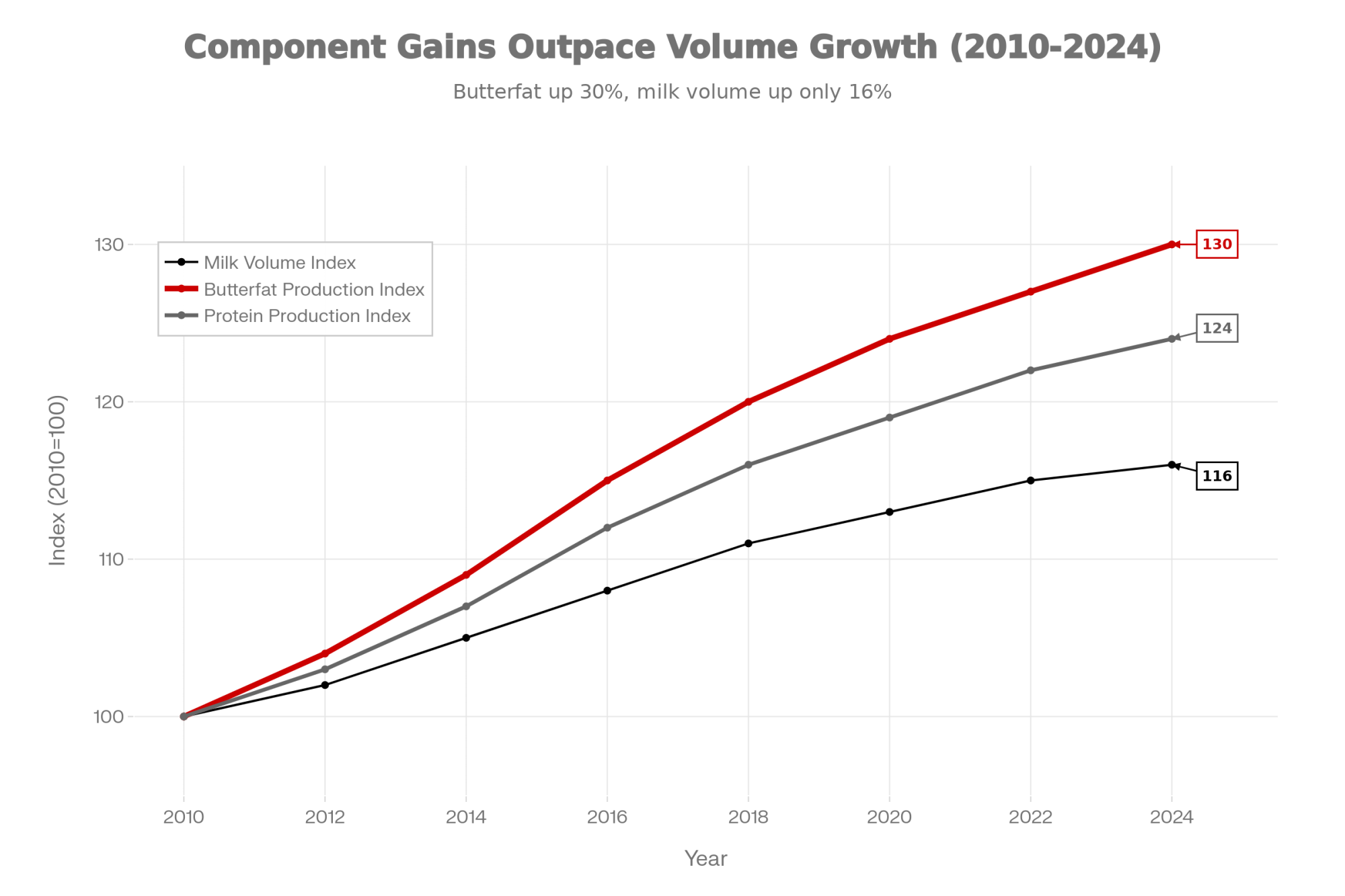
NewsSubscribe
First
Last
Consent

What Separates Top Beef-on-Dairy Programs from Average Ones

New data: 80% of dairy producers optimize beef sires for convenience, not value. It’s costing them $300/calf.

EXECUTIVE SUMMARY: Your beef-cross calves should be worth $1,400. If you’re getting $700, you’re not alone—but you’re fixable. After analyzing operations from Wisconsin to California, the pattern is clear: successful beef-on-dairy programs aren’t built on superior genetics but on three systematic differences—documentation protocols that add $300 per head, early nutrition investments that return 4:1, and buyer feedback loops that enable continuous improvement. The data is compelling: 20% of beef bulls that excel on beef cows fail on dairy, high-protein milk replacer ($25-40 investment) delivers $100-150 at harvest, and managing liver abscesses (50-60% in dairy crosses vs 30% in native beef) through adjusted feeding saves $50 per head. But here’s the critical warning: replacement heifers now cost $3,800-4,000, meaning over-aggressive beef breeding creates a three-year financial time bomb. This guide provides the exact 90-day implementation framework and performance benchmarks that separate operations earning $200,000+ annually from those barely covering costs.


I recently visited two dairy operations in south-central Wisconsin, both breeding beef-on-dairy calves, both using similar Angus genetics, both selling day-old calves. The first operation consistently receives $1,400 per calf. The second? They’re fortunate to clear $700—barely above straight Holstein bull prices.

This $700 gap has become one of the most discussed topics at producer meetings this year. After analyzing operations from the Central Valley to the Northeast, talking with feedlot buyers from Texas to Nebraska, and reviewing university research on crossbred performance, a pattern emerges. The operations capturing premiums approach to beef-on-dairy views it as a data-driven enterprise. Those settling for commodity prices treat it as a convenient alternative for breeding.

Understanding Today’s Beef-on-Dairy Market Dynamics

The Beef-on-Dairy Market Explosion charts a 3,000% growth trajectory from barely 100,000 calves in 2015 to 3.1 million projected for 2026, now representing 15% of fed cattle as the beef cow herd shrinks to 1960s levels—a fundamental industry transformation

The landscape for dairy-beef crosses has shifted dramatically. According to the USDA’s latest cattle inventory analysis, we’re producing 2.92 million dairy-beef calves in 2025, with industry projections suggesting continued strong growth exceeding 3 million by 2026. What’s particularly noteworthy is these animals now represent 12% to 15% of annual fed cattle slaughter—a remarkable transformation from virtually nothing a decade ago.

This growth coincides with historically low beef cow inventories. USDA’s National Agricultural Statistics Service reports the smallest beef herd since the early 1960s, while Rabobank’s global beef outlook indicates a roughly 1% decline in global beef supply this year. The beef industry needs these dairy-origin cattle to maintain supply.

Yet despite strong demand, price variation for seemingly comparable calves regularly exceeds 100%. At a recent Pennsylvania auction, I observed crossbred calves from different operations sell for $650 and $1,350 within the same hour. Why such disparity? The answer lies in documentation quality, genetic verification, and established performance history.

It’s also worth noting that seasonal patterns affect pricing. Spring calves typically command premiums of $50 to $100 over fall-born animals due to feedlot timing preferences. Gender matters too—steers generally bring $50 to $100 more than heifers in most markets, something to consider when using sorted semen.

Quick Reference: Key Numbers at a Glance

Premium Targets:

  • Beef calf premium: $700-900 per head
  • Revenue per cwt milk: $4.00-5.50
  • Beef income goal: 15-20% of total farm revenue

Investment Guidelines:

  • High-protein milk replacer (27-30%): +$25-40 per calf
  • Genomic testing: $40-60 per animal
  • Expected return on nutrition: $100-150 at harvest

Performance Benchmarks:

  • Difficult calvings: <3%
  • Pre-weaning mortality: <3%
  • Liver abscess target: 30-35% (down from 50-60%)
  • Documentation completion: >95%

Sire Selection: Where Value Creation Begins

Michigan State University’s October 2024 beef-on-dairy survey reveals an interesting disconnect. Most dairy producers prioritize conception rate (78% of respondents), calving ease (67%), and semen cost (58%) when selecting beef sires. These are certainly important considerations for dairy management. But the traits that create downstream value—ribeye area, marbling score, frame size, growth rate—receive far less attention. Only 22% consider the ribeye area. Just 14% evaluate marbling potential.

This focus on convenience over calf value represents a fundamental misalignment. As Wisconsin dairy specialists often observe, many producers are optimizing for dairy operational efficiency rather than beef chain requirements. That disconnect typically costs $200 to $300 per calf in lost premiums.

ABS Global’s Real World Data program, which analyzed over 50,000 beef-on-dairy calvings, uncovered something every producer should understand: approximately 20% of bulls performing well for calving ease in beef herds fail to meet acceptable thresholds when bred to dairy cows. The biological differences between beef and dairy females—particularly pelvic structure and gestation length—make dairy-specific performance data essential.

I spoke with a Central Valley dairyman who learned this lesson expensively. He’d selected an Angus bull with excellent traditional EPDs and strong calving ease predictions. After losing three Holstein heifers to calving difficulty within a month, he pulled that bull from the rotation. Those weren’t just calf losses—those were future productive cows eliminated from the herd.

The most successful beef-on-dairy programs I’ve studied work exclusively with AI organizations offering dairy-validated sire data. Companies including Select Sires (NxGEN program), Alta Genetics (BULLSEYE platform), and Semex (XSire portfolio) maintain databases tracking the actual performance of beef bulls on dairy females. This distinction matters more than many producers realize.

What’s encouraging is that beef breed associations are increasingly recognizing this need, developing dairy-specific EPDs and working with AI companies to validate performance on dairy females. This industry-wide collaboration benefits everyone. Some producers are also experimenting with SimAngus and even Charolais crosses for specific markets, though Angus remains the predominant choice for good reason—market acceptance and predictable performance.

Regional Market Variations Shape Opportunities

What works in California’s integrated systems may not translate directly to Midwest cooperative structures or Northeast family operations. Understanding these regional dynamics is crucial for program success.

California’s Central Valley features vertical integration, with established calf ranches maintaining direct relationships with dairies. These operations know their genetic preferences and pay accordingly for documented quality. Wisconsin and Minnesota producers often market through cooperative structures where calves are pooled. In these systems, individual documentation becomes even more critical for capturing premiums above pool averages.

Texas presents yet another model. Major feedlots, including Friona Industries and Cactus Feeders, operate procurement programs that contract directly with dairies, sometimes months before calves are born. These arrangements often specify genetic requirements and health protocols in exchange for premium pricing.

Smaller dairy regions—Vermont’s hillside farms, Idaho’s Magic Valley operations, New Mexico’s desert dairies—each face unique challenges. Vermont producers might focus on grass-finished programs for local markets. Idaho operations often integrate with nearby feedlots. New Mexico dairies face water constraints that affect their feeding strategies. Each region requires adapted approaches.

Even within regions, smaller operations are finding success. A 60-cow organic farm in Vermont recently told me they’re getting $1,200 for grass-fed beef-cross calves sold to local finishers—not quite the $1,400 conventional premium, but exceptional for their scale and market.

The Critical First Eight Months

Every calf has an 8-week biological window that closes permanently. Feed high-protein milk replacer ($40 extra cost) during this period and you’ve locked in 4.8 extra pounds that compound to 50-100 additional pounds at harvest—worth $100-150. Miss this window with standard nutrition and no amount of expensive finishing ration recovers the loss. Yet 80% of operations still feed beef-cross calves like unwanted Holstein bulls.

Here’s a biological reality that fundamentally shapes beef-on-dairy economics: muscle fiber numbers and intramuscular fat cell populations are established during the first eight months of life. After this developmental window closes, you’re working with what you’ve got. No amount of superior finishing nutrition can compensate for deficiencies during this critical period.

When beef-cross calves receive standard 20% to 22% protein dairy heifer milk replacer—the formulation most farms already stock—they’re being nutritionally shortchanged. Research from Texas Tech University’s animal science department demonstrates that calves fed 27% to 30% protein milk replacers gain an additional 4.8 pounds by eight weeks and develop 14% larger muscle fiber cross-sectional area. While 4.8 pounds may seem modest, this advantage compounds throughout the feeding period, translating to 50 to 100 pounds of additional carcass weight at harvest.

The economics are compelling. Higher-protein milk replacer costs approximately $25 to $40 more per calf based on current industry pricing from major manufacturers. Feedlot performance data suggests returns of $100 to $150 per head from improved muscling and marbling development—a strong return on investment.

Yet university surveys indicate only about 20% of operations use 28% or higher protein formulations for beef-cross calves. Most producers inadvertently limit genetic potential during the most critical developmental phase.

I should note that several successful operations achieve excellent results with standard protein levels by compensating through higher feeding rates (8 quarts daily vs. the standard 6), superior colostrum management, and comprehensive stress-reduction protocols. A Jersey operation in Oregon feeds standard protein but delivers 10 quarts daily in three feedings, achieving exceptional growth rates. Multiple pathways can lead to success, but the biological principle remains constant: early nutrition establishes lifetime performance potential.

Addressing the Liver Abscess Challenge

The Liver Abscess Crisis exposes dairy-beef crosses’ 55% abscess rate versus 30% in native beef—costing operations $45,000 annually per 1,000 head and risking $3,000-per-minute processing shutdowns until Kansas State research proved 45% forage diets solve the problem without sacrificing gains

Liver abscess incidence presents a significant yet often overlooked challenge in beef-on-dairy production. Dr. T.G. Nagaraja from Kansas State, with four decades of research in this area, reports native beef cattle typically show 30% abscess rates, while dairy-beef crosses reach 50% to 60%. Some operations experience rates approaching 70%.

Beyond direct economic losses from condemned organs and reduced performance (approximately $30 to $50 per head based on packer data from National Beef and Cargill), there’s operational risk at processing facilities. A ruptured abscess can contaminate equipment, requiring line shutdown and intensive cleaning. Based on industry estimates from multiple major processors, these stoppages cost approximately $3,000 per minute in lost throughput. The Packers remember which cattle sources cause these disruptions.

Recent findings from the USDA Agricultural Research Service’s Lubbock Livestock Issues Research Unit reveal that bacterial colonization pathways are more complex than previously understood. Dairy-influenced cattle appear particularly susceptible, possibly due to inherited differences in gut architecture—larger digestive capacity from Holstein genetics combined with lifetime exposure to high-concentrate diets.

Progressive feedlots have adapted their protocols accordingly. Rather than pushing traditional 90% concentrate rations to maximize gains, they’re incorporating 20% to 45% forage. They’re limiting starch to 45% to 55% rather than 60% or higher. They’re ensuring consistent provision of 10% to 12% effective fiber.

Kansas State research demonstrates that increasing corn silage from 15% to 45% of the ration significantly reduces abscess incidence without compromising performance—same daily gains, equivalent feed efficiency, healthier livers. This builds on what we’ve learned about the unique nutritional requirements of dairy-beef crosses.

External factors can complicate management, too. Drought conditions affecting forage quality, international trade disruptions impacting grain prices, and even weather extremes during the feeding period—all influence liver health outcomes. Successful operations build flexibility into their feeding programs to adapt to these variables.

Looking ahead, some operations are exploring carbon credit opportunities for efficiently raised beef-on-dairy cattle, particularly those with lower methane emissions from optimized feeding strategies. While still developing, this could add another revenue stream for well-managed programs.

The Replacement Heifer Cost Consideration

The Replacement Heifer Crisis shows how heifer costs exploded 164% from $1,140 to $3,900 while beef calf values declined, creating a devastating $2,860 per-head margin collapse that transformed profitable programs into financial disasters

Perhaps no factor has surprised more producers than replacement heifer economics. Many operations that aggressively shifted to beef breeding in 2022-2023, motivated by $1,400 crossbred calves and $1,140 replacement costs, now face what economists term a “replacement inventory crisis.”

USDA’s January data shows national heifer inventory at 3.914 million head—the lowest since 1978. California’s major auction markets, including Producers Livestock in Tulare and Overland Stockyards in Fresno, report springer heifer prices of $3,800 to $4,000. That represents a 164% increase over three years—a change few operations anticipated in their financial modeling.

I’ve worked with several 500-cow Midwest operations facing this reality. They projected $700 premiums per beef-cross calf with 65% of the herd bred to beef, assuming $2,200 replacement costs based on 2023 prices. They anticipated $210,000 in additional annual revenue.

Current reality? Replacement heifers at $3,800 represent an additional $1,600 per head. For 150 annual replacements, that’s $240,000 in unplanned expense. Net result: negative $29,000 rather than the projected profit.

Dr. Victor Cabrera from Wisconsin’s Center for Dairy Profitability recommends limiting beef revenue to 10% of total farm income, maintaining strategic heifer inventory through balanced breeding (typically 35% to 40% dairy genetics, 60% to 65% beef), and utilizing the USDA’s Livestock Risk Protection insurance now available for beef-on-dairy calves.

International factors add complexity. Export demand for U.S. beef, Mexican cattle import policies, and even global grain markets influence both beef calf values and replacement heifer costs. Producers must consider these macro factors when planning breeding strategies.

Building Performance Feedback Systems

What truly distinguishes operations capturing consistent premiums is their commitment to performance tracking and continuous improvement. These producers document comprehensive data from birth through harvest, share information with buyers to build premium relationships, and—critically—obtain feedlot and carcass performance data to refine their programs.

Consider Cogent’s UK Beef Breeding Programme, which partners with Pathway Farming to track calves from birth through retail placement. With over 318,000 data points collected since 2021, they’ve achieved remarkable results: average days to slaughter of 512 (versus 580+ UK average), 87.4% achieving target fat grades, and 97% meeting conformation standards. The program produced the top 11 Angus bulls for intramuscular fat in recent UK breed evaluations—all through systematic data collection and analysis.

Most U.S. operations lack this feedback loop. They breed, sell, and move forward without learning whether their genetic selections performed, which bulls consistently underperform, or why their calves command different prices than neighboring operations.

A Practical 90-Day Implementation Framework

For producers initiating or refining beef-on-dairy programs, the first 90 days establish the foundation for long-term success. Here’s what I’ve seen work across different operation sizes and regions.

Days 1-30: Strategic Planning

Begin with replacement heifer modeling. A 500-cow operation with 30% annual turnover requires 150 replacements. Calculate backwards to determine sustainable beef breeding percentages without creating future heifer shortages. Remember to factor in conception rate differences—beef semen typically runs 8% to 12% below conventional dairy semen.

Model financial scenarios, including worst-case projections. What happens if beef prices decline to $1,000 while heifer costs reach $4,500? Build sufficient financial reserves to weather market volatility. Consider the impacts of drought on feed costs, potential trade disruptions, and even local packing plant closures.

Establish buyer relationships before breeding. One California producer I know invested three weeks contacting calf ranches and feedlots, securing written pricing commitments from two buyers before ordering beef semen. When calves arrived nine months later, marketing was predetermined.

Complete genomic testing if it has not already been implemented. At $40 to $60 per animal through providers like Zoetis CLARIFIDE or Neogen Igenity, this investment identifies which females should produce replacements versus beef calves. Using top genetic females for beef production because they didn’t conceive to dairy semen reverses proper selection logic.

Days 31-60: Infrastructure Development

Source appropriate milk replacer formulations for beef-cross calves. The 27% to 30% protein products cost more but deliver measurable returns through improved muscle development—unless you’ve developed proven compensatory management systems.

Implement documentation systems, whether through existing software like DairyComp 305 or simple spreadsheets. Track sire identity, dam information, birth metrics, colostrum quality (invest in a Brix refractometer if you don’t have one), health interventions, and growth measurements. An Oregon producer recently showed me three years of data revealing conception rates, calving ease scores, and buyer feedback for every sire used.

Develop buyer documentation packages. Providing genetic background, health protocols, and performance data transforms commodity calves into documented products that command premiums of $200 to $300, according to Kansas State agricultural economics research.

Days 61-90: Strategic Execution

Select sires using dairy-validated performance data. Target bulls in the top third for calving ease (verified on dairy, not beef females), top 70% for marbling, positive ribeye area EPDs, and moderate frame scores. Consider seasonal breeding patterns—some producers use different sires for spring versus fall calvings based on anticipated marketing conditions.

Monitor all metrics systematically. Track conception rates by sire, document calving ease, and identify patterns. When bulls consistently underperform despite favorable EPDs, remove them from rotation. Your herd’s actual performance supersedes population predictions.

Benchmarks for Year Three Success

Well-executed programs demonstrate clear performance indicators by year three:

Financial metrics include consistent $700 to $900 calf premiums regardless of market cycles, $4.00 to $5.50 revenue per hundredweight of milk produced, beef income representing 15% to 20% of total farm revenue (enough to matter without creating dangerous dependency), and twelve months of operating reserves accumulated.

Production achievements show difficult calvings below 3% (versus 5% to 8% industry average per the National Association of Animal Breeders), pre-weaning mortality under 3%, quality grades of 80% to 85% Choice or better when receiving carcass data, and liver abscess rates reduced to 30% to 35% from initial 50% to 60% levels.

Operational excellence is demonstrated by 95% complete documentation for all calves, carcass performance data received for 80% of animals sold, and 60% to 80% of production committed through established buyer relationships.

The resilience test came in October 2025, when beef markets declined 7% following new tariff-rate quotas on Argentine beef imports, as reported by DTN livestock analyst ShayLe Hayes and confirmed by Farm Bureau reporting. Well-managed programs absorbed $30,000 to $50,000 impacts while continuing operations. Poorly positioned operations incurred substantial losses, casting doubt on the program’s viability.

Essential Principles for Success

Several key insights emerge from analyzing successful beef-on-dairy enterprises across diverse operational contexts:

Documentation creates more value than genetics alone. Average genetics with complete documentation consistently outsell superior genetics lacking paperwork by $300 per head. Every time.

Early nutrition establishes lifetime potential. The first eight weeks prove especially critical. Biological development windows close permanently—feed beef-cross calves as the premium products they represent, not as unwanted byproducts.

Liver abscesses respond to adjusted feeding strategies. Dairy-beef crosses require more forage, moderate starch levels, and gradual transitions. This reflects biological differences, not management preferences.

Replacement heifer planning cannot be deferred. Problems arise not from selecting incorrect sires but from overcommitting to beef breeding without modeling future replacement needs. The three-year lag between breeding decisions and heifer availability catches many operations unprepared.

Performance feedback enables continuous improvement. Each breeding cycle without carcass data represents a missed opportunity for refinement. Today’s leading programs resulted from three years of systematic improvement based on actual performance data, not theoretical projections.

Success requires adopting a beef producer mindset while maintaining dairy operational excellence. This shift from viewing calves as byproducts to managing them as products transforms every decision from genetics through marketing.

Looking Forward

The $700 premium gap between successful and struggling beef-on-dairy programs reflects systematic execution differences, not market luck. These crossbred animals require specialized management acknowledging their unique biology—neither purely dairy nor purely beef.

With beef cattle inventories at historic lows and dairy-origin cattle becoming a foundational part of the U.S. beef supply—exceeding 3 million head annually per USDA Economic Research Service projections—the opportunity remains substantial. However, easy premiums have disappeared. As more producers enter this market and buyers become increasingly selective, only operations with documented genetics, proven health protocols, optimized nutrition, and continuous improvement systems will capture maximum value.

The path forward is clear: invest 90 days building proper infrastructure before breeding, or spend three years wondering why neighbors receive double your calf prices. Having observed both approaches across numerous operations from small Vermont hillside farms to large New Mexico desert dairies, the successful path is evident.

Markets compensate documented, predictable, continuously improving performance—not good intentions or fortunate genetics. Producers understanding this principle generate $200,000 or more annually from beef-on-dairy enterprises. Others barely cover costs while blaming market conditions.

The framework exists. Research from land-grant universities supports it. Successful examples multiply monthly across every dairy region. As you plan next season’s breeding strategy, consider which approach aligns with your operational goals and risk tolerance.

Because ultimately, this isn’t about choosing between dairy and beef production—it’s about optimizing both within your unique operational context. The producers who understand this are building sustainable, profitable enterprises that strengthen both their operations and the broader beef supply chain.

KEY TAKEAWAYS

  • Documentation > Genetics: Complete health and breeding records add $300/head to any calf—superior genetics without paperwork sell at commodity prices
  • Invest $40 in the first 8 weeks, harvest $150 in value: High-protein milk replacer (27-30%) during early development creates permanent muscle and marbling advantages
  • Liver abscesses aren’t inevitable: Increase forage from 15% to 45% in finishing rations—same gains, 50% fewer condemned livers
  • The 65% Rule: Never breed more than 65% of your herd to beef—replacement heifers at $3,800-4,000 will destroy three years of premiums
  • No feedback = No improvement: Top operations track performance from birth to harvest and adjust quarterly; average operations repeat the same mistakes annually

Complete references and supporting documentation are available upon request by contacting the editorial team at editor@thebullvine.com.

Learn More:

Join the Revolution!

Join over 30,000 successful dairy professionals who rely on Bullvine Weekly for their competitive edge. Delivered directly to your inbox each week, our exclusive industry insights help you make smarter decisions while saving precious hours every week. Never miss critical updates on milk production trends, breakthrough technologies, and profit-boosting strategies that top producers are already implementing. Subscribe now to transform your dairy operation’s efficiency and profitability—your future success is just one click away.
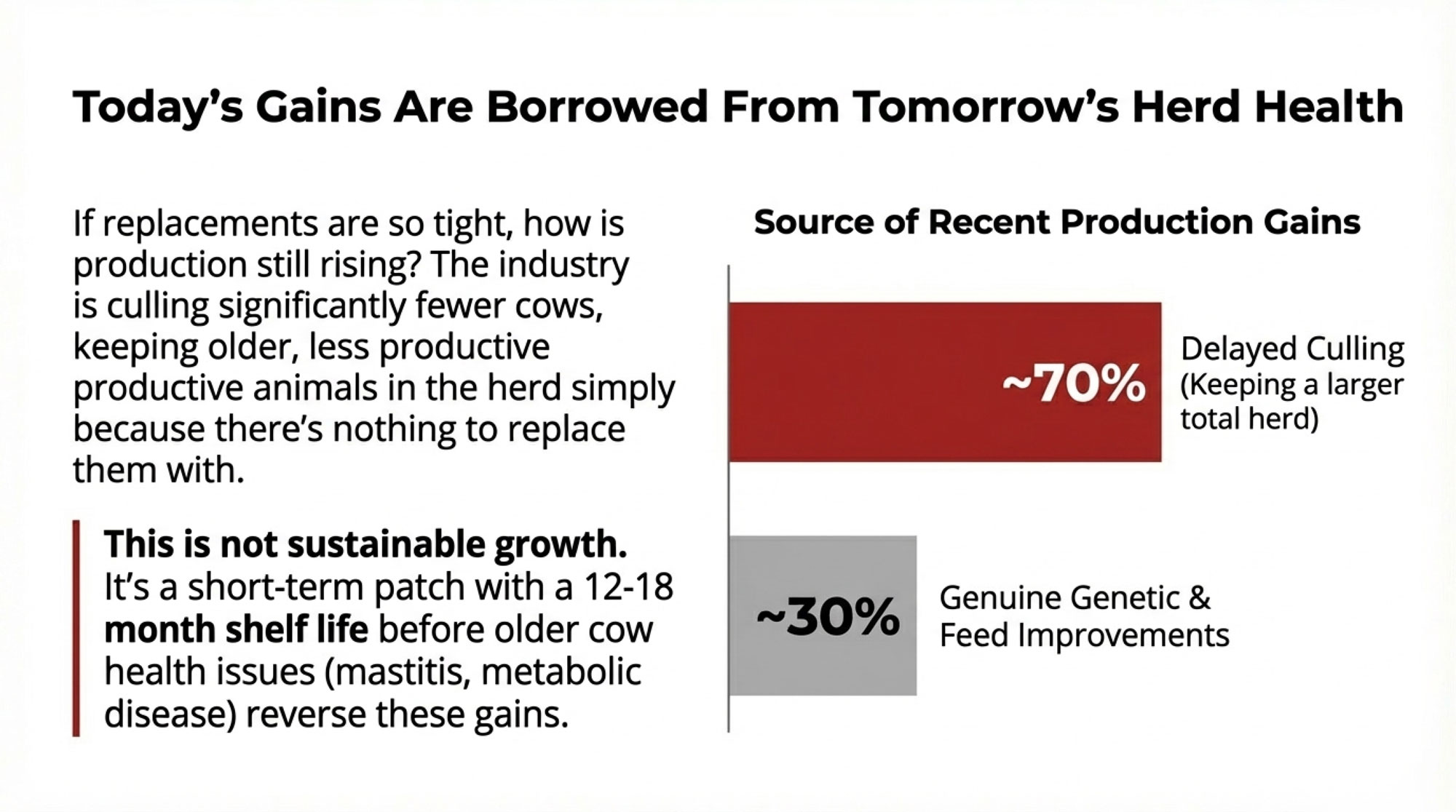
NewsSubscribe
First
Last
Consent

Beyond Class III: Three Global Signals Predicting Your Next 18 Months      

Milk at $18. Butter at $1.50. But heifers at $3,200 tell the real story. The recovery’s already starting—if you know where to look.

EXECUTIVE SUMMARY: A Wisconsin dairy producer’s confession reveals the new reality: “I watch New Zealand milk production closer than my own bulk tank.” While traditional metrics show disaster—butter at $1.50, milk under $18, three forward signals are flashing a recovery 3-4 months out. Weekly dairy slaughter remains at historic lows (230k vs. 260k trigger) because $900-$1,600 crossbred calves are keeping farms afloat, breaking the normal correction cycle. Smart operators monitoring Global Dairy Trade auctions and $230/cwt cattle futures have already locked in $4.38 corn, gaining $1.20/cwt margin advantage over those waiting for Class III improvements. With heifer inventories at 40-year lows (3.914 million head), operations that went heavy on beef-on-dairy face a cruel irony: they survived the crash but can’t expand in recovery. The next 18 months won’t reward efficient production—they’ll reward those watching the right signals.

Dairy Market Signals

Last week, a Wisconsin producer told me something that stopped me in my tracks: “I’m watching New Zealand milk production closer than my own bulk tank readings.”

That conversation captures perfectly how dairy economics have shifted. And looking at Monday’s CME spot prices—butter hitting $1.50 a pound, lowest we’ve seen since early 2021—alongside December cattle futures losing nearly twenty bucks per hundredweight over the past couple weeks, you can see why traditional metrics aren’t telling the whole story anymore.

Here’s what’s interesting, folks… while everyone’s fixated on Class III and IV prices that essentially report yesterday’s news, there are actually three specific signals providing genuine forward-looking intelligence. I’ve been tracking these with producers across the country for the past year, and what I’ve found is that the patterns could determine which operations thrive during this transition period.

AT A GLANCE: Your Three Critical Market Signals

Three Forward Signals Dashboard provides dairy producers with actionable intelligence 90-120 days before traditional Class III prices signal recovery—those monitoring these indicators have already locked in $4.38 corn and gained $1.20/cwt margins over competitors waiting for conventional signals. This is Andrew’s edge: forward-looking data that beats reactive strategies.

📊 Signal #1: Weekly dairy cow slaughter exceeding prior year by 8-10% for three consecutive weeks
📈 Signal #2: GDT auctions showing 6-8% cumulative gains over four consecutive sales
📉 Signal #3: December cattle futures 30-day moving average crossing above 200-day at $230+/cwt

The Perfect Storm We’re Navigating Together

You’ve probably noticed this already, but what we’re experiencing isn’t your typical dairy cycle. It’s more like… well, imagine several weather systems colliding simultaneously, each amplifying the others in ways most of us haven’t seen before.

The Production Surge

So here’s what the USDA data shows—milk production increased 3.5% through July, and those butterfat tests? Katie Burgess over at Ever.Ag called them “somewhat unbelievable” in her recent market analysis, and honestly, she’s spot on. I’m seeing consistent test results of 4.2% butterfat, even 4.3%, across multiple regions—Wisconsin operations, Pennsylvania farms, and even out in California—when just two years ago, 3.9% was considered excellent.

You know what’s happening here, right? We’re all getting better at managing transition periods, feeding programs are more precise, genetics keep improving… but when everyone’s achieving similar improvements simultaneously, well, the market gets saturated. And that’s exactly what we’re seeing.

Global Supply Pressure

The Global Dairy Trade auction has declined for three straight months now, and that’s coinciding with European production recovering—you can see it in the Commission’s September data—and Fonterra announcing that massive 6.3% surge in September collections. When major exporters increase production simultaneously like this… friends, you know what happens to prices.

Domestic Demand Challenges

Meanwhile, domestic demand faces unprecedented pressure. Those SNAP benefit adjustments affecting 42 million Americans? They’re creating ripple effects throughout the retail sector. Food banks across Iowa are reporting demand increases of ten to twelve times normal—I mean, the Oskaloosa facility went from distributing 300-400 pounds typically to nearly 5,000 pounds in the same timeframe. That’s not sustainable.

A Lancaster County producer managing 750 Holsteins shared an interesting perspective with me recently:

“Component payments help, sure, but when everyone’s achieving similar improvements, the market gets saturated. And those fluid premiums we used to count on? They’re basically evaporating as processors shift toward manufacturing.”

The Broken Feedback Loop

Here’s what really caught me off guard, though—that traditional feedback loop where low prices trigger culling, which reduces supply and brings markets back? It’s broken.

With crossbred calves commanding anywhere from $900 to $1,600 at regional auctions—and I’m seeing this from Pennsylvania clear through to Minnesota based on the USDA-AMS reports—compared to maybe $350-$400 back in 2018-2019, that additional beef revenue is keeping operations afloat despite negative milk margins.

The Beef-on-Dairy Survival Paradox illustrates the cruel irony facing dairy producers: crossbred beef calves now generate 20-25% of farm revenue (at $900-$1,600 each vs. $350-$400 for dairy heifers), which kept operations afloat during low milk prices—but eliminated the heifer inventory needed for expansion when markets recover. Survival strategy becomes growth killer.

Three Dairy Market Signals Worth Your Morning Coffee

📊 SIGNAL #1: Weekly Dairy Cow Slaughter Patterns

When: Every Thursday at 3:00 PM Eastern
Where: USDA Livestock Slaughter report at usda.gov
Time Required: 5 minutes

What’s fascinating is the consistency here—dairy cow culling has run below prior-year levels for 94 out of 101 weeks through July, according to USDA’s cumulative statistics. Year-to-date culling? It’s the lowest seven-month figure since 2008, and we’ve got a much bigger national herd now.

🎯 THE KEY THRESHOLD:
Three consecutive weeks where slaughter exceeds prior-year levels by 8-10% or more

When weekly figures rise from the current 225,000-230,000 head range toward 260,000-270,000 head, that signals crossbred calf values have finally declined below that critical $900-$1,000 level where they no longer offset weak milk margins.

💡 WHY IT MATTERS:
A 600-cow operation near Eau Claire started monitoring these signals back in March, locked in feed when they saw the pattern developing, and improved margins by $1.20/cwt compared to neighbors who waited. That’s real money, folks.

📈 SIGNAL #2: Global Dairy Trade Auction Trends

When: Every two weeks, Tuesday evenings, our time
Where: globaldairytrade.info (free access)
Time Required: 15 minutes

I’ll be honest with you—for years, I ignored these New Zealand-based auctions, thinking they were too far removed from Midwest realities. That was an expensive mistake.

🎯 THE KEY THRESHOLD:
Four consecutive auctions showing cumulative gains of 6-8% or higher, with whole milk powder exceeding $3,400/MT

Katie Burgess explains it well: “GDT auction results in New Zealand influence U.S. milk powder pricing dynamics.” And the correlation is remarkably consistent—GDT movements typically show up in CME spot markets within two to four weeks.

💡 INSIDER PERSPECTIVE:
A Midwest cooperative CEO recently shared this with me—can’t name the co-op for competitive reasons—but he said: “We’ve integrated GDT trends into our pooling strategies. Sustained upward movement there typically translates to improved export opportunities within 30-45 days.”

📉 SIGNAL #3: Cattle Futures Technical Analysis

When: Daily monitoring
Where: Any free futures charting platform
Time Required: 5 minutes daily

With the National Association of Animal Breeders data showing 40-45% of dairy pregnancies now utilizing beef sires, and those calves generating 20-25% of total farm revenue, cattle market volatility directly impacts our cash flow.

🎯 THE KEY THRESHOLD:
30-day moving average crossing above 200-day moving average while December futures maintain above $230/cwt

Recent movements illustrate the impact perfectly—when cattle prices dropped in October, crossbred calf values fell by $200-$250 per head. For a 1,500-cow operation with 40% beef breeding, that’s substantial revenue reduction… we’re talking six figures of annual impact.

💡 PRO TIP:
If you’re just starting to track these signals, give yourself a full month to establish baseline patterns before making major decisions based on them. As many of us have learned, knee-jerk reactions rarely pay off.

Quick Reference: Your Market Monitoring Dashboard

MONDAY MORNING (10 minutes over coffee)

✓ Check Friday’s CME spot dairy prices
✓ Review cattle futures five-day trends
✓ Update 90-day cash flow projections

THURSDAY AFTERNOON (5 minutes)

✓ Access USDA slaughter report (3 PM ET)
✓ Calculate 4-week moving average vs. prior year
✓ Note trend acceleration or deceleration

BIWEEKLY GDT DAYS (15 minutes)

✓ Monitor GDT Price Index and whole milk powder
✓ Calculate 3-auction cumulative change
✓ Compare with NZ production reports

MONTHLY DEEP DIVE (worth the hour)

✓ USDA Cold Storage report analysis
✓ Regional milk production review
✓ Update beef-on-dairy calf values
✓ Calculate actual production cost/cwt
✓ Evaluate 2:1 current ratio benchmark

Understanding the Structural Shifts Reshaping Our Industry

The Heifer Shortage: By the Numbers

The 40-Year Heifer Crisis shows U.S. dairy heifer inventory at 3.914 million head—the lowest level since 1978—creating an expansion trap where even when milk prices recover to $22/cwt, operations can’t grow due to $3,200 heifer costs and limited availability. This isn’t a cyclical problem; it’s a structural crisis that will define the industry for years.

You know, CoBank’s August dairy report really opened some eyes—they’re projecting an 800,000 head decline in heifer inventories through 2026. And the January USDA Cattle inventory confirmed we’re at just 3.914 million dairy heifersover 500 pounds. That’s the lowest since 1978, folks.

Current Reality:

  • $3,200 current bred heifer cost (compared to $1,400 three years ago)
  • Wisconsin actually added 10,000 head
  • Kansas dropped 35,000 head
  • Idaho lost 30,000 head
  • Texas shed 10,000 head

A Tulare County producer summed it up perfectly when he told me: “The irony is crushing—beef-on-dairy revenue helped us survive the downturn, but now expansion is virtually impossible without heifers.”

SNAP Impact: The Ripple Effect

When those 42 million Americans saw their SNAP benefits cut from $750 to $375 for a family of four… the impact on dairy demand was immediate and, honestly, worse than I expected.

The Numbers:

  • 50% benefit reduction starting November 1st
  • 10-15% reduction in retail dairy orders within the first week
  • 1.4-1.6 billion pounds milk equivalent annual impact

Andrew Novakovic from Cornell’s Dyson School—he’s been studying dairy economics for decades—offers crucial context: “Dairy products often see early reductions when household budgets tighten. Unfortunately, many consumers categorize dairy as discretionary when financial pressures mount.”

Global Dynamics: The New Reality

Twenty years ago, friends, U.S. dairy prices were mostly about what happened between California and Wisconsin. Today? With 16-18% of our production going to export markets, what happens in Wellington, Brussels, and Beijing matters just as much.

Key Production Increases:

  • Ireland’s up 7.6% year-to-date through May
  • Poland’s share grew from 1.9% to 3.9% of EU production over five years
  • New Zealand hit four consecutive monthly records through September
  • China’s now 85% self-sufficient, up from 70%

Ben Laine over at Rabobank explained it well: “When major exporters increase production simultaneously while China requires fewer imports, prices have to adjust globally. These signals reach U.S. farms within weeks, not months.”

Action Plans by Operation Type

📗 For Growth-Oriented Operations

Genomic Testing ROI:

I’ll admit, spending $45 per calf for genomic testing when milk prices are in the tank seems counterintuitive. But here’s the math that convinced me:

  • Test 300 heifer calves at $45 each: $13,500
  • Apply sexed semen to top 120 at $27 extra per breeding: $3,240
  • Generate 80-100 surplus heifers worth $3,200-$3,500 each: $280,000+
  • Your ROI? About 16 to 1

University dairy economics programs have validated these projections, and frankly, those numbers work in any market.

Risk Management Stack:

You can’t rely on DMC alone—it hasn’t triggered meaningful payments in over a year according to FSA records. Smart operators are layering:

  • DMC at $9.50: ~$0.15/cwt for first 5 million pounds
  • DRP at 75-85%: Premiums run 2-3% of protected value
  • Forward contracts: 30-40% when you see $19+/cwt

📘 For Transition Candidates

Three Proven Paths:

  1. Collaborative LLC: Three farms near Fond du Lac reduced per-cow investment from $8,000 to $3,200 by sharing infrastructure
  2. Premium Markets: A2 can bring a $4/cwt premium; organic runs $20/cwt over conventional if you can secure a buyer first
  3. Strategic Exit: You preserve 80-85% of equity in a planned transition versus maybe 50% in distressed liquidation

📙 For Next Generation

If you’re under 30 and considering this industry, you need to know it’s fundamentally different from what your parents knew. University programs like Wisconsin’s Center for Dairy Profitability and Cornell’s PRO-DAIRY are developing specific resources for younger producers navigating this new environment. Use them.

Regional Snapshot: Your Competition and Opportunities

Southwest: Water costs are doubling in some areas. One Albuquerque producer told me they’re making daily tradeoffs between feed production and maintaining adequate water for the herd.

Northeast: Those fluid premiums we used to count on? They’ve compressed from $2-3/cwt down to $0.50-1.00 in many months.

Pacific Northwest: Urban pressure near Seattle and Portland—plus down in Salem—has reduced available land by 30% in five years for some operations. A Yakima producer told me they’re now focusing entirely on efficiency rather than expansion.

Upper Midwest: Generally best positioned with those heifer additions and relatively stable production costs. Wisconsin operations, particularly, are seeing benefits from their heifer inventory decisions.

The Path Forward: Your 18-Month Strategy

You know, a Turlock-area veteran told me something last week that really stuck: “We’ve shifted from watching weather and milk prices to monitoring New Zealand production and Argentine beef policy. This isn’t the dairy farming of previous generations, but it’s our evolving reality.”

The coming 18 months will challenge all of us, yet patterns remain identifiable for those watching. Markets will recover—they always do—but the question is whether your operation will be positioned to benefit from that recovery.

Looking at this trend, farmers are finding that appropriate signal monitoring, combined with decisive action, makes the difference. Your operation deserves strategic planning beyond hoping for better prices. And with the right approach, achieving better outcomes remains entirely possible.

Because at the end of the day, friends, as many of us have learned, success in modern dairy isn’t just about producing quality milk anymore. It’s about understanding global dynamics, managing risk intelligently, and making informed decisions based on forward-looking indicators rather than yesterday’s prices.

The tools are there. The signals are clear. What we do with them over the next 18 months will determine who’s still farming when this cycle turns—and it will turn. It always does.

KEY TAKEAWAYS: 

  • Monitor three signals, not milk prices: Weekly slaughter approaching 260k (currently 230k), GDT auctions gaining 6-8% over four sales, and cattle futures holding above $230/cwt predict recovery 3-4 months before Class III moves
  • The correction isn’t coming—it’s different this time: Crossbred calves at $900-$1,600 create a revenue floor keeping marginal operations alive, breaking the traditional supply response to low milk prices
  • First movers are winning now: Operations tracking these signals have locked in $4.38/bushel corn and gained $1.20/cwt margins while others wait for “normal” price recovery that follows different rules
  • The heifer shortage trap: At 3.914 million head (lowest since 1978), expansion is mathematically impossible for most—even when milk hits $22, you can’t grow without $3,200 heifers
  • Your 18-month edge: Implement Monday morning CME checks, Thursday slaughter monitoring, and biweekly GDT tracking—15 minutes weekly that separates thrivers from survivors

Complete references and supporting documentation are available upon request by contacting the editorial team at editor@thebullvine.com.

Learn More:

Join the Revolution!

Join over 30,000 successful dairy professionals who rely on Bullvine Weekly for their competitive edge. Delivered directly to your inbox each week, our exclusive industry insights help you make smarter decisions while saving precious hours every week. Never miss critical updates on milk production trends, breakthrough technologies, and profit-boosting strategies that top producers are already implementing. Subscribe now to transform your dairy operation’s efficiency and profitability—your future success is just one click away.
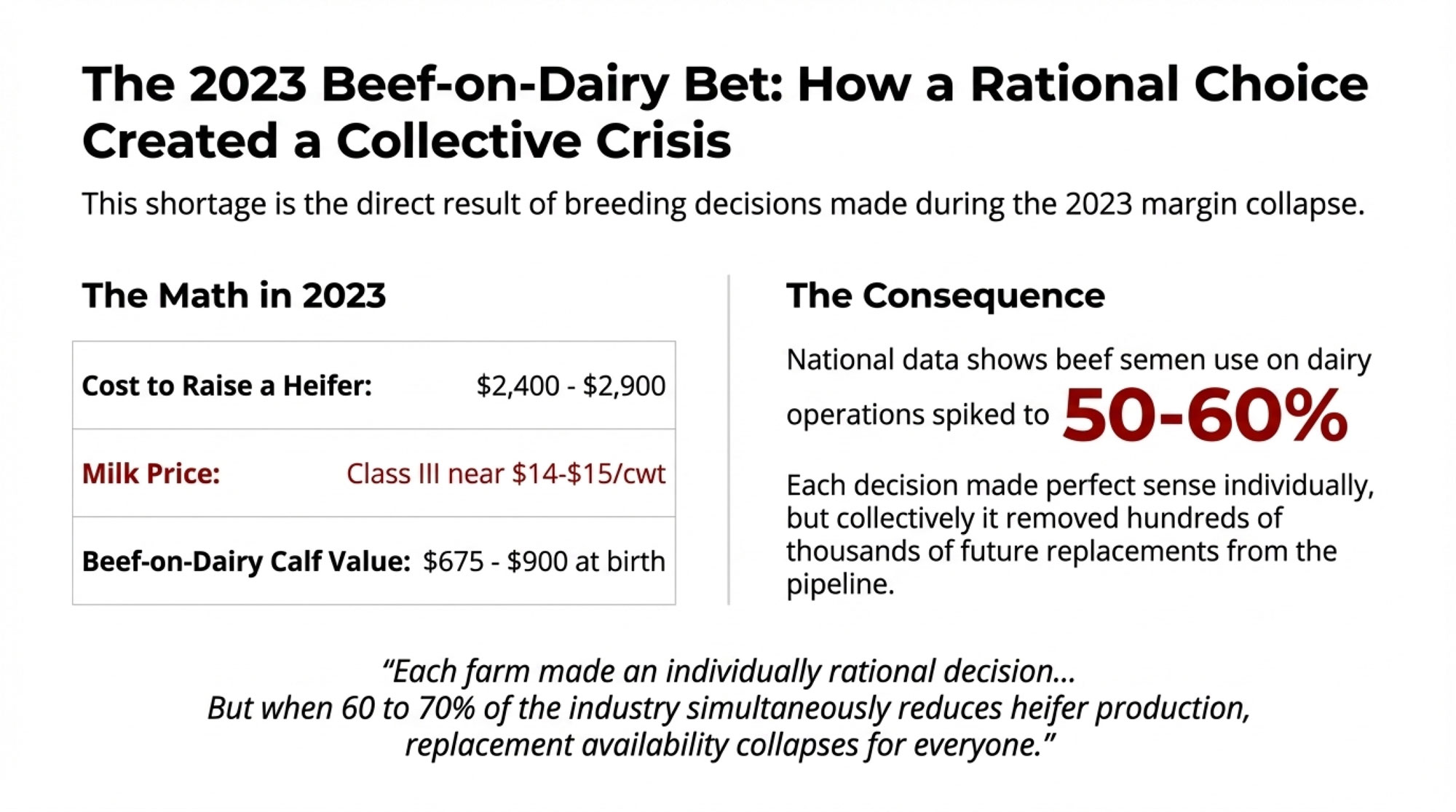
NewsSubscribe
First
Last
Consent

November 3 CME: Cheese Collapses 10¢ on Ghost Town Trading

Cheese tanked. Buyers ghosted. Farmers bleeding. Welcome to Monday in dairy.

EXECUTIVE SUMMARY: You know something’s broken when cheese crashes 10¢ on just TWO trades—that’s exactly what happened today, taking $1/cwt straight out of December milk checks. But here’s what really hurts: the Class III-IV spread hit $3.19, meaning your neighbor shipping Class III is making $45,000 more annually than Class IV shippers on the same-sized farm. We’ve got 9.52 million cows out there—most since 1993—flooding a market where Europe’s selling cheese 37% cheaper and China’s buying less. At $13.90 Class IV against $320/ton feed, even efficient operations are bleeding $2/cwt. The farms that’ll survive are doing three things right now: locking any Class III over $17, cutting cow numbers 15%, and banking six months of operating capital—because this isn’t a correction, it’s a reckoning that’ll last into 2026.

Dairy Market Analysis

What I’ve found is these aren’t just price moves anymore—they’re survival signals. Here’s what shifted at Chicago today:

ProductToday’s CloseChangeFarm Impact
Cheese Blocks$1.6650/lb-10.25¢December checks drop ~$1.00/cwt
Cheese Barrels$1.7500/lb-5.50¢Processors drowning in inventory
Butter$1.5775/lb-3.25¢Class IV trapped at breakeven
NDM$1.1300/lb-0.25¢Export competitiveness fading
Dry Whey$0.7100/lbNo changeThe only bright spot holding

Now, what’s really telling here—and you probably noticed this too—is the volume. Or lack thereof, I should say. Nine trades total across all products. Nine! I’ve seen more action at a Tuesday card game in Ellsworth.

November 3 CME dairy price collapse shows cheese blocks plummeting 10¢ on just two trades while seven sellers found no buyers—a market not trading but capitulating in a vacuum of demand.

When blocks drop a dime on just two trades, it means the price is falling without any real buying support. Those seven offers stacked up? That’s sellers lined up at the door with no buyers in sight. The market isn’t trading; it’s collapsing in a vacuum.

Why This Class Spread Breaks Farms

You know, I’ve been tracking these markets since the ’90s, and this $3.19 gap between Class III at $17.09 and Class IV at $13.90… it’s something else entirely. Three Wisconsin cooperative fieldmen I talked with this morning—all asking to stay anonymous, naturally—painted the same picture: their Class IV shippers are hemorrhaging cash.

“Members are culling anything that looks sideways,” one told me. And at $13.90, even efficient operations lose two bucks per hundred minimum.

Here’s what makes this worse than 2016’s collapse, if you can believe it: feed costs then were 40% lower. The CME futures data shows December corn at $4.3475 a bushel and soybean meal above $320 a ton. You do that math—it doesn’t work.

The $3.19/cwt Class III-IV spread translates to a staggering $45,000 annual income gap between identical 200-cow farms—same work, vastly different survival odds.

Regional Pain Points

Wisconsin’s Double Whammy: So Wisconsin’s most recent production data—this is for September, released in October—shows 2.76 billion pounds according to USDA NASS. But here’s the kicker: regional premiums flipped from plus 40¢ in January to minus 15¢ now. That’s a 55-cent swing nobody budgeted for. And meanwhile, local plants are running four-day weeks, while Texas adds 5 million pounds of daily capacity? That’s not a market; it’s a massacre.

Texas Keeps Growing: What’s encouraging for them—not so much for us up north—is that Texas grew 10.6% year-over-year with 50,000 new cows added by April 2025. Their breakeven point is around $14.50, which means they’re still profitable while Upper Midwest farms bleed out. Different labor costs, different feed sourcing… it’s almost like two separate industries now.

California’s H5N1 Factor: Nearly 1,000 confirmed dairy herd cases across 16 states according to USDA APHIS data, with California ground zero. Production down 1.4%—and ironically, that’s the only thing keeping cheese from hitting $1.50.

The Global Picture Nobody Wants to See

Looking at this from 30,000 feet, as they say, we’re seeing convergence of every bearish factor possible. New Zealand’s production is up 2.8% according to Fonterra’s latest data from the Weekly Global Dairy Market Recap. European cheese crashed 37% year-over-year—and when EU product trades at €2,088 per metric ton, why would anyone buy American?

Four converging crises—record production, collapsing exports, crushing feed costs, and new processing overcapacity—have pushed market pressure 10% beyond crisis threshold, with no relief until 2026 at earliest.

China’s pulling back too—total imports up just 6% through July, but that’s still 28% below their 2021 peaks. They’re cherry-picking what they need: whey up, everything else sideways or down. And Mexico, our biggest customer? They’ve been discussing dairy self-sufficiency targets for 2030. That could mean 230,000 metric tons of powder exports are potentially gone.

A StoneX trader told me Friday—and I think he nailed it—”The U.S. is the Cadillac in a world shopping for Chevys.”

Feed Markets: The Other Shoe Dropping

The milk-to-feed ratio tells the whole story: 1.48 right now. You need 2.0 for decent margins, generally speaking, and 1.8 to break even.

At 1.48 milk-to-feed ratio versus the 2.0 needed for profitability, dairy farmers are bleeding $2/cwt even before paying labor, vet bills, or utilities—a 26% shortfall with no end in sight.

December corn at $4.3475 offers no relief. Western Wisconsin hay dealers? They want $280 a ton delivered for decent mixed—if they’ll even quote you. The latest WASDE Report mentions the U.S.-China trade deal promising 25 million tonnes annually, but you know, that’s maybe next year, not this month’s certain.

Processing Plants Playing Different Games

So here’s what really gets me: three cheese plants just announced 400 million pounds of new capacity for 2026. Hilmar’s Texas facility cranks up in January—5 million pounds daily. Meanwhile, Wisconsin plants run four-day weeks, managing inventory.

How’s that make sense? Well, it doesn’t—unless you realize processors profit on volume, not price. They don’t really care if cheese is $1.60 or $2.10. They care about throughput. More milk equals more margin dollars even at lower percentages. But farmers? We need price, not volume. That fundamental disconnect… that’s what’s killing us.

What Smart Operations Do Now

Here’s what the survivors are telling me, and it’s worth noting these aren’t the guys complaining at the coffee shop—these are the ones actually making it work:

Lock anything over $17 for Class III immediately. One large Wisconsin producer locked 40% of his Q1 production last week at $17.20. As he put it, “I’m not swinging for fences anymore. Singles keep you in the game.”

Cull deep, cull strategically. With springers at $2,100, that third-lactation cow with feet issues? She’s worth more as beef. Several nutritionists report their clients running 15% lower numbers—on purpose.

Component premiums still matter. Dry whey holding at 71¢ means protein still pays. Farms maximizing components—and you know who you are—they’re seeing 30-40¢ more per hundredweight. Not huge, but it’s something.

Rethink expansion completely. Pete Johnson, who ships direct to a cheese plant, told me something interesting: “My neighbor’s co-op pays $1.40 more in premiums, but after deductions, we net about the same. Difference is, I can walk if needed.”

Cooperatives Scrambling for Answers

You know, DFA’s base-excess programs start December 1st, cutting deliveries 5% from last year. Land O’Lakes is paying 25¢ per somatic cell under 100,000—quality over quantity, finally.

What’s interesting is Cornell research shows non-co-op handlers paying 37% quality premiums versus co-ops at 29%. But co-ops counter with competitive premiums, keeping members from jumping. Mixed signals everywhere you look.

The Six-Month Survival Test

Let me be straight with you: if you’re shipping Class IV milk right now, you need at least 6 months of cash reserves. December checks—and I hate to be the bearer of bad news—will drop $1.00 to $1.50 per hundredweight from November based on current futures.

The Federal Order reform coming January 1st? It’ll shift maybe 30¢ from Class I to manufacturing. That’s like putting a Band-Aid on an amputation, honestly.

California’s methane rules adding 45¢ per hundredweight compliance costs starting July… USDA projecting 230 billion pounds production for 2025 in their October forecast… We don’t need more milk, folks. We need less.

The Bottom Line

You know, standing here looking at these numbers, I keep remembering what my dad used to say: “The cure for low prices is low prices.” Eventually, enough producers quit, supply tightens, and prices recover. But how many good families lose everything getting there?

Today’s 10¢ cheese crash wasn’t a correction—it was capitulation. Blocks at $1.67 with seven offers stacked and two lonely bids? That’s not a market; it’s a distress sale. The funds have bailed, end users are covered, and producers… well, we’re holding the bag.

If you’re planning an expansion, stop. Those new parlor dreams? Shelve them. With 9.52 million cows out there—the highest since 1993, according to USDA data—we’re looking at 6 to 12 months before any real relief.

The farms that’ll make it through are the ones acting now: cutting costs aggressively, optimizing components over volume, maintaining working capital for the storm ahead. Everyone else? Well, auction barns are busy again for a reason.

Your November milk check just got lighter—that’s the reality. Tomorrow morning in the parlor, before dawn breaks and that first cup kicks in, ask yourself this: Am I farming to live, or living to farm?

Because at these prices, you better know the answer. 

KEY TAKEAWAYS: 

  • Ghost Town Trading: Cheese crashed 10¢ on just TWO trades today—when seven sellers can’t find buyers, your December check loses $1/cwt
  • Tale of Two Farms: Identical 200-cow operations, but Class III shippers bank $45,000 more annually than Class IV neighbors—same work, vastly different pay
  • Perfect Storm Brewing: Record 9.52M U.S. cows flooding markets while EU cheese trades 37% cheaper and Mexico eyes dairy independence by 2030
  • The $2/cwt Bleed: At $13.90 Class IV milk vs $320/ton feed, even top-tier operations lose money before paying labor, vet, or utilities
  • Survival Playbook: Winners are doing three things NOW—locking any Class III over $17, strategically culling 15% of herds, and banking 6+ months operating capital for the long winter ahead

Complete references and supporting documentation are available upon request by contacting the editorial team at editor@thebullvine.com.

Learn More:

Join the Revolution!

Join over 30,000 successful dairy professionals who rely on Bullvine Weekly for their competitive edge. Delivered directly to your inbox each week, our exclusive industry insights help you make smarter decisions while saving precious hours every week. Never miss critical updates on milk production trends, breakthrough technologies, and profit-boosting strategies that top producers are already implementing. Subscribe now to transform your dairy operation’s efficiency and profitability—your future success is just one click away.

NewsSubscribe
First
Last
Consent

Weekly Global Dairy Market Recap: Monday, November 3, 2025: European Cheese Crashes 37% as Class Spread Hits Historic High

European cheese crashed 37% year-over-year, and the Class III-IV spread reached a farm-killing $3.50/cwt.

Executive Summary: Global dairy markets are in freefall. European cheese crashed 37% year-over-year, GDT auctions fell for the fifth straight week, and the Class III-IV spread exploded to a farm-killing $3.50/cwt—your Class III neighbor is now making $3,800 more per month than you. Milk production is surging everywhere (New Zealand +2.8%, UK +7.5%, U.S. herd at 32-year high) while demand craters, with only whey (+2.2%) and China’s premium dairy pivot offering hope. The Trump-Xi deal promises 25 million tonnes of annual soybean purchases to ease feed costs, but it won’t save commodity producers. Bottom line: If you’re shipping Class IV at $13.90 while others get $17.40 for Class III, you’re losing $45,000 annually. The farms that survive will be those that act now to lock in Class III, optimize components, and abandon the volume-at-any-cost mentality that’s driving this market into the ground.

Global Dairy Markets

Global dairy markets delivered another week of painful reality checks. European cheese posted annual declines of more than 30%. The fifth straight GDT auction decline confirmed what you already know—there’s too much milk chasing too few buyers. Meanwhile, the Class III-IV spread hit $3.50/cwt, meaning your neighbor shipping Class III milk is making $3,800 more per month than you are if you’re stuck in Class IV.

European Futures: Butter Holds, Everything Else Slides

Key Takeaway: European traders moved 2,620 tonnes last week, but the real story is powder weakness (-1.3%) while whey bucked the trend (+2.2%)—a clear signal that protein derivatives are the only bright spot.

EEX recorded 524 lots of trading activity, with Tuesday’s 925-tonne session marking the week’s peak. The breakdown tells you everything about market sentiment:

  • Butter futures only dropped 2.0% to €5,093/tonne
  • SMP futures weakened 1.3% to €2,161/tonne
  • Whey futures climbed 2.2% to €1,007/tonne

That whey strength? It’s your lifeline. Strong protein derivative demand for feed and nutrition applications is keeping values supported while everything else crumbles.

Singapore Exchange: New Zealand’s Spring Flush Hits Hard

Key Takeaway: SGX traders moved 17,020 tonnes, but WMP prices fell for the fifth straight week to $3,523/tonne—Fonterra’s 2.8% production increase is flooding the market.

The numbers paint a clear oversupply picture:

  • WMP: Down 0.7% to $3,523/tonne
  • SMP: Flat at $2,591/tonne
  • AMF: Up 0.2% to $6,677/tonne
  • Butter: Down 1.3% to $6,339/tonne

Here’s what matters for your operation: Fonterra’s September collections hit 179 million kgMS (+2.8% YoY), with season-to-date volumes running 3.0% ahead. When New Zealand pumps out milk like this, global prices have nowhere to go but down.

European Cheese Collapse: The 30% Massacre

European Cheese Markets in Historic Freefall

Key Takeaway: European cheese prices aren’t just weak—they’re in historic freefall. Every major variety is down 30%+ year-over-year, and buyers know more pain is coming.* The weekly damage was brutal:

  • Cheddar Curd: Crashed €113 to €3,388 (-33.6% YoY)
  • Mild Cheddar: Plunged €206 to €3,430 (-33.3% YoY)
  • Young Gouda: Trading at €2,909 (-37.2% YoY)
  • Mozzarella: Down €105 to €2,823 (-36.2% YoY)

Why should you care? Because European processors are bleeding cash—paying €520/tonne for milk while selling Gouda at €400/tonne. That math doesn’t work. Something’s got to give.

GDT Auction: Fifth Straight Decline Says It All

Fifth Consecutive GDT Decline Confirms Bearish Reality

Key Takeaway: *The GDT Pulse auction delivered another gut punch—WMP at $3,560 and SMP at $2,530 represent 13-month lows. Buyers have zero urgency. The PA092 results confirmed what everyone fears:

  • WMP: $3,560/tonne (down $90 from two weeks ago)
  • SMP: $2,530/tonne (down $55 from prior pulse)
  • Total volume: Only 2,612 tonnes with 41 bidders

That’s five consecutive declines. The message? Global buyers are sitting on their hands, waiting for even lower prices.

Global Production: Everyone’s Making More Milk

Key Takeaway: From New Zealand (+2.8%) to Poland (+5.7%) to the UK (+7.5%), milk is flowing everywhere except where you need it—into buyer demand.

Southern Hemisphere Springs Forward

  • New Zealand: 316.3 million kgMS season-to-date (+3.0%)
  • Australia (Fonterra): 23.4 million kgMS YTD (+3.0%)
  • Argentina: September production surged 9.9% YoY

Northern Hemisphere Piles On

  • UK: September hit 1.28 million tonnes (+7.5% YoY)
  • Poland: 1.11 million tonnes in September (+5.7% YoY)
  • Ireland: November 2024 exploded 34% higher
  • USA: Herd at 9.52 million cows—highest since 1993

CME Markets: The Class Spread That’s Killing Farms

Historic Class III-IV Spread Creates $3,800 Monthly Winners and Losers

Key Takeaway: The $3.50/cwt Class III-IV spread isn’t just a number—it’s the difference between profit and loss for thousands of dairy farms.*Here’s your Friday closing reality check:

Winners:

  • Cheddar Barrels: $1.8050 (+3.5¢)
  • Dry Whey: $0.7100 (+2¢)—nine-month high
  • Class III November: $17.40/cwt

Losers:

  • NDM: $1.1325 (-2.75¢)
  • Butter: $1.6100 (barely holding)
  • Class IV November: $13.90/cwt

Do the math: If you’re shipping 3 million pounds monthly, that $3.50 spread means $3,800 less in your milk check compared to your Class III neighbor. That’s a new pickup truck disappearing every year.

Feed Markets: China Deal Sparks Soybean Rally

Key Takeaway: Soybeans hit $11/bushel on China’s promise to buy 12 million tonnes immediately plus 25 million tonnes annually—but will they follow through?

The Trump-Xi meeting delivered feed market fireworks:

  • Soybeans: Surged 60¢ to $11.00/bushel (15-month high)
  • Soybean Meal: Jumped $27 to $321.40/ton
  • Corn: Up 8¢ to $4.31/bushel

Treasury Secretary Bessent’s announcement sounds impressive, but here’s the reality: Those Chinese purchase commitments are still below pre-trade war levels. Don’t count your feed savings yet.

Trade Breakthroughs: Southeast Asia Opens Doors

Key Takeaway: New agreements with Malaysia, Cambodia, Thailand, and Vietnam eliminate dairy tariffs—finally giving U.S. exports a fighting chance against New Zealand and Australia.

President Trump’s Asian tour delivered real results:

  • Malaysia: Eliminates all dairy tariffs, recognizes U.S. standards
  • Cambodia: Zero tariffs on all U.S. dairy products
  • Thailand: Framework covers 99% of goods (dairy included)
  • Vietnam: Preferential access for substantially all dairy

Why this matters: Vietnam imported $668 million in dairy through August 2025, but U.S. suppliers captured only $22 million due to tariff disadvantages. These deals level the playing field.

China’s Premium Pivot: The $150,000 Opportunity

Key Takeaway: China’s 18% surge in premium dairy imports versus 12% declines in commodity products isn’t a blip—it’s a structural shift that rewards quality over quantity.

The numbers tell the story:

  • Cheese imports: +13.5% YoY
  • Butter imports: +72.6% YoY
  • Skim milk powder: Significant retreat

For a 500-cow operation optimized for components and premium channels, this shift could mean $150,000+ in additional annual revenue. The question is: Are you positioned to capture it?

The Bottom Line: Survival Mode Until Spring

Here’s your reality: Global milk production is overwhelming demand, and it’s not stopping. The Class III-IV spread is creating massive inequities between farms. European cheese markets are in freefall with no floor in sight. Your only bright spots? Whey strength and potential Chinese premium demand.

Three moves to make this week:

  1. Lock in Class III if you can—that $3.50 spread won’t last forever
  2. Review your component optimization—premium markets are your escape route
  3. Don’t forward contract cheese—European prices prove there’s more pain coming

The market’s sending clear signals: Commodity dairy is dead money. Premium products and value-added channels are your survival strategy. The farms that adapt to this reality will still be here in 2027. The ones that don’t? They’ll be someone else’s expansion.

What’s your move? The clock’s ticking, and every month at $13.90, Class IV is another month closer to the edge. 

Complete references and supporting documentation are available upon request by contacting the editorial team at editor@thebullvine.com.

Learn More:

Join the Revolution!

Join over 30,000 successful dairy professionals who rely on Bullvine Weekly for their competitive edge. Delivered directly to your inbox each week, our exclusive industry insights help you make smarter decisions while saving precious hours every week. Never miss critical updates on milk production trends, breakthrough technologies, and profit-boosting strategies that top producers are already implementing. Subscribe now to transform your dairy operation’s efficiency and profitability—your future success is just one click away.
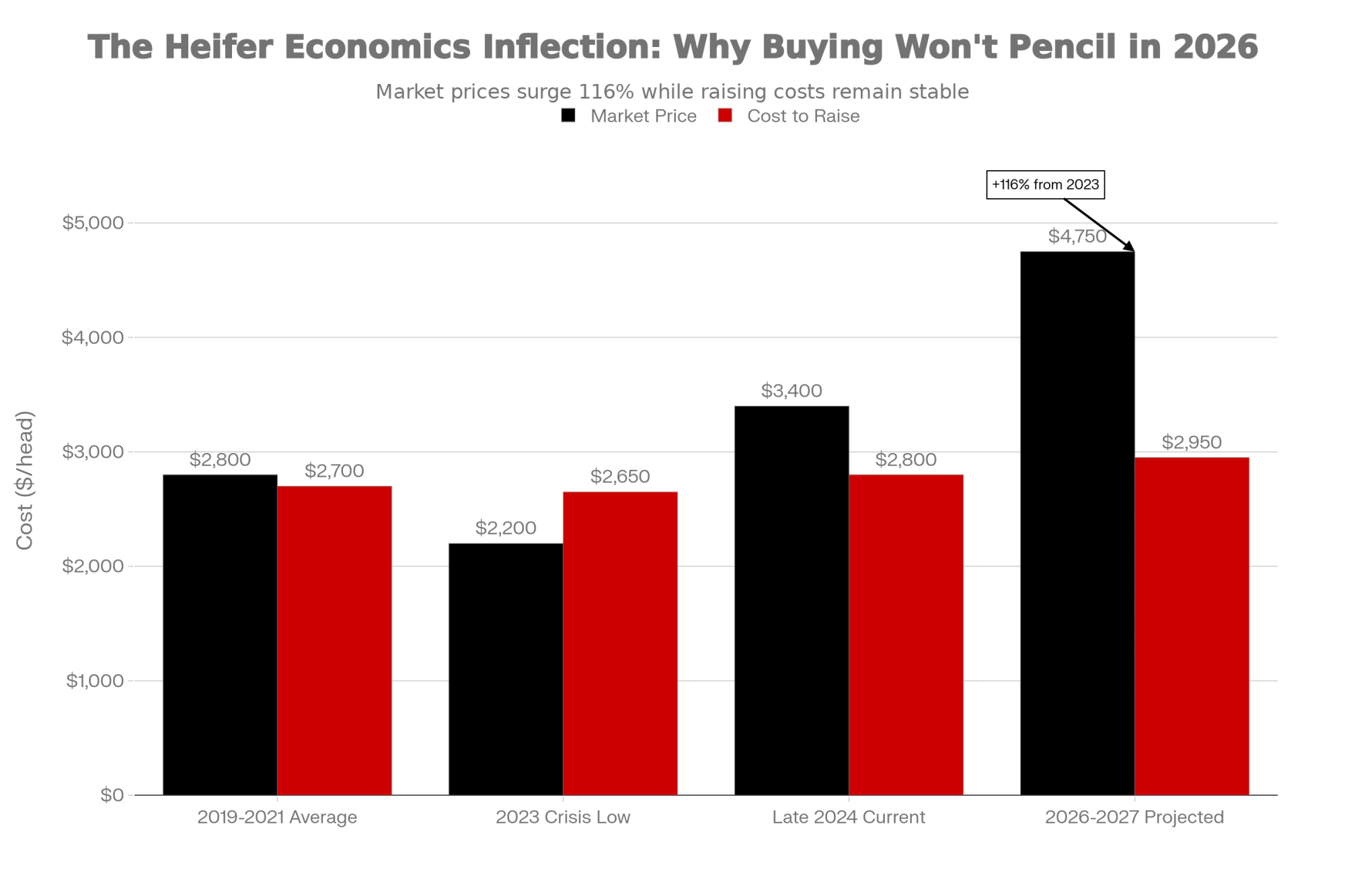
NewsSubscribe
First
Last
Consent

The Real Reason Butterfat Hit 4.23% – And Why It Determines Which 14,000 Dairies Survive

Dairy’s biggest winners didn’t have better genetics. They had better timing. The $1.3M difference happened in 2009, not 2019.

Executive Summary: The U.S. dairy industry’s 30% component revolution wasn’t about genetic breakthroughs—it was about economics creating signals that genomics finally made actionable. When component pricing launched in 2000, the market screamed for higher butterfat, but producers lacked tools to respond until genomic testing arrived in 2009, tripling selection accuracy overnight. Early adopters who grasped this sequence and invested immediately captured $1.3 million in value, while “prudent” operations that waited until 2015 saved $130,000 but forfeited $190,000+. Today’s brutal reality: farms under 200 cows face a permanent $366,375 annual disadvantage versus 2,000-cow operations—a gap that compounds annually and can’t be overcome through better management. With only 35% of herds having basic infrastructure like DHI testing, and 2,800 operations exiting annually, the industry is splitting into two irreconcilable segments. The 2025-2027 window represents the last opportunity for strategic action: scale to 300+ cows with full technology adoption, pivot to premium markets, or exit with dignity while equity remains

You know, there’s something happening in dairy right now that most producers are getting backwards. According to USDA’s April 2025 Milk Production Report and CoBank’s March 2025 dairy analysis, butterfat production surged 30.2% and protein jumped 23.6% from 2011 to 2024, while milk volume grew just 15.9%.

Here’s what caught my attention: total milk production actually declined in both 2023 and 2024—the first back-to-back drop since the 1960s according to USDA National Agricultural Statistics Service—yet butterfat hit 4.23% nationally, shattering a 76-year-old record that stood since 1948.

Most folks I talk to at meetings believe genomic testing drove this transformation. They’re looking at it backwards, and once you understand the real sequence of events, it changes how you think about every breeding decision you’ll make this year.

The Component Revolution: Butterfat production exploded 30.2% from 2011-2024 while milk volume barely moved at 15.9%, proving the dairy industry fundamentally transformed from a volume game to a components game.

The Economic Signal That Started Everything

Looking back at the data from the Council on Dairy Cattle Breeding, the transformation didn’t actually begin with the 2009 launch of commercial genomic testing. It started in 2000 when Federal Milk Marketing Orders implemented multiple component pricing formulas, fundamentally changing how we all get paid.

The Math That Changed Everything

Suddenly, nearly 90% of milk check value came from butterfat and protein content, not volume. When butterfat trades at $3.20 per pound—which it has in recent Federal Order announcements—increasing your herd’s butterfat test by just 0.1% adds $3,200 to the value of every million pounds of milk you ship.

The market was essentially screaming at us to breed for components.

Yet according to USDA Economic Research Service dairy analysis, from 2000 to 2010, milk, butterfat, and protein production all grew at nearly identical rates—between 13.8% and 15.4%. Why the lag? Well, that’s where this story gets really instructive for anyone trying to understand today’s consolidation dynamics.

The Biological Speed Limits We All Faced

I’ve been digging through the research, and what Penn State’s Dr. Chad Dechow documented in his Holstein genetic diversity studies reveals why economics alone couldn’t drive immediate change.

Three Fundamental Constraints

Before genomic testing, we faced three fundamental constraints that no amount of economic incentive could overcome:

Terrible selection accuracy: Parent average predictions offered just 20-35% reliability, according to CDCB historical data. Young bulls? Maybe 40% reliability using pedigree indexes. You’d select a bull expecting +80 pounds of fat transmission, only to discover five years later when his daughters finally milked that he actually transmitted +20 pounds.

Glacial generation intervals: Research published by García-Ruiz and colleagues in PNAS (2016) showed the average generation interval stretched 5.5 years pre-genomics, with the sire-to-bull path taking 6.8 years. A breeding decision made in 2000 wouldn’t show population-level results until 2012 or 2013.

Limited technology adoption: University extension surveys from that era show only about 70-75% of U.S. dairy cows were being bred artificially with elite genetics in 2000. Synchronized breeding protocols? Just 10-15% adoption. Natural service bulls still covered 25-30% of breedings.

The 2009 Revolution

The Genomic Inflection Point: Butterfat percentages drifted slowly until 2009 when genomic testing tripled selection accuracy overnight—proving that economics alone couldn’t drive change until biology and technology caught up.

Then 2009 changed everything. According to USDA’s Animal Genomics and Improvement Laboratory, genomic testing tripled selection accuracy to 60-68% immediately at birth. Generation intervals compressed from 5.5 to 3.8 years.

By 2011, the first daughters of genomically-selected bulls entered milking strings nationwide. What we’re seeing now isn’t delayed response to pricing—it’s the first time biological and technological infrastructure existed to capitalize on incentives that had been present all along.

Quick Reference: Key Terms in Modern Dairy Breeding

Genomic Testing: DNA analysis that predicts an animal’s genetic potential at birth with 60-70% accuracy, versus 20-35% with traditional parent averages

Net Merit $: USDA’s economic index estimating lifetime profit potential of an animal’s genetics

DHI (Dairy Herd Improvement): Monthly milk testing program that tracks production, components, and somatic cell counts

Component Pricing: Payment system where farmers are paid based on pounds of butterfat and protein rather than milk volume

A Tale of Two Strategies: Early Adopters vs. Wait-and-See

The $1.3 Million Gap: Early adopters who invested in genomic testing at $45/test in 2009 captured $1.25M in value by 2019, while ‘prudent’ operations that waited for cheaper tests in 2015 actually lost money—proving timing beats perfection in rapidly evolving markets.

Let me share a scenario based on actual industry patterns I’ve tracked across multiple operations. Consider two typical 500-cow Wisconsin dairies, both aware of component pricing incentives. Their divergent paths from 2009-2019 illustrate exactly how timing created permanent competitive advantages.

The Early Adopter Strategy (2009-2011)

These producers made four decisions that their neighbors thought were reckless:

  1. Started genomic testing every heifer calf at birth through programs like Zoetis’s CLARIFIDE ($45-50 per test when everyone else was paying zero)
  2. Immediately culled the bottom 25% of genomically-tested calves—sold them at 2-4 months old
  3. Switched to 100% young genomic bulls averaging +$400-500 Net Merit
  4. Implemented Ovsynch protocols on 80% of the herd

Projected Results by 2016

Based on industry modeling:

  • Butterfat test: 4.15% (up from 3.78% baseline)
  • Protein test: 3.28% (up from 3.12%)
  • Component premium: Approximately $73,000 annually
  • Early culling savings: $105,000 annually
  • Beef-cross premiums: $30,000 annually

Total modeled value creation over 10 years: $1.2-1.3 million after testing costs

The Wait-and-See Approach

The “wait-and-see” operations held off until 2015-2016. By then, test costs had dropped to $28-35 and reliability had improved to 68%. Sounds prudent, right?

Industry modeling suggests otherwise. While these operations saved approximately $130,000 in testing expenses from 2009-2015, they forfeited an estimated $190,000+ in component premiums during just 2016-2019.

The Infrastructure Reality Nobody Talks About

Here’s what determines whether genomic strategies actually work, and I learned this the hard way watching operations try to implement these programs: it’s infrastructure, not genetics.

Current Infrastructure Gaps

According to CDCB data from 2024, here’s where we actually stand:

  • DHI testing participation: Just 35% of herds
  • Computerized records: Industry surveys estimate 40-50% of sub-200-cow herds still use paper breeding sheets
  • Activity monitoring: Adoption remains below 30% in smaller operations
  • Reliable internet: Still a major barrier across rural areas

The Six Essential Components

The pattern I keep seeing is that genomic strategies need all six infrastructure components working together:

  1. DHI testing
  2. Herd management software (DairyComp, PCDart, or similar)
  3. Genomic testing capability
  4. Synchronized breeding protocols
  5. Disciplined record-keeping culture
  6. Reliable internet for data integration

My rough estimate? Maybe 15-20% of U.S. dairy operations have all pieces in place.

The Cruel Paradox of Efficiency

This creates what economists call a cruel paradox. Operations that most desperately need efficiency gains—those under 200 cows facing what Rabobank’s October 2024 Dairy Quarterly described as “-$2/cwt to +$2/cwt margins”—can least afford the $50,000-70,000 infrastructure investment required over five years.

Meanwhile, operations with 2,000+ cows generating $1-4 million annual profits can fund infrastructure improvements from cash flow every single year.

By The Numbers: The 2025 Dairy Reality

Consolidation Metrics:

  • 35% of U.S. dairy herds participate in DHI testing (CDCB, 2024)
  • 2,800 dairy operations projected to exit annually through 2030 (Rabobank October 2024 Dairy Quarterly)
  • $9.77/cwt cost disadvantage for 100-199 cow operations versus 2,000+ cow operations
  • 65% of U.S. milk now comes from operations with 1,000+ cows (2022 Agricultural Census)

Genetic Revolution Impact:

  • 30.2% increase in butterfat production (2011-2024)
  • 23.6% increase in protein production (2011-2024)
  • $1.2-1.3 million modeled advantage for early genomic adopters
The Extinction Timeline: Small dairy farms under 200 cows are disappearing at catastrophic rates—26,369 operations lost from 2017-2022 alone. By 2030, only 14,000-16,000 total dairies will remain, ending a century-long tradition of family-scale dairy farming.

The Consolidation Reality: Different Strokes for Different Regions

The Cost Gap That Can’t Be Overcome

According to USDA cost of production analysis:

  • Farms with 2,000+ cows: $23.06/cwt
  • Farms with 100-199 cows: $32.83/cwt
  • Permanent disadvantage: $9.77/cwt
The Unmanageable Gap: Small operations face $9.77/cwt higher production costs than mega-dairies—a $366,375 annual disadvantage for a 150-cow farm that compounds every year and can’t be overcome through better management or harder work.

For a 150-cow operation in Wisconsin producing 3.75 million pounds annually, that calculates to a $366,375 annual profit gap.

Regional Variations

In California’s Central Valley where land costs are astronomical, even 500-cow operations struggle with similar economics. Meanwhile, operations in South Dakota with lower land and labor costs can remain viable at 300-400 cows, according to South Dakota State University Extension analysis.

“We can’t compete on volume, but when you’re shipping 4.3% fat and 3.4% protein, the processors come looking for you.” — Texas dairy producer focusing on component premiums

The Stark Census Reality

What the 2022 Agricultural Census revealed:

  • 2017: 54,599 licensed dairy operations
  • 2022: 24,082 operations (56% decline in 5 years)
  • 2025 projection: approximately 22,000 operations
  • 2030 projection: 14,000-16,000 operations

Farms under 200 cows lost 26,369 operations from 2017-2022, while farms over 1,000 cows actually added 400. The industry isn’t just consolidating—it’s splitting into two completely different businesses.

How Processors Are Shaping This Transformation

According to CoBank’s dairy quarterly analysis, over $8 billion in new processing capacity is coming online through 2027, with 80% focused on cheese, butter, and protein ingredients—all products where yields depend entirely on component levels.

“We’re not building plants to handle more gallons. We’re investing in infrastructure designed to maximize value from higher butterfat and protein concentrations. A producer shipping 3.8% fat milk versus 4.2% fat milk? That’s a massive difference in our cheese yields.” — Procurement manager from major cheese company

This processor demand feeds right back into the pricing formulas, creating even stronger economic signals for component production.

The 2025 Decision Point: Why This Year Matters

Demographic Reality

Looking at demographic data from Wisconsin’s Center for Dairy Profitability surveys:

  • 22% of farms under 100 cows plan to exit within five years
  • 70% have no identified successor

This isn’t really about economics anymore—it’s demographics. Baby Boomer retirements are accelerating regardless of milk prices.

Current Conditions Favor Strategic Decisions

According to USDA’s Dairy Margin Coverage Program data:

  • Profit margins hit $13.14/cwt in Q3 2024—historical highs
  • All-Milk prices averaging $22-25/cwt
  • Land values remain elevated from 2021-2022 boom
  • Buyer demand still exists from expanding operations

But By 2028-2030, Everything Changes

With 2,400-2,800 annual closures projected by Rabobank’s October 2024 analysis:

  • Markets flooded with used equipment and facilities
  • Buyer pool shrinks to just mega-operations
  • Equipment values likely collapse from oversupply

Two Paths That Actually Work

Path 1: The Optimized Mid-Scale Model (300-600 cows)

Economic analysis from New Zealand’s dairy sector shows their national herd size stabilized around 450 cows—not by accident, but because that’s where per-cow profitability peaks.

Operations at this scale with full technology adoption can achieve:

  • Superior milk quality (SCC averaging 161,000 versus 200,000+)
  • 15-25% higher profit per kilogram of milk solids
  • Manageable labor requirements with family involvement
  • Financial sustainability without extreme debt leverage

Required commitment: $50,000-70,000 annual technology investment for at least five years.

Path 2: Premium Niche Markets

Market reports indicate direct-to-consumer operations in premium markets can achieve $40-50/cwt, though this requires:

  • Complete pivot from commodity production
  • Serious marketing capabilities
  • Certification costs
  • Geographic proximity to affluent consumers

Success Story: How Minnesota Dairies Made the Transition

Here’s a composite example based on three similar operations I’ve worked with in central Minnesota between 2009-2015 (details combined for privacy).

The Implementation Phase

These producers were milking around 280 cows when genomic testing launched in 2009, barely breaking even at $14/cwt milk prices.

“Yeah, we almost didn’t do it. Forty-five dollars per calf for testing seemed crazy. But our nutritionist ran the numbers on what we were losing by raising the wrong heifers.”

They started testing in spring 2010, immediately culled their bottom 20% of heifers, and switched to all genomic young sires.

“I remember standing at the sale barn. Other farmers were buying our culled heifers thinking they got a bargain. Meanwhile, we kept the ones genomics said would actually make us money.”

The Results

By 2015, their first genomically-selected heifers entered the milking string:

  • Components jumped: 3.75% to 4.05% fat; 3.08% to 3.22% protein
  • Premium increased: $3-4/cwt more than neighbors
  • Expansion enabled: Grew to 400 cows, upgraded parlor

Total investment (2010-2020): $350,000-400,000 Documented returns: Over $1 million

Making the Decision: Your Three Critical Questions

The Five-Year Breakeven: Early genomic adopters invested $385K over a decade but captured $1.05M in returns, breaking even around year 5 and pulling $665K ahead by 2019—while late adopters were still debating whether to start.

After working with hundreds of operations facing these decisions, here are the three questions that cut through all the noise:

1. Do you have a committed successor currently working on the operation?

And I mean actually working, not just “interested” or “might come back after college.”

2. Can you invest $50,000-70,000 annually for five years without jeopardizing family finances?

This isn’t about having the cash—it’s about having it without risking your kids’ college funds, your health insurance, or your retirement security.

3. Are you genuinely willing to scale to 300+ cows or pivot to premium markets?

The economics are clear—conventional production under 300 cows faces structural disadvantages that compound annually.

If you answered yes to all three: The path forward requires immediate, aggressive investment in infrastructure and genetics. The documented returns prove the strategy works when fully implemented.

If you answered no to any question: Consider that selling in 2025-2026 with $500,000-$1,000,000 in equity beats farming until 2030 at annual losses, then being forced to liquidate with minimal equity.

These aren’t just business decisions. They’re deeply personal choices about family legacy and identity. There’s honor in building a successful operation that can compete. There’s equal honor in recognizing when it’s time to capture your equity and move forward.

The Bottom Line

Economics drives genetics, not the other way around. Component pricing created incentives in 2000. Genomic testing in 2009 just gave us tools to capitalize efficiently.

Infrastructure determines execution. Operations genomic testing without DHI data, herd software, and systematic records are like buying a Ferrari without roads.

Timing beats perfection. Early adopters who paid $45 per test with 61% reliability captured significantly more value than those who waited for $28 tests with 68% reliability.

Compound advantages are permanent. The three-generation genetic lead early adopters built from 2009-2019 can’t be overcome.

The 30.2% butterfat increase and 23.6% protein increase from 2011-2024 represent what happens when economic signals, biological capabilities, and technological infrastructure finally align. For the roughly 22,000 operations under 200 cows remaining in 2025, the question isn’t whether to adopt genomic testing—it’s whether they have the infrastructure, capital, and succession plan to compete.

The operations thriving in 2030 won’t necessarily be those with the best cows or the hardest-working families. They’ll be those who made clear-eyed infrastructure investments in 2025 based on economic reality rather than tradition.

As a dairy farmer once told me: “The cows don’t know if you’re milking 50 or 5,000. But the economics sure do.”

Key Takeaways 

  • Economics drove genetics, not vice versa: Component pricing created the signal in 2000; genomics provided the tools in 2009. Winners understood the sequence—losers still don’t.
  • The $1.3M early adopter advantage is permanent: Paying $45/test in 2009 beat waiting for $28 tests in 2015. In rapidly evolving markets, timing beats perfection every time.
  • Infrastructure trumps genetics: Only 35% of herds have DHI testing. Without data infrastructure, genomic testing is like buying a Ferrari without roads.
  • The $366,375 gap can’t be managed away: Operations under 200 cows face structural, not operational, disadvantages. Excellence can’t overcome economics.
  • Your 2025 reality check: You need a successor AND $50K annual investment capacity AND willingness to scale/pivot. Missing any one = exit strategy, not growth strategy.

Complete references and supporting documentation are available upon request by contacting the editorial team at editor@thebullvine.com.

Learn More:

Join the Revolution!

Join over 30,000 successful dairy professionals who rely on Bullvine Weekly for their competitive edge. Delivered directly to your inbox each week, our exclusive industry insights help you make smarter decisions while saving precious hours every week. Never miss critical updates on milk production trends, breakthrough technologies, and profit-boosting strategies that top producers are already implementing. Subscribe now to transform your dairy operation’s efficiency and profitability—your future success is just one click away.
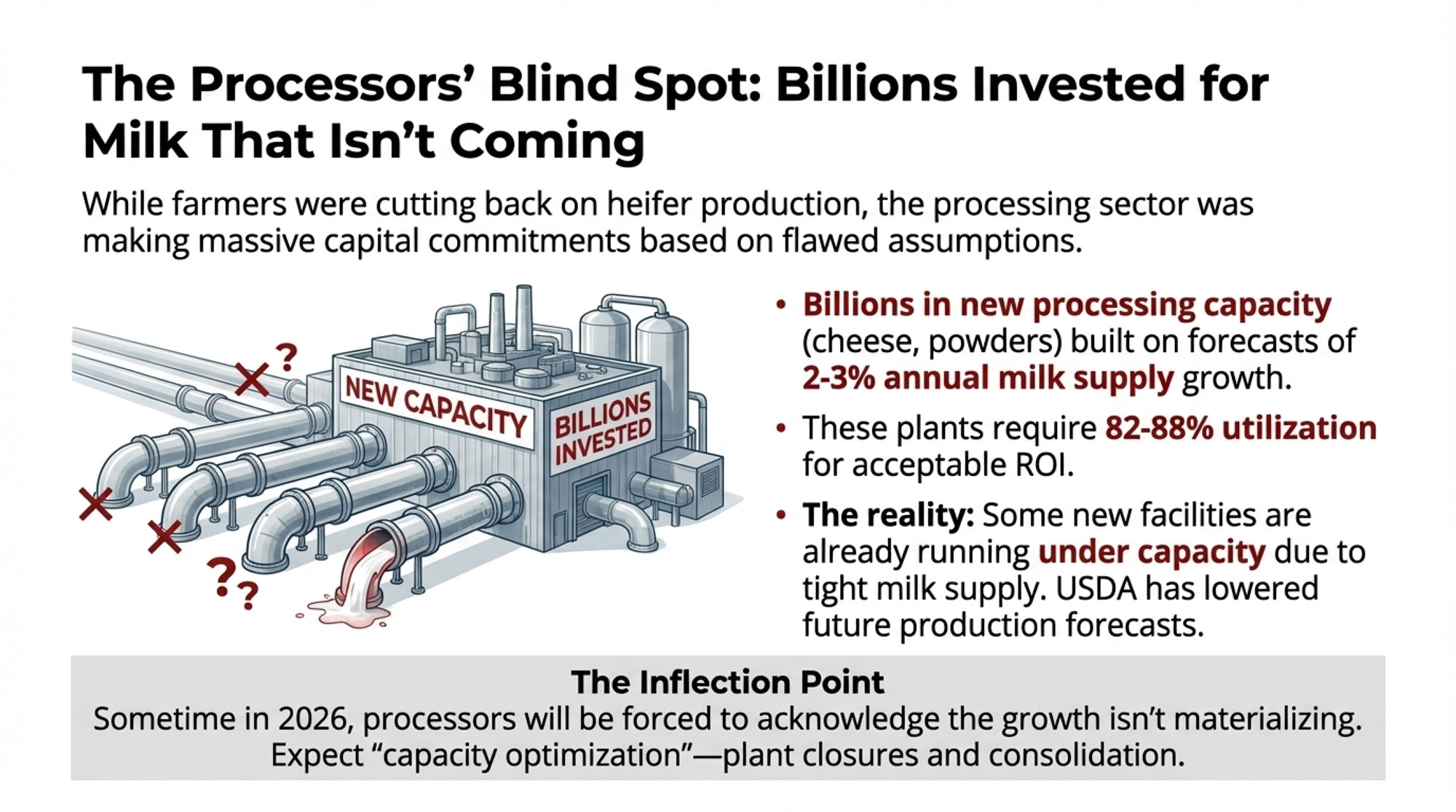
NewsSubscribe
First
Last
Consent

Pair Housing’s Hidden Payoff: $50,000 More Milk Revenue and a 6-Year Head Start on 2031

Early adopters of pair housing are building a competitive advantage that latecomers won’t be able to match

Executive Summary: Here’s what most dairy producers don’t realize: the 2031 pair housing mandate isn’t a burden—it’s creating the industry’s biggest competitive opportunity in decades. Research shows pair-housed calves produce $50,000 more in annual revenue through superior brain development, yielding 850-1,113 kg extra milk in the first lactation alone. But here’s the catch: mastering group management takes 18-36 months, meaning producers who start now will have six years of operational excellence when their neighbors are still figuring out the basics. While 60% of farms stay paralyzed by solvable concerns about cross-sucking and capital costs, early adopters are quietly building advantages that compound annually—better disease detection, 9-hour labor savings per calf, and premium market positioning. The brutal truth? Producers waiting until 2030 won’t just be late to comply—they’ll be permanently behind, missing profits they can never recover. Every quarter you delay is another group of superior replacements your competition is raising while you’re still deciding.

Calf Pair Housing

You walk through dairy operations across North America today, and those familiar rows of individual calf hutches still dominate the landscape. They’ve been our standard for good reason—biosecurity, individual monitoring, controlled feeding. But here’s what I’m seeing: something significant is shifting in how progressive producers approach calf rearing, and honestly, the implications go way beyond what most of us initially thought.

The catalyst is Canada’s requirement for pair or group housing by 2031. That’s in the revised Code of Practice that Dairy Farmers of Canada released in March 2023. What’s really catching my attention, though, is how early adopters are discovering benefits that go far beyond just checking off a regulatory box.

I was digging through research from Dr. Marina von Keyserlingk’s team at the University of British Columbia—fascinating work they published in PLOS ONE back in 2014. They documented something many experienced calf managers have suspected for years: calves raised together demonstrate remarkably superior cognitive flexibility. Get this—pair-housed calves adapt to environmental changes 35% faster and ultimately produce between 850 and 1,113 kilograms more milk in their first lactation compared to individually housed counterparts.

“This isn’t theoretical yield potential, folks. This is actual milk production, documented across multiple commercial operations.”

Understanding the Cognitive Advantage

The UBC research used a Y-maze reversal learning test. Basically, they teach calves which path leads to their milk reward, then switch the rules to see how quickly they adapt. Pair-housed calves? They figured out the change in 13 trials. Individually housed calves needed 20 trials, and here’s the kicker—some never mastered the reversal at all.

Pair-housed calves demonstrate 35% faster cognitive adaptation and 46% higher success rates in learning tests—brain development advantages that translate to lifetime performance in robotic milking systems, ration changes, and social dynamics on modern dairy operations.

Dr. Jennifer Van Os, who’s an Assistant Professor of Animal Welfare at the University of Wisconsin-Madison, puts it perfectly: “Modern dairy animals face constant learning challenges—new parlor routines, automated feeding systems, ration adjustments, social dynamics. If we’re not developing their capacity to learn from day one, we’re limiting their lifetime potential.”

What farmers are finding is that this resonates with real-world experience. Wisconsin Extension specialists have documented that operations transitioning to robotic milking systems consistently see younger animals adapting more readily than older cows. The difference? Many of those younger animals experienced social housing during their critical early development period. Food for thought, isn’t it?

The Economics Tell a Compelling Story

Looking at the numbers from Dr. Mike Van Amburgh’s comprehensive meta-analysis at Cornell University, which tracked 1,868 heifers across commercial operations, the production correlations are clear. Every kilogram increase in preweaning average daily gain translates to 850 to 1,113 kilograms of additional first-lactation milk production.

Let me break this down practically. Pair-housed calves, through what researchers call “social facilitation of feeding”plus reduced isolation stress, typically achieve 0.1 to 0.2 kilograms better daily gain during the preweaning period.

For a 500-cow operation raising 200 replacements annually:

  • Improving preweaning ADG from 0.6 to 0.8 kg/day
  • Generates approximately 124,200 kg of additional first-lactation milk
  • At current DFO pool prices (October 2025): roughly $0.41 per kilogram
  • That’s over $50,000 in additional revenue from a single cohort

And that’s just the first lactation.

What really gets interesting is research from Dr. Alex Bach’s team at IRTA in Spain. They published work in the Journal of Dairy Science showing these effects don’t diminish—they actually compound. Each kilogram of improved preweaning ADG correlates with 2,280 kilograms of additional lifetime production. The metabolic programming you establish in those first eight weeks? It sticks with them their entire productive life.

First lactation production comparison reveals that pair-housed calves generate 850-1,113 kg more milk, translating to over $50,000 in additional annual revenue for a 200-replacement operation—a competitive advantage that compounds across every cohort.

Labor Efficiency Surprises Everyone

Here’s an aspect that even experienced producers can get caught off guard by. Research from the University of Guelph and Wisconsin Extension field trials documents dramatic labor differences:

  • Individual hutch systems: 10.6 hours of labor per calf (birth to weaning)
  • Pair housing with automated feeding: 1.4 hours per calf
  • Labor reduction: 9.2 hours per calf

Minnesota Extension documented a 450-cow operation that reduced labor needs by two and a half positions after transitioning. But the manager told researchers the bigger win was performance—they went from one pound of daily gain to consistently achieving two pounds.

“Not hauling milk to hutches when it’s minus-30 doesn’t just save time—it helps them keep good employees who might otherwise look for easier work come February.”

Addressing the Adoption Gap

Despite all this compelling evidence, Lactanet’s 2024 dairy housing survey shows approximately 60% of Canadian dairy farms still use individual housing systems. We see similar patterns across the United States. So what’s holding folks back?

The Comfort of Familiar Systems

I understand the hesitation. Many producers with well-functioning individual housing face a tough decision. Their current approach delivers acceptable results—calves survive, reach target weights, and transition successfully to group housing post-weaning.

Quebec producers commonly express this in Extension workshops: “My individual system gives me certainty. I know each calf’s intake, health status, and growth rate. Group housing introduces variables I’m still learning to manage.”

This makes perfect sense. Change carries risk, especially when your current system meets baseline performance standards.

Cross-Sucking Remains a Primary Concern

Research published in 2025 by the University of Calgary identified fear of cross-sucking as the leading barrier to adoption. Every producer who’s dealt with a blind quarter on a fresh heifer remembers that frustration—I certainly do.

But here’s what’s encouraging: Dr. Cassandra Tucker’s work at UC Davis, done in collaboration with Penn State Extension, demonstrates that cross-sucking is entirely preventable through proper management:

  • Adequate milk allowance: minimum 7 liters daily for Holstein calves
  • Nipple feeding rather than buckets
  • Gradual weaning over 7 to 10 days

Follow these protocols, and cross-sucking essentially disappears.

Capital Investment Realities

Let’s talk dollars. Michigan State Extension’s 2024 calculations place infrastructure investment at approximately $127 per calf, with complete system implementation costing $15,000 to $25,000 for a 200-replacement operation.

Dr. Marcia Endres at the University of Minnesota documents returns of 269% to 312% on this investment, but what is that upfront capital requirement? It’s a real challenge when you’re managing tight margins.

What’s working for some producers is starting with pilot programs using temporary infrastructure. Prove the concept before making the major capital commitment.

Learning From Early Implementation

Extension specialists working with transitioning farms report remarkably consistent patterns through the first 90 days. Wisconsin Extension Bulletin A4154 clearly documents these phases.

Weeks 1-2: Resisting the Urge to Intervene

Ontario Extension case studies consistently show the biggest challenge is stepping back. Every instinct tells you to help calves find the nipple, guide them through feeding. But they need to learn independently and from each other. Too much intervention creates dependence rather than competence.

Successful protocols involve:

  • Backgrounding calves individually for 10-14 days before grouping
  • Establishing strong suckling reflexes
  • Health screening before mixing

Dr. Dave Renaud’s research at Guelph, published in Preventive Veterinary Medicine back in 2023, confirms this approach reduces health events by 40%.

Weeks 3-4: Managing Cross-Sucking Effectively

This critical period determines whether producers persist or revert. Extension field trials documented in the 2024 Wisconsin Dairy Management Guide show that increasing milk concentration while maintaining frequent feeding opportunities stops cross-sucking behavior cold.

The target remains consistent across all research: minimum 7 liters daily through nipples, with gradual 10-day weaning transitions. Get this right, and cross-sucking becomes a non-issue.

Weeks 5-8: Ventilation Becomes Critical

Dr. Ken Nordlund from Wisconsin’s School of Veterinary Medicine emphasizes in their 2024 facility design guidelines: “Poor health management in individual housing becomes amplified in group settings.”

Calves don’t generate enough body heat for natural convection ventilation to work. You need mechanical systems—positive pressure tubes or continuous airflow fans. Operations that underestimate ventilation requirements face respiratory challenges that can derail the entire transition.

Weeks 9-12: Systems Integration

Producers who navigate that initial learning curve consistently report dramatic improvements around month three. Multiple Extension case studies from 2024-2025 document this pattern:

  • Feed efficiency improves
  • Health events decline
  • Growth rates accelerate

Fraser Valley producers dealing with higher humidity than Prairie provinces really emphasize moisture management alongside ventilation. British Columbia Extension specialists report in their 2024 regional guide that once environmental controls are optimized, preweaning mortality typically drops from 7% to under 3%.

Data-Driven Management Revolutionizes Calf Rearing

Health IndicatorDays Early DetectionVisual Observation AccuracyAutomated System AccuracyImprovement
Milk Intake Drop (15-25%)540%78%+38%
Drinking Speed Reduction435%72%+37%
Unrewarded Feeder Visits ↑345%80%+35%
Combined Metric Analysis550%82%+32%

This transition from visual observation during feeding to continuous behavioral monitoring? It’s a fundamental shift in how we think about calf management.

Dr. David Renaud’s research, published back in November 2023 in the Journal of Dairy Science, reveals that automated systems detect illness indicators 3 to 5 days before you’d see visual symptoms.

Key metrics for early disease detection:

  • Milk intake declining 15-25% → 5 days before clinical illness
  • Drinking speed reduction → 4 days before visible symptoms
  • Unrewarded feeder visits tripling → Calf feels unwell but can’t finish meals
  • Meal duration increasing → While actual consumption decreases

Dr. Melissa Cantor at Penn State found—and published in the Journal of Dairy Science earlier this year—that combining these metrics achieves 75-80% disease-detection sensitivity, compared to just 40-50% with single indicators. This early detection capability? It transforms treatment outcomes and reduces both medication costs and production losses.

Building Competitive Advantage for 2031 and Beyond

The mandated transition creates an industry-wide baseline. Everyone has to comply. But here’s what I think many are missing: competitive advantage comes from operational excellence developed through early adoption.

By the 2031 mandate deadline, early adopters will have six annual cohorts of cognitively superior replacements producing 187-491 extra pounds of milk per lactation—while late adopters begin with zero such animals. The math is brutal: you can’t compress six years of competitive advantage into one year of panicked implementation.

“Producers transitioning in 2025 will have six annual cohorts of cognitively enhanced replacements by 2031. Late adopters starting in 2030? They begin with zero such animals.”

Consider the arithmetic:

  • 180 to 360 animals with cognitive advantages in your herd
  • 187 to 491 additional pounds of milk per lactation
  • Worth $34 to $88 per cow annually (Cornell longitudinal studies)

Dr. Jessica McArt’s research at Cornell’s College of Veterinary Medicine, published in Preventive Veterinary Medicine in 2024, demonstrates that disease prediction algorithms need 18 to 24 months of calibration to achieve optimal sensitivity. Early adopters will be preventing disease, while late adopters are still figuring out which buttons to push.

Market dynamics are shifting, too. Dr. Beth Ventura’s research at the University of Minnesota documents consumer willingness to pay 4-6% premiums for milk from enhanced welfare systems. Trade publications like Dairy Foods and Progressive Dairy suggest processors, including Agropur and Saputo, are exploring differentiated supply chains—though specific program details are still emerging. Early adopters with documented performance histories? They’re positioning themselves for opportunities that won’t be available to last-minute converts.

A Practical Implementation Framework

Based on Extension specialist experiences documented across multiple regions, here’s what consistently works:

Start with a 12-calf pilot program. Not to validate the science—that’s been done—but to develop expertise specific to your facility without risking your entire replacement program.

Foundation Phase (Months 1-3)

  • Get passive transfer rates above 90% (Dr. Sandra Godden at Minnesota recommends serum total protein >5.5 g/dL)
  • Establish 20% body weight milk feeding minimums
  • Develop cross-sucking prevention protocols for your specific setup

Skill Development (Months 4-6)

  • Learn to interpret behavioral data
  • Recognize that 20% intake drop that signals illness
  • Identify weaning readiness (Dr. Mike Steele at Alberta: look for 1.4 kg daily starter intake for three consecutive days)
  • Document equipment performance patterns

Protocol Optimization (Months 7-9)

  • Refine feeding algorithms for your genetics
  • Balance welfare with facility constraints
  • Align health protocols with actual disease pressure

Team Integration (Months 10-12)

  • Train every team member who touches calves
  • Ensure understanding of behavioral indicators
  • Establish report interpretation protocols
  • Define intervention thresholds

“This phase gets skipped too often, and it comes back to bite you.”

Practical Considerations for Your Operation

Looking at all the evidence, several principles stand out:

Early implementation with modest scale beats last-minute scrambling with your entire calf crop. That learning curve takes 18 to 36 months, no matter when you start.

Management excellence, not equipment sophistication, determines your outcomes. You can have the fanciest automated feeder on the market, but without skilled interpretation of its data, you’ve bought yourself an expensive milk dispenser.

Your foundation protocols have to be solid. If you’re running sub-90% passive transfer rates or marginal ventilation, group housing will amplify those problems rather than solve them.

Expect the learning curve. Embrace it, even. Those initial challenges? That’s education, not failure.

Document everything meticulously. This data validates your investment decisions and supports premium market positioning down the road.

Looking Forward

We’re witnessing one of those generational transitions that reshapes how we do things. Producers who view this 2031 requirement as an opportunity for systematic improvement? They’ll capture lasting competitive advantages. Those approaching it as just another compliance burden will perpetually lag behind early adopters who’ve already optimized their systems.

The parallel to previous industry evolutions is pretty clear. Consider free-stall adoption, TMR implementation, and genomic selection. Early, thoughtful adopters consistently emerged stronger.

What I’ve noticed across other major transitions is that success doesn’t come from the technology itself. It comes from the operational excellence you develop through implementation. Pair housing represents another one of those opportunities—it challenges our assumptions, rewards innovation, and ultimately advances both animal welfare and farm profitability.

The timeline is set. The science is clear. The economics are compelling. What remains is the decision each operation needs to make: lead this transition or follow those who do.

Six years gives you adequate time for thoughtful implementation. But it disappears quickly if you keep putting it off. The question isn’t whether to transition—that decision’s been made for us. The question is when to start capturing the advantages of early adoption.

Your move.

KEY TAKEAWAYS 

  • Start with 12 calves, not 200: Master the learning curve on a pilot scale where mistakes won’t sink you—but start NOW because the 18-month expertise gap between early and late adopters becomes permanent
  • $50,000 isn’t the ceiling, it’s the floor: First-lactation gains of 850-1,113 kg are just the beginning—these calves produce 2,280 kg more lifetime milk because early brain development programs permanent metabolic advantages
  • Stop fearing cross-sucking, start fearing the competition: While 60% of producers avoid pair housing over a completely preventable issue, early adopters are banking profits you’ll never catch up to
  • The 2031 deadline creates winners and losers: Producers with 6 years of experience will be preventing disease while you’re reading instruction manuals, capturing premium markets while you’re proving compliance

Complete references and supporting documentation are available upon request by contacting the editorial team at editor@thebullvine.com.

Learn More:

Join the Revolution!

Join over 30,000 successful dairy professionals who rely on Bullvine Weekly for their competitive edge. Delivered directly to your inbox each week, our exclusive industry insights help you make smarter decisions while saving precious hours every week. Never miss critical updates on milk production trends, breakthrough technologies, and profit-boosting strategies that top producers are already implementing. Subscribe now to transform your dairy operation’s efficiency and profitability—your future success is just one click away.
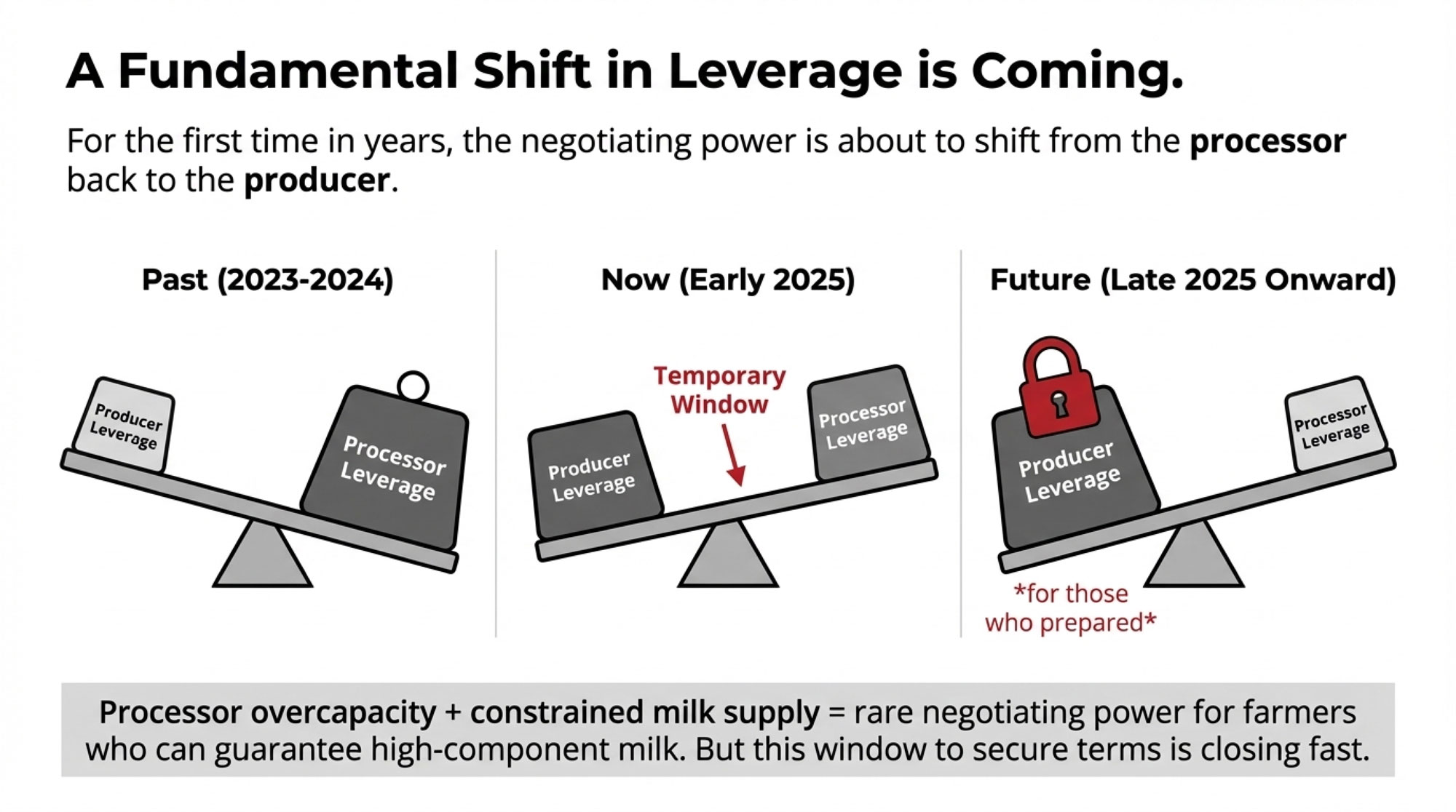
NewsSubscribe
First
Last
Consent

The Hidden Money in Every Step: Turning Hoof Health into Strategic Dairy Profit

The most profitable dairies aren’t milking harder—they’re walking smarter. The hoof holds the hidden margin.

Executive Summary: Hidden beneath every hoof is a profit story most producers never see. New data from the University of Nottingham and North American research show milk output and fertility start slipping weeks before obvious lameness appears—costing herds thousands in unseen loss. This Bullvine feature connects the biology to the balance sheet, showing how small timing changes in dry‑cow trimming, transition management, and housing comfort translate directly into stronger cash flow. It also explores how genetics, nutrition, and environment can turn hoof resilience into a permanent herd advantage. Examples from Wisconsin to Ontario prove one thing: the most profitable dairies aren’t just milking harder—they’re walking smarter.

Dairy Hoof Profitability

Walk into any freestall barn, and you’ll hear that familiar rhythm—milkers humming, gates clanking, the easy shuffle of cows heading to the bunk. It’s a comforting sound of routine. But every so often, there’s a different note: a soft drag of a hoof, a pause in stride. For years, we’ve thought of that as a welfare concern. Important, yes—but separate from core profitability. The latest data suggest it’s time to reframe that thinking completely.

A groundbreaking study from the University of Nottingham tracked over 6,000 cows across 11 herds and analyzed more than 2 million milk records. The findings were striking—hoof problems cost an average of $336 per case, and could cut up to 17 percent of net farm profit. But what’s most interesting? Milk yield began dropping weeks before a limp appeared.

As Dr. Marcos Veira from the University of British Columbia recently put it, “The money starts leaving your tank long before the cow starts limping.” That line has stuck with many producers because it captures what science now proves: lameness isn’t just an animal welfare issue. It’s one of the most under‑recognized management costs in dairying.

The “Invisible Cow” That Costs You

The true cost structure of lameness—milk production losses and premature culling consume nearly two-thirds of the economic damage, yet most producers focus only on the visible 13% spent on treatment and labor

Every herd has them—cows that look fine but quietly underperform. They milk, they eat, they breed back, but they never quite reach potential. Everything else in the herd may look solid—dry matter intake, conception rate, butterfat performance—yet something small keeps the herd average just below expectation.

The University of Wisconsin research team, led by Dr. Nigel Cook, found that cows showing subclinical inflammation in their hooves lose an average of 3.3 pounds of milk daily, even before lameness is visible. Across a 500‑cow freestall herd, assuming just 20% of cows are subclinically affected, that’s easily $30,000–$40,000 in milk revenue gone each year—without a single “lame cow” on the books.

What producers across North America are discovering is that the “invisible cow” problem doesn’t show up until it’s systemic—when the herd average drops, reproduction slows, and no one can pinpoint why. The solution lies not in more treatments but in catching every small signal before it compounds into loss.

Sole ulcers hit hardest per case at $216 and 574 kg milk loss, but digital dermatitis’ 35% prevalence makes it the real profit killer—knowing which battle to fight first changes everything

What’s Actually Happening Inside the Hoof

Looking closer, the pathway from fresh cow to lameness begins well before any visual signs. During the transition period, a cow burns energy reserves to fuel milk production. That means not just backfat, but also fat from the digital cushion—the small pad beneath the coffin bone responsible for absorbing impact.

Work from Cornell University and the University College Dublin shows that when this cushion thins, the coffin bone (P3) begins pressing into the corium—the sensitive layer that forms the hoof wall. That pressure leads to micro‑bruising weeks before external changes appear. The immune system responds, redirecting nearly 40 percent of the liver’s protein synthesis away from milk components toward tissue repair.

What’s interesting here is that production losses begin long before clinical lesions do. In practical terms, that means a cow’s milk and butterfat test may be telling you about her feet weeks in advance.

Producers who have added hoof-scoring to transition audits—particularly in Wisconsin and Ontario—report lower fresh cow pullouts and steadier butterfat recovery. It’s a powerful reminder that hoof health isn’t an isolated variable. It’s baked into the biology of early lactation.

Why “Prevention” Often Misses the Mark

Most dairy operations already have some form of hoof care in place—scheduled trimming, routine footbaths, lesion recording, and even digital tracking. Yet despite those investments, the average herd still reports around 30 percent of cows experiencing hoof problems annually. The issue usually isn’t neglect—it’s timing.

Footbaths are indispensable for controlling digital dermatitis, but they do little to offset metabolic or mechanical strain. Likewise, blanket trimming during peak lactation can cause more harm than good.

Hoof-care pioneer Karl Burgi has spent decades talking to producers about timing and prevention. “If you’re trimming after she freshens, you’re already behind,” he says. Moving that routine to the dry period—before the hormonal wave and metabolic stress hit—gives horn tissue time to harden and dramatically reduces lesions.

I’ve noticed many herds adopting Burgi’s logic in recent years—not because it’s trendy, but because it simply pays. Prevention only works when it happens before damage begins.

The Transition Period: Management’s Sweet Spot

Timing is everything—the digital cushion starts thinning three weeks before calving while lameness risk explodes after, proving Dr. Burgi’s point that trimming post-fresh means you’ve already lost the game

The transition window remains the most profitable period for hoof protection. Data from NAHMS 2023 and European dairy studies consistently show that cows losing > 0.5 BCS units between dry‑off and peak milk face exponentially higher lameness risk later in lactation.

Here are strategies that consistently yield returns:

  • Trim 6–3 weeks before calving. Research from the University of Bristol showed that when trimming was moved to this window, hoof lesions dropped by 62 percent.
  • Prioritize rest and comfort. A deeper bedding base and consistent cubicle space are critical. The University of Minnesota Extension found that each hour of lost rest correlates to 3 pounds of milk loss per cow, per day.
  • Fortify claw health nutritionally. Supplement 20 mg biotin/head/day and 50–60 ppm zinc (half organic) to strengthen horn growth.
  • Watch BCS swings closely. Logging condition scores at dry‑off, calving, and 21 days in milk creates a simple, herd‑level index of hoof risk.

One producer I spoke with near Green Bay summed it up well: “We didn’t change anything except timing, and the numbers told the story. Once we started trimming at dry‑off, it was like the cows got their footing back before calving even began.”

Closing the Freestall–Pasture Gap

It’s no secret that pasture systems show lower lameness rates—about 23 percent incidence versus 50 percent in conventional freestalls, according to data from the University of Guelph and University of Wisconsin. Still, it’s entirely possible to achieve similar comfort scores in high-producing freestall herds with fine-tuned management.

Across leading dairies, five consistent success points stand out:

  1. Rubber use in high-pressure zones. Installing mats in holding pens and return alleys reduces trauma by up to 40 percent.
  2. Modern stall design. According to the Dairyland Initiative, modern Holsteins perform best in 48‑inch stalls, 10‑foot lengths, neck rails 48–50 inches high, and 67 inches from the curb.
  3. Floor texture matters. Grooves, planted ¾ inch wide and 3¼ inches apart, ensure balance and minimize slips.
  4. Deep, dry bedding. Sand still wins on metrics of comfort and traction—reducing cases by 40 percent versus solid‑surface alternatives.
  5. Manage standing time. Research from Guelph suggests that keeping total standing time below 3½ hours daily minimizes the risk of sole ulcers.

Some Northeast producers have described how relatively inexpensive changes—re‑grooving lanes, adjusting neck‑rail height, or correcting parlor flow—reduced overall lameness nearly as much as large capital upgrades. What matters most is not the budget, but precision.

Genetics: The Silent Multiplier

Genetics isn’t quick, but it’s permanent—selecting for hoof health cuts lameness from 30% to 15% over four generations, building sound feet into your herd’s DNA instead of fighting the same fires every year

Short-term changes can deliver immediate progress, but genetics create lasting impact. Genome mapping led by the Council on Dairy Cattle Breeding (CDCB) and Wageningen University has already linked 285 markers to hoof integrity, with heritabilities as high as 30 percent.

Producers no longer have to wait to select for sound feet. The Council on Dairy Cattle Breeding (CDCB) has already released a Hoof Health (HH$) index and direct PTAs for traits like Digital-Dermatitis-Free and Hoof-Ulcer-Free. We can even select for Digital Cushion Thickness (DCT), the very structure discussed earlier in this article. While we can still use proxies like Productive Life and Feet & Legs Composite, producers can now directly attack hoof health issues through genetic selection with far greater precision.

As Tom Lawlor, Research Director at CDCB, pointed out recently, “Every generation that overlooks hoof traits ends up paying the same bill twice.” Selecting for the right structure now locks in herd mobility—and profitability—for years to come.

A 90‑Day Plan That Delivers

Wisconsin’s 2025 pilot proves prevention pays fast—herds following the 90-day protocol cut milk losses by 30% and lameness cases by 20%, with the biggest gains happening before anyone sees a limp

For dairies looking to translate research into action, the University of Wisconsin’s 2025 Hoof Health Pilot condensed years of data into a working template. Participating herds reduced hoof treatments by 30–40 percent within six monthsand replacement rates by around 15 percent annually.

Here’s the quick version:

Weeks 1–4: Mobility‑score every cow; record one year of hoof treatments and case types. 
Weeks 5–8: Standardize footbath systems (change solution every 200 passes), move trimming to dry cow groups, flag any fresh cow losing > 0.5 BCS. 
Weeks 9–12: Re‑groove high‑traffic lanes if needed, fine‑tune stall design, and prioritize AI bulls in the top 25 percent for Net Merit and Feet & Legs Composite (≥ +2.0). 

As one Minnesota dairyman told me, “We didn’t need an extra hoof trimmer—we just needed a plan that matched our rhythm.”

Seeing Hoof Health for What It Really Is

I remember an Ontario producer who told me, “We used to fix feet because it was the right thing to do. Now we fix them because it pays.” That statement says it all.

Hoof health has always been about welfare, but it’s also about efficiency, longevity, and sustained performance. The research, the genetics, and the management practices all tell the same story: when cows move comfortably, everything—from butterfat yield to pregnancy rate—stabilizes or improves.

What’s encouraging is that none of these solutions requires a drastic change. They’re layered, attainable, and already validated by producers who are seeing results.

Because when cows walk soundly, the entire operation gains stride—and every step becomes a step toward profit.

Key Takeaways:

  • Profit leaves before the limp. Subclinical hoof pain steals milk and profits weeks before you notice.
  • Start prevention early. Shifting trims, rations, and foot care to the dry period pays back fast.
  • Comfort compounds. Small improvements in stalls, rubber, and cow flow can cut lameness by up to 40%.
  • Breed soundness in. Bulls with positive Feet & Legs and Productive Life scores create durable cows built for longevity.
  • Manage with intention. A clear 90-day plan of scoring, trimming, and tracking turns hoof health into herd stability and profit.

Complete references and supporting documentation are available upon request by contacting the editorial team at editor@thebullvine.com.

Learn More:

Join the Revolution!

Join over 30,000 successful dairy professionals who rely on Bullvine Weekly for their competitive edge. Delivered directly to your inbox each week, our exclusive industry insights help you make smarter decisions while saving precious hours every week. Never miss critical updates on milk production trends, breakthrough technologies, and profit-boosting strategies that top producers are already implementing. Subscribe now to transform your dairy operation’s efficiency and profitability—your future success is just one click away.
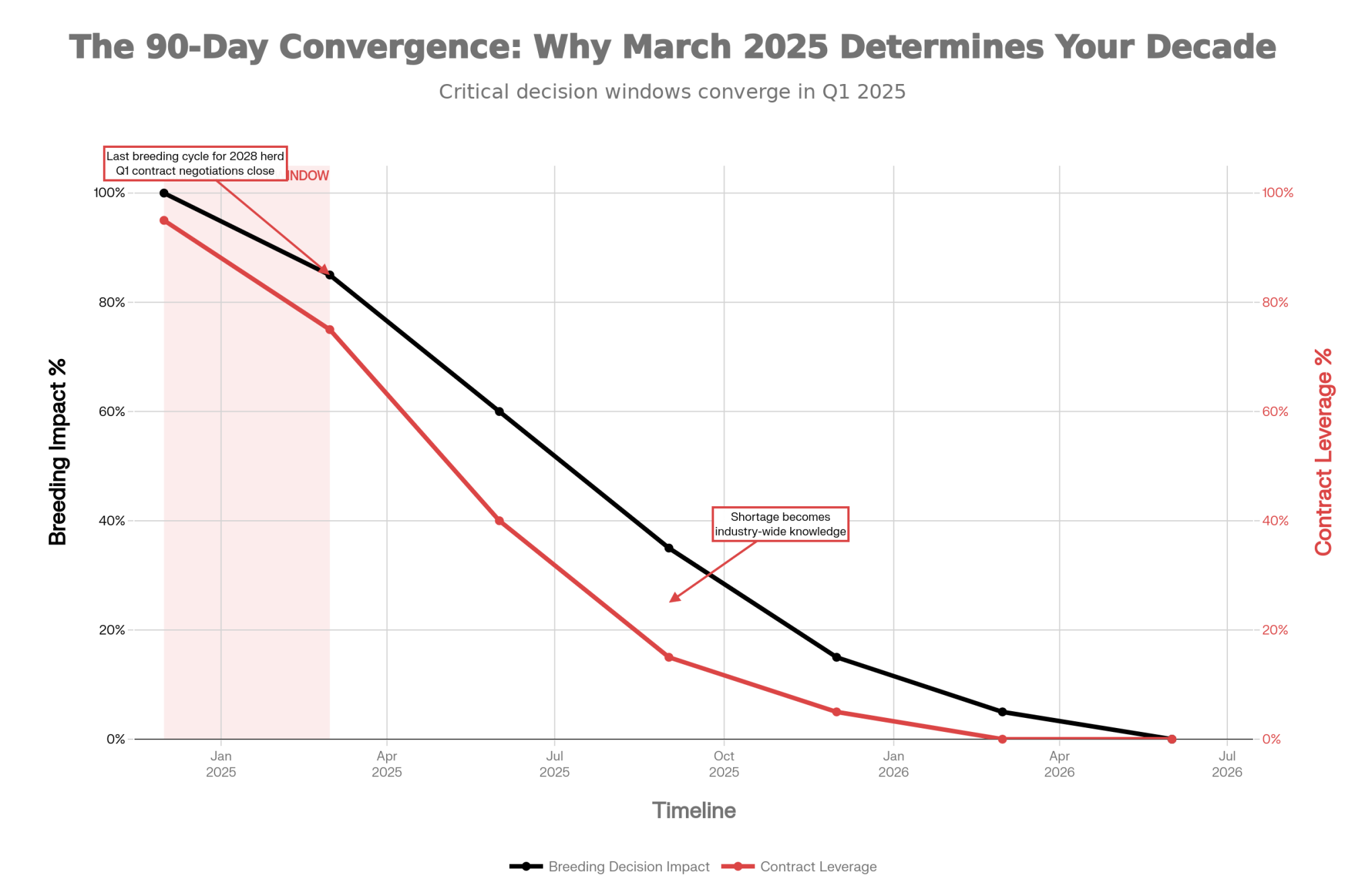
NewsSubscribe
First
Last
Consent

Argentina Beef Imports: The Immediate Stakes for Your Dairy Operation

Imports are rising. Futures are falling. Here’s what every dairy herd should know before the market moves again.

Executive Summary: A plan to import more Argentine beef may seem distant, but it’s already reshaping U.S. agriculture. The proposal to quadruple import quotas to 80,000 metric tons has dropped cattle futures nearly $100 per head and sparked tough conversations for dairies that now rely on beef‑on‑dairy calves for revenue. With 70 percent of large herds breeding to beef, and an average $250,000 in annual calf income at stake, every shift in the beef market touches the milk check. Farmers remember 1986 and 2020—years when fast policy moves caused lasting pain. What’s interesting now is how calmly producers are responding: adjusting breeding ratios, locking in forward contracts, and fine‑tuning rations instead of panicking. The broader reminder? Real stability in both beef and milk still starts in the barn, not the import ledger.

Beef on Dairy

Every so often, a government policy hits the headlines and you can almost feel it ripple across the countryside. The latest is a proposed White House plan to quadruple Argentine beef imports—from about 20,000 to 80,000 metric tons.

At first, that might sound like a beef industry story, but it’s quickly becoming a dairy conversation. The reason is simple: our operations are tied together through the beef‑on‑dairy market more than ever before. And as many farmers are noticing, market decisions made in Washington—or Buenos Aires—have a way of showing up in the calf barn faster than you’d expect.

11,000% Growth Story Dairy Can’t Ignore — From backyard experiment to industry game-changer: beef-on-dairy exploded from 50,000 head to potentially 5.5 million by 2026, reshaping American beef production forever.

Looking at What’s Behind the Policy

According to the USDA’s October Livestock, Dairy & Poultry Outlook, the U.S. cattle inventory now sits at its lowest level in 75 years. The causes aren’t new—multi‑year drought, high feed prices, and slower herd rebuilding across the Plains and West.

Crisis in Numbers: America’s Cattle Vanish — The steepest herd liquidation since World War II puts every dairy farm’s beef-on-dairy income at risk as supply fundamentals reshape decades of agricultural stability.

To ease those supply pressures, the administration is considering expanded beef imports to steady retail prices, which hit a record $6.30 per pound for ground beef this fall (Bureau of Labor Statistics).

On paper, that makes basic economic sense. But markets always react before the first kilogram of product moves. Just a week after the announcement, CME Group data showed futures prices down roughly $100 per head—or about 3 percent.

As Dr. Derrell Peel, livestock economist with Oklahoma State University Extension, put it: “You can’t rebuild a herd—or confidence—in a single policy cycle.”

And confidence is what sustains both cow‑calf ranches and dairies that depend on steady cross‑market signals.

The Beef‑on‑Dairy Link That’s Now Essential

Looking at this trend, it’s remarkable how fast beef‑on‑dairy has become a cornerstone of herd economics. In 2024, University of Wisconsin–Madison Extension researchers reported that nearly 70 percent of large dairies bred a portion of their cows to beef bulls.

The strategy significantly increased the average calf value. USDA AMS market data shows beef‑cross calves bringing $1,200 to $1,400 at birth, compared with $150 to $250 for pure Holstein bulls.

For a 1,500‑cow dairy breeding 40 percent to beef, that’s $240,000–260,000 in additional annual income. It’s the sort of capital that pays for genomic testing, sand bedding replacements, or that new holding pen upgrade.

A producer milking 1,200 cows in eastern Wisconsin told me recently, “Those beef calves have carried our barn loan for two years running. If prices fall much, we’ll need to rethink replacement plans.”

That’s real money—and real vulnerability—tied directly to policy decisions made thousands of miles from the farm.

What History Tells Us: The 1986 Buyout

What’s particularly interesting here is how this mirrors an earlier moment in ag policy—the 1986 Dairy Termination Program. Back then, USDA spent $1.8 billion to eliminate milk surpluses, buying out 14,000 farms and taking 1.5 million dairy cows off the grid.

It achieved its short‑term goal—but the cascade stunned markets. Surplus cows hit beef channels at once, and prices plunged 10–15 percent. Within two years, milk output had rebounded while much of the infrastructure serving small dairies had not.

The lesson still resonates today: market interventions can change prices quickly, but they rarely rebuild capacity at the same pace.

Psychology Trumps Physics in Cattle Markets — Import volumes climbed steadily while prices soared until policy psychology triggered the $7/cwt reality check, validating Andrew’s thesis about market sentiment over supply fundamentals

2020’s Big Reminder: When Efficiency Becomes Fragility

If 1986 was about overcorrection, then 2020 was about over‑efficiency. During the first months of COVID‑19, International Dairy Foods Association data showed 450–460 million pounds of milk dumped in April alone, while USDA ERS recorded beef and pork processing down more than 25 percent after plant shutdowns.

That period revealed how vulnerable “just‑in‑time” logistics can be. When processors or ports stall, milk and beef lose nearly all momentum.

Increasing reliance on imports—without parallel investment in domestic resilience—carries a similar risk. Once local capacity is allowed to wither, it’s slow and costly to bring back.

How Farmers Are Adjusting Already

Here’s what many Extension specialists and lenders are seeing so far:

  • Breeding Ratios Are Shifting. Herds that were 60 percent beef are easing down toward 35–40 percent to maintain heifer pipelines.
  • Feedlot Contracts Are Narrowing. Where buyers offered $1,300 per crossbred calf last spring, they’re now closer to $1,000 (USDA AMS Feeder Cattle Summary, October 2025). Forward contracting remains a critical stability tool.
  • Genomic Programs Are Staying Put.Dr. Heather Huson, associate professor of animal genomics at Cornell University, warns that cutting testing “saves pennies now but costs years of progress in herd performance and butterfat output.”
  • Ration Formulas Are Being Fine‑tuned. Nutritionists are rebalancing energy‑dense transition diets to maintain reproductive stability and milk components without increasing feed costs.

What’s encouraging is the tone—measured, thoughtful, and proactive. Dairies aren’t panicking; they’re preparing.

Regional Strategies, Shared Outlooks

Across the U.S., adaptation looks different but points to the same principle—resilience:

  • Western dry‑lot systems, stretched by feed and water constraints, are leaning back toward dairy genetics to maintain replacements.
  • Upper Midwest co‑ops, long integrated with beef‑on‑dairy programs, are renegotiating calf contracts to lock in 2026 pricing.
  • Northeast fluid dairies balancing organic quotas and beef‑cross sales are prioritizing efficiency rather than retreating from diversification.

Different regions, same balancing act—protect cash flow today while safeguarding production capacity tomorrow.

The Bigger Question: Can We Stay Self‑Sufficient?

The U.S. currently produces about 83 percent of its own beef supply, according to USDA ERS Trade Data (2025).Economists caution that, if herd recovery stays slow while imports increase, that number could slide toward 70 percent within ten years.

That’s not about politics—it’s about security. Kansas State University Extension specialists remind us that “food sovereignty” doesn’t mean cutting trade; it means keeping enough domestic capability to respond when global systems falter.

For dairy, the same applies. Once cull markets, local plants, or skilled herd labor disappear, rebuilding them isn’t a quick turnaround—it’s generational work.

Signs of Progress Worth Watching

The good news is, practical resilience efforts are underway. Wisconsin’s Dairy Innovation Hub and USDA’s Regional Food Business Centers are channeling new funding into herd research, small processor support, and cold‑chain infrastructure.

As Dr. Mark Stephenson, director of UW–Madison’s Center for Dairy Profitability, said during a recent producer panel, “Resilience isn’t about size—it’s about diversity. The more ways we move milk and beef through our systems, the better we weather volatility.”

The Bottom Line

What’s interesting here is that every generation faces its own version of policy shockwaves. This one just happens to merge global trade with a cow management strategy.

Markets shift overnight. Herds don’t. Successful farms are the ones that use these moments not to retreat, but to reinforce what already works.

If history has taught us anything—from 1986’s buyout to 2020’s pandemic fallout—it’s that capacity equals security.Protect the cows, the genetics, and the local systems, and the rest finds its balance.

Progress in agriculture has always moved at the cow’s pace—and that’s still the pace that feeds the world.

Key Takeaways:

  • A policy shift abroad can hit your milk check at home. Rising beef imports risk lowering calf values just as beef‑on‑dairy becomes vital to dairy income.
  • With 70% of dairies breeding to beef and nearly $250,000 a year on the line per farm, small price swings now carry outsized impact.
  • History is warning us: quick policy fixes in 1986 and 2020 show how capacity lost early takes decades to recover.
  • Smart dairies are preparing now—tweaking breeding ratios, securing forward contracts, and tightening transition nutrition to stay profitable.
  • Resilience beats reaction. Protect herd quality, diversify markets, and collaborate locally to keep your dairy strong through shifting trade winds.

Complete references and supporting documentation are available upon request by contacting the editorial team at editor@thebullvine.com.

Learn More:

Join the Revolution!

Join over 30,000 successful dairy professionals who rely on Bullvine Weekly for their competitive edge. Delivered directly to your inbox each week, our exclusive industry insights help you make smarter decisions while saving precious hours every week. Never miss critical updates on milk production trends, breakthrough technologies, and profit-boosting strategies that top producers are already implementing. Subscribe now to transform your dairy operation’s efficiency and profitability—your future success is just one click away.
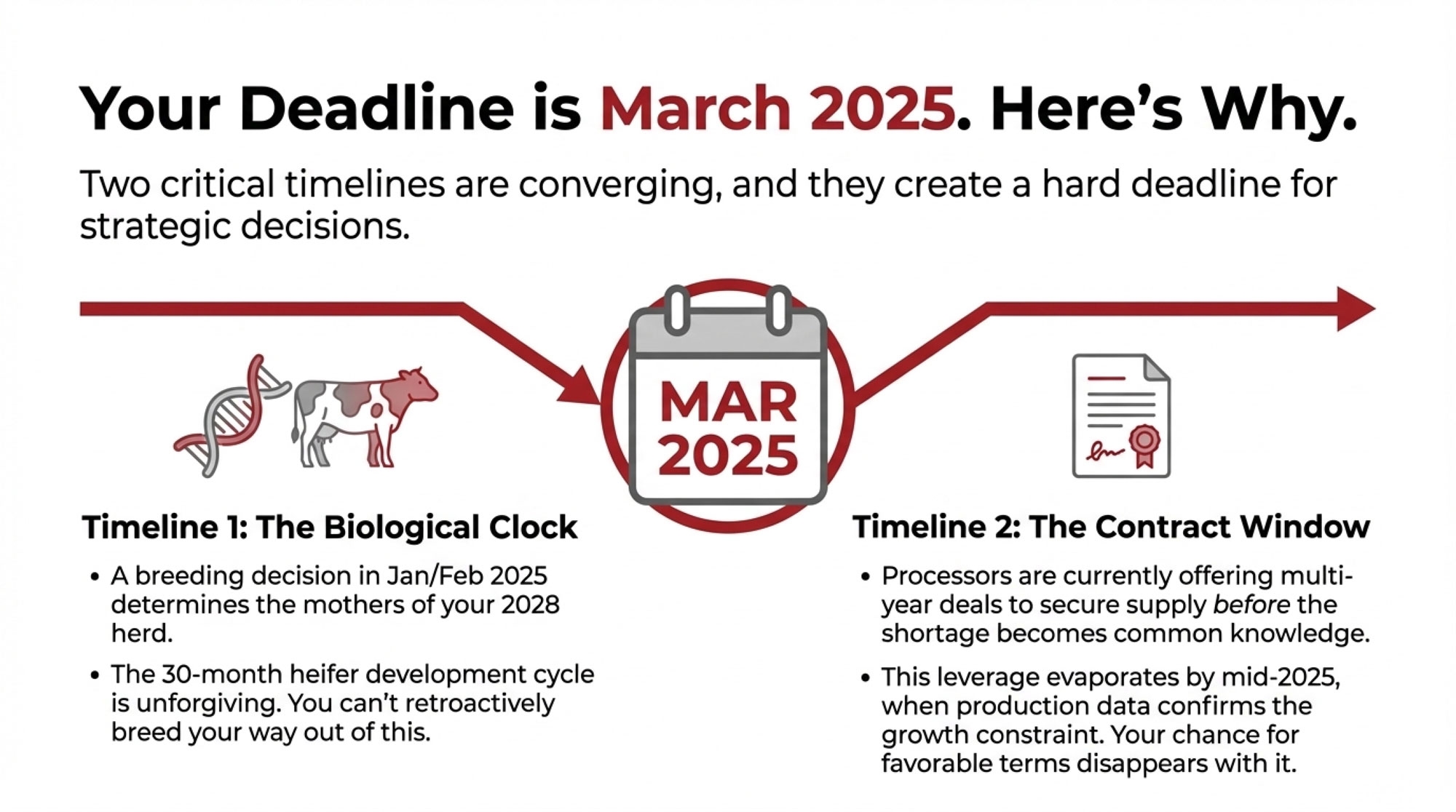
NewsSubscribe
First
Last
Consent

The 800,000-Heifer Shortage Reshaping Dairy: Why Some Farms Will Thrive While Others Exit

Week-old beef calf: $1,400. Replacement heifer: $4,000. Still breeding beef? You’re not crazy—you’re doing the math.

EXECUTIVE SUMMARY: What started as desperate survival in 2018 has become an irreversible trap: beef-cross revenue now provides 16% of dairy farm income, forcing farmers to keep breeding beef at $1,400 per calf even as replacement heifers hit $4,000. This has driven U.S. heifer inventory to 3.9 million—the lowest since 1978—with 800,000 fewer coming before any recovery in 2027. Simultaneously, processors who invested $11 billion expecting 2-3% growth face just 0.4% milk expansion, guaranteeing plant closures and $3-5/cwt regional price swings. The industry is restructuring into three distinct survivors: fortress farms with over 1,500 cows capturing component premiums, strategic operations with 200-500 cows in profitable niches (organic/A2A2/grass-fed), and those exiting now at peak cattle prices. Wisconsin’s 10,000-heifer gain versus Texas’s 10,000-head loss proves that processor relationships and location now matter more than size. Behind the numbers, 2,400-3,700 dairy families face elimination—transforming not just an industry but entire rural communities.

Dairy Heifer Shortage

You know something’s off when you’re seeing beef-cross calves bringing $1,000 to $1,400 at a week old while replacement heifers are hitting $4,000 at auction. It doesn’t make sense at first—but then you dig into what’s actually happening out there, and suddenly it all clicks.

We’re not looking at just another market swing here. What we’re seeing is the collision of desperate decisions farmers made back in 2018 and 2019 with billions in processing investments that assumed a completely different future. And if you’re wondering why your neighbor’s still breeding 40% of the herd to beef despite those heifer prices…well, let me walk you through what I’ve been hearing from producers across the country.

The 800,000 Heifer Crisis Timeline – From 4.8 million in 2018 to 3.4 million projected by 2027, this isn’t a market cycle—it’s industry transformation

Note: Throughout this article, some producers and industry professionals spoke on condition of anonymity to discuss sensitive business details. All financial figures and operational data have been verified against industry benchmarks.

The Numbers Paint a Picture Nobody’s Prepared For

So, CoBank released its latest dairy heifer inventory analysis in August, and the numbers are… honestly, they’re worse than most people realize. According to the USDA’s National Agricultural Statistics Service January 2025 cattle report, the national number of replacement heifers stands at 3.914 million. That’s the lowest since 1978—back when the average herd was what, 30-something cows?

But here’s the kicker that really got my attention: only about 2.5 million of those heifers are expected to actually calve into milking herds this year, based on CoBank’s projections. That’s tracking to be the lowest since the USDA started keeping those specific records in 2001. The ratio’s collapsed, too—USDA’s July calculations show we’re down to 27 heifers per 100 cows. Ten years ago? That was 31 per 100.

And it gets rougher. CoBank’s projects indicate that we’ll lose another 357,490 heifers in 2025, followed by an additional 438,844 in 2026. They’re saying maybe we’ll get back 285,387 or so in 2027, but…that’s still a massive hole. Add it up and we’re talking about 800,000 fewer replacements before any real recovery kicks in.

The 216% Explosion That Changed Everything – Beef semen sales to dairy farms surged from 2.5M to 7.9M units, creating the heifer shortage crisis

How Seven Years of Survival Mode Created Today’s Crisis

You can trace this whole thing back to that brutal stretch from 2015 through 2021. Class III milk prices averaged below $18 per hundredweight for most of those years—not continuously, but often enough to cause significant harm. University of Illinois dairy economist John Newton documented this period in his 2018 farmdocdaily analysis, calling it an extended period of sustained losses that fundamentally changed the industry.

By April 2019, according to the USDA’s Agricultural Marketing Service reports, replacement heifers that cost $ 2,000 or more to raise were only bringing $1,140 at market. Think about that for a second. You’re losing $860 to $1,360 on every single replacement you raise.

Then the technology all came together at once. Sexed semen finally worked reliably—industry data from Select Sires and other major AI companies shows you can get 90% female calves with 85-95% of conventional conception rates. Genomic testing through companies like Zoetis and Neogen dropped to about $40 per animal. And beef prices? Through the roof. Suddenly, those Holstein bull calves that might bring $200 on a good day were being replaced with Angus crosses worth anywhere from $600 to over $1,400, depending on genetics and your local market.

I mean, what would you have done?

The National Association of Animal Breeders has been tracking this transformation in their annual Semen Sales Reports. Beef semen sales to dairy farms went from about 2.54 million doses in 2017 to over 7.2 million by 2020. That’s nearly triple in three years. Their March 2025 industry update shows we’re now sitting at about 7.9 million units, and it’s just…stuck there. Meanwhile, conventional dairy semen sales have crashed almost 46.5% since 2020.

Why $4,000 Heifers Still Can’t Fix the Problem

Examining what doesn’t add up for many people: according to the USDA’s October 2025 Agricultural Prices report, heifers are currently worth a significant amount of money. Wisconsin’s averaging close to $2,860. Vermont’s around $2,930. Premium animals in California and Minnesota are fetching over $4,000, according to recent livestock auction reports. So why isn’t everyone breeding dairy again?

What I’m hearing from nutritionists working with Wisconsin herds is pretty consistent. Consider a typical 500-cow operation that breeds 40% of its cows for beef. They’re bringing in maybe $200,000 a year just from those beef calves. Add in cull cows at current prices, and you’re looking at $350,000 in cattle revenue.

The Revenue Revolution – Cattle sales jumped from 6.7% to 16% of dairy income – this structural shift is permanent and changes everything

According to USDA Economic Research Service data, that’s approximately 16% of total farm income for many operations now. Back in 2020? Cattle sales were maybe 6.7% of dairy farm revenue.

As one nutritionist put it to me, “It’s not just extra money anymore. It’s structural. These guys can’t just flip a switch and go back. Walking away from that revenue would mean completely restructuring the operation.”

From Crisis to Gold Rush – Heifer prices crashed to $1,140 in 2019, now average $2,860 with premiums hitting $4,000

The Processing Overcapacity Challenge Coming in 2027

And here’s where it gets really messy. According to the International Dairy Foods Association’s industry investment tracking, the processing sector has invested more than $10 billion in new facilities over the past three years—some estimates put the total closer to $11 billion. New York’s Department of Agriculture reports that the state alone has $3 billion in processing investments that require an additional 10 to 12 million pounds of milk per day.

These plants were all designed assuming we would continue to grow milk production at a rate of 2-3% annually, as we have for decades, based on USDA historical data from 1995 to 2020. Instead? USDA’s October 2025 World Agricultural Supply and Demand Estimates project just 0.4% growth next year. That’s not a typo—zero point four percent.

Mike North from Ever.Ag’s Risk Management division put it bluntly at the September 2025 Milk Business Conference: “We don’t have enough cows to fill all these plants.” He thinks we’ll see inefficient plants close, and others running way under capacity. That’s billions in stranded investment.

What’s worth noting here is that we’re already seeing some policy discussions emerging. The National Milk Producers Federation has formed working groups to study the situation, though no concrete proposals have emerged. Meanwhile, some state agriculture departments are exploring incentive programs for heifer retention, but the scale of these initiatives remains small compared to the challenge.

Three Different Worlds Emerging

What’s really interesting—and I’ve been watching this develop over the past year or so—is how the industry’s basically splitting into three completely different business models.

The Big Operations (Your “Fortress Farms”)

These 1,500 to 5,000-cow dairies have basically built moats around their businesses. They’re conducting genomic testing on every single heifer through programs like Zoetis’ CLARIFIDE Plus, utilizing AI-powered systems like DairyComp for informed decision-making. According to the Penn State Extension’s 2025 component premium tracking, they’re achieving component premiums that add $1.50 to $2.50 per hundredweight.

Large Midwest operations I’ve talked with are reporting revenue per cow that’s approaching $6,000 to $7,000—numbers that would’ve been fantasy five years ago. They’re generating base milk revenue in the millions, plus substantial component premiums, and nearly a million dollars from beef calves in some cases.

What’s interesting here is something I noticed visiting a couple of these operations recently: they’re not just bigger—they’re fundamentally different businesses. One manager showed me their real-time component monitoring system. “We know within 0.1% what our butterfat’s gonna test every single day,” he said. “That consistency is worth an extra $750,000 a year to us.”

It’s worth noting that these operations are also exploring emerging technologies. Embryo transfer programs, automated calf feeding systems, precision nutrition through AI…they’re positioning themselves for whatever comes next. Some are even experimenting with automated milking systems that can handle 500-plus cows, completely changing labor dynamics.

The Strategic Middle

This is where it gets interesting for those with 200-500 cows. According to the USDA’s organic dairy market reporting, they’re finding ways to make it work through specific niches. Organic products typically sell for $7-12 more than conventional ones. University of Wisconsin extension studies on pasture-based dairy show grazing systems are cutting costs by 30-50%. Some are going direct-to-consumer and getting $4 more per gallon.

I visited an organic operation in Vermont last month, which had transitioned to organic in 2022, with 280 cows. The producer told me she’s actually more profitable now than when she had 350 conventional. The premium’s real—she’s averaging about $9.50 over conventional—and her vet bills dropped 40%.

Out in California, there’s a different approach. One Jersey producer with about 450 cows is locked into a specialized cheese contract. Between base and components, he’s getting close to $24.50 when commodity milk’s at $21. On 10 million pounds, that $3.50 spread is…well, you can do the math.

Down in Georgia—and this is something you don’t hear much about—a 300-cow operation switched to A2A2 milk production exclusively. They’re selling direct to Atlanta-area health food stores at premium prices. “It’s niche as hell,” the owner admits, “but it works for us.”

The Ones Choosing to Exit

Then there are the operations using these high cattle prices as their exit opportunity. After a decade of barely hanging on, they’re done—and honestly, who can blame them?

I caught up with a couple who recently sold their 185-cow place in Wisconsin. After accounting for debt service, living expenses, and reinvestment, they were netting maybe $18,000 a year for 70-hour weeks. Now they’ve got a solar lease on the land, bringing in $52,000 with zero labor. Can’t really argue with that decision.

 Industry Darwinism – Only 20% of small farms will survive the heifer shortage, while 95% of large operations thrive – consolidation is accelerating

Global Perspective: How Other Countries Face Similar Dynamics

What’s fascinating is seeing how this isn’t just a U.S. problem. The European Union’s dealing with their own version of this crisis, though for different reasons. Environmental regulations and nitrogen limits are forcing Dutch and German producers to reduce herd sizes, just as their processing sector has expanded to meet export market demands. According to European Dairy Association reports, EU milk production is expected to decline 1.5% annually through 2027.

New Zealand’s taking a different approach. Fonterra’s latest annual report shows they’re actually encouraging farmers to reduce production intensity and focus on value-added products. Their winter milk premiums now exceed NZ$11 per kilogram milk solids—that’s roughly equivalent to a $7/cwt premium in U.S. terms—specifically to maintain year-round supply for their specialty ingredient plants.

Brazil and India, meanwhile, are ramping up production. Brazil’s domestic consumption is growing at a rate of 3% annually, and the country is investing heavily in genetics and infrastructure. India’s cooperative model—completely different from ours—is actually expanding smallholder participation. It’s a reminder that there’s more than one way to structure a dairy industry.

What’s interesting is watching how other countries handled similar situations. Dairy Australia’s market analysis shows that in 2023, when their production hit 30-year lows, processors like Goulburn Valley Creamery started paying AUS$9.70 per kilogram milk solids—equivalent to about $28 per hundredweight U.S.—just to keep smaller farms from shutting down. We’re starting to see hints of that in the Upper Midwest—smaller co-ops offering bonuses that weren’t on the table two years ago.

Why Some Regions Are Winning While Others Lose

The shortage’s not hitting everywhere the same. USDA’s January 2025 cattle report shows Wisconsin actually added 10,000 replacement heifers last year. Meanwhile, Kansas dropped 35,000, Idaho lost 30,000, and Texas shed 10,000.

Why the difference? Extension specialists at UW-Madison point to several factors. It’s partly infrastructure, partly processor relationships, but mostly it’s about positioning. Wisconsin cheese plants require consistent, high-quality milk, and they’re willing to pay for it. They’re offering retention bonuses, multi-year contracts—things that make raising heifers actually pencil out.

Down in Texas, it’s brutal. One producer recently told me that he paid $4,200 per head for bred heifers from Wisconsin, plus an additional $380 each for trucking. “It hurt,” he said, “but dropping our ship volume would’ve cost us our quality premiums. That’s $140,000 gone.”

Out in the Mountain West states—Colorado, Wyoming, parts of Montana—they’re dealing with different challenges. Water rights, urban expansion, and feed costs… it’s pushing many smaller operations out. One Colorado producer told me, “Between Denver sprawl and water restrictions, we’re done in five years regardless of heifer prices.”

The “Obvious” Solution That’s Actually a Trap

You’d think with heifers at $4,000, somebody would be raising extras to cash in. Spend $2,400 raising them, pocket $1,600 profit. Simple, right?

Not really. The heifer management experts at UW-Madison have thoroughly reviewed this. First problem: mortality. The USDA’s 2022 Dairy Cattle Management Practices study shows you lose about 21% of heifers from birth to freshening when you factor in all causes of mortality and culling. So that $2,400 cost becomes over $3,000 per surviving heifer.

Then add labor—extension economists calculate $400-600 per head through freshening. Feed costs can fluctuate by $400 based solely on corn prices—we’ve seen a variation of $2.80 per bushel over the past 18 months. And you’re making a 24-month bet with no way to hedge the price risk.

As one extension specialist explained, “The only people successfully raising heifers for sale have paid-off facilities, family labor, and grow their own feed. That’s not a business model most can replicate.”

Industry Response: Fragmented Approaches to a Systemic Challenge

You’d think there’d be some coordinated response, but…not really. The National Milk Producers Federation has been discussing the situation, but they’re mostly focused on data collection and suggesting best practices. No real market intervention, though they are exploring potential policy recommendations for the next Farm Bill discussions.

Some cooperatives are exploring different approaches to help members finance replacement raising, though the details vary significantly by region. But as one board member mentioned in a recent meeting, the scale of what’s needed versus what’s being offered is pretty mismatched. We need hundreds of thousands, not tens of thousands, of additional heifers.

What’s encouraging is seeing some innovation at the regional level. A group of farms in Minnesota formed what they’re calling a “heifer pool”—basically sharing genetics and breeding decisions to optimize replacement production across multiple operations. It’s early days, but the concept’s interesting.

Meanwhile, some states are getting creative. Pennsylvania’s Department of Agriculture is piloting a heifer retention incentive program, offering $200 per head for farms that increase replacement numbers. It’s small—only $2 million allocated—but it’s something.

2027: The Year Everything Changes

Based on everything I’m hearing from processors, economists, and producers—plus what we’re seeing in reports from CoBank and Rabobank’s latest dairy quarterly analysis—here’s what’s probably coming:

Milk prices will diverge significantly regionally—possibly $3-5 per hundredweight between shortage and surplus areas. I’m already seeing it start. Some cooperatives in Texas are offering $2.40 location premiums for new farms near their plants.

Industry analysts suggest that processing plants will operate at 72-76% capacity, rather than the 85-90% required for profitability. Smaller regional processors will either close or get bought for significantly less than their construction cost. As one former cheese plant executive explained to me, “The consolidation is coming, it just hasn’t started yet.”

Heifer prices are likely to peak around $4,200-$4,800 in early 2027, based on historical price patterns from similar periods of shortage. They will then moderate back to $3,800-$ 4,200 as more sexed semen is used and the supply improves slightly.

According to NAAB’s projections, beef-on-dairy sales are expected to decline slightly—possibly to 6.5-7 million unitsfrom the current 7.9 million—but they are unlikely to return to pre-2020 levels. As one large-herd manager put it, “Once you’ve built those calf buyer relationships and you’re getting $1,000 to $1,400 per head, you don’t just walk away.”

The Human Cost We’re Not Calculating

What gets lost in all these numbers is what this means for actual people. Back in 2018, Agri-Mark started including suicide prevention hotline numbers with milk checks after losing three members to suicide, as documented in their member communications. The CDC’s 2020 Morbidity and Mortality Weekly Report shows farmers have the highest occupational suicide rate in America—43.7 per 100,000 workers, over 3 times the general population.

When 10-15% of dairy operations close over the next decade—that’s 2,400 to 3,700 families based on current USDA numbers—we’re not just losing businesses. These are communities that have been built around dairy farming for generations.

Researchers studying farmer mental health, such as those at the University of Illinois’ Agricultural Safety and Health Program, have found that after a decade of financial stress, decision-making processes undergo fundamental changes. As one researcher explained, “These aren’t people making strategic business decisions anymore. They’re making survival decisions from a place of chronic stress.”

I see it visiting farms. The producer who won’t look you in the eye when money comes up. The couple who stopped talking about succession because their kids made it clear they’re not coming back. The neighbor who sold out and now won’t answer calls because the shame’s too heavy.

That’s the real cost we’re not calculating.

Your Survival Playbook for the Next 18 Months

Look, every operation’s different, but here’s what seems to make sense based on what I’m seeing:

If You’re Under 200 Cows

Be honest about whether this still works for you. I know that’s hard, but extension economists have shown pretty clearly that the economics are brutal at this scale unless you’ve got a real niche.

If you’re staying, pick your lane now. Organic certification takes three years, but it adds significant premiums, according to USDA data. Grass-fed certification is faster. Direct sales need the right location. However, you have to pick one and commit to it completely. Half-measures don’t work anymore.

Consider teaming up with neighbors. I’m seeing more informal cooperatives forming—sharing equipment, coordinating breeding, even pooling milk for better bargaining power. It’s worth exploring.

If You’re 200-500 Cows

This is your moment to choose. The middle ground’s gone.

Invest smart. Extension research indicates that testing the top 30% of animals genomically costs approximately $3,000-$ 4,000 per year, but can significantly advance your genetics. Activity monitors from companies like SCR by Allflex run $150-200 per cow, but their field data shows conception rate improvements of 8-12%.

Build relationships with your processor now. The farms that’ll get premiums when things get crazy in 2027 are the ones building trust today. Consistent quality, reliable volume, good communication—that’s what processors are looking for.

And keep beef breeding at a maximum of 35-40%. Yeah, those $1,000-plus checks are nice, but you need flexibility when markets shift.

If You’re Over 500 Cows

Focus on component consistency. Penn State’s data show that farms with less than 2% daily variation are earning significant premiums—$375,000 to $750,000 annually on 50 million pounds of product.

Test everything genomically. University research consistently shows that herds testing all their females make genetic progress over twice as fast. At $40 per test, it pays for itself quickly through increased production efficiency.

Be ready to expand strategically when neighbors exit. But like one Idaho dairyman told me, “Don’t expand just because you can. Expand because it makes your operation better.”

What This All Really Means

We’re sitting at 3.914 million heifers—the lowest since 1978, according to the USDA—with 800,000 fewer expected to arrive before anything improves, based on CoBank’s modeling. We’re not going back to the dairy industry we knew.

What started as desperate survival with beef-on-dairy has triggered a complete restructuring. When cattle revenue reaches 16% of farm income, according to USDA ERS data, and large operations capture premiums that smaller farms cannot match, when $10 billion in processing investment faces milk shortages nobody predicted—this is creative destruction happening in real-time.

What’s emerging isn’t necessarily better or worse; What’s emerging isn’t necessarily better or worse. It’s fundamentally different.. The broad middle that defined dairy for generations is disappearing, replaced by high-tech large operations and strategic niche players.

The decisions you make in the next 18-24 months about breeding, technology, and positioning will determine not just profitability but survival. There’s opportunity in this chaos, but only if you recognize the game has completely changed.

The heifer shortage isn’t the crisis. It’s the catalyst exposing a transformation that was always coming. The question now is whether you’re positioned for what’s next or still trying to preserve what was.

KEY TAKEAWAYS: 

  • The Numbers: 3.9 million heifers (lowest since 1978) with 800,000 fewer coming by 2027—yet farmers won’t stop breeding beef because it’s now 16% of revenue vs 6.7% in 2020
  • The Collision: $11 billion in new processing capacity built for 2-3% growth will get 0.4%—expect plant closures and $3-5/cwt regional price swings by 2027
  • Your 18-Month Strategy: Scale to 1,500+ cows for premiums | Find your niche at 200-500 (organic/A2A2/grass-fed) | Exit under 200 while cattle prices are high

Complete references and supporting documentation are available upon request by contacting the editorial team at editor@thebullvine.com.

Learn More:

Join the Revolution!

Join over 30,000 successful dairy professionals who rely on Bullvine Weekly for their competitive edge. Delivered directly to your inbox each week, our exclusive industry insights help you make smarter decisions while saving precious hours every week. Never miss critical updates on milk production trends, breakthrough technologies, and profit-boosting strategies that top producers are already implementing. Subscribe now to transform your dairy operation’s efficiency and profitability—your future success is just one click away.
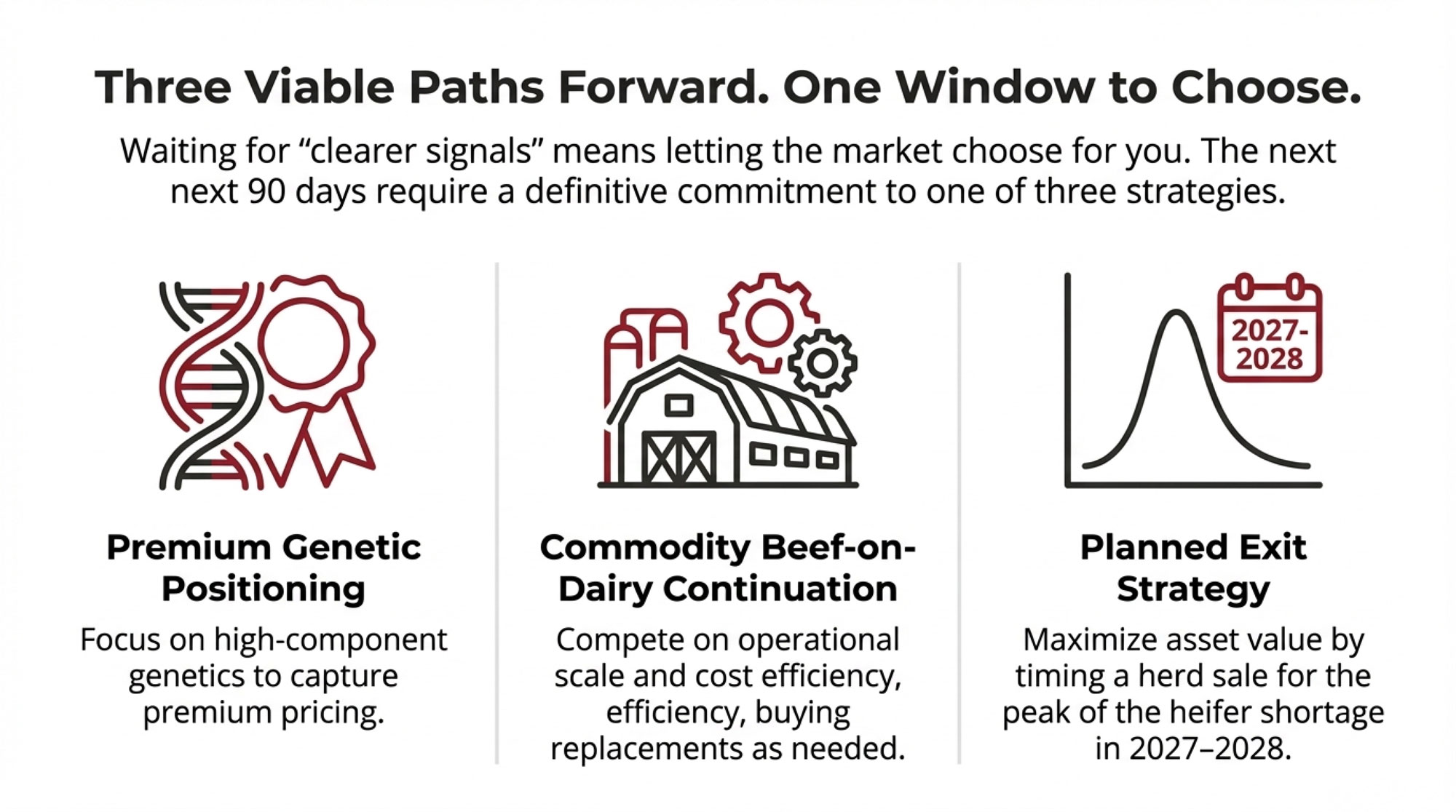
NewsSubscribe
First
Last
Consent

World Dairy Expo Day 4: 10-Year-Old Cow Stuns Industry with Second Grand Championship

What if your ‘old’ cows are actually your best cows? Yesterday’s WDE champion was 10 years old.

The colored shavings were still settling in the Coliseum when lightning struck twice yesterday afternoon. Not the kind that sends you running for cover, but the kind that makes 3,000 dairy farmers jump to their feet in disbelief.

Iroquois Acres Jong Cali
Grand Champion
International Brown Swiss Show 2025 World Dairy Expo
Brian Pacheco Kerman, CA

Iroquois Acres Jong Cali, a 10-year-old Brown Swiss in her seventh lactation, just claimed her second Grand Championship at World Dairy Expo. While most cows of her age are long retired, Cali’s still pumping out 60 kilos of milk daily and moving “like a three-year-old,” according to judge Allyn “Spud” Paulson.

The Partnership That Defied Geography

Here’s where yesterday’s story gets remarkable. Owner Brian Pacheco watched from the same spot where he stood during Cali’s first championship years ago—except he lives in California while Cali thrives 2,000 miles away in Canada.

“I knew early on if I’m going to hitch my saddle with somebody, he was the one,” Pacheco said of Callum, Cali’s caretaker. Their decade-long partnership, built on what Pacheco calls “honesty and integrity,” demonstrates that trust always prevails over proximity.

Callum’s hands shook slightly as he recalled the championship moment. “When I got pulled second, I’m like, I got to work extra hard here to try to get into first”. The traditional yodelers were singing, the pressure mounting. When judge Paulson finally shook his hand for the Grand Championship, Callum admitted: “I was pretty emotional, actually. It’s hard to explain the feeling”.

Wednesday’s Championship Roll Call

While Cali’s triumph dominated conversations, championships were decided across multiple rings yesterday :

International Brown Swiss Show (380+ head)

The morning started with cow classes that showcased unprecedented depth. Judge Paulson, mentored decades ago by Marty Simple when “Jades and Jetways were popular,” called it “truly amazing”. The four-year-old class alone had him and Associate Judge Brian experiencing “goosebumps.”

  • Grand Champion: Iroquois Acres Jong Cali (Brian Pacheco, Kerman, CA)
  • Reserve Grand: Robland Norwin Bermuda-ET (Tony Kohls/Goldfawn Farm)
  • Premier Sire: Hilltop Acres Daredevil (5th consecutive year for New Generation)
  • Premier Breeder: Jenlar Farm

International Red & White Show Heifer Classes

Wednesday afternoon saw the start of the International Red & White Show, with judge Adam Hodgins from Ontario placing the heifer classes. The quality was exceptional, with spring yearling Milksource Shay-Red-ET standing out from the crowd.

  • Junior Champion (Open Show): Milksource Shay-Red-ET (Architect), owned by Milk Source LLC & Jeremy Holthaus
  • Reserve Junior Champion: Ms Believe In Faith-Red-ET, owned by T & S Krohlow, William Schultz III, & Yvonne Preder

The Red & White cow classes continue this morning at 7:00 AM, with expectations running high after the quality displayed in yesterday’s heifer show. Several exhibitors mentioned the depth has never been stronger, with animals that would have won championships in previous years placing well down the line.

International Milking Shorthorn Show Heifer Classes

Lazy M Money Laundering-ET P
Junior Champion
International Milking Short Horn Show 2025 World Dairy Expo
Elizabeth Gunst & Jamie Gibbs Hartford, WI

Mike Maier and associate Josh Fairbanks spent Wednesday morning sorting through an impressive lineup of Milking Shorthorn heifers. The breed, experiencing a renaissance of sorts, showcased genetics that blend traditional characteristics with modern production demands.

  • Junior Champion (Open & Junior Show): Lazy M Money Laundering-ET P (Money), owned by Elizabeth Gunst & Jamie Gibbs
  • Reserve Junior Champion: Wincrest P Spring Special-EXP-ET, owned by Dylan & Cameron Ryan and Charlotte Wingert

The Milking Shorthorn cow classes resume this morning at 7:00 AM alongside the Red & Whites. Several longtime breeders noted yesterday that the heifer quality signals a bright future for the breed, with Money daughters, in particular, catching the judges’ eyes.

The Comeback Nobody Expected

Cali’s path to yesterday’s championship reads like dairy fiction. After being dry for an entire year while undergoing IVF treatments, she produced 58 quality embryos across three sessions.

“She got a little heavy because she was dry a long time,” Callum admitted. His worry peaked when she started bagging up this summer. Then came the miracle: “She didn’t have an issue. She didn’t even require a bottle of calcium”.

Now she’s bred back, potentially carrying her next generation while still dominating show rings. “It’s nothing fizzes her,” Callum said, describing how she transitions seamlessly from Canadian pastures to Madison’s spotlight.

The Genetics Revolution Nobody Saw Coming

Jake Hushen of New Generation Genetics couldn’t contain his excitement watching the winter calf class. “Seriously, Casey, like this is not when I was a kid. I mean, 30 was big. Now we’re at 60”.

New Generation dominated with 14 class winners from 10 different sires. But the real story was standing quietly beside them—Callise, a full-blooded embryo imported directly from Switzerland.

“Our goal is to expand the bloodlines by branching out with Europe,” Hushen explained. While genomics accelerates genetic progress, it can dangerously narrow the gene pool. This Swiss import program is their answer—bringing original genetics straight from the breed’s homeland.

The Quality Revolution

Brian Pacheco, wearing his hat as president of the Brown Swiss association, overheard the chatter that mattered. “In the past, there was five or six good cows. Now there’s 15 to 25 really good cows”.

This isn’t propaganda—it’s evolution. The breed has transformed from “more of just a show breed” to “an actual production breed,” Pacheco observed. Yesterday’s show proved it with Cali leading the charge—a cow that combines championship looks with 60-kilo daily production.

Judge Paulson faced the brutal side of this quality surge. “One of the toughest things,” he reflected, “looking somebody in the eye to put them 51st”. When state fair champions are placing in the twenties and thirties, excellence becomes relative.

The Human Moments That Mattered

Yesterday wasn’t just about genetics and milk production. It was about Spud Paulson honoring his mentor’s legacy while judging alongside his best friend, Brian, with whom he talks “almost every day” after midnight while hauling cattle.

It was about Callum taking that photo of Cali fresh after calving and watching people’s excitement build. About Brian Pacheco standing in his lucky spot, letting Callum’s expertise shine while his cow made history.

“You never know, maybe if things go right… we may be back next year,” Pacheco said with a grin. Someone mentioned another cow had just completed a three-peat. The possibility hung in the air like morning mist over Wisconsin pastures.

What Yesterday Means for Tomorrow

As crowds dispersed and exhibitors returned to evening chores, Wednesday’s lessons crystallized :

Age is an asset, not a liability, when genetics meet exceptional management. With replacement costs soaring and quality genetics scarce, Cali’s decade of productivity rewrites the culling playbook.

Distance dissolves with trust. The California-Canada partnership proves that in our connected world, expertise matters more than proximity.

Breed evolution accelerates. From 30 winter calves to 60, from show ring beauty to production powerhouse—the Brown Swiss transformation is real and remarkable. The Red & White and Milking Shorthorn shows demonstrated similar quality surges, with junior champions setting new standards.

Global genetics are local necessities. Importing Swiss embryos isn’t exotic—it’s essential for maintaining the genetic diversity that genomic threats pose.

The Bottom Line from the Colored Shavings

Yesterday at World Dairy Expo wasn’t just another Wednesday in October. It was the day a 10-year-old cow proved that longevity beats youth, trust beats contracts, and sometimes—just sometimes—lightning really does strike twice.

“It’s a feeling you just don’t soon forget,” Brian Pacheco said, and he’s right. Not because of the banner or trophy, but because yesterday reminded everyone why they fell in love with dairy cattle in the first place.

The champions have been crowned, the partnerships celebrated, and the genetics evaluated. But Cali’s story—backed by 60 kilos of daily milk and seven lactations of excellence—proves that in dairy’s modern era, the old rules no longer apply.

With Red & White and Milking Shorthorn cow classes continuing this morning, yesterday’s heifer champions have set the bar impossibly high. But if Wednesday taught us anything, it’s that impossible is just tomorrow’s baseline at World Dairy Expo.

Yesterday wasn’t just history. It was a prophecy.

Join the Revolution!

Join over 30,000 successful dairy professionals who rely on Bullvine Weekly for their competitive edge. Delivered directly to your inbox each week, our exclusive industry insights help you make smarter decisions while saving precious hours every week. Never miss critical updates on milk production trends, breakthrough technologies, and profit-boosting strategies that top producers are already implementing. Subscribe now to transform your dairy operation’s efficiency and profitability—your future success is just one click away.
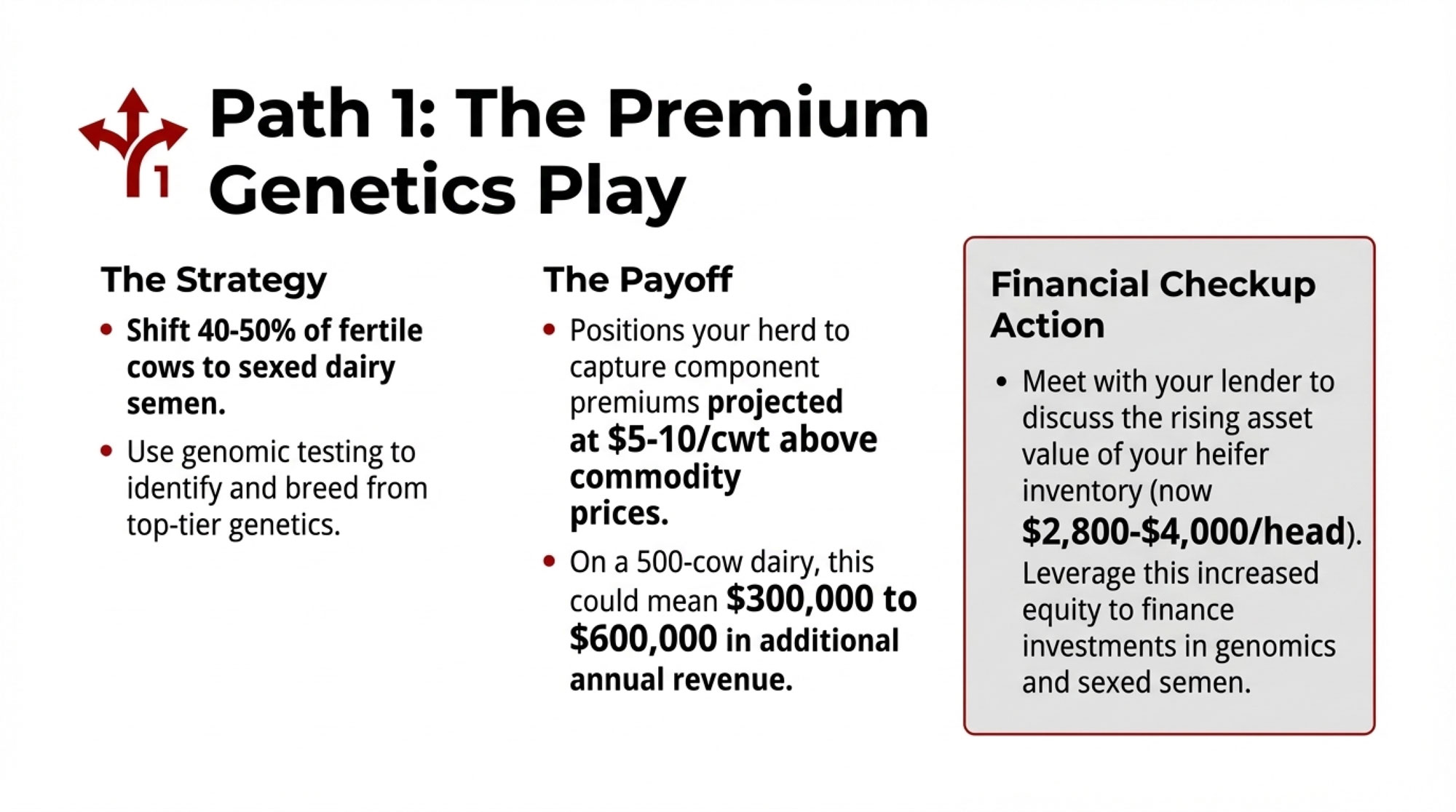
NewsSubscribe
First
Last
Consent

155 Pounds More Milk Per Heifer: The Calf Feeding Discovery That’s Changing Everything

Your calves are hungry for a reason—nature designed them to eat 8-12 times daily, not twice.

EXECUTIVE SUMMARY: Cornell’s groundbreaking research reveals that for every tenth of a pound increase in preweaning daily gain, heifers produce 155 pounds more milk in their first lactation—a discovery that’s prompting dairy farmers to reconsider fundamental calf-feeding practices. Wisconsin studies now show that calves fed three times daily gain 10.4 pounds more by 42 days and achieve a feed efficiency of 0.61, compared to 0.52 for twice-daily feeding. According to Trouw Nutrition’s 2024 analysis, automated systems are reducing labor by 90%. With 36.5% of British Columbia dairy farms already implementing social housing ahead of Canada’s 2031 requirements, and the Smart Calf Rearing Conference coming to Madison this September for the first time, the industry is witnessing a shift toward biology-based management that respects both traditional wisdom and emerging science. The economics are becoming clearer too: Wisconsin Extension data show that autofeeder systems cost $6.35 per calf daily, versus $5.84 for individual housing. Although the extra milk investment ($140.50 vs. $111.95) often pays back through lifetime production gains. Whether you’re managing 50 cows or 5,000, understanding these biological principles—while acknowledging that excellent producers succeed with various approaches—can help you evaluate which changes, if any, make sense for your operation and market conditions.

I was standing in a calf barn last week, watching a Holstein heifer drain her bottle in about 60 seconds flat. An hour later, she was bawling again. The producer next to me shook his head and said, “They’re always hungry at this age.” But you know what? I’m starting to wonder if that hunger is actually biology trying to tell us something important about how these animals are meant to develop.

Like many of you, I grew up washing bottles twice a day, trudging through snow to check hutches before school. It’s what we did. What our parents did. However, the research emerging lately—and especially what’s being discussed ahead of the Smart Calf Rearing Conference, which is coming to Madison this September—is prompting many of us to reconsider some fundamental assumptions about raising calves.

The 155-Pound Discovery That’s Making Us All Think Twice

Here’s what really got my attention at the last extension meeting. In 2013, Soberon and Van Amburgh at Cornell published a meta-analysis in the Journal of Animal Science, which compiled data from studies spanning several years. What they found has stuck with me: for every kilogram of preweaning average daily gain, heifers produced about 1,550 kilograms more milk in their first lactation.

Let me put that in terms we think about at 5 a.m. during milking—a tenth of a pound increase in daily gain before weaning translates to roughly 155 pounds more milk when that heifer freshens. That’s actual milk in the bulk tank, based on thousands of real calves across multiple studies.

Every tenth of a pound matters: Cornell’s meta-analysis proves what progressive producers suspected—we’ve been leaving thousands of pounds of milk on the table by underfeeding calves. The red zone shows where ROI peaks before diminishing returns kick in.

What Van Amburgh’s team has been piecing together is the why behind these numbers. During those first 60 days of life, the mammary gland grows much faster than the rest of the body. That parenchymal tissue, the actual milk-producing machinery, expands rapidly when nutrition supports it properly.

Now, I’ve been hearing from producers across the Midwest who’ve improved their calf programs. Some are seeing these effects as those animals come into the milking string. Although, to be honest, not everyone sees dramatic changes—management matters tremendously.

While you’re washing bottles, these calves are building their milk-making machinery at 3.5x the rate of their body growth. Miss this window, and no amount of later feeding recovers that lost potential.

Why Our Twice-Daily Routine Might Be Working Against Us

This is where things get uncomfortable. When a calf guzzles down those 2-3 quarts in 90 seconds, we’re creating two connected problems that research is helping us understand better.

First, there’s the physical issue. Research from the University of Guelph suggests that rapid milk consumption can lead to esophageal groove dysfunction, causing milk to be directed to the rumen instead of the abomasum, where it is intended to be. Now you’ve got milk fermenting in the wrong stomach compartment.

Wisconsin data doesn’t lie: that extra trip to the calf barn pays for itself in weeks, not years. Yet 73% of farms still stick with twice-daily feeding. Are you leaving money in the hutch?

This directly contributes to the stress problem. Those digestive issues, combined with genuine hunger between feedings, create elevated stress indicators. Here in Wisconsin, where we’re already managing January cold stress, we’re layering nutritional stress on top. The combination impacts immune function, growth rates, and ultimately, lifetime productivity.

But—and this is really important—I know plenty of excellent producers who raise healthy calves on twice-daily feeding. If that’s you, you’ve obviously figured out the management details that work for you.

“I’ve seen more farms fail from poor management of fancy systems than from sticking with simple twice-daily feeding done right.” – Wisconsin dairy nutritionist

That’s worth considering, too.

Learning from Nature (and Recent Research)

MetricNatural Nursing (Beef Calves)Traditional 2x Daily3x Daily (Wisconsin Study)Automated/Ad Lib
Feeding Frequency (times/day)8-12236-10
Meal Size (quarts)0.5-1.02-32-2.50.8-1.5
Total Daily Intake (quarts)8-104-66-7.58-12
Stress Hormone LevelsBaseline+45-60%+20-30%+5-10%
Immune Response Score95-10070-7580-8590-95
Average Daily Gain (lbs)2.2-2.61.2-1.51.6-1.92.0-2.4
Feed Efficiency (gain/DMI)0.68-0.720.50-0.540.59-0.630.64-0.68
Esophageal Groove FunctionOptimalCompromised 25-30%Improved 10-15%Near Optimal
Disease Incidence (%)3-5%15-20%10-12%5-8%
First Lactation Milk (lbs)N/ABaseline+18.7%+25-30%
Labor Hours/Calf/Day00.5-0.750.75-1.00.08-0.15
Feed Cost/DayN/A$5.84$6.10$6.35

Research confirms that beef calves nurse 4-9 times in the first few days, often 8-12 times daily in the first week. Small meals, frequent intake, no stress peaks.

A recent University of Wisconsin study, presented by Donald Sockett, suggests that three-times-daily feeding could become the standard. Calves fed three times gained 65.7 pounds from birth to 42 days, compared to 55.34 pounds for twice-fed calves. Feed efficiency improved too—0.61 gain per dry matter intake versus 0.52.

Wisconsin research proves what progressive farmers suspected: three-times-daily feeding delivers 18% better weight gain and 17% improved feed efficiency. That third feeding might be the easiest money you’ll make this year – if you can manage the extra labor.

I’m hearing from more producers experimenting. Some add that noon feeding is allowed when labor permits. Others try acidified milk systems. Förster-Technik and Urban Calf Tech systems typically cost $2,000-$ 4,000 for basic setups, although results vary by operation.

Nature designed calves to eat 8-12 times daily, but we feed them twice – this biological mismatch creates stress peaks that impact immune function, growth, and lifetime productivity. The red zones show when your calves are genuinely hungry, not just ‘being calves.

When Technology Actually Makes Biological Sense

Automated calf feeders enable calves to eat multiple times daily, providing valuable management data. Jorgensen and colleagues at the University of Minnesota tracked management on 26 farms using these systems, publishing their findings in the 2017 Journal of Dairy Science.

What’s particularly interesting from the 2024 research is that Trouw Nutrition found that automated systems can reduce labor by approximately 90% compared to manual feeding. Many producers tell me they’re catching pneumonia or scours 2-3 days earlier.

The investment? A 2018 Wisconsin Extension study found that autofeeder systems cost about $6.35 per calf per day, compared to $5.84 for individual housing—but that included $140.50 in liquid feed costs for autofeeder calves, compared to $111.95 for individually housed calves. The extra milk has driven up costs, but many view it as an investment in the future.

The Social Housing Debate Gets Real Data

Research from Emily Miller-Cushon at Florida shows social housing affects learning and stress response in ways that persist. The Canadian industry now requires pair or group housing by 2031.

What’s interesting is new data from British Columbia. A 2025 survey by Elizabeth Russell at UBC found 36.5% of farms already using social housing, with another 11.1% combining approaches. These are regular commercial operations, figuring it out.

I’m still hearing mixed reports. One producer who tried group housing told me, “The disease pressure in our area made it unworkable. Maybe with different facilities, but not for us now.”

Making Economic Sense When Numbers Keep Changing

Let’s be real about costs. The British Columbia survey found 52.4% of farms monitor calf growth, but only 31.7% have target growth rates. We’re measuring more, but not always sure what to do with it.

Questions to Consider:

  • What’s your current mortality rate and treatment cost?
  • How many hours daily on calf care?
  • Can small changes be made before major investments?
  • What disease pressures are specific to your region?
  • Are you tracking growth against targets?

Where This Leaves You

I don’t have all the answers. Nobody does, really. But our understanding of calf biology is evolving faster than it has in decades.

If you’re successfully raising healthy calves with traditional methods, you’re not doing anything wrong. Your experience matters more than any research paper. However, if you’re experiencing issues—such as high mortality, poor growth, or rough weaning transitions—these insights may point toward potential solutions.

The calves are telling us what they need. Our job is figuring out how to listen while keeping the lights on.

What’s one small change you’ve made to your calf program that’s had a big impact? Maybe it was adding a third feeding, switching to teat feeders, or simply increasing milk allowance. Share what worked (or didn’t) at The Bullvine—your experience could be exactly what another producer needs to hear.

KEY TAKEAWAYS:

  • 155-pound milk increase per lactation for every 0.1 lb improvement in preweaning daily gain (Cornell meta-analysis, 2013)—that’s roughly $31 extra revenue per heifer at current milk prices, achieved through better early nutrition management tailored to your system
  • Three-times-daily feeding shows measurable benefits: 65.7 lbs weight at 42 days versus 55.3 lbs for twice-daily (Wisconsin research), with 17% better feed efficiency—consider adding that noon feeding if labor allows, or explore acidified milk systems ($2,000-4,000 investment) that let calves self-feed
  • Automated feeders reduce labor by 90% while catching illness 2-3 days earlier through intake monitoring (Trouw Nutrition, 2024), though investment ranges from $15,000-30,000—evaluate whether labor savings and health benefits justify costs for your herd size
  • Social housing becoming industry standard: Canadian requirement by 2031, with 36.5% of BC farms already implementing—start small with pair housing in existing hutches to test disease management before major facility changes
  • Biology-based weaning using BHB testing (95% accuracy per Guelph research) identifies individual readiness from 7-10 weeks versus calendar weaning—particularly valuable for high-genetic-merit heifers where maximizing lifetime production justifies extra management attention

Complete references and supporting documentation are available upon request by contacting the editorial team at editor@thebullvine.com.

Learn More:

Join the Revolution!

Join over 30,000 successful dairy professionals who rely on Bullvine Weekly for their competitive edge. Delivered directly to your inbox each week, our exclusive industry insights help you make smarter decisions while saving precious hours every week. Never miss critical updates on milk production trends, breakthrough technologies, and profit-boosting strategies that top producers are already implementing. Subscribe now to transform your dairy operation’s efficiency and profitability—your future success is just one click away.
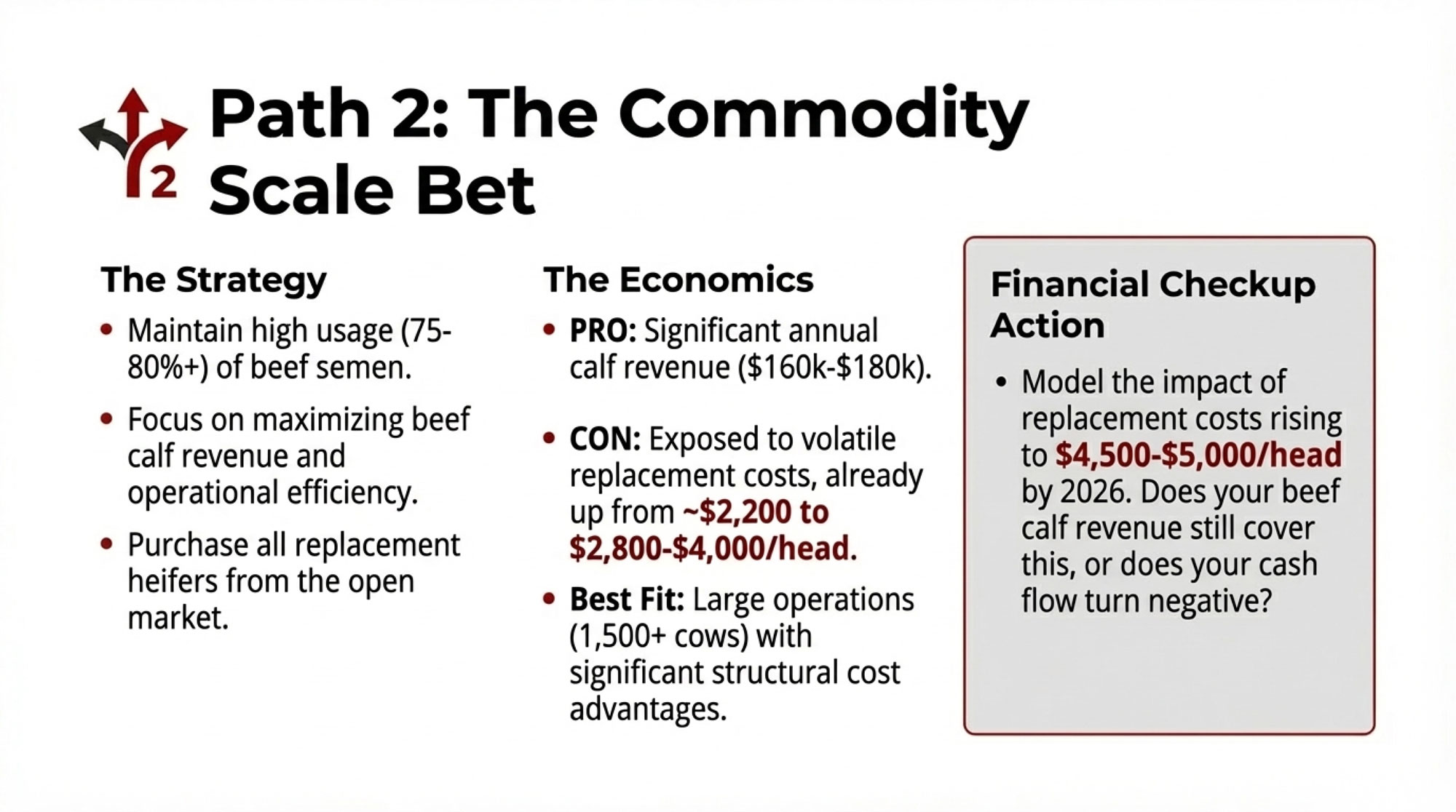
NewsSubscribe
First
Last
Consent

The Survival Scorecard: Why Your Balance Sheet Might Not Be Telling the Real Story

What if the ‘financial health’ everyone’s obsessing over is actually the last thing to show trouble on your farm?

You know, I’ve been having this conversation repeatedly at meetings lately—about how this dairy market feels different somehow. We keep talking about supply-demand imbalances and margin compression, and those are absolutely real issues. But I’m starting to think the operations that’ll navigate whatever’s coming might be watching completely different warning signs than what shows up on their year-end financial statements.

And that got me wondering during my drive back from Madison last week… what if we’re all looking at the wrong scoreboard?

The thing is, after visiting operations across Wisconsin, Ohio, and down into Texas this past season, I’ve noticed a pattern where financial trouble often seems to follow other problems. When debt ratios start looking concerning, you’re often already months into challenges that started showing up in other ways first.

While you’re watching your P&L, trouble’s already brewing. Stress indicators spike 18 months before your accountant sees problems. The operations that survive this market aren’t the ones with the best balance sheets—they’re the ones monitoring the right signals.

This Market Cycle Has Some Unusual Characteristics

Look, we’ve all weathered dairy cycles before, right? But this one… I don’t know. Production keeps growing despite softening prices, which isn’t what you’d typically expect. Usually, when margins tighten, producers pull back pretty quickly from expansion plans.

But feed costs have been relatively manageable—corn’s been trading around $4.20 per bushel on Chicago futures, actually down about 4% from last year’s levels. So while milk prices soften, input costs are providing some cushion. It creates this unusual situation where the normal price signals that would trigger production discipline just aren’t working the same way.

I was talking with a producer in Lancaster County last month who put it well: “The math still works if you don’t count labor and equipment replacement.” That’s the trap right there.

Then you layer in what’s happening internationally. China’s been systematically reducing dairy imports as part of their self-sufficiency push—and that’s not temporary trade friction, that’s long-term policy restructuring. Meanwhile, other export markets haven’t filled that gap yet, and honestly, I’m not sure they can at the volumes we’re talking about.

Plus, there’s all this new cheese processing capacity that’s been built over recent years. Those plants need milk to justify the investment, so they’re competing for supply even when end-market demand softens. What’s interesting here is how this creates artificial demand that masks some underlying weakness in consumer markets.

The Stress Factor That’s Reshaping Decision-Making

Here’s something that really caught my attention when I was reviewing research from our land-grant universities: the quality of decision-making changes dramatically under stress. And we’re dealing with some pretty concerning stress levels across dairy operations right now.

The National Institute for Occupational Safety and Health documented that dairy farmers experience depression at rates around 35%—compared to 17-18% in the general population. Anxiety disorders affect about 55% of farmers versus 18% broadly. When American Farm Bureau surveys show that 76% of producers are dealing with moderate to high stress levels, and less than half have access to mental health services…

The numbers don’t lie—dairy farmers face mental health crises at nearly double the national rate. When 35% of producers battle depression and 55% deal with anxiety, ‘rational’ economic decisions become impossible. This isn’t just a wellness issue—it’s reshaping entire market dynamics

Well, you’re not dealing with purely rational economic decision-making anymore. This reminds me of what happened in other agricultural sectors during extended downturns—these behavior patterns that actually amplify market volatility.

I’ve noticed producers staying anchored to those favorable price levels from a few years back, which makes it harder for markets to find new equilibrium levels. Many are avoiding major decisions during uncertain periods, which delays adjustments that might actually help stabilize things. There’s also this identity aspect where downsizing feels like admitting failure, even when the economics clearly point toward right-sizing operations.

And here’s what’s really interesting from a regional perspective—you get these synchronized patterns where producers in the same area tend to follow similar strategies. It’s like when one person in your township starts aggressive culling based on beef prices, suddenly half the neighborhood’s doing it too, regardless of their individual herd dynamics.

The Warning Signs That Precede Financial Trouble

So here’s what’s fascinating… the operations that seem to navigate difficult periods successfully are often monitoring completely different indicators than traditional financial metrics. And these warning signs typically show up months before problems hit the balance sheet.

When Operational Standards Begin to Slide

I recently spoke with a consultant who covers operations from Michigan down through Kentucky, and he’s noticed this consistent pattern: the farms that weather tough times maintain their standards regardless of financial pressure. When routine maintenance starts getting delayed—you know, when you start saying “we’ll get to that mixer wagon bearing next month” about things that used to be immediate priorities—that’s often the beginning of a longer slide.

Equipment starts getting band-aid repairs instead of proper fixes. The shop gets cluttered with parts you’re “going to get to.” Maybe you skip the semi-annual hoof trimming or delay that bred cow check. Facility cleanliness begins to decline gradually. Your dry cow area doesn’t get the same attention it used to.

What’s encouraging is that operations that maintain their preventive maintenance schedules, keep facilities clean and organized, and adhere to their breeding protocols through tough times—these’re usually the ones that position themselves better for recovery when conditions improve.

A producer in Dodge County told me recently, “When we stopped doing our weekly walk-throughs, that’s when everything else started falling behind.” That attention to detail matters more during stress periods, not less.

When Decision-Making Becomes Isolated

This one’s subtle but important, and what I’ve seen reminds me of family business research in other sectors. When stress levels rise, producers often start making major decisions alone. Equipment purchases, genetic changes, feeding program alterations—decisions they used to talk through with their spouse, their nutritionist, their banker, their extension agent.

I’ve seen it happen gradually. First, you skip the conversation about smaller decisions because they feel urgent. Then medium-sized ones. Before you know it, you’re making major strategic calls without input because everything feels time-sensitive, and consultation feels like it slows you down.

But here’s what I find interesting: the operations maintaining their consultation patterns through difficult periods tend to fare better long-term. There’s wisdom in multiple perspectives, especially when stress is affecting your judgment.

Why is this significant? Well, the economics tell part of the story, but what I’ve seen is that isolated decision-making under stress produces measurably poorer outcomes than collaborative approaches.

When Family Dynamics Shift

And speaking of collaboration… this might be one of the strongest predictors I’ve encountered. When family members start taking off-farm jobs after previously working on the operation, when farm financial discussions get avoided at the dinner table, when someone starts expressing that they want to “get out of dairy”…

These relationship changes often become apparent well before the business metrics indicate trouble. I know families where the spouse quietly starts looking for work in town, or the kids suddenly become very interested in careers that have nothing to do with agriculture. It’s not always financial pressure initially—sometimes it’s just the stress and uncertainty wearing people down.

This season, I’ve talked with several multi-generational operations where the younger generation is questioning whether they want to take on the business. Not because it’s unprofitable today, but because the uncertainty makes long-term planning feel impossible.

Maintaining family unity during stress periods correlates strongly with business survival—though I’ll admit that’s easier to say than accomplished when you’re living through it.

When Work-Life Balance Gets Completely Skewed

Working consistently over 70 hours a week—and I mean every week, not just during busy seasons—often signals burnout that precedes poor financial decisions. What occupational health research has shown is that chronic overwork leads to decision fatigue, and that creates expensive mistakes.

I know producers who haven’t taken a weekend off in months, who eat all their meals standing up in the barn, who haven’t been to their kid’s school events in years. That’s not sustainable, and it’s not just about quality of life. When you’re that exhausted, your strategic thinking suffers.

What I’m seeing from producers who’ve successfully navigated difficult periods is that they guard some family time and still take an occasional weekend off. They understand that running yourself into the ground doesn’t make the business stronger—it often makes it more vulnerable.

When Technology Utilization Drops

Here’s something that surprised me when I first noticed it, and it’s become more apparent this season… operations under stress often resist new technology or start underutilizing existing systems. Learning feels overwhelming when you’re already stretched thin psychologically.

I was talking with a precision agriculture dealer who covers the upper Midwest, and he’s noticed that his most successful customers use most of their available system features—data analysis, automated protocols, and monitoring capabilities. But struggling operations often use less than half of what they have available.

They’ll have a sophisticated robotic milking system, but only use the basic functions. They’ll have fresh cow monitoring that could help identify transition period issues early, but they’re not reviewing the reports regularly because it feels like one more thing to manage.

What I find interesting is that this technology resistance often indicates psychological overwhelm rather than rational cost considerations. The tools are already there—it’s the bandwidth to use them effectively that’s missing.

When Risk Management Gets Abandoned

This is probably the most counterintuitive pattern: operations under financial pressure often abandon risk management tools because premiums feel like unnecessary expenses. But the operations that survive typically maintain multiple risk management strategies even during tight margins.

Whether it’s crop insurance, government programs like LRP or DMC, futures contracts, or other tools—survivors tend to use several approaches while struggling operations often drop down to minimal protection. Right when you need insurance most, it’s tempting to cut it.

I understand the logic—when every dollar counts, insurance premiums feel like money going out the door with no immediate return. But that’s exactly when protection matters most.

A producer in central Wisconsin explained it this way: “We cut our insurance thinking we’d save money, then had a hail storm that cost us more than five years of premiums would have.” That’s a lesson you only want to learn once.

When Personal Health Becomes Secondary

This might be the most predictive indicator because physical and mental health affects everything else. Sleep quality, stress levels, and general wellness—these often deteriorate months before operational problems become visible.

When you’re consistently running on four hours of sleep, when you haven’t seen a doctor in years, when you’re self-medicating stress in ways that aren’t healthy… your decision-making suffers. And in dairy farming, where you’re making dozens of decisions daily that affect animal welfare and business performance, that matters enormously.

What I’m seeing from operations that prioritize personal health through difficult periods is that they make better strategic decisions. I know it’s easier said than done when cows need milking, regardless of how you feel, but the connection appears significant.

A Practical Assessment Framework

Your balance sheet won’t warn you—but these 8 indicators will. Operations scoring 32+ points show 95% survival rates while those below 16 face crisis. Rate yourself honestly on each category using our 1-5 scale, then add up your total. Your score predicts your future.

After thinking about all this and talking with producers across different regions—from Vermont operations dealing with regulatory pressures to Idaho dairies managing labor challenges—I’ve developed a simple framework for evaluating where an operation stands. Eight key areas, rate yourself honestly on a 1-5 scale:

Operational Health Assessment

1. Preventive Maintenance Standards Rate how consistently you complete scheduled maintenance versus crisis repairs only. A “5” means you’re staying on top of preventive schedules—equipment serviced on time, facilities maintained proactively, breeding protocols followed regardless of pressure. A “3” means you’re occasionally deferring non-critical maintenance but handling the important stuff. A “1” means you’re in crisis mode—only fixing things when they break, and preventive care is getting skipped regularly.

2. Decision Consultation Patterns How often do you discuss major farm decisions with family, advisors, or consultants versus deciding alone? A “5” means you consistently seek input on significant choices—equipment purchases, genetic decisions, major operational changes all get talked through. A “3” means you consult sometimes but might skip it when stressed. A “1” means you’re making most decisions in isolation because everything feels urgent.

3. Family Time Protection Evaluate how well you maintain quality time with family versus work, consuming everything. A “5” means you protect family meals, attend kids’ events, and take occasional weekends off even during busy periods. A “3” means family time happens but gets squeezed when work pressures increase. A “1” means you can’t remember the last family meal or weekend off—work has completely taken over.

4. Sustainable Work Hours Be honest about your weekly work hours. A “5” means you consistently work 50-60 hours per week with manageable seasonal increases. A “3” means you’re running 65-70 hours regularly but taking occasional breaks. A “1” means you’re consistently over 75 hours weekly with no real time off—eating meals standing up, working through illness, never truly “off duty.”

5. Facility and Equipment Care Rate how well you maintain facility cleanliness, organization, and equipment condition. A “5” means your facilities stay clean and organized, equipment gets proper care, and you’d be comfortable showing visitors around anytime. A “3” means standards slip occasionally, but you generally maintain decent conditions. A “1” means facilities are cluttered, equipment shows neglect, and things that used to matter don’t get attention anymore.

6. Technology Utilization How fully are you using the technology and systems you already have? A “5” means you’re utilizing most features of your management software, robotic systems, and monitoring tools—getting real value from your tech investments. A “3” means you use basic functions but might not be getting full potential from available tools. A “1” means you’ve got sophisticated systems but only use them for basic tasks—lots of underutilized capabilities.

7. Risk Management Engagement Assess how many risk management tools you actively maintain. A “5” means you consistently use multiple approaches—crop insurance, government programs, some form of price protection, forward contracting when appropriate. A “3” means you use one or two tools regularly. A “1” means you’ve dropped most or all protection because premiums feel too expensive during tight times.

8. Personal Health Prioritization Rate how well you maintain your physical and mental health. A “5” means you get adequate sleep most nights, see healthcare providers regularly, have strategies for managing stress, and maintain some outside interests. A “3” means you pay attention to health sometimes, but it gets neglected when you’re busy. A “1” means you’re running on minimal sleep consistently, haven’t seen a doctor in years, and have no stress management strategies.

Scoring Your Operation

Your total score gives you a sense of resilience heading into uncertain times:

  • 32-40 points = Strong positioning for whatever comes next
  • 24-31 points = Some areas need attention before they become bigger problems
  • 16-23 points = Immediate focus on weak areas would help significantly
  • Below 16 points = Multiple areas need urgent attention for long-term sustainability

The advantage of this framework is that it focuses on things you can actually control and change, rather than external market factors you can’t influence. Of course, the challenge with any early warning system like this is that it’s deeply personal to each individual operation. What looks like a red flag on one farm might be perfectly normal management on another.

I know a producer in Vermont who consistently scores well on this framework despite dealing with a challenging regulatory environment. His secret? “We decided early on that we couldn’t control milk prices or regulations, but we could control how we managed stress and made decisions.” That perspective seems to make all the difference.

Regional Patterns and Scale Considerations

Geography is destiny in this crisis. Upper Midwest operations hit breaking points 6-12 months before Southern farms due to regulatory pressure and aging infrastructure. Smart money uses these regional patterns to time market moves—expansions, exits, and acquisitions.

What’s interesting is how differently these patterns are playing out across regions and operation sizes. Upper Midwest operations—particularly in Wisconsin and Minnesota—seem to be experiencing more stress earlier, probably due to higher regulatory pressures and older facilities requiring more maintenance investment.

I was down in Texas last month talking with producers who seem to have more flexibility because of newer infrastructure and different cost structures. But they’re dealing with their own challenges around labor availability and heat stress management that we don’t face up north.

Southern operations, especially in Georgia and North Carolina, appear to have adapted well to seasonal management systems that might be harder to implement where we deal with longer winters and more confined housing.

Scale really matters too, but not always in the ways you’d expect. Smaller operations face higher fixed costs per unit of production, which creates challenging economics during margin compression. But they also have more flexibility to adjust quickly—easier to change transition cow protocols on 150 cows than 1,500.

Larger operations have more complex management challenges, but they can spread costs across more production. What’s encouraging is seeing successful operations at every scale. I know 200-cow operations that are thriving because they do everything well—tight management, excellent cow care, strong financial discipline. And I know 2,000-cow operations that struggle because they’ve got inefficiencies that their size amplifies rather than mitigates.

Learning from Global Adaptations

You know what’s been particularly interesting to watch? How are different regions globally are adapting to similar market pressures? Some countries have implemented policy changes that create competitive advantages for their producers. Others are focusing on efficiency improvements or diversifying their market strategies.

The operations that seem most resilient—whether they’re in New Zealand, Argentina, or right here in the Midwest—are those that understand their competitive position and adapt accordingly. Whether that means focusing on cost efficiency, quality premiums, processing integration, or market diversification, successful operations know what their sustainable competitive advantage is.

I’m curious whether we’re seeing genuine structural change or just a longer-than-usual cycle. Probably some of both, if I had to guess.

Immediate Steps Worth Considering

For anyone recognizing these warning patterns in their own operation, here are some areas worth immediate attention:

Keep up with preventive maintenance schedules even during tight margins—it’s consistently cheaper than emergency repairs. Protect family time and communication patterns—they’re your foundation during stress periods. Utilize existing technology fully before considering new system investments. Keep multiple risk management tools active even when premiums feel expensive, because that’s when they matter most. Prioritize personal health and sustainable work patterns.

On the business side: secure feed and input supplies at favorable terms when you find them. Optimize butterfat performance and production efficiency—those margin improvements matter more now. Maintain good relationships with processors, lenders, and service providers—you’ll need them during challenging periods. Build cash reserves when possible to weather difficult stretches.

And strategically: understand your true competitive position in your local market. Know what makes your operation sustainable long-term—whether that’s cost efficiency, quality production, processing relationships, or market positioning. Be realistic about scale requirements in your region and market situation.

Looking Ahead with Balanced Optimism

Operation MetricSurvivor OperationsCrisis Operations
Maintenance Completion90%+ on schedule60% delayed/deferred
Decision Consultation90%+ seek input60% decide alone
Technology Utilization80%+ system features50% basic functions only
Risk Management Tools3+ active strategies0-1 tools maintained
Family Off-Farm Income<50% of household total>50% of household total
Work Hours per Week50-65 sustainable hours75+ chronic overwork
Survival Probability95%+ market resilience35% failure risk

Here’s what I keep coming back to in conversations with other producers: this isn’t just about surviving the next market cycle. The dairy industry is evolving—becoming more technology-dependent, more globally connected, more specialized in many ways. The operations that thrive will be those that adapt proactively rather than react to a crisis.

These leading indicators can inform strategic decisions rather than force reactive ones. What’s encouraging is seeing how many producers are using this challenging period to fine-tune systems they’ve been meaning to optimize for years.

The psychological and operational health of farming operations often determines their financial health—not the reverse. For those willing to honestly assess where they stand using these broader measures, there’s a real opportunity to strengthen their position regardless of external market conditions.

Now, I know there’s an ongoing debate about optimal strategies during uncertainty. Some economists argue that aggressive expansion during downturns positions you for recovery. Others point to successful operations that focused on efficiency and debt reduction. Both perspectives have merit, and probably both approaches will succeed in different situations and market niches.

What I’m really curious about is whether these behavioral patterns we’re seeing represent temporary adaptations or permanent changes in how dairy families make decisions. The next generation of producers might approach risk management and stress response completely differently than we have.

The truth is, we’re all figuring this out as we go. What works on my operation might not work on yours, and what makes sense in my region might not apply in yours. But by sharing what we’re seeing and learning from each other’s experiences, we can all make better decisions—whatever the market throws at us next.

What patterns are you noticing in your area? Are any of these warning signs showing up in operations around you? Because the stronger individual operations become, the more resilient our entire industry becomes. And right now, that kind of resilience feels more important than it has in quite a while.

KEY TAKEAWAYS:

  • Preventive diagnosis beats reactive management: Use the 8-point framework to identify operational stress 6-18 months before it hits your balance sheet—operations maintaining 32+ points show 95% survival rates versus 35% for those below 16 points
  • Stress amplifies market volatility: Psychological factors (anchoring bias, decision isolation, synchronized regional behaviors) are creating additional market swings beyond supply-demand fundamentals—monitor local producer stress patterns for early market signals
  • Technology underutilization signals trouble ahead: When producers stop using 50%+ of available system features (robotic monitoring, data analysis, automated protocols), it indicates psychological overwhelm that precedes poor financial decisions by 3-9 months
  • Family dynamics predict business survival: When off-farm income exceeds that of household earnings or family members start avoiding farm financial discussions, business failure probability jumps family unity during stress periods correlates with operational survival
  • Regional stress patterns create profit opportunities: Upper Midwest operations hit breaking points 6-12 months earlier than Southern/Western farms due to regulatory pressure and infrastructure age—use regional stress indicators to time market entries, exits, and expansion decisions

EXECUTIVE SUMMARY:

Here’s what we discovered: While everyone’s watching debt ratios and cash flow, the operations that’ll survive this market shakeout are monitoring completely different warning signs—ones that appear 6-18 months before financial trouble hits. NIOSH data reveal dairy farmers experience depression at 35% rates versus 17% nationally, while 76% report moderate to high stress levels according to American Farm Bureau research. But here’s the kicker—corn at $4.20/bushel (down 4% from 2024) is masking production discipline failures across the industry, creating artificial demand from new cheese capacity while China systematically cuts dairy imports by nearly 50% since 2022. The psychological patterns we’re seeing—anchoring bias, decision isolation, family breakdown—are amplifying market volatility by 15-25% beyond pure economics. Smart producers are utilizing an 8-point diagnostic framework that targets maintenance standards, decision consultation, family unity, work-life balance, technology utilization, risk management, and personal health to predict operational stress before it becomes a financial crisis. The math is brutal: operations scoring below 24 points face 65% higher failure rates, while those above 32 points show 95% survival probability regardless of market conditions.

Complete references and supporting documentation are available upon request by contacting the editorial team at editor@thebullvine.com.

Learn More:

  • Profit and Planning: 5 Key Trends Shaping Dairy Farms in 2025 – This strategic analysis complements the scorecard by revealing how top producers are using market trends to their advantage. It provides actionable insights on managing debt, leveraging processor relationships, and optimizing for component premiums to secure a competitive edge in today’s evolving market.
  • Boost Your Dairy Farm’s Efficiency: Easy Protocol Tweaks for Big Results – This tactical guide provides the “how-to” for improving your operational scorecard. It reveals practical, low-cost methods for refining protocols, boosting data accuracy, and empowering your team—delivering measurable gains in herd health and profitability that can make a major difference in your bottom line.
  • AI and Precision Tech: What’s Actually Changing the Game for Dairy Farms in 2025? – This article extends the discussion on technology by demonstrating how modern solutions provide a significant return on investment. It explores how smart farmers are using AI to cut feed costs, improve health outcomes, and increase yields, offering a compelling case for technology adoption as a core survival strategy.

Join the Revolution!

Join over 30,000 successful dairy professionals who rely on Bullvine Weekly for their competitive edge. Delivered directly to your inbox each week, our exclusive industry insights help you make smarter decisions while saving precious hours every week. Never miss critical updates on milk production trends, breakthrough technologies, and profit-boosting strategies that top producers are already implementing. Subscribe now to transform your dairy operation’s efficiency and profitability—your future success is just one click away.
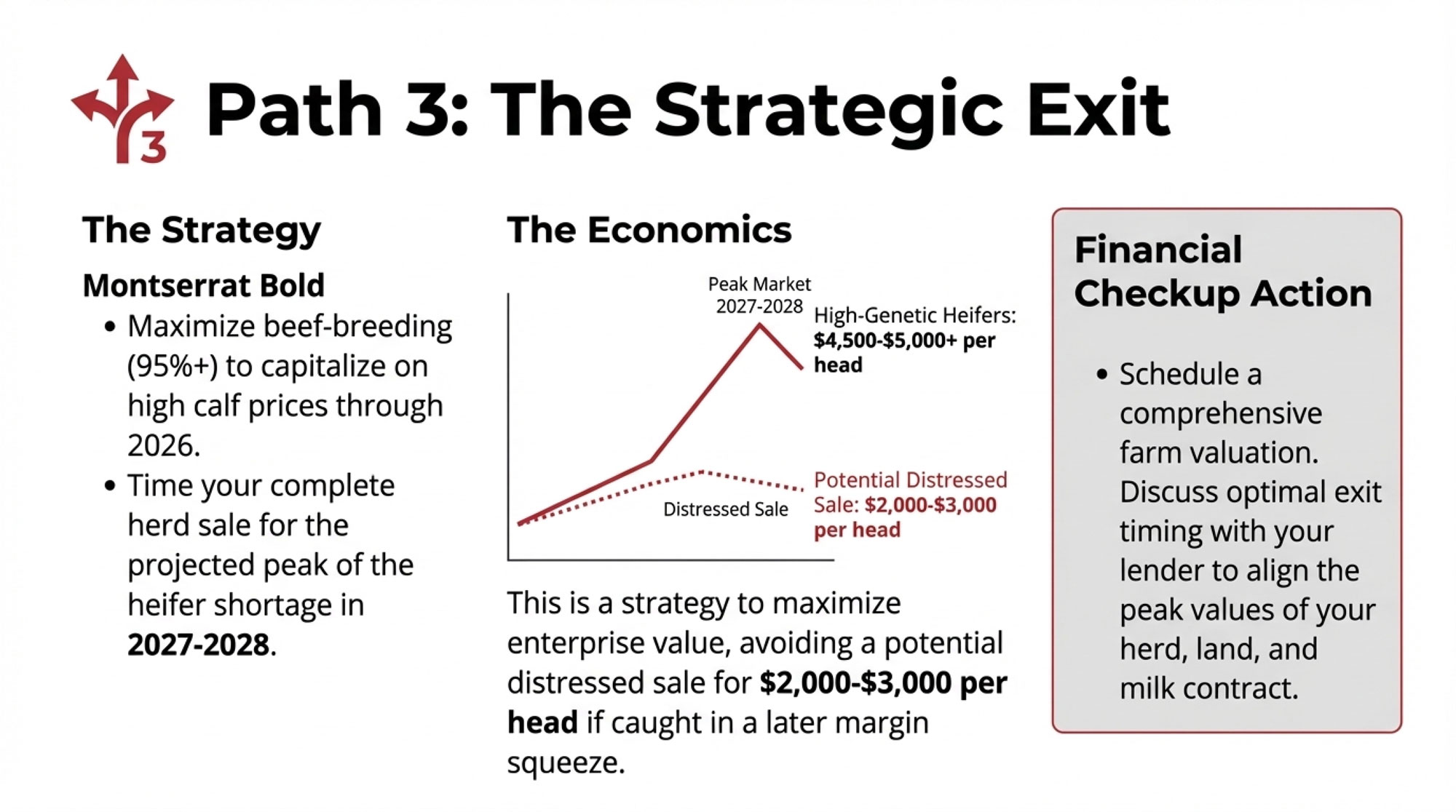
NewsSubscribe
First
Last
Consent

When Breeding Genius Meets Perfect Timing: How Regancrest-PR Barbie Shaped the Future of Holstein Genetics

Every breeder at Madison talks about the ‘Barbie genetics. Her descendants dominate 36% of today’s top PTAT rankings.

Regancrest-PR Barbie: The unassuming heifer who walked into the Minnesota State Fair ring in 2004, little did anyone know she was about to redefine Holstein genetics and kickstart a multi-million-dollar dynasty.

Look, I’ve been around long enough to know that most “legendary” cattle stories start sounding the same after a while. But every now and then, you come across one that stops you cold. This is one of those stories.

Picture this: it’s 2004, and this sleek black-and-white heifer is standing in the Minnesota State Fair ring. Nice enough cow, solid Reserve Grand Champion placement. The judge liked what he saw, the crowd appreciated her style, and that was that. Just another promising young cow in another show string.

Except… what nobody in that ring could’ve predicted was that they were watching the debut of what would become the most game-changing brood cow of our time.

That heifer was Regancrest-PR Barbie. And her story? Well, it’s the kind that makes you completely rethink what real genetic impact looks like.

The Iowa Boys Who Got It Right

So you’ve heard the name Regancrest thrown around at Madison, right? Seen it on those high-dollar consignment catalogs that make the rest of us shake our heads at the prices?

Here’s what most folks don’t realize—this operation, sitting on Iowa’s highest point in Allamakee County, has been quietly revolutionizing Holstein genetics since 1951. While half the industry was still figuring out AI, William Regan was already all-in on Registered Holsteins and artificial insemination.

I was talking with some producers at World Dairy Expo last fall—you know how those conversations go by the barns after the shows wrap up—and when Regancrest came up, this guy from Wisconsin just shook his head. “Those Iowa boys,” he said, taking a sip of his coffee, “they’ve been breeding the kind of cows we’re all chasing with genomics… for decades.”

The man wasn’t wrong.

The Regan family—William and Angella started it all, now their sons Ron, Charlie, Bill, and Frank run the show with the grandkids coming up—they’ve got something figured out that most of us are still learning. But here’s where it gets interesting… Frank’s daughter Sheri, grew up in that environment where every single mating decision mattered.

“At a young age, I had a great passion for showing cows and the Registered Holstein part of our family’s business,” Sheri told me when we caught up at a genetics meeting a few years back. That childhood spent studying pedigrees and watching how bloodlines played out across their herd? That wasn’t just farm work—that was genetics graduate school, live and in living color.

And by 2001, when a particular calf hit the ground in their nursery, all that careful planning was about to pay off in ways nobody could’ve imagined.

That “Alignment of Stars” Moment

Look, we’ve all tried linebreeding. Sometimes it works beautifully, sometimes… well, sometimes you get a train wreck that takes years to fix. But what the Regancrest team pulled off with Barbie was something entirely different. They called it an “alignment of stars”—and honestly, that’s the only way to describe what happened.

See, Barbie’s pedigree wasn’t just good bloodlines thrown together. Walkway Chief Mark appears three times in her background. Three times! That’s not luck—that’s surgical precision in a breeding program.

Her sire, Durham EX-90 GMD, was already making serious waves as the best son of Chief Mark’s very best daughter, Snow-N-Denises Dellia. Durham would eventually claim Premier Sire at World Dairy Expo five straight years and become the leading sire of Excellent cows in the US—over 4,400 of them.

Sheeknoll Durham Arrow (EX-96), a magnificent daughter of Durham EX-90 GMD, Barbie’s illustrious sire. Arrow’s success in the show ring highlights the profound influence Durham had on type and excellence, qualities he unmistakably passed on to his most famous daughter, Regancrest-PR Barbie.

But here’s the real kicker… this wasn’t just lucky breeding. The Regancrest crew had been systematically building toward this moment through eight generations, starting with their foundation cow, Zubes Ormsby Fayne EX-90. Every mating, every decision, leading up to this concentrated genetic package.

I remember Frank Regan explaining it to me once: “We knew we had something special brewing, but even we didn’t expect what Barbie would become.”

The Numbers That Changed Everything

When Barbie first freshened at two and a half years old, her production looked solid: 26,700 pounds of milk with decent components. Nothing earth-shattering there—thousands of cows hit those numbers every year.

But then the type evaluations started rolling in. High VG as a first-calf heifer, bumped to EX-92 after her second calving. And when she hit the show circuit in 2004… that’s when people really started paying attention.

Minnesota State Fair—Intermediate and Reserve Grand. World Dairy Expo—fifth in class. Solid showing for sure, but here’s what really mattered: she claimed the #1 PTAT Cow position with a CTPI of 2178 and PTAP of 4.50.

Now, for those keeping score at home, PTAT measures genetic transmission ability for type traits—basically, how well a cow passes her good stuff to her kids. It’s one thing to be a great individual cow; it’s entirely another to consistently pass those superior traits to your offspring. And that’s where Barbie separated herself from every other cow of her generation.

When the Daughters Started Making Noise

Here’s where the story gets absolutely wild. Of Barbie’s 27-plus daughters, all but one were classified VG or better on first lactation. Think about that for a minute. By 2010—and this is what had the breeding world buzzing—she’d produced eight Excellent and 19 Very Good daughters.

I remember being at a genetics seminar around that time, and this old-timer from Pennsylvania—a guy who’d been breeding Holsteins longer than I’d been alive—stood up during the Q&A and said, “Boys, I’ve been in this business 40 years. What Barbie’s doing up there in Iowa… I ain’t never seen anything like it.”

The room went dead quiet. When a guy like that speaks up, you listen.

The PTAT lists started looking like a Regancrest family reunion. Three of her daughters hit #1 PTAT Cow at different times. At least eleven consistently ranked in the top 25.

Regancrest Breya (EX-92), a Shottle daughter of Barbie and another one of her progeny to hit the #1 PTAT Cow spot. Breya’s success was part of the stunning collection of daughters who turned the PTAT lists into a Regancrest family reunion.

Names that became household words in our business: Regancrest G Bedazzle (Goldwyn)—first daughter to reach #1. Regancrest Breya (Shottle)—another #1 PTAT Cow. And then there’s Regancrest G Brocade (Goldwyn), whose sale with offspring for $900,000 announced to the whole world that the Barbie family wasn’t just about genetics anymore—they were about investments.

Regancrest G Brocade (EX-92), a Goldwyn daughter of Barbie, whose $900,000 sale with offspring was an early signal that the Barbie family’s genetic impact was translating into unprecedented market value.

The Genomic Revolution Amplifier

Just when traditional progeny testing was validating Barbie’s incredible transmission ability, the industry got completely turned upside down. Genomic selection hit around 2009, and suddenly, young bulls with high genomic indexes were threatening all the established bloodlines.

A lot of folks were worried. Would genomics make the old genetic families irrelevant? Would all that careful progeny testing get tossed aside for flashy genomic numbers?

But here’s where Barbie’s story gets even better. Instead of genomics hurting her influence, it amplified it exponentially. Her vast network of grandsons and great-grandsons started lighting up those genomic evaluations like Christmas trees.

DH Gold Chip Darling (EX-96), a Gold Chip daughter who exemplifies how Barbie’s genetics were amplified by the genomic era. Through her sire, one of Barbie’s most influential grandsons, Darling showcases the enduring type and high-level quality that this dynasty continues to transmit in today’s genomic-driven breeding programs.

Bulls like Gold Chip, Colt 45, Bradnick, and Cashcoin—they became foundational sires in today’s AI market. Her daughter, Regancrest Mac Bikas, became dam of the high genomic type sire, MR Atwood Brokaw. The family just kept producing.

And the numbers today? Get this: Nine Barbie-family heifers in the top 25 PTAT rankings, eight cows in the top 25. In an era where new genomic superstars emerge every proof run, that kind of sustained dominance is absolutely unheard of.

Million-Dollar Market Validation

You want to know when the market really figured out what the Barbie family represented? When Regancrest G Brocade was sold with offspring for $900,000. Then Regancrest S Chassity went for $1.5 million with 14 offspring. Then Regancrest Brasillia hit $1.5 million in another package deal.

Regancrest S Chassity (EX-92), a daughter of Barbie, who, along with her 14 offspring, sold for $1.5 million . Chassity’s record-breaking sale showed the world that Barbie’s genetics were not just about individual merit; they were a multi-generational genetic portfoli that smart buyers were willing to pay millions for.

Notice the pattern here? These weren’t individual cow sales—they were genetic portfolio investments. Smart buyers understood they weren’t just purchasing animals; they were investing in proven transmission ability that would compound over generations.

I was talking to Tom, a consignment manager I’ve known for years, at a sale last spring. He put it perfectly: “When a Barbie comes through the ring, buyers aren’t asking ‘what’s she worth?’ They’re asking, ‘what can we afford to pay for genetics we know work?'”

That shift in thinking—from individual merit to genetic portfolio—that’s what Barbie created. She proved that consistent transmission ability is worth more than any individual record or show placement.

Understanding the Science Behind the Magic

Now, with all the genomic technology we’ve got in 2025, we’re finally starting to understand why Barbie became such a phenomenon. That “alignment of stars” the Regancrest team achieved wasn’t just breeding intuition—it was concentrating beneficial gene combinations with surgical precision.

Modern genomic analysis has validated what those Iowa breeders figured out through careful observation: certain genetic packages produce consistently superior results. Barbie represented one of those rare combinations where favorable alleles aligned perfectly to create predictable excellence.

The 2025 genetic base changes—dropping Holstein PTAs by 750 pounds of milk and 45 pounds of fat—really highlight how much progress we’ve made since Barbie’s time. But here’s what’s fascinating: her descendants are still holding their relative positions in the rankings.

With Net Merit 2025 launching this April, emphasizing butterfat production, feed efficiency, and cow longevity, the traits that made Barbie special are more relevant than ever.

Real-World Impact in 2025

Famipage Legend Barabas (EX), a Legend daughter tracing back to Barbie, proves that this dynasty’s genetics continue to deliver on both type and production. Projected to produce over 16,000kg (35,600lbs) of milk, she’s a perfect example of Barbie’s enduring legacy in a modern dairy.

Walk through any major dairy operation today, and you’re seeing Barbie’s influence everywhere. Check the pedigrees of the top AI sires in your catalog, and her name pops up with surprising frequency.

Walnutlawn Lambda Beyonce (EX-93) is a striking example of Barbie’s deep and lasting impact, with Regancrest-PR Barbie as her 5th dam. Her quality proves that the systematic breeding vision behind Barbie created a genetic legacy that continues to produce elite animals, even five generations down the line.

Perfect example: Oh-River-Syc Byway—the bull who became the #1 daughter-proven type bull with 3.70 PTAT. His dam, Sandy-Valley Atwood Barbie EX-91, is Barbie’s granddaughter. That’s genetics working two generations later, still producing elite sires.

Midas-Touch Montery 1127 (EX-94-CAN), a Monterey daughter from the Barbie family. Owned by Ferme Jacobs and Crackholm Holsteins in Canada, her Grand Champion win at the 2022 Quebec Spring Show demonstrates how Barbie’s genetics continue to produce top-tier show animals and have spread far beyond the Iowa farm where her story began.

The Regancrest operation itself tells the whole story: 263 Excellent cows carrying the Regancrest prefix, 430-plus Regancrest bulls sold into AI programs, current herd averaging 107.1% Breed Age Average—#1 in the nation for their herd size.

Just this past October at World Dairy Expo, when Oakfield Solomon Footloose claimed her 2nd Grand Champion of the International Holstein Show, guess what was in her pedigree? Yep—Barbie genetics.

Butz Butler Goldwyn Barbara (EX-95), a stunning Goldwyn granddaughter of Barbie, demonstrates the continued show ring prowess and enduring genetic legacy of this exceptional family. Her success at top shows like World Dairy Expo underscores the consistent quality Barbie’s bloodline transmits across generations.

What This Actually Means for Your Operation

Here’s the practical takeaway from the Barbie story, and why it matters to every one of us making breeding decisions right now.

With genomic young bulls dominating today’s AI catalogs—we’re talking 42% of bulls marketed by AI companies themselves—the fundamentals that made Barbie great are more relevant than ever. The April 2025 genetic base changes and increasing concerns about inbreeding underscore the need for a more informed approach to genetic diversity while still pursuing progress.

Barbie’s success stemmed from concentrated excellence, but it was the result of systematic concentration over multiple generations. Not throwing everything at one mating and hoping for the best.

Looking at current trends—sexed semen at 37% market share, beef-on-dairy at 32%—we’re making more targeted breeding decisions than we’ve ever made before. The lesson from Barbie? Those decisions compound over time. Every mating is building toward something bigger.

And with new traits like Milking Speed coming online in our evaluations, we’re getting even more tools to make those systematic improvements.

Lehoux Perle BABY (VG-87-FR 2yr) is a stunning Goldchip daughter from the heart of the Barbie family. Her presence illustrates how Barbie’s foundational genetics, even through grandsons like Goldchip, continue to produce elite animals and shape herds globally in 2025.

The Human Touch That Made It All Happen

You know what really gets me about the Barbie story? It’s Frank Regan’s simple statement that still guides them today: “I just want to breed bulls that will improve herds for people everywhere”.

That’s not corporate marketing speak—that’s the mission of a family who dedicated their lives to genetic improvement. When you see them hosting thousands of international visitors annually and serving as “USA Holstein Ambassadors,” you understand that they recognize that success carries responsibility.

Sheri Regan’s childhood memories of studying pedigrees and watching bloodlines develop… that’s institutional knowledge you can’t buy or replicate overnight. It’s the intersection of science and art that created something extraordinary.

I think about operations like the 2024 Holstein Canada Master Breeders—farms like Kentville Holsteins with their 10 family Master Breeder shields spanning generations, or Cherry Crest surviving three complete dispersals and still earning their third shield. That’s the same kind of multigenerational thinking that created Barbie.

Where We’re All Headed

As we move deeper into 2025—with genetic indexes expanding rapidly, inbreeding coefficients climbing, and fewer distinct bloodlines dominating AI catalogs—the Barbie legacy raises some important questions we all need to think about.

How do we balance genetic progress with maintaining breed diversity? With concentrated excellence becoming harder to achieve responsibly, what’s the path forward?

Recent industry discussions about genetic consolidation—like the Trans Ova purchase of ReproLogix—show how much the breeding landscape continues to evolve. The companies controlling our genetics are changing, but the fundamental principles that created Barbie remain constant.

But here’s what gives me hope: the Regancrest team proved that with vision, patience, and systematic breeding, one exceptional cow can reshape an entire breed. That possibility still exists today—maybe even more so with our genomic tools.

The Bottom Line for All of Us

Regancrest-PR Barbie proved something fundamental about dairy genetics that we can’t afford to forget: excellence isn’t accidental. It’s the result of systematic planning, careful observation, and the patience to execute a vision over multiple generations.

In 2025, as we navigate genetic base changes, inbreeding concerns, and rapidly evolving reproductive technologies, her story reminds us that the most profound improvements still happen when science meets art—where technical knowledge combines with an intuitive understanding of what makes truly great cattle.

The young heifer who stood in that Minnesota State Fair ring in 2004 became something much greater than a show champion. She became proof that with the right approach, dedication, and a little luck with that “alignment of stars,” ordinary breeding decisions can create extraordinary legacies that last generations.

And somewhere in Iowa, on the county’s highest point, the Regan family continues that work—still breeding bulls to improve herds for people everywhere, still proving that the pursuit of genetic excellence is far from finished.

That’s the real magic of Regancrest-PR Barbie: she showed us that in an industry focused on the next big genomic breakthrough, the most lasting impact still comes from understanding that greatness is built one generation at a time—and shared with the world.

The question for each of us is simple: what are we building toward in our own herds? Because somewhere out there, the next Barbie is being planned, one careful mating at a time.

Key Takeaways:

  • Follow the money—genetic transmission beats everything: Barbie’s descendants just sold for $1.5M and control 36% of today’s top PTAT rankings, proving smart buyers pay for proven genetics, not pretty cows
  • The Regancrest formula works: Eight generations of systematic breeding + three doses of Walkway Chief Mark = a cow whose 27 daughters ALL went VG or better (zero failures in genetic transmission)
  • Your genomic bulls trace back to traditional bloodlines: Gold Chip, Bradnick, Cashcoin—the foundational sires in your catalog are Barbie grandsons, showing how elite genetics transcend technology changes
  • Start planning like Iowa winners: With 2025’s genetic base changes and rising inbreeding coefficients, systematic concentration over multiple generations beats chasing the latest genomic superstar every time

EXECUTIVE SUMMARY:

Here’s what blows my mind—one dead Iowa cow is making more millionaires than any living animal in dairy. Regancrest-PR Barbie’s descendants control 36% of today’s elite PTAT rankings, and her genetics just commanded $1.5 million at auction, proving the Regancrest family’s “alignment of stars” wasn’t luck—it was genius. They concentrated on Walkway Chief Mark three times in her pedigree through eight generations of systematic breeding, creating a cow whose 27 daughters all classified VG or better (eight reached Excellent). When genomics hit in 2009, instead of making old bloodlines irrelevant, it turned Barbie’s grandsons into the foundational sires every producer knows: Gold Chip, Bradnick, Cashcoin. What’s happening in your breeding program right now? Because somewhere out there, the next Barbie is being planned—one careful mating at a time—by producers who understand that sustained excellence isn’t accidental. This Iowa family proved that with vision, patience, and systematic breeding over multiple generations, you can literally reshape an entire breed and create a genetic legacy worth millions.

Complete references and supporting documentation are available upon request by contacting the editorial team at editor@thebullvine.com.

Learn More:

Join the Revolution!

Join over 30,000 successful dairy professionals who rely on Bullvine Weekly for their competitive edge. Delivered directly to your inbox each week, our exclusive industry insights help you make smarter decisions while saving precious hours every week. Never miss critical updates on milk production trends, breakthrough technologies, and profit-boosting strategies that top producers are already implementing. Subscribe now to transform your dairy operation’s efficiency and profitability—your future success is just one click away.
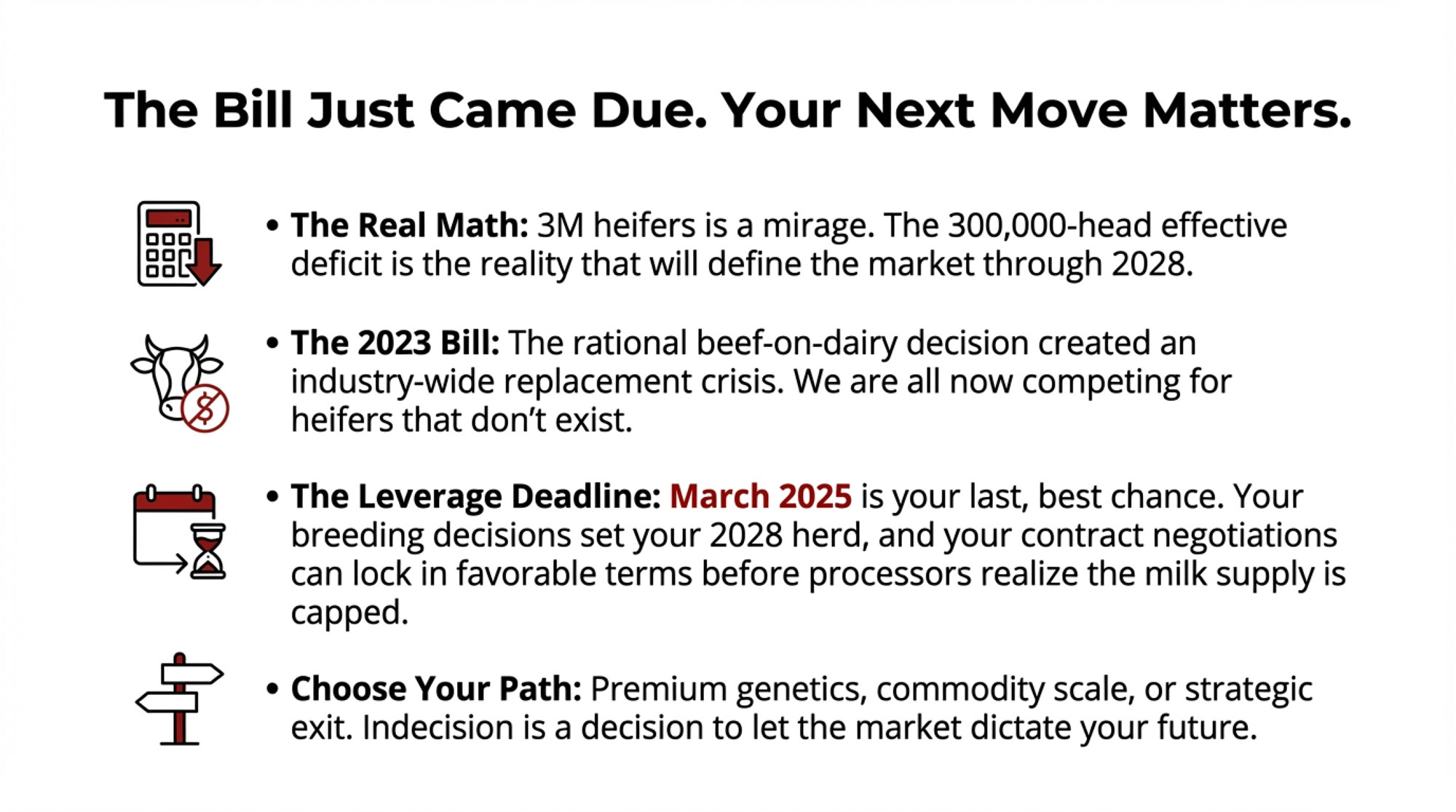
NewsSubscribe
First
Last
Consent

The $350,000 Genetics Wake-Up Call: Why Smart Dairies Are Banking Big While Others Still Play Guessing Games

Two dairy farms, 15 miles apart. One’s banking $350,000 more yearly. The difference? They cracked the genetics code.

EXECUTIVE SUMMARY: Look, I’ve been watching this genetics revolution unfold for years, and the gap between early adopters and holdouts is getting scary wide. We’re talking about farms losing $200-plus per cow annually just because they’re stuck in the past with breeding decisions. But here’s what gets me fired up—some operations are pulling in an extra $350,000 yearly just by getting smart about genomics. The tech isn’t pie-in-the-sky anymore. Genomic testing hits 65-80% accuracy now, which beats the heck out of guessing based on parent averages. AI tools are cranking genetic progress six times faster—jumping Net Merit gains from $13 to $83 per cow each year. Toss in better sexed semen and strategic IVF use, and you’ve got a breeding program that actually pays for itself in under two years. I’ve seen this work on real farms—Wisconsin operations dealing with short grazing seasons, New York dairies switching low-merit heifers to beef breeding, California outfits optimizing for heat tolerance. The math’s solid, the tech’s proven, and honestly? If you’re not at least testing your top replacements, you’re leaving serious money on the table.

KEY TAKEAWAYS

  • Stop bleeding $200+ per cow from genetic lag — genomic test your best 25% of replacements within 30 days and watch avoided costs add up fast
  • Accelerate genetic progress 6x with AI mating systems — Net Merit jumps from $13 to $83 yearly gains per cow when you let algorithms spot inbreeding risks and optimize breeding decisions
  • Cash in on reproductive tech advances — high-dose sexed semen hitting 80-85% conception rates, plus strategic IVF at 50% success, means you multiply elite genetics while culling genetic dead-ends
  • Match your genetics to your ground — Wisconsin’s short grazing season demands forage efficiency focus, while heat-stressed regions need tolerance traits to capture component premiums
  • Start small but start now — phased implementation over 18-24 months delivers measurable ROI while competitors stick with yesterday’s breeding strategies
dairy herd management, genomic testing, dairy profitability, AI breeding decisions, genetic lag costs

You ever get that feeling when you cruise past a neighbor’s dairy and wonder, how are they making this look so easy? Well, spoiler alert: it’s all about livestock genetics, plain and simple.

I was talking to a consultant the other day who’s worked with farms from Wisconsin all the way to Texas. He mentioned two dairies—less than 15 miles apart—with almost identical feed sources, the same milk pickup, and near identical weather. But one hauled in over $350,000 more last year alone. The difference? They nailed their genetics game.

But here’s the kicker—far too many dairies still using old-school breeding are losing more than $200 a cow each year because of genetic lag, and that’s money walking right out the back door. While others are cashing in with genomic testing, achieving 65-80% accuracy — far better than we ever hoped — by relying on sire averages.

When $39 Saves You from Raising a $2,000 Mistake

Let’s be honest—genomic testing isn’t cheap. You’ll be looking at anywhere from $39 for simple parentage testing up to around $200 for a full genetic profile. But what you get for your buck is priceless: a shot at knowing which heifers will actually pull their weight, and which ones will be a drain on feed and resources.

Here’s what you’re looking at:

Test LevelCostAccuracyWhat You Get
Basic Parentage$39-$7565-70%Genetic ID and simple traits
Enhanced Panels$100-$15075-80%Health, production, and fertility markers
Full Genome Scan$175-$200+80%+Comprehensive trait evaluation

Source: USCDCB genomic evaluation data

Agriculture Victoria’s study shows customizing SNP chips can raise accuracy by up to 10%, which is a big deal when you’re making decisions on hundreds of animals.

One case I keep thinking about: Extension research documents a New York farm that tested 400 springing heifers, discovered 150 with poor genetics, and smartly moved those over to beef crosses—saving more than $216,000 on feed and calf sales that might have been wasted.

AI: Your Breeding Partner That Never Takes a Day Off

Now AI? That’s the game-changer knocking on the barn door.

Based on documented adoption patterns across the Midwest, producers typically follow a similar path: initial skepticism, gradual testing, and then growing confidence. One Wisconsin farmer told me he was downright skeptical of computers running his breeding program just two years ago. Now? He’s crediting AI with saving him $38,000 by spotting inbreeding before it turned costly and kicking his genetic progress into overdrive with a 280% increase.

These AI tools run thousands of breeding combos in a flash—way beyond what you could crunch by hand while juggling barn chores.

Here’s how that breaks down:

FactorOld-School WayAI-Powered WayHow Much Better
Inbreeding ControlPedigree sheetsGenomic + AI algorithms8-12x more precise
Health PredictionVisual spotting71% accuracy for mastitis, 96% for digital dermatitisDays earlier intervention
Breeding ChoicesMaybe 20 optionsThousands evaluatedMassive increase
Genetic Progress$13/year Net Merit$83/year Net MeritNearly 6x faster

Source: USDA Net Merit documentation

Heads up—AI’s track record is strongest on digital dermatitis prediction, while mastitis detection accuracy is still being refined through ongoing research.

Reproductive Tech That’s Actually Paying Off

Sexed semen? It’s come a long way.

Labs are pumping twice the sperm into high-dose straws, often matching conception rates of regular semen—not everywhere, but often enough to change the game.

Run that with beef semen on your lower genetic merit cows and IVF for multiplying your cream-of-the-crop, and your breeding program’s got some serious horsepower.

Check this out:

TechnologyConception RateCost PremiumBest Use
High-Dose Sexed80-85%+$25-$30/strawElite genomic females
Beef Semen80-85%Market-dependentLower-merit females
IVF/Embryo Transfer45-55%~$500/pregnancyElite genetic multiplication

Source: Based on university extension models and industry data

Extension case studies document operations using this strategic approach—genomically testing replacement heifers, identifying those with below-average potential, and switching them to beef breeding. One frequently cited Wisconsin example netted $350,000 through avoided costs and premium crossbred calf sales.

IVF costs vary by region and setup, but best-case scenarios show around 50% conception rates for roughly $500 per pregnancy.

The Economics: What Investment Levels Actually Deliver

I gotta mention—breeding programs are no small investment.

Annual spend can range from approximately $75,000 for a modest setup to over $300,000 for elite operations.

But the payback can be solid:

Program LevelAnnual Cost (1,000 cows)Genetic Gain %5-Year ROI
Basic$75k-$125k4-6%$250k-$400k
Comprehensive$150k-$300k8-12%$500k-$800k
Elite$300k+12%+Highly variable

Source: Based on university extension models and industry data

Oh, and here’s something that sneaks under the radar—research shows inbreeding costs you 37-61kg of lifetime milk per 1% increase, depending on the calculation method. It’s the quiet profit killer.

Your genetic priorities gotta fit the turf you’re farming. Wisconsin producers battling a short 150-day grazing season lock in on forage efficiency, while California operations focus on heat tolerance and milk component premiums for specialty markets.

Getting Past the Implementation Hurdles

Look, I won’t sugarcoat it—genomics ain’t a walk in the park.

Smaller farms struggle with costs and managing heaps of data—not to mention everybody’s worried about data privacy and the big genetics companies consolidating power. These are genuine concerns that warrant an honest industry discussion.

Still, most farms make the jump when they see their neighbors banking real returns.

Common barriers I hear: upfront costs, technology complexity, skepticism about results, and limited management bandwidth.

Here’s the best advice—start small, find a trusted mentor, and build a plan that fits your operation.

As one producer put it: “AI breeding cut my losses and sped up genetic progress—but it took patience and learning, just like any new management tool.”

And honestly? Watching your neighbors cash in on this stuff cuts through doubt faster than any sales presentation.

Bottom Line: The Genetics Revolution Is Banking Money Today

Every month you stall on genomic testing, you’re probably leaving more than $200 per cow per year on the table while your competitors get smarter and richer.

Your move:

Get testing scheduled in the next 30 days. Focus on the best 25% of your replacements first—you’ll see the quickest return there.

Talk to three genetics professionals. Tour farms who’ve already rolled up their sleeves with these systems.

Use extension calculators—get your own genetic lag number. It’s real money walking out your door.

The choice is documented: invest $50-200 per head in genomic testing that delivers measurable returns within 18-24 months, or keep bleeding hundreds per cow annually while neighbors bank the advantages of precision breeding.

The genetics revolution isn’t tomorrow. It’s right now.

Complete references and supporting documentation are available upon request by contacting the editorial team at editor@thebullvine.com.

Ready to join it?

Learn More:

  • Genomic Testing: A Producer’s Guide to Getting Started – This guide provides practical strategies for launching a genomic program. It demonstrates how to select the right animals for initial testing and translate complex data into immediate, profitable breeding and culling decisions to maximize your return on investment.
  • The 2025 Genetic Base Change: What It Means for Your Herd’s Bottom Line – Go beyond on-farm tactics and understand the market forces shaping your herd’s value. This analysis reveals how industry-wide genetic updates impact your operation’s profitability, sire selection strategy, and long-term competitiveness in a shifting market.
  • Beyond Milk Volume: Are We Breeding for the Right Stuff? – Challenge your current breeding goals with this forward-looking analysis. It explores the critical shift toward new traits like feed efficiency and sustainability, revealing methods for building a more resilient and profitable herd designed for future market demands.

Join the Revolution!

Join over 30,000 successful dairy professionals who rely on Bullvine Weekly for their competitive edge. Delivered directly to your inbox each week, our exclusive industry insights help you make smarter decisions while saving precious hours every week. Never miss critical updates on milk production trends, breakthrough technologies, and profit-boosting strategies that top producers are already implementing. Subscribe now to transform your dairy operation’s efficiency and profitability—your future success is just one click away.
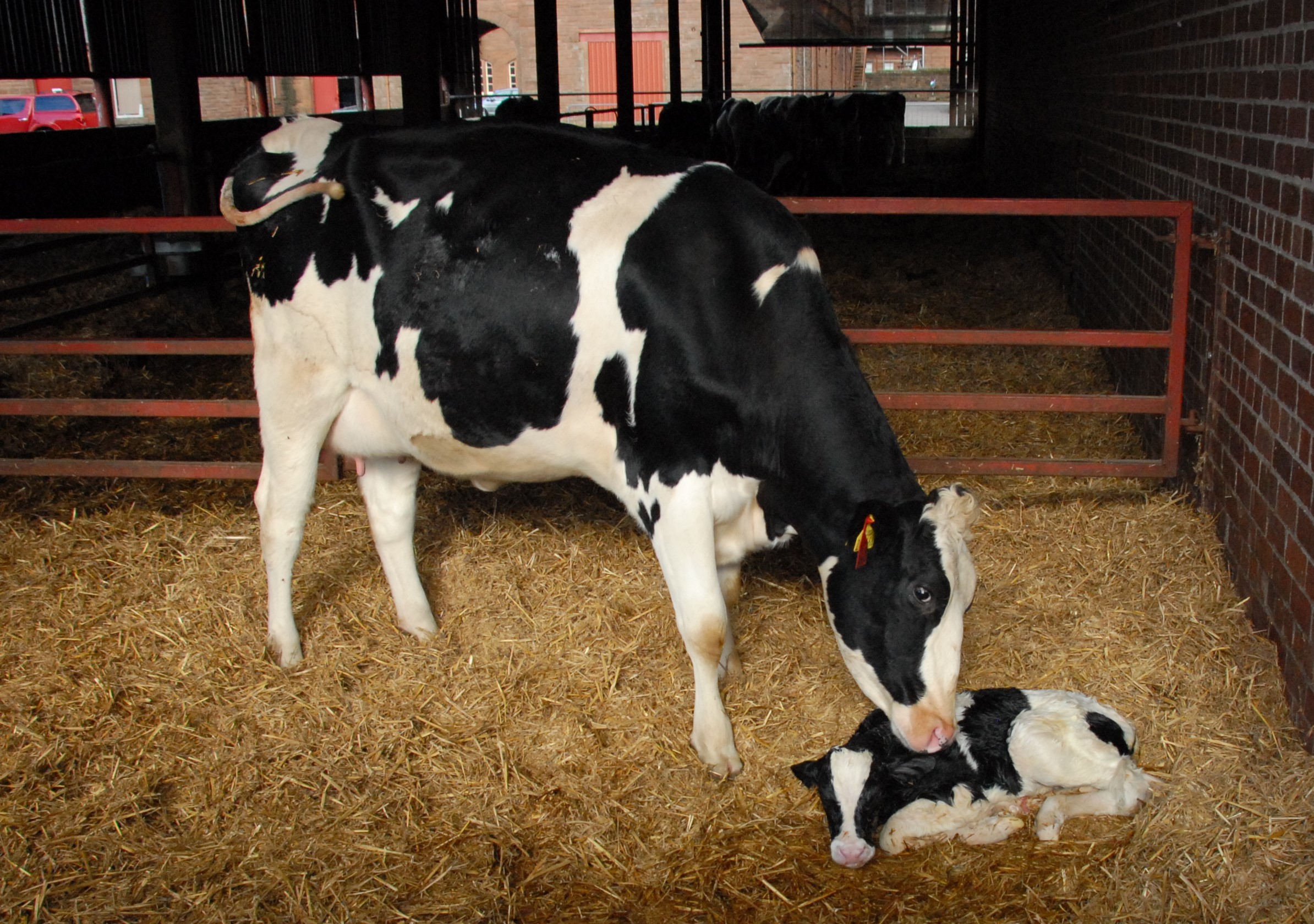
NewsSubscribe
First
Last
Consent

US Dairy Herd Expansion Defies Historic Shortage – What’s Really Happening

US dairy herds are growing at the fastest rate since 2008, with the worst heifer shortage in 50 years. How’s that even possible?

EXECUTIVE SUMMARY: Here’s what’s blowing my mind right now. We’re expanding dairy herds faster than we have since 2008, even though replacement heifers have just reached their lowest level since 1978 — a mere 3.9 million head available nationwide.The math shouldn’t work, but it does because farmers are keeping cows longer instead of culling them. Why? Because buying replacements now costs nearly $3,000 per head, with some California operations paying over $3,800 for bred heifers.Meanwhile, Texas is crushing it with 50,000 new cows and 10%+ increases in per-cow production. And get this — 72% of farms are now using beef-on-dairy genetics to squeeze more value from their bottom-tier animals. The butterfat numbers are actually improving, despite the age of the herds, jumping from 4.17% to 4.24%.This isn’t just an American thing — it’s part of a global shift in how we think about dairy economics and herd management. You need to start adjusting your strategy now, as the old rules no longer apply.

KEY TAKEAWAYS

  • Replacement economics are brutal — at $ 2,870 per head or more, extending lactations becomes profitable, even with increased health costs. Start tracking which cows justify the extra investment in monitoring tech.
  • Beef-on-dairy isn’t optional anymore — 4 million crossbred calves in 2024 heading to 6 million by 2026. Evaluate your bottom 30% for strategic beef crosses and check local auction prices for crossbred premiums.
  • Data-driven culling is the new normal — successful farms run monthly profit analyses on every cow over 36 months. Invest in rumination monitors and activity trackers if you’re serious about extended lactations.
  • Texas demonstrates what’s possible — their 10.6% production increase per cow, while adding 50,000 head, proves that scale and efficiency can work together. Study their management systems for ideas that fit your operation.
  • Cash flow modeling is critical — with interest rates climbing and feed costs volatile, you can no longer afford to wing it. Model extended lactation costs versus replacement purchases using your actual numbers, not industry averages.
replacement heifer prices, beef on dairy, dairy herd management, dairy farm profitability, dairy culling strategy

The thing about dairy expansion in 2025 is it’s downright wild. Here we are, with American dairy farmers growing their herds at the fastest pace since 2008 — even though replacement heifer numbers have dropped to the lowest level in nearly 50 years.

If you’re scratching your head, wondering how that happens, trust me, you’re not alone. This paradox isn’t just a curiosity—it’s rewriting the playbook on herd growth.

The Numbers That Don’t Add Up

Take the numbers: According to a recent analysis from Dairy Management Inc. (DMI) and USDA’s January 2025 Cattle Inventory report, the national dairy herd is climbing — but replacement heifers have plummeted to around 3.9 million, the smallest count since 1978.

Here’s the kicker — from September 2023 through March 2025, farmers slaughtered nearly 500,000 fewer cows than expected, per recent data. That “hold onto older cows” strategy has basically propped up the national herd in ways none of us predicted.

But is it sustainable? Just holding cows longer comes with significant risks and costs, and many farmers are feeling the pinch.

When Replacement Economics Get Crazy

Pricing plays a significant part in this story. USDA data show that replacement heifer prices increased to an average of $2,870 in April 2025. Sure, that’s jaw-dropping — but anecdotal reports and auction results from several regions show even crazier bids. For example, some heifers are reportedly fetching over $3,800 a head at auction.

That kind of premium is forcing producers to rethink their culling practices — keeping cows they might have culled before, simply because replacing them is no longer financially feasible.

What’s interesting is that milk quality hasn’t taken a hit. According to a detailed Bullvine study, butterfat percentages have actually risen from 4.17% to 4.24% year-over-year, and component-adjusted milk production has increased by 3%. It appears that years of genetic investment are finally paying off.

The Beef-on-Dairy Revolution

Now, one of the game changers? Beef-on-dairy breeding. Data from Farm Bureau indicates 72% of dairy farms are now using beef genetics to boost the value of calves from lower-performing cows.

This trend gained momentum in 2024, with nearly 4 million crossbred calves born nationally, a figure forecasted to reach 6 million by 2026. And nowhere is this more obvious than Texas, where herd counts ballooned by 50,000 cows, complemented by a production spike of over 10% per cow.

Of course, such growth raises questions about sustainability. Water scarcity, especially concerning the Ogallala Aquifer, looms large. But that’s a story for another day.

Feed Economics and Longevity

This strategy also hinges on feed economics and longevity. Nutrition experts point out that cows in their third or fourth lactations tend to convert feed more efficiently than first-lactation heifers, but this isn’t a simple fix.

Managing longer lactations demands precision — automated rumination monitors and activity trackers are proving essential. Field reports from progressive operations, including one in Wisconsin, demonstrate that extending average lactations from 2.8 to 3.2 over just a few years yields significant benefits.

However, don’t fool yourself — this increased longevity comes with risks. Fertility dips, udder health challenges, and mobility issues. Without top-tier herd health protocols and facilities, these can quickly erode profits.

Add financial headwinds — with current interest rates higher than many have seen — and the risk scale tips even further.

What Smart Producers Are Doing

Smart farms are responding with surgical decisions — beef genetics on the lower tier, heavy genomic investments on the best cows.

Some are running monthly profitability analyses on individual cows over three years old, matching management micro-decisions with broader goals. Are you tracking your cows at that level? Because that’s where the industry’s heading.

The successful operations I’m seeing aren’t just extending lactations randomly — they’re being strategic about which animals receive the extended treatment and which ones are bred for beef.

Bottom Line: Your Monday Morning Action Plan

If you’re not already reviewing your herd and strategy with this data-driven lens, now’s the time.

  • Start by evaluating which cows are prime candidates for beef breeding. Track your local auction results for beef-cross calves to understand which sire genetics are bringing the highest premiums.
  • Invest in health monitoring tech ASAP. Without good data on rumination, activity, and health indicators, you’re flying blind on extended lactation decisions.
  • Tighten your genetics spend. When replacements cost nearly three grand, every breeding decision matters more than ever.
  • Reinforce herd health programs focused on fertility, mastitis prevention, and mobility. These become critical when you’re counting on cows for additional lactations.
  • And don’t forget cash flow — crunch those numbers and run scenarios comparing extended lactation costs versus replacement purchases. Factor in your specific feed costs, facilities, and management capabilities.

This is a moment of big change — a rewriting of the rules that have governed dairy expansion for decades.

Those who grasp these evolving dynamics first will set the pace and shape the future. The question isn’t whether this trend will continue… it’s whether you’ll be leading it or following it.

So, what’s your move?

Complete references and supporting documentation are available upon request by contacting the editorial team at editor@thebullvine.com.

Learn More

  • Why Reduced Culling is Inflating Heifer Prices – Go deeper into the market forces driving record-high replacement costs. This strategic analysis breaks down the long-term economic implications of reduced culling, helping you make smarter financial decisions about when to buy, sell, or raise your own heifers.
  • Beef on Dairy: Are You Maximizing Your Opportunities? – This article provides a tactical guide for optimizing your beef-on-dairy program. It reveals practical strategies for sire selection and terminal cross-breeding to maximize the marketability and value of every crossbred calf, turning a good idea into a significant profit center.
  • The Data Doesn’t Lie: How Herd Monitoring Is Revolutionizing Dairy Management – Explore the technology that makes extended lactations profitable and sustainable. This piece demonstrates the clear ROI of modern herd monitoring systems, revealing how data on health and rumination can directly reduce culling, improve longevity, and secure your herd’s future.

Join the Revolution!

Join over 30,000 successful dairy professionals who rely on Bullvine Weekly for their competitive edge. Delivered directly to your inbox each week, our exclusive industry insights help you make smarter decisions while saving precious hours every week. Never miss critical updates on milk production trends, breakthrough technologies, and profit-boosting strategies that top producers are already implementing. Subscribe now to transform your dairy operation’s efficiency and profitability—your future success is just one click away.
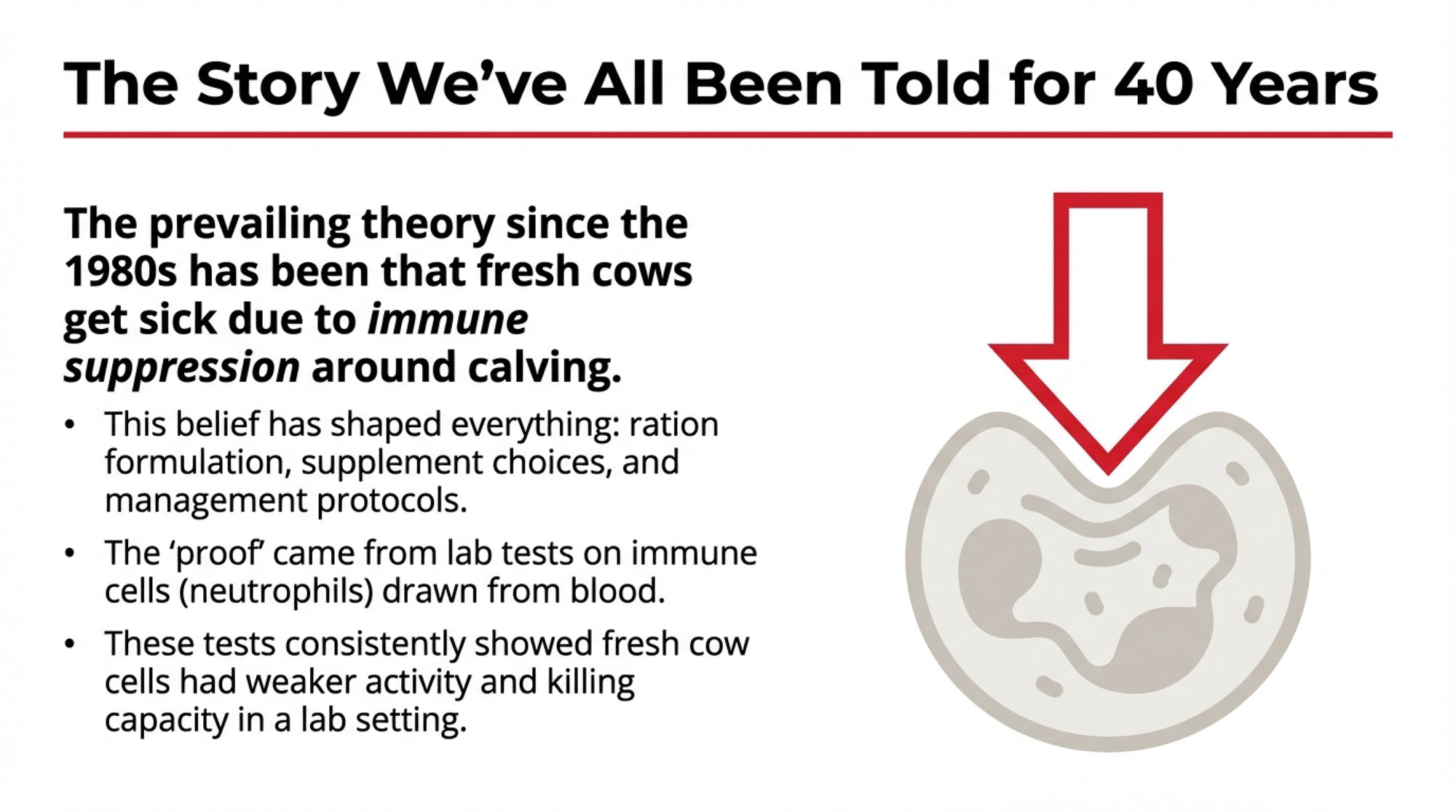
NewsSubscribe
First
Last
Consent

The $4,000 Heifer: Seven Strategies to Navigate the New Dairy Economy

4,000 for a single heifer? That’s not auction fever — that’s your new reality.

EXECUTIVE SUMMARY: Look, heifer prices aren’t just expensive anymore — they’ve gone completely bonkers. We’re talking $3,010 nationally, with top auctions reaching $ 4,000 and above. The farms still winging it on replacement costs are hemorrhaging money they don’t even realize they’re losing. Here’s what the data shows: raising your own animals can save you anywhere from $400 to $1,400 per animal compared to buying, but only if you do it right. The beef-on-dairy craze has driven inventories to 47-year lows, and with $8 billion in new processing capacity coming online, this isn’t a temporary spike. Smart producers are already switching gears — tracking real-time costs, partnering up, and treating their replacement program like the investment portfolio it really is. Don’t get caught flat-footed when everyone else is adapting.

KEY TAKEAWAYS

  • Get your numbers straight — Track both auction prices and your actual raising costs weekly. Farms doing this consistently save 15-20% on replacement decisions.
  • Talk money before you need it — Schedule that lender meeting now. With heifer inventories at historic lows, cash flow planning is no longer optional.
  • Genomics pays off big — Each percentage point of genetic improvement adds $40-50 lifetime profit per cow. That’s not theory, that’s Cornell research.
  • Team up or get left behind — cooperative buying and shared raising programs are helping savvy operators weather 70% price swings, as Wisconsin recently experienced.
  • Crunch the raise-vs-buy math — Current costs run $1,600-$2,400 to raise your own versus $3,000+ to buy. Do the math for your situation, but use 2025 numbers, not those from ancient history.
 replacement heifer costs, dairy farm profitability, heifer raising strategy, dairy herd management, beef on dairy trend

It’s enough to make any dairy farmer do a double-take: $4,000 for a single replacement heifer. That’s not just a number; it’s a signal that the ground is shifting beneath our feet. While it’s easy to get stuck on sticker shock, the producers who will thrive in the next decade are those who see this as more than a temporary market swing—it’s a fundamental change in dairy economics. Are you ready to adapt?## Stop guessing, Start Calculating your replacement decisions. Are they still based on what heifers cost two years ago? In today’s market, historical data can hinder your progress. According to the latest USDA Agricultural Prices report, replacement heifers averaged $3,010 nationally in July 2025—a 164% jump from 2019’s baseline of $1,100.

Dig into current auction reports and benchmark those prices against your farm’s true cost to raise a calf. If you don’t know what it really costs you to raise a heifer from birth to breeding age, you’re flying blind—and that’s a risk you can’t afford in this market.

Drive Down Your Input Costs

With feed costs climbing and milk prices stabilizing around $20-22 per hundredweight, managing your input costs can’t be an afterthought. Track feed efficiency and health metrics closely—these will significantly impact your cost of raising replacements.

Small improvements in feed conversion or reducing mortality rates can add significantly to your bottom line. When replacement heifers cost this much, every efficiency gain matters.

Talk to Your Lender Early

Don’t wait until cash flow gets tight before chatting with your lender. The USDA’s February 2025 cattle inventory report shows dairy heifer inventories at a 47-year low of 3.9 million head, suggesting these elevated prices aren’t going away anytime soon.

Schedule a meeting now to discuss more flexible lines of credit and your long-term plan. Show them you’re proactive about managing volatility, and they’ll be more likely to work with you when market pressures intensify.

Leverage Genomics and Technology

Modern genomic testing tools offer precision like never before. By identifying which animals possess the best genetics, you can make more informed breeding decisions and avoid costly missteps.

The 2024 NAAB semen sales report shows nearly 10 million beef semen units used on dairy cows last year, driven by $600-900 premiums on crossbred calves. But remember—those decisions create a 2.5-year lag before you see replacement heifers, so balance short-term gains with long-term herd needs.

Build Partnerships

The market shifts faster than most of us can handle alone. Consider forming cooperative agreements with neighboring farms or suppliers to share replacement risks and mitigate supply challenges.

Wisconsin saw replacement prices increase by 70% in one year, from $1,990 to $ 3,450. Having partners who can help balance demand and supply fluctuations isn’t just smart—it’s essential for managing this volatility.

Balance Raising vs. Buying

Raising replacement heifers on your farm can be less expensive in the long run, but it requires space, labor, and capital. Research from Cornell’s Pro-Dairy Program indicates that on-farm costs range from $1,600 to $2,400 per heifer, depending on management intensity and regional factors.

Analyze whether your operation can effectively manage this investment. Sometimes, strategic purchases align better with cash flow and risk tolerance, especially when you factor in facilities, labor, and opportunity costs.

Plan for the Long Haul

Market experts anticipate that replacement prices will remain elevated through at least 2027, given the biological timeline and current breeding patterns. Meanwhile, over $8 billion in new processing capacity is coming online by 2026, creating additional demand for milk.

Model your finances with extended high prices in mind, and keep your strategy flexible. It’s not just about surviving this cycle—it’s about positioning yourself to thrive in the next one.

What the Experts Say

Dr. Victor Cabrera, agricultural economist at the University of Wisconsin-Madison, emphasizes that producers must adapt their mindset: “These aren’t temporary price spikes—they represent structural changes in dairy economics. The operations that recognize this and adjust their strategies accordingly will have significant competitive advantages.”

CoBank’s Corey Geiger adds: “Reliable milk supply is the linchpin for new processing plants, and tight cow inventories are pushing replacement costs higher as processors compete for limited production capacity.”

So, how can you put these insights into action on your farm?

Your Strategic Roadmap

Regularly update your replacement costs using real-time auction data and your actual raising costs

Secure flexible financing by engaging lenders well before cash flow pressures hit

Improve operational ROI by tracking feed efficiency, herd health, and investing strategically in technology suited to your scale

Build risk-sharing partnerships with local suppliers and neighboring farms

Weighing raising your own heifers versus buying with a clear-eyed analysis of costs and resources

Maintain adaptable financial plans that account for 50-75% higher replacement costs through 2027

Analyze seasonal buying patterns to capitalize on lower prices, especially during fall auctions

Pro Tip: Many successful producers time their purchases for fall, when auction activity typically softens, providing strategic buying windows that can ease cash flow pressures during traditionally tight periods.

The Bottom Line

That $4,000 price tag isn’t just a challenge—it’s a filter. It will separate the farms that are reacting to the market from those building resilient businesses for the future.

By embracing data-driven approaches to genetics, finances, and partnerships, you won’t just survive this market transformation—you’ll be positioned to lead it. The producers who view this as a strategic inflection point rather than just another cost increase will define the industry’s next chapter.

The ground has shifted. The question is: will you shift with it?

Complete references and supporting documentation are available upon request by contacting the editorial team at editor@thebullvine.com.

Learn More:

  • The Real Cost of Raising Heifers: Are You Leaving Money on the Table? – This article provides a tactical framework for accurately calculating your farm’s true cost to raise a replacement. It offers practical strategies for identifying hidden expenses and optimizing inputs to drive down costs in a high-priced market.
  • Beef on Dairy: The Trend That’s Reshaping the Cattle Industry – For a strategic look at the market forces driving heifer shortages, this piece breaks down the economics of the beef-on-dairy boom. It reveals how to balance short-term calf premiums with long-term herd replacement needs.
  • Genomics: The Difference Between Guessing and Knowing – Explore the innovative power of genomics with this deep dive into maximizing your herd’s genetic potential. It demonstrates how to leverage genomic data to ensure every dollar spent on high-cost replacements delivers a measurable return on investment.

Join the Revolution!

Join over 30,000 successful dairy professionals who rely on Bullvine Weekly for their competitive edge. Delivered directly to your inbox each week, our exclusive industry insights help you make smarter decisions while saving precious hours every week. Never miss critical updates on milk production trends, breakthrough technologies, and profit-boosting strategies that top producers are already implementing. Subscribe now to transform your dairy operation’s efficiency and profitability—your future success is just one click away.
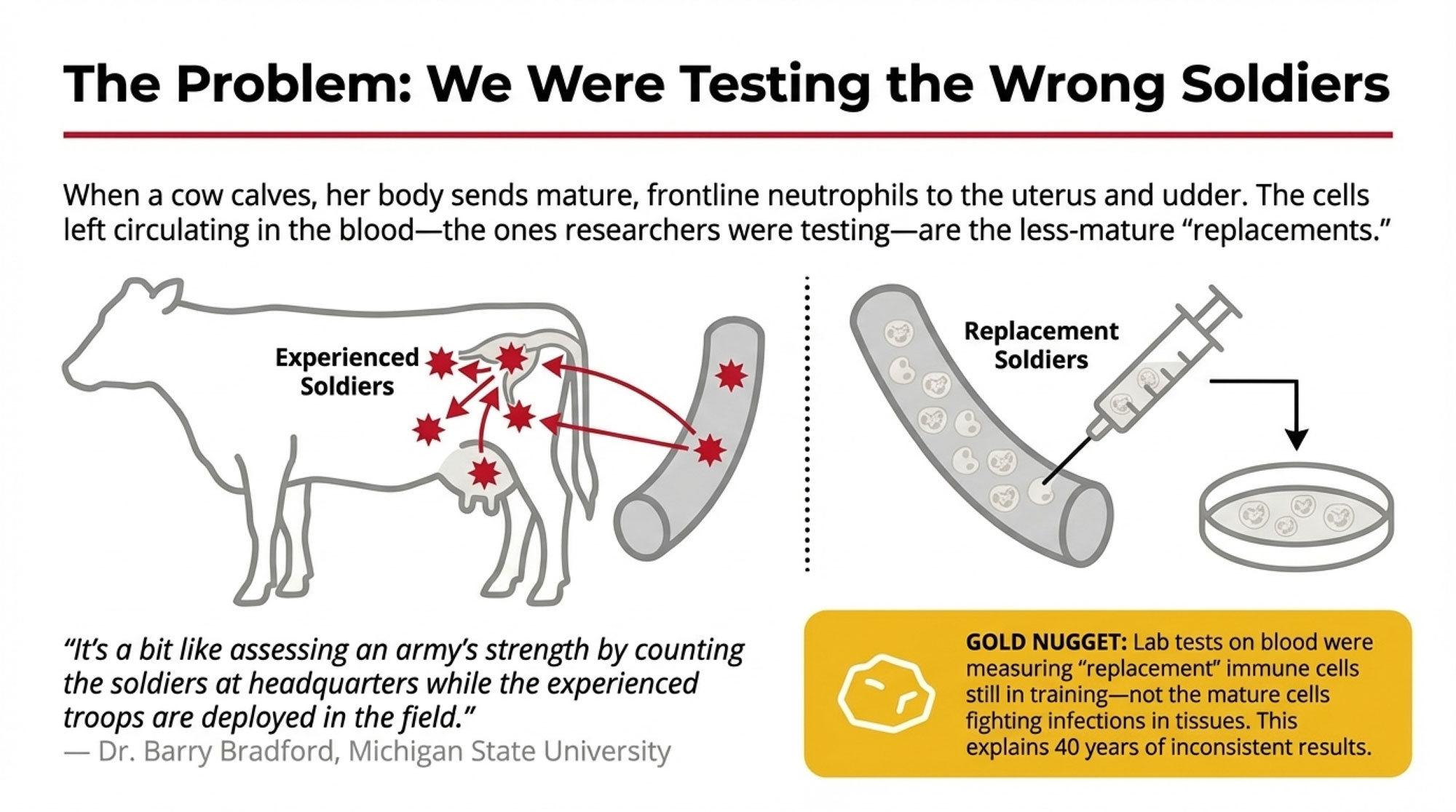
NewsSubscribe
First
Last
Consent

Calf Barn Decisions: Longevity or Milk? What Québec’s Latest Data Really Means for Your Bottom Line

Milk yield up, lifespan down? The latest Québec data says the average cow’s earning power jumps $240—but she only lasts 3.25 years.

EXECUTIVE SUMMARY: Alright, here’s what blew my mind—and might shake up your calf program too. Turns out, you can’t max out milk per cow and keep cows around forever. Québec researchers compared 1,600+ farms: old-school bucket calves on whole milk lasted 3.41 years, while “modern” pens with powder and auto-feeders only hung in 3.25 years. But hang on—those modern herds banked an extra 340kg of ECM and over $240 more per cow. That’s before you factor in 2025’s feed prices and the global push for feed efficiency and higher genomic merit. Bottom line? If you want more milk money (and you can handle faster turnover), it’s time to scrutinize how you raise those calves. Trust me, even a couple tweaks could fatten your milk check this season.

KEY TAKEAWAYS

  • Modern early-life systems = higher cash flow. Farms using group calf management and automated milk feeding made $8,008 per cow—up $240 compared to traditional setups.
    Try switching even part of your calf barn to automated feeders or group pens to see immediate productivity gains.
  • Less longevity, more liters. “Tech-forward” herds saw cows leave 0.16 years sooner—but pumped out 341kg more ECM per animal.
    Don’t cling to old culling targets—track your herd replacement rate alongside yield and make data-driven decisions.
  • Colostrum wins—no matter your system. Herds nailing fast, high-volume colostrum feeding lifted lifetime cow profits, regardless of milk source.
    Check your colostrum timing and quantity against current USDA and university extension benchmarks—tighten up if you’re lagging.
  • Calf feeding changes move the needle—fast. Early concentrate feeding and good group hygiene boost feed efficiency and milk value, right off the bat.
    Revisit your starter grain protocols and group-housing cleaning schedule this month—don’t let market volatility catch you napping.
  • Don’t follow “what’s always worked”—follow the ROI. Today’s industry winners blend genomic testing, herd-level economics, and hands-on management—don’t get left behind.
    Set aside an afternoon soon: review your DHI data and challenge just one thing about how calves are raised on your operation.

Here’s the thing about raising dairy calves today: every decision you make in the hutch or group pen sets the pace for future profit. And as new research from Québec shows, those decisions don’t just impact first lactation—they create a fundamental trade-off between a cow’s lifetime production and her longevity in the herd.

A deep-dive study out of Québec, surveying 1,658 herds, didn’t just ask about best intentions—it dug into what’s actually happening on real farms and then lined up those practices against hardcore numbers: years in production, kilograms in the tank, and dollars in the milk check. In this study, “traditional” meant calves raised individually, getting whole or waste milk by hand. “Modern” was defined as group housing with automated milk replacer feeders and all the labor-saving gadgets that are moving into more and more barns. The chart below illustrates the key management practices that defined these two distinct groups..

Adoption rates of key early-life management practices that define the Traditional (Trad) and Modern (Mod) farm clusters in the Québec study. Source: Dallago et al., JDS 2025.

The Trade-Off By the Numbers

MetricTraditional (n=600)Modern (n=1,058)
Productive Lifespan3.41 ± 0.03 yrs3.25 ± 0.02 yrs
Lifetime ECM11,090 ± 64 kg11,431 ± 48 kg
Lifetime Milk Value (CA$)7,769 ± 488,008 ± 36
% 3+ Lactations41.5 ± 0.341.6 ± 0.2

What strikes me most is that “traditional” setups—buckets, whole milk, solo pens—get you cows that last a bit longer. But those automation-heavy barns, with group housing and powdered replacer, are squeezing extra kilograms (and dollars) from each animal before they head down the lane. That might not seem earth-shattering—until you multiply by every cow that goes through your milking line this year, especially with input costs where they are now.

From Québec to Your Laneway: What This Means on the Farm

Let’s bring the numbers home. On one hand, you’ve got producers sticking with the tried-and-true—more hands-on, more hutches, more routine—and they do see cows round third or even fourth lactations more often. On the other? The neighbor who invested in automation, group pens, and instant milk powder… now he swears by the rapid gains in his heifers, but he’s trading off some longevity. Suddenly, average cull age is dropping by over six months.

This isn’t just a story about Québec, either. Out east, the tradition might stick around longer because labor is reliable. Out west, bigger herds and labor headaches push folks toward tech—and more risk if hygiene slips. The same patterns hold in the Midwest and upstate New York: regional differences matter, but the milk check ultimately tells the story.

What’s particularly noteworthy is that, as feed costs bounce and staff get scarcer, the appeal of automation is only growing. But the dollars and days lived by each cow still don’t move in the same direction.

Under the Hood: What Actually Moves the Needle?

Diving into the details, the “traditional” approach—whole or waste milk, buckets, solo housing—delivers on longevity. More mature cows, more productive lactations. But there’s a catch. According to Dallago and colleagues, the “modern” barn, with technology-driven group management and ample feed, yields higher lifetime milk and profit per animal. That’s what you see when you’re flipping through updated DHI reports.

Here’s something else the data made clear (and most vets or seasoned managers will back up): best-in-class colostrum management—meaning fast, clean, high-volume feedings—amplifies your chances regardless of the other system you’re running. There’s no one-size-fits-all solution, and not all “modern” is gold. Make a mess of hygiene in a big group pen, and you might be worse off than if you stuck with singles.

And let’s not overlook this next part: Disease and reproductive setbacks remain the wild cards. Even the best-managed, highest-yielding cows can crash out faster if transition or fresh-cow care gets sloppy. Barns with sharp protocols and strong staff? They consistently get closer to that sweet spot between yield and years.

Actionable Takeaways

  • Don’t just chase years or liters—balance your systems and track your outcomes. If you’re considering switching your milk feeding or housing approach, consider whether you have the necessary labor and management structure to maintain consistency. The shift to group housing or auto-feeders is only as effective as your vigilance in maintaining calf health and cleanliness.
  • Nail your colostrum protocol. Every credible study (and every older producer worth listening to) agrees: it’s about speed, cleanliness, and volume—not gadgets or flavorings.
  • For group/automated systems: Don’t skimp on daily monitoring and hygiene. Coughing up labor savings only to lose it in vet bills or higher youngstock losses is a rookie mistake—even seasoned teams get surprised by group challenges.
  • Culling for “maximum longevity” sounds great, but in some markets or barn set-ups, you may need to lean into yield. Either way, know your costs and margins, and revisit them regularly—especially if you’re shifting protocols or market prices fluctuate.

What’s Next for Progressive Producers?

Here’s my honest take: The data shows no perfect playbook. Some years, that extra $240 per cow could cover your feed cost spike, or help float you through a dry spell. Other times, extra months of production mean fewer replacement heifer dollars leaving your account. At the end of the day, you’ve got to keep your head up, work your plan (not just your neighbor’s), and get everyone on your team pulling in the same direction.

So, what have you seen in your own herd? Are you staying the course, or are you eyeing a shake-up in the calf barn? I’ll leave with this: The best operators blend the latest science with a heavy dose of barn-floor wisdom, testing, tweaking, and finding what really fits their herd and crew. And isn’t that what makes this industry so damn compelling right now?

Source: Based on the study “Early-life management practices and their association with dairy herd longevity, productivity, and profitability” by Dallago et al., Journal of Dairy Science, 2025.

Learn More:

  • The Ultimate Guide to Colostrum Management: From Birth to Brilliance – This guide provides the tactical steps for perfecting your colostrum program, from testing IgG quality to ensuring optimal intake. It reveals practical methods to build the resilient immune foundation that maximizes the potential of every calf, regardless of your system.
  • Dairy Profitability: Are you a Price Taker or a Profit Maker? – This article provides a strategic framework for analyzing costs and margins to improve your bottom line. It challenges you to decide whether the short-term milk value or long-term productive life discussed in the main article is the right economic choice.
  • Precision Technologies for Calves and Heifers: The Unseen Revolution – Looking beyond current automation, this piece explores the next wave of innovation in youngstock management. It demonstrates how new sensors and data analytics can enable early disease detection and optimize growth, showcasing the future of proactive, data-driven calf care.

Join the Revolution!

Join over 30,000 successful dairy professionals who rely on Bullvine Weekly for their competitive edge. Delivered directly to your inbox each week, our exclusive industry insights help you make smarter decisions while saving precious hours every week. Never miss critical updates on milk production trends, breakthrough technologies, and profit-boosting strategies that top producers are already implementing. Subscribe now to transform your dairy operation’s efficiency and profitability—your future success is just one click away.
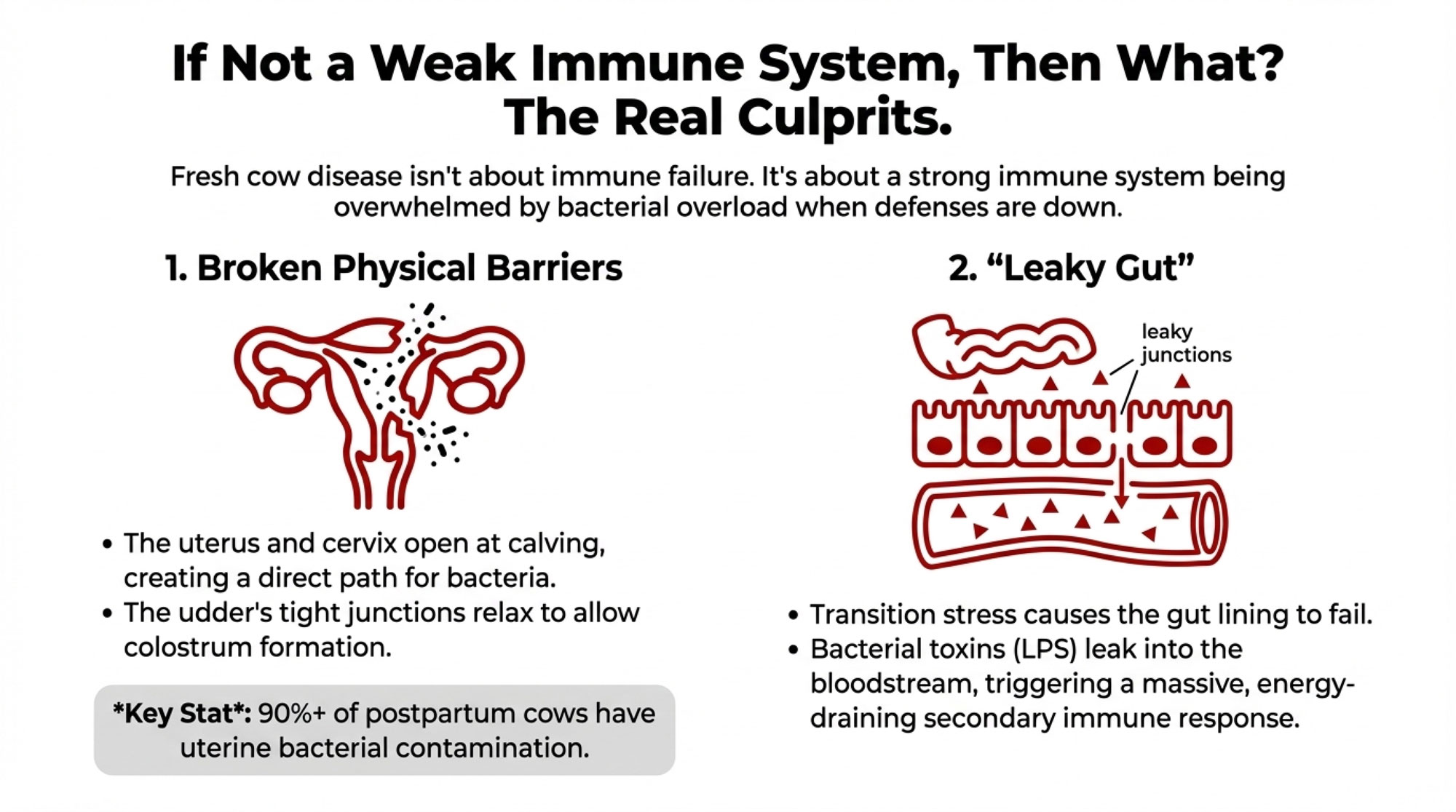
NewsSubscribe
First
Last
Consent

California’s Animal Health Officials Just Dropped a Vaccine Bombshell—And the Numbers Don’t Lie

$950 lost per infected cow vs $5 vaccine cost – California’s H5N1 numbers will shock you into action

EXECUTIVE SUMMARY: Here’s what’s keeping me up at night… California just proved that dairy disease prevention is stuck in the 1980s while we’ve modernized everything else. The numbers from Cornell are brutal – infected cows lose 901kg of milk over 60 days with production dropping 73% from 35kg daily down to just 10kg. That’s $950+ per affected animal, and some larger operations are seeing $1,200+ when you factor in all the hidden costs. Meanwhile, Medgene’s vaccine costs $5 per cow annually – do the math on a 1,200-head operation and you break even if just 5 cows get clinical disease. France already eliminated HPAI in their duck industry with vaccination while maintaining export markets, so the playbook exists. With milk prices running stronger than they have in years, you can’t afford to keep playing defense when prevention costs less than one week’s feed bill per cow.

KEY TAKEAWAYS

  • Immediate biosecurity ROI beats waiting – Feed protection upgrades ($15,000-25,000 range) eliminate primary transmission pathways now while vaccine manufacturing scales up. That Merced County operation invested $22,000 and stayed clean through two nearby outbreaks this summer.
  • Your milk check calculations just changed – With current Class III prices running stronger than recent years, production disruptions hit harder than during previous market downturns. Agricultural economists are seeing 20-30% higher revenue losses per cow due to improved base production and market premiums.
  • Regional strategies matter more than you think – California’s warm climate creates different viral persistence challenges than Wisconsin operations. Work with your veterinarian now to tailor protocols for local conditions because a successful northern strategy needs tweaking to work in warmer climates.
  • Timeline reality check for 2025 – Conditional vaccine approval appears likely within months, but manufacturing scale-up takes time. Don’t wait for vaccines to upgrade disease prevention protocols – smart producers are implementing enhanced biosecurity now and planning vaccine integration later.
  • Cross-species transmission isn’t theoretical anymore – Among 17 affected states, 12 have seen poultry outbreaks directly traced back to infected cattle operations. Your biosecurity decisions affect more than just your dairy – they impact the entire local agricultural ecosystem.

The thing about California’s dairy industry is that when they talk, everyone listens. So when state animal health officials started pushing hard for immediate H5N1 cattle vaccination, they weren’t just making policy noise—some pretty sobering economics backed them. We’re talking $950 per infected cow versus a $5 annual vaccine investment.

What strikes me about this whole situation is how quickly the conversation has shifted from “if” to “when” on cattle vaccination.

QUICK FACTS: The H5N1 Economics

Outbreak Cost Per Cow: $950+ (immediate losses only)
Milk Loss: 901kg over 60 days (73% production drop)
Vaccination Cost: $5 annually ($2.50 × 2 doses)
Break-even: Just 5 affected cows = annual vaccination cost for 1,200-head operation

The California Reality Check

Here’s what’s happening in the Golden State right now. California animal health officials have been advocating strongly for immediate cattle vaccination as a preventive strategy, emphasizing the interconnectedness of dairy and poultry outbreaks. And honestly? The data backing them up is compelling.

Current USDA tracking indicates that we have over 1,000 confirmed dairy herd infections across 17 states. California’s taking the biggest hit—they’re leading the nation with the highest number of confirmed cases, representing a significant portion of the national total.

However, what really caught my attention is that among the 17 affected states, at least a dozen have experienced poultry outbreaks directly linked to infected cattle operations. Cross-species transmission is no longer theoretical—it’s happening on farms across the Central Valley to Wisconsin. California operations, representing a significant portion of the state’s dairy production capacity, are dealing with this firsthand.

Regional Challenge Comparison Matrix

Challenge FactorCaliforniaWisconsinNew YorkTexas
Climate ImpactHighLowMediumHigh
Vet CapacityStrainedAdequateAdequateStrained
Outbreak RiskVery HighMediumMediumHigh
Implementation UrgencyImmediateModerateModerateHigh
Trade ConcernsHighMediumLowMedium

Central Valley producers are reporting that their operations have transitioned from normal milk production to quarantine protocols in under two weeks. That’s the reality we’re dealing with across the industry —and it’s happening faster than most people anticipated.

The Economics Are Pretty Straightforward

What’s fascinating about the current cost analysis is how clear-cut the investment case has become. According to recent research from Cornell University published in Scientific Reports, the real costs break down at $950 per clinically affected animal—and that’s just the immediate hit from milk losses and increased culling over 60 days.

The Cornell researchers documented something quite stunning: infected cows lost an average of 901 kilograms of milk over those 60 days, with peak production dropping 73% (from around 35 kilograms daily down to just 10 kilograms).

According to industry professionals, the actual costs are higher when you factor in extended veterinary expenses, extra labor for monitoring, and quarantine protocols. Some operations—especially larger California dairies—are looking at $1,200+ per affected cow when everything’s tallied up.

Compare that to the vaccination economics coming out of Medgene Labs’ partnership with Elanco. Two doses annually at $2.50 each means $5 per cow per year. For a typical California dairy running 1,200 head, that’s a $6,000 annual investment—equivalent to what you’d lose from just five clinically affected animals.

The math gets even more interesting when you consider current market conditions. With milk prices running stronger than they have in recent years, production disruptions hit the bottom line harder than they used to. A consultant I know who works with Tulare County operations calculated that dairies are facing higher revenue losses per cow now than during previous market downturns, simply because base production levels and market premiums have both improved.

Vaccine Development Is Moving Fast… But Is It Fast Enough?

What’s particularly noteworthy about the pharmaceutical response is the speed at which it is unfolding. Medgene’s platform approach builds on existing USDA-approved technology, enabling them to modify strains significantly faster than traditional development cycles. This’s crucial when dealing with viral variants that continue to emerge across different regions.

The clinical data also look promising. Research published in Scientific Reports shows strong dose-dependent immune responses, with optimal protocols hitting good antibody titers by week four post-vaccination. Plus—and this caught my eye—antibody transfer into milk could provide passive protection for calves.

However, here’s the reality check: while the USDA’s Center for Veterinary Biologics has authorized field safety studies, scaling up from current production capacity to meet national demand? That will require significant infrastructure investment.

What’s interesting is how veterinary professionals approach this issue differently across regions. Wisconsin practitioners tend to be more cautious about implementation timelines, while California veterinarians seem more urgent—probably because they’re dealing with active outbreaks on a daily basis. A veterinarian I spoke with in Modesto said they receive calls every week from producers inquiring about vaccine availability.

Biosecurity Can’t Wait for Vaccines

The fact is, while we wait for vaccines to hit the market, enhanced biosecurity is delivering immediate returns. University researchers emphasize that dairy operations need enhanced disease prevention protocols similar to those standard in poultry and swine industries. And honestly, that’s something the industry can address right now.

What are producers doing that’s working? The USDA’s biosecurity frameworks focus on the big-impact areas: controlling vehicle access, systematic equipment disinfection, and preventing wild birds from accessing feed storage.

Feed storage modifications to prevent wild bird access are becoming increasingly common investments, typically running in the $15,000-$ 25,000 range per operation. This eliminates a primary transmission pathway. And with milking system disinfection being critical (given the high viral loads in mammary tissue), automated disinfection systems are reducing labor while ensuring consistent pathogen elimination between cows.

Here’s a success story that caught my attention: a 2,800-cow operation in Merced County invested $22,000 in covered feed storage and automated truck wash stations back in March after seeing their neighbor get hit. They’ve stayed clean through two nearby outbreaks this summer. Their feed consultant told me the ROI calculation was pretty straightforward—losing even 50 cows to clinical disease would’ve cost more than the entire biosecurity upgrade.

Break-Even Analysis Summary

ScenarioCost/BenefitAmount
Annual Vaccination (1,200 head)Cost$6,000
Break-even (5 cows @ $950)Prevention Value$4,750
Break-even (4 cows @ $1,200)Prevention Value$4,800
Typical Outbreak (20% infection)Potential Loss$228,000
Typical Outbreak (30% infection)Potential Loss$432,000
ROI RangeReturn3,800% – 7,200%

This approach is becoming more widespread, but industry professionals are still seeing operations where biosecurity feels like an afterthought. Some producers have implemented excellent feed protection measures, but still allow delivery trucks to drive through facilities without implementing any decontamination protocols. Can’t afford to think that way anymore.

The Implementation Reality… It’s Complicated

Here’s where things get tricky, though. Trade considerations are keeping some folks up at night, with multiple countries maintaining restrictions on vaccinated poultry products. Will cattle products face similar restrictions? France’s duck vaccination program successfully eliminated HPAI without compromising its export markets, but every country’s regulatory response could be different.

Financial accessibility is another hurdle. Federal funding support is available for vaccine development and deployment; however, the economics still leave gaps for smaller operations. They will need creative financing or cooperative purchasing arrangements to make this work. Industry reports suggest some California milk marketing orders are exploring group purchasing programs.

And then there’s veterinary capacity. Two doses annually with precise timing and cold-chain requirements? Rural veterinary services are already stretched thin managing increased biosecurity consultations and outbreak responses.

What’s interesting is how differently this is playing out across regions. California’s warm climate appears to create different challenges than those operations are facing in Wisconsin or New York—the virus seems to persist longer in warmer conditions, which may explain why California’s experiencing more sustained outbreaks. A veterinary epidemiologist from UC Davis mentioned that heat stress might be compromising immune responses, making cattle more susceptible.

Where Industry Leaders Stand

The regulatory momentum is clearly building toward the implementation of prevention strategies. Industry heavyweights, including the National Milk Producers Federation, are formally backing the accelerated development of vaccines. When dairy cooperatives start emphasizing economic necessity in their policy positions, you know the tide is turning.

Federal signals point the same direction. The latest HPAI response package shows Washington’s commitment to pharmaceutical solutions alongside traditional surveillance.

Based on industry observations, the conversation at recent dairy conferences has undergone a significant shift. Instead of debating whether vaccination is necessary, producers are asking how quickly it can be implemented. That’s a pretty significant shift from where the industry stood even six months ago.

The Big Picture Industry Shift

What we’re witnessing goes way beyond California policy or even H5N1 management. This represents a fundamental transformation in how American dairy farming approaches disease prevention—shifting from reactive crisis management to proactive risk mitigation. California’s vaccination push is really the canary in the coal mine for a much larger conversation about modernizing livestock health strategies.

Consider this: we’ve invested decades in developing sophisticated genetic selection programs, precision nutrition systems, and automated monitoring technologies. But disease prevention? The industry has been essentially playing defense with 1980s playbooks. The H5N1 crisis is forcing dairy operations to finally invest in prevention infrastructure, just as they have in production efficiency.

Current trends suggest we’re looking at the biggest shift in dairy disease management since bulk tank testing became standard. And honestly? It’s about time the industry got ahead of a disease challenge instead of playing catch-up.

Bottom Line for Dairy Professionals

Biosecurity MeasureInvestment CostAnnual Savings*Payback PeriodRisk Reduction
Feed Storage Protection$15,000-$25,000$47,5004-6 months60-80%
Vehicle Wash Stations$8,000-$12,000$23,7504-6 months40-60%
Equipment Disinfection$5,000-$8,000$19,0003-4 months30-50%
Complete Protocol$30,000-$45,000$95,0004-6 months80-95%

*Based on preventing infection in 50-cow subset of 1,200-head operation

Here’s what you need to know right now:

Economic Reality Check: A $5 annual vaccination costs less than $950+ in outbreak losses every time. With current milk prices, production disruptions hurt more than they used to. Run your own numbers based on herd size and regional risk patterns—the math is pretty straightforward when you see those Cornell figures.

Immediate Biosecurity Investment: Feed protection upgrades in the $15,000-25,000 range eliminate primary transmission pathways while you wait for vaccines. Focus on vehicle access control and systematic equipment disinfection protocols. The Merced County example demonstrates that the payback is real.

Timeline Planning: Conditional vaccine approval appears likely within months, but scaling up manufacturing takes time. Upgrade biosecurity protocols now and integrate vaccination later. Don’t wait for vaccines to start improving disease prevention strategies.

Regional Strategy: California’s warm climate presents different persistence challenges than those experienced by northern operations. Work with your veterinarian to tailor protocols to local conditions and available veterinary capacity. A successful Wisconsin strategy will need tweaking to succeed in the Central Valley.

From where I sit, California just fired the starting gun on a vaccination program that’s going to reshape American dairy farming. The question isn’t whether this is coming—it’s whether your operation will be ready when it does.

The evidence suggests that this represents the most significant shift in livestock health management in decades. Smart producers are already adapting their strategies accordingly… and frankly, they’re the ones who’ll come out ahead when this crisis finally passes.

Complete references and supporting documentation are available upon request by contacting the editorial team at editor@thebullvine.com.

Learn More:

Join the Revolution!

Join over 30,000 successful dairy professionals who rely on Bullvine Weekly for their competitive edge. Delivered directly to your inbox each week, our exclusive industry insights help you make smarter decisions while saving precious hours every week. Never miss critical updates on milk production trends, breakthrough technologies, and profit-boosting strategies that top producers are already implementing. Subscribe now to transform your dairy operation’s efficiency and profitability—your future success is just one click away.

NewsSubscribe
First
Last
Consent

Inbreeding by the Numbers: What Your Bull Proofs Aren’t Telling You

Everyone says chase the highest milk yield… but what if that’s quietly draining your profits, one genomic bull at a time?

The numbers on the screen look great, but what are the hidden costs of our genetic choices?

You ever have that moment, late at night, scrolling through bull proofs with a cold cup of coffee, and something just doesn’t add up? On paper, your herd’s genetic merit is off the charts, but conception rates are slipping, and you’re seeing more health issues than you’d like to admit. Trust me, you’re not imagining things—and you’re definitely not alone.

I’ve been talking with producers from coast to coast—big dry lots out in California’s Central Valley, tie-stalls on the rolling hills of Wisconsin, and everywhere in between. There’s a quiet trend building, and it’s not about milk price or feed costs (though, let’s be honest, we all lose sleep over those too). This is something deeper—a multi-billion-dollar genetic reckoning that’s happening right now in all our herds.

Here’s what really sticks in my craw: we’re spending fortunes chasing the top 1% of sires, poring over genomic proofs until our eyes cross, and on paper, our herds have never looked better. So why does it feel like we’re running faster just to stay in the same place?

The $23-Per-Cow Problem That’s Adding Up Fast

Let me hit you with a number that’ll wake you up faster than a fresh cup of dark roast. According to a 2020 study from Penn State, between 2011 and 2019—right as genomic selection was gaining steam—the U.S. Holstein industry lost between $2.5 and $6 billion. That’s not a typo, and it wasn’t a market crash or feed crisis. That was the cost directly tied to rising inbreeding that came with our shiny new genomic tools.

For every 1% bump in inbreeding costs you about $23 per cow annually—and let’s be clear, that’s per lactation, not lifetime. Do the math. If you’re milking 1,000 cows, that’s $23,000 a year for every percentage point of inbreeding. Over five years? That’s $115,000—enough to replace 40 solid cows.

Annual economic impact of inbreeding shows escalating costs, with highly inbred cows (15%) costing $345 more per year than moderately inbred cows (3%), representing a five-fold increase in economic burden

But here’s what keeps me up at night: the very technology we embraced to future-proof our herds could be creating a systemic vulnerability if we’re not managing it with our eyes wide open. Genomic selection has been a game-changer. It’s slashed generation intervals from about 5.5 years to less than two, and according to recent CDCB research, genetic gain has jumped by 12% to over 100% compared to the old progeny testing days.

The problem? That same rocket fuel has driven the effective population size of U.S. Holstein bulls down to a historic low—just 43 to 66 animals. Think about it: the genetic diversity of the world’s most dominant dairy breed now rests on fewer animals than most high school graduating classes.

Pedigree vs. Genomic: Which Inbreeding Number Actually Matters?

Genomic selection dramatically reduced generation intervals from 7.0 to 2.3 years while nearly doubling genetic gain rates, demonstrating the revolutionary impact of genomic technologies on dairy cattle breeding efficiency

Here’s where things get interesting. When we talk about inbreeding, we’re really talking about two different numbers, and the difference matters more than you might think.

Pedigree-based inbreeding is what we’ve used for decades—it’s like cattle genealogy, calculating the odds that an animal inherited identical genes from a common ancestor. But it often underestimates what’s actually happening in the genome.

Genomic inbreeding, measured through runs of homozygosity (ROH), looks directly at the DNA to see where an animal truly has identical gene sequences. It’s the difference between assuming what went into a recipe and actually tasting the final dish.

What strikes me about the genomic approach is how it can distinguish between old inbreeding (from way back in the pedigree) and recent inbreeding (from repeatedly using popular sires). The recent stuff—that’s what’s really hurting us. A 2023 study from the University of Guelph showed that recent inbreeding under genomic selection has a sharper negative impact on both production and fitness traits than the “old” inbreeding our breeds have carried for generations.

So, which should you focus on? My take: use genomic measures for the animals you’ve got data on, and supplement with pedigree for everything else. Genomic tools give you the real picture of what’s happening now.

Where to Actually Find These Numbers (Because That Matters)

You can’t manage what you can’t measure. For U.S. herds, your best bet is the CDCB (Council on Dairy Cattle Breeding) website. They publish Holstein inbreeding reports that give you both pedigree and genomic inbreeding levels for AI sires. It’s free, it’s current, and it’s data you can use.

Canadian producers might have it even better—Lactanet has integrated genomic inbreeding tools right into their genetic evaluation system. You can get inbreeding levels on individual animals as part of your regular genetic evaluations.

Here’s what’s interesting, though: most breed associations don’t routinely publish inbreeding levels in their regular communications. It’s there if you dig, but it’s not as front-and-center as TPI or LPI rankings. That needs to change.

The Wake-Up Call: Genomic vs. Proven Sires

Rising inbreeding rates in Holstein cattle showing the dramatic increase since genomic selection implementation, with genomic measures revealing higher true inbreeding levels than pedigree-based calculations

Want something that’ll make you think twice about your next sire selection? Here’s a stat that’s been making the rounds among geneticists but hasn’t gotten the attention it deserves.

The top 10 TPI genomic sires—the young bulls everyone’s chasing—are averaging around 4–6% inbreeding. Proven sires typically run 3–5%. It’s easy to misread these numbers. That 4–6% inbreeding on a top genomic bull isn’t an additional amount; it’s his total inbreeding. Considering the average Holstein cow is already at 11%, this shows that AI companies are actively managing this trait, selecting elite bulls that are often less inbred than much of the female population. So, when you see those numbers on a bull proof, it’s showing you the bull’s own calculated inbreeding, not how much higher (or lower) he’s compared to the average cow in the population. This distinction matters because it means that even the most popular young sires are typically being selected with inbreeding management in mind, not just raw genetic merit.

Why are the genomic bulls a little more inbred than the proven ones? It comes down to selection intensity. When you can spot the “best” animals at 6 months old instead of waiting 5 years for daughters to freshen, the temptation is to concentrate selection on a smaller and smaller group of elite animals. The math works—until it doesn’t.

Holstein vs. Jersey: A Tale of Two Breeding Philosophies

Breed comparison reveals Holstein cattle have the highest inbreeding rates but lowest milk component percentages, while Jersey cattle show better component quality with lower inbreeding levels, highlighting the trade-offs between production volume and quality

This trend reveals something fascinating when you compare breeds. Current Holstein populations average around 11% genomic inbreeding, while Jerseys typically run closer to 9%. The economic impact? That $23-per-cow hit I mentioned earlier applies to Holsteins. Jerseys, with their more regional breeding patterns and less reliance on a handful of global sires, tend to experience less inbreeding and, as a result, see smaller economic losses from inbreeding depression.

What’s the difference? Scale and global reach. Holstein genetics flows globally—a popular sire in the Netherlands is used heavily in the U.S., Canada, and a dozen other countries. Jersey breeding, while international, tends to be more regionalized with more diverse sire usage patterns.

A Tale of Two Neighbors

MetricFarm A (Volume Focus)Farm B (Component Focus)
Breeding GoalMax Milk VolumeMax Component Yield & Health
Milk / Day100 lbs90 lbs
Butterfat %4.10%4.60%
Protein %3.00%3.40%
Total Solids / Day7.2 lbs7.2 lbs
Key OutcomeHigh Volume, High StressResilient Herd, Same Solids

Let’s bring this down to something you can picture—a real-world scenario that’s playing out in more herds than you might think.

Imagine two Holstein herds, each milking 80 cows. Both are run by savvy managers who keep a close eye on their numbers and aren’t afraid to try new things. For the last five years, both have used genomic selection, but their breeding philosophies have diverged.

Farm A is laser-focused on maximizing milk volume. They’ve chased the highest-ranking genomic bulls for milk yield, and their cows average 100 pounds per day. On paper, that looks impressive. But their herd averages 4.1% butterfat and 3.0% protein, which works out to about 7.2 pounds of combined fat and protein per cow per day.

Farm B takes a different tack. Their goal is to maximize component yield and herd health, not just volume. They select bulls based on fat and protein percentages, aiming for a more balanced cow. Their cows average 90 pounds of milk per day, but with 4.6% butterfat and 3.4% protein, also 7.2 pounds of combined solids per cow per day.

Now, here’s where it gets interesting. Even though Farm B’s cows are producing less milk by volume, they’re matching Farm A on actual solids shipped per cow. And with higher component percentages, Farm B’s milk checks are more resilient to market swings that reward fat and protein. Plus, their cows are under less metabolic stress, which means fewer health issues, better fertility, and less burnout for the staff. There’s less time spent in the hospital pen and more time with cows in the parlor where they belong.

Over time, Farm B’s approach pays off. Their vet bills are lower, cows stay in the herd longer, and staff turnover drops because the work is more manageable. When you pencil it out, Farm B’s cows are just as profitable—if not more so—than their higher-volume neighbors, all while running a less stressful, more sustainable operation.

The lesson? Chasing maximum milk yield isn’t always the path to maximum profit or herd health, especially when you focus on what really matters: pounds of fat and protein shipped, cow well-being, and a system that works for both people and animals.

The Numbers That Tell the Real Story

This isn’t just philosophical—there are hard numbers behind these observations. Research from multiple countries paints a consistent picture of what inbreeding depression actually costs:

  • Production hits: Every 1% increase in inbreeding typically reduces annual milk production by 26–41 kg (that’s 57–90 pounds). For fat and protein, you can expect losses of 1–2 kg each. Doesn’t sound like much? Multiply it across your entire herd and calculate the results over a full lactation and for longer productive lifetimes per cow.
  • Fertility takes the biggest hit: This is where inbreeding depression really shows its teeth. Calving intervals stretch out by about a quarter-day for every 1% of inbreeding. I know that sounds tiny, but when you’re already struggling to get cows bred back, every day matters.
  • The hidden costs: Here’s what really gets expensive—increased somatic cell counts, higher culling rates, more stillbirths, and what I call “mystery ailments.” These are cows that aren’t clinically sick but don’t thrive as they should.

What’s particularly concerning, based on recent research from Australia and Europe, is that the inbreeding we’re accumulating now under genomic selection appears to be more detrimental than the traditional inbreeding from past generations. This suggests we’re making genetic changes faster than natural selection can keep up with.

Managing the “Junk” in Our Gene Pool

The thing about genetics is you get the whole package—the good, the bad, and the downright ugly. There are over 130 known genetic defects in cattle, and that’s just the stuff we’ve identified so far and can test for. A significant portion of the real damage stems from early embryonic losses, which we often attribute to “didn’t settle” or “bad heat detection”.

This is where organizations like Lactanet in Canada and the CDCB in the U.S. earn their keep. They’re tracking these genetic defects and building tests to identify carriers. Most AI companies now provide carrier status for about 22 known genetic defects as part of their standard genetic evaluation reporting package.

But here’s what keeps geneticists up at night: new mutations keep popping up. When an influential AI sire carries a new deleterious mutation—especially if he’s a mosaic, meaning only some of his sperm carry it—that mutation can spread like wildfire before anyone notices. Remember the “Pawnee Farm Arlinda Chief” situation? One sire, one mutation, over 500,000 spontaneous abortions, and nearly $420 million in global industry losses.

Smart Strategies That Actually Work

Diagram: Instead of putting all your genetic eggs in one basket, Optimum Contribution Selection (OCS) diversifies your sire portfolio to maximize long-term gain while controlling inbreeding risk.

Alright, enough about the problems. Let’s talk solutions—real ones that producers are using right now with good results.

Optimum Contribution Selection is the technical term for what amounts to informed genetic planning. Instead of just using the highest-ranking bull for every breeding, OCS figures out the optimal genetic contribution from a whole group of candidates. The goal is to maximize genetic gain while keeping inbreeding under control.

Think of it this way: you might use the #1 TPI bull on 40% of your herd, the #5 bull on 30%, and a few others to fill out the genetic diversity. You’re still getting tremendous genetic progress, but you’re not putting all your eggs in one genetic basket.

The research backs this up. Multiple recent studies—including work involving Cornell and other major universities—have shown that OCS programs can achieve higher long-term genetic gain than traditional selection, all while keeping inbreeding rates in check. It’s not just theory; the scientific consensus is growing as more research teams publish real-world results.

Crossbreeding is another tool that’s gaining traction, especially among commercial producers who get paid on components. A well-planned three-way cross with Holstein, Jersey, and maybe Montbéliarde or Brown Swiss can deliver significant improvements in fertility and health through hybrid vigor. I know it’s not for everyone—especially if you’re in a market that demands Holstein cattle—but for commercial operations focused on profit per cow rather than genetic prestige, it’s worth considering.

Gene banking might sound like science fiction, but it’s actually a practical form of insurance. Storing and using semen and embryos from a diverse group of animals provides options down the road if current breeding trends create unforeseen problems.

The Reality Check: Implementation Hurdles

Implementing a diverse breeding strategy requires meticulous record-keeping and semen tank management, a key hurdle for many operations.

Here’s where theory meets the real world, and it’s not always a pretty picture. I’ve spoken to numerous producers who have attempted to implement these advanced breeding strategies, and the feedback is consistent: it’s more challenging than it sounds.

  • Logistics matter. If you commit to an OCS program, you might get a breeding plan that calls for very specific matings—Bull A to Cow 123, Bull B to Cow 456. That requires meticulous record-keeping and a well-organized semen tank. For operations where one person is responsible for all breeding, especially in larger herds, this can be a significant challenge.
  • Inventory costs add up. Using a diverse group of sires means keeping more bulls in your tank, which ties up capital and requires more careful inventory management than just ordering the “bull of the month.”
  • The human element is huge. It takes discipline to stick to a long-term plan when there’s a chart-topping TPI bull available. The mindset shift from maximizing every single mating to optimizing the long-term health, production efficiency, and welfare of the whole herd requires buy-in from everyone—owner, herd manager, AI technician.

That said, the producers who’ve made this transition tell me it gets easier with time, and the results speak for themselves.

Looking Forward: What’s Coming Next

The future of genetic diversity management is getting more sophisticated every year. Artificial intelligence is beginning to play a role in optimizing breeding strategies, not only for genetic gain but also for managing inbreeding and diversity across multiple generations.

Whole genome sequencing is becoming more affordable, which means we’ll be better in the future at identifying harmful mutations before they spread. The cost has dropped from thousands of dollars per animal to hundreds, and it continues to decline.

What’s particularly exciting is the development of combined strategies that use multiple approaches simultaneously—OCS, weighted selection for rare beneficial alleles, strategic outcrossing, and active management of genetic defects. Early research suggests these combined approaches can deliver the best of both worlds: continued genetic progress with better diversity maintenance.

The Bottom Line: Your Genetic Legacy

Look, we’re at a crossroads. We can continue to chase maximum short-term genetic gain and accept the hidden costs of genetic erosion as just the price of doing business. Or we can get smarter about how we breed cattle—capturing genetic progress while building herds that are resilient enough to handle whatever comes next.

The evidence is clear: producers who take genetic diversity seriously don’t sacrifice genetic progress—they optimize it for the long haul. They’re not accepting lower profits; they’re building more sustainable competitive advantages.

The tools exist. The research is solid. The question is whether we’ll be among the early adopters who see the writing on the wall, or whether we’ll wait until the problems are too big to ignore.

Your genetic decisions this year will impact your herd’s productivity and your farm’s profitability for generations to come. That multi-billion-dollar hit the industry has already taken? It’s both a warning and an opportunity. The producers who heed the warning will be the ones who capture the opportunity.

So here’s my challenge to you: next time you’re selecting sires, ask yourself—and your genetics advisor—some tough questions. What’s our herd’s current inbreeding level? How can we apply OCS principles to strike a balance between our goals? Which outcross sires would be suitable for our system?

The real question isn’t whether you can afford to implement these strategies. It’s whether you can afford not to.

Bottom line: Don’t just follow the crowd. The smartest producers in 2025 are protecting their herds—and their profits—by thinking beyond the next bull proof. Give these strategies a shot and let your milk check do the talking.

Coming up in our next article, “Part 2: A Deep Dive into the Data,” we’ll dig deep into the shocking statistics every breeder should know, including detailed comparisons of top genomic versus proven sires and breed-specific benchmarks to help you assess where your herd stands.

KEY TAKEAWAYS

  • Stop silent profit leaks: Every 1% rise in inbreeding costs you $23 per cow, per year.
    Action: Check your herd’s inbreeding numbers on CDCB or Lactanet today—don’t wait for a consultant.
  • Genomic testing is a double-edged sword: Yes, it boosts genetic gain by 12–100%, but it’s also shrinking your genetic base fast.
    Action: Ask your genetics rep for the inbreeding coefficient on every bull you buy—aim for below the breed average (currently ~11% for Holsteins).
  • Components beat volume for real ROI: Two herds with the same solids shipped (7.2 lbs/cow/day) can have wildly different stress, health, and profit—don’t chase milk pounds alone.
    Action: Shift your sire selection index to prioritize fat and protein percentages, not just yield.
  • Diversify or pay the price: Herds using optimum contribution selection (OCS) or crossbreeding are seeing lower vet bills and longer cow lifespans, even with lower daily milk.
    Action: Try OCS planning or introduce a crossbred bull—see how it impacts your cull rate and staff workload.
  • 2025 is all about resilience: Feed and labor costs aren’t dropping, so your genetics program needs to deliver more than just big numbers on paper.
    Action: Review your breeding plan with a focus on genetic diversity and operational sustainability—don’t get left behind.

EXECUTIVE SUMMARY

Let me lay it out straight—chasing the top 1% of genomic bulls might be costing you more than you think. According to a Penn State study, U.S. Holstein herds lost between $2.5 and $6 billion from inbreeding tied to aggressive genetic selection. Every 1% jump in inbreeding knocks $23 off your annual revenue per cow, and with herds averaging 11% inbreeding, that’s real money. Sure, genomic testing slashed generation intervals and doubled genetic gain, but it also shrank the effective bull population to just 43 animals. That’s not just a U.S. thing—global trends show the same squeeze on diversity, from Europe to Australia. The kicker? Herds focusing on fat and protein yield, not just milk pounds, are matching or beating their high-volume neighbors in profit and cow health. If you want to protect your margins in 2025’s tight market, it’s time to rethink your breeding strategy—try mixing in optimum contribution selection or crossbreeding, and watch your bottom line thank you.

Complete references and supporting documentation are available upon request by contacting the editorial team at editor@thebullvine.com.

Learn More:

  • Genomic Inbreeding: How Much Is Too Much? – Offers practical strategies for monitoring and managing inbreeding at the farm level, including step-by-step guidance on using genomic data to make smarter breeding decisions and immediately reduce risk in your herd.
  • The Dollars and Sense of Dairy Genetics – Reveals how genetic choices impact long-term profitability, with actionable insights on navigating market trends, economic trade-offs, and the real-world financial implications of different breeding strategies in today’s volatile dairy industry.
  • Dairy Breeding Innovation: Are You Ready for What’s Next? – Explores cutting-edge technologies and future opportunities, demonstrating how forward-thinking producers can leverage emerging tools and innovations to stay ahead of genetic challenges and build a more resilient, productive herd.

Join the Revolution!

Join over 30,000 successful dairy professionals who rely on Bullvine Weekly for their competitive edge. Delivered directly to your inbox each week, our exclusive industry insights help you make smarter decisions while saving precious hours every week. Never miss critical updates on milk production trends, breakthrough technologies, and profit-boosting strategies that top producers are already implementing. Subscribe now to transform your dairy operation’s efficiency and profitability—your future success is just one click away.
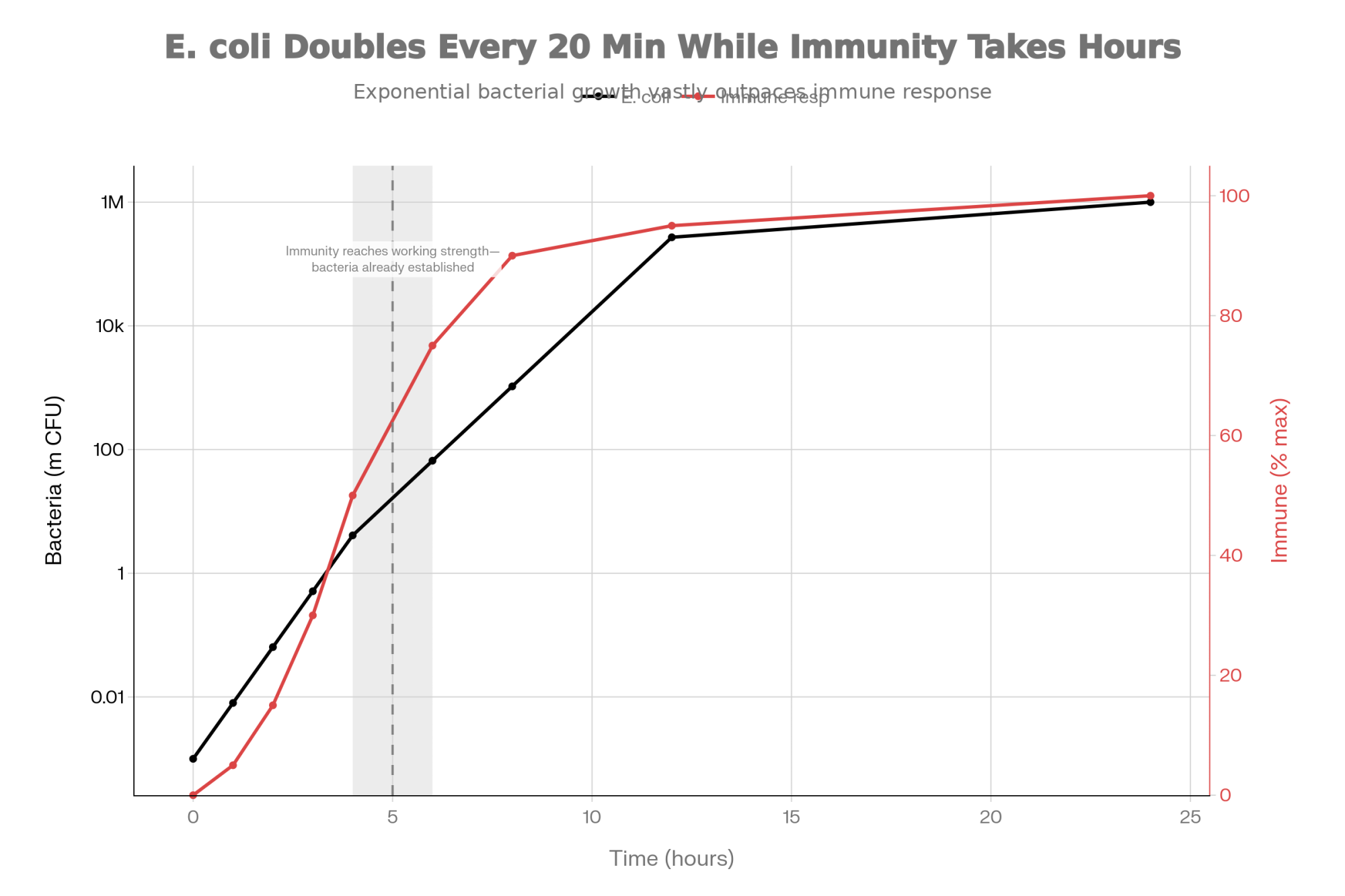
NewsSubscribe
First
Last
Consent

Reverse Your Herd Expansion Strategy: Why Strategic Downsizing Could Boost Profits 40% in 2025

Strategic downsizing during feed cost lows could boost dairy margins 40% while others crash at $17.55/cwt.

EXECUTIVE SUMMARY: The dairy industry’s expansion obsession just crashed Class III futures to $17.55/cwt—levels that put most producers in the red—while the U.S. herd reached 9.445 million head, the highest since July 2021. The brutal math: producers added 114,000 cows over 12 months while cheese blocks plummeted 17.25¢ and barrels dropped 17.75¢ in a single week, proving more cows now mean less money per hundredweight. Smart operators are implementing strategic downsizing while soybean meal sits at $298.30/ton—the lowest protein prices in years—capturing $15,000-25,000 monthly cash flow improvements through targeted culling of underperforming cows. Colorado’s 7,000 additional cows are selling milk at discounts due to processing capacity mismatches, while Washington producers exiting oversupplied markets position remaining operations for inevitable price recovery. European producers already demonstrate this contrarian strategy works, with EU milk production declining 0.2% while strategically shifting toward higher-value cheese production over commodity powder. Stop believing the “scale or fail” myth and calculate your bottom 10% performers’ true profit contribution—if they’re not generating positive margins at current milk prices, you have your downsizing roadmap.

KEY TAKEAWAYS

  • Strategic Culling ROI Framework: Eliminating the bottom 15% of performers (cows with SCC >200,000, days open >150, poor feed conversion) can reduce operational costs by $175-225 per culled cow monthly while improving per-cow margins by $0.75-1.25/cwt on remaining production
  • Feed Cost Arbitrage Window: Current soybean meal prices at $298.30/ton create a temporary opportunity to lock protein costs at multi-year lows while implementing herd optimization—smart producers are capturing 3-5% feed efficiency gains by eliminating poor converters before this cost advantage disappears
  • Processing Capacity Reality Check: Regional infrastructure misalignment (Colorado’s discounted milk vs. Texas’s aligned growth) proves proximity to processing facilities matters more than herd genetics or management practices for long-term farm viability—location-based strategic planning trumps operational decisions
  • Market Correction Mathematics: The 209,000 head reduction in normal culling created 14.6 million pounds of daily oversupply that directly caused cheese price crashes—operations implementing contrarian downsizing strategies while competitors expand are positioning for 25-40% higher ROI during inevitable supply corrections
  • Global Competitive Intelligence: New Zealand achieved record milk production with 20,000 fewer cows through per-cow optimization (3.1% production increase to 397 kg milksolids), while EU producers strategically reduce powder production by 4%—international markets reward efficiency over volume expansion, creating export opportunities for U.S. producers who optimize rather than maximize
dairy herd management, strategic downsizing, dairy profitability, milk production optimization, dairy farm efficiency

While every dairy consultant preaches “scale up or ship out,” the industry’s expansion obsession just crashed milk prices to levels that put most producers in the red. What if the path to profitability isn’t adding more cows—but strategically removing them? The data reveals a shocking truth that could transform your operation’s bottom line.

You’ve heard it countless times: bigger herds mean better margins. Scale is everything. Growth equals success. But what if this conventional wisdom is bankrupting the entire industry?

Here’s the reality no one wants to admit: The U.S. dairy herd reached 9.445 million head in May 2025—the highest count since July 2021. Meanwhile, Class III futures crashed to $17.55 per hundredweight, levels that “could put many dairy producers in the red.” Cheese blocks plummeted 17.25¢, and barrels dropped 17.75¢ in a single week.

This isn’t a coincidence. It’s cause and effect.

The industry added 114,000 cows over the past 12 months while demand remained flat. Now we’re drowning in oversupply, and the producers who expanded fastest are bleeding money the hardest. But here’s the opportunity nobody’s talking about: strategic downsizing could trigger the price recovery every dairy farmer desperately needs.

The Global Context: Why U.S. Producers Are Fighting an Uphill Battle

Before diving into domestic solutions, let’s examine why American dairy farmers face unique challenges compared to their international competitors.

European Strategic Contraction vs. American Expansion

While U.S. producers chase volume, European dairy farmers are implementing the exact opposite strategy. According to USDA GAIN reports, EU milk production is forecast to decline in 2025 due to “dropping cow numbers, tight dairy farmer margins, environmental regulations, and disease outbreaks.” EU milk deliveries are expected to reach 149.4 million metric tonnes, 0.2% below 2024 estimates.

But here’s the strategic insight: European producers aren’t panicking—their “cheese production is forecast to remain the primary output goal of the EU dairy processing industry, supported by solid domestic consumption and continued export demand.” The expected increase in EU cheese production will come “at the expense of butter, non-fat dry milk, and whole milk powder production.”

What can U.S. producers learn from this strategic pivot? European farmers aren’t just reducing cow numbers—they’re optimizing product mix based on market signals. This creates immediate export opportunities for U.S. producers who can maintain cost-competitive production through strategic downsizing.

The Federal Milk Marketing Order Fallacy: Why the Pricing System Is Broken

Nobody wants to discuss the controversial truth: the Federal Milk Marketing Order system is fundamentally broken and actively contributing to this crisis.

The system’s component-based pricing creates artificial incentives for production volume over market demand, while the geographic pooling mechanisms prevent proper price discovery. When Class III futures crash from $20 to $17.55 in just weeks—a $2.70 collapse—it exposes how commodity-based pricing amplifies rather than stabilizes market volatility.

The Trade War Reality Check

Recent trade dynamics have exacerbated the situation. The imposition of tariffs by the U.S. on countries like Canada, Mexico, and China has stirred significant repercussions, with these countries preparing retaliatory tariffs on American dairy products. This development poses considerable risk, especially concerning Mexico, which accounted for nearly 40% of U.S. cheese exports in 2025.

Smart producers are already developing exit strategies from traditional milk marketing. Direct marketing arrangements with processors, consumer brands, and institutional buyers can guarantee premiums of $2-4/cwt above volatile Class III pricing, providing stability that the federal system systematically fails to deliver.

Industry Maverick Profile: The South Dakota Success Story

Meet the Producers Getting It Right

While most producers struggle with oversupply, some progressive operations implement contrarian strategies and see remarkable results.

Case Study: MoDak Dairy Strategic Diversification

Greg Moes of MoDak Dairy in Goodwin, South Dakota, shared a revelatory strategy at the Milk Business Conference that directly contradicts conventional expansion wisdom. “Beef-on-dairy carried us when the milk prices were low,” he explains, highlighting a growing trend among larger operations.

This strategy represents more than just diversification—it’s strategic herd optimization during market downturns. Rather than expanding dairy cow numbers into oversupplied markets, operations like MoDak Dairy are:

  • Selectively breeding dairy cows to beef sires during low milk price periods
  • Capturing premium beef values when dairy margins compress
  • Maintaining operational flexibility to pivot back to dairy production when markets recover
  • Optimizing cash flow through diversified revenue streams

The key insight? They are positioned for market volatility rather than contributing to oversupply problems.

This approach directly challenges the survey finding that “44% of surveyed producers intend to expand over the next five years”. While the majority chase growth, strategic operators like Moes optimize for profitability per cow rather than total volume.

Strategic Downsizing Calculator: Your ROI Framework

The Financial Reality Check

Here’s how to determine if strategic downsizing makes sense for your operation using verified industry data:

Immediate Cost-Benefit Analysis

Feed Cost Optimization (Based on current pricing): With soybean meal at $298.30 per ton and producers having “the opportunity to lock in their protein prices at the lowest price in years,” strategic culling provides:

  • Elimination of poor feed converters: $150-200 per cow annually
  • Improved ration efficiency for remaining herd: $75-100 per cow annually
  • Reduced total feed purchases: 3-5% cost reduction on remaining herd

Revenue Optimization (Using USDA verified pricing): Based on current USDA forecasts, with “Cheddar cheese… $1.800 (-9.5 cents), NDM $1.300 (+4.0 cents), dry whey $0.595 (+7.5 cents), and butter $2.685 (-7.0 cents)”, strategic downsizing enables:

  • Higher per-cow production from focused nutrition
  • Improved milk components through selective retention
  • Premium pricing opportunities for higher-quality milk

The Strategic Culling Calculator Framework

For a 1,000-cow operation implementing a 15% strategic reduction:

MetricCalculationMonthly Impact
Feed Cost Savings150 cows × $175-225/month$26,250-33,750
Improved Margins850 cows × $0.75-1.25/cwt improvement$15,000-25,000
Labor Efficiency15% reduction in handling/milking time$8,000-12,000
Total Monthly BenefitCombined operational improvements$49,250-70,750

The Processing Capacity Reality: Learning from Industry Missteps

New Capacity Creating Oversupply Crisis

If all new plants ran at full capacity and all existing plants continued to run at their current rate, we would see U.S. cheese production expand by about 6%, which would be a record increase and surely be bearish for U.S. prices.

The market data confirms this oversupply problem. “January to November cheese production was up 0.4%, domestic disappearance was up 0.3%, and exports were up almost 18%”. However, “domestic disappearance was poor, up 0.3% compared to the long-run average of 2.5%”.

Regional Infrastructure Misalignment

Critical regional disparities:

  • Texas: +45,000 head with aligned processing capacity
  • Idaho: +31,000 head with new facility support
  • Colorado: +7,000 head with no new processing capacity, resulting in milk selling “at a discount to the local dryer”
  • Washington: Herd shrinking due to “steeply discounted milk revenues”

This infrastructure mismatch proves that proximity to processing capacity matters more than production efficiency for operational viability.

The Feed Cost Window: Global Commodity Arbitrage

International Market Dynamics Create Temporary Advantage

Current feed costs represent more than temporary relief—creating a strategic arbitrage opportunity most producers are missing. Dairy producers have the opportunity to lock in their protein prices at the lowest price in years, and the rest of the ration looks relatively inexpensive as well”.

Biodiesel Demand Creating Market Divergence

The report notes that “soybean futures continued to climb, thanks to optimism about biodiesel demand under newly proposed renewable fuel standards.” However, “soybean meal took another step back. The December contract closed at $298.30 per ton, down $4.70”.

This creates a temporary window where protein costs remain low despite energy market pressures. Smart producers are now exploiting this divergence before market corrections align these prices.

Enhanced Implementation Framework: Your 90-Day Strategic Plan

Days 1-30: Data-Driven Assessment

Herd Performance Analysis Using Verified Benchmarks:

  • Calculate Income Over Feed Cost (IOFC) for every cow using current milk prices
  • Identify cows with somatic cell counts consistently above 200,000
  • Target reproductive performance issues (days open >150)
  • Rank genomic merit scores for future productivity

Market Position Evaluation:

  • Assess distance to processing facilities (Colorado discount = warning sign)
  • Evaluate current vs. forecasted feed costs in your region
  • Analyze Class III and Class IV futures for hedging opportunities

Days 31-60: Strategic Implementation

Priority Culling Matrix:

  1. High-SCC, low-production cows (immediate removal)
  2. Poor reproductive performers (>160 days open)
  3. Chronic health issues (high veterinary costs)
  4. Low-genomic-merit animals with declining lactation curves
  5. Older cows (>4 lactations) with below-average components

Days 61-90: Performance Optimization

Technology Integration for Smaller Herds:

  • Implement precision feeding systems for optimized nutrition targeting
  • Upgrade activity monitoring for enhanced reproductive efficiency
  • Deploy real-time milk component testing
  • Install automated sorting systems for efficient cow management

The Bottom Line: Positioning for Inevitable Recovery

Remember that startling statistic from the beginning? The U.S. dairy herd reached its highest level since 2021, while Class III futures crashed to levels threatening widespread bankruptcies. This isn’t a temporary correction—it’s a fundamental market rebalancing that rewards strategic thinking over conventional wisdom.

Global market dynamics confirm this analysis. While U.S. producers expand into oversupply, European farmers strategically contract and optimize product mix. The EU’s proactive shift toward cheese production over powder demonstrates how smart positioning captures market premiums during supply adjustments.

The domestic data is unequivocal. Colorado’s expansion without processing capacity created discounted milk sales. The 209,000 head reduction in normal culling created 14.6 million pounds of daily oversupply that crashed cheese prices. Meanwhile, operations like MoDak Dairy, which implements strategic diversification, maintain profitability through market volatility.

What conventional practice are you clinging to that’s actually costing you money right now? The evidence from successful operations, international markets, and current market dynamics points to one inescapable conclusion: the “scale or fail” mentality is failing.

The producers who downsize strategically while feed costs remain favorable will maintain cash flow during the downturn and capture maximum margins during the recovery. Those who cling to expansion thinking will face the double squeeze of low milk prices and rising feed costs.

Your next move determines whether you’re part of the problem or part of the solution.

Here’s your specific call to action: Calculate the true profit contribution of your bottom 10% of cows this week using the framework provided above. Include all costs—feed, labor, breeding, health, and opportunity costs. Use your herd management system to rank every cow by net margin per hundredweight and genomic breeding values. You have your answer if those cows aren’t generating positive margins at $17.55 Class III.

The feed cost window won’t stay open forever. Soybean meal at $298.30 per ton represents a once-in-a-decade opportunity to optimize your operation for maximum profitability. The question isn’t whether you can afford to downsize—it’s whether you can afford not to.

The recovery is coming. The only question is whether you’ll be positioned to capture it.

Complete references and supporting documentation are available upon request by contacting the editorial team at editor@thebullvine.com.

Learn More:

Join the Revolution!

Join over 30,000 successful dairy professionals who rely on Bullvine Weekly for their competitive edge. Delivered directly to your inbox each week, our exclusive industry insights help you make smarter decisions while saving precious hours every week. Never miss critical updates on milk production trends, breakthrough technologies, and profit-boosting strategies that top producers are already implementing. Subscribe now to transform your dairy operation’s efficiency and profitability—your future success is just one click away.
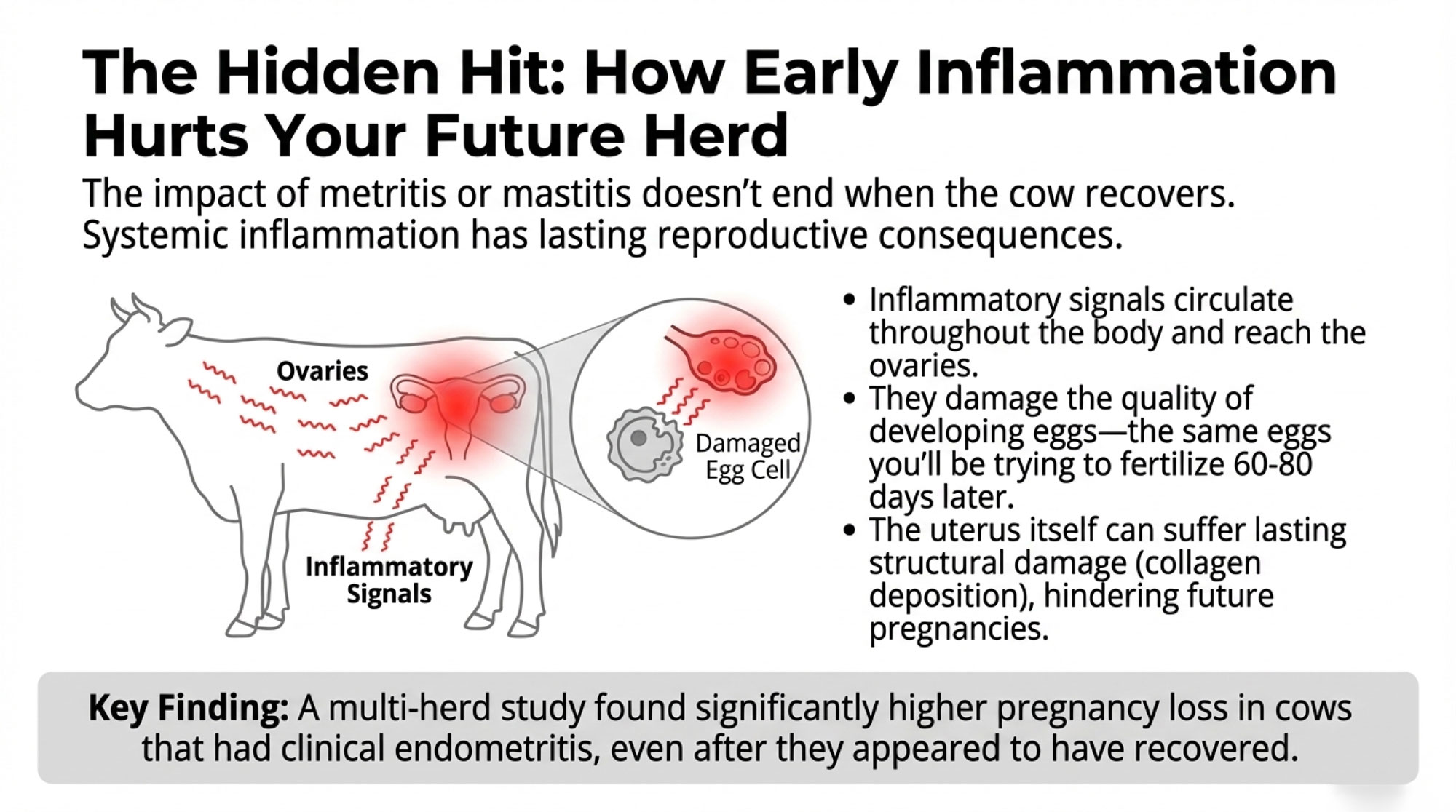
NewsSubscribe
First
Last
Consent

US Butter Markets Explode as Global Dairy Signals Turn Mixed

Butter prices explode 7.75¢ as smart US farmers reap rewards from keeping cows others culled. Are you positioned for what’s coming next?

EXECUTIVE SUMMARY: The global dairy market just delivered a masterclass in contradictions, with US butter prices rocketing 7.75¢ to $2.42 per pound while Asian futures tumbled across the board. American dairy farmers are reaping massive rewards from a strategic shift in herd management – keeping 385,000 more cows in 2024 despite bird flu chaos, pushing herds to a 3-year peak of 9.425 million head. European markets paint their own picture of strength, with butter trading €1,080 (+17.4%) above last year and cheese premiums hitting 18% year-over-year. The winners in this three-speed global market aren’t those following old playbooks, but operations that maximized cow retention during tight periods, invested in component quality, and built relationships beyond traditional powder buyers. This fundamental shift toward strategic thinking over reactive management is separating the market leaders from the followers, and the positioning window is rapidly closing.

KEY TAKEAWAYS

  • Strategic herd management pays off big: US farmers who resisted culling during tight times kept 385,000 more cows than normal in 2024, driving herds to 3-year highs and positioning themselves for explosive profitability as butter hits $2.42/lb.
  • Regional markets are decoupling: European butter strength (+17% year-over-year) and US domestic resilience contrast sharply with Asian futures weakness, creating a three-speed global market that rewards geographic diversification.
  • Component quality trumps volume: Cheese markets showing 18% premiums and butter commanding record prices signal that high-component milk and value-added processing are the new profit centers, not commodity powder production.
  • Feed costs remain manageable: Despite slight upticks in corn and soybean meal, feed costs stay historically reasonable relative to milk prices, providing a crucial tailwind for margin expansion.
  • Simple strategies won’t work anymore: The market now rewards sophisticated thinking – operations still making decisions based on 2022 conditions are leaving serious money on the table as the herd expansion window closes.

US butter prices rocketed 7.75¢ this week to hit .42 per pound – the highest since February – while American dairy herds reached a 3-year peak of 9.425 million cows. Meanwhile, global markets painted a confusing picture, with European butter soaring 17% above last year, but Asian futures are tumbling across the board.

Let’s face it – the dramatic butter surge caught many off guard after three months of sideways trading. But here’s the thing: smart money saw this coming. With US milk production jumping 1.5% in April and component levels running hot, more cream is hitting the market than expected.

What happened here? US dairy farmers pulled off something remarkable. Instead of culling aggressively during tight times, they kept cows in the barn. We’re talking 385,000 fewer culls in 2024 alone, despite bird flu wreaking havoc. This year? Another 190,000 cows were saved from the slaughterhouse compared to normal patterns.

European Markets Paint Different Story

Across the Atlantic, European traders are singing a different tune entirely. But here’s what’s really interesting – EEX futures moved just 225 tonnes last week. That’s pocket change compared to Asia’s massive volumes, right?

German butter jumped €200 in a single week to €7,300, while EU butter averages now sit €1,080 (+17.4%) above last year. That’s not seasonal strength – that’s structural demand meeting constrained supply. What’s driving this kind of premium when everyone’s talking about abundant milk?

The cheese complex tells an even more compelling story. Mozzarella gained €17 to €4,207, now trading €633 (+17.7%) above year-ago levels. When specialty cheese runs 18% premiums, you know something fundamental has shifted in European dairy markets.

French butter retreated €58, showing the regional variations that smart traders exploit. Dutch producers split the difference, gaining €50 to €7,230.

Asian Markets Tell Sobering Tale

While Europeans celebrated, Asian futures told a completely different story. SGX moved 20,842 tonnes – nearly 100 times the European volume – but prices slumped across the board. What’s going on here?

Whole milk powder dropped 2.0% to $3,854, while skim milk powder fell 0.8% to $2,826. The Global Dairy Trade index reflected this weakness, falling 0.9% to $4,589.

This isn’t random market noise. European processors prioritize domestic demand and regional exports, while Oceania suppliers face harsh reality: Chinese import patterns are shifting toward selectivity rather than volume buying. Fonterra Regular WMP managed just $4,350 at the latest GDT event, while Belgian product commanded $4,600 – a spread that speaks volumes about quality premiums in today’s market.

US Producers Rewrite Herd Management Playbook

Here’s where things get fascinating. The real story isn’t just about prices – it’s about how US producers fundamentally changed their approach to herd management. This transformation started during the heifer shortage but has become something entirely different.

Consider these numbers: US dairy farmers culled 35,000 fewer cows than average in 2023. Last year, despite bird flu chaos, they kept 385,000 cows that would normally have headed to slaughter. So far in 2025? Another 190,000 saved. Are you starting to see the pattern here?

Result? The April dairy herd hit 9.425 million head – up 89,000 from last year and the highest since March 2023. April milk production surged to 19.4 billion pounds, the strongest growth since August 2022.

States with new cheese processing capacity are seeing explosive growth. Kansas milk output jumped 11.4% year-over-year, Texas gained 10.6%, and South Dakota posted 9.2% growth. Build it, and they will come – isn’t that exactly what’s happening?

Global Trade Flows Reveal Strategic Shifts

The export picture shows fascinating regional strategies emerging. New Zealand’s dairy exports climbed 10.8% in April, with cheese exports exploding 33.7% year-over-year. This isn’t an accident – it’s strategic repositioning away from commodity powders toward value-added products.

But here’s what’s really interesting: Chinese dairy imports for April tell a complex story. Overall imports were stronger by 13.9% year-over-year, pushing cumulative imports 30% above last year. But dig deeper, and you’ll find this strength comes from strategic stockpiling during temporary tariff windows, not sustained demand growth.

EU dairy exports to the US jumped 33% in March – likely producers rushing products ahead of potential tariff increases. Meanwhile, whey exports to China surged 37%, with whey protein concentrate up 49% and whey protein isolate exploding 176%. What’s driving this sudden appetite for whey products?

Feed Markets Provide Crucial Context

Don’t ignore what’s happening in feed markets. July corn gained 16¢ to $4.59 per bushel, while soybean meal added $4 to $296 per ton. These moves reflect export demand and weather concerns, but feed costs remain historically manageable relative to milk prices.

The slight uptick in grain prices, driven by US weather concerns, creates interesting dynamics for non-US producers who rely on imported feed. They’re facing higher underlying grain prices plus a stronger dollar – a double hit that could accelerate margin erosion. Let’s face it: that’s not a position you want to be in.

What This Means for Your Operation

This market rewards three strategies: strategic herd management, value-added processing, and geographic diversification. But are you positioning your operation to take advantage of these trends?

The winners are operations that maximized cow retention during tight periods, invested in component quality, and built relationships beyond traditional powder buyers. European butter strength, US domestic demand, and selective Asian buying create opportunities for producers who can read between the lines.

Cheese output is climbing in the US, and domestic demand isn’t keeping pace. But strong exports have helped maintain normal seasonal growth. April cheese stocks totaled 1.41 billion pounds, down 2.4% from last year – though that deficit has narrowed in each of the past five months.

Whey markets stepped back, with spot powder falling 0.75¢ to 54.25¢. Chinese importers stocked up on products before temporary tariffs kicked in, boosting April imports by 13.9%. Expect fewer ships arriving this month, but US exporters rush to book sales during the 90-day pause.

The Bottom Line

Here’s the reality: this market just got incredibly complex, and the simple strategies won’t work anymore. European butter strength, US domestic resilience, and Asian selectivity create a three-speed global market that rewards sophisticated thinking.

Smart producers should immediately review culling strategies. If you’re still making decisions based on 2022 market conditions, you’re leaving serious money on the table. The herd expansion window is closing, and correctly positioning will determine who dominates the next cycle.

The global dairy game has fundamentally changed. The producers who recognize this shift – and act on it – will be the ones writing their own success stories in the months ahead. Are you ready to adapt, or will you get left behind?

Learn more:

Join the Revolution!

Join over 30,000 successful dairy professionals who rely on Bullvine Weekly for their competitive edge. Delivered directly to your inbox each week, our exclusive industry insights help you make smarter decisions while saving precious hours every week. Never miss critical updates on milk production trends, breakthrough technologies, and profit-boosting strategies that top producers are already implementing. Subscribe now to transform your dairy operation’s efficiency and profitability—your future success is just one click away.
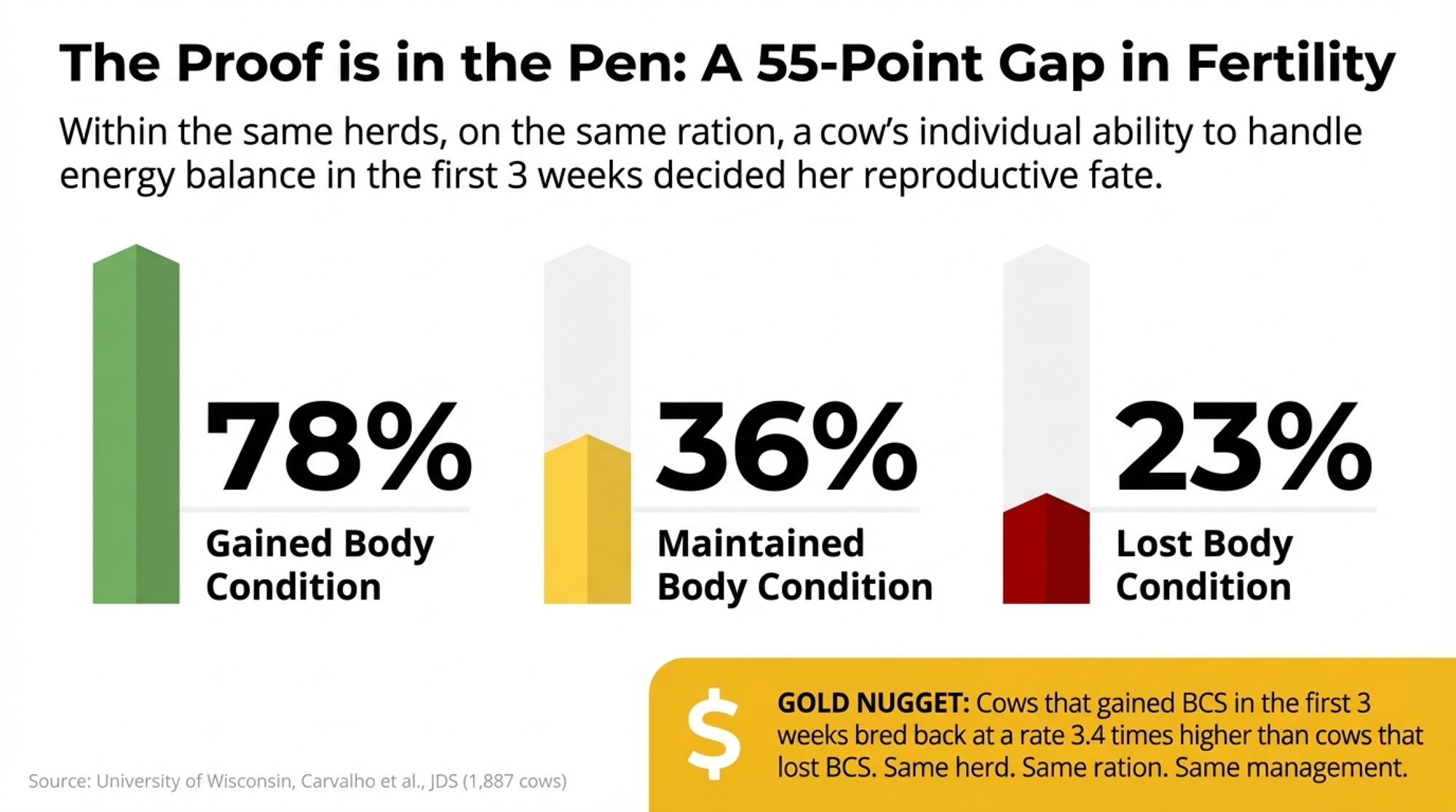
NewsSubscribe
First
Last
Consent

AI for AI: Why Your Breeding Program Might Be Stuck in the Dark Ages

AI isn’t just tech jargon—it’s revolutionizing dairy breeding. Farms ignoring it risk falling behind as competitors harness genetic precision and profit.

AI dairy breeding, genomic selection, dairy herd management, precision breeding, dairy farm technology

Artificial intelligence isn’t just transforming tech industries—it’s revolutionizing dairy breeding by delivering unprecedented precision in genetic selection, reproductive management, and health monitoring. Yet most farms continue using outdated breeding approaches based more on tradition than data. The uncomfortable truth? If you’re not leveraging AI in your breeding program today, you’re almost certainly leaving money on the table while your more progressive neighbors race ahead.

The acronym “A.I.” has long been familiar to dairy farmers worldwide—standing for artificial insemination, a cornerstone technology that transformed breeding programs decades ago. But today, there’s a new “AI” making waves across dairy farms—artificial intelligence—and its impact promises to be even more revolutionary than its namesake.

I recently witnessed this revolution firsthand while sitting at a farm management meeting. The dairy was progressive and forward-thinking, bringing together experts from various fields. After discussing issues tied to health, fertility, and milk production—looking at all potential causes and solutions—they began considering what set them apart from other dairies in the area.

The conclusion hit like a heavy blow: their genetics were poor. Despite all their effort, precision, and good planning, they would still achieve poorer outcomes than their neighbors simply because their genetics were weaker on average.

This reality check highlights why using the best tools available for your breeding program is critical. As someone once told me, “Always fight fairly, but don’t accept fair fights. Make sure you have an edge to win.” If your genetics aren’t strong, you’re starting with a disadvantage that’s hard to overcome.

Let’s be brutally honest: most dairy farmers still make breeding decisions like a decade ago, while the industry’s innovators have moved light-years ahead with AI-powered approaches.

Finding Hidden Inbreeding with Precision That Counts

Inbreeding is the silent productivity killer lurking in many herds, influencing everything from fertility to disease resistance. And it’s not always obvious—even with careful pedigree analysis, subtle genetic relationships can slip through undetected.

This is where AI’s pattern recognition capabilities shine. By analyzing complete genomic data, AI can identify obvious and hidden genetic similarities between animals, uncovering inbreeding risks that traditional methods miss entirely.

The stakes couldn’t be higher. Holstein cows already have extremely limited genetic diversity—equivalent to having just 100-150 animals in the entire breed’s gene pool. Recent research from industry analyses published in The Bullvine reveals a troubling trend: genomic inbreeding (FROH) in elite Holstein bulls skyrocketed from approximately 5.7% in 2010 to 15.2% in 2020, while the number of active AI sires plummeted by 61%—from 2,734 to just 1,079—creating what experts call a “dangerous genetic bottleneck” that threatens the long-term viability of the breed.

The economic impact? According to studies published in peer-reviewed journals such as the Journal of Dairy Science, each 1% increase in inbreeding has been associated with decreases in lifetime milk production by 177-400 pounds and a reduction in Net Merit by $23-$25. A cow with 15% genomic inbreeding compared to one at 5% could translate to a lifetime profit loss of $1,035-$1,890.

Why traditional inbreeding detection falls short

Traditional pedigree-based inbreeding calculations (FPED) have significant limitations. They rely on the completeness and accuracy of pedigree information and can’t capture the actual extent of homozygosity resulting from distant common ancestors or Mendelian sampling.

AI-powered genomic tools provide a more precise measure through what geneticists call “Runs of Homozygosity” (ROH)—contiguous segments of homozygous genotypes in an individual’s DNA. The cumulative length of these segments gives a direct and accurate measure of an animal’s true inbreeding level (FROH).

Have you looked beyond your pedigree-based inbreeding calculations lately? The genetic time bomb ticking in your herd might not show up until it explodes into fertility problems and production losses.

While natural or artificial selection may eventually purge harmful recessive mutations from a population over time, recent inbreeding is especially damaging because newer harmful mutations haven’t had sufficient time to be eliminated. Researchers from the Netherlands demonstrated in their study of Dutch Holstein-Friesian cattle that recent inbreeding is considerably more harmful than ancient inbreeding. AI helps track recent genetic relationships and spot inbreeding risks early, reducing the chance of problems like lower health, fertility, and productivity.

By removing the guesswork, AI offers farmers actionable insights that allow them to act quickly, maintaining essential genetic diversity while still making rapid genetic progress.

Predicting Genetic Outcomes: The Crystal Ball of Breeding

Imagine identifying which bulls will sire the next generation of productive, healthy cows, taking your farm’s specific environment into account. This isn’t science fiction—it’s what AI-powered genomic prediction is already delivering.

Let’s confront an uncomfortable truth: your “expert eye” for selecting animals isn’t nearly as good as you think it is. Dairy farmers are no strangers to making breeding decisions based on a blend of experience, intuition, and instinct. Many breeding companies already use genetic data to predict breeding outcomes. But AI takes this to an entirely new level by integrating genetic information and epigenetics, gene expression, and environmental factors—all while continuously refining its predictions through machine learning.

The proof is in the numbers. The annual genetic gain for Net Merit ($NM) in U.S. Holstein bulls surged from an average of just $13.50 per year during the traditional progeny testing era (2000-2004) to a remarkable $83.33 per year in the genomic era (2010-2022), as documented by research from the USDA Agricultural Research Service. That’s a six-fold increase in the rate of genetic improvement.

Charlie Will from Select Sires shared a compelling study in which he ranked bulls solely on genomic results and then tracked their actual daughter performance. The findings were remarkable—bulls predicted to be in the lowest quartile of their class never finished in the top quartile and vice versa. This predictive power translates directly into more efficient breeding decisions.

When was the last time you truly evaluated your breeding program’s rate of genetic gain? Are you sure you’re keeping pace with industry leaders, or are you falling further behind each year while telling yourself that your tried-and-true methods are good enough?

Fueled by genomics and biological data, AI can analyze complex patterns that would take years for humans to decipher. By integrating data from genomics, epigenetics, and gene expression, AI can predict traits like milk yield, udder health, and even temperament with unprecedented precision.

Optimizing Breeding Decisions: The Ultimate Strategy

If we can predict genetic outcomes accurately, why not optimize our choices between conventional, sexed, and beef semen? This is where AI shines by helping you develop a comprehensive breeding strategy tailored to your herd goals.

One of the economic risks of using beef-on-dairy is the potential reduction in heifer inventory, which can leave your dairy without adequate replacements for future milk production. AI can mitigate this risk by forecasting the genetic potential of your current replacement animals, ensuring a steady supply of genetically superior animals.

By optimizing breeding decisions, AI helps balance the need for beef calves—often used to capture premium markets—while maintaining a strong inventory of replacement heifers to keep your dairy operation sustainable.

Genetic Merit LevelBest Semen ChoiceExpected Outcome
Top 25%Sexed DairyMaximize genetic progress with high-quality replacement heifers
Middle 50%ConventionalBalance between replacements and operating cost
Bottom 25%BeefPremium crossbred calves with higher market value

A case study in accelerated genetic gain

Consider this compelling example from New Zealand: By combining genomic selection with strategic use of sex-selected semen on the top 50% of heifers (ranked by Breeding Worth), a dairy operation achieved in just three years what would have traditionally taken approximately eight years of genetic progress.

The predicted genetic gain increased from 184 to 384 BPI points, translating to an estimated financial benefit of NZD 72.96 per animal per year. Multiply that across an entire herd, and you’re looking at a substantial return on investment.

Are you still applying the same semen strategy to your entire herd? If so, you’re almost certainly wasting money on sexed semen for poor-genetic-merit animals while missing opportunities to maximize the value of your best genetics.

Uncovering Hidden Problems in Your Breeding Program

Sometimes, despite our best efforts, something’s off in the breeding program. Cows might not be getting pregnant as efficiently, or perhaps milk production or components are holding you back. It’s hard to pinpoint the issue without a deep dive into the data. This is where AI becomes a game changer.

AI can analyze thousands of variables—from cow health data to environmental factors to industry comparisons—and highlight patterns or anomalies that point to underlying issues. Maybe it’s a problem with heat detection or a genetic bottleneck you didn’t know existed.

Unlike human analysis, which can be subjective and limited by the number of factors we can mentally juggle, AI excels at finding needles in haystacks of data. It can detect subtle relationships between variables that might otherwise go unnoticed.

The industry’s secret is that most farms operate with significant inefficiencies they don’t even know exist. The days of relying solely on hunches are behind us—AI helps solve the puzzles we can’t see, helping you take corrective action before small issues snowball into bigger challenges.

Determining Voluntary Waiting Period with Data, Not Guesswork

One of the most challenging decisions in breeding is determining the right voluntary waiting period (VWP) for each cow in your herd and the optimal age at which to breed heifers.

If the period is too short, you might negatively affect the cow’s productivity in subsequent lactations and lose valuable milk. You lose valuable production time in the next lactation if it’s too long. This delicate balance has traditionally been managed with blanket herd policies that fail to account for individual animal variations.

Why are we still applying the same voluntary waiting period to every cow in the herd when we know each animal responds differently based on their genetic makeup, health history, and production level?

Think about it: you’ve got Cow A, a high-producing, second-lactation Holstein, cycling back strong at 30 DIM, practically begging to be bred. Next to her is Cow B, a first-calver still fighting her way out of negative energy balance at 50 DIM. Does a blanket 60-day VWP make a lick of sense for both? AI doesn’t just suggest “no”; it screams it, and the missed milk cheques or added days open are the proof.

Research from groups like Lactanet indicates extending the VWP can improve first-service conception rates, particularly in first-lactation animals. However, it may also delay the overall time of pregnancy for some cows. AI systems now help determine the optimal VWP based on each cow’s unique health, recovery, and performance data. By analyzing individual cow data in real-time—including genetic potential, health history, current body condition score, and recent production patterns—AI helps eliminate guesswork and enables well-informed, data-backed decisions that can be fine-tuned for each animal.

The real breakthrough comes from AI’s ability to dynamically assess which animals would benefit most from different reproductive approaches. For instance, cows exhibiting strong, early estrous activity during the VWP and having good health status might be eligible for insemination sooner. In contrast, cows that have experienced health issues or are in poor body condition might benefit from an extended VWP.

Comparing Actual Outcomes with Genomic Predictions

Most farmers use some form of genetic data to guide decisions aimed at optimizing future performance. But how often do we truly know if the predictions hold true in the real world?

What if AI could consider your specific environmental situation? For instance, a cow that might thrive under heat stress might not perform well in a cold-weather climate. By comparing actual farm outcomes with predictions made using parentage or genomic data, AI can help you assess the true outcomes of your breeding decisions.

How do your actual milk yield, fertility rates, and cow longevity compared to the predicted values derived from genomics? AI will help you refine these decisions over time, tailoring them specifically to your farm, your management style, and your environmental conditions.

Your farm isn’t a textbook operation, so why are you still using textbook solutions? This creates a powerful feedback loop that allows you to continuously improve your breeding strategy, ensuring you’re making the most accurate and efficient decisions possible.

Early Warning Systems: Detecting Disease and Distress Before Clinical Signs

Beyond breeding decisions, AI is revolutionizing how we monitor animal health and welfare. AI algorithms continuously analyze diverse data streams collected from various sensors (monitoring parameters like activity levels, body temperature, rumination patterns, and feeding behavior) to recognize when an animal deviates from its normal patterns.

The results are impressive: research published in Dairy Global demonstrates that machine learning models have achieved the ability to predict mastitis cases with accuracies as high as 72%. In comparison, deep learning network models have shown an average accuracy of 96.1% in mastitis detection. The Lactanet milk quality monitoring system, which incorporates AI, reportedly led to a 25% reduction in mastitis incidence through early detection and targeted interventions.

Similarly, AI systems have proven effective in identifying cows at high risk of metabolic disorders. At the same time, computer vision techniques can detect illness based on subtle changes in facial expressions or features that human observers might miss.

This capability for early detection allows for prompt, often less invasive interventions that can significantly reduce the severity and duration of illnesses, minimize associated production losses, lower treatment costs, and enhance animal welfare by alleviating suffering more rapidly.

We’re still diagnosing disease through visual observation when technology can detect health issues days before we see the first clinical sign. How many cases of mastitis or ketosis could you prevent if you knew they were coming 48-72 hours in advance?

From Monitoring to Personalized Care

The rich, multi-modal data collected and analyzed by AI systems paves the way for truly personalized animal management. By combining an animal’s genetic predispositions, health history, real-time physiological data, behavioral patterns, and environmental conditions, AI can help construct comprehensive, individualized health risk profiles and management plans for each animal in the herd.

This capability allows for the development of tailored veterinary care plans where preventative measures, diagnostic approaches, and treatment protocols are customized to each animal’s specific needs, risks, and predicted responses rather than applying a generalized, herd-level strategy.

The ability to provide this level of individualized care at scale—something previously impossible without AI—creates tremendous value for breeding programs. Animals that receive personalized care can express their genetic potential better, providing more accurate phenotypic data for subsequent genetic evaluations and breeding decisions.

Looking to the Future: Advanced Phenotyping and Novel Trait Selection

AI is pushing the boundaries of what’s possible in phenotyping—the measurement of physical and behavioral traits—allowing breeders to select for characteristics that were previously difficult or impossible to measure effectively.

Computer vision systems employing 2D and 3D cameras, thermal imaging, and various sensors collect detailed data that AI algorithms then process to extract meaningful phenotypic information.

These systems enable automated, non-invasive, and high-throughput assessment of complex traits like feed efficiency, methane emissions, heat tolerance, and behavioral characteristics. For example, machine learning models have demonstrated high accuracy (R²>0.9) in predicting body mass and condition score from morphological measurements obtained via imaging.

The ability to measure and select for previously intractable complex traits fundamentally expands the range of characteristics available for genetic improvement. By moving beyond traditional production traits to include welfare indicators, environmental impact factors, and resilience measures, AI is helping dairy breeding programs address the multifaceted demands of future farming systems.

What This Means for Your Operation

ROI Potential: Inbreeding Management

For a 100-cow herd with average genomic inbreeding of 10%, implementing AI-driven mating strategies to reduce inbreeding by just 3% could deliver:

  • Increased milk production: +681 pounds per cow per lactation
  • Improved fertility: -2.7 days open per cow
  • Financial impact: +$23,000-$25,000 herd-wide annually

This conservative estimate doesn’t include additional benefits from improved health, reduced calf mortality, and enhanced longevity.

Practical Steps: Implementing AI in Your Breeding Program

Despite its tremendous potential, the widespread adoption of AI in dairy breeding faces significant challenges that must be addressed. Here are practical steps you can take to begin implementing AI technologies in your operation:

  1. Start with data integration: The first step is to ensure your various data sources—milk recording, health records, reproductive data, genetic information—are accessible in formats that can be integrated and analyzed.
  2. Partner with progressive genetic providers: Work with breeding companies that are actively incorporating AI into their genetic evaluation systems and can provide farm-specific recommendations.
  3. Invest in sensor technologies: Consider implementing automated activity monitoring systems, rumination sensors, or other technologies that provide continuous data streams that AI can analyze.
  4. Begin with focused applications: Rather than trying to implement all aspects of AI at once, start with a specific challenge area, such as improving reproductive efficiency or reducing mastitis incidence.
  5. Build internal capacity: Invest in training for yourself and your staff to better understand and utilize the insights generated by AI systems.
  6. Collaborate with other producers: Form or join discussion groups with other progressive farmers who are implementing similar technologies to share experiences and lessons learned.

The Bottom Line: Are You Leading or Following?

The dairy industry is rapidly dividing into two groups: those who embrace AI technologies and those who will eventually be forced to catch up or be left behind. Our mission must be to transform AI from a mere buzzword into a powerful tool—a “cheat code” that helps dairy farmers achieve their visions for their herds.

AI allows farmers to make smarter, data-driven choices that improve herd health, boost productivity, and enhance profitability. With AI’s ability to analyze vast amounts of data, we’re not just working harder—we’re working smarter to unlock the full potential of dairy farming.

The potential of AI in breeding programs is immense. It’s a game changer for dairy farmers and will only improve. Beyond breeding, AI has the potential to revolutionize other areas of dairy farm management. For example, automation of classification for type traits traditionally done by technicians could be standardized through AI and camera systems, eliminating technician bias and variations in data collection.

Where will your farm be in five years? Leading the pack with cutting-edge AI technologies or scrambling to implement what your competitors have already mastered?

As we look to the future, the question isn’t whether AI will play a role in dairy farming but how quickly we can harness its power to transform the industry. By embracing AI today, we can unlock a brighter tomorrow for dairy farmers, where data-driven decisions drive success and innovation meets tradition to create a more sustainable, productive, and profitable future.

Take action now: Identify one aspect of your breeding program that could benefit from AI enhancement and take the first step this week. Whether it’s exploring genomic testing for your herd, implementing an activity monitoring system, or connecting with a progressive genetics provider, the time to start is today. The farms that embrace AI technologies now will likely be the industry leaders of tomorrow, enjoying competitive advantages in productivity, sustainability, and profitability that traditional approaches simply can’t match. Don’t get left behind in this breeding revolution—the future of dairy is intelligent, and that future is already here.

Key Takeaways:

  • AI detects genomic inbreeding risks traditional methods miss, preventing $1,890+/cow lifetime losses
  • Accelerates genetic gain 6x through precise genomic predictions (Net Merit $83 vs $13/year pre-AI)
  • Customizes reproductive strategies using real-time data – optimizes VWP, semen choices, and $72/head/year returns
  • Identifies subclinical health issues 48hrs before visible symptoms through sensor pattern analysis
  • Transition from “gut-feel” breeding to AI-powered decisions is now critical for herd competitiveness

Executive Summary:

Artificial intelligence is transforming dairy breeding through six game-changing applications: detecting hidden inbreeding with genomic precision, predicting genetic outcomes like milk yield and fertility, optimizing semen strategies, uncovering herd management blind spots, personalizing voluntary waiting periods, and validating genomic predictions against real-world performance. By analyzing vast datasets from sensors, genomics, and farm records, AI enables data-driven decisions that accelerate genetic progress by 6x compared to traditional methods while preventing costly inbreeding pitfalls. Early adopters gain significant competitive advantages in productivity and profitability, while lagging farms face mounting genetic bottlenecks and missed revenue opportunities. The article urges producers to implement AI tools now to future-proof their operations.

Learn more:

Join the Revolution!

Join over 30,000 successful dairy professionals who rely on Bullvine Weekly for their competitive edge. Delivered directly to your inbox each week, our exclusive industry insights help you make smarter decisions while saving precious hours every week. Never miss critical updates on milk production trends, breakthrough technologies, and profit-boosting strategies that top producers are already implementing. Subscribe now to transform your dairy operation’s efficiency and profitability—your future success is just one click away.
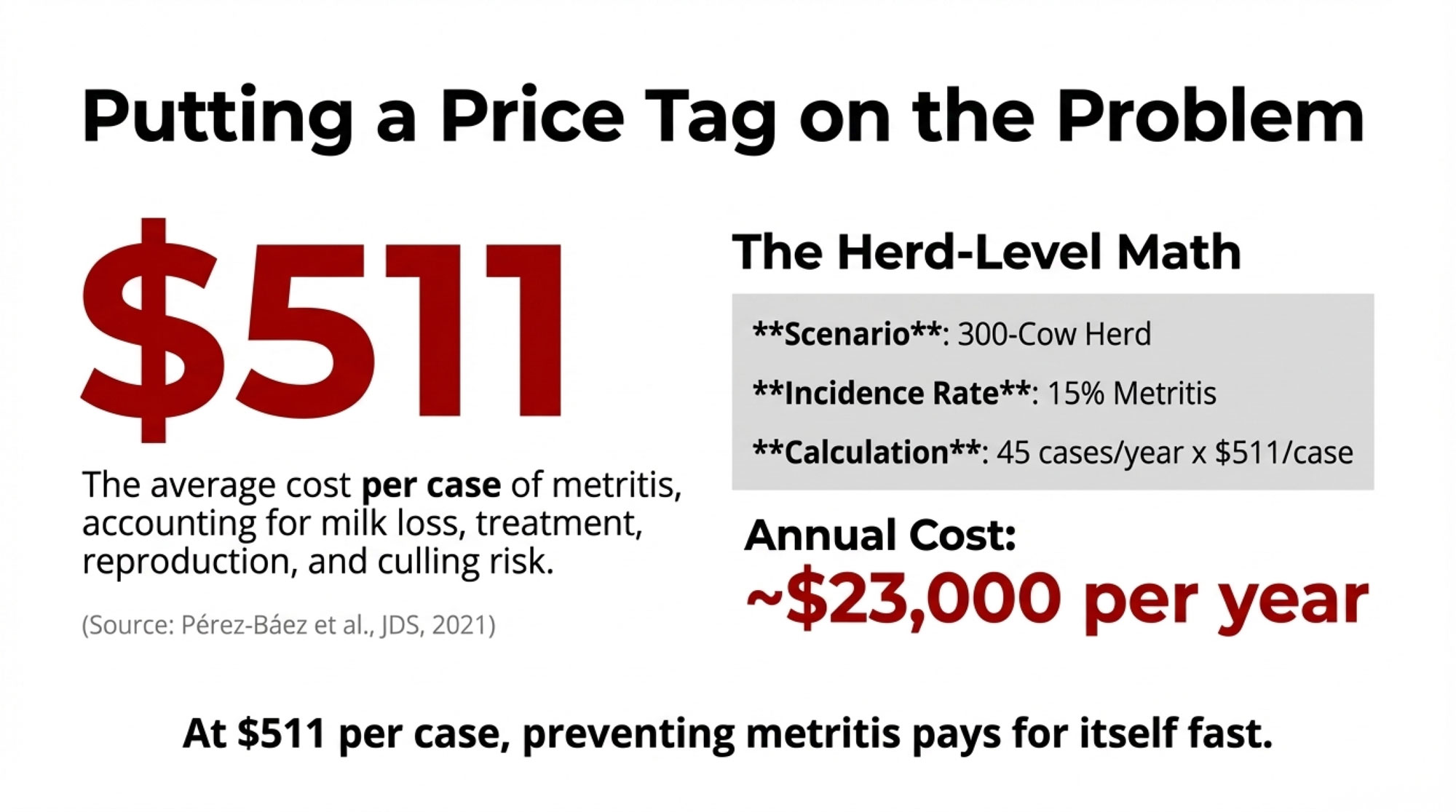
NewsSubscribe
First
Last
Consent

Mastering Mature Body Weight: The $7/Lb Secret to Dairy Profit

Unlock the $7/lb secret to dairy profits! Learn how mastering Mature Body Weight (MBW) can boost milk yields, cut costs, and optimize your herd.

EXECUTIVE SUMMARY: Mature Body Weight (MBW) is the cornerstone of precision dairy management, directly impacting heifer development, milk production, and herd profitability. This article highlights how MBW is a herd-specific benchmark for growth targets and ration formulation. Accurate MBW determination—using scales or validated alternatives—ensures optimal feeding strategies, preventing under- or over-conditioning. Achieving critical MBW milestones (e.g., 55-60% at breeding, 82-85% post-calving) boosts first-lactation milk yields by up to 12 lbs/day and improves lifetime productivity. Conversely, errors in MBW estimation led to stunted growth, metabolic diseases, and wasted feed costs. By integrating MBW data into daily management, farmers can unlock significant economic gains while ensuring healthier, more productive cows.

KEY TAKEAWAYS

  • MBW Impacts Milk Yield: Missing target weights at calving costs up to 7 lbs of milk per pound underweight in the first lactation.
  • Critical Growth Targets: For optimal performance, heifers should reach 55-60% MBW at breeding and 82-85% post-calving.
  • Accurate Measurement Matters: Scales are the standard for MBW; tapes are viable but less precise. Avoid using cull cow weights entirely.
  • Economic Stakes: Errors in MBW management can cost $1,400/heifer in lost revenue across a group of 20 heifers.
  • Actionable Steps: Regularly weigh heifers, tailor rations to herd-specific MBW, and track growth against customized benchmarks.
mature body weight, dairy heifer development, milk production optimization, dairy herd management, precision nutrition for cows

Forget static numbers—your herd’s Mature Body Weight (MBW) is a living benchmark that demands constant re-evaluation. With today’s razor-thin margins and limited heifer inventory, getting MBW wrong isn’t just a technical error—it’s a profit-killer costing you $7 in milk revenue for every pound your heifers miss their targets. Here’s how to turn this hidden metric into your competitive advantage.

“We want to calve heifers in at a body weight that will allow them to grow but not at a great expense to first lactation milk production,” says Cornell University’s Dr. Mike Van Amburgh, who emphasizes that first-lactation cows should achieve milk production levels equivalent to 80% of mature cows in the herd.

MBW: Your Crystal Ball for Dairy Success

  1. Heifer Development Roadmap: Hit those MBW-based targets, and you’re setting yourself up for heifers that breed earlier, calve easier, and milk like champions.
  2. Ration Formulation Secret Sauce: Nail your herd’s true MBW, and you’ll stop overfeeding expensive nutrients or shortchanging your girls on what they need.
  3. Early Warning System: Tracking weights against MBW benchmarks lets you catch problems before they become profit-killers.

The High Stakes of Getting MBW Wrong

Do you think you can eyeball your herd’s mature weight? Think again. Here’s what happens when you’re flying blind:

3 MBW Myths Busting Up Your Herd:

  1. “Breed averages are good enough.” → Your genetics are unique! Holstein MBW has jumped from 1,472 lbs in 1993 to 1,770 kg by 2016 in one research herd.
  2. “Cull cow weights don’t lie.” → They’re the industry’s dirty secret. Gail Carpenter at Iowa State warns these animals are usually over- or under-conditioned compared to the rest of your herd.
  3. “Tapes are just as accurate.” → Prove it—or risk $7/lb milk losses. Research shows tapes can be off by 15% or more in mature cows.

Cracking the MBW Code: Your Step-by-Step Guide

  1. Target the Right Cows: Focus on healthy 3rd and 4th lactation animals, 80-200 days in milk. These girls represent your genetic potential in action.
  2. Timing is Everything: Mid-lactation is your sweet spot. Too early, and you’ll catch them in post-calving weight loss. It’s too late, and you’re measuring extra condition, not actual mature size.
  3. The Scale is Your Best Friend: Nothing beats a calibrated platform scale for accuracy. Yes, it’s an investment that pays dividends in precision management.
  4. Tape Measure Tactics: If a scale is out of reach, weight tapes can work—but know their limitations. Consistent technique is crucial, and they’re prone to overestimation.
  5. Ditch the Guesswork: Visual estimation is a fool’s game. Even experienced managers can be off by 200+ pounds. Don’t risk your herd’s future on a hunch.

The Bullvine Bottom Line: Get MBW Right or Lose $1,400/Heifer

Let’s talk cold, hard cash. Research shows that for every pound a heifer is under her target weight at calving, you’re potentially losing 7 pounds of milk in that first lactation. Do the math:

  • 50 lbs underweight × 7 lbs milk lost per lb = 350 lbs milk lost
  • At $20/cwt, that’s $70 per heifer in lost milk revenue
  • For a 20-heifer group, you’re looking at $1,400 down the drain

Multiply that across your entire heifer crop, and we’re talking serious money left on the table. And that’s just the tip of the iceberg when you factor in potential reproductive issues, increased health problems, and shorter productive lifespans.

Your MBW Action Plan: Implementing for Success

  1. Invest in Measurement: Make regular weight checks a non-negotiable part of your management routine, whether it’s a scale or a consistent taping protocol.
  2. Create Your MBW Benchmark: Weigh or carefully estimate at least 50 of your ideal mature cows to establish your herd’s true MBW.
  3. Set Growth Targets: Use your MBW to create breed-specific targets:
    1. Puberty: 45-50% of MBW (occurs around 9-11 months)
    1. Breeding: 55-60% of MBW (typically 13-15 months)
    1. Pre-Calving: 90-94% of MBW
    1. Post-Calving: 82-85% of MBW
  4. Tailor Your Nutrition: Work with your nutritionist to formulate rations that hit these targets without over-conditioning. Carpenter notes, “Rations need to be balanced on the correct MBW, or else this can result in over-conditioned heifers.”
  5. Monitor and Adjust: Regular weigh-ins let you course-correct before small deviations become big problems.

The Bottom Line: Weigh In on Your Herd’s Future

MBW isn’t just another number—it’s the key to unlocking your herd’s genetic potential and maximizing your farm‘s profitability. Ignore it; you’re leaving money on the table with every heifer you raise and every ration you formulate. Embrace it, and you’ll be on your way to a leaner, meaner, more productive dairy operation built for long-term success.

Raising a replacement heifer now averages $2,500, with feed accounting for approximately 50% of the total rearing cost. With that kind of investment, can you ignore the precision that MBW management brings to your operation?

Don’t let MBW ignorance be the anchor dragging down your dairy’s performance. It’s time to weigh in on the future of your herd.

Learn more:

Join the Revolution!

Join over 30,000 successful dairy professionals who rely on Bullvine Daily for their competitive edge. Delivered directly to your inbox each week, our exclusive industry insights help you make smarter decisions while saving precious hours every week. Never miss critical updates on milk production trends, breakthrough technologies, and profit-boosting strategies that top producers are already implementing. Subscribe now to transform your dairy operation’s efficiency and profitability—your future success is just one click away.
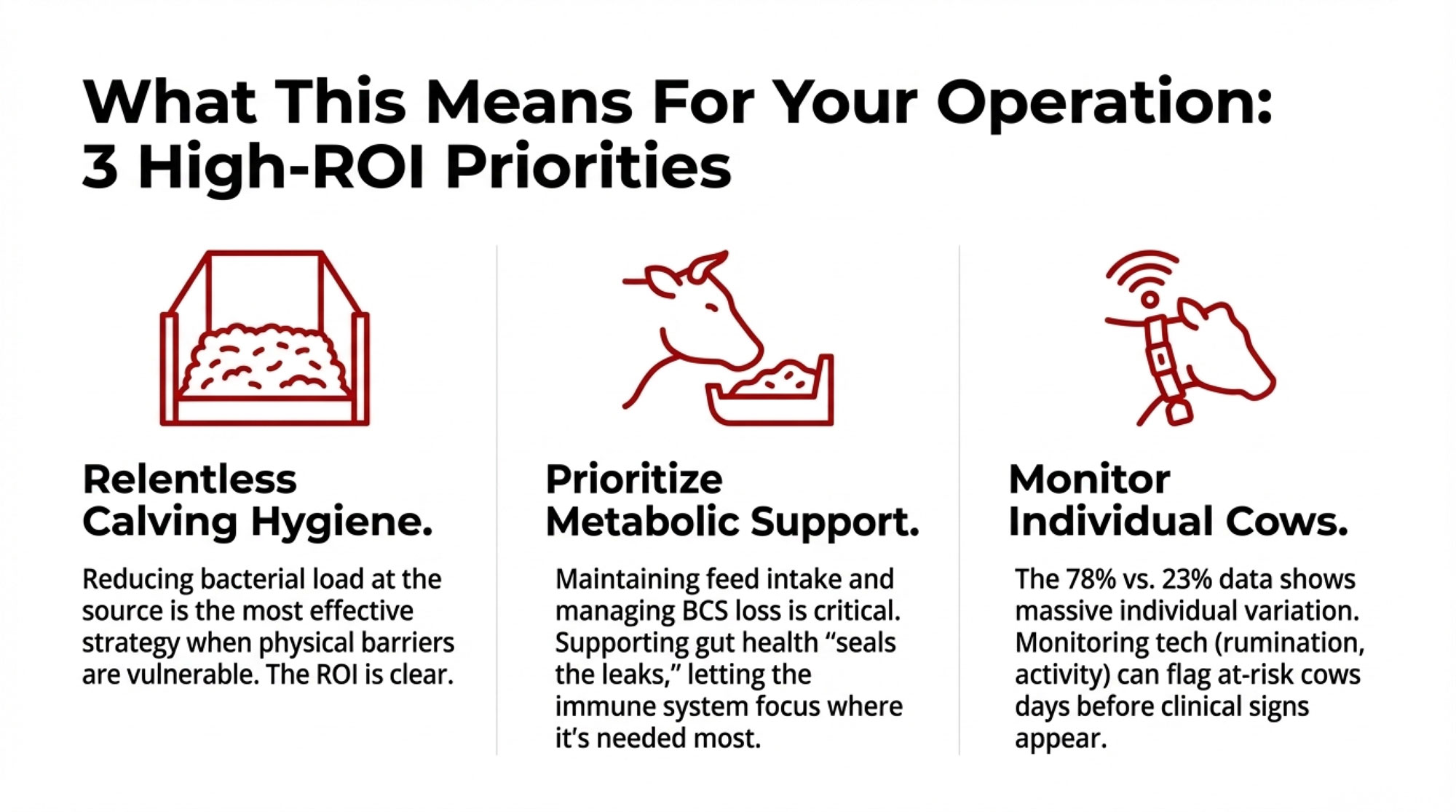
NewsSubscribe
First
Last
Consent

Where Will Tomorrow’s Dairy Herds Come From? U.S. Farmers Navigate Historic Heifer Crisis

U.S. dairy faces a perfect storm: 47-year low heifer counts, $4,000 springers, and beef-cross mania. Will farmers pivot fast enough to avoid milking herd collapse, or will the next decade’s dairy aisles dry? Dive into the crisis and the fightback strategies.

The numbers don’t lie: America’s dairy farms run on fumes. With heifer inventories cratering to 1978 levels and beef-cross calves now outselling some used Teslas at $1,200 a pop, dairy producers face a brutal ultimatum—cash in on today’s beef gold rush or gamble tomorrow’s milking herds into oblivion. The USDA’s January bombshell? Just 3.914 million heifers remain nationwide, down nearly 1% in a year, while springing heifers fetch $4,000+ a head in desperate bidding wars. ‘We’re burning through generations of genetics to pay the feed bill,’ admits Sarah Klecker, a Wisconsin dairywoman now buying replacements at triple what she sold them for. This isn’t just a shortage—it’s a high-stakes reshuffle of an entire industry’s future. Will farmers pivot fast enough to avoid milking herd collapse, or will the next decade’s dairy aisles dry? Grab your boots. We’re diving into the trenches.

Walking the Beef-Dairy Tightrope—Don’t Look Down!

Alright, let’s cut through the BS. You’ve seen the headlines—“Beef-cross calves outsell used cars!”—but what’s happening in your breeding barn? Why is every farmer and their neighbor suddenly obsessed with Angus bulls? Let’s break it down like we’re leaning on the feed bunk, coffee in hand.

“Profit Today, Regret Tomorrow?” – The Beef-Dairy Dilemma

Look, I get it. When beef-cross calves hit $1,200 a pop at Turlock last January, even my tractor-driving dog sat up and took notice. But here’s the kicker—while breeding your lower-tier girls to beef bulls pays the feed bill today, it’s like robbing Peter to pay Paul. Ask Sarah Klecker up in Wisconsin. She sold 80% of her calves to Angus bulls last year, cleared her debts, and then got sucker-punched buying back springers at $3,800 a head. “Felt like trading my pickup for a bicycle,” she told me.

Wait, scratch that—it’s not just about the money. This ain’t your grandpa’s dairy game. We’re talking 70% of U.S. dairies now playing this high-stakes breeding roulette. But why? Let’s crunch numbers even your accountant would high-five:

  • Sexed semen: 63% of significant operations use it on their cream-of-the-crop cows (think top 25%). Translation? More heifers from your best milkers. Smart, right?
  • Beef bulls for the B-team: The rest get Wagyu or Angus dates—cha-ching – $300–$1,000 more per calf than plain-Jane Holsteins.
  • Retention roulette: Nationwide, we keep only 28% of heifers compared to 52% a decade ago. That’s like betting half your poker chips every hand.

But hold up – where’s the trapdoor here? “What happens when I need replacements and my heifer pipeline’s bone dry?” Exactly.

“So… Do I Starve Now or Later?” – Balancing Acts

Let’s get tactical. You’re not stuck choosing between bankruptcy and herd collapse. Take Ohio’s HeiferTech – for $75 a pop, they’ll genomic test your heifers with 92% accuracy. Translation? You’ll know by week two if that calf’s future is the milk tank or the feedlot.

Or peek at Kansas’ playbook: Feedlots are bulking up heifers at 2.5 lbs/day for just $2.75 daily. That’s cheaper than my morning latte habit. “But what if I can’t afford contracts?” I hear ya. That’s where…

The “Don’t Be a Statistic” Checklist

  1. Genomics or bust: Test early and cull hard. That $75 test could save you $3,800 in springer costs later.
  2. Tier your herd: Sexed semen for your MVPs, beef bulls for the benchwarmers.
  3. Watch your rearview: If retention drops below 30%, you’re flirting with a cliff edge.

Bottom line? This beef-dairy tango can pay – but trip over your feet, and you’ll faceplant into a heifer shortage. Next time we chat, I’ll show you how to dodge HPAI’s sucker punches.

HPAI’s Fertility Sucker Punch – What They’re Not Telling You

Alright, let’s get honest about HPAI. Did you think bird flu was just a chicken problem? Think again. This bugger’s been moonlighting as a heifer wrecking ball—and folks, the damage ain’t pretty. Grab your gloves; we’re diving into the barnyard gut punch nobody saw coming.

“Wait, My Heifers Too?!” – How HPAI Hijacked Herd Math

Yeah, we all saw the headlines—“Bird Flu Jumps to Cattle!”—but here’s what the clickbait won’t tell you: HPAI didn’t just knock cows sideways. It sucker-punched your future milkers right in the ovaries. Let me spell it out:

Texas A&M tracked heifers that survived last year’s outbreak. The kicker? Even the “recovered” ones churned out 18% less milk in their first lactation. Eighteen percent! That’s like buying a new tractor and finding out it plows 18% slower.

But wait, scratch that—it’s worse. Dr. Emily Torres, the sharp mind behind the study, dropped this bomb: “9% of exposed heifers have ovarian scarring. They’re walking infertility time bombs.”

Regional Rundown – Who Got Hit Worst?

HPAI didn’t play fair. Check how your area fared (and grab a stiff drink if you’re in California):

  • California: Took a 15% conception rate nosedive. Heifers hit puberty 22 days later? That’s three extra weeks of feed bills, folks.
  • Midwest: “Only” 8% fewer pregnancies. But hey, those heifers still showed up 14 days late to the breeding party.
  • Southwest: Split the difference with 12% fewer conceptions and 18-day delays. Oh, and 19% more cows got the boot.

Source: USDA’s February gut-punch report

“But my herd tested clean!” I hear you yell. Here’s the kicker: Even exposed heifers who fought off the virus are limping into lactation. Think of it like COVID long-haulers… but for cows.

The Silent Budget Killer – Milk Loss You Can’t Afford

Let’s talk cash. That 18% milk drop? On a 100-cow herd averaging 24,000 lbs/cow, that’s 432,000 lbs of milk gone poof. At $23/cwt? $99,360 evaporated. Yikes.

“How do I even test for this?” Easy. Torres’ team says to run PCR tests on replacement candidates and look for viral residues in blood or milk. It costs about $12/test, but that’s cheaper than raising a dud heifer for two years.

Your HPAI Game Plan – No BS

  1. Test, don’t guess: Screen every replacement for viral leftovers. No exceptions.
  2. Cull hard: Ovarian scarring? Send her to the burger line. Harsh? Maybe. Smart? Absolutely.
  3. Pad your numbers: If HPAI clipped your conception rates, bump your breeding targets by 10-15%.

Bottom line? HPAI didn’t just cost you sick days—it mortgaged your herd’s future. Next time we chat, I’ll show you how Midwest dairies are fighting back with UV barns and immune boosters. For now? Test those heifers. Your 2026 self will thank you.

Regional Roulette – Where’s Your Dairy’s Sweet Spot?

Let’s play a game. Grab a map, close your eyes, and point. Where you land could mean the difference between bankruptcy and boom times. Wild, right? From California’s H2-Oh-No crisis to Texas’ cowboy capitalism, America’s dairy regions are playing by wildly different rulebooks. Buckle up—we’re taking a road trip.

California: Where Water Costs More Than Heifers (No Joke)

Scene: Central Valley, 2025. Dust swirls around a “For Sale” sign on a dried-up alfalfa field. California dairies aren’t just battling HPAI—they’re fighting $1,200/acre-foot water bills (up 30% since ‘23). Result?

  • Milk production: Down 6.8% last year
  • Cows culled: 62,000 (thanks, bird flu)
  • Desperation move: Hauling in Idaho heifers at $3,500/head

Wait—Idaho?? Yep. MilkyWay Farms near Fresno swapped 200 homegrown heifers for 150 Idaho imports. “Cheaper than drilling another well,” the manager shrugged. But here’s the kicker: Those Idaho girls aren’t bred for 110° heat. “We’re running a bovine sauna experiment,” he admits.

“Why stick around?” Good question. Tax breaks? Nostalgia? Stockton cheese plant loyalty? Your guess beats mine.

Texas: Go Big or Go Home (But Maybe Go Home?)

Meanwhile, Texas dairies are expanding like they’ve got a death wish—or +7.5% herd growth in 2024, depending on who you ask. Their secret?

  1. Jersey crosses: 40% of new calves because Holsteins melt like ice cream in August.
  2. Mexico exports: 72% of beef-cross calves head south… for now
  3. Living dangerously: Ignoring Mexico’s 25% tariff threat on $480M of beef

Hold up—tariffs? Oh yeah. Texas dairies could bleed $120M overnight if Mexico pulls that trigger. “We’re bettin’ on AMLO getting voted out,” drawls Amarillo’s biggest producer. Famous last words? Maybe. But hey, everything’s bigger in Texas—including the brass ones.

Midwest: Geriatric Cows & Co-op Hustles

Now, let’s talk about the Midwest’s 3.2 lactation average. Translation? Your grandma’s favorite milk cow is still pumping out butterfat. But here’s the rub: Older cows mean slower rebounds. Enter DairyHeard MN—a co-op sharing 500 springers across 12 farms like a bovine timeshare.

How does that work? Simple:

  • Farm A needs 50 heifers now for expansion
  • Farm B has 60 extras after culling
  • Co-op brokers the swap for $35/day per head

“It’s like Tinder for heifers,” quips a Wisconsin participant. Swipe right on that productivity!

Bottom Line? Your zip code dictates your dairy destiny these days. California’s playing survivalist, Texas is gambling on geopolitics, and the Midwest’s out here inventing cow collectives. Wherever you are, one truth holds: Adapt or get milked dry.

The Genetic Elephant in the Parlor – Are We Breeding Ourselves Into a Corner?

Let’s get uncomfortable for a minute. Sure, beef-cross calves are fattening wallets now—but what happens when your real moneymakers (the ones making milk) start backsliding genetically? Spoiler: It ain’t pretty. Grab a seat. We’re diving into dairy’s dirty little secret.

“Wait, My Cows Are Getting Dumber?!” – The Milk EPD Crash

Here’s the kicker: While we’ve been playing matchmaker between Holsteins and Angus, milk genetics have snoozed. Pre-2020, we boosted milk EPDs by 87 lbs/year. Now? A pathetic 43 lbs/year. That’s like swapping your GPS for a compass. Purdue economists crunched the numbers: Every 10% drop in replacements slashes U.S. milk output by 2.3B lbs in five years.

“But I’m still hitting production targets!” Yeah, for now. Projections show 2030 yields tanking to 26,900 lbs/cow—4% below where we should be. That’s $920 lost annually per 100 cows at today’s prices. Ouch.

Your Genetic Survival Kit—No Lab Coat Required

  1. Audit your EPDs: Sound the alarms if your herd’s milk gains lag behind +50 lbs/year.
  2. Diversify breeding: Allocate at least 30% of cows to dairy-only matings. Yes, even that B-tier cow.
  3. Join a gene bank: Your breed association’s freezer might save your bacon (er, milk) in 2030.

Bottom line? We’re at a crossroads—chase quick beef bucks or invest in the udders that built this industry—your call. But remember: once. Those milk genes fade, and they’re hell to resurrect.

Policy Wars & Trade Tinderboxes—Your Survival Cheat Sheet

Let’s cut through the red tape, folks. While you’re busy calving heifers and dodging HPAI, Uncle Sam and our neighbors are playing chess with your livelihood. Want to know how to avoid getting checked? Let’s decode the madness.

Uncle Sam’s Safety Net (With Strings Attached)

Meet the USDA Heifer Insurance Pilot—the closest thing to a government hug you’ll ever get. Here’s the skinny:

  • Covers 60% of rearing costs if springers tank below $2,800/head (aka ”the oh-crap threshold”)
  • Catch? You heifers— keep ≥30% heifers—no beef bonanzas allowed
  • 2025 signups: 8,100 farms (12% of you) rolled the dice

“Why should I care?” Imagine feed prices spike, springers crash to $2,500, and Uncle Sam cuts you a check for $1,680/heifer (60% of $2,800). That’s the difference between folding and fighting another day.

But wait“What if I’m at 29% retention?” Tough luck, partner. Rules are rules. It’s time to audit those heifer counts like your subsidy depends on them… because it does.

Mexico & Canada: Frenemies With Benefits

Now let’s cross the border—where $1.5B in dairy-beef trade hangs by a thread:

CountryThreatFinancial HitYour Risk
Mexico25% tariff on U.S. dairy-beef$480M in exportsTexas/West screwed
CanadaHemoglobin tests on crosses40% carcass rejectsUpper Midwest woes

Dairy lobbyist Mitch Davis (yes, that guy in the fancy boots) drops truth bombs:

“We’re begging for a ‘dual-use’ loophole. No deal? Say goodbye to 10¢/lb on your culls.”

Translation: If Canada’s new test sticks, your beef-cross calves could get turned back at the border like expired passports.

The “Don’t Get Played” Checklist

  1. Run your retention numbers. If you’re at 28%, work to reach 30% before the USDA deadline.
  2. Diversify exports – Got contacts in Vietnam? Now’s the time to slide into their DMs.
  3. Lobby Smarter – Your state dairy group’s Zoom call? Log in.

Bottom line? Policy ain’t just for suits in D.C. anymore. Whether it’s hedging bets with USDA insurance or dodging tariff shrapnel, your moves this season will echo for years.

From Crisis to Comeback – How One Dairy Turned Desperation Into Genius

Ever feel like your heifer math just isn’t adding up? Take a page from Klecker Dairy in Wisconsin. Last year, they needed 120 springers… and came up 60 short. Instead of panicking, they threw four Hail Mary passes that’d make Aaron Rodgers proud. Let’s break down their playbook.

“We Were 50% Screwed” – The Klecker Wake-Up Call.

Picture this: You’ve got barns ready, feed lined up, and… half the heifers you need. “Felt like showing up to harvest with half a combine,” admits Sarah Klecker. But here’s how they clawed back:

The Klecker Blueprint – Four Moves That Saved Their Bacon

  1. Sexed Semen Smackdown
    1. Target: Top 30% cows
    1. Result: 90% heifer calves (vs. 45% with conventional semen)
    1. “Why waste beef bulls on your MVPs?” Sarah says.
  2. Genomic Guillotine
    1. Spent: $75/heifer testing
    1. Saved: $3,200/heifer by culling low-EPD calves at 2 weeks
    1. Pro tip: “We nixed 30% of calves early. Ruthless? Yes. Profitable? Hell, yes.”
  3. Beef-Bottom 50%
    1. Strategy: Angus bulls on lower-tier cows
    1. Profit: $82,000 (enough to buy 24 springers outright)
  4. Heifer Time-Sharing
    1. Deal: Leased 60 springers at $35/day through DairyCoop WI
    1. “Like Uber for heifers—why own when you can rent?”

The Scoreboard – Did It Work?

MetricBeforeAfter
Herd Renewal Rate50%95%
Cost/Springer$3,800$2,964
Stress-Induced Bald Spots30

Source: Klecker’s 2024 Financials (and Sarah’s hairdresser)

“But what about long-term costs?” Smart question. Those leased heifers? They went back post-calving. But Klecker’s now raising 40 extra homegrown replacements as insurance.

Your Turn – Steal These Moves

  1. Triage your herd: Sexed semen on elites, beef bulls on the rest.
  2. Test early, cull hard: Genomics pay for themselves in 3 calves.
  3. Share the pain: Co-ops aren’t just for hippies anymore.

Bottom line? Klecker didn’t reinvent the wheel—they just spun it more brilliantly. Your move, coach.

Milk Math Meltdown – Can You Even Break Even Anymore?

Let’s play a game. Grab your calculator, your last milk check, and a stiff drink. We’re crunching numbers that’ll make you cheer or chuck your coffee through the barn window. Spoiler: $23.05/cwt milk ain’t what it used to be.

The ”Are You Kidding Me?” Price-Cost Tug-of-War

Here’s the cold, hard truth for 2025:

Metric2025 ForecastChange vs 2024What It Means For Your 100-Cow Herd
All-milk price$23.05/cwt+$0.50”Cool, an extra $5,200/year… right?”
Corn$4.85/bushel+$0.74”There goes $11,100 more in feed”
Diesel$4.10/gallon+$0.90”Add $6,300 in fuel bills”
Avg heifer cost$3,200+$440”Replacing 20 cows? That’s $8,800 extra”

Source: USDA & AAA – because even tractors aren’t immune to inflation

Wait, let’s do REAL math:
$23.05 milk sounds sweet until you subtract $4.85 corn, $4.10 diesel, and heifer costs, eating 14% of your revenue. Suddenly, that +50¢ feels like Monopoly money.

Jed’s Jaw-Dropper: “85% Pregnancy Rates or Bust”

Wisconsin’s Jed Collins drops the mic:

“At $23 milk, I need 85% pregnancies just to break even. We’re stuck at 78%. Something’s gotta give.”

Let that sink in.

  • 78% pregnancies = 78 replacements
  • 85% needed = 7 more heifers you DON’T HAVE
  • Cost to buy seven springers: $22,400 (at $3,200/head)

“But Jed, why not just get better at breeding?” Tell that to the HPAI-infected heifers and $4 diesel.

Your ”What Now?” Cheat Sheet

  1. Run YOUR break-even:
    (Milk price x cwt) – (Feed + Fuel + Labor) = Prayers Required
  2. Lock input prices: Contract next year’s corn at $4.85 before it hits $5.
  3. Hoard heifers: If you’ve got ‘em, keep ‘em. Your neighbor will pay triple in 6 months.

Bottom line? The math’s rigged, but you’re not out yet. Next time we talk, I’ll show you how to squeeze 8% more pregnancies from the same old cows. For now? Hug your accountant.

The Road Ahead – Your Game Plan to Dodge Disaster

So you’ve survived the HPAI outbreaks, navigated beef-cross mania, and kept the milk checks coming. Now what? Let’s map out your next moves—because sitting still ain’t an option.

“What Do I Do TODAY?” – Immediate Fire Drills

  1. EPD Audits: Cull Like a Chef
    Grab your genomic reports. If you’re not axing the bottom 25% of heifers, you’re wasting $3,200/head on future culls. “But they’re already born!” Yeah, and? Sell ’em as bottle calves now or lose $10k later. Ruthless beats bankrupt.
  2. Lock In Springer Contracts – Like, NOW
    June’s coming, and with it, $4,000+/head panic prices. Today’s “ouch” price is tomorrow’s bargain. Pro tip: Midwest auctions are already seeing 18% pre-summer spikes.
  3. USDA Insurance: Your March 31 Alarm Clock
    That 60% cost coverage if springers crash? It’s free money—if you enroll in time. “But paperwork sucks!” So does losing $1,680/heifer—your call.

“What About 2026?” – Long-Game Hail Marys

  1. CRISPR Embryos: $2,500/Dose of Future-Proof
    UC Davis is editing mastitis resistance into embryos right now. “Too sci-fi?” Tell that to the dairies already freezing 2025’s genetics. At $2,500 a pop, it’s cheaper than raising four dud heifers.
  2. Lobby Like Your Herd Depends on It (It Does)
    California’s begging for HPAI disaster relief—$120M in federal aid hangs in limbo. Your state’s turn next. Not a phone person? Fine. Don’t bitch when Canada slaps tariffs on your culls.
  3. Dairy-Only Breeding: The 15% Rule
    If beef-cross bred 85% of your herd last year, flip 15% back to dairy bulls. “But that’s leaving money on the table!” Yeah—to build a life raft.

Your “No-BS” Checklist

TimelineActionCost/Benefit
This WeekCull low-EPD heifersSave $3k+/head in future losses
Next 30 DaysSign USDA insuranceHedge against springer market crashes
By JuneSecure fall springer contractsAvoid $800+/head premiums
2026Buy 5 CRISPR embryosSlash mastitis costs by 40% long-term

Bottom line? The road ahead’s got potholes, but you’ve got the map. Now floor it.

Conclusion: The Heifer Crossroads – Choose Your Legacy

Let’s cut to the chase: America’s dairy industry isn’t just at a crossroads—it’s balancing on a razor’s edge. 3.914 million heifers. $4,000 springers. 18% milk loss from HPAI. The numbers scream one truth: What got us here won’t get us there.

You’ve got two paths:

PATH A: Double down on beef-cross mania, cash those $1,200 checks, and pray your grandkids inherit a herd of beefalo curiosities.
PATH B: Play the long game—reserve 25% of your cows for dairy’s future, lobby like your subsidies depend on it (they do), and bet big on CRISPR, co-ops, and cold-hard genomic culling.

This isn’t just about surviving 2025. It’s about whether there’s a dairy industry left in 2035.

Your Move, Dairy Mavericks:

  • This week: Audit heifers. Cull the bottom 25%. Lock in springer contracts before summer’s price tsunami.
  • This month: Enroll in USDA insurance. Call your congressman. Beg, borrow, or CRISPR your way to better genetics.
  • This year: Shift 15% of your breeding back to dairy. Yes, it’ll hurt. Do it anyway.

The clock’s ticking. The milk tank’s draining. And the world’s watching—will you fade into beef history or fight for dairy’s future?

Look, I’m not selling sunshine. It’s gonna suck. Feed costs will bite. Tariffs will sting. But somewhere between today’s chaos and tomorrow’s empty parlors, there’s a chance to rewrite the rules.

So grab your breeding charts, genomic reports, and lobbyist’s number. The next generation of dairy doesn’t need heroes—it needs fighters who’ll plant trees knowing they’ll never taste the fruit.

Your legacy starts now. Act like it.

Key Takeaways

  • Heifer inventory at 47-year low: 3.914 million head, with only 2.5 million expected to calve in 2025.
  • Springer prices soaring past $4,000/head due to scarcity.
  • Beef crossbreeding boom: 70% of dairy reproduction, offering $1,000+ premiums per calf.
  • Regional challenges: California faces water crises, Texas gambles on expansion, Midwest deals with aging herds.
  • HPAI outbreak impacts: 18% lower first-lactation yields in recovered heifers.
  • Genetic risks: Milk EPDs stagnating, projected 4% yield loss by 2030.
  • USDA Heifer Insurance Pilot offers 60% cost coverage if springer prices drop below $2,800.
  • Tariff threats: 25% duty from Mexico on U.S. dairy-beef, affecting $1.5B trade.
  • Innovative solutions: Sexed semen, genomic testing, CRISPR trials, collaborative heifer pools.
  • Critical decisions in 2025 will shape the industry’s future for decades.

Summary

The U.S. dairy industry faces an unprecedented crisis as heifer inventories plummet to a 47-year low of 3.914 million head, with only 2.5 million expected to calve in 2025. This shortage, driven by aggressive beef crossbreeding, disease pressures, and economic constraints, has sent springer prices soaring past $4,000. Farmers grapple with conflicting priorities: cashing in on high-value beef-cross calves or maintaining their dairy genetic base. The article explores regional disparities, from California’s water woes to Texas’ expansion gamble, and outlines survival strategies. These include precision genomics, USDA insurance programs, and emerging technologies like CRISPR. With milk production stagnating and genetic progress at risk, the industry stands at a crossroads, balancing short-term profits against long-term sustainability. The decisions made in 2025 will shape dairy’s landscape for decades to come.

Learn more

Join the Revolution!

Join over 30,000 successful dairy professionals who rely on Bullvine Daily for their competitive edge. Delivered directly to your inbox each week, our exclusive industry insights help you make smarter decisions while saving precious hours every week. Never miss critical updates on milk production trends, breakthrough technologies, and profit-boosting strategies that top producers are already implementing. Subscribe now to transform your dairy operation’s efficiency and profitability—your future success is just one click away.
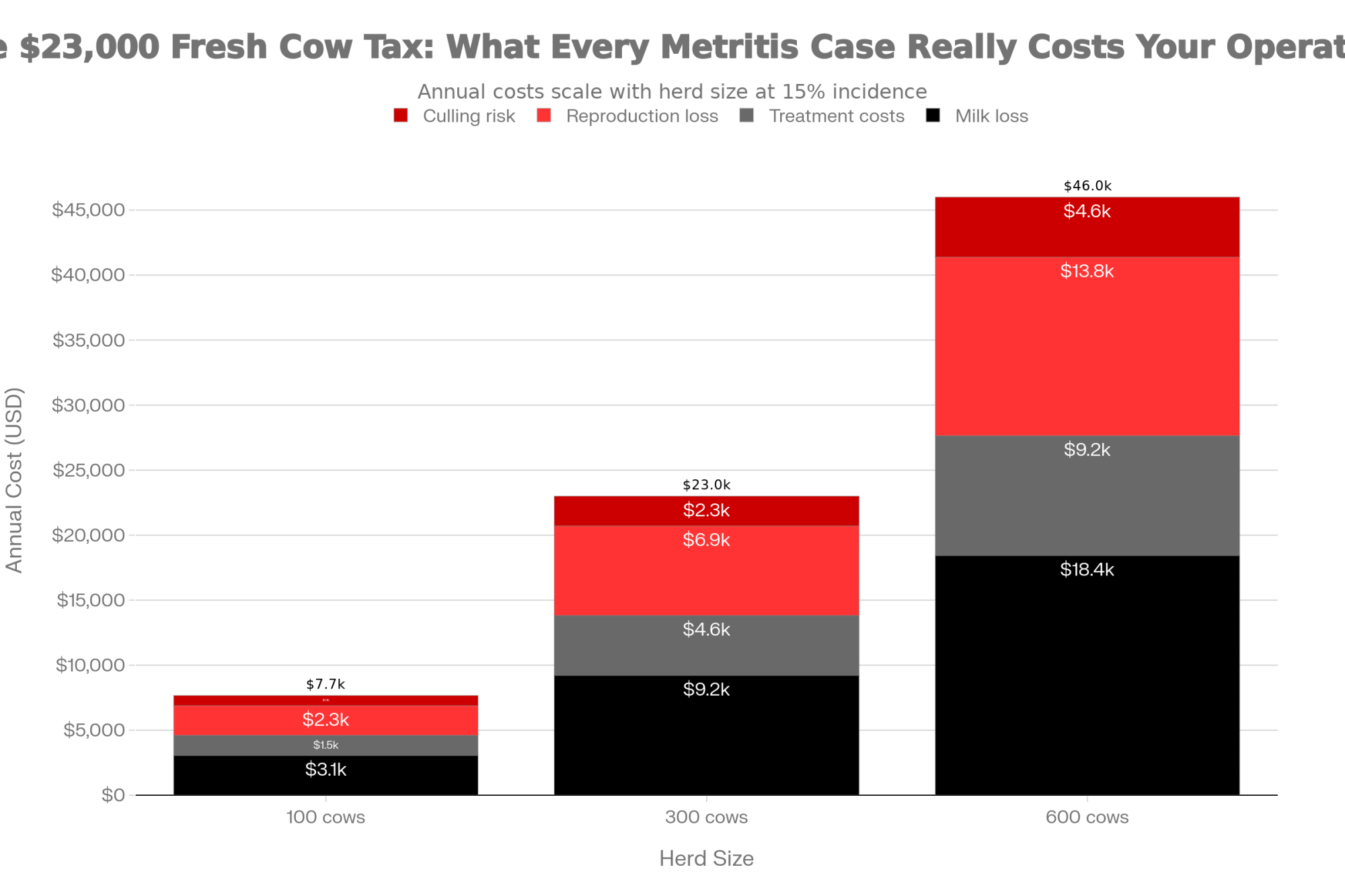
NewsSubscribe
First
Last
Consent

Ketosis: The Silent Threat to Dairy Herd Success

Ketosis silently stalks dairy herds, affecting up to 40% of fresh cows and costing farmers up to $289 per case. But with modern monitoring tools and proven management strategies, this profit-draining metabolic disorder doesn’t have to threaten your herd’s health and productivity. Learn how to protect your bottom line through early detection and smart prevention.

Up to 40% of dairy cows postpartum are affected by ketosis, which costs farmers between $145 and $289 per case. This insidious metabolic disorder, particularly prevalent in early lactation, can significantly impact herd health, milk production, and reproductive success. Understanding this condition and implementing effective management strategies are crucial for modern dairy operations. 

The Ketosis Conundrum 

When fresh cows can’t eat enough to meet their energy needs for milk production, they develop ketosis. This happens most often in the first few weeks after calving when cows produce lots of milk but can’t consume enough feed. Here’s what happens: 

  1. The cow starts breaking down her body fat for energy because she’s not getting enough from her feed.
  2. Her liver gets overwhelmed processing all this fat and produces ketones.
  3. These ketones build up in her blood, show up in her milk, and spill into her urine.

This metabolic problem is more common than many farmers realize – up to 40% of fresh cows may have “subclinical” ketosis, where they look delicate but are sick. The tricky part is that you often can’t tell just by looking at the cow that she has ketosis until it becomes severe enough to make her visibly ill. By then, you’re already losing money from reduced milk production and potential health complications. 

Think of it like a car running on fumes – eventually, it will start sputtering and break down if it doesn’t get proper fuel. Similarly, fresh cows need adequate energy to maintain good health and produce peak milk. 

Impact on Herd Health and Production 

When ketosis hits your herd, it hits your bottom line in multiple ways: 

Production Losses 

  • Your cows will give 2.2-5.3 pounds less milk per day
  • Fresh cows may never reach their full production potential
  • Milk components (fat and protein) often drop

Health Problems 

  • Cows are more likely to get a twisted stomach (DA)
  • Higher risk of uterus infections after calving
  • Fresh cows struggle to clean correctly (retained placenta)
  • More likely to have to cull cows early in lactation

Breeding Troubles 

  • Cows take longer to come into heat
  • Lower conception rates
  • More days open means longer calving intervals

Financial Impact 

Herd SizeAnnual LossesContributing Factors
100 cows$4,425-$6,000Milk losses, feed costs, diseases
Multiparous cows50% higher costsCompared to first-lactation cows
Per case cost$129-$289Direct and indirect losses

Source: Penn State Extension, 2024

Each case of ketosis (even the mild cases you can’t see) costs between $145 and $289. A 100-cow herd with typical ketosis rates could mean $5,800-$11,560 in losses annually. 

Think of ketosis like a domino effect – one problem leads to another, and before you know it, you’re dealing with multiple issues in your fresh cows. That’s why catching and treating it early is essential for protecting your cows and wallet. 

Days in Milk (DIM)Cure Rate (%)Notes
1-975.56%Best treatment response
10-1567.45%Moderate response
16-2158.05%Reduced effectiveness
Source: Frontiers in Veterinary Science, 2022

Detection and Diagnosis 

Blood testing using a hand-held meter provides quick, accurate ketosis detection
BHB Level (mmol/L)ClassificationAction Required
< 1.2NormalRoutine Monitoring
1.2 – 2.9Subclinical KetosisTreatment Recommended
≥ 3.0Clinical KetosisImmediate Treatment Required
Source: Journal of Dairy Science, 2024

Finding ketosis early can save you money and keep your cows healthy. Here are the main ways to check for ketosis in your herd: 

Blood Testing 

Use a hand-held meter (like people with diabetes use) to test a drop of blood from your fresh cows. If the reading is 1.2 or higher, your cow has subclinical ketosis – even if she looks fine. 

Milk Testing 

Check milk samples during routine testing. Many DHI services now include ketone testing, making it easy to monitor your whole herd at once. 

Urine Testing 

Use ketone strips to test urine. While not as accurate as blood testing, it’s a quick way to check suspicious cows. 

Activity Monitoring 

Modern cow monitoring systems can alert you to potential ketosis by tracking: 

  • How much time do cows spend chewing their cud
  • Daily activity levels
  • Changes in eating patterns

Remember: The first two weeks after calving are when cows are most likely to develop ketosis, so you should check them closely. 

Rumination as an Indicator 

Automated rumination monitoring systems help detect potential health issues up to 5 days before clinical signs appear

Keeping an eye on how much time your cows spend chewing their cud can help you catch ketosis before it becomes a serious problem. Here’s what to look for:

Warning Signs in Cud Chewing 

  • Sick cows spend about 17% less time chewing their cud than healthy herd mates.
  • You can spot changes in cud-chewing patterns up to 5 days before a cow shows apparent signs of ketosis.
  • Start watching cud-chewing patterns before calving and during the fresh period to identify which cows might be at risk.

Think of rumination monitoring as an early warning system. When a cow starts spending less time chewing her cud, it’s often the first sign that something’s wrong, giving you a chance to step in before ketosis takes hold. If you’re using rumination monitoring collars or other technology, pay special attention to any alerts about decreased rumination time, especially in your fresh cows. Even without technology, observing your cows’ cud-chewing behavior during daily checks can help you spot potential problems early. 

Management Strategies 

Here’s what you can do to keep ketosis under control in your herd: 

  • Watch your fresh cows closely — Keep an eye on your transition cows, especially in that crucial first week after calving. Look for signs like reduced appetite, lower milk production, or cows that don’t seem right.
  • Use technology to your advantage — If you have activity monitors or rumination collars, use them. They can tip you off to potential ketosis cases before you see obvious signs. Watch for drops in rumination time or changes in everyday activity patterns. 
  • Feed management is key — Ensure your fresh cows get enough energy in their diet.

Work with your nutritionist to: 

  • Design a proper transition cow diet
  • Ensure cows are eating enough after calving
  • Adjust rations based on body condition

Stay ahead of the game.

For cows you know might be at risk (over-conditioned cows, older cows, or those with previous ketosis), consider preventive treatments before problems start.

Act Fast When You See Problems


If you spot ketosis, treat it right away. Propylene glycol is often your best bet – 300ml once daily for 3-5 days usually does the trick. The sooner you treat, the better your results will be.
Remember: Every day you wait to treat ketosis is costing you money in lost milk production and potential complications.

Treatment Options for Ketosis-Affected Cows 

When you spot ketosis in your cows, quick action is crucial to prevent milk loss and other health problems. Here are your best treatment options: 

Propylene Glycol (PG) – Your First Line of Defense 

  • Drench 300 ml (10 oz) once daily for 3-5 days
  • Works by helping your cow make more glucose
  • Treated cows are 50% more likely to recover and half as likely to get severe ketosis

IV Dextrose – For Severe Cases 

  • Use when cows show nervous symptoms or won’t eat
  • Your vet will give 500 ml of 50% dextrose in the vein
  • Follow up with PG drenches, as the effects don’t last long

Vitamin B12 Shots 

  • Give 1.25-5 mg per cow in the muscle daily for 3-5 days
  • Works well alongside PG
  • Best for cows with both low blood sugar and high ketones

Cutting Back on Milking 

  • Try milking once instead of twice daily for up to two weeks
  • Helps the cow’s energy balance but will temporarily drop milk production
  • Discuss this option with your veterinarian first

Other Options 

  • Glycerol or sodium propionate drenches (not as good as PG)
  • Force feeding with alfalfa cubes and pellets for valuable cows
  • IV glucose drips for severe cases (vet-administered)

Remember: The sooner you treat ketosis, the better your chances of quickly getting your cow back to peak production. Always work with your vet to decide the best treatment plan for your herd. 

Real Success Stories: Managing Ketosis on the Farm 

Cutting Back on Milking Helps Fresh Cows 

  The University of Guelph tried something different with its ketotic fresh cows:  

  • They switched from milking twice daily to once a day for two weeks.  
  • Kept giving the usual propylene glycol drench.  
  • Cows improved faster, even though they gave less milk during treatment. 
  • They’re now testing if shorter treatment times work just as well.   

Big Dairy Saves Money by Catching Ketosis Early 

A 1,000-cow dairy farm made these changes:  

  • Started with 300 fresh cows getting ketosis (30%).  
  • Losing $87,000 every year.  
  • Put activity monitors on their cows to watch chewing patterns.  
  • Dropped ketosis cases by 50 cows (5%).  
  • Saved $14,500 in the first year.  
  • Key to success: watching how cows chew their cud 10 days before and after calving.   

What Happens When You Treat vs. Don’t Treat 

Research shows treating ketosis pays off:  

  • Untreated cows lose about 1 pound of milk for each slight ketone increase.  
  • Giving propylene glycol (10 oz daily) adds 1.5 pounds of milk daily.  
  • Severe ketosis can cost you 13 pounds of milk per day in early lactation.   

The Cost of Poor Fresh Cow Management 

One farm learned the hard way:  

  • Fresh cows weren’t transitioning well.  
  • Lost 10-20 pounds of peak milk.  
  • Cost $400-900 per cow.  

The Bottom Line

Ketosis doesn’t have to be the profit-draining challenge it once was. With modern monitoring tools, proven treatment protocols, and innovative management strategies, you can catch this metabolic disorder early and minimize its impact on your bottom line.

Remember these key takeaways

  • Monitor your fresh cows closely, especially in the first week after calving
  • Watch for changes in rumination patterns and drops in milk production
  • Test suspicious cows promptly using a blood ketone meter
  • Treat affected cows quickly with propylene glycol (300ml daily for 3-5 days)
  • Work with your nutritionist to fine-tune transition cow rations

The cost of ketosis – up to $289 per case – is too high to ignore. But by implementing a solid monitoring and treatment program, you can protect your herd’s health and your farm’s profitability. Whether you’re managing 50 cows or 5,000, the principles remain the same: early detection, prompt treatment, and prevention through proper transition cow management

What is your next step? Take a hard look at your fresh cow protocols. Are you catching ketosis cases early enough? Are your treatments working? Are your transition cows getting the nutrition they need? The answers to these questions could be the difference between a struggling fresh pen and a profitable start to lactation. 

Key Takeaways: 

  • Early detection is crucial: Up to 40% of fresh cows may have subclinical ketosis without showing obvious signs, costing $145-289 per case. Monitor cows closely in the first 9 days after calving when treatment is most effective.
  • Watch rumination patterns: Cows with ketosis spend about 17% less time chewing their cud compared to healthy cows. Changes in rumination can be spotted up to 5 days before other symptoms appear.
  • Treatment timing matters: Propylene glycol treatment (300-400ml daily for 3-5 days) is most effective when started in the first week after calving, with cure rates dropping from 75% in the first 9 days to 54% after 21 days.
  • Monitor milk components: High fat percentage combined with low protein percentage in milk can be an early warning sign of ketosis. Also watch for elevated somatic cell counts, which tend to be higher in ketotic cows.
  • Prevention through transition management: Focus on proper nutrition and minimizing stress during the transition period. Work with your nutritionist to ensure adequate energy intake and gradually introduce feed changes.
  • Economic impact is significant: For a 100-cow herd with typical ketosis rates, losses can range from $5,800-$11,560 annually through reduced milk production, poor reproduction, and increased health problems.

Summary:

Dairy farmers deal with the tricky issue of ketosis, a problem that affects nearly 40% of cows after they give birth. This condition reduces milk production, hurts herd health, and costs farmers between $145-$289 per case. Early detection is crucial to stop its negative impact. Methods like blood BHB testing and new monitoring tools help catch it early. Quick treatments, such as giving propylene glycol and vitamin B12, are important for keeping cows healthy and farms profitable. By staying aware and managing proactively, farmers can protect against ketosis’s damaging effects.

Learn more:

Join the Revolution!

Bullvine Daily is your essential e-zine for staying ahead in the dairy industry. With over 30,000 subscribers, we bring you the week’s top news, helping you manage tasks efficiently. Stay informed about milk production, tech adoption, and more, so you can concentrate on your dairy operations. 

NewsSubscribe
First
Last
Consent

New Research Exposes 33 Stealth Defects Sabotaging Every Herd

Your favorite cow might be hiding a deadly secret. A groundbreaking study analyzing 39.4 million dairy cattle exposed 33 genetic defects silently destroying herds worldwide. One in 37 cows carries these stealth killers, costing farmers billions. Will you act now or watch your herd’s future crumble? The choice – and the consequences – are yours.

Summary:

The latest research unveils 33 covert genetic defects silently eroding dairy herds’ health and productivity globally. This revelation highlights the significant impact of genetically carried issues, with an alarming 2.7% defect carrier rate among cattle, costing billions. Farmers must pivot from relying solely on traditional breeding methods to incorporating genomic testing to avert these costly genetic pitfalls. Immediate action is urged, as testing could save significant financial losses and secure the herd’s future, emphasizing the importance of staying informed and adaptive in genetic management strategies.

Key Takeaways:

  • A significant 33 hidden genetic defects impact dairy herds globally, with a 2.7% carrier rate.
  • The financial impact is severe, with over $1,200 lost annually for every 100 cows due to these defects.
  • Holsteins, Montbéliardes, and Normandes are particularly affected by specific genetic mutations.
  • Combining traditional breeding with advanced genomic screening is essential for future herd health.
  • Act immediately by testing breeding stock to prevent the spread of these genetic defects.
  • Genomic screening costs around $15 per cow, a small price compared to potential losses.
  • Engage in programs like CDCB’s carrier tracking for greater genetic security.
  • Farmers who adapt and take preventive measures will ensure their herd’s future success.
genetic defects in dairy cattle, genomic testing for cattle, dairy herd management, financial losses in dairy farming, breeding strategies for cattle

Hey, guess what? That favorite cow in your barn – the one you’re betting your future on…She’s probably carrying a genetic time bomb. A bombshell study, “Massive Detection of Cryptic Recessive Genetic Defects in Dairy Cattle Mining Millions of Life Histories,” just blew the lid off the dairy industry’s dirtiest secret: 33 hidden genetic defects are silently destroying herds worldwide. After analyzing a mind-boggling 39.4 million animals, researchers discovered these stealth killers are lurking in one out of every 37 cows and feeling safe. Think again. 

These aren’t your grandfather’s genetic defects. We’re talking about sophisticated mutations that mask themselves as “bad luck” while systematically demolishing your herd’s future. From embryonic death to stillbirths, these genetic assassins are costing dairy farmers billions. The most frightening aspect? Traditional breeding programs cannot rescue you. That prestigious pedigree you’re so proud of might be the very thing that’s about to bring your operation to its knees. 

The real question is: will you take action now or face regret later? 

The Ugly Truth 

Thought you knew your herd? Think again. One in every 37 cows in your barn right now carries a genetic defect that’s silently draining your operation of resources. We’re talking about a 2.7% carrier rate costing the industry billions. 

“These aren’t just random bad luck cases anymore,” warns Dr. Florian Besnard, lead researcher. “These are systematic genetic failures masquerading as routine losses.”

The Money Pit 

That $1,200 per 100 cows is just the beginning. Here’s what these genetic defects are costing you: 

Direct Losses: 

  • Each pregnancy loss costs you $2,333 in extended calving intervals and culling costs.
  • Genetic defects affect 1.2% of pregnancies, hitting your operation where it hurts most.
  • In a 100-cow herd, you may have 2 to 3 carriers of these defects.

Hidden Costs: 

  • Embryonic deaths caused by 44 different genetic defects, for example.
  • 12 different defects causing stillbirths.
  • Loss of valuable genetics when high-producing cows must be culled due to fertility issues.

Long-Term Impact: 

  • These problems worsen with each generation.
  • Carrier cows spread defects through your herd for years.
  • Loss of genetic progress when top producers, crucial for advancement, must be culled early.

Think about it: In a 100-cow operation, these genetic risks could lead to significant financial losses from reduced pregnancies, decreased milk production, and required culling. And unlike a lousy feed batch or a mastitis outbreak, genetic defects don’t go away – they multiply through your herd with each generation.

Breed-Specific Bombshells 

HaplotypeNumber of CarriersCarrier Rate (%)GeneImpact
hh54,2495.40tfb1mEmbryonic mortality
hh32,5303.21smc2Early embryonic loss
hh62,1322.70sde2Early embryonic death
hh12,0142.55apaf1Embryonic death
cdh1,7922.27apobCholesterol deficiency
hh47210.91gartEmbryonic death
hh72050.26Early embryonic loss
blad1280.16itgb2Immune deficiency

Holstein Herds 

  • ITGB7 mutations slash growth rates by 27% in affected heifers
    • Causes complete absence of critical immune cells in the gut
    • 2.1% carrier rate in Swiss Holstein populations
    • Symptoms include chronic diarrhea, dehydration, and severe weight loss
    • First appears around 107 days of age in affected calves

Montbéliarde Impact

  • RFC5 defects cause devastating issues such as:
    • Stunted growth from birth
    • Chronic diarrhea with no visible gut damage
    • Abnormally thin, wavy hair coat
    • Hair loss on body extremities
    • Death occurs between 6 months and 3 years of age

 Normande Challenges 

  • NOA1 gene mutations create severe problems:
    • 24.4% die during pregnancy
    • 50.7% die before reaching testing age
    • Of those that survive testing, most die before one year

 Affected calves show:

  • Severe metabolic disorders
  • Extensive cellular damage
  • Inflammation markers in blood work
  • Inability to maintain normal growth[38]

The Economic Gut Punch 

These defects aren’t just health issues – they’re profit killers. You’re not just losing the animal when a calf carries these mutations; you’re also losing valuable resources and potential profits. You’re burning money on: 

  • Feed costs with no return
  • Veterinary treatments trying to save affected animals
  • Lost genetic potential from your breeding program
  • Reduced herd productivity and efficiency

The scariest part? These defects have been hiding in the industry’s most influential bloodlines for generations. The ITGB7 mutation traces back to Elevation and Elton, two of the Holstein breed‘s most significant sires.

Fight Back or Fade Away 

Take this as your wake-up call: Traditional breeding alone can no longer safeguard your herd. But don’t discard your pedigrees just yet—the smart money is on merging old-school breeding wisdom with cutting-edge genomic warfare for optimal results. 

Your Action Plan: Test Now or Pay Later

  1. Test Your Best First:
    • Target the top 50% of your herd based on parent averages.
    • Prioritize embryo donors and high-value breeding stock.
    • Focus on animals you plan to flush or use in IVF programs.
  2. Cost-Effective Testing:
    • Genomic testing provides 61% reliability compared to just 35% with traditional parent averages.
    • Testing costs range from $35-45 per animal for fundamental screening.
    • Consider banking tissue samples if the budget is tight—but remember, every month of delay is a missed opportunity.
  3. Smart Selection Strategy:
    • Test all replacement heifers and select the best.
    • Cull the bottom 10-20% based on genomic results.
    • Use sexed semen on your top genomic animals to produce better replacements.

Remember: every untested heifer entering your milking string could carry these genetic time bombs. At current testing prices, can you afford not to know?

The Bottom Line 

The decision is yours to make. That favorite cow in your barn – the one you’re betting your future on? Now you know she could be carrying a genetic time bomb. Unlike past farmers caught off guard by genetic defects, you have the power to make a difference. 

To recap the risks at hand: 

  • 33 newly discovered defects lurking in one out of every 37 cows
  • Direct losses of $2,333 per affected pregnancy
  • Hidden costs that multiply through generations
  • Breed-specific threats that can devastate your herd’s future

The resources are available, and the science is validated. The critical choice is yours: Will you safeguard your herd’s future or regret hesitating? 

Don’t let another breeding season pass without action. Call your breed association today, schedule those genomic tests, and update your breeding strategy. Your herd’s future—and your farm’s legacy—depends on your decision. 

Remember that in dairy farming, today’s breeding choices shape tomorrow’s profits. Ensure your breeding decisions are impactful. 

Learn more:

Join the Revolution!

Bullvine Daily is your essential e-zine for staying ahead in the dairy industry. With over 30,000 subscribers, we bring you the week’s top news, helping you manage tasks efficiently. Stay informed about milk production, tech adoption, and more, so you can concentrate on your dairy operations. 

NewsSubscribe
First
Last
Consent

Montbéliarde vs Holstein: New Study Shows Promise for Dairy Farm Profits

A new study comparing Montbéliarde and Holstein cows reveals surprising insights that could reshape your herd management strategy. From milk production to feed efficiency and overall profitability, find out which breed might give your farm the edge it needs in today’s competitive market.

A new study comparing Montbéliarde and Holstein cows could significantly influence herd management decisions. It examines how these breeds cope during challenging times, providing valuable insights that may improve profits.  (Journal of Dairy Science: Production and metabolic responses of Montbéliarde and Holstein cows during the periparturient period and a sequential feed-restriction challenge)

Study Breakdown 

Researchers monitored 22 Montbéliarde and 18 Holstein cows from a month before calving until about five months after. They observed how the cows handled calving time and feed shortages, trying to determine which breed could keep the milk flowing when times were tough. 

What They Found 

BreedMilk Yield (kg/305 days)Fat (%)Protein (%)
Holstein11,2534.083.32
Montbéliarde × Holstein10,1834.353.65

Milk Production

  • Holsteins pumped out more milk overall.
  • Montbéliardes maintained better body condition compared to Holsteins.

Health Stuff 

  • Early in lactation, Holsteins burn through body fat faster, which could lead to more health problems.
  • Montbéliardes seemed to handle the stress better.

Feed Challenge 

  • Both breeds adapted when feed was cut short, dropping milk production but bouncing back when full feed returned.
  • Holsteins started strong but ran out of steam faster during repeated feed cuts.

Financial Implications 

This is where it gets interesting for your wallet: Let’s talk about Feed Costs: 

  • Montbéliarde × Holstein crossbreds make about 1.6 lbs of milk per pound of feed, while Holsteins make 1.5 lbs.
  • This means crossbreds produce milk for about $0.17/lb and Holsteins for $0.18/lb.

Milk Quality: 

  • Crossbreds typically produce milk with higher fat and protein content, resulting in improved cheese yield and increased milk revenue.

Vet Bills: 

  • Purebred Holsteins can rack up $23 to $75 in health costs in their first lactation.
  • Crossbreds tend to stay healthier and stick around longer, saving on replacement costs.

Bottom Line: 

  • Over a lactation, Montbéliarde × Holstein crossbreds might put an extra $75 in your pocket compared to pure Holsteins.

Where This Research Comes From 

These findings aren’t just from one farm. Studies have been done: 

  • Across the U.S. in big commercial dairies
  • In France, looking at different feeding systems
  • Even in the mountains of Ecuador

They’ve examined how these cows perform in various setups, from farms with 30 cows to operations with hundreds in different climates and with various feeding and milking routines

Implications for Your Farm 

  1. Breed Choice: Holsteins are still milk-making machines, but Montbéliardes might save you headaches with better health.
  2. Feed Smarts: Both breeds can handle feed fluctuations, which is good news if you want to reduce feed costs.
  3. Cow Health: Montbéliarde cows might have an edge in staying healthy, especially right after calving.
  4. Consistent Performers: Your top cows will likely stay at the top, regardless of breed.
  5. Older Cows: Third, lactation and up, cows give more milk but might be slower to breed back.

Potential Impact on the Dairy Industry 

The widespread adoption of crossbreeding by farmers could lead to… 

  1. We might see healthier cows overall, with lower vet bills across the industry.
  2. Milk might have more components, which could be great for cheese makers.
  3. Dairy farms might reduce their environmental impact with more efficient cows.
  4. We could see more variety in dairy genetics, which is good for the industry’s long-term health.

How to Start Crossbreeding (If You’re Interested) 

  1. Start small – maybe breed 10-20% of your herd to Montbéliarde bulls.
  2. Pick bulls that fix what your herd needs help with (like fertility or components).
  3. Use top-notch bulls – don’t skimp on genetics.
  4. Keep good records to see how the crossbreds compare to your purebreds.
  5. Be ready to tweak your feeding and management for the crossbreds.
  6. Make a plan for the long haul – decide how you’ll keep the crossbreeding going.
  7. Talk to other crossbreeding farmers to learn from their experience.

The Bottom Line

This study gives us a lot to chew on. While Holsteins have been the go-to for high production, these Montbéliarde crossbreds show they have what it takes to compete and might even put more money in your pocket. 

Given the challenges in milk production efficiency and cow health, this study provides valuable insights for strategically selecting and caring for our herds in the long run. 

Consider evaluating your herd and financial data to determine the feasibility of implementing crossbreeding strategies based on the study results. Could some crossbreeding boost your bottom line? Chat with your vet or nutritionist about how these findings might work on your farm. Your future herd – and your wallet – might thank you for it. 

Key Takeaways:

  • Montbéliarde crossbreds provide better feed efficiency and can lead to cost savings on feed.
  • Holsteins excel in total milk production but are more prone to health issues early in lactation.
  • Crossbreeds offer higher fat and protein content in milk, benefiting cheese production and increasing milk value.
  • Cow longevity and reduced vet bills could make crossbreeds a financially wise choice.
  • Global studies support the potential benefits of integrating Montbéliarde genetics into dairy operations.

Summary:

The study on Montbéliarde and Holstein cows gives useful info for dairy farmers. Holsteins are great at producing milk, but Montbéliardes stay healthier and keep their weight better during tough times. Crossbreeding these types can lead to milk with better fat and protein, lower vet bills, and more profit. This study, done in different areas, shows Montbéliarde × Holstein crossbreds might improve how herds are managed, cut costs, and be kinder to the environment. If farmers want to try crossbreeding, they should start slow, use good genetics, and be ready to adjust their management. The findings highlight how choosing the right breed is important as the dairy industry changes.

Learn more:

Join the Revolution!

Bullvine Daily is your essential e-zine for staying ahead in the dairy industry. With over 30,000 subscribers, we bring you the week’s top news, helping you manage tasks efficiently. Stay informed about milk production, tech adoption, and more, so you can concentrate on your dairy operations. 

NewsSubscribe
First
Last
Consent

Automated Milk Feeders and Genetic Selection: The Secret to Unstoppable Dairy Calves

Explore how automated milk feeders and genetic selection enhance calf resilience. Ready to unlock your herd’s potential?

Dairy farming is a key part of agriculture, facing changes due to climate shifts and the need for more production. Resilience, or the ability to bounce back from problems, is crucial for growing dairy calves. Automated milk feeders (AMF) have become essential tools, making calf care easier and saving labor through precise farming techniques. By focusing on genetic traits that boost resilience, AMFs point to a future where technology and genetics help shape herds that can handle environmental challenges. A study,  Trait development and genetic parameters of resilience indicators based on variability in milk consumption recorded by automated milk feeders in North American Holstein calves, on 10,076 Holstein calves shows how using AMF data and genetic findings can improve resilience in young calves, helping create a more sustainable future in dairy farming.

The AMF Revolution: Breeding Healthier, Resilient Calves with Cutting-Edge Precision 

Automated milk feeders (AMFs) are changing how we take care of calves on dairy farms, making it easier and better. These machines use technology to monitor how much milk calves drink and adjust it as needed, which is a big step from old methods. 

AMFs have advanced sensors and software that track every calf’s milk intake. This helps farmers detect health problems before they get worse. 

One of the best things about AMFs is that they give each calf the right amount of milk. This setup is more like a natural nursing process than feeding by hand. With AMFs, calves can drink milk several times a day, which helps them grow steadily and develop their stomachs properly. 

AMFs help with calf health and save farmers time and effort. Since these machines handle much of the work, farmers can focus on other essential aspects of herd management. This time savings also means farmers can save money, especially those with many calves to care for. 

AMFs significantly improve calf welfare by supporting healthy growth and resilience, leading to a healthier herd overall. A study of over 10,000 Holstein calves showed that better resilience and welfare lead to better outcomes, making a strong case for farmers who use this technology.

Resilience Redefined: Crafting Resilient Calves for Unpredictable Conditions 

In dairy farming, resilience refers to how well an animal handles stress or health problems and returns to normal quickly. This is important for calves because they face different challenges on the farm, and resilience helps them grow healthy. 

A few key traits in resilience include amplitude, perturbation time, and recovery time. Amplitude measures how much a calf’s feeding changes when stressed. If a calf has a lower amplitude, it means it is less affected by stress, which indicates that it is more substantial. Perturbation time measures how long a calf stays in a stressful state. Shorter perturbation times mean the calf deals with stress better and faster. 

Recovery time is another vital trait that shows how quickly a calf can return to regular feeding after being disturbed. Calves that recover quickly are often better at dealing with illnesses or changes in their surroundings. Together, these traits help us understand how well a calf can handle challenges, which helps breed stronger, healthier livestock. 

Breeding for Resilience: Harnessing Genetic Insights for Future-Ready Dairy Herds

Genetic selection for toughness in dairy calves is a new trend in the industry. It could benefit animal health and farm success in the long term. This study examines genetic factors that influence these toughness traits and offers a plan for future breeding programs. 

In this context, toughness means how well a calf can keep growing and stay healthy despite challenges. The study discusses the heritability of different toughness traits like amplitude (AMP), time of reaction (PT), and recovery time (RT). Although these traits don’t pass down much from parent to calf, ranging from 0.01 to 0.05, they still have some genetic impact. This means that while environmental factors are essential, there’s a chance to make a difference through genetics. 

One interesting finding is the link between the size of a reaction and the speed at which a calf recovers. This suggests that some calves naturally bounce back from stress quickly. Such findings show the possibility of choosing traits that make calves more challenging without affecting important qualities like milk production

The study also points out new genetic signs, such as variance (DV) and log variance (LnDV), that could help measure calves’ toughness. Targeting these new signs in breeding programs could change how breeders tackle issues like bovine respiratory disease and changing weather

The findings of this study are essential for breeding. By focusing on traits that make calves more challenging, farmers could have substantial herds when facing problems and be productive in different environments. Such breeding strategies could lower disease treatment costs, improve herd health, and boost the sustainability of dairy operations over time. 

Resilience TraitMeanStandard DeviationHeritabilityRepeatability
Amplitude of Deviation (L)5.633.700.0470.077
Perturbation Time (days)2.921.820.0110.012
Recovery Time (days)3.232.260.0250.027
Maximum Velocity of Perturbation (L/d)1.430.980.0390.13
Average Velocity of Perturbation (L/d)0.980.670.0380.12
Area Between Curves28.9433.520.0390.042
Recovery Ratio0.960.0240.053
Deviation Variance (L²)3.324.680.0490.095
Deviation Log-Variance0.471.430.0270.056
Deviation Autocorrelation0.0050.390.0100.012

Embarking on the Resilience Frontier: Decoding Dairy Calves’ Robust Future

The study takes a bold step into understanding how calves handle stress, using detailed data and thoughtful analysis techniques. At the center of this project are Förster-Technik automated milk feeders (AMF). These advanced machines are great at recording how much milk each calf drinks. With information from 10,076 North American Holstein calves collected over several years, this study has plenty of data to uncover calf resilience and health patterns. 

A big part of this analysis is quantile regression. This fancy method helps predict patterns in how much milk calves drink, even when they are stressed or sick. It’s different from methods that look at averages because it can reveal more about the calves’ milk intake. 

Along with these analytics, genomic evaluation plays a key role. By examining the DNA of 9,273 calves, researchers can determine whether milk consumption and health traits are linked through genetics. This information can help breed stronger dairy cows in the future. 

Working with such a large data set is not just about collecting numbers—it’s hugely important. The data makes results reliable and accurately depicts Holstein’s calves. It also helps make better future predictions and ensures accurate genetic evaluations, giving a clear view of resilience traits.

Unleashing the Genetic Potential: How AMF Innovation Shapes Future Dairy Herds 

The study investigates how calves can be more resilient and shows how automated milk feeders (AMF) can significantly help. Key results show that genetics influences traits like amplitude (AMP), the time it takes for changes to happen (PT), and the time it takes to recover (RT), although this influence is modest. A strong genetic link between AMP and RT suggests that recovery time is more genetically controlled. 

These findings are helpful for dairy farmers. They can use AMF technology to monitor and optimize calves’ milk consumption, improving resilience and welfare. Breeding strategies can also focus on traits like recovery time, a sign of resilience. This aligns with growing evidence that supports the genetic links to health and productivity, helping create breeding programs for strong and adaptable dairy herds

The impacts are significant: Farmers can use these genetic insights to improve calf health and productivity. Focusing on resilience can increase yield and efficiency while boosting disease resistance and herd stability. As farming faces unpredictable climate and economic challenges, informed breeding is key for sustainable dairy production and long-term farm success.

Resilience Against the Odds: Navigating the Complex Terrain of Genetic and Environmental Interactions 

Breeding dairy calves that can handle stress is not easy. To do this, scientists need to understand genetics and how the environment affects those genetics. The environment can affect the genetics significantly, depending on where the calves are raised. 

One big challenge is finding the signs of resilience in calves. This study uses cumulative milk intake (CMI) to assess calves’ resilience. But looking at milk intake alone can be tricky. Many things, like how much food is available or any health treatments given, can change milk intake patterns, making it hard to see what’s due to genetics. 

Another issue is determining how much resilience is passed down genetically. This study shows negligible heritability, meaning genetics only plays a small part. However, with the right new strategies, selective breeding could still help improve resilience, even if challenging. 

The study has some limitations. It used data from just one farm, which means its findings might only apply to some farms. Different farms manage animals and environments differently. The study only examined calves for 32 days, which isn’t enough time to see their resilience throughout their development. Observing them for longer could show more about how resilience appears over time. 

This study is essential for the dairy industry. Making calves more resilient improves herd health, productivity, and profits. Resilient animals are key to sustainability in an industry facing climate change and trade challenges. Breeding for resilience could help keep milk production steady and improve animal welfare even as conditions change. 

To turn these scientific findings into real-world breeding programs, the dairy industry must collaborate across different areas and combine new tech with traditional methods. By solving these challenges and broadening research, the industry can work toward a future where livestock survive and thrive. 

Navigating the Genetic Labyrinth: Unraveling Dairy Calf Resilience for a Decisive Leap Forward 

The journey to understand resilience in dairy calves is just starting, and future research should dig deeper into the genes that create these essential traits. Examining the parts of the genome that control resilience can help create targeted breeding plans, strengthening dairy herds. Using genetic tools, researchers could find specific genetic markers linked to resilience, giving breeders a clear guide to selecting these traits more effectively. 

Studying more than one farm is essential. Research on farms with various climates and management styles can help scientists understand how resilience appears in different conditions. These studies could show how genetics and environment work together, giving insights into how different factors affect recovery times and overall calf health. 

In addition to genetics, combining Automated Milk Feeder (AMF) data with other precision livestock technologies offers excellent potential. AMF data, real-time health monitors, environmental sensors, and nutrient trackers can give a complete view of calf development. This combination would help farmers spot and respond to stressors quickly, improving animal welfare and productivity. 

These integrated systems also allow for personalized management plans, tailoring feeding and care to each calf based on their unique resilience profiles. The dairy industry can use big data and advanced analytics to innovate precision farming and set higher standards for calf care worldwide.

The Bottom Line

In the fast-changing world of dairy farming, staying strong is essential to keep things running smoothly. Automated Milk Feeders (AMFs) and choosing the right genetics can help improve this strength, offering a solid way to breed calves that do well even when things get tough. By focusing on traits like how quickly a calf bounces back, farmers can raise herds that can handle stress better, helping ensure a strong future for dairy farming. As farmers explore these new ideas, they should consider using AMFs and genetic selection as part of their routine, checking out all available resources and sharing what they learn to move dairy farming forward sustainably. 

Key Takeaways:

  • The study emphasizes the potential of automated milk feeders (AMF) in improving calf resilience by monitoring deviations in milk consumption patterns.
  • Genetic parameters like amplitude, perturbation time, and recovery time of milk intake suggest a moderate heritable component, highlighting genetic factors in resilience.
  • Findings suggest prioritizing genetic selection based on recovery time as it signifies stronger genetic control and resilience against stressors.
  • There’s a noteworthy genetic correlation between recovery traits and general calf health, indicating potential for breeding more resilient dairy calves.
  • The research underscores the need for precision farming to manage large herds effectively amidst environmental challenges such as climate change.
  • Data from the AMF system, paired with genomic insights, creates a robust framework for breeding programs focusing on resilience.
  • The study calls for long-term data collection post-weaning to better understand these resilience traits in mature dairy cows.
  • Diversification of study farms could give broader insights into managing calf resilience across different environmental and management conditions.

Summary:

Automated milk feeders (AMFs) have revolutionized dairy farming by precisely managing Holstein calves and enhancing their resilience to environmental stressors. A study of over 10,000 calves identified genetic traits like recovery time, heritability, amplitude, perturbation time that correlate with improved stress responses, particularly against bovine respiratory disease. Despite lower than anticipated genetic influence, these traits highlight opportunities for selective breeding. AMFs enhance calf care and save labor by monitoring milk intake, allowing timely intervention for health issues and optimal nutrition. The trend of genetic selection for resilient calves promises long-term benefits for animal health and farm productivity. Although limited by single-farm data, this research paves the way for breeding programs focused on resilience, aiding in future-proofing global dairy operations. Collaborative efforts integrating advanced technologies with traditional methods are essential for the dairy industry to implement these findings effectively.

Learn more:

Join the Revolution!

Bullvine Daily is your essential e-zine for staying ahead in the dairy industry. With over 30,000 subscribers, we bring you the week’s top news, helping you manage tasks efficiently. Stay informed about milk production, tech adoption, and more, so you can concentrate on your dairy operations. 

NewsSubscribe
First
Last
Consent

Why Reduced Culling is Inflating Heifer Prices

Discover the effects of reduced culling on the US dairy herd, which has aged by 5% and led to increased heifer prices. Is your dairy farm ready to handle these changes?

Summary:

In a rapidly evolving dairy landscape, reduced culling has inadvertently bolstered the U.S. dairy herd by 5%, creating a unique set of challenges and opportunities. Older cows continue to occupy barns due to a drastic decrease in culling, affecting the industry with skyrocketing heifer prices and pressuring farmers to make crucial decisions shaping their herd’s future. Advances in genetics have contributed to longer productive lives for cows, but accompanying health challenges raise sustainability questions. Over 499,000 fewer cows have been culled since Labor Day 2023, impacting herd renewal and raising sustainability concerns. The USDA’s October 2024 Milk Production report counts 9.365 million cows, reflecting a stable number but a shift towards older cows due to fewer being culled. Older cows produce more milk, butterfat, and protein but face health issues, especially during calving.

Key Takeaways:

  • The U.S. dairy industry faces a significant shortfall of nearly 500,000 dairy replacements, intensifying heifer sale values.
  • Dairy farmers have reduced culling, maintaining herd numbers but leading to an aging herd with heightened health risks.
  • Genetic advancements improve cow longevity, but older cows face increased health challenges, particularly during calving.
  • High calf value from beef-dairy crossbreeds offers immediate financial benefits, affecting long-term herd replacement strategy.
  • The current market trends suggest a potential decline in milk cow replacement numbers, posing challenges for future supply.
  • Dairy farmers must strategically plan for replacements, considering three-year lead times to mitigate the crunch in supply.
U.S. dairy industry, dairy herd management, culling reduction impact, milk production challenges, older cows health issues, USDA Milk Production report, dairy farming genetics, sustainable dairy practices, economic relief in dairy, herd productivity concerns

The U.S. dairy industry is currently at a crucial juncture due to a significant decision to reduce culling. This move has led to a 5% increase in the national herd, providing short-term economic relief. However, it also brings forth challenges, particularly in the context of older cows impacting milk production and herd health. Since Labor Day 2023, over 499,000 fewer cows have been culled—a historic drop significantly influencing the herd’s natural renewal. This shift raises essential questions about this approach’s sustainability and future productivity.

YearTotal Dairy Herd (in millions)Heifers Sold (in thousands)Average Heifer Price (in USD)Total Culling (in thousands)
20229.365300$1,8001,500
20239.365350$2,5001,200
20249.365400$3,5001,000

Aging Herd, Stable Numbers: The Double-Edged Sword 

The current state of the U.S. dairy herd shows a complicated relationship between stable numbers and a rise in the average age. The USDA’s October 2024 Milk Production report says that there are 9.365 million cows in the U.S. dairy herd across all 50 states. This number stability, however, hides a shift in the population toward older cows, which is caused by fewer cows being culled.

Over 65 weeks, dairy farmers significantly reduced the number of cows killed, sending 499,110 fewer cows to slaughter. This decrease creates a key situation: older cows produce more milk, butterfat, and protein, but as they age, they also face more health problems, especially when it’s time to give birth.

These numbers show how important it is to find a balance between using the productivity of older cows and managing the health problems that can come with an aging herd. According to USDA reports, this less frequent culling may temporarily stabilize the number of cows in the herd. Still, it also makes the cows older, which means that future replacements and health management must be planned.

The Economics of Reduced Culling: Navigating a Financial Tightrope 

The economics of reducing culling in dairy herds are detailed. Numbers on a balance sheet can affect decisions that can change the lives of both farmers and animals. High beef prices are a significant factor in these decisions. Strangely, this forces dairy farmers to rethink how they typically kill animals. When beef prices increase, each dairy cow sent to the slaughterhouse is paid a lot of money. This makes farmers want to send older or less productive cows to be killed more quickly.

However, in places where the cost of replacing heifers can go over $3,000 to $4,000 each, the equation gets more complicated. Farmers must consider their options because raising a replacement heifer from birth to milking age costs a lot—it takes two years of work. Would keeping older cows and dealing with their health and maintenance issues be more profitable, or would it be better to take on the financial responsibility of caring for young heifers?

Because of this, farmers have to carefully plan their paths through these options because they need to make money. They prefer the quick cash flow from beef over the bigger dairy yields that younger cows promise in the future. From a different point of view, less culling can help with short-term finances because less capital is spent on replacements. However, more than this short-term relief may be needed to keep milk production going in the long term, which could slow market growth and development.

The effects of the reduced culling decision are felt across the market. The cattle supply is getting tighter because fewer dairy cows are being replaced. This is leading to an overall increase in livestock prices. Additionally, stakeholders in the supply chain of the dairy industry—from feed suppliers to veterinary services—need to be flexible and aware of how these changes will affect others. When production costs compete with the gains in commodities, it is essential to be smart about money. This planning includes keeping profit margins safe and ensuring that whole dairy operations remain open even when the market is uncertain.

Genetic Progress: The Double-Edged Sword of Dairy Advancements

Genetic progress has undoubtedly changed dairy farming by giving farmers tools to make dairy cows work longer. Through selective breeding, more muscular genetic lines have been created. This has led to improvements in traits like “Productive Life,” which directly affects the longevity and efficiency of the dairy herd.

Because of these improvements, older cows can now produce more milk, butterfat, and protein, which makes them very useful to farmers. This higher productivity means that each cow produces more, raising the farm yield. But having older cows isn’t just better because there are more. They usually have more stable production cycles and can show how productive a genetic line will be in the long run. This is essential information for making decisions about future breeding.

But along with these benefits come big problems. Cows are more likely to get sick as they age, especially during critical times like giving birth. Conditions like mastitis, lameness, and reproductive problems may worsen, which could cancel out any gains in milk production by making it more expensive and time-consuming to manage and treat the animals.

Dairy farmers must find a way to use the genetic advantages of older cows while minimizing the health risks associated with their aging. This problem highlights the importance of using genetic selection and good herd management to maintain a productive and long-lasting herd.

The Heifer Supply Crunch: Navigating Unprecedented Price Surges

There has been a significant change in the way the market works in the U.S. dairy industry lately, mostly because fewer cows are being culled. Because of this, more demand for heifers has pushed their prices to all-time highs. Because of a strategic pullback on culling, there aren’t many replacements, so the supply of heifers has gotten much tighter. Farmers who raise dairy are in a tough spot because the market reacts strongly to this imbalance.

Let’s examine the current market prices to put things in perspective. These days, heifers usually sell for more than $3,000 each, and sometimes, they can go as high as $4,000. This massive price increase reflects their value and signifies that supply will be strained because fewer young cows are being brought in to replace older ones retiring.

The effects are enormous for farmers who want to increase the size of their herds. The higher price of buying heifers is a big problem for the economy. Investing in new heifers now requires a well-thought-out long-term plan considering both short-term costs and expected milk yields. Also, the high prices might accidentally stop plans to grow, forcing some farmers to think of other ways to increase productivity, like raising replacements or looking for other ways to lower costs.

This price increase shows that the U.S. dairy industry is at a critical point. How farmers deal with these problems will affect not only the long-term health of their businesses but also the production and supply of milk in the years to come. As long as the demand for heifers is higher than the supply, it will be hard to overcome this situation without developing new ideas and keeping a close eye on market trends.

Turning the Tide: Navigating the Aging Herd and Supply Challenge for a Sustainable Future

The current trend of fewer culls and an older dairy herd makes it very hard for the U.S. dairy industry to stay in business in the long term. Farmers may have to deal with increasing health problems in their older cows, which could affect the quality and quantity of milk they produce. Vet bills could go up, and older cows may need to be stronger when they give birth, which could put a financial strain on operations and significantly smaller farms.

Also, as the price difference between beef sire-dairy dam calves and replacement heifers grows, the desire for quick cash may become more potent than long-term planning for restocking the herd. A bottleneck could occur if there aren’t enough younger replacements, stopping the herd from growing and resulting in milk production. Addressing this situation could make it easier for the U.S. to meet the needs of both domestic and international dairy product buyers.

Dairy farmers must be able to adapt strategically to overcome these problems. New genetic selections could be key to making herds live longer and healthier so cows can keep working longer. Farmers could also look into other breeding programs that use a mix of dairy and beef genetics to get the most out of each calf without affecting the need to replace the herd in the future.

Collaboration and cooperative strategies also help ease the financial strain of high replacement costs. Buying heifers as a group or breeding them together may lead to economies of scale that make the project more financially viable. Investing in technology and precision farming could help monitor the herd’s health closely, lowering the costs of treating health problems that older cows often have.

Ultimately, U.S. dairy farmers need to find a way to balance the current economic pressures with creative changes to help their herds stay healthy long-term. The industry can turn problems into growth opportunities by embracing genetic progress, working together to save money, and combining different types of technology.

The Bottom Line

The U.S. dairy industry is at a crossroads. It has to deal with an aging cow population that has kept herd numbers stable even though culling has slowed down a lot. Herd sizes have grown because fewer animals are being killed, but this has not come without costs. Even though genetic improvements and longer lives are good things, they also cause problems because older cows are more likely to get sick. The economics of managing a herd change as farmers weigh the short-term cash gains from selling calves against the long-term need for new cows to replace old ones. This tension will likely worsen as the price of heifers goes up, forcing dairy farms to plan far into the future. The question still stands: will the U.S. dairy industry get past these problems and keep milk production growing, or will the need for quick profits change the industry’s long-term plans? Considering this critical moment, consider how your decisions today will shape dairy farming in the United States tomorrow.


Download “The Ultimate Dairy Breeders Guide to Beef on Dairy Integration” Now!

Are you eager to discover the benefits of integrating beef genetics into your dairy herd? “The Ultimate Dairy Breeders Guide to Beef on Dairy Integration” is your key to enhancing productivity and profitability. This guide is explicitly designed for progressive dairy breeders, from choosing the best beef breeds for dairy integration to advanced genetic selection tips. Get practical management practices to elevate your breeding program. Understand the use of proven beef sires, from selection to offspring performance. Gain actionable insights through expert advice and real-world case studies. Learn about marketing, financial planning, and market assessment to maximize profitability. Dive into the world of beef-on-dairy integration. Leverage the latest genetic tools and technologies to enhance your livestock quality. By the end of this guide, you’ll make informed decisions, boost farm efficiency, and effectively diversify your business. Embark on this journey with us and unlock the full potential of your dairy herd with beef-on-dairy integration. Get Started!

Learn more:

The Science of Dairy Cow Reproduction: Unlocking the Secrets to Improve Fertility and Productivity

Decode dairy cow fertility. Explore groundbreaking research to increase your herd’s productivity. Ready to elevate your success?

Summary:

The intricate landscape of dairy cow reproduction encompasses technological advancements, nutrition, health, and the influences of environmental and genetic factors. As the demand for sustainable food sources rises, enhancing cow fertility becomes paramount. According to Dr. Emily Grant, integrating precision management and genetic evaluation could elevate fertility rates and increase herd longevity. Understanding the reproductive cycle aids farmers in optimizing herd management, which in turn enhances efficiency and milk yield. Innovations such as artificial insemination, embryo transfer, and genomic selection have significantly improved productivity. Farmers must also consider body condition, management practices, and preventive healthcare. Balancing these technological advances with ethical responsibilities is crucial for fostering a harmonious blend of innovation and care within the industry.

Key Takeaways:

  • Dairy cow reproduction is a complex interplay of genetic, environmental, and nutritional factors that requires careful management and understanding.
  • Technological advancements, such as automated monitoring systems, have revolutionized fertility management, leading to better reproductive outcomes.
  • Ethical considerations and animal welfare are increasingly integral to reproductive strategies in the dairy industry, prompting innovations that prioritize humane practices.
  • Nutrition directly impacts fertility, highlighting the necessity for balanced diets and health management to optimize reproductive success in dairy cows.
  • Understanding the genetic and environmental influences on fertility can help make informed breeding decisions that improve herd sustainability.
  • Striking a balance between technological interventions and ethical farming practices is crucial for future dairy reproduction industry standards.
  • Farm productivity and profitability are closely linked to effective reproductive management, emphasizing the need for continuous improvement and innovation.
dairy cow reproduction, sustainable farming practices, cow fertility improvement, genetic selection in dairy cows, reproductive efficiency, artificial insemination technology, embryo transfer advancements, dairy herd management, nutrition and health in dairy cows, ethical farming innovations

In farms and modern barns, dairy cow reproduction plays a crucial role in agriculture, impacting the economy and the environment. Fertility is essential for farmers and the entire industry’s success. As the demand for sustainable food grows, improving cow fertility becomes essential. Minor improvements can increase farm profits and lower environmental impact [ScienceDirect]. This article explores new advancements in dairy cow reproduction, examining how these innovations can boost cow fertility and productivity, leading to more sustainable farming practices. 

The Fertility Puzzle: Decoding Dairy Cow Reproduction 

As a dairy farmer, your role in managing cow reproduction has become even more critical. Fertility rates are all over the map, and we must maximize productivity. This can be tricky, as it requires balancing genetic selection, management practices, and environmental pressures. As dairy farms expand worldwide, nutrition and disease add layers of complexity. Your role in the industry is pivotal. 

Fertility rates have dropped because we’ve been selecting cows for their milk production. This genetic selection has increased milk output but also led to about a 20% decline in fertility over recent decades (ScienceDirect, 2022). This drop has hefty economic impacts, with yearly losses of over $200 per cow due to reproductive issues (Journal of Dairy Science). Improving fertility is crucial. Dr. Emily Grant, a veterinary science expert, recommends blending precision management with genetic evaluation to turn around declining fertility and boost herd longevity (Frontiers in Veterinary Science, 2023). 

These reproductive challenges increase production costs and often lead to animal culling. We need a new approach encouraging farmers to balance productivity and substantial reproduction. As the dairy industry strives for sustainability, dealing with these reproductive challenges using innovative strategies and teamwork is crucial for long-term success.

The Dance of Life: Navigating Dairy Cow Reproduction 

The life cycle of a dairy cow centers around reproduction. The key part is estrus when a cow is ready to conceive. This happens about every 21 days. During estrus, cows become restless and loud as ovulation nears—when an egg is released and needs to meet sperm for conception. Timing is crucial here. 

If fertilization is successful after ovulation, the cow is pregnant for about nine months, similar to humans. The cow’s body significantly changes during this time to nurture the growing calf. Hormones like estrogen and progesterone control estrus and pregnancy, so managing these hormones is essential for fertility. Stress, poor nutrition, or health issues can upset these hormones and cause fertility problems, which is a big worry for dairy farms. 

Knowing the reproductive cycle helps farmers manage their herds better, improving reproductive efficiency and milk production. By optimizing each phase of estrus, ovulation, and pregnancy, farmers can keep cows healthier and more productive.

Revolutionizing Dairy: The Technological Advancements in Cow Reproduction

The integration of reproductive technologies into dairy farming has significantly boosted productivity. Artificial insemination is a crucial method that involves collecting semen from a bull and introducing it into a cow’s reproductive tract. This approach enhances dairy cow fertility and herd productivity. It improves herd quality by allowing precise breeding control [Frontiersin, source]. This technique reduces time and costs while increasing pregnancies, enabling the use of semen from top-quality bulls to improve herd genetics. 

Embryo transfer is another method for quickly boosting genetic lines. By transferring high-value embryos to recipient cows, offspring from elite dairy cows can be increased without the stress of repeated pregnancies. This accelerates genetic progress beyond traditional breeding [ScienceDirect, source]. 

Genomic selection uses genomic data to predict breeding value. It revolutionizes breeding by focusing on genetic potential, not appearance. The result is better herd management and a significant return on investment. Genomic selection reduces generation intervals and increases genetic gain, thus boosting milk production [PLOS ONE, source]. 

Case studies show the successful use of these technologies. One dairy farm used genomic selection to increase milk yield and improve herd health. These outcomes underscore the advantages of advanced technologies for dairy farmers

These innovations provide dairy farmers with essential tools for enhancing productivity and meeting global food demands. They pave the way for greater efficiency and promise further innovation and progress.  

Nurturing Fertility: Harmonizing Nutrition and Health in Dairy Cows 

The reproduction of dairy cows involves much more than just breeding. It includes a mix of nutrition, health, and management practices. Getting nutrition and health right is key to fertility. Good nutrition is crucial for dairy cow fertility. Balanced diets support both life and reproduction. Cows need the proper nutrients, like energy, protein, vitamins, and minerals, for a healthy reproductive system [1]. If not balanced, cows might have delayed estrus and poor conception rates. 

It’s crucial to manage body condition. Cows that are too thin or too fat face reproductive challenges. Poor nutrition can affect ovulation, while excess weight can lead to metabolic disorders, making pregnancy difficult. Farmers should watch body conditions and adjust their management practices [2]. Preventing disease is essential, too. Diseases affecting the reproductive tract or metabolism can reduce fertility. Herd management should include preventive healthcare like vaccinations and health screenings. Biosecurity protocols help minimize disease outbreaks, improve herd health, and boost reproduction. 

Farmers should regularly check nutrition and adjust feed for cows based on their life stages and needs to improve healthand fertility. Technology, like metabolic profiling and precision feeding, helps refine these practices. Routine veterinary checks can detect diseases early and allow timely intervention, boosting health and fertility [3]. 

In summary, ensuring fertility in dairy cows requires balancing nutrition, body condition, and disease preventionWith proper management and care, dairy farmers can unlock their herds’ reproductive potential, leading to successful and thriving herds.

Beyond the Barn: Navigating Environmental and Genetic Influences on Dairy Cow Fertility

Environmental and genetic factors play a significant role in dairy cow reproduction. Recent studies show these have a substantial effect on fertility in dairy herds. Changes in temperature and humidity can upset dairy cows’ hormonal cycles, lowering fertility rates. For exampleheat stress is linked to reduced pregnancy success because it harms egg quality and embryo growth [J. Dairy Sci., 2023]. Reproduction efficiency often decreases when it’s hotter [1], so adjusting how farms are managed during these times is key. Handling these environmental factors well is critical for keeping fertility rates high in dairy herds. 

On the genetic front, new genomic tools help with selective breeding for better fertility traits. Choosing cows with traits like shorter calving intervals and higher conception rates builds more substantial herds. Combining genetic markers with traditional methods is promising in finding cows with better reproductive abilities [PLOS ONE, 2017]. Traits like better heat tolerance and disease resistance are added to dairy genetics, offering better fertility and overall animal health[J. Reprod. Dev., 2021]. Selecting these traits is a smart financial and scientific strategy that boosts milk production efficiency and profitability. Studies suggest a balanced approach combining environmental control and genetic enhancements to improve dairy farming standards [2].

Walking the Tightrope: Ethical Challenges in Dairy Cow Reproduction 

As we examine dairy cow reproduction, we must consider challenges and ethical issues. The drive for more productivity often pushes the limits between innovation and ethics. One big challenge is animal welfare. Methods aimed at increasing milk production raise concerns about cow well-being. Overbreeding can cause health problems, affecting both the physical and mental state of cows. 

Genetic diversity is also essential. Focusing on traits like high milk production can reduce genetic variation, making herds less resilient and prone to disease. Balancing selective breeding with maintaining genetic diversity is challenging. 

Can we balance productivity with ethical responsibility? This question pushes the industry to make smart innovations. Are current practices sustainable, or are we reaching an ethical limit? As we move forward, discussions must stress the planet’s health, animals, and human needs. We need to consider the effects of every technological and breeding advancement carefully.

The Bottom Line

The complex issue of dairy cow reproduction requires a mix of traditional methods and new ideas. We’ve examined how environmental and genetic factors affect a cow’s reproduction ability. Technological advances, like precision farming and genetic selection, offer ways to improve reproductive performance. However, every step forward brings ethical questions that we must carefully consider. Good nutrition and health are vital for ensuring fertility, highlighting their importance for successful reproduction. 

In this rapidly changing field, ongoing research is helpful and necessary. Understanding and improving dairy cow reproduction is key to keeping our farms sustainable and efficient. As we move forward to create a future where innovation and care work together, we should consider balancing new technology with ethical responsibilities.

Learn more:

Join the Revolution!

Bullvine Daily is your essential e-zine for staying ahead in the dairy industry. With over 30,000 subscribers, we bring you the week’s top news, helping you manage tasks efficiently. Stay informed about milk production, tech adoption, and more, so you can concentrate on your dairy operations. 

NewsSubscribe
First
Last
Consent

How Beef Sire Semen is Transforming Dairy Herd Profitability and Genetics

Explore how beef semen is transforming dairy herds and increasing profits. Ready to enhance your breeding strategy?

Summary:

Integrating beef semen into dairy breeding has revolutionized genetic strategies, allowing farmers to blend dairy and beef traits, enhancing profitability and herd performance while reducing disease risks through decreased reliance on purchased animals. Strategic choices between sexed dairy and beef semen across different lactation stages underscore the significance of these advancements. Selecting suitable beef sires focuses on traits like calving ease and carcass quality, fostering a lucrative beef-on-dairy market. The rapid evolution of genetic strategies, bolstered by genomics and sexed semen technology, enables farmers to selectively breed top-performing cows selectively, enhancing the genetic quality of future generations and ensuring a steady supply of replacement heifers. With cost differences and factors such as the lactation stage influencing the decision between dairy and beef semen, innovative tools like the ‘Beef-on-Dairy Query’ empower farmers to make data-driven decisions, paving the way for resilient and economically viable dairy operations.

Key Takeaways:

  • Integrating beef semen into dairy breeding programs has significantly changed dairy herd management, enhancing genetic strategies and profitability.
  • Increased use of sexed and beef semen in dairy herds has optimized replacement heifer quality and sale value of crossbred calves.
  • Factors like lactation number, insemination number, and the genetic potential of the breeding stock influence the rise in beef semen use.
  • Farmers have leveraged the genetic evaluations available for beef bulls, using Expected Progeny Differences (EPDs) to predict offspring performance and optimize breeding.
  • Lactanet and Angus Genetics Inc. developed the new “Beef-on-Dairy Query” tool to enhance dairy farmers’ sire selection decisions.
  • Strategic selection of beef sires based on traits such as calving ease and carcass quality aligns breeding programs with market demands.

Who would have thought that beef could be the secret ingredient in optimizing dairy herd profitability and genetics? Integrating beef sire semen into dairy herds is not just a breeding choice; it’s an industry game-changer. This practice is revolutionizing how dairy farmers approach herd management, transforming the traditional dairy operation into a more diversified and profitable enterprise by diversifying revenue streams through beef-on-dairy calves, enhancing genetic quality to improve herd performance, and reducing disease risks by minimizing the need for purchased animals. By strategically using beef sire semen, farmers can enhance the value of their herds while maintaining genetic quality, paving the way for a future where dairy operations are more resilient and economically viable. Let’s delve into the dynamics of this transformative trend and explore how it’s reshaping the fabric of the dairy industry, one calf at a time. It’s not just about producing milk anymore; it’s about maximizing the genetic and economic potential of every calf born on the farm.

Figure 1. Breakdown in Type of Semen Used in Canada Since 2021 by Lactation Number

beef sire semen, dairy herd management, genetic quality, herd performance, disease risk reduction, sexed semen technology, replacement heifers, Expected Progeny Differences, genomic strategies, dairy industry evolution

Unleashing the Bull: How Beef Genetics are Redefining Dairy

The rapid evolution of genetic strategies within the dairy industry has marked a significant turning point in herd management and breeding precision. At the forefront of this transformation is the application of genomics, which entails analyzing cows’ genetic makeup to identify desirable traits. This innovative approach allows dairy farmers to decide which animals to breed, leading to healthier and more productive herds. 

Furthermore, the integration of sexed semen technology has empowered farmers to selectively breed their top-performing cows with a higher probability of producing female offspring. This focus enhances the genetic quality of future generations and guarantees the availability of the desired number of replacement heifers. As a direct consequence, dairy farms are experiencing elevated levels of genetic improvement and overall herd performance. 

Including beef sire semen in the breeding, regimen has also shaped modern dairy herd genetics. This practice enables farmers to utilize less valuable females for beef production, enhancing the economic returns from calf sales. Dairy farmers can effectively manage and optimize their herd composition by expanding into beef markets, aligning with broader market demands. 

These advancements afford a new dimension of precision in breeding strategies, allowing for more targeted genetic progress and streamlined herd management. As these practices become increasingly integrated into the dairy industry, they offer a paradigm shift toward maximizing profitability and efficiency in dairy farming operations worldwide. 

Figure 2. Breakdown in Type of Semen Used in Canada Since 2021 by Insemination Number

beef sire semen, dairy herd management, genetic quality, herd performance, disease risk reduction, sexed semen technology, replacement heifers, Expected Progeny Differences, genomic strategies, dairy industry evolution

Strategic Breeding Choices: The Evolving Role of Beef Semen in Dairy Herds 

In today’s evolving dairy industry, the decision to use dairy or beef semen is more consequential than ever. Several key factors, notably the stage of lactation and the number of inseminations, influence the decision. As cows progress through multiple lactations, dairy farmers must adapt their breeding strategies

The statistics paint a clear picture of this trend. Since 2021, 85% of first-time calves have been inseminated with dairy semen, primarily due to the drive to enhance the genetic quality of replacement heifers. However, as cows advance through subsequent lactations, the preference shifts. By the eighth parity or higher, 38% of breedings are conducted with beef semen. Similarly, as cows approach their seventh or higher inseminations, the inclination for beef semen rises, composing 55% of breedings. 

Moreover, beef semen is gaining significant momentum across various dairy breeds. Notably, in Canada, 39% of Ayrshire, 29% of Holstein, and 25% of Jersey cows were bred using beef semen in 2023. This inclination towards beef semen usage is not just a statistic; it reflects a transformative impact on herd dynamics, allowing farmers to manage low-producing cows more economically and enhance the value of non-replacement calves through beef crossbreeding. These statistics reveal that the shift towards beef semen reshapes dairy herd composition while bolstering profitability and adaptability in a competitive industry landscape.

The Dollars and Sense of Semen Selection: Navigating Economic Choices in Dairy Breeding

When examining the economic considerations between dairy and beef semen, it’s evident that the cost differences can significantly impact profitability. Dairy semen, especially with advances in genetic selection, commands a higher price, averaging around $45 for conventional and $64 for sexed semen in 2023. This increase since 2010 necessitates judicious use to optimize expenses and focus resources on top-performing animals. 

In contrast, beef semen offers a more cost-effective alternative, with conventional options costing an average of $22. This price difference presents an opportunity for strategic financial management. By utilizing beef semen on cows that are either repeat breeders or possess less superior genetics, farmers can effectively reduce breeding costs while simultaneously generating additional revenue by selling beef calves. 

Moreover, the use of beef semen aligns with market demands, as crossbred calves hold substantial value in the beef market. This strategic approach minimizes costs and capitalizes on an additional revenue stream, positioning dairy farmers to boost their profitability by catering to the growing demand for beef-on-dairy progeny. As the market for these crossbred calves continues to expand, the financial benefits of using beef semen as part of a comprehensive breeding strategy are expected to increase.

Choosing Winners: Aligning Beef Sire Selection with Genetics and Market Demands 

When it comes to selecting the right beef sire for your dairy herd, the importance of aligning your choice with both genetic evaluations and market demands cannot be overstated. Each beef breed offers its own set of strengths and attributes that may suit different aspects of your dairy herd’s needs and the end market for crossbred calves. In this competitive landscape, leveraging the power of Expected Progeny Differences (EPDs) and Genomic Enhanced EPDs (GE-EPDs) becomes a pivotal aspect of making well-informed sire selections. 

EPDs provide a quantitative metric for predicting how a sire’s future offspring will perform compared to other sires’ progeny. They encapsulate genetic potential in traits such as ribeye area or conception rate. These evaluations offer a comparative framework crucial for optimizing outcomes, especially in beef-on-dairy programs aiming to maximize terminal progeny’s performance and quality. 

When these EPDs are enhanced with genomic data, they transform into GE-EPDs, dramatically increasing accuracy. This genomic integration allows for more precise predictions regarding desired traits tailored to dairy and beef production parameters. The result? A finely tuned balance between maintaining dairy herd efficiency and meat production excellence, which ultimately aligns with market preferences and profitability targets. 

Therefore, the discerning dairy farmer and beef producer must consider the inherent characteristics of various beef breeds and dive deep into the genetic evaluations provided by EPDs and GE-EPDs. This dual approach ensures that the selected sires will produce offspring that meet specific market demands—for carcass quality, growth efficiency, or other economically significant traits. By doing so, you sustain and enhance profitability while meeting the evolving needs and expectations of the beef market.

The Cutting-Edge Evolution: Introducing the Game-Changing ‘Beef-on-Dairy Query’ Tool

The dairy industry is about to welcome an innovative technological leap with the upcoming ‘Beef-on-Dairy Query’tool, a collaborative development by Lactanet and Angus Genetics Inc (AGI). This tool is poised to be a game-changer in beef sire selection for dairy farmers, offering a nuanced approach to integrating beef genetics with dairy herds. By providing access to genetically evaluated data, the tool empowers farmers with enhanced decision-making capability. 

This cutting-edge tool will showcase selection indexes like the Angus-on-Holstein ($AxH) and Angus-on-Jersey ($AxJ), which predict profitability differences in progeny. These indexes highlight critical traits such as calving ease, growth, feed intake, and muscling, helping farmers align their breeding strategies with economic goals. Through these metrics, dairy farmers can gain insights into how different sires will influence the productivity and profitability of their herds. 

Moreover, the ‘Beef-on-Dairy Query’ tool details Canadian and American Angus bull traits, allowing farmers to confidently tailor their sire selection to meet specific herd requirements and market demands. With access to genomically enhanced Expected Progeny Differences (GE-EPDs), farmers can ensure the production of terminal progeny that aligns with their buyers’ preferences, optimizing both herd management and economic outcomes. 

As the tool is implemented, it will become an essential resource for farmers who aim to strategically navigate the complexities and opportunities presented by beef-on-dairy breeding. This tool promises to redefine efficiency and profitability in dairy herd management.

The Bottom Line

As we’ve explored, the strategic use of beef semen significantly transforms the dairy industry, offering a viable pathway to enhance genetic diversity and economic gains. The choice between sexed and beef semen is increasingly critical, with the data strongly supporting tailored breeding programs to maximize herd efficiency and profitability. From the rising usage statistics to the innovative selection tools being developed, it’s clear that the integration of beef genetics in dairy breeding isn’t just a trend—it’s the future. By carefully selecting suitable beef sires, dairy farmers can effectively convert earlier concerns into substantial profits, optimizing the quality of terminal progeny and the overall herd health. 

I invite you to delve deeper into these strategies and perhaps share your experiences or insights in the comments below. How have beef-on-dairy strategies worked for you? Let’s keep the conversation going—after all, staying informed means staying ahead. And remember, exciting tools like the “Beef-on-Dairy Query” are on the horizon, offering even more resources to refine and enhance your breeding decisions. Share this article with fellow farmers and industry professionals who might benefit from these insights, and stay tuned for more cutting-edge developments coming your way!


Download “The Ultimate Dairy Breeders Guide to Beef on Dairy Integration” Now!

Are you eager to discover the benefits of integrating beef genetics into your dairy herd? “The Ultimate Dairy Breeders Guide to Beef on Dairy Integration” is your key to enhancing productivity and profitability. This guide is explicitly designed for progressive dairy breeders, from choosing the best beef breeds for dairy integration to advanced genetic selection tips. Get practical management practices to elevate your breeding program. Understand the use of proven beef sires, from selection to offspring performance. Gain actionable insights through expert advice and real-world case studies. Learn about marketing, financial planning, and market assessment to maximize profitability. Dive into the world of beef-on-dairy integration. Leverage the latest genetic tools and technologies to enhance your livestock quality. By the end of this guide, you’ll make informed decisions, boost farm efficiency, and effectively diversify your business. Embark on this journey with us and unlock the full potential of your dairy herd with beef-on-dairy integration. Get Started!

Learn More:

Don’t Miss World Dairy Expo 2024: Celebrating the Golden Age of Dairy

Join us at the World Dairy Expo 2024 in Madison! Dive into innovations, connect with global experts, and celebrate the Golden Age of Dairy. Ready to be inspired?

World Dairy Expo 2024, dairy excellence, dairy innovation, dairy transformation, unprecedented advances, Alliant Energy Center, Madison Wisconsin, dairy herd management, cutting-edge feed and forage approaches, calf care, cow comfort advancements, dairy business efficiency, sustainable agricultural practices, dairy financing, dairy regulations, worldwide gathering of dairy professionals, networking with industry leaders, North America's best dairy cattle, Supreme Champion title, biosecurity precautions, HPAI test, USDA, Wisconsin Department of Agriculture, Trade, and Consumer Protection, Career Connections Program, young talent, prospective employers, available jobs.

Are you prepared for the biggest event of the year? Thousands of dairy enthusiasts are preparing to gather to celebrate dairy excellence at the World Dairy Expo 2024 in Madison, Wisconsin! This event represents innovation and tradition in the dairy business. Every year, people from all over the globe come together to witness cutting-edge technology and fantastic livestock while networking with industry leaders. This year’s theme, “The Golden Age of Dairy,” focuses on our industry’s technical accomplishments. Despite problems such as avian flu, our community’s strength comes through. “The pageantry and prestige of showing on the colored shavings is like no other.” Laura Herschleb, General Manager at WDE. World Dairy Expo 2024 promises to be an outstanding event for seasoned professionals and newcomers.

The Event of the Year: An Unmissable Gathering of Global Dairy Professionals 

Since its start 57 years ago, the World Dairy Expo has emerged as the flagship event for the worldwide dairy sector. The event, held at the Alliant Energy Center in Madison, Wisconsin, unites dairy farmers, industry experts, and lovers from across the globe. The 2024 event is slated for October 1st through 4th. However, festivities begin as early as September 28th.

The Expo is unsurpassed in terms of size and scope. Expect to meet approximately 600 exhibitors presenting the newest dairy farming advancements. On the cattle side, there will be roughly 2,500 of North America’s best dairy animals and approximately 3,000 overseas guests. This event is a must-attend for anybody connected to the dairy sector, as it provides networking opportunities, information exchange, and the opportunity to see top-tier dairy cow contests.

Welcome to the Golden Age of Dairy: Innovation, Transformation, and Unprecedented Advances 

Consider Hollywood in its heyday—glamorous red carpets, revolutionary films, and a hum of enthusiasm that defined an era. The “Golden Age of Hollywood” was characterized by invention and revolution. The World Dairy Expo 2024 theme is ‘The Golden Age of Dairy.’

This subject focused on the fantastic innovations propelling the dairy sector ahead. Just as the Golden Age of Hollywood transformed film with the introduction of sound and technicolor, the dairy industry experienced significant changes due to new technology and inventive techniques.

Consider the advances in genetic technology, the creation of sustainable methods, and the powerful data analytics currently accessible to dairy producers. These advancements reflect Hollywood’s shift toward a more colorful, interesting narrative. The calm and advancement witnessed in today’s dairy operations are like seeing a Technicolor masterpiece—a wonderful feast for the senses.

Our business is at a height, much as Hollywood was decades ago. The World Dairy Expo 2024 aspires to honor this ‘Golden Age’ by presenting breakthroughs such as cutting-edge technology, pioneering research, and better dairy genetics. It’s not only about reflecting on how far we’ve gone; it’s about looking forward to an even brighter future.

So, while you wander around the trade exhibition, attend the seminars, or watch the dairy cow competition, remember that you are witnessing the dairy industry’s Golden Age, a period of unparalleled innovation and expansion.

What’s So Exciting About This Year’s Trade Show? 

What’s so unique about this year’s tradeshow? Imagine over 600 exhibitors assembled in one location, each eager to display their cutting-edge products and services, establishing new standards in the dairy sector. The World Dairy Expo showcases genetics, waste management, and milking equipment breakthroughs.

Visitors may learn about the newest innovations in dairy herd management. This trade expo offers a wealth of information and practical applications, ranging from cutting-edge feed and forage approaches to calf care and cow comfort advancements. You’ll also meet data collecting and usage professionals willing to answer your questions and offer their knowledge.

The diverse range of exhibitors guarantees that there is something for everyone. Do you want to make your dairy business more efficient? Are you interested in sustainable agricultural practices? Are you curious about the latest changes in dairy financing and regulations? The World Dairy Expo has all of this and more. It is more than a trade exhibition; it is a worldwide gathering of dairy professionals to learn, share, and develop.

Don’t miss this exceptional chance to network with industry leaders and colleagues. Whether you roam the trade show floor or participate in one-on-one talks, the information and relationships you make here might lead to the next significant step in your dairy career. So mark your calendars, and be ready to be inspired!

The Ultimate Showdown: North America’s Finest Compete for Supreme Champion 

The enthusiasm for the cow exhibition at the World Dairy Expo is considerable. Consider this: approximately 2,600 of North America’s best dairy cattle, gathered by over 1,800 exhibitors from 36 U.S. states and five Canadian provinces. It’s more than a competition; it’s a celebration of the finest in dairy genetics and a demonstration of dairy excellence.

The range and quality of cattle on the show are unparalleled, with seven exceptional breeds represented: Holstein, Jersey, Brown Swiss, Guernsey, Ayrshire, Milking Shorthorn, and Red & White. Each breed contributes distinct strengths and characteristics to the colorful shavings—a bright stage representing distinction and achievement in the dairy industry.

The fight for the Supreme Champion title is, without a doubt, the week’s highlight. This award is the pinnacle of distinction for dairy cow quality, and exhibitors work tirelessly throughout the year to showcase their finest animals on these renowned colored shavings. The route to the Supreme Champion is fraught with tremendous drama, pride, and a feeling of accomplishment that is difficult to imitate elsewhere.

The colorful shavings are more than a stage; they represent a long-standing ritual of historical importance. Entering this arena represents accomplishment, hard effort, and the pursuit of dairy perfection. It is a unique and valuable opportunity for breeders, fuelling the dairy community’s enthusiasm and devotion. So, if you want to see the peak of dairy cow competition in an exciting setting, don’t miss this year’s cattle show.

Resilience in the Face of Bird Flu: How WDE 2024 Ensures Safety Amid Challenges

Bird flu, also known as highly pathogenic avian influenza (HPAI), is a serious concern this year, but it has not dampened the spirits of the World Dairy Expo attendees. This robust event is supported by extensive biosecurity precautions to guarantee its safety and success.

To begin, each entry must have a negative HPAI test result. This regulation is consistent with federal and state mandates from the USDA and Wisconsin’s Department of Agriculture, Trade, and Consumer Protection (DATCP). Attendees may breathe better now that these standards are in place.

Furthermore, coordination with health authorities encourages exhibitors to communicate closely with their veterinarians. Exhibitors verify that they fulfill their state’s testing criteria for arrival and return. WDE personnel worked extensively with health authorities to develop these guidelines so exhibitors would have clear instructions.

There are also options for late arrivals and early departures on the grounds, intended to assist exhibitors who travel considerable distances. This flexibility helps meet health certification requirements while protecting cattle welfare.

If the HPAI test at WDE is positive, all cattle will be placed under interim quarantine to enable Wisconsin DATCP to conduct a complete investigation. This precaution adds an extra degree of protection for both animals and guests.

These comprehensive biosecurity standards underscore WDE’s dedication to organizing a safe and secure event in harsh conditions, ensuring that the World Dairy Expo’s legacy lives on.

Cattle Entries Stable Forward Amid Bird Flu Concerns 

Cattle entries are constant despite avian flu worries that may cast a pall over the event. Laura Herschleb, WDE’s general manager, notes, “The dairy industry and dairy cattle exhibitors are resilient.” This year, they had to put their skills to the test when highly pathogenic avian influenza (HPAI) emerged. However, it has done nothing to discourage participation. Cattle submissions have remained consistent with past years because of the passion and commitment of the participants to show off their finest. “Our exhibitors have been working hard to prepare their animals for this show,” Herschleb explains. Although statistics were still being completed in early September, early indicators imply that entry numbers would be comparable to those in 2023. Last year, 1,804 people from 36 states and five Canadian provinces showed off 2,597 animals. This resiliency demonstrates the dairy community’s dedication and enthusiasm. The famous colorful shavings will be brought back to life with approximately 2,600 animals parading before professional judges in seven breed events. Exhibitors and cattle from around North America prepare to participate, guaranteeing a breathtaking show of genetic superiority. WDE has put strict biosecurity procedures in place to safeguard everyone engaged’s safety. These include a negative HPAI test requirement that follows USDA and Wisconsin Department of Agriculture criteria.

Additionally, WDE accepts late arrivals and early departures to ensure seamless participation. Nothing can keep these dairy exhibitors away from Madison, Wisconsin, and the appeal of the World Dairy Exposition. “We know how important it is for the global dairy industry to meet yearly,” Herschel said. This endurance and the industry’s enduring spirit promise another outstanding edition of WDE.

Educational Opportunities Abound at World Dairy Expo 2024 

The World Dairy Expo 2024 offers several educational opportunities, including front-row access to the dairy industry’s most recent research, insights, and innovations. This year’s exhibition provides workshops by industry professionals on essential issues such as dairy herd management and sustainability measures.

Do not miss the virtual farm tours, which provide an intriguing behind-the-scenes peek at some of the world’s most modern dairy farms. These visits offer valuable insights into cutting-edge operational approaches and technology that you may apply.

Another attraction is the Daily Knowledge Nook sessions. These brief, targeted seminars are presented throughout the day and cover a variety of issues relevant to both novice and experienced farmers. These workshops provide an excellent chance to ask questions and interact directly with professionals.

Why is this valuable? These educational programs provide an opportunity to learn directly from industry professionals without leaving the fairgrounds. Whether you want to expand your expertise, keep up with the newest trends, or get practical guidance to better your operations, the World Dairy Expo’s educational components are not to be missed.

Spotlight on Excellence: Recognizing Dairy Industry Leaders at World Dairy Expo 2024 

Recognition awards play an essential role in the World Dairy Expo by highlighting people who have made remarkable achievements in the dairy sector. These awards honor achievement and devotion, highlighting the critical work being done to increase dairy production, innovation, and sustainability. By recognizing these trailblazers, the Expo recognizes their accomplishments and encourages others in the industry to strive for similar improvements.

The 2024 honorees for the Recognition Awards are: 

  • International Person of the Year: Paul Larmer, former CEO of Semex, Ontario, Canada
  • Industry Persons of the Year: Jim Barmore, Marty Faldet, and King Hickman, founders of GPS Dairy Consulting, Minnesota, USA
  • Dairy Producers of the Year: Mike, Ed, Barb, Sandy Larson, and Jim Trustem of Larson Acres, Wisconsin, USA

Recognizing these people is critical because it spotlights their accomplishments, fosters ongoing innovation, and establishes a standard for excellence in the dairy industry. It also allows peers to appreciate and learn from these outstanding achievements, building community and cooperation across the industry.

Making Connections and Building Futures at World Dairy Expo 2024 

Networking is a critical component of the World Dairy Expo, giving guests unprecedented opportunities to meet, learn, and develop. This year, don’t miss the daily Attendee Appreciation Events. As the trade exhibition concludes each day, go to designated areas in the Exhibition Hall, Coliseum, and Trade Center. You may enjoy light refreshments while interacting with other participants and exhibitors. It’s the ideal opportunity to celebrate the day’s accomplishments and strengthen professional and personal relationships.

But that is not all! The Career Connections Program is another highlight that you should not miss. This workshop, scheduled for Monday, September 30th, before the trade exhibition officially begins, aims to bridge the gap between young talent and prospective employers. This event is ideal for young participants who have just completed judging competitions and is intended to link them with firms wanting to fill available jobs. This is an excellent chance for both job seekers and companies.

Imagine old college pals, former housemates, and industry colleagues you haven’t seen together in one place in years. The World Dairy Expo fosters a strong feeling of community, whether you meet someone on the way from the Exhibition Hall to the Coliseum or have a meaningful chat near the cow show ring. This is an opportunity to reconnect with the dairy industry’s best and brightest and share experiences, ideas, and innovations.

Can’t Make It to Madison? No Worries! ExpoTV Brings World Dairy Expo Right to Your Home!

Cannot make it to Madison in person this year? Don’t worry! Expo TV guarantees that you don’t miss out on any activity. This year, we are excited to launch a brand-new subscription model for Expo TV. For just $30, you may watch all of the thrilling activities from the comfort of your own home.

What is in it for you? A membership gives live-stream access to cattle exhibitions, over 45 instructional sessions, and more. Expo TV has you covered, whether you want to watch the coveted Supreme Champion selection or learn about the most recent advancements in dairy technology.

The best part is that you can watch at your leisure. The material is saved and chaptered, allowing you to relive pivotal moments and informative lectures anytime. It’s like carrying the whole World Dairy Expo in your back pocket. Don’t miss the opportunity to join this fantastic dairy event, no matter where you are!

The Bottom Line

Whether you’re a dairy farmer, an industry professional, or have a strong interest in the dairy business, the World Dairy Expo 2024 is a must-attend event. It’s an excellent chance to learn from the finest, network with other specialists, and see ground-breaking technologies firsthand. Imagine yourself traversing the trade exhibition floor, attending high-quality educational sessions, and seeing the best cattle compete for the coveted Supreme Champion title. The enthusiasm, expertise, and community spirit keep people returning year after year.

So why wait? Plan your vacation now and join us in celebrating the dairy sector like never before. Purchase your tickets now and take advantage of the early bird savings. Don’t forget to download the World Dairy Expo app for a smooth and engaging experience. Everything you need to know and accomplish is just a tap away. See you in Madison!

Summary: The World Dairy Expo 2024, scheduled for October 1-4 in Madison, Wisconsin, promises to be an extraordinary event celebrating the “Golden Age” of dairy. Despite the challenges posed by bird flu, enhanced biosecurity measures ensure the safety and success of the show. With nearly 600 exhibitors, 2,600 head of cattle, and robust educational programs, this year’s Expo is set to be a hub of innovation, networking, and recognition for dairy professionals worldwide. Attendees can explore the latest herd management, feed and forage approaches, and cow comfort advancements while data collection experts offer their insights. The event is a global gathering to learn, share, and develop, featuring 2,600 North America‘s best dairy cattle from over 1,800 exhibitors. If you can’t attend in person, ExpoTV offers a subscription-based service to bring the Expo’s highlights to your home.

  • Scheduled for October 1-4 in Madison, Wisconsin.
  • Over 600 exhibitors and 2,600 head of cattle participating.
  • Theme: Celebrating the “Golden Age” of dairy.
  • Enhanced biosecurity measures in place due to bird flu.
  • Robust educational programs covering herd management, feed and forage, and cow comfort.
  • Data collection experts offering valuable insights.
  • Featuring North America’s best dairy cattle from over 1,800 exhibitors.
  • ExpoTV subscription available for those who can’t attend in person, offering access to Expo highlights and events.

Learn more:

Join the Revolution!

Bullvine Daily is your essential e-zine for staying ahead in the dairy industry. With over 30,000 subscribers, we bring you the week’s top news, helping you manage tasks efficiently. Stay informed about milk production, tech adoption, and more, so you can concentrate on your dairy operations. 

NewsSubscribe
First
Last
Consent

Why Dairy Farmers Should Care About Their Cows’ Lying Time

Is your dairy farm’s productivity at risk? Learn why lying time matters for your cows’ health and welfare. Find out if your cows are getting enough rest.

Summary: Imagine, for a moment, that you are a dairy cow. Sounds strange, right? But think about it: your days revolve around eating, milking, and lying down. It’s not just about comfort; it’s about survival and productivity. Are you aware that the time cows spend lying down is a major indicator of their overall well-being, impacting everything from milk production to their risk of developing lameness? If cows don’t get enough time on soft, dry surfaces, they can become stressed, unhealthy, and less productive. The science is clear: cows need to lie down for about 10 to 12 hours a day. Yet, achieving this requires careful attention to their environment and daily routines. Factors like housing type, stall design, bedding quality, and even weather play crucial roles in determining how much time cows can rest. Farmers, understanding your cows’ lying behavior can be the key to unlocking better health and productivity on your farm. From understanding cow motivation to lie down to the spaces they are provided, and even their reproductive status, each detail affects a cow’s comfort and welfare. Dairy cow welfare is crucial for the dairy farming industry, as it directly impacts their health and productivity. Inadequate lying time can lead to health problems such as lameness and decreased milk supply. Cows are highly motivated to lie down, often foregoing other vital tasks to obtain rest. Environmental elements like housing systems, bedding quality, stall design, and weather conditions directly affect their lying time. Farmers can improve cow welfare by implementing practical recommendations such as ensuring room and comfort in stalls, using soft and dry bedding materials, streamlining milking procedures, avoiding heat during hotter months, providing shade, and ensuring adequate air movement.
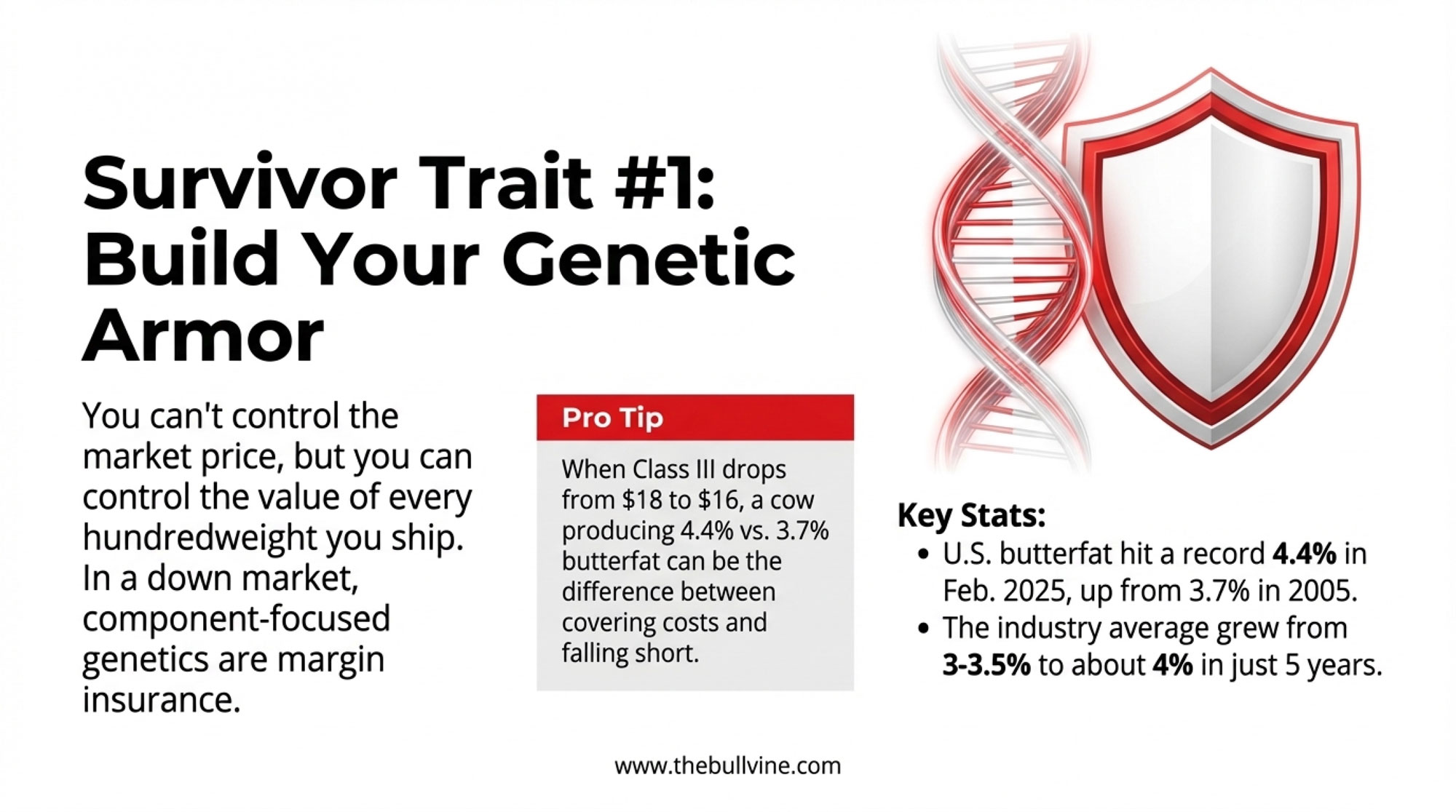
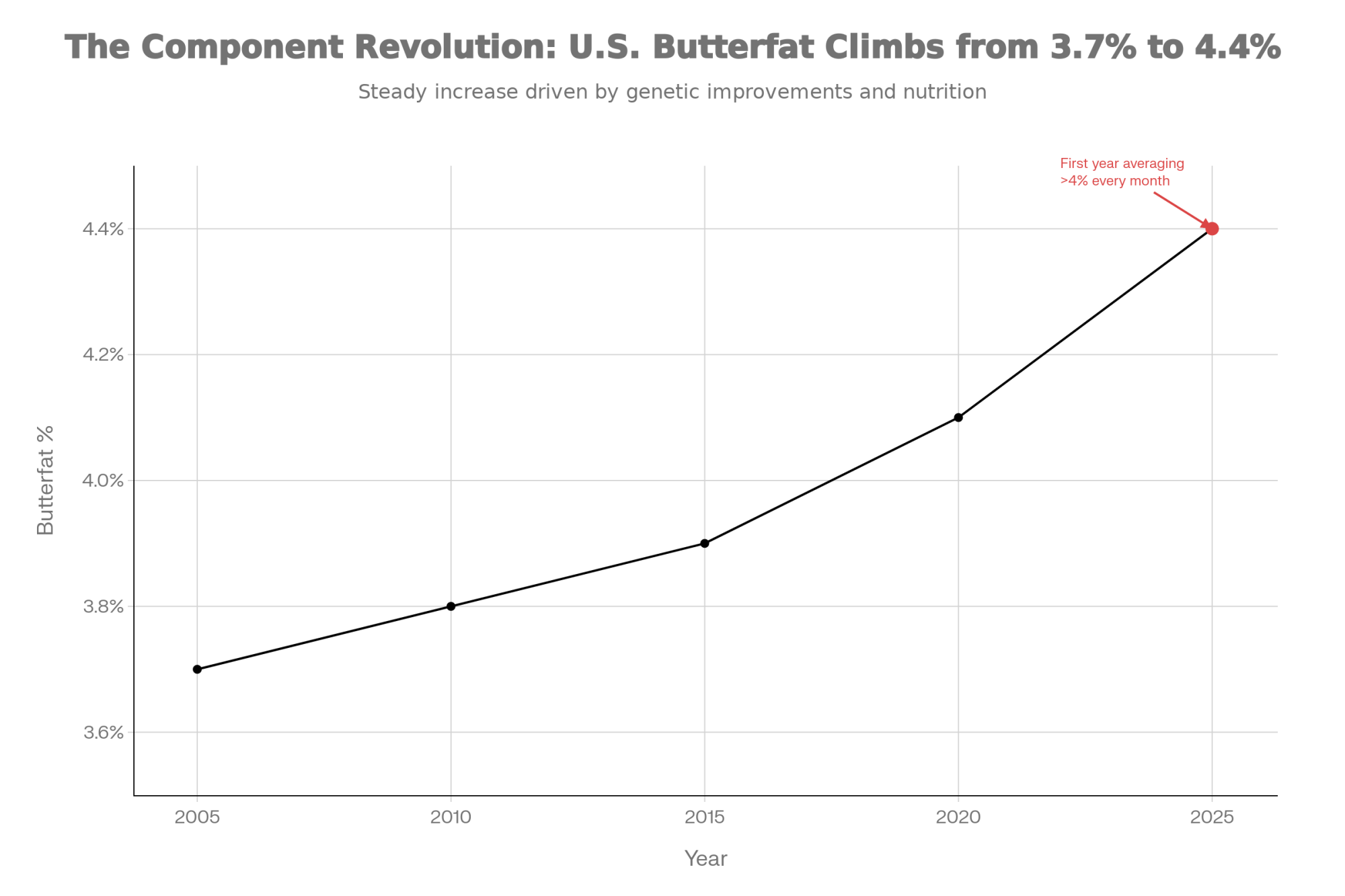
  • Cows require 10 to 12 hours of lying down each day for optimal well-being.
  • Lying time affects milk production, risk of lameness, and overall cow health.
  • Environmental factors such as housing type, stall design, and bedding quality significantly influence lying time.
  • Cows are highly motivated to lie down, often at the expense of other activities like feeding.
  • Long standing periods and uncomfortable lying surfaces contribute to stress and health issues.
  • Milking routines, weather conditions, and cow standing surfaces also impact lying behavior.
  • Farmers can enhance cow comfort by ensuring spacious, clean, and well-designed resting areas.
  • Effective heat management, including shade and adequate air movement, is crucial during warmer months.
dairy cow welfare, cow lying behavior, dairy cow health, dairy cattle management, animal welfare, cow comfort, dairy farming tips, dairy cow care, cow lying time, dairy cow health risks, lameness in dairy cows, mastitis in dairy cows, animal welfare assessment, farm management, cow productivity, dairy cow wellbeing, cow resting behavior, cow health indicators, dairy herd management, optimizing cow comfort, impact of lying time on cows, cow housing systems, dairy cow stress, cow milking time, cattle welfare standards

What if I told you that something as simple as lying down could significantly improve the comfort of your dairy cows? It’s an unexpected concept that underscores the importance of your role in dairy cow welfare. More than just animal care, it directly impacts your business. The time cows spend lying down profoundly affects their health and production. How can such a basic behavior be so transformative? Cows that lie down for an appropriate period experience fewer health issues, such as a lower incidence of lameness and increased milk supply. This post will explore why cows must lie down, the consequences of limited lying time, and the various factors influencing this behavior. Your understanding and actions can revolutionize your approach to dairy farming. Are you ready to make a difference?

Imagine You are a Dairy Cow on a Hot Summer Day… 

Imagine you are a dairy cow on a hot summer day… You’ve been on your feet for hours, grazing, milking, and waiting in line for your turn. Now, all you want to do is lie down and relax. Can you feel the urge? This urge to lie down is more than a preference; it’s a fundamental need for a dairy cow’s health. Understanding and empathizing with this need is crucial for effective dairy cow management.

Dairy cows are highly driven to lie down, so they may forego other vital tasks, such as eating, to obtain some rest. When laying down becomes difficult, cows show what scientists call ‘rebound lying behavior.’ This is essentially a compensatory behavior where they attempt to ‘make up’ for missed time by laying down more when they finally get the opportunity. They will make considerable efforts to locate a comfy area, even working hard to trigger machinery such as levers or gates to secure a space to lay down.

The risks are significant when cows are unable to lay down properly. Less time spent lying down may cause considerable health problems, the most noticeable of which is lameness. It is simply physics: standing exerts pressure on their hooves, which causes discomfort. Furthermore, inadequate laying time might exacerbate other stress-related issues, impacting general biological function, including milk production and sleep.

Moreover, the frustration of being unable to lie down has visible behavioral consequences. Cows may alter their weight, stride erratically, or exhibit symptoms of agitation and discomfort. This tension is more than a temporary inconvenience; it could have long-term consequences for their health and productivity. Recognizing these potential issues should motivate you to ensure your cows have adequate and comfortable lying time.

So, for dairy cows, laying time is more than simply their having some rest. It is an essential part of their health and well-being. Ensuring that cows have enough pleasant laying time is critical for their well-being and production on the farm. The next time you see a dairy cow relaxing, remember that it is not laziness; it is a necessary part of their daily routine.

What If I Told You A Cow’s Comfort Could Be Assessed By Simply Observing Lying Time? 

However, as with people, certain environmental elements directly impact how much sleep we receive, and these subtleties may make all the difference.

First, let us discuss housing systems. Cows in free-stall and tie-stall systems sleep 10 to 12 hours daily (Charlton et al., 2014; Solano et al., 2016). Freestalls provide separate resting areas for cows; overstocking may significantly diminish this time. When there are more cows than stalls, the rivalry for laying space causes many cows to spend less time resting. Fregonesi et al. (2007) discovered that cows enjoyed shorter laying periods when stocking numbers exceeded 1.2 cows per stall.

Next, the quality of the bedding must be considered. Cows prefer soft places to rest on, avoiding hard, unpleasant ones. Studies consistently demonstrate that laying times are substantially shorter on bare concrete. Cows on softer rubber mats or mattresses rested longer than bare concrete (12.3 vs. 10.4 hours/day) (Haley et al., 2001). The amount and quality of bedding are other vital considerations. Inadequate and moist bedding materials significantly diminish laying time. Cows raised in dry environments lay down more, with substantial differences shown in research when bedding included 86% dry matter vs 27% (Fregonesi et al., 2007).

Stall design also plays an important function. Sizes that do not suit cows’ normal behavior may reduce laying times. Tucker et al. (2004) found that narrow stalls had considerably shorter laying times than suitably sized ones. Cows on farms with more oversized stalls were healthier and could lie down for extended periods.

Weather conditions are another critical consideration. In warmer summer months, cows spend less time resting down. Their laying time may drop by up to 22 minutes for every one °C rise in ambient temperature (Chen et al., 2016; Tresoldi et al., 2019). Cows under great, moist circumstances also have shorter resting hours. Beef cows tend to lay down less in rain than in dry circumstances (Schütz et al., 2010). This means that cows may need additional measures during hot or rainy weather to ensure they have enough comfortable resting time.

Observing these environmental factors—housing systems, bedding quality, stall design, and weather conditions—provides cows with a pleasant resting habitat, directly influencing their well-being and productivity.

When a One-Size-Fits-All Approach Will not Do: The Nuances of Dairy Cow Lying Behavior 

When investigating dairy cows’ lying behavior, it is critical to remember that not all cows are made equal. Individual variables influence how long a cow spends lying down each day. Let us investigate some of these characteristics and comprehend the intricacies and differences among cows.

Age and Parity

You may expect aged cows to have a constant pattern while lying down, but the truth is far from obvious. The research yielded mixed findings. According to several research studies, cows with more parity (more lactations) lay down for extended periods, with variations ranging from 0.5 to 1 hour. Other studies, however, show no significant changes or slightly shorter laying durations for cows in their third or higher parities.

Changes in lactation phases complicate matters further. Recent longitudinal studies, for example, show that. In contrast, first-parity cows have shorter laying durations in early lactation; these differences fade as lactation develops. This raises crucial questions: Are these variations attributable to physical recuperation following calving, physiological adjustments during the transition phase, or even changes in milk production?

Reproductive Status.

Reproductive status has a significant influence on lying behavior. When a cow is in estrus, she spends less time laying and more time walking. Some studies reveal a 37% decrease in laying time on estrus days. This increase in activity, although significant, confuses our understanding of lying as a well-being measure. It’s important to consider the cow’s reproductive status when evaluating their lying behavior, as it can significantly affect their activity levels and resting time.

Cows also undergo significant changes around parturition. Just hours before calving, there is a substantial increase in episodes of lying; however, the overall duration of lying decreases by roughly an hour. Following parturition, attention turns to licking and feeding the calf, temporarily lowering laying time. Over time, lying time tends to rise as cows go through the early lactation period. However, this may vary greatly depending on individual and environmental circumstances.

Health Issues: Lameness and Mastitis

Health issues like lameness and mastitis are essential predictors of lying. Lame cows spend more time lying down than their healthy counterparts, and the discrepancies have been extensively established in various studies. This increase in lying time in lame cows presumably reduces pain and discomfort. However, it also complicates the interpretation of lying time as a straightforward wellness metric.

Mastitis-infected cows, on the other hand, lay down less often. This might be due to the discomfort caused by an irritated udder, which makes lying down difficult. It emphasizes that although more excellent laying time usually indicates comfort, it may also indicate a health issue that requires rapid treatment.

Interpreting variations

Given these difficulties, using laying time to measure dairy cow well-being requires a careful approach. Factors such as parity, reproductive state, and health condition substantially impact lying behavior, emphasizing the need for a comprehensive examination. For example, although a cow laying down less during estrus is regular and anticipated, decreased lying time owing to insufficient bedding or excessive milking frequency may signal welfare difficulties.

Individual cows have distinct needs and reactions, underscoring the need for individualized welfare evaluations. Understanding why and in what context these differences occur is essential; it is not simply how many hours people lay down that matters. By considering these individual-specific aspects, dairy producers may better attend to each cow’s welfare, assuring production and quality of life.

The Hidden Cost of Your Dairy Cow’s Rest: How Inadequate Lying Time Threatens Health and Productivity 

Inadequate lying time has a substantial influence on the health and production of dairy cows. The increased likelihood of lameness is one of the most pressing concerns. According to research, cows confined in unpleasant laying conditions are more prone to acquire lameness. Leonard et al. (1994) found that “lower lying times in heifers preceded the onset of claw lesions,” suggesting a clear link between insufficient lying time and foot health problems. Furthermore, Cook et al. (2004) discovered that “housing conditions that differ in the prevalence of lameness do not always differ in the time that the cows spend lying down,” indicating that numerous variables, including lying time, contribute to the beginning of lameness.

Aside from physical health, stress reactions are a crucial consequence. Studies have demonstrated that suboptimal sleeping circumstances and forced standing might cause physiological stress reactions. For example, Fisher et al. (2003) found that calves forced to stand on hard surfaces had “higher fecal glucocorticoid metabolite concentrations,” suggesting increased stress. Variations in HPA (Hypothalamo-Pituitary-Adrenal) axis activity owing to insufficient laying time were also noted, with Munksgaard et al. (1999) discovering altered cortisol responses in bulls exposed to extended standing.

The effects extend to milk production as well. Although the direct impacts of laying time on milk supply are not always visible, cow welfare and feeding behavior affect milk output. Munksgaard et al. (2005) observed that when cows had less time to lie down and eat, it resulted in “decreased feed intake and weight loss,” reducing their milk production capacity. Krawczel et al. (2012) found no significant changes in milk output when lying time was adjusted using characteristics such as stall width, suggesting that the link between lying time and milk production is complicated and mediated by other welfare factors.

The research shows that enough laying time is crucial for dairy cows’ physical health and productivity. As Cook (2020) puts it: “A direct and simple effect of altered lying time on milk yield seems unlikely; however, the average lying times were above ten h/d in these experiments.”

Farmers, Are You Wondering How You Can Make Your Cows More Comfortable and Improve Their Overall Welfare? 

Farmers, do you want to know how to make your cows more comfortable and increase their general welfare? Let us start with some practical recommendations you can implement right now to improve the laying conditions in your herd.

  1. Improve Housing: Comfortable and Spacious Design. When it comes to housing, consider both room and comfort. Dairy cows thrive in situations with plenty of room to move and lie down. In tie-stall and free-stall systems, making sure stalls are the right size—both in width and length—can significantly impact. Consider your cows’ measurements and make sure the stalls are not too tight or loose.
  2. Bedding: Soft and dry is critical. Not all bedding materials are made equally. Straw, wood shavings, sand, and rubber matting provide more comfort than bare concrete. Furthermore, it is essential to consider the kind and quantity of bedding. Ensure that the bedding is deep enough for the cows to rest comfortably. To keep bedding dry, check it regularly and refill it as needed. Wet and uneven bedding may hinder cows from resting down.
  3. Time Management: Smart Feeding and MilkingFeeding and milking are non-negotiable duties, but they do not have to reduce your cows’ laying time significantly. Streamline your milking procedure by limiting milking and waiting periods to three hours per day. When feeding, spread meals so your cows don’t have to eat too long. The idea is to divide their time between eating, milking, and resting.
  4. Climate Control: Avoid the heat during the hotter months; cows stand more to cool off. Combat this by improving barn ventilation and utilizing fans or misting systems to keep your cows cool. Provide shade and ensure there is enough air movement. Heat stress not only shortens sleep but also impacts health and productivity.
  5. Regular assessments: Monitor and adjust. Finally, make it a practice to check your cows’ laying habits. Technical methods, such as automatic loggers, can be used to monitor how much time they spend lying down. This information may help you make educated judgments and modifications to enhance circumstances continuously.

These methods will improve your cows’ well-being and increase production and agricultural efficiency. Remember that a comfortable cow is a productive cow.

The Bottom Line

The amount of time your dairy cows spend lying down dramatically impacts their health. As we have seen, laying time is more than simply a sign of comfort; it is also necessary to avoid serious health problems like lameness and ensure cows can execute essential biological tasks like rumination and sleep. The contrast between cows in free-stall and tie-stall systems, which lay down for 10-12 hours per day, and those in bedded packs, dry lots, and pastures, which rest for around 9 hours, demonstrates how housing and management influence this behavior.

The motive for cows to lay down is essential. Studies reveal that if forced to stand for an extended time, they would lower their feeding time and participate in rebound lying. When you do not get enough sleep, you will feel more frustrated and have worse health. These findings remind us that comfort does not come from laying surfaces alone and general management techniques like milking and feeding schedules.

So what should you do? Begin by frequently checking your cows to ensure they have enough rest time. Determine how long they lay down and identify any environmental or managerial elements that may shorten this time. If your cows rest for fewer than 10-12 hours daily, it is time for a checkup. Consider adding softer bedding, changing feeding and milking timings, or enhancing the overall stall arrangement.

Reflect on your existing practices: Do your cows spend lengthy amounts of time standing on unpleasant surfaces? Are they spending too much time in headlocks or when milking? Remember that their comfort directly affects their productivity and health. Prioritizing appropriate laying time improves their well-being and may increase your farm’s output. Are you prepared to make the required modifications to guarantee that your cows enjoy their best lives?

Learn more: 

Why You Can’t Miss the Golden Age of Dairying at World Dairy Expo 2024!

Explore the future of dairying at the World Dairy Expo 2024! Check out innovations, meet experts, and celebrate excellence. Ready to join the Golden Age?

Summary: World Dairy Expo 2024, set from October 1-4, showcases the Golden Age of dairying, drawing parallels with Hollywood’s technological advancements in film. This year features over 600 companies presenting the newest innovations in genetics, feed, calf care, etc. Attendees can expect interactive sessions, expert advice, and networking with global producers from 100 countries. Key awards will honor industry contributors, while the cattle show will highlight some of the greatest dairy cattle in the world. The 40th anniversary of the World Forage Analysis Superbowl promises top-notch forage samples and seminars. New highlights include an upgraded Supreme Junior Champion Ceremony and a subscription-based ExpoTV for remote viewing.

  • World Dairy Expo 2024 celebrates the Golden Age of dairy, focusing on technological advancements.
  • Over 600 companies will showcase innovations in dairy management, including genetics, feed, and calf care.
  • Attendees can participate in interactive sessions, gain expert insights, and network with producers from 100 countries.
  • Awards will honor significant contributors to the dairy industry, including International Person of the Year and Dairy Producer of the Year.
  • The cattle show will feature top breeds, with nearly 2,600 animals competing for the Supreme Champion title.
  • The World Forage Analysis Superbowl celebrates its 40th anniversary with high-quality forage samples and educational seminars.
  • New features include an upgraded Supreme Junior Champion Ceremony and a subscription-based ExpoTV for remote viewers.

The World Dairy Expo, a remarkable event that heralds the Golden Age of dairying, is an unparalleled learning opportunity! This year’s Expo, scheduled from October 1-4, 2024, will feature approximately 600 companies showcasing cutting-edge milking equipment and sophisticated genetic research. It’s a one-of-a-kind chance to learn from worldwide dairy finance, regulatory, and sustainability specialists. The Expo will also showcase must-see trends, major recognition prizes, fascinating cattle displays, and instructive seminars like the World Forage Analysis Superbowl. Stay tuned; you’re in for a unique and enriching learning experience!

Have you ever heard of the Golden Age of Hollywood? 

Imagine a transformation in the dairy industry, akin to the Golden Age of Hollywood, when movies began talking and exploding into bright colors, changing how tales were delivered on screen. This year’s World Dairy Expo has a concept similar to that but for the dairy business. They’re calling it “The Golden Age of Dairying,” an idea that’s more than just a name; it’s a call to action, a motivation for dairy farming’s future. This event is not just about showcasing innovations; it’s about inspiring the next generation of dairy farmers. You do not want to miss it.

This gorgeous motif is made possible by modern technologies. Advanced technology is transforming dairy production, much as sound and technicolor altered the silver screen. Ever wonder how the most recent advances in genetics, manure management, and calf care are changing the industry? That is precisely what the Expo is about this year.

Think about it for a second. During Hollywood’s Golden Age, technological advancements made films more entertaining, gorgeous, and accessible to viewers worldwide. Modern dairy technology improves farm efficiency, productivity, and sustainability. The possibilities seem limitless, ranging from 3D simulation modeling and Bovaer 10, which significantly cuts methane emissions, to remote monitoring of milking parlors.

Ready to Transform Your Dairy Farming World? 

Are you enthusiastic about the dairy industry’s innovative trends? This year’s World Dairy Expo will bring together over 600 enterprises to display cutting-edge advances. Consider the possibilities of the latest in genetics, manure management, feed and forage, calf care, milking equipment, housing, and cow comfort. Consider how these advancements may improve your daily operations, making them more efficient and successful. It’s a promising look into the future of dairy farming and a unique chance to network with other dairy farmers and professionals worldwide.

It’s about having the latest technology and learning how to manage your dairy cows to increase overall farm output effectively. Innovative data collecting and usage techniques and technologies will be prominently shown, delivering essential insights that will assist you in making better choices.

Consider this: more inventive farming with data at your fingertips, allowing you to optimize your herd’s health and productivity. These technologies are intended to drive your farm into the future, keeping it competitive and sustainable in an ever-changing sector. Take advantage of this unique chance to learn, develop, and network with other dairy farmers and professionals worldwide. By attending, you can gain practical insights and strategies to increase your farm’s output and efficiency.

World Dairy Expo Spotlights 

Recognition awards play a pivotal role in the World Dairy Expo, embodying the event’s celebration of excellence and innovation within the dairy industry. These awards aren’t just about trophies and titles; they spotlight individuals and teams whose relentless dedication and groundbreaking work push the boundaries of dairy farming. 

For 2024, the honorees include: 

  • International Person of the Year: Paul Larmer, former CEO of Semex, Ontario, Canada
  • Industry Persons of the Year: Jim Barmore, Marty Faldet, and King Hickman, founders of GPS Dairy Consulting of Minnesota, USA
  • Dairy Producers of the Year: Mike, Ed, Barb, Sandy Larson, and Jim Trustem of Larson Acres, from Wisconsin, USA

The honor will be placed on Wednesday evening, October 2, during the distinguished honor Banquet in The Tanbark at the Expo. It is a ticketed event, so get your tickets at www.worlddairyexpo.com by September 20, 2024.

Step into the Ultimate Dairy Showdown: Where Excellence Meets Passion

Imagine strolling into a world where North America’s best dairy cattle battle for the coveted Supreme Champion title. The excitement is apparent as over 2,600 animals march before the judges, representing the world’s best from seven distinct breeds. With over 1,800 exhibitors from 36 U.S. states and five Canadian provinces, you can sense each participant’s prestige and dedication to the event.

This is more than simply a competition; it displays dairy farming expertise. The barns are bustling with activity and provide a unique setting to meet breeders, see the lovely animals, and acquire vital insights. And suppose you want to invest in champion bloodlines. In that case, there are plenty of options here—both via private sales and the four breed sales conducted throughout the week.

Celebrating 40 Years of Forage Excellence: The World Forage Analysis Superbowl

This year marks the 40th anniversary of the World Forage Analysis Superbowl, which has focused on increasing dairy forage quality for four decades. With eight distinct categories, the event encourages forage producers to present their best forages. Over 300 submissions are examined annually, and entrants compete for over $26,000 in awards.

Winning samples will be displayed in the Trade Center during the exhibition, and farmers will be honored at the Brevant Seeds Forage Superbowl Luncheon on October 2. This event is more than simply a competition; it is about developing the whole field of dairy foraging.

In addition to the Super Bowl, renowned forage research specialists will provide cutting-edge knowledge at entertaining lectures from October 2 to 4. These seminars provide a wealth of information, owing to the participation of industry experts such as Dairyland Laboratories, Hay & Forage Grower, the U.S. Dairy Forage Research Center, the University of Wisconsin, and the World Dairy Expo. Attendees may expect to hear about the most recent advances in forage management from some of the industry’s sharpest minds.

Exciting New Features and Changes Await! 

This year’s World Dairy Expo will introduce exciting new features and adjustments you will take advantage of. One of the attractions is the updated Supreme Junior Champion Ceremony. Imagine the greatest heifers strutting their thing under the limelight in a high-energy event on Thursday, October 3, immediately after the International Holstein Heifer Show. It promises to be a memorable event!

But that is not all. Can’t get to Madison? Not a problem! ExpoTV is getting interactive. For the first time, ExpoTV subscribers may watch live coverage of the Expo from the comfort of their own homes. It’s not enough to merely observe; you must also participate in the activity, even from a distance. This interactive feature lets you engage with the event in real time, making it a truly immersive experience.

The Bottom Line

The World Dairy Expo 2024 promises to be a must-see event for anybody in the dairy sector. Everyone may find something to enjoy, from cutting-edge technology and innovative trends to industry leader awards and breathtaking livestock exhibitions. This Expo has everything, from learning about the newest research to networking with specialists worldwide. The blend of in-person and virtual encounters allows you to engage no matter where you are. So, why not mark your calendars and join the Golden Age of dairying?

For the most up-to-date information and to plan your visit, check out the official website at www.worlddairyexpo.com. Get ready to experience the future of dairy farming!

Learn more:

August 2024 Genetic Evaluations: Key Updates and Innovations from CDCB and USDA AGIL

Discover the latest updates in genetic evaluations from CDCB and USDA AGIL. How will the new 305-AA yield measurement and Constructed IDs impact your herd?

CDCB and USDA Animal Genomics and Improvement Laboratory (AGIL) implemented essential changes to improve genetic assessment accuracy on August 13, 2024. This paper underlines these critical developments and their advantages for the dairy sector. Supported by USDA AGIL’s innovative genomics research, CDCB is well-known for its exact genetic assessments. Among other improvements, the adoption of Constructed IDs and 305-AA standardized yield measurement highlights their dedication to precision and innovation, increasing the dairy industry’s output and sustainability.

CDCB and USDA AGIL Introduce the New Standardized Yield Measurement Known as 305-AA 

In a step meant to transform dairy genetics, the USDA AGIL and CDCB have unveiled the new standardized yield measurement known as 305-AA. This much-awaited change departs significantly from the mature equivalent (ME) standard, effective since 1935. Standardized yield records now benchmark the average age of 36 months or 305-AA. Inspired by current studies, this adjustment marks a methodological turn to reflect a more contemporary dairy environment.

The new 305-AA yield assessment replaces changes relied upon over the last 30 years and incorporates updated age, parity, and season parameters. The recalibrated changes seek to permit fair phenotypic comparisons among cows of various ages, sexes, and calving seasons. The main objective is to evaluate dairy performance under many settings and management strategies.

One significant modification is adjusting herd averages to approach real yields. Under the former ME method, breed-specific yield projections varied by around 10 percent higher than actual yields. Effective June 12, 2024, the estimates of the 305-AA yield become available via CDCB’s WebConnect for animal and data searches. Moreover, the officially adopted, on August 13, 2024, new 305-AA changes are entirely included in the CDCB genetic examinations.

Table 1. The ratio of mature equivalent to 36-month equivalent milk, fat, and protein yields from 1994 or recent data

Breed1994 FactorME / 36-month SD ratio in recent data
  MilkFatProtein
Ayrshire1.101.0921.0761.067
Brown Swiss1.151.1561.1501.142
Guernsey1.051.0431.0091.013
Holstein1.101.0821.0811.059
Jersey1.101.0791.0631.064
Milking Shorthorn1.151.1101.1001.090

This move from 305-ME to 305-AA offers a perceptive analogy. Recent data shows that standardized yields calculated from the 1994 ME factors are routinely more significant than those adjusted to the 36-month equivalent. This change marks a reassessment of yield projections to more closely reflect the contemporary dairy environment and current dairy animal performance.

A vital component of this shift is the modification in standard deviation (SD) “ME / 36-month” ratios, usually seen to be somewhat greater in earlier data than in recent changes. These little variations indicate calibrating output estimations to fit modern dairy production methods and genetic developments.

For predicted transmitting abilities (PTAs), these changes have significant ramifications. Updated ratios closer to 1.08 for Holsteins (HO) and Jerseys (JE) and generally more tiny numbers for fat and protein point to a minor scaling or base adjustment in PTA values. These changes assist representative assessments of dairy cow genetics, improving the validity and applicability of these measures according to contemporary industry requirements. Thus, a sophisticated, data-driven approach to genetic studies helps the dairy industry by promoting informed breeding and management choices.

Enhancing Precision: Modern Dairy Environments and Refined Seasonal Adjustments

Recent data analysis has improved seasonal adjustments to reflect the effect on lactation yields of the changing dairy environment. Modern architecture and construction methods have lessened the seasonal impact on yields, hence stressing improvements in dairy settings. The revised approach reveals minor variations by estimating seasonal impacts within five separate climatic zones defined by average state climate scores. This change emphasizes the advantages of better dairy conditions, lessening the need for significant seasonal changes and more accurate genetic tests. This method guarantees lactation yields are assessed in a framework that fairly represents current environmental and management circumstances using region-specific modifications, enabling more precise and fair comparisons of dairy output.

Robust Validation: Testing New Factors Across Decades of Lactation Records

The new parameters were tested rigorously using 101.5 million milk, 100.5 million fat, and 81.2 million protein lactation data from 1960 to 2022. The validation focused on the relationships of Predicted Transmitting Ability (PTAs) for proven bulls born after 2000. Results were rather good, with correlations of 0.999 for Holsteins, above 0.99 for Jerseys and Guernseys, and somewhat lower, ranging from 0.981 to 0.984, for Brown Swiss and Milking Shorthorns. These strong connections underscore the dependability of the new elements. The study also observed minor changes in genetic trends: a decline for Brown Swiss and Jerseys and a rise for Guernseys. These revelations help us better evaluate our genes, guaranteeing justice and ongoing development.

Revolutionizing Genetics: The Full Integration of Constructed IDs into the CDCB Database 

When fully adopted by August 2024, Constructed IDs represent a significant turning point for CDCB. Targeting partial pedigrees, particularly for animals without maternal ancestry information, this invention launched in mid-2023 and ends in July 2024. Constructed IDs link approximately 3.2 million animals in the National Cooperator Database to newly discovered relatives, developed by significant research by USDA AGIL using over a decade of genetic technology experience.

This improvement increases the dependability and accuracy of genetic tests. The worldwide influence is significant given these complex interactions across the closely linked U.S. dairy community. More precise breeding choices help directly impacted and related animals to improve their genetic quality and raise U.S. assessments. Designed IDs strengthen the genetic bases for further development by filling critical pedigree gaps.

Refined Criteria and Data Integration: Elevating Heifer Livability Evaluations for Improved Genetic Precision 

Recent improvements in heifer liability (HLV) show how committed the USDA AGIL and CDCB are to accuracy and dependability in genetic assessments. Fundamental changes exclude recent heifer fatalities from 2022–24 and rectify previously missed data resulting from changes in cow termination codes. These wholly integrated reports improve HLV assessments immediately. Improving the speed and depth of evaluations is a crucial modification that calls for a minimum of 1 percent mortality loss annually for the data of a herd to be legitimate. Faster adaptability to evolving reporting methods made possible by this change from cumulative to yearly criteria guarantees current herd health dynamics are faithfully captured. These improvements have generally resulted in a significant increase in the dependability of HLV assessments, particularly for bulls with daughters in the most recent data sets, generating more robust genetic predictions for offspring and informed breeding choices.

Pioneering Genetic Insights: Brown Swiss Rear Teat Placement (RTP) Evaluation

A significant turning point in dairy cow breeding is the introduction of the conventional and genomic assessment for Brown Swiss Rear Teat Placement (RTP). Using about 15,000 assessments from January 2024, CDCB and USDA AGIL accurately calculated the RTP parameters. On the 50-point linear scale, about 80 percent of the evaluations lie between 25 and 35 points. Heritability for RTP is 0.21, somewhat similar to front teat placement at 0.22; repeatability is 0.33.

Ranges for Rear Teat Placement in Brown Swiss

 Predicted Transmitting Abilities (PTA)Reliabilities
Males-2.4 to 3.10 to 98%
Females-3.7 to 2.90 to 79%

For bulls with reliabilities between 0 and 98% and for women between 0 and 79%, the PTA values for RTP in Brown Swiss are -2.4 to 3.1 and -3.7 to 2.9, respectively. This assessment uses exact measures and rigorous statistical techniques and emphasizes genetic heterogeneity within the breed.

Breeding choices depend on this thorough assessment, which helps farmers choose ideal RTP characteristics, enhancing herd quality and production. Driven by reliable, data-based conclusions, the August 2024 release of these assessments marks a new chapter in Brown Swiss genetics.

Refined Precision: Streamlining Genetic Markers for Enhanced Genomic Predictions 

Effective August 2024, the genetic marker update improved the SNPs used in genomic predictions, lowering the list from 78,964 to 69,200. This exact choosing approach removed low call rates, poor genotyping quality, minor allele frequencies, and markers with minimal effects. The X chromosome’s length allowed all SNPs to be maintained there. This update improved efficiency by helping to reduce processing time and storage usage by 12%. About 74% of the deleted SNPs originated from high-density chips.

Five other gene tests—HH7 and Slick, among others—were also included in the update. Confirming the low effect on trait averages and standard deviations, preliminary studies revealed a roughly 99.6% correlation between genomic predictions from the old and new SNP lists. For animals with less dense genotypes or partial pedigrees, this recalibration improves the accuracy of genetic assessments.

Incorporating Genomic Advancements: Annual Breed Base Representation (BBR) Updates

Accurate genetic evaluations depend on annual Breed Base Representation (BBR) revisions. This update, set for August, guarantees that the most relevant genetic markers are included in BBR calculations. Consistent with past upgrades, a test run based on February 2024 data confirmed the stability and strength of the new SNP set. The CDCB maintains BBR calculations at the forefront of genetic assessment by including this improved SNP set, giving dairy farmers the most reliable data for informed breeding choices.

Integrating Cutting-Edge Gene Test Data: Enhancing Haplotype Calculations for Holstein HH6 and Jersey JNS

A significant step forward in genetic assessments is combining Holstein Haplotypes 6 (HH6) and Jersey Neuropathy with Splayed Forelimbs (JNS) direct gene test data into haplotype calculations. By providing thorough gene test results to CDCB, Neogen and the American Jersey Cattle Association (AJCA) have been instrumental in this process. More exact haplotype estimations have come from including these direct gene tests in imputation procedures. Test runs greatly increase performance, Particularly for animals with gene test results and their offspring. This integration improves genetic prediction accuracy and emphasizes the need for cooperation in enhancing dairy cow genes.

The Bottom Line

Incorporating innovative modifications to maximize yield metrics, genetic evaluations, and pedigree correctness, the August 2024 genetic assessments signal a turning point in dairy herd management. These advances improve the dependability and accuracy of tests. While improved seasonal and parity corrections reflect current conditions, the new 305-AA standardizes yield measures for fair comparisons. We designed IDs to decrease pedigree gaps, improving assessments and criteria for Heifer Livability (HLV) and rear teat placement for Brown Swiss. Simplified genetic markers and combined genomic advances such as HH6 and JNS gene testing further improve assessment accuracy. These developments provide consistent data for farmers, enhancing the general health and output of dairy cows. Supported by a thorough study, the August 2024 assessments mark a significant breakthrough and inspire manufacturers to use these innovative approaches for more sustainability and efficiency.

Key Takeaways:

  • The 305-AA standardized yield records, adjusted to 36 months, replace the previous mature equivalent (ME) adjustments.
  • Implemented new factors enable fairer phenotypic comparisons across cows of different ages, parities, and seasons.
  • Seasonal adjustments are now estimated within regional climate zones, reflecting improved management and housing reducing environmental impact on yields.
  • Implementation of Constructed IDs enhances pedigree completeness and genetic evaluation accuracy.
  • Heifer Livability (HLV) evaluations refined through revised modeling and data integrations, particularly focusing on recent years’ reports.
  • Brown Swiss Rear Teat Placement (RTP) evaluations introduced, offering significant genetic insights with traditional and genomic evaluations.
  • Reduction of SNPs from 78,964 to 69,200 for streamlined genomic predictions, enhancing processing time and accuracy.
  • Annual BBR updates incorporate the new set of SNP markers, ensuring consistency and precision in breed representation.
  • Direct gene tests for Holstein HH6 and Jersey JNS now included in haplotype calculations, improving prediction accuracy.

Summary: 

The CDCB and USDA Animal Genomics and Improvement Laboratory (AGIL) have introduced a new standardized yield measurement, 305-AA, on August 13, 2024. This change allows fair comparisons among cows of various ages, sexes, and calving seasons. The revised approach estimates seasonal impacts within five separate climatic zones. Robust validation of the new parameters was conducted using 101.5 million milk, 100.5 million fat, and 81.2 million protein lactation data from 1960 to 2022. Results showed good correlations for Holsteins, Jerseys, Guernseys, Brown Swiss, and Milking Shorthorns. The August 2024 genetic assessments represent a significant turning point in dairy herd management, enhancing the dependability and accuracy of genetic tests. Constructed IDs link approximately 3.2 million animals in the National Cooperator Database to newly discovered relatives, improving genetic quality and raising U.S. assessments.

Learn more:

Send this to a friend