Find out how memorable names like Shakira and Apple can skyrocket your dairy farm‘s success. Want to know how a name can influence productivity and fame? Keep reading!
Have you ever marveled at how sure cows seem destined for stardom? Names like Erbacres Snapple Shakira and KHW Regiment Apple-Red-ET are not just catchy but memorable. In the dairy business, branding is a powerful tool, and a unique name can be a showstopper, making people remember it when it matters most. A great name can turn any cow into a superstar, creating a lasting first impression. When you name your cows with flair, you’re not just labeling them; you’re giving them distinct personalities and storylines that people will connect with. This connection can boost sales, spark discussions, and inspire friendly competition. The bottom line is that a terrific name is like having half of your marketing efforts already done!
Discover How Famous Names Turn Ordinary Cows into Dairy Superstars!
In the fast-paced dairy sector, branding is essential for goods and animals! A unique name may make a cow the talk of the town, increasing her attractiveness in contests, auctions, and breeding programs.
Consider Erbacres Snapple Shakira, for example. Shakira’s name evokes images of a global music icon, ensuring you won’t forget her anytime soon. This star-quality name makes it easier for judges and buyers to remember her exceptional genetics and captivating demeanor. Like her namesake, Shakira has become a phenomenon in dairy circles, proving how a memorable name can elevate a cow’s popularity.
Consider KHW Regiment. Consider Apple-Red-ET in a similar light. Apple-Red-ET is not your typical cow, just as Apple Inc. is not a fruit firm but a computer behemoth. Her name implies originality, legacy, and quality—characteristics that make her memorable. Apple’s effect on the tech industry has been immense, spawning countless product lines and transforming how we interact with technology. Similarly, Apple-Red-ET has evolved as a dairy breeding staple, providing the genetic basis for several successful families. This marketing power can transform a great cow into a dairy legend, demonstrating that a distinctive name can do wonders!
So, while naming your next heifer, remember that a name is more than simply a label; it is a brand. Choose cautiously; you may have either Shakira or Apple in your barn! Consider the cow’s unique characteristics, her lineage, and the image you want to portray. A well-thought-out name can elevate your cow’s marketability and make her a star in the dairy industry.
Let’s Dive into the Quirky World of Naming!
Let’s go into the peculiar realm of naming! Have you ever wondered why you gravitate to memorable names like Shakira or Apple? Not only are these stars famous, but their names are also unforgettable. Psychologically, people are built to recall and empathize with distinctive and memorable names, so you still sing along to Shakira’s songs or seek an apple at snack time.
This phenomenon is not limited to pop singers or fruits. In the dairy industry, naming cows “Erbacres Snapple Shakira” or “KHW Regiment Apple-Red-ET” does more than add charm. These names give the cows a personality and character, helping them stand out in the herd. It’s like branding magic; once heard, you can’t forget it.
Imagine you’re visiting a dairy show or looking through a cow catalog. Which cow are you more likely to remember, “Bessie” or “Shakira”? Exactly. Names with flare draw attention and create a story, making the cow seem more desirable and marketable.
So, the next time you see a wonderfully named cow, remember that it’s more than simply a name. It’s a ticket to celebrity in the dairy industry, a psychological hook that draws you in and enthralled.
From Ordinary to Extra-Ordinary: The Secret Sauce of Dairy Queen Names
Now, let’s get down to making those beautiful names perform magic in marketing. What about the secret sauce? It’s about attracting your attention and ensuring the name stays with you like a memorable tune. Think about cows called Shakira – Erbacres Snapple Shakira or Apple – KHW Regiment Apple-Red-ET; just the titles are enough to stop scrolling!
Breeders and dairy producers often employ these distinctive names in their promotional efforts. A unique name, whether on an exhibit banner or a magazine ad, gives a spark that generic names lack. Imagine seeing an advertisement with Shakira’s name in large letters—it will catch people’s attention!
Then we have social media. You will be intrigued if you go through your page and find a post about Apple—KHW Regiment Apple-Red-ET. These names provide highly clickable material. Breeders routinely publish photographs, videos, and intriguing data about these distinctively named cows, generating excitement and garnering a lot of interaction.
Remember promotional events. Cows with well-known names are the main draw at fairs and dairy expos. People like meeting these ‘celebrities,’ which provides an ideal setting for farmers to offer information about their farms and goods. It’s like having a built-in icebreaker!
Memorable names are more than just a novelty; they are an effective strategy for generating sales. When a name resonates, it stays with you, and that lingering notion may inspire buyers to select things associated with that memorable name, keeping the farm’s brand front of mind. It’s about developing an ordinary cow into a dairy champion!
Unleash the Star Power: Celebrity-Inspired Cow Names!
Play with Pop Culture: Naming cows after celebrities or renowned figures may quickly draw attention. Consider Erbacres Snapple Shakira or KHW Regiment Apple-Red-ET. Everyone enjoys a bit of elegance in the barn!
Short and Sweet: Keep names simple and easy to remember. Multi-word names might be difficult to pronounce, so choose something simple to say.
Unique and Original: Stand out from the crowd! Use unique combos or puns. Avoid using popular names to guarantee that your cow receives the attention it deserves.
Reflect Pedigree: Incorporating aspects of a cow’s lineage or breeding farm might increase reputation. For example, mentioning the farm’s name or a prefix lends a sense of history.
Personality Matters: A cow’s unique behaviors or distinguishing characteristics might occasionally inspire the ideal name. Does she have a distinctive spot? Is she very friendly? Allow her individuality to reflect via her name.
Aim for Positive Associations: Names with good meanings or that create pleasant pictures might increase a cow’s marketability. Consider words like ‘Blossom,’ ‘Harmony,’ or anything that conveys a positive image.
Trend with Caution: While being current is important, stick to names that have long-term appeal. Today’s viral phenomenon might become yesterday’s news tomorrow, so choose your decision carefully!
The Bottom Line
Giving your cows distinctive names might have a significant impact. Consider how names like Shakira (Erbacres Snapple Shakira) and Apple (KHW Regiment Apple-Red-ET) provide apparent star power and appeal. These clever names make for a good narrative, improve your cows’ marketability, excite attention, and considerably increase their worth. A fantastic name leaves a lasting impact, raising awareness and profitability for your dairy enterprise. So, be creative and name those bovine beauties like they are stars!
Key Takeaways:
Memorable names give dairy cows distinct personalities and can boost their marketability.
Choosing names inspired by pop culture icons, like Erbacres Snapple Shakira or KHW Regiment Apple-Red-ET, can draw attention and spark interest.
Effective cow names are straightforward and unique, reflecting their personality and pedigree.
A firm name can enhance a cow’s presence on social media and in competitions.
Branding your cows with standout names can stir discussion, increase sales, and create a memorable first impression.
Summary:
Have you ever wondered how some dairy cows become the talk of the town? It all starts with an unforgettable name! Discover how giving your bovine beauties names like Shakira (yes, there’s a cow named Erbacres Snapple Shakira) or Apple (cue KHW Regiment Apple-Red-ET) can catapult them to superstar status. Branding is crucial as creating a memorable first impression gives cows distinct personalities, boosts sales, sparks discussion, and stirs competition on social media and fairs. To unleash the star power of cow names, play with pop culture, keep names simple and easy to remember, stay unique, and reflect personality and pedigree. So, grab your barn boots and dive into the delightful world of dairy cow nomenclature!
Unlock extra profits with beef-on-dairy integration. Discover how dairy farmers can boost income and meet market demands. Ready to transform your farm?
Summary: The beef-on-dairy trend is booming, driven by changing consumer preferences, economic perks, and environmental benefits. This shift offers dairy farmers an unprecedented chance to increase revenues, with 80% earning premiums for crossbred calves. Premiums range from $150-$200 per head, reaching up to $700, and often surpass Holsteins by at least 50%. This change ensures a consistent beef supply, enhanced traceability, lower carbon footprint, and superior meat quality. Strategic genetic selection and high-quality production can meet the rising demand for premium beef, offering per-pound premiums from $4 to $6. Capitalize on this profitable market shift now—download our free guide and start thriving today!
80% of dairy farmers earn premiums from beef-on-dairy crossbred calves.
Premiums range from $150 to $200 per head, potentially reaching up to $700.
Beef-on-dairy calves often fetch premiums at least 50% higher than Holsteins.
Consistent beef supply and enhanced traceability from farm to fork.
Lower carbon footprint due to improved feed efficiency and reduced GHG emissions.
Superior meat quality with higher red meat yield, better marbling, and desirable meat color.
Strategic genetic selection underpins the overall success of beef-on-dairy integration.
Per-pound premiums for crossbred calves range from $4 to $6.
Profit from the growing demand for premium beef by integrating beef-on-dairy crossbreeding.
Consider the prospect of virtually tripling your revenues for each calf reared. This is not a faraway fantasy but a practical possibility for dairy producers who capitalize on the beef-on-dairy trend. With the present dynamics of the beef market, driven by decreasing beef cattle numbers and changing customer wants, the need to incorporate beef genetics into dairy operations is critical. According to a recent poll, 80% of dairy farmers and 58% of calf raisers currently earn a premium for beef-on-dairy crossbred calves, indicating a significant opportunity for greater income. These results imply a considerable increase in revenue, with some farmers reporting per-head premiums of up to $700 and per-pound premiums exceeding $8. The need to implement beef-on-dairy methods is evident. Now is the moment to act and profit from this profitable market change.
The Modern Dairy Farmer’s Guide to Thriving with Beef-On-Dairy Crossbreeding
The contemporary dairy farmer’s terrain is rapidly changing, with beef-on-dairy cattle becoming more widespread. This trend is driven by shifting customer choices and a decline in conventional beef cattle numbers, presenting a lucrative opportunity for dairy producers. Economically, the prospect of a premium—ranging from $150 to $200 per head, or possibly more—makes this change appealing. It’s not only about surviving; it’s about generating a profitable revenue stream.
Additionally, there are considerable environmental advantages. Beef-on-dairy cattle have a smaller carbon footprint, improved feed efficiency, and fewer greenhouse gas emissions. This method aligns well with the rising consumer demand for sustainable agricultural techniques, making it both lucrative and responsible.
This isn’t a passing trend. It’s a strategic move for the dairy business that addresses market needs, increases revenues, and promotes sustainability. Don’t miss this opportunity—take action now and download our free guide to get started on this promising venture.
The Financial Benefits of Incorporating Beef-On-Dairy Crossbreeding into Your Herd are Compelling
Beef-on-dairy crossbreeding offers economically solid advantages. A recent study found that these hybrid calves command far higher premiums than standard Holsteins, making it a viable endeavor for dairy producers.
Per Head Premiums: Most dairy producers reported collecting $150-$200 per head, with some bonuses reaching $350-$700. This demonstrates the extra advantage of crossbreeding.
Per Pound Premiums: Premiums per pound ranged between $4 and $6, with some exceeding $8. This demonstrates the constant economic benefits of beef-on-dairy crossbreeding.
Comparison to Holsteins: Dairy producers reported at least a 50% premium for beef-on-dairy calves over Holsteins, with some experiencing a treble rise. This considerable cash rise emphasizes the strategic value of this technique.
Ensuring Market Stability Through Sustained Beef Production: The Role of Continuous Breeding in Dairy Operations
Continuous breeding in the dairy business maintains a consistent beef supply, efficiently meeting customer demand. Dairy producers can consistently produce beef-ready calves via enhanced genetic selection and precision breeding strategies. This strategy ensures high-quality beef and meets customer expectations for transparency and traceability. Continuous breeding keeps prices stable and increases customer confidence in the cattle supply chain.
Farm-to-Fork Traceability: Elevating Quality and Trust
One key benefit of beef-on-dairy integration is the ability to track each animal’s origin, parentage, genetic capacity, and production techniques. Transparency from farm to fork gives customers trust in the quality and provenance of beef while allowing farmers to maintain higher standards and enhance breeding procedures.
Leveraging Beef-On-Dairy Crossbreeding for Economic and Environmental Gains
Incorporating cattle genetics into dairy cows has significant economic and environmental advantages. Beef-on-dairy crossbreeding increases feed efficiency, as it requires less feed to achieve more weight growth than conventional dairy breeds. This efficiency reduces greenhouse gas emissions, making your farm more sustainable and environmentally friendly.
The Meat Quality Edge: Elevating Your Produce with Beef-On-Dairy Crossbreeding
Regarding meat quality, beef-on-dairy cattle outperform regular dairy steers hands out. They increase red meat output, enhance quality grades, and provide better meat color. They enhanced marbling, which results in tastier and juicier meat. These characteristics make beef-on-dairy cattle a good solution for satisfying customer demand while maintaining premium pricing.
Debunking Common Concerns: Why Beef-On-Dairy Integration Is a Game Changer
Like any other agricultural innovation, beef-on-dairy integration raises common concerns and misunderstandings. Let’s address a couple of them directly to bring clarity and confidence:
“Will my dairy cows’ milk production suffer?” Not. Beef-on-dairy crossbreeding is carefully controlled to ensure that it does not disrupt the core function of milk production. Selecting the proper genetics for dairy and beef qualities allows you to retain good milk outputs while producing profitable beef calves.
“Isn’t managing beef and dairy herds too complicated?” The integration process may seem difficult initially but can be made more efficient. Many farmers have overcome this challenge by developing clear procedures and using technology to improve herd management. Furthermore, the higher revenue from beef-on-dairy calves often surpasses the early learning curve.
“Aren’t beef-on-dairy calves less healthy or problematic?” Not at all. When treated appropriately, these crossbred calves are muscular and well-suited to flourish. Their health and growth frequently improve when beef genetics are introduced into dairy calves. It’s all about choosing suitable AI sires and carefully controlling the calves from birth.
“Is it worth the investment?” Consider market premiums: Dairy producers often earn a considerable per-head or per-pound premium for crossbred calves with beef and dairy. Financial returns may be up to three times those of typical Holstein steers. The economic rewards, therefore, make this investment very valuable.
Do not allow preconceptions to keep you back. Integrating beef into dairy has shown to be helpful for contemporary dairy farms, both practically and monetarily. Download our free guide today: The Complete Dairy Breeder’s Guide to Beef-on-Dairy Integration!
Master Your Herd: Strategic Steps to Beef-On-Dairy Integration
Assess Your Current Herd: Begin by assessing your current dairy herd’s genetic potential and performance. Identify the cows with the greatest reproductive and health features.
Select the Right Beef Sire: Select sires recognized for delivering high-quality beef qualities. Angus and other cattle breeds are famous for their high marbling and meat quality.
Develop a Breeding Program: Make a strategy incorporating artificial insemination (AI) and other breeding procedures. Depending on your plan, you might use sexed semen to generate more beef-dairy cross calves or standard dairy alternatives.
Genetic Selection: Use genetic testing technologies to estimate the breeding potential of possible sires. Choose sires that will complement the genetic qualities of your dairy cows, aiming for a mix of dairy and beef characteristics.
Implement Strict Health Protocols: Maintain strict health standards to protect the health of your dairy cows and calves. This includes immunizations, routine check-ups, and preventative measures.
Monitor Calf Growth and Development: Closely monitor the crossbred calves’ growth rates and general health. Using technology and software, track their growth from birth to market.
Feed and Nutrition Management: Provide a balanced diet for hybrid calves’ demands. Ensure they get the correct calories, protein, and minerals to maximize their development and meat quality.
Set Up Efficient Record Keeping: Create a sophisticated system for monitoring genetics, health records, and performance metrics. This allows you to make more informed judgments and retain openness in your organization.
Prepare for Market: Understand market needs and build partnerships with shippers and processors specializing in beef-on-dairy crossbreeds. Ensure that your animals fit the exact criteria for premium pricing.
Download Our Free Guide: Our thorough handbook offers a step-by-step process for incorporating beef-on-dairy breeds into your operations.
Successful Beef-On-Dairy Integration Depends on Strategic Genetic Selection
The path to effective beef-on-dairy integration begins with judicious genetic selection. Selecting the appropriate genetics is critical for establishing a firm basis for your breeding initiatives. This entails choosing features crossbreeding can improve, such as cattle having the most significant dairy and meat production attributes. Farmers may set themselves up for success by concentrating on genetics that promote feed efficiency, growth rates, and carcass quality.
Next, rigorous breeding strategies are essential. These projects use artificial insemination (AI) with established beef sires to improve herd performance and consistency. They optimize production and profitability while increasing the herd’s genetic variety and resilience. Regular monitoring ensures that the herd satisfies commercial and environmental standards.
The third phase, meat quality finishing, focuses on behaviors influencing the meat’s quality, including feeding regimens and health management. Aligning with industry standards and customer expectations increases beef marbling, softness, and flavor. High-quality meat commands higher pricing and establishes your farm’s image as a dependable supplier of premium cattle.
These elements, taken together, create a complete strategy for ensuring the success of the beef-on-dairy business. Dairy producers should leverage this profitable market and maintain long-term development and profitability by prioritizing genetic selection, systematic breeding programs, and thorough meat quality finishing.
The Bottom Line
As the dairy business adapts to changing market realities, including beef-on-dairy crossbreeding is a strategic step toward increased profitability and sustainability. By constantly breeding to meet customer demand, dairy producers can ensure a steady beef supply, which is critical for market stability. The ability to track these animals from farm to fork improves quality and customer confidence. This approach is a pioneer in sustainable agriculture because of its economic and environmental benefits, which include increased feed efficiency and lower greenhouse gas emissions. The improved meat quality, as seen by higher marbling and color, completes the persuasive argument for using this technique. Finally, effective beef-on-dairy integration depends on deliberate genetic selection and sound decision-making. As you evaluate the benefits of beef-on-dairy crossbreeding, we encourage you to take the next step toward a more prosperous and sustainable agricultural enterprise.
Are you eager to discover the benefits of integrating beef genetics into your dairy herd? “The Ultimate Dairy Breeders Guide to Beef on Dairy Integration” is your key to enhancing productivity and profitability. This guide is explicitly designed for progressive dairy breeders, from choosing the best beef breeds for dairy integration to advanced genetic selection tips. Get practical management practices to elevate your breeding program. Understand the use of proven beef sires, from selection to offspring performance. Gain actionable insights through expert advice and real-world case studies. Learn about marketing, financial planning, and market assessment to maximize profitability. Dive into the world of beef-on-dairy integration. Leverage the latest genetic tools and technologies to enhance your livestock quality. By the end of this guide, you’ll make informed decisions, boost farm efficiency, and effectively diversify your business. Embark on this journey with us and unlock the full potential of your dairy herd with beef-on-dairy integration. Get Started!
Hot weather, avian flu, and heifer shortages are pushing milk prices higher. Are you prepared to handle market shifts and boost your farm’s profits?
Summary: This detailed analysis explores the multifaceted challenges currently facing the dairy industry, primarily focusing on how weather conditions, diseases, and heifer shortages impact milk supplies and market prices. Despite high milk revenues and cheap feed, supply constraints drive prices. Cheese markets struggle to maintain high prices while demand for whey products soars. The article also examines how cooler weather might temporarily boost milk production, the impact of China’s increased dairy self-sufficiency on global milk powder markets, and recent downturns in cattle and feed markets. The USDA announced record-breaking milk prices in July, with Class III milk at $19.79 per cwt and Class IV milk at $21.31. However, the dairy industry faces challenges due to hot weather, avian influenza, and heifer shortages. High temperatures stress dairy cows, leading to lower milk output. Avian influenza and heifer shortages further strain the industry, causing significant regional price volatility.
Record-breaking milk prices in July: Class III at $19.79 per cwt, Class IV at $21.31.
High milk revenues and cheap feed juxtaposed with tight milk supplies.
Significant regional price volatility due to weather conditions, avian influenza, and heifer shortages.
Cheese markets struggle to sustain high prices, but whey product demand is soaring.
Cooler weather is expected to boost milk production temporarily.
China’s increased dairy self-sufficiency is impacting global milk powder markets.
Recent declines in cattle and feed markets pose mixed outcomes for dairy producers.
The current status of the dairy business paints a complicated and intriguing picture for industry experts and newbies. Milk revenues are skyrocketing thanks to a powerful combination of low feed prices, seasonal weather patterns, and various external factors that have significantly tightened milk supplies. This detailed essay provides in-depth insights into these market dynamics, including current trends and future predictions, to assist you in navigating the complex world of dairy farming. Cheap feed rates, increased demand from processors and bottlers, and worldwide market effects, such as China’s changing dairy import patterns, will all be investigated to give meaningful insights for your dairy farming company.
The USDA recently announced that the July Class III milk price will be $19.79 per cwt. Despite a tiny decrease of 8̼ from May, this number represents a significant rise of $6.02 compared to July 2023. The Class IV milk price increased to $21.31, up 23 percent from June and $3.05 more than July 2023. This considerable price increase reflects current market circumstances and potential future trends.
The futures market reinforces this optimistic forecast. Class IV futures have remained constant, with all contracts for 2024 priced at $21 or higher. Although there has been some recent volatility in Class III futures, with significant contracts such as September briefly hitting life-of-contract highs before falling somewhat, the overall trend remains strong. Contracts closed around 20% lower than the previous Friday, with September seeing a steeper loss of 98%. Despite this variation, the future of Class III milk pricing seems promising, with predictions for August through November quickly reaching the $20 barrier.
Surviving the Milk Crisis: How Weather, Disease, and Heifer Shortages Are Squeezing Your Business
Hot weather, avian influenza, and a scarcity of heifers all conspire to reduce milk supply. The high temperatures greatly stress dairy cows, resulting in lower milk output. Concurrently, avian influenza outbreaks have impacted the poultry sector, further burdening the cattle business and agricultural operations. Furthermore, a lack of heifers has curtailed the replacement rate of dairy cows, aggravating the drop in milk yield.
USDA’s Dairy Market News emphasized the ongoing supply restrictions in its weekly milk and dairy product market assessment. The agency said that milk production continues to seasonally lower, impacting the supply of fluid milk, butter, cheese, nonfat dry milk (NDM), dry whole milk, casein, dry buttermilk, and lactose. The major exception was whey protein concentrates (WPCs), where producers focused on WPC-80 and whey protein isolates. The industry faces substantial challenges sustaining enough milk supply, presumably keeping market conditions tight in the following months.
Cooler Weather Forecast Expected to Boost Milk Production While Structural Issues Persist
The milder weather forecast for later this year is expected to boost milk production, offering a glimmer of hope amidst persistent supply limitations. Lower temperatures have traditionally helped to maintain cow comfort and milk output, which merchants and processors throughout the nation are eagerly anticipating. However, it’s important to note that milk supply is projected to remain somewhat tight despite the approaching seasonal rise due to persistent structural difficulties in the sector.
Milk prices have varied significantly among regions, with the central area seeing the most volatility. This week, spot milk in this region traded from stable to $2 above Class III, the most significant premium since early August 2014. This premium reflects regional variations in supply and demand dynamics, with spot milk prices above the historical average in 48 of the previous 52 weeks. These geographical disparities highlight the dairy market’s complexity since localized events may considerably influence pricing and supply chain architecture.
Why Soaring Dairy Prices Might Backfire on Your Farm This Season
However, tighter supply may only drive up costs to a certain point. Excessively high prices necessarily reduce demand, restricting the market. Consumers, who are already stressed by regular price rises in restaurants and supermarkets, are vulnerable to more increases. As prices rise, consumers’ buying power declines, making it less likely that they will continue to pay more for dairy goods.
The recent significant drop in Wall Street has also influenced market sentiment. Investors ‘ fears about demand have grown against the background of massive financial losses. This genuine market concern reflects consumers’ rising reluctance to bear more extraordinary expenses in uncertain economic circumstances. The dairy business struggles to balance demand with increasing costs, exacerbated by such sentiments.
Cheddar Struggles While Whey Soars: A Dairy Diaries Update
Month
Cheddar Price ($/lb)
Whey Price ($/lb)
Non-Fat Dry Milk Price ($/lb)
May 2024
$1.95
$0.60
$1.22
June 2024
$1.90
$0.61
$1.24
July 2024
$1.85
$0.615
$1.24
Spot Cheddar barrels had a brief victory in May and June, hitting the $2 mark, only to fail soon after that. This week’s volatility continued as they flirted above $2 before sliding to $1.93 per pound, indicating a 4˼ loss from last Friday. Cheddar cubes fell 8% at $1.85.
The whole dairy product industry had a distinct trend. CME spot whey prices reached their highest level since April 2022, completing the week at 61.5˼, a substantial 4.5ɼ rise. This rise may be linked to solid demand for Whey Protein Concentrates (WPCs) and Whey Protein Isolates (WPIs), exacerbated by maintenance downtimes at important whey production plants, further constraining supply.
Nonfat Dry Milk (NDM) rose 0.75 percent to $1.24, tying its highest price since February 2023. However, this market, too, has issues. Rapid expansion in Chinese milk production has decreased dependence on imported milk powder, with Rabobank reporting that China currently satisfies 85% of its dairy demand locally, up from 70% four years ago. This trend gradually reduces the global milk powder supply, resulting in further price hikes.
Butter prices have remained robust. After a slight loss, they recovered 1.5˼ to close at $3.105. Despite increasing output and more significant stock levels than the previous two years, customer worries over the forthcoming autumn baking season have maintained demand strong.
Despite the challenges, the dairy market demonstrates resilience. It reflects a combination of increasing pricing and supply restrictions caused by seasonal demand swings and global production dynamics. This complex ecosystem needs regular monitoring, but the market’s ability to adapt to changes should reassure dairy farmers about the industry’s resilience and potential for profitability.
Chinese Self-Sufficiency in Dairy Disrupts Global Milk Powder Markets
Year
China’s Dairy Self-Sufficiency (%)
Milk Powder Imports (MT)
2019
70%
800,000
2020
75%
750,000
2021
80%
700,000
2022
82%
650,000
2023
85%
600,000
Understanding the global market dynamics is crucial in navigating the dairy business. As global milk powder supplies continue to deplete, resulting in an incremental increase in market pricing, it’s important to note that one essential aspect driving this trend is China’s tremendous expansion in milk output. Rabobank notes that China currently satisfies 85% of its dairy demand, up from 70% only four years ago. This shift towards domestic self-sufficiency has replaced significant milk powder imports, significantly impacting global supply dynamics.
As milk powder supplies continue to dwindle, the market remains volatile. Prices will likely rise if demand increases, reflecting the fundamental economic laws of supply and demand. According to Rabobank’s estimates, any revival in demand might drive prices higher, putting more pressure on global dairy markets. Dairy farmers and exporters must know these worldwide trends to successfully manage and prevent future market instability.
Shifting Feed and Cattle Markets: A Mixed Bag for Dairy Producers
Month
Corn Price (per bushel)
Soybean Price (per bushel)
Soybean Meal Price (per ton)
May 2024
$4.15
$10.45
$330
June 2024
$4.10
$10.35
$328
July 2024
$4.03
$10.29
$325
Dairy farmers should be relieved and cautious as feed markets continue to decline. December corn prices fell below the psychologically critical $4 threshold for the first time in recent years, finishing at $4.0375 per bushel, down 6% for the week. This drop is linked to ideal growth circumstances, which include a healthy balance of sunlight and rain in prominent growing areas. In November, soybeans declined almost 20% to $10.29, but December soybean meal remained stable at $325 per ton.
Dairy farmers face a more complicated picture in the cattle market. While milk revenue over feed margins remain strong, aided by significant beef checks, recent cattle price trends are reason for worry. A big selloff on Wall Street has raised concerns about demand, compounded by persistent reports about the possible shutdown of a cow slaughterhouse in Nebraska. Such a shutdown would lower demand for fed cattle, moving negotiating leverage away from cattle feeders who want higher prices and toward cattle packers who wish to cut animal expenses.
Despite enjoying large margins for many years, cattle packers have lately begun losing money. This turnaround has dramatically dropped cattle prices this week, raising questions about the sustainability of present levels. Cattle values look to be headed for a downturn. While this drop in cattle prices may marginally reduce the value of dairy calves and cull cows, they’re still around record highs.
Mastering the Dairy Market: Proven Strategies for Weathering Price Volatility and Ensuring Farm Stability
Given the volatile nature of today’s dairy markets, sound risk management is critical. Futures contracts provide financial security by locking in prices for future milk sales. Furthermore, insurance such as the USDA’s Dairy Revenue Protection (DRP) and Livestock Gross Margin for Dairy (LGM-Dairy) protect against revenue losses and feed expense threats. Diversification is essential; expanding into other agricultural products or integrating on-farm processing may provide new income streams, such as specialty cheese manufacturing or farm-based retail. Farmers may use futures contracts, insurance, and diversification to secure income and establish long-term resilience.
The Bottom Line
As we negotiate the complexity of the dairy market, it is critical to recognize that present circumstances, typified by restricted supply and high prices, result from several converging events, including harsh weather, avian influenza, and heifer shortages. These problems have substantially impacted milk pricing, creating both possibilities and hazards for dairy producers. While some relief is expected from seasonal increases in milk production as more unusual weather arrives, the mismatch between expanding dairy processing capacity and milk production, combined with global shifts such as China’s increasing self-sufficiency, suggests that milk supplies will remain tight. Dairy producers must remain knowledgeable and adaptable, monitor feed and cattle markets, grasp structural supply challenges, and react to changing circumstances to maintain profitability. The capacity to negotiate this complex terrain will determine dairy farmers’ success; be watchful, keep educated, and accept change front.
Find out how $2 billion in USDA funding changes the game for Black and minority farmers. Will it have an impact on the dairy farming community? Keep reading.
Summary: The USDA is launching a $2 billion project to help Black and minority farmers overcome barriers in obtaining loans and aid programs for over a century. The initiative includes access to advanced equipment, sustainable practices, technical support, and debt relief to reinvest in agricultural operations. Eligible farmers must have a history of financial hardship due to discriminatory actions and provide evidence of previous loan denials or land seizures. The $2 billion investment aims to empower Black and minority farmers by providing access to advanced technology, improved irrigation systems, and sustainable methods to increase production and efficiency. The plan has the potential to spread across the dairy industry, raising awareness of the need for fair assistance and sustainable methods.
Historic Investment: The USDA deploys an unprecedented $2 billion to support minority farmers, aiming to correct decades of systemic inequities.
Targeted Assistance: The fund is designed to offer financial relief and operational enhancements tailored specifically for Black, Indigenous, and farmers of color.
Community Impact: Beyond individual farms, this initiative seeks to bolster broader community resilience and economic stability in historically underserved areas.
Dairy Industry Implications: Potential transformative effects on the dairy sector, influencing production, market dynamics, and community engagement.
Long-Term Viability: While the $2 billion is a significant sum, questions linger about the sustainability of its impact and the need for further systemic reforms.
Black farmers have been grappling with systemic barriers to obtaining USDA loans and aid programs for over a century. This struggle dates back to the agency’s aggressive promotion of agriculture during the Great Depression. Shockingly, this pattern of exclusion persists even today. A 2022 NPR research revealed that Black farmers faced the highest USDA loan rejection rates, with only 36% of Black applicants receiving approval. The USDA’s new $2 billion project for Black and minority farmers is crucial to rectifying this historical injustice and reshaping the agricultural landscape for those neglected for far too long.
This funding is not just a financial boost; it’s a historic milestone in our commitment to rectifying past injustices and ensuring equity for all farmers,” stated Agriculture Secretary Tom Vilsack.
For many, this initiative is more than an economic lifeline; it’s the long-awaited acknowledgment of their pivotal role in the fabric of America’s agricultural legacy. Here’s what this funding entails:
Access to Resources: Improved access to state-of-the-art equipment, sustainable practices, and expert technical support.
Debt Relief: Eased financial burdens, enabling farmers to reinvest in their agricultural operations.
Community Development: Backing for local projects to foster growth and innovation within minority communities.
The Untold Struggles: How Discrimination Shaped the Lives of Black Farmers and Their Battle for Justice
To appreciate contemporary initiatives to help black and minority farmers, we must examine their history with the USDA. These farmers faced significant challenges for years, including discriminatory financing practices and restricted access to government programs. These difficulties go back to post-Reconstruction America when black farmers were often refused land and pushed into discriminatory sharecropping agreements. The USDA has only sometimes been fair, too. Throughout the twentieth century, the organization was regularly accused of rejecting loans and helping black farmers at a higher rate than white farmers. This discriminatory treatment lowered the number of black-owned farms from 14% in 1920 to only 1% in 1997. Local USDA offices made matters worse by ignoring or rejecting minority farmers’ applications, depriving them of the needed resources to thrive.
Lawsuits have brought some of these wrongs to light. The Pigford v. Glickman lawsuit in 1999 revealed the USDA’s long-standing prejudice and resulted in a $1 billion settlement. However, many believed the compensation needed to be more balanced and unevenly divided. Despite such legislative successes, these issues persisted throughout the twenty-first century, jeopardizing minority-owned farms’ financial viability and sustainability.
A Breakdown of the $2 Billion Funding: Where Is the Money Going?
When analyzing the $2 billion investment for Black and other minority farmers, it is critical to understand where the money is going. The USDA has planned the allotment to guarantee it meets the target.
The first central section focuses on combating racial prejudice, which these communities have experienced for years. This implies that legal aid and advocacy organizations will get assistance in addressing the unjust practices that have harmed farmers’ livelihoods.
There is also funding for community development and infrastructure projects, such as community gardens, which aim to engage people and offer educational materials.
To be eligible, farmers must have a history of financial hardship due to discriminatory actions. They must offer evidence such as previous loan denials or land seizures that have harmed their agriculture operations.
The USDA has simplified the application procedure. The process begins with an introductory form, followed by discussions and verifications with a USDA representative. This makes getting help where it’s most needed simpler and quicker.
Furthermore, farmers who practice sustainable and community-focused farming will be given preference, ensuring that monies are utilized to right past wrongs and create a brighter future for minority farmers.
Empowering Minority Farmers: How $2 Billion is Set to Transform Operations and Community Resilience
This $2 billion capital injection, which directly benefits Black and minority farmers, is more than a financial lifeline; it is a game changer in operations. Historically, these farmers faced structural impediments that made it difficult to get funding, sophisticated equipment, and improved procedures. This critical support attempts to level the playing field by enabling investments in cutting-edge technology, improved irrigation systems, and sustainable ways to increase production and efficiency.
The investment also promises to increase access to critical resources. Black and minority farmers may benefit from educational programs, technical help, and cooperative extensions that teach them about novel agricultural practices, financial management, and new market prospects. This information could revolutionize farmers’ lives, providing them with a competitive advantage and allowing them to make more informed choices.
Furthermore, economic stability in these agricultural communities is expected to increase. These farmers can maintain and grow their enterprises with more financial support and resources, boosting community resilience. The financing promotes economic development and sustainability by creating local employment and enhancing food supplies. These changes increase the agricultural industry, enabling Black and minority farmers to prosper and contribute to the larger economy.
The Ripple Effect: How $2 Billion for Minority Farmers Could Transform the Dairy Industry
While the $2 billion investment plan primarily benefits Black and minority farmers, it is critical to understand its possible effect on the dairy business. This program has the potential to spread across the dairy industry, making all dairy producers more aware of the need for fair assistance and sustainable methods. Let us break this down:
On the positive side, having access to better resources and technology is a huge advantage. The USDA’s contributions might result in improved equipment and innovative, sustainable dairy farming practices that will benefit everyone in the long run. Increased production and lower costs may be in the future.
Furthermore, improving the economic condition of minority farmers has the potential to stabilize the agricultural market. This translates to reduced market volatility and a robust support network for dairy producers. Learning from and partnering with minority farmers may help build a more inclusive and creative agricultural community.
On the other hand, there is a competitive aspect to consider. Increased assistance for minority farmers may imply that dairy producers must improve their game to remain competitive. Another area for improvement is policy navigation. Staying current on money allocation and ensuring equitable benefits will be critical. Participating in local and national agricultural organizations may help dairy producers’ opinions be heard.
While this $2 billion investment is a historic step toward fairness, dairy farmers must grasp its implications, speak for their needs, and seek collaborative possibilities to maximize the benefits of these improvements.
$2 Billion Windfall or Short-Lived Relief? The Complexities Behind USDA’s Historic Investment
Despite the anticipation, the $2 billion financing has specific challenges. First, there is anxiety about how well the USDA will administer the monies. Critics believe that the agency’s history of delays and inefficiency may hold down the provision of financial help. There is also concern about the fairness of the money distribution, with some stakeholders thinking it may favor some groups over others, failing to meet the needs of many minority farmers.
Then there’s the matter of long-term effects. Skeptics question whether the $2 billion will result in long-term benefits or a temporary fix. With continued assistance and institutional reforms inside the USDA, this money may result in the long-term development required. To address these difficulties and maximize the value of this investment, it is critical to ensure openness in how funds are dispersed and to build robust monitoring mechanisms.
The Bottom Line
The USDA’s $2 billion commitment is a substantial step toward addressing long-standing injustices suffered by Black and other minority farmers. This cash goes toward operating expenses, community resilience, and direct financial assistance. By giving these materials, the project hopes to undo years of prejudice. It’s more than simply cash assistance; it’s about creating a more egalitarian and sustainable agriculture industry. This investment provides optimism and development prospects and can improve whole communities. While the journey to 100% ownership is lengthy, this money is a massive step in the right direction.
Unlock hidden profits and opportunities in dairy farming. Ready to seize the golden age of dairy and boost your sales with proven tactics?
Summary: In today’s dynamic dairy industry, there’s no better time to harness new opportunities and expand your farm. With global dairy demand on the rise, driven by health-conscious consumers and an increasing demand for high-protein, nutrient-rich diets, the industry is poised for significant growth. Embracing sustainable practices and product diversification can tap into lucrative markets, while focusing on value-added products and implementing proven marketing strategies can maximize profits and ensure the longevity of your dairy business. For example, Hispanic-style cheese categories have quadrupled since 2000, and specialty cheese sales increased by 6.6% in 2020. Global demand, especially from China and India, is driving growth opportunities, with the Food and Agriculture Organization predicting a 1.6% annual increase in global milk output. The future is undeniably bright, offering a chance to significantly grow your operations.
Global dairy demand is increasing, driven by health-conscious consumers and high-protein diets.
Embracing sustainable practices and product diversification can open up lucrative markets.
Value-added products and proven marketing strategies can maximize profits and ensure longevity.
Hispanic-style cheese sales have quadrupled since 2000, and specialty cheese sales grew by 6.6% in 2020.
Significant growth opportunities exist due to increasing global demand, particularly from China and India.
The Food and Agriculture Organization predicts a 1.6% annual increase in global milk output.
Imagine a future where your hard work on the dairy farm translates into undeniable success and prosperity. According to a recent research by Cory Gieger of CoBank, “Dairy products have more growth potential,” and dairy sales are expected to rise, driven by a rising customer desire for high-protein, nutrient-rich diets. From cheese to yogurt, demand for dairy products increases, creating profitable prospects for farmers like you. However, keeping ahead of market developments is essential for maximizing these rewards. You can ensure your dairy farm’s success by accepting market data, broadening product offerings via innovative dairy innovations, and developing strong connections with distributors and retailers.
The Dairy Industry is Booming: Embrace the Opportunity to Expand Your Farm!
The present situation of the dairy industry is not just promising; it’s a goldmine for farmers and stakeholders. According to the USDA, dairy product sales have steadily climbed by 3% annually over the last five years. This consistent rise indicates the industry’s profitability, driven by expanding worldwide demand for dairy products and greater consumption of cheese and other dairy products in the United States. For example, cheese consumption in the United States has increased every other decade, with estimates indicating that this trend will continue.
Furthermore, the popularity of specialized dairy categories, such as Hispanic-style cheese, which has topped one pound per capita and quadrupled since 2000, demonstrates a favorable trend in demand for dairy. According to recent industry surveys, approximately 70% of respondents reported earnings in the previous five years, indicating a solid profitability margin for dairy farmers and producers.
However, it’s important to note that with growth comes challenges. Expanding operations may require additional resources like land, equipment, and labor. It may also necessitate changes in management and operational strategies. By being aware of these potential challenges, you can better prepare for them and ensure a smooth expansion process. Furthermore, more than half of the respondents want to expand their activities during the next five years, aided by favorable market circumstances and a rising customer base. Dairy product sales are expected to grow in local and foreign markets, driven by a demand for high-quality goods.
Global Dairy Demand: Unlocking International Opportunities for Your Farm!
When we look beyond our borders, the opportunity for dairy producers to enter new markets is not just significant; it’s exhilarating. Countries such as China and India are driving a substantial increase in dairy consumption. This trend is primarily driven by growing earnings and changing food habits, presenting an excellent growth potential. The Food and Agriculture Organization (FAO) predicts that worldwide milk output will expand by 1.6% yearly, driven primarily by rising demand in emerging nations. For the astute dairy farmer, this trend represents not just growth but a strategic shift toward areas where the demand for dairy is increasing. There’s never been a better opportunity to evaluate how your organization can meet these growing demands, ensuring your company rides the wave of the global market.
Riding the Wave: How Emerging Trends are Shaping the Future of Dairy
The dairy business is seeing a boom in developing trends influencing consumer behavior and market dynamics. Specialty dairy products, organic choices, and lactose-free alternatives are gaining popularity at an unprecedented rate. For example, a Mintel analysis shows that demand for organic dairy products has increased by 10% in the last year. Furthermore, Hispanic-style cheese has emerged as the fastest-growing category, with consumption exceeding one pound per person—a threefold rise since 2000. The increase in lactose-free alternatives reflects customers’ evolving tastes; market data reveals substantial growth in this sector as more people seek solutions that accommodate dietary limitations and health-conscious lifestyles.
Both customer preferences and more significant market dynamics impact these changes. Households with children, college education, and yearly incomes above $50,000 tend to choose meat and dairy substitutes. With cheese consumption in the United States tripling every other decade and expectations for ongoing expansion, dairy producers can expand their product offerings and enter these profitable market niches.
Dairy: The Nutrient Powerhouse Fueling a Health Revolution!
Dairy is becoming more popular among health-conscious customers due to its outstanding nutritional profile. Dairy products provide critical nutrients, including calcium, vitamin D, and protein. According to the National Dairy Council, dairy intake is strongly associated with enhanced bone health, particularly in children and adolescents, who benefit significantly from these nutrients throughout their development spurts. Dairy consumption, whether in milk, yogurt, or cheese, may help bone strength, muscular function, and general health.
Tradition Meets Innovation: Diversifying Dairy for a Modern Market
The dairy business is at the crossroads of history and innovation, ready to grab a larger market with new and innovative products. High-protein yogurts, for example, are a great way to appeal to health-conscious customers looking for muscle recovery treatments or a quick snack. Grand View Research estimates that the worldwide market for probiotic yogurt will reach $65 billion by 2025. This development presents a profitable opportunity for dairy producers to broaden their product offerings and increase sales. And to fully capitalize on these opportunities, embracing technology in your operations is essential. From automated milking systems to data analytics for herd management, technology can help you improve efficiency, reduce costs, and enhance the quality of your products.
The increased demand for probiotic-rich products reflects a growing consumer desire for gut health and well-being. Farmers that include probiotics in dairy products may improve the nutritional quality of their commodities while also tapping into a market interested in preventative health measures. This diversification may attract new client groups, including individuals who have previously overlooked conventional dairy products.
Furthermore, the growth of plant-based dairy replacements represents a considerable change in consumer behavior. With many people opting for vegan or lactose-free diets, providing choices like almond, oat, or soy milk will help you enter this growing market. These alternatives follow current health trends and cater to ecologically aware customers, increasing their popularity. According to MarketsandMarkets, the plant-based dairy market is expected to develop at a CAGR of 11.4% between 2020 and 2026.
Incorporating these new goods may help dairy farms stay ahead of market trends, broaden their client base, and ensure long-term development and profitability.
Unlock Untapped Potential: The Lucrative World of Value-Added Dairy Products!
Value-added products are one sector that offers significant promise to dairy producers. Artisanal cheeses, yogurt, and lactose-free choices serve specialized markets and fetch premium prices. This is not just theoretical optimism; actual data backs it up. According to the Specialty Food Association, specialty cheese sales increased by 6.6% in 2020, demonstrating significant customer demand for these premium goods.
Maximize Your Dairy Profits: Proven Marketing Strategies to Boost Your Business!
Effective marketing of dairy products may influence a company’s success. Here are some practical techniques for leveraging rising trends:
First and foremost, harness the power of social media. Platforms like Facebook, Instagram, and Twitter are ideal for reaching a broad audience. Share behind-the-scenes looks at your farm life, introduce your cows, and emphasize your dedication to quality. Engaging tales and graphics may help you connect with customers on a human level.
Next, try attending local farmers’ markets. These venues provide an excellent chance to sell directly to clients, obtain instant feedback, and establish a loyal customer base. Your presence in these markets improves revenue and brand exposure.
Collaborations with local firms may also be mutually beneficial. For example, you could promote your dairy goods by collaborating with local bakeries, restaurants, and supermarkets. These collaborations may help you reach new client groups and build community support.
Finally, take into account the value of branding and narrative. Create a distinctive brand identity that accurately expresses your farm’s beliefs and goals. Use narrative to communicate the legacy, hard work, and sustainable principles that underpin your goods. Effective branding and storytelling may convert casual purchasers into repeat customers.
Using these marketing methods, you may capitalize on current trends and establish a more significant, long-term company. This detailed research provides further information on industry trends and projections.
Green is the New Gold: How Going Sustainable Can Skyrocket Your Dairy Farm’s Success!
The increasing public interest in sustainability and ethical agricultural techniques cannot be underlined. Modern customers, particularly younger ones, are more knowledgeable and concerned about where their food comes from and how it is produced. They demand more openness and responsibility from food producers, notably dairy farmers. According to Nielsen research, 66% of customers are prepared to pay extra for sustainable items.
Adopting sustainable and ethical methods may dramatically improve a farm’s image and attract more customers. Protecting animal welfare, employing renewable energy sources, and lowering greenhouse gas emissions are popular among environmentally conscious customers. Furthermore, farms implementing ethical standards, such as fair work conditions and community involvement, often gain an edge in a competitive market.
For example, introducing pasture-based grazing systems increases animal health and milk quality while improving soil health and carbon sequestration, making it attractive to environmentally concerned consumers. Similarly, utilizing biodigesters to handle manure may convert waste into energy, demonstrating a dedication to innovation and ethical agricultural practices. Dairy producers may establish a devoted customer base that loves and supports sustainable agriculture by publicizing their efforts on social media and on-farm visits.
The Bottom Line
In essence, the future of dairy product sales is bright and on the verge of a renaissance. As we’ve seen, various variables, ranging from creative product diversification to environmentally friendly agricultural techniques, combine to offer a fertile field for development in the dairy business. Market trends show that customer tastes are changing, and those that adapt will certainly gain significantly. Approximately 70% of respondents reported earnings in the previous five years, indicating the possibility of sustained success. Adopting sustainable practices meets environmental regulations and positions your company as a leader in the green movement. Keep up with current trends, be open to innovation, and don’t fear pursuing new possibilities. The dairy business is not just surviving but flourishing; you can be at the vanguard of this exciting adventure. Consider these thoughts and remain interested, engaged, and willing to adapt and create. The future of dairy is bright, and now is the time to grab the possibilities.
U.S. dairy farms have shrunk by two-thirds while milk production rose—find out why this matters for farmers!
Summary: The decline of U.S. dairy farms over the past generation is staggeringly evident, with two-thirds disappearing, yet milk production has paradoxically surged by a third. This trend is driven by technological advancements and economic pressures, pushing family-operated farms to the brink. As small farms struggle against unsustainable milk prices and industry consolidation, the remaining farms leverage innovations such as automated milking systems and genetic breakthroughs to boost production. With regions like the Midwest and Northeast hardest hit—Wisconsin alone lost nearly half its dairy farms from 2003 to 2020—the story underscores an urgent need for new strategies to ensure a sustainable and thriving future for all stakeholders in the dairy industry.
Key Takeaways:
Family dairy farms in the U.S. have drastically diminished, with two out of three vanishing within a generation.
Despite the decline in the number of farms, milk production has increased by a third due to technological advancements.
Innovation and efficiency improvements are helping remaining dairy farms thrive, even as smaller farms disappear.
Small dairy farms face significant economic challenges, often driven by market pressures and consolidation within the industry.
Many small farms struggle with succession planning and engaging the next generation to continue the farming tradition.
Crisis in the dairy industry necessitates policy reforms, better access to credit and capital, and community support to ensure sustainability.
Consumer awareness and advocacy play crucial roles in championing the cause of small dairy farms and ensuring their survival.
The dairy industry’s future hinges on navigating economic pressures, leveraging new technologies, and supporting farming communities.
You may find it difficult to believe, yet two of every three dairy farms in the United States have closed during the last generation. You read it right: milk output has climbed by a remarkable one-third despite the tremendous migration. How can this be? In 1987, the U.S. had 202,068 dairy farms, but by 2017, the number had decreased to 54,000, according to the USDA. This contradictory pattern is more than a statistical aberration; it is a significant change with far-reaching repercussions for the dairy sector, rural economies, and food security. Understanding the forces driving this shift may help us navigate the future of agriculture. Furthermore, it gives insight into broader economic and technical developments in American agriculture, such as consolidation and automation.
Year
Number of Dairy Farms
Trend in Number of Dairy Farms
Number of Dairy Cattle (in millions)
Trend in Number of Dairy Cattle
2004
86,000
Declining
9.0
Steady
2008
69,890
Declining
9.2
Increasing
2012
51,481
Declining
9.3
Increasing
2016
40,219
Declining
9.4
Increasing
2020
34,187
Declining
9.4
Steady
2024
Estimated 29,000
Declining
9.5
Steady
The Astonishing Decline of Family Dairy Farms: What’s Happening Behind the Scenes?
The previous several decades have been revolutionary for the United States dairy business, with a significant decline in dairy farms. Since the 1970s, small, family-owned farms have decreased by approximately two-thirds. This considerable drop may be attributed to many main variables. Economic constraints have played an important part; as production costs have grown, it has been more difficult for smaller farms to compete with larger enterprises. Technological improvements have also transformed the sector. Innovations in milking technology, feed efficiency, and animal health have enabled more giant farms to attain previously unmatched production. For example, an ordinary cow now produces almost four times as much milk as it did in the 1950s.
Furthermore, consumer choices have altered market dynamics. An increasing demand for organic and sustainably derived goods frequently necessitates alternative manufacturing techniques and scale. These changes have contributed to the consolidation of dairy farms, favoring larger enterprises that can better absorb these complexity and expenses.
Survive and Thrive: The Dairy Industry’s Hidden Secret to Milk Production Boom Amid Farm Disappearance
State
Decline in Dairy Farm Numbers (2003-2023)
Wisconsin
58%
Pennsylvania
45%
New York
40%
California
35%
Minnesota
32%
The dairy business in the United States is exhibiting a paradoxical rise and collapse. According to the most recent USDA statistics, the number of dairy farms in the United States has plummeted, with two out of every three disappearing during the last generation. In sharp contrast, milk output has increased by one-third during the same time (USDA). Despite the decreasing number of farms, technological developments and better agricultural methods have allowed existing dairy farms to enhance output. A significant illustration of this efficiency is that the typical dairy cow now produces nearly four times more milk than its equivalent in the 1950s.
The decline has hardest hit the Midwest and Northeast regions in dairy farms. For example, Wisconsin, known as ‘America’s Dairyland,’ lost nearly half of its dairy farms from 2003 to 2020. New York experienced a similar 47% drop during the same period, while California, despite leading in milk production, saw its dairy farms reduced from around 2,100 in 2003 to about 1,300 in 2020. Texas and Pennsylvania also faced steep declines; Texas dairy farms plummeted from 1,200 to just 351 (a 71% drop), and Pennsylvania saw a 45% reduction in the number of dairy farms.
Technological Triumphs Propel Remaining U.S. Dairy Farms to New Heights Amid Decline
While the number of dairy farms in the United States has decreased, technological developments have increased the output of those at record levels. The automated milking system (AMS) is a remarkable breakthrough in transforming farmers’ herd management practices. This technology reduces human effort, enables more frequent milking, and carefully monitors each cow’s health and productivity, resulting in significant gains in milk supply.
In addition to AMS, new feed formulations have had a significant effect. Modern feed technology contains precise nutritional ratios suited to dairy cows’ demands. This accurate feeding leads to healthier cows and, as a result, increased milk output. A well-balanced diet improves digestive efficiency and milk quality, so every drop counts.
Furthermore, genetic breakthroughs in dairy cattle have proven game changers. Dairy cows nowadays are significantly more productive than their ancestors because of selective breeding and genetic innovation. Genetic developments have allowed for the breeding of cows that give more milk and are more resistant to common diseases, increasing their productivity and efficiency.
These technical breakthroughs guarantee that, even as the number of dairy farms falls, total output rises, securing the industry’s future while maintaining a high milk quality and sustainability level.
The Economic Storm Farming Families Didn’t See Coming: Why Small Dairy Farms Are Disappearing in Droves
Year
Number of Small Dairy Farms
Percentage Decline
2000
70,375
N/A
2005
60,000
-15%
2010
49,700
-17%
2015
40,000
-19.5%
2020
30,375
-24%
The economic forces driving dairy farm consolidation are diverse, including changing milk prices, growing production costs, and the uncertain dynamics of international commerce. Over the last several decades, milk’s average price per hundredweight (cwt) has fluctuated significantly, affecting dairy producers’ revenue predictability. This economic unpredictability adds to the financial burden on smaller farms, which sometimes need more capital reserves to weather extended periods of low pricing.
Production costs have also risen, driven by rising feed prices, labor expenses, and the need for sophisticated agricultural technologies. According to the United States Department of Agriculture (USDA), feed expenditures may account for up to 60% of a dairy farm’s overall production costs. This high expense makes it easier for smaller farms to stay sustainable while expanding their operations.
International commerce is also quite important. Global market developments and trade policy significantly impact the U.S. dairy business. Tariffs, trade agreements, and competitive pricing of dairy products from nations such as New Zealand and the European Union all influence local milk costs. The North American Free Trade Agreement (NAFTA) and its successor, the United States-Mexico-Canada Agreement (USMCA), have transformed the landscape by opening up new markets and bringing competition from imported items, sometimes with cheaper manufacturing costs.
These economic incentives encourage consolidation, with smaller farmers selling out or merging with more giant enterprises to gain economies of scale. Consolidation helps surviving farmers boost productivity and profitability in an increasingly competitive economy.
Pushed to the Breaking Point: Can Small Dairy Farms Survive the Industry’s Ruthless Evolution?
Year
Average Herd Size
2003
100
2008
120
2013
150
2018
200
2023
250
The reality for small dairy farmers is clear and frequently cruel. These family-run companies, such as the Wisconsin farm with 500 cows that sustain three generations, have battled to keep up with the dairy industry’s tectonic transformations. One crucial problem is the enormous amount of output necessary to stay sustainable. Advances in dairy farming technology have allowed more giant farms to boost production per cow tenfold, making it possible for smaller farms to compete by making matching expenditures, which are frequently prohibitively costly.
Furthermore, small farms are disproportionately affected by fluctuating milk prices and increased operating expenses. For example, some small farms that depend primarily on human labor may need help transferring to automated systems, which may be a substantial hurdle to obtaining the economies of scale required to remain viable. The emotional toll is also significant; for example, Emily, a fourth-generation farmer and U.S. Navy veteran, was forced to work as a heavy equipment operator owing to financial constraints on her family farm.
Despite these challenges, various assistance programs and efforts are in place to help small farmers maintain their competitiveness. The USDA gives grants and loans to small and medium-sized farms. The Beginning Farmer and Rancher Development Program (BFRDP) provides resources and instruction to young farmers, assisting them in developing skills necessary for contemporary agricultural techniques. Furthermore, municipal and state organizations routinely provide training and financial assistance to help small farm owners embrace new technology and enhance efficiency.
Furthermore, consumer awareness and direct-to-consumer sales have helped many small dairy farms survive. Small farms may gain higher price points for their goods by promoting them as artisanal or organic, reflecting the quality and attention they put into their operations. Community Supported Agriculture (CSA) programs and farmers’ markets enable small farms to engage directly with customers, encouraging loyalty and generating consistent cash sources.
Although small dairy farms confront significant obstacles, they are not without hope, thanks to a mix of assistance. With focused initiatives, inventive marketing methods, and a persistent dedication to quality, many are surviving and, in some instances, thriving in the ever-changing dairy sector environment.
The Dairy Industry at a Crossroads: Navigating Challenges and Seizing Opportunities for a Sustainable Future
Looking forward, the dairy sector in the United States is at a crossroads, with a combination of problems and possibilities that can significantly impact its future terrain. One possible trend is rising customer demand for organic and specialized dairy products. Organic milk, for example, has witnessed an increase in demand as more people become health-conscious and ecologically aware. This move creates a potential niche market for dairy producers prepared to modify their techniques to fulfill organic certification requirements.
Furthermore, sustainability is becoming a crucial concern, with consumers and activist organizations calling for more environmentally friendly agricultural techniques. Methane reduction methods, rotational grazing, and water conservation strategies are examples of innovative approaches in this field. These sustainable approaches appeal to consumer tastes while providing farmers with long-term advantages such as cost savings and increased agricultural resilience.
Technology’s importance should be considered. Advanced dairy management software, automated milking equipment, and precision agricultural technologies are poised to improve the industry’s efficiency and output significantly. These advances might help smaller farms compete more successfully by lowering labor costs and increasing milk output.
New business models and diversification techniques may arise as young people get increasingly involved in farming. Agritourism, direct-to-consumer sales, and collaborations with local food systems are ways the dairy business may adapt to suit current needs while remaining profitable.
Finally, legislative reforms and government assistance will be critical factors. Incentives for sustainable practices, subsidies for technology adoption, and training initiatives to educate the next generation of farmers are all essential steps that guarantee the U.S. dairy business will survive and flourish in the years ahead.
The Bottom Line
Despite the massive collapse of family dairy farms, the U.S. dairy business has grown milk output, exhibiting remarkable resilience and ingenuity. Fewer farms have adopted technology and scalability to improve efficiency, yet small farmers face constant economic pressures, resulting in tough decisions and financial misery. The developing capabilities of the dairy business in the United States emphasize the need for adaptation for survival. As the sector faces turbulence, stakeholders—farmers, consumers, and legislators—must remain aware, involved, and aggressive in addressing continuing problems and opportunities, advocating for fair policies, and recognizing agriculture’s vital role.
Uncover the future of dairy farming in Canada and the US. How will trends and tech reshape your farm? Stay ahead with expert advice and insights.
Summary: In an era where the dairy farming industry faces increasing environmental and economic pressures, the future of dairy farming in Canada and the US stands at a crossroads. Competing approaches in these neighboring nations present both challenges and opportunities. While Canada adheres to a regulated dairy supply management system, the US capitalizes on economies of scale, impacting herd size, sustainability, and technological integration. Expert insights from Dr. Jack Britt and Carlyn Peterson reveal how these differing methodologies shape the landscape, with Canada’s costly entry hindering expansion despite profitability and the US’s larger, more efficient farms driving growth. Advancements in data analytics, AI, and sustainable practices, like reducing protein in cow diets and enhancing manure management, are pivotal for the future. The dairy industry in North America must embrace innovative technologies while considering the unique economic frameworks of each country to ensure a sustainable and profitable future.
Canada’s regulated dairy supply management system ensures balanced milk production but imposes high entry costs, hindering expansion.
The US dairy industry leverages economies of scale, resulting in larger, more efficient farms that drive growth despite market fluctuations.
Environmental and economic pressures are significant challenges for the dairy farming industry in both Canada and the US.
Technological advancements such as data analytics, AI, and automation are revolutionizing dairy farm management, improving efficiency and sustainability.
Expert insights emphasize the importance of integrating sustainable practices, such as reducing protein in cow diets and enhancing manure management.
Adopting innovative technologies is crucial for ensuring a sustainable and profitable future for the dairy industry in North America.
Warning: The Dairy Farming Secrets That Could Make or Break Your Future! The dairy industry in North America is at a pivotal crossroads, brimming with potential for growth and innovation. With rapid technological advancements and evolving market dynamics, Canadian and American dairy farmers face an unprecedented wave of change. Two leading experts shared their insights at the Animal Nutrition Conference of Canada. Dr. Jack Britt, professor emeritus at North Carolina State University and chair of the Advisory Committee at the North Carolina Biotechnology Center, and Dr. Carlyn Peterson, dairy technical manager at Selko, a Nutreco brand specializing in specialty feed additives, delved into what lies ahead for the industry with a strong focus on sustainability. Here’s a glimpse into their visionary take on where dairy farming is headed.
Spotlight on Herd Size: A Comparative Analysis by Dr. Jack Britt
“Currently, the average herd size in the USA is about 350 cows and in Canada about 90 cows,” notes Dr. Jack Britt, Professor Emeritus at North Carolina State University and Chair of the Advisory Committee at the North Carolina Biotechnology Center.
Canadian Approach to Dairy Farming
According to Britt, the US and Canada approach herd size management quite differently:
“Canada has a system focused on balancing supply and demand by making it very expensive to start a dairy farm or increase herd size. This supply management system makes dairying profitable but creates a strong hindrance for farmers or families wanting to start new dairy herds. The quota fee for adding one new cow to a herd in Canada varies among provinces but can reach CAD$40,000 per head or more. This is not a true free-market system, but it meets the needs of the dairy industry and Canada’s population.”
Britt further explains this through a conversation with a young Canadian dairy farmer using a robotic milking system for almost 40 cows, the maximum the robot can service:
“If he added a robot, he could nearly double his herd size, but the fee to add 30 cows would be two to three times the cost of the cows and the new robotic milking unit,” says Britt.
US Dairy Farming Dynamics
However, in the US, the startup costs are generally tied to land, cows, and facilities. US dairy herds tend to be larger, especially west of the Mississippi River, with New Mexico’s average milking herd size now at around 2,500.
Britt notes, “Most larger dairy farms in the US milk cows three times per day around the clock, using land, animals, and equipment to their fullest extent, thus minimizing the cost of milk production.”
Future Projections and Technological Integration
Britt expects US dairy farms to continue growing in size due to increased efficiency and profitability per unit of milk. He also anticipates using more robot milking systems as farm labor becomes more costly.
He notes, “We may have to start recruiting from other parts of the world. “Hourly pay is increasing quickly on farms.”
Carlyn Peterson Sheds Light on the Sustainable Transformation of Dairy Farming
Dr. Carlyn Peterson, Dairy Technical Manager at Selko—a Nutreco brand specializing in feed additives—recently shared insights at the Animal Nutrition Conference of Canada, emphasizing the future of dairy farming with a sustainability lens. She highlighted the exceptional efficiency of the US dairy herd, which ranks fourth most significant in size globally but second in production levels, a testament to ongoing advancements.
Peterson attributed these productivity gains to several factors: increased heifer growth rates, reduced age at first calving, optimized total mixed rations tailored for age and lactation stages, strategic genetic selection for enhanced productivity, longevity, and efficiency, and the widespread application of artificial insemination.
On the sustainability front, dairy farmers are making strides by reducing protein in cow diets, utilizing more effective feed additives, and improving crop production and manure management. Peterson remarked, “I think small changes implemented together will continue to enhance the efficiency of our dairy systems, leading to better environmental sustainability. Additionally, many promising technologies to reduce enteric methane are still on the horizon. Precision feeding optimally meets animal requirements, and practices like increasing the average number of lactations and improving animal handling and husbandry will further progress environmental sustainability.”
However, Peterson acknowledged the challenges in operationalizing these strategies, especially for enteric methane mitigation. “We are largely unaware of how additives combine, whether their results are fully additive or a mix of addition and subtraction,” she pointed out. “Research is crucial for understanding how to integrate these technologies into diverse individual systems, as variations are significant.”
The Bottom Line
The future of dairy farming in Canada and the US is set for a major shift thanks to technological advancements and sustainable practices. Canada focuses on sustainability and community, using smaller herd sizes to emphasize quality. In contrast, US farms operating on a larger scale prioritize high production with advanced technologies. Both countries are adopting data analytics and AI for optimal dairy farm management. This tech integration boosts productivity and aligns with ethical, sustainable farming demands. Canada and the US are setting global benchmarks by embracing innovation. As we look ahead, industry stakeholders must invest in R&D, innovative solutions, and collaborations, pushing the dairy sector toward a greener future. Each tech upgrade and sustainable practice adopted today brings us closer to tomorrow’s more ethical and efficient dairy farming landscape.
Heatwaves, avian influenza, and skyrocketing heifer costs are wreaking havoc on milk production and driving up prices. Are you ready for the mounting challenges in the dairy industry?
Summary: The dairy markets surged this week, fueled by an unprecedented heatwave, avian influenza, and a heifer shortage, tightening milk supplies. U.S. milk production hit 18.8 billion pounds in June, down 1% from the previous year, continuing a trend of lower output. While higher components like milk solids and butterfat offer some relief, they fall short of meeting demand. Key states saw sharp production declines due to heat and avian flu, amplifying scarcity. This has driven up prices for whey powder, cheese, and butter, presenting mixed outcomes for the industry. Producers are retaining older, less productive cows to sidestep high heifer costs, deteriorating herd productivity and long-term viability. Despite these hurdles, increased milk solids and butterfat output somewhat offset reduced milk production.
Key Takeaways:
The dairy markets are heating up as summer sets in, exacerbated by factors like the hot weather, avian influenza, and a shortage of heifers.
Milk output in the U.S. was 18.8 billion pounds in June, down 1% from the previous year, marking the lowest first-half production since 2020.
High temperatures, particularly in Arizona, California, and New Mexico, have significantly impacted milk production.
Avian influenza has further strained production, especially in states like Colorado, Idaho, and Michigan.
The trend of keeping older, less productive cows to avoid buying expensive heifers is resulting in reduced milk yields.
Increased demand for bottled milk has contributed to tighter supplies, even with higher component levels in milk.
Commodity prices, especially for whey powder and cheese, are on the rise due to stronger domestic demand and limited supply.
Class III and Class IV milk futures have seen significant gains, reflecting the market’s response to these supply challenges.
Political uncertainties, particularly regarding trade relations with China, have temporarily affected feed markets, causing a rally in soybean and corn futures.
As the summer heats up, so do dairy markets. However, the rising concerns, driven by intense heatwaves in critical areas, avian influenza outbreaks, and a persistent heifer shortage, are leading to a significant drop in milk output and profoundly impacting the dairy industry. Arizona and New Mexico experienced the highest temperatures in June, while Colorado and California’s Central Valley saw record-breaking nighttime lows. U.S. milk output in June was 18.8 billion pounds, down 1% from the previous year and the lowest first-half production since 2020. While higher components have kept U.S. milk solids and butterfat production slightly ahead of last year, more is needed to meet the needs of dairy processors. Despite these challenges, the adaptability and resilience of farm managers and industry experts are evident as they manage operations under adverse conditions, necessitating essential modifications effectively.
Heatwaves Hammer U.S. Dairy Industry
State
June Average Temperature (°F)
June Record High Temperature (°F)
June Overnight Low Temperature (°F)
Arizona
85.6
120.0
75.2
New Mexico
79.1
110.0
62.4
Colorado
65.7
105.0
50.1
California’s Central Valley
82.3
115.0
72.6
Despite Record Temperatures and Aging Herds, the Dairy Industry Remains ResilientThe recent heatwaves’ severity and persistence have set new temperature records in crucial dairy-producing regions like Arizona, New Mexico, Colorado, and California’s Central Valley. This extreme heat has significantly impacted milk output and the health of dairy herds, underlining the severity of the situation.
Arizona and New Mexico experienced the highest temperatures in June, while Colorado and the Central Valley endured record nightly lows. These extreme heat conditions have stressed dairy cows significantly, leading to declining milk production. For instance, Arizona saw a staggering 3.9% reduction in milk output, while New Mexico experienced an even more drastic 12.5% drop. The heatwaves have affected milk production and the dairy herd’s health and productivity, exacerbating the milk supply shortage.
The heatwaves have also changed the mix of dairy cows. Producers are likelier to keep older, less productive cows than invest in more expensive heifers, decreasing the total herd size. This choice, prompted by severe weather, has resulted in an older and less productive dairy herd, worsening the milk supply shortage. Even if the weather fades, the long-term consequences on milk output may linger, putting production levels below the previous year’s standards.
Bird Flu Blunders: Avian Influenza Intensifies the Dairy Dilemma in Key States
Avian influenza has complicated the difficulties confronting the dairy business, notably in Colorado, Idaho, and Michigan. In Colorado, dairy farmers have been hit by harsh heat and avian influenza outbreaks. This twofold danger has compounded the problem, reducing milk supply and affecting overall herd health.
Idaho and Michigan have also seen the effects of avian flu. Milk output in Idaho fell by 1%, while Michigan had a 0.9% decline. The avian influenza outbreaks have increased biosecurity measures and operating expenditures, increasing demand for available resources. Producers in these states are attempting to preserve herd output while limiting the danger of the virus spreading.
Compounding these difficulties, the illness has distracted attention and resources that might have been directed toward other vital concerns, including heifer scarcity and market demands to improve milk supply. Consequently, dairy farmers in these areas face a challenging environment in which every action influences their enterprises’ short—and long-term survival.
One of the major issues currently plaguing the dairy sector is the significant scarcity of heifers. This shortage is primarily driven by the high expenses of purchasing young heifers, which makes dairy farmers more unwilling to renew their herds. The heifer market has seen an inflationary spiral driven by extraordinary feed expenses, veterinary care, and general maintenance, all contributing to increased financial pressures on farm management.
Consequently, many producers choose to keep older cows, which, although cost-effective in the near term, has its own set of issues. These older cows are often less productive than their younger counterparts, decreasing milk output. Keeping these older cows in production results in a less efficient herd, which is bad news for future milk production.
The ramifications of an aging herd are numerous. Reduced milk yields restrict current production capacities and jeopardize the long-term viability of dairy farms. Lower productivity implies that the dairy business may need help to satisfy market demands, especially during peak consumption or export periods. Furthermore, older cows have longer calving intervals and more significant health risks, which may increase veterinary expenditures and a shorter productive lifetime.
The ongoing heifer shortfall may limit the industry’s capacity to recover from recent output slumps. However, with a consistent supply of young, productive heifers, the chances of reversing the downward trend in milk output are high. This situation underscores the need for deliberate investment in herd management and breeding programs to maintain a balanced and profitable dairy herd.
Sweltering Heat and Avian Attacks: U.S. Dairy Industry Faces Production Dip, But High Components Offer Hope
Month
Milk Production (in billion pounds)
Change from Previous Year
January
19.2
-0.5%
February
17.8
-0.7%
March
19.1
-0.8%
April
18.5
-1.2%
May
19.0
-1.0%
June
18.8
-1.0%
This summer’s heat has certainly impacted U.S. milk production, which reached 18.8 billion pounds in June, a 1% decrease from the previous year—the first half of this year had a 0.9% decrease in output, the lowest since 2020. While some areas saw record-high temperatures, others were hit by avian influenza, which exacerbated the slump. Compared to previous years, these numbers highlight a disturbing trend compounded by the persistent heifer scarcity and aged herds. Despite these obstacles, there is a bright line: more excellent components imply that U.S. milk solids and butterfat production has continued to exceed prior year levels. This increase is crucial for dairy processors looking to fulfill market demand and sustain production levels despite decreased fluid milk yields. The increased butterfat and solid content mitigate the impact of reduced milk output, ensuring that dairy products remain rich in essential nutritious components.
Scorching Heat and Bird Flu: Regional Milk Production Tanks with Double-Digit Declines
State
Production Change (%)
Factors
Arizona
-3.9%
Record High Temperatures
California
-1.8%
Heat Wave
Colorado
-1.1%
Heat Wave, Avian Influenza
New Mexico
-12.5%
Record High Temperatures
Idaho
-1.0%
Avian Influenza
Michigan
-0.9%
Avian Influenza
Milk production has fallen significantly in states dealing with heatwaves and avian influenza. Arizona’s output fell by a stunning 3.9%, while California saw a 1.8% drop. Colorado was not spared, with a 1.1% decline in production. However, New Mexico had the most severe consequences, dropping milk output by 12.5%. These significant decreases emphasize the negative impact of harsh weather and illness on regional dairy operations, emphasizing the critical need for adaptable measures.
Tight Supply Chain Strains: High Component Levels Can’t Offset Milk Scarcity in Dairy Production
Tighter milk supplies are having a noticeable impact on dairy product production. The shortage limits production capacity despite greater component levels, such as increased milk solids and butterfat. This bottleneck is visible across many dairy products, resulting in limited supply and price increases.
Notably, fluid milk sales have shown an unusual increase. Sales increased by 0.6% from January to May, adjusted for leap day, compared to the same period in 2023. This is a tiny but meaningful triumph for a sector experiencing falling revenues for decades. Increased bottling demand has put further pressure on milk supply, making it even more difficult for dairy processors to satisfy the industry’s requirements. As a result, although the increase in fluid milk sales is a welcome development, it also exacerbates the scarcity of other dairy products.
Milk Market Madness: Prices Skyrocket as Whey, Cheese, and Butter React to Tight Supplies
Month
Class III Milk Price ($/cwt)
Class IV Milk Price ($/cwt)
Cheese Price ($/lb)
Butter Price ($/lbth)
Whey Price ($/lb)
Milk Powder Price ($/lb)
April
$17.52
$18.11
$1.85
$2.97
$0.52
$1.20
May
$18.25
$18.47
$1.87
$3.04
$0.54
$1.22
June
$19.10
$19.03
$1.89
$3.06
$0.55
$1.22
July
$20.37
$20.12
$1.91
$3.07
$0.56
$1.24
August
$21.42
$21.24
$1.93
$3.09
$0.57
$1.23
September
$21.89
$21.55
$1.95
$3.11
$0.58
The confirmation of decreasing milk output and the likelihood of more decreases has shaken the market. Prices rose, especially in the CME spot market. Whey powder prices skyrocketed from 5.25 to 57 cents per pound, reaching a two-year peak. Strong domestic demand for high-protein whey products and limited milk supply in cheese-producing areas drive significant growth.
Cheese prices have followed suit, rising considerably. CME spot Cheddar barrels increased by 5.75 percent to $1.93, while blocks increased by 6.5 percent at the same price. U.S. cheese production has been defined as “steady to lighter,” cheese stocks have declined, notably with a 5.8% reduction in cold storage warehouses as of June 30, compared to mid-year 2023. This reduced stockpile and record-breaking exports have resulted in tighter U.S. cheese supply and higher pricing. However, potential supply shortages will have a more significant impact in the future.
Butter had a modest gain, inching ahead by 1.5 percent to settle at $3.09. Although there is still a significant supply of butter in storage (6.8% more than in June 2023), concerns about availability as the year develops have affected the price.
During these price increases, the futures market responded strongly. Class III futures increased by 84 percent to $21.42 in September. Class IV futures increased by almost 20% and settled above $21, demonstrating strong market confidence amid tighter supplies and rising demand.
Whey Powder Bonanza: Prices Hit Two-Year High, Boost Class III Values, and Drive Market Dynamics
The whey powder industry has experienced a startling jump, with prices increasing from 5.25 to 57 cents per pound—a more than 10% increase. This is the highest price in two years, indicating a positive trend supported by strong local demand for high-protein whey products. Furthermore, tighter milk supply in cheese-producing areas has contributed to the rising trend. The whey market’s strength is a big boost for Class III values, as each penny gains in the whey price adds around 6˼ to neighboring Class III futures. Spot whey prices increased by about 7% in June and July compared to the first half of the year, resulting in a 40% increase in Class III pricing. Dairy experts should actively follow these changes since they substantially impact profitability and market dynamics.
Cheese Market Surge: Soaring Prices and Shrinking Inventories Signal Major Shifts
The cheese market is undergoing a significant transition, with prices constantly rising. CME spot Cheddar barrels surged considerably, reaching $1.93 per barrel, while blocks followed suit, reaching $1.93 per pound. Several variables contribute to these price changes, as does the present position of low cheese supplies.
For starters, cheese production in the United States has been defined as “steady to lighter,” which necessarily reduces the available supply. Cheese stocks fell in June as yearly, but this year’s drop was magnified by counter-seasonal falls from March to May. This condition resulted in 5.8% less cheese in cold storage on June 30 compared to mid-year 2023.
The dairy sector has also profited from record-breaking exports, which have helped to constrain the U.S. cheese supply. However, this phenomenon has a double edge. Although export demand has boosted prices and decreased local stockpiles, its long-term viability is still being determined. Export sales have begun to decline, and although local demand remains solid, it is unlikely that it will be strong enough to propel cheese prices beyond $2.
The butter market saw a slight stock drop in June, indicating more considerable supply restrictions in the dairy industry. Despite a 6.8% increase in storage since June 2023, butter merchants are concerned about probable shortages in supermarket stores as we approach the holiday season in November. Butter prices have increased by 1.5 percent this week to $3.09, indicating a cautious outlook. The sector is prepared for a challenging quarter owing to strong demand and tight supply constraints.
Milk Powder Market Movement: Prices Surge to Five-Month High Amid Tight Supplies and Global Competition
After months of sluggish pricing, the spot milk powder market has finally stirred, rising into the mid-$1.20s and finishing at a five-month high of $1.2325. This considerable increase is attributable to a combination of causes, the most prominent of which is dramatically reduced U.S. milk powder stocks due to continuous decreased production levels. Dairy managers and industry experts should be aware that competition for export markets is becoming more severe, a situation aggravated by China’s lack of considerable purchase activity. While New Zealand’s milk production season has started slowly, Europe’s milk output has progressively increased, topping year-ago levels by 0.4% in April and 0.6% in May. This increase in European manufacturing may soon lead to more robust milk powder offers, possibly weakening U.S. export competitiveness. Farm managers must be diligent about market signals and inventory management to negotiate a tighter supply chain.
Future Shock: Spot Market Gains Propel Class III & IV Milk Contracts to New Heights
The recent increase in spot markets has caused significant volatility in the futures market, notably for Class III and IV milk products. Futures prices have risen dramatically due to increasing spot prices for dairy commodities such as whey powder and cheese. The September Class III futures contract increased by 84 percent to $21.42, while Class IV futures climbed roughly 20 percent to remain over $21.
These price increases are primarily due to U.S. milk production growth limits. Record-breaking heatwaves have drastically reduced milk output in dairy cattle. The avian influenza has further exacerbated these losses by lowering herd size in important dairy states. An aged herd, compounded by the high expense of procuring replacement heifers, further impedes production advances. Despite greater component levels contributing to production, total milk supply remains constrained, driving up market prices.
Finally, more robust spot markets and the twin hurdles of heat-induced production losses and avian flu effects have resulted in an optimistic forecast for the futures market. Dairy farmers and market analysts should pay careful attention to these trends as they negotiate the complexity of a business experiencing unprecedented pressure.
Political Jitters Jolt Feed Markets: Potential Trade War with China Spurs Soybean and Corn Futures Rally
This week, political uncertainty has placed a pall over the feed markets. The main issue is the possibility of a fresh trade war with China, fueled by the changing political situation in the United States. As talk grows about a potential second term for Trump, battling against Vice President Harris rather than an aged President Biden, financial experts are concerned that trade dynamics may alter substantially. Tightening ties between the U.S. and China might significantly affect U.S. soybean exports, the world’s largest market.
In reaction to this uncertainty, the market saw a brief respite in feed price reductions early in the week. November soybean futures increased by more than 40%, while December corn futures increased by 16%. Traders assessed political concerns against crop quantities yet to be harvested and stored. However, by the end of the week, emphasis had returned to the immediate plenty of grain, resulting in price stability.
Today, December corn ended at $4.10 a bushel, up a cent from last Friday. November soybeans finished at $10.46, while December soybean meal was $324 a ton, up $19 from the previous week’s multi-year low. Despite short-term political uncertainty, the overall prognosis indicates that grain will remain plentiful and reasonably affordable shortly.
The Bottom Line
As we confront an extraordinary summer challenge, excessive heat, avian influenza, and heifer shortages have significantly reduced milk supply, dramatically dropping U.S. milk output. These gains have scarcely compensated for the shortages despite increased product components such as milk solids and butterfat. Extreme heatwaves in important dairy states such as Arizona, California, Colorado, and New Mexico and avian influenza outbreaks in Colorado, Idaho, and Michigan have substantially reduced production. Furthermore, the unwillingness to invest in pricey heifers has resulted in an aged, less productive dairy herd, impeding future expansion. These factors and a minor increase in fluid milk demand have pushed prices up, particularly for whey powder, cheese, and butter, severely hurting consumer costs and industry profits. The present status of the dairy business in the United States highlights the critical need for adaptive methods, such as improved herd management and investments in younger cows, to mitigate the consequences of climate change and disease outbreaks. How will your business adjust to strengthen resilience and ensure future output in these challenging times?
Find out how the drop in cold storage cheese affects you. Are you ready for the changes? Learn more now.
Understanding the market dynamics, particularly the trend of diminishing cold-storage cheese stockpiles, is crucial for dairy professionals. Given the prospective price and production implications for dairy farmers and industry experts, this understanding allows for informed decisions and strategic adaptations. Cold storage levels serve as a supply and demand barometer, providing early insights into changes. A drop in these levels often signals increased customer demand or decreasing output, presenting distinct challenges. The impact of rising consumer demand, production challenges, and changes in export markets and trade rules on this decreasing trend underscores the need for vigilance. By monitoring these inventories, you can stay ahead of the competition, effectively manage market shifts, and make sound operational choices.
Cheese Inventories in Cold Storage: Navigating Complex Dynamics
Month
Total Cheese Inventory (Million lbs)
Change from Previous Month (%)
Change from Previous Year (%)
January 2023
1,400
-1.5%
-3.0%
February 2023
1,385
-1.1%
-2.8%
March 2023
1,375
-0.7%
-2.5%
April 2023
1,360
-1.1%
-2.0%
May 2023
1,350
-0.7%
-1.8%
Cheese stockpiles in cold storage have lately seen significant changes. According to the most recent estimates, total cheese inventory has reached 1.44 billion pounds, an increase of 5.9 million pounds since November. However, this beneficial rise conceals underlying complications that influence the industry’s dynamics.
The fluctuating demand for cheese is a significant contributor to changes in inventory. Current cheese demand varies from higher-than-average to levels commensurate with past years. This changing demand influences how much cheese ends up in cold storage.
Furthermore, changes in warehouse investment patterns affect inventory levels. Investors had previously projected a gap of 150 to 250 basis points over ambient warehouse cap rates, which has now narrowed almost wholly. This move mirrors a more significant trend of increased warehouse automation. By 2027, more than one in every four warehouses will have some automation. Automated methods improve efficiency while also requiring substantial changes in inventory management.
Month
Butter Price (per lb)
January 2024
$2.50
February 2024
$2.53
March 2024
$2.57
April 2024
$2.60
May 2024
$2.62
June 2024
$2.65
Another aspect is the butter market, where butter prices recently closed at $2.76 per pound, their highest level since November 8, 2023. Fluctuations in related dairy product markets may impact cheese stocks as producers and storage facilities react to variations in demand and pricing in the overall dairy industry.
Understanding the characteristics of the changing cheese inventory landscape is not enough. Dairy professionals must adapt their strategies to stay competitive in the dairy market. They can better manage the changing cheese storage and distribution environment by focusing on demand patterns, investment adjustments, and other market moves.
Adjusting to Shifts in Cheese Inventories: Strategic Adaptations for Dairy Farmers
Reducing cheese inventory significantly influences dairy producers’ milk demand, price, and production plans. When stocks fall, it indicates strong market demand, which might lead to higher milk prices. This increase in income might help your business, but you must remain adaptive.
One essential tactic is to stay abreast of market changes and collaborate with milk processors regularly. This proactive approach, coupled with managing supply based on processing demands, empowers you to modify production numbers without overwhelming the market. Furthermore, increasing the butterfat content of your milk, which is currently at record levels, might increase its value, given current trends preferring more significant component premiums.
Consider embracing developments in cold storage technologies. With increased automation and the emergence of third-party logistics providers, there is a potential to expedite distribution, decrease waste, and optimize storage costs. Engaging with updated warehouses that utilize these technologies may result in improved storage solutions and distribution efficiency, fostering a sense of optimism and forward-thinking in the industry.
Finally, while U.S. cheese stays internationally competitive, maintaining high-quality manufacturing standards may lead to more export potential. Diversifying your market reach helps protect against domestic changes, resulting in a more reliable revenue stream.
Understanding these factors and taking preemptive actions will allow you to negotiate the complexity of lower cheese inventories while continuing to prosper in the new dairy industry.
Strategic Implications for Processors, Distributors, and Retailers
The repercussions for industry experts are numerous, impacting processors, distributors, and retailers. Processors must prepare for anticipated adjustments in production schedules since changes in cheese stockpiles might influence demand predictions. Efficient cooperation with distributors is even more critical in mitigating possible obstacles. The changing environment may force distributors to reconsider their logistics strategy because more than one in every four warehouses is expected to embrace automation by 2027. Streamlined procedures and technical developments may provide a competitive advantage.
On the other hand, merchants must maintain flexibility in their pricing and inventory management techniques. Since American cheese is now the most cheap in the world, there is a chance to capitalize on this price advantage in the worldwide market. However, fluctuations in domestic stocks and production dynamics may strain the ability to sustain stable supply. Retailers may need to design more flexible inventory systems with real-time data analytics to keep ahead of market trends.
Understanding the complex dynamics of the dairy business landscape is one thing, but proactively adapting tactics will be critical for all stakeholders. This proactive approach is essential for navigating the present and future dairy business landscapes.
Decreased Cheese Inventories Bring a Mixed Bag of Economic Ramifications for the Dairy Sector
Decreased cheese inventories have conflicting economic consequences for the dairy industry. On the one hand, smaller stocks may increase demand and even raise cheese prices, boosting your short-term profitability. However, this circumstance also causes market volatility. Price rises may cause consumers to switch to alternative items, undermining market stability.
From an investment viewpoint, changing cheese stockpiles may cause you and other industry experts to rethink or postpone capital investments. The diminishing gap between ambient warehouse cap rates and cold storage investments has almost vanished, suggesting a changing scenario. More predictable markets often see a spread of 150 to 250 basis points over ambient warehouse cap rates. Still, recent trends indicate that this gap has narrowed to almost nil, confounding investment considerations.
Furthermore, the likelihood of increased automation in cold storage facilities—expected to be present in more than one of every four warehouses by 2027—adds another degree of complexity. Automation can potentially increase productivity and reduce costs but requires a considerable initial investment. Careful study and strategic planning will be needed as these improvements progress.
Lower cheese inventories need a multifaceted approach to economic planning. By being educated and adaptive, you’ll be better equipped to handle these changes and make sound choices that will benefit company operations in the long term.
Emerging Trends and Strategic Innovations in Cheese Inventory Management
Looking forward, the cheese inventory and management landscape is set to change significantly. With technology improvements, especially in automation, forecasts show that more than one in every four warehouses will have some automation by 2027. This change might simplify operations, save costs, and alleviate labor shortages, giving dairy processors and distributors a competitive advantage.
Furthermore, the present high butterfat percentage of U.S. milk, which hit an all-time high of 4.28% in November, plays a significant influence. Enhanced milk components may boost cheese production, thereby balancing inventory levels despite fluctuations in demand. This provides an opportunity for processors to innovate and adapt to a variety of customer preferences.
Another element to examine is worldwide market dynamics. With US cheese now the most cheap in the world, there is an excellent chance of additional export possibilities. Improved global positioning might reduce domestic inventory demands while maintaining industry stability.
However, the economic implications must be addressed. The shrinking gap between ambient and cold storage facility cap rates may reduce profit margins for businesses investing in cold storage infrastructure. Navigating these economic issues will need innovative thinking and inventive ways.
While the future contains many obstacles, advances in automation, high butterfat content, and worldwide affordability of American cheese provide intriguing opportunities for expansion and adaptability. Staying adaptable and sensitive to these changing dynamics will be critical for dairy farmers and industry experts.
The Bottom Line
The changing environment of cheese inventory and cold storage highlights the importance of education and adaptability. As cheese stockpiles vary, dairy farmers and industry experts must be alert and responsive to market changes. Investing in education and encouraging teamwork will be critical to managing these changes successfully. Staying ahead of the curve and adopting new methods helps guarantee resilience and long-term success in the ever-changing dairy sector.
Key Takeaways:
Current cheese inventories have decreased, impacting supply dynamics.
Market prices are experiencing fluctuations due to lower stock levels.
Dairy farmers may need to adjust production rates accordingly.
Processors and distributors should anticipate potential shifts in demand.
Strategic planning and innovation are crucial to navigating these changes.
Summary:
The dairy sector is experiencing a decline in cold-storage cheese stockpiles, which could impact market dynamics, price, and production implications. Rising consumer demand, production challenges, and changes in export markets and trade rules influence this trend. The total cheese inventory has reached 1.44 billion pounds, an increase of 5.9 million pounds since November. However, this growth also reveals underlying issues, such as fluctuating demand for cheese and changes in warehouse investment patterns. Automated methods can improve efficiency but require substantial changes in inventory management. The butter market has also experienced fluctuations, impacting cheese stocks as producers and storage facilities react to variations in demand and pricing. To stay competitive, dairy professionals must adapt to shifts in cheese inventories, collaborate with milk processors, and increase the butterfat content of milk. Developments in cold storage technologies can expedite distribution, decrease waste, and optimize storage costs. However, reduced cheese inventories may increase demand and prices, causing market volatility.
Explore the reasons behind the 0.8% decline in June milk production according to the USDA’s latest report. Uncover the evolving trends in the dairy industry and identify which states excel in milk yield per cow. Find out more.
Attention to our esteemed dairy farmers and industry stakeholders: Your role is pivotal in understanding and addressing the impact of diminishing milk production. The most recent USDA data shows a significant drop in milk production for June, indicating possible difficulties and possibilities for the dairy industry. We want to deconstruct these facts, explain their consequences, and thoroughly examine what this trend implies for you—according to the USDA, milk output in June declined by eight-tenths of a percent from the same month in 2023. Your understanding and proactive response to these trends are crucial for the industry’s future.
Join us as we delve into the following critical points:
June Production Figures: Examining the 18 billion pounds of milk produced by the 24 central dairy states, which include major dairy-producing states such as California, Wisconsin, and Idaho. These states collectively account for a significant portion of the country’s milk production, making their production figures crucial for understanding the industry’s trends and dynamics. Revised Figures: The USDA’s updated May report shows 18.8 billion pounds of milk, also down eight-tenths of a percent from the previous year.
Quarterly Trends: Analysis of the total 2nd quarter production, which also saw a decrease.
Production per Cow: A look at the average milk yield per cow and changes from the previous year.
Herd Numbers: A snapshot of cow population trends across critical states.
This trend is important to dairy producers since it affects milk pricing, feed costs, and farm profitability. Understanding the entire scale of these manufacturing shifts will enable you to adjust your strategy better, prepare for the future, and minimize any hazards.
Month
Total Production (Billion Pounds)
Year-over-Year Change (%)
Number of Cows (Million Head)
Production per Cow (Pounds)
April
19.1
-0.8
8.88
2,153
May
18.8
-0.8
8.88
2,117
June
18.0
-0.8
8.88
2,025
June’s Milk Production Data Reveals Significant Fluctuations in the Dairy Industry
The June milk production statistics indicate considerable swings in the dairy business, with the 24 central dairy-producing states generating 18 billion pounds of milk. This statistic represents a production amount and an eight-tenths of a percent decrease from the previous year, a significant change that underscores the need for adaptive techniques in dairy production to manage these negative trends.
USDA’s May Report Revision: A Critical Reassessment in the Dairy Sector
The USDA’s amendment of the May report makes a significant change, highlighting crucial changes in the dairy business. Initially published data have been amended to reflect a production volume of 18.8 billion pounds for May, a considerable fall of eight-tenths of a percent from the previous year. This modification more accurately depicts current market trends and shows the complex variables influencing milk production quantities throughout the country.
Second Quarter Analysis: A Reflection of Shifting Paradigms in Dairy Production
The statistics from the second quarter reveal that the dairy business has undergone a significant transition. Total milk output in April, May, and June was 57.5 billion pounds, down 0.8% from the previous year. This declining tendency is more than just a statistical footnote; it is an essential signal of overall dairy industry developments. Dairy producers face persistent problems, including variable herd numbers and changing market needs, as seen by their steady fall over three crucial months.
Subtle Shifts in Cow Productivity: Unveiling the Underlying Dynamics
The average milk output per cow in the 24 core dairy-producing states reveals a complex dynamic in the industry. This year’s yield per cow is 2,025 pounds, a noteworthy eight-pound reduction from the prior year. Despite its seeming tiny size, this drop might suggest underlying concerns that need additional research. Feed quality, cow health, and environmental circumstances may significantly influence this decline. Understanding these factors is critical since even modest productivity changes may dramatically impact the dairy industry’s total production and economic stability. This minor but essential shift emphasizes the need for continuous examination and modification in dairy farming operations to maintain long-term production and industry development. Your role in this continuous improvement is crucial.
January to June: Observing Subtle Shifts in Dairy Cow Populations Reflecting Stability Amidst Minor Fluctuations
From January to June, we saw small changes in the number of cows, indicating a degree of stability despite slight swings. January had an initial total of 8.87 million heads, which increased slightly to 8.88 million by February. This little increase was followed by a modest fall in March and May before reverting to the February record of 8.88 million in June. Such little changes indicate an underlying consistency in the cow population, with the 8.88 million head in June as a focal point for the period’s relative stability.
Regional Powerhouses: Examining California, Wisconsin, and Idaho’s Dominance in Dairy Cow Populations
When we get the details, California stands out for its vast dairy cow herd, which is 1.7 million. This towering monument symbolizes California’s dominance in the dairy sector, establishing a high production efficiency and volume standard. Wisconsin is a close rival, with 1.2 million head, confirming its position as a critical player in dairy production. Meanwhile, Idaho’s 668,000 headcount demonstrates the state’s significant contribution and the judicious dispersion of dairy businesses around the country. These statistics depict the concentrated centers of dairy activity, each contributing distinctively to the overall topography of the United States dairy industry.
Milk Yield Efficiency: A Comparative Hierarchy Among Leading States
Examining cow numbers shows a distinct hierarchy, with California leading the way with an astonishing 1.7 million cattle. This dominating number unabashedly places the state at the pinnacle of the dairy production landscape, highlighting its significant contribution to the industry. Following in its footsteps is Wisconsin, which has 1.2 million cattle. This large amount confirms the state’s position as a critical participant in the dairy business. Despite following behind, Idaho retains a considerable presence with 668 thousand head of cattle, preserving its position among the top dairy-producing states. These numbers, which represent strategic breeding and resource allocation, give a glimpse of the overall dynamics within the key dairy-producing areas of the United States.
The Bottom Line
June’s results show a minor but noticeable decrease in milk output, indicating a continuing trend in the dairy business. Cow production is declining, while cow numbers have changed little. The updated May report and second-quarter analysis confirm this little reduction. In June, 18 billion pounds of milk were produced, an average of 2,025 pounds per cow. The dairy cow population remained stable but fluctuated between January and June. California, Wisconsin, and Idaho have the most cows, but Michigan has the highest per-cow productivity. These findings underscore the importance of your adaptability and proactive steps in maintaining the industry’s viability. Your actions will be critical in shaping the industry’s future.
Key Takeaways:
June milk production decreased by eight-tenths of a percent compared to the previous year.
The 24 major dairy-producing states produced 18 billion pounds of milk in June.
May’s milk production numbers were revised to 18.8 billion pounds, reflecting an eight-tenths percent decrease year-over-year.
The total milk production for Q2 (April, May, June) also dropped by eight-tenths of a percent, totaling 57.5 billion pounds.
The average milk production per cow in the major states was 2,025 pounds, which is eight pounds less than the previous year.
Dairy cow populations have shown slight fluctuations, maintaining an overall stability from January to June.
California, Wisconsin, and Idaho lead in the number of dairy cows, with California housing the most at 1.7 million head.
Michigan reported the highest milk yield per cow, averaging 2,290 pounds per cow.
Summary:
The USDA’s latest data shows a significant drop in milk production in June, affecting milk pricing, feed costs, and farm profitability. The dairy industry faces persistent problems, including variable herd numbers and changing market needs. The second quarter analysis revealed a significant transition in the dairy industry, with total milk output being 57.5 billion pounds, down 0.8% from the previous year. Cow productivity has also changed, with this year’s yield per cow being 2,025 pounds, an eight-pound reduction from the prior year. From January to June, small changes in the number of cows reflected a degree of stability, with California having a vast dairy cow herd with 1.7 million head, Wisconsin having 1.2 million head, and Idaho having 668,000 head. In conclusion, the dairy industry’s future is influenced by cow production and cow numbers, with actions being critical in shaping its future.
Explore how transitioning from linear selection to genetic indexes can transform your dairy breeding approach. Are you prepared to maximize your herd’s capabilities?
For decades, dairy breeders have relied heavily on linear selection, prioritizing traits such as “taller,” “stronger,” and “wider.” While linear selection provided a straightforward blueprint, modern dairy operations showcase shortcomings. The key to success lies in accurate information. As genetic herd audits and sophisticated indexes become commonplace, the emphasis shifts toward traits like health, fertility, and lifetime productivity. The industry has been conditioned to believe that bulls with negative linear traits would sire inferior progeny. However, this concept is becoming increasingly outdated. Understanding the limitations of linear selection is essential as the industry evolves. This isn’t just theoretical—it’s about providing dairy breeders with the tools they need to thrive in an ever-changing agricultural landscape.
Accurate Information: The Cornerstone of Modern Dairy Management
Accurate information is not just important; it’s paramount in dairy management. It’s the bedrock for productive and profitable decisions. As the dairy industry evolves, the reliance on precise data becomes even more critical. Outdated methods and obsolete data can significantly misguide breeding choices, resulting in unfavorable outcomes. The role of accurate information in dairy management cannot be overstated, as it underlines the importance of data-driven decisions and the potential risks of relying on outdated methods.
For example, continuing to use linear selection as the sole criterion despite its directional simplicity can lead to the accidental selection of traits that do not align with contemporary herd needs. When the industry previously emphasized parameters like height and strength, it inadvertently cultivated cows with extreme stature, resulting in too tall and frail animals for optimal health and productivity. Such misguided selection pressures are evident in traits like rear teat placement, which suffered due to linear selection focused on front teat placement.
In contrast, indexes offer a more holistic approach, integrating multiple traits and their relative importance tailored to specific herd environments. They enable producers to weigh diverse factors such as health, fertility, and lifespan, resulting in more accurate breeding decisions that align with the desired outcomes. By employing up-to-date and comprehensive genetic audits, dairy managers can avoid the pitfalls of outdated methodologies, ensuring that their decisions are grounded in the most current and relevant information available.
Ultimately, the shift from traditional linear selection to more nuanced approaches underscores the critical role of accurate information. It empowers dairy producers to navigate the complexities of modern herd management effectively, allowing them to cultivate genetically superior cows that meet the industry’s evolving demands.
Enter the Genetic Index: A Holistic Approach to Herd Management
Enter the genetic index—a tool that presents a more stable and comprehensive selection method than the often rigid linear selection. Genetic indexes aggregate various trait data into a weighted value that better represents an animal’s overall genetic potential. This method effectively transcends the restrictive and sometimes misleading binary of linear selection.
Unlike the linear approach that prioritizes specific traits in isolation, genetic indexes consider a spectrum of factors influencing health, fertility, and productivity. For instance, an index can balance the importance of traits such as mastitis resistance, milk yield, and udder conformation, providing a holistic view of an animal’s genetic worth. This balance ensures that no single trait is disproportionately emphasized to the detriment of overall functionality and longevity.
Moreover, genetic indexes introduce flexibility into breeding decisions, allowing dairy producers to tailor selection criteria based on their herd’s unique challenges and goals. Genetic indexes support more precise and effective selection strategies by weighting traits according to their relevance to a dairy operation’s specific environmental and management conditions. This not only optimizes the genetic development of the herd but also enhances the adaptability and resilience of the cattle population, providing a sense of reassurance and security in the face of changing conditions.
The Limitations of Linear Selection in Modern Dairy Breeding
Linear selection, by its very nature, is limited in scope due to its two-dimensional approach. This method tends to focus on individual traits in isolation, often ignoring the broader genetic interconnections and environmental factors that also play crucial roles in a cow’s productivity and overall health. By simplifying selection to terms like “taller” or “stronger,” breeders are led to prioritize specific physical characteristics without fully understanding their implications on other vital aspects such as fertility, longevity, and disease resistance.
Moreover, the reliance on isolated traits can lead to unintended consequences. For instance, selecting taller cows might inadvertently result in too frail animals, as the emphasis on height could overshadow the need for robust body structure. Similarly, the traditional approach of choosing bulls based on their linear traits might not account for the holistic needs of a modern dairy operation. It creates a scenario where the ideal cow for a particular environment is overlooked instead of one that fits a historical and now possibly outdated, linear profile.
Such an approach also fails to account for the dynamic nature of genetic progress. While linear selection might have worked under past environmental and market conditions, today’s dairy industry demands a more nuanced and comprehensive strategy. The ever-changing landscapes of health challenges, market preferences, and production environments necessitate a departure from the rigid, two-dimensional framework that linear selection represents.
The Evolution of Linear Selection: A Historical Perspective on Dairy Breeding
Understanding the evolution of linear selection in dairy breeding requires a historical lens through which we observe genetic trends and the shifting paradigms that have guided these trends. Over the past five decades, one prominent example is the selection for stature in U.S. Holsteins. Initially intended to produce taller cows, this linear selection was driven by the belief that larger animals would be more productive. From a base stature of 52 inches (132 centimeters) in the early 1970s, selective breeding practices have seen this trait rise by an average of 5.5 inches (14 centimeters). Today, the daughters of Holstein bulls with an STA of 0.00 for stature typically measure around 57.5 inches (160 centimeters).
However, as cows grew taller, unintended consequences emerged. Larger cows often experienced greater strain on their skeletal structures and faced increased incidences of lameness. Additionally, the shift toward extreme measurements, such as overly tall and frail cows, suggested that these changes might have overshot the ideal productive physique for dairy cows. The selection pressure inadvertently guided breeding decisions to focus on traits that, although historically perceived as desirable, began to conflict with emerging dairy production environments and herd health priorities.
These changes also had profound implications for other linear traits. For instance, as the focus shifted towards enhancing front teat placement, little attention was paid to rear teat placement, creating new challenges for dairy breeders. This historical perspective underscores the adaptability required in breeding practices. It suggests the necessity for a more balanced, holistic approach moving forward—a lesson clearly illustrated by the evolution of indices in modern selective breeding. The need for a more balanced, holistic approach in breeding practices is a crucial takeaway from past experiences, highlighting the industry’s adaptability.
Refining Genetic Evaluations: Understanding Standard Transmitting Abilities (STAs)
Standard Transmitting Abilities (STAs) is a refined way of expressing genetic evaluations for linear-type traits, offering a clearer and standardized metric for comparison. Calculating STAs involves transforming Predicted Transmitting Abilities (PTAs) into a common scale, making disparate traits easily comparable.
To calculate STAs, PTAs are first derived using advanced genetic models that consider various data points, including parent averages, progeny records, and contemporary group adjustments. These PTAs are then converted into STAs, standardized values representing animals’ genetic merit relative to a modern population base. The practical range of STAs spans from -3.0 to +3.0, with most bulls and cows falling within -2.0 to +2.0, ensuring a bell-curve distribution that simplifies interpretation.
Understanding STAs involves recognizing their role in evaluating linear-type traits with precision. For instance, an STA of 0.00 indicates an animal is average for the trait in the current population, while positive or negative values denote deviations above or below this average. This standardization allows producers to make informed breeding decisions by identifying superior genetics that align with specific breeding goals. By focusing on STAs, breeders can strategically select traits that enhance overall herd performance, ensuring that each generation successfully builds on the genetic progress of the previous one.
The Case of Stature: Unintended Consequences of Generational Linear Selection
The case of stature vividly illustrates the unintended consequences of linear selection over generations. Initially, breeders prioritized increasing the height of cows, associating taller stature with improved dairy production and greater robustness. However, this singular focus on height overlooked other crucial traits, including udder health and reproductive efficiency. As a result, while stature improved dramatically—rising by an average of 5.5 inches (14 centimeters) over the past five decades—dairy cows’ overall performance and longevity faced unforeseen challenges.
Consider the comparative example of Holstein cows. A bull with a Standard Transmitting Ability (STA) of 0.00 today would sire daughters averaging 57.5 inches (160 centimeters) in height—significantly taller than the 52-inch (132 centimeters) cows at the same STA level five decades ago. If breeders were to select bulls with a -3.00 STA for stature now, their daughters would still be 56.5 inches (143.5 centimeters) tall, which reveals the lasting impact of generational selection for height.
This relentless push for increased height did not occur in isolation. Physical attributes and health traits were often compromised to achieve a taller stature. Breeders globally started observing cows “too tall, too frail,” with structural deficiencies such as “short teats and rear teats being too close together.” These physical alterations posed significant management issues—cows with excessively tall stature frequently experienced increased stress on their skeletal systems and a higher propensity for lameness, negatively affecting their productivity and well-being.
Consequently, this relentless focus on linear selection for stature resulted in a breed that, while visually impressive, often struggled with underlying health and productivity challenges. This is a stark reminder that breeding programs must consider a holistic approach, acknowledging the multifaceted nature of genetic traits, to develop a well-rounded, high-performing herd suited for sustainable dairy farming.
The Overlooked Consequence: Rear Teat Placement and the Pitfalls of Linear Selection
The issue of rear teat placement offers a stark example of the unintended consequences that can arise from linear selection focused predominantly on front teat traits. Historically, the selection protocols that emphasized front teat placement, aiming for a “Plus” positioning, did not account for the correlated effects on the rear teats. As a result, we observed rear teats becoming too close together, an outcome that was neither anticipated nor desired. This misalignment can compromise udder health and milking efficiency, leading to increased mastitis and difficulties in machine milking. The focus on improving one set of traits—front teat placement—without considering the holistic impact on the overall udder structure underscores the pitfalls of a unidimensional approach to selection. By shifting towards more integrated evaluation methods, like indexes that incorporate multiple relevant traits, we can better address such complex genetic interrelations and enhance the overall functionality and health of the herd.
Redefining Priorities: From Linear Extremes to Balanced Herd Management
Linear selection has driven the dairy industry’s breeding decisions to a point where the traits we once sought to enhance have become liabilities. The focus on extremes—stature, strength, or teat placement—has created cows that are often too tall, frail, or have inefficient udder configurations. These unintended consequences affect the cows’ health and productivity and create additional management challenges, thereby impacting the overall efficiency of dairy operations.
A paradigm shift is necessary, moving from the myopic focus on linear traits to a more balanced and holistic breeding approach. The comprehensive indexes available today offer a more nuanced and multi-dimensional framework. Unlike linear selection, which tends to prioritize singular traits often to the detriment of others, indexes provide a weighted consideration of a range of characteristics that directly impact a cow’s longevity, health, and productivity. This method aligns with the practical realities of modern dairy farming and supports the creation of robust, well-rounded cows capable of thriving in diverse environments.
Relying solely on linear selection is an outdated practice in a time of paramount precision and efficiency. The industry’s future is leveraging complex genetic evaluations and indexes incorporating various health, productivity, and fertility traits. Such a move will ensure the creation of an optimal herd that meets both contemporary market demands and the rigorous demands of modern dairy farming.
Embracing Indexes: A Paradigm Shift from Linear Composites
Indexes represent a modern and holistic approach to genetic selection that contrasts significantly with traditional composites. While composites aggregate linear values into a single selection metric, they often fail to account for the nuances needed for specific herd environments. On the other hand, Indexes maintain each trait’s integrity by assigning a weighted value to it based on its relevance to the optimal cow profile for a given environment. This method ensures that traits essential to the animal’s health, productivity, and longevity are prioritized according to their real-world importance. For instance, if mastitis is prevalent in a particular region, the index would appropriately weigh this health trait to screen for less-prone genetics. By doing so, indexes facilitate a targeted and balanced breeding strategy, allowing producers to cultivate not only productive but also well-suited cows to thrive in their specific operational conditions.
Indexes: A Multifaceted Approach Beyond Linear Selection
Indexes offer a multifaceted approach to dairy breeding, transcending the limitations of linear selection. One of the primary advantages of using indexes is their capacity to integrate a wide array of traits, including those related to health and overall performance. Indexes provide a more comprehensive assessment of genetic potential by weighting each trait according to its relevance and impact on the ideal cow for a specific environment.
This holistic approach ensures that essential health traits, such as mastitis resistance and fertility, are factored into breeding decisions. By incorporating these traits, indexes help identify cows that are not only high performers but also robust and resilient, enhancing their longevity within the herd. The ability to screen for low-heritability traits, which might otherwise be overlooked in linear selection, further refines the selection process, aiding in avoiding genetic extremes that could compromise herd health and productivity.
Moreover, indexes facilitate more accurate and adaptable breeding strategies that align with a given dairy operation’s specific challenges and goals. Whether the focus is on increasing milk yield, improving udder health, or selecting moderate frame sizes, the weighted values in an index can be tailored to match the unique conditions of the herd’s environment.
In essence, indexes empower dairy producers to make informed decisions that balance productivity with sustainability, ultimately leading to the development of cows that excel in performance and longevity. This strategic approach not only optimizes genetic gains but also promotes the welfare and durability of the herd, ensuring a more stable and prosperous future for dairy operations.
Navigating Genetic Index Selection: Tailoring Traits to Your Herd’s Needs
Choosing the right genetic index for your dairy cows involves understanding and prioritizing the traits that align with your herd’s needs and environmental conditions. Here are essential steps to guide you:
Identify Herd Goals: Define what you want to achieve with your herd. Are you focusing on milk production, fertility, health, or longevity? Your goals will determine the traits you must prioritize in your genetic index.
Analyze Current Herd Performance: Use data from sources like the DHI-202 Herd Summary Report to evaluate your herd’s strengths and weaknesses. This helps identify traits that require improvement.
Consider Environmental Factors: Consider the environmental conditions your cows face. Weather, feed quality, and herd health can influence which traits are most beneficial to focus on for optimal performance.
Review Trait Heritability and Economic Impact: Not all traits are equally heritable, and some have a more significant economic impact than others. To maximize genetic progress, focus on traits with higher heritability and substantial financial benefits.
Weight Traits Appropriately: Use the relative importance of each trait in your selected index. Traits that significantly impact your herd’s productivity and profitability should have higher weightings in the index.
Utilize Comprehensive Genetic Audits: Engage in periodic genetic audits to track the progress and effectiveness of your breeding decisions. This ensures your genetic selection continues to align with your evolving herd goals.
Consult Industry Experts: Work with genetic consultants or utilize industry tools and resources to refine your genetic indexes. Expert advice can provide valuable insights and help tailor indexes to your herd’s unique needs.
By thoughtfully choosing and applying the proper genetic indexes, dairy producers can enhance the overall genetic quality of their herd, achieving a balance between high productivity and sustainable herd health.
The Bottom Line
As we navigate dairy breeding, shifting from linear selection to genetic indexes is revolutionary. Indexes align breeding strategies with modern needs, ensuring cows are robust, fertile, and productive over their lifetimes. While linear selection once worked, it shows limitations like increased stature and flawed teat placement. In contrast, genetic indexes consider health, fertility, and productivity dynamically. Indexes breed cows that are better suited to their roles by weighting traits for specific environments.
Adopting genetic indexes has profound implications. Herds become more resilient, operations more sustainable, and the genetic health of dairy populations improves. This approach reduces breeding extremes, fostering balanced herd management that adapts to varying challenges and environments. Embracing genetic indexes addresses past shortcomings and shapes the future of dairy breeding.
Key Takeaways:
Shifting from linear selection to genetic indexes can provide more stability and adaptability in herd management.
Linear selection has historically led to unintended consequences, such as overly tall cows and poorly placed rear teats.
Genetic indexes offer a holistic approach by weighting traits based on their importance to the specific herd environment.
Utilizing indexes enables producers to make more informed decisions, balancing traits like health, fertility, and productivity.
Transitioning to genetic indexes requires understanding and interpreting Standard Transmitting Abilities (STAs) for accurate selection.
Indexes can integrate lower heritability traits, including health factors like mastitis resistance, enhancing overall herd performance.
Adopting index-based selection helps mitigate the risk of extreme genetic profiles and promotes balanced genetic improvements.
Summary:
The dairy industry has traditionally used linear selection, prioritizing traits like “taller,” “stronger,” and “wider,” but this approach has shown shortcomings in modern operations. Accurate information is crucial in dairy management, and outdated methods can lead to accidental selection of traits that do not align with contemporary herd needs. Genetic indexes offer a more holistic approach, integrating multiple traits and their relative importance tailored to specific herd environments. Genetic indexes aggregate various trait data into a weighted value, better representing an animal’s overall genetic potential. This method transcends the restrictive binary of linear selection, considering factors influencing health, fertility, and productivity. Linear selection is limited in scope due to its two-dimensional approach, ignoring broader genetic interconnections and environmental factors. Standard Transmitting Abilities (STAs) offer a refined way of expressing genetic evaluations for linear-type traits, allowing breeders to strategically select traits that enhance overall herd performance and build on the genetic progress of the previous generation.
Explore effective strategies to fortify your beef x dairy program against market volatility. Gain insights into managing unpredictability to safeguard your dairy farm‘s financial health.
Preparing for an unpredictable future in the dynamic dairy industry transcends mere strategy—it becomes an imperative. To shield a beef x dairy program from the vagaries of the market, one must adopt practices and make informed decisions that ensure sustainability and profitability, regardless of fluctuating conditions and unforeseen challenges. This path demands foresight, adaptability, and an in-depth grasp of the interconnected dairy and beef markets.
The critical nature of adapting to an unpredictable market must be considered. Dairy farmers must navigate variable milk prices, evolving consumer demands, and economic pressures—all of which influence profitability. By proactively preparing for these fluctuations, farmers can protect their investments and build a resilient business model. This involves reacting to current trends, forecasting future shifts, and adjusting their strategies accordingly.
The strategies we are about to delve into are not just theoretical concepts, but practical tools that can make a real difference in your beef x dairy operations. They are indispensable in navigating the intricate landscape of the dairy industry and ensuring long-term profitability and sustainability.
Diversification: Mitigating reliance on a singular income stream by exploring varied opportunities within the beef x dairy paradigm.
Genetic Selection: Selecting optimal breeds and genetics to enhance beef and dairy outputs.
Market Analysis: Regularly assessing market trends to make informed, agile decisions.
Risk Management: Utilizing financial instruments and insurance to safeguard against potential setbacks.
Sustainable Practices: Embracing eco-friendly methods to fortify long-term sustainability.
“The only way to make sense of change is to plunge into it, move with it, and join the dance.” — Alan Watts.
By embracing these strategies, you are not just preparing for the future, but also equipping your dairy farm to thrive amid uncertainties. These strategies can help you maintain a resilient and profitable operation, even in the face of change.
Understanding Market Fluctuations: The Role of Supply and Demand
Understanding contemporary trends in the beef and dairy sector is paramount. The robust demand for beef-sired dairy cross steers, propelled by a significant reduction in the U.S. beef cattle inventory and consumer predilection for premium beef, has given dairy farms an advantageous position. By producing more beef x dairy calves, dairy farmers seize the opportunity to generate additional revenue from premium market prices. Dairy operations are adapting swiftly to maximize these high-value returns.
Market unpredictability, however, presents multifaceted challenges. Variations in feeder cattle supply, fluctuating commodity prices—mainly corn—and erratic climatic conditions affecting feed availability and livestock health contribute to this uncertainty. Moreover, global economic shifts and evolving trade policies further complicate the landscape, demanding heightened vigilance and adaptability from dairy farmers.
The ramifications of market fluctuations on profitability cannot be overstated. While elevated beef-sired dairy cross-steer prices can significantly boost short-term revenue, the inevitable price corrections can strain profitability. However, with the strategic measures we propose, you can mitigate these risks and ensure long-term sustainability. This involves diversifying breeding programs, optimizing feed efficiency, and enhancing direct marketing strategies. Proactive management of these variables is crucial for maintaining resilience amidst economic oscillations.
Strategies to Stabilize Your Beef x Dairy Program
Diversification is paramount in navigating an uncertain future. Elevate the value of your beef x dairy calves by integrating superior genetics and optimized feeding regimens, thereby securing higher market premiums.
Investigate emerging market opportunities such as niche sectors, including organic or grass-fed beef programs. Adopting innovative tactics like direct-to-consumer sales can significantly boost profitability and market penetration.
Forge strategic partnerships with feedlots, meat processors, and fellow dairy producers to ensure stability. Collaborative ventures and co-op models are essential for balancing risks and rewards effectively.
Utilizing Technology and Innovation for Better Outcomes
Embracing cutting-edge technology and innovation is paramount for navigating the uncertainties of the beef x dairy market. Data-driven decision-making empowers farmers to harness historical and real-time data to forecast trends and refine breeding programs, boosting profitability and operational efficiency. This approach also enhances animal health monitoring.
Precision farming techniques leveraging GPS and IoT devices offer invaluable insights into feed management and environmental conditions. Such techniques ensure optimal resource usage, minimize waste, and bolster farm sustainability. Precision farming additionally allows for targeted livestock care.
Investing in automated feeding, milking, and waste management systems can revolutionize dairy farming. Automation reduces labor costs and guarantees consistency, enabling farmers to concentrate on strategic roles and long-term planning.
Mitigating Risks in Your Beef x Dairy Program
Effective risk management is paramount to sustaining a robust beef x dairy program in an unpredictable environment. Dairy farmers must embrace a multifaceted strategy to navigate market fluctuations and ensure operational stability.
“The ability to foresee and manage risks can make the difference between a thriving operation and one that falters.”
Leveraging hedging strategies is crucial to mitigate against market volatility. Utilizing futures contracts and options empowers farmers to secure favorable prices.
Implementing contingency plans for unpredictable events, such as natural disasters or sudden market shifts, allows quick adjustments to minimize potential losses.
Vigilantly monitoring market trends and refining strategies is essential for staying ahead of the curve. Regular data analysis and keeping abreast of industry developments can guide responsive practices.
Deploy hedging strategies.
Establish contingency plans.
Continuously monitor market trends.
The Bottom Line
In the current beef x dairy market landscape, the pressing demand for calves—catalyzed by industry consolidation and a sharp decline in beef cattle inventory—offers dairy farmers a unique opportunity. However, the ongoing price surge, propelled by the scarcity of feeder cattle and lower corn prices, is ephemeral. Projections of a cyclical peak in fed beef prices within the next three to four years signify imminent market corrections.
These observations underscore the necessity for dairy farmers to future-proof their operations in a sector where change remains constant, depending solely on presently advantageous conditions without a strategic blueprint, which is fraught with risk. The volatile market demands a comprehensive approach that includes technological innovation, risk mitigation, and sustainable long-term planning.
We encourage dairy farmers to adopt proactive measures to strengthen their beef x dairy initiatives. Your role in this is crucial. By embracing cutting-edge breeding technologies, instituting robust risk management frameworks, and persistently monitoring market dynamics, you can ensure your enterprises remain resilient and profitable, even in the face of uncertainty. The way forward entails adapting to change and actively crafting a sustainable future for the beef and dairy sector.
Key Takeaways:
In the volatile landscape of the dairy industry, proactive strategies and adaptive practices are paramount for maintaining profitability with beef x dairy programs. Key considerations include:
Consolidation in the dairy industry has increased the desirability of beef x dairy calves due to improved logistics and large batch availability.
The U.S. beef cattle inventory reaching a 73-year low has driven cattle buyers to source more from the dairy sector.
Current high prices for beef x dairy calves are influenced by limited feeder cattle supply and lower corn prices, both of which are subject to change.
A strategic re-evaluation of beef x dairy programs is essential to prepare for a market correction, which is anticipated within the next few years.
Implementing stability-focused breeding programs and leveraging cutting-edge technology will be crucial for adapting to future market dynamics.
“Change is the only constant thing in life,” reminds us that dairy farmers must continuously evolve their strategies to navigate the unpredictable future of the beef x dairy market.
Summary: The dairy industry is facing a uncertain future due to increased demand for beef-sired dairy cross steers and a decrease in U.S. beef cattle inventory. To generate revenue, dairy farmers can produce more beef x dairy calves. However, market unpredictability presents challenges like fluctuating commodity prices, erratic climatic conditions, and variations in feeder cattle supply. To mitigate risks and ensure long-term sustainability, dairy farmers can diversify breeding programs, optimize feed efficiency, and enhance direct marketing strategies. Strategic partnerships with feedlots, meat processors, and fellow dairy producers are crucial. Embracing cutting-edge technology and innovation is essential for navigating the beef x dairy market. Data-driven decision-making, precision farming techniques, and automated systems can help farmers forecast trends and refine breeding programs. Effective risk management is crucial for sustaining a robust beef x dairy program in an unpredictable environment.
Are you eager to discover the benefits of integrating beef genetics into your dairy herd? “The Ultimate Dairy Breeders Guide to Beef on Dairy Integration” is your key to enhancing productivity and profitability. This guide is explicitly designed for progressive dairy breeders, from choosing the best beef breeds for dairy integration to advanced genetic selection tips. Get practical management practices to elevate your breeding program. Understand the use of proven beef sires, from selection to offspring performance. Gain actionable insights through expert advice and real-world case studies. Learn about marketing, financial planning, and market assessment to maximize profitability. Dive into the world of beef-on-dairy integration. Leverage the latest genetic tools and technologies to enhance your livestock quality. By the end of this guide, you’ll make informed decisions, boost farm efficiency, and effectively diversify your business. Embark on this journey with us and unlock the full potential of your dairy herd with beef-on-dairy integration. Get Started!
Will German dairy workers’ wage talks avert a nationwide strike? Discover the stakes and potential impacts on the industry as negotiations reach a critical point.
Germany’s dairy industry, an essential element of the country’s agricultural economy, is now facing the possibility of a statewide strike owing to delayed pay discussions. This impending disruption jeopardizes thousands of farmers’ livelihoods and consumers’ critical supply of dairy products. Currently, 19,000 workers at 28 dairy and cheese companies in Bavaria are participating in ‘warning strikes,’ laying the groundwork for more extensive measures if discussions fail. Major industry giants such as Danone, Ehrmann, and Nestlé are at a crucial point, with just hours till the next round of discussions. These choices will affect the dairy ecosystem, from factory workers to farmers, influencing everything from supply chains to milk pricing in a volatile market.
Company
Offered Wage Increase (Year 1)
Union Demand (Monthly)
Current Impact
Danone
€150
€411
30 shifts paralyzed
Ehrmann
€150
€411
25 shifts paralyzed
Nestlé
€150
€411
35 shifts paralyzed
The Crescendo of Discontent: Escalating Tensions and Strategic Labor Actions in Bavaria
The buildup to this probable statewide strike comes from weeks of rising tensions and labor actions by dairy workers in Bavaria. These ‘warning strikes,’ which included 19,000 workers from 28 dairy and cheese manufacturers, were a forceful protest to win higher salaries. They purposefully interrupted over 90 shifts, resulting in substantial production downtime and financial loss. By stopping operations, the union demonstrated its power to organize and compel employers, laying the groundwork for essential pay discussions. Each warning strike has increased urgency, emphasizing the fundamental divisions in the German dairy industry.
Power Players at the Bargaining Table: The NGOs and Corporate Giants Shaping Germany’s Dairy Future
The Gewerkschaft Nahrung-Genuss-Gaststätten (NGG) is essential to these contentious discussions, with the food trade union strongly lobbying for the workers. Mustafa Öz is a crucial individual who articulates demands and strategizes labor activities. Major dairy corporations like Danone, Ehrmann, and Nestlé represent employers. These industry titans are critical in determining the sector’s economic environment via wage reactions and negotiating tactics. The conversation will likely impact worker relations in Germany’s dairy sector.
A Call for Fairness: Advocating Equitable Wage Distribution in Germany’s Dairy Sector
The union’s proposal for a €411 monthly salary rise per employee stems from a desire to promote industry fairness. Mustafa Öz and NGG emphasize the need for a fixed rise in narrowing the income disparity. By winning a significant salary increase, the union hopes to assure steady financial improvements for all workers, especially those in lower-paid areas such as manufacturing and warehousing. This requirement is intended to establish a more balanced and equal economic environment. Furthermore, the €411 number tackles growing living expenses and inflation, acting as a buffer against economic stress and a step toward enhancing the quality of life for dairy workers.
Employers’ Strategic Counter-Offer: Balancing Immediate Relief and Long-Term Fiscal Prudence
Employers reacted with a counter-offer that included two years of incremental wage increases: a fixed €150 rise in the first year and a 2.5% hike the following year. This method seeks immediate financial comfort while promoting progressive pay increases and balancing employee demands with economic discipline.
The present stage of discussions is quite heated, with a tangible feeling of urgency. As negotiations reach their third crucial phase, Mustafa Öz, the primary negotiator and regional chairman of NGG Bayern, has highlighted the essential aspect of the following discussions. “We are sending a clear message to the employers: just a few hours remain before the next meeting at the collective bargaining table. Öz added that warning strikes would continue until a fair agreement is reached. The union asks for a significant monthly salary rise of €411 ($447) per employee, contrasting with the employers’ cautious offer. This deadlock might lead to a full-scale industrial strike. The union’s demands for equal pay distribution, especially for lower-paid workers, provide a moral dimension to the discussions. As deadlines approach, the union’s haste highlights the importance of these negotiations for the future of Germany’s dairy business.
The Ripple Effect: Unveiling the Far-Reaching Impact of Prolonged Labor Disruptions in Germany’s Dairy Industry
The consequences of these warning strikes have considerably affected production operations, resulting in the shutdown of nearly 90 shifts. This suspension in operations has caused significant financial hardship for the firms, resulting in immediate revenue losses and unfulfilled production limits. Inefficiency has a cascade effect on supply chain fulfillment, startup costs, idle labor compensation, and possible fines for failing to meet contractual commitments. The combined effect of these continuous strikes jeopardizes the stability and predictability required for the dairy industry’s economic sustainability.
Nationwide Strike Looms: An Escalating Crisis for Germany’s Dairy Industry
The German dairy sector might face a catastrophic statewide strike if talks fail. Building on the earlier ‘warning strikes,’ this might interrupt operations at dairy and cheese plants, slowing output and increasing supply chain concerns. With over 19,000 workers poised to strike, the consequences would be far-reaching. Immediate shortages of dairy goods in supermarkets and severe financial losses would put pressure on allied businesses such as retail and transportation. The disruption might result in waste and a storage backlog, further affecting operations.
Consumer prices may increase as more extraordinary manufacturing expenses are passed down. The economic burden may pressure the administration to reconsider austerity measures and agricultural policy. The strike may inspire similar strikes in other areas, causing industrial turmoil across Germany. Finally, this might drive all stakeholders in the dairy business to address long-standing challenges, such as pay fairness and production costs, crafting a more sustainable future for the sector.
The Bottom Line
The stakes are very high since the German dairy sector is on the verge of a statewide strike. The continuing wage conflicts and company counter-offers need prompt action. These discussions will influence the future of labor relations and production efficiency in this critical industry. The planned talks are crucial for settling existing issues and establishing a precedent for future industry standards. Union leaders and business executives’ decisions will influence the whole sector, from factory floors to distribution networks. Both parties must emphasize long-term stability and fair progress above short-term profits. This labor unrest will impact legislative choices, market circumstances, and the future of Germany’s dairy sector. Stakeholders carefully monitor the situation, looking for a solution that fosters justice, sustainability, and mutual prosperity.
Key Takeaways:
German dairy industry facing potential nationwide strike due to unresolved wage negotiations.
Recent wave of ‘warning strikes’ has disrupted production in 28 dairy and cheese factories.
Food trade union NGG demands a significant monthly wage increase of €411 per employee.
Employers counter with a €150 fixed increase for the first year and a 2.5% increase in the second year.
Third round of wage negotiations scheduled with major dairy companies like Danone, Ehrmann, and Nestlé.
Union emphasizes the urgency of negotiations, continuing strikes until an agreement is reached.
Strikes could have a far-reaching impact on labor relations and production dynamics in the dairy sector.
Summary:
Germany’s dairy industry is on the brink of a statewide strike due to delayed pay discussions, potentially threatening thousands of farmers’ livelihoods and consumers’ critical supply of dairy products. 19,000 workers at 28 dairy and cheese companies in Bavaria are participating in warning strikes, with major industry giants like Danone, Ehrmann, and Nestlé at a crucial point. The Gewerkschaft Nahrung-Genuss-Gaststätten (NGG) is crucial to these discussions, with Mustafa Öz advocating for workers. The union proposes a €411 monthly salary increase per employee to promote industry fairness and ensure steady financial improvements for all workers, particularly those in lower-paid areas like manufacturing and warehousing. Employers have responded with a strategic counter-offer of two years of incremental wage increases, aiming to provide immediate financial comfort while promoting progressive pay increases and balancing employee demands with economic discipline. The union’s haste highlights the importance of these negotiations for the future of Germany’s dairy business.
Find out how higher grocery prices affect dairy farmers and consumers. Learn what causes these increases and how they impact your budget.
When you stroll into your local grocery shop, you may discover that the price of a can of tomatoes has risen. Grocery shopping has been a severe financial strain since the COVID pandemic, with basics such as meat and dairy goods increasing in price. This price increase impacts everyone, making it difficult to manage family budgets and increasing financial stress.
According to statistics, grocery costs grew 4% in 2020, 6% in 2021, and 12% in 2022, resulting in a 25% increase in the food-at-home index from Q4 2019 to Q1 2023. These rises are not just numbers, they’re taking money out of people’s wallets, affecting consumers and dairy producers. It’s crucial to understand the reasons behind these increases to navigate this new economic landscape.
A Period of Stability Before the Storm
Before the pandemic, supermarket costs had been relatively consistent for five years, making it more straightforward for customers to budget and producers, especially dairy farmers, to arrange their budgets. This predictability meant less unexpected family spending for necessities such as dairy products, cereals, and meats. However, introducing the COVID-19 epidemic altered everything, causing extraordinary volatility in supermarket costs.
A Period of Escalating Prices Amid the Pandemic
The COVID-19 epidemic has substantially influenced supermarket costs, with annual rises. Prices climbed 4% in 2020. The trend continued, with a 6% rise in 2021 and a 12% jump in 2022. From late 2019 to early 2023, the food-at-home index increased significantly by 25%. Rising prices are due to economic pressures from supply chain interruptions, increasing demand, and pandemic-related issues.
The Ripple Effect of Rising Commodity Prices
Growing commodity prices, particularly grains, are essential when considering the rise in grocery costs. The epidemic disrupted supply systems, leading prices for wheat, maize, and soybeans to rise. Grains are vital livestock feed; increasing grain prices increased the cost of producing animals, especially those in the cattle, hog, and poultry sectors. This resulted in increased meat costs at the grocery store. The egg market was also strained, with increased poultry feed costs resulting in higher egg prices. The dairy industry also felt the effect, as cows fed pricier grains generated more expensive milk, influencing cheese, butter, and yogurt costs. These interwoven networks demonstrate how each cost adjustment impacts customers’ wallets.
Higher Labor Costs: Another Key Driver Behind the Surge in Grocery Prices
Higher labor expenses in supermarkets have dramatically increased food prices. With the epidemic emphasizing the necessity of supermarket workers, several grocery stores increased compensation to recruit and retain employees. While helpful to workers, salary increases have contributed to the rising costs you’ve witnessed on your food bills. As supermarkets faced higher operating expenses, they passed them on to customers, impacting even daily products. This suggests increased commodity prices and salary increases increase customers’ financial burden.
These wage-related expenditures put further strain on dairy producers. As the supply chain tightens and prices rise, they must either absorb part of the increases or bargain more aggressively to retain profits. This delicate balance affects market pricing and the viability of dairy farming operations.
Debunking the Myth: Price Gouging vs. Genuine Cost Increases
Many assume increasing supermarket costs result from price gouging, but economist Thomas Klitgaard disagrees. His analysis identifies commodities price hikes and supermarket labor expenses as the primary drivers. While prices were constant for five years before the pandemic, these variables, rather than purposeful industry activities, threw the balance off. It is critical to remember that what seems to be price gouging is the result of rising commodity and labor expenses.
The Struggles of Dairy Farmers Amid Escalating Grocery Prices
When you think about dairy farms, you might picture tranquil pastures and happy cows. However, the reality for dairy farmers today is much more challenging due to rising grocery prices. They face numerous obstacles affecting their profitability and operations.
Soaring Feed Costs
The soaring price of grains like corn and soybeans has made feeding cows incredibly pricey. Inflation eats into the farmers’ margins for every dollar spent on feed, making it harder to sustain their farms.
Rising Costs of Other Inputs
It’s not just feed; other costs are climbing, too. Fertilizers, fuel, and electricity bills are all increasing, putting further financial strain on dairy farmers. Fertilizer prices spiked due to supply chain issues, and consistent fuel and electricity are essential but now more expensive.
Impact on Profitability
These rising costs squeeze profitability. Even though milk prices might increase at the store, farmers don’t always see the benefit. When overheads rise faster than milk sales income, their profits decline.
Operational Adjustments
Some farmers are making tough choices to cope. They might reduce herd sizes or cut back on investments in infrastructure and technology, which can lead to long-term issues like lower productivity.
Amidst these challenges, some farmers are looking for innovations. Animal-free dairy products and a focus on humane and sustainable practices could help differentiate their products and boost margins. Aligning with consumer trends on environmental and ethical considerations might offer some financial relief.
Adapting to the New Normal: Navigating Grocery Price Increases
The ongoing increase in supermarket costs has severely disadvantaged many families. You’ve seen an increase in your monthly shopping expenditure, making it more challenging to make decisions at the checkout. Food budgeting has grown more critical as necessities have gotten more expensive.
A significant trend in consumer behavior is the increased need for low-cost alternatives. Customers are turning to store brands or generic items for comparable quality at a lesser cost. To save money, you might hunt for weekly deals and discounts or use digital coupons.
Buying in quantity has also become increasingly popular. Grains, canned products, and non-perishables are bought in bulk, resulting in lower long-term costs. This maintains a consistent stockpile of necessities while conserving money.
As costs rise, some customers are changing their diets and looking for alternatives. The rising expense of meat and dairy products has prompted some to cut their intake or seek plant-based options. This change is both a cost-cutting measure and a step toward sustainable living.
Meal planning techniques have also been updated. Consumers methodically arrange their meals to reduce waste and maximize the value of each supermarket trip. Preparing meals at home instead of going out allows you to extend your food budget while promoting healthy eating habits.
While increasing food costs have put financial strain on many families, they have also encouraged a more mindful and planned approach to buying and dining. Being adaptive and resourceful may aid in navigating these transitions.
The Bottom Line
The environment of supermarket costs has evolved since COVID-19, imposing financial strain on consumers and dairy producers. Rising commodity prices, particularly grains and supermarket labor, have driven up expenses. Increased production costs have strained dairy producers’ profit margins. Minimum pricing rules provide some relief, increasing income by up to 10% in some locations.
To address these problems, marketing, and social media should be used to educate customers about the nutritional benefits of dairy products. These actions may assist in alleviating financial hardship and keep demand stable in the face of growing expenses.
As we adjust to these economic changes, remember that every link in the supply chain is important. Awareness and proactive tactics are necessary for both consumers and producers. Let us develop sustainable alternatives that benefit our wallets and local farmers.
Key Takeaways:
The post-Covid surge in grocery prices has dramatically impacted shoppers’ wallets and the overall cost of living.
From Q4 2019 to Q1 2023, there was a 25% increase in the food-at-home index, with substantial price hikes in commodities like grains.
Higher labor costs at supermarkets have played a significant role in the increase in grocery prices.
Most of the price surge is attributed to rising commodity prices and supermarket wages rather than price gouging by companies.
Dairy farmers face particular challenges due to increased operating costs amidst escalating grocery prices.
Consumers are adapting to higher grocery prices through digital promotions and social media interactions, emphasizing the need for consumer education on the nutritional value of dairy products.
Summary:
The COVID-19 pandemic has caused a 25% rise in the food-at-home index, resulting in higher grocery costs for essential items like meat and dairy goods. Commodity prices, particularly grains, have disrupted supply systems, leading to higher grain prices and increased costs of producing animals. This has resulted in increased meat costs at grocery stores and higher egg prices. The dairy industry has also experienced the effect, with cows fed pricier grains producing more expensive milk, affecting cheese, butter, and yogurt costs. Higher labor costs in supermarkets have also increased food prices, straining dairy producers. Economist Thomas Klitgaard identifies commodities price hikes and supermarket labor expenses as the primary drivers. As food budgeting becomes more critical, consumers are turning to store brands or generic items for comparable quality at a lower cost.
Learn how new cheese, butter, and yogurt products are boosting the dairy market even as milk sales drop. Ready to see what’s next for dairy?
While conventional milk sales are down, the dairy industry is undergoing a transition fueled by new products such as cheese, butter, and yogurt. According to CoBank, these products boost the refrigerated dairy aisle to new heights, resulting in considerable sales growth. Expanded taste options, notably Hispanic-style cheese, high-fat butter, and health-conscious yogurt, are critical drivers of this shift. This shift emphasizes changing customer tastes and the dairy industry’s adaptation methods. As processors exploit varied applications, the healthy snacking trend fuels the need for quickly packaged dairy products such as low-fat cheeses, specialized yogurts, and functional dairy beverages. Stressing the necessity of understanding these processes, stakeholders must feel educated and equipped to navigate the future of food and nutrition.
Category
3-Year Growth Rate
Sales (in billions)
Notable Trends
Cheese
15.4%
$25.3
Increased flavor varieties, rising per capita consumption, growth in Hispanic-style cheese
Butter
43% increase in per capita consumption (over 25 years)
$7.8
Shift towards European-style butter, higher butterfat content
Yogurt
142% increase in per capita consumption (over 25 years)
$7.1
Growth in Greek yogurt, shift from breakfast to anytime snack
Private Label Dairy
Outpacing premium brands in 10 of 15 categories
Data not specified
Significant growth in yogurt, cream cheese, and cream categories
US Consumers Propel Dairy Market Growth Amid Declining Milk Sales, Fueled by Innovation and Consumer Trends
Despite declining milk consumption, the dairy sector is expanding rapidly, mainly due to the impact of US consumers. Circana and CoBank data reveal that the refrigerated dairy aisle currently tops retail categories, accounting for $76 billion in sales last year alone. This industry has expanded by 15.4% in the previous three years, generating $10.1 billion in revenues. This increase demonstrates the industry’s endurance and adaptability to changing customer tastes.
The dairy business is changing dramatically as customer tastes and buying patterns alter. Modern customers are increasingly health-conscious and want convenient and nutritious items. The desire for healthful, protein-rich snacks is changing the dairy industry. Dairy products, including low-fat cheeses, specialized yogurts, and functional dairy beverages, are ideal for meeting these demands. Innovative dairy processors adapt to this trend by providing accessible and nutritional solutions. These products, which focus on protein content and health advantages, appeal to conventional and new groups looking for healthy, on-the-go snacks. Dairy brands may maintain growth and expand into new markets by aligning with health trends.
Unlocking the Potential: The Cheese Market’s Evolution and Growth Opportunities
The cheese industry has evolved over the last two decades, with per capita consumption tripling to 40 pounds per year. Despite this development, US consumption still lags behind several European nations, indicating potential for additional expansion. This potential is being realized by expanding taste options to appeal to a broader demographic. As US demographics alter, Hispanic-style cheese has emerged as the fastest-growing sector, showing Hispanic customers’ increasing impact.
The Renaissance of Butter: A Testament to Shifting Culinary Preferences and Quality Appreciation
Due to shifting consumer preferences and culinary trends, butter consumption has climbed 43% per capita over the previous 25 years. American customers prefer European-style butter, which has 83% butterfat, compared to the customary 80% in domestic products. This transition has increased the market share of European-style butter and pushed local manufacturers to modify their manufacturing processes. This trend reflects an increasing preference for quality and authenticity in food goods, with butter well positioned to gain.
Reimagining Yogurt: From Breakfast Staple to Anytime Snack and Beyond
Yogurt has evolved from a breakfast staple to a convenient snack or nutritious dessert, resulting in a 142% rise in per capita consumption in the United States over the last 25 years. Greek yogurt, known for its high protein content and creamy texture, has especially captivated the health-conscious market. This move goes beyond convenience and reflects more significant health issues. The popularity of weight-loss medicines drives up yogurt sales as customers seek high-protein, low-calorie solutions. Brands such as Danone have experienced a rise in demand from those actively controlling their weight and health.
Private Labels: Rising Stars in Dairy Aisle Dominance
Private-label offers have emerged as strong competitors in the dairy industry, indicating a change in customer buying habits. As consumers seek price without compromising quality, store brands have emerged as viable alternatives to luxury items. According to Circana statistics, private label sales exceed premium brand sales in ten of the fifteen monitored dairy categories, with noteworthy increases in yogurt, cream cheese, and cream.
Yogurt, for instance, has changed from a morning staple to a popular anytime snack, resulting in solid sales of private-label choices with various tastes and health advantages at reasonable rates. Similarly, cream cheese and cream have grown in popularity, thanks to a concentration on home cooking and baking during lockdowns, as customers strive to replicate culinary experiences.
The rise of private-label dairy products reflects a more significant trend toward simplicity and openness. As customers grow suspicious of extensive ingredient lists in processed goods, private label options, typically seen as having cleaner labels, appeal to health-conscious consumers, especially younger consumers who value minimally processed meals.
Consumer worries about highly processed meals are altering the dairy sector, especially among younger, health-conscious consumers. These customers like ingredient lists that are simple and transparent, as well as items that support their healthy lives. Traditional dairy products, with few additives, might profit from this trend. Milk, cheese, and yogurt inherently reflect the clean label concept, enabling dairy companies to sell their goods successfully. Highlighting the lack of artificial chemicals and preservatives may make traditional dairy products stand out in a crowded store aisle. This approach is consistent with the market movement toward transparency and whole-food nutrition. As plant-based alternatives become more popular, the dairy industry may exploit its clean-label advantage to cater to health-conscious consumers’ changing tastes. This method addresses current consumer concerns while reinforcing dairy’s timeless appeal by combining tradition with new dietary standards.
The Bottom Line
Despite decreased milk consumption, the dairy industry flourishes with novel cheese, butter, and yogurt products that meet customer demands. These commodities dominate the refrigerated dairy aisle, drawing health-conscious and convenience-seeking customers. Our data shows that per capita cheese consumption in the U.S. has doubled in two decades, butter with increased butterfat content has resurged, and yogurt has evolved from a morning staple to an all-day snack. The emergence of private labels, which outperform premium brands in several dairy categories, highlights a trend toward high-quality, low-cost alternatives. Consumers’ demand for less processed, clean-label dairy products opens up potential, particularly among younger populations skeptical of processed meals. Understanding and capitalizing on changing customer tastes is critical to the dairy industry’s success.
Key Takeaways
The US dairy market is experiencing significant growth despite declining milk sales.
Cheese, butter, and yogurt are key drivers of this growth, with notable increases in consumption and innovation in these categories.
The refrigerated dairy aisle leads retail grocery sales, amassing $76 billion over the past year.
Consumer demand for convenient, health-conscious, and protein-rich dairy snacks is a substantial growth area.
Private label dairy products are gaining traction, particularly in yogurt, cream cheese, and cream, outperforming premium brands in several categories.
Younger, health-conscious consumers favor dairy products with clean labels and minimal ingredients, presenting an opportunity for traditional dairy brands to market themselves effectively.
Dairy processors are innovating to cater to evolving consumer preferences, including expanded flavor varieties and higher butterfat content in butter for enhanced quality.
Summary:
The dairy industry is undergoing a significant transformation due to new products like cheese, butter, and yogurt. Per capita cheese consumption in the U.S. has doubled in two decades, with increased butterfat content resurging. Yogurt has evolved from a morning staple to an all-day snack, and private labels have outperformed premium brands. The industry is adapting to changing customer tastes and buying patterns, with modern customers becoming health-conscious and wanting convenient, nutritious items. Low-fat cheeses, specialized yogurts, and functional dairy beverages are being developed, focusing on protein content and health advantages.
Explore how Huronia Centurion Veronica 20J revolutionized the Jersey breed. Uncover her remarkable life story, accompanied by insights from breeders and admirers. Discover the profound impact she had on the breed.
If one cow embodies excellence and leaves an indelible mark on the dairy industry, it’s Huronia Centurion Veronica 20J. Known to many as one of the greatest Jerseys ever, Veronica has racked up accolades that few can rival. Her achievements are legendary, with three consecutive grand champion titles at the World Dairy Expo from 2004 to 2006, and she was named supreme champion in 2006. This remarkable cow, bred by the Armstrong family of Huronia Jerseys in Ontario, Canada, and developed by Ernie Kueffner and Terri Packard and Arethusa Farms, has created a lasting legacy that’s felt across both the U.S. and international dairy communities.
The Genesis of a Breeding Masterpiece: Fred Armstrong’s Strategic Mating
It was a stroke of strategic brilliance that led to the creation of Veronica. Fred Armstrong, a recipient of Jersey Canada’s Master Breeder Award, made numerous great matings, with Veronica being the crowning glory of his respected career. In early 1998, Fred, his wife Ruth, and friends Murray and Pat Mellow purchased Genesis Renaissance Vivianne at the Jersey Canada Annual meeting. Bred by Ruth’s brother Paul and his spouse Virginia Warwick, Vivianne calved for the first time later that year, scoring VG-87 as a two-year-old.
An udder injury prevented Vivianne from advancing her score, but she eventually earned seven Stars as a Jersey Canada Star Brood Cow. The first mating of Vivianne was with American sire Sooner Centurion, who was bred at Cedarcrest Farm by the Rankin Family. Centurion’s sire, Soldier Boy Boomer Sooner of CJF, produced milky and racy daughters, while his dam, Magic Kava Kay Glover Ex-90, carried a high and wide rear udder. This combination created a fascinating genetic blend.
Veronica was one of the earlier Centurion daughters at Huronia. The Centurion mating was unique at the time because it crossed production on type, a departure from the norm where most breeders believed in one or the other and didn’t mix them. On the maternal side, Vivianne was sired by Hollylane Renaissance, known for the show style of his dam, Franken Monarch Rosel, a champion at the Royal and other shows. Renaissance daughters exhibited excellent body capacity, becoming more apparent with age.
The Centurion x Vivianne mating also produced other valuable full sisters to Veronica. Huronia Centurion Virginia rose to fame at Bridon Farms, earning an Ex-93-3E classification and nineteen stars as a Star Brood Cow. A third full sister, Huronia Cent Valentine, remained at Huronia, achieving nine production lactations, two Stars as a Brood Cow, and a Supreme Excellent 93-7E classification.
The value of these full sisters lies in Centurion’s siring ability and the productive lineage of the Virginia family at Swissbell Jerseys. Marlies Kaehli of SwissBell Jerseys comments, “I often wondered about all the great cows out there that “stayed in the barn” and never got noticed. This cow got noticed, sold, bred, and sold again. It’s how the stars aligned …for it was meant to be.”
“Dad was in the process of retiring, and I was finishing up studies at the University of Guelph. Paul and Virginia Warwick came by looking for foundation cows for their starting dairy herd, Genesis. Virginia was one of my dad’s other favorite girls, so he wanted to sell them what they wanted. Selling his cows to this young couple just started helping him cope that he needed to retire from milking cows,” adds Kaehli.
Vivianne’s background included five generations of productive, Excellent-scoring, long-lived cows. The Virginia family’s superb transmitting ability is evident in Veronica and extends through many other branches.
“They had the will to eat and milk and reproduce consistently,” comments Kaehli.
The mating of the production-bred sire Centurion with Vivianne, from a high-style yet hard-working family, resulted in the exceptional cow Veronica. Her story continues to unfold, showcasing the pinnacle of Jersey breeding excellence.
“Breeding a cow like Veronica is a dream come true for us, but it takes a lot of hard work to develop a cow to this level. We are grateful to everyone who helped Veronica to stardom.” Fred & Ruth Armstrong and Murray & Pat Mellow breeders of Veronica.
The Humble Beginnings of a Dairy Legend
Huronia Centurion Veronica 20J was born into a legacy that promised greatness. Veronica’s sire, Sooner Centurion, and her dam, Genesis Renaissance Vivianne, contributed to her exceptional genetic makeup. Veronica exhibited traits that set her apart from her peers from an early age. Her excellent conformation, dairy strength, and overall presence were indicators of her future potential. Breeders who observed her in her early days noted her remarkable balance of form and function, foreshadowing her later success in the show ring and advancing the Jersey breed. Even as a young heifer, Veronica’s promise was evident, capturing the attention and admiration of seasoned breeders and enthusiasts alike. Her journey inspired a deep connection and a sense of shared potential among those who followed her story.
After finishing 2nd as a fall calf at the Stratford Championship Show 2000, she caught the eye of Bridon Farms, Brian Sales, and sons Jeff, Brad, and Bruce after Bruce judged the show. Veronica was selling in the Royal sale later that year, where Bridon would end up purchasing her in calf to Juno.
The Path to Stardom: Veronica’s Formative Years
For Bridon, she placed third at the 2001 Royal as a Fall Yearling in Milk. People were starting to take an interest in Veronica as a milking yearling.
For Ernie Kueffner, the journey began with Premonition Grace. Intrigued by her potential, he and David Dyment visited Bridon Farms multiple times that Winter. As Kueffner observed, “David, look at this pretty little cow” as Veronica had caught his eye. Despite Dyment’s skepticism, Kueffner’s admiration grew with each visit. (Link to article on TP&EK).
During a conversation with Brian Sayles, Kueffner learned that the farm intended to keep her. However, while at a sale in California with Norman Nabholz and Brian Sayles, Kueffner could not get the “pretty little cow” out of his mind. This led to a pivotal moment. Determined to acquire the cow, Kueffner, with Nabholz’s encouragement, made an all-cash offer to Sayles.
“I remember putting the Veronica deal together with Ernie and Brian Sayles in California during one of Hank Van Exel’s sales. We were a few thousand dollars apart, which was my commission, and Ernie wanted the cow, and Bridon wanted the extra few thousand. Ernie agreed to pay me, and Brian got what he wanted, and we enjoyed the sunshine. Deal done,” commented Nabholz. (Link to article on NN).
Noted cattleman and Veronica’s caretaker at Arethusa, Richard Caverly recalled, “I humbly admit, with apologies to Veronica, that it was not “true love at first sight” for me. I did appreciate the cow, yet in a barn filled with great cattle, my vision of her greatness on that day was perhaps the biggest underestimation of my life! It did not take long for Veronica to change my mind. I returned to Paris to bring her to the U.S. When I left the Bridon, I called Gary Bowers, who introduced me to Jersey greatness. The first words out of my mouth were, “You are not going to believe this”! I told him how Veronica looked truly amazing. That is a telephone call I shall never forget about a cow that always makes you remember!”. (Link to article on RC)
Many enthusiasts remember Harrisburg that fall 2002. Upon arrival, Terri and Ernie asked Nabholz if he would “take a test drive with Veronica as she could be a handful at times and had a mind of her own.” The tryout went very well, so he led her in class. At the time, Nabholz owned a cow with Waverly, who was in the same class, so it was a bit touchy. As the class progressed, Veronica and Nabholz were pulled in first. “On our trip to the middle, Veronica dropped her head, and when she did, the halter came off in my hand,” comments Nabholz. Veronica made a victory lap or two before being captured. “Of course, Paul Stiles had to rub it in, bless his heart,” Nabholz laments.
In 2002, Veronica’s development went into overdrive, and she became a show-stopping senior two-year-old. Chris “Flash” Hill was judging the Jersey show at the World Dairy Expo. Veronica would be named Reserve Grand Champion at that show as just a two-year-old to Champion Blacky Rose of Briarcliffs, exhibited by Justin Burdette, Norm Nabholz, and Waverly Farm of Clearbrook, Virginia. But it was not that simple, given Veronica’s history of taking Nobholz for a Run and “Flash’s” love for drama, Nabholz was scared he would be going for a long run, so when Hill came up and just gently tapped Veronica, Nabholz was greatly relieved that she did not take out the whole front row of railbirds.
“Although Veronica never escaped again, I always respected her independent attitude. I was also a bit more than scared that if she didn’t take a liking to me, she would bail on me! So I begged (I mean begged) to have a ring put in her nose, which Ernie begrudgingly did before her four-year-old year. This was prompted by seeing her toss Justin Burdette like a feather at the original Legends of the Fall sale in Maryland. I could only imagine what she would do to me in front of a crowd at Madison. The little plastic nose band worked, and from then on, I would have to say Veronica was one of the neatest cows I have ever led. Showing Veronica and being eye-to-eye with her is quite an experience. She is one of the smartest cows ever put on this earth.” comments Nabholz.
She wowed them at Louisville…again, being named Reserve to “Blacky”, and then made her final voyage to Canada in mid-November 2002. Russell Gammon remembers it like yesterday, even though it was 22 years ago. “To this day, I can still remember the thrill that tingled inside when I got close to the merging superstar in the Royal ring. From a distance, this young cow was impressive. “Up close and personal, ‘amazing’ came nowhere close to describing her wonders! Those sharp, wide, flat-boned, angled ribs, correct let set and beyond smokin’ udder – in addition to her indefinable and palpable presence all let one know: ‘You are in the presence of present and future greatness.'”
The Indomitable Spirit: Veronica’s Unyielding Determination and Triumphs
‘After being dry for the 2003 show season and selling for $86,000 to the partnership of Kueffner, Packard, and Mike & Julie Duckett in the Legends of the Fall Sale, Veronica calved again in June 2004. By this time, Terri Packard and Ernie Kueffner were managing Arethusa Farm full-time and had moved their herd to Connecticut. Arethusa co-owner George Malkemus III had been allowed to purchase Veronica when she stopped at Arethusa Farm in the spring of 2002 but declined, stating that he could not buy a Jersey because he wanted all the cows to be black and white like the farm buildings. After seeing Veronica’s success in 2002, George was ready to make an exception, and Arethusa purchased Veronica.
Veronica and Norm did some leading practice at Madison in 2004 to see how they would get along with the new nose ring. After a while, they headed back toward the barn door, and Norm tried to stop her, but it didn’t happen. Veronica forced her head down and broke the nose strap of the halter. Then she calmly walked into the barn and turned left into her spot in the lineup.
A few days later, she not only won her first Grand Championship honor under Judge Mike Deaver but also went to battle with herdmate and eventual Supreme Champion Hillcroft Leader Melanie, who was also purchased by Arethusa on that same trip by Kueffner and Caverly that Veronica was. This iconic moment still ranks among the greatest in World Dairy Expo History.
In 2005, Norman Nabholz, Veronica’s usual dance partner, was named the judge for the show at the World Dairy Expo. “As fun as it was showing Veronica, judging her was not a piece of cake. Thank god for associates. When judging Veronica at Madison in 2005, I couldn’t have asked for a better associate than Jeff Sayles. In the class, after we had seen them all, Jeff and I met in the middle and talked about the cows. Veronica had been milking for a while but still looked good. The ring is long, so Jeff and I just pulled our first lineup when we came to them. Veronica was partway around the ring and got to the lineup third. When we looked over the first pull, Jeff was adamant that Veronica win and gave me a perfect set of reasons as to why, getting somewhat graphic. Finally, I said, “If you like her so well, go slap her out,” which he did very quickly. For the champion, we faced Veronica milking for a long time, and Griffin was just fresh. Looking at two of my all-time favorite cows, both of which I had sold, and both were great, my buddy Jeff politely informed me that I was on my own for that one. Veronica won, and to this day, I don’t know of two greater cows put together for Grand & Reserve. Mike Deaver had done the same thing with the pair the year before,” recalls Nabholz.
In 2006, Veronica arrived in Madison on Saturday, showing signs of illness by Sunday afternoon. On Monday, the decision was made to take her to UW-Madison Vet Hospital. With a nervous Matt Engel driving the truck and trailer, Jamie Envick rode in the back with Veronica (talk about strange looks from the kids on campus). For the next 40 hours, Ralph Gushee and Envick catered to Veronica’s every need. Envick remembers milking her on Tuesday for the slim possibility of showing her on Wednesday and clipping her udder at the vet hospital late Tuesday night. Ernie and Terri visited late Tuesday night, and we planned to talk at 4 am. Early Wednesday morning, her appetite started to pick up, and she began to make milk again. After talking to Ernie, Ralph came to the Vet Hospital to pick up Veronica. During this time, rumors were circulating on the World Dairy Expo grounds that Veronica was dead. Although the doctors at the vet hospital could not pinpoint the cause of Veronica’s illness, Veronica did make it back to the show. Returning to the grounds sparked her fire; she knew it was show time! After Danhof made the final fitting preparations, they took her outside for one last look. After some discussion and voting by a group, the final decision was made. “Send her!” Veronica never looked back. She put her head up high and knew she was going to the ring. She would win her class and be named Grand Champion; even more remarkable was that she was named Supreme Champion three days later.
Terri Packard Reflects on the Poignant Days at the World Dairy Expo in 2006
Terri Packard reflects on the poignant days at the World Dairy Expo in 2006, sharing, “There’s a story about a song that played while Veronica was in her class in 2006—following all the drama and near-death experience. I went to the ring to watch—essentially to support her. As usual, Ernie did not go. So, I stood alone at the rail, watching when she was pulled. The moment was already emotionally charged, but the accordion player began his next song, the old hymn ‘His Eye is on the Sparrow and I Know He Watches Me.’ I swallowed hard and had to leave immediately. It’s a beautiful hymn, and the lyrics were fitting that day. Yet, the rest of the story is that my aunt had sung that exact song at my dad’s funeral just 100 days earlier. I was shaken up, but I also felt a sense of peace or relief after the emotional highs and lows of the previous six days—from Supreme Champion at Harrisburg to that moment. I knew she would be okay, and we did our best for her.
My dad had come to the Expo—his only trip—in 2004. He had been diagnosed with cancer earlier that year but never told my mother because she was so ill. She passed away in May of that year. A close friend insisted on bringing him to Madison to witness the show he had heard so much about and to see the cows his children were working with. My brother David was also a crucial part of our team, and my sister was also part of the crew that year. So, he got to experience the big Supreme sweep with all three of us. So, he got to experience the big Supreme sweep with all three of us. Standing in the coliseum two years later, I felt he was watching over us again. Recalling that song makes the hair on my arms stand up.” (Read more about Terrie and her accomplishments – Terri Packard: When you build it…they do come)
Unprecedented Achievements at the Spring Dairy Carousel and Beyond
Despite being allergic to FSH, Veronica was a prolific flush cow. As IVF was just in its infancy, Veronica was among the first cows to follow these protocols and responded exceptionally well.
At the Spring Dairy Carrousel in April 2008, Veronica and her progeny had a day that may never be matched. Four of the Furor ‘reindeer’ competed as Senior 2-year-olds and placed 1st, 2nd, 3rd, and 4th, with Prancer named Reserve Intermediate Champion and Dasher Honorable Mention. Veronica was named Grand Champion, and her daughters and granddaughters brought home the Premier Breeder Banner for Arethusa Farm.
In June 2008, Veronica scored Excellent-97 point cow, a prestigious accomplishment in any breed. A month later, Arethusa Farm hosted the record-setting Global Glamour sale. A choice of three daughters of Veronica sold as the only “colored breed” consignment. Signature Valeda was sold to Stephen Piotrkowski, and Sherona Hill purchased Primetime Viola as the second pick. Veronica’s popularity with breeders of all colors or breeds was evident in the attention she received during the Open House.
Veronica’s Legacy Thrives Through Her Extensive Daughter’s Lineup
Arethusa Response Vivid EX-96
Veronica’s legacy thrives through her extensive progeny and continually excels in competitions, bolstering her stellar reputation. Among her 110 registered sons and daughters, many have left unforgettable marks in the show circuit, epitomizing the high standards of the Jersey breed. Standouts among her offspring include her four EX-95 daughters: Elliots Golden Vista, Arethusa Primetime Déjà Vu, Arethusa Veronicas Dasher, and Arethusa Veronicas Comet. Additionally, her EX-96 daughter, Arethusa Response Vivid, not only claimed the Grand Champion title at the World Dairy Expo in 2012 but was also the Reserve Supreme Champion. In 2012, she was also Grand Champion at the Royal.
The achievements of Veronica’s family don’t stop there. In 2012, her descendants triumphed in five milking classes at the World Dairy Expo, and in 2014, her maternal granddaughters maintained the winning streak with top positions in several milking classes. She also had four of Veronica’s daughters in the class. Beyond these show wins, Veronica’s daughters and granddaughters have garnered numerous All-American awards. Veronica’s impact is profoundly felt. Her daughters and granddaughters have consistently dominated the competition, bringing home prestigious titles year after year. Notably, Veronica herself has been recognized as the dam of the All-American Produce for an impressive streak spanning 2009, 2010, 2011, and 2012. This recognition underscores her unmatched contribution to the breed, cementing her legacy across multiple generations.
Veronica’s Contributions to the A.I. Industry: A Legacy Beyond the ShowRing
Veronica’s contributions to artificial insemination (A.I.) have been as significant as her achievements in the show ring. With 20 sons making their mark in the A.I. world, her legacy extends far beyond her daughters and granddaughters. Notable names like Vindication, Verbatim, and Voltage stand out among her sons, each profoundly impacting show ring results.
Vindication, sired by Whistler, has produced numerous show ring stars, including Milo Vindication Season EX-94, a three-time milking class winner at the World Dairy Expo. This impressive lineage continued with her daughter, Elliotts Sterling Impression-ET, the 2014 Reserve Junior Champion of the same prestigious event.
Verbatim and Voltage, both equally influential, have also sired champions. Voltage, a Golden Boy son, is the sire of South Mountain Voltage Spice EX-94, who claimed the title of Supreme Champion at the World Dairy Expo Junior Show in 2011. Verbatim’s descendants continue to grace the show ring, contributing to Veronica’s legacy.
Veronica’s sons’ consistent quality and excellence in A.I. programs underline her remarkable genetic influence on the dairy industry, ensuring her prominent place in the annals of dairy cattle breeding.
Since her passing in 2016, Veronica’s impact on the Jersey breed remains profound. Visitors and dairy enthusiasts continually celebrate her contributions, ensuring her influence endures for future generations of dairy cattle. Her ability to produce elite progeny has advanced her genetic legacy and set a benchmark for excellence within the Jersey breed. Consequently, Veronica’s descendants remain highly sought after by top purebred herds, continuing to shape and inspire the dairy industry.
Unforgettable Memories: Veronica’s Legacy Through the Eyes of Her Caretakers
“Veronica’s diet plan at a show was the opposite of most milk cows. ‘Curbing her eating’ was as much of a battle as getting a good fill on the other cows. -We marked the feed pans at the shows with the cows’ names, but there was no question about which pan was hers! It had many scrapes and teeth marks from her aggressive nature,” – David Packard
“How smart she is – she knows that barn schedule and the employees!” – Jodi & Ryan Calkins.
“Veronica never walks but prances as if on parade all the time. She has a zest for life I’ve never seen in any other animal I’ve worked with, which covers many great cows. Working with this cow is a true privilege.” – Lafie Keaton.
“I wouldn’t call Veronica mean. She has a mind of her own and knows what she wants. If it doesn’t fall in line with what you want, that’s when there’s a disagreement.” – Kari Behling.
“She turns ordinary moments into sensational memories” – Shannon Dwyer.
Reflections from Terri Packard and Ernie Kueffner: Veronica’s Champions and Admirers
Terri Packard and Ernie Kueffner, two extremely pivotal contributors to Veronica’s success and her biggest admirers, share these thoughts about Veronica: “Most cows and people are lucky to have ONE shining moment. Her life was full of them. And just when we thought she had done it all, there was a new accomplishment….she rewrote the ‘appraisal’ rules twice, came back to life at Expo, had three granddaughters win milking classes there four years later, put four Produces of one cow in the ring at the same time at the greatest show in the world – what other “show cow” did that? We could go on and on. She gave us some funny stories, too. She took a few big guys for rides at a sale in 2003, Norman truly “showed herself” off at Harrisburg once, eyed up Steve White at Louisville, and there are so many more. She drew people to her. All you had to do was stand behind her at a show – even when she was older – and watch the people, the parents explaining to their kids who she was, the breeders that would never have considered owning a Jersey until they saw her. She captivated people and changed their perspective. As Kari Behling said, “She turned my black-and-white world into one with a little more color.” This is her greatest accomplishment in my mind – her legacy. She lived to see herself crowned the Greatest Jersey of all time. She taught us about passion, patience, persistence, and more. We are changed people for knowing her. We were in the presence of the Queen. She carried herself with that air and expected to get what she wanted! What a blessing to be part of HER life.”
The Bottom Line
Huronia Centurion Veronica 20J represents a monumental force whose influence has reshaped the Jersey breed. Her ascent from modest origins to the zenith of dairy legend exemplifies the transformative power of resilience, unparalleled genetic prowess, and the fusion of visionary breeding with meticulous care and management. Veronica’s legacy will unquestionably continue to inspire and direct future generations within the Jersey community. Her lineage stands not only as a historical touchstone but also as a blueprint for excellence and tenacity.
Key Takeaways:
Veronica 20J played a pivotal role in transforming the Jersey breed through her remarkable genetic contributions.
Her breeding resulted from Fred Armstrong’s meticulous planning, leading to a lineage renowned for exceptional traits.
Despite her modest beginnings, Veronica’s unyielding determination propelled her to the pinnacle of dairy excellence.
She achieved unparalleled success at prestigious events, such as the Spring Dairy Carousel, solidifying her legacy.
Veronica’s extensive progeny, particularly her daughters, continues to influence and elevate the Jersey breed worldwide.
Beyond the show ring, Veronica’s genetic impact is substantial in the Artificial Insemination (A.I.) industry.
Her caregivers, including Terri Packard and Ernie Kueffner, recall cherished memories and her indomitable spirit.
Summary:
Huronia Centurion Veronica 20J, a legendary cow, has significantly impacted the dairy industry. She won three grand champion titles at the World Dairy Expo from 2004 to 2006 and was named supreme champion in 2006. Veronica was bred by the Armstrong family of Huronia Jerseys in Ontario, Canada, and developed by Ernie Kueffner, Terrie Packard, and Arethusa Farms. Fred Armstrong, a recipient of Jersey Canada’s Master Breeder Award, made numerous great matings with Veronica. In 1998, Fred Armstrong purchased Genesis Renaissance Vivianne, which scored VG-87 as a two-year-old. Despite an udder injury, she earned seven Stars as a Jersey Canada Star Brood Cow. Veronica’s descendants have consistently dominated the competition, bringing home prestigious titles year after year. Notable offspring include Elliots Golden Vista, Arethusa Primetime Déjà Vu, Arethusa Veronicas Dasher, and Arethusa Veronicas Comet. Since her passing in 2016, her profound impact on the Jersey breed remains profound.
Uncover the effects of reduced milk supplies and evolving export trends on dairy prices for 2024-2025. Are you ready to navigate the upcoming changes in the dairy market?
High angle view of most common dairy products shot on rustic wooden table. The composition includes milk, sour cream, butter, yogurt, eggs and cottage cheese. Predominant colors are white, yellow and brown. High resolution 42Mp studio digital capture taken with Sony A7rii and Sony FE 90mm f2.8 macro G OSS lens
The complexity of the dairy business, particularly in estimating milk output and price, is of utmost importance in 2024 and 2025. Slower milk per cow growth will influence supply, while local and foreign demand swings complicate the situation. The dairy business is at a crucial stage. Understanding these relationships is not just critical, but it also empowers stakeholders, ensuring they are well informed and prepared. Higher cow numbers, shifting commercial exports and imports, and price modifications for dairy products all contribute to the sector’s volatility. Anticipating market trends in the $1.1 trillion dairy sector helps business players manage problems and comprehend their impact on local economies and global food security.
As we navigate the complexities of the dairy market for 2024 and 2025, it’s essential to understand the interplay between milk production, export trends, and pricing dynamics. The data below provides an insightful overview of the projected changes and underlying factors.
Challenging Assumptions: Higher Cow Numbers Don’t Guarantee Increased Milk Production
Year
Previous Forecast (billion pounds)
Revised Forecast (billion pounds)
Change (%)
2024
227.5
225.8
-0.75%
2025
230.0
228.2
-0.78%
While more significant cow numbers may indicate improved milk output, updated predictions for 2024 and 2025 tell a different story. The key reason for these reduced estimates is slower milk increase per cow, which outweighs the benefits of a large cow inventory. Weather, feed quality, and genetic constraints all contribute to the slow rise in production. Adverse weather affects the quality of feed crops, which are critical for milk production, and genetic innovations face limits that prevent rapid productivity increases. Consequently, even with increased cow numbers, overall milk yield remains below expectations, necessitating a projection revision. It’s the responsibility of industry stakeholders to consider cow numbers and productivity to create accurate estimates and implement successful initiatives, fostering a proactive and responsible approach.
Unveiling the Dynamics of Commercial Dairy Exports: Navigating the Shifting Landscape for 2024 and 2025
Year
Commercial Exports (Fat Basis)
Commercial Exports (Skim-Solids Basis)
2024
Raised
Lowered
2025
Reduced
Reduced
Analyzing changes in commercial exports for 2024 and 2025 indicates a complicated dynamic caused by varied demand and production capacities across categories. Increased butter and cheese shipments in 2024 have boosted fat-based exports, indicating a solid foreign demand for higher-fat dairy products. In contrast, lower skim-solids base exports of nonfat dry milk (NDM) and lactose indicate a shift in the trade environment, which competitive price, nutritional demand adjustments, or trade policy changes might drive.
The forecast is more cautious until 2025. Fat-based and skim-solids-based exports are expected to drop. This might indicate rising internal use, pressure from global competitors, or severe rules limiting export potential. Navigating these obstacles while capitalizing on upcoming possibilities will be critical to the dairy industry’s balanced and sustainable development path.
The Shifting Tides of Dairy Imports: A Detailed Examination for 2024 and 2025
Year
Fat Basis Imports
Skim-Solids Basis Imports
2024
Raised
Lowered
2025
Unchanged
Reduced
In 2024, dairy imports on a fat basis are predicted to climb, owing to rising demand for butter and butterfat products. This tendency is likely due to changes in consumer tastes or industry demands. However, imports are expected to fall on a skim-solids basis, reflecting a demand or sourcing strategy shift. In 2025, fat-based imports are expected to stay stable. Still, skim-solids imports are expected to fall, potentially owing to increasing local production or decreasing demand for commodities such as nonfat dry milk and lactose. These import patterns indicate the market factors that affect the dairy industry.
Projected Price Elevations in Dairy Commodities: Implications for 2024 and 2025
Year
Cheese ($/lb)
Butter ($/lb)
NDM ($/lb)
Whey ($/lb)
Class III ($/cwt)
Class IV ($/cwt)
All Milk ($/cwt)
2024
2.10
2.50
1.45
0.60
20.50
19.75
22.25
2025
2.15
2.55
1.50
0.62
20.75
20.00
22.50
Recent steady pricing and tighter milk supply will drive higher dairy product prices in 2024 and 2025. Cheese, butter, nonfat dry milk (NDM), and whey prices are likely to rise compared to prior projections. Cheese prices are expected to climb dramatically by 2024, with butter following suit due to high demand and limited availability. NDM, a key ingredient in dairy products, is expected to rise in price, increasing whey pricing. The trend will continue until 2025, fueled by persistently restricted milk supply and high market prices. As a result, Class III and Class IV milk prices will rise, bringing the overall milk price prediction to $22.25 per cwt in 2024 and $22.50 per cwt in 2025. This increase highlights the influence of limited supply and strong demand on dairy prices, demonstrating the complexities of market dynamics.
Decoding the Surge: Understanding the Upward Forecasts for Class III and Class IV Milk Prices in 2024 and 2025
Year
Class III Milk Price ($/cwt)
Class IV Milk Price ($/cwt)
2024
19.85
18.00
2025
20.25
18.50
The increased predictions for Class III and Class IV milk prices in 2024 and 2025 are due to higher costs for essential dairy products such as cheese, butter, nonfat dry milk (NDM), and whey. Class III milk is used in cheese manufacturing, leading to higher pricing due to limited supply and high demand. Similarly, Class IV milk, which is used in butter and dry milk products, reflects growing market pricing for these commodities. Higher product prices directly impact milk price estimates since they are used in industry pricing calculations. With a tight milk supply, robust dairy product prices support these increases in Class III and IV milk price estimates.
All Milk Prices Poised for Significant Rise: Charting a New Trajectory for Dairy Market Stability
The higher adjustment of the milk price projection to $22.25 per cwt in 2024 and $22.50 per cwt in 2025 indicates a substantial change in dairy market dynamics. This gain is driven by tighter milk supply and strong demand for butter, cheese, NDM, and whey. It’s a testament to the sector’s resilience, reassuring stakeholders and instilling confidence in the face of production and export variations.
All Milk Prices Poised for Significant Rise: Charting a New Trajectory for Dairy Market Stability higher pricing per hundredweight (cwt) allows dairy farmers to increase profitability, balancing increased input costs such as feed, labor, and energy. This might increase agricultural infrastructure and technology investments, improving efficiency and sustainability. However, depending on long-term price rises exposes producers to market instability and economic risk. Unexpected milk supply increases, or demand declines might cause price adjustments, jeopardizing financial stability. Stakeholders need to be aware of these potential risks and plan accordingly.
For consumers, predicted price increases in dairy commodities may boost retail costs for milk and milk-based products, straining family budgets, particularly among low-income households. The extent to which merchants pass on cost increases determines the effect. In highly competitive marketplaces, price transmission may be mitigated. Due to price fluctuations, consumers may seek lower-cost alternatives or shift their purchasing habits.
Overall, the expected increase in total milk prices reflects a complicated combination of supply limits and high demand. Farmers and consumers must strategize and adapt to navigate the economic environment and maintain the dairy sector’s long-term existence.
The Bottom Line
The dairy market estimate for 2024 and 2025 demonstrates a complicated relationship between higher cow numbers and slower growth in milk per cow, influencing export and import patterns. Milk output is expected to fall owing to lower milk yield per cow. Commercial dairy exports will grow in 2024 on a fat basis but fall on a skim-solids basis, with an overall decrease in 2025. Fat-based imports will rise in 2024 and stay constant in 2025, while skim-solid imports will fall in both years. Higher prices for cheese, butter, nonfat dry milk (NDM), and whey suggest tighter milk supplies, rising Class III and IV milk prices and driving the all-milk price projection to $22.25 per cwt in 2024 and $22.50 per cwt in 2025. Monitoring supply and demand is crucial for industry stakeholders. To succeed in an ever-changing market, they must be watchful, innovate, and embrace sustainable practices.
Key Takeaways:
The milk production forecast for 2024 is reduced due to slower growth in milk per cow, despite an increase in cow numbers.
Similarly, the 2025 milk production forecast is lowered as slower growth in milk per cow overshadows a larger cow inventory.
For 2024, commercial exports on a fat basis are raised, primarily driven by increased butter and cheese shipments, while skim-solids basis exports are lowered due to reduced nonfat dry milk (NDM) and lactose exports.
In 2025, commercial exports are expected to decrease on both fat and skim-solids bases.
Fat basis imports for 2024 are projected to rise, reflecting higher anticipated imports of butter and butterfat products, whereas skim-solids basis imports are lowered for a number of products.
For 2025, imports remain unchanged on a fat basis but are reduced on a skim-solids basis.
The prices of cheese, butter, NDM, and whey for 2024 are raised from previous forecasts due to recent price strengths and expectations of tighter milk supplies.
Higher dairy product prices elevate the Class III and Class IV price forecasts for 2024, with the all milk price forecast increased to $22.25 per cwt.
These stronger price trends are expected to continue into 2025, further raising projected prices for butter, cheese, NDM, and whey, along with Class III and Class IV milk prices, and an all milk price forecast of $22.50 per cwt.
Summary:
The dairy industry faces challenges in 2024 and 2025 due to slower milk per cow growth, affecting supply and demand swings. Factors like weather, feed quality, and genetic constraints contribute to the slow rise in production, outweighing the benefits of a large cow inventory. Despite increased cow numbers, overall milk yield remains below expectations, necessitating a projection revision. Commercial dairy exports for 2024 and 2025 show a complicated dynamic due to varied demand and production capacities across categories. Increased butter and cheese shipments in 2024 have boosted fat-based exports, indicating solid foreign demand for higher-fat dairy products. However, lower skim-solids base exports of nonfat dry milk and lactose indicate a shift in the trade environment, possibly driven by competitive price, nutritional demand adjustments, or trade policy changes. The forecast is more cautious until 2025, with fat-based and skim-solids-based exports expected to drop. Price elevations in dairy commodities are likely to rise compared to prior projections, with cheese prices climbing dramatically by 2024.
Discover how AI is changing the dairy industry. Learn about its benefits and challenges. How can AI improve dairy farming’s efficiency and profitability? Find out now.
Imagine a dairy farm where technology controls feeding schedules, forecasts cow health, and maximizes milk output without continual human supervision. This is not a scene from a sci-fi movie but a reality made possible by the transformative power of artificial intelligence (AI). In computer science, AI has given birth to intelligent computers that can mimic human learning and thought. In the dairy industry, AI is not just a tool but a game-changer, significantly improving accuracy and efficiency.
AI consists of three main components:
Machine Learning: Developing algorithms that allow computers to learn from data and make predictions, especially with complex or large data sets.
Natural Language Processing: Enabling machines to understand and respond to human language, like Google Home or Amazon Alexa.
Computer Vision: Using cameras and visual data for analysis and decisions, such as assessing cows’ body condition or monitoring milking processes.
Artificial intelligence in dairy farming is not just about technology but about turning data into valuable insights that can significantly increase cow health, profitability, and output. It’s about empowering farmers to uncover trends and prospects that conventional wisdom might overlook. AI is transforming dairy production and making data-driven choices a reality, enabling farmers to maximize both animal welfare and commercial results.
Revolutionizing Dairy with Artificial Intelligence: From Data to Decision-Making
Artificial intelligence (AI) is a transforming branch of computer science that aims to replicate human thought and learning by utilizing sophisticated technologies and computing capabilities. AI aims to reproduce human behavior and the cognitive mechanisms behind it. Its basis is its capacity to make judgments with little human involvement, digest enormous volumes of data, and spot trends.
Designed to replicate the connections in the human brain, key technologies behind artificial intelligence include neural networks and deep learning algorithms. These algorithms analyze data inputs using linked layers, allowing machines to “learn.” AI employs machine learning methods to evolve, training with vast datasets to find trends and provide predictions; our brains grow from experience.
Using excellent computing capability, artificial intelligence completes complex analyses and problem-solving chores beyond human reach. In the dairy sector, for example, artificial intelligence uses wearable sensors on cows to forecast health problems and maximize milk output, improving productivity using tech replicating human cognitive processes. However, it’s important to note that AI has limitations. For instance, it may be unable to account for all the variables in a complex system like a dairy farm, and there’s always a risk of technical malfunctions.
Mastering Dairy Data: Machine Learning’s Role in Agriculture
Artificial intelligence’s subfield of machine learning works to develop methods that allow computers to examine data and provide predictions. Machine learning may provide insights often overlooked by conventional statistical techniques by analyzing trends inside big datasets. Data complexity in dairy farming, where this is most helpful, is considerable.
Machine learning techniques shine in controlling biological systems in dairy production. Sensors, wearables, and automated systems let the sector create significant data. Machine learning data processing helps cattle exhibit behavioral and physiological patterns. For instance, it uses cow wearable accelerometer data to forecast health problems according to variations in rumination or activity. This sophisticated data processing helps general herd management, early illness identification, and monitoring.
Unleashing the Power of Natural Language Processing in Dairy Farming
In artificial intelligence, natural language processing (NLP) is the field that lets robots comprehend, interpret, and react to human language. It runs virtual assistants like Google Home and Amazon Alexa, which search for information, understand human requests, and operate smart devices. These programs turn spoken words into helpful chores, therefore simplifying everyday living.
NLP finds various valuable uses in the dairy sector. It can help dairy farms handle questions from consumers, suppliers, and stakeholders without human involvement, enabling automated customer service. Using essential speech or text interfaces, an intelligent system may manage scheduling, order tracking, and complaint handling, significantly improving operational efficiency.
NLP also helps simplify data-entry procedures. In dairy operations, data entry usually entails hand-entering measurements like milk output, feed consumption, and health information. Farmers may provide information using NLP, and the system will translate their words into orderly entered data. This automation guarantees correct and current records by saving time and lowering mistakes.
Harnessing Computer Vision for Enhanced Dairy Farm Management
A further essential component of artificial intelligence in dairy is computer vision. This technology uses cameras and sophisticated algorithms to convert photos and movies into helpful information. By capturing and analyzing this data, computer vision systems can execute activities that formerly needed the sophisticated judgment of experienced agricultural laborers.
The body condition rating is one essential use. Dairy cows’ health and output depend on maintaining the best bodily condition. Traditionally, this depended on personal evaluations by agricultural personnel that can differ significantly. With computer vision, however, cameras placed in milking parlors or barns can automatically assess body condition. These systems examine cow photos to evaluate fat reserves and provide objective, consistent values, guiding farmers’ feeding and management choices.
Another important use is locomotion scoring, which assesses cows’ movement and gait to pinpoint lameness—a prevalent and expensive problem in dairy farms. Computer vision systems can identify minute changes in cows as they move, pointing to early lameness and enabling farmers to respond quickly to lessen its effects.
These illustrations show how computer vision is changing dairy farming. This device improves the monitoring and management of dairy cows’ health and well-being by converting visual data into exact parameters, enabling more effective and sustainable farm operations.
Artificial intelligence is changing the dairy business, particularly wearable devices like accelerometers. Attached to a cow’s ear, neck, leg, or maybe implanted in the rumen, these gadgets track cow movements in three dimensions. Using machine learning, this data becomes insights into cow behavior—eating, resting, and meditating. Raw accelerometer data, for instance, may be transformed into relevant measures for rumination time, providing farmers with real-time digestive health updates. Variations in these trends can point to possible medical problems.
Detection of diseases is another vital use. Rumination, eating time, and activity variations might point to conditions like milk fever or mastitis. Early alerting of farmers made possible by AI systems analyzing these data points helps ensure herd health through timely actions.
AI and Automation in Dairy Farming: Enhancing Efficiency and Productivity
Dairy farming naturally ties artificial intelligence and automation together. AI considerably helps automated milking systems (AMS) and other agricultural technology, improving efficiency and output. These systems evaluate data in real-time using algorithms, enabling exact changes and decision-making impossible for people to make alone. For instance, AI can analyze the milking patterns of each cow and identify early symptoms of illnesses such as mastitis, ensuring cows are milked at optimum times, reducing stress, and enhancing milk production.
While AI and automation in dairy farming can enhance efficiency and productivity, it’s essential to consider the ethical implications. For example, using AI to monitor cows’ health and behavior raises questions about privacy and animal welfare. It’s crucial to ensure that AI is used in a way that respects the rights and well-being of the animals it monitors. Milking systems fitted for artificial intelligence constantly track every cow’s production and condition. These systems maximize milking schedules by analyzing milking patterns and identifying early symptoms of illnesses such as mastitis, guaranteeing cows are milked at optimum times. This reduces stress and enhances milk production, thus enhancing animal well-being.
Additionally critical in automated feeding systems is artificial intelligence. These technologies guarantee that every cow gets the nutrients needed by analyzing their dietary requirements depending on activity level and milk output. This improves production and the general condition of herds. Furthermore, real-time, AI-powered environmental control systems change barn parameters like temperature and humidity, optimizing the living circumstances for cows and increasing milk output.
Wearable artificial intelligence devices monitor movement and behavior in herd management, offering helpful information. Deviations from usual patterns may notify farmers of possible health problems, enabling quick action and lowering the chance of severe disease.
Artificial intelligence improves automated systems, increasing dairy farming activities’ sustainability, efficiency, and profitability. AI helps satisfy market needs by constantly evaluating data and streamlining procedures, preserving high animal care standards and operational effectiveness.
AI Reimagining Dairy Data: Unlocking Hidden Insights and Predictive Power
The power of artificial intelligence to examine old data in fresh and creative ways is among its most convincing applications in dairy production. Using sophisticated algorithms and machine learning approaches, artificial intelligence systems can sort through large volumes of past data sets, revealing trends and linkages absent from more conventional methods.
Artificial intelligence may forecast lactation results by analyzing a cow’s historical production records, health data, and genetic information. By combining various data sources, artificial intelligence models precisely project future milk production, supporting better-informed choices on breeding and management.
AI can similarly identify minute behavioral or physiological abnormalities that presage diseases like mastitis or milk fever. Furthermore, the rates of illness recovery are covered by AI’s forecasting powers. AI offers probabilistic estimates of recovery prospects by analyzing treatment results and current health markers, guiding general herd health management.
Artificial intelligence transforms enormous volumes of agricultural data into valuable insights that let farmers make data-driven choices, enhancing profitability, animal welfare, and production.
Overcoming Integration and Security Challenges in AI-Powered Dairy Farming
On the farm, combining artificial intelligence with other technologies offers many difficulties, mainly related to data security and data platform compatibility. Dairy farmers often utilize different systems and tools to run their businesses; guaranteeing these platforms can help exchange and communicate data takes much work. Lack of interoperability may result in information silos and inefficiencies, thus impairing our capacity to grasp agricultural operations fully.
Protecting against cyberattacks and illegal access—which can jeopardize private agricultural data—requires first ensuring data security. One cannot stress the value of privacy and data ownership anymore. Farmers must know under what circumstances and who gets access to their information. Essential is ensuring the farm owns and controls data and uses it only for activities. To protect their interests, end-user licensing agreements must be closely examined, and a proactive attitude on data protection is needed.
Ensuring Optimal Performance: Maintenance and Operational Reliability in AI-Powered Dairy Farming
Maintenance and operational dependability define how well artificial intelligence is used in dairy farming. In a barn setting where dust and filth may build up, cleaning machine vision technologies—such as cameras—are vital to maintaining their accuracy. Wearable equipment, such as pedometers and smart collars, also need frequent inspections to guarantee they are firmly fastened and completely working. This covers both physical maintenance and guaranteeing seamless running of software upgrades.
Beyond just physical upkeep, privacy and data security are very vital. Strong cybersecurity policies must be followed to guard data from illegal access and breaches. Dairy farmers must be alert about who has access to their data to ensure only authorized staff members may see and use it to maintain operational integrity and a competitive edge.
Another major problem at the nexus of technology and agriculture is data ownership. Reviewing end-user licensing agreements can help farmers better understand data ownership and use limitations. By being proactive, one may avoid conflicts and abuse. Leveraging artificial intelligence’s full potential will depend on preserving physical components and guaranteeing data integrity as it becomes part of dairy operations.
The Future of AI in Dairy: A New Era of Precision and Productivity Awaits
Artificial intelligence has great promise to advance milk analysis and machine vision in the dairy sector. Improved machine vision systems will get more complex and instantly capture minute features. More precise monitoring of dairy cattle’s health and behavior, which is made possible by this, would increase welfare and output using betterment. Cameras will identify and forecast physical abnormalities and health problems, enabling quick responses.
Still, another exciting frontier is milk analysis. Advanced AI-driven technologies will transform quality control and nutritional profiling by constantly monitoring biochemical parameters. This guarantees good milk quality and conforms with customer safety criteria, enhancing breeding and feeding techniques. These developments will provide better products.
The influence of artificial intelligence reaches market and risk management. Analyzing past data and present market patterns helps artificial intelligence provide insights for well-informed decisions. Forecasting milk prices, feed costs, and other factors, as well as predictive models, enable farmers to optimize profitability and control financial risks. Planning procurement, manufacturing, and sales depend on this, as does improving economic resilience against market volatility.
If dairy farms embrace artificial intelligence technology, they will be more innovative, efficient, and sensitive to animal welfare and market needs. Advanced data analytics, predictive modeling, and automated decision-making will transform contemporary dairy production.
Transforming Dairy Farming: The Synergy of AI Technologies
Apart from transforming dairy farming, artificial intelligence significantly improves crop management for dairy producers involved in agricultural output. AI-driven solutions simplify agricultural management, hence increasing production and efficiency. Drone monitoring, for instance, employs artificial intelligence to examine aerial images and provide real-time data on crop health, development, and pest or disease presence. This allows quick, focused interventions, therefore saving time and money. Furthermore, artificial intelligence systems are used in soil condition monitoring, pH levels, nutrients, and soil moisture monitoring using sensors and machine learning. These realizations provide ideal growing conditions and help to save waste by supporting exact fertilization and watering. AI algorithms examining past and real-time data can help yield prediction by weighing factors like soil conditions, weather patterns, and crop management. This accuracy increases sustainability and profitability by guiding farmers’ choices on market tactics, resource usage, and planting timetables.
Ethical Considerations in AI Deployment: Prioritizing Animal Welfare and Data Ownership in Dairy Farming
Although it presents great ethical questions, using artificial intelligence in dairy production is interesting. Animal welfare dominates these issues. Though exciting, AI technologies have to protect the welfare of cattle. Wearables driven by artificial intelligence should be animal-non-invasive and stress-free. Monitoring should concentrate on practical knowledge to advance humane treatment and general health.
An additional significant problem is data ownership. Dairy farmers want exact control over their farm records. Clearly defined data ownership and use depend on transparent licensing agreements. Farmers should ensure that data is kept safe and utilized chiefly for their advantage.
The potential employment of artificial intelligence also raises moral questions. From too-aggressive tech vendor marketing to using artificial intelligence to put profit above humane treatment and environmental stewardship, misuse spans from dairy producers. Dairy producers must evaluate artificial intelligence solutions carefully and choose technology that respects ethical, solid norms. Ultimately, ethical artificial intelligence use in dairy farming advances a transparent, sustainable, and compassionate farming method.
The Bottom Line
Artificial intelligence is reshaping the dairy sector by enhancing data-driven decision-making, operational efficiency, and animal management. While AI offers significant advantages, it also presents challenges. Proper use, maintenance, and ethical considerations are essential to maximize AI’s potential in agriculture and animal welfare.
Despite its powerful analytical and predictive capabilities, AI is not a cure-all. It should enhance, not replace, human judgment and traditional knowledge. A balanced approach is key to effective AI application, blending innovation with practicality. The dairy industry must adopt AI through better stakeholder collaboration, supportive policies, and ongoing technological advancements to achieve new levels of sustainability and productivity.
Embrace AI with both excitement and caution to benefit dairy producers and their herds. In our rapidly evolving tech landscape, it is crucial to understand, apply, and continually refine AI usage. Staying informed ensures that AI remains a valuable tool for driving the dairy sector towards a future of ethical integrity and data-driven success.
Key Takeaways:
AI Integration: AI technologies are being integrated into various aspects of dairy farming, including animal health monitoring, milk production, and farm management.
Enhanced Decision-Making: AI assists in analyzing vast data sets, providing valuable insights that aid farmers in making informed decisions, ultimately improving productivity and profitability.
Machine Learning Applications: Machine learning algorithms are crucial for interpreting complex data patterns, such as cow movement and health metrics, thereby optimizing herd management practices.
Natural Language Processing: Tools like virtual assistants (e.g., Alexa, Google Home) utilize AI to streamline operations and improve communication within farm management systems.
Computer Vision: AI-powered computer vision technologies enhance tasks like body condition scoring and detecting abnormalities, leading to better animal welfare and efficient resource management.
Wearable Technologies: AI-driven wearables provide real-time monitoring of cows, offering insights into their health, behavior, and environmental interactions.
Data Management: AI reimagines the utilization of historical data, uncovering patterns that traditional methods may overlook, thus transforming dairy data management.
Security and Privacy: Farmers must navigate AI’s ethical considerations, including data ownership, security, and the privacy implications of integrating advanced technologies.
Maintenance Considerations: Proper maintenance of AI systems, such as keeping sensors and cameras functional, is critical for ensuring their reliability and effectiveness.
Future Prospects: Emerging technologies promise to revolutionize dairy farming by making it more precise and productive, incorporating insights from crop management innovations and advanced analytics.
Summary:
Artificial Intelligence (AI) has revolutionized the dairy industry by enabling computers to mimic human learning and thought. It comprises three main components: Machine Learning, Natural Language Processing, and Computer Vision. Machine Learning enables computers to learn from data and make predictions, while Natural Language Processing allows machines to understand and respond to human language. AI is transforming dairy production by turning data into valuable insights that can increase cow health, profitability, and output. Computer vision uses cameras and sophisticated algorithms to convert photos and movies into helpful information, such as body condition rating and locomotion scoring. AI is also revolutionizing dairy herd management by enabling wearable devices to track cow movements in three dimensions, providing real-time insights into cow behavior and detecting diseases. AI systems also enhance efficiency and productivity by analyzing data in real-time, ensuring optimal milking times and reduced stress. AI also unlocks hidden insights and predictive power by analyzing large volumes of past data sets, predicting lactation results, identifying behavioral abnormalities, and estimating recovery rates. However, combining AI with other technologies presents challenges such as maintenance, operational dependability, privacy, and data security.
Learn how the National Dairy Challenge helps create future dairy leaders. Curious about how students, industry experts, and schools work together to improve dairy skills? Keep reading.
The Dairy Challenge is more than a competition; it epitomizes collaboration among industry, academia, and students, ensuring the program remains at the forefront of dairy management practices. Industry professionals serve as mentors, judges, and sponsors, vital to the program’s success. Participants delve into every facet of dairy farm operations, from feeding and financial strategies to reproductive health and nutrition. This immersive approach equips students with valuable, real-world knowledge. Beyond just a contest, the Dairy Challenge rigorously prepares future leaders in the dairy industry by bridging the gap between academia and industry. The initiative fosters collaboration, knowledge exchange, and innovation, enhancing communication, teamwork, problem-solving, and other soft skills. With over 8,000 alumni, the Dairy Challenge significantly shapes the next generation of dairy sector leaders.
“Dairy Challenge is a case study competition where students from universities across North America apply their skills in feeding, nutrition, reproduction, and finance on real farms.” – David Thorbahn, CEO of Select Sires,
The Origins and Evolution of the National Dairy Challenge: From Academic Roots to Dairy Industry Innovation
The National Dairy Challenge’s inception traces its roots to the Business College at the University of Wisconsin-Madison, where students were organized into teams to conduct in-depth case studies on various businesses. This approach honed their analytical skills and fostered a competitive spirit. David Thorbahn, a key figure in establishing the Dairy Challenge, saw the potential of this model for the dairy industry, envisioning a structure where the complexities of dairy management could be addressed through real-world applications.
Thorbahn’s vision led to a dialogue with Linda Hodorff and others, quickly translating into action. The goal was to bridge academia, industry, and practical experience, nurturing future leaders in dairy management. In 2001, a steering committee of various stakeholders was formed, laying the foundational framework for the National Dairy Challenge.
The first Dairy Challenge occurred in early 2002 at Michigan State University, featuring 14 teams from 12 universities. This inaugural event allowed students to apply their classroom knowledge in natural dairy farm settings, evaluating nutrition, reproduction, and finance areas.
Since then, the Dairy Challenge has significantly evolved, hosting multiple regional and national contests involving around 600 students annually. This growth reflects its success in creating a robust educational platform, facilitating knowledge exchange, and fostering innovation in dairy management. The Dairy Challenge thrives, driven by visionaries who adapted a business education model into a crucial dairy industry initiative.
Mastering Dairy Management: A Comprehensive and Competitive Academic Endeavor
The National Dairy Challenge is a rigorous case study competition that mirrors real-world dairy farm management. It provides a hands-on, competitive platform for university students across North America. The competition begins with forming teams, where students with diverse skills and backgrounds come together to conduct thorough farm evaluations. These evaluations comprehensively review the farm’s operations, including feeding and nutrition, reproduction, veterinary medicine, and finance. Students then develop management strategies based on their findings, applying their skills and knowledge to solve real-time problems in the dairy sector.
Participants analyze dietary regimens, assess breeding programs, evaluate health protocols, and scrutinize farm budgets, ensuring a holistic review of each farm. They work with detailed datasets, including financial summaries and herd performance records, and utilize industry-relevant technologies to analyze data. Direct farm visits deepen their understanding and lead to a synthesis of findings into a cohesive management plan.
The competition culminates with teams presenting their analyses and recommendations to a panel of industry, academia, and farming judges. This final phase tests their technical knowledge, problem-solving abilities, and communication skills, creating a vital link between academic learning and professional application. The Dairy Challenge equips participants with well-rounded expertise, preparing them for future leadership roles in the dairy industry.
Beyond the Classroom: Empowering Students with Real-World Dairy Management Expertise
The National Dairy Challenge offers students unparalleled educational benefits through experiential learning that eclipses traditional classroom settings. By engaging in real-world dairy management scenarios, students acquire a deep understanding of agricultural systems and develop practical skills essential for success in the dairy industry.
A distinctive feature of the Dairy Challenge is its emphasis on practical skills. Students rigorously evaluate diverse aspects of dairy farms—from feeding and nutrition to reproduction and financial management. This hands-on approach imparts theoretical knowledge and ensures students can apply it to solve complex, real-time problems. This comprehensive training leaves students feeling competent and prepared for the challenges of the dairy industry.
Soft skills are equally emphasized in the Dairy Challenge. Students are grouped into teams and must collaborate efficiently to assess dairy operations and formulate comprehensive management recommendations. This high-pressure environment hones their decision-making abilities and fosters critical, swift thinking under tight timelines.
The presentation phase requires students to articulate their findings clearly and confidently, enhancing their public speaking and communication skills. Presenting to industry expert panels, they receive invaluable feedback, further refining their ability to convey information effectively and persuasively.
The National Dairy Challenge bridges academic learning and industry practice, cultivating a well-rounded skill set. This unique blend of practical experience and interpersonal proficiency positions Dairy Challenge participants as highly competent and adaptable professionals prepared to contribute significantly to the dairy industry.
Triad of Excellence: The Collaborative Core Driving the National Dairy Challenge
At the core of the National Dairy Challenge is a dynamic collaboration among students, industry professionals, and academia. This triad forms the foundation of the program’s success, merging theoretical knowledge with practical expertise. Sponsorship from industry stakeholders is crucial, as it provides financial support and ensures access to cutting-edge dairy technology and practices. These resources enrich the learning experience and keep the program relevant to contemporary industry issues. Sponsors also gain visibility and recognition within the dairy sector, enhancing their brand image and market reach.
Equally important is the involvement of industry professionals as volunteers. Serving as judges, mentors, and presenters, these volunteers play varied and impactful roles. Judges offer critical evaluation and feedback, mentors guide students through the complexities of real-world dairy management, and presenters share the latest industry developments and technologies. Their involvement is beneficial and integral to the program, as they help cultivate the next generation of dairy leaders. In return, companies gain unique opportunities to network with potential future employees, ensuring the continuity and advancement of the dairy sector.
A Diverse Geographic Expedition: The National Dairy Challenge’s Comprehensive Contest Structure
The National Dairy Challenge features a robust schedule of regional and national contests designed to cater to a wide geographic diversity and ensure comprehensive participation from universities across North America.
Each year, four regional contests are hosted:
Northeast Region: Typically held in the fall, bringing together students from universities in the northeastern United States.
Southern Region: This event will also be held in the fall and cater to universities and students from the southern United States.
Western Region: This region is held early in the year, often around late winter to early spring. The upcoming Western contest is slated to take place in Richmond, Utah.
Midwest Region: The event is set for early February, with locations rotating among the Midwestern states. This year’s event will be in Green Bay, Wisconsin, following a previous hosting in Iowa.
The national contest rotates annually among the regions, providing a fresh and varied experience each year. Here are the upcoming locations for the national contests:
2024: California, offering a diverse dairy landscape on the West Coast.
2025: Florida, presenting students with insights into dairy operations in the southeastern United States.
2026: South Dakota, bringing the event to the heart of the American Midwest.
2027: Michigan State University, a nod to the roots of the Dairy Challenge and celebrating its 25th anniversary.
This rotation ensures that students gain exposure to various dairy management practices and regional dairy challenges, enriching their learning experience and preparing them for diverse careers in the dairy industry.
Firsthand Testimonials: Alumni and Industry Leaders Highlight the Dairy Challenge’s Transformative Impact
“When I just got out of college, the most valuable experience I had was the Dairy Challenge,” gushed a recent graduate who returned to manage his family’s 5,000-cow dairy in the southwestern United States. The practical knowledge and hands-on experience gained through the Dairy Challenge prepared him for the complexities of modern dairy management, facilitating a smooth transition from academia to real-world application.
Although not a Dairy Challenge participant, Erin experienced its benefits secondhand. “I’m married to a Dairy Challenge participant, and I’ve seen firsthand the skills that students gain. The teamwork, decision-making, and presentation skills developed are invaluable.” Her company’s involvement in the Dairy Challenge further solidified its importance as they recruited alumni who exemplified these skills, significantly contributing to their operational success.
From an industry perspective, Dave shared a memorable encounter: “One example was at a 5,000-cow dairy where I asked the son, fresh out of college, about his most valuable college experience. His immediate response was, ‘Dairy Challenge.’ Comments like these make it clear how essential this program is.” This unique form of validation underscores the transformative impact of the Dairy Challenge on participants and the industry’s perception of its value.
Industry sponsors also echo the profound positive outcomes. Mike Westfall from Farm Credit mentioned, “Sponsoring Dairy Challenge isn’t just about funding; it’s about investing in future leaders. We see firsthand the exceptional talent and passion these students bring.” His remarks highlight the dual benefits of sponsorship—supporting education while securing a pipeline of skilled professionals.
Numerous participants’ personal growth and career advancements testify to the Dairy Challenge’s unparalleled contribution to the dairy industry. Its influence extends beyond national borders, shaping the future of dairy management with each cohort of newly minted industry leaders.
Global Ripples of Excellence: The Dairy Challenge’s Influence Beyond North America
The National Dairy Challenge’s approach to hands-on dairy management has revolutionized education in North America and has influenced similar programs globally. A noteworthy example is in China, where a former Dairy Challenge assistant coach initiated a parallel program. Now, 65 Chinese universities participate, embracing the same high standards and collaborative principles. This success highlights the universal appeal and adaptability of the Dairy Challenge model.
China’s embrace of the Dairy Challenge underscores how academic rigor and industry collaboration can enhance practical skills, setting a precedent for other countries. As interest in replicating this framework grows, international partnerships and knowledge-sharing opportunities expand. Such collaborations promise to elevate dairy education globally and foster a more interconnected industry.
The National Dairy Challenge has become a global model for experiential dairy education. Its international success showcases its adaptability and the widespread desire for such paradigms, paving the way for future collaborations and potential global educational revolutions in dairy management.
The Evolving Landscape of the National Dairy Challenge: Innovations and Expansions Fueling Future Growth
The trajectory of the National Dairy Challenge promises continuous growth and innovation. The Academy for Younger Students has brought fresh perspectives, helping early-stage talent transition smoothly into the dairy industry. This initiative diversifies participants and enhances the competition’s educational impact.
The Dairy Challenge Vet Competition exemplifies significant expansion, engaging veterinary students and integrating animal health more closely with dairy productivity. This interdisciplinary approach aligns with industry needs, where comprehensive knowledge is crucial.
Looking forward, opportunities for further innovation abound. Enhancing data analytics skills through advanced software can better reflect technological advancements in dairy management. Incorporating themes like sustainability practices and low-carbon technologies will make the challenge more relevant and cultivate future-ready dairy professionals.
International expansion remains a promising avenue, with initial steps taken in markets like China. As global dairy practices evolve, the Dairy Challenge has the potential to collaborate with international institutions, share best practices, and foster a global community of dairy experts. Continuing this spirit of innovation, the Dairy Challenge is set to lead experiential agricultural education for years to come.
Unlocking Opportunities: How to Engage with the National Dairy Challenge Across Different Roles
Engagement in the National Dairy Challenge offers many opportunities for students, professionals, and industry leaders. Whether you’re a student looking to showcase your dairy management skills, a professional seeking to mentor and recruit top talent, or an industry leader aiming to stay at the forefront of technological advancements, here’s how you can get involved:
For Students: Contact your university’s agriculture or dairy science department to express your interest in participating. Preparation typically involves taking related courses and engaging in farm management activities. Many universities have dedicated coaches who can provide guidance and facilitate your involvement.
For Industry Professionals: Volunteer as a mentor or judge during regional or national contests. This hands-on involvement helps shape the dairy industry’s future and allows you to identify and recruit top talent directly.
For Industry Leaders and Sponsors: Consider sponsoring the National Dairy Challenge at various levels. Sponsorship can provide significant exposure, networking opportunities, and direct access to student resumes and job fairs. Sponsors often participate in educational presentations, mixers, and other networking events, fostering deeper ties with future industry leaders.
For Educators: Facilitate the formation of teams from your institution and integrate Dairy Challenge preparation into your curriculum. Encourage interdisciplinary collaboration among dairy science, business, veterinary studies, and agricultural engineering students to help them excel in the competition.
To volunteer or sponsor, contact the Dairy Challenge organizers through their website at dairychallenge.org. For alumni looking to stay engaged, taking the alumni survey via the website can connect you with volunteer opportunities tailored to your interests and expertise. Your involvement benefits the participants and contributes to the sustainability and innovation of the dairy industry.
The Bottom Line
The National Dairy Challenge exemplifies excellence by uniting students, industry professionals, and academics to mold future dairy leaders. This initiative turns academic knowledge into practical expertise through competitive case studies and real-world farm assessments. Regional and national levels provide unique immersive learning opportunities, focusing on soft skills, hands-on experience, and industry-standard technologies, ensuring participants become future leaders. Key elements include the program’s history, the diverse skills it fosters, and its collaborative solid network. Testimonials from alumni and industry veterans highlight its lasting impact, while international expansion shows its broad influence.
Support from the dairy community—as sponsors, volunteers, or advocates—is essential for its continued success. By contributing your expertise, resources, or time, you invest in the future of dairy agriculture. Let’s champion this initiative to ensure it thrives and inspires the next generation of dairy leaders.
Key Takeaways:
The National Dairy Challenge is a case study competition bringing together students from universities across North America to apply skills in feeding, nutrition, reproduction, and finance on real farms.
It fosters collaboration among students, industry professionals, and academia to enhance dairy production skills and develop future leaders in the dairy industry.
Founded in 2002 at Michigan State University, the program has expanded to include over 600 students annually through regional contests, national contests, and specialized academies.
Participants gain comprehensive hands-on experience, analyzing real farms and presenting detailed recommendations, which helps improve their technical and soft skills.
The initiative receives significant support from industry sponsors, providing financial backing and volunteer expertise, which in turn helps sponsors recruit top talent.
Success stories from alumni and industry leaders highlight the transformative impact of the Dairy Challenge on career trajectories and industry standards.
The program’s influence extends globally, with similar initiatives being established in countries like China, demonstrating its international appeal and effectiveness.
Ongoing innovations and expansions, including the introduction of robotic milking systems and sustainability practices, keep the Dairy Challenge at the forefront of dairy industry education.
Summary:
The Dairy Challenge is a program that connects academia and industry by involving students from universities across North America in real-world dairy farm management. Originating from the Business College at the University of Wisconsin-Madison, the program has evolved significantly since its inception in 2002. It hosts multiple regional and national contests, involving around 600 students annually. Students form teams and conduct thorough farm evaluations, developing comprehensive management strategies in areas such as feeding, nutrition, reproduction, veterinary medicine, and finance. They analyze dietary regimens, assess breeding programs, health protocols, and scrutinize farm budgets. The competition culminates with teams presenting their analyses and recommendations to a panel of industry, academia, and farming judges, testing their technical knowledge, problem-solving abilities, and communication skills. The Dairy Challenge offers students unparalleled educational benefits through experiential learning, allowing them to develop practical skills essential for success in the dairy industry. Industry sponsorship provides financial support and access to cutting-edge dairy technology and practices, enriching the learning experience. The National Dairy Challenge promises continuous growth and innovation, with initiatives like the Academy for Younger Students and the Dairy Challenge Vet Competition exemplifying significant expansion.
Will the surge in milk prices last? Discover the trends and future outlook for milk, cheese, and butter prices, and what it means for your grocery budget.
The early-year increase in milk prices has pleasantly surprised dairy producers in changing agricultural markets, characterized by shifting consumer preferences and fluctuating grain prices. While Class IV milk reached $21.08, a level not seen since mid-2022, June’s Class III milk price was notably $19.87, the most since December 2022. The economic situation of dairy farmers depends on this increase, which also influences the whole agricultural industry. With May’s revenue above feed price rising to $10.52, the greatest since November 2022, dairy producers have optimism given changing grain prices.
Record Highs in Class III and IV Milk Prices Signal Potential Market Stability
Month
Class III Milk Price ($)
Class IV Milk Price ($)
January 2023
18.27
19.60
February 2023
18.88
20.22
March 2023
19.17
20.75
April 2023
19.44
21.05
May 2023
19.75
21.08
June 2023
19.87
21.08
The recent record highs in Class III and IV milk prices, the highest since December 2022, signal a potential market stability. With Class III milk reaching $19.87 and Class IV prices hitting $21.08, this increase could provide a stable market environment that would benefit both customers and operators, instilling a sense of reassurance in the industry.
Optimizing Feed Costs: A Path to Enhanced Dairy Farm Profitability
Month
Feed Cost ($/ton)
January
290
February
285
March
275
April
270
May
268
June
265
The recent increases in revenue above feed cost have substantially benefited dairy producers. Driven by dropping grain prices, the May number of $10.52 is the highest since November 2022. Grain prices fall; lowering feed costs increases dairy farmers’ profit margins. Should present grain market patterns continue, dairy producers might lock in low feed costs, thus providing financial stability for the following year. Using forward contracts or other financial instruments to hedge against growing feed costs can guarantee ongoing profitability. Although the future is bright, awareness is required as grain market volatility might rapidly alter the scene and call for swift decisions. The conditions provide a great chance to maximize feed costs and increase revenue above feed prices, enabling a steady and prosperous future in the dairy sector.
The Evolution of Cheese Production: American vs. Italian Varieties
Month
American Cheese Production (Million lbs)
Italian Cheese Production (Million lbs)
January
475.2
487.1
February
450.6
472.8
March
460.5
485.9
April
470.3
490.7
May
488.2
505.0
June
473.0
498.3
The mechanics of American cheese manufacturing have shown interesting patterns deserving of conversation. Since the beginning of the year, output has been steadily declining; May 2023 shows a 5.7% drop over the year before. This tendency is shocking when compared to consistent milk output statistics. Production methods and market tastes most certainly have the answer. Particularly Italian-type cheeses, there is a clear shift towards other cheese types. Italian cheese output is much greater than it has been in 2023 and exceeds past year averages. Changing consumer preferences, such as preferring mozzarella and parmesan over conventional American cheese, caused this change.
Essential elements include worldwide gastronomic trends and well-liked meals such as pasta and pizza with Italian cheese. Driven by a passion for culinary variety and premium, handcrafted goods, consumer behavior demonstrates a rising predisposition for varied and gourmet cheese selections. Responding to worldwide demand trends, the sector is realigning its manufacturing strategy to take advantage of higher-margin items.
Therefore, the whole cheese production spectrum is vital even if American cheese stocks are still below the previous year’s. This implies that American cheese production is declining, led by Italian-type cheese’s appeal and significant outputs, but the sector is rebounding. The industry creates paths for possible market stability and profitability as it adjusts to these changing consumer patterns.
Analyzing American Cheese Inventory: What Lower Levels Mean for Future Pricing
Month
American Cheese Inventory (Million Pounds)
Year-Over-Year Change (%)
January
700
-3%
February
710
-2%
March
720
-1%
April
715
-4%
May
700
-5%
American cheese inventory has always been below last year, which should help to explain why prices should rise given demand growth. The fluctuations in overall cheese output—some months larger and others lower—have kept stockpiles close. Still, demand for American cheese has not skyrocketed; careful consumption has kept prices erratic instead of steadily increasing.
Should demand follow last year’s trends, limited supply may cause prices to rise. Cheese consumers’ careful approach shows a wait-and-see attitude toward changing output. Record-high cheese exports in March, April, and May positively signal worldwide solid demand, supporting the market even with higher pricing points.
American cheese prices can get under increasing pressure if strong export demand meets or surpasses local consumption. Stable or declining feed prices increase the likelihood of this, enhancing dairy companies’ general profitability. Thus, cheese inventory and demand dynamics provide a complex projection with possible price rises depending on the stability of the local and foreign markets.
Robust Cheese Exports: Navigating Record Highs and Future Uncertainties
Month
2022 Cheese Exports (million pounds)
2023 Cheese Exports (million pounds)
Percentage Change
January
75.5
81.2
+7.5%
February
68.1
72.4
+6.3%
March
73.0
78.5
+7.5%
April
74.2
80.1
+7.9%
May
76.4
82.3
+7.7%
With record highs in March, April, and May, the latest patterns in cheese exports show a strong market presence. This expansion indicates a robust global demand even if cheese prices increase. Higher costs usually discourage foreign consumers, but the consistency in export numbers indicates a strong worldwide taste for U.S. cheese. This helps the dairy sector maintain a competitive advantage in changing pricing.
Still, the viability of this tendency is being determined. Should prices keep rising, specific foreign markets could change their buying policies, reducing demand. A wide variety of cheese products appealing to different tastes might balance this risk and guarantee ongoing demand.
Strong cheese exports support the worldwide posture of the U.S. dairy sector and help to steady home milk prices. Strong cheese and butter exports should provide dairy producers a solid basis as worldwide butter demand increases, enabling them to negotiate price constraints and market expectations boldly.
Although cheese exports are moving in an encouraging direction now, stakeholders must be alert. Maintaining development depends on examining price changes and reactions in foreign markets. Balancing high local pricing with worldwide solid demand will rely primarily on creative ideas in strategic market participation and product offers.
Global Butter Demand: Navigating the Surge and Potential Market Ripples
Year
Domestic Demand (Million Pounds)
International Demand (Million Pounds)
Total Demand (Million Pounds)
2020
1,480
1,295
2,775
2021
1,525
1,320
2,845
2022
1,545
1,350
2,895
2023
1,570
1,375
2,945
A promising increase in international butter demand suggests a possible influence on butter prices in the following months. Driven by better economic times and a rising consumer taste for dairy products, recent statistics show a consistent comeback in world butter exports. Rising worldwide demand will cause butter prices to be under increasing pressure. Strong export demand historically matches rising local pricing, which helps manufacturers. Should export growth continue, this tendency is likely to endure.
Nevertheless, supply chain interruptions, geopolitical concerns, and changing feed prices might influence market circumstances. Low-cost manufacturers from developing nations also bring challenges of price competition. Driven by strong worldwide demand, the butter industry seems ready for expansion, yet players must constantly observe changing dynamics.
Strategic Outlook: Navigating the Future of Milk Prices Amid Market Dynamics and Economic Factors
Milk prices’ path will rely on several significant variables that combine market dynamics with general economic circumstances. While sustained high prices provide hope, they also present possibilities and problems for buyers and producers.
High prices allow producers to increase profitability through capitalization. Locking in favorable feed prices might lead to significant cost savings, considering the present grain price pressure. Diverse manufacturing of highly sought-after cheeses, including Italian-type cheeses, could improve income sources, fostering a sense of optimism in the industry.
Risks, however, include changes in foreign demand and erratic market circumstances. Higher costs discourage worldwide consumers, affecting local pricing and exports. Furthermore, changes in consumer tastes toward plant-based dairy substitutes might slow down conventional dairy industry expansion. To stay competitive, the sector has to be creative.
Buyers must guarantee consistent supply chains in retail and food service despite changing customer patterns and costs. Higher prices need flexible pricing policies and intelligent buying. Matching goods with customer tastes for sustainability, and better choices might provide a business advantage.
Although milk prices’ future is bright and unknown, stakeholders may utilize strategic foresight and flexibility to seize possibilities and reduce risk. Tracking consumer behavior and market trends can help buyers and producers flourish in a changing dairy environment.
The Bottom Line
The present success in Class III and IV milk pricing shows a solid but delicate balance for dairy farmers as we negotiate the subtleties of the dairy market. Recent highs encourage a look at lifespan and environmental impact. Changing cheese production patterns, grain price swings, and better revenue over feed ratios highlight a dynamic market. The drop in American cheese output against the increase in Italian cheese reveals a complicated customer choice and market adaption story. Strong cheese export performance reveals the sector’s worldwide resiliency even against growing prices. This should inspire cautious optimism by implying better circumstances ahead and continuous foreign demand. Still, volatility is natural, especially given the changing global butter demand and possible export rebounding. Shielding against downturns mostly depends on careful planning and hedging of expenses. In the end, even if the increase in milk prices provides relief and a promising future, monitoring and market and consumer trend adaptability are crucial. Maintaining momentum and guaranteeing long-term viability will depend on pushing sustainability and openness.
Key Takeaways:
Higher Milk Prices: Both Class III and Class IV milk prices reached their highest levels since December 2022, signaling potential market stability.
Enhanced Income Over Feed: The income over feed price has been improving, with lower grain prices potentially boosting dairy farm profitability in the near term.
Shift in Cheese Production: A noticeable trend towards Italian-type cheese production, despite a decline in American cheese output, could reshape market dynamics.
Consistent Cheese Inventory: Lower American cheese inventory levels, paired with steady demand, may lead to higher prices if consumption rises.
Strong Export Markets: Record-high cheese exports in recent months indicate robust international demand, which could sustain higher prices moving forward.
Global Butter Demand: Improving international butter demand suggests potential price increases if export strength continues throughout the year.
Summary:
The dairy industry has experienced a significant increase in milk prices, signaling potential market stability. Class IV milk reached $21.08, the highest level since mid-2022, and June’s Class III milk price was $19.87, the most since December 2022. This has impacted the economic situation of dairy farmers and the agricultural industry. May’s revenue above feed price rose to $10.52, giving dairy producers optimism due to changing grain prices. Record highs in Class III and IV milk prices provide a stable market environment that benefits both customers and operators. Lowering feed costs can increase dairy farmers’ profit margins, and if present grain market patterns continue, producers might lock in low feed costs, providing financial stability for the following year. Using forward contracts or other financial instruments to hedge against growing feed costs can guarantee ongoing profitability. The evolution of cheese production, particularly American vs. Italian varieties, has shown interesting patterns, with strong export demand meeting or surpassing local consumption, enhancing dairy companies’ profitability. Global butter demand is expected to influence butter prices in the coming months, driven by better economic times and rising consumer tastes for dairy products.
Uncover the achievements of young dairy enthusiasts at the 2024 National Holstein Convention. Who excelled in the Dairy Bowl, Jeopardy, and Knowledge Exam contests?
Emma Mast, California; Annika Donlick, New York; and Elsie Donlick, New York; won their respective divisions of Dairy Jeopardy at the 2024 National Holstein Convention.
The National Holstein Convention, held from June 24-27, 2024, in the vibrant city of Salt Lake City, Utah, proved to be a cornerstone event for young dairy enthusiasts. With over 250 youth participants, the convention bustled with energy as they competed in myriad dairy-related contests, including the Dairy Bowl, Dairy Jeopardy, and Dairy Knowledge Exam.
“These three competitions involved over 250 youth,” says Diedra Harkenrider, director of development and fundraising for the Holstein Foundation. During the day, these Juniors compete. By evening, they gather for games, dancing, and fun. Developing friendships with youth members nationwide is a huge benefit of the National Junior Holstein Convention.”
Dairy Jeopardy: A Thrilling Competition for Young Dairy Enthusiasts
Dairy Jeopardy brings the excitement of the popular television game show to the National Holstein Convention, offering a fun and competitive platform for young dairy enthusiasts to showcase their knowledge. This year, the contest saw 63 contestants from 21 states compete, challenging their expertise with various dairy-related questions across numerous categories. Below are the top three winners in each age division:
Junior Division (ages 9 to 13)
1st: Emma Mast, California
2nd: Daphne Frericks, Minnesota
3rd: Meghan Brauning, Maryland
Intermediate Division (ages 14 to 17)
1st: Elsie Donlick, New York
2nd: Jillian Anderson, Pennsylvania
3rd: Kyle Ainger, Illinois
Senior Division (ages 18 to 21)
1st: Annika Donlick, New York
2nd: Kristen Houser Whitehill, Pennsylvania
3rd: Rachel Craun, Virginia
National Dairy Bowl Contest: Showcasing Team Spirit and Dairy Expertise
The National Dairy Bowl contest is an exciting team-based competition that brings together young dairy enthusiasts nationwide. Participants form four-person teams, and the contest is divided into two age groups: Junior Division (ages 9-15) and Senior Division (ages 16-21). This year, the contest saw intense competition, with 26 teams from 18 states vying for top honors in their respective divisions. These teams demonstrated their dairy knowledge and teamwork skills through challenging rounds, making for an engaging and educational experience.
The New York and Pennsylvania teams faced off in the Junior Division championship match—the Pennsylvania. Team members Ian Briechle, AidenSoden, Selah Lewis, and coach Mike Kowaleski took home champion honors. Josiah Freier, Abigail Freier, Noah Lovell, Luke Taylor, coach Dale Freier, and assistant coach Jonathan Taylor competed on the New York team. The top five Junior Dairy Bowl teams were Illinois in third, New England in fourth, and California in fifth place.
In the Senior Division championship match, teams from Pennsylvania and Wisconsin went head-to-head for the coveted first-place title. The triumphant Pennsylvania team consisted of Madelynn Hoffman, Alexa Hoffman, Jacob Bramm, and AJ Wanner, coached by Epsucheolige Hoffman. Logan Harbaugh, Jacob Harbaugh, Evan Jauquet, Sydney Gwidt, Claire Betley, and coaches Sara Harbaugh and Heather Jaquet competed on the second-place Wisconsin team. The top five Senior Dairy Bowl teams were rounded out by New England in third, New York in fourth, and Iowa in fifth place.
The J. George & Anna Smith Sportsmanship Awards: Celebrating Exemplary Character and Team Spirit
The J. George & Anna Smith Sportsmanship Awards are significant as they recognize the teams that exemplify the true spirit of sportsmanship—courtesy, friendliness, and team spirit—throughout the National Dairy Bowl competition. Winning this award is an honor, reflecting the character and camaraderie of the team members and their ability to represent the values of the Holstein Foundation positively.
This year, in the Junior Division, the Sportsmanship Award was presented to the team from Utah. Team members included Tristen Ostrom, Evan Brey, Ian Brick, and Alivia Wiese under the guidance of coach Peggy Coffeen.
The Minnesota team earned the Sportsmanship Award in the Senior Division. Nicole Schwab coached team members Lorryn Trujillo, Sydney Bullard, Charlie Haynes, and Katelyn Poitras.
The Dairy Knowledge Exam: Showcasing Youth Expertise in the Dairy Industry
The Dairy Knowledge Exam offers a fantastic opportunity for youth to demonstrate their understanding of the dairy industry. Designed as a 25-question written test, it is open to all National Junior Holstein Convention attendees who wish to challenge their dairy knowledge. This year, 170 youths enthusiastically participated. Like other competitions, participants are categorized into two age groups: the Junior Division and the Senior Division. This structure ensures a fair and level playing field, enabling young dairy enthusiasts to shine within their respective age brackets.
In the Junior Division, Josiah Freier from New York claimed the top spot. Landon Jenkins from Pennsylvania secured second place, while Fernando Valadao from California was third.
In the Senior Division, Hayley Fernandes from California claimed first place, Marie Haase from Wisconsin took second place and Mykel Mull from California secured third place.
The Bottom Line
The 2024 National Holstein Convention in Salt Lake City highlighted the dedication, knowledge, and enthusiasm of young Holstein aficionados through competitions like Dairy Bowl, Dairy Jeopardy, and the Dairy Knowledge Exam. These events tested their dairy expertise and fostered camaraderie and lifelong friendships.
Congratulations to all participants and winners for their outstanding achievements! Your hard work and passion for the dairy industry are truly commendable. Let’s nurture this passion and encourage the next generation of dairy leaders. Your engagement today shapes the future of the dairy industry.
Uncover how falling grain prices are alleviating financial pressures for dairy farms. Could reduced feed expenses enhance the profitability of the dairy sector? Find out more.
The agricultural sector is rife with anxiety as plummeting grain prices disrupt farming communities. While crop producers bear the brunt, a glimmer of hope shines in the dairy industry. Here, reduced grain prices mean cheaper feed, offering dairy producers a significant opportunity to enhance their profit margins. Falling grain prices have varying impacts on the diverse agricultural landscape. For dairy producers, low-cost feed is a boon, alleviating expenses that can consume up to 50% of income. Each farm must assess feed costs based on specific needs and forage quality. This scenario showcases a divided world in agriculture. Grain growers scramble to maintain profitability, yet dairy farmers benefit from reduced operational costs.
The Feed Puzzle: A Crucial Component in Dairy Farm Economics
In dairy farming, feed expenses are significant outlays that affect financial sustainability. Depending on internal feed production, these expenses could account for 20% to 45% of a dairy farm’s total revenue. Dairy finance expert Gary Sipiorski points out that purchasing all feed may drive this cost to almost 50% of the milk check, underscoring the critical requirement of innovative feed management to preserve profitability. You play an essential part in this process.
Month
Feed Cost ($/cwt)
Year-over-Year Change (%)
January
10.50
-5%
February
10.30
-6%
March
10.00
-8%
April
9.80
-9%
May
9.50
-11%
Grain Price Declines: A Financial Boon for the Dairy Sector
Lower grain prices have brought financial comfort to dairy farmers by lowering a significant outlay and increasing profitability.Ag Insights president Phil Plourd notes this pattern, pointing to the concurrent cost drop and increase in milk futures. This double benefit makes margins more appealing than in the prior two years. Although Plourd warns that the circumstances may change, the present financial status of the dairy sector is bright.
Driven by reduced feed costs and robust milk futures, Plourd notes a good profit increase for dairy farmers. Although theoretical models point to favorable circumstances, actual complexity, like erratic weather and market volatility, might skew this view. Producers should so approach the matter with strategic preparation and cautious hope.
Strategic Steps for Capitalizing on Declining Grain Prices
Jay Matthews is Ever’s vice president in the feed and dairy producer segment.Ag emphasizes the long-term advantages of lowering grain prices for dairy farmers. Given consistent milk prices, margins are right now rather appealing. Especially if waiting for improved base values on maize and protein, Matthews advises growers to enter fresh crop physical purchases and have hedges in place. However, He advises against complacency, given that erratic weather and seasonal variations might compromise these benefits. He emphasizes the danger of managed money covering their net short position in the summer, mainly depending on unfavorable weather. Protecting profits and maximizing profitability among market volatility and environmental uncertainty depend on deliberately controlling feed cost risk.
The dairy industry has to be alert about possible hazards even if dropping grain prices indicates a promising future. Jay Matthews emphasizes the importance of a proactive strategy, as erratic weather and seasonal variations might undermine existing benefits. Managed money covering net-short positions in lousy weather could set off quick changes in the market. Mainly maize and protein, dairy farmers should create robust risk management plans involving hedging for new crop holdings and tracking basis levels. Dairy farmers may better negotiate uncertainty and maintain profitability by being ready.
Historical Trends Highlight Substantial Decrease in Feed Costs
Analyst Monica Ganely of the Daily Dairy Report and Quarterra founder notes a significant decrease in feed expenses. May’s feed costs were about $3 per cwt. Less than last year, the most significant drop since 2021. This drop gives dairy companies substantial financial benefits that help them maintain good profit margins.
The Bottom Line
For dairy farmers, the declining trend in grain prices provides a significant benefit regarding feed expense reduction. This financial relief improves profit margins and gives the dairy industry fresh hope—a rare occurrence given more general agricultural difficulties. To fully enjoy these economic advantages, producers have to be proactive. This covers planned feed purchases and readiness for weather and market changes. Using hedging techniques and being alert helps dairy farmers protect their margins against volatility. Producers should keep educated, review their financial plans often, and be ready to react quickly to developments. This time of low feed prices should be both a call to action and a possibility to guarantee a strong future for dairy farming.
Key Takeaways:
Lower grain prices are reducing feed costs for dairy producers, which can take up a substantial portion of a dairy farm’s gross income.
Independent consultant Gary Sipiorski estimates feed costs to range between 20% to 45% of gross income, depending on farm specifics.
Phil Plourd from Ever.Ag Insights highlights concurrent decreases in feed costs and high milk futures, resulting in strong prospective margins.
Ever.Ag’s Jay Matthews advises dairy producers to secure new crop physical purchases and hedges amid favorable margins and current market conditions.
Analyst Monica Ganely provides data showing May’s feed costs significantly lower than last year, delivering the lowest levels since 2021.
Producers are urged to stay cautious of market volatility and environmental changes that could affect these gains.
Summary:
The agricultural sector faces a crisis due to falling grain prices, disrupting farming communities. However, the dairy industry has seen a bright spot as reduced grain prices mean cheaper feed, offering a significant opportunity to enhance profit margins. Low-cost feed can alleviate expenses that consume up to 50% of a dairy farm’s income. In dairy farming, feed expenses are significant outlays that affect financial sustainability, accounting for 20% to 45% of a farm’s total revenue. Dairy finance expert Gary Sipiorski points out that purchasing all feed may drive this cost to almost 50% of the milk check, underscoring the critical requirement of innovative feed management to preserve profitability. Lower grain prices have brought financial comfort to dairy farmers by lowering a significant outlay and increasing profitability. However, actual complexity, like erratic weather and market volatility, might skew this view. Producers should approach the matter with strategic preparation and cautious hope. Historical trends show a significant decrease in feed costs, with May’s feed costs being about $3 per cwt, the most significant drop since 2021.
Understand the reasons behind PETA’s attack on the Toronto Maple Leafs’ dairy sponsorship. Dive in for an in-depth examination of this borderline terrorist group and their hanus actions. Read more.
In a controversial move, PETA (People for the Ethical Treatment of Animals) has launched a campaign against the Toronto Maple Leafs, a beloved NHL team. At the core of this clash is the Maple Leafs’ sponsorship deal with Dairy Farmers of Ontario, which PETA claims significantly contributes to climate change. These claims are mired in controversy. PETA has a history of targeting high-profile organizations with aggressive campaigns, stirring public emotion and controversy. This campaign against the Toronto Maple Leafs raises questions about the environmental responsibility of the dairy industry and the ethical obligations of sports teams. However, the Maple Leafs, by supporting the Toronto Maple Leafs during this challenging time, have the potential to showcase their commitment to sustainability and environmental stewardship, offering a hopeful path forward.
The Controversial Legacy of PETA: High-Profile Activism and Provocative Tactics
People for the Ethical Treatment of Animals (PETA) has built a reputation for aggressive activism in animal rights since its founding in 1980. Known for high-profile and often polarizing campaigns, PETA draws public attention to animal cruelty issues through provocative tactics. Supporters argue that such methods are essential for change, whereas critics believe they undermine genuine advocacy. PETA’s commitment has sometimes led to legally dubious and even illegal actions, including civil disobedience, public disruptions, and property damage. One infamous campaign, “I’d Rather Go Naked Than Wear Fur,” involved activists protesting fur clothing by appearing nude in public. Although these actions attract media coverage, they often alienate potential supporters and provoke backlash.
PETA has targeted numerous companies and organizations, from fast-food giants to fashion brands, with aggressive campaigns, including boycotts, media stunts, and graphic footage from undercover investigations to expose alleged animal cruelty. While impactful, such methods raise ethical questions about how the footage is obtained. PETA’s extreme tactics have sometimes attracted legal repercussions and have led to associations with more militant factions within the animal rights movement, such as the Animal Liberation Front (ALF). The ALF has been involved in vandalism, arson, and other illegal activities for animal liberation. Although PETA officially disavows violence, its support for ALF individuals blurs the line between advocacy and extremism.
The Maple Leafs and Dairy: A Partnership that Fuels Community and Youth Development
The partnership between the Toronto Maple Leafs and their dairy sponsor goes beyond simple brand visibility for monetary support. This collaboration is vital for community outreach and youth education, focusing on the significance of nutrition for balanced growth and development. The dairy industry, known for its nutrient-rich products, leverages this alliance to advocate for healthy living. Financially, sponsorship is crucial, as it funds player development, enhances training facilities, and supports community initiatives. These funds are essential for maintaining the Maple Leafs’ competitive edge in the NHL.
Beyond financial support, this partnership is key to several community and educational programs led by the Maple Leafs. Initiatives like youth hockey camps and nutritional workshops educate young athletes about balanced diets. These programs feature nutritionist talks, interactive sessions on healthy eating, and educational materials highlighting the benefits of dairy products. In a time when childhood obesity and malnutrition are significant issues, dairy sponsorship offers crucial guidance for children and families on healthier dietary choices. It underscores the importance of nutrients like calcium and vitamin D in promoting bone health and physical development.
This dual focus on financial backing and community health education highlights the broader value of the sponsorship. Ultimately, it contributes to the community’s well-being and promotes a legacy of health and fitness among the youth, a testament to the Maple Leafs’ positive impact beyond the controversy.
Unpacking the Science: The Multi-Faceted Reality of Climate Change Beyond PETA’s Claims
Scientific data and expert opinions reveal a much more complex picture of climate change than PETA suggests. Leading climate scientists from the Intergovernmental Panel on Climate Change (IPCC) emphasize that fossil fuel combustion, deforestation, and industrial activities are the primary drivers. According to the IPCC, carbon dioxide (CO2) from burning coal, oil, and natural gas constitutes about 76% of global greenhouse gas emissions.
While methane (CH4) is a potent greenhouse gas, its sources are varied. Methane emissions come from natural processes, such as wetlands, enteric fermentation in livestock, and human activities like landfill operations and natural gas extraction. The dairy industry contributes to methane emissions but is not the predominant source. Research shows agricultural methane accounts for about 40% of human-induced methane emissions, with rice paddies and manure management also playing significant roles.
Sustainable practices within the dairy industry are evolving. Many farms are adopting methane digesters to convert livestock waste into renewable energy, reducing overall emissions. Dairy operations around the world are adapting to climate change through innovative practices.
Addressing food systems and environmental sustainability is essential. Scientific literature suggests integrated approaches that balance food enjoyment with climate impact reduction. Dairy, a nutrient-dense food, offers substantial health benefits and can be produced sustainably, contributing to balanced diets and food security without significantly driving climate change.
Contrary to PETA’s allegations, dairy remains a key part of sustainable agriculture. By focusing on technological advancements and eco-friendly practices, the dairy industry supports both nutritional needs and the ecological health of our planet.
Addressing PETA’s Assertion: A Nuanced Exploration of Climate Change Drivers Beyond Dairy
Addressing PETA’s assertion requires a deep dive into the complex factors influencing climate change. While methane emissions from dairy are notable, singling out dairy as the main culprit oversimplifies the issue. According to the FAO, livestock-related activities contribute approximately 14.5% of human-induced greenhouse gases. However, this pales compared to fossil fuel combustion, deforestation, and industrial processes.
Experts like Dijkstra, Bannink, and Bosma stress sustainable agricultural practices in mitigating emissions. Advances in feed composition, manure management, and grazing have significantly reduced dairy’s carbon footprint. For instance, methane inhibitors and dietary adjustments can cut emissions by up to 30%.
A holistic view acknowledges that energy production, industry, transportation, and built environments are the primary greenhouse gas sources, as noted by the IPCC. Addressing these is key to effective mitigation. The narrative that dairy is the primary driver neglects the more impactful contributors linked to fossil fuels.
We must also recognize the socio-economic and nutritional value of the dairy industry, especially in communities reliant on dairy for sustenance and economic stability. Sustainable models, like those at Clovercrest Farm, show that environmentally conscious dairy farming is achievable and beneficial in reducing climate impacts.
Targeting the dairy industry as the main antagonist diverts attention from more harmful contributors like fossil fuels and deforestation. A balanced approach, improving agricultural practices while tackling primary emission sources, is crucial for effective climate policies, and this perspective is essential to consider in the ongoing debate.
Navigating Controversy: The Maple Leafs Face Potential Fallout from PETA’s Dairy Sponsorship Attack
PETA’s campaign against the Toronto Maple Leafs’ dairy sponsorship is gaining traction, leading to potential repercussions for the team. This aggressive stance by PETA could tarnish the Maple Leafs’ reputation, casting a shadow over their image as community supporters. As the team is historically beloved for fostering youth development, any association with a scrutinized sponsor presents significant challenges. Sponsors might reconsider their partnerships, wary of controversy, which could result in financial strains and difficulties in securing future sponsorships. Additionally, fan perception could shift; as ethical and environmental awareness grows, the divide between PETA supporters and the traditional fan base may deepen, presenting a complex dynamic for the team.
A Unified Front: How the Dairy Industry and Toronto Maple Leafs Cultivate Community and Counteract Criticism
The dairy industry, a cornerstone of nutritional health and agriculture, has much to gain from its alliance with the Toronto Maple Leafs. This partnership provides the dairy sector a platform to highlight its commitment to quality and sustainability while strengthening community ties. Amidst PETA’s unwarranted criticism, the dairy industry must defend its role within the food system and its positive environmental initiatives. Standing by the Maple Leafs exemplifies the industry’s dedication to resilience and factual representation. By aligning with the team, dairy producers can promote credible scientific research and sustainable practices to debunk exaggerated claims linked to climate change. This sponsorship also underscores the economic synergy: the Leafs benefit from vital funding for youth programs and outreach, while the dairy sector garners visibility and loyalty. Solidarity, in the face of baseless accusations, is about preserving the integrity of industries that contribute fundamentally to societal well-being. The dairy industry’s support for the Maple Leafs should be unwavering, promoting community engagement, environmental stewardship, and economic stability against unfounded external pressures.
The Bottom Line
As we navigate PETA’s scrutiny of the Toronto Maple Leafs’ dairy sponsorship, we must base our judgments on facts and well-rounded perspectives. The claim that the dairy industry is the primary driver of climate change oversimplifies the complex factors contributing to global environmental challenges. We’ve examined PETA’s aggressive activism, the beneficial Maple Leafs-dairy partnership for community and youth development, and the scientific nuances challenging narrow views on climate change. To counteract PETA’s allegations, we need a united front, embracing dairy’s nutritional and economic importance and its role in local communities. The dairy industry, the Maple Leafs, and the broader community must rally to share accurate information and foster positive initiatives. Let’s focus on balanced, informed actions to sustain our environment and the communal spirit nurtured by these enduring partnerships.
Key Takeaways:
PETA has targeted the Toronto Maple Leafs for their sponsorship ties with the dairy industry, alleging its significant role in climate change.
The organization claims that dairy production is a leading cause of methane emissions, which they argue is a potent greenhouse gas contributing to global warming.
Critics argue that PETA’s approach is overly aggressive and not supported by the broader scientific community’s understanding of climate change drivers.
The Toronto Maple Leafs’ partnership with dairy brands supports community initiatives and youth development programs, showcasing a positive aspect of such sponsorships.
The dairy industry is called to stand firm and support the Maple Leafs amidst PETA’s allegations, reinforcing the multifaceted roles these partnerships play in society.
Summary:
PETA has launched a campaign against the Toronto Maple Leafs over their sponsorship deal with Dairy Farmers of Ontario, claiming the partnership contributes to climate change. PETA’s controversial legacy is built on aggressive activism in animal rights since its founding in 1980. Supporters argue that such methods are essential for change, while critics believe they undermine genuine advocacy. The partnership between the Maple Leafs and their dairy sponsor goes beyond simple brand visibility for monetary support, as it is vital for community outreach and youth education, focusing on nutrition for balanced growth and development. The dairy industry leverages this alliance to advocate for healthy living. However, scientific data and expert opinions reveal a more complex picture of climate change, with leading climate scientists arguing that fossil fuel combustion, deforestation, and industrial activities are the primary drivers. Dairy remains a key part of sustainable agriculture, supporting both nutritional needs and ecological health.
Uncover the unknown tale of K-Kuipercrest Inspir Ardath, the Holstein cow that amazed the dairy world but never achieved her full potential. Want to find out why?
Once upon a time, there was a Holstein cow named K-Kuipercrest Inspir Ardath. Lawyer and esteemed dairy cattle historian Ed Morwick nearly acquired a half-interest in her. While he ultimately did not secure that half-interest—something that, in hindsight, was fortuitous—it turned out to be quite the setback for David Brown.
First, Let’s Introduce our Two Protagonists.
David Brown, like all of us, had his flaws. Endowed with remarkable skills as a breeder, showman, and promoter, he was often hailed as the finest cattleman of his era. Growing up on Browndale Farms in Paris, Ontario, he had towering expectations to meet. His father, R.F. Brown, was a luminary in the dairy world, winning the esteemed Curtis Clark Achievement Award in 1988 and the Klussendorf Trophy at the 1993 World Dairy Expo. As one of Canada’s most successful breeders, R.F. clinched Premier Breeder and Exhibitor honors at the World Dairy Expo and the Royal Winter Fair. His accolades included five Grand Champions at the Royal Winter Fair: Green Elms Echo Christina (1972 and dam of Browndale Commissioner), Vanlea Nugget Joyce (1974), Marfield Marquis Molly (1978), and Du-Ma-Ti Valiant Boots Jewel (1988). David certainly had big shoes to fill. And fill them he did. His list of accomplishments was extensive: He led Ontario’s top herd in production in 1991, bred two All-Canadian Breeder’s Herd groups, and produced the All-American Best Three Females in 1998. He was twice crowned Premier Breeder at the International Holstein Show and accumulated 92 awards in All-Canadian and All-American contests from 1986 through 2004. Yet, despite two auction sales in 1991 and 1996 aimed at reducing his debts, financial relief was elusive. Over time, his wife left him, his children moved away, and his prized cattle were sold off. Eventually, David relocated to Colombia, where he passed away. Views on Brown are mixed—some saw him as a charming inspiration, while others regarded him as a rule-bending showman or an irresponsible debtor. Nonetheless, his rapid ascent and remarkable achievements in his lifetime are indisputable. Many wealthy individuals have invested vast sums of money into the cattle industry, chasing the same recognition, only to leave empty-handed. What distinguished David Brown was his nearly mystical talent for preparing animals for the show ring and transforming them into champions.
Edward Young Morwick, a distinguished author, cattle breeder, and lawyer, was born in 1945 on the Holstein dairy farm owned by his father, Hugh G. Morwick. His early memories of his mother carrying him through the cow aisles profoundly shaped his trajectory. Although Edward pursued a career in law, excelling immediately by finishing second out of 306 in his first year, he harbored a deep-seated passion for journalism. This led to his later work chronicling Holstein’s cow history. His seminal work, “The Chosen Breed and The Holstein History,” stands as a cornerstone for those delving into the evolution of the North American Holstein breed. In it, he compellingly argues that the most influential bulls were those of the early historical period. (Read more: Edward Young Morwick – Country Roads to Law Office)
The Story of K-Kuipercrest Inspir Ardath
Arthur Kuiper meticulously built his herd around the cornerstone cow, Stone-Front Prestige Angie, at his Waupun, Wisconsin farm. Angie was a direct descendant of Prestige of Lakehurst, who himself hailed from the legendary Romandale Reflection Marquis, bred by Agro Bros. in Hamilton, Ontario. For those familiar with dairy cattle lineage, Marquis was an icon, undefeated in the aged bull class from 1967 onwards—the year he catapulted onto the premier show circuit. He earned the prestigious title of All-American aged bull not once but twice.
Stone-Front Prestige Angie produced an exceptional Paclamar Astronaut daughter named Stone-Front Astronaut Angela, who was in the dam when arriving at Kuipercrest Farm. Angela achieved an Excellent rating and recorded an impressive output of over 25,000 lbs. of milk. She then gave birth to Kuipercrest Warden Ardela, a Hilltopper Warden daughter. Ardela also achieved an Excellent rating, her pedigree further enhanced by a double cross of Astronaut genetics, tracing back through Warden’s mother.
In the late 1970s, Kuiper decided to sell off his herd. However, his emotional ties to a few members of the Angie family made him hold onto them. Faced with the challenge of finding a place for these cherished animals, he struck a deal with Theron Keller, a promising young farmer from Richland Center, Wisconsin. In exchange for Keller’s commitment to their care, Kuiper offered him partial ownership of some of these prized cattle.
In 1987, Kuipercrest Warden Ardela gave birth to a daughter named K-Kuipercrest Inspir Ardath. The “K-Kuipercrest” prefix honored both Keller and Kuiper, while “Inspir” highlighted her sire, Hanover-Hill Inspiration. Ardath’s early years were typical for a calf, marked by average growth and development. In fact, she flourished much more than the KuiperKeller partnership itself. Primarily a cash crop farmer managing extensive land, Keller wasn’t providing the cattle with the meticulous care Kuiper believed they deserved.
Brown’s Return to Our Story
In March 1993, David Brown made an incidental stop at the Fond du Lac sale barn during a visit to Wisconsin. Positioned in the front row was the enormous K-Kuipercrest Inspir Ardath. Despite her fleshy and ample appearance, Brown’s expert eye was immediately drawn to her front legs, particularly the femur— the skeleton’s longest bone, which connects the knee to the upper body. Even though Ardath was as rotund as a bear preparing for winter, Brown was confident she could be transformed into something extraordinary. The length, shape, and contour of her femur bone unequivocally promised it.
After leaving what was the winning bid with the sales manager, Brown returned to his Cher-Own Farm in Paris, Ontario. Before long, K-Kuipercrest Inspir Ardath had made her way to his barn. You would have encountered her if you stepped through Brown’s milkhouse door in June 1993. She stood in the second box stall, her chin perched on the top rail, with her hindquarters seemingly touching the pen’s eastern wall. Her stature was so impressive and her presence so commanding that one’s initial impression felt almost like an illusion.
Despite being before cell phones and the internet, word of a “special” cow would spread like wildfire through the “dairy industry”. Visitors came in torrents. Mexican and South American buyers on the back roads buying cattle asked their Canadian agents for side trips to the CherOwn farmstead to see K-Kuipercrest Inspir Ardath. They came; they stared in amazement. The cow looked great alongside two Royal Winter Fair Grand Champions, Du-Ma-Ti Valiant Boots Jewel and Merkley Starbuck Whitney, who occupied adjoining box stalls.
When Ken Empey first laid eyes on Ardath, he was struck with awe. He left the stable, sat in his car for a moment, and then felt compelled to return to the barn. He stood there, staring at her for another ten minutes. Finally, he went back to his car and drove off. In Empey’s estimation, K-Kuipercrest Inspir Ardath was superior to Brookview Tony Charity in every conceivable way.
Public interest surged and offers rolled in. Yet, Brown deemed them frivolous, most hovering around $100,000. He stood firm, unwavering in his quarter-million-dollar valuation.
Morwick’s Return to Our Story
To Morwick, the cow seemed undervalued. He speculated that she could potentially rival the legendary Glenridge Citation Roxy or even Snow-N Denises Dellia. From his perspective, investing in her was a far superior choice compared to acquiring a descendant from the Roxy or Lulu families, despite their high demand at the time. Roxys and Lulus were abundant, with hundreds on the market.
Standing there in all her glory: an outstanding bovine specimen with three generations of Excellent-rated dams; her lineage included a twice All-American great-granddam, and she descended from the top sires of their respective eras. Indeed, it is a remarkable pedigree.
”Yes,” said David Brown, “I value this cow at a quarter-million dollars, and I’ll take $125,000.00 for a half interest.
There’s lots of money left in her, even at that price.”
“Surely not for Morwick,” Morwick said. ”You wouldn’t charge him that much, would you?”
“Sure would,” said Brown.
The Enigma
Morwick was taken aback by Brown’s lack of leniency, especially considering the hefty legal bills. Brown had accumulated $25,000 in fees with Morwick’s law office, including costs from suing Holstein Canada over disciplinary actions for supposed ethical breaches at the Royal.
One day when Morwick asked Brown when he might pay, he got choked up and teary. “Surely you can pay something,” Morwick said.
“These bills represent a lot of work.” In the end, he gave Morwick a cheque for $5,000.00. I told him he could forget the rest.
Morwick decided to absorb the loss.
If David couldn’t pay Morwick for quality work faithfully performed, he asked himself, then how did he come up with the $5,000.00 he paid for K-Kuipercrest Inspir Ardath?
This was the enigma.
Morwick felt that “All these show guys are the same. Big shots with not a pot to let go in, they can always come up with enough money to buy a good cow. In these guys, ego always gets ahead of responsibility.” Morwick felt this way as he had worked with Holstein promoters for twenty-five years.
Thus, despite Morwick’s earlier gift of $20,000.00 to Brown, the latter now expected Morwick to pay the full price for a half share in his prized cow.
Morwick figured an offer in writing might tempt him. He drew up a contract: “Offer to Purchase re: K-Kuipercrest Inspir Ardath,” the document was titled. The parties to the contract were David John Brown (hereinafter “Vendor”) and Edward Young Marwick (hereinafter “Purchaser”).
There were the usual paragraphs, all with appropriate titles. Paragraph 3 said, “The Purchaser hereby purchases, and Vendor hereby sells, for the sum of sixty-five thousand dollars, a one-half interest in K-Kuipercrest Inspir Ardath.
It said the purchase price will be paid in cash upon closing this transaction.”
Paragraph 4 states, “Purchaser acknowledges that he, his veterinarians, or other persons on his behalf have personally inspected Ardath and are satisfied that she is in sound condition and free from disease or defect.”
The heartbreaker was paragraph 5: “The parties agree to obtain and maintain mortality insurance and insurance against all the usual perils in an amount equal to at least $130,000.00.”
Morwick’s secretary prepared the Offer with blue document covers and red seals for the signatures of both the Vendor and the Purchaser. I placed four copies into an envelope and delivered them to Brown. He extracted one and placed it deliberately atop the milk cooler.
He read the Offer. Very slowly. He came to the dollar amount. “Nope,” he said, “not enough money.” He picked up all four offers, placed them together, shook them up and down, and hit their bottoms on top of the cooler so they were all together in a tight little stack. Then he handed them back. “Give me a hundred and a quarter for a half-interest,” he said. “There’s plenty of money left for both of us.”
The next day, walking up John Street, Morwick passed a coffee shop they called the Donay Cafe. There was a For Sale sign in the window. I called the broker. “It’s listed at $199,000.00,” he told me. “Wanna look at it? It’s a power of sale. It’s going cheap.”
“Sure,” Morwick said. ”I’ll meet you there in an hour.”
Morwick redirected the $135,000 originally set aside for the half-interest in K-Kuipercrest Inspir Ardath and invested it in purchasing a building. Subsequently, he relocated his law practice to the ground floor of this new property.
Ardath Goes Head to Head with Legends
In November 1993, Brown exhibited Ardath at the Royal Winter Fair. When she entered the five-year-old class, she was bone dry; Brown had her on a strict diet to refine her form. Despite her condition, Ardath secured a commendable second place, trailing behind Merkley Starbuck Whitney, who was on her path to the reserve grand championship. Whitney, showcased by Brown for her Japanese owners, was in prime condition, with her udder at its peak. The seasoned judges at ringside could not help but remark, “The second cow’s the better one,” with her longer head, broader muzzle, and more correct front legs.
Later in the year, Whitney claimed the title of All-Canadian five-year-old, with Ardath securing the Reserve position. “Just wait until next year,” Brown declared.
The Unfortunate Ending
A month later, Morwick visited Brown’s farm. Ardath was conspicuously absent from the second box stall. “Where is she?” Morwick inquired.
“She’s dead,” said David. “She developed a lung adhesion.”
Part of her lung adhered to her rib cage. It proved fatal.”
“Too bad,” Morwick said.
Brown’s smile turned rueful as he clutched the top rail of the pen with both hands, his gaze dropping to the ground.
“I should have taken your offer,” he said.
“Why?” Mowrik replied.
“Then she would have been insured,” responded Brown.
“She wouldn’t have passed the vet check,” Morwick said. “The vet would have seen the adhesion.”
“No, She would have. Draper would have passed her.”
“That’s the cattle business,” Morwick said.
The Bottom Line
In the competitive world of dairy cattle showing, the story of K-Kuipercrest Inspir Ardath stands out as a lesson in missed opportunities. Navigating pedigrees, evaluations, and high-stakes valuations, this tale reveals the complex interplay of passion and practicality. From Ed Morwick’s initial hesitation to David Brown’s firm pricing, every decision and negotiation shaped Ardath’s unrealized potential. The emphasis on vet checks, insurance, and legal exchanges underscores the need for diligence and strategic partnerships. Ardath’s journey highlights the cost of pride and the importance of protecting investments with foresight and humility. This story serves as a reminder to balance enthusiasm with prudence to avoid squandering potential through neglected connections and misjudged valuations.
The Chosen Breed and The Holstein History by Edward Young Morwick Anyone who appreciates history will enjoy either the US history (The Holstein History) or the Canadian History (The Chosen Breed) by Edward Morwick. Each of these books is so packed with information that they are each printed in two separate volumes. We had a chance to interview Edward – Edward Young Morwick – Country Roads to Law Office and got a real sense of his passion and quick wit which also come shining through in his books. Be sure to get your copies of this amazing compilation of Holstein history.
Key Takeaways:
David Brown’s encounter with Ardath at the Fond du Lac sale barn marked the beginning of a high-stakes saga for this extraordinary cow.
Ardath’s impressive physical attributes, particularly her femur bone, created significant public interest and high offers, but Brown’s asking price remained firm at a quarter-million dollars.
Morwick, a lawyer with substantial involvement in the dairy cattle industry, initially considered investing in Ardath but ultimately chose to purchase a real estate property instead due to disagreements over the cow’s valuation.
Despite being highly touted and drawing crowds, Ardath faced an untimely demise due to a lung adhesion, leading Brown to regret not securing insurance as suggested by Morwick.
Morwick and Brown’s professional and financial dealings added a layer of complexity and tension to their interactions, influencing the decisions related to Ardath.
Summary:
The story of K-Kuipercrest Inspir Ardath intertwines the fates of legendary dairy cattle historian Ed Morwick, lawyer, and dairy cattle savant David Brown. Ardath, an exceptional Holstein cow with an impressive lineage, captured the attention and admiration of many, including Morwick, who offered to buy a half-interest in her. However, Brown’s high valuation and refusal to settle on a lower price led Morwick to invest in real estate instead. Tragically, Ardath later died due to a lung adhesion, leaving Brown to rue his decision, as the cow could have been insured had he accepted Morwick’s offer. This tale highlights the complex interdependency of passion, investment, and fortune within the cattle business.
Explore what made the 2024 National Holstein Convention in Utah special. From fun seminars to networking events, see why this year’s gathering was unforgettable.
Ever wondered what drives the dairy industry? For Holstein cattle enthusiasts, the National Holstein Convention is the highlight of the year. The 2024 event, themed “Udderly Utah,” was held in Salt Lake City and welcomed 700 attendees from the US, Puerto Rico, Canada, and Mexico.
This article aims to highlight the key moments of the 2024 National Holstein Convention, sharing attendees’ experiences, innovative events, and vital discussions about the breed’s future. We argue that the 2024 convention was a massive success, showcasing valuable industry insights and high engagement.
Understanding the convention’s discussions and experiences is crucial for anyone in the dairy industry. It offers a glimpse into the Holstein Association USA‘s direction, challenges, and growth opportunities.
The 2024 National Holstein Convention was more than a meeting—it was a celebration of community, heritage, and the promising future of Holstein cattle.
A New Era of Hosting
This year marked a big change as Holstein Association USA hosted the National Holstein Convention for the first time, instead of state associations. The goal was to streamline and enhance the attendee experience.
“We’ve received many positive comments about our new format,” shared CEO John Meyer.
Meyer added, “As always, the best part is the people. It’s fantastic to reconnect with old friends and meet new ones!”
Exploring Salt Lake City: A Blend of History and Adventure
On Monday, June 24, Holstein enthusiasts kicked off the National Holstein Convention with exciting activities in Salt Lake City. Attendees explored local attractions and Utah’s unique heritage.
One group visited Utah’s Antique and Classic Power Museum, where they admired antique vehicles and explored a pioneer village, getting a nostalgic glimpse into the past.
Another group enjoyed This is the Place Heritage Park, with demonstrations, train rides, and gold mining, highlighting Utah’s pioneering spirit.
Junior members had a thrilling adventure at Impact Ninja Gym, tackling obstacle courses. Afterwards, they joined others at This is the Place Heritage Park, fostering camaraderie.
The combination of educational tours, historical exploration, and physical activities set a positive tone for the Convention.
Holstein Horizons: A New Gateway to Dairy Industry Expertise
This year’s Convention introduced Holstein Horizons, an engaging forum held on June 25. These seminars, led by dairy industry experts, provided deep insights into different sector aspects.
Participants explored topics like on-farm processing, beef opportunities for Holsteins, genetics history focusing on inbreeding, and advanced technology. The on-farm processing panel featured Jeff King (Kings-Ransom Farm, NY), Todd Koch (TMK Creamery, OR), and Michael Turley (Rolling Lawns Farm, IL), offering diverse and valuable perspectives.
Dr. Arquimides Reyes (University of Wisconsin – River Falls) discussed beef opportunities, while Dr. Roger Shanks (Holstein Association USA) delved into genetics history. Dr. Tad Sonstegard (Acceligen) presented on genome editing’s future, and Dr. Jeffrey Bewley concluded with insights from the WKU SmartHolstein Lab. The sessions were expertly moderated by Lisa Behnke (World Dairy Expo).
Attendees praised the experience. Matt Hoff from New Windsor, MD, noted, “Holstein Horizons was very educational. The producer panel featured three distinct on-farm creameries. Learning about industry advancements is always beneficial.”
Bonds Beyond Business: Social Events that Foster Genuine Connections
The Convention wasn’t just about seminars and meetings. Attendees enjoyed plenty of socializing and networking through various events.
On Monday evening, Cutting Edge Connections in downtown Salt Lake City featured axe throwing and casual conversations, perfect for reconnecting with old friends and meeting new ones.
Tuesday evening’s Mountain View Mingle offered a laid-back atmosphere with dairy-themed trivia, laughter, and camaraderie, further strengthening the Holstein community.
These informal gatherings were crucial in fostering connections, enhancing the inclusive spirit of the National Holstein Convention.
Youthful Excellence: Junior Members Shine at the Convention
National Junior Holstein Association members shined brightly at this year’s convention, showcasing their skills and forming invaluable connections. Engaging contests and workshops offered a mix of competition and networking opportunities.
A highlight was the Monday evening workshop with past Distinguished Junior Member (DJM) finalists. Andrew King, David J. Lentz, and Michele Ruby shared their experiences, illustrating how Junior Holstein membership shaped their lives.
Contests like the dairy bowl, public speaking, and project showcases challenged junior members while promoting learning and teamwork.
“The National Junior Holstein Convention is a fantastic opportunity for youth to compete, network, and create lasting memories,” said DJM finalist Courtney Glenna from Amery, Wisconsin.
Social activities further helped junior members bond, ensuring a community feel beyond the competitive events. Overall, the junior activities balanced education, competition, and social interaction, preparing the next generation of Holstein professionals.
Leadership Reflections, Future Directions: Highlights from the 138th Annual Meeting
The 138th Annual Meeting of Holstein Association USA kicked off with detailed reports from the leadership team. President Jonathan Lamb, CEO John Meyer, and CFO/Treasurer Barbara Casna shared last year’s highlights from the 2023 Annual Report, 20 Years of Growth.
Vice President John Burket discussed the upcoming leadership change. CEO John Meyer will retire on December 31, 2024, with current COO Lindsey Worden stepping in as CEO on January 1, 2025.
Committee reports followed, along with recognition for 40-Year Members and awards for the 2023 Herds of Excellence and Star of the Breed. Dr. Jeffrey Bewley’s talk on the CowSignals program stressed the importance of understanding cows’ responses for better management practices.
The meeting also honored three retiring board members: outgoing President Jonathan Lamb (Oakfield, NY), Region 7 Director Dwight Rokey (Sabetha, KS), and Region 3 Director Steve Moff (Columbiana, OH). John Burket was elected as President, and Dwight Rokey as Vice President, with Paul R. Haskins (Butler, OH) and Alfred Brandt (Linn, MO) joining the board. Re-elected were Region 2 Director Dean W. Jackson (Columbia Cross Roads, PA) and At-Large Director Tony Brey (Sturgeon Bay, WI).
The Excitement Doesn’t End Here!
The excitement doesn’t end here! Mark your calendars for the 2025 National Holstein Convention, June 23-26, in vibrant St. Louis, Missouri. Whether you’re a seasoned attendee or new, this convention offers a perfect mix of learning, networking, and fun.
Curious about how pasteurization keeps milk safe during H5N1 outbreaks in dairy cows? Learn how pasteurization can protect you from health risks associated with contaminated milk.
Imagine starting your day with a fresh glass of milk, only to discover it might carry the dangerous H5N1 influenza virus. Recent outbreaks of H5N1 in American dairy cows have raised significant public health concerns about milk safety. However, the process of pasteurization, which effectively kills influenza viruses, including H5N1, provides a reassuring safety measure. Unpasteurized or ‘raw’ milk, on the other hand, can still carry infectious viruses, posing significant health risks. Understanding these safety measures is crucial for preventing a potential adaptation of the H5N1 virus to humans, which could lead to a new pandemic. With this information, you can make informed decisions about your dairy consumption and help spread awareness about the importance of pasteurization. Wondering how this impacts you and how to ensure your milk is safe? Read on.
The Threat of H5N1: A Cross-Species Concern
H5N1, known as avian influenza or bird flu, is a subtype of the influenza A virus. It originates in wild birds but can spread to domestic poultry and other animals, causing severe disease and high bird mortality rates.
While wild birds often carry the virus without symptoms, domestic birds like chickens and turkeys can experience severe illness and high death rates. The virus has also infected mammals such as foxes, bears, and seals, usually from eating infected birds or drinking contaminated water.
Human cases of H5N1 are severe but rare, with around 900 infections reported, mostly from close contact with infected birds. These infections can cause severe respiratory illness and have high fatality rates, raising concerns about the virus mutating to spread between humans.
H5N1 is a significant threat to both animals and humans. Its potential to jump from birds to humans and possibly mutate for human-to-human transmission makes it a global concern. Ongoing surveillance and research are critical to managing these risks and preventing future pandemics.
Widespread H5N1 Outbreaks in American Dairy Cows: A Wake-Up Call for the Dairy Industry
Recent H5N1 outbreaks in American dairy cows have shaken the dairy industry, sparking severe public health concerns. The U.S. Department of Agriculture reports that 36 herds across nine states are infected, highlighting the widespread issue. This highly pathogenic strain has jumped from birds to mammals, risking dairy cows and milk safety.
Detection: Researchers have found the H5N1 virus in milk from infected cows through rigorous testing, necessitating stringent safety measures in milk processing.
The impacts on the dairy industry are significant. Farmers face economic hardships from quarantines and potential herd culling, while consumer trust in dairy products wanes over contamination fears.
Public Health Concerns: Experts warn that H5N1 in cow milk raises the risk of zoonotic transmission, primarily through unpasteurized milk. While human cases of H5N1 are rare, they can be severe, and the possibility of human-to-human transmission emphasizes the need for control measures.
These outbreaks underscore the importance of scientific measures like pasteurization to ensure public safety and protect the dairy industry.
Understanding Pasteurization: Methods and Benefits
Pasteurization is a heat treatment process that eliminates harmful microorganisms in milk by heating it to a specific temperature for a set period. This process effectively kills bacteria, viruses, and other pathogens, making the milk safe for consumption.
Low-Temperature Long-Time (LTLT): This method heats milk to 63°C (145°F) for 30 minutes and is commonly used in smaller dairies.
High-Temperature Short-Time (HTST): This method heats milk to 72°C (161°F) for at least 15 seconds and is often used in large-scale operations.
These treatments kill pathogens in the milk without altering its taste or nutrition. The high temperatures break down bacteria and viruses, making the milk safe to drink.
Groundbreaking Collaborative Research Confirms Pasteurization Effectively Inactivates H5N1 and Other Influenza Viruses in Milk
A collaborative study by the MRC-University of Glasgow Centre for Virus Research explored how well pasteurization kills influenza viruses in milk. They mixed different flu viruses, including H5N1, with raw and store-bought whole milk, then heated them to 63°C and 72°C. The result? These temperatures effectively kill the viruses, making the milk safe to drink.
The study’s findings could be more timely. Researchers confirmed that standard pasteurization temperatures of 63°C or 72°C effectively inactivate all tested influenza viruses, including the high-threat H5N1 strain, making the milk safe for consumption.
Conversely, consuming raw or unpasteurized milk in areas with H5N1-infected dairy cows poses significant risks. Raw milk can carry infectious influenza viruses, including H5N1, which is already known to harbor various pathogens. This highlights the crucial role of pasteurization in safeguarding public health and underscores the need for caution in dairy consumption.
Expert Opinions on Pasteurization and Risks of Raw Milk Amidst H5N1 Outbreak
Renowned experts have voiced their perspectives on the significance of pasteurization and the associated risks of consuming raw milk amidst the H5N1 outbreak. Professor Ian Brown, the group leader of avian virology at The Pirbright Institute, emphasized, “While infection with high pathogenicity avian influenza virus in dairy cattle is confined to the U.S., we must support global efforts to understand the disease better, the risks it presents to the public and its control. This study on pasteurization provides important information that underpins disease preparedness and response beyond the U.S., should it be required.”
Ed Hutchinson, senior lecturer at the MRC-University of Glasgow Centre for Virus Research, echoed these sentiments, highlighting the urgent need to confirm pasteurization’s efficacy. He noted, “We urgently needed to answer whether pasteurization made milk safe. We have now shown that the temperatures used in pasteurization should rapidly inactivate all influenza viruses. However, we also found that ‘raw’ or unpasteurized milk can carry infectious influenza viruses.”
Both experts stress that raw milk can harbor various pathogens. Hutchinson adds, “We would caution people against drinking it in areas where cattle might be infected with H5N1 influenza.” He further warned, “Human infections with H5N1 influenza viruses can be hazardous, and they also give the virus more opportunities to adapt to growing in humans with the chance of becoming able to transmit to humans. Pasteurizing milk in affected areas is a good way to minimize these risks.“
The Critical Public Health Role of Pasteurization in Combating H5N1
The findings of this study have important public health implications. Pasteurization is crucial for safe milk consumption and plays a significant role in preventing zoonotic transmissions like H5N1. This process effectively inactivates dangerous pathogens, reducing the risk of the virus adapting to humans and possibly causing a new pandemic. This emphasis on pasteurization’s role should make you feel more secure about your dairy consumption.
Public health authorities play a crucial role in advising against the consumption of raw milk in affected areas. Their guidance is based on the understanding that raw milk can pose significant health risks, especially in regions with H5N1 outbreaks among dairy cattle. Raw milk is already known to carry various pathogens, and H5N1 increases these dangers. The study supports rigorous pasteurization protocols to safeguard against current and future public health threats.
Global Implications of Pasteurization: Safeguarding Public Health Against H5N1 and Beyond
These findings are crucial not just for the American dairy industry but globally. Influenza viruses like H5N1 can cross species and potentially trigger pandemics. This research shows that pasteurization is vital in making dairy products safe, inactivating H5N1 and other flu viruses, and impacting global dairy practices and health policies.
Understanding how influenza viruses behave under different conditions is vital for global disease preparedness. Insights from this study can help countries enhance their response to potential H5N1 outbreaks, supporting efforts to control zoonotic pathogens.
These findings also stress the need for vigilance in regions where raw milk consumption is daily and poses health risks. Promoting pasteurization globally can help protect both animals and humans from future outbreaks.
The Bottom Line
Ensuring the safety of milk through pasteurization is crucial to mitigate the risks posed by the H5N1 virus. Pasteurization effectively inactivates influenza viruses, including H5N1. However, consuming raw milk remains a significant hazard, especially in outbreak areas. Pasteurized milk does not carry infectious influenza viruses, while raw milk can be a carrier. This demonstrates the necessity of heat treatments.
Understanding pasteurization and its benefits, as well as expert insights from leading researchers, makes it clear that pasteurization plays a critical role in disease prevention. This collaborative research supports established food safety practices and ongoing efforts to protect public health from emerging zoonotic diseases.
The study highlights the need for vigilant monitoring and strict biosecurity measures worldwide. While H5N1 is currently more prevalent in avian species, its introduction to U.S. dairy cattle reminds us of the virus’s potential to cross species and the risks to human health.
Ultimately, this research advocates for the continued and rigorous application of pasteurization. It urges consumers to avoid raw milk in outbreak-prone areas to reduce the threat of H5N1 infections and safeguard public health. Stay informed, stay cautious, and prioritize safety in your dietary choices.
Key Takeaways:
H5N1 outbreaks in dairy cows raise significant concerns about milk safety and potential human infections.
Pasteurisation at standard temperatures (63°C or 72°C) can effectively inactivate H5N1 and other influenza viruses in milk.
Raw or unpasteurised milk can carry infectious influenza viruses, posing serious health risks.
Human infections with H5N1 are rare but can be extremely severe if they occur.
Researchers urge consumers to avoid raw milk in areas affected by H5N1 to minimize risks of infection.
Summary:
The H5N1 influenza virus outbreak in American dairy cows has raised public health concerns about milk safety. Pasteurization, a heat treatment process, eliminates harmful microorganisms in milk by heating it to a specific temperature for a set period, making the milk safe for consumption. Unpasteurized or ‘raw’ milk can still carry infectious viruses, posing significant health risks. Understanding these safety measures is crucial for preventing the potential adaptation of the H5N1 virus to humans, which could lead to a new pandemic. H5N1, also known as avian influenza or bird flu, originates in wild birds but can spread to domestic poultry and other animals, causing severe disease and high bird mortality rates. Human cases of H5N1 are rare, with around 900 infections reported, mostly from close contact with infected birds. Recent outbreaks in American dairy cows have shaken the dairy industry, highlighting the widespread issue. Researchers have found the H5N1 virus in milk from infected cows through rigorous testing, necessitating stringent safety measures in milk processing. Consuming raw or unpasteurized milk in areas with H5N1-infected dairy cows poses significant risks, as raw milk can carry infectious influenza viruses, including H5N1, which is already known to harbor various pathogens. Promoting pasteurization globally can help protect both animals and humans from future outbreaks.
Learn how USDA’s plan to bring back the ‘higher-of’ method for milk pricing might affect farmers. Will this change help dairy producers? Find out more.
The USDA plans to bring back the ‘higher-of’ pricing method for fluid milk, a move intended to modernize federal dairy policy based on a comprehensive 49-day hearing that evaluated numerous industry proposals. This method picks the higher price between Class III (cheese) and Class IV (butter and powder) milk, which could signify a notable shift for the dairy industry. Previously, the 2018 Farm Bill had replaced the ‘higher-of’ system with an ‘average-of’ pricing formula, averaging Class III and IV prices with an additional 74 cents. While switching back might benefit farmers, it also introduces risks like negative producer price differentials in 2020 and 2021. The USDA’s proposal seeks to mitigate these challenges and provide farmers financial gains amidst modern dairy economics’ complexities.
Understanding the Federal Milk Marketing Order (FMMO) System
The Federal Milk Marketing Order (FMMO) system, established in 1937, plays a crucial role in ensuring fair and competitive dairy pricing. It mandates minimum milk prices based on end use, providing price stability for dairy farmers and processors across the U.S. Each FMMO represents a distinct marketing area, coordinating pricing and sales practices.
The ‘higher-of’ pricing method for Class I (fluid) milk has long been integral to this system. It sets the Class I price using the higher Class III (cheese) or Class IV (butter and powder) price, offering a financial safeguard against market volatility. This method ensures dairy producers receive a fair price despite market fluctuations.
However, the 2018 Farm Bill introduced an ‘average-of’ formula, using the average of Class III and IV prices plus 74 cents. While aimed at modernizing milk pricing, this change exposed farmers to greater risk and reduced earnings in volatile periods like 2020 and 2021.
A Marathon Analysis: Unraveling Modern Dairy Policy over 49 Days in Indiana
The marathon hearing in Indiana highlighted the complexities of modern dairy policy. Spanning 49 days, from Aug. 23, 2023, to Jan. 30, it reviewed nearly two dozen industry proposals. This intensive process reflected the sophisticated and multifaceted Federal Milk Marketing Order system as stakeholders debated diverse views and intricate data to influence future milk pricing.
Decoding Dairy Dilemmas: The “Higher-Of” vs. “Average-Of” Pricing Methods
The “higher-of” and “average-of” pricing methods are central to understanding their impact on farmers’ incomes. The “higher-of” process, which uses the greater of the Class III (cheese) price or Class IV (butter and powder) price, has historically provided a safety net against dairy market fluctuations. This method ensured farmers got a better price, potentially safeguarding their income during volatile times. Yet, it increased the risk of negative producer price differentials, which reduced earnings in 2020 and 2021.
On the other hand, the “average-of” method, introduced by the 2018 Farm Bill, calculates the price as the average of Class III and IV prices plus 74 cents. While this seems balanced and predictable, it often fails to deliver the highest financial return when either Class III or IV prices exceed expectations. Farmers have noted that this method might not reflect their costs and economic challenges in volatile markets.
The “higher-of” method often offers better financial outcomes during favorable market conditions but brings increased uncertainty during unstable periods. Conversely, the “average-of” method offers stability but may miss optimal pricing opportunities. This debate within the dairy industry over the best formula to support farmers’ livelihoods continues. Thus, the USDA’s proposal to revert to the “higher-of” method invites mixed feelings among farmers, whose earnings and economic stability are closely tied to these pricing mechanisms.
Examining the Potential Implications of the USDA’s Return to the ‘Higher-Of’ Pricing Method
The USDA’s return to the ‘higher-of’ pricing method, while potentially beneficial, also presents some challenges that the industry needs to be aware of. This approach, favoring the higher Class III (cheese) or Class IV (butter and powder) prices, seems more beneficial than the ‘average-of’ formula. However, deeper insights indicate potential challenges that need to be carefully considered.
The ‘higher-of’ method usually leads to higher fluid milk prices but poses the risk of negative producer price differentials (PPDs). When the Class I price far exceeds the average of the underlying class prices, PPDs can become negative, as seen during the harsh economic times of 2020 and 2021, exacerbated by the COVID-19 pandemic.
Negative PPDs can hit farmers’ financial stability, making it harder to predict income and manage cash flows. This reflects the delicate balance between gaining higher milk prices now and ensuring long-term financial reliability.
The 24-month rolling adjuster for extended-shelf-life milk introduces further uncertainty. Its effect on milk pricing needs to be clarified, potentially causing fluctuating incomes for farmers in this segment.
In conclusion, while the ‘higher-of’ pricing method may offer immediate benefits, risks like negative PPDs and uncertain impacts on extended-shelf-life milk pricing demand careful consideration. Farmers must balance these factors with their financial strategies and long-term sustainability plans.
New Horizons for ESL Milk: Navigating the 24-Month Rolling Adjuster Amidst Market Uncertainties
Under the USDA’s new proposal, regular fluid milk will revert to the ‘higher-of’ pricing. In contrast, extended-shelf-life (ESL) milk will follow a different path. The plan introduces a 24-month rolling adjuster for ESL milk to stabilize prices for these longer-lasting products.
Yet, this change brings uncertainties. Laurie Fischer, CEO of the American Dairy Coalition, questions the impact on farmers. The 24-month adjuster is untested, making it difficult to foresee its effects amid fluctuating market conditions. ESL milk’s unique production and logistics further complicate predictions.
Critics warn that the lack of historical data makes it hard to judge whether this method will help or hurt farmers. There’s concern that it could create more price disparity between regular and ESL milk, potentially straining producers reliant on ESL products. While USDA aims to tailor pricing better, its success will hinge on adapting to real-world market dynamics.
Make Allowance Controversy: Balancing Processor Profitability and Farmer Finances
The USDA also plans to increase the make allowance, a credit to dairy processors to cover rising manufacturing costs. This adjustment aims to ensure processors are adequately compensated to sustain profitability and operational efficiency, which is expected to benefit the entire dairy supply chain.
However, this proposal has drawn substantial criticism. Laurie Fischer, CEO of the American Dairy Coalition, argues that the increased make allowance effectively reduces farmers’ milk checks, disadvantaging them financially.
Pivotal Adjustments and Economic Realignment in Dairy Pricing Formulas
The USDA’s proposal adjusts pricing formulas to match advancements in milk component production since 2000. This update ensures that farmers receive fair compensation for their contributions.
The proposal also revises Class I differential values for all counties to reflect current economic realities. This is essential for maintaining fair compensation for the higher costs of serving the fluid milk market. By reevaluating these differentials, the USDA aims to align the Federal Milk Marketing Order system with today’s economic landscape.
Recalibrating Cheese Pricing: Transition to 40-pound Cheddar Blocks Only
Another critical change in USDA’s proposal is the shift in the cheese pricing system. Monthly average cheese prices will now be based solely on 40-pound cheddar blocks instead of including 500-pound cheddar barrels. This aims to streamline the process and more accurately reflect market values, impacting various stakeholders in the dairy industry.
Initial Reactions from Industry Leaders: Balancing Optimism with Key Concerns
Initial reactions from crucial industry organizations reveal a mix of cautious optimism and significant concerns. The National Milk Producers Federation (NMPF) showed preliminary approval, noting that USDA’s proposal incorporates many of their requested changes. On the other hand, Laurie Fischer, CEO of the American Dairy Coalition, raised concerns about the make allowance updates and the impact of extended-shelf-life milk pricing, fearing it might hurt farmers’ earnings.
Structured Engagement: Navigating the 60-Day Comment Period and Ensuing Voting Procedure
To advance its proposal, USDA will open a 60-day public comment period, allowing stakeholders and the public to share insights, concerns, and support. This process ensures that diverse voices within the dairy industry are heard and considered. Once the comment period ends, USDA will review the feedback to gain a comprehensive understanding of industry perspectives, informing the finalization of the proposal.
Afterward, the USDA will decide based on the collected data and input. However, the process continues with a voting procedure where farmers pooled under each Federal Milk Marketing Order (FMMO) cast votes to approve or reject the proposed amendments. Each Federal Order, representing different regions, will vote individually.
This voting process is crucial, as it directly determines the outcome of the proposed changes. For adoption, a two-thirds majority approval within each Federal Order is required. Suppose a Federal Order fails to meet this threshold. In that case, USDA may terminate the order, leading to significant changes in how milk pricing is managed in that region. This democratic approach ensures that the final policies reflect majority support within the dairy farming community, aiming for fair and sustainable outcomes.
Regional Impacts: Navigating the Complex Landscape of FMMO System Changes
The proposed changes to the Federal Milk Marketing Order (FMMO) system are bound to impact various regions differently, given each Federal Order’s unique economic landscape. Federal Order 1, covering most New England, eastern New York, New Jersey, Delaware, southeastern Pennsylvania, and most of Maryland, may benefit from more favorable fluid milk pricing due to the higher-of method. With significant urban markets, this region could see advantages from updated Class I differential values addressing the increased costs of serving these areas.
On the other hand, Federal Order 33—encompassing western Pennsylvania, Ohio, Michigan, and Indiana—might witness mixed outcomes. This area has substantial dairy manufacturing, especially in cheese and butter production, which could gain from the new cheese pricing method focusing on 40-pound cheddar blocks. However, the higher make allowance might stir controversy, potentially cutting farmers’ earnings despite adjustments for rising manufacturing costs.
The future remains uncertain for western New York and most of Pennsylvania’s mountain counties, which any Federal Order does not cover. These areas could feel indirect effects from the new proposals, particularly the revised pricing formulas and allowances, which could impact local milk processing and producer price differentials.
While the higher-of-pricing method may benefit farmers by securing better fluid milk prices, the regional impacts will hinge on each Federal Order’s specific economic activities and market structures. Stakeholders must examine the proposed changes closely to gauge their potential benefits and drawbacks.
The Bottom Line
The USDA’s push to reinstate the ‘higher-of’ pricing method for fluid milk marks a decisive moment for the dairy industry. The 49-day hearing in Indiana underscored the complexity of the Federal Milk Marketing Order (FMMO) System. Key aspects include reverting to the ‘higher-of’ pricing from the 2018 ‘average-of’ formula, new pricing for extended-shelf-life milk, and the debate over increased make allowances. Significant updates to pricing formulas and cheese pricing methodologies were also discussed.
The forthcoming vote on these changes is critical. With the power to reshape financial outcomes for dairy farmers and processors, each Federal Order needs two-thirds approval to implement these changes. Balancing modern dairy policy advancements with fair profits for all stakeholders is at the heart of this discourse.
Ultimately, these decisions will affect dairy practices’ economic landscape and sustainability nationwide. This vote is a pivotal moment in the evolution of the American dairy industry, demanding informed participation from all involved.
Key Takeaways:
The USDA plans to reinstate the “higher-of” method for pricing Class I (fluid) milk, reversing the “average-of” formula introduced in the 2018 Farm Bill.
A 332-page recommendation outlines the USDA’s proposed changes, following a comprehensive 49-day hearing in Indiana.
The reinstatement is anticipated to benefit farmers most of the time, though it may introduce risks like negative producer price differentials.
New pricing structures will affect regular fluid milk and introduce a 24-month rolling adjuster for extended-shelf-life (ESL) milk.
The USDA will update pricing formulas to reflect increased milk component production and adjust Class I differential values to better capture the costs of serving the fluid market.
There will be changes in cheese pricing, with average monthly prices based solely on 40-pound cheddar blocks.
The proposal also includes an increase in the make allowance for processors, a point of contention among industry stakeholders.
The USDA will open a 60-day public comment period before making a final decision, with each Federal Milk Marketing Order region voting individually on the proposed changes.
Summary:
The USDA plans to reintroduce the ‘higher-of’ pricing method for fluid milk, a move aimed at modernizing federal dairy policy. This method, which selects the higher price between Class III and Class IV milk, could be a significant shift for the dairy industry. The 2018 Farm Bill replaced the ‘higher-of’ system with an ‘average-of’ formula, averaging Class III and IV prices plus an additional 74 cents. This change could benefit farmers but also introduce risks like negative producer price differentials (PPDs). The Federal Milk Marketing Order (FMMO) system ensures fair and competitive dairy pricing, and the ‘higher-of’ method usually leads to higher fluid milk prices but also poses the risk of negative producer price differentials (PPDs). Negative PPDs can impact farmers’ financial stability, making it harder to predict income and manage cash flows. The 24-month rolling adjuster for extended-shelf-life milk introduces further uncertainty, potentially causing fluctuating incomes for farmers. The USDA’s proposal to increase the make allowance, a credit to dairy processors, has been met with criticism from industry leaders. The USDA will open a 60-day public comment period to advance its proposal. The proposed changes to the FMMO system will impact various regions differently due to each Federal Order’s unique economic landscape.
Explore the impact of soaring dairy prices on this year’s most expensive Fourth of July BBQ. Are your beloved milk and cheese essentials set to strain your wallet in 2024?
As Americans gear up for a Fourth of July celebration filled with the aroma of barbecues and the spectacle of fireworks, they may be in for a surprise. The usual daily staples like cheese and ice cream, essential for this festival, are experiencing unexpected shifts in pricing due to unique market factors. How might this impact your celebrations?
Dairy prices have not skyrocketed as one may have expected, even with a lower US milk supply. Instead, they show a peculiar pattern because of sluggish worldwide demand, especially from big consumers like China. Analyst at Rabobank Dairy Lucas Fuess clarifies these trends:
“The issue that we’ve been dealing with is that demand for dairy has been somewhat weaker as well, especially from a place like China, the world’s number one dairy importer,” notes Fuess.
Knowing these market factors will enable you to properly allocate your Fourth of July BBQ money. Please keep reading to discover more about the cost elements and their effects, thus guaranteeing that your party stays fun and reasonably priced.
The Dairy Dilemma: Low Supply, Low Prices – Unraveling the Market Paradox
Despite the limited US milk supply, the dairy industry has shown resilience. Poor demand for dairy products, especially from big importers like China, has prevented a projected price rise. This resilience in the face of reduced demand has resulted in a market where dairy prices are declining against general economic predictions, providing consumers with some reassurance.
Cheese Prices: Climbing Peaks and Mixed Signals
Notable changes in cheese pricing have occurred in recent years. The record-high milk prices in 2022 significantly increased dairy processor expenses, increasing cheese prices. While there was some respite in the first quarter of 2023, prices remained above levels in past years.
Though they somewhat dropped in the winter, prices were high relative to the same time last year; they peaked in Q4 2023. American cheese prices have risen 7.7% in 2019, reflecting long-term pricing hikes.
As US dairy producers increase production to meet demand, cheese consumption has surged even with erratic pricing. Lower farmgate cheese prices, however, early in 2024 point to a complicated interaction among supply, demand, and manufacturing costs.
Cheese Market Dynamics: Robust Demand Meets Production Challenges
With US dairy producers increasing their capacity to satisfy growing local and international demand, the cheese industry is demonstrating proactive strategies. Despite the challenges, this proactive approach emphasizes hope for the expanding cheese industry, giving consumers a sense of optimism.
Still, complexity abounds. Though this decline is believed to be transitory, early-year cheddar output fell below past levels. Fuess said new and growing cheese plants will probably increase production later in the year.
Record cheese shipments to Mexico in certain months have driven prices even if countries like China have lower demand. Although the cheese industry has some difficulties, overall demand and targeted production increases for future expansion show a strong trend.
Ice Cream Prices Heat: The Summer Struggle for Cream
Demand for the Fourth of July staple of ice cream rises as summer temperatures climb. However, consumers could find more expensive products this year. The dynamics of the cream market have significantly impacted this transformation, as butter and ice cream manufacturers fight for little supply, increasing prices.
According to Rabobank dairy researcher Lucas Fuess, this cream competition is more intense, especially when milk production is low. Butter requires cream equally as much as ice cream, which drives higher costs for both goods. What follows? More charges for your morning toast spread and a preferred scoop of ice cream.
Despite these challenges, the ice cream market remains robust. Manufacturers are managing increased input costs without compromising on production. As a result, consumers can expect higher ice cream costs during the summer, reflecting the general inflation trends in the dairy industry.
The Financial Toll of a Fourth of July BBQ: Record-High Costs Amid Inflation and Shifting Consumer Sentiments
According to Rabobank’s 2024 BBQ Index, a 10-person barbecue costs around $99—a record high. This is a $3 rise from last year and $73 from 2018; products such as alcohol, steak, drink, and lettuce account for 64% of the total cost.
Rising by 32%, inflation for a July 4th BBQ has changed consumer attitudes starting in 2019. The University of Michigan index dropped to 69.1 in May, the lowest since November 2023; meanwhile, credit card debt—especially for Millennials under 35—has surged, and savings have collapsed.
Consumers trading down due to financial pressure: Compared to 45% of earlier generations, 56% of Gen Z and Millennial consumers want to reduce the quantity or package sizes on their shopping lists, according to a McKinsey & Company poll cited by Rabobank.
Costs are likely to rise due to limited supply, and beef accounts for about 14% of the cost of the BBQ. Still, there is excellent domestic demand. “Look for featured promotions at your local supermarket or club store,” counsels Rabobank senior beef analyst Lance Zimmerman. Many stores offer discounts to draw consumers and increase sales of other items like beer, burgers, and sides even if beef prices are high.”
Lettuce prices are still high because of less than-projected output, although availability will likely increase in July.
Comprising 27% of the BBQ expenses, beer will cost $2.66 per participant. With soda, which has witnessed a 10% increase since 2019, these drinks account for almost 40% of the total BBQ spending. Rising beer costs have exceeded those of wine and spirits.
Economic Pressures Redefine Consumer Behavior: Inflation Spurs a Shift Toward Fiscal Prudence, Especially Among Younger Shoppers
The ongoing influence of inflation on consumer attitudes and purchasing behavior, particularly among younger generations, continues to shape consumer sentiment. This is evident in the University of Michigan’s indicator, which shows a decline in consumer mood to 69.1 in May, the lowest since November 2020. The increasing credit card debt among Millennials and the decreased savings further highlight this shift towards more frugal spending.
This change is strategic, driven by mounting financial strains. A McKinsey & Company poll referenced by Rabobank shows that compared to 45% of prior generations, 56% of Gen Z and Millennials have begun trading down—preferring lesser amounts or package sizes. This strategy—which emphasizes value maximizing—is most evident among the younger population.
Driven by the desire to stretch every dollar, retailers deal with more demanding and budget-conscious customers. This mirrors a general economic strategy in which financial sustainability comes first above convenience or choice, a significant departure from past years with more spending confidence.
Beef Prices Surge: Navigating the Challenges and Finding Smart Savings
Several factors help to explain the rise in beef prices, mostly related to tighter supply and difficult circumstances for cow-calf growers. Higher feed prices, weather problems, and labor shortages have all taxed output and resulted in fewer cattle entering the market.
Notwithstanding these limited supplies, domestic beef demand is robust enough to increase prices. Consumers getting ready for grilling season deal with this mismatch of supply and demand.
Nevertheless, one can save in some ways. Look for discounts at neighborhood supermarkets or club shops. Retailers can run special offers to draw in consumers even with growing pricing. These specials provide an opportunity to have beef for less money.
Senior beef analyst Lance Zimmerman of Rabobank advises on looking for these offers. “Beef costs might be expensive, but many store owners run deals on many cuts to attract customers who purchase other goods. They want to increase foot traffic and foster loyalty, he explains.
Lettuce Woes: The Surprising Culprit Behind Soaring BBQ Costs
Lettuce cost is critical in sky-high expenses for a Fourth of July BBQ this year. This vital component has witnessed an unheard-of surge driven by below-average production levels. Lousy weather, labor shortages, and supply chain interruptions have limited lettuce production, lowering availability and costs. This increases the load currently on consumers dealing with food inflationary pressures.
Still, there’s optimism as July’s lettuce supply seems to be better. Good weather, fixed supply chains, and increased manufacturing will boost supplies and relieve pricing pressure. As a result, customers should see a slow drop in lettuce pricing, which will make this introductory more reasonably priced for summer BBQs and beyond.
Beverages Take a Bigger Bite: The Surpassing Cost of Beer and Soda at Your Fourth of July BBQ
With 40% of the overall cost coming from beer and soda, they rule the cost of a Fourth of Jul BBQ. Beer alone makes up 27%; Americans only spend around $2.66 per person on beer. This significant percentage emphasizes how much beverage price affects BBQ expenses. To further strain finances, beer costs have soared above wine and spirits. The 10% increase in soda prices since 2019 also affects consumer spending. Since drinks are essential for the event, their increasing cost drives the cost of a 10-person BBQ to new highs.
The Bottom Line
Americans face record-high barbecue expenses as they prepare for Independence Day, much impacted by the dairy industry’s dynamics. The paradox of low dairy supply not driving higher prices emphasizes the intricate interaction among supply, demand, and global dynamics.
Strong demand and supply issues make cheese prices high despite declining milk costs. Furthermore, it is more expensive than ice cream because of conflicting cream needs. Meanwhile, limited availability and growing running expenses cause meat and lettuce prices to soar.
These growing BBQ expenses have wider consequences, encouraging younger generations to be frugal. This change might result in smaller, more frugal festivities.
Although better supply and market adjustments may provide future respite, present economic challenges, and shifting consumer behavior point to altering Fourth of July festivities, the way these customs survive will be shaped by American fortitude and flexibility.
Key Takeaways:
The US milk supply has declined, but dairy prices haven’t spiked due to equally weak demand, especially from major importers like China.
Despite overall lower milk prices, certain dairy products like American cheese and ice cream have seen price increases compared to last year.
Hosting a 10-person barbecue will cost $99 in 2024, marking the highest amount on record, driven by the costs of beer, beef, soda, and lettuce.
Economic pressures have led to a noticeable shift in consumer behavior, with younger shoppers particularly focused on reducing grocery expenses.
Beef prices remain high, but strategic shopping during promotions can help find savings amidst the costly barbecue essentials.
Lettuce prices have surged due to lower-than-expected production, contributing significantly to the overall cost increase of a barbecue.
Beer and soda combined represent a substantial portion of the barbecue’s cost, underscoring the impact of beverage prices on the total expense.
Summary:
As Americans prepare for the Fourth of July celebration, staples like cheese and ice cream are experiencing unexpected price shifts due to unique market factors. Dairy prices have not skyrocketed as expected, but show a peculiar pattern due to sluggish worldwide demand, especially from big consumers like China. The dairy industry has shown resilience, preventing a projected price rise and providing consumers with some reassurance. Cheese prices have climbed peak and mixed signals in recent years, with record-high milk prices in 2022 significantly increasing dairy processor expenses. Inflation is causing a shift towards fiscal prudence, particularly among younger shoppers, as consumer sentiment continues to be influenced by economic pressures. Beef prices are rising due to tighter supply and difficult circumstances for cow-calf growers. Americans face record-high barbecue expenses as they prepare for Independence Day, much impacted by the dairy industry’s dynamics.
Find out how rising milk demand is reducing cheese stocks and affecting prices and exports. Will this trend keep changing the dairy market? Learn more here.
The dairy market is changing in a terrain defined by uncertainty. Growing demand for milk here and abroad has resulted in declining cheese supplies.
Over successive months, cheese supplies in cold storage have dropped, leading to a dramatic price rise and difficulties for new exporting companies. Reflecting this, the USDA observes, “Cheese markets are not bullish or bearish, but indecisive.” LaSalle Street shows this feeling with changing spot Cheddar block and barrel pricing.
“Cheese markets are not bullish or bearish, but indecisive.” – USDA
These factors affect home as well as foreign markets. While decreasing mozzarella sales and high prices discourage new export contracts, they show steady domestic demand for cheese. The erratic character of market dynamics points to stormy times ahead for those involved.
Spring Surprises: An Unanticipated Shift in Cheese Production and Inventories
Month
Production Volume (Million Pounds)
Year-over-Year Change (%)
January
1,102
+1.2%
February
1,018
+0.9%
March
1,165
-0.7%
April
1,150
-1.0%
May
1,190
-1.5%
Driven by the ‘spring flush,’ when cows produce more milk, spring often marks a period of higher cheese output in the dairy sector. This surplus of milk leads to more significant, less expensive supplies for cheese makers, which in turn drives more manufacturing and inventory build-up. However, this year, the situation was different due to rising milk costs and growing demand, resulting in a contraction in cheese supplies.
Still, spot milk prices were high this year as cheese’s local and export demand increased. This odd situation resulted in cheese supplies declining from March through May, the lowest May inventories since 2019.
The present situation emphasizes how global demand and price changes may disrupt established dairy industry supply lines.
Demand Dynamics: Unpacking the Surge in Milk Consumption and Its Ripple Effects
Time Period
Export Demand (Million Pounds)
Domestic Demand (Million Pounds)
Total Demand (Million Pounds)
Q1 2023
250
1,200
1,450
Q2 2023
300
1,250
1,550
Q3 2023
320
1,280
1,600
Q4 2023 (Projected)
340
1,300
1,640
For several reasons, both domestic and export milk demand has increased. American tastes for dairy goods like unique yogurts and handcrafted cheeses have changed. This shift in consumer preferences is further fueled by the economic recovery after the pandemic, which has increased disposable income and a greater focus on health and nutrition, thereby boosting the demand for dairy products.
Globally, U.S. milk products are much sought after because of their competitive price and superior quality. Rising Asian and Latin American emerging markets are increasingly looking for nutrient-rich diets. Additionally, increasing exports ease trade barriers.
This demand increase has limited milk supplies for cheese manufacture. Usually, the spring flush period sees an excess of inexpensive milk aimed toward cheese manufacturing; however, rising milk costs and growing demand have altered this year and resulted in a contraction in cheese supplies. The increase in milk costs has made cheese production more expensive, leading to a decrease in cheese supplies.
Strong export markets and rising domestic consumption have pressured milk supply, pushing cheese makers to negotiate a limited milk procurement scene. Strong cheese demand and shortage have caused market instability and price rises.
A Season of Scarcity: The Decline in Cheese Stocks Reveals Market Vulnerabilities
Month
2019
2020
2021
2022
2023
2024
January
1.37
1.41
1.48
1.50
1.52
1.46
February
1.35
1.38
1.45
1.47
1.50
1.44
March
1.33
1.35
1.42
1.45
1.47
1.41
April
1.32
1.33
1.41
1.43
1.46
1.38
May
1.31
1.32
1.39
1.41
1.44
1.34
This year’s noteworthy drop in cheese supplies Cheese stockpiles at the end of May amounted to 1.44 billion pounds, a 3.7% decline from May 2023, marking the lowest May total since 2019.
While prices were flat in June as the market battled to draw fresh export business, this inventory loss caused a price spike in April and May. While sales of mozzarella dropped, home demand for other cheeses remained robust. With CME spot Cheddar blocks climbing 6.5ȼ to $1.91 per pound and barrels sliding 4ȼ to $1.88, the USDA labeled the market “indecisive.”
Global Competition Heats: U.S. Cheese Exporters Face Escalating Prices and Adverse Exchange Rates
Month
Cheese Exports (Million lbs)
YoY Change (%)
Export Price ($/lb)
January
60.5
+2.4%
1.75
February
58.2
+3.1%
1.78
March
59.8
+1.8%
1.80
April
61.3
+4.5%
1.85
May
62.0
+3.0%
1.82
Exporters are battling intense worldwide competition and rising cheese costs. Both domestic and export demand has raised prices, so U.S. cheese-less competitiveness abroad has suffered. This has made it difficult—a difficulty that still exists—to get fresh export contracts.
The strong U.S. currency makes American goods more costly for overseas consumers, aggravating the situation. A lower euro helps European producers; they have raised milk output, strengthening their market share. This increase in European production, particularly in Poland, sharpens the competitiveness of American exporters.
Additionally, changing agricultural policy, European nations are slowing down dairy herd declines and boosting cheese production capacity. New EU rules mandating Dutch farmers to distribute manure across more extensive regions might lower cattle numbers but have little effect on total output shortly.
Despite the challenges, U.S. exporters have the opportunity to navigate the high domestic cheese prices, robust overseas market, and the currency’s economic impact. The key to maintaining a strong presence in the global cheese market lies in strategic orientation, creative pricing, and innovative marketing techniques. These strategies can help the industry adapt to the changing landscape and continue to thrive in the worldwide cheese market.
Despite the market’s unpredictability, the robust domestic demand for certain cheese types provides a sense of stability. While mozzarella sales may have dipped, the consistent demand for other cheeses has helped maintain market buoyancy amidst fluctuating prices and inventory levels. The enduring popularity of Cheddar, in particular, has been a boon for local manufacturers. The strong demand for a variety of cheese options is a testament to the industry’s ability to navigate market uncertainty.
Whey Market Dynamics: A Tale of Domestic Resilience and Export Challenges
Product
Domestic Price
Export Price
Trend
Whey Protein Concentrate
$0.45/lb
$0.38/lb
Stable
Whey Powder
$0.49/lb
$0.37/lb
Increasing
Though exports are sluggish, domestic solid demand supports the whey product industry. While export loads are in the mid $0.30s per pound, USDA notes that some load categories are grabbing rates “at and above the $0.45/lb. Mark.” The prices of CME spot whey powder have increased by 2ȼ to a four-month high of 49ȼ by local demand. Although export difficulties still exist, the domestic market demonstrates confidence, which leaves the whey product market in a unique and somewhat dubious state.
Butter Resilience and Emerging Fears: High Inventories Yet Potential Shortages Loom
Month
Butter Stocks (million pounds)
CME Spot Butter Prices ($/lb)
January
360
$2.95
February
370
$3.05
March
375
$3.10
April
378
$3.12
May
380
$3.125
Butter stockpiles rose by 3.4% by the end of May to 380 million pounds, the highest level since 2020 and 1993. Still, worries about a possible shortfall later in the year cloud this increase. Rising milk prices and hot weather have boosted CME spot butter prices to $3.125, up 3.5ȼ this week, illustrating the market’s response to high domestic demand and growing expenses.
Milk Powder Puzzles: Navigating the Setbacks in Global and Domestic Markets
Month
CME Spot Nonfat Dry Milk (Price per lb.)
Notable Market Movements
January
$1.05
Stable with minimal shifts in market dynamics
February
$1.08
Minor increase due to lower production volumes
March
$1.12
Gradual upward trend as export demand briefly rises
April
$1.15
Peak due to supply chain disruptions
May
$1.10
Initial decline after export challenges emerge
June
$1.18
Brief recovery, but long-term outlook remains uncertain
A disappointment at the Global Dairy Trade Pulse auction highlights the declining milk powder industry. CME spot nonfat dry milk is down 2.25ȼ to $1.1825. Soft worldwide demand causes prices to struggle to gather even with minimal U.S. production. Reduced global demand limits price rises even if local output levels fall short of past highs.
European Dairy Gains Momentum: Navigating Increased Production and Stringent Regulations in a Competitive Export Landscape
Europe’s increasing production capacity stands out as the worldwide dairy industry adjusts to competition and demand. With Europe and the UK producing around 31.5 billion pounds in April, a 0.3% rise from April 2023, European milk production exceeded last year’s levels in February, March, and April. While lousy weather hindered growth in Ireland and the UK, Germany and France reported modest output gains.
Reflecting local agricultural efficiency, Poland saw a 5.4% year-over-year increase. Still, this expansion presents some difficulties. New rules meant to satisfy EU climate pledges fall on European farmers. Though there are expectations for slower legislative changes after recent elections, current rules continue.
The EU Nitrate Directive ends Dutch dairy farmers’ exemption from manure derogation rules, aggravating their logistical problems. A 1.3% decline in Dutch milk output in April resulted from almost 40% of Dutch farmers needing help finding adequate space for manure spreading, reducing their cattle numbers.
Strict rules and this higher output are changing the competitiveness of dairy exports. A significant dollar deficit for American goods gives European manufacturers an advantage and complicates the export scene for American exporters.
Market Outlook: A Complex Interplay of Domestic Growth and International Competition
The market’s state shows a combination of domestic strength and foreign challenges. Domestically, growing expenses have driven strong demand for milk and certain cheeses, driving prices even if sales of mozzarella have slowed down. The recent increase in CME spot whey powder indicates this demand has also bolstered whey product prices.
Globally, when European manufacturers raise their production, more competition and an unfavorable exchange rate pose challenges to U.S. cheese exporters. Further strict environmental rules complicate the supply scene even further.
Futures in Class III and IV mirror industry challenges. While fourth-quarter Class IV contracts climbed somewhat, stabilizing in the mid-$21s per cwt, third-quarter Class III futures decreased; the July contract fell 81ȼ to $19.46 per cwt.
Although dairy farmers face market instability, decreased feed costs and high-class III and IV milk prices provide some hope for alleviation in a convoluted worldwide market.
After USDA’s Acreage and Grain Stocks figures, December corn futures reached a three-year low. Farmers planted 1.5 million more acres of maize than the early spring poll expected—91.5 million acres. Soybean acreage dropped 400,000 acres to 86.1 million.
September corn futures plummeted 32ȼ to $4.085 per bushel from a massive stockpile of corn acres. The December contract dropped 32ȼ as well, to $4.215. Though there is flooding in the Northern Plains, grain is plentiful and helps keep feed prices down.
The Bottom Line
Recently, the dairy market has shown a combination of volatility and resilience. Unlike past patterns, rising demand has reduced cheese supplies, pushing prices higher but not maintaining them. Strong domestic whey demand helps raise spot prices even in lean export markets. Though possible shortages due to weather and higher milk costs loom, butter supplies have risen. European competitiveness and worldwide demand issues are testing the milk powder sector.
Ahead, the dairy market is expected to negotiate challenging terrain. European manufacturing advantages and political demands might affect world commerce, posing difficulties for American manufacturers. Strong domestic dairy demand might help the price, but global economic and environmental issues will always be critical. Stakeholders have always to be vigilant and ready for changes in the industry.
Key Takeaways:
Cheese stocks have decreased significantly, with inventories at their lowest since 2019, influencing price changes.
Domestic milk demand continues to soar, while both domestic and export demands are impacting cheese production and pricing.
The whey product market remains strong domestically, though export challenges persist.
Butter stocks are high but fears of shortages later in the year have driven prices up.
Milk powder market faces setbacks due to soft global demand, despite light U.S. output.
European dairy production is ramping up, creating stiffer competition for U.S. exports amidst regulatory challenges.
Grain market upheaval as USDA reports higher-than-expected corn inventories and planted acreage, leading to a dip in corn futures.
Lower feed costs are anticipated to benefit dairy producers in the face of volatile market conditions.
Summary:
The dairy market is experiencing a shift due to increasing demand for milk both domestically and internationally, leading to declining cheese supplies. This year, the situation was different due to rising milk costs and growing demand, resulting in a contraction in cheese supplies. The USDA has observed that cheese markets are not bullish or bearish, but indecisive. This situation affects both domestic and foreign markets, with decreasing mozzarella sales and high prices discouragering new export contracts. The current situation emphasizes how global demand and price changes may disrupt established dairy industry supply lines. Both domestic and export milk demand have increased due to changing consumer preferences, economic recovery after the pandemic, and rising Asian and Latin American emerging markets seeking nutrient-rich diets. Strong export markets and rising domestic consumption have pressured milk supply, pushing cheese makers to negotiate a limited milk procurement scene. The decline in cheese stocks has revealed market vulnerabilities, with cheese stockpiles at the end of May averaging 1.44 billion pounds, a 3.7% decline from May 2023. The erratic character of market dynamics points to stormy times ahead for those involved in the dairy industry.
Find out how events before birth influence the resilience of dairy cows. Learn important insights to boost your herd’s productivity and lifespan. Want to know more? Keep reading.
The dairy industry faces critical challenges that threaten its sustainability. Climate change brings unpredictable weather, and public concerns about animal welfare and environmental impact add pressure on dairy farmers to adapt. In this landscape, resilient dairy cows—those that combine high milk yield with longevity and solid reproductive performance—gain significance.
Understanding what affects cow resilience is vital. Events during a calf’s in-utero phase can significantly influence its lifetime resilience. Rooted in the developmental origins of the health and disease hypothesis, this concept shows that prenatal conditions can affect a cow’s health and productivity. By focusing on these early stages, we can improve the resilience of dairy herds.
“Events occurring during pregnancy have lifelong consequences for a calf’s performance, making it essential to identify and manage these factors effectively.”
This article explores how in-utero events impact the lifetime resilience of dairy cows. Through comprehensive datasets and detailed analysis, we aim to show how prenatal experiences affect metrics like longevity, age at first calving, and calving intervals. Our findings aim to guide practices that enhance the resilience of future dairy cow generations, leading to a more sustainable and productive dairy industry.
The Lasting Impact of In-Utero Experiences on Dairy Cow Resilience
The developmental origins of the health and disease hypothesis suggest that conditions and experiences in utero can significantly shape an organism’s health and performance. Initially derived from human studies, this hypothesis is now being applied to dairy farming.
In dairy cows, the prenatal environment influences crucial metrics like milk yield, reproductive performance, and overall longevity. Maternal nutrition, stress (heat, illness), and metabolic states during gestation shape the fetus’s development. Research indicates these prenatal influences have lasting effects on the offspring’s ability to adapt and maintain productivity.
These findings are essential for dairy farmers, highlighting the need to optimize the prenatal conditions of their herds. By addressing these factors and promoting more sustainable farming practices, farmers can improve their dairy cows’ lifetime performance and resilience.
Unveiling the Developmental Origins of Dairy Cow Resilience
The study aimed to quantify Lifetime Resilience Scores (LRS) and understand the impact of in-utero events on these scores. Researchers analyzed two datasets: a large one from 83 farms in Great Britain (covering births from 2006 to 2015) and a detailed one from the Langhill research herd at Scotland’s Rural College (covering births from 2003 to 2015). The goal was to explore how prenatal factors affected dairy cows’ long-term health and productivity.
The study’s key findings highlight the significant impact of in-utero events on the lifetime resilience scores (LRS) of dairy cows. Higher temperature-humidity indexes during the first and third trimesters correlated with lower LRS in offspring. Lower milk yields and fat percentages in the first trimester and higher milk yields in the third trimester were also linked to reduced LRS. These results suggest that a dam’s pregnancy conditions affect a calf’s long-term performance.
Maternal Legacy: The Crucial Role of Dam Characteristics in Calf Resilience
Dam characteristics are crucial in shaping calf resilience. Our study showed a strong link between dam Lifetime Resilience Scores (LRS) and those of their calves. Higher dam LRS often led to better calf resilience, highlighting the value of robust maternal health. However, as the number of pregnancies (parity) increased, calf LRS decreased. This decline could be due to the accumulated stress on the dam, affecting the in-utero environment. These insights emphasize the need for breeding strategies that balance high-performing dams with optimal parity to ensure resilient herds.
Delving Deeper: Maternal Discomfort and Calf Resilience in the Langhill Herd
Int intriguing patterns emerged in the Langhill herd dataset, highlighting the significance of maternal experiences on offspring resilience. Dams with higher locomotion scores during the third trimester produced calves with lower Lifetime Resilience Scores (LRS). This suggests that increased locomotion, often a sign of discomfort or health issues, disrupts the fetal environment and negatively affects calf resilience. These insights emphasize the need to monitor and manage maternal health conditions to ensure optimal lifelong performance of dairy herds.
Proactive Steps for Enhancing Calf Lifetime Resilience
Understanding the profound effect of in-utero events on a calf’s lifetime resilience underscores the importance of proactive management strategies for dairy farmers. Our study’s findings highlight several actionable steps that can be adopted to enhance the long-term performance and resilience of dairy herds.
Mitigating Heat Stress: Ensuring pregnant cows are not exposed to excessively high temperature-humidity indexes (THI) during critical phases of gestation is crucial. Farmers can achieve this by:
Providing Adequate Shade: Invest in proper shading structures or trees within pastures to shield cows from direct sunlight.
Ventilation and Cooling Systems: Implement adequate barn ventilation, fans, and misting systems to reduce the heat load on cows, especially during peak summer months.
Hydration: Ensure continuous access to clean and cool drinking water to prevent heat stress.
Monitoring Dam Health: Close monitoring and timely intervention can significantly reduce the incidence of health issues in pregnant cows:
Routine Health Checks: Regular checks for signs of lameness, mastitis, and other health conditions are essential for early detection and treatment.
Balanced Nutrition: Ensure the pregnant cows receive a balanced diet that supports optimal nutrient levels, enhancing immune response and overall health.
Medication Administration: Carefully manage antibiotics and anti-inflammatory medications to avoid adverse effects on the developing fetus.
Adjusting Management Practices During Different Trimesters: Our data suggest that specific trimesters are more sensitive to various stressors, thereby guiding targeted interventions:
First Trimester Focus: Pay close attention to maintaining consistent milk yields and optimal fat percentages. Any noticeable perturbations should be addressed promptly.
Third Trimester Care: Minimize high milk yields and monitor for increased locomotion scores, which can indicate discomfort or stress. Implementing strategies such as comfortable bedding and reducing physical exertion can be beneficial.
By taking a proactive approach to managing these critical aspects of dam care during pregnancy, dairy farmers can substantially impact the resilience and productivity of their future herds. While not all variations can be controlled, these strategies offer a solid foundation for improving calf lifetime performance.
The Bottom Line
The journey of dairy cow resilience starts in utero. Understanding and managing prenatal conditions can help foster a hardier and more productive herd. However, these early influences are only part of the equation. Optimal calf resilience requires a holistic approach, integrating genetics and on-farm practices. By adopting this comprehensive view, dairy farmers can enhance the lifetime performance of their herds, ensuring greater sustainability and profitability.
Key Takeaways:
Prenatal conditions significantly influence a calf’s lifetime resilience, affecting milk yield, reproductive performance, and longevity.
Higher temperature-humidity indexes during the first and third trimesters can lower a calf’s Lifetime Resilience Score (LRS).
Discrepancies in dam milk yields and fat percentages during pregnancy can also negatively impact calf resilience.
High parity in dams tends to result in lower LRS in their offspring, suggesting a need to monitor older cows more closely.
Maternal locomotion issues in the third trimester were linked to reduced calf resilience in some herds.
The study highlights that while prenatal factors are influential, other factors also play a crucial role in determining calf resilience.
Summary:
The dairy industry faces challenges like climate change, unpredictable weather, and public concerns about animal welfare and environmental impact. Resilient dairy cows are crucial for the industry’s sustainability, as they combine high milk yield with longevity and solid reproductive performance. Understanding factors affecting cow resilience is vital, as events during a calf’s in-utero phase can significantly influence its lifetime resilience. Prenatal conditions can affect a cow’s health and productivity, making it essential to identify and manage these factors effectively. This article explores how in-utero events impact the lifetime resilience of dairy cows through comprehensive datasets and detailed analysis. The findings aim to guide practices that enhance the resilience of future dairy cow generations, leading to a more sustainable and productive dairy industry. Dam characteristics are crucial in shaping calf resilience, with higher dam Lifetime Resilience Scores often leading to better calf resilience.
Uncover the implications of West Virginia’s newly enacted raw milk legislation for both consumers and farmers. Do you understand the potential risks and rewards of consuming unpasteurized milk? Find out more today.
West Virginia has legalized the retail sale of raw, unpasteurized milk. Effective June after its approval in March, this change reshapes the state’s dairy industry. Farmers can now sell raw milk without a license, potentially boosting revenue. This policy shift increases consumer access to raw milk and opens up new opportunities for dairy farmers. Consumers advocating for raw milk’s health benefits can access it more conveniently with mandatory safety warnings. The label must state “unpasteurized raw milk” and include the seller’s name, address, and production date.
The Pre-Legislation Landscape: Herd Shares and Limited Access to Raw Milk
Before the recent legislation, West Virginia residents navigated a complex landscape to access raw milk. The consumption of raw milk has been legally permissible through herd-sharing programs since 2016. These herd shares allowed consumers to purchase a stake in a cow, thus granting them part ownership and a consistent supply of unpasteurized milk from their animals. This involved a financial investment in the cow, which in turn provided a regular supply of raw milk. However, retail sales of raw milk were prohibited, limiting broader consumer access and confining the distribution primarily to those involved in these specific arrangements. The passage of House Bill 4911, which sailed through the state senate with a 28 to 5 vote and the house of delegates at 76 to 19, marks a significant shift in policy, broadening the availability of raw milk beyond the confines of herd shares. This legislative change bypassed the governor’s veto or signature, highlighting a solid legislative move towards dairy deregulation and expanding consumer choice within the state.
A Paradigm Shift: New Raw Milk Regulations in West Virginia
The new legislation marks a significant shift in West Virginia’s regulatory landscape for dairy products, specifically raw milk. Sellers no longer need a license to retail unpasteurized milk, but labeling requirements are strict. Each bottle must state “unpasteurized raw milk” and include the seller’s name, address, and production date.
The law mandates a clear warning about the increased risk of foodborne illnesses associated with consuming unpasteurized dairy to mitigate health risks. This label aims to inform consumers of potential health hazards, promoting informed decision-making.
Current Regulatory Gaps Pose Challenges for Producers and Consumers Alike
The current regulatory gaps in West Virginia’s raw milk law pose significant concerns, leaving producers and consumers navigating uncertain terrain. Without specific guidelines, sellers must only follow essential labeling and risk warning requirements. The lack of a mandated licensing system or formal inspection protocol raises questions about consumer safety.
Regulations anticipated after 2025: Comprehensive regulations are expected past the 2025 legislative session, leaving a temporary oversight vacuum. This delay is crucial for public health and addressing critics’ concerns about raw milk risks.
No inspection and testing funding: Unlike other states, West Virginia’s law does not allocate funds for routine inspections or pathogen testing, such as E. coli. This shortfall requires farmers to self-monitor and urges consumers to be diligent. The Ag Department recommends self-regulation, proper insurance, and consumer vigilance.
These gaps highlight the need for a detailed regulatory framework and adequate enforcement resources as the state advances with raw milk legalization.
Consumer Vigilance: Navigating the New Raw Milk Market in West Virginia
Consumers must be informed and cautious as the raw milk market opens in West Virginia. Given the health risks of unpasteurized milk, knowing your source is crucial. Research the farm, read reviews, and visit to observe their practices. Communicate directly with the seller to address any questions.
Health authorities like the U.S. Centers for Disease Control and Prevention link raw milk to illnesses like E. coli, Salmonella, and Listeria. Despite purported benefits, the risk of bacterial contamination is significant. Assess the farm’s cleanliness, animal health, and milk handling practices. It’s important to note that while raw milk may offer nutritional benefits, it also carries a higher risk of foodborne illnesses due to the absence of pasteurization. Therefore, consumers should be aware of these risks and take necessary precautions when considering raw milk as a food option.
Due to the lack of mandatory testing or inspections, personal vigilance is essential. Ask farmers for their testing results, but remember you are responsible for mitigating risks. Learn the symptoms of foodborne illnesses and take immediate action if they appear after consumption.
In summary, while legalizing raw milk sales in West Virginia brings new opportunities, it comes with responsibilities. Consumers are empowered to make informed choices and protect their health by researching sellers, understanding risks, and staying vigilant.
Farmers’ Responsibilities Under Scrutiny: Ensuring Safety and Quality in the Raw Milk Market
With West Virginia’s raw milk regulations still developing, farmers are responsible for ensuring product safety. Since the new law doesn’t mandate state inspections or testing, farmers must perform their checks for contaminants like E. coli. Securing adequate insurance is vital to protect their businesses and build consumer trust. These voluntary practices are essential as the state finalizes its regulatory framework.
West Virginia’s Lenient Raw Milk Regulations: A Case of Deregulation and Consumer Choice
West Virginia’s raw milk regulation is significantly more lenient than states like Pennsylvania, marking a shift towards deregulation and consumer choice. In West Virginia, no license is required to sell raw milk. Sellers only need to label products as “unpasteurized raw milk” with their name, address, and production date, along with a warning about foodborne illness risks.
In contrast, Pennsylvania’s proactive regulatory approach requires sellers to obtain a license, ensuring compliance with safety standards. The state sued a farmer after raw milk products were linked to illnesses, highlighting a regulatory system focused on consumer protection. This comparison shows how states like West Virginia and Pennsylvania balance public health concerns with market freedom.
The Federal-State Dichotomy: Navigating Raw Milk Regulations
The FDA bans the sale of raw milk across state lines federally due to the risks of bacteria like E. coli, Salmonella, and Listeria. However, states are increasingly revisiting raw milk laws.
This year, Delaware has pushed toward legalization, Rhode Island debated it, and New Jersey touched on the topic during a budget hearing. In the Northeast, New York and Pennsylvania already allow raw milk sales with strict rules.
Consumer demand and the need for new revenue streams for dairy farmers fuel the drive to change these laws. Supporters argue that raw milk can boost local agriculture and offer natural food options. At the same time, critics maintain that pasteurization is crucial for safety.
As states like West Virginia adopt more flexible raw milk laws, the debate persists, engaging all stakeholders in a conversation about balancing consumer choice and agricultural viability with public health safety.
Raw Milk: A Contentious Debate of Health Benefits vs. Safety Risks
The debate surrounding raw milk is both passionate and complex. Proponents argue that raw milk offers superior nutritional content, improved digestion, and enhanced immunity. They claim that pasteurization effectively kills harmful bacteria and destroys valuable enzymes and vitamins. Advocates suggest that raw milk supports gut health due to its probiotic properties and can alleviate lactose intolerance and allergies. They emphasize its traditional and natural aspects, presenting raw milk as a more “wholesome” option.
Critics, including the FDA and CDC, raise significant safety concerns. They highlight the risks of bacterial contamination from pathogens like E. coli, Salmonella, and Listeria, which can cause severe foodborne illnesses, particularly in vulnerable populations. The average of 3.9 foodborne illnesses per year in West Virginia underscores these dangers. Critics argue that the health benefits of raw milk do not outweigh its risks, advocating for pasteurization as a safer alternative without compromising nutritional value.
Ultimately, the clash centers on balancing perceived health benefits against known health risks. While supporters value raw milk for its natural benefits and taste, critics emphasize the serious safety hazards and advocate for pasteurization.
Avian Influenza: An Emerging Threat Complicates the Raw Milk Saga
Furthermore, the recent discovery of avian influenza in cows heightens concerns about raw milk safety. Although the virus’s transmission in cows is still being studied, its potential risk to human health is significant. Though speculative, the possibility of contracting avian influenza through milk highlights the need for vigilance.
Pasteurization is a crucial defense, effectively killing harmful pathogens, including viruses like avian influenza. Pasteurization destroys microorganisms by heating milk to a specific temperature, ensuring consumer safety. Advocates of raw milk must consider these established safety measures. Until we have conclusive data on avian influenza in milk, pasteurization remains the safest option to protect public health.
The Bottom Line
West Virginia’s legalization of raw milk sales introduces new opportunities for local dairy farms. Still, it comes with significant safety and regulatory challenges. Effective without extensive oversight or state-funded inspections, the law requires farmers to ensure their milk is safe and insured. Consumers must be proactive, researching their sources to reduce health risks. This new framework requires all parties to make informed decisions, balancing potential benefits against the dangers of unpasteurized milk.
Key Takeaways:
Raw milk retail sales are now legal in West Virginia as of June, following approval in March.
No license is required for selling raw milk, but the product must have a clear label stating “unpasteurized raw milk” along with the seller’s details and production date.
Raw milk labels must include a warning about the increased risk of foodborne illnesses.
Comprehensive regulations for raw milk are not expected until after the 2025 legislative session.
The new law does not provide funding for inspections or product testing, a step required in many other states.
Farmers are recommended to conduct their own testing and ensure they have sufficient insurance coverage.
Consumers are encouraged to research and understand the sources of their raw milk purchases.
Federal rules still prohibit raw milk sales across state lines; laws within states like West Virginia are crucial for local access.
Before legalization, raw milk was only accessible through herd share agreements in West Virginia.
Other states are also reconsidering raw milk regulations, reflecting a wider interest in the issue.
Summary:
West Virginia has legalized the retail sale of raw, unpasteurized milk, a significant shift in the state’s dairy industry. Farmers can now sell raw milk without a license, potentially boosting revenue and increasing consumer access. The legislation mandates safety warnings on the label, including the seller’s name, address, and production date. Previously, raw milk consumption was permissible through herd-sharing programs since 2016, but retail sales were prohibited. The passage of House Bill 4911 marks a solid legislative move towards dairy deregulation and expanding consumer choice within the state. However, current regulatory gaps pose significant concerns for producers and consumers. Without specific guidelines, sellers must only follow essential labeling and risk warning requirements. The lack of a mandated licensing system or formal inspection protocol raises questions about consumer safety. Comprehensive regulations are expected past the 2025 legislative session, leaving a temporary oversight vacuum crucial for public health and addressing critics’ concerns about raw milk risks. Farmers are responsible for ensuring product safety, and securing adequate insurance is vital to protect their businesses and build consumer trust.
Can timely milk payments protect dairy farmers? Discover why Edge Dairy Farmer Cooperative is pushing for new rules in the farm bill to safeguard their livelihoods.
Imagine the dedication of a dairy farmer, tending to a herd of cows before sunrise every day, regardless of the season. This commitment is not just a personal choice but a crucial part of maintaining the stability of the dairy industry. Dairy cooperatives play a significant role in this, providing regular payments and assisting farmers in selling their milk, thereby ensuring the industry’s stability.
Processors under the Federal Milk Marketing Orders (FMMO) must pay farmers at least twice a month. Still, not all milk is insured by the FMMO, which increases financial risk.
Tim Trotter of Edge Dairy Farmer Cooperative says, “The risk we have right now, especially in the upper Midwest, is there’s an increasing amount of milk deployed and not covered by the FMMO.”
The issue of timely payments is not just a financial concern but a matter of urgency. Farmers in Minnesota, Wisconsin, northern Iowa, northern Illinois, and eastern North and South Dakota areas, where most of the country’s milk is outside the marketing pool, live in financial instability without the legal mandate for timely payments. Immediate action is needed to address this pressing issue.
Delayed payments affect individual farmers and have a ripple effect on the community’s well-being and agricultural operations. To prevent such social and economic disruptions, the farm bill needs to clearly outline and enforce conditions regarding timely milk payments.
The Untold Challenges of Depooling: Navigating the Complexities of Federal Milk Marketing Orders (FMMOs)
Federal Milk Marketing Orders (FMMOs) guarantee producers are paid fairly and help maintain steady milk prices. These rules help manage cash flow and financial stability by requiring milk processors to pay dairy farms at least twice a month.
But “depooling” ruins this mechanism. Milk is taken from the controlled price pool depools, exempting it from the FMMO payment schedule. This might result in uneven and delayed payments, significantly affecting farmers in places where much milk is deployed.
Risk of Financial Instability for Dairy Farmers in Federal Order #30: The Urgency for Timely Payment Requirements
For farmers, particularly those under Federal Order #30 covering portions of Minnesota, Wisconsin, Iowa, Illinois, North Dakota, and South Dakota, the absence of prompt payment obligations for deployed milk exposes particular dangers. Although processors pay farmers twice a month under FMMOs, this regulation does not cover deployed milk, exposing producers to payment delays.
This financial volatility is problematic, given that 30% of the country’s milk comes outside the marketing pool and might cause cash flow problems. Delayed payments impede everyday spending, long-term sustainability, and farm upkeep.
Producing most of the deployed milk, farmers under Federal Order #30 need more with quick payment assurances. Legislative action mandating prompt payment for all milk might provide more security and assist in operational management and growth by farmers.
Advocating for Dairy Farmer Security: Why Timely Milk Payment is Crucial for Federal Order #30 Farmers
Under Tim Trotter’s direction, The Edge Dairy Farmer Cooperative seeks timely milk payments included in the farm bill. They contend this will financially safeguard dairy producers, particularly in milk deploying cases from Federal Milk Marketing Orders (FMMOs). Historically, processors have paid on time, but this is only assured with a legislative mandate. About thirty percent of the milk in the country is outside the marketing pool. Hence, prompt payment policies are significant for farmers—especially those under Federal Order #30—to minimize financial uncertainty.
Unbiased Milk Quality Assessments: The Imperative of Third-Party Verification Services for Accurate Component Testing
Verification services guarantee accurate and consistent milk component testing. These outside assessments validate the tools used to evaluate milk components like lactose, fat, and protein. This ensures exact measurements, which directly impact financial stability and payment computations. These services should be codified in the agriculture bill. It guarantees precise and objective quality tests for every dairy farmer, even those with deployed milk, safeguarding their income and encouraging industry openness.
The Bottom Line
Protecting dairy producers impacted by milk depooling depends on the farm bill, which includes prompt payment rules and verification tools. Verifying third-party milk quality and requiring processors to pay twice monthly helps lower financial risks and ensure correct pay. These steps support a consistent agricultural economy and guarantee the stability of the more significant dairy sector.
Key Takeaways:
Federal Milk Marketing Orders currently require processors to pay dairy farmers at least twice a month.
Farmers face a growing risk, particularly in the upper Midwest, as more milk is depooled and falls outside the protection of FMMOs.
Approximately 30% of the nation’s milk is outside the marketing pool, with many affected farmers in Federal Order #30 covering parts of the Midwest.
The cooperative seeks to ensure the payment requirement is legally mandated to guarantee its continuance.
Third-party verification services for component testing are also needed to ensure accurate milk checks, especially for depooled milk.
Summary:
Dairy farmers are vital to the dairy industry’s stability, providing regular payments and assisting in milk sales. However, not all milk is insured by the Federal Milk Marketing Orders (FMMO), leading to financial risk. Farmers in certain areas, such as Minnesota, Wisconsin, northern Iowa, northern Illinois, and eastern North and South Dakota, face financial instability without legal mandates for timely payments. Depooling disrupts the FMMO mechanism, causing uneven and delayed payments and impacting cash flow and farm upkeep. The Edge Dairy Farmer Cooperative advocates for timely milk payments in the farm bill to safeguard dairy producers, especially those under Federal Order #30. Codifying verification services in the agriculture bill would ensure accurate and consistent quality tests for every dairy farmer, safeguarding their income and encouraging industry openness. Protecting dairy producers impacted by milk depooling depends on the farm bill, which includes prompt payment rules and verification tools. Ensuring third-party milk quality and requiring processors to pay twice monthly can lower financial risks, support a consistent agricultural economy, and provide dairy sector stability.
Can better communication with processors secure dairy producers’ future? Discover how improving these relationships can address market challenges and boost confidence.
key to success – golden key isolated on white background
The dairy industry’s modernization underscores the crucial nature of producer-processor solid relationships. These relationships were tested during the global pandemic, highlighting the need for clear communication and mutual understanding to navigate market uncertainties, such as milk price fluctuations and processing capacities.
“Inadequate capacity for processing is more than just a bottleneck—it’s a pivotal determinant in whether a farm continues as a dairy producer or transitions entirely,” explains DFA Risk Management president Ed Gallegher.
With significant investments aimed at boosting future processing capacity, the opportunities for growth and innovation in the dairy industry are immense. Yet, these opportunities are intertwined with challenges. Enhanced cooperation and communication are imperative for the industry’s sustainability and growth, sparking excitement and inspiration for the future.
Communication: The Cornerstone of Robust Producer-Processor Relationships
Effective communication is not just a tool, but a shared responsibility for both producers and processors. It is essential for solid relationships, ensuring operational efficiency and strategic alignment. As the dairy industry grows more complex, both parties must engage in clear dialogue about daily operations, broader market dynamics, and potential risks, recognizing their integral roles in the industry’s success.
Producers must understand milk price risks and food price volatility. Open lines of communication allow them to gain insights from processors, particularly in light of global disruptions like the recent pandemic, which have highlighted the need for these discussions.
Honesty and forthrightness are essential, even when discussing challenging topics such as market constraints. This fosters trust and aligns long-term objectives, helping both parties adapt to consumer shifts and seize international opportunities, especially in growing Asian markets.
Maintaining clear communication channels enhances market confidence and operational resilience. Through committed, transparent dialogue, dairy producers and processors can navigate the evolving global dairy landscape together, reassuring the audience about the industry’s resilience and adaptability.
Ed Gallegher on Navigating Economic Challenges through Transparent Dialogue
Ed Gallegher, a prominent figure in the dairy industry and the President of the Dairy Farmers of America (DFA) Risk Management program, emphasizes the pivotal role of informed dialogue in strengthening producer-processor relationships. As dairies become more sophisticated, it becomes crucial for producers to understand the complexities surrounding milk and food price risks. Gallegher asserts that the COVID-19 pandemic has starkly illuminated this necessity. The disruptions caused by the pandemic have exposed vulnerabilities within the dairy industry, underscoring the urgent need for producers to establish robust connections with stakeholders capable of navigating economic uncertainties. This newfound awareness is driving a collective effort towards enhanced risk management and informed decision-making, paving the way for a more resilient dairy market.
Transparent Dialogue as a Catalyst for Addressing Industry Challenges
Open communication addresses challenges like adapting to customer preferences regarding animal welfare and environmental sustainability. Transparent processors build trust and foster collaboration, aligning both parties on key priorities and market demands.
As consumers prioritize sustainability, processors, and producers must discuss steps to meet these expectations, from eco-friendly technologies to humane animal practices. Open communication keeps both parties updated on regulatory changes and market shifts.
Collaboration between dairy companies, farmers, suppliers, and research institutions thrives on transparent dialogue. This approach improves daily operations and long-term planning. Companies can then focus on cost reduction, efficiency, and market opportunities, coordinating sustainability efforts to secure consumer trust.
Strong communicative relationships are essential in a competitive, changing landscape. Dairy processors who share goals, challenges, and expectations equip producers to meet market demands, fostering innovation and resilience in the dairy industry.
Inadequate Processing Capacity: A Critical Threat to Dairy Producers’ Operational Dynamics
Inadequate processing capacity poses a significant barrier for dairy producers, impacting their operations and strategic decisions. When facilities are stretched thin, producers face challenges in managing supply, sometimes leading to scaling down or transitioning to different types of farming, especially near retirement. This underscores a critical challenge: insufficient capacity can destabilize the supply chain, limiting growth and prompting a reevaluation of traditional practices.
Moreover, the need for more processing capacity affects market confidence. Producers need to work on the sustainability of their business models under these constraints. The uncertainty of timely milk processing discourages expansions and investments in technological advancements, especially in an already volatile market influenced by economic fluctuations and shifting consumer demands.
Given these challenges, robust and transparent dialogue with processors is essential. Strengthening communication can help align expectations and navigate the complex landscape of dairy production. Addressing processing capacity limitations requires concerted efforts, innovative solutions, and open discussions from all industry stakeholders about necessary changes and adaptations.
Producer Perspectives: Value of Honest Communication and Confidence in Processor Relationships
Producers benefit immensely from fostering candid and open dialogues with processors. Honest communication ensures alignment on future aspirations, creating a collaborative environment that fosters mutual growth. This transparency leads to strategic decision-making, enhancing operational efficiencies and market responsiveness.
However, many dairy operators express uncertainty about the durability of their relationships with processors and the future stability of their milk market. Most dairy operators are uncertain about these relationships, highlighting the need to improve communication and trust-building initiatives.
Exploring international opportunities, particularly in the expanding Asian markets, could significantly bolster the dairy industry’s forward trajectory. Transforming U.S. dairy into a global powerhouse requires unwavering confidence in processor relationships and a willingness to engage in challenging conversations about market dynamics and capacity constraints.
The Bottom Line
The rapidly changing dairy industry requires solid communication between producers and processors. Experts like Ed Gallegher say open dialogue is critical to navigating economic uncertainties and market risks. Current challenges, such as insufficient processing capacity, inflation, and geopolitical issues, make transparent interactions crucial.
Producers echo the industry’s belief that trust and candid communication bring mutual benefits. Despite significant challenges, many industry leaders remain hopeful, recognizing that strong partnerships are essential to adapting to evolving consumer demands and ensuring long-term resilience. Building robust processor relationships is crucial for the sustainable growth of dairy producers, making continuous dialogue and collaboration indispensable.
Key Takeaways:
Communication: Open and transparent dialogue is crucial for understanding mutual needs and market dynamics.
Economic Insight: Producers should seek knowledge about milk price risks and broader food price risks to navigate economic uncertainties better.
Capacity Challenges: Current processing capacity limitations represent a significant hurdle impacting the industry’s ability to expand.
Future Aspirations: Honest discussions about long-term goals can foster beneficial partnerships and build trust.
Retirement Considerations: Inadequate processing capacity may force older dairy owners to rethink their operational strategies.
Confidence Levels: A notable portion of dairy operators lack confidence in their current processor relationships, indicating room for improvement.
Summary:
The dairy industry’s modernization has highlighted the importance of strong producer-processor relationships, which have been tested during the global pandemic. Inadequate processing capacity is crucial for a farm’s survival as a dairy producer. With significant investments in boosting future processing capacity, the dairy industry has immense growth opportunities but also challenges. Effective communication is essential for sustainability and growth. Both producers and processors must engage in clear dialogue about daily operations, market dynamics, and potential risks. Open lines of communication allow producers to gain insights from processors, especially during global disruptions like the pandemic. Honesty and forthrightness are essential, even when discussing challenging topics like market constraints. Maintaining clear communication channels enhances market confidence and operational resilience. However, many dairy operators express uncertainty about the durability of their relationships with processors and the future stability of their milk market. Exploring international opportunities, particularly in expanding Asian markets, could significantly bolster the dairy industry’s forward trajectory.
Learn how Brenda Snow’s dedication changed the Jersey breed and dairy industry. Interested in her journey and impact? Discover her prestigious AJCA-NAJ award.
Brenda Snow of Brookfield, Vt., has been honored with the prestigious Award for Meritorious Service by the American Jersey Cattle Association (AJCA) and National All-Jersey Inc. (NAJ). This highly esteemed award, presented annually, recognizes individuals who have made outstanding contributions to the Jersey breed and its owners. It celebrates those who have significantly advanced the Jersey breed in the United States through research, education, development, marketing, or other critical activities within the dairy industry. Brenda’s receipt of this award is a testament to her dedication and notable contributions to the Jersey breed and its community.
“The love breeders in her area had for her was always evident, and Brenda strove every day to keep that trust and commitment,” wrote Herby D. Lutz, a former JMS manager and current sire analyst with Select Sires Inc.
Brenda Snow’s work was not just a job but a mission. Her dedication and the profound impact she has had on the Jersey breed and the community of breeders and dairy farmers make this esteemed award so fitting for her.
Brenda Snow: A Pillar of Dedication and Transformation in the Jersey Breed and Dairy Industry
Brenda Snow’s career is a testament to her unwavering passion for the Jersey breed and the dairy industry. Over three decades as an area representative, she fulfilled administrative roles and actively engaged at the grassroots level. Her efforts to expand markets for Registered Jerseys and establish significant Jersey herds on the West Coast were driven by her deep love for the breed and commitment to its growth. For instance, she played a crucial role in the relocation of production-bred Jerseys from the Northeast to new homes across the country, a strategic move that significantly bolstered Jersey Marketing Services (JMS) and laid the groundwork for future herd developments.
At Sno-Krest Farm in Brookfield, Vermont, Brenda, her husband Wes, and their son Jarrett managed a highly respected herd of Registered Jerseys. Their herd, recognized for its quality, often fetched premium prices at consignment sales and set an example of best practices in dairy farming.
Brenda’s influence extended beyond marketing, sales, genetics, and animal husbandry. Her dedication and hard work improved the livelihoods of Jersey breeders. They drove the growth of the Jersey breed in the United States. Her legacy is not just in her significant contributions to the industry but also in her lasting impact on the community of breeders and dairy farmers, who continue to benefit from her work.
Brenda Snow’s Pioneering Contributions to the Jersey Breed’s Expansion and Market Development
Brenda Snow’s contributions to the Jersey breed’s growth are significant and monumental. She played a crucial role in expanding the market for Registerbreed’seys, strategically moving production-bred Jerseys from the Northeast to new homes across the country. This significantly bolstered Jersey Marketing Services (JMS) and laid the groundwork for future herd developments.
One of Brenda’s achievements was building the large West Coast Jersey herds by transporting potloads of Jerseys to new facilities. This move supported the growing cheese industry by ensuring a steady supply of high-quality milk, cementing Jersey’s breeds’ reputation for superior dairy output.
BrBrenda’s foresight in placing Jersey replacements in commercial venues helped catalyze the brbreed’s growth in component pricing markets. Notably, over $1.1 million worth of Jersey replacements were sold through the Vermont State Sale and New England Spring Sale in 2008, providing substantial financial uplift to dairy producers.
Her strategic contributions to the Jersey Breed include expanding market reach and enhancing the genetic pool. Brenda’s foresight in placing Jersey replacements in commercial venues and facilitating the sale and distribution of top-tier genetics was a testament to her leadership and vision. Her strategic decisions continue to shape the breed’s future, instilling confidence in the industry and breeders alike.
Brenda’s monumental contributions to the expansion and development of the Jersey breed are monumental in expanding the Jersey breed and supporting owners across the Northeast. Her three-decade tenure as an area representative saw her working with Jersey Marketing Services (JMS) to relocate production-bred Registered Jerseys, crucially filling new facilities on the West Coast to supply the burgeoning cheese industry.
By consistently connecting breeders and buyers, Brenda ensured high-quality Jerseys found homes where their genetic potential thrived. Her efforts helped scale tie-up sales significantly, marketing thousands of Jersey replacements to dairy producers, especially after the Federal OrdBrenda’sm.
Brenda’s keen insights and dedication laid a foundation for the sustained growth of Jersey herds, particularly integrating them into West Coast dairy ecosystems. Her work was pivotal in enabling Jerseys to thrive in diverse environments, contributing significantly to the national dairy landscape. Snow’s Brenda Snow’s Unparalleled Accomplishments in Marketing and SSnow’ Brenda Snow’s marketing and sales accomplishments significantly shaped the breed’s reputation. Transforming tie-up sales into major commercial venues, she facilitated the sale of Jersey replacements tailored to component pricing markets post-Federal Order Reform.
Her standout achievement includes the 2008 Vermont State and New England Spring Sales, where combined sales exceeded $1.1 million, showcasing her ability to nurture relationships and identify market opportunities.
Brenda’s efforts extended to the breed’s geographical reach. Through relentless hard work and strategic planning, she transferred production-bred Registered Jerseys from the Northeast to the West Coast, benefiting a growing cheese industry and establishing economic benefits for breeders.
Her eye for quality marketers and acumen built robust channels supporting and enriching breeders. Brenda’s efforts empowered breeders with immediate sales outcomes and long-term growth opportunities, solidifying her legacy in the industry’s marketing and sales sector.
Her eye for quality markers and acumen built robust channels supporting and enriching breeders. Brenda’s efforts empowered breeders with immediate sales outcomes and long-term growth opportunities, solidifying her legacy in the industry’s marketing and sales sector. Brenda Snow’s expertise in elite Jersey genetics marks one of her most pivotal contributions to the breed. With a sharp eye for high-caliber cattle and a profound grasp of genetic potential, Brenda helped breeders leverage elite genetics that left an enduring legacy. Noteworthy examples include Molly Brook Fascinator Flower and Pearlmont Impuls Daffy, whose progeny have significantly advanced the breed.
Molly Brook Fascinator Flower’s descendants have an international presence, thanks to Brenda’s meticulous selection. Pearlmont Impuls Daffy became a genomic sensation after her 2008 All American Jersey Sale, showcasing Brenda’s skill in promoting superior genetic stock. Both cows were finalists in the 2015 Jersey Journal Great Cow Contest, highlighting their exceptional contributions. Brenda Snow has elevated the breed’s genetic diversity and global standing through these strategic efforts.
Beyond Professional MilestoSnow’srenda Snow’s Unyielding Commitment and Grace in the Dairy Industry
Beyond her professional know-how, Snow’s relentless drive and determination distinguish her as a dedicated figure in the dairy industry. Her commitment to the Jersey breed and its community showcases a customer-centric approach, conducting business with a unique blend of grit and grace. Her unwavering dedication, integrity, and respect for the Jersey breed and its community have been the guiding principles of her career, earning her the trust and admiration of breeders and dairy farmers alike.
“The love breeders in her area had for her was always evident, and Brenda strove every day to keep that trust and “commitment,” reflected Herby D. Lutz, a former JMS manager and current sire analyst with Select Sires Inc. Sara Barlass, who succeeded Bre” da, noted, “Brenda had made a huge impact on a lot of breeders, especially women-owned and small herds. These herds were pushed to new levels thanks to her effort and “compassion.”
Colleagues and breeders admired Brenda for her expertise and kindness. Jennifer McReynolds of Lucky Hill Farm “L.P. shared, “Brenda quickly became a trusted colleague whom I could turn to for Jersey breeding and marketing advice and general dairy industry” knowledge.” David Norman of Normandell Farms praised her work ethic and eye for quality cattle”, stating, “She was one of the first to arrive to check papers, feed, and care for the heifers, sometimes totaling 300 head, and followed through until all” were sold.”
These testimonials show Brenda’s reputation as a dedicated, trustworthy figure who consistently went above and beyond to serve breeders and the Jersey community.
From Humble Beginnings to Educational and Professional AscSnow’srenda Snow’s Early Journey in the Dairy Industry
Before making her mark in expanding the Jersey breed, Brenda Snow’s journey was defined by rigorous education and early industry experience. Starting farm work at eight and fully engaging in dairy farming at 16, Brenda’s passion for the industry was evident. In 1984, she earned an associate degree in dairy management from Vermont Technical College and a bachelor’s degree in dairy science from Virginia Tech.
Between degrees, Brenda gained crucial experience managing and marketing cattle at Lemax Farm and Howacres Farm in Vermont. His role as a “herdsman” before the term “herdsperson” existed highlighted her pioneering spirit.
After completing her education, Brenda joined the artificial insemination sector as a district manager and sales development technician for ABS. She taught A.I. techniques and the company’s mating program across several regions, laying the foundation for her influential roles in breed promotion. Maurice E. Core’s Vision: The Catalyst for Brenda Snow’s Pivotal Role in Market Development
Brenda’s journey took a pivotal turn when Maurice E. Core, the executive secretary of the American Jersey Cattle Club (AJCC), hired her as an area representative in July 1990. This role marked the start of her influential tenure with the AJCA-NAJ. She was tasked with developing markets for elite and surplus Jersey breeding stock to enhance farm income for breeders across the Northeast, including Connecticut, Maine, Massachusetts, New Hampshire, New York, Pennsylvania, Rhode Island, and Vermont.
Brenda’s mission remained consistent throughout her career: to drive economic success for Jersey breeders through strategic market development. She blended her dairy farming knowledge with a commitment to her clients, working to connect breeders with lucrative opportunities and facilitate smooth cattle transactions.
Her notable success includes transporting production-bred Registered Jerseys from the Northeast to new homes nationwide, contributing to large Jersey herds on the West Coast. Brenda’s market analysis skills and foresight in industry trends allowed her to meet the demands of the cheese industry. Additionally, she was instrumental in converting tie-up sales into commercial venues, marketing Jersey replacements by the thousands to dairy producers adapting to new component pricing markets after Federal Order Reform.
Architect of Mentorship and Community in Jersey Breeding
Brenda Snow’s mentorship in the Jersey breeding community has been transformative. Her extensive knowledge, unwavering dedication, and genuine care made her an invaluable guide. Sara Barlass, Brenda’s mentee, noted, “When I joined in 2007, Brenda had greatly impacted breeders, especially women-owned and small herds. These herds reached new heights thanks to her effort and compassion.”
Another mentee, Jennifer McReynolds, shared, “Fresh out of college at my first herdsman job, Brenda’s kind demeanor and Jersey genetics knowledge quickly made her a trusted colleague. She provided advice on breeding, marketing, and the dairy industry.”
Brenda’s mentorship fostered professional growth and a network of trusted relationships. Barlass emphasized Brenda’s philosophy: “Selling animals is serving the Jersey customer.” Brenda’s service-oriented approach helped breeders navigate harsh market conditions and succeed. Snow’s legacy as a mentor will be remembered for her ability to lift others and give them the tools to thrive. Her contributions have enriched the Jersey breeding community for generations to come.
Honors and Accolades: CelebraSnow’srenda Snow’s Distinguished Contributions to Jersey Breeding
Senior Breeder Award from the Vermont Jersey Breeders Association (1999)
Harold “Tuffy” Wright Distinguished Service Award from the Vermont Jersey Breeders Association (2012)
Boss Turner Distinguished Service Award from the New England Jersey Breeders Association (1999)
The Bottom Line
Brenda Snow’s career is a testament to her unwavering dedication to the Jersey breed and dairy industry. Over three decades as an area representative, she significantly contributed to the growth and transformation of the breed by expanding markets for Registered Jerseys. Brenda played a crucial role in enhancing both commercial success for breeders and the genetic quality of herds through her expertise in selection and marketing.
The American Jersey Cattle Association and National All-Jersey Inc.’s Award for Meritorious Service highlights Brenda’s exceptional impact. Her pioneering marketing, sales, and genetic improvement efforts have left a lasting mark on the industry. Brenda’s legacy is evident in her accolades, the thriving businesses, and the enriched lives of Jersey breeders she supported. Her enduring influence and commitment to excellence will be remembered for generations.
Key Takeaways:
Brenda Snow received the prestigious Award for Meritorious Service from the American Jersey Cattle Association (AJCA) and National All-Jersey Inc. (NAJ).
The honor recognizes living individuals who have significantly advanced the Jersey breed and the livelihood of Jersey owners in the United States.
Brenda’s career spanned over three decades, where she served as an area representative for the national Jersey organizations, covering a vast territory in the Northeast.
She played a crucial role in the expansion of Jersey Marketing Services (JMS), facilitating the movement of production-bred Registered Jerseys across the country.
Her efforts were instrumental in building large West Coast herds and supporting the burgeoning cheese industry.
Distinguished by her dedication and perseverance, Brenda made extensive contributions to the marketing and breeding programs, benefiting both commercial and elite breeders.
Brenda’s innate ability to recognize high-quality Jerseys and foster relationships between breeders ensured financial growth and stability for many Jersey owners.
Her commitment extended beyond professional duties, reflecting her personal belief in the Jersey breed and her genuine care for the breeders she served.
Summary:
Brenda Snow, a dedicated figure in the dairy industry, has been awarded the prestigious Award for Meritorious Service by the American Jersey Cattle Association (AJCA) and National All-Jersey Inc. This award recognizes individuals who have made outstanding contributions to the Jersey breed and its owners, such as research, education, development, marketing, or other critical activities within the dairy industry. Snow’s career is a testament to her unwavering passion for the Jersey breed and the dairy industry. Over three decades, she fulfilled administrative roles and actively engaged at the grassroots level, expanding markets for Registered Jerseys and establishing significant Jersey herds on the West Coast. Her strategic decisions continue to shape the breed’s future, instilling confidence in the industry and breeders alike. Her marketing and sales accomplishments significantly shaped the breed’s reputation, transforming tie-up sales into major commercial venues and facilitating the sale of Jersey replacements tailored to component pricing markets post-Federal Order Reform.
Explore how Trent Hendrickson’s enthusiasm for genetics and devotion to Holsteins secured him the 2024 Distinguished Young Holstein Breeder award. Eager to learn about his path?
A keen interest in genetics, a steadfast commitment to Registered Holsteins®, and the determination to carve his own path have propelled the 2024 Distinguished Young Holstein Breeder to success in the dairy industry. Holstein Association USA proudly recognizes Trent Hendrickson as this year’s Distinguished Young Holstein Breeder.
Trent, alongside his wife Kelsey, operates Trent-Way Genetics in Blanchardville, Wisconsin. The couple is raising their four young children: Trevor, Grace, Lee, and Jeffrey.
Over the past 12 years, Trent and Kelsey have built Trent-Way Genetics from the ground up, turning it into a nationally and internationally acclaimed name. They specialize in balanced type cows and Red and Red-Carrier genetics. Their herd comprises 400 cows and 600 young stock, boasting a Rolling Herd Average of 28,483 pounds of milk with a 4.0% fat test and 3.2% protein.
“I’m thankful and proud of what we’ve accomplished to be able to receive this award,” Trent shares. “I’m kind of in awe about it and excited to represent this next generation of young farmers.”
Raised on his family’s Jeffrey-Way Holsteins in Belleville, Wisconsin, Trent actively participated in the Junior Holstein Association and engaged in showing and dairy judging. After high school, he attended the University of Wisconsin-Platteville, earning a degree in animal science with a dairy emphasis. In 2010, Trent returned to farm at Jeffrey-Way Holsteins.
In 2011, Trent began farming with Dave Erickson, a Registered Holstein breeder approaching retirement. Dave handled crop management and feed provision, while Trent owned 100% of the cows. Six years later, Trent and Kelsey purchased the building site and continued to expand the farm.
Trent’s keen eye for quality cows and focus on d
airy cattle genetics have been pivotal to the farm’s success. They’ve marketed breeder bulls and sent 45 bulls from Trent-Way Genetics into A.I. The farm has also bred 83 Excellent cows with the Trent-Way prefix and ranked second in BAA for herds over 250 in 2023, with a BAA of 109.5.
Behind this high-performing herd and sought-after genetics is a man passionate about breeding top-tier cows and raising his family on the farm. At Trent-Way Genetics, the Hendricksons cherish hard work, a love for the industry, and pride in breeding outstanding cow families.
The Distinguished Young Holstein Breeder Award recognizes significant accomplishments of young Registered Holstein breeders for their commitment to preserving the dairy industry and for achieving excellence in their daily lives. Trent Hendrickson will be recognized on June 26, 2024, during the National Holstein Convention in Salt Lake City, Utah.
Holstein Association USA, Inc. provides programs, products, and services to dairy producers to enhance genetics and improve profitability. These include animal identification and ear tags, genomic testing, mating programs, dairy records processing, classification, communication, consulting services, and Holstein semen.
Summary; Trent Hendrickson, a 2024 Distinguished Young Holstein Breeder, has achieved success in the dairy industry through his interest in genetics, commitment to Registered Holsteins®, and determination. Hendrickson and his wife Kelsey have built Trent-Way Genetics in Blanchardville, Wisconsin, specializing in balanced type cows and Red and Red-Carrier genetics. The herd consists of 400 cows and 600 young stock, with a Rolling Herd Average of 28,483 pounds of milk with a 4.0% fat test and 3.2% protein. Hendrickson attended the University of Wisconsin-Platteville and returned to farm at Jeffrey-Way Holsteins in 2010. He and Kelsey purchased the building site and continued to expand the farm. Their focus on dairy cattle genetics has led to success, with 83 Excellent cows bred with the Trent-Way prefix and ranking second in BAA for herds over 250 in 2023.
Irish farmers demand higher milk prices to combat rising costs and market pressures. Can increased prices ensure the future of Ireland’s dairy sector?
Amidst the relentless financial pressures and unpredictable markets, Irish dairy farmers , with their unwavering determination, call for higher milk prices. Rising input costs, poor weather, and strict nitrates regulations have heavily burdened these farmers, reducing margins and threatening sustainability.
The dairy industry , a cornerstone of Ireland’s economy, supports rural livelihoods and contributes significantly to the national economy through exports and jobs. Organizations like the Irish Farmers Association (IFA) and the Irish Creamery Milk Suppliers Association (ICMSA) are advocating for fair milk prices, recognizing the industry’s vital role.
“We are at a critical juncture,” warned a representative from the IFA. “The current base milk prices are pushing us to the brink, especially with the surge in feed, fertilizer, and energy expenses. We need immediate relief.”
If these pressing issues are not promptly addressed, the dairy sector, a pillar of Ireland’s economy, could suffer a severe blow, forcing many farmers out of business. Addressing these challenges is not just important; it’s a matter of survival for Ireland’s dairy farmers.
As Irish dairy farmers grapple with the multifaceted challenges shaking their sector, one cannot overlook the stark figures that illustrate their plight. From declining production levels to stagnant milk prices, the data paints a clear picture of the adversities faced by those who form the backbone of Ireland’s dairy industry.
Year
Total Milk Production (million liters)
Base Milk Price (€/liter)
Input Costs (€/liter)
2018
7700
0.34
0.25
2019
7600
0.32
0.26
2020
7500
0.31
0.27
2021
7400
0.30
0.29
2022
7300
0.29
0.30
The figures above starkly demonstrate the mounting financial pressure on Irish dairy farmers, who are facing higher input costs without a corresponding increase in milk prices, leading to a vicious cycle of dwindling margins and decreased production.
The Multifaceted Challenge Facing Irish Dairy Farmers: Navigating Declining Production and Stagnant Prices
Irish dairy farmers face a significant challenge due to declining milk production and stagnant prices. Data from the Central Statistics Office (CSO) shows that milk volumes lag behind 2023 levels, creating pressure on farmers’ livelihoods.
The Irish Creamery Milk Suppliers Association (ICMSA) is leading the charge for change. Despite a slight improvement in the Global Dairy Trade (GDT) index and the Ornua Purchase Price Index (PPI), current prices still need to be improved. The ICMSA calls for a base milk price of 45c/L to restore sector confidence. High input costs and adverse weather conditions compound this need.
Stagnant prices and reduced production erode farmers’ margins, leading to tighter cash flows and difficulty managing costs. Stringent nitrate regulations and unpredictable weather patterns worsen this situation.
Higher milk prices are essential for the long-term viability of the sector. Addressing these challenges can restore confidence, stabilize the market, and ensure future growth.
The Escalating Costs Squeezing Ireland’s Dairy Sector: A Perfect Storm of Financial Pressures
Parameter
2022
2023 (Projected)
Average Milk Price (per liter)
€0.37
€0.34
Total Milk Production (million liters)
8,000
7,800
Input Costs Increase (%)
15%
10%
Weather Impact on Yield
Moderate
Severe
Nitrates Pressures Compliance Cost
€50 million
€60 million
Rising input costs are a significant burden on Irish dairy farmers. The feed cost has surged due to global supply chain disruptions and local shortages. Similarly, fertilizer prices have increased due to high demand and supply constraints. Additionally, fluctuating oil and gas prices have caused energy costs to soar, impacting transportation and machinery expenses. Rising labor costs, influenced by higher minimum wages and labor shortages, add further financial pressure.
These escalating costs erode farmers’ slim margins, resulting in severe cash flow difficulties. Increased spending on essential inputs leaves farmers less financial flexibility for operational needs or investments in sustainability. Moreover, adverse weather conditions and strict nitrates regulations further strain their finances, threatening the viability of dairy farming in Ireland.
A Clarion Call for Financial Sustainability: Irish Dairy Farmers Advocate for Essential Base Milk Price Increase
Irish dairy farmers are demanding an increase in the base milk price to at least 45 cents per liter, as the Irish Creamery Milk Suppliers Association (ICMSA) advocates. This increase is essential for several reasons. Rising input costs, volatile weather, and strict nitrates regulations have tightened farmers’ margins. Without a price hike, many face unsustainable cashflows and further declines in milk production.
The call is more than a temporary plea; it’s crucial for restoring confidence in the sector. A higher base price would boost cash flow, allowing farmers to invest in resources and cover expenses adequately. Improved margins would help farmers withstand market pressures, ensuring a stable milk supply and fostering long-term growth and sustainability.
Increasing the base milk price also benefits the broader dairy market. Returning the value realized from market improvements—such as the recent 1.7% rise in the Global Dairy Trade and the 1.1 cents per liter increase in the Ornua Purchase Price Index—to farmers, the entire supply chain gains. Enhanced farmer profitability strengthens rural economies and the dairy supply chain, benefiting processors, retailers, and consumers. Thus, increasing the base milk price is vital for fortifying Ireland’s dairy sector.
Complexities and Constraints: The Role of Milk Processors in Pricing Dynamics
Month
Global Dairy Trade Index (GDT)
Ornua Purchase Price Index (PPI)
January
1,080
108.9
February
1,085
109.5
March
1,090
110.1
April
1,095
110.7
May
1,080
108.4
June
1,075
107.8
Milk processors influence milk pricing by acting as intermediaries between dairy farmers and the market. They determine the base milk price, factoring in global market trends, domestic supply, and costs. Their pricing decisions significantly impact farmers’ incomes.
Setting prices involves balancing market conditions indicated by the Global Dairy Trade (GDT) and the Ornua Purchase Price Index (PPI). The PPI recently showed a slight increase, reflecting a modest improvement. However, these gains do not always lead to higher payouts for farmers, as processors face financial pressures, including processing and distribution costs.
The Irish Creamery Milk Suppliers Association (ICMSA) has called for a milk price of 45c/L to restore confidence in the sector, stressing the tension between farmers’ needs and processors’ financial stability.
Although the Ornua PPI indicated an increase to 39.6c/L for May, this falls short of what farmers need. Processors argue that price increases must be sustainable in the market context and reflect real improvements in dairy product prices.
Based on transparent market understanding, practical changes in milk pricing require coordinated efforts between farmers and processors.
The Ripple Effect of Higher Milk Prices: Balancing Immediate Relief with Long-Term Market Dynamics
Increasing milk prices would offer immediate relief to dairy farmers, stabilizing cash flows and covering rising input costs. This support is crucial for maintaining production levels and preventing further declines in milk volumes.
However, higher prices may reduce consumer demand for dairy products, as price-sensitive consumers might turn to cheaper alternatives. This could cause an initial oversupply, impacting processors and retailers.
Higher milk prices encourage farmers to invest in advanced production technologies long-term, boosting efficiency and output. Consistent pricing could also attract new entrants, strengthening the supply base.
Internationally, Ireland’s dairy competitiveness could be affected. Higher costs might make Irish products less competitive. Still, improved quality and supply could capture niche markets willing to pay premium prices.
In conclusion, while a price increase is crucial for farmers, its broader impacts on supply, demand, and global market positioning must be carefully managed for long-term sustainability.
The Bottom Line
The Irish dairy sector faces several challenges, including declining milk production and stagnant prices, compounded by rising costs and environmental pressures. A key issue is the gap between what farmers earn for their milk and the increasing costs they face. It’s crucial for processors to fairly distribute market gains back to farmers to ease cash flow pressures faced by dairy producers.
Increasing the base milk price to at least 45c/L, as suggested by the Irish Creamery Milk Suppliers Association (ICMSA), is essential to restore confidence among producers. Transparency and timely price adjustments by milk processors, in line with market trends like those shown by the Ornua Purchase Price Index (PPI) and Global Dairy Trade (GDT), are also critical.
Tackling these issues calls for collaboration among processors, associations, and policymakers to support farmers. This would provide immediate financial relief and ensure the dairy industry’s resilient and prosperous future.
Key Takeaways:
Financial Strain: Irish dairy farmers are under considerable financial strain due to declining milk prices and rising input costs.
Production Decline: There is a tangible decline in milk production, impacting the overall market and supply chain.
Advocacy for Fair Pricing: Industry bodies like the Irish Farmers Association and the Irish Creamery Milk Suppliers Association are advocating for a base milk price increase to support farmers.
Regulatory Pressures: Stringent nitrate regulations and unpredictable weather patterns add to the challenges faced by dairy farmers.
Call for Sustainable Practices: Ensuring financial sustainability through fair pricing can enable farmers to invest in better resources and practices, ultimately benefiting the broader agricultural sector.
Summary: Irish dairy farmers are grappling with financial pressures and unpredictable markets, resulting in dwindling margins and decreased production. The dairy industry, a vital part of Ireland’s economy, supports rural livelihoods and contributes significantly to the national economy through exports and jobs. Organizations like the Irish Farmers Association and the Irish Creamery Milk Suppliers Association are advocating for fair milk prices to restore sector confidence. High input costs and adverse weather conditions further exacerbate the situation, with milk volumes lagging behind 2023 levels. Stringent nitrate regulations and unpredictable weather patterns exacerbate the situation. To restore confidence, the dairy sector is advocating for an increase in the base milk price to at least 45 cents per liter. This would boost cash flow, enable farmers to invest in resources, and ensure stable milk supply. The broader dairy market benefits from increased farmer profitability, strengthening rural economies and the dairy supply chain. However, the broader impacts on supply, demand, and global market positioning must be carefully managed for long-term sustainability.
Uncover the Bullvine’s journey in revolutionizing dairy industry discussions into a vibrant community. Are you prepared to be part of the discourse and spearhead change in dairy farming?
The Bullvine has always tackled the challenging issues others avoid, igniting essential conversations across the dairy industry. With the internet and social media amplifying these discussions globally, the Bullvine has become a powerful voice for change. For instance, our in-depth coverage of A.I. organization practices led to a significant shift in public opinion and industry standards, demonstrating the tangible impact of our work.
Our dedication to addressing controversial topics stands out in an era dominated by digital platforms. From A.I. organizations to photo ethics, we aim to drive meaningful change by spotlighting often-overlooked issues. It’s important to note that we do not take a neutral stance on these matters. We firmly believe in the need for ethical reform and transparency, and our articles reflect this commitment.
Beginning with a Purpose: Forging a Path Towards Transparency in the Dairy Industry
In the early days of The Bullvine, our vision was propelled by an unwavering commitment to address the pressing issues that many within the dairy industry preferred to sidestep. Founded to inject transparency and ethical discussion into dairy cattle breeding, The Bullvine emerged as a bold, new voice in an industry steeped in tradition. Our articles and discussions have shed light on previously unexplored aspects of the industry, sparking a wave of transparency and ethical reform. This journey was initiated by firsthand experiences in barns and cattle shows, where it became clear that a significant section of the community was desperately calling for change.
The Bullvine did not embark on this mission with naive optimism. Our team, seasoned by years of involvement at various levels of the dairy industry, recognized the enormity of our task. We knew that change would come slowly and with resistance. Indeed, the initial responses ranged from enthusiastic support to vehement opposition. Stakeholders from both ends of the spectrum were, and still are, deeply invested in their viewpoints, each convinced of the validity and virtue of their practices.
From the outset, these efforts sparked passionate exchanges. We witnessed robust engagement from individuals who saw their livelihood and heritage tied to the arguments. This raw passion underscored a fundamental truth: the dairy industry is not merely an occupation for those involved but a way of life imbued with deep emotional and cultural significance. This intrinsic connection has only fueled the ongoing discussion and debate, uniting us all in a collective push toward a more progressive and ethical future for the industry.
Unwavering Commitment to Tackling the Dairy Industry’s Core Issues
The Bullvine has persistently addressed several contentious yet pivotal issues within the dairy industry, showing a fearless commitment to transparency and reform. Among the most significant topics we’ve tackled are:
A.I. Organizations: Artificial Insemination (A.I.) organizations play a vital role in the dairy industry by providing necessary genetic material for breeding. However, the inter-company dynamics and market strategies have not always aligned with the best interests of breeders and farmers. For instance, in our article “Business Ethics and Marketing Dairy Cattle Genetics,” we delve into the ethical concerns and the need for more cooperative strategies among A.I. organizations to better serve the community.
Breed Associations: Dairy breed associations play a vital role in maintaining standards and supporting breeders. To progress, these groups must embrace change and strong leadership. Leaders need to be well-versed in industry technicalities and future trends, fostering a cooperative spirit. As discussed in business ethics in dairy cattle genetics, breed associations must align with modern dairying demands. This requires business acumen, adaptability, and a continuous learning mindset. By encouraging passionate professionals to lead, we ensure these associations remain relevant. Articles like Are Dairy Cattle Breed Associations Nearing Extinction? and Empty Chairs at Empty Tableshighlight the urgency for leaders to shape the future of our purebred dairy industry.
Photo and Show Ethics: The integrity of cattle photography and show ethics has been another hotly debated topic. The importance of authenticity in depicting prize cattle cannot be overstated, as seen in our detailed analysis “Dairy Cattle Photography: Ethics and Copyright.” This article explores the ethical quandaries surrounding photo enhancement and its implications on credibility and trust within the industry.
Hothouse Herds: The phenomenon of hothouse herds, characterized by their intensive management and the skewed sampling of sires, has raised questions about the long-term sustainability and genetic diversity of cattle populations. Our investigative piece “The Hot House Effect on Sire Sampling” sheds light on how these practices can lead to inflated expectations and the potential erosion of genetic robustness.
Each article thoroughly examines the issue, providing historical context, current challenges, and forward-looking perspectives to advocate for a more transparent and ethical dairy industry.
Embodying Courageous Leadership in the Dairy Industry
You are in the direct line of fire when you take a leadership position. While some prefer to lead from the rear, that has never been our style. For instance, when my parents recognized the need to cut costs and eliminate redundancy, they led the dissolution of the Canadian Association of Animal Breeders, an organization they had deeply invested in. This was not an easy decision, but it was a necessary one to ensure the industry’s long-term sustainability. They faced the reality of putting themselves out of work rather than letting the industry duplicate and be inefficient, moving CAAB services to other organizations including CDN (now Lactanet) and the Canadian Livestock Genetics Association.
You are in the direct line of fire when you take a leadership position. While some prefer to lead from the rear, that has never been our style. For instance, when my parents recognized the need to cut costs and eliminate redundancy, they led the dissolution of the Canadian Association of Animal Breeders, an organization they had deeply invested in. . This was not an easy decision, but it was a necessary one to ensure the industry’s long-term sustainability. They faced the reality of putting themselves out of work rather than letting the industry duplicate and be inefficient, moving CAAB services to other organizations including CDN (now Lactanet) and the Canadian Livestock Genetics Association.
At the Bullvine, we embrace this legacy of bold decision-making and unwavering resolve, knowing full well that advocating for change in a tradition-rich industry like dairy farming evokes strong reactions. The discussions we instigate are deeply personal because, for many, dairy farming is not merely a profession; it is a heritage and a way of life. This understanding prompts us to navigate these conversations with courage and sensitivity, ensuring we honor the past while zealously steering toward a more dynamic future. We deeply respect the industry’s traditions and heritage, and our goal is not to erase them, but to evolve them in a way that aligns with modern ethical standards.
This ethos of leadership with personal accountability underpins every initiative we take. While the journey is fraught with challenges and resistance, it is also replete with the fulfillment that comes from contributing to an industry we are passionate about. We stand at the intersection of tradition and innovation, fully aware of the sacrifices required, fueled by the conviction that meaningful change, though arduous, is indeed achievable. Our courage and resilience in the face of adversity should inspire hope for a better future in the dairy industry.
Confronting Resistance: Navigating the Deeply Personal Nature of the Dairy Industry
The dairy industry’s profoundly personal nature lies at the heart of the challenge. It’s an industry built on passion, heritage, and familial ties, where livelihoods intertwine as professions and as ways of life. Consequently, resistance was inevitable when the Bullvine began to address controversial topics.
This resistance emanates from an inherent fear of change, a common sentiment among those who have devoted their lives to traditional practices. The Bullvine’s calls for transparency and accountability threatened to disrupt long-standing norms, provoking apprehension among industry veterans. These individuals, who have spent years honing their craft, are not just facing a change in methodologies, but a potential upheaval of their very identity. Understanding and empathy for their personal sacrifices is crucial in our journey towards a more ethical dairy industry.
Moreover, the intimate connections that define the dairy community often magnify opposition. Relationships and reputations are at stake, making the discourse profoundly personal. It’s not just about altering business practices; it’s about challenging the status quo and, in doing so, risking the ire of peers and mentors whose approval carries significant weight.
Add to this the phenomenon of vocal yet reticent supporters who, while advocating for change behind closed doors, hesitate to publicly back initiatives out of fear of isolation or retribution. The Bullvine has encountered such resistance firsthand, noting that many who passionately discuss the need for reform in private settings are the same individuals who retreat when the debates become public and contentious.
This multifaceted resistance underscores a critical truth: change in the dairy industry is not merely a procedural shift. It requires a cultural transformation that demands courage and collective will. Yet, despite these challenges, The Bullvine remains resolute, driven by the belief that an industry as vital as dairy deserves a future where innovation and integrity coexist.
From Elite Abandonment to Grassroots Revival: The Bullvine’s Evolution
A funny thing happened on the way to change. The call started by some of the biggest names in the industry, which have abandoned the charge, is now supported by the average breeder. The groundswell of support we have received from our readers has been insane! Upon the stones laid by those turncoats, the banner was taken up by those who felt they never had a voice. And that, too, has changed the voice of the Bullvine. What started as a voice for education in the marketplace has now become a megaphone for the market to educate its leaders on the need for change. What began as a new way to market, sell, and breed dairy cattle has now become a rallying cry for those who never had their voices heard.
The Bottom Line
As we reflect on our journey from a small group to a burgeoning and passionate community, we recognize our significant strides. The transformation has been remarkable, fueled by a collective yearning for transparency and a commitment to advancing the dairy industry. The Bullvine began as a voice for a few. Still, it has grown to echo the concerns and aspirations of many, spanning diverse backgrounds and expertise levels. This groundswell of support is a testament to our efforts and an affirmation of the universal desire for positive change.
The path has been laden with challenges, from facing resistance to navigating the industry’s deeply personal nature. However, with each hurdle, our resolve has only strengthened. We’ve witnessed firsthand the trials of advocating for change. Still, we’ve also seen the power of unity and the impact of a principled stand. The initial sense of isolation has given way to a robust and dynamic community built on shared values and a vision for a brighter future.
We remain steadfast in our commitment, undeterred by the obstacles. Our mission still needs to be completed, but our progress speaks volumes about what is possible when passion, integrity, and a shared purpose converge. Together, we march forward, driven by the belief that a better future for the dairy industry is not just a possibility but an inevitability. With new leaders emerging and fresh voices joining the chorus, the Bullvine will continue championing the cause for excellence, innovation, and enduring change.
Key Takeaways:
The Bullvine challenges traditional practices in the dairy industry, addressing issues such as AI organizations, photo ethics, show ethics, and herd management.
This platform aims to give a voice to dairy farmers, breeders, and industry stakeholders who seek change and transparency.
The Bullvine’s efforts have sparked significant discussions, promoting transparency and ethical reform within the industry.
The publication acknowledges the passion and personal investment of those involved in the dairy industry, recognizing that this drive fuels the demand for change.
Courageous leadership is highlighted as essential for the industry’s long-term sustainability and ethical advancement.
The Bullvine started with support from prominent industry figures but now finds significant support from average breeders, indicating a grassroots revival.
The platform has grown into a major community-driven movement, advocating for the future of dairy farming with a vision greater than financial gain.
New leaders and voices have emerged, inspired by the Bullvine’s mission, reinforcing that change, though challenging, is crucial and worthwhile.
Summary: The Bullvine is a platform that addresses controversial topics in the dairy industry, such as artificial insemination (AI) organizations, photo ethics, show ethics, and high-pressure herd management. Established to provide a platform for dairy farmers, breeders, and industry stakeholders to voice their concerns, the Bullvine has emerged as a bold new voice in an industry steeped in tradition. Their articles and discussions have shed light on previously unexplored aspects of the industry, sparking a wave of transparency and ethical reform. The Bullvine’s vision was driven by an unwavering commitment to address pressing issues that many within the dairy industry preferred to sidestep. Their efforts have sparked passionate exchanges from individuals who see their livelihood and heritage tied to the arguments. Courageous leadership in the dairy industry is essential for ensuring long-term sustainability and promoting ethical practices.
Uncover the standout dairy product launches and pioneering innovations of 2024. With choices ranging from organic kefirs to protein-packed coffee, which one of these new dairy marvels will you sample first?
Welcome to our guide on the latest dairy product launches and innovations for the first half 2024. Staying informed about new dairy trends and products is more important than ever. With a growing interest in unique and innovative dairy offerings, consumers can be reassured that the industry is committed to providing fresh flavors, improved nutrition, and sustainable options.
Whether you’re a dairy enthusiast or just curious, keeping up with new launches can enhance your culinary adventures and support better dietary choices.
“Innovation distinguishes between a leader and a follower.” – Steve Jobs
In this article, we’ll explore new product launches month-by-month, showcasing the evolution of the dairy industry. There’s something for everyone, from delectable ice creams to nutritious yogurts and convenient milk alternatives to indulgent cheeses. Let’s dive into the world of dairy!
The Beginning of 2024: A Flourish of Dairy Innovations Catering to Both Palate and Planet
In January, Straus Family Creamery unveiled its new organic low-fat kefirs, available in plain and blueberry flavors. Packaged in reusable glass bottles, these products embody the company’s commitment to climate-resilient practices and zero-waste goals.
Häagen-Daz joined the snackable ice cream market with Bites, a new format available in salted caramel and chocolate, tapping into the rising demand for bite-sized treats while upholding their legacy of premium ice cream.
Müller Yogurt & Desserts partnered with Mondelēz’s Cadbury brand to introduce new milkshakes in the UK and Ireland. The chocolate and chocolate caramel varieties, made with milk from UK farms and Cadbury milk chocolate, promise a delightful blend of quality and taste.
Carnation Breakfast Essentials made a significant stride with the launch of a fruit and protein nutritional smoothie in Strawberry Banana. This product offers a nutritious breakfast option with reduced sugar and enriched with 21 vitamins and minerals, setting a new benchmark for morning nutrition.
Seattle-based Darigold Inc. entered the coffee creamer market with Belle, introducing flavors like Vanilla, Sweet Cream, Hazelnut Latte, and Caramel. These creamers are made with only five simple ingredients for pure and rich flavor.
Yoplait Protein catered to protein enthusiasts with new high-protein yogurt flavors, including Vanilla, Strawberry, and Key Lime Pie.
Kraft Singles expanded its flavor lineup for the first time in nearly a decade, introducing Jalapeño, Garlic and herb, and Caramelized Onion, aiming to refresh consumer palates with bold new tastes.
February Unveils Dairy Innovations that Intrigue and Delight
February introduced a host of intriguing dairy innovations. Froneri expanded its Nuii chocolate ice cream stick line with two new flavors. The Caramelised Salted Almond & New Zealand Honey blend combines caramelized almonds with rich honey, creating a delightful taste. The honey-flavored variant, paired with creamy vanilla ice cream and milk chocolate, satisfies those craving sumptuous treats.
Prairie Farms launched single-serve drinks, adding Mocha and Caramel flavors. These ready-to-drink options cater to coffee lovers seeking robust flavors in a convenient format.
Magnum, owned by Unilever, launched Pink Lemonade and Blueberry Cookie ice cream sticks. The refreshing Pink Lemonade is perfect for warm days. At the same time, the vegan Blueberry Cookie option offers a creamy, plant-based indulgence.
March Highlights: Health Benefits, Unique Flavors, and Packaging Innovations
March saw significant dairy product launches emphasizing health benefits, unique flavors, and innovative packaging. Leading the way was Alexandre Family Farm, which introduced the first A2/A2 organic digestible dairy European-style sour cream, rich in probiotics for gut health, catering to consumers focused on digestive wellness.
Sargento expanded its snacking lineup with Fun! Balanced Breaks, Fiesta Pepper, and Smokehouse String Cheese Snacks. These convenient, nutritious snacks feature innovative packaging for easy transport and freshness, perfect for busy lifestyles. The Smokehouse variety offers a distinctive smoky flavor and high protein content.
Gifford’s Ice Cream announced its first year-round pint line with seven new flavors, meeting consumer demand for variety and quality. Their visually appealing, innovative packaging ensures freshness, enhancing the overall consumer experience and providing a delightful, wholesome treat.
April Continues the Dynamic Momentum: A Slew of Exciting Launches
April’s momentum brought captivating dairy innovations for both enthusiasts and casual consumers. TruMoo’s Star Wars-inspired Blue Milk, a limited-time vanilla-flavored low-fat milk, merged pop culture with daily dairy consumption, catering to Star Wars fans and showcasing how brands engage audiences through themed products.
Meanwhile, Prairie Farms Dairy expanded its lactose-free offerings with new whole and 2% milk, cottage cheese, and sour cream options. This move towards inclusivity ensures lactose-intolerant consumers enjoy a range of dairy products without compromising taste or texture.
In collaboration with Hershey’s, International Delight unveiled REESE’S Iced Coffee in ready-to-sip cans. This partnership combines REESE’s indulgent flavors with the convenience of grab-and-go coffee, demonstrating the potential of brand synergy in creating innovative products.
Danone North America launched REMIX, a variety of yogurts and dairy snacks with mix-ins under its Light + Fit, Oikos, and Too Good & Co. brands. REMIX offers a playful and customizable yogurt experience, enriching consumers’ dairy intake.
Crystal Farms Dairy Co. introduced ten new cheese items, including Deluxe Melts and Snack Cubes, expanding their cheese portfolio and emphasizing diversity and quality to cater to various consumer preferences and culinary uses.
Belton Farm rebranded its Red Fox aged Red Leicester cheese, enhancing its packaging and branding to attract a broader audience while maintaining its heritage and flavor profile.
La Colombe Coffee Roasters debuted a new 11 fluid-oz. Draft Latte cans under Chobani’s leadership. These cans merge high-quality coffee with convenient packaging, setting a new standard in the ready-to-drink coffee market.
May Breathes New Life into Dairy: Innovations That Marry Convenience with Indulgence
May demonstrated the dairy industry’s dedication to expanding its product range and meeting consumer demands via innovation and partnerships. Arla Foods’ deal with Mondelēz to produce and distribute Milka chocolate milk in three European countries exemplifies the power of collaboration. This move leverages Mondelēz’s strong brand in the chocolate market, likely capturing a significant share of the flavored milk market, especially among younger consumers and chocolate lovers.
Anchor introduced Squeezy, a blend of butter and rapeseed oil in a convenient bottle that simplifies cooking and baking. This product, targeting busy households, combines convenience with the rich butter flavor, appealing to a broad age group seeking efficient kitchen solutions.
June Ushered in an Impressive Array of Dairy Innovations Tailored to Diverse Consumer Needs
June showcased an impressive range of dairy innovations, emphasizing the industry’s commitment to diverse consumer needs. In collaboration with Arla, Starbucks launched a high-protein RTD coffee range, offering 20 grams of protein per bottle. These June innovations collectively enhance consumer choice and satisfaction in the dairy aisle.
The Bottom Line
The first half of 2024 witnessed a dynamic array of dairy product launches, reflecting the industry’s dedication to evolving consumer preferences. Health-conscious options like Carnation Breakfast Essentials’ protein smoothies and Yoplait Protein cater to those seeking nutritional benefits. At the same time, Alexandre Family Farm’s A2/A2 organic sour cream addresses gut health.
As seen in Straus Family Creamery’s reusable packaging and Milkadamia’s organic macadamia milk, sustainability remains paramount. Darigold’s Belle Creamers emphasize clean ingredients, underscoring eco-friendly practices and positioning these brands as leaders in responsible innovation.
Flavor innovation also took center stage. Häagen-Daz’s bite-sized ice creams, International Delight’s REESE’S Iced Coffee, and TruMoo’s STAR WARS-inspired Blue Milk showcase the industry’s ability to create exciting taste experiences. New flavors from Kraft Singles and Bubbies Ice Cream’s mochi further highlight dairy’s potential within the sector.
Expect more groundbreaking developments in health, sustainability, and flavor innovation as the dairy industry continues to cater to evolving consumer expectations.
Key Takeaways:
The first half of 2024 ushered in a wave of dairy product launches aimed at meeting diverse consumer preferences, sustainability goals, and nutritional enhancements. Here are the key takeaways:
Organic and sustainable practices gained traction, with companies like Straus Family Creamery emphasizing climate-resilient packaging and zero-waste goals.
Convenience and snackability were major themes, evident from Häagen-Daz’s introduction of Bites and Darigold Inc.’s Belle coffee creamers.
Nutritional innovation featured prominently, as demonstrated by Carnation Breakfast Essentials’ low-sugar Strawberry Banana Smoothie and Organic Valley’s probiotic-rich dairy products.
Partnerships and collaborations expanded product offerings, such as Müller Yogurt & Desserts’ milkshakes with Cadbury and International Delight’s REESE’S Iced Coffee.
Traditional product lines saw new flavors and variety, with Kraft Singles rolling out Jalapeño, Garlic & Herb, and Caramelized Onion, and Gifford’s Ice Cream launching a year-round pint line.
Emerging brands like Milkadamia and NIÚKE introduced novel dairy alternatives, including organic macadamia nut milk and quinoa milk.
Major corporations like Unilever and Sargento continued to innovate with Magnum’s new ice cream stick variants and Sargento’s expanded snacking options.
Summary: In the first half of 2024, the dairy industry saw a surge in product launches and innovations, demonstrating its commitment to fresh flavors, improved nutrition, and sustainable options. Leading companies include Straus Family Creamery, Häagen-Daz, Müller Yogurt & Desserts, Carnation Breakfast Essentials, Darigold Inc., and Yoplait Protein. Straus Family Creamery introduced organic low-fat kefirs in plain and blueberry flavors, while Häagen-Daz introduced Bites, a new snackable ice cream format. Froneri expanded its Nuii chocolate ice cream stick line with Caramelised Salted Almond & New Zealand Honey blend and single-serve drinks like Mocha and Caramel. Unilever’s Magnum launched Pink Lemonade and Blueberry Cookie ice cream sticks, while Alexandre Family Farm introduced the first A2/A2 organic digestible dairy European-style sour cream. Sargento expanded its snacking lineup with Fun! Balanced Breaks, Fiesta Pepper, and Smokehouse String Cheese Snacks, and Gifford’s Ice Cream announced its first year-round pint line with seven new flavors.
Explore the transformative impact of sexed semen on Great Britain’s dairy industry, driving remarkable genetic advancements and enhancing beef output. Learn how this strategic shift is revolutionizing farming practices and benefitting dairy farmers.
Great Britain is setting the standard in dairy production by employing sexed dairy semen and thereby creating new international guidelines. Not just a trend, but also a major development with significant consequences for the industry. Farmers may now selectively breed their best females with modern breeding methods, quickening genetic development.
“UK dairy farmers should be congratulated on their progressive attitude to adopting modern technologies to improve their herd efficiencies; they are leading the world in accepting sexed semen.” Head of Animal Genetics, AHDB Marco Winters
Discover how this innovative strategy is reshaping the dairy and beef supply chains, thereby fostering a brighter future for both consumers and farmers.
Transformative Breeding: The Rise of Sexed Dairy Semen and Its Impact on the Dairy Sector
AHDB, a key player in the industry, has been instrumental in promoting the acceptability of sexed dairy semen. Their most recent survey indicates a notable increase in its usage, underlining the dairy sector’s progressive attitude to reproductive technologies. Sales of sexed semen rose from 76% in 2023 to 84% in 2024. This trend reveals the sector’s ambition to increase herd efficiency and hasten genetic progress. The increased use of sexed semen is changing breeding strategies by selecting top females and modifying the genetic geography of British dairy farms.
The Unrivaled Reign of Holsteins: Leading the Charge in Genetic Advancement
Leading the dairy industry with 88% of all Holstein semen sold today sexed, the breed is ahead of the average of 84%. This highlights its main contribution to advancing efficient and genetically altered farming techniques.
Driving Forces Behind the Surge in Beef Semen Sales
Increasing beef semen sales result from many significant developments altering the dairy industry. Farmers have been able to focus their breeding on outstanding females for dairy replacements using sexed dairy semen. This exact husbandry produces a surplus of genetic potential in the rest of the herd, enabling further use of beef semen.
Now, considering 52% of all semen sent to dairy farms, sales of beef semen surpass those of dairy goods for the first time. This shift alludes to a trend wherein dairy farmers generate highly sought-after beef crosses, increasing the economic value of non-replacement animals. This economic advantage, coupled with the genetic benefits, makes the use of sexed semen a compelling choice for dairy farmers.
Technologies like SexedULTRA4M accelerate these advances by consistently producing female dairy calves and steering other breeding projects toward beef crosses. This approach enhances dairy herd genetics and significantly boosts the beef supply chain, stressing the innovative synergy between dairy and beef production. This forward-looking breeding method increases profitability and output for farmers across the agricultural land.
The Strategic Application of Selective Breeding Through Sexed Semen Technology
Dairy farmers stand to gain significantly from the strategic use of sexed semen technology. By enabling the deliberate selection of superior females for reproduction, farmers can ensure that only the best genetic traits are passed on to future dairy replacements. This focused breeding accelerates genetic development, bolstering milk supply, lifetime, and overall herd health.
Moreover, sexed semen significantly increases the likelihood of female calves, which are naturally more lucrative for dairy companies. Farmers may focus their efforts on raising females predisposed to superior performance requirements through this optimization. This approach not only guarantees long-term sustainability and profitability but also genetic development through a more efficient and productive herd with every generation. The use of sexed semen is not just a short-term solution but a strategic investment in the future of the dairy industry.
The proper use of sexed semen in breeding efforts allows dairy farmers to promptly and effectively maximize genetic advantages. This forward-looking attitude highlights how dedicated the dairy industry is to using innovative technologies for exceptional herd performance and creative expression.
The Bottom Line
Great Britain’s strength in agricultural innovation is shown in its use of sexed dairy semen. Especially among Holsteins, a jump to 84% in sexed semen usage reveals a deliberate focus on genetic quality. More beef crosses enhance dairy genetics and the beef market, ensuring farmers remain competitive and efficient.
Dairy producers should use genomic studies and the Herd Genetic Report published by the AHDB to maximize breeding initiatives. The adoption of these cutting-edge technologies will constantly propel genetic development, increase herd efficiency, and maintain the dairy industry’s worldwide leadership.
Key Takeaways:
Sales of sexed dairy semen reached 84% of all dairy semen sold over the 12 months leading up to April 2024, up from 76% in 2023.
The Holstein breed stands out, with sexed semen accounting for 88% of all their semen sales.
The use of sexed dairy semen has facilitated an increase in the adoption of beef semen, which now constitutes 52% of all semen sold to dairy farms.
This trend empowers dairy farmers to selectively breed their elite females for dairy replacements, enhancing genetic progress within the herd.
Dairy farmers are encouraged to leverage genomic evaluations and the AHDB’s Herd Genetic Report to identify top females for breeding decisions.
The growing production of beef crosses in the dairy sector has positive implications for the beef supply chain and the overall efficiency of dairy herd genetics.
Summary: Great Britain is utilizing sexed dairy semen to boost dairy production, resulting in a significant increase in sales from 76% in 2023 to 84% in 2024. This innovative approach allows farmers to selectively breed their best females, accelerating genetic development. The Holstein breed is leading the charge in genetic advancement, with 88% of all Holstein semen sold sexed. This shift in the dairy industry also leads to a rise in beef semen sales, as farmers can focus on outstanding females for dairy replacements using sexed dairy semen, resulting in a surplus of genetic potential in the rest of the herd.
Find out why Nancy Beerwort stepped down as Holstein Canada President after a decade. What obstacles did she encounter, and what does this mean for the future of the dairy industry?
Nancy Beerwort has stepped down from her roles as President and member of the Board of Directors at Holstein Canada. Beerwort, who has been a pivotal figure within the organization, announced her resignation effective immediately.
Effective immediately, I am resigning my position as President and member of the Board of Directors of Holstein Canada. When I ran for presidency, my hope was the Holstein Canada board would pull together after what I felt were a tumultuous couple of years. Unfortunately, I feel the environment is not conducive to where I believe the organization should go and how it can get there. The dairy industry is rapidly changing, and we are at a time where producers need industry support and ROI on the programs they choose to invest in. My hope is we can see this wonderful industry thrive long into the future. Thank you to the members for the last 10 years I have been on the Board for this organization and especially to the members in Eastern Ontario that have fully supported me on this journey.
Sincerely,
Nancy Beerwort
Nancy Beerwort a démissionné de ses fonctions de présidente et de membre du conseil d’administration de Holstein Canada. Mme Beerwort, qui a joué un rôle clé au sein de l’organisation, a annoncé sa démission avec effet immédiat.
En date d’aujourd’hui, je démissionne de mon poste de présidente et membre du conseil d’administration (CA)de Holstein Canada. Lorsque je me suis présentée à la présidence, mon souhait était que le CA de Holstein Canada se rallierait après avoir vécu ce que je considérais des années tumultueuses. Malheureusement, je constate que l’environnement n’est pas propice à la vision dont je pense que l’organisation devrait avoir et le chemin pour s’y rendre. L’industrie laitière évolue rapidement et nous sommes à un moment où les producteurs ont besoin du soutien de l’industrie et d’un retour sur l’investissement des programmes dans lesquels ils choisissent d’investir. Mon souhait est de voir cette merveilleuse industrie prospérer pour bien longtemps. Merci aux membres pour votre appui pendant les10 ans que je siège au conseil d’administration de l’association, avec un merci tout particulier aux membres de l’Est de l’Ontario qui m’ont pleinement soutenu dans mon cheminement.
Cordialement, Nancy Beerwort.
Summary: Nancy Beerwort has resigned as President and Board of Directors of Holstein Canada, citing a lack of support and industry support. She expressed her hope that the board would unite after a challenging period, but felt the current environment was not conducive to her vision. The dairy industry is rapidly changing, and producers require industry support and ROI on their investments. Beerwort expressed gratitude to the members for the past decade, particularly those in Eastern Ontario, for their support and hoped that the industry will thrive in the future. She expressed her gratitude to the members for their support throughout her tenure.
To provide the best experiences, we use technologies like cookies to store and/or access device information. Consenting to these technologies will allow us to process data such as browsing behavior or unique IDs on this site. Not consenting or withdrawing consent, may adversely affect certain features and functions.
Functional
Always active
The technical storage or access is strictly necessary for the legitimate purpose of enabling the use of a specific service explicitly requested by the subscriber or user, or for the sole purpose of carrying out the transmission of a communication over an electronic communications network.
Preferences
The technical storage or access is necessary for the legitimate purpose of storing preferences that are not requested by the subscriber or user.
Statistics
The technical storage or access that is used exclusively for statistical purposes.The technical storage or access that is used exclusively for anonymous statistical purposes. Without a subpoena, voluntary compliance on the part of your Internet Service Provider, or additional records from a third party, information stored or retrieved for this purpose alone cannot usually be used to identify you.
Marketing
The technical storage or access is required to create user profiles to send advertising, or to track the user on a website or across several websites for similar marketing purposes.
To provide the best experiences, we and our partners use technologies like cookies to store and/or access device information. Consenting to these technologies will allow us and our partners to process personal data such as browsing behavior or unique IDs on this site and show (non-) personalized ads. Not consenting or withdrawing consent, may adversely affect certain features and functions.
Click below to consent to the above or make granular choices. Your choices will be applied to this site only. You can change your settings at any time, including withdrawing your consent, by using the toggles on the Cookie Policy, or by clicking on the manage consent button at the bottom of the screen.
Functional
Always active
The technical storage or access is strictly necessary for the legitimate purpose of enabling the use of a specific service explicitly requested by the subscriber or user, or for the sole purpose of carrying out the transmission of a communication over an electronic communications network.
Preferences
The technical storage or access is necessary for the legitimate purpose of storing preferences that are not requested by the subscriber or user.
Statistics
The technical storage or access that is used exclusively for statistical purposes.The technical storage or access that is used exclusively for anonymous statistical purposes. Without a subpoena, voluntary compliance on the part of your Internet Service Provider, or additional records from a third party, information stored or retrieved for this purpose alone cannot usually be used to identify you.
Marketing
The technical storage or access is required to create user profiles to send advertising, or to track the user on a website or across several websites for similar marketing purposes.








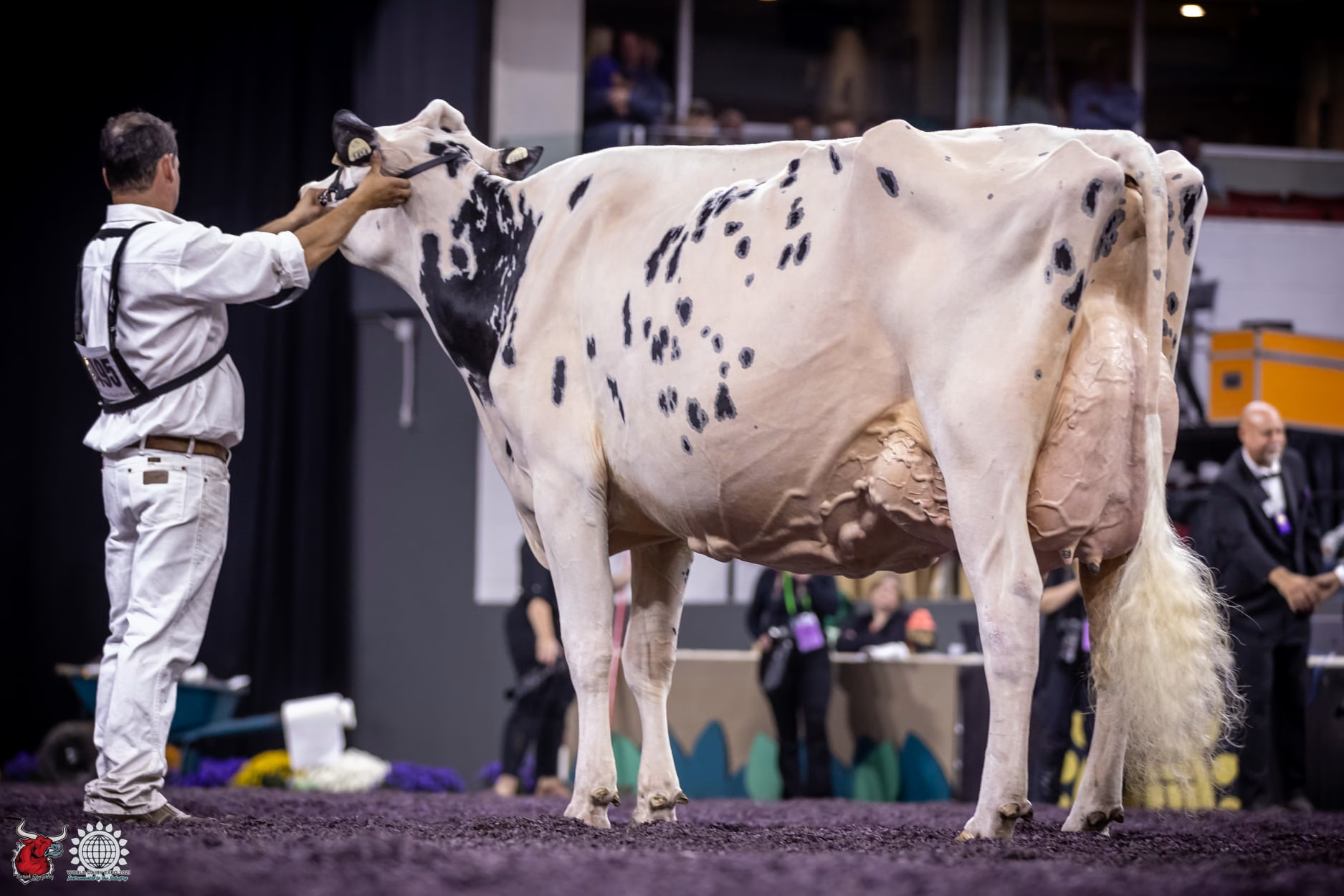



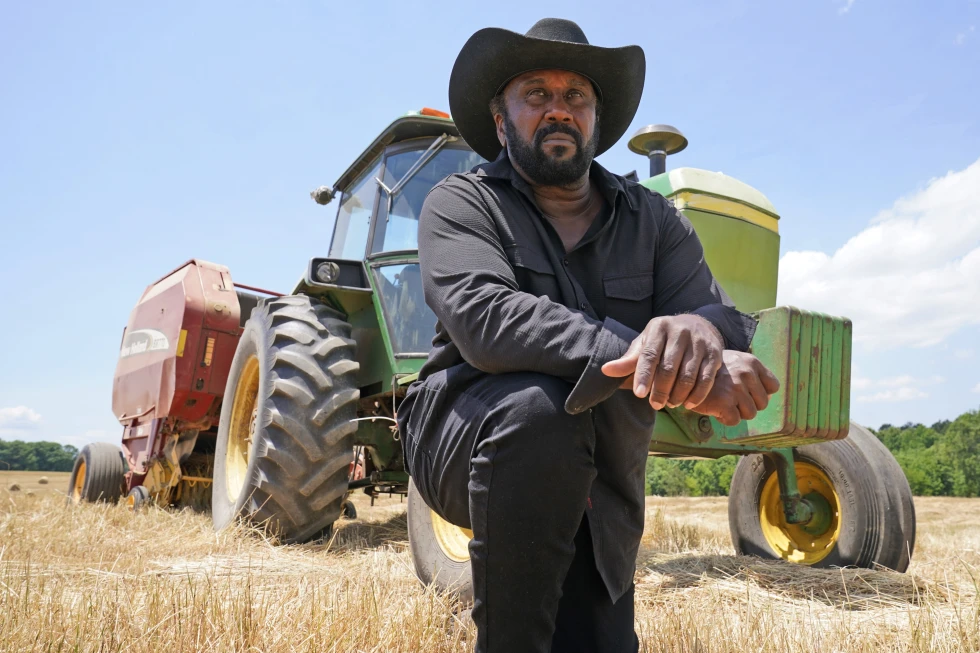

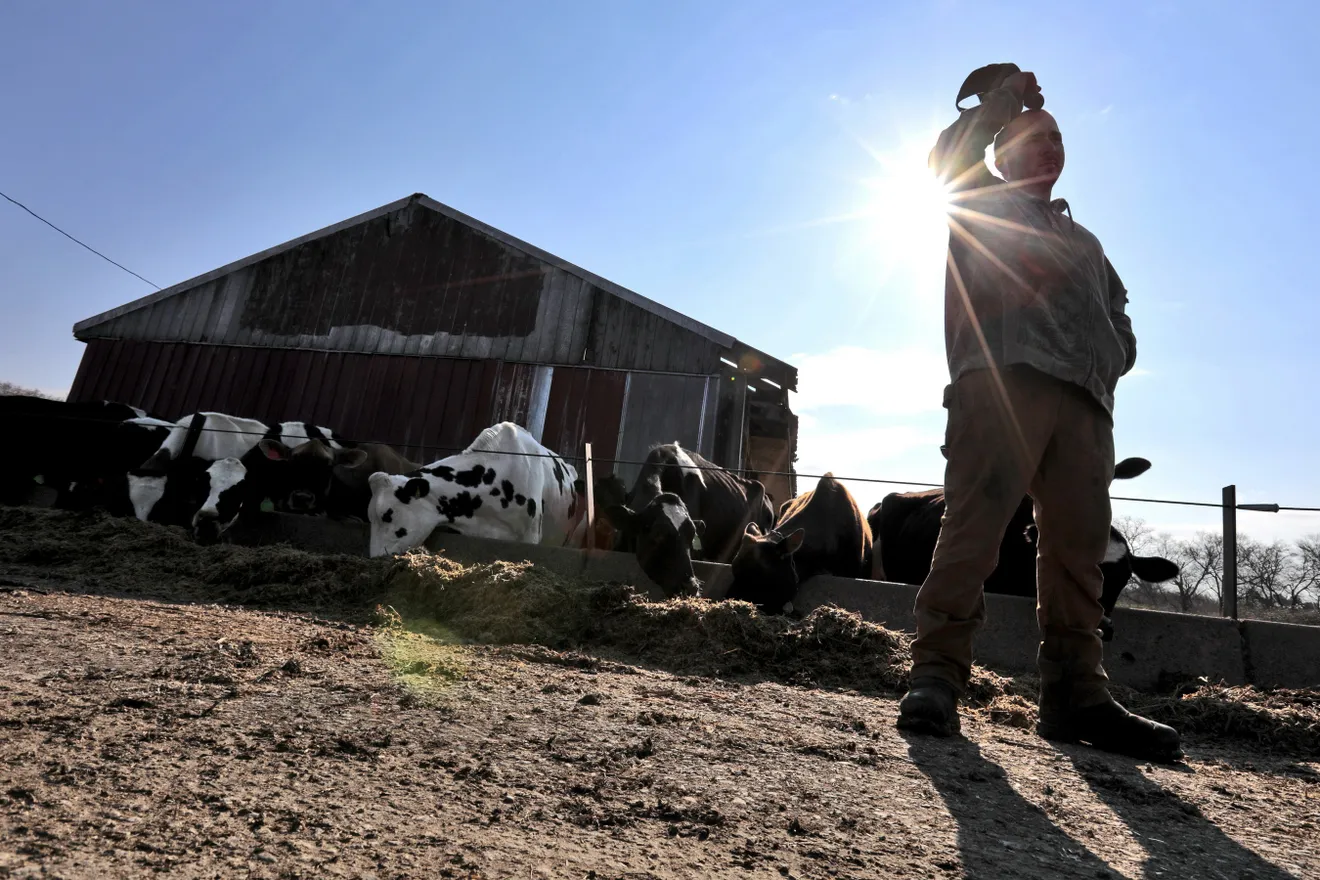





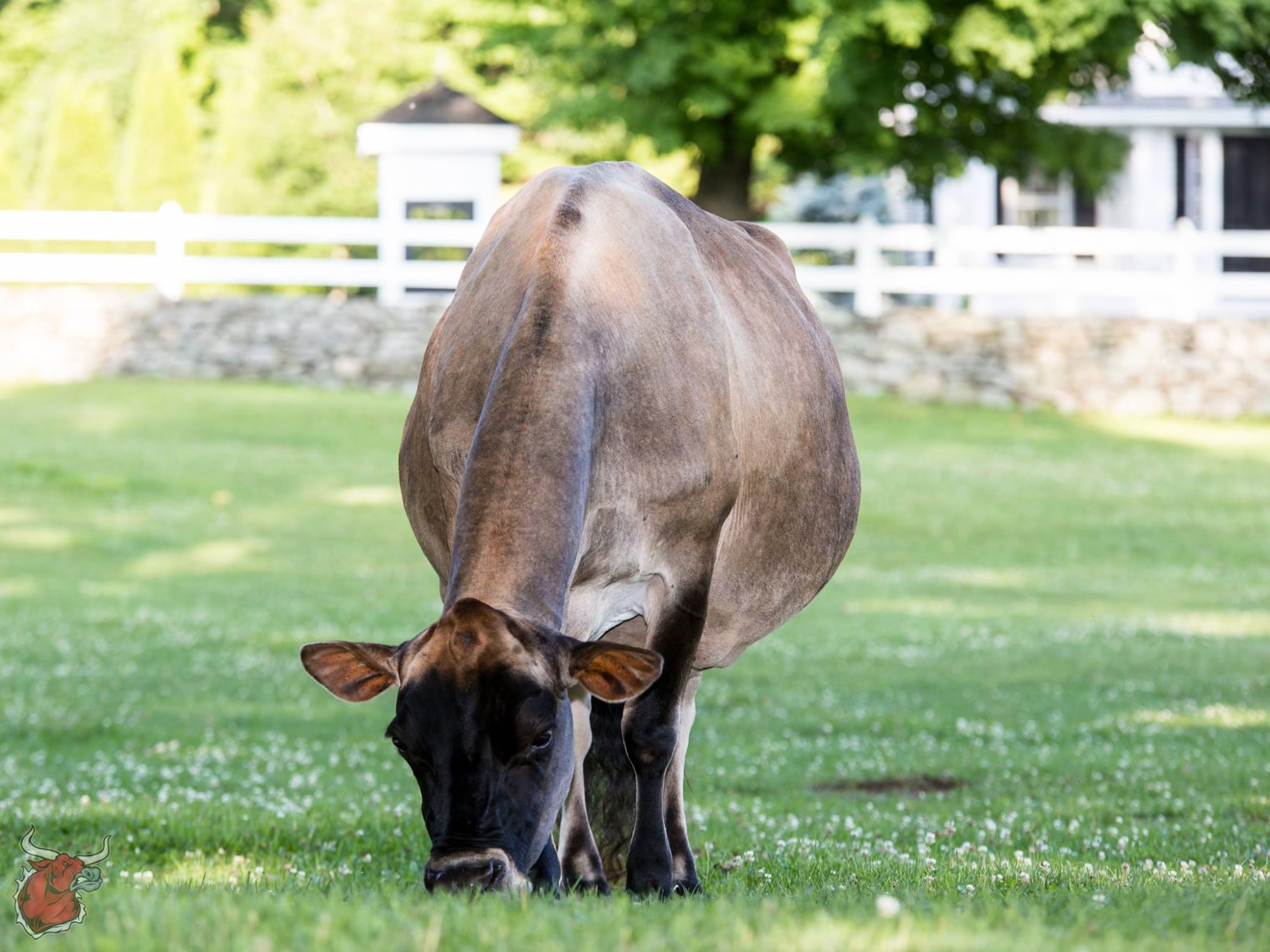
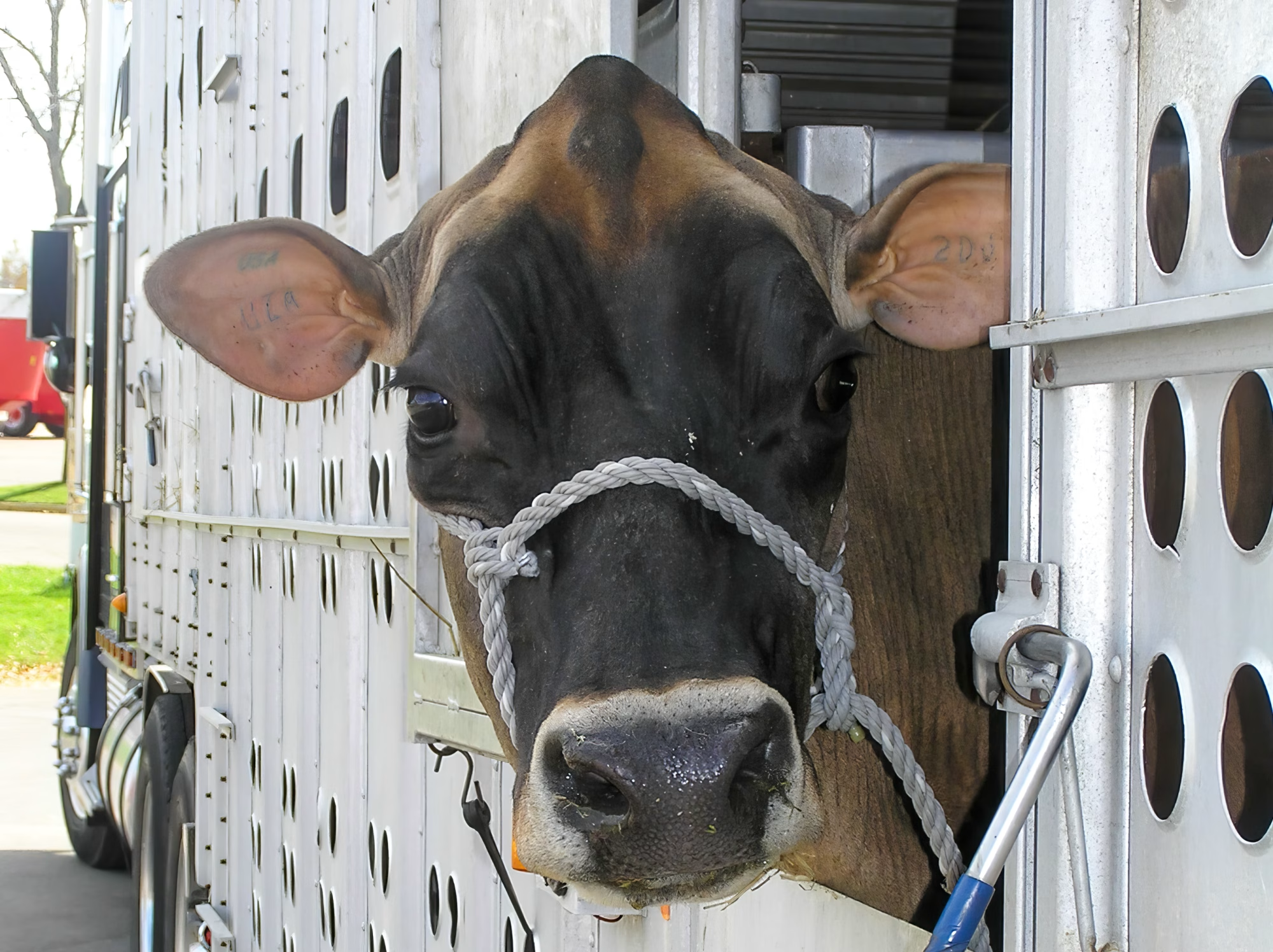






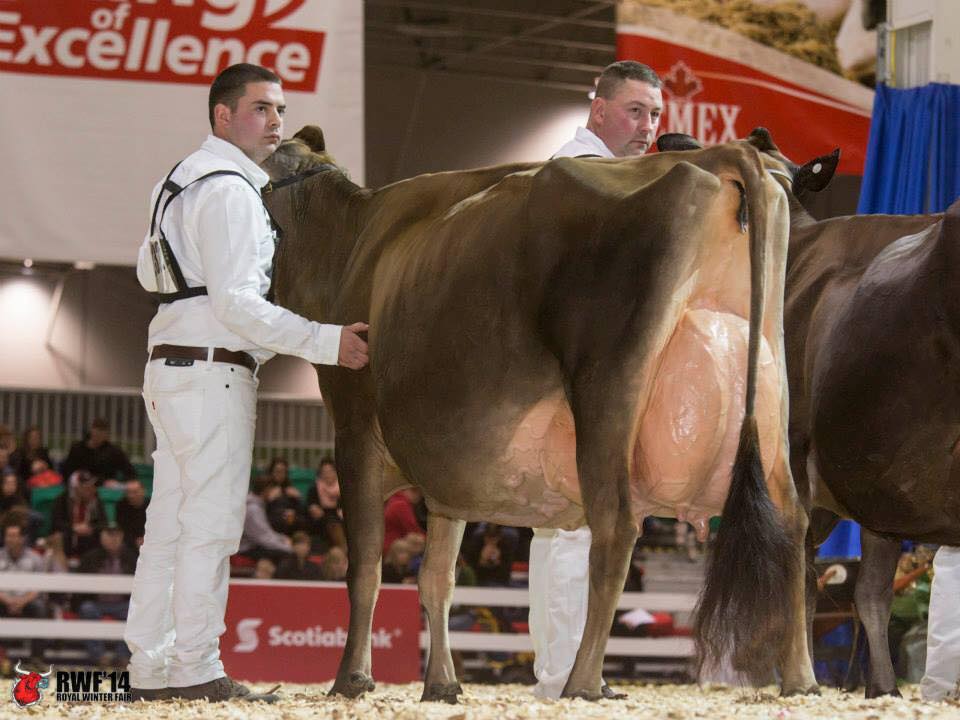


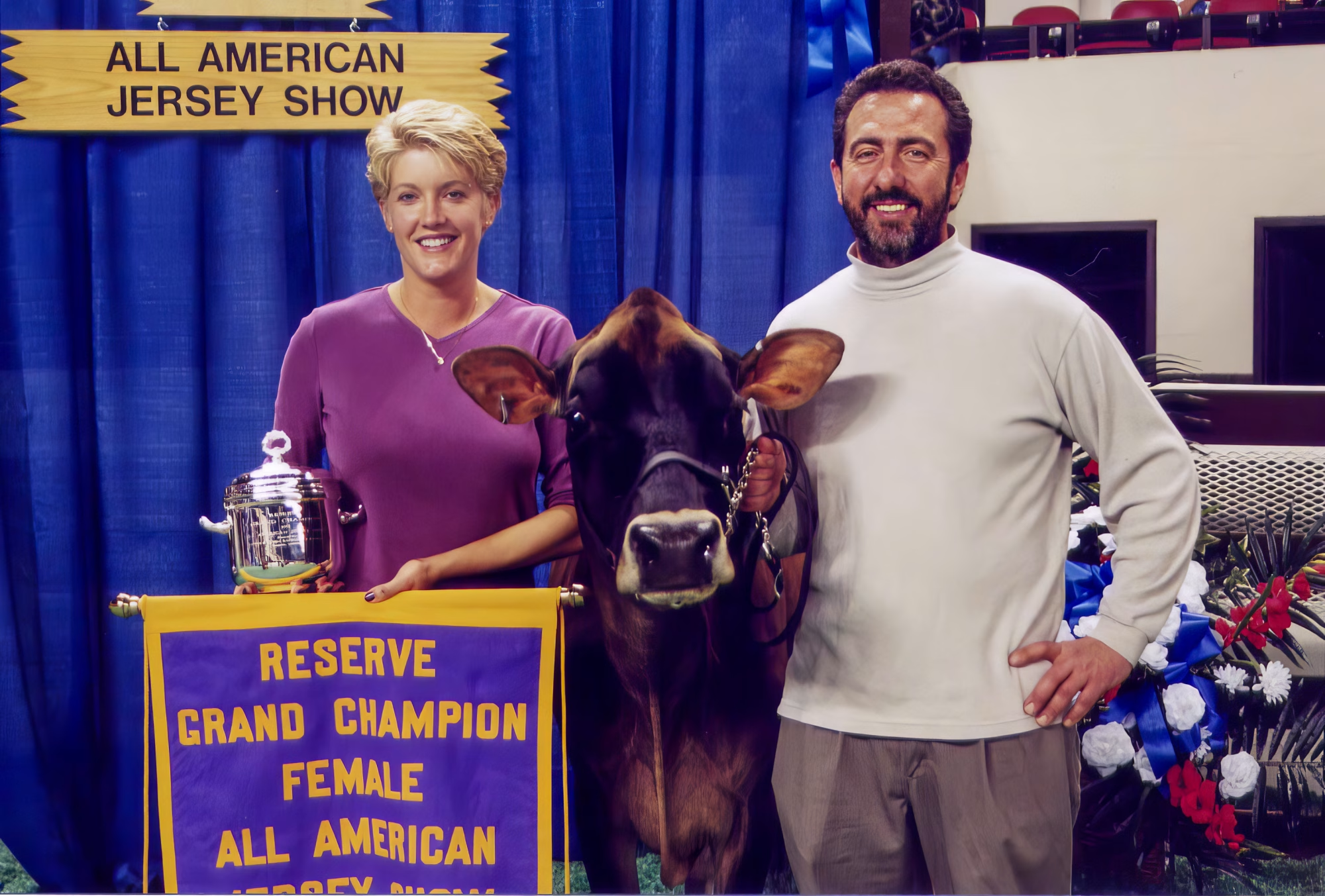
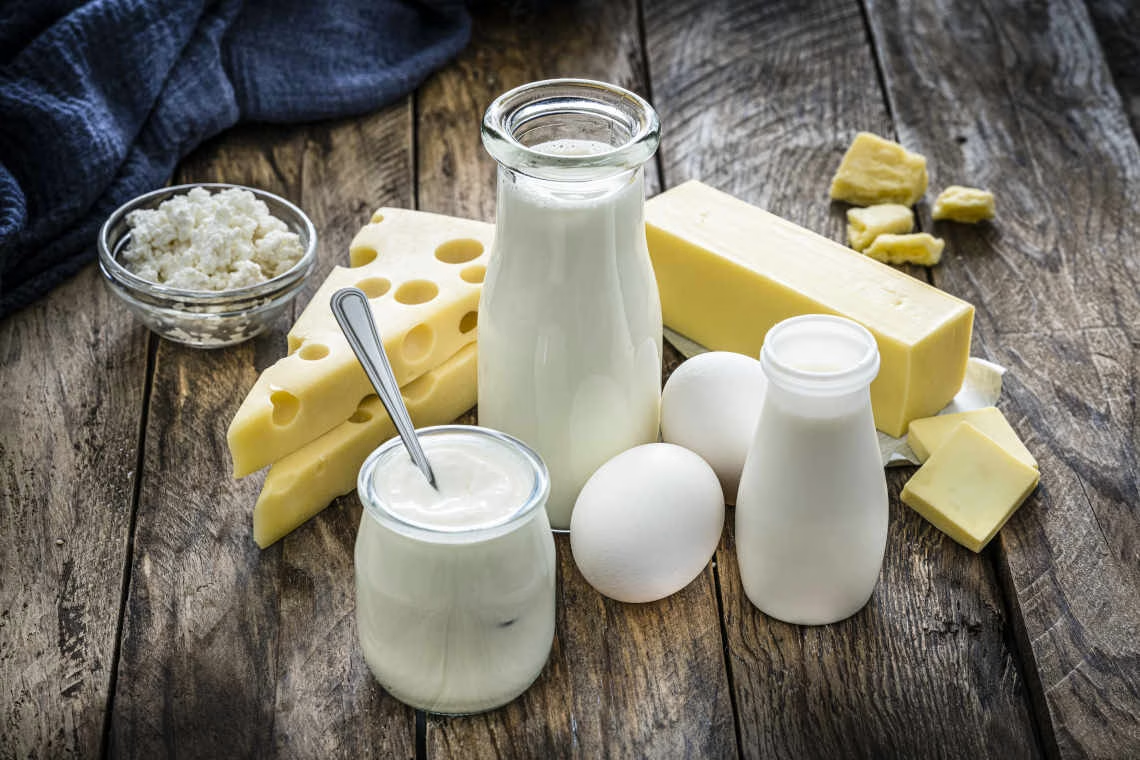
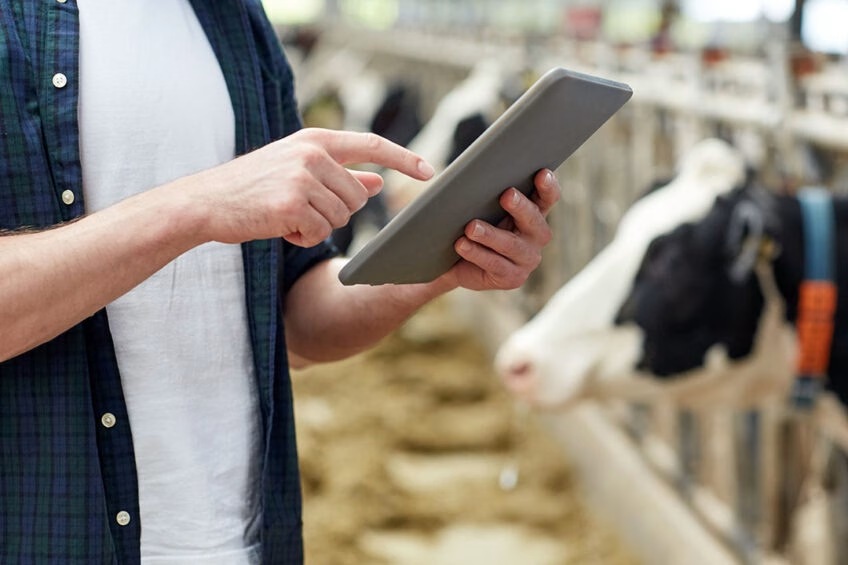


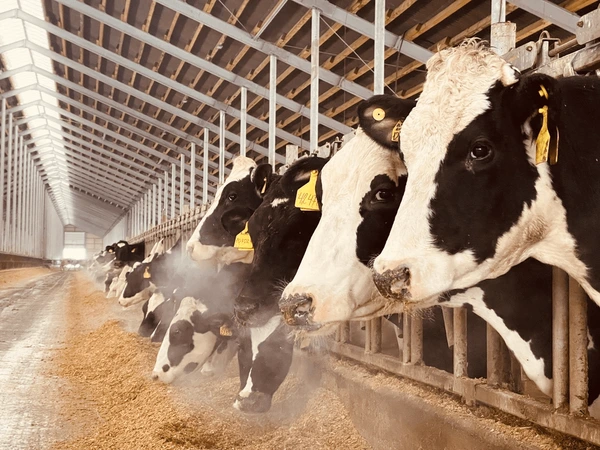

 David Brown, like all of us, had his flaws. Endowed with remarkable skills as a breeder, showman, and promoter, he was often hailed as the finest cattleman of his era. Growing up on Browndale Farms in Paris, Ontario, he had towering expectations to meet. His father, R.F. Brown, was a luminary in the dairy world, winning the esteemed Curtis Clark Achievement Award in 1988 and the Klussendorf Trophy at the 1993 World Dairy Expo. As one of Canada’s most successful breeders, R.F. clinched Premier Breeder and Exhibitor honors at the World Dairy Expo and the Royal Winter Fair. His accolades included five Grand Champions at the Royal Winter Fair: Green Elms Echo Christina (1972 and dam of Browndale Commissioner), Vanlea Nugget Joyce (1974), Marfield Marquis Molly (1978), and Du-Ma-Ti Valiant Boots Jewel (1988). David certainly had big shoes to fill. And fill them he did. His list of accomplishments was extensive: He led Ontario’s top herd in production in 1991, bred two All-Canadian Breeder’s Herd groups, and produced the All-American Best Three Females in 1998. He was twice crowned Premier Breeder at the International Holstein Show and accumulated 92 awards in All-Canadian and All-American contests from 1986 through 2004. Yet, despite two auction sales in 1991 and 1996 aimed at reducing his debts, financial relief was elusive. Over time, his wife left him, his children moved away, and his prized cattle were sold off. Eventually, David relocated to Colombia, where he passed away. Views on Brown are mixed—some saw him as a charming inspiration, while others regarded him as a rule-bending showman or an irresponsible debtor. Nonetheless, his rapid ascent and remarkable achievements in his lifetime are indisputable. Many wealthy individuals have invested vast sums of money into the cattle industry, chasing the same recognition, only to leave empty-handed. What distinguished David Brown was his nearly mystical talent for preparing animals for the show ring and transforming them into champions.
 Edward Young Morwick, a distinguished author, cattle breeder, and lawyer, was born in 1945 on the Holstein dairy farm owned by his father, Hugh G. Morwick. His early memories of his mother carrying him through the cow aisles profoundly shaped his trajectory. Although Edward pursued a career in law, excelling immediately by finishing second out of 306 in his first year, he harbored a deep-seated passion for journalism. This led to his later work chronicling Holstein’s cow history. His seminal work, “The Chosen Breed and The Holstein History,” stands as a cornerstone for those delving into the evolution of the North American Holstein breed. In it, he compellingly argues that the most influential bulls were those of the early historical period. (Read more:

















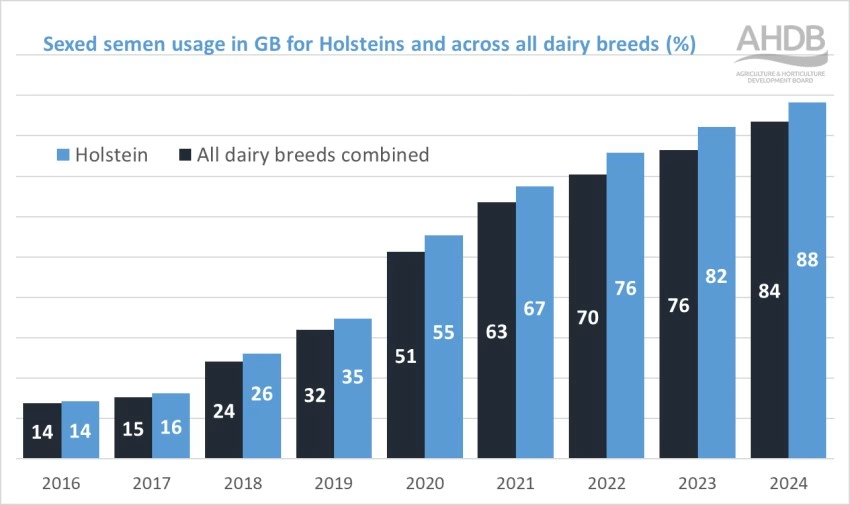






USDA Proposes Return to ‘Higher-Of’ Method for Fluid Milk Pricing: What It Means for Dairy Farmers
Learn how USDA’s plan to bring back the ‘higher-of’ method for milk pricing might affect farmers. Will this change help dairy producers? Find out more.
The USDA plans to bring back the ‘higher-of’ pricing method for fluid milk, a move intended to modernize federal dairy policy based on a comprehensive 49-day hearing that evaluated numerous industry proposals. This method picks the higher price between Class III (cheese) and Class IV (butter and powder) milk, which could signify a notable shift for the dairy industry. Previously, the 2018 Farm Bill had replaced the ‘higher-of’ system with an ‘average-of’ pricing formula, averaging Class III and IV prices with an additional 74 cents. While switching back might benefit farmers, it also introduces risks like negative producer price differentials in 2020 and 2021. The USDA’s proposal seeks to mitigate these challenges and provide farmers financial gains amidst modern dairy economics’ complexities.
Understanding the Federal Milk Marketing Order (FMMO) System
The Federal Milk Marketing Order (FMMO) system, established in 1937, plays a crucial role in ensuring fair and competitive dairy pricing. It mandates minimum milk prices based on end use, providing price stability for dairy farmers and processors across the U.S. Each FMMO represents a distinct marketing area, coordinating pricing and sales practices.
The ‘higher-of’ pricing method for Class I (fluid) milk has long been integral to this system. It sets the Class I price using the higher Class III (cheese) or Class IV (butter and powder) price, offering a financial safeguard against market volatility. This method ensures dairy producers receive a fair price despite market fluctuations.
However, the 2018 Farm Bill introduced an ‘average-of’ formula, using the average of Class III and IV prices plus 74 cents. While aimed at modernizing milk pricing, this change exposed farmers to greater risk and reduced earnings in volatile periods like 2020 and 2021.
A Marathon Analysis: Unraveling Modern Dairy Policy over 49 Days in Indiana
The marathon hearing in Indiana highlighted the complexities of modern dairy policy. Spanning 49 days, from Aug. 23, 2023, to Jan. 30, it reviewed nearly two dozen industry proposals. This intensive process reflected the sophisticated and multifaceted Federal Milk Marketing Order system as stakeholders debated diverse views and intricate data to influence future milk pricing.
Decoding Dairy Dilemmas: The “Higher-Of” vs. “Average-Of” Pricing Methods
The “higher-of” and “average-of” pricing methods are central to understanding their impact on farmers’ incomes. The “higher-of” process, which uses the greater of the Class III (cheese) price or Class IV (butter and powder) price, has historically provided a safety net against dairy market fluctuations. This method ensured farmers got a better price, potentially safeguarding their income during volatile times. Yet, it increased the risk of negative producer price differentials, which reduced earnings in 2020 and 2021.
On the other hand, the “average-of” method, introduced by the 2018 Farm Bill, calculates the price as the average of Class III and IV prices plus 74 cents. While this seems balanced and predictable, it often fails to deliver the highest financial return when either Class III or IV prices exceed expectations. Farmers have noted that this method might not reflect their costs and economic challenges in volatile markets.
The “higher-of” method often offers better financial outcomes during favorable market conditions but brings increased uncertainty during unstable periods. Conversely, the “average-of” method offers stability but may miss optimal pricing opportunities. This debate within the dairy industry over the best formula to support farmers’ livelihoods continues. Thus, the USDA’s proposal to revert to the “higher-of” method invites mixed feelings among farmers, whose earnings and economic stability are closely tied to these pricing mechanisms.
Examining the Potential Implications of the USDA’s Return to the ‘Higher-Of’ Pricing Method
The USDA’s return to the ‘higher-of’ pricing method, while potentially beneficial, also presents some challenges that the industry needs to be aware of. This approach, favoring the higher Class III (cheese) or Class IV (butter and powder) prices, seems more beneficial than the ‘average-of’ formula. However, deeper insights indicate potential challenges that need to be carefully considered.
The ‘higher-of’ method usually leads to higher fluid milk prices but poses the risk of negative producer price differentials (PPDs). When the Class I price far exceeds the average of the underlying class prices, PPDs can become negative, as seen during the harsh economic times of 2020 and 2021, exacerbated by the COVID-19 pandemic.
Negative PPDs can hit farmers’ financial stability, making it harder to predict income and manage cash flows. This reflects the delicate balance between gaining higher milk prices now and ensuring long-term financial reliability.
The 24-month rolling adjuster for extended-shelf-life milk introduces further uncertainty. Its effect on milk pricing needs to be clarified, potentially causing fluctuating incomes for farmers in this segment.
In conclusion, while the ‘higher-of’ pricing method may offer immediate benefits, risks like negative PPDs and uncertain impacts on extended-shelf-life milk pricing demand careful consideration. Farmers must balance these factors with their financial strategies and long-term sustainability plans.
New Horizons for ESL Milk: Navigating the 24-Month Rolling Adjuster Amidst Market Uncertainties
Under the USDA’s new proposal, regular fluid milk will revert to the ‘higher-of’ pricing. In contrast, extended-shelf-life (ESL) milk will follow a different path. The plan introduces a 24-month rolling adjuster for ESL milk to stabilize prices for these longer-lasting products.
Yet, this change brings uncertainties. Laurie Fischer, CEO of the American Dairy Coalition, questions the impact on farmers. The 24-month adjuster is untested, making it difficult to foresee its effects amid fluctuating market conditions. ESL milk’s unique production and logistics further complicate predictions.
Critics warn that the lack of historical data makes it hard to judge whether this method will help or hurt farmers. There’s concern that it could create more price disparity between regular and ESL milk, potentially straining producers reliant on ESL products. While USDA aims to tailor pricing better, its success will hinge on adapting to real-world market dynamics.
Make Allowance Controversy: Balancing Processor Profitability and Farmer Finances
The USDA also plans to increase the make allowance, a credit to dairy processors to cover rising manufacturing costs. This adjustment aims to ensure processors are adequately compensated to sustain profitability and operational efficiency, which is expected to benefit the entire dairy supply chain.
However, this proposal has drawn substantial criticism. Laurie Fischer, CEO of the American Dairy Coalition, argues that the increased make allowance effectively reduces farmers’ milk checks, disadvantaging them financially.
Pivotal Adjustments and Economic Realignment in Dairy Pricing Formulas
The USDA’s proposal adjusts pricing formulas to match advancements in milk component production since 2000. This update ensures that farmers receive fair compensation for their contributions.
The proposal also revises Class I differential values for all counties to reflect current economic realities. This is essential for maintaining fair compensation for the higher costs of serving the fluid milk market. By reevaluating these differentials, the USDA aims to align the Federal Milk Marketing Order system with today’s economic landscape.
Recalibrating Cheese Pricing: Transition to 40-pound Cheddar Blocks Only
Another critical change in USDA’s proposal is the shift in the cheese pricing system. Monthly average cheese prices will now be based solely on 40-pound cheddar blocks instead of including 500-pound cheddar barrels. This aims to streamline the process and more accurately reflect market values, impacting various stakeholders in the dairy industry.
Initial Reactions from Industry Leaders: Balancing Optimism with Key Concerns
Initial reactions from crucial industry organizations reveal a mix of cautious optimism and significant concerns. The National Milk Producers Federation (NMPF) showed preliminary approval, noting that USDA’s proposal incorporates many of their requested changes. On the other hand, Laurie Fischer, CEO of the American Dairy Coalition, raised concerns about the make allowance updates and the impact of extended-shelf-life milk pricing, fearing it might hurt farmers’ earnings.
Structured Engagement: Navigating the 60-Day Comment Period and Ensuing Voting Procedure
To advance its proposal, USDA will open a 60-day public comment period, allowing stakeholders and the public to share insights, concerns, and support. This process ensures that diverse voices within the dairy industry are heard and considered. Once the comment period ends, USDA will review the feedback to gain a comprehensive understanding of industry perspectives, informing the finalization of the proposal.
Afterward, the USDA will decide based on the collected data and input. However, the process continues with a voting procedure where farmers pooled under each Federal Milk Marketing Order (FMMO) cast votes to approve or reject the proposed amendments. Each Federal Order, representing different regions, will vote individually.
This voting process is crucial, as it directly determines the outcome of the proposed changes. For adoption, a two-thirds majority approval within each Federal Order is required. Suppose a Federal Order fails to meet this threshold. In that case, USDA may terminate the order, leading to significant changes in how milk pricing is managed in that region. This democratic approach ensures that the final policies reflect majority support within the dairy farming community, aiming for fair and sustainable outcomes.
Regional Impacts: Navigating the Complex Landscape of FMMO System Changes
The proposed changes to the Federal Milk Marketing Order (FMMO) system are bound to impact various regions differently, given each Federal Order’s unique economic landscape. Federal Order 1, covering most New England, eastern New York, New Jersey, Delaware, southeastern Pennsylvania, and most of Maryland, may benefit from more favorable fluid milk pricing due to the higher-of method. With significant urban markets, this region could see advantages from updated Class I differential values addressing the increased costs of serving these areas.
On the other hand, Federal Order 33—encompassing western Pennsylvania, Ohio, Michigan, and Indiana—might witness mixed outcomes. This area has substantial dairy manufacturing, especially in cheese and butter production, which could gain from the new cheese pricing method focusing on 40-pound cheddar blocks. However, the higher make allowance might stir controversy, potentially cutting farmers’ earnings despite adjustments for rising manufacturing costs.
The future remains uncertain for western New York and most of Pennsylvania’s mountain counties, which any Federal Order does not cover. These areas could feel indirect effects from the new proposals, particularly the revised pricing formulas and allowances, which could impact local milk processing and producer price differentials.
While the higher-of-pricing method may benefit farmers by securing better fluid milk prices, the regional impacts will hinge on each Federal Order’s specific economic activities and market structures. Stakeholders must examine the proposed changes closely to gauge their potential benefits and drawbacks.
The Bottom Line
The USDA’s push to reinstate the ‘higher-of’ pricing method for fluid milk marks a decisive moment for the dairy industry. The 49-day hearing in Indiana underscored the complexity of the Federal Milk Marketing Order (FMMO) System. Key aspects include reverting to the ‘higher-of’ pricing from the 2018 ‘average-of’ formula, new pricing for extended-shelf-life milk, and the debate over increased make allowances. Significant updates to pricing formulas and cheese pricing methodologies were also discussed.
The forthcoming vote on these changes is critical. With the power to reshape financial outcomes for dairy farmers and processors, each Federal Order needs two-thirds approval to implement these changes. Balancing modern dairy policy advancements with fair profits for all stakeholders is at the heart of this discourse.
Ultimately, these decisions will affect dairy practices’ economic landscape and sustainability nationwide. This vote is a pivotal moment in the evolution of the American dairy industry, demanding informed participation from all involved.
Key Takeaways:
Summary:
The USDA plans to reintroduce the ‘higher-of’ pricing method for fluid milk, a move aimed at modernizing federal dairy policy. This method, which selects the higher price between Class III and Class IV milk, could be a significant shift for the dairy industry. The 2018 Farm Bill replaced the ‘higher-of’ system with an ‘average-of’ formula, averaging Class III and IV prices plus an additional 74 cents. This change could benefit farmers but also introduce risks like negative producer price differentials (PPDs). The Federal Milk Marketing Order (FMMO) system ensures fair and competitive dairy pricing, and the ‘higher-of’ method usually leads to higher fluid milk prices but also poses the risk of negative producer price differentials (PPDs). Negative PPDs can impact farmers’ financial stability, making it harder to predict income and manage cash flows. The 24-month rolling adjuster for extended-shelf-life milk introduces further uncertainty, potentially causing fluctuating incomes for farmers. The USDA’s proposal to increase the make allowance, a credit to dairy processors, has been met with criticism from industry leaders. The USDA will open a 60-day public comment period to advance its proposal. The proposed changes to the FMMO system will impact various regions differently due to each Federal Order’s unique economic landscape.
Learn more: