






Unlock dairy cattle breeding secrets from legendary trainer D. Wayne Lukas. Want to boost your herd’s success? Discover proven techniques and expert insights now.
The world of dairy cattle breeding , often perceived as rigid and unchanging, could benefit from a fresh perspective. D. Wayne Lukas, a prominent figure in Thoroughbred horse racing, challenges this status quo. What if dairy cattle breeders could glean insights from Lukas’s unconventional breeding methods? Could these lessons disrupt the livestock industry? This article delves into Lukas’s innovative methodologies, contrasting them with traditional dairy cattle breeding practices, to explore their potential for driving innovation and ethical improvements.
Who is D. Wayne Lukas
The name D. Wayne Lukas commands respect and admiration in the realm of thoroughbred horse racing. Renowned for revolutionizing the industry, Lukas’s methodologies frequently clash with traditional practices, sparking a paradigm shift in racehorses’ breeding, training, and management. His achievements stand as a testament to the power of innovation and the potential for transformative change, inspiring and motivating dairy cattle breeders to consider the application of his methodologies in their own practices.
Originating from Antigo, Wisconsin, Lukas made a significant shift from quarter horses to thoroughbreds in the late 1970s. His meteoric rise to prominence can be attributed to his innovative approach, which prioritizes physical conditioning and mental resilience. Lukas’s track record of consistently producing champions through rigorous training regimens and cutting-edge veterinary care underscores the potential relevance of his methods to dairy cattle breeding.
While his legacy is marked by multiple victories in the Kentucky Derby, Preakness Stakes, and Belmont Stakes, it also includes his advocacy for ethical considerations within the industry. Criticizing harmful practices, he calls for systemic reform and challenges his peers to prioritize the welfare of these majestic animals. This commitment to ethical breeding practices reassures the audience about the integrity of the industry and the welfare of the animals, fostering a sense of trust and confidence in Lukas’s methodologies.
Lukas’s commitment to innovation sets him apart. By incorporating advanced technologies and scientifically informed feeding practices, he redefines modern horse training. His approach closely mirrors dairy cattle breeding lessons, as he seamlessly integrates technology and ethical considerations.
Lukas’s success is not the result of merely adhering to established protocols; rather, it stems from a profound understanding of genetics, an unwavering commitment to excellence, and a readiness to adopt unconventional strategies.
Wayne Lukas’s Keys to Success
Lukas’s success didn’t stem from merely following established protocols; it arose from a meticulous understanding of genetics, an unwavering commitment to excellence, and a willingness to incorporate unconventional strategies. Lukas emphasizes crossbreeding to enhance genetic diversity and resilience—an approach many dairy breeders have traditionally hesitated to adopt. How often do we see breeders sticking to pure lines at the risk of genetic stagnation?
“In breeding, it’s not just about sticking to what’s proven but daring to innovate and pushing boundaries.” — D. Wayne Lukas.
Lukas’s philosophy aligns with what the modern dairy industry must aspire to achieve. The advancements in genetic technology present numerous opportunities for those willing to explore crossbreeding or advanced biotechnological interventions. Key takeaways from Lukas’s approach include:
- Selective Breeding with Precision: Identifying and selecting traits for peak performance could enhance milk yield, disease resistance, and herd health.
- Genetic Diversity: Integrating various bloodlines minimizes genetic bottlenecks, improving longevity and reducing susceptibility to ailments.
- Adopting Cutting-edge Technology: Leveraging genomics and CRISPR technologies empowers breeders to optimize the herd’s genetic potential.
Ultimately, D. Wayne Lukas urges the thoroughbred industry to evolve, ensuring the legacy is enriched with integrity and humane practices.
Breeding Secrets from D. Wayne Lukas
In this section, we extrapolate Lukas’s breeding methods to dairy cattle. By doing so, we can distill valuable lessons essential for any breeder striving for excellence.
Selecting Superior Genetics
Lukas underscores the pivotal role of superior genetics as the bedrock of any thriving breeding venture. In dairy cattle, this entails selecting bulls and cows with demonstrable records of high milk production, robust health, and desirable traits. One must seek lineages known for their strong performance and beneficial characteristics, such as longevity, udder health, and fertility.
Tip: Harness genomic testing to evaluate your herd’s genetic potential. This enables the identification of animals possessing the optimal traits for breeding, thereby securing superior genetics.
Comprehensive Health Management
Lukas’s meticulous health management strategies for his horses can seamlessly transfer to dairy cattle. Essential components include routine health check-ups, vaccinations, and a balanced diet. Superior nutrition is a dual boon; it not only amplifies milk production but also fortifies the herd’s overall health and reproductive efficiency.
Tip: Collaborate with a veterinarian to devise an all-encompassing health management plan. This should encompass periodic health screenings, parasite control, and a bespoke nutrition strategy for your cattle’s needs.
Data-Driven Decisions
A cornerstone of Lukas’s success is his staunch reliance on data. By meticulously maintaining records of breeding results, milk yield, health issues, and other pertinent metrics, one can make informed decisions. Analyzing such data uncovers patterns and highlights areas ripe for improvement.
Tip: Invest in herd management software to efficiently track and analyze data. This tool will empower you to make astute breeding decisions and streamline herd management.
Focused Breeding Goals
Lukas’s breeding programs are characterized by precise and targeted objectives, whether for speed, endurance, or temperament in horses. For dairy cattle breeders, this approach translates into defining clear goals, such as increasing milk yield, improving milk quality, or enhancing herd health and lifespan. Aligning decisions with these goals and regularly reassessing them based on herd performance can lead to significant improvements in dairy cattle breeding.
Tip: Articulate your breeding goals clearly and synchronize your decisions with these targets. Regularly reassess and adjust these goals based on herd performance.
Attention to Detail
According to Lukas, success in breeding is often hidden within the minutiae. Attentiveness to the individual needs and characteristics of each animal can yield substantial benefits. This encompasses monitoring behavior, health, and environmental conditions.
Tip: Implement a routine for the daily observation of your cattle. Early detection of issues allows for prompt intervention, ensuring each animal can achieve its full potential.
Strategic Pairing
Lukas is renowned for his calculated approach to pairing stallions and mares to produce superior offspring. Similarly, dairy cattle breeders should astutely select which cows and bulls to mate based on their complementary traits. Such strategic pairing accentuates the strengths and ameliorates the weaknesses of both parents.
Tip: Employ genetic evaluations and performance data to select pairs that will yield offspring with the most desirable traits. Prioritize milk yield, fat content, somatic cell count, and overall health.
Continual Improvement
Lukas’s unwavering dedication to continual improvement is a hallmark of his training philosophy. He perpetually explores avenues to refine his breeding program, which for dairy cattle breeders means staying abreast of the latest innovations in breeding technology and methodologies.
Tip: Engage in industry conferences, join breeding associations, and interact with fellow breeders to remain informed about new advancements. Persistent learning and adaptation are crucial for sustaining a prosperous breeding program.
The Bottom Line
Ultimately, the insights offered by D. Wayne Lukas underscore that successful dairy cattle breeding resides in an intricate amalgamation of superior genetics, comprehensive health management, and data-driven decision-making. His methodical approach is a paradigm for both novices and veterans in the breeding realm, highlighting that equilibrium between tradition and innovation is paramount for optimizing productivity and ensuring industry sustainability. As global demand for milk inexorably rises, adopting such sophisticated methodologies is beneficial and essential. By persistently refining breeding practices and prioritizing ethical, eco-friendly strategies, the dairy industry is well-prepared to confront future challenges, securing a prosperous future for forthcoming generations.
Key Takeaways:
- Emphasize the selection of superior genetics to ensure robust, high-yield cattle.
- Implement comprehensive health management programs to maintain optimal animal well-being.
- Utilize data-driven decisions to continuously refine breeding strategies.
- Set focused breeding goals that align with both industry needs and ethical considerations.
- Maintain meticulous attention to detail at every stage of the breeding process.
- Practice strategic pairing to maximize genetic potential and herd quality.
- Commit to continual improvement, always seeking better outcomes through innovation.
 Discover how the dairy cattle show ring can adopt marketing strategies from the NFL. These proven tactics can boost your show’s visibility and engagement.
 Discover how the Dairy Cattle Show Ring can be revitalized, drawing insights from Formula 1’s ‘Drive to Survive’ success story. Ready to transform the game?


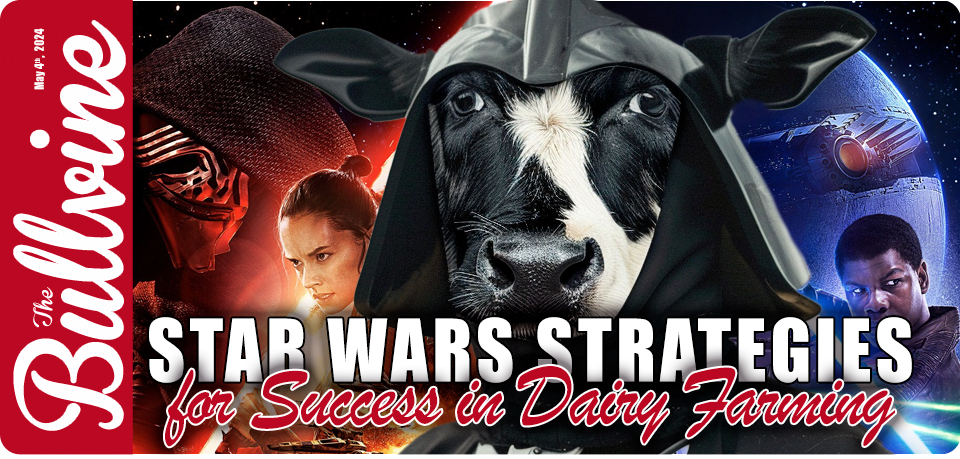
 A long time ago in a galaxy far, far away…there were hardworking, resilient folks, not unlike
 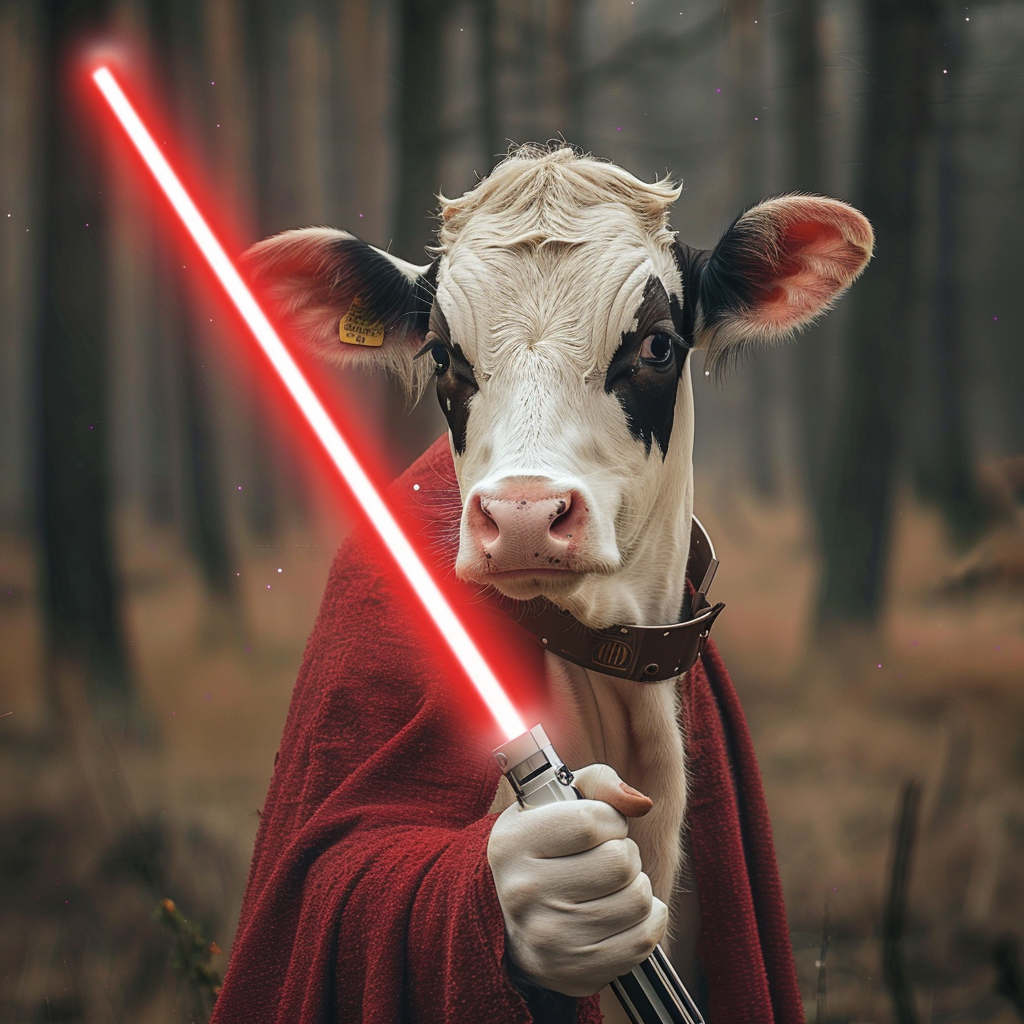 If you’re familiar with the Star Wars franchise, then you know the Force represents an elemental balance in the universe. It’s an energy field that binds all living things together. The Force in Star Wars could be compared to the delicate balance dairy farmers must maintain between productivity and environmental responsibility.
 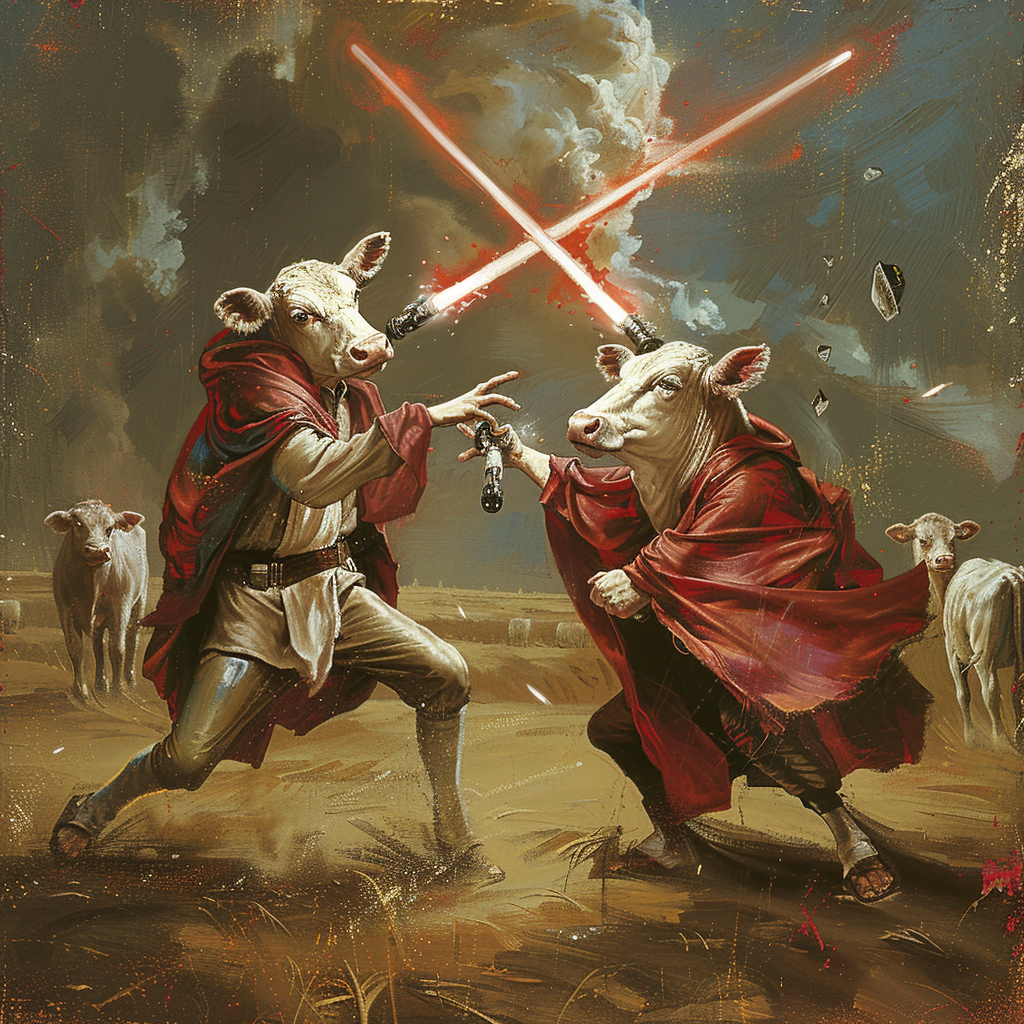 Remember how the Rebel Alliance brought down the Empire in Star Wars? The key to their victory was collaboration and collective effort, a principle that applies equally in the galaxy of dairy farming. Your farm may not face the Death Star, but it does encounter challenges that can be tackled efficiently through cooperation.


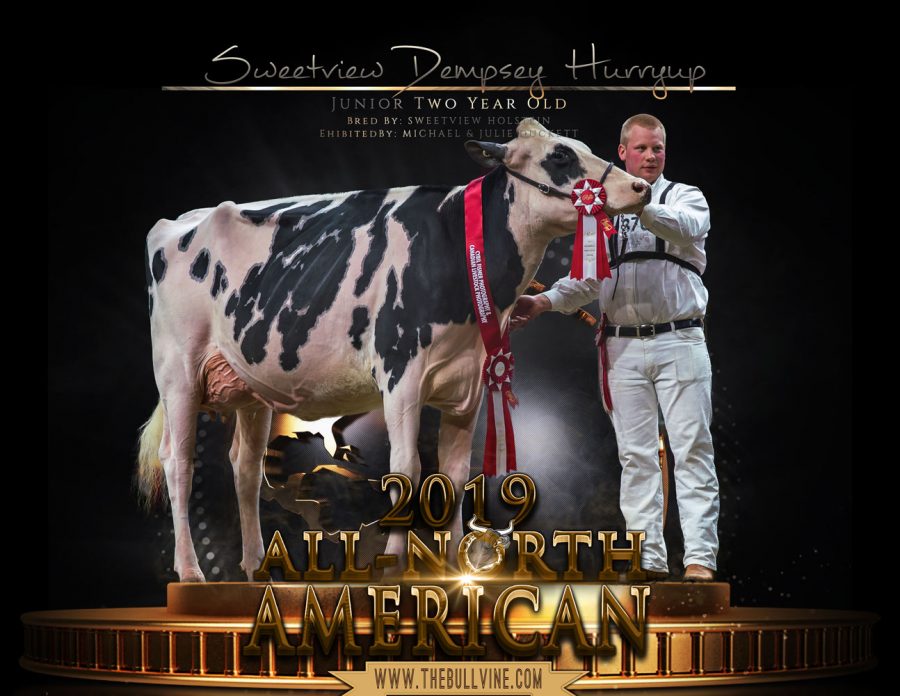
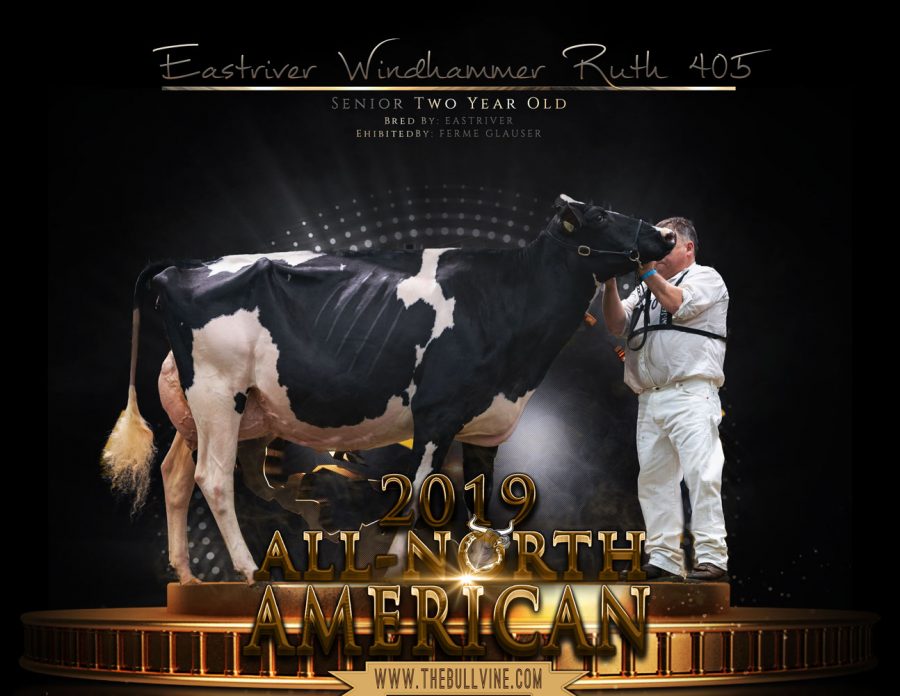
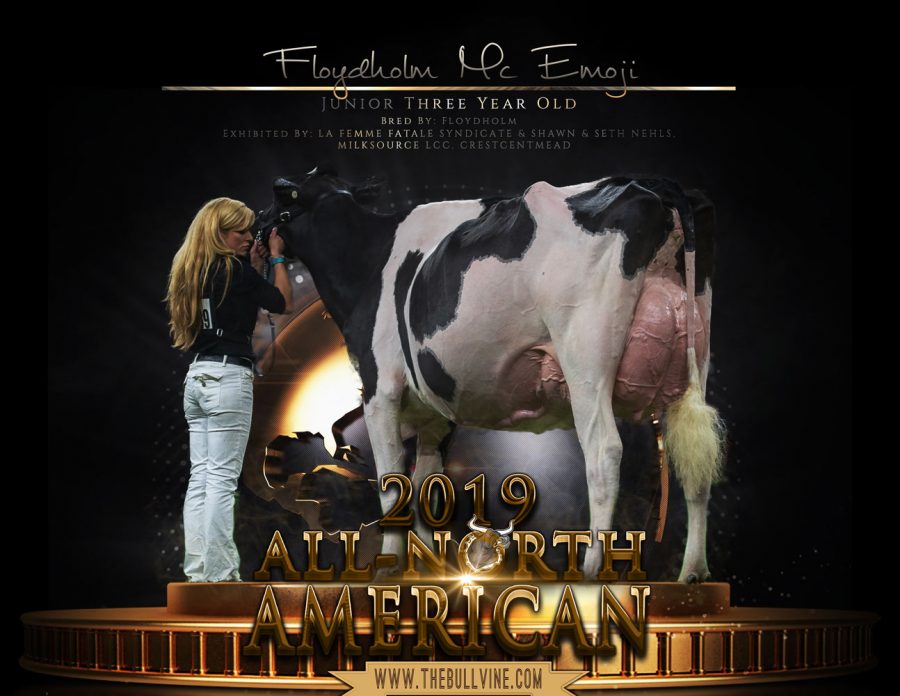

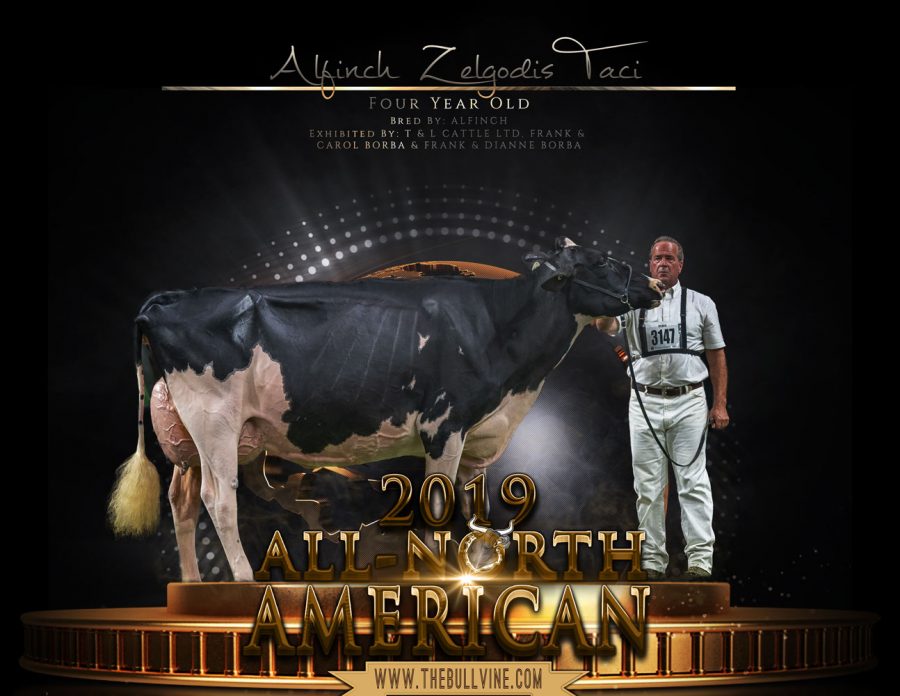

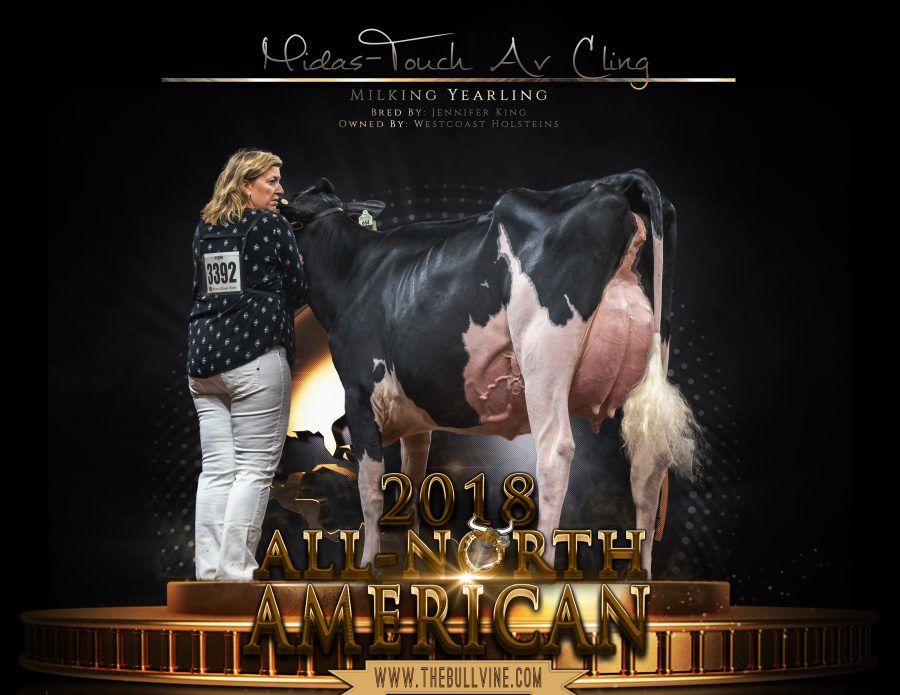
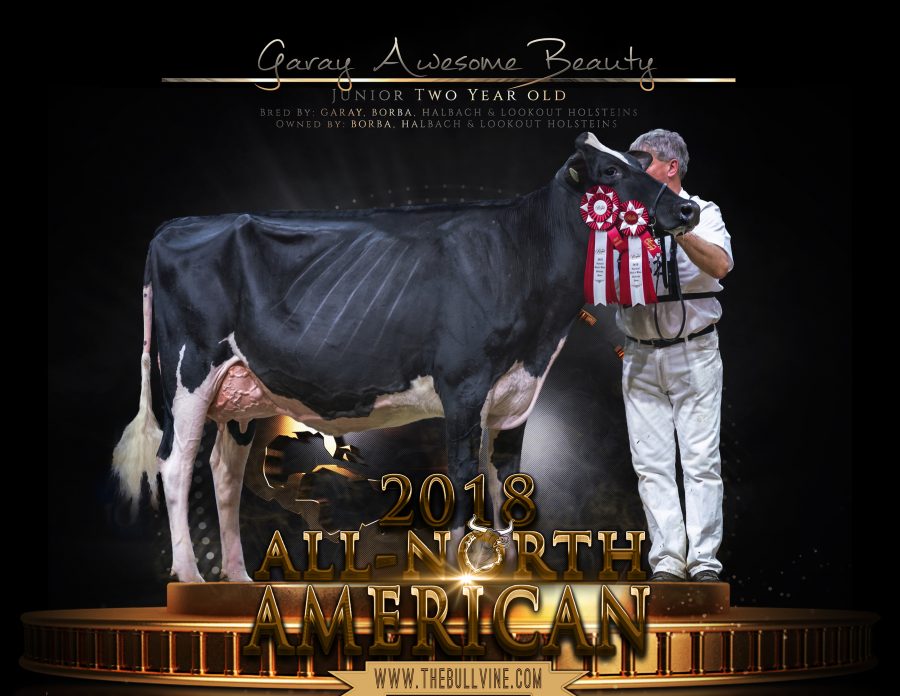
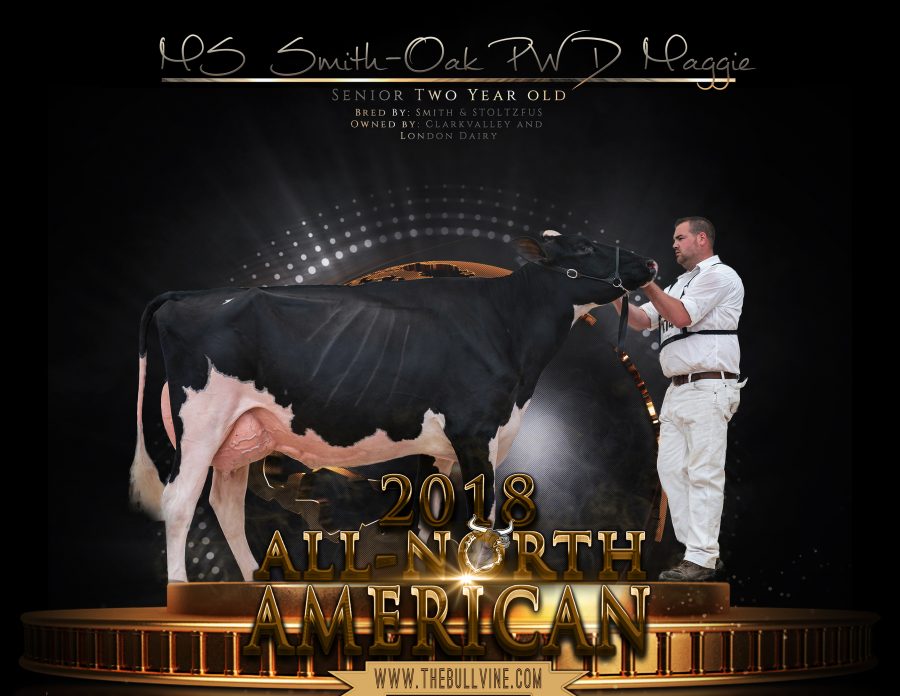
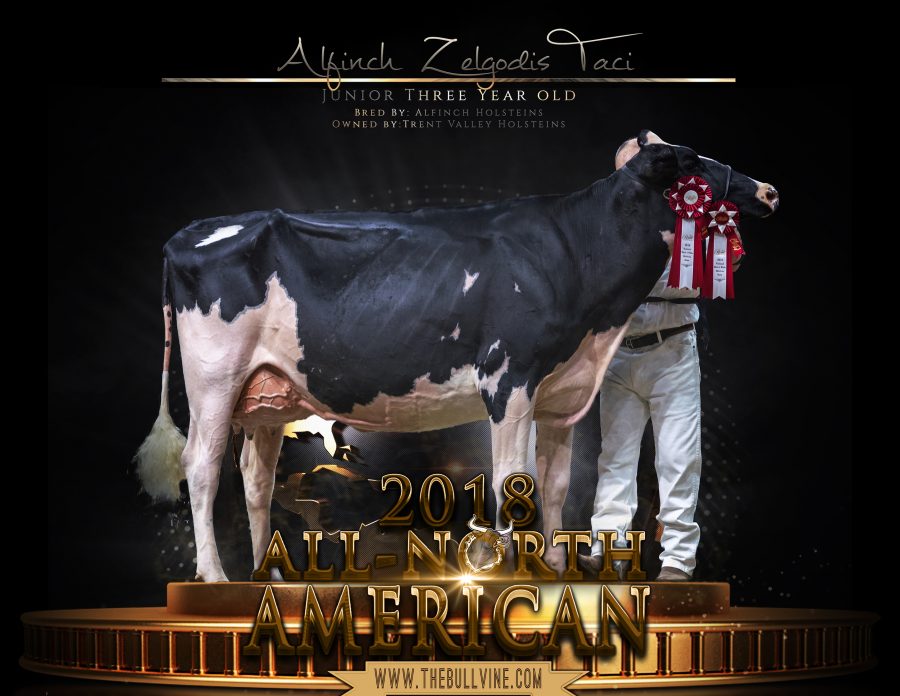
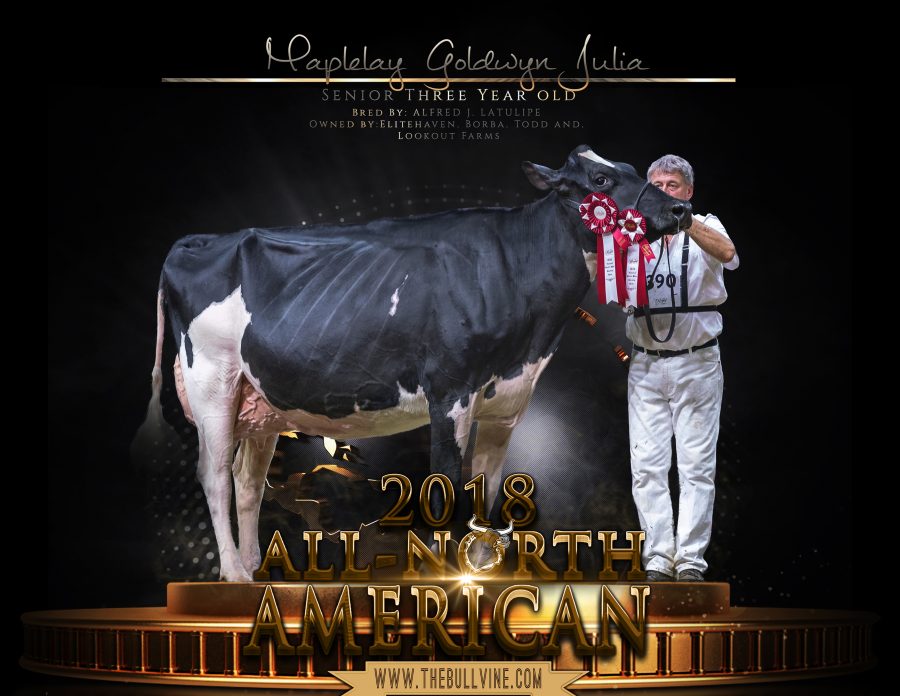
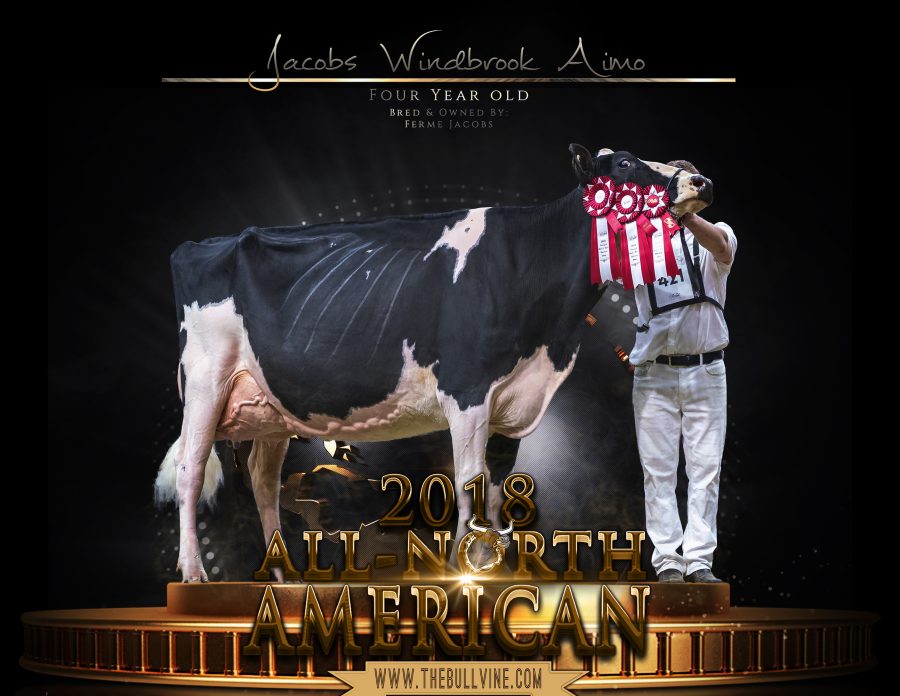
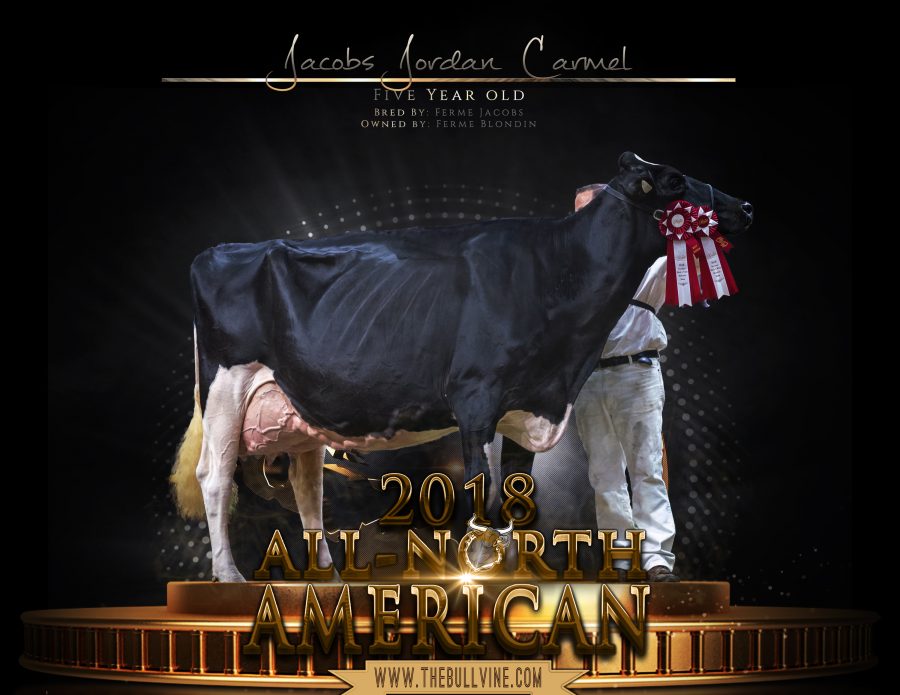
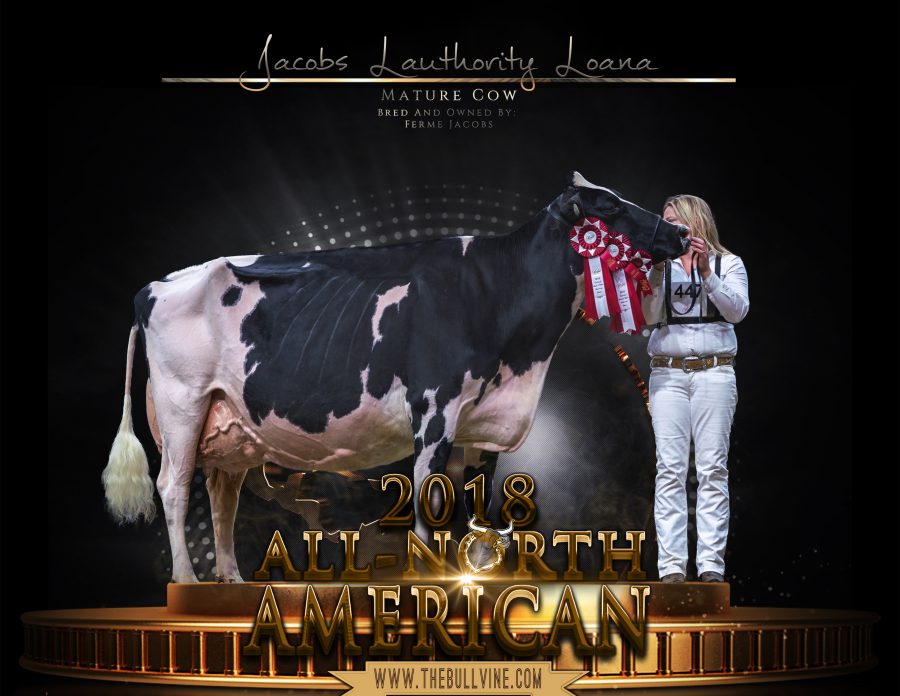

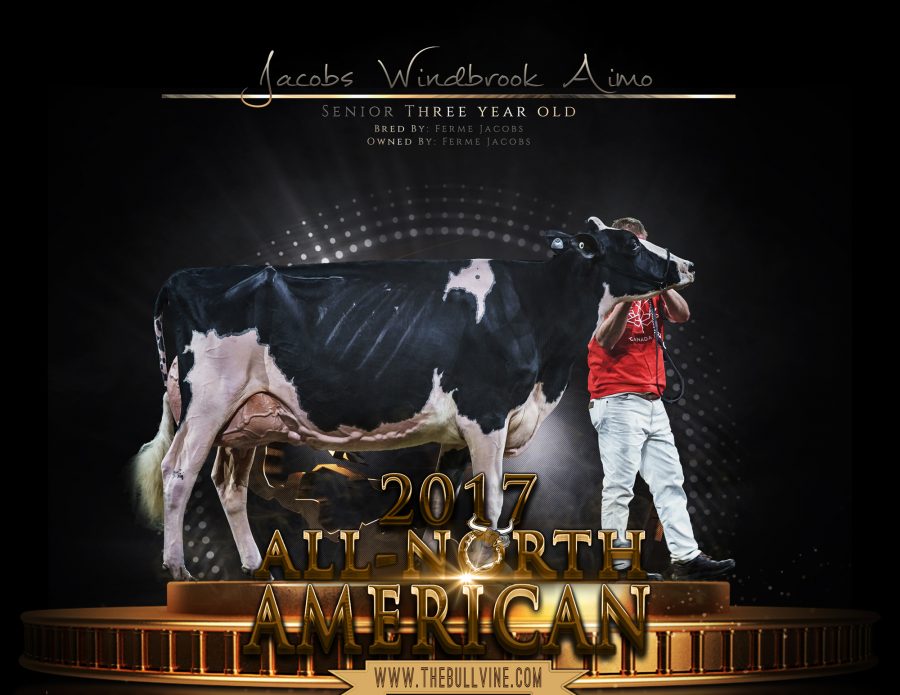
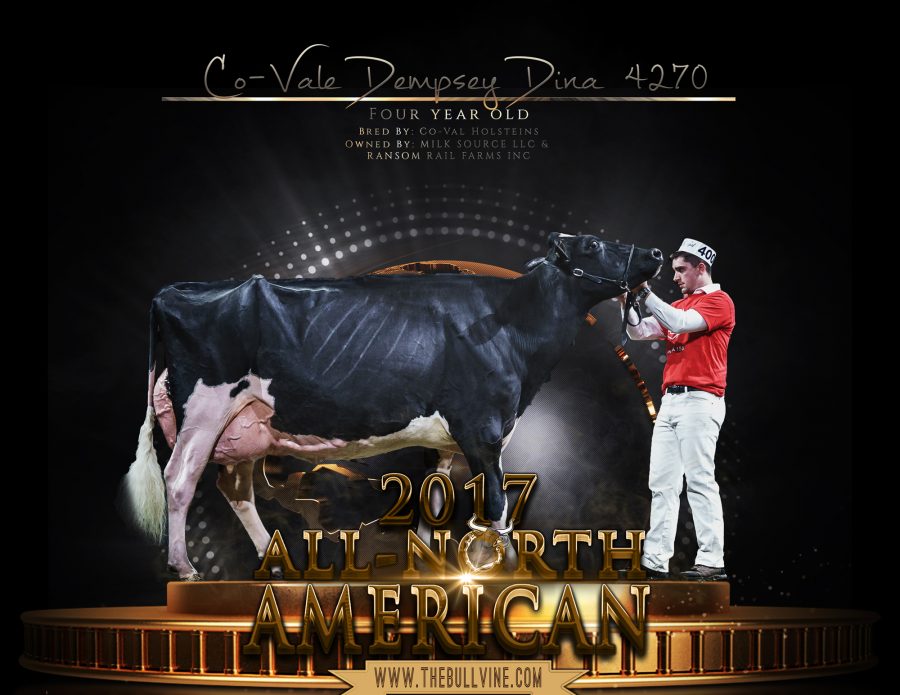
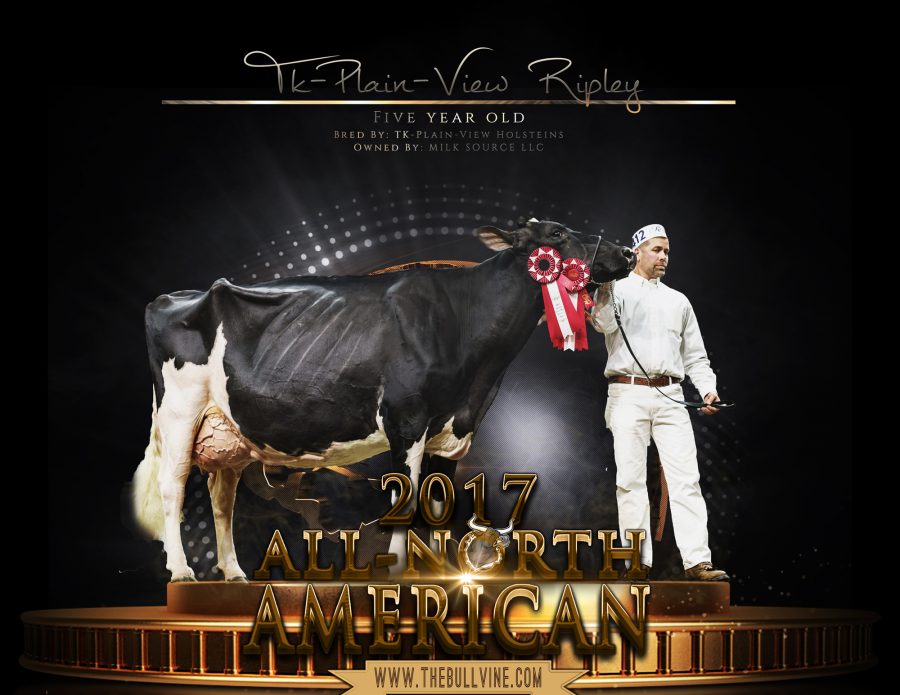
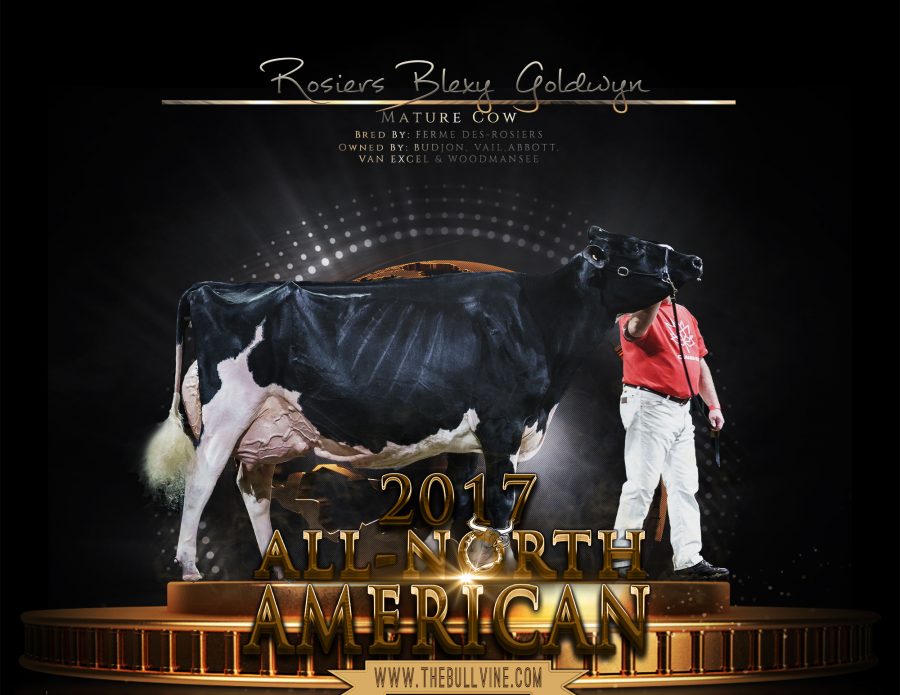
 The Bullvine staff wishes all of our subscribers, readers and advertisers a very Merry Christmas and Happy New Year!
 Everyday Objects Are Given New Life
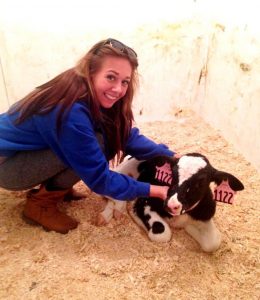 Andrea Jorgensen now living and loving life on Ri-Val-Re Farm in Webberville, Michigan unexpectedly declares that her journey to becoming a bovine artist wasn’t the usual one of lifelong familiarity with cows. “I wasn’t raised on a farm, so the whole dairy industry has really opened my eyes.” Andrea’s eye-opening experience has art also opened the eyes of dairy art lovers. Those familiar with her art, admire her eye for dairy anatomy and the way her paintings capture the nuances of the different personalities or her subjects. From a single painting or a hanging of several pieces, it is easy to see what set’s Andrea’s work apart. Her unique, ultra-colorful paintings, are comprised of layers of bright acrylics that enhance and expand our usual perception of the black, white and brown dairy cows that dairy folk love to admire. (Read more: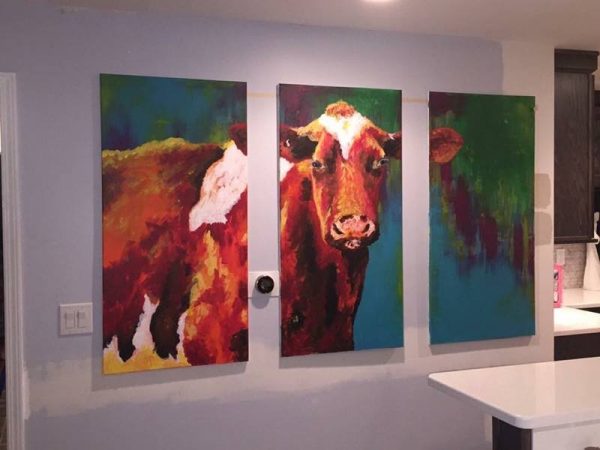
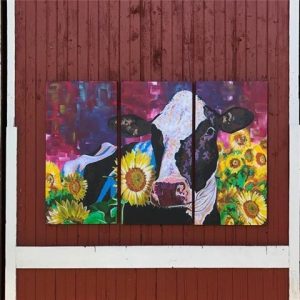 You might say that Andrea was inspired by a favorite from her husband Jerry’s stable and, as a result, Andrea has created a stable of painted favorites to send out into the world. Much of Andrea’s painting has been done on commission and frequently the products of her talent, like the gift she painted for her husband, become gifts given and shared between other dairy admirers.
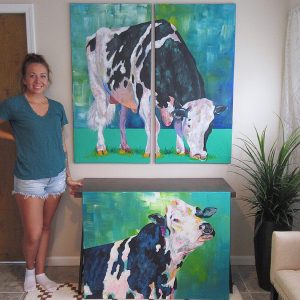 As we get to meet this artist, we are in the fortunate position of being able to use hindsight to discern what events were responsible for getting Andrea’s artistic career started. Andrea gives credit for her introduction to dairy to one her husband Jerry Jorgensen, known to many as a successful dairy breeder and recognized dairy judge. “I probably wouldn’t be painting at all if it wasn’t for him. Not just because of the support and encouragement but because of the family dairy farm. I wasn’t raised on a farm, so the whole dairy industry has really opened my eyes. I always thought cows were dumb, stinky creatures before I met Jerry.” It is an understatement to say that he changed her initial perceptions of cattle, “Yes, they can still come off (as smelly) but I have a different respect for their beauty now.”
  At this point, I must make sure that my reporting does not limit Andrea’s artistic talent to cow portraits only. As much as this is what drives The Bullvine, it isn’t fair to this gifted artist to limit the reporting of her talents to dairy only. Indeed, when asked to list her favorite works to date, Andrea responds the same way that dairy breeders, cattle judges and show string historians do, by first proclaiming what a difficult question that is. “It’s so hard to choose one! I have an attachment with all my paintings! There’s a top 5 favorites list which is constantly changing as I do more paintings.” Her diversity shows in the list she provided us with, which included what is hanging in her own home.” Right now, I would say my top 5 favorites are (in no particular order): Burt & Ernie (a painting of 2 pigs that is hanging in our living room), Antoine (a ram), Gizzard (a longhorn), Alfred (a rooster that is hanging in our kitchen), & Gatsby (a custom Jersey).
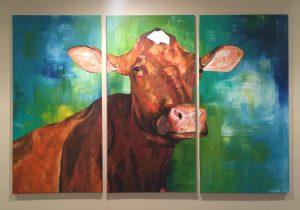 Whenever you see someone doing a successful job of using their talents to build a career, it is human nature to want to understand how they have managed to do it. As a successfully productive artist, Andrea is in the position of not only growing from her own life choices but also being able to help others who wish to start their artistic journey. Her suggestions, like her art, are bold, forthright and forward looking. Here are the three that she urges others to use.
 The Artist. The Mother.



