Solar leases promise 10x your current milk yield per acre, but are you trading feed efficiency and genomic progress for irreversible land loss?
EXECUTIVE SUMMARY: The dairy industry’s go-to strategy of maximizing short-term land rent is under fire—evidence shows solar leases can outpace dairy returns by over $1,000/acre but hide long-term risks to milk yield, feed conversion, and farm succession. Recent USDA and Teagasc data reveal solar lease rates in the US and NZ regularly exceed $1,000–$1,500/acre, while Irish dairy incomes swung wildly from €765 to €1,664/ha in just one year. Yet, North Carolina State University research confirms decommissioning costs and soil degradation can cut post-solar crop yields by 20–40% for up to five years, threatening future production capacity. Globally, Germany’s agrivoltaic policies and University of Minnesota studies on dual-use solar show it’s possible to maintain grazing and protect butterfat and SCC metrics—if you negotiate the right contract.
For operational decision-makers, the message is clear: Don’t just chase the lease—benchmark your land’s ROI, milk solids output, and long-term genetic merit before signing. With tenant rents rising and land reversibility in doubt, the smart play is integrating on-farm solar for self-consumption, demanding restoration guarantees, and leveraging agrivoltaics to keep milk flowing and profits growing. Evaluate every solar offer with a focus on operational metrics, not just the upfront check—your farm’s future depends on it.
KEY TAKEAWAYS
- Solar leases can deliver $1,000–$1,500/acre annually—5–10x typical dairy land rent—but may slash future milk yield and feed conversion by 20–40% post-decommissioning (USDA, NC State, Teagasc).
- Dairy incomes remain volatile: Irish FFI per hectare dropped 69% in 2023, then doubled in 2024, highlighting the appeal—but also the risk—of locking up prime land for decades (Teagasc National Farm Survey).
- University of Minnesota agrivoltaic trials show no negative impact on milk yield or butterfat percentage when cows graze under solar panels, proving dual-use is a viable, measurable solution.
- Immediate implementation: Prioritize on-farm solar for self-consumption, require full decommissioning bonds, and negotiate for dual-use systems to protect SCC, genomic progress, and long-term ROI.
- With tenant rents and land values rising near grid infrastructure, operational decision-makers must benchmark every solar contract against milk solids output, feed efficiency, and future genetic gains to secure sustainable profitability.
![dairy farming, solar leases, milk yield, agrivoltaics, dairy profitability]](https://www.thebullvine.com/wp-content/uploads/2025/06/Whisk_89eec22d14.avif)
Dairy producers are facing a land-use crossroads: Should you lock in a guaranteed solar lease or double down on milk production? Drawing on peer-reviewed research, government data, and leading industry analysis, this report breaks down the real numbers, challenges industry assumptions, and delivers actionable, evidence-based recommendations for your operation’s future.
The Land Use Crossroads: Energy Security, Food Security, and the Future of the Family Farm
The global push for renewable energy has collided with the foundational need for food security, igniting fierce debate over the conversion of prime dairy farmland to large-scale solar projects. While national solar targets require less than 1% of total agricultural land in countries like Ireland and the EU, the clustering of solar developments on high-quality, productive farmland near grid infrastructure has fueled local opposition and industry anxiety.
The “Food vs. Fuel” Dilemma: On one side, there’s the urgent imperative to reduce fossil fuel imports and meet climate targets. In Ireland, for example, the nation’s €10 billion annual fossil fuel import bill is a powerful incentive for homegrown renewables. On the other, there’s the risk of permanently losing top-quality soils essential for food production, a concern amplified by advocacy groups like the Irish Grain Growers’ Group and echoed by UK and US farm organizations.
The Economic Calculus: Comparing the Financial Returns of Dairying and Solar Leasing
The Allure of the Solar Lease: Solar leasing offers high, stable, and passive income. In the US, lease rates exceed $1,000 per acre annually, with some offers reaching $1,500 per acre, multiples above the national average agricultural cash rent of $146 per acre. In Ireland, dairy farm income per hectare swung from €765 in 2023 to €1,664 in 2024, reflecting extreme volatility tied to milk prices and input costs. In New Zealand, solar lease rates (NZ$2,500–NZ$6,500/ha) far outpace typical dairy land rents (NZ$1,000–NZ$1,500/ha).
| Metric | Large-Scale Solar Lease | Intensive Dairy Farming | Notes & Sources |
| Annual Revenue (€/ha) | €1,000–€3,000 | €765 (2023) – €1,664 (2024) | |
| Income Stability | High (25–30 year contract) | Very Low (volatile) | |
| Labour Input | Minimal | Very High (daily management) | |
| Environmental Impact | Soil compaction, contamination | Methane, nutrient runoff | |
| Land Reversibility | Low to Very Low | High | |
| Decommissioning Cost (€/ha) | >€2,500 + equipment removal | N/A |
Beyond the Lease Payment: Hidden Costs and Long-Term Implications
Decommissioning and site restoration costs are significant, estimated at over €2,500 per hectare, plus equipment removal. North Carolina State University research confirms that restoring land post-solar can result in a 20–40% yield loss for 3–5 years due to soil compaction and chemical residues. Regulatory risk is real: in New Zealand, new freshwater policies may permanently prohibit the return of dairy on land out of production for decades. Tax implications, including loss of ag exemptions and rollback taxes, can further erode solar profits.
A Global Policy and Planning Review
Ireland: The Targeted Agriculture Modernisation Scheme (TAMS 3) offers a 60% grant on solar PV investments up to €90,000, slashing payback periods for on-farm solar to 2–4 years. However, policy remains ambiguous on the siting of solar on prime land, and farm groups are calling for clearer protections.
United States: Federal incentives (Investment Tax Credit, MACRS, REAP) drive solar growth, but state-level land-use decisions create a patchwork of rules. California’s pragmatic approach allows solar on fallowed land, while New York enforces strict mitigation and dual-use (agrivoltaic) guidelines.
EU and Germany: Germany leads with dedicated financial support for agrivoltaics, promoting dual-use systems that maintain agricultural activity alongside energy generation.
Impacts on Rural Economies and Communities
Economic Windfall: Solar projects inject capital, create jobs, and boost tax revenues. A 2024 KPMG report projects that Ireland’s solar industry will contribute over €2.3 billion in Gross Value Added between 2025 and 2030, supporting 7,130 jobs by 2030. In the US, solar projects have increased local property tax revenues by hundreds of thousands of dollars annually.
The Social Fabric: Despite broad public support for renewables, local opposition is often fierce, driven by concerns over landscape change, loss of agricultural identity, and tenant farmer displacement. Over 50% of US farmland is rented, and high solar lease rates are inflating rents and squeezing out the next generation of dairy producers.
Evidence-Based Alternatives: Agrivoltaics and Dual-Use Innovation
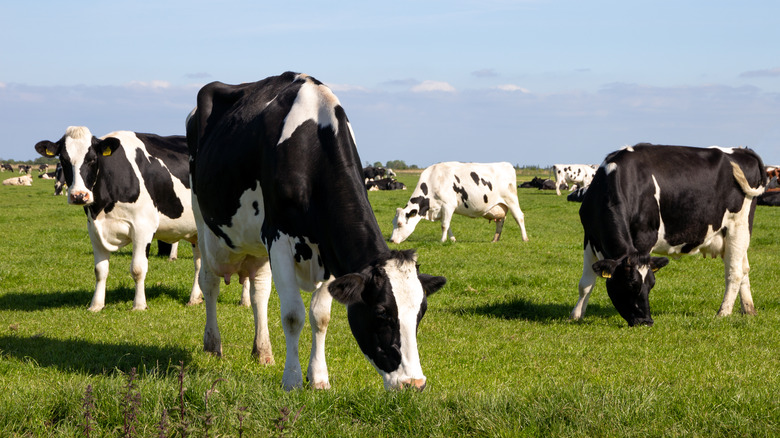
Agrivoltaics (AV): University of Minnesota research demonstrates that cows grazing under solar panels experience lower heat stress without loss of milk production. Peer-reviewed studies in Agronomy and MDPI confirm that AV can increase land use efficiency by up to 75% and reduce environmental impacts in 15 of 16 categories. Germany’s policy framework for AV is a model for balancing energy and food production.
Case Study: Rutgers University’s vertical solar panel project in New Jersey maintains productive pasture while generating power, proving dual-use is practical and scalable.
The Path Forward: Best Practices and Actionable Recommendations
For Policymakers:
- Tiered Incentives: Reserve the highest subsidies for solar on built environments and degraded land; incentivize agrivoltaics on productive land; restrict single-use solar on prime farmland.
- Decommissioning Bonds: Mandate fully funded, inflation-adjusted bonds to cover all restoration costs.
- Agrivoltaic Policy Reform: Classify AV land as “agricultural use” to maintain eligibility for farm payments and tax benefits.
- Strategic Planning: Develop national maps to direct solar to “Go-To Zones” and protect “Sensitive Agricultural Zones”.
For Dairy Producers:
- Prioritize On-Farm Solar: Use grants like TAMS 3 or USDA REAP for rooftop or ground-mount solar to cut energy costs with rapid payback.
- Legal Review: Always have an energy lease reviewed by a specialist attorney to secure decommissioning, restoration, and liability terms.
- Negotiate for Dual-Use: Insist on AV designs that allow continued grazing or cropping, stacking lease and agricultural income.
- Explore Cooperatives: Form local co-ops to negotiate better terms or co-own solar projects, keeping more profits in the community.
The Bottom Line
The solar lease might look like a golden ticket, but the evidence shows the real cost could be your land’s long-term productivity and your operation’s legacy. Solar leases deliver high, stable income, but the hidden costs, soil degradation, restoration, and regulatory risk, are significant and often irreversible. Dairy land is more than an asset; it’s the foundation of milk yield, genetic progress, and food security. Agrivoltaics and dual-use models, proven in peer-reviewed research, offer a path to sustainable revenue without sacrificing production. Global benchmarking shows policy innovation and rigorous contract review are essential to avoid the pitfalls seen in the US, EU, and NZ.
With global dairy demand rising and export markets more critical than ever, preserving productive land isn’t just about your farm, it’s about feeding a growing world. Before you sign any solar lease, benchmark your operation’s land use, productivity, and future plans against external evidence. Download the latest “Smart Solar” guidelines from American Farmland Trust and schedule a contract review with your ag legal counsel. It takes less than 30 seconds to start, but it could protect your farm’s legacy for generations.
Complete references and supporting documentation are available upon request by contacting the editorial team at editor@thebullvine.com.
Learn More:
- LAND WARS: How Savvy Dairy Farmers Are Beating Big Money at Its Own $21,500/acre Game – Discover practical strategies for maximizing land ROI, including profit-sharing leases and solar grazing integration. This article demonstrates how innovative producers are turning renewable energy into a multi-stream revenue engine while improving feed efficiency and operational resilience.
- Milking The Sun: Irish Dairy Giant Bets Big on Solar Power – See how Ireland’s largest dairy farm leverages government grants and strategic partnerships to achieve rapid solar payback, diversify income, and maintain milk output. This case study reveals methods for balancing energy production with high-yield dairy operations in today’s volatile market.
- Rutgers’ Vertical Solar Panels Revolutionize Dairy Farming with Renewable Energy – Explore how cutting-edge vertical solar panels enable dual-use land for both grazing and power generation. This forward-looking piece shows how agrivoltaic technology can enhance sustainability, protect soil health, and boost long-term profitability for progressive dairy farms.
 The Sunday Read Dairy Professionals Don’t Skip.
 The Sunday Read Dairy Professionals Don’t Skip.
Every week, thousands of producers, breeders, and industry insiders open Bullvine Weekly for genetics insights, market shifts, and profit strategies they won’t find anywhere else. One email. Five minutes. Smarter decisions all week.