
Archive for Digital Dermatitis

The Footbath Works. Your 5 a.m. Crew Doesn’t.

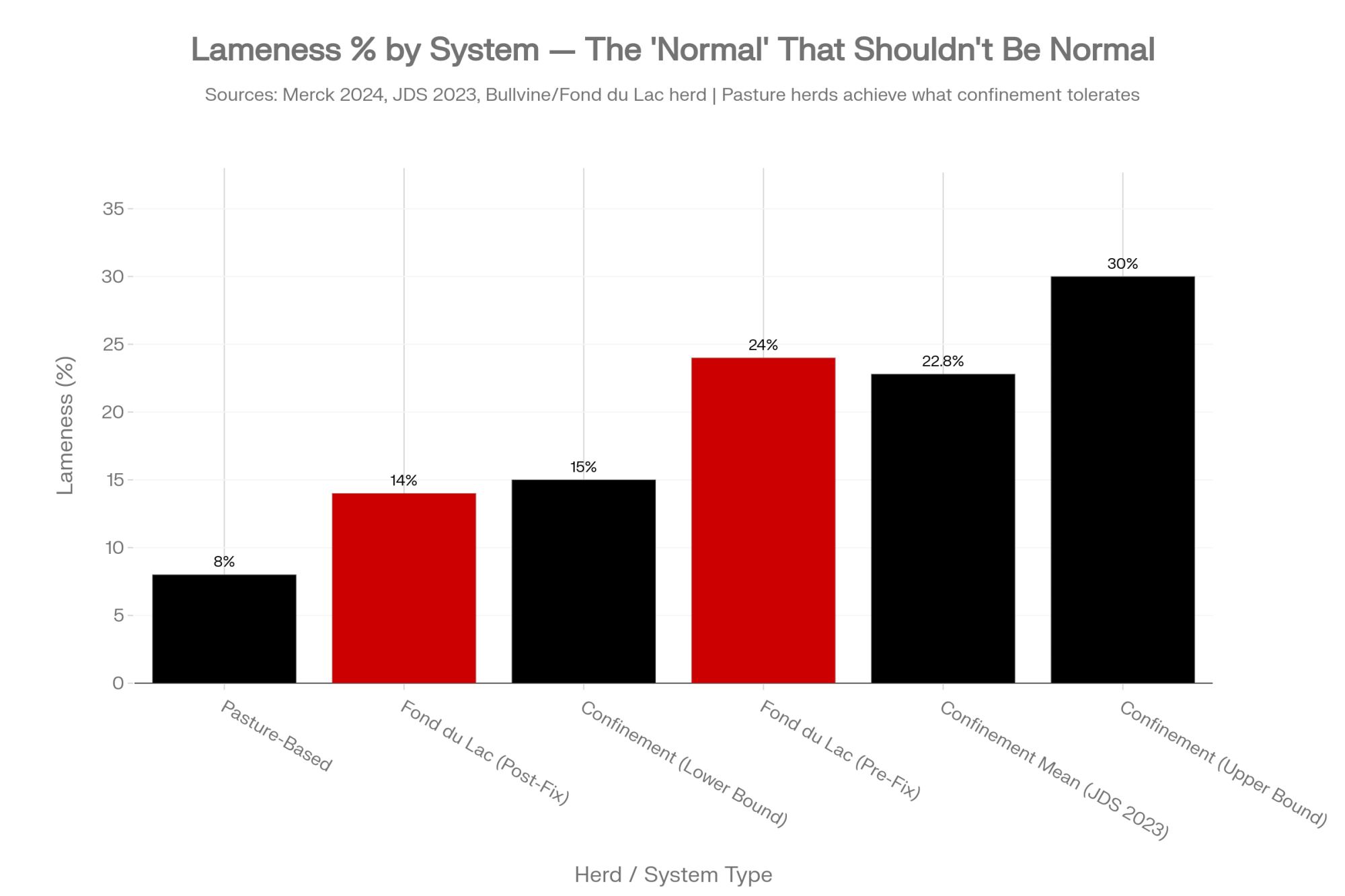
One Fond du Lac herd ran the exact same 5% copper bath as everyone else and cut lameness 24% to 14% for $3,100 a year. The fix wasn’t the chemical. It was who owned the job.

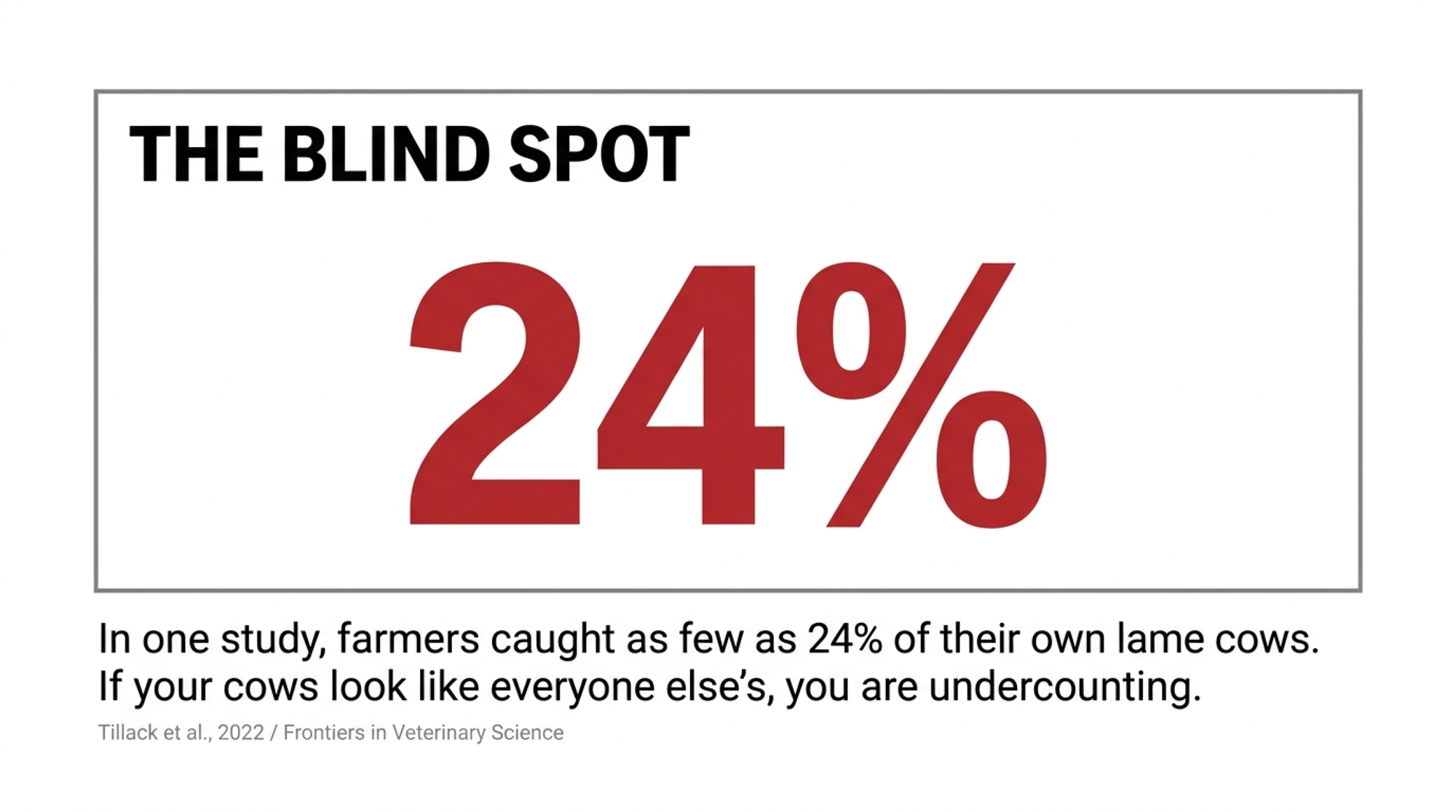
Executive Summary: Most confinement herds run around 22.8% lame (2023 JDS review) and genuinely can’t see it — in one German study, farmers caught as few as 24% of their own lame cows. A 600-cow Fond du Lac herd proved the fix is cheap: they cut lameness from a reported 24% to 14% for about $3,100 a year, no $45,000 cameras, no consultant. What changed wasn’t the chemical — it was putting one named employee on a fixed footbath schedule and checking pH and concentration instead of eyeballing them. At roughly $337 a case, that 10-point drop on a herd that size is near $20,000 in avoided loss against a rounding-error spend, and the subclinical cows are bleeding 3.3 lbs of milk a day before they ever limp. The catch worth weighing: a decade of copper sulfate loads your soil and forage — one UW-studied herd averaged 433 ppm liver copper — so if you’re running Jerseys, pull a forage test before you defend the status quo. Score your own 100–200 cows this month, set that number next to your gut estimate, and you’ll know in an afternoon whether this is your problem too.
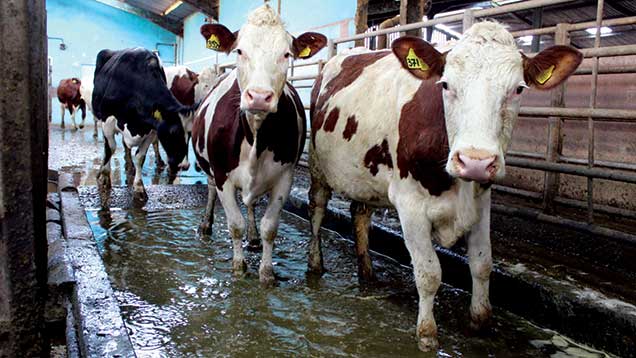
footbath protocol

Editor’s note: The 5 a.m. scene below is a composite drawn from extension research and patterns common across many operations; it is not a single real morning at a single farm. The Fond du Lac herd, its cost and outcome figures, and all research data are real and sourced. Figures reflect studies and guidance available as of June 2026.

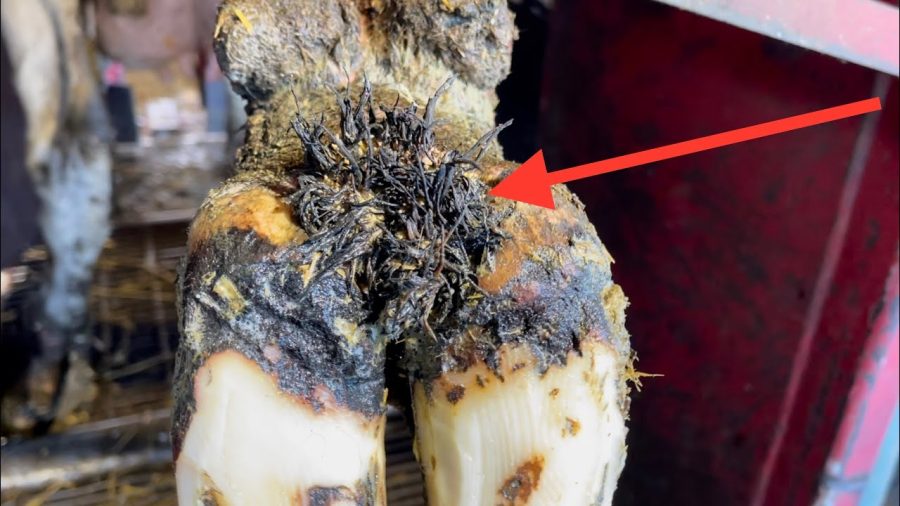
The footbath looks fine at 5 a.m. It’s full enough, the color’s about right, and the cows are filing through it on their way out of the parlor. So why is digital dermatitis still moving through the herd?

That’s the question that should keep more producers up at night. Because the honest answer usually isn’t the bottle. The copper sulfate works. The zinc works. What breaks is the human layer around it — the mixing, the changing, the consistency, and the simple question of who actually owns the job. Footbath management is one of the cleanest tells in the whole barn. Get a real look at how it runs at 5 a.m., and you’ve got a pretty good read on how the rest of the operation runs too.
What’s Really at Stake

Here’s the uncomfortable part. If you run a confinement herd and you’ve quietly accepted that some lameness is just the cost of doing business, this story is about you. Not in a finger-wagging way — in a “you genuinely might not be seeing what’s in front of you” way. And the research backs that up hard.

Most herds aren’t where they think they are. A 2023 systematic review in the Journal of Dairy Science reported a mean lameness prevalence of 22.8%, with a median of 22.0% and a between-study range of 5.1% to 45%, and within-herd numbers ranging from 0% to 88%. Merck’s 2024 epidemiology chapter frames the working reality as 8% in pasture-based systems versus 15–30% in confinement. Digital dermatitis is the engine behind most of it: UW–Madison Extension estimates DD is present in roughly 70% of U.S. dairies and 95% of large herds. That’s the global picture. The single-herd picture is often worse than the owner believes — and the footbath is frequently where the gap starts.

How It Falls Apart at 5 a.m.

Walk through a real morning. The bath isn’t quite full, so the concentration drifts. Nobody measures the product — it gets eyeballed, and even a small change in solution depth can move the working concentration enough to matter, according to industry hoof-care guidance. The solution doesn’t get changed when it should. And on a genuinely busy morning, the bath just doesn’t run at all.

None of those are catastrophic failures. That’s the trap. They’re small shortcuts that make the program invisible on good days and worthless on bad ones. A 2016 survey of 45 Wisconsin dairies found that while copper sulfate was used on 67% of farms, 27% of those farms ran it at a concentration of 12–30% — more than three times the recommended level. Only a third offered a footbath four or more times a week. These aren’t knowledge problems. They’re consistency problems.

What does “right” actually look like? Check these against your own barn wall:

ParameterTarget SpecDanger ZoneWhat Breaks When You Miss It
Bath length10–12 feet< 8 feetCows get fewer than 2 rear-foot dunks per pass
Solution depth4–6 inches< 3 inchesCoronary band and dewclaws don’t contact chemical
Change frequencyEvery 150–300 cow passes> 400 passes without changeSolution becomes diluted slurry — no bactericidal effect
pH range3.5–5.0> 5.5 or < 3.0Above 5.5: chemical inactive. Below 3.0: skin burns
Copper sulfate concentration2–5%> 8% or < 1.5%27% of WI farms ran 12–30% (triple recommended) — wastes product, increases soil load
Run frequency≥ 4×/week≤ 2×/weekFrequency beats formulation — 4× at spec beats “when we remember” every time
Named protocol owner1 dedicated employee“Whoever’s around”The Fond du Lac 24%→14% drop was entirely about accountability — not chemistry
  • Length: 10–12 feet — ensures at least two dunks per rear foot per pass
  • Depth: 4–6 inches — must cover the coronary band and dewclaws
  • Change frequency: every 150–300 cow passes, sooner when legs come in dirty
  • pH: 3.5–5.0 for copper or zinc sulfate — above 5.5 it stops working, below 3.5 it burns skin
  • Concentration: copper sulfate 2–5% (UW Dairyland Initiative); zinc sulfate 10–20%

Miss two or three of those at 5 a.m., and you haven’t run a footbath. You’ve run cows through an expensive puddle. As Progressive Dairy put it back in 2022, “Without a simple, well-defined footbath protocol, the only consistent result will be poor footbath management and poor hoof health.”

What One Wisconsin Herd Actually Did
Near Fond du Lac, Wisconsin, a 600-cow herd reported lameness around 24% — right in that “normal” confinement range nobody likes to look at too hard. Over 18 months, the operation pulled it down to 14%, a 42% reduction, on about $3,100 a year. No $45,000 detection cameras. No outside consultant. Just protocol.
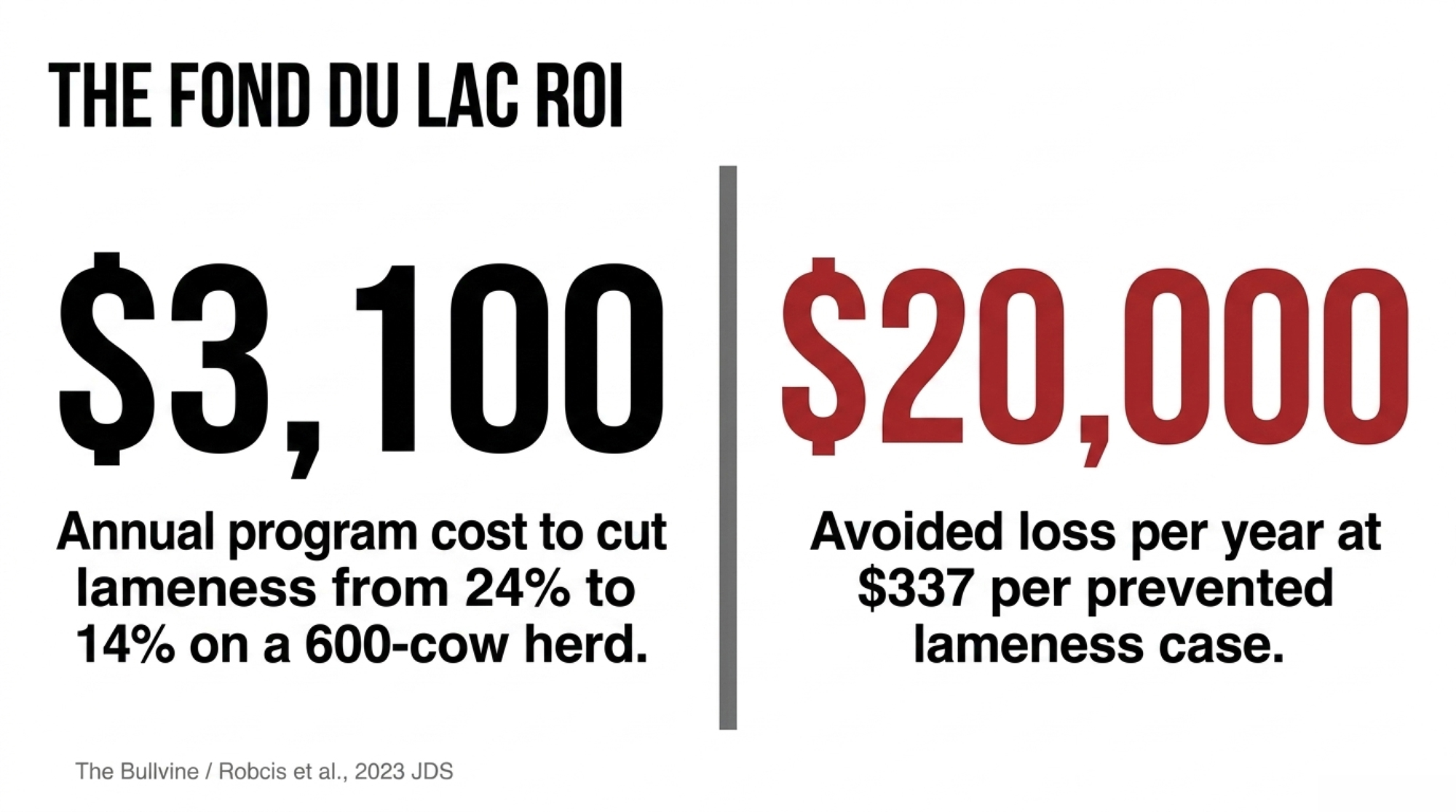
What flipped the switch wasn’t a new product. It was deciding the bath wasn’t an afterthought anymore — assigning one employee to own it and running it like a milking shift. As the owner told The Bullvine: “We treat footbaths like milking — non-negotiable, same times, same concentrations, every single week. That consistency matters more than any camera could.” The protocol itself was almost boring on paper — 5% copper sulfate, changed every 200 cow passes, run four times weekly on a fixed Tuesday-Thursday-Saturday-Monday rotation, with pH checked rather than guessed.

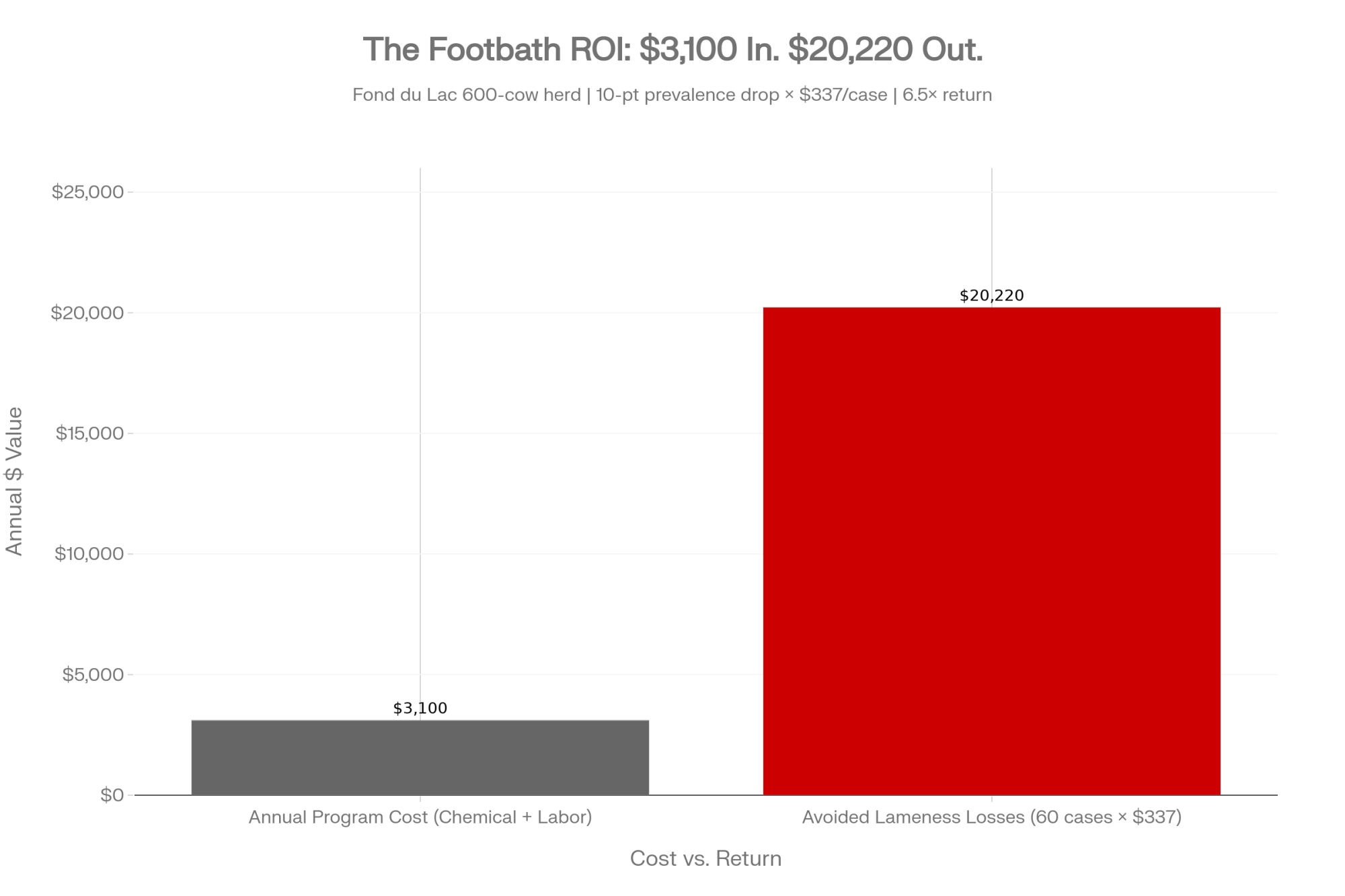
That ownership piece is the part most herds skip. The chemistry on that farm wasn’t special. The schedule was, and so was the fact that one person’s name was attached to it. At an estimated $337 per lameness case, the herd’s math worked out to roughly $20,000 a year in avoided losses against that $3,100 spend — a payback measured in weeks, not years.
Which Chemistry — and What It Costs You

Before anyone argues copper versus zinc versus formalin, get one thing straight: the product matters far less than whether it’s mixed right and changed often enough. Iowa State’s Jan Shearer and UW’s Dörte Döpfer have both made the same point across years of work — frequency beats formulation. Four times a week with the cheap stuff beats “when we remember” with the premium product every time.

ChemicalWorking RateCost SignalCatch / Key Risk
Copper sulfate2–5%~$2–3/lb; most widely used workhorseDoesn’t break down — accumulates in manure, soil, and forage; decade-long programs average 433 ppm liver copper (UW, 2022)
Zinc sulfate10–20%Higher per-bath cost than copperLower environmental load; fewer large-herd efficacy trials vs. copper
Formaldehyde2–5%Cheapest per bathRegistered carcinogen — hard to justify for hand-mixing crews
Stannous fluoridePer labelPremium tier2024 JDS trial controlled DD at far lower copper loading — strongest environmental case for switching

The all-in cost is smaller than most producers assume. The Fond du Lac herd ran its full program — chemical plus labor — for about $3,100 a year. The chemical was never the expensive part. The lameness you don’t prevent is.
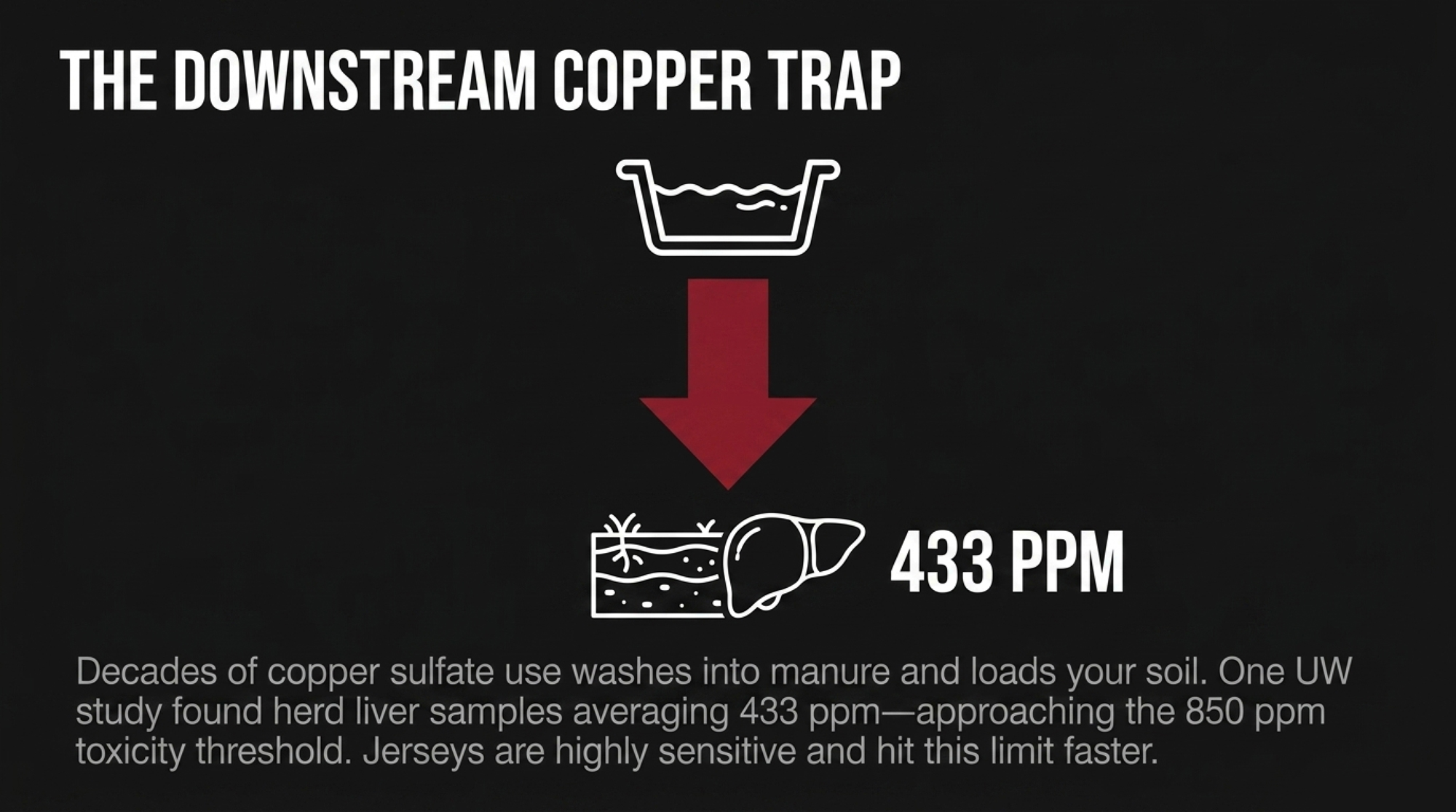
But copper has a cost that doesn’t show up on the invoice. It doesn’t break down — once it’s on your farm, it stays. Spent footbath solution usually gets washed into the manure storage and ends up back on the fields. A 2022 UW–Madison field study across 20 eastern Wisconsin dairies found that farms using copper sulfate footbaths had alfalfa copper levels nearly double a 2005 baseline, with third-cut forage “teetering on the boundary” of recommended TMR copper limits. Liver samples from one participating herd averaged 433 ppm copper, with a high of 740 ppm, well into the range UW flags as concerning (over 500 ppm) and approaching toxicity territory (850 ppm).

Warning for color-bred herds: Jersey cattle are significantly more sensitive to copper accumulation than Holsteins. If you’re running a mixed or pure Jersey herd, the downstream liver-toxicity limits in the UW study apply much sooner, and a forage or liver test moves from “good idea” to “do it this year.”

So the chemistry question isn’t only “does it work.” It’s “what’s it doing to my soil and my cows five years out.” That’s exactly why zinc sulfate, acidified copper at lower rates, and stannous-fluoride products are getting a serious look. None has clearly beaten copper on efficacy in well-run trials. The reason to switch is environmental, not performance.

The Tell: When the Bath Fails, So Does the Rest

A failing footbath is rarely an isolated problem. It’s a symptom.

When the bath is too short, mis-mixed, and run “when we remember,” you tend to find the same casualness elsewhere — overstocked pens, long standing times in the holding area, dirty alleys, and trimming that happens reactively instead of on a schedule. A 2022 Journal of Dairy Science study of automated-milking herds in Europe tied higher lameness to poor stall design, inadequate feed access, higher stocking density, and lower body condition. The herds running sand bedding and better feed access had lower lameness and better milk quality.

The paperwork tells the same story. An Irish survey found only 22% of farmers kept records of lame cows, just 15% had a written lameness herd-health plan, and 28% waited more than 48 hours to treat a cow they’d already spotted as lame. That’s not a knowledge gap. It’s a belief gap. These producers don’t think they’ve got a problem worth planning for.

Which is exactly why the “we’ve got it under control” conversation is so hard. They’re not bluffing you. They genuinely can’t see it.
Run Your Own Numbers

The Fond du Lac herd’s $3,100-for-$20,000 trade is convincing, but the number that moves a skeptic is their own. So here’s the tool, not another lecture on case costs.

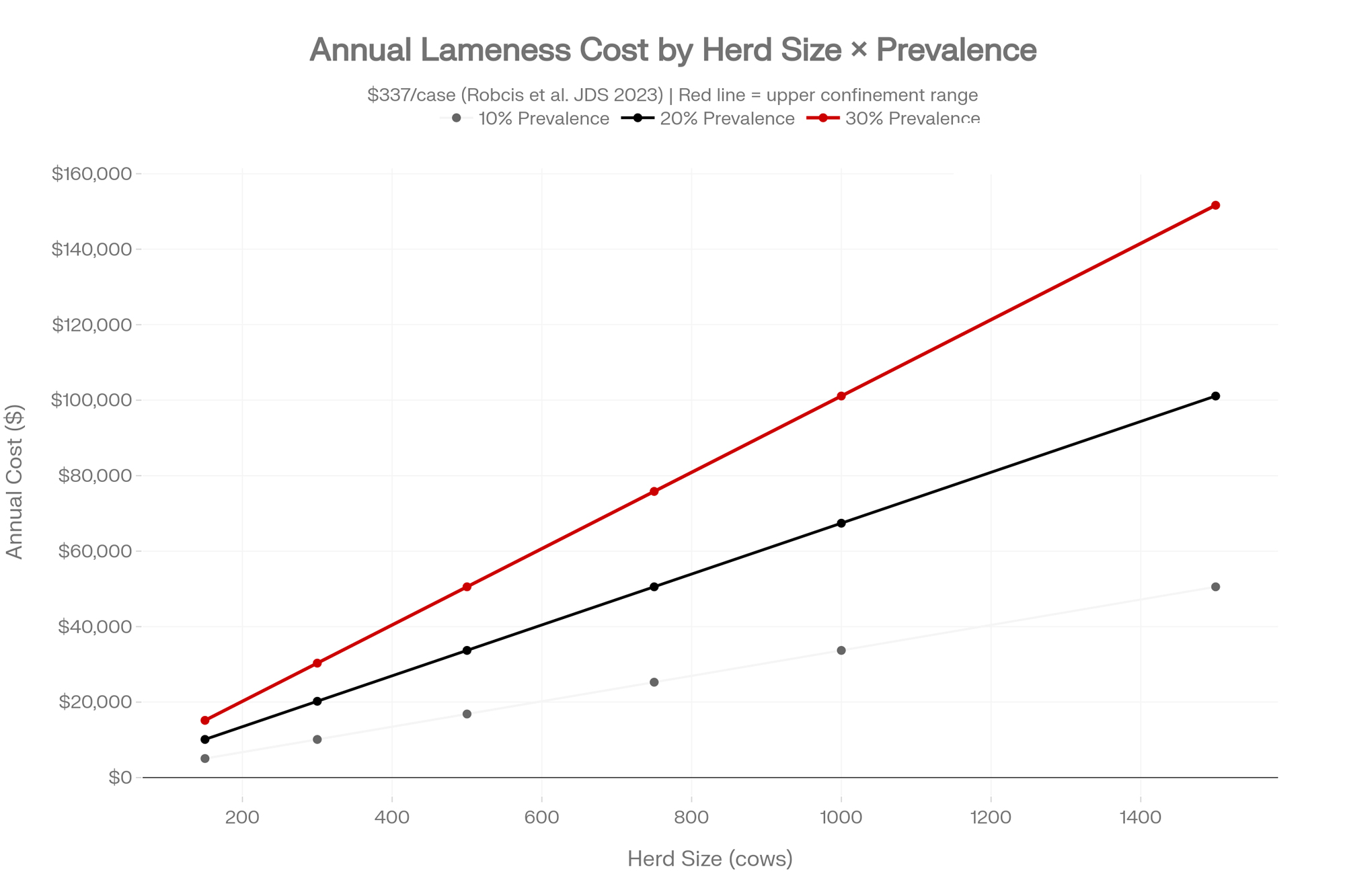
Take your herd size, multiply by your honest prevalence, and multiply that by $337 — the per-case figure Robcis and colleagues landed on in a 2023 Journal of Dairy Science analysis (milk loss, reproduction, treatment, culling, and labor combined). A 350-cow herd at 20% is 70 cases, or about $23,590 a year. Regional labor costs shift the number — higher-wage regions land above the average, lower-wage regions below — and be skeptical of the $400–533 figures in equipment sales decks, which lean on inflated 30–40% prevalence assumptions that may not match your barn.
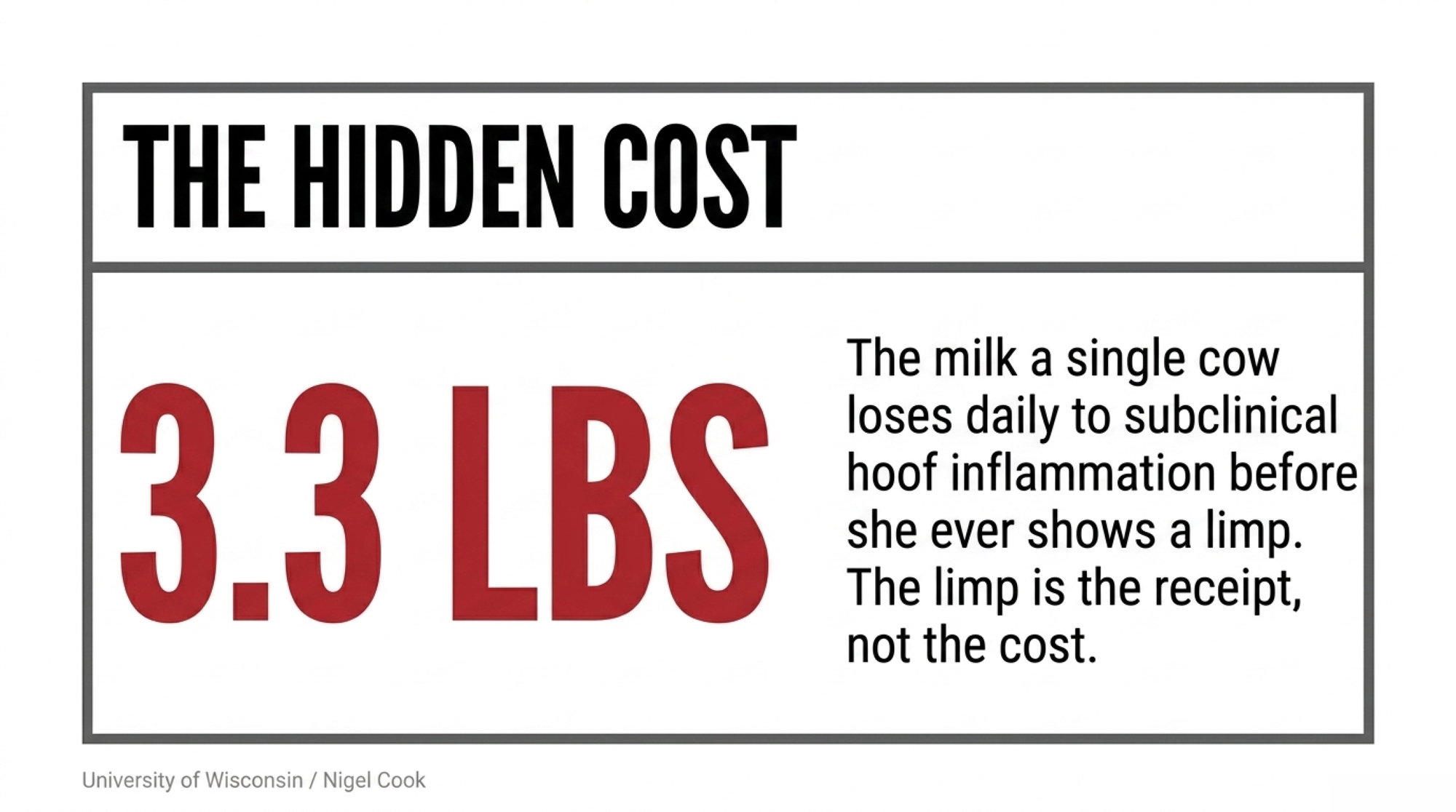
And the subclinical piece is where it gets quietly expensive. University of Wisconsin work led by Nigel Cook, as reported by The Bullvine, found that cows with subclinical hoof inflammation lose an average of 3.3 pounds of milk per day before they ever look lame, which is tied to as much as 17% of net farm profit in some herds. Read that as “in some operations,” not “in yours.” The point stands either way: the limp is the receipt, not the cost.

Why Did “10–20%” Ever Become Normal?

Somewhere along the way, an average became a standard. And, in our view, producers started defending a number that the industry shouldn’t be comfortable with.

Here’s where it came from. The literature kept reporting confinement herds in the low-20s. Merck repeated “15–30% in confinement.” Busy people shaved the top off that range in conversation until “10–20%” started to sound like a target rather than a symptom. Nobody ever published a paper calling that level acceptable. It just hardened into a norm through repetition.

The detection failure cemented it. A 2022 German study (Tillack and colleagues, Frontiers in Veterinary Science) had veterinarians score median lameness at 23.1%, 39.1%, and 23.2% across three regions, while the farmers in those same herds estimated 9.5%, 9.5%, and 7.1%. On average, those farmers were consciously aware of only 45.3%, 24.0%, and 30.0% of their lame cows. A 2014 New Zealand study (Fabian and colleagues) found nearly the same pattern: farmers recognized only about 27% of cows with reduced mobility.
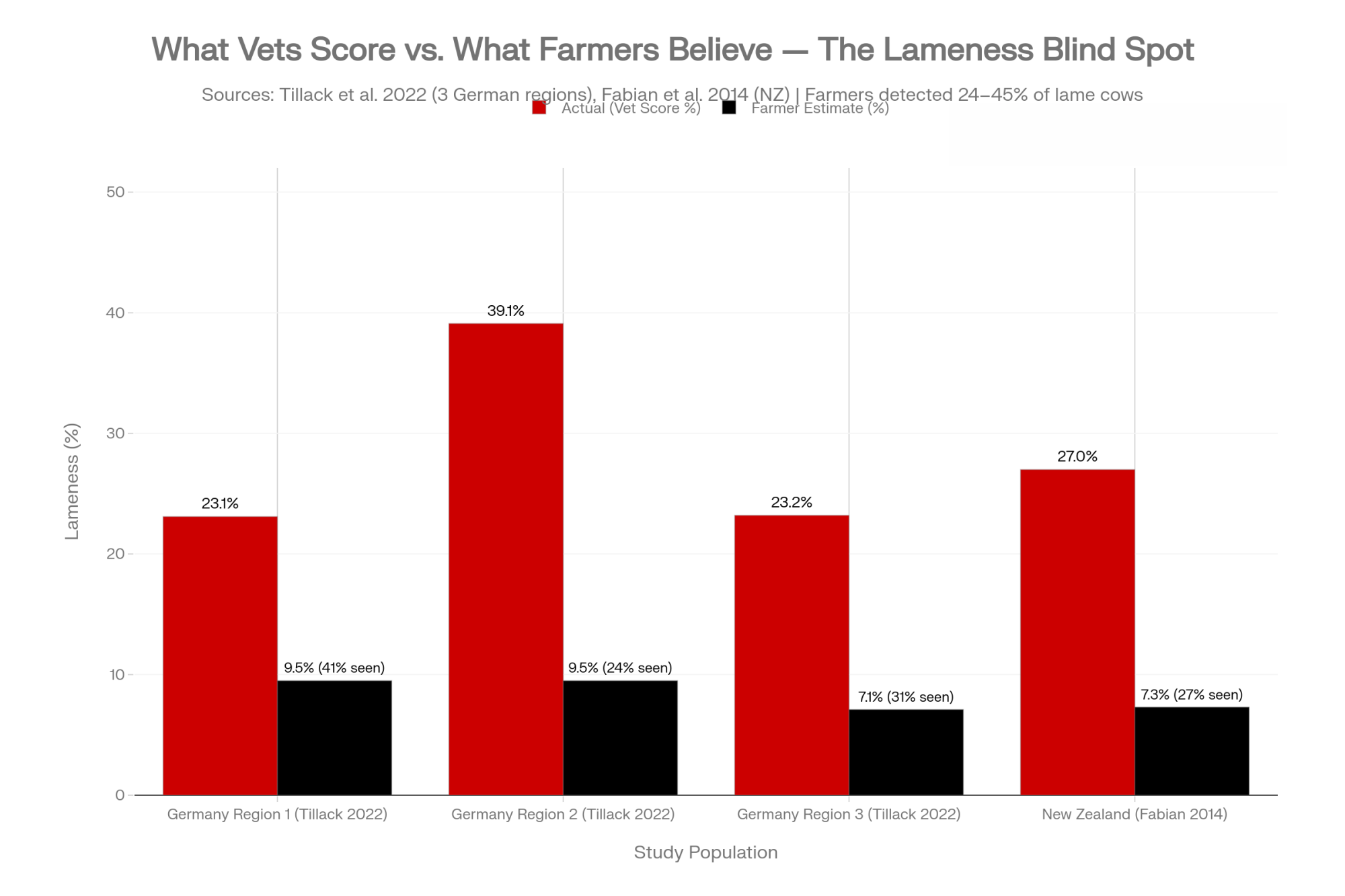
So you get a region where every herd sits somewhere between 10% and 30%, everyone’s eyes are undercounting, and the lived experience becomes “my cows look like everyone else’s, so we’re fine.” That feeling is almost impossible to argue with — until a clipboard and a scoring chart make it visible.

The Window Most Herds Miss: Dry Cows and Heifers

If your footbath schedule only covers the milking string, you’re treating the symptom and ignoring the nursery. Digital dermatitis doesn’t wait for the first lactation. Heifers can carry lesions into the parlor on day one, and the dry-cow pen is where much of the infection quietly resets and reloads for the next lactation. Canada’s proAction footbath guidance is blunt about it: don’t forget the dry cows and the heifers.

The trim window matters as much as the bath here. University of Bristol research found that moving the functional trim to the dry period — before the metabolic and hormonal stress of calving lands — cut hoof lesions by 62%. But timing isn’t one-size-fits-all. Minnesota’s Gerard Cramer, whose 2025 randomized trial tested dry-off trimming methods, now argues trimming should be “targeted, not automatic” — his data showed the biggest payoff in first-lactation cows, where a modeling-focused trim at dry-off cut the odds of hoof-horn lesions by 76%, while blanket whole-herd trimming mostly burned chute time better spent on at-risk animals.

The economics back the targeted approach. A 2024 study found partial-herd trimming delivered a higher three-year net benefit than whole-herd trimming 100% of the time, and Bullvine-reported data pegs a well-timed mid-lactation trim (after 110 days in milk) at roughly $308 per cow per lactation in retained milk. So the practical move is to fold heifers and dry cows into the same hygiene discipline as the milk cows — footbath passes where the facility allows, clean dry housing, and a trim plan timed to dry-off and the right cows, rather than “whenever the trimmer’s already here.” The herds that reach single-digit lameness rarely do so by managing the milking string alone.

What “Good” Actually Looks Like

Set a real target, because “better than last year” isn’t one. The Fond du Lac herd’s 14% wasn’t even the ceiling — an Idaho operation cited by The Bullvine ran the full prevention bundle to 12%, then layered in cameras and held 8% consistently. The 8% you see quoted for pasture systems isn’t physics. It’s what consistent foot hygiene, low standing time, and timely trimming buy you, and some confinement herds get close.

The herds that live there share a short list of habits, and none of them are exotic. The footbath runs on a fixed schedule with one named owner. Concentration and pH checked, not guessed. Trim records reviewed quarterly, not pulled out only when a cow’s already three-legged. New lame cows treated within 48 hours, not parked until the next chute day. Locomotion scoring is done monthly by the same person, so the trend line means something.

Notice what’s not on that list: a more expensive chemical, a fancier bath, a bigger budget. The gap between a 24% herd and a 14% herd — the exact gap that Wisconsin farm closed — wasn’t money. It was about standards and whether anyone was actually accountable for upholding them.

What This Means for Your Operation

Walk your own barn against these. Each one pairs the question with a number that indicates whether your answer is good enough.

  • Are you counting, or guessing? Farmers in the German study were consciously aware of as few as 24% of their lame cows (Tillack 2022), while DD is present in 70–95% of U.S. herds (UW). Locomotion-score a random 100–200 cows this month and set that figure next to your gut estimate. If they’re far apart, you’ve found your problem.
  • Who owns the protocol? The Fond du Lac herd put one named employee on the bath and went from a reported 24% to 14%. If you can’t name the exact person responsible for mixing and monitoring, your program is running on luck.
  • Is your chemistry actually at spec? 27% of surveyed Wisconsin farms ran copper at triple the recommended rate. Check concentration and pH against a written spec — not by eye — this week.
  • Are the dry cows and heifers on the schedule? If only the milking string gets the bath, you’re reloading the infection every lactation. Fold them in, and time the dry-off trim to the cows that benefit most — Cramer’s trial showed a 76% cut in hoof-horn lesion odds in first-lactation cows.
  • Can you treat a new lame cow within 48 hours? The best herds don’t park her until the next chute day. If yours waits, that’s where chronic, expensive cases are born.
  • What’s your downstream copper footprint? If you’ve run copper sulfate for more than a decade, pull a third-cut alfalfa forage sample and test for accumulated loading — UW found farm forage copper near double its baseline and liver levels averaging 433 ppm.

Key Takeaways

  • If you can’t name the owner of your footbath, fix that first. The Wisconsin herd’s 24%-to-14% drop was driven by accountability, not equipment — one employee, a fixed four-day rotation, no skipping.
  • If your bath misses on length, depth, pH, or change frequency, the chemical doesn’t matter. Frequency beats formulation; 5% copper run four times a week on spec beats a premium product run “when we remember.”
  • If you’ve never measured prevalence, your gut is probably undercounting by half. Score 100–200 cows in the next 30 days — the cheapest, highest-value move on this list.
  • If you’ve been running copper for 10+ years, test your forage before switching products. The performance reason to change is thin; the soil-and-liver reason is real, and it shows up first in Jersey herds.

Most producers carry lameness as a bill they pay. The reframe that walks someone out to the alley with a clipboard is simpler and harder: lameness isn’t a bill, it’s a choice you make every day in how you measure, who you hold accountable, and what you’re willing to see. So which number are you defending — and would it survive a real score?

Run Your Numbers

Health ROI Calculator — That $337-a-case figure is an average, not your barn. Run your own herd size, prevalence, and protocol cost through the Health ROI Calculator to see whether tightening your footbath program actually pays back in lower culling, less milk loss, and fewer chronic cases — before you spend a dollar.

Complete references and supporting documentation are available upon request by contacting the editorial team at editor@thebullvine.com.

Learn More

The Sunday Read Dairy Professionals Don’t Skip.

Every week, thousands of producers, breeders, and industry insiders open Bullvine Weekly for genetics insights, market shifts, and profit strategies they won’t find anywhere else. One email. Five minutes. Smarter decisions all week.
NewsSubscribe
First
Last
Consent

Maximizing Cow Comfort: Preventing Lameness in Robotic Milking Facilities with Smart Design and Maintenance

Maximize cow comfort and productivity in robotic milking facilities. Learn how smart design and maintenance can prevent lameness and improve herd health. Curious how?

Imagine running a marathon with a sprained ankle. Your performance drops and your health is at risk. Dairy cows experience a similar scenario when they suffer from lameness. Their health and comfort directly impact milk yield, reproductive performance, and farm profitability. Lame cows face significant discomfort, affecting their ability to move, feed, and produce milk efficiently. Cow comfort is not just about animal welfare; it’s crucial for farm success. In robotic milking facilities, efficient handling space is essential to reduce lameness and ensure smooth operations. Investing in cow comfort is investing in your farm’s future. Healthy, comfortable cows are productive cows. Maintaining efficient handling spaces can reduce lameness, improve cow health, and boost productivity.

Recognizing the Impact of Lameness in Robotic Milking Systems 

Understanding lameness begins with recognizing it as a condition marked by abnormal gait or stance due to pain or discomfort. It primarily affects the feet and legs of dairy cows. It can stem from poor flooring, inadequate hoof care, nutritional deficiencies, or infections like digital dermatitis and sole ulcers. 

The implications of lameness are particularly severe in robotic milking systems. Unlike conventional parlor barns, robotic systems rely on cows’ voluntary movement to and from milking robots. Lame cows often hesitate to move freely, reducing milking frequency and decreasing milk yield, thus impacting overall herd productivity. 

Additionally, robotic milking facilities are designed for continuous cow traffic. Lame cows can disrupt this flow, causing bottlenecks and requiring more labor for handling. Therefore, maintaining hoof health is crucial for cow welfare and optimizing farm operations.

The Value of Proactive Lameness Prevention

Preventing lameness is more cost-effective and beneficial than treating it after it occurs. Investing in proper barn design and maintenance during planning and construction can save costs and improve animal welfare in the long term. Key preventive measures include well-designed flooring, comfortable lying areas, and effective cooling systems. 

Proper flooring is essential to prevent lameness. Grooved or textured concrete floors reduce the risk of slipping. Rubber flooring in high-traffic areas like transfer alleys can lower slippage risks and enhance cow comfort

Ample, well-bedded lying areas encourage cows to rest instead of standing for long periods. Dry, clean resting areas with soft bedding materials like sand or straw are crucial. Regular maintenance ensures a comfortable environment. 

During hot weather, cooling systems like fans and sprinklers help reduce heat stress, preventing excessive standing. Adequate ventilation keeps the barn environment comfortable, reducing the risks of lameness related to prolonged standing.

Proper Flooring: Crucial for Preventing Lameness and Ensuring Cow Comfort 

Proper flooring in robotic milking facilities prevents lameness and ensures cow comfort. The type of flooring affects the cows’ health and milking frequency, directly impacting productivity. 

Grooved or textured concrete floors minimize slips and fall, offering better traction and reducing injuries. The grooves should intersect to create a consistent, non-slip surface in all directions. High-traffic areas like transfer alleys, mil area rubber, and king flooring are highly beneficial. They provide a softer surface, reducing the impact on hooves and joints and enhancing comfort. Rubber floors also offer excellent grip, lowering the risk of slipping and falling. 

Investing in tailored flooring solutions supports a safer environment and boosts operational efficiency. By reducing the risks of poor flooring, dairy farmers can improve herd welfare and ensure smooth traffic to and from milking robots.

Creating Restful Environments: The Importance of Well-Bedded Lying Areas

To ensure optimal cow welfare and productivity, providing well-bedded lying areas that encourage cows to rest rather than stand for prolonged periods is crucial. Comfortable resting spaces significantly reduce lameness risk by alleviating pressure on the hooves. Dry, clean, and soft bedding materials, such as sand or straw, are ideal as they offer necessary support and cushioning. Ensuring these materials remain uncontaminated by moisture or waste prevents infections and other health issues that could worsen lameness. 

Regular maintenance of the lying areas is crucial for sustaining cow comfort. This includes frequent cleaning and replenishment of bedding materials to maintain their integrity. Farmers can create a stress-free habitat that promotes cow comfort and enhances overall herd health and productivity by prioritizing routine upkeep.

Cooling Systems: A Vital Asset in Combatting Heat Stress and Lameness

Cooling systems are vital for the well-being of dairy cows, significantly reducing heat stress, which can lead to lameness. Maintaining an optimal barn environment ensures cows stay comfortable and productive. Heat stress causes cows to stand for long periods, increasing hoof pressure and the risk of lameness. Efficient cooling systems are crucial. 

Fans: Fans promote air circulation, dissipate heat, and keep the barn cool. Strategically placed fans reduce ambient temperature and provide relief to cows. Continuous airflow helps minimize moisture buildup, reducing hoof disease risks. 

Sprinklers: Sprinklers directly impact cows by evaporative cooling. Combined with fans, they effectively lower cows’ body temperature, providing immediate heat relief. Regular water bursts mitigate prolonged high-temperature exposure risks. 

Ventilation Systems: Proper ventilation maintains air quality and temperature. Effective systems remove hot, humid air and bring fresh air, creating a balanced environment. Designed to adapt to weather changes, they ensure consistent airflow and temperature control year-round. 

Integrating fans, sprinklers, and ventilation systems reduces heat stress, prevents lameness, and enhances cow welfare. These systems work together to create a comfortable barn environment, supporting herd health and productivity, which is crucial for the success of robotic milking facilities.

Efficiently Designed Handling Chute Areas: A Cornerstone of Hoof Health in Robotic Milking Systems

Efficient handling of chute areas is essential for hoof health in robotic milking facilities. Dedicated hoof-trimming spaces ensure timely interventions, preventing minor issues from becoming severe. These areas need good lighting for visibility and adequate traction to prevent slipping, ensuring safe and efficient cow movement. Planning cow handling routes with their instincts in mind reduces stress for both cows and handlers. Placing handling areas beside robot fetch pens allows one person to manage tasks efficiently, improving cow welfare and streamlining operations in robotic milking facilities.

Weighing the Options: Centralized vs. Decentralized Hoof Trimming in Large Facilities 

In extensive facilities, the design challenge lies in choosing between a single dedicated hoof trimming area for all pens or multiple trim areas within each pen. Centralized trimming areas can streamline resource management but may require cows to move longer distances, adding stress and inefficiency. Conversely, multiple trim regions close to each pen ease access, allowing regular, stress-free hoof maintenance without significant cow movement. This decentralized approach promotes a calmer environment and quicker interventions. Ultimately, the choice depends on the farm’s management practices and workforce structure to ensure efficient and regular hoof care to enhance herd well-being and productivity.

The Ideal Setup for Contracted Hoof Trimmers 

The ideal setup for contracted hoof trimmers involves designing transfer lanes between barns to maximize efficiency and minimize cow stress. Transfer lanes should be wide enough for easy cow movement but narrow enough for controlled handling. They must include access to utilities like electricity for hydraulic chutes and high-powered wash hoses, ensuring smooth operations.

Bud Box system is particularly beneficial as it uses the cows’ natural behavior to guide them into the chute with minimal resistance, reducing anxiety and streamlining the trimming process.

Hydraulic chutes with automated features further reduce stress by providing a reliable handling process with better restraint options for safer and more comfortable hoof trimming. Access to electricity ensures the efficient functioning of hydraulic systems, while high-powered wash hoses facilitate quick equipment cleaning, promoting a hygienic operation.

Positioning this setup at the far end of the barn, away from the robotic milking robots, minimizes disruption to milking activities and reduces herd stress. This thoughtful layout optimizes the hoof-trimming process and enhances cow welfare and operational efficiency in the robotic milking facility.

Strategic Footbath Placement: Enhancing Hoof Health in Robotic Milking Systems 

Footbaths are crucial for maintaining hoof health and preventing diseases like digital dermatitis. They enhance cow comfort and productivity by promoting hygiene in environments where manure and moisture are prevalent. Proper footbath placement and design are essential for their effectiveness. Ideally, the footbath should be part of the robot exit pathway, allowing cows to walk through it naturally after milking, thus avoiding disruptions in cow traffic. 

Footbaths must be long enough to ensure that each hoof is fully submerged for thorough cleaning and treatment. Regular replenishment of the solution and cleaning of the bath are critical to prevent contamination. Alternatively, placing the footbath at the end of the barn can work, although this may pose challenges as cows in robotic systems are not used to moving as a herd. 

Regular maintenance and strategic accessibility are vital. Footbaths should be easy to approach and align with the natural movement of cows within the facility. This thoughtful placement helps maintain a smooth operational environment and reduces the risk of lameness due to poor hoof health.

Strategic Maintenance: Essential for Effective Footbath Functionality and Cow Traffic Flow

Maintaining footbaths is crucial for effective hoof disease prevention. Regular cleaning and replenishing the solution are essential, as dirt and debris reduce the solution’s efficacy. Consistent maintenance ensures footbaths remain effective in safeguarding hoof health. Strategically placing footbaths is also vital to minimize disruptions in cow movement. Ideally, footbaths should be part of the robot exit path, allowing cows to pass through naturally as they leave the milking station. This placement leverages existing traffic flows, reduces reluctance, and ensures a smooth transition, maintaining an efficient cow traffic system within the robotic milking facility.

The Bottom Line

Ensuring efficient handling space in robotic milking facilities reduces lameness and boosts herd health and productivity. Strategic barn design, consistent maintenance, and advanced technologies are essential. Well-designed flooring like grooved concrete or rubber reduces slips. Comfortable, well-bedded lying areas alleviate hoof pressure. Effective cooling systems combat heat stress, encouraging natural cow behavior and reducing lameness. Handling chute areas should prioritize ease and safety for efficient hoof care. Whether to have centralized or decentralized hoof trimming depends on facility size and management preferences. Well-placed footbaths are essential to prevent hoof diseases without disrupting cow traffic. The bottom line is investment in design, regular maintenance, and leveraging cutting-edge technologies. These measures ensure cow health, boost productivity, and enhance farm profitability. As the dairy industry evolves, adopting these best practices is crucial. Partnering with knowledgeable professionals and committing to cow welfare will help farmers thrive.

Key Takeaways:

  • Proper flooring: Implement grooved or textured flooring and rubber mats in high-traffic areas to minimize slips and falls.
  • Comfortable lying areas: Provide well-bedded, dry, and clean resting spaces to encourage cows to lie down rather than stand for long periods.
  • Effective cooling systems: Use fans and sprinklers to reduce heat stress and prevent prolonged standing due to excessive heat.
  • Dedicated hoof-trimming areas: Design special areas for hoof care to ensure easy and safe handling, reducing stress and improving efficiency.
  • Well-organized footbaths: Strategically place footbaths to maintain hoof health without disrupting cow traffic to milking robots.
  • Regular maintenance: Ensure that all aspects of the facility, from footbaths to lying areas, are routinely maintained for optimal function and cow comfort.

Summary:

Lameness is a major issue affecting dairy cows’ health and productivity, affecting milk yield, reproductive performance, and farm profitability. It can be caused by poor flooring, inadequate hoof care, nutritional deficiencies, or infections like digital dermatitis and sole ulcers. In robotic milking facilities, lame cows often hesitate to move freely, reducing milking frequency and milk yield. To prevent lameness, proper barn design and maintenance are crucial. Key preventive measures include well-designed flooring, comfortable lying areas, and effective cooling systems. Regular maintenance of lying areas is essential for cow comfort. Efficient cooling systems, such as fans, sprinklers, and ventilation systems, support herd health and productivity. Dedicated hoof-trimming spaces ensure timely interventions and reduce stress for both cows and handlers. Strategic footbath placement is also essential for hoof health and preventing diseases like digital dermatitis. Partnering with knowledgeable professionals and committing to cow welfare will help farmers thrive in the evolving dairy industry.

Learn more:

Decoding the Impact of Housing Systems on Digital Dermatitis in Dairy Cows: A Genetic Study

Delve into the influence of housing systems on digital dermatitis in dairy cows. Could genetic evaluations pave the way for enhanced bovine health across varied living conditions? Uncover the research insights here.

Imagine walking barefoot on gravel daily; the discomfort of digital dermatitis (DD) in dairy cows feels similar. This painful hoof disease significantly hampers cows’ mobility, milk production, and the economic health of dairy farms. 

The environment in which cows are housed plays a critical role in DD’s incidence and severity. Housing systems such as conventional cubicle barns (CON) and compost-bedded pack barns (CBPB) have distinct impacts on disease management. Understanding these housing-related nuances is vital for farmers and researchers working to reduce DD’s impact. 

This research utilizes detailed phenotyping data from over 2,980 observations of Holstein-Friesian and Fleckvieh-Simmental cows on ten farms. It investigates the genetic variances linked to DD stages: sick, acute, and chronic. Through genome-wide association studies (GWAS), the study identifies potential candidate genes and assesses genotype × housing system interactions. This comprehensive analysis seeks to uncover genetic factors that can inform breeding programs and enhance animal welfare, regardless of their rearing environment. 

Introduction: Understanding Digital Dermatitis in Dairy Cows

Digital Dermatitis (DD) is an infectious disease impacting the bovine foot, particularly the plantar skin bordering the interdigital cleft. This condition ranges from initial lesions to chronic, painful wounds, affecting dairy cows‘ mobility and well-being. 

The development of DD involves a mix of environmental, genetic, and management factors. Housing systems, especially conventional cubicle barns, create conditions ripe for DD, with moisture and contamination fostering pathogen growth. Nutritional imbalances, poor foot hygiene, and milking routines further increase risk. Notably, genetic predispositions also play a role; some cattle lines are more susceptible, emphasizing the need for genetic research to combat DD. 

The economic and welfare impacts of DD are significant. Economically, it causes losses through reduced milk production, higher veterinary costs, and culling of severely affected cows. Welfare-wise, the pain and lameness from DD seriously affect cattle comfort and health, raising ethical concerns in livestock management. Therefore, addressing DD with better housing, management practices, and genetic selection is crucial for sustainable dairy farming.

Exploring Housing Systems: Cubicle Barns vs. Compost-Bedded Pack Barns

Housing systems play a pivotal role in dairy productivity and cow health and welfare. The primary systems include conventional cubicle barns (CON) and compost-bedded pack barns (CBPB), each impacting the Prevalence and severity of digital dermatitis (DD). 

In CON setups, cows rest on mats or mattresses over concrete floors. This controlled environment supports restful ruminating but can worsen claw disorders due to constant exposure to manure and poor ventilation. Conversely, CBPB systems offer cows a spacious environment with composting bedding of sawdust or wood shavings, which is more comfortable and supports better hoof health by reducing pathogens through microbial activity. 

The flooring material is crucial. Concrete floors in CON systems retain moisture and manure, fostering bacteria that cause DD. CBPB systems’ drier, more sanitary bedding leads to fewer DD incidences. 

Hygiene practices, essential for DD control, differ by system. CON systems require regular scraping and washing, while CBPB systems depend on managing bedding moisture and microbial activity. Both approaches aim to reduce bacterial loads and curb DD spread. 

Cow comfort, dictated by the housing system, also affects DD prevalence. CBPB’s spacious, free-roaming environment reduces stress and improves immune function, making cows less prone to DD. In contrast, CON systems’ restrictiveness can increase anxiety and susceptibility to claw disorders. 

In summary, the choice between cubicle barns and compost-bedded pack barns significantly impacts cow health and the incidence of DD. Prioritizing comfort and hygiene in housing systems leads to healthier, more productive cows with fewer claw disorders.

Unveiling Genetic Interactions Between Housing Systems and Digital Dermatitis in Dairy Cows

ParameterConventional Cubicle Barns (CON)Compost-Bedded Pack Barns (CBPB)Overall Dataset
Number of Observations1,4501,5302,980
Number of Cows8118991,710
DD-Sick Prevalence (%)HigherLower20.47%
DD-Acute Prevalence (%)HigherLower13.88%
DD-Chronic Prevalence (%)HigherLower5.34%
Heritability – DD-Sick0.160.160.16
Heritability – DD-Acute0.140.140.14
Heritability – DD-Chronic0.110.110.11
Genetic Correlation (CON and CBPB) – Same Traits~0.80N/A
Genetic Correlation – Within Traits (DD-Sick, DD-Acute, DD-Chronic)0.58 – 0.81
Significant Candidate Genes for DD-Sick and DD-Acute (SNP Main Effects)METTL25, AFF3, PRKG1, TENM4
Significant Candidate Genes (SNP × Housing System Interaction)ASXL1, NOL4L (BTA 13)

The genetic study on digital dermatitis (DD) in dairy cows examined the influence of different housing systems on the disease. This research aimed to understand the interaction between cow genotypes and their environments. It focused on DD stages—DD-sick, DD-acute, and DD-chronic—in conventional cubicle barns (CON) and compost-bedded pack barns (CBPB). Herds were selected to ensure similarities in climate, feeding, and milking systems. Still, they differed in housing setups to isolate housing-specific impacts on DD. 

Using 2,980 observations from 1,710 cows and 38,495 SNPs from 926 genotyped cows after quality control, the study employed single-step approaches for single-trait repeatability animal models and bivariate models to estimate genetic parameters and correlations. GWAS identified specific SNPs and their interactions with housing systems. Heritabilities for DD stages and genetic correlations between the same traits in different housing systems were also calculated. 

Results showed higher DD prevalence in CON systems compared to CBPB. Heritabilities were 0.16 for DD-sick, 0.14 for DD-acute, and 0.11 for DD-chronic, with a slight increase in CON. Genetic correlations between the same DD traits in different housing systems were around 0.80, indicating minimal genotype × housing system interactions. Correlations among DD stages ranged from 0.58 to 0.81, showing their interconnectedness regardless of the housing system. 

GWAS results were varied for DD-acute and DD-chronic, indicating complex pathogenesis. Candidate genes affecting disease resistance or immune response included METTL25, AFF3, PRKG1, and TENM4 for DD-sick and DD-acute. SNP × housing system interactions highlighted ASXL1 and NOL4L on BTA 13 for DD-sick and DD-acute. 

For dairy farmers, these findings underline the impact of housing systems on the Prevalence and progression of DD and the potential genetic implications. Our comprehensive study provides actionable insights for dairy farmers globally. 

Notably, DD prevalence was significantly higher in CON, highlighting the challenging environment of cubicle barns compared to the more welfare-oriented CBPB system. These insights are crucial as they affect animal health and have economic ramifications, including reduced milk production and increased treatment costs. 

We examined genetic evaluations across these environments and found that heritabilities for DD traits (DD-sick, DD-acute, DD-chronic) were slightly higher in the CON system. Still, overall genetic parameters remained consistent across both systems. Despite different housing practices, the genetic predisposition to DD remains relatively stable. 

Genetic correlations between different DD stages (ranging from 0.58 to 0.81) suggest a common underlying genetic resistance mechanism crucial for developing targeted breeding programs. Furthermore, GWAS pinpointed several candidate genes, such as METTL25, AFF3, PRKG1, and TENM4, with significant implications for disease resistance and immunology. 

This research underscores the importance of genotype-environment interactions, even though these were minimal in housing systems. Integrating genomic insights with practical management strategies can improve animal well-being and farm productivity as the dairy industry evolves. 

By applying these findings, dairy farmers can make informed decisions about housing systems and genetic selection, enhancing economic and animal health outcomes. This study calls for the industry to adopt evidence-based practices rooted in rigorous scientific research.

Genetic Evaluations: From Genotypes to Phenotypes

The research meticulously analyzed data from 1,311 Holstein-Friesian and 399 Fleckvieh-Simmental cows, totaling 2,980 observations across three digital dermatitis (DD) stages: DD-sick, DD-acute, and DD-chronic. This granular phenotyping clarifies how DD stages manifest in different environments. By categorizing it into conventional cubicle barns (CON) and compost-bedded pack barns (CBPB), the study highlights the environmental impact on genetic expressions related to DD. 

Quality control of 50K SNP genotypes refined the data to 38,495 SNPs from 926 cows. This dataset formed the basis for estimating genetic parameters through single-step approaches. The genetic correlations between DD traits and housing systems uncovered genotype × environment (G×E) interactions. 

Heritability estimates were 0.16 for DD-sick, 0.14 for DD-acute, and 0.11 for DD-chronic, indicating the genetic influence. Notably, these estimates and genetic variances slightly rose in the more stressful CON environment, indicating heightened genetic differentiation under challenging conditions. Genetic correlations between the same DD traits across different housing systems were around 0.80, showing minimal G×E interactions. 

Genome-wide association studies (GWAS) revealed heterogeneous Manhattan plots for DD-acute and DD-chronic traits, indicating complex biological pathways. Despite this, several shared candidate genes like METTL25, AFF3, PRKG1, and TENM4 were identified, showing their potential role in managing DD through genetic selection. 

For SNP × housing system interactions, genes such as ASXL1 and NOL4L on chromosome 13 were relevant for DD-sick and DD-acute. These findings illustrate how specific genetic markers interact with environmental factors. Overall, the minimal impact of genotype × housing system interactions supports robust genetic evaluations for DD across diverse environments, aiding broader genetic selection strategies in dairy cow populations. 

The Bottom Line

This study highlights the importance of detailed phenotyping and genetic evaluations in understanding digital dermatitis (DD) in dairy cows. By examining 1,710 Holstein-Friesian and Fleckvieh-Simmental cows in conventional cubicle barns (CON) and compost-bedded pack barns (CBPB), the research provided crucial insights into the Prevalence and heritability of DD. It found slightly higher genetic differentiation in the more challenging CON environment but minimal genotype × housing system interactions, indicating a limited impact on genetic assessments. Essential genes like METTL25, AFF3, PRKG1, and TENM4 were identified as necessary for disease resistance and immunology. 

Understanding how housing systems affect DD is crucial. It helps improve management practices to reduce DD prevalence, enhancing cow welfare and farm productivity. It also improves genetic selection by identifying traits that enhance DD resistance in specific environments, benefiting long-term herd health and sustainability. This insight is vital for today’s dairy operations and future breeding programs. 

Future research should delve into the long-term impact of housing systems on genetic traits linked to DD resistance. Exploring other environmental and management factors, like nutrition and milking routines, would offer a fuller understanding of DD. Personalized genetic interventions tailored to specific farm environments could be a game-changer in managing this disease in dairy cows.

Key Takeaways:

  • The study analyzed 2,980 observations of DD stages, differentiating between DD-sick, DD-acute, and DD-chronic across two housing systems: conventional cubicle barns (CON) and compost-bedded pack barns (CBPB).
  • Heritabilities for DD were slightly higher in the CON environment, suggesting a stronger genetic differentiation of the disease in more challenging conditions.
  • Despite varying heritabilities, genetic correlations between the same DD traits in different housing systems were high, indicating minimal genotype × housing system interactions.
  • GWAS highlighted significant candidate genes such as METTL25, AFF3, and PRKG1, which play roles in disease resistance and immunology.
  • This research underscores the importance of considering housing systems in genetic evaluations to enhance disease management and improve cow welfare.


Summary: Digital Dermatitis (DD) is a severe hoof disease that affects dairy cows’ mobility, milk production, and farm economic health. Housing systems like conventional cubicle barns (CON) and compost-bedded pack barns (CBPB) have distinct impacts on disease management. CON setups, which support restful ruminating but can worsen claw disorders due to constant exposure to manure and poor ventilation, have higher DD-sick prevalence than CBPB systems (5.34%). Both approaches aim to reduce bacterial loads and curb DD spread. CBPB’s spacious, free-roaming environment reduces stress and improves immune function, making cows less prone to DD. A study found higher DD prevalence in CON systems compared to CBPB. Understanding how housing systems affect DD is crucial for improving management practices, enhancing cow welfare, and improving genetic selection.

Send this to a friend