
Archive for milk output – Page 2

From Feed to Profit: How Your Dairy Farm Can Cut Feed Costs 10-20% with DDGS

Want to boost profits and herd health? It’s time to transform your feed strategy with DDGS!

Summary: Are you ready to supercharge your dairy farm’s productivity while slashing feed costs? Distillers Dried Grains with Solubles (DDGS) could be the golden ticket you’ve been waiting for! Packed with essential nutrients, DDGS are transforming dairy operations worldwide by enhancing milk yields and fortifying herd health, all without stretching your budget. According to research, incorporating DDGS into your feed can lead to a noticeable improvement in milk production efficiency (Dairy Global). Stay tuned as we break down the benefits, bust myths, and provide a step-by-step guide to fully harness the power of DDGS in your dairy farm. The future of dairy farming is here—don’t be left behind! Distillers Dried Grains with Solubles (DDGS) is a byproduct of ethanol production packed with essential nutrients for healthier herds. Incorporating DDGS can replace up to 30% of corn in dairy cow diets without hampering milk production, and it can also cut feed costs by 10-20%, while boosting milk fat yield by 0.2 percentage points. As a supplement to standard feed sources, DDGS brings a valuable mix of 27-30% protein, up to 12% fiber, and about 10% fat. Not to mention, it’s rich in vital minerals like phosphorus and amino acids, which are critical for dairy cow health and production. Studies have demonstrated that adding DDGS can significantly elevate milk output and enhance feed efficiency. With its exceptional digestibility, over 100-day trials have shown improved nutrient absorption in the gastrointestinal tracts of dairy cows. However, balancing the nutrient profile is crucial—while DDGS is high in protein and fat, it might lack other essential nutrients.

  • Using Distillers Dried Grains with Solubles (DDGS) can significantly reduce feed costs by 10-20%.
  • Incorporating DDGS into dairy cow diets can replace up to 30% of corn without decreasing milk production.
  • DDGS is packed with 27-30% protein, up to 12% fiber, and about 10% fat, making it a nutrient-dense feed option.
  • This feed additive also provides vital minerals such as phosphorus and essential amino acids, crucial for cow health.
  • Studies indicate a 0.2 percentage point increase in milk fat yield with DDGS supplementation.
  • Over 100-day trials have shown that DDGS improves nutrient absorption in dairy cows’ gastrointestinal tracts.
  • Balancing the nutrient profile is essential, as DDGS might lack some other necessary nutrients despite its high protein and fat content.

Imagine increasing your dairy farm’s revenues while improving the health of your herd with a single substance. Doesn’t this seem too incredible to be true? Introducing Distillers Dried Grains with Solubles (DDGS). This potent byproduct of ethanol production is high in protein, energy, and fiber, making it a cost-effective and nutrient-dense supplement to your livestock feed. Whether you are an experienced farmer or new to the industry, we will explain why DDGS may be a game changer. DDGS is more than simply a byproduct; it contains essential nutrients that promote a healthier and more productive herd. From cost savings to increased animal welfare, this article will provide solid statistics and real-world examples to demonstrate why introducing DDGS is a wise decision for your dairy farm.

Unlocking the Hidden Gold in Your Feed: How DDGS Can Transform Your Dairy Operation 

Distillers Dried Grains with Solubles (DDGS) are an essential feed element from ethanol manufacturing. When grains, especially maize, are fermented to make ethanol, the residual nutrient-dense components are converted into DDGS. Due to its high nutritional value, this waste is increasingly employed in dairy cow diets.

DDGS possess a high protein, fiber, and fat concentration, making them a great supplement to standard feed sources. DDGS typically contains between 27% and 30% protein, up to 12% fiber, and around 10% fat (Wirsenius, 2000). Furthermore, they include vital minerals such as phosphorus and amino acids, critical for dairy cow health and production.

The use of DDGS in dairy cow diets has been widely explored. Research shows that DDGS may increase milk output and feed efficiency. For example, Sampath Jayasinghe’s research found no significant difference in growth performance or milk output between control diets and those supplemented with DDGS. This suggests that DDGS may be included in the diet without reducing dairy output (Foley et al., 2011).

One of the most compelling reasons to use DDGS in your dairy feed is the potential for increased milk output. Studies have indicated that adding DDGS may result in a significant increase in milk output. For example, the University of Nebraska-Lincoln discovered that giving DDGS to dairy cows may boost milk output by up to 2.5 kg per day (Kalscheur et al., 2006).

Furthermore, DDGS are recognized for their excellent digestibility, and over 100-day trials with experimental meals containing DDGS revealed improved digestibility and nutrient absorption in dairy cows’ gastrointestinal tracts. These data indicate that DDGS may be a sustainable and efficient feed resource (Devendra & Sevilla, 2002).

DDGS is affordable and nutritionally sound for dairy producers wishing to optimize feed diets and increase herd performance. Their usefulness promotes animal health and adds to the sustainability of agricultural operations by using ethanol production waste.

Unlock Record-Breaking Milk Yields and Superior Herd Health—All While Saving on Feed Costs! 

Including DDGS in your dairy cows’ feed is not just a cost-effective decision; it may also improve overall herd health and production. One of the most noticeable effects is increased milk production. In 2010, research published in the Journal of Dairy Science indicated that feeding cows DDGS enhanced milk output by 5-10%. This isn’t a tiny increase; it’s a significant one that may impact your bottom line.

Another research published in the Journal of Dairy Science found that cows given a 20% DDGS diet produced 1.5 kg more milk per day than those on a regular diet (Schingoethe et al., 2009). These gains are related to DDGS’s high protein and energy content, which improves the feed’s overall nutritional profile.

Beyond milk production, DDGS aids digestion. The high fiber content promotes a healthy rumen environment, which isessential for optimal nutrition absorption. Cows fed a DDGS diet had digestibility coefficients around 7% higher, indicating that they received more out of their feed (Journal of Dairy Science, 2010).

Let us not disregard overall health. The nutrient-dense nature of DDGS, which includes essential amino acids and minerals, improves your herd’s general health. In a second study lasting 100 days, cows given DDGS exhibited beneficial improvements in intestinal morphology. They lowered oxidative stress by up to 15%, suggesting improved gut health and resilience (Wirsenius et al., 2021).

These compelling benefits, including DDGS in your feed plan, boost your dairy cows’ immediate output and add to their long-term health, making it a win-win for any responsible dairy farm owner.

Unlock Massive Savings with DDGS: Why Every Dairy Farm Should Make the Switch! 

Dairy producers may save much money by using DDGS. Unlike typical feed choices like soybean meal and maize, DDGS is a low-cost alternative that maintains nutritional content. For example, Puhakka et al. found that DDGS offered comparable or even greater energy levels and digestibility to traditional diets.

One of the most striking real-world examples comes from a Brazilian dairy cooperative that plans to replace a percentage of its soybean meal and maize feed with DDGS by 2021. According to the cooperative’s estimates, they saved roughly 15% on their yearly feed expenses, equating to nearly $25,000 for a medium-sized farm. The cost savings were caused by decreased DDGS prices and reduced demand for supplemental feed additives, which were previously necessary to balance the nutritional profile of the typical feed mix.

Another case study of a dairy farm in the Midwest United States found comparable results. By introducing DDGS into their feed regimen, the farm lowered feed expenditures by around 18%, saving almost $30,000 annually. These farmers also reported an improvement in milk production efficiency of around 5%, boosting economic advantages (Sampath Jayasinghe, 2015-16 marketing year data).

DDGS’s cost-effectiveness is primarily due to its nutritional density. According to current market pricing, DDGS generally costs roughly $120 per ton, much less than soybean meal’s $400 per ton cost. This pricing differential may help dairy producers cope with shifting feed costs.

Furthermore, incorporating polyphenolic compounds and B-group vitamins in DDGS improves herd health, lowers veterinary expenditures, and increases overall dairy efficiency (Govoni et al., 2021).

DDGS in dairy cow diets provides a practical strategy to reduce feed expenditures while improving herd health and milk output. The real-world examples demonstrate the potential for significant economic advantages, making DDGS an appealing choice for dairy producers looking to boost their profits.

Unlock the Full Potential of DDGS: Your Step-by-Step Guide to Boost Milk Production 

Incorporating DDGS into your feed is not just about throwing it into the mix; it is a nuanced process that can yield incredible benefits if done right. Start by consulting the National Research Council (NRC) guidelines, which recommend an up to 20% inclusion rate in lactating cattle diets. This balanced amount has been shown to enhance milk production without adversely affecting herd health. The key is gradually introducing DDGS to your feed regimen, allowing your herd’s digestive systems to adapt to the new diet components. 

Getting Started: 

  • Phase-In Gradually: Begin by incorporating DDGS at a low rate, around 5%, and slowly increase it to the target inclusion rate over a few weeks. This staged approach helps avoid any digestive upset in your herd.
  • Balance Nutrients: DDGS are high in protein and fat but may lack other essential nutrients. Work with a nutritionist to ensure your feed remains balanced and meets all dietary requirements.

Potential Challenges: 

  • Anti-Nutritional Factors: DDGS contains compounds like mycotoxins, which could potentially be harmful. Regularly test your DDGS supplies to ensure they meet quality standards.
  • Storage: Proper storage is crucial to prevent spoilage and contamination. Store DDGS in a cool, dry place and use them within a reasonable timeframe.

Tips for a Smooth Transition: 

  • Monitor Performance: Monitor milk yield and overall health. Some herds may show immediate improvement, while others may adjust.
  • Stay Informed: Keep updated with the latest research and extension programs. The University of Wisconsin-Extension, for instance, provides excellent resources and case studies to help farmers maximize the benefits of DDGS.

Following these steps and consulting reputable sources, you can seamlessly integrate DDGS into your feed plan, unlocking significant economic and productivity benefits.

Common Misconceptions About DDGS in Dairy Cow Diets: Debunked 

One of the most common misunderstandings about DDGS (Dried Distillers Grains with Solubles) in dairy cow diets is that it contains mycotoxins. Many farm owners are concerned that DDGS may be contaminated with these dangerous compounds, affecting herd health and milk quality. However, research has shown that correct sourcing and storage procedures may successfully reduce this danger. Puhakka et al. found that maintaining ideal moisture levels and sufficient aeration during storage considerably reduced the chance of mycotoxin formation.

Another major problem is the apparent nutritional unpredictability of DDGS. Nutrient levels may fluctuate, but they are manageable. Working with dependable suppliers that supply consistent quality and testing the feed regularly will help guarantee that your herd gets the nutrients it needs. Wirsenius (2000) found that the digestibility and nutritional profile of DDGS are particularly beneficial to dairy cows when acquired from reliable sources.

Finally, there is a misperception that DDGS has a harmful influence on milk production and composition. Contrary to popular perception, multiple studies have demonstrated that DDGS may increase milk output and improve specific components such as fat and protein. For example, a thorough trial in Brazil with five treatment groups found that incorporating DDGS in the diet resulted in considerable increases in milk supply, ranging from 3-5% (Sampath Jayasinghe et al., 2021).

While concerns about DDGS are legitimate, they are primarily treatable with correct procedures. When purchased from reputable providers, maintained properly, and intelligently included in your herd’s diet, DDGS may be a potent and cost-effective strategy to increase milk output and herd health.

The Bottom Line

Adding Distillers Dried Grains with Solubles (DDGS) to your herd’s feed may improve dairy production efficiency and sustainability—a genuine game changer. You can get higher milk outputs, better herd health, and considerable feed cost reductions. Research regularly highlights these advantages, such as a significant favorable influence on long-term production strategies when DGS is introduced at 30% in dairy feeds (Decision Innovation Solutions, 2021). It is time to clear up misunderstandings and appreciate DDGS’s latent potential. Contact a reputable nutritionist or feed provider to discuss its inclusion in your feeding regimen. Adopting more innovative feed alternatives will provide the groundwork for future success and sustainability. Are you ready to unleash your feed’s hidden potential and transform your dairy operation?
Learn more:

Dairy Market Mania: How Heatwaves, Bird Flu, and Heifer Shortages are Shaking Up Milk Production and Prices

Heatwaves, avian influenza, and skyrocketing heifer costs are wreaking havoc on milk production and driving up prices. Are you ready for the mounting challenges in the dairy industry?

Summary:  The dairy markets surged this week, fueled by an unprecedented heatwave, avian influenza, and a heifer shortage, tightening milk supplies. U.S. milk production hit 18.8 billion pounds in June, down 1% from the previous year, continuing a trend of lower output. While higher components like milk solids and butterfat offer some relief, they fall short of meeting demand. Key states saw sharp production declines due to heat and avian flu, amplifying scarcity. This has driven up prices for whey powder, cheese, and butter, presenting mixed outcomes for the industry. Producers are retaining older, less productive cows to sidestep high heifer costs, deteriorating herd productivity and long-term viability. Despite these hurdles, increased milk solids and butterfat output somewhat offset reduced milk production.

Key Takeaways:

  • The dairy markets are heating up as summer sets in, exacerbated by factors like the hot weather, avian influenza, and a shortage of heifers.
  • Milk output in the U.S. was 18.8 billion pounds in June, down 1% from the previous year, marking the lowest first-half production since 2020.
  • High temperatures, particularly in Arizona, California, and New Mexico, have significantly impacted milk production.
  • Avian influenza has further strained production, especially in states like Colorado, Idaho, and Michigan.
  • The trend of keeping older, less productive cows to avoid buying expensive heifers is resulting in reduced milk yields.
  • Increased demand for bottled milk has contributed to tighter supplies, even with higher component levels in milk.
  • Commodity prices, especially for whey powder and cheese, are on the rise due to stronger domestic demand and limited supply.
  • Class III and Class IV milk futures have seen significant gains, reflecting the market’s response to these supply challenges.
  • Political uncertainties, particularly regarding trade relations with China, have temporarily affected feed markets, causing a rally in soybean and corn futures.

As the summer heats up, so do dairy markets. However, the rising concerns, driven by intense heatwaves in critical areas, avian influenza outbreaks, and a persistent heifer shortage, are leading to a significant drop in milk output and profoundly impacting the dairy industry. Arizona and New Mexico experienced the highest temperatures in June, while Colorado and California’s Central Valley saw record-breaking nighttime lows. U.S. milk output in June was 18.8 billion pounds, down 1% from the previous year and the lowest first-half production since 2020. While higher components have kept U.S. milk solids and butterfat production slightly ahead of last year, more is needed to meet the needs of dairy processors. Despite these challenges, the adaptability and resilience of farm managers and industry experts are evident as they manage operations under adverse conditions, necessitating essential modifications effectively.

Heatwaves Hammer U.S. Dairy Industry

StateJune Average Temperature (°F)June Record High Temperature (°F)June Overnight Low Temperature (°F)
Arizona85.6120.075.2
New Mexico79.1110.062.4
Colorado65.7105.050.1
California’s Central Valley82.3115.072.6

Despite Record Temperatures and Aging Herds, the Dairy Industry Remains ResilientThe recent heatwaves’ severity and persistence have set new temperature records in crucial dairy-producing regions like Arizona, New Mexico, Colorado, and California’s Central Valley. This extreme heat has significantly impacted milk output and the health of dairy herds, underlining the severity of the situation.

Arizona and New Mexico experienced the highest temperatures in June, while Colorado and the Central Valley endured record nightly lows. These extreme heat conditions have stressed dairy cows significantly, leading to declining milk production. For instance, Arizona saw a staggering 3.9% reduction in milk output, while New Mexico experienced an even more drastic 12.5% drop. The heatwaves have affected milk production and the dairy herd’s health and productivity, exacerbating the milk supply shortage.

The heatwaves have also changed the mix of dairy cows. Producers are likelier to keep older, less productive cows than invest in more expensive heifers, decreasing the total herd size. This choice, prompted by severe weather, has resulted in an older and less productive dairy herd, worsening the milk supply shortage. Even if the weather fades, the long-term consequences on milk output may linger, putting production levels below the previous year’s standards.

Bird Flu Blunders: Avian Influenza Intensifies the Dairy Dilemma in Key States

Avian influenza has complicated the difficulties confronting the dairy business, notably in Colorado, Idaho, and Michigan. In Colorado, dairy farmers have been hit by harsh heat and avian influenza outbreaks. This twofold danger has compounded the problem, reducing milk supply and affecting overall herd health.

Idaho and Michigan have also seen the effects of avian flu. Milk output in Idaho fell by 1%, while Michigan had a 0.9% decline. The avian influenza outbreaks have increased biosecurity measures and operating expenditures, increasing demand for available resources. Producers in these states are attempting to preserve herd output while limiting the danger of the virus spreading.

Compounding these difficulties, the illness has distracted attention and resources that might have been directed toward other vital concerns, including heifer scarcity and market demands to improve milk supply. Consequently, dairy farmers in these areas face a challenging environment in which every action influences their enterprises’ short—and long-term survival.

Heifer Havoc: Skyrocketing Costs and Aging Cows Threaten Dairy Industry’s Future

YearHeifer Shortage (%)Average Heifer Cost ($)
20205%1400
20217%1600
202210%1800
202313%2000
2024 (Projected)15%2200

One of the major issues currently plaguing the dairy sector is the significant scarcity of heifers. This shortage is primarily driven by the high expenses of purchasing young heifers, which makes dairy farmers more unwilling to renew their herds. The heifer market has seen an inflationary spiral driven by extraordinary feed expenses, veterinary care, and general maintenance, all contributing to increased financial pressures on farm management.

Consequently, many producers choose to keep older cows, which, although cost-effective in the near term, has its own set of issues. These older cows are often less productive than their younger counterparts, decreasing milk output. Keeping these older cows in production results in a less efficient herd, which is bad news for future milk production.

The ramifications of an aging herd are numerous. Reduced milk yields restrict current production capacities and jeopardize the long-term viability of dairy farms. Lower productivity implies that the dairy business may need help to satisfy market demands, especially during peak consumption or export periods. Furthermore, older cows have longer calving intervals and more significant health risks, which may increase veterinary expenditures and a shorter productive lifetime.

The ongoing heifer shortfall may limit the industry’s capacity to recover from recent output slumps. However, with a consistent supply of young, productive heifers, the chances of reversing the downward trend in milk output are high. This situation underscores the need for deliberate investment in herd management and breeding programs to maintain a balanced and profitable dairy herd.

Sweltering Heat and Avian Attacks: U.S. Dairy Industry Faces Production Dip, But High Components Offer Hope

MonthMilk Production (in billion pounds)Change from Previous Year
January19.2-0.5%
February17.8-0.7%
March19.1-0.8%
April18.5-1.2%
May19.0-1.0%
June18.8-1.0%

This summer’s heat has certainly impacted U.S. milk production, which reached 18.8 billion pounds in June, a 1% decrease from the previous year—the first half of this year had a 0.9% decrease in output, the lowest since 2020. While some areas saw record-high temperatures, others were hit by avian influenza, which exacerbated the slump. Compared to previous years, these numbers highlight a disturbing trend compounded by the persistent heifer scarcity and aged herds. Despite these obstacles, there is a bright line: more excellent components imply that U.S. milk solids and butterfat production has continued to exceed prior year levels. This increase is crucial for dairy processors looking to fulfill market demand and sustain production levels despite decreased fluid milk yields. The increased butterfat and solid content mitigate the impact of reduced milk output, ensuring that dairy products remain rich in essential nutritious components.

Scorching Heat and Bird Flu: Regional Milk Production Tanks with Double-Digit Declines

StateProduction Change (%)Factors
Arizona-3.9%Record High Temperatures
California-1.8%Heat Wave
Colorado-1.1%Heat Wave, Avian Influenza
New Mexico-12.5%Record High Temperatures
Idaho-1.0%Avian Influenza
Michigan-0.9%Avian Influenza

Milk production has fallen significantly in states dealing with heatwaves and avian influenza. Arizona’s output fell by a stunning 3.9%, while California saw a 1.8% drop. Colorado was not spared, with a 1.1% decline in production. However, New Mexico had the most severe consequences, dropping milk output by 12.5%. These significant decreases emphasize the negative impact of harsh weather and illness on regional dairy operations, emphasizing the critical need for adaptable measures.

Tight Supply Chain Strains: High Component Levels Can’t Offset Milk Scarcity in Dairy Production 

Tighter milk supplies are having a noticeable impact on dairy product production. The shortage limits production capacity despite greater component levels, such as increased milk solids and butterfat. This bottleneck is visible across many dairy products, resulting in limited supply and price increases.

Notably, fluid milk sales have shown an unusual increase. Sales increased by 0.6% from January to May, adjusted for leap day, compared to the same period in 2023. This is a tiny but meaningful triumph for a sector experiencing falling revenues for decades. Increased bottling demand has put further pressure on milk supply, making it even more difficult for dairy processors to satisfy the industry’s requirements. As a result, although the increase in fluid milk sales is a welcome development, it also exacerbates the scarcity of other dairy products.

Milk Market Madness: Prices Skyrocket as Whey, Cheese, and Butter React to Tight Supplies

MonthClass III Milk Price ($/cwt)Class IV Milk Price ($/cwt)Cheese Price ($/lb)Butter Price ($/lbth)Whey Price ($/lb)Milk Powder Price ($/lb)
April$17.52$18.11$1.85$2.97$0.52$1.20
May$18.25$18.47$1.87$3.04$0.54$1.22
June$19.10$19.03$1.89$3.06$0.55$1.22
July$20.37$20.12$1.91$3.07$0.56$1.24
August$21.42$21.24$1.93$3.09$0.57$1.23
September$21.89$21.55$1.95$3.11$0.58 

The confirmation of decreasing milk output and the likelihood of more decreases has shaken the market. Prices rose, especially in the CME spot market. Whey powder prices skyrocketed from 5.25 to 57 cents per pound, reaching a two-year peak. Strong domestic demand for high-protein whey products and limited milk supply in cheese-producing areas drive significant growth.

Cheese prices have followed suit, rising considerably. CME spot Cheddar barrels increased by 5.75 percent to $1.93, while blocks increased by 6.5 percent at the same price. U.S. cheese production has been defined as “steady to lighter,” cheese stocks have declined, notably with a 5.8% reduction in cold storage warehouses as of June 30, compared to mid-year 2023. This reduced stockpile and record-breaking exports have resulted in tighter U.S. cheese supply and higher pricing. However, potential supply shortages will have a more significant impact in the future.

Butter had a modest gain, inching ahead by 1.5 percent to settle at $3.09. Although there is still a significant supply of butter in storage (6.8% more than in June 2023), concerns about availability as the year develops have affected the price.

During these price increases, the futures market responded strongly. Class III futures increased by 84 percent to $21.42 in September. Class IV futures increased by almost 20% and settled above $21, demonstrating strong market confidence amid tighter supplies and rising demand.

Whey Powder Bonanza: Prices Hit Two-Year High, Boost Class III Values, and Drive Market Dynamics

The whey powder industry has experienced a startling jump, with prices increasing from 5.25 to 57 cents per pound—a more than 10% increase. This is the highest price in two years, indicating a positive trend supported by strong local demand for high-protein whey products. Furthermore, tighter milk supply in cheese-producing areas has contributed to the rising trend. The whey market’s strength is a big boost for Class III values, as each penny gains in the whey price adds around 6˼ to neighboring Class III futures. Spot whey prices increased by about 7% in June and July compared to the first half of the year, resulting in a 40% increase in Class III pricing. Dairy experts should actively follow these changes since they substantially impact profitability and market dynamics.

Cheese Market Surge: Soaring Prices and Shrinking Inventories Signal Major Shifts

The cheese market is undergoing a significant transition, with prices constantly rising. CME spot Cheddar barrels surged considerably, reaching $1.93 per barrel, while blocks followed suit, reaching $1.93 per pound. Several variables contribute to these price changes, as does the present position of low cheese supplies.

For starters, cheese production in the United States has been defined as “steady to lighter,” which necessarily reduces the available supply. Cheese stocks fell in June as yearly, but this year’s drop was magnified by counter-seasonal falls from March to May. This condition resulted in 5.8% less cheese in cold storage on June 30 compared to mid-year 2023.

The dairy sector has also profited from record-breaking exports, which have helped to constrain the U.S. cheese supply. However, this phenomenon has a double edge. Although export demand has boosted prices and decreased local stockpiles, its long-term viability is still being determined. Export sales have begun to decline, and although local demand remains solid, it is unlikely that it will be strong enough to propel cheese prices beyond $2.

Butter Market Alert: Holiday Shortages Loom Despite Stock Increases and Rising Prices

The butter market saw a slight stock drop in June, indicating more considerable supply restrictions in the dairy industry. Despite a 6.8% increase in storage since June 2023, butter merchants are concerned about probable shortages in supermarket stores as we approach the holiday season in November. Butter prices have increased by 1.5 percent this week to $3.09, indicating a cautious outlook. The sector is prepared for a challenging quarter owing to strong demand and tight supply constraints.

Milk Powder Market Movement: Prices Surge to Five-Month High Amid Tight Supplies and Global Competition 

After months of sluggish pricing, the spot milk powder market has finally stirred, rising into the mid-$1.20s and finishing at a five-month high of $1.2325. This considerable increase is attributable to a combination of causes, the most prominent of which is dramatically reduced U.S. milk powder stocks due to continuous decreased production levels. Dairy managers and industry experts should be aware that competition for export markets is becoming more severe, a situation aggravated by China’s lack of considerable purchase activity. While New Zealand’s milk production season has started slowly, Europe’s milk output has progressively increased, topping year-ago levels by 0.4% in April and 0.6% in May. This increase in European manufacturing may soon lead to more robust milk powder offers, possibly weakening U.S. export competitiveness. Farm managers must be diligent about market signals and inventory management to negotiate a tighter supply chain.

Future Shock: Spot Market Gains Propel Class III & IV Milk Contracts to New Heights

The recent increase in spot markets has caused significant volatility in the futures market, notably for Class III and IV milk products. Futures prices have risen dramatically due to increasing spot prices for dairy commodities such as whey powder and cheese. The September Class III futures contract increased by 84 percent to $21.42, while Class IV futures climbed roughly 20 percent to remain over $21.

These price increases are primarily due to U.S. milk production growth limits. Record-breaking heatwaves have drastically reduced milk output in dairy cattle. The avian influenza has further exacerbated these losses by lowering herd size in important dairy states. An aged herd, compounded by the high expense of procuring replacement heifers, further impedes production advances. Despite greater component levels contributing to production, total milk supply remains constrained, driving up market prices.

Finally, more robust spot markets and the twin hurdles of heat-induced production losses and avian flu effects have resulted in an optimistic forecast for the futures market. Dairy farmers and market analysts should pay careful attention to these trends as they negotiate the complexity of a business experiencing unprecedented pressure.

Political Jitters Jolt Feed Markets: Potential Trade War with China Spurs Soybean and Corn Futures Rally

This week, political uncertainty has placed a pall over the feed markets. The main issue is the possibility of a fresh trade war with China, fueled by the changing political situation in the United States. As talk grows about a potential second term for Trump, battling against Vice President Harris rather than an aged President Biden, financial experts are concerned that trade dynamics may alter substantially. Tightening ties between the U.S. and China might significantly affect U.S. soybean exports, the world’s largest market.

In reaction to this uncertainty, the market saw a brief respite in feed price reductions early in the week. November soybean futures increased by more than 40%, while December corn futures increased by 16%. Traders assessed political concerns against crop quantities yet to be harvested and stored. However, by the end of the week, emphasis had returned to the immediate plenty of grain, resulting in price stability.

Today, December corn ended at $4.10 a bushel, up a cent from last Friday. November soybeans finished at $10.46, while December soybean meal was $324 a ton, up $19 from the previous week’s multi-year low. Despite short-term political uncertainty, the overall prognosis indicates that grain will remain plentiful and reasonably affordable shortly.

The Bottom Line

As we confront an extraordinary summer challenge, excessive heat, avian influenza, and heifer shortages have significantly reduced milk supply, dramatically dropping U.S. milk output. These gains have scarcely compensated for the shortages despite increased product components such as milk solids and butterfat. Extreme heatwaves in important dairy states such as Arizona, California, Colorado, and New Mexico and avian influenza outbreaks in Colorado, Idaho, and Michigan have substantially reduced production. Furthermore, the unwillingness to invest in pricey heifers has resulted in an aged, less productive dairy herd, impeding future expansion. These factors and a minor increase in fluid milk demand have pushed prices up, particularly for whey powder, cheese, and butter, severely hurting consumer costs and industry profits. The present status of the dairy business in the United States highlights the critical need for adaptive methods, such as improved herd management and investments in younger cows, to mitigate the consequences of climate change and disease outbreaks. How will your business adjust to strengthen resilience and ensure future output in these challenging times?

Learn more: 

The Surprising Way This Simple Tool Can Supercharge Your Dairy Farm Efficiency

Discover how a sort gate can boost your dairy farm’s efficiency and productivity. Ready for transformation? Learn more here.

Summary: In today’s fast-paced dairy industry, efficiency is the cornerstone of profitability.  Dairy farms can enhance operations using sort gates to boost labor efficiency, streamline herd management, and tackle challenges head-on. Automating sorting categorizes cows based on specific parameters, enhancing herd health, increasing milk yield, cutting labor costs, and improving data monitoring for better decision-making. Efficiency is crucial for profitability, especially in large operations, where streamlining the milking process increases throughput and ensures maximum production and cost savings through improved feed efficiency and cutting-edge feeding systems. Integrating sort gates with smart herd management software and automated milking systems maximizes productivity, operational control, animal welfare, and profitability.

  • Sort gates enhance labor efficiency and streamline herd management.
  • Automating sorting based on specific parameters leads to better herd health and increased milk yield.
  • Improved data monitoring aids in better decision-making and cost-control.
  • Large operations benefit from increased milking process throughput, leading to cost savings.
  • Integrating sort gates with smart herd management and automated milking systems maximizes productivity.
  • Cutting-edge feeding systems and better feed efficiency contribute to overall profitability.
  • Animal welfare is improved through precise and efficient management practices.

Have you ever considered how a single piece of equipment may transform your dairy farm’s efficiency and productivity? Enter the sort gate, a revolutionary tool quietly revolutionizing dairy businesses throughout the country. This technology optimizes herd management, milk output, and farm efficiency by categorizing cows based on specific parameters. Why should you care? It revolutionizes herd health by promptly separating cows that need medical treatment, increases milk output via adequate feeding and milking schedules, reduces labor efficiency by eliminating manual sorting, and improves data monitoring for informed decision-making. This simple tool packs a powerful punch, providing advantages that may take your dairy operations from excellent to exceptional, making it a must-have for every forward-thinking dairy manager.

Efficiency in Dairy Farming: The Ultimate Key to Profit and Productivity 

Efficiency in dairy farming is more than just a phrase; it is the foundation of a successful and profitable business, especially for big commercial dairy farms. The scale at which these farms operate magnifies the effect of even slight changes, turning marginal gains into significant increases in production and profitability.

Consider this: simplifying your milking process by only a few minutes per cow may significantly enhance throughput, allowing you to manage a more extensive milk supply without adding more manpower. This enhancement utilizes your current resources while reducing wear and tear on equipment and cattle, extending their production.

Furthermore, improvements in feed efficiency, whether achieved via improved diets or cutting-edge feeding systems, may produce significant returns. They ensure that every ounce of feed results in optimum milk production and efficiently reduces expenses while maintaining or enhancing milk quality. This twofold advantage strengthens your bottom line, indicating that efficiency equals profitability.

Furthermore, data-driven management strategies, such as precision agriculture and real-time monitoring, allow you to discover and fix inefficiencies early on. For instance, precision agriculture can help you optimize your feeding and milking schedules based on individual cow data, while real-time monitoring can alert you to any health issues as they arise. Making educated choices quickly may prevent problems from growing, saving time and money in the long term. Finally, implementing minor but significant efficiency improvements may precipitate good results, propelling your dairy farm to success.

Revolutionize Your Dairy Farm: How Sort Gates Can Transform Your Operation! 

Adding a sorting gate to your dairy farming setup might be a game changer for you and your cows. A sorting gate is a complex piece of equipment that automates sorting and steering cows in your enterprise. This system generally comprises strategically positioned gates and sensors that recognize and sort cows based on predetermined parameters such as health checks, breeding status, and production levels.

The process is quite simple: when cows pass through the gate, sensors collect essential data, potentially via RFID tags or visual recognition. Based on this information, the gate system makes real-time judgments on where each cow should travel. For example, a high-producing cow may be assigned to a specific feeding location. Still, another may be sent for a health check. This automatic method saves effort and guarantees that each cow receives care without physical interference.

In further detail, the fundamental components of a sort gate system are the gates themselves, which are strong and often driven by pneumatic or hydraulic actuators, and the control system, which is typically a centralized computer that interprets the data acquired by the sensors. Furthermore, some systems include advanced software solutions that integrate many data sources, such as individual cow health records and milk production data, and deliver actionable insights, streamlining the workflow within your dairy company.

Overall, sort gates are designed to be simple, effective, and cost-efficient, increasing your herd’s production and wellbeing. By implementing such technology, you invest in equipment and a more prosperous future for your dairy farm, with the reassurance that it’s a sound financial decision.

Unlock Labor Efficiency with Automated Sort Gates—The Game-Changer Your Dairy Needs! 

Significant labor savings are among the most persuasive benefits of incorporating a sorting gate into your dairy business. With an automated system, manual sorting of animals becomes almost useless. This allows your personnel to concentrate on other essential elements of dairy management, increasing overall production.

Furthermore, enhanced animal care cannot be stressed. Automated sort gates guarantee that cows are transported and handled with little stress, which is critical for their welfare. A sorting gate’s accuracy decreases the possibility of handling mistakes, ensuring that each cow is dealt with appropriately—for milking, feeding, or veterinary treatment.

Furthermore, a sorting gate helps to improve herd health. By providing systematic and friendly animal handling, you may considerably decrease stress levels in your herd, resulting in fewer health concerns. This leads to happier cows, resulting in lower medical costs and a more predictable herd health routine.

Finally, let’s discuss the exciting potential for increased milk output. Cows that are healthier and less stressed tend to be more productive. Their milk outputs are improved when cows are correctly sorted and managed, with little stress and excellent care. Improved herd health and effective sorting reduce the incidence of mastitis and other health issues, directly contributing to increased milk production. This is a promising sign for the future of your dairy operations.

Implementation Tips: A Practical Guide 

Integrating a sort gate into your dairy farm operation can seem daunting. Still, the right approach can be a seamless transition that offers immense benefits. Here are some practical steps to get you started: 

  • Initial Costs: Start by budgeting for the initial investment. Sort gates can vary in cost depending on their features and the complexity of your setup. Consider both the purchase price and any necessary infrastructure modifications. Seek financing options that spread out the cost, making it more manageable.
  • Training for Staff: Proper training is crucial for maximizing the benefits of automated sort gates. Schedule comprehensive training sessions for your team, including theoretical lessons and hands-on practice. Ensure staff members understand the software interface, troubleshooting steps, and daily operational checks.
  • Maintenance Requirements: Like any machinery, sort gates require regular, effective maintenance. Develop a maintenance schedule that includes daily checks, routine cleanings, and periodic professional servicing. Keep a log of maintenance activities to identify any recurring issues and address them proactively.

By carefully planning and addressing these considerations, you can smoothly integrate sort gates into your dairy farm, enhancing efficiency and productivity while navigating the initial learning curve and investments required.

Unleash Dairy Farming Potential: Integrate Sort Gates with Smart Herd Management for Maximum Efficiency! 

To maximize your dairy business’s productivity, you must integrate numerous technologies to produce a streamlined, automated process rather than adopting a single piece of technology. The sort gate may dramatically increase your farm’s overall production and efficiency when combined with herd management software and automated milking systems.

Consider a situation in which your automated milking system captures real-time information about each cow’s milk production, health, and behavior. This data is effortlessly incorporated into your herd management software, resulting in complete insights and actionable information. Integrating the sort gate into this ecosystem enables the autonomous sorting of cows depending on predetermined characteristics such as health checks, breeding timetables, or special dietary requirements.

For example, suppose your herd management software indicates that a particular cow needs a health check. In that case, the sort gate will automatically guide her to a designated location where your crew may inspect her. This degree of automation decreases the physical work and time necessary for such operations, freeing up your personnel to concentrate on other essential parts of dairy farming.

Furthermore, synchronizing these technologies may increase cow wellbeing. Automated methods guarantee that cows are milked appropriately and separated for health checks or treatments as needed, decreasing stress and improving milk output. This integrated strategy improves data accuracy, resulting in more informed judgments and strategic planning.

To summarize, combining sort gates with herd management software and automated milking equipment is more than a modernizing step; it is a deliberate move to improve efficiency, production, and overall dairy farm performance. Combining these technologies improves operational control, animal welfare, and profitability.

Common Challenges and Solutions: Overcoming Potential Obstacles in Sort Gate Implementation 

Integrating sort gates into your dairy operation promises substantial benefits but is challenging. Here are some common challenges you might face and practical solutions to ensure a smooth transition: 

  • Initial Cost and Budget Constraints:
  • The upfront investment for sort gates can be substantial, creating hesitation. Consider seeking financial grants, loans, or leasing options tailored for agricultural advancements. Calculate the long-term ROI by factoring in labor savings and increased efficiency.
  • Technical and Operational Training:
  • Introducing new technology often requires staff training, which can temporarily disrupt operations. To mitigate this, schedule training sessions during off-peak hours and utilize online modules or trainer-led tutorials to ensure comprehensive understanding without compromising daily routines.
  • Integration with Existing Infrastructure:
  • Modifying your current setup to incorporate sort gates can be challenging. Work closely with equipment suppliers to develop a tailored installation plan. Conducting a trial run before full implementation can help identify and address any integration issues early on.
  • Data Management:
  • Efficient sort gates rely on accurate data entry and management. Implement robust data-tracking systems and ensure regular maintenance and updates. Engage with software providers who offer support and training to maximize the benefits of automated data integration.
  • Resistance to Change:
  • Employees accustomed to traditional methods may resist new technology. Foster a culture of openness by involving them early in decision-making, highlighting the benefits, and addressing concerns. Share success stories from other farms to build confidence and enthusiasm.

Tackling these challenges head-on with strategic planning and proactive solutions will pave the way for a successful sort gate implementation. Adaptation is critical, and with the right approach, your dairy farm can achieve new levels of efficiency and productivity.

The Bottom Line

Implementing sort gates is not a luxury; it is required for every forward-thinking dairy enterprise. These automated technologies improve agricultural efficiency, herd management, and yield. As you consider the next steps for your dairy farm, ask yourself: Can you afford to ignore this technology’s transformational potential? Integrating sort gates seamlessly into your operations may result in exceptional efficiency, allowing you to take the jump, invest wisely, and watch your farm prosper!

Learn more:

Milk Replacer and Calf Gut Health: What Recent Studies Reveal

Investigate how milk replacer composition influences calf gut health. Do omega fatty acid ratios and fat sources in milk replacers impact your calves’ growth and digestion?

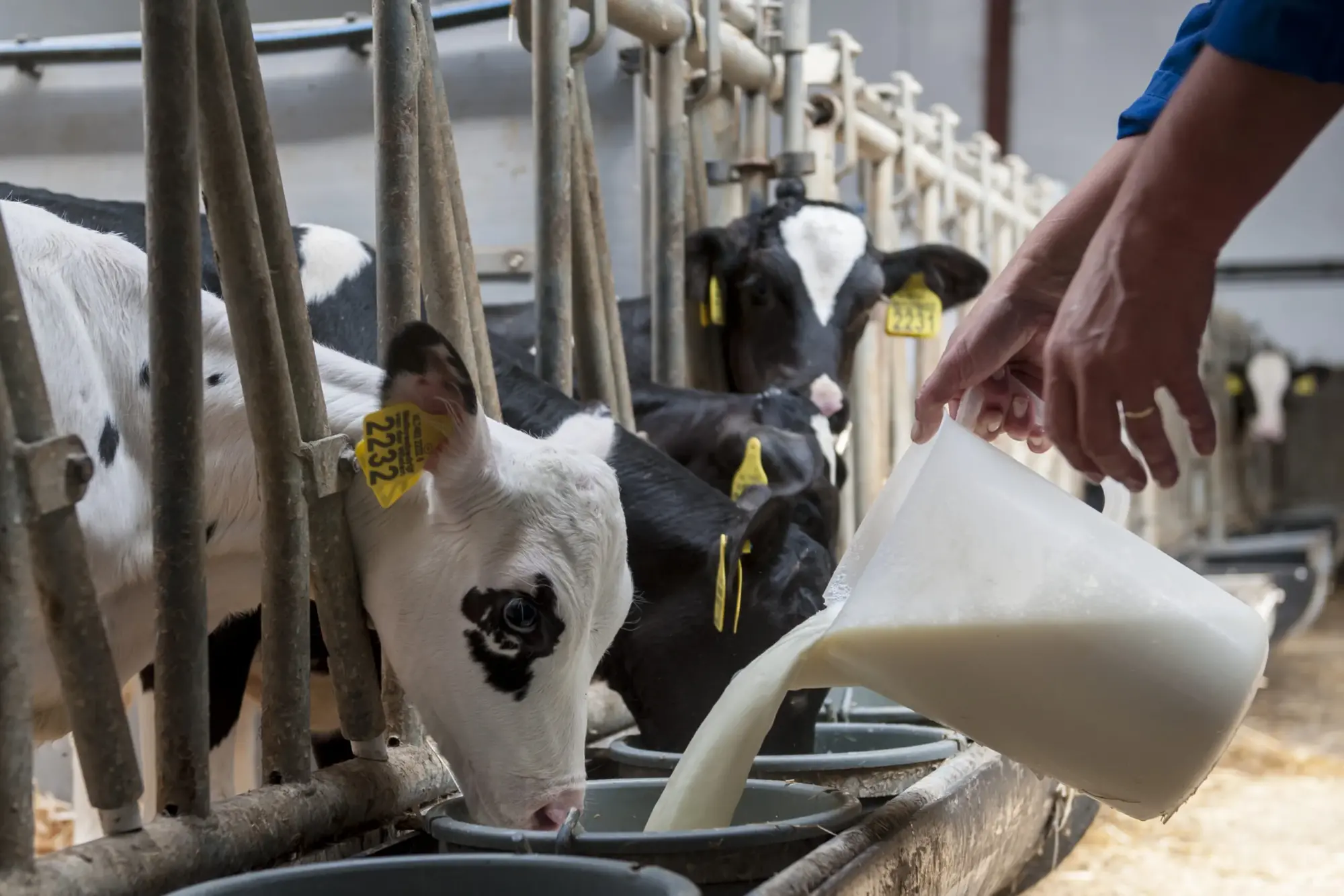
As a dairy farmer, you understand that your calves’ food dramatically influences their future health and production. The ongoing debate between milk replacers and whole milk for calf feeding is not just important; it’s crucial, especially when considering the implications for gut health. While whole milk has always been the preferred option, the increasing focus on the composition of milk replacers and their potential gastrointestinal effects is a significant development. Shannon Chick of Virginia Tech has illuminated how the fatty acids in milk replacers, particularly their ratio, influence immunological responses and inflammation. This understanding is essential; it engages, draws you into the conversation, and enables you to make informed feeding choices. Ultimately, the goal is to grow healthier, more productive calves, benefiting your dairy company.

The Evolution of Calf Nutrition: Whole Milk Versus Milk Replacers 

Whole milk has long been the staple of calves’ diet in the dairy business. This traditional approach provides a rich supply of nutrients and closely mimics calves’ natural eating habits. Dairy producers have long relied on whole milk for its balanced mix of lipids, proteins, and other critical ingredients that support development and health. However, challenges such as unpredictable milk output, high costs, and the risk of disease transmission have spurred the search for alternatives. This quest is not just a response to obstacles; it’s an opportunity for growth and health in your calves, giving you reason to be hopeful about the future.

This is when milk replacers enter the picture. They are developed to imitate the nutritional profile of whole milk, making them a simple and frequently less expensive option for feeding calves. Despite their advantages, the composition of milk replacers is still being debated. Unlike whole milk, milk replacers may include many constituents, notably fat and protein sources and ratios.

The ongoing debate over milk replacer composition is not just a matter of opinion; it’s a significant factor influencing calf health, particularly gut health. As dairy farmers and industry specialists, we play a crucial role in this debate. Our understanding and informed choices can profoundly impact calves’ digestive development, immunological function, and overall growth. This understanding is not just essential; it’s empowering. It’s a commitment to making informed choices to enhance calf-rearing techniques and, ultimately, dairy farm output.

Unpacking the Science: Shannon Chick’s Insights on Milk Replacer Composition and Calf Gut Health

Shannon Chick of Virginia Tech has studied the composition of milk replacer and its impact on calf gastrointestinal health, as reported in the Virginia Dairy Pipeline newsletter. Chick evaluated numerous significant studies that looked at the ratio of omega-6 (n-6) to omega-3 (n-3) fatty acids in milk replacer vs whole milk, highlighting how these fatty acids affect inflammatory responses and tight junction function in calves’ jejunum and ileum. Chick also reviewed studies that discriminated between milk replacers manufactured from animal and vegetable lipids and a mixture of them and evaluated their effects on growth, intake, digestibility, and gastrointestinal permeability. Although conclusive results about the ideal milk replacer composition for calves are yet unknown, Chick emphasized the relevance of these elements in continuing debates within the dairy industry.

The Crucial Role of Omega-6 to Omega-3 Ratios in Calf Gut Health 

One of the critical points raised in Chick’s analysis is the ratio of omega-6 to omega-3 fatty acids in milk replacer. Several studies have examined these ratios and found a considerable difference between the n-6:n-3 ratios in whole milk and those in commercial milk replacers. For example, although whole milk has a balanced ratio of about 5:1, many milk replacers have substantially greater ratios, sometimes exceeding 35:1 or even 40.6:1. This distinction highlights the significance of this ratio in the current argument.

The increased predominance of omega-6 fatty acids is especially relevant since they act as precursors to pro-inflammatory chemicals in the immune system. Elevated quantities of these fatty acids might cause an inflammatory response, jeopardizing gut health. Omega-3 fatty acids, on the other hand, are recognized for their anti-inflammatory properties, which may benefit gastrointestinal health and immune function in general.

According to Chick, research in the Netherlands reveals the influence of altering these ratios in milk replacers. Calves given a diet with a reduced n-6:n-3 ratio of 6.5:1 showed improved function of tight junctions in the jejunum and ileum, which are essential for nutrient absorption and gut barrier function. This indicates that a balanced or lowered n-6:n-3 ratio may strengthen the gut lining, boosting nutritional absorption and reducing the risk of gastrointestinal problems.

Despite these positive results on tight junction function, total gastrointestinal permeability remained constant. This underscores the complexities of dietary fat content and its varying impacts on calf health. While the omega-6 to omega-3 fatty acid ratio is essential, it is just one part of the complex picture of calf nutrition and gut health.

Decoding Fatty Acid Ratios: The Netherlands Study on Calf Gut Health

A research team in the Netherlands study evaluated milk replacers with varying ratios of omega-6 to omega-3 fatty acids, particularly a ratio of 40.6 to 1 against 6.5 to 1. The researchers sought to understand how these ratios affected calves’ gastrointestinal health. Notably, the research discovered that decreasing the ratio of n-6 to n-3 fatty acids improved tight junction function in the jejunum and ileum of calves, as seen by increased n-3 concentration in both tissues. However, it is essential to note that despite these alterations, gastrointestinal permeability remained unchanged by the fatty acid ratio adjustment.

Examining Fat Sources in Milk Replacers: Impacts on Calf Gut Health and Development

The content of lipids in milk replacers is an essential factor that determines calf gut health and growth. Whole milk fats have a unique structure designed by nature to aid healthy development and digestion in calves. These naturally occurring lipids are predominantly triglycerides, with a well-balanced fatty acid composition that promotes efficient nutrient absorption and utilization.

Alternative fat sources, such as animal fats, vegetable fats, or a combination of the two, have structural differences that might disrupt these processes. Animal fats have a fatty acid content similar to that of whole milk. Still, their molecular structure differs, which may impact calves’ ability to ingest and metabolize these fats. While abundant and inexpensive, vegetable fats provide a unique set of issues. Their fatty acid chains are usually longer and less saturated than those found in animal fats or whole milk, which may impede digestion and affect lipid metabolism.

Such variations in fat structure may cause various problems, including irregular development rates, digestive inefficiencies, and changes in gastrointestinal permeability. The study’s results in the Netherlands highlight that, although growth and total-tract digestibility may be unaffected, different fat sources might impact specific physiological processes, such as abomasal emptying. This emphasizes the need to carefully choose fat sources for milk replacers that closely mirror the natural composition of whole milk to maintain optimum gut health and development in dairy calves.

Abomasal Emptying: A Critical Factor Influenced by Milk Replacer Fat Sources

When evaluating the Dutch study, it is clear that the composition of milk replacer, whether derived from animal fats, vegetable fats, or a combination of the two, had no significant effects on calf growth, milk replacer intake, total-tract digestibility, or gastrointestinal permeability. Surprisingly, the variable that did elicit a reaction was abomasal emptying, with a significant difference detected with vegetable-derived lipids. These data indicate that although the fat source in milk replacers has no significant effect on primary growth and digestive parameters in calves, it does change the pace at which food is digested in the abomasum. This component may significantly affect calf feeding practices and general health.

Critical Insights for Dairy Farmers: Navigating Milk Replacer Composition for Optimal Calf Health

These studies emphasize the importance of examining milk replacer composition when determining calves’ feeding choices. While whole milk is still a traditional and popular choice owing to its natural, nutritious balance, milk replacers provide a practical alternative that can be adjusted to a herd’s unique requirements. However, differences in fatty acid ratios, notably the omega-6 to omega-3 ratio and the source of lipids utilized in milk replacers, show that not all are equal.

Dairy producers must evaluate how these elements affect calf growth, gastrointestinal health, and general development. For example, understanding how various fat sources influence abomasal emptying might affect a calf’s digestive efficiency and food intake. Furthermore, omega-6 to omega-3 fatty acids must be carefully monitored, as an uneven ratio may result in less optimum immunological and inflammatory responses in calves.

Given these results, farmers must consider alternatives and consult nutritionists or veterinarians to choose the best milk replacer for their calves. Selecting the appropriate milk replacer demands a detailed study of its nutritional makeup and possible effects on calf health, as picking a formula for human newborns does. Farmers may enhance calf health, develop more robust immune systems, and increase overall output by carefully choosing a milk replacer tailored to their herd’s needs.

The Bottom Line

Exploring the complexities of calf nutrition and milk replacers indicates that decision-making goes beyond popular understanding. Dairy producers must examine milk replacer compositions with a critical eye, notably the omega-6 to omega-3 fatty acid ratios and the source of their fat content. Modifying these ratios may help calves maintain intestinal integrity. Although the difference between animal and vegetable lipids may not significantly influence growth or overall digestibility, it can alter essential processes such as abomasal emptying. Making educated, research-backed judgments is critical to determining the best milk replacer for your calf herds. Your precise attention and adaptability might be essential to future success.

Key Takeaways:

  • Whole milk has a significantly different omega-6 to omega-3 fatty acid ratio compared to some milk replacers, which may impact inflammatory responses in calves.
  • Research indicates that adjusting the fatty acid ratios in milk replacers can influence tight junction function in the calf’s gut, although overall gastrointestinal permeability may remain unchanged.
  • Different fat sources in milk replacers—animal fats versus vegetable fats—have varied impacts on calf health. They affect abomasal emptying without altering growth or digestibility.
  • No single milk replacer formula has been proven superior, but understanding their compositions can guide better feeding decisions on the farm.
  • Farmers must weigh multiple factors, including fatty acid composition and fat sources, to ensure optimal calf development and gut health.

Summary:

The debate between milk replacers and whole milk for calf feeding is crucial, especially regarding gut health. Whole milk is a staple in dairy, providing a rich supply of nutrients and closely mimicking calves’ natural eating habits. However, challenges such as unpredictable milk output, high costs, and the risk of disease transmission have spurred the search for alternatives. Milk replacers are developed to imitate the nutritional profile of whole milk, making them a simple and often less expensive option for feeding calves. The composition of milk replacers is still being debated, with many constituents, including fat and protein sources and ratios. Understanding and informed choices can profoundly impact calves’ digestive development, immunological function, and overall growth. Shannon Chick of Virginia Tech has studied the composition of milk replacers and their impact on calf gastrointestinal health, focusing on the ratio of omega-6 (n-6) to omega-3 (n-3) fatty acids. A balanced or lowered n-6:n-3 ratio may strengthen the gut lining, boosting nutritional absorption and reducing the risk of gastrointestinal problems.

Learn more:

Irish Dairy Farmer Income Plummets by 69% in 2023

Explore the reasons behind the drastic 69% drop in dairy family farm incomes in 2023. With rising costs and declining milk prices taking a heavy toll, how are farmers navigating these tough challenges?

Imagine losing roughly three-quarters of your salary in one year. This is the hard reality for Irish dairy producers in 2023 when Family Farm Income (FFI) drops by 69%. The average FFI for the 15,319 dairy farms included in the National Farm Survey (NFS) decreased to €49,432. The primary reason was a dramatic drop in milk costs, which fell to barely 43 cents per liter. Unlike in 2022, when high prices buffered growing costs, high expenditures in 2023 outweighed lower milk profits. Energy, feed, and contractor expenses skyrocketed, offset marginally by decreasing fertilizer prices. Adverse weather and high operating expenditures contributed to a 4% decrease in milk output. Dairy producers must grasp these aspects to manage economic problems and support their livelihoods effectively.

YearAverage FFI (€)Milk Price (€/L)Average Herd SizeMilk Production Per Hectare (L)Direct Costs Per Cow (€)
2022€159,1030.659512,152€1,540
2023€49,4320.439511,669€1,612

2023: A Year of Economic Turbulence for Irish Dairy Farmers

In 2023, I depicted a bleak picture of the Irish dairy farming industry, as shown by the National Farm Survey (NFS). The study included 15,319 dairy farms throughout the agricultural landscape, offering a comprehensive view of the industry’s overall health. The financial results were harsh, with an average Family Farm Income (FFI) of €49,432, a staggering 69% decrease from the previous year. This sharp year-on-year decline in FFI highlights the increased challenges from lower milk prices and persistently high input costs, reshaping the economic environment for Irish dairy producers.

The Buffer Crumbles: Impact of Plummeting Milk Prices on Irish Dairy Incomes

YearMilk Price (cent per liter)
202135
202250
202343
Source: Teagasc National Farm Survey

The sudden drop in milk prices to 43 cents per liter by 2023 has significantly affected dairy farm earnings. This drop contrasts sharply with the previous year’s record milk prices, which acted as a cushion against rising input costs. In 2022, higher milk prices offered a financial cushion for dairy producers, protecting them from increasing feed, energy, and other input costs. However, when milk prices fell in 2023, this safety net was unexpectedly eliminated, leaving dairy farms facing increased expenditures. This fast fall weakened profit margins, lowering farm family incomes and emphasizing the fragile character of agricultural markets, where price swings may considerably impact financial stability.

A Perfect Storm: High Input Costs and Economic Strain in 2023

Cost Component2022 (€)2023 (€)Year-on-Year Change (%)
Purchased Concentrate Expenditure64,77461,535-5%
Direct Costs14,00514,7055%
Electricity, Car, and Phone10,93012,24312%
Hired Labor8,7609,1254%
Rent of Conacre8,8949,78310%
Other Overhead Costs8,4188,250-2%
Building Depreciation17,26713,814-20%
Machinery Depreciation19,47420,2594%
Machinery Operating Costs13,61712,936-5%

2023 has proved to be a challenging year for Irish dairy producers, as they face continually high input prices. Despite a slight decrease in fertilizer prices, which provided some comfort, the drop was insufficient to balance their total burden. Energy prices rose as global markets responded to geopolitical tensions and supply chain disruptions, affecting everything from milking operations to agricultural equipment. Meanwhile, concentrate feed prices rose as competition for raw resources and demand grew. Contracting costs also increased in 2023, indicating more significant labor and fuel costs that contractors had to pass on to farmers. These increased costs added to the financial burden on dairy farmers already dealing with low milk prices, resulting in substantial economic pressure.

Shifting Currents: Analyzing the 4% Decline in Irish Milk Production in 2023 

YearTotal Milk Production (M. litres)Change (%)
20218,200
20228,500+3.7%
20238,160-4%

In 2023, Irish milk output fell by 4% on average. The reduction was incredibly sharp in the fourth quarter due to high production costs, falling milk prices, and unfavorable meteorological conditions. This colliding trifecta generated a perfect storm for dairy producers. The minor decrease in fertilizer costs could not offset the high input costs caused by persistently high prices for electricity, concentrate feed, and contractual services. Combined with drastically reduced milk prices, the economic sustainability of many dairy enterprises was severely stretched.

Weather factors exacerbated farmers’ output challenges. Weather fluctuation decreased milk production and increased operational unpredictability, making it more difficult for farmers to plan and manage their resources effectively. The combination of these variables resulted in a significant drop in output during the fourth quarter, underscoring the sector’s susceptibility to economic and environmental challenges.

In this environment, actions to stabilize input prices and protect against market volatility may be critical in cushioning the dairy industry from future downturns. Furthermore, establishing techniques to better deal with severe weather patterns will be essential to ensuring Irish dairy producers’ long-term production levels and economic resilience.

Navigating Shifting Financial Currents: Key Farm Expenditure Changes in 2023 

Category2022 (€)2023 (€)Year-on-Year Change (%)
Purchased Concentrate Expenditure64,77361,535-5%
Other Direct Costs13,95714,7055%
Machinery Depreciation19,47020,2594%
Machinery Operating Costs13,62212,936-5%
Car, Electricity, and Phone10,92712,24312%
Hired Labor8,7729,1254%
Rent of Conacre8,8959,78310%
Building Depreciation17,26813,814-20%
Other Overhead Costs8,4188,250-2%
Fuel, Building Maintenance, and Land Improvement5,000 (approx.)4,500 (approx.)-10%

The financial dynamics of 2023 demonstrated significant changes in several agricultural expenses for the typical dairy farm. Notably, concentrate feed cost reached €61,535, representing a 5% drop over the previous year. This led to an average feed amount of 1,207 kg per dairy cow, a slight decrease from 2022.

Other direct expenditures, which include various things necessary to everyday operations, increased by 5% to an average of €14,705. These costs include expenses for vital goods that maintain the farm’s seamless operation despite changeable economic situations.

Overhead expenses showed diverse patterns. While building depreciation fell 20% to €13,814, equipment depreciation increased 4% to €20,259. Despite the rise in depreciation, equipment operating expenses dropped by 5% to €12,936. A significant 12 percent increase in automobile, power, and phone service charges compounded the spending, resulting in an average expense of €12,243. Hired labor costs increased by 4%, reaching €9,125 on average, while conacre rental expenses increased by 10%, to €9,783.

In contrast, certain overhead expenses were reduced. Key examples include a 2% drop in other overhead costs, bringing the average to €8,250, and decreased fuel, building maintenance, and site improvement expenses, ranging from €3,000 to €6,000 on average.

A Staggering Shift: The Decline of Irish Dairy Farm Incomes in 2023

Income Range (€)2022 (%)2023 (%)
<30,00010%39%
30,000 – 50,00011%19%
50,000 – 70,00010%15%
70,000 – 100,00010%12%
>100,00064%15%

The Teagasc National Farm Survey shows that the economic environment for Irish dairy farmers has transformed substantially by 2023. The number of farms reporting an average Family Farm Income (FFI) of less than €30,000 increased significantly, reaching 39%. This compares sharply with 2022, when more farms were in the upper-income groups. Concurrently, the fraction of farms with the most significant revenue dropped from 64% in 2022 to 15% in 2023. The income distribution slump shows dairy producers have substantial financial issues due to low milk prices and high input expenses.

Disparities in Dairy Farm Income: Analyzing Farm Size and Operational Intensity

Farm Size (hectares)Average FFI (€)FFI per Hectare (€)Stocking Rate (LU/ha)Milk Production per Cow (liters)
<3015,0005001.85,000
30-5037,5001,2502.15,300
50-7050,0001,0002.35,400
70-10065,0009502.55,600
>10085,0008502.65,700

Examining farm size and intensity showed a significant difference in average Dairy Farm Family Income (FFI) across farm size classes. This discrepancy is notably noticeable among bigger farm sizes, where FFI varies greatly. Figure 15 shows that smaller farms often face lower revenues, and more giant farms see a more excellent range of financial outcomes.

Smaller farms (usually 30 to 50 hectares) tend to report lower average FFI. This tendency may be explained by restricted economies of scale and more significant relative input costs. On the other hand, farms of 50 to 100 hectares frequently benefit from modest economies of scale, which may help offset certain fixed costs, increasing the average FFI. However, even within this mid-range group, the FFI may vary significantly depending on herd management tactics, input cost control, and market access.

The giant farms with more than 100 hectares show the most significant fluctuation in FFI. These farms have the potential to benefit considerably from economies of scale, but they also face particular problems that might affect profitability. For example, the more significant capital inputs necessary for extended operations and the difficulty of maintaining vast herds may result in substantial financial discrepancies in performance. Some big farms may attain very high FFIs on one end of the spectrum owing to efficient operations and good market circumstances. Others may suffer from high loan payment costs and milk price volatility, resulting in lower-than-expected profits.

Furthermore, the intensity of agricultural methods influences FFI. Higher-intensity operations, defined by higher stocking rates and more intense use of inputs, may increase gross production while increasing costs, especially in difficult economic climates such as 2023. This situation leads to a large variety of FFI results, even on farms of comparable size.

Although more giant dairy farms can attain higher average FFIs, they also have a more comprehensive revenue range. This diversity demonstrates the complex interplay between farm size, management approaches, and economic circumstances in creating financial outcomes.

Regional Disparities in Irish Dairy Farming: Challenges and Opportunities Across East, Midlands, North, West, and South

The variety of dairy farm architecture throughout Ireland’s regions highlights the varied problems and possibilities that farmers confront in various geographical zones. According to the 2023 Teagasc National Farm Survey, the East and Midlands, North and West, and South areas have unique land acreage, herd numbers, and financial performance, reflecting historical patterns and current economic trends.

On average, dairy farms in the East and Midlands region have the most significant land area, covering 77 hectares, and the highest herd numbers, averaging 117 cows. Financially, this area has a more significant average farm debt of €139,878, owing to considerable investments of €47,887 per farm. The FFI (Family Farm Income) for these farms is at €56,124. However, when corrected for unpaid work, it drops dramatically to €35,557 per unpaid labor unit, showing a dependence on family labor and a possible pressure on sustainability.

Meanwhile, the South area, regarded as the traditional dairy heartland, is home to most of Ireland’s dairy farms (72% of the total). The typical dairy farm in this area is 64 hectares in size, with 95 cows on the property. The financial parameters for the South show an average farm debt of €88,606 and an investment level of €45,495. The regional average FFI is €54,327. However, accounting for unpaid work, it climbs to €40,224 per unpaid labor unit, demonstrating a slightly healthier financial structure than the East and Midlands but with underlying stresses.

The North and West regions provide a contrasting image, with lower average farm holdings of 56 hectares and herd numbers of 72 cows. This area also has the lowest agricultural debt, at €67,570, and the most minor investment per farm, at €36,404. As a result, the FFI is much lower, at €28,906, and after accounting for unpaid work, the adjusted FFI drops to €12,722 per unpaid labor unit. These numbers indicate the fragility and financial restrictions of dairy farms in this area and the restricted capability for investments and expansion.

This regional research reveals severe inequalities in the Irish dairy industry, highlighting the need for region-specific policies and support systems to guarantee the profitability and sustainability of dairy farming across Ireland. Such tailored initiatives are critical for addressing farmers’ specific concerns, ranging from high investment needs in the East and Midlands to the financial resilience needed in the North and West.

The Structural Transformation of Irish Dairy Farming: Trends in Milk Production, Herd Size, and Land Use

Significant structural changes have transformed Irish dairy farms, as seen by major patterns in milk output per hectare, average herd size, and land usage. Despite periodic instability caused by lousy weather and shifting milk prices, the average amount of milk produced per acre has steadily increased since 2015. In 2023, milk output per acre fell 4% to 11,669 liters. Concurrently, the average milk output per cow decreased by 5% to 5,461 liters.

The average herd size has grown dramatically, from 64 cows per farm in 2013 to 95 cows by 2023. This rise in herd size corresponds to an increase in total livestock units, indicating that more animals were maintained as replacements.

Regarding land usage, dairy farms’ average utilized agricultural area (UAA) fell marginally, from 65.2 hectares in 2022 to 64.3 hectares in 2023. The average dairy pasture area was also reduced by 3% to 44 hectares. These trends highlight the dynamic character of Irish dairy production and the constant adaptations required to address economic and environmental issues.

The Bottom Line

In 2023, Irish dairy farmers experienced financial insecurity due to a dramatic reduction in milk prices and high production expenses, leading to a 69% loss in farm revenue. National milk output decreased by 4%, particularly in the fourth quarter. Although fertilizer prices were reduced, electricity, feed, and contracting costs increased. Machinery upkeep, labor, and land leasing all saw a rise in cost. Regional inequalities highlight financial issues in the East, Midlands, North, West, and South, with more giant farms seeing unique consequences. Farmers have adapted by changing herd numbers, land usage, and milk output. It is critical to look at other income sources and cost-cutting strategies. Policies that reduce price volatility and give input cost subsidies are required. Irish dairy producers’ perseverance and innovation are critical to ensuring a long-term, profitable future.

Key Takeaways:

  • The average Dairy Family Farm Income (FFI) in 2023 was €49,432, reflecting a significant 69% decrease from the previous year.
  • A sharp decline in milk prices to 43 cents per liter was a primary factor behind the reduced FFI.
  • Despite a decline in fertilizer costs, other input costs such as energy, concentrate feed, and contracting increased, exacerbating financial pressures.
  • Overall, Irish milk production decreased by just over 4% in 2023, with a notable falloff in the final quarter.
  • Gross output on dairy farms typically decreased by 27% relative to 2022 due to lower volume and value of output.
  • Production costs remained high, with only a 1% decrease from the previous year’s high levels.
  • Average feed use per cow showed slight reductions but varied significantly based on specific farm characteristics.
  • Overhead costs saw mixed changes, with some elements like building depreciation decreasing, while others like machinery depreciation and operating costs fluctuated.
  • Regional disparities were evident, with the majority of dairy farms located in the South, which also had different financial and structural characteristics compared to other regions.
  • Significant structural changes in Irish dairy farming included increases in herd sizes and changes in land use and production per hectare over recent years.

Summary:

In 2023, Irish dairy producers experienced a significant economic downturn, with an average Family Farm Income (FFI) dropping by 69% from the previous year. This decline was primarily due to a drop in milk costs, which fell to just 43 cents per liter. The National Farm Survey (NFS) showed a bleak picture of the Irish dairy farming industry, with an average FFI of €49,432, a 69% decrease from the previous year. Irish milk output fell by 4% on average, particularly in the fourth quarter, due to high production costs, falling milk prices, and unfavorable meteorological conditions. Key farm expenditure changes revealed significant changes in agricultural expenses for the typical dairy farm, with concentrate feed cost reaching €61,535, other direct expenditures increasing by 5% to an average of €14,705. Overhead expenses showed diverse patterns, with building depreciation falling 20% to €13,814, equipment depreciation increasing 4% to €20,259. Hired labor costs increased by 4% to €9,125, and conacre rental expenses increased by 10% to €9,783.

Learn more:

Managing Veterinary Medicine Shortages: Essential Tips for Dairy Cattle Producers

Facing veterinary medicine shortages for your dairy cattle? Discover essential tips to manage supply issues and ensure your herd’s health with expert advice.

Imagine standing in your supply room, ready to do herd health checks, only to discover empty shelves. This circumstance is becoming prevalent among dairy cow farmers. Veterinary medication shortages influence dairy herd health and production, with factors such as manufacturing troubles, distribution interruptions, ingredient scarcity, and transit cold chain failures to blame.

These interruptions underscore the need to develop solid and proactive connections with veterinarians to guarantee that animal health supplies are accessible when required. Almost all of the top 40 cattle production products have experienced shortages in the last five years, and this trend is expected to continue.

Dairy producers rely heavily on herd health to make ends meet. Unpredictability in supply may cause serious problems, such as disease outbreaks and lost production. By remaining educated and working closely with their vets, dairy producers may better handle these shortages and keep their herds healthy and productive.

Unpacking the Complex Causes Behind Veterinary Medicine Shortages 

Veterinary drug shortages have far-reaching consequences, frequently originating from complex supply chain challenges. Manufacturing and batch failures are common causes that may disrupt production lines and postpone the supply of critical items. These interruptions, caused by equipment failures or quality control concerns, greatly restrict the continuous supply of medical supplies.

Furthermore, distribution disruptions are crucial. Transportation strikes, natural catastrophes, and geopolitical conflicts may all disrupt product delivery, aggravating the shortage of critical pharmaceuticals. Another essential element is the scarcity of ingredients. Some active pharmaceutical compounds are acquired from a select group of worldwide sources. Economic sanctions, bad harvests, and supplier bankruptcies are all examples of supply chain disruptions that may cause widespread shortages.

Furthermore, failures in refrigeration during transportation might jeopardize the effectiveness of temperature-sensitive items. Improper handling, equipment failures, or delays expose items to improper temperatures, rendering them unfit. Issues with active components might lead to shortages. For example, an active component is urgently required in human medicine. In that case, its allocation to veterinary medicine may be deprioritized, adding to the shortage of animal health products.

The Far-Reaching Impact on Dairy Cattle Production 

Veterinary medication shortages have a considerable influence on dairy cow production, reducing both health and productivity. Insufficient access to essential health items may hinder herd health, thus influencing milk output and profitability. For example, relying on a single manufacturing site for crucial materials might cause significant problems if it closes abruptly. This identifies a weakness that might exacerbate shortages.

Furthermore, prioritizing human health demands often trumps animal health, complicating the supply situation for dairy farmers. Many active compounds found in animal pharmaceuticals are equally important in human health. Human health demands take priority when there are shortages, resulting in additional cattle scarcity. While reasonable, this forces farmers to look for alternatives that are not always practicable or accessible.

Finally, frequent and unanticipated shortages of veterinary drugs impede everyday cattle management. Producers must make complex judgments regarding changing or postponing health-maintenance practices. These actions may lead to higher illness occurrences, reduced milk output, and substantial financial pressure.

Proactive Measures in Managing Veterinary Medicine Shortages for Dairy Cattle Producers 

Proactive approaches are critical for addressing veterinary drug shortages in dairy cow production. Producers must establish excellent working connections with veterinarians, who may advise on alternate treatments and product availability. Maintaining a supply of necessary medications and preserving them correctly is crucial. Monitoring expiration dates ensures that medications are utilized successfully and replacements are obtained promptly, preventing substantial supply interruptions.

Navigating the Use of Just-Expired Veterinary Medicines

Handling expired goods is an intricate part of controlling veterinary drug shortages. It is essential to consult a veterinarian regarding the effectiveness of these treatments. While expiry progressively diminishes potency and efficacy, it only reaches zero after some time. Products that have just expired might be better than nothing. However, it is essential to note that selling outdated items is unlawful. Their usage should only be considered if you already have them and have had a comprehensive consultation with a veterinarian.

Innovative Strategies to Circumvent Veterinary Medicine Shortages 

Alternative ways may significantly reduce the effect of veterinary medication shortages. Split-dosing vaccination is a common approach used in the swine business. Administering half doses to regulate restricted vaccination supply may help to save cattle during vital times. Please discuss this with your veterinarian to determine whether it applies.

Another feasible option is to examine generic or comparable products. While these alternatives may limit the supply of other related treatments, they may fill a gap during a scarcity. Ensure that these alternatives fulfill the effectiveness guidelines for your animals.

Non-specific immune stimulant medicines provide broad protection against various bacterial and viral illnesses. These medications may lessen reliance on individual vaccinations by increasing the general immune response, alleviating the strain on limited resources.

A multimodal strategy, such as split-dosing, generic alternatives, and immune stimulants, may provide realistic answers to veterinary drug shortages.

Local Pharmaceutical Interventions: A Pillar of Stability in Veterinary Medicine Supply Chains: Local pharmaceutical enterprises can help alleviate essential shortages. For example, lidocaine was rare until regional manufacturing helped the veterinary and human healthcare industries. This emphasizes the significance of local manufacturing skills in maintaining supply chains and assuring continuity in animal health management. Local pharmaceutical enterprises can help alleviate essential shortages. For example, lidocaine was rare until regional manufacturing helped the veterinary and human healthcare industries. This emphasizes the significance of local manufacturing skills in maintaining supply chains and assuring continuity in animal health management.

Human counterparts may be used as interim treatments when veterinary-specific drugs are unavailable. While rules and quantities vary, they may give temporary relief. The pharmaceutical sector may also use emergency drug releases to acquire required pharmaceuticals quickly. Producers should engage with their veterinarians to properly handle legal and safety issues during such vital times.

Optimizing Herd Health: Strategic Vaccination Adjustments and Enhanced Colostrum Management

During shortages, consider limiting the frequency of immunizations for illnesses including pinkeye, foot rot, leptospirosis, and vibriosis. While necessary, these immunizations may be spread out when supplies are limited without jeopardizing herd health. Consult with your veterinarian regularly to build a strategic immunization strategy. Improving colostrum management is another critical step. High-quality colostrum given immediately to babies increases immunity and may lessen the need for repeated immunizations. Non-specific immune stimulants may also widen immunity in the absence of particular vaccinations.

Mitigating Stressors: A Cornerstone in Reducing Dependency on Vaccines and Antimicrobials 

Reducing reliance on vaccinations and antimicrobials requires minimizing stress. Stressors such as parasites, flies, lice, inadequate nutrition, high ambient temperatures, and calving may exacerbate cattle health problems, increasing disease susceptibility. Addressing these stresses may enhance herd health and reduce the need for intensive medical treatments. Implementing efficient parasite control programs, controlling flies and lice, giving specialized feed, maintaining ideal environmental conditions, and providing assistance during calving are all critical. These approaches improve herd health and contribute to long-term veterinary medication usage, allowing for more effective shortage management.

The Bottom Line

Proactive management and strategic planning are critical in veterinary medication shortages. Dairy cow farmers confront issues such as production interruptions and ingredient shortages. A solid cooperation between farmers, veterinarians, and pharmaceutical corporations is essential for preserving cattle health and production. Consistent communication with veterinarians, predicting requirements, and controlling supplies may all assist in reducing shortages. Exploring alternate goods, using creative tactics such as split-dosing, and using local pharmaceutical solutions might help mitigate supply interruptions. Optimizing herd health via vaccine changes and stress reduction may reduce reliance on restricted resources. The dairy farming community can improve its resilience to future shortages by developing solid relationships and implementing forward-thinking strategies. Integrating technology to simplify operations and pressing for improved production capacities are required. Collaboration and innovation guarantee that our cattle get the best care despite supply chain challenges.

Key Takeaways:

  • Cattle producers face inconsistent supplies of essential animal health products due to varied reasons such as manufacturing failures, distribution interruptions, and ingredient unavailability.
  • The need to maintain a strong relationship with veterinarians and supply companies is paramount in ensuring timely access to necessary medications.
  • Proper stock management, including keeping an advance supply and ensuring correct storage conditions, can significantly buffer against shortages.
  • Exploring alternative solutions, such as the use of generic products or emergency drug releases, can mitigate the impact of specific shortages.
  • Reduction in vaccination frequency for certain diseases and enhancements in colostrum management can offset the lack of specific vaccines.
  • Addressing stressors in livestock can decrease the reliance on vaccines and antimicrobials, promoting overall better health in the herd.
  • Collaboration and mutual support within the industry are essential to navigate and overcome the unpredictability of veterinary medicine shortages.

Summary:

Veterinary medication shortages are affecting dairy cow farmers’ herd health and production, with almost all top 40 cattle production products experiencing shortages in the last five years. Factors such as manufacturing issues, distribution interruptions, ingredient scarcity, and transit cold chain failures contribute to these shortages. Unpredictability in supply can lead to serious problems, such as disease outbreaks and lost production. Complex causes include manufacturing and batch failures, distribution disruptions, ingredient scarcity, economic sanctions, bad harvests, and supplier bankruptcies. Insufficient access to essential health items may hinder herd health, affecting milk output and profitability. Proactive measures, such as establishing good working connections with veterinarians, maintaining a supply of necessary medications, and monitoring expiration dates, are critical for addressing veterinary drug shortages.

Learn more:

Jersey vs. Holstein: Which Dairy Breed Delivers Greater Profitability for Farmers?

Find out whether Jersey or Holstein cows are more profitable for farmers. Learn about differences in milk production, feed efficiency, and costs to help make a smart decision.

Have you ever wondered why specific dairy farms succeed while others fail? The breed of cow you pick greatly influences your farm’s profitability. This article delves into the profitability of Jersey and Holstein cows, equipping you with the knowledge to make informed investment choices. Understanding milk output, feed efficiency, and total expenses is crucial in choosing the breed that will benefit your bottom line. With rising feed prices and growing environmental concerns, selecting the correct cow breed is more important than ever. Join us as we compare Jersey and Holstein cows regarding milk output and income, feed efficiency and cost, environmental sustainability, and breed transition. By the end, you’ll understand the factors influencing dairy farm profitability and know which breed generates the most profits. 

Holsteins: Pioneers of Dairy Profitability Through Superior Milk and Component Production 

BreedAnnual Milk Production (lbs)Component Production (lbs)Annual Revenue ($)
Holstein25,0001,5004560
Jersey18,0001,2004104

The economic advantage of Holsteins stems from their more excellent milk and component output. Holsteins reduce fixed costs by producing more milk and critical components such as fat and protein, increasing overall income. Their large component output, around 810 extra pounds annually, generates a substantial financial boost, resulting in approximately $456 more per cow yearly than Jerseys. This significant difference makes Holsteins the favored option in commercial dairy businesses that want to maximize milk supply and component volume for economic success.

Maximizing Revenue through Higher Milk and Component Output

Holsteins’ increased milk output per cow contributes significantly to their profitability by lowering fixed production costs. Holsteins may spread out expenditures such as housing, labor, and equipment usage by generating more significant quantities of milk and milk components across a lactation period, which do not vary much with the amount of milk produced. This cost dilution implies that the per-unit cost of milk production falls as output rises, allowing for more significant margins and overall income. As a result, the higher yield per cow covers fixed expenditures more effectively and increases total profitability, providing Holsteins a considerable economic edge over other breeds.

Bridging the Profitability Gap: Enhancing Jersey Milk Production for Competitive Advantage

Although Holsteins now have a significant economic advantage, Jerseys have the potential to close the gap via focused improvements in their milk production capacity. Increasing Jerseys’ daily milk supply from 60 to 70 pounds while retaining high component concentrations is a possible technique for bringing their profitability in line with that of Holsteins. Furthermore, Jerseys’ inherent efficiency as feed converters—producing 1.75 pounds of energy-corrected milk per pound of dry matter—shows that they may increase milk production without raising feed expenditures. With an emphasis on selective breeding and optimum nutrition, Jerseys have the potential to meet, if not exceed, Holstein earnings.

Comparative Feed Efficiency: The Subtle Edge of Jerseys in Dairy Sustainability

BreedFeed Efficiency (lbs of Energy-Corrected Milk per lb of Dry Matter Consumed)Feed Cost per lb of Fat ($)
Jersey1.751.82
Holstein1.671.97

When comparing feed efficiency between Jersey and Holstein cows, it is clear that Jerseys have a slight edge. Jersey cows produce around 1.75 pounds of energy-corrected milk per pound of dry matter ingested, whereas Holsteins produce roughly 1.67 pounds. Energy-corrected milk is a measure that accounts for the energy content of the milk, providing a more accurate comparison of feed efficiency. This marginal efficiency advantage means that Jersey cows produce more milk from the same amount of feed. As a result, although producing less milk in total volume, Jersey’s greater feed conversion rate may significantly improve cost-effectiveness and overall sustainability in dairy operations.

Economic Edge: Leveraging Lower Feed Costs of Jerseys for Enhanced Dairy Profitability 

Since feed costs account for a considerable amount of overall dairy production expenses, Jerseys’ reduced feed cost per pound of fat is a significant benefit. Jerseys had a feed cost of $1.82 per pound of fat against $1.97 for Holsteins. Although this difference may look tiny, it adds up over time, resulting in significant savings. For farms producing substantial milk, cumulative feed cost savings might result in considerable financial gains. This reduced feed cost boosts profitability per cow. It improves total herd profitability, establishing Jersey cows as a cost-effective alternative for dairy producers looking to reduce expenditures without losing output.

Environmental Efficiency and Sustainability: The Jersey Advantage

Resource UtilizationJerseyHolstein
Water Usage32% lessStandard
Land Usage11% lessStandard
Fossil Fuel Consumption21% lessStandard
Greenhouse Gas EmissionsLowerHigher

Incorporating Jerseys into dairy production may have tremendous environmental advantages. The dairy industry is increasingly focusing on resource management and reducing environmental impact. According to research, Jerseys use 32% less water, 11% less land, and 21% less fossil fuels to achieve the same output as Holsteins. This efficiency leads to a lesser environmental imprint. Furthermore, Jerseys emit fewer greenhouse gasses per unit of milk, making them suitable for farmers who prioritize sustainability. According to studies, it would take 109 Jersey cows to produce the same amount of cheese as 100 Holstein cows, but with 80% less greenhouse gas emissions and fewer resource needs. This trend in the dairy industry provides a strategic advantage for profitability and sustainability.

Efficiency-Driven Dairy Farming: The Role of Jersey-Hybrids in Modern Operations 

Modern dairies increasingly concentrate on improving efficiency and feed conversion to increase profitability. This tendency influences breed selection since efficient feed-to-milk conversion lowers operating costs and improves sustainability. Jerseys, for example, excel in feed conversion, producing 1.75 pounds of energy-corrected milk per pound of dry matter, compared to Holsteins’ 1.67 pounds. This advantage enables better returns on feed investments, making Jerseys an attractive alternative when feed prices increase.

Furthermore, the emphasis on efficiency has sparked interest in crossbreeding projects combining the qualities of both breeds. Crossbreeding Holsteins with Jerseys allows you to combine Holsteins’ high milk volume with Jerseys’ remarkable feed efficiency and environmental advantages. However, it’s important to note that crossbreeding projects also come with challenges, such as the need for careful genetic selection and management. Dairy producers increasingly utilize genetic data and performance measures to identify the most productive and sustainable breed combinations.

As the dairy business shifts toward leaner production practices, breed selection becomes more critical. Producers will use data-driven insights and genetic improvements to choose breeds that optimize milk yield while maintaining excellent feed conversion rates and a reduced environmental impact, satisfying profitability and sustainability objectives.

Strategic Breed Selection: Data-Driven Decisions for a Sustainable Future

Transitioning from Holsteins to Jerseys may be attractive owing to environmental advantages and improved feed efficiency. However, the situation is more complicated. Dairy farms contain infrastructure such as milking parlors and accessible stalls mainly intended for Holstein cattle. Retrofitting existing facilities to accommodate more miniature Jersey cows might be expensive, hurting profitability during the shift.

Holsteins produce more milk and components, making greater use of fixed expenditures like land, labor, and infrastructure. Each Holstein cow makes more money than a Jersey cow in the same area, resulting in increased profitability under the current structure. While Jerseys have their advantages, the economic consequences of switching breeds must be carefully considered.

Optimizing Fixed Costs: Holsteins’ Superiority in Facility Utilization Enhances Dairy Profitability

Holstein cows considerably improve dairy farm economics by increasing milk and component yields, resulting in more excellent cash per cow. By producing more milk, Holsteins distribute fixed production expenditures such as housing, milking equipment, and upkeep across a broader output. This reduces overhead costs per milk unit, increasing total profitability without further infrastructure expenditures. In facilities constructed for Holsteins, these cows maintain an economic advantage, making the switch to Jerseys less economically viable owing to decreased income per stall.

The Bottom Line

The decision between Jersey and Holstein cows is crucial to dairy production success. This comparison demonstrates Holsteins’ present income advantage owing to increased milk output and component yields. Jerseys, noted for their feed efficiency and sustainability, have a significant potential to close the profitability gap via focused productivity increases. Farmers should assess these elements against their individual requirements and operational setups. Ultimately, deliberate breed selection may result in increased profitability and environmental efficiency. Consider your conditions and make educated decisions to maximize the profitability of your dairy farm.

Key Takeaways:

  • Holstein cows generate approximately $456 more profit per cow annually compared to Jersey cows.
  • Holsteins achieve higher profitability primarily due to producing an additional 810 pounds of components per year.
  • Jersey cows demonstrate superior feed efficiency, converting 1.75 pounds of energy-corrected milk per pound of dry matter consumed compared to Holsteins’ 1.67 pounds.
  • The feed cost per pound of fat is lower for Jerseys at $1.82, versus $1.97 for Holsteins, contributing to their cost-effectiveness.
  • Jerseys are more environmentally sustainable, requiring less body mass, reducing greenhouse gas emissions, and needing less water and land for equal cheese production.
  • Transitioning facilities from Holstein to Jersey cows is generally not cost-effective due to infrastructure and fixed cost considerations designed for Holsteins.
  • Targeted productivity improvements in Jerseys can potentially bridge the profitability gap with Holsteins, making them equally viable for dairy operations.

Summary:

The article compares the profitability of Jersey and Holstein cows, focusing on milk output, feed efficiency, and total expenses. Holsteins have a significant economic advantage due to their superior milk and component output, reducing fixed costs and resulting in a $456 per cow yearly increase. Jerseys can bridge this gap by improving milk production capacity and efficiency as feed converters, producing 1.75 pounds of energy-corrected milk per pound of dry matter. They also have a slight edge in dairy sustainability, producing around 1.75 pounds of energy-corrected milk per pound of dry matter ingested. The Jersey breed also offers significant environmental advantages, using 32% less water, 11% less land, and 21% less fossil fuels to achieve the same output, making them suitable for farmers focusing on sustainability.

Learn more:

EU Dairy Sector Faces Production Declines Amid Policy Changes and Trade Developments

Learn why EU dairy production is expected to drop due to policy changes and new trade agreements. Will cheese production continue to grow while other dairy products decline?

Milk output is predicted to decrease from 149.3 million metric tonnes in 2023 to 148.9 MMT this year. Dairy professionals must understand these changes and their ramifications. This minor decrease is more than simply a figure; it represents more profound industry shifts impacted by rules on cow numbers and milk production efficiency. These developments are not isolated; they are part of a more significant revolution fueled by legislative shifts, economic constraints, and environmental obligations. The Common Agricultural Policy (CAP) and EU Green Deal programs influence farm economics and production decisions.

Meanwhile, regulations such as the Autonomous Trade Regulation, enacted in reaction to geopolitical crises, can affect feed pricing and supply. Understanding these factors is essential for grasping opportunities in the face of change. Join us as we discuss these critical problems facing the dairy business.

ProductProduction in 2023 (mmt)Production in 2024 (mmt)% Change
Milk149.3148.9-0.3%
Cheese10.5610.62+0.6%
Butter2.352.30-2.1%
Non-Fat Dry Milk (NFDM)1.721.62-5.8%
Whole Milk Powder (WMP)1.281.23-3.9%

The Intricate Weave of Policies Shaping the EU Dairy Sector 

The complex web of rules in the European Union is transforming the dairy industry. The Common Agricultural Policy (CAP) and the EU Green Deal are at the forefront of this transition. Revisions to the CAP, spurred by farmer protests in early 2024, are changing output incentives and operational standards. While these modifications improve sustainability, they also constrain dairy producers’ ability to keep or grow cow numbers. Parallel to the CAP, the EU Green Deal aims to reduce greenhouse gas emissions directly affecting cattle production. The Green Deal’s provisions for reducing animal numbers to decrease methane emissions have resulted in smaller dairy herds. According to an impartial analysis, these climatic objectives would reduce cattle productivity by 10-15%. 2024 EU milk output is predicted to fall from 149.3 million metric tons by 2023 to 148.9 million. This emphasizes the difficulty of reconciling sustainability with the economic realities of dairy production. As the industry navigates these constraints, regulatory compliance and production sustainability will determine the future of EU dairy. This interaction between policy and production necessitates reconsidering how agricultural and environmental objectives might promote ecological and economic sustainability.

USDA GAIN Report Signals Minor Dip in EU Milk Production Amid Policy-Induced Shifts

According to the USDA GAIN research, EU milk production is expected to fall slightly, from 149.3 million metric tonnes in 2023 to 148.9 million metric tonnes in 2024, owing to regulations impacting cow numbers and milk yield. The research also anticipates a 0.3% decrease in industry usage consumption. While cheese output is forecast to increase by 0.6% to 10.62 million metric tons, other essential dairy products will likely fall. Butter is expected to decline by 2.1%, nonfat dry milk by 5.8%, and whole milk powder by 3.9%, underscoring the industry’s more significant issues and adjustments.

Cheese Production: The Cornerstone of the EU Dairy Processing Industry 

The EU dairy processing business relies heavily on cheese production to meet high consumer demand in Europe and beyond. Cheese, deeply rooted in European culinary traditions, is a household staple in various foods. Its extended shelf life compared to fresh dairy products offers logistical advantages for both local and international commerce. Cheese’s versatility, ranging from high-value aged sorts to mass-market variants, enables manufacturers to access a broader market segment, enhancing profitability.

Cheese manufacturing is consistent with the EU’s aims of sustainability and quality. The procedure allows for more effective milk consumption, and byproducts such as whey may be utilized in other industries, minimizing waste. Cheese manufacturing supports many SMEs throughout the EU, boosting rural employment and community development.

EU-27 cheese output is expected to reach 10.62 million metric tonnes (MMT) in 2024, up 0.6% from 2023. This rise not only indicates strong market demand but also underscores the importance of cheese in the EU dairy sector’s strategy. The predicted growth in cheese exports and domestic consumption provides confidence in the industry’s direction and its ability to meet market demands.

Declining Butter, NFDM, and WMP Production Amid Strategic Shifts 

Butter, nonfat dry milk (NFDM), and whole milk powder (WMP) output are expected to fall by 2.1%, 5.8%, and 3.9%, respectively, reflecting more significant developments in the EU dairy industry. These decreases indicate a purposeful shift toward cheese manufacturing, prompted by market needs and legislative constraints. Reduced butter output may impact local markets and exports, possibly raising prices. Similarly, reducing NFDM and WMP output may affect sectors like baking and confectionery, requiring supply chain modifications and altering global trade balances. These modifications may also reflect the EU Green Deal and amended Common Agricultural Policy (CAP) ideas. Prioritizing cheese production, which generates greater economic returns and corresponds to current consumer trends, is a practical technique. However, this move may jeopardize dairy industry sustainability initiatives, emphasizing the need for continual innovation. The reduction in production in these dairy divisions influences global economic dynamics, trade ties, and market competitiveness. Adapting to these developments necessitates balancing quality standards, environmental compliance, and shifting customer choices that prioritize animal care and sustainability.

A Promising Trajectory for Cheese Exports and Domestic Consumption 

Forecasts for the rest of 2024 indicate a robust trend for EU cheese exports and domestic consumption. This expansion is driven by strategic export efforts and shifting consumer tastes, with cheese remaining fundamental to the EU’s dairy industry. Domestically, cheese is becoming a household staple, reflecting more excellent animal welfare standards and sustainable techniques. On the export front, free trade agreements and market liberalization, particularly after Brexit, create new opportunities for EU dairy goods. Cheese output is expected to exceed 10.62 million metric tons, demonstrating the sector’s flexibility and relevance in supplying local and international demand. As cheese exports increase, the EU may improve its market position by employing quality assurance and international certifications. Increased demand is anticipated to encourage more innovation and efficiency in the business, keeping the EU dairy market competitive globally.

Striking a Balance: Navigating Strains and Sustainability in EU Dairy Policies 

Stringent rules under the Common Agricultural Policy (CAP) and the EU Green Deal provide considerable hurdles to the EU dairy industry. Due to these rules, dairy producers suffer financial constraints, which require expensive investments in sustainable techniques without corresponding financial assistance. The Green Deal’s decrease in greenhouse gas emissions necessitates costly modifications to agricultural operations, such as improved manure management systems, methane-reducing feed additives, and renewable energy investments. These financial pressures are exacerbated by market uncertainty, making farmers’ livelihoods more vulnerable.

Farmers claim that the CAP’s emphasis on lowering animal numbers to fulfill environmental standards jeopardizes the profitability of dairy farming, especially for small, family-run farms that need more resources to make required improvements. The emotional toll on these families, many of whom have been in business for decades, complicates the situation. Furthermore, there is a notion that these policies ignore regional agricultural traditions and the diverse effects of environmental rules between EU member states.

In reaction to major farmer protests in March 2024, the EU Commission has proposed CAP reforms that aim to strike a balance between environmental aims and economic viability. These include excellent financial help for sustainable activities, such as grants and low-interest loans for environmentally friendly technologies, and flexible objectives considering regional variances. The reformed CAP also aims to increase farmer involvement in policymaking, ensuring that future policies are anchored in reality. By addressing these challenges, the EU hopes to build a dairy industry that is robust, sustainable, and economically viable.

The EU Green Deal: A Pivotal Force Driving Environmental Transformation in the Dairy Sector 

The EU Green Deal seeks to align the European Union with ambitious climate targets, emphasizing changing the agriculture sector, particularly dairy. This effort focuses on lowering carbon footprints via severe laws and incentive schemes. According to external research, meeting these criteria might result in a 10-15% drop in livestock numbers. The larger context of sustainable agriculture needs a balance between economic vitality and environmental purity. The EU Green Deal requires the dairy industry to embrace more organic and pasture-based systems, shifting away from intensive feeding techniques. This change has implications for farms and supply networks, altering feed pricing and logistics. The EU’s commitment to mitigating climate change via the Green Deal presents difficulties and possibilities for the dairy sector, encouraging new practices and changing established production models.

The Double-Edged Sword of EU Free Trade Agreements: Navigating Dairy Market Dynamics

The EU’s free trade agreements are critical to the survival of the dairy industry, bringing both possibilities and problems. These agreements seek to increase the worldwide competitiveness of EU dairy products by creating new markets and lowering tariffs. However, they also need a delicate balance to safeguard indigenous companies from international competition, often resulting in strategic industry reforms.

These trade agreements prioritize quality assurance and respect for international standards. Upholding tight quality standards and acquiring worldwide certifications help EU dairy products retain a robust global image, allowing for easier market access. Furthermore, the EU’s dedication to environmental and sustainability requirements demonstrates its dual emphasis on economic development and environmental stewardship.

The Autonomous Trade Measures Regulation (ATM), implemented in reaction to geopolitical concerns such as Russia’s invasion of Ukraine, influences the dairy industry by influencing feed pricing and availability. This, in turn, affects EU dairy producers’ production costs and tactics. As trade agreements change, the EU dairy industry must remain agile and resilient, using logistical knowledge and environmental stewardship to manage obstacles and capitalize on global possibilities.

The Ripple Effect of ATM: Strategic Imperatives for EU Dairy in a Tenuous Global Landscape

The Autonomous Trade Measures Regulation (ATM), adopted in June 2022, was a direct reaction to Russia’s invasion of Ukraine. This program temporarily attempted to liberalize trade for a restricted group of Ukrainian goods. This strategy has significant repercussions for the EU dairy business, notably regarding feed pricing and availability. The entry of Ukrainian agricultural goods has the potential to stabilize or lower feed prices, easing the burden on EU dairy producers facing growing production costs and severe environmental rules like the EU Green Deal.

The cheaper feed may assist in alleviating economic constraints and encourage farmers to maintain or slightly improve the milk supply. However, this optimistic forecast is tempered by persisting geopolitical uncertainty that jeopardizes continuous trade flows from Ukraine. The end of the war and establishing stable trade channels are critical to retaining these advantages. Any interruption might cause feed costs to rise, exposing the EU dairy industry to external shocks.

While ATM regulation provides immediate benefits, its long-term effectiveness mainly depends on geopolitical events. EU policymakers and industry stakeholders must remain watchful and adaptive, ensuring that contingency measures are in place to safeguard the dairy sector from future risks while balancing economic and environmental objectives.

The Bottom Line

The changing environment of the EU dairy business demands strategic adaptation among laws, trade agreements, and sustainability programs. Looking forward, dairy farmers must strike a balance between economic and environmental aims. Policies such as the Common Agricultural Policy and the EU Green Deal cause a modest decrease in milk output. Cheese production continues to be strong, with predicted growth in both output and consumption. Butter, nonfat dry milk, and whole milk powder output are expected to fall, indicating strategic industry movements. Adjustments like the Autonomous Trade Measures Regulation underscore the need for strategic planning. The EU’s approach to free trade agreements must strike a balance between market competitiveness and environmental integrity. Technological advancements, strategic relationships, and sustainable practices can help the industry succeed. Dairy producers must stay adaptable, knowledgeable, and dedicated to sustainability. Strategic planning and effort will allow the sector to thrive in this disruptive period.

Key Takeaways:

  • Milk Production Decline: EU milk production is forecasted to decrease from 149.3 million metric tonnes in 2023 to 148.9 mmt in 2024.
  • Policy Impacts: The reduction is influenced by policies affecting cow numbers and overall milk production.
  • USDA GAIN Report Insights: A 0.3% decrease in factory use consumption is anticipated in 2024.
  • Cheese Production Growth: EU-27 cheese production is expected to reach 10.62 mmt in 2024, a 0.6% increase from 2023.
  • Declining Production of Other Dairy Products: Butter, non-fat dry milk (NFDM), and whole milk powder (WMP) production are anticipated to decrease by 2.1%, 5.8%, and 3.9% respectively.
  • Rising Cheese Demand: Both cheese exports and domestic consumption are forecasted to rise in 2024.
  • Policy Challenges: The Common Agricultural Policy (CAP) and the EU Green Deal initiatives are influencing farmers’ production decisions.
  • Trade Dynamics: The EU is engaging in multiple free trade agreements, including concessions on dairy, while the Autonomous Trade Measures Regulation (ATM) could impact feed prices and availability.

Summary:

Milk output is expected to decrease from 149.3 million metric tonnes in 2023 to 148.9 MMT this year due to industry shifts influenced by cow numbers and milk production efficiency rules. These developments are part of a larger revolution driven by legislative shifts, economic constraints, and environmental obligations. The Common Agricultural Policy (CAP) and the EU Green Deal programs influence farm economics and production decisions, with Regulations like the Autonomous Trade Regulation affecting feed pricing and supply. The EU dairy industry faces significant challenges due to strict rules under the CAP and the EU Green Deal, which require expensive investments in sustainable techniques without financial assistance. Farmers argue that these policies ignore regional agricultural traditions and the diverse effects of environmental rules between EU member states. The EU Commission proposed CAP reforms in March 2024 to strike a balance between environmental aims and economic viability.

Learn more:

Effective Solutions and Treatments for Heifer Mastitis Infections

Get expert advice on solving and treating heifer mastitis infections. Looking to keep your herd healthy and productive? Keep reading to find out more.

Imagine waking up to discover one-third of your heifers suffering from mastitis, which is both avoidable and curable. This is more than a minor setback; it is a substantial economic burden that will impact your dairy herd’s overall health and production. Understanding heifer mastitis is critical for protecting your investment and maintaining your enterprise. Sometimes undiscovered until too late, mastitis influences milk output and quality while raising veterinary expenditures. Addressing this problem immediately is critical, given the apparent correlation between heifer health and future dairy cow performance. Mastitis in heifers significantly influences young stock health and farm profitability. Why should dairy producers care? Effective management minimizes losses and lays the groundwork for healthier, more productive dairy cows. Investing in preventive and prompt treatment promotes a healthy herd and economic sustainability.

Mastitis ImpactEffect on HeiferEconomic Consequences
Reduced Milk Production-20% to -50%Losses ranging from $150 to $300 per heifer annually
Poor Milk QualityIncreased somatic cell count (SCC)Penalties for milk quality issues; reduced market value
Increased Veterinary CostsFrequent treatments and interventionsAdditional expenses from $50 to $150 per heifer
Long-term Health ImpactsPotential for recurring infectionsHigher culling rates and replacement costs
Future ProductivityCompromised udder healthReduced lifetime milk yield

Unique Challenges in Preventing and Treating Heifer Mastitis 

Heifer mastitis, an udder infection affecting young female cows that have not yet given birth or begun breastfeeding, offers distinct issues compared to lactating cow mastitis. Unlike the apparent signs in nursing cows, heifer mastitis usually starts gradually, with mild swelling or redness of the udder, which may progress to discomfort, fever, or abscesses. Common pathogens include Staphylococcus aureus, Streptococcus uberis, and Escherichia coli. Environmental factors like inadequate bedding cleanliness, close closeness to diseased animals, and stress enhance infection risk.

Effective prevention requires regular health screenings and a focus on early intervention. Strategies vary significantly from those used for lactating cows, emphasizing prevention rather than therapy. Maintaining clean, dry bedding, regulating social contacts, and managing diet are all critical. Implementing vaccination procedures and pre-breeding health exams ensures that heifers are healthy and ready for milk production.

Cost ComponentEstimated Cost per Incidence
Treatment (antibiotics, veterinary care)$100 – $250
Reduced milk yield$50 – $150
Discarded milk$20 – $75
Labor costs (additional management)$30 – $80
Potential long-term productivity loss$200 – $400

The Multifaceted Nature of Heifer Mastitis: Navigating the Web of Risk Factors 

Heifer mastitis is a complicated disease with several risk factors impacting susceptibility. Environmental factors are critical; wet, unclean, and overcrowded dwelling settings serve as breeding grounds for bacteria, dramatically boosting illness rates. Adequate cleanliness, ventilation, and dry bedding are critical in minimizing these dangers. Management strategies also influence the occurrence of heifers. Infection risk might increase due to inconsistent milking procedures, incorrect equipment usage, and inadequate post-milking teat cleaning.

Furthermore, poor nutrition, rapid feed changes, and physical handling might impair a heifer’s immune system. Genetic predispositions are also important. Some breeds may be more susceptible to mastitis owing to udder conformation difficulties or weakened immune systems. Selective breeding strategies that enhance genetic resistance to mastitis show promise, implying long-term reductions in infection rates.

Early Detection: The Keystone of Effective Heifer Mastitis Management 

Early identification of heifer mastitis is critical for optimal management and treatment, avoiding serious health problems and output losses. Clinical indications such as swelling, redness, increased warmth, and soreness in the udder must be observed first to get an accurate diagnosis. These clues, however, need validation using rigorous procedures. Laboratory testing is critical for verifying clinical observations. Somatic cell count (SCC) testing is often employed, and increased SCC levels indicate inflammation and infection, which suggests mastitis. Furthermore, microbiological cultures aid in identifying particular diseases, allowing for more effective antibiotic therapy. Polymerase chain reaction (PCR) assays identify pathogens quickly and precisely, especially when bacterial cultures are inconclusive or many infections are present.

Early detection is critical. Early intervention prevents illness development and lowers the chance of herd spread. Regular monitoring and using techniques such as the California Mastitis Test (CMT) during regular herd health inspections may significantly increase early detection rates. This proactive technique ensures that heifers get early and proper care, preserving their health and productivity.

Strategic Approaches to Prevent Heifer Mastitis: Hygiene, Vaccination, and Nutrition 

Preventing heifer mastitis requires a diversified strategy. The most important aspect is to maintain appropriate hygiene. Keep the milking area and equipment clean to avoid pathogen exposure. Disinfect udders and milking instruments before and after each session. This method reduces germs, resulting in a better environment for heifers.

Implementing immunization campaigns is also critical. Vaccines improve heifers’ immunological protection against particular infections. Customize these programs to the microbiological profile of the herd’s habitat and work with veterinary professionals to develop tailored immunization regimens to defend against possible risks.

Nutritional management is also quite important. A well-balanced diet rich in essential vitamins and minerals promotes general health and immunity, lowering the chance of illness. Please pay attention to micronutrients such as selenium and vitamin E for their beneficial impact on udder health. To drastically reduce the risk of mastitis, continuously check and change the food based on the heifers’ developmental phases and health state.

Comprehensive Treatment Strategies for Heifer Mastitis: Integrating Antibiotic Therapy, Alternatives, and Supportive Care 

Treatment OptionProsCons
Antibiotic TherapyQuickly effective against bacterial infectionsWidely researched and proven treatmentsReadily availablePotential for antibiotic resistanceResidue concerns in milkPossible side effects on animal health
Non-steroidal Anti-inflammatory Drugs (NSAIDs)Reduces inflammation and painCan improve animal well-being and productivitySupportive alongside other treatmentsDoes not directly address infectionMay have gastrointestinal side effectsRequires careful dosage regulation
Herbal MedicinesNatural alternative with fewer side effectsCan have immune-boosting propertiesReduced risk of residue in milkVariable efficacy and dosingLimited research and clinical trialsPotential for allergic reactions
Antimicrobial Peptides (AMPs)High specificity against pathogensReduces the risk of antibiotic resistanceCan target multi-drug resistant strainsStill under research and not widely availablePotential high cost of developmentUnknown long-term safety profile
BacteriophagesHighly specific to bacterial pathogensEnvironmentally friendlyCan be a valuable tool against antibiotic-resistant bacteriaLimited availability and regulatory approvalRequires precise identification of bacteriaPotential for bacterial resistance to phages
VaccinationPrevents infection before it occursReduces overall incidence of mastitisImproves herd immunityRequires time for immunity to developNot effective against already infected animalsPossible adverse reactions in some animals

Addressing heifer mastitis infections requires a complex treatment strategy. Antibiotic treatment is crucial, particularly against harmful germs. However, cautious antibiotic usage is needed to combat antimicrobial resistance. Selecting an antibiotic based on culture and sensitivity data promotes effectiveness while reducing needless exposure.

Alternative therapies are gaining momentum. Intramammary infusions of herbal extracts and essential oils from plants such as eucalyptus, thyme, and oregano have antibacterial and anti-inflammatory properties, making them a viable complement to mastitis therapy.

Supportive treatment is critical. Optimal udder health achieved via diligent milking procedures and clean, dry living circumstances may considerably reduce symptoms. Anti-inflammatory medications alleviate pain and swelling, improving general well-being.

Advances in immunomodulatory therapies, such as bovine lactoferrin and cytokine therapy, may improve the heifer’s immunological response. These cutting-edge innovations have the potential to alter mastitis treatments.

Heifer mastitis is managed comprehensively, which includes antibiotic medication, alternative therapies, and supportive care. This technique treats the illness and strengthens the heifer’s resistance to future occurrences, eventually contributing to sustainable dairy farming operations.

Holistic Herd Management: The Cornerstone of Heifer Mastitis Prevention 

Effective herd management is vital for minimizing heifer mastitis. Proper milking methods reduce the risk of infection. To reduce bacterial exposure and improve hygiene, ensure that udders are clean and dry before utilizing milking equipment. Using separate towels for each cow reduces cross-contamination.

Housing circumstances have a tremendous influence on heifer health. Dry, clean, and well-ventilated shelters reduce pathogen exposure. To avoid the accumulation of hazardous germs, clean bedding regularly and guarantee good waste drainage. Adequate space for each animal decreases stress and aggressive interactions, which improves immune function and lowers infection risks. Investing in pleasant bedding materials, such as sand or straw, improves animal well-being and creates a cleaner environment.

The Bottom Line

Vigilance against heifer mastitis is critical for maintaining and improving dairy herd health. Understanding the disease’s complicated nature allows dairy producers to develop practical prevention efforts rather than just treating symptoms. To control heifer mastitis, rigorous herd management measures must address symptoms and underlying causes. This proactive strategy results in healthier and more productive heifers, benefiting the dairy company. Managing heifer mastitis is a continuous commitment to dairy farming efficiency. Implement the recommended measures, be vigilant, and seek ongoing breakthroughs in illness management. This allows dairy producers to create healthier, more productive herds. Invest in prevention now to ensure a sustainable future.

Key Takeaways:

  • Heifer mastitis poses unique prevention and treatment challenges due to the distinct physiological and environmental factors affecting heifers.
  • Effective management of heifer mastitis requires a dynamic understanding of the multifactorial risk factors, including genetic predisposition, husbandry practices, and microbial exposure.
  • Early detection through vigilant monitoring and diagnostic practices is critical in minimizing the impact of mastitis in heifers and initiating timely treatment.
  • Preventive strategies should encompass a broad spectrum of practices, including stringent hygiene protocols, targeted vaccination programs, and optimized nutritional plans.
  • Comprehensive treatment protocols for heifer mastitis should integrate antibiotic therapies with innovative alternatives and supportive care to ensure robust recovery and milk production.
  • Holistic herd management underpins successful mastitis prevention, necessitating a cohesive approach that combines individual animal care with overall herd health strategies.
  • A multifaceted action plan, supported by ongoing research and real-world application, is essential for addressing and mitigating the complex issue of heifer mastitis effectively.

Summary:

Heifer mastitis is a disease affecting young female cows who have not yet given birth or started breastfeeding. It is preventable and curable, impacting milk output and quality while increasing veterinary costs. Addressing this problem immediately is crucial as it significantly impacts young stock health and farm profitability. Common pathogens include Staphylococcus aureus, Streptococcus uberis, and Escherichia coli. Environmental factors like inadequate bedding cleanliness, close proximity to diseased animals, and stress increase infection risk. Regular health screenings and early intervention are essential for effective prevention. Strategies vary from those used for lactating cows, emphasizing prevention rather than therapy. Risk factors include environmental factors, management strategies, poor nutrition, rapid feed changes, and physical handling. Genetic predispositions also play a role, with some breeds being more susceptible due to udder conformation difficulties or weakened immune systems. Early detection is critical for optimal management and treatment, and comprehensive treatment strategies include antibiotic therapy, alternative therapies, and supportive care. Holistic herd management is vital for minimizing heifer mastitis, including proper milking methods, separate towels for each cow, well-ventilated shelters, regular cleaning, waste drainage, and adequate space for each animal.

Learn more:

Boosting Dairy Cattle Fertility: The Future of Genetic Selection for Modern Farmers

Boost your dairy herd’s fertility with cutting-edge genetic selection. Discover how modern techniques can enhance pregnancy rates and streamline your farm’s operations.

Consider a dairy farm where cows get pregnant shortly after calving with minimum manipulations. This is not a pipe dream; deliberate fertility selection may make it a reality. High fertility in dairy farming leads to shorter calving intervals, improved milk production cycles, and increased profitability.

Rapid pregnancy following calving is critical for a robust herd and sustainable operations. Pregnancy consists of various stages: the uterus returns to normal after birth, estrous cycles resume, and estrus is recognized. Sperm is subsequently placed and capacitated, ovulation and fertilization occur, and the corpus luteum generates progesterone to keep the pregnancy going. Each phase is heritable and necessary for a successful pregnancy after insemination.

Prioritizing fertility benefits dairy producers by reducing inseminations, lowering veterinary expenses, and increasing herd output. The potential for profitability via genetic selection for features that ensure fast pregnancy after insemination has the potential to change dairy production. This realistic method may improve dairy operations, offering farmers hope and motivation.

Overcoming Fertility Challenges in Modern Dairy Farming: A Path to Sustainability and Profitability 

Modern dairy producers have substantial reproductive issues critical for profitability and sustainability. Reducing the number of inseminations required for pregnancy is vital since each additional effort increases expenses and extends the calving interval, affecting milk output and herd efficiency. ‘Days open,’ or the time from calving to successful insemination is essential in fertility control. Quick pregnancy establishment after calving is critical; delays in uterine involution and estrous cycle re-establishment might impair fertility.

Accurate estrus identification is crucial for maximizing breeding chances and reducing days open. Reproductive management approaches vary in efficacy and depend on cow circumstances and farm management practices. Some systems utilize natural estrus detection, while others use hormonal therapies such as PGF2α and GnRH with timed AI.

Genetics has a significant impact on fertility. While selection tries to minimize the number of days open, the diversity of dairy systems implies that favorable features in one system may not transfer well into another. Understanding reproductive genetics and their interaction with various management approaches is essential for making educated breeding choices. This information gives dairy producers greater confidence and control over their operations.

Achieving high fertility in dairy cows requires careful reproductive management, precise estrus detection, and a thorough grasp of genetics. This knowledge includes identifying heritable features and considering their interactions and possible trade-offs when making breeding choices. Addressing these factors may improve herd reproductive performance, resulting in more sustainable and profitable farming.

The Journey from Uterine Involution to Progesterone Production: A Symphony of Reproductive Success 

The first phase following calving is uterine involution, which restores the uterus to its pre-pregnancy condition and lays the groundwork for future reproductive cycles. After involution, the cow’s reproductive system returns to regular menstrual cycles, preparing for future pregnancies.

The next step involves detecting and expressing estrus. Estrus, sometimes known as ‘heat,’ occurs when a cow is sexually receptive and pregnant. Properly detecting this phase is critical for effective insemination. During estrus, sperm enter the cow’s reproductive canal and undergo capacitation. This process allows the sperm to penetrate and fertilize the egg.

Following capacitation, ovulation occurs when an egg from the ovary enters the oviduct and meets the capacitated sperm. Fertilization is the process of combining sperm and egg to form an embryo. After fertilization, the corpus luteum develops on the ovary and produces progesterone, essential for pregnancy and embryonic development.

Each process, from uterine involution to progesterone production, is critical for obtaining and maintaining pregnancy in dairy cows. Understanding and improving biological processes may boost fertility rates, increasing production and profitability in dairy farming.

Delving into the Heritability of Fertility Traits: From Uterine Involution to Embryo Development 

Exploring the heritability of fertility characteristics requires understanding how each event in the reproductive sequence contributes to the overall fertility phenotype in dairy cows. This process, which begins with uterine involution, characterizes the early postpartum period and is crucial for restoring normal reproductive function. Genetic variables impacting the rate and effectiveness of uterine involution may be heritable, possibly decreasing the time between calving and the following successful pregnancy.

Another critical event is the restoration of estrous cycles. The capacity to resume regular estrous cycles promptly significantly impacts conception rates. Genetic variation affecting the timing and regularity of these cycles is most certainly heritable, influencing how easily and quickly cows may be inseminated again.

The next step is estrus expression and detection. Cows with apparent indications of estrus are more likely to be effectively inseminated. Traits related to estrus expression, such as the strength and length of behavioral indicators, may be handed down across generations, influencing fertility.

Sperm deposition and capacitation in the reproductive tract are equally important. Efficient sperm capacitation for conception requires both male and female genetic contributions. Genes that affect the uterine environment and sperm cell function may increase the chances of successful sperm capacitation and subsequent conception.

Ovulation, an important occurrence, is governed by hormone cycles and is genetically controlled. The time and predictability of ovulation may be chosen, resulting in more effective inseminations. Following ovulation, the creation and function of the corpus luteum (CL), which generates progesterone, is crucial for pregnancy maintenance. Heritable features that promote robust CL development and sufficient progesterone production are critical for establishing and maintaining pregnancy.

Beyond these phases, the oviduct’s involvement in promoting embryonic cleavage and the uterus’ formation of a receptive environment is potentially heritable. Genetic predispositions that favor specific settings may increase embryo survival and development, eventually enhancing fertility rates.

The phenotypic manifestation of fertility in dairy cows comprises many heritable variables, each influencing a particular event in the reproductive process. Selection for these qualities may increase total fertility, making genetic knowledge and selection an essential component of sustainable and lucrative dairy production.

Optimizing “Days Open”: The Pinnacle of Genetic Selection for Enhanced Dairy Cow Fertility

Genetic selection for fertility in dairy cows primarily focuses on minimizing the number of days between calving and pregnancy, sometimes known as “days open.” This statistic is important because it captures the overall influence of several specific fertility components. Each stage of the reproductive process—from uterine involution, re-establishment of estrous cycles, and successful ovulation to efficient sperm capacitation, fertilization, and the creation of a functioning corpus luteum—is critical in determining whether a cow gets pregnant following insemination. By concentrating on lowering the number of days open, dairy producers and geneticists select cows more efficiently, restarting reproductive cycles and effectively conceiving after calving. This complete method guarantees that selection pressures are equally dispersed, resulting in improved reproductive features for sustainable and prosperous dairy production.

Customizing Reproductive Strategies: Navigating Between Minimal Intervention and Intensive Management Systems 

In dairy farming, reproductive management is vital in determining fertility and total herd output. Different approaches improve breeding efficiency, each with unique benefits and uses. Minimal intervention approaches, for example, depend heavily on recognizing natural estrus. Cows in such systems are watched for indicators of estrus, such as mounting behavior or increased activity, and insemination occurs once estrus is recognized. This strategy may improve breeding accuracy by inseminating cows when they are most fertile, perhaps lowering the number of inseminations necessary for pregnancy. However, detecting modest estrus symptoms requires tremendous effort and experience.

On the other side, more extensive reproductive management approaches include hormone therapies and scheduled artificial insemination (AI). To synchronize a group of cows’ reproductive cycles, procedures may consist of giving PGF2α to induce luteolysis and GnRH to trigger ovulation. This synchronization enables timed AI, where insemination happens at a particular time regardless of obvious estrus signals. This strategy has the benefit of being consistent and predictable, which might lead to increased conception rates and more efficient herd management. Nonetheless, this strategy requires exact timing, extra hormone expenses, and strict protocol adherence.

The dairy operation’s unique demands and capacity determine the decision between minimum intervention and extensive reproductive management methods. Minimal intervention techniques may be more practical for smaller herds with enough manpower. At the same time, larger operations may benefit from the efficiency and consistency of timed AI protocols. Understanding each system’s strengths and limitations is critical for improving reproductive results and unlocking the genetic potential of contemporary dairy cows.

Different Management Systems, Different Genetic Pressures: Strategizing ‘Days Open’ for Optimal Fertility 

Different reproductive management systems provide different stresses to the specific fertility components, impacting the selection process for days. Cows are inseminated mainly after estrus is identified in minimum intervention systems, stressing the cow’s inherent ability to have regular cycles and evident symptoms of estrus. Days open to become a composite metric representing several distinct fertility qualities, including estrus detection, sperm capacitation, and ovulation time. Genetic selection in these systems promotes features associated with high natural reproductive success and low human intervention.

In contrast, rigorous management methods that include hormonal therapies like PGF2α and GnRH, followed by scheduled artificial insemination (AI), shift the relevance of reproductive features. In this context, characteristics such as responsiveness to hormone therapies and scheduled AI cycle success rates are relevant. Days open remain crucial, but the various fertility components contributing to it may be weighted differently. For example, the precision and timing of ovulation caused by hormonal treatments may become more important than natural estrus-detecting skills.

Such variances demand a detailed knowledge of fertility genetics to choose cows that perform consistently well across various reproductive management measures. Adaptive genetic selection may retain fertility features across farm operations, leading to better reproductive success and profitability for dairy herds.

Genetic Insights: Paving the Way for Uniform Fertility Performance in Diverse Dairy Management 

Obtaining consistent fertility performance across diverse reproductive management systems will demand a more in-depth knowledge of the genetics of each fertility component. This involves more than simply examining surface-level features; it also necessitates looking into the genetic markers and pathways that regulate each stage of the reproduction process. By identifying and comprehending these genetic characteristics, dairy producers may choose cows that perform well under minimum intervention systems while excelling under more extensive, hormone-based management schemes. Such insights might lead to the establishment of customized breeding plans adapted to the individual needs of various dairy farming operations, improving the herd’s sustainability and profitability. Advanced genomic techniques and technology will be critical in this effort, providing unparalleled accuracy in selecting and breeding tactics. This integrated strategy may improve the reproductive efficiency of dairy cows, leading to a more resilient and productive dairy sector.

Key Takeaways:

  • The primary definition of fertility in dairy systems is the establishment of pregnancy post-insemination.
  • Highly fertile cows establish pregnancy sooner after calving, requiring fewer inseminations.
  • Fertility involves several sequential events: uterine involution, re-establishment of estrous cycles, expression and detection of estrus, sperm capacitation, ovulation, fertilization, and corpus luteum progesterone production.
  • Each fertility event is potentially heritable, collectively contributing to the pregnancy phenotype after insemination.
  • Genetic selection for fertility often focuses on reducing the “days open” period.
  • Dairy systems use varied reproductive management strategies, from minimal intervention to intensive hormonal treatments.
  • Selection pressures on fertility components may differ across systems, impacting overall fertility outcomes.
  • Uniform performance of cows in diverse management systems requires a deeper understanding of the genetic underpinnings of fertility traits.

Summary:

High fertility in dairy farming can lead to shorter calving intervals, improved milk production cycles, and increased profitability. Pregnancy involves various stages, including uterine involution, estrous cycle restoration, estrus recognition, sperm placement, ovulation and fertilization, and progesterone production. Prioritizing fertility benefits dairy producers by reducing inseminations, lowering veterinary expenses, and increasing herd output. Genetic selection for fast pregnancy after insemination can change dairy production, providing farmers with hope and motivation. Reproductive issues are critical for profitability and sustainability, with reducing inseminations increasing costs and affecting milk output and herd efficiency. Understanding reproductive genetics and their interaction with management approaches is essential for making educated breeding choices and improving herd reproductive performance, resulting in more sustainable and profitable farming.

Learn more:

The Ultimate Guide to Breeding Dairy Cattle: Tips for Optimal Milk Production

Get expert tips on breeding dairy cattle to increase milk production. Want to improve your herd’s performance? Find out the secrets to successful dairy farming here.

In the dynamic world of agriculture, particularly in dairy farming, the importance of proper breeding procedures cannot be overstated. The art of breeding dairy cattle is about increasing milk output, herd health, and productivity and meeting the evolving global demand for dairy products. Farmers and breeders are at the forefront of this challenge, using their enhanced genetic knowledge and precise procedures to maximize their herds via selective breeding.

Proper breeding techniques offer numerous benefits, including: 

  • Increased milk production: Breeding for traits such as high milk yield and better milk composition ensures a consistent supply of quality dairy products.
  • Improved herd health: Selecting for disease resistance and overall robustness reduces veterinary costs and enhances the well-being of the cattle.
  • Genetic diversity: Maintaining a diverse genetic pool helps prevent inbreeding depression and promotes adaptability to changing environmental conditions.

 Efficient breeding strategies produce more productive cattle and translate to higher economic returns for dairy farmers. This financial aspect of breeding can empower farmers and motivate them to make strategic breeding decisions.” Practical breeding is the cornerstone of sustainable dairy farming; it creates a ripple effect that touches every aspect of production, from milk yield to herd health.”

Join us as we dig into the procedures and tactics involved in breeding dairy cattle, providing an overview for both experienced breeders and newbies.

Recognizing Distinctive Attributes: A Deep Dive into Dairy Cattle Breeds 

Understanding dairy cow breeds entails knowing their unique traits and how they affect milk production efficiency and quality. Notable breeds include Holstein, Jersey, Guernsey, and Ayrshire, each with its own set of benefits and concerns for dairy producers.

Holsteins, recognized for their stunning black and white markings, are dairy giants with remarkable production potential. A Holstein cow can produce roughly 25,000 pounds of milk annually, making it the ideal option for large-scale dairy farms. While their milk is large in volume, it usually has a lower butterfat percentage, which is essential depending on the final product specifications.

Jerseys, with their distinctive light brown coats and expressive eyes, are substantially smaller than Holsteins yet produce milk with much greater butterfat content. This characteristic makes Jersey milk especially desirable for butter and cheese manufacturing. Although they produce less milk overall (about 17,000 pounds per year), their efficiency in converting feed to high-quality milk is unparalleled, making them a prized breed for specialized dairy products.

Guernsey: This breed, recognized for its characteristic reddish-brown and white appearance, balances milk volume and quality. Guernseys produce milk high in butterfat and beta-carotene, which gives the milk its distinguishing golden color and other nutritional advantages. This breed is known for its gentle demeanor and simplicity of maintenance, with an average yearly milk output of 18,000 pounds.

With exquisite red and white markings, Ayrshire cattle are hardy and versatile, making them suitable for various agricultural settings. Their milk is noted for its butterfat and protein balance, which is ideal for dairy products. Ayrshires typically produce around 20,000 pounds of milk each year, and their robust constitution allows them to live in less-than-ideal circumstances, resulting in a steady and predictable milk supply.

Understanding these breed-specific features allows dairy producers to maximize their operations by choosing the best breed for their production objectives, environmental circumstances, and market needs. Each breed’s distinct characteristics help create a diversified and robust dairy sector that caters to a wide range of customer tastes and nutritional requirements.

The Role of Genetic Principles and Heredity in Dairy Cattle Breeding 

Understanding genetic concepts and heredity in dairy cattle is critical to establishing a successful dairy enterprise. Genetic factors influence milk output, illness resistance, and general health. Farmers may dramatically increase their herds’ production and lifespan by choosing appropriate genetic features.

The primary goal of genetic improvement in dairy cattle is to enhance qualities that directly influence milk output. This involves choosing animals with genetic solid potential regarding milk output, fat, and protein content. Modern genetic selection employs advanced methods like genomic testing, which enables the identification of desired features at a young age. This approach evaluates DNA markers connected to desirable features, allowing farmers to make more educated breeding selections and ensuring the future productivity of their herds.

In addition to milk production, other essential characteristics include udder health, fertility, and lifespan. Selecting these features ensures that the cows produce a large amount of milk while being healthy and productive throughout their lives. For example, cows with genetic resistance to common illnesses like mastitis have a superior overall health profile, requiring fewer medical treatments and lengthening their productive lives.

Selective breeding is carefully selecting sires and dams with desired genetic features. Artificial insemination (AI) is routinely employed, with top-performing bull sperm sent globally. These final extension packages contain roughly 2030 million spermatozoa at freezing, providing a diverse genetic background and the capacity to improve certain qualities across many herds.

The significance of choosing the appropriate genetic features cannot be emphasized enough. It results in increased milk output and improves the overall sustainability and efficiency of dairy farming. Investing in better genetics allows dairy producers to build a robust and prolific herd capable of addressing the demands of contemporary dairy production.

Strategic Selection: Ensuring Long-Term Herd Productivity and Health 

When choosing breeding stock, you must consider many essential elements to maintain your herd’s long-term production and health. The cornerstone of a thriving dairy company is the precise selection of bulls and cows, which considers many variables meant to boost milk output, improve disease resistance, and retain exceptional physical qualities.

First and foremost, the history of milk production must be considered. Cows and bulls from high-yielding genetic lines are likelier to pass on beneficial qualities to their progeny. Examine data that show the average milk output every lactation cycle, paying particular attention to any trends in peak milk flow. This information is critical for predicting the productive potential of future generations.

Comprehensive health records are equally vital. A strong healthcare history displays individual resilience and reveals a hereditary vulnerability to specific ailments. Prioritizing high immunity and low illness incidence breeding stock may cut veterinary expenditures and enhance herd health. These records require regular checks for common infections like mastitis and Johne’s disease.

Furthermore, physical qualities play an essential part in the choosing process. Assessing physical features includes more than looks; it also includes structural soundness, udder conformation, and bodily capacity, all of which contribute to an animal’s efficiency and lifespan. Bulls should have a muscular and well-proportioned build, which indicates high health and breeding potential. At the same time, cows should have well-attached udders and a strong frame for increased milk output.

By carefully considering these factors, dairy producers may make educated decisions to increase their herd’s genetic pool, leading to long-term production and health gains. This technique assures quick profits while promoting long-term success and resilience in the ever-changing dairy farming context.

Exploring Essential Breeding Methods: Balancing Genetic Control and Practicality 

Understanding the various breeding strategies available for dairy cattle is critical for increasing milk output and maintaining herd health. Natural breeding, artificial insemination (AI), and embryo transfer are some of the most often-used approaches.

Natural breeding is letting bulls mate with cows, which may be simple but does not control for specific genetic characteristics. Pros: This approach requires less effort and may provide a natural breeding environment, which benefits animal welfare. Cons: It gives issues in maintaining and choosing desirable features, often resulting in unanticipated genetic variability. The approach may promote disease transmission, reducing herd health and milk output.

Artificial insemination, on the other hand, provides more genetic control. Farmers may improve their herd genetics and milk output using semen from genetically better bulls. Pros: Artificial intelligence broadens the genetic pool, providing global access to better genes. Furthermore, it lowers the risk of disease transmission and may be timed to maximize conception rates. Cons: It takes specialized work and exact timing to be successful, and there are expenses involved with semen collection and storage. Nonetheless, the benefits of higher milk production and herd health exceed the downsides.

Embryo transfer (ET) is the apex of genetic selection; it allows producers to implant embryos from better cows into surrogate mothers. This strategy speeds up genetic development by rapidly generating several offspring from exceptional cows. It may also significantly boost the milk production potential of the herd. Cons: However, it is the most labor-intensive and costly procedure, requiring specialized equipment and veterinary knowledge. Furthermore, the early success rates may be lower than AI’s, making the process more difficult.

Optimizing Dairy Cattle Nutrition and Health Management for Maximum Milk Production 

Understanding the fundamental importance of nutrition and health management is critical for any cow breeder seeking to maximize milk output. Proper nutrition is more than just feeding the herd; it is also about providing a balanced diet that meets the cattle’s physiological demands while increasing productivity and general well-being. A complete nutrition plan includes high-quality forages, cereals, and nutrient-dense supplements. For example, a diet heavy in energy-rich feeds like corn silage and protein sources like alfalfa hay may significantly increase milk output.

Supplementation with vitamins and minerals is also necessary. Calcium, phosphorus, and magnesium are essential for bone health and metabolism. Furthermore, supplements like probiotics and yeast culture help increase digestion and nutrient absorption, enhancing general health and milk production.

Preventive health care is another essential component of efficient dairy cow management. A strict vaccination and deworming regimen helps avoid common infections, keeping cattle healthy and productive. Regular health check-ups and collaboration with a veterinarian may help detect and manage any health problems before they worsen.

Finally, consideration for cow comfort cannot be stressed. Comfortable housing with appropriate room, ventilation, and clean bedding considerably lowers stress and injury, which are required to sustain high milk production levels. Finally, a well-designed nutrition and health management strategy is essential for maintaining a flourishing, productive dairy cow herd.

The Critical Calving Phase: Ensuring Optimal Health and Productivity 

Calving is a critical period in dairy cattle breeding, requiring great attention and care to ensure the health and production of the cow and the newborn calf. The calving process may be erratic, lasting from a few hours to a day, necessitating close supervision. The calving environment should be clean, peaceful, and stress-free to facilitate delivery and reduce difficulties. Immediate post-calving care includes ensuring that the calf starts feeding as soon as possible to acquire colostrum, which is high in essential antibodies for immunological function.

Monitoring continues after calving, emphasizing the mother’s recovery and the calf’s early development. The cow’s diet is critical; feed should be nutrient-dense to promote lactation and restore the cow’s energy stores. Regular veterinarian check-ups are essential for detecting postpartum concerns like infections or metabolic abnormalities early on, which might otherwise restrict milk supply. The calf’s development trajectory, dietary demands, and immunization schedule must all be carefully monitored to ensure its good health and ultimate integration into the herd.

Establishing a solid health monitoring program, including frequent evaluations and prompt treatments, is critical. This proactive strategy increases individual animal welfare and production while ensuring the dairy operation’s sustainability and profitability. Finally, meticulous care and management throughout the calving and post-calving phases create the groundwork for consistent milk production and long-term herd success.

Meticulous Record-Keeping and Comprehensive Data Analysis: Pillars of Successful Dairy Cattle Breeding 

Practical dairy cow breeding requires meticulous record-keeping and detailed data analysis. Maintaining accurate records of breeding, health, and milk production is more than just a bureaucratic exercise; it is the foundation for a data-driven approach to herd management and performance optimization. By recording breeding histories, health occurrences, and milk output trends, dairy producers may trace ancestry, monitor genetic features, and quickly detect emergent health concerns, establishing the framework for targeted treatments and improvements.

Analyzing this plethora of data enables farmers to make more educated breeding choices, choosing cattle with better genetic features and firm health profiles. For example, analyzing trends in milk production data might indicate which cows regularly generate high yields, guiding future breeding decisions to amplify these desired features among the herd. Similarly, health data may reveal predispositions to particular illnesses, enabling susceptible lines to be excluded while strengthening genetic resistance to prevalent health concerns.

Furthermore, predictive analytics based on previous data may forecast future patterns and results, allowing proactive management tactics. Farmers, for example, may improve the health and productivity of their cows by examining the relationship between feed consumption and milk output post-calving. Thus, data analysis converts raw information into actionable insights, resulting in immediate benefits and long-term viability in dairy cow breeding.

Common Challenges in Breeding Dairy Cattle: Infertility, Diseases, and Genetic Disorders 

Breeding dairy cattle presents three significant challenges: infertility, illnesses, and genetic problems. A variety of factors may contribute to infertility, including poor diet, stress, and ineffective breeding schedule management. Diseases, including mastitis and bovine respiratory illness, endanger herd production and lifespan. Furthermore, genetic diseases may cause various difficulties, ranging from reduced milk production to increased susceptibility to sickness.

Maximizing cow welfare by providing a stress-free environment and enough nourishment is critical to treat infertility. Implementing a strategic breeding strategy that includes frequent health checks and appropriate veterinarian treatments may address many of these concerns. Utilizing advances in genetic principles, such as selective breeding and high-quality sperm, may help increase conception rates.

Disease prevention needs a diverse strategy. It is critical to ensure that dairy cattle get thorough care, including regular immunizations and timely treatment for any diseases. Maintaining a clean and pleasant living environment also lowers the likelihood of illness spread. Proper ventilation, frequent cleaning, and appropriate room per cow are all critical components of an efficient disease prevention plan.

To treat genetic problems, producers should maintain detailed records and do data analysis on their cattle’s genetic history and health. This technique helps to identify at-risk people and make educated breeding choices. Farmers may improve their herd’s health and production by prioritizing superior genetics and using genetic testing to prevent disease transmission.

Finally, although infertility, illnesses, and genetic abnormalities provide significant problems in dairy cow breeding, they are not insurmountable. Dairy producers may achieve long-term success and sustainability in their breeding programs by using strategic planning, modern genetic techniques, and a focus on health management.

Embracing the Future: The Impact of Genomic Selection and Precision Farming on Dairy Cattle Breeding 

As we look forward, sophisticated technology and cutting-edge approaches will transform the future of dairy cow breeding. One of the most promising developments is genomic selection. This method uses DNA markers to detect and select animals with better genetic features at an early stage. Breeders may use extensive genomic data to generate more precise forecasts about an animal’s potential for milk production, health, and general performance, expediting genetic improvement and enhancing breeding program efficiency.

Another transformational development is the rise of precision farming. This technology-driven method employs a variety of instruments and procedures, including sensors, automated feeders, and health monitoring devices. Precision farming allows farmers to precisely monitor and manage individual animals, customizing feed, healthcare, and breeding procedures to each cow’s unique requirements. This degree of customized care improves animal well-being while increasing milk output and quality.

Integrating these technologies into dairy cow breeding programs may result in considerable increases in production. Genomic selection ensures that only animals with the most significant genetic merit are produced, lowering the risk of hereditary disorders and enhancing overall herd quality. On the other hand, precision farming improves the daily management of the herd by ensuring that each cow gets the best possible care and nourishment. These advances promise to propel the dairy sector to unparalleled efficiency, sustainability, and profitability.

The Bottom Line

Finally, raising dairy cattle requires a thorough awareness of specific breed characteristics, genetic concepts, and strategic selection techniques to ensure the herd’s long-term production and health. Maximizing milk production involves the use of critical breeding approaches along with appropriate health and nutrition management. A focus on the critical calving period guarantees cattle health and production. Furthermore, thorough record-keeping and data analysis are essential components of a successful breeding program, emphasizing the need for continual review and modification.

A proactive strategy aided by genomic selection and precision agricultural technology is critical for addressing common difficulties, such as infertility, illnesses, and genetic abnormalities. This not only reduces hazards but also improves breeding results. As profit margins in the dairy sector remain small, improving efficiency via attentive management practices and successful marketing tactics is critical.

Integrating these approaches and insights into your dairy farming business may boost production and profitability. A dedication to breeding quality and a willingness to adapt and develop lay the path for a resilient and vibrant dairy industry. Implement the advice and tactics provided to guarantee the success and sustainability of your dairy cow breeding efforts.

Key Takeaways:

  • Recognizing distinctive attributes of different dairy cattle breeds is fundamental to optimize milk production and herd health.
  • Implementing genetic principles and understanding heredity can significantly enhance breeding success.
  • Strategic selection of cattle ensures long-term productivity, focusing on both performance and health.
  • Balancing genetic control with practical breeding methods is essential for sustainable dairy farming.
  • Optimizing nutrition and health management is critical to maximize milk yield and ensure cow welfare.
  • The calving phase is a critical period that requires meticulous care to maintain optimal health and productivity of dairy cows.
  • Comprehensive record-keeping and data analysis are pillars of successful breeding programs.
  • Addressing common challenges such as infertility, diseases, and genetic disorders is vital for maintaining herd viability.
  • Embracing genomic selection and precision farming technologies can revolutionize dairy cattle breeding, improving both efficiency and outcomes.
  • Overall, a multi-faceted approach integrating traditional practices with modern advancements is key to successful dairy cattle breeding.

Summary:

Dairy farming relies on precise breeding procedures to increase milk output, herd health, and productivity. Understanding dairy cow breeds is crucial for establishing a successful enterprise, as genetic factors influence milk output, illness resistance, and general health. Modern genetic selection methods, such as genomic testing, selective breeding, and artificial insemination (AI), help dairy producers build a robust and prolific herd. Strategic selection is essential for maintaining long-term herd productivity and health, considering factors like milk production history, health records, physical qualities, and breeding methods. Essential breeding methods include natural breeding, AI, and embryo transfer. Nutrition and health management are crucial for maximum milk production, including high-quality forages, cereals, and nutrient-dense supplements. Preventive health care, including vaccinations, deworming, regular check-ups, and collaboration with veterinarians, is also essential. Cow comfort is also vital, as it lowers stress and injury required for high milk production levels.

Learn more:

Big Milk Checks and Low Feed Costs: A Profitable Summer for Dairy Producers

Learn how dairy producers are earning big milk checks and benefiting from low feed costs this summer. Will this profitable trend last despite challenges like heifer shortages?

Dairy farmers are reaping substantial milk checks while benefitting from decreased feed prices. This unusual position provides a tremendous opportunity for everyone in the dairy business, including farmers and analysts. The present very favorable economic climate enables dairy producers to expand their businesses. A boom like this typically results in more milk supply and cheaper pricing. Still, problems like heifer scarcity and external factors limit expansion. Understanding how to handle these moments may help dairy producers achieve immediate and long-term success. The dairy sector environment is reshaped by fundamental market factors, such as decreasing feed prices and increased meat income.

Unprecedented Financial Prosperity: Dairy Producers Enjoy Robust Revenue Streams and Low Feed Costs

MonthCorn ($/bushel)Soybeans ($/bushel)Soybean Meal ($/ton)
April4.2011.00325.00
May4.1010.75320.00
June4.0010.50310.00
July3.9010.35307.40

The present financial picture for dairy farmers is powerful. Substantial milk checks and increased money from cattle sales have greatly improved the bottom line. Low feed costs boost financial wealth. Beneficial weather in the maize Belt has caused the USDA to rank 68% of maize and soybeans in outstanding condition, providing dairy farmers an ideal opportunity to lock in feed prices at multi-year lows. This attractive mix of high revenues and minimal inputs opens up untapped opportunities for financial stability and future challenge preparedness.

Converging Challenges: Factors Constraining Dairy Production Growth

The present market dynamics in the dairy business are heavily driven by variables that limit milk production growth. The heifer scarcity is a significant barrier, restricting herd growth and driving prices to $3,300 per head. Higher interest rates hamper dairy investment by increasing financing costs. Hot summer temperatures diminish milk output and impair herd health, necessitating extra attention. Furthermore, avian flu disrupts feed supply systems. Despite reduced feed prices, interruptions due to health problems in associated industries increase unpredictability. These issues, taken together, create a harsh climate for dairy farmers. While they provide good profits, their potential to increase milk output is restricted, limiting oversupply and stabilizing milk prices in the near run.

Soaring Heifer Prices Reflect Unprecedented Demand Amid a Heifer Shortage 

DateLocationAverage Price per HeiferPrice RangeRemarks
Last WeekTurlock Livestock Auction Yard$3,075$2,850 – $3,300Record price range indicating high demand
This WeekPipestone, Minnesota$3,150Top 25 AverageSustained high prices despite limited supply

Heifer prices are skyrocketing, indicating a significant demand for dairy farmers to fill their barns. At the Turlock Livestock Auction Yard’s monthly video auction, Holstein springers recently sold for $2,850 to $3,300 each. Similarly, the top 25 springers averaged $3,150 each in the Pipestone, Minnesota auction. These rates reflect the necessity of securing heifers in the face of scarcity.

Concurrently, cull rates have dropped to record lows. In the week ending July 6, dairy cow slaughter fell to 40,189 head, the lowest level since December 2009 and 20.6% lower than the same week in 2023. This reduction suggests that farmers hold on to cows they could have slaughtered because of high heifer prices and replacement issues.

Consequently, dairy cow numbers are expected to grow, possibly boosting milk production. However, integrating lower-producing cows may decrease the average output per cow, making it challenging to optimize milk quality and efficiency.

Uneven Demand and Supply Dynamics Threaten Dairy Market Stability

CommodityAverage Price (July 2024)Quantity Traded4-Week Trend
Whey$0.50552Up
Cheese Blocks$1.863023Stable
Cheese Barrels$1.898022Stable
Butter$3.114069Up
Non-Fat Dry Milk$1.179510Down

The dairy market’s trajectory is finely balanced between demand and supply dynamics. Despite the present affluence, low demand for dairy products poses a considerable concern. Cheese consumption remains high due to local promotions and increased exports based on previous low pricing. However, it is still being determined if this tendency will continue. While spring’s record exports lowered cheese stocks, this activity is projected to slow, possibly raising inventory levels and increasing prices if fresh demand does not materialize.

Future cheese sales domestically are uncertain. A slowdown may quickly lower prices. The CME spot market shows volatility, with spot Cheddar barrels increasing by 6.25˼ to $1.9125 per pound and Cheddar blocks decreasing by 2.5ͼ to $1.865. These differences highlight cheese demand’s unpredictable nature.

Cheese’s domestic appeal helps to balance the market against shortages. Still, a reduction in demand or underperforming exports might upset this equilibrium. Industry worries are reflected in uneven spot market movements. Elevated pricing and deliberate inventory sell-offs are a balancing act against declining exports and unreliable domestic demand. The dairy industry’s survival depends on managing these uncertainties and reducing risks.

Converging Pressures: Divergent Trends in Whey and Milk Powder Markets Define Dairy Sector’s Future 

The whey industry is increasing due to increased domestic demand, especially for high-protein varieties. This demand has limited dry whey production, raising prices. CME spot whey powder gained by 0.75̼ this week, hitting 51.75̼, its highest level since February. The USDA’s Dairy Market News indicates that supplies are limited, with producers selling out monthly.

In contrast, the milk powder market in the United States has recurrent production deficits and poor export prospects. At the most recent Global Dairy Trade (GDT) auction, prices of skim milk powder (SMP) and whole milk powder fell by 1.1% and 1.6%, respectively. CME spot nonfat dry milk (NDM) initially followed this pattern. Still, it rallied late in the week, closing at $1.1975, up 1.75 percent from the previous Friday.

The effect of these changes is noticeable. Strong domestic demand has reduced whey supply and raised costs. Meanwhile, the milk powder market faces restricted supply and sluggish exports, limiting prospective price increases. These opposing developments show the dairy market’s varied pathways.

Heatwave-Induced Strain: Analyzing the Ripple Effects on Butterfat Levels and Cream Pricing Dynamics

The warmer weather has significantly impacted milk output and butterfat levels. Cream prices rose in the East and West but stayed stable in the Central Region. Butter output has decreased due to the bad weather, particularly in the West. Despite this, butter prices dipped this week due to heavy trade in Chicago. The market’s forecast of stable pricing through October promotes fast sales to prevent storage expenses. The CME spot market saw an astonishing 69 cargoes change hands, the most in over a year. Despite the high costs, buyers remain active, fearing future shortages.

Whey and Cheddar Surge Lifts Class III Futures: Strong Market Dynamics Promise Financial Stability 

The healthy whey and cheddar barrel markets have bolstered 2024 Class III futures. The August contract increased by 28 cents to $19.97 per cwt, while the September and October contracts gained roughly 50 cents, finishing in the mid-$20s. Despite Class IV futures holding high at about $21.50, most contracts lost money. This pricing should cover expenditures and allow for debt repayment or future planning.

Weather-Induced Prosperity: Dairy Producers Benefit from Ideal Crop Conditions Driving Down Feed Costs

The present level of feed prices provides a significant relief for dairy farmers, owing to the healthy condition of the maize and soybean harvests. Favorable weather in the Corn Belt has resulted in extraordinary crop growth, with the USDA rating 68% of corn and soybeans as good to excellent. Cooler-than-normal temperatures have helped maize during its crucial pollination season, resulting in record-high yields. Feed prices have dropped further, with September corn futures reaching $3 and the December contract ending at $4.055 per bushel, a 9 percent decrease from last Friday.

Similarly, increased confidence in soybean supply has pulled November soybean prices down by 30 to $10.355 per bushel, while December soybean meal futures have declined by $6.70 to $307.40 per ton. These patterns enable dairy farmers to lock in feed prices at multi-year lows, allowing them to profit on historically strong dairy margins.

Crafting a Comprehensive Risk Management Strategy for Dairy Producers

Dairy farmers need effective risk management to navigate fluctuating market situations. Locking down feed prices at current lows is an appealing approach. Producers that secure feed contracts today may stabilize input costs, reducing future price concerns and assuring more predictable financial planning. This foresight ensures profitability even if feed markets rise suddenly.

Furthermore, the Dairy Income Protection (DRP) scheme provides a strong safety net, protecting against quarterly milk sales income declines based on pricing and production levels. This protects farmers from market changes and ensures revenue stability. Futures and options also help to control price risk. Hedging future milk sales or feed purchases allows producers to lock in advantageous pricing while reducing market vulnerability. This guarantees that manufacturers may maintain lucrative margins by taking advantage of rising pricing.

Locking low feed costs, participating in the DRP program, and leveraging futures and options contribute to a holistic risk management plan. It enables dairy farmers to control expenses, protect income, and take advantage of favorable market circumstances, resulting in a more predictable and profitable financial future.

The Bottom Line

Dairy farmers face an environment characterized by high milk check income and low feeding expenses. Celebrating their financial success, they also confront a unique set of obstacles and possibilities. High heifer prices, low slaughter rates, and robust demand all point to continued profitability. However, low demand, export uncertainty, and weather changes need a deliberate strategy. Dairy farmers must lock in low feed prices, use risk management techniques such as Dairy Revenue Protection (DRP), and keep alert to market trends. To achieve long-term success, be educated and nimble. Now is the moment to use the economic recovery to increase your farm’s resilience and sustainability.

Key Takeaways:

  • Producers are experiencing significant financial gains, with high milk checks and additional revenue from beef sales.
  • Feed costs are at multi-year lows, providing an opportunity for dairy producers to secure favorable financial terms.
  • Efforts to increase milk production are hampered by a shortage of heifers, along with elevated interest rates, high summer temperatures, and the bird flu.
  • Heifer prices have surged, reflecting heightened demand against a backdrop of scarce supply.
  • Despite reduced cull rates, milk yields may decline as producers hold onto lower-production cows due to heifer shortages.
  • Cheese and whey markets show variable trends, with strong domestic demand driving prices upward, while export volumes appear poised to decrease.
  • The combination of high temperatures and decreased butterfat levels has led to fluctuating butter and cream prices.
  • Class III futures are buoyed by strong whey and Cheddar prices, promising financial stability for dairy producers.
  • Ideal weather conditions in the Corn Belt are contributing to low feed costs, enhancing economic prospects for dairy producers.

Summary:

Dairy farmers are experiencing financial prosperity due to increased milk checks and decreased feed prices, allowing them to expand their businesses and increase milk supply and cheaper pricing. However, problems like heifer scarcity and external factors limit expansion, such as higher interest rates, hot summer temperatures, and avian flu. Heifer scarcity restricts herd growth, driving prices to $3,300 per head. Cull rates have dropped to record lows, and dairy cow slaughter has fallen to 40,189 head, the lowest level since December 2009. Uneven demand and supply dynamics threaten dairy market stability. The dairy industry faces challenges such as increasing domestic demand for high-protein varieties, limited dry whey production, and fluctuating market dynamics. Weather-induced prosperity has provided ideal crop conditions, driving down feed costs. Effective risk management strategies are needed to navigate fluctuating market situations, such as locking down feed prices at current lows and using futures and options to control price risk.

Learn more:

Optimizing Dairy Farm Efficiency: The Role of Corn Silage, Cover Crops, and Perennial Hay in Sustainable Feed Rotations

Learn how using corn silage, cover crops, and perennial hay on dairy farms can improve productivity and sustainability. Are you ready to upgrade your feed rotation?

In dairy farming, obtaining maximum efficiency is critical. Balancing milk production and environmental sustainability is a difficulty that all dairy producers confront. Corn silage, cover crops, and perennial hay are essential to maintaining this equilibrium. These factors may transform dairy farming techniques, improving production and soil health. Dairy producers’ crop rotation and pasture selection choices will have long-term consequences. Dairy farmers who read this essay will learn how to balance these components for a more efficient, profitable, and sustainable enterprise. The solutions mentioned are practical measures to change dairy farming, assuring farm success today and in the future.

Crop TypeAnnual Yield (tons/acre)Fiber Content (%)Energy Value (Mcal/lb)Inclusion Rate in Diet (%)
Corn Silage20380.7265
Perennial Grass Hay5600.5225
Legume Hay4420.6410
Winter Cereal Grains14550.6815

Corn Silage: A Dual-Purpose Powerhouse for Dairy Nutritional Excellence and Operational Efficiency 

Corn silage is a nutritional powerhouse for dairy cows, serving as fodder and grain. This unique combination delivers the digestible fiber and energy necessary for the high metabolism of lactating dairy cows, thereby increasing milk output. Its high production per acre ensures a consistent and predictable feed supply, which is crucial for the health and productivity of the herd. Corn silage instills confidence in feeding choices by meeting the nutritional needs of dairy cows and enhancing the economic efficiency of dairy production.

Challenges Arising from the Decline of Perennial Grass and Legume Crops in Dairy Farming 

The reduction in perennial grass and legume crops on dairy farms is a significant issue that requires addressing. These crops supplemented cow diets with essential elements that corn silage-based systems often lack. Their lowering may influence cow health and milk output. Perennial plants have deep roots that promote soil structure, water retention, and organic matter. Switching to annuals, such as corn silage, exposes land to erosion if cover crops are not adequately maintained.

Without perennials, weed and pest control become more complex. The frequent mowing of these grasses disturbs insect cycles. In contrast, monoculture corn silage necessitates using additional herbicides and pesticides, increasing prices and creating environmental issues.

Farm resource management is more complex, with fewer perennials. These crops often provide much-needed respite to the soil, so it organically improves its health. Without them, farmers must apply cover crops and manure more often to maintain soil quality while balancing costs and sustainability.

Maximizing Yield and Balanced Nutrition: The Rise of Winter Cereal Grains in Dairy Farming 

In recent years, the use of winter cereal grains like triticale and winter rye as double crops with corn silage has gained popularity, particularly in colder locations. This strategy has various advantages, including increased land usage by cultivating two crops yearly. Winter cereals, seeded after corn silage harvest, develop well before winter and give an extra feed crop in early spring. Furthermore, these grains help dairy calves eat a more regular and balanced diet by offering diversity and supplementing corn silage with high fiber content and digestibility. Additionally, winter cereals contribute to soil health by providing ground cover throughout the winter, minimizing soil erosion and nutrient runoff.

Nonetheless, this method has obstacles. Timing is critical; late planting might impede establishment before winter, while precise harvesting is required for maximum nutrient quality and timely replanting. There is also a danger of soil compaction from several harvests throughout the year, which might impair soil structure. Winter grain management involves expertise in various agronomic approaches, which adds another degree of complexity for farmers.

Despite the challenges, the practice of using winter cereal grains as double crops with corn silage is gaining momentum. Dairy producers who adopt this approach are part of a progressive movement, contributing to improved production and sustainability by combining high yields and nutritional consistency with proper scheduling and soil management.

Soil Health Concerns in Dairy Farming: Navigating the Challenges of Corn Silage and Sustainable Practices 

Soil health considerations are crucial in dairy production, particularly given the dependence on corn silage, which produces little waste after harvest. This absence of residue reduces soil structure and fertility, raising erosion and nutrient-leaching hazards. Cover crops such as winter rye or triticale are vital for mitigating these impacts. These crops offer soil cover during the fallow season, minimize erosion, and promote water penetration. They also supply organic matter via their biomass, which improves soil structure and microbial activity.

Manure also improves soil health by providing essential minerals and organic materials. It contains nitrogen, phosphate, and potassium, stimulating biological activity and fostering a robust ecology. Manure contributes to a more balanced soil environment when paired with cover crops, alleviating some detrimental effects of continual corn silage farming.

However, more than covering crops with manure alone is required. A diversified crop rotation, including perennial hay crops, is necessary for long-term soil health. Perennials have deep root systems, which improve soil structure and stability. Balancing soil conservation efforts with the high needs of dairy nutrition necessitates a careful and knowledgeable approach to crop rotation and soil management.

The Ecological Significance of Diverse Crop Rotations in Dairy Farming 

Diverse agricultural rotations, particularly with perennial hay crops, provide significant environmental advantages by improving soil health. With their vast root systems, perennial crops improve soil structure and fertility by encouraging microbial activity and organic matter buildup. This improves water penetration and retention, particularly during droughts and heavy rains. Furthermore, different rotations interrupt pest and disease cycles, lowering chemical intervention and promoting a resilient agroecosystem. Crop rotation makes the environment less conducive to pests and diseases, improving biological control and reducing pesticide’s environmental effects. Legumes in rotation increase soil nitrogen via biological fixation, saving input costs while reducing nutrient leaching and water pollution. Perennials’ deep roots help to avoid soil erosion, which is essential for soil fertility. Diverse crop rotations increase soil health, structure, insect pressure, and natural nitrogen levels, resulting in a more sustainable and productive agricultural system. Investing in such rotations enables dairy producers to obtain high yields while protecting their land resources for the long run.

Frequent Hayfield Mowing: A Crucial Component of Sustainable Farming Practices 

Hayfield mowing regularly is an integral part of sustainable agricultural techniques. Cutting hay at ideal intervals prevents weeds from spawning and spreading, decreasing the need for chemical pesticides and promoting a more environmentally friendly atmosphere. Regular mowing also disrupts monoculture insect life cycles, reducing pest numbers and promoting better crops. Integrating regular mowing into hayfield management increases production and promotes ecological care, resulting in a more balanced agricultural environment.

Strategic Crop Rotation: The Keystone of Balancing Sustainability and Dairy Production Goals 

Balancing farm resources requires a strategic approach combining ecological sustainability with milk production objectives. Crop rotation, particularly with the inclusion of cover crops like winter cereal grains, is a powerful tool for achieving this balance. By preventing soil erosion and increasing soil organic matter when planted and managed correctly, diverse crop rotations empower dairy farmers in their farming practices.

Crop diversification is critical for ensuring constant milk production, promoting nutrient cycling, and lowering dependency on external inputs. Understanding crop interactions and how they affect farm ecology and dairy yield is crucial. Crop rotations must be carefully planned and executed to achieve the best mix of environmental practices and milk production efficiency.

The Bottom Line

Consider balancing corn silage with sustainable measures such as cover crops and crop rotation when reevaluating dairy farming tactics. While corn silage’s productivity and nutritional content are critical for dairy diets, the fall in perennial grass and legume acreage creates issues. A multifaceted strategy is required to ensure soil health and long-term production.

The advantages of corn silage, the hazards associated with monocultures, and the strategic use of winter cereal grains are all important factors. These approaches increase production and nutrition while requiring careful maintenance. Diverse crop rotations, particularly perennials, improve soil health and interrupt pest cycles.

Balancing high-yield crops with sustainable practices is critical. Integrating corn silage, cover crops, and rotations improves soil health and promotes long-term dairy production. Farmers must develop solutions that benefit both the farm and the environment. Embracing diverse agricultural systems is critical for meeting dairy production targets and promoting environmental stewardship. Innovate, diversify, and commit to measures that will guarantee the sustainability of the dairy business and the land.

Key Takeaways:

  • Corn silage integrates both digestible fiber and energy into cow diets, enhancing nutritional efficiency.
  • The productivity per acre and feed consistency of corn silage are essential factors for maintaining healthy dairy cows.
  • The decline of perennial grass and legume crops in dairy farming poses challenges for crop diversity and soil health.
  • There is a rising trend toward incorporating winter cereal grains, such as triticale and winter rye, as double crops with corn silage, providing better yields and consistent nutrition.
  • Timing is critical when using winter cereal grains to avoid poor-quality feed.
  • Soil health is a significant concern, with corn silage offering minimal residue; cover crops and manure can mitigate some of these issues.
  • Diverse crop rotations, especially those that include perennial hay crops, contribute to ecological benefits and soil health.
  • Mowing hayfields frequently helps manage weeds and pests, improving farm sustainability.
  • Strategic crop rotation balances ecological factors with milk production goals, optimizing farm resources.

Summary:

Dairy farming is a vital industry that requires balancing milk production with environmental sustainability. Producers must consider factors like corn silage, cover crops, and perennial hay to improve production and soil health. The choice of crop rotation and pasture selection has long-term consequences on the farm’s success. Corn silage is a dual-purpose powerhouse for dairy cows, providing digestible fiber, energy, milk output, and a consistent feed supply. However, the decline of perennial grass and legume crops poses challenges like soil erosion, complex weed and pest control, and increased costs due to additional herbicides and pesticides. The rise of winter cereal grains like triticale and winter rye as double crops with corn silage offers a more regular and balanced diet for dairy calves. Different agricultural rotations, particularly with perennial hay crops, provide environmental advantages by improving soil health, encouraging microbial activity, improving water penetration and retention, interrupting pest and disease cycles, and reducing chemical intervention.

Learn more:

Rising Milk Prices Predicted for Late 2024: Optimism in Dairy Industry Amid Export Booms and Domestic Demand Surges

Will rising milk prices in late 2024 boost the dairy industry? Discover how export booms, domestic demand, and production trends shape the future of milk costs.

In an often unpredictable economic context, the dairy sector stands out as a source of resilience and hope as we enter the second half of 2024. Milk prices are expected to climb, indicating a healthy rebound and expansion. This tendency is supported by an enormous jump in cheese exports in early 2024, which reached record highs and increased by 75 million pounds. This considerable gain highlights worldwide solid demand and boosts home output. These advancements are pretty significant. According to one industry researcher, tracking milk pricing provides vital information into larger economic patterns and consumer behavior. This forecast reflects a complicated interaction between lower milk supply owing to a diminishing cow herd and unfavorable weather and rising demand for dairy products, notably butter. The unexpected jump in cheese exports in early 2024, hitting record highs and increasing by 75 million pounds, demonstrates the dairy industry’s resiliency. This considerable gain highlights worldwide solid demand and boosts home output. Emboldened by this trend, manufacturers spend heavily on technical developments and efficiency, paving the path for a more competitive and sustainable sector. The export surge stabilizes milk prices, serving as a key buffer against domestic and weather-related issues.

Cheese Exports Reach New Heights, Reflecting Global Demand and Economic Vitality

In early 2024, cheese exports increased dramatically, notably in February, March, and April, with shipments climbing by 75 million pounds. This increase reflects the growing worldwide demand for American dairy products, strengthening the sector’s economic health. This export boom shows intense market penetration and increased profitability for dairy farmers, encouraging more investment and innovation.

Strategic Marketing and Dining Revival Drive Domestic Milk Demand Surge 

Domestic demand for milk is expanding, thanks to successful advertising efforts and increased restaurant traffic. Aggressive marketing has emphasized milk’s nutritional advantages, appealing to health-conscious customers and increasing sales. Following the pandemic, the restaurant industry has rebounded, increasing milk consumption as more dairy-based meals emerge on menus. This provides a robust demand environment, affording dairy producers significant expansion opportunities and driving more business investment.

Complex Challenges of Reduced Milk Output: Addressing Multiple Threats to Industry Optimism 

Reduced milk yield presents a multidimensional challenge to the dairy industry’s positive outlook. The diminishing cow herd is a critical component, driven by economic factors such as increased feed prices and tightening profit margins, which have forced many farmers to downsize. Decisions to reduce herds and move to beef production have exacerbated this tendency.

Hot temperatures may negatively impact animal health and milk output. Notably, places such as Texas and California have suffered significant consequences due to protracted heat waves, which have reduced milk production per cow. Heat stress causes cows to consume less grain and make less milk, which impacts the whole supply chain.

Highly Pathogenic Avian Influenza (HPAI) complicates matters even more. Although HPAI mainly affects poultry, it has resulted in more robust biosecurity measures on animal farms, raising operating costs and logistical challenges. Furthermore, HPAI’s ripple effects in agriculture might disrupt feed supply and price, thus affecting milk yield.

Reduced milk production is due to diminishing cow herds, harsh weather, and HPAI. Navigating these challenges requires constant monitoring and adaptable methods to fulfill local and global demands.

Strategic Adaptations to Butter Boom: Breeding for Higher Butterfat and Embracing Jerseys 

The growing demand for butter and rising prices have significantly increased milk checks, providing financial comfort to dairy farmers. More excellent butter prices translate immediately into greater rewards, motivating farmers to concentrate on expanding the butterfat percentage of their milk. This economic motivation has prompted intentional breeding for increased fat production, milk output, and earnings. Crossbreeding has become popular, combining favorable features to increase milk volume and butterfat content. The transition to Jersey cows, recognized for producing high-butterfat milk, shows the industry’s response to market needs. These solutions assist manufacturers in meeting market demands while also stabilizing revenue in the face of industry-wide uncertainty.

Shifting Consumer Behaviors and Economic Pressures Shape Dairy Market Dynamics

The contemporary macroeconomic situation is complicated, with significant gaps across income categories. Upper-income customers retain consistent purchase habits, demonstrating resistance to minor economic volatility. However, middle- and lower-income families have tighter budgets and less disposable income, limiting their purchasing power.

One significant part of this financial hardship is growing high credit card debt amounts, which indicates economic misery among lower-income groups. High-interest debt decreases disposable income, resulting in cautious consumer behavior and lower expenditure on non-essential commodities, such as luxury dairy products. These pressures make them more vulnerable to future economic shocks, possibly hurting total market demand.

Understanding these dynamics is critical for forecasting market changes and generating accurate forecasts regarding milk pricing. While the wealth of upper-income people may protect certain dairy sales, the overall market’s stability is highly reliant on the financial health of medium and lower-income customers. They are developing strategies to help these populations, which might be critical for maintaining robust domestic demand in the face of economic uncertainty.

Proactive Strategies Essential for Predicting Milk Prices: Balancing Exports, Domestic Demand, and Production

Predicting milk prices for the next months requires carefully considering several crucial elements. First and foremost, the dairy industry must continue its export momentum. Recent advances in cheese exports must be sustained to ensure significant worldwide demand. Second, preserving the local market is as essential. The restaurant sector’s rebirth and vigorous advertising activities have significantly increased milk consumption in the United States. These efforts should continue for price stability.
Additionally, avoiding output drops is critical. The sector confronts issues such as a declining cow herd and external dangers such as Highly Pathogenic Avian Influenza (HPAI), which might have serious pricing consequences if not appropriately managed. These elements form a delicate balance that determines market circumstances.

If these components are not adequately controlled, there may be negative consequences. Export declines due to economic shifts or trade policy changes may lead prices to fall. Similarly, budget cutbacks or lower returns from domestic promotional operations may diminish demand, putting downward pressure on pricing. A rise in milk output might potentially upset the equilibrium, overwhelming the market and pushing down prices. As a result, accurately projecting milk prices requires excellent management of export momentum, domestic demand, and supply levels. Successfully handling these variables will determine whether the sector grows or shrinks in the following months.

The Bottom Line

Looking forward to the second half of 2024, the increase in milk prices indicates cautious confidence in the dairy industry. Despite obstacles such as a lower milk supply, a declining cow herd, and environmental constraints, the sector is sustained by solid cheese exports and a revival in domestic demand fueled by creative marketing and rising restaurant visitation. From record-breaking cheese exports to continuing strong butter demand, the dairy industry’s resiliency and potential for expansion are evident. However, sustaining this pace demands constant attention in global and local markets. Export strength and local dairy demand must be maintained to prevent price drops in milk. Producers could respond strategically by crossbreeding for increased butterfat, adopting hardy breeds like Jerseys, or utilizing promotional initiatives to sustain profitability. Understanding consumer purchasing patterns in economic uncertainty is critical for maintaining demand. Proactive and informed initiatives are essential to the success of the dairy sector. Continuous market analysis and adaptability to production and demand changes will be crucial. By implementing these ideas, the industry may overcome challenges and seize opportunities. Achieving a secure and profitable dairy future will need accuracy and foresight in balancing supply and demand.

Key Takeaways:

  • High beef prices and declining feed costs are bright spots for the dairy industry.
  • Innovative practices and advanced herd management tools, enabled by improving milk prices, enhance sustainability and profitability.
  • Operational stability and growth can be achieved through the adoption of new technologies.
  • Challenges include regional production disparities and slower domestic demand in certain areas.
  • Diversification and additional revenue streams provide financial relief and stability across different regions.
  • Read more about regional challenges and opportunities in areas such as the West, Great Plains-central region, Midwest, Northeast, and Southeast.

Summary:

Milk prices are rising in the second half of 2024, indicating resilience in the dairy sector. Cheese exports have reached record highs, and manufacturers are investing in technical developments to stabilize prices. Domestic demand for milk is expanding due to successful advertising and increased restaurant traffic. Aggressive marketing emphasizes milk’s nutritional advantages, appealing to health-conscious customers and increasing sales. The restaurant industry has rebounded, increasing milk consumption. However, reduced milk output presents complex challenges, including increased feed prices, tightening profit margins, and the impact of hot temperatures on animal health and milk output. Dairy producers must constantly monitor and adapt their methods to meet local and global demands to maintain their positive outlook.

Learn more:

Dairy Margin Watch: Stable July Amid Strong Cheese Demand and Constrained Supply

Learn how high cheese demand and limited supply are keeping dairy margins stable this July. Want to know how this affects milk prices and feed costs? Find out more.

Dairy margins remained stable in early July, with milk prices and feed costs holding steady. This stability reflects the broader market, as highlighted by the USDA’s July WASDE report, which projects new-crop corn production at 15.1 billion bushels—up 240 million due to increased planted and harvested areas. Adjustments in crop usage resulted in a slight drop in projected 2024-25 ending stocks to 2.097 billion bushels. Similarly, soybean ending stocks decreased by 20 million bushels to 435 million, staying within the expected ranges.

CategoryJuly 2023 EstimateJune 2023 EstimateChange
Corn Production (billion bushels)15.114.86+0.24
Ending Corn Stocks (billion bushels)2.0972.102-0.005
Soybean Ending Stocks (million bushels)435455-20
Cheese Production (billion lbs)1.2
May Cheese Exports (million lbs)105.972.3+33.6
Class III Milk Price ($/cwt)19.5

Strong Cheese Demand and Limited Spot Supply: Navigating the Current Dairy Market Challenges 

Strong cheese demand has been pivotal in supporting milk prices, further boosted by limited spot supply. Market challenges, including heat stress, avian influenza, and a constrained heifer supply, have tightened milk output. USDA reports note that cheesemakers have seen zero spot milk offers, a rare situation even during holiday weeks. This scarcity highlights the significant impact of these stressors on milk production.

Analyzing Cheese Production Variables: Parsing the Impacts on Milk Prices 

May cheese production saw a modest increase of 0.7% from the previous year, totaling just over 1.2 billion pounds. A closer look shows Mozzarella production surged by 7.1%, reflecting strong demand, while American cheese varieties, including Cheddar, declined by 5.7%. This reduction in Cheddar has driven up Class III milk prices, adding complexity to market dynamics for dairy producers.

Record-breaking Cheese Exports: A Pivotal Surge in the U.S. Dairy Landscape 

The significant growth in cheese exports, especially the surge to Mexico, is pivotal for the U.S. dairy industry. Over the past seven months, U.S. cheese exports have set new records even after seasonal adjustments. This trend highlights strong international demand alongside record domestic consumption, driving historically strong profit margins. Our analysis shows this dual demand—the global market expansion and local appetite—could continue to support milk prices, giving U.S. dairy producers a unique opportunity to capitalize on these robust conditions.

The Bottom Line

As we review the intricacies of the current dairy market, it becomes clear that supply constraints and robust demand are pivotal in shaping milk prices. The first half of July saw marginal stability in dairy margins, reflecting a balance between feed costs and milk prices, influenced by USDA estimates and market activities. Reduced corn and soybean stocks and increased cheese production and exports to Mexico present a multifaceted scenario. 

The USDA’s projection of higher new-crop corn production contrasts with a slight decrease in ending stocks, illustrating the complexities of balancing supply and demand. Meanwhile, the record-breaking surge in cheese exports underscores the U.S. dairy sector’s growing global influence. Strong cheese demand, limited spot milk supply, and factors like heat stress and avian influenza impact Class III milk prices, creating a favorable margin environment for forward contract planning. 

These market movements suggest a need for strategic foresight and adaptive measures within the dairy sector. Producers are encouraged to capitalize on favorable margins by extending coverage in deferred marketing periods. The current landscape calls for vigilant market monitoring and proactive risk management strategies to sustain profitability. Leveraging historical margins can strengthen positions and help confidently navigate the complexities ahead.

Key Takeaways:

  • Dairy margins remained largely unchanged in the first half of July.
  • The USDA’s July WASDE report aligns with analyst expectations for new-crop corn production at 15.1 billion bushels.
  • Projected 2024-25 ending stocks for corn are down by 5 million bushels to 2.097 billion bushels.
  • Soybean ending stocks saw a decline of 20 million bushels from June, totaling 435 million bushels.
  • Milk prices are buoyed by limited spot supply availability and robust cheese demand.
  • USDA reports indicate a significant constraint in milk output due to factors like heat stress, avian influenza, and limited heifer supply.
  • May cheese production witnessed a mild increase of 0.7% year-over-year.
  • Mozzarella production surged by 7.1%, while American varieties dropped 5.7% from last year.
  • Cheese exports reached a record high in May, up 46.6% from the previous year with substantial contributions from Mexico.
  • U.S. cheese exports have set records for seven consecutive months.
  • Domestic cheese demand has hit record levels in 10 of the past 17 months.
  • Clients continue to secure coverage in deferred marketing to leverage historically strong margins.

Summary:

In early July, dairy margins remained stable, with milk prices and feed costs remaining steady. The USDA’s July WASDE report shows new-crop corn production at 15.1 billion bushels, up 240 million due to increased planted and harvested areas. Adjustments in crop usage resulted in a slight drop in projected 2024-25 ending stocks to 2.097 billion bushels, and soybean ending stocks decreased by 20 million bushels to 435 million. Strong cheese demand has been pivotal in supporting milk prices, further boosted by limited spot supply. Market challenges, including heat stress, avian influenza, and a constrained heifer supply, have tightened milk output. May cheese production saw a modest increase of 0.7% from the previous year, totaling just over 1.2 billion pounds. Mozzarella production surged by 7.1%, reflecting strong demand, while American cheese varieties, including Cheddar, declined by 5.7%. The significant growth in cheese exports, especially the surge to Mexico, is pivotal for the U.S. dairy industry, as it highlights strong international demand alongside record domestic consumption, driving historically strong profit margins. Producers are encouraged to capitalize on favorable margins by extending coverage in deferred marketing periods and calling for vigilant market monitoring and proactive risk management strategies to sustain profitability.

Learn more:

Soaring Temperatures Hammer Dairy Production: Tight Milk Supply and Rising Costs Impact Market

How are soaring temperatures impacting dairy production and milk supply? Discover the challenges faced by farmers and the market shifts affecting your dairy products.

For America’s dairy producers, the increasingly sizzling summers are a testament to their resilience. Despite the rising heat and humidity that create severe difficulties for the dairy business, these farmers continue to persevere. The unrelenting heat may compromise cow comfort and lower milk output, but these dedicated individuals are finding ways to adapt. Their efforts, even in the face of the worst conditions in decades, are a source of inspiration. They are proving that even in this heat, cows can still produce.

Tightening of Spot Milk Availability: A Dire Shift for Dairy Processors 

MonthAverage Price ($/cwt)Year-Over-Year ChangeFive-Year Average ($/cwt)
January21.87+3.5%19.30
February20.75-2.0%19.60
March22.15+1.8%19.80
April23.05+4.2%20.00
May24.00+5.1%20.20

The lack of spot milk availability is rather apparent. Dairy Market News notes a shortfall of extra shipments even during last week’s vacation. As temperatures climb and cow comfort falls, Midwest milk workers find it challenging to meet demand. Usually, there would be a surplus, but this season provides few choices. Against the five-year average of about $2.70/cwt discounts, processors seeking spot cargoes of milk now face expenses averaging 50¢ above Class III. This sudden shift draws attention to the mounting strain in the dairy sector.

Improvement in Milk Margins: A Double-Edged Sword for Dairy Farmers

MonthMilk Margin 2023 ($/cwt)Milk Margin 2024 ($/cwt)Change ($/cwt)
January$8.90$9.60+$0.70
February$8.30$10.10+$1.80
March$8.50$10.05+$1.55
April$8.75$9.60+$0.85
May$9.60$10.52+$0.92

Despite the better milk margins recorded by USDA’s Dairy Margin Coverage program, the financial environment for dairy farmers is not without its challenges. The Milk Margin Over Feed Cost climbed to $10.52 per hundredweight (cwt) in May, a noteworthy 92%-increase from April, the highest number since November 2022. This increase has helped dairy producers relax some of their financial load. However, various economic hurdles include high interest rates, increased borrowing costs, and limited operational investment. Further impeding development are low heifer supplies necessary for herd expansion, replenishment, and high meat costs. As such, increasing milk production presents significant difficulties even with improved profits.

Significant Decline in Dairy Powder Production: A Paradoxical Market Stability

MonthNDM Production (Million lbs)SMP Production (Million lbs)
January 2024120.595.3
February 2024115.290.1
March 2024118.792.8
April 2024112.388.6
May 2024109.486.5

The effects on dryers have been notable; nonfat dry milk (NDM) and skim milk powder (SMP) output shows a clear drop. The industry’s difficulties were highlighted in May when the combined production of these powders dropped by 15.9% year over year. Over the first five months of 2024, NDM and SMP’s combined production fell to a decade-low. Still, NDM rates have remained highly constant, varying within a small 20′ range over the previous 17 months. Tepid demand balances the limited supply and preserves market equilibrium, providing this stability.

Volatile Dairy Export Markets Take a Hit: Mexico and Southeast Asia Push NDM and SMP Exports to Record Lows

MonthNDM Exports (Million Pounds)SMP Exports (Million Pounds)
January150.233.1
February130.431.7
March120.929.3
April140.332.5
May133.630.6

The dairy sector has been severely disrupted by the decline in NDM and SMP exports, which has been made worse by a dramatic reduction in demand from Mexico and Southeast Asia. The lowest for May since 2017, shipments of NDM and SMP dropped 24.2% year over year to barely 133.6 million pounds. The drop occurred mainly due to a notable 18.3% annual fall in sales to Mexico. Orders have also notably dropped in key markets in Southeast Asia. This crisis exposes dairy export markets’ sensitivity to trade dynamics and regional economic situations.

Butter Market Soars Amid Supply Constraints: Elevated Prices Highlight Unyielding Demand

Reflecting a robust historical figure, the butter market has maintained high prices at $3.10 per pound. Fundamental causes include:

  • Limited cream supply from the summer heat.
  • Growing competition from Class II users.
  • An aggravating cream shortage.

Notwithstanding these limitations, May’s 4% year-over-year growth in butter output points to strong demand. These supply problems disturb the churns, yet the market needs more butter to satisfy industrial and consumer requirements.

A Tale of Two Cheeses: Italian Varieties Surge While Cheddar Falters 

Cheese TypeProduction Change (Year over Year)Key Influences
Italian Varieties+4.4%Rising Demand, Improved Margins
Cheddar-9.7%Lack of Available Supplies, Market Fluctuations

Cheese manufacturing is undergoing a significant shift, reflecting the impact of changing consumer tastes. Italian variants like Parmesan and Mozzarella are witnessing a 4.4% spike in May, indicating the evolving market. On the other hand, Cheddar’s output is falling, plagued by declining milk supplies and growing manufacturing costs. This shift in consumer preferences is a crucial factor that the industry needs to be aware of and prepared for. As global consumers search for less expensive options, present high costs might restrict exports in the future.

Whey Markets Surge: Breaking Through the 50¢ Barrier

MonthPrice per PoundVolume Traded (Loads)Trend
May47¢25Stable
June48.5¢22Slight Increase
July50¢30Increase
August51¢28Stable

This week, the whey markets performed well, surpassing the 50¢ per pound threshold for the first time since February. Monday’s slight decrease was followed by Tuesday’s and Thursday’s price increases. With three cargoes exchanged, dried whey prices on Friday had risen 1.75% from the previous week to 51¢ per pound. Manufacturers concentrate on value-added goods such as whey protein isolates and high protein whey protein concentrates, even if regular cheese output drives constant whey manufacturing. This change reduces dry whey output and will probably help near-term pricing.

USDA’s July Report: Sobering Projections Amid Flood-Induced Uncertainty 

The July World Agricultural Supply and Demand Estimates published by the USDA provide a mixed picture of the maize and soybean output for 2024/25. Increased acreage causes estimates of corn output to rise by 1.6%, but greater use and exports lower ending stockpiles. Conversely, lower starting stocks and less acreage caused soybean output to drop by 0.3%, resulting in declining ending stocks.

While soybean meal prices held at $330 per ton, USDA shaved the average farm price prediction by 10¢ for both commodities, bringing corn to $4.30 per bushel and soybeans to $11.10 per bushel. This ought to keep feed expenses under control. However, recent extreme flooding in the Midwest, particularly along the Mississippi River, has severely disrupted crop output, possibly rendering up to one million acres of maize useless with little likelihood of replanting. These difficulties might cause feed price volatility, changing the economic environment for dairy producers and other agricultural sector players.

The Bottom Line

Modern dairy markets must contend with changing market dynamics, economic instability, and climate change. Rising heat and humidity have put cow comfort and milk output under pressure, therefore affecting spot milk supply. High borrowing rates, heifer shortage, beef pricing, and better margins all help to limit milk output. Extreme weather influences market stability and dairy output: the declining dairy powder output and butter and cheese market volatility highlight sector instability. Unpredictable availability and significant price fluctuations are resulting from supply restrictions and competition. Dampened demand from Mexico and Southeast Asia complicates matters, especially for skim milk powder and nonfat dry milk. The future of the dairy sector depends on changing consumer tastes, economic pressures, and environmental issues. To guarantee a robust and sustainable future for dairy, stakeholders must innovate for sustainability by adopting adaptive practices.

Key Takeaways:

  • Milk production has declined due to high temperatures affecting cow comfort.
  • Spot milk availability has tightened significantly, with handlers in the Midwest struggling to find excess loads.
  • The price of spot milk is averaging 50¢ over Class III, compared to a five-year average discount of $2.70/cwt.
  • US milk supply has been trailing prior year levels for almost a year on a liquid basis.
  • May Milk Margin Over Feed Cost reached $10.52/cwt., the highest since November 2022.
  • Despite improved margins, producer expansion is limited by high interest rates, heifer scarcity, and elevated beef prices.
  • Milk supplies are tightest for dryers, with NDM/SMP production down markedly and cumulative production at its lowest in a decade.
  • NDM prices have remained stable despite low production, ending the week at $1.18/lb.

Summary:

Rising heat and humidity in America have put cow comfort and milk output under pressure, affecting spot milk availability. Dairy producers are adapting to these challenges, with processors facing expenses averaging 50¢ above Class III. The Milk Margin Over Feed Cost increased by 92% in May, the highest number since November 2022. High interest rates, increased borrowing costs, and limited operational investment are also impeding development. Low heifer supplies for herd expansion and replenishment are causing difficulties. Dairy powder production has declined significantly, with nonfat dry milk (NDM) and skim milk powder (SMP) output dropping by 15.9% year over year. The volatile dairy export markets have taken a hit, with Mexico and Southeast Asia pushing NDM and SMP exports to record lows. The butter market maintains high prices at $3.10 per pound due to limited cream supply, growing competition from Class II users, and an aggravating cream shortage.

Learn more:

The Digital Dairy Barn: Inside Cornell’s CAST and Its Technological Innovations

Find out how Cornell’s CAST is changing dairy farming with new technology. Can sensors and AI make cows healthier and farms more efficient?

Imagine a day when dairy farming effortlessly combines with cutting-edge technology to enable autonomous systems and real-time herd monitoring using data analytics. Cornell University’s CAST for the Farm of the Future is helping this vision. Under the direction of Dr. Julio Giordano, the initiative is using environmental monitoring, predictive analytics, autonomous vehicles, and livestock sensors. Promising detection of diseases, including mastitis, enhancement of cow health, and increased farm efficiency have come from automated systems evaluated. Many sensor streams—tracking rumination, activity, body temperature, and eating behavior—are examined using machine learning algorithms for proactive health management. Other CAST efforts promote optimal nutrition and feeding as well as reproductive surveillance. Globally, food security and sustainable, practical farming depend on these developments. Offering scalable solutions for contemporary agricultural demands and a more sustainable future, CAST’s work might transform the dairy sector.

Revolutionizing Dairy Farming: Cornell’s CAST Paves the Way for Future Agricultural Innovations

The Cornell Agricultural Systems Testbed and Demonstration Site (CAST) is leading the modernization of dairy farming with innovative technologies. Establishing the dairy barn of the future, this project combines digital innovation with conventional agricultural methods. CAST builds a framework for data integration and traceability throughout the dairy supply chain through cow sensors, predictive analytics, autonomous equipment, and environmental monitoring.

CAST gains from.   The Cornell Teaching Dairy Barn in Ithaca and the Musgrave Research Farm in Aurora are three New York locations. Every area is essential; Harford emphasizes ruminant health, Aurora on agricultural management and sustainability, and Ithaca on education and research.

These facilities, taken together, provide a whole ecosystem that tests and shows agricultural innovations while training the next generation of farmers and scientists. Through data-driven choices and automation, CAST’s developments in dairy farming technologies aim to improve efficiency, sustainability, and animal welfare.

Leadership and Vision: Pioneers Driving Innovation in Dairy Farming 

Dr. Julio Giordano, an Associate Professor of Animal Science at Cornell University, is the driving force behind the Cornell Agricultural Systems Testbed and Demonstration Site (CAST). With his extensive knowledge and experience, Dr. Giordano is leading the effort to integrate cutting-edge technologies into dairy production, focusing on increasing efficiency, sustainability, and animal welfare.

Dr. Giordano oversees a group of academics and students—including doctorate student Martin Perez—supporting this initiative. Focused on improving cow health and farm productivity using creative sensor technologies, Perez is crucial in creating automated monitoring systems for dairy cows. He develops fresh ideas to transform dairy farm operations and assesses commercial sensor systems.

With their team, Dr. Giordano and Perez are pushing the boundaries of dairy farming by combining innovative technology with hands-on research. Their efforts not only advance scholarly knowledge but also provide practical applications that have the potential to revolutionize the dairy sector, making it more efficient, sustainable, and animal-friendly.

Transformative Innovations in Dairy Farming: Martin Perez’s Groundbreaking Research 

Modern dairy farming is changing due to Martin Perez’s pioneering efforts in creating automated monitoring systems for dairy cows. Perez promotes ongoing cow health monitoring by combining sophisticated sensors and machine learning, improving cow well-being, farm efficiency, and sustainability.

Perez uses multi-functional sensors to track rumination, activity, body temperature, and eating behavior. Using machine learning models, data analysis enables early identification of possible health problems, guaranteeing timely treatment of diseases like mastitis and enhancing cow health and milk output.

These automated devices save labor expenses by eliminating the requirement for thorough human inspections, freeing farm personnel for other chores. The accuracy of sensor data improves health evaluations and guides better management choices, thereby optimizing agricultural activities.

Healthwise, more excellent production and longer lifespans of healthier cows help lower the environmental impact of dairy operations. Practical resource usage under the direction of data-driven insights helps further support environmentally friendly dairy production methods.

Perez’s innovation is a technological advancement, a transformation of herd management, and a new agricultural benchmark. The potential of these systems to promote sustainability, increase efficiency, and enhance animal welfare is a significant turning point for the future of dairy farming, offering hope for a more advanced and sustainable industry.

Automated Health Monitoring in Dairy: Challenging the Norms of Traditional Veterinary Practices 

Martin Perez and colleagues evaluated the accuracy of automated cow monitoring systems in identifying mastitis and other diseases in a rigorous randomized experiment. Two groups of cows were formed: one had thorough manual health inspections, and the other was under modern sensor monitoring. This careful design helped to make a strong comparison between creative automation and conventional inspection possible.

The results were shocking. Performance measures were statistically identical between groups under human inspection and sensor-monitored cow health. This implies that automated sensors equal or exceed human inspectors in spotting early symptoms of diseases like mastitis.

These sensors, designed for everyday farm usage, continuously monitor cow health without causing stress. Early intervention from these systems can lead to increased milk output, improved cow health, and significant cost savings, revolutionizing dairy farming practices.

These findings are noteworthy. They suggest a day when dairy farms will use technology to improve animal health and output while lowering worker requirements. While Perez and his colleagues improve these sensors, predictive analytics and preventive treatment on commercial crops seem exciting and almost here.

Harnessing Advanced Sensor Integration: A Paradigm Shift in Dairy Health Monitoring

Perez’s creative technique revolves mainly around combining many sensor data. He holistically sees cow health and production by merging sensor information tracking rumination, activity, body temperature, and eating behavior. Advanced machine learning systems then examine this data, spotting trends that would be overlooked with conventional approaches.

The real-world consequences of Perez’s technology are significant. Machine learning’s early identification of problems increases the accuracy of health monitoring and enables preventative actions. This proactive method improves cows’ health and well-being and raises the efficiency and sustainability of dairy production. The practical use and transforming power of these sensor systems in contemporary agriculture are inspiring, showing the potential for a more efficient and sustainable industry.

Propelling Dairy Farming into the Future: Perez’s Vision for Proactive Health Management with Early Sensor Alerts 

Perez’s work employing early sensor alarms for preventive treatments is poised to transform dairy health management. Combining real-time sensor data on rumination, activity, temperature, and eating behavior, Perez’s systems seek to forecast health problems before they become major. This proactive strategy may revolutionize dairy farming.

Early identification may help lower diseases like mastitis by allowing quick treatments, better animal comfort, milk production maintenance, and reduced veterinary expenses. Greater agricultural profitability and efficiency follow.

Perez’s data-driven approach to decision-making draws attention to a change toward precision dairy production. Using integrated sensor data analysis, machine learning algorithms improve diagnostic and treatment accuracy, boosting industry standards. Adoption among dairy producers is projected to rise as technologies show cost-effectiveness, hence launching a new phase of sustainable dairy production.

Expanding Horizons: Revolutionizing Reproductive Management and Nutrition in Dairy Farming 

All fundamental to CAST’s objectives, the innovation at CAST spans health monitoring into reproductive status monitoring, breeding assistance, and nutrition management. Researchers use semi-automated and automated techniques to change these essential aspects of dairy production. These instruments improve breeding choices using rapid data-driven insights and offer continual, accurate reproductive state evaluations.

CAST also emphasizes besting nutrition and feeding practices. This entails using thorough data analysis to create regimens combining feed consumption with cow reactions to dietary changes. The aim is to provide customized diets that satisfy nutritional requirements and increase output and health. Essential are automated monitoring systems, which offer real-time data to flexible feeding plans and balance between cost-effectiveness and nutritional value.

CAST’s reproductive and nutrition control programs are dedicated to combining data analytics and technology with conventional methods. This promises a day when dairy production will be more sustainable, efficient, tuned to animal welfare, and less wasteful.

The Bottom Line

Leading contemporary agriculture, the Cornell Agricultural Systems Testbed and Demonstration Site (CAST) is revolutionizing dairy production using technological creativity. Under the direction of experts like Dr. Julio Giordano and Martin Perez, anchored at Cornell University, CAST pushes the digital revolution in dairy production from all directions. Perez’s assessments of machine learning algorithms and automated cow monitoring systems foretell health problems with accuracy and effectiveness. While improving animal welfare and agricultural efficiency, these instruments either equal or exceed conventional approaches. Effective identification of diseases like mastitis by automated sensors exposes scalable and reasonably priced agrarian methods. Data-driven insights make preemptive management of animal health and resources possible. As CAST pushes dairy farming limits, stakeholders are urged to reconsider food production and animal welfare. From study to reality, translating these developments calls for cooperation across government, business, and academia, as well as funding. Accepting these changes will help us to design a technologically developed and ecologically friendly future.

Key Takeaways:

  • The Cornell Agricultural Systems Testbed and Demonstration Site (CAST) is spearheading the digital transformation of dairy farming, focusing on cattle sensors, predictive analytics, autonomous equipment, environmental monitoring, data integration, and traceability.
  • The project spans three locations in New York: the Cornell University Ruminant Center in Harford, the Musgrave Research Farm in Aurora, and the Cornell Teaching Dairy Barn in Ithaca.
  • Dr. Julio Giordano, associate professor of animal science at Cornell, leads the initiative, with doctoral student Martin Perez conducting groundbreaking research on automated monitoring systems to enhance cow health, farm efficiency, and sustainability.
  • Perez’s research has shown that automated sensors can be as effective as intensive manual checks in detecting health conditions like mastitis, ensuring timely treatment without negatively impacting the cows.
  • Advanced sensor integration combines various data streams, such as rumination, activity, body temperature, and feeding behavior, analyzed through machine learning to identify health issues early on.
  • Future goals include leveraging early sensor alerts for preventative treatments and optimizing reproductive and nutritional management through automated tools and data-driven strategies.

Summary:

Cornell University’s CAST for the Farm of the Future project is a collaboration between advanced technology and traditional agricultural methods to modernize dairy farming. Dr. Julio Giordano leads the initiative, which uses environmental monitoring, predictive analytics, autonomous vehicles, and livestock sensors to detect diseases, enhance cow health, and increase farm efficiency. The automated systems are evaluated using machine learning algorithms for proactive health management. Other CAST efforts promote optimal nutrition, feeding, and reproductive surveillance. The project gains from three New York locations: Harford, Aurora, and Ithaca. Dr. Julio Giordano is driving the integration of cutting-edge technologies into dairy production, focusing on increasing efficiency, sustainability, and animal welfare. Dr. Martin Perez is crucial in creating automated monitoring systems for dairy cows, improving cow well-being, farm efficiency, and sustainability. These devices use multi-functional sensors to track rumination, activity, body temperature, and eating behavior, enabling early identification of health problems and enhancing cow health and milk output. Perez’s data-driven approach to decision-making highlights a shift towards precision dairy production, using integrated sensor data analysis and machine learning algorithms to improve diagnostic and treatment accuracy.

Learn more:

Unmasking Supply Chain Vulnerabilities: The Untold Struggles of Dairy Farmers in Times of Disruptions and Pandemics

Learn how dairy farmers deal with supply chain issues during pandemics. What problems do they encounter with feed supply and product distribution? Discover the answers now.

Though it is a significant component of our diet and essential for rural economies, the dairy sector suffers major supply chain problems. These issues become evident during disturbances like the COVID-19 epidemic, influencing labor availability, feed supplies, and transportation of perishable goods. Strengthening the sector against further shocks depends on an awareness of these difficulties. The issues dairy producers deal with and the consequences of supply chain disruptions are investigated in this paper. It advises calculated actions to foster sustainability and resilience. Every disturbance highlights the connectivity of our supply chains and the necessity of solid and adaptable mechanisms to help farmers and food security.

Understanding the Supply Chain: A Lifeline for Dairy Farmers

Dairy producers rely on the milk supply chain for revenue, so its efficiency and strength are vital. Unlike other agricultural sectors, dairy production is complex because milk is perishable and mainly generated locally. This regional dairy supply chain in the United States needs help to incorporate modern technologies to guarantee seamless milk delivery from farmers to customers.

Truck drivers play a pivotal role in the dairy supply chain, especially during periods of high demand, such as the COVID-19 pandemic. Handheld tools have revolutionized real-time tracking and communication, enhancing the efficiency of transportation logistics. When integrated with advanced routing and scheduling systems, these tools are instrumental in optimizing milk shipping, reducing delays, and minimizing spoilage. More than a technological tool, this innovation is a beacon of hope for a resilient supply chain, helping to avert transportation and storage issues.

Further difficulties arise from supply systems’ worldwide character. International commerce compromises the system even as it expands markets. Disturbances in anything—from feed imports to export logistics—can have broad consequences. We need a robust local system to manage global problems like pandemics without drastically affecting consumers or farmers. This system must include local feed production, varied export markets, and contingency strategies for many possibilities. These steps will help improve the dairy sector’s resilience and lessen the dependence on worldwide supply networks.

Seasonal variations in dairy output further add to the complexity and need for careful planning and production balance. To satisfy consumer needs, farms must control times of both shortage and excess. Good supply chain management and seamless manufacturing, transportation, and storage coordination are essential. This guarantees milk’s continuing excellent quality from farm to table.

From Farm to Table: Where the Breakdown Begins

Although milk’s route from farm to table calls for exact coordination, the COVID-19 epidemic highlighted several areas needing work. Delays in animal feed deliveries harmed dairy farms, influencing cow health and output levels.

Milk’s delivery to processing facilities also presented problems. Although routing software seeks to maximize paths, truckers’ growing dependence on portable devices and the localized character of the U.S. milk supply chain caused delays resulting from interstate limits and labor shortages.

Processing factories turn raw milk into many goods. Products like cheese, with longer manufacturing cycles, were disrupted, affecting supply and financial stability. Seasonal production alters imply farms have to balance their capability for output. Data insights offered by precision dairy farming technologies help to maximize these processes.

The supply chain has to be able to resist unplanned interruptions. Advanced technology promises more resilience and efficiency. The epidemic underlined the importance of infrastructure investment and backup preparation. To help the sector be stable, dairy producers and associated players must improve the supply chain.

The Domino Effect: How Feed Supply Disruptions Impact Dairy Farms

For dairy farms, feed delivery interruptions cause significant problems rather than minor annoyances. Interventions in forage and basic grains may alter dairy product quality, lessen milk output, and decrease cow productivity. Finding other feed sources raises expenses and calls for speedy adaptation to new nutrition profiles, which runs the danger of compromising cattle health.

American regional milk supply networks exacerbate these issues as farmers in certain regions experience localized shortages and price swings, taxing profit margins. This problem emphasizes the importance of intelligent logistics and necessary backup preparation.

Technology may assist in lowering these risks using precision dairy farming, a data-driven method of dairy farm management, and sophisticated monitoring and logistical tools. Modern routing and scheduling tools, as well as handheld tools for drivers, help to enhance milk movement. Still, the 80,000-pound weight restriction for trucks complicates matters. Resolving feed supply interruptions requires a diverse strategy, including regulatory support, planning, and creativity to safeguard the dairy sector.

Logistics Nightmares: Distribution Challenges in the Dairy Industry

Outside interruptions and inefficiencies aggravate the logistical problems facing the dairy sector. Particularly in times of great demand or disturbance like the COVID-19 epidemic, the geographical character of milk supply networks in the United States makes distribution more difficult and results in bottlenecks and delays.

The 80,000-pound weight restriction for trucks is one major issue, raising transportation expenses and impacting dairy logistics’ carbon footprint. Although computerized routing and scheduling help to enhance transportation, rules still need to be improved.

The dairy supply chain is brittle, and timely, temperature-regulated deliveries are vital. Any delay could damage the safety and freshness of products, leading to financial losses. Though they have increased productivity, innovations like mobile gadgets and real-time monitoring software must be deployed more broadly—especially on smaller farms.

For goods with extended expiry dates, rail travel might be a more consistent, reasonably priced choice that helps relieve road traffic load. But this requires infrastructure growth and investment, taxing an already strained sector.

The logistical problems of dairy distribution draw attention to the necessity of changes and fresh ideas. Stakeholders have to cooperate to strengthen and simplify the supply chain. Dairy producers, supply chain partners, legislators, and regulators should all be part of this cooperation. Working together, funding technology, and supporting legislative reforms can help improve the dairy supply chain and increase its resilience to future shocks. These group efforts are necessary for weaknesses to continue undermining the sector’s stability and expansion.

Pandemics Unveiled: COVID-19 and Its Toll on Dairy Farms

The COVID-19 epidemic underlined the relationship between farm operations and distribution and demonstrated how brittle the dairy supply chain may be. Lockdowns impacted labor, hindering farm maintenance and milk output.

Farmers had to contend with tight rules and move to selling directly to customers when eateries shuttered. The 80,000-pound weight restriction for vehicles transporting significant milk volumes makes transferring such quantities more difficult.

Feed shortages caused by global supply chain problems degraded herd health and output. With fewer employees and tight health regulations, processing plants suffered, reducing capacity.

Technology may be helpful here. Digital technologies and precision dairy farming enhance information and communication. Smaller farms, however, may require assistance to pay for these expenditures.

COVID-19 made clear that a more robust, adaptable supply chain is vital. Reviewing truck weight restrictions and rail travel might make the system more resistant to future issues.

Financial Struggles: The Economic Impact of Supply Chain Disruptions on Dairy Farmers

Dairy producers struggled greatly financially during COVID-19. Disturbances in the supply chain caused delays and added financial burdens. The unexpected decline in demand from restaurants, businesses, and schools left farmers with excess perishable goods, hurting their financial situation.

The problem worsened with the regional character of milk supply networks in the United States. Unlike centralized processes, the scattered dairy business had more significant financial difficulties and delays. Seasonal variations in dairy output further complicate the matching of market demand.

Though costly—many farmers cannot afford them—technological solutions like precision dairy farming might increase supply chain efficiency. Truck transportation expenses rise with the 80,000-pound weight restriction. Although other technology developments and mobile gadgets aid, their initial cost might be a deterrent.

Ultimately, the economic effects of supply chain interruptions during COVID-19 showed the financial systems of the dairy industry. To address these problems, we must increase resilience, use modern technology, and advocate laws simplifying logistics.

Future-Proofing: Strategies for Building a More Resilient Dairy Supply Chain

Dairy producers. Must act pro-ahead to keep their businesses free of issues. Precision dairy farming, among other technological instruments, helps monitor herd health and production during disturbances. Effective routing and scheduling tools help milk go to processing facilities, lowering logistical risk.

A localized approach to milk production provides stability by limiting dependence on long-distance transportation, minimizing interruptions, and supporting sustainability. This approach reduces the carbon impact and cuts the journey distance.

One must use sustainable supply chain techniques. Investing in renewable energy, such as solar or biogas, lessens the need for outside sources and satisfies customer demand for environmentally friendly goods.

Solid and honest ties with suppliers are essential. Creative portable tools help processors, farmers, and truckers coordinate better. Sharing real-time data enables fast reactions to disturbances.

Finally, dairy farms should have contingency plans for all disturbances, from severe storms to pandemics. These strategies should include many sources for necessary materials and different ways of delivery. Dairy producers who foresee difficulties and equip themselves might convert weaknesses into assets.

The Bottom Line

Many dairy producers depend critically on the dairy supply chain. Particularly in times like the COVID-19 epidemic, disruptions may lead to shortages of feed supplies and issues transporting goods to customers. They looked at how these disturbances affected the GDP. Any disturbance has a significant effect on farmers as well as the whole sector. Strategies for a robust supply chain must so be followed strictly.

Policymakers and businessmen should prioritize strengthening the dairy supply chain. New technology and financial assistance, among other support tools, should help farmers cope with interruptions. Moreover, increasing consumer knowledge might support resilience development. We can safeguard dairy farming’s future by encouraging adaptable plans and sustainable methods.

Fixing supply chain weaknesses in the dairy sector is vital socially and economically. Being proactive will guarantee dairy producers a solid and sustainable future.

Key Takeaways:

  • The COVID-19 pandemic highlighted critical vulnerabilities within the dairy supply chain, emphasizing the need for more robust, resilient systems.
  • Technological advancements, such as handheld communication devices and sophisticated routing software, can mitigate disruptions and enhance efficiency in dairy logistics.
  • Localizing supply chains and investing in infrastructure, such as rail transportation for dairy products, can reduce dependency on global logistics and extend product shelf life.
  • Sustainable practices, including adopting renewable energy sources, offer dual benefits of reducing reliance on external suppliers and meeting eco-conscious consumer demands.
  • Innovative solutions and strategic planning are essential to navigating the complexities of seasonal dairy production and effectively balancing supply and demand.

Summary:

The dairy sector is facing significant supply chain challenges due to the COVID-19 pandemic, impacting labor availability, feed supplies, and perishable goods transportation. Modern technologies can help ensure seamless milk delivery by incorporating handheld tools that revolutionize real-time tracking and communication, optimizing milk shipping, reducing delays, and minimizing spoilage. A robust local system is needed to manage global problems without affecting consumers or farmers. Good supply chain management and seamless manufacturing, transportation, and storage coordination are essential for maintaining milk quality. Precision dairy farming technologies can help maximize processes and resist unplanned interruptions. Stakeholders must cooperate to strengthen and simplify the supply chain, funding technology, and supporting legislative reforms to improve the dairy supply chain and increase resilience to future shocks. To address the economic effects of supply chain disruptions during COVID-19, dairy producers must act proactively, using technological instruments like precision dairy farming, effective routing and scheduling tools, a localized approach to milk production, sustainable supply chain techniques, strong supplier relationships, and contingency plans.

Learn more:

How Biting Flies Spread Bovine Mastitis on Dairy Farms: New Insights and Disease Prevention Strategies

Uncover the role of biting flies in the transmission of bovine mastitis on dairy farms. Delve into recent research findings and explore innovative strategies designed to shield cows from this widespread disease.

A silent threat looms over dairy farms, disrupting operations and posing a risk to farmers’ lives. Bovine mastitis, which affects cows’ udder tissue, not only leads to reduced milk output but also potential fatalities. Shockingly, 99.7% of all dairy establishments in the United States are affected by this condition, as the USDA National Animal Health Monitoring System reported.

The financial implications of bovine mastitis are staggering. It costs the dairy sector millions annually in veterinarian treatment, rejected milk, and lost production. This heavy burden underscores the pressing need for more focused research and innovative solutions to curb the spread of this disease.

The USDA National Animal Health Monitoring System notes that “nearly every dairy farm in the United States has been affected by bovine mastitis, underscoring its ubiquitous nature and the urgent need for effective management practices.”

Recent studies suggest that biting flies on dairy farms could be aiding the spread of this debilitating illness. Understanding how these flies transmit bacteria could pave the way for novel treatments, offering hope for protecting farmers’ livelihoods and the well-being of animals.

Biting Flies: Overlooked Vectors in the Battle Against Bovine Mastitis 

Bovine mastitis—an inflammation of the mammary gland in dairy cows—is mainly caused by pathogenic bacteria like Staphylococcus aureus, Escherichia coli, and Streptococcus spp. These tiny invaders of udder tissue seriously injure and irritate the tissue. Both clinical and subclinical forms cause poor milk quality and lower milk output, which might progress to severe sickness should treatment be neglected. Furthermore, environmental infections from bedding, soil, and water complicate the microbiological terrain that dairy producers must control.

Biting flies, especially stable flies (Stomoxys calcitrans), are key disease carriers on dairy farms. Their stomachs contain bacteria linked to bovine mastitis. Although earlier research focused on mechanical transmission—where flies spread illnesses via wounds or mucosal membranes—the molecular mechanisms allowing more severe infections are still unknown. Knowing these processes might transform control methods for mastitis prevention and improve herd health on dairy farms.

Stable Flies: Hidden Harbors of Mastitis-Causing Bacteria Unveiled by University of Wisconsin Study

Stomoxys, stable flies, are shown to be essential carriers of bacteria causing cow mastitis, according to a new mSphere research by the University of Wisconsin-Madison. Researchers examined microbial populations in flies and dung from two southern Wisconsin dairy farms using 16s rRNA sequencing. Escherichia, Klebsiella, and Staphylococcus associated with mastitis were more plentiful in flies than in dung among 697 fly samples and 106 manure samples. This suggests that stable fly guts provide ideal conditions for these bacteria, which may be passed on to cows via fly bites.

The study team examined microbial populations in stable flies and manure samples from dairy farms using high-throughput 16s rRNA sequencing. This approach profiles bacterial species inside every sample by extracting microbial DNA and amplifying the 16s rRNA gene using next-generation sequencing.

Two southern Wisconsin dairy farms gathered six hundred ninety-seven fly samples and 106 manure samples. Carefully extracted and sequenced DNA from various sources enabled a thorough study of microbial diversity and abundance.

After that, bioinformatics instruments examined the bacterial taxa connected to bovine mastitis in the microbial populations between fly and dung samples. The study highlighted their importance as significant vectors in bovine mastitis transmission, showing a more significant concentration of mastitis-related pathogens in flies than in their dispersed presence in dung.

Stable Flies: From Incidental Carriers to Active Reservoirs of Mastitis Pathogens

The research produced a significant discovery: active reservoirs of pathogenic bacteria associated with bovine mastitis are stable flies, often known as Stomoxys flies. Researchers found a startling variation in bacterial abundance by examining microbial populations from fly and dung samples. Escherichia, Klebsiella, and Staphylococcus are among the bacteria found in manure, including mastitis-causing strains intermittently; flies have many more of these pathogens. This implies that dairy cattle are in danger as the flies’ stomachs provide perfect conditions for these dangerous bacteria to flourish.

Unveiling Dual Transmission Pathways: Mechanical Transmission vs. Direct Injection Through Fly Bites 

The research exposes two ways stable flies spread mastitis- causing cow germs. Mechanical transmission—where diseases cling to a fly’s body or legs and transfer to a cow upon contact with an open sore or a sensitive area—has long been the focus. With this path, flies are considered passive carriers.

New studies at the University of Wisconsin-Madison point to insect bites as another, maybe more critical, transmission path. When stable flies bite cows, their salivary proteins transmit gut-residing diseases straight into circulation. The stomachs of the flies, rich in mastitis-causing bacteria like Escherichia, Klebsiella, and Staphylococcus, provide breeding sites for these pathogens. Biting preserves pathogens in the surroundings and improves transmission efficiency, stressing the active part of flies in disseminating bovine mastitis.

Revolutionizing Mastitis Prevention: Targeting the Microbiomes of Stable Flies 

The knowledge that biting flies carry germs causing mastitis significantly changes how this ubiquitous dairy farm illness is prevented. The gut microbiomes of stable flies, which abound in pathogens like Escherichia, Klebsiella, and Staphylococcus, allow new approaches to open directly to these insects. By upsetting the microbial colonization in fly guts, one may lessen their capacity to spread dangerous pathogens.

Using insect microbiomes as a prophylactic tool has excellent potential. Knowing insect-microbe dynamics helps one develop creative approaches to changing these microbiomes. Incorporating benign or antagonistic bacterial strains to outcompete pathogenic bacteria in the fly stomach will help reduce the spread of bovine mastitis.

This study has the potential to influence disease management on dairy farms significantly. While traditional disease control methods have focused on environmental controls and cleanliness, this research highlights the possibilities of integrated pest control techniques, including microbiome engineering within fly populations. By targeting the microbiomes of the flies, dairy producers could potentially reduce the prevalence of bovine mastitis, thereby improving herd health and milk output.

Redefining Disease Management: The Crucial Role of Insect-Microbe Interactions in Mitigating Bovine Mastitis and Safeguarding Public Health

These results emphasize the necessity of more excellent studies on the interactions between stable flies and bacteria, as they have consequences. Knowing how these flies carry and spread germs can help to guide more effective methods of preventing bovine mastitis on dairy farms.

This study has implications beyond bovine health. Stable flies coexist with many other species, including humans. Therefore, the knowledge acquired from this research may assist in preventing zoonotic diseases from compromising human health. By examining the microbiomes of biting flies, researchers might create novel preventative strategies for human and animal diseases, enhancing disease control in rural and agricultural settings.

The Bottom Line

Nowadays, biting flies—more significantly, stable flies—are identified as significant sources of bovine mastitis, a prevalent and expensive illness on dairy farms. Not only are these flies physically spreading dangerous germs, but researchers at the University of Wisconsin-Madison found they also carry them in their stomachs. This emphasizes the interactions of the insects’ microbiome, suggesting they are more active in the continuation of diseases.

The research emphasizes the significance of including biting fly control in agricultural management plans to avoid mastitis. Dairy farms may lower mastitis frequency by focusing on stable flies’ microbiomes, improving cow health, milk output, and financial results. Addressing this problem could also contribute to protecting public health by reducing zoonotic hazards connected to these infections.

Successful, durable solutions depend on ongoing study. Knowing how flies spread viruses can inspire creative ideas such as enhanced fly control techniques or microbiome-targeted therapeutics. These developments will strengthen dairy farms’ defenses against mastitis and other vector-borne infections, guaranteeing better cow health and a more resilient and sustainable dairy farming sector. The complex interaction of insects and bacteria offers an opportunity for revolutionary agricultural disease management methods.

Key Takeaways:

  • Bovine mastitis is a widespread and potentially fatal condition affecting dairy cows, leading to reduced milk production.
  • The USDA reports bovine mastitis in 99.7% of dairy operations in the U.S., underscoring its prevalence.
  • Recent studies identify biting flies, particularly stable flies, as carriers of pathogenic bacteria causing mastitis.
  • Microbial sequencing reveals that stable flies contain high abundances of harmful bacteria found in cow manure.
  • Evidence suggests flies not only mechanically transmit bacteria but also directly inject pathogens into cows through bites.
  • The study highlights the importance of targeting insect microbiomes to develop novel strategies for disease prevention in dairy farms.
  • Understanding the role of flies in disease transmission can potentially offer insights into protecting both cows and humans from zoonotic infections.

Summary:

Bovine mastitis is a significant threat to dairy farms in the US, affecting 99.7% of all establishments. A new mSphere research by the University of Wisconsin-Madison found that stable flies, particularly Stomoxys calcitrans, are key carriers of bacteria linked to mastitis. The study found that Escherichia, Klebsiella, and Staphylococcus associated with mastitis were more plentiful in flies than in dung among 697 fly samples and 106 manure samples. This suggests that stable fly guts provide ideal conditions for these bacteria, which may be passed on to cows via fly bites. The research emphasizes the importance of including biting fly control in agricultural management plans to avoid mastitis, as it can lower mastitis frequency, improve cow health, milk output, and financial results. Addressing this problem could also contribute to protecting public health by reducing zoonotic hazards connected to these infections.

Learn More:

How Farm Practices are Fueling the Spread of Bird Flu in U.S. Dairy Cattle

Uncover the ways farm practices might be contributing to the bird flu spread among U.S. dairy cattle. Are shared transportation and labor amplifying the risk? Find out more.

The emergence of highly Pathogenic Avian Influenza (HPAI) in U.S. dairy cattle has sparked significant concerns. Since June 21, the U.S. Department of Agriculture (USDA) has reported the virus in dairy cows in 12 states, underscoring the urgent need for immediate action to prevent disruption in the food supply chain and dairy output.

Julie Gauthier of the USDA underlined the challenge of precisely determining transmission paths. The poll conducted by the USDA revealed:

  • 51% of dairy farms used shared trucks or trailers for cattle.
  • 50-85% reported frequent visitors with direct cattle contact.
  • 27% received new cattle within 30 days before symptoms appeared.

“We can’t say this is exactly how the virus made its way onto the premises, but we can look at those risky activities that are happening on-farm to get an idea of how this might be spreading around,” said Gauthier during a June 24 webinar.

The effects on the dairy sector are significant. Ongoing viral transmission may lower milk output and call for strict biosecurity policies. To handle this problem, the USDA is deploying epidemiological strike squads. These squads, comprised of disease control and prevention experts, will conduct thorough investigations to identify the source of the outbreak and implement immediate control measures.

Cross-Species Threat: Bird Flu’s Unprecedented Impact on Dairy Cattle 

Avian influenza—also known as bird flu—is a highly infectious virus that primarily affects natural hosts and wild birds such as ducks and geese. Chickens and turkeys are among the poultry that are vulnerable and usually die fast from the infection. Direct contact with sick birds or polluted surroundings—including water, food, and tools—helps to transmit bird flu.

The finding of avian influenza in dairy cattle is unusual and concerning. Since dairy cows are not shared hosts for this virus, a broader, more forceful spread is indicated. This implies that the virus may adapt or benefit from agricultural methods to enable its transgression across species.

This cross-species transmission has far-reaching implications for public health and milk output. Reduced milk production from infected cows impacts dairy companies’ production, while the potential for the virus to infect mammals, including humans, increases the risk of a pandemic. This underscores the critical need for immediate, coordinated action to address this evolving threat.

The presence of avian influenza in cattle necessitates the implementation of rigorous biosecurity policies and surveillance to prevent its further spread and protect public health and agriculture. Coordinated actions are essential to effectively manage this evolving threat and balance immediate needs with long-term strategies.

The Interconnected Web of Farm Practices: A Challenge in Controlling Bird Flu Spread Among Dairy Cattle 

The linked network of agricultural activities seriously hampered controlling bird flu transmission in dairy cattle. One crucial risk element is the joint usage of trailers and vehicles, commonly called ‘shared transportation. ‘ With just half likely cleansed before reuse, the USDA discovered that 51 percent of farms utilized shared transportation, providing a risky conduit for the virus to move.

Frequent farm visits increase the danger; 50 to 85 percent of them often contact with animals. These guests can unintentionally infect many farms with the pathogen.

Shared staff across dairies and even poultry farms raises another issue. Strict biosecurity rules are desperately needed, as workers traveling between farms may readily spread the virus via contaminated hands, shoes, and clothes.

Curbing the virus’s spread and safeguarding health depends on addressing these hazards through improved biosecurity policies, cleaning procedures, and the follow-through of the Secure Milk Supply Plan. This plan, developed by the USDA, outlines specific biosecurity measures and response protocols to be followed in the event of a disease outbreak, thereby helping to protect the health of dairy cattle and the safety of the milk supply.

Decoding the Spread: USDA Survey Highlights Key Risk Factors in Dairy Bird Flu Transmission 

The USDA’s study emphasizes essential elements in the spread of avian flu among dairy cows. Significantly, 50–85% of farms have regular visits with livestock interaction, and 51% exchange vehicles or trailers. Furthermore, 27% of farmers had acquired cattle within 30 days after the appearance of clinical symptoms. By transmitting the virus on hands, clothes, and shoes, shared workers traveling between dairy farms and poultry houses create a significant danger. These methods highlight how urgently strong biosecurity policies are needed.

Critical Need for Robust Biosecurity and Vigilant Monitoring in Combating Bird Flu 

Julie Gauthier stressed throughout the webinar the importance of solid biosecurity and constant surveillance. “Identifying and reducing risk factors is utmost,” she said.

Gauthier said shared transportation and people interaction between farms were vital issues. She pushed farm managers toward strict cleanliness standards. “To stop transmission, vehicles have to be completely cleaned and sterilized,” she said.

Dr. Emily Johnson of the Council for Agricultural Science and Technology repeated Gauthier’s observations on worker management. “Shared laborers traveling between fields represent a major hazard. Employees must strictly follow guidelines like cleaning shoes and changing clothes,” Johnson said.

Gauthier further underlined the need for fast reporting and monitoring. “Our strongest protection is early identification, accomplished by regular testing and observation. We have to document any suspicious instances right now,” she said.

She underlined USDA’s new voluntary herd status program, which promotes frequent testing to guarantee herds stay free from contamination. “We want to find sick animals and keep cattle moving safer,” she said.

The experts agreed that controlling the epidemic depends on knowledge of linked agricultural practices, improvement of biosecurity, and careful monitoring. “Every action we take now to lower these hazards helps to protect our food supply chain,” Gauthier said.

Proactive Measures and Financial Support: USDA’s Strategy to Mitigate Bird Flu Outbreaks in Dairy Cattle

With ramped-up testing, the USDA expects to uncover more highly pathogenic avian influenza (HPAI) infections in dairy cows. This phase is crucial for controlling the spread and safeguarding the dairy sector. The agency’s epidemiology “strike teams” will enable speedier reactions by using thorough interviews and testing to uncover latent cases.

A vital component of this initiative is the government’s financial relief program, which pays for up to 90% of lost milk output brought on by HPAI. This helps motivate dairy farmers to follow rigorous biosecurity policies and complete testing. The USDA wants to stop the present epidemic and others by tying health procedures with financial help.

The Bottom Line

The bird flu outbreak in American dairy cows has exposed many dangerous farming methods, including shared transportation, frequent visits, and staff mobility. These activities need further attention, even if particular transmission routes are unknown. Focusing on monitoring, testing, and minimizing cow movement, Julie Gauthier of the USDA underlines robust biosecurity policies, including those in the Secure Milk Supply Plan.

Dairy farmers should be educated about possible hazards and use rigorous biosecurity procedures. Maintaining herd health and production depends on frequent testing and reporting, so the USDA’s voluntary herd status program supports these activities.

Protecting the dairy sector against avian influenza depends on a commitment to exacting biosecurity and group efforts. Vigilance and follow-through with advised procedures are also crucial for maintaining vital dairy operations and stopping the spread of the virus.

Key Takeaways:

  • Shared Transport Woes: Over half of the surveyed farms (51%) used trucks or trailers shared with other farms to move cattle, significantly elevating the risk of viral transmission.
  • Human Vectors: Frequent visitors and shared workers, often transiting between dairy and poultry premises, have been identified as significant contributors to the spread of the virus.
  • Interstate Movement of Cattle: 27% of producers reported receiving new cattle within 30 days prior to the detection of flu symptoms, highlighting the risk associated with interstate livestock movement.
  • Biosecurity Imperative: Gauthier emphasizes the critical need for robust biosecurity measures, as outlined in the Secure Milk Supply Plan, to mitigate the spread of HPAI.
  • Herd Status Program: The USDA has introduced a voluntary herd status program, requiring weekly testing of cattle and bulk tank milk, to allow for safer movement of livestock while maintaining low infection rates.
  • Future Outlook: The USDA anticipates additional HPAI cases in dairy cattle as enhanced testing continues, urging producers to engage in proactive measures and leverage financial aid programs to manage potential impacts.

Summary:

The highly Pathogenic Avian Influenza (HPAI) has been reported in 12 US states since June 21, with 51% of dairy farms using shared trucks or trailers for cattle. This poses a significant threat to the dairy sector, as ongoing viral transmission may lower milk output and necessitate strict biosecurity policies. The interconnected web of farm practices has hampered controlling bird flu transmission in dairy cattle. The joint usage of trailers and vehicles, known as “shared transportation,” increases the danger, as frequent farm visits can unintentionally infect many farms with the pathogen. Shared staff across dairies and poultry farms also raises another issue, as workers traveling between farms may easily spread the virus via contaminated hands, shoes, and clothes. To curb the virus’s spread and safeguard health, improved biosecurity policies, cleaning procedures, and the Secure Milk Supply Plan are needed. The USDA’s voluntary herd status program promotes frequent testing to ensure herds remain free from contamination. Controlling the epidemic depends on knowledge of linked agricultural practices, improvement of biosecurity, and careful monitoring.

Learn more:

Boost Your Dairy Herd’s Health with Choline: Essential Insights for Transition Cows

Boost your dairy herd’s health with choline. Discover how this essential nutrient can improve transition cows’ liver function and overall performance. Ready to learn more?

Dairy producers who want to maintain high output and healthy herds from their cows depend on their condition throughout the transition. Three weeks before and three weeks after calving, this crucial period involves notable metabolic changes that provide difficulties. One main problem is hepatic lipidosis. Too much fat accumulates in the liver and influences almost half of dairy cows in early lactation. This condition is associated with many illnesses and reduced output; hence, it is essential to address for sustainable farming and improved herd health.

“Managing the transition period well can mean the difference between a thriving dairy operation and one suffering health and production problems,” said one experienced dairy farmer.

Including choline, particularly rumen-protected choline (RPC), in the cow’s diet shows promise. Choline helps eliminate fat from the liver, hence lowering hepatic lipidosis. Including RPC in transition meals helps farmers improve the general performance and lifetime of their cows and their liver condition.

  • Less hepatic fat buildup
  • Better fat digestion
  • Improved performance beyond the transition period

Combatting Fatty Liver Disease: A Crucial Focus for Dairy Farmers 

Hepatic lipidosis—fatty liver disease—is common in dairy cows during the transition period around calving. This disorder significantly compromises dairy cows’ health and output.

Cow metabolic alterations in late gestation and early lactation help to enhance milk production. If lipids overload the liver moved from bodily reserves, these alterations might cause fat storage there. Hepatic lipidosis follows from this buildup of triacylglycerol in the liver cells.

Higher rates of conditions like ketosis, displaced abomasum, and metritis are associated with hepatic lipidosis. These diseases lower the cow’s general condition and milk output, influencing farm profitability. Other metabolic problems may also result from compromised liver performance brought on by severe lipidosis.

Knowledge of and control of hepatic lipidosis is vital for dairy producers. Good plans include dietary supplements containing rumen-protected choline to aid with this issue.

Choline: The Unsung Hero in Dairy Cow Nutrition 

Dairy cows need choline, particularly in the transition phase when their physiological needs are excellent. Choline is a lipotropic molecule essential for liver metabolism, helping to export lipids. This lowers the likelihood of hepatic lipidosis, which may compromise cow performance and general condition. Adding rumen-protected choline (RPC) guarantees sufficient choline levels, aiding fat control and improving lipid metabolism from the diet.

Understanding the Myriad Benefits of Supplementing Dairy Cow Diets with Rumen-Protected Choline (RPC) Lays the Foundation for Improved Herd Management, Specifically During the Critical Transition Period 

Knowing the many advantages of adding rumen-protected choline (RPC) to dairy cow diets sets the stage for better herd management—more so during the crucial transition phase. When feed limits arise, dairy cows might develop dangerously high triacylglycerol levels in their liver tissue. This compromises their output and general health. RPC is a powerful agent that lowers this risk by lowering triacylglycerol intrusion into hepatic tissue and enabling the export of these lipids as nascent lipoproteins.

Moreover, RPC in dairy cow diets increases the production of chylomicrons necessary for lipid transfer within enterocytes, thereby improving fat digestibility. This improvement aids cows in better absorbing and using dietary lipids, therefore improving general energy balance and milk output. Improved fat digestion and increased lipid export show RPC’s vital function throughout the transition phase, which results in more excellent health and long-lasting performance enhancements.

The Intricate, Multi-Faceted Benefits of Rumen-Protected Choline on Liver Health 

One of the most fascinating features of supplementing choline, particularly rumen-protected choline (RPC), is its effect on secondary liver pathways.

Choline stimulates lipophagy and cellular autophagy, mechanisms whereby injured cells break down lipid droplets and precise away broken components. This helps eliminate extra lipids, therefore preventing hepatic lipidosis.

Choline also reduces stress related to the endoplasmic reticulum (ER). The ER handles protein folding and lipid synthesis; stress causes inflammation and compromised liver function. Choline helps phosphatidylcholine production, stabilizing ER membranes and enhancing good cell function.

This lowers hepatocyte inflammation, a significant component impeding liver function during the postpartum transition phase. Choline’s anti-inflammatory action supports a better liver environment.

Together, these systems help lower the degree of hepatic lipidosis. Lower ER stress and inflammation benefit general liver function, while enhanced autophagy and lipophagy help digest lipids. Along with treating fatty liver disease, this all-encompassing strategy increases dairy cows’ long-term health and output. Dairy producers may make more wise judgments on herd management by using these interactions, particularly during the crucial transition time.

Rumen-Protected Choline: A Game-Changer for Long-Term Productivity in Dairy Farming 

One of the main benefits of adding rumen-protected choline (RPC) to dairy cow diets is the notable increase in productive performance. This development not only lasts temporarily but also lasts well into the lactation cycles, therefore boosting output. These advantages show the global influence of RPC as they are constant among cows of various body states. RPC encourages a better metabolic state by improving lipid metabolism and lowering hepatic lipidosis, generating continuous milk supply and better general herd health. Find out more about keeping a solid dairy herd.

Maximizing the Benefits of Rumen-Protected Choline: Precision Guidelines for Dairy Farmers During the Transition Period 

Following these fundamental rules will help you maximize Rumen-Protected Choline (RPC) in your dairy cow diets:

Start RPC at least three weeks before calving and keep it going for at least three weeks after. This supports cows throughout the vital metabolic change.

Generally speaking, 12 to 25 grams daily is the recommended dosage. See a nutritionist for the correct herd dose.

In diets, it is advised to include RPC equally into the total mixed ratio (TMR). Verify that the product is indeed rumen-protected to maximize choline absorption.

Watch cows’ health, physical condition, and milk output for changes. Based on professional advice and consistent evaluations, change the dose.

These guidelines may safeguard liver health, increase fat digestion, and raise general output.

The Bottom Line

Choline is crucial for dairy cow health, especially in the transition phase. It helps export liver lipids, lowering the danger of peripartum illnesses and improving productive function. Thus, it helps fight hepatic lipidosis. Rumen-protected choline (RPC) enhances fat digestion and boosts hepatic metabolism, promoting healthier cows and increasing milk output. Including RPC is a deliberate decision dairy producers make to improve herd health and production.

Key Takeaways:

  • Approximately 40% to 50% of dairy cows develop hepatic lipidosis in the early stages of lactation, leading to elevated risks of peripartum diseases and compromised productivity.
  • Choline, especially when supplemented as RPC, assists in the export of lipids from the liver, thus mitigating the effects of hepatic lipidosis.
  • Supplementing with RPC not only reduces triacylglycerol accumulation in the liver but also improves fat digestibility by facilitating lipid transport within the enterocyte.
  • RPC supplementation enhances cows’ productive performance during the critical transition period, with benefits extending well beyond the actual supplementation phase.
  • Understanding the secondary pathways affected by choline, such as autophagy and lipophagy, can provide further insights into reducing hepatic lipidosis severity.

Summary:

Dairy producers must manage the transition period between calving and lactation to maintain high output and healthy herds. This period involves significant metabolic changes, including hepatic lipidosis, which is associated with many illnesses and reduced output. To address this issue, dairy producers should focus on managing the transition period well by including choline, particularly rumen-protected choline (RPC), in the cow’s diet. Choline helps eliminate fat from the liver, lowering hepatic lipidosis, and improving the general performance and lifetime of their cows and their liver condition. RPC lowers the risk of hepatic lipidosis by lowering triacylglycerol intrusion into hepatic tissue and enabling the export of lipids as nascent lipoproteins. It also increases the production of chylomicrons necessary for lipid transfer within enterocytes, improving fat digestibility and enhancing general energy balance and milk output. To maximize the benefits of RPC in dairy cow diets, dairy producers should start RPC at least three weeks before calving and keep it going for at least three weeks after.

Learn more:

How Heat Stress Disrupts Milk Quality: Groundbreaking Study Reveals Differences in Holsteins and Brown Swiss

Uncover the influence of heat stress on milk quality in Holstein and Brown Swiss cows. Delve into the pioneering research that highlights the variations in milk microbiota between these breeds.

Have you ever considered the impact of heat stress on dairy cows and their milk? Our groundbreaking studies offer new insights, revealing distinct responses to heat stress between Holsteins and Brown Swiss cows. This research, the first of its kind, is crucial for both dairy producers and consumers, as it sheds light on how high temperatures can affect milk bacteria, thereby influencing milk quality.

The scientists behind this study underscore the practical implications of their findings. They reveal distinct responses to heat stress between Holstein and Brown Swiss cows, particularly in relation to the bacteria in their milk. They stress that improving animal welfare and milk quality in the face of climate change hinges on understanding these variations.

Linking these variations to the bacterial communities in milk, the research investigates how high temperatures impact milk output, fat, protein, and casein content. This paves the path for focused techniques for controlling heat stress and guaranteeing premium milk output.

Beyond Animal Welfare: The Economic and Quality Toll of Heat Stress on Dairy Farming

Dairy cow heat stress affects milk quality and farmers’ way of life. High temperatures decrease milk quality and lower feed intake and output, posing major financial problems. Its impact on milk bacteria is an often disregarded factor that might aggravate milk deterioration and mastitis, an expensive mammary gland illness.

Though it’s crucial, little study has been done on how heat stress changes the bacteria population in milk. Shelf life, safety, and nutritional quality depend on milk bacteria. Changes in these bacteria may cause mastitis and more spoiling, influencing animal health and farm economics.

Little was known historically about the variations in milk microbiota across dairy cow breeds in response to heat stress. This information vacuum has hampered efforts to create plans of action to counteract the negative consequences of heat stress.

The research findings have the potential to revolutionize dairy farming. By enabling farmers to use breed-specific techniques, they could maximize milk output during heat waves. Moreover, this research could guide breeding initiatives to enhance cows’ thermal stress tolerance, leading to more sustainable and profitable dairy production.

Controlled Thermal Trials: A Methodical Approach to Investigate Heat Stress Impact

The research strategy was meticulously designed to probe the complex impacts of heat stress on the milk microbiota of Holsteins and Brown Swiss cows. This innovative study was conducted in cooperation with the University of Milan, the University of Bari, and the Institute of Agricultural Biology and Biotechnology housed at the National Study Council of Italy in summer 2022.

Set in a Southern Italian commercial dairy farm, the experiment controlled heat conditions by turning off the barn’s cooling system for four days and then reactivating it. Data loggers placed at the cows’ head height correctly tracked temperature and humidity, thereby nearly replacing their natural surroundings.

Reared under the same conditions, forty cows—equally split between 20 Holsteins and 20 Brown Swiss—were Along with a thorough investigation of the milk bacteria under both heat stress and standard settings, researchers gathered milk samples during morning and afternoon milking sessions to examine the effect of heat stress on production metrics including milk output, fat, protein, and casein content.

Heat Stress Divergently Influences Milk Composition in Holsteins and Brown Swiss Cows 

However, heat stress affected milk composition in Holsteins and Brown Swiss cows in various ways. Protein, casein, milk output, fat-corrected milk, and energy-corrected milk all dropped more noticeably in Holsteins. While Holsteins’ lactose content was constant, brown Swiss cows showed a slight rise in lactose levels. During the heatwave, both breeds had lowered saturated fatty acids; monosaturated and unsaturated fatty acids were somewhat constant. These findings underline the different degrees of heat stress sensitivity across the breeds; changes in milk content more impact Holsteins.

The Intricate Interplay Between Heat Stress and Milk Microbiota 

The milk microbiota of dairy cows is substantially affected by heat stress; Brown Swiss milk shows more richness under heat than Holstein milk. In both types, bacterial species, including Streptococcus, Enterococcus, Chryseobacterium, and Lactococcus, flourish during heat waves. However, Brown Swiss cows show an increase, suggesting a more flexible microbiota; Holsteins show decreased OTU abundance, indicating less bacterial diversity.

Prevotella 9 also behaves differently; it reduces in Holsteins but increases in Brown Swiss, therefore underlining the different microbial resistance of the breeds to heat stress. Reflecting on their physiological and genetic responses to environmental stresses, this study emphasizes how Holsteins and Brown Swiss produce milk differently under heat stress and harbor distinct microbial communities. This innovative research clarifies the intricate biology behind dairy production and its sensitivity to environmental problems.

Heat Stress Alters Milk Microbiota with Far-reaching Consequences for Dairy Quality and Herd Health

The research shows that heat stress affects the milk microbiome of Holstein and Brown Swiss cows differently, elevating certain bacteria like Streptococcus and Lactococcus. For dairy farming, these developments are vital. While rising Lactococcus levels might cause greater milk fermentation and spoiling, therefore influencing milk quality and shelf-life, certain Streptococcus species are associated with a higher risk of mastitis.

The Bottom Line

The results of our innovative study underscore the urgent need for breed-specific heat stress research. The maintenance of milk quality and herd health is contingent on understanding how different cow breeds respond, particularly as climate change leads to more frequent heat waves. This study calls for management techniques tailored to each breed’s physiological and microbiological characteristics, emphasizing the need for immediate action.

The study also highlights fresh research prospects on how mammary glands respond to heat stress, influencing milk output and quality. Constant research might result in creative ideas to reduce heat stress effects and, hence, support the sustainability and production of the dairy sector.

Key Takeaways:

  • Heat stress affects Holsteins and Brown Swiss dairy cows differently, influencing their milk microbiota and production parameters.
  • Holstein cows show a more pronounced decline in protein, casein, milk yield, fat-corrected milk, and energy-corrected milk under heat stress compared to Brown Swiss cows.
  • Brown Swiss cows exhibit a richer milk microbiota during heat stress, while Holsteins have a richer microbiota under normal thermal conditions.
  • Heat stress alters the abundance of over 100 types of bacteria, including Enterococcus, Lactococcus, and Streptococcus, which can impact milk spoilage and mastitis risk.
  • The study underscores the better thermal regulation capabilities of Brown Swiss cows, with less degradation in milk quality metrics.
  • Future research aims to delve deeper into how mammary glands adapt to heat stress and the subsequent effects on milk production and quality.

Summary: 

A 2022 study in Italy found that heat stress significantly affects milk composition in Holsteins and Brown Swiss cows, affecting animal welfare, shelf life, and farm economics. The study revealed that heat stress changes the bacteria population in milk, potentially leading to mastitis and spoilage. The research could revolutionize dairy farming by enabling farmers to use breed-specific techniques to maximize milk output during heat waves and guide breeding initiatives to enhance cows’ thermal stress tolerance. The controlled thermal trials involved turning off the barn’s cooling system for four days and then reactivating it. The results showed that Brown Swiss milk showed more richness under heat, while Holsteins showed decreased OTU abundance, indicating less bacterial diversity. Prevotella 9 behaved differently in Holsteins but increased in Brown Swiss, underlining the different microbial resistance of the breeds to heat stress.

Learn more:

Navigating the Waves: Dairy Producers Defy Challenges to Keep Barns Full Amid Soaring Milk Prices and Adverse Conditions

Learn how dairy producers are managing high milk prices and tough conditions to keep their barns full. Can they keep milk production steady despite these challenges?

Producers are making significant efforts to preserve their herds, often lowering milk yield standards to avoid slaughter. This collective action has led to the lowest dairy cow slaughter rates in eight years, indicating a shared commitment to increase herd sizes and milk output. However, external pressures such as severe weather and avian influenza pose additional challenges to this collective quest. 

With the prospect of tightening milk supplies and reduced production, the dairy industry is entering a crucial period. The coming months will serve as a litmus test for the resilience and ingenuity of dairy producers across the nation. We invite you to delve deeper into the challenges they’ve overcome and the strategies they’re employing to navigate these turbulent times.

A Remarkable Feat: Dairy Producers Innovate to Sustain Herd Sizes Amid Soaring Milk Prices

MonthSpringer Prices (2023)Springer Prices (2022)
January$2,500$2,150
February$2,600$2,200
March$2,700$2,300
April$2,800$2,400
May$3,000$2,500
June$3,100$2,600

Dairy producers have demonstrated remarkable resilience in maintaining herd sizes despite soaring milk prices. They have invested over $3,000 in springers, a testament to their commitment to high-quality replacements. By adjusting milk yield standards, they have managed to retain more cows in the herd, avoiding the financial impact of sending them to the packer despite record-high beef prices. 

MonthCull Rate (2024)Cull Rate (2023)
January4.5%5.2%
February4.3%5.0%
March4.1%4.8%
April3.9%4.6%
May2.8%4.3%
June2.7%4.1%

This strategic move led to a significant drop in dairy cow slaughter rates, with only 216,100 heads culled in May—an eight-year low. The decreased cull rates boosted herd numbers. The USDA’s Milk Production report revised April estimates upwards by 5,000 heads, and May saw an additional expansion by another 5,000 heads. Consequently, the U.S. milk parlors housed 9.35 million cows in May, the highest count in seven months, though still 68,000 head fewer than in May 2023.

USDA’s Revised Estimates Highlight Complexities in Dairy Sector Dynamics 

The USDA’s latest Milk Production report, a comprehensive analysis of milk production, supply, and demand in the United States, brings new insights into the dairy sector. The revised estimate for April shows an increase of 5,000 head in the milk cow herd despite a slight decline from March. The herd grew by another 5,000 in May, totaling 9.35 million cows—the highest count in seven months but still 68,000 fewer than in May 2023. 

MonthMilk Production (Billion Pounds)Year-over-Year Change (%)
December19.75-0.2%
January19.80+0.3%
February17.68-0.9%
March19.60-0.4%
April19.55-0.6%
May19.68-0.9%

Milk output, however, presents a less encouraging picture. April’s production was adjusted to a 0.6% decline, and May followed suit with a 0.9% year-over-year decrease, dropping to 19.68 billion pounds. 

These figures highlight the challenges facing the dairy industry. Even with herd growth, heat waves and avian influenza undermine yields. This could tighten milk supplies and increase prices, emphasizing the need for adaptive strategies in this volatile market.

Heat Waves and Avian Influenza Compound Pressures on Dairy Producers 

Adverse conditions have taken a toll on milk yields, exacerbating dairy producers’ challenges. The heat wave sweeping through California, the Southwest, and parts of the eastern United States has subjected the dairy herd to significant thermal stress. Record-high overnight temperatures in Florida and the Northeast further hampered milk production. Dairy cows, sensitive to heat, generally eat less and produce less milk when temperatures soar, making it difficult for producers to maintain output levels. Similarly, the spread of avian influenza has reduced herd health, necessitated increased biosecurity measures, and decreased milk quality, further adding to the strain on production capabilities.

While Idaho was spared from the intense heat, it faced its own battle with avian influenza, leading to a significant year-over-year drop in milk output. The state’s milk production fell by 0.6% in May, starkly contrasting the 0.3% gain in April. 

These challenges resulted in a nationwide decline in milk yields and total output. National average milk yields fell below prior-year levels, with total milk production dipping to 19.68 billion pounds in May, a 0.9% reduction from the previous year. The USDA revised its estimate for April milk output to show a 0.6% decline, up from the initially reported 0.4% deficit. These factors underscore adverse conditions’ significant impact on dairy production nationwide.

Worsening Conditions Signal Tightening Milk Supplies Ahead 

As we look ahead, the dairy industry’s adaptability will be crucial as milk supplies could significantly tighten due to worsening conditions. The persistent heat wave in key dairy regions and the spread of avian influenza are adding strain to production capabilities. However, the industry’s ability to navigate these adverse conditions and maintain a stable supply chain instills confidence in its resilience. 

MonthNDM Price ($/lb)SMP Price ($/lb)
December 20221.101.12
January 20231.151.14
February 20231.181.17
March 20231.201.19
April 20231.221.21
May 20231.2051.23

This tightening of milk supplies is already impacting milk powder production. As liquid milk availability diminishes, so does the capacity to produce milk powder. This constraint is evident in the market, with CME spot nonfat dry milk(NDM) prices hitting a four-month high at $1.205 per pound. The market recognizes that the looming supply shortage and upward pressure on NDM prices will likely persist. 

The combined effects of climatic challenges and disease outbreaks highlight the precarious state of the dairy supply chain. Producers are preparing for a tough summer, where every pound of milk is crucial for meeting demand and stabilizing market prices. Navigating these tumultuous times will be critical to the industry’s resilience and adaptability.

A Seismic Shift: China’s Domestic Milk Production Transforms Global Dairy Markets

YearMilk Production (billion pounds)
201974
202078
202182
202290
202397

China’s significant increase in domestic milk production over the past five years, adding roughly 23 billion pounds, has had a profound impact on global dairy prices. This surge is equivalent to the combined annual output of Texas and Idaho, underscoring the global reach of the dairy industry and the need for producers to stay informed about international market dynamics. 

Data from last month underscores this trend: whole milk powder (WMP) imports fell by 33% from May 2023, the lowest May figure since 2017. Skim milk powder (SMP) imports plummeted 52% year-over-year, the lightest since 2016. The year-to-date milk powder imports are the slowest in nine years, prompting dairy processors to focus more on cheese production and broaden their market reach. 

While China’s increased milk production hasn’t significantly affected whey imports, local factors like declining birth rates and financial challenges in the hog industry have lessened demand for whey in infant formula and animal feed. As a result, Chinese whey imports dropped by 9.4% last month compared to May 2023. The U.S. provided much of this supply, but the market’s slower growth has led to reduced overall volumes.

Dynamic Domestic Demand for High-Protein Whey and the Ripple Effects in the Dairy Market

Domestic demand for high-protein whey has been pivotal in maintaining dry whey inventories and stabilizing prices. Even with reduced exports to China, the U.S. market’s vital need for nutritional supplements and food ingredients has kept the demand high. This has prevented a surplus, helping prices hold firm. CME spot dry whey remains at 47ȼ, underscoring this consistent support. 

Meanwhile, the intense heat has boosted ice cream sales, tightening cream supplies. This shift has slowed butter churning as more cream goes into ice cream production. Yet, butter demand stays strong, and prices are stable. At the Global Dairy Trade (GDT) auction, CME spot butter prices ended the week at $3.09. These trends show how weather impacts dairy product segments and market behaviors.

Cheese Price Challenges: Navigating Domestic Demand and Global Market Dynamics

MonthCheddar BlocksCheddar Barrels
January$1.95$1.92
February$2.02$1.98
March$2.05$2.00
April$1.98$1.95
May$1.92$1.88
June$1.845$1.92

The recent dip in cheese prices highlights the complexities of market balance. Despite strong domestic demand, securing new export sales has been challenging, with prices close to $2, making U.S. cheese-less competitive globally. This week, CME spot Cheddar blocks dropped 12.5ȼ to $1.845, and barrels fell to $1.92. 

This pricing slump has rippled through the futures market, affecting Class III and IV values. The June Class III contract fell 81ȼ to $19.86 per cwt, while fourth-quarter contracts increased slightly, indicating mixed market sentiments. Class IV futures remained steady, averaging $21.43, showing bullish expectations amid the current market challenges.

Weather Extremes and Market Sentiments: Navigating the Grain Market’s Unpredictable Terrain

MonthCorn Futures ($ per bushel)Soybean Meal Futures ($ per ton)Key Influences
January$4.75$370.00Winter conditions, pre-planting speculation
February$4.65$365.00More favorable weather outlooks
March$4.50$360.00Spring planting preparations
April$4.60$355.00Initial planting progress reports
May$4.40$350.00Heavy rains, mixed planting progress
June$4.35$362.50Flood issues in Midwest, market correction

The grain market faces weather challenges and market reactions this season. A wet spring boosted soil moisture in the Corn Belt, setting the stage for solid crop growth. However, heavy rains west of the Mississippi River have caused oversaturation and flooding fields in Nebraska, Iowa, South Dakota, and Minnesota. This excess moisture, now a concern, hampers fieldwork and threatens crops. 

In contrast, the eastern regions have seen hot and dry conditions. Initially, this was good for crops, but persistent heat is now stressing them, potentially affecting yields if it continues. 

Despite these adverse conditions, grain markets remain surprisingly calm. July corn futures have dipped by 13 cents to $4.35 per bushel, and December contracts hit a four-month low at $4.53. Conversely, July soybean meal prices have risen, reaching $362.50 per ton. This reveals agricultural markets’ intricate and often unpredictable nature, where traders and producers constantly adapt to changing conditions and signals.

The Bottom Line

Dairy producers have shown remarkable resilience as milk prices soar. Despite record-high beef prices, they’ve kept herd sizes steady, investing in springers and reducing cull rates to combat the challenges posed by rising costs. The USDA’s data revision underscores slight expansions in the dairy herd, but producers are under pressure from a heat wave and avian influenza, affecting yields and supply. 

With worsening conditions, milk supplies are tightening, influencing milk powder production and prices. China’s significant boost in domestic milk production has reshaped global markets, making the landscape competitive for dairy exporters. Domestically, demand for high-protein whey remains strong, while cheese prices struggle despite robust demand, revealing a complex market environment. 

Extreme weather and fluctuating grain markets add to the industry’s challenges. Strategic adjustments in herd management, leveraging domestic solid demand for certain products, and adapting to global changes will be crucial. Dairy producers’ ability to innovate and respond to these challenges will determine their success and sustainability.

Key Takeaways:

  • Dairy producers paid $3,000 or more for springers to keep their barns full amidst soaring milk prices.
  • The dairy cow slaughter rate dropped to an eight-year low in May, with just 216,100 head being culled.
  • The USDA reported a 5,000 head increase in the April milk-cow herd estimate and a further 5,000 head rise in May.
  • Despite heightened efforts, national average milk yields dipped below prior-year volumes, with overall milk output dropping by 0.9% year-over-year to 19.68 billion pounds.
  • Heat waves and avian influenza exacerbated the situation, particularly affecting dairy operations in Idaho and many parts of the United States.
  • China’s increased domestic milk production has significantly reduced its reliance on imports, impacting global dairy product prices and competition.
  • Although Chinese whey imports declined, domestic demand for high-protein whey in the U.S. remains strong, keeping prices firm.
  • Ice cream demand due to hot weather has tightened cream supplies and slowed butter churning, keeping butter prices robust while cheese prices faced a decline.
  • Weather conditions have varied widely, with floods in the Corn Belt and heat stress on crops in the east, affecting grain market sentiments.

Summary: 

The dairy sector is facing a surge in milk prices due to increased demand, supply chain disruptions, and consumer preferences. Producers are lowering milk yield standards to preserve herds, leading to the lowest dairy cow slaughter rates in eight years. However, external pressures like severe weather and avian influenza pose additional challenges. The USDA’s Milk Production report shows an increase in the milk cow herd, but milk output is less encouraging. The dairy industry’s adaptability is crucial as milk supplies could tighten due to worsening conditions. The market is also facing a shortage of nonfat dry milk (NDM) and skim milk powder (SMP) imports, with China’s domestic milk production significantly impacting global dairy prices. Domestic demand for high-protein whey is pivotal in maintaining dry whey inventories and stabilizing prices. The grain market faces weather challenges and market reactions, but grain markets remain calm.

Learn More:

Global Dairy Market: Price Recovery Slows as China Reduces Imports, Rabobank Reports

Explore the reasons behind the global dairy market’s slower price recovery amidst dwindling demand and surging production in China. What implications does this hold for global dairy prices? Find out more.

red yellow and green flags

Rabobank’s Q2 Global Dairy Report, titled “Searching for Equilibrium,” provides a comprehensive analysis of the worldwide dairy market. It reveals that the market is experiencing a slower-than-expected price recovery. The primary factors contributing to this trend are lower worldwide demand and the increasing local milk output in China. The report further explains that the initial surge in global dairy prices in late 2023 and early 2024 was primarily due to importers restocking at lower prices, rather than increased consumer demand. This complex interplay of factors underscores the need for stakeholders to stay informed and aware of the market dynamics.

CommodityPrice (US$ per tonne)Change (%)Recent Gains
Skim Milk Powder$2,6293.5%Consistent
Anhydrous Milk Fat$7,3653.5%Consistent
Butter$6,9315.1%Strong
Whole Milk Powder$3,4082.9%Steady
Cheddar$4,2390%Stable

Decoding the Supply Chain: How Strategic Restocking Inflated Dairy Prices 

CommodityDatePrice (US$ per tonne)Change (%)
Skim Milk Powder22 May 20242,6293.5%
Anhydrous Milk Fat22 May 20247,3653.5%
Butter22 May 20246,9315.1%
Whole Milk Powder22 May 20243,4082.9%
Cheddar22 May 20244,2390%

Knowing the mechanics underlying the first spike in world dairy prices in late 2023 and early 2024 shows one crucial tendency. Rabobank’s Q2 Global Dairy Report shows that importers’ intentional restocking at lower prices rather than consumer demand drove the jump. Globally, market prices momentarily surged as importers restocked their supplies at reasonable costs. This synthetic surge covered the underlying poor consumer demand, suggesting that the price rise did not reflect a steady increase in dairy consumption.

Navigating Market Turbulence: Global Dairy Faces Demand Challenges and Supply Surpluses in Q2 2024

RegionQ1 2024 Demand (in million tons)Q2 2024 Demand (in million tons)Quarter-over-Quarter Change (%)
North America12.312.1-1.6%
Europe17.517.3-1.1%
Asia21.020.6-1.9%
Latin America9.59.3-2.1%
Africa6.76.6-1.5%
Oceania2.82.80%

Q2 2024 presented interesting difficulties for the worldwide dairy industry. Along with rising milk output in China, a significant market participant, weak global demand resulted in lower dairy imports from China and downward pressure on world pricing. This scenario underlined the complicated dynamics of declining consumer confidence and increasing local production, therefore tempering prior predictions of a continuous price rebound. The market is now in a phase of cautiousness and adjustment.

China’s Growing Self-Sufficiency: A Stark Contrast in Global Dairy Production Forecasts 

YearMilk Production (Million Metric Tons)Growth Rate (%)
201931.94.5
202033.03.4
202134.85.3
202236.54.9
202338.04.1
2024 (Forecast)39.23.2

China’s role in the global dairy market is becoming increasingly significant. The country’s milk output projection for 2024 has been raised, indicating a substantial increase in China’s output. This shift is altering the dynamics of dairy imports worldwide. In contrast, other major dairy-producing countries such as the U.S. and the E.U. are expecting only a slight rise in milk production. Senior dairy economist Michael Harvey points out that this disparity underscores the challenges global exporters face in adjusting to China’s rising self-sufficiency and the delayed recovery in other regions.

Consistent Gains Amidst Uncertainty: Analyzing the 3.3% Rise in Dairy Prices at the GDT Auction

CommodityPrice (US$ per tonne)% Change
Skim Milk Powder2,6293.5%
Anhydrous Milk Fat7,3653.5%
Butter6,9315.1%
Whole Milk Powder3,4082.9%
Cheddar4,239No Change

The GDT auction on May 22 revealed a significant trend in world dairy markets. The latest 3.3% increase in dairy prices to US$3861 per tonne marked the tenth gain out of the last twelve auctions, indicating strong performance in many dairy industries. These consistent increases in prices suggest a robust demand, even in uncertain markets.

China’s Reentry Boosts Global Dairy Markets: Prices Soar 10% Above Long-Term Averages

Reversing their early May retreat, Chinese bidders returning to the most recent auction have lifted prices over 10% above long-term norms. Chief Economist of Westpac NZ Kelly Eckhold points out that this comeback might improve their milk price projection for the 2024–25 season to be NZ$8.40 (US$5.14). China’s increasing demand helps to justify a positive view of world dairy pricing despite continuous difficulties.

Diverse Commodity Movements: Skim Milk Powder and Anhydrous Milk Fat Lead Price Increments while Cheddar Stays Static

Prices for skim milk powder and anhydrous milk fat increased by 3.5% to US$2,629 and US$7,365 per tonne, respectively. Butter climbed 5.1% to US$6,931 per tonne. Rising by 2.9%, whole milk powder brought US$3,408 per tonne. At US$4,239 per tonne, Cheddar stayed the same.

U.S. Dairy’s Persistent Production Woes: Navigating the Multifaceted Decline Amidst Deflationary Pressures

StateChange in Milk Production (YOY)
California+0.2%
Wisconsin+2.5%
South Dakota+12.3%
New York0%
Idaho-0.1%

Reflecting a disturbing pattern, April represented the tenth straight month of decreased U.S. milk output. One crucial component is a more miniature dairy herd—74,000 fewer cows than last year—that results in 9.34 million total. Though each cow produces more, general output has fallen. Constant dairy deflation has further complicated the economic environment for farmers by inhibiting growth and investment. Regional differences are also apparent; California experienced more yields per cow but had fewer cows. These elements imply that stabilizing the U.S. dairy sector might still be difficult.

The U.S. Dairy Sector Battles Persistent Deflation: CPI Slips 1.3% in April Reflecting Ongoing Market Challenges

MonthU.S. Dairy CPI Change
January-0.5%
February-0.7%
March-1.0%
April-1.3%

April’s U.S. dairy CPI dropped 1.3% year-on-year, eight consecutive months of deflation. This steady drop emphasizes the difficulties still facing the market.

Regional Disparities in U.S. Milk Production: A Complex Landscape of Growth and Stagnation

The geographical differences in U.S. milk output provide a mixed picture. Wisconsin and South Dakota have shown outstanding performance, with respective year-on-year growth of 2.5% and 12.3%. On the other hand, California has experienced a 9,000 cow drop but still saw a modest 0.2% increase in productivity, marking its second month of gain. While Idaho had a small drop of 0.1%, New York’s output has stalled, exhibiting no year-on-year variation. These differences draw attention to the complex dynamics of the American dairy industry, where areas experiencing expansion also face difficulties.

European Dairy Landscape: Gearing Up for a Resilient Market Amidst Global Uncertainties 

MonthPrice (€/100 kg)
January45.90
February46.05
March46.33
April46.31

In April, the preliminary E.U. average farmgate milk price dropped 0.2% to €46.31 per 100 kg. Rabobank is still optimistic despite this downturn; led by sustained increases, more significant fat and protein composition, and more premiums, prices might reach €50 per 100 kg. Reflecting a solid market amid worldwide uncertainty, Rabobank predicts the 2024 E.U. farmgate basic milk prices to average about €47.5 per 100 kg.

The Bottom Line

Despite the challenges, the global dairy industry is demonstrating resilience. The industry is grappling with declining demand and rising milk output in China, which is hindering price recovery. Additional hurdles include subdued consumer confidence and cautious shopping after a restocking phase. However, Rabobank maintains a cautiously hopeful view. It anticipates that lower feed prices and consistent output in key areas by year-end will bolster the market. While recovery might be erratic and delayed, the long-term market dynamics indicate a steady improvement, instilling optimism in stakeholders.

Key Takeaways:

The global dairy market is experiencing a more gradual price recovery than initially expected, influenced by factors such as fluctuating global demand and China’s changing import needs. Rabobank’s latest report provides an in-depth analysis of the current landscape and future projections. Here are the key takeaways: 

  • Global dairy prices surged in late 2023 and early 2024 due to importers’ restocking rather than a robust consumer demand.
  • Weaker global demand and increased domestic milk production in China have tempered expectations for a steady price increase through 2024.
  • China has revised its milk production forecast upwards, contrasting with modest growth anticipated in other major dairy-producing regions for Q3 2024.
  • Dairy prices at the Global Dairy Trade (GDT) auction rose by 3.3% to US$3861 per tonne on May 22, marking the 10th increase in the last 12 auctions.
  • US April milk production fell by 0.4% year-on-year, and the consumer price index (CPI) for dairy and related products decreased by 1.3% year-on-year in April, continuing an eight-month deflation trend.
  • European farmgate milk prices fell slightly to €46.31 per 100 kg in April, with Rabobank projecting stable to incremental gains throughout the year.

Summary:

The Rabobank Q2 Global Dairy Report suggests a slower-than-expected price recovery in the global dairy market due to lower worldwide demand and increasing local milk output in China. The initial surge in global dairy prices in late 2023 and early 2024 was primarily due to importers restocking at lower prices, rather than increased consumer demand. China’s growing self-sufficiency in the global dairy market is causing a significant shift in dairy import dynamics, with its milk output projection for 2024 raising significantly. Meanwhile, major dairy-producing countries like the U.S. and the E.U. are expecting only a slight rise in milk production. The GDT auction on May 22 revealed a 3.3% increase in dairy prices to US$3861 per tonne, with Chinese bidders lifting prices over 10% above long-term norms. The U.S. dairy sector faces persistent production woes, with April representing the tenth straight month of decreased milk output. The European dairy landscape is gearing up for a resilient market amid global uncertainties, with Rabobank predicting lower feed prices and consistent output in key areas by year-end.

Learn More:

To delve deeper into market trends and implications, explore our related articles:

HPAI’s Limited Impact on U.S. Milk Production Despite Rising Cases and Strong Dairy Product Output

Uncover the resilience of U.S. milk production amidst increasing HPAI cases. Could surging demand be the real force behind rising dairy prices? Delve into the latest industry analysis.

In the United States, the highly pathogenic avian influenza (HPAI) has emerged as a critical concern, particularly due to its unforeseen impact on dairy production. Initially associated with poultry, HPAI has now been confirmed on 92 dairy farms across 12 states, including Minnesota, Iowa, and Wyoming. Industry insiders suspect that the actual number of affected farms could be significantly higher. A USDA spokesperson noted, “The true impact of HPAI on U.S. dairy farms may be significantly underreported, with far-reaching implications for milk production and market prices.” Despite these concerns, the milk output data for April defied expectations. A deeper analysis of the virus transmission and the supply-demand dynamics in the dairy market is necessary to understand the HPAI’s effect. What factors are influencing the fluctuations in dairy pricing and milk output?

Underreported Resilience: April’s Milk Production Defies HPAI Trends  

ProductApril 2022 Production (in 1,000s of lbs)YoY Change (%)
Cheese1,200,000+1.8%
Butter500,000+5.3%
Hard Ice Cream300,000+7.3%
Sour Cream200,000+4.7%
Yogurt700,000+10.9%

Despite the increasing number of HPAI patients, April’s milk output showed surprising resilience with a 0.4% annual-over-year drop. The April Dairy Products report revealed a 1.8% gain in cheese, a 5.3% increase in butter, a 7.3% increase in hard ice cream, a 4.7% rise in sour cream, and a 10.9% increase in yogurt output, demonstrating the industry’s ability to maintain steady production levels.

The robust April figures for milk output, despite the HPAI epidemic, underscore the dairy sector’s resilience. The virus’s initial timing and geographic distribution could be contributing factors to this resilience. The strong performance of dairy products indicates a steady milk output in the midst of mounting challenges. It’s worth considering that the virus’s primary impact may have surfaced in May, with more confirmed cases resulting from late April testing. This could help explain the discrepancy between HPAI’s spread and the enhanced milk output.

Enhanced Detection or Escalating Spread? The Impact of Mandatory Testing on HPAI Case Numbers

StateConfirmed Cases
Minnesota20
Iowa18
Wyoming10
California15
Wisconsin8
Texas6
Nebraska5
Ohio4
Michigan2
Missouri2
Indiana1
New York1

Mandatory testing for nursing cows crossing state borders at the end of April raised reported HPAI cases from 26 in April to 44 in May. This increase suggests an underestimating of the virus’s spread by implying many instances were probably overlooked earlier.

The spike begs a crucial question: Are we better at spotting HPAI, or has its spread really worsened? If the former, extreme containment policies are required. If the latter, we are revealing what has always been there rather than necessarily confronting a mounting catastrophe.

The rise in verified HPAI cases might represent a more realistic picture than a fresh, uncontrollably occurring epidemic. This underscores the crucial role of strong testing in controlling the virus’s influence on dairy output, thereby enabling stakeholders to react properly and reduce future threats, instilling a sense of preparedness in the audience.

The Demand Dynamics: Unraveling the Forces Behind Dairy Price Strength

Many essential elements become clear given the part demand plays in determining dairy pricing. From poor performance in the early months, domestic cheese disappearance recovered with 1% in March and 0.6% in April. This comeback shows that consumers are again interested in cheese, supporting price strength. Reflecting a growing worldwide demand for American dairy goods, U.S. cheese exports reached a new high in March and stayed strong in April.

The evidence unequivocally shows that current dairy market prices are driven largely by demand. Rising demand rather than a limited supply clearly shapes market dynamics, given both local consumption and export records indicating an increase. This pattern shows that strong consumer and global demand for dairy products balances any supply interruptions from HPAI.

Contingency Planning and Market Dynamics: Navigating the Uncertainty of HPAI in Dairy Production 

Future developments of highly pathogenic avian influenza (HPAI) in dairy cows have essential consequences for milk output and dairy costs. The virus’s propagation may intensify as verified cases and required testing grow. Should infections grow, the dairy industry might suffer disturbance, lowering milk production and raising expenses resulting from more stringent biosecurity policies and herd culling.

Given present patterns, this situation may drive dairy prices upward if supply reduces and demand remains strong. The mix between limited supply and rising demand might lead to a turbulent market that fuels price increases. Furthermore, export dynamics could change if American dairy output declines as foreign consumers seek elsewhere.

Given the potential implications of highly pathogenic avian influenza (HPAI) on the dairy sector, it is crucial for policymakers, business leaders, and other stakeholders to maintain a vigilant watch and develop flexible strategies to minimize adverse economic effects. The effective containment and safeguarding of the dairy sector against this evolving threat hinges on continuous collaboration between federal and state authorities and advancements in epidemiological research.

The Bottom Line

Although HPAI is concerned with the dairy sector, the present statistics provide little comfort. April’s milk output surprised everyone by displaying resilience in increasing HPAI numbers. Mandatory testing rather than an unregulated spread helps to explain the increase in recorded cases in May. Notwithstanding these issues, the supply side is steady; recent dairy price increases are more likely due to high demand than supply problems. Though HPAI is a significant issue, there is not enough data to show whether it noticeably influences milk output or current pricing patterns.

Key Takeaways:

The ongoing issue of Highly Pathogenic Avian Influenza (HPAI) is making headlines, particularly in relation to its impact on U.S. dairy production and prices. Below are the key takeaways to understand how the situation is unfolding: 

  • The USDA has reported an increase in confirmed HPAI cases, now affecting 92 dairy farms across 12 states, including Minnesota, Iowa, and Wyoming.
  • Despite concerns, April milk production improved, being only down 0.4% from the previous year, showing resilience against the expected decline.
  • In April, the U.S. dairy industry produced 1.8% more cheese, 5.3% more butter, 7.3% more hard ice cream, 4.7% more sour cream, and 10.9% more yogurt compared to last year, indicating stronger-than-reported milk production.
  • The uptick in confirmed HPAI cases from 26 in April to 44 in May could be attributed to more stringent testing measures that began on April 29, complicating assessments of the virus’s spread.
  • Weak domestic cheese demand in January and February rebounded by March and April, accompanied by record-high cheese exports, suggesting that current price strength is driven by demand rather than limited supply.
  • While HPAI may yet impact milk production and prices significantly, there is currently little evidence indicating it is the main driver of market trends.

Summary: 

HPAI, a highly pathogenic avian influenza, has significantly impacted dairy production in the United States, with 92 confirmed cases across 12 states. The true impact of HPAI on dairy farms may be underreported, with far-reaching implications for milk production and market prices. April’s milk output showed a 0.4% annual-over-year drop, while the April Dairy Products report revealed a 1.8% gain in cheese, a 5.3% increase in butter, a 7.3% increase in hard ice cream, a 4.7% rise in sour cream, and a 10.9% increase in yogurt output. The spike in reported cases raises questions about whether we are better at spotting HPAI or if its spread has worsened. Future developments of HPAI in dairy cows have essential consequences for milk output and dairy costs. The virus’s propagation may intensify as verified cases and testing grow, leading to disturbance, lower milk production, and increased expenses due to more stringent biosecurity policies and herd culling.

Learn more:

The persistent presence of Highly Pathogenic Avian Influenza (HPAI) in U.S. dairy herds is raising significant concerns about the potential impact on milk production and pricing. To fully understand the scope and implications of the ongoing HPAI outbreak, it is important to consider insights from multiple sources. 

Precision Feeding for Dairy Cows: Why Using a Sniper Approach Beats the Shotgun Strategy

Gain insight into the importance of precision feeding in dairy farming. Are you taking a shotgun or sniper rifle approach to your cows’ nutrition? Discover the optimal strategies today.

Imagine yourself searching for a game. The correct weapon counts: a scoped rifle strikes the target precisely with little waste, whereas a shotgun distributes pellets broadly without accuracy. The same holds for dairy farming and cow feeding. Precision counts; hence, feeding cows poorly is like using the wrong hunting tool: waste and inefficiency follow.

Embracing precision feeding techniques empowers dairy farmers, enabling them to steer their operations towards effectiveness, best performance, and less waste. Just as a skilled hunter hones their craft through patience and practice, a dairy farmer can maximize cow health and milk output with the right feeding techniques. Are you ready to transition from a shotgun method to a sniper’s accuracy? Let’s explore how to make every mouthful count.

The Shotgun Approach: Broad-Spectrum Feeding in Dairy Farming 

Historically, the “shotgun” method—a broad-spectrum approach of overfeeding nutrients indiscriminately—has dominated and defined dairy cow feeding. Like a shotgun spraying pellets broadly, this approach sought to meet all possible nutritional demands without exact calibration. The primary justification was simple: ensuring no cow would fall short of essential nutrients, especially protein, vital for optimizing milk output.

There were many apparent advantages to this approach. Overfeeding seemed like sensible insurance when our knowledge of ruminant nutrition was less developed. Farmers might balance shortages and encourage more milk output by including meals with protein levels at or above 18%. This was advantageous as it used the cow’s capacity to convert extra nutrients into milk, therefore supporting financial goals. Under the theory that more was better, high-protein diets were also supposed to promote general cow health and reproductive performance.

These advantages, however, were theoretical rather than evidence-based. Although the shotgun approach avoided shortages, it also resulted in inefficiencies and unexpected results like lost nutrients and more feed expenses. Furthermore, it disregarded the intricate metabolic mechanisms in cows that may lead to unfavorable results with an excess of nutrients. This formerly fail-safe approach has, therefore, come under closer examination and changed into more exact feeding techniques in contemporary dairy production.

Although it seems like a technique to increase milk output, overfeeding protein has substantial adverse effects. Financially, it causes excellent feed expenses, taxing the farmer’s income. The hazardous high-nitrogen environment the extra protein generates compromises cow health and influences embryo development. Lowering fertility rates and reproductive problems may follow. Therefore, this shotgun strategy of feeding is physiologically and economically wrong. However, with careful monitoring and adjustment, these risks can be mitigated.

From Shotgun to Sniper: The Paradigm Shift in Dairy Nutrition 

Moving from broad-spectrum feeding to precision-based nutrition, like a “sniper,” is novel and required in a developing dairy sector that requires efficiency and sustainability. Unlike the “shotgun” technique, which overloads nutrients, the “sniper” technique employs focused nutrition to suit cows’ demands without waste.

Research shows that lower-protein diets supplemented with certain amino acids have shown higher success. For instance, using feeds like synthetic amino acids, heat-treated soybeans, and blood meal in specific ratios can guarantee that cows get necessary amino acids without excess and balance diets to maintain ideal milk production without negative consequences.

Adopting the ‘sniper’ strategy of precision feeding is a testament to your commitment to dairy production. This approach, by matching nutrient intake with cow demands, not only enhances animal health but also leads to cost savings and increased production. It’s a new era of accuracy and effectiveness in dairy production, and you’re at the forefront.

Precision Feeding: The Transformative Role of Amino Acid Supplementation in Dairy Farming 

Amino acid supplements have significantly increased precision feeding in dairy production by offering a focused approach to satisfy cows’ dietary requirements. Blood meal, high in lysine, heat-treated soybeans with their balanced amino acid profile, and synthetic amino acids, including methionine and lysine, are vital sources of these nutrients.

By limiting extra protein, this exact method lowers nitrogen waste and, therefore, reduces nitrogen excretion in manure. Lowering the need for pricey protein supplements minimizes environmental effects and saves farmers money. Furthermore, an excellent amino acid profile improves cow health, improving milk output efficiency and reproductive function. According to a study by [insert study name], amino acid supplements, therefore, represent a significant step towards more affordable and environmentally friendly dairy production methods.

Precision Fat Feeding: Revolutionizing Dairy Nutrition and Herd Productivity 

Dairy producers have long supplemented cow diets with liquid fats, tallow, or grease. These fats—effective to some degree—have inconsistent reproductive function results and often result in inefficiencies in fiber digestion and milk fat synthesis.

Dairy nutrition has changed lately to welcome exact fat sources like palm, stearic, and rumen-protected oleic fats. These fats, when used in the right proportions, improve dairy cow production and general condition. They provide a concentrated source of energy, support rumen health, and enhance the absorption of fat-soluble vitamins.

First of all, these fats fit perfectly into the cow’s diet without interfering with the fibers’ digestion, guaranteeing effective feed use and good rumen performance.

Moreover, these advanced fat sources have little effect on milk fat depression, supporting consistent milk fat production necessary for high-quality milk output and consistency.

Last but not least, these exact lipids greatly enhance energy balance, fertility rates, and embryo development, thus enhancing reproductive performance.

In a time where precision nutrition rules, changing fat-feeding plans guarantees the best herd health and output.

The Economic Precision: Unveiling the Financial Benefits of Targeted Nutrient Delivery in Dairy Farming 

Feeding ApproachProtein LevelsMilk Yield (liters/day)Cost per Cow ($/day)Embryo Viability
Broad-Spectrum (Shotgun)18%+305.00Moderate
Precision (Sniper)16-18%324.50High

Precision feeding in dairy production has significant and varied economic advantages. By tailoring nutrition intake to each cow’s requirements, precision feeding reduces wastage and expenses. This focused method guarantees that every dollar spent on feed directly supports milk production, preventing unnecessary nutrients wasted by cows unable to use. According to a study by [insert study name], precision feeding can lead to a [insert percentage] reduction in feed costs and a [insert percentage] increase in milk production, resulting in a significant boost to farm income.

Precision feeding also increases cow health, thereby extending longevity and output. Fewer illnesses in healthier cows help to save veterinary costs and maintain constant milk output. This harmony in nutrition also improves reproductive success, which results in better pregnancies and more muscular calves, increasing economic value.

In the current economic landscape of dairy production, precision feeding is a strategic choice. It not only lowers nitrogen waste, supporting sustainability by improving milk output and feed efficiency, but also offers significant economic benefits. Precision feeding is not just a means of boosting farm income, but a calculated action to enhance the sustainability and resilience of the dairy sector. You’re making a smart financial move.

The Bottom Line

Precision feeding will transform dairy production. Farmers may succeed best with focused nutrition delivery by behaving like ” snipers” rather than ” shotguns,” lowering waste and expenditures. This guarantees cows get what they need for optimal milk output, reducing harmful nitrogen levels and improving health and reproductive performance. Specialized fats and balanced amino acids help digestion and enhance milk quality and general herd output.

The economic advantages are really large, with decreased expenses and fewer nitrogen emissions. Precision feeding supports the current dairy scene and technical innovations for maximum efficiency by matching with the integration of robotic milking systems.

Right now is the moment to start precise feeding. From broad-spectrum to focused nutrition delivery, start to be the “sniper” in your dairy. Advance herd health, raise output and guarantee financial rewards. How sustainable dairy production is headed—precision feeding Starting now will let you see how sustainability and output change.

Key Takeaways:

  • Precision in feeding, analogous to the precision of a sniper rifle, is crucial for optimizing cow health and productivity.
  • Overfeeding nutrients, particularly proteins, can be detrimental, leading to unnecessary costs and negative effects on cow health, including reproduction.
  • Adopting lower protein diets supplemented with specific amino acids minimizes nitrogen waste and supports the overall well-being of cows.
  • Targeted fat feeding using palm, stearic, and rumen-protected oleic fats can enhance fiber digestibility, maintain milk fat levels, and improve reproductive performance.
  • Precision feeding not only supports better cow health and productivity but also delivers significant financial benefits in the current milk economy.

Summary: 

Precision in dairy farming is crucial for optimizing cow health and milk output. The “shotgun” method, which overfeeds without exact calibration, has led to inefficiencies and unexpected results, such as lost nutrients and increased feed expenses. In a developing dairy sector, the “sniper” approach is necessary, employing focused nutrition to suit cows’ demands without waste. Research shows that lower-protein diets supplemented with certain amino acids have shown higher success. Adopting the “sniper” strategy of precision feeding is a testament to a dairy farmer’s commitment to dairy production. This approach not only enhances animal health but also leads to cost savings and increased production. Amino acid supplements, such as blood meal, heat-treated soybeans, and synthetic amino acids, have significantly increased precision feeding. Precision fat feeding is revolutionizing dairy nutrition and herd productivity, replacing liquid fats, tallow, or grease with exact fat sources like palm, stearic, and rumen-protected oleic fats. Precision feeding in dairy production has significant economic advantages, reducing wastage and expenses, increasing milk production, and boosting farm income. Starting now is the moment to start precise feeding, advancing herd health, raising output, and guaranteeing financial rewards.

Learn more:

Understanding the importance of precision in dairy farming can transform your approach and maximize the productivity and health of your herd. If you’re aiming to refine your feeding techniques and enhance overall herd performance, you’ll find these articles incredibly helpful: 

Shorter or No Dry Periods: A New Frontier in Dairy Cow Management

Learn how reducing or removing the dry period in dairy cows can boost their health and milk production. Could this method enhance your herd’s performance?

Stalveen in de stal van Gerard Hoogland

The conventional 60-day dry period is critical for treating preclinical mastitis, preparing cows for lactation, and promoting mammary cell regeneration in dairy cow management. Could we cut or remove this period?

New methods are reconsidering the dry time and potentially revolutionizing dairy production. Research on Holstein cows comparing conventional, short, and no dry periods, conducted with an exact, data-driven approach, revealed significant increases in dry matter intake (DMI), milk output, and plasma glucose levels. A glucogenic diet rich in maize has further improved energy balance and lowered plasma beta-hydroxybutyric acid (BHVA), reducing the risk of ketosis. The potential to customize dry times based on body condition score (BCS) and milk production capacity offers a promising approach to balancing metabolic health and milk output. During mid-to-late lactation, targeted dietary plans can help cows avoid gaining weight during reduced or no dry spells. Post-peak lactation energy density and food composition management can assist farmers in maintaining lactation persistence and preventing excessive fat formation. These techniques underscore the potential for an exact, data-driven approach to dairy cow management, offering reassurance about the scientific rigor of the research and its potential to improve health, production, and financial feasibility.

Does a dairy revolution seem imminent? Should we abolish the traditional dry period? This work investigates the effects of different dry periods on energy balance, metabolic health, and general dairy production.

Reevaluating the Traditional 60-Day Dry Period: A New Frontier in Dairy Cow Management 

Analyzing the traditional 60-day dry time exposes compelling reasons for either lowering or doing away with it to enhance dairy cow performance and health. Research indicates these adjustments may increase milk output, control energy distribution, and minimize metabolic problems like subclinical ketosis. Dairy farmers may maintain a favorable energy balance by changing dietary control—especially the combination of proteins, lipids, and carbohydrates. A glucogenic diet, rich in starch, such as maize, helps balance the negative energy. It reduces ketone body synthesis, avoiding subclinical ketosis.

Eliminating the dry season might be difficult. Overweight cows run the danger of developing metabolic problems, compromising herd health and production. Moreover, the persistence of lactation might be compromised. Maintaining constant production depends on enough dietary energy and nutritional composition from peak milk output forward. However, careful management of dietary energy and composition can mitigate these risks, ensuring a smooth transition to a no-dry-period schedule.

Lack of a conventional dry time may affect mammary cell renewal, influencing udder health. Adapting to no-dry-period schedules depends on factors such as breed, genetic potential, and body condition score (BCS). For instance, high-producing breeds with a higher BCS may require a longer dry period to maintain their health and productivity. Customized dry spells might cause possible declines in milk sales; these should be balanced against lower illness expenses and better reproductive efficiency.

Although cutting the dry period has metabolic advantages, it requires a whole strategy. Dairy managers must use calculated nutrition changes and monitor cow body condition to maximize health advantages and lower dangers. This includes implementing advanced feeding techniques such as precision feeding, where the diet is tailored to the cow’s specific needs based on its production stage and body condition. It also involves customized cow management plans, which may include more frequent health checks and closer monitoring of milk production and body condition scores. Implementing this creative strategy effectively depends mostly on advanced feeding techniques and customized cow management plans.

Constant modifications in feed energy level and nutritional composition are essential when cows migrate from optimum milk yield. Reducing dietary energy might prevent needless fattening and help induce lactation persistence. This method requires an advanced understanding of every cow’s genetic potential, breed, and BCS.

Eventually, by carefully reducing or eliminating the dry time, dairy farmers have a fresh approach to improving cow health, guaranteeing constant milk supply, and maximizing lactation management. However, conventional 60-day dry cycles have long-standing worth; modern diets provide more flexible, health-conscious choices.

Optimizing Energy Balance: Transforming the Traditional Dry Period for Better Metabolic Health

The standard 60-day dry period significantly enhances dairy cows’ energy balance and metabolic health. However, reducing or eliminating this period could offer substantial benefits by further optimizing these aspects. The conventional dry season causes notable energy demand changes that result in negative energy balance (NEB) and conditions including subclinical ketosis. Reducing this interval helps distribute energy more fairly, supporting a stable energy balance and reducing severe NEB and related problems such as hepatic lipidosis.

Shorter dry period studies of cows show improved metabolic markers, including lower plasma concentrations of non-esterified fatty acids (NEFAs) and beta-hydroxybutyrate (BHVA), both of which are vital indications of improved energy balance and decreased risk of ketosis. Rich in maize post-calving, a glucogenic meal increases glucose availability, promoting energy usage and reducing ketone body synthesis. Improved energy efficiency helps with weight management and raises body condition score (BCS), which is essential for well-being and fertility and produces shorter calving intervals.

Promoting continuous lactation and removing the dry phase helps normalize energy production, matching the cow’s natural metabolic cycle and lowering metabolic stress. This reduces underfeeding in early lactation and overfeeding in late lactation, producing constant milk outputs and consistent lactation persistency.

Precision in Nutrition: Mastering the Dietary Balancing Act for Shortened or No Dry Periods 

Shorter or no dry spells need careful food control as well. Navigating the metabolic hurdles of this strategy requires an exact mix of proteins, lipids, and carbs. For instance, increasing the maize intake in the diet increases the energy availability via glucose precursors, avoiding too negative energy balance and lowering the risk of subclinical ketosis.

Diets intense in simple sugars and extra fats should be avoided because of their poor effectiveness for glucogenesis. Simple sugars cause fast increases and decreases in blood sugar levels, upsetting the energy balance even if they provide instant energy. Usually kept as body fat instead of being turned into glucose, excess extra fats have less impact on maintaining steady energy levels during early breastfeeding. Instead, emphasizing balanced carbohydrates like starch-rich maize will help dairy cows preserve energy and metabolic wellness. Changing dietary contents and energy levels from peak milk production forward helps manage lactation persistence and body condition. Customizing meal programs depending on individual cows provides optimal health and production considering the breed, genetic potential, and body condition score. Effective dairy management with either less or no dry spells requires proactive nutritional stewardship, which enhances metabolic health and preserves milk output.

A Glucogenic Diet: The Keystone to Metabolic Wellness and Energy Optimization in Dairy Cows 

An early lactation glucogenic diet is crucial for maintaining metabolic health and enhancing energy balance in dairy cows. This diet includes more maize, which is high in starch. It increases glucose precursors, therefore supporting glucogenesis and guaranteeing a consistent glucose supply. Early lactation, when cows are susceptible to negative energy balance (NEB), makes this especially crucial.

Preventing NEB is crucial as it lowers the risk of metabolic diseases, including ketosis, which could cause lower milk production and worse reproductive function. A glucogenic diet regulates blood glucose levels and encourages practical energy usage, lowering ketone body generation and preserving metabolic health.

Including extra maize in the diet also helps solve the lower feed intake during the close-up stage, which results from the growing uterine size. This guarantees cows have enough nutrients without undesired metabolic problems or weight increases. In dairy herds, such customized nutritional control enables optimum lactation performance and lifespan.

Balancing Act: Navigating the Risks and Rewards of No Dry Periods

Among the possible advantages of reconsidering dry periods, solving the problems related to the no dry period strategy is essential. Cows run the danger of growing obese without a break and of having lower lactation persistence in the subsequent cycles. This situation emphasizes the need to change dietary energy intake and nutritional content precisely from phases of maximum milk output forward. Dairy management may extend lactation by carefully reducing dietary energy intake post-peak production, preventing unwanted fattening. Customizing dry period treatment to maintain metabolic health and milk production efficiency depends on holistic factors, including genetic potential, breed variety, and body condition score (BCS).

Reassessing Milk Yield: The Challenges and Opportunities of Shortening or Omitting the Dry Period 

Reducing or eliminating the dry phase can provide the potential for milk production as well as problems. Although a 60-day dry period traditionally increases milk supply later, current studies show essential effects from changing this interval. While complete deletion may cause a 3.5% decline in milk output, shortening it might result in a 3% decline. This requires a calculated strategy for changing the dry period.

Furthermore, the consequences of primiparous and multiparous cows are different. First-lactation cows had additional lactating days and showed no drop in milk output when the dry period was reduced. By contrast, multiparous cows had gains in fertility and shorter calving intervals but suffered more production declines. This shows the requirement of tailored dry period plans depending on every cow’s lactation history and metabolic condition.

Enhancing Reproductive Efficiency: The Fertility Benefits of Shortened or Eliminated Dry Periods in Multiparous Cows

ParameterTraditional 60-Day Dry PeriodShortened Dry Period (30 Days)No Dry Period
Days to First Postpartum Estrus604540
Days Open120110100
Services per Conception3.02.52.2
Calving Interval (days)400380360

Shorter calving intervals result from higher fertility, shown by multiparous cows with reduced or abolished dry spells. This leads to a more sensitive and efficient reproductive cycle. Maintaining a stable and healthy herd helps the shorter time between calvings increase milk production and general farm output.

Metabolic Precision: Harnessing Customized Dry Periods for Optimal Health and Milk Yield in High-Yielding Dairy Cows

Modifying dry period durations offers one major benefit, especially for elderly or high-yielding cows prone to severe negative energy balance (NEB): improving metabolism and retaining milk output. High-yielding cows have great metabolic needs and, if improperly cared for, run a higher risk of problems. Cutting the dry time may help these cows maintain a better energy balance, thereby lowering their risk of illnesses like ketosis.

This strategy has many advantages. It helps to avoid the energy deficit that damages health and output by redistributing energy to suit the demands of late lactation and the transition phase. Reduced dry periods also improve metabolic efficiency, thus ensuring cows have sufficient power for upkeep and output without draining their bodily reserves.

Moreover, a customized dry duration helps to sustain the milk supply, preventing the notable drop seen with more extended dry periods. The more consistent and continuous milk supply resulting from this helps control herd dynamics and maximize milk sales.

Matching food plans with these tailored dry spells is very vital. Balanced in calorie content and rich in glucogenic precursors, nutrient-dense meals help the metabolic shift, improving well-being and output. This satisfies immediate metabolic demands and enhances reproductive function, reducing calving intervals and improving fertility results.

Modern dairy management’s strategic approach for reconciling metabolic health with production targets is customizing dry period durations. This guarantees the best performance of high-yielding dairy cows across their lactation cycles.

Assessing Economic Trade-offs: The Financial Implications of Customized Dry Periods in Dairy Management

CategoryTraditional 60-Day Dry PeriodShortened Dry PeriodNo Dry Period
Milk Yield Reduction0%3%3.5%
Feed CostHighModerateLow
Incidence of Metabolic DisordersHighModerateLow
Veterinary CostsHighModerateLow
Body Condition Score (BCS)OptimalVariableHigh
Labor CostsModerateLowLow
Overall Economic ViabilityModerateHighVariable

Analyzing the cost-benefit of tailored dry times means comparing the slight loss in milk sales, usually between 3% and 3.5%, against lower illness expenses. Although this would affect milk revenue, the strategic benefits would exceed losses.

One significant advantage is the savings in illness expenses. Thanks to improved energy balance and metabolic health from tailored dry spells, healthier cows suffer fewer metabolic diseases like subclinical ketosis. This lowers veterinarian and labor costs, as well as potential milk production losses brought on by disease. Improved metabolic health also increases fertility, reduces calving intervals, and enhances reproductive efficiency, raising long-term economic rewards.

Financial effects vary depending on the farm; variables like herd size, baseline health, and economic situation affect them. While a milk output drop is a cost, reduced veterinary bills and less sickness can save substantial money, improving overall profitability. Thus, tailored dry intervals are a reasonable approach, as lower illness expenses might balance or even exceed income lost from reduced milk supply

Consider this scenario with a Wisconsin dairy farm using a no-dry season approach for their 200-cow herd. A notable drop in veterinarian expenses and a decrease in subclinical ketosis cases helped to offset worries about lower milk output. Reduced medical costs and more regular milk output helped the farm to show a 12% increase in net profitability over one year.

Another instance in California was when dry time was reduced to thirty days. Maximizing energy at various lactation phases saves feed expenditures. It provides a 7% rise in cow body condition score, lower metabolic problems, and more excellent total lifetime milk supply. These changes demonstrate how economically beneficial adapting dry spells may be, surpassing first declines in milk output.

These practical examples highlight the possible financial benefits of changing the duration of the dry period and underline the need for careful supervision and customized dietary plans to offset or transform the economic effects.

Striking a Balance: University of Idaho’s Study on Dry Period Lengths and Their Implications for High-Producing Dairy Cows

University of Idaho scientists investigated the effects of either reducing or removing the dry period in high-producing dairy cows. While conventional 60-day dry intervals produced peak milk outputs surpassing 99 pounds per day for primiparous cows and 110 pounds per day for multipurpose cows, shorter or no dry periods improved energy balance and metabolic health at the expense of lowered milk yield. This work underlines the difficult equilibrium between preserving milk output in dairy management and enhancing metabolic health.

The Bottom Line

Dairy cows depend critically on the conventional 60-day dry season, although new research calls for its change. Reducing or eliminating this phase, especially in high-yielding cows, may improve energy balance and metabolic health. Key to this approach is a glucogenic diet high in maize to support energy demands during early breastfeeding and lower chances of negative energy balance and subclinical ketosis. By the conclusion of lactation, this method raises body condition scores. It enhances reproductive efficiency even if milk output somewhat decreases.

Reevaluating the dry phase involves strategic milk production reallocation and exact dietary changes to maintain metabolic health. This approach maximizes general well-being and production, improving metabolic conditions and reproductive performance. Dairy farmers may guarantee cows a good energy balance by carefully controlling the mix of carbs, lipids, and proteins, encouraging consistent milk output and supporting long-term health.

Key Takeaways:

  • Halving or eliminating the conventional 60-day dry period can significantly improve energy balance and metabolic health in dairy cows.
  • This strategy can lead to potential increases in bodyweight and condition score by the end of lactation.
  • Glucogenic diets, richer in starch like those incorporating more corn, support better energy balance and reduce the risk of metabolic disorders such as subclinical ketosis.
  • Avoiding high levels of supplemental fat and simple sugars in the diet is crucial for promoting glucogenesis.
  • Adjusting dietary energy levels from peak milk yield can help stimulate lactation persistency and prevent cows from becoming overweight in later lactation stages.
  • Primiparous cows show no impact on milk yield from shortened dry periods but benefit from an increased number of lactating days.
  • Multiparous cows experience improved fertility and shorter calving intervals with shortened or no dry periods.
  • Customized dry period lengths for older or high-yielding cows can mitigate milk yield reductions and enhance metabolic health.
  • Lower milk yields with shortened or omitted dry periods need to be weighed against reduced disease costs and improved metabolic health.
  • Research indicates that targeted nutritional adjustments are essential to optimize outcomes with shortened or eliminated dry periods.

Summary: The traditional 60-day dry period is crucial for dairy cow management, treating preclinical mastitis, preparing cows for lactation, and promoting mammary cell regeneration. However, new methods are reconsidering the dry time and potentially revolutionizing dairy production. Research on Holstein cows comparing conventional, short, and no dry periods revealed significant increases in dry matter intake, milk output, and plasma glucose levels. A glucogenic diet rich in maize has further improved energy balance and lowered plasma beta-hydroxybutyric acid (BHVA), reducing the risk of ketosis. Customizing dry times based on body condition score and milk production capacity offers a promising approach to balancing metabolic health and milk output. Targeted dietary plans during mid-to-late lactation can help avoid weight gain during reduced or no dry spells. Customized nutritional control during the close-up stage ensures cows have enough nutrients without undesired metabolic problems or weight increases. Customized dry period durations can significantly improve the health and milk yield of high-yielding dairy cows, especially those with severe negative energy balance.

Global Dairy Cattle Diseases Cost $65 Billion Annually: India, US, and China Hit Hardest

Learn how dairy cattle diseases cost the world $65 billion every year. Which countries suffer the most and why? Uncover the detailed findings now.

The 340 cows at Philipsen Farms dairy near Lacombe, Alta., are milked three times a day. All are registered Holsteins.

With yearly losses at a staggering $65 billion, dairy cow illnesses are not just a local concern but a global economic crisis. The impact is felt in every corner of the world, from India to the United States to China and beyond. These losses disrupt milk production, lower fertility, and directly affect the livelihoods of countless farmers. This is not just a statistic but a pressing issue that demands immediate attention.

Though these costs vary greatly worldwide, “the total annual global losses due to dairy cattle diseases are greatest in India, the US, and China.”

Investigate the financial ruin dairy cow illnesses like mastitis, ketosis, and lameness cause. This study provides a thorough worldwide view and uncovers why specific ailments are more expensive than others.

The Hidden Costs of Dairy Cattle Diseases: An In-Depth Global Economic Analysis

Under the direction of Philip Rasmussen of the University of Copenhagen, a team of researchers has conducted a thorough and innovative study reported in the Journal of Dairy Science that offers a comprehensive worldwide economic evaluation of dairy cow illnesses. Examining statistics from more than 180 milk-producing nations, the research painstakingly examines the financial impact of 12 major dairy cow illnesses and health issues. The researchers not only precisely calculated the worldwide losses using a comorbidity-adjusted technique but also guaranteed that any overlaps in illness effects were considered, hence providing a more accurate estimate. This thorough investigation emphasizes the global broad and different economic load dairy cow illnesses cause.

Twelve major dairy cow diseases, including mastitis (subclinical and clinical), lameness, paratuberculosis, displaced abomasum, dystocia, metritis, milk fever, ovarian cysts, retained placenta, and ketosis (clinical and subclinical), were investigated economically. These illnesses raise culling rates, affect milk output, and change reproductive rates. Precise approximations of their effects enable improved control and lower financial losses.

With a comorbidity-adjusted economic analysis, the researchers painstakingly calculated the cost of dairy cow illnesses. They considered characteristics like milk output, fertility, and culling rates, and compiled data on twelve illnesses from literature covering over 180 milk-producing countries. They standardized these measures for consistent comparability across research to guarantee dependability. This rigorous methodology ensures the accuracy and reliability of our findings.

They then combined these datasets into thorough estimations using sophisticated meta-analysis methods ranging from basic averaging to complicated random-effects models. Correcting for comorbidities was essential to avoid overestimation and to recognize the concurrent incidence of many illnesses with their combined financial consequences.

Equipped with these consistent projections, the group modeled the financial influence using Monte Carlo simulations. They precisely estimated the economic losses by including country-specific data on illness incidence, lactational prevalence, herd features, and economic criteria.

This study depends on adjusting for comorbidities to guarantee that overlapping health problems do not distort the economic effects of different illnesses. Dairy cow infections often coexist and cause combined health problems that distort statistics. Considering these comorbidities helped researchers to estimate the cost more precisely. Without this change, 45% of the worldwide losses would have been exaggerated, distorting the actual economic weight of the dairy sector. This change offers a more accurate knowledge of the financial effects related to illnesses of dairy cattle.

Dairy Cattle Diseases: A $65 Billion Annual Burden with Subclinical Ketosis and Mastitis Leading the Costs

According to an extensive analysis of dairy cow illnesses, yearly worldwide losses amount to US$65 billion. Most importantly, subclinical ketosis, clinical mastitis, and subclinical mastitis surfaced as the most expensive causes of mean annual worldwide losses, ranging from US$18 billion to US$13 billion and US$9 billion, respectively.

DiseaseGlobal Losses (US$ Billion)India (US$ Billion)US (US$ Billion)China (US$ Billion)
Subclinical Ketosis183.62.41.5
Clinical Mastitis132.61.81.1
Subclinical Mastitis91.81.20.75
Clinical Ketosis0.20.040.030.02
Displaced Abomasum0.60.120.080.05
Dystocia0.60.120.080.05
Lameness61.20.80.5
Metritis510.670.42
Milk Fever0.60.120.080.05
Ovarian Cysts40.80.530.32
Paratuberculosis40.80.530.32
Retained Placenta30.60.40.25

In China, the United States, and India, dairy cow illnesses have a negative economic influence. With $12 billion yearly losses, India’s dairy industry’s great size emphasizes the necessity of improved disease control, and the country suffers the most. Veterinary expenses, decreased milk output, and early culling cause the United States to lose $8 billion annually. With China’s industrial-scale dairy production and rising demand for dairy products, its $5 billion losses reflect its industrial nature.

The financial burden of these losses is defined by various measures. When viewed as a proportion of GDP, India’s agricultural economy bears the brunt, highlighting the need for tailored disease control plans. Analyzing losses per capita or as a proportion of overall milk income offers another perspective. The high dairy output quantities underscore the potential for significant financial losses even with a low frequency of illness. This underscores the necessity of customized disease control plans, designed to fit the unique architecture and economic situation of each nation’s dairy sector.

The Bottom Line

This study emphasizes the important role that legislators, scientists, and dairy industry stakeholders play globally. With nearly half of these costs ascribed to subclinical ketosis, clinical mastitis, and subclinical mastitis, it exposes the shockingly high financial cost of dairy cow diseases—$65 billion yearly. The research shows how urgently policies and focused treatments are needed. Countries with the most losses—China, the US, and India—have to lead in putting sensible disease management strategies into effect. Best agricultural techniques, better veterinary care, and strong monitoring systems may help to greatly reduce these losses. All those involved must recognize and solve these financial challenges, thereby guaranteeing the viability of the worldwide dairy sector.

Key Takeaways:

  • Global dairy cattle diseases lead to annual financial losses of approximately US$65 billion, affecting milk yield, fertility, and culling rates.
  • The most significant losses are observed in India (US$12 billion), the US (US$8 billion), and China (US$5 billion).
  • Subclinical ketosis, clinical mastitis, and subclinical mastitis were identified as the costliest diseases, with annual global losses of US$18 billion, US$13 billion, and US$9 billion, respectively.
  • When adjusting for comorbidities, the overestimation of aggregate global losses is reduced by 45%, highlighting the importance of considering disease interactions.
  • Disease-specific losses include lameness (US$6 billion), metritis (US$5 billion), ovarian cysts (US$4 billion), paratuberculosis (US$4 billion), and retained placenta (US$3 billion).
  • The relative economic burden of dairy cattle diseases varies significantly across countries, dependent on metrics such as GDP, per capita losses, and gross milk revenue.
  • Effective and customized disease control plans are essential to mitigate these substantial economic impacts.

Summary: Dairy cow diseases, causing $65 billion in yearly losses, are a global economic crisis affecting milk production, fertility, and farmers’ livelihoods. The largest losses are in India, the US, and China. A study by Philip Rasmussen of the University of Copenhagen evaluated the financial impact of 12 major dairy cow diseases, including mastitis, lameness, paratuberculosis, displaced abomasum, dystocia, metritis, milk fever, ovarian cysts, retained placenta, and ketosis. These diseases increase culling rates, affect milk output, and change reproductive rates. India’s dairy industry suffers the most, with $12 billion yearly losses. The US loses $8 billion annually due to veterinary expenses, decreased milk output, and early culling. China’s industrial-scale dairy production and rising demand result in $5 billion losses. Customized disease control plans are necessary to address these losses.

Cheese Prices Surge to New Highs Amid Milk Market Strain and Regional Disruptions

Find out why cheese prices are climbing. Learn how milk market issues and local disruptions are affecting your favorite dairy products. Get the details here.

Another day of positive growth in the cheese market. Higher CME spot prices have led to a significant increase in block values, reaching the highest level since August 2023. With futures finishing 6.4 cents higher at $2.1390 a pound, it has driven the August all-cheese price to fresh life-of-contract highs. While milk output is a concern in certain cheese-making areas, the overall market is showing promising signs.

CommodityCurrent PriceChangeHighest Price Since
Block Cheese$2.1390 per pound+6.4 centsAugust 2023
Spot Blocks$1.9825 per pound+$0.0450
Barrel Cheese$2.0225 per pound+$0.0125
Butter$3.0900 per pound-$0.0150

Leading Chicago’s dairy market activity today:

  • With four shipments sold, spot blocks increased to $1.9825 per pound, gaining $0.0450.
  • Barrels likewise rose to $2.0225 per pound, earning $0.0125.
  • The lone red on the board was butter, which slid to $3.0900, down $0.0150.

Stability in the dairy market is evident as Class III futures improved, with contracts for third quarters concluding at $21.28 per hundredweight, up $0.45 for the day. Simultaneously, adjacent Class IV contracts remained steady at $21.35, indicating a balanced market.

Though steady from last week, Midwest spot milk prices this week averaged—$1.50, significantly above last year’s price of—$7.75 and the five-year average of—$2.73. Cow comfort still presents difficulties in many areas of the United States, resulting in limited supply.

Summary: The cheese market has seen positive growth, with higher CME spot prices leading to a significant increase in block values, reaching the highest level since August 2023. Futures finished 6.4 cents higher at $2.1390 a pound, driving the August all-cheese price to fresh life-of-contract highs. Despite concerns about milk output in certain cheese-making areas, the overall market is showing promising signs. Chicago’s dairy market activity saw spot blocks increase to $1.9825 per pound and barrels to $2.0225 per pound. Class III futures improved, with contracts for third quarters ending at $21.28 per hundredweight, up $0.45. Midwest spot milk prices averaged $1.50, significantly above last year’s price and the five-year average of $2.73.

Strategies for Dairy Farmers: Managing Feed Variation to Minimize Economic Stress

Find out how to handle feed variation and reduce stress on your dairy farm. See how you can cut losses and increase profits with better feed management.

Are you a dairy farmer trying to increase profitability without sacrificing your cows’ health or stress-free condition? Your daily operations depend on feed management, which frequently makes up 45% of your expenses. A well-controlled feed saves money and reduces stress for your staff and herd. Adjusting feed methods may mitigate financial losses and improve cattle health.

Read more for advice on reducing feed variability and stress. From bunkers to total mixed rations (TMR), these pointers will assist in simplifying processes and improving output. All set for some practical, financially wise guidance? Let’s go right in.

Overcoming Feed Variations: Ensuring Herd Health and Economic Stability 

Your herd’s health and the financial stability of your dairy farm may be much influenced by control of feed changes. At the bunker silo, silage packing and sealing are very vital. Here, poor methods cause oxygen intrusion and feed spoiling, compromising nutrients and generating financial waste.

Inconsistent mixing periods and imbalanced ingredient loading at the feed mixer might produce a TMR lacking consistency. This encourages cows to sort the feed, therefore upsetting their balanced diet and raising their chance of stomach problems.

Uneven particle sizes in feed may impede digestion in the cow’s stomach. Too tiny particles increase the danger of acidosis, while coarse particles lower the microbial digesting efficiency. Both badly affect herd health and milk output.

Economically, feed spoilage and digestive problems may cause wasted feed investments, decreased milk output, more veterinary bills, and less profitability. Strict feed management techniques assist in guaranteeing that your feed investment optimizes herd health and production.

Mastering Bunker Management: The Cornerstone of Dairy Farm Success 

The success of a dairy farm depends on good bunker management, which affects feed quality and the economy. Concentrate silage face management, feed-out rates, sealing quality, and packing density to save feed and lower spoilage.

When cutting silage, silage face management involves maintaining a smooth, vertical face. This reduces rotting and air exposure. Sharp cutting tools can also protect the silage integrity and prevent jagged edges.

Remove around thirty centimeters of silage daily for feed-out rates to minimize aerobic deterioration. Timing and amount are critical to maintaining a fresh, constant-quality feed for your herd.

Sealing Quality is really crucial. Seal the bunker silo with premium plastic and oxygen-limiting barrier films; fasten them with tires or sandbags. This maintains an anaerobic condition, therefore conserving feed nutrients and avoiding spoiling.

Over 700 kg of dry stuff per cubic meter is a necessary packing density. Layer and crush silage completely with heavy equipment to remove oxygen pockets and preserve silage quality.

Using these techniques improves dairy profitability and helps reduce feed waste. Proper bunker management is critical to the financial viability of your farm.

Optimizing Silo Dimensions: A Key to Safe and Efficient Feed Management

Silo dimensions are crucial for safety, cost, and feed management. Ensure the maximum height is accessible by defacing equipment and the minimum width matches two packing trailers. 

Remove 30 centimeters of silage daily to limit oxygen infiltration and minimize spoilage. Pack and seal the pile carefully, using plastic and oxygen-limiting barrier films secured with tires or sandbags.

Adhering to these guidelines maintains a reasonable feedout rate, enhances safety, and boosts dairy farm profitability.

Effective Silo Packing and Covering: Your Key to Reducing Spoilage and Boosting Silage Quality 

Packing and covering your silo correctly is critical to keeping oxygen out and preserving silage quality. Spread the silage evenly during filling to ensure uniform density. Use heavy machinery for tight packing to minimize air pockets. 

Cover the silo immediately with high-quality plastic and oxygen-limiting films to create an airtight seal. Lay the plastic carefully, avoiding gaps or tears. 

Secure the cover with tires or sandbags placed closely side by side. This helps maintain the seal and adds pressure. Focusing on these steps can reduce dry matter loss and preserve nutritional value, boosting profitability.

The Art of Feedout: Safeguarding Your Silage and Your Bottom Line

Removing silage from the bunker is a vital part of feedout practices. Proper removal prevents spoilage and ensures quality feed for your cows. Aim to remove about 30 centimeters of silage daily to keep it fresh and maintain the silage face. Please ensure no leftovers are at the bottom, as they can spoil and lead to economic losses.

Total Mixed Ration (TMR): The Backbone of Effective Feed Management 

The Total Mixed Ration (TMR) is vital for effective feed management in dairy farming. It ensures each cow gets a balanced diet, providing a mix of forages, grains, proteins, vitamins, and minerals crucial for cow health and milk production. 

Fiber and forage in TMR are essential for chewing and saliva production, which help maintain ruminal pH and a healthy rumen. Proper pH levels prevent digestive issues like acidosis, which can harm cow health and milk yield. 

However, TMR benefits can be recovered if forage particles are shorter. Otherwise, cows will sort the feed and miss essential nutrients. Conversely, particles that are too short may not provide enough fiber. 

Accurate measurement and mixing of feed ingredients are crucial. Tools like Feed Supervisor can track TMR composition and allow real-time adjustments. By doing so, dairy farms can enhance herd nutrition and farm profitability.

Optimizing Forage Particle Size: A Catalyst for Higher DMI and Enhanced Milk Production

The physical characteristics of the ration are crucial for increasing dry matter intake (DMI) and meeting your cow’s energetic needs for milk production. When forage particles are sized correctly, cows can consume more feed efficiently. However, if particles are too long, they can cause rumen distention and potential health issues. 

Proper particle length helps maintain rumen health by preventing selective eating, where cows leave behind coarser feed. This can lead to an unbalanced diet and digestive disorders like acidosis. Addressing this ensures balanced intake, promotes cow health, and optimizes milk production.

The Meticulous Preparation of Total Mixed Ration (TMR): How to Optimize Productivity and Profitability 

The meticulous preparation of Total Mixed Ration (TMR) directly impacts your farm’s productivity and profitability. Here’s how to ace it: 

  • Ingredient Order: Load long forages first, then smaller forages, grains, and supplements. This ensures even mixing.
  • Scale Accuracy: Calibrate your scales regularly. Accurate weighing guarantees a balanced diet for every cow.
  • Mixing: Use moderate speed and recommended times. This ensures a uniform mix.
  • Ration Distribution: Distribute TMR evenly in the feed bunk to avoid nutrient imbalances.
  • Feeding Frequency: Feed and push up frequently to keep TMR fresh, boosting intake and preventing selective eating.

Following these TMR prep steps enhances feed investment returns. Balanced nutrition boosts rumen health, dry matter intake, and milk production, leading to higher profits.

The Bottom Line

Effective feed management is critical to your dairy farm’s success. By addressing feed variations—from silage prep and silo dimensions to TMR consistency—you can reduce waste and boost milk production. Proper bunker management and meticulous silo packing maintain silage quality while optimizing forage particle size in the TMR ensures a balanced diet and reduces digestive issues. 

Comprehensive feed management improves herd health and dry matter intake (DMI), driving milk production efficiency. Reporting tools help make informed decisions, reducing feed costs and boosting profitability. Consistent feeding practices enhance livestock health and productivity, proving that well-managed feed solutions are crucial for your dairy farm’s economic stability.

Key Takeaways:

  • Effective feed management is critical to reducing economic losses in dairy farming.
  • Proper bunker management techniques can minimize feed spoilage and maximize profits.
  • Well-optimized silo dimensions are essential for safety and efficient feed management.
  • Packing and covering silage properly can significantly reduce the risk of oxygen infiltration and spoilage.
  • The total mixed ration (TMR) must be balanced to avoid digestive disorders and improve cow health.
  • Ensuring the correct forage particle size can enhance dry matter intake (DMI) and milk production.
  • Precise TMR preparation, including correct ingredient loading and mixing instructions, can boost farm productivity and profitability.

Summary: Dairy farmers must prioritize feed management to increase profitability without compromising cow health. Feed management accounts for 45% of daily expenses and can save money, reduce stress, and improve cattle health. Poor bunker management methods can lead to oxygen intrusion, feed spoiling, nutrient compromise, and financial waste. Inconsistent mixing periods and imbalanced ingredient loading can cause a TMR lacking consistency, leading to cows sorting the feed and increasing the risk of stomach problems. Uneven particle sizes in feed can also hinder digestion, affecting herd health and milk output. Mastering bunker management is crucial for dairy farm success, as it affects feed quality and the economy. Focusing on silage face management, feed-out rates, sealing quality, and packing density can save feed and lower spoilage. Optimizing silo dimensions is essential for safety, cost, and feed management. Feedout practices are essential for dairy farming, ensuring quality feed and preventing spoilage. Accurate measurement and mixing of feed ingredients are crucial, and optimizing forage particle size is essential for higher dry matter intake and enhanced milk production. Preparing TMR directly impacts farm productivity and profitability, boosting rumen health, dry matter intake, and milk production, leading to higher profits.

Send this to a friend