
Archive for dairy markets

$320,000 Now or Dairy Legacy Forever? The October 30 Vote Splitting New Zealand’s Farmers

Why sell brands posting 103% profit growth? 10,700 farmers decide Oct 30 if $320k now beats legacy forever.

EXECUTIVE SUMMARY: Fonterra’s proposed $3.8 billion sale of its consumer brands to Lactalis presents 10,700 farmer shareholders with one of the cooperative dairy’s most consequential decisions—vote by October 30 on whether to cash out brands that have shown a remarkable turnaround. The consumer division’s operating profit surged from NZ$146 million to NZ$319 million year-over-year (103% growth), driven by expanding sales of South Asian packaged milk powders and the UHT market in Greater China, according to Fonterra’s Q3 financials. This valuation—between 10 to 15 times earnings with a 15-25% premium over typical dairy transactions—suggests that Lactalis sees long-term value in New Zealand’s grass-fed reputation, which took generations to build. With Fonterra carrying NZ$5.45 billion in debt at 39.4% gearing, the board views this sale as a means to balance sheet strengthening, although farmers must weigh the immediate capital needs against surrendering their connection to consumer markets. What farmers are discovering through discussions from Taranaki to Canterbury is that this vote transcends individual operations—it could reshape global cooperative strategies, as the boards of DFA, Arla, and FrieslandCampina watch closely. The decision ultimately asks whether farmer cooperatives can compete in consumer markets or should retreat to ingredients and processing. Each shareholder must evaluate their operation’s specific needs, succession plans, and vision for dairy’s future before casting a vote that, once done, can’t be undone.

You know that feeling when you’re doing evening chores and something on the news makes you stop and really think? That’s been happening a lot lately with this Fonterra situation. Back in August, they announced they’re selling their consumer brands to Lactalis—the French dairy giant—for NZ$3.845 billion, according to their official announcements. Could increase to $4.22 billion, including the Australian licenses.

And here’s what has got me, and many other farmers, talking… With 10,700 farmer shareholders voting on October 30, we’re looking at something that could change how we all think about cooperative dairy.

The Numbers We’re All Trying to Figure Out

So here’s what’s interesting about the financial performance, and I’ve been digging through Fonterra’s Q3 reports to get this straight. The consumer division—encompassing Mainland cheese, Anchor butter, and Kapiti specialty products—saw its operating profit increase from NZ$248 million to NZ$319 million in Q3, representing approximately a 29% rise, according to their FY25 financial presentations.

Now, where that 103% figure comes from gets a bit specific—it’s actually the quarter-on-quarter comparison. When comparing Q3 this year to Q3 last year, the consumer division’s operating profit surged 103%, increasing from approximately NZ$146 million to NZ$319 million. That’s impressive growth, anyway you slice it, driven largely by higher sales volumes of packaged milk powders in South Asia and UHT milk in Greater China, according to their quarterly updates.

I’m not sure about you, but that timing leaves me scratching my head a bit. After years—and I mean years—of hearing “just wait, the turnaround is coming,” it finally arrives. And now we’re selling?

What I’ve found interesting in the latest annual reports is the valuation itself. When you adjust for standalone costs, Lactalis is paying somewhere between 10 and 15 times earnings, with a premium of about 15 to 25 percent over what these deals typically cost. That’s… substantial. They’re clearly seeing something valuable here. And it makes you wonder—could this affect Fonterra’s position as one of the world’s largest dairy exporters? That’s something worth thinking about.

Key Facts at a Glance:

  • Sale price: NZ$3.845 billion (potentially $4.22 billion)
  • Voting date: October 30, 2025
  • Farmer shareholders: 10,700
  • Consumer operating profit: NZ$319 million in Q3 FY25 (up from NZ$248 million)
  • Quarter-on-quarter growth: 103% (Q3 FY25 vs Q3 FY24)
  • Current debt: NZ$5.45 billion
  • Gearing ratio: 39.4%

Different Farms, Different Calculations

Here’s the thing about this vote—and this is what makes it so complicated—it means something different for every operation and every region.

Take farmers supplying milk to Te Rapa, one of Fonterra’s largest manufacturing sites, down in Waikato. The plant produces over 300,000 tonnes of milk powder and cream products annually, according to Fonterra’s operational data. If you’re one of those suppliers, you’re probably thinking more about the ingredients side of the business since that’s where your milk’s likely going anyway.

However, if you’re in a region that supplies plants producing consumer products—such as some of the operations near cheese plants or butter facilities—this sale hits differently. You’ve been directly involved in building those brands.

If you’re running a smaller herd, maybe 400 to 600 cows, like a lot of farms in Taranaki or up in Northland, that potential payout could be a game-changer. We’re talking real money that could help with debt from that new rotary you put in, or finally let you upgrade that aging effluent system. With feed costs where they are and milk prices doing their usual dance, breathing room matters. Though it’s worth noting—depending on how the payout’s structured, there might be tax implications to consider. That’s something to discuss with your accountant before counting chickens.

But then… and this is where I keep getting stuck… these brands weren’t built overnight. Your milk, your parents’ milk, probably your grandparents’ milk, went into building that New Zealand dairy reputation. What’s that worth over the next 20 years? Hard to put a number on it, really.

Now, if you’re running 2,000-plus cows—like some of those bigger operations down in Canterbury or Southland—you might be looking at this differently. Many of those farms are already pretty commodity-focused anyway. For them, maybe the immediate capital for expansion or debt reduction makes more sense than holding onto consumer brands they feel disconnected from.

And then there’s everyone in between. I was speaking with a farmer near Rotorua last week who runs approximately 850 cows. She’s torn. “The money would help,” she said, “but I keep thinking about what we’re giving up. My daughter’s interested in taking over someday—what kind of industry am I leaving her?”

Farmers in regions more dependent on the consumer business—those near plants that have historically focused on value-added products—may feel this more acutely than those in regions with heavy milk powder production. It’s not just about the money; it’s about what part of the value chain your community has been connected to.

Consider the rural communities as well. When farm families have more capital, it flows through the local economy—equipment dealers, feed suppliers, the café in town. But long-term? If we lose that connection to consumer markets, what happens to the value of what we produce? And what about future cooperative dividends, considering that those higher-margin consumer products will not contribute to them?

Why Lactalis Wants In

The French aren’t throwing this kind of money around without good reason, that’s for sure. According to industry analysis, several factors are converging simultaneously.

First, there’s the Asian market access. But honestly, I think it’s more than that. It’s that grass-fed story we’ve built over decades—you know what I mean? That image of cows on green pastures, the clean environment, the careful breeding programs we’ve all invested in. Lactalis knows they can’t just create that from scratch.

And think about it—how many years of getting up at 4 AM, dealing with wet springs and dry summers, constantly working on pasture management and milk quality… all of that goes into that premium reputation. You can’t just buy that off the shelf.

What’s also interesting is how this compares to what’s happening in other markets. In the States, cooperatives like DFA have been under similar pressure. Europe’s seeing the same thing with Arla and FrieslandCampina facing questions about their consumer strategies. Down in Australia, Murray Goulburn farmers went through a similar experience with Saputo a few years ago; it might be worth asking them how that worked out.

I haven’t heard any major farming organizations take official positions on this yet, but you can bet they’re watching closely. The implications go beyond just Fonterra.

The Financial Reality Check

Now, we can’t pretend Fonterra hasn’t had some rough patches. Is that a Beingmate investment in China? Lost NZ$439 million according to their financial reports from a few years back. Other ventures also didn’t pan out.

According to their latest interim reports, they’re carrying NZ$5.45 billion in net debt, with a gearing ratio of 39.4%. That’s… well, that’s a fair bit of debt. So you can understand why the board might see this sale as a way to clean things up.

But here’s my question—and maybe you’re thinking the same thing—are we selling the profitable parts to fix past mistakes? Because that’s kind of what it feels like.

There’s also the environmental regulation side of things to consider. With nutrient management rules becoming increasingly stringent every year, some farmers are wondering if having more capital now might help them meet these requirements. It’s another factor in an already complicated decision.

And let’s not forget about currency. The NZ dollar’s been all over the place lately. Receiving a lump sum payment now versus relying on favorable exchange rates for future dividends… that’s something else to consider.

What This Means Beyond the Farm Gate

Here’s something to chew on—what happens in New Zealand doesn’t stay in New Zealand anymore. Not in today’s global dairy market.

I was speaking with a fellow who ships to a cooperative in Wisconsin last month, and he mentioned that their board is already receiving questions about their consumer brands. “If Fonterra’s doing it, why aren’t we?” That kind of thing. And you know how these conversations go—once one big cooperative makes a move, others start wondering if they should follow.

We’ve all seen what happens when cooperatives become just milk suppliers to companies that own the brands. The whole bargaining dynamic changes. Ask any of those farmers who used to supply Dean Foods in the States how that worked out. Once you’re just a supplier, not a brand owner… well, it’s a different game entirely.

There’s also something to be said about cooperative governance here. This entire situation may serve as a wake-up call about who we elect to boards and what questions we ask them. Perhaps we should be more involved in these strategic decisions before they reach the voting stage.

Questions That Keep Coming Up

Winston Peters made some good points in Parliament about this whole thing—and regardless of what you think of politicians, the questions were valid. What exactly are the terms of these supply agreements with Lactalis? I mean, if New Zealand milk becomes relatively expensive compared to, say, European or South American sources, what happens then?

These aren’t just theoretical worries. They’re the kind of practical concerns that could affect milk checks for years to come. And honestly? Farmers deserve clear answers before voting on something this big.

If you want to dig deeper into the details, Fonterra’s shareholder portal has the full transaction documents. Your local discussion group is likely covering this topic as well—it might be worth attending the next meeting to hear what your neighbors are thinking. And for those wondering about the voting process itself, it can be conducted in person at designated locations, by proxy if you are unable to attend, or through postal voting—details should be included in your shareholder materials that were distributed last month.

Regarding the timeline, if farmers vote ‘yes’ on October 30, the deal is likely to close in early 2026, pending receipt of regulatory approvals. That’s when you’d see the money, but also when the brands would officially change hands.

Thinking It Through

So, where’s all this leave us with October 30 coming up? Well, like most things in farming, it depends on your situation.

If your operation needs capital right now—and I know many that do, given current margins—this payout could be exactly what keeps you going. There’s absolutely no shame in prioritizing your farm’s survival. We all do what we need to do.

However, if you’re thinking longer term, especially if you have kids showing interest in taking over someday, you have to wonder what you’re giving up. These brands represent decades of dedication and hard work by New Zealand farmers. All those early mornings, all that attention to quality… once those brands are gone, they’re gone.

Two Different Roads

If this sale goes through, Fonterra will essentially become an ingredients and processing company. That’s a pretty fundamental shift from what the cooperative has been. We’d be supplying milk primarily for ingredients markets, with Lactalis controlling the consumer-facing side of things.

If farmers vote no? Well, that’s a statement too, isn’t it? We still believe that farmer cooperatives can compete in consumer markets. This might even encourage other cooperatives around the world to continue building their brands rather than selling them off.

The Bottom Line

You know what really strikes me about all this? Sure, the money’s important—nobody’s saying it isn’t. However, it’s really about what we think dairy farming should be in the future.

Those brands—Mainland, Anchor, Kapiti—they mean something. They’re the result of generations of farmers getting up before dawn, dealing with whatever the weather throws at us, and constantly working to improve. That connection to consumers, that ability to capture value beyond the farm gate… once you hand that over, you don’t get it back.

The vote’s coming whether we’re ready or not. Whatever you decide, make sure it’s something you can live with—not just when that check clears, but years down the road when you’re looking at what the industry’s become.

Because here’s the truth: once this is done, there’s no undoing it. Dairy farmers everywhere will be watching closely to see what New Zealand decides. And whatever way it goes, it will influence how cooperatives think about their future for years to come.

Take your time with this one. Discuss it with your family, and chat with your neighbors at the next discussion group meeting. Get all the information you can from Fonterra’s shareholder resources and those quarterly reports they’ve been putting out. Consider discussing the tax implications with your accountant as well. This is one of those decisions that really does shape the industry for the next generation.

Make it count.

KEY TAKEAWAYS:

  • Immediate financial impact varies by operation size: Smaller 400-600 cow farms could see debt relief equivalent to 18 months operating costs, while 2,000+ cow operations might fund expansion—but all sacrifice future dividend streams from consumer products showing 103% profit growth.
  • Regional implications differ based on plant specialization: Farmers supplying Te Rapa’s 300,000 tonnes of milk powder production think differently than those near cheese and butter facilities who’ve directly built these consumer brands over generations.
  • Tax and timing considerations require planning: If approved on October 30, the deal is expected to close early in 2026, pending regulatory approval. Farmers should consult with accountants about the potential tax implications of lump-sum payouts versus future dividend streams.
  • Global cooperative precedent at stake: This vote influences whether farmer-owned brands remain viable worldwide, as U.S. and European cooperatives face similar pressures—Murray Goulburn’s experience with Saputo offers cautionary lessons about becoming just suppliers.
  • Three ways to vote before deadline: Shareholders can participate in person at designated locations, submit proxy votes if unable to attend, or use postal voting with materials distributed last month—full transaction documents available through Fonterra’s shareholder portal.

Complete references and supporting documentation are available upon request by contacting the editorial team at editor@thebullvine.com.

Learn More:

Join the Revolution!

Join over 30,000 successful dairy professionals who rely on Bullvine Weekly for their competitive edge. Delivered directly to your inbox each week, our exclusive industry insights help you make smarter decisions while saving precious hours every week. Never miss critical updates on milk production trends, breakthrough technologies, and profit-boosting strategies that top producers are already implementing. Subscribe now to transform your dairy operation’s efficiency and profitability—your future success is just one click away.
NewsSubscribe
First
Last
Consent

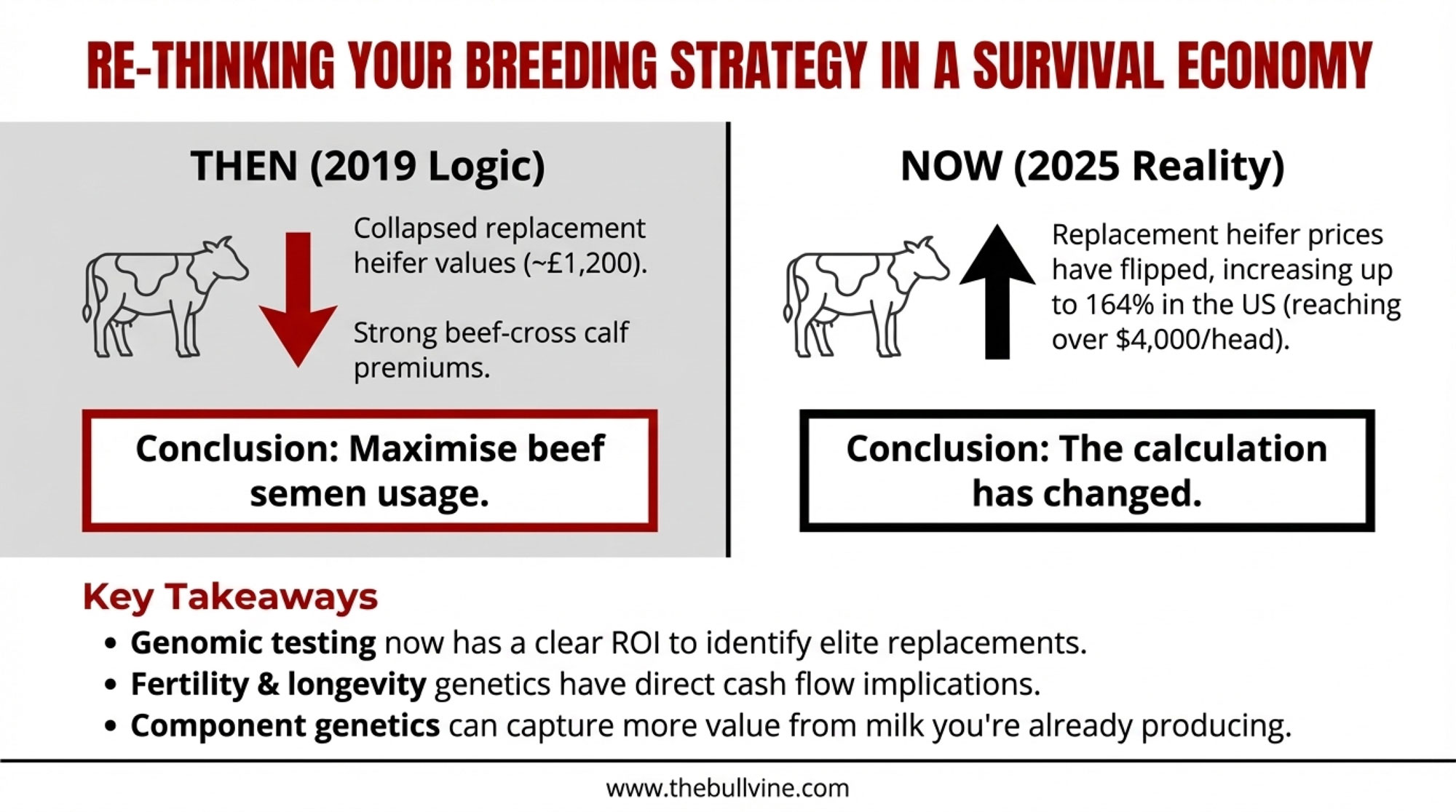
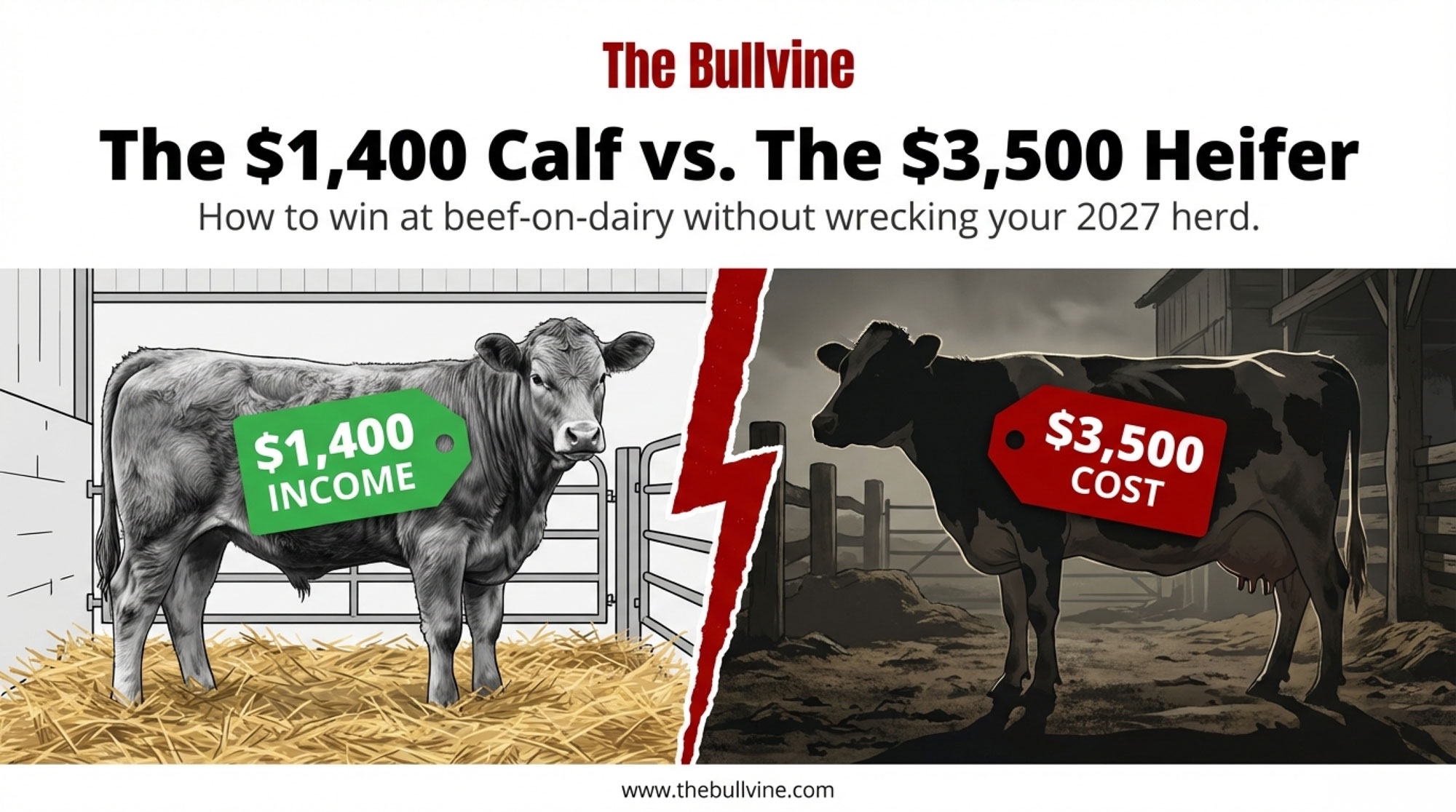
The $3,800 Heifer Problem: How Smart Dairies Are Adapting When Beef Premiums Don’t Cover Replacement Costs

What if the beef-on-dairy strategy that made sense at $2,200 heifers is now costing you $280K yearly?

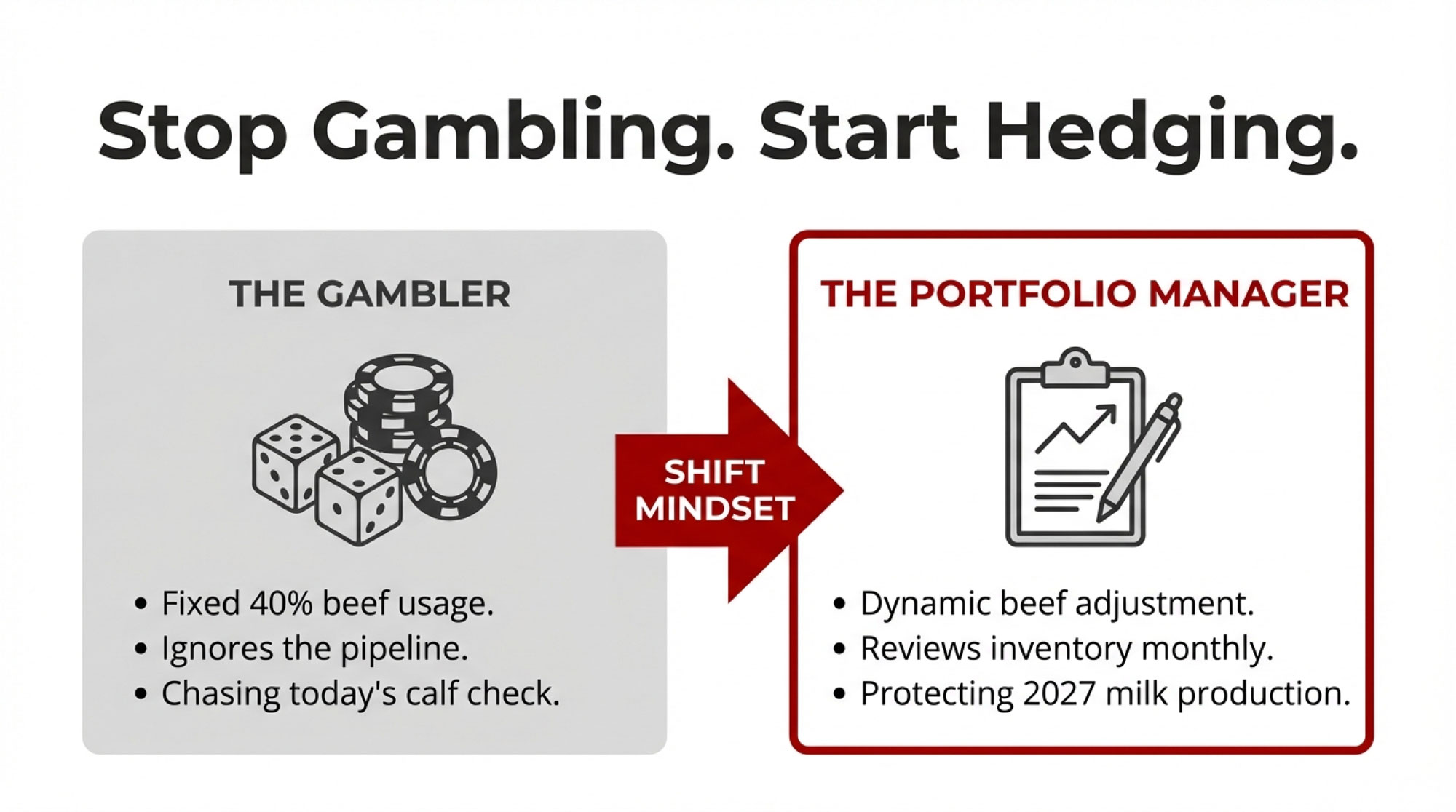
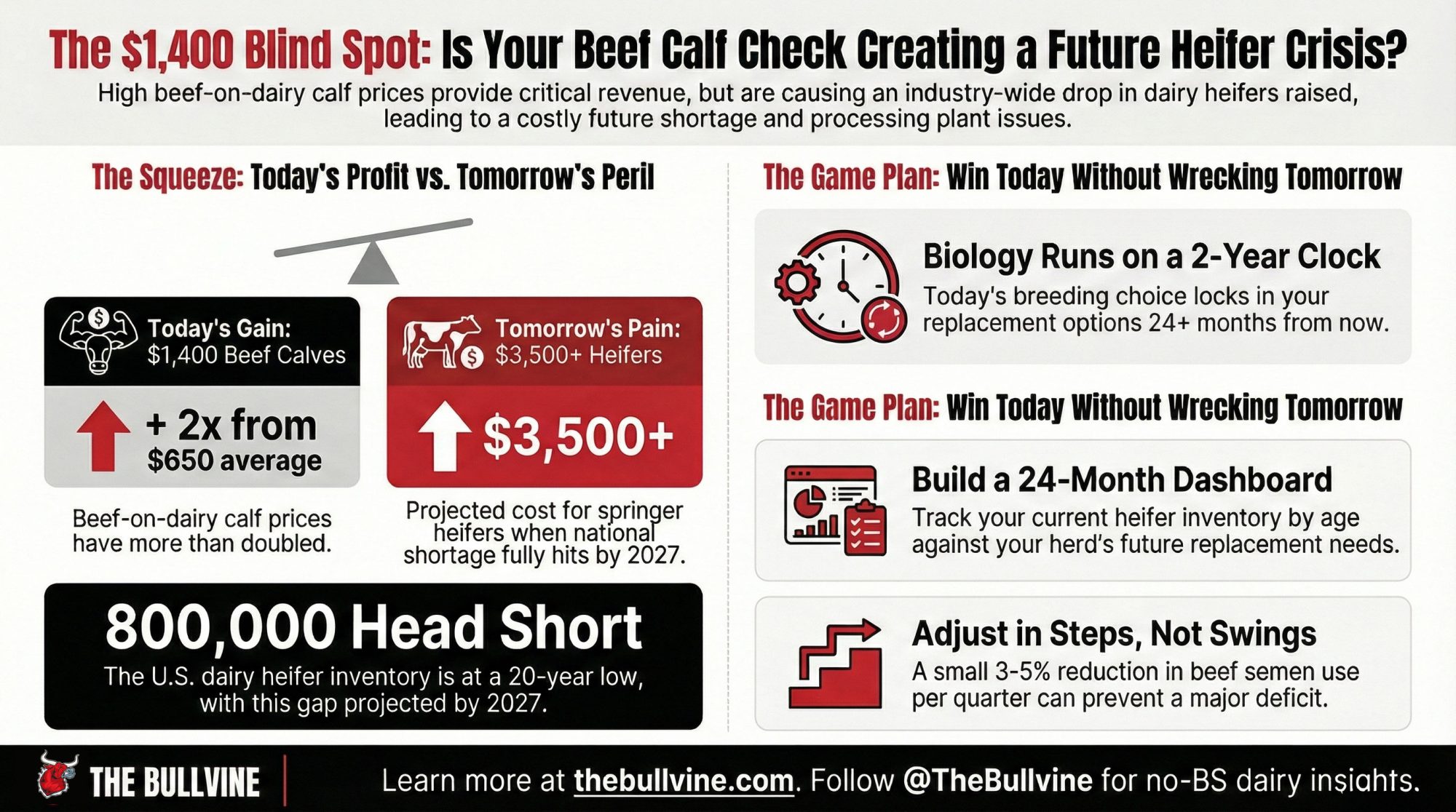
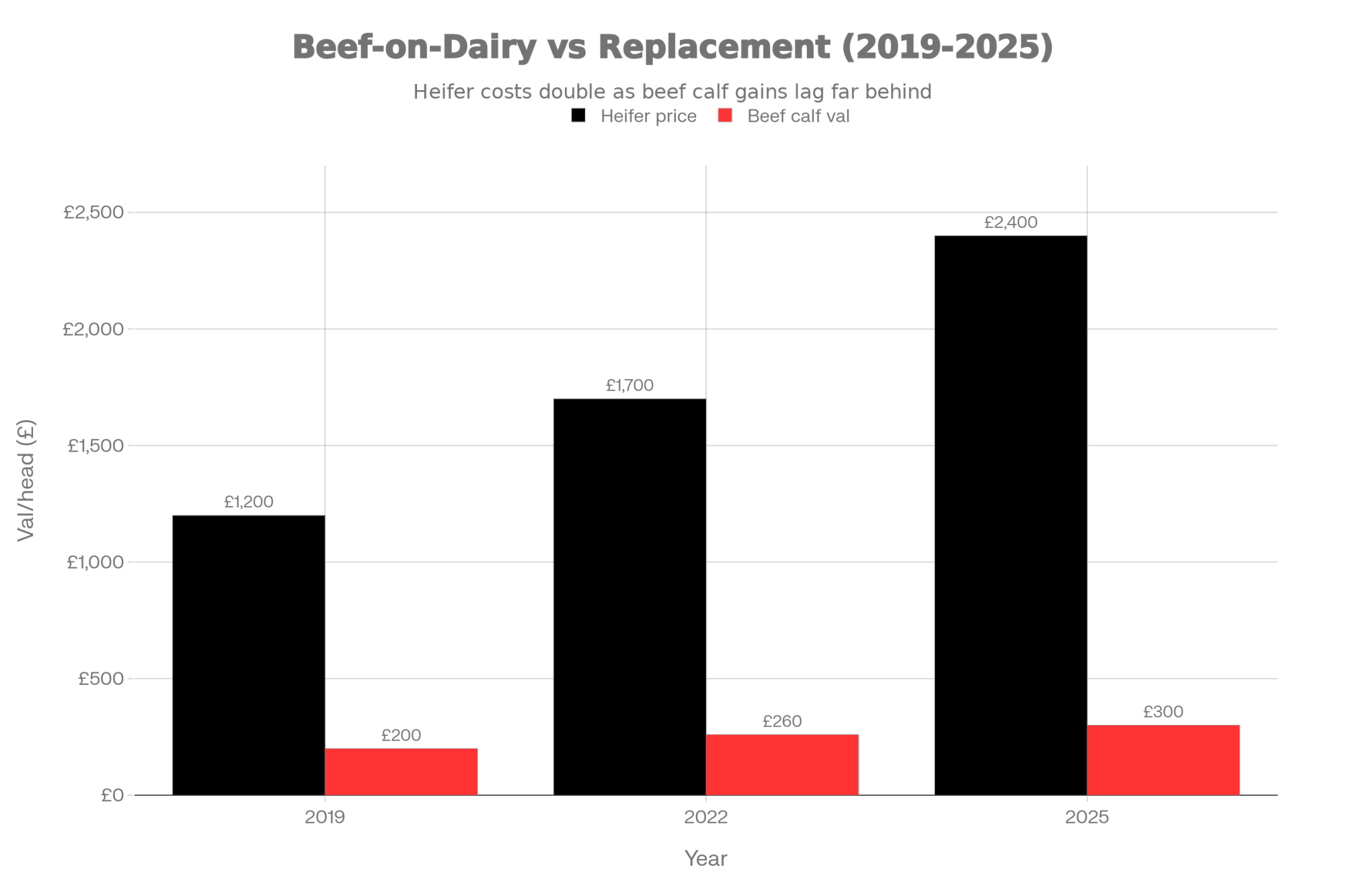
EXECUTIVE SUMMARY: What farmers are discovering about today’s replacement market fundamentally challenges the beef-on-dairy strategies that seemed bulletproof just two years ago. With springer heifers commanding $3,800 to $4,000 across most regions — a 73% jump from 2023’s $2,200 average — while actual beef-cross premiums hover around $20-30 after all costs, the economics have completely inverted. Research from Penn State’s dairy team and Wisconsin’s Center for Dairy Profitability confirms what producers are experiencing firsthand: operations that shifted to aggressive 65% beef breeding are now facing an additional $200,000 to $280,000 annually in replacement costs. Here’s what this means for your operation — the traditional 70/30 dairy-to-beef ratio is making a comeback, but with strategic twists like genomic testing every animal and tiered breeding programs that maximize both genetic progress and cash flow. Forward-thinking producers are already locking in 2026-2027 heifer contracts at today’s prices, essentially buying insurance against further market volatility. The path forward isn’t about abandoning beef-on-dairy entirely… it’s about finding the sweet spot where replacement security meets revenue opportunity, and that calculation looks different for every farm.

 dairy breeding strategy

Let me share what’s been on my mind lately. You know something’s fundamentally different when processing plants appear to have capacity while replacement heifers are commanding historically high prices across the country. It’s not following the patterns we’ve come to expect, is it? And if you’re trying to figure out when to ship cull cows or whether that beef-on-dairy program is actually paying for itself… well, these dynamics matter more than most of us initially realized.

What’s particularly noteworthy is how these patterns are playing out differently across regions. Industry reports suggest California’s vertically integrated systems are seeing different market signals than what’s emerging in Wisconsin’s co-op model or the grazing-based operations down South. This builds on what we’ve been observing since spring 2024 — a fundamental shift in how breeding strategies and replacement economics interact.

As we head into winter feeding season, these decisions become even more critical.

What Current Market Observations Are Telling Us

So here’s what’s interesting about the conditions we’re seeing. The beef processing industry generally runs facilities at high utilization rates when everything’s functioning properly — that’s basic industrial economics. In normal times, we’d expect to see something around 95% capacity utilization. But recent industry observations suggest we’re nowhere near that level.

Kevin Grier, that Canadian economist who’s been tracking North American beef markets for decades through his Market Analysis and Consulting firm, has been documenting this fascinating disconnect between available processing capacity and actual cattle throughput. Why is this significant? The economics suggest patterns that go beyond simple supply and demand.

Producers across Wisconsin and other dairy states are reporting similar experiences — cattle ready to ship, processing capacity theoretically available, yet prices that don’t reflect what we’d expect from those conditions. The math doesn’t seem to add up.

This pattern — and this is what’s really caught the attention of many observers — isn’t isolated to one region. Whether you’re looking at traditional dairy states like Wisconsin and New York with their smaller family operations, the larger feedlot-integrated systems in Texas and New Mexico, or even California with its unique market dynamics… similar patterns keep emerging. Dr. Derrell Peel from Oklahoma State’s agricultural economics department, one of the respected voices in livestock market analysis, suggests in his recent Extension publications that these patterns indicate something beyond typical market cycles.

The Beef-on-Dairy Reality Check

Geography determines survival: Minnesota premiums hit $3,850 while Texas stays ‘only’ $2,900 – but even the cheapest market doubled in two years, proving Andrew’s point that this is a structural, not cyclical, shift.

Remember those genetic company presentations from 2022 and 2023? The promise of significant premiums for beef-cross calves seemed like a genuine opportunity to diversify revenue streams. And conceptually, it made perfect sense — capture premium markets, reduce exposure to volatile dairy calf prices, improve cash flow.

But here’s where reality has diverged from projection. Industry reports and producer feedback across multiple states suggest that actual returns often fall significantly short of initial projections. After accounting for transportation costs (and with diesel prices where they’ve been), shrink at sale barns, and various marketing fees, many operations are finding net premiums considerably lower than anticipated.

What Extension services across Pennsylvania, Wisconsin, Minnesota and other states have been observing reveals that real-world returns can differ dramatically from those PowerPoint projections we all saw. Penn State’s dairy team, Wisconsin’s Center for Dairy Profitability, and Minnesota’s Extension dairy program all report similar findings — the gap between projected and actual returns is substantial.

I’ve noticed operations that are making beef-on-dairy work really well tend to have specific advantages — direct marketing relationships with particular buyers, consistent quality that commands loyalty, or local markets that value certain attributes. Success often comes down to matching your operation’s strengths with specific market opportunities.

And then there’s the replacement heifer situation…

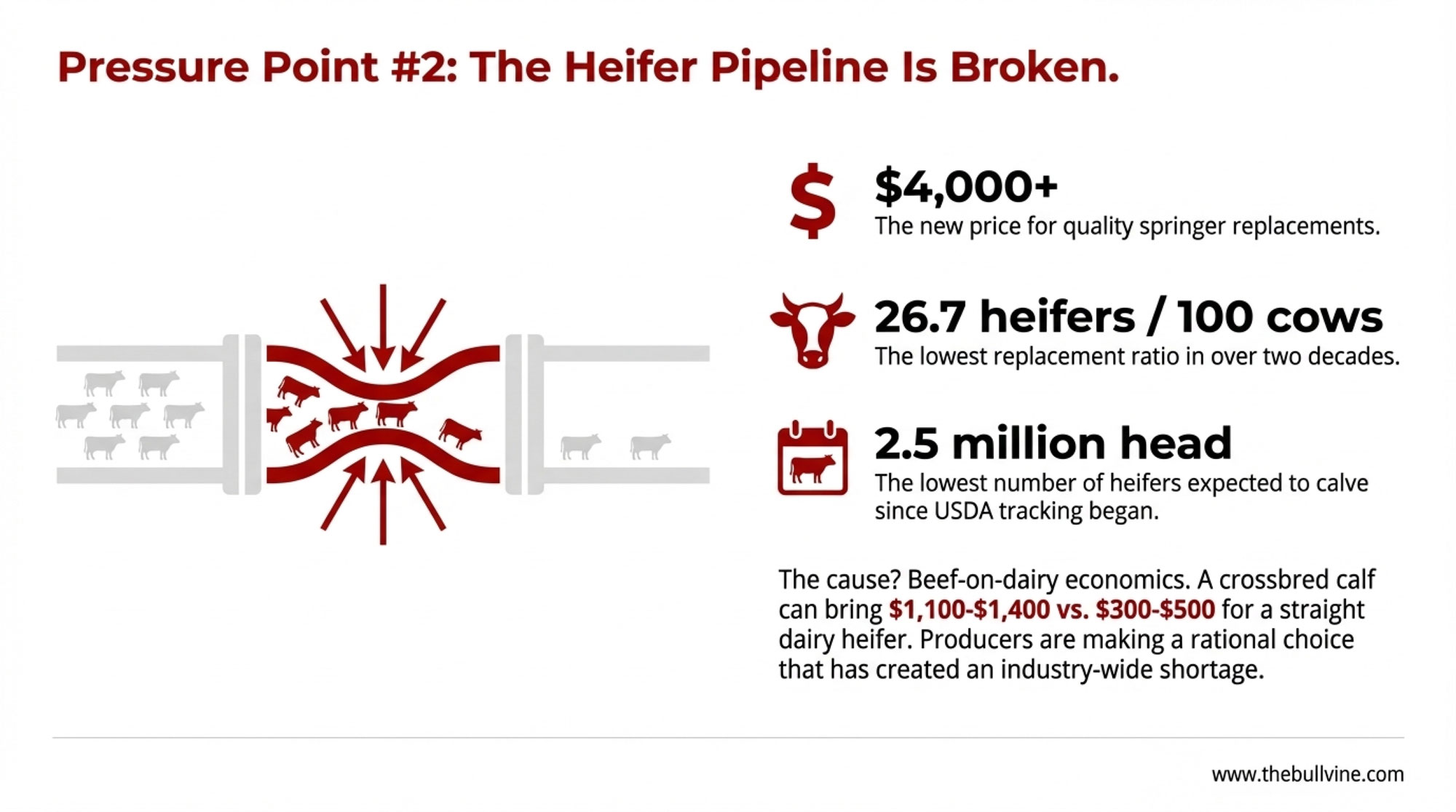
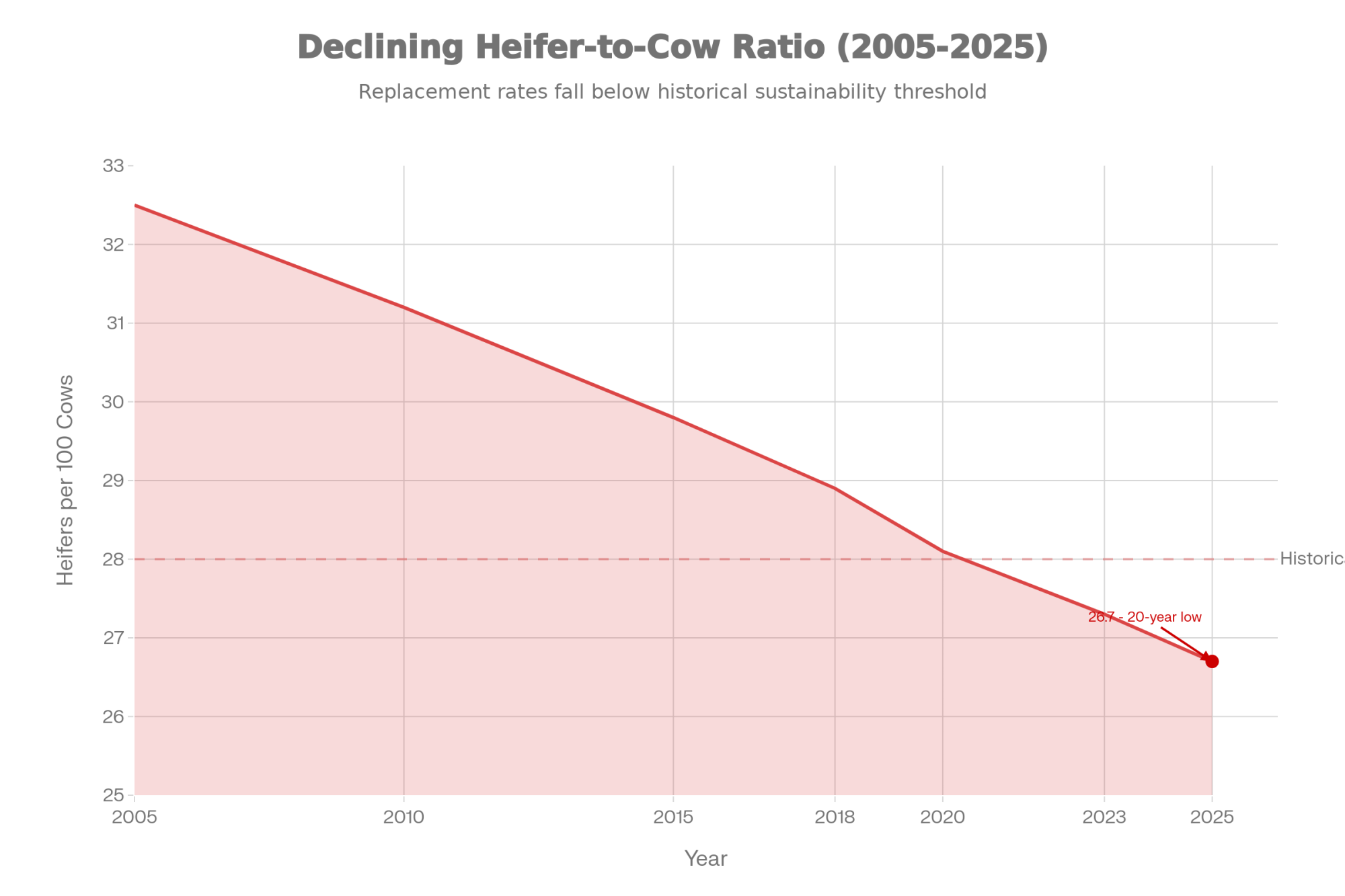
Multiple market sources, including reports from the National Association of Animal Breeders and various regional heifer grower associations, confirm what producers across the country are experiencing — springer heifer prices have reached levels that fundamentally alter breeding economics. Custom heifer growers in traditional dairy regions report being booked solid through mid-2026, with waiting lists growing.

Consider what this means for a typical 500-cow operation that shifted from a traditional 70-30 breeding strategy (70% dairy, 30% beef) to a more aggressive 35-65 approach. You’re potentially purchasing significantly more replacements at these elevated prices. The financial implications can run into hundreds of thousands of dollars annually in additional replacement costs. One Wisconsin producer recently calculated his operation’s additional replacement cost at nearly $280,000 annually — enough to make anyone reconsider their breeding strategy.

Understanding the Replacement Market Dynamics

So what’s driving these unprecedented heifer prices? It’s really a convergence of factors, and while market data is still developing on some aspects, the pattern is becoming clearer.

There’s the supply situation — when the industry collectively shifted breeding strategies over a relatively short period, it created replacement availability challenges. Dr. Jeffrey Bewley at Holstein Association USA, who analyzes breeding data extensively, points out in his industry presentations that different breeding strategies have compounding effects over time. Research published in the Journal of Dairy Science consistently shows beef semen generally has lower conception rates than conventional dairy semen — often running 8-12 percentage points lower depending on management and season — and those differences accumulate in ways that weren’t immediately obvious.

Then consider milk price dynamics. When Class III futures trade at relatively attractive levels, as they have periodically through 2025, producers naturally want to maintain or expand cow numbers. But when replacement availability is constrained… well, basic economics takes over.

What’s particularly interesting is the regional variation we’re observing. Larger operations in the West sometimes have different market dynamics than smaller farms in traditional dairy areas. California’s integrated systems might negotiate directly with heifer growers, while Midwest operations often compete on the open market. They might have scale advantages in negotiating, but they’re also competing with each other for limited replacements.

Industry economists, including those at agricultural lenders like CoBank and Farm Credit who track these markets closely in their quarterly dairy outlooks, suggest these inventory dynamics aren’t likely to shift dramatically in the near term. This appears to be more structural than cyclical — a distinction that matters for long-term planning.

Strategies Emerging Across the Industry

What’s encouraging is observing how different operations are adapting. There are some genuinely innovative approaches emerging across various regions.

Many operations are restructuring their breeding programs entirely. Some are using genomic testing more strategically — and the economics are interesting here. With genomic tests running around $35-45 per animal through major breed associations, operations are testing their entire herd to make targeted breeding decisions. Bottom-tier genetics might receive beef semen, solid performers get conventional dairy semen, and top genetics receive sexed semen (which typically runs $15-30 premium per unit over conventional). Yes, it costs more upfront, but it helps maintain that replacement pipeline while still capturing some beef revenue.

This development suggests producers are thinking more strategically about genetic progress and cash flow simultaneously. It’s not just about maximizing one or the other anymore.

What’s also emerging is renewed interest in contract heifer growing arrangements. Some operations are securing replacements eighteen to twenty-four months in advance. The prices might include a premium for certainty — think of it like buying insurance — but as many producers note, you can plan around known costs. It’s the unknowns that create problems.

The Contract Market Many Don’t Consider

Here’s something worth noting — custom heifer growers, particularly in traditional dairy regions like eastern Wisconsin, Minnesota, and upstate New York, are often interested in longer-term commitments. These arrangements typically involve predetermined pricing and delivery schedules over multiple years.

Both parties can benefit from these arrangements. Growers get predictable cash flow (which lenders appreciate when it comes to operating loans), and dairy operations get cost certainty. The challenge, naturally, is that many producers hope for price improvements. But what if prices don’t drop? Or what if they actually increase? That’s the risk-reward calculation each operation needs to make.

New Processing Capacity — Context Matters

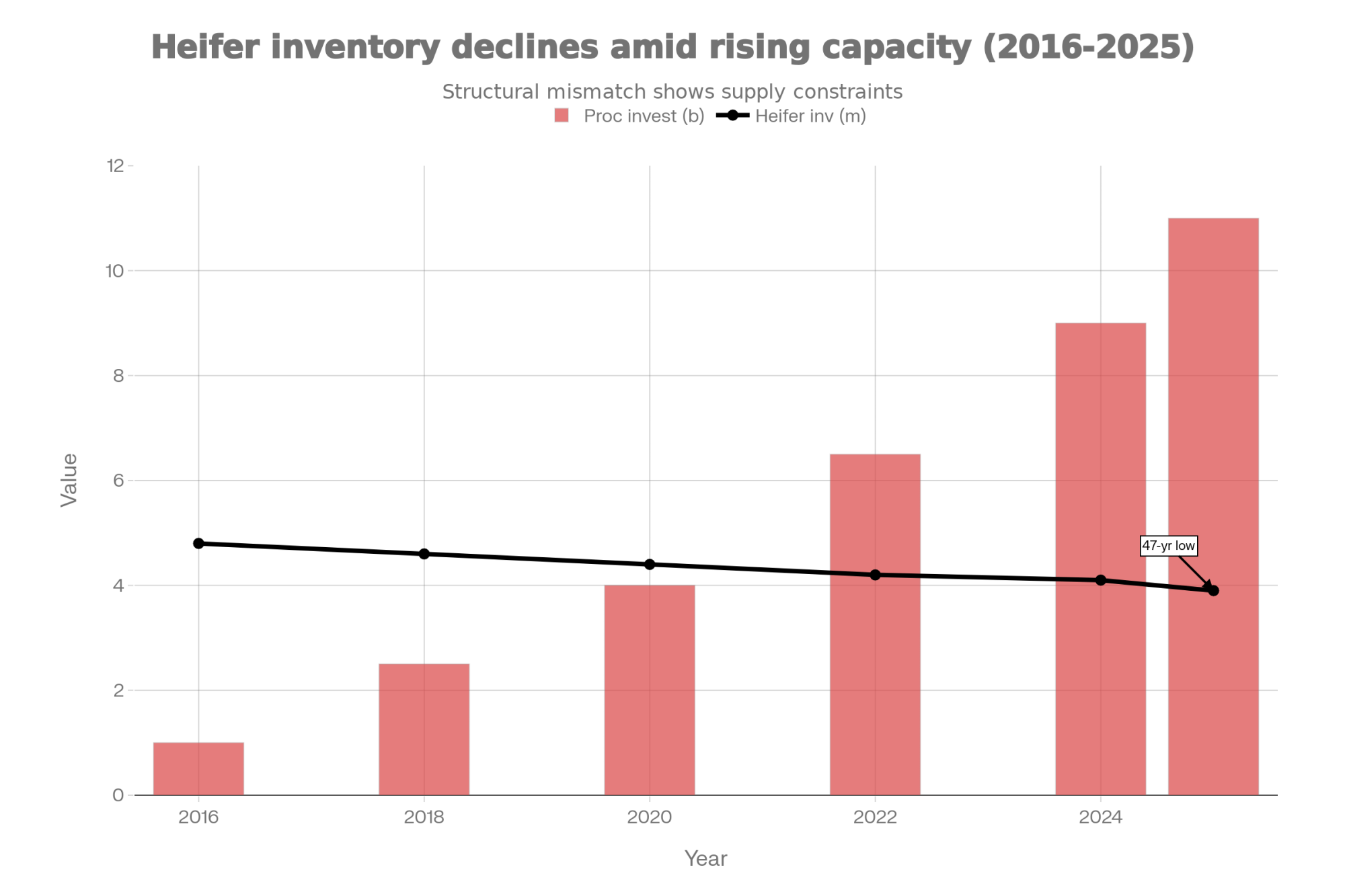
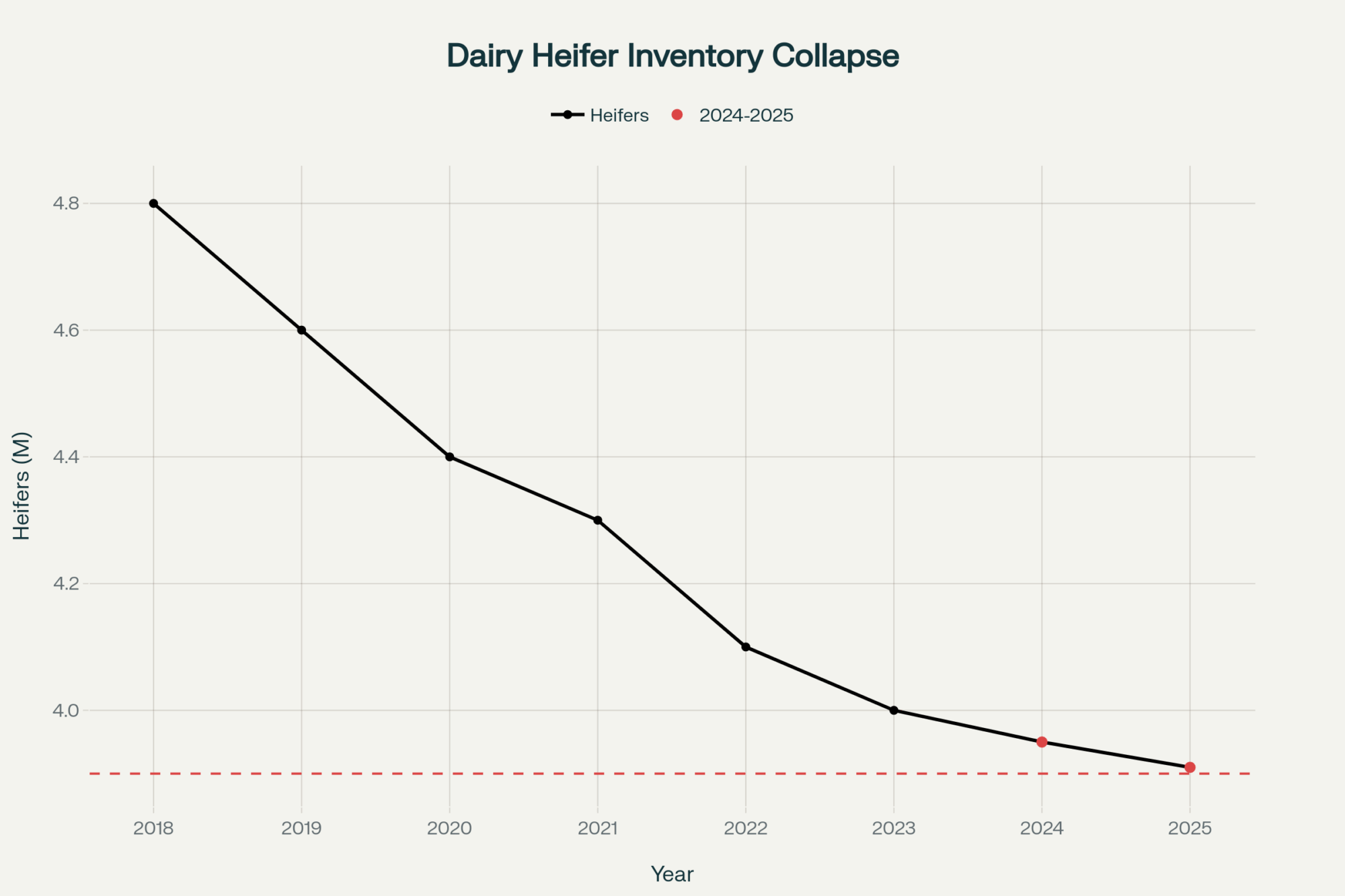
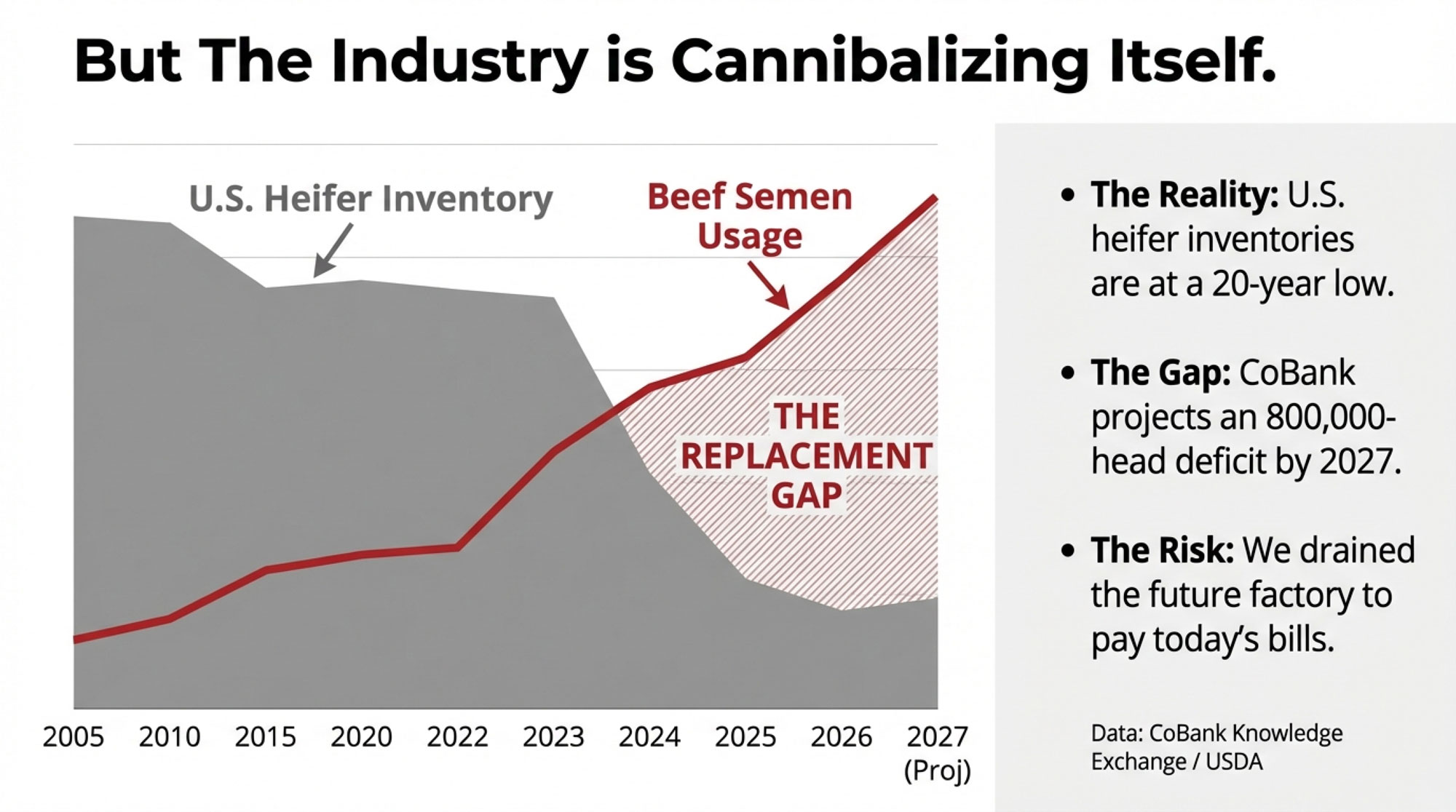
The vanishing herd: 900,000 heifers disappeared as the industry chased short-term beef profits and ignored long-term replacement needs.

You’ve probably heard about new processing facilities being developed. Recent industry reports, including those from Rabobank’s North American beef quarterly and CattleFax market updates, indicate several major projects underway, each with different capacity targets and business models.

What distinguishes many of these new operations is their structure. Unlike traditional commodity plants that buy on the spot market, many feature integrated supply chains or specific retail partnerships. Their procurement models often involve contracting cattle well in advance with specific quality parameters — think Certified Angus Beef specifications or natural program requirements.

The question worth considering is why new capacity is being built when existing facilities aren’t maximizing utilization. Various theories exist among market analysts, but it suggests these new plants might be operating under fundamentally different business assumptions than traditional facilities. Are they positioning for future supply? Creating regional competition? Building branded programs? The answer probably varies by project.

Global Factors Adding Complexity

International beef markets increasingly influence our domestic situation. USDA’s Foreign Agricultural Service October 2025 Livestock and Poultry report tracks significant production shifts in countries like Brazil and Australia. When Brazilian exports increase substantially (up 15% year-over-year according to their latest data) or Australia recovers from drought-induced liquidation, it affects global beef flows.

Major processors operate internationally, and their strategies reflect global opportunities. Companies like JBS, Tyson, and Cargill balance operations across continents. When operations in different regions show varying profitability patterns, it influences domestic investment and operational decisions.

For U.S. dairy producers, these international factors contribute to price volatility in ways that weren’t as pronounced even five years ago. Global beef trade essentially influences domestic price ceilings — when imported product can fill demand at certain price points, our cull cow values face pressure.

Canadian producers, despite their different regulatory framework providing some buffer through supply management, are experiencing similar dynamics with beef-on-dairy economics. The fundamentals transcend borders, as recent reports from the Canadian Cattlemen’s Association indicate.

Practical Considerations for Current Conditions

After observing various operational approaches this season, here are some considerations worth discussing:

It’s crucial to track actual returns versus projections. Many land-grant universities have developed tools for this purpose — Wisconsin’s Center for Dairy Profitability has spreadsheets, Penn State offers decision tools, Cornell’s PRO-DAIRY program provides calculators. These resources can reveal important gaps between expectations and reality. Success metrics vary, but operations reporting improved cash flow often see 15-20% better performance when they track actual versus projected returns closely.

When calculating replacement costs, remember it extends beyond purchase price. There’s financing (and with interest rates where they are, that matters), transportation (fuel costs add up quickly), and that transition period when fresh heifers adjust to your system — different water, new TMR, group dynamics. University research, including work from Michigan State and Cornell, suggests these additional costs can add 10-15% to the sticker price.

If you’re committed to a particular breeding strategy, explore risk management tools. The Livestock Risk Protection for Dairy (LRP-Dairy) program offers price floor protection. Forward contracting through organizations like DFA or your local co-op might provide stability. Various hedging products exist through the CME — they all have costs, certainly, but weigh those against the risks you’re managing.

The optimal breeding strategy varies by operation. Your conception rates (which vary seasonally and by management), voluntary culling patterns, facilities (tie-stall versus freestall versus robotic), available labor — they all factor in. What works for a 2,000-cow operation with its own feed mill won’t necessarily translate to a 200-cow grazing operation. And that’s okay — diversity has always been one of dairy’s strengths.

Market timing has become increasingly complex. Those traditional seasonal patterns we relied on for decades — shipping cull cows before grass cattle hit the market, buying replacements in spring — they’re less predictable now. Price swings within monthly periods can be substantial. Local and regional market intelligence has become more valuable than ever.

Maintaining Perspective in Uncertain Times

Markets evolve — sometimes gradually, sometimes surprisingly quickly. What functions in one region might not translate to another. What makes sense for a large, integrated operation might not pencil out for a traditional family farm. And that’s the diversity that’s always characterized our industry.

Before implementing significant changes, consultation with your advisory team becomes crucial. Your nutritionist sees things from the feed efficiency and production angle. Your veterinarian considers herd health and reproduction implications. Your lender evaluates cash flow and debt service coverage. Each perspective contributes to better decision-making.

And let’s acknowledge — some operations are finding genuine success with various strategies. Direct marketing relationships with specific buyers who value consistency. Genetic programs that command buyer loyalty. Local markets that pay premiums for specific attributes. These successes remind us that opportunities exist even in challenging markets. Success often comes down to matching your operation’s strengths with market opportunities.

Looking Forward Together

This market environment certainly isn’t what any of us anticipated back in 2023 when beef-on-dairy really took off. The interaction between processing capacity, replacement availability, and breeding economics has created unprecedented challenges.

But what’s encouraging is how producers are adapting. Whether through adjusted breeding strategies, innovative contracting arrangements, or collaborative marketing efforts (like the producer groups forming in several states to pool beef-cross calves for better marketing leverage), paths forward exist. The dairy industry has weathered significant challenges over the decades — the 1980s farm crisis, the 2009 collapse, the 2020 pandemic disruptions. This situation, while unique in certain aspects, represents another test of our collective resilience.

The fundamentals remain constant: understand your actual costs (not what you hope they are or what someone projected they’d be), know your markets (both what you’re selling into and buying from), and base decisions on real data rather than projections. Every farm faces unique circumstances — facilities, labor availability, local markets, financial position. But understanding broader patterns helps inform better individual decisions.

We really are navigating this together. The conversations at co-op meetings, information shared at winter dairy conferences, neighbor-to-neighbor discussions over fence lines or at the feed store — that’s how our industry has always moved forward. Whether you’re milking 50 cows or 5,000, whether you’re in Vermont or California, we all face these markets together.

These are certainly interesting times. But with solid information, realistic planning, and thoughtful adaptation, operations will find their way through. That’s what we do, isn’t it? We observe, we adapt, we support each other, and we keep moving forward.

Always have. Always will.

KEY TAKEAWAYS:

  • Contract heifer growing arrangements can reduce replacement uncertainty by 100% while typically costing 20-25% less than panic buying on spot markets — Wisconsin and Minnesota growers report strong interest in 18-24 month contracts at $2,800-$3,200 delivered, providing both parties predictable cash flow
  • Strategic genomic testing at $35-45 per animal enables precision breeding that maintains genetic progress while capturing beef revenue — bottom 20% get beef semen, middle 50% conventional dairy, top 30% sexed semen, optimizing both cash flow and herd improvement
  • Regional market variations create opportunities smart operators are exploiting — California’s integrated systems negotiate direct contracts while Midwest co-ops pool beef-cross calves for 15-20% better premiums than individual marketing
  • Risk management tools like LRP-Dairy provide price floor protection that costs $15-25 per head but prevents catastrophic losses when replacement markets spike or cull values crash — essentially disaster insurance for volatile times
  • The optimal breeding ratio depends on your conception rates, culling patterns, and local markets — 60/40 might work with excellent reproduction, but operations with challenges find 70/30 provides essential cushion against today’s $3,800 replacement reality

Complete references and supporting documentation are available upon request by contacting the editorial team at editor@thebullvine.com.

Learn More:

Join the Revolution!

Join over 30,000 successful dairy professionals who rely on Bullvine Weekly for their competitive edge. Delivered directly to your inbox each week, our exclusive industry insights help you make smarter decisions while saving precious hours every week. Never miss critical updates on milk production trends, breakthrough technologies, and profit-boosting strategies that top producers are already implementing. Subscribe now to transform your dairy operation’s efficiency and profitability—your future success is just one click away.
NewsSubscribe
First
Last
Consent

CME Dairy Market Report – September 25, 2025: Butter Bounces While the Real Story Unfolds Behind Those Zero Cheese Trades

Zero cheese trades today, while butter jumped 2¢—markets signaling a critical shift for Q4 milk checks

Executive Summary: Today’s dairy markets revealed something more significant than the modest 2-cent butter recovery to $1.64/lb might suggest—those zero block cheese trades signal that processors and buyers are locked in a standoff that could shift pricing dynamics in either direction as we head into Q4. What farmers are discovering is that processing capacity constraints, not milk supply, are becoming the real price drivers… Wisconsin and Minnesota plants operating at 95%+ utilization are forcing milk to travel over 200 miles to find homes, fundamentally altering farmgate economics. With income over feed costs sitting at $6.13/cwt—well below the five-year average of $8.50—but still workable given current feed markets, producers face a delicate balancing act. Recent research from TechnoServe’s Brazil program shows that farms implementing strategic cost management and production optimization can achieve a 500% increase in income, even in challenging markets, suggesting that opportunities exist for those willing to adapt. The October 10 USDA Milk Production report looms large, with early indications pointing toward upward production revisions that could test cheese support at $1.60/lb. Smart operators aren’t waiting—they’re positioning for volatility by locking in 25-40% of Q4 production at $17.40 or above, while maintaining flexibility for potential upside.

dairy farm profitability

Today’s modest butter recovery to $1.64/lb masks something more significant developing in dairy markets. That complete absence of block trading? It’s telling us processors and buyers are locked in a standoff that could shift either direction. Your October milk check just got more interesting—though the outcome remains uncertain.

The Numbers That Really Matter

Looking at what happened on the CME floor today, I keep coming back to those 21 butter trades that pushed prices up 2 cents. That’s real commercial interest, not just traders moving paper around. Compare that to cheese blocks—zero trades despite offers on the board at $1.6375. When nobody’s willing to step up and buy cheese even after a quarter-cent drop, the market’s sending a clear signal about price discovery ahead.

ProductPriceToday’s MoveWhat This Means for Your Check
Butter$1.6400/lb+2.00¢Class IV components are recovering, but watch cream supplies
Cheddar Block$1.6375/lb-0.25¢No trades = weak price discovery ahead
Cheddar Barrel$1.6450/lbNo ChangeHolding steady, but for how long?
NDM Grade A$1.1475/lb+0.25¢Export markets are still functioning
Dry Whey$0.6475/lb+0.25¢Protein complex showing some life

Source: CME Group Daily Dairy Report, September 25, 2025

CME dairy prices show butter declining 4.7% while cheese blocks recover, signaling the processing capacity standoff that could determine October milk checks

What’s particularly interesting here is the disconnect between butter’s bounce and cheese’s paralysis. The cream-cheese milk divergence we’re seeing has specific drivers worth examining:

The Cream Surplus Phenomenon: According to data from Terrain Ag’s March 2025 analysis, milk fat levels in U.S. farm milk continue climbing. When milk is sent to new cheese plants and fluid operations, it contains more butterfat than is needed for those products. The result? Surplus cream spinning off into the open market, with cream multiples dipping as low as 0.7 in Central and Western regions.

Regional Processing Constraints: Wisconsin and Minnesota plants are operating at over 95% capacity, creating a bottleneck that forces some milk to travel more than 200 miles to find processing. This isn’t just a logistics headache—it fundamentally alters the economics of milk routing decisions.

The dry whey uptick to $0.6475 might seem small, but that 4.2% weekly gain suggests cheese plants are still running hard. With EU whey futures climbing toward €1,000/MT by next October, there’s room to run if global demand holds.

Trading Floor Intelligence: Reading Between the Bids

The Market Standoff Visualized – Zero cheese trades signal processors and buyers locked in a price discovery breakdown. When nobody’s buying despite available offers, it typically precedes significant market moves. Watch for tests of $1.60 support if this continues.

Here’s what jumped out from today’s action:

  • Butter: 9 bids chasing just one offer (9:1 ratio favoring buyers)
  • Block Cheese: 0 bids against two offers (sellers looking for exits)
  • NDM: 9 bids vs. two offers (decent commercial interest)
  • Dry Whey: 1 bid vs. three offers (balanced but thin)

The cheese situation deserves deeper analysis. Two offers sitting there with zero bids tells me buyers think $1.6375 remains too rich. They’re likely waiting for either the USDA’s October 10th Milk Production report or testing sellers’ resolve.

NDM showed decent activity with 10 trades, and that quarter-cent gain keeps us competitive globally. At $1.1475/lb, we’re just slightly above EU skim milk powder prices when factoring in shipping—that’s the sweet spot for maintaining a stable export flow without being undercut.

Global Markets: Where We Actually Stand

Looking at the international picture, U.S. dairy remains well-positioned despite internal challenges:

  • U.S. Butter: $1.64/lb
  • EU Butter: $2.76/lb (calculated from €5,633/MT)
  • New Zealand Butter: $3.03/lb (from NZX futures at $6,680/MT)

That’s not just a pricing advantage—it’s a competitive moat that should keep exports flowing even if domestic demand softens.

The real story lies in those European futures markets. EU butter holding above €5,600/MT through Q1 2026 tells us their supply situation won’t improve soon. Environmental regulations, high energy costs, and herd reductions have created structural shortages that won’t resolve quickly.

New Zealand’s ramping up for their season, but early reports from Global Dairy Trade suggest production might disappoint. Weather variability and crushing input costs are constraining their output potential.

Feed Costs and the Margin Reality

Current margins sit 28% below historical averages, creating the delicate balancing act that makes October’s production report critical for Q4 positioning

Current Feed Market Snapshot:

  • December Corn: $4.2475/bushel
  • December Soybean Meal: $273.30/ton
  • Estimated daily feed cost per cow: $7.85

With Class III at $17.55/cwt and feed costs at approximately $11.42/cwt, that leaves $6.13/cwt income over feed costs. While not catastrophic, this sits well below the five-year average of $8.50/cwt.

Your Profit Margins Under Pressure – Current income over feed costs sits 28% below the five-year average, squeezing farm profitability. Smart operators are locking in feed costs now while managing production carefully to protect what margins remain.

According to the September WASDE report, released on September 12, 2025, corn production increased to a record 16.814 billion bushels, with yields at 186.7 bushels per acre. This should provide some feed cost stability, though La Niña patterns could disrupt South American production and spike soybean prices.

Production Reality Check: The Numbers Behind the Numbers

The September WASDE report projects 2025 U.S. milk production at 230 billion pounds, up 3.4% from 2024. But regional variations tell the real story:

  • Texas: Up 10.6% (new processing capacity driving expansion)
  • Wisconsin/Minnesota: Up 2.8% (bumping against plant capacity)
  • California: Down 1.2% (HPAI impacts plus water restrictions)

The national herd reached 9.485 million cows, up 159,000 from last year. Production per cow increased just 34 pounds monthly—efficiency gains, but barely. Feed quality issues from last year’s harvest continue affecting component tests.

California’s Water Crisis Impact: As reported, 747 of California’s approximately 950 dairy farms have experienced HPAI. Combined with unprecedented water restrictions on groundwater pumping and surface water storage, the state’s production recovery faces significant headwinds.

What’s Really Driving These Markets

Domestic Demand Indicators:

  • Retail cheese prices: Stuck between $3.49-$4.39/lb
  • Food service: Moving product but not offsetting retail weakness
  • Consumer resistance: Price ceiling clearly established

Export Market Dynamics:

  • Mexico: Down 10% year-to-date, but still our biggest customer
  • Southeast Asia: Vietnam and the Philippines are showing surprising strength
  • China: Quietly pivoting to New Zealand suppliers

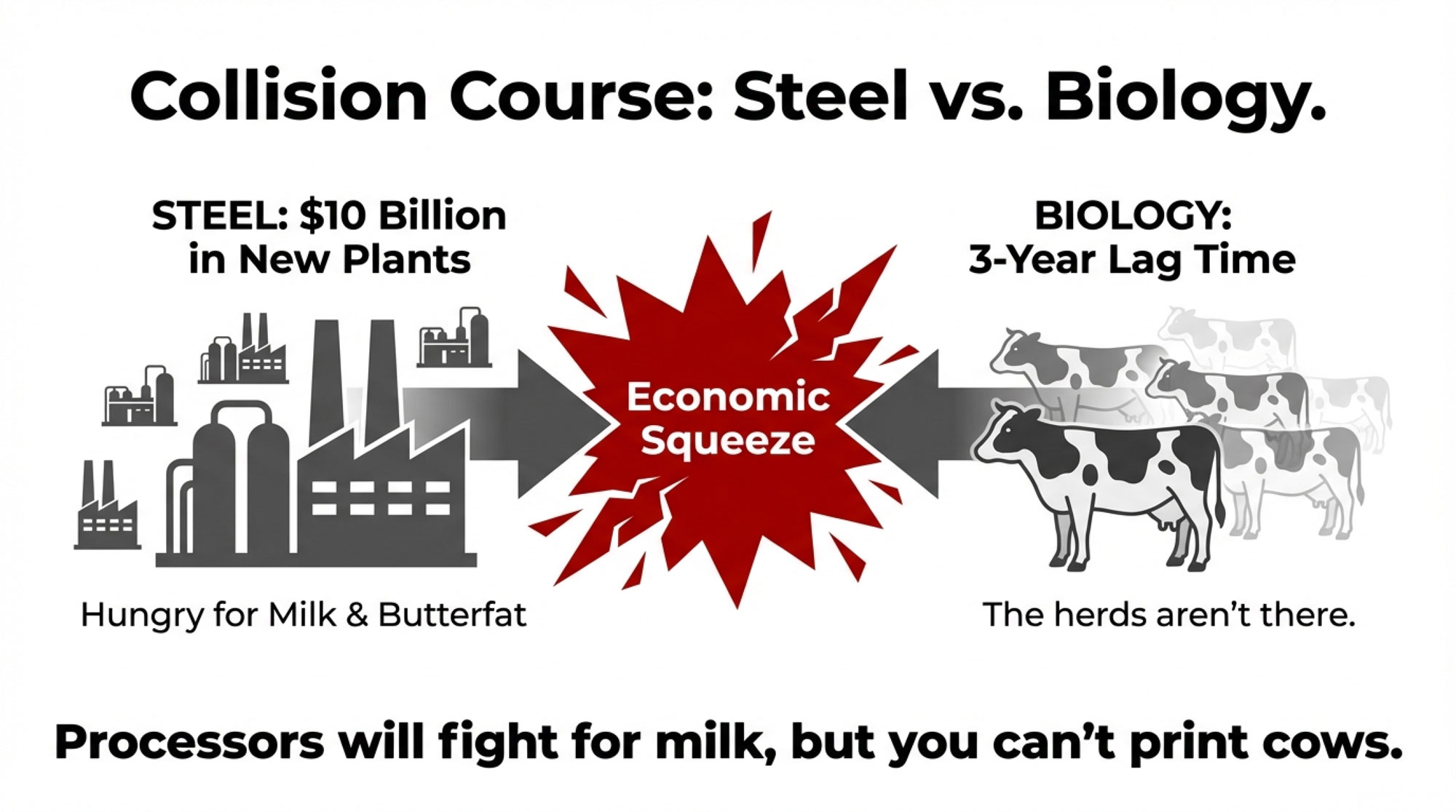
Processing capacity emerges as the real bottleneck. New plants coming online in Q4 need milk, which should support farmgate prices. But with existing facilities at maximum utilization, we’re hitting structural ceilings on price potential.

Forward-Looking Analysis: What October Holds

CME futures paint a mixed picture:

  • October Class III: $17.45 (modest optimism)
  • October Class IV: $16.85 (butter uncertainty)
  • Options Market: Implied volatility spiking (confusion, not confidence)

The USDA’s October 10th production report looms large. Early indications suggest potential upward revisions to Q4 production estimates, based on favorable weather conditions. If realized, expect cheese to test $1.60/lb support.

Key Risk Factors:

  • October weather favors production beyond processing capacity
  • Dollar strength continues to pressure exports
  • Consumer spending weakness in discretionary categories
  • Potential Q4 railroad labor disruptions

Regional Spotlight: Upper Midwest Pressures

Regional processing capacity constraints force Wisconsin milk to travel 200+ miles, fundamentally altering farmgate economics and creating the spot premiums worth $0.50-1.50/cwt
RegionProductionProcessingHaulingSpot PremiumKey Challenge
Texas+10.6%Expanding<50 miles$0.25-0.75Labor shortage
Wisconsin/Minnesota+2.8%95%+ Utilized200+ miles$0.50-1.50Capacity maxed
California-1.2%Adequate75 miles$0.35-1.00Water/HPAI
Northeast+1.5%85% Utilized100 miles$0.40-1.20Fluid demand
National Average+3.4%88% Utilized125 miles$0.45-1.15Various

Wisconsin and Minnesota operations face unique challenges beyond simple production numbers:

  • Plant utilization exceeding 95% in most counties
  • Milk traveling 200+ miles to find processing
  • Spot premiums ranging $0.50-$1.50 over class
  • Component levels excellent (4.36% butterfat, 3.38% protein)

The quality premiums tell the real story. Guaranteed consistent volume gets you premiums. Miss a delivery or come up short? Back to class pricing or worse.

What You Should Actually Do About This

On Pricing:

  • Lock 25-40% of Q4 production if you can get Class III above $17.40
  • Leave room for upside participation
  • Focus on downside protection given margin tightness

On Feed:

  • December corn under $4.30 is acceptable, not great
  • Lock 60% of winter needs now
  • Keep 40% open for potential harvest breaks

On Production:

  • This isn’t expansion time
  • Focus on protein over butterfat (premiums favor protein)
  • Adjust rations accordingly, even if volume decreases slightly

On Capital:

  • Delay equipment purchases until Q1 2026
  • Dealers will negotiate more after year-end inventory
  • Preserve cash for operational flexibility

The Bottom Line

Today’s butter bounce and steady cheese prices offer temporary stability in a market that is fundamentally dealing with expanding production, meeting processors at capacity. Those zero block trades aren’t just low volume—they signal deteriorating price discovery mechanisms.

Your October milk check will reflect September’s $17.55 Class III, which remains workable for most operations. Looking ahead, the combination of rising production, maximum processing capacity, and uncertain demand creates significant potential for volatility.

The successful operations won’t be those chasing the highest production or lowest costs. They’ll be those who recognize that we’re in a different environment now—where managing risk matters more than maximizing premiums, where consistent cash flow beats occasional windfalls.

Keep monitoring those basis levels, watch for processing capacity announcements, and remember—when everyone’s worried about the same factors, markets usually find ways to surprise. Position yourself to handle surprises in either direction.

Key Takeaways

  • Lock in margins strategically: Farms securing Q4 production at Class III above $17.40 for 25-40% of volume can protect $6.13/cwt income-over-feed while leaving room for market participation—critical when margins sit 28% below historical averages
  • Optimize for protein premiums: With dry whey up 4.2% weekly and protein premiums running $0.50-1.50 over class, adjusting rations for protein over butterfat can capture an additional $0.75-1.25/cwt even if total volume decreases slightly
  • Manage processing relationships: Guarantee consistent delivery volumes to maintain spot premiums as plants hit capacity—missing deliveries drops you back to class pricing, potentially costing $1.00-1.50/cwt in this tight processing environment
  • Position for regional variations: Texas operations benefit from 10.6% production growth and new processing capacity, while Upper Midwest farms face hauling costs eating $0.50-0.75/cwt—understanding your regional dynamics determines whether expansion or efficiency improvements make sense
  • Prepare for October volatility: The October 10 USDA report could trigger cheese tests of $1.60 support if production estimates rise—farms with 60% winter feed locked at current prices maintain flexibility while those waiting risk La Niña-driven grain spikes

Complete references and supporting documentation are available upon request by contacting the editorial team at editor@thebullvine.com.

Learn More:

Join the Revolution!

Join over 30,000 successful dairy professionals who rely on Bullvine Weekly for their competitive edge. Delivered directly to your inbox each week, our exclusive industry insights help you make smarter decisions while saving precious hours every week. Never miss critical updates on milk production trends, breakthrough technologies, and profit-boosting strategies that top producers are already implementing. Subscribe now to transform your dairy operation’s efficiency and profitability—your future success is just one click away.
NewsSubscribe
First
Last
Consent

The $1,600 Calf That’s Breaking Every Market Rule: Why This Dairy Crash Won’t Self-Correct

Dairy prices crash, but farmers aren’t culling—what’s keeping supply inflated?

EXECUTIVE SUMMARY: Here’s what we discovered: butter prices plunged 40% to $1.86 per pound, and milk futures hit historic lows, but dairy farmers are sticking with their herds. The culprit? Beef-on-dairy calf prices are hitting $1,600 in auctions, cushioning losses and disrupting traditional supply pressures. U.S. milk production surged 3.5% through July, mirrored by growth in the EU and New Zealand, creating a global surplus that dwarfs export gains. Scientific data and USDA reports reveal this simultaneous production boom is unprecedented in recent history, baffling markets and dragging down prices. This broken feedback loop means prices may remain depressed for longer, forcing farmers to reassess their risk and herd management strategies. Independent producers need to understand these dynamics now to adapt and survive—waiting for a market correction could mean bleeding margins for months.

KEY TAKEAWAYS:

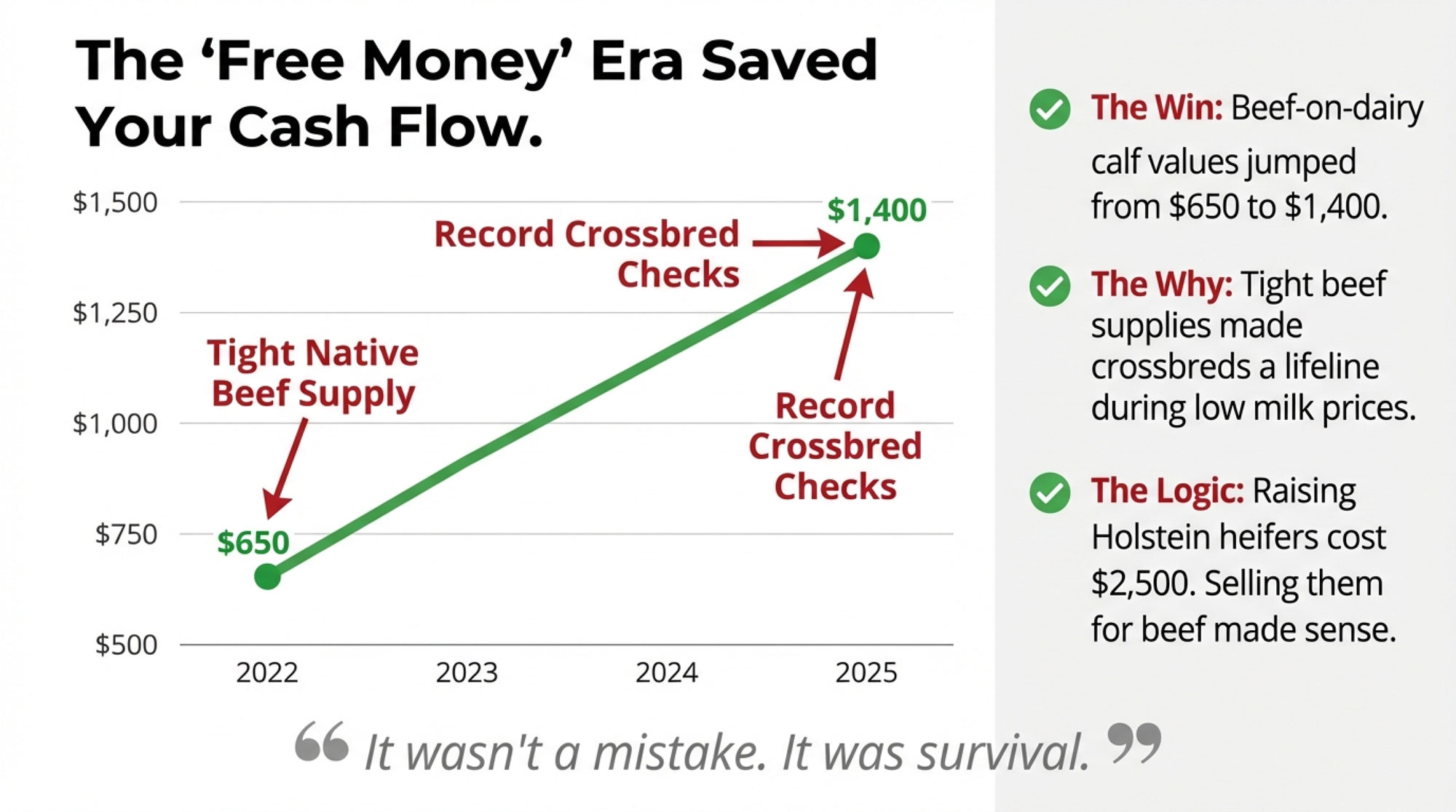
  • Farmers can buffer revenue losses with beef-on-dairy calves selling between $900-$1,600, easing pressure from falling milk prices.
  • Lock in futures contracts near $17-$17.50 for risk protection amid volatile price trends.
  • Focus on maximizing butterfat and protein components as premium payments shift away from volume in 2025.
  • Recognize that global simultaneous milk supply growth from the U.S., EU, and New Zealand is unprecedented and pressuring prices lower.
  • Monitor beef market shifts closely, as calf price drops will trigger the necessary herd contraction for market balance.
beef on dairy, dairy economics, farm profitability, dairy markets, milk futures

Look, I’ve been tracking dairy fundamentals long enough to recognize when something’s fundamentally shifted. September 15 brought us CME butter at $1.86 per pound—lowest since October 2021—yet half the producers I’m talking to aren’t in crisis mode. Here’s the uncomfortable truth nobody’s discussing: this market’s traditional feedback mechanisms are completely broken.

When the Numbers Tell a Different Story

U.S. butter spot prices and Class III milk futures from June-September 2025 showing the dramatic market collapse that defines this dairy crisis.

The headline numbers are brutal, no question. CME spot butter crashed to $1.86 per pound on September 15, down more than 40% from mid-summer highs and hitting levels we haven’t seen in nearly four years. Class III futures dropped to life-of-contract lows at $16.31 per hundredweight, with Class IV even uglier at $15.90.

But here’s what’s got me scratching my head… walking through farm offices across Pennsylvania and upstate New York last week, the conversations weren’t what you’d expect. Sure, everyone’s feeling the milk price pain, but there’s this underlying confidence that wasn’t there in previous downturns.

The reason? Beef-on-dairy has become a game-changer nobody fully anticipated.

The Calf Market That’s Rewriting Farm Economics

At recent Premier and Empire auctions across Pennsylvania and New York, beef-on-dairy crossbred calves are routinely commanding $900 to $1,600 per head. That’s not hyperbole—Empire Livestock’s September reports show “Beef Type Calves” trading between $8.00-$17.50 per pound, which translates to these per-head values for 100-120 pound calves.

One producer near Lancaster told me his September calf sales covered three months of feed bills. When your day-old crossbred is worth more than most people’s monthly mortgage payment, it changes how you think about culling decisions entirely.

This isn’t just Northeast pricing either. Similar premiums are showing up across the Midwest wherever beef-on-dairy genetics are being marketed through organized sales.

Global Supply Dynamics: Everyone’s Producing More

Global milk production changes by major dairy regions in July 2025, illustrating the simultaneous supply growth driving market oversupply

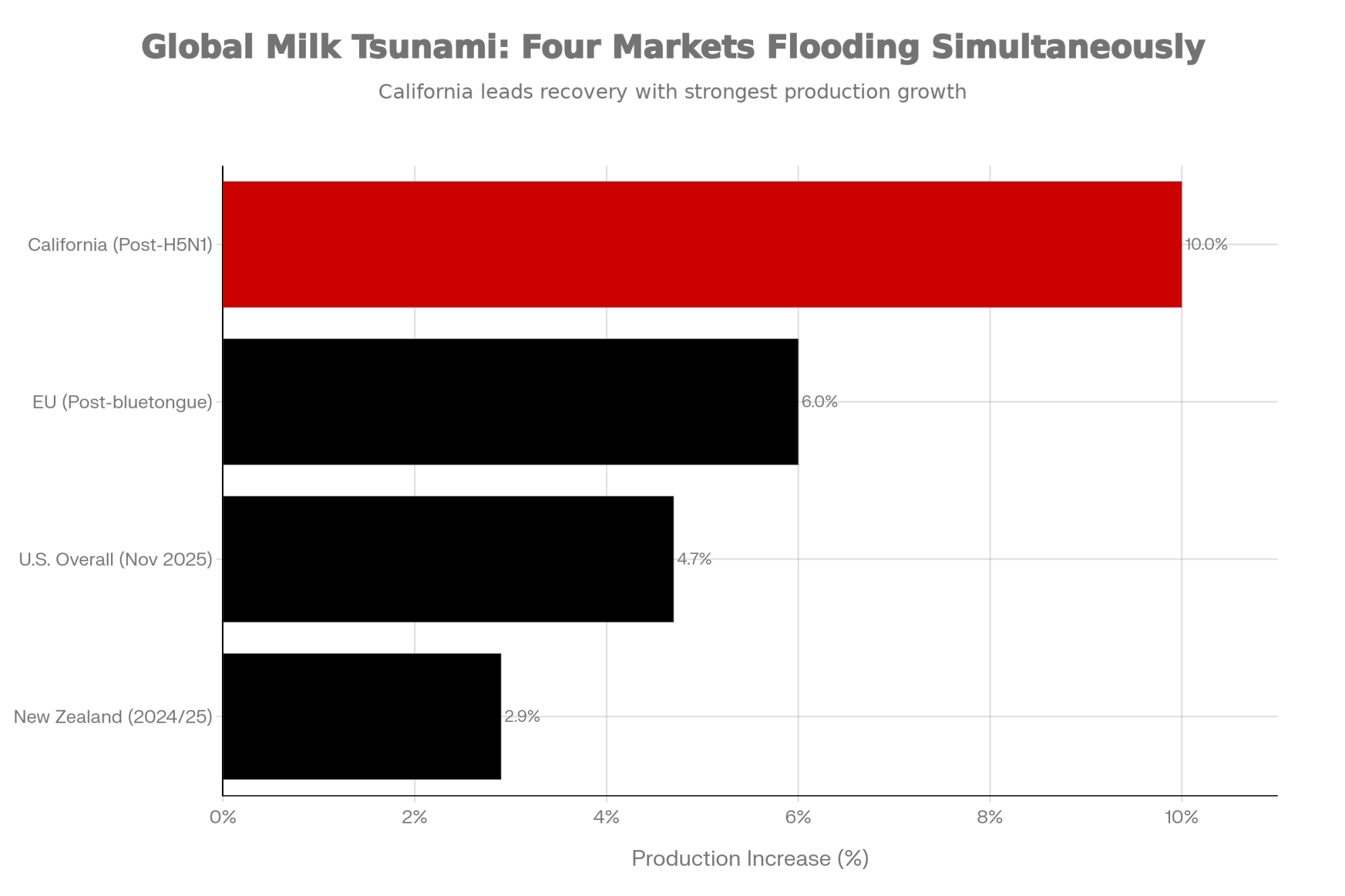
What makes this situation particularly concerning is the production data coming out of all major dairy regions. U.S. milk production surged 3.5% in July compared to the same month last year, building on the 3.4% increase we saw in June. USDA raised their 2025 production forecast to 228.3 billion pounds, citing increased cow inventories and higher milk per cow yields.

The growth isn’t evenly distributed, though—it’s concentrated in regions like Kansas, Texas, and South Dakota where new processing capacity has come online. Industry reports suggest this additional processing infrastructure may be encouraging regional herd expansion, though formal analysis of this relationship is still pending.

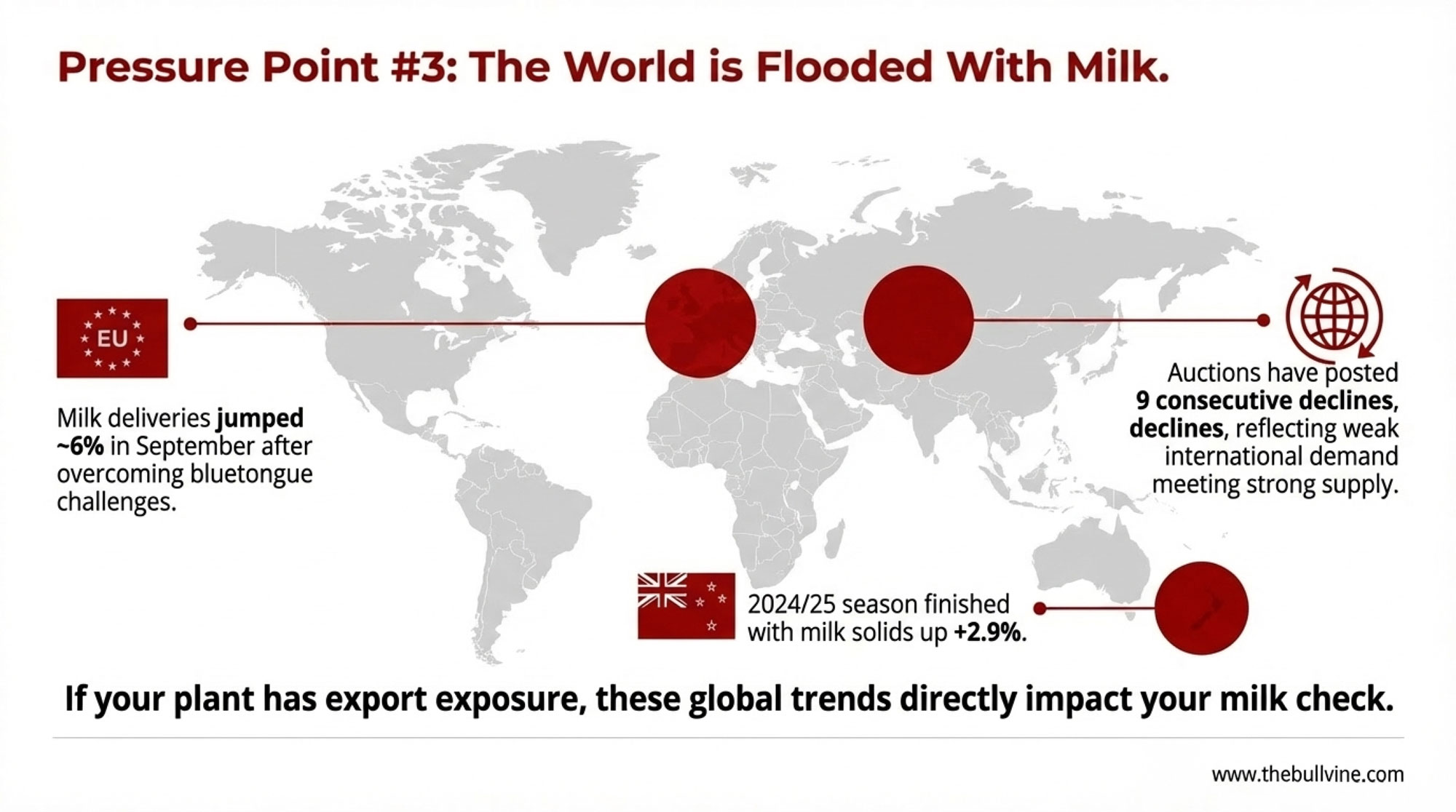
New Zealand posted similarly strong numbers, with milk solids climbing 2.2% in July. Fonterra’s reporting record production for the third consecutive month, driven by favorable weather conditions and strategic supplemental feeding programs, including increased palm kernel imports.

The European situation is more complex. While some regions show growth, overall EU production for January-July 2025 was actually down 0.3% compared to 2024, with significant regional variation due to disease outbreaks in France and weather impacts across different member states. The UK bucked this trend with a stronger performance, but the continental picture remains mixed.

According to USDA data, this represents significant simultaneous growth across major dairy regions—a pattern that’s putting unprecedented pressure on global absorption capacity.

Export Numbers Hide the Real Problem

The export headlines sound encouraging at first glance. U.S. dairy exports jumped 7.1% in July, with butter exports soaring 206% year-over-year. USDEC confirms cheese reached 52,105 MT, up 29% and setting new monthly records driven by demand from Central America, the Caribbean, South Korea, and Japan.

But here’s the thing that’s got me concerned… much of this “growth” is being bought with margin destruction. We’re offering aggressive discounts to move oversupplied product faster than domestic markets can absorb it. Meanwhile, nonfat dry milk and skim powder exports collapsed 16% as we’re getting priced out by European and New Zealand competitors.

At the Global Dairy Trade auctions, European supplier Arla was moving SMP at prices equivalent to $2,575, down 4.8% from previous sessions and undercutting U.S. offerings significantly.

The Feed Cost Buffer

USDA’s September crop report projects 16.8 billion bushels of corn production for 2025—one of the largest harvests on record. This abundance is keeping feed costs historically low, providing producers with a critical buffer that’s preventing the usual financial pressure that forces herd reductions.

What’s interesting is how this interacts with the beef-on-dairy phenomenon. Cheap feed means lower breakeven costs, while premium calf values provide additional revenue streams. Together, they’re eliminating the economic incentives that typically force supply contraction during price downturns.

Why Traditional Market Cycles Are Broken

The broken dairy market feedback loop: How high calf prices and cheap feed prevent traditional supply corrections, perpetuating oversupply.

Here’s where it gets really concerning from a market structure perspective… The traditional dairy cycle relied on economic pressure forcing tough culling decisions when milk prices dropped. But when beef-on-dairy calves are worth $1,200-$1,600 per head, producers can actually profit from keeping cows that aren’t covering their milk production costs.

This creates a perverse incentive structure where low milk prices don’t trigger the supply response the market needs. Instead of reducing cow numbers, producers are maintaining or even expanding herds because the beef side of the equation is so profitable.

It’s a fundamental break from historical market dynamics, and honestly… I’m not sure how long it can persist without causing more serious structural problems.

Regional Variations and Seasonal Impacts

The impact isn’t uniform across all production regions. Midwest operations with strong relationships to beef buyers are weathering this much better than single-buyer situations in more isolated areas. Fresh cow markets in Pennsylvania and New York are showing more resilience than I’d expected, partly due to the proximity to premium auction facilities.

Seasonal factors are also playing a role. The September-October calving peak means higher volumes of crossbred calves hitting premium markets just as beef prices remain elevated. This timing is providing crucial cash flow support during what would normally be a financially stressful period for many operations.

What Smart Operators Are Doing Now

The producers who are positioning themselves best in this environment aren’t waiting for “normal” markets to return. December Class III futures near $17.00-$17.50 might be your last reasonable hedge opportunity before this situation potentially gets worse.

Component focus has become absolutely critical. Milk buyers are increasingly paying for butterfat and protein content rather than volume, and the producers who’ve optimized their component production are seeing significantly better returns than those still focused on total pounds.

Whey protein concentrate demand remains strong despite the broader commodity weakness, which suggests there are still opportunities in value-added products for operations positioned to capture them.

The Uncomfortable Truth About Market Timing

Look, what we’re seeing here—this combination of crashing milk prices alongside sustained farm profitability—isn’t a temporary market quirk. It’s a structural shift that could persist for months or even years until external factors finally force the supply contraction this market desperately needs.

The moment beef-on-dairy calf prices start sliding back toward historical norms, that’s when you’ll see the real market correction begin. But until then? We’re in uncharted territory where traditional market analysis doesn’t provide the usual roadmap.

The operations that thrive through this period will be the ones that adapt their business models now, rather than waiting for markets to return to patterns that may not exist anymore.

Complete references and supporting documentation are available upon request by contacting the editorial team at editor@thebullvine.com.

Learn More:

Join the Revolution!

Join over 30,000 successful dairy professionals who rely on Bullvine Weekly for their competitive edge. Delivered directly to your inbox each week, our exclusive industry insights help you make smarter decisions while saving precious hours every week. Never miss critical updates on milk production trends, breakthrough technologies, and profit-boosting strategies that top producers are already implementing. Subscribe now to transform your dairy operation’s efficiency and profitability—your future success is just one click away.
NewsSubscribe
First
Last
Consent

U.S. Cream Prices Plummet to 10-Year Lows: Milkfat Glut Reshapes Dairy Markets

Cream prices have hit rock bottom, leaving dairy farmers in a squeeze. With milkfat flooding markets from coast to coast, what’s behind this buttery bust? Dive into our analysis of genetic breakthroughs, cheese plant expansions, and global pressures reshaping the U.S. dairy landscape. Is relief on the horizon, or is this the new normal?

Summary

U.S. cream prices have plummeted to decade-lows, driven by a perfect storm of factors reshaping the dairy industry. A 1.7% surge in milk production during late 2024 flooded markets with milkfat, while new cheese plants diverted cream from traditional butter manufacturing. Cream multiples—a key pricing metric—hit historic lows across all regions, with the West averaging just 0.95 in February 2025. Despite lower butter prices, manufacturers are capitalizing on cheap cream inputs, building inventories, and squeezing farmer margins. The glut is compounded by Canada’s increased butterfat production, adding cross-border pressures. As the industry grapples with this oversupply, stakeholders face a pivotal moment: adapting to shifting consumer demands, navigating policy changes, and balancing efficiency with sustainability concerns. While seasonal tightening may offer relief, long-term structural shifts suggest a new paradigm for U.S. dairy markets.

Key Takeaways

  • Cream prices have hit 10-year lows across the U.S., and cream multiples have fallen below five-year averages in all major dairy regions.
  • Milk production increased by 1.7% in late 2024, adding 160 million pounds of milk fat to the market.
  • New cheese plants divert cream from butter production, disrupting traditional market dynamics.
  • Butter prices dropped 22% year-over-year, but manufacturers benefit from cheap cream inputs.
  • Dairy farmers face squeezed margins despite producing more milk fat, as feed costs rose 8%.
  • Canada’s increased butterfat production is adding to cross-border market pressures.
  • Seasonal demand may provide some price relief by June, but structural shifts in the industry suggest long-term challenges.
  • USDA’s upcoming Federal Milk Marketing Order reforms will further impact pricing and production strategies.
  • Climate regulations and sustainability concerns may accelerate herd consolidation, favoring more extensive operations.
  • Stakeholders must adapt to changing consumer demands and market conditions to remain competitive.
cream prices, milkfat glut, dairy markets, butter production, USDA reforms

Cream prices across the U.S. have collapsed to their lowest levels in over a decade, with milkfat supplies overwhelming markets from California to New England. Despite a 1.7% year-over-year surge in milk production during the second half of 2024—adding 160 million pounds of milkfat—weak demand and shifting processing priorities have created a supply glut. Cream multiples, a critical pricing metric, have languished below five-year averages since mid-January, squeezing dairy farmers even as cheese and butter manufacturers capitalize on cheaper inputs.

Regional Price Collapse Reflects Oversupply

Cream multiples—the ratio of cream prices to butterfat values—have hit historic lows across all major dairy regions. In the West, multiples averaged 0.95 during the week ending February 13, 2025, the lowest Week 7 figure since 2013. The Midwest and East followed closely, with midpoints of 1.05 and 1.11, respectively, marking their weakest seasonal performance since 2017 (USDA Dairy Market News, 2025). Analysts attribute the slump to a perfect storm of abundant milkfat supplies, mild winter weather, and lagging demand for Class II dairy products like ice cream.

Drivers of the Milkfat Boom

Genetic and Nutritional Advances

Due to component-based pricing models in Federal Milk Marketing Orders (FMMOs), dairy farmers now prioritize milkfat yields. Butterfat premiums averaged $2.91/lb in December 2024, incentivizing genetic selection and feed strategies that boost fat output (USDA Agricultural Prices Report, 2025).

Dr. Mark Stephenson, UW-Madison Dairy Economist:
“Farmers are paid for pounds of fat and protein, not just volume. This system rewards efficiency but also floods markets with components faster than processors can adapt.”

Seasonal and Structural Shifts

Unusually warm winter temperatures accelerated calving cycles in the Midwest and East, pushing milk volumes 3% above typical seasonal averages (CME Group Dairy Outlook, 2025). Simultaneously, new cheese plants in Wisconsin and Texas diverted 15% of U.S. milkfat away from butter production—a 50% increase from 2023 levels (IDF World Dairy Report, 2024).

Disease Avoidance and Herd Health

Unlike Western states grappling with Highly Pathogenic Avian Influenza (HPAI) outbreaks, the Midwest and East avoided significant herd culls. This stability allowed milkfat output to grow steadily, with Midwest production rising 2.1% year over year in Q4 2024 (USDA Milk Production Report, 2025).

Economic Impacts: Winners and Losers

US Producer Price Index: Fluid Milk Manufacturing and Cream, Bulk Sales

DateValue (Index Dec 1991=100)
January 31, 2025239.59
December 31, 2024242.10
November 30, 2024245.70
October 31, 2024258.86
September 30, 2024262.09

Source: Bureau of Labor Statistics

Butter Manufacturers

Butter prices fell 22% yearly to $2.45/lb in January 2025, yet churning margins remain healthy due to cheap cream. Cold storage inventories surged 11.4% in December 2024, signaling overproduction (USDA Cold Storage Report, 2025).

Cheese Producers

Cheese demand drove Class III milk prices to $19.45/cwt in 2024, with new Midwest plants absorbing 4.5 billion pounds of milk annually. “We’re seeing a structural shift toward cheese,” notes Haiping Li, USDA Dairy Program Analyst. “Every new plant reduces cream availability for butter long-term.”

Dairy Farmers

Despite higher milkfat yields, farmer revenues lagged. The 2024 all-milk price averaged $22.25/cwt, but feed costs rose 8%, eroding margins (USDA Economic Research Service, 2025).

Dairy Farmer in Fond du Lac, Wisconsin (Anonymous):
“We’re producing record fat, but cream checks barely cover hauling costs. We’ll have to cull cows if cheese plants don’t take more milk soon.”

Federal Milk Order Class Prices, 2024

MonthClass II Price ($/cwt)Class III Price ($/cwt)Class IV Price ($/cwt)
Jan20.0415.1719.39
Feb20.5316.0819.85
Mar21.1216.3420.09
Apr21.2315.5020.11
May21.5018.5520.50

Source: USDA Agricultural Marketing Service

Global Context: Canada’s Oversupply Compounds Pressures

U.S. markets face additional strain from Canada’s dairy surplus. Ottawa’s 2024 decision to allow 2.8% more butterfat production under supply management has flooded North American markets with discounted cream (Agriculture and Agri-Food Canada, 2025). “Cross-border dumping accusations are rising,” warns Michelle McBain, Canadian Dairy Commission. “Without export growth, this glut could linger into 2026.”

Market Outlook: Will Prices Rebound?

Short-Term (Q2 2025)

Seasonal ice cream demand may lift cream multiples to 1.08–1.22 by June, but analysts caution that 2025’s spring flush could delay recovery (Rabobank Dairy Quarterly, 2025).

Policy Shifts

USDA’s June 2025 FMMO reforms will lower minimum pay prices by $0.30/cwt, pressuring farmers to optimize milkfat yields further.

Long-Term Risks

  • Cheese Overproduction: Excess inventories may destabilize prices if export demand weakens.
  • Climate Pressures: Methane regulations could accelerate herd consolidation, favoring large-scale farms with lower per-unit emissions (FAO Dairy Sustainability Report, 2024).

Strategic Recommendations

Farmers should prioritize feed efficiency and contract cream sales to blenders. Processors must balance fat/skim surpluses through butter-powder plants, while retailers could lock in cream contracts ahead of potential late-2025 price hikes.

The Bottom Line

The U.S. dairy sector faces a pivotal moment: record milkfat production has cratered cream prices, but shifting global demand and processing innovations offer pathways to adaptation. As markets brace for tighter margins and policy shifts, stakeholders must align with trends favoring efficiency and diversification. In the words of Tom Bailey, Rabobank Analyst: “The only constant in dairy is change—and fat.”

Learn more: 

CME Dairy Market Update for February 6th, 2025: Butter Drops, Cheese Steady, and Milk Futures Up Despite Cost Challenges

Dairy markets showed mixed signals on Thursday, with butter prices dipping and cheese steady. Class III milk futures gained ground despite weaker feed commodity prices, creating a complex landscape for producers. Key developments in global trade and consumer demand are shaping market dynamics.

Summary:

Dairy markets were mixed on Thursday, with butter falling to $2.40 per pound and whey dropping 2 cents, while cheese stayed steady. Class III milk futures rose slightly even with higher feed costs, as traders expect milk supplies to tighten. Butter and whey saw the biggest weekly drops due to global supply issues, making market decisions and awareness very important.

dairy markets, butter prices, cheese prices, Class III milk futures, feed commodity prices

Dairy markets showed mixed activity Thursday, with butter declining while cheese markets held steady. Class III milk futures gained momentum despite weaker feed commodity prices, creating complex dynamics for producers. 

Daily CME Cash Dairy Product Prices ($/lb.)

FinalChange ¢/lb.TradesBidsOffers
Butter2.4000-1.00712
Cheddar Block1.8600NC000
Cheddar Barrel1.8050NC002
NDM Grade A1.3400NC003
Dry Whey0.5900-2.00015

Daily Cash Prices 

Key products closed with: 

  • Butter: $2.40/lb (-1.00¢) [7 trades]
  • Cheddar Blocks: $1.86/lb (No Change) [0 trades]
  • Cheddar Barrels: $1.805/lb (No Change) [0 trades]
  • NDM Grade A: $1.34/lb (NC) [0 trades]
  • Dry Whey: $0.59/lb (-2.00¢) [0 trades]

Trading activity remained subdued except for butter, which saw seven trades with one bid and two offers remaining at settlement. 

Futures Market Movement 

Class III Milk (FEB): $20.34/cwt (+0.33 vs Wednesday) Class IV Milk (FEB): $19.55/cwt (-0.30 weekly) 

Notable Futures: 

ProductThu CloseWeekly Change
Butter$2.4738-1.65%
NDM$1.3180-1.70%
Dry Whey$0.6348-7.68%

Futures trading showed particular interest in Q2 cheese contracts, with open interest increasing 12% week-over-week. 

Weekly Price Trends 

Current vs Prior Week Averages ($/lb): 

ProductCurrent AvgPrior WeekChange
Butter2.41752.4745-2.31%
Cheddar Block1.87061.9005-1.57%
Dry Whey0.61000.6770-9.90%

Dry whey markets saw the steepest weekly decline, falling nearly 10% amid reports of increased European exports. 

Market Drivers Feed Costs: 

  • March corn futures rose 3.9% weekly to $4.955/bu
  • Soybean meal futures dipped 5.4% to $306.50/ton

Production Signals: 

Milk futures remain disconnected from feed markets, with Class III prices up 1.4% week-over-week despite higher corn costs – suggesting processors anticipate tighter milk supplies. 

Regional Outlook 

Midwest cheesemakers continue holding barrel inventories at multi-year lows, while Northeast butter production appears to be ramping up ahead of the spring baking season. California milk output remains constrained by high feed costs, with Central Valley producers reporting $1.80/cwt feed margins. 

Traders should watch Friday’s cold storage report for confirmation of tightening cheese stocks, which could support prices despite the current sluggish trading activity.

Join the Revolution!

Bullvine Daily is your essential e-zine for staying ahead in the dairy industry. With over 30,000 subscribers, we bring you the week’s top news, helping you manage tasks efficiently. Stay informed about milk production, tech adoption, and more, so you can concentrate on your dairy operations. 

NewsSubscribe
First
Last
Consent

Dairy Market Report February 3rd 2025: US-Canada Tariffs Trigger Price Drop Amid Rising Feed Costs

Dairy markets stumbled Monday as cheese prices hit three-week lows and feed costs spiked. While a temporary Mexico tariff deal provided relief, all CME dairy products closed lower. What’s driving the selloff, and how can farmers protect their margins? Here’s your complete market breakdown.

Summary:

The US-Canada tariffs caused a significant downturn in dairy markets on February 3, resulting in plummeting prices for cheese, butter, and dry whey at the CME, compounding challenges for farmers already facing high feed costs for corn and soybeans. Given the volatility, dairy farmers should consider proactive strategies, such as securing feed prices and discussing forward contracts with co-ops, to protect narrowing margins. With key dates for USDA reports and trade decisions approaching, monitoring market developments is essential to staying ahead of further fluctuations. Maintaining a close watch on expenses is crucial as milk prices remain unpredictable, affecting the farms’ financial health.

Key Takeaways:

  • Dairy prices significantly declined, affecting farmers’ revenue amidst rising costs.
  • Cheese markets experienced notable price drops, with blocks and barrels decreasing.
  • General market instability is attributed to uncertain Mexican trade developments.
  • Feed costs are escalating, adding pressure to farming budgets.
  • Farmers are advised to mitigate costs by managing feed waste and considering forward contracts.
  • Upcoming dates are crucial for market insights and influencing decision-making strategies.
  • Maintaining a close watch on expenses is vital, given the current market volatility.
Dairy producers face a double squeeze as US-Canada trade tensions spill over into commodity markets, sending CME spot prices tumbling while feed costs surge. The February 3rd market saw cheese prices hit three-week lows and dry whey drop 3.1%, eroding already thin margins for North American dairy farmers.

Dairy producers face a double squeeze as US-Canada trade tensions spill over into commodity markets, sending CME spot prices tumbling while feed costs surge. The February 3rd market saw cheese prices hit three-week lows and dry whey drop 3.1%, eroding already thin margins for North American dairy farmers.

All dairy prices fell at the CME on February 3, 2025, hitting farmers with lower milk checks just as corn and soybean costs jumped. Let’s break down what this means for your farm’s bottom line. 

Today’s Price Changes 

Daily CME Cash Dairy Product Prices ($/lb.)

FinalChange ¢/lb.TradesBidsOffers
Butter2.4300-0.25322
Cheddar Block1.8625-1.50403
Cheddar Barrel1.7900-2.00401
NDM Grade A1.3400-0.50725
Dry Whey0.6200-2.00212

Cheese markets took the biggest hit: 

  • Blocks down 1.5 cents to $1.86/lb
  • Barrels down 2 cents to $1.79/lb
  • Butter slipped to $2.43/lb
  • Dry whey dropped to 62 cents/lb

What’s Behind the Drop? 

Mexico buys nearly half of our cheese exports. Today, prices bounced around because of news about Mexican trade deals. First, they fell, then jumped up, and then lost again. This kind of up-and-down trading makes it harder to know when to sell your milk. 

Feed Costs Rising 

Bad news on feed prices today: 

  • Corn up 7 cents to $4.89/bushel
  • Soybeans up 16 cents to $10.58/bushel

These higher feed costs will eat into your milk check. For a 100-cow dairy, today’s jump in feed prices adds about $20 per day to costs. 

What This Means for Your Farm 

  1. Milk prices look shaky through spring
  2. Feed costs are trending up
  3. Margins are getting tighter

What You Can Do Now 

Think about these moves: 

  1. Lock in feed prices if you can
  2. Talk to your co-op about forward contracts
  3. Watch your feed waste
  4. Hold off on significant spending

Looking Ahead 

Keep an eye on these dates: 

  • March 1: New USDA dairy report
  • March 15: Decision on Mexico trade
  • April 5: Spring feed prices set

Bottom Line 

With milk prices dropping and feed costs rising, now is the time to monitor expenses closely. Your break-even price might be higher than current futures prices suggest. 

Learn more:

Join the Revolution!

Bullvine Daily is your essential e-zine for staying ahead in the dairy industry. With over 30,000 subscribers, we bring you the week’s top news, helping you manage tasks efficiently. Stay informed about milk production, tech adoption, and more, so you can concentrate on your dairy operations. 

NewsSubscribe
First
Last
Consent

CME Market Insights: Cheese and Butter Prices Rally as U.S. Production Climbs

Discover key trends as CME cheese and butter prices rise. Understand how U.S. production growth could affect your dairy strategies.

Summary:

The latest CME market report showcases a rally in Class III and cheese prices, driven by renewed buyer aggression and U.S. production gains, with the USDA’s October report detailing a 1% increase in cheese output and a 3.1% rise in butter production year-over-year. Market complexities like technical resistance levels and fluctuating whey prices prompt producers to reassess strategies, especially as U.S. cheese prices lag behind those in New Zealand and the EU. Dairy markets show bullish momentum, with block cheese at $1.70 per pound and butter prices increasing, paving the way for potential profit expansions. However, strategic hedging is necessary to balance pricing strategies and profit margins amid rising cheese prices, strong market dynamics, and holiday season-driven demand for butter now priced at $2.54.

Key Takeaways:

  • Class III cheese and block cheese markets experience steady gains, indicating bullish sentiment despite seasonal demand fluctuations.
  • The U.S. continues to produce more cheese and butter than previous years, driving domestic market prices up while still remaining competitive globally.
  • Butter futures have risen significantly, with current market conditions suggesting a sustained demand around the $2.50 per pound mark.
  • The USDA’s October Dairy Products report highlights an increase in overall cheese and butter output compared to last year, despite some sector-specific declines.
  • Whey prices impact Class III contracts significantly, necessitating careful monitoring by producers, especially as the first quarter of 2025 approaches.
  • The NFDM market faces challenges as global demand appears to stabilize, emphasizing the need for strategic positioning in the current pricing environment.
  • U.S. dairy pricing remains more favorable compared to New Zealand and EU counterparts, providing competitive leverage in international markets.
dairy markets, cheese prices, butter prices, dairy farmers, market dynamics, pricing strategies, supply chain decisions, USDA Dairy Products report, export opportunities, global pricing trends

Dairy markets are currently experiencing a bullish momentum, with cheese and butter prices on the rise. This unexpected pre-holiday market rally has certainly stirred things up. Block cheese has advanced to $1.70 per pound, and butter prices have also seen a significant increase. This rally presents both risks and opportunities, affecting pricing strategies, profit margins, supply chain decisions, and market forecasts. As these forces behind the numbers capture industry attention, it’s crucial to start strategizing for 2025, ensuring preparedness and proactivity in the face of these market dynamics.

ProductCurrent Price (per pound)Weekly ChangeComparison Index
Block Cheese$1.70+3 cents+7 cents week-to-date
Barrel Cheese$1.6675+1.75 cents+7 cents week-to-date
Spot Butter$2.5400+1.75 cents+5.5 cents from last week’s low
NDM$1.3700-0.50 centSideways price action

Riding the Wave: CME Cheese and Butter Prices Climb Amid U.S. Production Surge 

The recent pricing trends at CME exhibit a clear upward trajectory in cheese and butter, driven primarily by U.S. production dynamics and international market comparisons. Cheese markets are showing a continuous rally, with block cheese advancing to $1.70 per pound and barrel cheese climbing to $1.6675 per pound. Notably, both categories reflect a 7-cent increase this week, contributing to bullish sentiments in futures markets. This movement is juxtaposed against U.S. cheese prices, which are significantly lower than New Zealand and EU figures, priced at $2.13 and $2.28 per pound, respectively. 

Butter pricing follows a similar ascent, now reaching $2.54 per pound, influenced by a robust production backdrop. The USDA’s recent dairy report indicates a 3.1% annual increase in butter output, revealing a comparative advantage over European and New Zealand markets, where butter prices are notably higher. These variances highlight the U.S.’s relative positioning in global markets, as the domestic increase in production aligns strategically with international price disparities, offering competitive advantages that bolster market resilience.

The Cheese Surge: Navigating Gains and Strategic Opportunities 

The cheese market is currently undergoing significant shifts, particularly within the block and barrel cheese categories. Block cheese has climbed to $1.70 per pound, witnessing a 3-cent rise through multiple trades, while barrel cheese saw a 1.75-cent increase, settling at $1.6675. These seemingly modest increments have amplified the momentum in the futures market, particularly impacting Class III futures. Over recent sessions, January Class III futures have surged by $1.00/cwt, reflecting investor optimism fueled by these incremental gains. This surge in the cheese market presents a promising outlook, potentially leading to better returns for dairy producers. 

These market shifts bear significant implications for dairy producers. The rising price of cheese indicates stronger market dynamics and potentially better returns. However, these gains bring with them the need for strategic hedging as there’s a delicate balance to maintain. For producers under-covered for the first quarter of 2025, the current rise offers an opportunity to secure favorable pricing floors. It’s crucial, however, to remain vigilant about whey prices, as any decline in whey, which plays a critical role in Class III pricing, could erode these advantages. Each penny drop in whey could translate to a 6-cent impact on Class III prices, underscoring the importance of monitoring these interconnected market components. While the present trajectory offers positive signals, producers must navigate these waters with a keen eye on volatility and fundamentals.

Butter Bounces Back: Market Dynamics and Growth Deceleration 

The recent upswing in butter market prices reflects a nuanced amalgam of supply and demand dynamics. With spot butter rising 1.75 cents to close at $2.54, it is noteworthy that the butter futures have also shown appreciable gains, advancing 0.50 to 2.00 cents across contracts through July 2025. This upward movement suggests a robust reaction following some expected technical oversold conditions seen before Thanksgiving. 

The driving force behind this price increase is the persistent demand during the holiday season, combined with a steady supply of cream, facilitating ample butter production. What’s compelling is the notable deceleration in butter output growth, shifting from a staggering 15.1% increase in August to a more moderate rise of 3.1% compared to last year. Despite this slowdown, the current production levels are sufficient to meet prevailing demand while maintaining price stability. 

The second half of 2025 appears promising for a balanced trade, given the confidence in production capacity supported by available cream supplies. Yet, the market also benefits from targeted consumer interest around the $2.50 price point, adding a layer of demand elasticity that continues to underpin market strength.

USDA’s October Dairy Report: Navigating Production Shifts and Market Resilience

The USDA’s October Dairy Products report provides a comprehensive overview of the trends in cheese and butter production in the United States, revealing pivotal insights into market dynamics. Notably, total cheese production witnessed an incremental rise, reaching 1.226 billion pounds, marking a 1.0% increase compared to last year. This modest increase suggests a more robust output relative to the stagnation observed in September, signaling potential stabilization in demand despite underlying challenges. 

Conversely, the production of U.S. Cheddar remains tepid, showing a 3.1% decline against the figures recorded in October 2023. This downturn in Cheddar production underscores a potential shift in consumer preference or market demand, challenging producers to optimize production levels without incurring surplus. Such strategic restraint aligns with maintaining balanced inventories amidst fluctuating demand. 

In the butter sector, production expanded by 3.1%, totaling 167.5 million pounds. While this growth is a marked deceleration from the double-digit increases noted in August and September, it reflects the market’s ability to calibrate outputs effectively to avoid oversupply, thus supporting price levels. The deceleration suggests some caution among producers, yet the upward trend in butter production reinforces its consistent demand in the domestic market. 

These production insights, grounded in the October Dairy Products report, highlight shifts in year-over-year production patterns and underline dairy producers’ nuanced adjustments to navigate current market demands and price signals. As the industry maneuvers through these fluctuations, strategic production decisions will be crucial in shaping future market resilience and pricing stability.

Strategic Advantage: U.S. Dairy’s Path to Global Leadership through Competitive Pricing

The current price of cheese in the U.S. is $1.67 per pound, significantly lower than in international markets such as New Zealand and the EU, where cheese fetches $2.13 and $2.28 per pound, respectively. This disparity presents a strategic opportunity for U.S. producers to expand their export reach. The more competitive pricing could make U.S. cheese an attractive option for international buyers seeking cost-effective imports. 

Similarly, U.S. butter, priced at $2.52 per pound, is also competitively positioned in the global market compared to New Zealand’s $2.96 per pound and Europe’s far higher price of $3.80 per pound. Such pricing differentials present promising export prospects for U.S. butter producers, who can capitalize on these price advantages to penetrate foreign markets. 

Lower U.S. price levels relative to international markets are beneficial for exports and could also influence domestic market dynamics. This pricing competitive edge may stimulate increased production as domestic suppliers aim to meet potential heightened demand at home and abroad. It may also lead to adjusting domestic supply chains to better cater to the export-oriented production strategy. For U.S. dairy farmers, aligning production with global pricing trends is crucial for sustaining competitiveness and leveraging new markets.

Whey and NFDM: Essential Components in Dairy Market Dynamics 

The intricate web of the global dairy market is significantly influenced by the roles of whey and nonfat dry milk (NFDM). Recently, whey has shown resilience, maintaining its position above 70 cents despite a minor slip, a testament to its critical role in the Class III pricing structure. Given that every penny moves in whey correlates to a six-cent adjustment in Class III milk prices, its stability underpins the robustness seen in this sector despite broader market fluctuations. 

On the production front, the October Dairy Products report indicated a notable downturn in dry whey production—down 12.3% from the previous year. This significant reduction in output, paired with a 33.1% decline in stocks from 2023, has likely contributed to the observed stability in whey pricing, supporting its market relevance even as other products like cheese advance [USDA Dairy Products report]. 

Conversely, NFDM’s market performance appears more precarious. Despite weaker production figures and growing inventories, NFDM prices remain around $1.40. Recently, the spot market saw NFDM edge down half a cent as supply pockets permeated the CME market, testing this price ceiling. Analysts suggest that the lack of aggressive global demand, amplified by global price competitiveness, may prevent NFDM from capitalizing on current price points [source]. 

The implications of these trends are profound for the dairy market. The robust price amidst constrained production indicates strong demand fundamentals for whey, offering producers a buffer against volatility in other dairy categories. Meanwhile, NFDM’s plateau suggests potential opportunities or risks contingent upon global demand or supply dynamics shifts. Therefore, Market participants must navigate these evolving landscapes strategically, balancing production with emerging market cues to effectively leverage these critical commodities.

Technical Terrain: Navigating Peaks and Valleys in Cheese and Butter Markets 

The current landscape in the CME cheese and butter markets reveals key technical considerations that can significantly impact future price movements and trading strategies. Notably, the current market is facing resistance levels just above prevailing prices. This suggests that while a continued upward trajectory is possible, traders should exercise caution as price action could encounter difficulty sustaining momentum beyond these thresholds. 

Technical patterns indicate the potential for a weekly reversal in nearby contracts, a development usually perceived as bullish despite lackluster current demand narratives. Such a reversal suggests that underlying strength supports current price rebounds. It could attract more buying interest if confirmed, further fueling upward price momentum. 

Traders should watch these resistance points closely. Breaking through them could initiate a new price leg higher, indicating robust demand or supply dynamics that could alter market perceptions. On the other hand, failure to surpass these resistance levels could result in consolidation phases where prices stabilize, allowing for strategic reassessment. 

Regarding trading strategies, prudent market participants might consider short-term positions to capitalize on these potential reversals and longer-term hedges to mitigate risk should prices reverse again or encounter sustained pressure. This multifaceted approach allows for flexibility, ensuring traders can efficiently adapt to evolving market dynamics.

The Bottom Line

The current landscape of the CME market indicates the rebound of cheese and butter prices and the intricate web of production dynamics influencing these shifts. As the U.S. continues to ramp up cheese and butter production, the pivotal role of strategic pricing relative to international markets cannot be overstated. Navigating the complexities of whey and NFDM further underscores the need for dairy professionals to remain vigilant and proactive in their market strategies. 

Dairy farmers and industry stakeholders must monitor emerging market trends and assess how these could affect their operations. What strategies can you adopt to leverage this knowledge and navigate fluctuating market conditions? Can you implement innovative approaches to stay ahead of the competition despite shifting demand and production levels? 

Engage with these questions, adapt your business strategies, and harness the insights from ongoing market reports. Staying informed with reports like these will ensure you are well-equipped to make informed decisions, enhancing your resilience and competitive edge in this dynamic industry.

Learn more:

Join the Revolution!

Bullvine Daily is your essential e-zine for staying ahead in the dairy industry. With over 30,000 subscribers, we bring you the week’s top news, helping you manage tasks efficiently. Stay informed about milk production, tech adoption, and more, so you can concentrate on your dairy operations. 

NewsSubscribe
First
Last
Consent

CME Dairy Markets Report: Navigating Cheese, Butter, and Futures Fluctuations for October 30th, 2024

Get the CME dairy market update. How do cheese, butter, and futures influence your strategy? Stay informed to lead in the dairy industry.

Summary:

On October 30th, 2024, the CME Dairy Markets report highlighted a mix of activity, with block cheese prices dipping slightly and barrel prices rising by 3.5 cents, revealing a complex landscape influenced by multiple signals. Concerns over potential disruptions arose due to avian flu cases in California and Utah, potentially affecting demand trends. December and January Class III futures reached two-month lows, whereas Class IV futures presented a consistent upward trajectory. The spot butter market demonstrated resilience, bolstered by international market influences such as the increase in SGX/NZX powder prices following solid results in the latest GDT Pulse, indicating ongoing strategic adjustments within the market.

Key takeaways:

  • The trading activity in the November-December Class III spread shows significant movements, indicating a strategic focus on short-term market dynamics.
  • Class III and Cheese Futures present mixed signals, reflecting cautious yet active trading patterns among market participants.
  • The NFDM market is experiencing volatility, driven by international influences and fluctuating spot prices, emphasizing the need for strategic navigation.
  • European dairy products maintain a premium price, sustaining global trade interest and serving as a competitive challenge for other regions.
  • Butter’s market resilience is highlighted by its rebound from previous lows, supported by strategic futures trading and robust open interest.
  • Fluctuations in market spreads may signal potential shifts in broader market fundamentals, requiring close observation from stakeholders.
  • Overall, bullish market traction and solid buyer-seller interactions show tempered price fluctuations shortly.
dairy markets, spot cheese segment, block prices, barrel prices, avian flu impact, Class III futures, Nov/Dec spread trading, Class IV futures, spot butter market, international dairy prices

On October 30th, 2024, the dairy markets were in flux, challenging industry norms and sparking speculation. However, the market’s resilience is a testament to its stability. Have you considered how fluctuating cheese and butter prices could impact global trade and your operation’s profitability? As block prices dip by half a cent, barrels rise to $1.9250 per pound, and butter prices advance to $2.7050 per pound. Understanding these market dynamics is crucial for informed business decisions, especially when prices are this volatile.

Fluctuating Trends and External Challenges Shape Dairy Market Dynamics

The market conditions present a mixed bag of activities, especially in the spot cheese segment. Block prices decreased slightly, slipping by half a cent, while barrel prices increased by 3.5 cents. This diverging trend reflects a complex market landscape in which buyers and sellers respond differently to various signals. 

Adding to this complexity, external factors such as the recent avian flu cases reported in California and Utah have cast a shadow over market sentiment. Such outbreaks typically heighten concerns over potential disruptions, impacting demand trends as the year-end approaches. Market participants remain vigilant, assessing how these health-related developments might further influence consumer demand and market dynamics in the dairy sector.

Strategic Trading Patterns: Navigating Class III Futures’ Two-Month Lows

Examining the recent performance of Class III futures, prices for December and January contracts have hit two-month lows. This decline aligns closely with key technical support levels, suggesting potential stabilization points that traders are likely monitoring. The robust trading volume, with over 2,400 contracts exchanged, highlights a significant engagement from market participants. This activity was notably driven by the Nov/Dec spread trading, which saw an impressive 500 trades executed in just one day. 
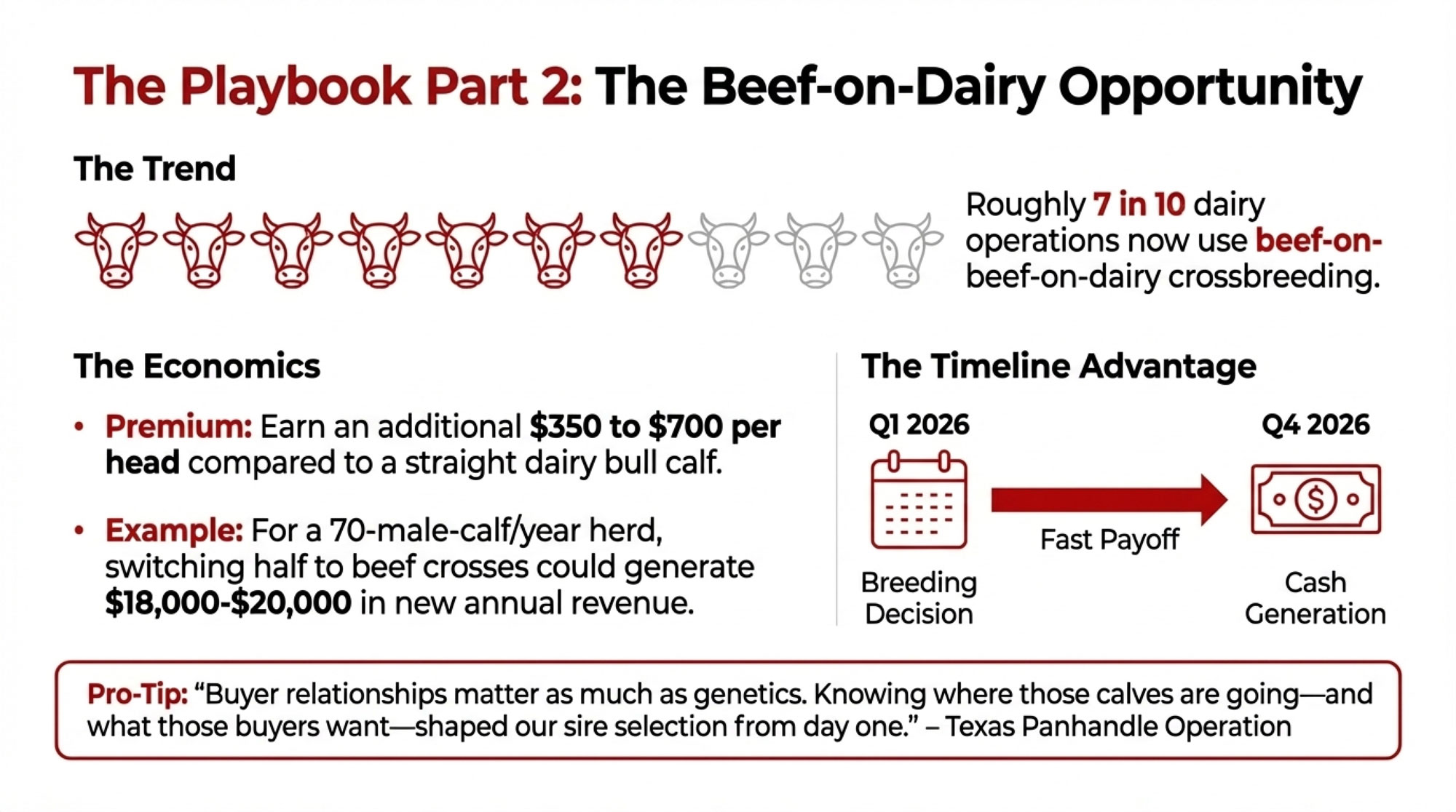
The dynamics of the Nov/Dec spread trading have had a palpable impact on open interest, showing a unique pattern. By rolling positions from November to December, traders have maintained a steady open interest overall, only increasing by three contracts. However, the shifting interest from November to December indicates a strategic repositioning by traders to optimize their exposure to price movements. This strategic spread trading suggests carefully watching near-term price shifts, with participants positioning themselves to manage potential volatility.
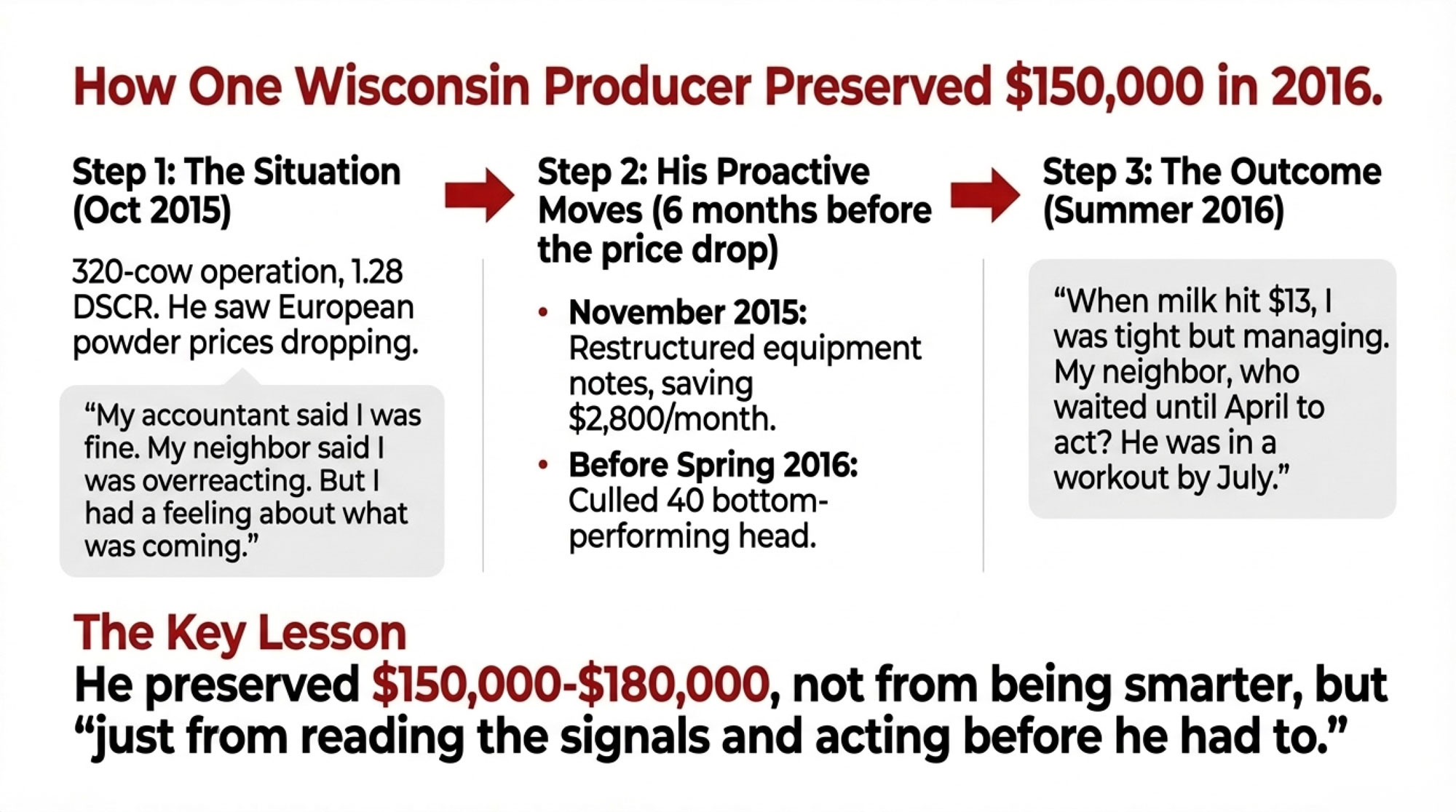
Exploring Divergent Paths: Class III’s Cautious Moves vs. Class IV’s Steady Ascendancy
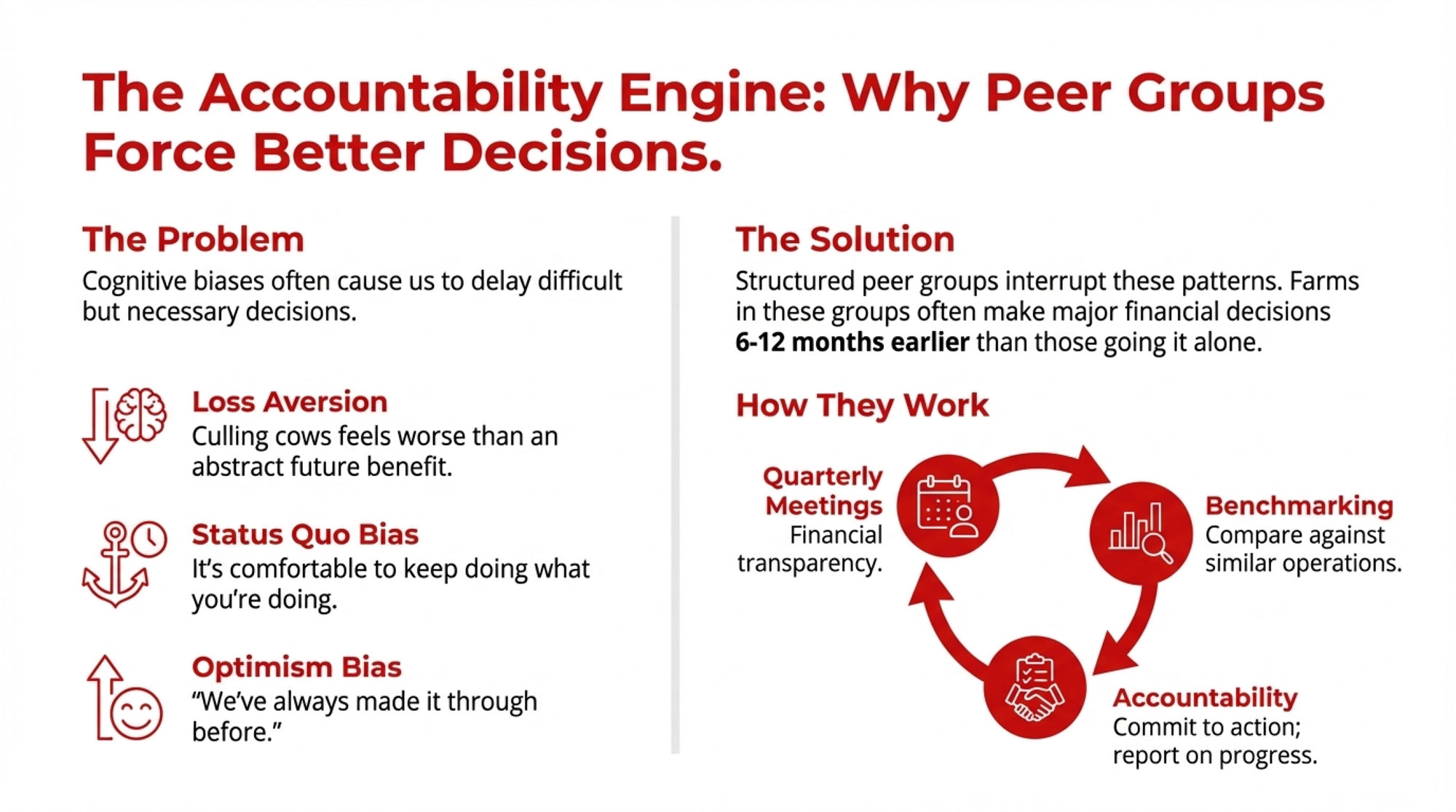
The Class III futures experienced a complex landscape as the nearby contract slightly advanced to $20.57 per hundredweight, marking a minor increase of five cents. However, the upward movement was juxtaposed with a decline in Q1 prices, which descended to $19.63 per hundredweight, shedding 14 cents. This mixed performance highlights a potential recalibration within the Class III space, indicating a cautious market sentiment trying to balance immediate gains against longer-term uncertainties. 

Conversely, Class IV futures demonstrated a more uniform positive trend. November futures cemented their standing at $21.04 per hundredweight, climbing an additional three cents, while Q1 futures also saw an incremental rise to $21.21 per hundredweight, adding three cents. These steady gains suggest that Class IV products might benefit from more robust demand or tighter supply scenarios, contrasting the more volatile Class III trends. 

The divergence in Class III and IV futures performance could indicate underlying shifts in market demand patterns. While Class III markets are wrestling with variabilities and competitive pressures, Class IV products are riding a wave of steady, albeit modest, positivity. The potential impact on the dairy market could manifest in tactical adjustments by producers and traders, resulting in a strategic shift toward maximizing opportunities within the more stable Class IV domain.

Spot Butter’s Valiant Rebound: A Testament to Market Resilience and Strategic Futures Play 

The spot butter market is exhibiting significant resilience. It recovered from last week’s lows, with prices rising by 1.5 cents to $2.705 per pound. This rebound not only injects optimism into future trading activities but also presents potential profit opportunities. Notably, the futures market has witnessed a commendable level of liquidity throughout 2025, bolstered by the rise in spot prices and strategic trading trends. 

One of the intriguing aspects of current market activities is the initiation of a cash-and-carry trade. This strategy becomes viable when spot prices hover around $2.70 while deferred futures beyond January surpass $2.80 per pound. The cash-and-carry trade is significant as it creates opportunities for market players to lock in profits by buying at current spot prices and selling in the futures market at higher rates. This trend has attracted new market participants on both ends, with buyers eager to secure prices below the speculated $3.00 threshold and sellers strategically leveraging the market’s forward carry. 

The influx of new buyers and sellers testifies to the market’s robustness and traders’ ever-evolving strategies. These new entrants infuse vitality into the trading environment, presenting a dynamic marketplace where informed price locking and speculative selling coexist. Consequently, this lively interaction between buyers and sellers improves the market’s health. 

Furthermore, the recovery in butter open interest is worthy of mention. Across all open contracts, we are almost back to levels reminiscent of 2020 and 2022, highlighting sustained interest and active participation in the market. While open interest does not inherently indicate a directional bias, it underscores a well-balanced arena where willing buyers and sellers find common ground.

Subtle Movements in NFDM Prices: A Cautious Yet Active Market Navigates International Influence

Spot Nonfat Dry Milk (NFDM) prices have displayed subtle dynamism in recent sessions. They climbed to $1.3950 during trading before settling marginally lower at $1.3850. This slight dip occurred over seven trades, indicating a cautious yet active market. Futures activity surrounding NFDM showed mixed patterns, with price changes holding close to a one-cent fluctuation, reflecting an overall cautious investor sentiment. 

The influence of international markets can’t be overlooked, as seen with the SGX/NZX powder prices continuing to strengthen following a robust performance in the latest GDT Pulse. This international surge propels domestic considerations, presenting potential upward pressure on future NFDM pricing trends. Although domestic futures traded with limited volume—81 contracts post a vigorous Tuesday session—the global market movements highlight a pivotal influence on dairy pricing strategies.

European Dairy’s Premium Edge: A Global Trade Catalyst and Innovative Challenge for Rivals

In our ever-evolving global dairy market, European butter and cheese continue to command significant premiums compared to their counterparts in New Zealand and the United States. This premium positions the European Union (EU) as a crucial player in the international dairy landscape. EU cheese prices are currently averaging $2.46 per pound, markedly higher than New Zealand’s $2.13 per pound and the U.S.’s $1.91 per pound. As for butter, the EU’s average is $3.74 per pound, significantly outpricing New Zealand’s $2.87 per pound and the U.S.’s $2.69 per pound, with all prices adjusted for 80% butterfat. This premium edge reflects the quality and demand for European dairy products. It presents an innovative challenge for rivals to match or surpass these standards to compete in the global market. 

This distinctive price gap has increasingly made the EU a focal point in global trade discussions. The high pricing structure reflects EU dairy products’ perceived quality and stringent regulatory standards, underscoring Europe’s competitive advantage over its global counterparts. Such disparities in pricing invite strategic export opportunities for EU producers, who are poised to capitalize on favorable exchange rates and burgeoning demand in emerging markets where quality is at a premium. 

The implications for global trade dynamics are profound. On the one hand, the EU’s competitive pricing may draw new trading partnerships, especially in regions where consumers are willing to pay more for premium quality. On the other hand, it challenges New Zealand and the U.S. producers to innovate, possibly driving them to enhance efficiency or pivot towards niche markets to maintain relevance. As these dynamics unfold, industry stakeholders must remain vigilant and poised to adapt to shifting consumer preferences and strategic international trade policies.

The Bottom Line

As 2024 unfolds, the dairy market presents a complex tapestry of challenges and opportunities. From fluctuating cheese prices affected by avian flu outbreaks to strategic maneuvers in the Class III futures market, each trend paints a picture of an industry at a critical junction. Butter prices are rebounding, highlighting the resilience and adaptability of market participants. At the same time, Nonfat Dry Milk (NFDM) displays subtle movements amidst international market influences. European dairy products, maintaining a premium edge, serve as both a catalyst and a challenge in the global market landscape. 

These shifts and strategies prompt us to ask: How prepared is your business to navigate these evolving trends? The intimation of a shifting market suggests pivotal moments where strategic decisions could have lasting impacts. Reflect on your place in this dynamic environment—are you positioning yourself for success? 

We invite you to share your thoughts and engage with this community of dairy professionals. Comment below with your insights, share this article with your colleagues, and foster a dialogue that propels us toward informed and proactive decision-making. Your voice is crucial in shaping the discourse around these developing market trends.

Learn more:

Join the Revolution!

Bullvine Daily is your essential e-zine for staying ahead in the dairy industry. With over 30,000 subscribers, we bring you the week’s top news, helping you manage tasks efficiently. Stay informed about milk production, tech adoption, and more, so you can concentrate on your dairy operations. 

NewsSubscribe
First
Last
Consent

Unlocking Dairy Farming’s Full Potential: Beyond the Barn and into the Broader World

Uncover groundbreaking research that could revolutionize dairy farming. Are you interested in new insights on animal welfare, farmer well-being, and sustainability? Keep reading.

Summary: Qualitative research transforms dairy farming by shedding new perspectives on dairy cow welfare, farmer decision-making, and human-animal relationships. By examining 117 articles from various disciplines, significant issues like animal welfare, the role of women, daily risks, working conditions, and the impacts of technology and environmental sustainability are highlighted. This research provides deep insights often overlooked by traditional methods, helping farmers make better decisions and find innovative solutions. Standard practices, emotional bonds between humans and animals, daily risks like physical injuries and zoonotic infections, and technology’s upsides and downs are crucial. Historical and structural factors, power imbalances, and global market interconnections further complicate the dairy industry.

  • Qualitative research plays a pivotal role in offering new perspectives on dairy cow welfare and farmer decision-making, enlightening us and keeping us informed about the latest developments in the field.
  • 117 articles from various disciplines highlight critical issues in dairy farming.
  • Exploration of animal welfare, gender roles, daily risks, working conditions, technology impact, and environmental sustainability.
  • Insights from qualitative research can lead to better decision-making and innovative solutions for farmers.
  • The emotional bonds between humans and animals in the dairy industry are not just crucial; they make us feel connected and empathetic to the needs of our livestock.
  • Technology in dairy farming presents both benefits and challenges.
  • Historical and structural factors, global markets, and power imbalances influence the dairy industry.
dairy farming, social challenges, environmental effects, animal welfare, qualitative research, farmer decision-making processes, standard techniques, cow-calf separation, dehorning, naturalness in dairy production, emotional bonds, physical injuries, zoonotic infections, brucellosis, rabies, technology in dairy farming, automated milking systems, family connection, cultural identity, regional pride, intensive agricultural methods, mass-produced cheese, historical factors, structural factors, power asymmetries, dairy markets, sociological context, land use, climate change efforts, government programs, justice, fair pricing, equitable resource allocation, worker rights, migrant labor, fair salaries, safe working conditions, job security.

Did you know studying your cows’ behavior and interactions with people may dramatically improve your farm’s productivity? It’s intriguing, yet generally missed. Consider having insights from over 117 pioneering qualitative research that will help you improve your dairy farming techniques. This detailed analysis, published in the Journal of Dairy Science, delves deeply into how diverse scientific groups assess and debate dairy production, going beyond the technical and natural science components. From social challenges to the environmental effect of farming, these insights challenge the current quo and pave the way for new opportunities and directions in the dairy industry. “Bringing this research to the attention of dairy scientists is not just about broadening knowledge but pioneering better, more sustainable farming practices.” The relevance of this finding cannot be emphasized. Understanding the many viewpoints, from farm-level management to wider societal consequences, allows you to innovate and adapt in previously imagined ways. So, why not take a closer look at what experts say?

Unveiling the Hidden Factors: How Qualitative Research Transforms Dairy Farming

Qualitative research is essential in dairy farming because it may provide insights that typical quantitative approaches may miss. Have you ever wondered why farmers make confident choices or how new agricultural rules influence day-to-day operations? Qualitative research delves deeply into these themes, providing detailed knowledge of farmer decision-making processes, animal welfare methods, and even more considerable societal challenges.

Academics can capture the complexity and subtleties of dairy farming by interviewing farmers, watching their activities, and evaluating their narratives. This kind of investigation shows the choices made and the reasons behind them. Animal welfare issues are explored from various perspectives, including ethical concerns and emotional relationships between people and animals.

So why should you care? Understanding these multiple difficulties might help dairy farmers make better choices and devise more imaginative solutions. It may also bridge the gap between scientific research and real-world applications, encouraging tighter multidisciplinary cooperation that benefits both business and society.

The Untold Truths: Animal Welfare in Dairy Farming Under Scrutiny

The evaluation of animal welfare in dairy production revealed numerous significant conclusions. Standard techniques, including cow-calf separation and dehorning, were recognized as important sources of risk. Although common, these methods have severe consequences for the animals’ welfare. For example, quick cow-calf separation is often criticized for producing stress for both the mother and the calf. On the other hand, Dehorning is recognized for its usefulness in herd management but is frequently condemned for being a painful treatment, even with anesthetic or analgesics.

One of the more thought-provoking topics covered in the study is the idea of “naturalness” in dairy production. Many studies believe that establishing absolute naturalness in modern dairy systems remains challenging. The inherent clash between natural living circumstances and the needs of contemporary dairy production is a frequent issue. For example, activities such as selective breeding for increased milk output might cause health problems in cows, indicating a departure from what would be deemed normal. These critical viewpoints advocate rethinking present procedures and shifting toward ways that align with the animal’s natural behaviors and requirements.

Have you ever Wondered How the Emotional Bond Between Humans and Animals Shapes Farm Life?

Insights from both the agricultural and societal levels show intriguing processes. At the farm level, cultural factors and the farmer’s mood are important in forming these relationships. Burton et al.’s research demonstrates how the physical layout of the farm, such as milking sheds and barn passageways, and the farmer’s mood contribute to an overall farm culture that significantly impacts everyday routines and communication styles. This directly affects farmers’ and animals’ interactions, resulting in different human-animal interactions.

On a larger social scale, the tale develops differently. Take rural Pakistan, for example, where Gomersall et al. highlight women’s significant emotional bonds with their cattle. Here, societal distinctions such as class and caste come into play. Yet, the cows often become vital aspects of their caregivers’ lives, offering economic value and emotional sustenance.
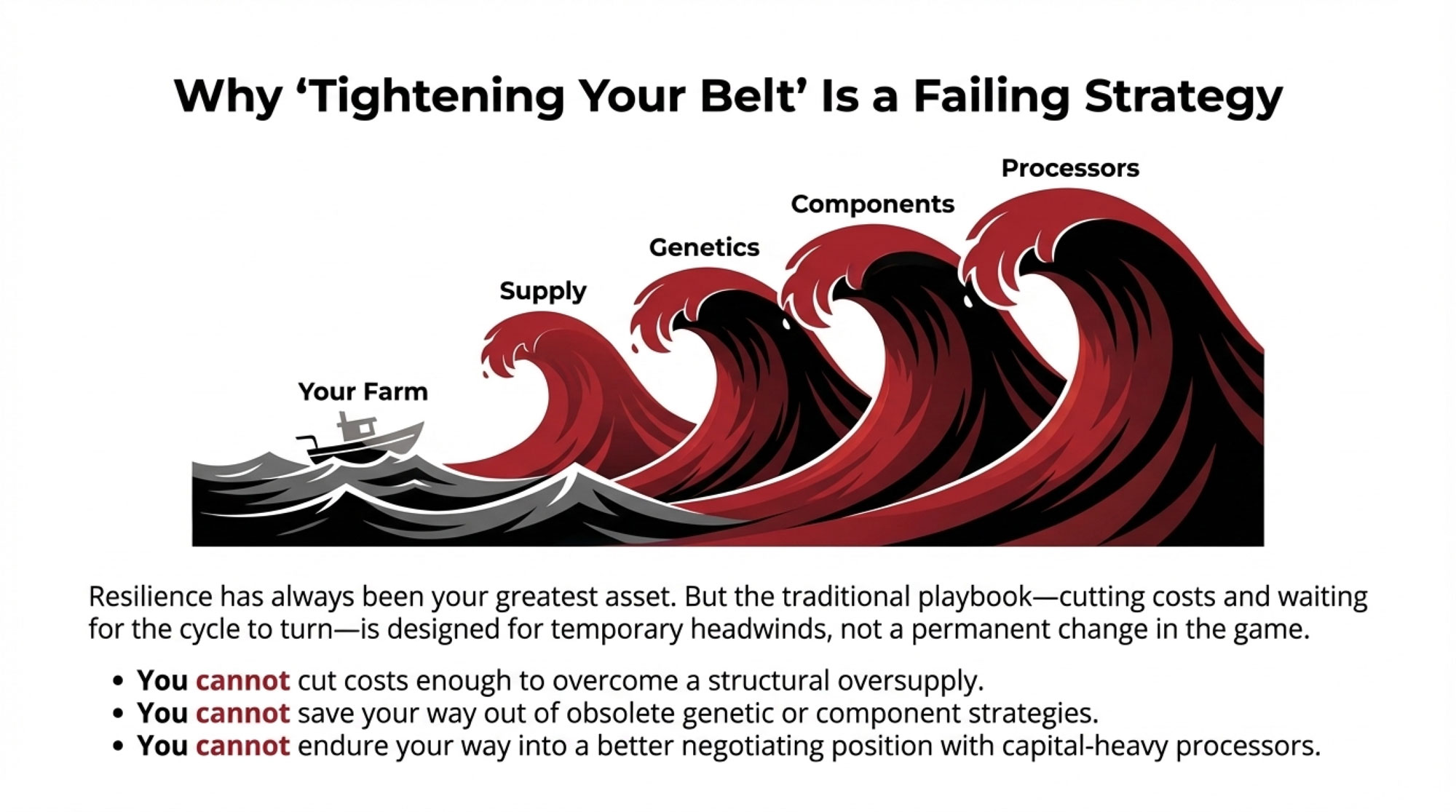
These studies focus on dairy production’s complex and frequently ignored emotional terrain. Whether it’s the farm culture in New Zealand or the deep relationships in Pakistan, the human-animal link is an essential element of dairy farming history.

Have You Considered the Everyday Risks Lurking on Your Dairy Farm?

Let’s go into the details of dairy farming, such as labor conditions and hazards. Have you ever considered the everyday risks you encounter on the farm? There are other factors to consider, including physical injuries and zoonotic infections. First, let’s address the elephant in the room: physical injuries. You’re familiar with the routine—bending, lifting, and navigating around heavy gear may be taxing on your body. In reality, milking, cleaning out, and moving cattle cause many on-farm accidents. One research emphasized the increased risk of injury, particularly among milking workers, highlighting that extended repetitive duties might result in chronic discomfort and musculoskeletal difficulties [Douphrate et al., 2013].

Then, there’s the possibility of zoonotic illnesses, which may spread from animals to people. Examples include brucellosis, leptospirosis, and TB. Handling cattle during calving or other activities without adequate protection exposes you to these hazards. In Senegal, for example, research discovered that farmers were regularly exposed to brucellosis and rabies owing to a lack of preventive measures [Tebug et al., 2015]. In dairy farming, technology may be both beneficial and detrimental.

On the one hand, advancements such as automated milking systems (AMS) may make work more accessible and less physically demanding. However, they also provide additional problems. As technology becomes increasingly interwoven into farming, the nature of labor changes, as does one’s identity as a farmer. One study in England found that adding milking robots changed responsibilities and how farmers saw and interacted with their cows [Bear and Holloway, 2019].

What are the advantages and disadvantages for families that work on dairy farms? Family work is often seen as a means to minimize expenses while maintaining a caring touch in agricultural operations. However, this might provide its own set of issues. For example, although youngsters working on farms might learn essential skills, they also face high risks of harm. Wisconsin research emphasized the perceived advantages and genuine dangers of child labor in dairy farming [Zepeda and Kim, 2006].

Furthermore, hard hours and financial constraints might harm the mental and physical well-being of family members directly engaged in dairy farming. A New Zealand research found that family-run organic farms often depend substantially on unpaid family work, which may strain family connections and well-being [Schewe, 2015]. So, although dairy farming may be very rewarding, it is essential to be aware of the hazards and take proactive actions to mitigate them. Have you considered how these things affect your farm? How do you balance the advantages of family connection and the importance of safety and well-being?

Women in Dairy Farming: Ready to Break the Mold?

Women’s involvement in dairy farming has recently shifted significantly. Historically, males controlled the field, but the scene is changing. Women are increasingly taking on essential duties, transforming the face of dairy production worldwide.

  • Policies, Technology, and Disease Events: Shaping Gender Roles
    Policies have a significant influence on changing gender roles in dairy production. For example, water shortage laws in Australia have forced more women into traditionally male-dominated physical agricultural jobs (Alston et al., 2017). Automated Milking Systems (AMS) have also transformed roles, often reinforcing conventional jobs, such as males managing machines and women caring (Bear & Holloway, 2015). Disease occurrences, such as bovine TB epidemics, momentarily raise women to more significant farm roles. Still, these adjustments often reverse post-crisis (Enticott et al., 2022).
  • Empowerment and Disempowerment: A Global Perspective
    In some instances, the advent of dairy farming has empowered women. In Uganda, cattle ownership has given women economic power and social prestige in their communities (Bain et al., 2020). Similarly, in Botswana, dairy farming has been a source of empowerment. However, cultural norms continue to limit their full involvement in markets and decision-making venues (Must & Hovorka, 2019). However, instances of disempowerment do occur. In Indonesia, the milk value chain remains highly masculinized, restricting women’s responsibilities to smallholder farm activities and removing them from broader market prospects (Wijers, 2019). Caste structures in South India exacerbate the problem, with women encountering gender and societal hurdles to involvement in cooperative movements (Dohmwirth & Hanisch, 2019).

Although women are becoming more critical in dairy farming, external variables such as regulations, technological improvements, and disease outbreaks constantly alter their responsibilities. Depending on the setting and existing societal systems, these effects may empower or weaken women.

Essential Allies: How Veterinarians and Advisors Elevate Your Dairy Farm

Let’s discuss veterinarians and dairy farm advisers. Have you considered how these specialists integrate into your farm’s everyday operations? Veterinarians and other consultants play essential roles. They don’t simply cure ill animals; they also provide recommendations that may boost your farm’s overall output. But how can you strike a balance between public and private consulting services?

Trust is the glue that connects these partnerships. A competent counselor understands that gaining trust takes time. You’ve undoubtedly seen this: trusting your adviser makes you more inclined to accept their advice. Trust is developed via constant, credible guidance and open communication. Informal knowledge flows are essential. You’ve probably exchanged suggestions with other farmers or gained great insights during a casual conversation. This informal knowledge may be beneficial, particularly when supplemented with expert assistance.

Balancing public and private advising services, building trust, and using informal knowledge flows will improve your farm’s performance. Ready to improve your relationships?

Revolutionary Tech Trends: Are You Ready for the Future of Dairy Farming?

Technology has undoubtedly changed dairy farming. From automated milking systems (AMS) to genetic engineering, integrating modern technology into dairy operations has created new opportunities for efficiency and production. But have you ever considered the more significant consequences of these changes?

  • How Technology Alters Human-Animal Relationships
    For example, the development of robotic milking equipment has drastically altered farmers’ interactions with their cattle. Machines now manage most of the milking operation, resulting in less direct interaction between people and animals. This transformation can drastically alter farmers’ relationships with their cattle. According to specific research, animals may see robots as a third party in their interactions with humans, resulting in a novel human-animal-technology triad. Farmers, too, are finding their responsibilities changing, frequently necessitating a change away from hands-on animal care and toward more technological proficiency.
  • Impact on Farmer Identities
    The emergence of precision agricultural technology, digital tools, and automated systems has also altered farmer identities. Whereas formerly, their expertise was in animal husbandry, today’s dairy producers often need IT skills and the ability to run complex technology. This transformation may be powerful and frustrating since it can raise concerns about identity and render conventional skills to be updated.
  • Ethical Dilemmas
    While technological advancements provide advantages, they also create ethical concerns. For example, the possibility of genetic engineering to improve milk output or illness resistance raises concerns about violating ethical limits. Similarly, automated methods developed to boost efficiency may neglect animal welfare concerns. There is an increasing need to balance technical prowess and ethical treatment of animals, ensuring that advances do not come at a moral cost.
  • The Broader Influence on Rural Landscapes and Industry
    Finally, technology’s impact goes beyond individual farms, influencing rural landscapes and the dairy sector. Consolidating smaller farms into more significant, tech-driven businesses can change rural communities, sometimes resulting in depopulation and the degradation of local customs. However, it also opens the way for new skills and career possibilities, necessitating a careful strategy to navigate these changes seamlessly.

Although technology transforms dairy production, it also introduces a complex web of changes and concerns. Understanding these interactions is critical for ensuring technology’s equitable and ethical incorporation into agricultural methods.

Considering Environmental Impact: Where Do You Stand?

Have you ever considered the environmental impact of your agricultural practices? Dairy farming has various effects on the environment. It’s about the cows and their milk, the land, the water, and the air we breathe. Many studies have shown the crucial relevance of this relationship, but let us bring it closer to home.

  • Farmers and Climate Change: What’s Your Take?
    Climate change is no longer a distant issue; it is here, pounding on our barn doors. How are you coping with the new reality? Are you adjusting your plans to accommodate changing weather patterns, or are you undecided? Interviews with farmers from different locations indicated conflicting emotions. Some adopt new approaches and ideas, while others need to be more knowledgeable and calm about the expenses and complexity.
  • The Power of Community: Social Networks to the Rescue
    Let’s speak about something more instantly impactful: social networks. No, not Facebook or Twitter, but real-life contacts with other farmers, advisers, and community members. These networks are troves of procedural information that will lead you to more sustainable practices. Why tackle it alone when you can benefit from the collective expertise around you? Collaborative workspaces and shared learning spaces may be critical, particularly with complicated subjects such as climate change.
  • Take the Next Step
    You don’t need to make drastic changes overnight. Start small by contacting individuals in your network. Join a local agricultural organization that focuses on sustainability. Attend a training or lecture on ecological agrarian techniques. These efforts gradually add up. It is critical to the long-term viability of our farms and the ecosystem.

Why the Fuss Over the Badgers? The Complex Debate on Wildlife Conflicts in Dairy Farming

Human-wildlife conflicts have long been a contentious problem. Still, nothing truly stirs the pot like badger culling in Great Britain. Badgers are recognized carriers of bovine tuberculosis (bTB), a highly contagious illness that decimates cow herds. The badger cull tries to manage and decrease the spread of this illness. However, it sparks ethical and policy conflicts, with farmers and politicians seeing culling as a necessary evil to safeguard cattle and livelihoods. At the same time, animal rights activists and many scientific community members believe it is harsh and ineffective [McCulloch & Reiss, 2017]. Alternatives such as immunization provide their issues, and media representation often impacts public perception and policymaking, resulting in disinformation and heated opinions [Cassidy, 2012].

Badger culling isn’t the only animal conflict hurting dairy production. In Ecuador, the growth of cow pastures via deforestation has exacerbated human-bear confrontations, resulting in livestock losses and increasing tensions [Jampel 2016]. Similar stories may be seen in Botswana, where farmers face threats from animals such as elephants, resulting in crop and livestock losses [Huckleberry, 2023].

The ethical issues and policy alternatives involving these conflicts are as diverse as their circumstances. Whether it’s killing badgers in the UK or controlling bear encroachment in Ecuador, finding balanced solutions that consider economic stability and ethical wildlife care remains a significant problem. Understanding these factors may help dairy producers improve their operations and have more informed talks with legislators and communities.

Have You Ever Thought About Your Milk and Cheese’s Deep Roots in History? Discover the Heritage Behind Dairy Farming

Have you ever considered how your milk and cheese have deep roots that date back generations? Dairy farming is integral to local, traditional, and territory-based agriculture, preserving cultural identity and regional pride. It’s more than making milk; it’s about sustaining a tradition.

Consider artisanal cheeses from France and Italy. These culturally infused cheese products are more than simply food; they celebrate local traditions and biodiversity. These cheeses represent the distinct characteristics of their respective locations, from the distinctive breeds of cattle utilized to the specialized grazing pastures and traditional cheese-making techniques. However, this local emphasis is only sometimes secure. Intensive contemporary agricultural methods and the desire for mass-produced cheese may endanger these ancient ways, jeopardizing the (occasionally unseen) microbial variety that gives these cheeses their distinct tastes (Mariani et al., 2022).

However, the dairy industry has its issues. Historical and structural factors continue to influence its behavior. For example, dairy producers in upstate New York hope that a burgeoning demand for organic dairy products will give them a more secure future. However, they usually face power asymmetries within the sector, which regularly repeat the traditional paradigm even in organic farming (Guptill, 2009). Furthermore, the worldwide interconnection of dairy markets, such as trading between Australia and China, adds complication. Milk marketed as clean and immaculate in Australia reaches customers far distances, creating concerns about sustainability and food miles (Boehme, 2021). In conclusion, dairy farming in food landscapes is a complex subject. It is about preserving cultural legacy, guaranteeing fair trade, and dealing with complex historical and structural issues to continue your livelihood and contribute to a more equitable and culturally diverse food system.

In the Bustling Life of Dairy Farming, Have You Ever Paused to Consider the Broader Societal Context?

While everyday routines are important, let’s explore how dairy farming relates to more extensive social frameworks such as land usage, climate change efforts, and government programs. Of course, we cannot disregard the idea of ‘justice’ and the many obstacles you confront. Are you ready to explore?

  • Land Use: A Balancing Act
    Land-use regulations may make or kill your business. In many areas, the battle over land use involves more than simply agriculture; it is a tug-of-war between farming, conservation, and urban expansion. Have you observed how increasing numbers of cities eat away at potential agricultural land? The continual battle for land influences your capacity to operate efficiently and sustainably.
  • Climate Change Initiatives: The Double-Edged Sword
    Let’s discuss climate change. As crucial actors in this industry, you help ensure global food security and impact environmental health. Government-led climate efforts seek to minimize greenhouse gas emissions, often establishing strict standards for dairy farms. As weather patterns become less predictable, it affects not just agricultural output but also the health of your livestock. Navigating these restrictions may seem daunting, but adaptability and ingenuity are key. Are you looking at renewable energy choices for your farm or implementing sustainable techniques like rotational grazing? These methods benefit the environment and save you money and resources in the long term.
  • Government Programs: Help or Hindrance?
    Government initiatives may be both a lifeline and a maze. Subsidies, grants, and training programs are all intended to help you. Still, qualifying requirements and bureaucratic red tape may take time to navigate. Do you find it challenging to access these resources? If so, you are not alone. Many businesses advocate for more straightforward procedures and more open communication to ensure these initiatives are successful.
  • Justice: Seeking Fairness in an Unfair World
    Justice is more than a philosophical argument; it affects you immediately via fair pricing, equitable resource allocation, and worker rights. How fair are your transactions with suppliers and markets? Labor concerns, particularly migrant labor, need attention to fair salaries, safe working conditions, and job security. Do current policies adequately safeguard workers, or do they need improvement? On a global scale, trade rules and international accords may open up new markets or disadvantage you, complicating your operation. Are you ready to tackle these layers?
  • The Challenges: Real and Raw
    Many obstacles exist, from shifting milk prices and growing feed costs to environmental restrictions and labor difficulties. But know that you are not alone. Participating in business associations, being educated, and fighting for fair policies may significantly impact. Are you a member of a community or cooperative that amplifies your voice?

Finally, although dairy farming is firmly anchored in history, it is also inextricably linked to more considerable socioeconomic challenges. Staying educated and proactive will help you negotiate this rugged terrain, guaranteeing your farm’s survival and growth.

The Bottom Line

The study revealed a wealth of viewpoints outside orthodox dairy science. Investigating human, animal, social, and ecological ecosystems illustrates the intricacies of dairy production. The results highlight the need for multidisciplinary cooperation, combining social sciences, humanities, and conventional dairy sciences, to better understand the dairy sector’s difficulties and prospects. This strategy might result in more sustainable, egalitarian, and compassionate behaviors. When considering the future of dairy farming, examine the continuous challenges—climate change, animal welfare, labor conditions, and technology advancements—and how these will impact the sector. The route ahead requires new thinking, empathy, and cross-disciplinary collaboration to maintain the industry’s resiliency and ethical integrity.

Learn more:

CME Cheese Prices Rise as Grain Markets Decline

Find out how higher cheese prices and lower grain costs can increase your dairy farm profits. Ready to boost your earnings today?

Summary: Have you noticed the recent surge in cheese prices? CME cheese markets are on the rise with blocks hitting $2.0200 per pound, marking a two-cent increase, and barrels reaching $2.1600 per pound, a seven-cent jump. This uptick is the highest since October 2022. Meanwhile, butter prices took a slight dip to $3.1200 per pound. These changes in dairy markets are shaking things up! Spot cheese prices gave Class III futures a slight boost with Q4 rising to $20.93 per hundredweight, up eight cents. Meanwhile, Class IV prices climbed to $21.52 per hundredweight, adding 12 cents. The dairy industry is facing market changes that could impact profitability. Cheese prices have reached their highest since October 2022, boosting profits for dairy farmers. However, soybeans fell below the $10 mark and corn contracts dropped to $3.7775 a bushel. Reduced feed expenses can help dairy farmers increase profit margins. To stay ahead, dairy farmers should consider increasing cheese production, hedging bets with Class III futures, managing feed costs wisely, and understanding historical trends and external factors shaping dairy and grain markets.

  • Cheese prices have surged to their highest since October 2022, with blocks at $2.0200 per pound and barrels at $2.1600 per pound.
  • Butter prices have dipped slightly to $3.1200 per pound.
  • Spot cheese prices have boosted Class III futures, with Q4 prices at $20.93 per hundredweight.
  • Class IV prices also rose to $21.52 per hundredweight, driven by strong cheese market performance.
  • Grain markets saw a decline, with soybeans falling below the $10 mark and corn contracts dropping to $3.7775 per bushel.
  • Reduced feed expenses present an opportunity for dairy farmers to improve profit margins.
  • Strategies for dairy farmers: Increase cheese production, leverage Class III futures, manage feed costs, and stay informed about market trends.

Have you ever considered how the newest market developments can affect your bottom line as a dairy farmer? Well, be ready, as the present cheese and grain markets have shocks that can significantly impact your profitability. With blocks increasing to $2.0200 per pound and barrels reaching their highest price since October 2022 at $2.600 per pound, cheese prices are rising. Given Q4 climbing to $20.93 per hundredweight, spot cheese prices have somewhat raised Class III futures. Class IV costs have increased to $21.52 in the meantime. Grain prices are dropping while milk futures are rising. The declining prices of soybeans and maize might impact feed expenses. Are you ready to optimize your earnings by negotiating these changes in the market?

ProductCurrent Price per PoundChangeVolume Traded
Blocks of Cheese$2.0200+2 cents6 loads
Barrels of Cheese$2.1600+7 cents3 lots
Butter$3.1200-2 cents11 loads
Class III Futures (Q4)$20.93 per hundredweight+8 cents
Class IV Futures (Q4)$21.52 per hundredweight+12 cents
Soybeans (August)$9.8900 per bushel-23 cents
Soybean Meal Futures (Sept-Dec)Below $300/ton
Corn (Nearby Contract)$3.7775 per bushel-5.5 cents

Have You Noticed the Recent Changes in the Market? Cheese is Getting Pricier! 

Have you seen the current market changes? Cheese prices are rising! While barrels shot to $2.600 per pound, the most since October 2022, blocks of cheese have touched $2.0200 per pound. For a dairy farmer, these increasing rates indicate increased profits.

However, that is not all! Grain markets are sliding as cheese prices rise. Soybeans came under the $10 level, while the local corn contract plummeted to $3.7775 a bushel. These declining grain prices might cut your feed expenses.

What do these market changes mean for your dairy farm? The combination of lower grain prices and higher cheese prices presents a significant opportunity to increase your profitability. By closely monitoring these market changes and making appropriate plans, you can position your farm for increased earnings.

Wondering What This All Means for You? Let’s Break it Down with Some Numbers: 

What does this all mean for you? Let’s break it down with some numbers: 

  • Cheese Prices: Barrels have shot up to $2.600 per pound, while blocks have ascended to $2.0200 per pound. These rates have not been this high since October 2022, indicating a significant increase in profitability.
  • Butter Prices: Butter did not do well; it dropped two pennies to $3.1200 per pound.
  • Milk Futures: Class III futures raised spot cheese prices; Q4 prices increased to $20.93 per hundredweight. Prices in Class IV rose to $21.52 per hundredweight.
  • Soybean and Corn Markets: The August soybean contract sank from $10 to $9.8900 a bushel. September through December, soybean meal futures fell short of $300 a ton. Corn didn’t buck the trend, falling to $3.7775 a bushel.

As a dairy farmer, these figures reflect substantial shifts, and it’s crucial for you to stay updated and adapt accordingly.

Well, These Changes Could Be a Goldmine for Dairy Farmers Like You 

These developments may be a gold mine for dairy producers like you. Allow me to dissect it. Rising cheese costs imply extra bucks per pound for your goods. With blocks reaching $2.0200 per pound and barrels rising to $2.600 per pound, you are looking at some of the best gains since October 2022.

Higher cheese prices immediately increase earnings since it affects the milk price used in cheese manufacturing. Class III futures cost $20.93 per hundredweight and have benefited somewhat. Thus, the milk you utilize for cheese-making gets you more incredible rates. The Class IV futures, which rose to $21.52 per hundredweight even though butter prices dropped somewhat, reflect the same pattern.

They are concerned about how this would affect your feed expenses. The good news is right here. Slipping grain markets implies you will pay less on feed. Both maize prices and soybean futures are declining. The neighboring corn contract dropped to $3.7775 per bushel, while the August soybean contract dropped to less than $10. Reduced feed expenses can help your profit margins even more.

So, What’s Next for You as a Dairy Farmer in Light of These Price Changes? 

What’s Next for You as a Dairy Farmer in Light of These Price Changes?

Consider Increasing Cheese Production: Now could be the ideal moment to concentrate more of your efforts on cheese manufacturing, given blocks at $2.0200 per pound and barrels at $2.1600 per pound. This might involve changing your cow’s nutrition to maximize milk quality for cheese, investing in cheese processing equipment, or investigating new kinds to satisfy consumer demand.

Hedge Your Bets with Class III Futures: Since Class III futures slightly increased, consider locking in these rates to guarantee your income for the following quarters. This might provide a safety blanket against further price swings.

Manage Feed Costs Wisely: Examining your feed expenses is a perfect opportunity since grain prices are sliding mostly in soybeans and corn. Could you buy in bulk at these reduced rates to ensure your herd always has enough? Control of feed costs can help to increase your profit margins.

Review Financial Planning: Given the rising Class IV charges and declining grain prices, now might be an excellent time for a financial check-up. Make sure your budget fits current market circumstances; next, look at financing choices that could provide better terms because of the improved state of the dairy industry.

Maintaining knowledge and adaptability will make a big difference in these fast-changing times. Your dairy farm may leverage these changes in the market to bring significant benefits by carefully modifying your financial plans and output level.

Understanding the Bigger Picture: How Historical Trends and External Factors Shape Dairy and Grain Markets

Knowing the history of the grain and dairy markets would help one understand present pricing movements. Traditionally, variations in feed costs, weather, and supply and demand dynamics have all affected dairy prices. For example, cheese prices peaked in October 2022 before steadily declining; until lately, they have bounced back to exceed $2 per pound.

Other outside elements are also in action. Trade agreements, customer preferences, and geopolitical developments may disturb the market’s stability. For dairy and grain goods, for instance, the trade conflicts between the United States and China caused significant market disturbances.

Conversely, seasonal trends, including planting and harvest seasons and worldwide supply chain problems, significantly affect grain prices. Usually, the spring and summer planting seasons mark the peaks in soybean and corn prices. However, excellent weather conditions, rising crop yields, and an overabundance in the market have helped explain the declining trend in grain prices in recent months.

Monitoring previous patterns and outside variables can help you, as a dairy farmer, better predict market changes and make wise company choices.

The Bottom Line

Now, here is the deal. Rising cheese prices boost Class III futures so that you can find some possibility for higher income there. Although butter prices did drop, Class IV prices did not significantly change. Conversely, grain markets are contracting, which can result in less feed expenses for you. Your dairy farm may benefit financially from these developments. Still, do not rely only on your laurels. Watch these market trends, be educated, be flexible, and, if feasible, seek possibilities. Remain aware. Though the industry constantly changes, you can keep ahead with the proper knowledge and proactive attitude.

Learn more: 

US Spot Cheese Continues to Rise: Essential Insights for Dairy Farmers

Discover the reasons behind the surge in US cheese prices and how dairy farmers can proactively maintain their global competitiveness. Understanding these dynamics is crucial for the future of your business.

Summary: Understanding pricing specifics in various regions is crucial in the highly competitive global dairy market. US cheese prices are almost on par with New Zealand but lag behind Europe, while butter prices significantly spread across regions. However, the US faces more challenges with higher NDM/SMP and dry whey prices than New Zealand and Europe. These price differences reflect where American dairy farmers might need to adjust strategies to maintain a competitive edge.

  • Spot cheese prices rose: blocks at $1.9650/lb and barrels at $1.9500/lb.
  • Dry whey and NDM saw minimal drops, while butter prices stayed stable at $3.1025/lb.
  • Class III futures rebounded: September futures at $20.80 per cwt, Q4 at $20.58.
  • US cheese is marginally cheaper than New Zealand’s but less competitive than Europe’s.
  • Butter prices show a wider spread: New Zealand’s cheapest at $2.87/lb, US at $3.10/lb, EU at $3.46/lb.
  • The US is less competitive in NDM/SMP and dry whey than New Zealand and Europe.
  • NDM/SMP in the US at $1.23/lb versus New Zealand’s $1.12/lb and Europe’s $1.18/lb.
  • Dry whey prices: US at $0.60/lb compared to $0.46/lb in New Zealand and $0.32/lb in Europe.

Have you been following the latest developments in the dairy industry? The recent spike in spot cheese prices has sparked discussions among dairy producers. Spot blocks now command $1.9650 a pound, a 6.5-cent increase. Barrels are not far behind, climbing four cents to $1.9500 per pound. While other changes in the dairy market were less pronounced, spot dry whey dipped marginally to $0.5900 per pound and nonfat dry milk (NDM) to $1.2300 per pound.

Why is this significant? The surge in spot cheese pricing, especially if you’re considering Class III contracts, is a game-changer. September futures are now at $20.80 per hundredweight, up 56 cents. Even Q4 futures have risen, closing at $20.58. In simple terms, these figures could have a direct impact on your financial performance.

A recently released analysis states, “In the global marketplace, US cheese at $1.93 per pound is just barely below New Zealand’s $1.94.”This shows that the price difference is shrinking, which might influence competition.

But how does the United States compare globally? Here’s a basic overview:

  • Cheese costs $1.93 per pound in the United States, $1.94 per pound in New Zealand, and $2.16 per pound in Europe.
  • Butter costs $3.10 per pound in the United States, $2.87 per pound in New Zealand, and $3.46 per pound in Europe.
  • NDM/SMP: $1.23/lb in the United States; $1.12/lb in New Zealand; $1.18/lb in Europe.

Dry whey costs $0.60 per pound in the United States, $0.46 per pound in New Zealand, and $0.32 per pound in Europe.
While the United States remains competitive in the cheese and butter industries, NDM/SMP and dry whey face increased competition. The figures indicate where opportunities and problems exist; knowing them is critical for strategic planning.

Learn more:

Strange Day in Dairy: Class III Futures Up, Cheese and Grain Markets Down

Explore the unusual shifts in dairy markets: Class III futures rise while cheese and grain prices fall. What will the USDA Milk Production report reveal for May?

As the dairy markets reopened after the mid-week break in honor of Juneteenth, a significant cultural event was celebrated annually on June 19 to commemorate the ending of slavery in the United States. Traders and analysts were keenly looking for a clear direction. It was a peculiar day indeed — while the cheese spot market moved lower, Class III futures were higher. Let’s delve into these unusual market movements and unravel the factors.

Understanding the underlying numbers can provide clarity as the dairy markets react to a whirlwind of influences. Below is a snapshot of the current market trends: 

MarketPriceChangeVolume
Class III Futures$18.75/cwt+0.5010,000 contracts
Cheese Blocks$1.8525/lb-0.007513 loads
Cheese Barrels$1.9300/lb-0.01007 loads
Nonfat Dry Milk$1.2075/lb+0.01751 lot
Corn (Dec Futures)$4.5675/bushel-0.075050,000 contracts
Soybeans (Dec Futures)$11.50/bushel-0.125045,000 contracts

Class III Futures Market Sees Surprising Uptick Amid Recent Downward Trends

The Class III futures market saw an interesting uptick despite recent declines. This rebound was a bit surprising. What could be driving this shift?  One possibility is the market catching its breath. After falling prices, minor adjustments and corrections are normal. Traders might see recent lows as too harsh, sparking a buying spree. Expectations of positive news might also play a role, prompting a preemptive move.  Whatever the cause, this uptick adds a new dynamic to an already complex market. Understanding these fluctuations is not just important, it’s crucial to our role as traders and analysts, as it allows us to anticipate and react to market changes.

A Day of Divergence: Cheese Spot Market Buckles Amid Class III Futures Rally

This was an unusual day for the cheese spot market. The cheese sector faced a downward trend despite Class III futures moving higher. ‘Blocks ‘, a type of cheese, dipped to $1.8525 per pound with 13 loads trading. ‘Barrels ‘, another type of cheese, slipped by a penny to $1.9300 per pound with seven lots exchanged.  So, what’s behind this decline? It seems to boil down to supply and demand dynamics and external economic factors. An oversupply of cheese or reduced demand from critical buyers might drive prices down. Economic uncertainties and fluctuations in global dairy trade could also impact the market.

Grain Markets Plunge as Crop Conditions Brighten and Futures Hit Lows Since February

Corn and soybeans saw a significant drop in the grain markets, driven by good crop conditions and ‘technical selling ‘, a strategy where traders sell based on technical indicators rather than fundamental analysis. December futures fell to $4.5675 per bushel, the lowest since February. A positive crop outlook has reassured traders, leading to a wave of selling and pushing prices down.

Nonfat Dry Milk Prices Climb Amid Potential Market Demand Surge and Rising Costs

Nonfat dry milk prices increased to $1.2075 per pound, up $0.0175, with one lot traded. This rise could be due to higher market demand, rising production costs, or shifts in consumer behavior towards dairy products. These elements, along with other factors, will be critical to watch to understand broader dairy market trends.

New Zealand’s Milk Production: A Temporary Decline or a Long-term Trend?

New Zealand’s milk production has declined for the third month. May saw a 4.3% drop year-over-year on a milk solids basis and a 6.2% decrease on a tonnage basis. This might seem concerning, but NZX attributes it to variable weather and pasture conditions.  Despite these drops, the production levels align with the five-year rolling average. So, while the recent declines are notable, they’re part of a long-term pattern with both highs and lows. This decline could have implications for the global dairy market, as New Zealand is a major exporter of dairy products.

The Bottom Line

The dairy markets had an unusual day. While the cheese spot market fell, Class III futures unexpectedly rose, reflecting the inherent unpredictability of the market. Grain markets dropped due to good crop conditions and technical selling, with December futures at their lowest since February. Nonfat dry milk prices rose slightly, hinting at increased demand. New Zealand’s milk production declined for the third consecutive month, sparking questions about future trends. All eyes are now on tomorrow’s USDA Milk Production report for May, a reminder of the constant vigilance required in our field.

Key Takeaways:

  • Cheese spot market prices dropped while Class III futures saw a surprising increase.
  • Grain markets took a significant hit, with December futures for corn and soybeans reaching lows not seen since February.
  • Nonfat dry milk prices witnessed a notable rise, suggesting potential increased market demand or rising production costs.
  • New Zealand’s milk production continued to decline for the third consecutive month due to variable weather and pasture growth conditions.
  • The upcoming USDA Milk Production report for May is a significant watch factor for tomorrow’s market movements.

Summary:

Dairy markets experienced an unusual day, with Class III futures rising unexpectedly and grain markets dropping due to good crop conditions and technical selling. The cheese spot market saw prices drop to $1.8525 per pound and barrels to $1.9300 per pound, driven by supply and demand dynamics and external economic factors. The grain market experienced a significant drop due to good crop conditions and technical selling, with December futures falling to $4.5675 per bushel, the lowest since February. Nonfat dry milk prices increased to $1.2075 per pound, up $0.0175, due to higher market demand, rising production costs, or shifts in consumer behavior towards dairy products. New Zealand’s milk production has declined for the third consecutive month, with a 4.3% drop year-over-year on a milk solids basis and a 6.2% decrease on a tonnage basis. The USDA Milk Production report for May will provide further insights into future trends.

Milk Futures Signal Potential for Stronger Prices Amid Volatility and Rising Cheese Demand

Discover how milk futures signal stronger prices amid rising cheese demand and market volatility. Will this trend continue to benefit dairy producers and consumers?

The dairy markets have seen increased volatility, with Class III futures showing significant ups and downs. I mentioned this earlier, and it happened sooner than expected. Expect more volatility as summer progresses. Traders are reacting quickly to cash movements or perceived price changes. Milk futures suggest milk prices could be better than last year if spot prices remain steady. Prices will improve if demand rises and supplies tighten. Cheese inventory hasn’t exceeded last year’s levels, hinting at potential supply tightening if demand grows. Manufacturers say cheese demand is up but not enough to cut inventory.

MonthTotal Cheese Exports (Metric Tons)Change from Previous YearButterfat Exports (Metric Tons)Change from Previous Year
March 202350,022+20.5%2,350+15%
April 202346,271+27%2,881+23%

International cheese demand has seen a remarkable improvement. In March, cheese exports surged to 50,022 metric tons, a 20.5% increase from the previous year and the highest recorded. April followed suit with a 27% rise over April 2023, reaching 46,271 metric tons, the second highest on record. 

MonthClass III Closing Price (per cwt)Price Change (%)Market Sentiment
January$19.20+3.2%Optimistic
February$18.75-2.3%Neutral
March$20.10+7.2%Strong
April$21.00+4.5%Bullish
May$21.25+1.2%Stable
June$21.85+2.8%Optimistic

The outlook for cheese exports is bright, providing strong market support. Butterfat exports also jumped in April, reaching 2,881 metric tons—up 23% from last year and the first year-over-year increase since November 2022. This could lead to record-high butter prices, thanks to higher demand and the highest butter prices yet for this time of year. Increasing domestic demand and potential for rising international demand could push prices even higher. 

  • April income over feed price was $9.60 per cwt.
  • Second month with no Dairy Margin Coverage program payments.
  • Current grain prices and milk futures suggest no future payments under the program.
  • Planting delays haven’t impacted grain prices.
  • Initial crop condition for corn is 75% good/excellent.
  • One of the highest initial ratings for a crop, possibly leading to a large supply and lower prices.
  • This could improve income over feed significantly.

Summary: Dairy markets are experiencing increased volatility, with Class III futures showing significant fluctuations. Traders react quickly to cash movements or price changes, and milk prices could improve if spot prices remain steady. Cheese inventory has not exceeded last year’s levels, suggesting potential supply tightening if demand grows. International cheese demand has seen a remarkable improvement, with cheese exports rising 20.5% in March and 27% in April. The outlook for cheese exports is bright, providing strong market support. Butterfat exports also jumped in April, reaching 2,881 metric tons, up 23% from last year and the first year-over-year increase since November 2022. This could lead to record-high butter prices due to higher demand. Income over feed price in April was $9.60 per cwt, with no Dairy Margin Coverage program payments.

Send this to a friend