Veterano’s solo reign ends today. Saturn RDC ties at 164 RZG with +0.88% fat. Germany’s new genomic era starts now.
Executive Summary: Germany’s December 2025 evaluations shook up both Holstein leaderboards with new names at the top. Saturn RDC, a Shield son, rockets to 164 RZG—tying Veterano for B&W genomic supremacy—while posting an eye-popping +0.88% fat that makes him the evaluation’s standout component sire. In Red & Whites, Bueno Red seizes the genomic crown at 161 RZG, blending exceptional production (+2,159 kg M) with superior type (121 RZE). The daughter-proven lists also turned over: Precision (148 RZG) now leads B&W with elite udders (132 Eut), while Mask Red (146 RZG) commands the Reds with standout functionality (126 Fun). Sire line trends confirm Real Syn’s grip on B&W genomics, but Shield and Borax Red progeny are rising fast across both breeds. The takeaway for breeders: elite components and top indexes are no longer mutually exclusive—and this proof run proves it.
The December 2025 German genetic evaluations have introduced several notable shifts and new high-ranking sires across both Black & White (Holstein) and Red & White (German Red Holsteins) breeds, according to the latest Interbull data. While top genomic RZG scores remain fiercely competitive, a new shared leader emerged in the B&W category, and the Red & White daughter-proven list crowned a fresh champion.
Here is a detailed report highlighting the changes and new entrants compared to the previous August 2025 rankings.
Black & White (B&W) Holsteins
Genomic Sires: Shared Leadership and Strong Components
The top of the Black & White genomic list (RZG) saw a slight overall shift in index values but welcomed a major new sire joining the former leader.
In the August 2025 evaluation, the undisputed top B&W genomic sire was Veterano (s. Vivify) with an RZG of 166. For December 2025, Veterano’s RZG moderated slightly to 164, resulting in a shared number one spot with the Shield son Saturn RDC.
Saturn RDC (HB-Nr 103000) debuts strongly at 164 RZG. This newcomer is a notable component specialist, boasting exceptional fat content at +0.88% F (+110 kg F) and a strong mammary score (Eut) of 126. Saturn RDC’s RZhealth of 132 is exceptional.
Other key B&W genomic sires and their movement:
Evenstar (s. Real Syn) dropped slightly from 164 RZG (August) to 163 RZG (December, rank 3).
Realpower (s. Real Syn) also fell slightly from 164 RZG (August) to 163 RZG (December, rank 4). Realpower remains an outstanding production sire with +1,986 kg M and extremely high fat percentages at +0.61% F (+154 kg F).
Two Real Syn sons continue to impress in the genomic charts:
DG Rico debuted (or was highlighted in the latest summary) at +160 RZG, noted for his +126 RZE(Type), +1,649 kgM, +0.51% F, and +0.02% P.
His full brother, DG Eliandro, achieved a 158 RZG and impressive type figures (+134 RZE, +1,582 kgM).
Daughter Proven Sires (Active AI Bulls, 500+ DEU Dtrs)
The Daughter Proven category saw significant turnover at the top, with bulls featuring at least 500 German daughters.
In August 2025, Mirco (s. Mick) led the domestic daughter-proven list at 144 RZG. The December 2025 evaluation introduces a new leader:
Precision (HB-Nr 575319), ranking #1 with 148 RZG. This sire excels in conformation, showing an RZE of 133 and a particularly high Udder score (Eut) of 132.
Other notable changes in the daughter-proven segment:
Zivet (s. AltaZarek), his RZG decreased slightly from 147 (August Interbull Top 1) to 146 (December, rank 2), while increasing his milk production to +2,074 kg M.
Mirco dropped two points, moving from 144 RZG (August #1) down to 143 RZG (December #3).
Sunrise also saw a slight drop in RZG, moving from 142 RZG (August Interbull #9) to 141 RZG (December #3 in the domestic list).
German Red Holsteins (R&W)
Genomic Sires: Bueno Red Takes the Lead
The Red & White genomic list also experienced a shift at the very top (RZG 161).
In August 2025, the top three Red & White genomic sires were tightly grouped at 161 RZG: Schach (s. Skat P RDC), Create P (s. CR 7 P), and Coco Red P (s. Cop Red PP).
In the December 2025 Interbull genomic rankings, the new #1 sire is Bueno Red (HB-Nr 823382, s. Borax Red) with a 161 RZG. Bueno Red stands out for excellent production figures (+2,159 kg M) and exceptional Type (RZE 121).
Key movements among the top R&W genomic sires:
Create P (161 RZG in August) settled at 159 RZG (December rank 2).
Cardiff P (160 RZG in August) landed at 159 RZG (December rank 3).
Coco Red P (161 RZG in August) scored 159 RZG (December rank 4).
Schach dropped slightly to 159 RZG (December domestic ranking #5), falling out of his shared #1 position from August.
A new high entry in the top 5 is Maestro (s. Shield), achieving 159 RZG and strong components including +0.83% F and +0.41% E.
Daughter Proven Sires: Mask Red Ascends
The R&W Daughter Proven category also saw a leadership change. The August 2025 Interbull list was led by Rammstein (s. Jayvano) at 145 RZG.
For December 2025, Mask Red (s. Stamkos) is confirmed as the new chart-topper in the R&W RZG Daughter Proven index with 146 RZG. Mask Red offers solid production (+1,354 kg M) and excellent Functionality (Fun 126).
The previous leader, Rammstein, moved to #2 at 145 RZG. Importantly, Rammstein increased his components proof, now showing +0.01% F and +0.15% P.
Other major movements in R&W daughter-proven rankings (500+ DEU daughters):
Ginger (s. Gywer RDC) saw an RZG decrease from 143 (August Interbull Rank 2) to 142 RZG (December Domestic Rank 1), but remains a strong milk bull (+2,719 kg M).
Money P (s. Match P) also dropped slightly from 138 RZG (August Domestic Rank 1) to 137 RZG (December Domestic Rank 2).
Garnier (s. Gywer RDC) decreased from 136 RZG (August Domestic Rank 2) to 135 RZG (December Domestic Rank 3).
The December 2025 German evaluation highlights the quick succession and strong performance of young genomic sires, particularly those sired by Real Syn (B&W), and the emergence of Shield and Borax Red progeny in the R&W categories. The Daughter Proven lists show Precision and Mask Red successfully capitalizing on their proof increases to claim the top spots in their respective breeds.
Key Takeaways:
Saturn RDC Ties for B&W Crown: Shield son debuts at 164 RZG—matching Veterano—with +0.88% fat that sets a new standard for component excellence at elite index levels
Bueno Red Seizes Red Leadership: New R&W genomic #1 at 161 RZG delivers both volume (+2,159 kg M) and type (121 RZE)—a rare combination
Proven Lists Overturn: Precision (148 RZG, 132 Eut) now leads B&W daughter-proven; Mask Red (146 RZG, 126 Fun) takes R&W top spot
Sire Line Trends: Real Syn continues B&W genomic dominance, but Shield and Borax Red progeny are ascending rapidly in both breeds
Breeder Action: High-component, high-index genetics are no longer trade-offs—these December leaders prove you can have both
Join over 30,000 successful dairy professionals who rely on Bullvine Weekly for their competitive edge. Delivered directly to your inbox each week, our exclusive industry insights help you make smarter decisions while saving precious hours every week. Never miss critical updates on milk production trends, breakthrough technologies, and profit-boosting strategies that top producers are already implementing. Subscribe now to transform your dairy operation’s efficiency and profitability—your future success is just one click away.

Trial: 60 cows. Mandate: 1,400 farms. Crisis: 6 weeks. This is why Denmark’s methane ‘solution’ became a dairy disaster
EXECUTIVE SUMMARY: Denmark mandated Bovaer on October 1; by November 15, 1,400 farms reported sick cows and production losses that reversed within 48 hours of stopping. Norway suspended it preemptively—no crisis needed. This six-week collapse follows a predictable pattern: antibiotics created superbugs (a 55-year delay in a ban), glyphosate spawned 48 resistant weeds, neonicotinoids crashed bee populations—all were ‘thoroughly tested’ and ‘safe.’ The difference now? Mandates are moving faster than science, and your decades of genetic progress hangs in the balance. Your defense: monitor daily ($150-300/cow for basic systems), test 10-20% of your herd first, set clear exit triggers (e.g., 20% SCC increase = stop), and document everything. Bottom line: regulatory approval means it won’t poison your cows immediately—it doesn’t mean it’s right for your farm.
When Norwegian dairy cooperatives announced their suspension of Bovaer use this November, I found myself thinking about a conversation I’d had with a Wisconsin producer just weeks earlier. He’d asked me whether new methane-reduction technologies were worth the risk, given his operation’s tight margins. Looking at what’s unfolding in Scandinavia, his caution seems particularly prescient.
We aren’t looking for controversy, but we can’t ignore the red flags flying over Danish barns. Following Denmark’s October implementation of mandatory Bovaer use for operations with more than 50 cows—a regulatory approach covered extensively by agricultural media across Europe—producers began reporting health concerns in their herds. The symptoms ranged from digestive issues to lameness, with some operations reporting measurable production impacts.
What’s particularly noteworthy is how one Danish producer described his experience to Farmers Guardian: his somatic cell counts improved markedly after discontinuing the additive. Now, while Danish agricultural authorities continue their investigation—they’ve been quite transparent about not having established causation—the pattern emerging warrants our industry’s attention.
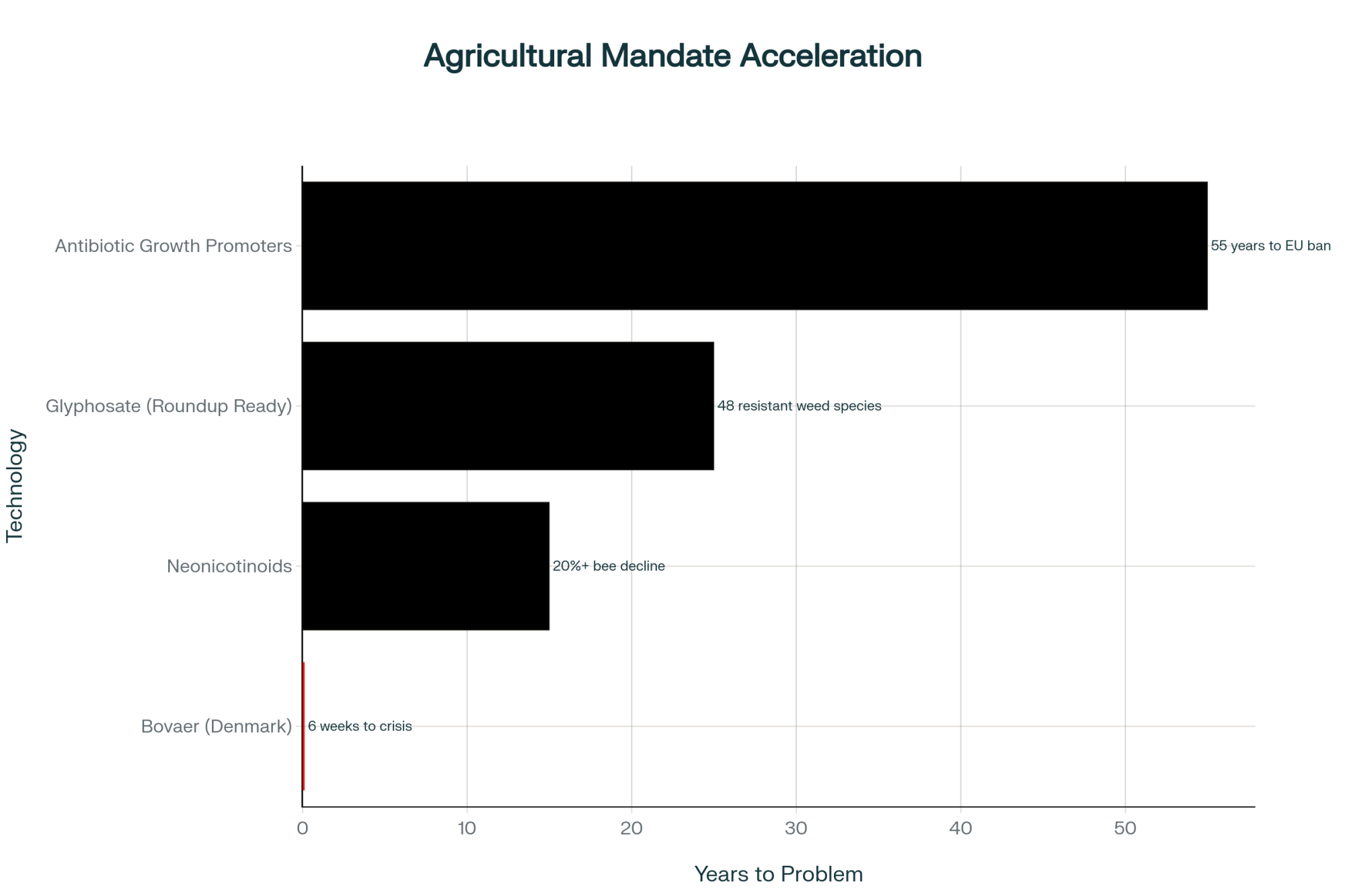
History repeats, but faster: It took 55 years to ban antibiotic growth promoters after discovering problems. Bovaer went from government mandate to producer crisis in 6 weeks. The pattern is clear—mandates are accelerating, but consequences aren’t disappearing.
Recognizing Historical Patterns in Agricultural Innovation
This situation brings to mind a presentation I gave at World Dairy Expo a few years back about technology adoption cycles in our industry. There’s a remarkably consistent pattern we’ve observed across decades of innovation.
Consider the antibiotic growth promoter experience. Back in the 1940s, researchers discovered that low-dose antibiotics could improve feed efficiency by 10-20 percent—revolutionary for its time, especially for operations in warmer climates dealing with heat stress. The science was solid, the economics compelling.
Yet it took decades for us to understand the broader implications of antimicrobial resistance. The European Union’s 2006 ban came 55 years after initial approval—a sobering timeline for any of us thinking about long-term consequences.
The Roundup Ready story offers another perspective. I remember the enthusiasm at those mid-90s farm shows—this technology promised to revolutionize weed management. And initially, it delivered.
But as any producer who’s dealt with palmer amaranth or waterhemp knows, nature adapts. The International Herbicide-Resistant Weed Database now documents 48 species with confirmed glyphosate resistance. Those early adopters who built their entire weed management program around a single mode of action learned an expensive lesson.
More recently, we’ve watched the neonicotinoid situation unfold. Initial safety assessments focused on acute toxicity to pollinators at field-relevant doses. What emerged later—through research like the comprehensive Nature Communications study by Woodcock and colleagues—were subtle, population-level effects that took years to document. Some bee species showed population declines exceeding 20 percent in treated agricultural landscapes.
Each case teaches us something valuable: technologies that perform well in controlled trials may behave differently when deployed across the diverse real-world farming systems.
Understanding the Current Timeline
What distinguishes the Bovaer situation is the compressed timeline. Denmark mandated use on October 1. By early November, producer organizations were documenting concerns from their members—the Danish Dairy Farmers’ Association received dozens of formal reports, though informal networks suggested broader concerns.
Danish authorities responded with revised guidance allowing welfare-based exemptions. Norwegian cooperatives announced their precautionary suspension by mid-November.
This six-week progression from mandate to suspension represents either enhanced responsiveness to producer concerns or potentially more acute issues than we’ve seen with previous technologies. Perhaps both factors are at play.
The issuance of welfare exemption guidance particularly catches my attention. While it’s encouraging that authorities responded to producer concerns, one wonders why such flexibility wasn’t built into the original implementation framework.
From mandate to meltdown: 1,400 Danish farms were ordered to feed Bovaer on October 1. By November 15, over 100 reported sick cows and production losses. Norway saw the same data and suspended use preemptively—with ZERO domestic problems reported. That’s the difference between reactive and protective agricultural policy.
The Gap Between Testing and Practice
Having reviewed both EFSA’s 2021 approval documentation and FDA’s 2024 assessment, I can appreciate the thoroughness of the regulatory process. These reviews examine toxicology at multiple doses, verify efficacy claims—in this case, that 27-30 percent methane reduction—and assess environmental safety under standardized conditions.
Trial: 60 cows. Mandate: 1,400 farms. Crisis: 6 weeks. This is exactly why Denmark’s ‘methane solution’ became a dairy disaster. Aarhus University is conducting the first real-world commercial welfare study NOW—three years AFTER regulatory approval. The gap between ‘tested in a lab’ and ‘safe for your farm’ just cost Danish producers weeks of production and genetic progress.
Yet researchers at Aarhus University are only now conducting what they describe as the first comprehensive welfare assessment under commercial conditions. This is three years after initial market approval. As they noted in their August announcement, the symptom patterns some producers are reporting weren’t observed in controlled trials.
This isn’t a criticism of regulators—it’s an acknowledgment of inherent limitations. Your operation, with its unique combination of genetics, forages, management practices, and environmental conditions, isn’t a research facility. The interaction of these variables creates complexity that controlled trials simply cannot fully replicate.
Here’s something else to consider: We spend generations breeding for longevity, mobility, and metabolic efficiency.
“We cannot afford to compromise twenty years of genetic progress for a mandate that hasn’t been stress-tested on high-production herds.”
The cows told the truth first: Danish farmer Anders Ring watched his somatic cell counts spike 20% during mandatory Bovaer feeding. Within 48 hours of stopping, SCC dropped 20% and production rebounded completely. His herd knew the truth before regulators admitted problems—daily monitoring saved his entire operation.
The daughters of bulls like Frazzled, Montross, and Supersire weren’t developed to be test subjects for rushed climate solutions.
A Framework for Thoughtful Technology Adoption
Based on conversations with producers who’ve successfully navigated new technology adoption, and drawing from extension recommendations from programs like Cornell’s PRO-DAIRY, here’s a framework worth considering:
Critical Questions Before Implementation
– What was actually tested versus what wasn’t?
Trial duration (most feed additive studies run 12-16 weeks)
Number and diversity of animals tested
Which metrics were evaluated (efficacy vs. comprehensive welfare)
– Can you monitor impacts quickly?
Daily tracking capability for SCC, components, and intake patterns
Locomotion scoring systems
Modern sensor technology ($150-300/cow basic, $500-800/cow comprehensive—typically pays for itself by preventing one health crisis)
– What’s your exit strategy?
Clear triggers for discontinuation
Legal ability to stop if concerns arise
Understanding of financial burden allocation
– Is this voluntary or mandatory?
Welfare exemption procedures
Compensation mechanisms
Reporting pathways
Phase
Action
Threshold
Why It Matters
BEFORE (30 days)
Document baseline metrics
30 days minimum
Legal protection & clear comparison
DURING (10-20%)
Test on 10-20% of herd
NOT your best genetics
Limit exposure, preserve value
MONITOR (Daily)
Track SCC, intake, mobility
$150-300/cow basic systems
48-72 hour problem detection
EXIT TRIGGER 1
Somatic Cell Count increase
20% = STOP
Anders Ring’s SCC jumped 20%+
EXIT TRIGGER 2
Conception rate drop
15% = STOP
Reproduction issues widely reported
EXIT TRIGGER 3
Dry matter intake decrease
10% = STOP
Early warning of metabolic stress
DOCUMENT
Everything, in writing
Set triggers BEFORE starting
Don’t adjust thresholds mid-trial
Implementation Best Practices
Start conservatively:
Begin with 10-20 percent of your herd (not the highest genetic merit animals)
Maintain control groups under identical management
Document baseline performance for at least 30 days
Establish thresholds before you begin:
20% increase in somatic cells = stop
15% drop in conception rates = stop
10% decrease in dry matter intake = stop
Write these down in advance—don’t adjust later
Operational Considerations
Smaller operations (under 200 head):
Your intimate cow knowledge is an advantage
Daily observation during milking catches subtle changes
Focus on individual cow behavior patterns
Larger operations (500+ cows):
Leverage DeLaval, Lely, or BouMatic management systems
Configure alerts for baseline deviations
Your technology is your early warning network
Grazing operations:
Confinement-tested technologies may perform differently on pasture
Watch grazing behavior changes as early indicators
Pasture-based systems add complexity, and trials don’t capture
Industry Perspectives and Balance
The manufacturer’s position deserves fair consideration. In their November statements, dsm-firmenich emphasized Bovaer’s successful use across multiple countries over several years, noting that previous investigations haven’t identified the additive as a causal factor in reported health concerns. This track record matters.
Danish authorities are taking a measured approach, investigating reports while avoiding premature conclusions. Their November ministry statements emphasize following evidence wherever it leads.
What I find instructive is the contrast between Danish and Norwegian responses. Norway implemented a precautionary pause despite no domestic reports of problems. This represents a philosophical difference in risk management that is worth discussing across the industry.
Broader Trends Shaping Our Decisions
Several converging trends affect how we should evaluate emerging technologies:
Climate regulations are intensifying. The European Union’s Farm to Fork strategy targets 55 percent reductions in emissions by 2030. California’s SB 1383 mandates a 40 percent reduction in methane over the same period. These aren’t distant goals—they’re reshaping market access and milk pricing today.
Producer networks have transformed information flow. Through online forums and messaging platforms, experiences that once took months to circulate now spread in hours. This acceleration can amplify both legitimate concerns and unfounded fears.
Consumer awareness has reached unprecedented levels. When major cooperatives trial new technologies, social media responses are immediate and increasingly shape market dynamics. Market perception increasingly affects on-farm decisions.
Meanwhile, monitoring technology continues advancing. Modern systems can detect subclinical changes that would have gone unnoticed a decade ago. This capability fundamentally changes our ability to manage risk.
Learning from Producer Experience
In preparing this piece, I’ve spoken with numerous producers who’ve evaluated methane-reduction technologies. Their experiences offer valuable insights.
A 450-cow Jersey operation in California’s Central Valley shared that detailed documentation in her management software proved invaluable when addressing concerns about a previous feed additive. “Document everything,” the owner emphasized. “Not because you expect problems, but because good data protects everyone—you, your nutritionist, and yes, even the manufacturer.”
Cooperative networks are proving their value. A Wisconsin cooperative chair (speaking on condition of anonymity) told me how their producer WhatsApp group helped multiple members avoid issues when three farms reported similar concerns with a product. “That collective knowledge saved us collectively hundreds of thousands in potential losses,” he noted.
What consistently emerges is advice to approach new technologies as if running a research trial. Test methodically, monitor comprehensively, and be prepared to adjust based on evidence.
Practical Takeaways for Your Operation
Do the math yourself: A $300/cow monitoring system catches problems in 48-72 hours. Waiting for visible clinical signs means 2-4 weeks of losses BEFORE you even know there’s a problem. Danish farmers who tracked metrics daily recovered in 48 hours. Those who waited lost weeks. On a 100-cow operation, that’s the difference between a $30,000 proactive decision and a $7,500+ reactive disaster—and that’s BEFORE you count unmeasured fertility damage and lost genetic progress.
As we navigate increasing pressure to adopt climate-smart technologies, several principles deserve emphasis:
Regulatory approval represents a starting point for evaluation, not an endpoint. The gap between “approved” and “optimal for your specific operation” remains yours to assess and bridge.
Rapid problem detection—whether through technology or observation—can mean the difference between minor adjustments and major losses. The ability to identify issues within 48-72 hours should be considered essential infrastructure.
Starting small isn’t timidity—it’s prudent management. Even under pressure to adopt quickly, gradual scaling based on documented performance protects your operation’s viability.
Collective producer experience matters. When multiple operations report similar observations, patterns emerge that individual experiences might not reveal. Your voice, combined with others, shapes industry understanding and regulatory response.
Above all, animal welfare must remain paramount. If a technology compromises your herd’s health, discontinuation is appropriate regardless of other pressures. Danish authorities’ eventual acknowledgment of welfare exemptions validates this principle.
Charting a Productive Path Forward
The path forward doesn’t require choosing between innovation and caution, or between environmental progress and animal welfare. I’ve seen numerous operations successfully integrate new technologies by taking measured approaches.
What we need is more comprehensive pre-deployment testing that reflects actual farm diversity. Not just research stations, but grazing operations, high-production confinement systems, organic dairies, and everything between.
Regulatory frameworks should build in flexibility from inception, not add it reactively. Producer input should be integral to technology development, not an afterthought during implementation.
Most fundamentally, we need recognition that sustainable dairy farming requires both environmental progress and economic viability. These aren’t competing goals—they’re interdependent requirements for our industry’s future.
Final Thoughts for Our Industry
The Danish and Norwegian experience with Bovaer offers valuable lessons about innovation, regulation, and the realities of modern dairy farming. This isn’t about opposing progress or uncritically embracing every new technology.
It’s about developing wisdom to distinguish between what works in trials and what works in the complex reality of commercial dairy operations.
Research teams at universities and companies continue developing new approaches to methane reduction—enzyme inhibitors, probiotics, genetic selection, and management innovations. Each will eventually arrive at our farm gates with promises and peer-reviewed papers.
The question isn’t whether to embrace or reject these innovations wholesale. It’s about evaluating them thoughtfully, implementing them carefully, and monitoring them comprehensively. The producers who succeed will be those who trust their data, respect their experience, and maintain the confidence to act on both.
This balance—between openness to innovation and commitment to proven principles—isn’t just smart farming. It’s essential for navigating agriculture’s transformation while maintaining the animal welfare, environmental stewardship, and economic sustainability that will keep dairy farming viable for the next generation.
Here’s my challenge to you: Before the next mandate arrives at your farm gate, have your monitoring systems in place. Know your baseline metrics. Build your producer network. Because the best time to prepare for technology adoption isn’t when it becomes mandatory—it’s right now.
Key Takeaways:
Your cows will tell you before regulators will: Danish farmers who acted on SCC spikes recovered in 48 hours; those who waited for “official guidance” lost weeks of production
The 10-20-30 Shield: Before any new technology—Test 10-20% of herd, Document 30 days baseline, Set exit triggers in writing (20% SCC increase = stop)
A $300/cow monitor beats a $30,000 crisis: Daily tracking catches problems in 48-72 hours; waiting for clinical signs means you’re already losing money
Networks save herds: Denmark’s 1,400 affected farms found each other online before regulators admitted problems—your WhatsApp group is your first defense
Remember the timeline: Antibiotics (55 years to ban), Glyphosate (48 resistant weeds), Bovaer (6 weeks to crisis)—the pattern is clear, mandates are getting faster, consequences aren’t
Complete references and supporting documentation are available upon request by contacting the editorial team at editor@thebullvine.com.
Join over 30,000 successful dairy professionals who rely on Bullvine Weekly for their competitive edge. Delivered directly to your inbox each week, our exclusive industry insights help you make smarter decisions while saving precious hours every week. Never miss critical updates on milk production trends, breakthrough technologies, and profit-boosting strategies that top producers are already implementing. Subscribe now to transform your dairy operation’s efficiency and profitability—your future success is just one click away.
The most profitable dairies aren’t milking harder—they’re walking smarter. The hoof holds the hidden margin.
Executive Summary: Hidden beneath every hoof is a profit story most producers never see. New data from the University of Nottingham and North American research show milk output and fertility start slipping weeks before obvious lameness appears—costing herds thousands in unseen loss. This Bullvine feature connects the biology to the balance sheet, showing how small timing changes in dry‑cow trimming, transition management, and housing comfort translate directly into stronger cash flow. It also explores how genetics, nutrition, and environment can turn hoof resilience into a permanent herd advantage. Examples from Wisconsin to Ontario prove one thing: the most profitable dairies aren’t just milking harder—they’re walking smarter.
Walk into any freestall barn, and you’ll hear that familiar rhythm—milkers humming, gates clanking, the easy shuffle of cows heading to the bunk. It’s a comforting sound of routine. But every so often, there’s a different note: a soft drag of a hoof, a pause in stride. For years, we’ve thought of that as a welfare concern. Important, yes—but separate from core profitability. The latest data suggest it’s time to reframe that thinking completely.
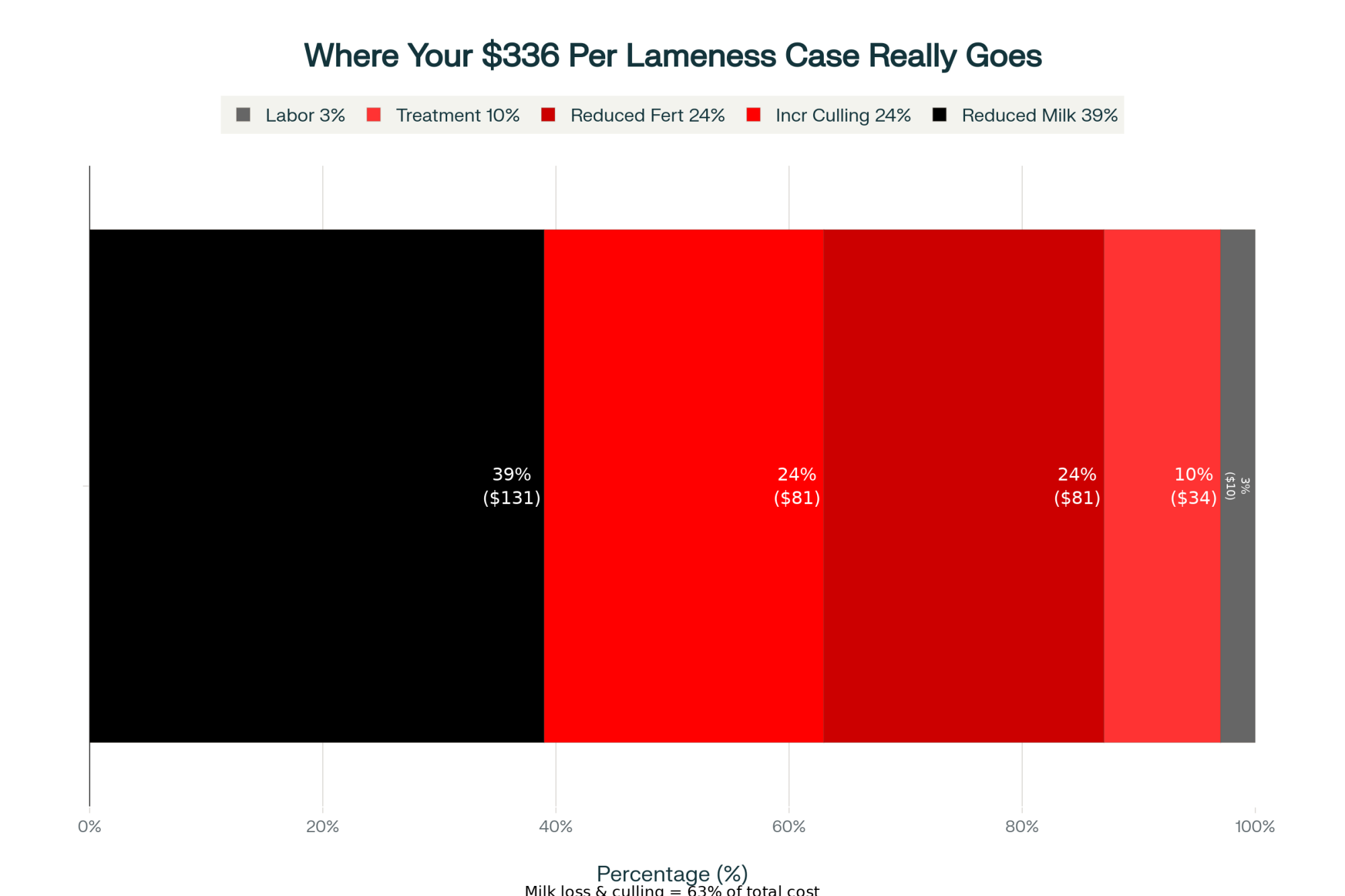
A groundbreaking study from the University of Nottingham tracked over 6,000 cows across 11 herds and analyzed more than 2 million milk records. The findings were striking—hoof problems cost an average of $336 per case, and could cut up to 17 percent of net farm profit. But what’s most interesting? Milk yield began dropping weeks before a limp appeared.
As Dr. Marcos Veira from the University of British Columbia recently put it, “The money starts leaving your tank long before the cow starts limping.” That line has stuck with many producers because it captures what science now proves: lameness isn’t just an animal welfare issue. It’s one of the most under‑recognized management costs in dairying.
The “Invisible Cow” That Costs You
The true cost structure of lameness—milk production losses and premature culling consume nearly two-thirds of the economic damage, yet most producers focus only on the visible 13% spent on treatment and labor
Every herd has them—cows that look fine but quietly underperform. They milk, they eat, they breed back, but they never quite reach potential. Everything else in the herd may look solid—dry matter intake, conception rate, butterfat performance—yet something small keeps the herd average just below expectation.
The University of Wisconsin research team, led by Dr. Nigel Cook, found that cows showing subclinical inflammation in their hooves lose an average of 3.3 pounds of milk daily, even before lameness is visible. Across a 500‑cow freestall herd, assuming just 20% of cows are subclinically affected, that’s easily $30,000–$40,000 in milk revenue gone each year—without a single “lame cow” on the books.
What producers across North America are discovering is that the “invisible cow” problem doesn’t show up until it’s systemic—when the herd average drops, reproduction slows, and no one can pinpoint why. The solution lies not in more treatments but in catching every small signal before it compounds into loss.
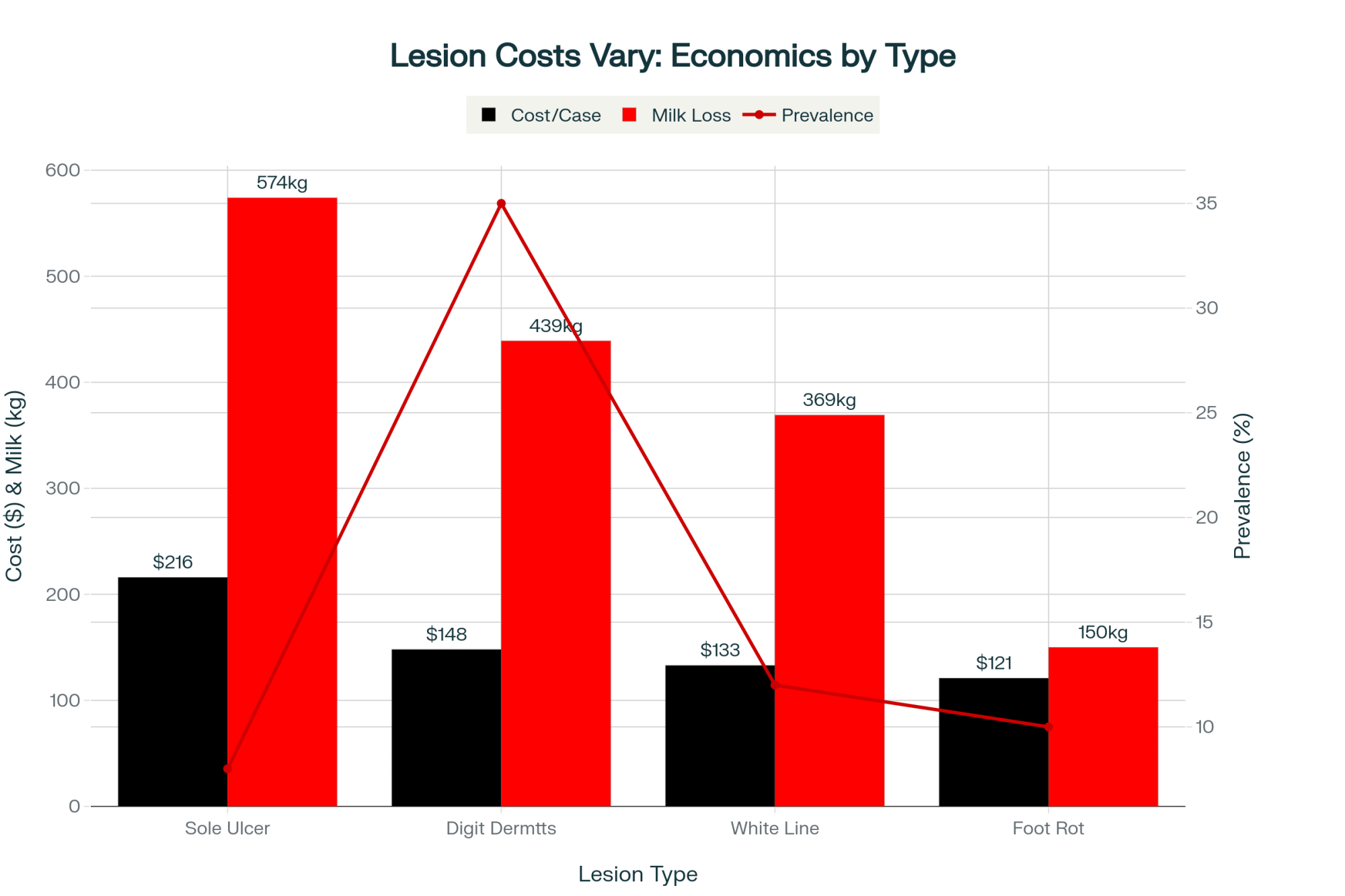
Sole ulcers hit hardest per case at $216 and 574 kg milk loss, but digital dermatitis’ 35% prevalence makes it the real profit killer—knowing which battle to fight first changes everything
What’s Actually Happening Inside the Hoof
Looking closer, the pathway from fresh cow to lameness begins well before any visual signs. During the transition period, a cow burns energy reserves to fuel milk production. That means not just backfat, but also fat from the digital cushion—the small pad beneath the coffin bone responsible for absorbing impact.
Work from Cornell University and the University College Dublin shows that when this cushion thins, the coffin bone (P3) begins pressing into the corium—the sensitive layer that forms the hoof wall. That pressure leads to micro‑bruising weeks before external changes appear. The immune system responds, redirecting nearly 40 percent of the liver’s protein synthesis away from milk components toward tissue repair.
What’s interesting here is that production losses begin long before clinical lesions do. In practical terms, that means a cow’s milk and butterfat test may be telling you about her feet weeks in advance.
Producers who have added hoof-scoring to transition audits—particularly in Wisconsin and Ontario—report lower fresh cow pullouts and steadier butterfat recovery. It’s a powerful reminder that hoof health isn’t an isolated variable. It’s baked into the biology of early lactation.
Why “Prevention” Often Misses the Mark
Most dairy operations already have some form of hoof care in place—scheduled trimming, routine footbaths, lesion recording, and even digital tracking. Yet despite those investments, the average herd still reports around 30 percent of cows experiencing hoof problems annually. The issue usually isn’t neglect—it’s timing.
Footbaths are indispensable for controlling digital dermatitis, but they do little to offset metabolic or mechanical strain. Likewise, blanket trimming during peak lactation can cause more harm than good.
Hoof-care pioneer Karl Burgi has spent decades talking to producers about timing and prevention. “If you’re trimming after she freshens, you’re already behind,” he says. Moving that routine to the dry period—before the hormonal wave and metabolic stress hit—gives horn tissue time to harden and dramatically reduces lesions.
I’ve noticed many herds adopting Burgi’s logic in recent years—not because it’s trendy, but because it simply pays. Prevention only works when it happens before damage begins.
The Transition Period: Management’s Sweet Spot
Timing is everything—the digital cushion starts thinning three weeks before calving while lameness risk explodes after, proving Dr. Burgi’s point that trimming post-fresh means you’ve already lost the game
The transition window remains the most profitable period for hoof protection. Data from NAHMS 2023 and European dairy studies consistently show that cows losing > 0.5 BCS units between dry‑off and peak milk face exponentially higher lameness risk later in lactation.
Here are strategies that consistently yield returns:
Trim 6–3 weeks before calving. Research from the University of Bristol showed that when trimming was moved to this window, hoof lesions dropped by 62 percent.
Prioritize rest and comfort. A deeper bedding base and consistent cubicle space are critical. The University of Minnesota Extension found that each hour of lost rest correlates to 3 pounds of milk loss per cow, per day.
Fortify claw health nutritionally. Supplement 20 mg biotin/head/day and 50–60 ppm zinc (half organic) to strengthen horn growth.
Watch BCS swings closely. Logging condition scores at dry‑off, calving, and 21 days in milk creates a simple, herd‑level index of hoof risk.
One producer I spoke with near Green Bay summed it up well: “We didn’t change anything except timing, and the numbers told the story. Once we started trimming at dry‑off, it was like the cows got their footing back before calving even began.”
Closing the Freestall–Pasture Gap
It’s no secret that pasture systems show lower lameness rates—about 23 percent incidence versus 50 percent in conventional freestalls, according to data from the University of Guelph and University of Wisconsin. Still, it’s entirely possible to achieve similar comfort scores in high-producing freestall herds with fine-tuned management.
Across leading dairies, five consistent success points stand out:
Rubber use in high-pressure zones. Installing mats in holding pens and return alleys reduces trauma by up to 40 percent.
Modern stall design. According to the Dairyland Initiative, modern Holsteins perform best in 48‑inch stalls, 10‑foot lengths, neck rails 48–50 inches high, and 67 inches from the curb.
Floor texture matters. Grooves, planted ¾ inch wide and 3¼ inches apart, ensure balance and minimize slips.
Deep, dry bedding. Sand still wins on metrics of comfort and traction—reducing cases by 40 percent versus solid‑surface alternatives.
Manage standing time. Research from Guelph suggests that keeping total standing time below 3½ hours daily minimizes the risk of sole ulcers.
Some Northeast producers have described how relatively inexpensive changes—re‑grooving lanes, adjusting neck‑rail height, or correcting parlor flow—reduced overall lameness nearly as much as large capital upgrades. What matters most is not the budget, but precision.
Genetics: The Silent Multiplier
Genetics isn’t quick, but it’s permanent—selecting for hoof health cuts lameness from 30% to 15% over four generations, building sound feet into your herd’s DNA instead of fighting the same fires every year
Short-term changes can deliver immediate progress, but genetics create lasting impact. Genome mapping led by the Council on Dairy Cattle Breeding (CDCB) and Wageningen University has already linked 285 markers to hoof integrity, with heritabilities as high as 30 percent.
Producers no longer have to wait to select for sound feet. The Council on Dairy Cattle Breeding (CDCB) has already released a Hoof Health (HH$) index and direct PTAs for traits like Digital-Dermatitis-Free and Hoof-Ulcer-Free. We can even select for Digital Cushion Thickness (DCT), the very structure discussed earlier in this article. While we can still use proxies like Productive Life and Feet & Legs Composite, producers can now directly attack hoof health issues through genetic selection with far greater precision.
As Tom Lawlor, Research Director at CDCB, pointed out recently, “Every generation that overlooks hoof traits ends up paying the same bill twice.” Selecting for the right structure now locks in herd mobility—and profitability—for years to come.
A 90‑Day Plan That Delivers
Wisconsin’s 2025 pilot proves prevention pays fast—herds following the 90-day protocol cut milk losses by 30% and lameness cases by 20%, with the biggest gains happening before anyone sees a limp
For dairies looking to translate research into action, the University of Wisconsin’s 2025 Hoof Health Pilot condensed years of data into a working template. Participating herds reduced hoof treatments by 30–40 percent within six monthsand replacement rates by around 15 percent annually.
Here’s the quick version:
Weeks 1–4: Mobility‑score every cow; record one year of hoof treatments and case types. Weeks 5–8: Standardize footbath systems (change solution every 200 passes), move trimming to dry cow groups, flag any fresh cow losing > 0.5 BCS. Weeks 9–12: Re‑groove high‑traffic lanes if needed, fine‑tune stall design, and prioritize AI bulls in the top 25 percent for Net Merit and Feet & Legs Composite (≥ +2.0).
As one Minnesota dairyman told me, “We didn’t need an extra hoof trimmer—we just needed a plan that matched our rhythm.”
Seeing Hoof Health for What It Really Is
I remember an Ontario producer who told me, “We used to fix feet because it was the right thing to do. Now we fix them because it pays.” That statement says it all.
Hoof health has always been about welfare, but it’s also about efficiency, longevity, and sustained performance. The research, the genetics, and the management practices all tell the same story: when cows move comfortably, everything—from butterfat yield to pregnancy rate—stabilizes or improves.
What’s encouraging is that none of these solutions requires a drastic change. They’re layered, attainable, and already validated by producers who are seeing results.
Because when cows walk soundly, the entire operation gains stride—and every step becomes a step toward profit.
Key Takeaways:
Profit leaves before the limp. Subclinical hoof pain steals milk and profits weeks before you notice.
Start prevention early. Shifting trims, rations, and foot care to the dry period pays back fast.
Comfort compounds. Small improvements in stalls, rubber, and cow flow can cut lameness by up to 40%.
Breed soundness in. Bulls with positive Feet & Legs and Productive Life scores create durable cows built for longevity.
Manage with intention. A clear 90-day plan of scoring, trimming, and tracking turns hoof health into herd stability and profit.
Complete references and supporting documentation are available upon request by contacting the editorial team at editor@thebullvine.com.
Learn More:
Hoof Lesions in Dairy Cattle: The Hidden Profit Killer Costing Your Herd Thousands – This piece provides a tactical deep-dive into specific hoof lesions, revealing how to implement cost-effective monitoring and housing adjustments. It offers research-backed footbath protocols and trimming strategies that deliver a proven $4.20 ROI for every $1 invested in prevention.
Join over 30,000 successful dairy professionals who rely on Bullvine Weekly for their competitive edge. Delivered directly to your inbox each week, our exclusive industry insights help you make smarter decisions while saving precious hours every week. Never miss critical updates on milk production trends, breakthrough technologies, and profit-boosting strategies that top producers are already implementing. Subscribe now to transform your dairy operation’s efficiency and profitability—your future success is just one click away.
Decide or decline: 2025 is the year mid‑size dairies prove that clarity—not cow count—decides success.
If you’ve been milking through the last 20 years, you already know how fast the middle has lost ground. The 800‑cow herds that once anchored local supply chains are now caught between higher costs and tighter credit. It’s not a lack of effort that’s hurting these farms—it’s the system moving faster than most can react.
Rising input costs, tighter labor markets, new regulations, and rising interest rates are changing what “sustainability” means. But what’s interesting here is that the challenge isn’t purely economic. It’s directional.
According to the USDA Economic Research Service, farms milking more than 2,000 cows now produce over 50% of U.S. milk, and they do so 20–25% more efficiently than smaller commercial herds. Meanwhile, Cornell Dairy Markets data shows that smaller farms—under 500 cows—are re‑emerging through organic, grass‑fed, and local marketing models, earning 30–60% above commodity prices.
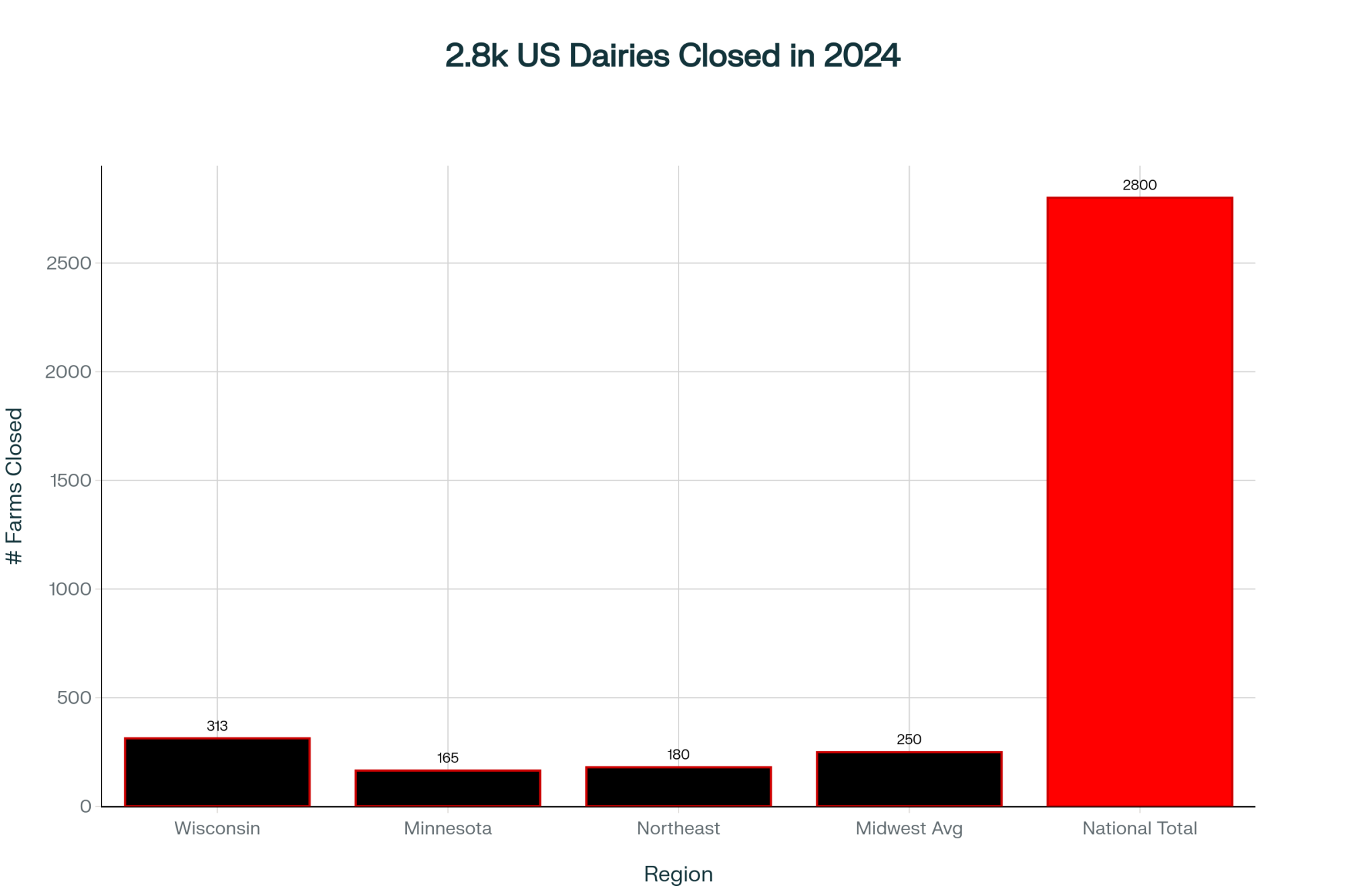
And that leaves the middle squeezed. Roughly 2,800 U.S. dairies closed in 2024, many of them right in that 700‑ to 1,200‑cow range.
So, what can farms in this category do? Choices look different for everyone—and sometimes hesitation isn’t fear, it’s fatigue. But the operations pulling ahead are finding ways to convert that fatigue into focus, using data, advice, and discipline to move forward deliberately rather than reactively.
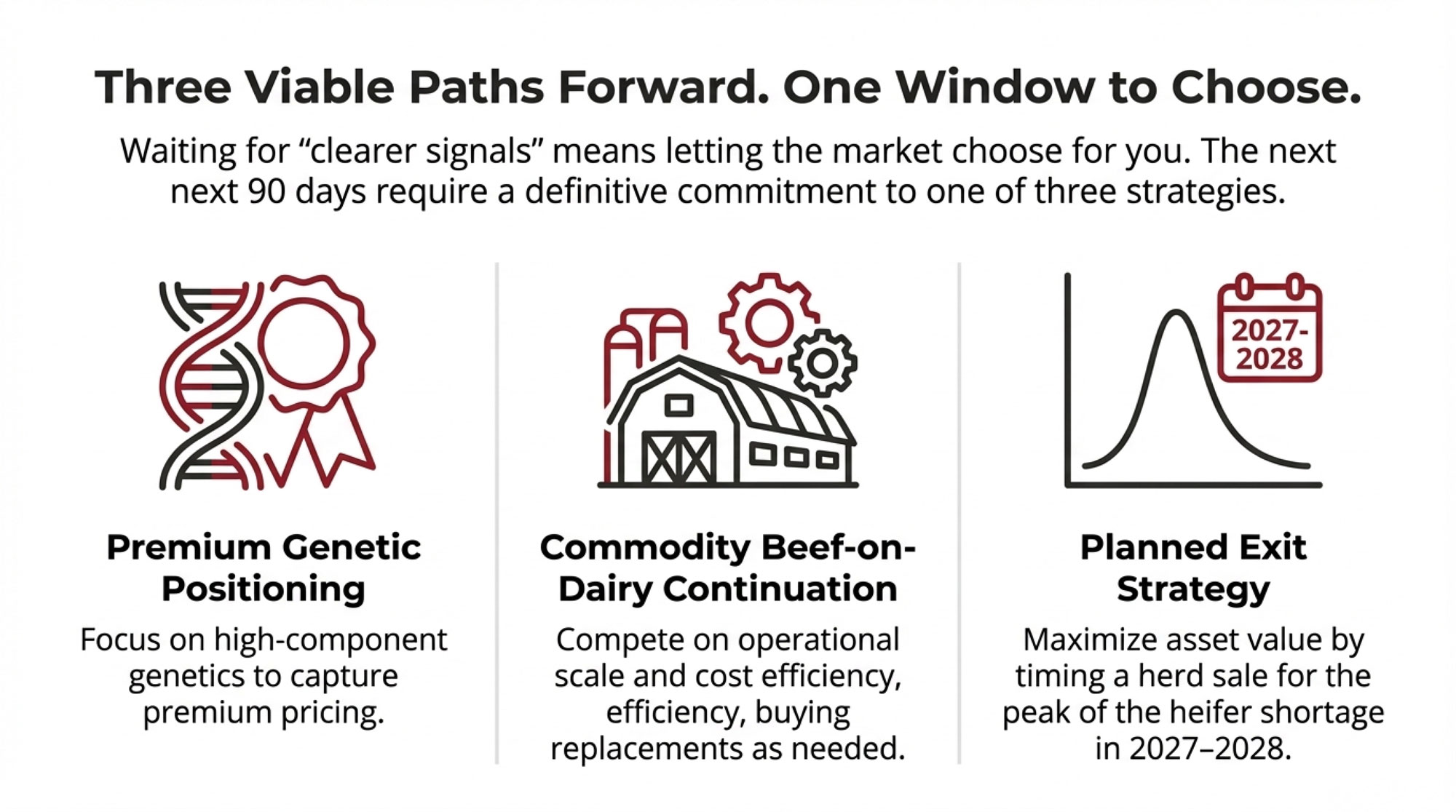
Three Viable Paths Forward
That pressure has created three distinct strategies that are working across 2025. Each one is viable—but only with clarity, discipline, and execution.
1. Expansion with Intention
Growth still works in regions where infrastructure supports it, particularly in Idaho, Texas, and parts of the Southern Plains. The Idaho Dairymen’s Association reports milk production up 3% year‑over‑year, driven by mid‑size operations expanding to 2,500‑cow scale.
Land values in productive regions remain reasonable—$6,000–$8,000 per acre, according to USDA NASS Land Values—and processors continue adding demand to match consolidation trends.
The most successful expansions share three core strengths:
Debt ratios under 35%. Leverage only where cash flow already proves out.
Trained management teams. Family ownership paired with experienced outside managers works best.
Nutrient management foresight. Expansion means more scrutiny—planning here protects future flexibility.
Producers in new freestall and dry lot systems report labor efficiency gains of 25–35%, but these gains materialize only when training and system design precede construction. As one veteran Idaho producer put it recently: “Scale magnifies everything—your efficiency and your inefficiency.”
2. Right‑Sizing and Smarter Technology
For many in the Northeast, Upper Great Lakes, and Atlantic Canada, expansion isn’t realistic. The focus has shifted toward doing fewer things better—and technology is the enabler.
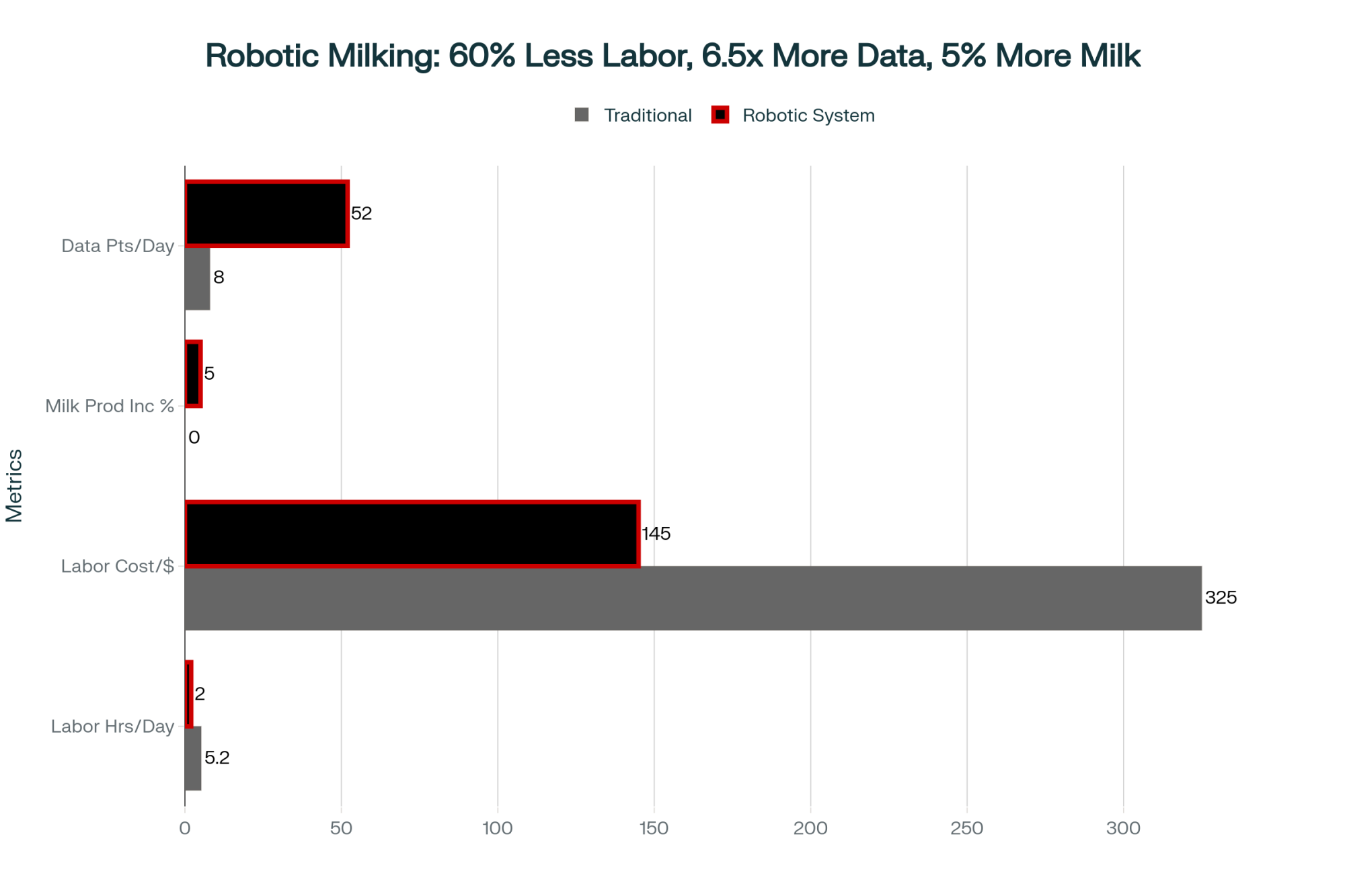
The University of Vermont Extension’s 2024 Robotic Dairy Study found that herds between 400 and 600 cows reduced labor costs by about 30% while maintaining or improving milk yield. Precision feeding and cow‑monitoring technology allowed smaller herds to compete through performance rather than scale.
Why 400-600 Cow Operations Are Going Robotic: The Numbers Behind the Revolution
What’s fascinating is that this same pattern holds north of the border. In Ontario and Quebec, under supply management, the economics differ, but the management philosophy doesn’t. Canadian producers are pushing robotics, automation, and stall utilization to maximize returns per kilogram of quota. As one Ontario nutritionist remarked, “Efficiency isn’t negotiable just because prices are stable. It’s the only real lever left.”
A Vermont dairy that converted to organic alongside robotic milking saw its milk price climb to $31.50 per hundredweight—right in line with national organic averages—but its bigger victory was time. Streamlined routines meant more focus on genetics, forages, and cow health.
These examples don’t make smaller easier—they make it more intentional. For the producers making it work, every investment serves a clear purpose: finding a way to manage cattle and people without burning out either one.
3. Optimization over Expansion
Across Wisconsin, Minnesota, and parts of Eastern Canada, the sweet spot has become refining economics within existing boundaries.
A benchmarking study reports farms that lifted their income over feed cost (IOFC) from $7.50 to $10 per cow per day captured roughly $820,000 more annual margin in 900‑cow herds.
That didn’t come from spectacular innovation; it came from fundamentals: tighter TMR consistency, better feed push‑up frequency, controlled parlor scheduling, and enhanced reproductive consistency.
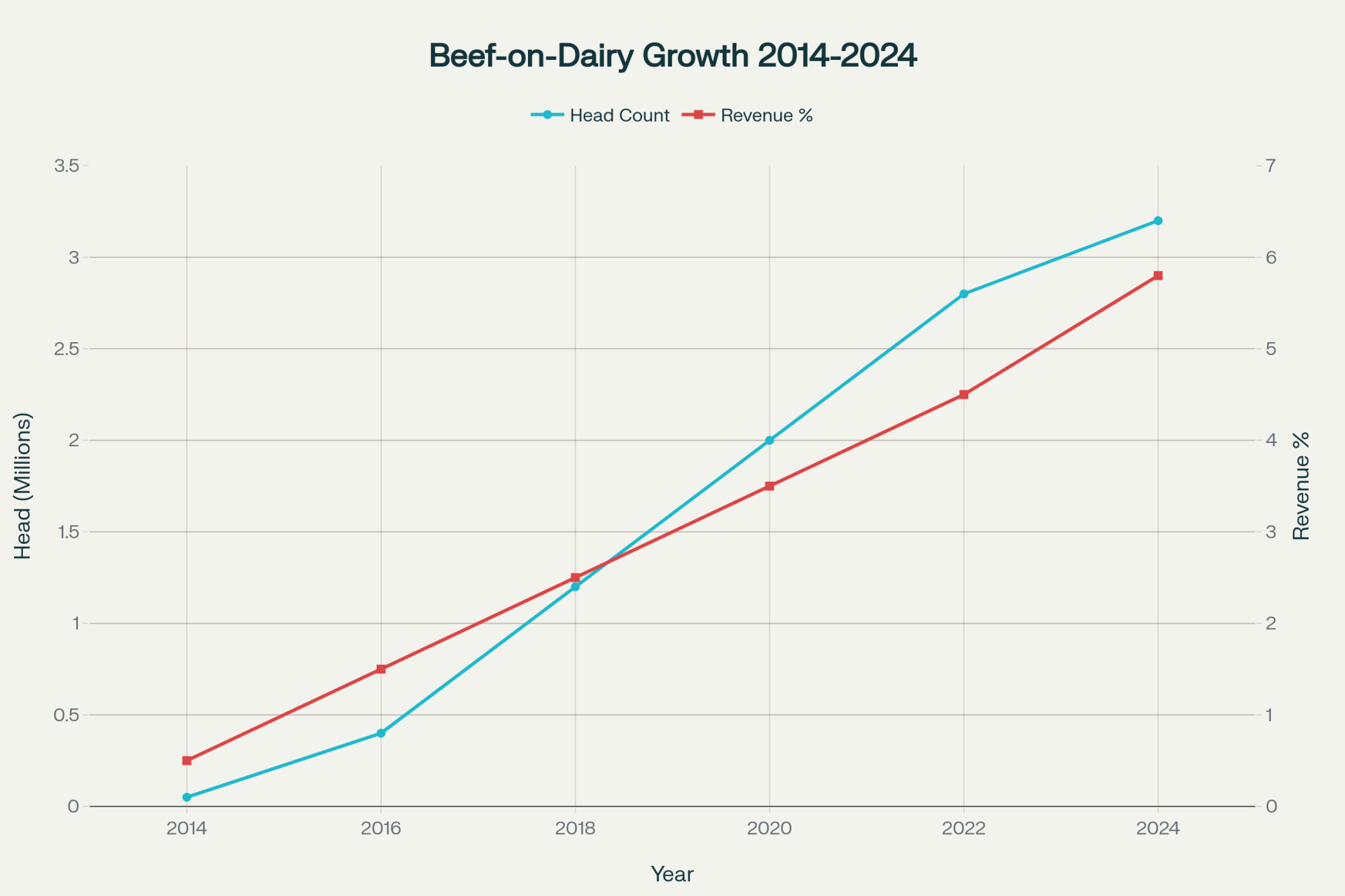
Those farms also focused on butterfat performance above 4.0%, earning premiums of $0.50–$0.75/cwt. Meanwhile, strategic use of beef‑on‑dairy genetics added $350–$400 per calf, according to University of Wisconsin Dairy Research, 2025.
Optimization is about reliability—the daily grind of doing the same things more precisely than the week before. As one Wisconsin producer told me, ‘We stopped chasing bigger and started chasing better—the shift from production expansion to business refinement. And it’s changing how success is measured: not more cows, but more predictable profit.
The Profit Illusion: Why Size Doesn’t Always Mean Success
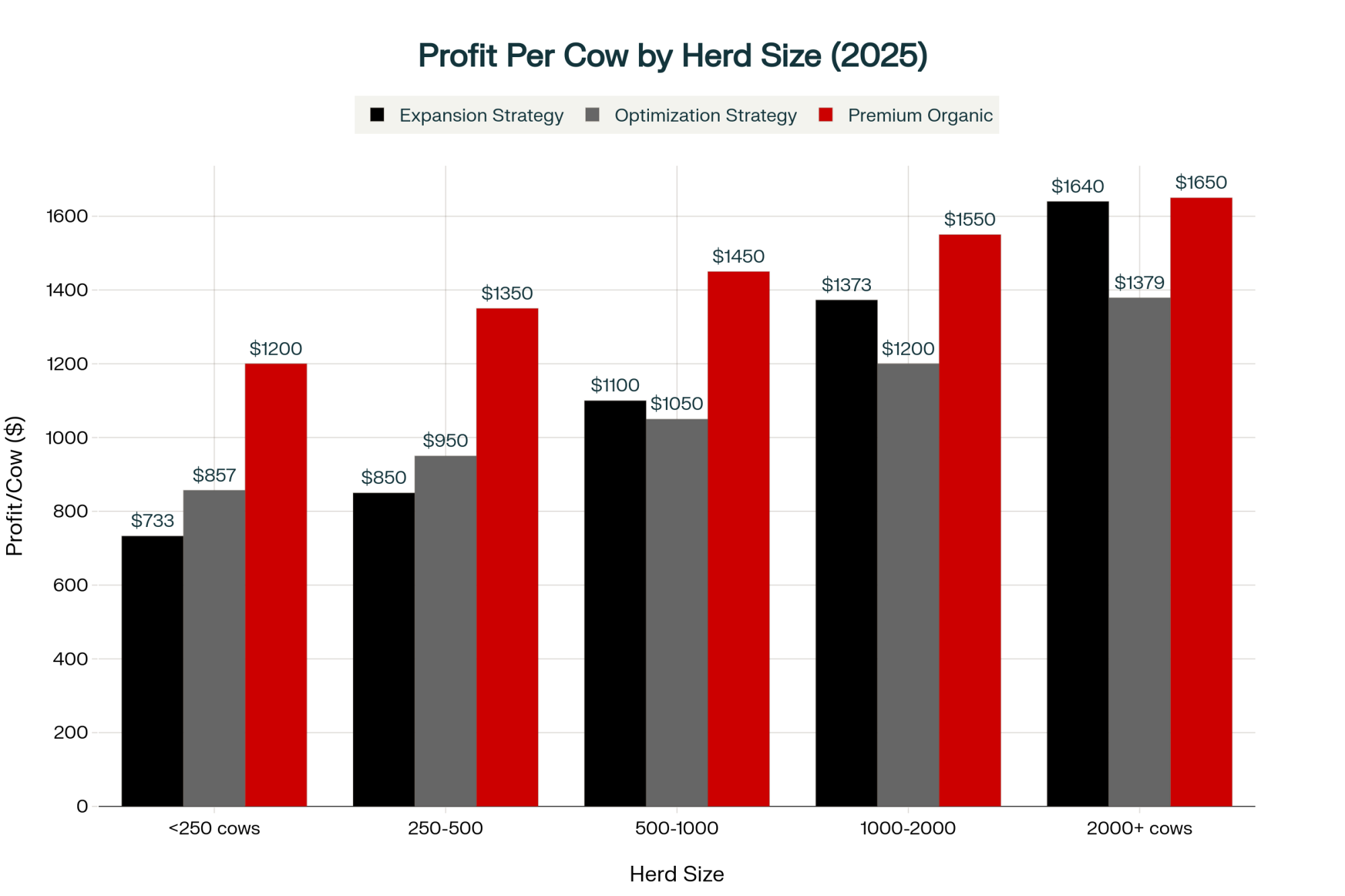
Scale doesn’t guarantee success—strategy does. Expansion works best for 2,000+ cow operations ($1,640/cow), while premium organic models deliver consistent returns across all sizes, and optimization shines in the 500-1,000 cow sweet spot
At first glance, most producers expect small family dairies to earn more profit per cow, while large commercial herds rely on volume to make up thinner margins. But the data — shown in the chart below — tells a more nuanced storyAt first glance, most producers expect small family dairies to earn more profit per cow, while large commercial herds rely on volume to make up thinner margins. But the data — shown in the chart below — tells a more nuanced story.This visualization, “Three Paths to Profitability: Annual Profit Per Cow by Herd Size (2025),” reveals how performance and efficiency—not size alone—shape economic outcomes across the industry. The chart compares three strategic paths mid-size dairies are following today:
Expansion with Intention – scaling to 2,000+ cows in strong infrastructure regions like Idaho and Texas.
Optimization over Expansion – 700–1,200-cow herds refining feed, reproduction, and butterfat performance instead of adding capacity.
The higher bar for larger herds doesn’t simply mean big farms take more money home. Instead, their fixed costs — buildings, equipment, professional staff, financing — are spread over thousands of cows, so cost per unit drops while profit per cow rises modestly. Conversely, smaller farms, even when they receive premium prices for organic, grass-fed, or local milk, often operate with higher feed and labor costs per cow, which narrows daily profit margins.
But here’s the twist: while smaller dairies may show lower profit per cow, the total income is often concentrated in a single family. A 300-cow family farm might return $250,000 in annual profit that supports one household. In contrast, a 2,500-cow operation could generate $2 million in total profit — but that figure is usually divided among multiple owners, investors, lenders, and management teams.
That’s why this chart matters. It debunks the myth that a larger herd size automatically leads to better take-home profit. The true divide isn’t just scale — it’s about who captures the value. Whether driven by volume, precision, or premium branding, profitability in today’s dairy industry is still deeply personal.
Regional Realities Still Matter
The Mid-Size Squeeze Is Real: Wisconsin Alone Lost 313 Dairies in 2024
It’s tempting to think every dairy could apply the same model, but geography dictates strategy more than ever.
In the Western U.S., large‑scale operations thrive on efficiency, infrastructure, and climate. In the Midwest and Ontario, cooperative structures and component‑based pricing reward consistency and milk quality over expansion. In the Northeast and Quebec, sustainability and locality drive brand value, with consumers drawn to transparency and traceability.
No matter the region, the takeaway is the same: you can’t copy‑paste a business plan from across the border. The economics—and the culture—demand regional authenticity.
Lessons Learned from Those Who Tried
The $950 Bull Calf Revolution: How Genetics Turned Dairy’s Biggest Liability Into Nearly 6% of Revenue
Every evolution comes with its scars. One Midwestern family who downsized from 850 to 500 cows underestimated the adjustment period after installing robots. Production dropped nearly 15% for a year as cows and staff adapted. They built it back, but only thanks to strong lender trust and patience.
Meanwhile, in Idaho, several expansions paused midway as interest costs bit into construction financing. Those who made it through had one thing in common—extra contingency funds.
The common thread in both cases is timing. Transition phases nearly always take longer and cost more than projected.
The Habits of Survivors
The dairies still standing out—on both sides of the border—tend to have three things in common:
Financial clarity. Debt ratios under 30% and three‑month operating cash reserves. Equipment and upgrades are justified only by measurable efficiency gains.
Revenue diversification. Beef‑on‑dairy programs, custom forage work, or digesters providing supplemental income that stabilizes the primary enterprise.
Generational transparency. Farms with succession plans already in motion make faster, cleaner business decisions.
At the 2025 Canadian Dairy XPO, one Quebec producer put it best: “You can borrow money for cows, not for uncertainty.” It’s a kind of clarity every mid‑size farm needs right now.
The Price of Standing Still
The Compeer Financial Producer Insights 2024 Report warned that dairies without defined five‑year plans lost 6–8% of equity annually due to deferred maintenance, inefficiency, and missed opportunities.
As one producer shared at a Dairy Strong conference in Wisconsin, “We thought doing nothing was the safe move. Turns out, the slow leak was killing us.”
A decade ago, waiting felt like patience. Today, it feels like pressure. Between higher interest, constant tech change, and unpredictable milk prices, even standing still costs money. Most farmers know what they need to do—it’s finding the time, cash, and confidence to do it that’s the battle.
Why 2025 Matters
When the dust settles, 2025 may be remembered less for its milk price trends and more for its management decisions. Expansion, specialization, or optimization—all three can succeed. The real test for mid‑size dairies is whether they’ll commit to one.
As one Idaho producer said, ‘The biggest gamble we took was standing still.’ Across barns and borders, you hear the same thing now: success starts when you stop waiting for the perfect signal. Nobody’s certain—but everyone who’s moving, is learning.
The Bottom Line
Whether you’re milking 200 cows in Quebec or 2,000 in Idaho, the shift facing mid‑size dairies isn’t about capacity—it’s about clarity. The farms that emerge stronger will be those that choose their lane and drive it with intent.
This year, the biggest risk isn’t expansion or automation—it’s indecision. As the market keeps changing, so does the window for action.
What steps are you taking on your operation to define your path for 2025 and beyond?
Key Takeaways
Decisiveness defines survival. The mid‑size dairies thriving in 2025 are those that choose a direction and commit fully.
Play to your region’s strengths. Expansion works out West, optimization excels in the Midwest, and value branding wins in the East and Canada.
Technology can level the field. Automation and precision tools make smaller herds competitive again—but only when data drives decisions.
Measure like a business, not a tradition. Top dairies track IOFC, butterfat, and repro weekly to stay ahead of volatility.
The real cost is waiting. Every season without a plan quietly drains equity, opportunity, and control.
Executive Summary:
Across the U.S. and Canada, mid-size dairies are facing a make-or-break moment. Once the steady foundation of milk production, 800–1,200 cow farms are now being squeezed between large-scale efficiencies and small-farm premiums. But what’s interesting is how the survivors are rewriting the playbook. From robotic systems in Vermont to data-driven optimization in Wisconsin and quota-smart efficiencies in Ontario, producers are proving that success doesn’t depend on herd size—it depends on clarity. The dairies making bold, informed decisions—whether to expand, modernize, or specialize—are staying strong. In 2025, waiting for perfect conditions isn’t safety anymore—it’s surrender.
Complete references and supporting documentation are available upon request by contacting the editorial team at editor@thebullvine.com.
Learn More:
Why This Dairy Market Feels Different – and What It Means for Producers – This strategic analysis provides the latest market data behind the consolidation trends mentioned in the main article. It reveals specific technology costs and ROI timelines, helping you financially plan for the necessary strategic shifts your operation needs to make now.
Robotic Milking Revolution: Why Modern Dairy Farms Are Choosing Automation in 2025 – For producers considering the “Right-Sizing” path, this article offers a deep dive into the real-world impact of automation. It demonstrates how robotic systems deliver measurable gains in labor efficiency, data collection, and herd health, justifying the capital investment.
BST Reapproval: The Key to Unlocking Dairy Sustainability – This piece offers a tactical guide for the “Optimization” strategy, focusing on a specific tool to improve feed efficiency and profitability without expansion. It provides clear protocols and data to enhance your farm’s economic and environmental performance within your current footprint.
Join the Revolution!
Join over 30,000 successful dairy professionals who rely on Bullvine Weekly for their competitive edge. Delivered directly to your inbox each week, our exclusive industry insights help you make smarter decisions while saving precious hours every week. Never miss critical updates on milk production trends, breakthrough technologies, and profit-boosting strategies that top producers are already implementing. Subscribe now to transform your dairy operation’s efficiency and profitability—your future success is just one click away.
The $3 billion bailout hit producers’ accounts—but the real story is how farmers are turning that relief into resilience and re‑engineering the future of dairy.
Executive Summary: The USDA’s $3 billion dairy bailout bought farmers time—just not transformation. Since 2018, over $60 billion in federal “emergency” funding has kept America’s milk moving, but it’s also made rescue money feel routine. What’s interesting is how differently producers are responding. In Wisconsin, smaller family herds keep shuttering, while Idaho’s integrated systems keep growing. Yet across regions, many farms are proving that strength now comes from management, not money—from tracking butterfat performance to securing feed partnerships and using Dairy Revenue Protection as standard operating procedure. The article reveals a quiet shift happening in dairy: the producers thriving today aren’t waiting for Washington—they’re building resilience from the inside out.
When the USDA released $3 billion in previously frozen dairy aid earlier this fall, a lot of barns felt the same quiet relief. That check helped cover feed, tide over payroll, or pay for the next load of seed. But here’s what’s interesting—what used to be considered “emergency relief” has quietly become routine.
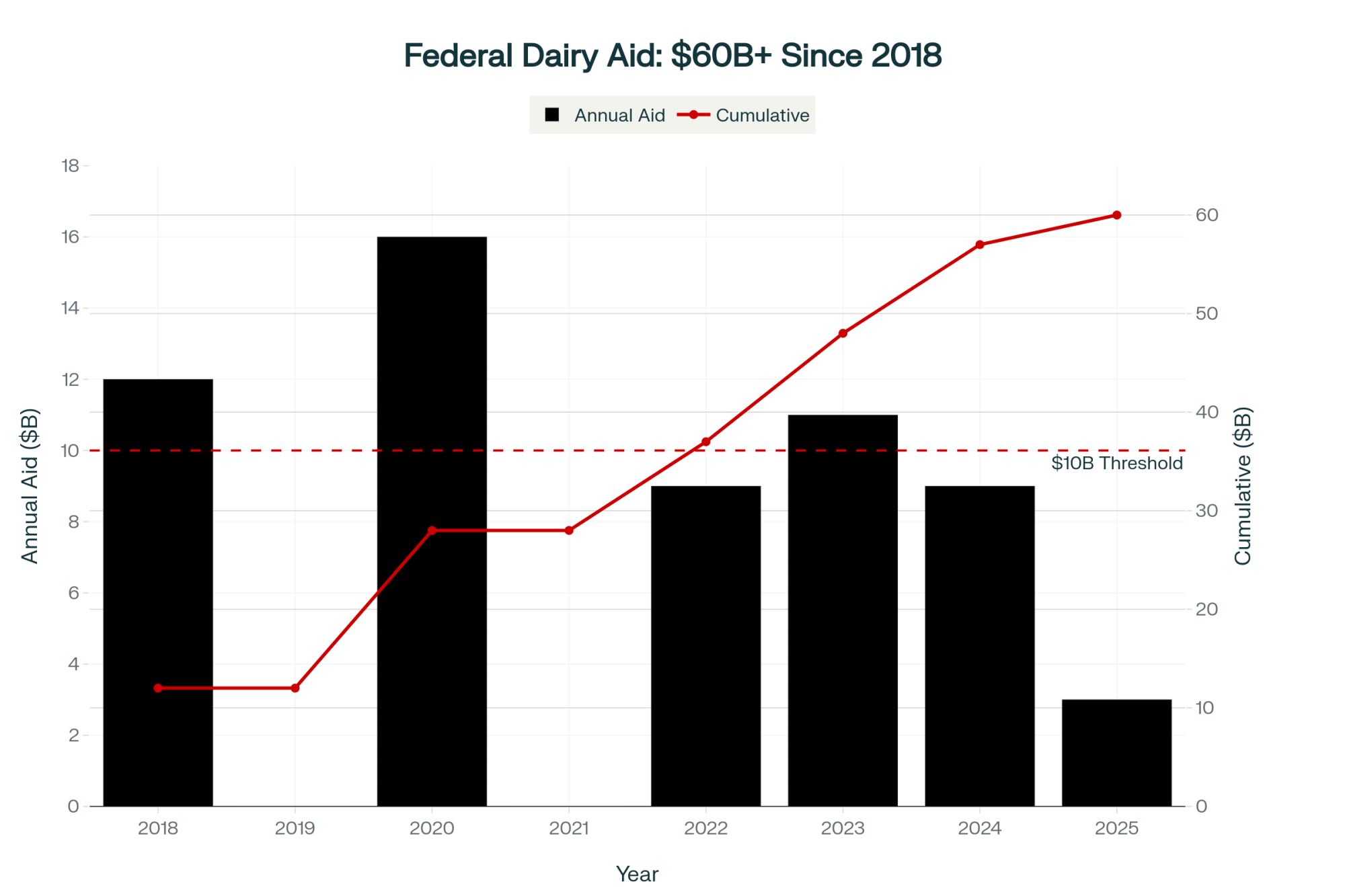
Since 2018, the government’s Commodity Credit Corporation has distributed over $60 billion in ad‑hoc support to U.S. farmers, according to USDA and Congressional Research Service data. That includes the trade‑war relief payments, COVID‑era CFAP funds, weather‑related disaster programs, and now, this latest round of support. Each program had different names and triggers, yet all share one thing: they’ve made emergency relief feel ordinary.
Looking at this trend, it’s clear that the system doesn’t just respond to volatility—it depends on it.
From Safety Net to Part of the System
The normalization of crisis: Federal dairy aid has exceeded $60 billion since 2018, transforming ‘emergency’ relief into standard operating procedure—exactly what Coppess warned about.
University of Illinois economist Jonathan Coppess put it plainly during a 2025 policy forum: “Every time we call these payments extraordinary, we prove how ordinary they’ve become.”
He’s right. The CCC now spends more than $10 billion each year keeping farm sectors whole when prices collapse. The money buys time—valuable time—for dairy families to stay solvent when margins evaporate. But I’ve noticed something else: those interventions slow the kind of market corrections that might otherwise drive innovation.
In other words, the aid keeps everyone in motion—but it also keeps everyone in the same spot.
Geography Still Shapes Success
Metric
Wisconsin (Traditional)
Idaho (Integrated)
Impact
Herd Trend 2024
400+ closures
4.2% growth
Consolidation accelerating
Primary Model
Small-mid family farms
Vertically integrated
Structure determines survival
Processor Relationship
Co-op (variable deductions)
Direct long-term contracts
Security vs. volatility
Co-op Deductions
$1-3 per cwt
Minimal/contracted
Margin erosion for traditional
Feed Strategy
Mixed/spot market
Integrated supply chains
Cost predictability advantage
2025 Production Trajectory
Declining
Expanding
Geographic winners emerging
Here’s a sobering contrast.
In Wisconsin, USDA NASS reports for 2025 show that over 400 milk license holders closed in 2024, the vast majority small or mid‑sized herds. Co‑op deductions for hauling, marketing, and retained equity often run from $1 to $3 per hundredweight, depending on the service region. Add that to feed pressure, and margins vanish quickly when Class III milk averages around $16 per hundredweight.
Meanwhile, Idaho saw 4.2 percent production growth, driven by vertically integrated systems and processor partnerships (Idaho Dairymen’s Association Annual Report 2025). Many herds there ship directly to long‑term contracts with Glanbia Foods or Idaho Milk Products. As CEO , Rick Naerebout says, “Security here comes from being part of someone’s plan.”
That’s becoming the modern split in U.S. dairy. It’s not only about scale—it’s about supply security.
Export Growth Without Equal Payoff
U.S. dairy exports have tripled since 2000, making America the world’s third‑largest dairy exporter, trailing only the EU and New Zealand (USDA Livestock, Dairy and Poultry Outlook, August 2025). It’s an incredible achievement. The challenge is that the extra volume hasn’t meant better milk checks.
The European Commission’s Agri‑Food Trade Report (2025) confirms that EU processors still benefit from export‑enhancing subsidies. And USDA ERS data shows that while New Zealand’s grass‑based systems remain the most cost‑efficient in the world, Americans must rely on grain‑fed cows and higher‑input models.
In 2025’s Q3, Class III prices averaged $16.05 /cwt, while breakevens in most regions sat near $18–$20 /cwt(CME Markets and USDA ERS cost‑of‑production reports). Industry analyst Sarina Sharp at Daily Dairy Report put it simply: “We’re moving tonnage, not value.”
Moving tonnage, not value: While U.S. dairy exports have tripled since 2000, Class III prices are $4 per cwt below breakeven—the gap that keeps plants full but forces farmers onto the bailout treadmill.
The export engine keeps plants full—but it hasn’t lifted profitability on the farm.
When DMC Numbers Don’t Match Reality
By federal calculations, dairies are doing fine.
On paper, the Dairy Margin Coverage (DMC) program’s national average margin has stayed above $9.50 for 25 consecutive months (USDA FSA DMC Bulletins, 2025). But back home, budgets tell a different story. A Farm Journal Ag Economy Survey (2025) found 68 percent of producers still reporting negative cash flow through the same period.
The difference is in the math. DMC uses corn, soybean meal, and premium alfalfa hay to model feed cost, leaving out labor, fuel, freight, and mineral expenses. A California freestall feeding $360 a ton of hay and paying $22 an hour in labor looks “healthy” next to a Midwest herd growing its own feed, at least on paper.
As one Wisconsin producer told me, “DMC says I’m comfortable. My milk check says otherwise.”
Where Resilience Is Actually Happening
Management over money: A mere 0.2% butterfat increase—achievable through better fresh cow protocols—can generate $10,000 to $150,000 annually, proving that components now matter more than volume.
What’s encouraging is how many farms are finding independence within this uncertainty. Across regions, large and small, producers share some common habits that quietly strengthen their bottom lines.
Holding processor relationships close. Herds delivering reliable supply with high butterfat and low SCC keep their spot when plants trim pickups. Consistency is its own insurance policy.
Milking components over volume.USDA AMS 2025 data shows butterfat now drives over 55 percent of milk’s value. Just a 0.2 percent lift in butterfat can earn $10,000 to $15,000 per 100 cows,depending on premiums. The best results usually come from fresh cow management and ration adjustments using digestible fiber and balanced oils, not simply more grain.
Locking in feed and forage partnerships. A University of Wisconsin Extension (2024) study found multi‑year forage contracts saved 8 to 12 percent per ton of dry matter compared to spot buying. Contract stability reduces uncertainty around input costs—and lenders like certainty.
Treating insurance like a feed input. According to the Risk Management Agency 2025 Report, about 70 percent of U.S. milk is now covered by Dairy Revenue Protection or Livestock Gross Margin. Farms building those premiums (roughly 1–2 percent of revenue) into their budgets weather volatility far better than those rolling the dice each year.
Diversifying strategically.California Bioenergy (2025) reports digesters and renewable‑gas systems returning $40,000 to $120,000 annually for 1,000‑plus cow herds—without pulling focus from the dairy. Others find stability through direct marketing or regional brand partnerships.
Measuring profitability monthly.Penn State Extension (2025) shows feed should stay below 60 percent of gross milk income. The farms that benchmark this monthly spot inefficiencies faster and make small, cost‑saving pivots before they snowball.
Planning exits on their own terms. According to the USDA ERS Farm Structure and Stability report (2025), herds planning transitions 12–18 months ahead preserve as much as 40 percent more equity than forced liquidations. Some call that quitting; others call it smart continuity.
Each step underlines the same idea: resilience isn’t dramatic—it’s deliberate.
What the Bailouts Really Buy
In the short run, relief checks keep dairies alive and infrastructure intact. They pay feed bills and save lenders a lot of sleepless nights. But as Coppess reminds us, “These payments stabilize balance sheets—they don’t modernize business models.”
Bailouts treat symptoms, not sources. Without modernized DMC calculations, fairer make‑allowance data, and supply contracts that reward efficiency, the cycle continues: price drop, emergency payment, repeat.
The Bottom Line
Here’s what the 2025 bailout really offers: time.
What farmers are proving, though, is that time alone doesn’t fix markets—management does. Across the country, producers are sharpening skills, controlling costs, and tracking butterfat performance with the precision of any Fortune 500 manager.
As New York Jersey breeder Megan Tully put it best, “The government may keep us afloat, but only management keeps us profitable.”
And there it is. Resilience in dairy right now isn’t a talking point—it’s a mindset. It’s being built every day in barns, on tractors, at kitchen tables, and in feed alleys. One cow, one ration, one decision at a time.
Key Takeaways:
Emergency aid has become standard practice. Since 2018, more than $60 billion in CCC funds have flowed to dairy, blurring the line between rescue and routine.
Farm outcomes now depend on geography and leverage. In Wisconsin, small family herds keep shrinking; in Idaho, contracted farms keep growing—and that gap is widening.
Official margins hide on‑farm reality. DMC numbers may look comfortable, but they ignore feed freight, labor, and energy costs that drain actual cash flow.
Producers are creating their own safety nets. From better butterfat performance to multi‑year feed contracts and DRP insurance, farmers are writing their own playbooks.
Resilience is being rebuilt one decision at a time. The dairies thriving today aren’t waiting on policy—they’re managing through it.
Complete references and supporting documentation are available upon request by contacting the editorial team at editor@thebullvine.com.
Learn More:
Profit-Driven Persistence: How Dairy Farmers Overcome Challenges to Boost Production – Explores how producers are strategically managing herd growth, breeding, and resource allocation to maintain profitability despite volatility. This article provides actionable tactics for optimizing herd expansion and balancing short-term cash flow with long-term stability.
Join over 30,000 successful dairy professionals who rely on Bullvine Weekly for their competitive edge. Delivered directly to your inbox each week, our exclusive industry insights help you make smarter decisions while saving precious hours every week. Never miss critical updates on milk production trends, breakthrough technologies, and profit-boosting strategies that top producers are already implementing. Subscribe now to transform your dairy operation’s efficiency and profitability—your future success is just one click away.
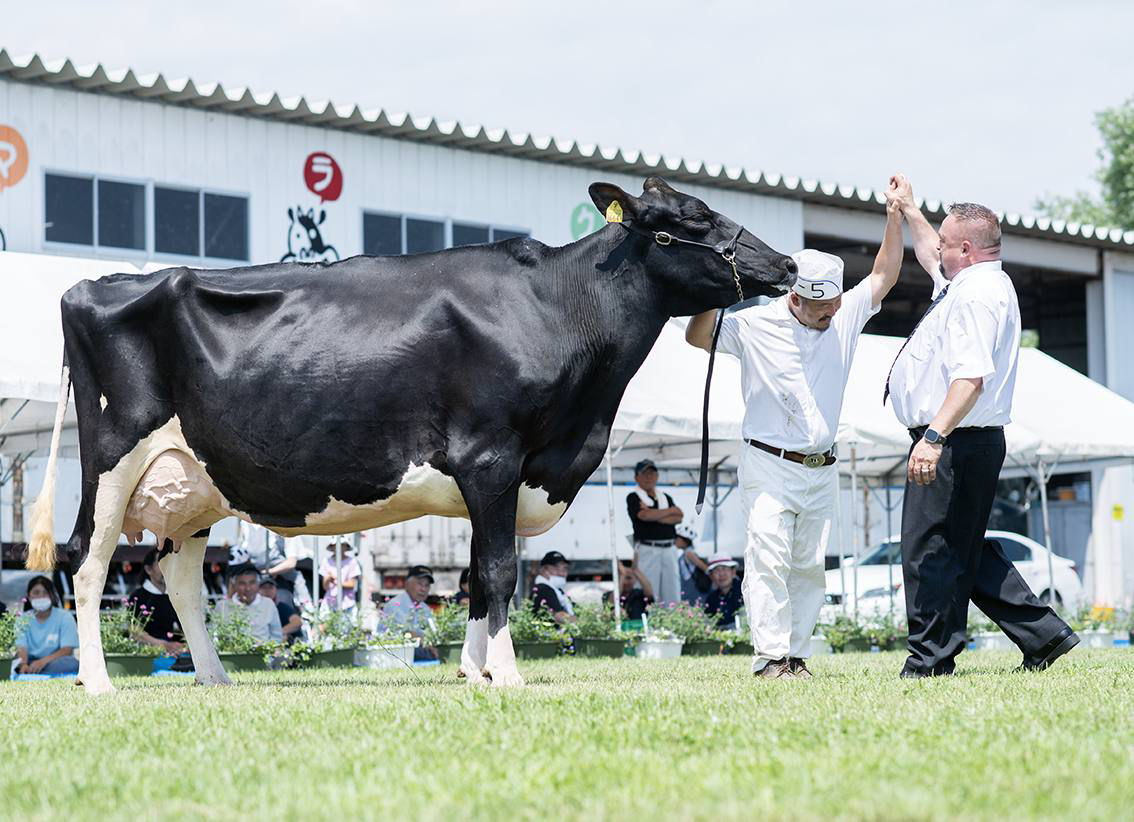
Scorching temperatures hit 30°C, but one exceptional cow still dominated the ring at Japan’s premier dairy show
Picture this: blazing early summer heat, sweat dripping, and temperatures of 30°C that would make most of us want to hide indoors. But not at the 32nd Yamagata Prefecture Dairy Cooperative Holstein Show. On June 28, dairy enthusiasts braved the scorching conditions to witness something truly special.
The Star of the Show
When Center Black HM Final Denver Whis Rina stepped into that ring, heads turned. This wasn’t just another cow—this was a six-year-old masterpiece carrying an EX-91 classification—a near-perfect score for her physical traits—who had just claimed the Grand Champion title for owner Ryosuke Nakajima from Shirataka Town.
Judge Ryan Weigel—the renowned breeder behind legendary genetics like KHW Kite Advent-Red and KHW Regiment Apple-Red—couldn’t contain his excitement. “She was the most eye-catching cow the moment she entered the ring,” he declared. And coming from Weigel, that means something.
What Makes a Champion?
Here’s what caught the judge’s eye: even in her fourth lactation at six years old, this cow’s conformation remains absolutely flawless. We’re talking exceptionally correct feet and legs—the foundation that keeps a cow productive for years. Her udder? Outstanding doesn’t even begin to cover it.
But it’s the complete package that sealed the deal. From her refined face through her strong neck, she radiates that elusive “dairy character”—the ideal combination of strength and refinement that separates great cows from good ones. You can see years of excellent care in her glossy coat, her bright, alert eyes, and the calm confidence with which she carried herself in the ring.
A Pedigree That Tells a Story
Let’s dive into those genetics because this bloodline is pure gold. Center Black HM Final Denver Whis Rina traces back through a powerhouse pedigree: Denver x Impression x Finalcut x Durham Rudy x Stormatic x Hakko Midland Supersire Whis Rina (EX-93).
That foundation female? She’s legendary. Hakko Midland Sire Whis Rina earned first prize in the mature cow class at the 2003 Hokkaido National Show—over 20 years ago and still influencing herds today.
The Midland Magic
Here’s where it gets really interesting. The Midland family isn’t just any bloodline—it’s one of three signature cow families representing HOKKO Gakuen College in Hokkaido. This isn’t about pretty pictures either. We’re talking about functional conformation—physical traits that translate to real-world performance—delivering long, productive lifespans and consistent show ring success.
How productive? Try cows achieving a lifetime milk production of 100,000 kg. That’s the kind of genetic power that pays the bills and then some.
Smart Breeding Decisions Pay Off
It was this “Midland Magic” that Nakajima sought to harness. After graduating from HOKKO Gakuen College, he made a strategic decision to introduce this proven bloodline into his operation. The results speak for themselves—today, approximately 60% of the Nakajima Farm herd descends from this exceptional family.
That’s not an accident. That’s deliberate, thoughtful breeding focused on functional traits that matter in the real world of dairy farming.
The Bigger Picture
This show proves what many of us already know—great genetics combined with excellent management creates magic. Despite brutal heat that would stress most animals, proper care and superior genetics allowed this cow to shine when it mattered most.
For dairy farmers worldwide watching from afar, there’s a lesson here. Japanese breeders continue pushing the envelope, combining time-tested bloodlines with modern management practices. The result? Cows that perform under pressure and deliver results that matter.
The 32nd Yamagata Prefecture show might have wrapped up, but the impact of genetics like these will ripple through herds for generations to come.
Join the Revolution!
Join over 30,000 successful dairy professionals who rely on Bullvine Weekly for their competitive edge. Delivered directly to your inbox each week, our exclusive industry insights help you make smarter decisions while saving precious hours every week. Never miss critical updates on milk production trends, breakthrough technologies, and profit-boosting strategies that top producers are already implementing. Subscribe now to transform your dairy operation’s efficiency and profitability—your future success is just one click away.
US milk production dropped 0.37% while margins hit $12.33/cwt — here’s why that gap matters for YOUR farm.
EXECUTIVE SUMMARY: Look, I’ve been crunching numbers from this latest industry data, and here’s what jumped out at me. Farms hitting 1.4 pounds of milk per pound of feed are absolutely destroying those stuck at 1.1 — and with corn hovering around $4.20 per bushel, that 0.3-pound difference translates to serious money over a full lactation. We’re seeing wild regional swings too… India just crossed 216 million tonnes while the US dropped 0.37% thanks to H5N1 hits. Meanwhile, processors are throwing $8 billion at new capacity, but here’s the kicker — if milk volumes don’t rebound, we’re looking at overcapacity that’ll squeeze producer prices hard. The smart money’s on precision feeding, genomic testing for the right traits, and getting your financial house in order before this wave hits. Trust me, the farms tracking feed conversion ratios by group and investing in the right tech now? They’re gonna be the ones still standing when the dust settles.
KEY TAKEAWAYS:
Target that 1.4 lbs milk per lb feed ratio — closing even half that gap from 1.1 adds $2,000+ annually on a 100-cow operation. Start tracking feed intake and milk yield by group this week.
Get selective with genomic testing — focus on feed efficiency and component traits, not just production. Test your replacement heifers annually for about $35/head and watch your ROI climb.
Precision feeding pays big — systems save 40-50 cents per cow daily while boosting yields 3-5%. Begin with TMR analysis, then consider automated feeding if your herd’s 200+ cows.
Watch your processor relationships closely — with processing capacity jumping 20 million lbs daily by 2027, lock in contracts that protect against oversupply price drops before it’s too late.
Clean up your balance sheet now — average dairy debt-to-asset ratios hit 47%, so use these strong margins to pay down debt and position for the technology investments coming down the pipeline.
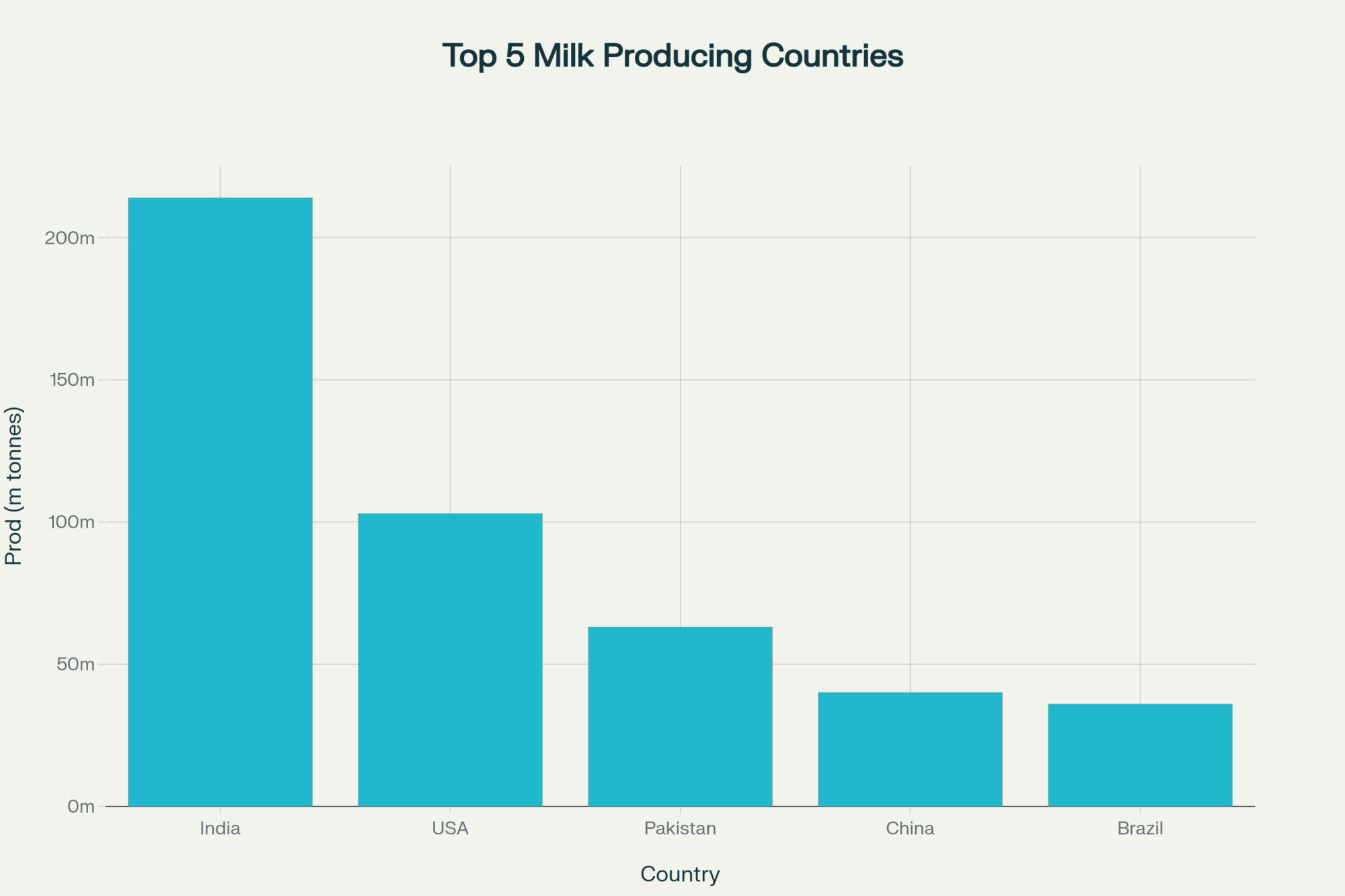
While global dairy stats may seem straightforward at first glance, a deeper dive reveals significant regional and structural shifts that are reshaping the industry. Recent reports from the International Dairy Federation indicate that global milk output in 2024 increased by approximately 1.4% to around 978 million tonnes. Sounds simple, right? However, what strikes me is how that headline completely overlooks the significant regional shifts that have occurred.
Some places are reining production in; others are full throttle ahead. This mix — influenced by disease outbreaks, infrastructure booms, and shifting markets — is reshaping what’s possible for your farm’s bottom line.
Milk Production’s Shifting Map: A Tale of Two Giants
US production dropped 0.37% last year, says USDA data — a dip tied closely to H5N1 outbreaks that slammed several Midwest states like Michigan and Texas. I was speaking with a producer in Wisconsin last month who lost nearly 60 heads to H5N1… it’s real, and it’s hitting harder than most anticipated. Meanwhile, India continued to steamroll forward, crossing 216 million tonnes, according to detailed USDA Foreign Agricultural Service numbers and India’s Ministry of Fisheries, Animal Husbandry, and Dairying.
Dr. Michael Hutjens, a familiar voice in dairy nutrition from the University of Illinois, zeroes in on feed efficiency gaps that should worry many of us more. “Top farms push 1.4 pounds of milk out for every pound of feed, while many others barely break 1.1,” he notes. Given that corn prices linger near $4.20 per bushel, that difference is a serious game-changer over a full season — we’re talking thousands of dollars in extra profit or lost opportunity.
China also experienced a 1.2% decline in milk production, and what’s fascinating about this is that Rabobank’s Q1 2025 briefing explains it’s not about problems — it’s about strategic consolidation and a sharper focus on self-reliance. That’s huge for worldwide exporters who’ve counted on Chinese demand.
However, despite shrinking production in some areas, US dairy profit margins reached their highest levels since 2022 — $12.33 per hundredweight, according to the latest CoBank report. The lesson? It’s not just about volume; it’s about managing supply tightness and costs smartly.
The Processing Boom: $8 Billion on the Table
Beyond production numbers, a major trend affecting US producers is the massive investment in processing infrastructure. A 2024 industry analysis, citing industry coverage, reported that the US dairy industry is splashing out over $8 billion in processing plant upgrades through 2027. These new plants should add capacity for 20 million pounds of milk daily.
But here’s where it gets interesting — and a bit concerning. Dr. John Lucey at Wisconsin’s Dairy Research Center highlights several significant challenges: costs have increased by 35%, skilled labor is scarce (finding qualified plant technicians is particularly difficult these days), and equipment deliveries are significantly delayed. I know of three projects in my region alone that are running 8-10 months behind schedule.
Expert economic analysis suggests that plants need to operate at 85-90% capacity to remain profitable. Below 75%, margins get squeezed hard. We’ll need a rebound in milk volumes soon or risk serious overcapacity… and that’s when things get ugly for producer prices.
Meanwhile, India is also doubling down, devoting more than ₹8,000 crores to machinery and plant upgrades to keep pace with booming production. They’re no longer just thinking domestically — they’re eyeing global markets.
Follow the Money: Why Components and Exports Matter
Export data from Eurostat tells a familiar tale: cheese costs around $4.85 per kilogram, well above the $3.20 per kilogram that powdered milk fetches. What’s particularly noteworthy is how consistent this spread has become.
Dr. Marin Bozic from the University of Minnesota shed light on a key shift at the 2024 ADSA meeting: protein fractions, such as casein, are now carrying a growing weight in export values. While the exact percentages shift, this protein obsession is changing how producers select genetics and manage cows. We’re seeing Holstein operations in California specifically breeding for casein content — something that would’ve seemed crazy five years ago.
The European Union remains the top exporter worldwide in terms of value, but it’s fighting an uphill battle. Tough environmental regulations are driving herd consolidation — larger but fewer farms — and the euro’s strength is making EU dairy products more expensive internationally. It’s a squeeze play that’s got European producers worried.
Technology: The Divide Widens
The push to precision feeding isn’t slowing, and frankly, it shouldn’t. According to recent industry studies, these systems can reduce feed expenses by $0.40 to $0.50 per cow per day and increase milk yields by 3 to 5%. Now, that might not sound like much, but run those numbers on a 1,000-cow operation…
At a 2024 dairy tech symposium, Dr. Jeffrey Bewley of the University of Kentucky discussed how automated systems can achieve uptimes of nearly 99%, even if payback timelines extend 7 to 8 years under current lending rates. Here’s what’s concerning, though: big farms, with 500-plus cows, are adopting precision tech at rates nearing 35%, while smaller farms lag behind at 12%. This gap is opening wider each season, and it’s creating real competitive disadvantages.
I visited a 300-cow operation in Pennsylvania last fall that was struggling to compete with their larger neighbors who’d invested in precision feeding. The difference in feed efficiency was stark—and so was the difference in profitability.
The Gene Game: A2 and Certification
A2 beta-casein milk is commanding premiums — sometimes as much as $2 per hundredweight according to market reports — though premiums vary significantly by region and processor relationships.
However, it doesn’t happen overnight, and this is where many producers get tripped up. Transitioning a herd can take 3 to 5 years, and the cost of genetic testing is approximately $35 per cow. That’s a serious upfront investment before you see any premium returns.
Export certifications are also not inexpensive. USDA compliance and processing approvals tack on roughly 12 to 18 cents per pound. Big farms tend to have an easier time absorbing these costs — another example of scale advantages that smaller operations can’t match.
Then there’s debt to consider. According to 2024 data, the average dairy farm debt-to-asset ratio is near 47%. That’s a serious balancing act when you’re trying to invest in new technologies or genetics programs.
What This Means for You
With these trends in mind, here’s what this all means for your operation:
Target feed efficiency first — closing the gap Dr. Hutjens identified between 1.1 and 1.4 pounds of milk per pound of feed can add thousands to your bottom line annually.
Monitor your processors carefully because of the potential for overcapacity and its impact on producer prices. Some of these new plants are going to struggle if milk volumes don’t rebound.
Invest thoughtfully in technology — with payback periods of 7-8 years —to ensure your future success for the long game and that automated systems fit your operational timeline.
Plan your genetics strategy carefully — start with your replacement heifers and conduct genetic testing to build your A2 herd over time rather than trying to convert your entire milking herd at once.
Mind your financial health — use improving margins to manage debt and set your farm up for long-term sustainability rather than just short-term gains.
The dairy business is evolving in ways we haven’t seen before. Staying nimble, informed, and proactive isn’t just smart—it’s essential for survival.
Remember, the window for positioning yourself well is open — but it won’t be for long. Good luck out there!
The Digital Dairy Revolution: How IoT and Analytics Are Transforming Farms in 2025 – This article provides a tactical look at implementing modern technology. It details how IoT sensors and data analytics improve efficiency, cut costs, and enable real-time herd management, demonstrating how to move beyond traditional farming methods for a competitive edge.
Pakistan’s hitting 470 gBPI scores while we’re stuck at 267. Time to rethink what’s possible with genomic testing.
EXECUTIVE SUMMARY: Okay, here’s what’s got me fired up about Pakistan’s dairy scene. They’re producing 63 million tonnes annually with herds hitting genomic scores that embarrass some of our best operations. We’re talking 470 gBPI when top 1% globally barely cracks 267. Their corporate farms are deploying the same elite genetics we use, but with $0.15/lb lower feed costs and 30% better heat stress management. One operation went from crossbred mediocrity to world-class daughters in just three years using Australian genomics and Zoetis testing. With export markets exploding and their 55% productivity gap closing fast, this isn’t just an overseas story anymore. If you’re not watching what Pakistan’s doing with TMR optimization and reproductive tech, you’re missing the next wave of dairy efficiency.
KEY TAKEAWAYS:
Boost genetic progress 2.5x faster with genomic testing like Pakistan’s elite farms—talk to your breeding consultant about implementing daughter evaluations this fall before breeding season
Save $0.15 per pound on feed costs through precision TMR formulations and heat-adapted rations—work with your nutritionist to optimize for 2025’s volatile ingredient markets
Cut reproductive failures by 20% using advanced heat detection tech that’s solving Pakistan’s “silent heat” problems—especially critical as summer heat stress increases
Slash milk spoilage losses 15-20% with cooperative chilling stations like Pakistan’s World Bank program—explore shared cooling infrastructure with neighboring farms
Tap export premium markets worth billions through halal certification and international partnerships—diversify your income streams while global dairy demand surges
You know those moments at a conference when someone drops information that completely shifts your perspective? Had one of those recently while chatting over coffee with a geneticist who’d just returned from Pakistan. What he told me about what’s happening there… well, it’s got me thinking we all need to pay closer attention.
Here’s the thing most of us don’t fully grasp about Pakistan: they’re not just another developing market dabbling in dairy. We’re talking about the world’s fifth-largest population — over 255 million people — and a dairy sector that’s exploding. Their livestock sector now includes 57.5 million cattle plus 46.3 million buffalo, creating one of the world’s largest dairy herds.
Milk production of top 5 countries in 2022 showing Pakistan’s rank
Think about that for a second. That’s more dairy animals than our entire North American inventory, and they’re producing around 64.3 million tons of milk annually, according to FAO’s latest data. That puts them third globally — behind India and the US, ahead of China and Brazil.
However, here’s where it gets interesting —and perhaps a little concerning for those of us considering long-term competition.
The Tale of Two Completely Different Dairy Worlds
What strikes me about Pakistan’s setup is how it’s basically two industries running side by side. You’ve got this massive traditional sector — we’re talking 80% of production coming from smallholder farms with just 2-5 animals each. Picture motorcycles weaving through traffic, loaded with twin milk cans, delivering fresh milk directly to consumers. That’s the reality for most of their supply chain.
Then there’s this other world emerging… and it’s impressive. Around 80 corporate mega-dairies ranging from 1,000 to 6,000 cows, with facilities that — I’m not exaggerating here — would make some of our operations take notice.
Take Interloop Dairies, recognized as Pakistan’s largest corporate dairy farm. They’re running over 10,000 Holstein Friesians with advanced milking parlors from GEA, producing export-quality mozzarella using Individual Quick Freezing technology. That’s not your typical developing market operation.
What’s fascinating is their cost structure. Abundant high-quality groundwater in Punjab province (think about that in our water-stressed environment), cheap labor, and the ability to grow corn and forages on incredibly fertile soils. Research shows that their commercial farms average 844 liters per cow daily for water usage during the summer — that’s a lot of water, but it’s available.
That combination should get anyone’s attention.
The Indigenous Foundation: Asset and Challenge
Here’s where breeding gets interesting. Pakistan’s traditional foundation is built on indigenous breeds that are perfectly adapted to local conditions, yet possess unique characteristics.
The Nili-Ravi buffalo dominates smallholder farms, and get this — recent research shows they’re producing milk with around 6.8% fat content. These animals are tough as nails — they have to be in that climate — but their genetic ceiling creates interesting dynamics. Then you have heat-tolerant Zebu cattle, such as the Sahiwal and Red Sindhi, which have evolved specifically for those conditions.
However, here’s the breeding challenge that most people don’t realize: those Nili-Ravi buffalo are prone to “silent heats,” making heat detection a significant challenge for AI adoption. From a competitive standpoint, this creates a moat around the traditional sector. You can’t just gradually upgrade these operations with better genetics — the biology doesn’t work that way.
That’s exactly why the corporate farms are going all-in on imported Holstein genetics. It’s not just about higher yields; it’s about building systems where modern breeding tech actually functions.
The Genetics Revolution Nobody Saw Coming
This development fascinates me more than anything else… Pakistan has quietly become a major destination for the same elite genetics driving productivity from Wisconsin to New Zealand.
The story that really captures what’s happening: a Pakistani veterinarian got stranded in Australia during COVID. Instead of sitting around, he worked on several high-tech Australian dairy farms and saw firsthand what elite genetics could do. When he returned home, he and two colleagues set up a dairy operation using imported, genomically tested Australian heifers.
This is where it gets impressive. HRM Dairies now genotypes all heifers with Zoetis and has produced daughters of Carenda Pilbara ranging between 348 and 470 gBPI. For context, the top 1% in Australia has an average wealth of over 267 gBPI. These aren’t just good numbers for Pakistan — these are elite numbers by any standard.
The Pakistani government has committed Rs40 billion toward genetic improvement programs. That’s transformational money.
Here’s what this means for competitive positioning: Research on 600 dairy farms in Punjab shows genomic selection could close a 55% productivity gap that currently exists. If they achieve even half those gains across their massive animal base…
Think about the implications… If a major milk-producing region can accelerate genetic progress by that magnitude, how does it change global market dynamics within a decade?
Corporate Farms That Would Impress Anyone
I’ll be honest — some of these operations are more sophisticated than farms I’ve visited in established dairy regions.
Dairyland was established with imported Australian Holstein heifers and now operates a complete “grass-to-glass” vertical integration, featuring hormone-free production and rigorous microbiological testing.
FrieslandCampina Engro’s Nara Dairy Farm spans 220 acres, housing over 6,000 animals that adhere to international health and safety standards. They’ve been pioneering corporate dairy farming since 2006, with flagship brands like Olper’s and Tarang as household names.
Everfresh Farms focuses on exceptionally high-quality fresh milk, consistently achieving low Total Plate Counts — a critical measure of milk hygiene. They’re using sophisticated milking parlors from GEA WESTFALIA Surge.
What caught my attention is the technology adoption. These aren’t scaled-up traditional operations — they’re deploying automated milking systems, climate-controlled barns with misting (essential at 50°C), TMR wagons for scientifically balanced feeding, and substantial solar installations.
What strikes me about these operations is how they’re integrating sustainability from day one. Water conservation, renewable energy, waste-to-biogas systems — they’re building climate-smart dairying into their DNA rather than retrofitting later.
The Infrastructure Reality That’s Finally Changing
Let’s talk about the elephant in the room — the cold chain that’s finally being built.
Anyone dealing with milk in extreme heat knows temperature control isn’t optional. In Pakistan’s climate, where summer temps hit 50°C (122°F), loose milk without refrigeration… well, you can imagine.
The numbers: Historically, 15-20% of milk wastage occurs due to spoilage before reaching consumers. For context, that’s equivalent to discarding the entire annual production of a mid-sized US state.
What’s interesting, though, is how targeted interventions prove this isn’t insurmountable. The World Bank’s Sindh Agriculture Growth Project provided milk chillers to producer groups, yielding immediate results: reduced waste, increased farmer incomes, and improved quality control.
Corporate farms are deploying full cold chain infrastructure alongside their advanced systems. They’re building modern dairy infrastructure from scratch, without the legacy constraints that many of us face.
For producers watching from afar: These infrastructure investments create templates that work in challenging climates. Some cooling and logistics solutions being developed could apply to southern US operations dealing with increasing heat stress.
The Productivity Gap That’s Actually an Opportunity
Here’s where numbers get really interesting. Recent research on 600 dairy farms in Punjab indicates that the average farm has a 55% yield improvement potential. By closing that gap, average operations could increase yearly fat-corrected milk production by 120,036 kg and the non-milking herd for meat by 25 head.
What strikes me is that we’re not talking about theoretical improvements. These are achievable gains based on existing technology and management practices that have already been demonstrated on corporate farms.
The study found that small farms (under 25 head) are actually more technically efficient than medium and large farms — suggesting room for improvement across all scales. Clear evidence shows that keeping higher shares of exotic cows versus local breeds, along with higher farm-gate milk prices, triggers significant efficiency gains.
That’s the productivity trajectory that could fundamentally alter global supply dynamics if it scales across their 30-million-head base.
The Export Opportunity That Changes Everything
Here’s where strategic implications become clear. Pakistan’s milk exports reached $5.47 million in 2023, primarily to Saudi Arabia ($2.78 million), the UAE ($1 million), and Somalia ($ 572,000). It might not sound like much, but industry analysts discuss export potential reaching billions.
The strategy involves utilizing buffalo milk for domestic consumption while targeting cow milk-based products for export, such as cheese, butter, and ghee. This leverages the growing base of high-yield Holstein and Jersey cows while maximizing value from different milk types.
China represents the primary target, with agreements already in place for companies like Fauji Foods Limited to begin exporting buffalo milk to China’s Royal Group. Given China’s dairy deficit and Pakistan’s geographic proximity, this could scale rapidly.
Middle East and North Africa markets offer additional opportunities, particularly for Halal-certified products, where Pakistan has natural competitive advantages.
What’s interesting from a competitive standpoint is the strategic focus on products. Rather than competing directly in commodity milk, they’re targeting value-added products where margins are higher and technical barriers create natural protection.
The Policy Wild Card Everyone’s Watching
Here’s where things get complicated… and why timing matters more than most realize.
Current policy includes an 18% sales tax on packaged milk, which has caused a 20% decline in formal sector volumes, effectively subsidizing the informal loose milk market while penalizing companies that invest in food safety and modern infrastructure.
But change is coming. The Pakistan Dairy Association proposed reducing that tax from 18% to 5%, projecting it could boost volumes by 20% and increase government revenue by 22% year-on-year. Government officials confirmed they’re reviewing this policy.
As Dr. Shehzad Amin from Pakistan Dairy Association put it: “No country taxes milk at 18% — the highest global rate is 9%. Safe milk is not a luxury, it’s a right.”
The competitive implications become clear when you consider that policy alignment could accelerate the timeline for Pakistani dairy reaching export competitiveness by several years.
Technology Adoption That’s Actually Impressive
What gets my attention is how quickly leading operations are adopting advanced technology.
Corporate farms aren’t just buying better cows — they’re deploying the full suite of modern dairy technology. Automated milking, climate-controlled housing, precision feeding, genomic testing, reproductive management software… the works.
HRM Dairies distinguished itself as the only farm in Pakistan currently conducting genomic testing. They’re not just importing genetics; they’re utilizing the same scientific selection tools that drive productivity on the most advanced farms globally.
Their genomic testing capability generates daughters that are performance-proven under Pakistani conditions. According to management, 97% of their herd achieved pregnancy last year, with low mortality and production averaging over 12,000 liters per cow. That’s world-class performance.
This trend suggests that we’re seeing “demonstration farms” — operations that prove elite genetics work under local conditions and serve as showcases for wider adoption.
Climate Innovation with Global Applications
Pakistan’s extreme climate forces innovations that could benefit dairy operations worldwide.
Research shows increasing cooling sessions to five times daily improved milk yield by 3.2 kg per day in Nili Ravi buffaloes. Studies indicate that a 1°C temperature increase reduces milk yields by 1.72 liters per month, while humidity increases further suppress yields.
These pressures drive the development of heat stress management systems with automated cooling cycles, feed adjustment protocols optimized for high-temperature periods, and water management systems designed for extreme conditions.
Technology adaptation opportunities are significant. Sprinkler cooling systems, climate-controlled housing designs, and feed formulation strategies developed for 50°C conditions could provide competitive advantages in other regions facing similar challenges — such as Texas, Arizona, or anywhere heat stress is becoming a bigger issue.
The Human Element That Makes It Real
Behind all these numbers and technology stories are people making it happen.
What resonates with me is how these operators think systemically about profitability, animal health, and long-term sustainability rather than just chasing production numbers.
The Pakistani veterinarian stranded in Australia perfectly captures how knowledge transfer happens in modern dairy. He didn’t just bring back genetics — he brought back an entire approach to dairy management that’s now influencing operations across Pakistan.
I was impressed by conversations with Muddassar Hassan from HRM Dairies, who played a key role in introducing Australian genetics to Pakistan. His background includes importing heifers from leading Australian breeders, seeing firsthand how these animals perform under local conditions.
“Profit isn’t just about milk production; it’s also about lower expenses. If your cow is producing 12,000 litres but gets mastitis twice and takes four services to get pregnant, you aren’t making much profit. But if she’s producing 8,000-9,000 litres while getting pregnant easily and staying healthy, she’s almost certainly more profitable,” he explained.
That’s practical wisdom that transcends geographic boundaries.
Regional Lessons for North American Producers
Several developments in Pakistan offer insights for producers dealing with similar challenges:
Heat stress management: Climate-controlled barn designs and cooling protocols developed for extreme conditions could benefit operations in southern US regions where summer temperatures are increasingly problematic.
Genomic acceleration: The Pakistani experience demonstrates how quickly genetic progress can be achieved when genomic testing combines with elite genetics and proper management — they’re compressing timelines that we thought would take decades.
Cooperative infrastructure: The Success of programs like the World Bank’s milk chiller project demonstrates how shared infrastructure enables smaller operations to access technology that would be uneconomical for them individually. Applications for producer cooperatives dealing with processing or cooling challenges.
Sustainability integration: Building renewable energy and resource conservation into operations from the ground up rather than retrofitting later. Their solar installations and water recycling systems are impressive.
What This Means for Global Markets (And Why You Should Care)
Implications here are bigger than most of us think. Pakistan isn’t just scaling up dairy production — it’s building an entirely different cost structure while deploying the same elite genetics that drive productivity in developed markets.
Consider the math: if these corporate operations achieve even moderate success in raising the productivity of that 30-million-head base while maintaining cost advantages, we’re potentially looking at fundamental shifts in global dairy competitiveness within the next decade.
Traditional bottlenecks — such as heat stress management, breeding efficiency, and feed quality — are being systematically addressed by operations with capital and technical sophistication, enabling the implementation of effective solutions.
And here’s the kicker: they’re doing it with labor cost structures and feed production capabilities most Western operations can’t match.
Looking Forward: What to Watch
The timeline for Pakistani dairy becoming a significant global competitor is compressing. Several factors suggest major impacts within 5-7 years:
Policy reforms that reduce tax barriers and improve regulatory consistency could accelerate the formalization of milk supply. That 18% to 5% tax reduction alone could be transformational.
Infrastructure investments in cold chain and processing capacity create the backbone for scaled operations. Once that cold chain is built, everything changes.
Genetic improvements are already yielding measurable results at leading farms and will continue to compound over time. Starting with a 55% productivity gap, there’s tremendous upside potential.
Export market development provides economic incentives for continued investment and modernization. Those Chinese contracts could be just the beginning.
The productivity improvement potential identified in recent research isn’t theoretical — it’s achievable with existing technology and management practices. If that scales across their massive animal base…
The question for North American producers isn’t whether Pakistan will become a significant dairy competitor, but when and how to position for that reality.
The Strategic Questions We Should Be Asking
This development raises fundamental questions about future global dairy competition:
Are we ready for this level of competition? When you combine scale, low costs, modern technology, and elite genetics, you get a formidable competitor.
What’s our competitive advantage moving forward? If they can deploy the same genetics and technology we use, what differentiates us?
How do we adapt our heat stress management? As climate change affects traditional dairy regions, innovations being developed for 50°C conditions could become essential.
What about our feed efficiency? Their necessity to optimize every production aspect might drive innovations we should watch.
The Bottom Line for Your Operation
So where does this leave us? Several practical takeaways:
Stay informed about global developments — what happens in Pakistan won’t stay in Pakistan. Global dairy markets are more interconnected than ever, and genetics companies, equipment manufacturers, and consultants are already active in this space.
Consider climate adaptation technologies — if heat stress is becoming a more significant issue for your operation, examine what’s being developed for extreme conditions. Some solutions might be applicable sooner than you think.
Don’t underestimate the power of genomics — the Pakistani experience shows how quickly genetic progress can accelerate with the right tools and commitment. Are you maximizing your genetic potential?
Think about your competitive advantages — what makes your operation unique in an increasingly competitive global market? Quality? Efficiency? Sustainability? Location advantages?
Watch policy developments — government decisions on taxes, trade, and regulations can dramatically shift competitive dynamics. Sometimes, policy changes matter more than technology.
The dairy industry has always been about adapting to change. The question is whether we’re adapting fast enough to stay competitive in a rapidly evolving global marketplace.
This sleeping giant is waking up fast. The combination of scale, modern technology, elite genetics, and cost advantages they’re building is unlike anything we’ve seen before in the dairy industry.
The Competitive Reality Check
Here’s what I keep coming back to: Pakistan represents a distinct model of dairy development that we haven’t seen before. Instead of gradually modernizing existing systems, they’re essentially building a parallel, modern industry alongside traditional operations.
If successful — and early indicators suggest they might be — this creates a producer with significant scale, low costs, and increasingly sophisticated genetics and management. That’s not a combination global dairy markets have had to contend with before.
For North American producers, this isn’t necessarily a crisis, but it’s definitely something to monitor. The same genetics companies we work with, the same technology providers, the same management consultants — they’re all active in Pakistan now. The knowledge and tools that give us a competitive advantage are no longer exclusive.
The question isn’t whether Pakistan’s dairy industry will continue to grow and modernize. Based on what I’m seeing, that trajectory is pretty well established. The question is how quickly they can scale their modern sector and what impact that has on global supply dynamics.
We might be looking at a new major player in global dairy markets within the next 5-10 years. Unlike some other emerging producers, they’re building on a foundation of modern technology and elite genetics from day one.
What are your thoughts? Are you seeing similar developments in other markets? How are you positioning your operation to compete in this global market?
Because one thing’s becoming clear: the global dairy industry is getting more competitive, not less. Producers who think strategically about these shifts — whether adapting climate technologies, maximizing genetic potential, or developing their own competitive advantages — will be the ones who thrive in the years ahead.
The real question isn’t whether Pakistan will become a major player in global dairy markets. Based on what I’m seeing, that trajectory is established. The question is: are we ready?
The bottom line? Pakistan’s combining our genetics with their innovation to create something we haven’t seen before. Time to steal their playbook.
Complete references and supporting documentation are available upon request by contacting the editorial team at editor@thebullvine.com.
5 Technologies That Will Make or Break Your Dairy Farm in 2025 – Learn about the same cutting-edge technologies Pakistan’s mega-dairies are deploying—from robotic milking to precision feeding—and how to implement them for immediate productivity gains.
Join the Revolution!
Join over 30,000 successful dairy professionals who rely on Bullvine Weekly for their competitive edge. Delivered directly to your inbox each week, our exclusive industry insights help you make smarter decisions while saving precious hours every week. Never miss critical updates on milk production trends, breakthrough technologies, and profit-boosting strategies that top producers are already implementing. Subscribe now to transform your dairy operation’s efficiency and profitability—your future success is just one click away.
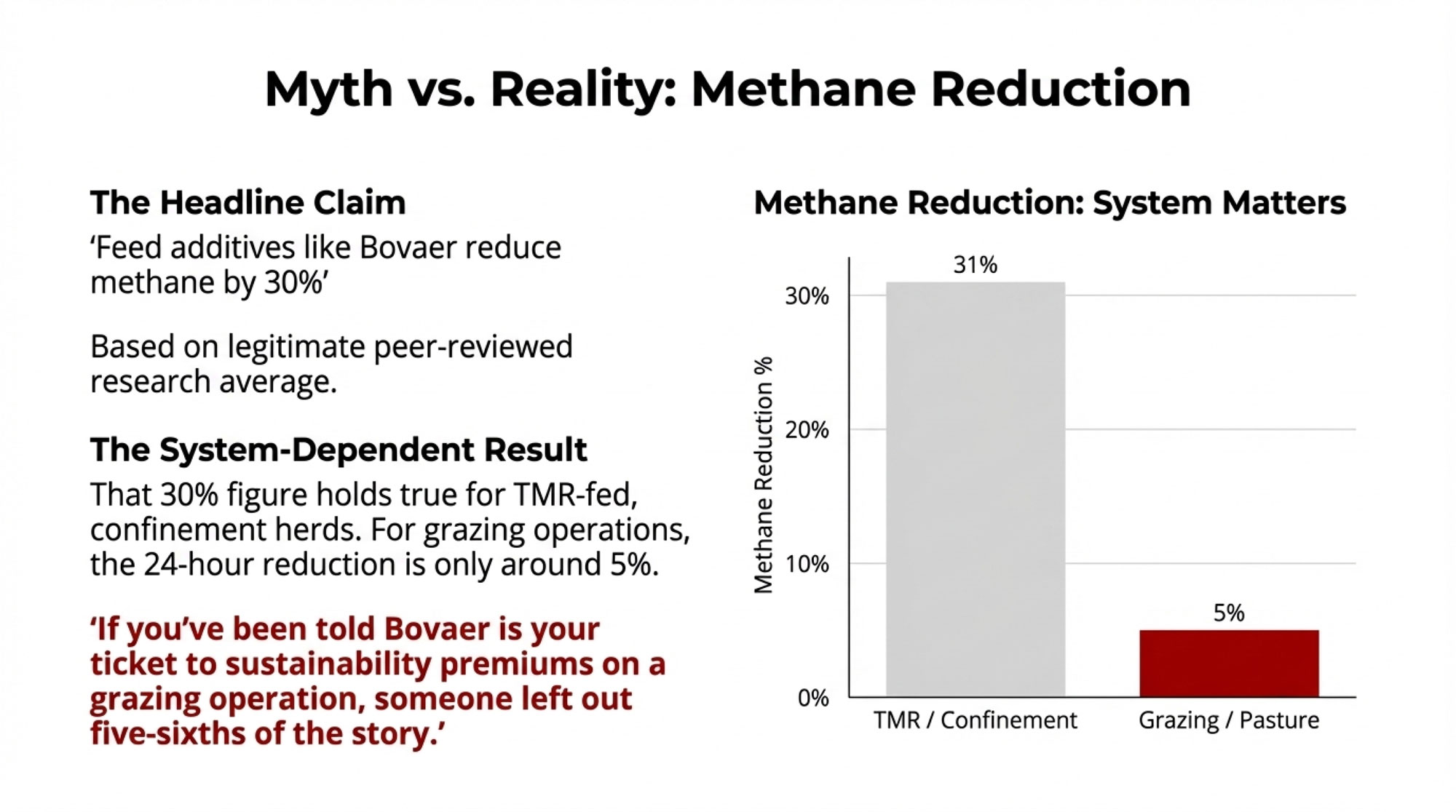
I’ve been covering this industry for over two decades now, and what I’m seeing in the numbers—well, it’s making me question everything we think we know about “efficient” dairy markets. But here’s the thing that really gets to me: while we’re watching good farmers get hammered by market volatility (people who’ve done everything right, mind you), there’s this whole system just 300 miles north that’s achieving something we can barely imagine.
The Coffee Shop Conversation That Changed Everything
A sentiment I hear often was perfectly captured in a conversation with a producer from Wisconsin, who said something that’s been rattling around in my head ever since:
“I’m doing everything the extension guys tell me to do, but I can’t plan past the next milk check because who knows what prices will do.” — Mike, Watertown, Wisconsin
That got me digging into some data that… well, let’s just say it challenges pretty much everything we’ve been told about free markets and farm efficiency. Same Holstein genetics. Same robots. Same nutritional consultants. Same level of management skill and dedication. But one group of farmers is building generational wealth while the other group is filing for bankruptcy at rates that would trigger congressional hearings in any other industry.
The difference isn’t management—it’s the system.
And what’s really eating at me… we keep hearing about how Canada’s supply management is “inefficient” and “protectionist,” but their farmers aren’t the ones dumping milk or losing sleep over price forecasts. Meanwhile, our “efficient” system just required $42.4 billion in direct government payments in 2025—a 354% increase from 2024.
Something doesn’t add up, does it?
When USDA Forecasts Become Financial Weapons
U.S. Milk Price Volatility vs. Canadian Farmgate Price Stability (2015-2025)
Picture this scenario (and I guarantee you’ve lived some version of it): January 2025, you’re at your kitchen table with the calculator out, trying to make sense of that equipment loan for the new double-eight parlor. USDA’s milk price forecast looks decent—nothing spectacular, but workable if things stay reasonably steady.
Four months later… that same forecast drops $1.95 per hundredweight. Your equipment payment didn’t magically decrease. Neither did your feed costs or labor expenses. But the revenue projection that justified every major decision you made this year? Gone.
Tom runs 280 cows in Wisconsin, and he put it perfectly:
“It’s like trying to hit a moving target while blindfolded. How do you make a 10-year investment decision when you can’t predict next quarter’s milk check?” — Tom, Wisconsin
Meanwhile—and this is where it gets interesting—Canadian producers experienced exactly what their system promised them: a farmgate price adjustment of 0.0237%. That’s less than a penny per liter. The kind of predictable variation that lets you actually plan multi-year capital investments with confidence.
What strikes me about this is the mathematical reality most of us don’t want to face. When you can predict cash flow, you can optimize investments. When you can’t… every strategic decision becomes a coin flip with your farm’s survival.
The Robot Paradox: Same Technology, Different Worlds
Here’s a story that really drives the point home. Last spring, I visited two farms on the same day. First stop: a 120-cow operation in Ontario that had just installed their second robot. The farmer showed me spreadsheets—payback calculated at eight years, cash flow projections extending to 2032, financing structured around predictable milk price increases.
“We know what milk will be worth. That makes everything else possible.” — Ontario dairy farmer
Second stop: a 240-cow operation in Wisconsin that had been considering robots for three years but couldn’t pull the trigger:
“Every time I run the numbers, I get a different result depending on what milk price assumptions I use. How do you make a quarter-million-dollar investment when you can’t predict revenue?” — Wisconsin dairy farmer
Same technology. Same potential benefits. Same management capability. But completely different investment climates.
Take a $250,000 robotic milker—pretty standard investment these days. In the Canadian system, that pencils out to a 7-10 year payback with high confidence. Here in volatility-land? Try 15+ years, assuming you don’t get wiped out by a price crash before you break even.
The Numbers That Should Terrify All of Us
Comparison of Chapter 12 bankruptcy filings in US vs Canada (2015-2025)
Canada during the same period? Zero. Not just low. Statistically negligible.
We’re not talking about slight differences in failure rates here. We’re not talking about the difference between systematic farm destruction and systematic farm preservation.
And what really gets to me—this isn’t about Canadian producers being better managers or having access to superior genetics. I’ve walked through barns in both countries. These are the same DeLaval parlors, the same breeding programs, often the same feed consultants. The farmers are equally skilled and dedicated.
The difference is systematic. One system is architected for survival. The other accepts high failure rates as the price of “market freedom.”
Farm Consolidation: When “Efficiency” Becomes Desperation
Comparison of average herd size and farm consolidation rates in Canada and the US (2016-2021)
You want to talk about consolidation? American dairy farm numbers dropped 34% between 2016 and 2021. Canada? Just 11% in the same period.
Now conventional wisdom says the US operations must be more efficient, right? Wrong. They’re not expanding because they’ve identified optimal scale economies. They’re expanding because they need volume to weather price volatility.
It’s survival strategy masquerading as efficiency optimization.
Canadian operations with 100 cows are profitable, stable, and planning capital improvements with confidence. Not because they’re protected from competition, but because they’re protected from financial chaos.
The Mental Health Crisis We Don’t Talk About
Behind every bankruptcy filing is a farm family facing financial ruin, but the human cost goes way beyond the operations that actually fail. Recent research confirms what those of us in rural communities already know—US farmers are 3.5 times more likely to die by suicide than the general population. The primary driver? Financial volatility.
I’ve been to too many farm auctions that shouldn’t have happened. Good farmers, solid managers, excellent stewards of the land—wiped out not by poor decisions but by market forces completely beyond their control.
Sarah ran a 180-cow operation outside of Fond du Lac. Excellent manager, invested in genomics, maintained detailed records, followed every extension recommendation. But three consecutive years of price volatility, compounded by some equipment failures and a spike in feed costs, and she couldn’t service the debt anymore.
“I wasn’t lazy. I wasn’t incompetent. I was just unlucky with timing.” — Sarah, former dairy farmer, Wisconsin
That’s the brutal reality of our system—it punishes bad timing just as harshly as bad management. Maybe more harshly, because at least bad management gives you something you can fix.
Canadian producers face their own stressors, sure—particularly around quota debt levels and succession planning—but they’re shielded from the existential uncertainty that characterizes American dairy production. Studies show that 58% of Canadian producers meet criteria for anxiety and 35% for depression, but these rates, while concerning, reflect manageable business pressures rather than survival uncertainty.
The $35 Billion Asset Most Americans Can’t Fathom
Canadian dairy farmers collectively own over $35 billion in production quota. That’s government-issued licenses to produce milk, and in provinces like Alberta, they’re trading for $58,000 per kilogram of butterfat.
A new entrant starting a 100-cow operation in Ontario faces roughly $840,000 in quota costs before buying their first cow or pouring their first concrete pad.
Sounds insane, right? Until you realize that quota also represents $840,000 in asset value that appreciates over time, provides stable returns, and never goes bankrupt.
I was talking with Dave, who runs a 90-cow operation near Woodstock, Ontario:
“People don’t understand. This quota isn’t just a cost—it’s our retirement fund. My neighbor sold his quota last year and bought a condo in Florida. Try doing that with your milk contracts.” — Dave, Ontario dairy farmer
The Hidden Cost of “Free” Markets (Spoiler: They’re Not Free)
Let’s talk about the elephant in the room—subsidies. Americans love criticizing Canadian supply management as “subsidized agriculture” while praising our “free market” system. But the math tells a different story.
Canadian dairy farmers receive exactly zero dollars in direct government subsidies for milk production. Their support comes from higher consumer prices, which are transparent, predictable, and paid by the people who consume the products.
What’s fascinating about the political dynamics: The cost of the US system is hidden in complex farm bills and emergency appropriations that most taxpayers never see directly. The cost of the Canadian system hits every consumer at the grocery checkout.
Which system do you think faces more political pressure?
Current Market Reality: What July 2025 Looks Like from the Trenches
The financial pressures are intensifying across the Midwest, and I’m seeing it in conversations everywhere I go. All-milk prices are sitting at $22.00 per hundredweight—not terrible, but not great when you factor in everything else happening.
What does that tell us? Producers are culling hard, selling replacements into the beef market, and avoiding long-term investments needed to maintain herd size.
It’s the classic squeeze play. Input costs that don’t adjust downward as fast as milk prices drop, but adjust upward faster when milk prices rise.
The Milk Dumping Nightmare
You want to talk about systemic inefficiency? Let’s discuss milk dumping—a phenomenon that’s virtually non-existent in Canada but periodically devastates US producers.
During the COVID-19 pandemic, farmers across the country were forced to dump millions of gallons of milk into manure pits and fields. An estimated 7% of all milk produced in one week was discarded. Class III milk futures fell by over 30%.
The economic consequences are severe, but the kicker—the government often steps in with taxpayer-funded compensation programs afterward. This cycle of overproduction, price collapse, waste, and government bailout represents massive systemic inefficiency.
Meanwhile, Canada’s supply management system is specifically designed to prevent such structural surpluses by aligning national production with anticipated domestic demand.
What You Can Actually Do About This (Implementation Strategies for 2025)
Look, individual producers can’t change the fundamental policy architecture, but we can adapt our strategies to survive and thrive within the system we have.
Strategy One: Optimize for Liquidity, Not Leverage
Canadian producers can afford to optimize for leverage because their cash flows are predictable. American producers need to optimize for liquidity because our cash flows are chaotic.
What does this look like practically?
Maintain higher cash reserves than traditional ratios suggest
Structure debt with flexible payment schedules and seasonal adjustments
Prioritize equipment leasing over purchasing for major capital items
Develop multiple lines of credit before you need them
Tom survived the 2019 downturn specifically because he prioritized liquidity over maximizing leverage ratios:
“My banker thought I was being too conservative. But when prices crashed, I could make payments while my neighbors couldn’t.” — Tom, Wisconsin dairy farmer
Strategy Two: Component-Focused Production
With butterfat premiums hitting record levels—we’re seeing spreads of $1.50+ over protein in some markets—component management becomes crucial for margin optimization.
This isn’t about becoming a “diversified farming operation”—it’s about creating revenue streams that aren’t correlated with milk prices.
Examples I’m seeing work:
Custom farming during non-peak labor periods
Value-added products sold direct to consumers
Renewable energy generation (solar installations are becoming common)
Fee-for-service breeding and reproduction programs
Alicia runs 160 cows near Lancaster and generates about 15% of her gross revenue from custom heifer raising:
“When milk prices tank, heifer raising prices usually hold steady or even increase as people cut back on replacements.” — Alicia, Pennsylvania dairy farmer
Environmental and Sustainability Considerations: The Hidden Advantage
The regional concentration we’re seeing in American dairy—with massive operations in California, Idaho, and Wisconsin—creates environmental pressure points. When you’ve got 5,000-cow operations clustered together, you’re dealing with manure management challenges that 100-cow operations spread across the landscape simply don’t create.
What’s particularly noteworthy is how Canadian farms integrate into their local ecosystems. I visited operations in Quebec where dairy farms anchor sustainable crop rotations that support soil health across entire watersheds. Try replicating that with industrial-scale operations.
The Technology Investment Climate: Building for Tomorrow or Surviving Today?
The difference in investment climates really becomes apparent when you look at technology adoption patterns. Canadian producers are consistently early adopters of efficiency technologies because they can predict the payback periods.
I was at a robotics conference last year where the contrast was stark. Canadian producers were asking detailed questions about integration with existing systems and long-term service contracts. American producers were focused on lease structures and exit strategies.
“The Canadians plan like they’ll be farming forever. The Americans plan like they might not be here next year.” — Equipment dealer at industry conference
Regional Variations: It’s Not Just Country vs. Country
Upper Midwest dairy operations—traditional family farm country—are experiencing the most stress from this volatility.
Minnesota and Wisconsin producers are caught in a particularly tough spot. They don’t have the scale advantages of Western operations or the proximity to processing that Northeast producers enjoy. They’re competing on efficiency alone in a market that rewards volume.
Meanwhile, Canadian producers in similar climatic and geographic conditions—Ontario and Quebec—maintain profitable operations at much smaller scale because their system isn’t optimized for volume competition.
I spent time in both Sauk County, Wisconsin, and Wellington County, Ontario, over the past few years. Similar soils, similar climate, similar farming traditions. But walking through those operations felt like visiting different industries entirely.
The Succession Crisis: When Stability Creates Its Own Problems
Canadian supply management shows its limitations when it comes to succession planning—it becomes incredibly complex when farms are worth millions primarily because of government-created assets.
I met with a family near Sherbrooke, Quebec. Third-generation dairy farmers with 85 cows and quota worth nearly $3 million. The retiring generation needs to cash out that quota value for retirement, but the next generation can’t secure financing to buy non-productive assets from their parents.
This creates what researchers are calling a “liquidity trap”—farms that are consistently profitable operationally but impossible to transfer generationally.
Compare that to US operations, where succession crises are driven by unpredictability rather than asset values. American farms fail to transfer not because they’re too valuable, but because they’re too risky.
The Policy Innovation Question: Learning Without Copying
So what can American dairy learn from Canadian success without adopting Canadian constraints?
Some ideas I’m hearing discussed:
Regional Production Cooperatives: Voluntary associations that could coordinate production planning within defined geographic areas. Not quotas, but collaborative forecasting that helps prevent the overproduction cycles that create crises.
Counter-cyclical Price Floors: Automatic triggers that activate support when milk prices fall below calculated break-even levels for extended periods. Less reactive than current disaster programs, more targeted than blanket subsidies.
Risk Management Innovation: Expanding programs like DMC to cover more production and lengthening coverage periods. Current coverage caps at 5 million pounds—roughly the output of a 200-250 cow herd—which leaves larger operations exposed.
The key insight from Canada isn’t that government control is inherently better—it’s that systematic stability enables long-term thinking, which enables sustainable operations.
Financial Resilience Audit: Where Does Your Operation Stand?
Given everything we’ve discussed, it’s worth conducting an honest assessment of your operation’s resilience. Here are the questions that really matter:
Cash Flow Predictability: Can you forecast net income within 15% accuracy six months out? If not, you’re operating with excessive uncertainty for strategic decision-making.
Debt Structure: Is your debt service manageable if milk prices drop $3/cwt for 12 months? That’s not worst-case—that’s recent history.
Investment Recovery: For capital investments over $100,000, do you calculate payback periods under multiple price scenarios? If you only model “normal” conditions, you’re not modeling reality.
Market Risk Exposure: What percentage of your milk is sold at fixed prices versus spot market? Operations with less than 40% price protection are essentially speculating on volatility.
Looking Forward: The Next Five Years
Current trends suggest we’re heading into a period of increased volatility, not decreased. Climate patterns are becoming less predictable, trade relationships are increasingly unstable, and consumer preferences are shifting faster than ever.
The US dairy operations that thrive over the next five years will be those that acknowledge volatility as a permanent feature, not a temporary aberration, and structure their businesses accordingly.
Canadian operations will face their own challenges—particularly around trade pressure and succession planning—but they’ll approach those challenges from a foundation of systematic stability.
The Uncomfortable Truth About American Dairy
After 25 years covering this industry, the difference between operations that survive versus those that fail isn’t primarily about management skill, genetic programs, or production efficiency.
It’s about understanding and adapting to the financial reality of the system we operate in.
Canadian supply management has achieved something remarkable—systematic farm survival in an industry where systematic farm failure has become normalized in the US. That doesn’t mean we should adopt their system wholesale, but it does mean we should learn from their success.
The uncomfortable truth is that our current system works well for large-scale, well-capitalized operations that can weather volatility and achieve economies of scale. It works poorly for mid-size operations caught in the middle, and it’s brutal for beginning farmers trying to enter the industry.
Success in American dairy in 2025 and beyond will be defined by financial resilience that can survive multiple down cycles, operational efficiency that captures available margins, and strategic positioning that plays to regional advantages.
The Choice Ahead
The choice facing American dairy producers isn’t between free markets and supply management. It’s between adapting to the volatility that characterizes our system or becoming another statistic in the bankruptcy files.
Canadian producers chose stability over opportunity. American producers chose opportunity over stability. Both systems work for their intended purposes, but only if you understand what game you’re actually playing.
The question for your operation: Are you playing to survive the game as it exists, or are you still playing by rules that don’t match reality?
Because the market doesn’t care about fairness, tradition, or what “should” work. It only cares about what does work. And right now, systematic financial resilience works better than hoping for the best while preparing for nothing.
The Canadian model isn’t perfect, but it’s produced outcomes our “efficient” system has failed to deliver: systematic farm survival, predictable investment climates, and rural communities that aren’t hollowing out from farm failures.
Whether American dairy can learn those lessons without adopting Canadian constraints remains to be seen. But one thing’s certain—continuing to do what we’ve always done will continue producing the results we’ve always gotten.
And those results include bankruptcy rates that would be considered a national emergency in any other industry.
What keeps me up at night isn’t just the statistics—it’s the realization that we’ve normalized financial chaos as the price of “freedom.” Maybe it’s time to ask whether the freedom to fail is worth the cost of systematic instability.
Your Canadian neighbors sleep better at night because their system prioritizes survival over volatility. The question is: what are we willing to learn from that success?
Look, I’ve been walking through barns in both countries for decades. Same genetics, same equipment, same dedication. The difference isn’t the farmers—it’s the system we’re operating in. Maybe it’s time we learned something from our northern neighbors who figured out how to make dairy farming sustainable instead of just survivable.
KEY TAKEAWAYS
Financial resilience beats scale every time — Canadian operations maintain 16% debt-to-asset ratios with negligible bankruptcy rates versus our 55% surge in failures, proving you can optimize for liquidity over leverage when cash flows are predictable (start building 6-month operating reserves now)
Investment confidence drives technology adoption — Stable pricing allows 18-month earlier adoption of precision dairy tech because payback calculations actually work, while our volatility makes every major purchase a gamble (consider leasing over purchasing for equipment over $100K)
Component premiums are your profit lifeline — With butterfat hitting $1.50+ spreads over protein and average tests reaching 4.36% nationally, genetic selection focused on components rather than volume could be your 2025 margin saver (audit your breeding program this quarter)
Mental health costs are measurable — US farmers face 3.5x higher suicide rates directly linked to financial volatility, while Canadian producers deal with manageable business stress rather than survival uncertainty (seriously, if you’re struggling with uncertainty, you’re not alone)
EXECUTIVE SUMMARY
So here’s what’s got me fired up—Canadian dairy farmers have essentially eliminated bankruptcy risk through supply management while we’re watching a 55% surge in Chapter 12 filings. Think about that for a second. Their average operation runs 96 cows and pencils out robotic milkers with 7-10 year paybacks, while our 377-cow “efficient” operations are looking at 15+ years if they don’t get wiped out first. The kicker? We just hit $42.4 billion in taxpayer bailouts (up 354% from 2024) while calling their consumer-funded system “subsidized.” Global dairy markets are shifting toward stability models, and frankly… maybe it’s time we paid attention. Look, I’m not saying we need to copy everything, but when your competition sleeps soundly while you’re stress-planning around $1.95/cwt forecast revisions, something’s worth learning.
Data verification: All statistics and market figures referenced in this analysis have been verified against current USDA-AMS, USDA-ERS, USDA-NASS, Statistics Canada, and industry reports published through July 2025.
Complete references and supporting documentation are available upon request by contacting the editorial team at editor@thebullvine.com.
Learn More:
Your 2025 Dairy Gameplan: Three Critical Areas Separating Profit from Loss – Reveals practical strategies for boosting profits by $500+ per cow through forage quality optimization, methionine supplementation, and transition cow management that you can implement immediately regardless of farm size.
2025 dairy crisis – Demonstrates how to build layered financial protections using DMC, forward contracts, and strategic risk management to survive the 18% milk price crash and margin squeeze hitting operations nationwide.
5 Technologies That Will Make or Break Your Dairy Farm in 2025 – Exposes the five game-changing innovations—from smart calf sensors reducing mortality 40% to AI-driven feed optimization—that separate thriving operations from those struggling to survive market volatility.
Join the Revolution!
Join over 30,000 successful dairy professionals who rely on Bullvine Weekly for their competitive edge. Delivered directly to your inbox each week, our exclusive industry insights help you make smarter decisions while saving precious hours every week. Never miss critical updates on milk production trends, breakthrough technologies, and profit-boosting strategies that top producers are already implementing. Subscribe now to transform your dairy operation’s efficiency and profitability—your future success is just one click away.
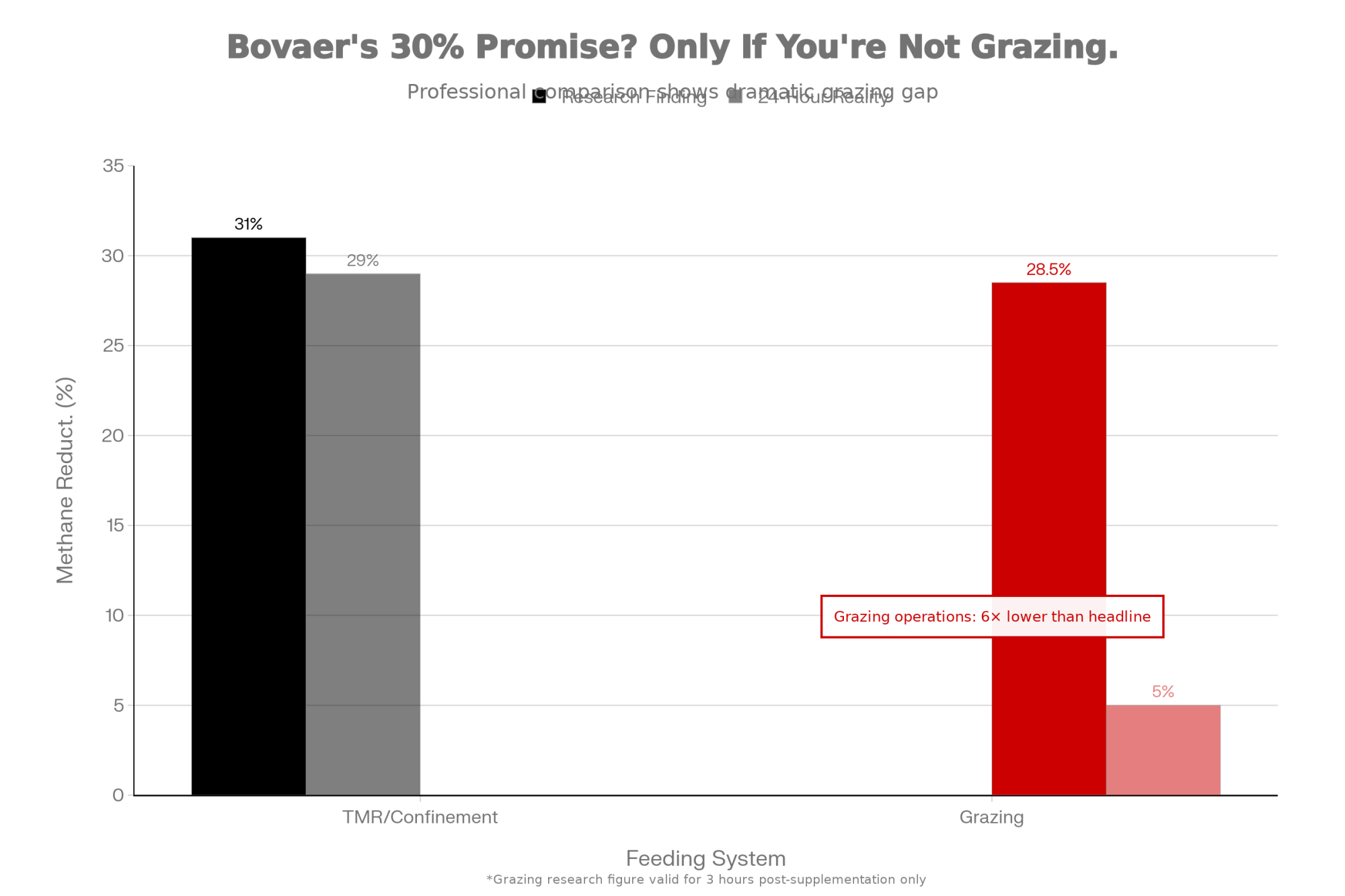
1,857 microplastic particles per kg in your premium cheese—here’s what that means for milk prices
EXECUTIVE SUMMARY: Look, I’ll be straight with you—this isn’t just a processor problem anymore. Microplastics are concentrating in cheese at levels that could impact the premiums you’re getting for high-quality milk. We’re talking about 1,857 particles per kilogram in aged cheeses, and with 80% of consumers willing to pay more for sustainably produced products, processors are scrambling to clean up their act. Here’s what really matters for your operation: plants that can’t control contamination are going to start paying less for milk, while those investing in advanced filtration are positioning themselves to pay premiums for clean product. With Class III at $18.82 per hundredweight and feed costs finally easing, this could be the quality differentiator that separates the top-tier milk contracts from the rest. The technology exists, the regulations are coming, and the early adopters are already seeing payback periods of 18-36 months. You should be asking your processor what they’re doing about this—because it’s about to affect your milk check.
KEY TAKEAWAYS
Premium Protection Play: Processors with contamination control pay 5-8% premiums above base price—audit your current contracts and push for quality-based incentives that reward clean production practices at the farm level
Feed System Audit: Check all plastic components in your feed handling system (TMR mixers, conveyors, storage) for wear patterns—replacing worn plastic parts now could prevent contamination that processors will start testing for by 2026
Milk House Upgrade: Invest in stainless steel or glass-lined equipment where possible—facilities using advanced filtration report 95% contamination reduction, and those cost savings get passed back through higher milk prices
Contract Leverage: With new EU regulations driving global standards, farms supplying export-focused processors could see 10-15% premium increases—position yourself now by documenting your contamination control measures
Technology Partnership: Work with processors investing in real-time monitoring systems like PlasticNet—these partnerships often include guaranteed minimum prices that protect against market volatility while Class III prices stabilize
You know what’s been keeping me up at night lately? It’s not feed costs or milk prices, though those are always fun conversations. It’s the fact that we’re finding microplastics in our cheese. And I’m not talking about trace amounts that require a PhD in chemistry to detect. We’re talking about numbers that make you sit up and take notice.
Recent research from Italy and Ireland has just released data that’s got the entire processing side of our industry buzzing: ripened cheeses are showing up with nearly 1,857 microplastic particles per kilogram. That’s not a typo—and it’s just the beginning of what we need to understand.
The thing about microplastics in dairy? They’re not just settling on surfaces like dust. Our own cheese-making processes are concentrating on them. When we drain whey—something we’ve been doing forever—you’d think those tiny plastic particles would wash away with the liquid. Instead, they’re binding with the curd solids, creating what I call a “concentration trap.” Fresh cheese hits around 1,280 particles per kilogram, while raw milk starts at about 350 particles per kilogram. What’s particularly fascinating is how this affects different products. High-butterfat items, such as aged cheddars and specialty cheeses—the ones that command premium prices—are showing the highest contamination levels. It’s like the microplastics have an affinity for the very products we’re trying to position as premium in the marketplace.
Microplastic contamination levels (particles per kilogram) increase across dairy products with processing intensity.
Where This Gets Real for Your Operation
Let’s talk business impact, because that’s what matters when you’re running a plant. According to recent work from PwC, approximately 80% of consumers are willing to pay more for sustainably produced goods, despite inflation impacting household budgets. That’s not just a nice-to-have statistic; it’s a market signal we can’t ignore.
I was talking to a plant manager in Wisconsin last month (can’t name names, but it’s a mid-sized operation processing about 2.8 million pounds of milk annually), and he told me something that stuck: “We spent twenty years perfecting our aging process, and now we’re discovering we might be concentrating contaminants right along with flavor compounds.”
Here’s what’s happening in our plants every day. Mechanical wear on plastic liners, seals, and films creates microscopic debris. Heat from pasteurization—especially the extended holding times we use for some specialty products—accelerates plastic degradation. Then there’s airborne contamination settling on exposed products, particularly in facilities where air filtration systems haven’t been updated in the last five years.
The FAO’s Food Safety Division has been documenting this across multiple regions, and what they’re finding aligns with reports I’m getting from colleagues in the Midwest, California’s Central Valley, and even operations in Vermont. It’s not isolated to a single region or type of facility.
The Technology Response: What’s Actually Working
Advanced Filtration Gets Real
Here’s where things get interesting—and expensive. Advanced filtration is no longer just a theory. I’ve seen plants achieve better than 95% microplastic removal using properly configured microfiltration, ultrafiltration, and reverse osmosis systems. The key phrase there is “properly configured.” You can’t just bolt on a filter and expect miracles.
A facility in New York, where I consulted last year, invested in bio-based filtration using chitosan and alginate beads. They’re seeing selective microplastic capture rates that honestly surprised me—around 87% removal for particles in the 50-150 micron range, according to research published in International Publications. The interesting part? Their product quality metrics actually improved because they were removing other contaminants simultaneously.
The Promise of Bio-Based Media
Bio-based filtration materials, such as chitosan and alginate, are gaining significant traction due to their ability to capture microplastics selectively. What’s exciting is that these materials offer a natural and sustainable approach to contamination control—something that resonates with both processors and consumers who are increasingly conscious of environmental impact.
AI Detection Changes the Game
PlasticNet and similar systems are reducing lab identification time from 4-6 hours to approximately 20 minutes, with accuracy rates exceeding 95%. Real-time monitoring during processing is becoming a reality, not just a concept from trade show demos.
But let’s be honest about the investment. Industry consensus suggests payback periods range from 18 to 36 months, depending on your scale and current contamination levels. That plant in Wisconsin? They spent six months just deciding whether to retrofit existing lines or build new ones. It’s not a decision you make over coffee.
Regulatory Reality: EU vs. US Approaches
What’s creating urgency is the regulatory landscape, and it’s developing differently on both sides of the Atlantic. The EU took the lead with Regulation 2023/2055, establishing strict limits on synthetic polymer microparticles across various industries. Phase-in periods vary by product category, but the direction is clear: intentionally added microplastics are getting banned, and contamination thresholds are getting tighter.
The US approach is more measured but equally inevitable. The FDA’s current position is that existing contamination levels don’t demonstrate health risks, but they’re quietly building enforcement frameworks. What’s telling is their recent guidance suggesting that environmental contamination—not packaging migration—is the primary source of microplastics in food. That puts the focus directly on processing environments and equipment.
For operations with international markets, the smart play is to align with EU standards now. Managing multiple compliance frameworks can become expensive quickly, and the EU requirements are likely to become the global baseline anyway.
Financial Reality: Making the Numbers Work
Class III milk prices hit $18.82 per hundredweight in June 2025—not spectacular, but stable enough to support capital investment planning. Feed costs are projected to ease with record corn crops, but here’s the thing: contamination control is becoming as fundamental as temperature control or sanitation protocols.
I’ve been tracking implementation costs across different facility sizes, and the numbers are starting to make sense. The key is understanding that this isn’t just about compliance—it’s about protecting the brand trust and product quality we’ve all worked so hard to build.
What’s Working in the Field
The most successful implementations I’ve seen share common elements. They start with comprehensive audits of plastic contact points—not just the obvious ones, but also everything from milk lines to packaging equipment. One facility discovered that its biggest contamination source was worn conveyor belt components that hadn’t been replaced in eight years.
Rather than trying to upgrade everything at once, successful operations prioritize based on contamination risk and available capital. Most start with high-risk areas, such as aging rooms, cutting equipment, and packaging lines. The key is systematic implementation, not a dramatic overhaul.
Staff training is crucial. The facilities that achieve the best results invest heavily in training their teams to identify contamination sources and properly maintain new equipment. It’s not just about installing technology; it’s about changing how we think about plastic in our operations.
Regional Variations: What I’m Seeing Across Different Markets
What’s interesting is how this challenge manifests differently across regions. California operations dealing with drought conditions are experiencing higher contamination rates, possibly due to more aggressive water recycling. Midwest facilities with older infrastructure are encountering more wear-related contamination. Northeast operations focusing on artisanal products are discovering that traditional aging methods need to be updated for modern contamination realities.
The regulatory response varies, too. Some state agencies are already requiring contamination monitoring, while others are taking a wait-and-see approach. Vermont’s Agency of Agriculture has been particularly proactive, while regulations in other states lag behind market demands.
The Bottom Line: Where We Go from Here
Look, microplastic contamination isn’t some theoretical future problem. It’s currently affecting product integrity and potentially damaging brand trust. The solutions exist, the technology works, and the business case is getting stronger every quarter.
If you haven’t already, start with a comprehensive audit of plastic contact points throughout your processing lines. You’ll probably find more than you expect. Then take a hard look at your current filtration and detection capabilities. Are they adequate for what we’re dealing with now, or are you still operating with yesterday’s standards?
Develop a phased implementation plan that strikes a balance between investment and operational realities. Prioritize the highest-risk contamination points first, and build from there. The processors who are getting ahead of this curve are positioning themselves for long-term competitive advantage.
This isn’t going away. Managing microplastics effectively is becoming as fundamental to quality assurance as managing any other contamination risk. The question isn’t whether you’ll need to address this—it’s whether you’ll lead or follow.
Your move.
Complete references and supporting documentation are available upon request by contacting the editorial team at editor@thebullvine.com.
Learn More:
Dairy Farms’ Hidden Problem: The Alarming Truth About Plastic Waste – Practical strategies for auditing feed-bag wrap, silage film and liner use; demonstrates how small tweaks in disposal and recycling cut on-farm waste bills by up to 30% while reducing contamination risk.
Join over 30,000 successful dairy professionals who rely on Bullvine Weekly for their competitive edge. Delivered directly to your inbox each week, our exclusive industry insights help you make smarter decisions while saving precious hours every week. Never miss critical updates on milk production trends, breakthrough technologies, and profit-boosting strategies that top producers are already implementing. Subscribe now to transform your dairy operation’s efficiency and profitability—your future success is just one click away.

Protein’s now worth $7.64/kg – nearly butterfat prices. Your feed strategy just became your biggest profit lever.
EXECUTIVE SUMMARY: Look, I’ve been watching this protein thing for months now, and it’s not just another trend. High-protein dairy products jumped 17% in 2024 while protein pricing hit $7.64 per kilogram – that’s practically butterfat territory, folks. We’re talking about 61% of Americans actively seeking more protein, driving cottage cheese sales up 16% and yogurt production to a record 4.9 billion pounds. Here’s what really gets me excited… farms dialing in that 160-gram crude protein per kilogram sweet spot are seeing $100,000+ annual improvements on 100-cow operations. This isn’t just happening here – it’s a global shift that’s rewarding producers who get ahead of it. If you’re still optimizing for butterfat alone, you’re leaving serious money on the table.
KEY TAKEAWAYS
Precision protein feeding = immediate ROI boost – Target 160g crude protein per kg dry matter and watch your milk checks improve by 8-15% within 90 days. Start with amino acid testing through your nutritionist this week.
Component pricing rewards protein focus – With protein at $7.64/kg (nearly matching butterfat), genetic selection for protein yield now delivers faster payback than traditional approaches. Review your genomic testing strategy for 2025 breeding decisions.
Processing partnerships unlock premium markets – Operations investing in membrane filtration technology are seeing 3-year paybacks, but smaller farms can access these premiums through cooperative processing agreements. Call your co-op about protein-focused contracts.
Consumer demand isn’t slowing down – Yogurt and cottage cheese categories are outperforming traditional dairy by 10-16% growth rates. Position your operation for the protein economy that’s already here, not the one that’s coming.
Feed efficiency gains compound quickly – Producers report reproductive improvements and lower metabolic issues when optimizing protein vs. overfeeding. Your cows will thank you, and your bottom line will too.
Walk into any dairy conference these days, and you can’t escape the protein conversations. And honestly? That’s not a bad thing. What strikes me about this whole shift is how it’s fundamentally changing the economics of what we do.
Cottage cheese is a perfect example. Sales jumped 16% in value and 11% in volume last year. Sure, TikTok had something to do with it, but the staying power comes from protein content that actually delivers what consumers want.
And yogurt… U.S. production hit a record 4.9 billion pounds in 2024. That’s not just growth – that’s the kind of expansion that creates real opportunities for producers who understand where the market’s headed.
From what I’m seeing across the Midwest – and talking to producers from Pennsylvania to Oregon – farms focusing on protein optimization are reporting significant improvements in their milk checks. The key, however, is that it’s not just about throwing more protein at your cows.
Recent research suggests the optimal feeding range is around 160 grams of crude protein per kilogram of dry matter. That’s more precise than the old school approach of just bumping up protein percentages across the board. The evidence points to this being the sweet spot for both production efficiency and nitrogen utilization.
What’s particularly noteworthy is how this ties into reproduction and overall herd health. Overfeeding protein – something we’ve all been guilty of at some point – can actually hurt conception rates and create metabolic issues down the line.
The Processing Side Is Getting Serious
Here’s where the rubber really meets the road for the industry. Membrane filtration technology is becoming the backbone of protein concentration, but the investment requirements are substantial. We’re talking significant capital outlays – often several hundred thousand dollars for a complete ultrafiltration system.
The payback periods are longer than some of the optimistic projections you might hear. From what I’ve seen working with operations that have made these investments, you’re looking at several years to recover costs, not months. But for operations with the volume and the right market positioning, the technology is transformative.
Processing innovations are happening everywhere. Companies are reformulating everything from yogurt to cheese to deliver protein levels that were unthinkable just a few years ago. The technical challenges are real, but so are the market opportunities.
The Challenges We Can’t Ignore
Look, it’s not all sunshine and rainbows. Feed costs are still volatile. The protein supplements that deliver the best results cost more than traditional energy sources. And taste… taste remains the biggest barrier to whey protein adoption.
Plus, there’s the lactose intolerance factor. A significant portion of the population deals with varying degrees of dairy sensitivity, which means lactose-free processing capabilities are becoming essential rather than optional.
The capital requirements for advanced processing equipment are pushing smaller operations toward partnerships and consolidation. That’s a trend I’m seeing accelerate, especially in regions where land costs and regulatory pressures are already high.
What This Means for Your Operation
So what’s the practical takeaway here? Three things, from my perspective:
Genetics and feeding strategies matter more than ever. The farms that are succeeding aren’t just chasing higher protein numbers – they’re optimizing for efficiency and sustainability. That means precision feeding, genetic selection for protein yield, and understanding the metabolic implications of what you’re doing.
Processing technology investments need to be strategic. The membrane filtration systems that deliver protein concentration aren’t plug-and-play solutions. They require expertise, maintenance, and most importantly, the volume to justify the economics.
The market dynamics are fascinating right now. We’re seeing uneven demand across different segments – restaurant traffic is still below pre-pandemic levels in many regions, but retail dairy sales are strong. Protein-driven categories like yogurt and cottage cheese are outperforming traditional categories.
The regulatory environment is evolving too. Changes to Federal Milk Marketing Orders are adjusting how component values are calculated, and that’s creating both opportunities and uncertainties for different regions.
Looking Forward
What’s clear is that this protein trend isn’t slowing down. Industry projections suggest continued growth in high-protein dairy segments through 2025 and beyond. The companies making strategic investments now – in genetics, processing, and market positioning – are setting themselves up for sustained competitive advantages.
For smaller operations, the path forward probably involves partnerships and collaboration. The technology investments required for protein concentration aren’t feasible for everyone, but the market opportunities are real for those who can access them.
The bigger picture? We’re witnessing a fundamental shift in how consumers think about dairy products. Protein isn’t just a component anymore – it’s becoming a primary purchase driver. The operations that understand this shift and adapt accordingly are going to thrive.
The protein economy isn’t coming – it’s here. And for those of us in the dairy industry, the question isn’t whether we’ll participate, but how quickly we’ll position ourselves to benefit from it.
Complete references and supporting documentation are available upon request by contacting the editorial team at editor@thebullvine.com.
Learn More:
Precision Protein: Are You Balancing for Amino Acids or Just Pouring in More Feed? – This article provides practical strategies for amino acid balancing. It demonstrates how to optimize your ration to boost protein yield and improve feed efficiency, revealing methods for increasing component pay while reducing costly nitrogen waste and overfeeding.
Breeding for Dollars: The Genetic Strategy for Higher Protein, Better Casein, and A2 Milk – Unlock long-term profitability through genetics with this forward-looking guide. It reveals the methods for selecting sires that improve not just protein yield but also valuable casein variants and A2 beta-casein, directly boosting your milk’s value for processors.
Join the Revolution!
Join over 30,000 successful dairy professionals who rely on Bullvine Weekly for their competitive edge. Delivered directly to your inbox each week, our exclusive industry insights help you make smarter decisions while saving precious hours every week. Never miss critical updates on milk production trends, breakthrough technologies, and profit-boosting strategies that top producers are already implementing. Subscribe now to transform your dairy operation’s efficiency and profitability—your future success is just one click away.
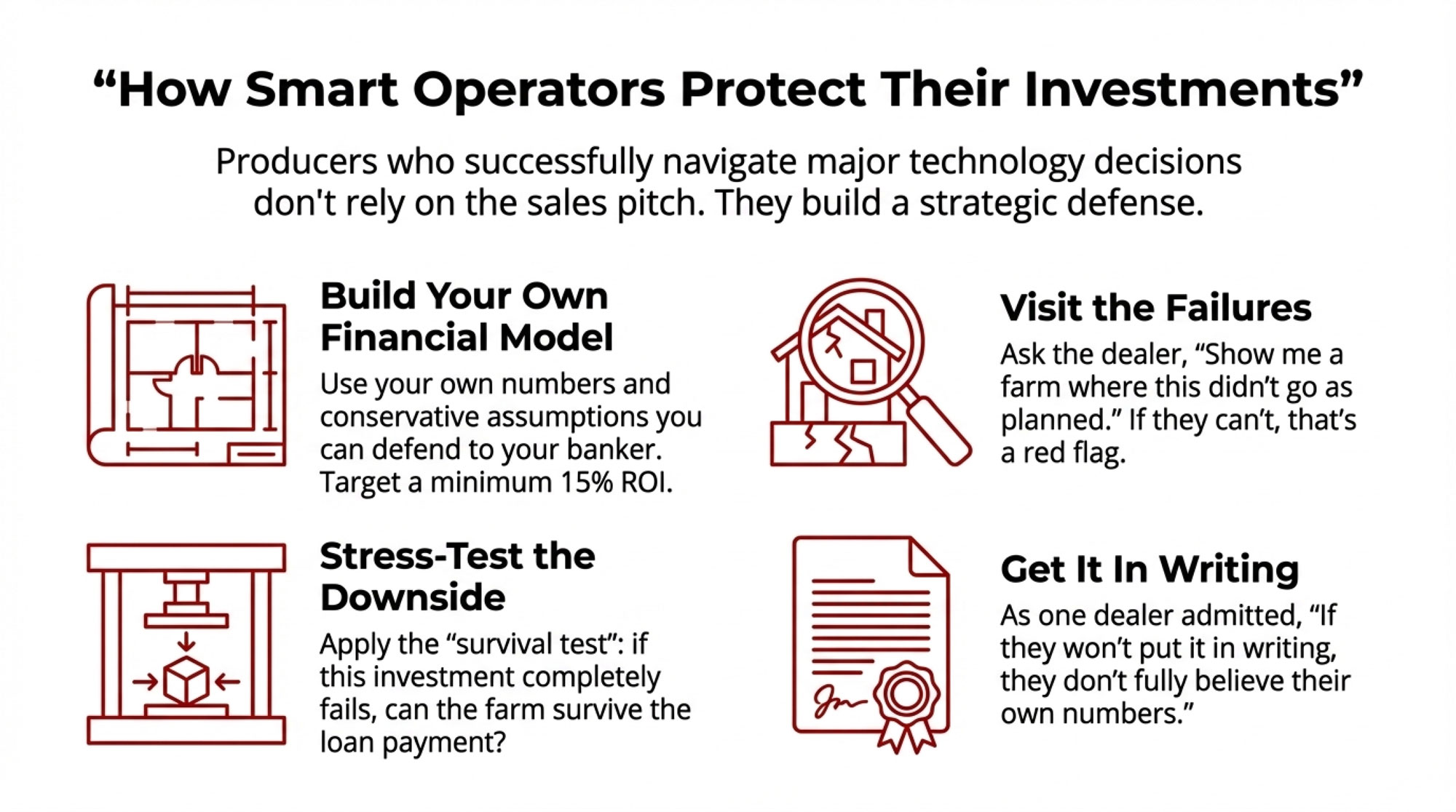
What if I told you that boring white powder collecting dust in your feed room could outperform your most expensive genetic investment?
EXECUTIVE SUMMARY
You know that conversation we had about why some herds consistently outproduce others despite similar genetics? Well, I found the answer… and it’s not sexy. Most operations are completely ignoring rumen pH management while chasing every other technology under the sun. The data’s brutal – operations missing this boat are losing $75 to $400 per cow annually just from compromised rumen function, and with milk at $2
KEY TAKEAWAYS
ROI that’ll make you rethink priorities: Operations see 4:1 to 12:1 returns on buffer investments, with milk fat improvements of 0.1-0.2 percentage points translating to $8,000-12,000 additional revenue per 100-cow herd annually. Start by analyzing your current milk fat trends – if you’re seeing depression during high-grain feeding, you’re leaving money on the table.
Heat stress game-changer: DCAD optimization using potassium carbonate and sodium bicarbonate can maintain 85% of peak production during heat stress versus the typical 70% drop. With 2025’s volatile weather patterns, implement targeted buffer protocols when THI hits 72 – it’s cheaper than losing 18 pounds per cow per day like that Wisconsin operation documented.
Feed conversion efficiency breakthrough: Strategic buffer combinations (sodium bicarbonate + high-quality MagOx at 2:1 ratios) increase dry matter intake from 40.8 to 45.4 pounds per day while improving fat-corrected milk production. Demand solubility data from your MagOx supplier – some sources are only 29% as effective as premium products.
Transition period insurance: Marine algae buffer programs for close-up and fresh cows cut ketosis rates from 28% to 12% while boosting 60-day milk production by 8.4 pounds per cow daily. Given current feed costs and tight margins, this kind of metabolic stability during peak stress periods is non-negotiable.
You know that conversation we’ve all had at conferences —the one where you’re comparing notes with other producers and wondering why some operations consistently outperform others, despite having similar setups? Same genetics, comparable facilities, similar management philosophies. Here’s what I’ve been exploring lately, and it’s fascinating stuff.
The thing about rumen health is that it’s one of those invisible profit centers most of us take for granted. Right now, as you’re reading this, your cows are either efficiently converting 70-80% of their feed into energy through optimal microbial fermentation, or they’re struggling with compromised pH that’s quietly bleeding hundreds of dollars per cow from your operation. And honestly? Most operations don’t even realize it’s happening.
What strikes me about 2025 is how tight margins have become. With milk prices holding around $21.60 per cwt and feed costs still bouncing all over—corn’s been anywhere from $3.94 to $4.80 per bushel depending on your region—every efficiency gain matters more than it ever has. Meanwhile, labor costs have climbed 3.2% nationally to $18.12 per hour, and don’t even get me started on machinery costs (they’re projected to rise another 3-4% this year).
However, what really catches my attention is that some operations in your area are consistently outperforming others with seemingly identical setups. The difference? Their approach to rumen health is through strategic buffer management.
When rumen pH drops below 5.8 for even a few hours daily, you’re looking at a cascade of problems: reduced dry matter intake, compromised fiber digestion, and milk fat depression. The economic impact varies significantly depending on your herd’s starting point; however, research from Erdman and colleagues indicates potential annual losses ranging from $75 to over $400 per cow. Scale that across your herd, and you’re potentially leaving substantial money on the table.
What’s particularly noteworthy about current research—particularly Lean et al.’s comprehensive meta-analysis of 94 separate trials—is how compelling the benefit-to-cost ratios are, ranging from 2:1 to 12:1 depending on your baseline conditions. Yet here’s the kicker: only 38-40% of US dairies are currently maximizing this opportunity.
The data we’re seeing suggests this might be one of the most underutilized profit opportunities in modern dairy nutrition.
Your Rumen: The 40-Gallon Profit Engine Most of Us Take for Granted
Picture this scenario… it’s 4:30 AM, and you’re doing your routine walk through the fresh pen. Everything looks normal—cows eating, lying down, ruminating. What’s fascinating is what’s happening inside each of those 1,400-pound animals that we can’t see.
That rumen? It’s essentially a 40-gallon biological factory housing trillions of microbes that are either operating at peak efficiency or hemorrhaging potential profits. These microbes are incredibly efficient when conditions are right, but they’re also surprisingly fragile. Kind of like having a high-performance engine that only runs smoothly on premium fuel.
Here’s the part that might surprise you: volatile fatty acids (VFAs) produced by rumen microbes provide 70-80% of your cows’ total metabolizable energy. Think about that for a second. Nearly everything your cows use to produce milk, maintain body condition, and support reproduction comes from this microbial fermentation process.
But there’s more. Over 60% of the amino acids reaching your cows’ small intestine come from microbial protein synthesis in the rumen. The majority of the protein your cows use to make milk protein doesn’t come directly from your expensive feed—it comes from the microbes themselves.
The pH Problem That’s Costing Operations Real Money
Now, here’s where it gets interesting —and expensive. Modern high-energy dairy rations create what Russell and Wilson describe as a “productivity paradox”—the very diets we need to feed for high production inherently increase the risk of ruminal acidosis.
When your cows consume those high-concentrate rations (and let’s face it, with current milk prices, we’re all pushing the envelope), rumen microbes rapidly ferment the starches and sugars, producing VFAs. However, VFAs are acids, which lower the rumen pH. When pH drops below 5.8, the beneficial fiber-digesting bacteria that produce acetate—the primary precursor for milk fat—start dying off.
I’ve been tracking research on this cascade effect, and it’s sobering:
Cows going “off feed” when they’re uncomfortable from acidosis
Compromised fiber digestion means less energy extracted from expensive forages
Milk fat depression that shows up immediately in your tank readings
Increased risk of laminitis, liver abscesses, and other metabolic disasters
The sweet spot for rumen pH is 6.0-6.8. In this range, both fiber-digesting bacteria and starch-fermenting microbes thrive, maximizing both energy production and microbial protein synthesis.
Your cows have natural mechanisms to maintain this pH, primarily through saliva production (which contains natural buffers) and the absorption of VFA across the rumen wall. But here’s the reality check: modern dairy rations often overwhelm these natural systems.
That’s where strategic buffer supplementation becomes not just beneficial, but essential.
True Buffers vs. Alkalizers: The Distinction That Could Transform Your Operation
Not all “buffers” are created equal, and understanding this difference could be worth thousands of dollars to your operation. The industry often lumps all pH-modifying agents together, but there are actually two distinct categories that work in entirely different ways.
This might sound like chemistry class, but stick with me—this distinction is where most producers either make or lose money.
Sodium Bicarbonate: The Gold Standard That Actually Works
Sodium bicarbonate remains the most researched and proven true buffer in dairy nutrition. With a pKa of 6.25, it’s perfectly designed to work in the optimal rumen pH range of 6.0-6.8. This isn’t a coincidence—it’s the same buffering system your cows’ saliva uses naturally.
What makes sodium bicarb work so well is that it’s highly soluble and acts rapidly, blunting that sharp pH drop that typically occurs 3-6 hours after cows consume a high-concentrate meal. Research consistently shows that 0.75% of total ration dry matter is the sweet spot for effectiveness.
Here’s something the research reveals, though—many operations feed half that amount and wonder why they’re not seeing results. You’ve got to feed enough to make a difference.
The Magnesium Oxide Reality Check
Magnesium oxide functions as a powerful alkalizer, and it’s frequently used in combination with sodium bicarbonate. But here’s where it gets tricky—the efficacy depends entirely on solubility, which varies dramatically between sources.
What’s particularly troubling is data showing some commercial MagOx sources are only 29% as soluble as high-quality products. You could be feeding the right amount of a low-quality product and getting almost no benefit. This is why source verification has become so critical.
The Combination Strategy That’s Actually Working
Smart operations are using both types strategically. A common approach is combining sodium bicarbonate with MagOx in a 2:1 or 3:1 ratio, providing both rapid pH stabilization and sustained acid neutralization.
Research by Schneider et al. backs this up, showing that combining 0.8% sodium bicarbonate with 0.15% MagOx outperformed either product alone. We’re discussing increasing dry matter intake from 40.8 to 45.4 pounds per day and enhancing fat-corrected milk production.
The Economics That Actually Matter in Today’s Market
Let’s cut to the chase—you’re running a business, not a science experiment. The question isn’t whether buffers work (they do), but whether they’re worth the investment in today’s challenging economic environment.
The ROI Numbers You Need to See
With current milk prices at $21.60 per cwt and Class III milk at $17.95 per cwt, every efficiency gain becomes critical. Lean et al.’s comprehensive meta-analysis of 94 separate research trials provides the quantitative evidence we need. Buffer supplementation led to statistically significant improvements in milk fat percentage, yielding economic benefits that consistently outweighed the costs.
The return varies significantly based on your starting point. Operations with severe acidosis challenges can achieve benefit-to-cost ratios of 8:1 to 12:1, while operations with milder challenges typically see ratios of 2:1 to 4:1. For a 100-cow herd producing 80 pounds of milk per day, a 0.1 percentage point increase in milk fat can improve annual revenue by $8,000-12,000 at current component pricing. With these market pressures, this level of improvement could literally mean the difference between profit and loss.
What Happens When You Do Nothing
But ROI isn’t just about what you gain—it’s about what you lose by not acting. Sub-acute ruminal acidosis (SARA) is insidious because its symptoms are subtle, but its economic impact is devastating.
Consider this scenario: Your nutritionist has formulated a ration for 85 pounds of milk per day. Your cows are producing 80 pounds. That 5-pound difference might seem minor, but across 100 cows over a year, you’re looking at roughly $27,000 in lost revenue at current milk prices.
And SARA doesn’t just reduce milk production—research has documented it creating a cascade of expensive problems that can impact otherwise good operations.
Regional Variations: What’s Working Were
What’s particularly noteworthy is how buffer economics vary by region. In the Upper Midwest, where corn silage dominates and summers are getting hotter, buffer programs show some of the highest ROI. Wisconsin and Minnesota operations often see 6:1 to 8:1 benefit-to-cost ratios, particularly during summer months.
In the Southeast, where heat stress is a significant factor, the focus shifts toward DCAD management. Georgia and Florida operations are achieving strong results with potassium carbonate supplementation, despite the higher costs.
Buffer Type
Upper Midwest Cost
Southeast Cost
Key Application
Sodium bicarbonate
$0.06-0.12/lb
$0.08-0.15/lb
General pH stabilization
Potassium carbonate
$0.15-0.28/lb
$0.18-0.35/lb
Heat stress/DCAD management
High-quality MagOx
$0.08-0.12/lb
$0.10-0.15/lb
Sustained alkalizing
Marine algae products
$0.28-0.40/lb
$0.32-0.45/lb
Premium sustained buffering
Heat Stress: Where Buffer Science Gets Really Interesting
Here’s where things get fascinating from a management perspective. Modern dairy operations utilize advanced buffer strategies to manage heat stress through a technique known as Dietary Cation-Anion Difference (DCAD) optimization.
When the Heat Hits Your Bottom Line
When Temperature-Humidity Index (THI) hits 72, you’re looking at 10-25% milk production losses. For a 100-cow herd averaging 80 pounds per day, that’s potentially $47,000 in lost revenue during a typical summer.
Research by Baumgard and Rhoads documents a challenging scenario: when temperatures reach 95°F with 80% humidity for consecutive days, production can drop by 18 pounds per cow per day. That’s real money walking out the door.
Heat stress creates a perfect storm: respiratory alkalosis from panting, electrolyte depletion through potassium-rich sweat, and reduced rumination that cuts natural saliva production.
The DCAD Solution That’s Actually Working
The strategy involves manipulating the balance of cations (sodium, potassium) and anions (chloride, sulfur) in the ration. Target DCAD levels during heat stress: +350 to +450 milliequivalents per kilogram of dry matter.
What’s interesting is how this works. Potassium carbonate provides potassium without adding anions, while sodium bicarbonate provides both sodium and rumen buffering. The typical ratio is 2:1 or 3:1 sodium bicarbonate to potassium carbonate.
Research by Sanchez et al. shows that proper DCAD management during heat stress can maintain production levels that would otherwise decline by 10-15%. The economic benefits of this strategy stem from its ability to simultaneously normalize blood pH, replenish lost electrolytes, and maintain rumen buffering.
Documented Real-World Results
Industry research has documented several compelling examples that demonstrate the real-world impact of strategic buffer programs:
450-cow Holstein operation in Eastern Wisconsin—Challenge: High-corn-silage rations (65% of forage DM) causing persistent milk fat depression in early lactation cows, with milk fat dropping from 3.6% to 3.2% within 60 days of calving. Solution: 0.8% sodium bicarbonate plus 0.2% high-solubility MagOx incorporated into the TMR. Results: Milk fat stabilized at 3.68% across the lactation curve, generating an additional $47,000 annually. ROI: 7.2:1.
180-cow Jersey operation in Central Texas—Challenge: Summer heat stress consistently dropping production 18-22% when THI exceeds 75 for more than three consecutive days. Solution: DCAD optimization program increases dietary cations from +280 to +400 mEq/kg DM using a 1:2 ratio of potassium carbonate and sodium bicarbonate. Results: Maintained 87% of peak production during heat stress periods versus 78% previously, translating to 156,000 additional pounds of milk during the four-month heat stress season. ROI: 5.8:1.
320-cow Holstein operation in Central New York—Challenge: High incidence of ketosis (28% of fresh cows) and sluggish early lactation performance on a predominantly grass silage and corn silage diet. Solution: Targeted marine algae buffer program (Lithothamnion calcareum) for close-up dry cows and the first 60 days of lactation. Results: Reduced ketosis incidence to 12%, improved 60-day milk production by 8.4 pounds per cow per day, and enhanced reproductive performance with first-service conception rates improving from 32% to 41%. ROI: 4.3:1.
Commercial Products: Navigating the Marketing Maze
Here’s where many operations get tripped up—and honestly, where some feed companies make it more complicated than it needs to be. The market is flooded with proprietary “buffer packs” that promise the world but often deliver inconsistent results.
The Transparency Problem
Most commercial buffer packs are “black boxes”—you don’t know exactly what you’re feeding or in what proportions. This creates problems industry research has documented:
You can’t accurately balance your rations for mineral content
You might be feeding mostly inexpensive limestone with token amounts of active ingredients
You can’t assess whether the premium price is justified
What to Demand from Your Feed Rep
Before you invest in any commercial buffer product, you need specific information. Don’t let your feed rep dance around these questions:
Exact ingredient list with guaranteed inclusion levels
Mineral analysis (Na, K, Mg, Ca percentages)
Solubility data (especially for MagOx components)
Recommended inclusion rates based on peer-reviewed research
If they can’t provide this information, find someone who can.
The Innovation Pipeline: What’s Coming Next
The buffer market isn’t standing still, and forward-thinking operations are already testing next-generation solutions.
Marine-derived calcium carbonate sources are particularly fascinating. These products, derived from calcified seaweed, feature a unique porous structure that provides sustained buffering for up to 8 hours. Research by Cruywagen et al. demonstrates superior rumen pH stabilization compared to sodium bicarbonate, with additional benefits from the trace mineral content.
Protected potassium sources are solving the handling challenges with traditional potassium carbonate. These encapsulated forms maintain high potassium concentrations (>53% K+) while eliminating the hygroscopic and corrosive issues.
The next frontier involves precision delivery systems—matching buffer delivery to individual cow needs based on real-time monitoring. With 45% of dairies now utilizing cloud-based supply chain solutions, integrating buffer programs with comprehensive farm management systems represents a significant opportunity.
Environmental Considerations: The Sustainability Angle
Here’s something that’s becoming increasingly important—the environmental impact of buffer programs. Improved rumen efficiency from proper buffering can reduce methane emissions by 8-12%. This is because more efficient fermentation produces less methane per unit of milk produced.
Additionally, improved nutrient utilization results in reduced nitrogen excretion. Operations using strategic buffer programs often see 10-15% reductions in nitrogen losses, which helps with environmental compliance and reduces the need for supplemental protein.
Water usage also improves. Heat-stressed cows on proper DCAD programs drink more water initially but use it more efficiently, resulting in better overall water utilization per pound of milk produced.
Your Action Plan: Making This Work on Your Operation
Here’s your practical roadmap for getting started:
Assessment Phase (Weeks 1-2): Analyze your current ration for acidosis risk factors… review milk fat trends and dry matter intake patterns… calculate potential ROI based on current production levels at $21.60/cwt milk prices.
Strategy Development (Weeks 3-4): Source high-quality buffer products with transparent specifications. Work with your nutritionist to determine optimal inclusion rates. Plan monitoring protocols using available technology.
Implementation (Weeks 5-6): Start buffer program at research-recommended levels… begin tracking key performance indicators… monitor cow behavior and feed intake patterns.
Optimization (Weeks 7-12): Adjust based on performance data… fine-tune inclusion rates for maximum efficiency… conduct economic analysis of results.
Buffer Selection Decision Framework
When choosing your buffer strategy, consider these key factors:
High-Risk Operations (corn silage-based, >50% concentrate): Sodium bicarbonate at 0.75-0.8% of ration dry matter plus MagOx at 0.15-0.25%. Focus on maximizing ROI strategies in light of current market pressures.
Moderate-Risk Operations (mixed forage systems, 40-50% concentrate): Sodium bicarbonate at 0.5-0.75% of ration dry matter or sodium sesquicarbonate at 0.70%. Take a conservative approach during market uncertainty.
Heat Stress-Prone Operations: DCAD optimization targeting 350 to 450 mEq/kg DM using potassium carbonate and sodium bicarbonate combinations.
The Bottom Line: Your Competitive Advantage
Remember, 62% of dairy operations aren’t maximizing this opportunity. That means you have a clear path to competitive advantage through strategic buffer supplementation.
The operations that succeed in today’s challenging dairy economy are the ones that optimize every profit center. Buffer supplementation represents one of the highest ROI nutrition investments available, with the added benefit of being implementable immediately without requiring major capital investment.
Your cows are already equipped with the biological machinery to convert feed into profit efficiently. The question is: are you providing the rumen environment they need to maximize that potential while maintaining profitability at current milk prices?
The answer to that question—backed by decades of peer-reviewed research and current market data—could be worth hundreds of thousands of dollars to your operation’s bottom line. And honestly? In today’s market, you can’t afford to leave that money on the table.
What strikes me most about this opportunity is its straightforward nature. We’re not talking about complex genetic modifications or expensive facility upgrades. We’re talking about optimizing a fundamental biological process that occurs naturally in every cow, every day.
The science is solid, the economics are proven, and the implementation is manageable. The real question isn’t whether buffer programs work—it’s whether you’re ready to capture the profit potential that’s already waiting in your herd, with returns that can range from modest improvements of $75 per cow to transformational gains of over $400 per cow, depending on your starting point.
KEY TAKEAWAYS
ROI that’ll make you rethink priorities: Operations see 4:1 to 12:1 returns on buffer investments, with milk fat improvements of 0.1-0.2 percentage points translating to $8,000-12,000 additional revenue per 100-cow herd annually. Start by analyzing your current milk fat trends – if you’re seeing depression during high-grain feeding, you’re leaving money on the table.
Heat stress game-changer: DCAD optimization using potassium carbonate and sodium bicarbonate can maintain 85% of peak production during heat stress versus the typical 70% drop. With 2025’s volatile weather patterns, implement targeted buffer protocols when THI hits 72 – it’s cheaper than losing 18 pounds per cow per day like that Wisconsin operation documented.
Feed conversion efficiency breakthrough: Strategic buffer combinations (sodium bicarbonate + high-quality MagOx at 2:1 ratios) increase dry matter intake from 40.8 to 45.4 pounds per day while improving fat-corrected milk production. Demand solubility data from your MagOx supplier – some sources are only 29% as effective as premium products.
Transition period insurance: Marine algae buffer programs for close-up and fresh cows cut ketosis rates from 28% to 12% while boosting 60-day milk production by 8.4 pounds per cow daily. Given current feed costs and tight margins, this kind of metabolic stability during peak stress periods is non-negotiable.
EXECUTIVE SUMMARY
You know that conversation we had about why some herds consistently outproduce others despite similar genetics? Well, I found the answer… and it’s not sexy. Most operations are completely ignoring rumen pH management while chasing every other technology under the sun. The data’s brutal – operations missing this boat are losing $75 to $400 per cow annually just from compromised rumen function, and with milk at $21.60/cwt, that’s money you can’t afford to leave on the table. Research from the Journal of Dairy Science shows benefit-to-cost ratios ranging from 2:1 to 12:1 when you get this right, and the global trend toward higher-concentrate diets makes this even more critical. Here’s the thing – while 62% of US dairies are still missing this opportunity, the smart money is already implementing strategic buffer programs. You should seriously consider jumping on this before your neighbors figure it out.
Complete references and supporting documentation are available upon request by contacting the editorial team at editor@thebullvine.com.
Join over 30,000 successful dairy professionals who rely on Bullvine Weekly for their competitive edge. Delivered directly to your inbox each week, our exclusive industry insights help you make smarter decisions while saving precious hours every week. Never miss critical updates on milk production trends, breakthrough technologies, and profit-boosting strategies that top producers are already implementing. Subscribe now to transform your dairy operation’s efficiency and profitability—your future success is just one click away.
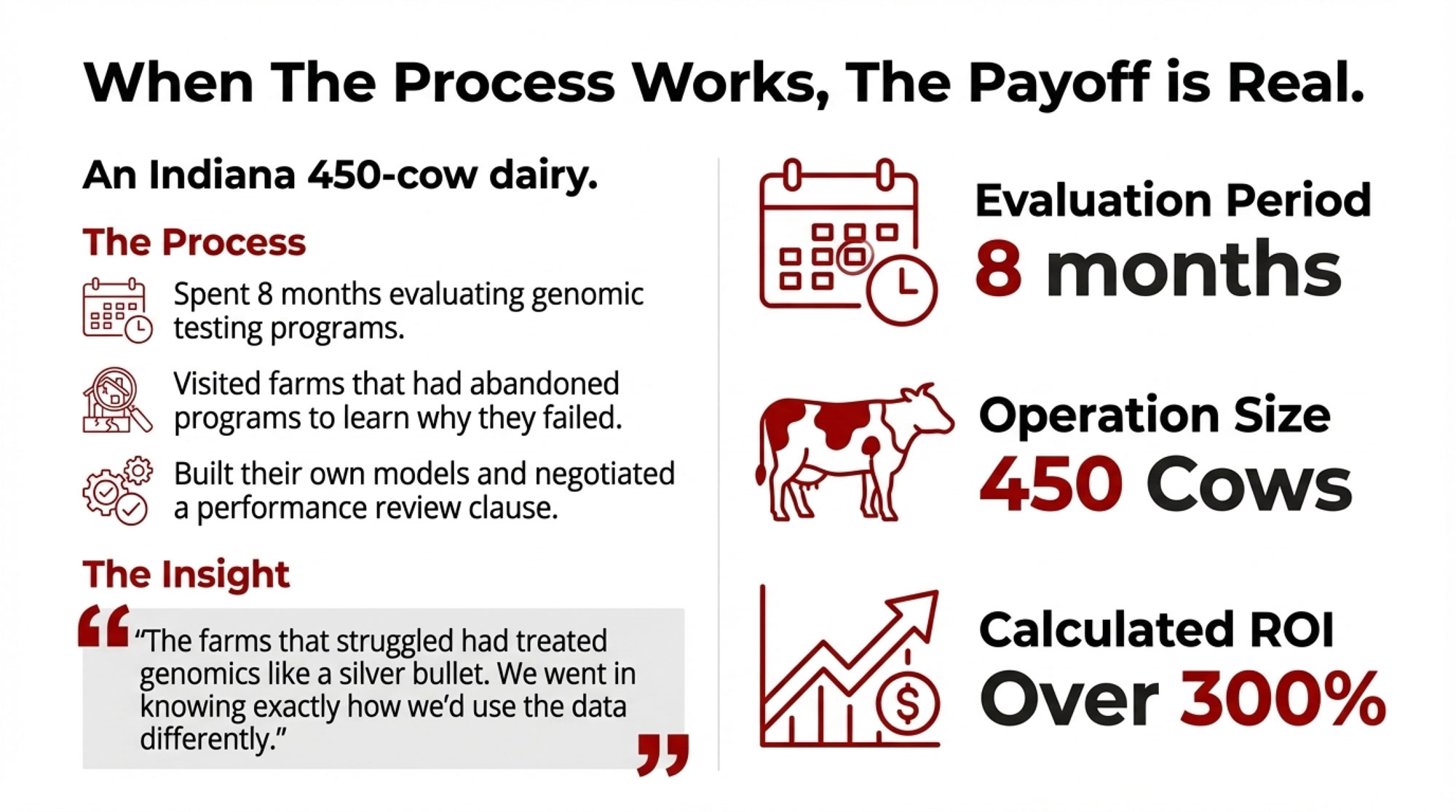
Stop chasing milk yield records. China’s $198M loss proves volume-first thinking destroys profits—optimize cost efficiency instead.
EXECUTIVE SUMMARY: The dairy industry’s long-held assumption that maximizing milk production per cow equals maximum profits has been catastrophically disproven by China’s $198 million dairy collapse. Despite achieving impressive yields of 11,000-12,000 kg per cow and hitting 85% dairy self-sufficiency two years early, China’s largest producers are hemorrhaging billions because they optimized for the wrong metric. Modern Dairy posted a staggering RMB 1.417 billion loss in 2024, while raw milk prices crashed by 17% as production costs nearly doubled in New Zealand due to its dependency on imported feed. The brutal math reveals China’s fatal flaw: production surged 31.6% while consumption grew only 3.3%, creating a 27-month consecutive price decline that’s destroying margins industry-wide. Meanwhile, New Zealand’s “inefficient” 4,500 kg per cow system maintains the world’s lowest production costs at US$0.37 per liter compared to China’s US$0.48+ per liter. This crisis highlights how volume-obsessed operations often sacrifice profitability per dollar invested—the only metric that truly matters for long-term survival. Every dairy operation needs to immediately calculate its true cost per unit of milk solids and evaluate whether it is optimizing for profitable efficiency or excessive volume.
KEY TAKEAWAYS
Cost Structure Beats Volume Every Time: New Zealand’s pasture-based system produces 400 kg of milk solids at US$0.37 per liter while China’s high-input model costs US$0.48+ per liter—proving that operations above US$0.48 per liter are in the danger zone regardless of impressive per-cow yields.
Feed Dependency Creates Structural Disadvantage: China’s reliance on imported feed for over 50% of production costs demonstrates why operations should evaluate feed conversion ratios against domestic feed availability rather than chasing maximum DMI through expensive supplements.
Market Diversification Trumps Volume Optimization: With China’s infant formula imports declining 37.1% between 2021 and 2024 and the demographic winter reducing the number of children aged 0-3 from 47 million to 28 million, smart operations are pivoting to premium products that command price premiums of 60% or more, rather than focusing on commodity volume.
Geopolitical Risk Now Exceeds Production Risk: New Zealand captured 46-51% of China’s import market through FTA access while U.S. exports collapsed under 125% tariffs, proving that diversified market portfolios and political risk management are now as critical as genetic merit and feed efficiency.
Robotic Milking ROI Requires Strategic Focus: Before investing $150,000-$250,000 per robot, operations must evaluate whether automation optimizes profit per dollar invested or just automates volume-obsessed thinking—China’s high-tech approach is proving that maximum throughput doesn’t equal maximum profitability.
What if the dairy industry’s obsession with maximizing milk per cow is actually destroying profitability? China’s spectacular dairy implosion has just shattered one of agriculture’s most sacred assumptions: that higher production automatically equals higher profits. With Modern Dairy posting catastrophic losses of RMB 1.417 billion (USD 198.4 million) for 2024, and raw milk prices crashing 17% in a single year, the world’s largest dairy market has proven that volume-first thinking is financially catastrophic.
This isn’t just China’s problem—it’s a wake-up call for every dairy operation worldwide.
The Volume Trap: Why China’s Production Success Became Its Biggest Failure
Here’s the story nobody saw coming: China actually won the production game. They hit their ambitious 2025 target of 41 million tons two years early, achieved 85% dairy self-sufficiency, and built some of the most technologically advanced dairy operations on the planet. Their elite farms are cranking out 11,000-12,000 kg per cow annually—numbers that would make any consultant drool.
So why are they hemorrhaging billions?
The answer reveals everything wrong with conventional dairy thinking. While China focused on maximizing milk production per cow through expensive imported feed and intensive systems, it created production costs nearly double those of pasture-based competitors, such as New Zealand. New Zealand’s pasture-based system achieves a five-year average total cost of production of US$0.37 per liter, compared to around US$0.48 per liter for other regions.
But here’s where it gets really brutal. While raw milk production surged 31.6% between 2018 and 2024, per capita dairy consumption grew by merely 3.3% in the same period. You don’t need an economics degree to see the problem—they built a production Ferrari without checking if anyone wanted to buy gas.
The Perfect Storm That Nobody Predicted
Three devastating forces hit China’s dairy market simultaneously, and each one exposes a flaw in volume-first thinking:
Economic headwinds crushed consumer spending. With the Consumer Price Index falling 0.7% in February 2025 and youth unemployment reaching record highs, Chinese families are cutting dairy purchases first. When you’re optimizing for maximum volume instead of profitable efficiency, you can’t adapt to demand shocks.
Demographics turned brutal. China’s birth rate decreased from 10.48% in 2019 to 6.77% in 2024, with the number of children aged 0-3 years dropping from over 47 million to just under 28 million. The infant formula market, which had driven premium dairy demand, collapsed, with China’s infant formula imports declining 37.1% between 2021 and 2024.
The cost structure was backwards from day one. China copied America’s high-input, confinement model without America’s cheap feed base. With over 50% of production costs tied to imported feed, they built a system that could never compete on cost, exactly the wrong foundation for a volume-focused strategy.
The Price Collapse That’s Rewriting the Rules
The numbers tell a story that should terrify every volume-obsessed operation. As of May 2024, dairy producers in China experienced a 27-consecutive-month, year-over-year decline in milk prices due to overproduction.
Let that sink in: 27 straight months of falling prices.
Raw milk prices crashed from a peak of 4.38 yuan per kilogram in 2021 to just 3.14 yuan by late 2024. However, here’s the kicker—current prices have fallen to 2.6 yuan per kilogram, while feeding costs alone average 2.2 yuan per kilogram. They’re essentially paying to give milk away.
The financial carnage is historic. Mengniu Dairy saw its net profit plummet by 97.8% in 2024, falling to approximately RMB 105 million (USD 14.7 million). Modern Dairy’s loss of RMB 1.417 billion represents more than just bad luck—it’s evidence that their entire business model was fundamentally flawed.
The Desperate Powder Play That’s Making Everything Worse
Here’s where the crisis becomes almost comical in its predictability. Faced with a daily surplus, Chinese processors convert an average of 20,000 tons of raw milk into powder every single day, accounting for about 25% of their total milk collection.
Sounds logical, right? Convert perishable milk into storable powder. Except there’s one tiny problem: with production costs around 35,000 yuan per ton and selling prices of only 15,000-19,000 yuan, processors lose more than 10,000 yuan for every ton of powder they produce.
Think about that business model for a second. They’re deliberately producing a product that loses money on every unit, hoping to make it up in volume. It’s the volume-first mentality taken to its logical, devastating conclusion.
Why Robotic Milking Might Be the Next Volume Trap
Now here’s where this gets uncomfortable for North American producers. The global milking robot market reached $2.98 billion in 2024 and is projected to hit $3.39 billion in 2025, with North America holding 30.8% market share. The sales pitch is always the same: automate to increase efficiency and maximize production.
But what if we’re making the same mistake as China?
Robotic systems are designed to maximize throughput, not optimize profitability per unit of milk. While these systems reduce labor hours by 20-40%, they often increase total production costs through higher capital depreciation, maintenance, and electricity expenses. Projections indicate that by 2025, 70% of Northwestern European cows will be milked by automated systems, whereas China’s adoption rate remains under 15%. However, China’s high-tech, high-cost approach is incurring significant financial losses.
Before you invest $150,000-$250,000 per robot, ask yourself this: Are you optimizing for the right metric, or are you just automating the same volume-obsessed thinking that destroyed China’s profitability?
The Strategic Alternative: Think Like New Zealand
Michigan operates 243 robotic milking units across 55 farms, and the successful operations share one critical insight: they focus on strategic facility design and cow traffic optimization rather than maximum throughput. They’re not trying to milk more cows faster—they’re trying to milk the right number of cows more profitably.
That’s the difference between automation as a tool and automation as a crutch for a flawed strategy.
The Geopolitical Reality Nobody Talks About
China’s crisis has revealed something that challenges everything we thought we knew about global competition: political relationships now matter more than production efficiency.
New Zealand dominates China’s market not because it is the most efficient producer, but because it has tariff-free access through its Free Trade Agreement. They captured 46-51% of China’s total dairy import volume in 2024 and control 92% of China’s WMP imports and 68% of SMP imports. Meanwhile, U.S. SMP exports to China effectively ceased, falling to zero in February 2025 for the first time since the 2019 trade war.
Here’s the uncomfortable truth: when tariffs hit 125% and non-tariff barriers create welfare losses six times greater than official tariffs, your cost advantage becomes meaningless overnight.
The Smart Money Is Moving
While everyone was competing for China’s shrinking market, smart operators began diversifying. Southeast Asia projects a 3.14% CAGR, while the Middle East/North Africa region shows a 4.6% CAGR, offering profit margins 15-20% higher and payment terms 30-45 days faster than those in China.
U.S. dairy export forecasts for fiscal year 2025 are raised by $100 million to $8.5 billion, but the growth isn’t coming from China—it’s coming from markets that actually want what we’re selling at prices that make sense.
The Value Revolution That’s Already Happening
Here’s the part that gives me hope: not all of China’s market is collapsing. While sales of regular pure milk fell 8.6% in 2024, organic pure milk and A2 milk grew by 0.2% and 5.7% respectively, commanding price premiums of over 60%.
The lesson is crystal clear: consumers will pay for value, but they won’t pay premium prices for commodity products just because you produced them expensively.
What This Means for Your Operation
The farms that will thrive in this new reality are those that optimize for profit per unit rather than volume per cow. Instead of asking “How can I produce more milk?” start asking “How can I produce the right milk at the right cost for the right market?”
Calculate your true cost per unit of milk solids. If you’re above US$0.48 per liter, you’re in China’s danger zone. Use the cost methodology that shows New Zealand’s structural advantage at US$0.37 per liter.
Before your next expansion decision, challenge yourself with these questions:
Can your operation maintain profitability in a scenario where China’s milk price declines by 28%?
Are you investing in volume capacity or profit-generating efficiency?
Do you have market diversification beyond geopolitically volatile trade partners?
The Bottom Line: Efficiency Beats Volume Every Time
China’s $198 million lesson is both painful and straightforward: a volume-first approach can undermine profitability when it overlooks cost structure and market realities.
New Zealand’s “inefficient” system maintains the world’s lowest production costs and highest returns on investment because they optimizes for the right metrics. They produce less milk per cow but more profit per dollar invested.
The future belongs to operations that optimize total system profitability rather than maximum per-cow production. Build cost structures that remain profitable during periods of price volatility, rather than maximizing output during favorable conditions.
Your action plan starts now: Contact your regional USDA export specialist to explore diversified markets with verified growth potential. Shift toward premium products that command price premiums rather than commodity volume. Most importantly, evaluate every production investment against profit per dollar rather than volume per cow.
The controversial truth that will separate winners from losers: In the post-China dairy market, efficiency beats volume, diversification beats dependency, and profit per dollar invested beats milk per cow every single time.
Don’t let China’s expensive education become your own. The biggest opportunities in dairy often lie behind the most significant conventional wisdom failures, and China’s volume-obsessed collapse has just revealed which approach actually works.
Complete references and supporting documentation are available upon request by contacting the editorial team at editor@thebullvine.com.
5 Technologies That Will Make or Break Your Dairy Farm in 2025 – Provides evidence-based ROI analysis for smart sensors, robotic milkers, and AI systems, helping operators invest in profit-generating automation rather than volume-obsessed technology that mirrors China’s costly mistakes.
Join the Revolution!
Join over 30,000 successful dairy professionals who rely on Bullvine Weekly for their competitive edge. Delivered directly to your inbox each week, our exclusive industry insights help you make smarter decisions while saving precious hours every week. Never miss critical updates on milk production trends, breakthrough technologies, and profit-boosting strategies that top producers are already implementing. Subscribe now to transform your dairy operation’s efficiency and profitability—your future success is just one click away.
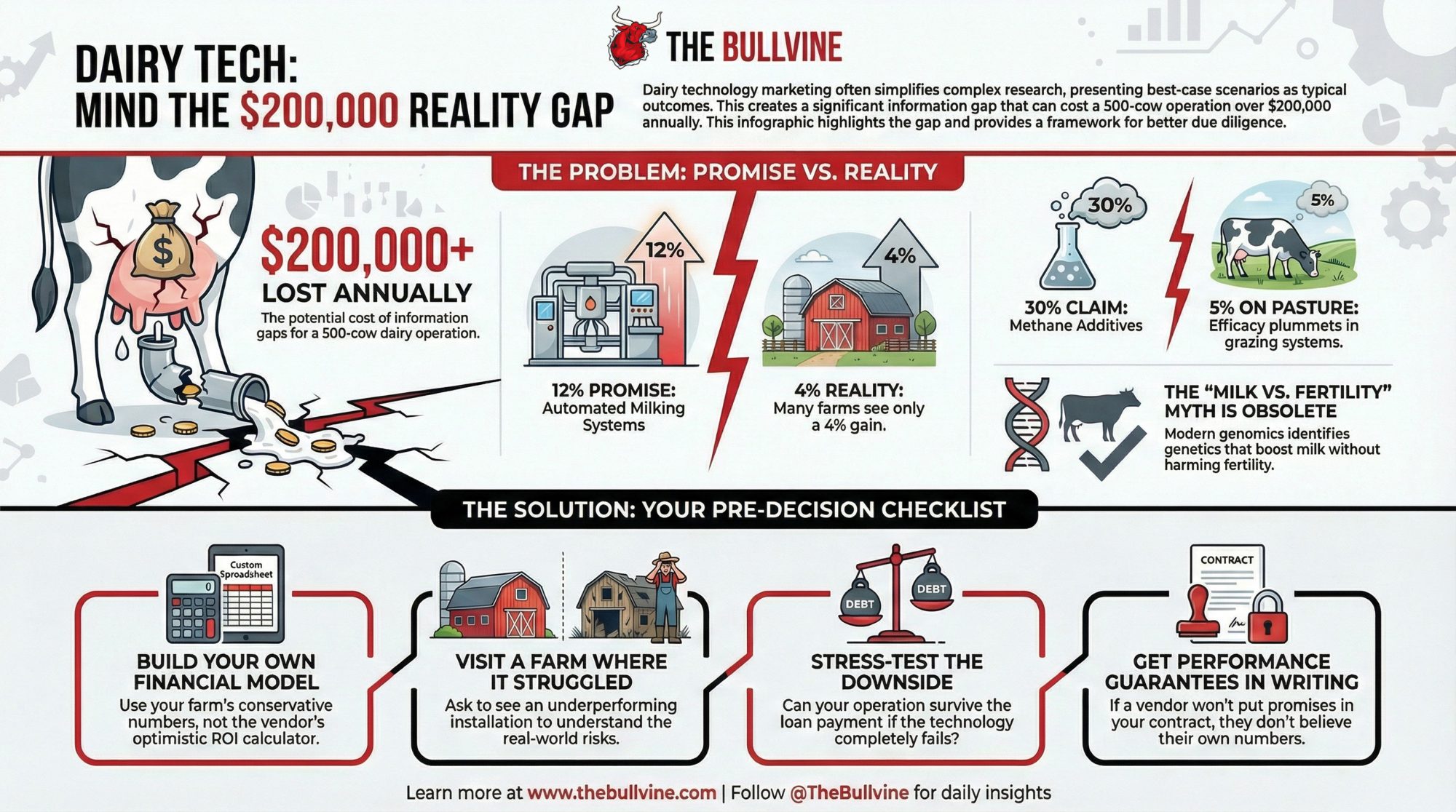
Component premiums crush volume myths—genomic testing delivers 150% ROI while butterfat hits 4.33%. Time to ditch the 30,000-lb obsession?
Executive Summary: The dairy industry’s sacred cow of volume production is officially dead, and component optimization is banking producers an extra $400+ per cow annually while their neighbors chase meaningless milk pounds. U.S. dairy exports surged 13% to $3.83 billion in 2025’s first five months, driven by butterfat tests hitting 4.33%—the highest in a decade—while genomic testing accelerated genetic gains from $37 to $85 per cow annually, delivering 150-200% ROI. With cheese block prices swinging between $1.72/lb and the $1.60s, dry whey breaking $0.60/lb, and the DMC program extended through 2031, producers focusing on component premiums are out-earning volume chasers by $0.75-$1.25/cwt. Meanwhile, global competitors like Mexico are targeting 80% dairy self-sufficiency by 2030, and China maintains 84% tariffs on U.S. dairy, forcing American producers to maximize efficiency or risk acquisition. The brutal truth: operations still chasing 30,000-pound herds while ignoring genomics will become acquisition targets by 2027. It’s time to audit your breeding program, genomic testing strategy, and component optimization—because the window for strategic positioning is closing fast.
Key Takeaways
Component Revolution Pays: Butterfat optimization delivers $315+ per cow annually as tests hit 4.33% (up from 3.8% in 2015), while genomic testing costs below $60/animal generate 150-200% ROI through accelerated genetic gains now worth $85 per cow versus $37 pre-genomics.
Export Opportunities Explode: U.S. dairy exports jumped 13% to $3.83 billion in 2025’s first five months, with cheese exports hitting record 113.4 million pounds monthly, creating massive revenue opportunities for component-focused operations while volume producers struggle with commodity pricing.
Technology Adoption Separates Winners: Health monitoring sensors achieve 91% ROI success with 2.1-year payback periods, while feed efficiency innovations deliver $0.27/cow/day improvements, giving progressive operations $0.75-$1.25/cwt advantages over reactive competitors.
Policy Stability Rewards Strategic Planning: DMC extension through 2031 provides unprecedented risk management certainty, while updated FMMO composition factors (3.3% protein, 6% other solids) starting December 2025 will further reward high-solids herds already maximizing component premiums.
Global Competition Demands Efficiency: With Mexico targeting dairy self-sufficiency and China maintaining punitive tariffs, American producers must optimize genomic selection, component production, and operational efficiency—or face acquisition by operations that already have.
While your neighbors chase milk pounds, the smart money is banking component premiums that could add $ 400 or more per cow this year. Here’s what separates the winners from the losers in 2025’s market chaos.
The dairy markets just delivered a week that’ll separate the strategic operators from the reactive ones. Cheese block prices rocketed to $1.72/lb before crashing into the $1.60s during choppy, holiday-shortened trading. But here’s what most producers missed: this wasn’t just market noise—it was a signal that the fundamental rules of dairy profitability have permanently changed.
More telling? Dry whey finally punched through the $0.60/lb threshold after what felt like an eternity stuck in the $0.50s. When co-product values break out in this manner, it’s because processors are shifting their entire production strategies. And if you’re not paying attention to these signals, you’re about to get left behind.
Production Numbers That Actually Matter—If You Know How to Read Them
Let’s cut through the USDA statistical soup and focus on what’s really moving the needle. U.S. milk production rose 1.6% in May 2025, with the 24 major dairy states producing 19.1 billion pounds. But here’s the kicker most analysts missed: production per cow averaged 2,125 pounds in the major producing states, seven pounds above May 2024.
Total cheese production hit 1.23 billion pounds in March 2025, up 1.4% from March 2024 and 9.8% above February 2025. Butter production totaled 229 million pounds in March, up 8.6% year-over-year and nearly 13% from February. This isn’t just a statistical anomaly; it’s processors scrambling to absorb the butterfat tsunami that’s flooding the system.
Ready to admit your breeding program is stuck in 2015? Because the component revolution isn’t coming—it’s here. Butterfat tests hit 4.33% in March 2025, while protein tests reached 3.36%. Despite modest increases in milk production, calculated milk solids production has surged, creating a fundamental shift in what cows produce and how producers are compensated for it.
The number of milk cows in the U.S. reached 9.45 million head in May, with Texas and Idaho leading year-over-year growth. Michigan continues to deliver the highest average production per cow at 2,400 pounds, followed by Texas at 2,275 pounds. These numbers tell the story of an industry that’s fundamentally changing its approach to profitability.
Export Performance Reveals the Brutal Truth About Global Competition
U.S. dairy exports in May were valued at $794.8 million, a 13% increase from May 2024. Dairy exports during the first five months of 2025 were valued at $3.83 billion, up 13% from the first five months of 2024. But before you start celebrating, here’s the reality check: we’re winning despite ourselves, not because of superior strategy.
Cheese exports during May totaled 113.4 million pounds, up 7% from May 2024 and the highest volume of cheese exports ever in a single month. Leading markets for U.S. dairy exports during the January-May period included Mexico at $1.04 billion (up 10%), Canada at $571.4 million (up 21%), and Japan at $252.9 million (up 39%).
The export picture gets complicated fast when you factor in trade tensions. China imports faced 84% tariffs on U.S. goods, with exports to China at $214.3 million (down 5%) during the first five months of 2025. With duties on Mexico (25%), Canada (25%), and China (125%) unaffected by the 90-day tariff pause, U.S. dairy exporters face significant challenges.
Washington Finally Delivers—But There’s a Catch
The House Agriculture Committee’s reconciliation proposal extends the Dairy Margin Coverage (DMC) program through 2031. But here’s what the press releases didn’t tell you: this extension comes with upgrades that fundamentally change how risk management works.
The DMC program helps dairy producers manage the financial impacts of fluctuating milk prices and feed costs, with payments triggered when the margin between All-Milk price and average feed price falls below chosen coverage levels. The proposal also bases the program’s production history calculation on a farmer’s highest production year out of 2021, 2022, or 2023, better reflecting recent on-farm production levels.
The bill also funds mandatory USDA dairy processing plant cost surveys every two years, which will better inform future make allowance conversations. Translation: no more waiting decades for pricing formulas to catch up with economic reality.
FMMO Reforms: Winners, Losers, and What You Need to Know
Beginning June 1, 2025, updated FMMO pricing formulas went into effect—the first major revision since 2008. Updated make allowances include cheese at $0.2519 per pound, butter at $0.2272 per pound, and nonfat dry milk at $0.2393 per pound. Class I differentials were increased with location-specific values.
The changes revert the base Class I skim milk price formula to the higher of the advance Class III and Class IV prices, rather than using the average of the two. Updated skim milk composition factors, with 3.3% protein and 6% other solids, will be implemented on December 1 to minimize complicating risk management positions.
However, what most producers overlooked is that these changes will initially reduce farmer milk checks; however, the market-driven price increases are currently overpowering the calculation-driven price decreases. Understanding these changes, particularly those affecting Class III and IV prices, will be crucial for effective price risk management strategies.
The Genomics Revolution That’s Separating Winners from Losers
Here’s a number that should make you uncomfortable: the dairy industry has surpassed 10 million genomic tests, with wide adoption accelerating genetic gains from $37 to $85 per cow annually—a 129% increase. It took only 11 months for dairy farms to submit 1 million genomic tests from March 2021 to February 2022.
Dr. Jonathan Lamb, a New York dairy farmer, reported that his first and second lactation cows completed lactations averaging 5% butterfat, while fifth and greater lactation cows ranged from 3.5% to 4.4% butterfat content. This powerful data from 3,367 completed lactations demonstrates how genetics and genomics have created a seismic shift in butterfat production, representing levels not seen before in the history of U.S. Holsteins.
Federal Milk Marketing Order data shows butterfat percentages climbed from 3.8% in March 2015 to 4.33% in March 2025. The data surge is enabling more accurate predictions and greater genetic gains for farms that are smart enough to utilize them.
Trade Uncertainties That Could Change Everything Overnight
The 90-day tariff pause expires July 9th, and the implications for dairy trade are staggering. Tariffs on imports from Mexico (25%), Canada (25%), and China (125%) remain in force. Most tariffs that wiped out $10 trillion in global equity value have been paused for 90 days, but the latest announcement is unlikely to sweeten U.S. dairy exporters.
China is the third biggest export market for U.S. dairy, with 385,485 metric tons of goods worth $584 million exported in 2024. The timing couldn’t be worse, as U.S. dairy imports declined 13% in May to $377.8 million—the lowest monthly value since December 2023.
The BRICS threat adds another layer of complexity. Countries such as Brazil and India are major dairy producers and significant competitors in global markets. An additional 10% tariff on BRICS-aligned nations could reshape trade flows in ways that either benefit U.S. exporters or trigger retaliatory measures.
Weather Delivers Mixed Messages About Feed Costs
According to the May 27, 2025, U.S. Drought Monitor, moderate to exceptional drought covers 26.1% of the United States, down from 31.0% on the April 29 map. The worst drought categories (extreme to exceptional drought) decreased from 7.8% last month to 6.9%.
Approximately 80.7 million people are currently living in drought-affected areas, a monthly decrease of 16.1 million people. The USDM reported reductions or improvements in drought across large portions of the Plains, Northeast, and Southeast.
But here’s the reality check: improved weather doesn’t automatically translate to lower feed costs. Market dynamics, export demand, and ethanol production all influence grain prices independent of growing conditions.
What This Really Means for Your Operation
Let’s face it—most dairy producers are still operating as if it were 2015. They’re chasing milk volume while the smart money banks component premiums. Butterfat production grew 3% in January 2025, 4% in February, and 2.8% in March compared to the same months last year, while milk production grew less than 1%.
Per capita butter consumption climbed to 6.5 pounds in the latest USDA data—the highest level since 1965, when the U.S. had 195 million people compared to 345 million this year. Butter now absorbs 18% of the U.S. milk supply on a milkfat basis—up from 16% in 2000, while cheese has moved from 38% to 42% of the U.S. milkfat supply.
The U.S. imported a record 172 million pounds of butter and anhydrous milkfat in 2024, up from 10 million pounds in 2010. The U.S. is importing nearly 8% of its milkfat needs, demonstrating a significant opportunity for domestic butterfat production growth.
The Bottom Line: Adapt or Get Acquired
This week crystallized several trends that will define dairy markets through the rest of 2025 and beyond. Cheese price volatility reflects tighter supply-demand balances that favor producers willing to market their products strategically rather than simply shipping them to the plant. Dry whey’s breakout signals that co-product values are finally responding to global demand shifts that have been building for months.
DMC coverage through 2031 means your primary safety net is locked in for the entire payback period on major capital investments—planning certainty the industry hasn’t enjoyed in decades. However, this stability comes at a price: you can no longer blame policy uncertainty for failing to invest in genetic, technological, and efficiency improvements.
The July 9th deadline will reveal whether the Trump administration’s negotiating strategy produces meaningful trade agreements or triggers a tariff war that reshapes global dairy flows for years to come. Either way, the operations positioned for component optimization and export opportunities will capture the lion’s share of whatever profits remain.
Here’s the uncomfortable truth: farms still chasing 30,000-pound herds while ignoring genomics will be acquisition targets by 2027. The technology revolution separating progressive operations from reactive competitors accelerates daily. Every month of delayed integration allows competitors to compound their advantages, which become exponentially harder to overcome.
The window for strategic positioning is closing fast. Those who adopt component optimization, precision agriculture, and genomic selection today will establish lasting competitive advantages that compound over generations. The question isn’t whether you can afford to make these changes—it’s whether you can afford not to.
Complete references and supporting documentation are available upon request by contacting the editorial team at editor@thebullvine.com.
5 Technologies That Will Make or Break Your Dairy Farm in 2025 – Exposes cutting-edge innovations including smart calf sensors reducing mortality 40% and precision feeding systems cutting waste, showing exactly which technologies deliver fastest payback for competitive advantage.
Join the Revolution!
Join over 30,000 successful dairy professionals who rely on Bullvine Weekly for their competitive edge. Delivered directly to your inbox each week, our exclusive industry insights help you make smarter decisions while saving precious hours every week. Never miss critical updates on milk production trends, breakthrough technologies, and profit-boosting strategies that top producers are already implementing. Subscribe now to transform your dairy operation’s efficiency and profitability—your future success is just one click away.
While you celebrated record milk yields, you engineered your own price destruction. Component optimization beats volume every time—here’s proof.
EXECUTIVE SUMMARY: Here’s the brutal truth most dairy producers refuse to acknowledge: your obsession with milk volume just delivered a devastating 32¢ cheese price collapse in June 2025, proving that production growth without strategic component focus is economic suicide. While Cheddar blocks plummeted to $1.62/lb—the steepest monthly decline in recent history—farms optimizing for butterfat levels above 4.3% and protein exceeding 3.3% captured an additional $120-180 revenue per cow annually compared to volume-focused operations. The data reveals component-adjusted production surged 3.0% in April 2025 while total milk volume grew only 1.5%, creating a fundamental shift that separates winners from losers in today’s oversupplied market. With over $9 billion in new processing capacity coming online through 2026 and European production constraints creating export opportunities, the farms implementing precision feeding programs and genetic selection for components will dominate while volume-chasing competitors wonder why their milk checks don’t match their production records. The market has voted, and it’s time to evaluate whether you’re building a dairy operation that thrives on strategic positioning or doubling down on the volume game that just engineered its own price destruction.
KEY TAKEAWAYS
Component Premium Capture Strategy: Farms achieving 4.40% butterfat and 3.40% protein levels are generating $120-180 additional annual revenue per cow while cheese prices collapsed 32¢, proving component optimization provides recession-proof profit margins in oversupplied markets.
Feed Cost Arbitrage Opportunity: December corn futures dropped to $4.26/bushel and soybean meal hit multi-year lows at $288/ton, creating immediate margin expansion potential for operations with feed conversion ratios below 1.4:1 who can weather current milk price volatility.
Export Competitiveness Reality Check: U.S. cheese export orders dried up when prices exceeded $1.90/lb in May 2025, while European production declined 5.7% in France and 3.8% in Germany, creating strategic opportunities for component-focused operations positioned to capture international demand at competitive price levels.
Strategic Hedging Window: Class III futures rallied to $17.59/cwt Friday on heat stress concerns, providing tactical hedging opportunities for Q4 2025 protection while positioning for the inevitable market rebalancing as $9 billion in new processing capacity tests demand absorption limits.
Genetic Selection ROI Acceleration: With butterfat and protein ranking among the most heritable traits at 20-25% heritability and over 10 million genomic tests completed globally, operations implementing systematic genetic selection for components while maintaining milk yield are creating sustainable competitive advantages as volume-focused competitors face margin compression.
Here’s the brutal truth dairy producers don’t want to face: while you’ve been celebrating record milk production, you’ve actually been engineering your own price destruction. June’s devastating 32¢ cheese price collapse isn’t market volatility—it’s the inevitable result of an industry that’s forgotten the difference between production growth and profitable growth.
Let’s cut through the industry cheerleading and examine what really happened this week. Spot Cheddar blocks closed Friday at $1.6200 per pound, gaining 1.00¢ for the day but still sitting 32.75¢ lower than early June levels, according to verified CME data. Meanwhile, butter rallied to $2.5625 per pound, up 2.50¢ on the day, creating a market divergence that’s telling you everything about where real value lies in 2025.
But here’s what should really keep you awake tonight: this isn’t just about current prices. This production explosion is fundamentally reshaping who wins and loses in American dairy, and most producers are positioned on the wrong side of the biggest structural shift we’ve seen in decades.
The Component Revolution Nobody Saw Coming
While everyone was obsessing over milk volume, the smart money quietly shifted to components—and the numbers prove it. Recent data shows butterfat levels averaging 4.40% and protein hitting 3.40% in 2025, with component-adjusted production surging 3.0% in April despite total milk volume growing only 1.5%, according to verified industry analysis.
Here’s what that means in real dollars: farms achieving butterfat levels above 4.3% and protein content exceeding 3.3% are capturing an estimated $120-180 additional revenue per cow annually compared to their volume-focused neighbors. As one industry expert noted in recent analysis: “Despite total milk production declining 0.35% year-to-date, calculated milk solids production surged 1.65% through March 2025, with butterfat tests hitting 4.36%”.
Are you still thinking in pounds over components? Because if you are, you’re already behind.
Weekly Trading Reality Check: The Numbers Don’t Lie
Let’s talk about what actually happened in the markets this week, not what the cheerleaders want you to believe:
CME Weekly Performance (June 21-27, 2025):
Product
Friday Close
Weekly Change
Trading Volume
Reality Check
Cheddar Blocks
$1.6200/lb
+1.00¢
70 trades
Down 32¢ monthly
Cheddar Barrels
$1.6650/lb
+2.75¢
13 trades
Still bleeding
Butter
$2.5625/lb
+2.50¢
15 trades
Only bright spot
NDM Grade A
$1.2500/lb
No Change
2 trades
Dead market
Dry Whey
$0.5850/lb
+0.75¢
10 trades
China tariff damage
Here’s the uncomfortable truth: butter’s outperformance isn’t luck—it’s what happens when you optimize for the right components while cheese producers chase volume into oversupply hell.
Production Surge Creates Winners and Losers
The USDA has raised its 2025 milk production forecast to 227.3 billion pounds, reflecting what officials call “modest herd expansion and improved productivity.” But let’s be honest about what this really represents: the fastest production growth since 2022, driven by producers who apparently learned nothing from previous oversupply disasters.
Recent May 2025 data shows U.S. milk production hit 19.9 billion pounds, marking a robust 1.6% increase from May 2024, with the national dairy herd expanding to 9.45 million head—the largest since 2021. Industry observers note this represents “the biggest reality check the U.S. dairy sector has seen in years” as production experts admit they got May forecasts completely wrong.
What This Means for Your Operation: If you’re running a traditional volume-focused dairy, you compete in an increasingly crowded, low-margin game. The winners are operations with feed conversion ratios below 1.4:1 and daily milk yields exceeding 75 pounds per cow while optimizing for premium components.
Global Markets: Europe’s Crisis Is Your Opportunity
Here’s where it gets interesting. While American producers flood the market with milk, European Union production constraints create strategic opportunities. According to USDA Agricultural Marketing Service data, EU milk deliveries are forecast at 149.4 million metric tonnes in 2025—a 0.2% year-over-year decline, according to USDA Agricultural Marketing Service data.
France’s milk deliveries for March 2025 dropped approximately 5.7% year-on-year, while Germany’s milk output fell 3.8%. Environmental regulations and disease outbreaks continue pushing smaller European farmers out of production, creating export opportunities for strategically positioned U.S. operations.
But here’s the catch: export orders dried up when cheese prices exceeded $1.90 per pound in late May, proving there’s a ceiling to how high U.S. prices can climb while maintaining export competitiveness. The market delivered a harsh lesson about the difference between production capacity and profitable pricing.
The China Reality Check
Speaking of harsh lessons, let’s address the elephant in the room: China. According to International Dairy Foods Association data, U.S. dairy exports to China declined in 2024, marking the lowest year since 2020, according to International Dairy Foods Association data.
While overall U.S. dairy exports reached $8.2 billion in 2024—the second-highest total ever—the China situation reveals a fundamental problem. Chinese retaliatory tariffs reaching up to 150% continue severely restricting U.S. export opportunities, particularly devastating the whey markets and forcing exporters toward Mexico and Southeast Asia.
Reality Check: China’s not coming back anytime soon, and building your expansion plans around that market recovery is a recipe for disappointment.
Feed Costs: The Silver Lining Nobody’s Talking About
Here’s the one piece of good news buried in this week’s chaos: feed costs are collapsing. December corn futures dropped to $4.2650 per bushel, while November soybeans fell to $10.2525, providing significant relief for producers smart enough to capitalize.
Soybean meal futures hit multi-year lows with December contracts at $288.20 per ton. With feed costs representing 40-50% of total dairy production expenses, these reductions will eventually support margins for operations that can weather current milk price volatility.
Strategic Opportunity: Lock in these feed cost savings now while managing milk price risk through selective hedging on Class III futures during heat-related rallies.
What Producers Should Do Right Now
Let’s face it—most dairy operations fly blind in this market environment. Here’s what you need to do immediately:
1. Component Optimization: If you’re not tracking and optimizing butterfat and protein levels daily, you’re leaving money on the table. The data shows component premiums are the only reliable profit center in this oversupplied market.
2. Strategic Hedging: July Class III futures closed at $17.59 per hundredweight Friday, recovering from mid-week lows on heat stress concerns. Use these rallies to lock protection for Q4 2025.
3. Feed Cost Management: With corn and soybean meal at multi-year lows, lock in these savings while they’re available. The margin between current feed costs and potential milk price recovery represents your best near-term opportunity.
4. Export Positioning: Partner with processors focused on international markets, but understand the pricing realities. The market must remain competitive enough to attract international buyers, which means accepting lower domestic prices as the cost of market access.
The Uncomfortable Truth About Industry Expansion
Michael Dykes, president and CEO of the International Dairy Foods Association, recently proclaimed “The U.S. dairy industry is ready to capitalize on a renewed trade agenda in 2025.” But he’s not telling you that over $9 billion in new processing capacity is coming online through 2026, adding approximately 55 million pounds per day of production capability.
As industry analysis warns, If all new plants ran at full capacity and all existing plants continued to run at their current rate, we would see U.S. cheese production expand by about 6%, which would be a record increase.
The Bottom Line: The industry is building processing capacity faster than it can develop markets, creating a structural oversupply problem that no amount of optimistic forecasting can solve.
The Latest: Reality Vs. Fantasy
While USDA projects the all-milk price to average $21.60 per hundredweight in 2025, current market dynamics suggest these forecasts are more wishful thinking than market analysis. The production surge you’re witnessing isn’t temporary—it’s the new reality of an industry that chose growth over profitability.
European production constraints and declining EU output create potential relief valves, but only for operations positioned to capture export opportunities at competitive price levels. The critical challenge isn’t whether domestic and international demand can grow—it’s whether producers can adapt quickly enough to a fundamentally changed competitive landscape.
Here’s the question that should define your 2025 strategy: Are you building a dairy operation that thrives on component optimization and strategic positioning, or are you doubling down on the volume game that just delivered a 32¢ cheese price collapse?
The farms implementing precision feeding programs, genetic selection for components, and strategic processor partnerships will separate themselves from volume-focused competitors. The rest will keep wondering why their milk checks don’t match their production records.
The choice is yours, but the market has already voted.
Complete references and supporting documentation are available upon request by contacting the editorial team at editor@thebullvine.com.
Join over 30,000 successful dairy professionals who rely on Bullvine Weekly for their competitive edge. Delivered directly to your inbox each week, our exclusive industry insights help you make smarter decisions while saving precious hours every week. Never miss critical updates on milk production trends, breakthrough technologies, and profit-boosting strategies that top producers are already implementing. Subscribe now to transform your dairy operation’s efficiency and profitability—your future success is just one click away.
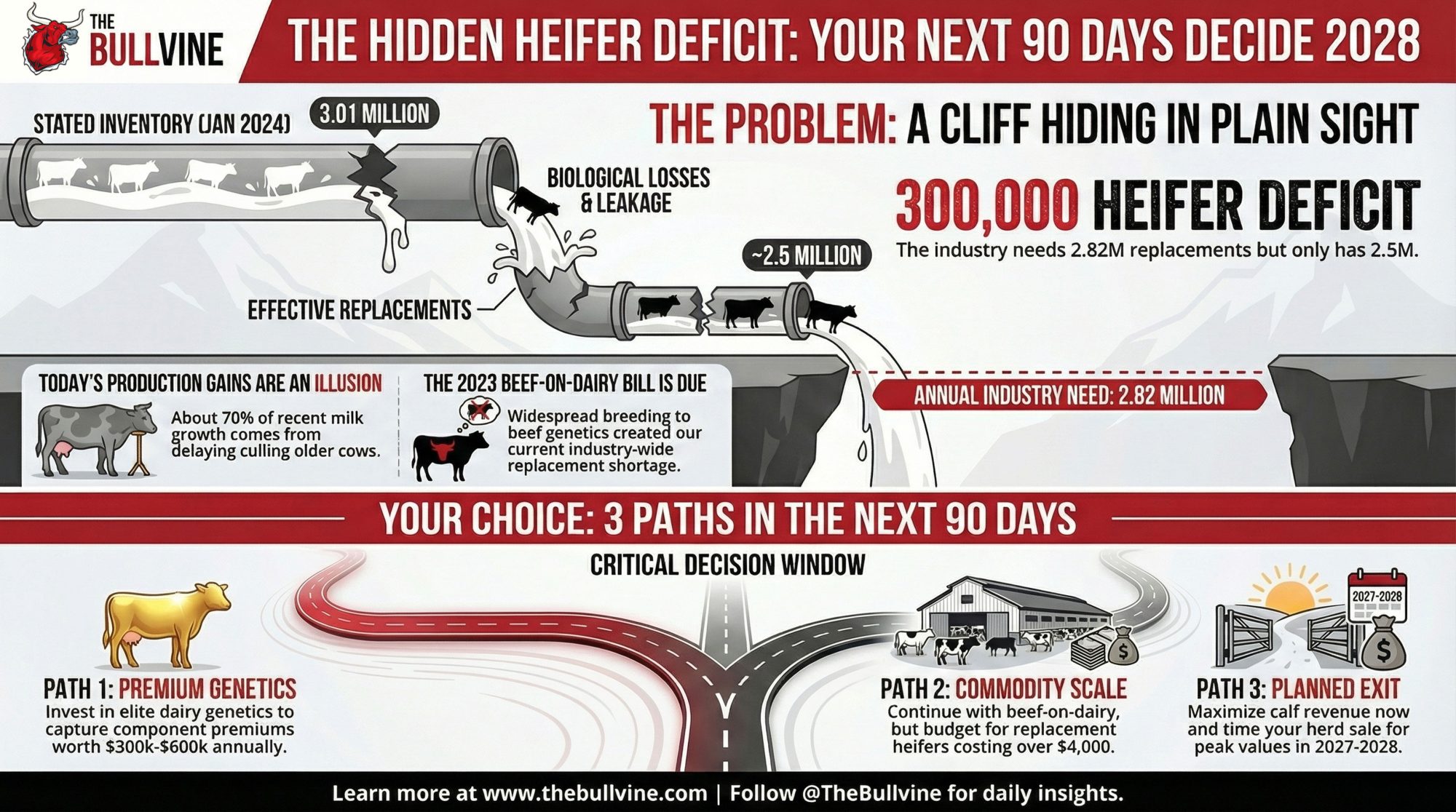
Your magnesium program is wasting 60% of your investment while heat stress silently crushes fertility at 65°F—costing $1,200 per cow annually
EXECUTIVE SUMMARY: While you’re waiting for cows to pant, heat stress is already destroying fertility and milk yield at temperatures you’d consider comfortable—and your expensive magnesium supplements are delivering less than half their potential value. Recent 2025 research reveals that fertility crashes at THI levels as low as 50-60, while magnesium source bioavailability varies up to five-fold between manufacturers, meaning most operations are throwing away 60% of their mineral investment without knowing it. Strategic magnesium supplementation delivers a compelling 24:1 to 40:1 return on investment by improving milk yield (p<0.05), stabilizing rumen pH, and reducing respiratory rates during heat stress—but only when producers understand the critical antagonism between potassium and magnesium absorption that can reduce uptake by 50%. The dairy industry loses $2.9 billion annually to heat stress, with small farms suffering 60% greater losses than large operations, yet the most profitable intervention costs less than $25 per cow annually and works when your expensive cooling systems can’t. Global research from New Zealand to China proves that precision magnesium supplementation at 0.40% dietary dry matter transforms heat stress from an unavoidable burden into a manageable challenge. Stop treating symptoms with fans and sprinklers—start protecting profits with research-backed mineral nutrition that works from the inside out.
KEY TAKEAWAYS
Hidden Fertility Crisis: Heat stress damages conception rates at THI 50-60 (65°F with humidity), costing progressive operations $120,000 annually in reproductive losses per 100-cow herd before you see obvious production drops
Bioavailability Breakthrough: Magnesium oxide effectiveness varies up to five-fold between sources due to manufacturing differences, while high-potassium forages reduce absorption by 50%—meaning your $15,000 annual mineral bill could be delivering only $6,000 in actual value
Proven Performance Gains: 2025 research demonstrates strategic magnesium supplementation significantly improves milk yield (p<0.05), increases dry matter intake tendency (p=0.09), and reduces respiratory rates without affecting milk composition—delivering 24:1 to 40:1 ROI
Global Competitive Advantage: While US operations struggle with reactive heat management, New Zealand’s 50-year magnesium supplementation protocols and China’s innovative lick block technologies prove precision mineral nutrition levels the playing field against corporate giants for $25 per cow annually
Multi-Generational Protection: Heat-stressed dry cows produce daughters with reduced lifetime milk production and shorter productive lives—extending strategic magnesium programs to dry cows protects your $2,400 heifer investment and future genetic potential across generations
Think heat stress only hits when your cows are panting? You’re already behind. While you’re waiting for obvious signs, your high-producers are quietly hemorrhaging milk and fertility at temperatures you’d consider comfortable. Here’s the uncomfortable truth: fertility crashes at THI levels as low as 50—that’s 65°F with humidity—and it’s costing progressive operations like yours serious money.
You’ve invested thousands in cooling systems, fans, and shade structures. But what if I told you the most profitable heat stress intervention costs less than $25 per cow annually and works from the inside out?
Are You Missing the $245 Million Heat Stress Blind Spot?
For a 100-cow operation, that 1.6% production hit equals operating unpaid for nearly six days yearly because your cows are overheating. Think about that math for a minute.
Why Your Expensive Mineral Program Isn’t Working
Let’s talk about the elephant in the feed bunk. You’re probably throwing away 60% of your magnesium investment, and here’s why:
Not all magnesium sources work the same. Magnesium oxide effectiveness can vary considerably depending on production factors such as rock origin, calcination temperature, and particle size distribution. You could be paying premium prices for fancy packaging around inferior bioavailability.
But here’s the real kicker: High-potassium fertilization of pastures can reduce magnesium absorption by 30-50%. Those lush spring and autumn forages you’re proud of? They’re actively sabotaging your mineral program.
Think about that for a minute. You’re paying full price for magnesium supplements that deliver maybe 50% of their potential value. On a $15,000 annual mineral bill, that’s $7,500 in wasted investment every year.
The Metabolic Rebellion Happening Inside Your Cows
During heat stress, something devastating happens that you can’t see: reduced intake of physically effective fiber lowers rumination and saliva production, which decreases ruminal buffering and pH. Heat-stressed cattle are at greater risk of subacute ruminal acidosis (SARA) because they often compensate by selecting more highly fermentable feeds, which increase volatile fatty acid production and acidosis risk.
Here’s what this means for your bank account: Dry matter intake can be reduced by 8-12% from THI 72, but you’re still paying full price for feed that’s delivering 88-92% of its potential value.
The rumen rebellion gets worse. Under heat stress, cortisol levels rise, increasing magnesium excretion and deficiency risk, enhanced by reduced magnesium absorption due to increased dietary potassium. You’re losing magnesium when you need it most.
Improved milk yield (p<0.05) without affecting milk composition
Increased dry matter intake tendency (p=0.09) when cows need it most
Significantly decreased respiratory rate during weeks 2-3 of supplementation
Enhanced rumen health with improved fermentation parameters
Here’s what makes this research revolutionary: these improvements happened during actual heat stress conditions with THI ranging from 69-90, not in climate-controlled university barns. Real farms, real heat, real results.
The Global Advantage: What Smart Producers Already Know
Want to know why some operations consistently outperform during heat stress? They understand that cattle are unable to mobilize magnesium from their bones as they can with calcium, making daily supplementation absolutely critical.
Here’s the guidance that changes everything: Recommended magnesium levels range from 0.40% dry matter for lactating cows to 0.25% for growing beef cattle under heat stress. But most operations are supplementing at maintenance levels, not heat stress levels.
The bioavailability breakthrough: Fresh pasture grass typically provides only 0.12-0.18% dry matter magnesium, which is below the recommended intake for lactating cows. You’re already behind before you even start.
The Multi-Generational Profit Protection You’re Overlooking
Here’s the part that’ll change how you think about your entire operation: heat stress during the dry period doesn’t just affect current production—it mortgages your herd’s genetic future.
The economic reality? With heifer raising costs exceeding $2,400 per animal, protecting dry cows becomes genetic preservation. In dairy cows, suboptimal magnesium levels contribute to subclinical hypocalcemia, compromising productivity and immune function. Smart operations extend comprehensive mineral programs to dry cows because the ROI compounds across generations.
Your Implementation Roadmap: Getting Started This Week
Work with your nutritionist to evaluate your current magnesium sources. Are you using high-quality, bioavailable forms? Growing beef cattle require 0.10%-0.20% dry matter magnesium, while lactating dairy cows need 0.30%-0.35% dry matter, increasing to 0.40% during heat stress.
Remember: over-calcined magnesium oxide tends to have lower solubility in the rumen, reducing its bioavailability and limiting its effectiveness. Not all magnesium sources are created equal.
Phase 3: Strategic Supplementation (Ongoing)
Consider proven delivery methods based on your system:
TMR operations: High-quality magnesium oxide mixed directly into feed
Water systems: Convenient but challenging to ensure adequate intake
The Critical Integration Strategy: Electrolyte sodium, potassium, and chloride supplementation supports hydration and prevents metabolic disorders such as respiratory alkalosis. But you must account for potassium’s antagonistic effect on magnesium absorption.
What is the advantage of strategic magnesium supplementation? It levels the playing field. For $15-25 per cow annually, you’re deploying precision nutrition that works regardless of your farm size.
Why this matters: As dairy cows can lose 10-25% of their milk yield under heat stress, with production affected for 2-8 days, and have diminished fertility for up to 5 weeks, every efficiency gain becomes critical for survival.
The Bottom Line: Your Profit-Protecting Action Plan
Remember that $245 million industry loss we started with? You now understand that magnesium plays a crucial role in mitigating heat stress by supporting muscle relaxation and nervous system function, working as a physiological stabilizer when your expensive cooling systems reach their limits.
The key insight that’ll transform your summer profitability: Strategic magnesium supplementation isn’t another expense—it’s a precision tool that delivers measurable returns through improved milk yield, enhanced rumen stability, and reduced heat stress indicators.
Your immediate next step is non-negotiable: Contact your nutritionist this week to audit your current magnesium program. Get specific recommendations for heat stress supplementation at 0.40% dietary dry matter, accounting for potassium antagonism and source bioavailability.
This 30-minute conversation could be worth $1,200 per cow this summer. More importantly, it positions your operation to thrive while competitors struggle with the same old solutions to an escalating problem.
The revolution in heat stress management starts with precision nutrition. While heat-stressed cattle primarily face respiratory alkalosis due to CO₂ loss from panting, they are also at greater risk of subacute ruminal acidosis. Your cooling systems can’t fix what’s happening inside the rumen.
The question isn’t whether you can afford strategic magnesium supplementation—it’s whether you can afford to keep losing money to invisible heat stress while the solution sits in your feed room.
Are you ready to stop throwing money away and start protecting your profits? Your cows—and your bank account—are counting on the decision you make today.
Complete references and supporting documentation are available upon request by contacting the editorial team at editor@thebullvine.com.
Join over 30,000 successful dairy professionals who rely on Bullvine Weekly for their competitive edge. Delivered directly to your inbox each week, our exclusive industry insights help you make smarter decisions while saving precious hours every week. Never miss critical updates on milk production trends, breakthrough technologies, and profit-boosting strategies that top producers are already implementing. Subscribe now to transform your dairy operation’s efficiency and profitability—your future success is just one click away.
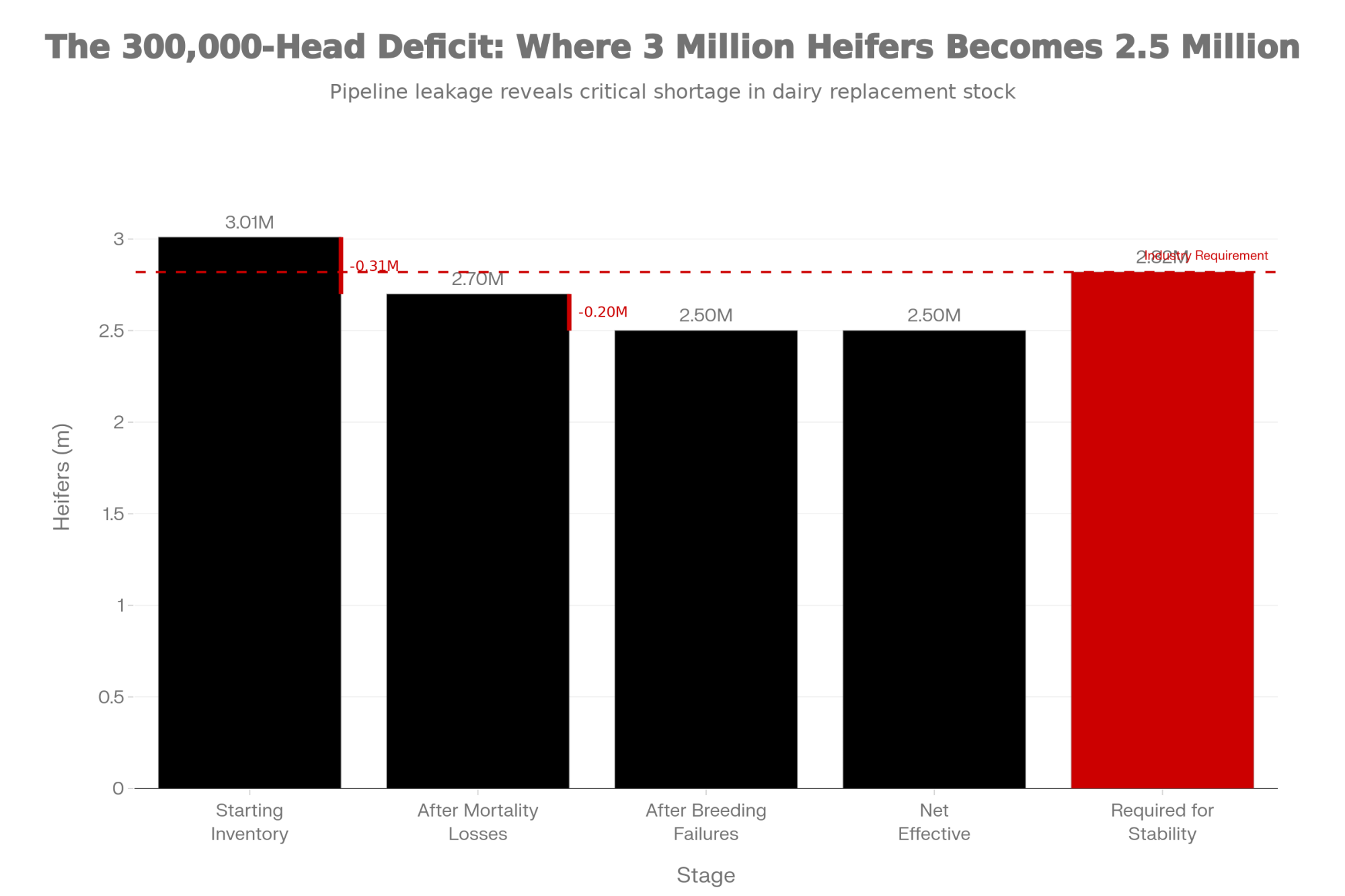
Stop choosing sides in the immigration vs. automation debate. Smart dairies cut labor costs from $375 to $165 per cow with this dual strategy.
EXECUTIVE SUMMARY: The dairy industry’s obsession with either immigration reform OR automation is costing you money every day—here’s why the either-or mentality is the biggest lie holding back profitable operations. While 51% of your foreign-born workforce produces 79% of America’s milk supply, the smartest operators aren’t waiting for politicians or betting everything on robots—they’re implementing a dual strategy that’s slashing labor costs by more than half. Real-world data shows robotic systems can achieve 60% reduction in direct milking labor while strategic workforce investments drop turnover from 35% to 10%, creating compound savings that accelerate ROI from typical 7-year payback periods to just 18-24 months during labor shortages. International leaders like the Netherlands and Denmark prove this integrated approach works, combining EU labor mobility with 20-25% automation adoption rates that boost productivity while maintaining workforce stability. The economic reality is stark: losing half your immigrant workforce could spike milk prices 45%, but operations implementing both immigration advocacy AND strategic automation are building the operational resilience that turns crisis into competitive advantage. Stop debating false choices and start modeling the dual strategy economics for your specific operation—your milk check depends on it.
KEY TAKEAWAYS
Labor Cost Transformation: Strategic automation combined with workforce retention can cut annual labor costs per cow from $375 to $165—a 56% reduction that pays for itself in under 2 years during labor shortages, with robotic milking achieving 60% reduction in direct milking labor while increasing milk yields 5-28.5%.
Turnover Economics: Quality employee housing investments drop turnover rates from industry-standard 35% to under 10%, eliminating replacement costs of $100,000 per entry-level worker and $150,000 per manager while improving production metrics, SCC counts, and cow health outcomes.
Technology ROI Acceleration: Normal 7-year payback periods for robotic systems collapse to 18-24 months when labor becomes unreliable, with automated feeding systems delivering 35-45% annual returns and precision software achieving 600% first-year ROI through optimized feed conversion and reduced waste.
Policy-Proof Operations: The Netherlands and Denmark demonstrate that integrated approaches combining regulated immigration frameworks with 20-25% automation adoption create lasting competitive advantages, while US operations choosing either immigration OR automation remain vulnerable to policy volatility and labor market disruptions.
Implementation Urgency: With H-2A workers costing $25-30/hour versus $15-25 for domestic labor, and 2025 labor expenses forecast at record $53.5 billion, delaying dual strategy implementation means watching competitors gain insurmountable operational advantages in precision management, data-driven decision making, and crisis resilience.
Here’s the uncomfortable truth every dairy operator needs to face: the 51% of your workforce that’s foreign-born produces a staggering 79% of America’s milk supply. When that labor disappears overnight—and it can—you’re not just looking at operational headaches. You’re staring down potential milk price increases of 90%, farm closures by the thousands, and the collapse of everything you’ve built.
The immigration debate raging in Washington isn’t abstract policy—it’s your milk check hanging in the balance. But here’s what the talking heads won’t tell you: the choice between immigration reform and technological automation isn’t actually a choice at all.
Smart operators have already figured this out. They’re not waiting for politicians to solve their problems, and they’re not betting everything on robots either. They’re implementing a dual strategy that’s cutting labor costs by more than half while building the kind of operational resilience that turns crisis into competitive advantage.
The Biggest Lie in Dairy: “We Just Need Better Immigration Policy”
Walk into any farm equipment dealer or industry conference, and you’ll hear the same tired debate. “Should we push for immigration reform or invest in automation?” It’s the wrong question, and it’s costing you milk production every day you delay action.
Why This Conventional Thinking Is Dangerous
The dairy industry’s laser focus on immigration reform as the primary solution reveals a dangerous blind spot. According to University of Wisconsin Extension analysis, labor accounts for approximately 25% of total dairy farm operating costs, and for larger farms, this percentage can be even higher.
Recent USDA projections show labor expenses reaching record highs, with costs forecast to increase to $53.5 billion in 2025, representing a total increase of 9.5% since 2023. Meanwhile, feed expenses—the largest single expense category—are forecast to drop to their lowest level in real terms since 2007.
But here’s the critical question everyone’s avoiding: What happens when immigration reform finally passes and you’re still stuck with the same inefficient, labor-intensive systems that made you vulnerable in the first place?
The uncomfortable reality is that even comprehensive immigration reform won’t solve the fundamental productivity crisis. According to National Milk Producers Federation analysis, unlike other agricultural sectors, the dairy industry is unable to use the H-2A program because of the year-round nature of dairy production.
The Hidden Cost of Labor Dependency
Think of your labor force like your genetic base—if 51% of your cow genetics suddenly disappeared, your milk production would crater. That’s exactly what happens when immigration enforcement hits your area. The difference is you can’t replace experienced milkers overnight like you can breed replacements.
Recent enforcement actions demonstrate this vulnerability. ICE reportedly picked up four adults and three children at a dairy farm in Sackets Harbor, New York, and conducted what advocacy groups called the largest single immigration enforcement action against farmworkers in Vermont in recent history when it detained eight workers at a dairy farm in Berkshire.
On the flip side, the tech evangelists pushing full automation are selling you an incomplete story. Yes, robotic milking systems can dramatically reduce labor requirements, but here’s what they don’t mention in the sales pitch: one automated milking system can cost anywhere between $150,000 to $275,000, and this doesn’t account for maintenance and infrastructure costs associated with installation.
The Critical Flaw in the “Automation Only” Strategy
Installing robots without maintaining skilled labor is like buying genomic testing without understanding TPI scores—you’ve got expensive technology generating data you can’t interpret or act on effectively.
More importantly, automation doesn’t eliminate the need for skilled workers—it transforms what those workers do. Research shows that when farmers installed automated milking systems, “the number of employees on the farm actually remained the same,” but their roles shifted to more technical responsibilities.
The economics are compelling when properly implemented, but the barriers are significant. Graduate student research revealed that farms using AMS had higher rolling herd averages than those that did not, and 8% of farmers are currently using AMS while 18% are considering implementation. However, one of the main reasons farmers didn’t want to adopt AMS was due to the expense of the investment.
Implementation Barriers: The Reality Check No One Talks About
Financial Access Challenges by Farm Size
The high capital requirements for automation create distinct challenges across different operation scales:
Small Operations (50-200 cows): Face the greatest per-cow investment burden with limited access to capital. According to USDA cost of production data, average total cost per 100 pounds of milk is significantly higher for smaller farms, making automation ROI calculations more challenging.
Mid-Size Operations (200-500 cows): Represent the sweet spot for robotic milking adoption, with sufficient volume to justify investment while maintaining family farm management structure. Industry analysis shows farmers purchase two to four robotic units initially, representing investments of $300,000-$1.1 million.
Large Operations (500+ cows): Face different automation decisions, often finding that economies of scale make conventional parlor systems more cost-effective than individual robotic units.
Regional Infrastructure Deficits
Rural connectivity and electrical capacity create significant implementation barriers that vary dramatically by region:
Midwest and Northeast: Generally better positioned for automation adoption due to established electrical infrastructure and proximity to equipment dealers and service networks.
Western States: Face greater infrastructure challenges due to geographic dispersion and aging electrical systems on many dairy operations.
Emerging Dairy Regions: States like Texas and Kansas experiencing rapid dairy growth often lack the support infrastructure for advanced automation systems.
Skills Gap Crisis by Labor Category
The transition from manual to technology-driven roles requires substantial training investment across different workforce segments:
Existing Workforce: Requires comprehensive retraining programs to transition from physical tasks to technology management. Wisconsin Extension research indicates that proposed immigration policies could raise farm wage costs by 20% while causing a temporary 10% decline in productivity due to labor disruptions.
Management Personnel: Need advanced training in data interpretation, system optimization, and predictive maintenance protocols.
New Hires: Must possess higher baseline technical skills, creating recruitment challenges in rural areas with limited educational infrastructure.
Global Market Context: Learning from International Leaders
European Union: Integrated Labor and Technology Strategy
The EU’s approach to dairy automation provides instructive lessons for US operations. European farms have achieved higher automation adoption rates while maintaining stable workforce frameworks through regulatory structure and targeted investment incentives.
Policy Integration: EU agricultural policies coordinate immigration frameworks with technology adoption incentives, creating synergistic rather than competitive approaches to labor challenges.
Technology Transfer: European equipment manufacturers like DeLaval and Lely have developed automation systems specifically designed for different farm scales and management systems.
India and China: Emerging Market Implications
Rapid dairy sector growth in India and China creates both competitive pressures and market opportunities for US producers:
Scale Advantages: Large-scale operations in emerging markets are increasingly adopting automation technologies, potentially creating competitive disadvantages for US farms that delay modernization.
Export Opportunities: Growing middle-class consumption in these markets creates premium product opportunities for US operations that can demonstrate advanced production standards through automation and data systems.
Technology Adaptation: Automation systems developed for diverse global markets are becoming more adaptable and cost-effective for various operation sizes.
The Dual Strategy That’s Actually Working: Strategic Implementation Phase by Phase
The operations that are thriving aren’t choosing sides—they’re playing both. They’re advocating for immigration reform while strategically automating their highest-impact, most labor-intensive processes.
Phase 1: Immediate Stabilization (Months 1-6)
Strategic Labor Retention: According to current market analysis, farm profitability for a 250-cow dairy could decline by $27,000 to $110,000 annually due to labor disruptions, making retention investments critical.
Technology Quick Wins: Focus on automation technologies with rapid payback periods and minimal infrastructure requirements. Automated feeding systems and basic monitoring technologies can provide immediate efficiency gains while building technological competency.
Policy Advocacy Engagement: Actively support industry efforts for comprehensive immigration reform while building operational resilience independent of policy outcomes.
Phase 2: Strategic Automation (Months 6-24)
Robotic Milking Implementation: Large-scale operations are reporting significant benefits. Edaleen Dairy in Washington switched from conventional to robotic milking, with general manager Mitch Moorlag noting: “With robotic milking systems, every single cow is cleaned, prepped and milked the correct way every single time she comes through to get milked.”
Fred Rau Dairy in California transitioned 1,400 cows to 24 robots, with operations manager Shonda Reid-Rau reporting: “Our two-time-per-day conventional dairy went to nearly 3x immediately as sophisticated algorithms map production of each cow and determine milking intervals that are individualized for each cow.”
Infrastructure Development: Plan comprehensive electrical, water, and connectivity upgrades to support advanced automation systems. This phase requires significant capital investment but creates foundation for long-term competitive advantage.
Phase 3: System Integration and Workforce Development (Months 12-36)
Advanced Data Management: Implement comprehensive herd management systems that integrate milking, feeding, and health monitoring data. Research indicates that farms using automated systems can collect more data about their herds, allowing them to make more profitable decisions regarding culling and management.
Workforce Evolution: Transform existing employees into technology specialists while recruiting new talent with advanced technical skills. This addresses the reality that automation changes rather than eliminates labor requirements.
Advantages: Established dairy infrastructure, proximity to equipment dealers, and experienced workforce provide foundation for automation adoption.
Challenges: Wisconsin Extension data shows labor and immigration policies remain pressing concerns, particularly for large-scale operations that rely heavily on hired labor.
Implementation Focus: Prioritize robotic milking systems for mid-size operations while developing regional technical training programs.
Western States Strategy (California, Idaho, Washington)
Advantages: Larger average farm sizes and higher labor costs create favorable economics for automation adoption.
Implementation Focus: Comprehensive automation strategies combined with aggressive workforce development programs.
Emerging Dairy Regions Strategy (Texas, Kansas)
Advantages: New facilities can integrate automation from initial construction rather than retrofitting existing infrastructure.
Challenges: Limited technical support infrastructure and smaller local talent pools.
Implementation Focus: Partner with equipment manufacturers for comprehensive technical support while developing regional expertise.
The Economics You Can’t Ignore: Verified Financial Projections
Current Market Realities
According to USDA data from March 2025, the all-milk price in January 2025 averaged $24.10 per hundredweight, up $4.00 from January 2024. The Dairy Margin Coverage program reported margins of $13.85 per cwt, $5.37 higher than last year.
However, labor cost pressures continue mounting. Total production costs are set to drop marginally in 2025 by 0.6%, but labor expenses are forecast at record highs, increasing to $53.5 billion in 2025.
Automation Investment Economics
Real-world implementation data demonstrates compelling returns. Fred Rau Dairy’s transition from conventional to robotic milking resulted in “improved milk quality, vastly improved herd health, improved cow comfort and an environmentally friendly approach to sustainable dairying.”
The investment timeline for comprehensive automation typically spans 2-3 years, with farms purchasing 2-4 robotic units initially at costs of $150,000-$275,000 per unit.
Risk-Adjusted Returns
Wisconsin Extension analysis shows that policy uncertainties, particularly concerning immigration and labor, are major bearish factors for the dairy market in 2025. This uncertainty premium makes automation investments more attractive as risk mitigation strategies.
What This Means for Your Operation in 2025
The workforce crisis isn’t going away. Current immigration enforcement trends indicate continued pressure on dairy operations dependent on foreign-born workers. The Trump administration has made immigration enforcement central to its policy agenda, with ICE conducting enhanced targeted operations in major dairy regions.
Your competitors—especially the larger, better-capitalized operations—are already implementing dual strategies. Industry survey data shows 18% of farmers are considering AMS implementation, indicating significant pending adoption.
You have a choice: continue waiting for someone else to solve your labor problems, or take control of your operational destiny through strategic implementation of both workforce stability and technological advancement.
The Bottom Line
Remember that statistic about 51% of your workforce producing 79% of America’s milk? It’s not just about dependency—it’s about vulnerability. Every day you delay implementing a dual strategy is another day your operation remains at the mercy of forces beyond your control.
The smartest operators have already figured out that immigration reform and automation aren’t competing solutions—they’re complementary strategies that address different aspects of the same fundamental challenge. They’re not waiting for politicians to fix immigration policy, and they’re not betting everything on technology they don’t understand.
Instead, they’re building resilient operations that can thrive regardless of policy uncertainty or labor market volatility. They’re cutting labor costs while improving milk quality metrics. They’re reducing dependency on manual labor while investing in the skilled workers who remain. Most importantly, they’re positioning themselves to capitalize on opportunities while their competitors are still debating.
Like selecting for both production and longevity traits, the choice isn’t between immigration reform and automation. The choice is between taking control of your operation’s future or letting external forces control it for you.
Your next step is simple: Schedule a meeting with your financial advisor this week to model the dual strategy economics for your specific operation. Use the USDA cost of production estimates to calculate your current labor-related costs, project the savings from strategic automation, and develop a timeline for implementation. Contact your state extension service to access region-specific automation guidance and connect with successful implementing operations in your area.
The workforce crisis is real, but so is the opportunity for operators bold enough to seize it. Your milk check depends on it.
Complete references and supporting documentation are available upon request by contacting the editorial team at editor@thebullvine.com.
Learn More:
Robotic Milking Revolution: Why Modern Dairy Farms Are Choosing Automation in 2025 – Reveals specific AI-powered monitoring systems and computer vision technologies delivering early disease detection and production optimization that complement the dual strategy with cutting-edge implementation examples from leading operations.
Why Dairy’s $48 Billion Labor Crisis Exposes Our Innovation Failure – Demonstrates practical strategies for leveraging workforce uncertainty into competitive advantages through strategic automation timing, showing how crisis conditions accelerate ROI from 7 years to 18-24 months.
Join the Revolution!
Join over 30,000 successful dairy professionals who rely on Bullvine Weekly for their competitive edge. Delivered directly to your inbox each week, our exclusive industry insights help you make smarter decisions while saving precious hours every week. Never miss critical updates on milk production trends, breakthrough technologies, and profit-boosting strategies that top producers are already implementing. Subscribe now to transform your dairy operation’s efficiency and profitability—your future success is just one click away.
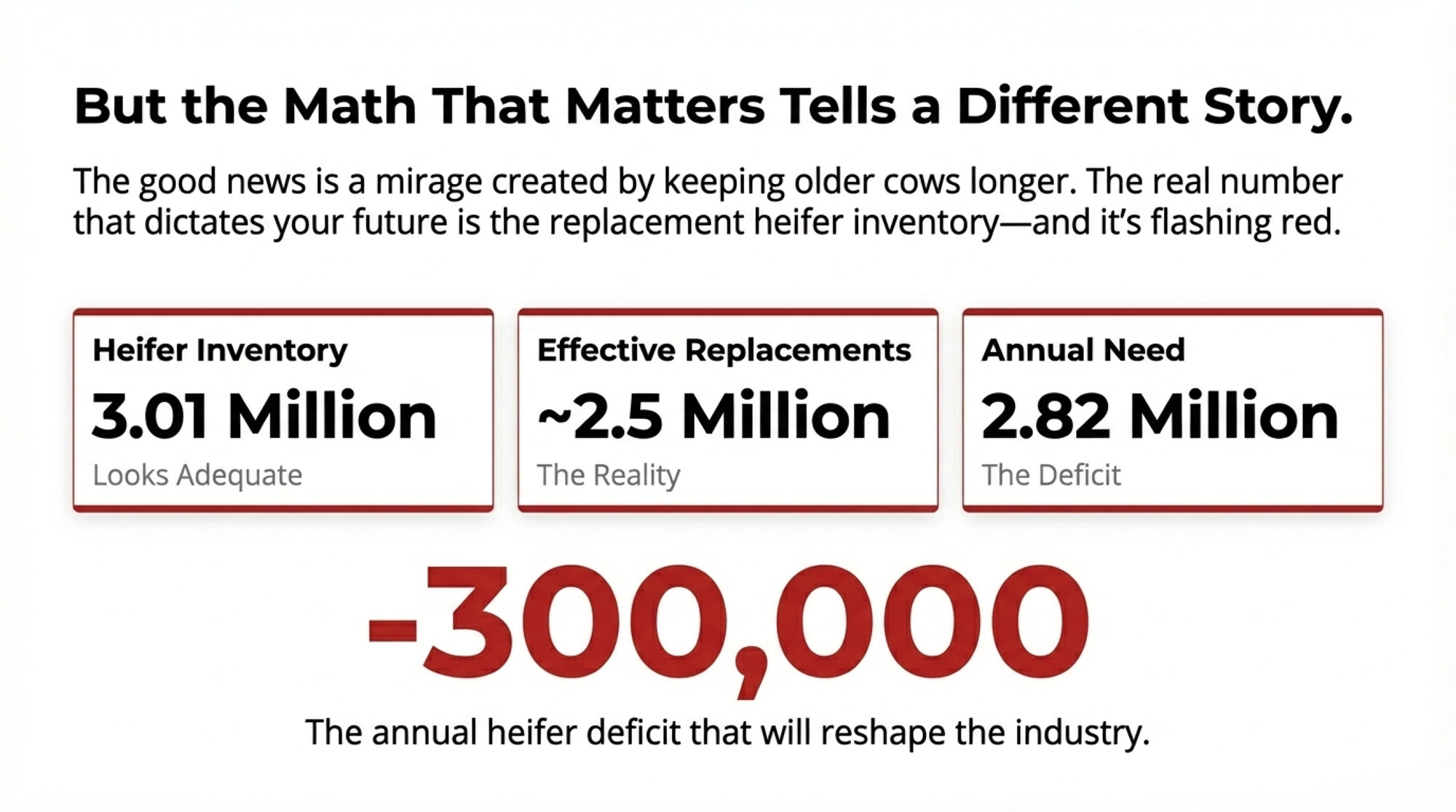
Stop believing the volume-first myth. Australia’s value-maximization strategy boosts exports 16.6% while imports surge—proving bigger isn’t better.
EXECUTIVE SUMMARY: Australia’s dairy processors just shattered the industry’s most sacred belief—that more milk automatically means more profit—by simultaneously boosting cheese exports 4.8% to 175,000 MT while importing a record 110,000 MT in 2025. This isn’t market failure; it’s strategic brilliance born from necessity, as constrained milk supplies forced a radical pivot from commodity cheddar to premium specialty cheeses commanding 44.5-fold price premiums in Asian export markets. While U.S. and EU producers still chase volume growth, Australian processors channeled their limited milk pool into 35% cheese production (49% of manufacturing milk), generating maximum revenue per liter through strategic market segmentation and trade agreement leverage. The China-Australia Free Trade Agreement eliminated 10-15% tariffs, providing unlimited preferential access that even beats New Zealand’s restricted quotas, while Southeast Asian markets like Vietnam (+35%) and Thailand (+44%) offer explosive diversification opportunities. This value-over-volume model proves that when you can’t produce more, you can still profit more—but only if you’re strategic about resource allocation, market positioning, and import-export integration. Every dairy operation facing land constraints, labor shortages, or input cost pressures needs to audit their product mix immediately: Are you maximizing value from your highest-quality milk, or still playing the losing volume game?
KEY TAKEAWAYS
Revenue Optimization Under Constraint: Australian processors increased cheese exports 16.6% above forecasts while milk production hits 30-year lows, proving strategic product allocation to premium markets can drive 2.7% production growth even with declining supply base—a critical lesson for operations facing land, labor, or regulatory constraints.
Market Segmentation ROI: By dedicating premium domestic milk to specialty cheese exports commanding higher international prices and strategically importing commodity cheese ($199.23M from New Zealand, $114.74M from U.S.), Australian operations freed up capacity for maximum-value production while maintaining domestic market supply—a model delivering measurable profit per liter improvements.
Trade Agreement Leverage: China-Australia Free Trade Agreement’s tariff elimination (10-15% advantage) plus unlimited preferential access (vs. New Zealand’s restricted quotas) directly drove China to become fastest-growing export destination, demonstrating how strategic trade positioning multiplies operational advantages beyond pure efficiency gains.
Diversification Strategy: Southeast Asian market growth (Vietnam +35%, Thailand +44%, Philippines +14% over five years) reduces export concentration risk while tapping middle-class dairy demand, providing blueprint for operations seeking to reduce dependence on single-market exposure and volatile pricing.
Supply Chain Integration: The dual-flow model—premium exports plus strategic imports—represents sophisticated supply chain management that maximizes resource utilization while meeting diverse market demands, offering immediate implementation opportunity for processors balancing premium production capabilities with commodity market obligations.
Australia’s pulling off what looks impossible—boosting cheese exports while importing record volumes in 2025. This isn’t market confusion. It’s the smartest strategic pivot in modern dairy history, and it’s about to teach every volume-obsessed producer on the planet what drives profitability when supply gets tight.
Here’s what’s happening Down Under that should make every dairy producer worldwide sit up and pay attention. While most of the industry still thinks bigger herds and more milk automatically equal better profits, Australia’s processors have cracked the code on something far more valuable: maximizing revenue per liter when you can’t maximize liters.
The Supply Reality Check That Changed Everything
Let’s start with the brutal truth that forced this transformation. FAS/Canberra forecasts reveal Australia’s milk production situation remains structurally constrained, with competing projections showing either minimal growth to 8.8 million metric tons or continued decline to 8.2-8.3 billion liters for 2025. What’s certain is that current production levels represent a 30-year low, sitting 24% below the peak production that supported the 2002 cheese production record of 413,000 MT.
But here’s where it gets interesting. Instead of panicking about shrinking supply, Australian processors did something radical: they pivoted from volume to value. FAS/Canberra forecasts cheese production to lift to 375,000 MT in 2025, a 2.7% increase that would mark the third-highest level on record. Cheese production now accounts for 35% of Australia’s total fluid milk production and 49% of all manufacturing milk.
Why This Matters for Your Operation
“Over the last decade, there has been a trend of milk processors channeling more and more milk towards cheese production at the expense of other processed dairy products,” according to the USDA Global Agricultural Information Network report. This isn’t an accident—that’s a strategy for responding to constraints.
Before you think this only applies to Australia, consider this: every dairy region faces some form of supply constraint, whether it’s land prices, labor shortages, environmental regulations, or input costs. The Australian model proves that you can still grow more profitable when you can’t grow bigger.
The Export Powerhouse Strategy
Australia’s cheese exports are forecast to reach varying levels in 2025, with different sources projecting between 150,000-175,000 MT. The comprehensive industry analysis reveals that first-quarter 2025 volumes jumped 13.1% year-over-year, with shipments rising to nearly all of Australia’s top ten export destinations.
Japan is Australia’s cornerstone export market; historically, it is the largest cheese destination in terms of value and volume. Australian Dairy Farmers data shows Japan imports over 80,000 tonnes of Australian dairy annually, of which over 80,000 tonnes are cheese, making Australia “the largest supplier of cheese” to Japan.
China has emerged as the fastest-growing market, driven by the China-Australia Free Trade Agreement (ChAFTA), eliminating 10-15% tariffs and providing unlimited preferential access—a critical advantage over New Zealand’s more restrictive agreement.
Here’s the strategic brilliance: Australian processors are shifting production away from commodity cheddar toward specialized, semi-hard, and premium cheeses that command higher prices internationally. They’re not just selling cheese—they’re selling Australian quality, safety, and “clean and green” provenance at premium prices.
The Import Imperative: Why Smart Strategy Creates Apparent Contradictions
Now, here’s where conventional thinking falls apart. Those same processors driving export growth are simultaneously increasing cheese imports, with FAS/Canberra projecting 110,000 MT in 2025—up 10% and the second-highest on record.
Critics might call this a failure. Wrong. It’s sophisticated supply chain management.
The USDA analysis explains: “New Zealand and the United States have historically supplied approximately three-quarters of all cheese imports to Australia. New Zealand remains the largest source, accounting for nearly half of all imports, while the United States typically supplies over a quarter”.
The strategic logic is clear: “The cheese imports from New Zealand and the United States are typically lower-value cheddar varieties, used primarily in the food processing sector. Meanwhile, Australian processors have increasingly focused on producing higher-value, specialized cheeses for export”.
What This Means for Your Operation
Think about your own product mix. Are you treating all milk the same? Australian processors proved that strategic product allocation—premium milk to premium markets, imports to fill commodity gaps—can drive higher overall profitability than trying to be everything to everyone.
The Trade Agreement Advantage (And How It’s Changing)
Australia’s success isn’t just about quality but smart trade positioning. ChAFTA gave them a decisive edge over the EU and US in China while providing better access than New Zealand’s more restrictive agreement.
But here’s the warning from Australian Dairy Farmers: advantages erode. Once provided exclusive benefits, the Japan-Australia Economic Partnership Agreement (JAEPA) is losing power as Japan signs deals with everyone else. “Over the last 5 years Australia has supplied (on average) over 100,000 tonnes of dairy per year into Japan,” but the competitive landscape is shifting as “Japan has completed and entered into force the Comprehensive and Progressive Trans Pacific Partnership (CPTPP) agreement… as well as the EU Japan Economic Partnership Agreement and more recently the USA Japan Trade Agreement”.
The lesson? Trade advantages are temporary. Brand reputation and operational excellence are permanent.
Financial Pressures Driving Innovation
The farmgate squeeze driving this strategic evolution is real and documented. The comprehensive industry analysis reveals that Australian farmers faced 10-15% milk price cuts during 2024/25, with some analyses showing earnings as low as $2.46 per hour. Feed costs have surged 40% since 2022.
Industry confidence has plummeted: “Only half of farmers express positive outlook, down from two-thirds the previous year. Less than two-thirds expect operating profits”. This isn’t sustainable under the old volume model.
Strategic Implications for Global Dairy
Australia’s cheese paradox reveals three critical insights for dairy producers worldwide:
Resource Optimization Beats Resource Maximization When supply is constrained, maximizing value per unit trumps maximizing units. The industry analysis confirms: “Unable to compete on sheer volume, Australian processors are increasingly channeling their limited milk resources into producing higher-value, specialty cheeses destined for lucrative export markets.”
Market Segmentation Is Everything. Don’t try to serve every market with the same product. The USDA data shows how Australian processors dedicate premium production to export while strategically importing commodity products for domestic food service.
Trade Positioning Multiplies Advantages Understanding and leveraging trade agreements create competitive advantages that pure efficiency can’t match, though these advantages require constant attention as competitive landscapes shift.
The SWOT Reality Check
The comprehensive industry analysis provides a formal SWOT assessment:
Strengths: Strong international reputation for quality, established export channels in Asian markets, ChAFTA advantage, growing expertise in specialty cheese production.
Weaknesses: Structurally constrained milk pool, high farm operating costs, export concentration risk in Japan and China, eroding JAEPA advantage.
Opportunities: Growing Southeast Asian demand, further value-added product development, and potential market openings from trade disruptions.
Threats: Intense global competition, continued farm viability pressure, potential economic slowdown, climate change impacts.
Actionable Implementation Framework
Based on the Australian model, here’s your step-by-step roadmap:
For Processors & Exporters:
Conduct Value-Over-Volume Audit: Analyze your current product mix allocation. Are you channeling your best milk to your highest-margin opportunities?
Implement Market Diversification Timeline: Establish 18-month targets for reducing concentration risk in any single export market
Develop Integrated Import Strategy: Evaluate strategic sourcing opportunities that complement rather than compete with premium production
For Producers:
Assess Premium Market Positioning: Calculate the price differential between commodity and premium milk contracts in your region
Evaluate Efficiency Investments: The Australian data shows successful operations focus on “efficiency gains, diversification, and targeted technology investments.”
Strengthen Supply Chain Relationships: Long-term processor partnerships become critical when supply is constrained
The Bottom Line
Australia’s cheese strategy isn’t just working—it’s revolutionizing how we think about dairy competitiveness under constraint. They’ve proven that limited supply doesn’t mean limited profits if you’re strategic about resource allocation.
The comprehensive industry analysis concludes: “Success in this environment is no longer a function of production scale alone; it is a measure of strategic agility, marketing prowess, supply chain sophistication, and the ability to navigate intense global competition.”
The Australian model offers a proven blueprint for dairy producers worldwide facing their own constraints: optimize for value, not volume. Segment your markets strategically. Leverage every competitive advantage you can find. And don’t be afraid to import what you can’t efficiently produce while focusing your best resources on what you do best.
The volume game is over. The value game is just beginning. Australia’s showing the way—the question is whether you’re ready to follow.
Action Items for Your Operation:
Complete product mix value analysis within 30 days
Benchmark your premium market access against regional competitors
Assess strategic sourcing opportunities that could free up capacity for higher-value production
Review trade agreement advantages in your key export markets
The Australians figured out that you make better when you can’t make more. Time to ask yourself: What’s your value maximization strategy?
Join over 30,000 successful dairy professionals who rely on Bullvine Weekly for their competitive edge. Delivered directly to your inbox each week, our exclusive industry insights help you make smarter decisions while saving precious hours every week. Never miss critical updates on milk production trends, breakthrough technologies, and profit-boosting strategies that top producers are already implementing. Subscribe now to transform your dairy operation’s efficiency and profitability—your future success is just one click away.
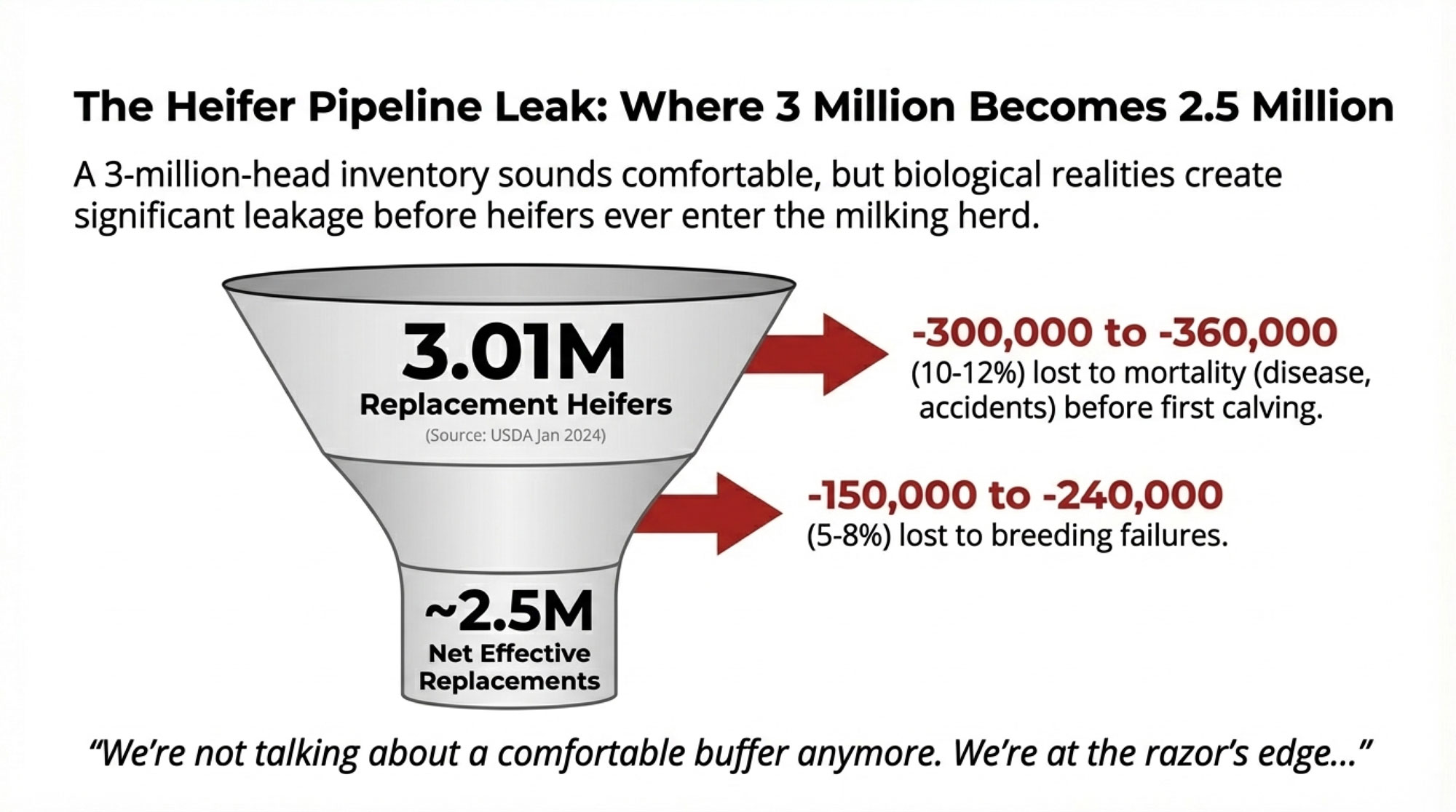
Stop buying expensive genetics. This 60-year closed herd outperforms open herds with 13,100kg averages and proves internal breeding beats purchasing.
Ever wonder what it’s like to step onto a farm where six generations of passion have shaped every detail? That hit me when I first visited Larenwood Farms on a crisp morning in Drumbo, Ontario. There’s Chris McLaren, already making his rounds before sunrise, moving with purpose through a barn where 110 Holstein cows represent decades of meticulous breeding decisions. Steam rises from their breath in the cool air while the gentle hum of milking machines creates a soothing backdrop to the daily rhythm played out here since 1852. It’s not just any farm—it’s living history with cutting-edge science folded into every corner.
You can’t miss the wall of awards in the farm office. Those plaques and shields—including multiple national herd management awards and the coveted Holstein Canada Master Breeder shield—are not just decorations. They’re milestones in a journey that perfectly blends old-school farming wisdom with the innovation you’d expect from a tech startup, not a 163-year-old family operation.
Where It All Began
Aerial view of Larenwood Farms in Drumbo, Ontario—where 163 years of McLaren family heritage meets cutting-edge dairy innovation. This 700-acre operation houses 110 Holstein cows in facilities designed around one principle: cow comfort drives profitability.
“Our family has been on this farm site for 163 years,” Chris tells me with a smile that speaks volumes about his connection to this land. “Our relatives on my grandmother’s side moved here in 1852 and settled this property, and we’ve continuously had our family on this site ever since. I’m the sixth generation, and Hailey, Joel, and Dana are the seventh generation to live on this farm site.”
Walking the property with Chris, you can’t help but feel the weight of decisions made by farmers long gone. What started as a typical mixed farm gradually evolved into a dairy specialization about 50 years ago and now spans roughly 700 acres, producing all the feed their livestock needs.
“We love our little community that we live in here. This is downtown Richwood, where our farm is,” Chris gestures toward the quiet countryside. There’s something genuine about how the McLarens approach their role here—farming isn’t just business; it’s being woven into the fabric of a place.
The game-changer for Larenwood came in 2012. That’s when they built their new milking facility designed for 126 milking cows and 24 dry cows. Before that, Chris and his team had knocked out bunker silos in 2011 and converted their haylage silo to high-moisture corn the same year. But the modern free-stall setup replacing the old tie-stall barn truly transformed everything.
Chris remembers that transition vividly. “The morning after we moved the cows into the new barn, I remember standing in the feed alley just watching them,” he recalls with the kind of enthusiasm you’d expect from someone describing their first sports car, not a dairy facility. They adapted quickly to the sand bedding and free stalls—within hours, they were more comfortable than ever. That moment reinforced everything we believed about putting cow comfort first.”
Not Your Average Dairy Farmer
Chris McLaren, sixth-generation owner of Larenwood Farms in Drumbo, Ontario, has transformed a 163-year-old family operation into an award-winning dairy powerhouse by combining university-level research expertise with time-tested farming wisdom—proving that closed herds can outperform operations spending millions on purchased genetics.
What makes Chris such an interesting character in the dairy world? It’s that rare combination of dirt-under-the-fingernails farming experience and serious academic credentials. His path took him through the University of Guelph’s Ontario Agricultural College and then to Ontario Veterinary College, where he earned a master’s degree working with Dr. Ken Leslie’s research group. That’s not the typical resume you expect from someone driving a feed truck at dawn.
“My time at the University of Guelph opened my eyes to the vast knowledge and understanding that research can have on improving the dairy farm,” Chris shares. “Undergrad classes and their faculty made me open to discussing and asking questions. My time at OVC, while doing my master’s, with Dr. Ken Leslie’s research group allowed me to see how important research is to our farm and the industry. I am still in contact with many of his students and faculty for advice or to participate in research projects.”
This science-forward approach is evident in everything at Larenwood. Chris doesn’t just review data—he interprets it through the lens of those academic foundations.
“Science insights are used every day in every decision we make,” he emphasizes, with the conviction of someone who’s seen the direct benefits. “We’re always looking to see what research says about management decisions. We always challenge salespeople to show us the research. We won’t buy products or make management changes unless there’s proof it works.”
I love how Chris says, “It’s important to always critically examine a problem or opportunity and gather information just as you would in a scientific study. We can make an educated decision after gathering information from many sources, either producers or research.” This blend of skepticism and openness makes the Larenwood approach so effective.
Award-Winning? That’s an Understatement
The wall of achievements at Larenwood tells a story few farms can match. They snagged the national DHI (Dairy Herd Improvement) Herd Management Award for three consecutive years—2014, 2015, and 2016. In 2021, they placed seventh among Canada’s Best Managed Dairy Herds. But the crown jewel? That 2019 Holstein Canada Master Breeder shield—dairy farming’s equivalent of an Oscar.
When I asked which award meant the most, Chris didn’t hesitate: “It’s Hard to pick between the herd management award from Lactanet and master breeder. Both have been our goals for many years. To have accomplished both in such a short time is extremely gratifying. This is especially true since we are a closed herd, and all improvements have been made through good management and breeding decisions over the long term.”
Think about that again—most farms need decades to achieve just one of these recognitions. Larenwood knocked out both in quick succession. That’s like winning a marathon and then immediately acing a triathlon.
The numbers behind these achievements are just as impressive. They milk 110-115 cows with an average 305-day milk production of 13,100 kg. First-lactation cows average 11,100 kg, second-lactation cows hit 13,600 kilograms, and third-lactation cows reach a whopping 14,200 kg. Fat content? 4.5%. Protein? 3.3%. And get this—their somatic cell count is just 48,000. If you know dairy, you know that’s ridiculously low and speaks volumes about their milk quality.
Chris has this great analogy for dairy farming: “Managing a dairy herd is like juggling many balls in the air simultaneously and hoping not to drop any. If we drop a ball, we want to know why and how we can improve next time.” That’s the mindset that separates good farms from great ones.
Cow Comfort: Not Just a Catchphrase
Larenwood’s 2012 freestall barn represents more than modern facilities—it’s proof that cow-centered design delivers measurable results. Every detail, from 48-inch sand-bedded stalls to strategic ventilation, was chosen based on global research and farm visits, not sales pitches.
Before building their 2012 facility, Chris became a barn tourist, visiting farms across North America and internationally to cherry-pick the best ideas. “I did a lot of touring nationally, locally, and internationally. He explains that I went to many meetings and events and learned from many great producers,” he explains.
What strikes me about Chris’s morning routine is how he watches his cows. “You can tell so much just by watching,” he says with the insight of someone who truly understands these animals. “Are they comfortable in the stalls? Are they spending enough time lying down? Are they eating aggressively at the bunk? These observations tell me more than any computer data could.”
One principle trumped all others throughout the facility design process: cow comfort. “Focusing on cow comfort and keeping the cow as the center of the facility is important and key to getting the most from those cows,” Chris emphasizes. This isn’t just talk—every detail, from the 48-inch stalls with sand bedding to the ventilation system, was designed around what makes cows happy.
I love Grant McLaren’s (Chris’s father) philosophy: “The best cow in the barn is one you don’t know you have.” Isn’t that brilliant? It perfectly captures their goal—create an environment where cows thrive without constant intervention, freeing up the team to focus on improvement rather than putting out fires.
The proof is in the pudding—or, in this case, the milk. Since moving to the new facility, Larenwood has seen dramatic decreases in lameness and metabolic disorders while production has soared.
Feeding Champions
By mid-morning at Larenwood, feed delivery takes center stage. Chris’s approach to nutrition reflects the same scientific mindset he brings to everything else. “I treat the dairy cow like she’s an athlete,” he explains while checking the day’s feed mix. “The athlete needs unique good genetics… You need good feed, you need good management, you need good prevention, and you need a good team around you, and that’s kind of the philosophy we use when dealing with cows and everything that we do.”
The daily dance between Chris and Grant is something to behold. Grant typically handles the feed mixing, drawing on decades of experience, while Chris contributes insights from milk production data and health observations. It’s a perfect blend of expertise and analysis.
Their nutritional program isn’t complicated, but it is precise. The Total Mixed Ration uses about 60% corn silage and 40% haylage on a dry matter basis, plus high moisture corn, roasted soybeans, and a specialized protein blend. This approach gives cows consistent energy throughout the day.
“We focus on a high roughage diet,” Chris notes. “We try to get high intakes of roughage into our cattle. We breed cattle to have lots of capacity and width to eat a lot of feed, and we try to harvest great feeds so they can do that.”
One innovation I found particularly clever is their automatic feed pusher, which runs eight times daily. It’s a simple technology that ensures cows always have feed within reach—critical for top-producing animals that might consume over 30 kg of dry matter daily.
The Genomics Game-Changer
By mid-morning, Chris often shifts to the most fascinating aspect of Larenwood’s operation—its genomic breeding program. Despite being a closed herd for over 60 years (meaning they haven’t purchased outside animals), they’ve achieved remarkable genetic advancement through strategic breeding decisions.
“A turning point in our farm’s genetics was when we started testing every animal with genomics,” Chris explains with the enthusiasm of someone who’s found a secret weapon. “This technology gives us another tool to find the cows that will contribute to producing better cattle. The improvement and consistency of the herd has been incredible.”
Want proof? Just look at their production data by Lifetime Profit Index (LPI) rankings:
LPI Value
Percentage
Count
Avg 305-day Milk (kg)
Avg 305-day Fat (kg)
Avg 305-day Protein (kg)
Avg Classification
3447
26%
11
11,636
542
402
82.9
3236
23%
10
11,639
505
412
82.5
3069
26%
11
11,786
504
402
79.3
2808
26%
11
11,574
494
394
81.0
Total
100%
43
11,657
511
403
81.4
What does this mean in plain English? Cows with higher LPI consistently produce more milk with better components while maintaining healthier udders. For a commercial dairy, these differences translate directly to the bottom line.
I appreciate how Chris balances technology with tradition. “Genomics is a tool just as pedigree knowledge is,” he explains. “Genomics allows you to see animals and pedigrees needing more improvement or focus. However, having that knowledge of the pedigree and what has worked in a family helps to select bulls that complement cows.”
Their breeding philosophy is refreshingly straightforward: “Make the daughter better than the mother.” Each cow is bred by examining the linear traits of both cow and bull to find complementary matches. They’ll often alternate generations with production-focused bulls and then type-focused bulls.
Larenwood Alligator Homer 1123 demonstrates genomic breeding mastery—scoring 91 points in third lactation with 3116 LPI and 15,130 kg production, proving how strategic genomic testing within closed herds creates elite performers that outproduce industry averages by 4,000+ kg annually.
The results speak for themselves. Take their ‘H’ family progression:
Larenwood AirIntake Homer 903: 85 points in 4th lactation, 2478 LPI, 14,770 kg Larenwood Alligator Homer 1123: 91 points in 3rd lactation, 3116 LPI, 15,130 kg Larenwood RangerRed Homer 1269: 85 points in 1st lactation, 3561 LPI, 11,830 kg, Larenwood Poprock Homer 1262: 3739 LPI, 105kg fat, type 13
Larenwood Alligator Crazy 1114 exemplifies genomic breeding success in action—scoring 85 points in first lactation with 3286 LPI and 12,600 kg production, proving how strategic genomic testing transforms genetic potential into measurable performance in closed herd operations.
Or their ‘C’ family:
Larenwood Randall Crazy 907: 90 points in 3rd lactation, 2942 LPI, 17,580 kg Larenwood Alligator Crazy 1114: 85 points in 1st lactation, 3286 LPI, 12,600 kg Larenwood RangerRed Crazy 1228: 83 points in 1st lactation, 3706 LPI, 13,000 kg Larenwood Anahita Crazy 1416: 3689 LPI, 16 type, Larenwood Anahita Crazy 1467: 3584 LPI, 84kg fat, type 17
You should see Chris when he talks about these cow families—his face lights up as he points out subtle improvements in udder texture, teat placement, and dairy strength that would escape the casual observer but represent decades of careful decisions.
This focused breeding work has also produced outstanding bulls, now available through artificial insemination. Larenwood MAXIMUM (3553 LPI, 15 type) and Larenwood PG MONUMENTAL (3839 LPI, 108 kg fat, type 13) represent the culmination of generations of careful breeding.
“Having bulls in AI is a validation of our breeding philosophy,” Chris says with justifiable pride. “But more importantly, we know these bulls will create the kind of trouble-free, productive cows that commercial dairy farmers need to be profitable in today’s challenging environment.”
Baby-Making Business
By afternoon, Chris typically focuses on reproductive management—probably the least glamorous but most crucial aspect of dairy farming. Their move to the new facility in 2012 brought unexpected benefits in this area. “We noticed when we came into the new barn that getting cows pregnant was improved,” Chris notes. “Seeing cows move around and technologies all helped.”
Through careful analysis and consultation with advisors, they’ve achieved a pregnancy rate of 28%—significantly above the provincial average. This reflects excellent heat detection and conception rates.
Their breeding strategy is surgical in its precision: “25% of heifers are bred sexed semen, 25% recipients, and 50% conventional,” Chris explains. The milking herd has 10% sexed to heifers, the bottom 20% to beef, and the rest conventional semen.” They also implement an embryo transfer program, flushing select elite heifers and implanting embryos into lower genetic merit animals—accelerating genetic progress across the herd.
The stats are impressive: 70% insemination rate, 45% conception rate, 41% conception at first breeding, and 83% of cows pregnant by 150 days in milk. The pregnancy rate is 30+ %. These numbers put Larenwood in elite company for reproductive performance.
I love watching Chris during his late afternoon rounds through the dry cow area. He examines each pregnant animal with the care of an expectant father, mentally planning their calving management and future breeding. “Each pregnant cow represents not just future milk production but the next step in our genetic plan,” he explains. “I’m already thinking about what bull might work best on her daughter before she’s born.” Talk about planning!
Family Business Done Right
The McLaren family—Chris with wife and children Hailey, Joel, and Dana—representing six generations of farming heritage at Larenwood Farms. While the seventh generation prepares to continue the family legacy, the McLarens demonstrate that successful dairy operations require both dedication to the land and commitment to family balance.
As evening approaches at Larenwood, Chris and Grant meet again to review the day and plan for tomorrow. Their collaborative management style exemplifies what family farming should be. “I am involved in the overall management, genetics, and herd health. My dad is focused on the feeding and cropping,” Chris explains. “We both have input into all aspects but have the area we are mostly focused on. We talk each morning to set the day’s priorities.”
What you see as a visitor masks the complex coordination behind the scenes. “There are days when we haven’t explicitly discussed a task, but we both know it needs doing,” Chris says with a knowing smile. “That’s the advantage of working with family—sometimes we can communicate without words.”
Chris’s appreciation for his father’s mentorship shines through in every conversation. “My biggest mentor and advisor would be my dad. He is supportive of all the changes we make. He is very thoughtful and analytical of every decision to ensure we make the correct choice. These skills, as well as ‘never be afraid to ask questions,’ he taught me.”
Beyond the family core, Larenwood employs one full-time and five part-time staff members who contribute to the farm’s success. Chris emphasizes clear communication in team leadership: “Everyone needs to understand not just what we’re doing, but why we’re doing it. When the team understands the reasoning behind a protocol or change, they’re likelier to implement it consistently.”
Old School Meets New Tech
The most fascinating thing about Larenwood might be how they blend six generations of farming wisdom with cutting-edge scientific knowledge. As a 60+ year closed herd with such a deep family history, tradition runs in their soil. Yet, they consistently embrace innovation that many newer operations miss.
“We’re always learning from past experiences, which helps us learn and grow as dairy herd managers,” Chris reflects. “There’s great value in listening to the past and not repeating mistakes. However, we’re always open to new, well-researched ideas. It’s great having my dad and uncle around the farm to remind me of things they’ve tried that were successful or failed. We’re constantly investing in new technology that can provide more information to help make good decisions.”
You can see this balance in action during breeding decisions. Chris might be consulting genomic data on his tablet while drawing on generational knowledge of cow families. “The genomics tell me the numbers, but our family history with these cows tells me how they’ll likely respond to different management approaches,” he explains. “You need both perspectives to make the best decisions.”
Isn’t that the sweet spot we’re all looking for? Honoring wisdom while embracing progress?
Bouncing Back Stronger
No farm reaches Larenwood’s level without facing serious challenges. When I asked Chris how he maintains motivation through setbacks, his answer revealed the mindset that’s propelled their success: “I always try to do my best in everything that I do. There is always room for improvement, and that is what motivates me. Failure or an issue is a challenge to fix that problem and be successful.”
He continues, “I try to stay focused on the long-term goal and see that there will always be bumps in the road. Over the years, I have learned that it is important to stop and appreciate successes and not dwell on failures for too long.”
The McLarens’ approach to challenges is methodical and research-driven. “By doing the proper research and asking lots of questions before we change something, we believe we make the correct decision at that moment, and few mistakes are made,” Chris explains. “We try to stay positive and see each setback as a learning experience for us to get better. We will often ask, how could we have done better? Or, what could we change next time? If there is an issue, we will involve our advisory team and develop solutions. We’re not afraid to contact industry experts in that area to give us ideas.”
This commitment to continuous improvement extends to every corner of the operation. “We are always looking for the next challenge and the next area that we can do better for the cows and the herd,” Chris adds. This relentless forward momentum has earned them those awards and shields.
What’s Next for Larenwood?
Construction crews prepare Larenwood’s freestall barn for robotic milking installation, marking the farm’s third major facility evolution from tie-stall to freestall to autonomous systems. The renovation will allow cows to choose their own milking frequency, potentially increasing production while reducing labor demands—the next logical step in Chris McLaren’s cow-centered management philosophy.
Do you know what’s fantastic about Larenwood? They don’t just talk about improvements—they make them happen. Remember that tie-stall barn renovation for automatic calf feeders I mentioned? Chris and the team have already completed that project in 2022! And that new heifer facility he was eyeing? They built it in 2023. Talk about getting things done.
“The combination of the calf barn, the heifer barn, and better genetics all contributed to almost 1000kg per lactation more milk for the first lactation animals,” Chris tells me with well-deserved pride. Can you imagine that kind of improvement? We’re talking about first-calf heifers producing an extra 1000 kilograms of milk each—that’s the power of combining facility improvements with genetic advancement.
So, what’s actually on the horizon for Larenwood now? Something even more exciting. “We are renovating our milking barn for robotic milking,” Chris explains. “This is the next evolution of Larenwood. From tiestall to freestall, now robotic.”
I love how he frames this progression—it’s like watching the evolution of dairy farming in real time through one farm’s journey. Each stage represents a significant leap forward in cow comfort and operational efficiency.
The robotic milking system isn’t just a fancy new technology—it fundamentally changes the relationship between cow and caretaker. “This will allow for a more stress-free barn that allows the cow to be milked as often as she chooses,” Chris explains. This will increase the milk production per cow from the current twice-daily milking.”
Think about what this means for the cows. Instead of being herded to the parlor on a strict schedule, they can decide when they want to be milked. Some might go three or four times daily, especially in peak lactation. It’s cow-centered farming that has been taken to the next level.
Beyond these facility improvements, Chris’s vision remains constant: “Continue improving the herd’s health, production, and genetics. Work with a few cow families in the barn to produce elite genomic animals that improve the herd and give us a chance to put more bulls in AI.” And yes, he’s still aiming for another master breeder shield to join the first.
Standing on land that’s supported his family for six generations, Chris carries both the weight of responsibility and the excitement of possibility. “Each generation has left this farm better than they found it,” he reflects. “My goal is to continue that tradition while preparing the next generation to take it even further.”
Don’t you think something about that blend of completed achievements and ambitious plans is inspiring? It’s the Larenwood way—constantly moving forward while building on past success.
Wisdom Worth Sharing
As the day winds down at Larenwood, Chris makes his final barn check under the soft night lighting. In these quiet moments, he often reflects on the journey and what wisdom he might pass along. His advice for young farmers is worth its weight in gold:
“Learn from as many people as you can. Don’t be afraid of asking questions from those that are ‘better’ than you. Learn from them, and you will be surprised by how many people are willing to answer all your questions.”
He emphasizes patience and persistence: “Long-term consistent success does not happen overnight. Stay patient and focused on your goals.” And his most important principle? “But most of all, always keep the cow at the forefront of everything you do.”
This advice encapsulates the Larenwood approach—humble learning, long-term vision, and unwavering commitment to animal welfare. It’s how six generations have built one of Canada’s most respected dairy operations.
The Heart of It All
As darkness settles over Larenwood Farms, the barn lights dim, and the rhythmic sound of contented cows chewing their cud creates a peaceful backdrop that belies the sophisticated operation behind the scenes. This place—this remarkable blend of heritage and innovation—stands as living proof of what’s possible when family wisdom meets scientific precision.
From genomic testing to facility design, from their award-winning breeding program to their meticulous attention to cow health, every aspect of Larenwood reflects a commitment to excellence that spans generations. Those national awards aren’t just decorations—they’re external validation of an approach that puts cows first while embracing science and tradition.
What makes Larenwood’s story so compelling isn’t just the impressive statistics or the wall of awards. The values guiding their success for over 160 years are putting the cow first, embracing continuous improvement, making data-driven decisions, and maintaining that long-term perspective that seems increasingly rare today.
In an era of agricultural consolidation and economic pressure, Larenwood is a testament to the enduring power of thoughtful, knowledge-based farming. Chris McLaren and his family have created an award-winning dairy operation by honoring their rich heritage while embracing scientific advancement. This legacy will continue to inspire dairy farmers for generations to come.
Could we all learn something from that approach?
KEY TAKEAWAYS
Closed Herd Genetic Superiority: Larenwood’s 60+ year closed breeding program delivers 13,100 kg average production with 4.5% fat and 3.3% protein, proving internal genetic development outperforms expensive external purchases while reducing disease risk and maintaining genetic consistency across generations.
Genomic Testing ROI Validation: Strategic genomic testing of every animal in a closed herd generated measurable improvements in production consistency and udder health, with cows ranking higher on Lifetime Profit Index consistently producing 11,600+ kg milk compared to industry averages of 9,500-10,500 kg.
Facility Investment Impact: The 2012 freestall barn conversion combined with 2022-2023 calf and heifer facility upgrades delivered 1,000 kg additional milk production per first lactation heifer, demonstrating how cow comfort investments generate immediate and measurable production returns.
Reproductive Performance Through Management: Achieving 28% pregnancy rates with 45% conception rates and 83% of cows pregnant by 150 days in milk proves that systematic breeding protocols and cow comfort create superior reproductive efficiency compared to industry averages of 18-22% pregnancy rates.
Technology Integration Strategy: Larenwood’s progression from tie-stall to freestall to robotic milking systems represents strategic technology adoption focused on cow choice and comfort rather than operational convenience, positioning the operation for continued production improvements and labor efficiency gains.
EXECUTIVE SUMMARY
The dairy industry’s obsession with purchasing elite genetics is fundamentally flawed, as proven by Larenwood Farms’ 60+ year closed herd achieving 13,100 kg average production while outperforming operations spending millions on external genetics. Chris McLaren’s systematic approach combining genomic testing with internal breeding decisions has delivered three consecutive national DHI Herd Management Awards and a Master Breeder shield—achievements that typically require decades for most operations. Their 110-cow operation maintains a 48,000 somatic cell count and 28% pregnancy rate while generating 1,000 kg additional milk per first lactation heifer through strategic facility improvements and breeding precision. By treating every cow like an athlete and applying scientific methodology to traditional farming wisdom, Larenwood proves that genetic progress through internal development delivers superior ROI compared to expensive external purchases. The operation’s transition to robotic milking represents the final evolution of their cow-centered philosophy, allowing animals to dictate milking frequency rather than human schedules. This case study demolishes the myth that genetic advancement requires constant external investment, instead demonstrating how systematic internal breeding programs generate sustainable competitive advantages. Every dairy farmer convinced they need to buy their way to genetic progress should examine how Larenwood’s approach could revolutionize their breeding strategy and profitability metrics.
Learn More:
5 Technologies That Will Make or Break Your Dairy Farm in 2025 – Practical strategies for implementing the same technology transitions Larenwood mastered, including robotic milking ROI analysis and smart calf sensors that reduce mortality by 40% within the first year of adoption.
Join over 30,000 successful dairy professionals who rely on Bullvine Weekly for their competitive edge. Delivered directly to your inbox each week, our exclusive industry insights help you make smarter decisions while saving precious hours every week. Never miss critical updates on milk production trends, breakthrough technologies, and profit-boosting strategies that top producers are already implementing. Subscribe now to transform your dairy operation’s efficiency and profitability—your future success is just one click away.
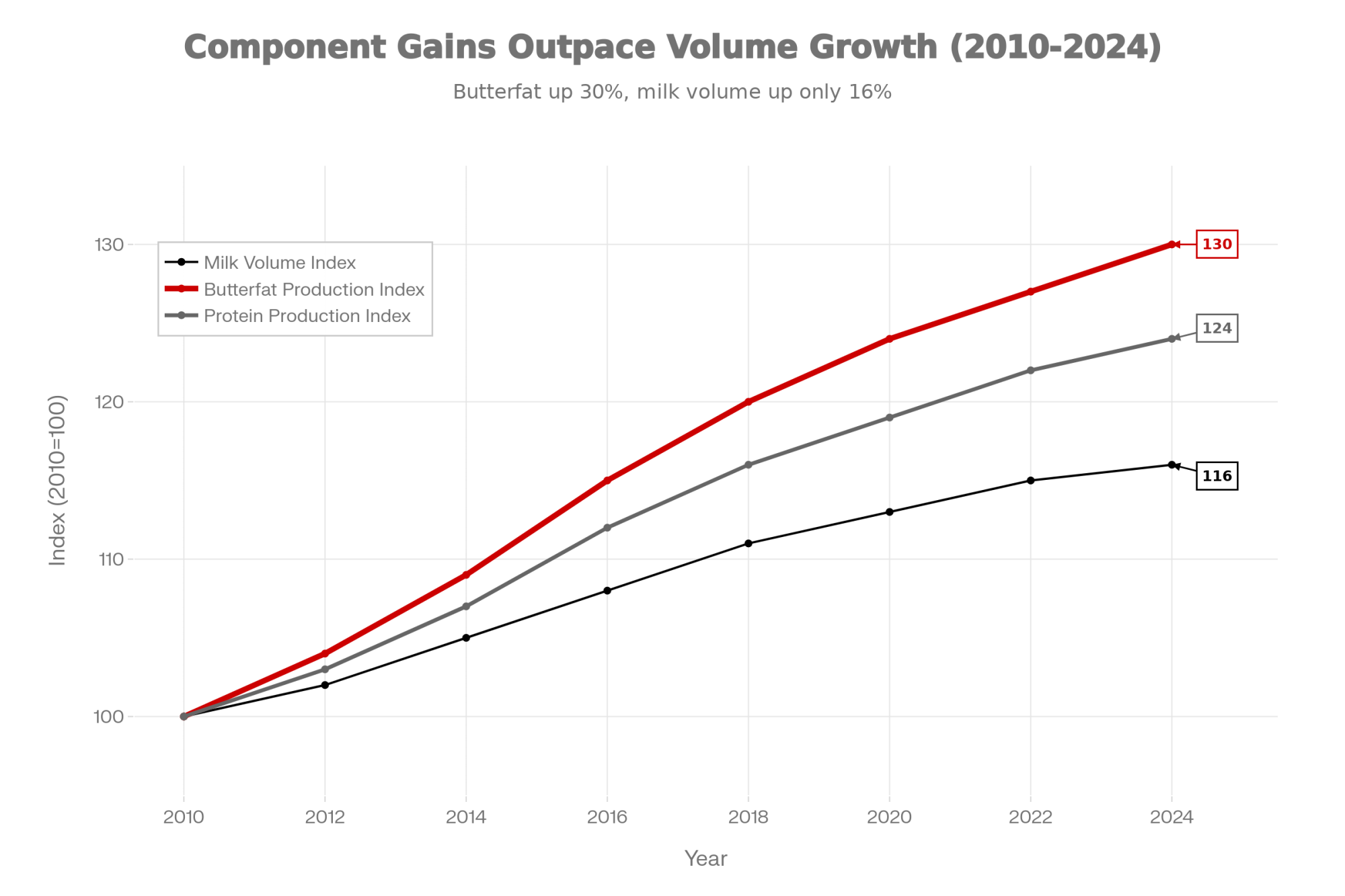
Stop chasing milk volume. Component optimization delivers $120-180 more per cow annually while domestic demand craters to 2021 lows.
EXECUTIVE SUMMARY: The dairy industry’s obsession with raw milk volume costs producers thousands annually while butterfat production surges 5.3% and domestic cheese demand plummets to its lowest level since 2021. Despite milk solids production jumping 2.1% in Q1 2025, domestic consumption dropped 0.8% to just 3.295 billion pounds, creating the most dangerous oversupply crisis in a decade. Smart producers are pivoting to component optimization strategies that generate 0-180 additional revenue per cow annually through targeted genetic selection and precision feeding programs. While exports provide some relief, with a record 140,874 metric tons shipped globally, they represent less than 10% of total production and can’t offset domestic foodservice weakness that’s crushing mozzarella demand by 0.9%. Operations that continue volume-chasing while ignoring butterfat and protein optimization will face sustained margin pressure as $8 billion in new processing capacity comes online through 2026. The genomic testing revolution proves that farms implementing full component-focused breeding programs achieve £193 higher lifetime profitability per animal compared to partial adopters (Genomic Testing Transforms the UK Dairy Industry). The time for incremental adjustments has passed—component-focused breeding and feed programs are now essential for survival in the restructured market reality.
KEY TAKEAWAYS
Component Economics Trump Volume: A 0.3 percentage point increase in both butterfat and protein content generates $120-180 additional revenue per cow annually, even with slightly reduced milk volume—proving genetic selection should prioritize TPI scores for components over raw yield metrics while leveraging genomic testing that delivers 70% accuracy in predicting future production.
Foodservice Concentration Risk Exposed: Mozzarella production declined 0.9% due to pizza chain struggles (Domino’s -0.5%, Pizza Hut -5%, Papa John’s -3%), highlighting the catastrophic vulnerability of single-channel dependencies that smart operations must diversify immediately while American-style cheese rebounded 3.3% through export diversification.
Technology ROI Accelerating: Precision agriculture tools for real-time component monitoring deliver 18-24 month payback periods for small operations ($150-200 per cow investment) while automated milking systems with component analysis show 12-18 month returns for large herds, with feed efficiency improvements reducing carbon footprint by up to 50% when comparing high-quality vs. low-quality forage diets.
Policy Threat Quantified: Federal food assistance program cuts could slash domestic demand by 4% while retaliatory tariffs risk $22 billion in export losses over four years—requiring immediate risk management strategies, including component quality positioning and geographic market diversification as the 2025 all-milk price forecast drops to $21.10 per cwt (Dairy – Market Outlook).
Export Opportunity Limited but Critical: Despite record cheese exports (+7% to 140,874 metric tons), international demand represents less than 10% of U.S. production, making domestic component optimization and market channel diversification the only sustainable path forward as new processing capacity adds 360 million pounds annually by year-end while global dairy demand accelerates at twice pre-COVID speed.
While butterfat production surged 5.3% and milk solids jumped 2.1% in Q1 2025, domestic cheese consumption plummeted to its lowest level since 2021 at 3.295 billion pounds—down 0.8% year-over-year. This divergence between component abundance and demand weakness is creating the industry’s most dangerous oversupply crisis in a decade, demanding immediate strategic adjustments to milk composition optimization and market channel diversification.
The numbers coming out of Q1 2025 should make every dairy producer pause and reconsider their genetic selection criteria, feeding programs, and market positioning. We’re witnessing something unprecedented: milk solids production is accelerating while the foundation of domestic cheese demand crumbles beneath our feet
Think of it as having the highest-producing cow in your herd consistently delivering 120 pounds daily, but your milk truck can only handle 100 pounds. The excess doesn’t disappear—it creates a backlog that affects pricing for everyone in your cooperative. That’s exactly what’s happening at the national level with cheese demand.
But here’s the question that should keep you awake at night: Are you still optimizing for yesterday’s market while tomorrow’s reality unfolds around you?
Why Component Optimization Is Now Your Most Critical Business Decision
The traditional focus on raw milk volume is becoming obsolete faster than a manual milking system. Milk solids production grew 2.1% in Q1, liquid milk increased modestly, and butterfat production exploded 5.3%. This “component economy” fundamentally alters how we assess production strategies and market positioning.
Here’s what this means for your operation: if you’re still selecting bulls based primarily on milk yield rather than component optimization, you’re leaving serious money on the table. The pricing mechanisms are shifting to reflect component values more accurately, and operations chasing raw volume will find themselves at competitive.
Let me challenge the conventional wisdom here. For decades, the industry has preached that “milk is milk”—that volume trumps everything else. This outdated thinking is costing producers thousands of dollars annually. Research consistently shows that component-focused breeding programs deliver higher returns than volume-based approaches, yet most operations still haven’t switched.
Total milk production: 56.7 billion pounds (down 0.3% from Q1 2024)
Component utilization efficiency: declining due to demand imbalance
The industry is pouring over $8 billion into new processing capacity through 2026, adding 55 million pounds per day of capability. By year-end, new cheese facilities alone will contribute an additional 360 million pounds annually. You get sustained downward pressure on Class III prices by combining increased component production with expanded processing capacity and declining domestic demand.
The Mozzarella Meltdown: A Case Study in Market Concentration Risk
Let’s examine what happened to mozzarella as a cautionary tale for any operation heavily dependent on a single market channel. Mozzarella production dropped 0.9% in Q1—its first year-over-year decline in 15 months This wasn’t random market volatility; it was directly linked to struggles within major pizza chains.
Consider these sobering statistics:
Domino’s: -0.5% U.S. same-store sales
Pizza Hut: -5% sales
Papa John’s: -3% North American comparable sales
When your primary market driver is domestic foodservice—particularly pizza chains—and they’re all declining, you have a concentration risk coming home to roost. It’s like having all your replacement heifers sired by the same bull and then discovering a genetic defect that affects fertility. The risk exposure becomes catastrophic.
In contrast, American-style cheese production rebounded 3.3% year-over-year, driven largely by export demand and market diversification. What is the lesson? Diversification isn’t just good risk management—it’s become essential for survival.
Here’s a tough question for reflection: How many of your revenue streams would disappear if one major buyer changed their sourcing strategy tomorrow?
Why This Matters for Your Operation: Immediate Action Items
The disconnect between current production trends and market reality requires immediate strategic adjustments. Here’s what smart producers are doing right now:
Genetic Selection Realignment (Timeline: Next breeding decisions)
Prioritize bulls with high TPI scores for butterfat and protein percentages
Shift selection emphasis from milk yield to component efficiency
Target genetic merit for fat:protein ratios that optimize Class III pricing
Adjust DMI strategies to maximize milk fat and protein production
Optimize ME levels for component efficiency rather than volume
Review transition period protocols to improve lactation curve shape
Calculate ROI on feed additives specifically for component enhancement
Market Channel Assessment (Timeline: Immediate)
Evaluate your cooperative’s exposure to foodservice vs. retail channels
Assess the geographic diversification of your milk marketing
Consider premium programs that reward component optimization
Review contracts for component-based pricing opportunities
The Global Context: Learning from International Component Strategies
While U.S. producers grapple with domestic demand challenges, international markets offer instructive comparisons for component optimization strategies.
Region
Component Focus
Market Strategy
Pricing Advantage
New Zealand
Protein optimization
Export-driven
15-20% premium
Netherlands
Butterfat maximization
Premium retail
25% above commodity
India
Volume + basic components
Domestic growth
Cost leadership
Australia
Balanced components
Diversified channels
10-15% premium
New Zealand’s focus on protein optimization has yielded consistent export premiums of 15-20% above commodity pricing (Technological Gap Analysis: A Case Study of Anand, Gujarat). Their average protein content of 3.45% compares favorably to the U.S. average of 3.25%, translating directly to higher returns per hundredweight.
The Netherlands has taken butterfat maximization even further, achieving an average fat content of 4.15% through selective breeding and targeted nutrition programs. This strategy has enabled premium retail positioning with margins 25% above commodity cheese pricing.
Technology Integration: Precision Agriculture for Component Optimization
Modern dairy operations leverage precision agriculture tools to optimize component production with unprecedented accuracy. Activity monitoring systems now provide real-time data on individual cow performance metrics that directly correlate with component production efficiency.
Challenge to conventional thinking: Most producers still rely on visual observation and monthly DHI testing to assess component production. This is like navigating with a map from 1995 while everyone else uses GPS. Today’s technology monitors individual cow component production in real-time, yet adoption remains frustratingly slow.
Why This Matters for Your Operation: Technology ROI
Consider investing in these technologies based on herd size and financial capacity:
Small Operations (50-150 cows):
Individual cow monitoring systems: $150-200 per cow
ROI timeline: 18-24 months through improved component yields
Medium Operations (150-500 cows):
Automated milking systems with component analysis: $180,000-250,000
Precision feeding systems: $25,000-40,000
ROI timeline: 24-36 months through labor savings and component optimization
Large Operations (500+ cows):
Comprehensive data analytics platforms: $50,000-100,000 annually
Robotic feeding systems: $200,000-400,000
ROI timeline: 12-18 months through efficiency gains and component premiums
Research shows that there are about 31,000 robotic dairy farms worldwide today, with roughly 120 measurements captured when a cow walks into a robotic dairy—production, weight, times, traffic, age, and days in milk. Yet many producers still resist this technology revolution.
Economic Reality Check: Quantifying the Component Opportunity
Let’s put real numbers to the component optimization opportunity. Based on current pricing differentials and market conditions, here’s what component improvements can mean for your bottom line:
Scenario Analysis: 100-Cow Operation
Current production: 70 lbs/cow/day at 3.5% fat, 3.2% protein
Optimized production: 68 lbs/cow/day at 3.8% fat, 3.5% protein
The math is compelling: a 0.3 percentage point increase in both fat and protein content, even with slightly reduced volume, generates $120-180 additional revenue per cow annually at current component pricing.
Net annual benefit: $5,000-10,000 for 100-cow operation
Policy Landscape: Navigating the $22 Billion Export Risk
The broader policy environment adds another layer of complexity that smart producers must factor into their strategic planning. Proposed cuts to federal food assistance programs could slash cheese and fluid milk demand by 4% These programs account for nearly 10% of U.S. fluid milk consumption, representing a direct hit to baseline demand.
Trade policy presents even larger risks. Research suggests that retaliatory tariffs could reduce all-milk prices by $1.90/cwt and decrease cumulative U.S. dairy export values by up to $22 billion over four years. For context, that’s equivalent to removing approximately 40% of current export revenue from the market.
Policy Risk Mitigation Strategies:
Advocacy engagement for food assistance program preservation
Component quality positioning for premium market segments
Export market development in regions less affected by trade tensions
Operational efficiency investments to offset policy-driven margin pressure
The Plant-Based Reality: Market Share Erosion Accelerating
Here’s the uncomfortable truth most industry leaders are reluctant to address directly: plant-based cheese consumption jumped 10.4% in 2022 while conventional cheese dropped 2.5% This isn’t a coastal elite fad—it’s a fundamental shift affecting market share across demographic segments.
The plant-based cheese market alone is expanding at 7.8% CAGR, reaching $1.57 billion in 2025. The North American non-dairy cheese market is projected to grow at 19.71% CAGR through 2030. Think of it as watching a neighboring farm convert to organic while you stick with conventional—initially, the impact seems minimal, but the market share erosion compounds annually.
Here’s where I’ll challenge another sacred cow: The industry’s response to plant-based competition has been defensive rather than innovative. Instead of acknowledging legitimate consumer concerns about health, sustainability, and ethics, we’ve dismissed plant-based alternatives as inferior. This head-in-the-sand approach is costing us market share.
Strategic Response Framework:
Product differentiation through superior nutrition profiles
Quality positioning emphasizing taste and functionality advantages
Innovation investment in lactose-free and reduced-fat options
Value proposition development emphasizing dairy’s unique benefits
Export Success: The Double-Edged Opportunity
U.S. cheese exports hit record levels at 140,874 metric tons in Q1, up 7% American cheese benefits from remarkable price competitiveness—Global Dairy Trade Cheddar averaged $2.25/lb while CME spot blocks traded around $1.82/lb in early May, providing a 20-25% price advantage.
But here’s the strategic reality: exports represent less than 10% of total U.S. cheese production. While export growth provides crucial support, it cannot single-handedly offset domestic demand weakness.
Export Market Performance by Region:
Japan: +59% (January 2025)
South Korea: +34%
Southeast Asia: +67%
Middle East/North Africa: +93% (Cheddar)
The geographic diversification is encouraging, but currency fluctuations and trade policy changes remain significant risks that could quickly erode the current price advantage.
One more critical question: If exports can only absorb 10% of production, what’s your plan for the other 90% when domestic demand continues declining?
Why This Matters for Your Operation: Strategic Implementation Timeline
Immediate Actions (Next 30 Days):
Evaluate your current component production metrics against herd benchmarks
Review genetic selection criteria for next breeding decisions
Assess feed program component optimization opportunities
Calculate potential ROI from component-focused management changes
Short-term Adjustments (30-90 Days):
Implement feed program modifications to enhance component production
Establish component tracking systems for individual cow performance
Explore premium marketing programs that reward component quality
Review cooperative agreements for component-based pricing opportunities
Research consistently shows that cows with better welfare metrics produce higher-quality milk with superior component profiles. Yet most operations still monitor welfare through subjective visual observation rather than objective technological assessment.
Is your welfare monitoring system keeping pace with your genetic program investments?
The Bottom Line: Component Optimization Is Your Competitive Advantage
Here’s my final challenge to conventional thinking: The industry has spent decades optimizing for yesterday’s reality—high domestic demand, stable export markets, and volume-based pricing. Those days are gone. The producers who recognize this shift first and adapt their strategies accordingly will be the ones still profitable when the market reaches its new equilibrium.
Three critical success factors for the next 24 months:
Component Excellence: Shift genetic selection and management focus from volume to component optimization. The pricing mechanisms already reflect this reality, and early adopters will capture premium returns (Dairy industry executives are pressured but optimistic for 2025).
Market Diversification: Reduce dependence on struggling domestic channels by exploring alternative applications and export opportunities. The mozzarella-pizza chain concentration risk is a warning for all single-channel dependencies.
The fundamentals are clear: domestic demand weakness will persist while component production capacity continues expanding. The question isn’t whether market restructuring will continue—it’s whether you’ll position your operation to profit from the changes or become another casualty of market concentration risk.
Your competitive advantage lies in component optimization, market diversification, and strategic technology adoption. The producers who execute these strategies now will be the ones still profitable when the market reaches its new equilibrium. The time for incremental adjustments has passed—bold strategic moves are now required for sustainable success.
Action Required: Calculate your current component production metrics, evaluate your market channel exposure, and develop a 12-month component optimization plan. The market has spoken clearly—adapt your production strategy or accept diminishing returns as the new normal.
The choice is yours. The data is clear. The time is now.
Learn More:
Maximizing Milk Solids Output Through Strategic Nutrition and Genetics – Practical strategies for implementing component optimization through targeted feeding programs, genetic selection, and supplementation protocols that can boost butterfat and protein yields within weeks of implementation.
5 Technologies That Will Make or Break Your Dairy Farm in 2025 – Demonstrates how smart calf sensors, robotic milkers, and AI-driven analytics deliver measurable ROI within 7 months while addressing labor shortages and efficiency challenges facing modern dairy operations.
Join the Revolution!
Join over 30,000 successful dairy professionals who rely on Bullvine Weekly for their competitive edge. Delivered directly to your inbox each week, our exclusive industry insights help you make smarter decisions while saving precious hours every week. Never miss critical updates on milk production trends, breakthrough technologies, and profit-boosting strategies that top producers are already implementing. Subscribe now to transform your dairy operation’s efficiency and profitability—your future success is just one click away.
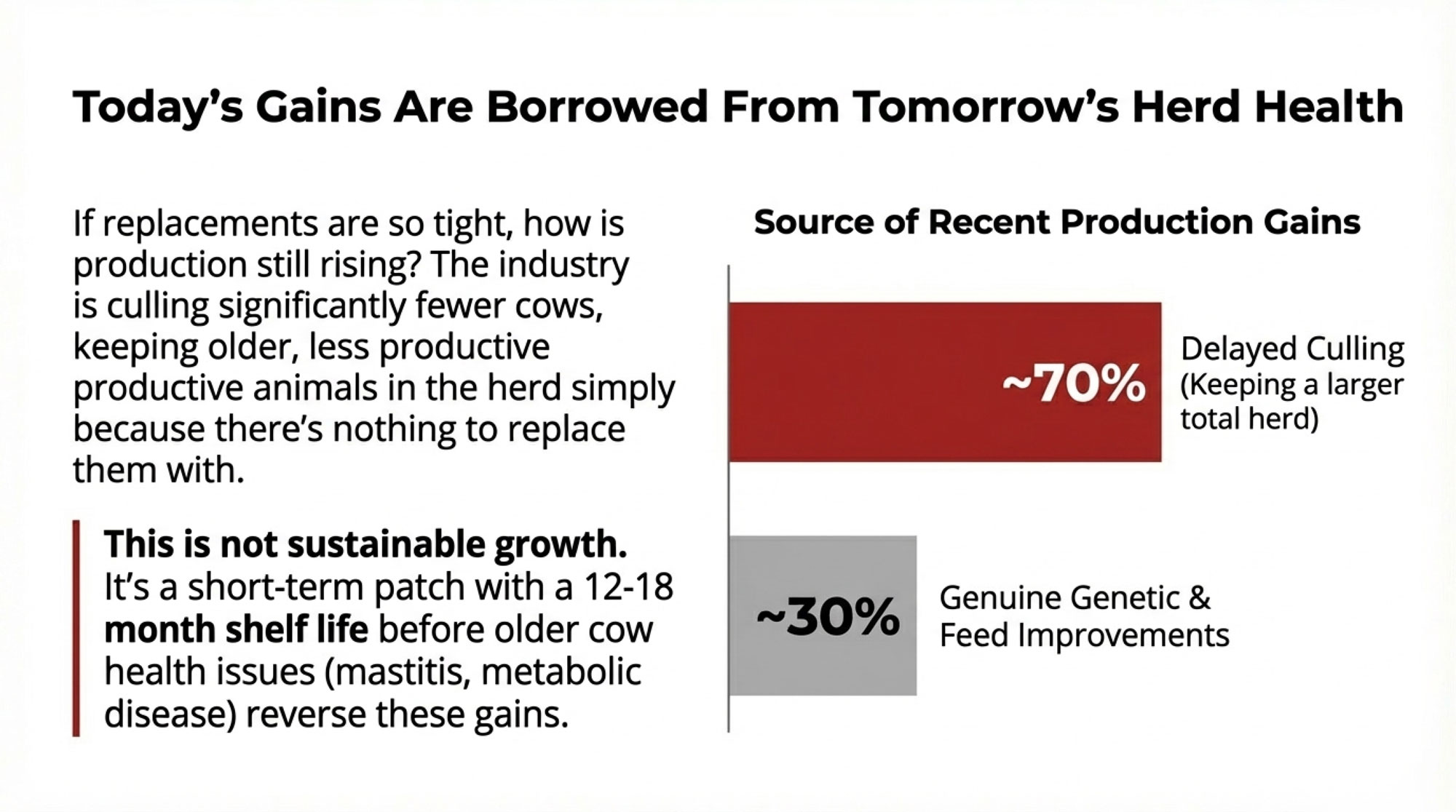
Discover the protein sweet spot that could save your dairy $100,000 a year. Why overfeeding protein is costing you milk, money, and more.
EXECUTIVE SUMMARY: Recent research challenges the dairy industry’s high-protein feeding paradigm, revealing that optimal crude protein levels of 155-170 grams per kilogram of dry matter maximize both milk production and profitability. Countus data shows farms feeding above 175 grams actually produce less milk while incurring higher costs. By targeting 160 grams of crude protein, dairies can potentially save 1-2 cents per liter of milk, translating to significant annual savings without compromising production. This approach also reduces nitrogen excretion and ammonia emissions, addressing growing environmental concerns. Implementing this strategy requires systematic monitoring of milk urea nitrogen (MUN) levels, gradual ration adjustments, and a focus on amino acid balancing rather than crude protein quantity.
KEY TAKEAWAYS
Optimal crude protein levels (155-170g/kg DM) can increase profits without reducing milk production
Protein overfeeding wastes money, reduces fertility, and increases environmental impact
Focusing on amino acid balance is more effective than simply increasing crude protein
Regular MUN testing and gradual ration adjustments are crucial for successful implementation
Potential savings of 1-2 cents per liter of milk can add up to $100,000+ annually for a 100-cow herd
Do you think your cows need high protein levels to milk at their peak? Think again. Recent data from accounting firm Countus reveals a protein paradox that could cost you thousands: feeding between 155 and 170 grams of crude protein per kilogram of dry matter delivers the best economic returns and milk production.
Even more surprising is that farms feeding above 175 grams produced less milk while spending more on feed. This research challenges the dairy industry’s long-standing obsession with high-protein rations and offers producers a rare opportunity: cut costs while maintaining or improving production.
What the Research Shows About Protein and Performance
The relationship between dietary protein and milk production isn’t what most nutritionists have been telling us. According to Rick Hoksbergen, dairy cattle specialist at Countus, their analysis reveals the highest milk production occurs when cows receive between 158 and 173 grams of crude protein per kilogram of dry matter.
When protein levels exceed 175 grams, milk production drops significantly—a finding contradicting the “more is better” approach many farms still follow.
“We see farms achieving excellent production of around 10,000 kilograms per cow annually with protein levels as low as 145 grams or as high as 180 grams,” explains Hoksbergen. “But the higher protein rations cost significantly more without providing any production advantage.”
This pattern occurs because of the cow’s biological limitations. According to verified research, dairy cows convert dietary protein into milk protein with highly variable efficiency—somewhere between 16% and 40%.
This means that for every 100 grams of protein you feed, as little as 16 grams might become milk protein in typical systems, while the rest gets wasted. When protein is fed beyond what the cow can use effectively, those excess amino acids don’t magically become more milk protein—they get broken down and excreted as urea, sending your hard-earned money flowing out of the barn.
The protein waste isn’t just economic—it creates measurable reproductive challenges for your dairy. Research shows cows with high milk urea before insemination are 2.4 times less likely to get pregnant than cows with low milk urea. Consider what a 2.4x difference in conception rate would mean for your breeding program and replacement costs.
The Triple-Win Economics of Optimized Protein Feeding
Because protein overfeeding affects your operation’s profitability from multiple angles, let’s talk money. Protein supplements typically cost substantially more than energy sources, making protein the most expensive nutritional component in your ration.
You burn cash with every mixer wagon load when cows can’t convert that extra protein into milk.
To put this in perspective, Hoksbergen estimates potential savings of 1 to 2 cents per liter of milk—seemingly small until you multiply across your herd and throughout the year.
Consider a 100-cow herd producing 30 liters per cow daily. Saving just 1 cent per liter translates to $3 daily per cow or $300 daily for the herd. Over a year, that’s $109,500 in potential savings without sacrificing production. What could your dairy operation do with an extra hundred thousand dollars?
“The protein paradox costs thousands of dairy farms: data shows the highest feed profit occurs when rations contain 155-170 grams of crude protein per kilogram of dry matter—not the 180+ that many farms feed.”
The environmental benefits create additional economic advantages as regulatory pressure increases. Research shows each 1% decrease in dietary crude protein reduces nitrogen excretion by approximately 2.8%.
More dramatically, studies demonstrate that reducing diet crude protein levels from 17% to 14% reduced ammonia emissions by an average of 64%. As environmental regulations tighten, these emission reductions may soon translate directly to your bottom line through avoided compliance costs or potential carbon credits.
Beyond Crude Protein: The Amino Acid Revolution
Dairy nutrition science has evolved significantly since amino acid balancing was introduced in the late 1980s. Today’s cutting-edge nutritionists understand that cows don’t require crude protein—they need specific amino acids to produce milk efficiently.
The most limiting amino acids in a dairy cow’s diet are methionine, lysine, and histidine. You can dramatically improve protein utilization efficiency by meeting these specific requirements rather than simply providing a high level of crude protein.
This approach is like precision fertilizer application versus broadcast spreading—targeting precisely what’s needed without wasteful excess.
This represents a massive opportunity to reduce feed costs while maintaining production.
“With optimal protein levels and amino acid balancing, you’ll spend less on expensive supplements, improve reproduction rates, and reduce manure production—a triple win for your wallet, your herd, and the environment.”
Feed variations pose a significant challenge to maintaining consistent amino acid levels. About two-thirds of feed variations are caused by raw material disparities, with protein and amino acid content varying substantially even within the same ingredient.
For example, protein content in grass silage can range from less than 8% to above 18%. This underscores the importance of regular feed testing and ration adjustments to maintain optimal amino acid balance without excessive crude protein safety margins.
Practical Implementation: How to Find Your Protein Sweet Spot
Transforming these research findings into practical results on your dairy requires a systematic approach. Start by establishing your baseline—where are you now, and where do you want to be?
Milk urea nitrogen (MUN) testing offers an invaluable diagnostic tool for evaluating your current protein feeding status. While many labs suggest MUN levels of 10-14 mg/dL are acceptable, emerging research indicates that targeting the lower end of this range (8-12 mg/dL) maximizes reproductive performance and feed efficiency.
Think of MUN as your protein utilization dashboard. High readings signal wasted protein and money, while optimal levels confirm that your feeding program is hitting the sweet spot.
Once you’ve established your baseline, work with your nutritionist to develop a strategic plan for optimizing protein levels. Rather than making dramatic overnight changes, implement a gradual step-down approach:
If your current ration exceeds 175 grams of crude protein per kilogram of dry matter, set an initial target of 170 grams.
Monitor production closely for two weeks, then evaluate the results. If milk production remains stable or improves, continue stepping down in 5-gram increments until you reach the 155-160-gram target.
Throughout this process, track not just milk production but also components, MUN levels, and your feed costs and income over feed cost calculations.
Remember that grouping strategies can further enhance protein efficiency. High-producing cows utilize protein more efficiently than lower producers. By grouping cows according to production level and tailoring rations to each group’s requirements, you can improve overall herd protein efficiency compared to feeding a single TMR to all lactating cows.
Environmental Wins: The Coming Regulatory Reality
The environmental benefits of protein optimization aren’t just a nice bonus—they’re increasingly becoming a business necessity as regulations around nitrogen and phosphorus management tighten in many dairy regions.
Research demonstrates that as dietary protein increases, the amount of nitrogen excreted in urine increases dramatically. When dietary crude protein rises from 13.5% to 19.4%, urinary nitrogen excretion as a proportion of nitrogen intake jumps from 23.8% to 36.2%.
This represents a substantial increase in environmentally vulnerable nitrogen losses that can lead to ammonia emissions and potential groundwater contamination.
The reduction potential is remarkable. Controlled studies show that reducing diet CP levels from 17% to 14% reduces ammonia emissions by an average of 64%. This approach also reduces manure production, which can decrease manure storage and disposal costs.
In regions facing stringent nitrogen regulations like the Netherlands, optimizing protein levels is no longer optional—essential for business continuity.
Think of protein optimization as a rare triple win: your cows get what they need nutritionally, your wallet benefits from reduced feed costs, and your environmental footprint shrinks significantly. This becomes increasingly valuable as regulatory pressure intensifies and consumers show growing interest in environmentally sustainable production practices.
Are You Throwing Money Away? The Hidden Costs of Protein Overfeeding
The dairy industry’s protein addiction is expensive and counterproductive. The data shows that farms feeding 180+ grams of crude protein produce less milk than those targeting 160 grams while paying substantially more for the privilege.
Table: Economic and Environmental Impact of Overfeeding Protein on Dairy Cows in the Chesapeake Bay Drainage Basin
Item
Estimate
Farms feeding N above recommendations, %
71.5
Excess N per overfed cow, kg/yr
18.6
Excess N fed in watershed, 10^6 kg/yr
10.1
N loss to Bay from overfeeding, 10^6 kg/yr
7.6
Additional feed cost per overfed cow, $/yr
$32.94
Cost of overfeeding in Watershed, 10^6 $/yr
$17.86
Source: Kohn et al., University of Maryland
“But what about peak-producing cows?” you might ask. Even high-producers show diminishing returns above 165g crude protein, with amino acid balance proving far more critical than crude protein quantity.
The science is precise: meeting specific amino acid requirements with lower overall protein is biologically and economically superior to the crude protein sledgehammer approach many farms still use.
When your nutritionist recommends higher protein levels, they’re not just affecting your feed bill—they’re reshaping your entire operation’s economic and environmental footprint. Every gram of excess protein cascades through your business, inflating purchase costs, increasing manure handling expenses, complicating regulatory compliance, and undermining reproductive performance.
This interconnected impact explains why the protein decision might be your dairy’s most consequential nutritional choice.
How Do You Know If You’re Overfeeding? Three Tests That Never Lie
Forget theoretical ration formulations—your cows and financials reveal the truth about protein efficiency. First, check your bulk tank MUN levels—if they’re consistently above 12 mg/dL, you’re likely overfeeding protein and wasting money.
Second, calculate your income over feed cost, specifically during protein reduction trials. Many farms report maintaining production with $0.60/cow/day savings when dropping from 180g to 160g crude protein.
Third, measure your manure output volume—reduced protein often means noticeably less manure production, saving on storage and handling costs.
Table: Checklist to Identify Causes of High (or Low) MUN Concentrations
Factor to Check
What to Look For
MUN Analysis
Was the MUN analysis accurate? You may take another sample and try a different laboratory.
Milk Production
Are the cows producing as much milk as expected?
Diet Formulation
Is the diet formulated to meet the cows’ nutrient requirements?
Feed Analysis
Are all forages analyzed routinely?
Feed Digestibility
Do any of the feeds have heat damage? Damaged feeds have low protein digestibility.
Feeding Management
Are the cows fed the diet as formulated or is something lost in the translation from nutritionist to manager to feeder?
Animal Consumption
Are the cows eating what is offered or are they selecting part of the ration?
Water and salt
Did the cows have adequate salt and water? Low water intake increases MUN.
Source: Kohn et al., University of Maryland
Unlike other nutrition changes that promise results but deliver disappointment, protein reduction delivers measurable, immediate financial returns. A 100-cow dairy implementing optimal protein levels typically sees ROI within the first milk check—no capital investment is required.
Take-Home Tips for Your Dairy
Ready to optimize your protein feeding program? Here are practical steps you can take:
Start your protein optimization journey with these concrete steps: First, establish your baseline by testing the current ratio of crude protein content and recording MUNs weekly for a month.
Second, work with your nutritionist to formulate a reduced-protein ration (targeting 160-165g/kg DM) that maintains amino acid balance through strategic ingredient selection.
Third, the change should be implemented gradually over two weeks, monitoring production daily.
Finally, calculate the before-and-after feed costs to document your savings—knowledge that will protect you from reverting to overfeeding when the subsequent feed salesperson visits.
Remember that many dairy farms could benefit from critically evaluating their protein feeding levels. The data from Countus shows that optimal feed profit per cow per day occurs at a crude protein content between 155 and 170 grams per kilogram of dry matter, with a target value of 160 grams representing an effective balance between production and cost.
As Rick Hoksbergen from Countus says, “Feeding protein pays off directly in spending, but also leads to lower manure production.” The estimated savings of 1 to 2 cents per liter of milk represent a substantial opportunity for improving profitability in an industry characterized by tight margins and volatile milk prices.
“Research shows cows with high milk urea are 2.4 times less likely to get pregnant—meaning protein overfeeding directly impacts your reproduction program and replacement costs.”
Comparison Table: Economic & Environmental Impact of Protein Levels
Measure
160g Crude Protein
180g Crude Protein
Daily feed cost per cow
€5.20
€5.80
Milk production (kg/day)
32.5
32.5
Feed efficiency (milk/feed)
1.52
1.36
Relative nitrogen excretion
100%
156%
Relative ammonia emissions
100%
278%
Conception rate index
100%
42%
Estimated savings
Base
-€0.60/cow/day
Put This Knowledge to Work on Your Farm Today
The evidence is clear: Optimizing protein levels to 155-170 grams per kilogram of dry matter can significantly improve your dairy’s profitability while maintaining or even enhancing production. Potential savings of 1-2 cents per liter of milk add substantial annual returns without requiring capital investment.
Has your farm already experimented with reduced protein levels? What results have you seen? We’d love to hear your experiences in the comments below.
Want more profit-driving insights for your dairy operation? Subscribe to The Bullvine newsletter for weekly updates on cutting-edge management strategies, nutrition advances, and industry developments that can boost your bottom line.
Join over 30,000 successful dairy professionals who rely on Bullvine Daily for their competitive edge. Delivered directly to your inbox each week, our exclusive industry insights help you make smarter decisions while saving precious hours every week. Never miss critical updates on milk production trends, breakthrough technologies, and profit-boosting strategies that top producers are already implementing. Subscribe now to transform your dairy operation’s efficiency and profitability—your future success is just one click away.
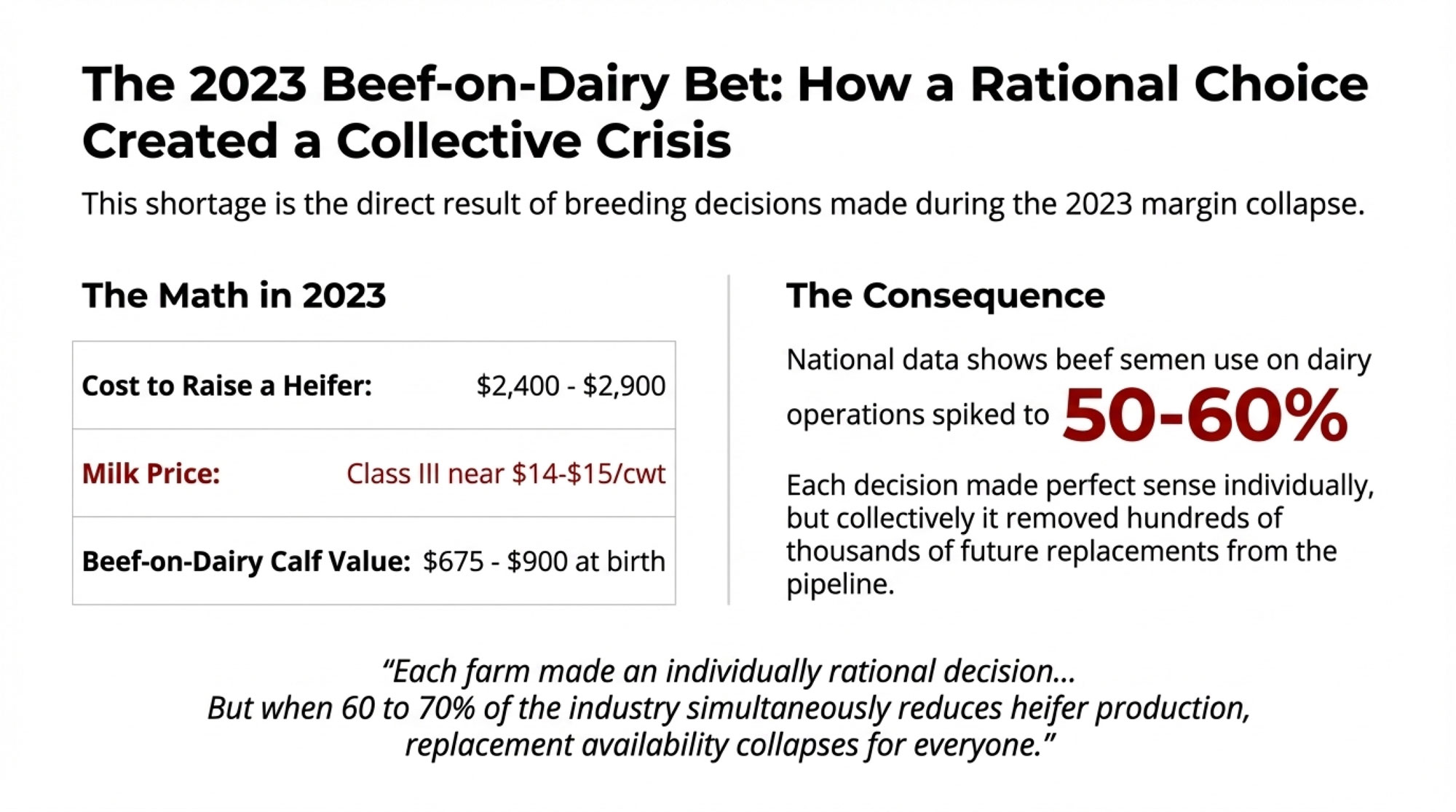
Uncover new paths: How feed efficiency and metabolic flexibility can boost farm resilience. Discover strategies for enduring success.
Summary:
In the dynamic realm of dairy farming, feed efficiency and metabolic flexibility are defining factors for the industry’s progression. Feed efficiency focuses on maximizing output from minimal feed, while metabolic flexibility allows livestock to efficiently switch energy sources under varying conditions. Dairy farmers must navigate the delicate balance of enhancing feed efficiency without sacrificing metabolic adaptability, crucial for herd resilience. This equilibrium ensures that livestock thrive amidst modern challenges, optimizing performance while building resilience. High feed efficiency boosts profits and sustainability, whereas metabolic flexibility enhances milk and meat production efficiency. However, an overemphasis on efficiency can compromise health and resource allocation, underscoring the importance of innovation and strategic foresight to ensure long-term success.
Key Takeaways:
Genetic improvements in livestock have focused on converting feed to products efficiently, though this comes with potential trade-offs in animal resilience.
While improving feed efficiency, it’s crucial to ensure metabolic flexibility to avoid compromising vital maintenance functions.
Resource allocation theory suggests that focusing purely on productivity can leave animals less adaptable to unexpected challenges.
Selective breeding for feed efficiency may not reduce metabolic capacity if paired with increased metabolic flexibility and energy-saving strategies.
Metabolic flexibility plays a vital role in livestock’s ability to adapt to stress, disease, and other environmental factors, thus impacting feed efficiency.
Improvements in metabolic processes, such as substrate metabolism, can enhance overall feed efficiency without narrowing metabolic capabilities.
Can the future of dairy farming use technology to reach new levels of efficiency and strength? Today, when every drop of milk and every piece of feed is essential, feed efficiency and metabolic flexibility are key to the dairy industry’s future. Understanding these ideas could lead to more production and better handling of new challenges from nature and the market.
Feed efficiency in livestock means turning feed into milk. This process is essential for dairy farms to make money. But it’s not just about making more. Metabolic flexibility, which is how animals can switch easily between energy sources, is also essential. This flexibility is crucial, not just nice to have, for creating substantial dairy farms that can handle changes in the environment and other stresses.
Rising feed prices and unpredictable weather have put the dairy industry at a crucial point. The risks are high, but the potential rewards for those who can succeed in this tricky situation are even higher, offering a beacon of hope in these challenging times.
The dairy sector faces many problems, such as increasing feed costs, the effects of climate change, and the need for sustainable practices. However, these problems also offer numerous opportunities to improve and streamline operations, inspiring a sense of optimism and growth potential in the industry.
Unraveling the Hidden Potential: Feed Efficiency as the Bedrock of Modern Dairy Farming
Feed efficiency is vital in dairy farming, but not everyone fully understands it. It measures how well animals turn their feed into products like milk. Feed efficiency affects the cost and sustainability of dairy farms. When feed efficiency is high, farms use fewer resources to create the same products, leading to better profits and less environmental harm.
Better feed efficiency means farmers spend less to produce more milk, which increases their profits. A thriving dairy farm boosts the farmer’s income and the overall industry. Environmentally, good feed efficiency reduces waste and the farm’s carbon footprint. It also reduces the use of resources like water and land, making agriculture more sustainable.
Breeding livestock has focused on improving feed efficiency, aiming for traits that reduce feed use. By choosing animals that naturally do this, the industry has made herds more productive and adaptable to changes without needing more resources.
As farmers continue to adopt these improvements, the dairy industry is working towards a future where efficiency supports profit and environmental health, instilling a sense of optimism and motivation for the potential success of the industry.
Fueling Success: The Power of Metabolic Flexibility in Dairy Livestock
Metabolic flexibility is the ability of an animal to change its energy sources based on what is available. This means it can switch between using carbohydrates, fats, and proteins for energy. This flexibility is essential for livestock, especially in dairy farming, because it helps animals turn food into milk and meat more efficiently, which is essential for profit.
Improving feed efficiency through metabolic flexibility is like tuning a high-performance engine. It allows animals to use a variety of nutrients without stressing their bodies. This prevents them from depending too much on one type of fuel, which can cause health problems. Using different energy sources, livestock can stay healthy and produce a lot.
The science behind metabolic flexibility involves complex body processes, such as breaking down sugars and fats. For example, when animals are active, their muscles use more sugars because they are quickly available for energy. But when they rest or do not eat, they burn more fat to save their sugar stores. Hormones and enzymes in the animal’s body control these changes.
Metabolic flexibility helps animals handle stress better, such as extreme weather or infections. Allowing animals to adjust their energy use quickly can save energy during stressful times. This helps them fight off illnesses and stay calm, improving their health and reducing production losses, making a strong herd more successful.
Striking a Delicate Balance: Navigating Feed Efficiency and Metabolic Flexibility
Dairy farmers try to improve the efficiency with which cows turn feed into milk while keeping animals healthy and able to handle different conditions. How well they manage this balance affects the health and performance of their livestock, leading to questions about possible downsides.
Possible Downsides of Focusing on Feed Efficiency
Improving feed efficiency saves money, but focusing on making more milk might hurt cows’ health. If too much energy is spent on milk production, essential body functions might be affected. Though not making money, these functions help animals deal with changes or stress. Improving feed efficiency might change how well livestock can survive, risking the balance needed for good health.
Cutting Down on Animals’ Needed Resources
Limiting animals’ resources might mean they have less energy for other things like fighting off sickness or staying warm. This could help productivity initially but might make them prone to health issues like illness or extreme weather [1A, 3B]. Focusing only on making milk or meat can weaken an animal’s resilience, leading to health and productivity issues.
Problems from Focusing Too Much on Feed Efficiency
Focusing too much on feed efficiency has caused problems in some cases. For example, cows may have lower fertility as more energy goes into making milk than reproduction. Similarly, pigs bred to grow leaner can have weaker immune systems, making them more prone to infections [2A]. These cases show the risk of ignoring the whole animal’s welfare for short-term advantages, pointing out the need for balanced breeding and care.
Metabolic Flexibility: Helping Avoid Downsides
Metabolic flexibility can help with these downsides. By helping animals easily switch between different energy sources, farmers can maintain productivity without sacrificing essential functions. This flexibility allows animals to use alternative energy sources, such as fats or proteins, during stress or when nutrients are limited [4D, 6C]. Thus, supporting breeding and management practices that boost metabolic flexibility allows efficiency and resilience to go hand in hand.
While making feed use more efficient is key in today’s livestock management, keeping metabolic flexibility is essential. This approach improves productivity and ensures animals stay healthy and adaptable, aligning economic aims with the long-term sustainability of dairy farming.
Pioneering Pathways: Enhancing Dairy Farm Resilience Through Strategic Innovation
Dairy farmers aim to make their farms more efficient while keeping their cows healthy. Improving feed efficiency and metabolic flexibility is key. By focusing on nutrition, farm management, and choosing the right genetics, farmers can make their farms more sustainable and profitable.
Smart Nutrition Plans
Good nutrition is crucial for better feed efficiency. Farmers can create meal plans that meet cows’ needs, cut waste, and increase production. High-quality forage and balanced meals with the right vitamins and minerals help cows digest better, increasing their output and health. Supplements like enzymes or probiotics can further aid digestion and help cows deal with stress [source].
Improved Management Practices
Good management is also key. Regular health checks, stress reduction, and good living conditions help cows stay metabolically flexible. Avoiding extreme temperatures and keeping consistent routines lower stress, boosting feed efficiency. Observing cow behavior and using tech like wearable sensors gives real-time data, helping improve management practices quickly [source].
Leveraging Genetic Potential
Choosing the right genetics benefits feed efficiency and resilience in the long term. Selecting animals with good metabolic flexibility produces calves that perform well in various settings. Working with genetic experts and using tests helps farmers identify and develop valuable traits over generations [source].
Embracing New Technologies and Research
Sustainable dairy farming has spurred technological and research developments. Farmers use automated feeding systems, employ machine learning to gauge cows’ needs and explore genomics to better understand feed efficiency and adaptability. These innovations aid livestock management and open up new ways to enhance farm efficiency [source].
Putting Knowledge into Action
Applying these methods takes careful planning and openness to fresh ideas. Review current feeding and management practices, spot inefficiencies, and focus on high-impact changes. Engage with industry experts and other farms to share insights and experiences. Remember, minor tweaks can lead to significant gains over time. Farmers enhance future success and resilience by boosting feed efficiency and metabolic flexibility.
Charting a Course: The Future Impacts of Enhanced Feed Efficiency and Metabolic Flexibility in Dairy Farming
What could be the result of improving feed efficiency and metabolic flexibility in dairy farming as we aim for more substantial farms? The future looks bright but also complex. Improving these areas might make farming more sustainable and resilient.
Imagine dairy cows using better genetics and nutrition to be highly feed efficient. This could mean lower feed costs, a minor environmental impact, and healthier animals. But we must ask ourselves: how will this change traditional farming, and what might it cost us?
Metabolic flexibility allows cows to adapt quickly to environmental changes, adding resilience we never thought possible. Picture a herd that is less affected by climate changes or diseases. Would this lead to more consistent milk production? And what new problems might come from this flexibility when dealing with livestock’s natural behavior and health?
As we move forward, we must be careful and think ahead. Are the economic benefits real and lasting, or are there hidden costs? Could pushing for higher production affect animal welfare or cause unexpected health issues? Dairy farmers and industry professionals must ask these critical questions as they balance short-term efficiency with long-term success.
Ultimately, moving towards a resilient dairy future requires both innovation and caution. Success depends not just on new technologies but also on understanding how these changes affect the whole farm. What role will new technologies play, and how can dairy professionals use them with traditional practices? Addressing these questions will help create a strong and sustainable future for the dairy industry.
The Bottom Line
As we’ve explored the broad topics of feed efficiency and metabolic flexibility, it’s clear these are vital to today’s dairy farming. Feed efficiency is key for dairy success, but there’s growing awareness about the importance of metabolic flexibility in helping animals do well even in challenging times. Balancing these two things isn’t just an option; it’s needed for any farm that wants to succeed in today’s market.
Think about this: could focusing on metabolic flexibility be the secret to reaching new heights of productivity and strength on your farm? This isn’t just about controlling costs but about changing what efficiency and adaptability mean for dairy farming.
We encourage you to learn more about these ideas, check out the latest research, and try new methods on your farm. The future of dairy farming is up to us, and there’s a lot on the line. Let’s take action, find new resources, and talk with experts who can lead us to more sustainable practices. The journey to building a stronger and better herd starts now.
Bullvine Daily is your essential e-zine for staying ahead in the dairy industry. With over 30,000 subscribers, we bring you the week’s top news, helping you manage tasks efficiently. Stay informed about milk production, tech adoption, and more, so you can concentrate on your dairy operations.
Explore the evolution of U.S. dairy farms. Ready to embrace change and succeed?
The U.S. dairy industry is dramatically transforming, with fewer farms increasing milk production. How is this evolution reshaping the landscape? This article examines the industry’s dynamic changes, exploring evolving farm structures, fluctuating production costs, and the adoption of advanced technologies. We aim to shed light on this new era of U.S. dairy farms and challenge all dairy professionals to think critically about the industry’s future.
Year
Number of Dairy Farms
Total Milk Production (billion lbs)
Average Herd Size
2002
70,375
169.3
135
2012
49,331
200.3
179
2021
31,657
223.2
312
The Consolidation Trend in the U.S. Dairy Industry: Reshaping the Landscape
The consolidation trend in the U.S. dairy industry has been gaining momentum. Farms are growing in size but dwindling in number. This movement towards fewer, larger farms is not just about scale—it’s reshaping the industry’s landscape.
Today, fewer farms are responsible for meeting milk demand. This shift towards more extensive operations has advantages and challenges. Larger farms tend to benefit from economies of scale. They are often more specialized and quicker to adopt advanced technologies, which can translate into increased efficiency and reduced production costs per unit of milk.
However, the rise of mega-dairies is putting pressure on smaller farms. Many of these smaller operations struggle to compete, facing higher costs and limited access to technology. The economic pressure can be immense, often leading to the difficult decision of expanding, selling, or shutting down. The consolidation trend leaves some smaller producers vulnerable, needing to adapt swiftly or risk falling by the wayside.
The reality is stark for those who work in the shadow of these more giant agribusinesses: Adaptation is critical to survival. This situation calls for innovation and grit to thrive amid industry shifts.
Rising Stars and Fading Giants: The New Geography of U.S. Dairy Farming
U.S. State
Dairy Cattle Numbers
Average Herd Size
California
1,720,000
1,300
Wisconsin
1,270,000
160
Idaho
630,000
1,500
New York
620,000
210
Texas
580,000
1,800
Pennsylvania
470,000
90
Minnesota
450,000
210
Michigan
430,000
330
New Mexico
315,000
2,300
Iowa
215,000
250
The geographic shifts in dairy production across the United States have been significant and telling of broader industry trends. Texas and Idaho have become key players, gaining a substantial production share. This shift correlates with their favorable economic conditions and increased investment in dairy infrastructure. These states offer extensive grazing lands and have implemented policies that support large-scale dairy operations, attracting farmers seeking profitability and growth.
Contrasting this, California, once the dairy powerhouse, has experienced a decline in production share. Several factors contribute to this shift. Water scarcity and persistent drought conditions have complicated dairy farming in the region, increasing operational costs and logistical challenges. Environmental regulations have become more stringent, adding layers of compliance that strain smaller operations. Additionally, urbanization pressures push agricultural zones into industrial and residential developments.
This redistribution of dairy production is not occurring in a vacuum. Instead, it reflects broader economic and environmental paradigms shaping modern agriculture. The dairy sector’s relocation underscores a tactical response to shifting resource availability, regulatory frameworks, and the search for efficiency. As the landscape evolves, one must consider the long-term impacts. Will these shifts lead to sustainable practices and economic stability, or will new challenges arise on the horizon?
Automation and Algorithms: The Heartbeat of Modern Dairy Farms
Technological innovations have long been a beacon of change in the dairy industry, propelling farms toward greater productivity and efficiency. Central to this transformation are automated systems like automatic take-offs, computerized milking systems, and efficient milking parlor designs. These tools are no longer just additions; they’re becoming the backbone of modern dairy operations.
Automatic take-offs have streamlined the milking process, reducing the physical labor required and minimizing the risk of overmilking, which can lead to mastitis. This safeguards animal welfare and enhances milk quality. By curtailing human error in the milking routine, these systems ensure consistency and reliability in production, two pivotal factors for maintaining the high standards dairy farms strive for.
Computerized milking systems take data-driven insights to a new level, integrating sensors and software to monitor each cow’s health and productivity. Farmers can now collect and analyze milk yield and composition data and detect early signs of illness. This level of precision allows for more informed decision-making, enabling farmers to optimize individual cow performance, thus elevating overall herd output.
The implementation of milking parlors complements these technologies by maximizing operational efficiency. Designed to cater to specific farm scales and layouts, milking parlors facilitate a smoother, faster milking process, accommodating more cows in a shorter time. This is vital for larger farms managing extensive herds without compromising milk quality or cow comfort.
These technological innovations are not just tools; they are catalysts for efficiency. They allow dairy farms to scale operations while controlling costs, reflecting a modern agricultural era in which data and technology drive success. As farms adopt these advancements, the ripple effect on productivity and efficiency is undeniable, promising a robust future for the dairy sector.
Decoding Cost Dynamics: Feed, Labor, and Ownership in the Dairy Industry
Within the intricate realm of dairy farming, cost dynamics emerge as a pivotal factor distinguishing the giants from the smaller operations. At the heart of this issue, feed costs present a stark contrast between the two. With their sprawling herds, larger dairy farms often purchase feed, resulting in higher associated costs than their smaller counterparts. In contrast, smaller farms emphasize homegrown feeds, reducing expenses in this area.
Labor costs further exacerbate the divide. Larger farms frequently incur elevated paid labor costs, relying heavily on a workforce to sustain their operations. This reliance contrasts with smaller farms, where unpaid or family labor is more prevalent, significantly lowering labor expenses per unit of milk sold. The disparity in labor strategies between large and small farms translates into varied cost structures, impacting their overall profitability and efficiency.
Finally, when scrutinizing the overall economic costs per unit of milk sold, larger farms typically demonstrate a reduction in ownership costs attributable to economies of scale. This advantage allows them to amortize investments in infrastructure over a larger volume of milk production, thus spreading fixed costs more effectively than smaller operations. These cost efficiencies in ownership present an economic edge, contributing to lower total costs and solidifying larger farms’ competitiveness in the marketplace.
Regional Contrasts: The Diverse Landscape of U.S. Dairy Farms
Regional differences paint a vivid picture of the contrasting characteristics of dairy farms across the United States. In the sprawling landscapes of the western U.S., dairy farms are generally larger, embracing vast expanses that accommodate thousands of cows. This sheer size often correlates with higher specialization in dairy production, allowing Western farms to focus exclusively on milk production. The Western farms are not merely larger in physical size but in embracing technology. Advanced technologies, including computerized milking and automated feeding systems, are more prevalent here, setting the stage for a highly efficient operation.
Conversely, eastern U.S. farms tend to be smaller and somewhat less specialized. While size might often suggest outdated techniques, eastern farms frequently combine traditional farming charm with selective modern advancements. Some incorporate technology, albeit more measuredly, balancing tradition with innovation.
These regional distinctions have profound implications for cost efficiency. Because of their size and technological investments, Western farms often exhibit lower per-unit production costs. Their economies of scale allow them to spread operational costs over a larger output, reducing cost per gallon of milk. Additionally, the reliance on advanced technology enhances efficiency, minimizing labor costs and maximizing production output.
On the other hand, eastern farms, with their smaller scale, face higher per-unit costs. The limited size restricts their ability to achieve the same economies of scale as their Western counterparts. However, smaller operations can mean more intimate herd management, sometimes translating into premium milk products that fetch higher market prices.
This stark regional contrast challenges the notion of a one-size-fits-all approach to dairy farming. The balance between size, specialization, and technology adoption ultimately crafts a diverse tapestry of practices that drive the economic efficiency of U.S. dairy farms.
The Bottom Line
The U.S. dairy industry’s shift towards more extensive, technologically advanced farms is undeniable. Thanks to innovations in automation and region-specific practices, fewer farms now produce more milk with increased efficiency. Yet, this consolidation brings challenges, from balancing feed costs to managing labor dynamics.
As you ponder these trends, consider their implications for your dairy operations or the products and services you provide. How might these changes affect your strategy and decision-making? Feel free to share your thoughts, questions, and experiences in the comments below. Engaging in this conversation is crucial for navigating the evolving landscape. Let’s explore how we can learn from these shifts and innovate our practices together for a more sustainable dairy future.
Key Takeaways:
The U.S. dairy industry continues to experience a trend of consolidation, with fewer dairy farms but increased milk production per cow.
States like Texas and Idaho are increasing their share in dairy production, while California is declining.
Technological advancements, such as computerized milking systems and milking parlors, are becoming more prevalent on dairy farms.
While operational costs are often covered, total economic costs were only covered in two years from 2000-2022.
Larger farms are more specialized, adopting advanced technologies and achieving lower unit costs than smaller farms.
Western U.S. dairy farms typically use more advanced technologies and incur lower costs per unit of milk sold than their eastern counterparts.
Summary:
The U.S. dairy industry has seen a drastic transformation over two decades, with a decrease in dairy farms but a rise in milk production. Larger farms leverage advanced technologies like automated milking and computerized systems, improving efficiency and reducing costs. Geographic shifts show Texas and Idaho rising as key dairy regions, while California’s share declines due to water scarcity, drought, and urban pressures. Despite these advances, smaller farms face cost challenges and tech limitations. Regional contrasts are evident, as Western farms are generally larger and more milk-specialized than their Eastern counterparts. This ongoing evolution presents challenges and opportunities in shaping the future of U.S. dairy farming.
Bullvine Daily is your essential e-zine for staying ahead in the dairy industry. With over 30,000 subscribers, we bring you the week’s top news, helping you manage tasks efficiently. Stay informed about milk production, tech adoption, and more, so you can concentrate on your dairy operations.
Learn how to attract and keep top talent on your dairy farm. Want to boost productivity and satisfaction? Read our expert tips now.
Do you need help attracting and retaining great workers on your dairy farm? You are not alone. Securing competent and motivated staff is more critical than ever as the dairy sector becomes more competitive. Labor shortages and high turnover rates create substantial hurdles to maintaining productivity and profitability. “The dairy industry has seen a 20% increase in labor shortages over the past decade, impacting both large and small farms”. A dairy farm can only operate correctly with a stable crew. Consider the everyday operations: milking, feeding, and herd health monitoring. Each duty needs skill and dependability. When excellent labor is challenging to locate and retain, these critical operations suffer, resulting in reduced milk outputs and higher expenses. Solving this problem involves more than simply filling roles; it also ensures the organization’s long-term viability. High turnover strains training resources and slows operations. Inexperienced labor might result in blunders that impact animal care and product quality. A strong team fosters a pleasant work atmosphere, which improves farm morale and production.
Why Exceptional Labor Is the Lifeblood of Your Dairy Operation
The value of great labor on a dairy farm cannot be emphasized enough. Skilled and devoted employees are the foundation of every successful business, propelling productivity and profitability to unprecedented heights. Research conducted by the University of Wisconsin-Extension found that farms with trained workforces produced 30% more milk per cow than those with less experienced staff. This increases total production and assures superior milk quality, leading to higher market pricing.
Retaining qualified employees cuts labor costs significantly by eliminating recruiting and training expenditures. Experienced personnel are more likely to adhere to best practices, resulting in fewer errors and increased productivity on the farm. Data demonstrating that farms with lower turnover rates—such as those with just one out of every 20 staff leaving in six months—experience significant gains in performance indicators backs this up.
Exceptional labor also favors the work environment, encouraging a culture of continual development and innovation. A motivated staff is more likely to give important ideas for improving agricultural methods, as recent research shows that frequent ideation was highly associated with operational benefits. These considerations, when combined, make it evident that investing in your workers is not a luxury but a necessary component of a successful dairy farm.
Creating an Attractive Work Environment
Making your dairy farm a pleasant workplace is essential to recruiting top talent, so let’s discuss how you can do this. First and foremost, competitive salaries are required. Pay your staff what they’re worth and see your retention rates skyrocket. Per industry norms, farmers who pay at or above market rates see lower labor turnover. After all, who wouldn’t remain around for a decent wage?
Benefits are essential in addition to earnings. Health insurance, retirement programs, and paid time off are more than corporate bonuses; they’re necessary in today’s work environment. For example, after implementing full health benefits, a Michigan farm reduced employee turnover from one or two per month to one every six months. That is a notable difference.
Let us remember to develop a great working culture. How do you feel when you arrive at your farm each day? Your workers should feel the same way—but more significantly, they should feel appreciated and understood. This culture is built on regular feedback, chances for development, and relationship-building. A farm in New York instituted quarterly assessments and team-building activities, resulting in a significant increase in staff morale and production.
Implementing these tactics will help your dairy farm become a beacon of employment, attracting and maintaining the most outstanding individuals. Learn from these successful farms and watch your personnel and operation grow.
Harnessing Modern Recruitment Strategies for Top Dairy Talent
Finding and recruiting excellent people for your dairy farm requires current recruitment tactics. Have you ever considered utilizing the power of social media? Platforms like LinkedIn and Facebook may help you reach a larger audience by highlighting job vacancies and the distinct culture and perks of working on a farm.
Attending job fairs is another helpful option. These events enable you to meet prospective candidates in person, simplifying the evaluation of their fit for your company. Additionally, you may network with other industry experts and learn about current employment trends. Attending local agricultural college job fairs might help you connect with students interested in dairy farming professions.
Consider offering internships and apprenticeships. These programs may attract young, passionate people searching for hands-on experience. They also function as a trial phase for identifying and developing prospective long-term personnel. According to recent research, workers who undergo effective onboarding are 50% more productive and 54% more engaged. Why not begin this adventure with an internship?
Several tools and platforms might help you expedite the recruiting process. Indeed and Glassdoor are websites where you may publish your job openings and reach out to many people. Using Applicant Tracking Systems (ATS) such as Workable or Greenhouse will help you handle applications more effectively, ensuring no qualified applicant falls through the cracks.
By incorporating these tactics and resources into your recruiting process, you not only broaden your reach but also attract devoted and competent employees who can make a substantial contribution to the success of your dairy company.
Training and Development Isn’t Just a Buzzword; It’s a Cornerstone for Any Thriving Dairy Farm
Training and development are more than just a phrase; they are essential for every successful dairy farm. Investing in your employees’ development improves their abilities and increases morale and job happiness. Did you know that appropriately onboarded staff are 50% more productive and 54% more engaged? Imagine the performance boost if constant training became the norm rather than the exception.
Consider holding hands-on seminars where staff may learn the newest dairy farming practices. Practical training provides tangible advantages, including enhanced milking practices and herd health management. One helpful example is Michigan and New York farmers participating in organized training programs. These farms reported a dramatic decrease in staff turnover—only one out of every twenty workers departed in the past six months, a marked improvement from the prior rate of one to two employees per month.
A periodic mentoring program may also have an impact. Pairing recruits with experienced employees gives on-the-job training and creates a positive learning environment. This method increases new workers’ confidence and competence, lowering the urge to seek greener pastures.
Furthermore, using new technology like virtual reality simulations or online training modules may make learning more enjoyable and less of a work. The idea is straightforward: make development a continual and gratifying experience for your staff. This investment in their future boosts productivity, loyalty, and farm profitability.
Motivate and Engage: More Than Just a Paycheck
Keeping your staff motivated and engaged requires more than simply a salary. It’s about fostering an environment in which everyone feels appreciated and heard. How often do you offer your staff feedback? Consistent, constructive comments may make all the difference. Employees who get regular feedback are likelier to feel engaged and devoted to their professions.
Recognition programs are another excellent method to enhance morale. Celebrate both minor and tremendous achievements. Consider establishing an Employee of the Month program or other awards recognizing outstanding performance. One delighted employee said, “Since our farm started recognizing top performers, I’ve felt more motivated and appreciated.” “It is a game changer.”
Let’s remember professional progression. Provide training and development opportunities. Encourage your squad to improve their talents and advance through the levels. A recent poll found that workers who perceive a clear route to promotion are 20% more inclined to remain with their present company. One long-term employee said, “The ongoing training and certification programs have given me the confidence and skills to pursue a leadership position.” It’s encouraging to know there’s an opportunity for improvement.”
By cultivating a culture that values feedback, acknowledgment, and progress, you may build a dynamic work environment where workers thrive rather than work. And as your staff expands, so will your dairy farm.
Balancing Act: The Significance of Work-Life Balance
Work-life balance is more than a business term; it’s essential for every successful dairy enterprise. Do your staff experience the monotony of lengthy days without a break? A lack of balance may result in fatigue, reduced productivity, and high turnover rates. Workplaces prioritizing work-life balance may minimize employee turnover by up to 25 percent. Consider the losses you may save by incorporating balance into your everyday practice.
Several projects have shown potential in the dairy business. Cornell Ag Workforce Development has launched a significant effort called Project Safe, Productive, and Engaged from Day One. The Cornell Ag Workforce Development program provides onboarding tools and training to assist workers in understanding employment obligations and enhancing HR practices [Cornell Ag Workforce Development]. Proper onboarding ensures that workers are familiar with their tasks, lowering early stress and laying the groundwork for a healthy work-life dynamic.
Furthermore, flexible scheduling choices allow workers to manage their personal lives without sacrificing their jobs. Some dairy farms have successfully used rotating schedules, allowing staff to arrange their off-days ahead of time. This approach decreases the sense of being constantly on call and improves overall work satisfaction.
Finally, when workers see their workplace as supportive of their personal lives, they are more likely to stay dedicated and excited about their jobs. Aren’t they the kind of team members you’d want to propel your dairy enterprise forward?
Tech-Savvy Farms: Embracing Technology for Efficient Labor Management
In today’s fast-paced agricultural market, incorporating technology is more than a luxury; it is a need. Modern technology gives dairy producers tools to optimize operations, improving labor-management efficiency and effectiveness. Let’s dive into a few key areas where technology can transform your farm:
Simplify Scheduling Shift schedules are no longer being manually tracked on paper. Scheduling tools, such as When I Work and Shiftboard, automate tasks and provide visibility into who is working when. These technologies provide real-time information, so if an employee calls in sick, you can quickly locate a replacement without affecting operations.
Enhance Communication A thriving dairy farm relies heavily on effective communication. Platforms like Slack and Trello allow your team to remain connected regardless of location. Implementing Slack on a farm in Michigan improved team cooperation, leading to better herd management and quicker communication among personnel.
Performance Tracking Tracking staff performance is critical for ensuring productivity and rewarding hard work. Tractus software provides precise performance data, allowing you to discover areas where staff thrive and may need more training. According to one research, farms that used these technologies reduced labor turnover by 10%.
Consider the situation of a vast dairy company in Pennsylvania that has used these digital technologies. They claimed improved day-to-day operations and a more engaged and motivated team. Employees praised digital timetables’ clarity, efficiency, and accessible communication routes. The result? Increased overall productivity and work satisfaction.
When used effectively, technology may be a game changer for your dairy company, streamlining operations and empowering employees. It’s more than simply keeping up with the times; it’s about maximizing your farm’s potential and giving your employees the tools they need to flourish.
The Bottom Line
Your dairy farm’s success depends on fostering a great workforce via a welcoming work environment, innovative recruiting tactics, ongoing training, and employee involvement. Utilize technology to simplify operations and improve communication, scheduling, and performance monitoring. Investing in your staff increases productivity and retention and creates a more engaged and motivated team.
Now, it’s time to take concrete measures. Evaluate your present labor management techniques. What improvements can you make to make your workplace more exciting and rewarding for employees?
Remember that the strength of your dairy farm’s personnel determines its future. Are you prepared to invest in them and your company’s future success?
Key Takeaways:
Exceptional labor is critical for the success of your dairy operation.
Creating a positive work environment attracts high-quality labor.
Modern recruitment strategies can help identify top dairy talent.
Ongoing training and development are essential for workforce engagement and productivity.
Motivating and engaging employees goes beyond financial compensation.
Promoting work-life balance enhances employee satisfaction and retention.
Embracing technology can optimize labor management and farm efficiency.
A successful onboarding program can significantly reduce turnover and improve safety and productivity.
Summary:
In the competitive world of dairy farming, attracting and retaining exceptional labor is crucial. This article explains why top-notch labor is vital and offers strategies to create an appealing work environment. We’ll cover modern recruitment techniques, the importance of training, and innovative ways to keep your team motivated. We’ll also discuss work-life balance and how technology can help manage labor efficiently. Implementing these ideas will help your farm thrive.
Your team’s strength directly affects your farm’s productivity and profitability. Labor shortages in the dairy industryhave increased by 20% over the past decade, impacting farms of all sizes. High turnover strains resources and slows operations. A strong team boosts morale and production. Research by the University of Wisconsin-Extension shows that farms with trained workforces produce 30% more milk per cow, increasing total production and ensuring better milk quality. Retaining qualified employees cuts costs by reducing recruiting and training expenses. An attractive work environment, competitive salaries, benefits, and modern recruitment strategies are key to attracting top talent. Training and development improve skills, morale, and job satisfaction, leading to a 50% increase in productivity and 54% in engagement. Work-life balance can reduce turnover by up to 25%.
Bullvine Daily is your essential e-zine for staying ahead in the dairy industry. With over 30,000 subscribers, we bring you the week’s top news, helping you manage tasks efficiently. Stay informed about milk production, tech adoption, and more, so you can concentrate on your dairy operations.
Boost your dairy farm’s efficiency with nutritional strategies for automated milking systems. Discover how diet impacts milk production and milking behavior.
Imagine a system that not only milks your cows precisely but also provides them with specialized feed, all while freeing up your time. This is the reality of Automated Milking Systems (AMS), a disruptive technology transforming the dairy sector. As more farms use these technologies, improving their efficiency has become critical. AMS simplifies milking and delivers valuable data for better herd management and production. The efficiency of AMS is highly related to the farm’s nutritional strategy. Nutritional techniques are the foundation of productivity. When used with AMS, the proper feed formulations can significantly increase milk output and enhance quality, making it a powerful tool for dairy farmers. Join us as we investigate nutritional practices on AMS-equipped dairy farms, emphasizing critical food components and their influence on milk production and milking habits, allowing you to maximize your AMS.
Automated Milking Systems: Revolutionizing Dairy Farming for Better Productivity and Welfare
AMS has changed dairy production, providing enormous advantages to farmers. It increases flexibility, reduces the need for a set milking schedule, and enhances work-life balance. However, it’s important to note that AMS presents challenges, such as the initial installation cost and potential technical issues. AMS also collects information on each cow’s milk output, composition, and health, which aids in improved herd management. Furthermore, AMS may boost milk production by allowing more frequent milking and decreasing the stress associated with conventional milking regimens.
AMS aids dairy producers by allowing them to manage their time and eliminate the requirement for a set milking schedule. This promotes work-life balance and collects data on each cow’s milk output, composition, and health, allowing for improved herd management. For instance, AMS can provide real-time data on milk yield, fat, and protein content and even detect early signs of health issues in cows.
There are two kinds of AMS systems: free-flow and guided-flow. Cows may visit the milking units anytime using free-flow systems, which generally leads to improved milking frequency and milk output. However, careful management is essential to prevent congestion. Guided-flow systems employ lanes and gates to steer cows, improve milking unit utilization, and shorten wait times. They may reach different voluntary milking levels than free-flow systems.
Milking behavior varies per system. Free-flow systems promote more frequent milking, which may increase milk output but result in more milking refusals if not adequately controlled. On the other hand, guided-flow systems provide a regulated environment, minimizing refusals and giving you a sense of control over the milking process.
As a dairy producer, understanding the specifics of each AMS type and how it affects cow behavior and milking performance is crucial. This knowledge empowers you to choose the optimal strategy, leading to increased production, animal care, and sustainability in dairy farming. It’s about being in the know and making informed decisions.
Optimizing Dairy Cow Nutrition with Partial Mixed Rations (PMR) and Automated Milking Systems (AMS)
Partial Mixed Rations (PMR) are essential for dairy cow nutrition, particularly on farms equipped with Automated Milking Systems (AMS). PMR gives cows a semi-complete diet at the feed bunk, supplemented with concentrated feeds at the AMS. This dual technique promotes cow health and production by providing a balanced intake of vital nutrients.
A PMR contains forages, cereals, proteins, vitamins, and minerals. Critical nutrients like corn and barley silage provide fermentable carbohydrates for increased milk output. Higher ether extract (EE) levels in PMR have been related to higher milk production because they provide the energy required for lactation.
The PMR’s constituents significantly impact the composition of milk. Forage varieties such as haylage and corn silage influence milk protein percentages, while the PMR to AMS concentrate ratio influences milk fat levels. A higher PMR-to-AMS concentrate ratio increases milk fat content, ensuring dairy products satisfy quality criteria.
Overall, well-formulated PMR improves dairy herd nutrition and directly influences milk production efficiency and composition. This approach is critical for AMS-equipped farms, where precision nutrition control improves production and herd welfare.
The Role of Concentrate Feed in Enhancing Automated Milking System Efficiency
The concentrate feed provided to the cows is crucial to any automated milking system (AMS). This concentrate is a strategic tool for influencing cow behavior, increasing milking efficiency, and providing nutrients. The precisely balanced nutritional content of the AMS concentrate is critical in motivating cows to attend milking stations more often, resulting in increased milk output.
Importance of Concentrate in AMS
The concentration given by the AMS motivates cows to enter the milking unit. This continual intake guarantees that milking sessions are evenly distributed throughout the day, considerably increasing milk output and consistency. Customizing the time and amount of concentrate for each cow, depending on their demands and lactation stage, improves feeding efficiency and responsiveness.
Impact on Milking Frequency
The nutrient-rich concentrate in the AMS is intended to be very tasty, causing cows to seek it out many times daily. According to research, farms using free-flow cow traffic systems often see higher milking rates, partly influenced by the appeal of the AMS concentrate. Farmers may take advantage of the cows’ natural eating behavior by providing a balanced and delicious combination, which leads to more frequent trips to the milking station and, as a result, increased output.
Influence on Milk Yield and Components
The nutritious composition of AMS concentrate is strongly related to milk production and significant components such as fat and protein levels. Concentrates high in starch and energy may increase milk output by supplying necessary nutrients for cows to maintain high production levels. Specific elements, such as barley fodder, have been shown to contribute more favorably to milk output than other fodder.
Furthermore, the balance of nutrients might influence milk composition. A more excellent PMR-to-AMS concentrate ratio is generally associated with higher milk fat levels. Simultaneously, the whole diet’s net energy for lactation may increase both fat and protein levels in milk. In contrast, an imbalance, such as excessive non-fiber carbohydrate (NFC) content in the partially mixed diet, might harm milking behavior and milk composition.
The strategic formulation of the concentrates available at the AMS is crucial to attaining peak dairy output. Understanding and utilizing its nutritional effect may help farmers improve milking efficiency and quality.
Navigating Nutritional Complexity: Key Dietary Factors That Influence Milk Yield and Milking Behavior in Automated Milking Systems
Research published in the Journal of Dairy Science underlines the importance of food on milk production and milking behavior in dairy farms that use Automated Milking Systems (AMS). Ether extract (EE) in the Partial Mixed Ratio (PMR) had a favorable connection with milk production. A one-percentage-point increase in EE increased milk production by 0.97 kg/day, demonstrating the importance of including fat in the diet to promote milk supply.
Key Nutritional Factor
Impact on Milk Production/Milking Behavior
Specific Findings
PMR Ether Extract (EE) Concentration
Positive on Milk Yield
+0.97 kg/day per percentage point increase
Barley Silage as Major Forage Source
Positive on Milk Yield
+2.18 kg/day compared to haylage
Corn Silage as Major Forage Source
Tendency to Increase Milk Yield
+1.23 kg/day compared to haylage
PMR-to-AMS Concentrate Ratio
Positive on Milk Fat Content
+0.02 percentage points per unit increase
Total Diet Net Energy for Lactation
Positive on Milk Fat Content
+0.046 percentage points per 0.1 Mcal/kg increase
Forage Percentage of PMR
Positive on Milk Protein Content
+0.003 percentage points per percentage point increase
Total Diet Starch Percentage
Positive on Milk Protein Content
+0.009 percentage points per percentage point increase
Free-Flow Cow Traffic System
Positive on Milking Frequency
+0.62 milkings/day
Feed Push-Up Frequency
Positive on Milking Frequency
+0.013 milkings/day per additional feed push-up
Barley Silage as Major Forage Source
Positive on Milking Refusal Frequency
+0.58 refusals/day compared to haylage or corn silage
Non-fiber carbohydrates have a dual function. While higher NFC concentration increased milk supply, it decreased milk fat and milking frequency. Each percentage point increase in NFC lowered the milk fat % and the frequency of daily milking. This highlights the necessity for a careful balance of NFC to minimize deleterious effects on milk composition and milking frequency.
The choice of feed (barley hay, maize silage, or haylage) was equally important. Farms that used barley silage had a much higher milk output (+2.18 kg/day) than haylage. Corn silage increased milk production (+1.23 kg/day), although it was related to reduced milk protein levels. This shows a trade-off between increased milk volume and protein content.
These data emphasize the complexities of diet design in dairy farming with AMS. Each component—ether extract, NFC, and forage type—uniquely impacts milk production and quality, necessitating a comprehensive nutrition management strategy.
Understanding the Multifaceted Nutritional Dynamics on Farms with Automated Milking Systems (AMS)
Understanding the diverse nutritional dynamics of AMS farms is critical to optimizing milk yield and quality. Here’s what our study found:
Milk Yield: Higher milk yields were linked to increased ether extract (EE) in the PMR, boosting yield by 0.97 kg/day per percentage point. Barley silage increased yield by 2.18 kg/day compared to haylage, with corn silage also adding 1.23 kg/day.
Milk Fat Content: Milk fat rose with a higher PMR-to-AMS concentrate ratio and total diet energy but decreased with more non-fiber carbohydrates (NFC) in the PMR.
Milk Protein Content: More forage in the PMR and higher starch levels improved protein content. However, corn silage slightly reduced protein compared to haylage.
Practical Recommendations:
Enhance Ether Extract: Boost EE in PMR to increase milk yield while ensuring cow health.
Optimize Forage Choices: Use barley or corn silage over haylage for higher yields.
Adjust PMR-to-AMS Ratio: Increase this ratio to enhance milk fat content.
Manage Non-Fiber Carbohydrates: Control NFC in PMR to maintain milk fat content.
Prioritize Forage Content: Increase forage in PMR to boost milk protein and starch levels.
By refining diets and monitoring essential nutrients, AMS farms can maximize milk production, fat, and protein content, enhancing overall productivity and dairy quality.
Decoding Milking Behavior: A Window into Herd Management Efficiency in AMS-Equipped Farms
Milking behavior in dairy cows is a crucial indicator of herd management efficacy, particularly on automated milking systems (AMS) farms. The research found that the average milking frequency was 2.77 times per day, significantly impacted by the cow traffic system. Farms using free-flow systems produced 0.62 more milk per day. This implies that allowing cows to walk freely increases milking frequency and productivity.
Feed push-ups were also important, with each extra push-up resulting in 0.013 more milking each day. Dr. Trevor DeVries found that frequent feed push-ups lead to increased milk output, highlighting the need to provide regular availability of fresh feed to encourage cows to visit the AMS more often.
However, greater non-fiber carbohydrate (NFC) content in the partial mixed ration (PMR) and a higher forage proportion in the total diet reduced milking frequency. Each percentage point increase in forage corresponded with a 0.017 reduction in daily milking, indicating that high-fiber diets may delay digestion and minimize AMS visits.
The research indicated an average of 1.49 refusals per day regarding refusal frequency. Higher refusal rates were associated with free-flow systems and barley silage diets, with increases of 0.84 and 0.58 refusals per day, respectively, compared to corn silage or haylage. This shows a possible disadvantage of specific traffic patterns and feed kinds, which may result in more cows not being milked.
These findings emphasize the need for deliberate feeding control in AMS situations. Frequent feed push-ups and proper fodder selection are critical for improving milking behavior and farm output.
Actionable Nutritional Strategies for Enhancing Milk Production and Welfare in AMS-Equipped Dairy Farms
For dairy farmers using Automated Milking Systems (AMS), fine-tuning nutrition is crucial for boosting milk production and improving cow welfare. Here are some practical tips:
Balanced Diets: Ensure your Partial Mixed Ration (PMR) is balanced with proper energy, fiber, and protein. Use a mix of forages like corn or barley silage, which can boost milk yield.
Quality Concentrate Feed: The concentrate feed at the AMS should complement the PMR. High-quality concentrate with suitable starch and energy levels promotes efficient milk production.
Regular Feed Push-Ups: Increase feed push-ups to encourage higher milking frequency and feed intake and ensure cows always have access to fresh feed.
Monitor Milking Behavior: Use AMS data to track milking frequency, refusals, and patterns. Adjust cow traffic setups for optimal results.
Seasonal Adjustments: Adjust feed formulations for seasonal forage quality changes and regularly test forage and PMR to ensure consistency.
Expert Insights: Consult dairy nutritionists and stay updated with the latest research to refine your nutritional strategies.
Data-Driven Decisions: Use AMS data to inform diet formulation and feeding management, leveraging correlations to improve milking behavior.
Implementing these strategies can enhance AMS efficiency and farm productivity. Continuous monitoring and expert advice will ensure optimal nutrition and milking performance.
The Bottom Line
The research on nutritional strategies in dairy farms using Automated Milking Systems (AMS) emphasizes the importance of personalized meals in improving production and milking behavior. Key results show that Partial Mixed Ration (PMR) ether extract, forage sources such as barley and maize silage, and dietary ratios contribute to higher milk output and quality. Furthermore, nutritional parameters considerably impact milking frequency and behavior, emphasizing the need for accurate feeding procedures.
Adopting evidence-based methods is critical for dairy producers. Customized diets, optimized PMR-to-AMS concentrate ratios, and careful pasture selection may improve milk output and herd management considerably. Optimizing feeding procedures to fulfill cow nutritional demands may result in cost-effective and successful dairy farms. The results support rigorous feed management, urging farmers to use suggested methods to fully benefit from AMS technology for increased farm output and animal comfort.
Key Insights:
Positive Impact of Ether Extract (EE): Higher concentrations of EE in Partial Mixed Rations (PMR) significantly boost milk production by approximately 0.97 kg per day for each percentage point increase in EE.
Forage Type Matters: Dairy farms utilizing barley silage as the major forage source produce about 2.18 kg more milk per day compared to those using haylage, while corn silage also shows a significant positive impact with an increase of 1.23 kg per day.
Optimizing Milk Fat Content: Greater milk fat content is linked with a higher PMR-to-AMS concentrate ratio and higher total diet net energy for lactation, albeit with a lower percentage of Non-Fiber Carbohydrates (NFC) in the PMR.
Influence on Milk Protein Content: Higher forage percentage and starch content in the PMR are positively associated with milk protein content, while the use of corn silage as a major forage source has a negative impact.
Milking Frequency Enhancement: Free-flow cow traffic systems and increased feed push-up frequency enhance milking frequency, although higher forage percentages and NFC content in PMR can reduce it.
Milking Refusal Factors: Farms with free-flow cow traffic and those feeding barley silage experience higher rates of milking refusals compared to guided flow systems and farms feeding corn silage or haylage.
Summary:
The study provides valuable insights into the nutritional strategies and dietary factors that significantly impact milk production and milking behavior on dairy farms equipped with Automated Milking Systems (AMS). By analyzing data and employing multivariable regression models, the research highlights the importance of precise nutrient formulations and feeding management practices. Key findings demonstrate that milk yield and quality are positively influenced by specific dietary components such as barley silage and partial mixed ration ether extract concentration, while factors like free-flow cow traffic systems and frequent feed push-ups enhance milking frequency, albeit with some trade-offs in milking refusals. These insights equip dairy farmers with actionable strategies to optimize both productivity and animal welfare on their AMS-equipped farms.
Bullvine Daily is your essential e-zine for staying ahead in the dairy industry. With over 30,000 subscribers, we bring you the week’s top news, helping you manage tasks efficiently. Stay informed about milk production, tech adoption, and more, so you can concentrate on your dairy operations.
Conquer fall forage challenges with expert strategies. Discover ways to enhance feed digestibility and support cow health. Ready to elevate your herd’s productivity?
Summary: Welcome to the challenge of keeping your herd healthy and productive during fall forage transitions. Corn silage harvest season is more than just timing; it’s about dealing with weather, plant maturity, and dry matter unpredictability. As a dairy farmer, you know the ideal: corn at 35% dry matter, fields perfectly dry, and a bunker silo ready to ferment the new crop into digestible gold over six months. But reality brings hurdles like less digestible fresh corn silage, insufficient land, and economic constraints. So, how can you ensure your cows get the nutrients they need amid these challenges? Use probiotics to improve feed digestibility and support the immune system, adopt strategic financial planning to buffer against unexpected conditions, diversify forage options to enhance resilience, and fine-tune feed rations to keep your cows thriving through the fall. Proactive management measures, such as maintaining silage inventory from the previous year and starting probiotic supplementation early, prepare the herd for improved health and production. Consistency is critical to maximizing the long-term benefits of probiotics.
Ensure timely corn silage harvest by balancing plant maturity and dry matter content.
Utilize probiotics to enhance feed digestibility and support cow immune systems.
Implement strategic financial planning to manage economic and environmental challenges.
Diversify forage options to increase farm resilience and reduce reliance on corn silage alone.
Fine-tune feed rations for optimal cow health and productivity during fall transitions.
Maintain the previous year’s silage inventory and start probiotic supplementation early for smoother transitions.
Consistency in probiotic use is crucial for maximizing long-term herd health benefits.
As the cool autumn air settles, the importance of the corn silage harvest season becomes paramount for dairy producers. This period, filled with opportunities and challenges, plays a crucial role not only in milk production but also in the financial stability of your farm. The autumn foraging season is a key contributor to your farm’s financial health. Despite the unpredictable weather, crop maturity, and fermentation timing challenges, there are strategies to enhance feed digestibility and bolster your herd’s immune system. Are you prepared for this crucial season? Let’s delve into some ways to guide you through this period.
Mastering the Timing: Balancing Plant Maturity and Dry Matter in Corn Silage Harvest
Understanding the timing of the corn silage harvest is not just crucial for maintaining peak feed quality and cow health, but also for maximizing your financial returns. The two main parameters, plant maturity and overall plant dry matter, often don’t align perfectly, making it a challenging and intricate process to predict the ideal harvest time. However, with the right strategies, you can master this timing and reap the financial benefits.
Plant maturity is when the corn plant has completed its full developmental potential, as shown by the production of the corn cob and the hardening of the kernels. Whole plant dry matter, on the other hand, determines the moisture content of the complete plant, from stem to seed. Producers should strive for a dry matter concentration of roughly 35% to enable optimal fodder preservation and milk production efficiency.
However, the situation could be better. Weather patterns may be unpredictable, thwarting even the best-laid preparations. A sudden precipitation may raise moisture levels, delaying harvest. Still, an unexpected dry spell might result in too developed plants with the high dry matter, making them less edible. In many circumstances, these unexpected conditions require farmers to make difficult choices, often settling on the lesser of two evils to save their crops.
The absence of synchronization between plant development and dry matter content is difficult. Farmers often find themselves racing against the clock, attempting to harvest at the optimal time. Understanding these complexities and planning for fluctuation may significantly affect the quality of silage produced, eventually affecting the herd’s health and production.
Reality Check: Bridging the Gap Between Ideal Conditions and Real Challenges
Consider the ideal scenario: you harvest corn at precisely 35% dry matter on a bright, sunny day. Your fields are dry, your equipment operates smoothly, and the silage is flawlessly packed into a bunker silo designed for ideal feed-out conditions. In this perfect case, your silage ferments for six months straight, yielding maximal starch digestibility. What is the payoff? High-quality feed that promotes milk production and overall herd health.
However, we know that reality seldom aligns precisely. Weather patterns are unpredictable, fields may be excessively wet or dry, and mechanical malfunctions might happen at the worst moments. Many of us confront the issue of filling silos with low-quality dry matter corn silage. As a result, silage is not wholly fermented by the time it reaches the feed bunk. So, what is the most realistic route forward?
Management methods and dietary treatments are critical for closing the gap between the ideal and the actual. Incorporating targeted probiotics may increase the digestibility of crop silage, increasing nutritional availability and productivity. This strategy reduces the disadvantages of feeding less digestible silage while promoting consistent herd performance.
Balancing Act: Tackling the Digestibility Drop in Fresh Corn Silage
Many dairy producers may face a significant hurdle while feeding this year’s new crop, corn silage. The new silage is often less digestible than the previous year’s more extensively fermented crop. This decrease in digestibility might result in lower nutritional availability, affecting milk production and overall herd health. It’s a delicate balance to optimize feed quality when dealing with silage that is still fermenting.
One successful technique for addressing these concerns is including targeted probiotics in your feeding plan. These probiotics may improve the digestibility of total tract-neutral detergent fiber (NDF) and starch, allowing your cows to absorb more nutrients. Improved production efficiency leads to increased milk output and components. Research backs up these advantages, proving that improved digestibility translates to more accessible energy for the cow, which is critical during the difficult lactation phase.
The critical point is not just about addressing urgent dietary difficulties; it’s about establishing proactive management measures. These include keeping some silage inventory from the previous year to combine with the fresh crop and beginning probiotic supplementation early. By adopting these proactive efforts, you can reassure yourself that your herd is prepared for improved health and production, even if the feed is less than optimal.
The Power of Probiotics: Unlocking Nutrient Potential and Boosting Dairy Efficiency
Probiotics may significantly improve the digestibility of total tract-neutral detergent fiber (NDF) and starch. Probiotic products enhance rumen fermentation by promoting microbial equilibrium inside the cow’s digestive tract. This leads to a more effective digestion of fiber and carbohydrates, directly translating into improved nutritional absorption.
Introducing targeted probiotics may significantly increase the digestibility of these critical components. According to studies, better digestibility equals more energy accessible to the cow, resulting in higher total production efficiency. For example, cows that are given probiotics produce more milk and milk components. In a controlled trial, dairy cows given a probiotic supplement had a significantly higher fat-corrected milk output and protein yield than the control group (Smith et al., 2020).
Furthermore, the benefits of enhanced digestibility go beyond milk production. Improved nutrient absorption promotes overall cow health, perhaps leading to more extended lactation periods and an enhanced herd lifetime. Probiotics enhance energy and immunological function, producing a more resilient and productive dairy business.
The Hidden Danger: How Poor Fermentation Puts Your Herd at Risk
Improperly fermented corn silage offers serious dangers, including the spread of infections, molds, and toxins. When corn silage does not ferment properly owing to excess moisture or dryness, it fails to establish an environment restricting the hazardous agents. Consequently, your cows may consume feed that affects their health, resulting in lower milk output and overall herd profitability.
So, how do probiotics fit into this picture? Probiotics improve gastrointestinal function by preserving tight junction integrity. Think of these junctions as gatekeepers; when they work correctly, they restrict the ability of hazardous bacteria and poisons to enter the bloodstream and cause havoc. Probiotics encourage robust gut health and help maintain your herd in top shape.
Furthermore, healthy probiotic bacteria release bacteriocins, proteins, or peptides that serve as natural antibiotics. Bacteriocins block dangerous bacteria, reducing infections and health difficulties. This natural defensive response promotes better gut flora, benefiting the cow’s health.
But the advantages don’t end there. Probiotics are also crucial for improving immunological function. A robust immune system enables cows to adapt more effectively to various situations. When confronted with infections, neutrophils—your cow’s first line of defense—secrete antibacterial enzymes and reactive oxygen species to destroy threats. Probiotics support this response, ensuring neutrophils function optimally. Meanwhile, native T-cells develop into specialized cells that generate cytokines, facilitating a coordinated immune response.
Incorporating probiotics into your herd’s diet establishes a strong foundation for health, allowing your cows to flourish even in the face of problems such as inadequately fermented corn silage.
Consistency is Key: Maximizing the Long-term Benefits of Probiotics
Consistency is essential for gaining all of the advantages that probiotics provide. Lactating and dry cows may keep their digestive and immunological systems steady and robust by introducing probiotics regularly throughout the year. This isn’t just about short-term results; the magic occurs with consistent usage.
The study emphasizes that the most significant benefits emerge after three to four weeks of consistent probiotic administration. This interval allows for establishing beneficial bacterial communities in the gut, which improves digestion, nutritional absorption, and immunological function. As we all know, a healthy cow is more productive.
Consider the cumulative influence during the entire breastfeeding period. Continuous usage helps cows adjust to new meals and handle stresses, increasing herd profitability. So, although the initial cost may seem significant, the long-term benefits—increased milk supply, higher component quality, and overall herd health—outweigh it.
Strategic Financial Planning: Cushioning Against the Unpredictable
Regarding autumn forage management, financial preparation is as necessary as collecting and storing. The unpredictability of weather and shifting market prices may cause severe financial distress. However, with a systematic strategy, you may reduce these risks and ensure the economic sustainability of your dairy farm.
Budgeting for Unpredictable Weather and Market Prices
Weather unpredictability may disrupt your harvest plans, reducing fodder quality and increasing prices. To prepare for this, set aside a percentage of your budget as a contingency reserve. This fund should cover possible expenses such as emergency purchases of supplementary feed, more labor for faster harvests, and repairs to weather-damaged equipment.
Market pricing for feed components and milk might fluctuate, influencing your bottom line. Use past data to forecast price patterns and lay up reserves during high milk price periods to protect against low-price cycles. When feasible, use forward contracts to lock in pricing for critical inputs and outputs, helping to stabilize your financial outlook.
Securing Financial Assistance
Investigate opportunities for loans or grants that offer a financial safety net during difficult times. The USDA, for example, offers programs expressly tailored for agricultural producers, such as the Farm Loan Programs, which address a wide range of requirements, from operating expenditures to equipment acquisitions. Grants at the state level may also help to pay the costs of new agricultural techniques or catastrophe recovery.
Consider establishing a line of credit with your financial institution. This provides you with flexible access to finances at essential periods without the lengthy approval procedure of traditional loans. Build a solid connection with your lender; they can offer personalized financial options that fit your farm’s operating cycle.
Finally, keeping detailed and up-to-date records of your farm’s financial status is critical. These documents provide a clear picture of your financial situation and make you a better candidate for loans or grants. Detailed paperwork may speed up the application process and boost your chances of receiving the required money.
By proactively controlling your financial risks via careful preparation and using accessible financial tools, you can quickly negotiate the difficulties of autumn forage management.
Thinking Beyond Corn: Diversifying Forage Options for Resilience
When corn silage isn’t a feasible choice, whether due to inconsistent weather or unanticipated events, it’s critical to have alternate fodder options in place; looking into other crops like sorghum, alfalfa, or small grains may provide solid alternatives for dairy farms.
Sorghum: When drought circumstances make maize production difficult, sorghum might come to the rescue. This crop flourishes in dry, hot areas where corn fails. Sorghum also uses less water and nitrogen, making it an inexpensive alternative. However, due to its reduced calorie content compared to corn silage, ration formulations may need to be adjusted to fulfill your herd’s nutritional requirements.
Alfalfa: Alfalfa is another good fodder choice, known for its high protein content and digestibility. It may help your dairy herd produce more milk and stay healthier. On the negative, alfalfa needs well-managed, rich soils and enough rainfall or irrigation, which may raise management intensity and expenses. Furthermore, picking alfalfa at the proper growing stage is critical to capturing its full nutritional potential.
Small Grains: Crops such as barley, oats, and triticale may fill the void during corn silage shortages. These grains may be sown in the autumn and harvested in the spring, providing a timely feed source to support dairy operations. While they benefit from fitting into double-cropping systems and promoting soil health, they often have lower fiber digestibility and energy levels than corn silage, which may affect milk output and need balancers in the diet.
Incorporating these alternative forages into your approach requires a precise balance of nutritional profiles and an awareness of your farm’s unique environment. Diversifying your forage alternatives may offer a safety net, increasing resistance to unforeseen weather and economic variations. Planning allows you to guarantee that your herd continues to get high-quality feed, regardless of the obstacles that arise.
Fine-Tuning Your Fall Feed Rations: How to Keep Your Cows Thriving
Monitoring and adjusting feed rations during the fall is essential for maintaining optimal cow health and milk production. Here are some actionable tips to help you stay on top of your forage game:
Regular Forage Testing: Conduct forage analysis regularly, particularly following changes in the forage supply. This will provide you with a nutritious composition, including protein, fiber, and mineral content, necessary for making educated judgments.
Interpret the Results: Carefully consider the figures for Neutral Detergent Fiber (NDF) and Acid Detergent Fiber (ADF), which reflect the forage’s digestibility. High NDF and ADF levels might limit consumption and milk output.
Adjust Rations Accordingly: Adjust the grain-to-forage ratio in your Total Mixed Ration (TMR) using the forage analysis. Consider adding a protein supplement if the forage has a low protein level. In contrast, if the starch level is excessive, you may need to limit grain supplements to prevent stomach difficulties.
Monitor Cow Performance: Track milk output, body condition ratings, and general cow health. Use this information to make additional adjustments to the rations. Suppose you detect a decrease in milk output or changes in cow behavior. In that case, it may be time to reassess your forage analysis and make modifications.
Consult with a Nutritionist: Regularly consult with a dairy nutritionist to assess forage analysis data and make exact feed modifications. Their experience may assist you in improving feed efficiency and cow health throughout the difficult autumn months.
Maintain Consistency: Ensure the TMR is mixed uniformly and consistently throughout feedings. Inconsistent feeds might cause cows to sort, which affects nutritional intake and overall performance.
By integrating these practical ideas, you can make real-time modifications to your feeding methods based on concrete forage analysis data, thereby improving cow health and milk output in the autumn.
The Bottom Line
The autumn forage season requires more than just typical practices—mastering timing, using probiotics, and protecting your herd’s health. We’ve looked at the delicate balance between plant maturity and dry matter, the realities of less-than-ideal environments, and strategies for improving feed digestibility. Probiotics are essential for improving nutritional intake and immunological response, and regular feeding regimens provide year-round advantages.
Proactive management and specialized nutritional solutions are not simply suggestions; they are required to address the issues of autumn forage. As the harvest approaches, the question arises: Are you prepared to implement these methods on your farm?
Bullvine Daily is your essential e-zine for staying ahead in the dairy industry. With over 30,000 subscribers, we bring you the week’s top news, helping you manage tasks efficiently. Stay informed about milk production, tech adoption, and more, so you can concentrate on your dairy operations.
See how US dairy farms have changed in 50 years. Want to know more? Read the full story.
Have you ever wondered how your morning milk became more environmentally friendly? Over the last 50 years, dairy farms in the United States have seen a dramatic change, increasing milk production efficiency while considerably reducing environmental impact. These changes are more than simply numbers on paper; they impact our everyday lives, health, and common environment.
Join us as we look at this beautiful path of advancement and invention. Discover how technological improvements, crop yields, and farm management have revolutionized the dairy farming industry. This isn’t simply about cows making more milk. It’s about a holistic improvement in:
Greenhouse gas emissions reduction
Improved fossil energy efficiency
Smarter water usage
“The national average intensity of GHG emissions decreased by 42%, demonstrating a 14% increase in the total GHG emissions of all dairy farms over the 50 years.”
The implications of these developments are enormous. Reduced environmental effects lead to a healthier earth, while enhanced production efficiency guarantees that dairy products remain a mainstay in our meals. As consumers, being aware of these improvements enables us to make better decisions and appreciate the intricate processes that deliver food to our meals.
Environmental Metric
1971
2020
% Change
GHG Emissions (kg CO2e/kg FPCM)
1.70
0.99
-42%
Fossil Energy Use (MJ/kg FPCM)
5.77
2.67
-54%
Water Use (kg/kg FPCM)
33.5
24.1
-28%
Ammonia Emissions (g/kg FPCM)
11.6
7.59
-35%
Nitrogen Leaching (g/kg FPCM)
5.23
1.61
-69%
Phosphorus Runoff (mg/kg FPCM)
176.2
118.3
-33%
Guess What? We Now Need 30% Fewer Cows but Produce Twice the Milk!
Did you know that we now require around 30% fewer cows to produce almost twice as much milk as we did fifty years ago? That’s correct; despite having fewer cows, milk output has increased dramatically, owing to advances in agricultural methods and technology.
Here’s a brief breakdown:
1971: Larger herds with lower production efficiency needed more cows.
2020: With better genetics, nutrition, and farm management, fewer cows produce more milk.
What does this mean for the environment? The math is simple and impactful:
42% decrease in greenhouse gas (GHG) emission intensity per unit of milk produced.
54% decrease in fossil energy use intensity.
28% reduction in water intensity for milk production.
This is more than simply producing more milk; it is also about making it more environmentally friendly and sustainable. The advantages extend beyond the farm, impacting everything from energy use to water conservation. Dairy farms reduce their environmental impact significantly by increasing efficiency.
Isn’t it a marvel? The dairy business has shown that with innovation and effort, fewer resources may lead to increased production and environmental advantages. It’s a narrative of growth that offers hope for a sustainable future.
Watch Out! The New Tech Revolution Turning Dairy Farms Green
Consider how smarter, more efficient agricultural equipment may alter the dairy sector. Tractors have evolved into lean, mean machines capable of producing milk. Today’s tractors are significantly more fuel-efficient than those of the past. They lowered fossil fuel use by 54% using less diesel [USDA NASS, 2023b].
But it’s not just the tractors. The energy that runs dairy farms has likewise undergone a green revolution. The push for renewable energy has made it cleaner and more efficient, resulting in lower greenhouse gas emissions from power consumption [Rotz et al., 2021]. This environmentally friendly makeover includes fertilizer. More effective fertilizers need less of them to provide higher crop yields, minimize nutrient runoff, and reduce fossil fuel use [Kleinman et al., 2019].
All of these developments add up. Each technological advancement increases dairy farming productivity while also being more environmentally friendly.
The Surprising Shift: Why the West is Now the Dairy Capital
So, why is there so much talk regarding regional shifts? Let’s get into it. Dairy farming in the United States has increasingly transitioned from the East to the West over the last 50 years. This relocation has substantially impacted environmental indicators in addition to geography. Take cow numbers as an illustration. In the East, numbers have dropped by almost 49%. Contrast this with the West, where cow numbers have more than doubled.
So, what does this transition signify for the environment? For starters, the West’s greenhouse gas (GHG) emissions have surged as the number of cows has grown. GHG emissions are projected to triple in places such as the Northwest and Southwest. This surge cancels out the East’s lower emissions, resulting in a moderate national increase of 14% in overall GHG emissions.
Then there’s water consumption. Western farms depend heavily on irrigated crops to feed their cattle, causing water demand in locations such as the Southwest to skyrocket—576 kg/kg FPCM. The national total water usage has increased by 42%, posing a significant challenge considering the West’s periodic water shortages and droughts.
However, it is not all doom and gloom. There have been some beneficial developments. For example, although ammonia emissions increased by 29% overall, fertilizer runoff losses such as nitrogen and phosphorus have reduced due to improved agricultural techniques.
The east-to-west movement has had a mixed effect—improved efficiency on the one hand but increased resource usage and emissions on the other. The goal is to reduce these heightened consequences while maintaining efficiency improvements.
You Won’t Believe How Efficient Dairy Farms Have Become!
Did you know that during the last 50 years, greenhouse gas (GHG) emissions per unit of milk produced in the United States have fallen by 42%? This significant drop is primarily the result of improvements in milk production efficiency and novel dairy farm operations. For example, contemporary technology has helped dairy farms become more efficient, enabling them to produce the same quantity of milk while using fewer resources and producing less waste.
You may wonder how this considerable reduction in GHG emission intensity translates into just a 14% increase in overall GHG emissions, particularly considering the huge increase in milk output. The solution is efficiency. In 1971, dairy farms required more cows and energy to produce the same quantity of milk. Today, technological breakthroughs, such as improved feed quality and management procedures, have enabled farms to grow almost twice as much milk with 30% fewer cows.
While total milk production has almost doubled, increased efficiency means that each gallon produces much less emissions. For example, agricultural methods today include improved manure management, which decreases methane emissions, and precision feeding, which optimizes cow diets to minimize GHG emissions (https://www.epa.gov/ghgemissions). Adopting renewable energy sources like anaerobic digesters reduces GHG emissions by converting waste into electricity (https://www.ers.usda.gov/publications/pub-details/?pubid=90538).
So, while generating much more milk, the overall increase in GHG emissions is relatively minor. This balance demonstrates the impressive efficiency improvements of current dairy production operations. Not only does this improvement assist the environment, but it also illustrates how technology breakthroughs may generate considerable environmental change. Isn’t it something to think the next time you have a glass of milk?
Here’s Something to Chew On: US Dairy Farms Have Made Remarkable Strides in Reducing Their Reliance on Fossil Energy
The figures reveal an eye-opening narrative of a 54% decline in fossil energy intensity over the last 50 years. This implies that the energy needed per unit of milk produced has been reduced by more than half! Furthermore, the overall amount of fossil energy used across all farms has fallen by 9%.
How did we achieve this big efficiency boost? Technological developments and improved resource management play prominent roles. For starters, the transition to more efficient gear has been game-changing. Modern tractors and equipment use far less fuel per acre than their antique predecessors. Adopting diesel engines instead of gasoline engines has also been a significant advancement. Naranjo et al. (2020) found comparable results for California dairy farms, indicating a general trend.
However, it is not just about improved engines. The transition to renewable energy sources, such as employing anaerobic digesters to produce power from cow dung, contributes to a decrease in fossil energy use. These digesters not only reduce fossil fuel usage but also aid in reducing greenhouse gas emissions.
On the farm management front, resource efficiency has gained precedence. Farmers are increasingly using technologies such as precision agriculture, which enables them to apply the exact quantity of inputs such as water and fertilizer, reducing waste and increasing efficiency.
These developments are not just flashes in the pan but significant milestones toward sustainable dairy production. And although we’ve made tremendous progress, the road is far from done. The dairy industry’s continuing commitment to innovation and development will guarantee that it stays responsible for our natural resources.
Brace for Impact: Western Dairy Farms’ Water Use is Skyrocketing Despite Efficiency Gains
While we’ve made significant progress in lowering water consumption intensity per unit of milk produced by 28%, the tale doesn’t stop there. The transfer of milk production to the drier western areas has resulted in a 42% rise in total blue water use. This implies that, while utilizing water more effectively, the sheer quantity of dairy farms in arid places has increased total water use.
So why is this such a huge deal? Water is a valuable and often limited resource, particularly in the West. Increasing irrigation water demand confronts the combined danger of rising temperatures and decreasing water resources. As climatic conditions worsen, it is apparent that water usage efficiency will no longer be a luxury; it will be required for the long-term viability of US dairy farms.
Innovative technology and improved water management methods may assist in addressing this problem. Advanced irrigation systems, drought-resistant crops, and even the capture and reuse of water in dairy operations must become routine practices. This proactive strategy guarantees that dairy farming grows while still being environmentally friendly.
The Nutrient Puzzle: Why Are Some Emissions Up While Others Are Down?
Let’s examine nutritional losses—they’re a bit like a double-edged sword. Have you ever wondered why some emissions rise while others fall? It’s rather fascinating.
Consider ammonia emissions, for example. They increased by a stunning 29%. You could be wondering, “Why?” As it turns out, more cows are kept in open areas, and long-term manure storage is used more often. These technologies are known for emitting substantial ammonia into the atmosphere [Rotz, 2014]. This has been a tricky issue since, as our technologies progressed, they unintentionally resulted in more ammonia floating about.
On the other hand, nitrogen leaching has decreased by 39%, which is a good surprise. How did this happen? The key is effective nutrition management. Farms avoid excess nitrogen from leaching into groundwater by improving manure nitrogen use and reducing inorganic fertilizer usage. Using cover crops and less tillage reduces leaching (Castaño-Sánchez, 2022). As ammonia emissions increased, nitrogen levels that may contaminate water sources were reduced.
Continuing with uneven outcomes, let’s talk about the runoff losses. Here’s a positive statistic: nitrogen and phosphorus runoff losses have decreased by 27% to 51%. That is big! Fewer tillage operations and cover crops have lowered nutrient and sediment runoff [Veltman, 2021]. When manure is absorbed into the soil more quickly and with some subsurface injection, less phosphorus ends up in runoff, especially sediment-bound phosphorus.
So there you have it. The landscape of nutrient outputs and losses is complicated, requiring a continual balancing act. Nonetheless, these advancements indicate that we are moving on the right path, even if specific indicators lag.
The Hidden Cost of Efficiency: Rising Methane and VOC Emissions
A disadvantage of higher milk production efficiency is increased methane (CH4) and volatile organic compounds (VOCs). Over the last 50 years, methane emissions from dairy farms have increased by 32%, while reactive non-methane VOCs have increased by 53%. These data should catch your attention, particularly given the rapid expansion of dairy farms in the western areas.
So, what’s behind these increases? It comes down to two key factors:
More Cows, More Emissions: Western dairy farms have expanded significantly despite a national decline in cow numbers. More cows produce more methane, primarily via enteric fermentation and waste management. The construction of long-term manure storage facilities, such as lagoons and piles, increases methane emissions.
Increased Surface Area for VOCs: Changes in how farmers store feed and waste add to VOC emissions. Large, open silage bunkers and piles enable more organic material to react with oxygen, producing and releasing volatile organic compounds.
The environmental implications are worrying:
Climate Change: Methane is a potent greenhouse gas, with a global warming potential 28 times larger than CO2 [EPA]. The rise in methane levels is a setback in the battle against climate change.
Air Quality: VOCs lead to the formation of ground-level ozone and smog, which degrades air quality and presents health hazards.
These growing emissions underscore the need for new methods and technology to manage manure and silage on dairy farms effectively. To address these expanding problems, environmental stewardship must stay up with industrial improvements.
Still Skeptical About the Incredible Advancements in Dairy Farming? Here’s What the Experts Are Saying!
Still dubious about the remarkable advances in dairy farming? Let’s look at what the experts are saying.
Capper et al. found that improved feed efficiency and animal management practices had considerably increased milk yield per cow. According to [Capper et al., 2009](https://doi.org/10.3168/jds.2009-2079), the average milk supply per cow has increased by 2.4 times in the last 50 years, leading to significant environmental advantages.
The USDA National Agricultural Statistics Service (NASS) backs up these allegations. Their statistics demonstrate a staggering 42% reduction in greenhouse gas emission intensity across US dairy farms, attributable to advances in feed efficiency and other sustainable practices ([USDA NASS, 2023a](https://www.nass.usda.gov/).
Rotz et al. discuss technical improvements, emphasizing the function of precision agricultural instruments and anaerobic digesters in lowering fossil energy use. According to their complete study, “The shift to more efficient farm machinery and renewable energy sources has cut fossil energy use by over 50% per unit of milk produced ” ([Rotz et al., 2021](https://doi.org/10.3168/jds.2020-19793)).
However, not everything is bright, as Hospers et al. point out in their analysis of Dutch dairy farms. They point out that although Western US farmers have made tremendous progress, overall output growth has resulted in increased water demand. “Efficient irrigation technologies have not kept up with the rapid expansion of dairy operations in arid regions,” their report says (Hospers et al., 2022).
Even environmentalists are chiming in. Hristov et al. note that ammonia emissions remain a major problem. “Despite significant gains in reducing other pollutants, ammonia from manure storage and management still poses environmental challenges,” they warn (Hristov et al., 2018).
These credentials support the assertions and highlight the continuing problems and opportunities for future progress in US dairy production. Whether it’s a rise in milk output or the introduction of ground-breaking technology, the sector is transforming, and the evidence speaks for itself.
The Bottom Line
The dairy business in the United States has made fantastic improvements during the last 50 years. We’ve made significant progress in lowering the number of cows required, improving milk production efficiency, and minimizing environmental consequences such as greenhouse gas emissions and energy consumption. However, these accomplishments are fraught with difficulties, particularly in countries such as the West, where water use has surged. Improved efficiency is excellent, but it is evident that continuous innovation and new methods are required to sustain this pace.
The dilemma remains: How can we continue to enjoy dairy products while safeguarding the environment? It’s not only about reflecting on our achievements but also about anticipating what might be accomplished. Can we make additional efforts to capture renewable energy on farms, enhance waste management systems, or adopt more water-efficient agricultural practices? Sustainable dairy production in the future depends on our willingness to accept and spread these creative ideas.
Key Takeaways:
Dairy farms in the US now use 30% fewer cows but produce twice as much milk compared to 50 years ago.
Technological advancements have significantly increased crop yields, fuel efficiency, and resource efficiency on farms.
Greenhouse gas (GHG) emission intensity per unit of milk decreased by 42%, even though total GHG emissions slightly increased by 14%.
Fossil energy use per unit of milk dropped by 54%, with a national total reduction of 9% in fossil energy use over 50 years.
Water intensity for milk production decreased by 28%, but total blue water use rose by 42% due to more dairy farms in arid western regions.
Ammonia emissions increased by 29%, while nitrogen leaching losses decreased by 39% over the same period.
Total phosphorus runoff losses decreased by 27% to 51%, thanks to better fertilizer use, reduced tillage, and more cover crops.
Methane emissions rose by 32%, and reactive non-methane volatile organic compounds increased by 53%, attributed to long-term manure storage and silage practices.
Continued advancements are essential to further reduce the environmental impact of dairy farming in light of climate variability.
Summary:
Over the past 50 years, US dairy farms have drastically improved in areas like milk production efficiency and environmental sustainability. With 30% fewer cows, farms now produce double the milk. Technological advancementshave reduced greenhouse gas (GHG) emissions intensity by 42% and fossil energy use intensity by 54%. However, total GHG emissions rose by 14%, and methane and reactive non-methane VOC emissions increased due to enhanced manure storage methods. Water use in the western regions surged by 42% despite efficiency improvements. The eastern regions showed notable reductions in nutrient runoff, emphasizing a mixed but overall positive trend towards sustainable dairy farming. Technological advancements, crop yields, and farm management have improved the dairy farming industry, reducing greenhouse gas emissions, improving fossil energy efficiency, and ensuring smarter water usage. Smarter agricultural equipment has transformed the dairy sector, with tractors now being more fuel-efficient and fertilizers requiring less to provide higher crop yields and minimize nutrient runoff. Some beneficial developments have been achieved, such as reduced ammonia emissions and fertilizer runoff losses due to improved agricultural techniques.
Prepare to be amazed by the U.S. dairy cows breaking and shattering milk production records. Curious about their secrets and what it means for global demand? Keep reading.
Summary: Have you ever been intrigued by the fierce competition among top-producing states in the U.S. dairy industry? This competition has led to a significant increase in milk production, with the average U.S. milk cow producing 63% more milk in 2023 than in 1990. Michigan, a key player in this competition, leads in efficiency. The U.S. dairy industry has become a global powerhouse, with increased per-cow output and butterfat levels. Over the past decade, U.S. dairy cows saw per cow output rise by 11%, from 21,722 lbs. in 2013 to 24,117 lbs. in 2023. Michigan tops the nation, producing 27,564 lbs. of milk per cow per year, an 81% increase since 1990. Advanced technology, genetic selection, and artificial insemination have led to healthier cows producing more milk, driving cash revenues to an expected $42 billion in 2022, up from $35 billion in 2013.
Michigan leads the nation in milk production per cow, with an 81% increase since 1990.
The average U.S. milk cow produced 63% more milk in 2023 compared to 1990.
Butterfat levels in U.S. milk have significantly improved, contributing to increased dairy output.
Top-producing states include Texas, New York, Wisconsin, and Idaho, with Texas leading in 2023.
Advanced technology, genetic selection, and artificial insemination are critical drivers of increased efficiency.
U.S. dairy cows saw an 11% rise in per-cow output over the past decade.
The U.S. dairy industry’s efficiency has made it a global powerhouse, with notable increases in cash revenues.
U.S. dairy cows, milk production, per-cow output, fat content of milk, butterfat level, milk cow, milk production efficiency, Michigan, Wyoming, Colorado, Texas, New York, Wisconsin, Idaho, milk yields, United Kingdom, Argentina, European Union, China, dairy farming innovations, advanced technology, milking machines, automated feeding systems, precision agricultural equipment, labor expenses, productivity, genetic selection, artificial insemination, healthier cows, cash revenues, dairy sector.
Over the past decade, the U.S. dairy industry has experienced a significant surge in milk production, marking a period of remarkable growth and transformation. Dairy cows have broken new milk production records, with the per-cow output increasing by an impressive 11%, from 21,722 lbs. in 2013 to 24,117 lbs. in 2023. This surge in production is not limited to the quantity of milk. Butterfat production in the United States has also seen a substantial increase of 23%, with the average butterfat content rising from 3.76% in 2013 to 4.11% in 2023. These consistent advances in efficiency have resulted in the typical U.S. milk cow producing 63% more milk in 2023 than in 1990. This unprecedented growth underscores the transformation of U.S. dairy farming, making our cows some of the most productive in the world. But what is the key to these extraordinary accomplishments, and how have American dairy producers remained ahead of global competition? Let’s delve into this record-breaking trend and explore the methods that produce these incredible outcomes.
Location
Average Milk Yield per Cow (lbs.)
% Increase Since 1990
Michigan
27,564
81%
Wyoming
26,000
100%
Colorado
24,000
51%
Texas
25,500
70%
Wisconsin
25,400
65%
Canada
23,900
Not Available
United Kingdom
19,000
Not Available
Argentina
17,000
Not Available
European Union
16,000
Not Available
China
11,000
Not Available
New Zealand
10,000
Not Available
The Golden Era of U.S. Dairy Farming: A Decade of Unparalleled Efficiency
The last decade has been nothing short of transformative, inspiring American dairy producers to reach new heights of efficiency. Have you ever wondered how much more efficient contemporary dairy farming has become? Let’s look at some incredible data demonstrating the nationwide growth in milk production efficiency.
In only ten years, per-cow milk production increased by 11%, with the typical dairy cow producing 24,117 pounds of milk in 2023, up from 21,722 in 2013. Such significant increases do not end there. The fat content of milk—an important indication of quality—has also increased significantly. The average butterfat level in U.S. milk grew from 3.76% in 2013 to 4.11% in 2023, representing a 23% increase in total butterfat production.
Think about it. What exactly does this imply for the industry? This means that dairy producers may now produce more and higher-quality milk with fewer cows using innovative procedures and technologies created and perfected over time. These numbers highlight a remarkable trend of increased efficiency and production, establishing a new standard for dairy farming throughout the globe.
State-by-State Breakdown: The Top Performers in Milk Production
Let’s look at the top milk producers in each state. Michigan has taken the top rank in terms of production. Michigan’s dairy cows produce an astonishing 27,564 pounds of milk per cow per year, representing an 81% increase since 1990. This gigantic tower exemplifies the state’s continuous pursuit of efficiency.
Wyoming is just a little behind, and it is also seeing remarkable development. Despite being a minor player, Wyoming’s handful of dairy cattle have improved their game by more than tripling their milk supply since 1990, achieving second place. Colorado isn’t slacking either; the state ranked third with a 51% increase in milk output over the same time.
The battle for fourth place is fierce among several central dairy states. Texas, for example, leads with yields surprisingly close to those of other heavyweights like New York, Wisconsin, and Idaho, averaging roughly 25,500 pounds per cow annually. However, the Lone Star State edged the competition to take the top spot in 2023.
Each state provides something unique, yet all are dedicated to pushing the limits of dairy efficiency. These states are boosting the dairy business in the United States to new heights by combining innovation, innovative technology, and a never-ending pursuit of progress.
How Do U.S. Dairy Farms Stack Up Against Their International Counterparts?
How do U.S. dairy farms compare to their overseas counterparts? Let’s look at the data to discover why milk production in the United States is the industry gold standard.
Dairy cows in the United States are outperforming all other countries regarding milk production. In 2023, cows in the United States produced an average of 24,117 pounds of milk each year. In contrast, Canadian dairy cows generated 3% less milk while being the second most efficient globally. This implies that each cow in the United States produced around 724 pounds of extra milk yearly.
Looking farther out, the margin of advantage becomes much more enormous. The United Kingdom ranked third, behind by a considerable 24%, implying that its cows generated around 5,788 lbs. less milk per head. Argentina has significantly lower yields, behind the United States by 30%. Argentine cows generate around 7,235 kg. Less milk is produced per cow each year.
The European Union, a significant participant in the global dairy market, also lagged. With 34% lower yields than U.S. cows, this equates to an annual deficit of around 8,200 pounds per cow. Moving to Asia, China’s dairy farming innovations have yet to overcome the gap; their outputs still fall short of what American cows generated in 1990. This reflects the United States’ longtime leadership in efficient milk production.
Finally, consider New Zealand, which is known for its dairy exports. Despite worldwide renown, New Zealand’s milk per cow fell 59% behind the United States. That’s a stunning discrepancy, meaning that New Zealand cows generated roughly 14,235 pounds less milk each cow each year.
These figures show that American dairy farms are competing and improving milk production efficiency. This unprecedented productivity enables U.S. farmers to supply local and worldwide dairy demand successfully.
Ever Wondered What’s Behind This Surge in Efficiency? Let’s Dive into the Magic Formula Transforming U.S. Dairy Farming
Ever wonder what’s behind this spike in efficiency? Look at the golden recipe revolutionizing dairy farming in the United States. Technology is playing an important role. Advanced milking machines, automated feeding systems, and precision agricultural equipment have transformed farm operations. These advancements are more than flashy gadgets; they are game changers that lower labor expenses and boost productivity.
However, technology alone does not tell the whole story. Breeding procedures have undergone a significant revision, and this is a crucial factor behind the surge in efficiency in U.S. dairy farming. Genetic selection and artificial insemination enable producers to raise cows with better characteristics, leading to healthier cows that produce more milk. According to the USDA, selective breeding has considerably increased milk output per cow over the previous several decades. This, combined with advanced technology and cutting-edge agricultural management strategies, forms a multidimensional approach that keeps U.S. dairy farms at the forefront of global milk production, establishing new benchmarks for efficiency and productivity.
Let us remember cutting-edge agricultural management strategies. Farmers use data analytics to track cow health, milk quality, and overall farm performance. These data-driven solutions facilitate informed decision-making, improving resource use and cow wellbeing.
It is a multidimensional method that combines technology, research, and intelligent management. This comprehensive plan keeps U.S. dairy farms at the forefront of global milk production, establishing new benchmarks for efficiency and productivity. So, the next time you drink a glass of milk, know there’s much thought and creativity behind that creamy pleasure.
The Ripple Effect: How Higher Milk Yields Are Transforming the Entire Dairy Industry
Higher milk yields aren’t beneficial to individual dairy farms; they’re practically rewriting the economic script for the dairy sector. Let us break it down. Dairy producers benefit immediately from improved milk output. Additional milk production produces additional products, including butter, cheese, and yogurt, resulting in a more diverse income stream. According to USDA research, the U.S. dairy sector’s cash revenues would amount to $42 billion in 2022, up from $35 billion in 2013 [USDA research]. That’s about a 20% increase in a little under a decade!
Furthermore, higher efficiency leads to decreased expenses per unit of milk produced. This is crucial because it increases farmers’ competitiveness in the global market. Farmers in the United States have maintained operating expenses roughly unchanged while increasing output by optimizing feed, improving genetic selection programs, and introducing modern milking technology. This efficiency makes U.S. dairy goods appealing to overseas purchasers, increasing profitability. According to the National Milk Producers Federation, exports accounted for around 16% of total U.S. milk output in 2022, up from 9% a decade before [NMPF Statistics].
These advances impact the whole economy, not just the agriculture sector. Increased milk production benefits downstream businesses in transportation, retailing, and equipment manufacturing. Dairy farming has the potential to generate significant economic multiplier effects. In Michigan, for example, the dairy business provides more than $15 billion to the state’s economy yearly, sustaining approximately 40,000 employees directly and indirectly. These figures demonstrate how increases in agricultural efficiency may benefit the whole area’s economy.
The increase in milk output has far-reaching economic consequences. For dairy producers in the United States, this implies more profitability and a more decisive competitive advantage. For the larger economy, it represents strong growth and employment creation. These interconnected advantages demonstrate why efficiency in milk production is more than simply a source of pride; it is also a cornerstone of economic health.
The Bottom Line
In today’s dairy sector, U.S. dairy cows’ increasing efficiency and production are extraordinary. Over the past decade, milk yields and component levels have improved significantly, propelling American dairy farmers to the forefront of global dairy production. States such as Michigan, Wyoming, and Colorado have established remarkable standards, with milk production continually increasing due to agricultural discoveries and developments.
Globally, the United States outperforms other major dairy-exporting countries such as Canada, the United Kingdom, and New Zealand. This domination fulfills the increasing demand for dairy products and establishes new industry norms globally.
How can you use these insights and improvements to improve dairy operations? What actions can you take to make your dairy farm more efficient and join the ranks of these record-breaking producers?
Unlock dairy profits with precision feeding strategies. Discover how dairy farmers can boost efficiency and sustainability. Ready to transform your dairy farm?
In the fast-paced world of dairy farming, increasing efficiency and profitability is more than a goal; it’s a need. Precision feeding is a novel idea for dairy producers looking to reduce expenses without losing quality or sustainability. Because feed is sometimes your most significant investment, maximizing how and what you feed your cows is critical. Precision feed management is the constant practice of giving appropriate but not excessive nutrients. It is about making the best use of domestic feeds while being environmentally and economically sustainable. This method elevates feeding from a regular chore to a strategic operation, optimizing every dollar spent on feed. So, how does Precision Feeding work? What standards should you strive for? Which approaches are most likely to provide the best results? Stay with us as we examine the fundamentals of precision feeding, providing you with practical insights that might boost your farm’s productivity and profitability.
Leveraging Precision Technologies for Optimal Feed Efficiency
Precision feeding, as defined by the New York group’s Precision Feed Management paper, is a comprehensive and dynamic method centered on the ongoing process of giving appropriate, but not excessive, nutrition to dairy cows. The notion is about creating a balance in which cows get the nutrients they need without overfeeding, which may result in waste and increased expenditures.
A critical part of precision feeding is sourcing these nutrients from homegrown foods. This gives farmers more control over feed quality and content, resulting in more consistent and predictable nutrition for their herds. This strategy not only improves the nutritional condition of the animals but also considerably decreases reliance on bought grains, which are sometimes one of the most costly costs for dairy operations.
Furthermore, precision feeding strives to ensure environmental and economic sustainability. Environmentally, the approach helps to limit nutrient runoff into rivers, lowers greenhouse gas emissions, and guarantees that the nitrogen load on farms is balanced and controllable. Economically, it leads to more effective resource utilization, which improves dairy farming profitability by lowering feed costs, boosting milk production efficiency, and increasing farm revenue.
Why Precision Feed Management (PFM) Is Essential
Precision feed management (PFM) is more than a plan; it’s necessary for contemporary dairy production. The purchase of grain is one of the most expensive items for dairy farms, both financially and ecologically. Imported grains and other feed sources provide a considerable nutritional burden. If these nutrients are not appropriately balanced, they may be overfed to cows, resulting in unforeseen effects.
Overfeeding of nutrients may lead to their buildup in the soil. This isn’t simply about wasting money; the environmental consequences are significant. Nutrients accumulated in rivers, such as nitrogen and phosphorus, may cause algal blooms, damaging aquatic ecosystems and endanger water quality. This nutrient runoff is a visible manifestation of underlying inefficiencies in nutrient management.
Continuous improvement is the foundation of PFM. This entails regularly reassessing nutrient efficiency and aiming for the best possible usage of homegrown feed. Homegrown feeds provide the potential for cost savings and increased self-sufficiency. Still, they must be carefully managed to ensure their nutritional profiles are well understood and routinely included in the feeding regimen.
Furthermore, maximizing milk income over feed costs (IOFC) is critical. This metric—the financial return on feed investment—is closely related to total farm profitability. By constantly improving your PFM methods, you feed cows and drive your operation’s sustainability and economic viability. Thus, PFM is a continuous refining and optimization process that aligns with financial objectives and environmental responsibility.
Benchmark Numbers for Precision Feed Management
Let’s delve into the benchmark numbers essential for precision feed management on dairy farms. These metrics provide a crucial standard for maintaining efficiency and profitability:
NDF Intake as a Percent of Body Weight: Aim for ≥ 0.9%.
Forage as a Percent of Diet: Should be ≥ 60%.
Homegrown Feeds as a Percent of Diet: Target ≥ 60%.
Ration Phosphorus as a Percent of Requirement: Must be ≤ 105%.
Diet Crude Protein: Keep it < 16.5%.
MUN (Milk Urea Nitrogen): Maintain between 8-12 mg/dL.
Calving Interval: Keep it ≤ 13 months.
Cows Dead or Culled Less Than 60 Days in Milk Should be < 5% of the herd.
Expert Forage Harvest and Storage Practices
Harvesting and storing high-quality fodder is the foundation of effective Precision Feed Management (PFM). Proper forage harvesting at the correct maturity level increases production and enhances nutritional value. This provides a solid basis for fermentation, a critical procedure that retains the feed’s nutritional content while reducing spoiling concerns. Joe Lawrence will discuss these topics more in the text, providing nuanced views and actionable advice.
Proper storage and feed carryover are critical components of a more basic PFM design. Effective storage procedures, such as maintaining sufficient packing density and employing oxygen barrier polymers, assist in preserving forage quality by avoiding exposure to air and moisture. A well-managed feed carryover entails regularly supplying high-quality nutrients to your herd, resulting in higher milk output and improved overall health. By combining these strategies, dairy producers may create a streamlined and successful PFM system that maximizes economic and environmental sustainability.
Mastering Diet Formulation, Mixing, Delivery, and Intake
The journey to precision feeding winds through four pivotal areas: diet formulation, diet mixing, diet delivery, and diet intake. Together, they form the backbone of an efficient feeding program.
Diet formulation requires an in-depth understanding of your animal’s nutritional requirements and the composition of your feeds. Without precise formulation, you risk either overfeeding or underfeeding, which can have costly repercussions.
Diet mixing ensures that all the ingredients are combined uniformly. A well-mixed diet means that each bite your cows take is nutritionally consistent, reducing issues related to selective feeding.
Diet delivery is about how the formulated and mixed diet is presented to the cows. This involves ensuring minimal losses from spoilage and shrinkage. The delivery method must also distribute the diet evenly across the feeding area so that every cow gets an equal opportunity to consume it.
Diet intake focuses on the cows’ actual consumption. They know the dry matter intake—what the cows eat compared to what is offered. Monitor feed refusals and sorting behavior closely. These can indicate if cows are avoiding or preferring particular parts of the mix, which often signals formulation or mixing issues that need addressing.
Accurate diet delivery, mixing, and formulation are non-negotiable. Errors in these areas can lead to inefficiencies, wasted feed, and lost profits.
Boosting Efficiency with Precision Grouping Strategies
Grouping solutions for optimum accuracy center upon meeting the nutritional demands of different cow groups while maximizing feed efficiency and overall production. At its heart is the Total Mixed Ratio (TMR) principle, often used to offer a balanced meal with the same nutritional profile in each mouthful. While basic TMR is functional, it may be improved for greater accuracy.
Enter the TMR plus nutritional grouping. This strategy divides cows according to their dietary requirements, allowing for more customized diets. Such accuracy guarantees that cows do not get extra or insufficient nutrients, which benefits their health and the farm’s budget. Farmers may decrease feed wastage and expenses by grouping cows with similar nutritional requirements.
The partly Mixed Ratio (PMR) with nutritional categorization takes accuracy to new heights. In this innovative system, a base PMR feeds all cows, while unique concentrates tailor each cow’s diet to her needs. This method is wildly successful in robotic milking systems, where regulated amounts of concentrate are delivered depending on a cow’s lactation stage and production.
Grouping cows by lactation stage and parity provides additional benefits. Cows have various dietary requirements depending on their lactation stage or age. Still growing and developing, first-lactation heifers benefit significantly from being separated from adult cows. Multiple investigations have proven that this tailored grouping improves dry matter intake and production.
Furthermore, research has shown the economic advantages of such accurate nutritional categorization. A critical Jorge Santos Blanco (2020) study demonstrates how nutritional grouping may significantly boost revenue above feed expenditures. Blanco’s research showed that such tactics might increase income by more than $31 per cow yearly, highlighting the financial benefits of taking a more detailed approach to diet development.
Data-Driven Milk Production
Effective precision feed management hinges on meticulous data collection and analysis. Farmers must consistently monitor and track several critical metrics to fine-tune feeding strategies and ensure optimal dairy cow health and productivity. These include:
Milk Fat and Protein Contents: These components provide insights into the diet’s nutritional value and the cow’s metabolic efficiency.
Body Weight: Accurate body weight tracking is essential for proper feed planning and ensuring that each cow meets its nutritional needs without over- or underfeeding.
Body Condition Score (BCS): The BCS is a vital health indicator that helps gauge whether cows are in appropriate physical condition. Deviations can signal dietary imbalances.
Diet Components: Understanding the nutrient composition of forages and concentrates is paramount. Frequent analysis ensures the ratio remains balanced and Effective.
Frequent forage sampling and exact dry matter changes are essential for ensuring diet uniformity and cow health. Failure to address changes among forage crops might result in severe nutritional imbalances. The University of Wisconsin’s study emphasizes proper forage sample frequency. Forage sampling every month might be used to manage smaller herds of roughly 50 cows. In contrast, for herds bigger than 1000 cows, sampling every four days is advised. This regular sample helps prevent the hazards of over- or underfeeding, which protects the herd’s health and the farm’s revenue.
Precision feed management involves continuous data collection, analysis, and an adaptive action cycle. By following these guidelines and using data efficiently, dairy producers may promote a more sustainable and lucrative enterprise.
Unleashing the Power of Feed Additives
When going into the realm of Precision Feed Management (PFM), it’s critical to understand feed additives’ impact. These feed additives are chemicals added to the diet to fulfill particular activities that improve cow health, productivity, and farm profitability. Feed additives are essential in reaching PFM objectives by balancing nutritional profiles and filling gaps in the animal diet. They guarantee that the cow’s dietary requirements are covered without surplus, directly contributing to enhanced feed efficiency and reduced environmental impact.
Introducing the 5R Concept for evaluating feed additives simplifies decision-making and ensures that every additive brings value:
Response: Understand how the additive works and whether it will function as intended on your farm. Is it enhancing milk production, improving milk components like fat and protein, or boosting overall cow health? Each of these responses needs clear identification.
Return: The main criterion here is a benefit-to-cost ratio greater than 2:1. For every dollar spent on additives, at least two dollars must be returned, factoring in responsive and non-responsive cows to ensure total farm profitability.
Research: Reliable and unbiased research forms the backbone of any decision. Verify that the additive in question is supported by robust scientific evidence, ideally from multiple sources, to ensure comprehensive, unbiased results.
Results: This involves tracking the data on your farm. Implement the additive and monitor the outcomes rigorously. Efficient record-keeping lets you see whether the expected benefits materialize under your farm’s specific conditions.
Right Timing: Ensure the additive is relevant and implemented correctly. Timing the introduction of an additive can be crucial – whether it’s addressing a specific challenge or during particular periods in the animal’s production cycle.
Examples of Feed Additives in Action:
Correcting Ration Imbalances: Sometimes, the forage available might not meet your herd’s nutritional needs. In such cases, adding specific minerals or vitamins ensures that cows receive a balanced diet, optimizing their health and productivity.
Mitigating Underperforming Management: When management practices fall short, perhaps due to labor shortages or unforeseen circumstances, additives like yeast cultures can help maintain rumen health and efficiency, thereby supporting milk production even during management hiccups.
Enhancing Production Response: Adding products like rumen-protected amino acids can boost milk yield and quality, fine-tuning the animal’s performance to reach peak levels efficiently.
The Critical Role of Non-Dietary Factors in Precision Feed Management
While dietary considerations are central to Precision Feed Management (PFM), non-dietary factors are equally pivotal in maximizing dairy cow performance. These parameters don’t directly alter the nutrient composition of the feed but profoundly influence how well those nutrients are utilized and the herd’s overall health.
Social Grouping: Cows, like people, thrive in socially harmonious environments. Grouping cows based on parity (first lactation versus mature cows) ensures that social dynamics do not impede feed intake. Research indicates that first-lactation cows grouped with their peers show increased intake and productivity, with eating time rising by over 11% and dry matter intake by 11.4%.
Stocking Density: Overstocking is a significant stressor that can drastically reduce nutrient utilization. When cows are overcrowded, they spend less time eating and more time standing, which reduces rumination and can lead to health issues like lameness. Ensuring optimal bunk space allows all cows, including submissive ones, equitable access to feed, preventing the dominant cows from monopolizing resources. This balance is critical to maintaining consistent nutrient intake across the herd.
Stress: Stress, whether from overstocking, poor housing conditions, or social hierarchy issues, negatively affects digestive efficiency and immune function. High-stress levels can lead to decreased feeding times and increased aggression at the feed bunk, further compounded by suboptimal environmental conditions.
Water Supply: Water is the most critical nutrient, yet its importance is often underestimated. Adequate water supply and strategically placing water troughs throughout the barn ensure that cows remain hydrated, essential for optimal feed digestion and nutrient absorption. Poor water availability can quickly diminish feed efficiency and overall cow health.
Time Away From Pen: Another crucial factor is the time cows spend away from their home pen, particularly during milking. Ideally, cows should not be away from their pens for more than 3.7 hours a day. Prolonged absence reduces time allocated for eating, drinking, and resting, leading to lower milk production and compromised health.
When managed effectively, these non-dietary factors enhance the cow’s environment, promoting better nutrient absorption and overall well-being. Each factor intertwines with dietary management to form an integrated approach to maximizing the efficiency and productivity of dairy operations.
How Precision Feeding Can Fuel Your Dairy Farm’s Profits
Implementing precision feeding strategies can significantly impact a dairy farm’s economic health, translating into substantial cost savings and potential profit increases. Feed costs are among the highest expenses in any dairy operation, often accounting for over half of the total production costs. By optimizing nutrient delivery and minimizing waste, farmers can achieve notable financial benefits.
Consider the case of a study led by Cornell University, which demonstrated that farms adopting precision feeding techniques saw an increase in income over feed costs (IOFC) by over $31 per cow per year (Cornell University). This adjustment alone can lead to substantial revenue uplift, especially for larger herds. For instance, a farm with 300 lactating cows could translate to a profit increase of $9,300 annually.
“Nutritional grouping can result in over $31 per cow per year higher income over feed costs when compared to a conventional grouping system,” notes Jorge B. Blanco, an expert from Cornell University.
Another real-world example comes from the University of Wisconsin’s findings, which showcased how frequent forage sampling and diet adjustments based on real-time data can prevent feed wastage. This practice alone could save farms with 600 dairy cows an estimated $81 per day, adding to nearly $30,000 annually (University of Wisconsin).
Reduction in Feed Waste: Regular adjustments and precise feeding reduce the chances of overfeeding, saving substantial costs associated with excess nutrient supply.
Improved Milk Production: Precision feeding aligns closely with the cow’s nutritional needs, enhancing milk yield and quality, thus increasing revenue.
Environmental Benefits: Farmers can also minimize nutrient runoff by optimizing nutrient use, ensuring compliance with environmental regulations, and avoiding potential fines.
These economic impacts underscore the necessity and benefits of adopting precision feeding strategies in modern dairy farming. Such measures bolster the bottom line and promote sustainable and efficient farming practices.
Implementing Precision Feeding: A Step-by-Step Practical Guide
Plan Your Strategy
Benchmarking: Gather baseline data on your herd, including milk production, body condition scores, feed intake, and forage quality. Use this data to identify areas for improvement and set realistic goals.
Forage Analysis: Regularly sample your forage using NIR units. These handheld devices provide real-time insights into moisture and nutrient content, allowing immediate adjustments. Ensure the unit is calibrated correctly and periodically validated with lab tests to ensure accuracy.
Grouping Cows: Divide your herd into nutritional groups based on lactation stage, milk yield, and body weight. This allows for more targeted feeding strategies and better resource use.
Monitor and Adjust
Continuous Data Collection: Implement a system for regularly monitoring feed intake, milk production, and cow health. Use software tools to log and analyze this data, enabling you to make timely adjustments. Consider technologies like robotic milkers to get detailed production data.
Diet Formulation Software: Utilize advanced diet formulation software to create and adjust rations. Tools like the CNCPS model from Cornell allow for precise nutrient matching and optimizing economic and environmental sustainability.
Dry Matter Adjustments: Regularly check the dry matter content of forages and adjust rations accordingly. This ensures that cows are receiving the correct amount of nutrients without overfeeding.
Implement and Validate
Feeding Management: Ensure your TMR mixers are correctly calibrated and that all feed components are thoroughly mixed. Accurate weighing and mixing are crucial for delivering a consistent diet.
Storage and Handling: Store forages in a way that maintains their quality. Use proper packing and covering techniques to minimize spoilage and nutrient loss.
Regular Assessments: Evaluate the effectiveness of your feeding strategy regularly. Review milk production data, body condition scores, and overall herd health. Make adjustments as needed to stay aligned with your goals.
Tips for Using Technology
NIR Units: Invest in a high-quality NIR unit for on-the-spot forage analysis. Train your staff to use it correctly, and integrate the data it provides into your diet formulation process.
Software Integration: Choose diet formulation software that syncs with your farm management system. This will streamline data entry and make it easier to track changes and trends over time.
Robotics and Automation: If feasible, explore using robotic feeders and milkers. These technologies can provide precise feeding, reduce labor, and offer detailed data for continuous improvement.
The Bottom Line
At its foundation, Precision Feed Management (PFM) is about striking a careful balance between addressing cow nutritional demands and increasing farm productivity. PFM, by combining improved feeding techniques and thorough monitoring, may significantly improve dairy farm sustainability and profitability. We investigated essential benchmarks such as NDF consumption and crude protein levels in rations, the significance of professional forage collection and storage techniques, and in-depth diet design insights. The essay discussed accurate cow grouping tactics, the importance of data in milk production, the benefits of feed additives, and essential non-dietary elements. PFM is a continuous process that requires planning, execution, monitoring, and evaluation to improve farm efficiency and production. Consider if your present feeding plan fully uses your farm’s potential, and take steps toward more creative dairy farming by combining nutrition, management, and technology. Martin Luther said, “The milkmaid and her pail of milk are the beginning of all wealth.” In today’s world, precise feed management is critical to success.
Summary:
Precision Feeding is essential for whole-farm efficiency in modern dairy operations. This article dives into feed costs, animal performance, and nutrient management. Dairy farmers will learn how precision feed management (PFM) can boost profitability and sustainability by integrating feed and forage practices. Implementing PFM can lead to $31 more per cow annually, reducing costs without compromising quality or sustainability, and involves providing adequate nutrition without overfeeding, reducing waste and costs. Sourcing nutrients from homegrown feed allows more control over quality and content. PFM improves animal health, reduces reliance on expensive grains, limits nutrient runoff, lowers greenhouse gas emissions, and balances nitrogen load. It also boosts profitability by lowering feed costs, increasing milk production efficiency, and raising revenue. Continuous improvement in PFM involves regular assessments and utilizing homegrown feed, relying on expert forage harvest and storage practices, and managing non-dietary factors like social grouping, stocking density, stress, water supply, and time away from the pen.
Key Takeaways
Precision Feeding integrates feed and forage practices to enhance profitability and sustainability.
Adopting PFM can result in a $31 per cow annual increase in profitability.
PFM minimizes overfeeding, reducing waste and lowering feed costs.
Sourcing nutrients from homegrown feed offers better control over quality and nutrient content.
Proper implementation of PFM improves animal health and reduces dependency on costly grains.
PFM practices limit nutrient runoff and reduce greenhouse gas emissions, promoting environmental sustainability.
Effective nutrient management within PFM balances nitrogen loads and prevents nutrient loss.
By optimizing feed costs and enhancing milk production efficiency, PFM boosts overall farm revenue.
Continuous improvement in PFM requires regular assessments and expert forage harvest and storage practices.
Managing non-dietary factors such as social grouping, stocking density, and water supply is vital for PFM’s success.
Learn why EU dairy production is expected to drop due to policy changes and new trade agreements. Will cheese production continue to grow while other dairy products decline?
Milk output is predicted to decrease from 149.3 million metric tonnes in 2023 to 148.9 MMT this year. Dairy professionals must understand these changes and their ramifications. This minor decrease is more than simply a figure; it represents more profound industry shifts impacted by rules on cow numbers and milk production efficiency. These developments are not isolated; they are part of a more significant revolution fueled by legislative shifts, economic constraints, and environmental obligations. The Common Agricultural Policy (CAP) and EU Green Deal programs influence farm economics and production decisions.
Meanwhile, regulations such as the Autonomous Trade Regulation, enacted in reaction to geopolitical crises, can affect feed pricing and supply. Understanding these factors is essential for grasping opportunities in the face of change. Join us as we discuss these critical problems facing the dairy business.
Product
Production in 2023 (mmt)
Production in 2024 (mmt)
% Change
Milk
149.3
148.9
-0.3%
Cheese
10.56
10.62
+0.6%
Butter
2.35
2.30
-2.1%
Non-Fat Dry Milk (NFDM)
1.72
1.62
-5.8%
Whole Milk Powder (WMP)
1.28
1.23
-3.9%
The Intricate Weave of Policies Shaping the EU Dairy Sector
The complex web of rules in the European Union is transforming the dairy industry. The Common Agricultural Policy (CAP) and the EU Green Deal are at the forefront of this transition. Revisions to the CAP, spurred by farmer protests in early 2024, are changing output incentives and operational standards. While these modifications improve sustainability, they also constrain dairy producers’ ability to keep or grow cow numbers. Parallel to the CAP, the EU Green Deal aims to reduce greenhouse gas emissions directly affecting cattle production. The Green Deal’s provisions for reducing animal numbers to decrease methane emissions have resulted in smaller dairy herds. According to an impartial analysis, these climatic objectives would reduce cattle productivity by 10-15%. 2024 EU milk output is predicted to fall from 149.3 million metric tons by 2023 to 148.9 million. This emphasizes the difficulty of reconciling sustainability with the economic realities of dairy production. As the industry navigates these constraints, regulatory compliance and production sustainability will determine the future of EU dairy. This interaction between policy and production necessitates reconsidering how agricultural and environmental objectives might promote ecological and economic sustainability.
USDA GAIN Report Signals Minor Dip in EU Milk Production Amid Policy-Induced Shifts
According to the USDA GAIN research, EU milk production is expected to fall slightly, from 149.3 million metric tonnes in 2023 to 148.9 million metric tonnes in 2024, owing to regulations impacting cow numbers and milk yield. The research also anticipates a 0.3% decrease in industry usage consumption. While cheese output is forecast to increase by 0.6% to 10.62 million metric tons, other essential dairy products will likely fall. Butter is expected to decline by 2.1%, nonfat dry milk by 5.8%, and whole milk powder by 3.9%, underscoring the industry’s more significant issues and adjustments.
Cheese Production: The Cornerstone of the EU Dairy Processing Industry
The EU dairy processing business relies heavily on cheese production to meet high consumer demand in Europe and beyond. Cheese, deeply rooted in European culinary traditions, is a household staple in various foods. Its extended shelf life compared to fresh dairy products offers logistical advantages for both local and international commerce. Cheese’s versatility, ranging from high-value aged sorts to mass-market variants, enables manufacturers to access a broader market segment, enhancing profitability.
Cheese manufacturing is consistent with the EU’s aims of sustainability and quality. The procedure allows for more effective milk consumption, and byproducts such as whey may be utilized in other industries, minimizing waste. Cheese manufacturing supports many SMEs throughout the EU, boosting rural employment and community development.
EU-27 cheese output is expected to reach 10.62 million metric tonnes (MMT) in 2024, up 0.6% from 2023. This rise not only indicates strong market demand but also underscores the importance of cheese in the EU dairy sector’s strategy. The predicted growth in cheese exports and domestic consumption provides confidence in the industry’s direction and its ability to meet market demands.
Declining Butter, NFDM, and WMP Production Amid Strategic Shifts
Butter, nonfat dry milk (NFDM), and whole milk powder (WMP) output are expected to fall by 2.1%, 5.8%, and 3.9%, respectively, reflecting more significant developments in the EU dairy industry. These decreases indicate a purposeful shift toward cheese manufacturing, prompted by market needs and legislative constraints. Reduced butter output may impact local markets and exports, possibly raising prices. Similarly, reducing NFDM and WMP output may affect sectors like baking and confectionery, requiring supply chain modifications and altering global trade balances. These modifications may also reflect the EU Green Deal and amended Common Agricultural Policy (CAP) ideas. Prioritizing cheese production, which generates greater economic returns and corresponds to current consumer trends, is a practical technique. However, this move may jeopardize dairy industry sustainability initiatives, emphasizing the need for continual innovation. The reduction in production in these dairy divisions influences global economic dynamics, trade ties, and market competitiveness. Adapting to these developments necessitates balancing quality standards, environmental compliance, and shifting customer choices that prioritize animal care and sustainability.
A Promising Trajectory for Cheese Exports and Domestic Consumption
Forecasts for the rest of 2024 indicate a robust trend for EU cheese exports and domestic consumption. This expansion is driven by strategic export efforts and shifting consumer tastes, with cheese remaining fundamental to the EU’s dairy industry. Domestically, cheese is becoming a household staple, reflecting more excellent animal welfare standards and sustainable techniques. On the export front, free trade agreements and market liberalization, particularly after Brexit, create new opportunities for EU dairy goods. Cheese output is expected to exceed 10.62 million metric tons, demonstrating the sector’s flexibility and relevance in supplying local and international demand. As cheese exports increase, the EU may improve its market position by employing quality assurance and international certifications. Increased demand is anticipated to encourage more innovation and efficiency in the business, keeping the EU dairy market competitive globally.
Striking a Balance: Navigating Strains and Sustainability in EU Dairy Policies
Stringent rules under the Common Agricultural Policy (CAP) and the EU Green Deal provide considerable hurdles to the EU dairy industry. Due to these rules, dairy producers suffer financial constraints, which require expensive investments in sustainable techniques without corresponding financial assistance. The Green Deal’s decrease in greenhouse gas emissions necessitates costly modifications to agricultural operations, such as improved manure management systems, methane-reducing feed additives, and renewable energy investments. These financial pressures are exacerbated by market uncertainty, making farmers’ livelihoods more vulnerable.
Farmers claim that the CAP’s emphasis on lowering animal numbers to fulfill environmental standards jeopardizes the profitability of dairy farming, especially for small, family-run farms that need more resources to make required improvements. The emotional toll on these families, many of whom have been in business for decades, complicates the situation. Furthermore, there is a notion that these policies ignore regional agricultural traditions and the diverse effects of environmental rules between EU member states.
In reaction to major farmer protests in March 2024, the EU Commission has proposed CAP reforms that aim to strike a balance between environmental aims and economic viability. These include excellent financial help for sustainable activities, such as grants and low-interest loans for environmentally friendly technologies, and flexible objectives considering regional variances. The reformed CAP also aims to increase farmer involvement in policymaking, ensuring that future policies are anchored in reality. By addressing these challenges, the EU hopes to build a dairy industry that is robust, sustainable, and economically viable.
The EU Green Deal: A Pivotal Force Driving Environmental Transformation in the Dairy Sector
The EU Green Deal seeks to align the European Union with ambitious climate targets, emphasizing changing the agriculture sector, particularly dairy. This effort focuses on lowering carbon footprints via severe laws and incentive schemes. According to external research, meeting these criteria might result in a 10-15% drop in livestock numbers. The larger context of sustainable agriculture needs a balance between economic vitality and environmental purity. The EU Green Deal requires the dairy industry to embrace more organic and pasture-based systems, shifting away from intensive feeding techniques. This change has implications for farms and supply networks, altering feed pricing and logistics. The EU’s commitment to mitigating climate change via the Green Deal presents difficulties and possibilities for the dairy sector, encouraging new practices and changing established production models.
The Double-Edged Sword of EU Free Trade Agreements: Navigating Dairy Market Dynamics
The EU’s free trade agreements are critical to the survival of the dairy industry, bringing both possibilities and problems. These agreements seek to increase the worldwide competitiveness of EU dairy products by creating new markets and lowering tariffs. However, they also need a delicate balance to safeguard indigenous companies from international competition, often resulting in strategic industry reforms.
These trade agreements prioritize quality assurance and respect for international standards. Upholding tight quality standards and acquiring worldwide certifications help EU dairy products retain a robust global image, allowing for easier market access. Furthermore, the EU’s dedication to environmental and sustainability requirements demonstrates its dual emphasis on economic development and environmental stewardship.
The Autonomous Trade Measures Regulation (ATM), implemented in reaction to geopolitical concerns such as Russia’s invasion of Ukraine, influences the dairy industry by influencing feed pricing and availability. This, in turn, affects EU dairy producers’ production costs and tactics. As trade agreements change, the EU dairy industry must remain agile and resilient, using logistical knowledge and environmental stewardship to manage obstacles and capitalize on global possibilities.
The Ripple Effect of ATM: Strategic Imperatives for EU Dairy in a Tenuous Global Landscape
The Autonomous Trade Measures Regulation (ATM), adopted in June 2022, was a direct reaction to Russia’s invasion of Ukraine. This program temporarily attempted to liberalize trade for a restricted group of Ukrainian goods. This strategy has significant repercussions for the EU dairy business, notably regarding feed pricing and availability. The entry of Ukrainian agricultural goods has the potential to stabilize or lower feed prices, easing the burden on EU dairy producers facing growing production costs and severe environmental rules like the EU Green Deal.
The cheaper feed may assist in alleviating economic constraints and encourage farmers to maintain or slightly improve the milk supply. However, this optimistic forecast is tempered by persisting geopolitical uncertainty that jeopardizes continuous trade flows from Ukraine. The end of the war and establishing stable trade channels are critical to retaining these advantages. Any interruption might cause feed costs to rise, exposing the EU dairy industry to external shocks.
While ATM regulation provides immediate benefits, its long-term effectiveness mainly depends on geopolitical events. EU policymakers and industry stakeholders must remain watchful and adaptive, ensuring that contingency measures are in place to safeguard the dairy sector from future risks while balancing economic and environmental objectives.
The Bottom Line
The changing environment of the EU dairy business demands strategic adaptation among laws, trade agreements, and sustainability programs. Looking forward, dairy farmers must strike a balance between economic and environmental aims. Policies such as the Common Agricultural Policy and the EU Green Deal cause a modest decrease in milk output. Cheese production continues to be strong, with predicted growth in both output and consumption. Butter, nonfat dry milk, and whole milk powder output are expected to fall, indicating strategic industry movements. Adjustments like the Autonomous Trade Measures Regulation underscore the need for strategic planning. The EU’s approach to free trade agreements must strike a balance between market competitiveness and environmental integrity. Technological advancements, strategic relationships, and sustainable practices can help the industry succeed. Dairy producers must stay adaptable, knowledgeable, and dedicated to sustainability. Strategic planning and effort will allow the sector to thrive in this disruptive period.
Key Takeaways:
Milk Production Decline: EU milk production is forecasted to decrease from 149.3 million metric tonnes in 2023 to 148.9 mmt in 2024.
Policy Impacts: The reduction is influenced by policies affecting cow numbers and overall milk production.
USDA GAIN Report Insights: A 0.3% decrease in factory use consumption is anticipated in 2024.
Cheese Production Growth: EU-27 cheese production is expected to reach 10.62 mmt in 2024, a 0.6% increase from 2023.
Declining Production of Other Dairy Products: Butter, non-fat dry milk (NFDM), and whole milk powder (WMP) production are anticipated to decrease by 2.1%, 5.8%, and 3.9% respectively.
Rising Cheese Demand: Both cheese exports and domestic consumption are forecasted to rise in 2024.
Policy Challenges: The Common Agricultural Policy (CAP) and the EU Green Deal initiatives are influencing farmers’ production decisions.
Trade Dynamics: The EU is engaging in multiple free trade agreements, including concessions on dairy, while the Autonomous Trade Measures Regulation (ATM) could impact feed prices and availability.
Summary:
Milk output is expected to decrease from 149.3 million metric tonnes in 2023 to 148.9 MMT this year due to industry shifts influenced by cow numbers and milk production efficiency rules. These developments are part of a larger revolution driven by legislative shifts, economic constraints, and environmental obligations. The Common Agricultural Policy (CAP) and the EU Green Deal programs influence farm economics and production decisions, with Regulations like the Autonomous Trade Regulation affecting feed pricing and supply. The EU dairy industry faces significant challenges due to strict rules under the CAP and the EU Green Deal, which require expensive investments in sustainable techniques without financial assistance. Farmers argue that these policies ignore regional agricultural traditions and the diverse effects of environmental rules between EU member states. The EU Commission proposed CAP reforms in March 2024 to strike a balance between environmental aims and economic viability.
Explore the transformative journey of U.S. dairy farms towards environmental sustainability over the past half-century. Uncover the technological advancements and their profound impact on our planet.
The landscape of dairy farming in the United States has witnessed remarkable transformations over the past five decades, a testament to the ingenuity and dedication of our farmers. Picture a farm today where 30% fewer cows produce nearly twice the amount of milk compared to their counterparts in 1971. This isn’t just a tale of modern machinery and pumped-up productivity; it’s a story of our relentless pursuit to harmonize efficiency with environmental mindfulness, a story that should inspire us all.
‘Efficiency is doing things right; effectiveness is doing the right things.’ This adage by Peter Drucker succinctly captures the essence of the evolutionary journey of dairy farming. Efficiency in dairy farming encompasses various aspects, from the number of cows needed to meet milk demand to the amount of resources used per unit of milk. Across the nation, farms have adopted myriad innovations to improve efficiency—from improved crop yields and advanced farm equipment to meticulous resource management like electricity, fuel, and fertilizers. Each step forward represents a stride towards a greener, more efficient future.
30% fewer cows producing twice the milk
Significant increases in crop yields and fuel efficiency
Enhanced life cycle assessments for greenhouse gas (GHG) emissions, fossil energy use, and water utilization
However, this journey is far from over. The delicate balance between enhanced productivity and environmental stewardship demands our constant vigilance and innovative spirit, especially in an era marked by climate variability and regional discrepancies in resource use. It’s a challenge that we must all face together, and it’s one that we cannot afford to ignore.
Increasing Milk Production Efficiency: A 50-Year Journey
Over the past five decades, dairy farming in the United States has transformed dramatically. One of the most notable advancements is the increase in milk production efficiency. In 1971, dairy farms needed many more cows to meet demand. Today, nearly 30% fewer cows produce twice as much milk. This leap in productivity stems from advancements in technology, genetics, and management.
Advancements in cattle genetics are key to this progress. Through artificial insemination, genetic improvements within one generation have made modern dairy cows far superior in milk production, health, and fertility. This genetic progress significantly enhances the milk yield per cow, boosting overall efficiency.
Improved nutrition and animal health have also driven productivity gains. Tailored feeding practices and enhanced veterinary care have improved milk output and overall cow health. Reduced disease prevalence and increased cow longevity contribute to a stable and productive herd.
Technology integration has further amplified these gains. For instance, automation and precision farming technologies like robotic milkers, automated feeding systems, and advanced herd management software have streamlined operations and increased efficiency, reducing labor demands and optimizing care and productivity. These are just a few examples of the many technological advancements that have revolutionized dairy farming.
While milk production efficiency per cow has improved, dairy farming’s environmental footprint has also shifted. The national average intensity of greenhouse gas emissions per unit of milk produced has decreased, reflecting more sustainable practices. However, the total environmental impact remains complex, influenced by regional variations and increased production.
The journey doesn’t continue. The dairy industry must continue to address the environmental impacts of increased production. Ongoing research and innovation are essential to enhance efficiency and sustainability further. As climate variability introduces new challenges, integrating emerging technologies and strategies will be crucial in meeting the growing demand for dairy products while mitigating environmental impacts. Consumers also play a vital role in this journey. By choosing sustainably produced dairy products, they can support the industry’s efforts towards a greener future.
Harnessing Technological Advances for Sustainable Farming
Through diligent research and the adoption of cutting-edge technology, dairy farmers have significantly reduced their ecological footprint. An essential advancement is in cattle genetics. Genetic improvements, mainly through artificial insemination, have boosted milk production efficiency, enabling fewer cows to produce more milk, thus lessening environmental strain.
Equally important are advancements in cattle nutrition. Research initiatives, like the National Research Council’s Nutrient Requirements for Cattle, provide guidelines to optimize feeding practices. These practices enhance milk yield and minimize environmental impacts such as greenhouse gas emissions and nutrient runoff.
The ‘dilution of maintenance’ concept has also been crucial. This concept refers to the fact that by increasing productivity per cow, the fixed costs of maintaining the animals are spread over a larger quantity of milk. In other words, the more milk a cow produces, the less impact its maintenance has on the environment. This reduces the carbon footprint per unit, making today’s milk much ‘greener’ than in past decades.
Technological improvements in farm machinery and infrastructure have further contributed. Modern farm equipment is more fuel-efficient, reducing fossil fuel consumption. Innovations in irrigation techniques and water management systems have made blue water use more efficient, addressing water scarcity issues, especially in western regions.
While significant progress has been made, sustainable dairy farming is an ongoing journey. Adopting new strategies and technologies is essential to meet growing dairy demand while mitigating environmental impacts. Future innovations promise to reduce further the carbon, water, and land footprints of dairy farming, ensuring the industry not only survives but thrives within our planet’s ecological limits. The future is bright, and we are moving in the right direction.
Regional Shifts in Dairy Production and Their Environmental Impact
The past five decades have seen a significant shift in dairy production from the eastern to the western United States, with profound environmental implications. This shift is not solely driven by environmental factors but also by economic considerations. Historically, dairy farming was concentrated in regions with ample rainfall and green pastures, such as the Northeast and Midwest. However, economic factors like land availability, feed costs, and industrialization have played a significant role in moving dairy farming westward. This shift led to large farms with extensive irrigation systems in states like California, Idaho, and New Mexico.
This westward migration, though economically beneficial, comes with significant environmental trade-offs. The arid climate of these regions necessitates heavy reliance on irrigation, increasing blue water use. For example, California’s Central Valley, a major dairy production region, depends on groundwater and surface water, exacerbating concerns over water sustainability in these already stressed regions. This shift has also led to the concentration of dairy farms in the West, impacting greenhouse gas (GHG) emissions. Practices like anaerobic lagoons for manure storage have led to higher methane emissions, contributing to the overall increase in national GHG emissions over the past 50 years.
Furthermore, the concentration of dairy farms in the West has impacted greenhouse gas (GHG) emissions. Practices like anaerobic lagoons for manure storage have led to higher methane emissions. While the intensity of GHG emissions per unit of milk has decreased nationally, the overall increase in milk production and herd sizes in the West has led to a 14% rise in national GHG emissions over the past 50 years.
On a positive note, larger Western farms often have better access to advanced technologies and efficiencies. Innovations like precision feeding, improved manure management, and enhanced herd health monitoring have improved per-unit environmental impact. However, these advances are not enough to mitigate the environmental burden posed by the production scale.
In summary, the regional dairy production shift has brought benefits and challenges. While the U.S. dairy industry has grown economically efficient, new environmental issues have emerged. The future of dairy farming hinges on balancing productivity with ecological sustainability, especially in the face of climate variability.
Greenhouse Gas Emissions: A 42% Reduction in Intensity
Despite the impressive 42% reduction in GHG emission intensity, total GHG emissions from U.S. dairy farms have increased by 14% over the last 50 years. This paradox results from the substantial increase in milk production. Fewer cows producing more milk means higher aggregate emissions, emphasizing that production scale can outpace efficiency gains.
Key elements contributed to this emission intensity reduction. The principle of dilution of maintenance is vital—better disease prevention, stress reduction, and cow comfort lead to higher milk yields per cow, lowering GHG emissions per gallon of milk. Technological advancements also play a significant role. Enhanced feed efficiency, advanced breeding, and precision farming tools have optimized resource use and minimized waste. Modern milking equipment and automated feeding systems ensure precise feeding, reducing methane emissions from overfeeding or improper digestion.
However, these efficiency gains are not only a partial solution. Dairy production’s total environmental footprint remains high, especially in regions with aggressive expansion like the western United States. Here, the rise in cow numbers has negated efficiency improvements, leading to a net increase in emissions despite per-unit reductions.
The story of GHG emissions in the dairy sector is one of progress and ongoing challenges. The reduction in intensity showcases the industry’s innovation and relentless efforts. Yet, as global dairy demand rises, evolving strategies and technologies are crucial. Achieving truly sustainable milk production will require refining current practices and adopting comprehensive approaches that integrate environmental, economic, and social dimensions.
The Bottom Line
Over the past fifty years, U.S. dairy farms have significantly enhanced milk production efficiency, driven by technological advancements and better resource management. While the environmental impact per unit of milk has decreased, the total environmental footprint has risen due to higher production levels. The western U.S., with its increased cow numbers and reliance on irrigated feed crops, faces significant environmental challenges. Despite reductions in greenhouse gas emissions and fossil energy intensity, total emissions have not declined proportionately.
These improvements highlight the essential role of U.S. dairy farms in promoting environmental sustainability within the food production sector. Their adaptability and innovation are crucial for meeting the growing demand for dairy while minimizing ecological impact. Today’s glass of milk, with its reduced carbon, water, and land footprints, reflects the effectiveness of sustainable practices.
However, the path to sustainability continues. Developing and embracing new strategies and technologies is crucial to reducing dairy farming’s environmental footprint. Stakeholders—farmers, industry leaders, policymakers, and consumers—must remain dedicated to practices that protect our planet and ensure the future of dairy farming. Let’s collectively work towards a more sustainable and eco-friendly dairy industry.
Key Takeaways:
Milk production efficiency has dramatically increased, with approximately 30% fewer cows now producing almost twice the amount of milk compared to fifty years ago.
Technological advancements have driven improvements in crop yields, fuel efficiency, and resource management on dairy farms.
Environmental metrics show mixed results: while the intensity of greenhouse gas emissions, fossil energy use, and water use per unit of milk produced have decreased, total impacts have increased for some metrics due to expanded production in certain regions.
The national average intensity of greenhouse gas emissions has decreased by 42%, but the overall emissions rose by 14% due to increased production.
Water use intensity related to milk production dropped by 28%; however, total blue water use surged by 42% owing to growth in dairy operations in arid western regions.
Simulated nutrient loss reductions include a 27% to 51% decrease in nitrogen and phosphorus runoff through better fertilizer use, reduced tillage, and greater use of cover crops.
Emissions of methane and reactive non-methane volatile organic compounds increased by 32% and 53%, respectively, largely due to the use of long-term manure storage and silage.
Summary: Over the past five decades, the dairy farming industry in the United States has seen a 30% decrease in milk production efficiency. This shift is attributed to modern machinery, improved productivity, and a focus on balancing efficiency with environmental stewardship. Farms have adopted innovations like improved crop yields, advanced equipment, and resource management. However, the balance between productivity and environmental stewardship requires constant innovation, especially in a climate-driven era. Consumers play a crucial role in supporting sustainable dairy products. Technological advances in cattle genetics, nutrition, and the ‘dilution of maintenance’ concept have significantly reduced the ecological footprint of dairy farming. Genetic improvements, mainly through artificial insemination, have boosted milk production efficiency, reducing environmental strain. Modern farm equipment is more fuel-efficient, and innovations in irrigation techniques and water management systems have made blue water use more efficient. Sustainable dairy farming is an ongoing journey, with future innovations promising to further reduce the carbon, water, and land footprints of dairy farming.
Find out how to handle feed variation and reduce stress on your dairy farm. See how you can cut losses and increase profits with better feed management.
Are you a dairy farmer trying to increase profitability without sacrificing your cows’ health or stress-free condition? Your daily operations depend on feed management, which frequently makes up 45% of your expenses. A well-controlled feed saves money and reduces stress for your staff and herd. Adjusting feed methods may mitigate financial losses and improve cattle health.
Read more for advice on reducing feed variability and stress. From bunkers to total mixed rations (TMR), these pointers will assist in simplifying processes and improving output. All set for some practical, financially wise guidance? Let’s go right in.
Overcoming Feed Variations: Ensuring Herd Health and Economic Stability
Your herd’s health and the financial stability of your dairy farm may be much influenced by control of feed changes. At the bunker silo, silage packing and sealing are very vital. Here, poor methods cause oxygen intrusion and feed spoiling, compromising nutrients and generating financial waste.
Inconsistent mixing periods and imbalanced ingredient loading at the feed mixer might produce a TMR lacking consistency. This encourages cows to sort the feed, therefore upsetting their balanced diet and raising their chance of stomach problems.
Uneven particle sizes in feed may impede digestion in the cow’s stomach. Too tiny particles increase the danger of acidosis, while coarse particles lower the microbial digesting efficiency. Both badly affect herd health and milk output.
Economically, feed spoilage and digestive problems may cause wasted feed investments, decreased milk output, more veterinary bills, and less profitability. Strict feed management techniques assist in guaranteeing that your feed investment optimizes herd health and production.
Mastering Bunker Management: The Cornerstone of Dairy Farm Success
The success of a dairy farm depends on good bunker management, which affects feed quality and the economy. Concentrate silage face management, feed-out rates, sealing quality, and packing density to save feed and lower spoilage.
When cutting silage, silage face management involves maintaining a smooth, vertical face. This reduces rotting and air exposure. Sharp cutting tools can also protect the silage integrity and prevent jagged edges.
Remove around thirty centimeters of silage daily for feed-out rates to minimize aerobic deterioration. Timing and amount are critical to maintaining a fresh, constant-quality feed for your herd.
Sealing Quality is really crucial. Seal the bunker silo with premium plastic and oxygen-limiting barrier films; fasten them with tires or sandbags. This maintains an anaerobic condition, therefore conserving feed nutrients and avoiding spoiling.
Over 700 kg of dry stuff per cubic meter is a necessary packing density. Layer and crush silage completely with heavy equipment to remove oxygen pockets and preserve silage quality.
Using these techniques improves dairy profitability and helps reduce feed waste. Proper bunker management is critical to the financial viability of your farm.
Optimizing Silo Dimensions: A Key to Safe and Efficient Feed Management
Silo dimensions are crucial for safety, cost, and feed management. Ensure the maximum height is accessible by defacing equipment and the minimum width matches two packing trailers.
Remove 30 centimeters of silage daily to limit oxygen infiltration and minimize spoilage. Pack and seal the pile carefully, using plastic and oxygen-limiting barrier films secured with tires or sandbags.
Adhering to these guidelines maintains a reasonable feedout rate, enhances safety, and boosts dairy farm profitability.
Effective Silo Packing and Covering: Your Key to Reducing Spoilage and Boosting Silage Quality
Packing and covering your silo correctly is critical to keeping oxygen out and preserving silage quality. Spread the silage evenly during filling to ensure uniform density. Use heavy machinery for tight packing to minimize air pockets.
Cover the silo immediately with high-quality plastic and oxygen-limiting films to create an airtight seal. Lay the plastic carefully, avoiding gaps or tears.
Secure the cover with tires or sandbags placed closely side by side. This helps maintain the seal and adds pressure. Focusing on these steps can reduce dry matter loss and preserve nutritional value, boosting profitability.
The Art of Feedout: Safeguarding Your Silage and Your Bottom Line
Removing silage from the bunker is a vital part of feedout practices. Proper removal prevents spoilage and ensures quality feed for your cows. Aim to remove about 30 centimeters of silage daily to keep it fresh and maintain the silage face. Please ensure no leftovers are at the bottom, as they can spoil and lead to economic losses.
Total Mixed Ration (TMR): The Backbone of Effective Feed Management
The Total Mixed Ration (TMR) is vital for effective feed management in dairy farming. It ensures each cow gets a balanced diet, providing a mix of forages, grains, proteins, vitamins, and minerals crucial for cow health and milk production.
Fiber and forage in TMR are essential for chewing and saliva production, which help maintain ruminal pH and a healthy rumen. Proper pH levels prevent digestive issues like acidosis, which can harm cow health and milk yield.
However, TMR benefits can be recovered if forage particles are shorter. Otherwise, cows will sort the feed and miss essential nutrients. Conversely, particles that are too short may not provide enough fiber.
Accurate measurement and mixing of feed ingredients are crucial. Tools like Feed Supervisor can track TMR composition and allow real-time adjustments. By doing so, dairy farms can enhance herd nutrition and farm profitability.
Optimizing Forage Particle Size: A Catalyst for Higher DMI and Enhanced Milk Production
The physical characteristics of the ration are crucial for increasing dry matter intake (DMI) and meeting your cow’s energetic needs for milk production. When forage particles are sized correctly, cows can consume more feed efficiently. However, if particles are too long, they can cause rumen distention and potential health issues.
Proper particle length helps maintain rumen health by preventing selective eating, where cows leave behind coarser feed. This can lead to an unbalanced diet and digestive disorders like acidosis. Addressing this ensures balanced intake, promotes cow health, and optimizes milk production.
The Meticulous Preparation of Total Mixed Ration (TMR): How to Optimize Productivity and Profitability
The meticulous preparation of Total Mixed Ration (TMR) directly impacts your farm’s productivity and profitability. Here’s how to ace it:
Ingredient Order: Load long forages first, then smaller forages, grains, and supplements. This ensures even mixing.
Scale Accuracy: Calibrate your scales regularly. Accurate weighing guarantees a balanced diet for every cow.
Mixing: Use moderate speed and recommended times. This ensures a uniform mix.
Ration Distribution: Distribute TMR evenly in the feed bunk to avoid nutrient imbalances.
Feeding Frequency: Feed and push up frequently to keep TMR fresh, boosting intake and preventing selective eating.
Following these TMR prep steps enhances feed investment returns. Balanced nutrition boosts rumen health, dry matter intake, and milk production, leading to higher profits.
The Bottom Line
Effective feed management is critical to your dairy farm’s success. By addressing feed variations—from silage prep and silo dimensions to TMR consistency—you can reduce waste and boost milk production. Proper bunker management and meticulous silo packing maintain silage quality while optimizing forage particle size in the TMR ensures a balanced diet and reduces digestive issues.
Comprehensive feed management improves herd health and dry matter intake (DMI), driving milk production efficiency. Reporting tools help make informed decisions, reducing feed costs and boosting profitability. Consistent feeding practices enhance livestock health and productivity, proving that well-managed feed solutions are crucial for your dairy farm’s economic stability.
Key Takeaways:
Effective feed management is critical to reducing economic losses in dairy farming.
Proper bunker management techniques can minimize feed spoilage and maximize profits.
Well-optimized silo dimensions are essential for safety and efficient feed management.
Packing and covering silage properly can significantly reduce the risk of oxygen infiltration and spoilage.
The total mixed ration (TMR) must be balanced to avoid digestive disorders and improve cow health.
Ensuring the correct forage particle size can enhance dry matter intake (DMI) and milk production.
Precise TMR preparation, including correct ingredient loading and mixing instructions, can boost farm productivity and profitability.
Summary: Dairy farmers must prioritize feed management to increase profitability without compromising cow health. Feed management accounts for 45% of daily expenses and can save money, reduce stress, and improve cattle health. Poor bunker management methods can lead to oxygen intrusion, feed spoiling, nutrient compromise, and financial waste. Inconsistent mixing periods and imbalanced ingredient loading can cause a TMR lacking consistency, leading to cows sorting the feed and increasing the risk of stomach problems. Uneven particle sizes in feed can also hinder digestion, affecting herd health and milk output. Mastering bunker management is crucial for dairy farm success, as it affects feed quality and the economy. Focusing on silage face management, feed-out rates, sealing quality, and packing density can save feed and lower spoilage. Optimizing silo dimensions is essential for safety, cost, and feed management. Feedout practices are essential for dairy farming, ensuring quality feed and preventing spoilage. Accurate measurement and mixing of feed ingredients are crucial, and optimizing forage particle size is essential for higher dry matter intake and enhanced milk production. Preparing TMR directly impacts farm productivity and profitability, boosting rumen health, dry matter intake, and milk production, leading to higher profits.
To provide the best experiences, we use technologies like cookies to store and/or access device information. Consenting to these technologies will allow us to process data such as browsing behavior or unique IDs on this site. Not consenting or withdrawing consent, may adversely affect certain features and functions.
Functional
Always active
The technical storage or access is strictly necessary for the legitimate purpose of enabling the use of a specific service explicitly requested by the subscriber or user, or for the sole purpose of carrying out the transmission of a communication over an electronic communications network.
Preferences
The technical storage or access is necessary for the legitimate purpose of storing preferences that are not requested by the subscriber or user.
Statistics
The technical storage or access that is used exclusively for statistical purposes.The technical storage or access that is used exclusively for anonymous statistical purposes. Without a subpoena, voluntary compliance on the part of your Internet Service Provider, or additional records from a third party, information stored or retrieved for this purpose alone cannot usually be used to identify you.
Marketing
The technical storage or access is required to create user profiles to send advertising, or to track the user on a website or across several websites for similar marketing purposes.
To provide the best experiences, we and our partners use technologies like cookies to store and/or access device information. Consenting to these technologies will allow us and our partners to process personal data such as browsing behavior or unique IDs on this site and show (non-) personalized ads. Not consenting or withdrawing consent, may adversely affect certain features and functions.
Click below to consent to the above or make granular choices. Your choices will be applied to this site only. You can change your settings at any time, including withdrawing your consent, by using the toggles on the Cookie Policy, or by clicking on the manage consent button at the bottom of the screen.
Functional
Always active
The technical storage or access is strictly necessary for the legitimate purpose of enabling the use of a specific service explicitly requested by the subscriber or user, or for the sole purpose of carrying out the transmission of a communication over an electronic communications network.
Preferences
The technical storage or access is necessary for the legitimate purpose of storing preferences that are not requested by the subscriber or user.
Statistics
The technical storage or access that is used exclusively for statistical purposes.The technical storage or access that is used exclusively for anonymous statistical purposes. Without a subpoena, voluntary compliance on the part of your Internet Service Provider, or additional records from a third party, information stored or retrieved for this purpose alone cannot usually be used to identify you.
Marketing
The technical storage or access is required to create user profiles to send advertising, or to track the user on a website or across several websites for similar marketing purposes.