Archive for productivity – Page 2

Genomics Meets Artificial Intelligence: Transforming Dairy Cattle Breeding Strategies

Explore the transformative power of AI, robotics, and genomics in dairy cattle breeding. How can these innovative technologies and scientific breakthroughs redefine breeding strategies for the future?

Imagine a world where dairy cattle breeding is no longer an art form but a reliable science. Genomics has revolutionized dairy farming, allowing farmers to make informed decisions by identifying desirable traits at a genetic level. However, the complexities of large datasets often hinder the full potential of these insights.  Enter Artificial Intelligence (AI), a transformative technology set to redefine dairy cattle breeding. By integrating AI with genomics, farmers can optimize breeding strategies to enhance productivity and ensure cattle health and well-being. This data-driven approach replaces intuition with precision and predictive analytics. 

The fusion of AI and genomics unlocks the unseen genetic potential of herds, driving efficiency like never before. In this evolving landscape, machine learning, deep learning, robotics, and fuzzy logic become essential tools, revolutionizing genetic strategies in dairy farming. Dairy farmers who adopt these technologies can achieve greater production efficiency and breed healthier, more resilient cattle suited to changing environmental conditions.

The Genomic Revolution in Dairy Cattle Breeding 

Genomics has revolutionized dairy cattle breeding by making the process more efficient and predictable. Breeders can accurately identify and select desirable traits such as increased milk production and better disease resistance through genomic selection. 

By analyzing genomes, researchers pinpoint genetic markers linked to desired traits, enabling early predictions of an animal’s potential. For instance, markers for higher milk yields help breeders choose cattle likely to produce more milk, while markers for disease resistance lead to healthier livestock, reducing veterinary costs

This genomic revolution surpasses traditional methods that rely on observable traits and pedigrees. Leveraging vast genetic data, breeders directly link genotype to phenotype, enhancing breeding precision and accelerating genetic progress by reducing generation intervals. 

The implementation of genomic selection has significantly increased the rate of genetic gain in dairy cattle. Traits such as milk production, fertility, and health have seen doubled or even tripled annual genetic gains, attributable to identifying superior animals at a younger age. 

Genomic selection also enhances the accuracy of breeding values. By integrating genomic information, breeders make more precise predictions of genetic merit, leading to reliable selection decisions and quicker dissemination of desirable traits. 

Economically, increased genetic gain translates to improved productivity, better animal health, and higher profitability for dairy farmers. Enhanced genetic potential contributes to efficient milk production, reduced veterinary costs, and sustainability. 

However, challenges persist, such as limited genomic datasets and initial costs for genomic technologies, which can be prohibitive for smaller operations. Continuous data collection and analysis improvements are essential to overcome these limitations, fostering a more sustainable and productive dairy industry.

Harnessing AI: A New Horizon for Dairy Farming 

Artificial intelligence (AI) simulates human intelligence in machines, enabling them to recognize patterns, make decisions, and predict outcomes. AI includes multiple subfields, such as machine learning, deep learning, and natural language processing, each driving the progress of intelligent systems. 

AI significantly benefits dairy farmers by enhancing productivity, efficiency, and animal welfare. Farmers gain deeper insights into their herds, optimize breeding programs, and improve overall farm management through AI. This technology quickly processes enormous data sets, manually delivering actionable, unachievable insights. 

A key AI advantage in dairy farming is its ability to predict and monitor cattle health. Machine learning algorithms process data from sensors and wearables to detect early signs of illness or stress, allowing timely intervention to prevent disease outbreaks. This proactive approach improves animal welfare, reduces veterinary costs, and boosts milk production. 

AI also streamlines farm operations by automating routine tasks. AI-driven robotics handle milking, feeding, and cleaning, cutting labor costs and freeing farmers for strategic activities. These systems operate with high precision and consistency, ensuring optimal milking and feeding times, increasing milk production, and enhancing animal health. 

AI is transformative for dairy farming, offering benefits like improved herd management, enhanced breeding programs, and automation of labor-intensive tasks. This technological advancement boosts productivity, profitability, and sustainability while promoting animal welfare in the dairy industry.

AI-Powered Genetic Evaluations: The Future of Dairy Cattle Breeding 

Artificial Intelligence (AI) is poised to transform dairy cattle genetic evaluations. It leverages machine learning to analyze extensive datasets that include genetic information, phenotypic traits, and environmental variables. These advanced models reveal intricate patterns within the data, resulting in significantly more accurate predictions of genetic merit and breeding values, refining selection decisions and strategies. 

Deep learning, a specialized branch of machine learning, substantially enhances genetic evaluations. With algorithms like neural networks, deep learning processes enormous volumes of data and detects nuanced, non-linear relationships that traditional methods frequently miss. These sophisticated models incorporate various data types, including genomic sequences, to accurately forecast traits such as milk yield, disease resistance, and fertility. 

Furthermore, AI fosters the integration of genomic data into breeding programs. AI identifies genes and genetic markers associated with desirable traits by concurrently analyzing genomic and phenotypic data. This genomic selection accelerates genetic progress by enabling earlier selection of animals, thus reducing the generation interval. 

AI systems are robust and adaptive, continuously learning from new data to ensure that genetic evaluations remain precise over time. This continuous learning capacity contributes to sustainable and efficient breeding programs. Incorporating environmental and management factors through AI further refines the accuracy of genetic evaluations. By considering aspects such as diet, housing, and health management, AI effectively isolates the genetic components of traits, leading to more precise breeding value estimates. 

Fuzzy logic, another facet of AI, addresses the inherent uncertainty and variability in genetic evaluations. It models complex biological processes to make informed decisions based on incomplete information. This is crucial in dairy cattle breeding, where multiple genetic and environmental interactions influence trait expression. 

AI-driven evaluations also enable the development of customized breeding strategies tailored to specific herd goals and conditions. By analyzing herds’ genetic and phenotypic profiles, AI recommends optimal breeding plans that consider factors such as inbreeding, genetic diversity, and economic returns

In conclusion, the application of AI in genetic evaluations is set to revolutionize dairy cattle breeding strategies. By harnessing machine learning, deep learning, and fuzzy logic, breeders can achieve more accurate, efficient, and sustainable genetic improvements, enhancing the productivity and health of dairy cattle.

AI-Driven Dairy Cattle Type Classification: The Confluence of Machine Learning, Robotics, and Fuzzy Logic

Implementing artificial intelligence (AI) in dairy cattle classification aims to revolutionize the industry by deploying machine learning algorithms to decipher vast datasets. AI can identify intricate patterns that differentiate types with remarkable precision by training models on both visual inputs and physical attributes of cattle. 

Regarding deep learning, Convolutional Neural Networks (CNNs) represent a pinnacle of technological advancement in this domain. These networks detect and analyze visual features in cattle images, such as body conformation and udder development, thereby enabling precise classification based on these characteristics. 

Integrating diverse data sources, including genomic information and milk yield records, further enriches the AI’s classification capabilities. By combining phenotypic and genotypic data, AI offers a holistic view of genetic potential and health, paving the way for well-informed breeding decisions. 

Robotic technology can significantly enhance the accuracy and efficiency of cattle classification processes. Automated systems equipped with cameras and sensors gather real-time data, enabling AI models to perform immediate classifications, thereby minimizing reliance on manual inspections and reducing human error. 

Fuzzy logic adds another layer of sophistication by managing the inherent uncertainties within biological data. This technology allows AI to make more nuanced decisions by catering to natural animal trait variations, resulting in more flexible and accurate classifications. 

The confluence of AI, deep learning, robotics, and fuzzy logic in dairy cattle classification heralds a new era of precision, efficiency, and data-driven breeding strategies. This synergistic approach not only boosts productivity but also enhances the sustainability of dairy farming.

Augmenting Genetic Advancement through Robotics: Automating Precision and Elevating Genomic Accuracy 

Robotics is pivotal in genetic advancement, automating and optimizing phenotypic data collection. High-precision robots can monitor and record real-time health and productivity metrics like milk yield and behavior. This is crucial for accurate genomic predictions and training AI models to identify desirable traits. 

When combined with AI, robotics can enhance the speed and accuracy of genetic selection. AI algorithms analyze data collected by robots, identifying patterns and correlations often missed by humans. This enables a more precise selection of breeding pairs and accelerates the development of superior dairy cattle. 

Robotics ensures consistent and reliable data collection, which is vital for genomic studies. While human error can skew results, robots perform repetitive tasks with high precision, ensuring data accuracy and consistency. 

Incorporating robotics improves animal welfare, a critical factor in genetic advancement. Robots more accurately monitor cattle health, allowing early detection of issues and ensuring only healthy animals are selected for breeding, thereby enhancing overall genetic quality. 

The integration of robotics with genomics and AI supports precision farming techniques. Robots with advanced sensors gather detailed environmental and physiological data, enabling more effective breeding strategies and ensuring genetic advancements are viable in real-world conditions. 

Robotics also streamlines genetic testing and manipulation. Automated systems handle DNA tasks with incredible speed and accuracy, reducing time and cost and making advanced genomic techniques feasible on a larger scale. 

Using robotics, AI, and genomics fosters sustainable dairy farming. Optimized breeding strategies produce cattle that are efficient in feed conversion and milk production, reducing the environmental footprint and aligning with global sustainability efforts.

The Horizon for Dairy Cattle Breeding Gleams with Promise 

The horizon for dairy cattle breeding gleams with promise, as integrating advanced technologies like machine learning and robotics offers unmatched opportunities for genetic enhancement. AI-powered genetic evaluations predict a future where precision breeding programs focus on efficiency, disease resistance, animal welfare, and adaptability. This melding of tech and biology marks a new era where each cow’s genetic potential is mapped and harnessed for optimized output and sustainability. 

However, this path isn’t without challenges. Ethical issues, especially concerning genetic manipulation and animal welfare, demand robust frameworks for responsible implementation. The vast data from advanced breeding programs pose privacy risks, necessitating stringent cybersecurity measures and regulations. 

Additionally, the complexity of modern breeding technology highlights the need for farmer education and training. Farmers must navigate a landscape filled with new terms and machinery. Structured educational and hands-on training programs are crucial to bridge this knowledge gap and ensure all stakeholders benefit from these innovations. 

While AI, genomics, and robotics promise to transform dairy cattle breeding, their proper potential hinges on conscientious implementation. Addressing ethical concerns, safeguarding data, and equipping farmers with the right skills will drive a productive, moral, and resilient dairy industry forward.

The Bottom Line

The emergence of machine learning, deep learning, robotics, and fuzzy logic, coupled with the groundbreaking advancements in genomics, promises to reshape dairy cattle breeding strategies fundamentally. Throughout this article, we have examined how the integration of cutting-edge technologies, such as AI-powered genetic evaluations and robotics, is heralding a new era in dairy farming. We’ve discussed how AI significantly enhances genetic predictions, delivering unprecedented precision and efficiency. Furthermore, the synergy of robotics and precision farming facilitates the automation of pivotal breeding tasks, thereby improving the accuracy of genomic evaluations. Synthesizing this information, it becomes evident that the fusion of AI and genomics represents a revolutionary shift in dairy cattle breeding. These advancements elevate our capabilities, from boosting genetic quality to optimizing animal welfare and farm productivity. Looking ahead, the potential of these innovations is vast, foreshadowing a future where dairy farming is more efficient, sustainable, and responsive to cattle’s genetic and health requisites. The convergence of artificial intelligence with genomic science is not just the future of dairy breeding—it is a transformative stride towards a more sophisticated, responsible, and prosperous dairy industry.

Key Takeaways:

  • Artificial Intelligence and genomics are transforming dairy cattle breeding strategies, ushering in a new era of precision and efficiency.
  • Machine learning and deep learning algorithms enhance the accuracy of genetic evaluations, empowering farmers to make data-driven decisions.
  • Integration of robotics in dairy farming automates complex tasks, thereby increasing productivity and improving the well-being of the cattle.
  • Fuzzy logic systems contribute to better decision-making processes by handling uncertainties and providing adaptable solutions in variable conditions.
  • The intersection of AI, robotics, and genomic research promises to elevate genetic gains and bolster the sustainability of dairy farming.
  • Continuous innovation and refinement in technology and breeding programs are crucial for adapting to industry changes and maintaining competitive advantage.
  • A comprehensive understanding of consumer perceptions and effective communication strategies is vital for the successful implementation of advanced technologies in dairy systems.
  • Investing in precision livestock farming (PLF) systems necessitates thorough consideration of the types of technologies, data management methods, and AI-driven data interpretation mechanisms.
  • The rapid growth of genomic evaluation programs, as evidenced by advancements in the United States, highlights the potential for global improvements in dairy cattle breeding.

Summary:

Dairy cattle breeding has evolved significantly with genomics, enabling farmers to make informed decisions by identifying desirable traits at a genetic level. However, the complexities of large datasets often hinder the full potential of these insights. Artificial Intelligence (AI) is set to redefine dairy cattle breeding by integrating AI with genomics, allowing farmers to optimize breeding strategies to enhance productivity and ensure cattle health and well-being. This data-driven approach replaces intuition with precision and predictive analytics. Machine learning, deep learning, robotics, and fuzzy logic are essential tools in this evolving landscape, revolutionizing genetic strategies in dairy farming. Genetic revolution surpasses traditional methods by enabling accurate identification and selection of desirable traits, such as increased milk production and better disease resistance. However, challenges persist, such as limited genomic datasets and initial costs for genomic technologies. Continuous data collection and analysis improvements are essential for a more sustainable and productive dairy industry.
Learn More:

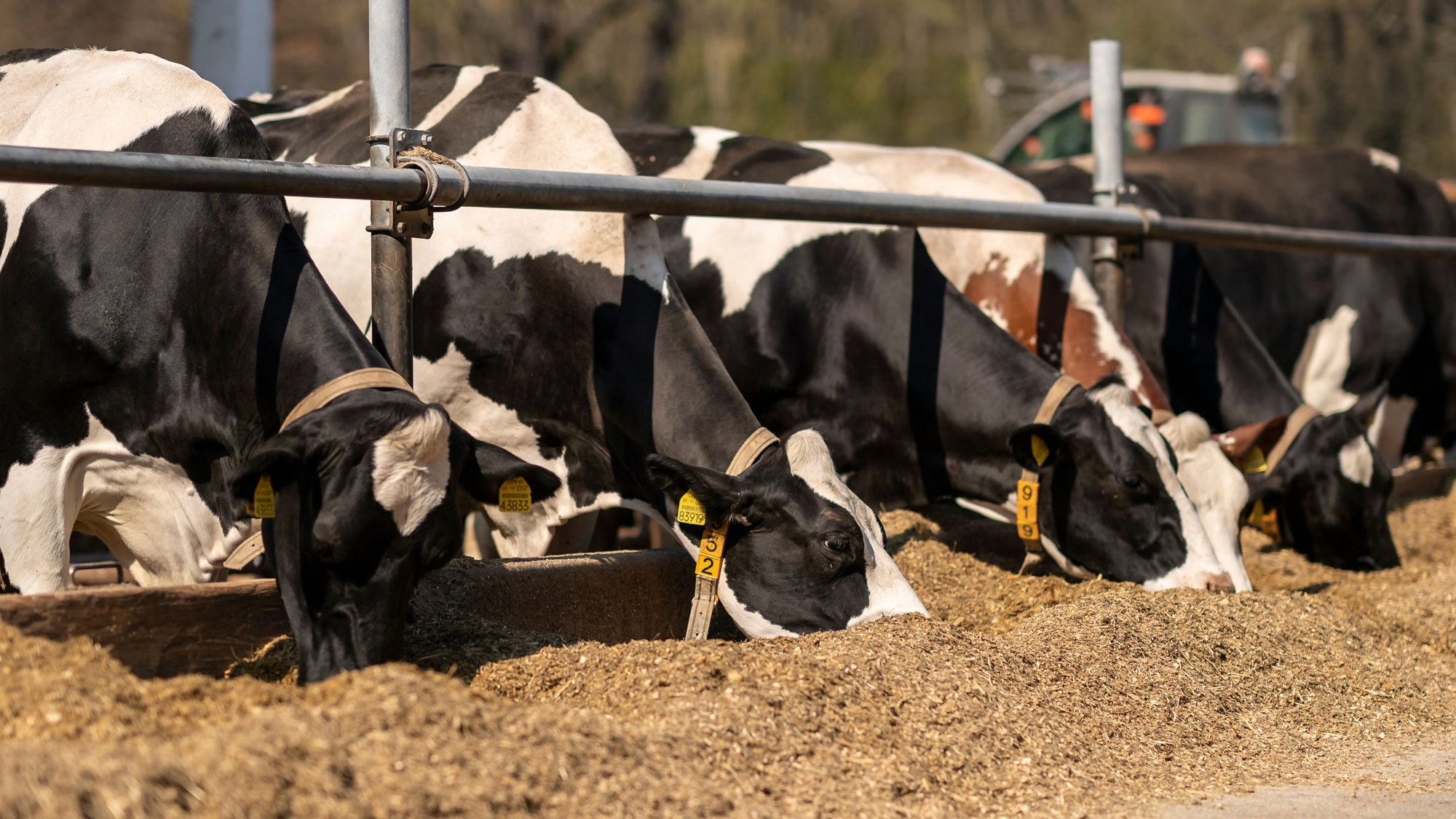
Harnessing the Power of Machine Learning to Decode Holstein Cow Behaviors

Explore the transformative potential of machine learning in dairy farming. Can artificial intelligence refine behavior predictions and boost efficiency in your dairy operations?

The potential of machine learning developments to transform genetic predictions using massive datasets and advanced algorithms is a reason for optimism. This transformation can significantly improve cow well-being and simplify dairy running. By rapidly processing enormous amounts of data, machine learning provides insights often lost by more conventional approaches. Incorporating artificial intelligence and machine learning into genetic prediction can lead to a more robust and productive herd, advancing animal welfare and farm profitability.

A recent Journal of Dairy Science study compared traditional genomic methods with advanced deep learning algorithms to predict milking refusals (MREF) and milking failures (MFAIL) in North American Holstein cows. This research reveals how these technologies could improve the precision of genetic prediction for cattle behavioral features.

Breaking the Mold: Traditional Genomic Methods vs. Deep Learning 

Reliable tools in dairy cow breeding have included traditional genomic prediction techniques like BLUP (Best Linear Unbiased Prediction) and its genomic equivalent, GBLUP. These techniques, which have been used for decades, estimate breeding values using genetic markers. They presume linear genetic effects, which could not fairly depict complicated gene interactions. Additionally challenging with big datasets and needing a lot of processing capability are BLUP and GBLUP.

One fresh direction is provided by deep learning. Unlike conventional techniques, algorithms like convolutional neural networks (CNN) and multiple-layer perceptron (MLP) shine at identifying intricate patterns in big datasets. Their ability to replicate nonlinear connections between genetic markers should raise forecasting accuracy. However, deep learning requires significant computing resources and knowledge, restricting its general use.

Diving Deep: Evaluating Advanced Genomic Prediction for Dairy Cow Behavior

The primary aim of this study was to evaluate how well traditional genomic prediction methods stack up against advanced deep learning algorithms in predicting milking refusals (MREF) and milking failures (MFAIL) in North American Holstein cows. With over 1.9 million daily records from nearly 4,500 genotyped cows collected by 36 automatic milking systems, our mission was to determine which methods provide the most accurate genomic predictions. We focused on four methods: Bayesian LASSO, multiple layer perceptron (MLP), convolutional neural network (CNN), and GBLUP. 

Data collection involved gathering daily records from nearly 4,500 genotyped Holstein cows using 36 automatic milking systems, also known as milking robots. This amounted to over 1.9 million records. Rigorous quality control measures were employed to ensure data integrity, resulting in a refined dataset of 57,600 SNPs. These practices were vital in excluding erroneous records and retaining high-quality genomic information for precise predictive modeling. 

Four genomic prediction methods were employed, each with unique mechanisms: 

  • Bayesian Least Absolute Shrinkage and Selection Operator (LASSO): This method uses a Bayesian framework to perform variable selection and regularization, enhancing prediction accuracy by shrinking less significant coefficients. Implemented in Python using Keras and TensorFlow, Bayesian LASSO is adept at handling high-dimensional genomic data.
  • Multiple Layer Perceptron (MLP): A type of artificial neural network, MLP consists of multiple layers designed to model complex relationships within the data. This deep learning model is executed with Keras and TensorFlow and excels at capturing nonlinear interactions among genomic markers.
  • Convolutional Neural Network (CNN): Known for detecting spatial hierarchies in data, CNN uses convolutional layers to identify and learn essential patterns. This method, also implemented with Keras and TensorFlow, processes genomic sequences to extract meaningful features influencing behavioral traits.
  • Genomic Best Linear Unbiased Prediction (GBLUP): A traditional approach in genetic evaluations, GBLUP combines genomic information with phenotypic data using a linear mixed model. Implemented with the BLUPF90+ programs, GBLUP is less computationally intensive than deep learning methods, albeit slightly less accurate in some contexts.

A Deep Dive into Predictive Accuracy: Traditional vs. Deep Learning Methods for Holstein Cow Behaviors 

Analysis of genomic prediction methods for North American Holstein cows offered intriguing insights. A comparison of traditional and deep learning methods focuses on two behavioral traits: milking refusals (MREF) and milking failures (MFAIL). Here’s the accuracy (mean square error) for each: 

  • Bayesian LASSO: 0.34 (0.08) for MREF, 0.27 (0.08) for MFAIL
  • Multiple Layer Perceptron (MLP): 0.36 (0.09) for MREF, 0.32 (0.09) for MFAIL
  • Convolutional Neural Network (CNN): 0.37 (0.08) for MREF, 0.30 (0.09) for MFAIL
  • GBLUP: 0.35 (0.09) for MREF, 0.31 (0.09) for MFAIL

Although MLP and CNN showed slightly higher accuracy than GBLUP, these methods are more computationally demanding. More research is needed to determine their feasibility in large-scale breeding programs.

Paving the Way for Future Dairy Practices: Deep Learning in Genomic Prediction 

The promise of deep learning approaches in the genetic prediction of behavioral characteristics in North American Holstein cattle is underlined in this work. Deep learning models such as the Multi-Layer Perceptron (MLP) and Convolutional Neural Network (CNN) showed somewhat better accuracies in estimating milking refusals (MREF) and milking failures (MFAIL) than conventional approaches such as GBLUP—this rise in forecast accuracy results in better breeding choices and more efficiency in dairy businesses.

Still, the advantages come with some problematic drawbacks. Deep learning techniques require significant computing resources and knowledge, which would only be possible for larger farms or companies. Moreover, with specific understanding, these intricate models might be more accessible for farm managers to understand and use.

Another critical concern is the pragmatic implementation of these cutting-edge techniques. Usually requiring extensive genotype data, deep learning models find it challenging to handle nongenotyped individuals, limiting their flexibility and general relevance in different dairy farming environments.

Although deep learning methods show great potential, their acceptance has to be carefully evaluated against the logistical and practical reality of dairy production. Future studies should focus on these computational and pragmatic issues to effectively include cutting-edge solutions in regular dairy operations and optimize the advantages of technology development.

Bridging the Tech Divide: Practical Steps for Implementing Genomic Prediction and Machine Learning in Dairy Farming 

Integrating genomic prediction and machine learning into dairy farm operations may initially seem daunting. Still, it can significantly enhance herd management and productivity with the right approach and resources. Here are some practical steps and tools to get you started: 

  1. Educate and Train: Begin by educating yourself and your team about the basics of genomic prediction and machine learning. University extension programs, online courses, and industry seminars can provide valuable knowledge. 
  2. Invest in Data Collection Systems: Accurate data collection is vital. Consider investing in automatic milking systems (AMS) and IoT devices that collect detailed behavioral and production data. Brands such as DairyComp, DeLaval, and Lely offer robust systems for dairy farms.
  3. Use Genomic Testing Services: Engage with genomic testing services that can provide detailed genetic profiles of your herd. Many AI companies offer DNA testing kits and genomic analysis for dairy cattle. 
  4. Leverage Software Solutions: Use software solutions to analyze the data collected and provide actionable insights. Programs such as Valacta and ICBF offer comprehensive genetic evaluation and management tools. 
  5. Collaborate with Researchers: Contact local agricultural universities or research institutions conducting genomic prediction and machine learning studies. Collaborative projects can provide access to cutting-edge technologies and the latest findings in the field. 
  6. Pilot Small Projects: Start with small-scale projects to test the effectiveness of these technologies on your farm. Monitor the outcomes closely and scale up gradually based on the results. This approach minimizes risks and helps you understand the practical aspects of implementation. 

By taking these steps, dairy farmers can begin harnessing the power of genomic prediction and machine learning, paving the way for more personalized and efficient herd management. Integrating these advanced technologies promises to transform dairy farming into a more precise and productive endeavor.

The Bottom Line

Investigating genomic prediction techniques has shown deep learning algorithms’ potential and present limits against conventional approaches. According to the research, deep learning models such as CNN and MLP are more accurate in forecasting cow behavioral features like milking refusals and failures. However, their actual use in large-scale dairy production still needs to be discovered. The intricacy and computing requirements of these cutting-edge techniques hinder their general acceptance.

Here are some key takeaways: 

  • Deep learning methods offer slightly better accuracy than traditional approaches.
  • Traditional methods like GBLUP are still valuable due to their lower computational needs and broader applicability.
  • More research is needed to see if deep learning can be practically implemented in real-world dairy breeding programs.

In summary, continued research is crucial. We can better understand their potential to revolutionize dairy breeding at scale by refining deep learning techniques and addressing their limits. 

Adopting new technologies in genomic prediction guarantees better accuracy and ensures these approaches are valuable and practical. The balance of these elements will determine the direction of dairy farming towards effective and sustained breeding campaigns. We urge industry players, academics, and dairy producers to fund more studies. Including modern technologies in dairy farming may change methods and propel the sector toward more production and efficiency.

Key Takeaways:

  • Traditional genomic prediction methods like GBLUP remain robust but show slightly lower predictive accuracy compared to deep learning approaches.
  • Deep learning methods, specifically CNNs and MLPs, demonstrate modestly higher accuracy for predicting cow behavioral traits such as milking refusals and milking failures.
  • MLP methods exhibit less reranking of top-selected individuals compared to other methods, suggesting better consistency in selection.
  • Despite their promise, deep learning techniques require significant computational resources, limiting their immediate practicality for large-scale operations.
  • Further research is essential to assess the practical application of deep learning methods in routine dairy cattle breeding programs.

Summary:

Machine learning has the potential to revolutionize genetic predictions in dairy farming by using massive datasets and advanced algorithms. A study compared traditional genomic methods with deep learning algorithms to predict milking refusals and failures in North American Holstein cows. Traditional genomic methods like BLUP and GBLUP are reliable but require significant computing resources and knowledge. Deep learning algorithms like CNN and MLP show promise in genetic prediction of behavioral characteristics in North American Holstein cattle. However, deep learning requires significant computing resources and knowledge, which would only be possible for larger farms or companies. Additionally, deep learning models struggle to handle nongenotyped individuals, limiting their flexibility and relevance in different dairy farming environments. Integrating genomic prediction and machine learning into dairy farm operations can significantly enhance herd management and productivity. Practical steps to get started include educating and training, investing in data collection systems, using genomic testing services, leveraging software solutions, collaborating with researchers, and piloting small projects. More research is needed to understand the potential of deep learning techniques to revolutionize dairy breeding at scale.

Learn More:

Enhancing Dairy Cow Health: The Power of Saccharomyces Cerevisiae Fermentation Products During Gut Challenges

Explore the transformative impact of Saccharomyces cerevisiae fermentation products on dairy cow health during gut barrier challenges. Interested in enhancing your herd’s well-being? Keep reading to uncover the advantages.

Imagine a solution that could significantly bolster the health and productivity of your dairy herd, especially during stressful periods. Saccharomyces cerevisiae fermentation products (SCFP) are emerging as a highly effective tool that not only enhances gut health but also improves the overall well-being of your lactating cows. This potent supplement can navigate the complexities of cow physiology to deliver remarkable benefits, particularly during gut barrier challenges. In this article, we will delve into the impact of SCFP on the ruminal microbiota and metabolome, presenting a comprehensive analysis of its multifaceted advantages.

Unleashing the Power of Yeast: Why Saccharomyces Cerevisiae Fermentation Products are Transforming Dairy Farming 

Saccharomyces cerevisiae fermentation products (SCFP) are yeast-based supplements that enhance dairy cow health and performance through a range of metabolites and bioactive compounds. Used extensively in dairy farming, these products are known for their numerous benefits. 

SCFP improve digestive efficiency by stabilizing the ruminal environment, which optimizes feed breakdown and fermentation. This leads to better nutrient absorption and overall health. 

Additionally, SCFP strengthen immune function by enhancing gut integrity and reducing gut-related ailments. This is particularly valuable during stressful periods like calving or environmental changes. 

Incorporating Saccharomyces cerevisiae fermentation products in dairy diets is a scientifically proven method to boost digestion, nutrient uptake, and immune resilience, ultimately enhancing the health and productivity of dairy herds.

The Comprehensive Study on Gut Microbiota and Metabolomics Amid Stress

The study on lactating Holstein cows evaluated the impacts of Saccharomyces cerevisiae fermentation products (SCFP) during a gut barrier challenge. Two groups of multiparous cows were involved—one as a control (CON) and another receiving 19 grams per day of SCFP (SCFP group). Over nine weeks, followed by a five-day feed restriction (FR) where cows were fed just 40% of their usual intake, the researchers explored the effects on ruminal microbiota and metabolomic profiles under stress.

Researchers used cutting-edge techniques to understand SCFP’s effects on the cows. They extracted DNA from ruminal fluid samples and performed PacBio full-length 16S rRNA gene sequencing for a detailed microbial profile. Real-time PCR then quantified 12 key ruminal bacterial species to zero in on specific microbial populations. 

Metabolomic analysis involved examining up to 189 metabolites in the ruminal fluid via gas chromatography-mass spectrometry (GC/MS). High-quality sequences were analyzed using advanced software like TADA, MicrobiomeAnalyst, PICRUSt2, and STAMP to explore microbial diversity and metabolic functions. MetaboAnalyst 5.0 helped interpret the data, revealing complex interactions between microbiota and metabolic pathways during stress.

A Deep Dive into Microbial Diversity and Enhanced Metabolic Profiles with SCFP Supplementation

The study revealed significant insights into the influence of Saccharomyces cerevisiae fermentation products (SCFP) during gut barrier challenges in lactating Holstein cows. Notably, the SCFP group exhibited an increase in microbial diversity within the ruminal fluid, indicated by higher α-diversity Chao 1 and Shannon indices. This suggests a more varied and resilient microbial ecosystem, crucial during stress. Additionally, specific bacterial genera like CPla_4_termite_groupCandidatus SaccharimonasOribacterium, and Pirellula were more abundant in cows given SCFP. These bacteria are linked to beneficial processes, enhancing rumen health. Higher levels of key metabolites such as ethanolamine, glyoxylic acid, serine, and threonine were also found, highlighting positive metabolic shifts induced by SCFP.

Revealing the Metabolic Influence: SCFP’s Role in Enhancing Key Biological Processes

In our metabolite analysis, we noted significant increases in the SCFP group compared to the control. Specifically, ethanolamine, glyoxylic acid, serine, threonine, cytosine, and stearic acid levels rose. These metabolites are crucial for the health and productivity of dairy cows

SCFP also influenced the pentose phosphate and photorespiration pathways. The pentose phosphate pathway enhances fatty acid and nucleotide synthesis, indicating improved anabolic processes in the SCFP group. 

The photorespiration pathway, more common in plants, seems to help cows adapt to feed restriction stress, promoting metabolic balance and energy production under suboptimal conditions. 

In addition, we found a higher abundance of Fretibacterium and Succinivibrio, which correlated positively with multiple metabolites like galactose, fructose, and alanine. This increase indicates enhanced microbial activity and metabolic function. 

Overall, feeding SCFP during feed restriction shifted the ruminal microbiota composition and function, supporting pathways that boost resilience and productivity under stress. This highlights SCFP’s potential as a dietary intervention to enhance dairy cow health and performance.

Boosting Resilience and Productivity: Practical Implications for Dairy Farmers 

As dairy farmers, maintaining the health and productivity of your cows, especially during stress periods like feed restriction, is crucial. Our study shows that adding Saccharomyces cerevisiae fermentation products (SCFP) to your cows’ diets can offer significant benefits.  

Incorporating SCFP helps your cows maintain a healthier gut barrier, improving digestive health during stressful times when feed intake is restricted. This enhancement in ruminal microbiota diversity and metabolic profiles supports better nutrient absorption and overall gut function.  

For your herd, this means less disruption to milk production and cow health during stress periods. Beneficial metabolites like ethanolamine, serine, and stearic acid support gut health and essential physiological functions.  

Introducing SCFP into your cows’ diet can boost resilience to stress by enhancing metabolic pathways like the pentose phosphate pathway and photorespiration, which improve energy production and reduce oxidative stress.  

Start gradually with the recommended SCFP dosage, monitor improvements in health and production, and consult a nutritionist if needed. By strategically using SCFP, you can help your cows thrive even under challenging conditions.

The Bottom Line

Supplementing Saccharomyces cerevisiae fermentation products (SCFP) during gut barrier challenges offers significant benefits to dairy cows. SCFP enhances ruminal microbiota diversity, supports key metabolic pathways, and boosts cows’ resilience and productivity under stress.  

This study shows that SCFP supplementation increases important metabolic processes like the pentose phosphate pathway and photorespiration. It also fosters a more diverse microbial environment, leading to better gut health and overall physiological robustness.  

For dairy farmers, incorporating SCFP into the feed regimen can dramatically improve herd health and productivity. SCFP helps mitigate stress effects, promoting a healthy gut microbiome, which translates to better milk production and farm performance.  

Consider the solid evidence for SCFP supplementation. It’s a scientifically proven method to enhance cow health and boost farm sustainability and profitability. Investing in SCFP might be the step that sets your dairy operation apart.  

The science behind SCFP is complex, but its benefits are clear. Healthier cows lead to a healthier farm. Embracing SCFP can have lasting positive impacts on herd well-being and productivity. As we strive to improve dairy farming practices, innovative feed solutions like SCFP are essential. 

Key Takeaways:

  • Saccharomyces cerevisiae fermentation products (SCFP) improve the health of dairy cows by modulating the gut microbiota, especially during stress periods such as feed restriction.
  • Feeding SCFP to lactating Holstein cows resulted in greater microbial diversity and distinct metabolite profiles in the rumen.
  • Enhanced concentrations of beneficial metabolites like ethanolamine, serine, and stearic acid were observed in cows supplemented with SCFP.
  • Key metabolic pathways, including the pentose phosphate pathway and photorespiration pathway, were upregulated by SCFP, suggesting improved metabolic efficiency.
  • SCFP supplementation led to the predominance of beneficial bacteria like Fretibacterium and Succinivibrio, which are associated with various positive biological processes.
  • The study highlights significant shifts from the tricarboxylic acid cycle to the glyoxylate cycle in cows fed SCFP, enhancing nitrogenous base production.
  • Dairy farmers can leverage SCFP to boost cow resilience and productivity by supporting better gut health and metabolic functions.

Summary:

Saccharomyces cerevisiae fermentation products (SCFP) are a yeast-based supplement that can significantly improve dairy herd health and productivity during stressful periods. SCFP stabilizes the ruminal environment, optimizes feed breakdown and fermentation, and enhances digestive efficiency, nutrient absorption, and overall health. It strengthens immune function by enhancing gut integrity and reducing gut-related ailments, especially during stressful periods like calving or environmental changes. A study on lactating Holstein cows showed that SCFP increased microbial diversity within the ruminal fluid, promoting a more diverse and resilient microbial ecosystem. Specific bacterial genera like CPla_4_termite_group, Candidatus Saccharimonas, Oribacterium, and Pirellula were more abundant in cows given SCFP, which are linked to beneficial processes. SCFP also influenced pentose phosphate and photorespiration pathways, promoting metabolic balance and energy production under suboptimal conditions. In conclusion, SCFP during feed restriction shifts the ruminal microbiota composition and function, supporting pathways that boost resilience and productivity under stress.

Learn more:

National Dairy Shrine Awards $45,000 in Scholarships to 38 Future Dairy Leaders

Discover how the National Dairy Shrine awarded $45,000 in scholarships to 38 future dairy leaders. Curious about the recipients and their inspiring stories? Read more.

The National Dairy Shrine has always been vital to nurturing the future leaders of the dairy industry. The Shrine supports education and professional growth by honoring notable dairy individuals and preserving the industry’s rich history. This year, 38 students from universities and technical schools will share $45,000 in scholarships, a significant boost for future dairy leaders. 

“The National Dairy Shrine is celebrating its 75th anniversary this year, and over that period, the organization has provided more than 1,000 scholarships to future dairy leaders totaling more than $1 million.”

This milestone highlights the ongoing need for support and encouragement for young dairy professionals. The achievements of these scholarship recipients, who were celebrated at the National Dairy Shrine Awards Banquet, point towards a bright future for the dairy industry.

Spotlight on Future Dairy Leaders: A Night of Recognition and Celebration 

The National Dairy Shrine Awards Banquet is a critical event in the dairy industry. This year, it’s on Monday, September 30th, in Madison, Wisconsin. The banquet celebrates scholarship recipients’ achievements and contributions to the dairy field. It’s a special occasion that honors future industry leaders and unites a community passionate about advancing dairy sciences. Attendees can connect, share insights, and celebrate the talented young individuals shaping the future of dairy.

A Legacy of Nurturing Dairy Leaders: 75 Years of Commitment and Growth

The National Dairy Shrine, founded in 1949, has been championing future dairy leaders for 75 years. The organization has awarded over 1,000 scholarships, totaling more than $1 million in financial aid. This commitment ensures the dairy industry remains vibrant and strong for future generations.

The Kildee Scholarship: Honoring a Legacy and Fostering Future Dairy Leaders

The Kildee Scholarship is a prestigious award for graduate students showing exceptional promise in dairy-related fields. Named after H.H. Kildee, Dean Emeritus at Iowa State University, it was the first scholarship offered by the National Dairy Shrine, starting in 1949. This award has long supported budding dairy professionals. 

This year’s recipient is Garrett Hastings from Chardon, Ohio. Garrett earned a Bachelor of Science in Animal Sciences from Ohio State University and will continue his education at the Ohio State University College of Veterinary Medicine this fall. His journey exemplifies the Kildee Scholarship’s mission: nurturing future leaders in the dairy industry.

Celebrating Leadership: The Senior Student Recognition Scholarships 

The Senior Student Recognition Scholarships honor exceptional leadership, activity participation, academic excellence, and dedication to the dairy industry. The scholarships, which are based on university nominations, vary in amount. 

The highest honor of $2000 went to Jack Hammock from Chatham, Virginia. Jack, a graduate of Virginia Tech in dairy science and dairy business management, aims to manage a dairy farm, focusing on sustainability. 

Paige Peiffer from Lebanon, Pennsylvania, received the $1500 award. She studied animal science at Penn State University and plans to enhance dairy production through improved cattle feed formulas. 

The $1000 award winners include: 

  • Nicole Broege (dairy science, University of Wisconsin-Madison): Focused on dairy genetics to enhance herd quality.
  • Kendal Jenkins (animal science, Penn State University): Aspires to innovate in dairy research and development.
  • Madalyn Palmer (animal science, Iowa State University): Aims to manage a dairy farm using advanced technologies.
  • Isaac Rott (animal science, University of Minnesota): Plans to be a dairy extension agent, supporting farmers.

Empowering Dairy’s Future: The Merton Sowerby Junior Merit Scholarships

The Merton Sowerby Junior Merit Scholarships support outstanding junior-level students in the dairy industry. Named after National Dairy Shrine Pioneer and Klussendorf winner Merton Sowerby, these awards promote academic and professional growth.  

The top award of $1500 goes to Ben Styer from Menomonie, Wisconsin, an animal science student with a dairy production focus at the University of Minnesota. Four other students receive $1000 each: 

  • Natalie Roe: Dairy science and life sciences communication, University of Wisconsin-Madison
  • Megan Ratka: Animal Science, University of Minnesota
  • Irene Nielsen: Dairy science, agricultural communications, and international agriculture, Iowa State University
  • Haley Beukema: Agricultural communication and marketing, with minors in animal science and agriculture and food business management, University of Minnesota

The Mike Lancaster Scholarships: Recognizing Sophomore Prowess in Dairy Science

The Mike Lancaster Scholarships recognize standout sophomores at four-year colleges committed to dairy careers. Named after notable dairy cattle breeder Mike Lancaster, these scholarships support future dairy professionals. 

Lauren Breunig from Sauk City, Wisconsin, is this year’s top recipient, receiving $1500. She’s studying life sciences communication and has a certificate in agricultural business management from the University of Wisconsin-Madison

The $1000 winners: 

  • Laken DuRussel – Animal Science, Michigan State University
  • Delana Erbsen – Dairy Science, Iowa State University
  • Regan Jackson – Nutrition and Food Science, Louisiana State University
  • Clarissa Ulness – Dairy Science, University of Wisconsin-Madison
  • Jenna Gries – Dairy Science, University of Wisconsin-Madison

NDS/DMI Education & Communication Scholarships: Cultivating Expertise in Marketing and Communication

The National Dairy Shrine and Dairy Management Inc. (DMI) scholarships support sophomore and junior students in four-year colleges or universities, focusing on education or communication careers in the dairy and food-related industries. These awards are open to marketing, food science, nutrition, public relations, education, social media, and communications majors. 

This year’s top honoree receives $1500, with five additional winners, each receiving $1000: 

  • Kylie Konyn, University of Wisconsin-Madison – Dairy Science with certificates in Ag Business Management and Science Communications ($1500)
  • Makenzie Alberts, South Dakota State University – Agricultural Communications and Agricultural Leadership
  • Reagan Kime, Iowa State University – Agricultural and Rural Policy, International Agriculture, and Public Relations
  • Gracie Ash, University of Minnesota – Agricultural Communications and Marketing
  • Ainsley Noble, University of Wisconsin-River Falls – Agricultural Education
  • Lauren Wangsness, University of Minnesota – Agricultural Communication and Marketing, minor in International Agriculture

Boosting Careers in Dairy: The NDS/DMI Milk Marketing & Dairy Products Scholarships

The NDS/DMI Milk Marketing & Dairy Products Scholarships encourage students to pursue careers in marketing, product development, quality control, and nutrition within the dairy industry. These awards support sophomore and junior four-year college or university students passionate about dairy market dynamics. 

The top award of $1500 goes to Sarah Hagenow of Poynette, Wisconsin, majoring in Agricultural and Food Business Management at the University of Minnesota. The $1000 recipients are: 

  • Jordan Anderson (Agriculture Communications, University of Wyoming)
  • Haven Hileman (Animal Sciences, The Ohio State University)
  • Anthony Agueda (Agricultural Business, California State University, Fresno)

Honoring Maurice Core: Celebrating Freshman Commitment to Dairy Excellence

These scholarships, named in honor of Maurice Core, a key figure in the American Jersey Cattle Association and former Dairy Shrine leader, are designed to support freshman students majoring in dairy or animal science. Each recipient is awarded $1,000 to aid their academic journey. 

Meet the 2024 Maurice Core Scholarship recipients: 

  • Natalie Clemenson – Dairy Science major, University of Wisconsin-River Falls
  • Alexis Hoefs – Animal Science major, focusing on Dairy Production, University of Minnesota
  • Tyler Ratka – Animal Science major, focusing on Dairy Production, University of Minnesota
  • Garrett Ulness – Dairy Science major with an Agricultural Business certificate, University of Wisconsin-Madison

The Iager Scholarships: Supporting Second-Year Agricultural Students with Future-Oriented Excellence

The Iager Scholarships, funded by the Charles Iager family, support second-year students in two-year agricultural schools focusing on animal or dairy science. Selection criteria include academic standing, leadership, interest in the dairy industry, and future career plans. 

This year, two students receive $1,000 each: 

  • Anthony Diniz – Dairy Science at Modesto Junior College
  • Aubrey Montgomery – Dairy Production and Management at The Ohio State University Agricultural Technical Institute

The Dairy Shrine Dairy Production Scholarship: Nurturing Future Dairy Innovators

The Dairy Shrine Dairy Production Scholarship, sponsored by Cargill, supports undergraduates aiming for a career in dairy production with a $2500 award. 

This year’s recipient is Hunter Holewinski from Pulaski, Wisconsin. He studies dairy science at the University of Wisconsin-Madison and has a certificate in science communication. With this, Hunter is set to bring innovation to dairy farm management.

The Bottom Line

Celebrate the accomplishments of these stellar students and honor the legacy of the National Dairy Shrine. Your support can help nurture the next generation of dairy leaders. Consider donating to the National Dairy Shrine scholarship fund to expand these opportunities. Make your contribution online at www.campaign75.org.

How In-Utero Events Impact Lifetime Resilience in Dairy Cows: Key Insights for Dairy Farmers

Find out how events before birth influence the resilience of dairy cows. Learn important insights to boost your herd’s productivity and lifespan. Want to know more? Keep reading.

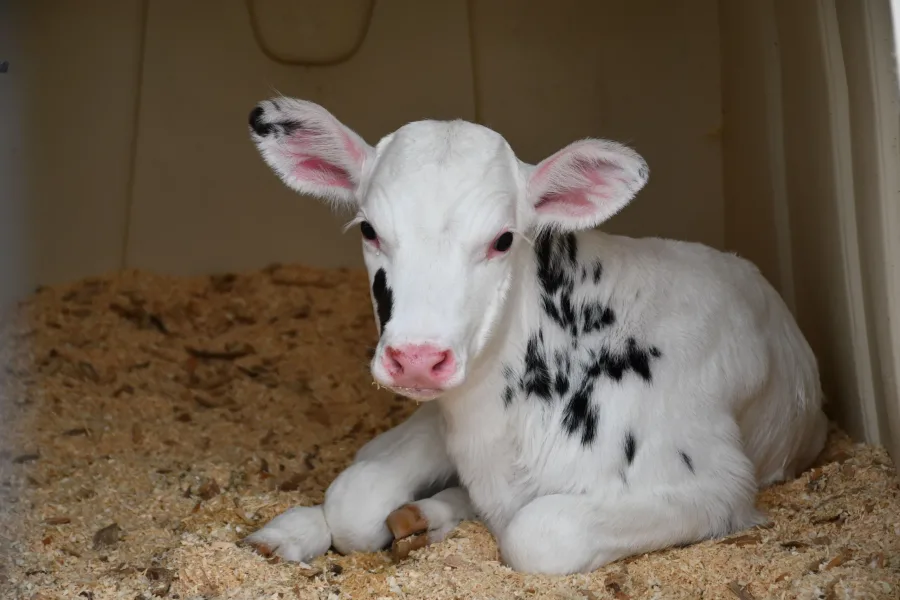
The dairy industry faces critical challenges that threaten its sustainability. Climate change brings unpredictable weather, and public concerns about animal welfare and environmental impact add pressure on dairy farmers to adapt. In this landscape, resilient dairy cows—those that combine high milk yield with longevity and solid reproductive performance—gain significance. 

Understanding what affects cow resilience is vital. Events during a calf’s in-utero phase can significantly influence its lifetime resilience. Rooted in the developmental origins of the health and disease hypothesis, this concept shows that prenatal conditions can affect a cow’s health and productivity. By focusing on these early stages, we can improve the resilience of dairy herds

“Events occurring during pregnancy have lifelong consequences for a calf’s performance, making it essential to identify and manage these factors effectively.”

This article explores how in-utero events impact the lifetime resilience of dairy cows. Through comprehensive datasets and detailed analysis, we aim to show how prenatal experiences affect metrics like longevity, age at first calving, and calving intervals. Our findings aim to guide practices that enhance the resilience of future dairy cow generations, leading to a more sustainable and productive dairy industry.
The Lasting Impact of In-Utero Experiences on Dairy Cow Resilience

The developmental origins of the health and disease hypothesis suggest that conditions and experiences in utero can significantly shape an organism’s health and performance. Initially derived from human studies, this hypothesis is now being applied to dairy farming

In dairy cows, the prenatal environment influences crucial metrics like milk yieldreproductive performance, and overall longevity. Maternal nutrition, stress (heat, illness), and metabolic states during gestation shape the fetus’s development. Research indicates these prenatal influences have lasting effects on the offspring’s ability to adapt and maintain productivity. 

These findings are essential for dairy farmers, highlighting the need to optimize the prenatal conditions of their herds. By addressing these factors and promoting more sustainable farming practices, farmers can improve their dairy cows’ lifetime performance and resilience.

Unveiling the Developmental Origins of Dairy Cow Resilience

The study aimed to quantify Lifetime Resilience Scores (LRS) and understand the impact of in-utero events on these scores. Researchers analyzed two datasets: a large one from 83 farms in Great Britain (covering births from 2006 to 2015) and a detailed one from the Langhill research herd at Scotland’s Rural College (covering births from 2003 to 2015). The goal was to explore how prenatal factors affected dairy cows’ long-term health and productivity.

Key Findings: Prenatal Conditions Shape Calf Resilience

The study’s key findings highlight the significant impact of in-utero events on the lifetime resilience scores (LRS) of dairy cows. Higher temperature-humidity indexes during the first and third trimesters correlated with lower LRS in offspring. Lower milk yields and fat percentages in the first trimester and higher milk yields in the third trimester were also linked to reduced LRS. These results suggest that a dam’s pregnancy conditions affect a calf’s long-term performance.

Maternal Legacy: The Crucial Role of Dam Characteristics in Calf Resilience

Dam characteristics are crucial in shaping calf resilience. Our study showed a strong link between dam Lifetime Resilience Scores (LRS) and those of their calves. Higher dam LRS often led to better calf resilience, highlighting the value of robust maternal health. However, as the number of pregnancies (parity) increased, calf LRS decreased. This decline could be due to the accumulated stress on the dam, affecting the in-utero environment. These insights emphasize the need for breeding strategies that balance high-performing dams with optimal parity to ensure resilient herds.

Delving Deeper: Maternal Discomfort and Calf Resilience in the Langhill Herd 

Int intriguing patterns emerged in the Langhill herd dataset, highlighting the significance of maternal experiences on offspring resilience. Dams with higher locomotion scores during the third trimester produced calves with lower Lifetime Resilience Scores (LRS). This suggests that increased locomotion, often a sign of discomfort or health issues, disrupts the fetal environment and negatively affects calf resilience. These insights emphasize the need to monitor and manage maternal health conditions to ensure optimal lifelong performance of dairy herds.

Proactive Steps for Enhancing Calf Lifetime Resilience

Understanding the profound effect of in-utero events on a calf’s lifetime resilience underscores the importance of proactive management strategies for dairy farmers. Our study’s findings highlight several actionable steps that can be adopted to enhance the long-term performance and resilience of dairy herds. 

Mitigating Heat Stress: Ensuring pregnant cows are not exposed to excessively high temperature-humidity indexes (THI) during critical phases of gestation is crucial. Farmers can achieve this by:  

  • Providing Adequate Shade: Invest in proper shading structures or trees within pastures to shield cows from direct sunlight.
  • Ventilation and Cooling Systems: Implement adequate barn ventilation, fans, and misting systems to reduce the heat load on cows, especially during peak summer months.
  • Hydration: Ensure continuous access to clean and cool drinking water to prevent heat stress. 

Monitoring Dam Health: Close monitoring and timely intervention can significantly reduce the incidence of health issues in pregnant cows:  

  • Routine Health Checks: Regular checks for signs of lameness, mastitis, and other health conditions are essential for early detection and treatment.
  • Balanced Nutrition: Ensure the pregnant cows receive a balanced diet that supports optimal nutrient levels, enhancing immune response and overall health.
  • Medication Administration: Carefully manage antibiotics and anti-inflammatory medications to avoid adverse effects on the developing fetus. 

Adjusting Management Practices During Different Trimesters: Our data suggest that specific trimesters are more sensitive to various stressors, thereby guiding targeted interventions:  

  • First Trimester Focus: Pay close attention to maintaining consistent milk yields and optimal fat percentages. Any noticeable perturbations should be addressed promptly.
  • Third Trimester Care: Minimize high milk yields and monitor for increased locomotion scores, which can indicate discomfort or stress. Implementing strategies such as comfortable bedding and reducing physical exertion can be beneficial. 

By taking a proactive approach to managing these critical aspects of dam care during pregnancy, dairy farmers can substantially impact the resilience and productivity of their future herds. While not all variations can be controlled, these strategies offer a solid foundation for improving calf lifetime performance.

The Bottom Line

The journey of dairy cow resilience starts in utero. Understanding and managing prenatal conditions can help foster a hardier and more productive herd. However, these early influences are only part of the equation. Optimal calf resilience requires a holistic approach, integrating genetics and on-farm practices. By adopting this comprehensive view, dairy farmers can enhance the lifetime performance of their herds, ensuring greater sustainability and profitability.

Key Takeaways:

  • Prenatal conditions significantly influence a calf’s lifetime resilience, affecting milk yield, reproductive performance, and longevity.
  • Higher temperature-humidity indexes during the first and third trimesters can lower a calf’s Lifetime Resilience Score (LRS).
  • Discrepancies in dam milk yields and fat percentages during pregnancy can also negatively impact calf resilience.
  • High parity in dams tends to result in lower LRS in their offspring, suggesting a need to monitor older cows more closely.
  • Maternal locomotion issues in the third trimester were linked to reduced calf resilience in some herds.
  • The study highlights that while prenatal factors are influential, other factors also play a crucial role in determining calf resilience.

Summary:

The dairy industry faces challenges like climate change, unpredictable weather, and public concerns about animal welfare and environmental impact. Resilient dairy cows are crucial for the industry’s sustainability, as they combine high milk yield with longevity and solid reproductive performance. Understanding factors affecting cow resilience is vital, as events during a calf’s in-utero phase can significantly influence its lifetime resilience. Prenatal conditions can affect a cow’s health and productivity, making it essential to identify and manage these factors effectively. This article explores how in-utero events impact the lifetime resilience of dairy cows through comprehensive datasets and detailed analysis. The findings aim to guide practices that enhance the resilience of future dairy cow generations, leading to a more sustainable and productive dairy industry. Dam characteristics are crucial in shaping calf resilience, with higher dam Lifetime Resilience Scores often leading to better calf resilience.
Learn more:

The Science Behind Happy Cows: Emotional States and Personalities in Dairy Management

Discover how management practices impact the emotions and personalities of dairy animals. Can better welfare lead to higher productivity? Explore the latest research.

The dairy business depends heavily on the welfare of its dairy cows. Good animal welfare and a high quality of life influence their health, productivity, and lifetime. The adage “Happy animals are productive animals” summarizes this connection well. Positive emotional states cause cows to produce more milk, effectively procreate, and improve general farm efficiency.

This paper delves into the crucial relationship between management techniques and dairy cows’ emotional states. Understanding and measuring these states is key to tailoring strategies that create favorable surroundings, thereby enhancing the conditions for animals and the business. The focus is on minimizing negative emotional states from demanding circumstances and maximizing good moods in supportive settings.

“Investing in a farm environment and management techniques that support cows’ positive emotional states is finally an investment in long-term health and productivity.”

We will discuss techniques and scientific developments in the emotional evaluation of dairy cows. Behavioral, cognitive, and physiological markers help us grasp how on-farm settings affect these states. This understanding is crucial for improving animal welfare and building more sustainable and profitable dairy farming operations.

The Evolving Landscape of Animal Emotions and Personalities 

Advances in animal behavioral research are driving a changing awareness of animal emotions and personalities. Once mostly seen from a functional standpoint, animals are now known to have distinct personalities and complicated emotional terrain. These elements greatly influence their behavior, health, and production, so animal welfare and farm efficiency depend on identifying and encouraging pleasant emotional experiences.

Measuring these feelings, however, might provide difficulties. Researchers must depend on indirect techniques because animals cannot express their mental states. Early research concentrated on visible actions, which in context might be deceptive. To help with this, scientists have developed complex behavioral, cognitive, and physiological approaches.

Behavioral tests of emotional states include body language changes such as posture, movement, and facial expression. Cognitive bias studies reveal animal emotional valence and expectancies by showing how they link stimuli with positive or negative consequences. These experiments show that mood reflects decision-making just as human decisions are shaped by optimism or pessimism.

Calves’ anticipatory behaviors—anticipating rewards—provide information on their emotional states and environmental sensitivity. Such assessments highlight the importance of stimuli that boost good mental involvement and lower stress or dissatisfaction.

Like infrared thermography, physiological techniques track variations in body temperature linked with emotional arousal and stress. Decision-making tasks in animals, including goats and chickens, expose preferences and aversions, thus mapping their emotional terrain. These physiological signals provide objective information to complement cognitive and observational results.

Combining these approaches can enhance our understanding of animal emotions and personalities despite measurement challenges. Based on current developments, improved animal welfare and management techniques can create environments where animals can thrive emotionally and physiologically, offering a promising future for dairy farming.

Innovative Methodologies for Gauging Dairy Animal Emotions

Researchers have used creative techniques like cognitive bias tests to determine dairy cows’ emotional states. These experiments show how management decisions, including calf presence or absence, affect cow emotions (Neave et al., 2023; Neave et al., 2024). Presenting animals with conflicting cues allows researchers to deduce whether the animals are in happy or negative moods. Still under research, body language analysis also hints about cows’ emotional well-being based on tail movement and ear placement.

Anticipated behavior emphasizes the emotional reality of dairy animals. When awaiting a reward, calves in barren pens exhibit more active behavior than in wealthy settings; this contrasts with their calm reactions in the latter (Neave et al., 2021). This response emphasizes how much the surroundings affect emotional states.

Technologies have enabled techniques such as infrared thermography and decision-making challenges. In pigs (Franchi et al., 2024), infrared thermography tracks variations in body temperature connected to stress and alertness. Tasks related to decision-making, such as those investigated in goats and chickens (Garnham et al., 2022), expose animal preferences for situations that coincide with their emotional well-being.

Understanding the Profound Impact of On-Farm Management on Dairy Animal Emotional Well-Being

They enhance welfare and productivity, which hinges on comprehending how on-farm management impacts the emotions of dairy cows. Cognitive bias tests and body language studies suggest that cows and calves exhibit more pleasant feelings together, while separation induces stress, compromising their health and productivity. This underscores the crucial role of the living environment.

Improved surroundings help with emotional and physical wellness. Calves housed in enriched pens show reduced stress levels, more pleasant emotional states, and more favorable responses to incentives. Studies incorporating infrared thermography and decision-making exercises support animals’ preference for environments that maximize their comfort.

Customizing management to suit specific personalities can further enhance welfare and productivity. For instance, while scared animals might struggle in competitive situations like eating, exploratory animals might adapt well during weaning. Understanding these traits can pave the way for more personalized, efficient management plans.

These findings underscore the importance of considering dairy cows’ emotional and personality aspects. By improving welfare, we can enhance production and health. The adage’ Happy animals are productive’ continues to guide us towards ethical agricultural practices, armed with the knowledge and tools to make a difference.

Exploring the Interplay Between Animal Personality Traits and Management Practices 

Good management techniques depend on an awareness of how personality features affect animal behavior. Curiousness, anxiety, and aggressiveness greatly influence responses to various management situations. Curious dairy calves, for instance, boost their development and health by managing to wean better, adjust faster to new meals, and exhibit less stress.

Under competitive feeding, fearful dairy goats typically avoid the feed bunk, which results in inadequate nutrition. This emphasizes the requirement of stress-free feeding surroundings to provide enough nourishment for shy animals.

Bold dairy cows explore new feeds and regions, enhancing their nutrition and general health. They also graze more and produce more milk.

Understanding these behavioral patterns enables one to customize management strategies to fit personal requirements, thus optimizing comfort, stress reduction, productivity, and welfare enhancement in surroundings.

Insightful Research on Emotional Welfare and Management Strategies 

Neave et al. (2023) used cognitive bias tests to investigate how calf separation affected the emotional well-being of dairy cows. According to the results, cows housed with calves exhibited less stress, more satisfied behavior, and a more positive cognitive bias. This emphasizes the need to keep mother ties to improve the emotional well-being of dairy cows.

Neave et al. (2021) conducted another investigation into calf anticipatory behavior enhanced against barren pens. Calves raised in enriched surroundings exhibited more marked anticipatory behaviors when anticipating benefits and less irritation when such incentives were denied. Improved living arrangements help enhance mental wellness and lower stress in dairy calves.

Studies using decision-making activities and infrared thermography to grasp environmental preferences in dairy cows provided yet more insights. Garnham et al. (2022) and Franchi et al. (2024) showed the efficacy of these techniques in evaluating emotional states in pigs and hens, respectively. Changing these approaches may help optimize dairy farming methods for improved animal well-being.

Studies of personality qualities also clearly affected managerial relationships. According to Neave et al. (2018), more adventurous dairy calves did better around weaning, adjusting rapidly, and displaying faster growth rates. Understanding individual personalities may enhance managerial results.

According to Neave and Zobel (2020), less scared dairy goats were likelier to enter feeding areas under competition, influencing their nutritional intake and health. By considering individual variances, better management strategies to lower competition-related stress may be created.

These studies emphasize how enhancing well-being depends on an awareness of dairy cows’ emotional and personality aspects. Customizing farm settings to fit group and personal requirements may produce more content, better quality, and more efficient dairy herds.

Practical Applications for Dairy Farmers to Enhance Animal Well-Being 

Practical applications for dairy farmers to tailor management practices to meet the individual needs of their animals are essential. These strategies can enhance the emotional well-being of dairy animals and foster a more positive, productive farm environment: 

  • Individual Care: Develop protocols that address specific personality traits. Exploratory calves, for instance, benefit from enriched environments that stimulate curiosity and ease weaning stress.
  • Environmental Enrichment: Provide various enrichments such as different forages, toys, and brushes to promote natural behaviors and reduce boredom.
  • Consistent Rewards: Implement a predictable routine with consistent rewards to develop positive anticipatory behaviors, especially in calves housed in diverse pen types.
  • Temperature Control: Use infrared thermography to monitor and control environmental conditions, ensuring comfort and reduced stress.
  • Behavioral Monitoring: Observe and record behaviors regularly to detect emotional changes. Adjust handling practices based on whether an animal is fearful or aggressive.
  • Feeding Strategies: Adapt feeding based on animal personalities. Provide shy or less dominant goats with alternative feeding times or spaces to reduce stress.
  • Engagement and Training: Use decision-making tasks and gentle handling training to build trust and reduce fearfulness, reinforcing desirable behaviors.

By implementing these strategies, dairy farmers can create an environment that meets individual animal needs, leading to better health, reduced stress, and improved milk production. This commitment supports a thriving and sustainable dairy industry.

The Bottom Line

The paper underlines the need to know and evaluate dairy cows’ emotional states and personalities. Essential instruments to assess emotional well-being under various management settings include behavioral, cognitive, and physiological approaches, including cognitive bias tests, anticipatory behavior analysis, and infrared thermography. We also examined how curiosity, fear, and assertiveness affect production and well-being.

One should invest in knowing these emotional states and personalities. This improves long-term production, health, and animal welfare. The proverb “happy animals are productive animals” underlines the significance of good farm surroundings.

Constant research is vital. Better animal life circumstances and advantages for farmers will be guaranteed by ongoing scientific research and scientifically based solutions.

Key Takeaways:

  • Investing in farm environments that support positive emotional states in dairy animals is crucial for long-term health and productivity.
  • Cognitive bias tests and body language are practical tools for gauging cows’ emotional states under different management conditions.
  • Anticipatory behaviors in calves can indicate their sensitivity to rewards, varying by their housing conditions.
  • Infrared thermography and decision-making tasks provide insights into the environmental preferences of dairy animals.
  • Personality traits such as curiosity, fearfulness, and boldness significantly influence an animal’s response to stressful management practices and overall performance.
  • Tailoring management practices to the individual needs of dairy animals enhances their welfare and productivity.

Summary:

Dairy animal welfare is crucial for their health, productivity, and longevity. Positive emotional states lead to increased milk production, successful reproduction, and improved farm efficiency. Understanding animal emotions and personalities is essential for improving animal welfare and creating sustainable dairy farming systems. Animals’ complex emotional landscapes and unique personalities significantly influence their behavior, health, and productivity. Researchers use indirect methods such as behavioral assessments, cognitive bias tests, anticipatory behaviors, physiological processes, and decision-making tasks to gauge emotions. Innovative methodologies, such as cognitive bias tests and body language analysis, have been employed to gauge emotions and reveal how management conditions impact cows’ emotions. Enriched environments boost physical and mental well-being, with calves in enriched pens showing more positive reactions to rewards, lower stress levels, and higher positive emotional states. Research shows that cows kept with their calves display a more positive cognitive bias, fewer stress signs, and more content behavior. Enriched housing conditions enhance emotional health and reduce stress in dairy calves.

Learn more:

Navigating the Future: How Stubborn, Inexperienced Leadership is Jeopardizing the Purebred Dairy Industry

Is stubborn, inexperienced leadership risking the future of the purebred dairy industry? Discover how bullheaded decisions could jeopardize its very existence.

Many purebred breed groups have records of embezzlement, litigation, and record losses entwined throughout.  For its survival, the purebred dairy sector finds itself at a crossroads. Deeply ingrained in a historic legacy, it has helped agricultural families and premium dairy output for many years. Still, priorities have changed, and dairy producers now find more value and better record-keeping and animal evaluation through other options. At this point, leadership is more critical than ever; it’s about choosing the correct path that strikes a mix between innovation and legacy. Good leaders have to be able to separate being foolish from being stubborn. Knowing these subtleties will help the sector define its direction and pave the way for growth and success.

Bullheadedness: Stubbornness vs. Strategic Persistence

In a leadership context, bullheadedness refers to an unwavering refusal to consider other perspectives or adapt plans in the face of clear disadvantages. This stubbornness, often mistaken for firmness, hampers progress. In the purebred dairy sector, a bullheaded leader might overlook advancements in genetic evaluation tools and persist with outdated methods, thereby missing out on opportunities for improved performance, healthier cattle, and viable members.

Such rigidity is seen when decision-makers persist in bad ideas. For instance, breed groups still give registration and type classification too much importance, even when modern on-farm record-keeping and genetic testing make third-party validation unnecessary.

Still, another hot topic is breed associations’ role in advancing genetics. Historically, these associations guided genetic changes; nowadays, artificial intelligence businesses lead with their benchmarks, excluding advice from these established authorities. 

When Leadership Becomes Entrenched: The Devastating Impact of a Bullheaded Approach 

The adverse effects on the purebred dairy business may be significant when leadership adopts a bullheaded attitude characterized by a strong resistance to change. Rigid leadership may oppose required changes for development and sustainability in an industry where creativity and adaptation are valued, generating various negative consequences.

First, new technology and approaches are not easily embraced. New dairy farming methods, nutritional science, and genetic research all help to improve cow welfare and output. A bullheaded leader’s rejection of these advancements makes operations obsolete and ineffective, enabling faster-adapting rivals to exceed them and thus lose market share.

Furthermore, their programs and services need to adapt to changing market circumstances. Leaders, too resistant to acknowledge these developments, risk alienating their clientele, lowering sales and brand loyalty, and undermining their market position.

Furthermore, bullheaded leadership alienates important stakeholders like workers, partners, and investors. A strict attitude that brushes off comments damages morale and trust. Undervaluation and stifling of employees might cause vital, qualified staff members to depart. Staff and members could stop supporting the bullheaded leader as they see them as a liability instead of an asset.

Although bullheadedness might be confused with good leadership, its effects—stunted innovation, poor adaptation, and alienation of stakeholders—can be catastrophic. The future of the purebred dairy business relies on leaders who advocate a dynamic, inclusive, and forward-looking attitude and separate between intransigence and strategic tenacity. This reiteration of the potential consequences should invoke a sense of urgency and the need for immediate action.

The Perils of Inexperience: Navigating Leadership in the Purebred Dairy Industry 

Lack of basic business information and necessary leadership qualities sometimes leads to inexperience in the purebred dairy sector. Leaders can only make wise judgments when they emerge with knowledge of rules, market trends, or breeding techniques. Lack of strategic vision and crisis management, among other leadership qualities, aggravates this difference.

Such inexperience has quite negative implications. Leaders devoid of industry expertise and leadership ability make judgments out of line with the association’s demands. They could start projects without considering long-term effects on the farm economy or herd genetics. Strategic errors abound as they cannot predict changes in the market, laws, or technology. These mistakes could cause financial losses, delayed genetic advancement, and sour ties with members, partners, and government agencies.

Furthermore, inexperienced leaders find it challenging to win the respect and confidence of their staff. Their lack of empathy and clear guidance fuels confusion and poor morale. Higher personnel turnover and reduced productivity might further derail the association. Ultimately, this combination of inexperience and lousy leadership choices jeopardizes the existence of the purebred dairy sector. However, by emphasizing the importance of empathy in leadership, we can foster a more understanding and supportive environment, leading to better morale and productivity.

Understanding the Critical Distinctions Between Bullheaded Leadership and Stupidity: A Psychological and Business Perspective 

One must be able to separate “bullheadedness” from “stupidity.” Though they seem similar, their distinctions are important in business and psychology. Through their reasons and motivations, these qualities produce poor leaders.

Bullheadedness—marked by an unwillingness to change in the face of contradicting data—might be considered strategic perseverance. Deepened in strong conviction, this quality usually results from a yearning for closure. Although this might be helpful in challenging situations, it has to be grounded on properly investigated facts.

On the other hand, ignorance in leadership results from flawed critical thinking and incapacity to evaluate fresh knowledge. Such leaders ignore facts and depend on gut emotions or oversimplified answers, which results in illogical and harmful behavior. Usually affecting long-term objectives, this kind of decision-making needs more strategic thinking.

Cognitive distortions such as the Dunning-Kruger effect help explain the junction of ignorance and bullheadedness. Both actions result from a too-high sense of perfection. Though a bullheaded leader might think their idea is feasible, a foolish leader must learn to evaluate circumstances realistically.

Results show their differences. The tenacity of a bullheaded leader might coincide with changes in the market going forward, therefore showing their correctness. On the other hand, a leader motivated by ignorance usually fails, shown by ineffectiveness and bad outcomes.

Although bullheadedness and stupidity share rigidity in decision-making, in the framework of psychology and business theory, they differ greatly. Bullheadedness may be a two-edged sword, depending on the situation, either bringing success or loss. However, stupidity undercuts good leadership and emphasizes the importance of wise decision-making in the purebred dairy business.

Two Diverging Paths in Leadership: The Outdated Veterans and the Unpassionate Rookies 

Examining the present leadership in the purebred dairy sector exposes an alarming discrepancy. Veterans who reject innovation and change and stick to antiquated techniques abound. For example, when driving while fixed on the rearview mirror, which eventually results in disaster, they prioritize previous triumphs rather than prospects.

On the other hand, personnel managers have little enthusiasm for the purebred dairy company. This indifference leads to lousy leadership, as it prevents informed judgments that impede development and stems from ignorance of the business’s complexity. Leadership calls for strategic vision, enthusiastic involvement, and flexibility; it is not just a title.

New but inexperienced leaders exacerbate the issue. Though passionate, they may lack the knowledge required to make wise judgments. Misinterpreting their inexperience as bullheadedness emphasizes the necessity of strong mentorship and training. The future of the sector depends on effective leadership combining expertise with flexibility.

The Future of the Purebred Dairy Industry: A Precarious Balance of Leadership and Innovation

The future of the purebred dairy business hangs precariously, much shaped by the present leadership’s bullheadedness, inexperience, and sometimes idiocy. Leaders rooted in old methods oppose innovation, therefore hindering development and running the danger of market share loss to more flexible rivals.

Inexperienced executives often turn to temporary fixes that neglect to promote sustainable development. They lack the vision and plan required to negotiate industrial complexity. Their little knowledge of business dynamics and agriculture makes them unable to guide the sector through changing conditions.

Driven by ignorance, reckless actions damage the sector even more. Ignoring best practices and new technology compromises credibility, animal care, and production, erasing investor faith and alienating trained staff.

If these leadership shortcomings continue, the sector will suffer declining innovation, financial uncertainty, and damaged customer confidence. By juggling legacy with modernity, this once-cherished industry risks becoming extinct.  (Read more:  Are Dairy Cattle Breed Associations Nearing Extinction?)

Actionable Steps for Leadership Transformation in the Purebred Dairy Industry 

The purebred dairy industry needs a leadership transformation to ensure its survival and prosperity. Here are some actionable steps: 

  1. Foster Empathy and Integrity: Promote leaders who care about their teams and demonstrate honesty. Align words with actions and respect employee contributions. Implement empathy and ethics training programs
  2. Strategic Leadership Rotation: Evaluate board members regularly and replace those showing bullheadedness or lack of vision. Prioritize succession planning for innovative leadership. 
  3. Encourage Visionary Leadership: Value leaders with resilience and a clear, inspirational vision. Foster an environment that encourages “What if” thinking and creativity. 
  4. Regular Performance Audits: Conduct audits of leadership effectiveness focused on decision-making and outcomes. Provide actionable feedback for improvement. 
  5. Enhance Legal and Ethical Compliance: Ensure adherence to legal standards and ethical guidelines. Develop transparent compliance mechanisms and address deviations promptly. 
  6. Invest in Leadership Development: Allocate resources for skill development through targeted programs. Encourage continuous learning and adaptation to industry changes. 

By implementing these steps, the purebred dairy industry can achieve a balance of innovation and ethical leadership, ensuring its future success.

The Bottom Line

The article investigates significant variations between bullheadedness, stupidity, and good leadership in the purebred dairy sector. Bullheadedness is persistence toward change that results in dire consequences. Stupidity is the need for more awareness endangering the company. Good leadership calls for strategic endurance, empathy, and knowledge of industry dynamics.

Many current leaders are inexperienced and slip into either ineptitude or bullheadedness. The business is at a turning point with this combination of distracted rookies and aging veterans. One must understand the balance between firmness and wildly insane stubbornness. Reflective leadership able to navigate these subtleties must guide the sector toward innovation and expansion.

Dealing with these leadership deficiencies will help guarantee the sector’s survival and profitability. Transforming the present situation will depend critically on strategic knowledge, empathy, honesty, and wise decision-making.

Key Takeaways:

  • Persistent leadership can either strategically guide the industry through challenges or stubbornly lead it to ruin.
  • Inexperienced leaders often struggle to navigate the complexities of the industry, which can exacerbate existing issues.
  • An inability to differentiate between bullheadedness and stupidity can result in detrimental decision-making.
  • Effective leadership requires balancing tradition with innovation to ensure the industry’s sustainability.
  • Transformation in leadership is essential to address the current vulnerabilities of the purebred dairy sector.

Summary: 

The purebred dairy sector is facing challenges like embezzlement, litigation, and losses. To survive, leaders must balance innovation and legacy, distinguishing between stubbornness and strategic persistence. Bullheadedness, often mistaken for firmness, can lead to overlooking advancements in genetic evaluation tools and outdated methods, resulting in missed opportunities for improved performance and healthier cattle. Rigid leadership can have detrimental effects on the industry, opposing required changes for development and sustainability, making operations obsolete and ineffective. This resistance can alienate clients, lower sales and brand loyalty, and undermining market position. The future of the purebred dairy business relies on leaders who advocate a dynamic, inclusive, and forward-looking attitude, emphasizing empathy to foster a more understanding and supportive environment. To ensure the industry’s survival and prosperity, actionable steps include fostering empathy and integrity, strategic leadership rotation, encouraging visionary leadership, regular performance audits, enhancing legal and ethical compliance, and investing in leadership development.

Learn more:

Lactanet to Enhance Lifetime Performance Index for Canadian Dairy Cows: Focus on Sustainability and Milkability by April 2025

Learn how Lactanet’s new Lifetime Performance Index will boost sustainability and milkability for Canadian dairy cows by April 2025. Are you prepared for the changes?

Envision a dairy sector where efficient cows produce large amounts of milk, contributing to environmental sustainability. Leading genetic testing and data management for dairy cows in Canada, Lactanet is scheduled to update the Lifetime Performance Index (LPI) by April 2025. This upgrade, with its focus on lowering greenhouse gas emissions and raising ‘milkability,’ promises to match productivity to environmental responsibility, instilling hope for a more sustainable future.

Brian Van Doormaal, chief services officer at Lactanet, says, “It’s not the relative weighting that determines how much of an impact breeding for these traits could have.” “This is the expected reaction you get from breeding for these qualities.”

The revised LPI will include new criteria to improve environmental impact and cow behavior. These developments acknowledge that the overall well-being of cattle and sustainable techniques will determine the direction of dairy farming.

Modernizing the Cornerstone: Enhancing the Lifetime Performance Index (LPI) for a Sustainable Future 

Integrating productivity, health, and reproductive characteristics into a single statistic, the Lifetime Performance Index (LPI), has been vital in the Canadian dairy sector. This all-encompassing strategy helps dairy farmers make wise breeding selections by guiding balanced genetic advancements. The LPI ensures general herd production and sustainability by addressing many qualities, preventing overemphasizing any area.

Beyond individual farms, the LPI increases national and global competitiveness by matching industry norms and consumer expectations with breeding goals. This backs up objectives of environmental sustainability, animal welfare, and profitability.

The changing dairy farming environment and the need to handle fresh issues, including environmental implications, drive the suggested LPI changes, including methane emissions and feed efficiency features that fit present ecological targets. Improving characteristics linked to milking speed and temperament satisfies the increasing need for operational effectiveness.

Improved genetic research and data allow more accurate and representative LPI updates. Working with Lactanet and genetic enhancement companies guarantees the index stays relevant across several breeds.

The modifications seek to modernize the LPI, maintaining its value for breeders as they solve current problems and apply fresh scientific discoveries. This strategy will help maintain the Canadian dairy sector’s reputation for quality and inventiveness.

Steering Genetic Excellence: Brian Van Doormaal’s Consultative Leadership

Under the leadership of Brian Van Doormaal, Lactanet’s chief services officer, the consultation process integral to creating the updated LPI is in progress. He has been instrumental in these conversations, ensuring the new LPI structure addresses the diverse genetic aims of various dairy breeds. For Holstein, Ayrshire, Jersey, and Guernsey breeds, he has fostered open communication between Lactanet and genetic improvement groups, emphasizing the importance of their contributions.

Van Doormaal started a thorough consultation by bringing the suggested improvements before the Open Industry Session in October 2023. This prepared the ground for in-depth conversations spanning many months that explored subtleties like the relative weighting of fat against protein in the LPI’s breeding objectives. Every breed has diverse genetic traits and performance criteria, which Van Doormaal has deftly negotiated, bringing various goals and viewpoints.

The updated LPI seeks to capture significant variations between breed-specific genetic targets using this thorough consultation approach. Through close interaction with breed-specific organizations, Van Doormaal guarantees the revised LPI is thorough and catered to every breed’s unique requirements, reflecting an agreement among industry players.

Refining Genetic Precision: Tailoring the Updated LPI to Address Breed-Specific Goals

The revised LPI seeks to meet every dairy breed’s genetic requirements and problems, guaranteeing customized breeding plans for Holstein, Ayrshire, Jersey, and Guernsey cows.

For Holsteins, health concerns, including cystic ovaries and increasing production efficiency, take the front stage. Achieving high milk output without sacrificing health still depends on balancing fat against protein.

Ayrshire breeders prioritize strong milk production and toughness. Given the breed’s usual milk composition, they usually prefer milk solids over protein.

Finding a balance between lifespan and high output is essential for Jerseys. The breed’s abundant butterfat milk prioritizes fat weighing to satisfy market needs.

Guernseys mainly aims to raise milk quality through improved sustainability and health. Discussions on fat vs. protein weightings seek to encourage both, hence preserving the breed’s commercial advantage.

The breed-specific variations emphasize the need for a tailored LPI that addresses each breed’s strengths and problems.

Revolutionizing Genetic Assessment: Expanding the LPI to Enhance Dairy Cow Traits and Sustainability

The current modernization of the Lifetime Performance Index (LPI) marks significant progress in assessing genetic features, raising the index from four to six sub-groups. With an eye on production efficiency and animal welfare, this more precise approach seeks to enhance the breeding and assessment of desired traits in dairy cows.

The updated LPI will separate the present Health and Fertility category into Reproduction and Health and Welfare. While Health and Welfare will focus on general health measures, this move includes important qualities like calving capacity and daughter calving ability under Reproduction.

The new Milkability sub-group—which will now include milking speed and temperamental characteristics—also adds significantly. These qualities directly affect labor efficiency and animal handling; their inclusion addresses a hitherto unknown element of dairy management inside the LPI.

Finally, to address mounting environmental issues, the LPI will incorporate a new Environmental Impact subindex, which was first designed for Holsteins. Reflecting the dairy sector’s emphasis on lowering its environmental impact, this subindex will concentrate on feed and methane efficiency. Research has underlined the critical influence of body maintenance on ecological sustainability, thereby supporting its inclusion.

These modifications improve the LPI’s accuracy and usefulness by matching it with contemporary breeding objectives and ensuring that genetic selection promotes dairy sector sustainability and output.

Pioneering Sustainability: Introducing the Environmental Impact Subindex

As part of its commitment to dairy sector sustainability, the new Environmental Impact subindex is a crucial addition to the revised LPI. This subindex rates body upkeep, methane efficiency, and feed economy, among other essential factors. By measuring a cow’s capacity to turn grain into milk, it helps determine its feed efficiency, thereby reducing its environmental impact. Targeting the decrease of methane emissions per unit of milk produced, methane efficiency addresses a significant contribution to greenhouse gasses. The inclusion of body maintenance in the index underscores the industry’s recognition of its critical influence on ecological sustainability, providing reassurance about its commitment to environmental responsibility.

Since there is enough data for Holsteins, this subindex consists only of them. The subindex will probably be enlarged to cover more breeds as more data about them becomes accessible.

Integrating Behavioral Efficiency: The Pivotal Role of Milkability in Modern Dairy Operations

The new Milkability subindex, which combines previously missing milking speed and temperamental qualities, is one noticeable improvement in the revised Lifetime Performance Index (LPI). These qualities depend on maximizing dairy operations and improving animal care. The subindex lets breeders increase labor efficiency and general herd management by considering milking speed. Faster milking of cows saves time and lessens stress for farm workers and animals, improving the surroundings.

Moreover, temperament is crucial as it influences handling and integration into automated milking systems. Calm, cooperative cows enable the effective running of these devices, reducing injuries and improving milk let-downs. Including temperamental features thus emphasizes the significance of animal behavior in contemporary dairy production and promotes methods that increase output and animal welfare.

Transforming Genetic Insights: Lactanet’s Ambitious Approach to an Intuitive Lifetime Performance Index (LPI) 

Lactanet seeks to simplify the Lifetime Performance Index (LPI), increasing its availability and usefulness for breeders. Creating subindices for every collection of genetic features helps the index to become modular and facilitates the concentration on specific features. This method guides breeders through complex genetic material.

The aim is to increase LPI usefulness by using assessments as “relative breeding values,” standardized with a breed average of 500 and a standard deviation of plus or minus 100. This clarity helps to simplify the comparison of the genetic potential of animals within a breed, therefore supporting wise decision-making.

Other subindices, like milk ability and environmental impact, provide more accuracy in genetic improvement. This lets breeders concentrate on specific operational targets, including milking speed or calving capacity.

Ultimately, the updated LPI will be a flexible instrument enabling breeders to maximize their breeding campaigns to satisfy different objectives and goals. This guarantees that the LPI is indispensable for genetic selection in Canadian dairy production.

Embracing Stability and Progress: The Path Forward with the Modernized Lifetime Performance Index (LPI)

A more exacting breeding method is envisaged as the dairy sector prepares for the revised Lifetime Performance Index (LPI) in April 2025. Existing breeding plans will not be disturbed much, with a 98 percent correlation to the present LPI, guaranteeing continuity and dependability. This consistency will help maintain the top-rated bull ranks substantially unaltered. Breeders will have a constant instrument to balance productivity, health, sustainability, and genetics while improving dairy cow features.

The Bottom Line

Optimizing dairy performance and environmental impact will be much advanced with the forthcoming change of the Lifetime Performance Index (LPI) for Canadian dairy cows. The revised LPI set for April 2025 will include additional sub-groups, including Reproduction, Health and Welfare, Milkability, and Environmental Impact, along with improved breed-specific choices and changed trait weighting. Dividing the Health and Fertility categories will help to represent objectives such as milking speed and calving capacity more accurately.

Given data availability, the new Environmental Impact subindex targets greenhouse gas reductions for Holsteins via feed and methane efficiency features. This complements more general sustainability objectives in dairy production. Milking speed and temperament are necessary for effective operations and will be part of the Milkability subgroup.

These developments under Brian Van Doormaal guarantee farmers a scientifically solid and valuable tool. The 98% correlation with the present LPI emphasizes how these improvements improve rather than alter the current system. Maintaining genetic quality, the redesigned LPI seeks to help Canadian dairy producers create more lucrative, environmentally friendly, and efficient herds.

Key Takeaways:

  • The new LPI will emphasize reducing greenhouse gas emissions and enhancing “milkability.”
  • The index will expand from four to six sub-groups of genetic traits.
  • Health and Fertility will be split into Reproduction and Health and Welfare.
  • A new Milkability subgroup will include milking speed and temperament traits.
  • Environmental Impact subindex will focus initially on Holsteins, utilizing feed and methane efficiency data.
  • Body Maintenance will also be part of the Environmental Impact subindex, linking cow stature to environmental impact.
  • The updated LPI aims to simplify usage, with each component group serving as its own subindex.
  • Evaluations will present relative breeding values, set against a breed average with clear standard deviations.
  • The new LPI is expected to be 98 percent correlated with the current index, maintaining continuity in top-rated bulls.

Summary:

Lactanet, a Canadian genetic testing and data management company, is set to update its Lifetime Performance Index (LPI) by April 2025 to align productivity with environmental responsibility and improve cow behavior. The LPI integrates productivity, health, and reproductive characteristics into a single statistic, helping dairy farmers make wise breeding selections and guiding balanced genetic advancements. The proposed changes include methane emissions, feed efficiency features, and improvements linked to milking speed and temperament. The updated LPI will separate the Health and Fertility category into Reproduction and Health and Welfare, including important qualities like calving capacity and daughter calving ability. This flexible instrument will enable breeders to maximize their breeding campaigns to satisfy different objectives and goals, making it indispensable for genetic selection in Canadian dairy production.

Learn more:

Understanding Ketones and Ketosis: Boosting Dairy Cow Health and Productivity

Discover how understanding ketones and ketosis can boost your dairy cow’s health and productivity. Are ketones the key to overcoming metabolic challenges?

For dairy farmers, the importance of herd health and productivity is undeniable. Beyond the daily tasks, ketosis’s metabolic process plays a significant role in determining the cows’ well-being and the farm’s profitability. Understanding ketones and ketosis is not just theoretical knowledge; it directly influences milk production, animal health, and financial stability. Neglecting ketosis can result in lower milk yields, increased disease susceptibility, and economic loss. By grasping the practical implications of this metabolic process, you can make informed decisions to improve your herd’s health and your farm’s success. 

Ketosis, a crucial metabolic disorder, indicates a cow’s struggle with energy deficits, particularly during the high-stress transition into lactation. This can lead to early herd removal and significant economic challenges. We’ll delve into the reasons behind these metabolic changes and their impact on your herd, providing practical management strategies. We aim to simplify this science and offer insights you can immediately apply to enhance your herd’s health and your farm’s success. Explore the evolving understanding of ketones and ketosis in dairy cows.

The Vital Role of Ketones in Dairy Cow Lactation

Ketones are vital organic compounds that provide an alternate energy source when glucose is scarce. As dairy cows transition into lactation, their energy needs surge to support milk production. If their carbohydrate intake falls short, their bodies begin breaking down fat stores, producing ketones as standby fuel to sustain essential functions and maintain milk output. 

This metabolic process is critical during the stressful transition into lactation. When a cow’s diet doesn’t supply enough energy, the liver converts fatty acids into ketones like β-hydroxybutyrate (BHB), acetoacetate, and acetone. These ketones circulate in the bloodstream, providing energy to the body’s tissues. While this is a natural adaptive response, over-reliance on ketones can lead to ketosis, a potentially harmful condition if not properly managed. Understanding this balance is crucial for keeping dairy cows healthy and productive.

Balancing Act: Healthy Hyperketonemia vs. Pathological Ketosis in Dairy Cows 

Ketosis is a common metabolic issue in dairy cows, marked by elevated levels of ketone bodies in the blood. This usually happens when cows transition into lactation and face an energy deficit. When their energy needs for milk production exceed their nutritional intake, their bodies start mobilizing fat stores, producing ketones as an alternative energy source. 

It’s important to differentiate between healthy hyperketonemia and pathological ketosis. Healthy hyperketonemia occurs when increased ketone levels help maintain energy balance without causing health issues. Conversely, pathological ketosis involves excessively high ketone levels that the cow’s metabolism can’t handle, causing toxic effects and health problems. 

Pathological ketosis often appears in early lactation and can cause reduced milk yield, poor reproductive performance, and a higher risk of other metabolic disorders. The unpredictable nature of these outcomes is made worse by different factors like cow management, nutrition, and genetics, complicating the direct effects of ketosis. 

Grasping the delicate balance between beneficial and harmful ketone levels is a game-changer for dairy farmers. By recognizing the intricacies of ketosis, you can develop better management strategies, enhancing the health and productivity of your dairy cows. This understanding holds the promise of a more successful and sustainable future for your farm.

Ketosis and Milk Production: Unraveling the Economic and Biological Complexities 

MetricHealthy CowsCows with KetosisEconomic Impact ($ per cow)
Average Daily Milk Yield (liters)3025-150
Incidence of Periparturient Disease (%)520-300
Culling Rate (%)1025-500
Treatment Costs ($)50200-150
Total Economic Loss ($)N/AN/A-1100

The interplay between ketosis and milk production is crucial for dairy farmers. Typically, ketosis has been blamed for reduced milk yield due to energy deficits in early lactation. Subclinical ketosis can result in milk losses of 3-5 pounds per cow daily, translating to $0.54 to $0.90 per cow at $0.18 per pound, leading to substantial financial strain over time. 

However, emerging research brings a fresher perspective. Some studies indicate that controlled hyperketonemia, or elevated blood ketones in healthy cows, could enhance metabolic efficiency. This suggests ketones act as an alternative energy source, helping to ease the metabolic burden of high milk production. 

The economic impact is crystal clear. By implementing effective management that distinguishes between harmful ketosis and beneficial hyperketonemia, you can boost milk yield and herd health, enhancing your farm’s economic sustainability. This underscores the power of your vigilance and evidence-based strategies in maximizing productivity and minimizing losses.

Unveiling the Full Spectrum of Ketosis-Related Health Risks in Dairy Herds 

Ketosis, though primarily a metabolic disorder, is closely tied to numerous health issues in dairy cows, including displaced abomasum, retained placenta, metritis, mastitis, and fatty liver syndrome. These ailments can significantly affect a cow’s health, lower milk production, and require costly veterinary care

Such health problems disrupt milk production and decrease overall herd productivity. For example, a displaced abomasum often needs surgery and lengthy recovery, lowering milk output. Metritis and mastitis cut down milk yield and affect milk quality, sometimes making it unmarketable. 

Cows with ketosis-related complications are more likely to be culled early, losing future milk production and causing the expense of replacing them. Thus, economic burdens arise from treatment costs, lost income, and the need for herd replacements, threatening the profitability and sustainability of dairy farming.

Navigating the Maze of Ketosis Research: The Imperative for Controlled Studies in Dairy Cow Health

Research on ketosis in dairy cows is extensive, driven by the need to manage this common metabolic disorder during the transition into lactation. While studies highlight the economic and health impacts of ketosis, there still needs to be a gap in fully understanding its complexities due to the prevalence of observational research. Much of the literature links ketosis to reduced milk production and increased health risks. However, these associations are often inconsistent and muddied by overlapping variables. 

Observational studies help identify patterns but present significant limitations. They often need to control for confounding factors, making it hard to establish transparent causal relationships. Differences in farm management practices, genetic variations among cows, and environmental factors can all influence outcomes, complicating our understanding of ketosis’s true impact. 

Controlled randomized experiments are the beacon of hope in addressing these limitations. These experiments offer a more rigorous investigation by eliminating confounders and isolating ketosis’s effects on health and productivity. The future of our knowledge of ketosis depends on adopting experimental designs that offer greater precision and reliability, providing more accurate insights and actionable recommendations for dairy farmers like you.

Revolutionizing Dairy Health: The Hidden Benefits of Ketones 

Emerging research is now revealing the surprising benefits of ketones in dairy cows. Once seen only as markers of metabolic disease, recent studies, like those by Zhang and Ametaj (2020), suggest they have protective effects against metabolic dysfunction and chronic ailments. Ketones are not just indicators of an energy deficit; they are crucial health-promoting metabolites. 

Ketones have been found to act as potent signaling molecules that reduce oxidative stress and inflammation, significant contributors to dairy cows’ metabolic diseases. These anti-inflammatory properties can significantly lower the risks of disorders during the transition period, thereby boosting cow health and longevity. 

Additionally, ketones serve as alternative energy sources during glucose insufficiency, offering metabolic flexibility to maintain productivity, especially in early lactation when energy demands are high. This process helps balance energy use, reduce protein breakdown for glucose production, conserve muscle mass, and promote overall metabolic health

This fresh perspective challenges the traditional view of hyperketonemia as purely pathological. It encourages a more comprehensive understanding of the potential health benefits of ketones. Integrating these insights can lead to innovative nutritional strategies and management practices that sustainably enhance dairy cow health and productivity.

Ketoacidosis Prevention: Practical Tips for Dairy Farmers 

Preventing ketoacidosis is vital for maintaining dairy cow health and productivity. Here are some practical tips for dairy farmers: 

Monitoring Ketone Levels 

Regularly test ketone levels using handheld ketone meters with blood, urine, or milk tests. Focus on the first two weeks postpartum when cows are most vulnerable. 

Nutritional Management 

  • Energy-Rich Diets: Feed energy-dense diets with quality forages and grains during transition.
  • Controlled Transition Diet: Gradually introduce lactation diets before calving to reduce metabolic stress.
  • Feed Additives: Use additives like propylene glycol to lower ketone bodies.
  • High Propionate Levels: Opt for rations that boost propionate production for better glucose synthesis.

Preventive Management 

  • Body Condition: Maintain an optimal body condition score (BCS) during the dry period.
  • Frequent Small Meals: Encourage multiple small feedings to ensure consistent energy intake.
  • Stress Reduction: Minimize stress with comfortable housing, good ventilation, and consistent routines.
  • Postpartum Monitoring: Closely monitor cows postpartum for early signs of ketosis.

These strategies can reduce ketosis, protect cow health, and boost milk production, enhancing your dairy operation’s sustainability.

The Bottom Line

Once seen simply as a harmful metabolic issue, ketosis in dairy cows needs a deeper look. It’s not just a problem; ketones and ketosis have complex roles in cow health. This article discusses the differences between harmful ketosis and healthy hyperketonemia, emphasizing the need for controlled studies to understand these concepts better. 

Understanding the benefits of ketones in reducing metabolic issues and chronic diseases can improve dairy cow health and productivity. Critical practices include nutritional care, prevention, and accurate monitoring. Embracing new evidence on ketones may transform dairy herd management. 

Dairy farmers must stay informed and adaptable. They must keep up with the latest research, adopt innovative practices, and meticulously manage herd health to boost milk production, ensure economic sustainability, and enhance overall well-being. 

Call to Action: Proactively manage ketones and ketosis. Engage with new research, consult with veterinary nutritionists, and apply proven strategies in your operations. The future of dairy farming relies on turning challenges into opportunities for better health and productivity.

Key Takeaways

  • Ketosis, traditionally seen as a metabolic disorder, often reflects an adaptation to energy deficit during early lactation.
  • The impact of ketosis on milk production and health is inconsistent, possibly due to various confounding factors.
  • The distinction between pathological ketosis and healthy hyperketonemia is crucial in understanding dairy cow health.
  • Ketones may play beneficial roles in mitigating metabolic dysfunction and promoting overall cow health.
  • To accurately assess ketosis, controlled randomized experiments are necessary, as observational studies have limitations.
  • Practical measures like monitoring ketone levels, and improved nutritional and preventive management can help prevent ketoacidosis.

Summary:

Ketosis is a metabolic disorder in dairy cows that affects milk production, animal health, and financial stability. It occurs when cows transition into lactation and face an energy deficit, leading to the mobilization of fat stores and the production of ketones as an alternative energy source. Healthy hyperketonemia maintains energy balance without health issues, while pathological ketosis involves excessively high ketone levels that the cow’s metabolism cannot handle, causing toxic effects and health problems. Pathological ketosis often appears in early lactation and can lead to reduced milk yield, poor reproductive performance, and a higher risk of other metabolic disorders. Understanding the balance between beneficial and harmful ketone levels is crucial for dairy farmers to improve milk yield, herd health, and economic sustainability. Controlled randomized experiments are urgently needed to address these limitations and provide actionable recommendations.

Learn more:

Healthy Hooves, Healthy Herd: The Ultimate Guide to Reducing Cow Lameness in Transition Cows

Prevent cow lameness with effective strategies. Learn how to keep your dairy cows healthy and off their feet. Are your cows suffering from lameness? Find solutions here.

As a dairy farmer, you play a crucial role in keeping your herd healthy and productive, especially during essential transition times. Preventing lameness is a key part of this responsibility. Physiological and environmental pressures, particularly during transitional times like calving and late summer through early fall, can make cows more susceptible to lameness. By implementing early management strategies, you can ensure better cows and a more successful farm. This article is here to equip you with the knowledge and techniques to reduce lameness, thereby safeguarding your cows’ welfare and the seamless functioning of your dairy farm.

The Silent Epidemic: Unmasking the Causes of Lameness in Dairy Cows 

StudyLocationHerd SettingsIncidence Rate
Cha et al. (2010)USAIntensive Dairy Systems20-25%
Cook and Nordlund (2009)USAFreestall Barns24-30%
Von Keyserlingk et al. (2012)CanadaFreestall Barns20-30%
Olechnowicz and Jaskowski (2011)PolandTie-stall and Free-stall barns10-20%
Phillips et al. (2014)AustraliaPasture-Based Systems7-10%

First, one must understand the particular factors causing lameness. Among the most often occurring are sole ulcers and hairy heel warts. Hard surfaces and inadequate foot care lead to sole ulcers and sore sores. Infectious and fast-spreading hairy heel warts—also known as digital dermatitis—cause significant pain and mobility problems.

The hormone relaxin affects transition cows, which are cows that are in the process of transitioning from the dry period to lactation. This transition period, particularly noticeable after calving, makes them more prone to lameness.

It’s crucial to understand the severity of lameness issues. Many dairy herds experience lameness every year, which demands quick and continuous attention. This widespread problem requires strong management plans to be put in place. By addressing lameness, you’re not just improving the health of your cows, but also ensuring the long-term success of your farm.

Navigating the Perils of the Transition Period and Seasonal Challenges 

TimeIncreased Prevalence of Lameness (%)Contributing Factors
Pre-Calving15%Hormonal changes, increased pressure on feet
Post-Calving25%Body condition loss, relaxin effects
Late Summer20%Heat stress, standing time
Early Fall18%Environmental factors, standing time

Note: Monitoring these periods closely and addressing the respective contributing factors can significantly reduce the incidence of lameness in dairy herds.

Dairy cows depend on the transition period—the weeks surrounding calving—which increases lameness risk. This fragility results from major metabolic and physiological changes, most notably from relaxin. Relaxin softens hooves, which can cause sole ulcers and other hoof problems, even as it helps birth by relaxing tissues.

Late summer and early autumn provide extra difficulties, particularly with heat stress. High temperatures force cows to stand longer, which stresses their feet and increases their risk of lameness. They are reluctant to lie down. Furthermore, climatic elements like humidity and damp weather throughout these seasons affect hooves and raise the danger of infections and injuries.

Understanding these sensitive times helps dairy producers to create plans to reduce these hazards. Correcting bedding and cooling systems during these periods can improve hoof health and lower the prevalence of lameness.

Mitigating the Damaging Effects of Relaxin by Reducing Pressure on Transition Cows’ Feet 

Reducing the effects of relaxin depends on lowering pressure on the feet of transition cows. Farmers must design surroundings that inspire cows to lay down, lessening their foot strain. Good stalls depend mainly on enough bedding. The bedding is comfortable and soft, clean, and promotes greater relaxation, therefore reducing hoove pressure.

Think about marathon runners who treat their feet very well to avoid injury. Walking up to seven kilometers a day, dairy cows require the same care. While helping birth, the hormone relaxin compromises the hoof structure as well. Conditions such as sole ulcers or hairy heel warts might result from too much standing. Ensuring cows lay down helps to preserve hoof health and releases immediate pressure.

You can adopt strategic measures to reduce lameness and enhance overall animal welfare and productivity: 

  • Provide Adequate Stall Space: Ensure stalls are appropriately sized and sufficient in number so cows can ruminate and lie down for 10 to 14 hours daily.
  • Enhance Bedding Quality: Use soft, clean materials like sand or straw to entice cows to lie down and protect their hooves.
  • Optimize Stall Design: Design stalls to support natural cow behaviors and comfortable movement.
  • Maintain Appropriate Stocking Densities: Avoid high densities to reduce competition for lying space and stress.
  • Minimize Time Away from Stalls: To reduce lameness, limit the Time cows spend away from feed, water, and stalls, especially during milking or checks.
  • Regular Hoof Care: Establish consistent hoof trimming and inspection to prevent minor issues from escalating.
  • Utilize Grass Surfaces: Allow cows to graze on grass surfaces to promote optimal hoof health, enhance joint range, and decrease pressure points.

By focusing on these strategic measures, you can significantly mitigate lameness, boosting both cow welfare and farm profitability. These strategies have been proven effective in numerous studies, giving you the confidence that you’re making the right choices for your herd.

The Unseen Battle: Combating Heat Stress to Prevent Lameness in Transition Cows

Temperature (°F)Humidity (%)Incidence Rate of Lameness (%)
854020
905025
956035
1007045

In dairy production, heat stress is a major difficulty, especially in relation to lameness in transition cows. High temperatures may interfere with cows’ normal behavior, causing them to stand more to disperse heat, therefore raising foot pressure and the risk of lameness.

Producers can take several steps to reduce heat stress and encourage cows to lay down: 

  • Enhanced Ventilation: Installing fans and ensuring good air circulation in barns can reduce heat stress. Position fans to target feeding and resting areas.
  • Misting Systems: Using misters or sprinklers can lower the ambient temperature. Combined with ventilation, these systems are highly effective.
  • Shading: Providing shade through trees or shelters helps protect cows from direct sunlight, especially in pasture or holding areas.
  • Hydration: Ensure cows have access to plenty of cool, clean water to help regulate their temperature.
  • Bedding and Stall Comfort: Comfortable and dry bedding encourages cows to lay down. Focus on stall design with adequate space and softness.

Farmers can significantly reduce heat stress by implementing these strategies, promoting better hoof health and overall cow well-being.

Striking the Balance: The Imperative of Body Condition Management for Dairy Cow Mobility and Health

Body Condition Score (BCS)Increased Incidence Rate of Lameness (%)
2.0 – 2.57
2.6 – 3.03
3.1 – 3.50
3.6 – 4.01
4.1 – 4.55

Dairy cows’ movement and general health depend on their body condition, which also affects lameness and bodily condition, which has a relationship that rests in the diet. Cow lameness is more likely when they lose too much body condition when fat stores from their feet are digested. This fat loss weakens the digital cushion, lowering its capacity to absorb weight and stress. Low body condition score cows, therefore, have more risk for unpleasant disorders such as digital dermatitis, also referred to as hairy heels, and sole ulcers.

Balancing mobility and well-being depends on maintaining modest bodily condition. Cows who are neither too lean nor too fat are better able to control the physical demands of milking and consistent activity, considerably lowering their chances of lameness. A good diet that preserves stable body conditions enhances the structural integrity of the hoof and the digital cushion, a soft pad of tissue located between the hoof wall and the pedal bone, increasing cows’ resilience against frequent hoof diseases. Maintaining cows in ideal bodily shape can help farmers lower lameness, extending their herds’ lifetime and output.

Addressing Lameness in the Outer Claws

Foot health in dairy cows is intimately related to their general satisfaction, especially with regard to lameness in the outer claws of the hind feet. Because of their structural orientation and weight distribution, which frequently reflect greater strain and wear, these claws are vulnerable to diseases like warts and ulcers. Reducing lameness, therefore, depends critically on improving cow comfort.

Strategic management is really crucial. While regular hoof trimming preserves correct foot form and lowers pressure, ensuring soft yet durable flooring lessens hoof impact. This preventative action tackles the structural flaws in the outer claws.

Choice of bedding also affects hoof condition. Deep, cushioned beds help cows lie down, lowering their standing Time and foot strain. Furthermore, enough stall width and space help avoid congestion, reducing tension and encouraging comfort.

Preventing certain foot diseases, like sole ulcers or digital dermatitis, mostly depends on diet and hygiene. While a balanced diet high in minerals and vitamins maintains hoof integrity, clean, dry living quarters avoid infections.

By emphasizing cow comfort, structural hoof care, and environmental management, one may considerably lower lameness in dairy cows’ rear feet, fostering general health and production.

The Bottom Line

Stopping lameness in dairy cows depends on good management. Targeting the weaknesses in transition cows around calving and in late summer and early autumn can help farmers reduce this expensive condition. 

Key actions include:

  • Addressing the effects of relaxin.
  • Make sure cows lie down with improved stall facilities and cooling strategies.
  • Preserving ideal body condition.

Understanding cow comfort and nutrition in lameness can help improve bovine mobility. Farmers should use these techniques to lower lameness factors and foot pressure, guaranteeing better herds and lowering economic losses. Healthy dairy cows depend on proactive, alert, knowledgeable herd management.

Key Takeaways:

Lameness in dairy cows incurs substantial costs and challenges for farmers, especially during critical periods such as calving and the late summer to early fall transition. Understanding the underlying factors and implementing strategic measures can significantly reduce the incidence of this debilitating condition. 

  • Critical Periods: Transition cows around calving and in late summer/fall are highly susceptible to lameness.
  • Relaxin’s Role: The hormone relaxin, crucial for birth, compromises hoof health by weakening supportive tissues.
  • Pressure Management: Encouraging cows to lay down through comfortable bedding and stalls mitigates pressure-related hoof damage.
  • Heat Stress: Effective cooling strategies during hot weather can prevent cows from standing excessively.
  • Body Condition: Maintaining a moderate body condition is essential to avoid excessive fat loss from feet and mitigate lameness.
  • Outer Claw Vulnerability: Lameness predominantly affects the outer claws of rear feet due to cow comfort and potential nutritional issues.
  • Holistic Approach: A comprehensive management strategy addressing comfort, nutrition, and environmental factors is critical to reducing lameness.

Summary: 

Dairy farmers are crucial in maintaining the health and productivity of their herd, especially during transitional periods like calving and late summer through early fall. Preventing lameness is essential due to physiological and environmental pressures, particularly during these periods. Understanding the specific factors causing lameness is essential, as it can lead to sole ulcers and hairy heel warts, causing pain and mobility problems. The hormone relaxin affects transition cows, making them more prone to lameness. Monitoring the transition period and seasonal challenges closely and addressing contributing factors can significantly reduce lameness incidence in dairy herds. Strategies to reduce lameness include providing adequate stall space, enhancing bedding quality, optimizing stall design, maintaining appropriate stocking densities, minimizing time away from stalls, establishing consistent hoof trimming and inspection, and using grass surfaces. By focusing on these strategic measures, dairy farmers can significantly mitigate lameness, boost cow welfare, and increase farm profitability.

Learn More:

For further insights on identifying risk factors and overcoming barriers, you might find these articles helpful: 

4 Golden Rules for Optimal Colostrum Feeding

Unlock the secrets to exceptional colostrum feeding for dairy calves with these four golden rules. Aim for healthier, more resilient calves by mastering these critical steps and providing them with the best possible start in life.

Ensuring newborn dairy calves receive proper nutrition is paramount for their health and development. At the cornerstone of this critical period lies colostrum feeding, which demands precise attention to various facets to optimize its benefits. This article will delve into the four golden rules that every dairy farmer should follow: 

  1. Quality of Colostrum
  2. Quantity of Colostrum
  3. Timing of Colostrum Feeding
  4. Cleanliness and Storage of Colostrum

By adhering to these fundamental principles, you are not only ensuring the health and vitality of your calves but also setting a robust foundation for their future growth and productivity. These rules are the key to markedly improving the health outcomes and overall vitality of your calves, which in turn directly impacts the productivity and sustainability of your dairy business.

Why do newborn calves need colostrum?

For dairy producers, ensuring the health and vitality of newborn calves is a top priority, as the future output of their herds hinges on the first treatment these young animals receive. The first milk the cow produces upon birth, colostrum, is a powerhouse of immunity and nourishment, packed with growth hormones, vital minerals, and antibodies. The meticulous management of colostrum, led by dairy producers, directly and significantly impacts the productivity and sustainability of the dairy business.

  • Rich in Antibodies: Packed with IgG immunoglobulins to protect against pathogens.
  • Nutrient Dense: Contains higher fat, protein, vitamins, and minerals than regular milk.
  • Growth Factors: Supplies hormones and bioactive molecules for gut development and nutrient absorption.
  • Gut Health: Provides beneficial microbes and promotes gut health, preventing early digestive diseases.

The First Golden Rule: Quality of Colostrum

Colostrum Quality IndicatorOptimal Value
Immunoglobulin G (IgG) Concentration> 50 mg/mL
Bacterial Count< 100,000 CFU/mL
Specific Gravity> 1.050
Total Solids> 22%
Harvest Time Post-CalvingWithin 2 hours

In the complex field of dairy farming, good colostrum feeding starts the process of maintaining the health of newborn calves. Emphasizing the first golden rule, which focuses on the crucial antibody concentration—especially Immunoglobulin G (IgG)-is paramount. Passive immunity depends on IgG, which helps early-day calves fight infections. Thus, it is non-negotiable to guarantee a good colostrum, underscoring the urgency and significance of this task for dairy producers.

Quality colostrum should have more than 50 mg/ml of IgG to provide enough immunity. Reaching this calls for both exact instruments and regular observation. The colorimeter and the Brix refractometer are two primary devices used to evaluate colostrum quality. While the Brix refractometer gauges the sugar content related to IgG levels, a colorimeter determines IgG concentration by evaluating colostrum density. Usually indicating the intended 50 mg/ml IgG, a Brix measurement of about 22%

Colostrum quality goes beyond IgG levels and depends on many criteria. Colostrum should be collected two hours after calving. Antibody levels are influenced by the cow’s pathogen exposure, timing of vaccination, nutritional state, age, breed, and pathogen type. Keeping colostrum clean is essential, as bacterial contamination might impede IgG absorption. Helping to maintain quality involves sterilizing tools, cooling colostrum to 4°C if not consumed right away, and throwing away spoilt colostrum.

Regular evaluation and record-keeping are crucial. Monitoring colostrum quality helps maintain general herd health and guides cow management and sanitation policy choices. Treating colostrum quality calls for attentive recording, precise measuring equipment, and quick collection. The life and development of the calf depend on this investment in excellent colostrum, which also reflects the adage that an ounce of prevention is worth a pound of cure.

The Second Golden Rule is: The Quantity of Colostrum

Regarding the second golden rule—the quantity of colostrum—calves must have enough during the first several hours. A calf should generally eat about 10% of its body weight in colostrum throughout the first six hours. This level is vital for the calf’s immunity and survival.

Calf Body Weight (lbs)Colostrum Quantity (quarts)
604-5
805-6
1006-7
1207-8

A calf’s digestive system is most open to colostrum just after delivery; it also contains immunoglobulins required for passive immunity. Calves must depend on colostrum because, unlike other animals, they do not get antibodies from the placenta. Early hours’ fast absorption is vital as delays can result in less-than-ideal immunity.

Calculating colostrum based on body weight guarantees customized feeding. A ninety-pound calf needs around nine pounds (four liters) of colostrum within six hours. Studies show that calves getting at least four liters of premium colostrum had lower morbidity and death rates and improved serum immunoglobulin levels.

Besides immunity, colostrum provides nutrients, hormones, and growth factors that help the gut expand and adaptably change metabolism. It also increases gastrointestinal motility, which helps the calf’s first stool—meconium—be expelled.

Effective control of colostrum volume is essential. Bottles, automatic feeders, or esophageal tube feeders should be used to give fresh colostrum or kept under ideal conditions.

Calf health and early growth generally depend on consuming around 10% of their body weight in colostrum within six hours. Following these guidelines can help improve calf health, resilience, and general herd performance.

The Third Golden Rule: Timing of Colostrum Feeding

The third golden rule, the ‘timing of colostrum feeding ‘, is paramount. The process of gut closure, where the calf loses its ability to absorb antibodies from colostrum, commences almost immediately after birth. Hence, the first colostrum feeding should occur within the first two hours of life to ensure optimal antibody absorption.

Colostrum supplies necessary immunoglobulins (IgG) for passive immunity. Research indicates postponing this initial meal affects general immunity and blood IgG levels. Timing is crucial, as Chigerwe et al. discovered that calves fed for two hours had greater blood IgG levels than those given six or twelve hours.

New dairy management techniques advise giving fresh, premium colostrum right after delivery. This guarantees strong antibody absorption by the calf’s intestinal cells. Complementing the first meal within 12 to 24 hours will boost immunity even more. In some fundamental sense, long-term health and productivity depend on early colostrum feeding.

Time After BirthAbsorption EfficiencyRecommended Feeding Volume
<1 hourAbsorption at its peak (90-100%)10% of body weight
1 – 2 hoursVery high absorption (70-90%)10% of body weight
2 – 6 hoursHigh absorption (50-70%)10% of body weight
6 – 12 hoursModerate absorption (30-50%)10% of body weight
12 – 24 hoursLow absorption (10-30%)10% of body weight
After 24 hoursMinimal to no absorption (<10%)Continue feeding but expect reduced benefits

Moreover, consistent colostrum feeding fits more general farm management strategies to maximize calf raising. Good timing helps to cut morbidity rates and veterinary expenses. Engaging farm staff guarantees calves get colostrum when most advantageous, stressing this preventive action.

Delays become wasted chances when significant proteins called colostral antibodies absorb less during the first several hours. Every hour without colostrum feeding reduces the calf’s ability to absorb these proteins, reducing first immunological competence.

Colostrum feeding time is thus significant. To enhance immunological effects, the first meal should occur two hours later, and the following meals should occur twenty-four hours later. This approach guarantees calves begin with robust immunological protection, enhancing health results.

Dairy producers must combine timing devices to simplify feeding, including calf monitoring and parturition data. This captures the core of best dairy production, ensuring every calf gets the immunological head start required for a strong and healthy life.

The Fourth Golden Rule: Cleanliness and Storage of Colostrum 

AspectRecommended PracticeRationale
Collection EquipmentSanitize before usePrevents introduction of pathogens
Temperature for StorageRefrigerate at 39.2°F (4°C) or lowerSlows bacterial growth
Freezing ColostrumFreeze at -4°F (-20°C)Preserves antibodies for up to a year
Thawing ColostrumThaw in warm water (110°F – 120°F or 43°C – 49°C)Ensures even thawing and retains antibody integrity
Maximum Storage DurationRefrigerated: Up to 7 days, Frozen: Up to 1 yearEnsures colostrum quality over time

The fourth golden rule, ‘ cleanliness and storage of colostrum,’ is crucial to management. It underscores the need for proper handling and storage to maintain colostrum quality, which is essential for the health and development of calves. Maintaining colostrum’s quality and encouraging calf health depends on its being clean and properly stored. To avoid bacterial contamination, this procedure starts with hygienic, sterilized colostrum collecting, storage, and feeding equipment.

The cow’s udder should be cleaned and sanitized before milking to eliminate filth and reduce the microbial burden. Right now, cleanliness is highly influenced by colostrum quality.

Colostrum collected should be moved immediately to fresh containers. It should cool quickly to 100°F (37.5°C). Store short-term refrigerated between 33°F and 39°F (0.5°C and 4 °C) for up to 24 hours. Freeze colostrum either below 0°F (-18°C) or at 0°F longer term. Correct labeling of the cow’s health information and collecting data is vital.

Thaw frozen colostrum in warm water (between 110 and 120 degrees Fahrenheit; between 43 and 49 degrees Celsius). Avoid using microwaves to avoid damaging proteins.

It is also important to maintain cleanliness when feeding and traveling. Replace old equipment and routinely clean and sterilize all of your tools.

Teaching farm personnel hygienic practices for handling colostrum, including temperature control, is crucial. Thorough instruction should cover all facets of colostrum management, enhancing calf health.

Ultimately, calf health and vigor depend mainly on strict hygienic standards and careful temperature control in colostrum management.

The Bottom Line

Dairy calf health and growth depend on knowing and following the golden standards of colostrum feeding. Concentrating on quality, quantity, prompt administration, appropriate cleaning, and storage may significantly affect calf vitality and output. Scientific studies and field observations support these vital techniques, which underline the key function of colostrum in calf immunity and welfare.

Following these guidelines has dramatically lowered morbidity and death rates in young calves. Studies by Stott et al. and Thornhill et al. confirm that every element—from quality to cleanliness—offers necessary advantages that guarantee the best calf health.

Farmers, caregivers, and professionals are all responsible for regularly using these techniques. A calf’s early morning and day activities have long-lasting consequences. A commitment to colostrum management excellence will help guarantee better herds, more stable dairy output, and a more sustainable and profitable dairy business. The moment to act is right now; use these golden guidelines and see how your dairy operations and calves improve.

Ensuring newborn dairy calves receive proper nutrition, especially colostrum is crucial for their health and long-term productivity. Colostrum feeding sets the stage for robust growth and development. For more on developing an effective feeding plan, read Calf Rearing Excellence: Finding the Perfect Feeding Plan for Your Farm. Enhance calf health and performance with Top 5 Must-Have Tools for Effective Calf Health and Performance. Learn about early heifer development in From Calf Starter to TMR: The Key to Early Heifer Development.

Key Takeaways:

  • Ensuring newborn calves receive high-quality colostrum is essential for their initial immune protection and overall health.
  • It’s crucial to deliver an adequate quantity of colostrum, optimally around 10% of the calf’s body weight, to guarantee sufficient nutrient intake and antibody absorption.
  • Timely administration of colostrum, ideally within the first two hours post-birth, maximizes the absorption of antibodies and boosts the calf’s immune defenses.
  • Maintaining strict cleanliness and proper storage practices for colostrum preserves its nutritive value and prevents potential contamination, which could otherwise harm the calf’s health.

Summary: This article emphasizes the importance of ensuring newborn dairy calves receive proper nutrition, particularly colostrum feeding. It outlines four golden rules for dairy farmers: quality, quantity, timing, cleanliness, and storage of colostrum. Adhering to these principles can significantly improve the health outcomes and vitality of calves, laying a solid foundation for their future growth and productivity.

Saputo Inc. to Close Six U.S. Plants Amid Strategic Restructuring Plan

Learn why Saputo Inc. is closing six U.S. plants as part of its strategic changes. What does this mean for the dairy industry and their future growth?

Reviewing its 2024 fiscal performance, Canadian dairy company Saputo Inc. announced strategic decisions, including the intention to eliminate six American plants. This move, along with the closure of factories in Lancaster, Wis., Green Bay, Wis., Tulare, Calif., and South Gate, Calif., underscores our top priority in the US sector-changing our cheese network. Saputo said that its operations in Belmont, Wis., and Big Stone, SD, are already shuttered, further demonstrating our commitment to strategic planning and long-term vision.

As part of our US strategy, Saputo Inc. is ramping up its automated cut-and-wrap plant in Franklin, Wis. This move is a testament to our commitment to innovation and growth as we strengthen our innovation pipeline, produce new products, continue to build brands, and boost volume ‘with key customers.’ Our financial report highlights these goals, instilling optimism about our future prospects in the US sector.

Chair of the board, president, and chief executive officer Lino A. Saputo acknowledged the firm’s ‘solid performance’ in the fourth quarter of 2024. Despite this, the company faced a ‘negative $61 million impact from USA market conditions, specifically related to ongoing market volatility, and $15 million of duplicate operational expenses due to the network optimization initiatives aimed at increasing the operational efficiency and capacity utilization of the company’s USA sector.

These duplicate operational costs were incurred as part of their strategic efforts to transform their cheese network. By closing multiple facilities and ramping up automated processes, they temporarily faced extra costs from running parallel operations during the transition period. 

Specifically, the efforts involved: 

  • Streamlining and modernizing production lines across different plants.
  • Integrating advanced automation systems to improve productivity.
  • Managing logistical challenges in shifting production capacities efficiently.

These initiatives, although costly in the short term, are expected to pay off by significantly enhancing the company’s operational framework in the long run. 

Key Takeaways:

  • Saputo Inc. plans to close six facilities in the U.S., part of their strategy to transform their cheese network.
  • The company aims to ramp up its automated cut-and-wrap facility in Franklin, Wisconsin.
  • Saputo reported a solid Q4 2024 despite facing market challenges and duplicate operational costs in the U.S.
  • Fiscal 2024 revenues increased by 1.7%, reaching $4.545 billion.
  • The company is optimistic about fiscal year 2025, citing improvements in dairy commodities.
  • Major capital projects are expected to deliver greater benefits through FY25 and accelerate in FY26.

Summary: Canadian dairy company Saputo Inc. has announced strategic decisions to eliminate six American plants, along with the closure of factories in Lancaster, Wis., Green Bay, Wis., Tulare, Calif., and South Gate, Calif., as part of its 2024 fiscal performance. The move aims to change the company’s cheese network in the US sector. Operations in Belmont, Wis., and Big Stone, SD, have already been shuttered, demonstrating Saputo’s commitment to strategic planning and long-term vision. The company is also ramping up its automated cut-and-wrap plant in Franklin, Wis., as part of its US strategy. The company acknowledged its’solid performance’ in the fourth quarter of 2024, but faced a negative $61 million impact from market conditions and $15 million of duplicate operational expenses due to network optimization initiatives. These costs were incurred as part of their strategic efforts to transform their cheese network, including streamlining and modernizing production lines, integrating advanced automation systems, and managing logistical challenges. These initiatives are expected to pay off in the long run by significantly enhancing the company’s operational framework.

New Zealand Scraps Livestock Methane Tax, Farmers Celebrate Sensible Move

Learn why New Zealand farmers are happy about the end of the livestock methane tax. What does this change mean for farming and climate goals?

New Zealand’s new center-right government has scrapped the controversial livestock methane tax, a move celebrated by farmers nationwide. This decision is poised to redefine the country’s approach to climate change and environmental responsibilities. 

“The government is unwavering in its commitment to meeting our climate change obligations without jeopardizing Kiwi farms,” reassured Agriculture Minister Todd McClay. 

For dairy farmers, the removal of the tax is a moment of significant relief, lifting substantial financial pressures. This shift gears the focus towards collaborative and innovative solutions for managing agricultural emissions. But what does this mean for New Zealand’s climate policy and the global push for sustainable farming? 

Explore the far-reaching impacts of this decision and its implications for the future of New Zealand’s agricultural sector.

A Divisive Attempt at Environmental Stewardship: The Rise and Fall of New Zealand’s Methane Tax

The methane tax, introduced by Jacinda Ardern’s former Labor government, aimed to reduce New Zealand’s agricultural emissions by taxing farmers based on land size, livestock numbers, productivity, and nitrogen fertilizer use. This policy was part of a broader strategy to achieve net-zero carbon emissions by mid-century. Despite its intentions to align economic incentives with environmental goals, the policy faced significant resistance from farmers. The new government eventually repealed it.

Farmers Rally Against Methane Tax: Protests and Political Pledges

Introducing the methane tax led to widespread protests from New Zealand farmers who viewed it as threatening their livelihoods. The plan to tax based on land size, livestock numbers, and agricultural practices was met with significant opposition. Farmers argued that the tax would increase their financial burdens and put New Zealand’s farming industry at a global disadvantage. 

Seizing on this unrest, the National Party promised to remove agricultural emissions from the Emissions Trading Scheme (ETS). This pledge resonated deeply within the farming community, seen as a reprieve from mounting environmental regulations. Addressing these concerns helped galvanize support from rural areas and contributed to their electoral victory.

A New Era in Livestock Emissions Management: Repealing the Methane Tax and Embracing Collaborative Solutions

The announcement marks a significant shift in New Zealand’s livestock emissions management. The new center-right government has repealed the contentious methane tax, which the farming community welcomed. The tax, introduced by the previous Labour government, aimed to charge farmers based on their farmland size, livestock numbers, production, and nitrogen fertilizer use to achieve a net-zero carbon goal by mid-century. 

Instead of the methane tax, the government has initiated a new era of addressing biogenic methane emissions collaboratively. The formation of the Pastoral Sector Group, a platform for farmers and stakeholders to engage in policy development and implementation, signifies a strategic shift towards engaging farmers and stakeholders to develop effective solutions without compromising the productivity of New Zealand’s farming sector. 

The Balancing Act: Prioritizing Economic Fairness and Environmental Responsibility in Kiwi Agriculture

Agriculture Minister Todd McClay has underscored the decision to repeal the methane tax as a commitment to supporting New Zealand’s farmers. He has pointed out, “NZ farmers are some of the world’s most carbon-efficient food producers.” McClay has highlighted the counterproductive nature of the tax, stating, “It doesn’t make sense to send jobs and production overseas while less carbon-efficient countries produce the food the world needs.” This position champions a balance between environmental goals and economic realities, ensuring that local agricultural practices remain sustainable and competitive on a global scale, and recognizing the farmers’ ongoing contributions to sustainable agriculture.

Industry Organizations Advocate for Recognition of Farmers’ Emission Reduction Efforts Over Economic Deterrents

Industry organizations like Beef + Lamb NZ have consistently opposed incorporating agriculture into the Emissions Trading Scheme (ETS). They believe this move would harm the sector’s economic viability and ignore significant emissions reductions and sequestration achievements. Since 1990, sheep and beef farmers have cut absolute emissions by over 30% and offset much of the rest through tree planting and preserving native vegetation. This proactive stance on sustainability is backed by research from AgResearch. However, many of these sequestration efforts remain uncredited under current policies. Beef + Lamb NZ Chair Kate Acland emphasizes the need for transparent dialogue with farmers in future regulations and firmly rejects pricing agricultural emissions as a reduction strategy. Instead, they call for recognition of farmers’ ongoing contributions to sustainable agriculture.

AgResearch Findings Validate Warming Neutral Status of NZ Sheep Production, Underscoring Effective Emission Management Over Taxation

A recent analysis by AgResearch shows New Zealand’s sheep production is already warming neutral, meaning that the emissions produced by sheep farming are offset by the sequestration of carbon in trees and native vegetation. This marks a key achievement in agricultural emissions management, challenging the need for additional financial taxes on farmers. Sheep and beef farmers have reduced emissions by over 30 percent since 1990. Yet, their sequestration efforts via trees and native vegetation essentially go unrecognized and uncompensated. Farmers remain committed to cutting emissions but oppose a price on agricultural emissions, significantly as the sector is already reducing emissions faster than required. These accomplishments demonstrate the effectiveness of current strategies in meeting New Zealand’s climate goals without resorting to financial penalties.

The Bottom Line

Removing the methane tax relieves New Zealand’s farmers, who have struggled with financial and regulatory burdens. While this is a positive step, cautious optimism prevails as political changes could see the tax return. The potential risks of the tax return include increased financial burdens on farmers and a potential setback in the progress made in reducing agricultural emissions. This possibility underlines the urgent need for ongoing, transparent discussions to manage agricultural emissions effectively. The government’s commitment to working with farmers and industry stakeholders will be crucial in balancing economic fairness and environmental responsibility, ensuring New Zealand continues to lead in carbon-efficient food production without compromising its agricultural heritage.

Key Takeaways:

  • The new center-right government has officially repealed the methane tax on livestock, which was introduced by former Labor leader Jacinda Ardern.
  • The tax aimed to reduce agricultural emissions by taxing farmers based on land size, livestock numbers, productivity, and nitrogen fertilizer use.
  • Farmers nationwide protested against the tax, arguing it would increase their financial burden and put New Zealand’s farming industry at a global disadvantage.
  • The National Party campaigned on a promise to remove agriculture emissions from the Emissions Trading Scheme (ETS) and won last year’s election.
  • New Zealand will establish a new Pastoral Sector Group to collaboratively address biogenic methane emissions.
  • NZ Agriculture Minister Todd McClay highlighted the country’s commitment to meeting climate change obligations without harming the farming sector’s economic viability.
  • Farmers and industry bodies like Beef + Lamb NZ have expressed relief and emphasized their successful efforts in reducing emissions through other means.
  • AgResearch findings indicate New Zealand’s sheep production is already “warming neutral,” underscoring the sector’s effective emission management.

Summary: New Zealand’s center-right government has scrapped the controversial livestock methane tax, which was introduced by former Labor leader Jacinda Ardern to reduce agricultural emissions. The tax, based on land size, livestock numbers, productivity, and nitrogen fertilizer use, faced resistance from farmers who feared it would increase their financial burdens and put the farming industry at a global disadvantage. The new government has initiated a new era of addressing biogenic methane emissions collaboratively, with the formation of the Pastoral Sector Group. Agriculture Minister Todd McClay has emphasized the decision to repeal the tax as a commitment to supporting farmers and ensuring sustainable and competitive local agricultural practices. Industry organizations like Beef + Lamb NZ have consistently opposed incorporating agriculture into the Emissions Trading Scheme (ETS) due to concerns about harming the sector’s economic viability and disregarding significant emissions reductions and sequestration achievements.

Reducing Lameness and Injuries in Dairy Cattle: Effective Strategies and Overcoming Barriers for Farmers

Discover effective strategies to reduce lameness and injuries in dairy cattle. Learn how to overcome common barriers and improve herd welfare. Ready to make a change?

Lameness, a condition characterized by abnormal gait or stance, and leg injuries in dairy cattle are not just serious issues, they are economic threats. They cause pain for your cows and can lead to significant welfare concerns. Plus, they directly impact your farm’s profitability, with decreased milk production, higher vet costs, and sometimes early culling. Understanding and tackling these problems is essential for your herd’s well-being and the financial health of your farm. 

In this article, we’ll cover: 

  • The current prevalence of Lameness and injuries
  • Main risk factors
  • Effective prevention and treatment methods
  • Barriers to implementing best practices

Dealing with Lameness and injuries isn’t just about animal health; it’s crucial for your farm’s sustainability and profitability.  But don’t worry, we’re here to provide you with practical insights and actionable advice that you can implement on your farm. Keep reading to empower yourself with the knowledge to tackle these challenges.

Lameness and Injuries: An Underscored Challenge for Dairy Farmers 

Injury TypePrevalence RangeAverage Prevalence (%)
LamenessVariable22.8%
Hock Injuries12% – 81%46.5%
Knee Injuries6% – 43%24.5%
Neck Injuries1% – 33%17%

Regrettably, lameness injuries in dairy cattle are a global challenge, affecting dairy farmers worldwide. It’s not just your farm; nearly a quarter of all herds may experience Lameness at any given time, impacting their welfare and productivity. Hock injuries are also widespread, affecting between 12% and 81% of cows within a herd. This shared struggle underscores the importance of implementing best practices in preventing, controlling, and treating Lameness and injuries among dairy cattle. 

While knee and neck injuries are less common, they still present a significant issue, ranging from 6% to 43% Lameness injuries and 1% to 33% for neck injuries. These stats underscore the critical need for best practices in preventing, controlling, and treating Lameness and injuries among dairy cattle

Lameness and injuries impact animal welfare and have significant economic consequences. Lame cows often produce less milk, have poorer reproductive Lameness, and face higher culling rates. However, by addressing these issues, you cannot only fulfill your ethical responsibility but also significantly improve your farm’s financial health. 

To tackle Lameness and injuries effectively, you must understand the diverse risk factors, including housing conditionsmanagement practices, and individual cow characteristics. Adopting evidence-based strategies from recent studies can improve your herd’s well-being and boost yoLamenesss productivity and profitability.

Understanding the Risk Factors: Effective Prevention and Management 

Understanding the risk factors linked to Lameness and injuries in dairy cattle is essential for effective prevention and management. These risks include housing, management, and cow-level factors. 

Housing Factors 

How you house your cattle directly impacts their health, especially concerning Lameness and injuries. 

  • Bedding Depth and Type: Deep, soft bedding like sand helps reduce hock and knee injuries.
  • Access to Pasture: Grazing decreases time on hard surfaces, lowering lameness risk.
  • Flooring Type: Rubber flooring offers better hoof cushioning and tracLamenessn concrete.
  • Stall Design: Well-sized stalls prevent neck and knee injuries.

ManagemeLamenessrs 

Good management practices, such as [insert specific examples here], are vital to minimize Lameness and injuries. 

  • Stall Cleanliness: Clean stalls prevent infections that could cause Lameness.
  • Frequency of Trimming: Regular hoof trimming keeps hooves healthy.
  • Holding Times: Shorter holding times reduce leg stress.
  • Stocking Density: Avoid overcrowding to minimize injury risks.

Cow-Level Factors 

Individual characteristics also affect lameness and injury risks. 

  • Body Condition: Poor body condition makes cows more prone to Lamenessies.
  • Parity: Older cows or those with more calves are at higher risk.
  • Previous Injuries:  Existing injuries are more likely to develop Lameness.

Focusing on these risk factors and taking appropriate actions significantly reduces Lameness and injuries in your herd.

Preventing Lameness and Injuries: Essential Strategies for a Healthy Herd 

Preventing lameness and injuries is critical to keeping your cows healthy and productive on your dairy farm. One essential strategy is routine hoof trimming, which involves [insert specific details here]. Regular trims maintain proper hoof shape and function, reducing stress on your cows’ legs and feet. 

Improving hoof cushioning is another vital step. Providing access to pasture, using deep-bedded stalls, or adding rubber flooring can all reduce injury risk. Sand bedding also offers excellent cushioning and drainage. 

Ensure appropriate stocking densities to avoid overcrowding, which can lead to lameness and injuries. Give your cows enough space to move freely. Reducing time spent on hard surfaces by minimizing waiting times also helps prevent Lameness. 

Footbaths are crucial, too. Regular footbaths clean and disinfect hooves, preventing infections. Make footbaths a part of your herd’s weekly routine. 

Lastly, keep stalls clean, check for injuries regularly, and ensure your cows are in good physical condition. These practices can create a healthier environment and reduce injuries.

Early Detection and Intervention: Key to Managing Lameness and Injuries 

Early detection and intervention are crucial when treating Lameness and injuries in dairy cattle. Catching problems early allows you to manage them before severely affecting your herd’s health and productivity

EffectiLamenessment Options 

Here are some effective treatment methods: 

  • Hoof Trimming: Regular hoof trimmiLameness hooves in proper shape, helping to prevent Lameness.
  • Footbaths: Footbaths with solutions like copper sulfate can treat infections that lead to Lameness.
  • Anti-inflammatory Medications: Medications can reduce pain and swelling, helping cattle recover faster.
  • Topical Treatments: Ointments and sprays can aid in healing injuries like hock sores.
  • Bandaging: Proper bandaging supports and protects injured areas for quicker healing.
  • Environmental Modifications: Improving beddiLamenesstall designs can create a more comfortable environment, reducing injuries.

The Role of Early Detection 

Early detection is critical to managing Lameness and injuries effectively. Regular hoof inspections, observing cattle movements, and using tech tools can help identify issues earlLamenessg promptly can prevent minor problems from escalating. 

By focusing on early detection and using these treatment options, you can better manage LamLamenessd injuries on your dairy farm, keeping your cattle healthy and productive.

Overcoming Barriers: Your Path to Improving Herd Welfare 

Addressing Lameness and injuries on your dairy farm can feel like a tough climb, especially when facing barriers to best practice adoption. These barriers can significantly impact the welfare of your herd. 

Extrinsic barriers are tangible obstacles like time, money, and space. For example, routine hoof trimming or installing better flooring can be costly and time-consuming, particularly for farms with tight budgets. Limited physical space can also be challenging, especially for retrofitting lameness facilities. 

Intrinsic barriers involve mindset and Lamenesson. Whether you see it as a minor or severe welfare concern, your attitude towards Lameness impacts your management decisions. Some might think Lameness is inevitable in dairy farming, affecting your willingness to adopt new practices. Habits and resistance to change also play a role in making new approaches harder to implement. 

Understanding these barriers is the first step towards overcoming them and ensuring the well-being of your herd. Recognizing where you stand can help you develop strategies to addressLamenessbstacles, leading to a healthier and more productive operation.

Teamwork: The Key to Lameness and Injury Management on Your Dairy Farm

Managing Lameness and injuries on your dairy farm is a team effort. Each player has a unique role in keeping your herd healthy and productive. Lamenessrs make crucial decisions about housing, nutrition, and healthcare. Your proactive management and regular monitoring are essential for reducing Lameness and injuries. 

Farm staff provide lameness care and need the training to spot early signs of lameness. Please encourage them to report any issues quickly. 

Veterinarians diagnose and treat lameness, guide lameness, and devise preventive measures and treatment plans. Regular check-ups are vital. 

Hoof Trimmers maintain hoof health through regular lameness, preventing Lameness and ensuring cow comfort

Nutritionists design balanced diets that impact overall health and hoof condition, preventing Lameness linked to poor nutrition. 

Other advisors, like consultants and welfare auditors, offer insights and strategies to overcome barriers and adopt best practices. 

By leveraging the strengths of each stakeholder, you can create a comprehensive approach to manage Lameness and injuries, ensuring a healthier, more productive herd.

The Bottom Line

Lameness and leg injuries are significant concerns in dairy farming, impacting cattle welfare and productivity. Knowing the risk factors—housing, management, and cow-specific—helps you adopt lameness prevention strategies. Lameness is essential for regular hoof trimming, good bedding, well-designed stalls, early detection, and timely intervention. 

Addressing barriers to best practices means tackling external challenges, like time and resources, and internal ones, like attitudes and priorities. A team of appaLamenessfarm staff, vets, hoof trimmers, and advisors ensures thorough care and decision-making for your herd. 

Prioritizing cattle welfare by managing Lameness and injuries improves cows’ quality of life and boosts farm profitability and sustainability. These strategies and overcoming barriers lead to a healthier, more productive dairy farm.

Key Takeaways:

  • Prevalence: Lameness affects an average of 22.8% of cows within herds globally, while hock injuries range from 12% to 81%.
  • Housing Factors: Variables such as bedding type and depth, stall design, and access to pasture significantly impact lameness and injury rates.
  • Management Practices: Regular hoof trimming, maintaining clean stalls, and controlling stocking density are crucial for preventing lameness.
  • Cow-Level Factors: Body condition, age, and previous injuries play a role in a cow’s susceptibility to lameness and injuries.
  • Preventive Measures: Effective strategies include rubber flooring for better hoof traction, deep-bedded stalls, and routine footbaths.
  • Barriers to Best Practices: Challenges include limited time, financial constraints, space issues, and farmer mindset and priorities.
  • Collaborative Effort: Managing lameness and injuries requires teamwork involving farmers, veterinarians, hoof trimmers, nutritionists, and other advisors.

Summary: 

Lameness and leg injuries in dairy cattle are significant issues that can lead to welfare concerns, economic impacts, decreased milk production, higher vet costs, and early culling. These problems affect nearly a quarter of all herds, with hock injuries also widespread. Knee and neck injuries are less common but still significant, ranging from 6% to 43% for leg injuries and 1% to 33% for neck injuries. To effectively tackle lameness and injuries, it is essential to understand risk factors, adopt evidence-based strategies, and implement early detection and intervention methods. Regular hoof inspections, observing cattle movements, and using tech tools can help identify issues early and prevent minor problems from escalating. Overcoming barriers to best practice adoption is crucial for improving herd welfare and fostering teamwork on dairy farms.

Learn More: 

Discover the Unique Nutritional Needs of Jersey Cows

Discover how to maximize efficiency and health in Jersey cattle. Learn about their unique nutritional needs and how to address them effectively.

Holsteins are known for high milk volume, while Jerseys shine for quality and adaptability. Their smaller size and unique traits make them valuable assets. However, they have distinct nutritional needs that require careful attention to optimize health and efficiency.  Jerseys excel in producing nutrient-rich milk and are incredibly efficient in feed conversion and land use. Addressing their specific requirements can boost milk quality , which refers to the composition and characteristics of the milk, and herd health, making them essential for sustainable and profitable dairy farming.

Jersey Milk: Nutrient-rich, Flavorful, and Versatile for Health and Culinary Applications

When it comes to dairy, the nutritional quality of milk significantly impacts consumers. Jersey milk, boasting higher protein, milkfat, and calcium than Holstein milk, is a standout choice. Its increased protein levels aid muscle maintenance and repair, crucial for active and aging individuals. A higher milkfat percentage promotes the absorption of fat-soluble vitamins essential for overall health. Additionally, elevated calcium content strengthens bones and teeth, making Jersey milk ideal for boosting family nutrition. This superior quality of Jersey milk instills confidence in dairy professionals about the value they provide to consumers. 

“The nutrient density of Jersey milk provides essential nutrients in higher quantities and enhances its culinary versatility. Chefs and home cooks prefer Jersey milk for its rich texture and flavor, which can elevate both sweet and savory dishes.”

  • Improved Nutritional Profile: More protein for muscle health and milkfat for vitamin absorption.
  • Culinary Excellence: Superior taste and texture favored by chefs.
  • Enhanced Bone Health: Increased calcium supports strong bones.

Jersey milk’s unique nutritional composition also benefits beyond essential dairy consumption. Cheese, yogurts, and other dairy products made from Jersey milk often offer exceptional taste and quality, favored by consumers and chefs alike. This versatility and value highlight why Jersey Milk’s milk’s nutritional characteristics are indispensable.

Jerseys: Small Stature, Significant Advantages for Dairy Operations 

Jerseys, with their smaller size than Holsteins, offer unique advantages to dairy operations. Their compact stature means they consume less feed and optimize barn space. Despite their smaller size, Jerseys excel in converting feed to milk with high protein, milkfat, and calcium levels. This unique trait empowers dairy farmers to maximize their resources and enhance their herd’s productivity. 

Jerseys also maintain a higher dry matter intake (DMI) after calving, which is crucial for meeting energy needs during lactation and reducing metabolic disease risks. Their increased chewing improves rumen stability and fiber digestibility, making them more efficient feed converters than other breeds.

Scientific Validation: Jerseys’ Superior Feed Conversion Efficiency 

Scientific research demonstrates that Jerseys are significantly more efficient than Holsteins at converting feed into milk components. Studies show that when producing the same amount of protein, milkfat, and other solids, Jerseys need 32% less water, use 11% less land, and consume 21% less fossil fuels. This efficiency highlights their minimal environmental impact

Moreover, Jerseys extract and utilize energy from their diets more effectively, leading to higher nutrient levels in their milk. A glass of Jersey milk contains 18% more protein, 29% more milkfat, and 20% more calcium than Holstein milk. This nutrient density underscores Jersey milk’s superior quality and enhances the breed’s value in the dairy industry.

Key Nutritional and Health Differentiations: Feed Intake, Energy Metabolism, and Overall Health 

When examining Jersey’s dietary and health needs, three areas stand out: feed intake and digestion, energy metabolism, and health. 

Regarding feed intake and digestion, Jerseys maintain a higher DMI post-calving relative to their body weight. This, alongside spending more time chewing, supports a stable rumen environment, enhancing fiber digestibility and feed conversion efficiency. 

In terms of energy metabolism, Jerseys extract more energy from their diet. Energy metabolism refers to the chemical reactions in the body that convert food into energy. Efficient energy metabolism is crucial for cow health and milk production, as it ensures that the cow’s energy needs are met. Jerseys’ ability to extract more energy from their diet means they require fewer resources than Holsteins, making them more environmentally sustainable. Their milk is richer in protein, milk fat, and calcium. 

Regarding health, Jerseys’ smaller size and robust hooves reduce lameness and disease risks. Their higher rumen pH offers better resilience against acidosis. However, fewer vitamin D receptors in their gut increase their risk for milk fever, necessitating careful DCAD management. 

Another critical difference is Jersey’s faster maturity rate, which increases their risk of becoming overweight. Effective strategies include housing them with older Holsteins to better match their nutritional needs and promote healthy growth.

Health Advantages: Why Jerseys Outshine Other Breeds in Dairy Farming 

Jerseys boast substantial health benefits, enhancing their appeal to dairy farmers. Their tiny, hard black hooves produce fewer lameness issues, like hairy heel warts, common among larger breeds. This durability ensures Jerseys are productive, reducing mobility issues and associated treatment costs. 

Additionally, Jerseys maintain a higher rumen pH, granting them better tolerance and quicker recovery from acidosis. This trait helps stabilize digestive health during stressful periods like calving, ensuring high feed efficiency and milk production without frequent digestive upsets. 

However, Jerseys are more susceptible to milk fever due to fewer vitamin D receptors in the gut, making them three times more likely to experience this condition than Holsteins. Milk fever, also known as hypocalcemia, is a metabolic disorder that occurs when the cow’s blood calcium levels drop rapidly after calving. It can lead to muscle weakness, reduced feed intake, and even death if not managed properly. 

Managing this requires proactive measures like monitoring dietary cation-anion difference (DCAD) and calcium mobilization strategies. Regular urine pH checks can help adjust prepartum rations. When current rations fall short, adding anionic salts can effectively prevent milk fever, safeguarding Jersey cow health and productivity.

Optimizing Health and Productivity through DCAD Monitoring and Glucose Enhancement in Jerseys 

To manage Jerseys effectively, it is crucial to monitor and adjust the dietary cation-anion difference (DCAD) and enhance glucose production. These strategies will help mitigate the risks of milk fever while supporting overall energy balance and immune function. 

  • Jerseys maintain higher dry matter intake (DMI) post-calving, aiding in rumen health and feed efficiency.
  • They are efficient feed converters, extracting more energy from smaller absolute feed intake.
  • Jersey milk is nutritionally superior, with higher protein, milkfat, and calcium than Holstein milk.
  • Jerseys mature faster, requiring careful feeding strategies to avoid overweight issues; housing with older Holsteins can help.
  • Jerseys have healthier hooves and higher rumen pH, reducing lameness and acidosis risks.
  • Monitor DCAD status closely to prevent milk fever, utilizing calcium mobilization strategies as needed.
  • Enhancing glucose production can mitigate negative energy balance and support immune function.
  • Breed-specific research is essential for optimizing Jerseys’ health and productivity.

First, consistently measure your cows’ urine pH, aiming for levels between 6.2 and 6.8. If current rations don’t achieve these levels, add anionic salts to the diet to improve calcium mobilization and prevent milk fever. Maintaining optimal DCAD is essential for Jersey’s health during its transition period. 

Enhancing glucose production is vital to counteract the negative energy balance seen postpartum. Increase the energy density of rations by using highly digestible forages and grains, and consider glucose precursors like propylene glycol or glycerol. These can be administered postpartum to address the energy gap, supporting energy reserves and immune function. 

Implementing these strategies requires careful observation and flexibility. Regular monitoring and timely dietary adjustments will help keep Jersey herds healthy and productive, meeting the demanding targets of modern dairy operations.

The Bottom Line

Jersey cattle have distinct nutritional needs that require special attention. Their efficient feed conversion, smaller size, and unique metabolism necessitate specific feeding and management practices to ensure optimal health and productivity. Addressing these requirements is crucial for the success and welfare of Jersey herds. By focusing on feed intake, energy metabolism, and health, farmers can maximize the potential of Jerseys, contributing to sustainable and profitable dairy farming. 

Utilizing Jerseys’ superior feed efficiency and unique health benefits, dairy farmers can boost milk production and overall herd welfare. Jerseys’ higher milk solids and lower environmental impact enhance their value in sustainable farming. Their resilience to certain health issues and energy efficiency make them an optimal choice for modern dairy operations. Adapting management practices to meet the specific needs of Jersey cattle will lead to healthier, more productive herds. 

I urge dairy farmers to integrate these tailored strategies into their operations. This will yield significant improvements in sustainability, productivity, and profitability. The future of dairy farming involves embracing the distinctive strengths of Jersey cattle, making them central to a thriving dairy industry.

Key Takeaways:

  • Jerseys maintain a higher dry matter intake (DMI) post-calving, aiding in overall digestive efficiency.
  • They spend more time chewing per unit of dry matter, promoting a stable rumen environment and increased fiber digestibility.
  • For the same production of protein, milkfat, and other solids, Jerseys use significantly fewer resources compared to Holsteins.
  • Jersey milk is richer in protein, milk fat, and calcium, enhancing its nutritional value.
  • Housing Jerseys with slightly older Holsteins can mitigate the risk of excessive weight gain.
  • Jerseys’ smaller stature and hard black hooves reduce susceptibility to lameness and certain diseases.
  • Jerseys possess a naturally higher rumen pH, making them more resilient to acidosis.
  • However, fewer vitamin D receptors make Jerseys more susceptible to milk fever.
  • Monitoring dietary cation-anion difference (DCAD) and enhancing glucose production are crucial for optimal health and productivity.

Summary: The U.S. dairy industry is dominated by Holsteins, known for high milk volume, while Jerseys excel in quality and adaptability. Jerseys have unique nutritional needs that require careful attention to optimize health and efficiency. They excel in producing nutrient-rich milk and are efficient in feed conversion and land use. Addressing their specific requirements can boost milk quality and herd health, making them essential for sustainable and profitable dairy farming. Jersey milk is a standout choice for its nutritional quality, with higher protein, milkfat, and calcium levels than Holstein milk. It enhances muscle maintenance, promotes fat-soluble vitamin absorption, and strengthens bones and teeth. Jerseys offer unique advantages to dairy operations, such as their compact stature, efficient feed conversion, and efficient energy utilization. Key nutritional and health differences between Jerseys and Holsteins include feed intake and digestion, energy metabolism, and overall health. Jerseys maintain a higher dry matter intake post-calving, which supports a stable rumen environment and enhances fiber digestibility and feed conversion efficiency.

USDA and UW-Madison Break Ground on Cutting-Edge Dairy Research Facility to Boost Sustainable Farming

Explore the groundbreaking potential of the new dairy research facility spearheaded by the USDA and UW-Madison. Interested in the next frontier of dairy innovation? Continue reading.

Imagine a future where dairy farming is more sustainable, efficient, and environmentally friendly. Thanks to a new partnership between the USDA’s Agricultural Research Service (ARS) and the University of Wisconsin-Madison‘s College of Agricultural and Life Sciences (CALS), this vision is becoming a reality. They have begun constructing a state-of-the-art dairy research facility in Prairie Du Sac, Wisconsin, ushering in a new era for dairy science and sustainable farming. 

The significance of this collaboration cannot be overstated: 

  • The USDA and UW-Madison are combining their expertise to advance dairy research.
  • This facility will significantly enhance our understanding and application of sustainable farming practices.
  • The project aims to transform the dairy industry, making it more resilient to climate change.

“This facility is a game-changer for the field of dairy science,” said one of the project leaders. “By bringing together cutting-edge technology and expert research, we can address key challenges in dairy farming, from improving soil health and forage quality to optimizing milk production and nutrient-use efficiency.”

Pioneering Partners in Agricultural Advancements 

The USDA’s Agricultural Research Service (ARS), established in 1953, is the leading research arm of the United States Department of Agriculture. ARS addresses critical agricultural challenges with innovative solutions that impact both domestic and global food supplies. By utilizing advanced technologies and facilities, ARS aims to improve agricultural productivity, sustainability, and the welfare of rural communities. 

Since 1889, the University of Wisconsin-Madison’s College of Agricultural and Life Sciences (CALS) has been a prominent institution in agricultural research and education. CALS focuses on developing scientific knowledge and practical solutions in crop science, animal health, and ecosystem sustainability, while preparing future agricultural professionals through a robust curriculum and a commitment to innovation. 

The collaborative efforts between ARS and UW-Madison’s CALS have historically driven significant advancements in dairy research, essential to Wisconsin’s identity as “America’s Dairyland.” This partnership has led to improvements in milk production, quality, animal welfare, and environmental practices. Through shared research and expertise, ARS and CALS continue to enhance Wisconsin’s dairy industry.

Innovative Dairy Research at the Heart of Wisconsin’s Agricultural Future 

Located in Prairie Du Sac, Wisconsin, this new dairy research facility, set to complete in 2027, aims to revolutionize agricultural science. Designed with advanced technologies, it features robotic milking systems, enhancing efficiency and precision in dairy farming. The greenhouse gas emission measurement chambers highlight a focus on sustainability, allowing precise monitoring and reduction of environmental impact

An advanced animal nutrition unit will optimize dairy production by enhancing nutritional profiles. This unit complements state-of-the-art laboratories for agronomy and dairy science, facilitating a holistic approach to research. These labs, equipped with the latest technologies, focus on soil health, forage production, and ecosystem services. Together, they offer unparalleled opportunities for research that mirrors the complexities of modern dairy farms, driving innovations for productivity and environmental stewardship.

Harnessing Technological Integration and Methodological Diversity for Dairy Research Excellence 

This cutting-edge facility is poised to revolutionize dairy research by seamlessly integrating advanced technologies and diverse methodologies. A key innovation is the inclusion of robotic milking systems, which streamline milking and provide invaluable data on yield and quality. This data is essential for evaluating the effects of various nutritional and management strategies. 

The advanced animal nutrition unit will enable detailed studies on the impact of different feed formulations on both milk production and cow health. By precisely controlling and monitoring diets, researchers aim to optimize nutrient-use efficiency, thereby reducing waste and enhancing the sustainability of dairy operations

Greenhouse gas emission measurement chambers will allow scientists to quantify the environmental impact of various farming practices. These chambers will identify strategies to effectively mitigate emissions, thereby improving the overall ecosystem services provided by dairy farms

State-of-the-art laboratories in agronomy will support investigations into soil health and forage production. Controlled experiments on soil treatments and agronomical practices will be validated through field research, ensuring that laboratory findings are applicable in real-world settings. 

The facility’s focus on comprehensive studies of dairy forage agroecosystems will advance integrated research on manure management and nutrient cycling. By improving the application of manure and nutrients back to the fields, the facility aims to boost soil fertility and health, thus ensuring long-term productivity

Ultimately, this facility will support holistic and interdisciplinary approaches to dairy farming challenges. By bridging the gap between lab research and field application, it will generate actionable insights to enhance dairy nutrition, increase milk production, improve ecosystem services, and build climate resilience. This project marks a significant advancement for both the agricultural research community and the dairy industry at large.

Building Authentic Simulations: Integrating Farm-Level Dynamics into Dairy Research

Central to the facility’s design is its dedication to replicating the dynamic conditions of modern dairy farms. Featuring free-stall pens and automated milking systems, the facility represents a crucial shift in dairy research methodologies. Free-stall pens will enhance cow comfort and welfare, allowing researchers to observe behavioral patterns and health metrics of dairy cows. Automated milking systems will enable precise data collection on milk yield, milking frequency, and udder health. This realistic simulation of farm environments ensures research findings are accurate, relevant, and easily applicable, driving innovations that enhance productivity and sustainability in dairy farming.

Revolutionizing Agroecosystem Studies with a Focus on Dairy Forage Systems 

The construction of this new dairy research facility marks a significant shift towards comprehensive agroecosystem studies, with a particular emphasis on dairy forage systems. By integrating every aspect of dairy production—from soil health to nutrient cycling—the facility aims to foster a robust, interconnected research environment. This approach enriches our understanding of dairy farm ecosystems and identifies sustainable practices beneficial for both the environment and agricultural output. 

Central to these studies is the focus on manure management. Traditional methods often neglect the potential of manure as a resource. Researchers at the facility will explore advanced manure management techniques to optimize nutrient recovery and reduce environmental impacts. Improving nutrient application back to the field is key to maintaining soil fertility and supporting forage growth, thereby promoting a sustainable agricultural model. 

Incorporating these practices into the research agenda will enable the facility to become a leader in sustainable dairy farming. By refining nutrient management within the agroecosystem, the facility will contribute to resilient farming practices that withstand environmental stress and adapt to climate changes. This groundbreaking work not only advances dairy science but also sets a global precedent for eco-friendly agriculture.

A Synergistic Collaboration: USDA ARS and UW-Madison CALS Elevate Dairy Science and Sustainability 

As a keystone of American dairy research, the collaboration between the USDA’s Agricultural Research Service (ARS) and UW-Madison’s College of Agricultural and Life Sciences (CALS) exemplifies a synergistic relationship that greatly enhances their ability to serve Wisconsin’s dairy industry. This strategic partnership leverages the USDA’s expansive resources and agricultural expertise alongside UW-Madison CALS’ cutting-edge research and strong roots in the state’s farming community. By uniting their strengths, both institutions can more effectively and innovatively address the complex challenges the dairy sector faces. 

This collaboration fosters a more comprehensive research approach, integrating advanced technologies and methodologies to develop forward-thinking solutions. With state-of-the-art laboratories and equipment like robotic milking systems and greenhouse gas emission measurement chambers, the facility enables groundbreaking studies that tackle modern farming practices and sustainability issues. These advancements are essential for improving soil health, forage quality, and dairy nutrition, enhancing overall productivity and the sustainability of dairy operations. 

The partnership also plays a crucial role in disseminating research findings and best practices to the wider farming community. Through joint initiatives and extension programs, insights from the research facility can be turned into practical strategies for farmers across the state. This not only magnifies the impact of their research but also ensures Wisconsin’s dairy industry remains a leader in innovation and resilience. In essence, the collaboration between the USDA and UW-Madison CALS is a vital force in bolstering the vitality and sustainability of America’s dairy heartland.

The Bottom Line

This new dairy research facility marks a significant advance in agricultural science and sustainability. By leveraging modern technologies and innovative research methods, it aims to strengthen the systems that support both environmental health and economic stability. Such visionary projects are essential for sustaining farming ecosystems and securing a resilient future for the dairy industry. As this project progresses, it is crucial for stakeholders and the community to stay informed and engaged. The outcomes of this research will reach far beyond Wisconsin, setting a global standard for sustainable and efficient agriculture.

Key Takeaways:

  • The USDA and UW-Madison are constructing a cutting-edge dairy research facility in Prairie Du Sac, Wisconsin, to be completed by 2027.
  • The facility will feature advanced technologies such as robotic milking systems, greenhouse gas emission measurement chambers, and specialized labs for agronomy and dairy science.
  • Research will focus on improving soil health, forage production and quality, dairy nutrition, milk production, and resilience to climate change.
  • The facility aims to replicate modern dairy farm conditions, enabling holistic studies on dairy forage agroecosystems and nutrient management.
  • The partnership amplifies collaboration with Wisconsin’s dairy industry, aiming to disseminate research findings and best practices to the broader farming community.

Summary: The USDA’s Agricultural Research Service (ARS) and the University of Wisconsin-Madison’s College of Agricultural and Life Sciences (CALS) have partnered to build a state-of-the-art dairy research facility in Prairie Du Sac, Wisconsin. The facility aims to advance dairy research, improve sustainable farming practices, and make the dairy industry more resilient to climate change. Key challenges in dairy farming include improving soil health and forage quality, optimizing milk production, and nutrient-use efficiency. The facility will incorporate advanced technologies and methodologies, including robotic milking systems that streamline milking and provide valuable data on yield and quality. It will also enable detailed studies on the impact of different feed formulations on milk production and cow health, aiming to optimize nutrient-use efficiency and reduce waste. Greenhouse gas emission measurement chambers will quantify the environmental impact of farming practices, identifying strategies to mitigate emissions and improve ecosystem services. The facility will also focus on comprehensive studies of dairy forage agroecosystems, advancing integrated research on manure management and nutrient cycling. The partnership plays a crucial role in disseminating research findings and best practices to the wider farming community through joint initiatives and extension programs.

Preventing Heat Stress in Dairy Calves: The Lifelong Impact Starting Even Before Birth

Explore effective measures to prevent heat stress in dairy calves right from their time in utero. Discover practical strategies to guarantee healthier, more productive cattle from birth through adulthood.

As summer approaches, keeping cattle cool becomes crucial for dairy producers. Often, calves aren’t prioritized in these cooling strategies. Still, the impacts of heat stress can start before birth and have lasting consequences. 

Preventing heat stress begins in utero. Research shows that heat stress on pregnant cows can affect fetal development, leading to long-term issues in the calf’s health and productivity

“Heat stress does not discriminate, and it will impact cattle of all ages and physiological states,” emphasized Jimena Laporta, an esteemed assistant professor of lactation physiology at the University of Wisconsin-Madison. Her extensive research on heat stress in cattle has been instrumental in shaping our understanding of this issue.

Understanding these impacts helps you, as dairy producers, implement strategies to mitigate heat stress from the early stages, ensuring healthier, more productive cattle. Your role in this process is vital for the animal well-being and the economic success of dairy operations.

Understanding the All-Encompassing Impact of Heat Stress on Dairy Calves 

“Heat stress affects cattle of all ages and physiological states,” said Jimena Laporta, assistant professor of lactation physiology at the University of Wisconsin-Madison. Her research focuses on prenatal heat stress impacts, highlighting the last trimester of gestation as a critical developmental period. 

Laporta noted, “There is increasing evidence that heat stress during these early developmental windows has long-term effects.” Her studies link in-utero heat stress to shorter gestation periods, lower birth weights, and weaker immune systems. 

Jennifer Van Os, assistant professor and extension specialist in animal welfare at the University of Wisconsin-Madison, stresses the importance of heat abatement strategies for calves. “The goal is to reduce heat gain and promote heat loss,” Van Os stated. 

Van Os recommends elevating hutches and adding extra windows for better ventilation. “When housed in pairs, two calves generate more heat,” she explained, emphasizing the need for adequate ventilation. 

Laporta and Van Os’s research at the University of Wisconsin-Madison provides a comprehensive view of heat stress in calves, from prenatal to post-birth. Their findings underscore the persistent impacts of heat stress, making preventive measures essential for herd welfare and productivity. 

The Crucial Window: Understanding the Impact of Maternal Heat Stress in the Last Trimester of Gestation

The last trimester of gestation is critical for fetal development. The fetus grows and matures during this period, making it highly sensitive to temperature. Maternal heat stress inevitably leads to prenatal heat stress because the fetus relies on the mother for temperature regulation. This can significantly impact fetal development. 

Key physiological processes like organ maturation and cell differentiation are particularly vulnerable. If exposed to high temperatures, organs such as the liver, lungs, and kidneys may not develop properly, leading to long-term deficits. 

Heat stress can also disrupt cell hierarchy and communication, which is essential for healthy development. Cells may not differentiate correctly, compromising tissues and systems. Additionally, thermal stress can impede cell proliferation, resulting in smaller organs and tissues. 

In essence, maternal heat stress means developmental setbacks for the fetus, affecting its health and productivity later in life. Addressing heat stress during this period is crucial for the future well-being of calves.

Revealing the Long-Lasting Consequences of Maternal Heat Stress: Insights from Florida and Wisconsin

Laporta’s studies in Florida and Wisconsin uncovered key findings on maternal heat stress. Calves born to heat-stressed cows had shorter gestation lengths by five days, leading to lighter birth weights (around 10 pounds less). These calves also had a reduced ability to absorb immunoglobulins from colostrum, weakening their immune systems. Furthermore, their overall growth was hindered, with these calves remaining smaller across various dimensions, even after one year, compared to calves from cooled cows.

These calves usually have reduced body size, with shorter body length, chest girth, hip height, and trimmer head circumference, which affects their overall health and productivity. 

Another critical consequence is reduced milk production. Calves stressed in utero have compromised mammary gland development, resulting in lower milk yields across multiple lactations. While they manage around 65 pounds of milk during their first lactation, their cooled counterparts significantly outperform them. Heat-stressed heifers produce less milk and have a reduced productive lifespan of about 12 months. 

These enduring effects highlight the potential benefits of addressing heat stress early. By mitigating prenatal heat stress, you, as dairy producers, can ensure better growth, improved milk production, and longer productive lifespans for your cattle. This can lead to more efficient and profitable farming operations.

Essential Strategies for Mitigating Heat Stress in Calves Both In Utero and Post-Birth 

Mitigating heat stress in calves, starting from the womb, is critical to their health and productivity. Ensure pregnant cows stay cool with shade, fans, and soakers to minimize in-utero heat stress. 

After birth, keep calves comfortable: 

  • Better Ventilation: Elevate hutches on cinder blocks or stands to improve airflow and keep the space cooler.
  • Provide Shade: To reduce heat, use shade cloths that block 80% of sunlight and place hutches under trees or covered areas.
  • Use Fans: In barns, fans and positive pressure tubes can create airflow, calm calves, and refresh the air.

Remember, as dairy producers, you have the ability to significantly reduce heat stress and improve your calves’ long-term health and productivity by implementing these strategies.

The Bottom Line

Addressing heat stress in calves from the prenatal stage is vital for their long-term health and productivity. Heat stress affects them before birth, impacting their immune system, growth, and milk production. Recognize these effects and take proactive measures to cool lactating cows, calves, and dry cows. 

By implementing these cost-effective cooling solutions like better ventilation, shaded environments, and air exchange systems, you can mitigate heat stress. These methods not only promote the well-being of your cattle but also extend their productive lifespan. By adopting these strategies, you can improve your herd’s health and productivity, leading to significant economic benefits and ensuring more resilient livestock.

Key takeaways:

  • Heat stress affects cattle of all ages, including calves and dry cows.
  • Calves experience the long-term effects of heat stress, starting in utero.
  • The last trimester of gestation is a critical period where maternal heat stress impacts fetal development.
  • In utero heat-stressed calves have shorter gestation periods, lower birth weights, and compromised immune systems.
  • Long-lasting consequences include reduced growth, smaller body size, and lower milk production in adult life.
  • Effective heat abatement strategies for pregnant cows include providing shade, using fans, and soakers.
  • Post-birth, calves should also be monitored and provided with cooling solutions like elevated hutches and passive ventilation.

Summary: Dairy producers must prioritize keeping cattle cool to ensure their health and productivity. Heat stress can have lasting effects on calfs, affecting their immune system, growth, and milk production. Research shows that heat stress on pregnant cows can affect fetal development, leading to long-term issues in the calf’s health and productivity. Understanding these impacts helps dairy producers implement strategies to mitigate heat stress from the early stages, ensuring healthier, more productive cattle. The last trimester of gestation is critical for fetal development, and maternal heat stress can lead to prenatal heat stress, significantly impacting fetal development, organ maturation, and cell differentiation. Heat-stressed calves have shorter gestation lengths, lighter birth weights, reduced immune system strength, and hindered overall growth. To mitigate heat stress, dairy producers should ensure pregnant cows stay cool with shade, fans, and soakers, keep calves comfortable, provide shade, and use fans in barns. Implementing cost-effective cooling solutions can significantly reduce heat stress, promote cattle well-being, and extend their productive lifespan.

Unlocking Holstein Fertility: How Genomic Daughter Pregnancy Rate Affects Postpartum Estrous

Unlock fertility in Holstein cattle: How does genomic daughter pregnancy rate impact postpartum estrous behavior? Discover the key to better reproductive management.

In the context of Holstein cattle, the postpartum transition period is a pivotal phase that sets the stage for successful dairy farming. This period, which spans the first three weeks after calving, is a critical time when cows are particularly vulnerable to health issues that can significantly impact their fertility and productivity. 

Health complications like retained placenta, ketosis, and displaced abomasum can reduce milk production and disrupt the metabolic balance, affecting the cow’s return to estrous behavior and timely conception. 

Early estrous resumption within the voluntary waiting period (VWP) signals good reproductive health, leading to shorter calving intervals and better fertility outcomes. Key benefits include: 

  • Improved milk production
  • Fewer metabolic disorders
  • Higher reproductive success

Understanding these factors is not just informative, but it also empowers dairy farmers to make informed decisions . By implementing these strategies, you can optimize herd health and reproduction, playing a crucial role in the success of your dairy farm.

Overcoming the Energy Deficit: Navigating the Transition Period in Dairy Cows

The transition period for dairy cows is full of challenges due to the energy deficit they experience. As cows ramp up milk production, their energy intake often falls short, leading to metabolic disorders like ketosis. This imbalance not only affects their health but also their reproductive performance

Energy-deficient cows are more likely to face anovulation, where the ovaries do not release an egg, leading to longer calving intervals and delayed conception. This delay decreases fertility rates and reduces the profitability of dairy farms. Early resumption of estrous cycles within the voluntary waiting period (VWP) is critical for better reproductive outcomes. 

Monitoring early postpartum cows is a crucial aspect of reproductive management. While methods like transrectal ultrasound or blood progesterone concentration can identify anovulatory cows, they can be resource-intensive. In contrast, automated activity monitoring systems present a more efficient and effective alternative. These systems track estrous activity and provide timely alerts for cows with poor reproductive performance, thereby enhancing the overall efficiency of reproductive management. 

By understanding the impact of negative energy balance and effectively monitoring postpartum cows, you can boost your dairy farm’s reproductive performance. This assurance is backed by scientific evidence, enhancing your confidence in these strategies and their potential to increase productivity and profitability.

Utilizing Technology to Identify Anovulatory Cows Efficiently 

Identifying anovulatory cows is essential for better reproductive outcomes. Traditional methods like transrectal ultrasound and progesterone tests are effective but time-consuming. Ultrasound directly visualizes corpus lutea, while progesterone tests confirm ovulation through hormone levels. 

Automated activity monitors are revolutionizing estrus detection. These systems use sensors to track changes in activity, signaling when a cow is in heat. By continuously measuring activity levels, these devices help accurately and timely identify the best breeding times. They can also alert you to health issues early by detecting deviations in regular activity. 

Automated monitors reduce the labor needed for estrus detection and enhance reproductive management withoutmanual effort. They replace traditional methods like tail paint or watching for mounting behavior, which are time-consuming and often require multiple daily checks. 

Harnessing GDPR for Enhanced Reproductive Efficiency in Dairy Cattle 

GDPR, or genomic daughter pregnancy rate, measures the likelihood of a bull’s daughter getting pregnant. This metric helps breeders choose bulls to enhance reproductive efficiency

GDPR is significant in predicting fertility. It helps farmers select bulls whose daughters conceive more efficiently, reducing calving intervals and boosting herd productivity. This is vital for maintaining optimal milk production and farm profitability. 

Advancements in genetic technologies, like single nucleotide polymorphism (SNP) platforms, have improved GDPR accuracy. These tools provide precise insights into genetic profiles affecting fertility. 

By integrating GDPR into breeding programs, farmers can identify high-fertility heifers and cows early. This proactive approach aligns with targeted reproductive management, boosting reproductive performance, reducing pregnancy loss, and increasing profitability. 

Diving into the Data: Analyzing 4,119 Lactations to Unveil GDPR’s Impact on Estrous Activity

The study analyzed 4,119 lactations from 2,602 Holstein cows to uncover the link between genomic daughter pregnancy rate (GDPR) and postpartum estrous activity. Hair samples were collected from the tail switch of each cow around two months old. These samples were genotyped with a single nucleotide polymorphism (SNP) platform to estimate GDPR.

Each first-calving cow wore a neck-mounted activity monitor, which recorded continuous activity and detected estrous events from seven to 30 days in milk (DIM). We measured estrous intensity (maximum activity level) and Duration (hours from start to end of estrus). 

Farm staff examined postpartum cows daily until 10 DIM. Calvings were classified as assisted, forced extraction, or unassisted. Health issues like retained placenta, ketosis, and left displaced abomasum were also logged, giving us a thorough view of each cow’s health and its effect on estrous activity.

GDPR and Estrous Activity: A Promising Connection for Dairy Herds 

ParameterHigh GDPR CowsLow GDPR CowsP-Value
Resumption of Estrous Expression (%)62.0%45.0%
First Insemination Pregnancy Rate (%)48.0%35.0%<0.05
Pregnancy Rate for All Inseminations (%)60.0%50.5%<0.05
Estrous Intensity (units)3.22.8<0.05
Estrous Duration (hours)18.515.0<0.01

The study revealed intriguing insights into the link between GDPR and estrous activity. Cows with higher GDPR showed higher intensity and longer Duration of estrous expression. This pattern was consistent across various lactation stages, proving GDPR’s value as a predictive marker.

In the study window of seven to 30 days in milk (DIM), 41.2% of cows resumed estrous activity. Specifically, 31% had one event, 10.2% had two or more events, and 58.8% showed no estrous signs.

First-lactation cows were more likely to resume estrous activity than older cows, suggesting a quicker postpartum recovery in younger cows.

Health issues like assisted or unassisted calving, retained placenta, or left displaced abomasum didn’t significantly affect estrous activity. However, ketosis reduced the frequency of estrous alerts. Moreover, the combination of ketosis and GDPR emphasized how metabolic health impacts reproductive performance.

The study highlights GDPR’s potential as a genetic and practical tool for better reproductive management. Cows with higher GDPR were likelier to show early, intense, and prolonged estrus, making this trait valuable for boosting herd fertility and productivity.

Genomic Merit vs. Metabolic Challenges: Understanding Ketosis and Estrous Activity

Health disorders like ketosis, which arises from severe negative energy balance, can significantly impact estrous activity in dairy cows. Ketosis is particularly detrimental. Cows suffering from ketosis often exhibit fewer estrous alerts postpartum, indicating impaired reproductive function. This reduced activity underscores the importance of addressing metabolic health to improve fertility outcomes. 

Interestingly, the interaction between ketosis and genomic daughter pregnancy rate (GDPR) sheds light on potential genetic influences on estrous behavior in the presence of health disorders. Data shows that cows with higher GDPR are more likely to exhibit estrous activity early postpartum, even if they experience ketosis. This suggests that genomic merit for fertility can partially mitigate the adverse effects of metabolic disorders on reproductive performance. 

In essence, while ketosis poses a significant barrier to resuming regular estrous cycles, leveraging high GDPR can offer a genetic advantage. By focusing on improving GDPR, dairy farmers can enhance reproductive success despite common health challenges during the transition period. 

Integrating GDPR and Automated Activity Monitoring Systems: A Revolution in Dairy Management 

ParameterCows with Greater GDPRCows with Lower GDPR
Intensity of EstrusHigherLower
Duration of EstrusLongerShorter
Resumption of Estrous ExpressionGreater ProportionLower Proportion
Pregnancy per A.I. at First InseminationIncreasedReduced
Incidence of KetosisLowerHigher
Proportion Expressing Estrus Postpartum with KetosisHigherLower

Integrating GDPR and automated activity monitoring can revolutionize dairy management. Using the predictive power of genomic daughter pregnancy rate (GDPR) with activity monitors, farmers can significantly boost reproductive performance. 

One key benefit is pinpointing cows with higher fertility potential. The study shows that cows with more excellent GDPR resume estrous activity in the early postpartum stage. This early detection enables timely insemination, shortening the interval between calving and conception. Automated systems enhance accuracy and reduce labor, ensuring insemination at optimal times. 

Better reproductive performance means improved herd management. Higher pregnancy rates per A.I. and reduced pregnancy loss allow for more predictable calving intervals, aiding planning and stabilizing milk production. 

Moreover, real-time health monitoring is another advantage. Cows with disorders like ketosis are quickly identified and managed, ensuring minimal impact on reproduction. Collected data informs nutritional and management adjustments during the transition period. 

Combining GDPR and automated activity systems optimizes herd practices. By focusing on superior genetic and reproductive traits, farmers can enhance their herds’ genetic pool, leading to long-term productivity and profitability gains. 

Ultimately, these technologies improve individual cow performance and offer a comprehensive herd management strategy, empowering data-driven decisions and enhancing operational sustainability.

The Bottom Line

The findings of this study show the crucial role of GDPR in improving reproductive outcomes in Holstein cattle. Higher GDPR is strongly linked to increased intensity and longer Duration of estrous activity in the early postpartum stage. This makes GDPR a reliable fertility predictor. By combining genomic data with automated activity monitoring systems, the dairy industry has an exciting opportunity to enhance herd management. Using these tools can boost fertility, improve health, and increase profitability. Adopting such technologies is vital for advancing reproductive management in dairy herds, ensuring the industry’s success and sustainability.

Key Takeaways:

  • The transition period in lactating dairy cows is critical, with 75% of diseases occurring within the first three weeks postpartum.
  • Negative energy balance during this period can lead to metabolic disorders like ketosis, which impede reproductive performance.
  • Early resumption of estrous behavior within the voluntary waiting period (VWP) correlates with better reproductive outcomes.
  • Automated activity monitoring systems are effective in identifying anovulatory cows, enhancing overall reproductive management.
  • Genomic daughter pregnancy rate (GDPR) can predict genetic improvements in pregnancy rates and is associated with various reproductive benefits.
  • Integrating GDPR with automated monitoring systems offers a new frontier in dairy herd management, targeting improved reproductive success and profitability.
  • Our study highlights the positive relationship between GDPR and estrous activity, providing actionable insights for the dairy industry.
  • First-lactation cows show a higher tendency for early postpartum estrous activity compared to older cows.

Summary: The postpartum transition period in Holstein cattle is crucial for successful dairy farming, as it occurs the first three weeks after calving. Health complications like retained placenta, ketosis, and displaced abomasum can significantly impact fertility and productivity. Early estrous resumption within the voluntary waiting period (VWP) signals good reproductive health, leading to shorter calving intervals and better fertility outcomes. Key benefits include improved milk production, fewer metabolic disorders, and higher reproductive success. Overcoming energy deficit in dairy cows is crucial for their reproductive performance, as energy-deficient cows are more likely to face anovulation, leading to longer calving intervals and delayed conception, decreasing fertility rates and farm profitability. Automated activity monitoring systems are revolutionizing estrus detection by using sensors to track changes in activity, alerting to health issues early. Integrating Genetically Modified Birth Rate (GPR) into breeding programs can identify high-fertility heifers and cows early, aligning with targeted reproductive management, boosting reproductive performance, reducing pregnancy loss, and increasing profitability. A study analyzed 4,119 lactations from 2,602 Holstein cows to uncover the link between genomic daughter pregnancy rate (GDPR) and postpartum estrous activity. Integrating GDPR and automated activity monitoring systems can revolutionize dairy management by enabling timely insemination and reducing labor. Better reproductive performance means improved herd management, with higher pregnancy rates per A.I. and reduced pregnancy loss, allowing for more predictable calving intervals and stabilizing milk production. Real-time health monitoring is another advantage, as cows with disorders like ketosis are quickly identified and managed, ensuring minimal impact on reproduction.

The Role of Genomic Information in Managing Inbreeding and Enhancing Dairy Catte Health and Performance

Discover how genomic inbreeding impacts livestock health and performance. Learn advanced methods to measure homozygosity and manage herds effectively. Curious? Read on.

Have you ever wondered why managing inbreeding is crucial for the health and performance of dairy cattle? The genetic makeup of these animals directly impacts their fitness, well-being, and productivity. Inbreeding, necessary for preserving desirable traits, can also lead to inbreeding depression, negatively affecting these factors. 

Understanding inbreeding is essential for protecting individual animals’ health and ensuring livestock production’s sustainability. High levels of homozygosity, where identical alleles come from both parents, can reveal hidden genetic flaws that otherwise stay unnoticed. 

“Inbreeding is double-edged; while it can amplify valuable traits, it often brings genetic weaknesses into the spotlight.”

Genomic information helps us better estimate and manage inbreeding. Advanced techniques using this data provide more accurate measures than traditional pedigree-based methods. One promising tool is the calculation of runs of homozygosity, offering a clearer picture of genetic makeup. 

This article explores traditional and modern measures of inbreeding, the effects of homozygosity on health and performance, and the latest advancements in genomic tools. By using this knowledge in breeding programs, we can balance genetic progress with sustained heterozygosity, improving the viability of dairy herds.

Pedigree-Based Inbreeding Coefficients: Tracking Lineage and Its Limitations

One traditional measure of inbreeding is using pedigree information to calculate inbreeding coefficients. This involves tracing an animal’s ancestry to find common ancestors and estimating the likelihood of inheriting identical alleles. While this method is popular because historical records are available, it has limitations. 

Firstly, pedigree-based coefficients depend on the accuracy of these records. Any errors or missing data can lead to incorrect estimates. They also assume equal allele transmission probability, ignoring factors like genetic drift and selection pressures. 

Additionally, these coefficients often miss recent inbreeding events, focusing on genetic identity over multiple generations. This can hinder real-time management of inbreeding levels in a herd. 

Another area for improvement is that pedigree-based methods only provide a probabilistic estimate, not a precise measure of actual homozygosity in the genome. This results in less accurate assessments of inbreeding’s effects on health and performance. 

In summary, while traditional pedigree-based inbreeding measures have their uses, they lack the precision needed for effective inbreeding management. This has led to the development of advanced genomic methods for a clearer, more accurate picture of inbreeding levels.

Advancements in Genomic Technologies have Revolutionized the Measurement of Inbreeding. 

Advancements in genomic technologies have revolutionized the measurement of inbreeding. One key innovation is the concept of runs of homozygosity (ROH). These are continuous stretches of identical DNA passed down from both parents, and they can be identified using high-density SNP panels such as the Illumina Infinium BovineHD BeadChip. 

CharacteristicPedigree-Based InbreedingGenomic-Based Inbreeding
Data SourceLineage recordsSNP panels (e.g., Illumina Infinium BovineHD BeadChip)
Measurement UnitInbreeding Coefficient (Fped)Genomic Inbreeding Coefficient (FROH)
AccuracyLess accurate due to reliance on historical recordsMore accurate due to direct assessment of genetic material
ResolutionLow; depends on the completeness and reliability of pedigree informationHigh; identifies specific genomic regions of homozygosity
ApplicabilityUseful for populations with extensive pedigree recordsApplicable regardless of the availability of pedigree information
Usage in ManagementCommon for traditional breeding programsIncreasingly important for modern genomic selection programs

Unlike traditional pedigree-based methods, which can be inaccurate, ROH offers a direct measure of a genome’s homozygosity. This provides a more precise estimate of autozygosity, giving a clearer picture of genetic inbreeding by examining the actual DNA. 

In a study of 68,127 dairy cows, ROH showed predictive solid power for identifying regions with high autozygosity. ROH proved a reliable indicator, as validated by Pearson correlations across SNP datasets. 

Integrating ROH into breeding programs can enhance mate selection and help avoid harmful homozygous regions. This approach maintains genetic diversity while improving livestock health and performance. In short, using ROH significantly advances understanding and managing inbreeding at the genomic level.

Unveiling the Impact of Homozygosity on Livestock Phenotypes: A Key to Health and Performance Management 

TraitCost of Inbreeding (%)
Milk Yield-2.5
Fertility-4.3
Longevity-3.6
Growth Rate-2.8
Health-3.1

Understanding the impact of homozygosity on phenotypes is essential for managing livestock health and performance. Inbreeding increases homozygosity, negatively affecting traits like health, fitness, and production levels

Health issues from inbreeding include more genetic disorders and disease susceptibility. This happens because harmful recessive alleles become more common in homozygous states. In dairy cows, inbreeding raises the frequency of stillbirths and hereditary conditions. 

Inbreeding also impacts the fitness of livestock. You might see declines in fertility, shorter lifespans, and reduced vigor. Studies link higher homozygosity to decreased reproductive success and lower calf survival rates. 

Inbreeding can significantly reduce milk yield, growth rates, and feed efficiency for production levels due to the loss of beneficial heterozygous genotypes. Research shows that as homozygosity increases, milk production often decreases. 

In short, the adverse effects of increased homozygosity due to inbreeding are widespread. They affect critical traits necessary for livestock viability and productivity. Strategically using genomic information can help mitigate these adverse effects and support sustainable breeding practices.

Inbreeding LevelCoefficient RangeImpact on HealthImpact on Performance
Low< 3%Minimal negative effectsOptimal productivity levels
Medium3% – 10%Increased susceptibility to diseasesModerate decline in production traits
High> 10%High risk of genetic disordersSignificant reduction in growth and output

Decoding Detrimental Haplotypes: Safeguarding Livestock Health and Performance 

Identifying detrimental homozygous haplotypes that negatively impact livestock health and performance requires precision. Researchers start by collecting extensive genotypic data from a large sample of animals, like the 68,127 dairy cows in this study, using high-density SNP panels such as the Illumina Infinium BovineHD BeadChip. 

Next, imputation fills in missing genetic data, estimating ungenotyped SNPs to create a comprehensive dataset. For instance, cows genotyped with medium-density SNP panels were imputing a higher density of 84,445 SNPs, which enhanced the accuracy of genomic inbreeding coefficients. 

Scientists then identify runs of homozygosity (ROH), continuous stretches of homozygous genotypes, which suggest common ancestry. Sophisticated algorithms and Pearson correlations validate these ROHs. 

The identified ROH regions are cross-referenced with phenotypic data to spot any detrimental effects linked to specific haplotypes. Calculations of correlations and regression coefficients ensure robust results. 

Researchers can incorporate this knowledge into breeding programs by pinpointing detrimental haplotypes and selectively managing animals to reduce negative impacts on future generations.

Genomic Mate Selection: Precision Breeding for Genetic Health 

Implementing genomic information in mate selection and breeding programs has revolutionized inbreeding management. Traditional methods used pedigree-based inbreeding coefficients, which lacked precision. Now, with genomic data like runs of homozygosity (ROH), breeders make more accurate decisions. 

Genomic mate selection programs estimate genetic potential and inbreeding risks using genomic information. This helps identify optimal mating pairs, balancing genetic gain with diversity, and promoting healthier livestock. For instance, data from 68,127 dairy cows helps predict breeding outcomes more precisely, aiding better decisions. 

Imputation methods further improve data accuracy. Medium-density (MD) SNP panels can be imputed to higher SNP densities, validated with 329 cows, enhancing the accuracy of genomic inbreeding coefficients. This enables better mapping of homozygous regions and detecting detrimental haplotypes, improving breeding outcomes. 

Integrating genomic measures in breeding programs combines pedigree and genomic info, offering a comprehensive tool for better mate selection. Studies using Illumina Infinium BovineHD BeadChip and GeneSeek Genomic Profiler HD-150K show these approaches sustain genetic progress while minimizing inbreeding effects. 

Overall, genomic data in breeding programs shifts livestock management towards sustainability, minimizing inbreeding’s detrimental effects, resulting in healthier herds and better performance.

Precision Breeding: Balancing Genetic Progress and Diversity for a Sustainable Dairy Industry

You can maintain genetic progress while managing homozygosity and keeping heterozygosity at acceptable levels. With advanced genomic tools, breeders can select traits like milk production and disease resistance more accurately. By using genomic inbreeding measures, such as runs of homozygosity, breeding programs can minimize the harmful effects of inbreeding while preserving valuable genetic diversity. 

Genomic mate selection can optimize breeding decisions, balancing genetic merit and health. This precision breeding approach reduces the risk of inbreeding and boosts genetic progress. These advanced methods support the industry’s goals of improving productivity and animal welfare, fostering a sustainable, innovative dairy industry.

Harnessing Genomic Insights for Tailored Breeding Strategies: Maximizing Genetic Gains While Maintaining Diversity

One promising area in genomic inbreeding is achieving significant genetic progress. By integrating precise genomic measures, dairy farmers can enhance traits of interest and manage homozygosity more effectively. This ensures balanced heterozygosity, which is crucial for genetic diversity and herd health. Advanced tools allow for accurate identification of beneficial alleles, enabling selective breeding that boosts productivity while minimizing inbreeding impacts. Leveraging detailed genomic information offers a unique chance to tailor breeding strategies for sustained genetic improvement in dairy populations.

Exploring Future Directions: Enhancing Genomic Inbreeding Management Through Advanced Research 

While progress in managing genomic inbreeding has been substantial, many research areas still need exploring. Improving imputation accuracy and robustness in SNP data, as shown in studies with 329 cows, should be a priority. This could lead to better tools for predicting and managing inbreeding. 

Understanding how different SNP panel densities affect inbreeding estimates is also crucial. Correlation studies between FGRM and FROH with various SNP datasets can inform optimal panel designs. Further research into the effects of ancestral genotyping in different scenarios could provide valuable insights. 

Mapping detrimental homozygosity haplotypes remains critical. Technological advances could help identify these regions more precisely, allowing for targeted breeding strategies to mitigate their negative effects. 

Integrating machine learning and artificial intelligence in genomic prediction models could revolutionize precision breeding. Using large datasets, such as those of 68,127 dairy cows, these technologies can refine inbreeding depression predictions, improving mate selection and herd management. 

Interdisciplinary collaboration among geneticists, breeders, and data scientists is essential. Combining genetic insights with advanced computational methods will lead to new, practical tools for managing genomic inbreeding in livestock.

The Bottom Line

In conclusion, integrating genomic information into livestock breeding programs is essential. Traditional pedigree-based inbreeding coefficients, though important, have their limitations. Genomic technologies, such as runs of homozygosity, offer more accurate insights into autozygosity and its effects on health and performance. These tools allow breeders to manage genetic diversity better, identify harmful haplotypes, and make smarter mating decisions. This approach enhances animal fitness and productivity while supporting the dairy industry’s sustainability. Continued research to improve these genomic methods will lead to more robust and resilient livestock populations.

Key Takeaways:

  • Inbreeding Depreciation: Inbreeding negatively impacts animal fitness, health, and productivity, making it a pressing issue in livestock management.
  • Genomic Inbreeding Measures: Genomic information provides more precise estimates of inbreeding compared to traditional pedigree-based methods.
  • Runs of Homozygosity (ROH): Continuous stretches of homozygous genotypes provide a better estimate of autozygosity and genetic health at the genomic level.
  • Mate Selection Programs: Incorporating genomic information into breeding programs enhances the accuracy of mating decisions, reducing the negative effects of inbreeding.
  • Balancing Genetic Gains and Diversity: Using genomic insights can help maintain high genetic progress while managing homozygosity and sustaining heterozygosity.
  • Future Research Needs: Further research is essential to refine genomic inbreeding management methods and ensure sustainable livestock production.

Summary: Inbreeding is a critical factor in dairy cattle’s health and performance, affecting their fitness, well-being, and productivity. High levels of homozygosity can reveal hidden genetic flaws, affecting individual animals’ health and ensuring livestock production’s sustainability. Advancements in genomic technology have revolutionized inbreeding measurement, offering runs of homozygosity (ROH) as a direct measure of a genome’s homozygosity. Understanding the impact of homozygosity on phenotypes is crucial for managing livestock health and performance. Inbreeding increases homozygosity, negatively affecting traits like health, fitness, and production levels. Incorporating genomic information into breeding programs helps breeders make more accurate decisions, identifying optimal mating pairs, balancing genetic gain with diversity, and promoting healthier livestock. Precision breeding is essential for maintaining genetic progress while managing homozygosity and keeping heterozygosity at acceptable levels. Technological advances could help identify detrimental homozygosity haplotypes more precisely, allowing for targeted breeding strategies to mitigate their negative effects.

How Once-a-Day Milking Impacts Quality, New Study Reveals: Boosting Milk Proteins

Uncover the effects of once-a-day milking on milk protein quality. Could this approach boost your dairy production? Dive into the breakthrough study’s latest revelations.

Understanding the intricacies of dairy farming can profoundly affect milk quality, with milking frequency emerging as a crucial factor. A recent study by Riddet Institute PhD student Marit van der Heijden, published in the journal Dairy, illustrates how milking frequency can alter the protein composition in milk, potentially transforming dairy practices. 

“Milk from a once-a-day (OAD) milking system contained higher proportions of αs2-casein and κ-casein and lower proportions of α-lactalbumin,” said Van der Zeijden.

This study compares the effects of OAD and twice-a-day (TAD) milking over an entire season, revealing significant changes in protein proportions that could affect milk processing and quality.

This research underscores the impact of milking frequency on milk protein composition. By comparing once-a-day (OAD) and twice-a-day (TAD) milking, the study reveals how these practices affect specific milk proteins. Conducted by the Riddet Institute, the study analyzed protein composition over the entire milking season, providing insights that previous short-term studies should have included. These findings highlight the relationship between milking practices and milk quality, with potential implications for dairy management and processing.

Protein Composition Shifts with Milking Frequency: Implications for Milk Quality and Processing

ParameterOAD MilkingTAD Milking
αs2-caseinHigher ProportionsLower Proportions
κ-caseinHigher ProportionsLower Proportions
α-lactalbuminLower ProportionsHigher Proportions
Average Milk Solids ProductionDecreased by 13%Variable
Milk YieldReducedHigher

The study uncovered noteworthy disparities in protein proportions contingent on the milking regimen employed. Specifically, milk derived from an OAD milking system exhibited elevated levels of α s2 casein and κ-casein, juxtaposed with a decrease in the proportion of α-lactalbumin. These findings underscore the impact that milking frequency can have on milk’s nutritional and functional properties, potentially influencing its processing characteristics and overall quality.

Van der Zeijden’s Findings: A New Paradigm for Dairy Processing and Quality Management

Van der Zeijden’s findings reveal significant effects on milk processing and quality due to changes in protein composition from different milking frequencies. OAD milking increases α s2 casein and κ-casein levels while reducing α-lactalbumin. These proteins are crucial for milk’s gelation and heating properties. 

Higher κ-casein in OAD milk can enhance gel strength and stability, which is beneficial for cheese production. κ-casein is key in forming casein micelle structures, improving cheese texture and firmness. 

Lower α-lactalbumin levels in OAD milk may impact milk’s heat stability. α-lactalbumin affects whey proteins, which are heat-sensitive and play a role in denaturation during pasteurization or UHT processing. Less α-lactalbumin might result in smoother consistency in heat-treated dairy products

The protein composition differences from milking frequency require adjustments in dairy processing techniques to optimize product quality. Dairy processors must tailor their methods to harness these altered protein profiles effectively.

Methodical Precision: Ensuring Robust and Comprehensive Findings in Van der Zeijden’s Research

The methodology of Van der Zeijden’s study was meticulously crafted to ensure reliable and comprehensive findings. Two cohorts of cows at Massey University research farms in Palmerston North followed different milking regimes—OAD and TAD. Both farms used pasture-based feeding, with TAD cows receiving more dry matter supplementation. 

Eighteen cows, evenly split between the two systems, were selected for homogeneity. Each group consisted of three Holstein-Friesians, three Holstein-Friessian x Jersey crosses, and three Jerseys, allowing for a direct comparison of milking frequency effects on protein composition. 

Over nine strategic intervals across the milking season, Van der Zeijden collected milk samples, capturing data at the season’s start, middle, and end. Samples were also categorized by early, mid, and late lactation stages, ensuring a thorough understanding of how milking frequency impacts protein content throughout the lactation period.

Dynamic Interplay: Seasonal Timing, Lactation Stages, and Cow Breeds Shape Protein Composition in Bovine Milk

FactorDescriptionImpact on Protein Composition
Milking FrequencyOnce-a-day (OAD) vs. Twice-a-day (TAD) milkingOAD increases proportions of α s2 casein and κ-casein, decreases α-lactalbumin
Seasonal TimingDifferent periods within the milking seasonVaries protein proportions due to changes in diet, environmental conditions
Lactation StagePeriods of early, mid, and late lactationProtein and fat content increase as milk yields decrease
Cow BreedHolstein-Friesian, Jersey, and crossbreedsJersey cows have higher protein and milk fat content, larger casein-to-whey ratio
Feeding SystemPasture-based vs. supplementary feedingImpacts overall milk yield and protein profiles

Several factors impact protein composition in bovine milk, directly influencing milk quality and processing. Seasonal timing is critical; protein levels can shift throughout the milking season due to changes in pasture quality and cow physiology. The lactation stage also plays a vital role. Early in lactation, milk generally has higher protein and fat levels, decreasing until mid-lactation and possibly rising again as the drying-off period nears. This cyclical variation from calving to preparation for the next cycle affects milk yield and composition. 

By considering seasonal timing, lactation stages, and cow breeds, dairy producers can adapt management practices to enhance protein levels in milk. This alignment with consumer demands boosts product quality. It informs breeding, feeding, and milking strategies to maximize milk’s nutritional and functional benefits.

Breed-Specific Insights: Jersey Cows Stand Out in Protein-Rich Milk Production

Van der Zeijden’s study provides detailed insights into how different breeds vary in milk protein composition, with a focus on Jersey cows. Jersey cows produce milk with higher protein and milk fat content compared to other breeds and a higher casein-to-whey ratio. This makes Jersey milk better for certain dairy products like cheese and yogurt, where more casein is helpful. These findings highlight how choosing the right breed can improve the quality and processing of dairy products.

Embracing Change: The Increasing Popularity of Once-a-Day Milking Among New Zealand Dairy Farmers

The appeal of once-a-day (OAD) milking is growing among New Zealand dairy farmers, driven by its lifestyle benefits. While most farms stick with twice-a-day (TAD) milking, more are shifting to OAD for better work-life balance. OAD milking reduces time in the cowshed, allowing more focus on other farm tasks and personal life. It also improves herd health management by providing more efficient handling routines. However, it comes with challenges like managing higher somatic cell counts and adjusting milk processing to different compositions. The move to OAD reflects a balance between efficiency and personal well-being without compromising milk quality.

The Bottom Line

Milking frequency significantly influences the protein composition of milk, impacting its quality and processing. Marit van der Zeijden’s study highlights vital differences; OAD milking leads to higher levels of certain caseins and lower α-lactalbumin, altering milk’s gelation and heating properties. These findings urge dairy producers to adapt practices based on protein needs. 

The research also reveals that breed and lactation stages interact with milking frequency to affect protein content. Jersey cows show higher protein and fat ratios. As OAD milking is popular in New Zealand, these insights can guide better farm management decisions, optimizing economics and product quality. Strategic adjustments in milking practices could enhance profitability and productivity, advancing dairy processing and quality management.

Key Takeaways:

  • Once-a-day milking (OAD) impacts milk protein composition, increasing α s2-casein and κ-casein while decreasing α-lactalbumin.
  • Variation in protein composition influences milk’s gelation and heating properties, affecting cheese production and heat-treated dairy products.
  • This study is unique as it evaluates protein changes over a complete milking season rather than relying on single samples.
  • Breed-specific differences, particularly in Jersey cows, highlight the importance of genetic factors in milk protein content.
  • OAD milking systems are gaining popularity due to lifestyle benefits, despite lower overall milk production compared to twice-a-day (TAD) systems.
  • Further research is needed to explore the environmental impact, specifically greenhouse gas emissions, associated with OAD milking systems.

Summary: Milk quality in dairy farming is significantly influenced by milking frequency, with a study published in the journal Dairy revealing that once-a-day (OAD) milking systems contain higher proportions of αs2-casein and κ-casein, while lower proportions of α-lactalbumin. This highlights the relationship between milking practices and milk quality, with potential implications for dairy management and processing. OAD milking increases α s2 casein and κ-casein levels while reducing α-lactalbumin, which are crucial for milk’s gelation and heating properties. Higher κ-casein in OAD milk can enhance gel strength and stability, beneficial for cheese production. Lower α-lactalbumin levels may impact milk’s heat stability, affecting whey proteins, which are heat-sensitive and play a role in denaturation during pasteurization or UHT processing. Less α-lactalbumin may result in smoother consistency in heat-treated dairy products.

Preventing Rumen Upsets: How to Keep Your Dairy Cows Healthy and Ruminating Efficiently

Prevent rumen upsets in dairy cows by understanding cud chewing and rumen function. Learn how to keep cows healthy and efficient with early warning systems and proper care.

Rumen modifiers can improve feed efficiency and reduce rumen methane production with less risk of decreased milk or milk fat production.

Imagine standing in your barn, observing your dairy herd, when an unseen crisis unfolds within your cows’ rumens. Unlike a child’s cry of ‘I think I’m going to get sick!’, these rumen upsets offer no audible warning, silently progressing into severe health issues. Rumen upsets, marked by reduced rumination and disrupted digestion, can significantly impact herd health and productivity, often before visible symptoms appear. Understanding these mechanisms and their effects is not just crucial, it’s the key to proactive rumen health management, and ultimately, to the long-term success of your herd. 

“A drop in daily rumination time can serve as an early alarm, allowing us to intervene before minor issues escalate into significant health crises.” 

In dairy farming, preventing rumen upsets is critical for individual cow well-being and overall herd efficiency. A stable rumen function is essential for optimizing milk production and maintaining ideal body condition. This article provides:

  • Insights into normal rumen function.
  • Signs of disturbances.
  • The role of advanced monitoring technologies in anticipating and addressing potential issues.

Dive into the intricacies of rumen health to keep your cows ruminating effectively.

Recognizing the Early Warning Signs of Rumen Dysfunction

Visual observation of rumen fluid plays a crucial role in assessing ruminal health.  Dairy producers gain valuable insights into the rumen environment by examining its consistency and protozoa population. Consistencies and disruptions in rumination often align with observable characteristics. 

The dynamics of pH fluctuations within the rumen are particularly informative. An optimal pH supports healthy microbial activity and efficient digestion. At the same time, deviations and significant drops indicate sub-acute ruminal acidosis (SARA) and signal rumen dysfunction. These shifts often reflect feeding behaviors and dietary management, emphasizing the need for careful feed monitoring and adjustments. 

Advanced livestock health monitoring systems provide real-time tracking and analysis of cow rumination. Detecting abnormalities early on allows for timely intervention and effective treatment. Sensors for continuous in situ monitoring of rumen parameters deliver data that highlights both standard patterns and concerning trends. 

By adopting a holistic approach to cow nutrition and health management, dairy producers can take control of their herd’s health. Identifying early warning signs and diagnosing issues like SARA based on rumen pH depression can avert severe health problems. Proactively adjusting feed management and ensuring adequate prolonged fiber intake to maintain optimal rumen function not only enhances dairy cow productivity and well-being but also gives you the power to prevent potential issues.

The Importance of Cud Chewing for Dairy Cow Health

Optimal cud chewing is essential for the health and efficiency of dairy cows. Cows chewing cud break down fibrous material and stimulate saliva production. This saliva contains sodium bicarbonate, which helps maintain the rumen’s ideal pH. The rumen can become too acidic without this natural buffer, leading to digestive inefficiencies. 

Cud chewing also promotes ruminal motility. Regular rumen contractions mix its contents, ensuring microbes consistently access nutrients. A balanced microbial flora boosts volatile fatty acid (VFA) production, which is crucial for energy metabolism and overall cow health. Therefore, the link between cud chewing and a stable ruminal environment is vital. 

Reduced cud chewing can signal health issues. A drop in cud chewing time, often detected via monitoring systems like rumination ear tags or collars, may indicate stressors like heat stress, dietary issues, or impending metabolic disorders. Early detection through these signs allows for proactive management, preventing severe health problems. 

Understanding and monitoring cud chewing patterns are essential to proactive herd management. Analyzing these patterns can reveal health issues before clinical symptoms appear, maintaining individual cow health and optimizing overall herd productivity. Consistent monitoring and maintaining optimal rumination levels significantly boost dairy operations’ productivity and profitability.

Understanding Normal Rumen Function and Its Importance

Whether grazing or eating at the feed bunk, cows consume their food quickly with minimal initial chewing. Afterward, they lie down and ruminate by regurgitating and re-chewing their cud. This process reduces the particle size of the forage, enabling rumen microbes to digest the fiber and produce volatile fatty acids (VFAs), vital energy sources. Ruminal contractions during regurgitation also mix rumen contents, promoting uniform microbial activity

Chewing and swallowing during rumination generate saliva rich in sodium bicarbonate, which is crucial for maintaining optimal rumen pH by neutralizing fermentation acids. Diets high in long fiber lengthen the rumination period, increasing saliva production and buffering capacity and stabilizing the rumen environment for efficient digestion. 

Disruptions such as insufficient long fiber, heat stress, or metabolic issues reduce rumination time and saliva production, leading to lower rumen pH and potential health problems. Native rumen bacteria help regulate acid levels by promoting absorptive capacity and consuming lactic acid, which is more potent than VFAs. 

Megasphaera elsdenii, a key bacterium, converts lactic acid into butyrate, enhancing rumen health and absorptive capacity. Practical rumen function involves balanced diets, consistent rumination, and a robust microbial population. Monitoring these factors enables early detection and intervention of potential health issues, keeping cows ruminating efficiently and healthily.

Strategies to Prevent Rumen Upsets in Dairy Cows

Preemptive measures are essential in safeguarding dairy cows against rumen upsets. Maintaining a consistent and balanced diet rich in long fiber and roughage is paramount. This promotes extended cud chewing, increases saliva production, and regulates rumen pH. High-quality forages prevent declines in rumination times, ensuring digestive efficiency. 

Another practical approach involves using feed additives, such as buffering agents and live yeast cultures, which stabilize rumen pH and enhance beneficial microbial activity. Rumen modifiers like Megasphaera elsdeniimetabolize lactic acid, mitigating its buildup and associated risks. 

Environmental management is crucial. Ensuring cows have ample space to lie down and ruminate prevents stress and competition at the feed bunk. Providing adequate shading and cooling systems during warmer climates alleviates heat stress, significantly reducing rumination time. 

Real-time rumination monitoring technologies serve as early warning systems, enabling prompt intervention before issues escalate. Regular monitoring allows timely adjustments in feeding and environmental conditions, reducing the risk of severe metabolic disorders like ketosis or displaced abomasum. 

Regular veterinary check-ups and collaborations with animal nutritionists offer tailored recommendations for each dairy herd. These experts review dietary regimens, rumination data, and overall health status, providing targeted solutions to enhance rumen function and prevent digestive disorders. 

The synergy of balanced nutrition, optimal living conditions, strategic feed additives, and advanced monitoring technologies forms a robust framework for preventing rumen upsets. By leveraging these strategies, dairy producers can maintain healthy, productive cows, leading to a more profitable and sustainable dairy operation.

How Modern Technology Can Help Monitor Cow Health

Modern technology has transformed dairy herd management. Tools like ear-mounted sensors, collars, and implantable microsensors offer real-time data on cows’ rumination patterns and overall health. By tracking rumination duration, frequency, and intensity, these devices help farmers detect health issues early before clinical symptoms appear. 

Continuous monitoring is a crucial advantage. Sensors capture data 24/7, tracking activity levels, feed intake, and milking visits. This comprehensive dataset provides a holistic view of each cow’s health, enabling informed decisions and timely interventions. 

Implantable microsensors take this a step further. Developed through leading research collaborations, these sensors highly precisely monitor the biochemical environment within the rumen. They offer early warnings for conditions like ketosis, acidosis, or displaced abomasum, allowing farmers to address issues before they escalate, safeguarding both cow health and farm economics. 

Integrating these monitoring systems with data analytics platforms enhances data interpretation. Advanced algorithms analyze patterns, alerting farmers to any deviations. This improves health assessments and identifies long-term trends, helping producers implement better herd management practices. 

Modern technology enables a proactive, preventative approach to dairy herd management. By leveraging real-time data and analytics, producers can keep their cows healthy and productive, achieving better business outcomes and higher levels of animal welfare.

The Bottom Line

Ensuring optimal rumen health in dairy cows is crucial for preventing metabolic disorders affecting overall herd performance. Key strategies include monitoring rumination levels using advanced technologies like ear tags and sensors, maintaining adequate long fiber in the diet, and leveraging beneficial bacteria to regulate rumen acid levels. 

Good rumen health enhances milk production, improves fertility, and reduces healthcare costs. Efficient rumen function ensures proper nutrient absorption, boosting cows’ energy and productivity. By mitigating risks like low rumen pH and lactic acid buildup, farmers can maintain a healthier, more productive herd. 

Prioritizing rumen health fosters long-term herd success. To sustain rumen efficiency, dairy producers should integrate modern monitoring practices and balanced nutritional regimens. This proactive approach safeguards cow well-being and supports the economic vitality of dairy operations, leading to a more profitable and sustainable business.

Key Takeaways:

  • Monitoring tools like rumen sensor boluses and eartags can detect early signs of rumen dysfunction.
  • Significant drops in rumination time often precede clinical symptoms of metabolic disorders.
  • Understanding normal rumen activities, such as cud chewing, is crucial for maintaining cow health.
  • Effective rumen management involves ensuring proper fiber intake and addressing factors like heat stress.
  • Specific bacteria help regulate rumen pH and prevent acid buildup.
  • Technological interventions allow for real-time monitoring and timely responses to potential issues.

Summary: Rumen upsets, characterized by reduced rumination and disrupted digestion, can significantly impact dairy farming’s health and productivity. Understanding these mechanisms is crucial for proactive rumen health management and the long-term success of the dairy herd. Early alarms can be used to prevent minor issues from escalating into significant health crises. Preventing rumen upsets is essential for individual cow well-being and overall herd efficiency. Visual observation of rumen fluid is crucial for assessing ruminal health, with pH fluctuations being particularly informative. Deviations and significant drops indicate sub-acute ruminal acidosis (SARA) and signal rumen dysfunction. Advanced livestock health monitoring systems provide real-time tracking and analysis of cow rumination, allowing for timely intervention and effective treatment. A holistic approach to cow nutrition and health management allows dairy producers to control their herd’s health, identifying early warning signs and diagnosing issues like SARA based on rumen pH depression. Preemptive measures, environmental management, real-time rumination monitoring technologies, and regular veterinary check-ups are also essential.

Enhancing Dairy Cattle Genetics: How Metafounders Improve Genomic Predictions

Discover how metafounders enhance genomic predictions in Uruguayan dairy cattle. Can these methods improve your herd’s genetic progress and productivity? Find out now.

Genetic improvement is not just a concept but the foundation of advancing dairy cattle herds, especially in smaller countries like Uruguay. These nations heavily rely on foreign genetics to enhance their herds, aiming to increase productivity, improve health traits, and boost resilience. However, this reliance on imported genetic material presents its own challenges, particularly regarding the unique genetic landscapes of these countries and the complexities of establishing accurate pedigrees and breeding values. 

While beneficial, integrating foreign genetics into domestic herds demands meticulous modeling and evaluation. This task is not to be taken lightly, as it is crucial to ensure unbiased and accurate breeding predictions.

Let’s delve into the complex world of genetic Improvement in Uruguayan Dairy Farming. This world can often feel like a maze. We’ll explore the challenges unknown parent groups pose and the solutions we’ve developed to navigate this maze effectively. In Uruguay, the issue is compounded by a dependency on unknown parent groups (UPG), which include foreign sires with untraceable ancestries. These UPGs can introduce biases in genomic estimated breeding values (GEBV), complicating the task of selecting the best animals for breeding. Understanding how these foreign genetics interact with local populations and how to model them effectively is crucial for sustainable genetic improvement in small countries. 

Genomic predictions have revolutionized dairy farming by enabling a more accurate selection of animals with desirable traits. They harness the power of DNA information, predicting an animal’s genetic potential with higher precision. This is particularly important in small countries like Uruguay, which rely heavily on imported foreign genetics. 

In traditional genetic evaluations, an animal’s pedigree provides crucial information. However, dealing with Unknown Parent Groups (UPG) is a common challenge. UPG represents animals whose ancestors are unknown, which can lead to prediction biases. Here’s where Metafounders (MF) come into play. Metafounders are hypothetical ancestors that can be used to represent genetic relationships better and improve the accuracy of genetic evaluations when dealing with unknown pedigree data. 

Now, let’s break down the methodologies involved: 

BLUP (Best Linear Unbiased Prediction) is a statistical method for predicting breeding values based on pedigrees and performance data. It has been the cornerstone of genetic evaluations for decades. However, BLUP does not consider genomic information directly. 

Conversely, ssGBLUP (Single-Step Genomic BLUP) incorporates pedigree and genomic data, offering more precise genetic evaluations. This method corrects for biases and provides a more accurate prediction of an animal’s genetic potential by combining traditional pedigree information with genomic information. 

Your understanding of these concepts is not just crucial; it’s empowering. It enables you to make informed decisions in dairy farming, helping you select the best breeding animals and improve your herd’s productivity and genetic quality. This knowledge puts you in a position of strength in genetic improvement.

Navigating Genetic Evaluation for Uruguay’s Dairy Herds: The Foreign Influence Challenge 

Uruguay’s small dairy populations face unique challenges regarding genetic evaluation. One significant hurdle is the substantial influence of foreign genetics. For countries that rely heavily on imported genetics, like Uruguay, integrating unknown parent groups (UPG) becomes crucial. These groups account for the genetic contributions of foreign sires whose pedigrees might be incomplete or partially unknown. However, incorporating UPG into genomic evaluations is not without its pitfalls. 

One of the primary challenges involves potential biases in the genomic estimated breeding values (GEBV). These biases can emerge from inaccuracies in modeling the UPG. Different models, such as using UPG alone or combining UPG with metafounders (MF), aim to tackle these biases, but their efficacy can vary. The research found that while both approaches performed well, using bounded linear regression to establish base allele population frequencies (MFbounded) was superior in predicting GEBV. However, even the best models exhibited some biases, particularly affecting the earliest generations, whose origins were not entirely understood. 

Additionally, the evaluations showed another layer of complexity with overdispersion issues, primarily in validation bulls. This means that the spread of predicted values was broader than expected, making GEBV predictions less precise. Interestingly, while biases were present across all models for bulls, in cows, they were only a problem when using UPG in traditional BLUP (best linear unbiased prediction) methods. 

In summary, while Uruguay’s small dairy populations face technical challenges in accurate genetic evaluation, overcoming these issues can lead to significant benefits. Addressing these challenges is critical for farmers to make informed breeding decisions, ultimately enhancing the genetic progress of their herds. With the right strategies and tools, the future of genetic improvement in dairy cattle herds in Uruguay is promising.

Metafounders vs. Unknown Parent Groups: Navigating Genetic Evaluations in Dairy Farming 

In genomic evaluations, meta founders (MF) and unknown parent groups (UPG) offer a nuanced approach to understanding genetic progress, particularly in regions heavily influenced by foreign genetics like Uruguay. 

UPG: A Traditional PillarUnknown Parent Groups (UPG) have long been a cornerstone in pedigree-based evaluations. Upgrading animals with unknown parents into categories based on specific criteria—like birth year or country of origin—UPG helps mitigate bias caused by missing pedigree data. While this approach has been valuable, it has limitations, mainly when used in genomic models. The disadvantages are evident: it often leads to bias in genomic estimated breeding values (GEBV). It can result in overdispersion, particularly in populations where foreign genetic material plays a significant role. 

MF: A Modern SolutionMetafounders (MF), on the other hand, offer a more advanced solution. By utilizing base allele population frequencies, MF can provide a more accurate portrayal of genetic relationships. The MFbounded estimator, in particular, has shown promising results, outperforming UPG by reducing bias and improving GEBV predictions. The robustness of MF allows for better handling of genetic diversity. It can adapt more effectively to the specific genetic background of the population. However, it’s worth noting that some bias still exists, the origins of which still need to be fully understood. 

Why MF Might Be BetterThe primary advantage of MF over UPG is the enhancement in the accuracy and reliability of GEBV predictions. While UPG groups animals based on broad categories, MF takes a more granular approach by factoring in allele frequencies, offering a nuanced understanding of genetic inheritances. This makes MF a better option, especially for countries like Uruguay, where foreign genetics play a pivotal role in dairy farming. By reducing the bias and improving prediction accuracy, MF can significantly enhance genetic evaluations, providing dairy farmers with more reliable data to make informed breeding decisions. 

In summary, while UPG and MF have their place in genomic evaluations, MF offers a modern, more accurate alternative that better aligns with the complexities of contemporary dairy farming genetics.

Precision in Genomic Predictions: Exploring the Gamma Matrix with MFbounded and MFrobust 

In our quest to enhance the genetic evaluation systems for Uruguayan Holsteins, we delved into estimating the gamma matrix (γ) with precision. Two distinct approaches were taken: MFbounded and MFrobust. These methods essentially shape how we group and assess the influence of unknown parent groups (UPG) within our dairy population. 

MFbounded Approach: This method utilizes base allele population frequencies determined by bounded linear regression. By defining these base frequencies, we could estimate γ efficiently, ensuring it echoes the actual genetic variances from our dairy herd’s population. This bounded approach allows for a more restrained estimation process that caters closely to real-world data characteristics. 

MFrobust Approach: Conversely, the MFrobust method uses a generalized, robust design for the gamma matrix by applying two distinct values: one for the diagonal and another for the off-diagonal elements of γ. This dual-parameter setup aims to capture a broader range of variances and covariances, making the γ estimation more versatile but potentially less centered on actual population specifics. 

Both approaches were implemented within the Uruguayan Holstein population to compare their efficacy in generating reliable Genomic Estimated Breeding Values (GEBV). While both methods performed adequately, the MFbounded technique emerged as the preferred choice due to its higher precision and closer alignment with the population’s genetic structure. However, some residual bias remained, indicating that further refinement might be necessary.

Critical Insights for Dairy Farmers: Choosing the Right Genomic Prediction Model

In sum, the study found that both gamma (Γ) estimators, MFbounded and MFrobust, produced reliable genomic estimated breeding values (GEBV) for dairy cattle. However, MFbounded emerged as the superior option due to its slightly better performance. Adopting the MFbounded approach could lead to more precise breeding predictions for dairy farmers. 

Interestingly, the study did reveal some biases. While these biases were observed across all models for validation bulls, they only appeared with Unknown Parent Groups (UPG) in the traditional Best Linear Unbiased Prediction (BLUP) model when validating cows. Overdispersion was a common issue, notably in validation bulls, suggesting that there might be occasional overestimates or underestimates in GEBV predictions. 

A crucial takeaway for you, as a dairy farmer, is that the single-step genomic BLUP (ssGBLUP) model generally provides more accurate predictions compared to the traditional BLUP method. This could lead to improved breeding strategies and better herd management, enhancing genetic progress and overall productivity in your dairy operations.

Empowering Uruguay’s Dairy Farmers: The Metafounder Edge in Genomic Evaluations

The findings of this study have significant implications for dairy farmers in Uruguay. Adopting metafounders (MF) in your herd’s genetic evaluations can significantly enhance the accuracy of genomic predictions. Unlike traditional methods that might introduce bias or offer less reliable data, MF provides a more robust framework for accounting for unknown parent groups (UPG). This means you’re getting more apparent, more accurate genetic profiles of your cattle, even when their parentage isn’t fully known. 

Improved accuracy in genomic predictions translates directly to better genetic improvement. With a more precise understanding of your cattle’s genetic worth, you can make smarter breeding decisions, leading to a more substantial, more productive herd over time. Leveraging the MFbounded approach, which has shown the best performance in the study, can help minimize bias and enhance the reliability of your genetic evaluations. This ultimately means healthier cattle, higher milk yields, and greater profitability for your dairy farm.

The Bottom Line

Accurate genomic predictions are fundamental for the continual improvement of dairy cattle. They help farmers make informed breeding decisions, ultimately boosting productivity and ensuring the vitality of their herds. Adopting metafounders (MF) in genetic evaluations offers a clear advantage, demonstrating more reliable and precise breeding values than traditional methods. By embracing MF, you can reduce bias and increase the accuracy of genetic predictions, leading to more robust and productive dairy operations. 

As a dairy farmer in Uruguay, integrating MF into your genetic evaluation toolkit could be a game-changer. Not only does it account for complex genetic backgrounds and foreign genetics, but it also aids in navigating the challenges posed by unknown parent groups. So, consider leveraging this advanced approach in your breeding programs. The investment in accurate genomic predictions today will pay vital dividends in the health, efficiency, and profitability of your dairy farm tomorrow.

Key Takeaways:

  • Genetic improvement in small countries like Uruguay relies heavily on foreign genetics.
  • Considering unknown parent groups (UPG) for foreign sires is crucial to avoid bias in genomic estimated breeding values (GEBV).
  • Using metafounders (MF) can help model genetic progress more accurately than traditional UPG methods.
  • The MFbounded approach, which uses base allele population frequencies, produces the best GEBV predictions despite some minor biases.
  • Significant overdispersion was noted, especially in validation bulls, across all genomic prediction models tested.
  • Single-step genomic BLUP (ssGBLUP) models provide better prediction accuracy than traditional BLUP models.

Summary:

Genetic improvement is crucial for dairy cattle herds, especially in smaller countries like Uruguay, where they heavily rely on foreign genetics to increase productivity, improve health traits, and boost resilience. However, integrating foreign genetics into domestic herds requires meticulous modeling and evaluation to ensure unbiased and accurate breeding predictions. In Uruguay, the issue is compounded by a dependency on unknown parent groups (UPG), which can introduce biases in genomic estimated breeding values (GEBV), complicating the task of selecting the best animals for breeding.

Genomic predictions have revolutionized dairy farming by enabling more accurate selection of animals with desirable traits. Traditional genetic evaluations, such as BLUP and ssGBLUP, are often complicated by UPG. Metafounders (MF) have been adopted to represent genetic relationships better and improve the accuracy of genetic evaluations when dealing with unknown pedigree data. However, some bias still exists, which the origins of which need to be fully understood.

Learn more:

Creating the Perfect Dairy Cow….For Your Herd

Boost your dairy’s profitability with modern genetic tools. Learn how to create the ideal cow for your herd. Are you optimizing your milk production?

Breeding the ideal dairy cow is not just a lofty goal; it’s a strategic pathway to long-term success and increased profitability. The perfect cow isn’t just about high milk yield; it’s about seamlessly integrating into your herd, boosting efficiency, and driving your business forward. By understanding your milk market, using genetic tools, and assessing your operation’s needs, you can cultivate a herd that not only meets your current demands but also paves the way for a more prosperous future. 

Creating the perfect dairy cow is about understanding your herd’s current and future needs, leveraging genetics, technology, and market insights to drive precise progress.  This article will explore essential components of crafting your ideal dairy cow, offering actionable insights on genetic selection, economic optimization, and herd management strategies to navigate modern dairy farming confidently.

It All Starts With a Plan

To craft a genetic plan for future success, it’s crucial to assess your current herd’s performance and genetic potential. As a dairy farmer, you are in a unique position to identify which cows are contributing positively and which ones need improvement. This active role in shaping the genetic blueprint will help pinpoint the key traits to carry forward and those that need enhancement, empowering you to steer your herd toward greater productivity and profitability. 

Next, envision your ideal cow in terms of productivity, health, and adaptability. Use this vision to guide your selection criteria. For example, if higher protein content is rewarded in your milk market, prioritize genetics that enhance this trait. Ensure firm health profiles support these traits to reduce veterinary costs and increase longevity. 

Genomic tools are a game-changer in the breeding process. They provide detailed insights into the genetic makeup of your cows, empowering you to make more precise breeding decisions. Custom indices can be created to tailor your breeding program to your dairy’s specific goals and needs, ensuring you’re always one step ahead in optimizing your herd’s productivity and profitability. 

Consider genetic diversity in your herd as a key strategy to avoid inbreeding issues that can negatively affect health and productivity. Balancing desired traits with maintaining diversity is not just about short-term gains, but also about ensuring the long-term sustainability and resilience of your herd. This approach should reassure you about the robustness of your breeding program and the future of your dairy operation. 

Collaborate with genetic experts and use resources from established organizations to conduct comprehensive genetic assessments. These experts can refine your genetic strategy, ensuring each generation of cows is more productive and efficient. Incorporating these methodologies lays a strong foundation for your dairy’s future success. 

Designing your ideal cow begins with understanding your current herd and future goals – it’s all about genetic progress. The formula for the rate of genetic gain in dairy cattle is: 

Genetic Gain = (Selection Intensity x Accuracy x Genetic Variation) / Generation Interval 

This equation underscores the importance of focusing on each variable—selection intensity, accuracy, genetic variation, and generation interval—when aiming to enhance genetic progress in your herd. By optimizing these factors, you can achieve significant improvements in productivity and efficiency over time.

Key Questions

To design the ideal cow for your herd, begin by asking yourself key questions that can influence your breeding and management decisions. Understanding the answers to these inquiries will not only help you optimize milk production but also ensure the long-term sustainability and profitability of your dairy operation. 

  • How do you get paid for your milk? Understanding your payment structure is crucial. Different markets and processors may value milk components such as fat, protein, or overall milk volume differently. Knowing these details will guide your genetic selection to prioritize traits that maximize your revenue. 
  • What are your reasons for culling cows from your herd? Identifying reasons for culling is essential. Are cows leaving due to health issues, fertility problems, or perhaps production inefficiencies? Making data-driven decisions can help you target genetic improvements that mitigate these issues, leading to a more resilient and productive herd. 
  • What processor demands and facility changes are anticipated in the future? Market demands can shift, and processing facilities might update their requirements. Stay ahead by understanding future trends and requirements. This strategic foresight will help you breed cows that meet upcoming standards and consumer expectations
  • What does your herd need to look like in five years? Setting long-term goals is vital for sustained success. Consider what traits will be necessary to maintain profitability, efficiency, and herd health in the coming years. This forward-thinking approach will inform your genetic strategy, ensuring your herd evolves in alignment with market demands and operational goals. 
  • Are thre functional conformation issues that affect the efficiency of your operation? Physical traits such as udder conformation, foot and leg structure, and overall cow size can significantly impact milking efficiency and herd longevity. Addressing these trait issues through careful genetic selection can lead to improved operational efficiency and reduced labor costs. 

Answering these key questions thoroughly and honestly will provide a solid foundation for your genetic plan, propelling your dairy operation toward greater efficiency and profitability. By focusing on these critical aspects, you lay the groundwork for developing a herd that not only meets but exceeds market and operational expectations.

Selecting the Ideal Breed

When it comes to selecting the ideal breed for your dairy operation, it’s crucial to evaluate the milk production capabilities of different breeds. Holsteins, for instance, are known for their high milk yield but have lower butterfat content, making them ideal for markets that emphasize volume. Jerseys, on the other hand, produce less milk but offer richer milk with higher butterfat, attracting premium prices in specific markets. Ayrshires, Guernseys, and Brown Swiss each present unique advantages in milk composition, feed efficiency, and adaptability to various systems. Understanding these differences can help you make the right choice for your operation. 

Environmental factors such as climate play a significant role in breed selection. Jerseys and Guernseys are better suited to warmer climates due to their lighter coats and higher heat tolerance. At the same time, more giant Holsteins are better suited to more relaxed environments. Diet is equally essential; Holsteins require a diet rich in energy and protein to sustain high milk production, whereas breeds like Brown Swiss or Ayrshires thrive in grazing systems by efficiently converting forage. 

Management practices also influence breed choice. Holsteins require high management standards to reach their genetic potential, making them less ideal for operations with limited resources. In contrast, Brown Swiss and Ayrshires often exhibit strong durability and resilience, better fitting extensive, lower-input systems. 

Ultimately, selecting cows with good genetics is essential for optimizing milk production. Using modern genetic tools and focusing on traits aligned with your operational goals—such as health, longevity, and fertility—can significantly enhance herd productivity and profitability. Genetically superior cows can produce more milk with reduced health and management costs.

BreedAverage Annual Milk Production (lbs)Milk Fat (%)Milk Protein (%)Health TraitsFertility
Holstein23,0003.73.1Moderate Health IssuesAverage
Jersey17,0004.93.8Better HealthHigh
Ayrshire19,5004.13.4Good HealthGood
Guernsey16,2004.73.5Moderate HealthModerate
Brown Swiss22,0004.03.6Good HealthAverage

Envision Your Ideal Cow

They are creating the ideal cow for your herd, which centers on enhancing productivity, health, and adaptability to ensure efficiency and profitability. Focus on traits such as milk yield, fat and protein content, and feed efficiency. High milk production and quality components are vital, especially where premium prices are available. Efficient feed conversion leads to inherently more profitable cows. 

Health traits are crucial. Healthy cows incur fewer veterinary costs and have longer productive lifespans. Key characteristics include disease resistance, excellent udder health, and fertility. Efficient breeding reduces calving intervals and ensures a steady supply of replacements. In contrast, calving eases impacts the cow’s well-being and calf viability. 

Adaptability ensures cows thrive in your environment. Heat tolerance, resilience to varying feed availability, and environmental adaptability are essential. Behavioral traits like temperament and ease of handling affect operational smoothness and labor efficiency. 

In summary, envisioning your ideal cow involves balancing productivity, health, and adaptability. Utilize modern genetic tools and strategic breeding to create a herd meeting these criteria for long-term success.

Leveraging Modern Tools 

With the continuous advancements in genetic technologies, dairy producers have tools to speed up genetic progress and boost herd performance. These tools ensure that each cow generation surpasses the last in productivity, health, and adaptability. Here’s a closer look at these cutting-edge tools: 

Genomic Selection: Using high-performance genetic markers, genomic selection allows producers to predict traits precisely, ensuring superior genetic material is passed on. This reduces the risk of unwanted characteristics and enhances the chances of high-yield, disease-resistant cows. 

Genomic Testing: This tool creates a detailed genetic roster for all females in the herd, enabling accurate ranking based on a custom index. It helps design targeted breeding programs, identifying which females should produce replacements and which to breed to beef. 

Custom Index: A custom selection index tailored to your management style and herd goals is a roadmap for genetic progress. Prioritizing essential traits ensures genetic gains align with your economic objectives. 

Sexed Semen: With rising input costs, efficient herd management is crucial. Sexed semen increases the likelihood of female offspring, allowing you to raise only the most genetically superior heifers, reducing unnecessary costs. 

Moreover, genome editing technologies promise to revolutionize dairy cattle breeding by allowing precise genetic modifications. This can accelerate the improvement of production and reproductive traits while maintaining genetic diversity, ensuring robust and resilient herds. 

Building a Custom Index for Your Herd

A custom index is a valuable tool to match your dairy’s goals and management style. It involves selecting the traits most crucial to your operation and assigning them suitable weightings, like creating a recipe with perfectly measured ingredients for optimal results. 

Start by evaluating the key performance indicators (KPIs) that drive profitability, such as milk yield, fat and protein content, reproductive efficiency, health traits like somatic cell count, and longevity. Collect and analyze data to understand which traits most impact your success. Farm records, historical data, and market demands will help shape your custom index. 

Technology simplifies integrating these data points into a unified strategy. Advanced genetic evaluation programs can calculate and refine your custom index, ensuring each trait is weighted accurately to reflect its economic impact. This allows you to prioritize traits that significantly influence productivity and profitability. 

A custom index aims to enhance your herd’s genetic potential in alignment with your specific needs. By focusing your breeding programs through this targeted approach, you can improve genetic quality, boost milk production efficiency, and enhance herd health. This strategy supports sustainable growth and market resilience.

TraitDescriptionImportance
Milk YieldTotal volume of milk produced per lactation periodHigh
Fat PercentageProportion of fat in milk, crucial for dairy products like butter and cheeseHigh
Protein PercentageProportion of protein in milk, essential for cheese production and nutritional valueHigh
Somatic Cell Count (SCC)Indicator of milk quality and udder health, lower is betterMedium
FertilityMeasures reproductive efficiency and calving intervalsMedium
LongevityExpected productive lifespan of the cowMedium
Feed EfficiencyAbility to convert feed into milk, optimizing costsHigh
Health TraitsInclude resistance to diseases and overall well-beingMedium
Calving EaseLikelihood of a cow to give birth without complicationsMedium
Environmental ImpactEfficiency-related traits to reduce carbon footprintLow

The Power of Genomic Testing

Genomic testing is a game-changer in dairy farming, advancing how producers make decisions about their herds. By analyzing cattle DNA, it provides detailed insights into each animal’s genetic potential, surpassing what can be determined through pedigree and phenotype alone. 

This technology is precious for predicting the potential of young heifers before they produce their first calf, allowing for early and accurate selection decisions. Research shows that genomic evaluations offer more excellent reliability for traits such as residual feed intake (RFI) than traditional methods, aiding in selecting feed-efficient heifers and reducing costs. 

Genomic testing creates a detailed genetic profile of the herd, identifying strengths and areas needing improvement, such as milk yield, fat content, fertility, and health traits like mastitis resistance. This understanding allows for targeted breeding strategies that enhance productivity and profitability. 

High-density genomic tools are also beneficial for smaller herds or those with limited data. They boost the accuracy of genetic evaluations and enable meaningful progress. 

Incorporating genomic testing into dairy management leverages genetic data to shape a herd that meets and exceeds operational goals, optimizing efficiency, productivity, and long-term profitability.

YearRate of Genetic Gain Without Genomic TestingRate of Genetic Gain With Genomic Testing
12%5%
24%10%
36%15%
48%20%
510%25%

Maximizing Efficiency with Sexed Semen

Utilizing sexed semen can significantly enhance the genetic and economic outcomes of your dairy operation. By increasing the probability of female calves, sexed semen allows for more targeted breeding, aligning to create the ideal cow while minimizing the costs of raising unwanted male calves. 

This increased selection intensity ensures that the best-performing dams contribute to the next generation, leading to a uniform, high-performing herd. It accelerates genetic gains and optimizes traits such as milk production, longevity, and reproductive efficiency. 

Using sexed semen also helps manage herd size by controlling the number of heifers born, avoiding overpopulation, and reducing feed costs. This ensures that resources are invested in the most promising individuals, enhancing overall profitability. 

Moreover, sexed semen allows for strategic planning and maintains a consistent, high-quality milk supply. It creates a sustainable blueprint adaptable to the dairy industry’s economic variables and allows for increased revenue from programs like Beef on Dairy.

In essence, leveraging sexed semen is a forward-thinking approach that maximizes genetic progress and economic efficiency. It prepares your herd to meet evolving market challenges and optimizes productivity and profitability.

AspectSexed Semen ROIBeef on Dairy ROI
Initial InvestmentHighModerate
Genetic ProgressHighLow to Moderate
Time to ROI2-3 Years1-2 Years
Profitability ImpactHighModerate
Operational FlexibilityModerateHigh

Embracing Genetic Diversity

Genetic diversity within your herd is essential. It ensures robust health and adaptability and mitigates the risk of genetic disorders from inbreeding. A diverse gene pool helps your herd withstand diseases, adapt to environmental changes, and maintain productivity under varying conditions. This resilience is crucial in the face of climate change, new pathogens, and shifting market demands

Additionally, genetic diversity enhances the overall performance of your dairy operation. With a range of traits, you can selectively breed for specific strengths such as milk yield, fertility, and longevity. Guided by genetic testing and genomic selection tools, this approach improves your herd incrementally while maintaining a broad genetic base. 

Promote genetic diversity by using a variety of sires and incorporating genetics from different lineages. This prevents a narrow genetic pool and introduces beneficial traits. Regular genomic testing can identify carriers of genetic disorders, allowing you to manage these risks strategically while maximizing your herd’s potential. 

In conclusion, balancing productivity with genetic diversity will pay long-term dividends. A diverse herd is more sustainable, resilient, and adaptable to future challenges in the dairy industry. By leveraging modern genetic tools and strategic breeding practices, you can cultivate a herd that is both productive and genetically diverse, ensuring ongoing success and viability.

YearInbreeding Coefficient (%)Impact
20003.5Mild impact on genetic diversity
20054.8Increased vulnerability to diseases and reduced fertility
20105.4Notable decline in performance traits observed
20156.2Further losses in productivity and adaptability
20207.1Serious concerns over long-term sustainability

Partnering with Genetics Experts 

Engaging with genetic experts can significantly enhance your breeding efforts. These professionals bring advanced knowledge in dairy cattle genetics, offering strategies tailored to your herd. By consulting with them, you gain access to tools like custom indices, genomic testing, and sexed semen, streamlining the genetic selection process to meet your productivity and profitability goals. 

Genetic consultants help interpret complex data and develop breeding programs that align with your dairy’s goals. They can customize selection indices prioritizing traits like milk yield, udder health, and cow longevity, ensuring your cows thrive in your specific environment and meet market demands. 

Collaborating with these experts ensures continuous improvement. They offer regular assessments and adjustments to your genetic plan, keeping your herd robust, adaptable, and productive, maximizing profitability in a changing dairy industry.

Type of ExpertRoleHow They Help
GeneticistAnalyzing Genetic DataInterprets and utilizes genomic information to enhance the genetic potential of the herd.
VeterinarianAnimal Health ManagementProvides insights into breeding for disease resistance and overall health improvements.
Dairy NutritionistDiet OptimizationEnsures that dietary needs align with the genetic goals for milk production and cow health.
AI TechnicianArtificial InseminationAssists in selecting the right sires and implementing effective breeding programs including the use of sexed semen.
Economic AnalystFinancial PlanningHelps optimize the economic aspects of herd management, including cost-benefit analysis of genetic strategies.

The Bottom Line

Creating the ideal dairy cow for your herd hinges on careful planning and management. Understanding your milk market and aligning your herd’s genetics to these needs can boost profitability. By using a focused genetic plan and tools like custom indices, genomic testing, and sexed semen, you can develop a herd that is both productive and cost-efficient. 

Dairy farmers must stay updated and flexible, ensuring their herd evolves with market changes. Manage your herd composition, cull wisely, and leverage genetic innovations for sustained success. Now is the time to review your strategies, consult genetics experts, and implement these tools to enhance productivity and profitability. Your ideal herd is within reach with informed decision-making.

Key Takeaways:

  • Optimize your dairy’s economics by focusing on input costs, milk composition, and understanding your milk check structure to boost profitability.
  • Leverage modern genetic tools such as custom indices, genomic testing, and sexed semen to create an ideal, profitable cow for your dairy operation.
  • Focus on raising the right number of productive heifers to ensure efficient culling and maximize the yield from a mature herd.
  • Continuously evaluate why cows are leaving your operation; targeted genetic improvements can address health and efficiency issues.
  • Stay adaptable to future market and processor demands by envisioning what your herd needs to look like in the years ahead and integrating those insights into your breeding program.

Summary: The ideal dairy cow is not just about high milk yield, but also about integrating into the herd, boosting efficiency, and driving the business forward. By understanding your milk market, using genetic tools, and assessing your operation’s needs, you can cultivate a herd that meets your current demands and paves the way for a prosperous future. To craft a genetic plan for future success, assess your current herd’s performance and genetic potential, and visit your ideal cow in terms of productivity, health, and adaptability. Genetic tools provide detailed insights into the genetic makeup of your cows, enabling you to make more precise breeding decisions. Balancing desired traits with maintaining diversity is essential for long-term sustainability and resilience. Collaborating with genetic experts and using resources from established organizations can refine your genetic strategy, ensuring each generation of cows is more productive and efficient.

India’s Dairy Industry: Embracing Technological Transformations for Sustainability and Growth

Discover how technological advancements are transforming India’s dairy industry for sustainable growth. Can innovation drive efficiency and improve milk quality? Read more.

The Indian dairy industry, a cornerstone of the nation’s economy, holds immense potential for millions and makes a significant contribution to the GDP. According to a USDA GAIN report, milk production is projected to rise by 3% in 2024, reaching 212.7 metric. Despite the growth of millions of tonnes, the sector is yet to fully harness its potential due to challenges like inadequate feed quality and a limited number of high-yielding milk cows. 

The report emphasizes the urgent and strategic adoption of advanced technologies as a crucial step toward achieving sustainability and maximizing the potential of India’s dairy industry.

This is a pivotal moment: the transformative power of technological advancements can drive efficiency, enhance production quality, and ensure sustainability. This article delves into how these technologies can steer India’s dairy industry towards a more prosperous and sustainable future.

The Technological Renaissance: Transforming India’s Dairy Industry 

The Indian dairy industry has experienced a profound shift due to rapid technological advancements. One critical development is the implementation of automation systems, which streamline various dairy operations. Automation enhances efficiency, reduces labor costs, and improves productivity. For instance, automated milking machines have significantly improved milk quality by minimizing human contamination and ensuring precise milking schedules. 

Precision farming is another technological breakthrough. By utilizing advanced sensors and data analytics, dairy farmers can optimize feed and water usage, resulting in higher-quality milk and increased yield. Precision agriculture also helps monitor animal health through disease alert systems and lameness detection technologies, allowing for timely interventions and enhanced overall well-being. 

Breeding technologies have also seen significant innovation. Techniques like artificial insemination and embryo transfer allow farmers to produce cows more resilient to diseases, better suited to local climates, and capable of higher milk production. These genetic advancements contribute to improved herd management and sustainability in dairy farming

Advanced tracking and transparency systems, utilizing technologies like QR codes, enable end-to-end traceability. Consumers can track the journey of dairy products from collection to packaging and delivery. This transparency boosts quality control and builds consumer trust by providing real-time information about product origins and handling processes. 

While these technological advancements have transformed the dairy industry and addressed sustainability issues, significant investment in technology infrastructure and skill development remains essential to keep pace with evolving consumer demands and maximize these benefits.

Achieving Sustainability: The Imperative at the Heart of Modern Dairy Production 

Sustainability is pivotal in modern dairy production. Despite its growth, the Indian dairy industry must balance economic progress with environmental care. Technological advancements are proving essential to this balance, boosting efficiency and reducing dairy operations’ environmental footprint. 

Dr. Simmi Choyal’s research, published in the Journal of Emerging Technologies and Innovative Research, offers an insightful analysis of technological innovations’ impact on the Indian dairy sector. She highlights how automation, precision farming, and advanced animal health systems foster sustainability by optimizing resources, minimizing waste, and enhancing livestock welfare. 

The push towards sustainability is both urgent and essential. Embracing these technologies can lead the Indian dairy industry to a future where economic and environmental goals are aligned. Stakeholders must invest in and adopt these innovations to achieve fully sustainable dairy production.

The Indian Dairy Industry: Modest Gains Amid Growth Constraints 

StatisticValue
Annual Milk Production (2024 forecast)212.7 million metric tonnes
Fluid Milk Consumption (2024 forecast)90 million metric tonnes
Butter Production (2024 forecast)6.9 million metric tonnes
Non-Fat Dry Milk Production (2024 forecast)0.8 million metric tonnes
Annual Growth in Milk Production (2024 forecast)3%
Value of Dairy Industry$70 billion (estimated)
Employment in Dairy Industry80-100 million people
Contribution to GDP4.2%
Top Cooperative Dairy OrganizationAmul
Primary Dairy Products Export MarketMiddle East and Southeast Asia

The Indian dairy industry is slated for modest growth in 2024. The October 2023 GAIN report projects fluid milk production to reach 212.7 million metric tonnes (MMT), a 3% increase from 2023. Non-fat dry milk, or skimmed milk powder, is expected to rise by 4% to 0.8 MMT, and butter production is set to grow by 2% to approximately 6.9 MMT. 

On the consumption side, fluid milk is forecasted to hit 90 MMT, a 3% uptick. Non-fat dry milk consumption is predicted to increase by 1% to 0.7 MMT. In comparison, butter consumption is anticipated to grow by 2%, reaching around 6.9 MMT. 

The Indian dairy industry is not without its challenges. The shortage of quality feed and fodder, as well as the scarcity of high-yielding milk cows, are significant hurdles. However, advanced technologies offer solutions to these problems, such as precision farming to optimize feed usage and breeding technologies to produce more resilient cows. These innovations can unlock the industry’s full potential and pave the way for sustainable growth. 

Targeted interventions are essential to overcome these barriers. Investments in improving feed quality and expanding genetic improvement programs to increase the number of high-yielding cows are critical. These strategies are vital for unlocking the full potential of India’s dairy sector and meeting sustainability objectives. 

Major Players Shaping the Indian Dairy Landscape

  • Amul, one of the largest dairy cooperatives in India, is renowned for offering a diverse range of high-quality dairy products. Established as a household name, Amul has successfully leveraged its strong distribution network to maintain a nationwide market presence.
  • Mother Dairy, a National Dairy Development Board subsidiary, is heralded for its commitment to quality. With a strong foothold in Northern and Eastern India, Mother Dairy has built its reputation on delivering fresh and hygienic dairy products.
  • Britannia Industries Limited stands as a stalwart in the fast-moving consumer goods sector, with dairy offerings that are widely accessible across India. Its extensive distribution network ensures that Britannia’s dairy products reach a diverse consumer base.
  • Dudhsagar Dairy, incorporated in 1963, markets its dairy products under Amul, Sagar, and Dudhsagar. The dairy cooperative has expanded its reach to national and international markets, bolstering its reputation for consistent quality.
  • Nestlé India, a global food and beverage leader, has a substantial presence in the Indian dairy sector. Known for its stringent quality control measures, Nestlé offers a range of dairy products that cater to the Indian palate.
  • Parag Milk Foods Ltd has established a strong presence in domestic and international markets. Known for its innovative products and robust marketing strategies, Parag Milk Foods continues to expand its footprint in the dairy industry.
  • Hatsun Agro Product Ltd is a significant player in Southern India. It is recognized for its vast distribution network and extensive range of dairy items. The company’s strategic positioning allows it to cater to consumers’ needs in this region effectively.
  • Verka, a prominent dairy brand in Punjab and Northern India, has earned consumers’ trust through its commitment to quality and consistency. The brand’s longstanding reputation is a testament to its reliable dairy offerings.
  • Nandini, operated by the Karnataka Milk Federation, is the second-largest dairy cooperative in India. With a strong market presence, Nandini remains crucial in providing high-quality dairy products to Indian consumers.

Technological Barriers and the Path to Overcoming Them in the Indian Dairy Sector

Despite its growth, the Indian dairy industry faces significant challenges in adopting new technologies. Key among them is limited access to advanced technologies. Many dairy farms, particularly in rural areas, still operate with outdated equipment and lack the necessary infrastructure, hindering the implementation of modern practices. 

Inadequate infrastructure—poor transportation and storage facilities—exacerbates this issue, making it challenging to sustain advanced technological solutions. Equally problematic is the knowledge deficit among farmers. Many are unfamiliar with the latest technologies and their benefits, leading to reluctance to adopt them. This gap is often due to a lack of training and education. 

Addressing these challenges requires collaboration between policymakers and industry stakeholders. Investments in technology and infrastructure must be prioritized. At the same time, comprehensive training programs should be developed to educate farmers on using these technologies effectively. Such a collaborative approach can foster an environment conducive to technological adoption, driving growth and sustainability in the Indian dairy industry. 

Implementing innovative solutions like QR codes for tracking can enhance transparency and traceability, resonating with modern consumer demands. This integration not only boosts operational efficiency but also builds consumer trust. Therefore, a combined effort supported by investments and education is essential for overcoming the technological barriers in the Indian dairy sector.

The Bottom Line

Embracing technological advancements is vital for the sustainable growth of India’s dairy industry. These technologies offer increased efficiency, reduced production costs, enhanced quality control, and improved animal health management. Realizing these benefits requires overcoming challenges such as limited access to advanced technologies, inadequate infrastructure, and insufficient knowledge. Collective efforts from policymakers and industry stakeholders are crucial to creating a favorable environment for successfully integrating these technologies, ensuring a more sustainable and prosperous future for India’s dairy sector.

Key Takeaways:

  • Technological advancements are essential for improving efficiency, reducing production costs, and ensuring higher quality control in the dairy industry.
  • Automation in dairy operations, such as milking, feeding, and cleaning, has significantly reduced labor costs and enhanced productivity.
  • Precision farming techniques have led to the growth of higher quality feed, improved milk yield, and greater sustainability in water and fertilizer usage.
  • Advanced breeding technologies, such as artificial insemination and embryo transfer, have resulted in more resilient and higher-yielding cow breeds.
  • Despite these advancements, the Indian dairy industry faces challenges related to access to advanced technologies, inadequate infrastructure, and knowledge gaps among farmers.
  • Strategic collaboration between policymakers and industry stakeholders is crucial for overcoming these challenges and fostering a more sustainable and productive dairy sector.

Summary; The Indian dairy industry is predicted to see a 3% growth in milk production in 2024, but challenges such as poor feed quality and limited high-yielding milk cows persist. To achieve sustainability and maximize the industry’s potential, the report emphasizes the strategic adoption of advanced technologies. Automation systems have transformed the industry, enhancing efficiency and productivity. Precision farming, using sensors and data analytics, optimizes feed and water usage, leading to higher-quality milk and increased yield. Disease alert systems and lameness detection technologies monitor animal health, allowing timely interventions. Breeding technologies, like artificial insemination and embryo transfer, have made cows more resilient to diseases. Advanced tracking and transparency systems enhance quality control and consumer trust. However, the industry faces challenges in adopting new technologies, such as limited access to advanced technologies, inadequate infrastructure, and a knowledge deficit among farmers.

How Resilient Are Our Cows? New Research Reveals Key Traits in German Dairy Breeds

Unveiling the resilience of German dairy cows: Breaking new ground in understanding Holstein, Fleckvieh, and Brown Swiss breeds. Where does your preferred breed stand in terms of resilience?

In the ever-evolving world of dairy farming, the quest for resilient dairy cows has never been more critical. Resilient cows are not just about producing milk; they represent the backbone of a sustainable agricultural future. Maintaining stable production despite challenges is essential for efficient and healthy dairy operations

The recent research on German Holstein, German Fleckvieh, and German Brown Swiss cows not only highlights the importance of resilience but also provides crucial insights into the traits that allow cows to withstand stress while continuing to produce quality milk. Key traits like variance and autocorrelation of daily milk yields provide insight into the genetic and environmental factors affecting cow resilience.  These findings are not just important for developing breeding programs to enhance resilience, but they also underscore the significance of resilience in ensuring the dairy industry remains robust against future challenges.

Understanding Dairy Cow Resilience: A New Frontier in Breeding

The importance of resilience in dairy cattle is immense, especially as farms grapple with economic and environmental pressures. Resilience traits are essential for consistent milk yield despite illness and climate change challenges. Researchers who focused on breeds in Baden-Württemberg—German Holstein, German Fleckvieh, and German Brown Swiss—revealed data likely to influence future breeding programs. 

Resilience was assessed using time series analysis of daily milk yields, using variance and autocorrelation to measure stability. High variance indicates lower resilience, reflecting more significant fluctuations in milk output. For example, high variance suggests a cow struggles to maintain consistent performance under varying conditions. 

Heritability estimates for autocorrelation were 0.047, with variance-based traits ranging from 0.026 to 0.183, highlighting the genetic potential for improving resilience. The German Brown Swiss breed showed better resilience, suggesting breeders might prioritize these genetics for more robust dairy cattle. Breed differences underscore the complex interplay of genetics and environment on resilience. 

The study uncovered a dichotomy in performance traits. Variance-based indicators from absolute daily yields had a positive correlation with performance. In contrast, those from relative daily yields showed a negative correlation. This suggests that high-performing cows may have more daily yield fluctuations. Still, their resilience can vary based on the context of lactation performance. 

Indicators based on relative daily yields, showing higher heritabilities and less performance influence, seem promising for practical use. This focus could enhance genetic selection, favoring traits that better capture resilience. This could revolutionize dairy cattle breeding, producing high-yielding and robust animals. 

Further research is needed to fully explore the links between resilience indicators, functional traits, and health as agriculture continues to evolve.

Meet the Breeds: German Holstein, German Fleckvieh, and German Brown Swiss

The German Holstein is a powerhouse in milk production, forming the backbone of many dairy farms in Baden-Württemberg. Celebrated for its high milk yield, this breed often faces challenges in health and fertility, particularly under suboptimal conditions. 

In contrast, German Fleckvieh, or Simmental, offers a dual-purpose advantage, excelling in both milk and meat. Known for its robust build and versatility, Fleckvieh strikes a balance, delivering moderate milk yields and superior adaptability and health, making it ideal for diversified operations. 

German Brown Swiss is resilient, especially under heat stress and changing environments. While their milk yield isn’t as high as Holsteins, they excel in longevity, calving ease, and disease resistance, which are crucial for sustainable dairy farming. 

Each breed’s unique attributes provide vital insights into resilience. Our analysis underscores the importance of tailored breeding strategies to optimize productivity and robustness, ensuring a sustainable future for dairy farming in Baden-Württemberg.

Critical Traits of Resilient Cows

In dairy cattle breeding, pinpointing traits that signal resilience is essential for developing robust and high-yielding herds. A key indicator of resilience is adaptability to different environments and changing management practices. This adaptability allows cows to thrive despite varying conditions, from climate changes to feeding shifts. 

Another critical trait is a robust immune system and disease resistance. Resilient cows are better at fighting off infections and recovering from illnesses, reducing the need for medical interventions and keeping veterinary costs low. 

Lastly, sustaining milk production during stress or challenges is not just a trait, but a responsibility. Resilient cows maintain stable milk yields when faced with environmental stress or physiological challenges like calving. This consistency ensures a steady milk supply and underscores the animal’s robustness. These traits collectively define resilience in dairy cattle, and it’s our collective responsibility to ensure their well-being. By prioritizing cow health and stress management, we can pave the way for a sustainable and productive dairy industry.
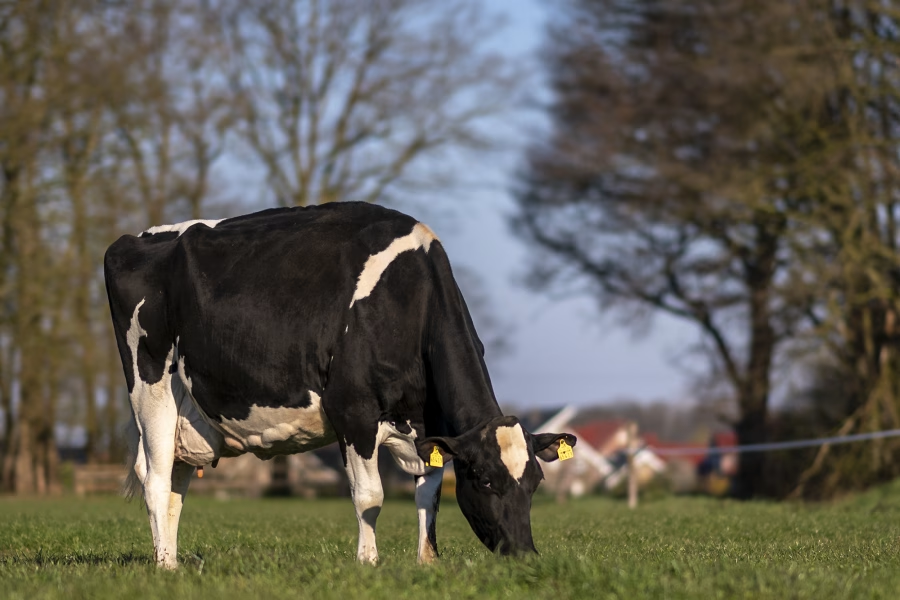
Research Findings on German Dairy Breeds

In recent years, research within the German dairy cow population has unveiled crucial insights into the resilience traits of three essential breeds: German Holstein, German Fleckvieh, and German Brown Swiss. A study involving 13,949 lactations from 36 Baden-Württemberg farms using automatic milking systems applied advanced time-series analyses to calculate resilience traits, focusing on daily milk yield variance and autocorrelation. 

This methodology calculated daily milk yields, deviations between observed and expected yields, and their relative proportions. Variance and autocorrelation were pivotal indicators, revealing significant heritabilities and breed-specific resilience traits. 

“We estimated heritability of 0.047 for autocorrelation and heritabilities ranging from 0.026 to 0.183 for variance-based indicator traits. Significant breed differences were observed, with German Brown Swiss demonstrating superior resilience.” – Research Study Findings.

When resilience traits were compared, the study found German Brown Swiss to exhibit better resilience due to both genetic and environmental factors. High variance-based indicator values indicated lower resilience. Performance traits showed a complex interaction, positively correlating with absolute milk yield indicators and negatively with relative daily yields. 

The findings highlight the need for further research to refine resilience indicators based on relative daily yields, which correct for performance levels and show higher heritability. Integrating these indicators with functional and health traits will be crucial for breeding robust and productive dairy cattle.

Practical Applications for Farmers

For dairy farmers, the resilience research we present here is not just theoretical knowledge, but a powerful tool for enhancing herd productivity and sustainability. We provide practical tips for selecting resilient cows and strategies for improving resilience on the farm. Farmers can take proactive steps toward a more resilient and productive herd by monitoring and managing cow health and stress levels. 

Tips for Selecting Resilient Cows for Breeding 

When selecting cows for breeding, focus on those with stable milk yields under varying environmental conditions, as these are critical indicators of resilience. Genetic markers identified through time series analysis of milk yield data can guide your choices. Lower variance and autocorrelation values suggest higher resilience, so prioritize these traits. Recent studies indicate that Brown Swiss cattle have shown a tendency for better resilience. They could be a favorable breed for selection. 

Strategies for Improving Cow Resilience on the Farm 

Improving resilience at the farm level includes several vital strategies: 

  • Nutritional Management: Provide balanced diets that meet cows’ dietary needs, especially during environmental stress.
  • Environmental Control: Minimize stress by ensuring adequate shelter, ventilation, and cooling systems to combat heat stress.
  • Regular Monitoring: Use tools like automatic milking systems to monitor milk yield and health, addressing issues promptly and continually.
  • Selective Breeding: Use data-driven decisions to select animals with strong resilience traits.

Importance of Monitoring and Managing Cow Health and Stress Levels 

Monitoring and managing cow health and stress levels are crucial for maintaining herd resilience. Variations in milk yield can indicate health issues or stress, making timely intervention critical. Automated systems provide valuable data, enhancing informed decision-making. Maintaining a low-stress environment and ensuring prompt medical care can prevent productivity losses and promote long-term herd resilience. 

Integrating these practices helps farmers enhance herd resilience, ensuring higher yields and better animal welfare.

The Bottom Line

Advancements in animal breeding highlight the crucial role of resilience in dairy cows. Key indicators include traits such as variance and autocorrelation in daily milk yield. German Brown Swiss cattle, for example, show promise with lower variance-based indicators, suggesting greater resilience. Identifying cows that maintain consistent production despite environmental challenges is vital. 

Further research is essential to understand the relationships between resilience indicators, functional traits, and cow health and fertility. Adopting resilience-focused practices can boost productivity and animal welfare, ensuring long-term sustainability and profitability in dairy farming. 

In essence, breeding for resilience isn’t just about higher yields and building a sustainable agricultural future. By pursuing research and innovative breeding strategies, we can develop dairy herds that are both productive and robust, supporting a more resilient and sustainable farming industry.

Key Takeaways:

  • Resilience traits like variance and autocorrelation of daily milk yield are crucial for understanding and improving cow resilience.
  • The study analyzed 13,949 lactations across German Holstein, German Fleckvieh, and German Brown Swiss breeds.
  • Heritability estimates for resilience traits varied, indicating a genetic basis for these traits.
  • Brown Swiss cows showed a tendency towards better resilience compared to other breeds.
  • Variance-based indicators from absolute daily milk yields relate positively to performance traits, while those from relative daily yields relate negatively.
  • Indicators based on relative daily yields are less influenced by performance levels and show higher heritabilities, making them more suitable for practical use.
  • Further research is necessary to explore the correlations between resilience indicators, functional traits, and health traits.
  • The findings emphasize the need for breeding programs focused on resilience to sustain dairy farming amidst environmental and health challenges.

Summary: Recent research on German Holstein, German Fleckvieh, and German Brown Swiss cows has highlighted the importance of resilience in dairy cattle breeding. Key traits like variance and autocorrelation of daily milk yields provide insights into genetic and environmental factors affecting cow resilience. These findings are crucial for developing breeding programs to enhance resilience and ensure the dairy industry remains robust against future challenges. Resilience traits are essential for consistent milk yield despite illness and climate change challenges. Variance-based indicators from absolute daily yields showed a positive correlation with performance, while those from relative daily yields showed a negative correlation. Indicators based on relative daily yields, showing higher heritabilities and less performance influence, seem promising for practical use. Further research is needed to fully explore the links between resilience indicators, functional traits, and health as agriculture continues to evolve. Treatment strategies to optimize productivity and robustness are essential for developing robust and high-yielding herds. Key traits of resilient cows include adaptability to different environments, a robust immune system, and disease resistance. Resilience research is not just theoretical knowledge but a powerful tool for enhancing herd productivity and sustainability.

Lameness in Dairy Cattle: Identifying Risk Factors and Overcoming Barriers to Best Practices

Examine the prevalence, risk factors, treatment strategies, and obstacles to adopting best practices for addressing lameness in dairy cattle. What measures can enhance welfare and productivity in dairy operations?

Imagine a bustling dairy farm where cows freely roam, producing milk that nourishes millions. Yet, hidden within this pastoral scene is a silent epidemic—lameness. Defined as any abnormality causing an impaired gait or stance, lameness is not just an inconvenience; it signifies deeper issues within the herd, affecting productivity and wellbeing. Addressing and preventing lameness is essential for promoting the health and efficiency of dairy operations

“Lameness is arguably the most significant welfare concern in dairy farming today, affecting up to one in five cows globally.” 

This review examines the prevalence of lameness and leg injuries in dairy cattle, delving into the diverse risk factors contributing to their occurrence. We will also explore prevention, control, and treatment strategies and identify barriers to best practice adoption on dairy farms. By the end of this article, you’ll have a comprehensive understanding of the complexities surrounding lameness and injuries in dairy cattle, equipping you to advocate for better welfare practices in the industry.

Understanding the Prevalence of Lameness in Dairy Cattle

Various environmental and intrinsic factors influence the onset and severity of lameness in dairy cattle. Housing quality is crucial. Inadequate access to pasture, poor bedding, and suboptimal stall design increase lameness, while deep-bedded stalls and rubber flooring reduce it. 

Herd management practices are also pivotal. Clean stalls, routine hoof trimming, and minimizing standing times can lower lameness risk. Herds with infrequent hoof care or high stocking densities often face higher lameness rates, emphasizing the importance of proper herd management. 

Type of HousingType of BeddingLameness Incidence Rate (%)
FreestallSawdust25.4%
FreestallSand17.8%
FreestallMattresses29.6%
TiestallSawdust23.0%
TiestallSand19.2%
TiestallMattresses27.5%
Pasture-BasedGrass13.1%

Cow characteristics contribute as well. High-yielding cows, especially in early lactation or with multiple parities, are more prone to lameness. This highlights the interplay between metabolic demands and physical stressors. 

Stage of LactationIncidence Rate of Lameness (%)
Early Lactation35%
Mid Lactation20%
Late Lactation15%

Cow characteristics also contribute. High-yielding cows are more prone to lameness, especially in early lactation or with multiple parties. This highlights the interplay between metabolic demands and physical stressors. 

CountryIncidence RateStudy
Global Average22.8%Systematic Review (Recent)
England and WalesApproximately 27%Front Vet Sci. 2018
Minnesota, USA26%J Dairy Sci. 2006
Canada25%Freestall Barn Study
Czech Republic17%Czech J Anim Sci. 2006

Lameness significantly hampers dairy cattle welfare, productivity, and fertility. The pain and discomfort it causes are not just numbers on a chart, but real suffering for these animals. Understanding its prevalence and risk factors is not just a matter of statistics, but a crucial step towards effective prevention and treatment, leading to improved animal welfare and farm profitability.

Risk Factors Contributing to Dairy Cattle Lameness

Environmental housing conditions play a significant role in dairy cattle lameness. Flooring material, stall design, and bedding depth can influence lameness rates. Hard, abrasive floors, inadequate bedding, and poorly designed stalls are significant contributors. Additionally, the lack of access to pasture, where cows can graze and benefit from softer ground, exacerbates the issue. 

Management practices are not just a routine, but a critical part of lameness prevention. Your actions, such as frequent hoof trimming and clean stalls, can help reduce risks. Conversely, neglecting these practices can lead to increased stress and physical strain, resulting in higher lameness rates. By understanding and implementing strategies that minimize these stressors, you can significantly improve hoof health and contribute to better dairy cattle welfare. 

Individual cow factors such as body condition, age, and parity influence lameness susceptibility. Cows with low body condition scores, older cows, and those with multiple lactations face higher risks. Genetic predisposition also plays a role, with some breeds being more prone to lameness. 

Nutritional deficiencies and metabolic disorders further contribute to lameness. Diets lacking essential minerals like zinc and biotin lead to higher lameness rates. Proper dietary management during critical periods, such as around calving, is crucial in mitigating risks. 

Behavioral factors and external stressors must not be overlooked. Social stress from poor herd dynamics, group changes, and seasonal variations also impact lameness. Wet conditions soften hooves, making them more susceptible to injuries, while dry conditions lead to hoof cracks.

Identifying Lameness in Dairy Cattle

Effective detection of lameness hinges on rigorous gait scoring. This method involves:

  • Systematically obsercows’cows’ movement.
  • Looking for irregularities such as uneven steps.
  • Arched backs.
  • Reluctance to bear weight on specific limbs.

Consistent gait scoring is not just a task but a crucial tool for facilitating early issue detection. Your vigilance and timely intervention can make a significant difference in the health and well-being of your dairy cattle. 

Moreover, technology has advanced lameness detection. Automated systems with sensors and cameras continuously monitor cow movement and posture, identifying subtle changes often missed by human observers. These systems provide real-time data, enabling swift intervention and enhancing herd management efficiency. 

Regular health checks are crucial for cattle welfare and productivity. Systematic evaluations help farmers detect emerging issues, including lameness, ensuring timely intervention. Health checks should include physical assessments and reviews of management practices and living conditions, promoting a holistic approach to lameness prevention. Regular veterinary visits and collaboration with animal health experts are essential to maintaining herd health.

Comprehensive Strategies for Lameness Prevention

Routine hoof trimming, ideally performed twice a year by professionals, is critical to maintaining hoof health and preventing lameness. Regular footbaths with copper sulfate or formalin are crucial in combating infectious diseases like digital dermatitis. 

Access to well-maintained pastures offers softer surfaces, which can both prevent and treat lameness. Where pasisn’tisn’t available, installing rubber flooring in high-traffic areas like parlors can reduce hoof trauma and improve cow comfort. 

Effective environmental management is vital. Optimal stocking densities prevent overcrowding and reduce injuries and pathogen prevalence. Well-designed stalls with appropriate dimensions and deep-bedded materials support natural cow behaviors and minimize injury risks. 

Bedding choices, particularly deep sand bedding, are essential for minimizing lameness and hock injuries. Maintaining bedding cleanliness and depth is vital to prevent bacterial build-up and keep the environment dry. 

Nutritional strategies should focus on a balanced diet rich in vitamins and minerals to support good health and overall well-being. Supplements like biotin, zinc, and copper can enhance hoof strength. Collaboration between veterinary and nutritional experts ensures dietary plans are effectively tailored and adjusted as needed.

Innovative Treatments for Lameness in Dairy Cattle

Innovative treatments for dairy cattle lameness have significantly advanced, aiming to reduce its incidence and severity. One such advancement is precision livestock farming (PLF) technologies. These technologies enable early detection and intervention, using computer vision and gait analysis to identify lameness promptly. This can revolutionize lameness management by providing real-time data and enabling swift intervention. 

Genetic selection is proving effective in reducing lameness. This process involves breeding cattle with traits resistant to lameness, thereby enhancing herd resilience. For example, selecting for cows with strong hooves and good locomotion can significantly reduce the incidence of lameness in a herd. 

Therapeutic advancements, including novel anti-inflammatory drugs and pain management protocols, have significantly improved cattle welfare. Hoof blocks and wraps also aid in alleviating pressure and promoting healing. 

Probiotics and nutritional supplements like biotin and zinc are recognized for supporting good health. These supplements work by strengthening hoof integrity, thereby preventing and improving lameness. For instance, biotin is essential for hoof growth and strength, while zinc plays a crucial role in maintaining hoof health. Incorporating these supplements into the cow’s diet can significantly contribute to lameness prevention. 

Holistic approaches, such as regular hoof trimming and proper care regimens, in combination with rubber flooring or well-maintained pastures, provide better traction and reduce injury risk. These strategies are crucial in mitigating lameness in dairy cattle.

The Bottom Line

Effective management prevents lameness and injuries in dairy cattle, allowing for early identification and timely intervention. Implementing routine hoof trimmings, proper housing, bedding, and maintaining a supportive environment can significantly reduce these painful conditions. 

Dairy farmers must prioritize hoof health within their herds. This enhances animal welfare and boosts productivity and profitability. Healthy cattle will likely exhibit better milking performance, reproductive efficiency, and longevity, leading to sustainable farming operations. 

This review underscores the prevalence of lameness and injuries, various risk factors, and prevention and treatment strategies. Proactive measures, early interventions, and overcoming barriers such as farmer mindset and resource limitations are essential. Farmers, veterinarians, hoof trimmers, and other stakeholders must implement best practices to ensure the health and welfare of dairy cattle.

Key Takeaways:

  • The average within-herd prevalence of lameness in dairy cattle globally is approximately 22.8%.
  • Hock injuries affect a wide range of cows within a herd, with prevalence estimates varying between 12% and 81%.
  • Risk factors for lameness and injuries include housing conditions, management practices, and individual cow factors.
  • Prevention strategies for lameness encompass routine hoof trimming, improved stall design, and adequate bedding depth and type.
  • Farmer attitudes and perceptions play a significant role in the adoption of best practices for managing lameness and injuries.

Summary: Lameness is a major issue in dairy farming, affecting up to one in five cows globally. It affects productivity and wellbeing, and addressing and preventing it is crucial for dairy operations’ health and efficiency. Environmental and intrinsic factors influence the severity of lameness, with housing quality, bedding, and stall design affecting the onset and severity. Deep-bedded stalls and rubber flooring reduce lameness risk, while herd management practices like clean stalls, routine hoof trimming, and minimizing standing times lower the risk. High-yielding cows are more prone to lameness. The global average is 22.8%. Understanding prevalence and risk factors is essential for effective prevention and treatment, leading to improved animal welfare and farm profitability. Risk factors include environmental housing conditions, individual cow factors, genetic predisposition, nutritional deficiencies, metabolic disorders, behavioral factors, and external stressors. Regular health checks and technology-advanced lameness detection are essential for effective prevention. Comprehensive strategies for lameness prevention include routine hoof trimming, footbaths with copper sulfate or formalin, access to well-maintained pastures, effective environmental management, bedding choices, and nutritional strategies. Genetic selection, therapeutic advancements, hoof blocks, and wraps can also help reduce lameness.

Strategic Sand Management: Ensuring Comfort for Cows and Cleanliness in Fields

Learn the art of managing sand bedding efficiently for your dairy cows. Ensure sand remains where it’s beneficial and out of places it shouldn’t be. Are you prepared to enhance the performance of your dairy farm?

Imagine a dairy farm where cows rest in clean bedding, fields thrive, and farmers work efficiently. This can be achieved with effective sand management. By ensuring that cows have a comfortable resting place, we not only promote their well-being but also enhance their productivity. Properly managing sand in bedding and fields ensures healthier cows, better crops, and smoother farming operations

Good sand bedding is not just about comfort; it’s about health. It reduces lameness and mastitis for dairy cows, creating a healthier environment. Fields benefit from sand management by reducing soil compaction and enhancing nutrient distribution, which is essential for crop yields. This shows the importance of a balanced sand-use approach, benefiting animal welfare and crop production. 

Farmers also gain numerous advantages. In addition to healthier cows, effective sand management is a smart financial move. It cuts costs and boosts farm efficiency. By using sand wisely, farmers can minimize waste, lower bedding expenses, and maintain fertile fields. These practices support sustainable farming, a key goal in agriculture today. 

Ready to optimize your sand bedding management? Here are some strategies to create a comfortable environment for your cows, reduce waste, and improve operations. Read on for a deeper dive into enhancing sand bedding management for healthier cows and more efficient farming.

Ensuring Cow Comfort: The Role of Proper Bedding

In the modern dairy farm, the choice of bedding material is not just a matter of convenience but a crucial factor that directly impacts the health and productivity of the herd. To help illustrate the comparative benefits and drawbacks of various bedding options, we have compiled a chart that evaluates their performance based on comfort, cost, and ease of use. 

Bedding TypeComfortCostEase of Use
SandHighMediumMedium
StrawModerateLowHigh
SawdustModerateMediumHigh
MattressesVariableHighHigh
Recycled Manure Solids (RMS)HighLowMedium

The Benefits of Sand Bedding 

Sand is an excellent bedding material due to its cushioning and support. The specific gradation of sand used in stalls is vital for its effectiveness. Proper sand offers a level surface that evenly distributes the cow’s weight, reducing pressure points and minimizing risks like hock lesions and mastitis. 

However, sand management is equally crucial. Poor maintenance can lead to compacted or contaminated sand, resulting in uncomfortable resting areas and spreading pathogens. Inconsistent sand surfaces can stress and injure cows as they lie down and rise. Effective sand management is essential to maintain the benefits of this bedding material.

Advantages of Pristine Pastures

Clean fields are crucial for cow health and high-quality milk production. Clean sand bedding in dairy operations helps reduce mastitis, a costly udder infection, by providing a comfortable and hygienic resting place for cows. 

Incorrect handling of sand can lead to contamination with manure and bacteria, compromising its safety and effectiveness. Sand-laden dairy manure (SLDM) can infiltrate bedding and fields, requiring strict management. Contaminated sand increases the risk of infections, leading to higher veterinary costs and reduced milk yield. 

Dirty sand affects fields by altering soil structure and fertility. Sand with fine particles and organic material introduces high levels of nitrogen and phosphorus, disrupting nutrient balance and possibly causing soil compaction and poor crop growth. Proper sand management is essential for cow health and the land’s long-term productivity.

Strategies for Effective Sand Management

Managing sand in dairy facilities is crucial for efficiency and cow well-being. One key strategy is regular sand sifting and cleaning. This helps keep sand beds pure, separating manure and fines from reusable sand, maintaining hygiene and comfort, and boosting cow health and productivity

Proper drainage systems are also vital to prevent sand buildup in fields. Good drainage extends sand bedding usability and ensures better field conditions and environmental compliance. More details on sand bedding are available. 

Investing in high-quality sand for cow bedding is essential. The choice between natural and manufactured sand affects particle size and fines presence, impacting manure handling and bedding effectiveness. Quality sand can enhance comfort, aid in manure separation, reduce replacement frequency, and save costs.

Mastering the Art of Sand Management: Overcoming Hurdles and Implementing Solutions

One of the main challenges in sand management is choosing between natural sand and manufactured alternatives. Natural sand, with its rounded particles and consistent texture, usually offers better comfort and drainage. However, it can be expensive and environmentally harmful to extract. While controlled in size, manufactured sand may need extra processing to match natural sand’s benefits in cow comfort and manure separation. The choice should balance performance and environmental concerns. 

Quantifying sand material in dairy facilities involves sand sieve analysis and particle-size assessments. Samples must meet specific bedding standards focused on particle size and low acceptable content. Sands with fewer fines separate more easily from Sand-Laden Dairy Manure (SLDM), reducing operational issues and making the sand reusable. 

Managing SLDM usually involves mechanical sand manure separation or large basin sedimentation systems. Mechanical systems are efficient and space-saving but need regular upkeep and are costly upfront. Sedimentation in basins is effective and low-tech but requires a lot of space and periodic cleaning. The choice depends on the facility’s size, budget, and maintenance capabilities. 

Despite these challenges, sand bedding offers significant benefits. It ensures cow comfort, provides optimal support, and reduces bacterial growth, improving herd health and productivity. Properly managed, sand bedding integrates well into manure handling systems, aiding efficient waste processing and nutrient management. For detailed guidelines, the PRODAIRY facilities website (www.prodairyfacilities.cornell.edu) provides extensive sand-laden dairy manure handling resources.

Innovative Strategies for Keeping Sand Where It’s Needed

Use high-quality screened sand to keep sand within dairy cow stalls. This sand has larger particles removed, ensuring uniform consistency, improving comfort, and reducing drainage clogs. Screened sand also minimizes fines—small particles that can block drainage—helping keep stalls dry and healthy. 

Stalls with sand bedding need a different design than those with mattresses or rubber mats. Important design features include sufficient sand depth, effective drainage systems, and barriers to keep the sand in place. Matching stall design with bedding properties enhances cow comfort and stall hygiene. 

Using mechanical sand separators and reclamation systems can help collect and clean sand from manure for reuse. This approach provides a steady supply of clean bedding and reduces sand use and waste management costs. Regularly monitoring the sand quality ensures these systems work efficiently. 

Maintaining stalls and replenishing sand regularly is also critical. Routine checks and quick repairs of drainage issues can prevent significant problems. By adopting these strategies, dairy farm operators can effectively manage sand, creating a healthier environment for their cows.

Field Management: Ensuring Sand Stays Out of Pastures

Maintaining optimal field conditions means keeping sand confined to bedding areas and out of pastures. The type of sand plays a crucial role. Certified Concrete Sand, recommended for its lower acceptable content, ensures better drainage and easier separation from sand-laden dairy manure (SLDM). In contrast, Non-Certified Mason Sand compacts within stall bases complicate handling. 

Preventing sand runoff requires robust containment practices, including well-designed stalls and efficient manure management systems. Mechanical sand-manure separators or large sedimentation basins can reduce sand escaping into the farm environment. Resources on the PRODAIRY facilities website offer valuable guidance on handling SLDM. 

Regular monitoring and maintenance are vital. Sedimentation basins should be regularly cleaned, and mechanical separators checked. Stalls should be explicitly designed to reduce the spread of sand bedding. 

Consider broader environmental impacts. Sand infiltrating pastures disrupts soil structure and affects productivity. Buffer zones and robust drainage systems can capture sand before reaching pastureland, protecting the farm environment and the broader ecosystem.

The Bottom Line

Effective sand management is crucial for keeping dairy cows comfortable and maintaining clean, productive fields. Proper sand bedding improves cow comfort, reducing stress and boosting herd health. It also minimizes negative impacts on fields, supporting sustainable farming practices

Good sand management benefits both cows and crops. Healthier cows mean higher milk production and lower veterinary costs. Clean fields free of excess sand result in better crop yields and soil quality, leading to sustainability. Prioritizing sand management helps farmers balance cow comfort with field cleanliness, underscoring its importance in the dairy farming community

Therefore, dairy farmers should focus on sand management, understanding that controlling sand bedding and its impact on fields is critical to successful and sustainable farming. Ensuring cow comfort and clean fields improves both animal welfare and farm productivity.

Key Takeaways:

  • Sand bedding improves cow comfort by reducing pressure points and the risk of lameness and mastitis.
  • Effective sand management minimizes environmental impact and maintenance costs.
  • Proper sand bedding distribution enhances animal welfare and farm efficiency.
  • Investment in high-quality sand and effective drainage systems is crucial for long-term benefits.
  • Strategic management of sand in fields prevents contamination and supports crop health.

Summary: Sand management is crucial for dairy farms to promote cow well-being, reduce lameness and mastitis, and enhance crop yields. A balanced sand-use approach benefits animal welfare, reduces costs, increases farm efficiency, and reduces waste. Proper sand bedding distributes cow weight evenly, reducing pressure points and risks like hock lesions and mastitis. Poor maintenance can lead to compacted or contaminated sand, causing discomfort and spreading pathogens. Clean sand bedding reduces mastitis by providing a comfortable resting place for cows. Proper drainage systems prevent sand buildup, extending sand bedding usability and ensuring better field conditions and environmental compliance. Investing in high-quality sand is essential, as the choice between natural and manufactured sand affects particle size and fines presence, impacting manure handling and bedding effectiveness.

How Age at Puberty Predicts Longevity and Productivity: Unlocking Dairy Cow Fertility

Unlock the secrets to dairy cow fertility: How does the age at puberty predict longevity and productivity? Discover the genetic connections and elevate your herd’s performance.

Have you ever considered how a dairy cow’s age at puberty impacts its entire productive life? Surprisingly, it’s a critical factor influencing fertility, longevity, and productivity. Research shows that cows reaching puberty earlier tend to have better reproductive performance, resulting in consistent milk cycles and longer lifespans. 

This relationship isn’t just theoretical; it’s crucial for dairy farmers. Predicting and optimizing reproductive performance can mean thriving or struggling in pasture-based, seasonal systems. Farmers breeding cows for early puberty traits see improvements in calving rates, milk yields, and overall herd health

Age at puberty is a critical trait that dairy farmers must prioritize. Its profound influence on fertility and productivity makes it essential for maximizing dairy operations. Understanding the genetics behind this trait can enhance herd efficiency and sustainability.

This article delves into the genetic underpinnings of age at puberty in Holstein-Friesian dairy cattle and its correlations with fertility and body size traits. It offers insights for improved dairy herd management.

Introduction: The Link Between Puberty and Productivity

The drive to boost productivity and longevity in dairy cattle compels researchers to investigate the genetic foundations of critical traits like reproductive performance and body growth. Among these, age at puberty (AGEP), mainly through blood plasma progesterone levels (AGEP4), stands out for its moderate heritability and early occurrence. 

Recognizing that early-life traits can predict future performance, this study examines AGEP4’s genetic roots and its link to fertility and physical growth in Holstein-Friesian cattle. Despite fertility traits like calving rate and pregnancy rate having low heritability, they are crucial for a cow’s productive life. The research aims to enhance breeding programs focused on fertility and productivity by pinpointing genetic markers and correlations. 

Studies, such as those by Nilforooshan and Edriss (2004), highlight reproductive timing’s impact on dairy traits. For instance, reducing age at first calving may slightly decrease productive life but positively affects lifetime profit. Conversely, increasing it can improve productive life and milk income, showing a balance that breeders must manage. 

In pasture-based, seasonal calving systems, predicting and enhancing reproductive traits boosts individual animal performance and aids the whole herd’s economic viability. This comprehensive approach to analyzing genetic and phenotypic variances and genomic associations seeks to link early-life indicators with long-term productivity.

The Science Behind Age at Puberty: Understanding AGEP4

AGEP4, or the age at first measurable elevation in blood plasma progesterone, is crucial for understanding reproductive efficiency in dairy cattle. This early-life trait is more heritable and predictable than traditional fertility metrics like pregnancy rate or inter calving interval, which are less heritable and occur later in life. AGEP4 provides an early indicator, helping farmers make informed decisions long before the first calving event. 

Our study explored the genetic and phenotypic relationships between AGEP4, fertility traits, and body size indicators such as height, length, and body weight (BW). We measured these traits in approximately 5,000 Holstein-Friesian or Holstein-Friesian × Jersey crossbred yearling heifers across 54 seasonal calving herds to reveal insightful patterns and correlations. 

We found that AGEP4 has a moderate heritability of 0.34. In contrast, traditional fertility traits like calving rate (CR42), breeding rate (PB21), and pregnancy rate (PR42) have low heritabilities, often under 0.05. This contrast highlights AGEP4’s potential as a predictor of reproductive success. Genetic correlations between AGEP4 and fertility traits ranged from 0.11 to 0.60, indicating significant genetic linkage. 

Moreover, our Genome-Wide Association Study (GWAS) identified a strong association between AGEP4 and a genomic window on chromosome 5. We also found suggestive associations on chromosomes 14, 6, 1, and 11, suggesting a complex genetic architecture. These discoveries pave the way for refining genomic predictions of fertility using AGEP4 and other early traits. 

Understanding AGEP4 enhances our grasp of reproductive genetics and provides a strategic tool for improving fertility and longevity in dairy cattle. This knowledge underscores the transformative power of genetic research in achieving efficient and sustainable dairy farming.

Age at Puberty and Longevity

Age at puberty, marking dairy cow reproductive maturity, significantly influences their lifespan. The age at first calving is tied to puberty onset, and reproductive performance is crucial for cow longevity in dairy systems. Optimal age at puberty enhances reproductive performance, boosting longevity and productivity. 

Early puberty correlates with a shorter lifespan. Nilforooshan and Edriss (2004) noted that early or late first calving impacts milk yield, fat percentage, and overall productive life. Cows calving before 700 days see more lifespan variability, underscoring the need for balanced reproductive timing for sustained productivity. 

Proper nutrition and management are crucial to achieving optimal puberty age. Balanced diets and effective health management ensure timely puberty, improving fertility, lifespans, and overall productivity. Strategic feeding, regular health check-ups, and tailored breeding programs are essential for dairy cows to develop appropriately and achieve beneficial reproductive maturity.

Age at Puberty and Productivity

The age at which dairy cows reach puberty, known as age at puberty (AGEP), is pivotal for their productivity and reproductive performance. Understanding the genetic factors behind AGEP helps us predict and enhance fertility, improving milk production in dairy systems. 

Studies consistently show that AGEP significantly affects reproductive performance, impacting traits like inter calving interval and pregnancy rates. Earlier puberty leads to better reproductive outcomes, allowing timely breeding and reducing intervals between lactations. Strategically managing AGEP enhances reproductive efficiency and extends productive life spans for dairy cows

Research highlights the link between early puberty and increased milk yield. Nilforooshan and Edriss (2004) found that age at first calving affects milk yield, fat percentage, and overall productive life. Cows reaching puberty early can be bred optimally, resulting in earlier milk production and higher lifetime yields, vital for dairy farm profitability. Reducing the age at first calving, tied to an earlier AGEP, can boost lifetime profit despite potentially shorter productive lives. 

Optimizing AGEP requires a multi-faceted approach: genetic selection, nutritional management, and herd health strategies. Using genome-wide association studies (GWAS), we can identify genetic markers linked to AGEP. Selecting for these traits allows dairy farmers to breed more advantageous heifers. Optimal nutrition during the rearing phase supports earlier puberty without compromising health. Regular health monitoring ensures early-reproducing heifers remain productive. 

In summary, focusing on AGEP optimization enhances reproductive performance and milk production. Leveraging genetic insights, improved nutrition, and robust health management practices leads to more efficient and profitable dairy operations. 

Explore further insights on the impact of accelerated age at first calving and optimal timing for breeding to maximize milk production and profitability.

Unlocking Dairy Cow Fertility

Reproductive performance is crucial for a profitable dairy operation. Fertile cows mean higher milk yields, lower culling rates, and overall efficiency. When cows conceive and calve on time, milk production synchronizes, maximizing output and minimizing input costs. Effective fertility management ensures steady income and economic stability for dairy farms. 

The key to optimizing fertility starts early in a cow’s life. Genetics, nutrition, and management are pivotal. Age at puberty (AGEP) is a critical marker; when cows hit puberty early, they are more likely to calve timely and have a healthy reproductive life. Factors like body condition, health, and environment also impact fertility. 

Monitoring AGEP is essential to managing fertility. This involves balanced nutrition, regular health check-ups, and genetic selection. Utilizing genomic data to manage reproductive traits can enhance breeding strategies and improve fertility outcomes. Dairy farmers can boost fertility rates and long-term profitability by refining these practices.

Key Findings: The Genetic Architecture of AGEP4

One of our study’s key revelations is the robust heritability of AGEP4, quantified at 0.34. This indicates that age at puberty is significantly influenced by genetics, making it a reliable early predictor for reproductive performance in dairy cattle. Conversely, direct fertility traits like calving, breeding, and pregnancy rates had markedly lower heritabilities, all below 0.05. These findings highlight the potential of AGEP4 as an alternative selection criterion to enhance fertility through genetic means. 

The genetic correlations between AGEP4 and fertility traits further underscore its utility. Our data revealed correlations ranging from 0.11 to 0.60, demonstrating a moderate to substantial genetic link between early puberty and reproductive success. This suggests that selecting for lower AGEP4 could improve fertility outcomes, promoting longer-lasting and more productive cows. 

We also explored the associations between AGEP4 and key body size traits—height, length, and body weight—measured at approximately 11 months of age. Although these traits had lower heritabilities (0.21 to 0.33), their genetic correlations with AGEP4 increased to 0.28. These moderate associations indicate that body size traits might indirectly influence or be influenced by the same genomic factors affecting AGEP4. 

Our genome-wide association study (GWAS) identified several genomic regions associated with AGEP4. A significant genomic window on chromosome 5 emerged as a strong candidate influencing AGEP4, with other suggestive associations found on chromosomes 14, 6, 1, and 11. These findings provide insight into the genetic architecture of AGEP4. However, further research is needed to understand the biological mechanisms and validate these associations. 

The practical implications are substantial. By leveraging the genetic basis of AGEP4, dairy farmers can adopt more informed breeding strategies that prioritize early puberty as a marker for better fertility. However, further studies are essential to refine genomic predictions and fully capitalize on selecting AGEP4 to enhance overall herd fertility and productivity.

The Bottom Line

Our research underscores the crucial role of age at puberty (AGEP4) in predicting the longevity and productivity of dairy cows. With moderate heritability and solid genetic links to fertility traits, AGEP4 is an early indicator for future reproductive performance. This is especially valuable given the typically low heritability of direct fertility traits. By understanding AGEP4’s genetic architecture, dairy farmers can make decisions that enhance reproductive efficiency and herd profitability. 

Attention Dairy Farmers: Incorporate AGEP4 into your herd management practices. Monitoring and selecting for AGEP4 can improve fertility rates and extend the productive lifespans of your cows, leading to higher economic returns and a more sustainable farm. 

Future research should aim to deepen our understanding of AGEP4’s relationship with dairy cow health and productivity. Refining genomic predictions and exploring the genetic mechanisms influencing AGEP4 and fertility will pave the way for better breeding strategies and herd management practices, securing the dairy industry’s future.

Key Takeaways:

  • Early puberty as a predictor: Age at puberty, particularly measured through AGEP4, is a moderately heritable trait that can provide early predictions of a cow’s reproductive success.
  • Genetic correlations: The study highlights moderate genetic correlations between AGEP4 and fertility traits, underscoring the importance of genetic screening for improved reproductive performance.
  • Body size relationship: There’s a discernible association between AGEP4 and yearling body-conformation traits like height, length, and body weight, which also hold heritable values.
  • Genomic insights: Research identifies several critical genomic regions associated with variations in AGEP4, opening avenues for targeted breeding strategies.
  • Low heritability of direct fertility traits: Traits such as calving rate, breeding rate, and pregnancy rate exhibit low heritability, making early-life indicators like AGEP4 more valuable for genetic selection.


Summary: The age at puberty in dairy cattle significantly impacts its productive life, affecting fertility, longevity, and productivity. Early puberty results in better reproductive performance, consistent milk cycles, and longer lifespans. This relationship is crucial for dairy farmers, as breeding cows for early puberty traits improves calving rates, milk yields, and overall herd health. Understanding the genetics behind this trait can enhance herd efficiency and sustainability. Researchers are investigating the genetic foundations of critical traits like reproductive performance and body growth, particularly age at puberty (AGEP) through blood plasma progesterone levels (AGEP4). AGEP4 stands out for its moderate heritability and early occurrence, making it an important factor in predicting future performance. Reproductive timing’s impact on dairy traits is highlighted by studies by Nilforooshan and Edriss (2004), which show that reducing age at first calving may slightly decrease productive life but positively affects lifetime profit. Proper nutrition and management are crucial for achieving optimal puberty age, improving fertility, lifespans, and overall productivity.

8 Skills to Look for When Hiring a Herdsman

Uncover the essential attributes to consider when hiring a herdsman. Prepared to identify the optimal candidate for your dairy farm? Dive into our indispensable guide tailored for dairy farmers.

A herdsman’s duties go far beyond just milking cows. They monitor animal health by conducting regular health checks, identifying and treating illnesses, and ensuring proper nutrition. They optimize feeding practices by developing balanced diets and managing feed quality. They also keep detailed records of each cow’s health, milk production, and breeding history. A herdsman’s expertise directly influences milk yield, animal welfare, and the farm’s profitability by ensuring that each cow remains healthy and produces high-quality milk. 

“A great herdsman is like a symphony conductor, where each cow is an instrument playing harmoniously to produce a masterpiece.”

Identifying the right qualities in a herdsman is essential. It isn’t just about having a passion for animals; it requires a professional with a mix of knowledge, skill, and intuition. A herdsman must be observant, a problem solver, and an effective manager. The success of your dairy farm depends on their ability to balance these skills effectively.

As a dairy farmer, knowing what makes a great herdsman can boost your farm’s efficiency and profitability. This article explores the key qualities and skills that define an exemplary herdsman. From hands-on dairy cattle experience to mastering modern dairy tech, we’ll cover it all. Spend a few moments with us, and you’ll learn how to spot and attract top talent, ensuring your herd thrives under expert care. Discover what sets the competent apart from the extraordinary in this vital role.

Why is it hard to find a good herdsman? 

Securing a competent herdsman is no easy task due to the multifaceted nature of the role. It demands a unique blend of technical skills in dairy cattle management and strong leadership abilities. The best herdsman is a rare breed, combining the roles of a cow technician and a people leader. They are often nurtured and grown internally, their potential for leadership recognized and honed through extensive hands-on experience and training, which should inspire the audience to strive for excellence in their own roles. 

Modern dairy farms need herdsmen who can follow protocols, avoid residues, and drive profitability while maintaining high standards. They must also accurately diagnose and treat sick cows and lead their teams effectively. This unique combination of skills, which includes technical knowledge, leadership, problem-solving, and internal growth, which involves recognizing and nurturing potential, makes finding exceptional herdsmen challenging in today’s farming world.

Understanding the Role of a Herdsman

The herdsman role demands a deep knowledge of cow biology and behavior and the ability to lead a team of farm workers toward shared objectives. The herdsman’s duties range from breeding and calving to diagnosing and treating sick cows. They influence and guide their team, aligning everyone with the farm’s standards and goals. 

Effective communication is crucial for making informed decisions. Herdsmen must share guidelines and create an environment where feedback is valued. They are skilled cow technicians and leaders, managing animal care and team dynamics. Often, owners or managers cultivate great herdsmen internally and recognize them for their leadership potential. This approach ensures they are well-versed in the farm’s specific management practices. 

High standards are essential, and protocol compliance ensures the herd’s health and the farm’s profitability. A herdsman’s commitment to residue avoidance and protocol adherence directly impacts milk quality and the farm’s financial health. Training programs emphasize this alignment with the farm’s vision and methods. A great herdsman balances animal welfare, team efficiency, and operational profitability, driving the farm toward ongoing success by ensuring that all protocols are followed and standards are maintained.

Hands-on experience with Dairy Cattle

Managing and caring for dairy cattle demands a solid foundation of practical experience. Thanks to their keen observational skills developed over the years, skilled herdsmen can spot early signs of illness or discomfort. This expertise allows them to diagnose and treat health issues rapidly, ensuring herd well-being and reducing losses. Proficient herdsmen handle precision tasks like breeding, milking, and calving, maintaining high care standards. They also manage the herd’s nutrition, ensuring they receive a balanced diet for optimal health and milk production. 

Beyond technical abilities, great herdsmen excel in communication, clearly stating protocols to ensure team compliance. This is crucial for maintaining high animal care standards, such as proper feeding and hygiene practices, and maximizing productivity, such as ensuring cows are in optimal health for milk production. Clear communication helps share management philosophies and training guidelines, enabling the team to make informed decisions. Consequently, herdsmen can influence their colleagues, fostering a collaborative environment aimed at a high-performing dairy operation

Becoming an exceptional herdsman involves continuous education and adaptation. Herdsman must stay updated as the industry evolves with new technology and practices. This ongoing learning and a passion for dairy farming drive the journey from a competent worker to a respected leader. This commitment to growth enhances the herdsman’s role and significantly contributes to the farm’s success and sustainability.

Strong Communication Skills

A herdsman’s communication with farm workers is crucial. Sharing information about daily tasks, health updates, and changes keeps everyone focused and effective. In high-performance dairies, teamwork is critical for maintaining productivity and animal welfare. 

Equally vital is the herdsman’s ability to communicate with farm owners and managers. They play a crucial role in discussing strategic plans, such as herd expansion or implementing new technologies, and operational challenges, such as disease outbreaks or feed shortages. Their insights and reports on herd conditions help build trust and implement best practices, which can greatly improve farm efficiency. Their role in strategic planning and operational challenges is instrumental in the farm’s success. 

Communication also includes interactions between herdsmen and animals. A skilled herdsman understands animal behavior and uses body language, vocal cues, and calm behavior to manage the herd. These actions help create a low-stress environment, leading to better health and higher milk yields. By maintaining a calm and stress-free environment, herdsmen can significantly improve the herd’s health and productivity.

Problem-Solving Abilities

Practical problem-solving is vital for a herdsman, involving quick issue detection and resolution related to cattle health and behavior. A skilled herdsman needs to identify health problems swiftly and intervene promptly. Additionally, they manage animal conflicts, ensuring herd harmony by understanding animal behavior and implementing protocols. Resourcefulness is crucial, as it involves innovative solutions to farm challenges. These qualities make herdsmen indispensable to dairy farms.

Herdsmen face a variety of challenges that demand sharp observation and quick decisions. Chief among these is identifying and treating health issues like mastitis, lameness, or digestive problems, which can severely affect productivity if overlooked. They must also handle calving complications, ensuring the safety of both cow and calf. Maintaining the herd’s nutrition to optimize milk production and welfare is essential. Addressing behavioral issues like aggression or hierarchy disputes also ensures a peaceful, efficient farm environment. Managing mechanical issues in milking equipment is also crucial for seamless operations. These challenges require a diverse skill set and proactive problem-solving to maintain herd health and productivity.

Work Ethic and Dedication

In the demanding world of dairy farming, the herdsman’s work ethic and dedication are crucial. Candidates for this critical role must be ready to face the challenges and responsibilities head-on, showcasing a willingness to work long hours and weekends. This isn’t just about logging hours; a faithful herdsman shows a deep commitment to cattle care, understanding that the herd’s health directly impacts the farm’s success. Their strong work ethic underscores a broader commitment to the farm’s prosperity, as they are willing to make significant sacrifices for the well-being of the herd and the farm’s sustainability. 

“A true herdsman’s dedication extends beyond duty; it’s a commitment to cattle well-being and farm success, often requiring significant sacrifices.”

  • Willingness to work long hours and weekends
  • Dedication to cattle care
  • Strong work ethic and farm commitment

Dedication to Animal Welfare

The viral videos exposing employee misconduct and animal abuse in farming operations have spotlighted a vital herdsman responsibility: unwavering dedication to animal welfare. These unsettling videos have shaken consumer trust and prompted tighter scrutiny from regulatory bodies. Consequently, herdsman must now prove their commitment to the humane and ethical treatment of dairy cattle. 

The herdsman’s role transcends primary caretaking to actively fostering a compassionate and respectful culture towards livestock. This dedication is essential for preserving the farm’s reputation and ensuring long-term financial stability. Devoted employees are more inclined to follow best practices, identify signs of illness or distress, and implement timely interventions. This vigilance enhances cattle well-being and reduces the risk of public backlash and legal issues related to animal mistreatment. 

Moreover, ingraining a culture of animal welfare within the workplace has far-reaching benefits. It promotes continuous education, empowers workers to report unethical behavior, and fosters accountability. Thus, a herdsman’s dedication to animal welfare is not just lovely; it is crucial for the farm’s ethical integrity and operational success in today’s agricultural landscape.

Proficiency in Dairy Technology

As dairy farming evolves, the herdsman’s role has transformed significantly, making proficiency in dairy technology essential. Mastering these technologies boosts herd management, productivity, and farm profitability. 

Dairy technology includes tools like advanced milking machines, automated feeders, and herd management software. These tools help monitor each animal’s health and productivity. For example, wearable devices and sensors track vital signs, enabling early illness detection and timely intervention. 

Data analytics has also transformed decision-making processes. A skilled herdsman can interpret data from these tools to improve breeding, feed optimization, and milk quality. 

Staying updated on the latest advancements is also crucial. A dedicated herdsman invests in learning about new trends and innovations, enhancing their tech skills through workshops and courses. 

Blending traditional husbandry with technological skills ensures high farm efficiency and animal welfare. This synergy shapes the future of dairy farming, driving the industry forward.

Trustworthiness and Responsibility

Trustworthiness and Responsibility are crucial for a herdsman. A thriving dairy farm relies on a herdsman who embodies these traits, ensuring smooth operations and animal well-being. Trust is built through consistent actions and a commitment to the farm’s goals. A responsible herdsman proactively addresses issues before they become significant problems, fostering a stable environment for livestock and workers. 

Trustworthiness also extends to the use of technology and protocol adherence. Following residue avoidance programs is essential to meet standards and maintain milk quality. Compliance safeguards the product and reinforces trust in the herdsman. Responsible herdsmen meticulously document and track feed regimens and health treatments to ensure transparency and accountability. 

The herdsman’s role includes leadership, where trust is critical to coordinating team efforts. High-performing herdsmen naturally become people leaders, setting standards and holding the team accountable. Their leadership can shape the dairy’s culture, promoting shared Responsibility and respect. When a herdsman exemplifies trustworthiness and Responsibility, he drives the entire team toward achieving collective goals, elevating the dairy’s performance and welfare.

Time Management Skills

Effective time management is crucial for exemplary herdsmen, encompassing more than just punctuality but also strategic planning. They skillfully adhere to schedules, anticipate changes, and adapt to the unpredictable nature of dairy farming. This involves maintaining consistent milking schedules, managing feed, and ensuring timely health checkups for the herd. Routine tasks demand prioritization and efficient execution to sustain animal well-being and productivity. 

Effective time allocation is vital, as delays can harm animal health and milk production. Experienced herdsmen detect and address issues like mastitis early, preventing disruptions to the herd’s schedule and productivity. This strategic allocation of time distinguishes excellent herdsmen from average ones. 

Time management also includes integrating new technologies and methodologies into daily routines. With the rise of dairy technology, herdsmen must stay updated with advancements like automated milking systems, data analytics for health monitoring, and precision farming. Proficient herdsmen use these tools to streamline operations and optimize herd management practices. 

Time management for a herdsman involves punctuality, strategic foresight, prioritization, and adaptation to new technologies. These elements ensure smooth dairy farm operations, contributing to the herd’s health and productivity. Evaluating potential herdsmen’s time management skills provides significant insights into their suitability for the role.

TraitWhy It Matters
Hands-On Experience with Dairy CattleDirect experience ensures the herdsman can handle various cow-related tasks, from milking to calving, with proficiency and confidence.
Strong Communication SkillsEssential for effectively conveying instructions, updates, and concerns to team members and management, fostering a well-coordinated farm environment.
Problem-Solving AbilitiesCritical for diagnosing issues quickly and implementing effective solutions, thereby minimizing disruptions and maintaining herd health.
Dedication to Animal WelfareEnsures the physical and emotional well-being of the cows, which directly impacts milk quality and overall productivity.
Proficiency in Dairy TechnologyAdapting to technological advancements drives operational efficiency and enhances herd management practices.
Trustworthiness and ResponsibilityEstablishes a reliable work environment where tasks are completed accurately and ethical standards are upheld.
Time Management SkillsKey to ensuring that daily operations run smoothly, priorities are met, and the herd remains healthy and productive.
Work Ethic and DedicationWork ethic is crucial for a herdsman as it ensures that the demanding and meticulous tasks required to maintain the welfare of the herd and the success of the dairy operation are consistently and effectively performed.

The Bottom Line

Finding an exemplary herdsman is an investment in your dairy operation’s future. The essential qualities we’ve discussed—hands-on cattle experience, strong communication, problem-solving, animal welfare dedication, tech proficiency, trustworthiness, and time management—are foundational to a successful dairy farm. 

Skilled herdsmen offer more than just labor; they deliver expertise, commitment to herd health, and efficient management of challenges. Their role affects milk quality, animal health, and overall farm operations, ensuring your enterprise’s success and sustainability. 

Ultimately, a competent herdsman is an invaluable asset. They ensure the well-being of animals, seamless technology integration, and precise daily management. Prioritizing these qualities in your recruitment will secure a herdsman who will significantly contribute to your dairy farm’s prosperity.

Key Takeaway:

  • Finding a skilled herdsman is challenging due to the diverse skill set and dedication required for the role.
  • The role extends beyond routine tasks, encompassing health monitoring, problem-solving, and team leadership.
  • Hands-on experience with dairy cattle is essential, as it complements theoretical knowledge.
  • Effective communication skills are necessary to coordinate with team members and manage daily operations.
  • Strong problem-solving abilities enable the herdsman to address unexpected issues swiftly and efficiently.
  • A strong work ethic and unwavering dedication are vital for maintaining herd health and farm profitability.
  • An inherent dedication to animal welfare ensures the well-being and productivity of the herd.
  • Proficiency in modern dairy technology is increasingly important in the evolving industry landscape.
  • Trustworthiness and a sense of responsibility are crucial, as herdsmen often manage substantial asset investments.
  • Time management skills are indispensable for balancing the myriad duties that come with the position.
  • Overall, a great herdsman is a blend of technical expertise, emotional intelligence, and unwavering commitment.

Summary: A herdsman is a crucial figure in dairy farms, responsible for maintaining the health, productivity, and well-being of the herd. They go beyond milking cows, monitoring animal health, identifying and treating illnesses, and ensuring proper nutrition. A competent herdsman is a rare breed, combining roles of a cow technician and a people leader. Modern dairy farms require herdsmen who can follow protocols, avoid residues, drive profitability, accurately diagnose and treat sick cows, and lead their teams effectively. Understanding the role requires deep knowledge of cow biology, effective communication, and a commitment to high standards. Continuous education and adaptation are essential for exceptional herdsmen, who possess diverse skill sets and proactive problem-solving skills.

Comparing Dairy Feed Systems: Predicting Essential Amino Acid Outflows in Cows

Discover which dairy feed system best predicts essential amino acid outflows in cows. Are NRC, CNCPS, or NASEM systems more accurate for your herd’s nutrition?

The dairy industry thrives on the delicate balance between nutrition and productivity, with essential amino acids (EAA) playing a pivotal role. These building blocks are crucial for dairy cows’ health, growth, and milk production, serving as the foundation of successful dairy farming. But how do farmers ensure their herds get the right EAA mix? The answer lies in advanced feed evaluation systems that predict and optimize EAA outflows. This article explores the effectiveness of three such systems: the National Research Council (NRC), the Cornell Net Protein and Carbohydrate System (CNCPS), and the National Academies of Sciences, Engineering, and Medicine (NASEM). 

Optimal EAA delivery in dairy diets boosts cow health and productivity and enhances overall farm sustainability through efficient nutrient utilization. 

This study compares these three systems, focusing on their ability to predict post-ruminal outflows of EAAs. Analyzing data from 70 duodenal and 24 omasal studies aims to determine which method offers the most reliable predictions, guiding better feed formulations and promoting improved dairy cow health and productivity.

Essential Amino Acids in Dairy Cows

Essential amino acids (EAA) are vital nutrients that dairy cows must obtain through their diet. They are critical for protein synthesis, enzyme activity, and other metabolic processes

In dairy nutrition, EAAs are vital to maintaining optimal milk production. An imbalance in amino acid ratios can lead to nutrient waste and inefficient milk production. Proper balance ensures that dietary proteins are used effectively, producing higher milk yield and quality. 

Deficiencies in EAAs like methionine and Lysine can reduce milk protein synthesis, impacting milk production and cow health. Addressing these deficits through precise ration formulation sustains high milk yield and ensures cow well-being.

Dairy Feed Systems

In addition to the three dairy feed evaluation systems, the feed delivery method is crucial for amino acid absorption and utilization. Total Mixed Ration (TMR) and Partial Mixed Ration (PMR) are the two central systems. 

Total Mixed Ration (TMR): This system mixes all dietary components into a single blend, ensuring each bite is nutritionally balanced. 

Partial Mixed Ration (PMR): This method combines forage and concentrate portions separately, providing flexibility but potentially less consistency in nutrient intake. 

Pros of TMR: 

  • Ensures balanced nutrient intake in every bite, improving amino acid absorption.
  • Promotes stable rumen fermentation, essential for microbial protein synthesis and cow health.

Cons of TMR: 

  • Requires costly specialized mixing equipment.
  • Less flexible in adjusting to individual cow needs or changes in forage quality.

Pros of PMR: 

  • Offers flexibility to manage forage and concentrate portions for individual cow needs.
  • It is cheaper to implement as it doesn’t require sophisticated mixing equipment.

Cons of PMR: 

  • This may lead to inconsistent nutrient intake, affecting amino acid absorption.
  • It can cause sorting behavior, leading to imbalanced nutrition.

When choosing between TMR and PMR, consider: 

  • Equipment and Cost: Initial investment and maintenance of feeding equipment.
  • Nutritional Consistency: TMR ensures balanced intake, which is crucial for amino acid absorption, while PMR needs careful management.
  • Cow Behavior: Feeding systems should align with cow behavior to maintain milk production and health.
  • Flexibility: PMR might be preferable for operations requiring quick ration adjustments.

Both TMR and PMR have merits and limitations. The choice depends on farm-specific factors like resource availability, herd size, and management goals. Implementing the right feeding strategy with accurate feed evaluation optimizes amino acid absorption, ensuring better productivity and health in dairy cows.

Predicting Essential Amino Acid Outflows

Predicting essential amino acid (EAA) outflows in dairy cows accurately is vital for crafting balanced rations that boost health and productivity. Three primary dairy feed evaluation systems are in use: the National Research Council (NRC), the Cornell Net Protein and Carbohydrate System (CNCPS), and the National Academies of Sciences, Engineering, and Medicine (NASEM). 

These systems use models based on rumen-undegradable, microbial, and endogenous protein outflows. The NRC model underpredicts most EAAs, while CNCPS overpredicts amino acids like Arg, His, and Lys. On the other hand, NASEM occasionally overpredicts Lysine but is more accurate overall in predicting absolute values. 

Several factors affect amino acid absorption and metabolism, including the cow’s physiological state, feed composition, and microbial protein synthesis efficiency in the rumen—the sample collection site, whether omasal or duodenal, significantly impacts model accuracy. Changes in crude protein and EAA chemistry in feed also influence predictions, highlighting the complex relationship between diet formulation and nutrient absorption. 

Accurate EAA outflow estimates are crucial for ensuring dairy cows receive proper nutrition, which optimizes milk production, enhances feed efficiency, and improves reproductive performance. Misestimations can result in nutrient deficits or excesses, with economic and health impacts. Therefore, continually refining these prediction models is essential to meet the evolving needs of dairy nutrition and maintain productive, healthy herds.

Comparative Analysis: NRC vs CNCPS vs NASEM

Evaluation SystemPrediction Accuracy (EAA Outflows)Mean BiasLinear Bias of ConcernStrengthsWeaknesses
NRCAccurateUnderpredicted most EAA (5.3% to 8.6%)HisHigher concordance correlation in duodenal studies
Slight superiority in predicting dietary change responses
Underprediction of most EAA except Leu, Lys, and Val
NASEMAccurateOverpredicted Lys (10.8%)NoneSmall superiority in predicting absolute valuesOverprediction of Lys
CNCPSVariableOverpredicted Arg, His, Lys, Met, and Val (5.2% to 26.0%)All EAA except Leu, Phe, and ThrLowest mean bias for Met in omasal studiesMean and linear biases of concern for many EAA

Analyzing raw observed values, the NRC system underpredicted EAA outflows, with deviations ranging from 5.3% to 8.6% of the observed mean except for Leu, Lys, and Val. Conversely, NASEM overpredicted Ly’s outflow by 10.8%. CNCPS overpredicted multiple amino acids, with deviations from 5.2% to 26.0%. 

Regarding linear bias, NASEM showed no significant biases for any EAA, highlighting its robustness. NRC only had a linear bias of concern for His at 6.8%, while CNCPS had biases for almost all EAAs except Leu, Phe, and Thr. 

For dietary changes, NRC showed fewer EAAs with linear biases of concern, precisely only two. NASEM and CNCPS had biases for four and six EAAs, respectively. Notably, He exhibited linear biases across all three systems. 

The variability in sampling sites—omasal versus duodenal—revealed systematic discrepancies in Met outflows. NRC performed better with duodenal studies, while CNCPS showed the most negligible mean bias for Met in omasal samples. This 30% difference in Met mean biases mirrors discrepancies observed in Met versus nonammonia nitrogen outflows. 

Detailed reporting of crude protein and EAA chemistry for feed ingredients, as observed in 36% of studies, helped reduce linear biases across all systems, emphasizing the importance of precise ingredient characterization. 

Overall, NRC and NASEM showed vital prediction accuracy for EAA outflows, with NASEM excelling in predicting absolute values and NRC in adapting to dietary changes. Despite CNCPS’s broader mean and linear biases, it still offers valuable insights, making the system choice dependent on specific nutritional priorities.

Addressing Mean and Linear Biases in Feed Evaluation Systems

Understanding and addressing biases in feed evaluation systems is crucial for improving amino acid (AA) prediction models. Our meta-analysis of the NRC, CNCPS, and NASEM systems revealed significant insights into their predictive capabilities. 

Mean and linear biases were considered concerning if statistically significant and exceeding 5% of the observed mean, mitigating Type I errors and ensuring actual predictive discrepancies. 

Examining raw observed values, NRC tended to underpredict most essential amino acids (EAA) outflows, with deviations between 5.3% and 8.6% of the observed mean, except for Leu, Lys, and Val. NASEM overpredicted Lys by 10.8%, indicating a need for refinement. CNCPS overpredicted multiple EAAs, with biases from 5.2% to 26.0% for Arg, His, Lys, Met, and Val, suggesting algorithm adjustments. 

Regression analyses indicated that reporting the measured chemistry of crude protein and EAA in feed ingredients, present in 36% of studies, significantly reduced linear biases in all three systems, emphasizing the importance of accurate input data. 

Sampling site differences, particularly between omasal and duodenal studies, also affected mean biases for Met outflows. NRC showed better concordance in duodenal studies, while CNCPS was more accurate in omasal studies. This suggests that feed evaluation system applicability may vary with sampling methodology, warranting a nuanced model application approach. 

This analysis highlights the strengths and limitations of current feed evaluation systems, prompting further refinements for enhanced accuracy and reliability. Addressing biases and leveraging precise feed composition data are essential for advancing dairy feed evaluation frameworks.

Impact of Study Adjustments on EAA Predictions

Adjusting data for the random effect of the study revealed notable changes in the feed evaluation systems’ ability to predict EAA outflows. These adjustments are crucial for reducing biases from study-specific variations, providing a clearer picture of predictive capabilities. The Concordance Correlation Coefficient (CCC), indicating predictive agreement, ranged from 0.34 to 0.55, showing moderate reliability across the systems. 

NRC showed an advantage in predicting EAA responses to dietary changes, with biases of concern for only two amino acids. This could be due to NRC’s fine-tuned foundational equations. In contrast, NASEM and CNCPS displayed more significant biases, with NASEM having four and CNCPS six EAA with linear biases of concern. 

Interestingly, measured crude protein and EAA chemistries in feed ingredients—reported in 36% of the studies—significantly decreased linear biases in all three systems. This underscores the importance of precise ingredient characterization in improving prediction accuracy. 

Histidine (His) outflows showed linear biases of concern across all three systems, suggesting a common modeling issue for this amino acid. Additionally, methodological differences between duodenal and omasal studies are notable; NRC showed better concordance for methionine (Met) in duodenal studies. CNCPS exhibited lesser mean bias in omasal studies. 

Overall, these adjustments highlight the complexities in predicting EAA outflows. While NRC and NASEM are relatively reliable, each with unique strengths, CNCPS’s significant biases suggest a need for refinement. Future work should focus on identifying and correcting the causes of these biases to enhance nutritional precision for dairy cows.

The Bottom Line

The comparative analysis of NRC, CNCPS, and NASEM systems revealed distinct performance traits in predicting post-ruminal outflows of essential amino acids (EAA) in dairy cows. NRC and NASEM demonstrated solid accuracy, with NASEM slightly better at predicting absolute values and NRC superior in dietary change responses. In contrast, CNCPS showed significant biases for various EAAs. 

These insights are crucial for dairy farmers and researchers. Accurate EAA outflow predictions are vital in formulating balanced rations, optimizing milk production, and enhancing overall herd health. The study highlights the need to choose the right evaluation system for absolute values or diet changes. The choice of sampling site, duodenal or omasal, also affects EAA prediction accuracy, which is vital for effective feeding strategies

Future research should focus on reducing biases in feed evaluation systems and improving EAA prediction methods. Developing advanced models that include data from various sampling sites is essential. Further exploration into feed ingredient chemistry and its effects on EAA outflows will drive advancements in dairy nutrition, benefiting both economic and animal welfare outcomes.

Key Takeaways:

  • Essential Nutrients: Accurate prediction of EAA outflows enables better nutritional planning for dairy cows, leading to improved growth, milk production, and overall health.
  • Evaluation Systems: This study compares NRC, CNCPS, and NASEM in terms of their ability to predict postruminal amino acid outflows.
  • Meta-Analysis Scope: The data set includes 354 treatment means from 70 duodenal and 24 omasal studies, ensuring a comprehensive comparison across various methodologies.
  • Bias Consideration: Mean and linear biases are critical factors, flagged if statistically significant and representing more than 5% of the observed mean, to avoid Type I error.
  • Consistent Findings: NRC and NASEM are consistent in their predictions, with NASEM slightly better at predicting absolute values and NRC being superior in predicting dietary change responses. CNCPS, however, exhibits mean and linear biases for numerous EAAs.
  • Practical Applications: Understanding the accuracy and biases of these systems can help farmers and dieticians in optimizing diet formulations, thereby improving the effectiveness of dairy production practices.

Summary: The dairy industry relies on a balance between nutrition and productivity, with essential amino acids (EAA) playing a crucial role in cow health, growth, and milk production. Advanced feed evaluation systems help farmers predict and optimize EAA outflows. This study compares Total Mixed Ration (TMR) and Partial Mixed Ration (PMR) to determine the most reliable predictions for predicting post-ruminal EAA outflows. TMR ensures balanced nutrient intake, improving amino acid absorption and promoting stable rumen fermentation. PMR offers flexibility and is cheaper but may lead to inconsistent nutrient intake and imbalanced nutrition. Both systems have merits and limitations, depending on farm-specific factors. Implementing the right feeding strategy with accurate feed evaluation optimizes amino acid absorption, ensuring better productivity and health in dairy cows.

Send this to a friend