




Archive for Lactanet

Holstein Canada Has Six Months of Cash. HAUSA Has Twenty. The 2030 Math Isn’t Close.

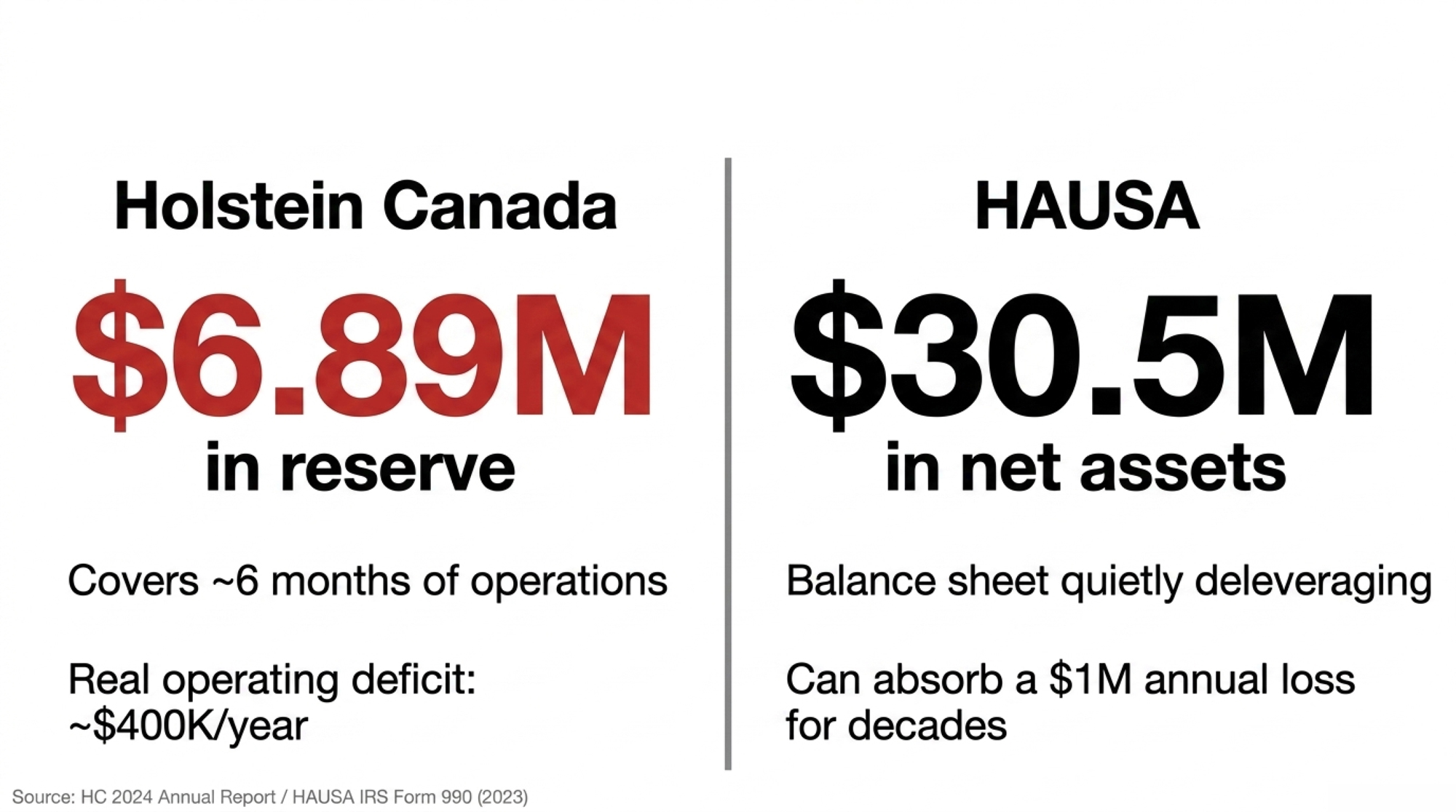
Holstein Canada closed 2025 with $6.89M in reserve. HAUSA sits on $30.5M. One can absorb a DairyTrace contract loss. The other board just quietly took unlimited borrowing power.

Holstein Canada finished 2025 with $6.89 million in reserve against a roughly $16 million annual cost base. Holstein Association USA finished 2023, its most recent IRS Form 990, with $30.5 million in net assets on a revenue base of nearly $17.8 million. That’s the gap. One organization covers its operating losses with investment income and is now betting its 2026 budget on reversing four straight years of classification decline. The other is four years into a 3D camera classification system that could redefine how cows get evaluated, and can afford to be wrong while it figures out whether the technology works.
If you classify with either association, lend to operations that do, or sell genetics into either market, the breed association’s financial outlook for dairy in 2026 matters more than the marketing. Here’s what each path looks like through 2030, the survival odds with reasoning, the realistic solutions on the table, and the questions members need to start asking out loud if either organization’s legacy is going to survive the decade.
Two Numbers and What They Actually Mean

Holstein Canada’s $6.89 million reserve covers roughly six months of operations. Per Finance Chair Benoît Turmel at the April 2026 AGM, HC has run operational deficits in five consecutive years averaging $147,000, and the books only stay positive because investment income from the reserve subsidizes the gap. The reserve fund returned 9.28% in 2025, generating roughly $640,000. That’s more than enough to mask a true operating shortfall of about $400,000.

The 2025 reported surplus of $1.01 million was, in CEO Greg Dietrich’s own framing at the AGM, a “ghost.” About $780,000 of it came from staffing matters and staff positions HC didn’t fill. Strip the empty chairs, and the real 2025 operational position was a deficit of nearly $350,000.

Holstein Association USA’s $30.5 million in net assets sits on a balance sheet that’s been quietly deleveraging. Liabilities dropped from $13.3 million in 2020 to $7.6 million in 2023 per IRS Form 990 filings via ProPublica. Even at an aggressive $1 million annual loss, HAUSA has roughly 30 years of runway. HC’s cushion is thinner by a factor of six in absolute dollars.

That asymmetry is the entire story.

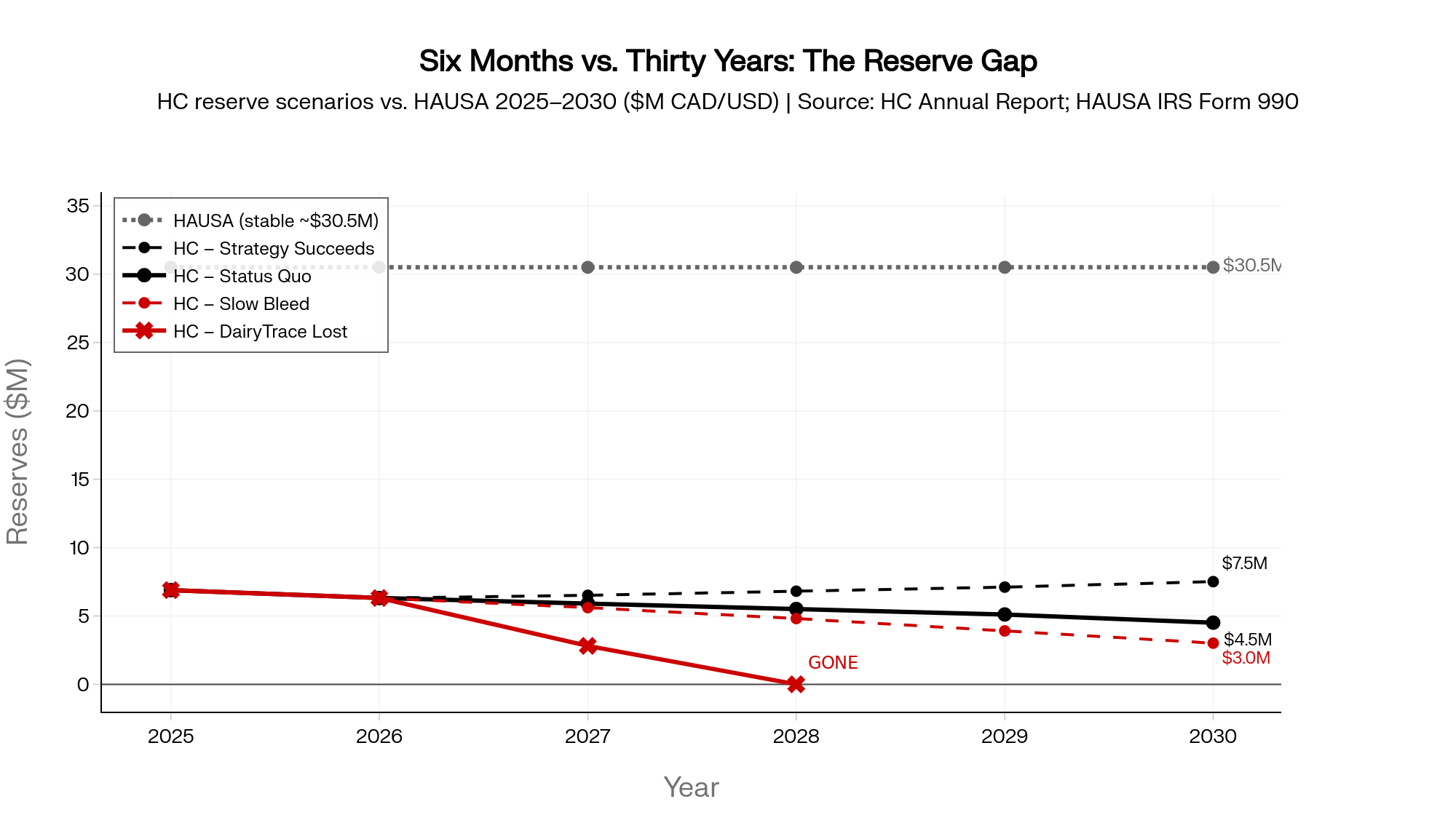
Will Holstein Canada Run Out of Money by 2030?

Not under base assumptions. But the trajectory depends on three variables most members don’t track: investment returns, classification volume, and HC’s two DFC-linked service contracts.

Run the numbers four ways.
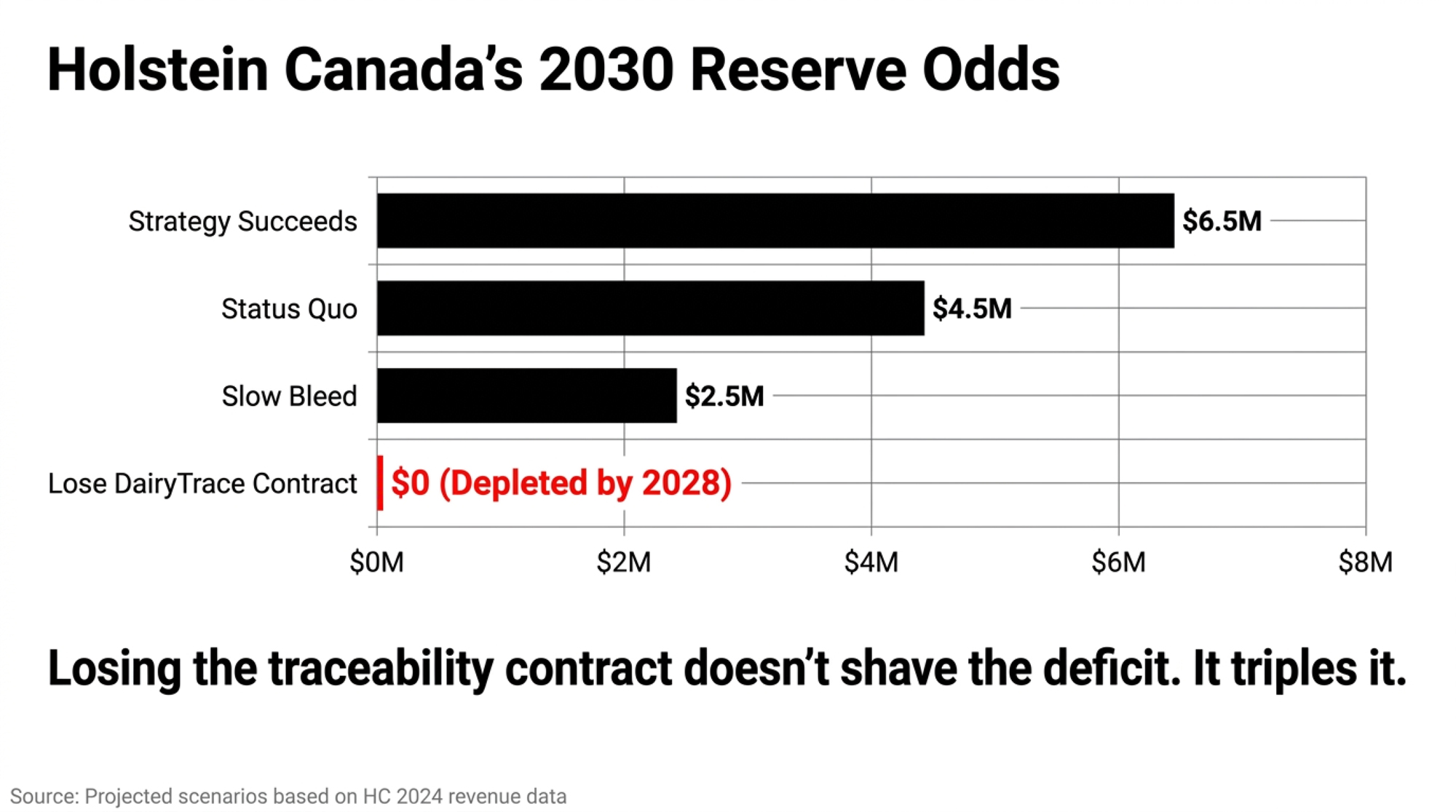
Scenario20262027202820292030Reserve End-2030
Status quo (9.28% returns hold, deficit ~$400K)($584K)($400K)($400K)($400K)($400K)~$4.5M
Strategy succeeds (+20K cows by 2027, both contracts stable)($584K)+$200K+$300K+$300K+$400K~$6.5M
Slow bleed (returns normalize to 5%, classifications keep falling)($584K)($700K)($800K)($900K)($900K)~$2.5M
DairyTrace contract lost ($2.989M revenue gone)($584K)($3.5M)($3.5M)Reserve gone by 2028

The bottom row is the one to watch. DairyTrace generated $2.989 million in 2024, 18.9% of total revenue per the HC 2024 Annual Report. HC administers DairyTrace customer service outside Quebec under contract with Lactanet, which holds the national DairyTrace program. Quebec is served by Attestra. HC DairyTrace services are the most durable line on HC’s books because they sit inside a single national contract for Canadian dairy cattle traceability, not a registration fee tied to a shrinking heifer pool. They’re also the line that, if lost or repriced at a competitive tender from Lactanet, doesn’t shave the deficit. It triples it.
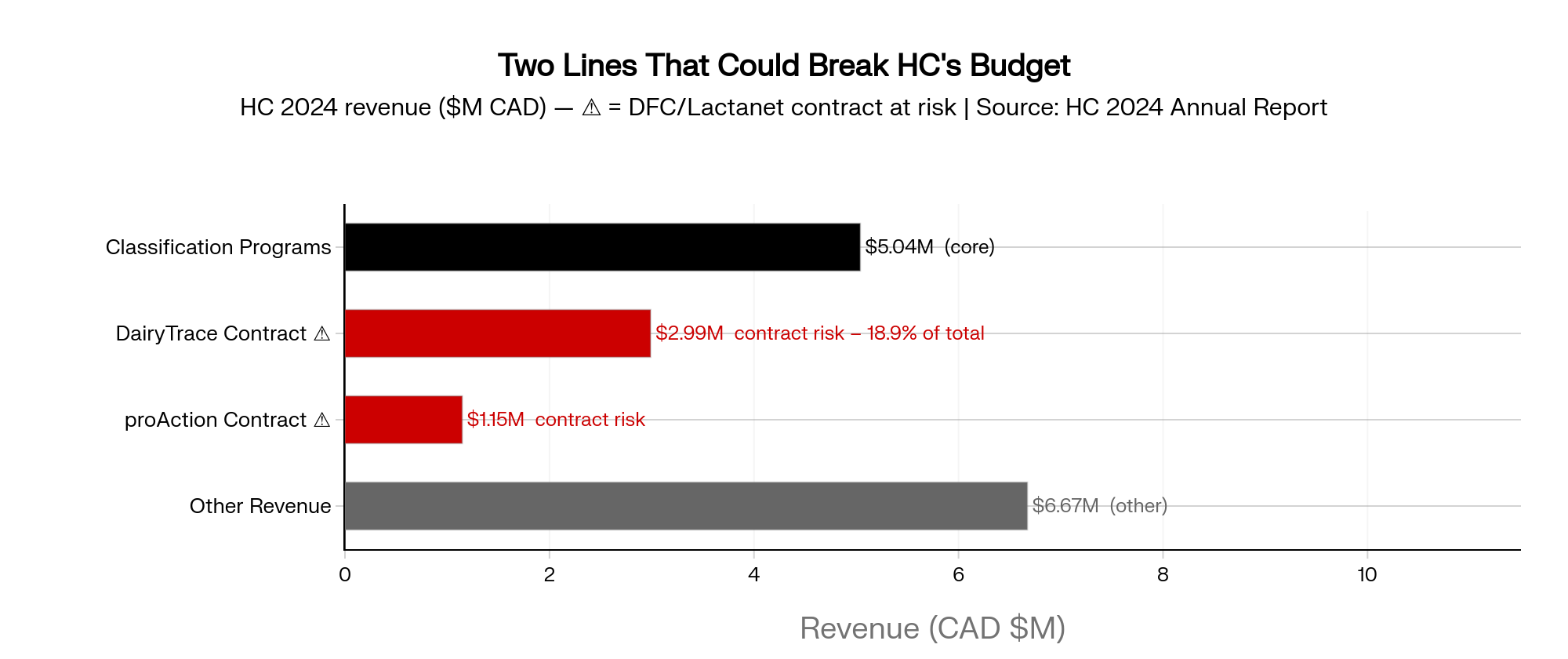
A note on scope: DairyTrace is a national program, but Quebec’s parallel infrastructure runs through Attestra, so HC’s DairyTrace customer-service footprint runs primarily outside Quebec. That’s the same fault line that shapes how any future HC strategy plays at AGM.

proAction adds a second contract risk on a tighter clock. HC’s 2024 Annual Report notes a renewed two-year DFC contract for proAction Cattle Assessments, booked as “Animal Care Assessments” at $1.147 million in 2024. That’s a smaller line than DairyTrace, but the renewal window is sooner. Lose proAction at tender and the deficit doesn’t triple. It adds roughly $1.15 million to whatever the base case is.

The April 2026 bylaw rewrite passed by 65 of approximately 7,900 members, or 0.8%. It gave the board unlimited borrowing authority against association property without a member vote. That’s not a strategy. That’s the mechanism that gets pulled in a DairyTrace or proAction shock. Members would find out after. (Read more: Holstein Canada’s Governance Rewrite Passed. 0.8% of Members Voted.)

Running the Numbers: HC’s Volume Bet on a 218,000-Cow Base

Per the HC 2024 Annual Report, classification program revenue was $5,039,000 against 218,577 Holstein cows classified. Work it out:

  • Revenue per Holstein cow classified: $5,039,000 ÷ 218,577 = $23.06 CAD/cow
  • HC’s stated 2026 target: classify 10,000 more cows than 2025
  • Incremental revenue at $23.06/cow: 10,000 × $23.06 = ~$230,600 CAD
  • 2026 budgeted deficit: $584,000
  • Coverage of deficit from perfect execution of classification program: ~40%
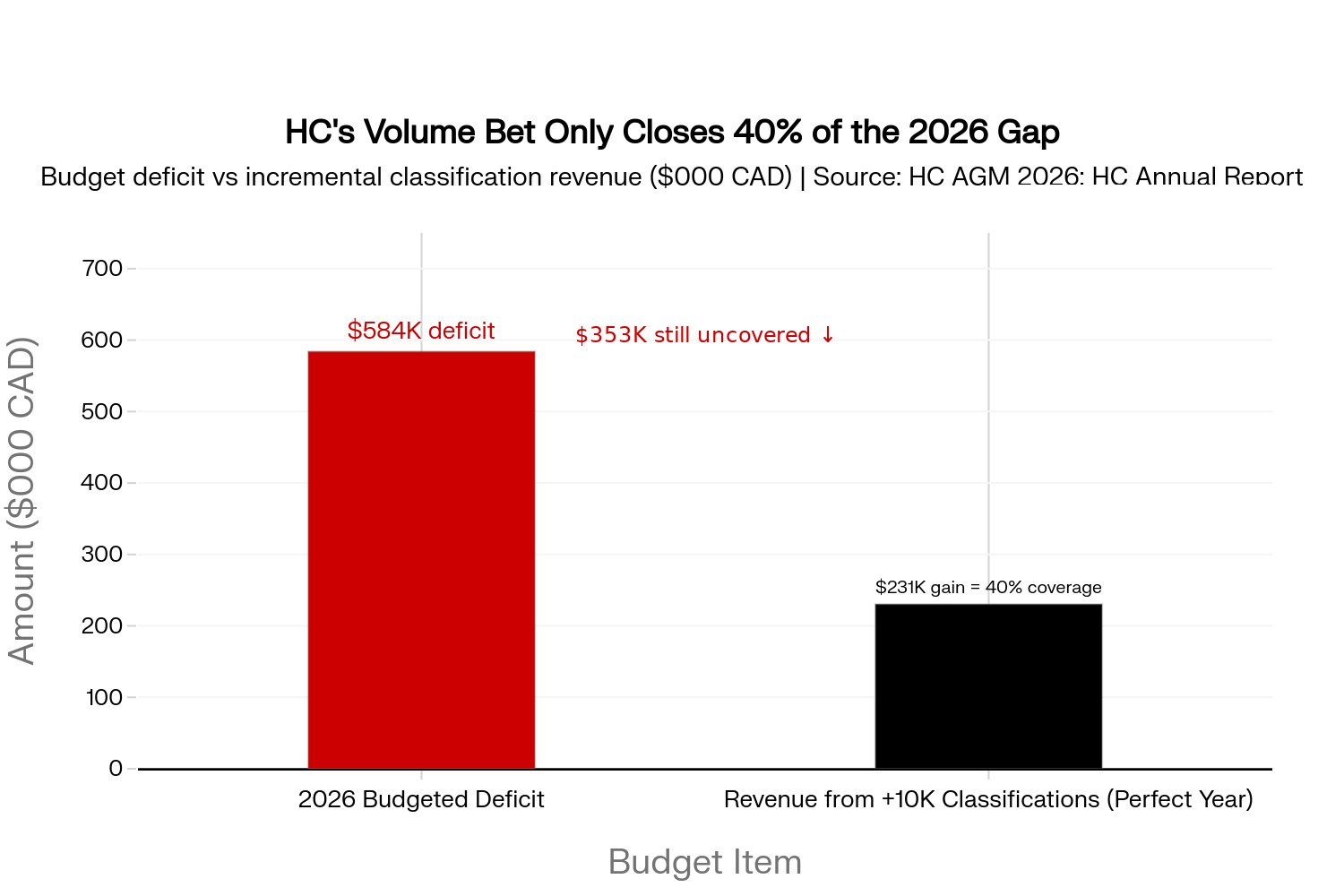
Even hitting the volume target closes about 40% of the planned deficit. That’s not a turnaround. That’s a contribution against a hole that’s still getting deeper.

For your operation, the same math runs in reverse. A 200-cow Holstein herd classified annually pays roughly $4,600/year for the service. If HC defends revenue by raising per-cow fees to $30 instead of recovering volume, that’s another $1,400/year coming out of your operating account. HC member Pascal Martin from Quebec asked the right question from the AGM floor: how does the budget assume 10,000 more classifications when you just lost 5,000? The board’s answer was classification visit scheduling tweaks and a new business development hire. No demand evidence was offered.

The structural headwinds aren’t subtle. Per Agriculture Canada and Statistics Canada livestock inventory data, Canadian dairy cow inventory fell from 975,100 in 2018 to 962,400 in 2025. HC-registered calves dropped 17% from 2019 to 2022. Member herds went from 8,621 in 2022 to 8,124 in 2024. Beef-on-dairy keeps reducing the registerable heifer pool.

You can’t manufacture demand that isn’t there. Scheduling efficiency only helps if the cows exist to schedule.

Four Years In, HAUSA’s Camera System Still Hasn’t Survived a Winter

Three time-of-flight 3D depth cameras mounted at a milking parlor exit alley. RFID identification. Twenty-six linear traits measured automatically as the cow walks past. Body condition and locomotion indicators on top. Patent pending. Data piped directly to HAUSA for genetic evaluation integration. [INTERNAL LINK: Bullvine October 2025 deep-dive on HAUSA’s Build a Better Cow camera rollout]

The program has been in development for four years under Dr. Jeff Bewley, HAUSA’s Executive Director of Genetic Programs and Innovation. The primary public documentation is Bewley’s 2025 World Dairy Expo presentation and Bullvine’s October 2025 analysis.

What the system doesn’t do, in Bewley’s words at World Dairy Expo: capture final score. “Final score is harder — it’s a 40,000-foot view of the animal that the camera can’t fully capture.” Human classifiers stay in the workflow. The cameras supplement. They don’t replace.

What the system also doesn’t do is pencil out below 500 cows. The estimated installed cost is around $150,000 per farm. The U.S. has roughly 26,290 dairy operations per HAUSA’s Pulse Fall 2024 data. Per USDA NASS structure-of-dairy-farms data, roughly 500 to 800 of them milk above 1,000 cows. That’s the addressable market. Per the same USDA NASS dataset, about 60% of U.S. dairies milk under 100 cows and aren’t part of this conversation at any price.

Cold-climate parlors are also a real problem. Camera condensation in winter milkings shows up in Wisconsin, Vermont, New York, and even most of Canada. Heat shutdowns occur above 105°F and limit Sun Belt deployment. Commercial launch is projected for 2027–2028. The system hasn’t survived a commercial winter yet.

The Governance Tax on Every Other Strategy

Three HC CEOs in four years. Mid-term board president resignation in June 2024. D&O insurance for provincial branches was cancelled in August 2024, with a reinstatement resolution that received no formal progress report a year later. The April 2026 bylaw rewrite, passed by 0.8% of members, referenced regional boundary maps that didn’t exist at time of approval, raised from the floor by Amanda Jeffrey.

Compare that to HAUSA’s transition. John Meyer retired December 31, 2024, after 23 years. Lindsey Worden, an 18-year HAUSA veteran and former COO, took over January 1, 2025. No drama. No revolving door. The 10th CEO in 140 years.

Stability isn’t a strategy. But instability is a tax on every other strategy you try to run.

Survival Odds Through 2030

These are informed editorial judgments, not statistical outputs. Reasonable analysts working from the same data could land 10 to 15 points different in either direction.

Holstein Canada, solvent in 2030: ~80%. Reserve at $6.89 million, true deficit closer to $400K net of investment income, status quo lands the reserve around $4.5M by 2030. The realistic threats are a DairyTrace shock or a non-renewed proAction contract, neither of which appears imminent. Solvent, yes.

Holstein Canada, strategically relevant in 2030: ~30–40%. Classification volume has fallen for four straight years. Member herds are contracting from 8,621 in 2022 to 8,124 in 2024. With Lactanet already holding the national DairyTrace program above HC, and without a credible shared-services arrangement or a defensible expansion of HC’s contract footprint, the trajectory is toward an organization that exists but doesn’t matter much.
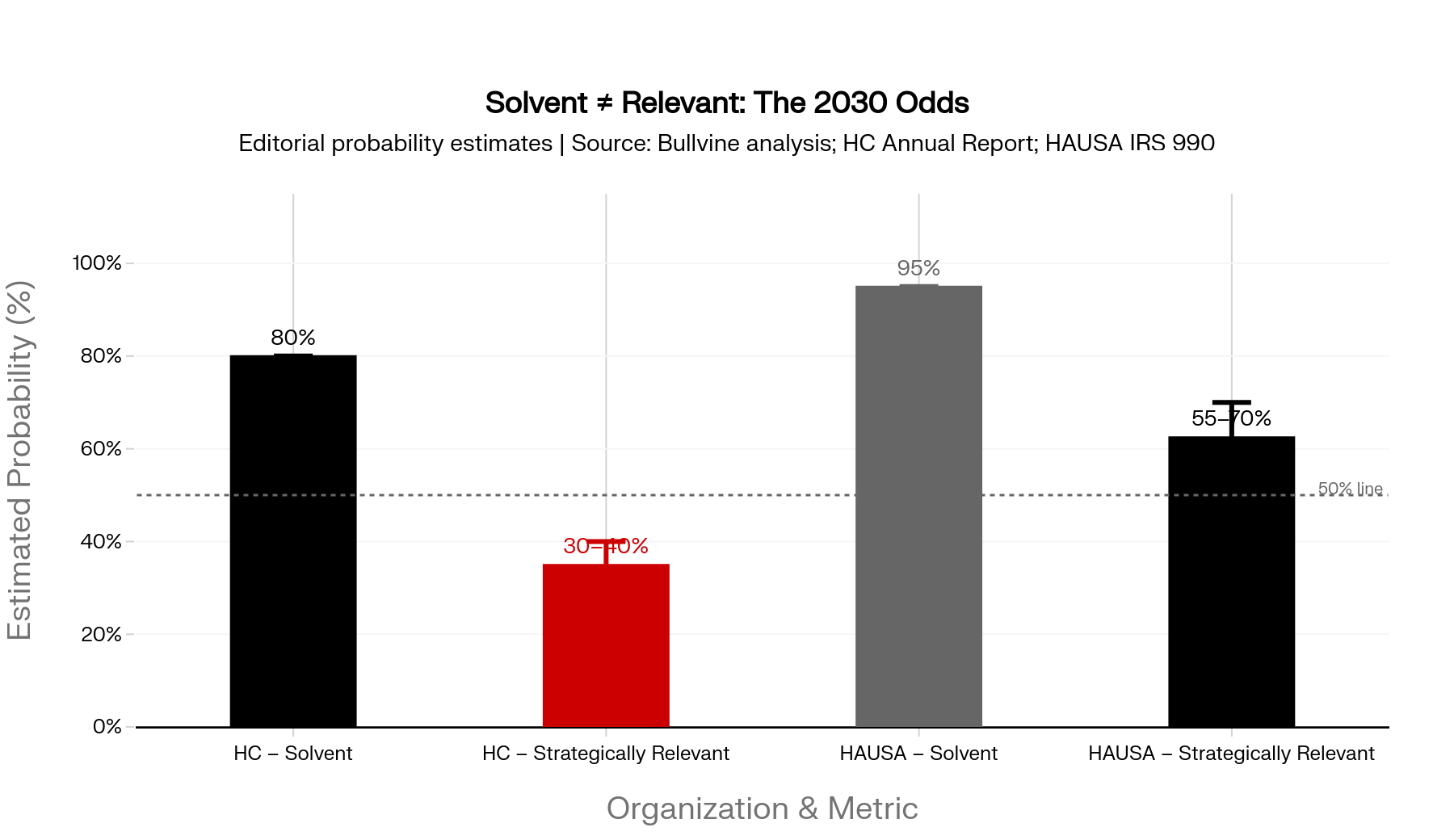
HAUSA, solvent in 2030: ~95%. No realistic five-year scenario runs HAUSA out of money. The 5% accounts for catastrophic events not visible in current data.

HAUSA, strategically relevant in 2030: ~55–70%. The high end assumes cameras deploy by 2028, 200–500 large herds adopt, and continuous conformation data becomes what AI companies and dairy farms pay for. The low end is cold-weather problems plus large-herd drift to genomic-only evaluation via Zoetis CLARIFIDE and other DNA testing organizations. Solvent in either case. The gap between 55% and 70% is whether the camera bet works.

What Could Save Holstein Canada and HAUSA by 2030?

Neither board can fix everything. But there are specific paths that could change the trajectory, sorted by how plausible they actually are.

1. Sustainability data services layered on the DairyTrace customer-service role. Probability: ~35%. Upside if it works: $1–3M CAD/year in new revenue. HC sits on the customer-service interface for the only national Canadian dairy cattle traceability dataset, even though Lactanet holds the program. Processors and federal programs need carbon intensity, antibiotic use, and longevity metrics for ESG (environmental, social, governance) reporting, supply contracts, retailer audits, and federal climate programs. The raw material exists. What’s missing is a productization strategy negotiated with Lactanet and a data licensing framework HC has never built. This is the single highest-leverage move on the board, and it requires a partner conversation HC can’t dodge.

2. HC–Lactanet shared services arrangement. Probability: ~50%. Upside: $500K–$2M CAD/year in HC cost reduction, plus extended relevance. A formal split where HC handles classification field work plus DairyTrace customer service and Lactanet handles data infrastructure and genetic evaluation. Not a merger. Quebec representation at 43% of HC membership and Lactanet’s DFC mandate make full consolidation politically unworkable, especially since Quebec runs its own parallel traceability through Attestra. But Dietrich spent ten years on Lactanet’s Genetic Evaluation Board. The relationships are deep enough to negotiate this. The risk: branch politics treats it as the first step toward HC dissolution, and Quebec resolutions block it at AGM. 

3. HAUSA cameras commercialize on schedule. Probability: ~55%. Upside: $250K–$1M USD/year in incremental data subscription revenue, plus relevance retention with the 500–800 large U.S. herds that drive genetic progress. The science is published. The patent is filed. The cold-climate condensation problem is engineering, not physics. HAUSA has four years of R&D and the balance sheet to absorb a delayed launch. The risk is adoption stalling at 50–100 farms because the $150K capital outlay doesn’t pencil for operators who already get most of what they need from Zoetis CLARIFIDE or other genomic testers.

4. Phenotypic data licensing to genomics companies. Probability: ~25% near-term, higher long-term. Upside: $500K–$3M/year for either organization if pursued aggressively. Both associations sit on decades of individual animal conformation scores correlated with production and health records. Zoetis, Semex, and ABS have built machine learning models that need exactly this kind of data. HAUSA is structurally better positioned because of AgriTech Analytics in Visalia and Bewley’s analytics mandate. HC has higher-quality national data but no disclosed commercialization infrastructure. Neither has made it a public priority. That’s the missed opportunity, not the impossible one.

5. Premium tiering: charging serious genetics customers high prices. Probability: ~40% at HAUSA, ~15% at HC.HAUSA already has Holstein COMPLETE, Classic, and Standard tiers. The cameras are inherently a premium product for large operations. Repositioning is structurally feasible. HC has a much harder version of this problem because its DairyTrace customer-service role and national herdbook role require it to serve all members, not just elite breeders. Two-tier service models within a national registry are politically expensive to execute and tend to fracture branch and provincial relationships.

6. Cross-border merger of HC and HAUSA. Probability: under 5%. Upside: theoretically substantial. Practically: not happening. Discussed informally for 20+ years. The cultural gap between the Canadian bilingual branch structure and the U.S. state federation, plus regulatory differences and currency complexity, makes it implausible. Given HC’s current governance turmoil, HAUSA would be absorbing a liability rather than gaining a partner. Useful to mention so it can be set aside.

SolutionHC ProbabilityHC Upside (CAD)HAUSA ProbabilityHAUSA Upside (USD)Verdict
Sustainability data services on DairyTrace~35%$1–3M/yr new revenueN/AN/AHC’s highest-leverage move — requires Lactanet deal
HC–Lactanet shared services~50%$500K–$2M/yr cost cutN/AN/APolitically viable; Quebec branch is the obstacle
Camera system commercializes on scheduleN/AN/A~55%$250K–$1M/yr subscriptionsScience is solid; cold-climate engineering is not
Phenotypic data licensing to genomics cos~25% near-term$500K–$3M/yr~25% near-term$500K–$3M/yrMissed opportunity for both — neither has built the infrastructure
Premium tiering (elite vs standard service)~15%Modest~40%ModerateHAUSA feasible; HC can’t tier a national registry
Cross-border HC–HAUSA merger< 5%Theoretically large< 5%Theoretically largeNot happening — set it aside

The high-probability moves aren’t transformational. The transformational move, sustainability and adjacent data-service expansion negotiated through Lactanet, is low-to-medium probability and entirely dependent on whether HC’s leadership has the political capital and credibility to execute it.

What Members Need to Ask, Out Loud, On the Record

Boards respond to the questions members put in writing. Both organizations were built by breeders who showed up. The next decade depends on whether enough members still do.

Five questions HC members should be putting to the board in writing:

  1. What is the DairyTrace contract renewal date with Lactanet, and what’s the plan if HC’s customer-service delivery role goes to competitive tender?
  2. HC’s 2024 Animal Care Assessment revenue from the proAction Cattle Assessments contract was $1.147 million. What’s the renewal date on the current two-year DFC agreement, and what’s the plan if the contract isn’t renewed or goes to tender?
  3. Under what circumstances would the board exercise the unlimited borrowing authority granted in the April 2026 bylaw rewrite, and what disclosure will members receive before debt is taken on?
  4. What is the formal status of HC’s working relationship with Lactanet, and is a shared-services arrangement under discussion?
  5. What does the 2030 strategic plan look like under three scenarios: both contracts stable, DairyTrace lost to a Lactanet tender, and proAction not renewed?

For HAUSA members, the three open questions that matter most are the realistic commercial launch date for the Build a Better Cow camera system against the original four-year timeline, how the cold-climate condensation problem gets solved before deployment in Wisconsin, the Northeast, and the Upper Midwest, and what HAUSA’s data licensing strategy with AI companies actually looks like, including how member-generated phenotypic data gets valued and protected. The 12% nominal decline in program services revenue over the last 11 years sets the clock on all three.
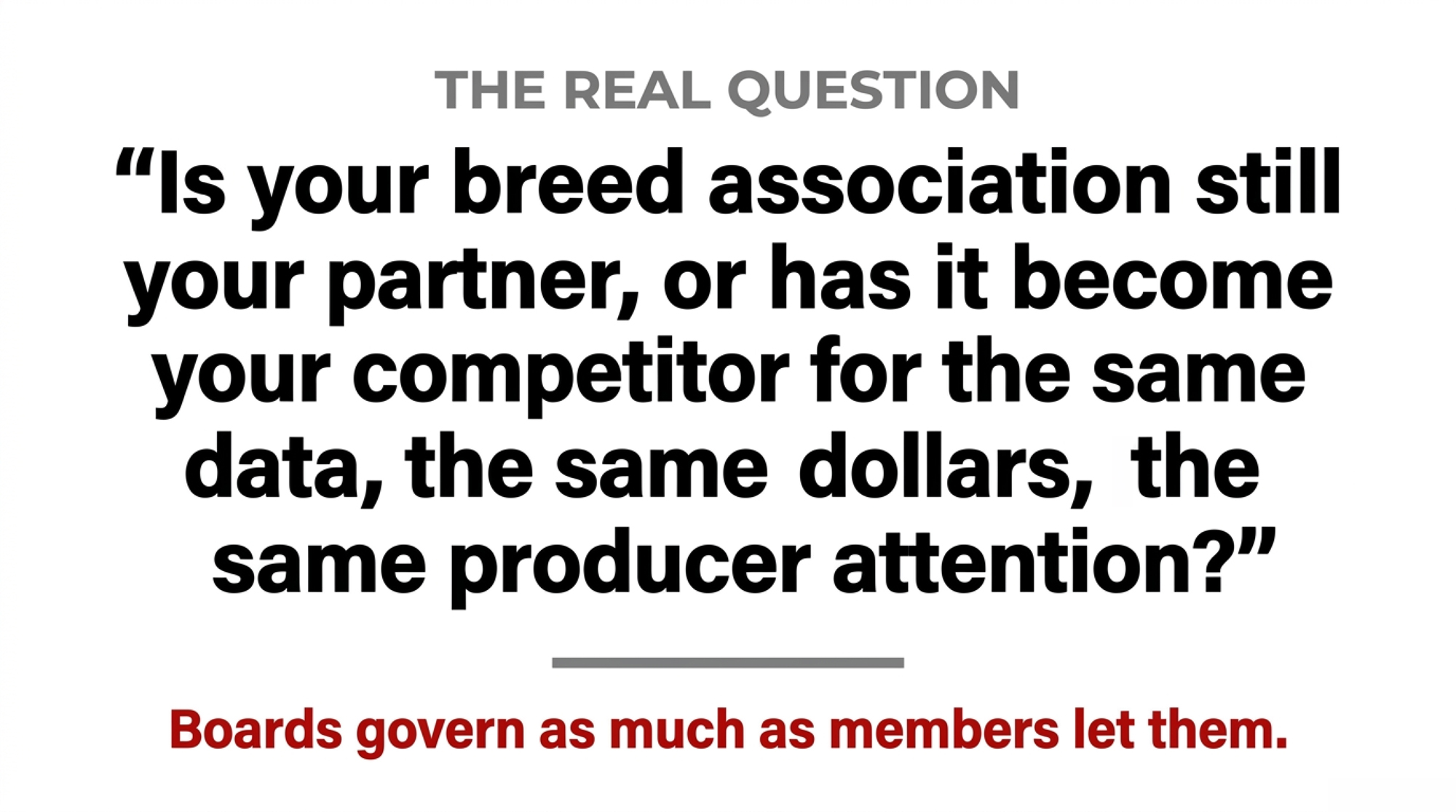
For both HC and HAUSA members, there are two questions every member should answer for themselves before the next AGM or convention. What does your last classification or registration invoice actually buy you in dollar terms, marketing premium, export eligibility, show eligibility, breeding value, and if that line item disappeared tomorrow, what changes in your P&L and what doesn’t? And: is your breed association still your partner, or has it become your competitor for the same data, the same dollars, and the same producer attention?

These aren’t gotcha questions. They’re the questions any breeder with three generations in a herdbook should be able to ask without apology. The April 2026 HC bylaw rewrite passed because 99.2% of members didn’t vote. That’s the math. Boards govern as much as members let them.

Boards of directors also have an obligation to direct management to communicate the association’s vision for 2030 and beyond, including the concrete plan to deliver value for breed membership and breed services.

Neither association is in great shape. One of them can afford to be wrong while it figures out the next moves. The other can’t.

If your most recent classification invoice is up materially from 2023, where did the increase come from, and does the value you get back justify the trend?

How We Know What We Know

Sources used in this analysis:

  • Holstein Canada 2024 Annual Report (revenue lines, classification volumes, DairyTrace customer-service revenue of $2.989M / 18.9% of total revenue, Animal Care Assessment revenue of $1.147M from the renewed two-year DFC proAction Cattle Assessments contract, member-herd counts) 
  • Holstein Canada April 2026 AGM — public remarks by Finance Chair Benoît Turmel and CEO Greg Dietrich; floor questions from Pascal Martin and Amanda Jeffrey; bylaw vote results 
  • Lactanet as the national DairyTrace program holder; HC delivers customer service outside Quebec under contract with Lactanet 
  • Attestra as the Quebec traceability service provider running parallel to DairyTrace 
  • Holstein Association USA IRS Form 990 filings (2020, 2023) via ProPublica Nonprofit Explorer (net assets, liabilities, program services revenue). HAUSA’s 2024 and 2025 Form 990s were not yet posted on ProPublica at the time of analysis. 
  • HAUSA Pulse Fall 2024 (U.S. dairy operation count of ~26,290) 
  • USDA NASS structure-of-dairy-farms data (herd-size distribution: ~60% of U.S. dairies under 100 cows; ~500–800 operations above 1,000 cows) 
  • Dr. Jeff Bewley, World Dairy Expo 2025 presentation (Build a Better Cow camera system specifications, “final score” quote, and timeline) 
  • Bullvine October 2025 analysis (camera system reporting and large-herd adoption assumptions)  Read more: Holstein’s Automated Classification Cameras: Why They’ll Work for 500-Cow Dairies but Maybe Not Yoursv
  • Statistics Canada and Agriculture Canada livestock inventory data (Canadian dairy cow inventory 2018–2025) 

Derived figures shown in the article: revenue per Holstein cow classified ($5,039,000 ÷ 218,577 = $23.06 CAD/cow); incremental revenue at HC’s 2026 volume target (10,000 × $23.06 = ~$230,600); deficit coverage ($230,600 ÷ $584,000 = ~40%); 200-cow operator annual classification spend (200 × $23.06 = ~$4,600); proAction-loss impact (~$1.147M added to base-case deficit).

Survival probabilities (HC ~80% solvent / ~30–40% strategically relevant; HAUSA ~95% solvent / ~55–70% strategically relevant) and the six-solution probability/upside ranges are informed editorial judgments based on the sources above. They are not statistical outputs. Reasonable analysts working from the same data could land 10–15 points different in either direction.

Limitations: Holstein Canada does not publish full line-item financials at the granularity this analysis would prefer. The DairyTrace customer-service contract sits under Lactanet’s national program, and the proAction Cattle Assessments contract sits directly with DFC on a two-year cycle, so the two contract risks operate on different counterparties and different timelines. HAUSA’s IRS Form 990 reports program services revenue in aggregate and does not split out registration, classification, and AgriTech Analytics revenue at the line-item level.
Key Takeaways

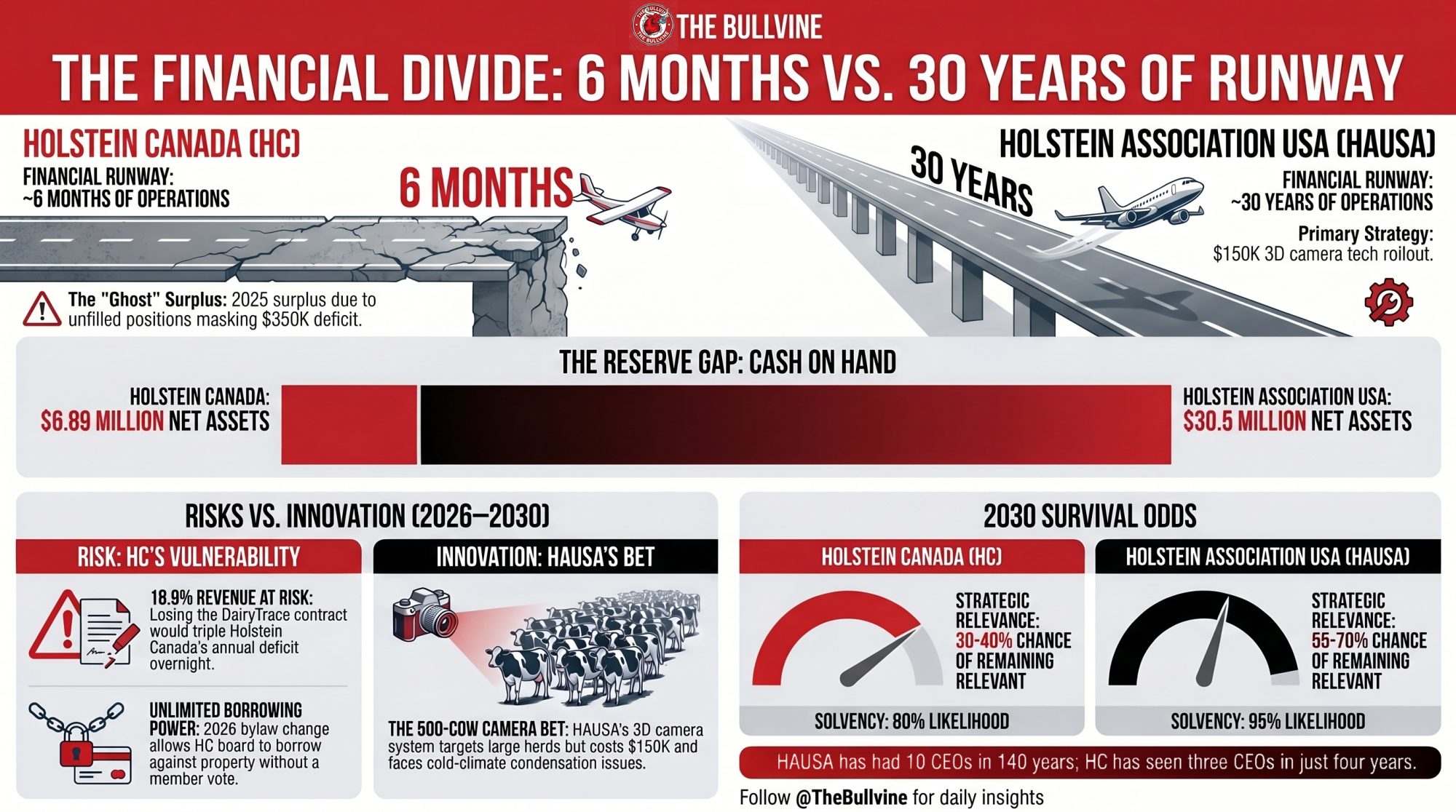
  • Holstein Canada’s $6.89M reserve covers about six months of operations, and the real operating deficit is closer to $400K once you strip out investment income and unfilled staff positions. HAUSA’s $30.5M gives it roughly 30 years of runway to absorb mistakes Holstein Canada can’t afford.
  • HC carries two DFC-linked contract risks, not one. DairyTrace customer service ($2.989M in 2024) sits under a Lactanet contract and turns a $584K deficit into a $3.5M one if lost at tender. proAction Cattle Assessments ($1.147M in 2024) sits under a renewed two-year DFC contract on a tighter renewal clock and adds roughly $1.15M to whatever the base case is if not renewed. The April 2026 bylaw rewrite already handed the board unlimited borrowing power to plug either gap without member approval.
  • HAUSA’s camera bet only pencils above 500 cows at roughly $150K installed, and it hasn’t survived a commercial winter yet. Solvency isn’t the question for HAUSA. Relevance with the 500–800 large U.S. herds that drive genetic progress is.
  • Members need to decide whether their breed association is still a partner or has become a competitor for the same data, the same dollars, and the same producer attention, and whether the board they vote for is the one making that call.

Complete references and supporting documentation are available upon request by contacting the editorial team at editor@thebullvine.com.

Learn More

The Sunday Read Dairy Professionals Don’t Skip.

Every week, thousands of producers, breeders, and industry insiders open Bullvine Weekly for genetics insights, market shifts, and profit strategies they won’t find anywhere else. One email. Five minutes. Smarter decisions all week.
NewsSubscribe
First
Last
Consent

New Genomic Option for Canadian Dairy Breeders to Bypass Herdbook Requirements

Find out how Canadian dairy breeders can now avoid the U.S. herdbook restrictions for genomic evaluations. Could this new choice simplify your breeding efforts?

Canadian dairy breeders are on the verge of an exciting change. Soon, you’ll be able to get genomic evaluations for domestically bred cows without needing to register them in National Breed Association herdbooks. This breakthrough will make it easier for all Canadian-born dairy cattle to receive genomic evaluations based on Canadian standards. Announced at Lactanet’s Open Industry Session, this change will simplify the process for Canadian dairy farmers, reducing the hassle of herdbook registration. Additionally, there’s a proposed fee waiver if you register your cattle promptly.

Genomic Evaluations in Canadian Dairy Breeding: Overcoming Challenges 

Genomic evaluations are essential in modern dairy breeding, predicting future performance based on genetic makeup. Lactanet provides these services in Canada but faces challenges, especially for cows not registered in the National Breed Association herdbooks. 

All genomic testing relies on the U.S. Council on Dairy Cattle Breeding (CDCB), which handles genotype quality assurance and haplotype analysis. The process involves higher costs and longer times, as breeders must go through CDCB directly, particularly for non-registered animals, costing US$6 per animal. 

This system adds bureaucratic layers and financial strain, potentially discouraging breeders from using genomic evaluations entirely. Despite these challenges, genomic testing remains invaluable, allowing precise predictions of an animal’s potential and aiding better breeding decisions. However, until changes are implemented, Canadian dairy farmers navigate an inefficient system, limiting their ability to expand their genetic base and achieve top-rated status for their dairy herds.

Evolution in Genomic Accessibility: Canadian Calculations for All Dairy Breeders

Brian Van Doormaal, chief services officer at Lactanet, has announced fundamental changes that will make it easier for Canadian breeders to obtain genomic evaluations for cows not registered in National Breed Association herdbooks. This shift allows these evaluations to be conducted within Canada using Canadian calculations. Previously, breeders had to work directly with the U.S. Council on Dairy Cattle Breeding (CDCB) for such evaluations. 

Although genomic testing will still occur in the United States, integrating with Lactanet means these genotypes can be shared in Canada. This eliminates the need to navigate the U.S. system for your genomic predictions, saving time and resources. 

This change aims to increase inclusivity in genetic evaluations within the Canadian dairy industry. It expands the genetic base accessible to breeders and leverages Canadian service providers’ expertise and infrastructure. An associated fee may apply, but if an animal is registered within two months of testing, the fee could be waived, offering a cost-effective solution for breeders. 

Lactanet is working with the CDCB on a new record-keeping process to ensure accurate tracking of these evaluations. Non-registered cattle will receive an alphabetic country code, differentiating them from registered animals and streamlining the identification process. This change will also align with other advancements, such as Lactanet’s transition to monthly official evaluations for Canadian females, potentially allowing more dairy cows in Canada to achieve top-ranked status in genetic rankings.

Ensuring Accuracy and Trust Through The Genomic Testing Process 

The genomic testing process is key to accurately evaluating dairy cattle, with the U.S. Council on Dairy Cattle Breeding (CDCB) playing a crucial role. When you send a sample, the CDCB ensures quality through genotype validations and haplotype analysis. While future evaluations will be based on Canadian standards, the core testing and quality assurance will still rely on the CDCB’s infrastructure. This ensures that Canadian dairy farmers get consistent and reliable genomic evaluations, with the added benefit of local calculations.

New Logistics and Fee Structure for Genomic Evaluations 

With the proposed changes, dairy breeders will see new logistics for obtaining genomic evaluations. Currently, the cost is US$6 per animal through CDCB. However, the fee structure might change once done in Canada, though specifics are still pending. 

An exciting part is the potential fee waiver. If you register an animal within two months of testing, the fee might be waived, saving you money and encouraging timely registration. 

Lactanet is working with CDCB on a solid record-keeping system to manage this. Registered animals will still have numeric country codes, while non-registered cows will get unique alphabetic country codes. This ensures explicit tracking and accurate genomic identification, enhancing trust in the genomic data.

Understanding the Logistics of this New Process is Crucial for Dairy Breeders 

Understanding the logistics of this new process is crucial for dairy breeders. While genomic testing will still be done by the U.S. Council on Dairy Cattle Breeding (CDCB), Canadian service providers like Lactanet will handle the submission process. This means breeders can send samples through these providers, easing the workflow. 

Regarding costs, though the exact fee is undecided, sending samples via Canadian providers will incur a charge. However, if an animal is registered within two months of testing, this fee might be waived, promoting timely registration. 

Lactanet collaborates with the CDCB on a robust tracking system to ensure accurate record-keeping. Registered cattle will have numeric country codes, while non-registered cows will get alphabetic codes. This differentiation helps maintain clear genomic identification. 

These logistics aim to make genetic evaluations more accessible and integrated within Canadian dairy breeding, leading to higher genetic standards and better breeding outcomes.

The Bottom Line

This new genomic option is a game-changer for Canadian dairy breeders. It will make genomic evaluations based on Canadian calculations available to all domestically bred cows. Although testing will still happen in the U.S., the process will be more streamlined and affordable for non-registered cattle in Canada. With the rise of automated milking systems and more accessible genotyping, this change is set to roll out later this year, transforming genetic evaluation and breeding for Canadian dairy producers.

Key Takeaways:

  • Canadian genomic evaluations for non-herdbook dairy cows may be available later this year.
  • Testing will still be conducted in the United States by the U.S. Council on Dairy Cattle Breeding (CDCB).
  • Genomic evaluations will be based on Canadian calculations, making them more relevant and beneficial for Canadian dairy operations.
  • The potential change allows all Canadian-born dairy cattle to receive a genomic evaluation, regardless of their herdbook registration status.
  • Fees are yet to be determined but might be waived if the animal is registered within two months of testing.
  • A new record-keeping process is being developed to differentiate between registered and non-registered cows via Canadian service providers.

Summary:

Canadian dairy breeders can now receive genomic evaluations for domestically bred cows without needing to register them in National Breed Association herdbooks. This change simplifies the process for Canadian dairy farmers and offers a proposed fee waiver if cattle are registered promptly. Genomic evaluations are essential in modern dairy breeding, predicting future performance based on genetic makeup. Lactanet, a Canadian service provider, has announced fundamental changes that will make it easier for Canadian breeders to obtain genomic evaluations for cows not registered in National Breed Association herdbooks. The change aims to increase inclusivity in genetic evaluations within the Canadian dairy industry and leverages Canadian service providers’ expertise and infrastructure. An associated fee may apply, but if an animal is registered within two months of testing, the fee could be waived. The new record-keeping process will ensure accurate tracking of genomic evaluations.

Learn more:

Understanding Conformation and PTAT: Key Differences in Dairy Cattle Genetic Evaluations in Canada and the USA

Uncover the critical variations in dairy cattle genetic assessments for conformation and PTAT between Canada and the USA. What implications do these standards hold for breeding practices?

For breeders aiming to produce the next World Dairy Expo Champion or an EX-97 cow, utilizing the American PTAT or the Canadian Conformation index is not just an option—they are essential tools in your breeding arsenal. While both PTAT and Conformation indices are invaluable, they are not interchangeable. This article will explore the distinctions between Canadian and American genetic evaluations for conformation and PTAT, shedding light on how each system functions and what sets them apart.

The Evolution of Genetic Evaluation Systems in Dairy Cattle: A Tale of Two Nations 

The historical trajectory of genetic evaluation systems in dairy cattle within Canada and the USA signifies an evolution of both countries’ dairy industries. Originally hinging on fundamental pedigree analysis, these systems have dramatically advanced with cutting-edge genetic technology and data analytics. Canada launched its first formal genetic evaluation for dairy cattle in the mid-20th century, focusing on production traits. By the 1970s, Canadian dairy scientists incorporated type traits, utilizing linear classification systems to quantify conformation characteristics. This method allowed breeders to objectively evaluate and select superior dairy cattle based on body and udder traits. 

In parallel, the USA advanced from essential herd records to sophisticated evaluations, incorporating production and type traits by the 1980s. A key milestone was the establishment of Predicted Transmitting Ability (PTAT), revolutionizing how type traits were genetically assessed. PTAT provided a standardized measure allowing breeders to predict genetic merit regarding conformation, facilitating more informed breeding decisions. 

The 1990s and early 2000s marked a crucial phase with genomic evaluations. Canada and the USA swiftly integrated genomic data, increasing accuracy and efficiency. Genomic selection enabled early identification of desirable traits, accelerating genetic progress and enhancing herd quality. Collaborative efforts between Canadian and American dairy geneticists have recently refined methodologies, incorporating advanced statistical models and extensive phenotype databases. 

Today, the genetic evaluation systems in both nations reflect a blend of historical advancements and modern innovations. Conformation and PTAT assessments are entrenched in a framework valuing genetic merit for production, longevity, health, and robustness, ensuring dairy cattle improvement remains responsive to the industry’s evolving demands.

Dairy Cattle Conformation in Canada: An Intricate Evaluation Framework 

Genetic evaluations for dairy cattle conformation in Canada meticulously examine a comprehensive set of traits. Key characteristics like stature, chest width, body depth, angularity, rump angle, and leg traits are assessed to ensure aesthetic appeal and functional efficiency, particularly for durability and productivity.  

Mammary system traits, including udder depth, teat length, and placement, are critical for milking efficiency and udder health. Feet and leg conformation, which is vital for mobility and longevity, is also evaluated.  

In Canada, conformation blends individual traits like udder attachment and teat placement into a single index. Each trait is scored meticulously, providing a detailed evaluation of an animal’s overall conformation. This approach helps breeders make informed decisions, improving dairy cattle’s genetic quality and functional efficiency. Integrating these traits into one index highlights the importance of a balanced dairy cow. Traits such as udder conformation, feet, leg health, and overall robustness work together to enhance performance and longevity in a herd.

The Canadian Dairy Network (CDN) spearheads this complex evaluation process. Utilizing advanced genetic methodologies, the CDN integrates phenotypic data with genetic models to offer accurate breeding values. This scientific approach strengthens the genetic quality of the Canadian dairy herd.  

Supporting organizations, such as Lactanet and Holstein Canada, play crucial roles. Lactanet provides comprehensive herd management services, including conformation assessments. Holstein Canada sets standards and trains classifiers for consistent on-farm evaluations.   These organizations form a network dedicated to enhancing the genetic standards of dairy cattle through diligent conformation evaluations, supporting breeders in informed selection decisions, and maintaining Canada’s reputation for producing world-class dairy cattle.

PTAT and Comprehensive Type Evaluation in the United States: A Framework for Genetic Excellence 

In the United States, dairy cattle conformation evaluation hinges on the Predicted Transmitting Ability for Type (PTAT) and a detailed type evaluation system. Unlike Canada, where conformation is a composite index of individual traits, PTAT in the United States is calculated based on the final classification score about herd mates. PTAT assesses an animal’s genetic potential to pass on type traits to its offspring, focusing on various aspects of physical structure, such as stature, body depth, and udder conformation. Critical traits include:

  • Stature: The height of the animal at the shoulders and hips.
  • Udder Depth: The distance from the udder floor to the hock affects milk production efficiency.
  • Body Depth: The depth of the ribcage, indicating overall body capacity.
  • Foot Angle: The angle and structure of the foot influence mobility and longevity.
  • Rear Leg Side View: The curvature of the rear legs when viewed from the side.

These traits are meticulously recorded and analyzed for a robust genetic evaluation. Under the USDA, the Council on Dairy Cattle Breeding (CDCB) leads the effort in collecting, analyzing, and sharing genetic and genomic evaluations. Their extensive nationwide database, sourced from dairy farms, provides comprehensive genetic insights. 

Breed-specific organizations like the Holstein Association USA and the American Jersey Cattle Association (AJCA) refine evaluations for specific breeds. They collaborate with the CDCB to ensure accurate and relevant assessments, offer educational resources to breeders, and promote best practices in genetic selection. This collaborative framework ensures that U.S. dairy farmers have access to cutting-edge genetic information, enhancing the genetic merit of dairy herds and advancing dairy cattle breeding nationwide.

Unified Yet Diverse: Genetic Indices Shaping Dairy Excellence in North America 

For decades, significant efforts have been undertaken to harmonize the evaluation of type traits and the classification programs generating the requisite data for genetic evaluations on an international scale. While substantial progress has been achieved, occasional surprises still emerge. These unforeseen developments typically pertain not to production traits but to type and management traits. 

In Canada, Conformation is quantified on a scale where each standard deviation equals five points. Conversely, the United States expresses PTAT in standard deviations. Consequently, a confirmation score of 5 in Canada generally corresponds to a PTAT score of 1 in the U.S. However, assuming a direct equivalence between a PTAT of 1 and a Conformation score of 5 can be misleading. Lactanet in Canada recently conducted an extensive study comparing over 4,000 bulls with daughters and genetic proofs in both countries to elucidate this. The correlation between the TPI and LPI was notably high at 0.93.
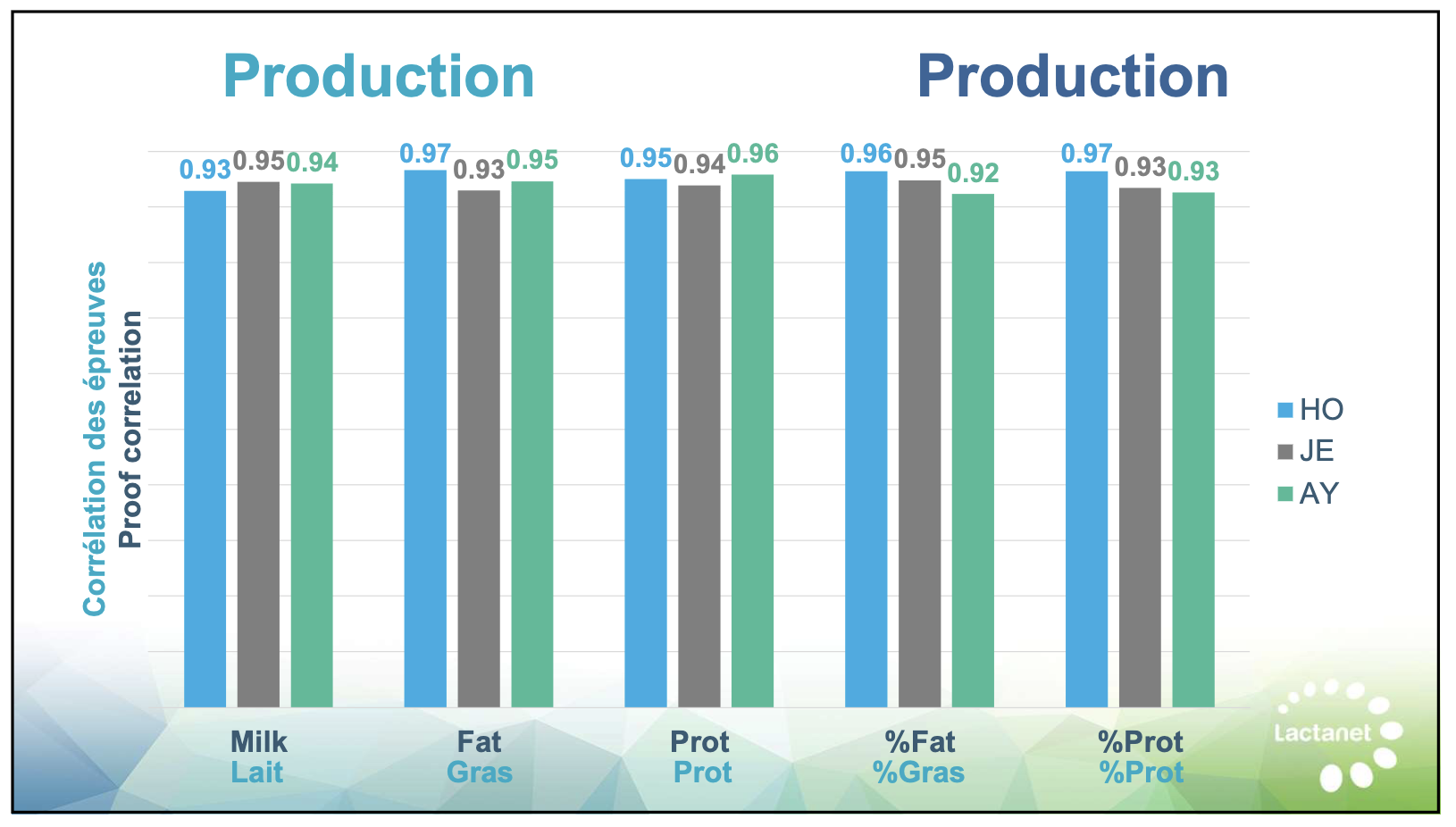
Interestingly, the correlation between Canada’s Pro$ and the TPI was even higher, reaching 0.95. As anticipated, production traits demonstrated strong correlations, with Milk at 0.93, Fat at 0.97, and Protein at 0.95, given that production can be measured objectively. However, the variations were more pronounced when evaluating the type of health and management traits.

Type Indexes

The correlation between PTAT in the United States and Conformation in Canada is 0.76. In the United States, the direct contribution of type to the Total Performance Index (TPI) emerges from three primary sources: the PTAT (8%), the udder composite (11%), and the feet & leg composite (6%). In Canada, these components are called Conformation, Mammary System, and Feet & Legs, respectively. A crucial point to understand is that these are composite indices composed of various individual traits within each category, and each nation applies a distinctive formula to weight these traits. Consequently, the differing weightings lead to modestly lower correlations for udders (0.80) and feet & legs (0.65). It’s also essential to recognize that both composites are adjusted in each country to be independent of stature. This adjustment allows for the specific selection of udder or leg improvements without inadvertently promoting increased stature.

Mammary System

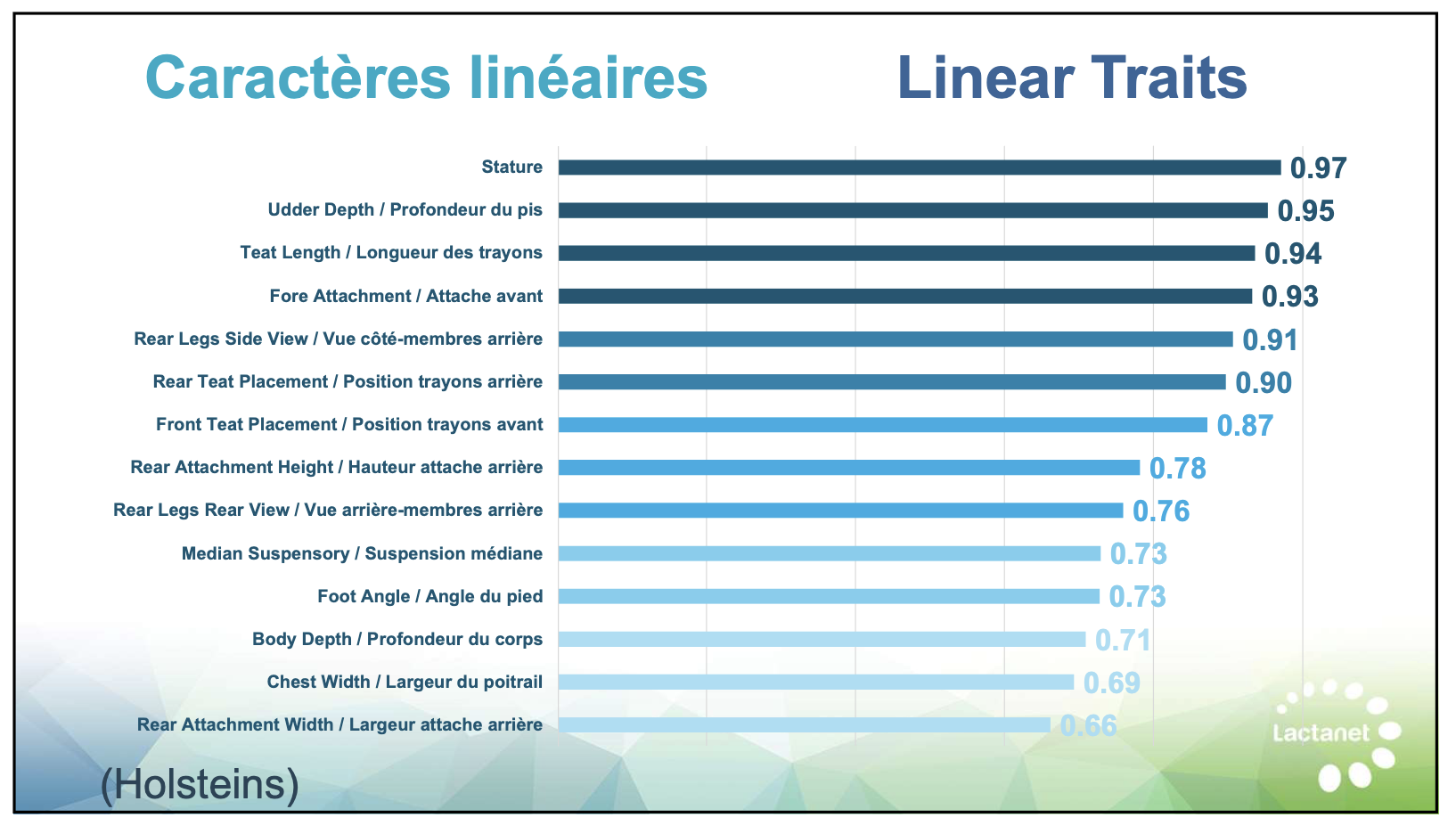
Among the mammary system traits, evaluations of Udder Depth (0.95), Teat Length (0.94), Rear Teat Placement (0.90), Fore Teat Placement (0.87), and Fore Attachment (0.93) exhibit remarkable consistency between Canada and the United States. Nevertheless, a divergent perspective emerges with Median Suspensory (0.73), Rear Udder Height (0.78), and Rear Udder Width (0.66), which display significantly lower correlations. This disparity suggests that traits such as rear udder height, rear udder width, and suspensory ligament are appraised with varying degrees of emphasis and interpretation in each country.

Feet and Legs

Feet and legs exhibit a moderate correlation of 0.65 between Canada and the United States. Examining specific traits within this category, the rear leg side view reveals a high correlation of 0.91, indicating substantial similarity between the countries. However, the rear leg rear view (0.76) and foot angle (0.73) diverge more significantly. A noteworthy distinction lies in the traits recorded: while foot angle is commonly observed globally, Canada also measures heel depth. The rationale behind this difference stems from the susceptibility of foot angle to recent hoof trimming, a variable that does not affect heel depth. 

The overarching objective of selecting for superior feet and legs is to mitigate lameness and enhance longevity. In Canada, the mammary system exhibits a 0.25 correlation with herd life, slightly higher than the composite feet and legs score of 0.22. Yet, individual traits within this composite tell a different story. Foot angle shows a negative correlation with longevity at -0.16, whereas heel depth, boasting a positive correlation of +0.20, stands out prominently. This raises a pertinent question: why is heel depth not universally recorded over foot angle? 

Further analysis of specific traits reveals minimal impact on longevity. The rear leg side view holds a correlation of -0.08, the rear leg rear view is 0.03, locomotion is 0.05, and bone quality is a mere -0.01. Given these negligible impacts, particularly bone quality in its current linear measurement, it might be worth exploring its assessment as a medial optimum trait, balancing frailty and coarseness. 

Additionally, Canada uniquely records front legs, correlating with her life at 0.18, second only to heel depth. In the broader context of overall frame traits, stature maintains a high concordance at 0.97 between both countries. In contrast, body depth (0.71) and chest width (expressed as strength in US evaluations, 0.69) have lower correlations, highlighting regional differences in evaluation emphasis.

The Bottom Line

Examining genetic evaluations for dairy cattle conformation and type in Canada and the USA reveals distinctive approaches and converging goals, underlining the importance of tailored yet comprehensive systems. We’ve explored the evolution of genetic frameworks in both nations, highlighting Canada’s detailed evaluations and the USA’s focus on PTAT and holistic type assessment. From composite traits to specific evaluations of mammary systems and feet and legs, each country aims to boost genetic excellence in dairy cattle.  

As these systems continue to adapt to scientific advancements and industry needs, the goal remains to develop a robust, genetically superior dairy cattle population capable of thriving in diverse environments. This endeavor highlights the critical intersection of genetic science, industry priorities, and animal welfare, shaping the future of dairy cattle breeding. While methods may differ, the objective is shared: achieving dairy excellence through rigorous and innovative genetic evaluations that benefit producers, consumers, and cattle. Collaborations and continual improvements ensure  North America stays at the forefront of dairy cattle genetics, leading global dairy production

Key Takeaways:

  • The genetic evaluation systems for dairy cattle conformation in Canada and the USA have evolved with distinct methodologies, reflecting different priorities and breeding goals.
  • Canada emphasizes an intricate evaluation framework that assesses a variety of composite traits, ensuring a comprehensive understanding of a cow’s overall physical attributes.
  • In the USA, PTAT (Predicted Transmitting Ability for Type) serves as a crucial metric, further supported by detailed evaluations of specific type traits to drive genetic excellence.
  • Both nations utilize genetic indices that consider multiple aspects of conformation, significantly contributing to the genetic advancement and overall quality of dairy cattle.
  • Feet and legs, as well as mammary systems, are critical areas of focus in both Canadian and American evaluation systems, reflecting their importance in dairy cattle productivity and longevity.
  • The integration of scientific research and technological advancements has been instrumental in refining genetic evaluations, as referenced by numerous studies and scholarly articles.

Summary:

Genetic evaluation systems in dairy cattle in Canada and the USA have evolved through historical advancements and modern innovations. Canada introduced its first formal genetic evaluation in the mid-20th century, focusing on production traits. By the 1970s, Canadian dairy scientists integrated type traits and linear classification systems to quantify conformation characteristics, allowing breeders to objectively evaluate and select superior cattle. The USA advanced from essential herd records to sophisticated evaluations by the 1980s, with the establishment of Predicted Transmitting Ability (PTAT). The 1990s and early 2000s saw a crucial phase with genomic evaluations, integrating genomic data to increase accuracy and efficiency. Today, genetic evaluation systems in both countries value genetic merit for production, longevity, health, and robustness. Supporting organizations like Lactanet and Holstein Canada play crucial roles in enhancing genetic standards and maintaining Canada’s reputation for producing world-class dairy cattle.

Learn more:

Lactanet to Enhance Lifetime Performance Index for Canadian Dairy Cows: Focus on Sustainability and Milkability by April 2025

Learn how Lactanet’s new Lifetime Performance Index will boost sustainability and milkability for Canadian dairy cows by April 2025. Are you prepared for the changes?

Envision a dairy sector where efficient cows produce large amounts of milk, contributing to environmental sustainability. Leading genetic testing and data management for dairy cows in Canada, Lactanet is scheduled to update the Lifetime Performance Index (LPI) by April 2025. This upgrade, with its focus on lowering greenhouse gas emissions and raising ‘milkability,’ promises to match productivity to environmental responsibility, instilling hope for a more sustainable future.

Brian Van Doormaal, chief services officer at Lactanet, says, “It’s not the relative weighting that determines how much of an impact breeding for these traits could have.” “This is the expected reaction you get from breeding for these qualities.”

The revised LPI will include new criteria to improve environmental impact and cow behavior. These developments acknowledge that the overall well-being of cattle and sustainable techniques will determine the direction of dairy farming.

Modernizing the Cornerstone: Enhancing the Lifetime Performance Index (LPI) for a Sustainable Future 

Integrating productivity, health, and reproductive characteristics into a single statistic, the Lifetime Performance Index (LPI), has been vital in the Canadian dairy sector. This all-encompassing strategy helps dairy farmers make wise breeding selections by guiding balanced genetic advancements. The LPI ensures general herd production and sustainability by addressing many qualities, preventing overemphasizing any area.

Beyond individual farms, the LPI increases national and global competitiveness by matching industry norms and consumer expectations with breeding goals. This backs up objectives of environmental sustainability, animal welfare, and profitability.

The changing dairy farming environment and the need to handle fresh issues, including environmental implications, drive the suggested LPI changes, including methane emissions and feed efficiency features that fit present ecological targets. Improving characteristics linked to milking speed and temperament satisfies the increasing need for operational effectiveness.

Improved genetic research and data allow more accurate and representative LPI updates. Working with Lactanet and genetic enhancement companies guarantees the index stays relevant across several breeds.

The modifications seek to modernize the LPI, maintaining its value for breeders as they solve current problems and apply fresh scientific discoveries. This strategy will help maintain the Canadian dairy sector’s reputation for quality and inventiveness.

Steering Genetic Excellence: Brian Van Doormaal’s Consultative Leadership

Under the leadership of Brian Van Doormaal, Lactanet’s chief services officer, the consultation process integral to creating the updated LPI is in progress. He has been instrumental in these conversations, ensuring the new LPI structure addresses the diverse genetic aims of various dairy breeds. For Holstein, Ayrshire, Jersey, and Guernsey breeds, he has fostered open communication between Lactanet and genetic improvement groups, emphasizing the importance of their contributions.

Van Doormaal started a thorough consultation by bringing the suggested improvements before the Open Industry Session in October 2023. This prepared the ground for in-depth conversations spanning many months that explored subtleties like the relative weighting of fat against protein in the LPI’s breeding objectives. Every breed has diverse genetic traits and performance criteria, which Van Doormaal has deftly negotiated, bringing various goals and viewpoints.

The updated LPI seeks to capture significant variations between breed-specific genetic targets using this thorough consultation approach. Through close interaction with breed-specific organizations, Van Doormaal guarantees the revised LPI is thorough and catered to every breed’s unique requirements, reflecting an agreement among industry players.

Refining Genetic Precision: Tailoring the Updated LPI to Address Breed-Specific Goals

The revised LPI seeks to meet every dairy breed’s genetic requirements and problems, guaranteeing customized breeding plans for Holstein, Ayrshire, Jersey, and Guernsey cows.

For Holsteins, health concerns, including cystic ovaries and increasing production efficiency, take the front stage. Achieving high milk output without sacrificing health still depends on balancing fat against protein.

Ayrshire breeders prioritize strong milk production and toughness. Given the breed’s usual milk composition, they usually prefer milk solids over protein.

Finding a balance between lifespan and high output is essential for Jerseys. The breed’s abundant butterfat milk prioritizes fat weighing to satisfy market needs.

Guernseys mainly aims to raise milk quality through improved sustainability and health. Discussions on fat vs. protein weightings seek to encourage both, hence preserving the breed’s commercial advantage.

The breed-specific variations emphasize the need for a tailored LPI that addresses each breed’s strengths and problems.

Revolutionizing Genetic Assessment: Expanding the LPI to Enhance Dairy Cow Traits and Sustainability

The current modernization of the Lifetime Performance Index (LPI) marks significant progress in assessing genetic features, raising the index from four to six sub-groups. With an eye on production efficiency and animal welfare, this more precise approach seeks to enhance the breeding and assessment of desired traits in dairy cows.

The updated LPI will separate the present Health and Fertility category into Reproduction and Health and Welfare. While Health and Welfare will focus on general health measures, this move includes important qualities like calving capacity and daughter calving ability under Reproduction.

The new Milkability sub-group—which will now include milking speed and temperamental characteristics—also adds significantly. These qualities directly affect labor efficiency and animal handling; their inclusion addresses a hitherto unknown element of dairy management inside the LPI.

Finally, to address mounting environmental issues, the LPI will incorporate a new Environmental Impact subindex, which was first designed for Holsteins. Reflecting the dairy sector’s emphasis on lowering its environmental impact, this subindex will concentrate on feed and methane efficiency. Research has underlined the critical influence of body maintenance on ecological sustainability, thereby supporting its inclusion.

These modifications improve the LPI’s accuracy and usefulness by matching it with contemporary breeding objectives and ensuring that genetic selection promotes dairy sector sustainability and output.

Pioneering Sustainability: Introducing the Environmental Impact Subindex

As part of its commitment to dairy sector sustainability, the new Environmental Impact subindex is a crucial addition to the revised LPI. This subindex rates body upkeep, methane efficiency, and feed economy, among other essential factors. By measuring a cow’s capacity to turn grain into milk, it helps determine its feed efficiency, thereby reducing its environmental impact. Targeting the decrease of methane emissions per unit of milk produced, methane efficiency addresses a significant contribution to greenhouse gasses. The inclusion of body maintenance in the index underscores the industry’s recognition of its critical influence on ecological sustainability, providing reassurance about its commitment to environmental responsibility.

Since there is enough data for Holsteins, this subindex consists only of them. The subindex will probably be enlarged to cover more breeds as more data about them becomes accessible.

Integrating Behavioral Efficiency: The Pivotal Role of Milkability in Modern Dairy Operations

The new Milkability subindex, which combines previously missing milking speed and temperamental qualities, is one noticeable improvement in the revised Lifetime Performance Index (LPI). These qualities depend on maximizing dairy operations and improving animal care. The subindex lets breeders increase labor efficiency and general herd management by considering milking speed. Faster milking of cows saves time and lessens stress for farm workers and animals, improving the surroundings.

Moreover, temperament is crucial as it influences handling and integration into automated milking systems. Calm, cooperative cows enable the effective running of these devices, reducing injuries and improving milk let-downs. Including temperamental features thus emphasizes the significance of animal behavior in contemporary dairy production and promotes methods that increase output and animal welfare.

Transforming Genetic Insights: Lactanet’s Ambitious Approach to an Intuitive Lifetime Performance Index (LPI) 

Lactanet seeks to simplify the Lifetime Performance Index (LPI), increasing its availability and usefulness for breeders. Creating subindices for every collection of genetic features helps the index to become modular and facilitates the concentration on specific features. This method guides breeders through complex genetic material.

The aim is to increase LPI usefulness by using assessments as “relative breeding values,” standardized with a breed average of 500 and a standard deviation of plus or minus 100. This clarity helps to simplify the comparison of the genetic potential of animals within a breed, therefore supporting wise decision-making.

Other subindices, like milk ability and environmental impact, provide more accuracy in genetic improvement. This lets breeders concentrate on specific operational targets, including milking speed or calving capacity.

Ultimately, the updated LPI will be a flexible instrument enabling breeders to maximize their breeding campaigns to satisfy different objectives and goals. This guarantees that the LPI is indispensable for genetic selection in Canadian dairy production.

Embracing Stability and Progress: The Path Forward with the Modernized Lifetime Performance Index (LPI)

A more exacting breeding method is envisaged as the dairy sector prepares for the revised Lifetime Performance Index (LPI) in April 2025. Existing breeding plans will not be disturbed much, with a 98 percent correlation to the present LPI, guaranteeing continuity and dependability. This consistency will help maintain the top-rated bull ranks substantially unaltered. Breeders will have a constant instrument to balance productivity, health, sustainability, and genetics while improving dairy cow features.

The Bottom Line

Optimizing dairy performance and environmental impact will be much advanced with the forthcoming change of the Lifetime Performance Index (LPI) for Canadian dairy cows. The revised LPI set for April 2025 will include additional sub-groups, including Reproduction, Health and Welfare, Milkability, and Environmental Impact, along with improved breed-specific choices and changed trait weighting. Dividing the Health and Fertility categories will help to represent objectives such as milking speed and calving capacity more accurately.

Given data availability, the new Environmental Impact subindex targets greenhouse gas reductions for Holsteins via feed and methane efficiency features. This complements more general sustainability objectives in dairy production. Milking speed and temperament are necessary for effective operations and will be part of the Milkability subgroup.

These developments under Brian Van Doormaal guarantee farmers a scientifically solid and valuable tool. The 98% correlation with the present LPI emphasizes how these improvements improve rather than alter the current system. Maintaining genetic quality, the redesigned LPI seeks to help Canadian dairy producers create more lucrative, environmentally friendly, and efficient herds.

Key Takeaways:

  • The new LPI will emphasize reducing greenhouse gas emissions and enhancing “milkability.”
  • The index will expand from four to six sub-groups of genetic traits.
  • Health and Fertility will be split into Reproduction and Health and Welfare.
  • A new Milkability subgroup will include milking speed and temperament traits.
  • Environmental Impact subindex will focus initially on Holsteins, utilizing feed and methane efficiency data.
  • Body Maintenance will also be part of the Environmental Impact subindex, linking cow stature to environmental impact.
  • The updated LPI aims to simplify usage, with each component group serving as its own subindex.
  • Evaluations will present relative breeding values, set against a breed average with clear standard deviations.
  • The new LPI is expected to be 98 percent correlated with the current index, maintaining continuity in top-rated bulls.

Summary:

Lactanet, a Canadian genetic testing and data management company, is set to update its Lifetime Performance Index (LPI) by April 2025 to align productivity with environmental responsibility and improve cow behavior. The LPI integrates productivity, health, and reproductive characteristics into a single statistic, helping dairy farmers make wise breeding selections and guiding balanced genetic advancements. The proposed changes include methane emissions, feed efficiency features, and improvements linked to milking speed and temperament. The updated LPI will separate the Health and Fertility category into Reproduction and Health and Welfare, including important qualities like calving capacity and daughter calving ability. This flexible instrument will enable breeders to maximize their breeding campaigns to satisfy different objectives and goals, making it indispensable for genetic selection in Canadian dairy production.

Learn more:

Send this to a friend