

Archive for Nutrition – Page 4

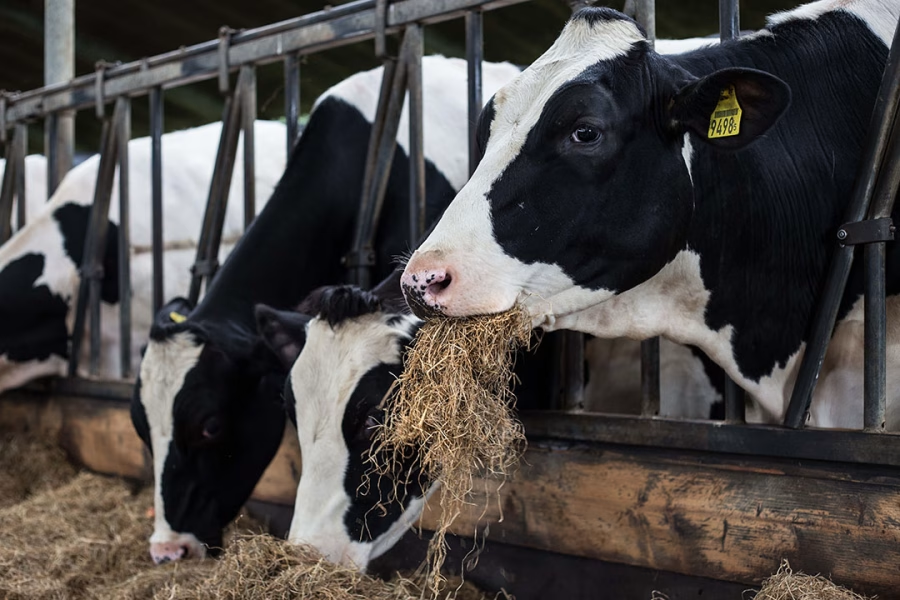
Understanding Nitrate Levels in Forage: Distinguishing NO3-N from NO3 for Cattle Safety

Understand the crucial difference between NO3-N and NO3- in forage testing. Are your cattle safe? Learn how to interpret lab results to ensure their health.
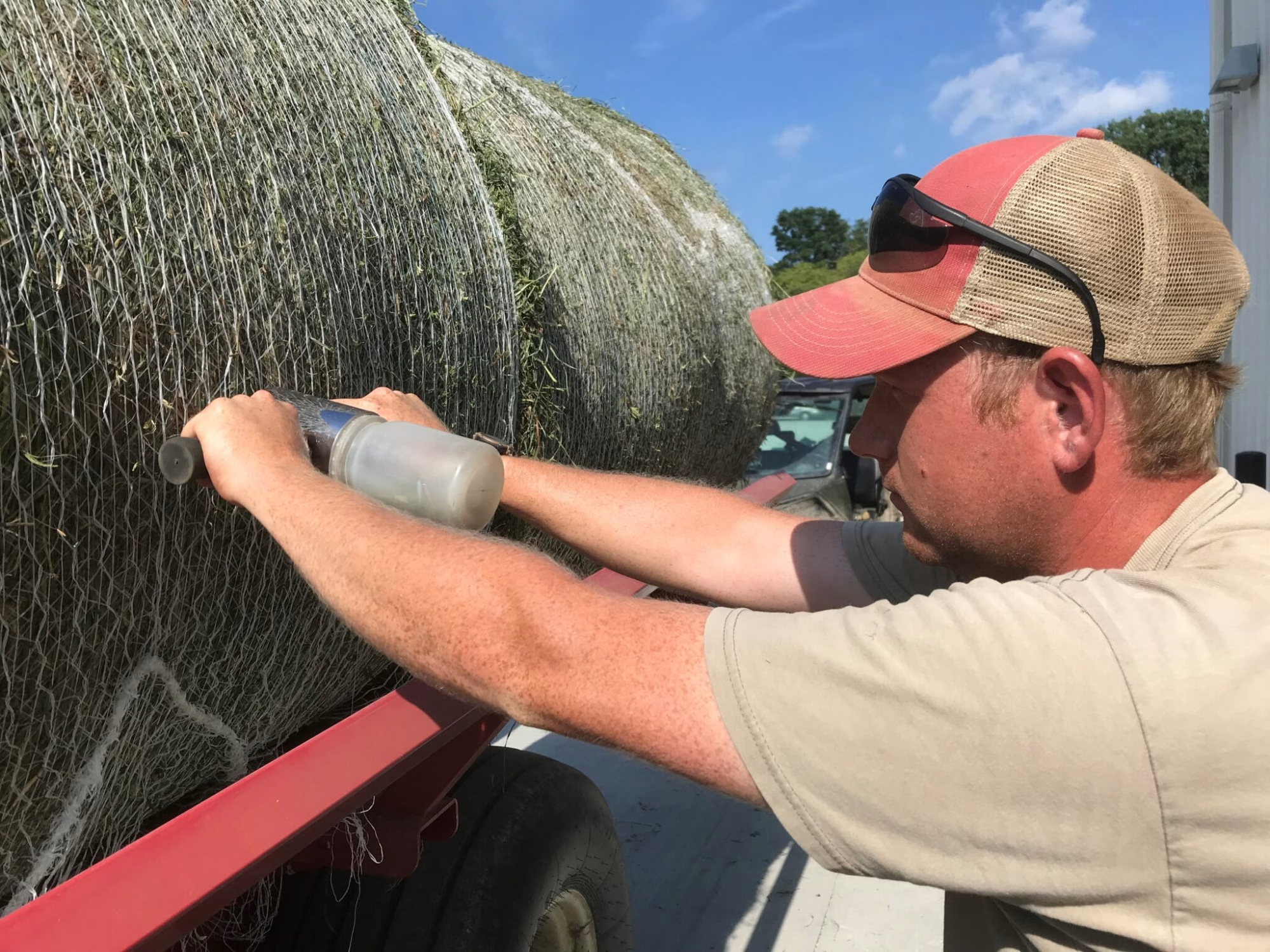
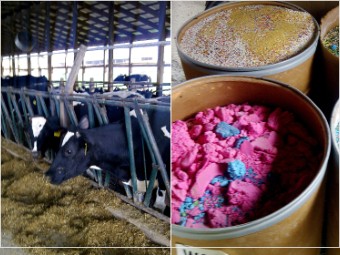
Imagine the potential risk of losing part of your cattle herd due to the forage they consume. This risk underscores the importance of monitoring nitrate levels in forage, as high levels can lead to fatal poisoning. Therefore, distinguishing between NO3- (Nitrate) and NO3-N (nitrate-nitrogen) is crucial and a matter of life and death for your herd. Misinterpreting these readings can be the difference between safe consumption and dangerous toxicity levels. Understanding these distinctions is critical for making informed decisions that protect your herd’s health. Nitrogen comprises only 22.6% of the nitrate ion, highlighting the importance of accurately reading forage test results. Labs may report these values differently, and without a clear understanding, producers might underestimate or overestimate the danger. This topic is vital as it safeguards cattle producers’ livelihoods and their animals’ well-being.

Deciphering the Difference: Nitrate vs. Nitrate Nitrogen 

Nitrate (NO3-) comprises one nitrogen atom and three oxygen atoms, making Nitrogen about 22.6% of the nitrate ion. Conversely, nitrate nitrogen (NO3-N) represents just the nitrogen part of this compound. This distinction is crucial for interpreting test results accurately and assessing forage toxicity. Understanding these differences ensures precise evaluations of forage safety.

The Critical Difference in Nitrate Reporting Methods 

When laboratories report nitrate levels, they use one of two methods, yielding different results. Some labs measure the nitrate ion concentration (NO3-), including Nitrogen and oxygen. Others focus on the Nitrogen within the nitrate ion, reporting it as nitrate-nitrogen (NO3-N). The distinction is crucial because Nitrogen is only 22.6% of the nitrate ion. A test showing 3,000 parts per million (ppm) of NO3- suggests much lower toxicity than the same result for NO3-N, indicating a higher nitrate concentration. To accurately assess forage safety, always check if nitrate levels are reported as NO3- or NO3-N. Understanding the reporting method ensures that discussions about forage safety and nutrition are based on comparable data. Mathematical conversions can help, but initial clarity on the reporting method is essential.

Toxicity Thresholds: Understanding and Distinguishing Critical Safety Levels

Toxicity Thresholds: Nitrate (NO3-) levels become concerning at 9,000-10,000 ppm, while nitrate nitrogen (NO3-N) poses a danger at 2,000-2,300 ppm. Recognizing these thresholds is crucial for ensuring forage safety and livestock health

Forage toxicity can severely impact livestock well-being and productivity. Elevated nitrate levels disrupt oxygen transport, potentially leading to conditions like methemoglobinemia. This is not just a matter of safety but also of empathy and care for your animals. Accurate concentration knowledge is vital for necessary precautions. Various reporting methods in forage test reports often need to be clarified. Still, proper interpretation helps avoid toxicity risks and keeps livestock feed safe. Utilizing the correct thresholds protects animal health and supports sustainable farming. 

Excess forage nitrates can also indicate environmental issues, such as nutrient runoff, that affect water bodies. Thus, understanding nitrate toxicity is crucial for both agriculture and ecological conservation.

Mastering Nitrate Conversion Formulas: A Vital Tool for Forage Safety 

Understanding and applying these conversion formulas is essential for accurately interpreting forage test results and determining the safety of your feed.  Nitrate = nitrate nitrogen x 4.43 and Nitrate Nitrogen = Nitrate x 0.226 allow you to convert measurements between these two forms. 

To illustrate, let’s use an example. Suppose your forage test results show a nitrate nitrogen level of 3000 ppm. To find the equivalent nitrate level, you would multiply this value by 4.43: 

Nitrate = 3000 ppm (NO3-N) x 4.43 = 13,290 ppm (NO3-) 

Conversely, suppose your report indicates a nitrate level of 3000 ppm. In that case, you can convert this to nitrate Nitrogen by multiplying the nitrate value by 0.226: 

Nitrate Nitrogen = 3000 ppm (NO3-) x 0.226 = 678 ppm (NO3-N) 

By employing these formulas, producers, and nutritionists can ensure they interpret results correctly and make informed decisions about the safety of their forage.

A Practical Scenario: Unveiling the Critical Safety Implications of a 3,000 ppm Nitrate Score

Consider a practical scenario where a forage test result shows a nitrate score of 3,000 ppm. As a producer, it’s crucial to identify whether this score is reported as nitrates or nitrate nitrogen, as this distinction will determine the safety of the forage for your livestock.

The situation becomes hazardous if the 3,000 ppm result is reported as nitrate-nitrogen (NO3-N). The danger level for NO3-N ranges between 2,000-2,300 ppm, so a result of 3,000 ppm indicates a high concentration exceeding the safe threshold by 700-1,000 ppm. This level is almost 50% higher than what is considered toxic, and feeding this forage without proper management could lead to nitrate toxicity, posing severe health risks

Conversely, if the 3,000 ppm result is reported as Nitrate (NO3-), there’s no immediate cause for concern. The critical safety level for nitrates begins at around 9,000-10,000 ppm. Therefore, a forage test result of 3,000 ppm nitrate is well below the danger threshold, representing less than one-third of the hazardous level. Under this designation, the forage is considered safe for livestock consumption without special precautions.

This example underscores the importance of distinguishing between nitrate nitrogen and nitrates. By correctly interpreting forage test results, producers can ensure the health and safety of their livestock. This responsibility is not to be taken lightly. Always verify the reporting method used by your lab and use the conversion formulas to understand the nitrate levels in your forage. Your commitment to this process is crucial for the well-being of your animals.

Interpreting Forage Test Results Accurately: Essential Tips for Producers and Nutritionists 

Interpreting forage test results accurately is crucial for ensuring the safety and quality of your feed. Here are some practical tips for producers and nutritionists: 

  • Identify the Metric Used: Read the forage test report carefully to determine whether the nitrate levels are reported as Nitrate (NO3-) or nitrate nitrogen (NO3-N). This distinction is fundamental to understanding the results correctly.
  • Consistent Communication: When discussing nitrate levels with others, such as advisors or fellow producers, always specify the referenced metric. Miscommunication can lead to incorrect interpretations of feed safety.
    • Nitrate = Nitrate Nitrogen × 4.43
    • Nitrate Nitrogen = Nitrate × 0.226
  • Utilize Conversion Formulas: Familiarize yourself with the conversion formulas to translate between nitrate and nitrate nitrogen if necessary. Use the formulas: 
  • Double-check thresholds: Compare the reported values against established safety thresholds. For nitrates (NO3-), the danger level starts at 9,000-10,000 ppm, while for nitrate nitrogen (NO3-N), it is between 2,000-2,300 ppm.
  • Keep Records: Maintain thorough records of all forage test results, specifying the metric used for each test. This documentation will facilitate accurate comparison over time and ensure consistent safety assessments. Consult Expertise: When in doubt, consult with forage specialists or extension services for an expert opinion on interpreting the results and making informed decisions about feed safety.

By following these practical guidelines, producers and nutritionists can ensure they accurately interpret forage test results and maintain clear, consistent communication about nitrate levels. This approach will help safeguard livestock health and optimize forage utilization.

The Bottom Line

The distinction between Nitrate (NO3-) and nitrate nitrogen (NO3-N) is not just an academic nuance; it is crucial for cattle feed safety. Different lab reporting methods can yield varying results, emphasizing the need to understand specific toxicity thresholds: 9,000-10,000 ppm for NO3- and 2,000-2,300 ppm for NO3-N. Accurate interpretation requires using the correct conversion formulas—Nitrate = Nitrate Nitrogen x 4.43 and Nitrate Nitrogen = Nitrate x 0.226. Ensure you know how your forage results are reported to make informed, consistent decisions about feed safety. Scrutinize your lab reports and employ appropriate conversions to safeguard your livestock’s health. Vigilance in examining and interpreting nitrate data is not just a task but a responsibility. Protect your cattle from nitrate toxicity by understanding the nuances of forage test results. Your diligence can make all the difference.

Key Takeaways:

  • Forage test results can report nitrates in two ways: as nitrate (NO3-) or as nitrate nitrogen (NO3-N).
  • Nitrate (NO3-) measures the concentration of the entire nitrate ion, while nitrate nitrogen (NO3-N) indicates the amount of nitrogen within the nitrate ion.
  • Nitrate (NO3-) is only 22.6% nitrogen by weight.
  • Danger levels differ significantly between these metrics: For NO3- it’s 9,000-10,000 ppm, and for NO3-N it’s 2,000-2,300 ppm.
  • Both methods provide the same information but require careful attention to ensure consistency in interpretation and discussions.
  • Conversion between nitrate and nitrate nitrogen is straightforward: NO3- = NO3-N x 4.43 and NO3-N = NO3- x 0.226.

Summary:

Monitoring nitrate levels in forage is crucial to prevent fatal poisoning and protect cattle producers’ livelihoods and animals’ well-being. It is essential to distinguish between NO3- (Nitrate) and NO3-N (nitrate-nitrogen) levels to make informed decisions. Laboratory reporting methods vary, with some measuring nitrate ion concentration (NO3-) and others focusing on nitrogen within the nitrate ion (NO3-N). Toxicity thresholds are crucial for ensuring forage safety and livestock health. Nitrate levels become concerning at 9,000-10,000 ppm, while nitrate nitrogen (NO3-N) poses a danger at 2,000-2,300 ppm. Recognizing these thresholds helps avoid toxicity risks and ensures livestock feed safety. Excess forage nitrates can indicate environmental issues like nutrient runoff, affecting water bodies. Understanding nitrate toxicity is crucial for agriculture and ecological conservation. Mastering nitrate conversion formulas is essential for accurately interpreting forage test results and determining feed safety. Key tips for producers and nutritionists include identifying the metric used, maintaining consistent communication, using conversion formulas, double-checking thresholds, keeping records, and consulting experts when in doubt.
Learn more:

Declining Grain Prices Offer Major Financial Relief for Dairy Producers

Uncover how falling grain prices are alleviating financial pressures for dairy farms. Could reduced feed expenses enhance the profitability of the dairy sector? Find out more.

The agricultural sector is rife with anxiety as plummeting grain prices disrupt farming communities. While crop producers bear the brunt, a glimmer of hope shines in the dairy industry. Here, reduced grain prices mean cheaper feed, offering dairy producers a significant opportunity to enhance their profit margins.   Falling grain prices have varying impacts on the diverse agricultural landscape. For dairy producers, low-cost feed is a boon, alleviating expenses that can consume up to 50% of income. Each farm must assess feed costs based on specific needs and forage quality.   This scenario showcases a divided world in agriculture. Grain growers scramble to maintain profitability, yet dairy farmers benefit from reduced operational costs.

The Feed Puzzle: A Crucial Component in Dairy Farm Economics 

In dairy farming, feed expenses are significant outlays that affect financial sustainability. Depending on internal feed production, these expenses could account for 20% to 45% of a dairy farm’s total revenue. Dairy finance expert Gary Sipiorski points out that purchasing all feed may drive this cost to almost 50% of the milk check, underscoring the critical requirement of innovative feed management to preserve profitability. You play an essential part in this process.

MonthFeed Cost ($/cwt)Year-over-Year Change (%)
January10.50-5%
February10.30-6%
March10.00-8%
April9.80-9%
May9.50-11%

Grain Price Declines: A Financial Boon for the Dairy Sector 

Lower grain prices have brought financial comfort to dairy farmers by lowering a significant outlay and increasing profitability.Ag Insights president Phil Plourd notes this pattern, pointing to the concurrent cost drop and increase in milk futures. This double benefit makes margins more appealing than in the prior two years. Although Plourd warns that the circumstances may change, the present financial status of the dairy sector is bright. 

Driven by reduced feed costs and robust milk futures, Plourd notes a good profit increase for dairy farmers. Although theoretical models point to favorable circumstances, actual complexity, like erratic weather and market volatility, might skew this view. Producers should so approach the matter with strategic preparation and cautious hope.

Strategic Steps for Capitalizing on Declining Grain Prices

Jay Matthews is Ever’s vice president in the feed and dairy producer segment.Ag emphasizes the long-term advantages of lowering grain prices for dairy farmers. Given consistent milk prices, margins are right now rather appealing. Especially if waiting for improved base values on maize and protein, Matthews advises growers to enter fresh crop physical purchases and have hedges in place. However, He advises against complacency, given that erratic weather and seasonal variations might compromise these benefits. He emphasizes the danger of managed money covering their net short position in the summer, mainly depending on unfavorable weather. Protecting profits and maximizing profitability among market volatility and environmental uncertainty depend on deliberately controlling feed cost risk.

The dairy industry has to be alert about possible hazards even if dropping grain prices indicates a promising future. Jay Matthews emphasizes the importance of a proactive strategy, as erratic weather and seasonal variations might undermine existing benefits. Managed money covering net-short positions in lousy weather could set off quick changes in the market. Mainly maize and protein, dairy farmers should create robust risk management plans involving hedging for new crop holdings and tracking basis levels. Dairy farmers may better negotiate uncertainty and maintain profitability by being ready.

Historical Trends Highlight Substantial Decrease in Feed Costs

Analyst Monica Ganely of the Daily Dairy Report and Quarterra founder notes a significant decrease in feed expenses. May’s feed costs were about $3 per cwt. Less than last year, the most significant drop since 2021. This drop gives dairy companies substantial financial benefits that help them maintain good profit margins.

The Bottom Line

For dairy farmers, the declining trend in grain prices provides a significant benefit regarding feed expense reduction. This financial relief improves profit margins and gives the dairy industry fresh hope—a rare occurrence given more general agricultural difficulties. To fully enjoy these economic advantages, producers have to be proactive. This covers planned feed purchases and readiness for weather and market changes. Using hedging techniques and being alert helps dairy farmers protect their margins against volatility. Producers should keep educated, review their financial plans often, and be ready to react quickly to developments. This time of low feed prices should be both a call to action and a possibility to guarantee a strong future for dairy farming.

Key Takeaways:

  • Lower grain prices are reducing feed costs for dairy producers, which can take up a substantial portion of a dairy farm’s gross income.
  • Independent consultant Gary Sipiorski estimates feed costs to range between 20% to 45% of gross income, depending on farm specifics.
  • Phil Plourd from Ever.Ag Insights highlights concurrent decreases in feed costs and high milk futures, resulting in strong prospective margins.
  • Ever.Ag’s Jay Matthews advises dairy producers to secure new crop physical purchases and hedges amid favorable margins and current market conditions.
  • Analyst Monica Ganely provides data showing May’s feed costs significantly lower than last year, delivering the lowest levels since 2021.
  • Producers are urged to stay cautious of market volatility and environmental changes that could affect these gains.

Summary:

The agricultural sector faces a crisis due to falling grain prices, disrupting farming communities. However, the dairy industry has seen a bright spot as reduced grain prices mean cheaper feed, offering a significant opportunity to enhance profit margins. Low-cost feed can alleviate expenses that consume up to 50% of a dairy farm’s income. In dairy farming, feed expenses are significant outlays that affect financial sustainability, accounting for 20% to 45% of a farm’s total revenue. Dairy finance expert Gary Sipiorski points out that purchasing all feed may drive this cost to almost 50% of the milk check, underscoring the critical requirement of innovative feed management to preserve profitability. Lower grain prices have brought financial comfort to dairy farmers by lowering a significant outlay and increasing profitability. However, actual complexity, like erratic weather and market volatility, might skew this view. Producers should approach the matter with strategic preparation and cautious hope. Historical trends show a significant decrease in feed costs, with May’s feed costs being about $3 per cwt, the most significant drop since 2021.

Learn more:

Impact of Forage Quality on Cattle Feeding Behavior: Insights and Practical Measurements

Find out how forage quality affects cattle feeding behavior and productivity. Learn practical ways to measure and improve your herd’s performance. Interested? Read on.

2229975357

Within the intricate realm of dairy production, fodder quality is a pivotal pillar for animal welfare and output. Even slight alterations in a cow’s eating pattern can significantly impact its well-being and productivity. The cattle’s standard digestion and overall health hinge on feeding behavior, including eating time, sorting, and rumination. The direct influence of forage quality on these activities determines the efficiency of livestock in converting feed into milk and meat. Farmers and dietitians can make informed decisions to enhance cow health and agricultural efficiency by delving into these dynamics. Join us as we dissect how feeding behavior is shaped by pasture quality, thereby influencing cow production and welfare.

The Comprehensive Nuances of Forage Quality 

Key elements in forage quality include physical traits and nutritional value. Nutritive value pertains to minerals, proteins, vitamins, and carbohydrates—essential nutrients. Good-quality fodder guarantees these nutrients satisfy ruminants’ dietary requirements.

Physical properties like particle size, texture, and moisture content influence the ease of consumption and digestion. Fiber digestibility, which encompasses elements like lignin and cellulose, is a key component. High fiber digestibility allows ruminants to maximize the nutritional content of the fodder.

Fermenting quality also depends on maintaining silage and improving its palatability and digestibility. Well-fermented forage reduces spoilage and maintains better nutritional content, supporting animal health and production.

Different forages have different qualities; examples of such range corn silage and sorghum silage. Usually having better fiber digestibility and a more effective neutral detergent fiber (NDF) percentage, corn silage helps to support extended eating time and effective rumen fermentation. On the other hand, sorghum silage often contains less digestible fiber, which requires lengthier mastication and animal sorting to satisfy dietary demands. Its less desired fermentability could influence palatability and nutritional preservation.

Decoding the Intricacies of Cattle Feeding Behaviors: Eating Time, Sorting, and Rumination

They demonstrate essential feeding habits for cattle digestion and health. These include sorting, feeding times, and rumination.

Eating Time: Cattle spend this time at the bunk chewing feed. Longer eating times imply that they evaluate and choose feed, improving nutritional consumption. Longer eating times increase salivary flow, which helps fermentation and buffers rumen pH.

Cattle sort their feed to choose specific components, affecting the nutritional balance of their diet. Eating grains instead of roughage will help avoid digestive problems like acidosis. Forage quality affects sorting; more appealing forages help minimize this tendency.

Rumination, often known as cud-chewing, is food regurgitated and re-chewed. Broken-down forage and effective digestion depend on this. Every cud chew increases saliva-containing bicarbonates that balance rumen pH and neutralize stomach acids. Furthermore, improving rumen motility helps pass.

Feeding behavior is based on resting time, representing a cow’s total time budget. Enough slumber allows for sufficient stress management and rumination. Lack of rest might indicate problems with barn management or feed quality, lowering feed efficiency and milk output. Monitoring and adjusting feeding behavior and enough rest increase cow welfare and production.

Embracing Cutting-Edge Technologies to Measure and Enhance Cattle Feeding BehaviorModern technology provides a range of practical tools to track essential facets of cattle’s daily activities. These include sensors, ear tags, pedometers, and collars. For instance, pedometers can monitor eating and resting habits, providing complete activity data, while ear tags with accelerometers measure rumination via jaw motions.

Emerging camera systems in barns and advanced software can forecast eating times and sorting actions, providing exciting future developments in cattle feeding behavior monitoring. When fully developed, these tools will provide even more comprehensive data for producers and dietitians.

These instruments provide dietitians and producers with practical knowledge. By tracking these activities, one might find variations in eating habits that suggest variations in fodder quality. This enables prompt actions to preserve herd health and production by changing feeding plans, diet adjustments, or new management techniques.

Adopting a Proactive Approach to Cow Management through the Use of Various Measuring Technologies

Understanding the Impact of Forage Quality on Feeding Behavior: Key to Optimizing Cattle Productivity and Welfare

Maximizing cow production and welfare depends on an awareness of how forage quality affects feeding behavior. Comparatively to cattle diets of corn silage vs sorghum silage, recent studies show notable variations in feeding behavior. Spending between 85 and 95 percent of their feeding period digesting this fodder, cows are given maize silage—with a higher digestible neutral detergent fiber (NDF) fraction—spaced around. By comparison, cows given sorghum silage—which has less digestible fiber—spent between 105 and 110% of their feeding time at the feed bunk. This shows that fodder quality highly influences eating behavior, especially fiber digestibility.

Leading causes of these variations include sorting behavior and mastication time. Because corn silage is more digestible, cows need less mastication and may more quickly get their needed intake. On the other hand, the stiffer fiber of sorghum silage requires more extended chewing and rumination to lower the bolus to a reasonable size for digestion. Moreover, cows show selective eating habits; they regularly sift their food to pick more acceptable parts. The less tasty quality of sorghum silage causes cows to spend more time sorting; this contrasts significantly with the more equally digested corn silage.

These results highlight the complex relationship between forage quality and feeding behavior, stressing the importance of cautious forage choice and management to guarantee the best animal performance and welfare. Regarding feeding time and behavior, usage quality becomes a significant factor for farmers trying to improve cattle production and welfare.

Actionable Strategies for Producers to Monitor and Enhance Forage Quality 

Producers trying to monitor and improve fodder quality must have practical plans. Regular forage testing is vital first. Quick, reliable evaluations of forage nutrients made possible by tools like NIRS (Near-Infrared Spectroscopy) help guide feeding plans. Early identification of variations in feed quality can enable remedial action before they affect cattle performance.

Seeing feeding behavior provides more information than just testing. Variations in feeding times, sorting methods, and rumination point to changes in fodder quality. Cattle that spend too much time at the feed bunk or shun certain forages, for instance, may indicate problems with palatability or digestibility. Similarly, a shortened rumination period might indicate insufficient fiber content or poor feed quality.

Modern sensor technology lets producers track these trends. Real-time data from devices such as pedometers, collars with accelerometers, and ear tags track activity levels, feeding length, and rumination, thereby guiding management choices. These tools identify minute behavioral changes indicating declining fodder quality or animal health problems, therefore serving as early warning systems.

A dynamic approach—regular testing, constant monitoring, and quick changes—helps maximize cattle production and welfare. Producers can guarantee their herds get ideal nutrition by knowing and reacting to the interaction between forage quality and eating behavior, improving health and performance.

The Bottom Line

Ultimately, forage quality powerfully shapes cattle grazing behavior, production, and welfare. Our research reveals how fodder quality—physical characteristics and nutritional value—affects cattle’s feeding time, sorting, and rumination. For forages like corn silage, high-fiber digestibility sets off different feeding patterns than less digestible choices like sorghum silage. Producers trying to maximize herd welfare and production need this awareness.

The development of sophisticated technology, such as sensors and future camera systems, provides encouraging means to track eating patterns more accurately. These instruments provide farmers with real-time insights into feeding and rumination, helping them spot problems with fodder quality before they become more serious.

Essential investments are in modern monitoring technologies and premium forages. Producers should welcome these developments for more effective, healthy herds. Improving feed quality and using contemporary technology will help the agricultural industry ensure cattle survival and flourish, guaranteeing a sustainable and profitable future in cow farming.

Key Takeaways:

  • Feeding behavior encompasses eating time, sorting, and rumination — critical factors influenced by the quality of forage.
  • Variations in forage quality, particularly between corn silage and sorghum silage, significantly impact cattle’s time spent at the feed bunk and their overall feeding patterns.
  • High-quality forage with greater fiber digestibility encourages more efficient feeding behaviors, ultimately enhancing cows’ productivity.
  • Monitoring techniques: Modern technologies like sensors, pedometers, and collars are essential for measuring and understanding cattle feeding behaviors.
  • Producers can potentially identify forage quality issues through changes in cattle’s resting and rumination periods, leading to timely adjustments and improvements in forage management.
  • The interplay between forage quality and feeding behavior holds the key to improving both the performance and welfare of dairy herds, marking an area ripe for further research and innovation.

Summary:

Fodder quality is crucial in dairy production as it influences livestock’s efficiency in converting feed into milk and meat. Physical traits and nutritional value, such as particle size, texture, and moisture content, influence consumption and digestion. Fiber digestibility is essential for ruminants to maximize fodder nutritional content. Fermenting quality depends on maintaining silage and improving its palatability and digestibility. Eating time, sorting, and rumination are essential feeding habits for cattle digestion and health. Longer eating times indicate better nutritional consumption and prevent digestive problems like acidosis. Sorting affects the nutritional balance of the diet, and rumination affects broken-down forage and digestion. Monitoring and adjusting feeding behavior and resting time improve cow welfare and production.

Learn more:

Understanding the Microbiome’s Role: Fetus to Weaning Impact on Immune Development in Dairy Cattle

Uncover the ways in which the microbiome shapes immune development in dairy cattle, from fetus to weaning. Curious about how this affects their overall health and productivity? Keep reading to find out.

It’s a thrilling journey, from fetus to weaning, that every dairy cattle embarks on. A journey that is indeed marked by fundamental biological and immunological shifts. Did you know that the microbiome – those microscopic organisms that reside within us, plays a monumental role in this transition? You might be surprised to discover that the impact of dairy cattle’s microbiome can be traced to learnings from other species, offering a fascinating perspective. 

The microbiome is not limited to one part of the body. It spans a range of habitual niches, from the gut to the lungs, creating a unique ‘gut-lung axis.’ This axis is a term used to describe the close relationship between the microbial populations in the gut and the lungs. It’s like a two-way street where the gut and lungs communicate through the microbiome. Let’s delve into this more. 

The ‘gut-lung microbiome axis’ is a term used to describe the close relationship between the microbial populations in the gut and the lungs. This interaction is a fascinating area of research with potential implications for immunity, metabolic activities, and general health. In simpler terms, it’s like a two-way street where the gut and lungs communicate through the microbiome.

Specific bacterial genera, such as Lactobacillus and Bifidobacterium, have proven beneficial to gut health in a range of species, beyond our bovine friends. For instance, in dairy cattle, their presence in the gut can help fend off harmful microbes, boost nutrient absorption, and modulate immune responses, thereby reducing the risk of diseases like mastitis and improving overall health. However, their potential Role in the ‘gut-lung microbiome axis’ is yet to be fully unpacked. 

On the other hand, the lung microbiome, while less diverse than the gut, is also critical for the respiratory health of dairy cattle. An imbalance, or ‘dysbiosis,’ which refers to a disruption in the normal balance of microorganisms in a particular environment, could lead to respiratory diseases that are common and detrimental in the industry. Understanding this interaction, the ‘gut-lung microbiome axis,’ will undoubtedly provide profound insights for enhancing dairy cattle health. 

In the following sections, we’ll explore this microbe-mediated interplay further and reveal why it’s crucial for pre- and post-weaning. So, buckle up for a microscopic adventure!

Exploring the Concept of Microbiome

The vast and complex universe within a dairy cow’s gut, known as the microbiome, is more than just a conglomeration of bacteria, viruses, and other microorganisms. Instead, it’s an intricate interweaving of ecosystems that play a pivotal role in the cow’s health, immunity, and overall well-being. 

Researchers have begun to delve deeper into the mysteries hidden within this microbial landscape in recent years. The use of omics approaches, which incorporate various branches of study such as genomics, metabolomics, proteomics, and more, has been invaluable in uncovering the associations between the gut microbiome and the health and productivity of dairy cattle. For instance, multiomics analyses have been instrumental in revealing the existence of a microbiome even within the gut of fetal lambs, broadening our understanding of the timeline of microbiome development. 

Advancements in this relatively new field have also exposed the deep-set connections between microbiome composition and livestock production. In essence, the gut microbiome can have profound implications on the productivity and yield of dairy cattle, highlighting the necessity for advancing research and improving microbial health management in farming. 

This research revolves around the question of ‘what is there?’ and aims to decipher ‘how do the microbiota interact and function?’ A technique called net shift analysis, used to study the lipolysis-linked microbiome, has opened doors to understanding the functional capacities of gut microorganisms and their part in the complex machinery of ruminant digestion and energy production. Net shift analysis is a powerful tool that allows researchers to track changes in the microbiome over time, helping us understand how it adapts and responds to various factors.

Furthermore, the microbiome’s influence doesn’t just begin after birth — it has been seen that the calf’s microbiome goes through dynamic progression much earlier. This highlights the presence of the microbial community, often referred to as a ‘pioneer’ in the calf fetus. The early establishment of this microbiome and its progressing diversification might significantly impact the calf’s health status and immune development.

In conclusion, the promising findings and ongoing studies serve as a beacon of hope, reminding us that the microbiome is an often-underestimated part of a dairy cow. Yet, it holds immense potential in enhancing the welfare and productivity of dairy cattle, promising a brighter future for the industry.

The Interplay Between Microbiome and Immunity in Dairy Cattle

As a dairy farmer or even a curious consumer, your interest and understanding of the gut microbiome’s Role in dairy cattle health and productivity is crucial. The gut microbiome, a complex community of bacteria, viruses, and fungi that coexist within the digestive tract of cows, plays a critical role in calves’ immune development and the overall health of cows, affecting everything from the sturdiness of their immune defenses to their productivity. 

Let’s look closer at the Role of the microbiome in infancy. The microbiota composition of a calf’s intestine around birth, also known as the perinatal intestinal microbiota, carries immense significance. It establishes a calf’s future immune system and resilience against diseases. Studies such as the one by Bronzo et al. have shown that the Role of the microbiome and innate immune response is fundamental in making dairy cattle resilient to diseases like mastitis. 

Feeding habits during infancy can also greatly influence the cow’s gut microbiome. A study examining the effect of calf starter feeding discovered that diet impacts gut microbial diversity.

What we can glean from other species

So, what can we learn from other species, especially when examining their gut flora? This is a question well worth exploring. Numerous metagenomic studies have shown striking differences in the composition of gut microflora across various species. From ruminants like bulls and goats to herbivores like rabbits and deer and then carnivores like lions and wolves, one thing remains clear: diet significantly impacts gut microbiome functions—not just across different species of animals but even within the same species! 

Discovering this convergence in the gut microbiome due to dietary habits throws light on the taxonomical differences in the microbiota present in their ruminal microenvironment. Nutritional changes and environmental variations often dictate these differences. It’s not just about ‘who’ the organisms are, but rather ‘what’ they do that gains prominence. The collaborative action of various species of organisms leads to optimized digestion and efficient energy production. 

Of nearly 200 species of ruminants identified so far, only six have been domesticated. Each breed of dairy cow, whether a Holstein, Jersey, or Ayrshire, is known to manifest different metabolic, immunological, and performance traits. These traits are primarily influenced by their unique gut microbiota. Studies probing these differences have broadened our general understanding of the microbiome and its significant roleRole in regulating health and productivity in dairy cows and all ruminants. 

‘ omics’- based studies, such as genomics, proteomics, and metabolomics, provide valuable insights into patterning and colonization patterns in dairy cows from fetus stages to weaning. Understanding this complex interaction between host and gut microbiota opens a door for future multiomics studies. The objective? To improve physiological and phenotypical aspects in dairy cows, thereby increasing milk production efficiency. 

As we deepen our understanding of different species and the impact of diet on gut microbiota, we’re paving the way for healthier, more productive dairy herds now and into the future. Indeed, there is a whole world to explore within the microbiota of dairy cows and other species, offering us the potential to unlock better practices around dairy farming.

What are the gut-brain and gut-lung axes?

This fascinating topic encapsulates some incredibly complex connections within the body. Widely known as the gut-brain and gut-lung axes, this bi-directional communication line between the respective organs and the gastrointestinal tract is critical to maintaining overall health. Even more mesmerizing is the Role the gut microbiome plays in this dialogue. 

First, let’s dive into the metropolitan-like buzz of signals running along the gut-brain axis. Think of it as a constant ‘gut chatter’ that reaches your brain and influences its functioning. From regulating mood to maintaining circadian rhythms, the gut microbiota’s influence on the brain is extensive and profound. Buford TW.(Dis)Trust your gut the gut microbiome in age-related inflammation, health, and disease. Microbiome.2017580 Consequently, abnormalities in gut microbiome composition can result in a variety of neurological disorders, highlighting the need for further understanding and research. 

Next up, the gut-lung axis may sound like a futuristic concept from a sci-fi film, but it’s pretty accurate. Uniquely, the microbiome in our gut can impact the condition and health of our lungs far away. Studies have revealed a link between gut microbiota and lung disorders, suggesting that proper management of gut health can play a crucial role in respiratory health. 

The multi-faceted microbiome is one common thread cinching the gut-mammary, gut-brain, and gut-lung conversations. Its diverse makeup and complex interactions with the host’s health and wellness open up an exciting field of study with far-reaching implications. Role of priority effects in the early-life assembly of the gut microbiota So, next time when you hear about the gut-brain or gut-lung axis, remember it’s not just idle chatter, but potentially the key to managing various aspects of health!

The Bottom Line

In conclusion, understanding the microbiome’s journey from fetus to weaning in dairy cattle presents us with valuable insights into how immune development occurs. Research conducted as far back as 1998 and more recent studies in 2020 clearly show that the bovine microbiota plays a critical role in shaping the cattle’s overall immunity. However, our understanding constantly evolves as new research and technologies become available. 

It’s not just about how the microbiome develops but also how it interacts with various systems within the cattle’s body, highlighted by the gut-brain and gut-lung axes study. Moreover, looking at other species can significantly advance our understanding of these complex interactions. Therefore, while we have made considerable strides in this field, the complexity and dynamism of the microbiome mean there is still a great deal left to explore and understand. 

Key Takeaways:

  • The microbiome begins to influence dairy cattle health even before birth.
  • Early microbial exposure is crucial for proper immune system development.
  • Gut, lung, and brain health are interconnected through the microbiome.
  • Bacterial genera such as Lactobacillus and Bifidobacterium are beneficial for gut health.
  • Technological advancements in ‘omics’ are shedding light on how the microbiome affects livestock production.

Summary: 

The microbiome, a complex community of bacteria, viruses, and fungi, is vital for dairy cattle’s health and immunity. It spans from the gut to the lungs, creating a unique ‘gut-lung microbiome axis’. Bacterial genera like Lactobacillus and Bifidobacterium have been shown to improve gut health, reducing disease risk. However, their role in this axis is not fully understood. The lung microbiome is also crucial for dairy cattle’s respiratory health, as imbalances could lead to respiratory diseases. Advancements in omics have revealed the connection between microbiome composition and livestock production. Understanding the gut microbiome is essential for regulating health and productivity in the animal kingdom.

Learn more:

Effective Silage Preservation Techniques for Lowering Greenhouse Gases

Learn how efficient silage preservation methods can significantly cut greenhouse gas emissions in dairy farming. Are you prepared to reduce your farm’s carbon footprint and enhance sustainability?

As global temperatures rise and environmental concerns grow, the agricultural sector, especially dairy farming, stands at a pivotal point. Dairy farming contributes to greenhouse gas emissions, prompting urgent action. With methane emissions from cows, carbon dioxide from growing feed, and nitrous oxide from manure, innovative solutions are essential. One promising strategy is careful silage preservation, balancing productivity with sustainability. 

Advanced silage techniques, like using specific microbial inoculants, can significantly reduce emissions. For example, homofermentative inoculants improve fermentation, preserving nutrients and reducing spoilage. This enhances feed efficiency and lowers methane production, making it a crucial strategy for sustainable dairy farming

The dairy industry‘s efforts to reduce emissions are vital. These strategies help meet climate goals, improve public image, and offer ecological and economic benefits. Each individual’s contribution is significant in this collective effort. 

Proper silage techniques using homofermentative and heterofermentative inoculants significantly cut greenhouse gas emissions. These methods improve forage quality, dry matter recovery, and aerobic stability, aiding overall emission reduction in dairy farming. 

This article explores the critical role of efficient silage preservation in reducing greenhouse gas emissions from dairy farming, outlining key strategies and successful case studies.

Silage Preservation: A Key Strategy for Nutritional Consistency and Emissions Reduction 

Silage preservation, which ferments and stores green forage crops in an air-free environment, is essential for dairy farming. This method provides a steady feed supply year-round, despite seasonal changes, and helps reduce greenhouse gas emissions. Efficient fermentation reduces methane and other harmful gases, making dairy practices more sustainable. 

The use of microbial inoculants in silage preservation plays a vital role in improving the feed’s nutrient quality. These inoculants, which are typically bacteria, lead the fermentation process, quickly lowering pH levels and keeping nutrients and energy intact. This process boosts aerobic stability and reduces heating, thereby preserving the silage’s quality and nutrition. The result is a significant reduction in greenhouse gas emissions, making dairy practices more sustainable. 

High-quality silage is crucial for animal nutrition, offering digestible and nutrient-rich feed that benefits dairy cattle’s health, milk production, and well-being. Essential factors like fermentation rate, nutrient conservation, fiber digestibility, and storage life enhance the feed. Research shows that inoculated silage increases milk production and improves stability, cutting down on spoilage and waste.

Understanding the Importance of Silage Preservation Within Dairy Farming Sustainability 

Practical silage preservation ensures a consistent, high-quality feed supply throughout the year, directly impacting milk production efficiency and herd health. Advanced silage preservation methods are vital for environmental stewardship and economic success in dairy farming. 

Traditional methods like dry hay production depend on the weather and often lose nutrients. In contrast, wet silage kept without oxygen maintains better feed quality and stable nutritional content. Silage inoculants with particular microorganisms enhance fermentation, speeding up pH reduction and preserving nutrients. 

Controlled microbial fermentation keeps nutrients intact, improves ‘fiber digestibility ‘, which refers to the ability of the animal to break down and utilize the fiber in the feed, and extends bunk life, making forage tasty and nutritious. These advances lead to better milk yield, reduced feed costs, and lower environmental impacts, helping farmers achieve better economic and sustainability goals.

Effective Methods to Mitigate Greenhouse Gas Emissions

Adopting waste reduction strategies is essential to reducing greenhouse gas emissions in dairy farming. Efficient silage preservation is crucial in maintaining nutritional consistency for livestock and lowering emissions. 

Timing and harvesting methods are vital. Harvesting crops at the correct moisture content (60-70%) ensures good fermentation, less spoilage, and reduced methane emissions from better feed preservation. 

Using additives and inoculants helps improve fermentation and cut spoilage. Homofermentative inoculants quickly lower pH levels, stopping harmful bacteria and keeping plant proteins intact. This leads to better aerobic stability, less heating, and improved feed efficiency. 

Inoculants like probiotics and enzymes enhance silage fermentation. Probiotics, like certain lactic acid bacteria, help preserve nutrients. At the same time, enzymes break down complex carbs, making nutrients easier for animals to digest. 

Proper silage storage and management are crucial for quality and emission reduction. Storing silage in airtight conditions prevents aerobic spoilage and methane emissions. 

These practices align dairy farming operations with global sustainability goals and improve economic viability by boosting feed efficiency and animal productivity.

Case Studies: Successful Silage Strategies in Dairy Farms

Green Pastures Dairy in Wisconsin serves as a shining example of the success of advanced silage preservation methods. By using homofermentative inoculants, they improved dry matter recovery and reduced methane emissions by an impressive 12%. These inoculants also enhanced aerobic stability by 15%, significantly reducing spoilage. 

Sunnybrook Farms in California saw similar benefits using microbial inoculants and better silage compaction. They achieved a 20% increased lactic acid production and cut GHG emissions by 10%. Improved feed quality also raised milk yields by 8%, showing environmental and economic gains. 

Both farms emphasized the importance of monitoring moisture content, chop length, and compaction and recommended careful silage management. Working with agricultural scientists and staying informed about new research was also crucial in improving their preservation methods.

The Bottom Line

Reducing dairy emissions is essential to combat climate change. Dairy farming emits many greenhouse gases, so adopting sustainable practices is critical to the environment. 

Efficiently preserving silage is a key strategy. Techniques like microbial inoculants, which promote quick pH drops, and homofermentative bacteria, which improve energy efficiency, help maintain feed quality and reduce emissions. 

Dairy farmers play a pivotal role in the transition to a more sustainable future. By adopting and championing these methods, they not only ensure their economic viability but also demonstrate their commitment to environmental responsibility.

Key Takeaways:

  • Silage preservation helps in maintaining feed quality, which directly impacts animal health and productivity.
  • Advanced preservation techniques can reduce methane emissions from enteric fermentation by improving feed efficiency.
  • Proper storage and management of silage minimize losses and reduce the need for additional feed production, thus cutting down related GHG emissions.
  • The use of inoculants in silage can enhance fermentation processes, ensuring better nutrient preservation and lower emission levels.

Summary: 

Dairy farming contributes to 4% of global greenhouse gas emissions, causing methane, carbon dioxide, and nitrous oxide levels to rise. To combat this, dairy farmers must adopt sustainable practices, aligning with the Paris Agreement. Proper silage preservation techniques using homofermentative and heterofermentative inoculants can significantly reduce emissions, improving forage quality, dry matter recovery, and aerobic stability. Other factors contributing to emissions include enteric fermentation in cows, growing and preserving feed crops, and managing manure. A combined approach, including improved feed efficiency, better manure management, and optimized feed crop growth and storage, is necessary. Silage preservation is crucial for dairy farming, providing a steady feed supply and reducing greenhouse gas emissions. Advanced silage preservation methods are essential for environmental stewardship and economic success. Timing and harvesting methods are essential for maintaining nutritional consistency and lowering emissions. Inoculants like probiotics and enzymes can enhance silage fermentation, preserving nutrients and breaking down complex carbohydrates. Proper silage storage and management are essential for quality and emission reduction, aligning dairy farming operations with global sustainability goals and improving economic viability.

Learn more:

Leveraging Dietary Starch and Amino Acids for Optimal Component Yields: Boosting Dairy Cow Productivity

Boost dairy cow productivity with optimal dietary starch and amino acids. Discover how to enhance component yields and improve feed efficiency. Ready to maximize your herd’s potential?

Profitability for dairy farmers depends on increasing the fat and protein output in milk. To maximize milk output, dairies must implement nutrition plans that stress high digestibility and the exact balance of critical elements. Precision nutrition—which emphasizes the proper ratio of carbohydrates to amino acids—is crucial. In the upcoming sections, we investigate techniques to maximize essential nutrients, enabling dairy farms to balance production, maintain herd health, and enhance overall efficiency and success.  Maximizing milk components isn’t just about feeding more; it’s about feeding smarter. Precision nutrition ensures that every bite contributes to superior productivity and animal well-being.

Key strategies covered include: 

  • The importance of evaluating feed efficiency and component yields
  • The critical role of forage quality and inventory management
  • Balancing starch and NDF for optimal rumen function
  • Incorporating sugars and soluble fibers
  • The strategic use of amino acids and fatty acids
  • Innovative solutions amidst forage shortages
  • Addressing common bottlenecks in dairy management

Maximizing Dairy Cow Productivity: Key Metrics for Success 

Two primary indicators assess dairy cow productivity: feed efficiency and daily milk output adjusted for fat and protein, known as Energy Corrected Milk (ECM). A feed efficiency ratio of 1.4 to 1.6 pounds of milk per pound of dry matter intake (DMI) is effective for high-producing dairy cows.  Good ECM values vary based on breed, lactation stage, and dairy operation goals. Generally, Holstein cows, which yield high milk volumes, tend to have higher ECM values. However, context and herd-specific factors are crucial when evaluating ECM.

Furthermore, the daily consumption of fat and protein or ECM is essential. ECM standardizes milk production to include fat and protein levels by offering a better picture of a herd’s output. Higher fat and protein content milk often commands more excellent pricing. Dairy farmers may boost component yields by emphasizing feed economy and ECM. These are linked: better feed efficiency increases fat and protein yields, increasing dairy businesses’ profitability and output.

The Crucial Role of Forage Quality in Dairy Production 

Forage quality becomes extremely important for dairy production, particularly with the digestion of neutral detergent fiber (NDF). High-quality fodder improves herd efficiency and nutritional intake. NDF digestibility primarily focuses on the cow’s ability to break down cellulose, hemicellulose, and lignin-based plant cell walls. Excellent digestibility ensures cows convert fiber into energy effectively, enhancing rumen performance.

High digestibility forages offer several advantages to optimize rumen efficiency and overall productivity: 

  • Improved Feed Efficiency: Better nutrient absorption, minimizing waste, and maximizing diet benefits.
  • Enhanced Rumen Function: A stable and efficient ruminal environment with better fermentation and more volatile fatty acids is essential for milk production and energy levels.
  • Increased Milk Components: Improved energy availability supports higher milk fat and protein yields, boosting economic viability.
  • Better Health and Productivity: Reduced risk of metabolic disorders, leading to healthier cows and sustained productivity.

Ultimately, dairy farm managers may strategically address forage quality and NDF digestibility. High digestibility forages guarantee effective feed use, better cows, and increased milk output, promoting a sustainable dairy enterprise.

Balancing Starch and NDF: The Key to Enhanced Dairy Cow Productivity

Enhancing dairy cow productivity hinges significantly on the precise management of starch content in their diet. As a cornerstone energy source, starch is pivotal for achieving high milk yields. However, it must be judiciously balanced with neutral detergent fiber (NDF) to prevent metabolic issues and maintain overall cow health. 

The interplay between starch and NDF can profoundly influence milk production and component quality. While starch boosts milk yield and energy levels, excessive amounts can lead to acidosis, disrupting rumen health and decreasing feed intake. Conversely, insufficient starch limits energy availability, thereby reducing milk production. 

The ideal NDF to starch ratio can vary based on forage type, lactation stage, and overall diet. Typically, an effective diet consists of 30-32% NDF and 25-28% starch. This balance maintains rumen function and provides energy for milk production.

Cows need an adequate supply of NDF to sustain optimal rumen function and avert digestive complications. While increasing starch can enhance milk yield and protein content, the inclusion of highly digestible starch sources, such as maize, is often preferred for their efficiency. At the same time, incorporating highly digestible NDF sources, such as citrus or beet pulp, can mitigate the risks associated with high-starch diets. These fibers improve rumen function and help maintain higher milk fat production. 

Dairy producers can carefully balance starch and NDF to optimize milk output, component yields, and overall herd health. Although starch remains crucial, its optimal utilization requires a nuanced approach. Managing the interaction between starch and NDF is essential to maximizing milk production and quality while safeguarding cow health.

Strategic Benefits of Incorporating Sugars and Soluble Fibers in Dairy Cow Diets

Incorporating soluble fibers and sugars into dairy cow diets presents clear advantages. By immediately providing energy, sugars play a pivotal role in enhancing rumen fermentation and increasing butyrate levels. Additionally, certain fatty acids are essential for effective milk fat production. By strategically lowering starch and increasing sugar content to 5–7%, butyrate production is maximized, thus improving the quality of milk fat. Soluble fibers, such as those from beet or citrus, augment the pool of fermentable fibers. These fibers break down rapidly in the rumen, thereby boosting butyrate levels. These dietary adjustments raise milk fat content and enhance energy efficiency, increasing dairy farm profitability and output.

The Essential Role of Amino Acids in Enhancing Dairy Cow Productivity

Dairy cow diets require amino acids, significantly affecting milk output and general health. Lysine, methionine, and histidine are essential amino acids because they function in protein synthesis and metabolism.

Lysine is essential for muscle protein synthesis, calcium absorption, immune function, and hormone production. As the first limiting amino acid in dairy diets, lysine supplementation is vital for maximizing milk protein yield. Adequate levels can be ensured through high-lysine feeds or supplements. 

Methionine is critical for methylation and influences DNA and protein synthesis. It also helps produce other amino acids like cysteine and taurine. Methionine levels can be maintained with methionine-rich feeds (e.g., soybean meal) or specific additives. 

Histidine supports histamine and carnosine production, which is essential for muscle function and metabolism. Its direct influence on milk production makes it vital. Histidine is typically sourced from blood meal. 

To maintain adequate amino acid levels, diet formulation should include: 

  • Analyzing feed components for amino acid content.
  • High-quality protein sources like canola, blood, and soybean meal are used.
  • Employing supplements for targeted amino acid delivery.
  • Monitoring cow performance to adjust diets as needed.

Maintaining nitrogen balance and maximizing feed efficiency depends on carefully balancing these amino acids between rumen-degradable and rumen-undegradable protein needs. Emphasizing these essential amino acids produces better cow health, yields, and financial returns.

The Strategic Role of Fatty Acids in Dairy Cow Diets 

Dairy cow diets must include fatty acids as they affect metabolic processes necessary for milk output. Usually considered energy sources, certain fats like palm oil and high oleic beans may significantly increase milk fat content and general energetic efficiency. Rich in palmitic acid (C16:0), palm oil powerfully promotes milk fat production. It increases milk fat production by supplying necessary fatty acids for triglyceride synthesis in the mammary gland, saving the cow’s metabolic energy for other uses. This produces more milk fat without draining the cow’s energy supply too rapidly. 

High oleic beans, with oleic acid (C18:1), increase mammary glands’ cell membrane fluidity and metabolic flexibility. This improves milk fat synthesis and digestion, guaranteeing that energy intake is effectively transformed into useful outputs like more excellent milk fat percentages. 

Including these fatty acids in dairy cow diets calls for a measured approach. Reducing feed efficiency and causing metabolic problems may be the result of overfeeding. However, adequately controlled lipids from palm oil and high oleic beans may significantly increase production, enabling a dairy farming system with maximum efficiency.

Navigating the Challenges of Variability in Blood Meal for Dairy Nutrition 

One major challenge in dairy nutrition is the variability in feed ingredients, especially blood meal. Blood meal’s inconsistency in bioavailability and digestibility can complicate diet formulations and affect herd productivity. This variability often results from differences in processing, handling, and sourcing. Regular testing and analysis of blood meal batches are essential to tackle this. Implementing assays to estimate bioavailability and working with reputable suppliers can help ensure consistent product quality.

Additionally, diversifying protein sources by incorporating fish, soybean, or other high-quality supplements can reduce reliance on blood meal and mitigate its variability. Utilizing precise feed formulation software that adjusts nutrient levels based on ingredient analyses can also help maintain balanced diets. While blood meal variability is challenging, proactive management and diversified supplementation can ensure consistent nutrient delivery and enhance dairy cow productivity.

Innovative Solutions for Maintaining Optimal NDF Levels Amid Forage Shortages

When forage availability is limited, innovative solutions are needed to maintain optimal NDF levels and support rumen function. Utilizing non-forage fiber sources can be effective for dairy producers facing constrained forage supplies. Consider incorporating the following alternatives: 

  • Wheat Mids: Enhance the overall fiber content of the diet with this valuable NDF source.
  • Soy Hulls: Rich in digestible fiber, they boost dietary fiber without affecting feed efficiency.
  • Beet pulp is high in fiber and palatable and supports rumen health.
  • Citrus Pulp: Adds soluble fibers, improving digestion and nutrient absorption.

These non-forage fiber sources can help balance the diet, ensuring adequate fiber to support healthy rumen function and productivity, even when forage supplies are limited.

Addressing Common Management Bottlenecks: Unlocking Dairy Cow Productivity

Maximizing dairy cow output depends on addressing typical management obstacles such as crowding and limited water space. Overcrowding decreases resting time, raises stress, lowers feed intake, and affects milk output and general health by reducing resting time. Following advised stocking densities is essential to help mitigate these problems so that every cow has adequate room to walk, eat, and relax. Gradually reducing stocking density will significantly improve animal comfort and output. 

Furthermore, ensuring water troughs are sufficiently spaced and easily reachable is crucial, as design defects might restrict adequate water availability, affecting hydration and feed efficiency. Optimizing cow comfort requires sufficient lighting, good ventilation, and dry, clean bedding. Frequent observation of the barn surroundings helps to avoid respiratory problems and support steady milk output. 

Good time management is essential. Maintaining constant feeding schedules, structuring the cows’ day to promote rest and rumination, and limiting disturbances aids digestion and nutrient absorption, directly affecting milk output. Regular evaluations of cow behavior and health markers help to spot early stresses or inefficiencies. Using wearable technology or routine health inspections, minute indicators of pain or disease may be identified, enabling quick treatments and continuous output.

The Bottom Line

Understanding vital benchmarks like feed efficiency and pounds of fat, protein, or energy-corrected milk daily helps maximize dairy cow output. Excellent forages are essential; their primary goal should be to raise digestible NDF to improve ruminal efficiency and general cow condition. Energy supply and milk components depend on carefully balancing starch and NDF levels. Adding soluble fibers and sugars enhances fermentation and increases milk fat synthesis. Adding methionine, lysine, and histidine—essential amino acids—helps to maximize protein synthesis and milk supply. Adding fatty acids improves milk fat production and meets energy demands. Dealing with the fluctuations in blood meal as a protein source guarantees a consistent dairy cow diet. When premium forages are few, non-forage fiber sources may help preserve NDF levels. Addressing management issues such as water availability and congestion significantly affects output. These techniques improve general herd health, milk supply, and feed efficiency, promoting economic success. By being knowledgeable and flexible, producers can ensure the welfare of their herds and support successful, environmentally friendly farming.

Key Takeaways:

  • Feed efficiency and pounds of fat and protein per day are critical metrics for evaluating dairy cow productivity.
  • Increasing utilizability of Neutral Detergent Fiber (NDF) in forages significantly enhances dairy cow performance.
  • Balancing dietary starch levels while optimizing NDF can lead to higher component yields.
  • Incorporating sugars and soluble fibers into cow diets can boost butyrate production and overall efficiency.
  • Amino acids, particularly lysine, methionine, and histidine, play an essential role in maximizing milk production.
  • Fatty acids, such as those from high oleic beans, contribute to higher milk fat and overall productivity.
  • The variability of blood meal can impact its effectiveness; monitoring and adaptation are necessary for optimal use.
  • Non-forage fiber sources can help maintain optimal NDF levels when forage availability is limited.
  • Common management bottlenecks like overcrowding and inadequate water space can inhibit productivity despite a well-balanced diet.

Summary:

Dairy farmers’ profitability relies on increasing fat and protein output in milk through nutrition plans that focus on high digestibility and balance of critical elements. Precision nutrition, which emphasizes the proper ratio of carbohydrates to amino acids, is crucial for dairy farms to balance production, maintain herd health, and enhance efficiency. Key strategies include evaluating feed efficiency, balancing starch and NDF for optimal rumen function, incorporating sugars and soluble fibers, strategic use of amino acids and fatty acids, innovative solutions amidst forage shortages, and addressing common dairy management bottlenecks. Higher feed efficiency increases profitability, lowers feed costs, and improves environmental sustainability.

Enhancing Dairy Cow Health: The Power of Saccharomyces Cerevisiae Fermentation Products During Gut Challenges

Explore the transformative impact of Saccharomyces cerevisiae fermentation products on dairy cow health during gut barrier challenges. Interested in enhancing your herd’s well-being? Keep reading to uncover the advantages.

Imagine a solution that could significantly bolster the health and productivity of your dairy herd, especially during stressful periods. Saccharomyces cerevisiae fermentation products (SCFP) are emerging as a highly effective tool that not only enhances gut health but also improves the overall well-being of your lactating cows. This potent supplement can navigate the complexities of cow physiology to deliver remarkable benefits, particularly during gut barrier challenges. In this article, we will delve into the impact of SCFP on the ruminal microbiota and metabolome, presenting a comprehensive analysis of its multifaceted advantages.

Unleashing the Power of Yeast: Why Saccharomyces Cerevisiae Fermentation Products are Transforming Dairy Farming 

Saccharomyces cerevisiae fermentation products (SCFP) are yeast-based supplements that enhance dairy cow health and performance through a range of metabolites and bioactive compounds. Used extensively in dairy farming, these products are known for their numerous benefits. 

SCFP improve digestive efficiency by stabilizing the ruminal environment, which optimizes feed breakdown and fermentation. This leads to better nutrient absorption and overall health. 

Additionally, SCFP strengthen immune function by enhancing gut integrity and reducing gut-related ailments. This is particularly valuable during stressful periods like calving or environmental changes. 

Incorporating Saccharomyces cerevisiae fermentation products in dairy diets is a scientifically proven method to boost digestion, nutrient uptake, and immune resilience, ultimately enhancing the health and productivity of dairy herds.

The Comprehensive Study on Gut Microbiota and Metabolomics Amid Stress

The study on lactating Holstein cows evaluated the impacts of Saccharomyces cerevisiae fermentation products (SCFP) during a gut barrier challenge. Two groups of multiparous cows were involved—one as a control (CON) and another receiving 19 grams per day of SCFP (SCFP group). Over nine weeks, followed by a five-day feed restriction (FR) where cows were fed just 40% of their usual intake, the researchers explored the effects on ruminal microbiota and metabolomic profiles under stress.

Researchers used cutting-edge techniques to understand SCFP’s effects on the cows. They extracted DNA from ruminal fluid samples and performed PacBio full-length 16S rRNA gene sequencing for a detailed microbial profile. Real-time PCR then quantified 12 key ruminal bacterial species to zero in on specific microbial populations. 

Metabolomic analysis involved examining up to 189 metabolites in the ruminal fluid via gas chromatography-mass spectrometry (GC/MS). High-quality sequences were analyzed using advanced software like TADA, MicrobiomeAnalyst, PICRUSt2, and STAMP to explore microbial diversity and metabolic functions. MetaboAnalyst 5.0 helped interpret the data, revealing complex interactions between microbiota and metabolic pathways during stress.

A Deep Dive into Microbial Diversity and Enhanced Metabolic Profiles with SCFP Supplementation

The study revealed significant insights into the influence of Saccharomyces cerevisiae fermentation products (SCFP) during gut barrier challenges in lactating Holstein cows. Notably, the SCFP group exhibited an increase in microbial diversity within the ruminal fluid, indicated by higher α-diversity Chao 1 and Shannon indices. This suggests a more varied and resilient microbial ecosystem, crucial during stress. Additionally, specific bacterial genera like CPla_4_termite_groupCandidatus SaccharimonasOribacterium, and Pirellula were more abundant in cows given SCFP. These bacteria are linked to beneficial processes, enhancing rumen health. Higher levels of key metabolites such as ethanolamine, glyoxylic acid, serine, and threonine were also found, highlighting positive metabolic shifts induced by SCFP.

Revealing the Metabolic Influence: SCFP’s Role in Enhancing Key Biological Processes

In our metabolite analysis, we noted significant increases in the SCFP group compared to the control. Specifically, ethanolamine, glyoxylic acid, serine, threonine, cytosine, and stearic acid levels rose. These metabolites are crucial for the health and productivity of dairy cows

SCFP also influenced the pentose phosphate and photorespiration pathways. The pentose phosphate pathway enhances fatty acid and nucleotide synthesis, indicating improved anabolic processes in the SCFP group. 

The photorespiration pathway, more common in plants, seems to help cows adapt to feed restriction stress, promoting metabolic balance and energy production under suboptimal conditions. 

In addition, we found a higher abundance of Fretibacterium and Succinivibrio, which correlated positively with multiple metabolites like galactose, fructose, and alanine. This increase indicates enhanced microbial activity and metabolic function. 

Overall, feeding SCFP during feed restriction shifted the ruminal microbiota composition and function, supporting pathways that boost resilience and productivity under stress. This highlights SCFP’s potential as a dietary intervention to enhance dairy cow health and performance.

Boosting Resilience and Productivity: Practical Implications for Dairy Farmers 

As dairy farmers, maintaining the health and productivity of your cows, especially during stress periods like feed restriction, is crucial. Our study shows that adding Saccharomyces cerevisiae fermentation products (SCFP) to your cows’ diets can offer significant benefits.  

Incorporating SCFP helps your cows maintain a healthier gut barrier, improving digestive health during stressful times when feed intake is restricted. This enhancement in ruminal microbiota diversity and metabolic profiles supports better nutrient absorption and overall gut function.  

For your herd, this means less disruption to milk production and cow health during stress periods. Beneficial metabolites like ethanolamine, serine, and stearic acid support gut health and essential physiological functions.  

Introducing SCFP into your cows’ diet can boost resilience to stress by enhancing metabolic pathways like the pentose phosphate pathway and photorespiration, which improve energy production and reduce oxidative stress.  

Start gradually with the recommended SCFP dosage, monitor improvements in health and production, and consult a nutritionist if needed. By strategically using SCFP, you can help your cows thrive even under challenging conditions.

The Bottom Line

Supplementing Saccharomyces cerevisiae fermentation products (SCFP) during gut barrier challenges offers significant benefits to dairy cows. SCFP enhances ruminal microbiota diversity, supports key metabolic pathways, and boosts cows’ resilience and productivity under stress.  

This study shows that SCFP supplementation increases important metabolic processes like the pentose phosphate pathway and photorespiration. It also fosters a more diverse microbial environment, leading to better gut health and overall physiological robustness.  

For dairy farmers, incorporating SCFP into the feed regimen can dramatically improve herd health and productivity. SCFP helps mitigate stress effects, promoting a healthy gut microbiome, which translates to better milk production and farm performance.  

Consider the solid evidence for SCFP supplementation. It’s a scientifically proven method to enhance cow health and boost farm sustainability and profitability. Investing in SCFP might be the step that sets your dairy operation apart.  

The science behind SCFP is complex, but its benefits are clear. Healthier cows lead to a healthier farm. Embracing SCFP can have lasting positive impacts on herd well-being and productivity. As we strive to improve dairy farming practices, innovative feed solutions like SCFP are essential. 

Key Takeaways:

  • Saccharomyces cerevisiae fermentation products (SCFP) improve the health of dairy cows by modulating the gut microbiota, especially during stress periods such as feed restriction.
  • Feeding SCFP to lactating Holstein cows resulted in greater microbial diversity and distinct metabolite profiles in the rumen.
  • Enhanced concentrations of beneficial metabolites like ethanolamine, serine, and stearic acid were observed in cows supplemented with SCFP.
  • Key metabolic pathways, including the pentose phosphate pathway and photorespiration pathway, were upregulated by SCFP, suggesting improved metabolic efficiency.
  • SCFP supplementation led to the predominance of beneficial bacteria like Fretibacterium and Succinivibrio, which are associated with various positive biological processes.
  • The study highlights significant shifts from the tricarboxylic acid cycle to the glyoxylate cycle in cows fed SCFP, enhancing nitrogenous base production.
  • Dairy farmers can leverage SCFP to boost cow resilience and productivity by supporting better gut health and metabolic functions.

Summary:

Saccharomyces cerevisiae fermentation products (SCFP) are a yeast-based supplement that can significantly improve dairy herd health and productivity during stressful periods. SCFP stabilizes the ruminal environment, optimizes feed breakdown and fermentation, and enhances digestive efficiency, nutrient absorption, and overall health. It strengthens immune function by enhancing gut integrity and reducing gut-related ailments, especially during stressful periods like calving or environmental changes. A study on lactating Holstein cows showed that SCFP increased microbial diversity within the ruminal fluid, promoting a more diverse and resilient microbial ecosystem. Specific bacterial genera like CPla_4_termite_group, Candidatus Saccharimonas, Oribacterium, and Pirellula were more abundant in cows given SCFP, which are linked to beneficial processes. SCFP also influenced pentose phosphate and photorespiration pathways, promoting metabolic balance and energy production under suboptimal conditions. In conclusion, SCFP during feed restriction shifts the ruminal microbiota composition and function, supporting pathways that boost resilience and productivity under stress.

Learn more:

Unlock the Secrets to Optimal Pre-Calving Body Condition: Boosting Milk Yield and Energy Balance

Unlock the secrets of optimizing pre-calving body condition in Holstein cows to elevate milk yield and improve energy balance. Are your cows primed for peak production?

Imagine your finest Holstein cows gearing up for another successful lactation. Their physical condition before calving is the key to maximizing milk output and maintaining the best energy balance. As a dairy farmer, every aspect of herd management is crucial. One such specific is your cows’ pre-calving body condition score (BCS). The University of Florida research, which investigates the link between prepartum BCS, dry matter intake (DMI), and energy balance (EB) in multiparous Holstein cows, provides practical insights that can revolutionize herd management. This information empowers you, the dairy farmer, with the knowledge to make informed decisions.

A cow’s postpartum performance depends on her body condition before calving. While too high or too low BCS produces fewer desired effects, a modest BCS connects to higher milk production and energy efficiency. Using data from 427 multiparous cows over 11 trials, this research evaluated how BCS at 21 days before calving influences D MI, EB, and milk output. Offering a whole view of body condition effects, cows were categorized as fat (≥ 4.00), intermediate (3.25–3.75), or skinny (≤ 3.00).

The researchers found that maintaining a reasonable BCS before calving is the key to unlocking the potential for good lactation. This result directly benefits dairy producers, setting the stage for improved performance in the coming months, leading to increased milk output and enhanced herd conditions. This promising finding should inspire optimism and motivation among dairy farmers.

Dairy companies depend on this study to maximize milk output while maintaining herd health. Knowing the subtleties of pre-calving body states helps farmers make better choices that advance sustainability and production.

Mastering Dairy Herd Health: The Importance of Body Condition Scoring 

A fundamental management technique in dairy production is the Body Condition Score (BCS). It rates cows’ body fat stores on a scale of 1 to 5. One denotes an emaciated cow; five denotes an obese cow. Understanding dairy cows’ nutritional condition, health, and production depends on this system.

Dry matter intake (DMI), energy balance (EB), reproductive function, and milk output are essential variables that affect BCS. The BCS decides how effectively cows satisfy the metabolic needs of milk production while preserving health during many lactation phases.

The BCS scale is as follows: 

  • Thin (BCS ≤ 3.00): Underweight cows with visible bones and minimal fat reserves.
  • Moderate (BCS = 3.25–3.75): The balanced condition with sufficient fat reserves is ideal for transitioning into lactation.
  • Fat (BCS ≥ 4.00): Overweight cows with ample fat reserves may impede feed intake and energy balance, potentially lowering post-calving milk yields.

Maintaining a moderate BCS is crucial for post-calving energy reserves without compromising health. Balanced nutrition and careful monitoring of BCS can result in consistent milk production and healthier cows.

Unveiling Insights: Comprehensive Monitoring and Data Collection in Holstein Cows

The research utilized data from 427 multigravid Holstein cows spread across 11 trials at the University of Florida. These cows were observed from 21 days before calving until 28 days postpartum. Pre- and postpartum daily dry matter intake (DMI) data were maintained; energy balance (EB) was computed by subtracting the net energy consumed by lactating from the energy demand. This method shows how DMI and EB change with bodily condition score (BCS).

Examining Prepartum Dry Matter Intake (DMI) Reveals Critical Insights into Nutritional Management 

Analyzing prepartum dry matter intake (DMI) offers critical new perspectives on the nutritional management of dairy cows before calving. This research clarifies the eating patterns and implications of lean, intermediate, and obese cows. With an average daily intake of 9.97 kg, fat cows ate the least prepartum DMI among moderate (11.15 kg) and thin (11.92 kg) cows. Reduced metabolic drive or physical pain as calving approaches might explain this decreased intake in overweight cows.

Consuming 11.15 kg/day, moderate cows demonstrated balanced dietary intake and good energy status. At 11.92 kg/day, thin cows ate the most and helped to offset reduced body reserves. These variances in DMI have essential ramifications. Reduced consumption of fat cows might lead to negative energy balance and metabolic problems postpartum, compromising production and health. Concurrently, moderate consumption by moderately conditioned cows promotes better energy balance, resulting in higher milk output and better lactation.

These results underline the need to maintain a reasonable body condition score for best dry matter intake and good energy balance near calving. This method emphasizes the requirement of constant herd management and monitoring, which may improve milk supply and the general condition of the herd.

Unlocking Postpartum Nutritional Strategies: Ensuring Optimal Dry Matter Intake for Enhanced Dairy Herd Health 

Maximizing milk output and herd health depends on dairy producers knowing postpartum DMI. Thin cows (16.09 ± 0.47 kg/d) had the most excellent postpartum DMI, followed by moderate (15.47 ± 0.38 kg/d) and the lowest in obese cows (14.35 ± 0.49 kg/d). This variation in DMI substantially affects cow health and milk output.

Better energy balance resulting from higher DMI postpartum is necessary for excellent milk production and recovery after calving. Thin cows—with the most amazing DMI—usually sustain more milk output with their improved energy balance. On the other hand, poor consumption of fat cows often results in negative energy balance, which influences milk output and causes conditions such as ketosis and fatty liver disease.

Therefore, guaranteeing optimum DMI postpartum goes beyond long-term cow health and immediate milk supply. Before calving, farmers should strive for a modest body condition score (BCS), which will help manage DMI, energy requirements, and milk output. This approach allows a dairy herd to flourish and avoids metabolic problems.

The Crucial Role of Energy Balance: Ensuring Optimal Health and Productivity in Dairy Cows 

Managing lactating cows’ dietary requirements depends on energy balance (EB). Their use of energy differs from their requirement of it. A positive EB indicates that a cow consumes more energy than it needs, which causes a weight increase and maybe higher milk production. A negative EB suggests that the cow utilizes more energy than it consumes, which causes weight loss, less milk, and perhaps health problems.

Their health and production depend on an awareness of EB before and after calving. Our investigation revealed that plump cows had a lower EB than either moderate or skinny animals. Meanwhile, intermediate and lean cows had -1.20 and 0.88 Mcal/d, respectively, while prepartum obese cows had -4.16 Mcal/d. Comparatively, to moderate cows, postpartum obese cows had -12.77 Mcal/d; thin cows had -6.14 Mcal/d.

These statistics emphasize maintaining a reasonable bodily condition score (BCS). Moderately, BCS cows produced more milk and improved EB. Dairy producers should monitor and control BCS to guarantee the best health, production, and financial returns.

Maximizing Milk Yield: The Impact of Prepartum Body Condition Score

The profitability of dairy farming depends critically on milk output. Our analysis revealed a strong correlation between milk output and body condition score (BCS) 21 days before calving. Compared to thinner cows with a BCS of 2.5, cows with a moderate BCS of 3.25 to 3.75 generated an extra 6.0 kg of milk daily, producing a 28-day gain of 147 kg. On the other hand, cows with a BCS > 4.00 produced 4.4 kg less milk daily than moderately conditioned cows, causing a 116 kg drop over the same time.

Keeping a modest BCS before calving improves early postpartum milk output. Given that too-thin and obese cows demonstrate lower milk output, this emphasizes the need for BCS control in dairy herd nutrition and health procedures.

Mastering Dairy Herd Health: The Importance of Body Condition Scoring 

A key takeaway from our study is the clear conclusion that maintaining a moderate Body Condition Score (BCS) at 21 days before calving is crucial for optimal lactation success. This balance boosts daily and cumulative milk yields and ensures a favorable energy balance before and after calving. A balanced nutritional state fosters long-term health and productivity in your dairy herd. 

For farmers aiming to maximize their herd’s potential, here are some practical tips to achieve and maintain that optimal BCS: 

  • Regular Monitoring: Score your cows’ body condition regularly. Consistent assessment allows timely adjustments to feeding, preventing cows from becoming too thin or fat.
  • Balanced Nutrition: Provide a diet rich in energy, protein, vitamins, and minerals. Tailor the feed plan to the specific stages and production levels to prevent nutritional imbalances.
  • Feed Quality: Use high-quality forages and grains. Quality feed boosts intake and improves diet energy density, aiding BCS management.
  • Adjust Feeding During Transition: Focus on the transition period (three weeks before and after calving). Adjust feeding strategies to support energy intake and ease the shift into lactation.
  • Health Management: Schedule regular veterinary check-ups. Health issues can affect appetite and nutrient absorption, emphasizing the need for disease prevention and early detection.
  • Stress Reduction: Minimize overcrowding, sudden dietary changes, and extreme weather conditions. Stress impacts feed intake and energy balance, affecting BCS.

By following these practical tips, farmers can manage their dairy herds effectively, ensuring cows maintain a moderate BCS. This maximizes milk production and supports overall herd health and well-being.

The Bottom Line

A moderate body condition score (BCS) 21 days before calving is essential for multiparous Holstein cows’ best dry matter intake (DMI) and energy balance. The research emphasizes that cows with a moderate BCS outperform those under-conditioned or over-conditioned, producing more excellent nutrition and milk output.

Dairy producers should prioritize BCS monitoring to guarantee adequate lactation and general herd health. Investing in BCS evaluation improves personal cow performance and dairy enterprise profitability and output. Good management of a dairy herd depends on a modest BCS.

Key Takeaways:

  • Cows with a moderate BCS at 21 days before calving demonstrate the most balanced dry matter intake (DMI) and energy balance (EB) prepartum and postpartum.
  • Over-conditioned (fat) cows tend to have lower DMI and EB, negatively impacting their milk production and overall health.
  • Thin cows show higher DMI but may not sustain optimal energy balance, affecting their lactation performance.
  • Maintaining a moderate BCS of around 3.25-3.75 is crucial, as it is directly linked to higher daily and cumulative milk yield.
  • Monitoring and adjusting prepartum nutrition based on BCS can lead to significant improvements in postpartum milk production and cow health.

Summary: 

The University of Florida’s study on the relationship between pre-calving body condition score (BCS), dry matter intake (DMI), and energy balance (EB) in multiparous Holstein cows provides practical insights for dairy herd management. A modest BCS leads to higher milk production and energy efficiency, while a moderate BCS is crucial for good lactation. The study evaluated the impact of BCS on DMI, EB, and milk output using data from 427 multiparous cows over 11 trials. Thin cows have the most excellent postpartum DMI, followed by moderate cows (15.47 ± 0.38 kg/d), and the lowest in obese cows (14.35 ± 0.49 kg/d). Better energy balance is necessary for excellent milk production and recovery after calving. Farmers should strive for a modest BCS before calving to manage DMI, energy requirements, and milk output.

Learn More:

Why Rising Freight Costs Are Driving Up Amino Acid Prices for Animal Feed

Discover why rising freight costs are driving up amino acid prices for animal feed. How is this impacting the global market and your feed formulations? Find out now.

Rising freight costs suddenly raise vital amino acid prices, critical for animal feed in today’s linked world. Knowing how goods affect the supply chain is essential as farmers and cattle nutritionists deal with these financial changes.

Amino acids, the building blocks of protein, play a crucial role in cattle development and health. The demand for these essential feed-grade amino acids is expected to surge from under $10 million to over $40 million annually by 2031, driven by the global rise in protein-based food consumption. However, accessing these vital feed additives depends on addressing the escalating cost factors.

“The integration of amino acids into feed formulations is crucial for advancing animal health,” says a top veterinarian nutritionist.

However, the surge in demand is accompanied by delivery challenges, particularly the significant increase in freight costs. Most feed-grade amino acids are produced in China, which is now facing substantially higher transportation charges to reach markets in the Americas and Europe. This rise in freight costs is a crucial factor driving the overall price increase.

A Multitude of Forces Drive the Surge in the Global Feed-Grade Amino Acid Market

Rising global protein consumption will fuel notable expansion in the feed-grade amino acid market worldwide between 2021 and 2031. As more people want high-protein meals, the agriculture industry is under increased pressure to raise protein output by improving animal feed.

Furthermore, farmers and animal nutritionists acknowledge amino acids as essential components of feed formulations. Improving animal performance—including growth rates, feed efficiency, and general livestock health—requires these vital components.

Furthermore, environmental advantages are noteworthy. Refining feed formulas helps farmers lower nitrogen excretion and lessen the environmental impact of animal farming. In today’s world of sustainability, this environmentally responsible approach is even more crucial.

Improved meat and dairy product quality guarantees safer consumer consumption standards, so enhanced amino acid supplementation also helps food safety.

The expected increase in the feed-grade amino acid market reflects its general advantages. Rising protein needs, known nutritional benefits, environmental concerns, and food safety drive this increase.

Amid Growth, Diverging Price Trends in Amino Acids Require Strategic Planning

As the global feed-grade amino acid market expands, prices for essential amino acids such as lysine, threonine, tryptophan, and valine exhibit a distinct pattern. While the base prices for these amino acids fell early in 2024, the subsequent rise in container prices from China to the Americas and Europe has balanced this potential advantage. In this context, strategic planning and using long-term contracts to hedge against potential freight price rises become crucial for sector participants.

Though base prices are down, the rise in delivery costs maintains net pricing high. Long-term contracts to protect against potential freight price rises might help sector participants. Given present transport cost uncertainty, analysts predict great demand for these contracts throughout the third and fourth quarters.

Elevated Freight Costs: A Rising Tide Lifting Amino Acid Prices 

Rising freight costs affect the price of amino acids. Rising transportation costs have wiped out savings even if base prices for essential amino acids such as lysine, threonine, tryptophan, and valine are lower. Prices have been greatly influenced by the higher container loads from China to the Americas and Europe—a main route for these chemicals.

Higher fuel prices, logistical problems, and growing demand for shipping all contribute to the ongoing rise in goods costs. Analysts expect this trend to continue through the summer, driving higher costs.

Most amino acids either stay expensive or rise as transportation costs increase, thus offsetting any base price cuts. Given the unstable cargo conditions, stakeholders in the feed sector should consider long-term contracts and strategic planning. Now would be an intelligent time to set rates for Q3 and Q4.

Freight Costs Outweigh Production Challenges in Methionine Pricing

Although operational difficulties and supply chain interruptions cause declining methionine output, freight costs influence pricing more than production concerns. Global transport routes from China to the Americas and Europe have significantly raised goods prices. This neutralized any price relief from softening manufacturing costs, maintaining constant or increasing methionine prices. This emphasizes logistics’s critical role, as transportation costs influence the final product price.

Methionine Prices Surge Amid Navigation of Increasing Freight Costs, Overshadowing Production Challenges

Though methionine output lags behind world demand, more than production variables affect prices—freight rates. Crucial in animal nutrition, methionine has seen supply chains disrupted and slowed down. These problems affect availability, but growing goods costs are more important in increasing pricing. Higher container loads in the logistics industry mean significantly more importation expenses from Asia to the Americas and Europe. This tendency surpasses usual variations in supply-demand-driven pricing. Stakeholders are more concerned with obtaining good freight contracts to minimize adverse price effects as transportation prices increase. Therefore, even if manufacturing inefficiencies increase complexity, the leading pricing effect is freight prices.

Future Trajectory of Amino Acid Prices Hinges on Global Freight Dynamics 

World freight costs will likely determine amino acid pricing. Improved cattle nutrition and the global need for protein-based meals drive the increasing demand for feed-grade amino acids. Still, rising freight charges endanger price stability. Inspired by geopolitical concerns, supply chain problems, and fuel price swings, this pattern points to ongoing growth in shipping prices.

Given growing demand and increased freight prices, forward contracts for Q3 and Q4 could attract considerable attention. Feed producers and livestock growers will probably lock in rates to prevent future cost rises. According to analysts, contracts should be obtained immediately to provide financial security and predictability in a market of uncertainty.

Navigating these problems calls for strategic vision and proactive preparation. Negotiating early and tracking cargo patterns can help offset the effect of rising costs on amino acid pricing, ensuring manufacturers stay profitable and competitive.

The Bottom Line

Higher demand for protein-based diets and improved animal performance via well-chosen feed formulations drive worldwide feed-grade amino acid market expansion. Rising freight expenses from China to the Americas and Europe are raising prices for these feed additives. Although specific amino acid prices are down, more significant transportation costs counteract these declines, driving up prices. Animal feed sector stakeholders must pay great attention to these freight cost changes to control procurement and maintain profitability under changing market circumstances.

Key Takeaways:

  • The market is projected to grow significantly, with demand for ration enhancements expected to quadruple by 2031.
  • Rising global consumption of protein-based food sources is a major driver of this growth.
  • Optimizing feed formulations with amino acids is recognized for improving animal performance, reducing environmental impact, and supporting food safety.
  • Although ingredient prices have softened, escalating freight costs are contributing to higher overall prices for amino acids.
  • Freight rates from China to major markets like the Americas and Europe have surged, influencing the net price of feed-grade amino acids.
  • Despite ongoing production issues, methionine prices are primarily affected by increased shipping costs rather than supply constraints.
  • Industry analysts recommend strategic planning for locking in contracts to mitigate price fluctuations in coming quarters.

Summary:

The global demand for essential feed-grade amino acids is expected to rise from under $10 million to over $40 million annually by 2031 due to the rise in protein-based food consumption. However, accessing these essential feed additives is crucial due to rising freight costs, particularly in China, which faces higher transportation charges to reach markets in the Americas and Europe. The rise in container prices from China to the Americas and Europe has balanced the potential advantage of lower base prices for amino acids. Strategic planning and long-term contracts are essential for sector participants to hedge against potential freight price rises. Freight costs influence pricing more than production concerns in methionine pricing, as global transport routes have significantly raised goods prices. Stakeholders are more concerned with obtaining good freight contracts to minimize adverse price effects. Forward contracts for Q3 and Q4 could attract attention, as feed producers and livestock growers may lock in rates to prevent future cost rises. Negotiating early and tracking cargo patterns can help offset the effect of rising costs on amino acid pricing, ensuring manufacturers stay profitable and competitive under changing market circumstances.

Learn More:

Boost Your Dairy Herd’s Health with Choline: Essential Insights for Transition Cows

Boost your dairy herd’s health with choline. Discover how this essential nutrient can improve transition cows’ liver function and overall performance. Ready to learn more?

Dairy producers who want to maintain high output and healthy herds from their cows depend on their condition throughout the transition. Three weeks before and three weeks after calving, this crucial period involves notable metabolic changes that provide difficulties. One main problem is hepatic lipidosis. Too much fat accumulates in the liver and influences almost half of dairy cows in early lactation. This condition is associated with many illnesses and reduced output; hence, it is essential to address for sustainable farming and improved herd health.

“Managing the transition period well can mean the difference between a thriving dairy operation and one suffering health and production problems,” said one experienced dairy farmer.

Including choline, particularly rumen-protected choline (RPC), in the cow’s diet shows promise. Choline helps eliminate fat from the liver, hence lowering hepatic lipidosis. Including RPC in transition meals helps farmers improve the general performance and lifetime of their cows and their liver condition.

  • Less hepatic fat buildup
  • Better fat digestion
  • Improved performance beyond the transition period

Combatting Fatty Liver Disease: A Crucial Focus for Dairy Farmers 

Hepatic lipidosis—fatty liver disease—is common in dairy cows during the transition period around calving. This disorder significantly compromises dairy cows’ health and output.

Cow metabolic alterations in late gestation and early lactation help to enhance milk production. If lipids overload the liver moved from bodily reserves, these alterations might cause fat storage there. Hepatic lipidosis follows from this buildup of triacylglycerol in the liver cells.

Higher rates of conditions like ketosis, displaced abomasum, and metritis are associated with hepatic lipidosis. These diseases lower the cow’s general condition and milk output, influencing farm profitability. Other metabolic problems may also result from compromised liver performance brought on by severe lipidosis.

Knowledge of and control of hepatic lipidosis is vital for dairy producers. Good plans include dietary supplements containing rumen-protected choline to aid with this issue.

Choline: The Unsung Hero in Dairy Cow Nutrition 

Dairy cows need choline, particularly in the transition phase when their physiological needs are excellent. Choline is a lipotropic molecule essential for liver metabolism, helping to export lipids. This lowers the likelihood of hepatic lipidosis, which may compromise cow performance and general condition. Adding rumen-protected choline (RPC) guarantees sufficient choline levels, aiding fat control and improving lipid metabolism from the diet.

Understanding the Myriad Benefits of Supplementing Dairy Cow Diets with Rumen-Protected Choline (RPC) Lays the Foundation for Improved Herd Management, Specifically During the Critical Transition Period 

Knowing the many advantages of adding rumen-protected choline (RPC) to dairy cow diets sets the stage for better herd management—more so during the crucial transition phase. When feed limits arise, dairy cows might develop dangerously high triacylglycerol levels in their liver tissue. This compromises their output and general health. RPC is a powerful agent that lowers this risk by lowering triacylglycerol intrusion into hepatic tissue and enabling the export of these lipids as nascent lipoproteins.

Moreover, RPC in dairy cow diets increases the production of chylomicrons necessary for lipid transfer within enterocytes, thereby improving fat digestibility. This improvement aids cows in better absorbing and using dietary lipids, therefore improving general energy balance and milk output. Improved fat digestion and increased lipid export show RPC’s vital function throughout the transition phase, which results in more excellent health and long-lasting performance enhancements.

The Intricate, Multi-Faceted Benefits of Rumen-Protected Choline on Liver Health 

One of the most fascinating features of supplementing choline, particularly rumen-protected choline (RPC), is its effect on secondary liver pathways.

Choline stimulates lipophagy and cellular autophagy, mechanisms whereby injured cells break down lipid droplets and precise away broken components. This helps eliminate extra lipids, therefore preventing hepatic lipidosis.

Choline also reduces stress related to the endoplasmic reticulum (ER). The ER handles protein folding and lipid synthesis; stress causes inflammation and compromised liver function. Choline helps phosphatidylcholine production, stabilizing ER membranes and enhancing good cell function.

This lowers hepatocyte inflammation, a significant component impeding liver function during the postpartum transition phase. Choline’s anti-inflammatory action supports a better liver environment.

Together, these systems help lower the degree of hepatic lipidosis. Lower ER stress and inflammation benefit general liver function, while enhanced autophagy and lipophagy help digest lipids. Along with treating fatty liver disease, this all-encompassing strategy increases dairy cows’ long-term health and output. Dairy producers may make more wise judgments on herd management by using these interactions, particularly during the crucial transition time.

Rumen-Protected Choline: A Game-Changer for Long-Term Productivity in Dairy Farming 

One of the main benefits of adding rumen-protected choline (RPC) to dairy cow diets is the notable increase in productive performance. This development not only lasts temporarily but also lasts well into the lactation cycles, therefore boosting output. These advantages show the global influence of RPC as they are constant among cows of various body states. RPC encourages a better metabolic state by improving lipid metabolism and lowering hepatic lipidosis, generating continuous milk supply and better general herd health. Find out more about keeping a solid dairy herd.

Maximizing the Benefits of Rumen-Protected Choline: Precision Guidelines for Dairy Farmers During the Transition Period 

Following these fundamental rules will help you maximize Rumen-Protected Choline (RPC) in your dairy cow diets:

Start RPC at least three weeks before calving and keep it going for at least three weeks after. This supports cows throughout the vital metabolic change.

Generally speaking, 12 to 25 grams daily is the recommended dosage. See a nutritionist for the correct herd dose.

In diets, it is advised to include RPC equally into the total mixed ratio (TMR). Verify that the product is indeed rumen-protected to maximize choline absorption.

Watch cows’ health, physical condition, and milk output for changes. Based on professional advice and consistent evaluations, change the dose.

These guidelines may safeguard liver health, increase fat digestion, and raise general output.

The Bottom Line

Choline is crucial for dairy cow health, especially in the transition phase. It helps export liver lipids, lowering the danger of peripartum illnesses and improving productive function. Thus, it helps fight hepatic lipidosis. Rumen-protected choline (RPC) enhances fat digestion and boosts hepatic metabolism, promoting healthier cows and increasing milk output. Including RPC is a deliberate decision dairy producers make to improve herd health and production.

Key Takeaways:

  • Approximately 40% to 50% of dairy cows develop hepatic lipidosis in the early stages of lactation, leading to elevated risks of peripartum diseases and compromised productivity.
  • Choline, especially when supplemented as RPC, assists in the export of lipids from the liver, thus mitigating the effects of hepatic lipidosis.
  • Supplementing with RPC not only reduces triacylglycerol accumulation in the liver but also improves fat digestibility by facilitating lipid transport within the enterocyte.
  • RPC supplementation enhances cows’ productive performance during the critical transition period, with benefits extending well beyond the actual supplementation phase.
  • Understanding the secondary pathways affected by choline, such as autophagy and lipophagy, can provide further insights into reducing hepatic lipidosis severity.

Summary:

Dairy producers must manage the transition period between calving and lactation to maintain high output and healthy herds. This period involves significant metabolic changes, including hepatic lipidosis, which is associated with many illnesses and reduced output. To address this issue, dairy producers should focus on managing the transition period well by including choline, particularly rumen-protected choline (RPC), in the cow’s diet. Choline helps eliminate fat from the liver, lowering hepatic lipidosis, and improving the general performance and lifetime of their cows and their liver condition. RPC lowers the risk of hepatic lipidosis by lowering triacylglycerol intrusion into hepatic tissue and enabling the export of lipids as nascent lipoproteins. It also increases the production of chylomicrons necessary for lipid transfer within enterocytes, improving fat digestibility and enhancing general energy balance and milk output. To maximize the benefits of RPC in dairy cow diets, dairy producers should start RPC at least three weeks before calving and keep it going for at least three weeks after.

Learn more:

How to Keep Your Dairy Cows Cool and Feed Fresh for Higher ROI

Prevent feed spoilage in cows and boost dairy profits. Learn how to combat heat stress and contamination in your herd. Ready to improve your ROI this summer?

Cows, hailing from Ice Age ancestors, thrive best in the cool 40-60°F (4.4-15.6°C) range. In the summer heat, they struggle, mainly when fed unstable, spoiled feed. This situation isn’t just uncomfortable—it’s detrimental to their health and your dairy farm‘s profitability. 

Heat stress and spoiled feed can drastically reduce a cow’s intake and production, making summer a tough season for dairy farmers

Recognizing cows’ natural preference for cooler climates underpins the need to effectively tackle heat stress and feed spoilage. It’s not only about comfort but also about protecting your herd and maximizing your investment returns. The solution begins with proper feed management.

Unseen Threats: The Real Culprits Behind Feed Spoilage 

Many people think mold is the main issue with feed spoilage. Still, the real problem is the rapid growth of spoilage microorganisms, especially wild yeasts, in warm and humid conditions. These tiny organisms are nearly invisible but can cause significant nutrient losses before mold even appears. They thrive when temperatures consistently exceed 60°F/15.6°C, exceptionally when moist. 

Wild yeasts lie dormant on crops and come alive when exposed to air, such as during silo opening. Under the right conditions, their population can double in about two hours, leading to massive feed contamination. This rapid growth destroys the highly digestible nutrients crucial for cattle health and productivity

As yeasts consume sugars and lactic acid in silage, they produce heat and increase the pH, allowing mold and bacteria to grow. This accelerates spoilage and causes significant dry matter (DM) losses, reducing feed quality. Aerobic spoilage driven by these microorganisms can lead to DM losses as high as 30% to 50%, drastically impacting the feed’s nutritional value and profitability.

High Yeast Counts: A Silent Saboteur in Your Silage 

Hours ExposedYeast Count (per gram)
0100,000
2200,000
4400,000
6800,000
81,600,000
103,200,000
126,400,000
24400,000,000

High yeast counts can drastically impact aerobic stability, leading to significant nutrient losses. When yeasts proliferate, they consume highly digestible nutrients for your dairy herd‘s health and productivity. Aerobic spoilage can cause dry matter (DM) losses between 30%-50%. Even short-term air exposure can result in up to a 6% DM loss in corn silage within a couple of days (Ranjit and Kung, 2000). 

As yeasts increase, they raise the temperature and pH of silage, making it prone to bacterial and mold contamination. This chain reaction reduces feed quality and digestibility, hurting intake and production. For example, high-moisture corn in an aerobic environment saw a rise in yeast levels and a decline in milk yield over 14 days (Kung 2010). 

Financially, a 15°F/8.4°C rise in a ton of 30% DM silage can consume over 6.3 MCal of energy, equating to about 20 pounds (or 9 kilograms) of lost milk production per ton of silage. This increases feed costs as you need to replace lost nutrients and DM, affecting profitability. 

Understanding and controlling yeast levels are crucial for maximizing cattle health and improving the return on investment in your dairy operations.

When Prevention Fails: Practical Strategies to Counter Feed Spoilage

When prevention is no longer an option, there are still ways to mitigate feed spoilage’s impact. One strategy is dilution: mix small amounts of spoiled silage with fresh feed, but keep it minimal—a mere 5% spoilage can reduce feed digestibility

Chemical additives are another tool. They inhibit spoilage microorganisms and enhance silage stability. For best results, choose products backed by research. 

Minimizing oxygen exposure is crucial. Smaller, frequent feedings reduce air exposure time, limiting spoilage. Ensure your silage is tightly packed and well-covered to keep oxygen out and maintain feed quality.

Setting the Stage for Success: Steps to Prevent Contamination 

Producers can take several steps to prevent contamination and set themselves up for success. The most important thing is good silage management. 

  • Harvesting 
    Start with proper harvesting. Ensure forage is at the right maturity and moisture level. Chop and process it correctly, fill quickly, and pack it tightly (minimum 45 pounds fresh weight per cubic foot or 720 kilograms per cubic meter). Avoid delays, and cover, weigh, and seal the silage immediately to prevent air exposure. 
  • Inoculation 
    Consider using a high-quality forage inoculant. Research shows these products improve aerobic stability both in the silo and during feeding. Look for an inoculant with specific strains, applied at 400,000 CFU/g for forage or 600,000 CFU/g for high-moisture corn. This can prevent wild yeast growth and enhance stability. Such inoculants ensure fast fermentation, better digestibility, and extended aerobic stability, maintaining silage hygiene. A proven inoculant maximizes forage quality and strength, leading to healthier cattle and a better ROI.
  • Monitoring 
    Regular monitoring is crucial for maintaining feed quality and your cows’ health. By catching early signs of spoilage, you can prevent more significant issues and keep productivity high.  Use silage temperature probes to detect potential spoilage. These probes help you spot temperature changes that signal aerobic instability. Regular checks at different depths are essential to early detection.  Send samples to a lab for a more detailed analysis. This can reveal harmful microbes and spoilage agents not visible to the eye. Combining these methods ensures your cows get the best nutrition.

The Bottom Line

Unseen threats like wild yeasts can silently sabotage your silage, leading to nutrient and dry matter losses. High yeast counts harm feed intake, milk production, and profitability. Practical steps like proper harvesting, effective inoculants, and vigilant monitoring can help mitigate these issues and protect your cattle’s health. 

Feed quality doesn’t just maintain health—it impacts your return on investment. The calm, stable feed can enhance cow performance and improve your financial outcomes. Remember, hot cows hate hot feed, and preventing spoilage results in healthier herds and better profits.

Key Takeaways:

  • Cows prefer cooler temperatures ranging from 40-60°F (4.4 – 15.6°C) due to their lineage tracing back to the Ice Age.
  • Heat stress in cows is exacerbated by unstable, heated, and spoiled feed, which fosters harmful microbes and compromises intake, performance, and profitability.
  • Unseen spoilage microorganisms, particularly wild yeasts, proliferate rapidly in warm, humid conditions, causing nutrient losses before mold is even visible.
  • Aerobic spoilage can lead to dry matter (DM) losses of up to 30%-50%, further diminishing feed quality and impacting ROI.
  • Effective feed management strategies include dilution, chemical additives, and proper harvesting techniques to minimize oxygen exposure and microbial growth.
  • Implementing high-quality forage inoculants and regular monitoring of feed temperatures and stability are crucial preventive measures.
  • Properly managed feed results in healthier cows, improved milk production, and better overall profitability for dairy farms.

Summary: Cows, native to the Ice Age, thrive in cooler climates, but summer heat can lead to instability and spoiled feed, negatively impacting their health and profitability. This makes summer a challenging season for dairy farmers, as they must recognize cows’ natural preference for cooler climates for effective feed management. The main issue with feed spoilage is the rapid growth of spoilage microorganisms, especially wild yeasts, in warm and humid conditions. These microorganisms cause significant nutrient losses before mold appears, leading to massive feed contamination. Aerobic spoilage driven by these microorganisms can lead to DM losses as high as 30% to 50%, significantly impacting the feed’s nutritional value and profitability. Practical strategies to counter feed spoilage include dilution, chemical additives, and minimizing oxygen exposure. Proper harvesting, inoculation, and monitoring are essential steps to prevent contamination and maintain productivity.

How Rumen Environments Impact Dairy Calf Health: Insights on Acidosis and Resilience

Explore the influence of rumen environments on the health of dairy calves. Can these young animals flourish even with low rumen pH and elevated VFA levels? Delve into their unexpected resilience.

The future productivity and sustainability of dairy herds hinge on the early stages of calf development. At birth, a calf’s rumen is non-functional, necessitating a liquid, milk-based diet. This reliance on milk delays the rumen’s necessary physical and metabolic growth, as well as the introduction of solid meals.

The long-term health and productivity of dairy calves may be influenced by our current feeding techniques and their impact on rumen development. Could our focus on rumen health be overlooking more complex issues? Might our current methods be affecting other crucial digestive system organs?

Find out how knowledge of the mechanics of the hindgut could transform the calf diet and enhance feeding techniques.

The Crucial Role of Rumen Development in Shaping Future Production Potential of Dairy Calves

Their rumen development is essential for calves’ future production potential on dairy farms. Because their rumen is non-functional at birth, calves eat a milk-based diet. As they mature, introducing solid feed like calf starter becomes crucial for rumen development.

Volatile fatty acids (VFAs) such as butyrate, which are vital for rumen papillae development, are produced by calves beginning fermentation in the rumen. This development improves rumen functioning generally and nutrition absorption specifically. More calf starting increases fermentation and VFA synthesis, hence hastening rumen growth.

Usually, a week after cutting the milk supply, the National Academies of Sciences, Engineering, and Medicine (NASEM) suggests weaning calves only when their calf starting intake exceeds 1.5 kg daily. This strategy increases metabolic growth, therefore guaranteeing improved production and wellness.

Rumen Acidosis: A Metabolic Disorder in Dairy Cows vs. Resilience in Calves 

Usually caused by too much carbohydrate fermentation, rumen acidosis in dairy cows results from a pH below 5.5 for prolonged durations. Reduced feed intake, lower milk output, poor fiber digestion, inflammation, liver abscesses, and laminitis from this disorder seriously compromise herd health and productivity.

Research has shown that dairy calves demonstrate remarkable resilience to low rumen pH values—down to 5.2—without any clinical discomfort or growth problems. This study revealed that despite increased VFAs or lower rumen pH, body temperature, respiration rate, and pulse rate remained constant. Furthermore, total tract nutrient digestibility remained steady, and a typical problem in adult cows, hindgut acidosis, did not show up. This resilience should give us confidence in their ability to adapt and thrive in various conditions.

These results show basic variations in the rumen health of calves and older cows. Although rumen acidosis causes severe effects on adult cows, calves may adapt and even flourish in comparable circumstances, indicating a need to rethink dietary plans for the best development and growth.

Uncharted Territory: Evaluating the Impact of Rumen Conditions on the Hindgut in Dairy Calves

Recent studies have shown that our strong emphasis on rumen growth has blinded us to the intestines, especially the hindgut (cecum and colon). This control ensures that any harmful consequences of low rumen pH on the hindgut would go unreported. Low rumen pH in older cows drives undigested starch to the hindgut, where fast fermentation may cause acidosis and barrier collapse.

Research on hindgut acidity is scant in calves, and the consequences of low rumen pH or high VFA concentration on the hindgut are unknown. Scientists investigated how varying pH and rumen VFA levels affect intestinal and calf health.

The research employed a controlled design, focusing on cannulated calves to investigate the effects of various rumen conditions. The researchers evaluated the impact of different rumen pH levels and VFA concentrations. Calves aged twenty-one, thirty-five, and forty-nine days had their rumens drained and supplemented with a physiological solution. The solutions varied in VFA concentrations (285 mM or 10 mM) and pH (6.2 or 5.2).

Four hours of maintenance for these circumstances followed the removal of the solutions and restoration of the natural rumen contents. This lets the researchers assess the effect of various rumen conditions on the calves by measuring growth, intake, clinical health indices, and digestive efficiency.

Resilience Redefined: Calves Thrive Amidst Low Rumen pH Challenges.

AnimalRumen pH (Post-Feeding)VFA Concentration (mM)Impact on Health
Young Calves5.2285No negative impact on growth or health
Mature Cows5.5 (or lower)VariesNegative effects on feed intake and health

The research finds that dairy calves have excellent tolerance to low rumen pH. Though rumen pH levels dropped significantly, no harmful effects on clinical health measures—body temperature, respiration rate, pulse rate, fecal scores—were noted. This suggests that raising calf starting intake for improved fermentation and rumen development does not compromise general calf health. Calves sustain development and health throughout many rumen settings, even under situations that would harm adult cows.

Dairy farmers may boldly raise calf starting intake to promote rumen growth without worrying about harmful impacts on health. According to the research, newborn calves—whose tolerance to reduced rumen pH levels is notable—have different issues with rumen acidosis in older cows than others. Emphasizing increased starting intake to support rumen fermentation helps to approach calf nutrition more proactively. Such feeding methods help promote better rumen development, supporting general metabolic development and future production capacity. This method also helps ease the transition from a milk-based diet, allowing quicker and more successful weaning without sacrificing health criteria.

Surprising Stability: Minimal Hindgut Acidosis Risk in Calves Under Varying Rumen Conditions 

The research shows that calf hindgut acidosis risk remains low even under different rumen conditions. Lower pH and higher ruminal VFA levels did not raise hindgut acidosis risk; instead, they appeared to promote hindgut stability. Critical fatty acids such as isobutyric and isovaleric remained steady and showed no notable effects on the hindgut.

Fascinatingly, calves with high ruminal VFA infusion had a higher hindgut pH. This result supports the theory that the hindgut may stay balanced despite variations in the rumen environment. These findings underline the robustness of dairy calves and imply that raising VFA levels in the rumen does not damage the hindgut, therefore supporting improving calf starting for improved rumen fermentation.

The Bottom Line

The research emphasizes how remarkably resistant dairy calves are to changes in the rumen environment. These deficient pH levels can endanger adult cattle. This flexibility lets us maximize rumen development feeding plans without compromising calf health. Future studies should find the reason for calves’ remarkable resilience, thereby allowing better feeding strategies that support balanced development and general digestive health, including the hindgut. Understanding the particular requirements of calves compared to older cows will help us to maximize their growth, health, and future output.

Key Takeaways:

  • High starter intake, while essential for rumen development, is often linked to acidosis, yet calves exhibit resilience to this condition.
  • Feeding larger volumes of milk before weaning delays rumen development due to reduced solid feed consumption.
  • NASEM recommends waiting to wean calves until their calf starter intake reaches 1.5 kilograms per day to maximize rumen metabolic development.
  • During the weaning transition, the rapid increase in calf starter intake can lead to lower rumen pH and potential acidosis, though calves are generally unaffected.
  • Scientific focus has predominantly been on the rumen, often neglecting the potential impacts on the hindgut.
  • Research shows that despite low rumen pH, calves’ overall health metrics such as body temperature, respiration rate, and fecal scores remain unaffected.
  • Even under conditions that would induce ruminal acidosis in adult cattle, calves continue to show good growth and nutrient digestibility.
  • High ruminal VFA concentration and low pH do not increase the risk of hindgut acidosis, contrasting with mature cows where this is a concern.
  • The study highlights the remarkable resilience of calves to changes in rumen environment, underscoring the need for different feeding approaches compared to adult cows.

Summary: 

Dairy herds’ future productivity and sustainability depend on the early stages of calf development. At birth, rumen is non-functional, necessitating a milk-based diet. As they mature, solid feed like calf starter becomes crucial for rumen development. Volatile fatty acids (VFAs) are produced by calves beginning fermentation in the rumen, improving rumen functioning and nutrition absorption. NASEM suggests weaning calves only when starting intake exceeds 1.5 kg daily to increase metabolic growth. Research shows dairy calves demonstrate remarkable resilience to low rumen pH values without clinical discomfort or growth problems. Future studies should explore the reasons for calves’ resilience, allowing better feeding strategies for balanced development and general digestive health.

Learn More:

For further insight into related topics that can enhance your dairy farm management strategies, check out the following articles: 

Precision Feeding for Dairy Cows: Why Using a Sniper Approach Beats the Shotgun Strategy

Gain insight into the importance of precision feeding in dairy farming. Are you taking a shotgun or sniper rifle approach to your cows’ nutrition? Discover the optimal strategies today.

Imagine yourself searching for a game. The correct weapon counts: a scoped rifle strikes the target precisely with little waste, whereas a shotgun distributes pellets broadly without accuracy. The same holds for dairy farming and cow feeding. Precision counts; hence, feeding cows poorly is like using the wrong hunting tool: waste and inefficiency follow.

Embracing precision feeding techniques empowers dairy farmers, enabling them to steer their operations towards effectiveness, best performance, and less waste. Just as a skilled hunter hones their craft through patience and practice, a dairy farmer can maximize cow health and milk output with the right feeding techniques. Are you ready to transition from a shotgun method to a sniper’s accuracy? Let’s explore how to make every mouthful count.

The Shotgun Approach: Broad-Spectrum Feeding in Dairy Farming 

Historically, the “shotgun” method—a broad-spectrum approach of overfeeding nutrients indiscriminately—has dominated and defined dairy cow feeding. Like a shotgun spraying pellets broadly, this approach sought to meet all possible nutritional demands without exact calibration. The primary justification was simple: ensuring no cow would fall short of essential nutrients, especially protein, vital for optimizing milk output.

There were many apparent advantages to this approach. Overfeeding seemed like sensible insurance when our knowledge of ruminant nutrition was less developed. Farmers might balance shortages and encourage more milk output by including meals with protein levels at or above 18%. This was advantageous as it used the cow’s capacity to convert extra nutrients into milk, therefore supporting financial goals. Under the theory that more was better, high-protein diets were also supposed to promote general cow health and reproductive performance.

These advantages, however, were theoretical rather than evidence-based. Although the shotgun approach avoided shortages, it also resulted in inefficiencies and unexpected results like lost nutrients and more feed expenses. Furthermore, it disregarded the intricate metabolic mechanisms in cows that may lead to unfavorable results with an excess of nutrients. This formerly fail-safe approach has, therefore, come under closer examination and changed into more exact feeding techniques in contemporary dairy production.

Although it seems like a technique to increase milk output, overfeeding protein has substantial adverse effects. Financially, it causes excellent feed expenses, taxing the farmer’s income. The hazardous high-nitrogen environment the extra protein generates compromises cow health and influences embryo development. Lowering fertility rates and reproductive problems may follow. Therefore, this shotgun strategy of feeding is physiologically and economically wrong. However, with careful monitoring and adjustment, these risks can be mitigated.

From Shotgun to Sniper: The Paradigm Shift in Dairy Nutrition 

Moving from broad-spectrum feeding to precision-based nutrition, like a “sniper,” is novel and required in a developing dairy sector that requires efficiency and sustainability. Unlike the “shotgun” technique, which overloads nutrients, the “sniper” technique employs focused nutrition to suit cows’ demands without waste.

Research shows that lower-protein diets supplemented with certain amino acids have shown higher success. For instance, using feeds like synthetic amino acids, heat-treated soybeans, and blood meal in specific ratios can guarantee that cows get necessary amino acids without excess and balance diets to maintain ideal milk production without negative consequences.

Adopting the ‘sniper’ strategy of precision feeding is a testament to your commitment to dairy production. This approach, by matching nutrient intake with cow demands, not only enhances animal health but also leads to cost savings and increased production. It’s a new era of accuracy and effectiveness in dairy production, and you’re at the forefront.

Precision Feeding: The Transformative Role of Amino Acid Supplementation in Dairy Farming 

Amino acid supplements have significantly increased precision feeding in dairy production by offering a focused approach to satisfy cows’ dietary requirements. Blood meal, high in lysine, heat-treated soybeans with their balanced amino acid profile, and synthetic amino acids, including methionine and lysine, are vital sources of these nutrients.

By limiting extra protein, this exact method lowers nitrogen waste and, therefore, reduces nitrogen excretion in manure. Lowering the need for pricey protein supplements minimizes environmental effects and saves farmers money. Furthermore, an excellent amino acid profile improves cow health, improving milk output efficiency and reproductive function. According to a study by [insert study name], amino acid supplements, therefore, represent a significant step towards more affordable and environmentally friendly dairy production methods.

Precision Fat Feeding: Revolutionizing Dairy Nutrition and Herd Productivity 

Dairy producers have long supplemented cow diets with liquid fats, tallow, or grease. These fats—effective to some degree—have inconsistent reproductive function results and often result in inefficiencies in fiber digestion and milk fat synthesis.

Dairy nutrition has changed lately to welcome exact fat sources like palm, stearic, and rumen-protected oleic fats. These fats, when used in the right proportions, improve dairy cow production and general condition. They provide a concentrated source of energy, support rumen health, and enhance the absorption of fat-soluble vitamins.

First of all, these fats fit perfectly into the cow’s diet without interfering with the fibers’ digestion, guaranteeing effective feed use and good rumen performance.

Moreover, these advanced fat sources have little effect on milk fat depression, supporting consistent milk fat production necessary for high-quality milk output and consistency.

Last but not least, these exact lipids greatly enhance energy balance, fertility rates, and embryo development, thus enhancing reproductive performance.

In a time where precision nutrition rules, changing fat-feeding plans guarantees the best herd health and output.

The Economic Precision: Unveiling the Financial Benefits of Targeted Nutrient Delivery in Dairy Farming 

Feeding ApproachProtein LevelsMilk Yield (liters/day)Cost per Cow ($/day)Embryo Viability
Broad-Spectrum (Shotgun)18%+305.00Moderate
Precision (Sniper)16-18%324.50High

Precision feeding in dairy production has significant and varied economic advantages. By tailoring nutrition intake to each cow’s requirements, precision feeding reduces wastage and expenses. This focused method guarantees that every dollar spent on feed directly supports milk production, preventing unnecessary nutrients wasted by cows unable to use. According to a study by [insert study name], precision feeding can lead to a [insert percentage] reduction in feed costs and a [insert percentage] increase in milk production, resulting in a significant boost to farm income.

Precision feeding also increases cow health, thereby extending longevity and output. Fewer illnesses in healthier cows help to save veterinary costs and maintain constant milk output. This harmony in nutrition also improves reproductive success, which results in better pregnancies and more muscular calves, increasing economic value.

In the current economic landscape of dairy production, precision feeding is a strategic choice. It not only lowers nitrogen waste, supporting sustainability by improving milk output and feed efficiency, but also offers significant economic benefits. Precision feeding is not just a means of boosting farm income, but a calculated action to enhance the sustainability and resilience of the dairy sector. You’re making a smart financial move.

The Bottom Line

Precision feeding will transform dairy production. Farmers may succeed best with focused nutrition delivery by behaving like ” snipers” rather than ” shotguns,” lowering waste and expenditures. This guarantees cows get what they need for optimal milk output, reducing harmful nitrogen levels and improving health and reproductive performance. Specialized fats and balanced amino acids help digestion and enhance milk quality and general herd output.

The economic advantages are really large, with decreased expenses and fewer nitrogen emissions. Precision feeding supports the current dairy scene and technical innovations for maximum efficiency by matching with the integration of robotic milking systems.

Right now is the moment to start precise feeding. From broad-spectrum to focused nutrition delivery, start to be the “sniper” in your dairy. Advance herd health, raise output and guarantee financial rewards. How sustainable dairy production is headed—precision feeding Starting now will let you see how sustainability and output change.

Key Takeaways:

  • Precision in feeding, analogous to the precision of a sniper rifle, is crucial for optimizing cow health and productivity.
  • Overfeeding nutrients, particularly proteins, can be detrimental, leading to unnecessary costs and negative effects on cow health, including reproduction.
  • Adopting lower protein diets supplemented with specific amino acids minimizes nitrogen waste and supports the overall well-being of cows.
  • Targeted fat feeding using palm, stearic, and rumen-protected oleic fats can enhance fiber digestibility, maintain milk fat levels, and improve reproductive performance.
  • Precision feeding not only supports better cow health and productivity but also delivers significant financial benefits in the current milk economy.

Summary: 

Precision in dairy farming is crucial for optimizing cow health and milk output. The “shotgun” method, which overfeeds without exact calibration, has led to inefficiencies and unexpected results, such as lost nutrients and increased feed expenses. In a developing dairy sector, the “sniper” approach is necessary, employing focused nutrition to suit cows’ demands without waste. Research shows that lower-protein diets supplemented with certain amino acids have shown higher success. Adopting the “sniper” strategy of precision feeding is a testament to a dairy farmer’s commitment to dairy production. This approach not only enhances animal health but also leads to cost savings and increased production. Amino acid supplements, such as blood meal, heat-treated soybeans, and synthetic amino acids, have significantly increased precision feeding. Precision fat feeding is revolutionizing dairy nutrition and herd productivity, replacing liquid fats, tallow, or grease with exact fat sources like palm, stearic, and rumen-protected oleic fats. Precision feeding in dairy production has significant economic advantages, reducing wastage and expenses, increasing milk production, and boosting farm income. Starting now is the moment to start precise feeding, advancing herd health, raising output, and guaranteeing financial rewards.

Learn more:

Understanding the importance of precision in dairy farming can transform your approach and maximize the productivity and health of your herd. If you’re aiming to refine your feeding techniques and enhance overall herd performance, you’ll find these articles incredibly helpful: 

Shorter or No Dry Periods: A New Frontier in Dairy Cow Management

Learn how reducing or removing the dry period in dairy cows can boost their health and milk production. Could this method enhance your herd’s performance?

Stalveen in de stal van Gerard Hoogland

The conventional 60-day dry period is critical for treating preclinical mastitis, preparing cows for lactation, and promoting mammary cell regeneration in dairy cow management. Could we cut or remove this period?

New methods are reconsidering the dry time and potentially revolutionizing dairy production. Research on Holstein cows comparing conventional, short, and no dry periods, conducted with an exact, data-driven approach, revealed significant increases in dry matter intake (DMI), milk output, and plasma glucose levels. A glucogenic diet rich in maize has further improved energy balance and lowered plasma beta-hydroxybutyric acid (BHVA), reducing the risk of ketosis. The potential to customize dry times based on body condition score (BCS) and milk production capacity offers a promising approach to balancing metabolic health and milk output. During mid-to-late lactation, targeted dietary plans can help cows avoid gaining weight during reduced or no dry spells. Post-peak lactation energy density and food composition management can assist farmers in maintaining lactation persistence and preventing excessive fat formation. These techniques underscore the potential for an exact, data-driven approach to dairy cow management, offering reassurance about the scientific rigor of the research and its potential to improve health, production, and financial feasibility.

Does a dairy revolution seem imminent? Should we abolish the traditional dry period? This work investigates the effects of different dry periods on energy balance, metabolic health, and general dairy production.

Reevaluating the Traditional 60-Day Dry Period: A New Frontier in Dairy Cow Management 

Analyzing the traditional 60-day dry time exposes compelling reasons for either lowering or doing away with it to enhance dairy cow performance and health. Research indicates these adjustments may increase milk output, control energy distribution, and minimize metabolic problems like subclinical ketosis. Dairy farmers may maintain a favorable energy balance by changing dietary control—especially the combination of proteins, lipids, and carbohydrates. A glucogenic diet, rich in starch, such as maize, helps balance the negative energy. It reduces ketone body synthesis, avoiding subclinical ketosis.

Eliminating the dry season might be difficult. Overweight cows run the danger of developing metabolic problems, compromising herd health and production. Moreover, the persistence of lactation might be compromised. Maintaining constant production depends on enough dietary energy and nutritional composition from peak milk output forward. However, careful management of dietary energy and composition can mitigate these risks, ensuring a smooth transition to a no-dry-period schedule.

Lack of a conventional dry time may affect mammary cell renewal, influencing udder health. Adapting to no-dry-period schedules depends on factors such as breed, genetic potential, and body condition score (BCS). For instance, high-producing breeds with a higher BCS may require a longer dry period to maintain their health and productivity. Customized dry spells might cause possible declines in milk sales; these should be balanced against lower illness expenses and better reproductive efficiency.

Although cutting the dry period has metabolic advantages, it requires a whole strategy. Dairy managers must use calculated nutrition changes and monitor cow body condition to maximize health advantages and lower dangers. This includes implementing advanced feeding techniques such as precision feeding, where the diet is tailored to the cow’s specific needs based on its production stage and body condition. It also involves customized cow management plans, which may include more frequent health checks and closer monitoring of milk production and body condition scores. Implementing this creative strategy effectively depends mostly on advanced feeding techniques and customized cow management plans.

Constant modifications in feed energy level and nutritional composition are essential when cows migrate from optimum milk yield. Reducing dietary energy might prevent needless fattening and help induce lactation persistence. This method requires an advanced understanding of every cow’s genetic potential, breed, and BCS.

Eventually, by carefully reducing or eliminating the dry time, dairy farmers have a fresh approach to improving cow health, guaranteeing constant milk supply, and maximizing lactation management. However, conventional 60-day dry cycles have long-standing worth; modern diets provide more flexible, health-conscious choices.

Optimizing Energy Balance: Transforming the Traditional Dry Period for Better Metabolic Health

The standard 60-day dry period significantly enhances dairy cows’ energy balance and metabolic health. However, reducing or eliminating this period could offer substantial benefits by further optimizing these aspects. The conventional dry season causes notable energy demand changes that result in negative energy balance (NEB) and conditions including subclinical ketosis. Reducing this interval helps distribute energy more fairly, supporting a stable energy balance and reducing severe NEB and related problems such as hepatic lipidosis.

Shorter dry period studies of cows show improved metabolic markers, including lower plasma concentrations of non-esterified fatty acids (NEFAs) and beta-hydroxybutyrate (BHVA), both of which are vital indications of improved energy balance and decreased risk of ketosis. Rich in maize post-calving, a glucogenic meal increases glucose availability, promoting energy usage and reducing ketone body synthesis. Improved energy efficiency helps with weight management and raises body condition score (BCS), which is essential for well-being and fertility and produces shorter calving intervals.

Promoting continuous lactation and removing the dry phase helps normalize energy production, matching the cow’s natural metabolic cycle and lowering metabolic stress. This reduces underfeeding in early lactation and overfeeding in late lactation, producing constant milk outputs and consistent lactation persistency.

Precision in Nutrition: Mastering the Dietary Balancing Act for Shortened or No Dry Periods 

Shorter or no dry spells need careful food control as well. Navigating the metabolic hurdles of this strategy requires an exact mix of proteins, lipids, and carbs. For instance, increasing the maize intake in the diet increases the energy availability via glucose precursors, avoiding too negative energy balance and lowering the risk of subclinical ketosis.

Diets intense in simple sugars and extra fats should be avoided because of their poor effectiveness for glucogenesis. Simple sugars cause fast increases and decreases in blood sugar levels, upsetting the energy balance even if they provide instant energy. Usually kept as body fat instead of being turned into glucose, excess extra fats have less impact on maintaining steady energy levels during early breastfeeding. Instead, emphasizing balanced carbohydrates like starch-rich maize will help dairy cows preserve energy and metabolic wellness. Changing dietary contents and energy levels from peak milk production forward helps manage lactation persistence and body condition. Customizing meal programs depending on individual cows provides optimal health and production considering the breed, genetic potential, and body condition score. Effective dairy management with either less or no dry spells requires proactive nutritional stewardship, which enhances metabolic health and preserves milk output.

A Glucogenic Diet: The Keystone to Metabolic Wellness and Energy Optimization in Dairy Cows 

An early lactation glucogenic diet is crucial for maintaining metabolic health and enhancing energy balance in dairy cows. This diet includes more maize, which is high in starch. It increases glucose precursors, therefore supporting glucogenesis and guaranteeing a consistent glucose supply. Early lactation, when cows are susceptible to negative energy balance (NEB), makes this especially crucial.

Preventing NEB is crucial as it lowers the risk of metabolic diseases, including ketosis, which could cause lower milk production and worse reproductive function. A glucogenic diet regulates blood glucose levels and encourages practical energy usage, lowering ketone body generation and preserving metabolic health.

Including extra maize in the diet also helps solve the lower feed intake during the close-up stage, which results from the growing uterine size. This guarantees cows have enough nutrients without undesired metabolic problems or weight increases. In dairy herds, such customized nutritional control enables optimum lactation performance and lifespan.

Balancing Act: Navigating the Risks and Rewards of No Dry Periods

Among the possible advantages of reconsidering dry periods, solving the problems related to the no dry period strategy is essential. Cows run the danger of growing obese without a break and of having lower lactation persistence in the subsequent cycles. This situation emphasizes the need to change dietary energy intake and nutritional content precisely from phases of maximum milk output forward. Dairy management may extend lactation by carefully reducing dietary energy intake post-peak production, preventing unwanted fattening. Customizing dry period treatment to maintain metabolic health and milk production efficiency depends on holistic factors, including genetic potential, breed variety, and body condition score (BCS).

Reassessing Milk Yield: The Challenges and Opportunities of Shortening or Omitting the Dry Period 

Reducing or eliminating the dry phase can provide the potential for milk production as well as problems. Although a 60-day dry period traditionally increases milk supply later, current studies show essential effects from changing this interval. While complete deletion may cause a 3.5% decline in milk output, shortening it might result in a 3% decline. This requires a calculated strategy for changing the dry period.

Furthermore, the consequences of primiparous and multiparous cows are different. First-lactation cows had additional lactating days and showed no drop in milk output when the dry period was reduced. By contrast, multiparous cows had gains in fertility and shorter calving intervals but suffered more production declines. This shows the requirement of tailored dry period plans depending on every cow’s lactation history and metabolic condition.

Enhancing Reproductive Efficiency: The Fertility Benefits of Shortened or Eliminated Dry Periods in Multiparous Cows

ParameterTraditional 60-Day Dry PeriodShortened Dry Period (30 Days)No Dry Period
Days to First Postpartum Estrus604540
Days Open120110100
Services per Conception3.02.52.2
Calving Interval (days)400380360

Shorter calving intervals result from higher fertility, shown by multiparous cows with reduced or abolished dry spells. This leads to a more sensitive and efficient reproductive cycle. Maintaining a stable and healthy herd helps the shorter time between calvings increase milk production and general farm output.

Metabolic Precision: Harnessing Customized Dry Periods for Optimal Health and Milk Yield in High-Yielding Dairy Cows

Modifying dry period durations offers one major benefit, especially for elderly or high-yielding cows prone to severe negative energy balance (NEB): improving metabolism and retaining milk output. High-yielding cows have great metabolic needs and, if improperly cared for, run a higher risk of problems. Cutting the dry time may help these cows maintain a better energy balance, thereby lowering their risk of illnesses like ketosis.

This strategy has many advantages. It helps to avoid the energy deficit that damages health and output by redistributing energy to suit the demands of late lactation and the transition phase. Reduced dry periods also improve metabolic efficiency, thus ensuring cows have sufficient power for upkeep and output without draining their bodily reserves.

Moreover, a customized dry duration helps to sustain the milk supply, preventing the notable drop seen with more extended dry periods. The more consistent and continuous milk supply resulting from this helps control herd dynamics and maximize milk sales.

Matching food plans with these tailored dry spells is very vital. Balanced in calorie content and rich in glucogenic precursors, nutrient-dense meals help the metabolic shift, improving well-being and output. This satisfies immediate metabolic demands and enhances reproductive function, reducing calving intervals and improving fertility results.

Modern dairy management’s strategic approach for reconciling metabolic health with production targets is customizing dry period durations. This guarantees the best performance of high-yielding dairy cows across their lactation cycles.

Assessing Economic Trade-offs: The Financial Implications of Customized Dry Periods in Dairy Management

CategoryTraditional 60-Day Dry PeriodShortened Dry PeriodNo Dry Period
Milk Yield Reduction0%3%3.5%
Feed CostHighModerateLow
Incidence of Metabolic DisordersHighModerateLow
Veterinary CostsHighModerateLow
Body Condition Score (BCS)OptimalVariableHigh
Labor CostsModerateLowLow
Overall Economic ViabilityModerateHighVariable

Analyzing the cost-benefit of tailored dry times means comparing the slight loss in milk sales, usually between 3% and 3.5%, against lower illness expenses. Although this would affect milk revenue, the strategic benefits would exceed losses.

One significant advantage is the savings in illness expenses. Thanks to improved energy balance and metabolic health from tailored dry spells, healthier cows suffer fewer metabolic diseases like subclinical ketosis. This lowers veterinarian and labor costs, as well as potential milk production losses brought on by disease. Improved metabolic health also increases fertility, reduces calving intervals, and enhances reproductive efficiency, raising long-term economic rewards.

Financial effects vary depending on the farm; variables like herd size, baseline health, and economic situation affect them. While a milk output drop is a cost, reduced veterinary bills and less sickness can save substantial money, improving overall profitability. Thus, tailored dry intervals are a reasonable approach, as lower illness expenses might balance or even exceed income lost from reduced milk supply

Consider this scenario with a Wisconsin dairy farm using a no-dry season approach for their 200-cow herd. A notable drop in veterinarian expenses and a decrease in subclinical ketosis cases helped to offset worries about lower milk output. Reduced medical costs and more regular milk output helped the farm to show a 12% increase in net profitability over one year.

Another instance in California was when dry time was reduced to thirty days. Maximizing energy at various lactation phases saves feed expenditures. It provides a 7% rise in cow body condition score, lower metabolic problems, and more excellent total lifetime milk supply. These changes demonstrate how economically beneficial adapting dry spells may be, surpassing first declines in milk output.

These practical examples highlight the possible financial benefits of changing the duration of the dry period and underline the need for careful supervision and customized dietary plans to offset or transform the economic effects.

Striking a Balance: University of Idaho’s Study on Dry Period Lengths and Their Implications for High-Producing Dairy Cows

University of Idaho scientists investigated the effects of either reducing or removing the dry period in high-producing dairy cows. While conventional 60-day dry intervals produced peak milk outputs surpassing 99 pounds per day for primiparous cows and 110 pounds per day for multipurpose cows, shorter or no dry periods improved energy balance and metabolic health at the expense of lowered milk yield. This work underlines the difficult equilibrium between preserving milk output in dairy management and enhancing metabolic health.

The Bottom Line

Dairy cows depend critically on the conventional 60-day dry season, although new research calls for its change. Reducing or eliminating this phase, especially in high-yielding cows, may improve energy balance and metabolic health. Key to this approach is a glucogenic diet high in maize to support energy demands during early breastfeeding and lower chances of negative energy balance and subclinical ketosis. By the conclusion of lactation, this method raises body condition scores. It enhances reproductive efficiency even if milk output somewhat decreases.

Reevaluating the dry phase involves strategic milk production reallocation and exact dietary changes to maintain metabolic health. This approach maximizes general well-being and production, improving metabolic conditions and reproductive performance. Dairy farmers may guarantee cows a good energy balance by carefully controlling the mix of carbs, lipids, and proteins, encouraging consistent milk output and supporting long-term health.

Key Takeaways:

  • Halving or eliminating the conventional 60-day dry period can significantly improve energy balance and metabolic health in dairy cows.
  • This strategy can lead to potential increases in bodyweight and condition score by the end of lactation.
  • Glucogenic diets, richer in starch like those incorporating more corn, support better energy balance and reduce the risk of metabolic disorders such as subclinical ketosis.
  • Avoiding high levels of supplemental fat and simple sugars in the diet is crucial for promoting glucogenesis.
  • Adjusting dietary energy levels from peak milk yield can help stimulate lactation persistency and prevent cows from becoming overweight in later lactation stages.
  • Primiparous cows show no impact on milk yield from shortened dry periods but benefit from an increased number of lactating days.
  • Multiparous cows experience improved fertility and shorter calving intervals with shortened or no dry periods.
  • Customized dry period lengths for older or high-yielding cows can mitigate milk yield reductions and enhance metabolic health.
  • Lower milk yields with shortened or omitted dry periods need to be weighed against reduced disease costs and improved metabolic health.
  • Research indicates that targeted nutritional adjustments are essential to optimize outcomes with shortened or eliminated dry periods.

Summary: The traditional 60-day dry period is crucial for dairy cow management, treating preclinical mastitis, preparing cows for lactation, and promoting mammary cell regeneration. However, new methods are reconsidering the dry time and potentially revolutionizing dairy production. Research on Holstein cows comparing conventional, short, and no dry periods revealed significant increases in dry matter intake, milk output, and plasma glucose levels. A glucogenic diet rich in maize has further improved energy balance and lowered plasma beta-hydroxybutyric acid (BHVA), reducing the risk of ketosis. Customizing dry times based on body condition score and milk production capacity offers a promising approach to balancing metabolic health and milk output. Targeted dietary plans during mid-to-late lactation can help avoid weight gain during reduced or no dry spells. Customized nutritional control during the close-up stage ensures cows have enough nutrients without undesired metabolic problems or weight increases. Customized dry period durations can significantly improve the health and milk yield of high-yielding dairy cows, especially those with severe negative energy balance.

Boost Your Dairy Cow’s Milk Production & Efficiency by 4% with Rumen Native Microbes Supplements

Boost your dairy cow’s milk yield and efficiency with rumen native microbes. Curious how these supplements can enhance your herd’s performance? Discover the benefits now.

Increasing populations and income levels, particularly in developing nations where dairy consumption is on the rise, bring greater demand and higher production efficiency to the dairy industry. The profitability and sustainability of dairy farms, which are crucial for the global dairy industry, can be significantly enhanced by the adoption of rumen-native bacteria in dairy cow diets. This innovative approach, backed by rising worldwide dairy demand, holds the promise of boosting milk yields and feed efficiency, thereby increasing production and profitability.

Rumen native bacteria might transform dairy farming. Naturally found in the cow’s rumen, these microorganisms have shown potential for increasing feed efficiency and lactation performance. Mainly targeted strains such as Pichia kudriavzevii and Clostridium beijerinckii have shown appreciable increases in milk yield and quality.

The effect of dietary supplements, including these microbes, on feed efficiency and productive performance in Holstein dairy cows is investigated in this paper. We will discuss:

  • How does cow digestion interact with rumen bacteria to increase milk output?
  • Specific bacterial additions and their noted advantages.
  • Consequences for present research and methods of dairy farming.

Without compromising cow body weight, microbial supplements can raise milk yield, boost ECM production, and increase feed efficiency, resulting in more profitable herds and possible profit gains. By analyzing current studies, we hope to emphasize the possibilities of rumen native bacteria and provide helpful advice for dairy producers to improve herd performance and condition.

A Comprehensive Study on Microbial Additives in Holstein Cows 

Run on 117 Holstein cows, the study “Dietary supplementation of rumen native microbes improves lactation performance and feed efficiency in dairy cows” assessed two particular microbial additions. The cows were arranged according to parity: first-time calving (nulliparous) or calving more than once (multiparous). The cows were further divided within these parity groups according to their pre-treatment energy-corrected milk (ECM) yield to provide a standard starting point.

Each parity block in a randomized complete block design was split and then assigned at random to one of three treatments over 140 days:

  • CON (Control Group): 100 grams of corn meal without microbial additives (15 primiparous and 25 multiparous).
  • G1 Group: 100 grams of corn meal containing a blend of 5 grams of Clostridium beijerinckii and Pichia kudriavzevii, featuring 4 × 10⁷ cfu of C. beijerinckii and 1 × 10⁹ cfu of P. kudriavzevii (14 primiparous and 24 multiparous).
  • G2 Group: 100 grams of corn meal with 5 grams of a composite of C. beijerinckiiP. kudriavzeviiButyrivibrio fibrisolvens, and Ruminococcus bovis, containing 4 × 10⁷ cfu of C. beijerinckii, 1 × 10⁹ cfu of P. kudriavzevii, 1 × 10⁸ cfu of B. fibrisolvens, and 1 × 10⁸ cfu of R. bovis (15 primiparous and 24 multiparous).

Cows housed in ventilated tie-stall barns fitted with rubber mattresses and sand bedding to preserve consistent and ideal conditions ran the study from October 27, 2020, until July 20, 2021.

Accurate measurements and thorough data collection were necessary for this work. Daily logs of body weight (BW), milk yield, and dry matter (DM) intake guaranteed exact control of general health and nutritional intake. Twice-weekly evaluations of body condition score (BCS) helped closely monitor the cows’ physical state.

The analysis of milk composition twice a week lets researchers track changes in quality. Milk samples on days 60 and 62 also gave thorough fatty acid profiles. This careful approach guaranteed that the information represented the actual effects of the dietary supplements.

The Result: Boosted Milk Yield and Feed Efficiency

TreatmentMilk Yield (kg/d)ECM (kg/d)Fat Yield (kg/d)Total Solids (kg/d)ECM per kg of DMI (kg/kg)
Control (CON)39.937.91.314.591.72
G141.339.31.374.751.76
G241.539.91.404.791.80

The study emphasizes how much feeding dairy cows microbial additions help them. From 39.9 kg/day in the control group to 41.3 kg/day and 41.5 kg/day in groups G1 and G2, respectively, cows given these supplements showed greater milk yields. Analogous increases in energy-corrected milk (ECM) production from 37.9 kg/day in the control group to 39.3 kg/day (G1) and 39.9 kg/day (G2). Furthermore, in the treatment groups, fat output rose from 1.31 kg/day to 1.37 kg/day and 1.40 kg/day.

With an increase from 4.59 kg/day in the control group to 4.75 kg/day and 4.79 kg/day in the experimental groups, total solids output improved significantly. Measured as ECM per kilogram of dry matter intake (DMI), feed efficiency also improved from 1.72 kg/kg in the control group to 1.76 kg/kg (G1) and 1.80 kg/kg (G2). These findings highlight how well microbial additions might improve milk production volume and quality. 

The long-term effects of incorporating microbial additives into dairy farming are not only significant but also promising. The improved milk yield and quality directly translate into higher income and improved product quality, ensuring the economic viability of dairy farms in a competitive market. Moreover, the enhanced feed efficiency achieved through microbial additions streamlines operations and increases their sustainability, thereby optimizing production and ensuring a bright future for dairy farming.

Enhancing Milk Fat Composition with Microbial Additives 

The study found that adding microbial additives (MAs) to Holstein cow diets greatly improved milk fat composition. Pre-formed fatty acids, particularly those with more than 16 carbons, showed an especially high yield. Additionally, unsaturated fatty acids, including α-linolenic acids (C18:3) and linoleic acids (C18:2), increased. While α-linolenic acid rose from 2.46 g/d to 2.82 g/d, linoleic acid levels rose from 30.9 g/d to 35.4 g/d. 

Known for their health advantages—anti-inflammatory effects and heart health contributions—unsaturated fatty acids help make the milk more marketable to health-conscious consumers, perhaps enabling higher pricing. More pre-formed fatty acids also indicate better energy use by the cows, reflecting better general health and output. These microbial additions thus not only improve the quality of milk but also offer a great chance to maximize dairy farm activities.

A Practical Roadmap for Integrating Microbial Additives

The findings of this research provide a practical roadmap for dairy producers, cattle nutritionists, and researchers to integrate microbial additives into dairy farming. The selection of the appropriate type is crucial, and the study highlights the effectiveness of specific bacterial additions such as Clostridium beijerinckii and Pichia kudriavzevii. To identify the best fit for your herd, consult with a cattle nutritionist. This practical advice empowers you to make informed decisions for your dairy farm.

Following the study’s methodology, consider introducing additives to your herd in a controlled manner. Begin by gradually adding the additive as a top dress for the cows’ diets, then monitor their milk yield, feed intake, and overall condition. This approach allows for a comprehensive assessment of the effects under your control.

Take into account the cost-benefit aspect. While the initial cost of microbial additives may seem significant, the study indicates substantial returns in terms of increased milk yield and improved feed efficiency. Enhanced yields of key milk components, such as unsaturated and pre-formed fatty acids, could lead to higher-quality dairy products with greater market value.

The long-term effects on herd health and productivity are also significant. Frequent additive use helps to support general herd health, stabilize rumen function, and raise body condition scores. Longer cow lifespans and reduced veterinary costs resulting from this often help increase microbial additions’ cost-effectiveness.

Success with microbial additions depends on constant evaluation and careful control. Stay updated on fresh studies and modify your methods based on practical results to maximize the benefits in milk yield, feed efficiency, and herd health over time.

The Bottom Line

Adding rumen-native bacteria to dairy cow diets shows excellent potential to increase feed efficiency and productive performance. Clostridium beijerinckii, Pichia kudriavzevii, Butyrivibrio fibrisolvens, and Ruminococcus bovis added to their feed improved milk yield by up to 4%, energy-corrected milk (ECM) by up to 5.3%, and milk fat composition, all without increasing dry matter intake (DMI). For dairy producers trying to maximize output while controlling feed expenses, cows are more effectively turning feed into milk.

By raising good fatty acids, the study shows that microbial additions increase milk volume and enhance milk quality. In dairy production, this double advantage can result in more sustainability and profitability. Thus, adding these microbial supplements proves that dietary supplementation of rumen native bacteria improves lactation performance and feed efficiency in dairy cows, providing a practical method to attain higher efficiency and output in dairy herds.

Key Takeaways:

  • Dietary supplementation with specific microbial additives enhanced productive performance in Holstein cows.
  • Milk yield, energy-corrected milk (ECM), fat output, and feed efficiency all saw significant improvements.
  • The study included a control group and two treatment groups, each receiving different combinations of microbial additives.
  • Researchers noted an increase in pre-formed fatty acids in the milk, particularly unsaturated fatty acids like linoleic and α-linolenic acids.
  • Body condition scores (BCS) tended to improve with the addition of microbial supplements.
  • The experimental period lasted from October 27, 2020, to July 20, 2021, offering robust data across multiple seasons.
  • Despite variations in starting days in milk (DIM) among cows, the overall positive trends in milk production and composition were consistent.
  • The findings suggest that integrating microbial additives into dairy diets could foster enhanced milk production and better feed efficiency, ultimately contributing to the sustainability and profitability of dairy farming.

Summary: The dairy industry is experiencing a surge in demand due to rising populations and income levels, particularly in developing nations. The adoption of rumen-native bacteria in dairy cow diets can significantly enhance profitability and sustainability. Targeted strains such as Pichia kudriavzevii and Clostridium beijerinckii have shown significant increases in milk yield and quality. This study investigates the effect of dietary supplements, including these microbes, on feed efficiency and productive performance in Holstein dairy cows. The study assessed two specific microbial additions: a control group (100 grams of corn meal without microbial additives) and a group (100 grams of corn meal containing a blend of 5 grams of Clostridium beijerinckii and Pichia kudriavzevii) and a group (100 grams of corn meal with a composite of C. beijerinckii, P. kudriavzevii, Butyrivibrio fibrisolvens, and Ruminococcus bovis). The results showed that cows given microbial additions showed greater milk yields, increased energy-corrected milk (ECM) production, increased fat output, and improved feed efficiency. The long-term effects of incorporating microbial additives into dairy farming are significant and promising.

Harnessing Phytochemicals: Boosting Dairy Cow Health and Performance During the Transition Period

Learn how phytochemicals can improve dairy cow health and performance during the transition period. Can plant-based solutions make your herd more productive?

The transition period, spanning three weeks from pre-calving to peak milk production, is a pivotal phase in dairy cows’ lives. It’s a time when their future health, production, and successful reproduction are determined. Dairy producers, well aware of the numerous challenges this period poses, including environmental, nutritional, and physiological aspects, understand that the success of their operation hinges on effectively managing these difficulties. 

Among the main difficulties experienced during the transition period are:

  • Diet and nutrient intake adjustments
  • Environmental stressors like heat or cold stress
  • Changes in housing or pen environments
  • Increased metabolic demands due to the onset of lactation

A smooth transition depends on environmental management and nutrition. Proper forage, focused supplements, and careful environmental control minimize stress and support metabolic and endocrine systems. Dairy farmers always want better results, so knowledge of these elements becomes essential. The transition period marks a make-or-break event rather than only a phase. Good management during this period can result in notable increases in general herd health and milk yield.

Let’s delve into the significant role phytochemicals can play during the transitional phase. These plant-based chemicals, often overlooked, can provide dairy cows with substantial benefits. By harnessing these natural interventions, dairy farmers can equip themselves with the tools to enhance the health, efficiency, and performance of their herds, thereby promoting more sustainable and profitable dairy farming methods.

Mitigating Transition Period Stressors: Keys to Health and Productivity 

During the transition period, dairy cows face a multitude of stressors that can significantly impact their production and overall health. These include pen movements, changes in stocking density, adjustments in ration, and variations in environmental conditions such as heat, cold, ventilation, and bedding. 

Pen movements upset social hierarchies and induce stress that influences the immune system and endocrine function. Regular relocations can change cortisol levels, so influencing general metabolic processes.

Stocking density is quite essential. Overcrowded pens cause resource competition, which raises stress levels and reduces immune system response, increasing cow susceptibility to infections and nutrient absorption problems. 

Essential for meeting nutritional needs, ration adjustments can upset the digestive system if not closely controlled. Diet changes taken suddenly can cause metabolic problems, including acidosis, which reduces nutrient absorption and influences endocrine and immune systems.

Environmental changes, including temperature and variations in ventilation, impact cow physiological states. While cold stress raises energy demands, straining metabolic resources, heat stress reduces feed intake and milk production. Inappropriate bedding and bad ventilation can cause infections and respiratory problems.

These pressures cause a cascade of physiological problems that influence hormone levels vital for metabolic and reproductive processes, making the immune system more susceptible to diseases. Compromised metabolic processes lead to reduced milk yield and poor health effects.

Effective management techniques are not just beneficial, they are crucial. By reducing pen movements, optimizing stocking density, carefully managing ration changes, and controlling environmental conditions, dairy producers can directly influence their cows’ endocrine and immune systems. This control guarantees improved nutrient metabolism and general health during the transition period, empowering dairy producers to steer their herd toward better health and productivity.

Exploring the Wonders of Phytochemicals in Dairy Cattle Health 

Phytochemicals stand out when considering plants for purposes beyond forages. Including essential oils, flavonoids, and tannins, these are known in the dairy world as plant-bioactive components, plant extracts, or photogenic molecules. Herbs with medicinal properties have long been prized: lavender, ginger, and chamomile. Recent studies have focused primarily on the advantages of these phytomolecules for dairy cattle health, especially during the critical transition period.

Balancing Inflammation and Metabolism: Key Strategies for Transitioning Dairy Cows 

The key for dairy cattle experiencing physiological changes is maintaining a balanced inflammatory response and good metabolism throughout the transition period. Unchecked inflammatory reactions can cause metabolic problems that compromise immune system function. This time, marked by calving and the beginning of lactation, biological systems must be finely tuned to produce the best milk.

In this sense, strategically planned dietary programs are vital. By guaranteeing enough nutrient intake and providing the energy, proteins, and minerals required for metabolic activities and tissue repair, they help prevent a negative energy balance and minimize inflammation.

Moreover, thorough management strategies to lower stressors aggravating inflammation and metabolic problems are crucial. Effective practices include minimizing pen movements, optimizing stocking density, and furnishing comfortable environmental conditions, including appropriate ventilation, temperature control, and quality bedding. These steps help the endocrine and immune systems, improving the metabolism of nutrients.

Dairy cows can flourish during the transition period through the synergy between exact nutritional strategies and rigorous management, fostering health, productivity, and good lactations. This method lays a solid basis for their lactation cycle and lowers sensitivity to metabolic and infectious diseases.

Harnessing the Power of Specific Phytochemicals: Antioxidants, Appetite Stimulants, and Metabolic Enhancers

During the transition period, specific phytochemicals have great benefits, especially because of their antioxidant properties, appetite stimulation, and metabolic-boosting action. Thyme, clove, and cinnamon extracts, especially known for their great antioxidant qualities, help lower oxidative stress and support general cow health.

Vanilla and fenugreek extracts show great potential to increase appetite. These extracts increase feed intake, ensuring dairy cows satisfy their dietary needs during the vital transition period.

Capsicum extracts are particularly remarkable for enhancing dairy cow metabolic state. These extracts improve the availability of glucose for milk synthesis, supporting a better energy balance and general metabolic condition.

The Bottom Line

Integrating botanical extracts into herd management plans presents a significant opportunity to enhance cow health and output as the dairy industry evolves. With the growing body of scientific research and field experience, understanding the specific modes of action of these phytochemicals is crucial. By collaborating with your nutritionist, you can develop tailored plans that leverage the benefits of these natural compounds to meet the unique needs of your herd. This collaborative approach not only supports optimal dairy cow health and performance but also contributes to the development of sustainable and efficient dairy farming practices.

Key Takeaways:

Understanding the role of phytochemicals during the transition period can significantly help improve the health and performance of dairy cows. Here are the key takeaways: 

  • Proper forage species, varieties, and management are crucial for building a targeted nutrition program that supports a smooth transition period.
  • Farm management must address various stressors around the transition period, including pen movements, stocking density, ration changes, and environmental changes.
  • Working with springing heifers and cows requires special attention to meet their genetic potential, promoting their health and productivity.
  • The transition period, from 21 days pre-calving to peak milk production, is critical for dairy cows, affecting health, production, and reproduction.
  • Phytochemicals, including essential oils, flavonoids, and tannins, offer potential benefits such as antioxidant properties, appetite stimulation, and metabolic enhancements.
  • Reducing stress, ensuring adequate feed intake, and minimizing negative energy balance are vital goals during the transition period.
  • Research shows that plant extracts like thyme, clove, cinnamon, fenugreek, vanilla, and capsicum have specific roles in improving dairy cow health and performance.
  • Phytomolecules can help better manage glucose allocation in cows, enhancing milk production without negatively impacting their glucose levels.

Summary: The transition from pre-calving to peak milk production is a critical phase for dairy cows, affecting their health, production, and reproduction. Dairy producers must manage various challenges, including diet adjustments, environmental stressors, housing changes, and increased metabolic demands due to lactation. A smooth transition requires proper forage, supplements, and environmental control. Phytochemicals play a significant role in this transition, providing benefits to dairy cows and enhancing their health, efficiency, and performance. Stressors like pen movements, stocking density changes, and environmental conditions can disrupt social hierarchies, increase susceptibility to infections, and affect the digestive system, leading to metabolic problems like acidosis. Effective management techniques and the incorporation of botanical extracts into herd management plans can support optimal health and performance, contributing to sustainable farming practices.

The Ultimate Sports Recovery Drink: The Benefits of Milk and Dairy for Post-Exercise Recovery

Learn how milk and dairy can help you recover after exercise. Discover their benefits for muscle repair, hydration, and energy replenishment. 

Have you ever wondered what the perfect post-workout recovery drink would be? The solution can be found in your refrigerator. Dairy, especially milk, is known as a delicious sports recovery drink. This increase in popularity is a transitory fad, and significant scientific studies support it. Here, we want to update you by aggregating current studies on the advantages of milk and dairy products in post-exercise recovery.

“Milk is nature’s recovery beverage,” claims an increasing chorus of sports nutrition professionals.

Still, milk is rather unique for healing. It is not only about the calcium. From replenishing muscle glycogen reserves to healing muscle injury and rehydrating the body, milk provides a complete approach to recovery that challenges even the most sophisticated sports beverages. Keep reading to see how this regular drink could maximize your post-exercise regimen.

Milk: The Ultimate Sports Recovery Beverage 

Because of its nutrient-dense mix, milk is one of the great sports recovery beverages. Together, carbohydrates, complete proteins, electrolytes, and water help you recuperate after a workout. Milk replenishes your muscles, rehydrates them, and heals them, enabling quicker and more robust recovery.

Boost Your Energy: The Role of Lactose in Muscle Glycogen Replenishment 

Especially in the form of lactose present in milk, carbohydrates are very vital for sports recovery. Lactose restores muscle glycogen levels lost during exercise. Restoring your energy levels depends on this replenishment, which also helps you maintain maximum performance. Lactose ensures you stay energetic and ready for your next training or competition by rapidly replenishing your glycogen supplies, preparing your body for future physical activity.

Nourish Your Muscles: The Power of Complete Proteins in Milk

One of the best sources of complete protein, milk guarantees all the vital amino acids required to synthesize muscle proteins. With other branched-chain amino acids (BCAAs), Leucine makes milk very powerful. A necessary step for healing exercise-induced muscle damage is muscle protein synthesis, essentially activated by Leucine. Milk’s unusual 3:1 ratio of casein to whey proteins also has unique advantages. More slowly digesting casein releases amino acids into the circulation consistently. A sustained rise in circulating amino acids guaranteed by this enhanced absorption is essential for continuous muscle healing and repair.

Stay Hydrated: The Superior Rehydration Power of Milk

Few drinks can equal the potency of milk for rehydration. Milk is an excellent choice for replenishing lost fluids from exercise because of its natural electrolytes and high water content—around 90%. Maintaining fluid balance, muscular action, and general hydration levels depends on electrolytes, including sodium and potassium.

Scientific research supports these assertions. For example, Shirreffs et al. examined how well ordinary low-fat milk rehydrated sports beverages and water. The findings showed that milk restored fluid balance just as effectively—or more effectively—than any other. Likewise, another research found that plain and chocolate milk efficiently restored athletes’ hydration, stressing its pragmatic use in restoring lost fluids.

Recover Faster: How Dairy Proteins Boost Muscle Repair and Performance

Milk consumed after exercise has many advantages for muscular performance and recovery. Critical actors in this process include dairy proteins—especially whey protein—which break down and absorb quickly. This implies they may start healing muscles almost quickly, essential to help lower muscular exhaustion and soreness.

Whey protein, including Leucine, has a high concentration of branched-chain amino acids (BCAAs), which promotes muscle protein synthesis even more. Leucine is especially strong in activating pathways leading to muscle repair and development. Including milk in your post-exercise regimen can thus help you heal muscles much faster, enabling you to perform better in the next exercise.

Maximize Your Gains: How Milk Shapes a Healthier Body Composition Post-Exercise

Milk consumed after exercise may assist in controlling and lowering your later energy consumption. Maintaining a good body composition during exercise training depends mainly on this. Milk’s excellent combination of proteins and carbs helps you feel content for longer, reducing the need to munch on less wholesome meals later. The satiating action of milk proteins—especially casein and whey—is known to increase feelings of fullness and lower total calorie intake, which is attributed to this phenomenon.

Combining dairy proteins with carbs also increases the rate of muscle protein synthesis. More effective muscle development and recovery depend on this synergy of nutrients. Like lactose, carbohydrates in milk restore muscle glycogen supplies and produce an insulin reaction that helps amino acids be absorbed into muscles. Repairing exercise-induced muscle damage and encouraging muscle growth depends on this process, which also helps to change body composition using muscular development gradually.

Why Milk Outshines Traditional Sports Drinks

When it comes to recovery drinks, milk stands out due to its comprehensive nutrient profile. It helps in refueling and rehydrating and aids in muscle repair. To understand why milk is such a powerhouse for recovery, take a look at the comparison of its nutrient content with other popular beverages: 

NutrientPlain Milk (8 oz)Chocolate Milk (8 oz)Sports Drink (8 oz)
Calories150 kcal200 kcal50 kcal
Carbohydrates12 g30 g14 g
Protein8 g8 g0 g
Fat8 g8 g0 g
Calcium300 mg300 mg0 mg
ElectrolytesYesYesYes

Compared to other sports beverages, both plain and chocolate milk have some clear benefits. First, they provide a balanced and natural nutritional profile, including water, electrolytes, proteins, and carbs. After exercise, these elements cooperate to refuel, recover, and rehydrate the body.

Studies comparing milk to conventional carbohydrate-based sports drinks have shown that milk is as efficient, if not more, in replenishing glycogen levels. For muscle repair and synthesis, its protein content—more significantly, its 20% whey and 80% casein—is vital. Unlike other sports beverages, milk’s whole protein composition guarantees that your muscles acquire all amino acids for the best recovery.

Rehydration-wise, milk’s great water content (90%) and natural electrolytes like sodium and potassium make it a powerful choice for fluid balance. Because of its electrolyte mix, research comparing milk to water and commercial sports drinks revealed that milk was better for rehydration.

Chocolate milk is unique in that it has a 4:1 carbohydrate-to-protein ratio. This larger carbohydrate load greatly improves glycogen replenishment. Furthermore, the mix of protein and carbohydrates after exercise increases the rate of muscle protein synthesis, helping recovery.

Furthermore, cocoa flavanols found in chocolate milk are beneficial. These substances have antioxidant effects that might assist in lowering oxidative stress brought on by exercise, possibly limiting muscular damage and pain. Chocolate milk, therefore, not only meets but frequently exceeds many commercial sports beverages in terms of speed and efficiency in recovery.

Optimize Your Recovery: The Essential Protein Intake for Post-Exercise Repair

Ensuring enough protein intake is vital for the best recovery after a workout. Experts advise eating 1.4 to 2 grams of protein for every kilogram of body weight. This will significantly improve your muscle healing and development. Practically speaking, an eight-ounce glass of dairy milk provides twelve grams of carbs and eight grams of natural, premium protein for recovery. This makes it a handy and efficient recovery drink that meets the body’s need for repairing and replenishing after exercise. 

Chocolate Milk: Your Secret Weapon for Rapid Recovery 

Given its ideal 4:1 carbohydrate-to-protein ratio, chocolate milk stands out as a recovery drink. This ratio is perfect for rebuilding glycogen levels and commencing muscle repair. While the protein helps muscles heal, carbs give your body the energy it needs to replenish.

The maximum advantages of chocolate milk depend on timing. Eating it right away after exercise and again two hours later guarantees a constant supply of nutrients needed for healing. Maintaining high amino acid levels is essential for quick muscle regeneration and lessening of pain; hence, this double dose aids in this regard.

Apart from its nutritional benefits, chocolate milk is reasonably priced. It is readily available for athletes at all levels as it offers a nutritional profile comparable to many expensive recovery drinks. The added cocoa flavanols may help muscles recover more quickly, offering an additional advantage over ordinary milk.

The Bottom Line

Including milk in your post-exercise regimen can help improve your recuperation process. Milk refills depleted energy reserves, heals muscular damage, and rehydrates the body with its potent mix of carbs, complete proteins, and electrolytes. Both plain and chocolate milk have significant advantages; chocolate milk’s added boost comes from its greater carbohydrate count. Including milk in your recovery program can help you promote better changes in body composition, recover quicker, and perform better. Incorporating milk into your post-exercise routine can significantly enhance your recovery process. Thanks to its potent combination of carbohydrates, complete proteins, and electrolytes, milk efficiently refuels depleted energy stores, repairs muscle damage, and rehydrates the body. Whether you choose plain or chocolate milk, both offer remarkable benefits, with chocolate milk providing an extra boost due to its higher carbohydrate content. Adding milk to your recovery regimen can improve overall performance, help you recover faster, and support healthier body composition changes. Make milk your go-to recovery drink and experience the difference it can make.

Key Takeaways:

  • Milk provides a unique nutrient combination of carbohydrates, complete proteins, electrolytes, and water, making it an effective recovery drink.
  • Lactose in milk aids in replenishing muscle glycogen stores depleted during exercise, restoring energy levels.
  • The complete proteins, especially branched-chain amino acids (BCAAs) like leucine, support muscle protein synthesis and reduce exercise-induced muscle damage.
  • The 3:1 ratio of casein to whey proteins ensures a sustained release of amino acids, crucial for extended muscle repair.
  • Milk’s high water content and natural electrolytes make it excellent for post-exercise rehydration.
  • Research shows that consuming milk after exercise helps in reducing muscle soreness and speeding up muscle function recovery.
  • Milk ingestion post-exercise can contribute to favorable body composition changes by attenuating subsequent energy intake.
  • Chocolate milk, with its optimal 4:1 carbohydrate to protein ratio, offers additional recovery benefits.
  • Regular milk and chocolate milk are as effective as traditional sports drinks in promoting refueling, rehydration, and muscle recovery.

Summary: Milk is a popular post-workout recovery drink due to its unique blend of carbohydrates, complete proteins, electrolytes, and water. It is considered the ultimate sports recovery beverage due to its nutrient-dense mix, which replenishes muscles, rehydrates them, and heals them, enabling quicker and more robust recovery. Lactose, particularly in milk, is vital for sports recovery as it restores muscle glycogen levels lost during exercise, ensuring energy levels and preparing the body for future physical activity. Complete proteins, like Leucine, are essential for healing exercise-induced muscle damage and promoting muscle protein synthesis. Milk’s 3:1 ratio of casein to whey proteins also has unique advantages, as it consistently releases amino acids for continuous muscle healing and repair. Consuming milk after exercise can help control and lower later energy consumption, maintaining a good body composition during exercise training. Combining dairy proteins with carbs also increases muscle protein synthesis, crucial for effective muscle development and recovery.

From Calf Starter to TMR: The Key to Early Heifer Development

Discover optimal heifer growth strategies with TMR diets. How can early nutrition impact your dairy herd’s success? Learn expert tips for healthier, productive cows.

Optimal growth in heifers is essential for dairy success. Ensuring young heifers develop well during their early months sets the stage for productive and healthy future cows. This early growth phase is crucial as it directly impacts milk production and long-term health. This article explores the benefits of feeding young heifers a high-cow Total Mixed Ration (TMR) diet, a method endorsed by Tom Tlyutki from Ag Modeling and Training Systems. 

Tlyutki emphasizes that young heifers should be fed similarly to high-lactating cows to meet their nutritional needs and achieve optimal growth. This approach involves: 

  • Transitioning from calf starter to TMR by top-dressing a fixed amount of starter
  • Formulating a diet that mimics a high-group ration, even without a lactating herd

“Dairy heifers under 6 months of age have the same nutritional needs as a cow giving 90 pounds of milk,” says Tlyutki. “Feeding them a high-cow TMR diet ensures they grow properly and are well-prepared for future lactation.”

Nourishing Young Heifers: The Foundation of Future Milk Producers

Ensuring proper nutrition for dairy heifers under 6 months of age is essential. These young animals have nutritional needs comparable to a mature cow producing 90 pounds of milk daily. This means they require high energy, protein, and essential nutrients, much like their high-producing counterparts. 

Transitioning from calf starter to a total mixed ration (TMR) is crucial in their development. One effective method is to top-dress a fixed amount of calf starter onto the TMR. This gradual transition helps the young heifers adjust to the new diet seamlessly, maintaining consistent nutrient intake and supporting steady growth.

Simulating a High-Group Ration for Heifer Raisers Without a Lactating Herd 

Feeding heifers without a lactating herd starts with understanding their nutritional needs, similar to those of high-producing cows. The aim is to provide a nutrient-rich diet to promote growth before lactation begins. This can be achieved by mimicking a high-group ration typically fed to top milk producers. 

Begin by gradually transitioning from calf starter to a Total Mixed Ration (TMR) by top-dressing a fixed amount of starter. The TMR should balance roughage and concentrates to support rapid growth, emphasizing bypass starch for efficient nutrient use. 

Including more low-nutrient-dense roughage is essential. It provides necessary fill without causing excess fat, which can lead to metabolic issues. Maintaining lactic acid content below 4% is crucial to avoid acidosis. 

Investing in proper nutrition helps achieve tripled birth weights by 90 days, setting a solid foundation for future high producers. Early growth before pregnancy leads to better health and productivity. 

Simulating a high-group ration requires careful planning and commitment to balanced, high-quality feed. This ensures efficient growth and a seamless transition into lactation, contributing to a more productive dairy herd

Key Growth Milestones for Holstein Heifers: Building a Solid Foundation

When managing a big Holstein cow, aim for crucial growth milestones. A Holstein should weigh about 285 pounds at 90 days old and around 1,045 pounds by breeding age. These are essential markers of healthy growth. 

Focus on tripling the birth weight by the 90-day mark. This rapid early growth is vital, as it sets the foundation for the heifer’s future productivity. Meeting these benchmarks prepares the heifer for pregnancy and lactation, contributing to her health and the herd’s efficiency.

Unlocking Heifer Potential: Prioritizing Early Growth for Future Productivity

Early growth is paramount for heifers to unlock their full potential as productive milk cows. Addressing their nutritional needs from day one ensures a strong foundation for growth and future milk production. To achieve high milk yields, like 228 to 247 pounds per day for a 1,900-pound cow, it’s crucial to triple a heifer’s birth weight in the first 90 days. This rapid early growth is critical because once heifers become pregnant, further growth becomes difficult. Focusing on early growth impacts their size, productivity, and overall health in the long term.

Roughage: The Unsung Hero in Heifer Health and Development

Tlyutki recommends giving heifers plenty of low-nutrient-dense roughage like hay or straw. This may seem counterintuitive, but it helps maintain rumen health and prevents excessive weight gain. Roughage provides bulk, promotes satiety, and aids in rumen development. It also prevents overeating of high-nutrient feeds that can lead to metabolic issues. 

Focusing on roughage helps heifers develop a healthy digestive system, which is crucial for processing more complex diets later. This also helps avoid acidosis, a condition triggered by high-starch diets. The goal is steady, sustainable growth without stressing their developing bodies, laying a solid foundation for future milk production.

Quality Over Cost: Tlyutki’s Stance on Calf Starters 

When it comes to cheap calf starters, Tlyutki has strong reservations. He firmly criticizes these starters, which are often laden with excessive amounts of corn. While they might appear economical initially, these corn-heavy formulations can quickly lead to acidosis. Acidosis is a metabolic condition characterized by an excess of acid in the bloodstream, which can severely compromise the health and development of your heifers. 

Avoiding these inexpensive starters is essential for preventing a range of health issues. Heifers fed these corn-centric diets can suffer from reduced feed efficiency, digestive disturbances, and poor growth performance. The key lies in the quality of the feed, not just the price. Investing in higher-quality calf starters with balanced nutritional content ensures that your heifers develop robustly, setting a solid foundation for their future productivity as milk producers.

Balancing Bypass Starch and Lactic Acid: Tlyutki’s Blueprint for Thriving Heifers

Tlyutki’s approach advocates feeding a substantial amount of bypass starch to raise healthy and fat heifers. This specialized type of starch isn’t fermented in the rumen. Instead, it bypasses it, reaching the intestines where it gets absorbed efficiently. This helps to provide a steady energy source that’s less likely to cause digestive issues commonly associated with high-starch diets, such as acidosis. 

Moreover, he recommends maintaining lactic acid levels at 4% or less. High lactic acid in the rumen can lead to acidosis and other metabolic problems, impeding growth and overall health. By controlling lactic acid levels, you can prevent these issues, ensuring that your heifers grow into strong and productive cows. Combining adequate bypass starch with controlled lactic acid levels supports optimal growth by maximizing nutrient absorption and minimizing health risks.

Maximizing Economic Benefits Through Strategic Heifer Growth

Growing heifers “right” offers substantial economic benefits. Prioritizing their early growth cuts rearing costs and frees up resources for other critical areas of your dairy operations

Healthier heifers grow faster, increasing rearing capacity and accelerating their contribution to milk production. Investing in their early growth reduces long-term expenses and improves system efficiency. 

This approach ensures your heifer’s health and productivity, strengthening the economic stability of your dairy operation.

The Bottom Line

Optimal heifer growth is crucial for dairy success. Implementing a high-cow TMR diet ensures your young heifers receive the same nutritional care as high-producing cows. Transitioning from calf starter to TMR and emphasizing early growth can significantly enhance their potential. Prioritizing low-nutrient-dense roughage and choosing quality calf starters are vital strategies. Balancing bypass starch and lactic acid levels prevents health issues and promotes thriving heifers. 

Investing in these strategies can yield significant economic benefits, accelerating heifer development and boosting overall farm profitability. Implementing these practices supports optimal growth and sets the stage for more productive and efficient dairy operations. Transition today for a brighter dairy future.

Key Takeaways:

  • Younger heifers have nutritional needs akin to high-lactating cows, necessitating a high-cow TMR diet.
  • Transitioning from calf starter to TMR by top-dressing a fixed amount of starter is recommended.
  • A 1,900-pound Holstein cow requires a weight of 285 pounds at 90 days and 1,045 pounds at breeding for optimal growth.
  • Tripling the heifer’s birth weight by 90 days of age is advised.
  • Early growth is vital for heifers to reach their full productivity potential.
  • Low-nutrient-dense roughage is beneficial for early heifer growth.
  • Avoid cheap calf starters with high corn content to prevent acidosis.
  • Incorporate bypass starch in the diet, aiming for 4% lactic acid or less, for healthier growth.
  • Strategic heifer growth can reduce rearing costs and enhance productivity.

Summary; The article emphasizes the importance of optimal growth in heifers for dairy success, particularly in young cows under 6 months of age. It suggests feeding young heifers a high-cow Total Mixed Ration (TMR) diet, similar to high-lactating cows, to meet their nutritional needs and achieve optimal growth. This involves transitioning from calf starter to TMR by top-dressing a fixed amount of starter, maintaining consistent nutrient intake, and supporting steady growth. Simulating a high-group ration for heifer raisers without a lactating herd requires careful planning and commitment to balanced, high-quality feed. Key growth milestones for Holstein heifers include aiming for milestones like weighing around 285 pounds at 90 days old and around 1,045 pounds by breeding age. Addressing heifer nutritional needs from day one ensures a strong foundation for growth and future milk production. Tlyutki also emphasizes the importance of heifer health and development, particularly in terms of roughage. Strategic growing heifers offers substantial economic benefits, cutting rearing costs and freeing up resources for other critical areas of dairy operations.

Discover the Unique Nutritional Needs of Jersey Cows

Discover how to maximize efficiency and health in Jersey cattle. Learn about their unique nutritional needs and how to address them effectively.

Holsteins are known for high milk volume, while Jerseys shine for quality and adaptability. Their smaller size and unique traits make them valuable assets. However, they have distinct nutritional needs that require careful attention to optimize health and efficiency.  Jerseys excel in producing nutrient-rich milk and are incredibly efficient in feed conversion and land use. Addressing their specific requirements can boost milk quality , which refers to the composition and characteristics of the milk, and herd health, making them essential for sustainable and profitable dairy farming.

Jersey Milk: Nutrient-rich, Flavorful, and Versatile for Health and Culinary Applications

When it comes to dairy, the nutritional quality of milk significantly impacts consumers. Jersey milk, boasting higher protein, milkfat, and calcium than Holstein milk, is a standout choice. Its increased protein levels aid muscle maintenance and repair, crucial for active and aging individuals. A higher milkfat percentage promotes the absorption of fat-soluble vitamins essential for overall health. Additionally, elevated calcium content strengthens bones and teeth, making Jersey milk ideal for boosting family nutrition. This superior quality of Jersey milk instills confidence in dairy professionals about the value they provide to consumers. 

“The nutrient density of Jersey milk provides essential nutrients in higher quantities and enhances its culinary versatility. Chefs and home cooks prefer Jersey milk for its rich texture and flavor, which can elevate both sweet and savory dishes.”

  • Improved Nutritional Profile: More protein for muscle health and milkfat for vitamin absorption.
  • Culinary Excellence: Superior taste and texture favored by chefs.
  • Enhanced Bone Health: Increased calcium supports strong bones.

Jersey milk’s unique nutritional composition also benefits beyond essential dairy consumption. Cheese, yogurts, and other dairy products made from Jersey milk often offer exceptional taste and quality, favored by consumers and chefs alike. This versatility and value highlight why Jersey Milk’s milk’s nutritional characteristics are indispensable.

Jerseys: Small Stature, Significant Advantages for Dairy Operations 

Jerseys, with their smaller size than Holsteins, offer unique advantages to dairy operations. Their compact stature means they consume less feed and optimize barn space. Despite their smaller size, Jerseys excel in converting feed to milk with high protein, milkfat, and calcium levels. This unique trait empowers dairy farmers to maximize their resources and enhance their herd’s productivity. 

Jerseys also maintain a higher dry matter intake (DMI) after calving, which is crucial for meeting energy needs during lactation and reducing metabolic disease risks. Their increased chewing improves rumen stability and fiber digestibility, making them more efficient feed converters than other breeds.

Scientific Validation: Jerseys’ Superior Feed Conversion Efficiency 

Scientific research demonstrates that Jerseys are significantly more efficient than Holsteins at converting feed into milk components. Studies show that when producing the same amount of protein, milkfat, and other solids, Jerseys need 32% less water, use 11% less land, and consume 21% less fossil fuels. This efficiency highlights their minimal environmental impact

Moreover, Jerseys extract and utilize energy from their diets more effectively, leading to higher nutrient levels in their milk. A glass of Jersey milk contains 18% more protein, 29% more milkfat, and 20% more calcium than Holstein milk. This nutrient density underscores Jersey milk’s superior quality and enhances the breed’s value in the dairy industry.

Key Nutritional and Health Differentiations: Feed Intake, Energy Metabolism, and Overall Health 

When examining Jersey’s dietary and health needs, three areas stand out: feed intake and digestion, energy metabolism, and health. 

Regarding feed intake and digestion, Jerseys maintain a higher DMI post-calving relative to their body weight. This, alongside spending more time chewing, supports a stable rumen environment, enhancing fiber digestibility and feed conversion efficiency. 

In terms of energy metabolism, Jerseys extract more energy from their diet. Energy metabolism refers to the chemical reactions in the body that convert food into energy. Efficient energy metabolism is crucial for cow health and milk production, as it ensures that the cow’s energy needs are met. Jerseys’ ability to extract more energy from their diet means they require fewer resources than Holsteins, making them more environmentally sustainable. Their milk is richer in protein, milk fat, and calcium. 

Regarding health, Jerseys’ smaller size and robust hooves reduce lameness and disease risks. Their higher rumen pH offers better resilience against acidosis. However, fewer vitamin D receptors in their gut increase their risk for milk fever, necessitating careful DCAD management. 

Another critical difference is Jersey’s faster maturity rate, which increases their risk of becoming overweight. Effective strategies include housing them with older Holsteins to better match their nutritional needs and promote healthy growth.

Health Advantages: Why Jerseys Outshine Other Breeds in Dairy Farming 

Jerseys boast substantial health benefits, enhancing their appeal to dairy farmers. Their tiny, hard black hooves produce fewer lameness issues, like hairy heel warts, common among larger breeds. This durability ensures Jerseys are productive, reducing mobility issues and associated treatment costs. 

Additionally, Jerseys maintain a higher rumen pH, granting them better tolerance and quicker recovery from acidosis. This trait helps stabilize digestive health during stressful periods like calving, ensuring high feed efficiency and milk production without frequent digestive upsets. 

However, Jerseys are more susceptible to milk fever due to fewer vitamin D receptors in the gut, making them three times more likely to experience this condition than Holsteins. Milk fever, also known as hypocalcemia, is a metabolic disorder that occurs when the cow’s blood calcium levels drop rapidly after calving. It can lead to muscle weakness, reduced feed intake, and even death if not managed properly. 

Managing this requires proactive measures like monitoring dietary cation-anion difference (DCAD) and calcium mobilization strategies. Regular urine pH checks can help adjust prepartum rations. When current rations fall short, adding anionic salts can effectively prevent milk fever, safeguarding Jersey cow health and productivity.

Optimizing Health and Productivity through DCAD Monitoring and Glucose Enhancement in Jerseys 

To manage Jerseys effectively, it is crucial to monitor and adjust the dietary cation-anion difference (DCAD) and enhance glucose production. These strategies will help mitigate the risks of milk fever while supporting overall energy balance and immune function. 

  • Jerseys maintain higher dry matter intake (DMI) post-calving, aiding in rumen health and feed efficiency.
  • They are efficient feed converters, extracting more energy from smaller absolute feed intake.
  • Jersey milk is nutritionally superior, with higher protein, milkfat, and calcium than Holstein milk.
  • Jerseys mature faster, requiring careful feeding strategies to avoid overweight issues; housing with older Holsteins can help.
  • Jerseys have healthier hooves and higher rumen pH, reducing lameness and acidosis risks.
  • Monitor DCAD status closely to prevent milk fever, utilizing calcium mobilization strategies as needed.
  • Enhancing glucose production can mitigate negative energy balance and support immune function.
  • Breed-specific research is essential for optimizing Jerseys’ health and productivity.

First, consistently measure your cows’ urine pH, aiming for levels between 6.2 and 6.8. If current rations don’t achieve these levels, add anionic salts to the diet to improve calcium mobilization and prevent milk fever. Maintaining optimal DCAD is essential for Jersey’s health during its transition period. 

Enhancing glucose production is vital to counteract the negative energy balance seen postpartum. Increase the energy density of rations by using highly digestible forages and grains, and consider glucose precursors like propylene glycol or glycerol. These can be administered postpartum to address the energy gap, supporting energy reserves and immune function. 

Implementing these strategies requires careful observation and flexibility. Regular monitoring and timely dietary adjustments will help keep Jersey herds healthy and productive, meeting the demanding targets of modern dairy operations.

The Bottom Line

Jersey cattle have distinct nutritional needs that require special attention. Their efficient feed conversion, smaller size, and unique metabolism necessitate specific feeding and management practices to ensure optimal health and productivity. Addressing these requirements is crucial for the success and welfare of Jersey herds. By focusing on feed intake, energy metabolism, and health, farmers can maximize the potential of Jerseys, contributing to sustainable and profitable dairy farming. 

Utilizing Jerseys’ superior feed efficiency and unique health benefits, dairy farmers can boost milk production and overall herd welfare. Jerseys’ higher milk solids and lower environmental impact enhance their value in sustainable farming. Their resilience to certain health issues and energy efficiency make them an optimal choice for modern dairy operations. Adapting management practices to meet the specific needs of Jersey cattle will lead to healthier, more productive herds. 

I urge dairy farmers to integrate these tailored strategies into their operations. This will yield significant improvements in sustainability, productivity, and profitability. The future of dairy farming involves embracing the distinctive strengths of Jersey cattle, making them central to a thriving dairy industry.

Key Takeaways:

  • Jerseys maintain a higher dry matter intake (DMI) post-calving, aiding in overall digestive efficiency.
  • They spend more time chewing per unit of dry matter, promoting a stable rumen environment and increased fiber digestibility.
  • For the same production of protein, milkfat, and other solids, Jerseys use significantly fewer resources compared to Holsteins.
  • Jersey milk is richer in protein, milk fat, and calcium, enhancing its nutritional value.
  • Housing Jerseys with slightly older Holsteins can mitigate the risk of excessive weight gain.
  • Jerseys’ smaller stature and hard black hooves reduce susceptibility to lameness and certain diseases.
  • Jerseys possess a naturally higher rumen pH, making them more resilient to acidosis.
  • However, fewer vitamin D receptors make Jerseys more susceptible to milk fever.
  • Monitoring dietary cation-anion difference (DCAD) and enhancing glucose production are crucial for optimal health and productivity.

Summary: The U.S. dairy industry is dominated by Holsteins, known for high milk volume, while Jerseys excel in quality and adaptability. Jerseys have unique nutritional needs that require careful attention to optimize health and efficiency. They excel in producing nutrient-rich milk and are efficient in feed conversion and land use. Addressing their specific requirements can boost milk quality and herd health, making them essential for sustainable and profitable dairy farming. Jersey milk is a standout choice for its nutritional quality, with higher protein, milkfat, and calcium levels than Holstein milk. It enhances muscle maintenance, promotes fat-soluble vitamin absorption, and strengthens bones and teeth. Jerseys offer unique advantages to dairy operations, such as their compact stature, efficient feed conversion, and efficient energy utilization. Key nutritional and health differences between Jerseys and Holsteins include feed intake and digestion, energy metabolism, and overall health. Jerseys maintain a higher dry matter intake post-calving, which supports a stable rumen environment and enhances fiber digestibility and feed conversion efficiency.

How to Create Award-Winning Hay for Your Dairy Show Cows: Step-by-Step

Want to produce top-quality hay for your champion dairy show cows? Discover actionable tips and expert advice to ensure your hay meets the highest standards.

Picture yourself on the tanbark in Madison, where the thrill of the best dairy show cows from North America is palpable. In this pivotal moment, every detail, including the quality of the hay these champions consume, is crucial. The nutritional value of hay goes beyond filling their stomachs and expanding their rib cages; it powers their energy, enhances their coats, and elevates their overall health and performance. By providing top-quality hay, you are laying the foundation for winning performances, ensuring your prized cows look and feel their best, ready to impress judges and spectators.

Often, the success in the show ring can hinge on the quality of the fill you achieve for your show cow. Follow these steps to ensure you come home with the ribbon.

Crafting Nutrient-Dense Hay

The hay quality for champion dairy show cows hinges on nutrient content, moisture levels, and leaf-to-stem ratio. Each element plays a crucial role in ensuring hay meets the nutritional requirements of these high-performing animals. 

Nutrient Content: High-quality hay is rich in protein, energy, vitamins, and minerals—vital for health and performance. Protein supports muscle development and milk production, while energy fuels daily activities. Micronutrients like calcium and phosphorus are crucial for bone health and lactation, directly impacting milk yield and overall vitality. 

Moisture Levels: Ideal moisture content is between 15-18%. Too wet, and the hay can mold and spoil; too dry, and it becomes brittle, losing nutrient-rich leaves. Balanced moisture retains nutritional value and keeps hay safe and appealing. 

Leaf-to-Stem Ratio: Leaves are more nutrient-dense than stems. High-quality hay has a higher leaf-to-stem ratio, enhancing digestibility and palatability. This ratio ensures cows receive optimal nutrition, bolstering milk production and health. Different cuts of hay at shows help manage heifer fill, moving from long hay to greener, leafier hay to optimize performance and show fill. 

Your expertise in focusing on nutrient content, moisture levels, and leaf-to-stem ratio is what sets you apart in producing superior hay that supports the health and performance of champion dairy show cows. Each aspect you master ensures comprehensive nutrition, helping your cows shine in the show ring.

Selecting the Perfect Forage: Balancing Nutrients and Suitability 

Type of HayProtein ContentFiber ContentDigestibilityIdeal Use
AlfalfaHigh (17-20%)ModerateExcellentHigh-producing dairy cows and young stock
TimothyModerate (7-11%)HighGoodMaintenance and older animals
OrchardgrassModerate (8-12%)ModerateVery GoodTransitioning animals and lactating cows
BermudagrassLow to Moderate (6-10%)HighGoodMaintenance and mature cows
CloverHigh (15-20%)ModerateExcellentGrowing and lactating cows

When selecting forage for your champion dairy show cows, understanding the nutritional profile and suitability of various types is crucial. Top contenders include alfalfa, clover, and a range of grasses, each with unique benefits and potential drawbacks. 

Alfalfa stands out with its high protein content and digestible fiber, making it ideal for dairy cows needing enhanced milk production. Alfalfa supports lactation and adds significant value to the overall diet. However, its richness can lead to digestive issues, such as diarrhea, if not balanced correctly with other forage types. 

Clover offers a good alternative, providing significant protein and fiber with slightly less intensity than alfalfa. Due to its nitrogen-fixing properties, clover can improve soil health but can sometimes cause ruminant bloat. Gradual introduction into the diet is advisable to mitigate this risk. 

Various grasses like timothy, orchardgrass, and fescue provide staple forage, are palatable, and are easier on the digestive system, reducing the risk of bloat. However, their lower protein content compared to legumes necessitates supplementation to meet the high dietary needs of show cows. Grasses serve as an excellent base feed for filling show heifers early. 

Ultimately, forage selection should be tailored to each cow’s needs, balancing different types to ensure a well-rounded, nutrient-dense diet, which will pave the way for their success in the show ring.

The Art of Timing: Mastering Harvest Schedules for Optimal Hay Quality

CutHarvest TimingLeaf ContentStem QualityCommon Uses
1st CutEarly SpringHighCoarserGeneral Livestock, Older Animals
2nd CutEarly SummerMedium-HighFinerPerformance Livestock, Dairy Cows
3rd CutLate Summer/Early FallHighestFinestChampion Dairy Cows, High-Performance Animals
Subsequent CutsPost-FallVariableVariableGeneral Livestock, Nutrient Supplementation

Harvest timing is essential for producing high-quality hay for champion dairy show cows and heifers. The best time to cut hay is when plants have the highest nutritional value. For grasses, this is just before or at the start of the boot stage, where fiber and protein are balanced. For legumes like alfalfa, the early bloom stage is best to keep high protein levels and good taste. 

Timing is everything. If you harvest too early, the hay holds too much moisture and can spoil quickly. If you wait too long, the plant fibers get tough, making them harder to digest and less appealing. Proper timing ensures hay with the most nutrients and best taste, which is crucial for dairy show cows. Palatable hay is critical to getting show cows and heifers full and satisfied. The most palatable hay and silage often become popular with other exhibitors at the show, who may want to get some for their animals.  It’s also important to start your show filling with coarser 1st cut hay as it makes a good base for later leafy 3rd cut hay as a finisher.

Precision in Cutting and Drying: Ensuring Optimal Forage Quality

Precision and timeliness are critical when cutting and drying hay to ensure your champion heifer or cows get the best forage. Top exhibitors take pride in both their heifers and the hay they make. Start with a well-maintained mower-conditioner to cut at an ideal height, and crimp stems for quicker drying. Aim to cut between 3 to 4 inches high to prevent soil contamination and wasted feed potential. 

Monitor the weather closely and plan to cut hay when you expect three to five days of dry, sunny conditions. This helps the forage dry without moisture issues that could lead to mold. Bale the hay when it contains 15% to 18% moisture to prevent nutrient loss and mold, jeopardizing livestock health

Rake gently to avoid leaf shatter, where most nutrients are. Rotary rakes are particularly effective. During baling, ensure the forage is uniformly dry to prevent moisture pockets from compromising hay quality. 

Ensure the hay bale size (round, square, or small square) is easy to transport and use at shows. A large round bale can be inconvenient when you need just a handful for your cow or heifer, and it’s 10,000 feet away.

Rest assured, following these guidelines will preserve essential nutrients and minimize mold risks, providing your champion dairy show cows with the top-quality forage they need to excel.

Preserving the Harvest: Effective Storage Techniques for Optimal Hay Quality 

Ensuring your meticulously crafted hay retains its nutrient value is paramount for your champions. Proper storage is crucial, focusing on ventilation, moisture control, and protection from pests and adverse weather conditions

Proper Ventilation: Adequate airflow prevents mold growth and maintains hay quality. Store hay in a well-ventilated barn or shed, elevated on pallets to allow air circulation. This keeps hay dry and reduces spoilage. 

Moisture Control: Maintain hay moisture content between 15% and 20%. Thoroughly dry hay before storage to avoid fermentation and mold. Use moisture barriers like tarps or plastic covers, ensuring they don’t block ventilation. 

Protection from Pests and Weather Elements:

  1. Store hay in a shed or barn to shield it from rain and snow.
  2. Regularly inspect for pests and use traps or repellents as needed.
  3. Employ hay feeders or nets to minimize waste and contamination. 

By adopting these storage strategies, you preserve hay nutrients, ensure your dairy show cows receive top-quality forage, and support their health and performance in the ring.

Fine-Tuning Forage: The Critical Role of Hay Testing in Health and Performance 

Type of HayCutCrude Protein (%)Neutral Detergent Fiber (NDF) (%)Relative Feed Value (RFV)Calcium (% DM)Phosphorus (% DM)
AlfalfaFirst18-2142-48150-1751.2-1.50.2-0.3
AlfalfaSecond20-2538-45160-1851.4-1.80.24-0.32
TimothyFirst10-1255-6085-950.3-0.40.15-0.2
TimothySecond12-1448-5595-1050.35-0.450.18-0.22
CloverFirst14-1650-55100-1101.0-1.20.22-0.30
CloverSecond16-1845-50115-1251.1-1.30.26-0.34

 The value of testing hay for nutrient content and quality cannot be overstated. Regular testing helps make informed decisions, ensuring your champion dairy show cows receive the optimal nutrition for their health and performance. 

Conducting Hay Tests:

  1. Start by collecting samples from several bales.
  2. A hay probe extracts core samples from different parts of each bale.
  3. Combine these into one composite sample and send it to a reputable forage testing laboratory. 

Interpreting Results: Focus on Crude Protein (CP), Acid Detergent Fiber (ADF), Neutral Detergent Fiber (NDF), and Relative Feed Value (RFV). High CP levels indicate protein-rich hay, essential for milk production. ADF and NDF values provide insights into digestibility and intake potential. RFV offers a quick assessment of hay quality, with higher values indicating better quality. 

Regular monitoring allows you to address any nutritional gaps promptly. For instance, if protein levels are low, supplementary protein sources should be introduced into the diet. Consider more digestible forage or adjusting feeding strategies if fiber levels are high. 

Proactive hay testing and monitoring safeguard the health and performance of your dairy show cows, laying the foundation for sustained success both on the farm and in the show ring. Make hay testing a routine part of your management strategy for the best results.

Common Mistakes to Avoid: Safeguarding Hay Quality 

Avoiding common mistakes is crucial for maintaining the quality of your hay and the performance of your champion dairy show cows. Here are the pitfalls to watch out for and how to avoid them: 

1. Inadequate Timing of Harvest: Harvesting hay too early or late impacts its nutritional value. Aim to cut forage at peak maturity for the best nutrient content. Monitor crop growth and weather to determine ideal harvest times. 

2. Improper Drying Techniques: Insufficient drying leads to mold and harmful microorganisms. Ensure hay is dried properly before baling. Use tedding and raking for even drying and moisture meters to check readiness. 

3. Incorrect Storage Conditions: Storing hay in damp or poorly ventilated areas causes spoilage and nutrient loss. Store hay in a dry, well-ventilated barn or shed, and use pallets for air circulation. 

4. Overlooking Hay Testing: Neglecting hay testing keeps you unaware of nutritional deficiencies. Regular testing helps fine-tune forage to meet your cows’ dietary needs. Use professional testing services for accurate nutrient profiles

5. Ignoring Pest Control: Rodents and insects compromise hay quality. Use traps and regular inspections to protect forage from contamination. 

6. Lack of Hay Variety: Ensure different cuts and varieties are available. A diverse diet keeps cows eating, maintains optimal health and performance, and ensures a good fill on show day.

Commit to these best practices to keep your hay nutrient-dense, safe, and high-quality for your champion dairy show cows.

The Bottom Line

Key insights have surfaced in our pursuit of the perfect hay for champion dairy show cows. Creating superior hay demands balancing nutrient-rich forages tailored to the dietary needs of high-performing dairy cows. Timing the harvest to capture peak nutritional value and employing precise cutting and drying techniques are essential. Effective storage methods preserve quality until consumption. Regular hay testing fine-tunes forage quality, directly impacting health and performance. Avoiding common pitfalls like delayed harvesting and improper storage safeguards your hay’s nutritional integrity. 

The importance of high-quality hay in raising champions cannot be overstated. It forms the backbone of a diet that fuels health, peak performance, and success in show rings. Meticulous management and a commitment to excellence in forage production enable dairy farmers to unlock their show cows’ full genetic potential, ensuring success in competitions and overall herd productivity.

Key Takeaways:

  • Optimal Nutrient Balance: Ensure that your hay is nutrient-dense, providing the right balance of protein, energy, vitamins, and minerals essential for muscle development, milk production, and bone health.
  • Forage Selection: Choose the right type of forage, such as alfalfa, clover, or grasses, based on their nutritional profiles and your cows’ specific needs. Each type has unique benefits but also potential drawbacks to consider.
  • Harvest Timing: Master the art of timing your harvest to capture the peak nutritional value of your hay, crucial for maintaining its high quality.
  • Cutting and Drying: Employ precise cutting and drying techniques to preserve the forage quality, ensuring your hay is safe and highly palatable for your cows.
  • Proper Storage: Use effective storage techniques to maintain the optimal quality of your hay, protecting it from moisture and contamination.
  • Hay Testing: Regularly test your hay to fine-tune its nutritional content, ensuring that it meets the dietary needs of your dairy show cows.
  • Avoiding Common Mistakes: Be aware of common pitfalls in hay production and storage to safeguard against quality degradation.

Summary: Hay quality is crucial for dairy show cows’ health and performance, as it is rich in protein, energy, vitamins, and minerals essential for muscle development, milk production, and bone health. Hay moisture levels should be between 15-18% for safety and appeal. The leaf-to-stem ratio is also important, as leaves are more nutrient-dense than stems. When selecting forage, understanding the nutritional profile and suitability of various types is essential. Top contenders include alfalfa, clover, and a range of grasses, each with unique benefits and potential drawbacks. Alfalfa is ideal for milk production, while clover offers protein and fiber but may cause ruminant bloat. Various grasses provide staple forage, are palatable, and easier on the digestive system, reducing the risk of bloat. Harvest timing is essential for producing high-quality hay, and precision in cutting and drying is crucial for champion heifers and cows.

Rethinking Mid-Lactation Milk Fevers: Causes, Solutions, and Prevention Tips for Producers

Are mid-lactation milk fevers a misnomer? Discover causes, solutions, and prevention tips to tackle this syndrome and keep your herd healthy and productive.

Imagine finding one of your top-producing cows suddenly unable to stand. You might think it’s mid-lactation milk fever(MLMF), often compared to traditional milk fever in fresh cows. But is that accurate? 

MLMF may mislead you. Unlike typical milk fever linked to calcium deficiencies, MLMF often involves low magnesium levels. This difference means that using the term “milk fever” might not give you the whole picture and could lead to ineffective treatments. 

As a dairy producer, your role is crucial in working closely with management teams to accurately spot risk factors for mid-lactation syndromes. Your understanding of these issues is critical to keeping your herd healthy and productive. 

In this article, we’ll delve into MLMF, its causes, and solutions to help you safeguard your herd. The key to protecting your cows from this condition, often misdiagnosed due to its misleading name, is to accurately identify and address the true risk factors .

The Mid-Lactation Conundrum: Different Symptoms and Causes

MLMF primarily impacts high-producing, multiparous cows that seemed fine at the last milking. These cows often show symptoms similar to fresh cow milk fever but with crucial differences. Typically, MLMF cows are more alert and exhibit paralysis more prominently in the hind legs. 

Treatment for MLMF with calcium and magnesium often results in noticeable improvement unless recumbency exceeds 12 hours or injuries occur. This variation in treatment response emphasizes the different causes of MLMF compared to traditional milk fever in fresh cows due to low blood calcium from the onset of lactation. 

In contrast, MLMF usually stems from low magnesium. This mineral must be constantly absorbed from the diet as it isn’t stored in the body. These differing nutritional deficiencies show why “mid-lactation milk fever” can be misleading.

Magnesium: The Unsung Hero in Preventing Mid-Lactation Milk Fever 

Magnesium plays a pivotal role in preventing MLMF. Unlike calcium, it can’t be stored and requires constant intake from the diet. Low magnesium levels often trigger hypomagnesemia, a leading cause of MLMF. 

Soil types impact the mineral content of forages. Low-magnesium soils or those with low pH levels produce plants lacking in magnesium. Some plants even block magnesium absorption. 

High potassium forages can also impede magnesium absorption. Forages like corn silage may accumulate trans-aconitic acid, which binds magnesium, making it unavailable. 

To mitigate these risks, test forages using wet chemistry. Increase dietary magnesium to 0.4-0.45%, and ensure it’s easily absorbed.

The Potassium-Magnesium Balancing Act: Ensuring Optimal Mineral Absorption for Your Herd

Feeding forages high in potassium (K) can hinder magnesium (Mg) absorption, a key player in preventing hypomagnesemia. Low magnesium levels or magnesium antagonists in the diet can worsen this issue. 

Testing forages using wet chemistry is essential. Accurate analysis reveals the mineral content, including K and Mg levels, helping you create balanced diets for your herd. 

Evaluate the bioavailability of magnesium sources in the diet, as not all are equally effective. Work with your nutritionist to choose the best magnesium supplements for optimal herd health and productivity.

Gut Inflammation: The Silent Saboteur in Dairy Herd Health 

The gut’s function extends beyond digestion; it acts as a vital barrier against toxins and pathogens. This barrier weakens when inflammation occurs, a condition commonly known as ‘leaky gut.’ This disruption not only hampers the absorption of essential minerals like calcium and magnesium but also poses a significant risk for MLMF. 

An inflamed gut becomes permeable, allowing unwanted substances into the bloodstream. This triggers an immune response that uses up glucose needed for milk production and lowers blood calcium levels, leading to MLMF symptoms like downer cows and general weakness. 

The fallout doesn’t stop there. Gut inflammation can lead to secondary issues like pneumonia, laminitis, and weight loss, compounding the risks associated with MLMF. Managing gut health is crucial for preventing MLMF and maintaining the overall well-being of your dairy herd.

On-Farm Stressors: Invisible Triggers of Gut Inflammation 

Various on-farm stressors can contribute to gut inflammation, impacting rumen function and nutrient absorption. Some common culprits include: 

  • Suboptimal Bunk Management: Empty bunks or inconsistent feeding lead to significant, infrequent meals (slug feeding), disrupting the rumen and nutrient absorption.
  • Pen Overcrowding: Overstocked pens cause competition for feed, leading to stress and irregular feeding, affecting digestion and nutrient uptake.
  • Heat Stress: High temperatures decrease feed intake and rumen activity, causing cows to overeat during cooler periods, disrupting rumen fermentation, and lowering immune function.

These stressors increase the feed passage rate through the digestive system, resulting in undigested feed entering the lower gut and causing irritation and inflammation. This weakens the gut’s protective barrier, triggering an immune response and complicating mineral absorption. 

To mitigate these issues, ensure ample non-sortable total mixed ration (TMR) is always available, provide comfortable cow environments to minimize stress, and use time-lapse cameras to monitor feeding behavior for improvement.

Proactive Measures to Combat Mid-Lactation Milk Fevers

Mid-lactation milk fevers (MLMF) often stem from nutritional imbalances and inflammatory challenges. Low magnesium forages, high potassium levels, and specific soil conditions can disrupt mineral absorption. Inflammatory issues like gut inflammation further hinder nutrient absorption and contribute to down cow syndrome. 

Here are some steps for producers and nutritionists to address these challenges: 

  • Sample forages for minerals using wet chemistry.
  • Check the bioavailability of magnesium sources in the diet.
  • Ensure sufficient magnesium in high-production lactating diets.
  • Test ration ingredients for toxins and pathogens.
  • Monitor bunk management and feeding behavior with time-lapse cameras.
  • Feed research-proven compounds to stabilize the gut barrier and reduce inflammation. Consult your nutritionist for effective products.

The Bottom Line

By identifying and mitigating risk factors with your management team, you can significantly reduce the occurrence of mid-lactation milk fever. Understanding nutritional imbalances, inflammatory responses, or on-farm stressors allows you to create tailored solutions for your herd. With accurate diagnosis and proactive management, you can look forward to a significant enhancement in productivity and health, ensuring your cows remain healthy throughout lactation.

Key Takeaways:

  • MLMF is not a traditional calcium deficiency like fresh cow hypocalcemia; rather, it often involves low magnesium levels in the diet.
  • Magnesium is crucial for dairy cows and must be constantly absorbed from their diet, as it is not stored in their bodies or resorbed from bone.
  • Hypomagnesemia, also known as tetany, can lead to symptoms similar to calcium milk fever but typically affects multiparous, higher-producing cows in mid-lactation.
  • High levels of dietary potassium can inhibit magnesium absorption, especially in forages like corn silage grown in soils with specific conditions.
  • Gut inflammation caused by factors like leaky gut syndrome can impair mineral absorption and significantly contribute to MLMF.
  • On-farm stressors such as suboptimal bunk management, pen overcrowding, and heat stress accelerate passage rates and exacerbate the issue.
  • Producers should regularly test forages for major minerals, ensure adequate magnesium levels, and employ research-proven strategies to maintain gut health and minimize inflammatory events.

Summary: Mid-lactation milk fever (MLMF) is a common issue in dairy herds, often misdiagnosed as a calcium-deficit disorder. However, it is actually a condition involving low magnesium levels, which must be constantly absorbed from the diet due to its lack of storage in the body. Low magnesium levels often trigger hypomagnesemia, a leading cause of MLMF. Soil types, such as low-magnesium soils or those with low pH levels, can impact the mineral content of forages, leading to plants lacking in magnesium or blocking magnesium absorption. High potassium forages may also impede magnesium absorption by accumulating trans-aconitic acid. To mitigate these risks, dairy producers should test forages using wet chemistry and increase dietary magnesium to 0.4-0.45%. Gut inflammation is another significant risk associated with MLMF, as it weakens the gut’s barrier against toxins and pathogens, hampering the absorption of essential minerals. Proactive measures to combat MLMF include sampling forages for minerals, checking the bioavailability of magnesium sources in the diet, ensuring sufficient magnesium in high-production lactating diets, testing ration ingredients for toxins and pathogens, monitoring bunk management and feeding behavior with time-lapse cameras, and feeding research-proven compounds to stabilize the gut barrier and reduce inflammation.

Calf Rearing Excellence: Finding the Perfect Feeding Plan for Your Farm

Discover how to tailor the perfect calf feeding concept for your farm’s future. Learn key strategies for optimal calf rearing and boost your farm’s profitability.

Calf rearing isn’t just routine—it’s the foundation for a thriving future. The calves we nurture today will be our dairy cows in two years, promising a future of high-yielding, healthy cows. This potential for future success should inspire and motivate you to invest in every aspect of calf rearing. The saying, ‘”the calf is the cow of tomorrow,'” rings true: the care you provide now paves the way for robust calf growth and future high-yielding dairy cows. So, what’s the secret? It’s about finding the right approach for your farm’s unique needs and sticking to it diligently. There’s no one-size-fits-all; the key is tailoring a system that aligns with your farm’s demands. Our article dives into various calf-rearing concepts, highlighting the importance of customized strategies to ensure robust calf growth and future high-yielding dairy cows.

Measuring Farm Success: Average Production Per Day of Life 

One way to gauge farm profitability is by looking at the average production per day of life. This metric is closely tied to calf rearing and reflects the farm’s success. To maximize this, focus on factors like age at first calving, production capability, and longevity. 

Age at First Calving marks the transition from calf to productive cow. Aim for first calving around 24 months, combining early productivity with good health without rushing the process. 

Production Capability: High production comes from well-reared calves. Vigorous, fast-growing calves are more likely to be high-producing cows. Focus on good nutrition, building immunity, and managing stress. 

Longevity: Longer productive lives reduce replacement costs and boost farm profitability. Aim for calves that grow fast but are resilient, staying healthy through multiple lactation cycles. 

In essence, optimal calf rearing lays a strong foundation for future success. Clear goals like vigorous and fast growth contribute to long-term productivity. Achieving these goals involves balanced nutrition, timely medical care, and effective management. Align these elements for better average production per day of life, reflecting farm profitability.

Exploring Diverse Feeding Concepts: Personalizing Your Calf Rearing Strategy

In calf rearing, you have various approaches, each offering unique benefits. Here, we’ll explore two feeding methods for the first six months: the Hokovit Super Heifer Method by Hofmann Nutrition AG and the Sano rearing concept from Sano Agricultural Institute. Both are backed by extensive research and practical use. 

Notably, there needs to be more than one-size-fits-all solution. The key is finding the method that fits your farm’s needs. You can raise healthy, productive cows by choosing and rigorously applying the right strategy. Success in calf rearing is not just about following a set of rules, but about personalization and dedication—discover what suits your farm and commit to it.

Prioritizing Health: The Key to the Hokovit Super Heifer Method 

At the heart of the Hokovit Super Heifer Method is a focus on robust calf health from the start. It begins with colostrum feeding, a critical step done as quickly as possible. Recognizing that many high-producing cows may not have optimal colostrum, the Hokovit system includes Calvicol supplementation to enhance quality. Additionally, Hokostar—a vitamin blend that ensures rapid efficacy—boosts immunity and vigor, which are essential in the early phase of life. 

The method includes:

  • A structured nine-week milk feeding program.
  • Targeting up to six liters per day per calf.
  • About 30 kg.

This balanced feeding promotes healthy growth without over-reliance on milk. 

For solid feed, calves are introduced to a concentrate feed formulated with Hokovit’s unique recipe, including the Calvistart micronutrient complex. This optimizes the gut microbiome, enhancing growth rate, feed efficiency, and overall health. Hay is offered free choice alongside the concentrate up to six months of age. Mixing these with molasses into a dry Total Mixed Ratio (TMR) is practical. Each calf typically consumes around 480 kg of concentrate and 200 kg of hay in this period. 

The results of the Hokovit Super Heifer Method are impressive: even with limited milk, calves usually reach an average live weight of 230 kg by six months. This underscores the effectiveness of the method in fostering vigorous, fast-growing calves that are key to profitable dairy operations. These results should give you confidence in the method’s ability to deliver on its promises.

Innovations in Calf Rearing: Insights from the Sano Agricultural Institute 

At the Sano Agricultural Institute in Hungary, an efficient calf-rearing method starts with early colostrum feeding. Each calf gets its first colostrum within 2 hours of birth, supplemented with Cotosan Plus®. Aim to feed around 10-12% of the calf’s body weight. Dr. Norbert Göres highlights the importance of testing colostrum quality with a refractometer to build a robust immune system early on, which is crucial for healthy growth. 

Next, calves follow a restrictive milk feeding plan, receiving up to 12 liters per day or opting for ad libitum feeding within the first three weeks—each meal capped at 4 liters to ensure proper digestion. The milk feeding period extends to 14 weeks to support rumen development, using only Sanolac Startino® with 50% skim milk powder for high-quality nutrition. 

In the second week, robotic feeders will be used in group housing. Regularly check and calibrate these feeders to guarantee accurate and consistent nutrition according to whether the powder quantity is set per liter of feed or water.

The Power of Dry TMR: Balancing Nutrition and Promoting Rumen Health 

A dry Total Mixed Ration (TMR) used during the milk and weaning phases offers numerous benefits. It ensures balanced nutrition, consistent growth, and optimal rumen development. A well-mixed dry TMR encourages uniform consumption, helping to avoid dietary imbalances caused by selective eating. 

Here are practical tips for preparing a dry TMR to avoid selection and support rumen development: 

  • Initial Mixing: Mix chopped hay with molasses to coat it and make it less likely for calves to pick out preferred particles.
  • Pause and Add Ingredients: After the initial mix, pause briefly before adding other dry ingredients. This ensures that the hay is well-coated.
  • Intensive Mixing: Mix at high RPM to achieve a uniform blend without over-mixing, which preserves the molasses’ sticky effect.
  • Monitoring: Regularly check the mix for consistency and adjust to maintain palatability and effectiveness.

These steps will help you create a palatable dry TMR that meets your calves’ nutritional needs and supports a smooth weaning transition.

Streamlining Dairy Farm Management: The Efficiency and Ease of BoviSync

BoviSync is a powerful platform built to simplify dairy farm operations while gathering and evaluating essential data. The BoviSync Mobile App enhances farm efficiency by standardizing tasks, ensuring each job is done consistently and accurately. This streamlines daily activities and dramatically aids in training new employees, easing their transition into the farm’s workflow. 

Standardized procedures mean everyone follows the same steps, ensuring uniform animal care and operational efficiency. The app documents critical events and actions like administering colostrum, monitoring calf health, and tracking growth, ensuring all necessary data is easily accessible for analysis. 

For new employees, BoviSync is a game-changer. The step-by-step guidance helps newcomers quickly learn and follow established protocols, minimizing the learning curve. This ensures everyone, new or experienced, works in harmony, boosting overall productivity and animal health on the farm.

BoviSync: Revolutionizing Farm Operations with Precision and Insight 

BoviSync isn’t just about collecting data; it’s a game changer for your farm. By documenting every detail through its intuitive app, BoviSync helps you spot inefficiencies and improve operations. Imagine uncovering trends and inconsistencies that you might miss otherwise. 

Take this example: Calves repeatedly falling ill were traced back to colostrum administered by a specific employee. With BoviSync’s data collection, farm management could refine their colostrum protocols, ensuring better calf health. 

This shows how targeted data analysis can significantly boost farm performance, quickly address issues, and enhance productivity and calf health.

The Bottom Line

Success in dairy farming starts with effective calf rearing. Tailored feeding strategies and advanced management systems are essential to raising solid, fast-growing calves that become productive, long-lived cows. Remember, there’s no one-size-fits-all solution; each farm has unique requirements. Explore different feeding methods and tools to find what works best for you. You’ll set up your farm for future success with dedication and suitable systems.

Key Takeaways:

  • Foundation of Future Cows: Proper calf rearing sets the stage for producing healthier, higher-yielding cows.
  • Average Production Per Day of Life: This is a crucial parameter for farm profitability, influenced by factors like age at first calving, production capability, and longevity.
  • Optimal Rearing Goals: Aim for vigorous and fast-growing calves to ensure they develop into productive cows.
  • Personalized Feeding Concepts: No single method fits all; find a feeding strategy that aligns with your farm’s unique needs.
  • Early Colostrum Feeding: Ensure calves receive high-quality colostrum immediately after birth to build strong immunity.
  • Nutrition and Micronutrients: Use a balanced mix of milk replacers, concentrate feeds, and micronutrients to promote health and growth.
  • Importance of Milk Feeding Phases: Structured milk feeding programs are essential; consider extending this phase for optimal rumen development.
  • Innovative Management Systems: Utilize management tools like BoviSync to streamline operations and standardize procedures on the farm.


Summary: Calf rearing is crucial for dairy farming, ensuring robust growth and high-yielding cows. To maximize farm profitability, focus on factors like age at first calving, production capability, and longevity. Aim for first calving around 24 months, combining early productivity with good health without rushing the process. High production comes from well-reared calves, focusing on good nutrition, building immunity, and managing stress. Longer productive lives reduce replacement costs and boost farm profitability by aiming for calves that grow fast but remain resilient through multiple lactation cycles. Optimal calf rearing requires balanced nutrition, timely medical care, and effective management. Two feeding concepts for the first six months are the Hokovit Super Heifer Method by Hofmann Nutrition AG and the Sano rearing concept from Sano Agricultural Institute.

Preventing Rumen Upsets: How to Keep Your Dairy Cows Healthy and Ruminating Efficiently

Prevent rumen upsets in dairy cows by understanding cud chewing and rumen function. Learn how to keep cows healthy and efficient with early warning systems and proper care.

Rumen modifiers can improve feed efficiency and reduce rumen methane production with less risk of decreased milk or milk fat production.

Imagine standing in your barn, observing your dairy herd, when an unseen crisis unfolds within your cows’ rumens. Unlike a child’s cry of ‘I think I’m going to get sick!’, these rumen upsets offer no audible warning, silently progressing into severe health issues. Rumen upsets, marked by reduced rumination and disrupted digestion, can significantly impact herd health and productivity, often before visible symptoms appear. Understanding these mechanisms and their effects is not just crucial, it’s the key to proactive rumen health management, and ultimately, to the long-term success of your herd. 

“A drop in daily rumination time can serve as an early alarm, allowing us to intervene before minor issues escalate into significant health crises.” 

In dairy farming, preventing rumen upsets is critical for individual cow well-being and overall herd efficiency. A stable rumen function is essential for optimizing milk production and maintaining ideal body condition. This article provides:

  • Insights into normal rumen function.
  • Signs of disturbances.
  • The role of advanced monitoring technologies in anticipating and addressing potential issues.

Dive into the intricacies of rumen health to keep your cows ruminating effectively.

Recognizing the Early Warning Signs of Rumen Dysfunction

Visual observation of rumen fluid plays a crucial role in assessing ruminal health.  Dairy producers gain valuable insights into the rumen environment by examining its consistency and protozoa population. Consistencies and disruptions in rumination often align with observable characteristics. 

The dynamics of pH fluctuations within the rumen are particularly informative. An optimal pH supports healthy microbial activity and efficient digestion. At the same time, deviations and significant drops indicate sub-acute ruminal acidosis (SARA) and signal rumen dysfunction. These shifts often reflect feeding behaviors and dietary management, emphasizing the need for careful feed monitoring and adjustments. 

Advanced livestock health monitoring systems provide real-time tracking and analysis of cow rumination. Detecting abnormalities early on allows for timely intervention and effective treatment. Sensors for continuous in situ monitoring of rumen parameters deliver data that highlights both standard patterns and concerning trends. 

By adopting a holistic approach to cow nutrition and health management, dairy producers can take control of their herd’s health. Identifying early warning signs and diagnosing issues like SARA based on rumen pH depression can avert severe health problems. Proactively adjusting feed management and ensuring adequate prolonged fiber intake to maintain optimal rumen function not only enhances dairy cow productivity and well-being but also gives you the power to prevent potential issues.

The Importance of Cud Chewing for Dairy Cow Health

Optimal cud chewing is essential for the health and efficiency of dairy cows. Cows chewing cud break down fibrous material and stimulate saliva production. This saliva contains sodium bicarbonate, which helps maintain the rumen’s ideal pH. The rumen can become too acidic without this natural buffer, leading to digestive inefficiencies. 

Cud chewing also promotes ruminal motility. Regular rumen contractions mix its contents, ensuring microbes consistently access nutrients. A balanced microbial flora boosts volatile fatty acid (VFA) production, which is crucial for energy metabolism and overall cow health. Therefore, the link between cud chewing and a stable ruminal environment is vital. 

Reduced cud chewing can signal health issues. A drop in cud chewing time, often detected via monitoring systems like rumination ear tags or collars, may indicate stressors like heat stress, dietary issues, or impending metabolic disorders. Early detection through these signs allows for proactive management, preventing severe health problems. 

Understanding and monitoring cud chewing patterns are essential to proactive herd management. Analyzing these patterns can reveal health issues before clinical symptoms appear, maintaining individual cow health and optimizing overall herd productivity. Consistent monitoring and maintaining optimal rumination levels significantly boost dairy operations’ productivity and profitability.

Understanding Normal Rumen Function and Its Importance

Whether grazing or eating at the feed bunk, cows consume their food quickly with minimal initial chewing. Afterward, they lie down and ruminate by regurgitating and re-chewing their cud. This process reduces the particle size of the forage, enabling rumen microbes to digest the fiber and produce volatile fatty acids (VFAs), vital energy sources. Ruminal contractions during regurgitation also mix rumen contents, promoting uniform microbial activity

Chewing and swallowing during rumination generate saliva rich in sodium bicarbonate, which is crucial for maintaining optimal rumen pH by neutralizing fermentation acids. Diets high in long fiber lengthen the rumination period, increasing saliva production and buffering capacity and stabilizing the rumen environment for efficient digestion. 

Disruptions such as insufficient long fiber, heat stress, or metabolic issues reduce rumination time and saliva production, leading to lower rumen pH and potential health problems. Native rumen bacteria help regulate acid levels by promoting absorptive capacity and consuming lactic acid, which is more potent than VFAs. 

Megasphaera elsdenii, a key bacterium, converts lactic acid into butyrate, enhancing rumen health and absorptive capacity. Practical rumen function involves balanced diets, consistent rumination, and a robust microbial population. Monitoring these factors enables early detection and intervention of potential health issues, keeping cows ruminating efficiently and healthily.

Strategies to Prevent Rumen Upsets in Dairy Cows

Preemptive measures are essential in safeguarding dairy cows against rumen upsets. Maintaining a consistent and balanced diet rich in long fiber and roughage is paramount. This promotes extended cud chewing, increases saliva production, and regulates rumen pH. High-quality forages prevent declines in rumination times, ensuring digestive efficiency. 

Another practical approach involves using feed additives, such as buffering agents and live yeast cultures, which stabilize rumen pH and enhance beneficial microbial activity. Rumen modifiers like Megasphaera elsdeniimetabolize lactic acid, mitigating its buildup and associated risks. 

Environmental management is crucial. Ensuring cows have ample space to lie down and ruminate prevents stress and competition at the feed bunk. Providing adequate shading and cooling systems during warmer climates alleviates heat stress, significantly reducing rumination time. 

Real-time rumination monitoring technologies serve as early warning systems, enabling prompt intervention before issues escalate. Regular monitoring allows timely adjustments in feeding and environmental conditions, reducing the risk of severe metabolic disorders like ketosis or displaced abomasum. 

Regular veterinary check-ups and collaborations with animal nutritionists offer tailored recommendations for each dairy herd. These experts review dietary regimens, rumination data, and overall health status, providing targeted solutions to enhance rumen function and prevent digestive disorders. 

The synergy of balanced nutrition, optimal living conditions, strategic feed additives, and advanced monitoring technologies forms a robust framework for preventing rumen upsets. By leveraging these strategies, dairy producers can maintain healthy, productive cows, leading to a more profitable and sustainable dairy operation.

How Modern Technology Can Help Monitor Cow Health

Modern technology has transformed dairy herd management. Tools like ear-mounted sensors, collars, and implantable microsensors offer real-time data on cows’ rumination patterns and overall health. By tracking rumination duration, frequency, and intensity, these devices help farmers detect health issues early before clinical symptoms appear. 

Continuous monitoring is a crucial advantage. Sensors capture data 24/7, tracking activity levels, feed intake, and milking visits. This comprehensive dataset provides a holistic view of each cow’s health, enabling informed decisions and timely interventions. 

Implantable microsensors take this a step further. Developed through leading research collaborations, these sensors highly precisely monitor the biochemical environment within the rumen. They offer early warnings for conditions like ketosis, acidosis, or displaced abomasum, allowing farmers to address issues before they escalate, safeguarding both cow health and farm economics. 

Integrating these monitoring systems with data analytics platforms enhances data interpretation. Advanced algorithms analyze patterns, alerting farmers to any deviations. This improves health assessments and identifies long-term trends, helping producers implement better herd management practices. 

Modern technology enables a proactive, preventative approach to dairy herd management. By leveraging real-time data and analytics, producers can keep their cows healthy and productive, achieving better business outcomes and higher levels of animal welfare.

The Bottom Line

Ensuring optimal rumen health in dairy cows is crucial for preventing metabolic disorders affecting overall herd performance. Key strategies include monitoring rumination levels using advanced technologies like ear tags and sensors, maintaining adequate long fiber in the diet, and leveraging beneficial bacteria to regulate rumen acid levels. 

Good rumen health enhances milk production, improves fertility, and reduces healthcare costs. Efficient rumen function ensures proper nutrient absorption, boosting cows’ energy and productivity. By mitigating risks like low rumen pH and lactic acid buildup, farmers can maintain a healthier, more productive herd. 

Prioritizing rumen health fosters long-term herd success. To sustain rumen efficiency, dairy producers should integrate modern monitoring practices and balanced nutritional regimens. This proactive approach safeguards cow well-being and supports the economic vitality of dairy operations, leading to a more profitable and sustainable business.

Key Takeaways:

  • Monitoring tools like rumen sensor boluses and eartags can detect early signs of rumen dysfunction.
  • Significant drops in rumination time often precede clinical symptoms of metabolic disorders.
  • Understanding normal rumen activities, such as cud chewing, is crucial for maintaining cow health.
  • Effective rumen management involves ensuring proper fiber intake and addressing factors like heat stress.
  • Specific bacteria help regulate rumen pH and prevent acid buildup.
  • Technological interventions allow for real-time monitoring and timely responses to potential issues.

Summary: Rumen upsets, characterized by reduced rumination and disrupted digestion, can significantly impact dairy farming’s health and productivity. Understanding these mechanisms is crucial for proactive rumen health management and the long-term success of the dairy herd. Early alarms can be used to prevent minor issues from escalating into significant health crises. Preventing rumen upsets is essential for individual cow well-being and overall herd efficiency. Visual observation of rumen fluid is crucial for assessing ruminal health, with pH fluctuations being particularly informative. Deviations and significant drops indicate sub-acute ruminal acidosis (SARA) and signal rumen dysfunction. Advanced livestock health monitoring systems provide real-time tracking and analysis of cow rumination, allowing for timely intervention and effective treatment. A holistic approach to cow nutrition and health management allows dairy producers to control their herd’s health, identifying early warning signs and diagnosing issues like SARA based on rumen pH depression. Preemptive measures, environmental management, real-time rumination monitoring technologies, and regular veterinary check-ups are also essential.

Maximize Your Dairy Farm’s Profit: Insights from the 2021 Nutrient Requirements Report

Discover how the 2021 Nutrient Requirements of Dairy Cattle can boost your farm’s profitability. Are you feeding your cows optimally for maximum milk yield and quality?

Imagine running a business where nearly 60% of your expenses come from one thing. Dairy farmers face this, with feed costs taking up a large part of their budget. But here’s the empowering part: understanding how feeding practices impact a dairy farm’s economic outcomes is not just essential, it’s a game-changer. By optimizing feed to boost milk quality and yield, and at the same time, managing costs, dairy farmers can significantly improve their farm profitability and sustainability. 

The dairy industry has transformed significantly over the past 20 years due to advancements in genetics, management practices, and nutritional research. Reflecting these changes, the National Academies of Science, Engineering, and Medicine (NASEM) released the eighth edition of the Nutrient Requirements of Dairy Cattle in December 2021. This update, succeeding guidelines from 2001, incorporates the latest scientific insights and innovations to enhance dairy cow health, productivity, and profitability.

Understanding the nutrient requirements of dairy cattle is crucial for optimizing feed efficiency, improving milk production quality, reducing environmental impact, and ultimately ensuring dairy operations’ overall profitability and sustainability.

The Evolution of Dairy Nutrition: Adapting to Genetic Enhancements and Technological Innovations 

YearAverage Milk Yield per Cow (liters/year)Average Butterfat Content (%)Average Protein Content (%)
20017,8003.63.2
20068,4003.73.3
20118,9003.83.3
20169,3003.93.4
20219,7004.03.5

Over the past two decades, the dairy industry has undergone significant transformations thanks to advancements in cow genetics, management practices, research, and productivity. These changes have deepened our understanding of dairy cow nutrition, making it more intricate but also more impactful on farm profitability and cow health. For instance, in the early 2000s, the focus was on increasing milk yield, but now, we’re also considering factors like cow health, environmental impact, and feed efficiency. 

Selective breeding has enhanced traits such as milk yield, disease resistance, and cow longevity. These genetic improvements have increased productivity and made herds more resilient. 

Management practices have evolved with technological innovations, such as precision farming tools, automated milking systems, and real-time health monitoring, which help optimize cow welfare and milk production. 

The research landscape has expanded, generating data translated into practical feeding strategies. This has led to sophisticated models that accurately predict outcomes, reflecting the complexity of dairy cow nutrition. 

Increased productivity necessitates a nuanced understanding of nutritional requirements. Modern cow diets must meet heightened metabolic demands while ensuring rumen health and overall well-being

The growing complexity of dairy cow nutrition underscores our need for precise feeding strategies. These strategies, when implemented effectively, can support and enhance the advanced genetic and productive capabilities of today’s dairy cows. They are not just tools, but a source of enlightenment and motivation for dairy farmers and nutritionists.

Navigating the Microbial Frontier: Insights into Rumen Function and Precision Feeding

Amidst the evolving landscape of dairy nutrition, our understanding of rumen microbial function has advanced significantly. Two decades ago, we had a rudimentary grasp of the microbial intricacies within the rumen. Today, our insights have deepened, highlighting the critical symbiosis between the cow and its rumen microbes for optimizing milk production and overall health. This understanding has led to the development of precision feeding strategies that take into account the cow’s specific microbial needs. 

Recent advancements in rumen microbial nutrition have revealed the complexities of microbial populations and their intricate interactions with dietary components. We now recognize the essential role of specific microbial communities in breaking down complex carbohydrates, fermenting fibers, and synthesizing vital volatile fatty acids. This nuanced understanding has shifted feeding practices towards precision feeding strategies, which involve tailoring the diet to the cow’s specific needs, thus optimizing feed utilization and cow health. 

The integration of predictive models has been pivotal. By simulating rumen fermentation processes, we can forecast nutrient outflow with greater accuracy, fine-tuning diets to meet the cow’s needs more effectively. This helps balance nutrition while mitigating issues like acidosis, thus safeguarding rumen health. 

These models factor in the degradability of dietary components, the interaction of forage fibers, and the impact of particle size on fermentation rates. This complexity provides a framework for nutritionists to precisely calibrate diets, enhancing milk yields without compromising health. Such advancements underscore the importance of improved rumen microbial function understanding in modern dairy farming. By adopting the NASEM guidelines, dairy farmers can feel reassured and confident in their farming practices, knowing that they are backed by the latest scientific research.

Redefining Dietary Fiber: The Critical Role of Physically Adjusted Neutral Detergent Fiber (paNDF) in Rumen Health 

The concept of physically adjusted neutral detergent fiber (paNDF) represents a significant leap in understanding fiber’s role in rumen health. It specifically addresses how fiber’s physical characteristics maintain the optimal rumen pH necessary for efficient digestion. In simpler terms, paNDF is a measure of the fiber’s physical properties, such as its size and how easily it breaks down, which are crucial for maintaining a healthy rumen environment. 

PaNDF factors in critical elements:

  • Forage NDF (fiber from forage)
  • Fiber fragility (ease of breakdown)
  • Particle size (interaction with rumen microbes)
  • Dietary starch content (impact on rumen pH)

Considering these, the paNDF model maintains a rumen pH of 6.0 to 6.1, fostering an environment for optimal microbial activity and digestion. In simpler terms, a healthy rumen is like a well-functioning digestive system in humans. It’s crucial for the cow’s overall health and efficient digestion of the feed. 

Dairy farmers and nutritionists need precise inputs on cow body weight, dietary forage NDF, and starch content. Tools like the Penn State Particle Separator measure these factors, particularly particle size, ensuring dietary adjustments to sustain the rumen environment. Though complex, the paNDF system ultimately allows dairy herd managers to optimize feed formulations, promoting cow health and efficient milk production.

Unveiling the Modern Energy Paradigm: Enhanced Maintenance Net Energy of Lactation (NEL) and Refined Non-Fiber Carbohydrates (NFC) Calculations

Component20 Years AgoCurrent Requirements
Maintenance Net Energy of Lactation (NEL)25%Increased by 25%
Non-Fiber Carbohydrates (NFC)General categorySeparated into starch and ROM
Digestibility of Supplemental Dietary Fatty Acids92%Reduced to 73%
Digestibility of NDF and StarchVariable based on dry matter intake (DMI)Refined with specific considerations

The recent energy requirement update shows a notable 25% increase in the maintenance net energy of lactation (NEL) requirement. This change highlights our growing understanding of the energy needs tied to today’s high-producing dairy cows. 

Another crucial adjustment is the division of non-fiber carbohydrates (NFC) into starch and residual organic matter (ROM). This allows for a more detailed examination of starch degradability and its influence on rumen fermentation. At the same time, ROM is considered 96% digestible. 

Advancements in digestibility calculations further enhance our predictive accuracy. Digestibility models, previously based solely on dry matter intake (DMI), are now more refined. For example, dietary fatty acid digestibility has been adjusted from 92% to 73%. NDF and starch digestibilities are tweaked based on intake levels, aligning dietary energy inputs with cow energy needs more precisely.

Revolutionizing Protein Nutrition: From Metabolizable Protein (MP) to Essential Amino Acids (EAA) in Dairy Cattle

Protein RequirementMetabolizable Protein (MP)Essential Amino Acids (EAA)
Maintenance500 g/day20 g/day
Lactation (30 kg milk/day)1,300 g/day60 g/day
Growth (500 g/day)950 g/day45 g/day
Pregnancy (6th to 9th month)700 g/day30 g/day

The recent NASEM report marks a significant shift in protein nutrition for dairy cattle by transitioning from metabolizable protein (MP) to essential amino acids (EAA). This change emphasizes precision in nutrient utilization to enhance dairy cow productivity and health. Previously, MP served as a broad measure of absorbed protein but fell short in predicting specific protein synthesis needs. In contrast, EAA provides a more accurate measure of the cow’s protein needs, allowing for more precise feeding strategies. 

The NASEM committee conducted an extensive review to identify the EAA requirements for synthesizing various proteins, including those in milk, urine, scurf, feces, tissue growth, and pregnancy. They established EAA needs through a thorough examination of research, focusing on the efficiency of EAA use, which varies by protein type. This approach allows for more accurate predictions of dietary protein conversion, enabling precise and cost-effective diet formulations. 

Adopting an EAA-centric model offers practical advantages. Nutritionists can now create diets with lower protein content while still meeting cows’ needs, reducing feed costs and environmental impacts from nitrogen excretion. As dairy nutrition advances, these improvements support more sustainable and economically viable farming practices.

Strategic Nutrition for Transition Cows: A Pivotal Aspect in Managing Post-Calving Health Risks

StageEnergy Needs (NEL, Mcal/day)Protein Needs (g/day)
Close-up Dry Period14 – 161,200 – 1,400
Fresh Period18 – 221,500 – 1,700
Peak Lactation22 – 281,700 – 2,000

The period around calving is crucial for dairy cow health and productivity, making transition cow management and feeding vital. Proper nutrition during this phase can mitigate post-calving disease risks. The NASEM 2021 report adopts a continuous function approach to predict energy and protein needs during gestation. Though more physiologic, this method challenges meeting nutritional requirements with a one-size-fits-all diet. 

Dry Matter Intake (DMI) predictions now factor in dietary Neutral Detergent Fiber (NDF) content to address this. As dietary NDF rises from 30% to 50%, DMI decreases, ensuring transition cows receive adequate fiber without overwhelming their digestive system. 

The report also doubles the dietary vitamin E requirement from 1,000 IU to 2,000 IU per day for close-up dry cows, boosting their immune function during this critical period. Additionally, dry cows’ trace mineral needs have been increased to prevent deficiencies as they prepare for lactation. Minimal changes were made for heifers and lactating cows, highlighting the unique nutritional needs during the transition period.

Embracing Nutritional Nuance: The NASEM 2021 Report’s Evolved Approach to Mineral and Vitamin Requirements

NutrientLactating Cows (mg/day)Dry Cows (mg/day)Heifers (mg/kg of DM)
Calcium10,0008,0006-12
Phosphorus6,2004,5003-7
Magnesium2,5001,8002-4
Sodium3,0002,5000.5-1.0
Potassium15,00012,00010-15
Vitamin A (IU)50,00030,00020,000-40,000
Vitamin D (IU)1,5001,000700-1,000
Vitamin E (IU)1,0002,000300-500

In addition to updated mineral and vitamin requirements, the NASEM 2021 report takes a nuanced approach to defining these essential nutrients. Unlike previous NRC guidelines focusing on specific production outcomes, the new report uses population mean values, moving away from a one-size-fits-all strategy. 

A notable change is the increase in dietary vitamin E for close-up dry diets, doubling from 1,000 IU to 2,000 IU per day. This adjustment aligns with recent research highlighting vitamin E’s role in disease prevention and cow health. Trace mineral requirements have also been revised, emphasizing their importance during the dry period, while changes for heifers and lactating cows remain minimal. 

The committee employs a factorial approach, utilizing data to calculate a population mean value instead of strict “requirements.” When data is sufficient, a safety factor is included. Due to limited data, the committee offers “adequate intake (AI)” recommendations rather than rigid requirements, allowing on-farm flexibility and adjustments tailored to specific herd conditions.

The Bottom Line

The new NASEM guidelines highlight pivotal updates reflecting two decades of advancements in dairy cows’ genetics, physiology, and nutrition. These guidelines equip dairy farmers with tools to fine-tune feeding strategies, emphasizing precise energy balance and a novel focus on essential amino acids for protein nutrition. Models like paNDF ensure optimal rumen health, which is crucial for maximizing feed efficiency

Incorporating these guidelines allows dairy farmers to manage feed costs more strategically without compromising cow health or productivity. Enhanced energy and protein calculations lead to balanced diets, potentially reducing feed expenses by minimizing waste. Focusing on nutrient bioavailability and adequate intake also streamlines mineral and vitamin supplementation, further optimizing costs. 

Adopting the NASEM guidelines offers significant practical benefits. They help farmers improve herd longevity and well-being, reducing veterinary costs and post-calving health risks. This boosts milk yields and enhances milk quality, leading to better market prices. By aligning feeding practices with the latest science, dairy farms can improve operational efficiency and profitability, ensuring a more sustainable and viable future for the industry.

Key Takeaways:

  • Feed costs remain a significant portion of production costs, ranging from 45% to nearly 60%, underscoring the need for efficient nutrient management.
  • The highest milk yield does not always equate to the best farm profitability; a balance between yield, composition, and quality is crucial.
  • The evolving understanding of rumen microbial function and nutrition guides precision feeding strategies.
  • Introduction of physically adjusted neutral detergent fiber (paNDF) to ensure rumen health by maintaining optimal rumen pH and efficient fiber digestion.
  • Significant updates in energy and protein requirements, including a 25% increase in maintenance net energy of lactation (NEL) and a shift from metabolizable protein (MP) to essential amino acids (EAA) for protein nutrition.
  • Continuous function approach in predicting the energy and protein needs of transition cows enhances disease risk management post-calving.
  • Revision of mineral and vitamin requirements with a focus on bioavailability and adequate intake (AI) rather than strict requirements.

Summary: The dairy industry has undergone significant changes in the past two decades due to genetics, management practices, and nutritional research. The National Academies of Science, Engineering, and Medicine (NASEM) released the eighth edition of the Nutrient Requirements of Dairy Cattle in December 2021, reflecting these changes. Understanding the nutrient requirements of dairy cattle is crucial for optimizing feed efficiency, improving milk production quality, reducing environmental impact, and ensuring profitability and sustainability. Selective breeding has enhanced traits like milk yield, disease resistance, and cow longevity, increasing productivity and resilience. Technological innovations have evolved management practices, such as precision farming tools, automated milking systems, and real-time health monitoring. The research landscape has expanded, generating data that has led to sophisticated models that accurately predict outcomes. Adhering to NASEM guidelines provides dairy farmers with confidence in their farming practices, backed by the latest scientific research. The NASEM 2021 report emphasizes strategic nutrition for transition cows, adopting a continuous function approach to predict energy and protein needs during gestation.

How High-Oleic Soybeans Could Increase Your Herds Profitability by $33,000/year

Discover how high-oleic soybeans can boost dairy profits by increasing milkfat production and farm profitability. Could this be the game-changer for dairy farmers?

Dairy farming is evolving with innovative feed strategies to maximize productivity and profitability. Among these innovations are high-oleic soybeans (HOS), which are gaining attention for their potential to enhance milk production and improve farm economics. But what exactly are high-oleic soybeans, and how do they integrate into dairy farming? 

High-oleic soybeans are genetically modified to contain more monounsaturated fats, specifically oleic acid. This type of fat is known to be heart-healthy for humans and beneficial for livestock feed. It provides a concentrated source of energy and is easily digestible, making it an ideal feed ingredient for dairy cows. HOS also offers advantages like improved heat stability and longer shelf life, making them attractive to various industries, including dairy farming

The dairy industry traditionally relies on a mix of corn silage, alfalfa, and soybean meal. Still, these come with challenges like fluctuating feed costs. High-oleic soybeans present an innovative alternative that can potentially increase milk fat content and enhance milk value. Recent studies suggest that substituting 5% of ration dry matter with HOS could significantly increase milk income less feed costs (MILFC), offering a promising opportunity for dairy farmers

Integrating high-oleic soybeans into dairy rations could revolutionize milk production methods and enhance farm profitability. This analysis explores how HOS could become a game-changer for the dairy industry.

The Rise of High-Oleic Soybeans

Integrating high-oleic soybeans (HOS) into dairy rations offers more than cost benefits. A review of five feeding trials, conducted by reputable research institutions, highlights a promising trend: HOS can boost both economic and nutritional returns in dairy production. These trials involved large sample sizes and rigorous data collection methods, ensuring the reliability of the results. By incorporating HOS, a key metric, milk income less feed costs (MILFC) significantly improve, optimizing profitability while maintaining high milk quality. 

Substituting 5% of ration dry matter with whole HOS (about 1.4 kg per cow daily) boosts milkfat yields. It enhances MILFC by up to $0.27 per cow daily. This translates to an increased average milk value of $0.29 per 45.4 kg for cows producing 41 kg daily, highlighting HOS’s positive impact on farm revenues. 

Notably, the correlation between MILFC and butter prices supports the financial viability of HOS adoption. Despite market fluctuations, the trials show a positive MILFC trend, particularly with butter prices from January 2014 to September 2020, providing stability for dairy farmers navigating volatile markets. 

Envision the potential for significant annual profitability increases, such as [$33,000] for a farm with 500 cows. Despite the possibility of slightly reduced butterfat prices due to increased supplies, the overall economic benefits at the farm level remain substantial. This underscores the pivotal role of high-oleic soybeans (HOS) in not just enhancing dairy profitability, but also in promoting sustainability.

How High-Oleic Soybeans Improve Milk Production

High-oleic soybeans (HOS) have emerged as a potent enhancer of milk production by altering dairy cow rations. Integrating HOS into the diet, mainly substituting 5% of the ration dry matter, significantly improves milkfat output. This change boosts milk income less feed costs (MILFC), a critical metric for assessing dairy farm profitability. 

The key to this enhancement is the fatty acid profile of HOS, which offers a higher concentration of oleic acid than conventional soybeans. Oleic acid, a monounsaturated fat, is more stable and efficiently absorbed in dairy cows‘ digestive systems. This improved absorption rate increases milk fat yield, directly correlating with the overall value of milk produced. Economically, every 1.4 kg of HOS consumed per cow per day can increase MILFC by up to $0.27, driving dairy farm revenues upward. 

Beyond individual farm profitability, widespread adoption of HOS across the US dairy industry could significantly boost butterfat supply, influencing market dynamics. This increase in supply may cause a slight decline in butterfat prices. However, the rise in MILFC offsets these market fluctuations, enhancing overall farm economics. Moreover, the increased supply of high-quality butterfat can open up new market opportunities, further boosting the dairy industry’s profitability. 

This economic advantage is consistent across various butter price ranges, as historical data from January 2014 to September 2020 indicates. Despite fluctuating butter market conditions, HOS consistently positively impacts MILFC, demonstrating its value as a strategic feed ingredient. Thus, dairy producers adopting HOS gain immediate financial benefits and boost their resilience against market volatility, ensuring stable growth in the competitive dairy sector.

Environmental Impact

Integrating high-oleic soybeans (HOS) into dairy rations offers notable environmental benefits:

  1. HOS can reduce greenhouse gas emissions by enhancing milk production efficiency, thus lowering emissions per liter of milk.
  2. HOS cultivation demands significantly less water compared to conventional feed crops, conserving vital water resources.
  3. Using HOS diminishes the need for deforestation since these soybeans are typically grown in crop rotation, promoting sustainable agriculture and preserving forest ecosystems.

Potential Challenges: Addressing the Costs and Supply of HOS

While the benefits of high-oleic soybeans are clear, there are some challenges to consider when adopting them into dairy rations. Transitioning to HOS requires changes in feeding protocols and a clear understanding of its benefits over traditional feed. Convincing farmers to adopt HOS necessitates comprehensive education on its economic advantages, demonstrated through consistent results from feeding trials. The learning curve and hesitation to change established practices can hinder adoption, making targeted outreach essential. 

Resistance from traditional soybean growers also presents a hurdle. These producers may be reluctant to switch crops due to perceived risks like market acceptance and yield stability. Established soybean markets make farmers hesitant to disrupt existing supply chains, and concerns about sustained HOS demand warrant efforts to build robust market linkages and guarantees. 

Regulatory challenges further complicate the widespread use of HOS in dairy rations. However, it’s important to note that HOS has undergone rigorous safety testing and has been approved for use in livestock feed by regulatory agencies. Navigating agricultural and food safety regulations requires compliance with various standards, which can be time-consuming and costly. Addressing these hurdles through collaboration with regulatory bodies and advocating for supportive policies is crucial. Ensuring HOS meets safety and nutrition standards is essential for gaining approval and trust from regulatory agencies and end-users.

The Bottom Line

Including high-oleic soybeans (HOS) in dairy rations offers notable economic benefits. By substituting just 5% of ration dry matter with whole HOS, dairy operations can enhance their milk incomeless feed costs (MILFC) by up to $0.27 per cow per day. This translates to a significant increase in farm profitability. Moreover, the use of HOS can optimize the dairy industry’s overall efficiency, leading to increased competitiveness and sustainability. 

Despite these promising results, it’s clear that more research is needed to fully understand the long-term impacts and optimize usage rates. This underscores the crucial role of dairy farmers, industry stakeholders, and researchers in collaborating to adopt and refine high-oleic soybeans (HOS) feeding strategies. Your continued efforts are essential for ensuring the sustained success of HOS in the dairy industry. 

High-oleic soybeans hold the potential to revolutionize milk production by boosting milkfat levels and economic outcomes. As agricultural innovation advances, integrating HOS into dairy farming could mark a new productivity, profitability, and sustainability era. The path to widespread adoption is just beginning, promising a future where dairy farming thrives.

Key Takeaways:

  • High-oleic soybeans (HOS) can significantly enhance farm profitability by increasing milk income less feed costs (MILFC).
  • Replacing 5% of dairy ration dry matter with HOS can result in a notable rise in milk fat production and overall milk value.
  • The economic benefits of using HOS are highly correlated with butter prices, remaining positive during periods of average butter prices observed from January 2014 to September 2020.
  • Integrating HOS into dairy feeds could potentially add $33,000 annually for a dairy operation with 500 milking cows.
  • Widespread adoption of HOS in US dairy farms is likely to increase butterfat supplies, slightly affecting market prices but not negating the economic gains at the farm level.

Summary: High-oleic soybeans (HOS) are genetically modified to contain more monounsaturated fats, specifically oleic acid, which is heart-healthy for humans and beneficial for livestock feed. HOS offers advantages like improved heat stability and longer shelf life, making it attractive to dairy farming. Traditional dairy feeds, such as corn silage, alfalfa, and soybean meal, face challenges like fluctuating feed costs. HOS presents an innovative alternative that can increase milk fat content and milk value. Recent studies suggest that substituting 5% of ration dry matter with HOS could significantly increase milk income less feed costs (MILFC), offering a promising opportunity for dairy farmers. Integrating HOS into dairy rations could revolutionize milk production methods and enhance farm profitability. The key to this enhancement is the fatty acid profile of HOS, which offers a higher concentration of oleic acid than conventional soybeans. Oleic acid is more stable and efficiently absorbed in dairy cows’ digestive systems, increasing milk fat yield and directly correlating with milk value. Economically, every 1.4 kg of HOS consumed per cow per day can increase MILFC by up to $0.27, driving dairy farm revenues upward.

How Resilient Are Our Cows? New Research Reveals Key Traits in German Dairy Breeds

Unveiling the resilience of German dairy cows: Breaking new ground in understanding Holstein, Fleckvieh, and Brown Swiss breeds. Where does your preferred breed stand in terms of resilience?

In the ever-evolving world of dairy farming, the quest for resilient dairy cows has never been more critical. Resilient cows are not just about producing milk; they represent the backbone of a sustainable agricultural future. Maintaining stable production despite challenges is essential for efficient and healthy dairy operations

The recent research on German Holstein, German Fleckvieh, and German Brown Swiss cows not only highlights the importance of resilience but also provides crucial insights into the traits that allow cows to withstand stress while continuing to produce quality milk. Key traits like variance and autocorrelation of daily milk yields provide insight into the genetic and environmental factors affecting cow resilience.  These findings are not just important for developing breeding programs to enhance resilience, but they also underscore the significance of resilience in ensuring the dairy industry remains robust against future challenges.

Understanding Dairy Cow Resilience: A New Frontier in Breeding

The importance of resilience in dairy cattle is immense, especially as farms grapple with economic and environmental pressures. Resilience traits are essential for consistent milk yield despite illness and climate change challenges. Researchers who focused on breeds in Baden-Württemberg—German Holstein, German Fleckvieh, and German Brown Swiss—revealed data likely to influence future breeding programs. 

Resilience was assessed using time series analysis of daily milk yields, using variance and autocorrelation to measure stability. High variance indicates lower resilience, reflecting more significant fluctuations in milk output. For example, high variance suggests a cow struggles to maintain consistent performance under varying conditions. 

Heritability estimates for autocorrelation were 0.047, with variance-based traits ranging from 0.026 to 0.183, highlighting the genetic potential for improving resilience. The German Brown Swiss breed showed better resilience, suggesting breeders might prioritize these genetics for more robust dairy cattle. Breed differences underscore the complex interplay of genetics and environment on resilience. 

The study uncovered a dichotomy in performance traits. Variance-based indicators from absolute daily yields had a positive correlation with performance. In contrast, those from relative daily yields showed a negative correlation. This suggests that high-performing cows may have more daily yield fluctuations. Still, their resilience can vary based on the context of lactation performance. 

Indicators based on relative daily yields, showing higher heritabilities and less performance influence, seem promising for practical use. This focus could enhance genetic selection, favoring traits that better capture resilience. This could revolutionize dairy cattle breeding, producing high-yielding and robust animals. 

Further research is needed to fully explore the links between resilience indicators, functional traits, and health as agriculture continues to evolve.

Meet the Breeds: German Holstein, German Fleckvieh, and German Brown Swiss

The German Holstein is a powerhouse in milk production, forming the backbone of many dairy farms in Baden-Württemberg. Celebrated for its high milk yield, this breed often faces challenges in health and fertility, particularly under suboptimal conditions. 

In contrast, German Fleckvieh, or Simmental, offers a dual-purpose advantage, excelling in both milk and meat. Known for its robust build and versatility, Fleckvieh strikes a balance, delivering moderate milk yields and superior adaptability and health, making it ideal for diversified operations. 

German Brown Swiss is resilient, especially under heat stress and changing environments. While their milk yield isn’t as high as Holsteins, they excel in longevity, calving ease, and disease resistance, which are crucial for sustainable dairy farming. 

Each breed’s unique attributes provide vital insights into resilience. Our analysis underscores the importance of tailored breeding strategies to optimize productivity and robustness, ensuring a sustainable future for dairy farming in Baden-Württemberg.

Critical Traits of Resilient Cows

In dairy cattle breeding, pinpointing traits that signal resilience is essential for developing robust and high-yielding herds. A key indicator of resilience is adaptability to different environments and changing management practices. This adaptability allows cows to thrive despite varying conditions, from climate changes to feeding shifts. 

Another critical trait is a robust immune system and disease resistance. Resilient cows are better at fighting off infections and recovering from illnesses, reducing the need for medical interventions and keeping veterinary costs low. 

Lastly, sustaining milk production during stress or challenges is not just a trait, but a responsibility. Resilient cows maintain stable milk yields when faced with environmental stress or physiological challenges like calving. This consistency ensures a steady milk supply and underscores the animal’s robustness. These traits collectively define resilience in dairy cattle, and it’s our collective responsibility to ensure their well-being. By prioritizing cow health and stress management, we can pave the way for a sustainable and productive dairy industry.

Research Findings on German Dairy Breeds

In recent years, research within the German dairy cow population has unveiled crucial insights into the resilience traits of three essential breeds: German Holstein, German Fleckvieh, and German Brown Swiss. A study involving 13,949 lactations from 36 Baden-Württemberg farms using automatic milking systems applied advanced time-series analyses to calculate resilience traits, focusing on daily milk yield variance and autocorrelation. 

This methodology calculated daily milk yields, deviations between observed and expected yields, and their relative proportions. Variance and autocorrelation were pivotal indicators, revealing significant heritabilities and breed-specific resilience traits. 

“We estimated heritability of 0.047 for autocorrelation and heritabilities ranging from 0.026 to 0.183 for variance-based indicator traits. Significant breed differences were observed, with German Brown Swiss demonstrating superior resilience.” – Research Study Findings.

When resilience traits were compared, the study found German Brown Swiss to exhibit better resilience due to both genetic and environmental factors. High variance-based indicator values indicated lower resilience. Performance traits showed a complex interaction, positively correlating with absolute milk yield indicators and negatively with relative daily yields. 

The findings highlight the need for further research to refine resilience indicators based on relative daily yields, which correct for performance levels and show higher heritability. Integrating these indicators with functional and health traits will be crucial for breeding robust and productive dairy cattle.

Practical Applications for Farmers

For dairy farmers, the resilience research we present here is not just theoretical knowledge, but a powerful tool for enhancing herd productivity and sustainability. We provide practical tips for selecting resilient cows and strategies for improving resilience on the farm. Farmers can take proactive steps toward a more resilient and productive herd by monitoring and managing cow health and stress levels. 

Tips for Selecting Resilient Cows for Breeding 

When selecting cows for breeding, focus on those with stable milk yields under varying environmental conditions, as these are critical indicators of resilience. Genetic markers identified through time series analysis of milk yield data can guide your choices. Lower variance and autocorrelation values suggest higher resilience, so prioritize these traits. Recent studies indicate that Brown Swiss cattle have shown a tendency for better resilience. They could be a favorable breed for selection. 

Strategies for Improving Cow Resilience on the Farm 

Improving resilience at the farm level includes several vital strategies: 

  • Nutritional Management: Provide balanced diets that meet cows’ dietary needs, especially during environmental stress.
  • Environmental Control: Minimize stress by ensuring adequate shelter, ventilation, and cooling systems to combat heat stress.
  • Regular Monitoring: Use tools like automatic milking systems to monitor milk yield and health, addressing issues promptly and continually.
  • Selective Breeding: Use data-driven decisions to select animals with strong resilience traits.

Importance of Monitoring and Managing Cow Health and Stress Levels 

Monitoring and managing cow health and stress levels are crucial for maintaining herd resilience. Variations in milk yield can indicate health issues or stress, making timely intervention critical. Automated systems provide valuable data, enhancing informed decision-making. Maintaining a low-stress environment and ensuring prompt medical care can prevent productivity losses and promote long-term herd resilience. 

Integrating these practices helps farmers enhance herd resilience, ensuring higher yields and better animal welfare.

The Bottom Line

Advancements in animal breeding highlight the crucial role of resilience in dairy cows. Key indicators include traits such as variance and autocorrelation in daily milk yield. German Brown Swiss cattle, for example, show promise with lower variance-based indicators, suggesting greater resilience. Identifying cows that maintain consistent production despite environmental challenges is vital. 

Further research is essential to understand the relationships between resilience indicators, functional traits, and cow health and fertility. Adopting resilience-focused practices can boost productivity and animal welfare, ensuring long-term sustainability and profitability in dairy farming. 

In essence, breeding for resilience isn’t just about higher yields and building a sustainable agricultural future. By pursuing research and innovative breeding strategies, we can develop dairy herds that are both productive and robust, supporting a more resilient and sustainable farming industry.

Key Takeaways:

  • Resilience traits like variance and autocorrelation of daily milk yield are crucial for understanding and improving cow resilience.
  • The study analyzed 13,949 lactations across German Holstein, German Fleckvieh, and German Brown Swiss breeds.
  • Heritability estimates for resilience traits varied, indicating a genetic basis for these traits.
  • Brown Swiss cows showed a tendency towards better resilience compared to other breeds.
  • Variance-based indicators from absolute daily milk yields relate positively to performance traits, while those from relative daily yields relate negatively.
  • Indicators based on relative daily yields are less influenced by performance levels and show higher heritabilities, making them more suitable for practical use.
  • Further research is necessary to explore the correlations between resilience indicators, functional traits, and health traits.
  • The findings emphasize the need for breeding programs focused on resilience to sustain dairy farming amidst environmental and health challenges.

Summary: Recent research on German Holstein, German Fleckvieh, and German Brown Swiss cows has highlighted the importance of resilience in dairy cattle breeding. Key traits like variance and autocorrelation of daily milk yields provide insights into genetic and environmental factors affecting cow resilience. These findings are crucial for developing breeding programs to enhance resilience and ensure the dairy industry remains robust against future challenges. Resilience traits are essential for consistent milk yield despite illness and climate change challenges. Variance-based indicators from absolute daily yields showed a positive correlation with performance, while those from relative daily yields showed a negative correlation. Indicators based on relative daily yields, showing higher heritabilities and less performance influence, seem promising for practical use. Further research is needed to fully explore the links between resilience indicators, functional traits, and health as agriculture continues to evolve. Treatment strategies to optimize productivity and robustness are essential for developing robust and high-yielding herds. Key traits of resilient cows include adaptability to different environments, a robust immune system, and disease resistance. Resilience research is not just theoretical knowledge but a powerful tool for enhancing herd productivity and sustainability.

How Early Forage in Diets Boosts Performance and Behavior in Dairy Calves: New Findings

Explore the transformative impact of introducing forage early in dairy calf diets on their performance and behavior. Eager to learn about the distinct advantages of various forage sources? Continue reading to uncover these insights.

A calf’s early diet in dairy farming is not just a routine, but a crucial step towards shaping its future health and productivity. Research illuminates that the type of forage in a calf’s diet can significantly impact its development. By adjusting feed, we can unlock the potential for enhanced growth and well-being. This study delves into how different forage sources in total mixed rations (TMR) can influence dairy calves, offering a glimpse into a future where performance, metabolism, and behavior are revolutionized by our understanding of early forage inclusion. 

The study , titled ‘Forage sources in total mixed rations early in life influence performance, metabolites, and behavior of dairy calves ‘, published in the Journal of Dairy Science, examines the effects of various forage types on young dairy calves. By studying forty-eight Holstein calves, the researchers meticulously evaluated the impact of different forage sources—like Tifton hay and corn silage—on performance, metabolic health, and behavior, ensuring the findings are robust and reliable.

The Power of Early Forage: Setting Calves Up for Success

This study unequivocally underscores the importance of introducing forage early in a calf’s diet. The integration of forage, often overshadowed by traditional feeding methods, yields promising results for growth performance and overall health. The method and timing of forage introduction are pivotal for how effectively dairy calves utilize these fibrous materials. 

Young calves start grazing naturally as early as the second week of life, showing an instinctual preference for forage. This early consumption significantly enhances rumen development and nutrient absorption. Research from the early 2000s highlights the benefits of lower levels of forage inclusion, setting the stage for optimizing calf diets. Studies consistently find that calves offered forage, especially in mixed rations, exhibit increased solid feed intake and improved metabolic responses. 

This study builds on that understanding, showing that calves receiving TMR with forage maintain solid feed intake and have elevated β-hydroxybutyrate concentrations, indicating efficient metabolic processes. Additionally, forage inclusion encourages longer rumination times, a sign of better digestive health and behavioral satisfaction. 

These insights call for a shift in calf-rearing practices. Traditional methods often use grain-heavy starters without forage, but evidence now supports the essential role of fiber. Calves consuming alfalfa hay, for example, show higher starter feed intake than those given other forage types, suggesting that fine-tuning forage sources can maximize benefits. 

On commercial dairy farms, where the norm often excludes forage pre-weaning, feeding protocols need an urgent reevaluation. The integration of quality forage could significantly enhance growth performance and metabolic health, providing a solid foundation for calves’ future productivity. As the industry pivots towards evidence-based feeding strategies, advocating for early forage inclusion becomes not just important, but imperative for optimal dairy calf performance.

Diverse Forage Sources and Their Unique Benefits

Forage SourceUnique Benefits
Tifton Hay (Medium Quality)Supports increased solid feed intake, improves rumination time, and provides fibers essential for digestion.
Tifton Hay (Low Quality)Encourages higher solid feed consumption and enhances rumination, despite lower digestibility compared to medium quality hay.
Corn SilageBoosts solid feed intake, provides a balanced nutrient profile, and enhances digestibility and palatability.

Both ensiled and dry sources showed distinct advantages among the forage options tested. Regardless of quality, Tifton hay significantly enhanced solid feed intake during crucial developmental periods. Corn silage also improved feeding behavior, underscoring the value of diverse forages in calf nutrition. 

These findings align with prior research, such as Castells et al., which highlighted that various forages could equally boost intake and gains without harming feed efficiency or nutrient digestibility. Quality is influential, but the presence of forage itself is vital for healthy development. 

The study noted higher β-hydroxybutyrate levels and increased rumination times in calves fed TMR with forage, indicating better rumen fermentation and metabolic activity. These markers illustrate how forages positively impact rumen development and digestive health, connecting metabolic outcomes with improved behavior. 

Furthermore, the methods of forage inclusion, like total mixed rations, significantly influence outcomes. Different forages interact uniquely with the diet, affecting particle size, physical form, and nutrient content. This complexity necessitates a nuanced approach to forage integration, considering the calf’s developmental stage and dietary goals. 

Ultimately, incorporating diverse forage sources offers benefits beyond nutrition. These forages promote metabolic health, efficient rumination, and proper eating behavior, supporting robust calf growth. Dairy producers should consider these benefits to optimize their feeding programs.

Understanding the Performance and Behavior of Dairy Calves

Incorporating various forage sources in Total Mixed Rations (TMR) enhances growth rates through improved feed efficiency and metabolic health. The study showed that while forages in TMR didn’t significantly change average daily gain or body weight, they did increase solid feed intake, laying a solid foundation for healthy growth. Additionally, higher β-hydroxybutyrate concentrations in calves receiving forage-inclusive diets signified enhanced metabolic health. 

Feed efficiency, a critical aspect of livestock management, improved significantly with diverse forage sources in TMR. This positive trend indicates more effective nutrient utilization, which is crucial for the economic viability of dairy farming. Calves on such TMR diets also exhibited prolonged rumination, a sign of good digestive health and fiber utilization. 

Forage inclusion also influenced behavioral patterns. Calves on forage-inclusive diets showed extended rumination periods associated with better digestive efficiency and general well-being. Despite no significant differences in time spent on various activities, the extended rumination time highlights the necessity of forage for optimal rumen development. 

In essence, including forage in early-life diets for dairy calves boosts growth rates, feed efficiency, and overall health. Strategic forage inclusion in pre- and postweaning diets fosters resilient, healthy, and high-performing dairy cattle. These insights are crucial as we optimize feeding regimens for the benefit of both livestock and dairy producers.

New Findings in Early Forage Inclusion 

ParameterForage Inclusion (MH, LH, CS)No Forage (CON)
Solid Feed Intake (wk 7 & 8)IncreasedLower
Postweaning Feed IntakeHigherLower
Average Daily Gain (ADG)No significant differenceNo significant difference
Body Weight (BW)No significant differenceNo significant difference
Feed Efficiency (FE)LowerHigher
β-Hydroxybutyrate ConcentrationHigherLower
Rumination TimeHigherLower
NDF Intake (Week 8)HigherLower

Recent research highlights the benefits of early forage inclusion in the diets of dairy calves. Studies and meta-analyses confirm that dietary fiber from forage positively influences pre- and post-weaned calf performance. 

Comparing calves fed forage with those on a forage-free diet shows significant behavior and feed efficiency improvements. Forage-fed calves have increased rumination and better nutrient digestion, as seen from a higher neutral detergent fiber intake from week 8. 

The implications for dairy calf management practices are evident. Including forage in the diet enhances feed intake and supports healthier growth. These findings advocate for early dietary forage to optimize metabolic and developmental outcomes.

The Bottom Line

Research highlights the critical role of early forage inclusion in dairy calf development. Adding forage to their diet meets immediate nutritional needs. It promotes beneficial behaviors like increased rumination time, which is essential for long-term health and productivity. Higher β-hydroxybutyrate levels indicate better metabolic adaptation, underscoring the importance of fiber for gut health and rumen development. 

Dairy farmers and nutritionists should reconsider including forage in early calf nutrition to boost feed intake, behavior, and growth. Implementing this requires tailored approaches considering forage quality and proportion in mixed rations. 

Future research should explore the long-term impacts of early forage inclusion on growth and health. It will be crucial to investigate the relationship between gut fill, average daily gain (ADG), and different forage types on metabolic indicators over time. Understanding sustained rumination from early forage can optimize calf nutrition, ensuring smooth transitions into high-yielding dairy cows.

Key Takeaways:

  • Introducing forage early in calves’ diets can significantly enhance rumen development and nutrient absorption.
  • Calves receiving TMR with included forage maintained higher solid feed intake compared to those without forage.
  • The diets containing medium quality hay (MH), low quality hay (LH), and corn silage (CS) all showed increased solid feed intake pre- and postweaning.
  • Despite no significant differences in average daily gain and body weight (BW), forage groups exhibited higher feed efficiency with the CON diet.
  • Calves on TMR-containing forage had elevated β-hydroxybutyrate concentrations, indicating efficient metabolic processes.
  • Supplemental forage led to longer rumination times, signifying better digestive health and behavioral satisfaction.

Summary: A study published in the Journal of Dairy Science suggests that introducing forage early in a calf’s diet can improve growth performance and overall health. Young calves start grazing naturally as early as the second week of life, showing an instinctual preference for forage. This early consumption significantly enhances rumen development and nutrient absorption. Research from the early 2000s has consistently found that calves offered forage, especially in mixed rations, exhibit increased solid feed intake and improved metabolic responses. This study builds on that understanding, showing that calves receiving total mixed rations (TMR) with forage maintain solid feed intake and have elevated β-hydroxybutyrate concentrations, indicating efficient metabolic processes. Forage inclusion encourages longer rumination times, a sign of better digestive health and behavioral satisfaction. The study calls for a shift in calf-rearing practices, as traditional methods often use grain-heavy starters without forage. Integrating quality forage could significantly enhance growth performance and metabolic health, providing a solid foundation for calves’ future productivity.

Unlocking the Secrets of Dry Matter Intake in US Holstein Cows: The Genomic and Phenotypic Influence on Milk Components and Body Weight

Uncover the potential of genomic and phenotypic insights to enhance dry matter intake management in US Holstein cows, ultimately boosting milk production and body weight management. Intrigued by the possibilities?

In the context of dairy farming, ‘dry matter intake’ (DMI) is not just a term for veterinarians and nutritionists. It’s a crucial factor for US Holstein cows, the key players in milk production. The efficiency of these cows is directly linked to what they eat, how much they eat, and how effectively they convert that intake into milk and robust health. Therefore, understanding DMI is not just important for maximizing farm potential, but it’s also the key to connecting feed efficiency, milk production, and overall animal welfare

“Optimizing dry matter intake is crucial for enhancing milk yield and ensuring cow health. It’s the linchpin of dairy farm efficiency.” 

This article explores the genomic and phenotypic impacts of DMI, highlighting its role in milk production and body weight management. Using data from 8,513 lactations of 6,621 Holstein cows, we’ll examine: 

  • The link between DMI and milk components like fat and protein.
  • How body size traits affect DMI.
  • The impact on breeding programs aiming for better feed efficiency and productivity.

Join us as we dive into these dynamics and discover strategies to boost profitability and sustainability in dairy farming.

Unveiling the Genomic and Phenotypic Dynamics of Dry Matter Intake in Holstein Cows 

Understanding dry matter intake (DMI) in Holstein cows is crucial for nutrition management and breeding programs. Large data sets have revolutionized this research, allowing precise estimation of feed requirements for milk production and body maintenance. These datasets provide a strong foundation for refining predictive models. 

Two main approaches are used to evaluate DMI: phenotypic and genetic regressions. Phenotypic regressions use visible traits and help dairy farmers adjust feeding strategies based on real-time data for milk yield, fat, and protein content. This is vital for optimizing feed efficiency and maintaining herd health. 

Genetic regressions, on the other hand, examine the genetic factors influencing DMI. These are especially useful in breeding programs that aim to enhance important traits through selective breeding. Genetic evaluations guide breeding decisions that promote traits like higher milk yield, better milk quality, and improved feed efficiency. 

The difference between phenotypic and genetic regressions highlights the distinct goals of nutrition management and genetic improvement. Phenotypic data meets immediate needs, while genetic data fosters long-term improvements. Combining both approaches enhances current and future herd performance. 

These advancements in genomic tools and statistical models, such as BostaurusUMD3.1.1 for genomic evaluations, underscore the collaborative effort to advance DMI research. This collective endeavor aims to optimize productivity and sustainability in dairy farming, a goal we all share in the scientific community.

An Unprecedented Dive into Dry Matter Intake Through Genomic and Phenotypic Lenses 

This study makes a unique contribution to the field of dairy farming and genetics by analyzing DMI using a large dataset from 8,513 lactations across 6,621 Holstein cows. By integrating phenotypic and genomic views, we were able to provide a detailed look at DMI through sophisticated mixed models. These models included variables like days in milk, age parity, trial dates, management groups, and body weight changes during 28—and 42-day feeding trials in mid-lactation, ensuring accuracy in the results. 

Based on observable traits, phenotypic regressions gave practical insights for nutritional management. In contrast, genomic regressions, grounded in genetic data, offered deeper insights crucial for breeding programs. Both evaluation types provided a comprehensive understanding of feed efficiency and milk production potential, aiding in better selection and breeding strategies.

Balancing Nutritional Demands: Insights from Phenotypic and Genomic Regressions 

The phenotypic regressions of Dry Matter Intake (DMI) on milk, fat, and protein revealed specific coefficients that underscore the intricate balance required in nutrition management. For milk, the coefficient was modest (0.014 ± 0.006), indicating a relatively low increase in DMI per unit increase in milk production. Conversely, fat (3.06 ± 0.01) and protein (4.79 ± 0.25) showed more substantial coefficients, demonstrating that increases in these components significantly elevate the DMI requirements. These results suggest that nutritional plans must be meticulously tailored, focusing more on the feed requirements for fat and protein production to ensure optimal energy balance and animal health

When we compare these findings to the corresponding genomic regressions, we observe stark contrasts. Genomic regressions yielded higher coefficients across all components: milk (0.08 ± 0.03), fat (11.30 ± 0.47), and protein (9.35 ± 0.87). This difference implies that genetic potential is more dominant in determining feed efficiency than phenotypic observations alone. Simply put, cows with higher genetic predispositions for milk components require substantially more feed, reflecting their superior production capabilities. 

These discrepancies highlight an essential consideration for breeding programs. While phenotypic data provide valuable insights into immediate nutritional needs, genomic data offer a more comprehensive forecast for long-term feed efficiency and production potential. Consequently, integrating these genomic insights into breeding strategies can drive advancements in producing more feed-efficient cows, aligning with evolving economic and environmental objectives.

The ECM Formula: Unveiling the Energy Dynamics in Dairy Production 

The ECM formula is vital for measuring milk’s energy content by considering its fat, protein, and lactose components. This standardization allows for fair comparisons across various milk types. Our study uses the ECM formula to reveal the energy needs of different milk components, shedding light on the nutritional and economic facets of dairy farming. 

Regarding DMI for fat and protein, phenotypic and genomic regressions show significant differences. Phenotypic regressions suggest protein production needs 56% more DMI than fat. Genomic regressions show a smaller gap, with protein needing 21% more DMI than fat. Sire genomic regressions add complexity, indicating fat requires 35% more DMI than protein. These differences highlight the challenge of converting genetic data into practical feed efficiency. 

These findings have profound implications for feed cost management. Increased DMI for any milk component escalates feed expenses, a critical consideration for farmers aiming to enhance profitability. However, breeders can leverage genomic data to select cows with lower residual feed intake that still yield ample milk, fat, and protein. This strategic approach enhances the economic viability of dairy operations, fostering more efficient and sustainable feeding practicesthat benefit both producers and consumers.

Sustaining Holstein Vigor: The Role of Body Weight and Maintenance 

Examining annual maintenance needs in Holstein cows through phenotypic, genomic, and sire genomic regressions unveils notable consistency. Estimates, expressed in kilograms of dry matter intake (DMI) per kilogram of body weight per lactation, show phenotypic regression at 5.9 ± 0.14, genomic regression at 5.8 ± 0.31, and sire genomic regression, adjusted by two, at 5.3 ± 0.55. These are higher than those from the National Academies of Sciences, Engineering, and Medicine (NASEM, 2021) using Net Energy for Lactation (NEL) equations. 

Discrepancies arise because NASEM’s general equations overlook individual genetic and environmental nuances. Genomic data offer a more dynamic and specific view, capturing intricate biological interactions. Modern genomic evaluations, encompassing various genetic traits, provide a clearer picture of maintenance needs, suggesting earlier models may underestimate the metabolic demands of high-yield dairy cows

This analysis highlights the need to blend genomic insights with phenotypic data to grasp maintenance requirements reliably. By refining models with the latest genetic data, the dairy industry can enhance nutrition plans, improving animal welfare and productivity.

Decoding Dairy Efficiency: The Interplay of Type Traits and Body Weight Composite

Exploring multiple regressions on genomic evaluations for the body weight composite (BWC) traits, we find that strength stands out. It’s the best predictor of body weight and Dry Matter Intake (DMI), confirming its crucial role in the current BWC formula. 

Other traits seem less significant in predicting DMI. This suggests that breeding programs enhance strength to improve body weight and feed efficiency. Prioritizing strength can balance robust body weight with better feed utilization. 

Breeders can build more productive and cost-effective Holstein herds by selecting for strength. This aligns to improve profitability through more brilliant breeding and makes a strong case for ongoing genomic research in dairy production.

Optimizing Genetic Gains: The Evolution of the Net Merit Formula 

The 2021 revision of the Net Merit formula marked a pivotal shift towards improving the economic efficiency of breeding programs. Integrating recent findings on dry matter intake (DMI) and other traits, the formula better aligns with the complex relationships among milk production components, body size, and feed efficiency. 

The updated formula prioritizes more miniature cows with traits like harmful residual feed intake and higher milk, fat, and protein yields. This strategic approach promotes cows that produce more milk and enhance feed efficiency, reducing operational costs and boosting profitability. By incorporating genomic and phenotypic data, the Net Merit formula advances precision breeding, considering the economic impact of each trait and supporting a sustainable dairy industry. 

This revision synchronizes breeding goals with economic benefits, encouraging the development of cows that excel in productivity while minimizing feed costs. It highlights the vital link between genetic research and practical breeding strategies, solidifying the Net Merit formula’s essential role in modern dairy farming.

The Bottom Line

The exploration of dry matter intake (DMI) in US Holstein cows through both genomic and phenotypic lenses has unveiled crucial insights into the nutritional and economic dynamics of dairy farming. The study revealed that genomic regressions provide a more accurate estimate of feed required for individual milk components or body maintenance than phenotypic regressions. Furthermore, the energy-corrected milk (ECM) formula highlighted that fat production demands significantly higher DMI than protein production, establishing a clear difference in nutrient requirements based on milk composition. 

One of the pivotal findings emphasizes the significant benefits of selecting more miniature cows with harmful residual feed intake (RFI). These cows require less feed and exhibit an enhanced production of milk, fat, and protein, thereby improving overall farm profitability. This aligns with the revised Net Merit formula, which aims to optimize genetic traits for economic efficiency. 

The implications for breeding programs are profound. Adopting strategies that prioritize genomic evaluations can lead to more efficient feed utilization and better economic outcomes. This study suggests that future research should delve deeper into the genetic mechanisms underlying RFI and explore the long-term impacts on herd health and productivity. Additionally, there’s potential for these findings to inform genetic selection criteria in dairy breeding programs globally, enhancing the sustainability and profitability of the dairy industry.

Key Takeaways:

  • Large datasets allow precise estimation of feed required for individual milk components and body maintenance.
  • Genetic regressions are more impactful for breeding programs than phenotypic regressions, which are more useful for nutrition management.
  • Fat production requires significantly more DMI than protein production when analyzed through the energy-corrected milk (ECM) formula.
  • Phenotypic regressions underestimate the DMI compared to genetic regressions.
  • Annual maintenance DMI for body weight is slightly underestimated in phenotypic regressions compared to genomic estimations.
  • Strength is the type trait most strongly associated with body weight and DMI, as highlighted by the revised body weight composite (BWC) formula.
  • To enhance profitability, breeding programs should focus on selecting smaller cows with negative residual feed intake that are high producers of milk, fat, and protein.
  • The Net Merit formula has been updated to reflect these insights, aiming for an economically optimal genetic selection response.

Summary: A study analyzing dry matter intake (DMI) in US Holstein cows found that understanding DMI is crucial for maximizing farm potential and connecting feed efficiency, milk production, and animal welfare. The study used data from 8,513 lactations of 6,621 Holstein cows and genetic regressions to analyze DMI. Phenotypic regressions used visible traits to adjust feeding strategies based on real-time data for milk yield, fat, and protein content. Genetic regressions examined genetic factors influencing DMI, useful in selective breeding programs. Results suggest that nutritional plans must be meticulously tailored, focusing on feed requirements for fat and protein production to ensure optimal energy balance and animal health. Genomic insights can drive advancements in producing feed-efficient cows, aligning with economic and environmental objectives. The Energy-Correlated Milk (ECM) formula is a crucial tool for measuring milk’s energy content, revealing significant differences in DMI for fat and protein.

Understanding the Impact of Genetically Modified Corn on Silage Fermentation and Starch Disappearance

Discover how genetically modified corn with α-amylase impacts silage fermentation and starch disappearance. Can it improve nutrient retention and stability? Find out now.

Imagine a world where corn grows more efficiently and boosts livestock feed quality, thanks to genetic engineering. Genetically modified corn hybrids, particularly those expressing α-amylase, are ushering in a new age of agricultural productivity. To fully leverage these advancements, we need to understand their effects on silage fermentation and starch disappearance. 

GM corn hybrids have revolutionized agriculture by enhancing crop production, improving pest resistance, and boosting nutritional profiles. But how do these changes impact silage fermentation and starch disappearance? This understanding is crucial for advancing animal nutrition and feed preservation. 

This article examines the effects of a genetically modified corn hybrid with α-amylase on the fermentation profile and starch disappearance in whole-plant corn silage (WPCS) and earlage. Our goal is to provide farmers, agronomists, and animal nutritionists with actionable insights for making informed decisions about using GM corn in their practices. Join us as we delve into this groundbreaking study.

Impacts of Genetically Modified Corn Hybrid on Silage Fermentation 

Genetically modified corn hybrids, like the AMY examined in this study, mark a significant leap over traditional corn varieties. These modifications specifically include the introduction of the α-amylase gene, enhancing the breakdown of starches during fermentation and potentially boosting the nutrient profile of the silage. 

The AMY hybrid’s impact on silage fermentation is multifaceted. While the fermentation profile differences between AMY and its isogenic counterpart were minor, AMY exhibited superior aerobic stability in whole-plant corn silage (WPCS). This enhances the silage’s resistance to spoilage upon exposure to air. The study also highlighted variable dry matter (DM) losses based on the hybrid and storage duration, suggesting that AMY might retain nutrients better over time. 

Using genetically modified corn hybrids in silage production offers potential advantages. Enhanced aerobic stability, efficient starch breakdown, and stable nutrient content contribute to better feed utilization in livestock, potentially boosting milk production or growth rates. However, challenges remain. The AMY hybrid showed lower in situ starch disappearance compared to the conventional hybrid, potentially affecting silage digestibility and energy availability. Long-term environmental impacts and acceptance of GMOs in different markets also merit consideration. 

In summary, while genetically modified corn hybrids like AMY have shown promise in enhancing silage fermentation and nutrient stability, further research and consideration of broader implications are essential.

Starch Degradation in Genetically Enhanced Corn Silage 

Starch disappearance in genetically modified corn silage, particularly hybrids expressing the α-amylase trait, is influenced by factors such as hybrid type, enzymatic activity, storage duration, and fermentation conditions. α-Amylase expedites starch breakdown, altering starch profiles across storage periods.  

Comparing the AMY hybrid to the ISO hybrid reveals significant differences. AMY showed higher starch concentration in whole-plant corn silage (WPCS) and earlage but lower in situ starch disappearance. Greater starch disappearances were observed at the 0- and 6-hour marks for ISO, suggesting quicker starch utilization post-harvest.  

These findings have profound implications for animal nutrition and feed efficiency. Lower starch disappearance in the AMY hybrid may lead to a controlled energy release, impacting ruminal fermentation and digestive efficiency in dairy cows. While AMY maintains nutritional integrity over time, enhancing aerobic stability, understanding starch digestion dynamics is key for optimizing dairy cow diets, balancing energy release, preventing acidosis, and improving milk yield and quality.

Research Findings on the Effects of Genetically Modified Corn on Silage Fermentation and Starch Degradation

ParameterEffect on WPCSEffect on Earlage
Fermentation ProfileMinor differences; interaction observed for DM losses at 120 days (lower for AMY)Minor differences; greater DM losses for AMY
Aerobic StabilityGreater for AMY than ISOGreater for AMY than ISO
Yeast and Mold CountsNo effect of hybridNo effect of hybrid
Ammonia-N LevelsInteraction observed; greater for AMY than ISO at later storage lengthsInteraction observed; greater for AMY than ISO at later storage lengths
Water-Soluble Carbohydrates (WSC)Interaction observed; similar at later storage lengths, ISO greater at 0 daysAMY had greater WSC throughout storage, but lesser magnitude after ensiling
Starch ConcentrationGreater for AMYGreater for AMY
Starch DisappearanceGreater for ISO at 0 and 6 hoursGreater for ISO at 0 and 6 hours

Exploring genetically modified corn hybrids, particularly those expressing α-amylase (AMY) in the kernel, has sparked considerable interest in agricultural research. Several studies aim to uncover these genetic modifications’ benefits and potential drawbacks on silage fermentation and starch disappearance, ultimately seeking to enhance livestock nutrition and silage management. 

Recent research conducted two key experiments to assess AMY’s impact on the fermentation profile, aerobic stability, nutrient composition, and starch disappearance of whole-plant corn silage (WPCS) and earlage over varying storage periods (0 to 120 days). 

Key Findings: 

  • Fermentation Profile: Minor differences between AMY and an isogenic corn hybrid (ISO) in WPCS and earlage were observed. AMY showed lower dry matter (DM) losses at 120 days than ISO.
  • Aerobic Stability: AMY exhibited more excellent aerobic stability in WPCS than ISO. Despite higher DM losses, AMY maintained excellent aerobic stability at an early age.
  • Microbial Counts: No significant effects on yeast and mold counts were detected between hybrids, indicating microbial stability.
  • Starch Concentration and Disappearance: AMY presented higher starch concentrations, but ISO showed more excellent starch disappearance rates at 0 and 6 hours.
  • Ammonia-N and Water-Soluble Carbohydrates (WSC): AMY’s ammonia-N levels increased over more extended storage periods. WSC concentrations were initially lower in AMY WPCS but higher in early age.

Recommendations for Future Research: 

  • Investigate how AMY affects prolamin concentration and starch digestibility in the rumen.
  • Explore mechanisms behind improved performance in dairy cows fed AMY hybrids.
  • Conduct extended studies on the long-term stability and nutritional value of AMY silages.
  • Perform in vivo trials with dairy cows to evaluate total-tract starch digestibility and lactation performance.

Preliminary results suggest that AMY hybrids can enhance silage quality and stability. However, ongoing research is essential to fully understand the long-term impacts and optimize their use in livestock nutrition.

The Bottom Line

Our research on the effects of genetically modified corn hybrids, particularly those expressing α-amylase, on silage fermentation and starch disappearance is of utmost importance for improving agricultural practices. The study uncovers significant differences in fermentation profiles, aerobic stability, and starch availability between modified and non-modified silages, providing invaluable insights for farmers and nutritionists. The potential for improved fermentation stability and nutrient profile alterations could revolutionize silage management, leading to enhanced feed efficiency and animal health

Genetically modified hybrids might provide more consistent silage quality during storage, reducing feed losses and enhancing nutritional predictability for livestock. Ensiling these hybrids without harmful fermentation or nutrient loss supports better feed planning, especially where silage is a diet staple. 

Ongoing research is crucial to fully grasp long-term impacts and optimize the use of these hybrids. Stakeholders in the agricultural sector—from researchers to farmers—must work together to integrate these innovations effectively. Continued exploration will maximize the benefits and mitigate risks, driving resilient and sustainable agricultural practices.

Key Takeaways:

  • Minor differences in fermentation profiles were noted between the AMY and ISO hybrids.
  • An interaction between hybrid type and storage length affected DM losses in WPCS, notably with the AMY hybrid showing lower losses at 120 days.
  • Aerobic stability of WPCS was superior in the AMY hybrid compared to the ISO hybrid.
  • In earlage, the AMY hybrid experienced higher DM losses and better aerobic stability than the ISO hybrid.
  • Differences in ammonia-N levels were significant, with AMY showing higher levels at longer storage durations.
  • Starch concentrations were consistently higher in the AMY hybrid for both WPCS and earlage.
  • However, in situ starch disappearance was lower for the AMY hybrid compared to the ISO hybrid.

Summary: This article explores the impact of genetically modified corn hybrids, specifically those expressing α-amylase, on silage fermentation and starch disappearance in whole-plant corn silage (WPCS) and earlage. The AMY hybrid, which exhibits superior aerobic stability, improves silage resistance to spoilage and retains nutrients better over time. While these hybrids offer advantages like enhanced aerobic stability, efficient starch breakdown, and stable nutrient content, they also face challenges like lower in situ starch disappearance compared to conventional hybrids. Factors such as hybrid type, enzymatic activity, storage duration, and fermentation conditions influence starch disappearance. Comparing the AMY hybrid to the ISO hybrid, significant differences are observed, with higher starch concentration in WPCS and earlage but lower in situ starch disappearance. While preliminary results suggest AMY hybrids can improve silage quality and stability, further research is needed to fully understand their long-term impacts and optimize their use in livestock nutrition.

Discover the 11:1 ROI of Choline Supplementation: Maximize Your Dairy Profits

Maximize your dairy profits with choline supplementation. Discover how a 42-day investment can yield an 11:1 ROI and boost milk production. Ready to learn more?

Feed additives should be selected for their ability to meet the needs of a particular ration and for their return on investment.

Every dairy farmer wants to maximize profits. Imagine a dietary additive backed by research to deliver an 11:1 return on investment. Enter choline, a compound often referred to as a ‘pseudovitamin’ due to its vitamin-like properties, which is essential for numerous bodily functions and profoundly impacts dairy cow health and productivity

“Choline is required for life. Suppose you break apart the mammal into tiny cells. In that case, you can see every cell in her body is built with phospholipid membranes, which are created with the assistance of choline —.” Usman Arshad, University of Wisconsin-Madison 

Join us as we explore the role of choline in liver protection, reducing inflammation, and boosting production during the critical transition period for dairy cows.

Introduction to Choline Supplementation in Dairy Cows

Choline is crucial in dairy cow nutrition, especially for liver function and fat metabolism. The liver relies on choline to export fats via low-density lipoproteins (VLDL), preventing fat accumulation and fatty liver disease. This process is vital during transition, helping cows maintain energy balance and overall health. 

Insufficient choline can lead to fatty liver disease, reduced milk production, and an increased risk of health issues like ketosis. This energy deficit makes cows more prone to inflammation and immune problems, reducing productivity. 

Incorporating choline-rich feed sources like soybean meal, flaxseed, and fish meal can help meet dietary requirements and support liver function. Given the proven benefits and low cost, choline supplementation in dairy cow diets offers a substantial return on investment.

The 11:1 ROI of Choline Supplementation

In dairy farming, return on investment (ROI) is critical to evaluating expenditure profitability. It is usually expressed as a ratio or percentage. An 11:1 ROI means an eleven-dollar return for every dollar invested, marking a highly beneficial investment. 

Studies from the University of Wisconsin-Madison, the University of Florida, and Michigan State University underline an impressive 11:1 ROI for choline supplementation in dairy cows. Dairy farmers can expect significant economic benefits by adding rumen-protected choline to the cows’ diet during the 42-day transition period. For $14.70 per cow, this results in returns of up to $142 per cow from milk sales. 

Choline’s profitability stems from its positive impact on milk production and cow health. It aids liver function by helping to export fat, thereby preventing fatty liver disease and bolstering hepatic health. Improved liver function enhances metabolism, allowing cows to utilize nutrients more efficiently boosting milk yield

Research shows that choline can increase milk yield by 4 to 8 pounds daily, with sustained peak production post-supplementation. Benefits include improved colostrum quality and reduced inflammation, contributing to overall herd health and productivity. 

Integrating choline into feeding regimens stands out as an intelligent investment. Enhanced milk production and better cow health improve farm profitability and reduce the incidence of health issues. The 11:1 ROI of choline supplementation thus underscores its potential as a valuable addition to dairy farming nutrition strategies.

Research-Backed Benefits of Choline Supplementation

These benefits are well-established. Research shows that choline supplementation significantly reduces fatty liver conditions, which are common postpartum in dairy cows, by enhancing the export of fat as very low-density lipoproteins (VLDL) from the liver. 

Improved liver health directly boosts milk yields. Studies from Wisconsin-Madison, Florida, and Michigan State highlight that better hepatic health leads to greater metabolic efficiency and energy metabolism, supporting higher milk production. 

Choline is crucial for cell membrane synthesis, including mammary gland ones, leading to increased milk yields. 

Choline also has anti-inflammatory properties, maintaining intestinal integrity and preventing “leaky gut” during off-feed periods. Thus, it improves nutrient absorption and supports lactation. 

As a methyl donor, choline supports metabolic health and enhances nutrient utilization

Ultimately, the combined benefits of choline supplementation are not just theoretical but proven. They improve colostrum yield, increase milk production, and enhance overall health. This makes choline supplementation a confident and assured investment in dairy herd management.

BenefitDetailReturn on Investment Example
Improved Colostrum ProductionIncreases phosphocholine concentrations and colostrum yields.Healthier calves from better colostrum quality and quantity.
Higher Milk ProductionUp to 8 pounds per day over 40 weeks, lasting weeks post-supplementation.An increase of 4 pounds/day over 25 weeks can yield an additional $142 per cow.
Enhanced Hepatic HealthPrevention of fatty liver disease and better liver function.Contributes to overall herd health, reducing medical costs and improving productivity.
Reduced Inflammation StatusPotentially lowers the risk of a leaky gut and related issues.Improved feed efficiency and nutrient absorption, leading to reduced feed costs.
Cellular EfficiencyEnhances the cow’s ability to extract nutrients and produce milk efficiently.Increased milk yield without a corresponding rise in dry matter intake.

Implementing Choline in Your Dairy Operation

Integrating choline into your dairy operation is not only beneficial but also practical. With careful planning, you can start reaping significant benefits. Here are some practical tips to get you started: 

  • Work with a Nutritionist: Ensure the choline supplement is correctly dosed. Aim for 13 grams of choline ion daily, factoring in rumen protection.
  • Timing and Duration: Administer choline throughout the 42-day transition period—21 days pre-calving to 21 days post-calving, ensuring consistent intake.
  • Bunk Space Management: Ensure adequate bunk space to promote uniform intake—30 inches in the dry pen and 24 inches in the fresh pen.
  • Consistency Across Body Conditions: Feed choline uniformly, regardless of body condition scores, as its efficacy spans varying conditions.
  • Monitor and Adjust: Regularly monitor health and productivity, adjusting supplementation as needed with your nutritionist’s guidance.

Calculating the return on investment (ROI) for choline is straightforward. The average cost is approximately $14.70 per cow for the 42-day window. If milk production increases by 4 pounds per day over 25 weeks at $20 per hundredweight, expect a return of around $142 per cow after costs. More optimistic estimates suggest greater returns with increased milk yields of up to 8 pounds per day over 40 weeks. 

Long-term benefits of choline include better liver function, reduced disease, and improved immune function. This enhances milk efficiency and simplifies herd management, leading to higher profits from reduced vet costs and better herd longevity. Healthy transition cows are easier to manage, less prone to metabolic issues, and more productive. Choline supplementation is not just a cost but a valuable investment for your dairy operation.

The Bottom Line

Substantial university research supports the powerful tool of choline supplementation to boost dairy cow health and productivity. By enhancing liver function, reducing inflammation, and improving cellular efficiency, choline ensures smoother transitions, healthier cows, and increased milk production. The economic benefits are clear: just $14.70 over the transition period and potential $142 per cow returns. Dairy farmers should consider integrating choline supplementation into their herd management practices. The data suggests a promising return on investment that dairy farmers cannot ignore.

Key Takeaways:

If I told you there’s a dietary additive available that university data supports an 11:1 return on investment for, would that get your attention? Choline, a pseudovitamin, has been researched in the dairy cow for two decades, and our confidence that it has a positive impact is only strengthening. 

  • High ROI: Choline supplementation in dairy cows has shown an impressive 11:1 return on investment.
  • Essential Nutrient: Choline acts as a co-factor in several critical bodily functions, including liver protection, inflammation reduction, and cellular membrane production.
  • Transition Period Importance: The dietary requirement for choline is crucial during the transition period, from 21 days prior to calving to the first 21 days of lactation.
  • Improved Production Performance: Benefits of choline include better colostrum and milk production, enhanced hepatic health, and improved inflammation status.
  • Cost-Effective: The average cost for feeding choline is approximately $14.70 per cow during the critical 42-day transition period.
  • Research-Based Evidence: Studies from universities like Wisconsin-Madison, Florida, and Michigan State substantiate the positive outcomes of choline supplementation.

Discover how choline supplementation can revolutionize your dairy operation. Enhance your herd’s health, boost production, and enjoy substantial returns on investment by integrating choline into your feeding program. Consult with your nutritionist today and start reaping the benefits. 

Summary: Choline, a ‘pseudovitamin’ with vitamin-like properties, is essential for dairy cow nutrition for liver function and fat metabolism. It helps the liver export fats via low-density lipoproteins (VLDL), preventing fat accumulation and fatty liver disease. Insufficient choline can lead to fatty liver disease, reduced milk production, and increased risk of health issues like ketosis. Choline-rich feed sources like soybean meal, flaxseed, and fish meal can support liver function. Studies from the University of Wisconsin-Madison, the University of Florida, and Michigan State University show an 11:1 ROI for choline supplementation in dairy cows. Dairy farmers can expect significant economic benefits by adding rumen-protected choline to the cows’ diet during the 42-day transition period, resulting in returns of up to $142 per cow from milk sales. Choline’s profitability stems from its positive impact on milk production and cow health, aiding liver function, preventing fatty liver disease, and boosting milk yields. Integrating choline into dairy operations is both beneficial and practical. The average cost of choline is approximately $14.70 per cow for the 42-day window, with more optimistic estimates suggesting greater returns with increased milk yields of up to 8 pounds per day over 40 weeks.

Texas Dairy Boom Spurs Soaring Demand for Local Wheat and Triticale Feed Options

Explore how the booming Texas dairy industry is fueling the demand for locally grown wheat and triticale as feed. Are these crops poised to fulfill the nutritional needs of an expanding dairy sector?

The dairy industry is experiencing a renaissance in the sprawling heart of Texas. Dairy farms are burgeoning, and with them, the demand for local feed options is rising at an unprecedented pace. As dairy farmers seek efficient and sustainable feed solutions, they increasingly turn to wheat and Triticale. These grains offer myriad benefits, including adaptability to regional climate conditions and enhanced nutritional profiles for cattle. 

Texas’s surging dairy industry is propelling a burgeoning market for wheat and Triticale and relying on them for its growth. Due to their adaptability and nutritional advantages, these grains are becoming indispensable alternatives in cattle feed, playing a significant role in the industry’s expansion. 

Discover how the Texas dairy boom is driving a surge in demand for local wheat and triticale as cattle feed options expand, offering lucrative opportunities for farmers and boosting the state’s agricultural economy.

Texas Dairy Industry Growth: A Booming Sector

The Texas dairy industry is growing fast, making it a top milk producer. This growth comes from better dairy farming methods, intelligent investments, and good weather. Experts think this trend will continue due to consumer demand and new farming practices that make milk production more efficient. Unlike traditional dairy states, Texas has plenty of land and resources, making it a significant player in the national dairy market. 

The industry is using new technologies to improve dairy production. Innovations like automated milking systems and precision feeding have increased milk yields, cut labor costs, and improved animal care. These technologies help produce more milk consistently, meeting local and national demands while promoting sustainable practices by reducing waste and using resources better. 

This growth boosts the local economy by creating jobs and supporting related industries like cattle feed production and equipment manufacturing. As dairy farms expand, the demand for crops like wheat and Triticale has risen, benefiting crop producers. This connection between dairy and crop farming strengthens the agricultural economy. It ensures a steady supply of nutritious feed, keeping milk production high. Texas has established itself as a critical hub for dairy production, driving economic growth and agricultural innovation.

The Rising Demand for Local Feed Options

The growth of the dairy industry in Texas has led to a significant increase in the need for local feed options. With over half a million dairy cows in the state, there is a considerable demand for quality forage to support large herds. Wheat and Triticale are becoming good alternatives to traditional feed like corn silage. Farmers and researchers are studying different wheat types to find those that handle local weather best, improving forage quality and yield. This approach helps dairy nutrition and benefits Texas crop producers. 

The growing demand for wheat and Triticale reflects a shift towards sustainability and resourTriticaleency in the Texas dairy industry. These grains are practical because they can be used for grain or silage based on market coTriticaleand dairy cattle needs. As a hybrid, Triticale grows well in winter, providing reliable feed when other crops can’t. Using these local forages not only helps dairy farms manage feed costs and ensure a balanced diet for their herds but also promotes sustainable farming practices, reducing the industry’s environmental footprint. 

The push for local feed is due to the effectiveness of these crops in dairy diets. Feeding lactating cows requires high-protein, easy-to-digest forages, which wheat and Triticale provide when harvested correctly. This improves herd health. Local sourcing reduces costs and carbon footprint, supporting sustainable practices. As Texas dairy farms grow, crop and dairy producers’ cooperation will strengthen the state’s agriculture, making local feed a strategic advantage.

Understanding the Benefits of Wheat and Triticale

The benefits of wheat and Triticale as feed options are mainly in their flexibility and nutritional value. Wheat can be used for grain or silage and harvested at different growth stages to meet market needs. Its nutrition—proteins, carbohydrates, and essential nutrients—makes it a valuable part of dairy cattle diets, fitting well with the growing demand for forage in Texas’s booming dairy industry. 

Triticale, a hybrid of wheat and rye, has its benefits. It uses water efficiently, promotes sustainable farming, and provides a year-round feed supply. Its ability to be used as silage and hay makes it a cost-effective choice for dairy producers. 

Using wheat and Triticale in dairy feed boosts milk production and keeps livestock healthy. These grains offer a balanced mix of digestible fibers and proteins, enhancing energy intake and milk production. Triticale processing them into forms like pelleted feed helps with fermentation and digestion, making feed more efficient.

For more insights on the use of Triticale in dairy feeds, explore these articles: 

Leveraging Triticale for Dairy Nutrition and Productivity

Maintaining high feed production standards is paramount for wheat and triticale producers. Ensuring a consistent and nutrient-rich feed involves meticulous monitoring of growth conditions, harvest times, and processing techniques. Producers are increasingly adopting advanced agricultural technologies and practices to enhance their crops’ nutritional profile and yield, thereby meeting the stringent requirements of the dairy industry. 

Addressing transportation and distribution challenges 

The burgeoning demand for dairy feed in Texas brings significant logistical challenges. Efficient transportation and distribution systems are critical to ensure timely delivery and maintain feed quality. Innovations in storage and transportation, such as temperature-controlled environments and optimized routing, are being developed to tackle these challenges head-on, reducing spoilage and ensuring the feed retains its nutritional value. 

Collaborating with dairy farmers to meet specific feed needs 

Effective collaboration between feed producers and dairy farmers is crucial for tailoring feed solutions to specific needs. This collaboration involves regular consultations and feedback sessions to understand the unique requirements of different dairy operations, be it regarding the animal’s protein content, digestibility, or specific growth stages. This close cooperation ensures that the feed provided supports optimal milk production and aligns with the dairy cattle’s overall health and dietary needs.

The Bottom Line

Wheat and Triticale are great for dairy cows, helping them get the necessary nutrients and increasing milk production. Wheat offers essential proteins, carbs, and nutrients. Triticale, a cross between wheat and rye, is good because it grows well in winter and uses water efficiently. Using these feeds not only supports local farmers by increasing demand for silage but also contributes to the growth of the Texas dairy industry , promoting sustainable farming. Innovations in local feed solutions will be essential to meet the needs of increasing dairy farms, thereby boosting the local economy and creating more jobs.

Summary: The Texas dairy industry is experiencing a renaissance, with farms expanding and demand for local feed options rising. Farmers are increasingly using wheat and Triticale due to their adaptability to regional climate conditions and enhanced nutritional profiles for cattle. This growth is driven by better farming methods, intelligent investments, and good weather. Texas’s abundant land and resources make it a significant player in the national dairy market. New technologies, such as automated milking systems and precision feeding, are being used to improve dairy production, increase milk yields, cut labor costs, and improve animal care. This growth boosts the local economy by creating jobs and supporting related industries like cattle feed production and equipment manufacturing. The growing demand for wheat and Triticale reflects a shift towards sustainability and resourtance in the Texas dairy industry. Collaboration between feed producers and dairy farmers is essential for tailoring feed solutions to specific needs.

How Nutrition Influences Epigenetic Changes and Boosts Health in Dairy Cows

Explore the profound impact of balanced nutrition influences epigenetic changes in dairy cows, boosting their health and productivity. Can diet optimize milk production and quality?

Epigenetics, a field dedicated to understanding changes in gene expression that do not alter the DNA sequence itself, is pivotal in the biological functioning of organisms, including dairy cows. The intricate interaction between nutrition and epigenetic mechanisms, such as DNA methylation and histone modification, is paramount as it influences gene expression, thereby dictating health and productivity outcomes. In the case of dairy cows, this relationship is essential; suboptimal nutrition can precipitate metabolic disorders, fertility complications, and diminished milk yield

By adjusting the diet to include specific nutrients, dairy farmers can create helpful epigenetic changes that boost milk production, improve reproductive efficiency, and enhance overall health. Using epigenetics offers great potential for the dairy sector, helping the wellbeing of dairy cows and increasing farm profitability and sustainability.

Let us delve into how dairy cows’ dietary constituents, such as methionine, lysine, choline, and folate, affect epigenetic modifications, including DNA methylation, histone modification, and microRNA expression, thereby influencing their health and productive capacity.

Understanding Epigenetic Changes in Dairy Cows

Epigenetic changes are adjustments in gene activity that don’t change the DNA sequence but can be inherited and are influenced by the environment, like diet. In dairy cows, these changes impact their health, productivity, and reproduction, affecting key processes like milk production, immune function, and metabolism. 

Several factors influence epigenetic changes in dairy cows, such as genetics, living conditions, and diet. DNA methylation, histone modification, and microRNAs (miRNAs) are key processes. DNA methylation usually reduces gene activity, while histone changes can turn genes on or off. MiRNAs control genes by targeting specific messenger RNAs. 

Diet has a big impact on dairy cows’ epigenetic landscape. Nutrients like methionine, lysine, choline, and folate can change DNA methylation patterns. Methionine and choline provide methyl groups; folate is needed to make S-adenosylmethionine (SAM), a key methyl donor. Lysine influences histone modifications that change gene activity. 

Studies show that adding the right micronutrients to the diet can lead to positive epigenetic changes, improving traits like milk production, growth, and reproductive success. Knowing the diet-epigenetics links can help farmers create feeding plans to enhance cow health and productivity, emphasizing balanced diets with essential nutrients for better farm efficiency and profitability.

Key Nutrients Influencing Epigenetics

Methionine is essential for DNA methylation and affects gene regulation in dairy cows. Enough methionine can boost milk production and quality by influencing genes linked to metabolism. 

Lysine impacts how histones modify genes, changing acetylation and methylation, which affects gene activity. Optimizing lysine levels can lead to beneficial gene expression patterns. 

Choline acts as a methyl donor, which is crucial during pregnancy and early lactation to regulate how genes express and prevent negative epigenetic changes. 

Folate is key for one-carbon metabolism, which is necessary for DNA synthesis and methylation. It supports genome stability and beneficial epigenetic changes. 

Micronutrients like vitamins B2, B6, and B12 help convert homocysteine to methionine, providing a steady supply of S-adenosylmethionine (SAM) for the methylation process. 

Balancing these nutrients in dairy cow diets improves health, boosts productivity, and promotes sustainable farming practices, enhancing genetic fitness in livestock.

Methionine and Its Impact on Gene Expression

Recent studies show that methionine plays a crucial role in changing gene activity through its effect on DNA and histone methylation. Adding methionine to dairy cow diets can activate the mTORC1 pathway in mammary cells, essential for cell growth and milk production. 

Methionine provides methyl groups needed for DNA and histone methylation. It turns into S-adenosylmethionine (SAM), which donates these methyl groups to specific DNA areas and histone proteins, affecting gene activity. So, dietary methionine can greatly influence milk production and metabolism genes. 

Methionine-driven epigenetic changes can have lasting effects on cow health and productivity. For instance, methylation of genes in metabolic pathways can improve nutrient use, affecting energy balance and milk yield. To reap these benefits, it’s important to optimize methionine levels in the diet. 

However, balancing methionine levels is tricky, as too much methionine can harm health. More research is needed to find safe and effective methionine levels, ensuring better productivity and improved animal welfare.

Lysine: A Critical Amino Acid for Dairy Cows

Lysine, an essential amino acid that dairy cows cannot synthesize, is a linchpin in protein synthesis, immune system fortification, and developmental growth. Incorporating adequate lysine in feed is indispensable for the operational efficacy of high-yielding dairy farms, and it directly influences milk production. Dairy farms directly impact milk production. 

Why does lysine hold such significance within the realm of epigenetics? It has been established that lysine can modulate histone modifications, exerting control over gene expression. In dairy cows, sufficient lysine intake correlates with advantageous histone modifications, bolstering milk yield and metabolic health. This insight elucidates how a solitary nutrient can effectuate gene expression alterations, amplifying productivity and enhancing health. 

Empirical research demonstrates that lysine, when synergistically combined with methionine, augments milk protein synthesis and influences the epigenetic milieu, proffering enduring benefits for the cow and its offspring. Nevertheless, equilibrium is paramount; insufficiency and excess can precipitate metabolic disturbances and unfavorable epigenetic alterations.

Choline’s Role in Epigenetic Modifications

Choline, a key member of the B vitamin family, plays a significant role in DNA methylation and gene expression. As a methyl donor, it helps produce S-adenosylmethionine (SAM), which is crucial for DNA, RNA, and histone methylation. This process impacts milk production and the overall health of dairy cows. 

Research by Davison et al. (2009) shows that maternal choline intake affects histone changes, stressing the need for proper nutrition for the offspring’s epigenetic health. Choline influences enzymes like G9a and Suv39h1, which are essential for gene regulation and chromatin structure. 

Choline works with folate and methionine cycles to increase its effects on gene expression. Lack of choline can disrupt the methionine cycle, reducing SAM levels and global DNA methylation, leading to abnormal gene expression and metabolic problems. 

Proper choline supplementation can boost milk production and quality, support genes that promote lactation, and reduce metabolic issues like fatty liver disease. Therefore, maintaining adequate choline levels is crucial for enhancing dairy cow productivity and health. 

Choline supplementation significantly affects epigenetic mechanisms in dairy cows. Adding this nutrient to their diet can lead to positive epigenetic changes, improving milk production, growth, and overall health. This highlights the critical connection between nutrition and epigenetics in the agricultural sector.

Folate: Essential for Dairy Cow Health

The role of folate in dairy cow health goes beyond basic cell functions. This B vitamin is essential for creating and repairing DNA, processing amino acids, and the methylation cycle. Not having enough folate can disrupt metabolism and epigenetic changes that control gene activity. 

Adding folate to the diet significantly impacts DNA methylation, an epigenetic marker that affects gene expression by altering DNA accessibility. Ensuring enough folate supports better gene regulation, improving health and productivity in dairy cows. 

Folate is also essential for converting homocysteine to methionine, connecting it with other nutrients crucial for milk production, immune function, and reproductive health. 

Folate’s benefits start before birth, shaping the developing calf’s epigenetic landscape and aiding better growth and metabolism. Therefore, maintaining optimal folate levels in pregnant cows is crucial. 

Adding folate to the diet is not just a supplement; it’s a strategy to improve health and productivity through epigenetic changes. Dairy producers must optimize folate levels to ensure top epigenetic and physiological functions.

Histone Modification: Regulating Cow Genes

Histone proteins control gene activity by making DNA more or less accessible. They undergo changes like acetylation, methylation, phosphorylation, and ubiquitination, which can turn genes on or off, affecting dairy cows’ health and productivity. 

Histone acetylation usually turns genes on by reducing the charge on histone tails, making it easier for transcription factors to access DNA. In contrast, histone deacetylation usually turns genes off. An imbalanced diet in dairy cows can change these acetylation patterns, leading to lower milk yield and poor animal health

Histone methylation can turn genes on or off depending on where the methylation occurs. For instance, trimethylation at histone H3 lysine 4 (H3K4me3) usually activates genes, while trimethylation at histone H3 lysine 27 (H3K27me3) usually represses them. Proper nutrient levels like methionine and folate are crucial for maintaining these patterns. They are essential for gene function, milk production, and overall health. 

The effects of nutrition on histone modifications can also be passed to offspring, influencing their growth rates, milk production, and disease resistance. This highlights the importance of optimal nutrition from conception through lactation. 

Given the critical role of histone modifications in gene regulation, focused nutritional strategies are essential. Future research should identify specific nutrients that best influence these epigenetic changes, potentially leading to feed formulations that enhance health and productivity, making dairy farming more efficient and sustainable.

MicroRNAs: Tiny Regulators with Big Effects

MicroRNAs (miRNAs) are small molecules that help control gene expression by attaching to messenger RNA (mRNA) and either breaking it down or stopping its translation. They play a crucial role in growth, development, and immune response, which are essential for the health and productivity of dairy cows. 

Nutritional inputs can significantly impact miRNA expression in dairy cows. Components like fatty acids and vitamins in feed can change miRNA expression, affecting metabolic pathways. For example, dietary fatty acids influence miRNAs involved in lipid metabolism, thus affecting milk composition and yield. Vitamins like Vitamin A and D can alter miRNA profiles linked to immune responses, potentially boosting disease resistance. 

Researchers and farmers can see how different diets affect gene expression and overall health by studying miRNA expression patterns. This can lead to precise nutrition strategies that improve dairy cows’ welfare and productivity. Manipulating miRNAs through diet offers a non-invasive way to cause positive epigenetic changes, making it a promising approach for better herd management. 

However, many questions remain. How do interactions between various nutrients and miRNAs affect long-term health and productivity? What are the molecular mechanisms through which miRNAs mediate dietary effects on gene expression? Answering these questions requires a multidisciplinary approach, combining genomics, nutrition science, and dairy management practices. Integrating miRNA research into dairy nutrition strategies could revolutionize the dairy industry, unlocking new potential for improving cow health and milk production.

Optimizing Diet for Better Milk Production

Optimizing dairy cows’ diets involves understanding both major and minor nutrients and how they work on a molecular level to affect epigenetic changes. The goal is to increase milk production and ensure these increases are sustainable and improve the cow’s health and reproduction. 

One effective strategy is to adjust the balance of amino acids. Critical amino acids like methionine and lysine are crucial for gene expression. Adding methionine has been linked to better methylation patterns, supporting metabolic health and milk production. Similarly, lysine supports protein synthesis and helps hormone function, impacting milk yield and quality. 

Beyond amino acids, vitamins like choline and folate are essential for epigenetic regulation. Research shows that choline boosts DNA methylation, positively affecting milk production. Folate is critical for one-carbon metabolism, which regulates homocysteine levels in cows. 

Understanding histone modifications and microRNAs adds complexity to dietary optimization. Histone acetylation and methylation can turn genes on or off based on the cow’s diet. MicroRNAs impact gene networks, affecting lactation, growth, and immune response. 

Comprehensive diet plans must consider these interactions and use nutrient synergies to enhance milk production and composition. This holistic approach can transform traditional dairy farming, leading to productivity and animal welfare advancements.

Improving Cow Fertility Through Nutrition

The effect of nutrition on genetic mechanisms is a critical factor in dairy cow fertility. DNA methylation, histone modification, and microRNAs play essential roles in reproductive health, which highlights the importance of precise feeding strategies. 

Methionine, necessary for S-adenosylmethionine (SAM) production, supports DNA methylation. Proper methionine levels encourage suitable genetic modifications, improving reproductive results. Studies show that methionine supplementation aids embryonic development and boosts fertility rates. 

Lysine, vital for protein synthesis and histone modification, influences genes linked to fertility. Research shows that proper lysine nutrition reduces ovarian issues and increases conception rates

Choline, a methyl donor, affects ovarian function and embryo health genes. Choline supplementation helps reproductive organs recover after birth, aiding the return of the estrous cycle. 

Folate is essential for DNA synthesis and repair, supporting methylation that keeps the genome stable. Adequate folate levels prevent reproductive issues and aid fetal development. 

Supplementing with these critical nutrients improves milk production and boosts reproductive performance. Using nutritional genetics can optimize fertility and increase productivity in dairy herds.

Case Studies: Success Stories in Dairy Nutrition

Studies on strategic nutrition’s effects on dairy cows’ epigenetics provide valuable insights. In one study, two groups of 12 Holstein cows were compared. One group received a standard diet, while the other had a diet with added micronutrients. The supplemented group showed better body condition scores and increased milk production without affecting overall epigenetic stability, proving the importance of targeted nutritional adjustments

In another study, higher methionine levels in the diets of lactating cows resulted in beneficial DNA methylation patterns in genes related to milk production, leading to better yield and quality. This shows the crucial role of amino acids in gene regulation. 

Further, choline supplementation changed histone modifications, activating genes in fat metabolism and milk nutrient content. These findings indicate that micronutrients can enhance gene expression for better production traits. 

These studies highlight the importance of precision nutrition in dairy farming. By carefully adjusting the intake of nutrients like methionine, lysine, choline, and folate, beneficial epigenetic changes can be achieved, improving milk production, quality, and overall cow health.

Future Directions in Dairy Cow Nutrition and Epigenetics

The future of dairy cow nutrition and epigenetics looks promising. New research shows that using nutrition to influence epigenetic mechanisms can improve cow health and productivity. Combining genomics, metabolomics, and nutrition can help us understand this complex field. How can these advancements lead to sustainable and ethical dairy farming? 

One idea is creating precision nutrition plans for individual cows based on their genetic and epigenetic profiles. This personalized approach could change the industry, but a deep understanding of how specific nutrients affect epigenetic modifications is needed. Research on optimizing methionine and lysine intake for beneficial DNA methylation is essential. 

Micronutrients like vitamins and minerals also play a crucial role in epigenetic regulation. Knowing how these elements affect gene expression can help create diets that boost milk production and improve immune and reproductive health. 

It’s crucial to consider the long-term effects of nutrition. How does a pregnant cow’s diet affect her calf’s epigenetic development? Early studies suggest that maternal nutrition can have lasting impacts on offspring. Designing diets for pregnant cows to achieve positive epigenetic outcomes shows potential. 

Technology also plays a vital role in dairy nutrition. Advances in bioinformatics and machine learning can analyze large datasets to find epigenetic markers for optimal health and performance, allowing for real-time diet adjustments for desirable epigenetic states. 

Ethically, using epigenetic insights must focus on animal welfare. Effective and humane dietary interventions are essential. The industry must balance productivity with animal well-being. 

Dairy cow nutrition and epigenetics are growing fields with significant potential. We can create resilient and productive dairy systems that benefit cows and farmers by embracing scientific innovations and ethical practices.

The Bottom Line

In simple terms, nutrition has a big impact on dairy cows’ genes. Nutrients like methionine, lysine, choline, and folate can change how genes work, which affects cow health and milk production. A good diet helps cows stay healthy and produce more milk. 

Dairy farmers should focus more on what their cows eat. Giving cows the right food can lower health problems, improve fertility, and reduce veterinary costs. Not only will milk production improve, but cow welfare will also get better. 

The impact of the dairy industry on public health is also essential. Good nutrition can result in better milk quality, more consumer trust, and a more robust dairy supply chain. For everyone, this means healthier dairy products and better health, moving us towards a sustainable future in dairy farming.

Key Takeaways:

Nutrition plays a critical role in influencing the epigenetic landscape of dairy cows, impacting gene expression and overall health. Recent scientific discoveries highlight the importance of specific nutrients in modifying DNA methylation, histone modifications, and microRNA activity, ultimately affecting milk production, fertility, and metabolic health. Understanding the interplay between diet and epigenetic changes opens new avenues for optimizing dairy cow health and productivity. 

“By meticulously adjusting the diet to include essential nutrients such as methionine, lysine, choline, and folate, dairy farmers can leverage epigenetic mechanisms to enhance cow well-being and agricultural output.”

  • Nutrition significantly impacts epigenetic changes in dairy cows.
  • Specific nutrients can alter DNA methylation and histone modifications.
  • Optimizing dietary intake can improve milk yield, fertility, and health.


Summary: Epigenetics studies gene expression changes that are crucial for organisms, including dairy cows. Nutrition and epigenetic mechanisms, such as DNA methylation and histone modification, play a significant role in dictating health and productivity outcomes. Suboptimal nutrition can lead to metabolic disorders, fertility complications, and diminished milk yield in dairy cows. To improve health, dairy farmers can adjust their diets to include specific nutrients like methionine, lysine, choline, and folate. These nutrients can change DNA methylation patterns, providing methyl groups and folate needed for S-adenosylmethionine (SAM), a key methyl donor. Lysine influences histone modifications that change gene activity, and balancing these nutrients in dairy cow diets improves health, boosts productivity, and promotes sustainable farming practices. Choline acts as a methyl donor, crucial during pregnancy and early lactation, and folate is essential for one-carbon metabolism. Micronutrients like vitamins B2, B6, and B12 help convert homocysteine to methionine, providing a steady supply of SAM for the methylation process. Understanding major and minor nutrients and their molecular interactions is essential for effective dietary optimization. Technological advances in bioinformatics and machine learning enable real-time diet adjustments for desirable epigenetic states, focusing on animal welfare and resulting in effective and humane dietary interventions.

Switching to Triticale Hay Boosts Holstein Dairy Cow Performance: Improved Milk Efficiency & Reduced Methane Emissions

Curious how triticale hay can boost Holstein dairy cow performance? Discover its impact on milk efficiency and methane reduction in our latest study. Read more now.

In the relentless pursuit of enhancing dairy cow performance, the selection of forage emerges as a pivotal factor. Triticale hay (TH), a hybrid derivative of wheat (Triticum) and rye (Secale), stands out as a potential game-changer due to its inherent resilience and superior nutritional attributes. Notably, triticale offers a dependable feed source, particularly beneficial in arid regions where water scarcity poses a significant challenge.  

In dairy farmingfeed efficiency—the effective transformation of feed into milk—is paramount. This efficiency dictates the volume of milk produced and has far-reaching implications for herd health and longevity. Enhanced feed efficiency translates into reduced costs, diminished environmental footprints, and bolstered economic sustainability for dairy producers.  

The imperative to boost feed efficiency and curtail operational expenses while simultaneously sustaining high milk yield and quality cannot be overstated. This prompts a critical inquiry—could adopting triticale hay pave the way for improved milk efficiency and cost reductions among Holstein dairy cows? The study at hand posits that integrating triticale hay into the diet of lactating Holstein cows not only optimizes milk production but also promotes superior feed conversion ratios, thereby enhancing both economic and environmental sustainability.

Why Triticale Hay Outperforms Traditional Forages

Replacing traditional forages with triticale hay offers several substantial advantages for Holstein dairy cows, notably enhanced digestibility, increased milk production, and improved overall animal health

Primarily, the inclusion of triticale hay in the diet significantly elevates the apparent digestibilities of dry matter (DM), organic matter (OM), crude protein (CP), and neutral detergent fiber (NDF). This enhanced digestibility directly correlates to more efficient nutrient absorption, thus optimizing the cow’s metabolic efficiency. Unlike conventional forages, which may not consistently decompose as effectively within the rumen, triticale hay ensures higher assimilation of essential nutrients contained in their feed, maximizing the nutritional value derived from each meal. 

Additionally, triticale hay exerts a profound effect on milk production and quality. At the same time, the overall milk yield remains stable, including triticale in the forage component of the diet, resulting in increased fat-corrected milk output, a higher milk fat percentage, and an improved milk yield to dry matter intake (DMI) ratio. These improvements are essential for achieving production benchmarks and enhancing the profitability of dairy farms. The increase in milk fat content characteristic can command premium market prices and satisfy consumer preferences for more affluent dairy products

Moreover, the health and well-being of Holstein cows are significantly bolstered by integrating triticale hay into their diets. Elevated rumen pH levels and increased concentrations of beneficial short-chain fatty acids—such as acetic, propionic, and valeric acids—indicate an enhanced ruminal environment. Additionally, lower in vivo rumen ammonia-N levels and decreased methane emissions reflect more efficient nitrogen utilization and a reduced environmental footprint. These factors collectively contribute to a more stable digestive system, improved overall health, and increased productive longevity for the cows, cementing triticale hay as a compelling alternative to conventional forage crops.

Cost Efficiency of Integrating Triticale Hay

Triticale hay (TH) emerges as an economically advantageous choice due to its superior nutrient profile compared to conventional forages. This nutrient density allows dairy farmers to reduce the volume of feed required to fulfill the dietary needs of lactating cows, thereby minimizing overall feed costs. Such efficiency is a step forward for an industry often burdened with high input expenses. 

Furthermore, the exceptional nutritional qualities of TH bolster cow health, leading to a consequential decline in veterinary expenditures. Healthier cattle are less susceptible to disease, significantly lowering the necessity for medical treatments and enhancing TH’s economic feasibility. This presents a powerful argument for integrating TH in lactating cow diets. 

Consequently, the combination of reduced feed and veterinary expenses enhances dairy operations’ profitability. Cows that effectively convert feed into milk increase overall productivity, reinforcing TH’s role as a vital component in maximizing dairy farm profitability.

Reducing Methane Emissions: A Sustainable Choice

Reducing methane emissions from dairy operations is not merely an environmental imperative but a necessity for optimizing farm efficiency. Integrating triticale hay into dairy cow diets provides a well-researched and proven solution. The study unequivocally showed that triticale hay substantially lowers both in vivo and in vitro methane production, directly addressing methane’s significant contribution to climate change

Triticale hay transforms the rumen environment distinctively compared to traditional forages, curtailing methane emissions without compromising feed digestibility. Specifically, diets incorporating triticale hay exhibited reduced in vivo rumen ammonia-N and butyric acid levels, linked to diminished methane emissions. Hence, adopting triticale hay fosters a sustainable paradigm in dairy farming. 

This methodology resonates with global sustainability targets, positioning triticale hay as a viable substitute for water-dependent forages such as alfalfa and corn silage. The findings strongly advocate for the dairy industry to adopt forage strategies that enhance milk production efficiency while mitigating the environmental footprint, creating a win-win for producers and the planet.

Comparing Triticale Hay to Alfalfa, Corn Silage, and Barley Straw

In marked contrast to conventional forages, triticale hay (TH) significantly augments both the performance and health of Holstein dairy cows. The study demonstrated notable enhancements in the digestibility of dry matter (DM), organic matter (OM), crude protein (CP), and ash-free neutral detergent fiber (NDF) with the incorporation of TH. This can be ascribed to triticale’s rich nutritional composition, fostering efficient digestion and nutrient utilization

Additionally, TH’s influence on ruminal fermentation metrics is compelling. Increased rumen pH and concentrations of advantageous short-chain fatty acids such as acetic, propionic, and valeric acids indicate an improved fermentation milieu. The proliferation of cellulolytic bacteria underscores TH’s critical role in enhancing the microbial ecosystemand facilitating efficient fibrous degradation. 

Traditional forages like alfalfa, corn silage, and barley straw often need to catch up in these respects. Alfalfa demands substantial water, rendering it unsustainable in arid regions. Corn silage lacks sufficient fiber for optimal digestive health, while barley straw generally offers lower digestibility and nutritional value. 

The research also underscored a reduction in methane emissions with escalating levels of TH, addressing environmental concerns linked to methane emissions from dairy farms. A decrease in rumen ammonia-N and protozoa populations denotes a cleaner and more efficient fermentation process, aligning well with sustainable farming practices

In conclusion, triticale hay emerges as a formidable alternative to traditional forages, enhancing dairy cow health and performance while championing environmental sustainability. Its incorporation into dairy diets offers a comprehensive advancement in dairy production systems, essential for forward-thinking dairy operations.

Practical Applications: How to Implement Triticale Hay in Diets

Ensuring a progressive transition to triticale hay is essential. Begin with a 10-20% inclusion of the forage portion, incrementally increasing this ratio over 2-4 weeks. This approach allows for close monitoring of cows’ digestive responses and overall health, mitigating potential adverse effects. 

Monitoring bovine performance is critical. Consistently evaluate dry matter intake (DMI), milk yield, milk composition, and body condition scores. These metrics offer invaluable insights, enabling adjustments in feed ratios to meet nutritional requirements effectively and enhance milk production efficiency. 

Collaboration with nutritionists or veterinarians is indispensable. Their expertise ensures that feeding strategies are meticulously tailored, optimizing triticale hay’s benefits while mitigating any associated risks. This professional guidance is pivotal in achieving a seamless transition and sustained performance improvements.

The Bottom Line

Replacing traditional forages with triticale hay (TH) in the diets of Holstein dairy cows has manifested substantial benefits. These encompass enhanced nutrient digestibility, bolstered milk production efficiency, and an increase in milk fat content. Furthermore, TH elevates rumen pH, proliferates beneficial bacteria, and mitigates methane emissions, promoting a more sustainable dairy farming model. 

We urge dairy farmers to adopt TH within their feed regimens to elevate herd performance, milk yield, and sustainability metrics. This transition towards efficacious and eco-friendly dairy production is not merely advisable but imperative. 

Continuous research and adoption of innovative forages such as TH are essential for the dairy industry’s progression. We implore researchers, farmers, and industry stakeholders to unite to examine TH’s full potential through rigorous trials, comprehensive economic analyses, and updated feeding practices.

Key Takeaways:

In recent years, researchers have been exploring various feed alternatives to enhance the performance and efficiency of dairy cows. One such alternative, triticale hay (TH), has shown significant promise in replacing traditional forages like alfalfa, corn silage, and barley straw. The following key takeaways highlight the critical findings of a study assessing the impact of TH on Holstein dairy cows: 

  • Replacing traditional forages with TH increased the digestibility of dry matter, organic matter, crude protein, and neutral detergent fiber.
  • TH inclusion raised rumen pH and enhanced concentrations of beneficial fatty acids such as acetic, propionic, valeric, and isovaleric acids.
  • Cows on TH diets had higher milk fat content and improved milk production efficiency ratios, despite no significant change in overall milk yield, protein, and lactose content.
  • The study recorded a decrease in rumen ammonia-N, certain short-chain fatty acids, butyric acid, and protozoa numbers, leading to lower methane emissions.
  • Milk urea nitrogen decreased, while urinary purine derivatives and estimated microbial-N synthesis experienced a favorable increase with TH supplementation.

“Triticale hay, which requires less water for cultivation compared to alfalfa, corn forage, and straw, emerges as a viable alternative by enhancing milk production efficiency and reducing environmental impact.”

Summary: 

Triticale hay (TH), a wheat and rye hybrid, is a promising alternative to traditional forages in dairy farming due to its resilience and superior nutritional attributes. It offers a reliable feed source, especially in arid regions where water scarcity is a significant challenge. TH enhances feed efficiency, reduces costs, and promotes economic sustainability for dairy producers. Incorporating TH into lactating Holstein cows’ diet optimizes milk production and promotes superior feed conversion ratios, enhancing both economic and environmental sustainability. It outperforms traditional forages in digestibility, milk production, and overall animal health. TH’s superior nutrient profile allows dairy farmers to reduce feed volume, minimize feed costs, and boost cow health, reducing veterinary expenditures. A progressive transition to TH is essential, starting with a 10-20% inclusion of the forage portion and gradually increasing this ratio over 2-4 weeks. Consistent evaluation of dry matter intake, milk yield, milk composition, and body condition scores is crucial for adjustments in feed ratios to meet nutritional requirements and enhance milk production efficiency.

Top Feeding Practices to Cool Down Your Cows and Combat Heat Stress This Summer

Combat heat stress in your cows this summer with these top feeding practices. Discover actionable tips to keep your herd cool and maintain productivity. Ready to learn more?

Heat stress harms lactating cows, dry cows, and their unborn calves. Pioneering research from the University of Florida highlights that heat stress during the dry period can harm in-utero offspring, resulting in marked weight loss compared to their peers. This evidence powerfully underscores the imperative of a comprehensive approach to mitigate heat stress, ensuring optimal health and productivity across the entire herd. This article delves deep into managing heat stress in dairy cows through strategic nutritional adjustments and feeding practices. 

Crucial Strategies for Managing Heat Stress 

Proper nutrition and feeding practices can prepare cows for heat stress, improve their body’s response, and help your herd be more successful this summer. 

  • Importance of Water Availability
    Always offer fresh, clean drinking water. This is the single most important nutritional strategy. Cows lose body heat through panting and sweating, requiring substantial water.  Cows need water to release heat and control their body temperature. Although cows do not seem to prefer water temperature, drinking cooler water reduces respiration rate and body temperature faster than warmer water.
  • Effects of Water Temperature and Quality
    Testing the water for minerals, hardness, and cleanliness can offer producers insight and opportunities for improving water. Ultimately, increasing water intake positively correlates with feed intake and, in turn, improved health and production. 
  • Adjusting Feeding Schedules
    Nutrition is about what to feed and when to feed. Cows will spend less time eating to control body temperature during the summer months. They will avoid eating during the hottest hours of the day. 
  • Feeding at Night to Optimize Intake
  • Cows can consume two-thirds of their diet during cooler nighttime temperatures. If feeding once daily, feed at night. If feeding cows twice or more daily, feed 70-80% of their daily allowance at night.
    • Offer fresh feed: Warmer outside temperatures can cause fresh feed to deteriorate more quickly.
    • Include organic acids: Certain organic acids can work as TMR (total mixed ration) stabilizers, extending the bunk life of fresh feed.

Diet Reformulation: Avoiding Overfeeding Nutrients 

  • In heat stress, one fundamental principle involves adjusting nutrient concentrations to align with reduced feed intakes. Employing a strategy of overfeeding nutrients to alleviate heat stress proves financially and biologically counterproductive. Research demonstrates that merely increasing energy or protein levels does not result in improved energy-corrected milk production. Instead, a more astute approach ensures that diets precisely meet nutrient requirements, grounded in accurate nutrient concentrations.
  • Cautious Starch Management: Risks of Ruminal Acidosis
    During heat stress, cattle exhibit erratic feeding patterns, sometimes engaging in slug feeding, which can exacerbate fluctuations in rumen pH. High starch levels elevate the risk of ruminal and lower gut acidosis. This highlights the need for balanced starch inclusion within the diet, taking advantage of other dietary fatty acids that support milkfat levels while reducing the ruminal load. 
  • Fiber Management: Effective Fiber vs. Digestible Fiber
    Adequate fiber stimulates chewing activity, enhancing salivary buffering and promoting healthy rumen function. During heat stress, maintaining an intake of adequate fiber from forage sources like hays and silages is critical to ensure proper rumination and mitigate drops in rumen pH. In contrast, highly digestible fiber sources, including soyhulls and corn gluten feed, improve diet energy content and minimize fermentation heat, thereby favoring milkfat precursors’ production. 
  • Rumen-Undegradable Protein Sources: Improving Nitrogen Efficiency
    Heat stress impairs rumen function and nitrogen efficiency. While increasing dietary protein may not recover milk losses, shifting protein digestion from the rumen to the intestine via rumen-undegradable protein (RUP) ingredients can enhance feed intake and maintain milk yield. Utilizing RUP sources like blood and treated soybean meal, alongside specific rumen modifiers, optimizes protein utilization and bolsters milk production. 
  • Minerals and Vitamins: Electrolytes During Heat Stress
    Cows expend significant electrolytes such as potassium and sodium during heat stress, which can compromise hydration. Supplementing these minerals can lessen the effects of heat stress, particularly in lactating cows. Nonetheless, it is essential to balance this strategy with the understanding that excessive potassium and sodium in dry cow diets may precipitate metabolic disorders like milk fever. Additionally, elevated levels of Vitamin E support cows under stress.

Role of Feed Additives: Optimizing Nutrition Year-Round and During Heat Stress 

Feed additives are crucial in maintaining and improving cow health, both under normal conditions and during periods of heat stress. Understanding which additives to use and when to use them can significantly impact herd performance and overall well-being. 

Year-Round Additives 

Several additives are beneficial regardless of the season and can provide continuous support to cows: 

  • Yeast Cell Culture Extracts: These additives enhance immune function, which is particularly important as cows face various stressors throughout the year.
  • Chromium: Essential for optimizing glucose metabolism, chromium helps cows efficiently utilize energy, which can enhance milk production and overall health.
  • Biotin: Known to promote hoof health, biotin is especially beneficial during heat stress when cows spend more time standing due to discomfort.
  • Mycotoxin Binders: With an increased risk of mold and mycotoxin contamination in feed during warmer months, mycotoxin binders help mitigate potential adverse effects on productivity and health.

Additives for Heat Stress Periods 

Certain additives are specifically advantageous during heat stress, providing targeted relief and improving cow resilience: 

  • Vasodilators (Niacin, Capsicum): These organic compounds enhance blood flow to the skin, facilitating more efficient heat dissipation and helping maintain average body temperature during heat events.
  • Osmolytes: Found naturally in various organisms, osmolytes attract water molecules, maintaining cell volume and hydration at a cellular level. Unlike electrolytes, osmolytes can be incorporated into dry cow diets and used proactively to preemptively mitigate heat stress.

The Bottom Line

Effective heat stress management in dairy cows necessitates a comprehensive approach that synergizes nutritional adjustments with environmental modifications. Producers can significantly alleviate the detrimental impacts of high temperatures by prioritizing the availability of fresh water, optimizing feeding schedules to align with cooler temperatures, and diligently reformulating diets to meet precise nutrient requirements. Furthermore, the judicious incorporation of specific feed additives and meticulous calibration of micronutrient intake can bolster cows’ resilience during periods of heat stress. While the challenges of heat stress are considerable, proactive measures and an in-depth understanding of bovine physiology can lead to improved health outcomes and sustained milk production. Commitment to these multifaceted strategies ensures not only the welfare of the animals but also the economic viability of the dairy industry during the sweltering summer months.

Proper preparation of cows for heat stress through nutritional and feeding practices can significantly enhance their ability to cope with high temperatures, ensuring a more successful herd during summer. Here are the key takeaways: 

  • Provide continuous access to fresh, clean drinking water to help cows regulate their body temperature.
  • Adjust feeding schedules to cooler parts of the day, notably at night, to increase feed intake.
  • Include organic acids in feed to maintain its freshness and prevent deterioration.
  • Reformulate diets to meet nutrient requirements without overfeeding, thereby avoiding unnecessary financial and biological costs.
  • Ensure a balanced intake of effective fiber to promote healthy rumen function and consistent feed intake.
  • Consider incorporating highly digestible fiber and high-quality rumen-undegradable protein to support energy levels and milk production.
  • Fine-tune the mineral and vitamin content of diets, particularly focusing on electrolytes, to sustain hydration and health.
  • Utilize feed additives year-round, and during heat stress periods, to support immune function, glucose utilization, hoof health, and mitigate mycotoxins.

Summary: Heat stress is a significant issue affecting lactating cows, dry cows, and their unborn calves. Research from the University of Florida indicates that heat stress during the dry period can harm in-utero offspring and lead to weight loss. To mitigate heat stress, proper nutrition and feeding practices are crucial. Water availability is the most important nutritional strategy, as cows lose body heat through panting and sweating. Testing water for minerals, hardness, and cleanliness can provide insights for improving water quality. Increasing water intake positively correlates with feed intake, improving health and production. Adjusting feeding schedules, offering fresh feed and organic acids, and diet reformulation are essential to manage heat stress. Cautionary starch management is also crucial to avoid risks of ruminal acidosis. Fiber management is essential for maintaining cow health under normal conditions and during heat stress periods. Year-round additives, such as yeast cell culture extracts, chromium, biotin, and mycotoxin binders, are particularly beneficial for heat stress periods. Commitment to these strategies ensures animal welfare and the dairy industry’s economic viability during the sweltering summer months.

How Starch Impact Inflammation in Dairy Cows: An Analysis of Cereal Grains Feeding

Explore the intriguing link between starch-rich cereal grains and inflammation in dairy cows. Does starch fuel inflammation? Find out in our in-depth analysis.

In the realm of dairy farming, nutrition isn’t just a matter of feeding; it’s a critical determinant of the health, productivity, and welfare of dairy cows. From the assortment of ingredients that makes up the dairy cow diet, starch, specifically from cereal grains, has emerged as a trusted powerhouse for meeting the high energy demands of lactating cows. However, it’s not all smooth sailing. Recently, the spotlight has fallen on the potential impact of starch on inflammation in dairy cows, sparking interest and concern among researchers and farmers alike. In this enlightening article, we’ll navigate the complex waters of starch feeding and the consequent inflammation in dairy cows, uncovering its far-reaching implications for herd health and management. So sit tight, as we’re about to dive into a topic that’s as intriguing as it is important.

Understanding Starch Digestion and Metabolism 

Starch is an element you’re familiar with, you may not know it, but it’s a complex carbohydrate composed of glucose units that are linked together in long chains. Now, you’re probably asking, “What happens to starch in a dairy cow‘s body?” Well, in the rumen (the first stomach of a ruminant), starch is broken down by microbial enzymes into smaller, more digestible molecules. 

Primarily, these molecules are transformed into volatile fatty acids (VFAs) such as acetate, propionate, and butyrate, which step up as crucial energy sources for the cow. It’s a finely-balanced system, though. Why so? Excessive starch intake or rapid fermentation of starch in the rumen can tilt the equilibrium, leading to metabolic disturbances and inflammatory responses in dairy cows.  

Feeding cereal grains high in fermentable starch is an efficient way to deliver needed energy in lactating dairy rations, but crossing the fine line can trigger some health complications.

  For more insight into dairy cattle management, be sure to check out our articles on Heat Stress in Dairy Cattle: Understanding the Long-term Consequences and the Secret to Successful Cow Calving? It’s Silence!. Additionally, learn about the challenges faced by our friends across the pond in Ireland’s Dairy Farmers Battle Persistent Rain.

Factors Influencing Starch-Induced Inflammation 

When dairy cows consume feed rich in starch, a series of reactions can occur, potentially leading to inflammation. Understanding these reactions – and the factors that can influence them – is crucial for maintaining cow health and optimizing their performance. Let’s explore those factors and how they might affect your dairy cows: 

  • Rumen pH fluctuations: High-starch diets may lead to rapid fermentation of starch in the rumen. As these grains break down, they produce an excess of organic acids, which can significantly decrease the rumen’s pH levels. Such low pH levels, or ruminal acidosis, can disrupt the balance of microflora in the rumen and compromise the integrity of the rumen epithelium. This disruption leaves cows more susceptible to inflammation and digestive disorders.
  • Endotoxin release: If grains rich in starch are fed to dairy cows, the breakdown of gram-negative bacteria in the rumen during starch fermentation can result in the release of endotoxins. These are potent inflammatory molecules that trigger immune responses in the cow. Regular exposure to these endotoxins, due to conditions like subacute ruminal acidosis (SARA) or rumenitis, can exacerbate inflammation and harm the health and performance of the cow.
  • Alterations in gut health: Inflammation in the rumen induced by starch can have a wider impact on gut health and function, leading to increased permeability of the intestinal barrier and allowing inflammatory molecules to enter the bloodstream. This systemic inflammation can compromise immune function, nutrient absorption, and overall cow well-being.

By keeping these factors in mind when crafting your feeding strategy, you can help mitigate the risks associated with starch-rich diets in dairy cows.

Implications for Dairy Cow Health and Performance 

The inflammatory response associated with feeding starch to dairy cows can ricochet into significant implications for the health, performance, and overall productivity of your herd. This can infuse itself in various ways: 

  • Reduced milk production: Inflammation and metabolic disturbances brought about by starch-induced ruminal acidosis can hamper cow metabolism, resulting in reduced milk production. The cows may find their feed intake decreased, nutrient utilization compromised, and rumen fermentation altered. This domino effect leads to lower milk yields and a suppressed milk quality.
  • Increased risk of health disorders: Starch-induced inflammation predisposes dairy cows to a host of health disorders, including laminitis, rumenitis, ketosis, and mastitis. These conditions not only disturb the welfare of the cows but also bring on economic losses for dairy farmers due to treatment costs, reduced fertility, and escalated culling rates.
  • Negative environmental impact: Inflammatory responses in dairy cows attribute to increased production of methane and other greenhouse gases, as well as nutrient excretion in manure. Addressing inflammation through adept dietary management can aid in curbing the environmental impacts linked with dairy farming, pushing towards more sustainable production practices.

We see, then, the critical gravity of understanding and managing the starch content in your cows’ diet, due to its wide-reaching impacts on health, productivity, and even the environment.

Key Findings from Michigan State University researchers: Dietary Starch Concentrations and Inflammation 

Allow me to delve into the fascinating research conducted by Kirby Krogstad and Barry Bradford from Michigan State University. They undertook an exhaustive review of data sets evaluating starch in dairy diets. More specifically, they investigated its potential link to systemic inflammation within this animal population. Their comprehensive literature review explored studies that had examined the connection between dietary starch concentrations and inflammation. 

The findings of their review, as published in the Journal of Dairy Science, were as follows: 

  1. The common practice of “grain challenges”—which involve suddenly increasing grain to 20% or more of diet dry matter (DM)—has been historically used to measure markers of inflammation such as luminal lipopolysaccharide (LPS) concentration and acute-phase proteins (APP). These challenges typically result in a drop in rumen pH and ruminal acidosis. Notably, in the studies scrutinized, forage was often replaced with a 20% protein barley-wheat pellet—an adjustment that brought additional starch content to the diet.
  2. When the rumen fluid from grain-challenged cows was introduced to the abomasum (the stomach chamber) of cows not undergoing a grain challenge, no increase in APP was observed. Interestingly, direct starch infusion into the abomasum resulted in no observable changes in inflammation or gut-barrier integrity. However, this did lower fecal pH and significantly boost fecal butyrate levels—a short-chain fatty acid with known positive impacts on gut health and integrity.
  3. A sudden switch from alfalfa hay to alfalfa pellets triggered a drop in rumen pH. Yet, when shifts in rumen microbial populations were assessed, these two dietary changes resulted in significantly different rumen microbiome outcomes. Most notably, the presence of E. coli in the rumen was considerably higher in grain-challenge studies, with E. coli discovered to be the primary predictor of acidosis severity. Interestingly, alfalfa pellets did not trigger any increase in inflammation markers.
  4. The studies revealed little evidence to suggest that feeding fresh cows high-starch diets resulted in higher levels of systemic inflammation.
  5. Lastly, barley and wheat diets were found to induce greater systemic inflammation than corn-based diets. This inflammation was more pronounced in grain-challenge studies compared to those providing high quantities of barley or wheat in the dietary ration. Importantly, studies revealed that feeding diets with less than 30% starch to lactating dairy cows in a non-abrupt, ‘chronic’ style did not contribute to systemic inflammation.

This research adds another layer of understanding to the complex relationship between dietary components and dairy cow health. As we continue advancing our knowledge in the field, we move closer to maximizing the health, productivity, and longevity of dairy herds worldwide.

Strategies for Managing Starch-Induced Inflammation 

Addressing the challenge of starch-induced inflammation in dairy cows requires a comprehensive approach. This involves focusing on key areas: dietary modifications, feed management, regular health monitoring, and considering environmental factors. As a dairy farmer, there are several tactics you can apply to keep your cows healthy. 

  • Dietary Modification
    You should collaborate with experienced nutritionists to formulate balanced rations designed to optimize starch digestion while minimizing the risk of ruminal acidosis. Strategies worth considering include the gradual introduction of high-starch feeds, using buffering agents to keep rumen pH stable, and incorporating fibrous forages to maintain rumen health.
  • Feed Management
    Best practices in feed delivery, bunk management, and feed mixing are vital in ensuring consistent feed intake to avoid drastic fluctuations in rumen fermentation. It’s fundamental to adopt feeding strategies such as frequent feeding, ration adjustments, and close monitoring of dry matter intake. These can be instrumental in preventing metabolic disturbances and inflammatory responses.
  • Health Monitoring
    Regularly keeping tabs on the health of your cows, checking rumen pH levels, and studying metabolic parameters are critical steps in early detection and managing starch-induced inflammation. So, as a conscientious dairy farmer, you should implement protocols for assessing rumen health, performing rumenocentesis, and robustly monitoring blood parameters. This will help you swiftly identify cows at risk of metabolic disorders, allowing for timely interventions.
  • Environmental Considerations
    Last but certainly not least, you must take into account environmental factors such as temperature, humidity, and ventilation when it comes to managing starch-induced inflammation in your dairy cows. Providing comfortable housing conditions, ensuring adequate water access, and providing shade can greatly help alleviate stress and slash the risk of your cows suffering from heat-related metabolic disorders.

The Bottom Line

In the realm of dairy cow nutrition, starch feeding plays a critical role, serving as an essential energy source for milk production and growth. At the same time, however, the influence of starch on inflammation in dairy cows emphasizes the essential need for balanced dietary management and strategic feeding routines. By comprehending the intricate interplay between processes such as starch digestion, rumen health, and inflammatory responses, you— the dairy farmer— can execute targeted interventions to lessen the chances of starch-induced inflammation, thereby bolstering the health, welfare, and productivity levels of your herds. Not only is this effective starch feeding management integral for the optimization of cow performance, but it’s also vital in guaranteeing the sustainability and profitability of dairy farming operations over the long haul.

Summary: Nutrition is crucial in dairy farming, and starch, particularly from cereal grains, has become a reliable energy source for lactating cows. However, the potential impact of starch on inflammation in dairy cows has gained attention among researchers and farmers. Excessive starch intake or rapid fermentation of starch in the rumen can tilt the equilibrium, leading to metabolic disturbances and inflammatory responses. Factors influencing starch-induced inflammation include rumen pH fluctuations, endotoxin release, gut health changes, and increased permeability of the intestinal barrier. Understanding these factors when crafting a feeding strategy can help mitigate the risks associated with starch-rich diets in dairy cows. The inflammatory response associated with feeding starch to dairy cows can have significant implications for their health, performance, and overall productivity. This can result in reduced milk production, increased risk of health disorders, and negative environmental impacts. Addressing inflammation through adept dietary management can help curb the environmental impacts linked with dairy farming and push towards more sustainable production practices.

11 Proven Strategies to Lower Feed Costs and Boost Efficiency on Your Dairy

Looking to boost your dairy farm’s performance and cut feed costs? Discover these 11 proven strategies to optimize feed efficiency and enhance your farm’s productivity.

As a producer, you are acutely aware that the sight of a feed truck rolling up your driveway heralds an impending invoice. A simple glance at your expense ledger confirms the unvarnished truth – feed represents your farm’s predominant outlay. Given the relentless rise in feed prices, it is unsurprising that dairy operations nationwide are increasingly directing their attention towards efficiency as a pathway to bolstering overall profitability. Maximizing profitability is fundamentally predicated on two pivotal factors: reducing feed costs and enhancing operational efficiency. Remarkably, feed expenses often comprise over 50% of total dairy farm expenditures, making feed management the primary focus for any diligent dairy farmer. This exhaustive guide outlines various proven strategies that you can leverage as a dairy farmer to minimize feed costs while sustaining or even elevating your milk production levels.

Fine-Tune Ration Formulation 

Refining the nutritional balance of your rations is the first step to boosting your dairy farm’s performance and minimizing costs. It would help if you delivered precisely the required nutrients while avoiding excesses that may increase your feed costs and potentially harm your herd’s health. 

  • Precision Nutrition
  • Begin your journey to refined ration formulation by consulting with a nutritionist. They can guide you in constructing meticulously balanced rations for different segments of your herd, including lactating cows, dry cows, and heifers. The pitfall of oversupplying nutrients is twofold: It needlessly escalates your expenditures and imperils the wellbeing of your animals.
  • Using Byproducts Wisely
  • Did you know that non-traditional feeds like distillers’ grains, brewers’ grains, or even bakery byproducts can help cut down on feed costs? You can significantly reduce your expenditure by thoughtfully incorporating such alternatives into the main feed. However, vigilance is needed to keep a close eye on the variability and quality of these feeds. You certainly wouldn’t want to compromise the health of your herd.

Reduce Feed Waste 

An indispensable component of your feed improvement strategy should be a concrete plan to reduce waste. This can take multiple forms, including reducing spoilage during critical processes such as feed mixing, storage, and delivery. 

Make a deliberate effort to adjust your feeding bunks as well. It can prevent the common issue of overfeeding. Indeed, you would agree that throwing away excellent feed is a cost that no dairy farmer needs—proactively ensuring that your feed delivery system is consistent means that wastage is minimized, optimizing your resources immensely. 

Did you know? A dairy farm with 100 cows could save as much as $58,400 annually by reducing shrinkage from high levels to lower ones.

It’s a staggering reality for many dairy farms —as much as 30% shrinkage on forages with bunkers and piles and a further 10% shrinkage on concentrates in commodity sheds. Targeting this waste and making data-driven changes could substantially reduce feed costs and increase overall efficiency.

Maximize Homegrown Feeds 

Suppose you grow the majority of your feeds. In that case, it’s crucial that you work collaboratively with your nutritionist to maximize their value, ensuring your dairy farm thrives. This might involve engaging in strategic modifications to your livestock’s diet. To illustrate, if you consistently purchase dry hay, consider reducing the amount and augmenting the corn silage in the diet. This scenario would apply if you have an adequate inventory available.  With this potentially more significant investment in purchased protein, you might assume that the total diet cost would skyrocket. However, this isn’t usually the case. The net effect could lead to lowered diet costs, indirectly contributing to boosted performance. This measure not only has the potential to slash expenditure but, more importantly, to enrich the health and productivity of your herd. Maximizing the use of homegrown feed resources that you have close at hand is just another innovative approach to optimize dairy farm operations.

Optimize Forage Quality and Utilization 

A top priority in dairy farming is getting the most value from your forage. Optimizing forage quality and utilization is a significant aspect of this. High-quality forage provides essential nutritional benefits for your livestock and is the cornerstone of affordable dairy rations. 

  • Strategic Harvest Timing: The moment of harvest plays a fundamental role in determining the quality and yield of your forage. Harvesting forage either too early or too late can negatively impact its digestibility, potentially resulting in lower nutritional value. Thus, timing your harvest appropriately is crucial in guaranteeing optimal quality and yield.
  • Prudent Storage and Preservation: Once harvested, storing your forage correctly is paramount to prevent spoilage. The implementation of correct ensiling methods, use of silage additives, and covering your silos or bunkers with high-grade plastic can drastically reduce forage waste. Doing this conserves the nutritional value of your forage longer, thereby maximizing its utility. 
  • Conduct Regular Testing: It’s also essential to conduct regular forage analyses. These analyses provide insight into the nutrient content of your forage, facilitating the calibration of your rations accordingly. Constant testing helps to gauge the nutritional value of your forage better and, in turn, allows for better feeding decisions and optimized feed efficiency. 

By focusing on these aspects, dairy farmers can enhance their forage quality, maximize its utilization and contribution to cost-effective dairy rations, yield a healthier herd, and bolster their farm’s bottom line.

Optimize Bunk Refusals 

Streamlining your dairy operation with superior bunk reading and feed management practices is achievable. It is essential to reduce bunk refusals to a low rate, conceivably even below 2% for lactating cows. To accomplish this, the feed can be repurposed to nourish replacement heifers or the low group in a free-stall barn. 

As you strive to minimize the level of refusals, emphasizing high-quality feeds, frequent feed pushups, and strategic measures to sustain feed along the entire bunk are excellent pointers to consider. The importance of consistent feeding times to maintain a stable animal feed schedule cannot be overstated. 

By effectively managing bunk refusals, you save on feed costs and contribute towards improved nutrient efficiency, milk yield, and overall cow health. Pairing this approach with essential animal care practices and advanced technological tools can significantly augment your dairy farm’s output and profitability.

Regulate Nutrient Intake: Do Not Overfeed 

Every class of animals in your herd, whether calves, heifers, or lactating cows, should receive a diet that precisely matches their nutrient requirements. This may seem like a rudimentary practice, but you would be surprised how often it is overlooked. The effects might initially be subtle but gradually escalate into significant issues such as impaired growth, lowered milk production, or escalated feed costs. 

“In my experience, heifer diets balanced considerably above the National Research Council recommendations are simply a waste of nutrients. It’s like tossing your hard-earned money straight into the wind.”

Note that overfeeding doesn’t equate to better performance. On the contrary, it could lead to inefficient feed utilization and, more importantly, higher operational costs. Nutrient regulation is critical in balancing animal health and farm profitability. Enhancing feed efficiency is vital to increasing productivity on your dairy farm, ensuring that your cows can produce more milk from the same or decreased amounts of feed. However, this isn’t a one-size-fits-all operation. Various strategies can be utilized for optimal efficiency: 

  • Monitor Feed Conversion
  • An essential component of this process is tracking feed conversion ratios (FCR). This includes pinpointing cows or groups exhibiting substandard performances. By focusing on this metric, you can make adjustments that amplify efficiency. 
  • Implement Grouping Strategies
  • Grouping cows becomes another crucial strategy here. Cows should be categorized according to their production levels and nutritional needs, ensuring each group receives a ration tailored to their specifications. This method optimizes nutrient utilization and supports overall herd health. 
  • Ensure Rumen Health
  • A healthy rumen is pivotal to dairy cow feed efficiency. Sustaining rumen health involves providing effective fiber levels, buffer supplements, and adequate water intake. A healthy rumen can enhance digestion and feed utilization, making a noticeable improvement in dairy farm efficacy. 

Implement Data-Driven Management Practices 

Adopting technology and leveraging data is critical to staying competitive and ensuring optimal performance on your dairy farm. This can be achieved through better decision-making and enhanced operational efficiency

  • Precision Feeding Systems
  • Consider using automatic feeding systems or Total Mixed Ration (TMR) mixers designed to provide uniform and accurately measured rations. This method ensures consistent nutritional intake for your herd.  It’s also essential to monitor feed intake. This can be done with the help of electronic identification systems or smart feeding stations. By closely tracking this data, it’s possible to identify changes in consumption patterns early on and adjust rations accordingly. 
  • Milk Production Monitoring
  • Another important aspect of data-driven farm management is monitoring each individual cow’s milk production. Monitoring health parameters such as weight, digestion, and fertility is also essential. By regularly analyzing this information, you can spot any signs of underperformance and accordingly tweak the feeding strategies. This can substantially boost milk yield and overall farm productivity.
  • Financial Analysis
  • On the financial front, regularly reviewing your farm’s financials can expose areas of high expenditure. With these insights, you can devise and implement cost-saving measures, thus enhancing your farm’s economic sustainability. By keeping expenditures under constant review, you can considerably lower feed costs and improve the overall profitability of the dairy operation.

Enhance Herd Health and Reproductive Efficiency 

Healthy cows are more efficient in converting feed into nutrient-rich dairy products. This makes maintaining the health of your herd an integral part of achieving feed efficiency. 

  • Preventative Health Measures
  • Prevention is often better than cure, especially when managing your dairy herd. You can considerably reduce many common health problems by implementing robust herd health protocols. Regular veterinary check-ups, vaccinations, and strict biosecurity measures can help keep your cows healthier, thus improving their ability to convert feed efficiently. 
  • Minimizing Stress
  • Stress can significantly affect a cow’s health and overall performance. Heat stress, in particular, can lower your herd’s feed efficiency. Install proper ventilation and cooling systems to alleviate heat stress and preserve feed conversion rates. Additionally, providing comfortable and ample resting areas will encourage natural cow behaviors, contributing to their overall wellbeing and productivity.
  • Reproductive Management
  • Reproductive efficiency is another crucial factor in maintaining a high-performing dairy herd. Timely heat detection, synchronization protocols, and regular pregnancy checks can improve reproductive efficiency. The healthier and less stressed your cows are, the higher their chances of successful conception are. This not only boosts the productivity of your farm but also contributes to efficient feed utilization.

Cull Nonproductive Cows and Heifers

When adopting strategies to boost your dairy farm performance and cut feed costs, it is essential to consider the effects on livestock health. It’s unfortunate but vital to understand that not all heifers on your farm will prove to be profitable or productive. University research has unveiled a hard-hitting fact: heifers treated for respiratory diseases early in their life are often unable to bear their first calf. 

It may be tough to let go, but culling these heifers early if they’ve had to undergo multiple treatments for conditions like pneumonia can save you both escalating feed costs and future disappointment. These savings come from reduced additional feed needed for animals that ultimately may not perform as expected and expensive veterinary treatments.

Furthermore, it’s worth noting the impact of overpopulation on your farm’s efficiency. Raising more replacement heifers than necessary can lead to overcrowding and higher feed costs, a scenario you’d want to avoid. So, aim for a balanced herd that aligns with your farm’s size and resources. Doing so ensures that each member of your herd is productive and contributes positively to your dairy farming business.

Minimize Nonproductive Days 

Pay attention to the timeframes in which your cows are productive to maximize profitability and efficiency. Any period where cows dry for longer than 60 days or heifers are aged over 22 to 24 months at first calving should be considered nonproductive days. These periods represent additional feed costs without the corresponding milk production, which could significantly impact the overall performance of your dairy farm. Therefore, it’s essential to try and minimize the number of animals in these categories. 

“Nonproductive days can become a hidden cost on the dairy farm. By pinpointing and addressing this issue, you can reduce unnecessary feed costs and help boost overall farm performance.”

Investing time in proper management and targeted breeding practices can help reduce the length and number of nonproductive days. Here are a few strategies to consider: 

  • Plan and implement a proactive health program. A robust health regimen can help prevent diseases and other health complications that could extend your animals’ nonproductive periods.
  • Optimize your herd’s breeding practices: This can help ensure that heifers can calve at the right time and help minimize unnecessary periods of unproductivity.
  • Monitor and adjust your herd’s nutritional intake: Proper nutrition is critical for the health and productivity of your dairy animals. By monitoring and changing their diet, you can help maximize their productive periods and minimize their nonproductive days.

Collaborate with Industry Experts 

Collaborating with industry experts is an indispensable strategy for optimizing your dairy farm’s performance while reducing feed costs. This involves forming robust relationships with a network of professionals in the dairy industry, including feed suppliers, nutritionists, and veterinarians. 

  • Form Strong Relationships with Feed Suppliers and Nutritionists
  • Working closely with feed suppliers and nutritionists can significantly enhance your dairy farm’s feed efficiency. These professionals can help you regularly review your ration strategies, allowing you to find cost-effective feed alternatives without compromising nutritional value. Not only can this lead to substantial savings on feed costs, but it also ensures your cows receive the optimal diet for their health and productivity.
  • Invest in Veterinary Support
  • Veterinary support is just as crucial to your farm’s performance. You’ll want to develop a comprehensive herd health plan with a professional veterinarian to prevent disease outbreaks and reproductive issues in your cows. A healthy and reproductive-efficient herd produces fewer nonproductive days, leading to optimized farm performance and reduced costs. 
  • Use Farm Benchmarking
  • Lastly, farm benchmarking can be a powerful tool for performance improvement. By comparing your farm’s performance against industry benchmarks, you can pinpoint areas where your operation might fall behind, identify potential improvements, and measure the success of implemented changes over time.

The Bottom Line

Ultimately, the journey toward a productive and profitable dairy operation transcends the limitations of single-factor solutions. Integrating precisely formulated feed mixes, rigorous data analysis, and health-optimized herds is essential. Each of these elements must function in concert to achieve peak efficiency. In addition to these proactive strategies, cultivating strong relationships with industry experts is pivotal for long-term growth. Mastery of this comprehensive array of practices will ensure your survival and guarantee true long-term success in the demanding field of dairy farming. The outcome—a confluence of reduced feed costs, heightened efficiency, and increased profitability—provides dairy farmers an invaluable competitive advantage.

Key Takeaways:

  • Strategically adjusting ration formulations is essential to ensure that cows receive the exact nutrients necessary, which helps in preventing both deficiencies and excesses.
  • Reducing feed waste not only conserves resources but significantly lowers overall feed costs, aiding in better financial management of the farm.
  • Utilizing homegrown feeds where possible can lead to substantial cost savings and promote sustainability within the farming practice.
  • Enhancing the quality and utilization of forage can improve herd health and milk production, directly impacting feed efficiency.
  • Bunk refusals need to be optimized to ensure cows consume the required nutrients without wastage, maintaining optimal feed efficiency.
  • Overfeeding cows not only increases costs but may also lead to health issues; hence, regulating nutrient intake is crucial.
  • Implementing data-driven management practices allows for precision in feeding and financial decisions, keeping the farm competitive.
  • Focusing on herd health and reproductive efficiency via preventative measures and stress reduction can notably improve feed efficiency.
  • Culling non-productive animals ensures resources are allocated to the most productive cows, enhancing overall farm efficiency.
  • Minimizing nonproductive days, particularly in relation to reproductive management, can maximize the productive output of the herd.
  • Collaboration with industry experts allows for the integration of the latest research and innovative practices, boosting overall farm performance.

Summary: Dairy farmers face a significant challenge in managing feed costs, which account for over 50% of total farm costs. To maximize profitability, dairy farmers can employ strategies such as fine-tuning ration formulation, reducing feed waste, and optimizing forage quality and utilization. Fine-tuning rations deliver required nutrients while avoiding excesses that may increase feed costs and potentially harm the herd’s health. Reducing feed waste is essential in feed improvement strategies, including reducing spoilage during critical processes like feed mixing, storage, and delivery. Optimizing forage quality and utilization is crucial for dairy rations and optimal feed efficiency. Data-driven management practices, such as precision feeding systems, milk production monitoring, and financial analysis, are key to staying competitive and ensuring optimal performance on a dairy farm. Enhancing herd health and reproductive efficiency is also vital for achieving feed efficiency. Preventative health measures, such as regular veterinary check-ups, vaccinations, and strict biosecurity measures, can significantly reduce common health problems. Minimizing stress, particularly heat stress, by installing proper ventilation and cooling systems, providing comfortable resting areas, and encouraging natural cow behaviors can also improve feed efficiency. Reproductive management is another crucial factor in maintaining a high-performing dairy herd.

The Detection of ‘Mycotoxicosis’ in Dairy Cows is Not Always Simple 

Uncover the complexities of detecting mycotoxicosis in dairy cows. Learn how feed additives can manage risks and protect cow health and productivity.

When we dive into the world of dairy farming, we often encounter challenging scenarios, one of which is combating mycotoxicosis. Mycotoxicosis is a term you may come across that represents a broad spectrum of diseases triggered by the ingestion of mycotoxins—harmful compounds constituted by molds. Dairy cows are especially vulnerable due to their diet consisting predominantly of stored feeds such as silage and grain, a potential breeding ground for these toxins. But detecting mycotoxicosis is not as simple as it sounds. The diagnosis process can put even seasoned veterinarians to the test due to symptoms that lack specificity, varying profiles of toxins, and the possibility of multiple mycotoxins lurking at a subclinical level. This article aims to take you on a journey through the complexities of detecting mycotoxicosis in dairy cows, while putting forward practical strategies for efficient detection and diagnosis.

Understanding Mycotoxins in Dairy Farming: Common Mycotoxins and Their Effects 

When you’re managing a dairy farm, it’s essential to understand the various mycotoxins your cows may encounter. They may come from various sources and can cause a multitude of health problems. Let’s take a closer look. 

  • Aflatoxins
    Aflatoxins are products of Aspergillus species. The feed staples for dairy cows such as maize, cottonseed, and peanuts are their common breeding grounds. Unfortunately, these toxins can wreak havoc on a cow’s liver, curbing milk yield and leaving aflatoxin M1 residues in the milk—a potential danger to consumers.
  • Fumonisins
    Produced by Fusarium species, Fumonisins often develop in maize and the feed derived from it. These mycotoxins are notorious for causing liver toxicity and reduced feed intake in dairy cows. They can also impair immune function, leaving cows more susceptible to other diseases and infections.
  • Zearalenone (ZEA)
    Zearalenone, also labelled as ZEA, is another mycotoxin spawned by Fusarium species. Commonly found in maize and wheat, ZEA is known for causing reproductive issues in cows. The estrogenic effects can seriously hamper fertility, posing a major setback in maintaining herd productivity.
  • Deoxynivalenol (DON)
    Deoxynivalenol, called the vomitoxin due to its effects, is a mycotoxin produced by Fusarium species. If consumed by dairy cows, these mycotoxins lead to feed refusal, trigger gastrointestinal issues, and impair immune function. These factors can drastically reduce a dairy cow’s overall performance and productivity.
  • Ochratoxin A (OTA)
    Ochratoxin A, often denoted as OTA, is generated by Aspergillus and Penicillium species present in grains. Consumption of feeds contaminated with OTA leads to kidney damage, reduced milk production, and immune suppression. Consequently, OTA poses a significant threat to the overall health and productivity of dairy farm operations.
  • T-2 and HT-2 Toxins
    Borne out of Fusarium species in grains, T-2 and HT-2 are types of trichothecenes. They are notorious for their immunosuppressive nature. When ingested by dairy cows, these mycotoxins can cause gastrointestinal lesions and induce feed refusal—a serious challenge for any dairy farm owner seeking to maintain high productivity.

Challenges in Detecting Mycotoxicosis 

As you navigate your mycotoxin management strategy in dairy farming, it’s important to understand the hurdles you may encounter. Let’s delve into some of these challenges: 

  1. Non-specific Clinical Signs
    Identifying mycotoxicosis in dairy cows can be tricky. The symptoms often mimic those of other diseases, decreasing the chances of an accurate and timely diagnosis. Common symptoms linked to mycotoxicosis include reduced feed intake, decreased milk production, weight loss, diarrhea, and reproductive disorders such as abortions and irregular estrous cycles. Moreover, the immune suppression caused by mycotoxins often leads to secondary infections, further complicating the diagnosis.
  2. Subclinical Infections
    Subclinical mycotoxicosis represents a different sort of challenge. Here, cows ingest mycotoxins at low levels, which might not immediately lead to observable symptoms. Nonetheless, they can still have a negative impact on cow health and productivity, driving up your costs and compromising your dairy farm’s output over time. The insidious nature of these infections makes them especially difficult to manage.
  3. Multiple Mycotoxin Exposure
    Another hurdle you might encounter is the presence of multiple mycotoxins in the feed. Feeds containing several mycotoxins can lead to synergistic effects, exacerbating the overall toxicity. This not only worsens your cows’ health outcomes but also complicates detection and diagnosis efforts due to the interactions between different mycotoxins.
  4. Variability in Mycotoxin Distribution Within Feed
    Mycotoxins are often unevenly distributed within the feed, which results in varied contamination levels across different feed samples. This can cause cows within the same herd to experience different exposure levels. Mycotoxin levels can also fluctuate based on factors such as storage conditions and feed quality, adding another layer of complexity to your mycotoxin risk management strategy.
  5. Laboratory Testing Limitations
    Finally, various factors can also hamper laboratory testing for mycotoxins. First, due to the uneven distribution of mycotoxins across feed batches, obtaining a truly representative sample is challenging. Second, comprehensive mycotoxin screening can be a costly exercise. Third, low-level contamination could escape detection, potentially leading to a false negative result and underestimating the extent of the problem. 

Understanding these challenges can aid in developing effective strategies for mycotoxin risk management in dairy farming, thereby protecting the health and productivity of your herd.

Strategies for Effective Detection and Diagnosis 

1. Clinical Examination and History 

Observing for symptoms is a key strategy. You must vigilantly monitor for indications like reduced feed intake and a drop in milk yield, which may denote the presence of mycotoxins. Furthermore, pay attention to the quality of the feed. Visible mold growth or spoilage in feeds can directly indicate mycotoxicosis. Lastly, changes in the reproductive performance of the cows, like irregular cycles and unexpected patterns of abortion, signify underlying issues, among which mycotoxicosis might be a factor. 

2. Feed Testing 

Implementing effective sampling protocols will aid in detection. Collect representative feed samples from different batches for comprehensive testing. Use laboratory analysis techniques, such as High-Performance Liquid Chromatography (HPLC) or Enzyme-Linked Immunosorbent Assay (ELISA), for testing multiple mycotoxins as these methods offer high sensitivity and specificity. 

3. Biological Testing in Cows 

Consider the health status of your herd, obtained through tests on blood serum and milk, and in severe cases, tissue biopsies. Blood serum testing can unearth liver and kidney damage markers, while milk testing can highlight the presence of Aflatoxin M1 or other relevant mycotoxins. A tissue biopsy of liver or kidney will provide a more in-depth understanding in severe cases. 

4. Monitoring Herd Health and Performance 

Keep track of the growth rates in calves and heifers, as well the milk production of your cows. Any unexplained drops in yield or quality could be indicative of mycotoxicosis. Moreover, maintain a check on the immune status of your herd by measuring the Somatic Cell Counts (SCC) and monitoring disease incidence. 

5. Implement Preventive Measures 

Feed Management: 

Store feeds in cool, dry conditions and ensure adequate ventilation in storage areas. Discard any visibly moldy feeds since consuming such feeds can lead to mycotoxicosis. 

Mycotoxin Binders: 

Considering the addition of mycotoxin binders such as clay, yeast cell walls, or activated charcoal in the diet may help. These bind and neutralize mycotoxins, reducing their harmful effects. 

Crop Management: 

By diversifying your crop portfolio and selecting varieties resistant to fungal infections, you can reduce the risk of mycotoxin contamination. Timely harvest of crops can also prevent field contamination, a common source of mycotoxin infiltration in feeds.

The Bottom Line

Let’s face it – detecting mycotoxicosis in dairy cows isn’t an easy job. From non-specific symptoms to multiple exposures, the challenges are many. But, don’t be disheartened. By really getting to grips with these challenges and employing a clever mix of clinical assessments, feed testing and proven preventive measures, it’s possible for dairy farmers like you to minimize the bruising impact of mycotoxins on your herds. 

Key to achieving this, is regular monitoring of your herd’s health, proactive and strategic management, and the ability to identify those early warning signs before they escalate. Every single one of these is critical not just for ensuring the overarching health of your herd but also for maintaining your productivity levels, which, let’s face it, is just as important in dairy farming. 

Moving on to those all-important key takeaways: 

  • Recognize symptoms: Look out for those non-specific signs that often go overlooked – reduced feed intake and reproductive issues may signal the onset of mycotoxicosis.
  • Test your feeds regularly: It can’t be stressed enough – comprehensive feed testing is absolutely essential for early detection. Don’t underestimate the value of this.
  • Consider biological testing: In cases where you suspect something’s amiss, monitoring markers in blood, milk, and tissues can go a long way
  • Adopt preventive management: Implementing feed management strategies alongside the use of mycotoxin binders can considerably mitigate your risks.By keeping an alert eye and being up-to-date, you can confidently navigate the intricacies of mycotoxicosis detection and act as the ultimate safeguard for your dairy operations, ensuring they’re not swayed by its harmful effects. Remember, you’ve got this!

Summary: Mycotoxicosis is a disease caused by the ingestion of harmful compounds by molds, particularly in dairy cows. These toxins are found in stored feeds like silage and grain, which can be breeding grounds for these toxins. Detecting mycotoxicosis in dairy cows is challenging due to symptoms lacking specificity, varying profiles of toxins, and the possibility of multiple mycotoxins at a subclinical level. Common mycotoxins in dairy farming include aflatoxins, produced by Aspergillus species, which can cause liver damage, reduced feed intake, and impaired immune function. Fumonisins, produced by Fusarium species, can cause liver toxicity and reduced feed intake, making cows more susceptible to other diseases and infections. Zerea, another mycotoxin found in maize and wheat, can cause reproductive issues in cows. Deoxynivalenol (DON), also known as vomitoxin, is produced by Fusarium species and can lead to feed refusal, gastrointestinal issues, and impair immune function. Achratoxin A (OTA) is generated by Aspergillus and Penicillium species in grains and can lead to kidney damage, reduced milk production, and immune suppression. T-2 and HT-2 Toxins, born out of Fusarium species in grains, are immunosuppressive and can cause gastrointestinal lesions and induce feed refusal in dairy cows.

Discover the Sweet Truth: Candy-meal as an Innovative and Beneficial Feed for Cows

Discover the sweet truth about candy-meal as a beneficial feed for cows. Curious about this innovative win-win solution? Dive in to learn more.



Who doesn’t love candy? It’s sweet, delicious, and colorful. But guess what? It’s not just us humans who enjoy these sugary delights. Cows like them, too! This is part of a fascinating evolution in the dairy industry where dairy farmers are seeking out alternative feed options to optimize their herd’s nutrition and productivity. One of these unconventional, but increasingly promising feed sources gaining traction is ‘candy-meal’. This is a unique blend of discarded or surplus candies, chocolates, and confectionery items, all repurposed into livestock feed. Initially, the concept of candy-meal may sound perplexing, but it offers several potential benefits to dairy cows when appropriately mixed into their diets. So, go ahead, journey with us as we unravel the sweet truth behind candy-meal and how it shapes up as an innovative and beneficial feed for cows.

Utilizing Surplus Confectionery Products: How Candy-Meal is Born 

Candy-Meal is an unlikely answer to a surprising question: what happens to all those candies, chocolates and other sweet treats that don’t quite make the cut for human consumption? These goodies may have suffered from manufacturing defects, packaging errors, or may simply not look the part due to cosmetic imperfections.  Instead of discarding these unused sweets or letting them fill up our landfills, they find a second life as Candy-Meal, which serves as an ingenious alternative to traditional animal feed. This practice not only provides a sustainable solution for diverting food waste, but also helps in reducing our overall environmental impact.

The Nutritional Value of Candy-Meal: More than Just Sweet 

While candy-meal might not align with our usual concept of a feed ingredient, it unexpectedly proves to be a plentiful source of energy. It loads up with carbohydrates and sugars, potentially supplementing the dietary demands of dairy cows exceptionally well.

It’s worth keeping in mind that products from the confectionery aisle aren’t just treats for we humans. These sweets typically come filled to the brim with sugar, fats, and calories. That makes them an intense source of energy for livestock, particularly cattle.

When correctly processed and concocted with other fodder ingredients, candy-meal transforms into a desirable, easily digestible feed supplement for dairy cows. This helps satisfy their energy needs to power through their day and sustain healthy milk production rates. So, when it comes to the nutritional value of candy-meal, it might just surprise you.

The Perks of Candy-Meal Feed for Dairy Cows 

Imagine unlocking a world where your dairy cows reap the benefit of a delicious blend called Candy-meal. Integrating candy-meal into the diets of dairy cows can offer a wide array of advantages. 

Energy Boost: A Sweet Power-Up for Dairy Cows 

First and foremost, the high sugar and fat content of candy-meal provides a quick and easily accessible source of energy for dairy cows. Such candy-meal perks are particularly beneficial during times of high milk output or energy stress. Furthermore, supplementing with candy-meal helps maintain cow energy equilibrium and supports milk yield, all without escalating feed expenses. 

Palatability Enhancement: Irresistible Sweetness That Stimulates Appetite 

There’s a delightful bonus – candy-meal’s sweet scent and flavor can enhance the palatability of total mixed rations (TMR) or other feed formulations. This attractive feed encourages cows to eat eagerly, which can result in improved nutrient use and overall cow performance. 

Cost Savings: An Economical Alternative 

There’s also financial wisdom in utilizing surplus confectionery items as a feed ingredient, as this can provide cost savings for dairy farmers when compared to purchasing traditional feed ingredients. Given that candy-meal can be obtained at a lower cost or sometimes even free of charge, it serves as an economical alternative for supplementing dairy cow diets. 

Environmental Sustainability: A Sweet Solution for a Better Earth 

Lastly, repurposing surplus confectionery items as animal food aids in diverting food waste from landfills. This reduces greenhouse gas emissions and the environmental pollution associated with food disposal. Dairy farmers who incorporate candy-meal into their feeding routines contribute to sustainable agricultural methods and endorse environmental stewardship.

Considerations and Precautions: For the Safe Utilization of Candy-Meal

Let’s establish the facts. Candy-meal can indeed be an advantageous feed ingredient for dairy cows. However, there are several important considerations and precautions that should be taken into account. 

Balanced Nutrition: The Sweet Supplement with Limits  

Firstly, mind that candy-meal should serve as a supplement rather than a primary feed source. Why so, you ask? Primarily because it may be deficient in essential nutrients such as protein, vitamins, and minerals. Therefore, it’s important for dairy farmers to collaborate with a nutritionist. Together, they can ensure that candy-meal is part of an overall balanced diet that fully addresses the nutritional requirements of dairy cows. Remember, the primary goal is the health and productivity of the cows.  

Quality Control: Ensuring a Safe Treat for Bovine  

Another factor you should not undermine is quality control. You might question, ‘Does the quality of discarded sweets matter?’ The answer is a resounding yes. Quality control measures must be in place to ensure not only the safety but also the quality of candy-meal used as livestock feed. It’s simply not enough to have surplus confectionery products available. These products must be free from contaminants, molds, or spoilage. Proper processing methods should be put into practice to minimize any microbial risks.  

Regulatory Compliance: Rules to Sweetly Abide By 

Finally, don’t overlook the legal aspect. Dairy farmers should be thoroughly informed about the regulatory requirements and guidelines governing the use of unconventional feed ingredients. Yes, that includes our sweet component, the candy-meal. It’s absolutely key to stay in compliance with local regulations and industry standards. After all, they exist to ensure food safety and animal welfare

The Bottom Line

Candy-meal represents an innovative and potentially beneficial feed source for dairy cows, offering a sustainable solution for repurposing surplus confectionery products and enhancing herd nutrition and productivity. By incorporating candy-meal into their feed programs in a responsible and balanced manner, dairy farmers can harness its energy-rich properties to support milk production, improve feed efficiency, and promote environmental sustainability. While candy-meal may be unconventional, its sweet truth lies in its potential to contribute to the advancement of modern dairy farming practices.

Summary: Candy-meal is a blend of discarded candies, chocolates, and confectionery items that are repurposed into livestock feed. This innovative feed source is beneficial for dairy cows as it provides energy, carbohydrates, and sugars, which can supplement their dietary needs. When processed correctly, candy-meal becomes a digestible feed supplement, sustaining healthy milk production rates. This approach also contributes to environmental sustainability by diverting food waste from landfills and reducing greenhouse gas emissions. However, it should be used as a supplement rather than a primary feed source, as it may be deficient in essential nutrients. Quality control measures must be in place to ensure the safety and quality of candy-meal used as livestock feed. Proper processing methods should be implemented to minimize microbial risks. Dairy farmers should be informed about regulatory requirements and guidelines governing the use of unconventional feed ingredients like candy-meal to ensure food safety and animal welfare. By incorporating candy-meal into their feed programs responsibly, dairy farmers can harness its energy-rich properties to support milk production, improve feed efficiency, and promote environmental sustainability.

Unlocking the Power of Zinc: The Key to Optimum Milk Production in Dairy Cows

Discover the crucial role of zinc in optimizing milk production in dairy cows. Learn how to identify zinc deficiency and understand why it’s essential for high yields.

In the constant evolution of dairy farming, ensuring the healthy productivity of dairy cows tops the priority list. Among the myriad of factors that influence milk yield, there’s an essential player that often gets overlooked – zinc. This crucial trace mineral wears many hats, supporting numerous physiological processes in cows. It directly affects both milk production and overall herd health. During your journey through this article, we’ll navigate the vital role of zinc in dairy nutrition, and provide you with practical keys to harness its full potential.

The Importance of Zinc in Dairy Nutrition 

You might be surprised to learn how influential zinc can be in a dairy cow‘s diet. Let’s take a closer look at why this mineral is so vital. 

1. Role in Enzymatic Functions 

Primarily, zinc acts as a key component of over 300 enzymes involved in numerous vital biochemical reactions. For example: 

  • Protein synthesis: Zinc is fundamental in the creation of enzymes and hormones that are vital for growth and lactation.
  • Immune function: Zinc enhances disease resistance by leading the charge in antibody production and improving leukocyte function, helping to keep your cows healthy.
  • Antioxidant Defense: Zinc plays a key role in protecting cells from oxidative stress, enabling antioxidant enzymes like superoxide dismutase to work more effectively.

2. Contribution to Skin and Hoof Health 

Did you know that zinc is crucial for maintaining healthy skin and hooves? 

  • Keratin Formation: By promoting keratin synthesis, zinc strengthens the integrity of hooves and helps prevent lameness.
  • Wound Healing: Zinc also accelerates wound healing by supporting collagen synthesis and reducing inflammation.

3. Impact on Reproductive Health 

Farmers don’t often link minerals to reproductive health, but that isn’t the case with zinc. Adequate zinc levels are essential for optimal reproductive performance, including: 

  • Estrus Regulation: Zinc helps to promote regular estrous cycles and reduces the risk of reproductive disorders in cows.
  • Fetal Development: Zinc plays a crucial part in supporting the proper growth and development of the fetus.

4. Influences on Milk Production and Quality 

The mineral zinc also has a notable influence on both the quantity and quality of milk produced by dairy cows. 

  • Udder Health: In supporting immune functions, zinc aids in reducing the incidence of mastitis, a common affliction for dairy cows.
  • Milk Yield: Zinc not only improves feed efficiency but also plays a role in the metabolic functions related to lactation, thereby promoting higher milk yields.
  • Milk Quality: By enhancing the protein content, zinc improves the nutritional profile of the milk, making it healthier for consumers.

Understanding Zinc Deficiency in Dairy Cows 

Zinc deficiency in dairy cows can be triggered by a number of factors. Poor diet formulation ranks high among the common causes. If the diet provided doesn’t have sufficient zinc levels or if the mineral ratios in the food are imbalanced, zinc deficiency can set in. Another prominent culprit is the presence of phytates in the diet. When there are high levels of phytates, the absorption of zinc by the cows is significantly reduced. 

Moreover, certain situations can lead to competitive inhibition where excessive levels of other minerals – such as calcium, copper, or iron – can interfere with the absorption of zinc, further aggravating the deficiency. All these factors underscore the importance of careful diet formulation and monitoring for maintaining optimal zinc levels. 

Signs of Zinc Deficiency in Cattle 

If you manage a dairy herd, being able to recognize zinc deficiency is essential to maintain health and productivity. So let’s dig deeper into the signs, you may notice a decline in your dairy cow’s appetite and a corresponding decrease in feed intake. This is often one of the early indicators of potential zinc deficiency, which could lead to poor growth and weight gain as the cows struggle to receive enough essential nutrients from their diet. 

Zinc deficiency can also affect the immune system of cows, making them more susceptible to infections and conditions like mastitis. This issue of compromised immunity can be particularly detrimental for dairy cows, where milk production and overall health can be significantly impacted. 

In terms of physical symptoms, a zinc deficient cow may express skin lesions, a rough and dull coat, and in some cases, hair loss. Decreased hoof health, resulting in lameness or difficulty moving, is another sign to be watchful for. Together, these symptoms not only disrupt the general well-being of the cow but can also lead to inefficiencies in farm operations. 

One of the less obvious but equally critical bodily functions impacted by the deficiency of zinc is reproduction. You might spot irregularities in estrous cycles and other reproductive issues in cows that have lower zinc levels. Diagnosing these issues early can play a crucial role in the overall health and longevity of your herd. 

Recognizing these signs of zinc deficiency in cattle is crucial to taking early action. By monitoring your herd for these indicators, you can ensure that zinc deficiency is identified and addressed promptly, sustaining the health and productivity of your dairy cows.

Optimizing Zinc Levels in Dairy Cows 

Providing the correct amount of zinc to your dairy cows is crucial for their health and productivity. Let’s explore how you can optimize zinc levels in your dairy herd

1. Determine Zinc Requirements 

The recommended dietary levels of zinc may vary based on factors such as age, production stage, and health status. As a guide: 

  • Calves: 40-50 mg/kg of dry matter (DM)
  • Lactating cows: 40-60 mg/kg of DM
  • Dry cows: 30-50 mg/kg of DM

2. Select the Right Zinc Source 

All zinc sources are not equally effective. Here are some options for you to consider: 

  1. Inorganic Zinc (Zinc Sulfate/Zinc Oxide): This is cost-effective but has lower bioavailability. It requires careful balancing due to potential interference with other minerals.
  2. Organic Zinc (Zinc Amino Acid Chelates/Complexes): This source offers higher bioavailability, leading to improved absorption. It’s more effective in addressing deficiencies and improving overall cow health.
  3. Zinc Hydroxychloride: This is highly stable and resistant to antagonistic interactions. It provides consistent and predictable zinc levels.

3. Incorporate into a Balanced Ration 

Managing zinc levels successfully involves analyzing the base feeds to ensure they meet basic mineral requirements. Add zinc supplements to the ration to reach recommended levels. You should also keep a check on excessive levels of calcium, copper, and iron that can prevent zinc absorption.

4. Consider Zinc in Combination with Other Minerals 

Copper and manganese work synergistically with zinc for improved immunity and reproduction, and selenium enhances antioxidant defense when combined with zinc. 

5. Monitor Herd Health and Performance 

Make sure to periodically test blood or liver samples to assess the zinc status of your herd. Also, don’t forget to closely observe for improvements in milk yield, udder health, reproductive performance, and hoof condition to gauge the effectiveness of your regime.

Practical Steps to Maximize Zinc Benefits 

To ensure that your dairy cows are getting optimal levels of zinc, you can take various proactive measures. Here are some preventive and curative steps: 

Work with a Nutritionist 

Engaging a professional dairy nutritionist can be helpful in creating well-balanced rations fitted to your herds’ nutritional requirements. Such experts can tailor a diet that meets the zinc needs of your cows, taking into account factors such as age, milk production levels, and gestational status. 

Use High-Quality Supplements 

An integral component of this diet includes high-bioavailability zinc supplements. Not all zinc sources are created equal; absorption rates can significantly differ. Therefore, it is beneficial to invest in quality products that enhance zinc uptake, contributing directly to your cows’ health and productivity

Evaluate Environmental Factors 

Stressors such as overcrowding can significantly impact your cows’ immune system, potentially exacerbating zinc deficiencies. It’s crucial to maintain a conducive environment for your herd. Regular evaluations of living conditions and improvements, where necessary, can help in preventing stress-induced health issues

Regular Health Checks 

Regular health check-ups and monitoring are an essential part of farm management. This routine practice allows for early detection and correction of any potential nutrient deficiencies, including zinc. Changes in the ration can be implemented as required to address emerging health concerns promptly.

The Bottom Line

Undeniably, zinc plays a critical and often unacknowledged role in the nutrition of dairy cows. By prioritizing and ensuring the uptake of sufficient, easily absorbed zinc sources, you can bolster milk production while promoting optimal health and fertility within your herd. When managed correctly and incorporated as an important component of supplementation strategies, zinc can revolutionize dairy farming, providing the key to unlocking improved performance and a healthier herd. Dive deep into understanding the significance of zinc – it could transform your outcomes, propelling you towards greater success in dairy farming.

Summary: Zinc is a crucial trace mineral in dairy farming, supporting various physiological processes in cows and affecting milk production and overall herd health. It is essential for protein synthesis, immune function, antioxidant defense, wound healing, estrus regulation, and fetal development. Zinc deficiency in dairy cows can be triggered by poor diet formulation, phytates in the diet, and competitive inhibition. Careful diet formulation and monitoring are crucial for maintaining optimal zinc levels. Signs of zinc deficiency include a decline in appetite, decreased feed intake, poor growth and weight gain, increased susceptibility to infections and conditions like mastitis, and physical symptoms such as skin lesions, rough coats, hair loss, decreased hoof health, lameness, or difficulty moving. Reproduction is another critical bodily function impacted by zinc deficiency. Diagnosing irregularities in estrous cycles and reproductive issues in cows with lower zinc levels can play a crucial role in the overall health and longevity of the herd. To optimize zinc levels, determine recommended dietary levels based on factors such as age, production stage, and health status. Incorporate zinc into a balanced ration by analyzing base feeds, adding zinc supplements, and monitoring excessive levels of calcium, copper, and iron.

Unlocking Feed Efficiency in Dairy Production: A Holistic Study on Holstein Cow Genomics and Rumen Microbiome

Discover how the integration of Holstein cow genomics and rumen microbiome can unlock feed efficiency in dairy production. Can this be the future of cost-effective farming?

Picture this: you’re a dairy farmer, constantly striving for a boost in your cows’ feed efficiency. However, the rising cost of feed presents a significant hurdle that impedes your path to achieving this goal. But what if we told you that the solution could lie in something as common as the rumen microbiome found in cows? 

Welcome to an exploration of an exciting field of research – the joint effect of host genome and rumen microbiome, also known as the holobiont effect, on feed efficiency in Holstein cows. Here, we will delve into the core concepts, the findings of our recent study, and the potential implications for practicing dairy farmers like you. 

Immense strides have been made in genetics, and genomic selection in livestock is proving to be a successful method for enhancing traits that are difficult to measure. Not to mention that this significantly reduces the waste generated during production. 

However, as nature would have it, there’s more to this story than genetics alone. Enter the rumen microbiome, an invaluable partner in crime. This set of microorganisms residing in the bovine gut lends a helping hand by breaking down the feed, a pivotal interaction that affects the cow’s overall efficiency in digestion and nutrient absorption. 

So, the question that arises is, what if we could tweak this alliance between the cow’s genome and its rumen microbiome to optimize feed efficiency? And that, dear reader, is exactly the question that our study set out to answer. 

Armed with a dataset comprising both genetic and microbiome information, we put various models to the test. From purely genomic-based models to others considering the rumen microbiome, and finally, the intriguing holobiont model that takes into account the interactions between the two. 

Are you ready to delve into this scientific rendezvous between genetics and microbiology and possibly discover ways to optimize your dairy production? Let’s dive in!

Understanding Heritability and Microbiability 

The contributions of the genome and the microbiome are quantified by heritability (h2) and microbiability (m2), respectively. When both genome and microbiome are included in the model, the h2 reflects only the contribution of the direct genetic effects, known as direct heritability (ℎ2𝑑). So, when we’re talking about heritability, it’s important to remember it’s no longer straightforward; it’s actually mediated by the genome-microbiome interaction. 

The Holobiont Effect: A Joint Action 

But what happens when the genome and microbiome work together? This is illustrated by the holobiont effect, quantified as the holobiability (ho2). Just like symphonies sound better when all the instruments play together, the combined influence of the genome and the microbiome produces a more robust and efficient cow. 

Objectives of The Study 

In this study, we aimed to estimate h2, ℎ2𝑑, m2, and ho2 for dry matter intake, milk energy, and residual feed intake. In addition, our goal was to evaluate the predictive ability of different models, including the genome, microbiome, and their interaction. The data consisted of feed efficiency records, SNP genotype data, and 16S rRNA rumen microbial abundances from 448 mid-lactation Holstein cows from 2 research farms. 

Comparing Different Models

Three kernel models were fit to each trait: model G (the genome effect only), model GM (the genome and microbiome effects), and model GMO (the genome, microbiome, and interaction effects). The analysis showed that the GMO model, also known as the holobiont model, had the best goodness-of-fit. 

When interpreting the results, it became apparent that the ℎ2𝑑 estimates were always 10% to 15% lower than h2 estimates for all traits, suggesting a genetic effect mediated through the rumen microbiome. Interestingly, m2 estimates were moderate for all traits, going up to 26% for milk energy. This indicates that the rumen microbiome contributes significantly to cow productivity. 

Genome-Microbiome Interaction Influences Feed Efficiency

It’s quite surprising, but the ho2 was greater than the sum of ℎ2𝑑 and m2, suggesting that the interaction between the genome and the microbiome had a substantial effect on feed efficiency. So, when we look at feed efficiency, it’s not just one or the other — both genome and microbiome play crucial roles. 

The kernel models fitting the rumen microbiome, i.e., models GM and GMO, showed larger predictive correlations and smaller prediction bias than the model G. This implies that models using both the genome and microbiome offer a more accurate prediction of feed efficiency and reaffirms the importance of considering both factors. 

The Bottom Line

In conclusion, the findings reveal a moderate contribution of the rumen microbiome to feed efficiency traits in lactating Holstein cows and strongly suggest that the rumen microbiome mediates part of the host genetic effect. It’s clear that the interaction between the microbiome and the genome is a key determinant for dairy cow performance. Understanding this interaction better could potentially lead to more efficient dairy production, helping reduce costs and increase yields in the long run.

Read more : https://doi.org/10.3168/jds.2023-23869

Summary: This study investigates the holobiont effect, the joint effect of the host genome and rumen microbiome on feed efficiency in Holstein cows. The rumen microbiome plays a crucial role in breaking down feed and nutrient absorption, which is essential for dairy production efficiency. The study estimated h2, ℎ2𝑑, m2, and ho2 for dry matter intake, milk energy, and residual feed intake and evaluated the predictive ability of different models, including the genome, microbiome, and their interaction. Three kernel models were fitted to each trait: model G (the genome effect only), model GM (the genome and microbiome effects), and model GMO (the genome, microbiome, and interaction effects). Results showed that the holobiont effect was greater than the sum of ℎ2𝑑 and m2, suggesting that the interaction between the genome and the microbiome had a substantial effect on feed efficiency. The kernel models fitting the rumen microbiome, GM, and GMO showed larger predictive correlations and smaller prediction bias than model G, implying that models using both the genome and microbiome offer a more accurate prediction of feed efficiency. In conclusion, the findings reveal a moderate contribution of the rumen microbiome to feed efficiency traits in lactating Holstein cows, suggesting that the rumen microbiome mediates part of the host genetic effect. Understanding this interaction could potentially lead to more efficient dairy production, reducing costs and increasing yields in the long run.

Send this to a friend