Here’s the cash flow math the dealer didn’t show you — and the one number that predicts whether your robots will pay
A brand-new USDA Economic Research Service report — Precision Dairy Farming, Robotic Milking, and Profitability in the United States (ERR-356, January 22, 2026) — finds that robotic milking increases U.S. dairy net returns by 13 percent on average. The researchers drew on five waves of USDA Agricultural Resource Management Survey data spanning 2000 through 2021, and they controlled for the fact that stronger managers tend to adopt first. That 13% is an adjusted treatment effect. It’s the strongest national evidence yet that AMS profitability is real.
And yet. Iowa State dairy economist Larry Tranel — the guy who’s been running AMS economics since before most dealers had a demo unit — puts it this way: “Cash flow of a robot tends to be very negative in the first seven years, then pretty positive for rest of the life of the AMS, but that is dependent on many variables, especially repair costs across the whole life of the robot.”
Both things are true. The question is whether your operation can survive seven years on the wrong side of the ledger to reach the right one.
The $8,776 Gap Your Checking Account Feels Every Year
Here’s how the math works in Tranel’s partial budget model for a two-robot retrofit with a total investment of $400,000. Annual ownership costs — depreciation, interest, repairs, insurance — run roughly $62,000. Against that, the net financial benefit from labor savings, production gains, and reduced hired help comes to just $1,391 per year before you assign a single dollar to quality of life.
Now layer on the loan. A 7-year note at 5.5% means an annual payment of $68,976. The capital recovery cost for a 10-year useful life is $60,200. The gap: negative $8,776 per year in cash flow — and that’s before you account for any labor you didn’t actually eliminate.
Why does the USDA aggregate picture look so much rosier? Depreciation. In the national profitability calculation, it’s a non-cash expense spread over the equipment’s useful life. In your checking account, the loan payment is debited every month. For seven years, money going out exceeds the margin improvement coming in. That’s the valley.
Worth noting: the USDA report says only 6% of U.S. milk came from cows milked via box robots as of 2021. AMS remains the minority, meaning the profitability data reflects a population skewed toward early adopters who tend to be stronger managers to begin with.
The Production Gain That Isn’t What You Think
Tranel puts the typical production bump at 3 to 5 percent for herds switching from twice-daily milking. Some farms hit 10% or more. But here’s what gets glossed over at the open house: “Often, much of the increase reported on AMS is due to the new cow housing facility, not just the AMS, as new facilities often increase production 6 to 8 percent over old, worn-out facilities. This is an important point often overlooked.”
That 10% jump your neighbor reported? Maybe 3–5 points came from the robot. The rest came from the new barn. Better ventilation. Fresh concrete.
Already milking 3X in an efficient parlor? Tranel doesn’t sugarcoat it: “Producers currently milking 3X may experience a decrease in milk production.”
Where You’re Starting
Realistic Gain
2X in older tie-stall or worn-out freestall
6–8% (new barn + robot combined)
2X in decent existing freestall (retrofit)
3–5% (robot contribution)
3X in an efficient parlor
0% or potentially negative
Source: Tranel, Iowa State Extension (2018)
💡 The Bullvine Tip: Before you sign an AMS contract, ask the dealer for production data from three retrofit farms — not new-builds. If the big gains only show up where somebody also poured a new barn, the robot isn’t the hero. The ventilation and stall comfort are doing the heavy lifting. Purina Canada’s 2025 analysis of Canadian retrofit herds found a trending average of +3 liters/cow/day — about C$2.70/cow/day at a Canadian milk price of roughly 90 cents/liter. A useful reference point, but Canadian pricing doesn’t translate directly to U.S. operations.
At Tranel’s benchmark of 4,500 lb of milk per robot per day, AMS milking costs run about $2.13/cwt (range: $1.77–$3.00). A well-run swing-12 parlor? Roughly $1.08/cwt. That’s a dollar-plus gap you have to close with production gains, labor savings, and management value. Every month.
Cost Component
AMS ($/cwt)
Swing-12 Parlor ($/cwt)
Ownership (depreciation, interest, insurance)
$1.05
$0.38
Maintenance & Repairs
$0.54
$0.22
Labor (net after savings)
$0.34
$0.38
Throughput & Efficiency
$0.20
$0.10
Total Milking Cost
$2.13
$1.08
Gap You Must Close
+$1.05/cwt
—
Where the Maintenance Money Goes
The 2019 joint survey by Extension educators at UW-Madison, the University of Minnesota, and Penn State — with more than 50 complete responses — tracked how costs change as robots age.
Early years: repairs and maintenance average around $5,000 per robot per year. As units get older, those costs climb to roughly $10,000, driven mainly by bigger repair bills while routine maintenance stays fairly steady.
But averages mask the danger zone. Among farms running robots for 5 years or more, 25% reported maintenance costs exceeding $15,000 per robot per year. A few blew past $25,000. Those producers, in their written comments, “made it clear that adaptation to AMS didn’t go well for them and that they were transitioning back to conventional milking systems or exiting the dairy sector.”
One in four older installations is hitting a cost wall that guts the investment thesis. That’s not a tail risk. That’s a quartile.
One bright spot from the same survey: 45% said dealer service had improved since they first adopted. When your robot goes down, how fast the technician arrives is the difference between a hiccup and days of lost production.
The Labor Savings Are Real. The Mental Load Is the Surprise.
Tranel’s data show a 75% decrease in milking labor hours — from 6.5 hours/day to 1.5 on a typical two-robot farm. The UW–UMN–Penn State survey confirmed average savings of 38% per cow and 43% per hundredweight. At $15/hour, that works out to about $1.50/cwt in labor savings. Top-quartile farms saved $2.40/cwt or more.
But 8% of respondents reported no labor savings at all — mostly because maintenance demands ate the hours right back.
And the labor spreadsheet misses the changes that happen between your ears. A 2014 survey of 228 Finnish AMS farmers — published in 2016 by Karttunen, Rautiainen, and Lunner-Kolstrup in Frontiers in Public Health — found 71.5% reported mental stress from nightly AMS alarms and 51.7% experienced stress from the 24/7 standby. Overall, 93.4% mentioned at least one AMS-related issue causing mental strain.
That survey is now a dozen years old, and alarm management tech has improved. But the underlying reality hasn’t changed — a robot never clocks out. Christina Lunner Kolstrup of the Swedish University of Agricultural Sciences, a co-author on the Finnish study, put it plainly in a summary of her qualitative research reported by Dairy Global in 2021: “Previously, with conventional milking, the working day had a clear and natural ‘start’ and ‘end’, but with the AMS, there are no specific working hours. The informants claimed that they are working longer hours now than before. They are never really done after a working day, as there is always something more to be done in the dairy barn.”
One Wisconsin producer in the Extension survey nailed it: “AMS is not stress free. Physically, it is easier. Mentally stressful.” Another said: “Anyone considering robotics should understand that there is still plenty of daily work involved in milking, robots just give you more flexibility with your time.”
You trade the 5 AM and 5 PM grind for 2 AM alerts. If you run a family operation, that trade-off deserves a kitchen-table conversation before it deserves a dealer quote.
Factor
The Financial Gain (Quantified)
The Mental Load Reality (Survey Data)
Milking Labor Hours
75% reduction (6.5 hrs/day → 1.5 hrs/day)
51.7% report stress from 24/7 standby requirement
Labor Cost Savings
38–43% per cow; $1.50–$2.40/cwt
71.5% report stress from nightly AMS alarms
Top-Quartile Labor Savings
$2.40/cwt or higher
Workdays no longer have clear “start” or “end”
Zero Labor Savings
8% of adopters (maintenance ate the hours back)
93.4% report at least one AMS-related mental strain
Physical Demand
Significantly easier (no 5 AM/5 PM milking)
“Mentally stressful… never really done after a working day”
Schedule Flexibility
More control over daily timing
Trade 5 AM/5 PM grind for 2 AM alerts; alarms wake you at night
The 15.8% Who Stopped
Dr. Nicolas Lyons, dairy technology leader at NSW Department of Primary Industries and a key researcher on Australia’s FutureDairy project, tracked the country’s entire AMS adoption history: “Of the 57 farms that commissioned robots since 2001, now there were only 48 operating. We had nine cease — some went back to a conventional dairy, and some left the industry entirely.”
Nine of 57. A 15.8% discontinuation rate — not among tire-kickers, but among farms that installed robots, ran them, and walked away.
Lyons didn’t dodge the reasons: “It basically comes down to things like expectations weren’t met; some couldn’t make it work; some didn’t have a good relationship with the equipment provider; and some didn’t achieve what they had hoped.”
The pattern usually starts with facility design — cow traffic bottlenecks baked into concrete you can’t move. It compounds when maintenance costs climb past year five. And it breaks open when the promised lifestyle improvement collides with the grind of 24/7 systems management.
What the Satisfied Farms Actually Said
De Assis Lage and colleagues surveyed large U.S. AMS operations — farms running 7 or more milking boxes, median herd around 940 lactating cows — in a 2024 study published in MDPI Animals. The results: 54% would recommend AMS. Another 38% advised careful consideration before adopting. Just 8% were neutral or wouldn’t recommend.
That 38% isn’t a rejection. It’s producers who know it works—and exactly what it costs to get there.
Production results: 58% reported increases, and 32% saw higher fat and protein content. Top adoption motivations for these large herds: labor costs (81%), cow welfare (78%), herd performance (74%). Quality of life came in fourth at 44%. For big U.S. operations, AMS is a labor and performance investment first. The lifestyle argument carries more weight on smaller Canadian and European farms, where it consistently ranks as the top driver.
The regret data matters most: 68% would do something differently. Barn design modifications topped the list (32%), followed by improvements to cow flow (16%). Two-thirds wished they’d planned their facility better — the one thing you absolutely cannot fix without jackhammering concrete.
What Your Lender Sees
Brad Guse, Senior Vice President of Agriculture at BMO Harris Bank, frames the question the way your banker will: “Given the significant capital outlay for robotic dairy equipment, how are you going to repay the debt?”
Tranel’s model answers that bluntly. On a $400,000 investment at 7 years and 5.5%, the payment is $68,976/year. Capital recovery is $60,200/year. The cash squeeze starts on day one.
Guse warns specifically against balloon payments — you’re deferring principal at exactly the point maintenance costs start climbing.
And Tranel raises a timeline question that rarely comes up at the dealer’s table: “If you will be farming for at least another 13 to 17 years, that increases the propensity to put in robotics, but if you are only planning on farming about seven years, then it might not make sense.” Looking at 20 more years? “You need to consider needing to make a second investment of money in 15 years when the equipment wears out.”
The One Number That Predicts Your Return
Tranel is clear: milk per AMS unit is “very highly correlated” to AMS profitability — more so than milk per cow. The 2019 survey data showed robot visits ranging from 2.4 to 3.1 per cow per day, and milk per visit ranging from 21.4 to 39 lb.
That spread — 21.4 to 39 lb per visit — separates the robots that pay from the ones that bleed you dry. And the gap isn’t about the machine. It’s cow flow, feed management, lameness protocols, stall comfort, and whether you run the data like a systems manager or treat the robot as a very expensive hired hand.
What This Means for Your Operation
Budget AMS milking at $2.00–$2.50/cwt against roughly $1.08/cwt for a good parlor. Your labor savings, production bump, and management-software value have to clear that gap. Monthly.
Plan for maintenance to roughly double by year five — and for the real possibility you land in the top quartile at $15,000+ per robot. If your cash flow model assumes $5,000/year in perpetuity, it’s wrong.
If you’re milking 3X in an efficient parlor, don’t model production gains from AMS. Tranel’s data says you may lose ground. Be honest about your starting point before you model the finish.
Run Tranel’s spreadsheet — search “Iowa State Extension dairy team milking systems” for the free download. [Verify URL is current before publication.] Stress-test your numbers at $17 milk, not just $22. If the math only works at high prices, you’re making a bet, not an investment.
Facility design is the regret you can’t undo. Visit retrofits, not just new-builds. Walk through at peak milking time. Ask every operator the same thing: “What would you do differently?”
Know your timeline. Less than 10 years to exit? The valley may outlast your career. Twenty years out? Budget for a full equipment replacement at year 15.
Have the family conversation about mental load before you have the dealer conversation about price. The Finnish data is clear: 71.5% of AMS farmers reported stress from nightly alarms. Alarm tech has improved since that 2014 survey, but the 24/7 nature of robot management hasn’t changed.
Key Takeaways
The January 2026 USDA report (ERR-356) confirms that AMS boosts net returns 13% on average. But Tranel’s cash flow model shows seven years of red ink before you reach the payoff. Both are true. The difference is what you measure.
Production gains of 3–5% are realistic for 2X herds. Much of any larger gain comes from new facilities—not from the robot itself. Ask for retrofit data before you sign.
AMS milking costs roughly double a good parlor — $2.13/cwt vs. $1.08/cwt in Tranel’s model.
54% of large U.S. AMS farms recommend the technology, but 38% say do your homework first. And 68% wish they’d planned their barn differently.
Maintenance costs nearly double as robots age. One in four older installations tops $15,000/robot/year.
Of Australia’s 57 AMS adopters since 2001, nine stopped entirely — a 15.8% discontinuation rate driven by unmet expectations and poor dealer relationships.
The Bottom Line
The producers who recommend AMS without hesitation didn’t just buy different equipment. They became different managers — relentless about the gap between 21.4 and 39 lb per visit, obsessed with cow flow, and brutally honest about what the investment demands.
Where does your operation actually sit in that picture? Answer with a spreadsheet — not a brochure — before you pour the concrete.
Executive Summary:
USDA’s 2026 ERR-356 report says robotic milking and precision tech boost U.S. dairy net returns by about 13% on average, but Iowa State economist Larry Tranel’s cash flow work shows that a typical two-robot install often spends roughly seven years in the red before that upside appears. In his model, a $400,000 system carries about $62,000 in annual ownership costs and nearly $69,000 in loan payments, with only around $1,400 in net financial benefit — leaving an estimated $8,776/year cash flow gap in the early years. Extension surveys echo that pressure, finding that maintenance and repair costs commonly rise from about $5,000 to $10,000 per robot as units age, and that roughly one-quarter of mature AMS herds pay more than $15,000 per robot per year. On the positive side, those same data sets show 3–5% milk increases in most 2X herds that adopt robots, 38–43% labor savings, and better components in many large U.S. dairies, especially when upgrades include new barns. Mental health research from Finland and Sweden then adds a human price tag, with more than 70% of AMS farmers reporting stress from nightly alarms and describing workdays that no longer have a clear start or finish. The full article combines these numbers into a clear playbook — from cost per cwt and milk per robot box to maintenance risk and farming timeline — so you can decide, with eyes open, whether robotic milking fits your herd and your life.
Complete references and supporting documentation are available upon request by contacting the editorial team at editor@thebullvine.com.
Learn More
Dairy Tech ROI: The Questions That Separate $50K Wins from $200K Mistakes – Gain a definitive roadmap for tech upgrades by identifying the robot profitability “sweet spot.” This breakdown exposes the infrastructure failures that sink 62% of investments and arms you with the labor-wage thresholds required for a positive return.
More Milk, Fewer Farms, $250K at Risk: The 2026 Numbers Every Dairy Needs to Run – Secure your operation against 2026’s projected margin compression by mastering the “more milk, fewer farms” math. This strategic briefing reveals the $250,000 revenue gap facing mid-sized dairies and delivers actionable culling and hedging tactics to protect your bottom line.
The Next Frontier: What’s Really Coming for Dairy Cattle Breeding (2025-2030) – Capture an additional $3,000 per cow in annual revenue by positioning your herd for the gene-editing revolution. This forward-looking analysis breaks down how designer milk and genomic health markers will fundamentally reshape your competitive advantage and profit potential by 2030.
The Sunday Read Dairy Professionals Don’t Skip.
Every week, thousands of producers, breeders, and industry insiders open Bullvine Weekly for genetics insights, market shifts, and profit strategies they won’t find anywhere else. One email. Five minutes. Smarter decisions all week.
If 38.8% turnover feels normal on your farm, you’re not broken. The dairies that are surviving just moved the labor crisis to the kitchen table—and brought neighbours with them.
The neighbour’s text came before sunrise.
“Heard you lost a couple of good guys lately. I’ve got someone you should talk to. Coffee at the diner when you’re done milking?”
It was still dark outside. Steam rolled off the backs of the cows as they shifted in the holding pen. In the milk house, under the hum of the cooling compressor, Mark wiped his hands on his coveralls and stared at his phone.
Milking was only halfway through. His mind was already racing ahead to a feed delivery, a meeting with the banker, and a scraper chain that had started thumping again. He’d lost more good people in a year than in the decade before, and he was out of ideas. It was the labor crunch he’d been trying not to think about showing up in his own milk house.
The message was from his neighbour, Dave. Dave farms on the next road over. He’s ten years older, the kind of guy who’s seen enough tight years and hard decisions to read trouble from a distance. He’d noticed the steady stream of new faces in and out of Mark’s barn.
Mark thumbed out a reply.
“Yeah. I’ll be there.”
Standing in that milk house, still in the middle of the first milking, he felt something he hadn’t let himself feel in a while.
Maybe they didn’t have to figure this out alone.
He wasn’t the only one.
I’ve heard that same moment described at more than one kitchen table these last few years: a pressure point that feels impossible, someone finally saying out loud that they’re in over their head, and then—almost in spite of everything stacked against them—the neighbours start to show up.
What kept these families going wasn’t just the cows.
It was the people around them.
Editor’s Note: The farm stories in this article blend real interviews, conversations, and events from the last few years. Names and identifying details have been changed to protect privacy, and individual scenes and dialogue are composites drawn from multiple farms, not a single family. The situations and community patterns are real, used with permission, and told with care. If you see yourself in Mark, Jennifer, or Jake and Emily, that’s the point—they’re built from the stories we keep hearing at kitchen tables across dairy country, not from just one farm. Every scene and decision in this piece is drawn from real conversations with producers, workers, vets, and advisors. We’ve blended details to protect privacy, not to soften the truth.
The Dairy Labor Crisis by the Numbers
Here’s what’s really going on behind these stories.
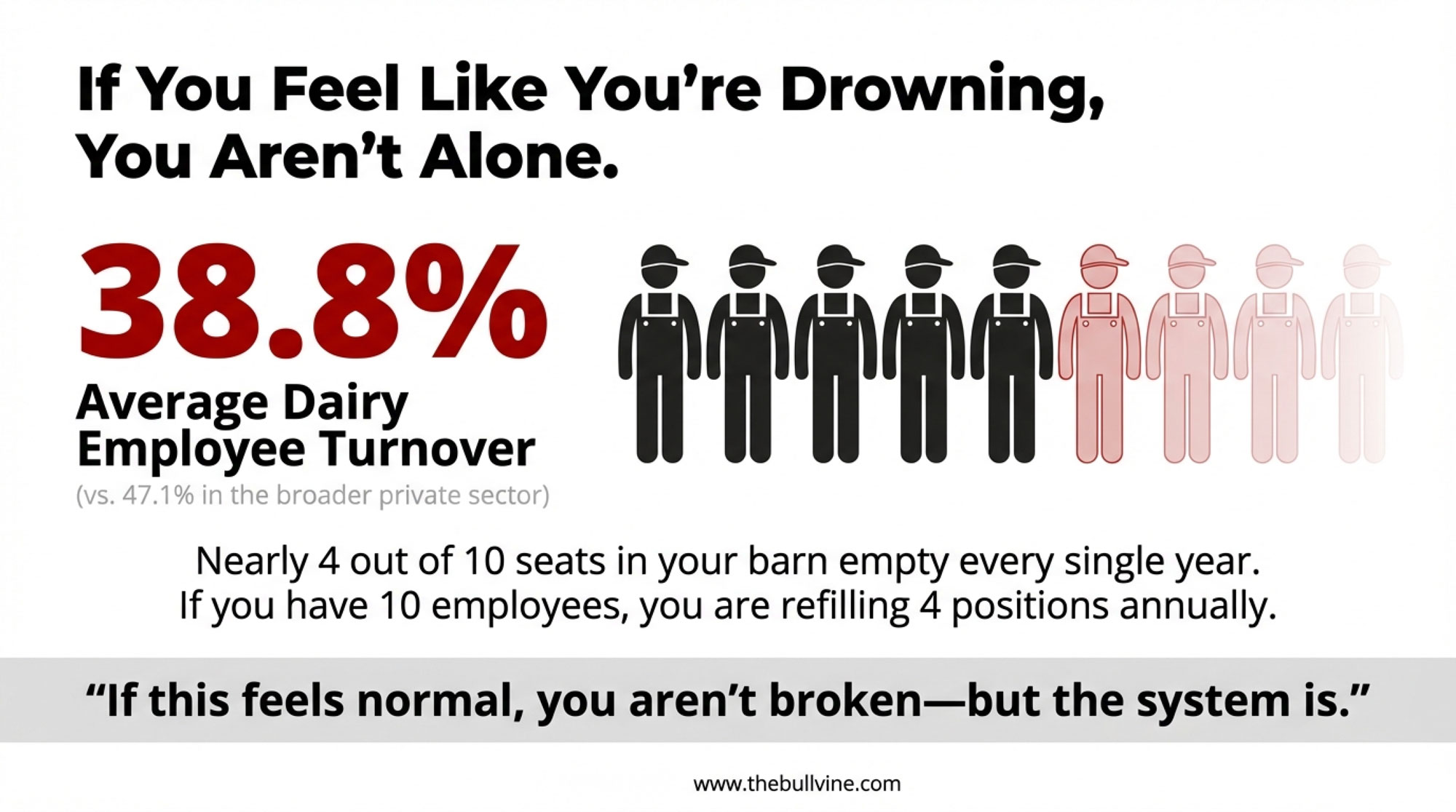
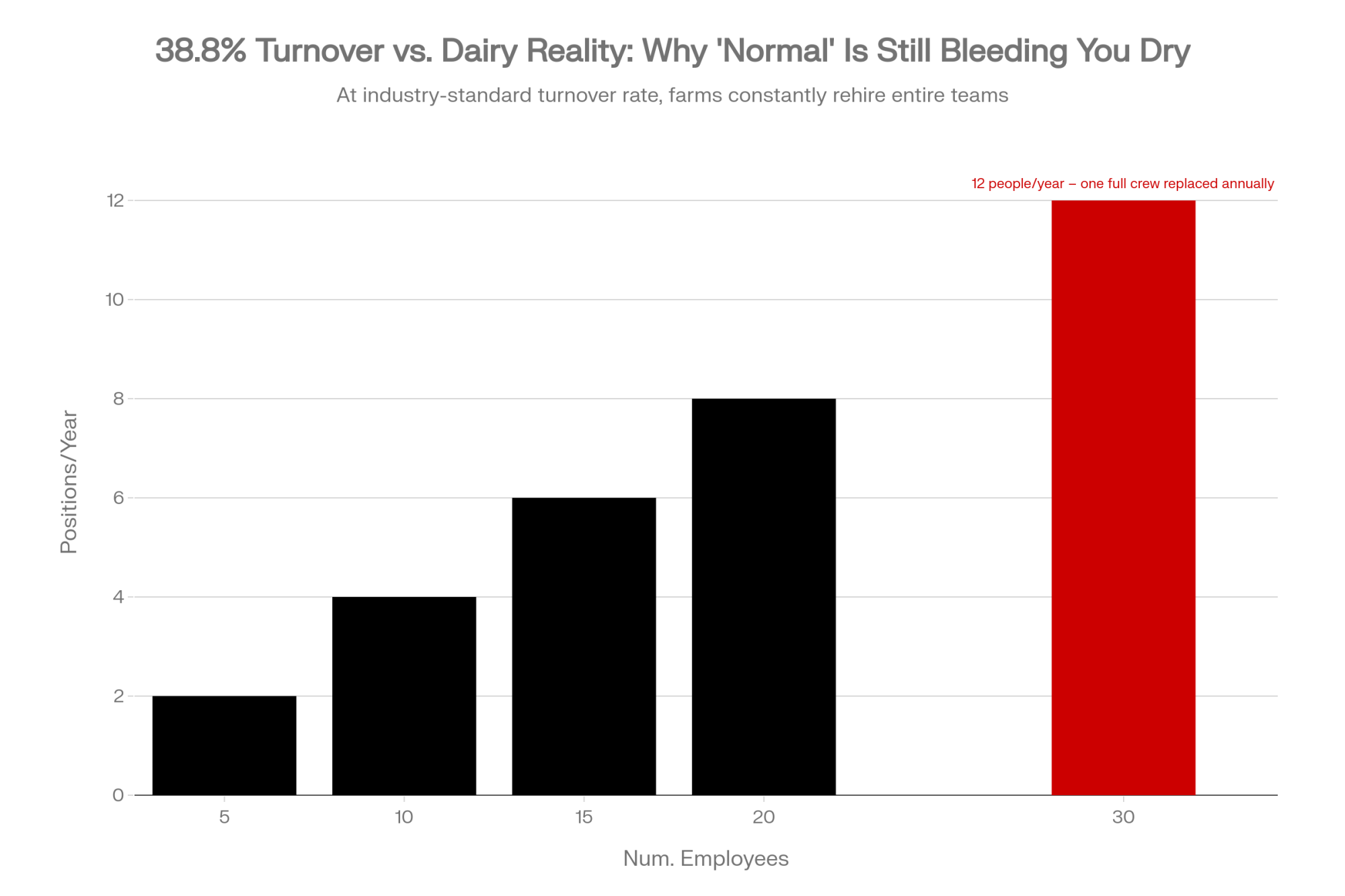
In the FARM Program’s nationwide dairy labor survey, conducted by Texas A&M’s Center for North American Studies and published in 2019, U.S. dairies reported an average employee turnover rate of 38.8 percent, compared with 47.1 percent in the broader private sector. That still means nearly 4 out of 10 positions are turning over every year on the typical dairy. If you’ve got 10 employees, you’re basically refilling almost four seats a year.
Labor is already one of your biggest line items. Michigan State University Extension notes that labor typically accounts for around 14 percent of total cash expenses on dairies, with the exact share varying by herd size and region. When the people you’re investing that money in keep cycling out the door, the quiet bleed on profit and herd performance is worse than most budgets show.
At the same time, the workforce you depend on is structurally fragile. A national survey of dairy farms conducted for the National Milk Producers Federation in 2014 found that immigrant workers accounted for about 51 percent of all dairy labor, and dairies that employed immigrant labor produced roughly 79 percent of the U.S. milk supply. In key dairy states, that reliance runs even higher. If anything shakes that foundation—policy changes, enforcement swings, or fear—it hits your parlor and your bulk tank, not just a headline.
North of the border, the Canadian Agricultural Human Resource Council’s recent forecasts for 2023–2030 show agriculture facing persistent and growing labor shortages, with dairy among the sectors expected to see higher vacancy rates if nothing changes. Whether you’re shipping to a U.S. cooperative or a Canadian board‑regulated plant, the story is the same: there aren’t enough people lining up to do this work under status‑quo conditions.
So if you feel like you’re constantly training, constantly short, constantly one resignation away from a crisis—you’re not imagining it. You’re sitting right in the middle of the math.
When Neighbours Became Teachers
The diner was half empty by the time Mark walked in. The smell of bacon and coffee hung in the air. Dawn was just starting to pull over the hills.
Dave was already in the corner booth, two mugs on the table.
“I remember he didn’t start with advice,” Mark said. “He just looked at me and asked, ‘How are you sleeping?’ And I laughed, because I thought he was joking. But he wasn’t.”
Mark let out a slow breath.
“I told him the truth. ‘Not great.'”
Over eggs and toast, the conversation drifted from milk prices and weather to the thing they’d both been circling around: people leaving.
“I can’t keep anybody,” Mark admitted. “The ones I really trust, the ones who know fresh cow routines and don’t miss heifer heats, they’re the ones living with the most fear.”
Over the years, he’d watched more than one trusted employee disappear almost overnight. One day, they were putting in a new group of fresh cows, and the next day, their bunk was empty. Families who’d become part of the rhythm of his barn packed up quietly and left, tired of living with the feeling that one traffic stop or one letter in the mail could change everything.
“There wasn’t even a chance to say goodbye,” he said quietly. “Their kids played with my kids. We just…lost them.”
Dave nodded. His eyes went to the window for a second.
“We had that happen here, too,” he said. “You don’t forget it.”
Research across dairy regions confirms what guys like Mark and Dave are living: immigrant and foreign‑born workers are the backbone of modern dairy, and policy uncertainty isn’t an abstract debate—it shows up as fear, turnover, and empty bunks in the bunkhouse.
In the mid‑2020s, when the labor crunch and immigration stalemate seemed to tighten another notch every season, Dave tried one of the legal paths dairy farms can use to give long‑time workers some real footing. It felt like a maze of forms, fees, and deadlines.
“It’s expensive, it’s slow, and the paperwork might as well be written in a different language the first time you see it,” he told Mark. “But it’s one of the only ways we can look somebody in the eye and say, ‘We’re willing to stand beside you.'”
He slid a business card across the table. The name on it was an immigration attorney who’d grown up on a small dairy and knew enough Spanish and farm talk to bridge both worlds.
“She knows cows,” Dave said. “She knows the law. And she’ll tell you what you don’t want to hear, not just what sounds good.”
That night, Mark and his wife spread the first stack of papers out on their kitchen table. They looked at the fees. They thought about the time they’d already poured into training people, about the families who’d already left, about their own kids and the way it shook them every time someone they loved simply vanished from the lane.
They decided to try.
But they also decided they weren’t going to walk that path by themselves.
The next week, they invited a few neighbours over for supper. A handful of couples and a single farmer crowded around the table. The attorney joined on a laptop screen at the end, her face propped between salt and pepper shakers.
They asked every question they could think of.
What if a case gets denied? How long does this really take? What happens if the rules change in the middle? How do we even start talking about this with our workers?
Nobody had a neat, tidy answer for everything. What they did have was a room full of people nodding along.
“By the end of that night, none of us had a clean roadmap,” Mark said. “But we all knew we didn’t want to keep pretending the way things were was okay.”
That kitchen‑table meeting turned into a regular thing. Once a month, after evening chores or on a rainy Sunday, more trucks crowd into the driveway than the yard was ever designed for. People bring casseroles and cookies. Kids drift in and out, grabbing snacks and listening from the stairs.
Around that table, they swap stories.
Someone passes a letter from the government around, the paper soft from being folded and unfolded. Someone else talks about a worker whose case is stuck somewhere in the system and how they’re trying to keep his hopes grounded. The co‑op field rep sits in sometimes, mostly to listen.
“I thought I understood ‘labor issues’ before I sat at that table,” he admitted one night. “I didn’t. Not really.”
He started talking differently at co‑op meetings after that.
“I told them, ‘You think this is a policy issue. Our members are living this at their kitchen tables,” he said. “It changes how you argue for something when you’ve looked those people in the eye.”
Every now and then, an extension educator joins them, too, listening more than talking and jotting notes on what farmers actually need from the next round of workshops.
Over time, farms in that little circle have helped a number of long‑time workers start some kind of legal path forward. Not every case has gone smoothly. There have been delays that felt like gut punches. There have been nights when someone came in ready to give up.
“And then you have three other farmers saying, ‘Yeah, we hit that wall too. Here’s how we got through it—or how we’re still trying,” Mark said. “That’s when it feels less like you versus the system and more like all of us, together, trying to do right by our people.”
One afternoon, long after the paperwork marathon had started, a worker walked into the parlor, holding an envelope as if it were a fragile calf.
Mark took one look and knew what kind it was.
“We just stood there,” he said. “He handed it to me with both hands. He couldn’t say much at first.”
When he found the words, he said something Mark won’t forget: “My daughter can grow up here now.”
Later, someone in the group mentioned that the worker’s child had drawn a picture of the farm at school and told the teacher, “This is where we get to stay now.” That simple comment said more than any thank‑you card ever could.
On rough mornings, when a pump won’t prime, or a heifer finds a new way to wedge herself where she shouldn’t, Mark thinks about that kid.
“I still worry about what might change in town or in the capital,” he said. “But I don’t wake up every day wondering who’s going to be in the parlor anymore. That alone feels different.”
Somewhere in that same valley, another worker’s case is still sitting in a stack of files. The group hasn’t forgotten him. His name comes up at every meeting. Somebody always volunteers to make the next call.
Raising Kids, Cows, and Community in Minnesota
The night everything came to a head for Tom and Sarah, the house was too quiet.
They’d finished evening milking late. Their roughly 200‑plus cows were settled, the parlor was washed, and the pipeline was humming as it cooled. Upstairs, their daughter was sprawled across her bed with textbooks open and earbuds in.
Sarah set a plate of reheated casserole on the table and poured herself a cup of tea, which she never did drink. Tom sat down across from her, shoulders slumped in a way she’d started to see more and more.
“I remember staring at that plate and thinking, ‘If I try to eat this, I’m going to fall asleep right here,'” she said. “I was that tired.”
Over the past months, a string of milkers had come and gone. One left for a job with benefits in town. Another found work with more predictable hours. Others just drifted away. Each time, they scrambled. Each time, they told themselves they’d figure it out.
That night, Sarah finally said what had been rattling around in her head for weeks.
“I don’t even know who’s on the schedule tomorrow,” she told Tom. “I just know I’m bracing for a text at five a.m. that says, ‘Sorry, can’t come.’ And I’m so tired of training people who are already looking for the next thing.”
When they’d asked their daughter not long before if she’d ever think about coming back to the farm after college, she didn’t sugarcoat it. She talked about what she saw: her parents exhausted, a schedule that never let up, and friends working in town who had predictable shifts and benefits.
“She wasn’t trying to hurt us,” Tom said. “She was just telling us what it looked like from where she sat.”
That night at the table, he set his fork down.
“We can’t keep doing this,” he said quietly. “Not to ourselves. Not to them.”
There was a long pause. The clock on the wall ticked louder than usual.
The next day, between vet checks and feeding calves, they started talking seriously about robots.
They’d heard all the stories. Some neighbours swore their automatic milking systems had saved their backs and their marriages. Others grumbled about never‑ending alarms and cows that refused to cooperate. The dealer had glossy brochures full of graphs and smiling families.
Tom and Sarah made a choice that surprised even them. They didn’t start by calling the dealer.
They started by calling their people.
They invited their herd vet, their nutritionist, a neighbour who’d installed robots a couple of years earlier, and their pastor to the farm for a Sunday afternoon.
“It felt a little strange at first,” Sarah admitted. “Like, why is the pastor in the shop talking about robots? But he knew us. He’d seen what the last few years had done to our family. That mattered as much as the numbers.”
They sat on folding chairs in the machine shed with two whiteboards, a pot of coffee, and more nervous energy than any of them wanted to admit. The wind rattled the overhead door. A few calves bawled outside.
They talked about what a bigger loan would really mean for their debt load. They talked about how many hours they could realistically take out of the parlor. They talked about what it would look like for their crew—who might be excited, who might be nervous. They talked about what it would mean for their kids if the farm started to look like something they could actually imagine being part of.
Their vet didn’t sugarcoat it.
“A robot can’t fix a bad ration or a bad attitude,” he told them. “It can change your workload. It might change your stress. But the biggest question is, what do you want your life to look like five years from now?”
Their pastor asked a different question.
“Who are you going to call when something breaks at two in the morning?” he said. “Because it will. And you two can’t be the only answer to that.”
They made a list. The neighbour with robots. The dealer techs. The vet. A couple of younger producers in the area who’d talked about wanting to learn more about AMS. One of their farm‑credit advisors offered to run worst‑case and best‑case cash‑flow scenarios so they weren’t guessing in the dark.
They also did something they hadn’t done before.
They put emergency mental‑health contacts where they could see them—farm stress hotline numbers, their doctor’s office, their pastor’s cell—right on the fridge. Just in case.
The robots did come. The first weeks were rough. Cows balked at the new lanes. Alarms went off for reasons no one could explain. There were nights when Sarah, standing in the glow of a robot screen at three a.m., wondered if they’d made a terrible mistake.
But slowly, the work started to shift.
They sat down with their crew and told them the truth.
“We’re not replacing you,” Tom said. “We’re asking you to work differently.”
They asked who might be interested in learning more about health, breeding, and data.
A quiet milker who’d been with them for a few years raised her hand.
“I don’t want to wash units forever,” she said with a small smile. “Teach me something else.”
They did.
She began working closely with the vet, learning how to read the robot’s reports—conductivity graphs, milk‑flow patterns, visits per cow. A few months in, she noticed that one group’s milking times were creeping up, and the conductivity in a couple of quarters was just a tick higher than normal.
“I thought, ‘Something’s going on in that pen,'” she said. They pulled a few samples and found the beginnings of a mastitis issue they could get ahead of.
The vet shook his head, smiling.
“The robot gave us numbers,” he said. “She gave us insight. That’s the part you can’t buy in a crate.”
Task
Pre‑Robot Hours
Post‑Robot Hours
Milking / Parlor Work
16
6
Cow Health & Repro Tasks
4
6
Data & Planning
1
3
Upstairs in the farmhouse, something else was shifting. Their daughter, who’d sworn she’d never come back, started wandering into the office when she was home on weekends. At first, she just clicked around the software because it looked like a game. Then she started asking questions about cull rates, reproductive performance, and which cows were actually paying for their stall.
As her daughter dug into the robot data, she also started asking which cows were actually paying for their stall and which matings were producing the kind of trouble‑free cows the robots love.
“For the first time,” she said, “the farm started to look like a place where I could use my brain, not just my back.”
At her university’s dairy club, she found herself helping younger 4‑H members figure out their own families’ robot reports. On show day, she’d be leaning over laptops with twelve‑year‑olds in belts and boots, explaining how to read a graph of milkings per day and why a cow dropping to 1.5 visits needs eyes on her fast.
A few months after that, a neighbour, thinking about robots, called late one night, overwhelmed by costs and alarms he’d heard about.
“Tom sat at the kitchen table and just walked him through the first week,” Sarah said. “We remembered how it felt to sit where he was. It felt good not to let him sit there alone.”
The robots didn’t fix everything. The debt still sat on the balance sheet, heavy as a silo. There were still nights when alarms went off at the worst possible time. There were still hard conversations about who was going to be “on call” over Christmas.
But there were more evenings when the family sat around the table before nine p.m., and more mornings when Tom and Sarah woke up feeling like they hadn’t been run over.
“I won’t pretend it’s all sunshine,” Sarah said. “But we’re not as close to the edge as we were. And the farm looks more like a place our kids might want to come back to, instead of a place they want to run from.”
Down the road, a smaller tie‑stall couple with no real interest in robots at all drove home from one of those barn days and told each other, “We’re not the only ones struggling with labor. That helps.” Their solution looks different—tighter shifts, a shared weekend milker with a neighbour—but they still came away with the same thing.
They’re not alone.
What Fair Wages Really Built in Vermont
The wind cut across the Vermont hillside, blowing fine snow into the ends of the freestall barn. Cows stood in rows, chewing calmly, their breath hanging in the air. In the farmhouse kitchen, a pot of coffee gurgled and the old radiators hissed to life.
Jennifer spread a stack of pay stubs and scribbled notes across the table. Across from her sat two of her employees.
“I want you to understand how we got here,” she told them. “Because this isn’t charity. This is math. And it’s also about what kind of place we want this to be.”
A few years earlier, her roughly 150‑cow organic dairy had started to feel like a revolving door. On paper, the farm looked fine. Good components. Strong butterfat. Pastures that made the milk truck driver smile. But the people side was bleeding.
“I was paying what everyone around here was paying,” she said. “And still, every time I turned around, somebody was leaving.”
She sat down with her accountant and her dad—who’d milked cows on that hill before her—and really looked at the numbers.
The Real Cost of Employee Turnover
Here’s the math Jennifer was staring at, stripped of wishful thinking.
A 2025 Michigan State University Extension analysis estimates turnover costs at 100–150 percent of annual salary for hourly dairy positions, and shows how a $25,000–$30,000 job can generate $37,500–$45,000 in replacement costs when you factor in hiring, training, and lost productivity. On a 20‑employee dairy with 10 percent turnover, that adds up to $75,000–$90,000 per year.
The FARM Workforce Development resources and related industry analysis often use a baseline of about one‑third of annual salary per replacement. With experienced dairy employees commonly earning around $40,000–$42,000 per year, that puts visible replacement costs in the $13,000–$14,000 range before you even count subtle herd impacts.
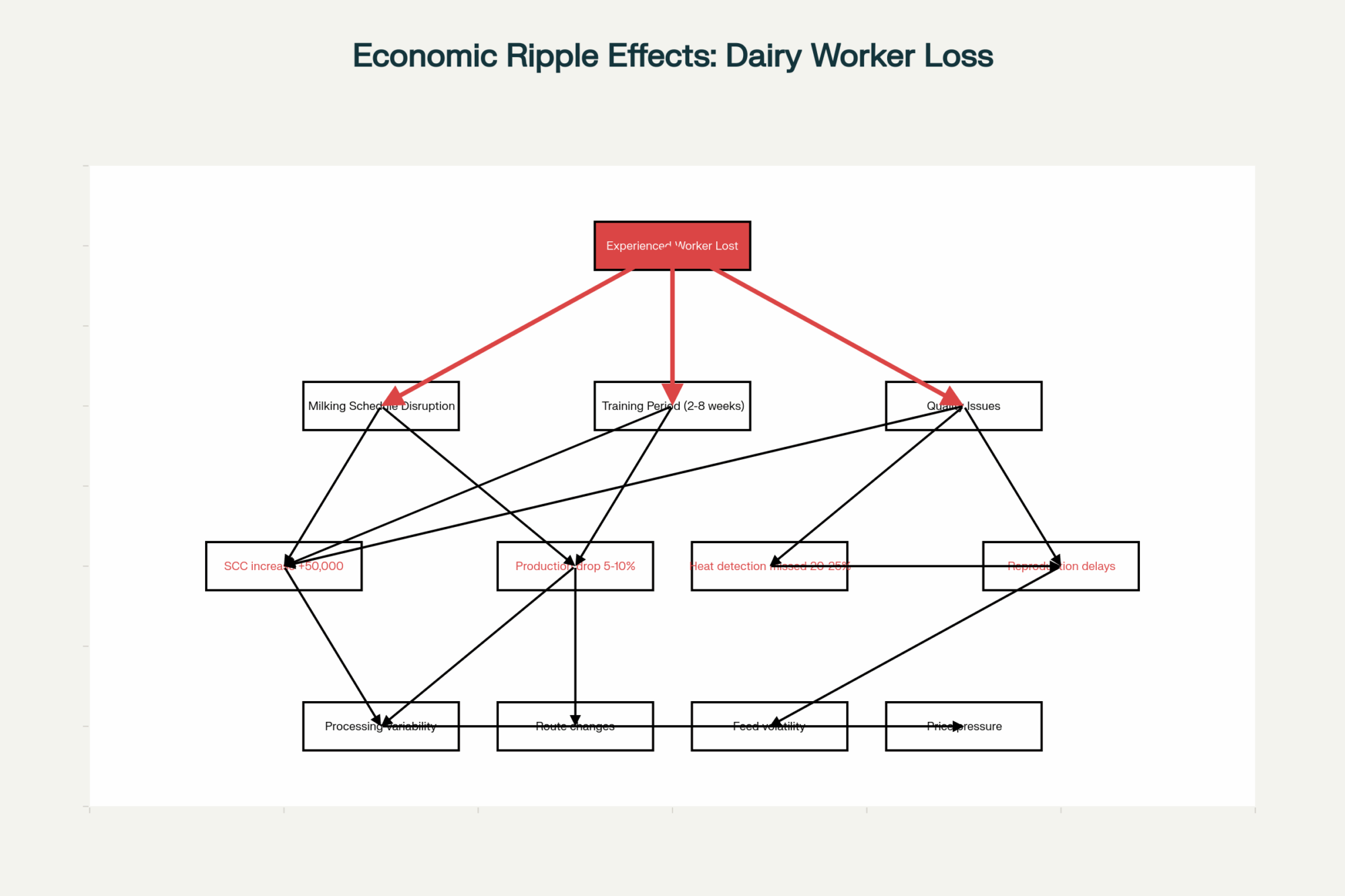
A number of farm workforce studies and extension resources suggest that $15,000–$25,000 per experienced worker is a realistic minimum once you add up recruiting, training, lower efficiency, and those ripple effects on SCC, reproduction, and cull rates.
To make it a little easier to picture, here’s a simplified breakdown you can lay beside your own numbers:
Category
Estimated Cost (USD)
What It Includes
Recruitment & Hiring
$500–$2,000
Advertising, interviewing time, background checks, and management hours
Training (First 90 Days)
$3,000–$6,000
Lower efficiency, mentor’s lost time, errors during the learning curve
Lost Productivity & Herd Impact
$5,000–$12,000
Higher SCC, missed heats, protocol slips, extra vet work, milk loss
Transition Disruption
$2,000–$5,000
Coverage gaps, overtime, and burnout risk in the remaining crew
Total Per Departure (Conservative)
$10,500–$25,000+
Varies by farm size and role complexity
Scenario
Wage/worker
Turnover
Turnover cost (10‑employee crew)
Status quo – low wage
$38,000
40%
$60,000
Slight raise, no benefits
$40,000
30%
$45,000
High‑retention wage + basic housing
$45,000
15%
$22,500
Jennifer‑style full package
$50,000
10%
$15,000
That’s the “hidden math” behind a help‑wanted ad that never seems to come down.
Jennifer and her dad realized that on a farm, even with three or four key positions turning over regularly, they were quietly burning through more money than it would cost to make those jobs worth keeping.
It wasn’t a fancy spreadsheet. It was a pen, a legal pad, and a lot of honest math.
Her dad slid his coffee mug to the side, like he was making room for something important.
“If you can’t afford to treat people right,” he said, “you can’t afford to be in business.”
It wasn’t a lecture. It was the plain truth of someone who’d seen what happens when you don’t.
So they did something that felt a little crazy.
They rebuilt their labor plan from the ground up.
They landed on a pay and benefit package that worked out to roughly the mid‑twenties an hour for full‑time work once you factored in housing and basics. They decided to include family housing on the farm, with heat. They added health and dental insurance. They put in paid vacation and sick time. And they set aside money each year per employee household for education, whatever that meant to that family.
Then came the harder part: sitting down with their crew and walking through it.
“We’re not used to bosses opening the books,” one of them said later. “She showed us what the farm could pay, what it cost when people left, what it would mean if we stayed.”
That conversation changed something.
It didn’t magically solve every problem, but it shifted the ground under their feet. Suddenly, this wasn’t just a job that might disappear in six months. It was a place willing to put its money and trust where its words were.
A while later, Jennifer checked in with one of her employees about his son. The boy had been struggling in school; teachers had been sending notes home about focus and math.
“We were worried all the time,” the dad said. “When you don’t know if you’ll have a job next month, it’s hard to think about anything else.”
Jennifer suggested using some of the education support to pay for extra help through the school. At first, he hesitated. He’d never had an employer offer something like that.
They tried it.
Over the following months, the boy’s confidence grew. The grades came up. But what stuck with Jennifer wasn’t one report card moment. It was watching the strain slowly ease from the parents’ faces and hearing them talk about their son’s future with something besides fear.
“I realized I wasn’t just cutting paychecks and hoping people showed up,” she said. “I was part of their family’s story, and they were part of mine.”
That new sense of responsibility started to show up in other places, too.
One summer, a neighbour with a small tie‑stall herd found himself short‑handed with almost no notice. The loss of a key milker came at the worst possible time—middle of the growing season, no backup plan, and real fear about how he’d manage.
Jennifer heard about it from her crew before she saw anything online.
“They came to me and said, ‘We can cover his weekends for a while,'” she said. “They’d already talked it over among themselves. They had a little schedule written out.”
For several weekends, one of her employees pulled into that neighbour’s driveway in the dark, milked his cows, washed his pipeline, and headed back to their own jobs. They refused extra pay.
“We told him, ‘Someday it’ll be somebody else. You’ll be the one showing up in their yard,” one of them said.
In the middle of that neighbour’s fear, when he could barely face walking into that barn alone, his neighbours showed up anyway.
It didn’t fix every problem. It didn’t make the bills go away. But it meant he didn’t have to face that barn alone.
Twice a year, Jennifer opens her kitchen to other farmers. She calls it a “labor open house,” but it feels more like a neighbourhood gathering. There’s chili or soup. Kids run up and down the hallway. Spouses lean on counters with coffee mugs.
She lays out what she pays, what she offers, what it’s costing her, and what she feels like it’s saving her.
The first time she did it, one of the older farmers looked at the numbers and shook his head.
“I can’t pay like that,” he said.
“Maybe not,” Jennifer answered. “But maybe you can do something else. Maybe it’s housing. Maybe it’s one extra day off a month. All I know is, doing nothing is costing us more than we think.”
A little while later, that same farmer teamed up with two neighbours to fix up a worn‑out farmhouse at the end of their road. They turned it into shared housing for families who worked across their farms. The floors creak. The paint is old. But the walls are insulated, the furnace works, and the kids who live there get to stay in the same school all year.
One of the moms who moved in told him, “We’ve never had heat we could count on before. The kids sleep through the night now.”
For those three farms, that farmhouse has become more than just a rental. It’s a promise that they’re planning for people, not just hoping someone will show up.
“It’s not about copying what we do dollar for dollar,” Jennifer said. “It’s about deciding that people are worth planning for, not just hoping for.”
Finding Family in Unexpected Places
On a cold November morning in Wisconsin, the gravel road to Jake and Emily’s farm was lined with bare trees and frost‑covered fence posts. Their couple of hundred cows were already halfway through the morning milking. The skid steer beeped in the yard as someone pushed feed up.
Inside the parlor, an older employee named Pete was rinsing units when a man with a navy stocking cap and a careful smile stepped in.
This was the new hire’s first winter on the farm.
When the call came from a local refugee resettlement agency asking if Jake would consider interviewing someone with livestock experience from halfway around the world, his first reaction had been a knot in his stomach.
“I thought, ‘We’re already behind. I can’t add language barriers and paperwork on top of this,” he said. “But I also thought, ‘We can’t keep doing what we’re doing.'”
Two local high school kids had left for college. A long‑time worker had retired. Ads on the bulletin board at the feed store weren’t getting calls anymore.
So he said yes to a short trial.
On the first morning, there were awkward moments. Communication was harder than anyone expected. At one point, Pete got frustrated trying to explain a change in the feeding routine, and Jake worried the whole thing was about to fall apart.
Then Pete pulled out his phone and opened a translation app. What could have been the end of the trial became the beginning of a solution. They went back and forth like that for a while—half gestures, half phone screen, half shared cow sense. By the end of the week, the two of them had found a rhythm.
“That guy knew more about cattle than half the people I’ve worked with,” Pete said later. “We just had to figure out how to talk to each other.”
Back home, in another country and another climate, the new hire had grown up tending cattle and goats. The cows here were different. The barn was different. The weather could cut you in half. But the animals were still animals.
“I didn’t come here to be saved,” he said. “I came here to work and to build something again. They gave me a chance. I want to make good on it.”
Months later, his wife and kids arrived. They were among the few newcomer families in the little town.
“The first day of school, I walked my daughter in and felt every eye on us,” his wife said. “It was…a lot.”
The principal stepped forward, shook her hand, and said, “We’re glad you’re here.” It wasn’t a speech. It was just one sentence in a crowded hallway, but it mattered.
Emily noticed her hanging back at school pick‑up, hovering near the door. She recognized that careful watching—the way you assess a new situation before committing. One afternoon, she walked over and invited her for coffee.
They sat at Emily’s kitchen table, the same one where so many farm bills had been paid and so many 4‑H posters had dried, and traded stories—with help from a phone app and a lot of gestures. Emily asked if she’d teach her how to make one of her favorite dishes. In return, Emily showed her how she planned meals around milking and chores.
“What started as me trying to help,” Emily said, “turned into me realizing how much I had to learn.”
Out of those visits came the idea for a “cultural night” in the machine shed.
They swept out one bay, set up folding tables, and plugged in slow cookers and coffee pots. The new family brought their food. Emily made chili and apple crisp. Pete brought venison sausage. Somebody else showed up with a pan of bars.
A small crowd of neighbours, a couple of other farmers, a teacher, the mail carrier, and one notoriously private uncle who almost never leaves his own place came that first year.
They didn’t do speeches. There were no name tags. People just ate. Kids ran around the tractors. Someone pulled out a guitar. At one point, the new worker pulled out his phone and showed photos of the cows and fields from home. A few people recognized the look in his eyes when he talked about weather and crop failures. Different country, same worry.
The shift in the neighbourhood didn’t come from one dramatic moment. It came from a hundred small ones. Conversations at the feed mill sounded different. People who’d been quietly skeptical started asking practical questions about how the partnership was working—housing, schedules, school.
“It wasn’t like a switch flipped,” Jake said. “It was more like people kept showing up, and over time, everybody relaxed a little.”
In the months that followed, word spread quietly. A couple of other farms were called the same resettlement agency. One hired someone with small‑ruminant experience to help with calves and yard work. Another found a woman who’d worked at a dairy co‑op overseas and wanted to be back around cows.
Not everything went smoothly. There were miscommunications—about time off, about holidays, about small things that felt big in the moment. Once, a misunderstanding about a schedule change left a pen of calves bedded later than they should’ve been. It took a couple of uncomfortable conversations, more translation‑app back‑and‑forths, and a lot of listening to sort it out.
“But we got there,” Jake said. “We messed up. We apologized. They messed up. They apologized. That’s how families work. That’s how communities work, too.”
Some of those connections stretch beyond the road now. One of the FFA kids who helped set up tables started a group chat with other local farm kids and a few she met at a state conference. They trade photos of calves, swap ideas for farm safety projects, and send “You okay?” messages on the rough weeks.
When you drive past Jake and Emily’s place now, it’s not unusual to see their kids and the newcomer kids racing their bikes down the lane together, or a group of parents—old neighbours and new ones—standing by the yard gate talking about school and silage in the same breath.
A local FFA student who helped set up tables last year tried to put it into words.
“I’ve been to a lot of meetings in that shed,” she said. “I’ve never seen that many different people in here at once, just talking and laughing. It made me want to stick around and see what we build next.”
“What kept us going wasn’t some big plan,” Emily said. “It was small decisions, over and over, to show up for each other.”
Four Models of Community Support: What These Farms Built
Each of the farms in this story found a different path through the labor crisis. None of them had a perfect playbook. But together, they offer a menu of approaches you can adapt.
Farms with core immigrant crews under status pressure
Tech + People – Robot Transition
Community‑guided AMS adoption
Capital for robots + support network
Reduces parlor hours; shifts staff into higher‑skill roles
Mid‑size herds facing burnout and succession questions
High‑Retention Wages & Housing
Above‑market pay, housing, benefits, open books
Higher wage line, housing, benefit admin
Dramatically lower churn; stronger loyalty and peer support
Solid herds with margin willing to trade cash for stability
Refugee Partnership & Cultural Bridge
Work with resettlement programs; invest in integration
Time, patience, school and town relationships
Access to new skilled workers; revitalized rural communities
Areas with shallow local labor but active newcomer programs
These models aren’t mutually exclusive. A high‑retention wage farm can still partner with a refugee program. A robot barn can still host immigration nights. The point isn’t to copy anyone line‑for‑line. It’s to stop pretending the labor crisis is something you can “manage” with one more ad, one more meeting, or one more guilt trip on your kids.
The Ripple Effect Nobody Put in a Plan
None of these families sat down and wrote a mission statement about community.
Most days, they were just trying to keep their heads above water and get the cows milked on time.
That group in the valley didn’t set out to create an “immigration network.” They just didn’t want to see any more bunks emptied in the middle of the night. The monthly meetings around that kitchen table grew because one farm after another realized it was better to face those letters and forms with a crowd than alone.
The co‑op rep, who had mostly come to listen, found himself talking differently in board meetings.
“I told them, ‘You think this is a policy issue. Our members are living this at their kitchen tables,” he said. “It changes how you argue for something when you’ve looked those people in the eye.”
A few months later, the co‑op quietly added an immigration Q&A and a mental‑health resource slide to its winter producer meeting, not because a consultant told them to, but because members wouldn’t stop bringing it up.
In Minnesota, Tom and Sarah’s robot decision turned into something bigger than their own barn. The neighbour who’d advised them at that first shop meeting invited them to a barn day the next year. They rotated host farms. People walked through robot rooms, talked about fresh cow management and butterfat performance, and stood quietly in corners, admitting they were tired.
“One young couple with a small tie‑stall herd came just to listen,” Sarah said. “They’re not ready for robots. They might never be. But on the drive home, they told us, ‘Just knowing we’re not the only ones struggling with labor made the day worth it.'”
In Vermont, the twice‑yearly labor open houses became a kind of community checkup.
“I thought the first one would be two people,” Jennifer said. “We ended up with farms from across the road and the next valley over around the table. A couple of months later, I started hearing about people changing their schedules, looking for housing, and talking to their kids about what the farm will look like ten years from now. That’s when it hit me—this isn’t just about us.”
One neighbour who’d always sworn he would never commit to a regular day off started guaranteeing his main milker one Sunday a month with his kids.
“He told me, ‘I thought I’d lose production. What I lost was a lot of resentment. He comes in on Monday happier. So do I,” she said.
The shared farmhouse down the road—patched roof, new wiring, coats and backpacks on hooks by the door—became a symbol of that shift. Three farms, who once mostly talked about milk prices at the diner, now sit together sorting out who will pay for which plumbing repair and how to share a worker’s time fairly.
For some much bigger herds a few counties over, the details look different—more formal HR, larger bunkhouses instead of one old farmhouse—but the questions are the same: Who will work here? How will we treat them? And will our kids ever want to carry on this work?
Whether you’re milking 40 cows in a tie‑stall or 2,000 in six rows of freestalls, the math looks different, but the people questions don’t let you off the hook.
Back in Wisconsin, that simple night in the machine shed has turned into an annual event. The second year, the local FFA chapter helped set up tables. The 4‑H dairy club did a little showmanship demonstration for the younger kids. The school principal brought new staff and told Emily, “This is my favorite night of the year now.”
The pastor came too. At the end, he said, quietly, “I didn’t know what I was walking into. What I walked into was community.”
A teenager looked around that second year and said, “I didn’t realize how much our town had changed until I saw everybody in this shed together.”
Some of these connections now cross roads and county lines. A handful of the farmers and families in this story stay in touch through group texts and online producer forums, trading advice about labor, paperwork, and those 2 a.m. robot alarms that never seem to ring at a good time. Once in a while, someone they first met in a comment thread ends up sharing coffee in the stands at a show or sitting beside them at a co‑op meeting, and another piece of this informal network clicks into place.
None of this came from a government program or a glossy industry campaign. It came from kitchen tables and machine sheds, because farmers got tired of waiting for someone else to fix what was breaking them.
Nobody wrote any of that into a strategic plan.
They just made food, opened doors, and let people be people.
The Bottom Line
If you’ve read this far, you don’t need another graph to convince you there’s a dairy labor crisis. You’re living it. You’re fielding texts at 4 a.m. You’re watching good people leave because the system around them is broken. You’re wondering if your kids will ever want to step into your boots.
These farms don’t have all the answers. They’re still wrestling with debt, with time, with rules that don’t quite fit the way dairy actually works. They still have hard days. They still get blindsided by life. Some of them will still have to sell out someday, even with all this support.
But they did something simple and brave.
They started talking.
They let the cracks show. They told the truth about how exhausted and scared they were. And instead of turning inward, they opened their doors—to a neighbour, to an attorney, to a vet, to a pastor, to a resettlement worker, to an employee’s family, to the kid who said she couldn’t see a future on the farm as things stood.
What came out of those conversations wasn’t perfection.
It was a connection.
It was the valley kitchen table crowded with farmers passing around a letter from the government and saying, “You’re not the first. You won’t be the last. Here’s how we handled it.”
It was the Minnesota shop full of whiteboards and coffee and nervous laughter as a family talked about robots and burnout in the same breath, and their pastor asked, “Who are you going to call at two in the morning?”
It was the Vermont parlor where a dad looked at the progress his son was making in school and realized—for once—the farm had made something easier at home instead of harder.
It was the Wisconsin machine shed where a newcomer family and long‑time neighbours ended up swapping recipes, farm stories, and school concerns under the same roof.
Sometimes, even with all the coffee and kitchen tables in the world, a farm still has to sell out. Community matters there too—the neighbours who show up on sale day, the friend who helps polish a résumé, the church ladies who make sure there’s a pan of lasagna in the fridge when the last cow leaves.
Small, Realistic Things You Can Try
So what can you actually do with all this?
Not a list of “10 easy steps to fix labor.” Those don’t exist.
But there are small, realistic things almost any dairy community can try:
Pick one neighbour and invite them over for supper—or coffee at the diner at an odd hour—and talk honestly about labor. Not just wages. The stress. The fear. The kids. The times you’ve thought, “Maybe we’re done.” Start with, “What’s one part of labor that’s keeping you up at night?”
Open your kitchen table once with an expert—an attorney, a vet, someone from extension, someone from a resettlement agency—and a couple of neighbours. Put a real letter, contract, or form in the middle of the table and ask, “What are we not seeing clearly about this?”
Look at what you can offer families, not just workers. Maybe it’s shared housing with a neighbour. Maybe it’s one weekend off a month. Maybe it’s helping an employee’s child get to 4‑H meetings or FFA events because those things take time and gas money that some families don’t have.
Ask your co‑op or processor, “What are you doing to help us with labor?” and be ready with realistic suggestions—immigration/legal clinics, translation help, training sessions, mental‑health resources at winter meetings. If your co‑op shrugs, that’s still data. It tells you who’s willing to sit at your kitchen table and who isn’t.
Look around your area for a refugee resettlement group or newcomer program. One phone call—”If you ever have someone with farm or livestock experience who needs a job, give us a call”—can start a whole new chapter.
Take rural mental health seriously. If Tom and Sarah’s late‑night kitchen table sounds too familiar, write a number on a sticky note and put it on your own fridge. Talk to your doctor, your pastor, your spouse, your neighbour, and say the words, “I’m not okay,” and see who shows up.
Decide that if you’ve had more than a couple of core employees leave in a year, that’s your signal—not just to grumble—but to call one neighbour and start a different kind of conversation about what needs to change.
If there’s nobody on your road you feel close to yet, start with someone you met at a meeting or in an online dairy group. Swap phone numbers. Once in a while, send a message that just says, “How’s your week going, really?”
Honestly, if you don’t have time to do all of this, start with the one thing your own turnover math is screaming for—whether that’s a wage rethink, a housing conversation, or one kitchen‑table meeting with the people on your road.
None of that will fix everything.
There will still be long days and short nights. There will still be bills that don’t care how tired you are. There will still be cows calving at the worst possible moment and kids with homework due the same day.
But the work feels different when you know you’re not the only one carrying it.
When a neighbour’s truck shows up in your driveway before daylight.
When a worker walks into the parlor holding an envelope like it’s made of glass and says, “We can stay.”
When a robot alarm goes off, and you’re not the only name on the list.
When the road to your farm fills up—not with headlights for a funeral, but with people coming to learn, to eat, to help, to see each other.
The labor crisis is real. The exhaustion is real. The grief is real.
So is a worn‑out kitchen table, a pot of coffee, and a few neighbours who refuse to walk away.
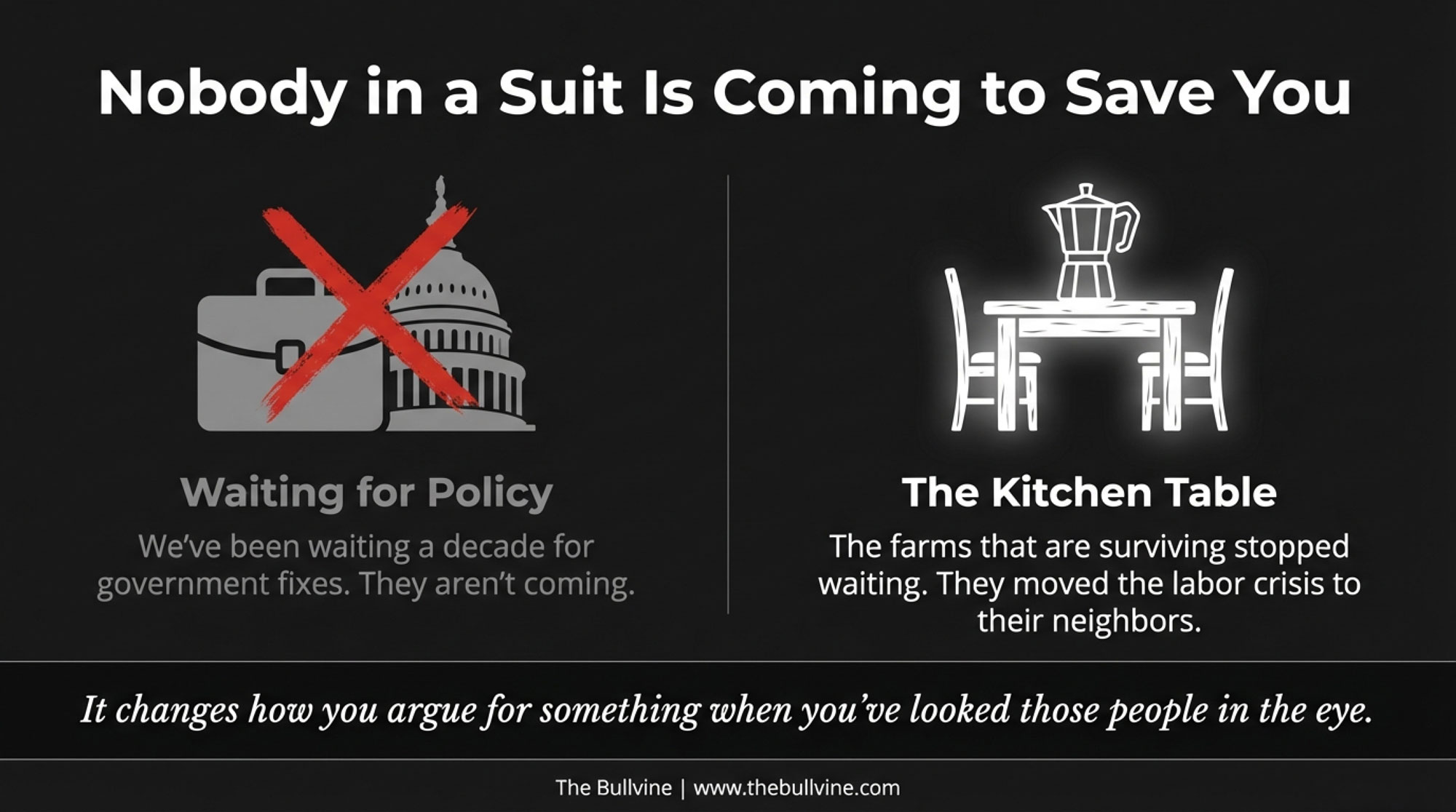
It won’t fix milk prices or rewrite policy. Nobody in a suit is coming to fix this for you. That’s the bad news.
The good news is, you don’t have to wait for them.
We’ve been waiting a decade for policy solutions that never came. These farmers stopped waiting.
That steady, stubborn decision—shared across fence lines and county lines and sometimes language lines—to keep showing up for each other when the industry shrugs and says, “That’s just how it is,” is already part of the reason some barns are still lit tonight.
They may not say it out loud, but every time they show up for each other, the message is pretty simple: we’re not done yet.
Key Takeaways:
38.8% turnover is bleeding you dry: Replacing one experienced worker costs $15,000–$25,000+ when you add up recruiting, training, lost productivity, and herd hits like SCC spikes and missed heats.
Four playbooks are actually working: immigration support circles, community-backed robot transitions, high-retention wage/housing models, and refugee partnerships—all built by neighbours, not policy.
The difference isn’t robots or wages alone—it’s who’s at your table: Farms stabilizing labor brought vets, pastors, attorneys, and neighbours into the conversation and started treating people decisions like breeding decisions.
You don’t need a 10-step plan—you need one honest conversation: Invite a neighbour for coffee, put a real problem on the table, and ask who else should be in the room.
Nobody in a suit is coming to fix this: The dairies still lit tonight stopped waiting and started showing up for each other.
EXECUTIVE SUMMARY:
Average dairy employee turnover is 38.8% a year, and this story goes inside the barns and kitchen tables of composite families who decided they weren’t going to face that alone. It walks through four real‑world playbooks—an immigration support circle, a community‑driven robot transition, a high‑retention wage and housing model, and a refugee partnership—that turn constant churn into more stable, skilled teams. Along the way, it shows how honest conversations about turnover math, debt, mental health, and kids’ futures reshape labor decisions just as much as any robot or new ration. For you as an owner or manager, the piece connects people decisions directly to profitability, risk, and whether anyone in the next generation actually wants your keys. It finishes with concrete, low‑drama steps—who to invite, what to put on the table, and when your own turnover should be a stop‑sign—not just “be nicer to employees” theory.
Complete references and supporting documentation are available upon request by contacting the editorial team at editor@thebullvine.com.
Continue the Story
Is Your Dairy Farm a Great Place to Work? – Wrestling with the same management shifts as Jennifer, this story proves that moving from a “hiring boss” to a true leader isn’t just about kindness—it’s the only way to build a farm that survives the current churn.
The Human Side of Robotic Milking – Much like Tom and Sarah’s kitchen-table epiphany, this piece explores the world where technology and human emotion meet, showing how automation can either bridge the generational gap or create a whole new set of burdens.
The Modern Dairy Farm: It’s All About People – Carrying forward the spirit of the Wisconsin machine shed, this narrative proves that our industry’s true legacy won’t be found in the bulk tank, but in the stubborn, shared commitment of the people standing beside us.
The Sunday Read Dairy Professionals Don’t Skip.
Every week, thousands of producers, breeders, and industry insiders open Bullvine Weekly for genetics insights, market shifts, and profit strategies they won’t find anywhere else. One email. Five minutes. Smarter decisions all week.
Dean Foods: Gone. Borden: Gone. Your local processor: Probably next. What every dairy farmer needs to know about 2026
EXECUTIVE SUMMARY: While Santiago’s dairy leaders celebrate a coming 20-million-ton shortage, 83.5% of farm kids are walking away from free operations—and the math explains why. Operating costs rising 3% annually, sustainability compliance accelerating ensus of Agriculture came out in5% yearly, but milk prices growing just 1% means that a $900,000 net income becomes a $540,000 net income within a decade. Add $54,750 for methane additives, processor consolidation, and operations requiring 1,260 cows just to reach the median scale, and the structural disadvantages are clear. Dean Foods and Borden’s bankruptcies preview the consolidation ahead in the processor industry, leaving producers with fewer buyers and less negotiating power. The next 24 months will determine whether you scale big, pivot to premium, or preserve wealth through a strategic exit—because waiting costs thousands in annual retirement income.
You know that feeling when milk prices hit $22.60 per hundredweight and everyone starts talking expansion?
Let’s talk about what really came out of Santiago this week.
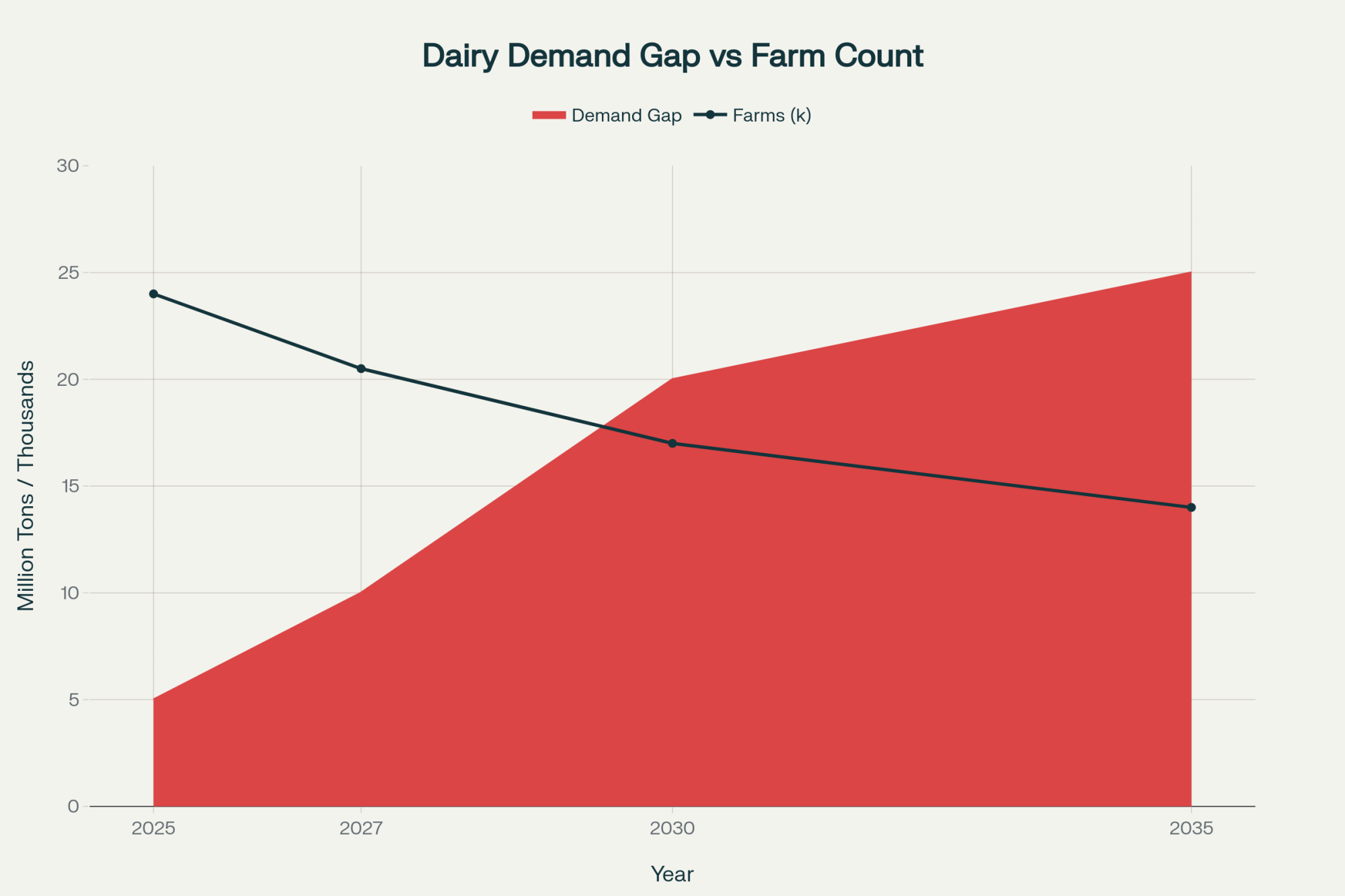
The International Dairy Federation is holding its World Dairy Summit this week—the first time in South America in 123 years—which is noteworthy, and the projections deserve a closer look. They’re talking about a 20-30 million ton global demand gap by 2035. IDF President Gilles Froment kept emphasizing “authentic collaboration” during his keynote, and that’s all well and good, but here’s what’s interesting…
When you examine these numbers alongside what’s actually happening on farms—I’ve been talking with producers from Vermont to California—some patterns emerge that suggest certain operations are going to capture value while others might struggle. These deserve a closer look.
And it’s not necessarily about who’s the better farmer.
Santiago’s celebrating a 25-million-ton shortage by 2035. But here’s what they’re not saying: only 14,000 U.S. farms will be left to capture that opportunity.
The Demand Gap: Real Opportunity or Something Else?
So this 20-30 million ton shortage everyone’s excited about—IDF’s analysis backs it up, USDA shows 11% consumption growth through 2030, and yeah, the demand’s real.
But here’s the thing: where’s the production going to come from?
Current production reality:
U.S. milk production: growing at just 0.9% annually (you’ve probably seen the NASS reports)
New Zealand: hitting environmental limits (their Ministry’s been pretty clear about that)
Even with the USDA predicting a milk price of $22.60, with room to grow, who actually benefits here isn’t as straightforward as you’d think.
Consider what DFA’s been doing. They marketed 65.5 billion pounds in 2021—that’s about 29% of all U.S. milk according to their annual reports. When you control processing, ingredients, export channels… you’re capturing value at every step.
Meanwhile, if you’re an independent producer shipping to whoever takes your milk that week, it’s a different game entirely.
And here’s something that really caught my attention: the Class III versus Class IV spread is $2.86 right now—widest we’ve seen since 2011 according to AMS data.
You know what that means? If you’re shipping to cheese plants in Wisconsin, you’re banking thousands more monthlythan your cousin in California selling to butter-powder operations. Same cows, same feed quality, same parlor management… but processor relationships determine who’s making money.
That’s not exactly what they teach in dairy science programs, is it?
Sustainability Costs: The Bill’s Coming Due
The Paris Declaration on Dairy Sustainability—signed by 53 countries, representing 46% of global production—changed the conversation from “wouldn’t it be nice” to “here’s your compliance timeline.”
And the costs… well, let me walk you through what producers are actually facing.
Bovaer methane additives: DSM’s been transparent about pricing at about $0.30 per cow per day. For 500 cows, that’s $54,750 annually. Just for the additive, nothing else.
Thinking about digesters? European Joint Research Centre research puts installation between €250,000-€275,000, and here’s what nobody mentions—you need about 35-40 kilowatt hours per kilogram of nitrogen for processing, which means solar panels or you’re burning through your savings on electricity.
Ben & Jerry’s ran this pilot with seven Vermont farms—the smallest had 60 cows, the biggest just under 1,000. They got 16% emissions reduction, which sounds great until you realize the company paid for everything. Staff time, equipment upgrades, robotic feed pushers… their published report basically says farmers can’t afford this without support.
At least they’re honest about it.
Now, California’s doing something interesting. Their dairy methane program—the Air Resources Board tracks this closely—has achieved impressive results:
5 million tons of CO₂ equivalent are reduced annually
$522 million in private investment since 2022
$9 per ton cost-effectiveness (beats other climate tech by 10-60 times)
But here’s why it works: programs like the Low Carbon Fuel Standard create actual revenue from methane reduction. You’re not just spending money; you’re making it.
Most states? They don’t have anything close. I’ve been talking with producers in Ohio, Texas, Iowa, and even Wisconsin, outside the renewable natural gas corridor. They’re staring at these costs with no revenue offset.
And California’s got its own challenges—SGMA water compliance is brutal. Some producers I know are converting to solar at a rate of $800-$ 1,200 per acre annually. Beats volatile feed margins when water’s scarce, though.
Consolidation: The Numbers Tell the Story
USDA’s Census of Agriculture came out in February, and the numbers are sobering.
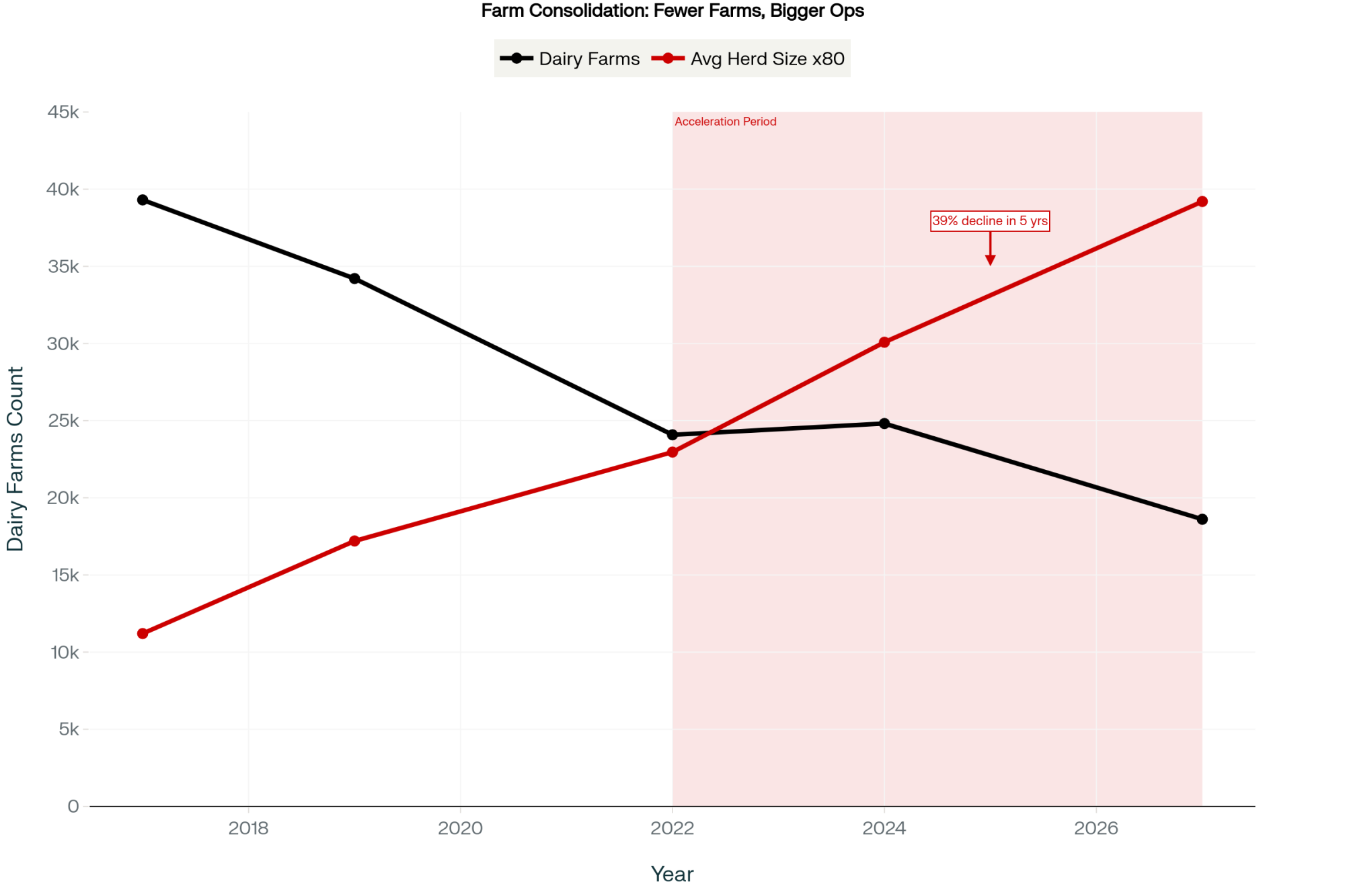
The brutal math of dairy consolidation: 39% of farms vanished between 2017-2022, while average herd sizes nearly tripled.
The stark reality:
2022: 24,013 dairy operations (down 39% from 2017)
Since 2012: 50% of farms have gone in a decade
Rabobank projection: Another 20-25% decline by 2027
But here’s what really tells the story—look at where the milk’s coming from according to USDA’s Economic Research Service:
Operations over 1,000 cows:
Now: Control 65% of the herd
1997: Just 17%
Farms under 100 cows:
Now: 7% of production
1997: 39%
Midpoint herd size:
2021: 1,260 cows
2000: 180 cows
The math doesn’t care about your family legacy
Herd Size
Cost/cwt
Profit at $22.60
100-199
$23.06
-$0.46
500
$20.25
$2.35
1,000
$18.50
$4.10
2,500+
$13.06
$9.54
And it’s not just about bulk feed purchases or spreading fixed costs, as many of us have seen. What I’m finding—especially visiting Wisconsin operations lately—is revenue diversification that smaller farms struggle to match.
These bigger operations are breeding 60% or more of their herds to Angus bulls. With beef crosses bringing $800-1,200 versus maybe $150 for dairy bulls, a 2,900-cow operation can generate millions extra annually just from calves.
Add in what they’re doing with:
Genetics sales internationally
Digester partnerships (companies like Vanguard Renewables)
Commercial grain operations on thousands of acres
It’s a completely different business model, honestly.
A 600-cow operation—and I know plenty of excellent managers at that scale—generally can’t tap those revenue streams. You don’t have the volume for direct feedlot contracts, digesters don’t pencil out, and international genetics buyers aren’t calling.
It’s not about management quality; it’s structural advantages that kick in above certain thresholds.
Why the Next Generation’s Walking Away
While 69% of farmers expect their kids to take over, only 16.5% of transitions actually succeed—and 71% haven’t even identified a successor.
Here’s a statistic that keeps me up at night: University of Minnesota Extension found that while 69% of farmers expectto pass the farm to their children, actual succession success is only 16.5%.
That 83.5% failure rate? It’s not because kids are soft or don’t appreciate farming. It’s math.
I’ve been helping young couples run the numbers using Wisconsin’s Farm Financial Standards—proper analysis, not back-of-the-envelope stuff.
Take a typical scenario:
25-year-old with an ag degree
Parents running 500 cows
Normal debt loads
Year one: Maybe $900,000 net with current prices
Sounds good, right?
But factor in reality based on historical trends:
Operating costs: Rising 3% annually (that’s the 10-year average)
Milk prices: Maybe 1% growth if you’re lucky (20-year data shows this)
By year 10, That net income could drop 40% or more.
And that’s while working 60-70 hour weeks—you know how it is during calving season—carrying complete liability for over a million in debt.
Their college friends?
Ag lenders: Starting $58,000, reaching $90,000 within a decade (Bureau of Labor Statistics data)
Herd managers: $80,000-120,000 (based on industry surveys)
Benefits: Home for dinner, actual vacation time, no debt liability
Student loans make it worse—National Young Farmers Coalition says 38% of young farmers carry an average debt of $35,660. As folks at USDA’s Beginning Farmer Program keep pointing out, you’re already in debt before you even think about taking over the farm.
The math often doesn’t work. And honestly? Can you blame them for choosing differently?
Your Four Critical Decisions—Quick Reference
Decision 1: Can premium markets work for you? (6 months to figure out)
Within 100 miles of metropolitan markets with strong demographics
Need 50%+ equity to weather transition losses
Someone who actually wants to do marketing, not just milk cows
Reality: Losses years 1-3, break even 4-6, profit after year 7 (every transition study shows this)
Decision 2: Can you scale to 1,500+ cows? (12 months to secure financing)
Need $3-4.5 million capital (that’s current construction costs)
Current profits should exceed $400/cow for lender confidence
Debt under 30% of assets for favorable terms
Reality: $175,000-292,000 annual debt service at current rates
Decision 3: Are You Preserving or Bleeding Equity? (3 months to assess honestly)
Delaying exit while losing money costs thousands in retirement income
Declining working capital = converting equity to expenses
Continue only if genuinely cash flow positive
Decision 4: If exiting, how do you maximize value? (12-18 months to execute)
Best: Sell to expanding neighbor (92-98% value recovery)
Good: Liquidate herd, keep land for rent (85-90%)
OK: Convert to heifer raising (40-50% income reduction)
Fast: Complete auction (60-80% recovery)
Processors: The Other Consolidation Story
Dean Foods collapsed. Borden’s bankrupt. In the Upper Midwest, 90% of your milk goes to just two buyers—DFA or Prairie Farms.
The processor landscape changed dramatically with recent bankruptcies, as you probably know:
Dean Foods (November 2019)
Over $1 billion in long-term debt, according to bankruptcy filings
Combined revenues over $12 billion—just gone
Borden Dairy (January 2020)
Followed Dean into bankruptcy
Couldn’t compete with integrated processors
When Walmart built their Fort Wayne plant in 2018 and Kroger expanded private label… that was game over for traditional processor margins, honestly.
After Dean collapsed, DFA bought 44 facilities for $433 million—the DOJ tracked all this. Now, many upper Midwest producers basically have two buyers: DFA and Prairie Farms.
That’s not exactly competitive price discovery, is it?
What Europe’s showing us about what’s next:
Arla-DMK merger: Creates €19 billion giant
FrieslandCampina-Milcobel: Combines €14 billion
DMK’s reality: €24.6 million profit but negative €54.8 million cash flow in their FY2024 report
They’re burning reserves despite making operational profit. Their CEO’s been blunt with members: milk production’s declining, and they need scale to survive.
What’s this mean for us? Fewer buyers, less negotiating leverage, more dependence on whoever’s left standing.
And if you think that leads to better milk prices… well, I’ve got a bridge to sell you.
The Talk Every Farm Family Needs to Have
Here’s the conversation I’ve been coaching families through—and it needs real numbers, not hopes:
“Listen, we’ve got three realistic paths given where the industry’s heading.
Path one—go premium. Organic, processing, direct sales. That’s serious money upfront, losses for years according to every university study, and you’d basically be running a food company. Farmers markets every Saturday, Instagram all the time, dealing with customer complaints. That sound like the life you want?
Path two—scale up big. We’re talking millions in debt, managing 20+ employees, becoming a CEO instead of a farmer. HR headaches, safety meetings, and managing managers instead of cows. You ready for that?
Path three—we sell while we’ve got equity. You pursue your career without our debt. We preserve retirement funds. You can still work in dairy—plenty of good jobs—just not owning the risk.
What actually fits your vision for the next 40 years?”
When kids see real numbers, Iowa State’s research suggests that about 75% choose path three. They become nutritionists, agronomists, equipment specialists. Good careers using farm knowledge without the burden of ownership.
And given the economics? It’s often the smart choice.
What’s Actually Working Out There
Now, it’s not all challenges—I’m seeing some operations successfully thread the needle.
New York producers integrating processing are doing something interesting. Making specialty cheese and butter for NYC markets—one operation I visited is selling butter for $12 per pound in Manhattan. That vertical integration changes everything.
California cooperatives where smaller farms banded together before consolidation forced them, are now receiving premiums. Clover Sonoma’s a good example—27 farms averaging 350 cows each, all within 100 miles of their plant. They control their story and receive premium prices.
Vermont innovation through programs like AgSpark, is worth noting. Individually, a 400-cow farm can’t justify a digester. But three farms together? Now you’re talking viable scale. That’s real collaboration, not the “take whatever price we offer” kind.
Plains states are finding niches too. Custom heifer operations serving multiple dairies, spreading costs. Grazing dairies in Missouri are finding grass-fed markets that actually pay premiums.
Mid-Atlantic producers are leveraging proximity. Pennsylvania’s farmstead cheese operations are growing—being close to Philadelphia and Pittsburgh matters. Maryland producers supplying Baltimore and D.C. with local milk get decent premiums despite high land costs.
Even in the Southeast, despite cooling costs running $180-$ 200 per cow annually, I know operations that maximize component premiums. When your butterfat’s at 4.2% and protein is at 3.4%, you’re getting paid. It’s about finding what works for your situation.
Looking Ahead: The Industry Will Survive, But Will You?
The industry will absolutely meet that 20-30 million ton demand gap. Sustainability goals will be achieved. Global production will modernize.
But the structure doing it? Nothing like today’s.
Operations under 1,000 cows without premium markets, face increasingly challenging economics. Sustainability costs are rising, processor options are shrinking, and the next generation is making rational career choices.
It’s not about farming quality—it’s about structural realities nobody wants to discuss at industry meetings.
Those positioned to scale or differentiate have real opportunities, but execution has to be nearly perfect. I’ve seen too many half-hearted organic transitions fail. Expansions without multiple revenue streams just create bigger debt.
You need a complete strategy, not just hope.
The next 24 months look critical based on what I’m seeing. Processor consolidation’s accelerating—Rabobank says 2026 could see major shifts. Asset values may decline as more operations exit. Waiting usually means fewer options at lower values.
The Bottom Line: Your Choice to Make
Santiago’s summit revealed an industry transforming whether we’re ready or not.
The question isn’t if you’ll be affected—it’s whether you’ll choose your position or let circumstances choose for you.
Understanding these dynamics isn’t pessimistic—it’s getting clear-eyed about making wealth-preserving decisions while you still have options. I’ve watched too many good operators wait too long, hoping for better prices or magical policy changes that never came.
What gets me is all the knowledge we’re losing. Generations of understanding specific fields, managing fresh cow transitions, getting the most from local forages… when a farm exits, that expertise often goes too.
But here’s what’s encouraging—that knowledge can transform into new roles. Some of the best herd managers I know are former owners who sold at the right time. They’re managing thousands of cows, earning well, and home for dinner.
The knowledge continues, just in different structures.
Your action steps:
Talk with your lender—really talk, not just renew notes
Run honest numbers using proper methodology (Wisconsin’s Farm Financial Standards work well)
Visit operations succeeding in different models
Make decisions based on facts, not tradition or guilt
This transformation isn’t about good farms versus bad farms. It’s about structural changes favoring certain models over others.
Understanding that—and positioning accordingly—separates those who’ll thrive from those just trying to survive.
The next 24 months will likely determine the structure of American dairy for the next generation. Make sure you’re actively choosing your place, not just watching it happen.
We’ve been through big changes before, right? Hand milking to pipelines. Family labor to hired help. Local cream stations to global markets. This is another turn of that wheel—probably the biggest many of us have seen.
The question is: are you steering, or just hanging on?
Because at the end of the day, this industry needs people who understand cows, who know how to produce quality milk, who can manage the biology and complexity of dairy farming. That need won’t go away.
But how that knowledge gets applied, in what structures, at what scale—that’s what’s changing.
Your operation has value. Your knowledge has value. Your family’s future has value.
The key is making sure you’re the one determining how to best preserve and deploy that value, not having it determined for you by circumstances beyond your control.
That’s what Santiago really taught us—not that change is coming, but that we need to be intentional about our place in it.
Complete references and supporting documentation are available upon request by contacting the editorial team at editor@thebullvine.com.
Learn More:
The Future-Proof Dairy: 7 Financial KPIs Your Banker Wishes You Were Tracking – While the main article warns of financial pressures, this guide provides the tactical dashboard you need. It details the key metrics for assessing your operation’s true health, helping you make the data-driven decisions on scaling or exiting that are now essential.
The Data-Driven Heifer: How AI is Predicting Future Rock Stars at Weaning – To survive the consolidation trend, you need elite efficiency. This article demonstrates how to leverage predictive AI and early-life data to improve heifer selection, reduce rearing costs, and build a more profitable, high-performing future herd from the ground up.
The Sunday Read Dairy Professionals Don’t Skip.
Every week, thousands of producers, breeders, and industry insiders open Bullvine Weekly for genetics insights, market shifts, and profit strategies they won’t find anywhere else. One email. Five minutes. Smarter decisions all week.
When your 4 AM milkers live one traffic stop from deportation, what’s Plan B?
You know that feeling when headlights turn into your farm drive at 4 AM? If you’re milking cows anywhere from Sheboygan to Sacramento these days, there’s probably a moment—just a quick one—where you wonder if those are your regular milkers or if today’s the day everything changes.
The September 25 enforcement action in Manitowoc County brought this uncertainty into sharp focus for our entire industry. The Department of Homeland Security arrested 24 people from a parking lot where dairy workers commonly meet to carpool to farms. For the operations that lost experienced workers that morning, it meant immediate challenges rippling through milking schedules, fresh cow management, breeding programs—everything.
What’s interesting here is how this incident highlights something we’ve all been managing for years: the disconnect between federal immigration policy and the reality of producing 226 billion pounds of milk annually in America. This isn’t about taking sides on politics—it’s about understanding the workforce dynamics that keep our industry running.
The Transformation Reshaping American Dairy
Examining the USDA Census of Agriculture data reveals the dramatic shift we’re all experiencing. Wisconsin operated 15,904 dairy farms in 2012. By 2022, that dropped to 6,949 operations—more than half gone in just ten years. California lost 30% of its dairy farms in that same period. Texas, Idaho, and New York—every major dairy state shows the same consolidation pattern.
Wisconsin lost 8,955 dairy farms in a decade while milk production held steady. Every remaining farm now depends on workers they technically can’t hire.
But here’s what fascinates me—Wisconsin still produced 30.6 billion pounds of milk in 2023, according to the USDA’s Milk Production report. California hit 40.4 billion pounds. Idaho’s up to 16.6 billion. The farms that survived got bigger, more efficient, and completely dependent on having reliable workers show up twice a day, every single day.
Walk into any milking parlor from Fond du Lac to Fresno, and you’ll see how the workforce has transformed over the past two decades. Industry organizations acknowledge this shift, although exact numbers are understandably difficult to pin down, given the sensitivity surrounding legal status. What we do know from talking with producers is that operations struggle significantly when they lose experienced workers—whether through enforcement or other reasons.
Training new milkers? That takes weeks, sometimes months, for larger operations. Finding people willing to do the work at all has become one of our biggest challenges nationwide. And finding them through available legal channels when year-round ag work doesn’t qualify for guest worker programs… well, that’s where things get really complicated.
What Happened in Manitowoc—And Why It Matters
The Department of Homeland Security’s September 25 operation targeted what they described as criminal activity. Twenty-four arrests from a local parking area. In the following days, the agricultural community faced operational disruptions, while families sought information about their detained relatives.
What stands out is the enforcement pattern. Workers were targeted. The broader questions about industry workforce needs, the economic system we’re all part of—those weren’t addressed. Local community organizations raised concerns about families who’d been part of rural Wisconsin for years, including those who showed up for early milkings and whose kids attended local schools.
I’ve noticed similar patterns playing out across the country. California operations have dealt with periodic enforcement for decades. Idaho producers tell me they’re seeing increased scrutiny. Even in Texas, where one might expect different approaches due to state politics, dairy operations face the same workforce uncertainties. A producer near El Paso recently mentioned losing three workers to an enforcement action; it took him two months to return to normal production levels.
The Economics We Need to Face
A 5% workforce disruption doesn’t sound like much until you realize it’s $2.3 billion of Wisconsin’s economy. How’s that for a wake-up call?
When agricultural economists examine workforce disruption scenarios, the projections become serious quickly. The National Milk Producers Federation has been presenting these concerns to Congress for years, though comprehensive solutions remain elusive.
Consider your own operation for a moment. Quality milk production requires consistency—same milking times, same cow handling, same fresh cow protocols. When experienced workers suddenly disappear, that consistency breaks down. I’ve seen operations where somatic cell counts jumped 50,000 just from switching milking crews. Production drops follow. Reproduction programs suffer when heat detection gets missed.
It takes 8 weeks to train a replacement milker. In those 8 weeks, your SCC spikes, reproduction tanks, and the entire supply chain feels it.
Now multiply that across hundreds of farms. Processing plants deal with variable milk supplies. Haulers face route changes. Feed suppliers see order volatility. The entire system, which has been optimized over the course of decades, begins to strain.
Consumer prices? While exact projections vary, basic economics tells us that reducing supply while demand stays steady means increases—potentially significant ones. Some analysts worry about impacts that could affect dairy’s competitive position against plant-based alternatives. Though honestly, I hope we never have to test those scenarios.
Why Dairy Can’t Access H-2A Workers
Here’s something that still frustrates producers coast to coast. The H-2A temporary agricultural worker program exists and has grown tremendously—from 48,336 certified positions in fiscal year 2005 to 378,961 in fiscal year 2024, according to Department of Labor data. Fruit and vegetable operations use it extensively. Some livestock operations qualify. But dairy? We’re locked out.
While H-2A positions exploded from 48,336 to 378,961, dairy operations watch from the sidelines. The federal government’s definition of ‘temporary’ doesn’t include twice-daily milking, apparently.
The federal regulations at 20 CFR 655.103 require work to be “temporary or seasonal” in nature. Last I checked, mastitis doesn’t follow a harvest schedule. Cows don’t take winters off. Fresh cow management happens year-round, whether you’re dealing with Wisconsin’s frozen February or California’s August heat.
What really gets me—certain range livestock operations can qualify for year-round H-2A workers under specific conditions. The distinction between their year-round needs and ours seems completely arbitrary.
The Farm Workforce Modernization Act passed the House twice but stalled in the Senate. Various other proposals have been introduced over the years. Meanwhile, we’re all operating in a gray area where the legal options do not align with operational reality.
How Farms Navigate Today’s Gray Areas
Let’s acknowledge what everyone in the industry understands. When workers present documents that appear valid for I-9 requirements, employers fulfill their legal obligations and proceed. What’s the alternative—having nobody for tomorrow’s milking?
This creates complex relationships. Long-term employees become integral to operations, develop deep knowledge of specific herds. I know a farm near Turlock where the same worker has managed transition cows for twelve years. He knows those cows better than anyone. But underlying everything is this legal uncertainty that neither farmers nor workers can resolve independently.
The arrangement functions because it meets mutual needs. However, it exists in constant tension, vulnerable to policy changes, shifts in enforcement priorities, and changes in political power. It’s exhausting for everyone involved—farmers, workers, families, communities.
What Other States Are Figuring Out
California started allowing undocumented immigrants to obtain driver’s licenses in 2015 through Assembly Bill 60. New York implemented the Green Light Law in 2019. Thirteen other states now have similar programs. The reasoning was practical—people already working on farms need to drive safely and carry insurance.
A UC Davis study found California’s program improved road safety while reducing hit-and-run accidents by 7-10%. Operations in those states generally report that it helps with daily stability, although it doesn’t resolve underlying questions about legal status. Workers can commute without constant fear of traffic stops becoming immigration issues.
California dairy workers got licenses in 2015. Wisconsin farmers still wait for traffic stops to destroy their workforce. Which state looks smarter?
Wisconsin hasn’t pursued similar policies, though the discussion surfaces periodically. Idaho’s taken an interesting middle path—some counties work with dairy operations on housing and transportation solutions that reduce workers’ need to drive on public roads. Texas varies by region, with some counties more accommodating than others.
Technology’s Real Impact
Examining actual adoption rates, DairyComp 305 data from over 2,000 farms indicate that robotic milking systems are currently in use on approximately 3% of U.S. dairy operations, although this number is growing steadily. The conversation about automation has matured considerably from the “robots will solve everything” pitch of five years ago.
Technology
Initial Cost
Labor Reduction
ROI Period
Activity Monitors
$100-150/cow
20-25% heat detection improvement
18 months
Automatic Takeoffs
$2,000-3,000/stall
10-15% milking labor reduction
18-24 months
Feed Pushers
$25,000-35,000
2-3 hours daily labor saved
2-3 years
Robotic Milking Systems
$150,000-200,000/unit
20-30% milking labor reduction
5-7 years
Operations with robots report mixed experiences. University of Minnesota Extension research shows they can reduce milking labor needs by 20-30%. However, you still require skilled personnel for managing fresh cows, health monitoring, and breeding programs. The capital requirements remain substantial—Wisconsin Extension estimates installation costs at $150,000 to $ 200,000 per robot, with most operations requiring multiple units.
What’s proving more practical for many farms is targeted automation. Automatic takeoffs cost around $2,000-3,000 per stall—way more achievable than a million-dollar robot barn. Activity monitors cost approximately $100-150 per cow but can increase heat detection rates by 20-25%, according to the Penn State Extension. Feed pushers ($25,000-35,000) reduce labor while keeping feed fresh. These incremental improvements make existing workers more productive without requiring a complete reconfiguration of your operation.
What Smart Operations Are Doing Now
Progressive operations are taking several approaches to navigate these challenges, even without comprehensive reform.
First, they’re strengthening compliance. Ensuring I-9 documentation is bulletproof and collaborating with agricultural attorneys to understand their obligations and associated risks. Some explore whether workers might qualify for existing visa programs, though options remain limited.
Second, they’re engaging politically in coordinated ways. The Wisconsin Dairy Alliance organizes producer meetings with state legislators. California cooperatives work with congressional representatives on H-2A reform. The Idaho Dairymen’s Association maintains regular communication with officials about workforce needs. Even individual producers are speaking up more—I recently heard a normally quiet farmer from Marathon County testify at a state hearing about losing two workers and nearly missing a milk pickup because of it.
Third, strategic investments continue in both technology and personnel. Creating advancement opportunities, providing training, and improving housing. The logic is straightforward—keeping experienced workers, regardless of status, beats constant turnover. A producer near Twin Falls told me his best investment wasn’t his new parlor—it was the apartments he built for long-term employees.
The Path Ahead
The September enforcement action in Manitowoc won’t be the last. Federal agencies operate according to their mandates, which don’t necessarily align with agricultural economic needs.
Wisconsin’s dairy industry generates $45.6 billion in total economic activity, according to a 2023 University of Wisconsin study. California’s dairy sector contributes $21 billion to that state’s economy. Add in Idaho, Texas, New York, and Pennsylvania—we’re talking about massive economic impact and thousands of rural jobs. We have the collective influence to use it constructively if we choose to do so.
Even without federal reform, incremental improvements are possible. Driver’s license programs provide daily stability. Better coordination between agricultural employers and communities reduces uncertainty. Strategic technology adoption improves efficiency without eliminating labor needs.
For producers ready to engage, several organizations are actively working on these issues. The National Milk Producers Federation maintains an immigration reform task force you can connect with. The American Dairy Coalition sends regular legislative updates. Edge Dairy Farmer Cooperative in Wisconsin actively lobbies for practical solutions. Your state dairy association likely has resources, too.
Tomorrow Morning’s Reality
When you walk into your parlor tomorrow morning, you’ll likely depend on workers whose legal status remains unresolved by current policy. They’ll arrive before dawn, manage transition cows with skill honed over the years, and keep your operation running smoothly. This has become the reality for American dairy—from operations still milking 50 cows to facilities milking 15,000.
The Manitowoc incident reminded us how quickly stability can disappear. But it also highlighted our resilience. Farms found ways to keep operating. Communities supported affected families. The milk kept flowing to processors.
We’ve weathered enormous challenges—the 2009 price crash, the 2014-2016 margin crisis, changing consumer preferences, and environmental pressures. This workforce challenge is distinct because it necessitates both political engagement and operational adaptation.
We understand what’s needed: recognition that year-round agricultural labor requires appropriate legal frameworks. Partial solutions exist that other states have implemented. The question is whether we’ll work toward pragmatic approaches or continue hoping someone else fixes this.
The economics are clear. The operational needs are obvious. The question now is what we’re prepared to do collectively. Managing uncertainty individually while hoping for the best isn’t sustainable for an industry that feeds America.
Here’s my challenge to you: Will you contact your state dairy organization this week about workforce solutions? Will you talk to your legislators about the reality on your farm? Or will you wait for the next enforcement action and hope it’s not in your county?
The choice is yours. But remember—every morning when those headlights turn into your drive, you’re depending on a system that needs fixing. And we’re the ones who need to push for that fix.
What’s your next move?
KEY TAKEAWAYS:
Targeted automation delivers better ROI than full robotics: Activity monitors ($100-150/cow) boost heat detection 20-25% while automatic takeoffs ($2,000-3,000/stall) reduce labor needs without the $150,000-200,000 per robot investment—Penn State Extension data shows most farms see payback within 18 months versus 5-7 years for robotic systems
State solutions exist while federal reform stalls: California’s 2015 driver’s license program reduced uninsured drivers by 15% and hit-and-run accidents by 7-10%, providing workforce stability that Wisconsin, Idaho, and Texas operations could implement without waiting for H-2A expansion that’s been blocked for decades
Proactive compliance beats reactive scrambling: Operations strengthening I-9 documentation, building relationships with agricultural attorneys, and exploring existing visa options for key employees report better workforce retention—the Wisconsin Dairy Alliance and Edge Dairy Farmer Cooperative offer resources to help navigate current regulations while advocating for practical reforms
Geography matters for enforcement risk: Manitowoc-style operations happen nationwide, but counties with agricultural-focused law enforcement report fewer disruptions—understanding your local enforcement priorities and building community relationships creates operational buffer zones that technology alone can’t provide
Engagement drives change faster than hope: Producers actively working with state dairy organizations, contacting legislators about workforce realities, and supporting industry advocacy efforts through NMPF or American Dairy Coalition see more progress than those waiting for Washington—your voice matters more than you think when 226 billion pounds of annual milk production depends on workforce stability
EXECUTIVE SUMMARY:
Recent enforcement actions in Wisconsin reveal a paradox at the heart of American dairy: operations depend on workers they can’t legally employ, while federal programs designed for agricultural labor explicitly exclude year-round dairy work. The September 25 Manitowoc arrests of 24 dairy workers highlight how quickly workforce stability can vanish—farms that lost experienced milkers that morning faced immediate operational disruptions affecting everything from milk quality to reproduction programs. With Wisconsin dairy generating $45.6 billion in economic activity while operating with a significant undocumented workforce dependency, and the H-2A program growing from 48,336 to 378,961 positions between 2005 and 2024, yet still excluding dairy, producers face an impossible choice between legal compliance and operational survival. What farmers are discovering through targeted automation investments—automatic takeoffs at $2,000-3,000 per stall delivering immediate efficiency gains, activity monitors at $100-150 per cow improving heat detection by 20-25%—is that technology can enhance but not replace skilled workers who understand transition cow management and fresh cow protocols. The path forward requires both practical adaptation through state-level solutions, such as driver’s license programs (already implemented in 15 states), and sustained industry engagement with organizations like the National Milk Producers Federation’s immigration task force. Hoping that federal policy catches up with dairy’s year-round reality isn’t a viable business strategy.
Complete references and supporting documentation are available upon request by contacting the editorial team at editor@thebullvine.com.
Learn More:
How to Attract and Retain Exceptional Labor for Your Dairy Farm – This tactical guide reveals actionable strategies for building a better team, providing insights on implementing benefits, mentorship, and technology to boost employee retention and morale, directly complementing the main article’s focus on workforce instability.
Robot Revolution: Why Smart Dairy Farmers Are Winning with Automated Milking – This innovation-focused piece offers a deeper dive into the economics and implementation of robotic milking systems. It demonstrates how to achieve significant labor savings and increased profits, providing a concrete example of technology’s role in addressing the workforce challenge.
The Sunday Read Dairy Professionals Don’t Skip.
Every week, thousands of producers, breeders, and industry insiders open Bullvine Weekly for genetics insights, market shifts, and profit strategies they won’t find anywhere else. One email. Five minutes. Smarter decisions all week.
What happens when biosecurity economics don’t add up? Ask the 30 farms losing millions on an island
EXECUTIVE SUMMARY: What farmers are discovering through the Isle of Man’s dairy crisis is that well-intentioned biosecurity measures can create more economic damage than the diseases they’re designed to prevent—particularly for operations caught in the vulnerable 100-200 cow range. The island’s 30 dairy farms have lost £5.44 million (40% of production capacity) implementing prevention measures for a disease that never reached their shores, while the UK recorded just 129 Bluetongue cases total according to DEFRA’s July reports. This situation mirrors challenges facing isolated operations from Hawaii to Vermont, where geographic constraints multiply compliance costs while limiting adaptation options. Recent AHDB data showing 440 UK farm closures last year—predominantly in that challenging middle scale—suggests this isn’t an isolated incident but part of a broader pattern where regulations unintentionally accelerate consolidation. The key insight emerging from multiple regions is that operations finding success are those building resilience through diversification, with direct sales capturing nearly double farmgate prices (85p versus 44p per pint in Huxham’s case) and collaborative approaches to processing and purchasing showing promise. For producers navigating similar pressures, the lesson is clear: understanding your operation’s true vulnerabilities and building flexibility before crisis hits has become as important as production efficiency itself.
Award-winning dairy operations that lose 40% of their production reveal important insights about biosecurity economics—with practical applications for farms navigating similar regulatory challenges. As I’ve been digging into the numbers and talking to people about this, what’s emerging is… well, it’s something we all need to think about.
The Numbers That Tell the Story
The brutal reality: 92.3% of the £5.44 million loss came from milk production collapse, not animal deaths or treatment costs. This wasn’t a disease impact—it was an economic strangulation.
So here’s what we’re looking at. The Isle of Man Creamery processes about 26 million litres annually from 30 local farms—that’s according to their own reports and government statistics. A fairly standard setup for an island of that size. However, they’ve lost 40% of their production capacity, which translates to approximately £5.44 million being lost from a dairy sector worth around £13.6 million in total.
Now, here’s where it gets interesting. DEFRA’s July report documented 129 Bluetongue cases across the entire UK. The Isle of Man? Zero cases. Not one. Yet they’re hemorrhaging millions because of prevention measures.
It’s worth noting that we’ve all seen disease prevention work brilliantly—FMD never got here, and that saved countless operations. But when prevention costs exceed any reasonable estimate of disease impact… that’s when we need to ask hard questions.
Carl Huxham runs Cronk Aalin Farm on the island—40 cows, getting about 6,000 to 7,000 litres per cow annually. He’s been pretty open about the challenges, particularly the shipping costs. Everything that comes to an island—feed, equipment, replacement parts—it all costs more. And that’s before you even factor in these disease restrictions.
How Things Compound on Each Other
Here’s the uncomfortable math: Isle of Man farmers paid £300 per cow preventing a disease that typically costs £135 per cow when it actually hits. Meanwhile, H5N1 shows what happens when prevention fails—£950 per affected animal.
What’s particularly noteworthy about this situation is how multiple pressures have converged. And honestly, many of us are dealing with at least some of these same challenges…
The disease control measures have been in place since November 2023—we’re now nearly two years into a complete livestock import ban from the UK. Meanwhile, mainland operations can move cattle within England relatively freely as of this July. So, you have island farmers who can’t bring in replacement heifers or new genetics, while their mainland counterparts are operating almost normally.
Then there’s the feed situation. You probably felt it too—AHDB documented hay yields running about 60% below normal this year. Tough everywhere, right? But when you’re on an island, or even just in a remote area, those transportation costs can double or triple. Many operations in Hawaii face similar challenges, and increasingly, those of us in more isolated mainland regions are seeing comparable dynamics as local suppliers disappear.
The September equipment failure at their butter production line… well, that hits close to home for many of us. USDA processing efficiency studies generally show you need somewhere between 30 and 50 million litres annually for optimal efficiency, depending on your setup. When you’re running below that threshold—and most smaller regional operations are—every breakdown becomes critical because you can’t justify the expense of backup systems.
And here’s something interesting: the island attracts over 329,000 tourists annually, generating approximately £212 million, according to their tourism board. That creates wild seasonal swings in demand. Think about operations near Yellowstone or in Vermont’s ski country—same dynamic. You need production flexibility exactly when regulations eliminate it.
The Middle-Scale Challenge We’re All Facing
The data reveals dairy’s dirty secret: mid-size operations face 20% higher costs than small direct-sales farms or large-scale dairies. Isle of Man’s 124-cow average puts them squarely in the death valley.
The Isle of Man farms average about 124 cows each, which puts them right in that challenging middle zone. You know what I mean—too big for effective direct marketing in most cases, too small for real processing efficiencies.
The Center for Dairy Profitability up in Wisconsin has been documenting this for years. Operations between 100 and 200 cows often face the highest per-unit costs. It’s not just a US phenomenon either—the latest AHDB data shows that 440 UK farms closed last year, a 6% decline, bringing the total to about 7,130. And which operations are surviving? Generally, the small, nimble ones are those doing direct marketing, or the large ones with significant scale advantages.
What makes island situations particularly tough—and this applies to geographically isolated mainland areas too—is the limited ability to adjust. You can’t just buy more land when you’re surrounded by water. Same problem if you’re in a valley where all the good ground’s taken, or where development pressure has driven land prices through the roof.
Different Approaches, Different Results
Examining how various regions are addressing these pressures offers some insight…
New Zealand’s interesting. Fonterra controls somewhere between 90% and 95% of its milk supply, according to its annual reports. You’d think that level of coordination would guarantee good prices, but many producers there are struggling with profitability, especially when global prices dip. Market concentration doesn’t automatically mean farmer prosperity—something to keep in mind as we observe consolidation in the industry.
India went a completely different direction. According to the National Dairy Development Board, the Amul cooperative model serves approximately 100 million farmers. They’ve maintained substantial import protection, and you know what? They’re now the world’s largest milk producer. Different system, different philosophy, but it’s working for them.
Iceland’s doing something really creative—using its abundant renewable energy to develop alternative proteins, such as Spirulina. Their 2021 Food Policy outlines this shift pretty clearly. Sometimes the answer isn’t competing harder in the same game; it’s finding a different game altogether.
In North America, we’re seeing various adaptive strategies emerge. Some regions are developing collaborative approaches to processing and purchasing. Others are investing heavily in renewable energy to offset costs. Each area seems to be finding its own path forward, though the specific models vary considerably based on local conditions and regulations.
Practical Considerations Worth Thinking About
Based on what’s happening on the Isle of Man and patterns emerging elsewhere, several things deserve our attention…
On biosecurity economics: It’s worth sitting down with your vet and running real numbers. What would a disease outbreak actually cost your specific operation? Are there graduated response options—such as testing, short quarantines, or targeted vaccination—that could provide protection without shutting everything down? These conversations are better had before a crisis hits.
Building resilience into operations: The farms weathering challenges best seem to have multiple approaches working. Direct sales can capture significant premiums—Huxham gets 85p per pint direct versus the 44p farmgate average. That’s not small change. Having some feed production capability, maintaining genetics that work in your environment… these buffers matter more than ever.
Understanding your real position: Geographic location cuts both ways. Being isolated can mean higher input costs, but it can also mean loyal local customers who value what you produce. The key is matching your strategy to your actual circumstances, not what you wish they were.
The Regulatory Reality We’re All Navigating
Here’s something we need to acknowledge: regulations have different impacts on different scales. And it’s not necessarily intentional—it’s just how the math works out.
Small operations often find ways to work within or around certain requirements through direct sales and simplified processes. Large operations spread compliance costs across a massive volume. However, that middle segment—where many of us operate—carries the full regulatory burden without the scale to truly absorb it.
According to Dairy UK’s analysis, approximately 87% of the UK market’s processing capacity is controlled by three major companies. Each new regulation, regardless of intent, tends to accelerate this concentration. It’s not a conspiracy; it’s just a matter of economics.
From the processors’ perspective, they’re dealing with retailer demands, food safety requirements, and international market access needs. Regulators generally aim to protect both animal and human health. The disconnect occurs when on-farm economic realities are not adequately factored into these decisions.
What This Means Going Forward
Climate variability isn’t going away. Disease pressures will continue. And regulatory complexity tends to increase over time. These are realities we need to plan around…
Supply chain resilience has taken on new importance. COVID taught us about sudden disruptions, but this Isle of Man situation shows that regulatory disruptions can be equally impactful—and potentially longer-lasting.
The scale required for efficient processing continues to rise. Most analyses suggest you need at least 30 to 50 million litres annually for competitive efficiency now. That has real implications for regional processing availability and producer options.
Perhaps most importantly, we need better frameworks for evaluating the costs of prevention versus the actual risk. This requires dialogue between all stakeholders—producers, veterinarians, processors, and yes, regulators. Everyone needs to understand the full picture.
Moving Forward Together
What the Isle of Man situation ultimately teaches us is about adaptation and resilience…
Some operations are finding creative solutions through cooperation, including shared processing, group purchasing, and collaborative marketing. These aren’t perfect solutions, but they show that working together can create opportunities that don’t exist individually.
The key seems to be recognizing challenges early enough to adapt proactively rather than reactively. This requires an honest assessment of our situations, learning from others’ experiences, and sometimes making difficult decisions about the future direction of our operations.
It’s worth remembering that this industry has always been built on resilience and innovation. We’ve weathered challenges before, and we’ll weather these too. But it helps to learn from each other’s experiences—whether those experiences come from an island in the Irish Sea or a farm down the road.
What patterns are you seeing in your region? Because they’re there, even if they haven’t made headlines yet. Sometimes the best insights come from comparing notes before a situation reaches a crisis level.
Feel free to share your thoughts at news@thebullvine.com. After all, we’re all in this together, whether we’re on actual islands or just dealing with our own unique challenges that can make us feel that way.
These are indeed interesting times in the dairy industry. But then again, when haven’t they been?
KEY TAKEAWAYS:
Calculate your biosecurity ROI: Operations spending more than £300 per cow on disease prevention should reassess—actual outbreak costs often run £120-150 per infected animal based on European data, meaning many farms are overspending by 200% or more
The 124-cow trap is real: Farms between 100-200 head face 15-20% higher per-unit costs than either smaller direct-marketing operations or 300+ cow dairies according to Wisconsin’s Center for Dairy Profitability—knowing which side of this divide you’re on shapes every strategic decision
Direct sales change everything: Producers capturing retail prices (like Huxham’s 85p per pint) generate margins that can offset compliance costs that would sink commodity-focused operations—even partial direct marketing can improve resilience by 30-40%
Geography multiplies challenges: Remote and island operations face feed cost premiums of 200-250% plus limited genetic improvement options—if you’re paying more than £50/tonne above regional averages for inputs, alternative production models deserve serious consideration
Collaborative solutions work: Regional processing cooperatives, shared equipment purchases, and group feed buying are helping mid-size operations achieve economies of scale—Minnesota and Ohio examples show 20-30% cost reductions through cooperation
Complete references and supporting documentation are available upon request by contacting the editorial team at editor@thebullvine.com.
Learn More:
HPAI H5N1: The 2025 Science-Based Dairy Farm Survival Guide – This article provides a tactical blueprint for effective biosecurity, revealing specific herd health protocols and low-cost prevention strategies that can reduce your risk without the massive financial outlays seen in the main article’s example. It details how to optimize PPE, manage farm visitors, and leverage herd status programs.
Why This Dairy Market Correction Feels Different – and What It Means for Our Farms – Beyond the Isle of Man, this piece offers a broader strategic perspective on the global dairy market. It breaks down the forces driving industry consolidation and provides data-backed insights on how to build resilience against volatile prices and survive the extended market pressures forecast through 2026.
AI and Precision Tech: What’s Actually Changing the Game for Dairy Farms in 2025? – This article explores the innovative solutions farmers are using to overcome the “middle-scale challenge.” It provides specific return-on-investment numbers for technologies like AI-driven feeding and automated health monitoring, helping you prioritize capital investments that deliver tangible cost savings and efficiency gains.
The Sunday Read Dairy Professionals Don’t Skip.
Every week, thousands of producers, breeders, and industry insiders open Bullvine Weekly for genetics insights, market shifts, and profit strategies they won’t find anywhere else. One email. Five minutes. Smarter decisions all week.
Your neighbor’s beef-cross calves just hit $1,000. Your Holsteins? $400. How long can you afford to wait?
EXECUTIVE SUMMARY: Here’s what we discovered: While the 2024 NAAB report shows 7.9 million beef semen doses flowing to U.S. dairies—over 80% of all beef semen sales—about 20% of farms are still holding onto pure Holstein breeding like it’s some sacred tradition. The numbers don’t lie: beef-cross calves are consistently pulling $900 to $1,000 per head at regional auctions while straight dairy bulls struggle to hit $400. Penn State’s genomic research proves what progressive farmers already know—genomic selection gives you substantially better accuracy than old-school pedigree guessing, letting you pinpoint which cows deserve premium dairy semen and which should get beef genetics. Extension programs play it safe with $100K to $150K annual income projections for 1,000-cow operations, but producers living this reality often see double or triple those returns when you factor in fewer replacements, hybrid vigor, and lower calf mortality. With USDA cattle inventories sitting at 94.2 million head—near historic lows—and consolidation pressuring farms harder than ever, this isn’t just an opportunity anymore. It’s become an economic survival strategy for independent farmers who refuse to get squeezed out by the mega-operations.
KEY TAKEAWAYS
Start with genomic testing on your bottom 20-30% of cows at $40-$100 per head to identify which animals deserve beef semen versus premium dairy genetics—strategic breeding beats shotgun approaches every time.
Build buyer relationships before you breed your first beef bull to avoid getting stuck with crossbred calves and no premium market access when they hit the ground 283 days later.
Factor in the management differences: beef-sired calves run 4 days longer gestation than Holsteins, which can affect butterfat test day results, and need fresh cow protocols adjusted accordingly.
Regional markets matter big time—from Minnesota’s brutal winters affecting shipping costs to California’s drought impacting feed prices, tailor your beef-on-dairy strategy to your local realities.
Ignore the conservative extension projections—real producers commonly report 2-3X higher returns through reduced replacement costs, better feed efficiency, and premium calf prices that extension models can’t capture.
You know what’s been eating at me lately? I keep running into these dairy guys—good farmers, been at it for decades—who are watching their neighbors cash $900, sometimes over $1,000 checks for beef-cross calves while they’re… well, they’re lucky to get $300, maybe $400 for their Holstein bulls.
And I’m thinking… honestly, how long can you afford to ignore that kind of math?
Look, the National Association of Animal Breeders just dropped their 2024 numbers back in March, and get this—7.9 million doses of beef semen went to US dairies last year. That’s compared to just 1.8 million doses going to actual beef operations. So if you’re still sitting there thinking this is some passing fad… well, I mean, that train’s not just left the station, it’s halfway across the state by now.
But here’s what really gets me fired up. There’s still this chunk of operations—surveys suggest maybe 20% or so—holding tight to pure Holstein bloodlines like it’s some kind of… I’m not sure, something like sacred tradition, perhaps. Meanwhile, the market’s literally screaming at them to wake up.
The Holstein Purity Thing That’s… Well, Bleeding Money
The thing is—and guys like Chad Dechow up at Penn State have been hammering this point for years now—genomic selection gives you way better accuracy than the old pedigree guessing game. We’re talking substantially higher accuracy, though the exact multiplier varies depending on which study you’re looking at.
I mean, we’re talking about identifying which cows in your herd are actually worth breeding to expensive dairy semen and which ones… well, which ones should be getting bred to Angus bulls instead.
But what do I see when I visit farms? Linear classification sheets are still pinned to office walls like they’re gospel. Old-school thinking that’s bleeding real money.
What strikes me is how many producers are still making breeding decisions like every cow’s gonna be the next great matriarch when—honestly—the genomic data often shows maybe 70% of most herds aren’t really moving the genetic needle forward. That’s not being harsh; that’s just math from the Council on Dairy Cattle Breeding evaluations.
I was talking to this producer recently… He runs about 1,100 cows and has been farming since his dad handed him the keys. Third-generation operation, beautiful facilities down in central Wisconsin. And he says to me, “Should’ve started this beef thing three years ago. My cash flow’s tighter than a new boot right now, especially with feed costs where they are.”
What strikes me about conversations like that is the regret. This wasn’t some weekend warrior. This was a sharp operator who just… waited too long.
Extension’s Playing It Way Too Safe (And Farmers Are Paying For It)
Here’s where it gets frustrating—and this is something corporate ag publications won’t tell you. The extension continues to produce highly conservative economic models. Maybe you’ll see an extra $100K, $150K annually from a beef program on a 1,000-cow operation, they’ll say.
Except every producer I talk to who’s actually doing this? They’re often hitting double, sometimes triple those numbers when you factor in everything. Better conception rates with beef semen on your problem breeders during heat stress, fewer replacement heifers needed, lower calf mortality, improved feed conversion on the crossbreds…
The Journal of Dairy Science published research back in 2021 showing the economics make real sense when crossbred calf prices consistently double what straight dairy calves bring—which they do. But extension models often don’t capture all that value because they can’t afford to overpromise.
And here’s what they really don’t want you to know… I’ve been to barn meetings where producers are talking about their recent calf sales. Over $900 for a beef-cross? Most hands go up. Over $1,000? Still a good chunk of the room. Regional auction data from places like Turlock, California, and Lomira, Wisconsin, back this up—beef-cross calves hitting $900 to nearly $1,000 per head consistently.
Those aren’t projections from some university model—those are real checks hitting real bank accounts.
The Tech Trap That’s Burning Through Cash
Now here’s a mistake I see way too often… farmers panic about falling behind, so they throw money at every piece of shiny new technology. Genomic testing for the whole herd, fancy monitoring systems, automated this and automated that.
You know what happened to this one operation I know—beautiful setup, runs close to 1,000 cows—dropped maybe $180K on tech upgrades in one season? Genomic testing across the board, AI equipment upgrades, and automated heat detection systems. First-year returns? Barely budged.
It’s like buying a $300,000 combine and then realizing you don’t know which field to start with.
Strategy first, gadgets second. Every damn time.
Start with genomic testing on your bottom performers—maybe 20, 30% of the herd. Usually runs $40 to $100 per head, depending on what lab you use and how many you’re testing. Figure out which cows deserve premium dairy semen and which ones should get beef. Build relationships with calf buyers before you breed your first cow to a beef bull.
Then—and only then—layer in technology that actually fits how you manage your dry lot operations, your fresh cow protocols, your butterfat test day schedule.
Small Farms Getting Creative While Others Get Bought Out
Small operations are feeling this squeeze the hardest. Genomic testing costs, shipping logistics… man, they can eat up a third of your premiums if you’re not careful.
But you know what I’m seeing? Smart, smaller guys are finding ways to make it work. This producer I know up in northern Minnesota—runs about 450 cows, mostly Holsteins with some Jersey crosses—partnered with three neighboring farms to bulk their crossbred calf shipments. Now they’ve got enough volume to get decent transport rates, and everybody wins.
Because here’s the brutal reality—and the 2022 Census of Agriculture backs this up—we’re seeing consolidation like never before. The USDA Economic Research Service reports show nearly two-thirds of dairy cows are now on farms with over 1,000 head. Between 2017 and 2022, we lost over 15,000 dairy operations. Fifteen thousand.
The farms that are left? They’re either getting bigger or they’re getting creative with stuff like beef-on-dairy programs. There’s not much middle ground anymore.
The Numbers That Keep Me Up at Night
USDA’s July cattle inventory report—first one we’ve seen since they brought it back this year—shows 94.2 million head nationwide. Down from 95.4 million, where we were two years ago. Replacement heifer inventories are shrinking, calf crops getting smaller at 33.1 million head.
And this trend makes me wonder… are we heading toward an even tighter supply situation? When beef supply gets tight, those premiums for crossbred calves get bigger.
But what really bothers me is that while these market fundamentals are lining up perfectly for beef-on-dairy adoption, I still run into producers who are frozen by the decision. You know, that innovation paralysis thing—knowing you need to move but being afraid you’ll pick the wrong direction.
Look, I get it. Change is uncomfortable, especially when you’re dealing with family traditions and generational farming practices.
Your Path Forward (Before It’s Too Late)
Here’s my take, and I don’t say this lightly—start small, but start now.
Get genomic testing done on your problem cows. The ones with poor conception rates, the ones whose daughters never seem to milk as well as you’d hope. Use that data to figure out which animals get beef semen and which ones still deserve your best dairy genetics.
Build buyer relationships early. Don’t wait till you’ve got crossbred calves on the ground to figure out where they’re going.
Pay attention to the management stuff that matters—beef-sired calves run about 283 days of gestation versus 279 for Holstein, so plan your breeding calendar accordingly. Watch your butterfat test day results because some beef genetics can affect milk composition. Ensure your fresh cow protocols can accommodate any differences in calving ease.
Technology comes last. One piece at a time. Make sure each investment actually serves your goals instead of just impressing the neighbors at the coffee shop.
What Corporate Ag Won’t Tell You About Extension Programs
Here’s something that’ll make you think… those extension estimates I mentioned earlier? They’re conservative by design because extension can’t afford to have farmers lose money following their recommendations. But are private consultants and the producers actually running these programs?
Man, they’re commonly reporting returns that make extension projections look like worst-case scenarios.
Research from places like Texas Tech’s Dairy Beef Accelerator program documents several clear benefits—better feed efficiency, improved carcass quality, and higher grading percentages. But you won’t see that data highlighted in most corporate industry magazines because it challenges too many assumptions about how we’ve always done things.
The Bottom Line Nobody Wants to Say Out Loud
We’re in the middle of one of the biggest shifts in dairy breeding strategy most of us will see in our careers. The early adopters are banking serious profits. The fence-sitters are missing opportunities that… well, they might not come around again.
Consolidation pressure isn’t going away—if anything, it’s accelerating based on what we’re seeing in the USDA data. Feed costs aren’t getting cheaper. But operations that diversify revenue streams, improve genetics strategically, and build strong market relationships? Those are the ones writing success stories that their kids will inherit.
The beef-on-dairy train is rolling. 94.2 million cattle is near the lowest inventory we’ve seen in decades, according to USDA NASS. Feed costs keep climbing. But farms that act now—using real genomic data, building real buyer relationships, making real operational improvements—they’ll be the ones still farming when their neighbors are selling out to the next expansion-minded operation down the road.
So as we sit here talking about our farms and our futures… the question isn’t whether this trend will continue. The question is whether you’ll be part of it or watching from the sidelines while someone else cashes those $1,000 calf checks.
Me? I’m betting on the ones who stop waiting and start acting.
This conversation’s just getting started. But the clock’s ticking.
Complete references and supporting documentation are available upon request by contacting the editorial team at editor@thebullvine.com.
Transform Your Dairy Economics: How Beef-on-Dairy Crossbreeding Delivers 200% ROI – Go beyond simple calf premiums with this economic analysis. The article reveals how to calculate the full ROI of a beef-on-dairy program, demonstrating how to account for hidden profit centers like improved feed efficiency and reduced replacement costs.
Every week, thousands of producers, breeders, and industry insiders open Bullvine Weekly for genetics insights, market shifts, and profit strategies they won’t find anywhere else. One email. Five minutes. Smarter decisions all week.
Milk adulteration in Colombia hits 15% sales drop—what it means for dairy farm quality vigilance.
EXECUTIVE SUMMARY: The recent dairy adulteration scandal in Colombia, involving major players like Lactalis and Gloria, resulted in fines exceeding 21 billion Colombian pesos, roughly five million U.S. dollars. These companies added whey in precise amounts—between three and twelve percent—undetectable by routine milk quality tests most dairies use. Combined with a 15 percent drop in milk consumption over two years and an informal market comprising half the milk supply, licensed producers faced real pressure. Producers across North America—from Vermont’s tie-stall farms to Oregon’s freestall herds—are seeing similar risks. Fortunately, new technologies such as AI analytics and mid-infrared spectroscopy provide powerful tools for early detection of adulteration. More than ever, educating consumers about milk authenticity helps build trust and market resilience going forward.
KEY TAKEAWAYS:
Whey addition, between 3-12% can increase milk volume but evade common quality tests, highlighting the need for advanced detection.
Colombia’s 15% drop in milk consumption over two years signals shifting market dynamics, putting pressure on producers.
Emerging technologies, such as AI and mid-infrared spectroscopy, enhance the early and sensitive detection of milk fraud.
Monitoring sales trends, pricing, and regulatory enforcement are crucial for identifying early warning signs.
Consumer education about what genuine milk means supports market differentiation and trust.
Best practices in fresh cow management and component monitoring are critical in today’s market.
Examples range from Ontario cooperatives pooling testing resources to farms across regions investing in better traceability.
You know, I’ve been thinking a lot about what’s happening in the Colombian dairy scene lately—there’s a story there that’s full of lessons for all of us.
So here’s the deal: some major players in Colombia—including global names like Lactalis and Gloria—were fined a hefty 21 billion Colombian pesos (about five million U.S. dollars) by Colombia’s Superintendency of Industry and Commerce for deliberately adding whey to milk. And they weren’t guessing about it. They’d worked out exactly how to add between three to twelve percent whey, just enough to bulk up volumes and save on costs, but not enough to trip the usual quality checks.
Now, here’s what’s eye-opening. The standard tests most of us rely on—butterfat levels, protein percentages, somatic cell counts—can’t detect this kind of tampering.
Colombia’s own food safety agency, INVIMA, acquired high-tech laboratory equipment—specifically, liquid chromatography mass spectrometry—that detects a unique fingerprint, known as caseinomacropeptides, which reveals the addition of whey. But here’s the kicker: it wasn’t used everywhere or all the time when the fraud happened.
And that’s the part that really worries me. If it could happen in Colombia, with reasonably solid regulation, what about markets where labs aren’t quite there yet?
When Market Structure Creates Impossible Choices
Plus, nearly 53 percent of Colombian milk moves through informal channels—that means less oversight, less regulation, and a tougher market for honest producers.
The numbers paint a tough picture: milk consumption dropped about 15 percent over two years, according to Asoleche data, squeezing margins for perfectly compliant dairies.
Whether you’re juggling transition cow management in Vermont, adjusting feeding through the summer heat in Oregon, or just trying to keep component levels steady anywhere in between, that kind of market squeeze feels real.
Early Warning Signs Worth Watching
How do you spot warning signs? A few things:
If your milk sales drop steadily over a few years, consider it a red flag. That often signals shifting market conditions or issues with consumer confidence.
Watch for falling prices alongside rising feed and labor costs. That squeeze creates pressure for shortcuts.
Keep an eye on unregulated sectors nearby. When informal markets grow, it puts pressure on compliant producers.
Regulatory vigilance matters. Are your inspectors regularly using the latest tech, or just sticking to basics? Gaps there create opportunities for trouble.
Technology That’s Actually Making a Difference
Across North America, more processors are turning to AI and machine learning to spot patterns humans can miss—catching quality issues before they spread.
Advanced tools like mid-infrared spectroscopy, combined with smart analytics, can detect adulteration down to very low levels—sometimes as little as three percent.
But tech alone isn’t the answer. Educating consumers about what authentic milk looks and tastes like builds the trust our whole system depends on. Places like Cabot Creamery in Vermont have made this a cornerstone, openly connecting customers to their farmers.
The International Stakes
Internationally, Colombia’s surge in exports—more than doubling in 2024, mostly to Venezuela—could be in jeopardy.
In dairy, reputation is everything, and it travels fast. Those considering expanding into exports need to ensure their quality systems are airtight, starting today, not tomorrow.
Building Resilience Together
Thankfully, there’s plenty of good news, too. Cooperatives in Ontario and Michigan have pooled resources to invest in sophisticated testing tech and better traceability. Across the board, farms big and small, from Pennsylvania to Idaho, are building strong routines—whether in fresh cow monitoring, transition management, or component tracking—that keep quality front and center.
What’s encouraging is seeing how different operations approach this. Whether you’re running 200 cows in a tie-stall setup in Vermont or managing 2,000 head in a freestall system in Texas, the fundamentals of quality assurance remain the same—it’s about building systems that protect both your operation and our industry’s reputation.
The Colombian situation reminds us that staying vigilant about quality isn’t just good business—it’s essential for maintaining the trust that keeps our industry thriving.
What are you seeing on your farm? What innovations or tools have helped you stay ahead?
At the end of the day, sharing what we learn and collaborating keeps us all strong—and that’s what will carry us forward.
This analysis draws from official reports by Colombia’s Superintendency of Industry and Commerce, INVIMA regulatory data, USDA Foreign Agricultural Service assessments, Asoleche consumption statistics, and peer-reviewed dairy science research on advanced milk quality detection methods.
Complete references and supporting documentation are available upon request by contacting the editorial team at editor@thebullvine.com.
Learn More:
Ensuring Top Milk Quality: Key Practices, Technologies, and Strategies for Dairy Farmers – This article provides a practical, tactical guide to the core components of milk quality, from somatic cell counts to bacterial levels. It outlines the specific parameters farmers should monitor and the on-farm technologies, like infrared spectroscopy, that can be used to improve consistency and quality.
2025 Dairy Market Reality Check: Why Everything You Think You Know About This Year’s Outlook is Wrong – This piece offers a high-level, strategic perspective on the economics of milk components. It reveals how shifting market dynamics and policy changes are rewarding producers who focus on butterfat and protein, turning quality into a key driver of profitability and a competitive advantage in a volatile market.
AI and Precision Tech: What’s Actually Changing the Game for Dairy Farms in 2025? – Dig into the innovative technologies that are revolutionizing milk quality and farm management. This article shows how AI-powered tools, from automated health monitoring to precision feeding systems, are helping producers cut costs, increase yields, and mitigate risks that manual processes often miss.
The Sunday Read Dairy Professionals Don’t Skip.
Every week, thousands of producers, breeders, and industry insiders open Bullvine Weekly for genetics insights, market shifts, and profit strategies they won’t find anywhere else. One email. Five minutes. Smarter decisions all week.
One million U.S. cows are under AI surveillance—and they’re making 20% more milk. Here’s how.
EXECUTIVE SUMMARY: Look, I’ve been saying this for years—the old “gut feeling” approach to dairy management is done. The farms crushing it right now are using precision tech to slash input costs by 25% while boosting milk yields 10-20%, and it’s not just the mega-dairies doing it. We’re talking real money here: $200-400 per cow in feed savings, plus another $300-500 saved on vet bills when you catch lameness early. The numbers from North America and Asia indicate that these technologies pay for themselves in 2-4 years, even with milk prices fluctuating around $18 per hundredweight. Small farms, big farms—doesn’t matter. What matters is selecting the right technology for your setup and actually utilizing it. Bottom line? If you’re not at least exploring this area, you’re leaving significant money on the table while your competitors pull ahead.
KEY TAKEAWAYS:
Cut feed costs 15-25% — Start with precision feeding systems that optimize your TMR and individual cow rations. With feed making up 50-60% of your expenses, better feed conversion efficiency isn’t a nice-to-have anymore—it’s a matter of survival in 2025’s tight margins.
Boost milk yield 10-20% — Robotic milking systems keep your protocols consistent and reduce cow stress through more frequent milking. Labor shortages aren’t improving, so implementing solid milking protocols via automation makes financial sense now.
Save up to $500 per cow on health costs — AI-powered lameness detection and reproductive monitoring catch problems before they cost you big. With vet bills climbing and animal welfare scrutiny increasing, automated health monitoring is becoming essential.
Achieve your ROI in 2-4 years — Precision feeding pays back the fastest, often within 3 years. Virtual fencing and health monitoring follow close behind. Even robotic milking, with its higher upfront costs, delivers solid returns when labor savings and consistent protocols are factored in. Here’s the takeaway: these technologies aren’t just shiny toys. They’re real tools that can put more money in your pocket and give you more time for what matters. If you haven’t looked into precision feeding, robotic milking, or AI health tools yet, you’re missing a trick in today’s fast-evolving dairy game.
With volatile milk prices squeezing dairy margins, farmers are turning to precision technology not just to survive, but to thrive. With Class I and Class III prices hovering around $18 and $17 per hundredweight, operations utilizing AI and automation are discovering smarter ways to reduce costs and increase yields.
The precision dairy-tech market is projected to reach $5.59 billion by 2025 and is expected to expand at a rate of 9-15% annually, driven by tangible on-farm benefits. Early adopters report slashing labor costs by 20-50% and lifting milk yields by 10-20%, according to a Data Bridge Market Research report.
Regional Market Share for Precision Dairy Technology Adoption in 2025
Regionally, North America accounts for about 30% of the market, driven by labor cost pressures and solid tech infrastructure. European advances are driven by strict environmental and welfare regulations that encourage precision livestock farming tools. The Asia-Pacific is the fastest-growing market segment, modernizing dairy farming traditions with AI and robotics at a rate of approximately 6% CAGR.
Health & Reproduction Monitoring: The New Eyes in the Barn
AI health monitoring is no longer just a buzzword. Over one million U.S. cows are under continuous AI surveillance, with research from Liverpool University showing a lameness detection accuracy of nearly 85%. Catching lameness early can save $300-500 per cow annually.
Platforms like CattleEye and Ever.Ag identify heat cycles up to 24 hours before visual detection, leading to conception rate improvements of 8-12%. Dr. Sarah Johnson from Texas A&M confirms these systems can cut vet bills 25-30% while boosting herd fertility—benefits that farms see reflected quickly.
What producers should do: Consult with your veterinarian to select systems that integrate well with your existing herd health programs. Start with one technology rather than trying to implement everything at once.
Precision Feeding: Cutting Costs and Boosting Conversions
Feed costs chew up 50-60% of their total expenses. Precision feeding systems typically pay for themselves within 2 to 4 years, delivering feed savings between 15-25% per cow. European milk prices hold steady at €50.60 per 100 kg, making input control essential.
AI-driven feeding cuts feed expenses 5-10%, saving $200-400 annually per cow, depending on scale and prices. Real-time ration adjustments prevent $50-$ 75 per cow losses caused by nutritional imbalances.
Lucas Fuess from RaboResearch notes this tech improves feed conversion by 15-20%, a crucial edge in tight feed markets.
Implementation advice: Carefully assess your current feed costs and waste patterns to optimize your feed management. Consider exploring government grants or financing options specifically for agricultural technology to help with upfront costs.
Milk Yield Improvement by Precision Dairy Technologies
Robotic Milking: Why Automation is a Growing Investment
In Ontario, the number of farms using robotic milking systems doubled between 2016 and 2021, with many reporting milk yield gains of 2.5 to 2.9 kg per cow per day due to consistent milking protocols that reduce stress and allow for more frequent milking.
Mike Thompson from Progressive Dairy Solutions points out that robots don’t just replace labor—they trim $15-25k annually in labor turnover costs by keeping milking protocols reliable.
Key considerations: Ensure you have reliable system support and invest heavily in crew training. The technology is only as good as the management behind it.
Pasture Management Reinvented: The Rise of Virtual Fencing
Virtual fencing contains herds 99% of the time, cuts fencing maintenance by as much as $15,000, and frees up 20-40 labor hours weekly. The GPS-enabled collars guide cattle movement through audio cues and mild stimulation, eliminating most physical barriers.
University of Wisconsin research highlights a 17% boost in pasture utilization, converting underused land into productive feed. Recent regulatory approvals in areas such as New South Wales further support the adoption.
Before implementing: Evaluate local regulations and ensure you have strong cellular coverage. Begin by testing the effectiveness of a small section of your operation.
Typical ROI Timelines and Primary Benefits
Typical ROI Timelines and Primary Benefits of Key Precision Dairy Technologies
Precision Feeding: 2-4 years – Feed cost savings (15-25%)
Automated Health Monitoring: 3-4 years – Reduced vet bills, increased yield
Robotic Milking: 5+ years – Labor savings, increased milk yield
Virtual Fencing: 3-5 years – Labor savings, enhanced pasture use
Estimated Annual Cost Savings per Cow from Precision Dairy Technologies
Scale matters: smaller farms (50-200 cows) see fastest payback through health monitoring and precision feeding. Larger operations benefit more from robotic milking and integrated automation systems.
The Real Challenges of Adopting Precision Tech
Adoption is not without its challenges. Nearly 30% of tech projects stall due to tight cash flow and inadequate staff training, according to Dr. Jennifer Walsh of Cornell. Training, management buy-in, and ongoing education are decisive factors.
Training & Management: Success requires time and investment in staff education, as well as new management skills to interpret and act on data. Many farms underestimate this learning curve.
Maintenance & Support: Equipment downtime can quickly erode expected savings. Establish relationships with reliable local dealers and develop comprehensive support plans before installation.
Data & Integration: Many systems lack effective communication, resulting in frustrating data silos. Invest in a central farm management platform for seamless integration—budget for additional software and consulting costs.
Cybersecurity: Connected operations must protect their data from growing cyber threats. Develop and regularly update data protection plans, as well as security protocols.
Solutions: Explore government financing programs, start with pilot projects, and prioritize vendor relationships with strong local support networks.
Looking Ahead: What the Future Holds
Precision tech adoption is forecast to triple by 2030. Mike North at EverAg warns that farms ignoring automation will face shrinking margins as labor becomes tighter and costs escalate.
Those embracing these technologies early enjoy not only cost savings but also improved animal welfare and sustainability certifications that open doors to premium markets, which are increasingly demanding transparency and environmental stewardship.
Bottom Line
The drive to precision technology isn’t a fad—it’s a strategic imperative for farms of all sizes. While the benefits are clear, success hinges on thoughtful planning, solid financing, committed training, and a willingness to evolve management practices.
The farms that will win in the long term won’t be those that buy the fanciest gadgets first—they’ll be the ones that better harness these tools to become smarter, more resilient businesses. Technology is the enabler; smart management remains the differentiator.
Start small, plan thoroughly, and remember: the goal isn’t just to adopt technology, but to use it strategically to build a more profitable and sustainable operation.
This analysis draws on the latest USDA data, peer-reviewed research from universities such as Liverpool and Wisconsin, and insights from leading dairy market analysts, extending through 2025.
Complete references and supporting documentation are available upon request by contacting the editorial team at editor@thebullvine.com.
Learn More:
Profit and Planning: 5 Key Trends Shaping Dairy Farms in 2025 – This article takes a step back from specific technologies to focus on the big-picture economic trends. It reveals how to leverage technology to navigate volatile markets, offering actionable advice on feed conversion ratios, genomic testing, and cleaning up your balance sheet to prepare for future investments.
The Robotics Revolution: Embracing Technology to Save the Family Dairy Farm – Beyond the headlines, this piece provides practical insights and case studies from real farms that have successfully implemented robotic milking systems. It demonstrates how to calculate ROI, busts common myths about automation, and shows how robots can transform a farm’s labor structure and improve quality of life.
5 Technologies That Will Make or Break Your Dairy Farm in 2025 – This article delves deeper into the specifics of cutting-edge technology, from next-generation calf monitoring to advanced TMR systems. It highlights the tangible benefits and potential savings, providing a roadmap for what to invest in and what to expect in return.
The Sunday Read Dairy Professionals Don’t Skip.
Every week, thousands of producers, breeders, and industry insiders open Bullvine Weekly for genetics insights, market shifts, and profit strategies they won’t find anywhere else. One email. Five minutes. Smarter decisions all week.
Dairy’s REAL powerhouse isn’t just in the barn. Farm Moms are CEOs & strategists. Uncover their true impact & why their success IS your farm’s success!
Forget the stereotypes. The woman on your dairy farm isn’t just “helping out”-she’s a linchpin, a CEO, a chief strategist, and the heart of the entire operation. From managing complex financials and herd health to raising the next generation and often holding it all together, dairy farm mothers are the unsung heroes whose true economic and operational value is criminally overlooked. It’s time to pull back the curtain and give these incredible women the spotlight they’ve earned.
They are the operational backbone, the calm in the storm, and the visionaries quietly shaping the future of dairy. Yet, their contributions often fly under the radar, lost in the shuffle of daily farm life. Let’s be bold: the success and sustainability of many dairy farms rest squarely on their shoulders. So, let’s dive deep into the multifaceted world of dairy farm mothers, exploring their challenges, celebrating their resilience, and demanding the recognition they deserve.
The Farm’s Real CEO? More Than Just a Helping Hand
Does the farm run itself, or does “Mom” just handle the house and kids? Think again. Dairy farm mothers are integral managers, decision-makers, and skilled laborers whose work is critical to a farm’s daily grind and long-term survival. They’re not just supporting players; they’re often running the show from what one farmer aptly called “command central”.
Juggling It All: Farm, Family, Finances, and Future Dairy farm mothers are the undisputed queens of multitasking. In the U.S., women make up 36.3% of all agricultural producers, managing a colossal 407 million acres and contributing $222 billion of farm sales. Dig deeper, and you’ll find that over half (51%) of all U.S. farms have at least one-woman operator involved in management.
Now, let’s zoom in on our world: dairy. While 29.9% of dairy producers are women, 54% of dairy farms report having at least one woman as a “secondary operator” involved in crucial decision-making. Why the distinction? The USDA defines a “producer” as anyone making decisions for the farm. So, these “secondary operators” are producers, plain and simple. This under-titling often means their leadership is downplayed, potentially impacting everything from industry recognition to accessing resources.
Their to-do list is staggering:
Calf Care Commandos: Often the first and last line of defense for the herd’s future, meticulously overseeing colostrum management, passive transfer, and early nutrition programs that set the foundation for lifetime productivity.
Herd Health Gurus: Administering treatments, coordinating vet care, maintaining treatment protocols, and keeping a sharp eye on transition cow health, where profit margins are won or lost.
Financial Wizards: Manage payroll, like Minnesota’s Rita Vander Kooi, track milk quality premiums, and navigate complex farm finances, including feed cost and milk price ratios.
All this, while seamlessly weaving in the relentless demands of family life. It’s a dual role requiring immense skill and grit.
As one observer put it, “Moms generally are ‘command central’ for the farm family… hauling meals to the field, running for parts, driving a tractor or truck, keeping books, and keeping peace between family members”. Wisconsin’s Renee Clark is in the barn every morning mixing feed for the milking herd, carefully balancing the TMR to optimize rumination and butterfat production. Rita Vander Kooi coordinates with nutritionists and reproductive specialists, manages payroll, and ensures the team is fed during the chaos of harvest. This isn’t just ticking off tasks; strategic coordination is often an “invisible” layer of management that’s as essential to the operation as a properly functioning cooling system to bulk tank milk quality.
The Gauntlet: What Dairy Moms Are REALLY Up Against
Life on a dairy farm, especially for mothers, isn’t all picturesque sunsets over rolling pastures. It’s a demanding landscape, riddled with financial landmines, mental pressure cookers, and the Herculean task of raising kids amidst the 24/7 hum of machinery and animal needs. But if there’s one thing these women have in spades, it’s resilience.
Facing Down the Hurdles: Credit Squeezes, Mental Tolls, and Childcare Conundrums Let’s get real about the trifecta of challenges:
Access to Credit? Good Luck: Women-only farm operations are less likely to hold loans than those run by men. While the query mentioned a specific “46% obtain loans” figure, the broader truth is that restricted credit access stifles investment in crucial tech, expansion, or even just weathering economic storms. This isn’t just an inconvenience; it’s a barrier to profitability and growth, like trying to optimize milk production while feeding a subpar ration.
The Mental Weight: Agriculture is tough on mental health, and farm women often bear an invisible “triple burden”: on-farm work, off-farm jobs to make ends meet, and the primary responsibility for home and kids. One farm woman described her week as a complex calculus of meal plans, work schedules, kids’ activities, appointments, and farm needs, all while juggling babysitters. This isn’t sustainable without support. Tragically, male farmers and ranchers face alarmingly high suicide rates. While specific data for female farmers can be more complex to pin down, studies consistently show they report significant stress, depression, and anxiety, sometimes even higher than their male counterparts.
The Childcare Tightrope: “Farming is a 24/7 job and so is being a mother,” stated Wisconsin dairy farmer Renee Clark. “Women tend to carry more of the responsibilities with kids, and so it is difficult to give up some responsibilities you would like to maintain on the farm”. The lack of affordable, flexible rural childcare often means kids are on the farm, a constant worry for safety-conscious mothers, like having to keep an eye on both a wobbly calf and a toddler simultaneously.
These aren’t isolated problems. They’re a tangled web, much like a complex mastitis case that requires addressing the immediate infection and the underlying facility issues. Can’t get a loan for that labor-saving robotic milker? That means more manual labor, stress, and fatigue, which impact mental health and the ability to manage finances or seek support. It’s a vicious cycle.
Forging Ahead: Tech, Teamwork, and Tenacity. But dairy farm mothers are fighters. They adapt, innovate, and persevere. One game-changer? Technology. For instance, automated Milking Systems (AMS) can be a godsend. They reduce labor, improve cow welfare through voluntary milking and real-time health monitoring, and critically, offer a massive boost to work-life balance by breaking the tyranny of rigid milking schedules. This isn’t just about fancy gadgets; it’s about reclaiming time and sanity. Women entrepreneurs in dairy are actively leveraging tech to streamline operations while juggling family.
But tech alone isn’t the answer. Strong family bonds and community support are vital buffers against stress. Women farmers lacking family support face significantly higher odds of depression. This is where peer groups and women-in-ag networks become lifelines, offering emotional support and shared learning.
Why This Matters for Your Operation: Think about that AMS. Yes, it’s a big investment. But what’s the ROI on your partner’s (or your own, if you’re the mom!) well-being, reduced stress, and the ability to focus on higher-level management tasks instead of being chained to the parlor? Just as we calculate the somatic cell count benefits of a new prep routine, we should calculate the value of supports that reduce stress and burnout. The irony is those who’d benefit most from these tech leaps often face the biggest hurdles in affording them due to income gaps and credit issues. This isn’t just unfair; it’s bad for business.
The Living Legacy: How Farm Moms Shape Dairy’s Future, One Generation at a Time
The impact of a dairy farm mother echoes far beyond the current lactation cycle or harvest season. These women are the primary architects of agriculture’s future, meticulously passing down skills, core values, an unshakeable work ethic, and a deep-seated love for the land.
Passing the Torch: More Than Just Know-How. Mothers on dairy farms are living libraries of agricultural wisdom. They teach calf-rearing nuances, from the critical 4-hour colostrum window to reading a scours case before clinical signs appear. They instill principles of sustainable land management, lessons learned through seasons of observation and hard work. Research shows that informal, family-based learning and maternal mentorship are incredibly powerful in shaping future farmers. Raising kids on a farm isn’t just about chores; it’s an immersive education in responsibility and respect for agriculture, with Mom often as the lead instructor.
This “maternal mentorship” instills adaptability and a holistic view of the farm as an ecosystem, often emphasizing animal welfare and stewardship, which is critical for long-term sustainability in a fast-changing world. Like selective breeding that improves production and functional traits, mothers cultivate practical skills and vital character attributes in the next generation.
Global Echoes: The Universal Power of Maternal Mentorship. This isn’t just a Western phenomenon. In Moroccan farming households, women are crucial for intergenerational knowledge transfer and building resilience. Large-scale nutrition programs in India and Nigeria succeed by engaging mothers and grandmothers to drive behavioral change and share vital information. These programs use community platforms and trusted local figures – often women themselves – fostering peer support and tailored messaging. Could we adapt this model for agricultural knowledge transfer in dairy, especially for women who often face barriers to traditional, male-dominated extension services? Imagine women-centric dairy support groups, female peer educators for calf care or milk hygiene protocols, and respected older farm women as mentors. It’s a thought worth exploring.
The Overlooked Economic Engine: Let’s Talk Numbers (and Inequity)
Dairy farm mothers aren’t just nurturing souls; they are potent economic forces. They manage substantial assets, contribute significantly to production, and are increasingly recognized for their entrepreneurial spirit. However, a persistent earnings gap and unequal resource access often mask their true economic clout.
Beyond the Farm Gate: The Hard Stats Remember those figures? 51% of U.S. farms have at least one-woman operator. Women producers manage 407 million acres and generate $222 billion in sales. Impressive, right?
But here’s the kicker: women-led farms earn, on average, a staggering 40% less than those run by men. This isn’t a fluke; multiple sources confirm this gap. From 2017 to 2020, women-only operations had an average production value of just $28,492, compared to $209,083 for men-only farms. Government payments? Women-only farms got an average of $7,687, versus $24,964 for men-only operations. While reasons like farm scale and commodity specialization play a role, the disparity is undeniable – it’s like comparing a 20,000-pound production average to a 33,000-pound one, but with no clear genetic or management explanation.
Table 1: The U.S. Dairy Farm Mother: A Statistical Snapshot
Metric
Statistic
% of U.S. agricultural producers who are women
36.3%
% of U.S. farms with at least one female operator
51%
% of U.S. dairy producers who are women
29.9%
% of U.S. dairy farms with at least one female secondary operator
54%
Average farm income disparity for female operators
Earn 40% less than their male counterparts
Average value of production (women-only vs. men-only farms)
Women-only: $28,492 vs. Men-only: $209,083
Access to Loans
Women-only ops are less likely to hold loans
This 40% gap isn’t just about farm size. It’s about that tougher access to credit, which means less capital for crucial investments – whether it’s genomic testing the heifer herd, upgrading the parlor, or installing that activity monitoring system. And it’s about the unquantified economic cost of all that “invisible” labor- the caregiving, household management, and farm support tasks that divert time from direct income generation.
Cooperative Strength: Lessons from Around the Globe Globally, cooperatives are empowering women in dairy. In India, where women comprise nearly 70% of the dairy labor force, “White Revolution 2.0” aims to integrate more women into organized dairy co-ops. These co-ops provide access to credit, training in everything from mastitis prevention to feed formulation, leadership roles, and fair market access, like the famed Anand Pattern Dairy Cooperatives that link producers directly to consumers, cutting out exploitative middlemen.
The story of Aparna Rani Singha in Bangladesh is a powerful example. Joining a project that offered fair pricing via collection centers and training in good dairy practices and digital tools transformed her from a small-scale farmer to a thriving entrepreneur.
Table 2: Global Perspectives: Women in Dairy at a Glance
Feature
United States
India (Co-op Members)
Nigeria (Fulani Pastoralists)
Key Roles
Management, operations, finance, animal care, advocacy
Livestock care, milking, processing, marketing via co-ops
Increasing, often a secondary operator in dairy (54%)
Growing via co-ops
High in milk sales, low in herd ownership/farm decisions
Access to Resources
Challenges for women-only farms (credit); general training access
Improving via co-ops (credit, training, inputs)
Very limited formal credit/training; reliance on tradition
Impact of Co-ops/Support
Less formalized for women; networks like IDFA Women in Dairy
Highly impactful: economic & social empowerment
Emerging, informal community support
Key Challenges
Income gap (40% less), work-life balance, and childcare
Traditional gender barriers, market access outside co-ops
Extreme gender disparity (assets, income), conflict, and climate change
These co-ops aren’t just about selling milk; they’re comprehensive socio-economic empowerment tools, offering lessons for uplifting women in agriculture everywhere, much like how a well-managed forage program simultaneously supports milk production and rumen health.
Real Stories, Real Impact: Meet the Women Rocking the Dairy World
Stats are one thing, but real stories bring the impact home. Let’s meet a few of the incredible women making waves in dairy.
Jennifer Breen (Orwell, Vermont, USA) – The Fifth-Gen Innovator: Jennifer stepped up to ensure her family’s fifth-generation farm, Hall and Breen Farm, LLC, continued. With a communications degree and business management savvy from an off-farm job, she partnered with her father, embracing organic production and investing in a new 130-stall freestall barn equipped with robotic milkers to boost efficiency and family life. “I felt strongly that the farm should continue as a productive family enterprise,” she says. Recently, they secured a grant to transition to goat dairy, showcasing their adaptive spirit, much like a diversified feeding strategy that balances protein sources.
Rita Vander Kooi (Worthington, Minnesota, USA) – The Modern Farm Mom & Advocate: Rita is integral to Ocheda Dairy, a 2,500-cow operation. Her roles span newborn calf care, coordinating with nutrition consultants and reproductive specialists, managing payroll, and feeding the crew during harvest. Beyond the farm, ‘Married and Farming’ is her social media handle, where she engages over 34,000 followers on agricultural issues. “Being together as a family is one of our greatest joys,” she says, but adds, “Being a mother will always be my greatest calling”. She exemplifies the modern dairy mom: essential to a large-scale operation, a public advocate, and fiercely family-focused.
Aparna Rani Singha (Jashore District, Bangladesh) – Tech-Savvy Trailblazer: Starting with one heifer, Aparna grew her dairy business, overcoming challenges of low productivity and unfair milk prices. Joining Solidaridad’s SaFaL project gave her access to training and fair-priced collection centers. Later, a USAID-funded project introduced her to digital tools: IVR for farm management info and an app to track sales and receive mobile payments. Now debt-free with five cows, a biogas plant, and a deep well, her dream is to “help her daughters become good citizens”. She’s already a local school governor, inspiring other women.
What’s the common thread? An unshakeable entrepreneurial spirit and a fantastic ability to adapt. From Breen’s tech investments to Singha’s digital adoption, the Fulani milkmaids’ sheer grit, and Vander Kooi’s business and advocacy blend, women are problem-solvers and innovators, often against formidable odds. Like a high-performing dairy cow that keeps producing despite challenges, they consistently deliver results in the face of adversity.
The Iceberg Effect: Uncovering the Mountain of “Invisible” Work
“Invisible labor” on a dairy farm, especially for mothers, is like an iceberg: what you see is just a fraction of what’s there. We’re talking about a complex orchestra of responsibilities fundamental to the farm’s success and family well-being, yet often unquantified, uncompensated, and unseen economically, much like the hidden components of milk production that happen deep in the rumen.
The “triple burden” is real: on-farm work, off-farm income generation, and the bulk of caregiving and household duties. This “invisible” third pillar includes the mental load of childcare (education, emotional support), researching herd health protocols, meal planning, managing appointments, complex family schedules, and even “keeping peace” in a family business. Farm women report immense stress and guilt from juggling these roles, constantly worried about children’s safety in a hazardous farm environment due to a lack of rural childcare.
So, how do dairy moms redefine this invisible labor?
Strategic Management: They’re high-level executives coordinating schedules, managing intertwined household/farm finances, and researching solutions for countless challenges – from mastitis prevention protocols to finding the right reproductive technician.
Emotional Labor: They maintain family cohesion in high-stress businesses, support partners through volatility, and nurture children. This is a massive, uncredited contribution – the glue that holds the operation together, like the microbiome that silently maintains rumen health.
Risk Management: Constant, subconscious vigilance, especially for child safety around machinery, livestock, and chemicals – constantly scanning the environment like a good herdsperson watches for subtle changes in cow behavior.
Human Capital Development: Raising the next generation, instilling values, work ethic, and responsibility – investing in human potential with the same care a breeder selects for genetic improvement.
This “invisibility” isn’t just a social oversight; it has real economic bite. Because it’s unpaid and unquantified, it devalues the mother’s true economic role, contributing to that 40% income gap. If you had to outsource all that childcare, bookkeeping, mediation, and catering, the farm’s bottom line would look very different. It would be like suddenly having to pay for all the services a healthy rumen provides for free.
Enough Talk, Time for Action: Systemic Shifts to TRULY Support Dairy Moms
Want to see dairy farm mothers thrive? Applause is nice, but systemic change is essential. We must dismantle structural barriers and create an environment where their contributions are recognized and rewarded.
Crack Open the Credit Lines: Targeted loan programs for women in ag, revised credit criteria, and tailored financial literacy training are crucial to address current disparities where women-only operations are less likely to hold loans, giving them the same access to capital that’s needed for genetic advancement or facility upgrades.
Mental Health Lifelines: Accessible, affordable, rurally-aware mental health services are non-negotiable to combat the “triple burden” stress – investing in human wellness with the same priority we give to herd health.
Childcare Solutions, Stat! Investment in rural childcare, flexible options, and potential subsidies would be game-changers for farm mothers and family well-being, as essential as reliable calf care is to herd replacement.
Gender-Responsive Policies: Agricultural policies must recognize women’s diverse roles. This means equitable land rights, fair access to resources and programs, and training designed for them. Plus, better data collection to capture their full contribution is vital, much like comprehensive DHI testing reveals the complete performance story.
Boost Leadership & Networks: Supporting women-led co-ops and networks like IDFA’s Women in Dairy enhances market presence and bargaining power and provides mentorship, creating the same kind of strong connections that build successful breeding programs.
Unlock Labor-Saving Tech: Grants, subsidies, or innovative financing for tech like AMS, activity monitoring systems, or automated calf feeders can transform workloads and improve work-life balance – tools that multiply human effectiveness just as genetics multiplies production potential.
What This Means for Your Operation: These aren’t just “women’s issues.” They’re farm viability issues. A supported, empowered partner or key female manager is more effective, innovative, and resilient. Policies must work together: better credit access coupled with tech support and affordable childcare creates a powerful synergy for positive change, just as combining excellent nutrition, comfortable housing, and proper milking technique optimizes production.
The Sustainability Linchpin: Why Dairy Moms are Key to a Greener, More Ethical Future
The role of dairy farm mothers isn’t just about today’s bottom line; it’s about tomorrow’s sustainable dairy industry. Their unique perspectives, often focused on long-term well-being, environmental consciousness, and intergenerational knowledge, make them vital architects of a resilient, ethical, and eco-sound dairy future.
Evidence suggests women farm operators show greater interest in sustainable farming practices. This is critical as our industry faces pressure on its environmental footprint. Their nurturing approach often extends to the land and animals, fostering a stewardship ethic that treats soil health with the same care as udder health. As primary caregivers, they’re deeply concerned with food quality and safety, aligning with consumer demands for transparency. Empowered women in agriculture are often more resilient to climatic shocks, a crucial trait for future-proofing dairy.
Why is their role paramount for sustainable dairy:
Guardians of Long-Term Viability: Thinking in generations, they prioritize the farm’s, families, and community’s long-term health, focusing on lifetime profit rather than just peak lactation performance.
Drivers of Care & Welfare Innovation: Hands-on animal care leads to practical welfare improvements – just as attentive milking techniques prevent mastitis; their nurturing approaches often enhance overall herd wellbeing.
Advocates for Holistic Practices: Viewing the farm as an ecosystem, they can drive adoption of environmentally sound, socially equitable, and economically viable practices, understanding that soil health, cow comfort, and economic sustainability are interconnected like rumen function, milk production, and farm profitability.
Connecting with Consumers: Their authentic stories and values build trust and a positive industry image in an era of conscious consumerism – bridging the gap between producer and consumer, much like the important connection between farmer and veterinarian.
Empowering dairy mothers can catalyze a paradigm shift towards a dairy sector that’s productive and more environmentally responsible, ethically grounded, and socially connected, a deeper cultural evolution in how we farm.
The Bottom Line: It’s Time to See, Value, and Elevate Dairy Farm Mothers
The story of the dairy farm mother is one of relentless dedication, astonishing skill, and quiet strength. They are our farms’ operational wizards, emotional bedrock, and forward-thinking innovators. Their colossal contributions have been undervalued for too long, if not entirely invisible.
Enough is enough. As an industry, communities, and families, we must actively celebrate these incredible women. Think about the dairy mom in your life, your co-op, your town. The one juggling dry cow protocols and homework, milk quality premiums and family dinners, DHIA records and tradition.
This isn’t just about a pat on the back. It’s a call to action.
Recognize Their Full Value: Challenge the notion that their work is just “helping.” Quantify it, respect it, reward it – just as we now recognize that components, not just milk volume, determine true production value.
Advocate for Systemic Change: Support policies and initiatives that address the credit gap, childcare crisis, and mental health needs of farm women, creating the infrastructure they need as surely as cows need proper housing.
Foster Leadership: Encourage and create pathways for women to take on more formal leadership roles within your operation and the wider industry – develop their potential as carefully as you develop your herd.
Share Their Stories: Make the invisible visible. When we highlight their successes and challenges, we inspire others and educate those outside our world, showing the human face behind the milk.
The Bullvine challenges you: Nominate your dairy heroine. Let’s amplify their voices, whether for a local award, an industry recognition, or simply a public thank you in your community. Consider women who excel in operations, embrace innovation, champion animal welfare and sustainability, mentor others, contribute to the community, and show unparalleled resilience.
When we champion these unsung heroes, we’re not just giving credit where it’s overdue. Because of the incredible women at its heart, we’re investing in the future of dairy, a more equitable, resilient, and vibrant future. Let’s ensure their stories shine as brightly as a freshly scrubbed bulk tank in the morning light.
Key Takeaways:
Dairy farm mothers are not just helpers but central operational managers, decision-makers, and skilled laborers whose contributions in areas like herd health, calf care, and financial planning are vital to farm success.
Despite their critical roles, they face significant challenges, including a 40% average income gap compared to male counterparts, limited access to credit, immense mental load (the “triple burden”), and scarce rural childcare.
The vast “invisible labor” performed by dairy farm mothers – strategic planning, emotional support, risk management, and raising the next generation – is economically significant yet largely unquantified and uncompensated, masking their true value.
Systemic changes, including improved access to credit, mental health resources, affordable childcare, gender-responsive policies, and support for technology adoption, are crucial for achieving their economic parity and amplifying their visibility.
Empowering dairy farm mothers is intrinsically linked to the dairy industry’s future sustainability, innovation, and intergenerational continuity, as they often champion long-term viability, holistic practices, and animal welfare.
Executive Summary:
This article dismantles the outdated image of the “farmer’s wife,” repositioning dairy farm mothers as indispensable operational and strategic leaders. It highlights their multifaceted roles managing everything from intricate herd health and calf care protocols to complex farm financials and family responsibilities, often while facing significant hurdles like limited credit access, intense mental strain from the “triple burden,” and inadequate childcare. The piece argues that their substantial “invisible labor” – encompassing strategic management, emotional support, and human capital development – is critically undervalued, contributing to a stark economic disparity despite their massive contributions. Ultimately, it calls for systemic changes to ensure their visibility and economic parity, emphasizing that empowering these women is not just equitable but essential for the innovation, intergenerational success, and sustainable future of the global dairy industry.
Every week, thousands of producers, breeders, and industry insiders open Bullvine Weekly for genetics insights, market shifts, and profit strategies they won’t find anywhere else. One email. Five minutes. Smarter decisions all week.
Boost your dairy farm’s productivity by using your cell phone smartly. Learn tools and practices to balance technology and work efficiently. Ready to improve your workflow?
Summary: As modern dairy farming evolves, cell phones have become indispensable tools, blending connectivity with efficiency. But how do farmers balance these devices’ potential productivity without succumbing to distractions? From essential apps tailored for farm management to practical tips for disciplined use, discover the secrets to optimizing your operations. A Purdue University poll found that 87% of respondents use their phones for agricultural business, leading to increased productivity and profitability. Implementing best practices such as setting specific times to check phones, using farm management applications like FieldNet and FarmLogs, and limiting phone use can help maximize the benefits. Remember, the goal is to work smarter, not harder. To improve productivity, take steps to avoid common pitfalls like notification overload and unplanned screen time.
Utilize cell phones for farm management to enhance productivity and profitability.
Set specific times for checking phones to maintain focus and discipline.
Incorporate farm management applications like FieldNet and FarmLogs.
Limit unplanned phone use to avoid distractions.
Avoid notification overload to improve overall productivity.
Prioritize working smarter, not harder, by implementing best practices for cell phone use.
Modern dairy production is not just about cows; it’s about technology, too. From real-time herd health monitoring to quick contact with suppliers, technology empowers farmers to make data-driven choices that increase efficiency and profitability. This empowerment gives you, the dairy farmer, a sense of control and confidence in your operations. However, while a valuable tool, the ubiquitous mobile phone can also be a hazardous distraction. Distractions such as notifications, social media, and non-farm activities may divert attention away from critical agricultural tasks. However, the right tools and techniques can maintain a delicate balance. Farmers who used cell phones for managerial activities reported a 15% boost in overall farm efficiency, a testament to the control and confidence that technology can bring.
Mobile Technology Revolutionizes Farm Efficiency: Statistics Reveal Surging Productivity.
The potential for increased productivity through mobile technology is not just a possibility; it’s a reality. The statistics speak for themselves, inspiring and motivating dairy farmers to fully embrace technology’s benefits in their operations. According to an American Farm Bureau Federation study, 95% of farmers and ranchers own smartphones. Nearly half use them to access weather, market data, and other information (American Farm Bureau Federation Report, 2020) [https://www.fb.org/newsroom/mobile-technology-essential-to-farmers]. Furthermore, a Purdue University poll indicated that 87% of respondents use their cell phones for agricultural business objectives, resulting in considerable gains in productivity and profitability [https://ag.purdue.edu/stories/how-technology-is-changing-farming/]. Notably, farmers who used mobile technology reported a 20% boost in production, citing improved real-time decision-making and communication.
Is Your Cell Phone a Productivity Tool or a Potential Time Waster?
Like many other businesses, dairy farming has embraced mobile phone technology. But is this dependence a two-edged sword? Let’s examine the advantages and disadvantages of incorporating mobile phone usage into the everyday routine of dairy farming. It’s important to remember that finding a balance in mobile phone use is critical. By understanding the advantages and disadvantages, you can make informed decisions and feel reassured and in control of your operations.
The Upside: Enhanced Connectivity and Efficiency
Cell phones keep you linked wherever you are on the farm. DairyComp and Herdwatch applications allow you to easily monitor herd health, breeding cycles, and milk output. According to a University of Minnesota research, farms that used mobile technology improved their operational efficiency by 15%.
GPS-enabled applications can monitor equipment, control irrigation systems, and even identify problem areas in the field. Imagine saving downtime by knowing where your equipment is at all times! With the correct instruments, the possibilities are limitless.
The Downside: Distractions and Over-reliance
However, the other side cannot be disregarded. Cell phones may cause substantial diversions. Text messages and social media updates may easily distract you from important activities. According to Pew Research Center research, the typical user checks their phone around 80 times daily!
Furthermore, over-dependence on technology may lead to complacency. You may be in a difficult situation if the app fails or the battery dies. The simplicity of keeping all data in one location renders it susceptible to cyberattacks. Strong passwords and security precautions are necessary.
Striking the Right Balance
It would be ideal if you could find a medium ground. Use mobile phones to their full potential while avoiding overuse. Set defined times for checking your phone and responding to messages. Use productivity timers such as Forest or Focus Keeper to stay on target.
Dairy producers are used to working hard and adjusting to new technology. While using mobile phones for productivity may have substantial advantages, remember that balance is vital.
Make the Most of Technology: Essential Apps for Dairy Farmers
Herd Management Apps: These applications help you manage your cattle more effectively. Apps like DairyComp 305 are pretty helpful. They provide individual cow information, milk output monitoring, and health logs. This may considerably minimize paperwork and eliminate mistakes, ensuring every cow is included in your productivity measures.
Weather Forecasting Tools: Weather conditions often determine agricultural performance. Weather.com and applications like Weather Trends 360 can give exact, dependable weather predictions, enabling improved planning of tasks like irrigation, harvesting, and feed storage.
Financial Management Software: Keeping track of money is critical for a successful dairy company. QuickBooks, for example, has farm-specific functionality such as expenditure monitoring, payroll administration, and invoicing. A well-managed budget ensures that every dollar is used correctly to maintain and expand your business.
Supply Chain Management Tools: Managing your supply chain may be challenging. Granular helps monitor feed supply and distribution operations, guaranteeing you are never without crucial goods when needed.
Feed Management Software: Ensuring your cattle get enough nourishment is critical. FeedWatch is an app that may help you manage feed inventories, monitor animal diets, and track feeding schedules.
Implementing Best Practices for Cell Phone Use on the Farm
Implementing best practices for cell phone usage on the farm may significantly increase productivity. Set specified times throughout the day to check your phone. Once in the morning, around noon, and once in the evening. This allows you to keep focused on agricultural activities without being continually disturbed. Studies suggest frequent phone monitoring might lower productivity by up to 40%. [Source: Business News Daily]. As a result, restricting phone checks to specific periods may make a significant impact.
Another helpful technique is to use your phone’s Do Not Disturb mode. Using this function during crucial work hours may reduce distractions and let you focus entirely on the job. For example, you may use this mode while milking or working with machines. Uninterrupted work might boost productivity by up to 80% [source: Inc.]. So, turn on Do-Not-Disturb the next time you work on a difficult assignment to increase your productivity.
Also, prioritize your duties. List what has to be done and prioritize the most critical tasks first. This method may help you stay organized and perform essential activities effectively. The Eisenhower Matrix is a common approach that divides jobs into four quadrants: urgent and important, important but not urgent, urgent but not required, and neither urgent nor vital. By categorizing your duties, you better manage your time and concentrate on what is essential.
Furthermore, use technology to your advantage. Several farm management applications, such as FieldNet and FarmLogs, may help you track farm operations, monitor animals, and better manage crops [source: The Bullvine—Farm Management applications]. These technologies may help you optimize your operations and save time on repetitive duties, enabling you to concentrate on more strategic areas of your farm.
Finally, have you tried placing limits on your phone use? Establishing these limits will help you manage your digital and agricultural tasks more successfully. This might include establishing regulations such as prohibiting phone usage during meals or family time or designating particular farm sections where phone use is allowed. Creating these guidelines will guarantee that your phone stays a productive tool rather than a source of distraction.
Common Pitfalls and How to Avoid Them
Do you find yourself distracted by your phone while doing vital tasks? If you do, you are not alone. Many dairy farmers need help managing their mobile phone usage while working. Here are some typical mistakes and concrete tips to keep you on track.
Notifications Overload Constant alerts divert your focus from essential duties. Turn off non-essential alerts or activate ‘Do Not Disturb’ mode during working hours. Prioritize notifications from applications that are crucial to agricultural operations.
Unplanned Screen Time It’s easy to lose track of time when using a phone. Set times to monitor emails and social media. Use applications such as Screen Time for iOS or Digital Wellbeing for Android to monitor and restrict consumption.
Inefficient Communication If handled properly, messages and calls may become manageable. For farm-related interactions, use a central communication channel like WhatsApp or Slack. This will improve communication by reducing duplicate messages.
Lack of Technical Know-How Failure to fully use technology results in lost chances for efficiency. Invest time in understanding how to utilize critical applications and functions. Online lessons and community forums may be helpful.
Avoiding five typical errors may change your mobile phone from a distraction to a helpful productivity tool. What measures will you take today to enhance your mobile phone use on the farm?
The Bottom Line
Mobile phones provide several tools and programs that might considerably increase productivity on the dairy farm, but they also have potential drawbacks that can reduce efficiency. You can maximize the possibilities of your mobile device without succumbing to distractions by finding the perfect balance between using technology and staying focused on meaningful activities.
It is essential to use your mobile phone mindfully. Implementing best practices, selecting the correct applications, and avoiding common mistakes may help. So, how will you adjust your mobile phone habits to increase farm productivity?
Bullvine Daily is your essential e-zine for staying ahead in the dairy industry. With over 30,000 subscribers, we bring you the week’s top news, helping you manage tasks efficiently. Stay informed about milk production, tech adoption, and more, so you can concentrate on your dairy operations.
EU dairy farmers boost milk production, but Dutch farmers see a decline. What does this mean for milk prices and your farm’s future?
Summary: As we delve into the first half of 2024, the landscape of milk production within the European Union reveals a complex mix of growth and decline. Overall, the EU’s dairy farmers have produced 1.0 percent more milk than last year’s last year, with Poland and France leading the charge. Conversely, countries like Ireland and the Netherlands are experiencing notable decreases in milk output, mirroring trends in other global dairy markets such as Argentina and Uruguay. Dutch farmers experienced a 3% drop in milk output in July, and the total milk volume is 1.6% lower over the first seven months of 2024, affecting milk pricing and market dynamics. Meanwhile, European milk prices surged 8 percent in July 2024, reflecting a volatile yet dynamic market environment. This multifaceted scenario prompts us to examine the intricacies behind these regional fluctuations and their broader implications for dairy farmers worldwide. Australia stands out in this global context, with a notable 3% increase in milk production, further influencing market dynamics.
EU dairy farmers produced 1.0% more milk in the first half of 2024 compared to 2023.
Poland and France significantly contributed to the increase in EU milk production.
Ireland and the Netherlands saw notable declines in milk output.
Global milk production trends show declines in Argentina, Uruguay, and the US, contrasting with growth in Australia.
Dutch milk output decreased by 3% in July and is 1.6% lower over the first seven months of 2024 than last year.
European milk prices rose 8% in July 2024, indicating a volatile market environment.
The fluctuations in milk production across regions have broader implications for global dairy markets and farmers.
Why are European dairy farmers increasing output while Dutch farmers are declining? In the first six months of 2024, EU dairy farmers produced 1% more milk than the previous year, with Poland and France leading the growth. In contrast, Dutch farmers face a 3% drop in milk output in July. Understanding these conflicting patterns is critical for anybody working in the dairy business since they directly influence milk pricing and overall market dynamics. This disparity may affect anything from pricing tactics to export potential. Staying ahead requires manufacturers to comprehend the larger market, locally and worldwide, and keep up with their production. So, what is driving these developments, and how can you remain competitive in such a turbulent market?
The Dynamic Landscape of EU Dairy Production: Comparing Growth and Decline
In the intricate fabric of European Union dairy output, the first half of 2024 has woven a story of moderate but significant rise. The collective efforts of dairy farmers throughout the EU have resulted in a 1% rise in milk production compared to last year, showcasing a region-wide resilience to enhance milk supply despite various local challenges.
Poland has performed remarkably in this trend, contributing significantly to the EU’s total results. In June alone, Polish dairy producers increased output by an astonishing 4%, considerably increasing the EU’s total results. France also played a key role, with its production increasing substantially in June. Germany, a dairy production powerhouse, reported a tiny but encouraging increase compared to June 2023, adding to the total growth.
However, the success story is not universal throughout the continent. Ireland’s dairy industry has faced challenges, with June output falling by 1%. These challenges could be attributed to [specific factors such as weather conditions, feed expenses, or government policies]. Though this reduction is an improvement over prior months’ steeper declines, it contrasts sharply with improvements witnessed in other important dairy-producing countries.
Global Milk Production: A Story of Interconnected Declines and Surprising Growth
Milk production in the Netherlands is declining significantly, mirroring regional and worldwide trends. Dutch dairy producers witnessed a 3% decrease in July compared to the previous year. Over the first seven months of 2024, total milk volume is 1.6 percent lower.
This declining tendency isn’t limited to the Netherlands. Several major dairy-exporting nations throughout the world are facing similar issues. For example, Argentina’s milk production dropped 7% in June, while Uruguay’s plummeted 13%. The United States likewise recorded a 2% reduction in milk output over the same time.
In contrast, Australia is an anomaly, with a 3% increase in milk output, breaking the global declining trend. Such variances illustrate the many variables influencing dairy output across locations, emphasizing the significance of resilience and adaptation in the dairy farming business.
Rising Milk Prices: An Industry in Flux and What It Means for You
Milk production changes are significantly influencing milk prices across the European Union. The 8% rise in milk prices in July 2024 over the same month in 2023 is strong evidence of this trend. When milk production declines, like in the Netherlands and Ireland, supply tightens, resulting in higher prices. This price rise is also influenced by [specific factors such as market demand or government policies].
Furthermore, the comparison of EDF and ZuivelNL milk pricing demonstrates this tendency. In July, most firms saw a rise in milk prices, with just a handful holding prices steady and one reporting a decrease. This reflects a more significant, industry-wide trend toward higher milk pricing, mainly owing to changing production levels.
Understanding these patterns can help dairy producers negotiate the market more effectively. Are you ready to adjust to the changes? Whether aiming to increase output or save expenses, remaining aware and agile will be critical in these uncertain times.
What’s Behind the Fluctuations in Regional Milk Production?
Have you ever wondered why certain places see a surge in milk production while others lag? When studying these different patterns, several variables come into play. Weather conditions are a crucial factor. Unfavorable weather may disrupt feed supplies and cow health, affecting milk output. On the other hand, favorable weather conditions might increase output rates. Have you recently faced any weather-related issues on your farm?
Feed expenses are also an important consideration. Rising feed costs discourage farmers from retaining big herds, reducing milk yield. Have you seen any swings in feed prices, and how have they impacted your operations?
Government policies also have a huge impact. Regulations governing environmental standards, animal welfare, and trade regulations might result in higher expenses or operational adjustments that may help or impede milk production. Have recent legislative changes in your nation affected your farm?
Market demand plays a pivotal role in shaping manufacturing decisions. Farmers are more likely to optimize productivity when milk prices are high. Conversely, low pricing might inhibit output, leading to reductions. Understanding and adapting to current market demand can empower your manufacturing strategy.
The Intricate Dance of Milk Production Trends: Balancing Opportunities and Challenges
Dairy producers face both possibilities and problems as milk production patterns shift throughout the EU and worldwide. Higher milk prices, such as the 8% rise in July 2024, may significantly improve a farmer’s bottom line. This price rise offers a cushion to withstand rising manufacturing costs, and promises improved profitability. But remember the other side: sustaining or increasing output levels amidst variable supply is no simple task.
For many farmers, effectively managing their farms is critical to navigating these changes. Given the reported decreases in areas such as the Netherlands and Ireland, the focus should be on improving herd health and milk output. Regular veterinarian checkups, adequate diet, and stress-free cow habitats are essential. Adopting technology to improve herd management may simplify many of these operations.
Consider using data to track cow performance and anticipate any health concerns before they worsen. Automated milking systems, precise feeding methods, and real-time data analytics may all provide significant information. This proactive strategy not only assures consistent output but also improves the general health of your cattle.
Innovation in feed quality should be considered. Climate change impacts grazing conditions and feed quality; thus, diversifying feed sources to include nutrient-dense choices will assist in sustaining milk production levels. Collaborate with agronomists to investigate alternate fodder or forage systems tolerant to shifting weather patterns.
Finally, developing a supportive community around dairy farming is critical. Networking with other farmers via local and regional dairy groups, attending industry conferences, and participating in cooperative ventures may provide emotional and practical assistance. Sharing information and resources contributes to developing a resilient and adaptable agricultural community that meets current and future problems.
Although increasing milk prices provides a glimpse of optimism and possible profit, the route to steady and expanded output requires planning and competent management. Dairy producers can successfully navigate these turbulent seas and secure a sustainable future for their farms by concentrating on herd health, adopting technology, optimizing feed techniques, and developing communities.
The Bottom Line
As we’ve negotiated the changing terrain of EU dairy production, it’s become evident that regional discrepancies are distinctively influencing the business. The extreme disparities between nations such as Poland, which is increasing, and the Netherlands, which is declining, underscore the global dairy market’s complexity and interdependence. Furthermore, although some areas are suffering a slump, others, such as Australia, are seeing growth that defies global trends. European milk prices have risen during these developments, creating both possibilities and problems for dairy producers.
Today’s challenge is adjusting to the dairy industry’s altering trends. Staying informed and active with industry changes is critical for navigating this volatile market. As trends shift, your ability to adapt proactively will decide your success. Maintain industry awareness, embrace change, and prosper in uncertainty.
What’s behind Australia’s 2024 skim milk powder and cheese production spike? How are dairy farmers handling the extra milk and rising exports?
Summary: Have you ever wondered what the future holds for your dairy farm? Brace yourself for some encouraging news. Australia’s dairy industry eagerly anticipates a 17% rise in skim milk powder (SMP) production in 2024, thanks to a steady increase in milk output. But that’s not all—SMP exports are forecasted to soar by 20%, creating lucrative opportunities in burgeoning markets like Vietnam and Saudi Arabia. Additionally, cheese production is set to reach 435,000 tons, driven by innovative farm management and technological advancements. This anticipated growth opens up new avenues for profit and sustainability in both local consumption and international markets. Are you prepared to make the most of these trends?
Australia is set to see a 17% rise in skim milk powder (SMP) production in 2024.
SMP exports are expected to increase by 20%, expanding Vietnam and Saudi Arabia markets.
Cheese production in Australia is projected to reach 435,000 tons, supported by advanced farm management and technology.
Increased milk output is the primary driver behind SMP and cheese production growth.
The growth in dairy production offers new opportunities for profitability and sustainability.
Both local and international markets are set to benefit from this anticipated growth.
Australia is poised to significantly increase skim milk powder (SMP) and cheese production by 2024. This strategic expansion, driven by robust milk production and effective industry management, is set to reshape the dairy landscape. In 2024, Australia’s skim milk powder output is projected to surge by 17% to 170,000 tons, while cheese production will hit 435,000 tons. But what does this mean for you as a dairy farmer? How will these changes impact your business, lifestyle, and the overall market? Let’s delve into these figures and explore the underlying causes. What’s fueling the increase in milk production? How do industry shifts and market needs shape the future of SMP and cheese? This post will spotlight the key features and provide crucial insights for the upcoming year, reassuring you about the strategic planning and management of the dairy industry.
What Dairy Farmers Need to Know About the 17% Rise in Skim Milk Powder Production for 2024
Skim milk powder (SMP) output is expected to increase by 17% in 2024, reflecting Australia’s overall more excellent milk yields. This rise is not a coincidence; it is driven by an overall increase in milk output and the proper requirement to handle more significant amounts during peak production seasons. Dairy producers understand the cyclical nature of milk production, with peak periods when cows are most prolific requiring effective techniques to manage excess.
One notable feature is the complex link between SMP and butter production. Typically, these two things are created simultaneously. When the milk supply increases, so does the production of SMP and butter. This is mainly because butter produces a byproduct, buttermilk, which is often processed into SMP. As a result, properly managing higher milk quantities entails increasing the production of both products.
Riding the Wave of International Demand: SMP Exports Set for a 20% Boom in 2024
Regarding exports, Australia’s SMP output is expected to increase by 20%, reaching 160,000 tons in 2024. This jump in SMP exports is primarily driven by rising demand in various overseas markets. Historically, China and Indonesia have been the primary users of Australian SMP. However, recent patterns show a noticeable change.
While China remains an important market, increased domestic milk production has lessened its dependence on imports, resulting in lower Australian exports to the area. This transition has been carefully addressed by focusing on new and growing markets. For example, Vietnam, Thailand, Malaysia, and Saudi Arabia have shown increased demand for Australian SMP, helping to offset a drop in shipments to China.
Such diversity generates additional income sources while mitigating the risk of reliance on a single market. Understanding these export dynamics and the changing global market scenario may help dairy farmers plan their operations and long-term strategies. Embracing these developments and planning for greater demand may benefit Australian dairy farmers internationally.
The Dual Engines of Cheese Production Growth: Abundant Milk Supplies and Cutting-Edge Farm Management
The continuous rise in milk supply is a significant factor supporting the expected cheese output of 435,000 tons in 2024. However, it’s not the sole contributor. Australian dairy producers have proactively invested in technology and refined efficient management strategies to maintain robust output despite the sharp input price spikes. This emphasis on technology in the dairy industry is a reason for optimism about the future.
How precisely has this been accomplished? Consider precision farming technology and automation systems that help to simplify everyday activities, such as milking schedules and feeding protocols. These improvements save time, optimize resource utilization, and reduce waste, ensuring that every drop of milk contributes to the final product. Robotic milking systems, for example, save labor costs while collecting crucial data, allowing farmers to make educated choices quickly and correctly.
Effective management procedures must be emphasized more. Farmers use practices such as rotational grazing, promoting sustainable pasture management while increasing milk output and quality. Furthermore, the execution of herd health programs ensures that cows are in top condition, leading to constant milk output.
It’s also worth emphasizing that consistent profitability is critical. Reinvesting income in agricultural operations enables constant development and response to market changes. Given the expected local consumption and expanding export markets, sustaining high production levels becomes both a problem and an opportunity for Australian dairy producers.
Although increased milk supply set the groundwork, the strategic use of technology and savvy management propelled the thriving cheese manufacturing business. These aspects work together to guarantee that Australian cheese fulfills home demand while also carving out a significant niche in overseas markets.
Australia’s Cheese Obsession: From Local Favorites to Global Delights
Australia stands out in terms of cheese consumption. Domestic consumption is expected to reach a stunning 380,000 tons in 2024. This number demonstrates Australians’ strong preference for locally made cheese and the vital role cheese plays in the country’s culinary traditions. The strength of the domestic market provides dairy producers with a consistent cushion in the face of variable worldwide demand.
The expected export of 165,000 tons of cheese is noteworthy globally. Despite competitive challenges and global uncertainty, Australian cheese maintains a considerable market share in key export destinations such as Japan, China, and Southeast Asia. These markets have continually preferred Australia’s high-quality cheese products, showing the country’s ongoing competitive advantage globally.
Japan remains an important partner, recognizing Australian cheese’s superior quality and consistency. Meanwhile, China’s changing dairy tastes and Southeast Asia’s burgeoning middle-class help drive up demand. This combined emphasis on home consumption and worldwide exports presents a bright future for Australian dairy producers, blending local loyalty with global potential.
The Bottom Line
As we look ahead to 2024, the anticipated 17% increase in skim milk powder output and significant growth in cheese production underscore a thriving and dynamic dairy sector. This upward trend, fueled by increased milk supply, improved farm management methods, and growing worldwide demand, presents a promising future for the dairy industry. SMP exports are set to rise by 20%, driven by high market interest from regions beyond China. At the same time, the robust demand for Australian cheese, both domestically and internationally, signals a bright future for the dairy industry.
These shifts bring possibilities and challenges, prompting dairy producers to reconsider their tactics and prospects. How will you use these industry trends to improve output and broaden market reach? Are you prepared to adapt to changing customer tastes and global market dynamics to guarantee your business operations’ long-term viability and profitability?
Discover how cow personalities can boost your farm’s efficiency. Understanding behavior can transform your management practices. Curious? Read on.
Summary: Have you ever wondered why some of your cows seem more curious while others prefer to stay in the background? Understanding cow personalities can revolutionize the way you manage your herd. Dr. Trevor DeVries, a professor at the University of Guelph, has revealed that cow personalities significantly impact behavior, health, and overall production, such as friendly cows thriving in groups and fearful cows feeding less. By leveraging these traits through better management techniques and technology integration, you can foster healthier, more productive cows and a more efficient farm.
Leveraging cow personalities can enhance herd management, improving cow welfare and farm efficiency.
Cows exhibit a range of personalities, including curious, social, and fearful traits.
Personality traits affect cows’ feeding, social interactions, and coping mechanisms.
Proper identification and understanding of these traits enable targeted management strategies.
Utilizing technology to monitor cow behavior helps in tailoring management practices to individual needs.
Research by Dr. DeVries underscores the link between cow personality traits and their overall productivity and health.
Implementing personality-based strategies can lead to more productive and less stressful environments for the cows.
Have you ever considered the impact of cow personalities on your dairy farm? It’s not just a matter of curiosity-recognizing each cow’s distinct characteristics could be a game-changer for your farm management. Cow personality influences their behavior, productivity, and general well-being. By understanding and effectively managing these features, you can improve your herd’s health and happiness and boost your farm’s efficiency and profitability. Dr. Trevor DeVries, PhD, is a professor and Canada Research Chair in the Department of Animal Biosciences at the University of Guelph. His extensive research on cow behavior has provided groundbreaking insights into using personality features for enhanced farm management. “Our goal is to have cows that are more productive, efficient, and in better health,” according to Dr. DeVries. Understanding individual cow attributes can improve feeding methods, customized milking management techniques, and overall herd efficiency and well-being. Intrigued? Let’s explore the fascinating world of cow personalities and how to use these insights to increase your farm’s efficiency and profitability.
On a recent episode of the PDPW – The Dairy Signal podcast, Professor of Animal Biosciences Dr. Trevor DeVries, a leading expert in the field, discussed his team’s extensive research at the University of Guelph. Their research aims to understand the relationship between cow personality and its impact on management, providing valuable insights for dairy farmers and agricultural professionals.
Have You Ever Noticed How Not All Cows Act the Same?
Cows, like humans, have distinct personalities, and these characteristics may substantially impact their behavior, health, and overall production.
Consider this: sure, cows are inherently more interested and exploratory. These adventurous cows may actively visit new grazing locations to adjust to environmental changes swiftly. As a result, they may exhibit superior development because they actively seek food, resulting in improved health and increased milk production.
Cows that are more afraid may pause, indicating a reluctance to investigate. This habit may result in less frequent feeding, lowering nutritional intake and milk output. These cows may suffer more in a competitive eating situation since more dominant cows often push them aside.
Let’s discuss social conduct. Sociable cows may flourish in group situations, seamlessly blending into herds and sustaining harmonious social connections. In contrast, less friendly or aggressive cows may create disturbances, causing stress for themselves and the herd. This stress might harm their health and milk production.
Real-world examples? Think about robotic milking systems. Cows with brave and exploratory attitudes often learn rapidly to these systems, making numerous successful trips. These cows may produce more milk due to their effective milking routines. Meanwhile, timid or scared cows may need more time and training to get habituated, which might initially reduce their production.
Understanding these personality qualities helps us develop better management techniques. For example, providing pleasant human connections early on might help minimize fear. Cows that are less agitated and more comfortable with people and unfamiliar situations are more likely to be healthy and productive in the long term.
Recognizing and catering to the many personalities in your herd may dramatically improve their well-being and your farm’s production. It’s about making the most of each cow’s distinct qualities.
Embrace Technology: Tools to Monitor Your Herd’s Unique Personalities
Farmers may now use various techniques and technology to monitor cow behavior and personality features efficiently. Sensors, software, and mobile apps are built expressly for dairy production.
Wearable Sensors: Activity monitors, pedometers, and neck collars may monitor a cow’s movement, feeding habits, and even physiological signals like rumination. For example, the Allflex Livestock Monitoring system provides real-time information on each cow’s activity and health state.
Video Surveillance: High-definition cameras equipped with AI technologies can assess cow behavior patterns. CowManager, for example, uses ear tag sensors and video processing to give insights into cow health and early detection of infections.
Mobile Apps and Software: Smartbow and AfiClick provide user-friendly interfaces for farmers to get warnings, follow behavioral changes, and make data-driven management choices.
Combining these technologies may help farmers understand and manage their cows’ personalities, improving animal welfare and farm output.
Understanding Cow Personalities
Dr. DeVries has spent years researching dairy cow personalities, examining how these characteristics influence their behavior and output. His study focuses on understanding cows’ distinct behavioral traits and how they affect many areas of farm management.
Combined Arena Test
Dr. DeVries employs a method known as the combined arena test to study these behaviors. This test involves three main stages, each designed to observe and measure specific aspects of cow behavior:
Novel Environment (NE): The cow is placed alone in an unfamiliar pen for 10 minutes to observe exploration behaviors.
Novel Object (NO): A unique object, such as a pink bin, is introduced to the pen for 5 minutes to see how the cow interacts with new, inanimate stimuli.
Novel Human (NH): A person the cow is unfamiliar with enters the pen and stands still for 10 minutes, allowing researchers to gauge the cow’s reaction to strangers.
These stages help researchers score cows on traits like activity, boldness, and sociability. The data collected is then analyzed to identify consistent behavioral patterns.
Key Findings
Dr. DeVries’s research has revealed some critical insights:
Milk Yield and Behavior: Cows with higher milk yields tend to be less active and exploratory in low-stress environments but can outperform in high-competition settings.
Feeding Competition: Personality traits, such as fearfulness, greatly influence how cows respond to more crowded feed bunks.
Robotic Milking Systems: Bold and active cows adapt more quickly and efficiently to robotic milking systems, which is crucial for optimizing these technologies.
Genetic and Environmental Influences: Both genetics (nature) and early life experiences (nurture) shape cow personalities. Positive human interactions early in life can reduce fearfulness and improve overall cow behavior.
Implications for Farmers
These findings suggest practical applications for dairy farm management:
Group Housing: Understanding cow personalities can inform better grouping strategies to minimize stress and enhance productivity.
Feeding Strategies: Tailored feeding strategies can be developed to ensure even the more fearful or less dominant cows meet their nutritional needs.
Technology Integration: Knowing which cows adapt best to technologies like robotic milkers can help train and manage newer systems.
Breeding Decisions: Selective breeding based on personality traits could lead to a more manageable and productive herd over time.
Dr. DeVries’ study provides dairy producers with significant insights into how cow personalities influence farm operations, opening the way for more efficient and welfare-focused management approaches.
Recognizing Cow Personalities: The Game-Changer for Your Farm
Here’s how to use this knowledge to improve grouping, feeding tactics, and general management.
Grouping Cows Effectively
When classifying cows, consider their personality features. For example, more timid cows may benefit from being paired with more calm animals to avoid stress and hostile interactions. In contrast, brave or dominant cows may be grouped because they adapt better in competitive circumstances.
The research found that cows with diverse behavioral features, such as being more explorative or daring, often behave differently in comparable circumstances. This implies that you tailor the environment for each group depending on their behavior, improving overall well-being and productivity.
Optimized Feeding Strategies
Understanding various personality types might help you adopt more successful feeding practices. Automated milking systems may help daring and explorative cows by providing tailored feeding regimens and ensuring enough nutrition.
Robotic milking systems provide a realistic example. Research has revealed that less scared cows are more likely to use automated feeders successfully, resulting in higher milk output. Feeding practices tailored to the cows’ personalities may increase production and health.
Improving Overall Management
Understanding cow personalities might be helpful in everyday management responsibilities. For example, suppose you see a cow’s aggressive or shy behavior. In that case, you may adjust your handling skills to alleviate stress and promote collaboration during milking or veterinary treatment duties.
Positive human interactions beginning at a young age help produce happier and less scared cows. Practical applications include spending extra time with calves and ensuring they get frequent, good human interaction to foster trust and lessen fear in maturity.
Finally, recognizing and applying cow personality features may result in a more peaceful herd and higher farm output. Embracing this strategy helps the cows streamline management processes, resulting in a win-win scenario for farmers and animals.
Challenges in Implementing Cow Personality Insights
One of the main challenges is appropriately identifying each cow’s individuality. While tests such as the combined arena test provide some data, they demand money and time that farmers may not have. Furthermore, the changing dynamics of a herd might need to be clarified for these estimates.
Another aspect is the balance between nature and nurture. Cow personalities are shaped by the interaction of genetic inheritance (nature) and early-life experiences or environmental effects. Cows may inherit features from their parents, but how they are nurtured, and the situations they face may drastically alter these qualities. For example, calves with more human contact early in infancy are less apprehensive and more straightforward to handle.
Despite advances in understanding cow behavior, current studies remain limited. Much research is based on limited sample numbers or controlled situations, which may only partially apply to different farm settings. Furthermore, how these personality qualities could alter over time or under different farm situations is still being determined. As a result, more intensive, long-term research is required to properly understand how these variables interact and create practical applications for dairy producers.
More studies are required to improve these technologies, making them more accessible and valuable in daily agricultural operations. Expanding research to cover additional breeds, more significant sample numbers, and other farming procedures will offer a more complete picture of cow personalities and management.
The Bottom Line
Understanding that each cow has a distinct personality is more than an intriguing discovery; it’s a game changer in dairy production. Recognizing and classifying cows based on their behavior, improving feeding tactics, and customizing overall management approaches may lead to more excellent production, animal welfare, and a more efficient farm.
Implementing ideas from the cow personality study may provide significant advantages. For example, more curious and daring cows may produce more milk and quickly adapt to new technologies such as milking robots. In contrast, recognizing which cows are more afraid or less active might assist in adjusting management tactics to reduce stress and enhance overall herd health.
So, what is the takeaway? The future of dairy farming is more than simply better technology and feed; it’s also about individualized cow management. Paying attention to your cows’ distinct characteristics might result in increased output and happier animals. It’s a developing field, but the prospective advantages are worth the effort.
See how US dairy farms have changed in 50 years. Want to know more? Read the full story.
Have you ever wondered how your morning milk became more environmentally friendly? Over the last 50 years, dairy farms in the United States have seen a dramatic change, increasing milk production efficiency while considerably reducing environmental impact. These changes are more than simply numbers on paper; they impact our everyday lives, health, and common environment.
Join us as we look at this beautiful path of advancement and invention. Discover how technological improvements, crop yields, and farm management have revolutionized the dairy farming industry. This isn’t simply about cows making more milk. It’s about a holistic improvement in:
Greenhouse gas emissions reduction
Improved fossil energy efficiency
Smarter water usage
“The national average intensity of GHG emissions decreased by 42%, demonstrating a 14% increase in the total GHG emissions of all dairy farms over the 50 years.”
The implications of these developments are enormous. Reduced environmental effects lead to a healthier earth, while enhanced production efficiency guarantees that dairy products remain a mainstay in our meals. As consumers, being aware of these improvements enables us to make better decisions and appreciate the intricate processes that deliver food to our meals.
Environmental Metric
1971
2020
% Change
GHG Emissions (kg CO2e/kg FPCM)
1.70
0.99
-42%
Fossil Energy Use (MJ/kg FPCM)
5.77
2.67
-54%
Water Use (kg/kg FPCM)
33.5
24.1
-28%
Ammonia Emissions (g/kg FPCM)
11.6
7.59
-35%
Nitrogen Leaching (g/kg FPCM)
5.23
1.61
-69%
Phosphorus Runoff (mg/kg FPCM)
176.2
118.3
-33%
Guess What? We Now Need 30% Fewer Cows but Produce Twice the Milk!
Did you know that we now require around 30% fewer cows to produce almost twice as much milk as we did fifty years ago? That’s correct; despite having fewer cows, milk output has increased dramatically, owing to advances in agricultural methods and technology.
Here’s a brief breakdown:
1971: Larger herds with lower production efficiency needed more cows.
2020: With better genetics, nutrition, and farm management, fewer cows produce more milk.
What does this mean for the environment? The math is simple and impactful:
42% decrease in greenhouse gas (GHG) emission intensity per unit of milk produced.
54% decrease in fossil energy use intensity.
28% reduction in water intensity for milk production.
This is more than simply producing more milk; it is also about making it more environmentally friendly and sustainable. The advantages extend beyond the farm, impacting everything from energy use to water conservation. Dairy farms reduce their environmental impact significantly by increasing efficiency.
Isn’t it a marvel? The dairy business has shown that with innovation and effort, fewer resources may lead to increased production and environmental advantages. It’s a narrative of growth that offers hope for a sustainable future.
Watch Out! The New Tech Revolution Turning Dairy Farms Green
Consider how smarter, more efficient agricultural equipment may alter the dairy sector. Tractors have evolved into lean, mean machines capable of producing milk. Today’s tractors are significantly more fuel-efficient than those of the past. They lowered fossil fuel use by 54% using less diesel [USDA NASS, 2023b].
But it’s not just the tractors. The energy that runs dairy farms has likewise undergone a green revolution. The push for renewable energy has made it cleaner and more efficient, resulting in lower greenhouse gas emissions from power consumption [Rotz et al., 2021]. This environmentally friendly makeover includes fertilizer. More effective fertilizers need less of them to provide higher crop yields, minimize nutrient runoff, and reduce fossil fuel use [Kleinman et al., 2019].
All of these developments add up. Each technological advancement increases dairy farming productivity while also being more environmentally friendly.
The Surprising Shift: Why the West is Now the Dairy Capital
So, why is there so much talk regarding regional shifts? Let’s get into it. Dairy farming in the United States has increasingly transitioned from the East to the West over the last 50 years. This relocation has substantially impacted environmental indicators in addition to geography. Take cow numbers as an illustration. In the East, numbers have dropped by almost 49%. Contrast this with the West, where cow numbers have more than doubled.
So, what does this transition signify for the environment? For starters, the West’s greenhouse gas (GHG) emissions have surged as the number of cows has grown. GHG emissions are projected to triple in places such as the Northwest and Southwest. This surge cancels out the East’s lower emissions, resulting in a moderate national increase of 14% in overall GHG emissions.
Then there’s water consumption. Western farms depend heavily on irrigated crops to feed their cattle, causing water demand in locations such as the Southwest to skyrocket—576 kg/kg FPCM. The national total water usage has increased by 42%, posing a significant challenge considering the West’s periodic water shortages and droughts.
However, it is not all doom and gloom. There have been some beneficial developments. For example, although ammonia emissions increased by 29% overall, fertilizer runoff losses such as nitrogen and phosphorus have reduced due to improved agricultural techniques.
The east-to-west movement has had a mixed effect—improved efficiency on the one hand but increased resource usage and emissions on the other. The goal is to reduce these heightened consequences while maintaining efficiency improvements.
You Won’t Believe How Efficient Dairy Farms Have Become!
Did you know that during the last 50 years, greenhouse gas (GHG) emissions per unit of milk produced in the United States have fallen by 42%? This significant drop is primarily the result of improvements in milk production efficiency and novel dairy farm operations. For example, contemporary technology has helped dairy farms become more efficient, enabling them to produce the same quantity of milk while using fewer resources and producing less waste.
You may wonder how this considerable reduction in GHG emission intensity translates into just a 14% increase in overall GHG emissions, particularly considering the huge increase in milk output. The solution is efficiency. In 1971, dairy farms required more cows and energy to produce the same quantity of milk. Today, technological breakthroughs, such as improved feed quality and management procedures, have enabled farms to grow almost twice as much milk with 30% fewer cows.
While total milk production has almost doubled, increased efficiency means that each gallon produces much less emissions. For example, agricultural methods today include improved manure management, which decreases methane emissions, and precision feeding, which optimizes cow diets to minimize GHG emissions (https://www.epa.gov/ghgemissions). Adopting renewable energy sources like anaerobic digesters reduces GHG emissions by converting waste into electricity (https://www.ers.usda.gov/publications/pub-details/?pubid=90538).
So, while generating much more milk, the overall increase in GHG emissions is relatively minor. This balance demonstrates the impressive efficiency improvements of current dairy production operations. Not only does this improvement assist the environment, but it also illustrates how technology breakthroughs may generate considerable environmental change. Isn’t it something to think the next time you have a glass of milk?
Here’s Something to Chew On: US Dairy Farms Have Made Remarkable Strides in Reducing Their Reliance on Fossil Energy
The figures reveal an eye-opening narrative of a 54% decline in fossil energy intensity over the last 50 years. This implies that the energy needed per unit of milk produced has been reduced by more than half! Furthermore, the overall amount of fossil energy used across all farms has fallen by 9%.
How did we achieve this big efficiency boost? Technological developments and improved resource management play prominent roles. For starters, the transition to more efficient gear has been game-changing. Modern tractors and equipment use far less fuel per acre than their antique predecessors. Adopting diesel engines instead of gasoline engines has also been a significant advancement. Naranjo et al. (2020) found comparable results for California dairy farms, indicating a general trend.
However, it is not just about improved engines. The transition to renewable energy sources, such as employing anaerobic digesters to produce power from cow dung, contributes to a decrease in fossil energy use. These digesters not only reduce fossil fuel usage but also aid in reducing greenhouse gas emissions.
On the farm management front, resource efficiency has gained precedence. Farmers are increasingly using technologies such as precision agriculture, which enables them to apply the exact quantity of inputs such as water and fertilizer, reducing waste and increasing efficiency.
These developments are not just flashes in the pan but significant milestones toward sustainable dairy production. And although we’ve made tremendous progress, the road is far from done. The dairy industry’s continuing commitment to innovation and development will guarantee that it stays responsible for our natural resources.
Brace for Impact: Western Dairy Farms’ Water Use is Skyrocketing Despite Efficiency Gains
While we’ve made significant progress in lowering water consumption intensity per unit of milk produced by 28%, the tale doesn’t stop there. The transfer of milk production to the drier western areas has resulted in a 42% rise in total blue water use. This implies that, while utilizing water more effectively, the sheer quantity of dairy farms in arid places has increased total water use.
So why is this such a huge deal? Water is a valuable and often limited resource, particularly in the West. Increasing irrigation water demand confronts the combined danger of rising temperatures and decreasing water resources. As climatic conditions worsen, it is apparent that water usage efficiency will no longer be a luxury; it will be required for the long-term viability of US dairy farms.
Innovative technology and improved water management methods may assist in addressing this problem. Advanced irrigation systems, drought-resistant crops, and even the capture and reuse of water in dairy operations must become routine practices. This proactive strategy guarantees that dairy farming grows while still being environmentally friendly.
The Nutrient Puzzle: Why Are Some Emissions Up While Others Are Down?
Let’s examine nutritional losses—they’re a bit like a double-edged sword. Have you ever wondered why some emissions rise while others fall? It’s rather fascinating.
Consider ammonia emissions, for example. They increased by a stunning 29%. You could be wondering, “Why?” As it turns out, more cows are kept in open areas, and long-term manure storage is used more often. These technologies are known for emitting substantial ammonia into the atmosphere [Rotz, 2014]. This has been a tricky issue since, as our technologies progressed, they unintentionally resulted in more ammonia floating about.
On the other hand, nitrogen leaching has decreased by 39%, which is a good surprise. How did this happen? The key is effective nutrition management. Farms avoid excess nitrogen from leaching into groundwater by improving manure nitrogen use and reducing inorganic fertilizer usage. Using cover crops and less tillage reduces leaching (Castaño-Sánchez, 2022). As ammonia emissions increased, nitrogen levels that may contaminate water sources were reduced.
Continuing with uneven outcomes, let’s talk about the runoff losses. Here’s a positive statistic: nitrogen and phosphorus runoff losses have decreased by 27% to 51%. That is big! Fewer tillage operations and cover crops have lowered nutrient and sediment runoff [Veltman, 2021]. When manure is absorbed into the soil more quickly and with some subsurface injection, less phosphorus ends up in runoff, especially sediment-bound phosphorus.
So there you have it. The landscape of nutrient outputs and losses is complicated, requiring a continual balancing act. Nonetheless, these advancements indicate that we are moving on the right path, even if specific indicators lag.
The Hidden Cost of Efficiency: Rising Methane and VOC Emissions
A disadvantage of higher milk production efficiency is increased methane (CH4) and volatile organic compounds (VOCs). Over the last 50 years, methane emissions from dairy farms have increased by 32%, while reactive non-methane VOCs have increased by 53%. These data should catch your attention, particularly given the rapid expansion of dairy farms in the western areas.
So, what’s behind these increases? It comes down to two key factors:
More Cows, More Emissions: Western dairy farms have expanded significantly despite a national decline in cow numbers. More cows produce more methane, primarily via enteric fermentation and waste management. The construction of long-term manure storage facilities, such as lagoons and piles, increases methane emissions.
Increased Surface Area for VOCs: Changes in how farmers store feed and waste add to VOC emissions. Large, open silage bunkers and piles enable more organic material to react with oxygen, producing and releasing volatile organic compounds.
The environmental implications are worrying:
Climate Change: Methane is a potent greenhouse gas, with a global warming potential 28 times larger than CO2 [EPA]. The rise in methane levels is a setback in the battle against climate change.
Air Quality: VOCs lead to the formation of ground-level ozone and smog, which degrades air quality and presents health hazards.
These growing emissions underscore the need for new methods and technology to manage manure and silage on dairy farms effectively. To address these expanding problems, environmental stewardship must stay up with industrial improvements.
Still Skeptical About the Incredible Advancements in Dairy Farming? Here’s What the Experts Are Saying!
Still dubious about the remarkable advances in dairy farming? Let’s look at what the experts are saying.
Capper et al. found that improved feed efficiency and animal management practices had considerably increased milk yield per cow. According to [Capper et al., 2009](https://doi.org/10.3168/jds.2009-2079), the average milk supply per cow has increased by 2.4 times in the last 50 years, leading to significant environmental advantages.
The USDA National Agricultural Statistics Service (NASS) backs up these allegations. Their statistics demonstrate a staggering 42% reduction in greenhouse gas emission intensity across US dairy farms, attributable to advances in feed efficiency and other sustainable practices ([USDA NASS, 2023a](https://www.nass.usda.gov/).
Rotz et al. discuss technical improvements, emphasizing the function of precision agricultural instruments and anaerobic digesters in lowering fossil energy use. According to their complete study, “The shift to more efficient farm machinery and renewable energy sources has cut fossil energy use by over 50% per unit of milk produced ” ([Rotz et al., 2021](https://doi.org/10.3168/jds.2020-19793)).
However, not everything is bright, as Hospers et al. point out in their analysis of Dutch dairy farms. They point out that although Western US farmers have made tremendous progress, overall output growth has resulted in increased water demand. “Efficient irrigation technologies have not kept up with the rapid expansion of dairy operations in arid regions,” their report says (Hospers et al., 2022).
Even environmentalists are chiming in. Hristov et al. note that ammonia emissions remain a major problem. “Despite significant gains in reducing other pollutants, ammonia from manure storage and management still poses environmental challenges,” they warn (Hristov et al., 2018).
These credentials support the assertions and highlight the continuing problems and opportunities for future progress in US dairy production. Whether it’s a rise in milk output or the introduction of ground-breaking technology, the sector is transforming, and the evidence speaks for itself.
The Bottom Line
The dairy business in the United States has made fantastic improvements during the last 50 years. We’ve made significant progress in lowering the number of cows required, improving milk production efficiency, and minimizing environmental consequences such as greenhouse gas emissions and energy consumption. However, these accomplishments are fraught with difficulties, particularly in countries such as the West, where water use has surged. Improved efficiency is excellent, but it is evident that continuous innovation and new methods are required to sustain this pace.
The dilemma remains: How can we continue to enjoy dairy products while safeguarding the environment? It’s not only about reflecting on our achievements but also about anticipating what might be accomplished. Can we make additional efforts to capture renewable energy on farms, enhance waste management systems, or adopt more water-efficient agricultural practices? Sustainable dairy production in the future depends on our willingness to accept and spread these creative ideas.
Key Takeaways:
Dairy farms in the US now use 30% fewer cows but produce twice as much milk compared to 50 years ago.
Technological advancements have significantly increased crop yields, fuel efficiency, and resource efficiency on farms.
Greenhouse gas (GHG) emission intensity per unit of milk decreased by 42%, even though total GHG emissions slightly increased by 14%.
Fossil energy use per unit of milk dropped by 54%, with a national total reduction of 9% in fossil energy use over 50 years.
Water intensity for milk production decreased by 28%, but total blue water use rose by 42% due to more dairy farms in arid western regions.
Ammonia emissions increased by 29%, while nitrogen leaching losses decreased by 39% over the same period.
Total phosphorus runoff losses decreased by 27% to 51%, thanks to better fertilizer use, reduced tillage, and more cover crops.
Methane emissions rose by 32%, and reactive non-methane volatile organic compounds increased by 53%, attributed to long-term manure storage and silage practices.
Continued advancements are essential to further reduce the environmental impact of dairy farming in light of climate variability.
Summary:
Over the past 50 years, US dairy farms have drastically improved in areas like milk production efficiency and environmental sustainability. With 30% fewer cows, farms now produce double the milk. Technological advancementshave reduced greenhouse gas (GHG) emissions intensity by 42% and fossil energy use intensity by 54%. However, total GHG emissions rose by 14%, and methane and reactive non-methane VOC emissions increased due to enhanced manure storage methods. Water use in the western regions surged by 42% despite efficiency improvements. The eastern regions showed notable reductions in nutrient runoff, emphasizing a mixed but overall positive trend towards sustainable dairy farming. Technological advancements, crop yields, and farm management have improved the dairy farming industry, reducing greenhouse gas emissions, improving fossil energy efficiency, and ensuring smarter water usage. Smarter agricultural equipment has transformed the dairy sector, with tractors now being more fuel-efficient and fertilizers requiring less to provide higher crop yields and minimize nutrient runoff. Some beneficial developments have been achieved, such as reduced ammonia emissions and fertilizer runoff losses due to improved agricultural techniques.
Is your dairy farm’s productivity at risk? Learn why lying time matters for your cows’ health and welfare. Find out if your cows are getting enough rest.
Summary: Imagine, for a moment, that you are a dairy cow. Sounds strange, right? But think about it: your days revolve around eating, milking, and lying down. It’s not just about comfort; it’s about survival and productivity. Are you aware that the time cows spend lying down is a major indicator of their overall well-being, impacting everything from milk production to their risk of developing lameness? If cows don’t get enough time on soft, dry surfaces, they can become stressed, unhealthy, and less productive. The science is clear: cows need to lie down for about 10 to 12 hours a day. Yet, achieving this requires careful attention to their environment and daily routines. Factors like housing type, stall design, bedding quality, and even weather play crucial roles in determining how much time cows can rest. Farmers, understanding your cows’ lying behavior can be the key to unlocking better health and productivity on your farm. From understanding cow motivation to lie down to the spaces they are provided, and even their reproductive status, each detail affects a cow’s comfort and welfare. Dairy cow welfare is crucial for the dairy farming industry, as it directly impacts their health and productivity. Inadequate lying time can lead to health problems such as lameness and decreased milk supply. Cows are highly motivated to lie down, often foregoing other vital tasks to obtain rest. Environmental elements like housing systems, bedding quality, stall design, and weather conditions directly affect their lying time. Farmers can improve cow welfare by implementing practical recommendations such as ensuring room and comfort in stalls, using soft and dry bedding materials, streamlining milking procedures, avoiding heat during hotter months, providing shade, and ensuring adequate air movement.
Cows require 10 to 12 hours of lying down each day for optimal well-being.
Lying time affects milk production, risk of lameness, and overall cow health.
Environmental factors such as housing type, stall design, and bedding quality significantly influence lying time.
Cows are highly motivated to lie down, often at the expense of other activities like feeding.
Long standing periods and uncomfortable lying surfaces contribute to stress and health issues.
Milking routines, weather conditions, and cow standing surfaces also impact lying behavior.
Farmers can enhance cow comfort by ensuring spacious, clean, and well-designed resting areas.
Effective heat management, including shade and adequate air movement, is crucial during warmer months.
What if I told you that something as simple as lying down could significantly improve the comfort of your dairy cows? It’s an unexpected concept that underscores the importance of your role in dairy cow welfare. More than just animal care, it directly impacts your business. The time cows spend lying down profoundly affects their health and production. How can such a basic behavior be so transformative? Cows that lie down for an appropriate period experience fewer health issues, such as a lower incidence of lameness and increased milk supply. This post will explore why cows must lie down, the consequences of limited lying time, and the various factors influencing this behavior. Your understanding and actions can revolutionize your approach to dairy farming. Are you ready to make a difference?
Imagine You are a Dairy Cow on a Hot Summer Day…
Imagine you are a dairy cow on a hot summer day… You’ve been on your feet for hours, grazing, milking, and waiting in line for your turn. Now, all you want to do is lie down and relax. Can you feel the urge? This urge to lie down is more than a preference; it’s a fundamental need for a dairy cow’s health. Understanding and empathizing with this need is crucial for effective dairy cow management.
Dairy cows are highly driven to lie down, so they may forego other vital tasks, such as eating, to obtain some rest. When laying down becomes difficult, cows show what scientists call ‘rebound lying behavior.’ This is essentially a compensatory behavior where they attempt to ‘make up’ for missed time by laying down more when they finally get the opportunity. They will make considerable efforts to locate a comfy area, even working hard to trigger machinery such as levers or gates to secure a space to lay down.
The risks are significant when cows are unable to lay down properly. Less time spent lying down may cause considerable health problems, the most noticeable of which is lameness. It is simply physics: standing exerts pressure on their hooves, which causes discomfort. Furthermore, inadequate laying time might exacerbate other stress-related issues, impacting general biological function, including milk production and sleep.
Moreover, the frustration of being unable to lie down has visible behavioral consequences. Cows may alter their weight, stride erratically, or exhibit symptoms of agitation and discomfort. This tension is more than a temporary inconvenience; it could have long-term consequences for their health and productivity. Recognizing these potential issues should motivate you to ensure your cows have adequate and comfortable lying time.
So, for dairy cows, laying time is more than simply their having some rest. It is an essential part of their health and well-being. Ensuring that cows have enough pleasant laying time is critical for their well-being and production on the farm. The next time you see a dairy cow relaxing, remember that it is not laziness; it is a necessary part of their daily routine.
What If I Told You A Cow’s Comfort Could Be Assessed By Simply Observing Lying Time?
However, as with people, certain environmental elements directly impact how much sleep we receive, and these subtleties may make all the difference.
First, let us discuss housing systems. Cows in free-stall and tie-stall systems sleep 10 to 12 hours daily (Charlton et al., 2014; Solano et al., 2016). Freestalls provide separate resting areas for cows; overstocking may significantly diminish this time. When there are more cows than stalls, the rivalry for laying space causes many cows to spend less time resting. Fregonesi et al. (2007) discovered that cows enjoyed shorter laying periods when stocking numbers exceeded 1.2 cows per stall.
Next, the quality of the bedding must be considered. Cows prefer soft places to rest on, avoiding hard, unpleasant ones. Studies consistently demonstrate that laying times are substantially shorter on bare concrete. Cows on softer rubber mats or mattresses rested longer than bare concrete (12.3 vs. 10.4 hours/day) (Haley et al., 2001). The amount and quality of bedding are other vital considerations. Inadequate and moist bedding materials significantly diminish laying time. Cows raised in dry environments lay down more, with substantial differences shown in research when bedding included 86% dry matter vs 27% (Fregonesi et al., 2007).
Stall design also plays an important function. Sizes that do not suit cows’ normal behavior may reduce laying times. Tucker et al. (2004) found that narrow stalls had considerably shorter laying times than suitably sized ones. Cows on farms with more oversized stalls were healthier and could lie down for extended periods.
Weather conditions are another critical consideration. In warmer summer months, cows spend less time resting down. Their laying time may drop by up to 22 minutes for every one °C rise in ambient temperature (Chen et al., 2016; Tresoldi et al., 2019). Cows under great, moist circumstances also have shorter resting hours. Beef cows tend to lay down less in rain than in dry circumstances (Schütz et al., 2010). This means that cows may need additional measures during hot or rainy weather to ensure they have enough comfortable resting time.
Observing these environmental factors—housing systems, bedding quality, stall design, and weather conditions—provides cows with a pleasant resting habitat, directly influencing their well-being and productivity.
When a One-Size-Fits-All Approach Will not Do: The Nuances of Dairy Cow Lying Behavior
When investigating dairy cows’ lying behavior, it is critical to remember that not all cows are made equal. Individual variables influence how long a cow spends lying down each day. Let us investigate some of these characteristics and comprehend the intricacies and differences among cows.
Age and Parity
You may expect aged cows to have a constant pattern while lying down, but the truth is far from obvious. The research yielded mixed findings. According to several research studies, cows with more parity (more lactations) lay down for extended periods, with variations ranging from 0.5 to 1 hour. Other studies, however, show no significant changes or slightly shorter laying durations for cows in their third or higher parities.
Changes in lactation phases complicate matters further. Recent longitudinal studies, for example, show that. In contrast, first-parity cows have shorter laying durations in early lactation; these differences fade as lactation develops. This raises crucial questions: Are these variations attributable to physical recuperation following calving, physiological adjustments during the transition phase, or even changes in milk production?
Reproductive Status.
Reproductive status has a significant influence on lying behavior. When a cow is in estrus, she spends less time laying and more time walking. Some studies reveal a 37% decrease in laying time on estrus days. This increase in activity, although significant, confuses our understanding of lying as a well-being measure. It’s important to consider the cow’s reproductive status when evaluating their lying behavior, as it can significantly affect their activity levels and resting time.
Cows also undergo significant changes around parturition. Just hours before calving, there is a substantial increase in episodes of lying; however, the overall duration of lying decreases by roughly an hour. Following parturition, attention turns to licking and feeding the calf, temporarily lowering laying time. Over time, lying time tends to rise as cows go through the early lactation period. However, this may vary greatly depending on individual and environmental circumstances.
Health Issues: Lameness and Mastitis
Health issues like lameness and mastitis are essential predictors of lying. Lame cows spend more time lying down than their healthy counterparts, and the discrepancies have been extensively established in various studies. This increase in lying time in lame cows presumably reduces pain and discomfort. However, it also complicates the interpretation of lying time as a straightforward wellness metric.
Mastitis-infected cows, on the other hand, lay down less often. This might be due to the discomfort caused by an irritated udder, which makes lying down difficult. It emphasizes that although more excellent laying time usually indicates comfort, it may also indicate a health issue that requires rapid treatment.
Interpreting variations
Given these difficulties, using laying time to measure dairy cow well-being requires a careful approach. Factors such as parity, reproductive state, and health condition substantially impact lying behavior, emphasizing the need for a comprehensive examination. For example, although a cow laying down less during estrus is regular and anticipated, decreased lying time owing to insufficient bedding or excessive milking frequency may signal welfare difficulties.
Individual cows have distinct needs and reactions, underscoring the need for individualized welfare evaluations. Understanding why and in what context these differences occur is essential; it is not simply how many hours people lay down that matters. By considering these individual-specific aspects, dairy producers may better attend to each cow’s welfare, assuring production and quality of life.
The Hidden Cost of Your Dairy Cow’s Rest: How Inadequate Lying Time Threatens Health and Productivity
Inadequate lying time has a substantial influence on the health and production of dairy cows. The increased likelihood of lameness is one of the most pressing concerns. According to research, cows confined in unpleasant laying conditions are more prone to acquire lameness. Leonard et al. (1994) found that “lower lying times in heifers preceded the onset of claw lesions,” suggesting a clear link between insufficient lying time and foot health problems. Furthermore, Cook et al. (2004) discovered that “housing conditions that differ in the prevalence of lameness do not always differ in the time that the cows spend lying down,” indicating that numerous variables, including lying time, contribute to the beginning of lameness.
Aside from physical health, stress reactions are a crucial consequence. Studies have demonstrated that suboptimal sleeping circumstances and forced standing might cause physiological stress reactions. For example, Fisher et al. (2003) found that calves forced to stand on hard surfaces had “higher fecal glucocorticoid metabolite concentrations,” suggesting increased stress. Variations in HPA (Hypothalamo-Pituitary-Adrenal) axis activity owing to insufficient laying time were also noted, with Munksgaard et al. (1999) discovering altered cortisol responses in bulls exposed to extended standing.
The effects extend to milk production as well. Although the direct impacts of laying time on milk supply are not always visible, cow welfare and feeding behavior affect milk output. Munksgaard et al. (2005) observed that when cows had less time to lie down and eat, it resulted in “decreased feed intake and weight loss,” reducing their milk production capacity. Krawczel et al. (2012) found no significant changes in milk output when lying time was adjusted using characteristics such as stall width, suggesting that the link between lying time and milk production is complicated and mediated by other welfare factors.
The research shows that enough laying time is crucial for dairy cows’ physical health and productivity. As Cook (2020) puts it: “A direct and simple effect of altered lying time on milk yield seems unlikely; however, the average lying times were above ten h/d in these experiments.”
Farmers, Are You Wondering How You Can Make Your Cows More Comfortable and Improve Their Overall Welfare?
Farmers, do you want to know how to make your cows more comfortable and increase their general welfare? Let us start with some practical recommendations you can implement right now to improve the laying conditions in your herd.
Improve Housing: Comfortable and Spacious Design. When it comes to housing, consider both room and comfort. Dairy cows thrive in situations with plenty of room to move and lie down. In tie-stall and free-stall systems, making sure stalls are the right size—both in width and length—can significantly impact. Consider your cows’ measurements and make sure the stalls are not too tight or loose.
Bedding: Soft and dry is critical. Not all bedding materials are made equally. Straw, wood shavings, sand, and rubber matting provide more comfort than bare concrete. Furthermore, it is essential to consider the kind and quantity of bedding. Ensure that the bedding is deep enough for the cows to rest comfortably. To keep bedding dry, check it regularly and refill it as needed. Wet and uneven bedding may hinder cows from resting down.
Time Management: Smart Feeding and MilkingFeeding and milking are non-negotiable duties, but they do not have to reduce your cows’ laying time significantly. Streamline your milking procedure by limiting milking and waiting periods to three hours per day. When feeding, spread meals so your cows don’t have to eat too long. The idea is to divide their time between eating, milking, and resting.
Climate Control: Avoid the heat during the hotter months; cows stand more to cool off. Combat this by improving barn ventilation and utilizing fans or misting systems to keep your cows cool. Provide shade and ensure there is enough air movement. Heat stress not only shortens sleep but also impacts health and productivity.
Regular assessments: Monitor and adjust. Finally, make it a practice to check your cows’ laying habits. Technical methods, such as automatic loggers, can be used to monitor how much time they spend lying down. This information may help you make educated judgments and modifications to enhance circumstances continuously.
These methods will improve your cows’ well-being and increase production and agricultural efficiency. Remember that a comfortable cow is a productive cow.
The Bottom Line
The amount of time your dairy cows spend lying down dramatically impacts their health. As we have seen, laying time is more than simply a sign of comfort; it is also necessary to avoid serious health problems like lameness and ensure cows can execute essential biological tasks like rumination and sleep. The contrast between cows in free-stall and tie-stall systems, which lay down for 10-12 hours per day, and those in bedded packs, dry lots, and pastures, which rest for around 9 hours, demonstrates how housing and management influence this behavior.
The motive for cows to lay down is essential. Studies reveal that if forced to stand for an extended time, they would lower their feeding time and participate in rebound lying. When you do not get enough sleep, you will feel more frustrated and have worse health. These findings remind us that comfort does not come from laying surfaces alone and general management techniques like milking and feeding schedules.
So what should you do? Begin by frequently checking your cows to ensure they have enough rest time. Determine how long they lay down and identify any environmental or managerial elements that may shorten this time. If your cows rest for fewer than 10-12 hours daily, it is time for a checkup. Consider adding softer bedding, changing feeding and milking timings, or enhancing the overall stall arrangement.
Reflect on your existing practices: Do your cows spend lengthy amounts of time standing on unpleasant surfaces? Are they spending too much time in headlocks or when milking? Remember that their comfort directly affects their productivity and health. Prioritizing appropriate laying time improves their well-being and may increase your farm’s output. Are you prepared to make the required modifications to guarantee that your cows enjoy their best lives?
China’s new super cows could skyrocket your herd’s milk production. Ready to see how?
Summary: China is making waves with their ‘super cows,’ dairy cows engineered to produce significantly higher milk yields. This breakthrough, led by Yaping Jin and conducted at Northwest A&F University, utilizes advanced cloning and genetic modification techniques to boost dairy production. Born healthy in Lingwu City, these calves are part of an ambitious plan to create over 1,000 super cows, reducing China’s reliance on imported cattle. While promising, adopting such technology poses challenges, particularly for US dairy farmers who must navigate complex breeding methodologies and potential regulatory hurdles. Overall, China’s advancements could signal a transformational shift in dairy farming worldwide, presenting new possibilities and considerations for stakeholders in the industry.
China has successfully cloned cows that can produce exceptionally high quantities of milk.
These “super cows” produce around 50% more milk compared to average cows.
Breakthrough in genetic modification and cloning played a crucial role in this development.
Potential benefits include reduced need for imports, lower farming costs, and increased milk supply.
Challenges such as ethical concerns, cost, and technological barriers may impact adoption in the US.
Meet China’s super cows: genetic wonders poised to transform dairy production. Consider having dairy cows in your herd that can produce almost twice as much milk as your top cows while being healthier and more resilient. Doesn’t this seem too incredible to be true? No, it is not. Chinese scientists have used cutting-edge genetic engineering to clone cows that could dramatically change the dairy farming landscape as we know it, providing incredible milk production (up to 18 tons of milk per year, roughly twice the average yield), improved health due to resistance to common diseases, and increased efficiency with less feed and fewer resources required. Advances in genetic cloning technology may soon be accessible internationally, enabling you to increase the production and efficiency of your herd significantly. According to an industry analyst, “The potential for these super cows is enormous.” Imagine tripling your milk output without increasing your overhead expenditures.” Discover how this invention may boost your farm’s milk output. Read on to learn more.
Decoding the Science: Cloning and Genetic Modification Made Simple
To help you comprehend the “super cow” concept, let’s go over the fundamentals of cloning and genetic alteration. Cloning is the process of creating a photocopy of a live thing. Scientists extract cells from an adult animal, such as a cow’s ear, and utilize them to generate an exact genetic replica of the original animal. This technique entails introducing the donor animal’s DNA into an egg cell with its DNA removed. The egg then develops into an embryo, which grows into a new mammal genetically similar to the donor.
In contrast, genetic alteration entails directly altering an organism’s DNA. Consider modifying the text of a document. Scientists may add, delete, or modify individual genes to give the animal new traits. For example, they may change genes to make cows more disease-resistant or to enhance milk output. These genetic alterations are passed down to future generations, resulting in a new breed of highly efficient dairy cows.
Both cloning and genetic alteration require modern biotechnologies. These enable us to continually recreate our livestock’s most outstanding qualities, resulting in large yields and good health. While these procedures may seem like something out of a science fiction film, they are based on scientific study and have enormous potential to change how we farm.
Understanding these principles is critical as they become more widely used in agriculture. As a dairy farmer, staying current on these innovations might help you remain ahead of the competition and capitalize on future technologies.
Navigating the Roadblocks to Adopting Super Cows around the World
Implementing this super cow technology may seem like a dream. Still, it comes with hurdles and worries, particularly in the United States, Canada, and the EU. First, there are the regulatory difficulties. The FDA restricts genetically modified organisms (GMOs) and cloned animals.
Now, let us talk about ethical issues. Cloning is not without controversy. Some claim that it is playing God or messing excessively with nature. Others are worried about the cloned animals’ well-being and the possibility of unexpected health complications. Before using this technology, it is essential to consider the ethical implications.
Global Genetic Advancements: Beyond China’s Super Cows!
Scientists are not content with cloning super cows in China. The emphasis is also on breakthroughs with other animals and crops. Genetic improvements for maize, soybeans, broiler chickens, and breeding pigs are now being researched intensively. Northwest A&F University’s remarkable endeavor involves cloning racehorses and even cherished pets. These activities are part of a more significant effort to use cloning and genetic technology to promote food security and self-reliance in agriculture. Keep an eye on these advancements, as they can change dairy farming and cattle management in the United States!
The Bottom Line
Consider improving your dairy output by adding super cows capable of producing 50% more milk than your present herd. This technological breakthrough has considerable advantages, including less reliance on foreign breeds, possible cost savings, and higher yield. The main conclusion is obvious: adopting genetic innovations may transform your dairy operation. Stay current on the newest genetic discoveries and evaluate how incorporating these technologies may benefit your business. According to thought leader Peter Drucker, “The best way to predict the future is to create it.” Why not be at the forefront of the dairy revolution?
Heatwaves, avian influenza, and skyrocketing heifer costs are wreaking havoc on milk production and driving up prices. Are you ready for the mounting challenges in the dairy industry?
Summary: The dairy markets surged this week, fueled by an unprecedented heatwave, avian influenza, and a heifer shortage, tightening milk supplies. U.S. milk production hit 18.8 billion pounds in June, down 1% from the previous year, continuing a trend of lower output. While higher components like milk solids and butterfat offer some relief, they fall short of meeting demand. Key states saw sharp production declines due to heat and avian flu, amplifying scarcity. This has driven up prices for whey powder, cheese, and butter, presenting mixed outcomes for the industry. Producers are retaining older, less productive cows to sidestep high heifer costs, deteriorating herd productivity and long-term viability. Despite these hurdles, increased milk solids and butterfat output somewhat offset reduced milk production.
Key Takeaways:
The dairy markets are heating up as summer sets in, exacerbated by factors like the hot weather, avian influenza, and a shortage of heifers.
Milk output in the U.S. was 18.8 billion pounds in June, down 1% from the previous year, marking the lowest first-half production since 2020.
High temperatures, particularly in Arizona, California, and New Mexico, have significantly impacted milk production.
Avian influenza has further strained production, especially in states like Colorado, Idaho, and Michigan.
The trend of keeping older, less productive cows to avoid buying expensive heifers is resulting in reduced milk yields.
Increased demand for bottled milk has contributed to tighter supplies, even with higher component levels in milk.
Commodity prices, especially for whey powder and cheese, are on the rise due to stronger domestic demand and limited supply.
Class III and Class IV milk futures have seen significant gains, reflecting the market’s response to these supply challenges.
Political uncertainties, particularly regarding trade relations with China, have temporarily affected feed markets, causing a rally in soybean and corn futures.
As the summer heats up, so do dairy markets. However, the rising concerns, driven by intense heatwaves in critical areas, avian influenza outbreaks, and a persistent heifer shortage, are leading to a significant drop in milk output and profoundly impacting the dairy industry. Arizona and New Mexico experienced the highest temperatures in June, while Colorado and California’s Central Valley saw record-breaking nighttime lows. U.S. milk output in June was 18.8 billion pounds, down 1% from the previous year and the lowest first-half production since 2020. While higher components have kept U.S. milk solids and butterfat production slightly ahead of last year, more is needed to meet the needs of dairy processors. Despite these challenges, the adaptability and resilience of farm managers and industry experts are evident as they manage operations under adverse conditions, necessitating essential modifications effectively.
Heatwaves Hammer U.S. Dairy Industry
State
June Average Temperature (°F)
June Record High Temperature (°F)
June Overnight Low Temperature (°F)
Arizona
85.6
120.0
75.2
New Mexico
79.1
110.0
62.4
Colorado
65.7
105.0
50.1
California’s Central Valley
82.3
115.0
72.6
Despite Record Temperatures and Aging Herds, the Dairy Industry Remains ResilientThe recent heatwaves’ severity and persistence have set new temperature records in crucial dairy-producing regions like Arizona, New Mexico, Colorado, and California’s Central Valley. This extreme heat has significantly impacted milk output and the health of dairy herds, underlining the severity of the situation.
Arizona and New Mexico experienced the highest temperatures in June, while Colorado and the Central Valley endured record nightly lows. These extreme heat conditions have stressed dairy cows significantly, leading to declining milk production. For instance, Arizona saw a staggering 3.9% reduction in milk output, while New Mexico experienced an even more drastic 12.5% drop. The heatwaves have affected milk production and the dairy herd’s health and productivity, exacerbating the milk supply shortage.
The heatwaves have also changed the mix of dairy cows. Producers are likelier to keep older, less productive cows than invest in more expensive heifers, decreasing the total herd size. This choice, prompted by severe weather, has resulted in an older and less productive dairy herd, worsening the milk supply shortage. Even if the weather fades, the long-term consequences on milk output may linger, putting production levels below the previous year’s standards.
Bird Flu Blunders: Avian Influenza Intensifies the Dairy Dilemma in Key States
Avian influenza has complicated the difficulties confronting the dairy business, notably in Colorado, Idaho, and Michigan. In Colorado, dairy farmers have been hit by harsh heat and avian influenza outbreaks. This twofold danger has compounded the problem, reducing milk supply and affecting overall herd health.
Idaho and Michigan have also seen the effects of avian flu. Milk output in Idaho fell by 1%, while Michigan had a 0.9% decline. The avian influenza outbreaks have increased biosecurity measures and operating expenditures, increasing demand for available resources. Producers in these states are attempting to preserve herd output while limiting the danger of the virus spreading.
Compounding these difficulties, the illness has distracted attention and resources that might have been directed toward other vital concerns, including heifer scarcity and market demands to improve milk supply. Consequently, dairy farmers in these areas face a challenging environment in which every action influences their enterprises’ short—and long-term survival.
One of the major issues currently plaguing the dairy sector is the significant scarcity of heifers. This shortage is primarily driven by the high expenses of purchasing young heifers, which makes dairy farmers more unwilling to renew their herds. The heifer market has seen an inflationary spiral driven by extraordinary feed expenses, veterinary care, and general maintenance, all contributing to increased financial pressures on farm management.
Consequently, many producers choose to keep older cows, which, although cost-effective in the near term, has its own set of issues. These older cows are often less productive than their younger counterparts, decreasing milk output. Keeping these older cows in production results in a less efficient herd, which is bad news for future milk production.
The ramifications of an aging herd are numerous. Reduced milk yields restrict current production capacities and jeopardize the long-term viability of dairy farms. Lower productivity implies that the dairy business may need help to satisfy market demands, especially during peak consumption or export periods. Furthermore, older cows have longer calving intervals and more significant health risks, which may increase veterinary expenditures and a shorter productive lifetime.
The ongoing heifer shortfall may limit the industry’s capacity to recover from recent output slumps. However, with a consistent supply of young, productive heifers, the chances of reversing the downward trend in milk output are high. This situation underscores the need for deliberate investment in herd management and breeding programs to maintain a balanced and profitable dairy herd.
Sweltering Heat and Avian Attacks: U.S. Dairy Industry Faces Production Dip, But High Components Offer Hope
Month
Milk Production (in billion pounds)
Change from Previous Year
January
19.2
-0.5%
February
17.8
-0.7%
March
19.1
-0.8%
April
18.5
-1.2%
May
19.0
-1.0%
June
18.8
-1.0%
This summer’s heat has certainly impacted U.S. milk production, which reached 18.8 billion pounds in June, a 1% decrease from the previous year—the first half of this year had a 0.9% decrease in output, the lowest since 2020. While some areas saw record-high temperatures, others were hit by avian influenza, which exacerbated the slump. Compared to previous years, these numbers highlight a disturbing trend compounded by the persistent heifer scarcity and aged herds. Despite these obstacles, there is a bright line: more excellent components imply that U.S. milk solids and butterfat production has continued to exceed prior year levels. This increase is crucial for dairy processors looking to fulfill market demand and sustain production levels despite decreased fluid milk yields. The increased butterfat and solid content mitigate the impact of reduced milk output, ensuring that dairy products remain rich in essential nutritious components.
Scorching Heat and Bird Flu: Regional Milk Production Tanks with Double-Digit Declines
State
Production Change (%)
Factors
Arizona
-3.9%
Record High Temperatures
California
-1.8%
Heat Wave
Colorado
-1.1%
Heat Wave, Avian Influenza
New Mexico
-12.5%
Record High Temperatures
Idaho
-1.0%
Avian Influenza
Michigan
-0.9%
Avian Influenza
Milk production has fallen significantly in states dealing with heatwaves and avian influenza. Arizona’s output fell by a stunning 3.9%, while California saw a 1.8% drop. Colorado was not spared, with a 1.1% decline in production. However, New Mexico had the most severe consequences, dropping milk output by 12.5%. These significant decreases emphasize the negative impact of harsh weather and illness on regional dairy operations, emphasizing the critical need for adaptable measures.
Tight Supply Chain Strains: High Component Levels Can’t Offset Milk Scarcity in Dairy Production
Tighter milk supplies are having a noticeable impact on dairy product production. The shortage limits production capacity despite greater component levels, such as increased milk solids and butterfat. This bottleneck is visible across many dairy products, resulting in limited supply and price increases.
Notably, fluid milk sales have shown an unusual increase. Sales increased by 0.6% from January to May, adjusted for leap day, compared to the same period in 2023. This is a tiny but meaningful triumph for a sector experiencing falling revenues for decades. Increased bottling demand has put further pressure on milk supply, making it even more difficult for dairy processors to satisfy the industry’s requirements. As a result, although the increase in fluid milk sales is a welcome development, it also exacerbates the scarcity of other dairy products.
Milk Market Madness: Prices Skyrocket as Whey, Cheese, and Butter React to Tight Supplies
Month
Class III Milk Price ($/cwt)
Class IV Milk Price ($/cwt)
Cheese Price ($/lb)
Butter Price ($/lbth)
Whey Price ($/lb)
Milk Powder Price ($/lb)
April
$17.52
$18.11
$1.85
$2.97
$0.52
$1.20
May
$18.25
$18.47
$1.87
$3.04
$0.54
$1.22
June
$19.10
$19.03
$1.89
$3.06
$0.55
$1.22
July
$20.37
$20.12
$1.91
$3.07
$0.56
$1.24
August
$21.42
$21.24
$1.93
$3.09
$0.57
$1.23
September
$21.89
$21.55
$1.95
$3.11
$0.58
The confirmation of decreasing milk output and the likelihood of more decreases has shaken the market. Prices rose, especially in the CME spot market. Whey powder prices skyrocketed from 5.25 to 57 cents per pound, reaching a two-year peak. Strong domestic demand for high-protein whey products and limited milk supply in cheese-producing areas drive significant growth.
Cheese prices have followed suit, rising considerably. CME spot Cheddar barrels increased by 5.75 percent to $1.93, while blocks increased by 6.5 percent at the same price. U.S. cheese production has been defined as “steady to lighter,” cheese stocks have declined, notably with a 5.8% reduction in cold storage warehouses as of June 30, compared to mid-year 2023. This reduced stockpile and record-breaking exports have resulted in tighter U.S. cheese supply and higher pricing. However, potential supply shortages will have a more significant impact in the future.
Butter had a modest gain, inching ahead by 1.5 percent to settle at $3.09. Although there is still a significant supply of butter in storage (6.8% more than in June 2023), concerns about availability as the year develops have affected the price.
During these price increases, the futures market responded strongly. Class III futures increased by 84 percent to $21.42 in September. Class IV futures increased by almost 20% and settled above $21, demonstrating strong market confidence amid tighter supplies and rising demand.
Whey Powder Bonanza: Prices Hit Two-Year High, Boost Class III Values, and Drive Market Dynamics
The whey powder industry has experienced a startling jump, with prices increasing from 5.25 to 57 cents per pound—a more than 10% increase. This is the highest price in two years, indicating a positive trend supported by strong local demand for high-protein whey products. Furthermore, tighter milk supply in cheese-producing areas has contributed to the rising trend. The whey market’s strength is a big boost for Class III values, as each penny gains in the whey price adds around 6˼ to neighboring Class III futures. Spot whey prices increased by about 7% in June and July compared to the first half of the year, resulting in a 40% increase in Class III pricing. Dairy experts should actively follow these changes since they substantially impact profitability and market dynamics.
Cheese Market Surge: Soaring Prices and Shrinking Inventories Signal Major Shifts
The cheese market is undergoing a significant transition, with prices constantly rising. CME spot Cheddar barrels surged considerably, reaching $1.93 per barrel, while blocks followed suit, reaching $1.93 per pound. Several variables contribute to these price changes, as does the present position of low cheese supplies.
For starters, cheese production in the United States has been defined as “steady to lighter,” which necessarily reduces the available supply. Cheese stocks fell in June as yearly, but this year’s drop was magnified by counter-seasonal falls from March to May. This condition resulted in 5.8% less cheese in cold storage on June 30 compared to mid-year 2023.
The dairy sector has also profited from record-breaking exports, which have helped to constrain the U.S. cheese supply. However, this phenomenon has a double edge. Although export demand has boosted prices and decreased local stockpiles, its long-term viability is still being determined. Export sales have begun to decline, and although local demand remains solid, it is unlikely that it will be strong enough to propel cheese prices beyond $2.
The butter market saw a slight stock drop in June, indicating more considerable supply restrictions in the dairy industry. Despite a 6.8% increase in storage since June 2023, butter merchants are concerned about probable shortages in supermarket stores as we approach the holiday season in November. Butter prices have increased by 1.5 percent this week to $3.09, indicating a cautious outlook. The sector is prepared for a challenging quarter owing to strong demand and tight supply constraints.
Milk Powder Market Movement: Prices Surge to Five-Month High Amid Tight Supplies and Global Competition
After months of sluggish pricing, the spot milk powder market has finally stirred, rising into the mid-$1.20s and finishing at a five-month high of $1.2325. This considerable increase is attributable to a combination of causes, the most prominent of which is dramatically reduced U.S. milk powder stocks due to continuous decreased production levels. Dairy managers and industry experts should be aware that competition for export markets is becoming more severe, a situation aggravated by China’s lack of considerable purchase activity. While New Zealand’s milk production season has started slowly, Europe’s milk output has progressively increased, topping year-ago levels by 0.4% in April and 0.6% in May. This increase in European manufacturing may soon lead to more robust milk powder offers, possibly weakening U.S. export competitiveness. Farm managers must be diligent about market signals and inventory management to negotiate a tighter supply chain.
Future Shock: Spot Market Gains Propel Class III & IV Milk Contracts to New Heights
The recent increase in spot markets has caused significant volatility in the futures market, notably for Class III and IV milk products. Futures prices have risen dramatically due to increasing spot prices for dairy commodities such as whey powder and cheese. The September Class III futures contract increased by 84 percent to $21.42, while Class IV futures climbed roughly 20 percent to remain over $21.
These price increases are primarily due to U.S. milk production growth limits. Record-breaking heatwaves have drastically reduced milk output in dairy cattle. The avian influenza has further exacerbated these losses by lowering herd size in important dairy states. An aged herd, compounded by the high expense of procuring replacement heifers, further impedes production advances. Despite greater component levels contributing to production, total milk supply remains constrained, driving up market prices.
Finally, more robust spot markets and the twin hurdles of heat-induced production losses and avian flu effects have resulted in an optimistic forecast for the futures market. Dairy farmers and market analysts should pay careful attention to these trends as they negotiate the complexity of a business experiencing unprecedented pressure.
Political Jitters Jolt Feed Markets: Potential Trade War with China Spurs Soybean and Corn Futures Rally
This week, political uncertainty has placed a pall over the feed markets. The main issue is the possibility of a fresh trade war with China, fueled by the changing political situation in the United States. As talk grows about a potential second term for Trump, battling against Vice President Harris rather than an aged President Biden, financial experts are concerned that trade dynamics may alter substantially. Tightening ties between the U.S. and China might significantly affect U.S. soybean exports, the world’s largest market.
In reaction to this uncertainty, the market saw a brief respite in feed price reductions early in the week. November soybean futures increased by more than 40%, while December corn futures increased by 16%. Traders assessed political concerns against crop quantities yet to be harvested and stored. However, by the end of the week, emphasis had returned to the immediate plenty of grain, resulting in price stability.
Today, December corn ended at $4.10 a bushel, up a cent from last Friday. November soybeans finished at $10.46, while December soybean meal was $324 a ton, up $19 from the previous week’s multi-year low. Despite short-term political uncertainty, the overall prognosis indicates that grain will remain plentiful and reasonably affordable shortly.
The Bottom Line
As we confront an extraordinary summer challenge, excessive heat, avian influenza, and heifer shortages have significantly reduced milk supply, dramatically dropping U.S. milk output. These gains have scarcely compensated for the shortages despite increased product components such as milk solids and butterfat. Extreme heatwaves in important dairy states such as Arizona, California, Colorado, and New Mexico and avian influenza outbreaks in Colorado, Idaho, and Michigan have substantially reduced production. Furthermore, the unwillingness to invest in pricey heifers has resulted in an aged, less productive dairy herd, impeding future expansion. These factors and a minor increase in fluid milk demand have pushed prices up, particularly for whey powder, cheese, and butter, severely hurting consumer costs and industry profits. The present status of the dairy business in the United States highlights the critical need for adaptive methods, such as improved herd management and investments in younger cows, to mitigate the consequences of climate change and disease outbreaks. How will your business adjust to strengthen resilience and ensure future output in these challenging times?
Excessive rain and a poor first-cutting alfalfa crop are causing issues for farmers. Discover strategies to balance forage quality and nutrient management effectively.
The alfalfa harvest season is critical for dairy producers because it provides necessary feed for their cows. Unfortunately, this year’s first cutting has been dismal across the United States, with many farmers needing help. Heavy rainfall in southern Michigan has exacerbated the problem, resulting in a considerable decrease in forage quality. Alfalfa’s nutritional content is critical for maintaining healthy dairy cows and milk production. A bad first cut affects the season’s direction, providing issues for future farm management.
Challenges Intensified by Relentless Rain
Year
June Rainfall (inches)
2021
3.5
2022
4.2
2023
3.8
2024
7.1
Excessive rainfall, especially in southern Michigan, has undoubtedly influenced this year’s alfalfa crop. Farmers have encountered enormous hurdles, with some places receiving more than 10 inches of rain in July alone. This constant deluge has made the already tricky chore of harvesting much more daunting.
One of the biggest challenges caused by severe rainfall is the difficulty of drying and baling hay. The near-constant damp weather prohibits the requisite drying intervals for hay to be bale-ready, which usually includes allowing cut alfalfa to rest and lose moisture over many days. Instead, producers face regular interruptions from rain showers, which delay drying and impair the hay’s quality.
This prolonged precipitation causes greater humidity levels in the fodder, hindering baling. Wet hay may ferment badly or even mold, making it less nutritious and, in certain situations, unfit for cattle consumption. Thus, although the area receives enough rainfall, which keeps groundwater levels adequate, the immediate result has been a drop in fodder quality owing to the difficulty of drying and baling the hay adequately in such wet circumstances.
Delayed Harvesting and its Impact on Forage Quality
Effect
Impact
Decreased Forage Quality
The nutritional content deteriorates as the plant matures, impacting the protein and fiber levels essential for livestock.
Lower Digestibility
Older alfalfa becomes tougher and less digestible, reducing its overall benefit when fed to animals.
Potential Yield Loss
Delayed harvesting can lead to over-mature crops, which not only affect the first-cut but also impede regrowth for subsequent cuttings.
Increased Weed Growth
Prolonged harvest intervals allow weeds more time to establish, competing for resources and reducing the quality of the next cut.
Pest Infestation
Extended time in the field increases the risk for pest infestations, which can further harm the crop quality and yield.
This year’s unrelenting rain has considerably delayed the initial cutting of alfalfa in many fields, resulting in a noticeable decrease in fodder quality. This season’s overall quality is much lower compared to prior years when harvesting was routinely done in June. In the past, timely harvesting resulted in excellent nutrient retention and high-quality fodder. However, this year’s delayed first cut has resulted in a decline in these critical measures.
Despite these problems, some farms, especially those that cut alfalfa, have retained superior fodder quality. These facilities have consistently delivered high-quality feed by adhering to strict harvesting schedules. Consistency is vital in the dairy business, which depends significantly on nutrient-rich forages. While most fields deal with the impacts of delayed harvesting, these chopping farms have proved the value of rigorous planning and execution in maintaining feed quality.
The Yield-Quality Conundrum: Balancing Abundance and Nutrient Density
One of the most challenging decisions farmers must make is maximizing yields or preserving fodder quality. Excessive rainfall may lead to lush, green vegetation and, as a result, large yields. However, this often occurs at the price of nutritional density and digestibility. Because of delayed harvesting and high moisture, the plentiful alfalfa may have less vital elements such as protein and energy.
Farmers may require strategic feed management to handle the associated quality difficulties. Combining diverse forage cuttings becomes an important technique. Farmers may balance their feed by mixing the initial cutting, denser in volume but lower in nutrients, with successive cuttings that may have more nutritional value. This blend provides a healthy and productive diet for cattle, including dairy and meat.
As a result, although a single cutting may not offer an ideal nutritional profile, the synergistic impact of combining various phases of forage may compensate for deficits. This technique protects the livestock’s well-being and optimizes the usefulness of the whole harvest season, highlighting the need for a well-rounded and flexible feed plan in varied agricultural climates.
Nutrient Leaching: The Silent Consequence of Excessive Rainfall
Excessive rain has saturated soil moisture levels, causing many places to reach or exceed field capacity. When the soil becomes too saturated, essential elements like nitrogen, phosphate, and potassium might seep out faster than usual. This leaching process is harmful because it depletes the soil of nutrients required for healthy plant development. Furthermore, continual rainy circumstances may create anaerobic soil environments, hindering plant nutrition absorption.
Furthermore, continuous rainfall has the potential to change soil pH levels, hence influencing nutrient availability. For example, if the soil pH changes, nutrients such as boron and potassium may become less available to plants. This nutrient loss might appear as a shortage, mainly if the crops were previously deficient in essential nutrients owing to past poor fertilization methods or excessive crop removal rates. Farmers may see stunted growth, discolored foliage, or lower yields, all signs of underlying nutritional imbalances worsened by the severe rains.
Under these challenging circumstances, a proactive strategy is required, such as frequent soil testing and timely application of suitable fertilizers. Ensuring balanced nutrition profiles may help reduce some negative impacts of high moisture levels while supporting forage crop health and production.
Evaluating and adapting fertility programs is critical for long-term crop production, particularly in a year with high removal rates and probable nutrient depletion. Farmers must base their fertility plans on accurate crop removal rates, recognizing that higher yields equate to more nutrient extraction from the soil. Critical nutrients, such as phosphorus and potassium, must be supplemented to prevent future production decreases and deficits. Given alfalfa’s high nutritional requirements, a thorough fertility analysis is required.
Soil and tissue tests have become valuable tools for assessing nutrient requirements. Soil testing every three years allows farmers to monitor nutrient levels and make educated fertilizer selections. Tissue testing provides a more rapid assessment of plant health and nutrient absorption, allowing for prompt modifications. These procedures guarantee that fertilizer investments are targeted and efficient, resulting in healthier, more productive stands. As nutrient prices change, reducing costs to improve soil health may have long-term advantages, such as maintaining agricultural output and increasing resistance to harsh circumstances.
Strategic Nutrient Management: The Foundation of Alfalfa Vitality
Maintaining healthy alfalfa relies heavily on balancing essential nutrients, with potassium playing a critical role. Potassium helps to regulate water, activate enzymes, and fight diseases, all of which contribute to alfalfa’s robustness and winter hardiness. Phosphorus, boron, and sulfur are all essential nutrients that support plant development, nitrogen fixation, and general health.
Phosphorus is essential for root formation and energy transmission, making it especially important during alfalfa’s early growth phases. Boron is required for cell wall production and reproductive success, promoting blooming and seed development; sulfur assists in protein synthesis and chlorophyll generation, impacting yield quality and quantity.
Despite these agronomic imperatives, economic concerns significantly impact farmers’ fertilizer applications—the shifting prices of fertilizers, especially potassium and phosphorus, force farmers to strike a tight balance. High market prices often drive them to reduce treatments or depend on the soil’s residual nutrient content, thus endangering long-term soil fertility and crop yield.
Recent price trends have calmed somewhat, allowing for a strategic review. Farmers are now considering spending more on potassium treatments to restore what has been extracted from the soil. This evaluation is often driven by soil and tissue testing, which offers a more accurate picture of nutrient deficits and directs precise, cost-effective treatments.
Finally, the goal is to adopt a balanced strategy that accounts for both current costs and long-term gains. By focusing on vital nutrients and optimizing application rates, farmers may maintain healthy alfalfa stands that contribute to a resilient and productive agricultural system.
Proactive Soil Management: A Pillar of Sustained Forage Health
Producers must be diligent about soil management and fertilizer treatment throughout the forage season. Regular soil testing is an essential component of sustainable agricultural methods. Farmers may check nutrient levels by performing soil testing every three years and discover deficiencies that may limit crop health and yield. Prioritizing fields with significant shortcomings ensures that the most crucial regions get the required improvements first, maximizing resource allocation and sustaining vital forage stands.
Maintaining proper potassium levels is particularly important. Potassium increases alfalfa output while improving the plant’s winter hardiness and general health. The link between potassium adequacy and plant vigor is well-documented, making it an essential component of any fertility program. Using high-quality potash and considering additions such as boron and sulfur when deficits are discovered may help to improve plant health and nutrient absorption.
Depending on in-season observations and continuous soil test findings, you must adjust your strategy as the season develops. This adaptive management will assist in offsetting the effects of unpredictable weather patterns and guarantee that your forage crops are robust and productive throughout their growing season. Taking these actions helps promote immediate agricultural outputs while contributing to your farm’s long-term sustainability and production.
The Bottom Line
Despite a problematic wet season, careful management strategies may assure success in alfalfa production. Although this year’s initial cutting may not be optimum, effective fertilizer management and adaptive tactics may lead to better future harvests. Understand the effect of rain, strike a balance between production and quality, and implement proactive soil and fertility management. To limit the danger of leaching, provide an appropriate supply of potassium and nutrients. Regular soil testing and targeted fertilizing are essential for healthy alfalfa stands. Manage weather difficulties and fertility concerns effectively to ensure high yields and quality forage. For long-term alfalfa production, implement rigorous fertilization programs and monitor soil health.
Key Takeaways:
Excessive rainfall has severely impacted the first-cutting quality of alfalfa, with some farmers still trying to complete it.
Regions like southern Michigan have experienced over 10 inches of rain in July alone, complicating the drying and baling process for hay.
Despite abundant moisture, the quality of the forage has decreased, affecting nutrient content and necessitating balanced feeding strategies for livestock.
Heavy rain has led to nutrient leaching, particularly of potassium and phosphorus, putting additional strain on soil fertility.
Farmers are advised to conduct soil tests every three years to identify deficiencies and prioritize fertilizer application accordingly.
Maintaining adequate potassium levels is crucial for ensuring healthy and productive alfalfa stands, particularly for winter hardiness.
Summary:
The alfalfa harvest season is crucial for dairy producers as it provides necessary feed for their cows. However, this year’s first cutting has been dismal, with heavy rainfall in southern Michigan causing a significant decrease in forage quality. The nutritional content of alfalfa is crucial for maintaining healthy dairy cows and milk production. The delayed harvesting and impact on fodder quality have led to a noticeable decrease in overall quality. Farmers must make strategic feed management to handle these difficulties, combining diverse forage cuttings to provide a healthy and productive diet for cattle, including dairy and meat. Strategic Fertility Management is crucial for long-term crop production, especially in a year with high removal rates and probable nutrient depletion. Soil and tissue tests have become valuable tools for assessing nutrient requirements, allowing farmers to make educated fertilizer selections.
Uncover why Pon Holding plans to sell a majority stake of Urus Group to CVC. How might this potential merger shape the future of this €600M agricultural powerhouse?
Pon Holding, led by Wijnand Pon, plans to sell a majority stake in the Urus Group to British investment firm CVC. This deal, reported by Het Financieele Dagblad, is valued at over 600 million euros and may lead to future mergers in the sector.
Urus Group includes Alta, Genex, Jetstream, Trans Ova Genetics, Peak, SCCL, and VAS (DairyComp 305). With 2,100 employees, the company reported 427 million euros in turnover last year, half of which came from the United States. Brazil is also a key market for Urus’ meat branch. Stay tuned as we explore the impact of this deal.
Pon Holding: The Strategic Powerhouse Behind the Urus Group Transformation
Pon Holding is a dynamic and influential company renowned for its varied portfolio and solid experience. The Urus Group, a critical player in genetics and agriculture, is home to companies like Alta, Genex, and Jetstream, which specialize in genetic research and cattle productivity. Trans Ova Genetics excels in reproductive technologies, while Peak focuses on breeding better livestock. SCCL handles essential colostrum processing for newborn calves, and VAS, known for DairyComp 305, provides advanced farm management solutions. Together, these companies drive innovation, pushing Urus Group to the top of the agricultural and genetics industries, instilling confidence in their potential for growth and success.
Significant Stake Transfer: Pon Holding Eyes CVC for Urus Group Acquisition
Pon Holding’s latest strategic move involves selling a majority stake in the Urus Group, reportedly valued at over 600 million euros. This significant decision, which comes with the involvement of the British investment powerhouse, CVC, is expected to bring substantial financial benefits to Pon Holding. According to anonymous sources cited by Het Financieele Dagblad, the acquisition process has already seen substantial progress, pointing towards a significant reshuffle in cattle genetics and farm management. However, details regarding the exact percentage and conditions of the stake transfer are yet to be disclosed.
Urus Group Merger Talks: A Potential Game-Changer in Cattle Genetics and Farm Management
According to Het Financieele Dagblad, merging Urus could reshape the cattle genetics and farm management industry. While details are scarce, sources indicate that talks are ongoing. CVC, the new owner, aims to merge Urus with another key player in the sector. This potential merger could lead to the formation of strategic partnerships that could further enhance Urus’s market position and innovation capabilities, benefiting the company and the industry as a whole.
This move could create a powerhouse in cattle genetics, combining resources and technology to spur innovation. The mystery merger partner, which is yet to be disclosed, keeps everyone guessing. However, industry insiders speculate that the best match for Urus could be a company with complementary strengths and a shared vision for the future of the industry.
If successful, this merger would significantly boost Urus’s capabilities and set new industry standards. With advancements in DNA markers and the required investments for top-tier technology, this merger could make Urus an industry leader, enhancing its ability to deliver innovative solutions and drive the future of cattle genetics and farm management.
This promises improved services and innovations in cattle genetics for stakeholders, employees, and customers. As talks continue, the industry will watch closely for clues about the potential merger partner.
Financial Performance: A Testament to Urus Group’s Strategic Market Positioning
Urus Group’s financial performance is a testament to its strategic market positioning. Last year, they achieved a turnover of 427 million euros, with the United States being their largest market, contributing to half of their sales. Brazil also plays a crucial role in its meat division, showcasing Urus Group’s global influence and financial stability, providing reassurance to potential investors.
Urus Group’s Workforce: The Unsung Heroes Behind Its Global Success
Urus Group is a significant employer with over 2,100 dedicated staff. This diverse team is critical to the company’s success across genetics, colostrum processing, and automation. Their commitment and expertise help maintain Urus Group’s innovation and excellence globally.
The Bottom Line
Pon Holding is eyeing a significant shift for the Urus Group by selling a majority stake to CVC, a British investment firm. This move values Urus at over 600 million euros and hints at upcoming mergers, bringing innovations and market consolidation.
Urus’s diverse portfolio, which includes Alta, Genex, and Trans Ova Genetics, positions it well to harness new synergies. The company has shown strong financial performance, especially in the US and Brazil, with a dedicated workforce of over 2,100 employees.
CVC’s takeover sets the stage for Urus’s growth and enhanced competitiveness. This strategic move solidifies Urus’s market position and opens new avenues for technological advancements and expansion, potentially redefining the cattle genetics and farm management landscape. While the exact impact on the Urus Group’s global influence is yet to be seen, it is expected that the company’s international operations, particularly in the US and Brazil, will continue to thrive under CVC’s ownership, further strengthening Urus’s global influence.
Key Takeaways:
Pon Holding plans to sell the majority stake of Urus Group to British firm CVC, leveraging a potential market value exceeding 600 million euros.
The Urus Group includes subsidiaries such as Alta, Genex, Jetstream, and Trans Ova Genetics, showing a diverse portfolio in the cattle and genetics industry.
Half of Urus Group’s 427 million euros in annual turnover originates from the United States, emphasizing its strong market presence there.
The impending merger could signify a significant shift in the cattle genetics and farm management sectors, aiming to enhance Urus’s strategic market position and innovation capabilities.
Urus employs over 2,100 people globally, with Brazil being a notable market for its meat division.
Summary: Pon Holding is set to sell a majority stake in the Urus Group to British investment firm CVC, valued at over 600 million euros. The deal is expected to bring substantial financial benefits to Pon Holding and may lead to future mergers in the sector. Urus Group includes companies like Alta, Genex, Jetstream, Trans Ova Genetics, Peak, SCCL, and VAS. The company reported 427 million euros in turnover last year, half of which came from the United States. Merger talks between Pon Holding and CVC are ongoing, with talks pointing towards a significant reshuffle in cattle genetics and farm management. The new owner, CVC, aims to merge Urus with another key player in the sector, leading to strategic partnerships that could further enhance Urus’s market position and innovation capabilities.
Learn why Serbian farmers are protesting low dairy sales and increased imports. Can local governments help the Balkan dairy industry?
Imagine your morning coffee without its creamy touch or yogurt and cheese becoming distant memories. This harsh reality is unfolding for the dairy industry in the Balkans, especially in Serbia. In 2023, Serbian farmers protested against plummeting sales, struggling businesses, and overwhelming imports. Farmers are calling for market regulation, subsidies, and a ban on milk imports. This article explores the crisis in the Balkan dairy industry and the urgent need for government support to sustain local production.
Year
Total Farms in Serbia
Farms Closed
Excess Dairy Imports (in tons)
Available Government Subsidies (in millions €)
2013
150,000
10,000
5,000
50
2015
130,000
12,000
8,000
45
2017
110,000
15,000
10,000
40
2019
90,000
12,000
15,000
35
2021
75,000
9,000
20,000
30
2023
62,000
10,000
25,000
25
The dairy industry in the Balkans has seen tough times, hitting Serbia particularly hard. Over the past decade, 62,000 farms have closed, bringing the industry’s productivity to pre-World War I levels. The shutdowns and competitive EU imports have dramatically reshaped the landscape. This shift underscores economic pressures and reveals deeper structural issues in local dairy production.
Small local farms in the Balkan region struggle to compete with cheaper EU imports. These heavily subsidized imports have driven down local dairy product sales, making it tough for small farms to survive.
These challenges have led many farmers to shut down, resulting in a loss of livelihood for many and impacting local economies that depend on farming.
Socially, the decline of dairy farms is causing rural depopulation as families move to cities for better opportunities. This shift erodes traditional agricultural practices and the cultural heritage of farming communities.
The relentless competition from EU imports pushes the Balkan region into a socio-economic crisis. Government support is crucial to level the playing field and secure the future of local dairy farming.
Serbian farmers are clear in their demands. They want market regulation for agricultural products to assure fair pricing. They also seek a ban on milk imports to protect local producers from cheap, subsidized EU dairy products. Additionally, they are pushing for higher subsidies to support the local dairy industry, enabling small farms to upgrade and sustain their operations. Farmers believe these measures are essential for the dairy sector’s survival and growth in Serbia.
The Balkan governments are tackling the dairy crisis with various strategies. In Serbia, the Ministry of Agriculture plans to support small and medium-sized farms using financial aid and improved farm management practices to meet EU standards. Farms with five or more milking cows have better chances of survival.
Subsidies for milk production and modernizing dairy infrastructure are being implemented to assist dairy farmers. Some Balkan governments are also considering controlling imports and supporting local production.
Increasing quotas for domestically produced dairy in public institutions such as schools and hospitals will ensure a steady market for local farmers. Tax breaks and financial incentives to reduce operational costs for dairy producers are also being considered. While these measures are a good start, more comprehensive actions are needed to secure the future of the dairy industry in the Balkans.
Despite the tough times, there’s hope. Consumer interest in dairy and dairy alternatives is rising, driven by health and wellness trends. People seek natural and organic foods, opening doors for local milk producers. As health-conscious consumers demand high-quality, locally sourced products, the dairy sector might see a revival, supporting local farmers and businesses.
Local governments in the Balkans must tackle the pressing issues in the dairy sector. Creating a supportive regulatory environment can protect local production and ensure economic stability.
Strategic actions like market regulation and subsidies for local farmers are essential. These measures can help small farms compete with EU imports and boost consumer interest in local dairy products.
Encouraging modernization and professional management, especially for farms meeting EU standards, can improve product quality and market competitiveness. Without these efforts, the dairy industry’s decline may continue.
Prioritizing these steps is crucial to revitalizing and sustaining the dairy industry in the future.
Balkan dairy farmers face numerous challenges, including falling sales and increased EU competition. However, there’s hope. Addressing market regulation and boosting subsidies can stabilize the local sector. Moreover, growing consumer interest in dairy products and alternatives offers a unique growth opportunity. The Balkan dairy sector can thrive by fostering industry collaboration, embracing new technologies, and professionalizing farm management. Effective government intervention and strategic practices are crucial to revitalizing this vital industry.
Key Takeaways:
Serbian farmers are protesting in response to falling sales and increasing imports, hampering local dairy business.
The Balkan dairy industry has experienced a significant decline, with 62,000 farms shutting down in Serbia over the past decade.
Small farms struggle to compete with cheaper EU imports, leading to an industry output comparable to pre-World War I levels.
Farmers are urging for market regulation, subsidies, and a ban on milk imports to stabilize the industry.
Despite challenges, growing consumer interest in health-conscious dairy products offers a glimmer of hope.
Governments in the Balkans are tasked with modernizing dairy infrastructure and supporting local production to revive the sector.
Summary: The Balkan dairy industry is facing a crisis, with 62,000 farms closing in the past decade. Farmers are demanding market regulation, subsidies, and a ban on milk imports to ensure fair pricing and protect local producers from cheap EU products. Balkan governments are implementing financial aid, modernizing dairy infrastructure, controlling imports, and increasing quotas for domestically produced dairy in public institutions. However, there is hope as health-conscious consumers demand high-quality, locally sourced products. Balkan governments must address market regulation, subsidies, and modernization to stabilize the local sector and revive the industry. Effective government intervention and strategic practices are crucial for revitalizing the industry.
Explore how robotic milking reshapes farm layout, enhances workflow efficiency, and cuts down on labor requirements. Are you ready to transform your dairy farm operations?
Imagine the liberation from the centuries-old practice of waking up at dawn to hand-milk cows. This is the reality that robotic milking technology has brought to the dairy farming industry. Robotic milking systems, a sophisticated, labor-saving solution, have been embraced by farms worldwide. This technology not only reduces labor demands but also provides farm families with unprecedented flexibility, allowing for a better work-life balance.
When cows are given the freedom to choose their milking times, the entire farming dynamic shifts. This shift not only makes life easier for both the cattle and the farmers but also underscores our commitment to their well-being and comfort.
Their compelling benefits have driven the rise of robotic milking systems. However, it’s important to note that the success of these systems is not solely dependent on the technology. It’s the combination of advanced technology and thoughtful barn design that enables farmers to focus on other essential duties and enjoy a more balanced lifestyle. Robotic milking has reshaped daily operations from improved animal welfare to better farm management.
In this article, we’ll explore how robotic milking technology changes farm design and workflow, reduces labor demands, and enhances the quality of life for dairy farm employees. While technology may change the nature of some tasks, it also opens up new opportunities for skill development and more fulfilling work, contributing to a more positive and sustainable work environment.
Empowering Dairy Farming with Robotic Milking: Enhancing Efficiency and Cow Well-Being
Factor
Impact on Efficiency
Impact on Cow Well-Being
Robotic Milking Systems (RMS)
Reduces labor; offers flexible lifestyle
Allows voluntary milking; reduces cow stress
Barn Layouts with Open Space
Improves milking frequency
Provides low-stress access
Comfortable Stalls
Increases productivity due to healthier cows
Prevents lameness
Clean Alley Floors
Reduces maintenance time
Prevents lameness and injuries
Effective Foot Bathing
Maintains consistent milking intervals
Ensures healthy hooves
Robotic milking systems are a game-changer for dairy farming, boosting efficiency and cow well-being. These systems allow cows to enter the milking station whenever they need to be milked, reducing stress and supporting a natural milking cycle.
The heart of these systems includes automated milking units, sensors, and data collection tools. Each cow is identified through electronic tags or collars, which are scanned by the system upon entry. This provides the system with her milking history and health data, ensuring accurate and personalized milking.
Sensors automatically detect the cow’s teats, clean them, and attach the milking cups. They also monitor milk flow, quality, and udder health, offering real-time data for immediate adjustments. However, the farmer’s role is still crucial in overseeing the process, ensuring the system is functioning properly, and providing any necessary interventions.
The system collects continuous information on milk yield, health metrics, and behavior patterns, which are then analyzed to provide insights into cow health and productivity. This data is accessible through user-friendly interfaces, allowing farmers to make informed decisions to improve productivity and welfare. Rest assured, data privacy is a top priority, and all information is securely stored and used only for farm management purposes.
By combining advanced technology with cow-focused design, robotic milking systems create a more flexible and efficient farming environment. Cow-focused design means that the system is designed with the comfort and well-being of the cows in mind, ensuring that they have easy and stress-free access to the milking stations, comfortable stalls, and clean alley floors. This benefits both operational productivity and the well-being of the dairy herd.
Crafting the Perfect Barn Layout: Key Factors for Robotic Milking Success
Factor
Importance
Recommendations
Open Space Near Milking Stations
High
Ensure adequate space to reduce stress and increase milking frequency.
Escape Routes
High
Provide easy escape routes for waiting cows to prevent stress and collisions.
Comfortable Stalls
High
Invest in comfortable bedding and proper stall design to prevent lameness.
Clean Alley Floors
Medium
Maintain clean floors to promote foot health and reduce the risk of infections.
Foot Bathing
Medium
Implement effective foot bathing protocols to prevent lameness.
Cow Handling and Sorting
High
Design protocols and gating to allow one person to handle all tasks efficiently.
Free Traffic vs. Guided Traffic
Variable
Choose system based on management quality and herd size, ensuring minimal standing times and stress.
Optimizing your barn layout is key to effective robotic milking. Start by providing ample open space near milking stations to reduce congestion. This allows cows to move freely, access the milking robots without stress, and promote frequent, voluntary milking.
Next, accessible escape routes for cows post-milking should be designed to prevent bottlenecks and stress. Low-stress access to milking stations, facilitated by gentle lighting and non-slip flooring, is crucial for improving milking frequency.
Additionally, clear pathways should be incorporated to guide cows smoothly to and from the milking stations. Thoughtful design not only ensures a calm environment for cows but also enhances the efficiency of your robotic milking system.
Combating Lameness: Key Strategies for Healthy Cows and Efficient Milking
Key Strategies
Benefits
Comfortable Stalls
Reduced lameness, increased cow comfort
Clean Alley Floors
Minimized risk of infection, improved hoof health
Effective Foot Bathing
Prevention of hoof diseases, enhanced overall health
Adequate Nutrition
Better hoof integrity, stronger immune system
Regular Health Check-ups
Early detection and treatment of lameness
Lameness in dairy cows affects milking frequency since lame cows are less likely to visit robotic stations voluntarily. This reduces milk yield and causes discomfort and stress for the cows. Preventing lameness is, therefore, essential for the efficiency of robotic dairies and the herd’s well-being.
To prevent lameness, it is crucial to provide cows with comfortable stalls. These stalls should offer ample space and soft bedding to reduce pressure on their feet and joints. Clean alley floors are vital, too. Regular cleaning and using non-slip materials can prevent infections and injuries.
Effective foot bathing routines are also essential in preventing lameness. Ensure foot baths are well-placed and maintained with solutions that keep infections away. These strategies help maintain cow health, leading to consistent and efficient milking operations.
Overcoming Challenges of Variable Milking Intervals in Robotic Systems: Strategies for Effective Cow Management
Challenge
Strategy
Benefits
Variable milking intervals
Implement programmable milking intervals based on stage of lactation and expected milk yield
Ensures optimal milk production and udder health
Foot bathing
Schedule regular foot baths and design effective foot bathing areas
Prevents lameness and promotes overall cow health
Sorting and handling special-needs cows
Develop clear routing and separation options at milking stations
Facilitates efficient handling and care of special-needs cows
Variable milking intervals in robotic systems can complicate dairy operations. One issue is foot bathing. With different milking times, maintaining a consistent routine is tough. Automated foot baths triggered by cow traffic patterns can help ensure each cow gets proper foot care without interrupting milking.
Sorting and handling cows is another challenge, especially with special-needs cows. You need an efficient cow routing system with automated sorting gates that separate cows based on their needs, like medical attention or hoof trimming. These systems should be programmable, making herd management smoother.
Managing special-needs cows requires strategic planning. These cows may need frequent milking or extra monitoring. Routing options should make it easy for them to access pens or treatment areas without stress. Automated tracking systems that monitor each cow’s health and milking frequency can help you address issues quickly.
In summary, effective cow routing and separation options are crucial for managing the challenges of variable milking intervals. These systems optimize cow flow and ensure labor savings and welfare benefits, making your dairy farm more efficient and compassionate.
Maximizing Labor Efficiency with Robotic Milking Systems: Essential Protocols and Layouts
Aspect
Recommendation
Milking Station Access
Ensure clear pathways and ample space for cows to approach and leave the milking stations without stress.
Cow Handling and Sorting
Implement protocols and layouts allowing a single worker to efficiently handle all tasks, including sorting and routing.
Lameness Prevention
Maintain comfortable stalls, clean alley floors, and regular foot baths to keep cows healthy and mobile.
Inclement Weather
Design facilities to minimize mud and discharge dangers during adverse weather conditions.
Special-Needs Cow Management
Provide separate areas and efficient routing for cows requiring additional attention or treatment.
Flexibility in Cow Movement
Choose between free traffic and guided traffic systems to suit your farm’s management style and capacity.
Robotic milking systems are key to realizing labor savings. Adopting well-designed protocols and barn layouts is crucial to ensuring a single herd worker can handle all tasks efficiently.
Efficient Protocols:
Develop clear SOPs for milking, cow routing, and health checks.
Implement automatic data recording to track cow behavior and health, reducing manual record-keeping.
Automated sorting gates handle cows that need special attention, streamlining the process.
Optimal Barn Layouts:
Design barns with open areas around milking stations to encourage cow movement and reduce stress.
Incorporate escape routes to improve flow and reduce fetching times.
Ensure pathways and gates are operable and easy for a single worker to navigate.
Proper management is critical for labor savings. Consistent oversight ensures efficiency and quick issue resolution.
Importance of Proper Management:
Regularly review and refine SOPs using performance data and worker feedback.
Invest in training so workers are proficient with technology and protocols.
Monitor cow health and behavior closely, adjusting as needed for efficiency and well-being.
Robotic milking systems can significantly reduce labor demands with effective management, but this requires thoughtful planning and proactive management.
Free Traffic vs. Guided Traffic Systems: Unveiling Key Insights for Optimal Robotic Dairy Operations
System Type
Advantages
Disadvantages
Free Traffic
More natural cow movementPotential for higher milking frequency
Increased labor for fetching cowsPotential for more stress among lower-ranking cows
Guided Traffic
Reduced labor for fetching cowsBetter control over cow flow
Longer standing timesPotential for higher stress levels
Comparing free and guided traffic systems in robotic dairies offers valuable insights for optimizing farm operations. In free traffic systems, cows have unrestricted access to the milking robot, feed, and resting areas. This setup can enhance animal welfare, especially in well-managed environments or smaller farms. Cows experience greater freedom, leading to smoother operations and reduced stress. However, poor management often results in increased labor for fetching cows, potentially negating labor savings.
Guided traffic systems control cow movement through specific pathways and commitment pens, enhancing predictability in larger herds or less ideal conditions. While improving efficiency, this system requires careful design to minimize longer standing times and stress for lower-ranking cows. The choice between free and guided systems depends on farm size, management quality, and herd capacity, each offering unique advantages and challenges.
Choosing the Right Robotic Milking Provider: A Comparative Guide
When it comes to robotic milking systems, choosing the right provider is crucial for maximizing efficiency and ensuring the well-being of your herd. Here are the pros and cons of some leading companies in the industry:
LelyPros: Lely is known for its innovative and user-friendly designs, offering advanced features like automatic feeding and cleaning systems. Their robots are highly reliable, and excellent customer service ensures you get the most out of their products. Cons: The initial cost can be high, and some users report that the system requires frequent maintenance to ensure optimal performance.
DeLavalPros: DeLaval provides robust and durable robotic milking systems with comprehensive support and training programs. Their systems integrate seamlessly with other farm management tools, improving overall farm productivity. Cons: The technology can be complex to set up initially, and occasional software updates are needed to maintain system efficiency.
GEA Farm TechnologiesPros: GEA offers flexible and versatile solutions that can be tailored to various farm sizes and layouts. Their robots are designed for easy integration and provide precise milking control. Cons: The installation process can be time-consuming, and the system may require significant customization to fit specific farm needs.
The Bottom Line
In summary, robotic milking is a game-changer for dairy farming, boosting efficiency and cutting labor demands. This technology offers flexibility, enabling farm families to enjoy a better quality of life while ensuring cow well-being through thoughtfully designed barn layouts that promote voluntary milking. Key strategies like preventing lameness and managing variable milking intervals are essential for smooth operations and labor efficiency. Whether you choose free or guided traffic systems, exceptional management and proper barn design are crucial. Adopting robotic milking technology streamlines workflow and drives long-term sustainability and growth for dairy farms worldwide.
Key takeaways:
Robotic milking significantly reduces labor demands across farms of all sizes, providing greater flexibility for farm families, especially those with up to 250 cows.
Creating a low-stress environment with ample open spaces and accessible escape routes near milking stations enhances milking frequency and reduces the need for fetching.
Preventing lameness is crucial for maintaining milking frequency; focus on providing comfortable stalls, maintaining clean alley floors, and implementing effective foot bathing protocols.
Managing variable milking intervals presents challenges in sorting, handling, and caring for special-needs cows; appropriate cow routing and separation options at milking stations are essential.
Effective protocols and barn layouts should enable a single herd worker to manage all handling tasks efficiently.
Free traffic and guided traffic systems each have pros and cons; excellent management is key to optimizing results regardless of the chosen system.
Poor management in free traffic systems leads to increased labor for fetching, while guided traffic and commitment pens can cause longer standing times and stress for lower-ranking cows.
Summary: Robotic milking technology has revolutionized the dairy farming industry by offering a labor-saving solution that reduces labor demands and provides farm families with unprecedented flexibility. This shift in farming dynamic not only makes life easier for cattle and farmers but also underscores our commitment to their well-being and comfort. The success of robotic milking systems depends on the combination of advanced technology and thoughtful barn design. The system includes automated milking units, sensors, and data collection tools that automatically detect cow teats, clean them, and attach the milking cups, providing real-time data for immediate adjustments. Data privacy is a top priority, and all information is securely stored and used only for farm management purposes. Key factors for effective robotic milking include ample open space near milking stations, easy escape routes for waiting cows, comfortable stalls, clean alley floors, foot bathing protocols, efficient gating design, and choosing free traffic vs. guided traffic based on management quality and herd size.
To provide the best experiences, we use technologies like cookies to store and/or access device information. Consenting to these technologies will allow us to process data such as browsing behavior or unique IDs on this site. Not consenting or withdrawing consent, may adversely affect certain features and functions.
Functional
Always active
The technical storage or access is strictly necessary for the legitimate purpose of enabling the use of a specific service explicitly requested by the subscriber or user, or for the sole purpose of carrying out the transmission of a communication over an electronic communications network.
Preferences
The technical storage or access is necessary for the legitimate purpose of storing preferences that are not requested by the subscriber or user.
Statistics
The technical storage or access that is used exclusively for statistical purposes.The technical storage or access that is used exclusively for anonymous statistical purposes. Without a subpoena, voluntary compliance on the part of your Internet Service Provider, or additional records from a third party, information stored or retrieved for this purpose alone cannot usually be used to identify you.
Marketing
The technical storage or access is required to create user profiles to send advertising, or to track the user on a website or across several websites for similar marketing purposes.
To provide the best experiences, we and our partners use technologies like cookies to store and/or access device information. Consenting to these technologies will allow us and our partners to process personal data such as browsing behavior or unique IDs on this site and show (non-) personalized ads. Not consenting or withdrawing consent, may adversely affect certain features and functions.
Click below to consent to the above or make granular choices. Your choices will be applied to this site only. You can change your settings at any time, including withdrawing your consent, by using the toggles on the Cookie Policy, or by clicking on the manage consent button at the bottom of the screen.
Functional
Always active
The technical storage or access is strictly necessary for the legitimate purpose of enabling the use of a specific service explicitly requested by the subscriber or user, or for the sole purpose of carrying out the transmission of a communication over an electronic communications network.
Preferences
The technical storage or access is necessary for the legitimate purpose of storing preferences that are not requested by the subscriber or user.
Statistics
The technical storage or access that is used exclusively for statistical purposes.The technical storage or access that is used exclusively for anonymous statistical purposes. Without a subpoena, voluntary compliance on the part of your Internet Service Provider, or additional records from a third party, information stored or retrieved for this purpose alone cannot usually be used to identify you.
Marketing
The technical storage or access is required to create user profiles to send advertising, or to track the user on a website or across several websites for similar marketing purposes.









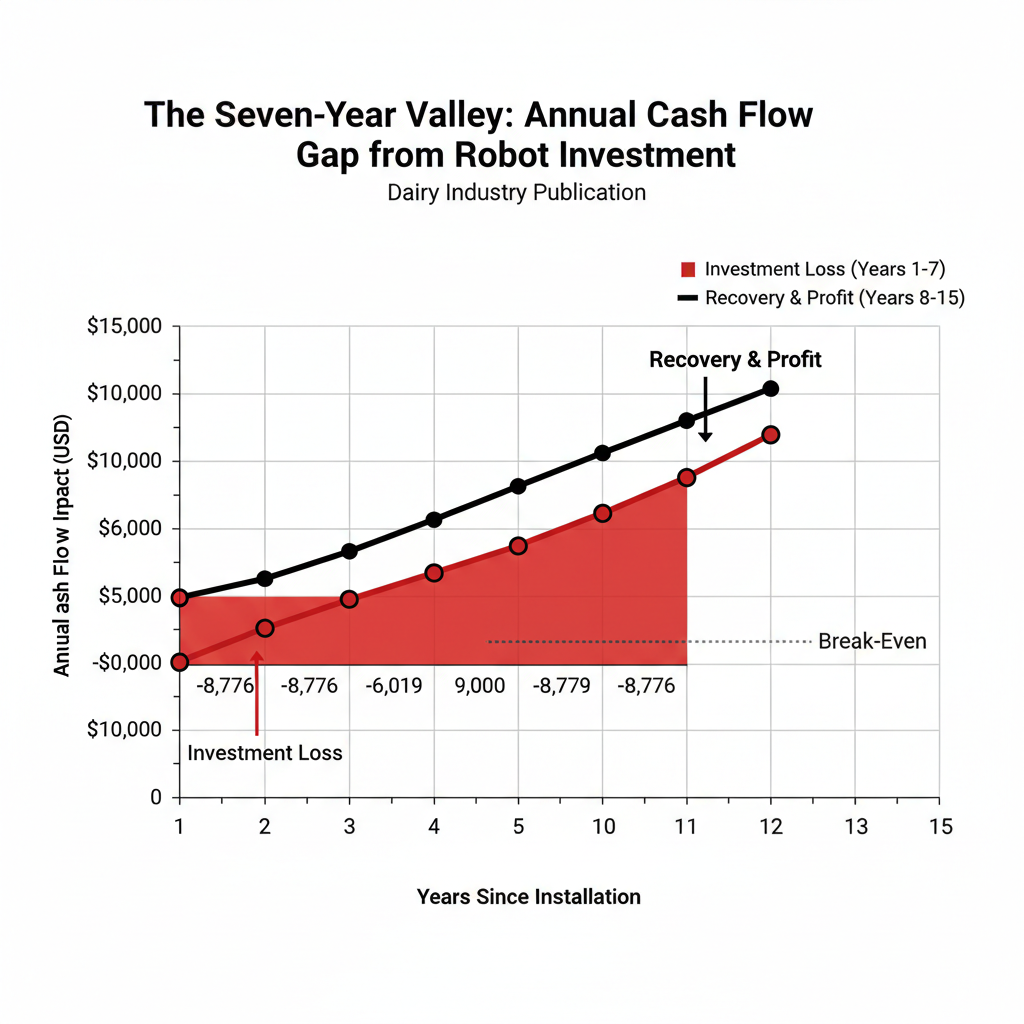
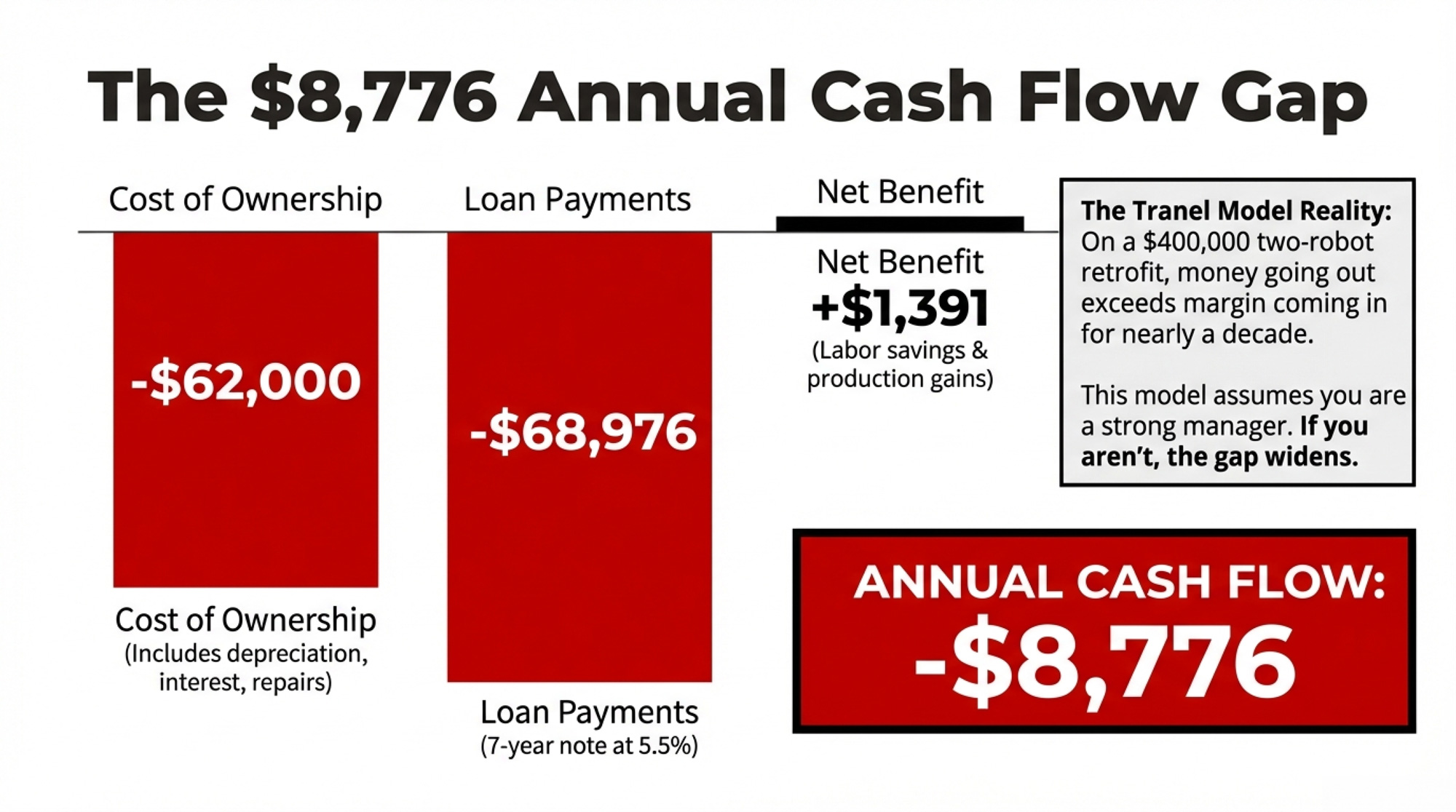
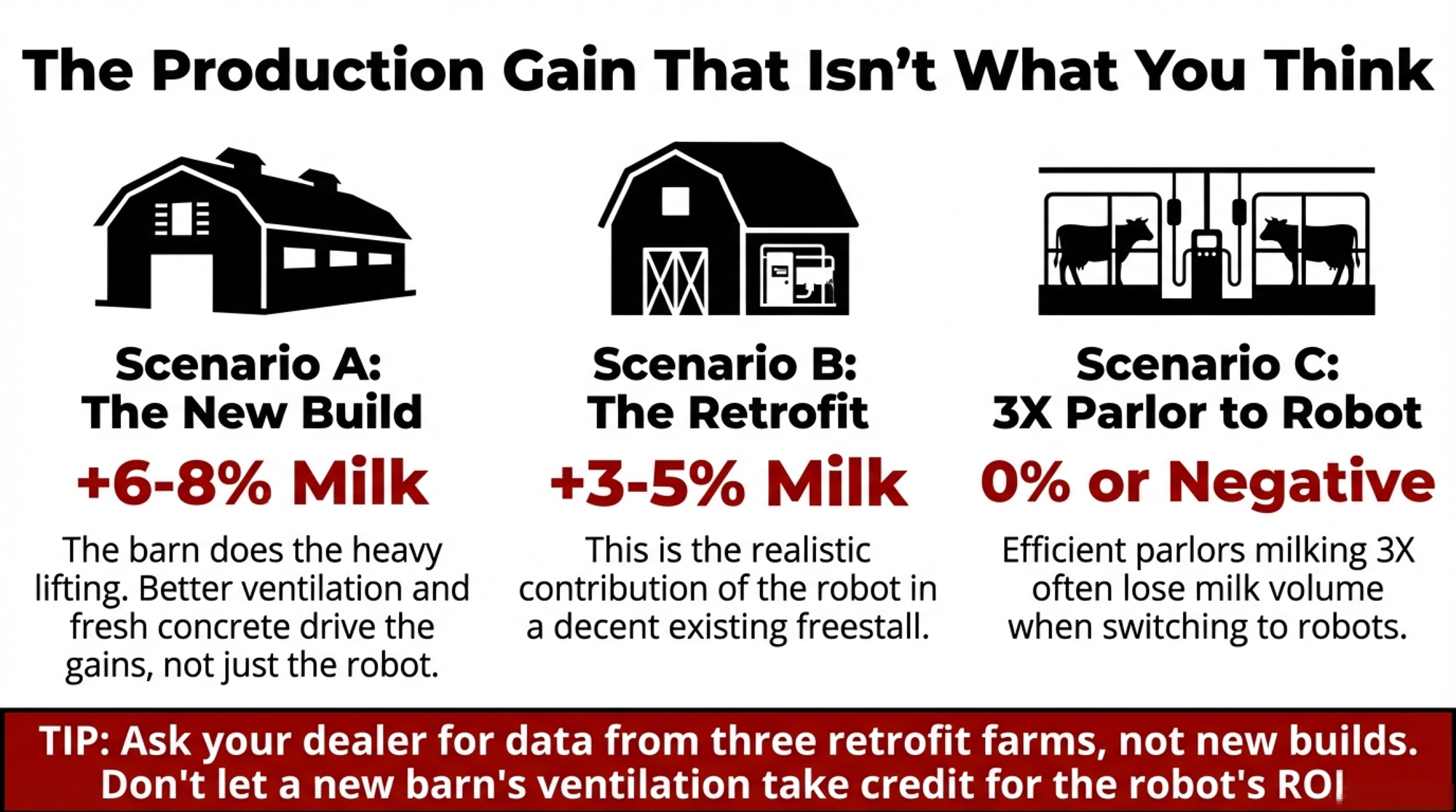
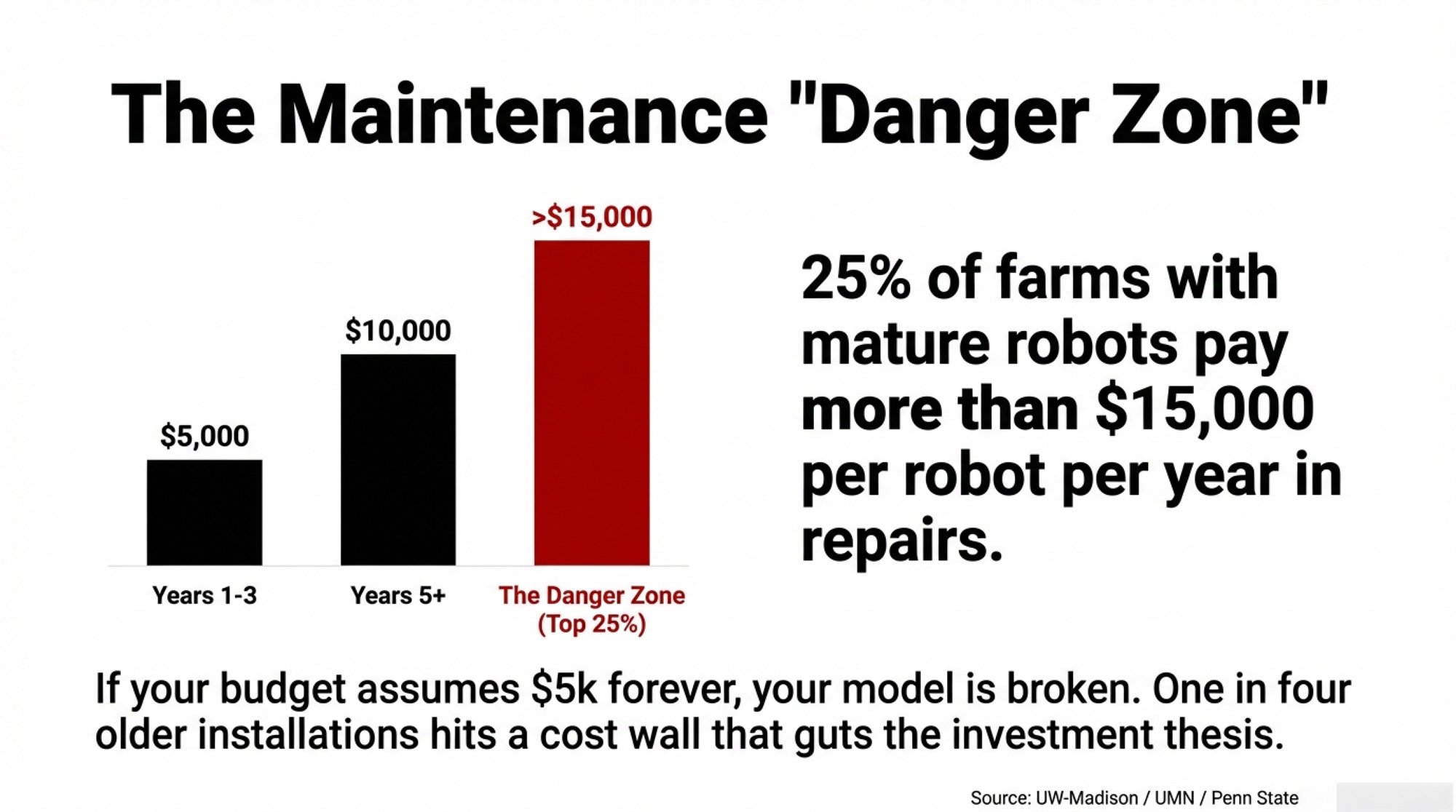
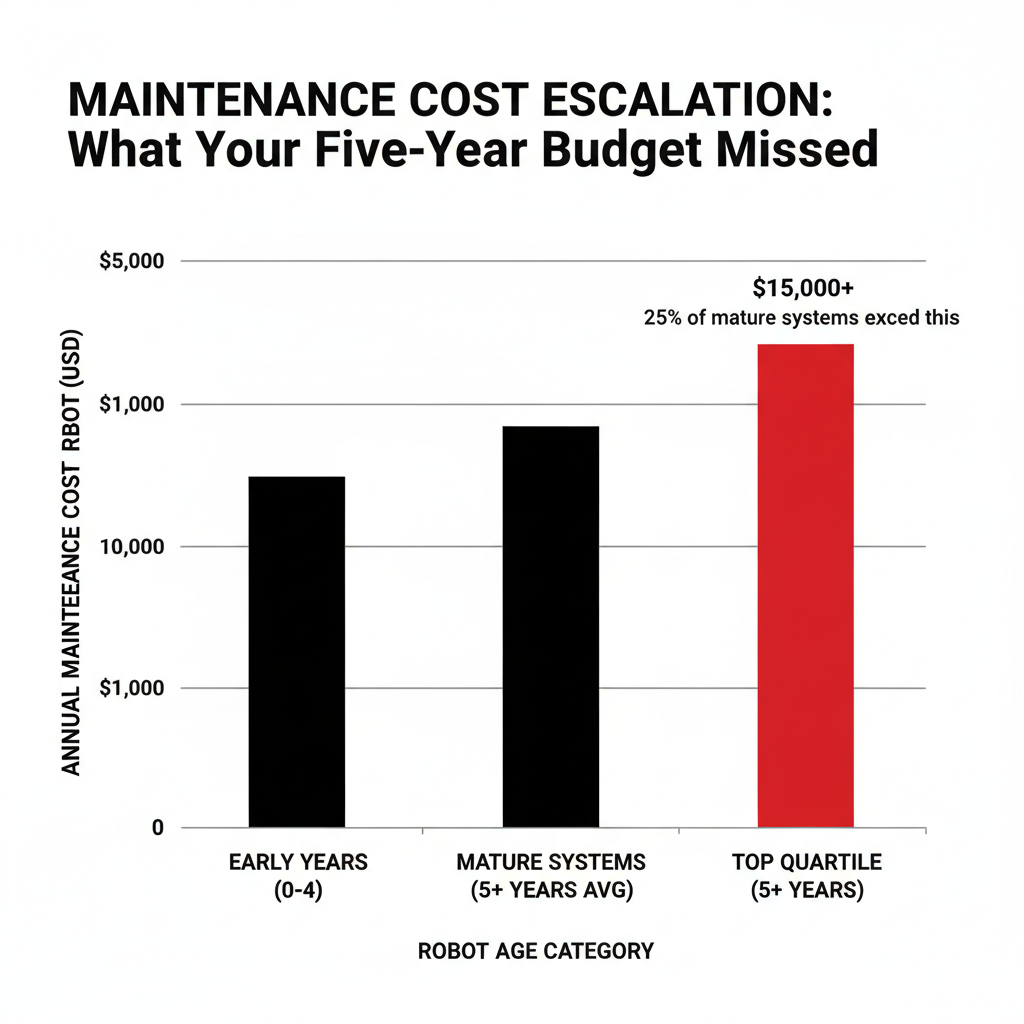
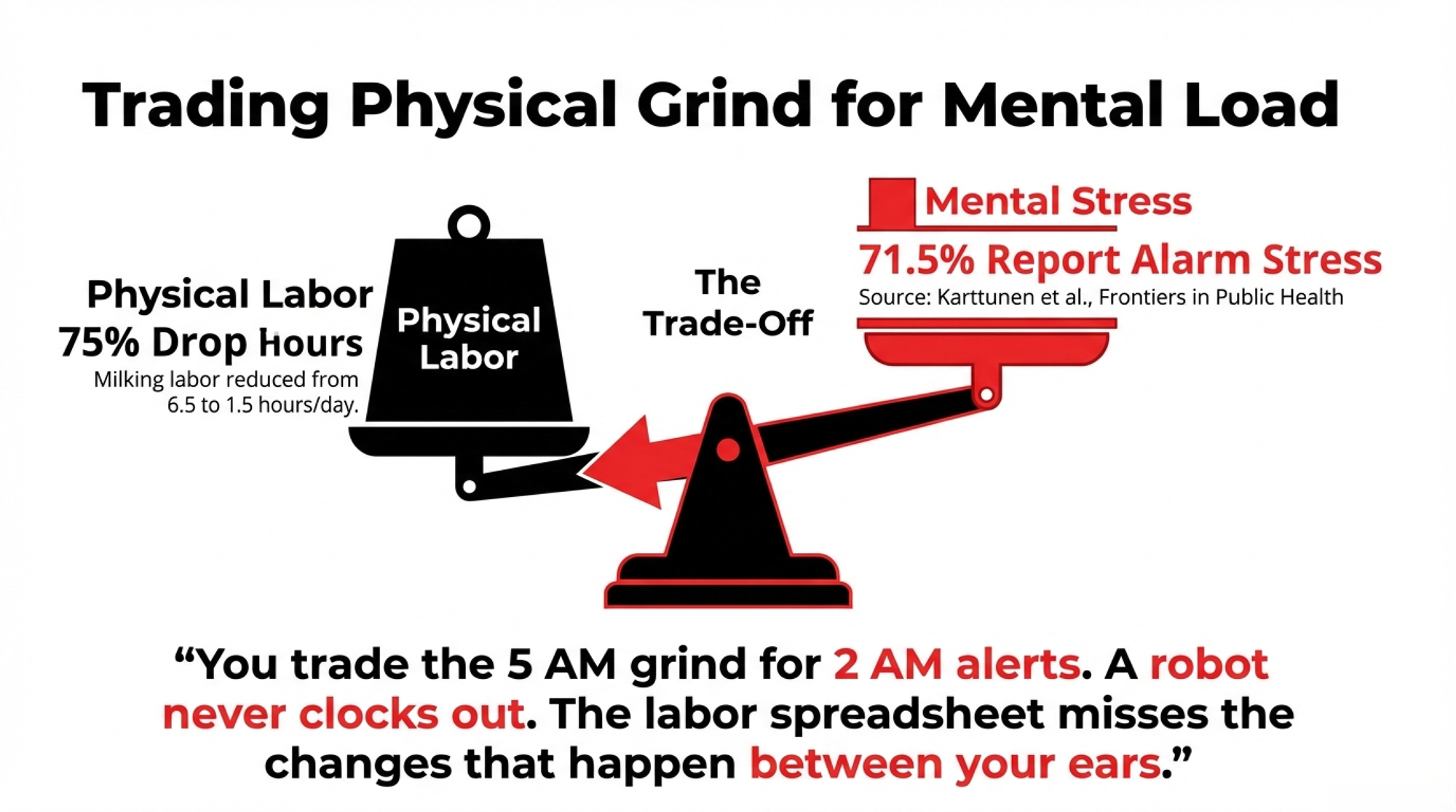
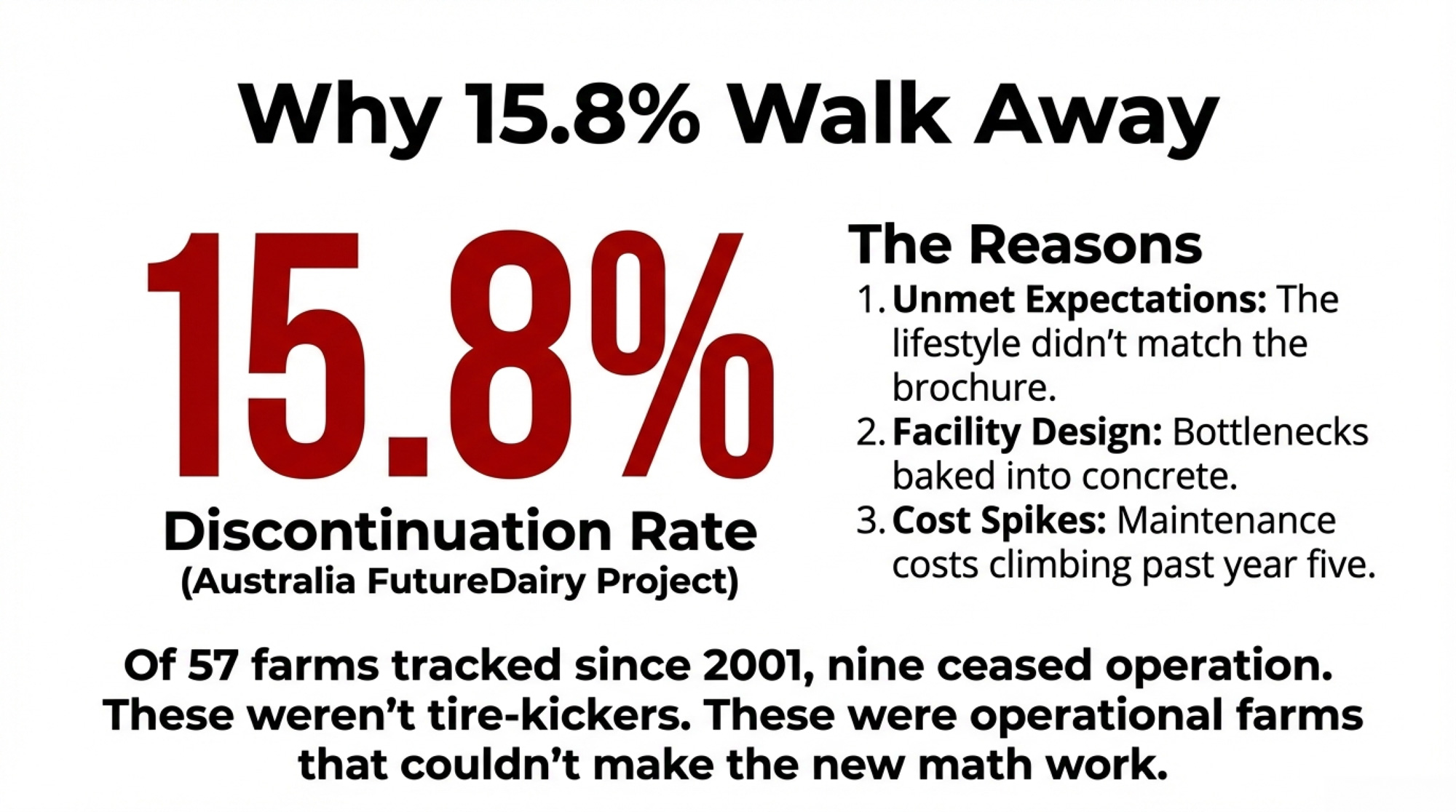
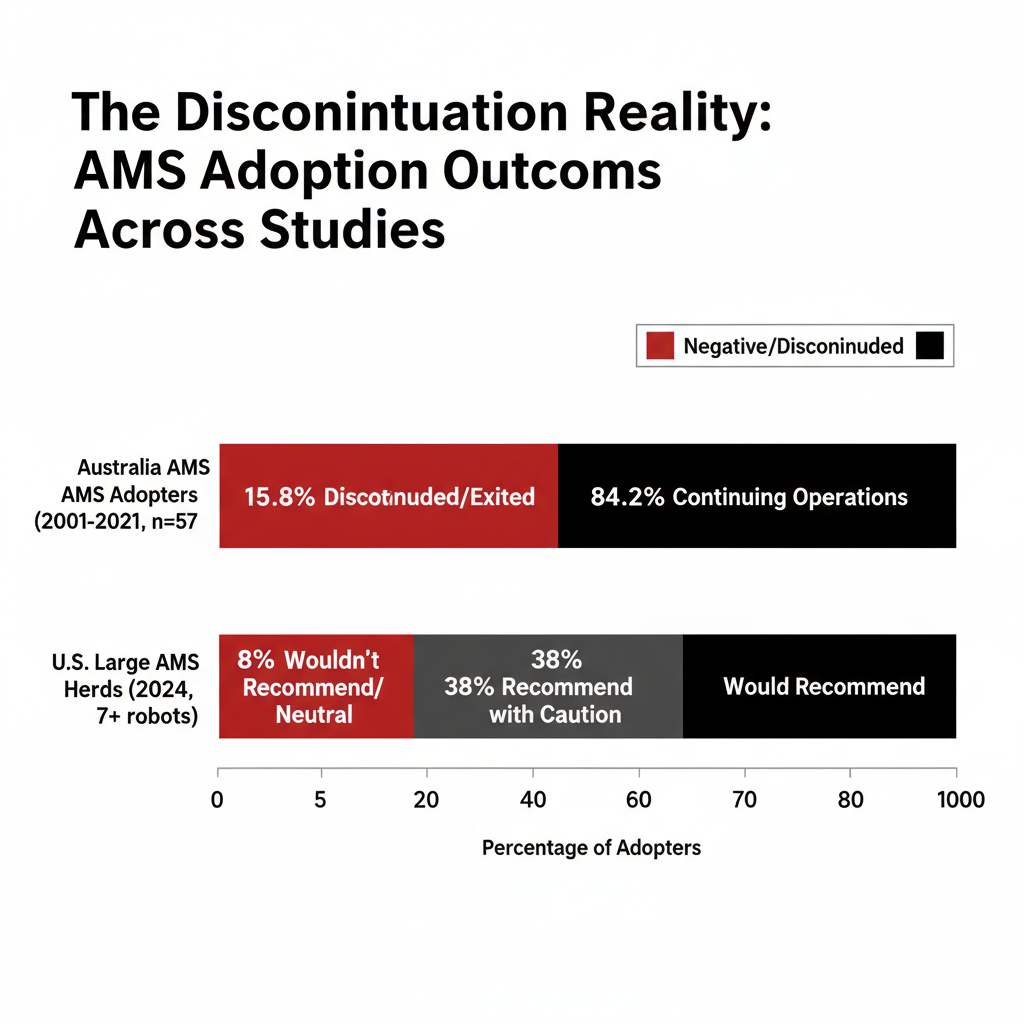
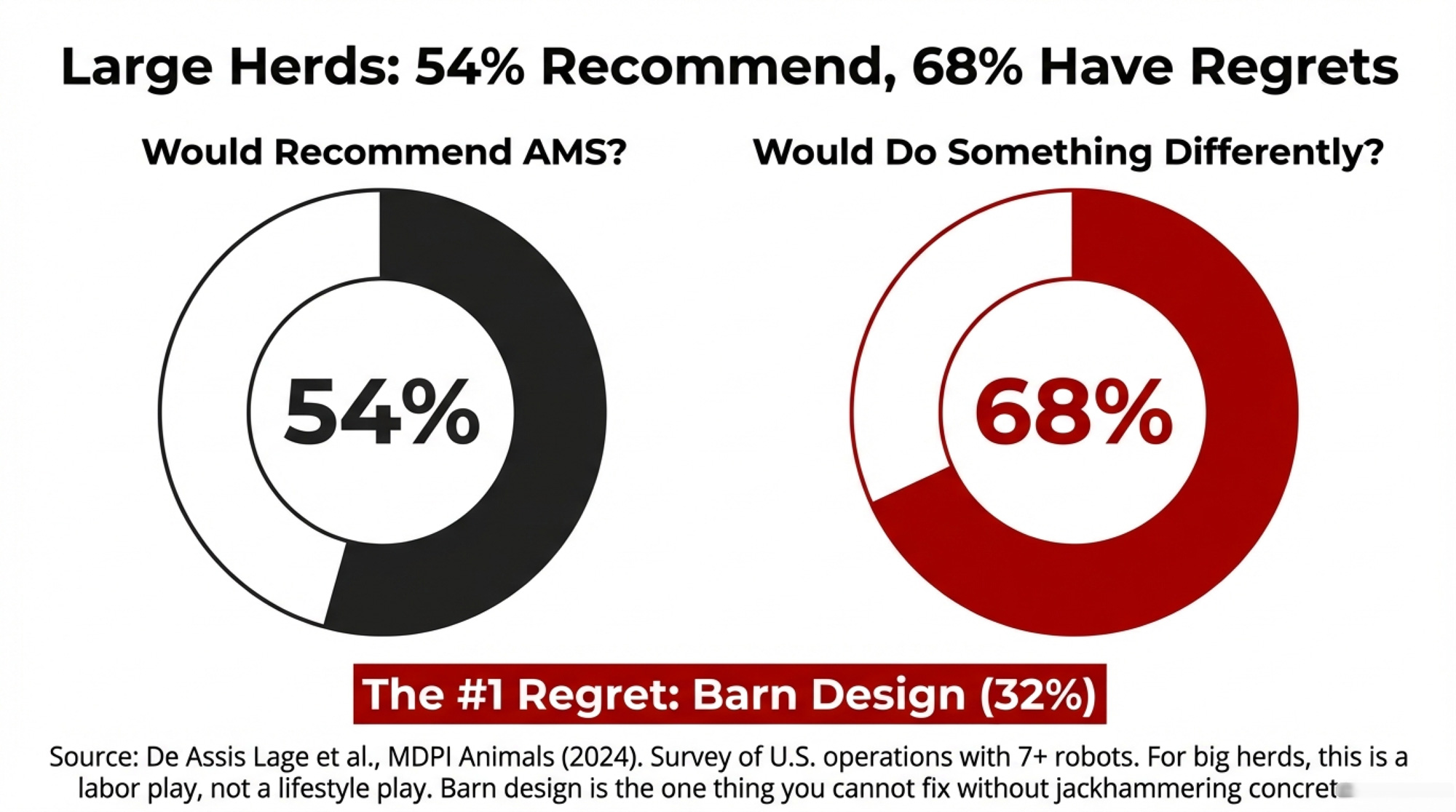
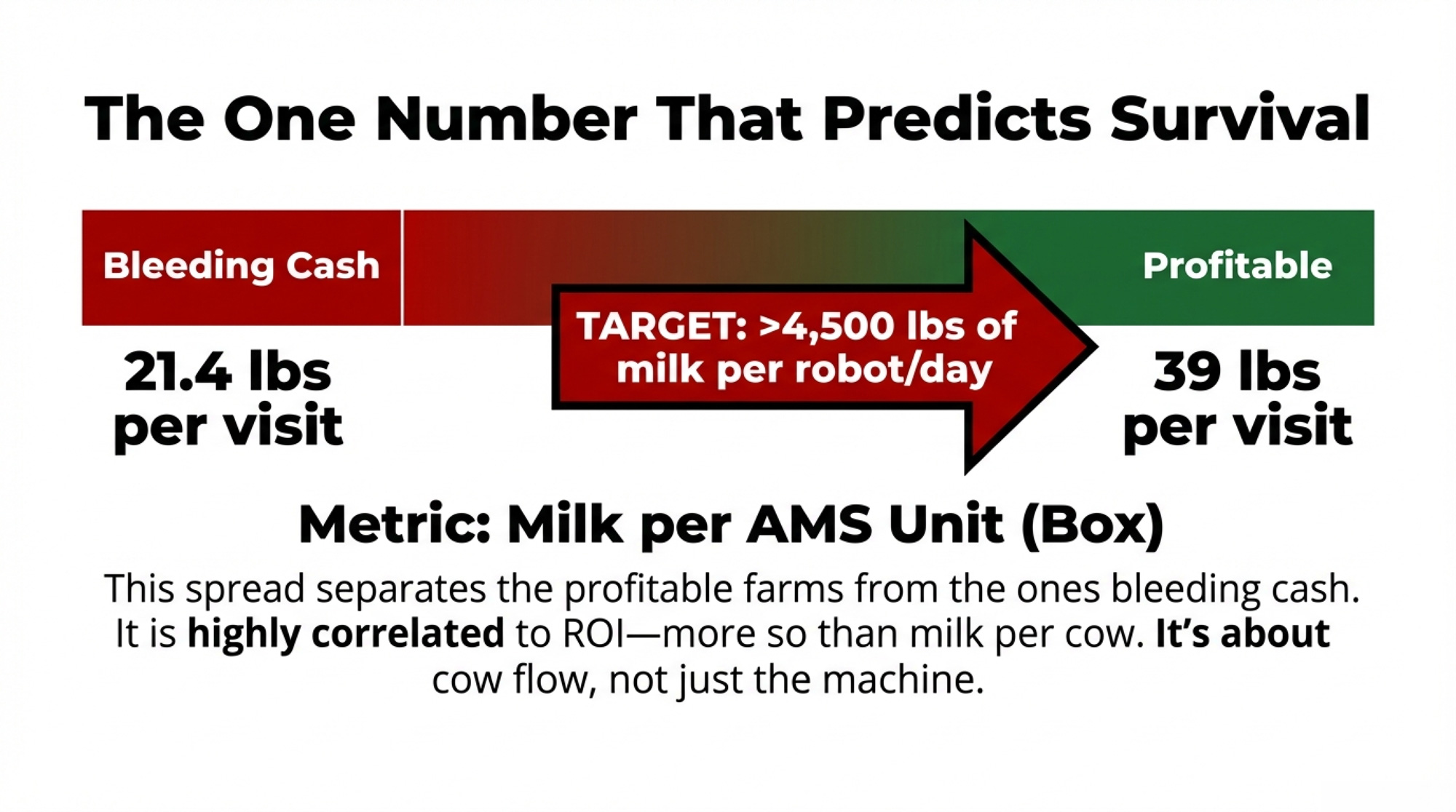

 The Sunday Read Dairy Professionals Don’t Skip.
 The Sunday Read Dairy Professionals Don’t Skip.