Japan’s most stubborn farmer created history with one perfect Holstein cow.
The call came from Hokkaido on a cold March morning. Nobuo Sato had passed—and honestly? The dairy world felt a little emptier that day. Most folks outside serious dairy circles won’t recognize the name, but here’s what you need to know: Sato did something no one else in Japan has ever pulled off. He bred a cow that scored EX-96. In Japan’s dairy history, this event occurred exactly once. And it sure wasn’t luck.
When Rejection Becomes Rocket Fuel
Picture this: you’re 16 years old in 1965, engineering textbooks spread across your desk, when your older brother decides farming isn’t for him. Suddenly, you’re staring at a barn full of Holstein cows in Hokkaido—a place so dairy-focused the cattle outnumber humans four to one in towns like Toyotomi.
“I wanted to become an engineer,” Sato would tell people decades later. But duty called louder than dreams.
What happened next? The kid threw himself into learning everything about cattle with the kind of intensity that only comes from equal parts determination and… well, call it stubborn pride. Friends pushed him toward showing, which is where he discovered just how brutal that world could be.
“You’re not ready. Give your place to someone else.”
Can you imagine? He’d legitimately earned his spot at the Hokkaido state show, but the old guard wasn’t exactly rolling out welcome mats. Same story with the 4-H Club—flat rejection.
Here’s what separated Sato from every other wannabe, though: instead of packing it in, every “no” just fed this fire that would burn for five decades.
“I’ll prove myself one day.”
And boy, did he ever.
What Makes EX-96 So Special? Holstein classification scores five key areas: Udder (40%), Dairy Strength (20%), Feet & Legs (20%), Front End & Capacity (15%), and Rump (5%). The Excellent range runs 90-97 points, but EX-96 demands near-perfection across every category simultaneously. According to Holstein USA, approximately five cows are awarded EX-96 status annually across the entire United States. In Japan’s history? Just one.
The Philosophy That Changed Everything (And Why It Still Matters)
Early on, Sato developed what became his guiding principle—one simple question that shaped every decision: “How can cows live happily for their entire lives?”
Sounds sentimental? It wasn’t. It was a revolutionary business strategy disguised as common sense.
“My father used to say cows may seem dull, but they are in fact very sensitive,” his son Michihiro recalls in an interview for this article. “Feeding, milking, resting—always at the same times every day. He understood their nature deeply.”
Walk onto the L’Espoir farm in its heyday and you’d witness this approach in action. Barns immaculate, pastures pristine, feeding protocols followed with Swiss watch precision.
Here’s a scene that captures it: Sato would grab a handful of stemmy hay, shake it at visiting nutritionists, and challenge them: “You tell me—can you really make milk with this?” He understood the chain reaction—superior cows required superior nutrition, which in turn demanded superior forage, which necessitated superior soil management. No weak links allowed.
The genius was how he taught that successful showing was simply “an extension of everyday care.” While other farms singled out potential champions for special treatment, the L’Espoir approach maintained the entire herd at show condition daily.
That philosophy resonates differently in 2025, with replacement costs at $2,660 per head, according to USDA data, and longevity becoming increasingly valuable economically.
The Foundation Investment That Started It All

Here’s where Sato’s story becomes familiar to anyone who has ever chased the perfect female. He earned a reputation as someone who’d “buy anything”—sound familiar? Most investments produced modest returns, but one purchase changed everything.
The cow that became the foundation of his Hagen line was the only animal he ever borrowed money to buy. That detail tells you everything about his confidence in her potential and the financial risk he was willing to take.
What happened next is every breeder’s dream. The Hagen bloodline didn’t just improve L’Espoir Holsteins—it influenced breeding programs across Japan. Informal networks of Hagen line breeders developed nationwide, gatherings that continued until Sato’s final meeting in November 2022.
The L’Espoir herd eventually became 100% Hagen. Now, conventional wisdom says that’s risky—where’s your genetic diversity? But Sato understood something we’re rediscovering: great bulls only produce transcendent daughters when matched with truly exceptional maternal lines.
The Heartbreak That Led to History
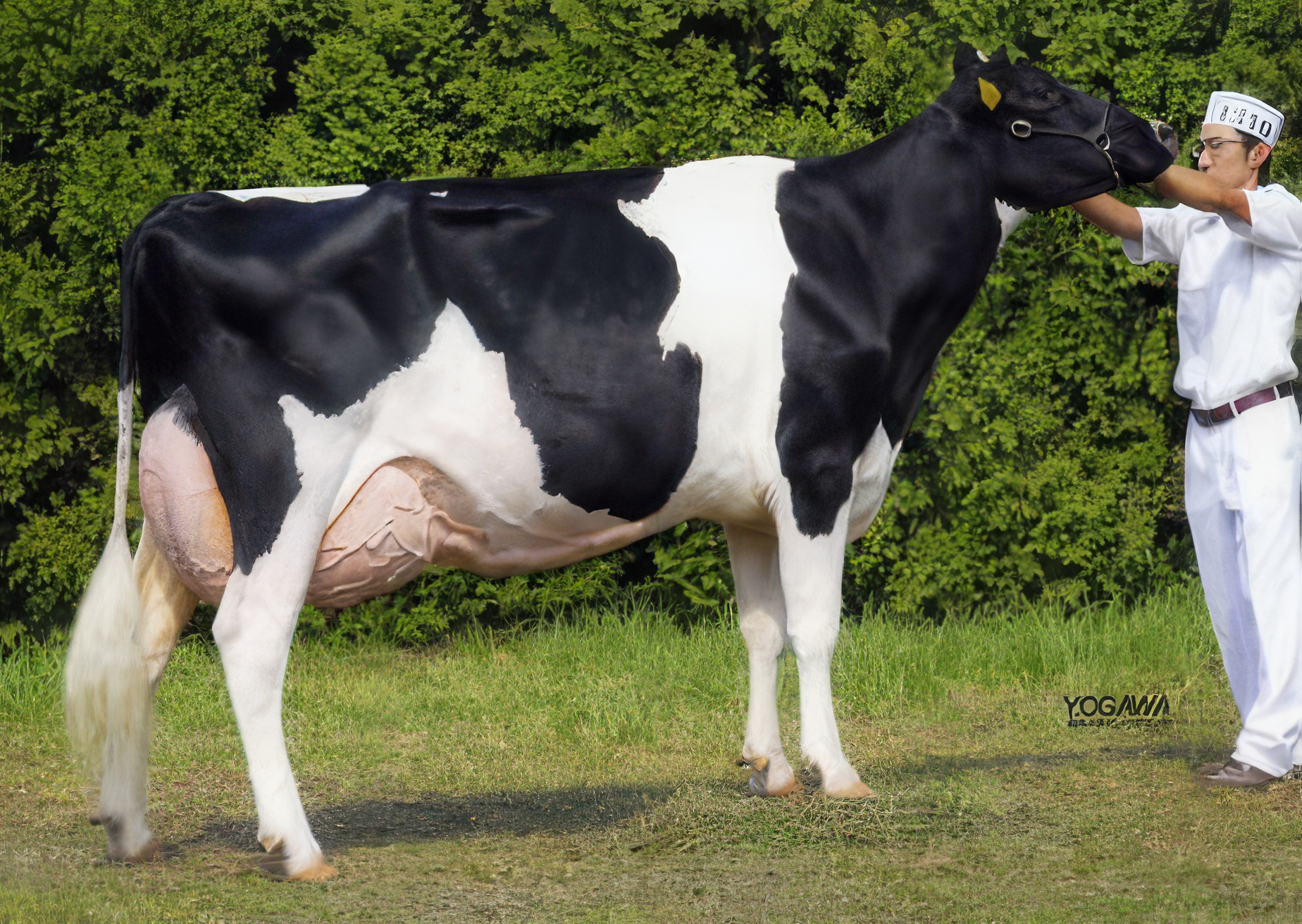
This is where the story takes a dramatic turn—akin to something Hollywood would script.
L’Espoir Reganster Hagen’s show career started blazing: Reserve Intermediate Champion at the 2004 Hokkaido National Show, followed by Grand Champion titles in 2006 and 2007. Everything was clicking.
Then came the setback that tested everything Sato believed. After calving at nine, she failed to conceive for four years. Four years! Remaining dry while her contemporaries continued productive careers.
Most breeders would’ve culled her. Who keeps a dry cow for four years? Feed costs and opportunity costs—the economics don’t add up on paper.
But not Sato. He maintained her in pristine condition throughout those barren years, believing in her genetic value and trusting his management system.
“We longed to show her again,” Michihiro remembers. “When she finally qualified for the state show at age 14, we cried tears of joy—our first time ever crying at a regional win.”
The emotion wasn’t just about victory. It was a vindication of a philosophy that valued individual excellence over expedient replacements.
Her Grand Champion victory that year set the stage for history. The morning after, father and son shook hands silently in the barn—”That handshake remains one of my greatest memories,” Michihiro says.
At the National Show, she placed second only to the Honor Prize winner. Remarkable for a 14-year-old competing against animals in their prime. But the greatest honor was yet to come.
Picture the scene: the classifier’s pen moving across the scorecard, numbers adding up to something unprecedented in Japan. When those scores totaled 96, a new milestone was reached. The celebration at that Wakkanai hotel became the stuff of legend.
Swimming Against the Genomic Tide
Here’s what makes Sato’s achievement even more significant—how it runs counter to trends reshaping our industry right now.
Since 2009, the genomic revolution has transformed dairy genetics. DNA analysis and algorithms predicting merit at young ages, accelerating improvement for production traits. Incredibly powerful stuff, but here’s what’s concerning: this has led to alarming genetic concentration.
Research by Penn State geneticists reveals that the vast majority of Holstein males in North America can be traced back to just a few foundation sires from the 1960s. We’re talking extreme genetic bottleneck, increased inbreeding risks, and potentially compromised fertility and health.
This isn’t just academic theory—it’s happening in your herd whether you realize it or not.
Sato’s approach represents a deliberate counter-narrative. It prioritized functional type, longevity, and structural correctness—exactly the traits that can be compromised when chasing production numbers above all else.
The evidence keeps proving his approach. Recent Hokkaido show results still feature L’Espoir animals bearing the Hagen name winning major classes, demonstrating the power of masterful maternal line development decades later.
The Peaceful End of Perfection
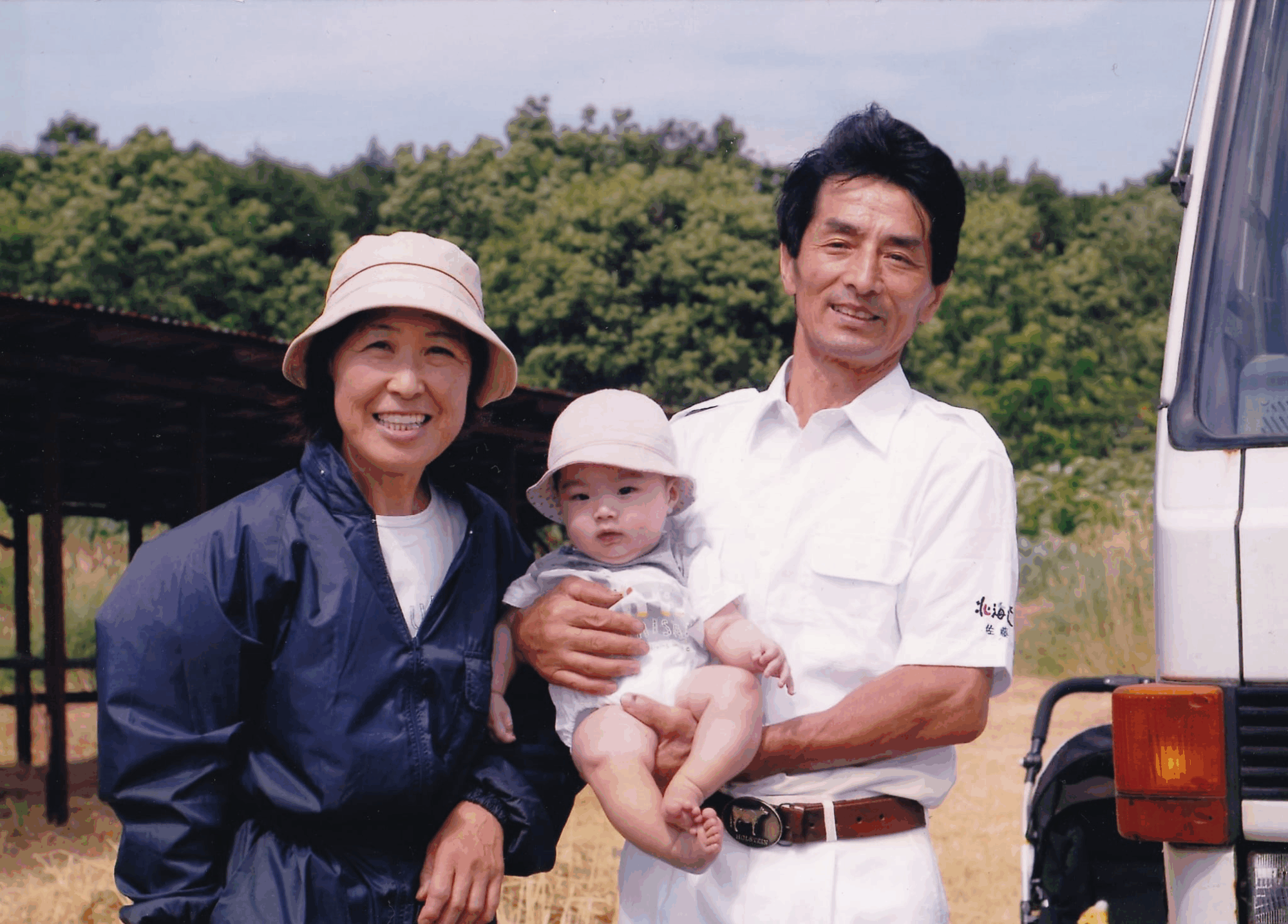
Sato’s final months reflected the same thoughtfulness that characterized his entire career. Diagnosed with pancreatic cancer, he refused to let his condition disrupt his grandchildren’s school entrance exams—crucial in Japanese education.
“I can’t be a burden to them now,” he declared. After witnessing all three pass, he allowed himself to rest. On March 28, 2023, at the age of 74, he passed away peacefully at Toyotomi Hospital, surrounded by his family.
“He left with nothing undone,” Michihiro reflected. “He had accomplished everything he set out to do.”
That’s quite a statement about a man who achieved measurable perfection in an industry that rarely sees it.

Today, L’Espoir Holsteins continues under Michihiro’s leadership, honoring his father’s legacy while adapting to modern realities. But the real legacy lives in every dairy producer who prioritizes cow comfort over convenience, chooses longevity over short-term gains, and approaches breeding as stewardship rather than just genetic manipulation.
Whether you’re milking 50 cows in Vermont or 5,000 in California, the fundamentals don’t change. Take care of your cows with Sato’s attention to detail. Maintain consistent routines. Invest in structural soundness alongside production. Keep your breeding vision longer than your loan terms.
Because at the end of the day, the happiest cow usually turns out to be the most profitable one, too. Sato proved that’s not just feel-good philosophy—it’s a measurable business strategy that creates lasting success.
Key Takeaways:
- Persistence pays off in breeding excellence: Nobuo Sato’s relentless dedication led to breeding Japan’s only Holstein scored EX-96, proving that patience and precision can achieve legendary results even when facing early rejection and setbacks.
- “Cow happiness” drives measurable success: Sato’s philosophy of prioritizing animal comfort, consistent routines, and superior care wasn’t sentiment—it was smart business strategy that created the foundation for achieving perfect classification scores.
- Faith in genetics during adversity creates champions: L’Espoir Hagen’s story exemplifies the power of perseverance—despite a brutal four-year dry spell, Sato’s unwavering belief in her potential led to her triumphant return and historic EX-96 achievement.
- Balanced breeding offers sustainable advantages: While modern genomic selection accelerates gains, Sato’s patient approach to developing exceptional maternal lines provides a blueprint for maintaining genetic diversity and long-term herd resilience.
- Practical longevity strategies boost profitability: Today’s dairy producers can apply Sato’s methods through consistent nutrition protocols, systematic hoof care, genetic diversity monitoring, and targeting 2.8+ lactations per cow—all proven strategies for improving bottom-line results.
Executive Summary
This article tells the inspiring story of Nobuo Sato, a Japanese dairy breeder who achieved the unprecedented feat of breeding the only Holstein cow in Japan to receive an EX-96 classification—a score signifying near-perfect conformation and function. Despite early skepticism and setbacks, Sato’s unwavering dedication and philosophy centered on “cow happiness” reshaped Japanese dairy breeding standards. His approach emphasized meticulous care, sustainable practices, and a balanced genetic strategy prioritizing longevity over mere production numbers. The journey of his champion cow, L’Espoir Hagen, highlights her resilience as she overcomes a prolonged dry period to reclaim her top status. In the context of rising concerns about genomic bottlenecks, Sato’s legacy offers a blueprint for preserving genetic diversity and fostering sustainable herd management. The article connects these insights to current industry challenges, offering practical recommendations for improving profitability and resilience in modern dairy operations.
Learn More:
- 5 Steps To Maximize Your Dairy Cattle Breeding Program – This article provides a tactical framework for setting clear breeding goals and using top genetics, offering a practical “how-to” guide that complements the philosophical approach discussed in the main story.
- Global Dairy Market in 2025: Production Shifts, Demand Fluctuations, and Trade Dynamics – Gain a strategic, market-focused perspective on the economic landscape. This piece reveals the global trends that will impact your farm’s profitability, providing a broader context for the breeding decisions you make.
- 5 Technologies That Will Make or Break Your Dairy Farm in 2025 – Explore the future of dairy with this look at innovative technologies. It demonstrates how advancements in sensors and data analysis can complement a strong genetics program, helping you improve herd health and operational efficiency.
 The Sunday Read Dairy Professionals Don’t Skip.
 The Sunday Read Dairy Professionals Don’t Skip.
Every week, thousands of producers, breeders, and industry insiders open Bullvine Weekly for genetics insights, market shifts, and profit strategies they won’t find anywhere else. One email. Five minutes. Smarter decisions all week.