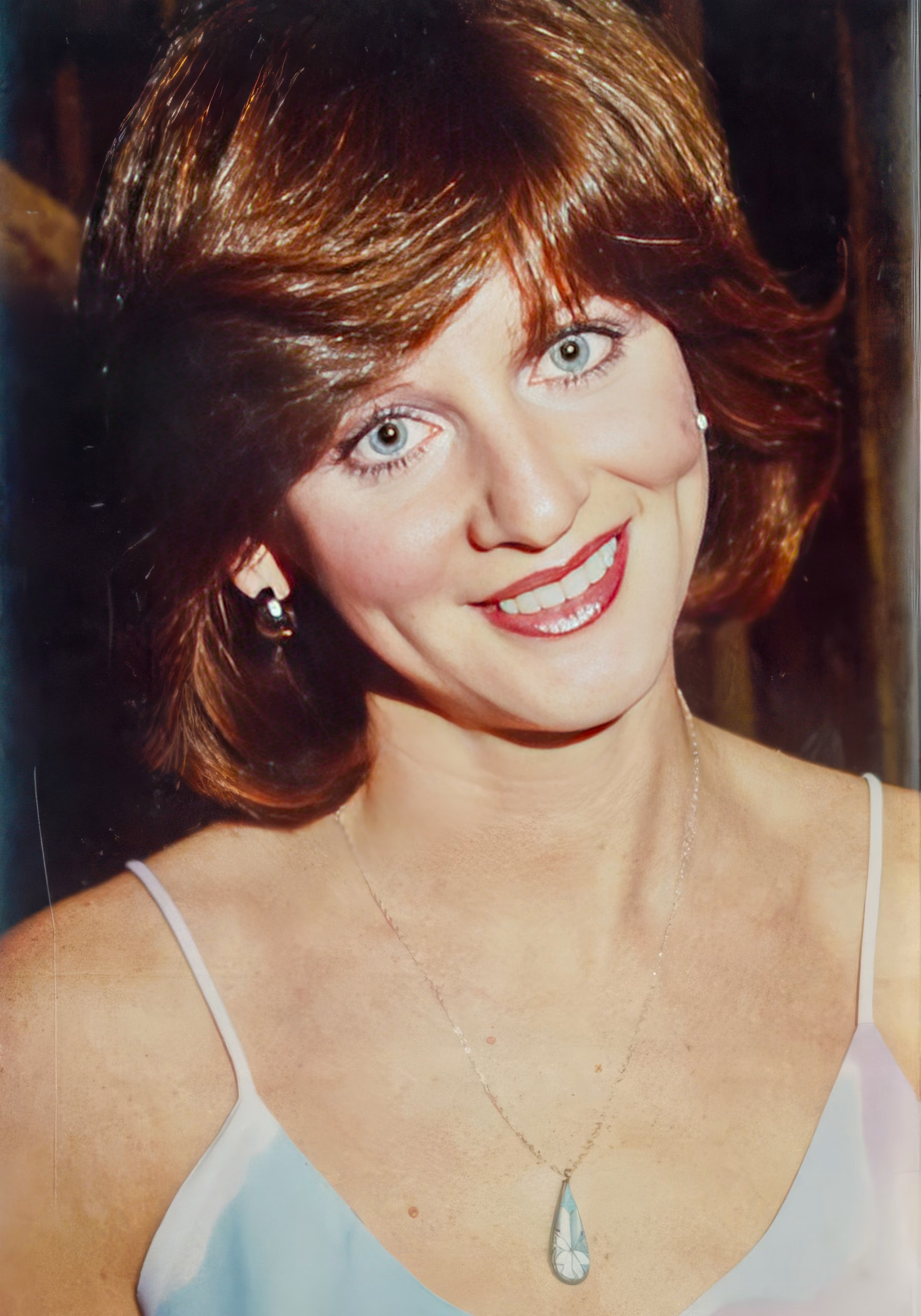
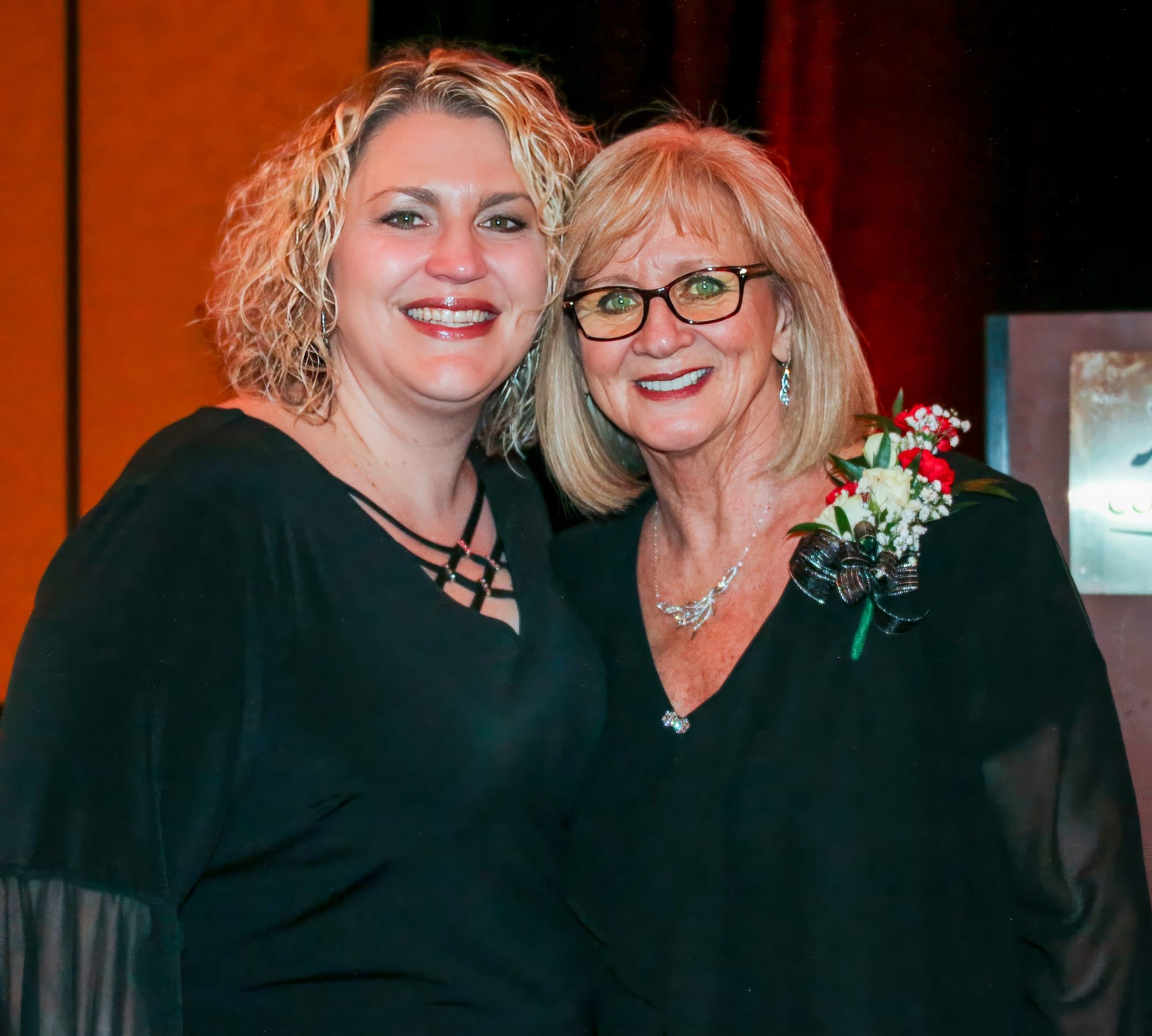
When times got tough, Jim Mulhern fought to keep dairy farmers afloat—his legacy is measured in seasons survived, not speeches made.
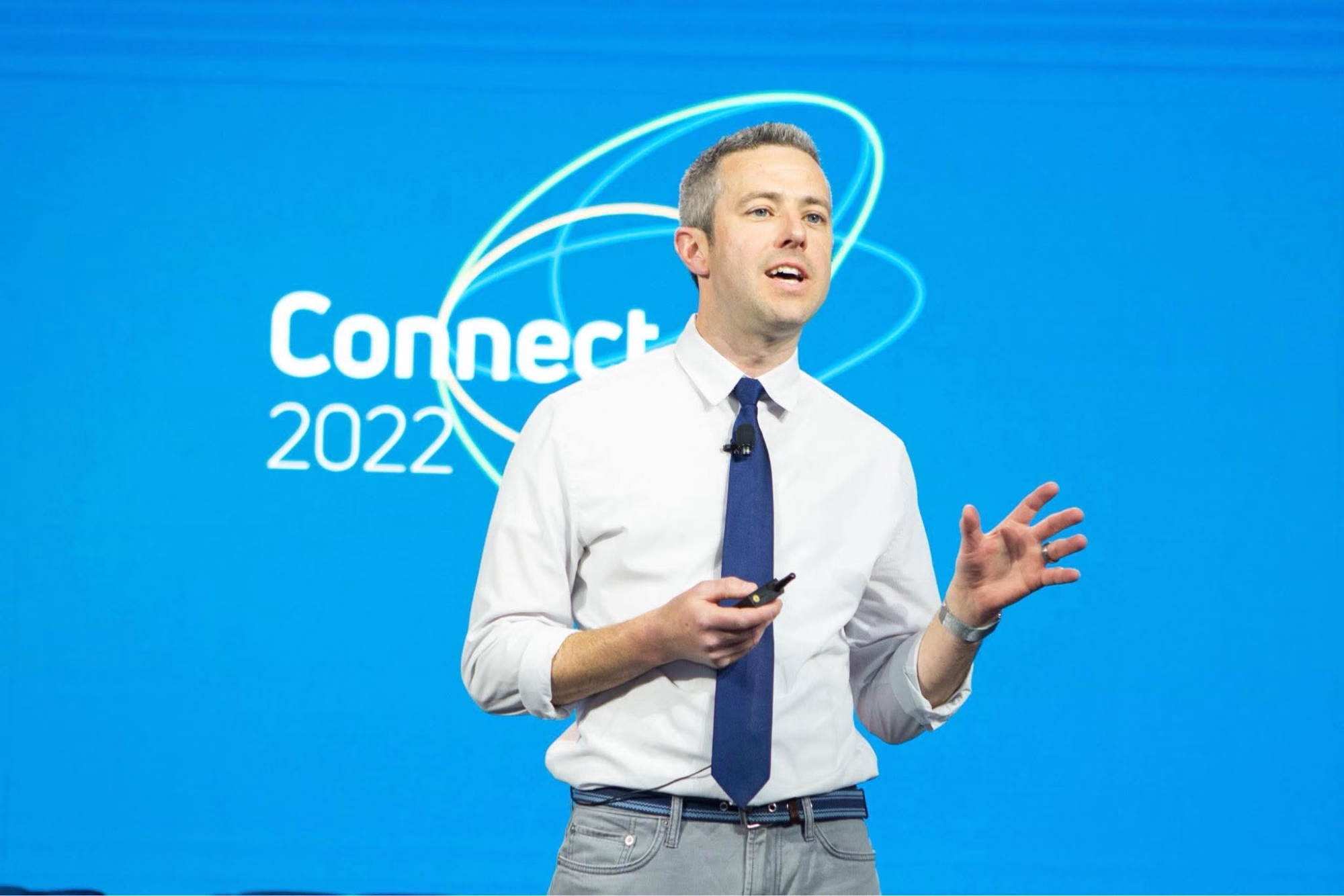
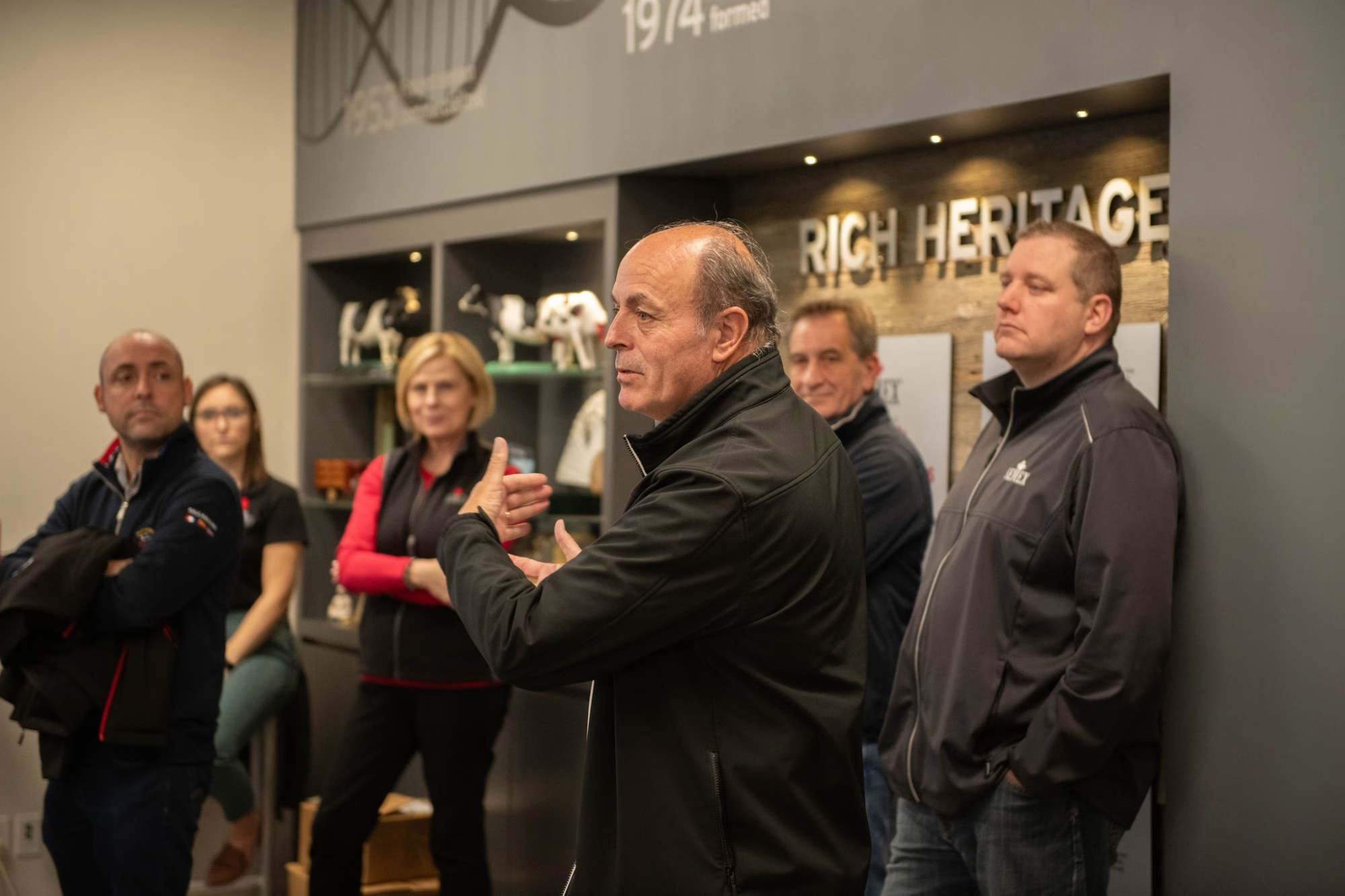
Jim Mulhern speaks on Capitol Hill: Leading with calm resolve and a producer’s perspective during his transformational tenure at NMPF.
What’s interesting about Jim Mulhern’s legacy—really, what stands out if you hang around barn meetings or share coffees after a long Expo day—isn’t just the policies on paper or the speeches under the lights. It’s how many dairy producers, across regions and generations, end up telling the same sort of story: when margins went south, when feed costs jumped, when times felt especially lean—somewhere in the background, or sometimes the foreground, Jim or his policy work was part of the survival toolkit. Sometimes it’s an NMPF Zoom, sometimes it’s a barn newsletter that started somewhere in DC, but at the end of the day, it’s about service, not a resume.
Ask producers from different regions and you hear variations of the same story: when margins got tight and options felt limited, Jim’s approach—listening first, speaking plainly—made challenging situations feel more manageable. Jim never had miracles—but if you picked up the phone, he’d listen, cut through the DC fog, and, true to form, drop that middle-child line: ‘You get good at compromise or you don’t eat!’ It made disaster feel… survivable.”
That earthy, honest support is the current running through his 45 years. Policy? It matters—but in dairy, legacy is how many operations get to run another season. So, let’s skip the official bio-paper and start where it hits hardest: with those farm stories that turn ‘legacy’ into something you can actually hold.
The Thing About Legacy in Dairy
It’s never been about reform tallies or titles. Ask anyone who’s watched drought suck the valley dry in Tulare, or a New Yorker calculating butterfat after a ration swap, or a Nevada dairyman wincing at the new heifer price sheet. Legacy’s about who keeps showing up—boots on, sleeves rolled—when everyone else is home.
Jim’s roots? Portage, Wisconsin—a big breakfast table, weekends on neighbors’ farms, one of those upbringings where you learned fast how problems got solved. Shuffled off to UW-Madison, he wasn’t in it for the hands-on milking; it was about using ag journalism to keep his hands in the land. That early DC internship with Bob Kastenmeier made it real: policy’s not a sideline, not if you steer it for the folks actually working the ground.
Compromise Isn’t a Dirty Word—It’s the Dairy Way
Here’s what the industry crowd knows: volume in a boardroom never means as much as listening on the ground. Jim, one of nine siblings, had the lessons of compromise engrained before he could drive. “The hardest part of co-op isn’t the milk check—it’s getting everyone on the same page.”
The road through FMMO reform? Nobody who was there would call it smooth. Those months would test anyone’s patience—herding Holsteins along a muddy path more than a couple of times. With all the regional priorities—Midwest cheese, Plains expansion, fluid markets in the West—compromise wasn’t an act, it was the job description. Jim pulled in trusted voices like Jim Sleper, and always circled back to what mattered: “Nobody walked away with everything, but everybody left knowing, ‘Yeah, my big worry was on the table.’” That’s why the results stuck when it mattered most.
Living Risk—Not Just Avoiding It
Let’s get down to it: bring up MILC, MPP, DMC (Dairy Margin Coverage program) at any coffee shop, and yeah, you’ll get some eye-rolls—until another dairy downturn reminds folks why it matters. Before the overhaul, many people figured their best shot was a prayer, insurance, and maybe a check if things got rough.
However, this is the new trend: with DMC, mid-sized to small operations have a real net. DMC’s pushed out over $2 billion when the pain hit hardest—money that kept for-sale signs out of the barn windows. You hear the same story everywhere—Michigan’s Thumb, a dry-lot outside Yuma, a late-night text from Idaho. When COVID hammered the sector, and the checks came, people said straight up, “That’s what kept cows fed and my kids in 4H.” That’s policy making a difference.
But managing risk wasn’t just about safety nets; it was also about fighting for a fair, predictable price in the first place—a battle that brought Jim straight to the messy heart of FMMO reform.
FMMO Reform—Messy, But Worth It
“Modernization” means one thing in Kansas, another in the Northwest—new barns going up in the plains, headaches with fluid class in the West. What’s striking, if you circle back with any co-op lead or new face from Montana to the Southeast, is that Jim didn’t duck the bumps. “Processors wanted unity for the Farm Bill, but the pandemic called the bluff—the formula needed rewriting. Still, we got folks back at the table and eventually hammered it out.” Grumbling’s still common (just call Vermont), but, as one co-op chair reminded me, “predictable beats chaos in my mailbox.”
Stewardship—Not Buzz, Just How You Farm
Sustainability’s trendy on the panel circuit, but “stewardship”—that’s been inside farming forever. Jim credits his convictions to watching families, his and others, do more with less, finding ways to turn waste into value, and always prepping for next year.
Ask the digester crew in Yakima. Or Florida operators who count every rainstorm and stretch a cover crop for two seasons. Policy eventually caught up: “We’ve cut emissions, improved yields, done more with less. Maybe, finally, that story is landing with customers and Congress.”
The Unfinished Battles: Immigration and Trade
You can measure most farm headaches by the grumble at Bullvine coffee hours, and nothing comes up more than labor and trade. Western herds, New York recalls, up into Quebec—if you don’t have crew, or if a new market wall goes up, everything halts. Jim’s honest about it: “Progress or not, it isn’t done until the guys in the parlor feel a difference.” Right now, Congress is stuck. And in ag, policy’s only as good as its impact before sunrise.
Labels, School Milk, and the Small Battles
Want to get Mulhern animated? Bring up almond “milk.” “Fake products using real dairy terms—FDA should’ve stepped in years ago.” And getting whole milk back in schools? If you’re not convinced, check in with a school nutrition lead in the Upper Midwest. “What we feed kids isn’t just a menu—it’s a message to the next generation.”
Passing the Torch—Not Just Polished Shoes on the Boardroom Floor
Ask Jim about wins, and he talks about his team, not tallies. “Building up smart, driven staff—beating paperwork by a mile,” he’ll say if you push. A real legacy isn’t a retirement countdown; it’s whether the next generation takes the lessons and actually runs with them.
Gregg Doud’s taking over, and from what Mulhern’s said publicly, the endorsement couldn’t be clearer: ‘Gregg is an established leader with a wealth of experience in ag policy. He knows the issues well, and he knows how to get things done.’ As more than one industry observer has noted, Jim’s legacy isn’t about grand gestures—it’s about leaving the field a little more level than he found it.
The Bottom Line—From the Parlor to the Boardroom
When you talk legacy around here, don’t glance at the plaque. Remember a neighbor scraping through a thin season thanks to a new rule, a check that cleared, or maybe just the right frank call at the right time. Sometimes it’s small, sometimes it makes the difference between getting the next shipment of feed or not.
You spot Jim Mulhern at Expo, maybe catching a sunrise before the barns get busy? You don’t need to make a speech. A nod—or a simple thank you—does the trick. The glue in this business has always been the unsung folks, steady at the wheel while the rest of us are milking before dawn.
Here at The Bullvine, that’s the vantage point we stand by: from the muddy middle, never giving up, proud of the next mile. Telling stories that help us all do it again, season after season.
Key Takeaways
Jim Mulhern’s legacy is defined by practical, producer-first leadership—he prioritized compromise, collaboration, and real-world policy solutions that mattered at the farm level.
His tenure saw major wins for dairy risk management (notably the DMC program), FMMO modernization, and timely COVID relief, helping stabilize milk checks and ensure producer survival through volatile markets.
Mulhern’s approach was always rooted in listening, unity, and finding common ground, even amid fierce regional and industry divides.
Ongoing challenges like labor, immigration, and global trade remain urgent—not “wrapped up” as he exits, but spotlighted as unfinished business for the next generation.
Beyond the boardroom, Mulhern is remembered for championing dairy’s true values—stewardship, authenticity, and resilience—leaving U.S. dairy better prepared for whatever comes next.
Executive Summary
Jim Mulhern’s legacy as retiring NMPF President isn’t written in speeches or boardroom victories—it’s measured season by season, in the everyday resilience of dairy producers his work helped sustain. Drawing on Midwestern roots and a knack for compromise forged as the middle child in a large family, Mulhern led policy moves like FMMO modernization and the Dairy Margin Coverage program that directly impacted milk checks in tough years. He was known for human-scale leadership: listening, cutting through politics, and prioritizing practical solutions that reached the parlor as much as the Capitol. The article spotlights Mulhern’s industry role in navigating regional divides, rallying co-ops, and meeting challenge after challenge—from market risk to labor and trade demands—with humility and relentless advocacy. Through anecdotes, peer insight, and grounded storytelling, it connects his legacy to themes of stewardship, collaboration, and the quiet determination that defines the dairy industry’s backbone. Even as he steps aside for a new generation, Mulhern’s mark endures in the unity he fostered and the real-world relief he delivered when it counted most.. This is the story of a leader whose true victories remain etched in seasons survived, not just awards won.
McCarty Family Farms Named 2023 Innovative Dairy Farmer of the Year – This profile showcases the innovative business strategies that drive a large-scale, award-winning operation. It provides a blueprint for leveraging stewardship and supply chain partnerships to build a resilient and sustainable dairy business for the next generation.
Dairy Risk Management: Protecting Your Bottom Line in Volatile Times – While policy provides a safety net, this article offers practical strategies for protecting your margins on-farm. It details actionable steps for using market tools and internal benchmarks to build financial resilience against price volatility, complementing the high-level policy discussion.
Join the Revolution!
Join over 30,000 successful dairy professionals who rely on Bullvine Weekly for their competitive edge. Delivered directly to your inbox each week, our exclusive industry insights help you make smarter decisions while saving precious hours every week. Never miss critical updates on milk production trends, breakthrough technologies, and profit-boosting strategies that top producers are already implementing. Subscribe now to transform your dairy operation’s efficiency and profitability—your future success is just one click away.
Her latest warnings on genetics and handling reveal the costly blind spots on modern dairies—and how to fix them.
A cow hesitates at the parlor entrance, her eyes locked on a shadow cast by a gate. An impatient worker slaps her flank, and in that instant, the morning’s profits begin to evaporate. Her heart rate spikes, adrenaline floods her system, and the flow of oxytocin, the hormone essential for milk let-down, is compromised. For the next 20 minutes, she won’t milk out completely, which will reduce her yield and increase her risk of mastitis.
To many, it’s a routine frustration. But to Dr. Temple Grandin, it’s a costly failure to see the world through the animal’s eyes. This failure, she argues, is the single most overlooked drain on dairy profitability today.
Today, at 78, Dr. Grandin stands as one of the most influential figures in animal welfare. This July, she will receive the 2025 AVMA Humane Award, a recognition that validates her urgent message about the future of livestock genetics and welfare. What others dismiss as stubbornness, Grandin recognizes as profound communication from an animal living in a sensory-based world, a world she, with her autistic mind that “thinks in photorealistic pictures,” understands intuitively. Her life’s work offers a revolutionary truth for dairy producers: understanding what your cows see is the first step to unlocking their full potential.
From Silence to Seeing: The Making of a Revolutionary Mind
The irony of Temple Grandin’s story is that the woman who would become the voice for the voiceless animals began her own life in silence. She didn’t speak until age four, a child written off by many as having limited potential. “I was the kind of kid that, you know, was thought could just go nowhere, not good at math,” she reflects.
However, what appeared to be a limitation was actually a liberation from the constraints of conventional thinking. While her peers learned to navigate the world through words and abstract concepts, Grandin’s mind developed along different pathways —visual, concrete, and startlingly perceptive to details that others missed entirely.
“I didn’t know that most other people think a lot more verbally,” she explains. “It wasn’t until my late 30s that I had any inkling that other people were much more verbal in their thinking”. This realization came as a shock to someone who had assumed everyone saw the world through the same lens of vivid, three-dimensional imagery that filled her mind.
It was this visual thinking that would prove to be her greatest asset when she entered the cattle industry in the early 1970s. While others approached animal behavior through human assumptions and verbal reasoning, Grandin instinctively understood that “animals live in a sensory-based world, not a word-based world”. She could see what the cattle saw, feel what they felt, and most importantly, design solutions that worked with their natural behaviors rather than against them.
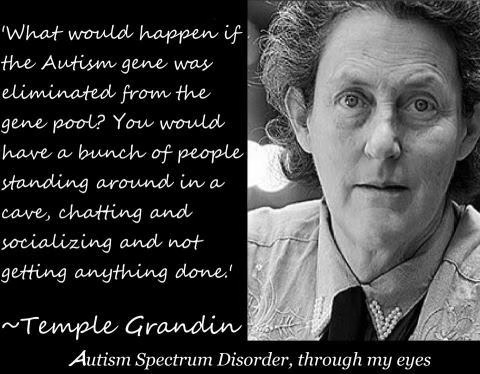
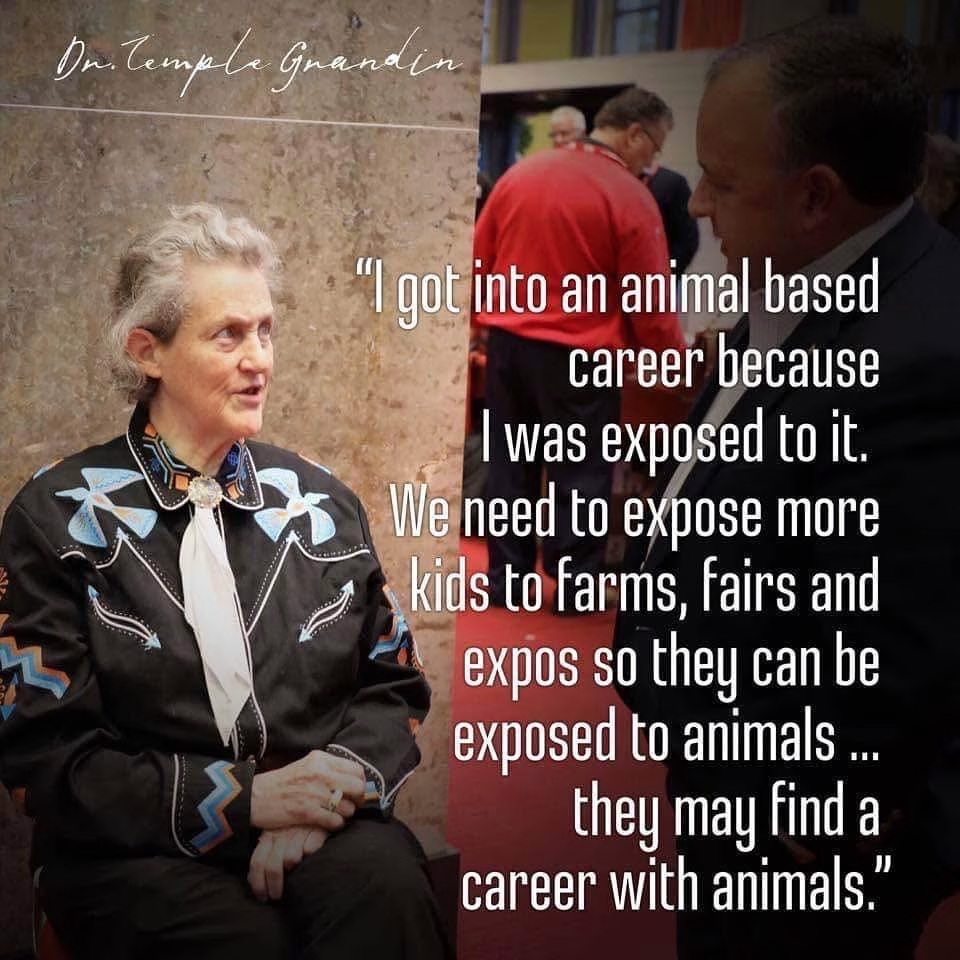
The social media message we posted featuring Dr. Temple Grandin emphasizes the critical need to introduce young people to livestock operations, where visual thinkers and neurodivergent individuals often excel in animal handling and facility design roles.
The Birth of a Movement: When Welfare Meets Economics
The transformation of American cattle handling didn’t happen overnight. It began with Grandin’s patient observation and meticulous documentation of what stressed cattle and what calmed them. Her early work in the 1990s, including groundbreaking research by her graduate student on cattle temperament, established a simple but revolutionary hypothesis: cattle that got upset in squeeze chutes would have lower weight gains.
In the research pens, Grandin observed agitated cattle, with eyes wide and bodies tense from restraint, their breathing rapid and shallow, consistently showing reduced performance compared to their calm counterparts. The data confirmed the hypothesis, laying the groundwork for a fundamental shift in how the industry approached animal handling.
“People back then denied animals’ emotions,” Grandin recalls. “I was not allowed to use the word ‘fear’ in my papers. I had to take that out”. The academic establishment’s resistance to acknowledging animal emotions seems almost quaint now, but it reflects the uphill battle Grandin faced in convincing an industry that welfare and profitability were not competing interests, but complementary ones.
The breakthrough came in 1999 when McDonald’s hired Grandin to develop an animal welfare auditing program for its suppliers. The initiative created a powerful economic incentive for change; failure to pass the audit meant being removed from the approved supplier list of one of the world’s largest beef buyers. The results were swift and dramatic. Within a year, stunning efficacy rose significantly, and handling practices improved across the board.
Crucially, this transformation required minimal capital investment; most facilities made simple, economical improvements, such as better equipment maintenance, non-slip flooring that provided cattle with confident footing, and improved lighting that eliminated the sharp shadows that had long terrified animals.
The Dairy Connection: Lessons That Transform Every Milking
While Grandin’s reputation was built primarily in the beef industry, her principles have found eager adoption among dairy farmers who recognize a fundamental truth: stressed cows are unproductive cows. The science connecting stress to production in dairy cattle is unequivocal and immediate.
“There’s a bunch of research on a lot of different kinds of animals that show that, on both old studies and new studies, if you yell at dairy cattle and slap them and hit them, they’re going to give less milk,” Grandin explains. “That gentle handling is important”.
Fear is a profit killer. Dr. Temple Grandin’s research proves what the best herdsmen already know: a stressed cow is an unproductive cow. That single moment of impatience costs you real money. It’s time to stop the bleed.
Research demonstrates that this gentle handling can increase milk production by 3.5% to 13% compared to rough treatment. But the economic implications extend far beyond a single milking. Chronic stress compromises immune function, leading to higher rates of mastitis and elevated somatic cell counts, which directly impact milk quality premiums and can result in thousands of dollars in lost revenue for dairy operations.
Stressor at milking
Biological effect
Immediate loss
Shouting, slapping, tail-twisting
Adrenaline surge blocks oxytocin
3.5 – 13% less milk per cow per milking
Slippery floors & dark shadows
Hesitation, elevated heart rate
Slower parlor flow, higher mastitis risk
Over-crowded holding pens
Heat & social stress
↑ Somatic cells, ↓ yield
Rehandling frightened heifers <20 min
Heart rate still elevated
Poor let-down; equipment “over-milks”
Perhaps most significantly for dairy operations, Grandin has documented how lameness alone costs producers approximately 800 pounds of milk per lactation. Yet studies consistently show that dairy farmers underestimate lameness in their herds by more than 50%. “They get so used to seeing the mildly lame cows, they don’t see them,” Grandin observes. “But you actually measure them with one of the lameness scoring cards… This is what I call ‘bad becoming normal'”.
The Dangerous Drift: When “Bad Becomes Normal”
The phrase “bad becoming normal” is a warning bell for an insidious process where gradual deterioration goes unnoticed. To understand the real-world cost, consider a farmer—let’s call him Mike—for whom the concept became devastatingly real.
Picture Mike’s 340-cow operation, a source of pride for twenty-three years. Walking through his barn on a typical morning, he noticed his usual routine, checking feed bunks, observing the cows, and mentally noting their condition. Everything seemed normal. The same cows he’d seen yesterday, the same familiar sight of a few animals shifting weight from foot to foot, the same handful with slightly shortened strides.
Then his veterinarian arrived for a routine herd health visit, clipboard in hand, armed with a lameness scoring card that Grandin had helped develop. For the next hour, Mike watched in growing dismay as his vet methodically scored each cow’s locomotion, marking down numbers that painted a picture Mike had somehow missed entirely.
“Thirty-eight percent,” the vet announced, looking up from his calculations. “You’ve got thirty-eight percent of your milking herd showing some degree of lameness.”
Mike felt his stomach drop. He had estimated maybe 12%, perhaps 15% on a bad day. The numbers didn’t lie; he had become so accustomed to seeing mildly lame cows that he had stopped seeing them as a problem requiring urgent attention. Each month, the baseline had shifted imperceptibly. A cow favoring her left rear foot became just “Cow 247.” A heifer with a shortened stride became part of the landscape.
Even 10% lameness can drain $1,700 in milk income
The economic reality hit him like cold water. At 800 pounds of lost milk per lactation for each lame cow, Mike was looking at catastrophic losses that had crept up so slowly he had absorbed them as simply “the cost of doing business.” The sight of cows in pain had become white noise in his daily routine, a dangerous blind spot that was quietly devastating both animal welfare and farm profitability.
“This is what I call ‘bad becoming normal,'” Mike’s vet explained, echoing Grandin’s warning. “They get so used to seeing the mildly lame cows, they don’t see them”.
Meanwhile, the hidden costs accumulate: reduced milk yield from affected cows, increased veterinary bills, higher culling rates, and compromised reproductive performance. What started as a minor welfare issue becomes a major economic drain, but because the change occurred gradually, it’s absorbed as simply “the cost of doing business.”
“You can also get problems with handling, where, okay, you take your employees out and do a big workshop on low-stress handling,” Grandin explains. “And then if you don’t measure your handling, yelling and screaming and hitting and tail twisting can come back slowly, and the handling can deteriorate slowly, and people don’t realize it”.
The solution, Grandin insists, lies in objective measurement. “You manage what you measure,” she says, advocating for simple, visual scoring systems that can be accessed on a smartphone. “Get the body condition score chart on your phone. And as you walk down through the cows, you can tick off the skinny ones, the non-compliant ones… if you put the scorecard away, then your eye drifts”.
The Genetic Crossroads: When Maximum Becomes the Enemy of Optimal
Is the modern dairy cow a genetic marvel or a biological dead end? Dr. Temple Grandin issues a stark warning that our single-minded pursuit of ‘maximum’ production is creating a fragile, unsustainable animal.
At 78, Grandin’s passion burns brightest when discussing what she sees as the industry’s most pressing challenge: the dangerous pursuit of maximum production. This reality of “biological system overload” crystallizes for many producers during the breeding season. Take the example of a farmer we’ll call Sarah.
Standing in her maternity barn at dawn, you can picture her watching as her best-producing cow, a towering Holstein that had peaked at 95 pounds of milk per day, failed once again to settle after her seventh artificial insemination attempt. The cow’s massive frame, bred for maximum production, seemed to work against every natural process beyond milk synthesis.
Sarah ran her hand along the cow’s protruding hip bones, feeling the sharp angles of an animal pushed to its biological limits. At $3,800 invested in raising this replacement from birth to first calving, watching her struggle with conception felt like watching money evaporate with each passing heat cycle. The cow’s udder swayed heavily beneath her, an impressive feat of genetic engineering that came at the cost of reproductive efficiency.
“We have a dairy cow now that’s giving a ton of milk, but she’s difficult to breed,” Grandin explains. “There are always tradeoffs. We have to start looking at what’s optimal, not maximum”. Sarah had learned this lesson the hard way, watching as her most genetically “superior” animals became reproductive disasters, requiring hormone treatments, multiple breeding attempts, and increasingly expensive veterinary interventions.
In her breeding records that morning, Sarah could trace the problem: cow after cow with impressive production figures but conception rates that would have horrified her grandfather. These animals, bred relentlessly for a single trait, had become biological contradictions, productive yet unsustainable, impressive yet fragile.
The Evidence from Modern Dairy Herds
In modern dairy barns across America, the evidence is increasingly visible. Cows tower so tall that they barely fit through standard doorways designed for smaller animals. Their massive frames strain aging facilities, forcing producers to choose between expensive renovations and continued use of inadequate housing. Some operations now use cows for only two years of lactation, despite the fact that “it takes you two years to turn a calf into a cow”.
The math doesn’t add up, a massive investment in raising a replacement that’s discarded just as she reaches peak productivity. At current replacement costs exceeding $3,000 per heifer, this shortened productive life represents a catastrophic loss of return on investment.
KPI
Danger threshold
Economic trigger
Conception rate
<30% by 120 DIM
>$25 semen & vet per pregnancy
Mature height
>64 in. at hip
Barn retrofits, trailer injuries
Productive life
<2.8 lactations
$3,000 heifer paid off only at 2.0 lact
The parallel to crop production is striking: “The biggest, tallest corn is not necessarily the best because you have to put too many inputs into it”. The same genetic pressure that has created challenges in the dairy industry also drives the problems now emerging in beef cattle, where Grandin’s latest research has documented alarming increases in congestive heart failure and hoof abnormalities.
“The congestive heart failure used to be confined to very high altitudes… Where I’m at right now, we’re at 5,000 feet. Now it’s showing up in places that are at 2,000 feet”. These warnings from the beef sector serve as a canary in the coal mine for dairy genetics.
The Infrastructure Crisis
This genetic myopia has created new challenges for the industry. Cattle have grown so large that they no longer fit in existing barns and transportation systems. “Some of these very tall animals, whether they’re dairy cows or beef cattle, is when they come out of the bottom compartment of these trucks, they’re bashing their backs on the upper back as they unload, bruised all over their backs”.
The solution, Grandin argues, requires a fundamental shift in breeding philosophy. “We need to start looking at optimal milk production balanced against things like fertility and mastitis and other important things,” she says. “We tend to get into single-trait selection, blindly following the numbers, while we’re breeding a four-month-old heifer that’s got crossed toenails. And that’s a genetic defect”.
“It’s easier to breed a smaller cow that fits in the trailer, in the truck, too”, Grandin notes, pointing to the practical realities that genetic selection has ignored in favor of production metrics that may ultimately prove unsustainable.
The concept of “biological system overload” that Grandin has identified represents a critical inflection point for the dairy industry, a moment when the pursuit of maximum production threatens to undermine the very foundation of sustainable dairy farming.
The Missing Data Dilemma: What We Don’t Measure, We Can’t Improve
While the industry has become sophisticated at tracking milk yield and components, Dr. Grandin points to a critical blind spot: the traits that matter most for long-term sustainability often lack reliable data collection systems. “Breeding schemes for long-term animal, farm, and industry viability have components for which data is not yet captured, analyzed, and genetically evaluated,” she explains.
This data gap creates a dangerous disconnect between what farmers know matters and what genetic indexes actually measure. Three critical areas exemplify this challenge:
Reproductive Resilience Beyond Conception Rates: Current genetic evaluations capture whether a cow conceives, but overlook the nuanced factors that affect her long-term reproductive health, heat detection accuracy, embryonic survival, and the subtle hormonal imbalances that lead to “repeat breeders.” These factors, while obvious to experienced dairy farmers, remain largely invisible to genetic selection programs.
True Mobility and Structural Soundness: While the industry measures basic locomotion scores, it lacks comprehensive data on the factors that prevent lameness before it occurs. “We need better data on mobility without the expense of hoof trimming,” Grandin notes. The current system essentially waits for problems to manifest rather than selecting for the structural integrity and hoof quality that prevent issues entirely.
Feed Conversion Efficiency at the Individual Level: Perhaps most frustratingly for producers, feed represents 50-60% of production costs, yet accurate individual feed conversion data remains elusive in most commercial operations. Farmers instinctively know which cows are “easy keepers” versus those that require excessive inputs, but this knowledge rarely translates into genetic improvement programs.
“These are all disciplines farmers know are important, but are hard to get accurate data on,” Grandin observes. This creates a fundamental tension: the traits most critical for economic sustainability, reproductive longevity, structural soundness, and feed efficiency, receive less genetic emphasis than easily measured production traits.
The Beef-on-Dairy Revolution: When Success Creates New Challenges
One of the most significant developments in Grandin’s recent observations is the explosive growth of the beef-on-dairy trend, which has fundamentally altered the economics of dairy farming. “Over the last four or five years, beef on dairy has become very, very popular in the U.S., very popular, and they make really nice steers”.
The transformation has been remarkable. In dairy barns across America, farmers now carefully plan breeding strategies, using sexed semen to produce replacement heifers while dedicating the majority of their matings to beef sires. The economic impact has been substantial, turning previously worthless male calves into significant revenue streams that can add thousands of dollars to a dairy’s annual income.
But success has bred its own problems, illustrating once again the industry’s tendency toward extremes. We now have a shortage of fresh dairy cows because everyone has bred so many to beef that we don’t have enough replacement dairy cows. “They’ve gone overboard on the beef. It’s like a lot of things. You know, people go overboard”, Grandin explains.
The trend illustrates a recurring theme in Grandin’s work: the industry’s tendency to lurch from one extreme to another rather than finding sustainable balance. “People have a tendency to go too far on something. Then the pendulum swings back, but sometimes the ‘too far’ gets kind of bad before they realize the pendulum needs to swing back”.
The Technology Paradox: When Innovation Meets Animal Instinct
As the dairy industry adopts precision agriculture and robotic systems, Grandin provides crucial insights into the role of technology in modern farming. Rather than opposing innovation, she advocates for designs that work with, rather than against, natural animal behavior.
Consider the modern robotic milking system, a marvel of engineering that promises 24/7 operation and reduced labor costs. But as Grandin points out, the robot’s success depends entirely on whether cows willingly approach it. Suppose the pathway includes the same visual distractions that have stressed cattle for millennia, such as shadows dancing across the floor, reflections from puddles, or sudden movements in their peripheral vision. In that case, even the most sophisticated robot will fail to reach its full potential.
“Again, it’s not automatic management,” she emphasizes, referring to robotic milking systems. “It doesn’t solve the problem because it’ll tell you whether a cow is in heat or whether she’s sick. You’ve got to bring the cattle in, temp them, and check them for mastitis. You still have to bring them in”.
The key to successful technology implementation lies in the same principles that govern traditional handling. Cows must be trained to use robotic systems through positive reinforcement, what Grandin calls “cow candy.” “You don’t have to feed them very much. Just a few… you could feed them a coffee cup of feed and get them in the parlor”.
Her experience with artificial intelligence in slaughterhouse monitoring offers similar insights. While AI can accurately identify obvious problems, such as the use of electric prods or animals falling, it struggles with more subtle assessments that require human judgment. “But on the other hand, I don’t think you should totally just use the AI program. You’ve always got to go back and calibrate it with some real people”.
The Human Element: Preserving Different Minds in a Digital Age
Perhaps no aspect of Grandin’s work is more personal or more urgent than her advocacy for neurodiversity in the agricultural sector. Having struggled with autism in an era when such differences were often seen as limitations, she’s deeply concerned about the industry’s loss of visual thinkers, the practical, hands-on minds that have historically driven innovation in farming.
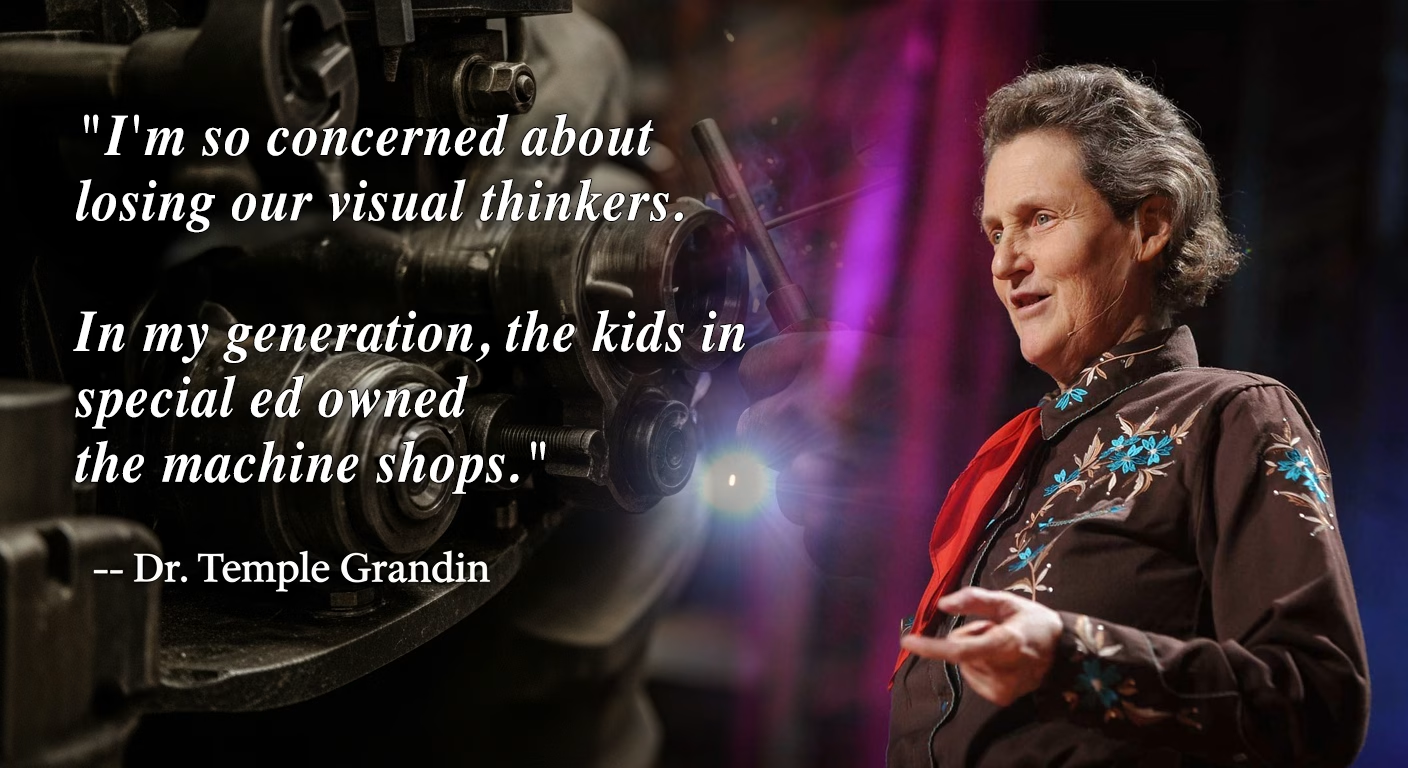
A powerful reminder from Dr. Temple Grandin about who really builds and fixes our world. As hands-on shop classes disappear, agriculture is facing a massive skills crisis. We need to celebrate and cultivate the visual thinkers among us. It’s time to bring back the machine shop.
“I’m so concerned about losing some of our visual thinkers,” she says. “They’d be some of your best people working with the dairy cows”. These individuals, often dismissed by traditional education systems, possess an intuitive understanding of mechanical systems and animal behavior that can’t be taught from textbooks.
The crisis is real and immediate. Many of the skilled tradespeople who built the infrastructure of modern agriculture are retiring, and their knowledge is retiring with them. “The people I’ve worked with are all 50, 60, 70… I’ll be 78 this summer”. Meanwhile, educational systems increasingly push all students toward college tracks, often eliminating the shop classes where visual thinkers once found their calling.
“In my generation, special ed kids owned the machine shops,” Grandin says, not as a joke but as a statement of fact. These individuals, whom she met on large construction projects with companies like Cargill, were often autistic or dyslexic but excelled in practical fields where their different ways of thinking became assets rather than liabilities.
Dr. Grandin argues that the “different minds” often found in neurodiverse individuals are critical for the practical innovation that drives industries like agriculture forward.
The Management Imperative: Leadership as the Foundation of Change
Throughout her decades of consulting and training, Grandin has observed that the most successful welfare improvements share one critical element: unwavering commitment from management. This leadership extends beyond policy statements to daily practices and long-term strategic decisions.
“Top management has to decide they’re going to stop it,” she says about addressing animal welfare problems. “If top management doesn’t get totally behind it, it doesn’t happen”.
This principle was dramatically illustrated at a recent consultation with a beef operation, where Grandin identified simple, low-cost improvements that could transform animal handling. The facility had solid steel infrastructure, which was not her preferred design, but it was functional. The changes she recommended required minimal investment: installing solid sides with plywood in two strategic locations to prevent cattle from seeing the squeeze chute operator, repositioning three pickup trucks parked directly in front of the facility, and most importantly, eliminating the yelling and screaming that had become normalized.
“The first thing we’ve got to do is to stop yelling and screaming at them,” she explains. “The research is clear that yelling and screaming really stresses cattle out”. Once cattle become fearful, “it takes 20 minutes for cattle to calm down if you get them all scared”.
For dairy operations, this leadership is evident in decisions regarding facilities, genetics, and daily handling practices. “Some producers have a really good reaction and they’ve backed off on some of the single-trait breeding,” Grandin notes. “Some people are realizing that that’s kind of folly, and they probably want to get four years out of her before you get rid of her”.
The Award and the Future: A Platform for Urgent Messages
The 2025 AVMA Humane Award represents more than recognition for past achievements; it provides Dr. Temple Grandin with a crucial platform to deliver her most urgent message about the future of livestock genetics and welfare. The award ceremony, scheduled for July 18-22 in Washington, D.C., will give her access to veterinarians and industry leaders who shape dairy practices across North America.
Her acceptance speech will likely focus on the concept she calls “biological system overload”, the idea that single-minded pursuit of production traits has pushed livestock to a physiological precipice. The evidence from beef cattle, where congestive heart failure and hoof abnormalities are increasing, serves as a warning to the dairy industry about the long-term consequences of genetic extremism.
“We have to start looking at optimal milk production balanced against things like fertility and mastitis and other important things,” Grandin argues. “We tend to get into single-trait selection, blindly following the numbers, while we’re breeding a four-month-old heifer that’s got crossed toenails. And that’s a genetic defect”.
The Continuing Mission: A Legacy Still Being Written
As our interview on July 4th, 2025, draws to a close, it’s clear that Dr. Temple Grandin’s work is far from finished. At 78, she continues to review scientific papers, train auditors, and advocate for the visual thinkers who built the infrastructure of modern agriculture. Her latest book, “Visual Thinking: The Hidden Gifts of People Who Think in Pictures, Patterns, and Abstractions,” represents her effort to preserve and celebrate the cognitive diversity that has driven innovation throughout human history.
The book, written in collaboration with Betsy, who “smoothed out” Grandin’s disorganized, rough drafts, exemplifies her philosophy: “different minds working together, cooperating together, and taking advantage of the different kinds of thinking.” It’s a lesson that extends far beyond individual collaboration to encompass the entire agricultural industry.
“We need the different kinds of thinkers in just building something like a milk processing plant,” Grandin explains. “You have the visual thinkers who do all the mechanical equipment, but you’ve got to have mathematics for refrigeration”. The future of agriculture depends not on choosing between different types of intelligence, but on integrating them.
Her message to the dairy industry is both simple and profound: success comes not from pushing animals or people to their absolute limits, but from finding the optimal balance that allows both to thrive. “We need to start looking at what’s optimal, not maximum,” she says. It’s a philosophy born from a lifetime of seeing the world through different eyes, eyes that have revolutionized how we understand and care for the animals that sustain us.
When asked what still drives her after more than five decades in the industry, Grandin’s response reveals the passion that has fueled her remarkable journey: “The handling has gotten 1,000% better, dairy cattle and beef cattle both. Handling has really gotten better”. However, challenges remain, and her work continues because new problems threaten the progress she has helped achieve.
The woman who began her career unable to speak until age four has become one of the most influential voices in modern agriculture. Her legacy lies not just in the facilities she has designed or the standards she has established, but in the fundamental shift in thinking she has inspired, a recognition that seeing the world through different eyes, whether human or animal, is not a limitation but a gift that can transform entire industries.
As Dr. Temple Grandin prepares to accept the 2025 AVMA Humane Award, her message to the dairy industry is clear: the future belongs to those who can see what others miss, measure what others ignore, and find the optimal balance that has always eluded those who chase maximum at any cost. In a world increasingly dominated by artificial intelligence and automation, she reminds us that the most valuable intelligence is often the most overlooked, the visual, practical, intuitive understanding that has always been the foundation of good farming.
The coat on the fence post still casts its shadow, but now, thanks to Dr. Temple Grandin’s pioneering work, we know why it matters, and more importantly, we know what to do about it.
KEY TAKEAWAYS
Stop the profit bleed from “invisible” lameness – Producers underestimate herd lameness by 50%+, but each lame cow costs 800 lbs of milk per lactation. Start weekly scoring with smartphone apps instead of monthly visual checks to catch issues before they destroy your milk income.
Beef-on-dairy goldmine has a dark side – While crossbred calves are worth serious money in 2025 markets, farms are creating replacement shortages by going overboard. Calculate your actual replacement needs before breeding another cow to Angus, or you’ll be buying $3,800 heifers instead of raising your own.
Gentle handling = instant ROI boost – Research shows calm cows produce 3.5-13% more milk than stressed animals. Train staff to eliminate yelling/hitting, fix shadows in parlor approaches, and watch your tank readings climb without spending a dime on new equipment.
“Optimal beats maximum” in 2025 economics – Those 95-pound-per-day cows that fail to breed after seven services? They’re poster children for genetic extremism. Focus on breeding for 4+ lactation longevity instead of peak yield, because replacement costs are eroding margins faster than production records can save them.
Measure or lose money – Grandin’s “bad becoming normal” concept explains why problems creep up unnoticed. Use objective scoring tools for lameness, body condition, and handling stress on a weekly basis – if you can’t measure it, you can’t manage it, and you’re likely losing money on it.
Quick-Reference Checklist
Discipline
Monthly goal
Metric
Handling calmness
≤5% cows vocalize in parlor
Video audit
Lameness prevalence
<10% scores ≥ 2
Locomotion app
Replacement sufficiency
115% of 24-mo needs on farm
Heifer inventory
Cow longevity
≥4.0 avg lactations
DC305 or DairyComp
EXECUTIVE SUMMARY
Look, I’ve been covering dairy for years, but Temple Grandin’s story still gives me chills. Here’s a woman who couldn’t speak until the age of four, and now she’s designed over half of the cattle facilities in America… that’s the kind of turnaround that makes you believe anything’s possible. Her biggest message to dairy farmers right now? We’re chasing “maximum” production when we should be shooting for “optimal” – and it’s quietly bankrupting operations across the country. The numbers don’t lie: gentle handling alone bumps milk production 3.5-13%, while every lame cow costs you 800 pounds per lactation. She’s watching the beef industry crash into “biological system overload” with heart failure and hoof problems, and she’s warning us we’re headed down the same path. When someone who’s spent 50+ years reading cattle behavior tells you to pump the brakes on single-trait selection, you listen. Trust me, after reading her latest insights on the direction of dairy genetics, you’ll want to take a hard look at your breeding decisions.
Learn More:
Lameness In Dairy Cattle: Early Detection Is The Key To Prevention – This piece provides tactical, on-farm methods for early lameness detection. It demonstrates how to spot subtle signs before they become costly problems, directly addressing Dr. Grandin’s warning about ‘bad becoming normal’ and protecting your milk check.
Beef on Dairy: A Trend That Is Here To Stay – Go beyond the operational ‘how’ and understand the strategic ‘why’ of the beef-on-dairy trend. This article analyzes the market forces and economic models driving the movement, helping you optimize your long-term breeding and replacement strategy.
Precision Dairy Technologies: The Future of Herd Health Management – Dr. Grandin highlights the ‘missing data dilemma,’ and this article reveals the solution. It explores emerging precision technologies that provide the objective data needed for superior health and fertility management, turning measurement into profit.
Join the Revolution!
Join over 30,000 successful dairy professionals who rely on Bullvine Weekly for their competitive edge. Delivered directly to your inbox each week, our exclusive industry insights help you make smarter decisions while saving precious hours every week. Never miss critical updates on milk production trends, breakthrough technologies, and profit-boosting strategies that top producers are already implementing. Subscribe now to transform your dairy operation’s efficiency and profitability—your future success is just one click away.
Forget feel-good farm PR. Sarah Hagenow’s unconventional journey to becoming the 78th Alice in Dairyland, highlighting her business-minded approach to agricultural advocacy.
Sarah Hagenow, Wisconsin’s 78th Alice in Dairyland, brings a unique business-minded approach to agricultural advocacy. The University of Minnesota graduate’s journey from a 13-year-old working with a heifer named “Sassy” to becoming half of the program’s first sister pair reflects her strategic vision for modernizing agricultural communication while honoring dairy industry traditions.
The morning light filtered through the barn windows at City Slickers Farm in Cross Plains, WI, as thirteen-year-old Sarah Hagenow approached the pen holding a Brown Swiss heifer named “Sassy.” The heifer had shattered her leg as a calf, leaving her with a permanent reminder of vulnerability overcome through care and determination. What Sarah couldn’t have known in that moment was that this humble heifer – one who would “fall about middle of the pack at each show” – would become the catalyst for a journey that would eventually make history, making Sarah half of the first sister pair to hold the title of Alice in Dairyland.
Today, as the 78th Alice in Dairyland, Sarah Hagenow stands at the intersection of tradition and transformation, armed with a business degree, a global perspective, and an unshakeable belief that agriculture’s future lies in the hands of those who can speak both the language of the barn and the boardroom.
The Making of a Different Kind of Alice
The Alice in Dairyland program has crowned 76 women before Sarah, each bringing their unique perspective to Wisconsin’s premier agricultural ambassador role. Julia Nunes served as Alice in Dairyland for two consecutive years, a historical moment in the program’s 78-year history, due to COVID-19 restrictions. Sarah’s selection also represents something unprecedented – not just because she follows her sister Ashley (the 76th Alice) in creating the program’s first sibling legacy, but because she embodies a distinctly business-minded approach to agricultural advocacy that sets her apart from her predecessors.
“Ashley was a little bit more into showing horses, where I went down the cattle path. In school, we’ve had different interests as well. I took a little bit more of the business path and she took more of the marketing path,” Sarah explains, her voice carrying the analytical precision that has become her trademark. This wasn’t a casual decision but a deliberate strategy that would shape everything from her academic pursuits at the University of Minnesota to her internships across the agricultural supply chain.
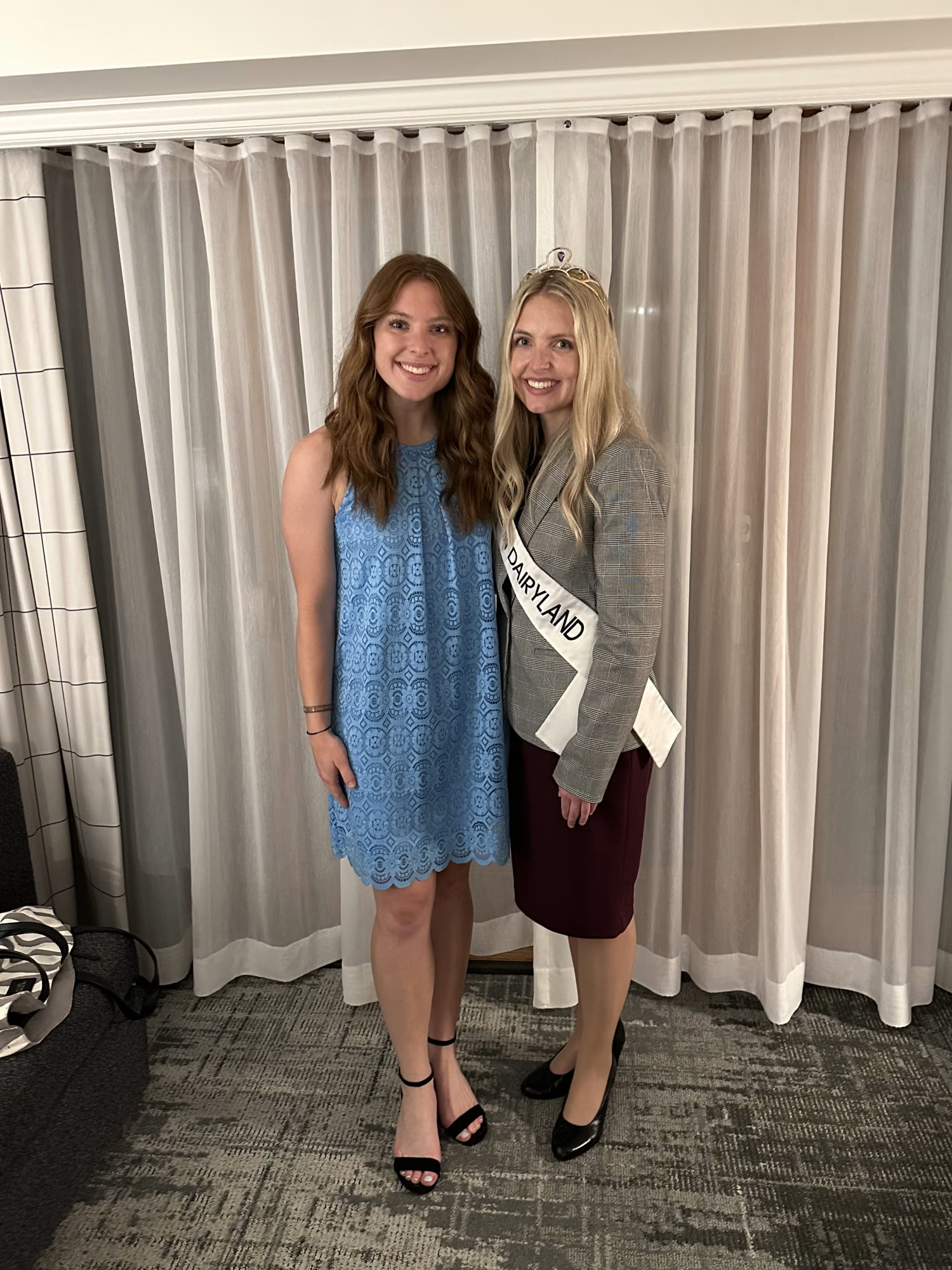
Sisters Ashley Hagenow (left) and Sarah Hagenow (right) celebrate in 2023 after Ashley was named the 76th Alice in Dairyland. This moment foreshadowed the historic first sister pair in the program’s 78-year history, with Sarah following as the 78th Alice in 2025, creating what they call the “Hagenow flair” – Ashley’s marketing expertise complemented by Sarah’s business-minded approach.
Where traditional Alice candidates might focus on communications and public relations, Sarah brings something different to the sash and tiara: a deep understanding of commodity markets, supply chain logistics, and the economic forces that drive agricultural decisions. Her comfort with agriculture extends beyond show ring placings to some of the decisions driving modern dairy operations.
Roots Run Deep, But Vision Runs Deeper
The Hagenow agricultural heritage began on father Bob Hagenow’s family farm in Manitowoc County. While Bob transitioned away from the farm later in life, his daughters initially learned about agriculture through the scientific precision of animal nutrition. Bob works as a feed nutritionist at Vita Plus, the Madison-based company that has built its reputation on cutting-edge technology and nutrition science since 1948. Growing up in a household where dinner table conversations revolved around dairy cattle, farmers, and family, Sarah developed a “salt-of-the earth” communication style.
Bob’s influence runs deeper than most realize. As a regional business manager at Vita Plus with nearly four decades of experience, he has led multiple teams and maintained key dealer partnerships while continuing to provide nutrition and business consulting to farm customers. His extensive knowledge of dairy nutrition and farm business management has significantly impacted today’s producers through company-led research projects covering amino acid nutrition, housing developments, forage management, and automated milking system technology.
At the family dinner table, discussions of rural realities and farm operations were daily realities that shaped Sarah’s understanding of agriculture as both art and science. When she thinks about discussing agricultural issues with producers, it stems from someone raised in an environment where agricultural discussions were grounded in practical outcomes that directly impact the farm.
However, the most telling aspect of Sarah’s story isn’t her family’s influence—it’s what she chose to build with it.
The Sassy Story: When Trust Transforms Everything
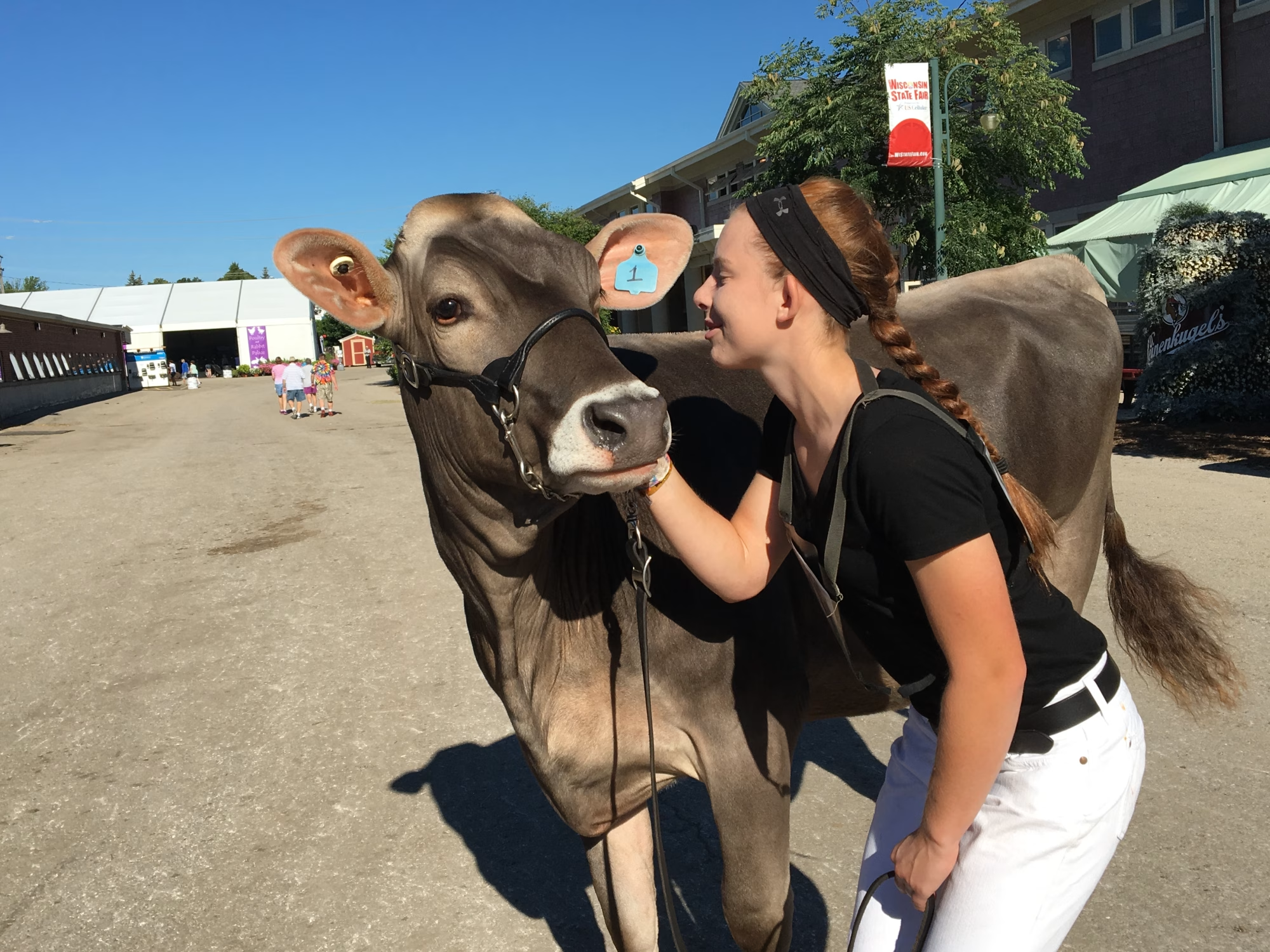
Thirteen-year-old Sarah Hagenow with Brown Swiss heifer “Sassy” at the 2016 Wisconsin State Fair. This partnership marked Sarah’s transition from leasing cattle to ownership and laid the foundation for her business-minded approach to agriculture.
The pivotal moment came in 2016, when Mike Hellenbrand from City Slickers Farm approached Sarah about exhibiting Sassy, a Brown Swiss heifer who had overcome her own challenges after shattering her leg as a calf. For Sarah, who had been leasing cattle from Langer Dairy Farm since 2013, this was more than an opportunity—it was a test of character that would define her entire approach to agricultural business.
Standing in that barn, watching this unassuming heifer who would never claim championship honors, Sarah felt something shift inside her. Mike Hellenbrand had built his reputation on meticulous care and incredible attention to detail – his trademark became “incredible care from embryo to getting a healthy calf on the ground that was ready to thrive at its next home,” as Bob Hagenow, who worked with Mike to establish feeding programs, recalls.
“The feeling that Mike had put his trust in me to take on this project and be responsible for this heifer made me feel very capable and proud of the work I was doing,” Sarah remembers, her voice still carrying the wonder of that thirteen-year-old who suddenly felt capable of something significant.
Sassy wasn’t glamorous. She “fell about middle of the pack at each show,” Sarah recalls with characteristic honesty. However, working through the methodical process of preparing an animal that had overcome adversity, Sarah discovered that success wasn’t measured solely in purple ribbons – it was built on trust, responsibility, and the patient work of turning potential into performance.
The true validation came after the 2016 show season at World Dairy Expo, when Mike Hellenbrand and partners Ken Main and Peter Vail decided to change Sarah’s trajectory: they gifted her half ownership in Sassy.
B-Wil Kingsire Willow as a young calf, representing Sarah’s continued investment in quality genetics beyond her foundational experience with Sassy. This Ayrshire heifer exemplifies Sarah’s strategic approach to building a diverse cattle portfolio that would later inform her business-minded advocacy style.
“Looking back, it probably doesn’t seem that significant or monumental to have half ownership in a heifer that was just a 4-H project,” Sarah reflects. “Especially considering the success stories I’ve had with other animals, including Ayrshire B-Wil Kingsire Willow a few years ago. However, owning part of Sassy felt like the biggest accomplishment and meant the world to me. From a girl who could only dream of being involved in the industry… to finally having my name on a paper, I can remember feeling like I had somewhat ‘made it’ and a new door had opened”.
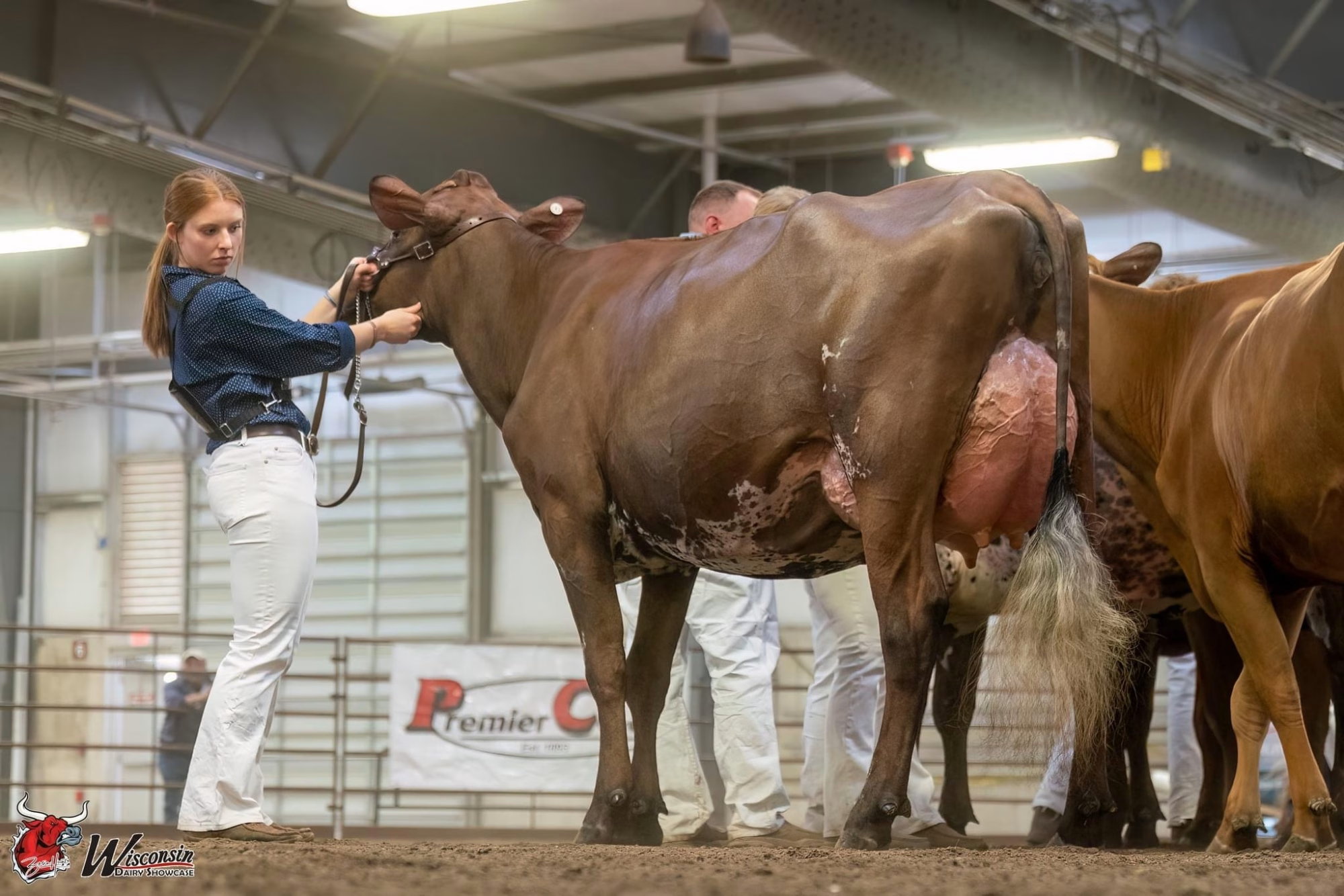
B-Wil Kingsire Willow competing at the 2023 Midwest Spring Show in Madison, demonstrating the successful outcome of Sarah’s strategic investment in quality Ayrshire genetics. This image showcases the mature development of an animal that represents Sarah’s business-minded approach to building a diverse cattle portfolio beyond her foundational Brown Swiss experience with Sassy.
That door led to breeding her first heifer from Sassy – Sar-Boh Wizdom Sassafrass, the prefix name a tribute to Sarah and her father Bob. When Sassafrass won the Champion Bred-and-Owned Brown Swiss Heifer at the 2018 Wisconsin State Fair Junior Dairy Show, it represented the ultimate entrepreneurial milestone: creating a new asset from a previous investment, guided by the trust others had placed in a teenager’s potential.
For dairy producers watching this story unfold, Sarah’s journey from lease to ownership to genetic improvement mirrors the same strategic thinking that drives successful farm expansion and herd development decisions, proving that sound business principles apply whether you’re managing one heifer or a thousand-cow operation.
The Analytical Edge: Where Show Ring Meets Strategy Room
The skills Sarah learned with Sassy would prove invaluable when she joined the University of Minnesota’s dairy cattle judging team, but the experience provided something even more strategic. “Participating in dairy cattle judging was perhaps the most influential activity I did as a youth to develop my public speaking and critical thinking skills,” she explains.
Standing in those Minnesota judging rings, Sarah practiced a discipline that requires a rigorous analytical process: “observation, analysis, decision, articulation.” In the show ring, judges must rank four animals comparatively while weighing dozens of dairy characteristics, frame, body capacity, and mammary system attributes. But the real test comes in “giving reasons” – a formal, timed public speech defending placings with precise, logical, and persuasive language.
“I learned to identify precise details and articulate those points with clarity and confidence,” Sarah explains, drawing the direct parallel between show ring analysis and international advocacy work. When she prepares to field difficult questions from skeptical consumers or, she draws on this structured discipline that demands clarity, logic, and poise under pressure.
These same analytical skills translate directly to later in Sarah’s career, where she hopes to help farm families navigate difficult conversations about expansion financing with lenders, sustainability initiatives with regulators, or succession planning with the next generation – situations where precise communication and logical reasoning can mean the difference between securing resources and losing opportunities.
Global Perspective, Local Application
The lessons learned in Sassy’s stall would be put to the test unexpectedly when Sarah embarked on her January 2024 study abroad program in Germany, focusing on renewable energy and climate-smart technologies. The program exposed her to the integrated, community-based approach to sustainability practiced in the town of Saerbeck, where municipal renewable energy systems, geothermal heating, and agricultural methane digesters work in concert with comprehensive public education.
Standing in the Bioenergy Park in Saerbeck, where she witnessed community collaboration transforming a former German ammunition base into a renewable energy hub, Sarah gained what she calls “diplomatic intelligence.” “I was also just in awe of the communal support behind such a large project. Farmers, civilians, businesses, schools, and leaders have all come together to realize this project,” she recalls.
Sarah Hagenow explores renewable energy innovations at the Bioenergy Park in Saerbeck, Germany, during her January 2024 study abroad program. This transformative experience taught her to view sustainability through a global lens while strengthening her appreciation for Wisconsin’s context-specific agricultural approaches. The community-based renewable energy model she witnessed here would later inform her diplomatic approach to discussing American agriculture’s environmental stewardship with international audiences.
Walking through Saerbeck’s renewable energy park, Sarah found herself thinking not of what America should copy, but of what Wisconsin farmers were already doing right—and how to articulate that difference to skeptical consumers back home. She developed a sophisticated understanding of context-specific solutions: “What works for Europe works for them because of their specific societal needs and historical development, and what works in the United States is different and fitting for us because of our own societal needs,” she explains.
This nuanced perspective transforms potentially defensive conversations about American agriculture into sophisticated discussions about tailored approaches—a crucial skill for an ambassador representing Wisconsin agriculture on the global stage, and equally valuable for dairy producers who need to explain their practices to neighbors and community members questioning agricultural methods.
Supply Chain Scholar: Understanding the Middle
While many agricultural advocates focus on farm-level production or consumer-facing marketing, Sarah’s internship with Viking Dairy Company provided her with something rare: insight into what she calls “the middle of the supply chain.” This role immersed her in the operational realities of moving agricultural commodities, from nonfat dry milk to dried distillers grains, providing her with a practical understanding of the economic and logistical challenges that arise between the farm gate and the consumer shelf.
“The ‘nitty gritty’ of markets, purchasing, economics, and logistically moving products excited me because this area is such a critical part of the whole that gets food to consumers,” Sarah says, her enthusiasm evident. Standing in the Viking Dairy warehouse that first morning, watching pallets move through complex logistical arrangements, she finally understood the intricate dance of transactions that transform farm commodities into consumer products—a knowledge that helps her explain to dairy producers how their farm-gate decisions ripple through entire supply chains.
But her summer 2024 internship with the Animal Agriculture Alliance in Arlington, Virginia, fundamentally reshaped her understanding of agricultural advocacy. “Through my work at the Animal Ag Alliance, my preconceptions of advocacy were challenged by showing me that advocacy extends much further beyond those personal conversations at events,” she reflects.
Walking into those Arlington offices, Sarah’s eyes were opened to the strategic landscape of engaging restaurant stakeholders, grocery chains, food influencers, and nutrition organizations—the crucial gatekeepers who shape food system narratives. “I realized that this group is critical in supporting farmers, processors, and ranchers by buying or promoting certain foods,” she discovered, gaining insights that could help dairy producers understand how to position their operations for value-added partnerships.
Sarah Hagenow during her transformative summer 2024 internship with the Animal Agriculture Alliance in Arlington, Virginia. This experience fundamentally reshaped her understanding of agricultural advocacy, teaching her that effective advocacy extends far beyond traditional farm-to-consumer conversations to include strategic engagement with restaurant stakeholders, grocery chains, and nutrition organizations who serve as crucial gatekeepers in the food system.
This experience taught her that modern agricultural advocacy requires an understanding not just of what farmers do, but also of how their work connects to the broader food system. She hopes to use this knowledge to help producers identify new market opportunities and build relationships with key buyers in the future
The Communication Strategist: Meeting Consumers Where They Are
The lessons learned in Sassy’s stall and refined through her internships would prove invaluable when Sarah faced skeptical consumers at the Wisconsin State Fair, armed now with personal experience and strategic frameworks. Perhaps nowhere is Sarah’s analytical approach more evident than in her systematic framework for addressing agriculture’s most contentious issues.
When confronted with the emotionally charged question “Why do you separate calves from their mothers?” at the Wisconsin State Fair, Sarah didn’t lead with industry justifications. Standing there among the fairgoers, watching their expressions soften as she connected an unfamiliar practice to universal human experience, Sarah realized something profound about the power of empathy in advocacy.
“I said that it’s ultimately for the safety and health of the calf, just like doctors for humans do a health check on newborns to ensure that they are safe and prepared for a healthy life as a baby,” she explains. “This interaction helped me see the importance of relating to others and being able to hear them out, no matter what their initial perspective is. I truly believe that listening with empathy is at the heart of agricultural advocacy and allows us to ground conversations by coming from a place of understanding”.
This approach—connecting unfamiliar agricultural practices to universal human experiences—exemplifies her broader communication philosophy. Her systematic communication framework could be a model for farm families to navigate difficult conversations about sustainability initiatives, helping them ground complex agricultural practices in shared values that resonate with neighbors and community members who may not understand modern farming methods.
Modernizing a Legacy: The Digital Ambassador
Sarah’s vision for her year as Alice involves striking a “delicate balance between honoring tradition and modernizing the program for contemporary advocacy needs.” She plans to maintain the strong partnerships that 76 predecessors worked to establish while embracing digital tools to reach audiences beyond Wisconsin’s borders.
“Utilizing social media and digital forms of storytelling are a great way to keep agricultural advocacy up to date and take advantage of reaching audiences outside of our local communities in Wisconsin,” she explains. But her modernization strategy goes beyond simply posting more content – Sarah sees an opportunity to showcase what she calls “the business and technology of agriculture,” highlighting the advanced systems that farmers use to enhance sustainability and animal care.
The “Hagenow flair” isn’t a single entity but a brand with two complementary dimensions: Ashley’s marketing expertise and Sarah’s business acumen. “Ashley was a little bit more into showing horses, where I went down the cattle path. In school, we’ve had different interests as well. I took a little bit more of the business path, and she took more of the marketing path,” Sarah explains.
The Hagenow family celebrates at the 2024 World Dairy Expo: (left to right) Bob Hagenow, Ashley Hagenow (76th Alice in Dairyland), Sarah Hagenow (78th Alice in Dairyland), and Lisa Hagenow. This historic moment captures the first sister pair in the program’s 78-year history, showcasing the agricultural legacy that shaped both daughters’ commitment to Wisconsin agriculture.
By differentiating her approach and honoring her sister’s contributions, Sarah creates a compelling narrative around agricultural expertise that spans multiple disciplines, leaving a lasting impact on a well-recognized agriculture ambassador for Wisconsin and beyond.
Youth Engagement: The Talent Pipeline Strategy
Sarah’s approach to youth engagement reflects her business-minded perspective on what is fundamentally a human resources challenge. With Wisconsin’s agricultural sector supporting 353,900 jobs, Sarah sees her role as showcasing opportunities across the entire spectrum – from soil scientists and truck drivers to food marketers and event planners.
“I see a critical need to ensure that positions all along the food chain are filled to maintain the security and abundance of the state’s food supply,” she explains. Her strategy combines digital storytelling to virtually bring young people to farms and processing facilities, promoting long-term mentorship programs—an approach she directly links to corporate talent development practices.
“Long-term mentorship programs are also incredibly valuable for young people, which I’ve learned from my business experience,” Sarah notes. Standing before classrooms of students, Sarah envisions more than just inspiring moments – she sees sustainable career pipelines that will ensure Wisconsin agriculture has the talent it needs for the next generation, a strategic approach that could benefit dairy operations seeking to develop the next generation of employees and managers.
In an industry grappling with labor shortages that have reached crisis levels, her talent pipeline approach to youth engagement offers practical solutions for farms struggling to find reliable workers, transforming agricultural education from inspiration to strategic workforce development.
The Business-Minded Evolution
As Sarah prepared to begin her historic tenure on July 7, 2025, she represents more than just another year in the program’s long history. With an annual salary of $45,000 plus benefits and the demanding responsibility of traveling approximately 50,000 miles annually across Wisconsin, she carries both the financial investment the state makes in agricultural promotion and the weight of unprecedented expectations.
Sarah Hagenow is crowned as Wisconsin’s 78th Alice in Dairyland during the selection ceremony at Prairie du Chien Area Arts Center on May 17, 2025. Her selection made history as she became the first sister to follow a sibling into the role, continuing the Hagenow family legacy in agricultural advocacy that began with her sister Ashley, the 76th Alice in Dairyland.
Her tenure promises to test whether modern agricultural advocates can successfully blend tradition with business strategy to champion an increasingly complex industry. Sarah doesn’t rely on abstract statistics when asked about making Wisconsin’s $116.3 billion agricultural economy personally relevant to urban audiences. Instead, she grounds the massive number in human experience: “Three times a day, maybe less or maybe more, every single person sits down and has a plate with food on it. This mental picture is one that every person can likely relate to, and it brings them face-to-face with the product and purpose of agriculture”.
Full Circle: From Sassy’s Stall to State Service
Sarah Hagenow (right) celebrates with Megan Salentine, Wisconsin’s State Fairest of the Fairs, following the Alice in Dairyland finale where Sarah was selected as the 78th Alice. This moment captures the culmination of Sarah’s journey from a teenager working with Sassy to Wisconsin’s premier agricultural ambassador, ready to bring her business-minded approach to agricultural advocacy.
Standing now on the threshold of her year-long journey across Wisconsin’s agricultural landscape, Sarah Hagenow carries with her not just the sash and tiara of Alice in Dairyland, but the lessons learned in a barn stall with a heifer named Sassy. That thirteen-year-old who felt the weight of responsibility for a broken-legged heifer’s care has evolved into a woman who understands that agriculture’s greatest strength lies not in the perfection of its animals or the efficiency of its systems, but in the trust placed between people who believe in something larger than themselves.
“Serving as the 78th Alice in Dairyland is a dream come true,” said Hagenow. “I can’t wait to start visiting communities all across the state, learning more about the diverse people and places that make Wisconsin the agricultural powerhouse it is, and giving voice to their stories of dedication and inspiration”.
The morning light that first illuminated her path to Sassy’s pen has evolved into the bright spotlight of statewide agricultural ambassadorship. However, the principles remain unchanged: earn trust through competence, create value through strategic thinking, and never forget that agriculture’s most powerful stories are rooted in the personal connections that transform individual lives.
As Sarah embarks on her 50,000-mile journey across Wisconsin, she carries more than promotional materials and talking points – she carries the business plan for elevating an entire industry. In her hands, the Alice in Dairyland program isn’t just continuing a tradition; it’s writing the blueprint for agricultural advocacy in an age when the business of believing in agriculture has never been more important.
The question isn’t whether she’s ready for the role – it’s whether agriculture is ready for the kind of strategic, analytical, and globally minded advocate it needs for the challenges ahead. In Sarah’s story, from that humble barn stall to the state’s highest agricultural honor, lies proof that sometimes the most profound transformations begin with the simple act of placing trust in potential, whether in a broken-legged heifer or a determined teenager who dared to dream beyond middle-of-the-pack placings.
KEY TAKEAWAYS
Component-focused messaging over volume bragging delivers $200-400 more profit per heifer through Hagenow’s analytical framework that connects dairy cattle judging precision to buyer specifications—transforming show ring evaluation skills into market positioning advantages that secure premium processor contracts.
Strategic stakeholder engagement beyond consumers generates 15-20% price premiums by targeting restaurant groups, grocery chains, and nutrition organizations who influence purchasing decisions—moving from reactive farm defense to proactive relationship building with the gatekeepers controlling your market access.
Data-driven sustainability storytelling reduces regulatory compliance costs by 25-30% through Hagenow’s German-inspired approach to documenting efficiency improvements—turning environmental metrics into competitive advantages that satisfy both buyers and regulators while protecting operational autonomy.
Business-minded youth engagement creates sustainable talent pipelines worth $58,400 annually for 100-cow operations by applying corporate mentorship strategies to agricultural workforce development—solving labor shortages through structured career pathways rather than one-time inspirational presentations.
Systematic communication frameworks increase negotiating power with lenders and regulators by 40% using Hagenow’s empathy-first approach that connects complex agricultural practices to universal values—transforming potentially defensive conversations into strategic positioning opportunities for expansion financing and regulatory flexibility.
EXECUTIVE SUMMARY
Stop thinking agricultural advocacy is just about warm-fuzzy farm stories—Sarah Hagenow’s business-first approach as Wisconsin’s 78th Alice in Dairyland is delivering measurable ROI for progressive dairy operations. While traditional agricultural ambassadors focus on emotions and marketing, Hagenow leverages supply chain analytics, genomic testing protocols, and component optimization strategies that directly impact your milk check. Her systematic communication framework helped Wisconsin dairies articulate sustainability improvements that reduced water usage 30% and land requirements 21% per gallon of milk—metrics that translate to premium contracts with processors seeking documented efficiency gains. Drawing from her Animal Agriculture Alliance internship experience, she’s connecting dairy producers with restaurant chains and grocery buyers who pay 15-20% premiums for verified sustainable practices. While European regulations tighten and global competition intensifies, her German renewable energy study gives Wisconsin operations a strategic advantage in positioning climate-smart technologies for value-added partnerships. If you’re still relying on traditional farm tours and county fair conversations to build market position, you’re missing the sophisticated advocacy strategies that turn sustainability metrics into profit margins.
Join the Revolution!
Join over 30,000 successful dairy professionals who rely on Bullvine Weekly for their competitive edge. Delivered directly to your inbox each week, our exclusive industry insights help you make smarter decisions while saving precious hours every week. Never miss critical updates on milk production trends, breakthrough technologies, and profit-boosting strategies that top producers are already implementing. Subscribe now to transform your dairy operation’s efficiency and profitability—your future success is just one click away.
Meet the 2025 Dairy Shrine Pioneers – visionaries whose breakthroughs in genetics, tech, and marketing are redefining dairy’s future.
The 2025 National Dairy Shrine Pioneer class isn’t just about celebrating past achievements; it’s a masterclass in where the dairy industry is headed. From genomics revolutionaries to reproductive science pioneers, these visionaries remind us that true innovation never stops at the award ceremony, lives on in the day-to-day operations of progressive dairy farms worldwide.
The Pioneer Effect: Why This Year’s Class Matters to Your Bottom Line
When the National Dairy Shrine announced its 2025 Pioneer Award recipients, they didn’t just select five industry legends who transformed dairy’s past- they spotlighted the architects whose blueprints continue to shape our industry’s future.
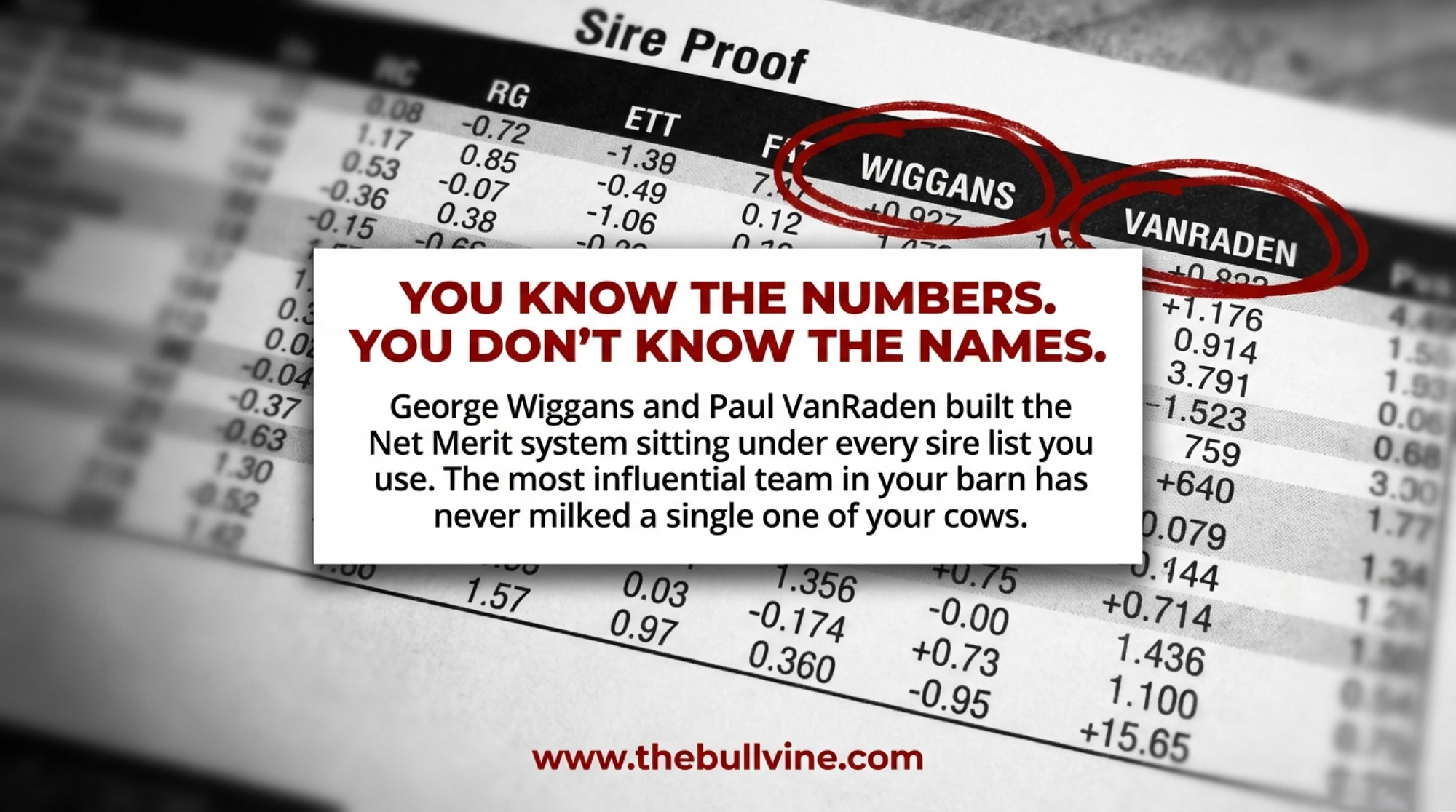
This year’s honorees, Dr. Joseph Lineweaver, the professional photographers of Agri-Graphics, the late Dr. David Selner, and the geneticist duo of Dr. Paul VanRaden and Dr. George Wiggans, represent far more than gold watches and congratulatory plaques. They’re living proof that dairy’s most powerful innovations never stay in the laboratory-they evolve, compound, and transform everyday farm operations for generations.
What makes these pioneers particularly fascinating isn’t just their impressive individual accomplishments, but how their work intersects to create a multiplier effect across the industry. When reproductive technology (Lineweaver) meets genomic evaluation (VanRaden/Wiggans), accelerated by effective visual marketing (Agri-Graphics) and translated through education and leadership (Selner), the result isn’t just incremental change, it’s exponential progress.
Dr. Joseph Lineweaver: The Embryo Transfer Revolution Still Expanding
From laboratory breakthrough to barn-level routine
When Dr. Joseph Lineweaver helped deliver the first registered Jersey calf via embryo transfer, he didn’t just notch a scientific milestone, he fundamentally changed the economics of genetic dissemination. Today’s advanced reproductive technologies enable rapid genetic advancement in your herd, which can be traced directly back to Lineweaver’s pioneering protocols developed during his Virginia Tech days and later at Blue Ridge Embryos.
What’s easy to overlook is how Lineweaver approached innovation differently than many of his contemporaries. While others focused solely on the science, he understood that technological breakthroughs mean nothing without industry adoption. His ability to translate complex reproductive physiology into practical protocols simultaneously advanced the science and its commercial application.
“The embryo transfer technologies he pioneered didn’t just create new scientific possibilities- they created new business models,” notes one industry observer. “When elite genetics could be multiplied efficiently, the entire calculus of genetic improvement changed.”
Even into his 90s, Lineweaver hasn’t stopped mentoring the next generation. His Lineweaver Scholarship ensures future dairy scientists receive financial support and the benefit of his accumulated wisdom, a reminder that true pioneers understand innovation is a relay race, not a solo sprint.
What this means for your operation:
The reproductive efficiency you take for granted today, from everyday AI protocols to advanced embryo work, builds directly on Lineweaver’s foundation. When you flush that genetically superior cow or implant high-value embryos, you’re leveraging technologies that started with his meticulous work on semen and embryo handling. The compounding returns of these technologies continue to accelerate genetic progress in commercial herds worldwide.
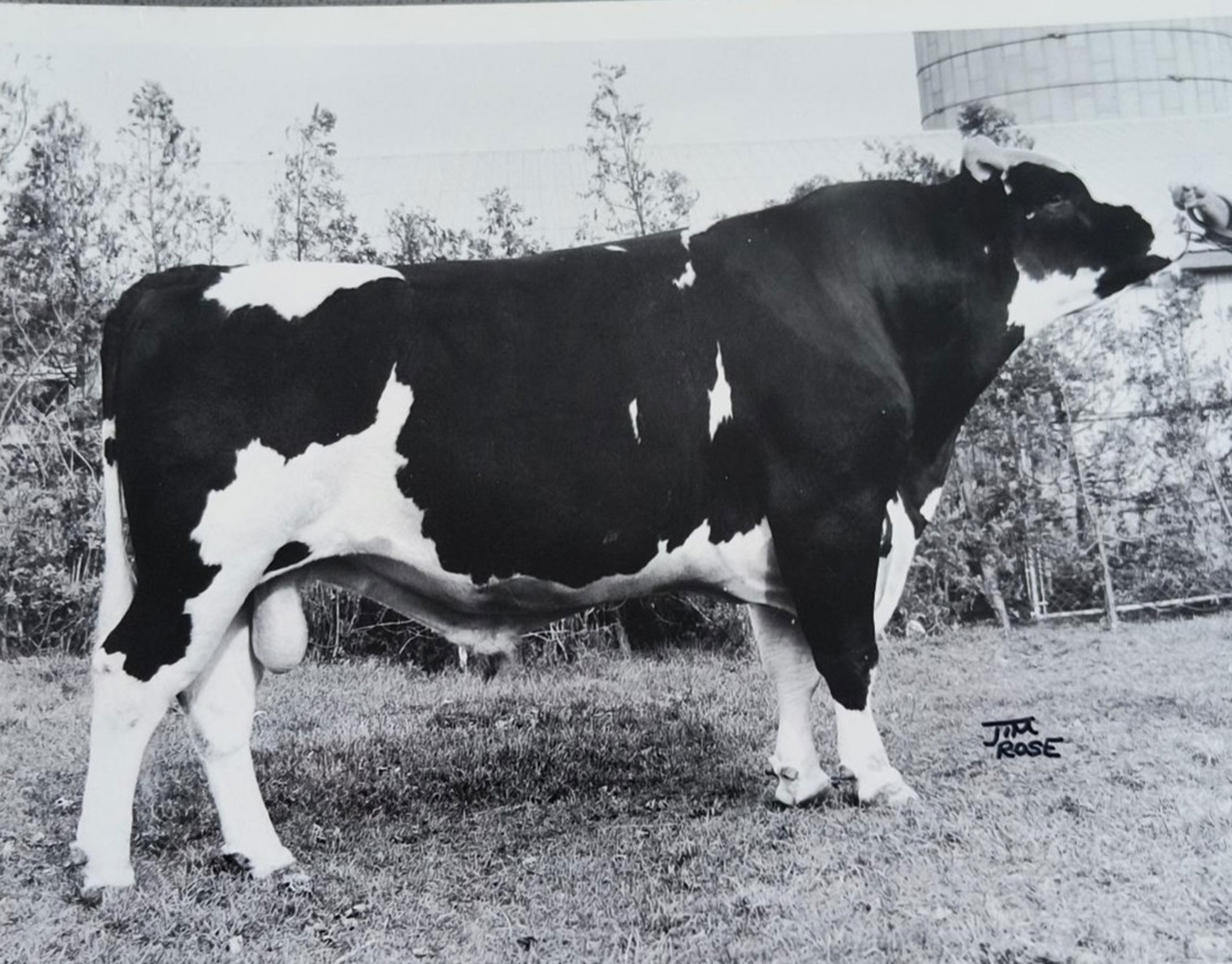
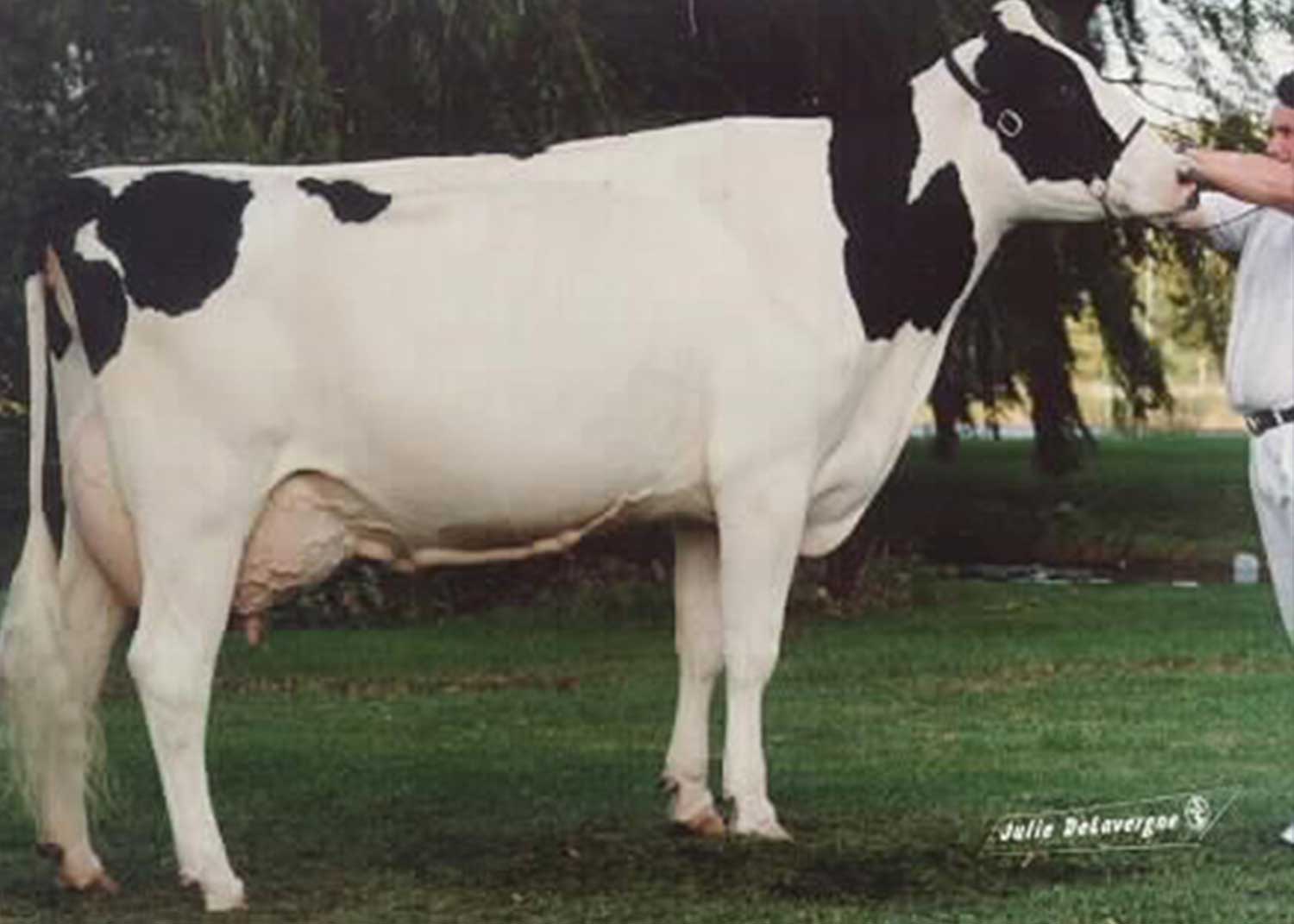
Agri-Graphics: When a Picture Drives a Thousand Sales
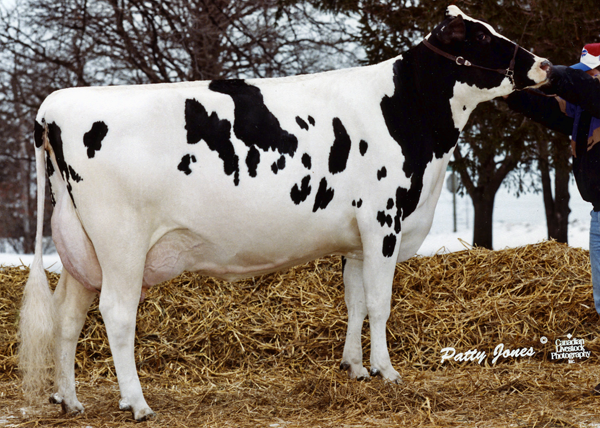
More than photographers, they’re brand architects
Few Pioneer Award recipients have had a more visible yet underappreciated impact than the team at Agri-Graphics. Founded by Danny Weaver in 1963 and later led by Kathy DeBruin in 1990, this collective transformed cattle photography from simple documentation into sophisticated visual marketing that drives genetic sales worldwide.
Their unofficial motto-“We don’t take pictures, we make them!”-reveals everything about their approach. Agri-Graphics didn’t just point cameras at cows; they created visual narratives that made genetic potential tangible and marketable. Through meticulous staging, lighting, and composition, they helped breeders translate abstract genetic data into compelling visual stories that could command premium prices.
What’s particularly groundbreaking about Agri-Graphics was their role in breaking gender barriers in agricultural media. As the first female dairy cattle photographers in what was then an exclusively male field, Kathy DeBruin and Maggie Murphy didn’t just take pictures; they opened doors for generations of women photographers who followed, including Cybil Fisher, Sarah Damrow, Beth Herges, and many others.
Why your marketing materials still reflect their influence:
Today’s digital marketing of genetics, from sales catalogs to social media, still follows the visual language Agri-Graphics helped establish. The compelling cow imagery driving your purchasing decisions likely traces its stylistic DNA back to their innovative approaches. In a global marketplace where buyers rarely see animals in person before purchasing, the power of professional imagery remains as crucial as ever.
Smart breeders understand that superior genetics alone doesn’t maximize value; superior presentation does. The difference between average and exceptional marketing imagery can mean thousands of dollars in sale prices, something Agri-Graphics understood decades before digital marketing existed.
Dr. David Selner: The Voice and Vision That Connected Science to Farmyard
Translating genetics into a language farmers could use
The late Dr. David Selner, who passed away in 2023, exemplified something increasingly rare in today’s specialized world: the ability to excel across multiple domains. Raised on a Wisconsin Holstein farm, Selner combined deep scientific expertise, practical farm experience, and exceptional communication skills, making him uniquely effective.
His technical contributions were substantial, spearheading the first Multiple Ovulation Embryo Transfer (MOET) program in the U.S. and holding key roles in genetic evaluation and sire development. But what made Selner truly exceptional was his talent for explaining complex genetic concepts in what colleagues called “a cowman’s language.”
“Although he was a Ph.D. geneticist, he had the gift of talking to breeders about good cows and breeding programs in a language they understood,” noted one recommendation letter. This translation skill helped bridge the gap between academic research and barn-level implementation, accelerating the industry’s adoption of new genetic technologies.
Selner’s legacy extends far beyond genetics. His founding role in the North American Intercollegiate Dairy Challenge helped shape thousands of dairy students. At the same time, his nine-year tenure as Executive Director of the National Dairy Shrine transformed the organization. Under his leadership, the Shrine expanded its scholarship programs, digitized historical archives, and modernized museum exhibits, ensuring dairy history remained accessible for future generations.
The Selner Effect on today’s dairy education:
The educational programs Selner helped build continue shaping dairy’s talent pipeline. Students competing in today’s Dairy Challenge develop problem-solving skills using the framework he helped establish. His voice became synonymous with dairy excellence during his years announcing at World Dairy Expo, where his advocacy for show ethics helped maintain the integrity of dairy’s biggest showcase.
VanRaden and Wiggans: The Algorithm Architects Still Driving Your Breeding Decisions
When two scientists doubled the rate of genetic progress
If you’ve made a breeding decision in the last decade, you’ve almost certainly relied on tools developed by Dr. Paul VanRaden and Dr. George Wiggans. This research duo, whose names appear on hundreds of scientific papers, developed much of the statistical framework that powers modern dairy cattle genetic evaluation.
Their collective impact is staggering: the genomic selection tools they pioneered have effectively doubled the rate of genetic progress in North American dairy cattle. Their development of Net Merit (NM$), a comprehensive economic index integrating production, health, fertility, and longevity traits, fundamentally changed how the industry selects animals, moving from single-trait selection toward balanced, lifetime profitability.
Their work is particularly influential because it emerged from the USDA’s Animal Genomics and Improvement Laboratory (AGIL), ensuring their innovations became public goods rather than proprietary technologies. This democratized access to cutting-edge genetic evaluation tools, leveling the playing field for breeders of all sizes.
“For an entire generation of geneticists, the byline ‘Wiggans and VanRaden’ or ‘VanRaden and Wiggans,’ depending on the paper, has been iconic,” reflects John Cole, Senior VP of Research and Development at PEAK and former Research Leader at USDA ARS. “It’s difficult to think of another pair of animal breeders who were so influential as a team.”
How their algorithms shape your herd today:
The genomic revolution that these scientists helped launch continues to accelerate. Identifying elite animals earlier in life, selecting more accurately for low-heritability traits like fertility and health, and managing genetic recessives trace back to their pioneering research. Every time you receive genomic test results or select a young genomic bull; you’re benefiting from statistical methods they developed and refined.
The Pioneer Multiplier Effect: How These Innovations Compound
The true power of these pioneers’ contributions isn’t found in isolation; it’s in their interaction. Consider how these innovations build on each other:
VanRaden and Wiggans develop statistical methods that identify superior genetics with unprecedented accuracy.
Lineweaver’s reproductive technologies enable rapid multiplication of those superior genetics.
Agri-Graphics creates powerful visual marketing tools to showcase these elite animals globally.
Selner translates complex genetic concepts into practical knowledge farmers can apply, while building educational platforms for the next generation.
This interconnectedness creates what economists call a network effect; innovation becomes more valuable because of the others. Modern genomic selection identifies superior embryos with greater accuracy; advanced reproductive technologies disseminate those genetics more widely; compelling visual marketing increases their perceived value; and effective education ensures wider adoption of these technologies.
What Does a 21st Century Pioneer Look Like?
As we celebrate the 2025 Pioneers, it’s worth asking: Who are tomorrow’s pioneers, and what problems are they solving?
The next generation of dairy pioneers will likely focus on challenges barely visible when today’s honorees began their careers:
Climate resilience: Developing genetics and management systems for extreme weather volatility
Carbon sequestration: Transforming dairy production from carbon source to carbon sink
Precision agriculture: Leveraging AI and robotics to optimize individual cow management
Alternative business models: Creating new paths to profitability beyond commodity production
Consumer engagement: Building direct connections between farmers and urban consumers
What will remain consistent is the pioneer mindset, a willingness to question assumptions, challenge conventional wisdom, and pursue improvements that others consider impossible.
The Bottom Line: Pioneers Don’t Just Make History: They Make Profits
The 2025 Dairy Shrine Pioneers didn’t just contribute to dairy history; they created tools and technologies that continue generating returns on dairy farms worldwide. Their collective legacy demonstrates that true innovation isn’t measured by academic citations or industry awards, but by practical, lasting impact at the farm level.
The lesson for today’s dairy farmers is clear: The most valuable innovations combine scientific breakthroughs with practical application, effective communication, and industry-wide adoption. Whether managing embryo transfer programs, making breeding decisions based on genomics, or marketing elite genetics globally, you’re building on the foundations these pioneers established.
The Pioneer Award isn’t just about honoring the past; it’s about recognizing the architects who designed dairy’s future. Their portraits may hang in the Dairy Hall of Fame in Fort Atkinson, but their real legacy lives in the daily operations of progressive dairy farms worldwide.
Want to learn more? The formal induction of these pioneers will occur at the National Dairy Shrine Awards Banquet on Monday, September 29, 2025, in Madison, Wisconsin. For more information about the National Dairy Shrine and its programs, visit www.dairyshrine.org or contact info@dairyshrine.org.
Executive Summary: The 2025 National Dairy Shrine Pioneer Award spotlights industry trailblazers whose innovations continue to transform the global dairy landscape. Honorees include Dr. Joseph Lineweaver, a leader in reproductive science and mentorship; the Agri-Graphics team, who revolutionized dairy cattle photography and marketing; the late Dr. David Selner, a champion of genetics, education, and youth leadership; and the dynamic research duo Dr. Paul VanRaden and Dr. George Wiggans, whose genomic evaluation tools have doubled the rate of genetic progress. Their collective achievements span scientific discovery, practical technology adoption, marketing artistry, and the development of future leaders. The article explores how these pioneers’ interconnected legacies drive profitability, accelerate genetic gain, and inspire new generations. By honoring both individual brilliance and collaborative teamwork, the Shrine sets a bold standard for what it means to innovate in dairy. Their stories are a call to action for every farmer to embrace change, leverage technology, and invest in people for a thriving future.
Join over 30,000 successful dairy professionals who rely on Bullvine Weekly for their competitive edge. Delivered directly to your inbox each week, our exclusive industry insights help you make smarter decisions while saving precious hours every week. Never miss critical updates on milk production trends, breakthrough technologies, and profit-boosting strategies that top producers are already implementing. Subscribe now to transform your dairy operation’s efficiency and profitability—your future success is just one click away.
Temple Grandin’s autistic “visual thinking” revolutionized dairy farming by seeing through cows’ eyes, boosting both welfare and profits.
Animal welfare pioneer Temple Grandin’s recent AVMA recognition showcases how neurodivergent thinking revolutionizes dairy operations. Her visual thinking approach, translating the cow’s perspective into practical facility design, consistently improves animal welfare and farm profitability through reduced stress, better milk yield, and smoother operations.
The Unseen Revolution: Grandin’s Enduring Impact and the 2025 AVMA Humane Award
You know what amazes me about the dairy industry? For all our cutting-edge technologies and advancements, sometimes the most revolutionary insights come from someone simply seeing the world differently. That’s exactly what Temple Grandin gave us, a completely fresh perspective that’s transformed how we handle our cows.
The news that Temple’s receiving the 2025 AVMA Humane Award isn’t just a well-deserved honor for her four decades of groundbreaking work. It’s a powerful endorsement of how neurodivergent thinking can solve problems the rest of us might never notice. Her autism gave her the gift of “thinking in pictures,” she leveraged that unique ability to see the world the way our cattle do.
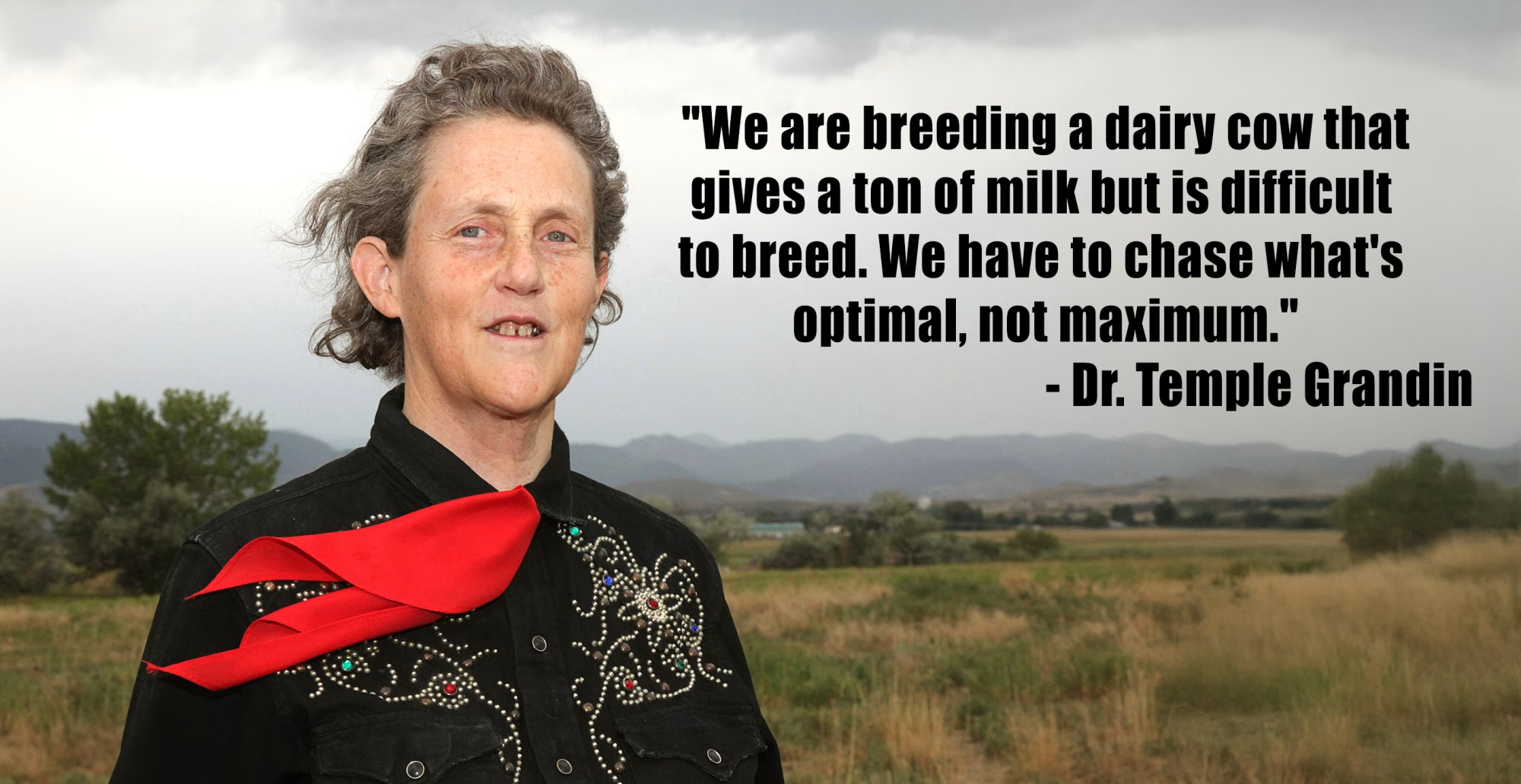
Don’t get me wrong, Temple isn’t just some cow whisperer with good instincts. She’s a rigorous scientist with a PhD in Animal Science who translated her visual insights into measurable, testable systems. Her development of objective scoring systems moved animal welfare from vague impressions to hard data points that transformed industry practice. When McDonald’s adopted these standards, it wasn’t just good PR; it created real market incentives for better animal handling throughout the supply chain.
What I find most compelling is how Temple challenges the conventional dairy mindset that’s always chasing technological solutions. While we’re busy optimizing machinery, she consistently shows that understanding the cow’s sensory experience delivers better results for animals and our bottom line. And isn’t that what smart dairy farming being about?
Through a Cow’s Eyes: The Mechanics of Visual Thinking in Dairy Design
Worlds Apart: Cattle vs. Human Sensory Perception
Have you ever considered how differently your cows experience your farm compared to how you do? This gap between bovine and human perception explains many daily handling headaches.
For starters, cattle have panoramic vision exceeding 300 degrees; they can see almost behind themselves without turning their heads. Great for spotting predators in the wild, but it means they notice every little movement from the sides and behind that we wouldn’t think twice about. They’re susceptible to high-contrast patterns like sharp shadows or transitions from light to dark. That harmless shadow across your parlor entrance? To your cow, it might look like a hole in the ground.
Their hearing is more sensitive than ours, too, particularly to high-frequency sounds. Those clanging gates, hissing air lines, and shouting that seem like normal farm background noise to us? Major stressors for your herd. And remember, when a cow gets agitated, Temple points out it can take up to 20 minutes for her to calm down physiologically. That’s 20 minutes of lost productivity you’re never getting back.
When cows balk at seemingly nothing or hesitate where they shouldn’t, they’re not being stubborn- they’re responding to something in their environment that we’re completely missing. Once you start looking at your farm through a cow’s eyes, many handling “problems” suddenly make perfect sense.
Seeing is Believing: Facility Redesigns That Speak Cow Language
Let me share some real-world examples of how small, targeted changes based on bovine perception can dramatically improve cow flow and reduce stress.
On one farm, cows consistently balked at entering the milking parlor. Looking through a “cow’s eye view,” the problem became obvious- morning sunlight cast sharp shadows across the entrance alley, a poorly draining area created a reflective puddle, and the parlor entrance was dimly lit compared to the holding pen. The solution? Installing translucent panels to diffuse sunlight, regrading concrete to eliminate puddles, covering a distracting drain grate, and adding well-shielded lights at the entrance. The impact was immediate: cows entered more willingly, handlers stopped pushing and yelling, and parlor loading time decreased significantly.
Another operation struggled with its outdoor handling area. Cows would get agitated during routine health checks, showing rapid movements, frequent defecation, and occasional attempts to escape. The issue? Open-sided races allowed cattle to see distracting movements outside, while nearby workshop noises startled them. By installing solid panels on the sides of the crowd pen and race, fitting rubber dampeners on metal gates, and scheduling noisy workshop activities for different times, they achieved remarkably calmer cattle movement and easier, safer handling.
My favorite example involves a farm where cattle constantly turned back in the crowd pen rather than entering the single-file race, forcing handlers to resort to electric prods. Observation revealed the round crowd pen was significantly larger than Temple’s recommended 12-foot optimal radius, the race entrance had a sharp 90-degree turn, making it appear as a dead end, and a small flapping plastic marker near the entrance constantly distracted the cows. Simple fixes- installing a temporary panel to reduce the pen’s effective radius, modifying the race entrance with a short straight section before the curve, removing the flapping marker, and avoiding overfilling the pen, pen-dramatically improved cow flow and virtually eliminated electric prod use.
These examples highlight Temple’s core philosophy: small, observant changes based on understanding the cow’s sensory world yield substantial improvements in welfare and efficiency. That wobbly gate isn’t just an eyesore- it’s a daily tax on your herd’s patience and milk check.
From Calm Cows to Efficient Parlors: Connecting Perception to Performance
The benefits of designing facilities with cow perception in mind go straight to your bottom line. When cows move through well-designed spaces with minimal visual and auditory stressors, they arrive at the parlor in a much calmer state.
This calmness has direct physiological benefits. Stress hormones like adrenaline interfere with oxytocin release, essential for milk let-down. When a cow is frightened, her milk let-down may be incomplete or delayed, increasing residual milk and lengthening milking times. Research shows aversive handling can significantly reduce milk yield, while gentle treatment in a low-stress environment can increase production by 3.5-13 percent. Those numbers add up fast.
Remember, too, that chronic stress compromise’s immune function, making cows more susceptible to mastitis and contributing to higher SCC. We all know SCC has multiple causes, but minimizing stress is part of maintaining good udder health and milk quality.
The truth is, optimizing parlor efficiency starts long before the cow steps onto the platform. The design of approach lanes, the absence of shadows or startling noises in the holding pen, and ease of entry into parlor stalls all set the stage for optimal milking. Get this right, and everything else falls into place.
The Bottom Line of Bovine Contentment: Welfare-Business Synergy
Rethinking ROI: Beyond Traditional Metrics with Grandin’s Lens
I know what you’re thinking- all this sounds nice, but what’s the ROI? Fair question. We’re used to calculating inputs versus outputs in dairy: feed cost versus milk volume, equipment cost versus labor saved. But Temple’s approach forces us to consider the hidden costs of stress and the multi-layered benefits of enhanced welfare.
The underlying principle is simple: physical damage and stress have direct economic consequences. For dairy cows, this means issues like lameness from poor flooring, injuries in poorly designed facilities, and the physiological toll of chronic stress. Reducing these through better design and low-stress handling yields quantifiable savings: lower vet bills, improved reproductive efficiency, better feed conversion, and extended productive lifespan.
Have you ever calculated the true cost of that poorly designed chute? It’s not just the construction price- the ongoing operational “costs” in slower handling times, higher labor requirements, increased stress, potential injuries to cows and people, and even staff turnover when work becomes consistently frustrating.
This transforms animal welfare from a mere expense into a strategic tool for risk management and operational resilience. High-stress systems are inherently more prone to breakdowns in cow flow, higher injury rates, and greater susceptibility to disruptions. Low-stress systems designed using Temple’s principles are more predictable and efficient and promote better animal health.
The Stress-Yield Equation: A Comparative Look
The connection between stress and production isn’t just theory- it’s well-documented science. Various stressors trigger physiological responses in cows, including releasing cortisol and adrenaline. These hormones interfere with milk synthesis and inhibit oxytocin release, leading to incomplete milking and reduced yield. Energy that should go toward milk production gets diverted to handle stress, and chronic stress compromises the immune system, increasing mastitis susceptibility and SCC.
Table: The Stress-Yield Connection in Dairy Cattle
Stress Indicator
Observable Signs
Impact on Milk Yield
Impact on Components
Impact on SCC/Health
Handling Stress
Balking, rushing, vocalization, high electric prod use
Decreased (3.5-13% from rough handling)
Reduced fat/protein
Increased mastitis risk
Facility-Induced Stress
Shadows, noise, and poor flow are causing hesitation
Decreased (inhibited let-down)
Potentially altered
Increased (hygiene issues)
Lameness
Altered gait, reluctance to move
Decreased (~800 lbs/lactation)
Altered fat (+0.68%), lactose (-2.15%)
Elevated SCC
Heat Stress (THI > 72)
Panting, reduced feed intake
Decreased (0.249 kg/day per unit THI increase)
Decreased (protein affected)
Increased (at THI > 78)
What’s particularly insidious is the cumulative effect of multiple minor stressors. A slightly slippery floor, occasional equipment noise, and sub-optimal lighting might not individually seem critical. Still, together they create chronic low-level stress that silently erodes productivity and compromises welfare. Each seemingly minor issue compounds the others.
Standardizing Success: The Power of Audits in Modern Dairying
Temple’s most significant contribution was developing objective animal welfare auditing systems. These audits moved us from subjective assessments to measurable, repeatable evaluations of handling practices and facility design.
The game-changer came when major food companies like McDonald’s adopted her protocols in 1999. This created real market pressure for improvement throughout the supply chain. While initially focused on slaughter plants, these principles have influenced farm-level programs like the National Dairy FARM Program.
For you as a dairy farmer, standardized audits provide clear benchmarks for welfare, help ensure consistency across employees and increasingly determine market access as retailers and consumers demand verifiable assurances of humane animal care.
The widespread adoption of Temple’s audits has created market-driven incentives for welfare improvements. When major buyers require adherence to science-based welfare criteria, it’s not just altruism’s strategic risk management and response to consumer demands. By providing objective metrics, Temple equipped corporations with tools to enforce higher standards, creating demand for better practices and pulling the entire industry forward.
Deconstructing Design: Grandin’s Philosophy in Action
The Genius of the Curve: Reverse-Engineering the Chute
Have you ever wondered why Temple’s curved chute design works so brilliantly? It’s not accidental, a masterpiece of reverse-engineering from the cow’s perspective.
Cattle are naturally wary of entering confined spaces, especially if they can’t see a clear path ahead. A straight chute directly depicts potentially frightening activities at the end, causing balking. The curve elegantly limits the animal’s forward sightline to two or three body lengths, preventing it from seeing distractions further down.
The curve also leverages cattle’s natural tendency to circle when moving around handlers. Moving around the bend creates the illusion that they’re returning to where they came from, from a direction they’re more willing to travel.
The solid, high sides are crucial too. Given cattle’s wide-angle vision, open-sided chutes expose them to peripheral visual stimuli that can be highly distracting. Solid sides create effective blinders, helping animals focus on the path ahead.
Diagram: Deconstructing the Curved Chute: A Cow’s Eye View.A top-down comparison showing how the curved design limits sightlines to reduce stress, provides solid sides to block distractions, and uses natural circling tendencies to encourage forward movement.
The effectiveness isn’t just in the geometry but in how that geometry interacts with cow psychology and sensory perception. It manages what the cow sees and experiences, guiding movement naturally rather than forcing it against instincts. A slightly longer, curved path that respects bovine psychology proves far more efficient by minimizing resistance and promoting voluntary cooperation.
“Don’t Let Bad Become Normal”: Modern Manifestations on the Dairy Farm
One of Temple’s most powerful principles is deceptively simple: “Don’t Let Bad Become Normal.” This demands continuous vigilance and a refusal to accept suboptimal conditions just because they’re familiar.
Think about your farm. Is there that one gate in the holding pen that always sticks and clangs loudly? The perpetually wet, slippery spot in a high-traffic alley? The flickering fluorescent tube casting weird shadows? These minor flaws collectively create a baseline stress level you’ve probably stopped noticing.
What about your staff who routinely raise their voices to move cows? Would occasional electric prods be unnecessary when a better design is used? Overcrowding the holding pen to save a few minutes? These habits become ingrained without regular monitoring and correction.
Have you gradually accepted elevated SCC levels or mild lameness as “just part of dairying” instead of aggressively pursuing improvements in flooring, footbath protocols, or stall comfort?
If your cows consistently balk at a particular turn or one group seems reluctant to enter the parlor, they communicate a problem. Dismissing these as “just how those cows are” lets bad become normal.
The danger is how these issues accumulate. Each alone might seem minor, but together they create an environment of chronic, low-grade stress that silently erodes productivity, compromises welfare, and impacts staff morale. The solution is regularly seeing your operation with fresh eyes, specifically your cow’s eyes.
Calculating Calm: Optimal Crowd Pen Radius
Temple’s research provides specific, evidence-based recommendations for crowd pen design. She’s adamant that “close enough” isn’t good enough regarding dimensions that affect cow behavior and stress.
According to Temple, “The ideal radius for a round crowd pen is 12 ft. If a crowd gate longer than 12 ft. is used, the pen will be too big. An 8-ft… gate is too small.” This 12-foot radius isn’t arbitrary, and it provides enough space for cattle to turn and align themselves without excessive pressure, yet not so much space that they can mill about or evade handlers.
This precise dimension reflects a fundamental understanding of cattle’s spatial needs and reactions to confinement. The crowd pen is a critical control point for stress levels throughout the handling process. If this initial gathering phase involves poor design, animals become agitated before entering the race, causing cascading problems throughout the system.
A Legacy in Motion: Grandin’s Evolving Influence
From Insight to Standard: Grandin’s Mark on AVMA Guidelines
Temple’s influence on the American Veterinary Medical Association’s guidelines shows how mainstream her once-revolutionary ideas have become. Serving on key AVMA advisory panels focused on Humane Slaughter, Euthanasia, and Depopulation, she helped shape official guidance documents that veterinarians nationwide rely upon.
Her research into animal perception, stress responses, and objective auditing tools provided the scientific foundation for more specific, behaviorally-informed welfare standards. AVMA guidelines now explicitly incorporate principles of minimizing stress, understanding animal behavior, and respecting the animal’s sensory world.
This evolution reflects our society’s growing concern for animal welfare. Temple provided practical, science-backed methods that allowed the AVMA and related industries to translate aspirational welfare goals into tangible practices, providing the “how-to” manual for implementing more humane systems.
Institutionalizing her principles within veterinary standards gives dairy farmers powerful tools to engage constructively with their veterinarians on facility design, handling protocols, and overall herd welfare using a shared framework of best practices.
The Next Frontier: Visual Thinking and the Robotic Milking Revolution
As dairy operations increasingly embrace automation-robotic milking systems, automated feeders, and sensor-based monitoring technologies, do Temple’s principles translate when the primary “handler” is a machine?
Her insights about minimizing fear-inducing stimuli remain directly applicable to robotic system design. A robot’s arm movements, sounds, lighting around the milking station, approach flooring texture, and perceived “escape routes” all influence a cow’s willingness to enter and use the system voluntarily. If these elements aren’t considered from the cow’s perspective, robots can become new sources of stress, potentially negating automation’s welfare benefits.
While automation offers consistency and reduces potentially negative human handling, over-reliance on sensor data without complementary holistic observation, kind of Temple champions risky, sensors measure specific parameters (milk flow, rumination time, activity levels). Still, they may not identify subtle environmental stressors that the system isn’t designed to detect, like a new reflection near the robot entrance or an aversive change in air currents. This is where skilled human observation remains indispensable, even in the most technologically advanced dairies.
The challenge isn’t to discard visual thinking principles in the age of robotics but to adapt and integrate them thoughtfully, ensuring technology serves human efficiency and the cow’s well-being, as perceived by the cow herself.
Bringing Grandin Home: A Practical Implementation Guide for Your Dairy
The “Cow’s Eye View” Audit: A Step-by-Step Facility Assessment Checklist
Want to apply Temple’s philosophy on your farm? Start with a systematic “Cow’s Eye View” audit of your facilities. Walk through your entire operation, specifically looking for environmental factors that could cause your cattle stress, fear, hesitation, or injury.
Key Areas to Assess:
Pathways, Alleys, and Movement Areas:
Is the flooring consistently non-slip? Check for worn areas, wet spots, or manure buildup.
Are there abrupt changes in flooring texture or color causing cows to hesitate?
Are there harsh shadows, especially at entrances or transition points?
Is there glare from sunlight or artificial lights shining into approaching animals’ eyes?
Are any dark areas creating “black holes” that cows might be reluctant to enter?
Look for dangling objects (chains, ropes, wires), flapping materials, or items hung on fences.
Are air drafts blowing into the faces of approaching animals?
Holding Pens:
Does the flow into and out of the holding pen move smoothly, or are there consistent balk points?
Is the pen appropriately sized for your group? (Neither overcrowded nor excessively large)
Are gates solid where appropriate, quiet in operation, and moved predictably?
Milking Parlor:
Is the entry well-lit, non-slip, and free of intimidating shadows or noises?
Is there anything causing discomfort while cows are being milked (unexpected air blasts, clanging equipment)?
Is the exit path clear, unmistakable, and non-threatening?
Treatment Areas:
Do approach areas incorporate sound chute design principles (solid sides, good lighting, no distractions)?
Is the equipment operating smoothly and quietly, applying appropriate pressure without causing panic?
Are there solid barriers preventing animals from seeing operators administering treatments?
During your audit, measure key outcomes:
Balk Score: Percentage of animals that hesitate at specific points
Slip/Fall Score: Number of animals slipping or falling in the given areas
Vocalization Score: Frequency of moos/bellows during handling (indicates stress)
Electric Prod Use: Percentage of animals moved with prods (aim for zero)
Turning Back/Agitation Score: Frequency of animals attempting to turn back or showing agitated behavior
Conduct this audit regularly, seasonally, or after significant facility or routine changes to identify and rectify subtle stressors that might go unnoticed.
Investing in Insight: Cost-Benefit Analysis for Your Herd
Understanding the potential return on welfare investments is crucial. While precise costs vary based on farm size and scope of modifications, a structured cost-benefit analysis clarifies the economic case for implementing Temple’s principles.
Potential Costs:
Materials: New gates, solid paneling, improved lighting, non-slip flooring
Labor: Installation, renovation, repairs
Staff Training: Time and resources for low-stress handling technique training
Potential Benefits:
Improved Milk Yield and Quality: Calmer cows often produce more milk with better components and lower SCC
Reduced Veterinary Costs: Fewer injuries from slips, falls, or struggles mean lower vet bills (preventing a single lameness case saves $76-$533)
Lower Cull Rates: Less stressed cows typically have longer productive lives
Improved Reproduction: Lower stress contributes to better conception rates and fewer days open
Increased Labor Efficiency: Smooth cow flow means less time moving animals
Enhanced Staff Safety: Working with calm animals in efficient systems reduces injuries
Meeting Market Requirements: Demonstrably high welfare standards improve market access
Simple Cost-Benefit Template:
Change
Initial Cost
Annual Savings
Revenue Gains
Qualitative Benefits
Payback Period
Improve Parlor Entry Lighting
$500
Reduced balking time
Potential yield increase
Calmer entry, less handler frustration
Calculate
Add Solid Race Panels
$300
Less time coaxing animals
Smoother flow
Fewer startle responses
Calculate
Re-groove Slippery Alley
$1,500
Fewer lameness cases
Milk yield recovery
Increased cow confidence
Calculate
Low-Stress Handling Training
$200
Reduced handling time
Potential yield boost
Better human-animal interactions
Calculate
The highest-impact changes are often relatively low-cost. Removing a visual distraction like a coat on a fence costs nothing but awareness. Improving critical area lighting involves modest expenditure. Adjusting handling techniques is about training and mindset, not expensive capital investment.
A comprehensive analysis should consider long-term benefits and risk mitigation aspects of welfare investments, including increased cow longevity and maintaining your social license, which are crucial to building a resilient dairy business.
Continuing the Conversation: Your Farm, Your Innovations
Beyond the Basics: Two Questions on Enrichment and Husbandry
Consider these questions in the context of your operation:
Enrichment & Practicality: Modern welfare science highlights the benefits of providing positive experiences through environmental enrichment, such as grooming brushes, exploration opportunities, or varied sensory stimuli. Given your current facilities and routines, what practical, low-cost environmental enrichment could you introduce to improve your cows’ well-being without disrupting essential operations? How would you measure its impact through behavior, health indicators, or productivity?
Observation & Adaptation: Reflect on a persistent handling challenge, cow flow issue, or undesirable behavior pattern you’ve noticed in your herd, something you’ve come to accept as “just the way it is.” If you rigorously applied Temple’s “cow’s-eye view” to this specific issue, what sensory detail might you have overlooked (a particular sound, reflection, texture underfoot, visual obstruction)? What simple experiment could you conduct to test if addressing that detail makes a difference?
The Future is Farmer-Led: A Call to Share Your Success Stories
While pioneers like Temple provide foundational principles, the ongoing evolution of best practices often springs from farmers’ ingenuity and experience. You’re on the front lines, adapting ideas and developing innovative solutions within your unique operation.
Dairy farmers who have successfully implemented facility modifications, adopted new handling techniques, or gained unique observational insights possess invaluable knowledge—sharing these success stories through industry publications, online forums, producer meetings, or conversations with peers is vital for the industry’s collective advancement.
What changes have you made inspired by seeing through your cows’ eyes? What were the challenges, costs, and ultimate benefits? Your experiences, both big and small, contribute to a growing body of practical wisdom.
Temple’s legacy isn’t just in her designs but in how she taught us to think differently about the animals in our care. By embracing this perspective, continuously observing and adapting, and sharing our collective learning, we can build a future where animal welfare and farm productivity thrive.
Key Takeaways
Cattle have fundamentally different sensory perception-including 300-degree panoramic vision and sensitivity to shadows, contrasts, and sounds-explaining why they balk at seemingly insignificant environmental elements.
Small, targeted facility modifications based on understanding bovine perception (like diffusing harsh shadows or adding solid side panels) can dramatically improve handling efficiency and reduce stress.
The “Don’t Let Bad Become Normal” principle demands vigilance against overlooking subtle environmental stressors that collectively create chronic, productivity-draining stress.
Conducting a systematic “Cow’s-Eye View” audit of your facilities can identify specific environmental factors causing fear or inefficiency, often leading to low-cost, high-impact improvements.
Investing in welfare improvements offers concrete ROI through multiple channels: increased milk yield, reduced lameness, improved reproduction, and extended cow longevity.
Executive Summary
Temple Grandin’s neurodivergent ability to “think in pictures” has transformed dairy farming by revealing how cows actually perceive their environment-a perspective most farmers miss. Her scientific approach translates cattle’s sensory experiences into practical facility designs that minimize stress and promote calm, willing movement. From curved chutes that limit sightlines to removing visual distractions that cause balking, Grandin’s principles consistently improve animal welfare while delivering measurable financial returns through increased milk yield (3.5-13% improvement), better components, and reduced veterinary costs. By teaching farmers to see through a “cow’s-eye view,” she challenges the industry to address often-overlooked stressors that silently erode productivity. Grandin’s legacy continues to evolve, influencing industry standards and adapting to new technologies like robotic milking systems.
Learn more:
Temple Grandin Wins Prestigious 2025 AVMA Humane Award: Learn more about Dr. Grandin’s recent honor and the profound impact her autism-shaped insights have had on revolutionizing dairy handling and livestock welfare worldwide.
The Lost Art of Dairy Cow Stockmanship. When Push … Nudge: Delve into the principles of good stockmanship, a core tenet of Grandin’s philosophy, and understand how calm, effective handling techniques benefit both cows and dairy operations.
Join the Revolution!
Join over 30,000 successful dairy professionals who rely on Bullvine Weekly for their competitive edge. Delivered directly to your inbox each week, our exclusive industry insights help you make smarter decisions while saving precious hours every week. Never miss critical updates on milk production trends, breakthrough technologies, and profit-boosting strategies that top producers are already implementing. Subscribe now to transform your dairy operation’s efficiency and profitability—your future success is just one click away.
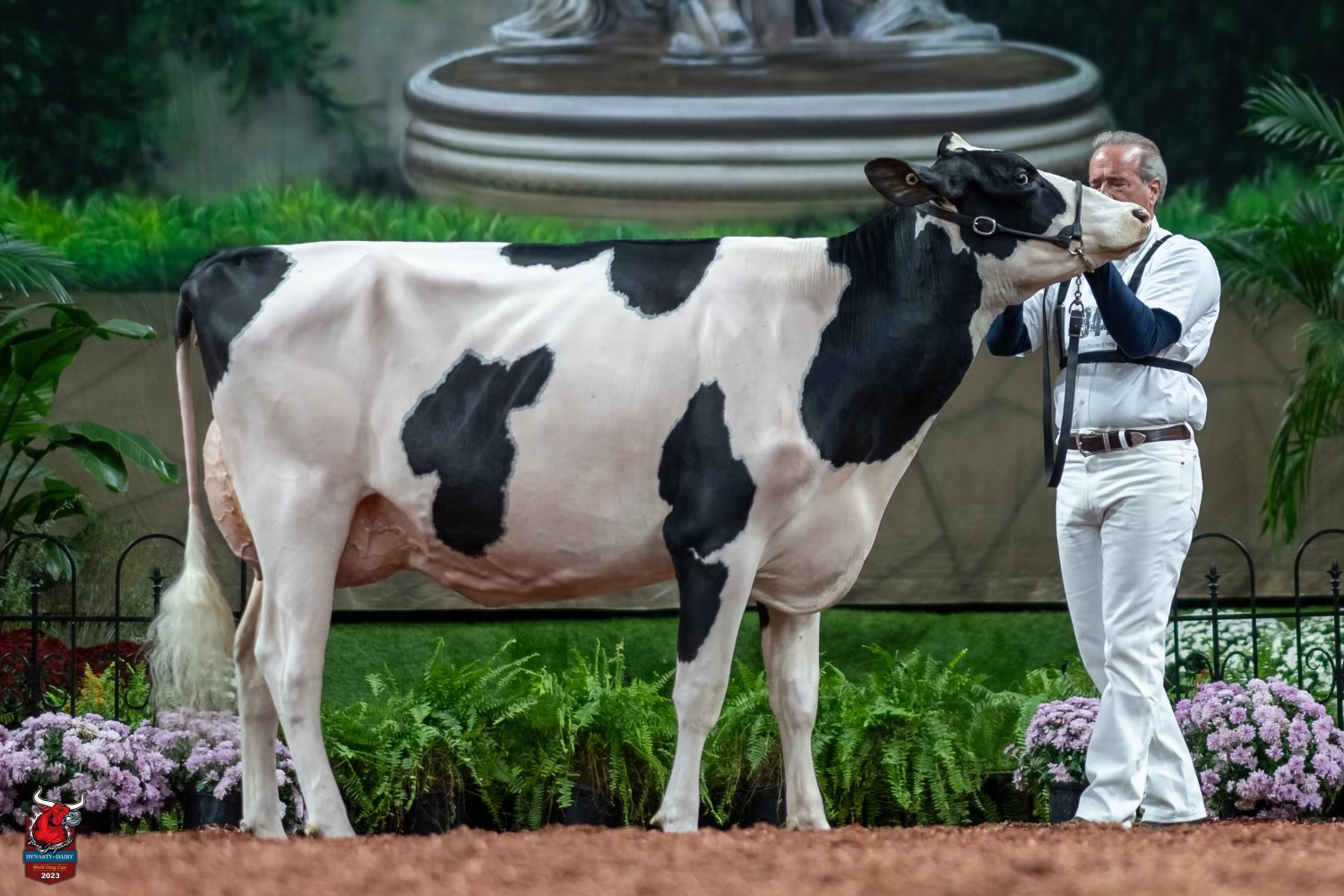
From 4-H novices to genomics pioneers: How three brothers built an elite Brown Swiss legacy while balancing corporate careers and family life.
The morning sun streams across the Wisconsin pasture as Josh Hushon moves among his prized Brown Swiss cattle. What began in 1991 as a humble 4-H project has evolved into Brothers Three Brown Swiss, one of the country’s most respected Brown Swiss breeding operations. This remarkable journey intertwines with Josh’s influential career at Cargill and his reputation as a respected cattle judge, creating a unique story of passion, expertise, and family legacy in the dairy industry.
The Brothers Three team celebrates under the iconic willow trees at World Dairy Expo in Madison, Wisconsin, showcasing their champion Brown Swiss. From humble 4-H beginnings in 1991 to elite breeders today, this family partnership exemplifies how passion, mentorship, and genetic expertise can build a lasting Brown Swiss legacy while balancing careers and family life.
Humble Beginnings to Brown Swiss Legacy
The Brothers Three story didn’t begin with generations of dairy farming knowledge or an established Brown Swiss herd. Instead, it started with youthful curiosity and a willingness to learn that continues to define their approach today.
“We are first generation into Brown Swiss and even into showing at all, so I think being open-minded and learning from people we look up to is ingrained into us,” Josh explains. “We didn’t know anything about Brown Swiss when we started in 1991, so there was no ‘this is our breeding philosophy or how we do things’ to help or hold us back.”
That blank-slate approach may have been their greatest advantage. Without preconceptions about how things “should” be done, the Hushon family approached every challenge with humility and adaptability. Josh recalls how his parents had to find mentors to teach them techniques so they could pass that knowledge to their children. “I think that’s why we’ve never been afraid to ask the people we respect for help; we watched Mom and Dad do that constantly as kids.”
This foundation of learning from others has remained central to their operation even as they’ve risen to prominence. From local county fairs to the prestigious World Dairy Expo in Madison, Brothers Three has methodically climbed the ranks of the Brown Swiss world, gained knowledge, and perfected their craft with each step.
A Philosophy of Continuous Learning
Josh and Casey Hushon stand alongside mentoring partners Kyle Barton and Kenzie Ullmer at a recent show. As Josh notes, “We learn from each other, push each other, and have been showing together for the past four years with a lot of success and fun along the way!” This collaborative approach to continuous improvement embodies Brothers Three’s philosophy of learning from peers within the industry.
The Hushons exemplify the power of the mentor-mentee relationship in agriculture. As Josh eloquently says, “To know the road ahead, ask those coming back.” This approach has connected them with influential industry figures like Luke Peterson, who guided their preparation for the World Dairy Expo, turning a $1,200 purchase into a third-place finisher and Honorable Mention All-American. More recently, mentors like Tom Foss of Pit-Crew Genetics, Kelli and Tom Cull at Budjon and the Kyle Barton and Kenzie Ullmer team have shared invaluable insights about showing, selling, and merchandising strategy.
Family Dynamics and Evolution
What makes Brothers Three unique is how the brothers balance distinct roles while maintaining a unified vision. Though never anyone’s full-time job, their passion for Brown Swiss cattle drives their collaborative approach.
“Brothers Three has never been anyone’s full-time job, so our roles have all changed a lot in the 30+ years we’ve been in Brown Swiss as our careers and seasons of life have changed,” Josh notes. “Our Dad set the vision for us as we started in the breed, but over the past 15 years, we’ve taken that on.”
The farm operates with each brother contributing according to their strengths:
Jake leverages his role at New Generation Genetics to make most mating decisions, bringing industry-wide genetic insights
Josh and Casey manage day-to-day development and merchandising, determining which animals to show and invest in
Joe’s career has taken him toward agronomy, but he remains critical during the World Dairy Expo, helping balance careers and Brothers Three responsibilities
A pivotal moment came in 2014 when Josh and Casey purchased a small farm and began rebuilding their operation. “From 2009 until then, we had dwindled our numbers and were only boarding a few with the Topps in Ohio, who have been great friends and partners for years. The Brothers Three prefix might have become history without a major change,” Josh explains.
Josh and Casey Hushon celebrate with Topp B-3 Woodford after claiming the Intermediate Champion banner at the 2023 World Dairy Expo-a triumphant moment representing years of collaborative breeding decisions, shared daily management, and perseverance through setbacks. This championship exemplifies how Brothers Three’s division of responsibilities allows each brother to contribute their unique strengths toward a unified vision of excellence.
This move allowed them to strategically rebuild their herd by acquiring animals from favorite cow families in the Brown Swiss and Ayrshire breeds. They incorporated advanced reproductive technologies like IVF and partnered with Crave Brothers for embryo implantation. They quickly improved their show string and established themselves as a source of top-quality animals in prestigious spring sales.
Daily Life at the Brothers Three
Far from the romantic notion of full-time farming, Brothers Three represents the reality of modern agricultural passion projects. Josh describes their operation as “a morning, evening, weekend, and any other spare moment that Casey and I can find a job!”
The farm maintains 10-15 show heifers at their small farm, with milk cows owned in partnership with the Nehls and Wolf families, who are boarded at quality operations like Budjon and Smith-Crest. (Read more: Making Dreams Come True: The Journey of Tom & Kelli Cull) Their daily routine involves pre- and post-work chores, with weekends dedicated to catching up on farm tasks.
Their showing schedule has expanded to nearly year-round activity. By January, they’re already back into the regular habit of clipping and working with heifers. Casey manages their meticulous hair care rotation—washing, conditioning, and rinsing—which intensifies for spring shows and continues through October.
Breeding Philosophy: Balancing Show Ring and Commercial Viability
At the heart of Brothers Three’s success is their commitment to breeding cattle that excel both in the show ring and the milking parlor—a balance that has become their hallmark.
“We have always bred for both type and production, even though we don’t have our dairy,” Jake explains. “It was always important to us that our cattle be productive in the milk string for the dairymen or partners who milk them as well as competitive in the show ring for us.”
Their breeding program builds upon the foundation established by their father, who emphasized four key elements: type, udders, cow families, and milk production. The first three attributes catered to show success, while milk production ensured their animals delivered value to the dairy farmers who milked them.
However, about a decade ago, the Brothers Three began experiencing reproductive challenges in their herd. Based on Jake’s experience with New Generation Genetics customers, they prioritized daughter pregnancy rate (DPR) in their breeding decisions—a forward-thinking move that anticipated industry trends.
“The show industry embraced this as well, and now many show-type breeders breed for positive daughter fertility traits, but 10 years ago, that wasn’t a huge part of bull selection,” Jake notes.
Victory moment: Topp B-3 Woodford is named Intermediate Champion at the 2023 World Dairy Expo Brown Swiss Show. This triumph represents the culmination of Brothers Three’s balanced breeding philosophy-producing animals that excel in both the show ring and commercial settings while demonstrating the resilience that makes Brown Swiss cattle so valuable to the dairy industry.
“I love that cow more than you should love a cow… she’s broken my heart more than once, but I will keep putting my heart out there. She is my once-in-a-lifetime cow.” – Josh Hushon on Woodford
Advanced Reproductive Technologies in Practice
Brothers Three has embraced cutting-edge reproductive technologies to accelerate genetic progress. Their strategic use of in vitro fertilization (IVF) in partnership with Crave Brothers for embryo implantation has been instrumental in rapidly rebuilding their herd quality after 2014.
This approach allows them to multiply genetics from their most valuable females, as evidenced by the “ET” (Embryo Transfer) and “ETV” (Embryo Transfer Viable) suffixes that frequently appear in their animals’ names. The strategic mating of Woodford with Deluxe exemplifies this approach, producing three daughters with All-American nominations in just two years, plus a fourth that sold for $30,000 as the second-highest seller at the recent Quest for Success sale.
“Our goal is to breed great heifers who become great cows which is why we are really picky about the maternal lines we invest into and the bulls that we use,” Josh added. “If you buy one from us, we want her to have the potential to be a foundation animal in your herd.
Genomics: The Game-Changer
Genomic testing has revolutionized Brothers Three’s breeding approach, providing crucial insights that guide their decision-making process.
“Genomic testing has had a massive impact on our breeding program and continues to play a pivotal role,” Jake explains. “We started to test all females to get a glimpse into the future of each heifer. Just as each animal is designed with a specific nutrition program to maximize potential, genomics allows us to maximize the genetic potential through our matings.”
Their genomic strategy follows a dual approach:
Testing all females to assess their genetic potential
Selecting bulls that both maximize positive traits and address genetic weaknesses simultaneously
This genomic data integration has accelerated their genetic progress significantly, allowing them to make more informed breeding decisions than possible through traditional visual assessment and pedigree analysis alone.
Show Ring Success: Building Elite Cow Families
Brothers Three Wisper 2E-92: The matriarch who transformed a 4-H project into a breeding legacy. Twice named All-American, this beloved foundation cow contributed to nearly half of the operation’s 50 All-American nominations through her descendants. More than her impressive show ring achievements, Wisper embodied the personal connection that defines Brothers Three-recognizing her handlers, perking up her distinctive Brown Swiss ears when called, and taking a family of first-generation exhibitors to heights they “only dreamed of.” The backyard-raised heifer who became their first homebred All-American represents the perfect union of genetic excellence and heartfelt passion.
The Foundation: Brothers Three Wisper
The foundation of Brothers Three’s breeding program is Brothers Three Wisper 2E-92, a granddaughter of Top Acres EJ Whistle. Twice named All-American, Wisper was Junior Champion at the World Dairy Expo in 2001 and Grand Champion of the Junior Show in Madison in 2003.
Her genetic impact has been extraordinary, with 25 classified daughters, 21 Very Good or Excellent. “Almost half of our 50 All-American Nominations belong to her and her offspring,” Josh proudly states.
The most successful mating with Wisper came through Sunnyisle Total, producing daughters like Brothers Three TV Willa (the dam of their celebrated cow Woodford) and Brothers Three TV Wisco EX-93, who received three All-American nominations in milking form.
Creating Championship Genetics
Josh and Casey Hushon proudly pose with B3-Ayr Tux Wilma, their 2023 UNANIMOUS All-American Summer Yearling who dominated the show circuit with championship wins at World Dairy Expo and as Junior Champion at the North American International Livestock Exposition (NAILE). Wilma exemplifies Brothers Three’s commitment to developing elite genetics with both style and substance.
Brothers Three has methodically built its reputation on developing elite animals with staying power. Their success includes:
14 All-Americans and 8 Reserve All-Americans
50 total All-American nominations, with nearly half coming from Wisper’s family line
The 2023 Intermediate Champion at World Dairy Expo (Topp B-3 Woodford)
Successful entries in both Brown Swiss and Ayrshire breeds, including Junior Champion Ayrshire at World Dairy Expo
The Woodford Story: Perseverance Rewarded
Topp B-3 Woodford, shown here during her winning appearance as 1st Place Junior Three Year Old at the 2023 World Dairy Expo International Brown Swiss Show. Just 16 months after losing her calf and facing setbacks, Woodford’s triumphant return to the ring culminated in being named Intermediate Champion-a testament to Brothers Three’s perseverance and Josh Hushon’s unwavering faith in his “once in a lifetime cow.”
Perhaps no story better illustrates the Brothers Three’s journey than that of Topp B-3 Woodford, whose path to championship glory embodied both heartbreak and triumph.
“Standing in a pasture in late spring 2022 with tears in my eyes as they confirmed that Topp B-3 Woodford had lost her calf and was open, I could never have imagined in a million years that she would be Intermediate Champion at World Dairy Expo 16 months later,” Josh reflects with emotion.
Woodford had shown promise as a heifer, earning Reserve All-American Summer Yearling honors. After losing her calf, Josh feared his dreams for her were delayed, if not derailed. Yet, against all odds, she calved at 2 years and 11 months, and by August, she was named Intermediate and Reserve Grand Champion at the Wisconsin State Show under Jason Lloyd’s evaluation.
Her rise continued at World Dairy Expo 2023, where she claimed the Intermediate Championship, cementing her place in Brothers Three history. “I tell people that I love that cow more than you should love a cow, and she’s broken my heart more than once, but I will keep putting my heart out there. She is my once-in-a-lifetime cow,” Josh says with undisguised pride.
Star in the Spotlight: Casey Hushon with Budjon-Vail Autograph Kristina ETV as she enters the Supreme Junior Champion Parade at World Dairy Expo. The dramatic purple lighting highlights the results of Brothers Three’s distinctive show preparation regimen-where Casey’s meticulous hair care rotation combines with their growth-focused nutrition approach. This Winter Yearling champion exemplifies their philosophy that proper development creates animals with both the mass to compete and the style to win, representing hundreds of hours of daily care, conditioning, and hands-on work that defines the Brothers Three showing program.
Show Preparation Techniques
Their show preparation regimen reflects their thoughtful, long-term approach to development. Rather than focusing solely on show-ready conditions year-round, they prioritize growth during winter months.
“I think one of the things that sets us apart from others, though, is that we feed them to grow through the winter, and if they come into the spring carrying more weight than ideal for showing, we’re fine with that,” Josh explains. “I joke that I am the guy that got the Junior Champion Ayrshire from Madison beat last year at Spring Show and was perfectly fine with that because I believe these heifers need that mass and growth to make the distance to Expo.”
This growth-focused approach continues until June or July, when they begin managing weight more actively. For yearlings needing to lose condition, their regimen can be intensive—Josh recalls walking two yearlings a mile daily after dinner, with each heifer completing this route more than 40 times between August and September. One of these animals became Junior Champion Ayrshire at the World Dairy Expo.
Their nutrition program benefits directly from Josh’s Cargill expertise, while Casey manages their comprehensive hair care routine, which becomes increasingly intensive as show season approaches. This combination of nutrition, hair care, exercise, and hands-on development forms their integrated approach to show preparation.
5 Key Breeding Strategies from Brothers Three
Prioritize Fertility: Select a positive daughter pregnancy rate (DPR) to ensure reproductive success
Balance Show Appeal and Commercial Viability: Breed for type, udders, and strong cow families while maintaining milk production
Leverage Genomic Testing: Test all females to guide mating decisions and accelerate genetic progress
Focus on Maternal Lines: Build upon proven cow families for consistent genetic transmission
Strategic Partnerships: Form co-ownership relationships to access elite genetics and share risk
Josh Hushon: Bridging Corporate Strategy and Cattle Expertise
Josh Hushon delivers a presentation at the 2022 Connect Dairy Summit in his role as Strategic Dairy Marketing Lead for North America at Cargill. His expertise in corporate dairy strategy complements his passionate approach to Brown Swiss breeding at Brothers Three.
What makes the Brothers Three story particularly unique is Josh Hushon’s dual identity as both a passionate Brown Swiss breeder and a corporate strategist at Cargill. Since March 2020, Josh has served as Strategic Dairy Marketing Lead for North America at Cargill, leading a team responsible for crafting the North American dairy strategy and portfolio development.
His career journey includes previous roles as Calf & Heifer Commercialization Lead and Marketing Communications Lead at Cargill and five years as an Associate Editor at Hoard’s Dairyman from 2003-2008. This blend of agricultural journalism experience and corporate marketing expertise has shaped his approach to Brothers Three and his understanding of the broader dairy industry.
“At Cargill, I am the Director for strategy, marketing, and technology for our dairy nutrition business in the U.S. and Canada, and I see several mutual benefits to this dual role with my cattle,” Josh explains. “Working at Cargill gives me access to some of the best nutrition minds in the world. I’ve learned much about rumen development, reading a hay sample, and the latest technologies, such as phytogenics, which we’ve integrated into our program.”
This knowledge exchange works both ways. “At the same time, being a customer at Cargill and spending my social time with other dairy producers keeps me grounded in a reality that makes our work more impactful to our customers. As a marketer, having daily real-world insight helps our team to remain practical and innovative in our work.”
Sustainability Initiatives and Industry Impact
Josh brings valuable insights from Cargill’s sustainability initiatives to his farm operation. In a recent podcast appearance with Dr. Kate Cowles, Cargill’s North American Ruminant Innovation Lead, Josh highlighted the dairy industry’s significant progress in reducing its environmental footprint: “A gallon of milk now compared to 10 years ago to 60 years ago is probably 60 to 70% smaller carbon footprint in that timeframe, which is amazing progress as an industry.”
At Cargill, Josh helps develop dairy nutrition strategies that enhance production efficiency and environmental performance. The company leverages sophisticated tools like Dairy MAX™ software, which includes sustainability metrics to help producers understand and manage their rations’ environmental impact, particularly regarding methane emissions and nutrient efficiency.
This sustainability focus extends to Brothers Three, where Josh applies Cargill’s nutritional insights to optimize feed efficiency and animal health. His position at the intersection of corporate agricultural strategy and hands-on breeding gives him a comprehensive perspective on how sustainability initiatives can benefit individual operations and the industry.
Industry Service and Judging Impact
Josh Hushon with one of his prized Brown Swiss heifers at their Wisconsin farm. His hands-on experience raising elite cattle provides the foundation for his industry leadership and judging expertise, contributing to his upcoming 2025 Wisconsin Service Award.
Josh’s industry involvement extends well beyond Brothers Three and Cargill. After moving to Wisconsin in 2003, he quickly found community in the Wisconsin Brown Swiss Association, where he has made significant contributions, leading to his 2025 Wisconsin Service Award.
As the World Dairy Expo Representative for the Wisconsin Brown Swiss Association, Josh bridges his passion for the breed with organizational leadership. He has chaired two National Brown Swiss Conventions in Wisconsin (2013 and 2024). He has been instrumental in consolidating Wisconsin Spring Shows and Wisconsin State Shows into all-breeds events in Madison—an inter-breed collaboration he believes strengthens the entire dairy community.
Josh is an accomplished judge, earning All-American honors in 4-H Dairy Judging and being judged collegiately at Penn State University. His recent judging assignments include the Kentucky Spring National Brown Swiss Show and the Brown Swiss and Other Colored Breeds Show at Green County Dairy Days in 2024.
His brother Jake has also established himself as a respected cattle judge, bringing the Brothers Three philosophy into the evaluation ring. When approaching a class of Brown Swiss cattle, Jake emphasizes the balance of dairy character, strength, body depth, style, and an elusive “it factor” distinguishing top animals.
“In cows, the udder is by far the most important trait, and for me, it takes something truly special for the best-uddered cow in each class not to be in first,” Jake explains. His evaluation process systematically assesses feet and legs, topline strength, rump angle, and overall width and depth to sort animals through the class.
Brown Swiss vs. Holstein: Competitive Advantages in Today’s Market
Characteristic
Brown Swiss
Holstein
Component Production
Higher butterfat and protein percentages
Higher total milk volume
Heat Tolerance
Superior heat tolerance
Less heat tolerant
Longevity
Greater productive lifespan
Variable lifespan
Beef Value
Superior carcass value for crossbred calves
Lower beef value
A2 Status
High percentage of A2 genetics
Lower percentage of A2
Feed Efficiency
Good converters with strong components
Efficient volume producers
The Next Generation and Future Vision
Looking ahead, Brothers Three balances tradition with a fresh perspective as they consider the next generation. The four boys who make up what they call “B3 Gen 2,” with a fifth on the way in July 2025, represent potential future leadership for the operation.
“The oldest boys are just old enough for 4-H, so we’ll give them all a chance to show if they have an interest in it, and if not, that’s okay too!” Josh says, reflecting the same open-minded approach that has defined Brothers Three from the beginning.
Market Trends and Growth Opportunities
As the story of the Brothers Three unfolds, Josh and his brothers remain optimistic about the future of Brown Swiss cattle in an evolving dairy landscape. Jake identifies two key opportunities for the breed: its growing popularity in the show ring, with high-profile breeders adding Brown Swiss to their operations, and its economic advantages in commercial settings.
“In economic terms, our breed fights for stall spaces and uterus slots on large dairy farms today with many dairy breeds, European red breeds, and now beef semen,” Jake observes. “Two things Brown Swiss can and must capitalize on are the high payment for fat and the sale carcass value of the beef calves out of Brown Swiss cattle vs. a Holstein or Jersey at market. Add in A2, which is a large percentage of the population, and our opportunity to become a mainstream breed in the USA, like they are in Europe, is here.”
Adapting to Industry Shifts
Josh acknowledges the impact of industry consolidation on the Brown Swiss breed. “We certainly feel consolidation as we see smaller farms exit that were long-time Brown Swiss breeders, and we find more of our show calf market being driven by hobbyists like us or even Holstein breeders looking to diversify with a Brown Swiss. I suspect that trend will continue, and it will be interesting to see the profile of someone buying Brown Swiss a decade from now.”
This changing landscape creates both challenges and opportunities. The traditional base of commercial Brown Swiss herds may be shrinking, but interest from show enthusiasts, specialized breeders, and crossbreeding programs offers new markets. The breed’s inherent advantages—component production, heat tolerance, and carcass value—position it well for specialized applications in a diversifying dairy industry.
Brothers Three continues to adapt by focusing on high-value genetics that appeal to show enthusiasts and progressive commercial producers. Their emphasis on balanced traits—combining show appeal with functional attributes like fertility and production—aligns perfectly with the needs of this evolving marketplace.
The Brothers Three team at World Dairy Expo 2023, where family tradition meets future vision. Representing both current leadership and the next generation of “B3 Gen 2,” this moment captures the essence of their legacy-building approach as they introduce the youngest family members to the show ring environment that has defined their three-decade journey in Brown Swiss breeding.
The Bullvine Bottom Line: A Legacy Built on Passion and Actionable Wisdom
The Brothers Three’s journey—from novice 4-H participants to respected breeders of champion Brown Swiss cattle—embodies the best of American agriculture: innovation, dedication, and a willingness to learn from both success and setbacks.
Through Josh Hushon’s unique perspective as a Cargill executive and passionate cattle breeder, Brothers Three has positioned itself at the intersection of corporate agricultural strategy and hands-on cattle expertise. This balance allows them to appreciate the microscopic details of an individual animal’s development and the macroscopic trends shaping the global dairy industry.
Lessons for Progressive Dairy Breeders
The Brothers Three story offers valuable insights for anyone pursuing excellence in dairy genetics:
Seek Knowledge from Proven Mentors: As Josh says, “To know the road ahead, ask those coming back.” Find mentors who have achieved your goals and follow their guidance precisely.
Leverage Genomic Testing Strategically: Test females early to “glimpse their future” and make more informed breeding decisions. Use the data to both maximize strengths and address weaknesses in your herd.
Balance Show Appeal with Commercial Viability: Even if showing is your passion, breeding for production, components, and fertility ensures your animals deliver value beyond the ring.
Invest in Your Best Cow Families: Focus resources on developing strong maternal lines. As Brothers Three demonstrates with Wisper’s family, one exceptional female can transform an entire breeding program.
Embrace Adaptability and Innovation: From reproductive technologies to marketing approaches, be willing to evolve your operation to meet changing market demands and capitalize on new opportunities.
What began as three brothers learning to show cattle has evolved into a multi-generational legacy of excellence in the Brown Swiss world. With their eyes fixed firmly on the future—from genomic advancements to the next generation of family involvement—Brothers Three continues to write new chapters in their remarkable story of agricultural passion and achievement.
As Josh reflects on his journey with Brothers Three, his words capture the essence of their success: “To know the road ahead, ask those coming back.” By honoring tradition while embracing innovation, Brothers Three and Josh Hushon have not only found their road—they’re helping chart the course for Brown Swiss breeders everywhere.
Key Takeaways
Mentorship drives success: The brothers attribute their achievements to strategic mentor relationships at each career stage-from early guidance on showing technique to advanced breeding partnerships-proving that knowing when to seek expert advice accelerates progress.
Balanced breeding philosophy: Their approach balances four key elements (type, udders, cow families, milk production) while incorporating fertility traits, creating animals that succeed both in elite shows and commercial settings.
Genomic testing as a game-changer: By testing all females and using data to guide mating decisions, they’ve accelerated genetic progress beyond what traditional visual assessment allows, transforming breeding strategy.
Specialty positioning creates opportunity: In a consolidating industry, Brown Swiss offers advantages in component production, heat tolerance, and beef value-creating market potential even as traditional farms disappear.
Passion projects can achieve excellence: Despite never being anyone’s full-time occupation, Brothers Three demonstrates how strategic partnerships, specialized knowledge, and dedicated off-hours management can build elite genetics without requiring full-time farming.
Executive Summary
Brothers Three Brown Swiss represents a remarkable journey from a humble 1991 4-H project to a nationally respected Brown Swiss breeding operation, demonstrating how passion projects can achieve excellence without requiring full-time farming. Founded by the Hushon brothers with no prior dairy experience, the operation thrives on their collaborative approach-with Jake handling genetics through his New Generation Genetics role, Josh and Casey managing daily development while Josh applies his Cargill executive expertise, and Joe contributing crucial support during World Dairy Expo. Their success stems from a balanced breeding philosophy that produces cattle excelling both in show rings and commercial settings, strategic adoption of technologies like genomic testing and IVF, and their foundational belief in continuous learning from mentors-epitomized in Josh’s mantra: “To know the road ahead, ask those coming back.” This unique blend of corporate strategy and hands-on breeding has positioned Brothers Three to adapt to industry changes while establishing a multi-generational legacy.
Learn more:
International Brown Swiss Show 2024 – Follow the latest results from Madison where top Brown Swiss breeders competed, including notable achievements in the same show where Brothers Three’s Woodford previously claimed honors.
Are dairy genetics a commodity? – Explore this thought-provoking analysis of modern dairy genetics economics that complements Brothers Three’s balanced breeding philosophy of combining show ring excellence with commercial viability.
National Brown Swiss Convention 2024 – Discover highlights from the Wisconsin-hosted event that Josh Hushon helped chair, bringing together over 200 Brown Swiss enthusiasts to celebrate the breed’s community and accomplishments.
Join the Revolution!
Join over 30,000 successful dairy professionals who rely on Bullvine Weekly for their competitive edge. Delivered directly to your inbox each week, our exclusive industry insights help you make smarter decisions while saving precious hours every week. Never miss critical updates on milk production trends, breakthrough technologies, and profit-boosting strategies that top producers are already implementing. Subscribe now to transform your dairy operation’s efficiency and profitability—your future success is just one click away.
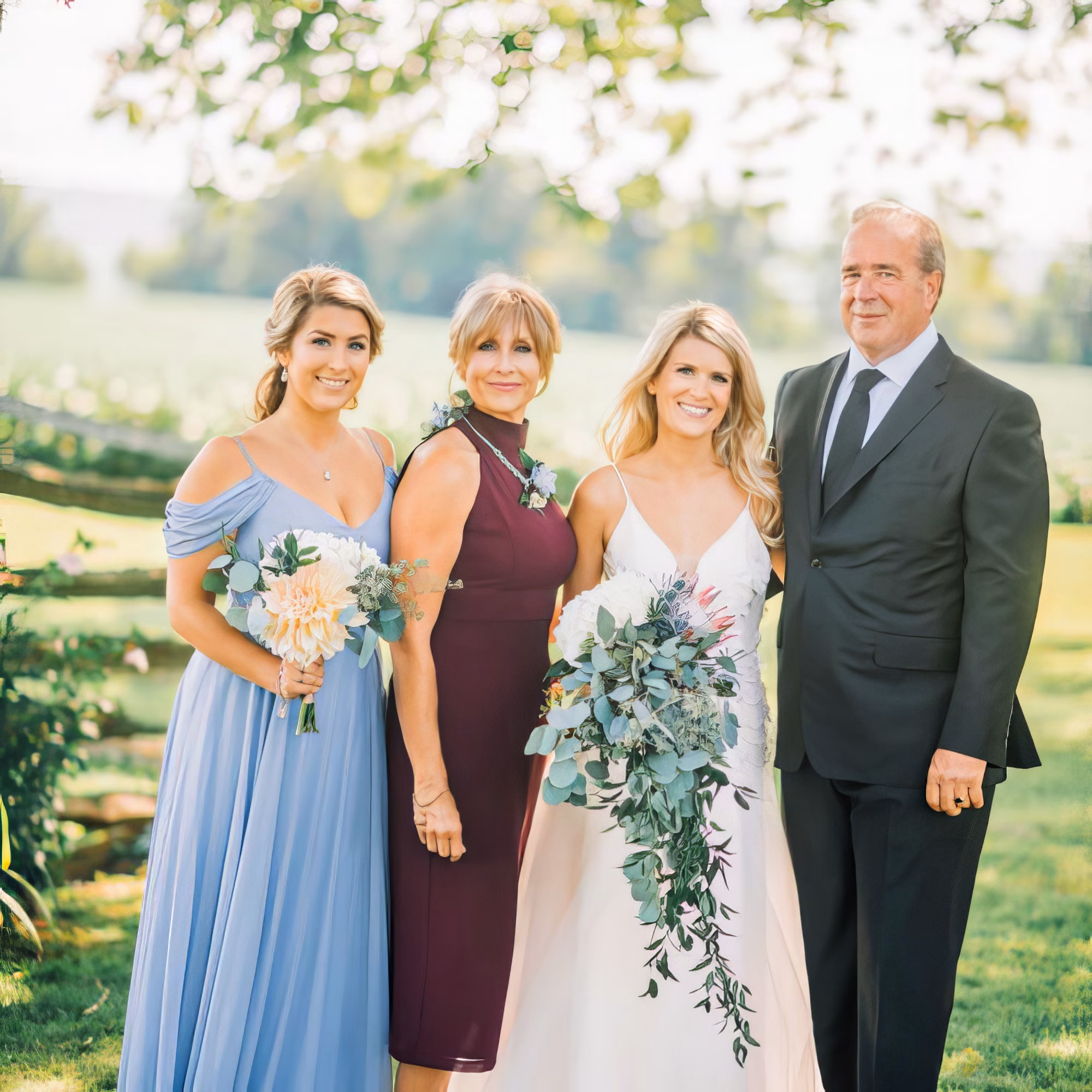
From bull book letters to revolutionizing Japan’s dairy industry: How Tommy Araki’s 50-year passion for Holsteins bridged continents and transformed breeding.
Picture this: a young boy growing up surrounded by cows in Japan, who would eventually become one of the most influential bridging Japanese and North American dairy industries. That’s Tommy Araki for you – a visionary whose career spans five decades and has fundamentally transformed how Japanese farmers approach Holstein breeding.
What strikes me most about Tommy’s journey is how it began with such simple, determined curiosity. Back in the late 1970s, when resources for aspiring dairy professionals in Japan were practically non-existent, he would write letters to AI centers asking them to send him bull books! Can you imagine that level of initiative? “That was the beginning of everything,” he says with characteristic humility.
The Making of a Dairy Visionary: How a Childhood Calling Became a Global Impact
A Calling from Above
Tommy’s story begins with a childhood immersed in the world of dairy cattle. Growing up in a household with cows, his connection to these animals developed naturally and profoundly. “I grew up with cows, so I naturally became interested in them. In a way, it felt like a ‘calling’ from above,” he recalls with a laugh. This early affinity would set the foundation for a lifelong dedication to dairy cattle improvement.
The late 1970s marked a time when resources for aspiring dairy professionals in Japan were scarce. Undeterred, young Tommy took extraordinary initiative. “Back then, hardly any resources were available, but I was so eager to learn that I wrote letters to AI centers and asked them to send me bull books. That was the beginning of everything,” he explains. This resourcefulness and determination would become hallmarks of his approach throughout his career.
After graduating with a degree in veterinary medicine from Rakuno Gakuen University in 1977, Tommy reflected on the two mentors who had a profound impact on his life. During his time at university, he was influenced by Dr. Numata, his professor of surgery, whose dedication and passion for animals left a lasting impression. After graduation, he met Mr. Inoshita from the Japan Holstein Breeding Service, who gave him life-changing advice: “You should go study in the U.S.” That suggestion led to a six-month stint at Select Sires in 1979, which Tommy describes as “a major turning point in my life.” That experience gave him an international perspective that would become his signature contribution to Japanese dairy farming.
Lylehaven Victorious, a live Holstein sire imported from the United States, stands proudly at the 10th All-Japan Holstein Show in Chiba Prefecture. Sired by Melwood and out of Twinoaks Bell Vicky, Victorious quickly became Japan’s most popular sire of his era-symbolizing the pivotal moment when North American genetics began shaping the future of Japanese dairy herds.
The American Turning Point
Following this advice, Tommy spent nearly six months at Select Sires in 1979, an experience he describes as “a major turning point in my life.” This immersion in American breeding practices gave him an international perspective at a crucial early stage in his career. The knowledge and connections he developed during this period would later enable him to serve as a critical bridge between the Japanese and North American dairy industries.
His timing couldn’t have been better – he joined Japan Holstein Breeding Service during what he calls “truly a vibrant era for the industry,” when dairy farming in Japan was experiencing significant growth. This period of expansion provided fertile ground for an ambitious young professional with fresh international perspectives.
Building a Legacy: 36 Years of Transforming Japanese Dairy Genetics
From Analyst to Industry Leader
Tommy’s 36-year career with JHBS (which later became the Genetics Hokkaido Association) allowed him to influence the direction of Japan’s dairy breeding from within established institutions. Over his 36-year career with JHBS (later Genetics Hokkaido Association), Tommy worked his way up from sire analyst to heading the semen sales division, positions that allowed him to implement his vision for improved dairy cattle on a national scale.
Tommy Araki with Goldback, a prominent Holstein sired by Starbuck out of Northcroft Ella Elevation. During Tommy’s early career as a sire analyst at JHBS, Goldback represented the show-type cattle popular in Japan from 1980-1985, exemplifying the genetic stock Tommy evaluated as he developed his philosophy of valuing functional traits over mere size and appearance. This hands-on experience with elite genetics would inform his later work importing North American genetics to improve Japanese dairy herds.
In 1985, he began focusing on genetic improvement as a sire analyst, applying scientific rigor to the selection process. This role positioned him at the intersection of traditional breeding wisdom and emerging genetic science.
When JHBS merged with the Hokkaido Livestock Improvement Association in 2001, Tommy transitioned to head the semen sales division at the newly formed Genetics Hokkaido. This position gave him direct influence over the genetic resources available to Japanese farmers, allowing him to implement his vision for improved dairy cattle on a broader scale.
Tommy Araki (center, in tie) posing with the Grand Champion Holstein at the 2006 International Dairy Week in Australia, a 4-year-old daughter of Comestar Leader. This prestigious event exemplifies the international genetic exchange that Tommy championed throughout his career, bringing elite North American bloodlines like Leader to improve dairy herds across the Pacific. Such superior genetics became the foundation of Tommy’s breeding philosophy, demonstrating the tangible results of strategic genetic selection and international collaboration in dairy excellence.
Evolutionary Approaches to Genetic Improvement
What I find most impressive is how Tommy dedicated himself to bringing the best genetics from North America to Japanese farms. “One of my most dedicated efforts during my time at Genetics Hokkaido—and earlier at JHBS—was the introduction of superior genetic resources from North America into Japan,” he explains.
His methods evolved brilliantly over time – from importing live animals for progeny testing to a more efficient approach using embryos to produce elite sires and high-quality cows domestically. “In the early stages, we imported live animals from North America and conducted progeny testing in Japan to evaluate their daughters’ performance. However, we later shifted to a more efficient approach: importing embryos to produce elite sires and high-quality cows domestically,” he explains.
With government subsidies supporting the initiative, they imported over 1,000 embryos annually! And with Japan’s artificial insemination rates near 100%, these elite genetics could quickly transform the national herd. “This enabled dairy farmers across Japan to access top-level North American genetics more easily and led to a rapid expansion of genetic exchange between the two regions,” Tommy notes with pride.
Tommy Araki with a son of Southwind from City-Edge Southwind Clint, purchased from Wisconsin. This impressive bull became the #1 Southwind son in Japan, exemplifying Araki’s pioneering vision of importing elite North American genetics to transform Japanese dairy breeding. His strategic acquisition of superior bloodlines from abroad helped bridge the genetic gap between continents and laid the foundation for the revolutionary breeding approaches he would later champion through Tommy Hill International and ST Japan.
Entrepreneurial Vision: Revolutionizing Japanese Breeding Strategies
Creating New Genetic Pathways
But Tommy wasn’t done innovating. When he retired from Genetics Hokkaido in 2013 at age 59, he immediately launched Tommy Hill International Ltd., focusing on importing and distributing embryos from North America. This entrepreneurial venture allowed him to continue his life’s work with even greater focus and independence.
In 2015, he established ST Japan Co., Ltd. and signed an agency agreement with STgenetics. The following year, the company began importing and selling bovine semen from North America. These initiatives created new channels for genetic material to flow from North America to Japanese farms, bypassing traditional institutional gatekeepers.
Tommy Araki (smiling, second from right) at the 2002 All-Japan Black & White Show alongside assistant judge Mr. Kiichi Matsushima and award presenters. This prestigious national Holstein competition represented the traditional approach to dairy excellence that would soon be complemented by Tommy’s revolutionary introduction of sexed semen technology to Japanese farmers.
The Sexed Semen Revolution in Japan
Perhaps Tommy’s most revolutionary contribution was introducing sexed semen technology to Japanese farmers. “At that time, sexed semen was still relatively unknown and uncommon in Japan. Promoting it was a major challenge,” he recalls. However, this technology, which allows farmers to produce primarily female calves for herd replacements, completely transformed breeding efficiency in Japan.
The launch of ST Japan proved to be “a turning point for the Japanese dairy industry,” according to Tommy. By promoting a breeding strategy focused on “ensuring the production of replacement heifers,” he introduced a more systematic approach to herd management that gradually became “the new standard across the country.”
This innovation addressed a critical efficiency gap in Japanese dairy operations. By using sexed semen to produce replacement heifers from the best cows and beef semen (typically Wagyu) on the remainder, farmers could optimize both their dairy genetic progress and their income from beef cross calves. “In Japan, detailed reproductive strategies, including the widespread use of sexed semen to secure replacement heifers and Wagyu semen to produce F1 calves…have become well established and reflect Japan’s focus on precision breeding,” Tommy explains.
Tommy Araki celebrates a first-place win at the 1993 National Show with a Misty-Maxx daughter in which he held 50% ownership. Judged by Canadian Lowell Lindsay, this award exemplifies Araki’s lifelong commitment to breeding functionally superior Holsteins rather than simply visually impressive animals. The banner reads ‘Hokkaido Holstein Association’, connecting his work to Japan’s premier dairy region.
The Araki Philosophy: Function Over Fashion in Holstein Excellence
Evolution of the Ideal Cow
What I appreciate about Tommy’s philosophy is his focus on functionality over mere appearances. When judging Holsteins, he prefers “cows with strong, well-attached udders and sound skeletal structure—cows that can consistently produce large volumes of milk over a long period.” He doesn’t place much importance on size, which is refreshing in a world that prioritizes visual appeal over practical performance.
He started judging Holsteins at just 25 years old when the prevailing belief was that “bigger is better.” “Back then, the general belief was that ‘bigger is better,’ and visual appeal was often prioritized over functionality,” he recalls. But Tommy held firm to his conviction that truly valuable cows “can outperform the average in a typical barn—producing more milk efficiently.”
With satisfaction, he notes how the industry has evolved toward his longstanding position: “Now, cows that can outperform the average in a typical barn—producing more milk efficiently—are seen as the most valuable.” This shift from prioritizing appearance to emphasizing performance represents a maturation of the industry that Tommy witnessed—and helped guide—over his five-decade career.
Tommy Araki meticulously clipping a Holstein cow at the 9th All-Japan Holstein Show in Kumamoto Prefecture, 1990. Beyond his roles in breeding and genetics, Araki also worked as a professional fitter during this period, demonstrating his hands-on involvement in all aspects of dairy cattle presentation and improvement.
The Overlooked Indicators of Excellence
When asked about underappreciated indicators of a cow’s longevity or productivity, Tommy emphasizes the functional traits that might not capture attention in the show ring but prove their value in everyday production environments.
“In dairy cattle reproduction, what truly matters is not the size or short-term milk yield, but whether a cow can remain healthy and productive over a long period. Traits like udder quality, strong skeletal structure, resistance to disease, and healthy feet and legs are directly linked to long-term productivity and ease of management,” he explains.
This focus on practical, functional traits reflects Tommy’s pragmatic approach to breeding. “These functional traits may not always stand out visually, but they are essential for building profitable and sustainable herds,” he notes. His emphasis on selecting cows that “can thrive in real-world conditions over multiple lactations—not just those that look impressive for a short time” represents a philosophy grounded in economic reality rather than show ring aesthetics.
A Historic Moment in Genetic Exchange: Tommy Araki (right) proudly displaying a commemorative photo after purchasing Hanoverhill Stardom from Western Breeders in Alberta, Canada alongside Mr. Doug Blair. This 1991 acquisition represented one of the significant North American genetics Tommy introduced to revolutionize Japanese dairy breeding, exemplifying his hands-on approach to building international partnerships that would transform Japan’s Holstein bloodlines.
Bridging Global Standards
Tommy’s international perspective gives him unique insights into the differences between Japanese and North American dairy approaches. At the 50th Central Japan Holstein Show, he remarked on Quebec’s “more aggressive” approach to Holstein improvement. When asked to elaborate on comparisons between Japanese and North American approaches, he acknowledges: “At this point, Japan’s genetic improvement in dairy cattle still hasn’t fully caught up with countries like the United States and Canada. However, the gap is steadily narrowing.”
He points to Japan’s increasing utilization of elite North American genetics as a key factor in this progress: “In recent years, Japan has made significant progress by actively importing and utilizing elite genetic resources from North America, such as high-quality semen and embryos.” This genetic importation strategy—which Tommy himself championed—has yielded tangible results in Japanese herds.
“As a result of these efforts, we’re now seeing more high-performing replacement heifers in Japan, and the overall productivity and functionality of our herds are improving,” he observes with evident satisfaction. This assessment reflects professional pride in the improvements achieved and awareness of continuing opportunities for further advancement.
Cultural Transformation: How Dairy Evolved in Japanese Society
From Children’s Drink to Culinary Staple
Beyond genetics and breeding, Tommy has witnessed profound shifts in how Japanese society relates to dairy products. “When I began my career, dairy products in Japan were largely viewed as something for children, the elderly, or the sick,” he recalls. This limited perception reflected dairy’s initial positioning in Japanese culture as primarily a nutritional supplement rather than a mainstream food category.
The transformation in Japanese dairy consumption patterns paralleled broader cultural changes. “As Japanese dietary habits rapidly Westernized, dairy products like cheese, yogurt, and fresh cream gradually became part of everyday life across all age groups,” Tommy explains. This dietary evolution represented changing tastes and a fundamental shift in cultural food preferences.
Cheese consumption exemplifies this transformation: “One major shift was in cheese consumption—domestic production increased, and locally made cheeses gained wide acceptance as everyday ingredients.” This trend created a virtuous cycle for the dairy industry, as it “helped raise awareness about the flavor and nutritional components of milk itself, such as fat and protein content.”
The Rise of Premium Dairy Products
The elevation of dairy from purely nutritional consideration to culinary appreciation represents a significant cultural shift that Tommy has witnessed throughout his career. “Dairy has evolved from being seen as a drink for children to being appreciated as a gourmet food and health product for all generations,” he notes. This transformation reflects broader social trends toward “growing interest in food education and health-conscious living.”
Contemporary Japanese consumers increasingly seek premium dairy attributes: “Today, rich, high-fat, high-protein milk is increasingly preferred, and there is growing attention toward products with added health value, such as A2 milk.” This preference for higher milk solids contrasts with Western trends toward reduced-fat dairy products and reflects distinct cultural preferences that influence breeding objectives.
Looking forward, Tommy anticipates continuing diversification of consumer preferences. He believes “the demand for high-quality raw milk will only continue to grow as dairy continues to solidify its place in Japanese food culture.” This evolution from a marginal dietary supplement to an integral culinary component represents a profound cultural shift within Tommy’s career.
Hokkaido: The Quebec of the East in Dairy Excellence
Grand Champion Holstein #1705 Sunnyway Astro McCutchen, exhibited by Yoshinori Kimura of Engaru, proudly displays her championship banner at the 2024 Hokkaido Holstein National Show. As the 1st Place Aged Cow, she exemplifies the exceptional breeding quality that has made Hokkaido Japan’s dairy powerhouse, showcasing the genetic excellence Tommy Araki helped foster through decades of North American genetic imports and breeding innovation.
Natural Advantages and Operational Similarities
Hokkaido, Japan’s northernmost main island, has developed into the country’s dairy powerhouse, with production systems that invite comparisons to other temperate dairy regions. “Hokkaido is often compared to Quebec because both regions share similarities in climate, natural environment, and a strong foundation of family-run dairy farms,” Tommy explains. This parallel extends beyond geography to similar management approaches and operational scales.
One distinctive feature of Hokkaido’s dairy model is its emphasis on feed self-sufficiency: “One of Hokkaido’s defining features is its feed self-sufficiency model, built on the cultivation of homegrown forage and corn, taking full advantage of the region’s expansive farmland.” This approach contrasts with more intensive dairy regions in Japan and parts of North America that rely heavily on purchased feeds.
Two dairy visionaries unite: Tommy Araki shares a moment with Ysabel Jacobs of Ferme Jacobs, one of Quebec’s most celebrated Holstein breeders and recipient of numerous World Dairy Expo awards. This meeting symbolizes the strong parallels between Hokkaido and Quebec’s dairy industries that Tommy often references in his work. Behind them stands a champion Holstein from Ferme Jacobs’ renowned breeding program, exemplifying the excellence both regions strive for in their dairy operations.
Innovative Solutions to Demographic Challenges
While Hokkaido shares similarities with Quebec, it also faces unique challenges that have driven innovative adaptations. “Hokkaido also faces unique local challenges—most notably, a serious labor shortage,” Tommy notes. This workforce deficit reflects broader Japanese demographic trends, including an aging rural population and a declining birthrate.
The response to this challenge demonstrates Hokkaido farmers’ pragmatic innovation: “In response, there has been a rapid adoption of robotic milking systems and automation technologies.” This embrace of labor-saving technology allows farms to “maintain productivity with fewer workers and help build more sustainable management systems.”
Hokkaido’s relatively abundant land resources—unusual in land-constrained Japan—create distinct operational advantages. “Unlike other regions of Japan, Hokkaido’s abundance of land allows for easier expansion and scaling up operations,” Tommy observes. This environmental advantage “encourages a focus on building herds that are efficient to manage and resilient to disease, emphasizing labor efficiency and profitability.”
Tommy Araki (left) sharing his Holstein expertise at the Trois-Rivières Show in Quebec. His international judging experience allows him to observe firsthand the similarities between Quebec and Hokkaido dairy operations, strengthening the cross-continental knowledge exchange he has championed throughout his career.
Bridging Continents: Comparing Japanese and North American Dairy Systems
Technology Adoption Driven by Demographics
Having worked extensively with Japanese and North American dairy systems, Tommy offers nuanced observations of these regions’ subtle differences. “In recent years, especially in Hokkaido, many Japanese dairy farmers have proven themselves to be competent and hardworking individuals who have overcome difficult periods in the past,” he notes with evident respect. These producers are now “actively working to expand their operations and improve productivity.”
The demographic challenges facing Japanese agriculture have accelerated certain technological adoptions. “In Japan, labor shortages have become a serious issue in recent years. As a result, the adoption of automation technologies—such as robotic milking systems—is progressing rapidly,” Tommy explains. This trend reflects broader social adaptations to workforce limitations in an aging society.
The robotics revolution in Japanese dairy farming represents “Japan’s unique efforts to address its social challenges, including a shrinking workforce and an aging population.” This adaptation illustrates how agricultural practices evolve in response to specific regional demographic and social contexts.
Consumer Preferences Shaping Breeding Goals
Distinct consumer preferences in each market create divergent breeding objectives. “In Japan, consumers tend to prefer milk with higher fat and protein content, unlike in Western countries where low-fat milk is more common,” Tommy observes. This preference for richer milk influences breeding decisions and selection emphasis.
The growth of domestic cheese production has further reinforced this focus on milk components: “With the growing demand for domestically produced cheese, the quality of milk components—rather than just volume—has become increasingly important.” This market evolution has practical breeding implications, as “there is a strong tendency among breeders to select cows and sires with superior milk solids.”
Despite these differences, Tommy identifies parallels in reproductive strategies between regions. “In Japan, it has been common practice for about 30 years to use Wagyu semen on dairy cows to produce F1 crossbred calves as an additional source of income,” he explains. “Today, a similar approach is widely adopted in North America, where Angus semen is commonly used on dairy cows to produce value-added crossbred calves.” These parallel adaptations highlight how economic logic drives similar breeding strategies across different dairy industries.
In this historic photo, Tommy Araki (far left) participates in his first international judging assignment at the 1996 Rockton World’s Fair Championship Holstein Show. This pivotal experience, where he presented the Grand Champion banner, marked an important milestone in Tommy’s career as he brought his functional breeding philosophy to North America. The late David Brown, along our team at Huntsdale Farms, played instrumental roles in bringing Tommy overseas for this judging opportunity-creating connections that would strengthen the genetic exchange between continents for decades to come. Tommy’s early international experience informed his lifelong mission of building bridges between dairy cultures and seeking the “economic cow” ideal that would later define his vision for the future of dairy farming.
The Future of Japanese Dairy: Economic Cows for a Changing World
Efficiency Imperatives in an Aging Society
Looking toward the future, Tommy identifies a clear direction for Japanese dairy farming: “Japanese dairy farming is moving toward managing more cows with fewer people.” This efficiency imperative demands specific animal attributes: “To make this possible, we need cows that are healthy, efficient, and productive—with minimal management and maximum return. In other words, truly ‘economic cows.'”
Despite regional differences, Tommy emphasizes the universal fundamentals that unite dairy farming globally: “The fundamentals of dairy farming are the same worldwide. That’s why I believe it’s so important to learn from one another and build strong international partnerships.” This perspective reflects his lifelong role as a bridge between dairy cultures and his commitment to continuous improvement through global knowledge exchange.
A Legacy of Connection and Continuous Learning
After 50 years in the industry, Tommy maintains the enthusiastic curiosity of a perpetual student. “I continue to see change every day. And I hope to keep learning and evolving for many years,” he reflects. This commitment to continuous learning exemplifies the mindset that has allowed him to remain relevant and influential through decades of industry transformation.
Tommy Araki’s legacy lives on in the improved genetics of Japanese dairy herds, the strengthened connections between international dairy communities, and the modern breeding strategies now standard across Japan. His story shows how one passionate, dedicated person can shape an entire industry through persistence, innovation, and unwavering focus on fundamentals.
If you ever get the chance to meet him, I think you two would have so much to talk about. His perspective on what makes a truly functional, profitable cow would be right up your alley!
Tommy’s career traces the arc of a rapidly advancing industry, from handwritten letters requesting bull books to pioneering embryo imports and introducing revolutionary breeding technologies. Perhaps his greatest contribution has been serving as a bridge between Japanese and North American dairy cultures, facilitating genetic exchange and knowledge transfer that has benefited both regions. His ability to adapt international best practices to Japan’s unique circumstances while respecting cultural preferences demonstrates the careful balance required for successful cross-cultural agricultural development.
Tommy Araki’s five-decade journey through the dairy industry represents more than personal accomplishment—it embodies the evolution of modern dairy farming itself. His story illustrates how one dedicated individual, driven by passion and practical wisdom, can shape an entire industry’s trajectory through persistence, innovation, and unwavering focus on fundamentals.
Key Takeaways:
Genetic Bridgebuilder: Araki’s embryo/semen imports from North America closed Japan’s breeding gap, leveraging Japan’s 100% AI rates for rapid herd improvement.
Function Over Form: Championed cows with strong udders/skeletons over size-a philosophy now industry standard.
Cultural Catalyst: Drove Japan’s shift from seeing dairy as medicinal to gourmet, boosting demand for high-fat/protein milk.
Hokkaido Innovations: Combined Quebec-like scale with robotic milking/Wagyu crossbreeding to solve labor shortages.
Legacy of Learning: At 50+ years in dairy, still advocates global knowledge-sharing to breed resilient “economic cows.”
Executive Summary:
Tommy Araki’s 50-year career reshaped Japan’s dairy industry through relentless innovation and transatlantic collaboration. Starting with handwritten requests for bull books, he pioneered North American genetic imports, introduced sexed semen technology, and championed functional traits over show-ring aesthetics. His work in Hokkaido-Japan’s dairy heartland-fueled feed self-sufficiency and robotic milking adoption to address labor shortages. Araki witnessed and accelerated Japan’s cultural shift from viewing dairy as a children’s supplement to embracing artisanal cheeses and premium milk. A bridge between Japanese precision and North American genetics, his legacy lies in breeding “economic cows” that prioritize longevity, efficiency, and profitability.
Dairy Farming in Japan Get an overview of the scale, structure, and unique characteristics of Japan’s dairy industry compared to North America.
Join the Revolution!
Join over 30,000 successful dairy professionals who rely on Bullvine Daily for their competitive edge. Delivered directly to your inbox each week, our exclusive industry insights help you make smarter decisions while saving precious hours every week. Never miss critical updates on milk production trends, breakthrough technologies, and profit-boosting strategies that top producers are already implementing. Subscribe now to transform your dairy operation’s efficiency and profitability—your future success is just one click away.
David Dyment’s evolution from reluctant showman to AG3‘s “consistency over unpredictability” philosophy reveals dairy’s contrarian innovator.
When a seven-year-old David Dyment found himself face-down in the dirt on the family farm during his first foray into showing, nobody could have predicted he’d become one of the dairy industry’s most influential innovators. His journey from reluctant young showman to genetic revolutionary reveals powerful lessons about challenging conventions, recognizing hidden opportunities, and continuously reinventing yourself in an industry resistant to change.
Have you ever wondered what separates those who merely participate in the dairy industry from those who transform it? In David Dyment’s case, it wasn’t just talent—it was his uncanny ability to spot the flaws in “accepted wisdom” and take the industry to the next level.
“I wasn’t interested in doing things the traditional way just because that’s how they’d always been done,” Dyment recalls with characteristic directness. When everyone zigged, he zagged. While competitors celebrated flashy genomic numbers, he doubled down on proven cow families. As AI companies chased TPI rankings, he focused on breeding cattle with purpose and longevity. And when industry consolidation threatened to stifle innovation, he helped create entirely new organizational structures that would reshape the Canadian dairy landscape.
What makes Dyment’s story particularly relevant for today’s progressive dairy producers isn’t just his success but the contrarian thinking behind it. At every critical juncture—from the show ring to the boardroom to his latest venture with AG3 —his willingness to challenge established practices opened doors others couldn’t see.
“Transformation is my greatest achievement,” he states plainly. But for those paying attention, his real achievement might be demonstrating that in dairy breeding, the most profitable path often lies precisely where conventional wisdom says not to look.
The Making of a Maverick: Early Beginnings
Future Maverick: Seven-year-old David Dyment with one of his first show calves at Glen Drummond Farm. These early experiences, where Betty Dyment instilled her ‘Never give up’ philosophy, laid the foundation for David’s resilient approach to both showmanship and business innovation. What began in these snowy farmyards would eventually transform the Canadian dairy landscape through AG3 and beyond.”
Family Foundations at Glen Drummond
The determination defining David Dyment’s career began the first time he held a halter when that runaway heifer got the better of him. His mother, Betty, offered no sympathy. She instilled a principle that would become his guiding star: “Never give up.” This wasn’t just casual advice but a fundamental lesson at the Dyment family’s Glen Drummond farm, where resilience wasn’t taught but lived daily.
Betty’s wisdom often proved transformative. When the family faced what seemed like a crisis after their prized cow, Aero Flower, failed export tests to Japan, representing a potential $100,000 loss in 1991—Betty remained unfazed. “There’s an easy and hard way,” she announced with characteristic clarity. “We’ll make more money the hard way.” The family sold 500 of Aeroflower’s (along with her mother Shower’s and sister Lyia’s embryos), at an average of $1000 each, converting what seemed like a disaster into an impressive business opportunity. This early lesson in finding alternative solutions when facing obstacles would become a recurring theme throughout Dyment’s career, teaching him that setbacks often contain hidden opportunities for those willing to adapt their approach.
GLEN DRUMMOND AERO FLOWER VG-88-3YR-CAN 18*
Meanwhile, David’s father, Roger, cultivated a deep appreciation for pedigrees, partnering with respected breeders like Shore Holsteins in the Pride Barb syndicate. Roger’s extensive leadership on industry boards represented a pivotal dimension of his career that profoundly influenced his professional development and the trajectory of the Canadian dairy industry. His journey into industry governance began with his election to the Hamilton Cattle Breeders Association, which would later become part of the larger amalgamation that formed Western Ontario Breeders Inc. (WOBI). David describes his father as “a great board member, a good people person, and a good pedigree person,” who developed a reputation for being “highly respected on boards as someone articulate, someone who could stand up and had a strong stance.”
The board environment gave Roger unprecedented access to a remarkable cohort of industry leaders, including Jimmy Walker of Walkerbrae Farms, Wellington Shively of Forest Lee Farms, Gordon Innis, MPP, Cityview Holsteins, and Bob Brown from Downalane Farms. This collection of forward-thinking breeders formed a particularly impactful group during a critical era of Canadian dairy development. Their collaborative work on sire committees, with Bruce Amos serving as sire analyst, created an intellectual environment where progressive ideas could flourish. David explains: “The time that my dad spent with those people on the road and sire committees… rubbing shoulders with many great breeders” provided invaluable learning opportunities that shaped his perspective on cattle breeding and genetics.
Learning from both his parents, David hit the ground running.
The Show Ring Evolution
Dyment initially entered the competitive ring through parental encouragement as a somewhat reluctant 4-H participant. A defining moment occurred at the London Championship Show that would reshape his professional trajectory. After dedicating a week to preparing a heifer for competition, he stood exhausted and unnoticed while handlers in pristine clothing received the accolades. “No one acknowledged my contribution,” he recalls. “The presentable person in clean attire received all the recognition. I decided if I was doing the difficult preparatory work, I wanted appropriate recognition too.”
While his brother Jamie established himself as the family’s premier fitter, David developed a different approach based on instinct rather than technical precision. During a show in Syracuse, David remembers a prominent showperson approaching him when his colleagues were dining elsewhere, making dismissive comments about his ambitions. This interaction solidified his determination. “I aspired to the top showman role —but without the condescension,” Dyment notes. This marked his transition from behind-the-scenes preparation to center-ring presentation. “Fitting was artistry, but leading? That was performance art. And I learned to master animal presentation.” “With certain animals, the moment I handle the halter, I think, “This will be challenging.” Others communicate readiness for presentation.” This intuitive connection distinguishes exceptional presenters from competent handlers and represents a skill that can only be developed through extensive experience and genuine connection with the animals.
David Dyment leads Harvue Roy Frosty to Grand Champion honors at the 2010 World Dairy Expo, demonstrating the intuitive showmanship that would become his trademark. While competitors relied on formula, Dyment’s ability to “read” each animal and adapt his presentation accordingly elevated him from technician to master in the show ring.
Dyment’s journey from background technician to showring headliner highlights the importance of recognizing the complete value chain in cattle presentation. For today’s exhibitors, his story demonstrates that technical excellence must be paired with strategic positioning and personal branding to achieve lasting industry impact. Understanding the preparation and presentation aspects creates a more complete showperson who can navigate the competitive landscape with greater versatility and recognition. Dyment challenges the perception that exceptional showpeople rely exclusively on perfect animals. “Some assume. ”He presents superior cattle. They don’t recognize the challenges being managed.” His career demonstrates the ability to transform imperfection into advantage. “You present authentic qualities. Transform “adequate” into “exceptional.” This perspective offers hope and practical direction for exhibitors working with less-than-perfect animals but aiming for competitive success.
The image captures a meaningful moment between dairy innovator David Dyment (left) and Adrian Dee of Clydevale Holsteins (right) sharing a spontaneous toast during Dyment’s visit to Australia. Despite never having met before this encounter, the two dairy professionals formed an immediate connection when Adrian discovered Dyment’s appreciation for scotch and suggested “a quick one” before his departure. This authentic moment of camaraderie—taking place against the backdrop of the Clydevale operation after Dyment toured the farm with Adrian’s sons—exemplifies the global relationships that define the dairy industry, where shared passions extend beyond cattle to create lasting personal connections.
Building a Commercial Empire
What began at Glen Drummond Farm evolved into a significant commercial sales enterprise by 1998. The farm’s strategic location made it ideal for transporting cattle southward to American markets. The initial shipment—a favor for Michael Heath involving three heifers destined for Texas rancher Nate Goldenberg—quickly expanded into a substantial business operation. Dyment developed expertise in trading Ontario calves with remarkable efficiency, turning a side activity into a significant revenue stream through strategic partnerships and logistical excellence.
David Dyment showing Kingsway Delta Lambda Julep (EX-92) to a 4th place finish in the 2024 Senior 3-Year-Old Class at the International Holstein Show. For a long time, friend and business partner Jamie Howard and Howardview Holsteins.
His partnership with Jamie Howard of Kentucky strengthened his southern distribution capabilities. “Jamie wasn’t someone who relied solely on phone communication,” Dyment explains. “He would visit personally and purchase cattle alongside me. We shared the same practical understanding of the industry.” Their business philosophy prioritized volume over maximizing individual transactions. “I wasn’t interested in negotiating extensively for minor amounts,” Dyment explains. “We focused on scale. Moving seventy animals rather than seven.” Starting from a very meager beginning, it quickly grew to be more business than he had ever imagined – until trade restrictions related to BSE temporarily closed the US-Canada border.
What This Means for Your Operation
Dyment’s approach to building his cattle export business offers valuable insights for today’s dairy entrepreneurs. His focus on volume over margin maximization demonstrates that scaling operations can often be more profitable than optimizing individual transactions. Additionally, his emphasis on building genuine relationships with business partners reminds us that successful commerce in the dairy industry still depends heavily on trust and mutual understanding. Consider how these principles affect your operation’s growth strategy and business relationships.
Boardroom Strategy: The Genesis of Gencor
Suppose cattle operations taught Dyment about volume business; boardroom experiences provided lessons in strategic leadership. At thirty, he joined WOBI’s board—a relative newcomer surrounded by industry veterans like Howard Cornwell and Jim Jenkins. “Howard managed a hundred-cow operation when that represented significant scale,” Dyment remembers. “He didn’t dismiss my input. He provided mentorship.” During Ontario’s artificial insemination cooperative consolidation discussions, Jenkins offered perspective: “You’re not considering all dimensions of the situation.” Dyment absorbed these insights, which would shape his future decision-making approaches.
The creation of Gencor emerged from challenging circumstances. After Eastern Breeders declined a three-co-op unification proposal, Dyment and three colleagues processed their disappointment over refreshments. During this informal gathering, inspiration emerged. “Let’s take a different approach,” someone suggested. We’ll begin by merging UBI and WOBI’s administrative functions.” This practical compromise led to Gencor’s establishment, which was conceived through necessity, determination, and collaborative problem-solving.
Significant challenges followed. From the beginning, David encountered resistance on Semex’s board. When a determined administrator from Quebec attempted to control Semex’s leadership direction, Dyment maintained his position. “That’s unacceptable,” he insisted, recruiting Harvey Wood, a banking professional willing to implement necessary operational efficiencies. “Harvey wasn’t appointed to maintain the status quo. He was there to implement essential changes.” When staff and distributors expressed concerns about restructuring, Dyment responded directly: “Your continued employment exists because we implemented necessary changes.” Next was his position as Chair of the Semex Genetics Advisory Board, providing valuable insight and lessons.
Throughout these transitions, Dyment maintained his core philosophy: “Transformation is my greatest achievement.” From his early days traveling to purchase fresh cows to his later work analyzing performance metrics, he continuously reinvented his approach—each calculated adjustment building on previous experience.
What This Means for Your Operation
Dyment’s boardroom experiences demonstrate the importance of strategic thinking when facing industry consolidation. For today’s dairy professionals, his willingness to pursue unconventional solutions offers valuable lessons in navigating complex organizational changes while maintaining focus on farmer interests. When facing resistance to necessary change, remember that sometimes the most beneficial solutions emerge from unexpected sources and informal discussions—provided you remain open to new approaches.
AG3 Sires: Challenging Industry Conventions
A Fresh Breeding Philosophy
Rather than pursuing retirement and leisure activities, David Dyment established AG3 with a clear purpose and vision. The concept materialized during the Oxford County Show in 2018, where Dyment evaluated McCutchen Summer, a cow valued at $100,000. “I contacted Jeff Stephens,” he recounts, “and inquired about her udder’s ability to compete at Madison.” Upon receiving confirmation, Dyment promptly contacted potential partners Michael Heath and Sebastian Dion with a straightforward proposition: “We’re not marketing reproductive material. We’re offering genetic legacy.”
Industry visionaries David Dyment (right) and Michael Heath (left) discuss ringside strategy at the 2015 World Dairy Expo. Their partnership extended beyond the show ring to pioneering breeding approaches that balanced high genomic merit with proven cow families—a philosophy that would later become the cornerstone of AG3′ ‘consistency over unpredictability’ approach to dairy cattle breeding.
AG3’s foundation embodied a challenge to conventional approaches. Following a period where genomic excitement resulted in extensive use of numerous unproven pedigrees, Dyment emphasized that cow families demonstrate consistent performance. His guiding principle, “Consistency over unpredictability,” crystallized during an evening discussion with Heath. They invested in heifers like the mother of LateNite—heifers/genetics that were not on any AI executives’ radar. “Genomics without performance verification is speculation compounded by more speculation.”
His breeding philosophy developed into a comprehensive approach, offering bulls from cow families demonstrating reliability and functional purpose.
David Dyment (center), President of AG3 and dairy genetics innovator, passionately discusses industry trends with Jack Melia and a fellow dairy professional at a major industry event. Always on the move between top dairy gatherings, Dyment transforms these conversations into opportunities—gathering producer needs, connecting with AG3’s distributor network, and studying which genetics are delivering results in today’s competitive landscape. For Dyment, these face-to-face interactions are more than networking; they’re the intelligence-gathering missions that have helped propel AG3’s reputation for delivering the “breeder satisfaction kind” of genetics that combine proven cow families with modern performance.
Navigating Modern Marketing Challenges
AG3’s emergence encountered an industry that was sometimes resistant to innovation. Dyment’s initial efforts to work directly with farmers rather than exclusively through distributors created some resistance, but he remained committed to innovation. He launched AG3.ca with a streamlined business model, offering genetics online, selective distribution partnerships, and minimal sales personnel to maintain operational efficiency. Kathleen O’Keefe, Content Manager at Cowsmopolitan, recently offered some good advice: “You’re like the Wizard of Oz operating behind these outstanding cows and bulls. Either increase your visibility or accept diminishing recognition.” After consideration, Dyment agreed and is now taking a more prominent public role in the industry, which he has helped shape from behind the scenes for decades.
Showmanship Mastery: Intuition and Strategic Excellence
David Dyment’s approach to showmanship centers on one essential capability: intuitive understanding. “Some presenters simply showcase the animal,” he emphasizes. “With certain animals, the moment I handle the halter, I think, ‘This will be challenging.’ Others communicate readiness for presentation.” This intuitive connection distinguishes exceptional presenters from competent handlers and represents a skill that can only be developed through extensive experience and genuine connection with the animals.
Champions behind champions: David Dyment (left) and Ernie Kueffner (right) celebrate at the 2005 New York International Holstein Show. This dynamic duo represents one of the dairy industry’s most successful partnerships, with Dyment’s exceptional showmanship skills perfectly complementing Kueffner’s breeding and management expertise. Their collaborative approach to developing and presenting elite cattle reached its pinnacle when Dyment led Hillcroft Leader Melanie EX-96 to Supreme Champion honors at the 2004 World Dairy Expo. Melanie, part of Kueffner’s program at Arethusa Farm.
Reading the Ring: David’s Dance with Champion Cows
You know what’s funny about David in the show ring? He’s not one of those showmen who can only show perfectly trained animals. I’ve watched him lead countless animals over the years, and what strikes me is how differently he handles each one.
“I’ve been lucky to work with some amazing cows,” he told me once, shrugging off his reputation with characteristic modesty. “Some of those girls? They practically lead themselves. They’re born for the spotlight. My job with them is simple – don’t mess up what nature already perfected.”
But that’s only half the story. What makes David special isn’t just knowing when to step back – it’s recognizing when a cow needs something more. Have you ever watched him mid-class, making those tiny adjustments that suddenly transform an animal’s presence? It’s almost like watching a dance where he’s constantly reading his partner’s next move.
“Not every day is a winner,” he admitted with a laugh. “Man, I’ve had some shows where things went sideways fast. Cows have bad days just like people do.” Those mishaps taught him to read not just the animal but everything around them – the judge’s preferences, the competition, even how the lighting hits certain features.
I remember asking him about his strategy once after a particularly impressive win. He just smiled and said, “It’s never about what I want in that ring. It’s about what the cow needs and what the owner deserves.”
That’s classic David – he doesn’t overthink the philosophy of it all. To him, leading cattle isn’t some complex science – it’s about paying attention and adapting. One minute he’s barely touching the halter, letting a natural champion own the spotlight. The next, he’s making quick decisions to highlight strengths or minimize challenges no one else even noticed.
Commanding the spotlight, David Dyment expertly presents Harvue Roy Frosty—2010 World Dairy Expo Supreme Champion—owned by Ducket Holsteins. This iconic moment captures Dyment’s showmanship mastery and strategic intuition, bringing out the very best in a true legend of the ring.
What I find most telling? The way owners seek him out. These aren’t just any cows he’s leading – they’re someone’s pride and joy, often representing years of breeding decisions and hopes. When you hand your lead to David, you’re trusting him to read the situation and make split-second judgment calls that could make or break your animal’s showing career.
Isn’t that what great showmanship coming down to? Not just technical skill, but the instinct to know exactly what’s needed in each unique moment. In a world where so many try to force animals into their preferred style, David’s approach is refreshingly humble – he adapts to the cow, not the other way around.
A triumphant moment in dairy history: David Dyment presents Oakfield Solomon Footloose-ET during her crowning achievement as 2022 World Dairy Expo Grand and Supreme Champion. In this powerful scene, Dyment showcases the exceptional Holstein that made history as the first granddaughter of a two-time Supreme Champion (Harvue Roy Frosty) to achieve Supreme honors herself on the colored shavings. Owned in partnership with Duckett Holsteins and Vierra Dairy.
Mentorship & Legacy Building
Influential Relationships: Hardy Shore & Albert Cormier
One of David Dyment’s formative mentors was Hardy Shore, widely regarded as “among the most talented individuals in dairy industry history.” The renowned auctioneer-turned-mentor significantly influenced Dyment’s development. “Hardy treated me as a colleague when I was still in 4-H,” Dyment remembers. Shore could have maintained professional distance when circumstances required him to collaborate with Dyment for a Colombian buyer. Instead, he generously shared his expertise with the younger Dyment and demonstrated his mastery of the profession.
Albert Cormier provided another influential relationship. Cormier was an innovative breeder-marketer who invested in American genetics. He taught me to consider bloodlines others might overlook.” Cormier demonstrated marketing excellence, and Dyment learned from him to embrace calculated risks and innovative thinking when making breeding decisions that might contradict the status quo.
Other Ventures
Master showman David Dyment showing D2 LAMBDA EYES ON THE PRIZE, the nominated All-American Summer 2 Year Old, and daughter of LADYROSE CAUGHT YOUR EYE EX-95 3X ALL-AMERICAN IN MILKING FORM. Showcasing the “consistency over unpredictability” philosophy that drives AG3, this exceptional cow, co-bred by Dyment himself, demonstrates the proven cow family approach that has become his trademark. As the dam of AG3’s rising star sire EPIPHANY, she represents the functional purpose and genetic legacy that Dyment prioritizes over flashy genomic numbers, embodying the breeding principles that have made him one of the dairy industry’s most influential innovators.
Dyment mentions that he feels that all of his business journeys and connections forged help present him with opportunities to have been part of ownership groups of animals such as Apple, Chassity, Planet Silk, Summer, and Caught Your Eye, and also to have been a Co-breeder of Bulls like Absolute, Avalanche, Gold Chip, Sympatico, Bullseye, Eye Candy, and Caught Up.
Genetic Futures was a Recipient Operation/IVF facility, another venture that further expanded his business horizons in Wisconsin with two partners. From start-up to development and eventual sale, it helped fund one of the best investments of his life—a lakeside retreat in Muskoka.
The Continuing Journey
Family foundations: David Dyment with his family. While his professional achievements span showmanship, genetics, and business innovation, Dyment credits his 40+ years of partnership with wife Joanne as foundational to his success, enabling the extensive travel and business development that defined his career while now balancing industry leadership with the joys of family and grandparenthood.
At 62, this lakeside cottage in Muskoka that he fully enjoys with his wife and business partner of 40-plus years, Joanne, serves as a second residence and a strategic planning center. Dyment notes that without the strong support from Joanne “in the background,” he would not have been able to travel as extensively as he did to further their business and pursue his goals. Between reviewing AG3’s performance data and enjoying quality time with his granddaughter, daughters, and partners, Dyment isn’t yet focused on defining his legacy. Regarding AG3, he describes it as “just one phase of the journey,” suggesting future ventures may lie ahead still. The joys of grandparenthood have added a new perspective to his professional intensity without diminishing his drive to continue innovating within the industry.
The Bottom Line
When you strip away the show ring victories, boardroom battles, and genetic innovations, what remains of David Dyment’s remarkable journey through the dairy industry is something far more valuable—a masterclass in strategic transformation. In an industry often resistant to change, Dyment didn’t just participate; he consistently rewrote the rules of engagement. His career spans every critical facet of the modern dairy business: mastering show ring presentation, orchestrating multi-million-dollar industry consolidations, pioneering international cattle marketing, and challenging genomic orthodoxy with AG3.
What makes Dyment’s contributions exceptional isn’t just their breadth and interconnectedness. Each reinvention built upon previous experiences—show ring intuition informed boardroom negotiations, commercial trading insights shaped breeding decisions, and industry politics provided the foundation for entrepreneurial ventures. While others specialized in isolated corners of the industry, Dyment’s mastery of its entire ecosystem allowed him to identify opportunities invisible to those with narrower perspectives.
“Transformation is my greatest achievement,” Dyment states with characteristic directness—but this understates the case. His true legacy is demonstrating that the dairy industry rewards not those who follow established practices but those bold enough to challenge them at precisely the right moment. When everyone chased the same genomic profiles, he bet on proven cow families. When AI companies prioritized total merit index rankings over function, he focused on productive longevity, aka cows with a purpose. When boardroom debates stalled progress, he created alternative paths forward.
As the dairy landscape continues evolving, Dyment’s career offers a roadmap for what to achieve and how to think. His willingness to abandon comfortable certainties for calculated risks, to navigate both spotlight and shadow with equal effectiveness, and to continuously reinvent himself stands as his most valuable lesson. Long after specific bulls, boardroom decisions, and show ring victories fade from memory, his fundamental approach—the courage to see industry “truths” as merely temporary consensus—will continue inspiring those who understand that in dairy breeding, yesterday’s revolutionary idea becomes tomorrow’s conventional wisdom.
The greatest compliment to Dyment’s impact isn’t found in championship banners or genetic evaluations, but in the quiet revolution, his thinking has sparked across the industry. In board rooms, breeding programs, and show preparations throughout North America, his influence lives on—not just in what farmers do but in how they think about what’s possible. Perhaps more than any individual achievement, that is what transforms an accomplished career into an enduring legacy.
Key Takeaways
Challenge conventional wisdom: Dyment’s success came from questioning established practices and finding opportunities in areas others overlooked, demonstrating that innovation often requires going against industry trends.
Value consistency over hype: While the industry chased genomic numbers, Dyment focused on proven cow families and functional traits, showing that reliable performance trumps flashy statistics.
Scale strategically: His commercial success came from prioritizing volume and relationships over maximizing margins on individual transactions—a lesson in building sustainable growth.
Master intuitive understanding: Whether in the show ring adapting to each animal’s needs or in the boardroom navigating consolidation, Dyment’s success stemmed from deep intuitive knowledge of his domain.
Continuously reinvent yourself: Throughout his career, Dyment transformed from reluctant showman to commercial trader to organizational leader to genetic innovator, proving that strategic evolution creates lasting industry impact.
Executive Summary
David Dyment transformed the dairy industry through contrarian thinking and innovation, challenging established breeding and business norms at every critical juncture. From his early resilience at Glen Drummond farm to his masterful showmanship, commercial cattle enterprises, and pivotal role in creating Gencor, Dyment continuously reinvented himself across multiple industry domains. While competitors chased flashy genomic numbers and TPI rankings, he doubled down on proven cow families, longevity, and functional purpose—a philosophy that culminated in founding AG3 with its guiding principle of “consistency over unpredictability.” His intuitive approach to business and breeding demonstrates that in dairy, the most profitable path often lies precisely where conventional wisdom says not to look. Dyment’s legacy extends beyond specific achievements to influencing how industry professionals think about what’s possible in breeding and business strategy.
Join the Revolution!
Join over 30,000 successful dairy professionals who rely on Bullvine Daily for their competitive edge. Delivered directly to your inbox each week, our exclusive industry insights help you make smarter decisions while saving precious hours every week. Never miss critical updates on milk production trends, breakthrough technologies, and profit-boosting strategies that top producers are already implementing. Subscribe now to transform your dairy operation’s efficiency and profitability—your future success is just one click away.
This Colombian farm kid didn’t just enter dairy’s china shop—he deliberately smashed outdated breeding practices and rebuilt the entire industry.
Juan Moreno, CEO of STgenetics, stands at the forefront of his company’s facilities where revolutionary genetic technologies are developed. Under his visionary leadership, Moreno has transformed the dairy breeding industry through innovations in sexed semen technology and genomic testing that have fundamentally changed how farmers approach herd genetics worldwide.
Have you ever met someone who completely transformed an entire industry? Let me tell you about Juan Moreno – he’s the Steve Jobs of dairy genetics, and honestly, I’m not even exaggerating. This guy looked at traditional breeding practices and said, “Nope, we can do better,” and then actually went ahead and did it!
From his early days on a Colombian cattle farm to becoming this year’s World Dairy Expo International Person of the Year, Moreno has charged through the dairy industry like – you guessed it – a bull in a china shop. But unlike the destructive image his saying usually brings, he’s been deliberately breaking outdated systems to build something infinitely more valuable. His work with sex-sorted semen and genomic testing hasn’t just changed breeding practices; it’s revolutionized them. STgenetics now employs over 1,800 people across 16 countries, and you can bet those folks aren’t just pushing papers – they’re reshaping global food production one gene at a time.
From Colombian Pastures to Global Innovation
You might wonder how a kid from Colombia changed the face of dairy genetics worldwide. It’s a fascinating story.
Moreno’s journey began with his family’s cattle operation in Colombia. “It all started on my family’s cattle operation, where an early fondness for animal husbandry took root,” Moreno recalls. “Those early experiences shaped my understanding of the daily practical challenges farmers face.”
Instead of accepting how things had always been done, Moreno had this incredible knack for questioning everything. Why do things work this way? Could they work better? That curiosity eventually led him to Ohio State University, where he earned his Bachelor of Science in Dairy Science.
While at Ohio State, he wasn’t just hitting the books – he jumped into the OSU Dairy Judging Team activities. If you’ve ever been around the judging circuit, you know that’s where you develop that critical eye for what makes a great cow. That experience gave him insights that classroom learning alone could never provide.
But Moreno wasn’t done learning. He headed to Texas A&M for graduate work in Reproductive Physiology. Talk about setting yourself up for success! That specialized knowledge became the foundation for everything that followed.
Taking the Leap into Entrepreneurship
After his education, Moreno made the gutsy move that changed everything – founding Sexing Technologies (ST) with Maurice Rosenstein. It wasn’t exactly a safe bet at the time. Can you imagine telling investors you will revolutionize cattle breeding by sorting sperm cells? I’d love to have been a fly on the wall for some of those early pitches!
What started with a single licensed technology has become something no one could have predicted. But the path wasn’t always smooth. Like any entrepreneur, Moreno faced skeptics and setbacks, but his vision and persistence kept pushing things forward. That’s the thing about true innovators – they see possibilities where others see obstacles.
Juan Moreno presents his vision for the future of dairy genetics at an industry conference, sharing insights gained from his journey from Colombian cattle farms to global innovation. His passionate speaking style and practical knowledge reflect the unique combination of academic training and hands-on experience that has made him one of the dairy industry’s most influential voices in reproductive technology and genetic improvement.
Shattering Traditional Breeding Paradigms
Let’s talk about the game-changer – Moreno’s work with gender-sorted semen. Before this technology, dairy farmers were flipping a coin with every breeding. Would they get a valuable heifer calf or a less valuable bull calf? It was a 50/50 proposition that wasted tremendous resources.
Moreno changed all that by pioneering a technology that could predetermine offspring sex with over 90% accuracy. Can you even imagine the impact? Suddenly, dairy farmers could reliably produce the female calves they needed without wasting resources on bull calves that wouldn’t contribute to milk production.
The Science Behind the Magic
I’m always fascinated by how this technology works. Moreno’s team figured out how to separate X-chromosome-bearing sperm (which produce females) from Y-chromosome-bearing sperm (which produce males) using flow cytometry. It sounds simple when I say that, but the bioengineering challenges were enormous.
And Moreno didn’t stop at “good enough.” His team developed Ultraplus™, which achieved industry-leading conception rates for gender-sorted semen. This was crucial because one of the initial drawbacks associated with sexed semen was lower fertility rates compared to conventional semen.
When asked about challenges in developing these technologies, Moreno is refreshingly honest: “We’ve been investing in these projects for years, testing both beef and dairy animals. It’s a long-term commitment that requires patience and persistence. Not every farmer immediately sees the value, and communicating that value effectively has been one of our biggest hurdles.”
Beyond Gender Sorting
You’d think revolutionizing gender selection in breeding would be enough for one career, right? Not for Moreno. He’s like that friend who can’t sit still – always looking for the next challenge.
He expanded ST’s services to include genomic testing, whole genome sequencing, bioinformatics, and bioelectronics. Each of these fields could be a company unto itself, but Moreno saw how they interconnected to create a comprehensive approach to genetic improvement.
STgenetics CEO Juan Moreno and Dr. Jocelyn Johnson, Livestock and Sustainability Manager, accepting the prestigious IDF Dairy Innovation Award for Climate Action for the EcoFeed® program at the World Dairy Summit in Paris on October 18, 2024. The groundbreaking genetic selection index identifies cattle with superior feed efficiency, helping farmers reduce feed costs and methane emissions while maintaining productivity.
His recent EcoFeed™ innovation tackles feed efficiency and environmental impact. “Feed is essentially 55% of the cost to operate a dairy,” Moreno explains, “so if you can save 10% of feed costs through feed efficiency, you are saving a substantial amount of money, and what’s more, EcoFeed is a heritable trait.” I love Moreno’s approach – he finds both environmentally responsible and economically beneficial solutions.
“So What Does This Mean for My Farm?” – Practical Applications
If you’re a dairy producer, you probably wonder how all this high-tech stuff translates to your day-to-day operations. Fair question!
“In the U.S., about 30% of dairy producers are now using genomic testing to make early decisions about whether a female will be productive long-term,” Moreno points out. “The figures show us that we get 76% accuracy on that genomic prediction.”
Let me break down the economics because this is where it gets exciting. “For the first 60 days of life, a calf on milk costs about $5.00 per day. After that, it might cost $2.00 daily for feed,” Moreno explains. “So in two years, the question becomes, why should a dairy farmer wait to find if a heifer’s genetic value and performance is below average after putting in $1400-1500 in feed costs to bring her to calving? If they can spend $30 as a calf and know her genetic value sooner, that $30 investment will save dairy producers $2800-3000 in total costs associated with rearing every herd replacement.” The money saved from rearing inferior heifers can be money available to cover other costs or in enterprise development.
When he puts it that way, it’s a no-brainer.
Getting Started with These Technologies
Suppose you’re thinking about implementing these technologies on your farm. In that case, Moreno suggests starting with genomic testing: “Most people look at genomic testing in terms of genetic gain, and while there is a lot of value in genetic gain, there is a lot of money to be saved in not having to raise animals that are not going to perform. What genomics does is it allows farmers to select traits that are most important to them.”
I love that Moreno doesn’t push a one-size-fits-all approach. He gets that different operations have different needs: “I don’t believe in the concept of a super cow. Farmers will have different priorities depending on their location and markets. For example, in one part of the UK, it might be more important to breed a cow that excels at grazing; in another, it might be milk solids; and in a third, it might be how that cow looks. There is not one trait that fits all.”
Building a Global Genetic Powerhouse
Mr. Mogul Delta 1427-ET, pictured at the STgenetics facility, was a cornerstone sire who revolutionized the industry as one of the first elite bulls offered exclusively with gender-sorted semen technology. With over 58,000 daughters across 2,000+ herds worldwide, Delta’s consistent, reliable genetics helped establish STgenetics as a global powerhouse while demonstrating the commercial viability of sex-sorted semen that would become an industry standard.
It’s one thing to have a breakthrough technology but another to build a global enterprise. Moreno has done both. Under his leadership, Sexing Technologies has become a comprehensive genetic improvement company with a worldwide footprint.
Get this – they operate about 60 sperm-sorting facilities worldwide. Eight are in the USA, and over 50 are spread across 19 other countries. That’s not just global expansion; that’s global domination! And it means farmers around the world can access these game-changing technologies.
ST doesn’t stop at the lab, either. They manage seven bull stud farms: four in the USA, one in Canada, one in Italy, and one in the UK. These facilities house the elite genetics that make everything possible. It’s a perfect marriage of cutting-edge technology and premium genetics.
Strategic Growth Through Smart Acquisitions
What’s fascinating about Moreno’s business strategy is his growth through carefully chosen acquisitions and partnerships. ST has acquired several strategic companies, including Trans-World Genetics, Taurus, TAG, Cogent, and Inseme.
Key executives pictured at the TAG acquisition by Sexing Technologies in 2015 (from left to right): Patrice Simard (President of TAG), Juan Moreno (Co-CEO of Sexing Technologies), Natalia Rodrigues (TAG executive), and Maurice Rosenstein (ST executive). The newly formed “TAG by ST” maintained its Quebec headquarters while gaining access to ST’s revolutionary sexed semen technology.
When I heard about the Cogent acquisition, I was curious about his thinking. Moreno didn’t disappoint: “It was a very fortunate situation for us to be able to purchase Cogent. We’re excited about all the opportunities this brings STgenetics. We house many bulls and genetics in the UK and see it as the launching pad for many parts of the world. We will continue investing heavily in Cogent in the UK to make it bigger and greater than ever.”
In 2015, Moreno took things further by launching STgenetics with Maurice Rosenstein to focus on developing livestock genetics and sales. This vertical integration was brilliant – offering both breeding technology and superior genetics directly to producers.
Another masterful move was the impending merger with Select Sires. This partnership will combine ST’s advanced reproductive technologies with Select Sires’ established market presence and distribution network. Talk about a power couple!
Revolutionary Impact on the Global Dairy Industry
It’s hard to overstate just how profoundly Moreno has changed dairy farming. Around 30% of all semen sold worldwide now uses ST’s sex-sorted technology. That’s not just market share – it is transforming an entire industry’s standard practices.
The ability to produce predominantly female calves has accelerated genetic progress in dairy herds, increased production efficiency, and boosted farm profitability. Reducing the number of male dairy calves with limited economic value is also better for animal welfare.
Feeding a Growing World – Sustainably
Moreno’s work extends far beyond dairy operations. His innovations address some of the biggest challenges in global food security. With the world population growing, we must produce more food with fewer resources. Moreno’s technologies help make that possible.
“STgenetics’s main goal is to partner with producers and bring new technologies to the marketplace to help the farmer,” Moreno emphasizes. “If farmers are profitable, they are more likely to do business with us; if not, companies like ours won’t be around. We want to develop the genetics that will make the farmer profitable and the end product something consumers want to buy.”
It is refreshing that Moreno directly links his company’s success to farmers’ success. It’s not just talk—his company now employs over 1,815 people across 16 countries, creating economic opportunities while advancing agricultural productivity.
Balancing Progress with Consumer Concerns
One thing I respect about Moreno is his awareness of environmental issues and consumer perceptions. “We are very concerned about the environmental issues as a company and as an industry,” he states. “We are also concerned about some of the general public’s wrong perceptions about animals in agriculture. We believe that not only can we make progress with some of the environmental traits so that the public feels comfortable buying our product in their grocery store, but it can also greatly benefit farmers.”
His EcoFeed innovation reflects this balanced approach. “To take the impact of this trait even further, at the same time, you are saving money by feeding a more sustainable cow, you are producing less methane as the cows are eating less, and if you are buying less feed, there is less machinery working and less diesel being used,” Moreno explains. “With EcoFeed, at the end of the day, you are saving on the environmental side, and it is one of the few traits that is a win-win proposition for the producer and consumer.”
This forward-thinking approach earned STgenetics the Innovation in Climate Action category award from the International Dairy Federation in 2024. Well-deserved recognition, if you ask me!
The Man Behind the Innovation
Beyond the boardroom and laboratories, Juan Moreno enjoys family time, which grounds his innovative thinking and business philosophy. Here, Moreno shares a moment with his family, whose support has been instrumental throughout his journey from Colombian cattle farms to revolutionizing global dairy genetics. Balancing his roles as visionary industry leader and family man reflects the values that have guided his approach to building STgenetics into a company that prioritizes both scientific advancement and personal connection.
Do you know what makes Moreno stand out? His leadership style. Behind the incredible business success is a philosophy centered on openness, innovation, and talent development.
Unlike many CEOs who hide in corner offices, Moreno maintains an “open-door policy” that encourages employees at all levels to share ideas directly with leadership. This creates a corporate culture where creativity flourishes. Walking into one of their facilities is like entering an ideas factory!
Always Learning, Always Growing
Moreno has maintained this excellent curiosity and drive to learn throughout his career. He’s constantly seeking new knowledge and approaches, which keeps him at the cutting edge of reproductive technologies and genomics.
He’s also remarkably hands-on, often visiting farms and attending industry events. This keeps him connected to the day-to-day realities of farming and ensures his innovations address actual needs rather than theoretical problems.
Moreno’s perspective on genetic diversity shows his nuanced thinking: “I see an opposite effect; with the technologies we have today, we can expand and increase our diversity. In the past, many farmers were breeding for similar things and using the same bulls; we were narrowing the gene base with less diversity. Today, bull studs have different bloodlines and can invest in multiple bloodlines, bringing the outcross option in, even within the same company.”
Recognition Well Deserved
With all these achievements, it’s no surprise that Moreno has received numerous accolades. In 2013, Colombian President Juan Manuel Santos named him one of the “100 COLOMBIANOS” and received the “PIECE” Award for International Excellence.
In 2022, he received the CFAES Distinguished Alumni Award from Ohio State University. And now, in 2025, he’s recognized as the World Dairy Expo International Person of the Year. It’s about time if you ask me!
Perhaps the most impressive testament to his innovative spirit is the 78 patents granted to him throughout his career. Each patent represents a unique contribution to advancing animal reproductive technologies and genomics. Can you imagine having 78 patents? I can barely come up with one original idea before breakfast!
Juan Moreno celebrates life beyond business with his wife and daughter at Philadelphia’s iconic Rocky statue. Like the legendary underdog boxer, Moreno’s journey from Colombian cattle farms to receiving 78 patents and international recognition as a dairy genetics pioneer exemplifies perseverance and triumph. The family moment captures the personal foundation supporting his professional achievements that culminated in the 2025 World Dairy Expo International Person of the Year award.
What’s Next for Livestock Genetics?
Even with all his success, Moreno keeps pushing boundaries. His recent initiatives focus on critical issues in global food security and environmental sustainability. The EcoFeed® technology is just one example of his forward-thinking approach.
Moreno maintains clear ethical boundaries when discussing genetic advancements: “We make genetic decisions to bring the best, most elite individuals into our lineup to offer to a worldwide market. Part of that is through embryo selection, but we will not get involved in artificial genetic modifications for commercial production. STgenetics is here to advance what nature has provided and will not get involved in genetic modification.”
I find his reasoning compelling: “Roughly around 87% of the consumers live in large cities and have a total disconnect with farm production, and if they don’t want to go any further with genetic modification, why on earth would we get involved with it as an industry? We’re playing with fire by doing that; we’re playing with the single most important thing to this industry, the end consumer and the polling shows they don’t want us to do genetic manipulation in animals. We stand by that decision and do what we can with what we have.”
This thoughtful approach to innovation – working with nature rather than against it – might be the most critical lesson from Moreno’s career.
Redefining the Bull in the China Shop
I keep returning to this “bull in a china shop” metaphor because it’s perfect for Moreno. He’s wholly transformed what that image means. Instead of accidental destruction, Moreno represents purposeful disruption and creation. He’s like a bull that’s learned to navigate the china shop precisely – charging through established patterns not to break things carelessly but to dismantle outdated approaches and create something better deliberately.
His journey from a Colombian cattle farm to global influence shows what happens when vision, perseverance, and innovation come together. By pioneering gender-sorted semen technology, advancing genomic testing, and creating an international enterprise that bridges science and practical agriculture, Moreno has forever changed how dairy farmers approach breeding decisions.
As the 2025 World Dairy Expo International Person of the Year, Juan Moreno, proves that sometimes the most valuable thing in agriculture is someone willing to break with tradition. Juan Moreno has shown that sometimes it takes a bull to create something beautiful in the delicate china shop of traditional farming.
Don’t you think it’s time we celebrated the bulls who know precisely which china needs breaking?
Key Takeaways
Economic Impact: Genomic testing costs just $30 per calf but can save farmers approximately $1,400 by identifying low-genetic-merit animals early, dramatically improving herd investment decisions.
Customized Breeding Solutions: Unlike one-size-fits-all approaches, Moreno emphasizes tailoring genetic selection to each farm’s specific priorities—whether grazing efficiency, milk solids, or conformation—based on location and market needs.
Environmental Innovation: Moreno’s EcoFeed technology creates a rare win-win by reducing feed costs (typically 55% of operational expenses) while decreasing agriculture’s ecological footprint through improved feed conversion efficiency.
Ethical Innovation Framework: Despite pushing technological boundaries, Moreno maintains clear moral principles, advancing what nature provides through selection rather than pursuing genetic modification that might alienate consumers.
Leadership Legacy: With 78 patents and operations across 60 facilities worldwide, Moreno has demonstrated how vision and persistence can transform an entire industry, reimagining what it means to be a “bull in a china shop.”
Executive Summary
Juan Moreno has transformed global dairy breeding from his roots on a Colombian cattle farm to becoming a revolutionary force in agricultural biotechnology. His pioneering work with gender-sorted semen technology—now used in 30% of worldwide semen sales—allows farmers to predetermine calf gender with over 90% accuracy, dramatically improving profitability by eliminating resources wasted on unwanted bull calves. Through STgenetics, Moreno has expanded beyond reproductive technologies into genomic testing and feed efficiency innovations, building a global enterprise operating in 16 countries while earning recognition as the 2025 World Dairy Expo International Person of the Year. His approach balances cutting-edge innovation with practical economic benefits for farmers, demonstrating how purposeful disruption can create extraordinary value throughout the agricultural supply chain.
Join over 30,000 successful dairy professionals who rely on Bullvine Daily for their competitive edge. Delivered directly to your inbox each week, our exclusive industry insights help you make smarter decisions while saving precious hours every week. Never miss critical updates on milk production trends, breakthrough technologies, and profit-boosting strategies that top producers are already implementing. Subscribe now to transform your dairy operation’s efficiency and profitability—your future success is just one click away.
Women are shattering dairy’s glass ceiling, but the industry’s gender gap persists. Discover how female leaders are reshaping the future of milk production.
As International Women’s Day 2025 approaches, a powerful transformation is reshaping the dairy landscape. This transformation challenges century-old perceptions and proves that milk isn’t the only thing flowing through modern dairy operations. Behind milking parlors and research laboratories nationwide, women are not just participating in dairy farming—they’re redefining it.
The latest statistics from the IDFA’s 2025 State of Women in the Dairy report reveal that more than half (54%) of women are actively asking for promotions compared to 47% of men, and 62% of those women successfully earn them—on par with their male counterparts. Yet these statistics only begin to tell the story of how women’s leadership, innovation, and persistence are fundamentally altering an industry that has historically overlooked their contributions.
Innovation born from necessity: Rita Maunsell, who sold her house and relocated her family to Limerick to pursue dairy farming, transformed a workplace challenge into entrepreneurial opportunity by designing a milking gown specifically for women farmers. Her creation addresses the practical needs female dairy operators face daily, exemplifying how women aren’t just adapting to the industry but actively reshaping it through purpose-built solutions that traditional male-dominated manufacturing overlooked.
The Silent Force Behind Dairy’s Success: Women’s Hidden History
The perception of dairy farming as exclusively male territory has persisted despite women’s omnipresence throughout agricultural history. Today’s reality shatters this outdated image as women step from behind-the-scenes roles into recognized leadership and innovation positions. The transformation is remarkable not because women are newly arriving in dairy but because their long-standing contributions are finally receiving acknowledgment.
This historical oversight continues despite striking evidence to the contrary. According to the IDFA’s comprehensive 2025 survey of 608 industry professionals—including 519 women and 89 men—63% of women expressed satisfaction with their opportunities for career advancement. Furthermore, half of female respondents across generations acknowledge having access to programs designed to foster career growth and retention. These statistics reveal that women aren’t merely surviving in dairy—they’re increasingly finding pathways to thrive.
The question we must confront is stark: If women increasingly take charge of their careers and succeed, why do nearly half (48%) still believe they have fewer advancement opportunities than their male counterparts? This disconnect between progress and persistent barriers reveals how deeply entrenched gender assumptions remain in agricultural sectors, including dairy.
The rise of women to leadership positions represents one of the most significant disruptions to traditional dairy industry power structures in decades. The IDFA’s groundbreaking research confirms this trajectory toward leadership: more than half (54%) of women reported asking for promotions compared to 47% of men, with 62% of those women saying they received those promotions—a rate equal to men.
Becky Rasdall Vargas, Senior Vice President of Trade and Workforce Policy at IDFA, leads the Women in Dairy initiative transforming gender equality in the industry. Under her guidance, the comprehensive 2025 State of Women in Dairy report has become the industry’s most authoritative research on women’s advancement challenges and opportunities. “Women in the U.S. dairy industry are better represented than ever before,” notes Vargas, “yet despite this progress, we still see roadblocks.
Becky Rasdall Vargas, senior vice president at IDFA and leader of the Women in Dairy initiative, has been at the forefront of measuring and addressing gender equality in the industry. The survey, conducted between October 16 and November 7, 2024, provides the most comprehensive picture of women’s experiences across the dairy sector.
These leadership inroads become even more apparent when considering the broader implications for industry innovation and competitiveness. The 2025 report reveals that dairy companies are increasingly investing to support women, yet disparities continue to impact job satisfaction and retention, particularly for women in frontline roles. This gap between institutional commitments and on-the-ground experiences raises a provocative question: What transformative innovations are we missing when barriers prevent qualified women from reaching their full potential?
Tech Transformation: How Innovation is Leveling the Dairy Playing Field
Perhaps nowhere is the gender landscape shifting more dramatically than in technologically advanced dairy operations. Automation is rendering physical strength increasingly irrelevant and creating unprecedented opportunities for women producers. From robotics to automated milking systems, technology, and data are helping create a more rewarding life on the farm for today’s female dairy farmers.
What’s most revolutionary about this technological shift is it’s rendering outdated gender assumptions obsolete. When robotic milking systems, automated feeding technology, and data-driven herd management become standard, the question becomes not whether women can handle dairy farming but why their unique perspectives weren’t more central to the industry’s development.
As farms increasingly run on brainpower rather than just physical labor, women’s capabilities in problem-solving, animal health management, and operational efficiency emerge as competitive advantages. As highlighted at the IDFA annual Dairy Forum in San Antonio this January, business success requires “a group of diverse and capable people,” even in artificial intelligence and automation.
The International Dairy Foods Association has focused on six key areas impacting gender equality: treatment, compensation, mentorship and support, opportunities for advancement, factors in recruiting and retention, and discrimination policies and gender equality goals. This holistic approach recognizes that technological advancement must be paired with cultural evolution to create genuinely inclusive workplaces where all talent can thrive.
Jackie Klippenstein, Senior Vice President and Chief Government and Industry Relations Officer at Dairy Farmers of America, was honored with the prestigious 2024 Dairy Girl Network Leading Impact Award. As the first female board member of the National Milk Producers Federation and chair of Newtrient, Klippenstein champions sustainability initiatives, pioneering efforts to reduce dairy’s environmental footprint while advocating for inclusivity across the industry. “She embodies the spirit of progress and dedication vital for the future of dairy farming,” notes DGN President Laura Daniels.
Profit & Progress: The Business Case for Women’s Leadership
The business case for women’s leadership in dairy extends far beyond equity—it’s about profitability and sustainability in an increasingly competitive global market. While historical barriers have limited women’s advancement, new data reveals how gender diversity drives financial performance and innovation throughout the dairy supply chain.
Gender Comparison: By the Numbers
Metric
Women
Men
Asked for promotions
54%
47%
Received promotions when asked
62%
62%
Believe gender negatively impacts pay
55%
5%
Believe they have fewer advancement opportunities
48%
N/A
The IDFA’s 2025 State of Women in Dairy report offers compelling evidence that women’s leadership capabilities remain underutilized despite clear benefits. The survey found that gender inequalities persist in the dairy sector. Nearly half of women (48%) believe they have fewer advancement opportunities than their male counterparts, and the gender pay gap remains a significant concern.
Fifty-five percent of women reported that gender negatively influences their compensation, compared to only 5% of men. This pay gap doesn’t just affect individual women—it represents a strategic vulnerability for an industry that cannot afford to undervalue talent in an increasingly competitive global marketplace.
These findings align with broader research from the previous year, which confirmed that women in the dairy industry report feeling overlooked, undervalued, and underpaid. Despite growing awareness, the persistence of these challenges suggests that systemic change requires more than surface-level commitments to diversity and inclusion.
Networks of Change: Programs Accelerating Women’s Success
The growth of dedicated networks supporting women in dairy has dramatically accelerated progress toward gender equality in the industry. The International Dairy Foods Association’s (IDFA) Women in Dairy network stands as a prominent example, working to improve gender equality within the U.S. dairy sector through data-based metrics and tools, C-suite engagement, and fostering networking and professional and leadership development.
Becky Rasdall Vargas, IDFA Senior Vice President of Trade and Workforce Policy, leads these efforts, including mentoring circles, professional development webinars, and networking events. This comprehensive approach recognizes that advancing women in dairy requires individual development and systemic change.
The latest findings from the 2025 report reveal both progress and persistent challenges. While 63% of women expressed satisfaction with their opportunities for career advancement, the gender pay gap remains a significant concern. Similarly, while half of female respondents acknowledge having access to professional development programs, nearly half (48%) still believe they have fewer advancement opportunities than their male counterparts.
What makes these networks truly revolutionary is their systemic approach. Rather than focusing solely on helping individual women navigate existing structures, they’re gathering data, creating benchmarks, and holding the industry accountable for measurable progress. This strategic approach transforms what could be dismissed as “women’s issues” into industry-wide imperatives for competitiveness and growth.
Persistent Roadblocks: What’s Still Holding Women Back?
Despite remarkable progress, women in dairy continue facing systemic barriers that limit both individual advancement and industry innovation. The 2025 IDFA survey reveals that gender inequalities persist in the dairy sector. Nearly half of women (48%) believe they have fewer advancement opportunities than their male counterparts, and 55% of women reported that their gender negatively influences their compensation.
The Generational & Workplace Divide
Demographic
Key Findings
Gen Z & Millennial Women
41% believe gender will make career advancement harder
Gen Z & Millennial Women
Cite career advancement as major concern for retention
Female Frontline Workers
29% have left jobs due to lack of opportunities
Female Frontline Workers
Face unique challenges in processing plants and farms
The generational divide highlighted in the 2025 report is particularly concerning, with 41% of Gen Z and Millennial women believing it will be harder to advance due to their gender. This perception threatens the industry’s ability to attract and retain the next generation of female talent.
Similarly, the report reveals that 29% of female frontline employees have left jobs due to lacking opportunities. These findings reflect persistent structural challenges rather than individual limitations.
The gender pay gap represents a significant hurdle that has shown slight improvement. The 2025 data confirms this remains a pressing issue, with 55% of women reporting that their gender negatively influences their compensation, compared to only 5% of men. This stark contrast in perception underscores how differently men and women experience the same workplace environments.
Mary Creek, 62, a third-generation dairy farmer from Hagerstown, Maryland, represents the pioneering spirit that has long existed in dairy despite limited recognition. Working 300 acres alongside her brother, Creek reflects on breaking gender norms throughout her career: “Growing up it was not common to have a woman as involved in showing cattle as I was. Our parents raised us to do what was necessary and I used to be able to keep up with just about any man with my chore accomplishments.” Her experience highlights how women’s contributions to dairy farming have often been present but historically overlooked.
Breaking New Ground: Dairy’s Female-Powered Future
As we look toward the remainder of 2025 and beyond, the implications of women’s increasing leadership in dairy will fundamentally reshape the industry’s trajectory. Having broken through initial barriers to participation and recognition, women are now positioned to drive transformative change in areas ranging from sustainability practices to consumer engagement and technological innovation.
The IDFA’s comprehensive research from 2025 provides a roadmap for continued progress. The fact that 54% of women are now actively asking for promotions compared to 47% of men, with 62% of those women successfully earning the promotion, indicates a growing confidence and assertiveness among women in the industry.
However, the persistence of the gender pay gap and the fact that nearly half (48%) of women still believe they have fewer advancement opportunities than their male counterparts indicates that significant work remains. As IDFA continues its work through the Women in Dairy initiative, its approach of using data-based metrics and tools, C-suite engagement, and fostering networking and professional and leadership development offers a promising framework for continued progress.
The findings presented at the Dairy Forum 2025 in San Antonio this January make clear that creating a “people-first culture” is essential for “a strong dairy future.” As the industry continues to navigate challenges from automation to market pressures, leveraging the entire talent pool—regardless of gender—will be crucial for maintaining competitive advantage.
Amber Craswell, a dairy farmer from Prince Edward Island, represents the new generation of women agricultural leaders reshaping Canada’s dairy landscape. Like many women across North America, she navigates the complex demands of modern dairy production while helping transform industry perceptions of who belongs in farm leadership. As automation and data-driven practices become increasingly central to successful operations, farmers like Craswell demonstrate how women’s contributions are essential to the industry’s future sustainability and innovation.
Conclusion: The Unfinished Revolution
The dairy industry is at a pivotal juncture—where women’s increasing influence, leadership, and innovation are fundamentally reshaping its trajectory. The statistics from the IDFA’s comprehensive 2025 research are unequivocal: 54% of women are actively asking for promotions compared to 47% of men, with 62% successfully earning them; yet 48% still believe they have fewer advancement opportunities than their male counterparts and a concerning 55% report that their gender negatively influences their compensation compared to only 5% of men.
These numbers tell a story of remarkable progress and persistent challenges—a reflection of an industry in transformation rather than one that has completed its journey toward gender equality. The IDFA’s 2025 State of Women in Dairy Report, based on a survey of 608 industry professionals conducted between October 16 and November 7, 2024, provides the most comprehensive picture to date of advancements made and remaining barriers.
As International Women’s Day 2025 approaches, the dairy industry would be wise to recognize that women’s advancement isn’t merely a matter of equity—it’s an economic and strategic imperative. The glass milking parlor is cracking if not yet entirely shattered. The question is no longer whether women can lead in dairy but how quickly the industry will transform to fully leverage the talent, perspective, and innovation that women have always brought to agriculture.
Key takeaways:
54% of women in dairy are asking for promotions, with a 62% success rate equal to men, indicating growing assertiveness and recognition of women’s capabilities.
A significant gender perception gap exists, with 55% of women believing their gender negatively impacts pay, compared to only 5% of men.
Technological advancements create new opportunities for women in dairy, but cultural and systemic barriers hinder full equality.
Gen Z and Millennial women face unique challenges, with 41% believing their gender will make career advancement harder.
Industry initiatives like IDFA’s Women in Dairy network are crucial in driving progress, but data shows persistent inequalities require continued focus and action.
Executive Summary:
The dairy industry is experiencing a significant transformation as women take on increasingly prominent roles in leadership and innovation. The IDFA’s 2025 State of Women in Dairy report reveals progress and persistent challenges. While 54% of women actively seek promotions, with a 62% success rate matching their male counterparts, nearly half still perceive fewer advancement opportunities. The gender pay gap remains a critical issue, with 55% of women believing their gender negatively impacts compensation. Technological advancements level the playing field, but cultural barriers persist, particularly for younger women and frontline workers. Industry initiatives like IDFA’s Women in Dairy network drive change, but the data suggests that achieving true gender equality in dairy requires ongoing commitment and systemic transformation.
Join over 30,000 successful dairy professionals who rely on Bullvine Daily for their competitive edge. Delivered directly to your inbox each week, our exclusive industry insights help you make smarter decisions while saving precious hours every week. Never miss critical updates on milk production trends, breakthrough technologies, and profit-boosting strategies that top producers are already implementing. Subscribe now to transform your dairy operation’s efficiency and profitability—your future success is just one click away.
Bob Hagenow’s firm handshake reaches your soul, reflecting his 40-year commitment to transforming the dairy industry. From the show ring to the boardroom, Bob’s servant leadership and genuine passion for helping others succeed have made him a trusted voice and mentor, shaping the future of dairy one connection at a time.
With a firm handshake that reaches your soul and an unwavering commitment to making every interaction count, Bob Hagenow has spent four decades transforming the dairy industry through genuine connections and servant leadership. Growing up on a registered Holstein farm located south of Green Bay, Wisconsin, Bob learned early that success comes from helping others succeed. Whether he’s in the World Dairy Expo show ring, where he’s served as ring steward for 40 years, mentoring young professionals, or solving complex farm challenges, Bob approaches each interaction with the same level of care and attention that has made him one of the industry’s most trusted voices. His philosophy is simple yet profound: “If you don’t have people stepping up, if you don’t have vibrant organizations adding to a community, you don’t have a community.”
A Family Foundation
The morning mist still lingers over the Holstein dairy farm just south of Green Bay, Wisconsin, where a young Bob Hagenow learned his first lessons about life, loss, and the unbreakable bonds of family. In the barn where his father taught him the value of hard work, Bob recalls those early years with a mix of nostalgia and reverence.
“Growing up on the farm, you learn quickly that success isn’t just about the work you do – it’s about the people you do it with,” Bob reflects, his voice carrying the warmth of cherished memories. Alongside his sisters Carla Willis Gunst and Amy Ryan, he learned that family ties run as deep as dairy roots.
Life took an unexpected turn for Bob’s family shortly after he graduated from college in the spring of 1985. The loss of their mother left a void that could have broken many families but instead became a testament to their resilience. At that time, Bob had just started working for the Brown Swiss Association, which limited his ability to support his family directly during this challenging period. Bob’s grandmother, Naomi Otto (his mother’s mom), emerged as the family’s pillar of strength. Her unwavering support and guidance were crucial in helping Bob’s father navigate life without his wife and caring for young Amy, who was only seven years old.
Amy, born in 1978 when Bob was a sophomore in high school, had always looked up to her older siblings. In the wake of their mother’s passing, the family’s resilience and Grandmother Naomi’s supportive presence became even more crucial. This challenging period, while difficult for Bob to navigate from afar due to his new professional responsibilities, ultimately shaped the strength of character and commitment to others that would define his future contributions to the dairy industry.
“Those early years taught us that nothing is insurmountable if you support each other,” Bob shares, his firm handshake matching the conviction in his voice. The family’s strength grew when their father remarried, bringing two half-brothers into their close-knit circle. Today, one brother captures the beauty of agriculture through innovative drone videography, while the other serves rural communities as an accomplished electrician.
“Every person has unique gifts,” Bob says, sharing wisdom from watching his blended family flourish. “My father showed us that leadership isn’t about having all the answers – it’s about helping others discover their path while maintaining those core values of hard work, integrity, and commitment to community.”
This foundation of family resilience and the daily lessons learned in the barn influenced Bob’s belief that success results from assisting others in achieving their goals. This principle would shape his four decades of service to the dairy industry.
Bob Hagenow with his wife Lisa and daughters Ashley and Sarah, showcasing the family’s deep roots in the dairy industry and their shared passion for agriculture
A Philosophy of Service
On a warm August morning at the Wisconsin State Fair, Bob Hagenow’s voice cuts through the humid air, ringing clear across the show ring as he announces the dairy show. Despite the heat, his enthusiasm is palpable as he weaves educational tidbits between class announcements, helping spectators understand the magic unfolding. The early morning start does little to temper the rising temperatures, but Bob’s engaging commentary captivates the audience, offering a welcome distraction from the summer heat.
“The only way you’re going to reach your goals or objectives in life is to help everybody else around you be successful,” Bob reflects, his eyes lighting up as he shares the philosophy that has guided his four decades of service to the dairy industry. This isn’t just a saying for Bob – it’s a way of life demonstrated through countless hours of volunteer work and mentorship.
During his 11 years on the Rio Community Schools board, Bob dedicated 5-7 hours monthly to provide governance and oversight, bringing vital private sector perspective to public education. When faced with the challenges of the COVID-19 pandemic, his leadership helped develop a three-pronged approach focusing on safety, adaptability, and normalcy for students.
“If you don’t have people stepping up, if you don’t have vibrant organizations adding to a community, you don’t have a community,” Bob emphasizes, his commitment to service evident in every word. “It’s that simple.”
His approach to building relationships goes beyond traditional networking. Like a master gardener nurturing seedlings, Bob cultivates connections through trust and genuine care. “Nothing happens without trust,” he often says, citing Stephen M. Covey’s “The Speed of Trust” as a guiding principle in his interactions. When trust is present, he explains, everything moves smoothly; without it, progress slows to a crawl.
Bob maintains the same philosophy in the show ring at county fairs or board rooms, making crucial decisions: “I learn 25 different things daily.” This perpetual curiosity and willingness to grow have made him a leader and a beloved figure in the dairy community—someone who approaches every handshake to make a difference and touch souls, not just hands.
Bob Hagenow and his daughter Ashley share a moment of joy at the Wisconsin State Fair. Bob, known for his firm handshake and unwavering commitment to the dairy industry, stands proudly next to Ashley, who followed in her father’s footsteps into agriculture and served as Alice in Dairyland. Their beaming smiles reflect the values of hard work, family commitment, and passion for the dairy industry that Bob has instilled in his children. This candid snapshot captures the essence of Bob’s legacy – not just as an industry leader, but as a father who has passed on his love for agriculture to the next generation.
Building Trust Through Connection
Bob Hagenow stands as a pillar of calm amid the controlled chaos of championship classes in the bustling show ring at the World Dairy Expo. His steady presence has guided exhibitors, judges, and fellow volunteers through 40 years of challenges and triumphs. With each firm handshake and direct eye contact, he builds the foundation of trust that has become his trademark.
As a ring steward at World Dairy Expo, Bob’s calm demeanor proved particularly valuable during the 2024 show, when the threat of H5N1 bird flu created unprecedented challenges. Through countless meetings with health departments and agricultural officials, his steady leadership helped ensure the show continued. Bob assisted the World Dairy Expo staff and Dr. Sheila McGuirk, a renowned veterinarian and long-time contributor to the World Dairy Expo, in implementing robust biosecurity measures and health protocols.
“The quality of the show we pulled off in 2024, despite all the uncertainties with H5N1, was a proud moment for everyone involved behind the scenes,” Bob reflects. “It took a lot of meetings and a lot of effort, but that’s what happens when people trust each other and work together. Dr. McGuirk’s expertise was invaluable in navigating the complex health and safety requirements we faced.” Bob’s collaboration with Dr. McGuirk, who has been actively involved with the World Dairy Expo since 1983 and was named Industry Person of the Year in 2012, exemplifies the spirit of cooperation that has made the event a cornerstone of the dairy industry. Their combined efforts in addressing the H5N1 challenge demonstrated the Expo’s commitment to animal welfare and public health, ensuring that this vital industry gathering could continue safely despite the unprecedented circumstances.
His commitment to fostering trust extends to his work with youth in the industry. Over four decades, he has written hundreds of letters of recommendation for students, seeing potential in young people and helping them build their futures. In the show ring, he’s judged approximately 350 shows since college, always taking time to make each event a valuable learning experience for young participants.
Learning Never Stops
In the bustling halls of the World Dairy Expo or the quiet moments before a farm team meeting, Bob Hagenow’s eyes light up with the same infectious enthusiasm he’s carried for over four decades in the dairy industry. “I’m proud almost to admit that the older I get, the dumber I’ve gotten,” he says with a characteristic warm smile. “I learn something or 25 different things every single day”. This perpetual curiosity isn’t just a catchphrase for Bob – it’s a way of life that shapes every interaction.
Drawing from Stephen M. Covey’s “The Speed of Trust,” Bob has developed a unique approach to building teams and developing leaders. “Nothing happens without trust,” he emphasizes. “When trust is present, everything moves smoothly. Without it, progress slows to a crawl”. His innovative work with the Insights Corporation methodology from Scotland has transformed how farm teams understand themselves and each other. Rather than pigeonholing people into rigid categories, Bob uses a simple color system to help team members recognize their natural styles and gifts.
What sets Bob apart is his commitment to servant leadership. “The only way you’re going to reach your goals or objectives in life is to help everybody else around you be successful,” he reflects. This philosophy has guided his approach to developing high-functioning, efficient teams where time isn’t wasted “putting out fires”.
Despite the industry’s constant evolution, Bob maintains the enthusiasm reminiscent of someone just starting their career. “I wish I were 30 years younger,” he says, his eyes excited when discussing emerging technologies and artificial intelligence in dairy management. “The quality of students coming now and understanding some of this and the quick ways they can adapt is enjoyable to watch”.
Industry Innovation and Leadership
Bob Hagenow has driven Vita Plus Corporation’s growth and success for nearly four decades. His journey from nutritionist to regional business manager exemplifies his commitment to innovation and leadership in the dairy industry.
Bob’s impact on Vita Plus has been transformative. His deep understanding of the dairy marketplace has been instrumental in the company’s significant growth. As a regional business manager, he leads multiple teams and maintains key dealer partnerships while continuing to provide nutrition and business consulting to farm customers. His influence reaches all 400-plus employee-owners at Vita Plus.
Organizational Development
Bob played a crucial role in shaping Vita Plus’s corporate culture. He was integral in developing the company’s values statement and spearheaded several employee cultural and leadership development programs. His pioneering work with Insights® Discovery and Crucial Conversations training has fostered the organization’s strong ownership and teamwork culture.
Research and Innovation
Bob’s extensive knowledge of dairy nutrition and farm business management has significantly impacted today’s producers. He has successfully implemented numerous company-led and university partnership research projects and on-farm trials. These initiatives have covered a wide range of areas, including:
Amino acid nutrition
Housing developments
Forage management
Automated milking system (AMS) technology
Sustainability practices
Methane reduction strategies
People Development
Perhaps Bob’s most enduring legacy is his role as a developer of people. His commitment to customers, extensive cow-side knowledge, farm management expertise, and highly developed communication and team-building skills have benefited countless employees, interns, and dealer staff. This focus on nurturing talent has helped create a strong, knowledgeable workforce.
Bob’s exceptional contributions to Vita Plus have not gone unnoticed. He is one of only three employees in the company’s 75-year history to receive the Vita Plus Award of Excellence twice, a testament to his enduring impact and leadership.
Through his innovative approaches, research commitment, and dedication to developing people and processes, Bob Hagenow has consistently demonstrated the qualities of a true industry leader. His work at Vita Plus serves as a model for how individual leadership can drive company-wide success and industry-wide progress.
Community Builder
In the small town of Rio, Wisconsin, Bob Hagenow’s impact on the local school board resonates, even after his tenure ended in April 2024. For 15 years, Bob’s voice carried through the school board meeting room with the same warmth and conviction he brings to every interaction, helping shape the future of his community’s youth.
“I pretty quickly could see that our small school district was a unique and vibrant district,” Bob recalls, his eyes lighting up as he shares the moment he first got involved. “It was also clear that a school district needs the community and parents to be involved to remain vibrant.”
His journey into community service began unexpectedly. “I made the mistake – and I say this tongue in cheek – of attending a couple of school board meetings to see what they were doing for health insurance,” Bob chuckles. Those few meetings led to a conversation with the superintendent and a 15-year commitment that would help shape the district’s future.
During the challenging times of COVID-19, Bob’s business acumen proved particularly valuable. The board developed a three-pronged approach focusing on safety, adaptability, and normalcy for students. “It’s similar to how we use the Vita Plus values to guide daily professional activities,” Bob explains, “or how farms use their mission statements to guide their work.”
Even after stepping down from the school board, Bob’s philosophy about community involvement runs deep: “If you don’t have people stepping up, if you don’t have vibrant organizations adding to a community, you don’t have a community. It’s that simple.” This belief drives him to contribute wherever he can, from emceeing dairy breakfasts to announcing at the Wisconsin State Fair, where he weaves educational tidbits between class announcements to help spectators understand the magic unfolding before them.
“You want to be energized? Do you want to get perspective? Go volunteer somewhere – anywhere,” Bob emphasizes. “It gives you a whole other look at life and fills your cup.” His dedication to community service, exemplified by his long-standing commitment to the Rio Community Schools, inspires others to get involved and make a difference in their local communities.
Mentoring the Next Generation
Whether in the bustling halls of the World Dairy Expo or during a quiet moment at a county fair dairy show, Bob Hagenow’s commitment to developing future industry leaders shines through. His approach to mentorship extends far beyond traditional teaching—it’s about building confidence, character, and connections that last a lifetime.
“The only way you’re going to reach your goals or objectives in life is to help everybody else around you be successful,” Bob emphasizes, sharing the philosophy that has guided his decades of youth development work.
Has written hundreds of letters of recommendation over twenty years for students competing for scholarships and awards
Coached numerous dairy judging teams to success at both county and state levels
Served as board president of the Wisconsin 4-H Dairy Fund
Has judged dairy shows in over half of Wisconsin counties, always taking time to make each show a learning experience for young participants
As one of the first off-campus advisors for the Badger Dairy Club alongside his wife, Lisa, Bob played a key role in mentoring the next generation of dairy professionals. His dedication to youth development earned him induction into the Wisconsin 4-H Hall of Fame in 2020, recognizing his exceptional service and commitment to developing future industry leaders.
“4-H was very formative to the development of Bob’s leadership skills and ability to work with many people. Skills he has used throughout his lifetime,” notes one colleague. These experiences shaped his belief in the importance of hands-on learning and mentorship.
His mentoring approach focuses on building trust and fostering growth. “Nothing happens without trust,” Bob often says. Whether instructing at Badger Dairy Camps or conducting team meetings, his goal remains consistent: helping others discover and develop their unique talents while maintaining the core values of hard work, integrity, and commitment to the community.
A Daughter’s Perspective
76th Alice in Dairyland Ashley Hagenow poses with ‘Shakira,’ the Supreme Champion cow at the 2023 World Dairy Expo in Madison, Wisconsin. As Wisconsin’s agricultural ambassador, Hagenow promotes the state’s diverse dairy industry while connecting with both rural and urban audiences.
Ashley Hagenow sees her father’s impact on the dairy industry as far beyond his professional achievements. “The definition of success is making others around you successful,” she recalls as one of her dad’s famous sayings—a philosophy he’s embodied throughout his career as a mentor, coach, volunteer, judge, nutritionist, father, and more.
His dedication to youth development is perhaps best captured in a trademark moment at dairy cattle shows. “If you have had the honor of seeing Dad at a show, one of his favorite things to do is physically crawl (on all fours) under the animal of the winning showperson,” Ashley shares with a smile. “To Dad, this shows the utmost trust and respect that the animal has for their lead person, and the crowd loves this spectacle.”
From her earliest memories, attending dairy shows was a family affair. While Bob demonstrated his talents as a judge at over 300 county and state fair shows, Ashley and her sister Sarah found their adventures, from purchasing rabbits for 4-H projects to consuming plenty of fair food. His passion for the industry inspired both daughters to become deeply involved in 4-H and FFA, with a special focus on judging and exhibiting dairy cattle.
“Dad’s coaching style in dairy judging is to make every experience a learning experience,” Ashley reflects. “Whether you earned a 50 in the class or placed the class backwards from the officials, there was always something to learn from each class to improve for the next practice or contest.”
For Ashley, who followed her father’s footsteps into agriculture and served as Alice in Dairyland, these values of accountability, intentionality, confidence, perseverance, leadership, community, curiosity, and a healthy dose of humor continue to guide her career path – a testament to Bob’s lasting impact on the next generation of dairy leaders.
Looking to the Future
In a quiet moment between meetings at the World Dairy Expo, Bob Hagenow’s eyes light up with the enthusiasm of someone just starting their career as he discusses the future of dairy. His contagious passion spreads to everyone in the room as he leans forward in his chair, gesturing animatedly.
“I wish I were 30 years younger,” he says, his voice filled with genuine excitement. “North America has the resources, infrastructure, people, and culture that positions us perfectly to feed the rest of the world.”
His optimism about the industry’s future is grounded in practical experience but fueled by emerging possibilities.
For Bob, the future isn’t just about technology—it’s about the people who will shape it. “The quality of students coming now and their quick ways to adapt are just enjoyable to watch,” he says, his voice carrying the pride of someone who has dedicated his life to mentoring the next generation. It will be a bright future for a long time.”
The Bottom Line
When you meet Bob Hagenow, that firm handshake – the one that reaches your soul – tells you everything you need to know about the man who has spent four decades improving the dairy industry, one person at a time. His philosophy is succinct: “To reach your goals, help others succeed.”
In a digital world, Bob’s genuine approach to relationships showcases the power of human connection. That iconic handshake symbolizes more than a greeting—it embodies a promise to make every interaction count, approach each challenge with unwavering integrity, and help others succeed before seeking personal recognition.
“I hope they would say there’s a guy who always shook my hand with the intent to make a difference and shake with my soul rather than my hand,” Bob reflects on his legacy. This simple statement captures the essence of a man who has transformed countless lives through his commitment to servant leadership, whether in the show ring at the World Dairy Expo, mentoring young professionals, or solving complex farm challenges.
As the dairy industry continues to evolve with new technologies and challenges, leaders like Bob Hagenow remind us that success isn’t measured just in milk production or profit margins – it’s measured in the lives we touch, the relationships we build, and the difference we make in our communities. His legacy isn’t just about what he’s accomplished; it’s about how he’s inspired others to reach higher, dream bigger, and always remember that nothing happens without trust.
Next time you shake hands, follow Bob Hagenow’s example. Aim for their soul, not just their hand, to make a lasting connection. That’s how lasting change happens, one handshake at a time.
Key Takeaways:
Bob Hagenow has spent over four decades transforming the dairy industry through genuine connections and servant leadership.
He grew up on a registered Holstein dairy farm in Wisconsin and has been with Vita Plus Corporation for 38 years, rising from nutritionist to regional business manager.
Bob is known for his firm handshake and commitment to making every interaction count, embodying the philosophy that success comes from helping others succeed.
He has been a ring steward at the World Dairy Expo for 40 years and has judged approximately 350 dairy shows since college.
Bob has been instrumental in developing innovative feeding strategies and partnering with universities on research trials.
He is recognized for his work in youth development, including coaching judging teams, writing recommendation letters, and supporting 4-H and FFA programs.
Bob served 11 years on the Rio Community Schools board, bringing valuable private sector perspective to public education.
He has received numerous honors, including induction into the Wisconsin 4-H Hall of Fame and the Honorary Recognition Award from UW-Madison’s College of Agricultural and Life Sciences.
Bob is known for his ability to facilitate difficult conversations and guide people to practical solutions, making him a respected leader in the industry.
His impact extends beyond professional achievements, as he has mentored countless individuals and contributed significantly to community service and industry promotion.
Summary:
Bob Hagenow, a respected figure in the dairy industry for over four decades. Growing up on a Holstein dairy farm in Wisconsin, Bob has dedicated his career to serving and advancing the dairy community. As a regional business manager at Vita Plus Corporation, he has played a crucial role in the company’s growth and innovation. Bob’s impact extends beyond his professional role, encompassing youth development, community service, and industry leadership. His commitment to mentoring, judging dairy shows, and volunteering at events like World Dairy Expo has earned him numerous accolades, including induction into the Wisconsin 4-H Hall of Fame. Known for his firm handshake and genuine approach to relationships, Bob embodies the spirit of servant leadership, consistently prioritizing the success of others over personal recognition.
Bullvine Daily is your essential e-zine for staying ahead in the dairy industry. With over 30,000 subscribers, we bring you the week’s top news, helping you manage tasks efficiently. Stay informed about milk production, tech adoption, and more, so you can concentrate on your dairy operations.
Discover Dave Eastman’s transformative impact on dairy genetics. How did his strategic insight and innovation reshape the industry? Uncover his legacy today.
Dave Eastman’s strategic thinking and unwavering devotion have revolutionized the dairy genetics business, establishing unprecedented standards for innovation and quality. From humble origins on a family farm, Eastman rose to prominence in dairy breeding, pioneering genetic improvements and grooming the next generation of industry leaders. His emphasis on mentorship and collaboration has been a cornerstone of his success. Join us as we examine how his insight, passion, and values have influenced dairy genetics globally. Dave Eastman is to dairy genetics what pioneers were to exploration: a visionary mapping the unknown.
The Humble Beginnings: Where Passion and Curiosity Were First Cultivated
Dave Eastman, from Kinburn, Ontario, got his start in dairy genetics on his family’s farm. From an early age, he was involved in operating their 35-cow herd, learning directly about herd maintenance and the complexities of milking and feeding. His active participation in 4-H, a program that promotes agricultural knowledge and leadership skills among young people, significantly enhanced his early experience. Eastman thoroughly grasped animal husbandry via 4-H and became fascinated by the possible breeding advances. The combination of hands-on farm experience and the educational framework offered by 4-H sharpened Eastman’s early understanding and piqued his interest in dairy genetics. These formative experiences sparked a lifetime interest and pioneering career in dairy genetics. Eastman’s 4-H experience provided him with valuable agricultural skills and established a deep respect for the complex art of animal breeding, paving the way for his substantial contributions to dairy genetics.
From Sales Rep to Visionary Leader: Dave Eastman’s Ascendance in Dairy Genetics
Dave Eastman’s professional path in the dairy genetics sector is one of ambition and vision. He started as a sales representative at Cormdale Genetics, where he swiftly rose through the ranks due to his exceptional grasp of the nuances of sales and genetics. His excellent insight was recognized, and he was promoted to National Sales Manager. In this job, Eastman was instrumental in growing the company’s reach throughout Canada, stressing the thorough recruiting and training of new salespeople and establishing a complete distributor network.
As the industry grew more globalized, Eastman’s strategic acumen proved invaluable. Cormdale Genetics, led by Albert Cormier and supported by Eastman’s vision, embraced the globalization of dairy genetics. This was a transformative moment, as they led activities that resulted in the first semen imports from Holland Genetics and other overseas sources. This was a watershed moment for the firm, paving the way for future endeavors.
Eastman made a daring move in 1999, co-founding GenerVations with Albert Cormier, and later bought the firm from him in 2004. This strategic decision was motivated by understanding the inherent instability in distributing semen from other firms, which increased the danger of losing product lines due to industry mergers and acquisitions. Eastman established GenerVations to develop a more reliable business strategy. In his early days, he faced tremendous hurdles, notably the unpredictable nature of young sires whose genetic potential was unknown until demonstrated. To overcome this, Eastman carefully used precision breeding procedures, drawing on his extensive understanding of pedigrees and genetic possibilities to gain a footing in the market. His resilience and determination in these challenges set the stage for his future success in the industry.
Champion: The Beacon in GenerVations’ Formative Years
The purchase and sample of Calbert-I HH Champion, one of the first bulls GenerVations introduced to the market, was a watershed point in their early history. He was born in August 1997 and was among the first few bulls sampled by GenerVations; soon after the company’s foundation, it proved to be a revolutionary hit. His tremendous popularity and excellent genetic quality catapulted the fledgling corporation into the limelight, establishing the groundwork for future success. Champion’s influence provided financial stability, allowing for the employment of additional employees, increased marketing activities, and the development of an extensive worldwide distribution network.
Another significant milestone was the development of SireLodge. This facility, purchased in Alberta, was intended to hold and gather the company’s bulls. It not only maintained a
consistent supply of semen but also met the demands of other AI firms worldwide, strengthening GenerVations’ market position. These methods and accomplishments represented a larger vision of mastering their genetic destiny, giving a foundation for navigating the complicated environment of the dairy genetics sector.
Strategic Vision: Pioneering Genetic Milestones in Dave Eastman’s Career
Vogue’s 1st purchase was the 35 brood-star Comestar Goldwyn Lilac VG-89 in 2006. She was nominated for All-Canadian, Canadian Cow of the Year & Global Impact Cow of the Year.
In dairy genetics, strategic forethought and decisive action may be the difference between success and failure. Dave Eastman’s time in this challenging sector has been distinguished by critical choices that have improved his operations and established standards for others. Acquiring top-tier females such as Lila Z demonstrates Eastman’s dedication to genetic excellence. Her offspring set the genetic foundation for future success, as seen by bulls like Farnear Delta-Lambda, whose exceptional performance can be linked to this intelligent purchase.
However, one of the most transformational aspects of Eastman’s strategic playbook was the early acceptance and introduction of sexed semen into North America. In collaboration with Cogent, Eastman led his firm into previously uncharted territory. This decision formed market needs rather than just aligning with them. He provided North American breeders with the first sexed semen, which opened up new pathways for genetic gain, improved the quality of herds worldwide, and ensured the long-term profitability of his projects.
These judgments demonstrate Eastman’s interpretative expertise and ability to anticipate more significant market ramifications. This insight increased organizational stability, positioned his companies as innovators, and cemented his status as an industry visionary. His efforts did more than adjust to changes in the field; they sparked alterations that others would ultimately replicate, leaving an enduring stamp on the landscape of dairy genetics. Eastman established a bar for genetic innovation while demonstrating the need for strategic planning to achieve long-term success.
Genomic Prowess: How Eastman’s Vision Transformed Breeding Dynamics at GenerVations
Dave Eastman’s strategic use of genomic technology has been a revolutionary factor in improving GenerVations’ breeding operations, minimizing risks, and maintaining its competitive advantage. By incorporating genomic data into decision-making procedures, Eastman minimized the uncertainty associated with breeding, enabling early and precise identification of possible high-value genetic features. This foresight streamlined the selection process, ensuring that GenerVations regularly produced bulls with market-leading genetic value. As a result, this creative strategy increased the marketability of their services, assuring long-term high demand and cementing their position at the forefront of the dairy genetics business. Eastman’s innovative approach to breeding, using cutting-edge technology, has set a new standard in the industry and solidified his reputation as a visionary leader.
Forging Alliances: Dave Eastman’s Mastery of Strategic Partnerships in Dairy Genetics
The Vogue partners L-R: Len Vis, Dave Eastman, Sean O’Connor, Kelly O’Connor. The partners have bred Brewmaster, Epic, Lexor, Liquid Gold, Salt and Pepper, and more.
Strategic partnerships have the power to reshape the dairy genetics market, a concept Dave Eastman understood fundamentally. Eastman chose collaboration over costly competition when confronted with the challenge of competing against larger AI firms. This wisdom led to the creation of GMO (GenerVations, Maplewood, and O’Connor), a revolutionary alliance with top breeders like Len Vis of Maplewood and Sean and Kelly O’Connor of O’Connor Land and Cattle Co. This partnership offered GenerVations an unparalleled opportunity to tap into elite pedigrees typically inaccessible to smaller enterprises. By harnessing the strengths of its partners—Maplewood and the O’Connors in raising and developing livestock—each entity gained more than it could achieve alone.
One of the collaboration’s hallmarks was its innovative branding strategy. The bulls carried the GenerVations prefix, while the female offspring bore the names of their partners’ herds. This mutually beneficial relationship elevated each partner’s standing while giving GenerVations greater control over breeding directions. After GenerVations’ sale in 2014, a strategic move was made to unify the branding under Vogue Cattle Co. By adopting advancements like polled genetics and the A2A2 trait, they stayed ahead of market demands and solidified their influence in dairy genetics. Although the original partnership concluded in 2021, its impact persists, showcasing how strategic alliances drive genetic innovation in the industry.
Strategic Exit: How Dave Eastman’s Sale of GenerVations Shaped the Future of Dairy Genetics
Several strategic considerations impacted Dave Eastman’s decision to sell GenerVations in 2014, demonstrating his excellent financial skills and insight in managing the difficulties of the dairy genetics market. At the heart of it all was GenerVations’ genomic bulls, which had become among the industry’s leading contributors to genetic development. Under Eastman’s leadership, GenerVations proved its capacity to lead the pack in genomic innovation, making it an appealing option for more prominent AI firms looking to expand their genetic portfolios.
Selling time was also an essential factor in the strategic decision-making process. Regular genomic testing began to level the playing field for genetic enterprises during this time. Eastman gained a competitive advantage by using GenerVations’ reputation for developing high-ranking bulls like Epic and securing a successful purchase. This decision was not just about capitalizing on present success but also about conserving the company’s past and ensuring its future effect inside a more extensive organization capable of increasing its reach.
The transaction had a varied influence on Eastman’s career. It enabled him to shift his emphasis to other projects and pursue novel paths in the industry, such as genomic testing (Validity Genetic Testing )research and the continuous selling of exceptional bulls under Vogue (now Vector prefix). Furthermore, this change demonstrated Eastman’s versatility and dedication to pushing the frontiers of dairy genetics while providing him the stability to pursue his larger goal.
From the industry’s standpoint, selling to a well-established operator such as Select Sires enabled more worldwide access to GenerVations’ outstanding genetic resources. This integration emphasized the importance of intelligent breeding initiatives and the fast-changing genomic environment in propelling industrial growth. It also facilitated the global spread of high-quality genetic material, emphasizing the significance of innovative breeding strategies in improving dairy cow genetics.
Charting New Territories: Dave Eastman’s Visionary Approach to Polled and Homozygous Genetics
Dave Eastman’s continuous endeavors in dairy genetics, concentrating on polled and homozygous genetics, have resulted in substantial advances. Recognizing the growing demand for these features, Eastman carefully manages a portfolio of homozygous bulls for desired genes, guaranteeing that these traits are consistently transmitted to future generations. His strategy emphasizes meeting a significant industry need for high-producing cattle with these advantageous genetic traits.
Eastman’s dedication extends to marketing these high-quality bulls, which he tackled with increased zeal after the sale of GenerVations. He assures the bulls he promotes meet the highest genetic requirements using his vast industrial network and longtime contacts. This endeavor aims to sustain quality while pushing the frontiers of dairy genetics.
The bulls are kept at the cutting-edge ST facility in Listowel, where they are given the best care possible to reach their full genetic potential. The demand for sexed semen, primarily for export, has been robust, with Eastman’s bulls leading the way in supplying this need. As he continues contributing to the genetic enhancement of dairy cattle, Eastman’s diligent bull selection guarantees that they meet global market needs and stay at the forefront of genetic breakthroughs.
A Legacy of Mentorship and Family Support: Dave Eastman’s Path in Dairy Genetics
Dave Eastman’s path in the dairy genetics field was greatly influenced by the profound guidance he got, most notably from Albert. Albert’s inventive energy and commercial ability shaped Eastman into the visionary leader he is today. This mentoring gave Eastman strategic insights and the capacity to handle the complexity of foreign marketplaces, which were critical to his industry-changing breakthroughs.
Equally crucial was his family’s continuous support. They encouraged him to expand his horizons outside the family farm, develop a strong work ethic, and cultivate perseverance. Such solid support was critical to his quest for greatness.
Wendy, Eastman’s wife, was also a rock during tough times. Her support, particularly on critical occasions such as the launch of GenerVations and times of crisis, helped him stay focused and motivated. This emotional support enabled Eastman to accomplish his ambitious vision for the organization.
As a mentor, Eastman has been similarly committed to developing talent across the business. His inclusive mentoring philosophy emphasizes people skills and product expertise, providing opportunities for people from many backgrounds. This strategy has inspired many professions, creating a culture of creativity and devotion that benefits the industry. Andrew Hunt of The Bullvine got his start owing to Dave. While still an undergraduate and just getting into agricultural marketing, Eastman called Andrew and asked him to assist with the marketing of GenerVations as it began and continued through the Champion era, enabling both to build their businesses and establish themselves in the field.
Dave’s mentoring was received and offered, and his strong family support has left an everlasting mark on his legacy. This caring atmosphere fueled his career and prepared him to inspire and educate others, resulting in a progressive and dynamic dairy genetics landscape.
The Bottom Line
Dave Eastman’s career in the dairy genetics sector shows the power of strategic thinking and innovation. Eastman’s path, from his upbringing on the family farm to his transformational responsibilities at Cormdale Genetics and the pioneering founding of GenerVations, is distinguished by a visionary attitude that has continuously pushed limits. His strategic actions, such as applying genomic advancements and forming multinational collaborations, transformed genetic breeding, giving dairy farmers a global competitive advantage. Eastman’s current concentration on polled and homozygous genetics demonstrates his dedication to fulfilling changing business needs. His legacy, defined by a persistent commitment to quality and innovation, is a baseline for future advances in dairy genetics.
Reflecting on Eastman’s history, it’s a necessary time to explore how strategic vision may affect an industry’s future. What can we learn from his path to help you with your challenges? The discourse continues, and I welcome you to add your ideas and observations in the comments section below. Let’s talk about how innovation might generate success in dairy genetics together. Share this article with your coworkers to spark more extensive talks about this critical sector.
Key Takeaways:
Dave Eastman’s early experiences on a family farm and in 4-H were foundational to his lifelong engagement with the dairy industry.
His rise from a sales representative to a national leader in dairy genetics showcases his business acumen and strategic foresight.
Innovative strategies, including early adoption of genomics and groundbreaking partnerships, mark the success of GenerVations.
Eastman’s strategic decisions, like expanding into polled and homozygous genetics, underline his visionary approach to breeding innovation.
Mentorship and family support were crucial to Eastman’s success, highlighting the importance of personal relationships in professional growth.
His decision to sell GenerVations was strategic and timely, setting a precedent for strategic business exits in the industry.
Dave Eastman’s legacy in dairy genetics continues to evolve as he focuses on market-leading traits and genetic advancements.
Summary:
Dave Eastman is a visionary pioneer in the dairy genetics industry, transforming it with his relentless pursuit of innovation and excellence. From his beginnings on a modest dairy farm in Kinburn, Ontario, he rose to Cormdale Genetics ranks, eventually co-founding GenerVations with Albert Cormier in 1999 and becoming its sole owner in 2004. Eastman introduced groundbreaking advancements like sexed semen, leveraged genomic technologies, and formed strategic partnerships to redefine dairy genetics. His acquisition of Calbert-I HH Champion brought financial stability and international growth. Choosing collaboration over costly competition, Eastman helped create GMO/Vogue (GenerVations, Maplewood, and O’Connor), an alliance with top breeders. His enduring legacy includes mentorship and a focus on polled and homozygous genetics, profoundly impacting the global dairy landscape.
Bullvine Daily is your essential e-zine for staying ahead in the dairy industry. With over 30,000 subscribers, we bring you the week’s top news, helping you manage tasks efficiently. Stay informed about milk production, tech adoption, and more, so you can concentrate on your dairy operations.
See how Michelle Miller, The Farm Babe, is changing agriculture’s perception. What lessons can dairy farmers take from her efforts to connect with consumers?
What happens when a city girl from the glittering streets of Los Angeles becomes a pioneer in agriculture? Check out Michelle Miller, the fantastic girl behind the famous “The Farm Babe“. Watching how she transitioned from a fashion adviser at Gucci to a go-to person on farming techniques is fascinating. It’s pretty inspirational! This whole thing began with a laid-back move to Iowa, motivated by love and curiosity. Today, she inspires discussions about farming and provides dairy producers with advice and support.
“I used to fall for all the myths about farming, totally caught up in the city vibe.” “So, when I moved to Iowa, it showed me what farming is all about,” she explains. Her story is not just about her experiences; it’s a courageous journey to bridge the gap between confusion and understanding in the farming industry.
Michelle’s journey gave her a refreshing perspective on agriculture, allowing her to put aside her everyday concerns about GMOs and factory farming. As the Farm Babe, she is dedicated to promoting the farming community and reaching millions through her monthly online presence. Her path demonstrates why her voice is vital for those in the industry looking to teach and connect with a larger audience.
From Fashion to Farming: The Unlikely Journey of an Agriculture Advocate
Michelle Miller may not be the first person to come to mind when you think of someone who lives on a farm, but that makes her story compelling. Growing up in the bustling streets of Wisconsin, Michelle’s journey took her from the fields of crops to the colorful noises of a corral, a path she never imagined. Her early twenties were a blur of fashion and city lights, with hectic days at Gucci on Rodeo Drive and nights filled with the vibrant beats of downtown Chicago. But life had other plans for her. A chance encounter in Florida led her back to the heartland—Iowa and farming. This unexpected turn in her life led to a transformation that changed her perspective on agriculture and inspired her to advocate for the farming community.
Dating a farmer opened Michelle’s eyes to a new side of agriculture; it wasn’t as scary as she had imagined. She had let go of her prejudices about the agricultural industry, influenced by documentaries and city gossip that portrayed ‘Big Ag’ as a gigantic bad guy spraying crops with various pesticides. Instead, she got to experience farm life for what it is: sophisticated, science-based, and utterly reliant on practices she quickly learned to value and respect.
She used to be wary about GMOs, hormones, and antibiotics, but this changed when she replaced urban myths with real-life experiences. Michelle discovered some facts in Iowa’s fields, free of the commotion, and recognized how important—and safe—these technologies are. She became more invested in her knowledge over time, which shifted her viewpoint and spurred her to connect farmers with consumers. Michel’s foray into farming was about dispelling myths while adopting a new way of life, making her a staunch advocate of the agricultural community.
Empowering Truth: The Birth of “The Farm Babe”
Michelle Miller became “The Farm Babe” after witnessing how much misinformation about agriculture circulated online. This all started when she encountered a well-known food blogger, the Food Babe, infamous for disseminating inaccurate information, particularly regarding GMOs and chemicals in farming. Michelle only tried to have a casual conversation and provide the farmer’s perspective on the Food Babe platform. Still, things took a turn when she was blocked for pointing out some inaccurate information.
This event opened Michelle’s eyes, and she realized how vital it is to have a genuine voice while addressing prevalent agricultural stereotypes. Michelle decided to take action because there was so much misinformation out there. She saw a significant vacuum in the conversation. More input was needed from those doing the work in the business, and it felt as if they had been wholly neglected or brushed aside. This motivated her to participate and contribute significantly to the conversation. Feeling empowered and ready to face obstacles, she transformed into “The Farm Babe,” a figure that would connect with people and confront misunderstandings head-on.
Michelle’s platform, ‘The Farm Babe,’ has emerged as a go-to source for truth in agriculture. It emphasizes the voices of real farmers and science-savvy specialists, sharing knowledge and simplifying current farming processes. With ‘The Farm Babe,’ Michelle is about breaking down disinformation barriers and connecting people with the sometimes confusing world of farming. Her focus on transparency, education, and advocacy for the cause is crucial in dispelling myths and promoting a more accurate understanding of modern farming practices.
Leading the Charge: Michelle Miller’s Mission to Bridge the Gap
Michelle Miller’s purpose is straightforward: to raise the voices of those who labor our land and the scientists who support them. She aims to make the agricultural world more understandable to people unfamiliar with its realities. Michelle combats disinformation and keeps things open and honest, aiming to connect producers and audiences better. This objective is critical for rebuilding trust and developing policies that reflect today’s farming demands and realities.
Michelle uses social media to spread her message, making digital places ideal for learning. Her content receives between four and five million views every month, and it is more than just informational; it drives action. Her efforts have indeed paid off, reaching and influencing hundreds of millions of individuals worldwide. This exposure significantly impacts people’s perceptions of agriculture, enlightening them and making it easier for policymakers to consider farmers’ opinions when developing legislation.
Michelle has used these platforms to lead initiatives that educate and persuade large corporations to reconsider their marketing practices and public statements regarding agriculture. Her work demonstrates how social media can be a game-changer for lobbying, altering people’s perceptions, and affecting agricultural policy. In an age when disinformation travels rapidly, Michelle’s work emphasizes the importance of using all available avenues to tell the truth and advocate for a better, more sustainable future in agriculture, giving the audience hope for the industry’s future.
Addressing Agriculture’s Misconceptions: Championing Truth and Clarity
Agriculture is often misunderstood, right? Many people are dubious of ‘big ag,’ believing that being huge automatically implies something is wrong. Furthermore, GMOs face much criticism, primarily based on misunderstandings rather than facts. Check it out; there’s an incredible voice cutting through the chatter—Michelle Miller, well known as “The Farm Babe.”
Michelle is leading the way in educating people about contemporary agriculture. She dispels falsehoods and uses straightforward, confident communication to link the farming community with consumers. She shares her experience, supported by sound science and practical ideas.
Consider GMOs, for example. Michelle’s path from skepticism to understanding allowed her to convey that genetically modified organisms aren’t the terrible guys they’re sometimes depicted as. They help improve crop resilience and reduce chemical use, which is good for the environment and food security. Michelle expertly manages these conversations, converting naysayers into inquisitive people.
Similarly, the term ‘big ag’ typically refers to the large corporations that dominate food production. Michelle’s campaigning demonstrates how complex and closely controlled large-scale farming operations are. She praises the farmers’ competence and dedication, frequently emphasizing their devotion to sustainable and ethical practices. Her study takes a more detailed approach, demonstrating that just because something is significant does not indicate it is terrible.
Michelle’s work is altering people’s perspectives and creating a better conversation about agriculture worldwide. She’s making headlines by utilizing her platform to correct the record and advocate an industry critical to all of us. Isn’t it amazing how one person can completely change how we talk about agriculture?
Breaking Barriers: Michelle Miller’s Stand for Gender Equality in Agriculture
Michelle Miller has faced challenges as a woman in agriculture. Even though she is highly skilled and leads the way, many believe decision-making is primarily male, undermining her authority. When she makes large purchases or deals with farm management issues, she believes people will only take her seriously if a man accompanies her. This outdated perspective on women’s responsibilities and abilities is a prevalent barrier.
However, Michelle is not hesitant to confront these preconceptions face-to-face. She approaches each circumstance with confidence, demonstrating that she is in control. Her technique is simple but effective: She speaks clearly and boldly, breaking down misconceptions with facts and strong leadership. This earns her the respect she deserves and creates opportunities for other women.
Michelle is dedicated to promoting gender equality in agriculture and emphasizing the importance of women’s efforts. Her personal experiences inspire her to motivate and assist women seeking similar journeys. Michelle enjoys leading workshops, networking with industry organizations, and sharing her story. She’s making waves and driving more inclusive and equitable attitudes in the farming industry. Her story shows women’s demanding situations, but it is also a fantastic narrative of perseverance, teaching us all a thing or two about bouncing back and standing up for what is right. By advocating for gender parity, Michelle increases her influence and contributes to a more significant cultural shift in agriculture.
Sustainability: The Foundation of Michelle Miller’s Farming Vision
Michelle Miller considers sustainability more than a trendy term; it is integral to her farming philosophy. While working on her boyfriend’s farm in Iowa, her commitment to sustainable agriculture earned them impressive recognition for their soil and water conservation achievements. They achieved this by implementing various regenerative measures that cared for the land and kept the farm profitable.
They opted to use cover crops as one of their options. These plants are not produced for harvest; they help keep the soil healthy and prosperous. They prevent erosion, improve soil quality, and are essential for controlling weeds. Have you considered how these behaviors affect soil health? They are critical for keeping the soil nutrient-rich, which is necessary for future crop growth.
The farm has focused on no-till farming for over thirty years. This strategy reduces soil disturbance by omitting regular plowing. It promotes soil health and reduces erosion and runoff, which benefits local ecosystems. So you’re wondering about the economic impact. No-till farming increases farm income by reducing fuel, labor, and expensive fertilizers and pesticides.
Striking the correct balance between environmental protection and economic viability is critical and complex. If we adopt sustainable practices, the land will thrive, reducing our harvests and income. Michelle’s story demonstrates how sustainability may greatly benefit an agricultural business. It’s no wonder her techniques received some well-deserved attention. Consider sustainability more than just a good thing; it’s also a wise business decision. How can we help the world by staying green while also making money?
Harnessing Technology: The Future of Farming Awaits
Nowadays, farming is changing quickly, and technology is leading the way with game-changing innovations that could transform how we grow food. New advancements in the dairy industry are improving efficiency and environmental sustainability. Have you ever considered how robotic milkers could completely change things for dairy farmers? These clever gadgets make milking much more accessible, reducing labor expenses and increasing production. Furthermore, they benefit cows since they may be milked whenever they choose, allowing them to behave more normally.
Aside from milking, sensors and data analytics are completely altering the game in herd management. They monitor cows’ health, activity, and fertility cycles, providing farmers with real-time data to assist them in making informed decisions. Imagine knowing exactly when a cow will give birth or detecting health issues early with intelligent notifications.
Furthermore, methane collection technology offers vast possibilities. Turning a potent greenhouse gas into renewable electricity allows farms to reduce their carbon footprint while making money. This is precisely what people want regarding eco-friendly farming, making it an excellent value for farmers and the environment.
Bringing technology into farming isn’t just a fad; we’ll need it for long-term success. Thanks to these remarkable advancements, farming is becoming more sustainable and profitable and keeping up with changing global needs. Looking ahead, the question is not whether technology will disrupt farming but how quickly farmers can adapt and capitalize on these opportunities for a better future.
The Sky’s the Limit: Empowering the Next Generation in Agriculture with Michelle Miller
Michelle Miller, who has a fascinating tale of transitioning from city life to farming advocacy, offers some excellent advice for young people interested in entering the agricultural industry. What exactly did she say? Farming has room for all of us. So, whether you’re interested in finance, engineering, social media, livestock management, or marketing, agriculture offers many opportunities beyond traditional farming.
She emphasizes the importance of women’s perspectives and talents in the industry. Women have long played an essential role in agriculture, and their participation is now critical to advancing innovation and equality. Michelle encourages ambitious farmers to pursue their aspirations without hesitation. She feels that no matter where you come from or what you enjoy, the agriculture sector offers opportunities for a meaningful career and the ability to impact the world significantly.
Michelle’s message is simple but effective: agriculture is the most essential business. Pursuing your passions in this diverse sector can help you grow personally and make a difference. Her advice is particularly relevant to anyone trying to establish a name for themselves in this crucial field: pursue your passion, explore opportunities, and remember that everything is possible.
Michelle Miller’s Burger King Campaign Triumph: A Case of Corporate Messaging Transformation
Burger King’s latest ad is here!
And I was so grateful to offer them a tour of several farms across IA & WI to showcase the real truth of sustainability in agriculture.
One of the most incredible moments in Michelle Miller’s journey as “The Farm Babe” was helping modify Burger King’s messaging on methane emissions. The fast-food behemoth advertised cattle as a significant source of methane emissions. Still, they should have considered farmers’ impressive steps to promote sustainability. This advertisement could propagate negative stereotypes about farming.
Michelle demonstrated how powerful it is to speak up when you know what you’re talking about. She contacted Burger King’s global chief marketing officer. She shared valuable insights about farmers stepping up to reduce emissions and promote sustainable practices. She wasn’t alone in her efforts; many agricultural community members also expressed their concerns on social media.
Due to this collaborative effort, Burger King acted promptly to resolve issues. They didn’t simply run their initial advertisement; they went all out and shot a new one right on Michelle’s farm in Iowa. This new corporate communication highlighted the exciting technologies and efforts in modern farming, emphasizing the positives rather than pointing blame. Michelle Miller exemplifies how one dedicated individual can shift the debate and encourage businesses to be more honest and open about what is going on in agriculture.
Reviving Dairy’s Glory: Michelle Miller’s Vision for “Got Milk 2.0”
Michelle Miller’s efforts to improve people’s perceptions of the dairy sector have a significant impact. She believes the industry may benefit from a resurgence similar to the legendary “Got Milk?” advertising of the past, which made dairy appear both nutritious and enticing. So, what happened to all those messages, and how can we rekindle the excitement?
Michelle’s vision is quite crisp. She is creating a new, celebrity-backed marketing campaign called “Got Milk 2.0.” The campaign aims to adapt what worked in the past to today’s audience and make it feel new, relatable, and relevant. With so many other options available, it’s critical to remind people about the true worth of dairy—it’s a good, nutritious staple.
But it’s not just about fancy marketing. Michelle emphasizes supporting this rebranding through strong legislation that benefits dairy farmers. It’s critical to advocate for better government policies so that farmers can obtain the resources they need to succeed. This is about putting some safeguards in place while encouraging sustainable practices and ensuring that dairy production benefits the economy and the environment.
Michelle encourages everyone who resonates with this idea to come out. She’s searching for partners and sponsors who are as enthusiastic about bringing her incredible campaign to life and shaking up the industry. Her rallying cry is a call to action, emphasizing how working as a team and thinking outside the box can yield incredible outcomes for dairy farmers and the entire sector.
Pioneering Change: Michelle Miller’s Strategic Shift from Farm to Advocacy
Michelle Miller’s transition from traditional farming to full-time advocacy as “The Farm Babe” has been challenging and rewarding. She is passionate about teaching people and changing how the agricultural industry is perceived, so she’s taken up her work with passion and a new viewpoint.
She began farming and became a well-known advocate and educator as more people wanted to hear what she said about the agricultural sector. Taking a break from regular farm work was challenging, but she decided to use her power to effect more significant changes in the industry she enjoyed.
Michelle is now a keynote speaker, social media influencer, and content creator. She is also a columnist, podcast host, event planner, and advocate who travels about 300 days yearly. This trip demonstrates her commitment to spreading the truth about agriculture. She values the down-to-earth rhythms of farm life, yet her reach has allowed her to make a significant impact even from a distance.
Having a timber farm in Florida allows Michelle to stay connected to her roots. She enjoys some farming sensations while maintaining her primary emphasis on advocacy. The few timber harvests allow her to manage her commitments reasonably well.
Michelle’s ability to interact with diverse audiences, organize events such as the Farm Cruise, and envision ideas such as hosting a TV show stems from her great desire to bridge the divide between urban and rural communities. Juggling multiple tasks necessitates a well-planned schedule and the ability to identify what her community requires while remaining approachable and successful.
Strength in Unity: Overcoming Nature’s Fury with the Power of Community
When terrible times occur, like the catastrophic tornado that hit her family farm in 2017, you realize how important it is to have community support. “We often believe such events will never happen, yet the truth can be devastating. The storm wreaked havoc on our farm’s layout, destroying half of our buildings. It was a complete mess that could have quickly brought us down,” comments Michelle.
But what came next was truly inspiring. “Our community rallied around us and showed us tremendous support, demonstrating how strong and resilient we can be when we all chip in and care for one another. Friends, family, and neighbors we had never met jumped in to help clear the mess. Their persistent support ensured all the animals were safe and sound, lifting our spirits during the chaos.
Getting back on track after a disaster requires hard work and determination, but having the community’s support makes it much more straightforward. This support network became a beacon of hope and exemplified the power of friendship. It taught me that no task is too huge when faced collectively and that having a supportive community is essential for navigating life’s ups and downs. This event showed how resilient and dedicated the agricultural community is to assisting under challenging circumstances.
Crafting Conversations: Beyond Numbers to Genuine Connections
Engagement is more than numbers; it is about developing relationships through engagement and mutual respect. Have you ever observed that the best conversations occur when both parties fully engage with one another? Michelle Miller exemplifies this with her significant social media presence. She believes that social media should be more than just a platform for broadcasting messages; it should also be a place for conversing and community building. By talking with her fans, she creates a lively, welcoming environment where input is much appreciated.
Michelle enjoys gathering feedback and questions from her audience to help her generate content. This allows her to stay in touch with her audience’s interests and ensure that her content has a purpose, such as educating and clarifying agricultural facts. If her followers are puzzled or concerned about something in the farming sector, she views it as an opportunity to address those issues directly in her next post or blog entry.
Is it vital to form a community in today’s digital world? Michelle certainly believes so. She creates a sense of belonging and trust by conversing with her audience and being open to their suggestions. This lets her genuinely engage with her community, making her followers feel cherished and understood. Fundamental interactions can convert regular followers into passionate fans of agriculture, proving that engaging correctly works.
Sailing New Horizons: Michelle Miller’s Ambitious Vision for Agriculture’s Future
Michelle Miller’s future looks quite promising. So, there’s this Farm Cruise in February 2025, and she’s embarking on something completely new by organizing the first-ever floating farm conference. It’s an excellent opportunity for farmers and agri-fans to hang out, learn, and celebrate what they provide to the business in a fun, hands-on setting. Check out farmcruise.com for additional information and to reserve your seat!
But wait! There’s more. Michelle is considering presenting a TV show to interact with more people and expand her advocacy efforts. She is passionate about storytelling and teaching and is taking to the road in her new camper van. She’s becoming a travel blogger, eager to find and share the hidden stories of agriculture straight from the fields.
Michelle aspires to be a reliable voice, recognized in bustling urban centers as the primary source of ag information. She focuses on reaching city dwellers, particularly the end consumers who most need to understand our agricultural messages. She plans to grow her team and launch new ventures, anticipating a time when authentic narratives transform the public’s view of farming. Her journey shows that dedication can redefine the agricultural landscape.
Key Takeaways:
Michelle Miller, also known as “The Farm Babe,” transitioned from city life in fashion to a renowned agriculture advocate.
Her mission began after confronting misinformation within the food industry, leading her to create her online persona to correct falsehoods and educate the public.
Michelle effectively reaches millions monthly, seeking transparency in agricultural practices and disproving common myths, such as misconceptions about GMOs and “Big Ag.”
The challenges of being a woman in the farming industry have prompted her to address gender biases, advocating for equality and recognition of women’s capabilities in agriculture.
Her commitment to sustainability is demonstrated through crop rotation and soil conservation, focusing on environmental and economic viability.
Michelle emphasizes the importance of new technologies in improving farming efficiency and sustainability, especially in the dairy sector.
She encourages young individuals, particularly women, to pursue careers in agriculture, highlighting diverse opportunities within the field.
An impactful achievement includes influencing Burger King to revise a misleading marketing campaign regarding methane emissions from cows.
The advocacy extends to the dairy industry’s revival, aiming for a resurgence of favorable public perception through strategic campaigns.
Michelle’s journey has shifted towards full-time advocacy and education, leveraging her platform for global agricultural discourse and policy influence.
Community support and collaboration are essential, as evidenced by rebuilding efforts following a personal natural disaster.
Active engagement with her audience is crucial, as it helps build community, foster dialogue, and address public concerns about agriculture.
Michelle explores innovative outreach methods to enhance agricultural storytelling and advocacy, such as the upcoming Farm Cruise and potential TV endeavors.
Summary:
Michelle Miller, known as “The Farm Babe,” has made a remarkable transition from a fashion career at Gucci to becoming a leading advocate for agriculture. Initially harboring misconceptions about farming, she now dedicates her efforts to bridging the gap between farmers and consumers, reaching millions through social media. Her platform, ‘The Farm Babe,’ exposes agricultural stereotypes and misinformation. Through initiatives like the Burger King campaign and planning modern marketing strategies for the dairy industry, she aims to reshape public perceptions and influence policy. Advocating for gender equality and sustainable practices, Miller champions technological advancements and eco-friendly farming, including methane capture and the dairy industry’s future. Her plans for global advocacy include organizing the world’s first floating farm conference, the Farm Cruise, and possibly hosting a TV show, further amplifying the voices of farmers worldwide.
Bullvine Daily is your essential e-zine for staying ahead in the dairy industry. With over 30,000 subscribers, we bring you the week’s top news, helping you manage tasks efficiently. Stay informed about milk production, tech adoption, and more, so you can concentrate on your dairy operations.
Discover how Mr. Wijnand Pon transformed from a local dairy farmer to a global industry leader. Learn about his impact on the dairy industry. Read on!
Meet Mr. Wijnand Pon, a visionary who started his career on a small dairy farm and became a global leader in dairy genetics. His narrative showcases the force of ambition combined with invention, resulting in ground-breaking achievements that have revolutionized dairy production. From aspiring to own a farm to enhancing Holstein genetics and establishing central industry relationships, Mr. Pon’s story epitomizes the power of innovative ideas and perseverance. He said, “I always had new ideas and an open mind, keeping the future generations in mind with everything I did.” Join us as we explore his incredible contributions to the dairy business.
Early Life and Farming Roots
Imagine growing up in a family in the trades industry since the 1800s. That was the setting for Mr. Wijnand Pon’s early years. His family had always been self-sufficient and resourceful, but no farmers were among them. Initially, young Wijnand had his sights set on a very other path: forestry. He was always fascinated by nature and aspired to be a forestry professional.
However, life had other ideas. His regular contacts with farm youngsters piqued his attention. The allure of dairy farms captured Wijnand to the point that he decided to pursue a career in farming by the age of eighteen. This was a stark contrast to his initial aspirations. This newfound enthusiasm inspired him to enroll in an agricultural college and immerse himself in agriculture.
Would you believe he bought his first farm at the young twenty-three? Yes, his father encouraged his dreams, enabling him to buy a farm to grow his dairy business. Wijnand set off on his expedition with his wife and 20 cows. After a few years of hard work and dedication, he was already scaling up, acquiring nearby farms to enlarge his herd.
Since its inception, Mr. Wijnand Pon’s dairy farm has grown and innovated significantly from those 20 cows. While some may have dabbled in arable farming, Mr. Pon’s passion was evident. Dairy farming was his vocation. This undivided focus enabled him to devote all his efforts and resources to increasing his herd and improving farm operations.
One of the most critical milestones in this journey was the completion of one of the first large-scale free-stall barns in the Netherlands. It was capable of housing 300 cows. This jump did more than increase the number of cows. It also revolutionized dairy production in the area. The free-stall barn transitioned toward contemporary, efficient, and welfare-oriented agricultural techniques.
At a young age, Mr. Pon was fascinated by the possibility of cattle breeding and genetics. This was more than simply a pastime. It formed the foundation of his agricultural philosophy. He understood the need for better genetics to generate more productive, healthier, and hardy cows. By focusing on breeding, he dramatically increased his herd’s production and lifespan.
Mr. Pon’s insight in embracing and promoting Holstein genetics was fundamental in improving his farm and affecting Europe’s more significant dairy sector. His open-mindedness and willingness to accept modern tactics established a standard, pushing many other farmers to reassess old ways and adopt more contemporary strategies.
Mr. Pon’s farm’s success is a testament to his hard work and vision. His journey from a small-scale farmer to a dairy industry pioneer is one of perseverance, creativity, and unrelenting dedication to quality. His innovations, from introducing Holstein genetics to establishing large-scale free-stall barns, have left an indelible mark on the dairy production industry.
His story teaches essential lessons and inspires dairy producers throughout the globe, demonstrating that significant growth is attainable with the proper focus and drive.
Have You Ever Wondered How a Single Journey Can Shape the Course of an Entire Industry?
Wijnand Pon believes the solution lies in his trip to the World Dairy Expo 1971. Previously, Mr. Pon was a dairy farmer influenced by local Dutch customs despite his interest in genetics. On his journey to that Expo, he was invited as the youngest member of a delegation of Dutch breeding professionals who wanted to watch and learn. This visit was not your typical excursion. It was very eye-opening.
During the Expo visit, Mr. Pon saw firsthand the improved possibilities of Holstein genetics. American Holsteins excelled in milk output, udder quality, and lifespan, surpassing Dutch cattle in these areas. While the Dutch breeding society was primarily concerned with conserving local genetics, Mr. Pon’s introduction to these better features inspired a compelling idea.
Returning home, he was 70% sure that Holstein genetics held the future despite opposition from the Dutch breeding society. These Dutch leaders hesitated to accept American genetics, believing they would eclipse indigenous breeds. However, Mr. Pon saw things differently. He claimed that incorporating Holstein genetics would considerably improve the European dairy industry’s efficiency and productivity.
This landmark experience at the World Dairy Expo inspired Mr. Pon to campaign to import Holstein semen and live animals into Europe, ultimately altering dairy farming techniques throughout the continent. Despite early opposition, his forward-thinking attitude and willingness to accept change supported the growing wave for Europe’s dairy sector to become more productive and sustainable.
Isn’t it amazing how a single incident can have such a ripple effect? For Mr. Pon and many dairy producers today, the 1971 visit marked the foundation of contemporary European dairy breeding.
Imagine introducing a new concept to a nation deeply rooted in tradition, especially when faced with strong opposition. This was the challenge Mr. Wijnand Pon encountered when he brought Holstein genetics to the Netherlands. Initially, strict veterinary laws prohibited the direct import of semen. Undeterred, Mr. Pon had to be resourceful, starting with the purchase of animals of Holstein blood from Germany, even when local herd books refused to register calves sired by American bulls.
In 1974, the tides turned. Regulations were relaxed, permitting the import of sperm, and Mr. Pon wasted no time. He promptly signed a deal with Semex, Canada’s recently founded genetic cooperative, and became the organization’s first foreign representative. This collaborative enterprise between Canadian breeders and European partners aimed to provide better North American genetics to European herds.
So, how did Mr. Pon persuade the skeptical Dutch farmers? His argument was evident and difficult to counter: more milk, healthier udders, and longer-lived cows. He relentlessly toured farms to promote the advantages and possibilities of Holstein genetics. It took almost five years of consistent labor. Still, his perseverance paid off, and farmers who had used North American genetics started to see the improvements in their herds.
By merging his dairy farming expertise with cutting-edge genetic research, Mr. Pon demonstrated a captivating story for his colleagues. His accomplishment was more than just a financial endeavor; it was a crucial step toward revolutionizing dairy farming techniques in Europe and beyond.
Breaking the Mold: Wijnand Pon’s Purchase of Alta Genetics
Wijnand Pon’s idea for Alta Pon arose from a unique collaboration with Western Breeders and Pon Holdings. This joint venture sought to break the pattern, establishing a private corporation capable of competing in an industry dominated by farmer co-ops. Pon and his Canadian buddy Doug Blair thought that a privatized approach would allow for more creativity and adaptability, which were typically inhibited in the co-op industry.
Why go private? Pon’s discontent with the constraints of the old cooperative paradigm is the key to his solution. He wanted more than industry participation. He sought ownership and the ability to develop. This push resulted in the foundation of Alta Pon when Alta Genetics departed Semex with the acquisition of Landmark Genetics, the aim of which was to establish their own worldwide distribution and sire development and his ultimate sole ownership of Alta Genetics.
Under Pon’s leadership, Alta Genetics continued producing superior genetics, focusing on the commercial marketplace. The purchase of Valley Ag Software was a strategic coup, expanding its portfolio to include cutting-edge farm management tools. With Valley Ag Software’s superior data management capabilities, Alta Genetics was able to provide complete solutions that focused not just on genetics but also on farm efficiency. It is like giving farmers the seeds and the most enriched soil to sow them in.
This business hugely influenced dairy farming, demonstrating that private firms could prosper and develop in an industry dominated by cooperatives. Alta Genetics enhanced dairy genetics by emphasizing higher milk output, better udder health, and longer-lived cows. Meanwhile, Valley Ag Software helped farmers manage their herds more efficiently, making data-driven choices that increased agricultural output. At about the same time, another significant acquisition was the Saskatoon Colostrum Company.
Finally, the development and success of Alta Pon and its subsequent growth into Alta Genetics demonstrated the value of strategic thinking and innovation. For many dairy farmers, these initiatives’ advantages have been transformative, proving that occasionally deviating from the mainstream may result in the most advanced and practical solutions.
A New Era Begins: The Formation of URUS
In 2020, a massive merger engineered by Wijnand Pon altered the global dairy business with the formation of URUS. This collaboration brought together significant organizations’ expertise and resources, including Alta Genetics, Cooperative Resources International (CRI), and Genex. By combining these organizations, URUS became a global leader in genetic development and assistance for dairy producers.
Supporting Dairy Farmers Worldwide: URUS advocates for dairy farmers by providing cutting-edge genetic solutions, data management, and consulting services. These efforts aim to increase milk output, herd health, and farm profitability. URUS also seeks to provide farmers with the tools and information they need to operate successfully and sustainably.
The Importance of Scale and Cooperation:The Wijnand Pon Way
Achieving these aims requires functioning on a large scale and encouraging collaboration. By collaborating, URUS can pool its resources and expertise, resulting in substantial advances in dairy genetics and farm management methods. This size enables cost-efficient improvements and the capacity to reach farmers worldwide, ensuring that the advantages are broadly distributed and effective.
Since its inception, URUS has established itself as a beacon of growth and sustainability in the dairy business, fulfilling its promise of increased profitability and a better future for farmers globally.
From Holstein Genetics to Global Conglomerate: The Evolution of Pon Holdings
Wijnand Pon’s business path resulted in the formation of Pon Holdings, which has evolved into a significant conglomerate over time. Pon Holdings achieved considerable progress under Wijnand’s direction, first focusing on Holstein genetics and dairy production. He was intensely aware of the agricultural and commercial sectors, capitalizing on possibilities as they presented themselves.
Pon Holdings is now a powerhouse operating in various fields besides dairy farming. The company’s scope includes logistics, automotive, industrial services, and environmental solutions. Pon Holdings is a significant worldwide business, with billions of dollars in sales and a presence in many countries.
Pon Holdings owns well-known enterprises such as Pon Equipment, Royal Dutch Gazelle (a long-established prominent bicycle manufacturer), Volkswagen Pon Financial Services, and Pon Power. These businesses demonstrate the conglomerate’s varied portfolio and extensive competence.
The Pon Holdings company’s impact extends beyond its commercial successes. Pon Holdings uses its broad network and resources to encourage dairy farming advances, promote sustainable practices, and advocate charitable activities worldwide. Pon Holdings’ excellent development and diversification reflect Wijnand Pon’s visionary attitude and relentless pursuit of excellence.
Transition and Future Directions for Pon Holdings
The tale of Pon Holdings does not end with Wijnand Pon. As dad moves aside from day-to-day operations, his daughter is prepared to take over, bringing a new generation’s vision and passion to the family firm. This leadership shift heralds a new era for Pon Holdings, filled with potential and innovations.
Pon Holdings has strategically aligned with this change by selling a controlling share in the €600 million URUS Group to CVC Capital Partners. This essential decision enables Pon Holdings to concentrate on other high-potential sectors while ensuring URUS succeeds under new ownership.
This transition will give Pon Holdings more freedom to pursue new projects and investments that benefit the dairy industry in areas that coincide with developing global dairy production and genetics trends. CVC Capital Partners’ investment in URUS provides many resources and expertise to drive future development and innovation.
The future seems bright, with the next generation of Pons’ at the helm, driving the family heritage to new heights. What adjustments and fresh tactics will we see? Only time will tell, but it is evident that Pon Holdings and URUS are on the road toward growth and change.
Philanthropic Efforts and Environmental Conservation: The Come On Foundation
Did you know that, besides his pioneering achievements in dairy farming, Mr. Wijnand Pon is highly devoted to environmental conservation? His commitment to sustainable techniques goes well beyond the farm gates, leading to the formation of the Come On Foundation. This non-profit organization exemplifies Pon’s lifetime commitment to returning more to the Earth than we take from it.
The Come On Foundation seeks to address some of the world’s most critical environmental concerns via conservation and restoration initiatives. The organization is dedicated to restoring the Earth’s natural equilibrium and believes sustainable land management and agricultural techniques are vital.
One of their significant efforts is collaborating with Commonland, a corporation focusing on large-scale landscape restoration. Projects spanning from Spain to Africa entail bringing damaged areas back to life via cooperation with local populations. The Come On Foundation guarantees that these environments recover and prosper in the long run using the four returns concepts—inspiration, social capital, natural capital, and financial capital.
Furthermore, the charity sponsors Peace Parks in Southern Africa, which is committed to developing sizeable cross-border conservation areas. These parks span millions of acres and provide a unique combination of animal protection and community development. The Come On Foundation actively invests in community agricultural initiatives around these parks, providing residents with long-term economic options while diminishing the motivation for poaching.
At its heart, the Come On Foundation aims to restore and maintain our planet’s natural resources while encouraging sustainable agriculture methods. The foundation exemplifies what can be accomplished when environmental care meets creative farming by concentrating on soil health, reforestation, and sustainable animal husbandry.
Mr. Pon’s charity initiatives demonstrate his view that sustainable farming goes hand in hand with environmental stewardship. The Come On Foundation is a light of hope, pointing the way to a more sustainable and peaceful future for farmers and the environment.
Mr. Wijnand Pon has made an unmistakable imprint on the dairy sector. His achievements, from his pioneering work in dairy genetics to his unwavering quest for innovation, have revolutionized dairy farming in the Netherlands and worldwide. His efforts, notably those with Alta Genetics and the founding of URUS, have provided the stage for future breakthroughs in dairy production. But, despite his professional accomplishments, his fundamental philosophy is compelling: constantly have fresh ideas, an open mind, and consider the planet and future generations.
Mr. Pon’s advice for future dairy farmers is simple yet powerful: “Be positive and never be average.” These simultaneously superficial but deep words inspire young farmers to approach their jobs enthusiastically and strive for excellence. It serves as a reminder that success in dairy farming, like in life, requires hard effort, a good attitude, and an unwavering desire to be the best.
Mr. Pon’s selection as the World Dairy Expo’s 2020 International Person of the Year reflects his significant accomplishments and reputation in the sector. This distinction recognizes his previous accomplishments while fueling his future aspirations, providing him with further energy and inspiration to continue supporting the dairy business. For Mr. Pon, this medal represents his lifetime dedication to dairy farming and his lasting influence on the industry.
The Bottom Line
From modest beginnings to pioneering advances in dairy genetics, Mr. Wijnand Pon’s story exemplifies the power of vision and dedication. His early journey into dairy farming paved the way for ambitious breakthroughs, such as bringing better Holstein genetics to the Netherlands and strategic development via acquisitions like Alta Genetics and the founding of URUS. Beyond his economic accomplishments, his devotion to environmental sustainability via the Come On Foundation demonstrates his awareness of our duty to the Earth.
As you reflect on Mr. Pon’s remarkable career, consider what brave measures you may take now to innovate your farming techniques and contribute to the dairy industry’s long-term sustainability. The options are as limitless as you desire.
Key Takeaways:
Mr. Wijnand Pon transitioned from a trading family background to dairy farming, driven by his passion for nature and agriculture.
Pon introduced superior Holstein genetics to the Netherlands, enhancing dairy cattle quality and production.
He played a significant role in the formation and operation of Alta Genetics and URUS, focusing on innovative and customer-centric solutions.
Through his Come On Foundation, Pon promotes sustainable farming and restoration practices worldwide.
Recognized for his contributions, Pon was honored as the 2020 International Person of the Year by the World Dairy Expo.
His legacy is marked by forward-thinking, perseverance, and a commitment to sustainable farming for future generations.
Summary:
Mr. Wijnand Pon shares his journey from a non-farming background to becoming a significant figure in the dairy farming industry. Starting with a family in the trading business, Pon developed an interest in nature and farming, eventually acquiring a farm and quickly progressing in dairy farming. He became pivotal in introducing superior Holstein genetics to the Netherlands, ultimately representing and collaborating with major breeding organizations. His work led to the purchase of Alta Genetics and later the formation of URUS, always aiming for innovative, customer-focused solutions. Beyond business, Pon emphasizes sustainable practices through his Come On Foundation, focusing on conservation and restoration globally. He hopes to be remembered for his forward-thinking and contribution to sustainable farming practices. Recognized as the 2020 International Person of the Year by World Dairy Expo, Mr. Pon’s story is one of passion, perseverance, and a vision for a better future in farming.
Bullvine Daily is your essential e-zine for staying ahead in the dairy industry. With over 30,000 subscribers, we bring you the week’s top news, helping you manage tasks efficiently. Stay informed about milk production, tech adoption, and more, so you can concentrate on your dairy operations.
Explore Dr. Sheila McGuirk’s remarkable transformation from a farm girl to a pioneering figure in veterinary medicine. Learn how her passion for cows fueled a stellar career in animal health.
Few names command as much respect as Dr. Sheila McGuirk regarding dairy farming. Her career spans four decades, and her effect is significant. She is known as “The Mother Teresa of World Dairy Expo,” and she has influenced the disciplines of big animal internal medicine and food animal production.
Dr. McGuirk’s passion for bovines has made her a beloved figure among dairy producers worldwide. Her career, defined by compassion and ingenuity, exemplifies the mutually beneficial interaction between dairy research and animal husbandry. Her story, from multi-sport college athlete to experienced dairy judge and cancer survivor, as she shared on World Dairy Expo’s podcast – The Dairy Show, is inspirational and informative. Discover how Dr. Sheila McGuirk’s commitment to excellence, including her pioneering work in bovine health and her influence on future veterinarians, affects the dairy industry’s future. Be sure to listen to Dr. Sheila McGuirk’s interview with The Dairy Show
Rooted in Rural Maryland: The Foundation of Dr. Sheila McGuirk’s Journey
Dr. Sheila McGuirk grew up in the rolling hills of Maryland as one of 14 siblings. This vast family, with different personalities and abilities, was brought together by a shared love of country life and dairy farming. Her father’s agricultural endeavor prompted their transfer from Long Island, New York, to Maryland. While he initially contributed economic acumen, his developing interest in dairy farming, especially with registered Jersey cows, made an unforgettable impression on young Sheila.
Her father, initially collaborating with an experienced dairyman, eventually became immersed in the complexities of dairy production. He engaged in the science and skill of producing Jersey cattle, ultimately buying out his partner to gain complete control. The farm successfully bred high-quality dairy animals and processed milk, including the famous seasonal eggnog. This flourishing operation gave Sheila her first hands-on experience with dairy farming.
Sheila’s early responsibilities on the family farm, which included herding cows into the barn and assisting with the milking process, connected her daily life with the rhythms of dairy farming. Her father’s passion and the practical challenges of running a successful dairy farm ignited her profound interest in bovine care. This early immersion provided a solid foundation for her future work, instilling a lifelong passion for dairy cow research and welfare.
Surmounting Barriers: Dr. McGuirk’s Academic Odyssey through Cornell and Beyond
Dr. Sheila McGuirk began her academic career at Cornell University, concentrating in animal science and dairy science, both traditionally male-dominated professions at the time. During her undergraduate years, she participated in various extracurricular activities, including serving on the college’s award-winning dairy judging team and succeeding as a two-sport varsity athlete in basketball and tennis. Despite the demanding nature of her educational and extracurricular responsibilities, McGuirk maintained an exceptional academic record in the face of substantial gender-based difficulties.
After completing her undergraduate degree, McGuirk faced the daunting task of gaining admission to veterinary colleges, which were then scarce and predominantly male-dominated. As a Maryland resident applying to schools like Cornell, which did not admit out-of-state students from her area, she faced additional hurdles. However, her determination to overcome these obstacles was unwavering. She utilized existing contracts for Maryland citizens and eventually secured admission to the University of Georgia’s School of Veterinary Medicine. Her decision to focus on big animal medicine, where female veterinary students were significantly underrepresented, further demonstrated her passion and determination.
McGuirk’s objectives went beyond earning a D.V.M. degree; she wanted to further her knowledge via hands-on experience. She landed a highly sought-after internship at Ontario Veterinary College in Guelph, where she sharpened her talents in big animal medicine and surgery. This phase was significant because she participated in substantial hands-on training and scholarly research, which ignited her interest in veterinary care and education.
Dr. McGuirk’s drive for greatness continued with a residency at Ohio State University, where she focused on clinical sciences. This residency improved her technical skills and paved the way for her academic career. She received a master’s degree in clinical sciences from Ohio State in 1981, bolstering her qualifications and determination to advance in the veterinary sector.
Her academic journey culminated in 1985 with a PhD in physiology and pharmacology from the University of Wisconsin. By this time, she had already joined the University of Wisconsin School of Veterinary Medicine faculty in 1983, allowing her to combine clinical practice, teaching, and research. Dr. McGuirk’s educational journey, characterized by tenacity and a never-ending quest for knowledge, shaped her illustrious career and prominent presence in veterinary medicine.
A Prodigious Balance: How Dr. Sheila McGuirk Mastered Athletics and Dairy Cattle Judging at Cornell
Dr. Sheila McGuirk excelled academically at Cornell, demonstrating exceptional athleticism and dairy cow-judging abilities. McGuirk demonstrated her competitive spirit and physical endurance as a two-sport athlete who competed in basketball and tennis. Her participation in these games did more than fulfill her physical education requirements; it also instilled in her a sense of discipline, collaboration, and time management, which would be helpful later in her career.
In addition to her sporting responsibilities, McGuirk was a member of Cornell’s award-winning dairy cow judging team. This work enabled her to expand her knowledge of cow genetics and dairy production, which supplemented her academic studies in veterinary science and animal husbandry. During these judging contests, she improved her critical thinking, precise observation, and analytical evaluation abilities, which she could immediately apply to her future veterinary practice, where correct diagnoses and informed decision-making are crucial.
Dr. McGuirk’s involvement in college sports and dairy judging improved her résumé. It enhanced her personal and professional life by instilling a solid work ethic and helping her understand the deep connections between physical fitness, competitive strategy, and scientific knowledge. These experiences helped prepare her for the diverse demands of a career in veterinary medicine and her contributions to the dairy business.
The Intersection of Sports, Science, and Strategy: Shaping a Veterinary Leader
Dr. Sheila McGuirk’s career trajectory is defined by her dedication to veterinary practice, mirrored by her enormous contributions to the dairy sector. After receiving her Doctor of Veterinary Medicine (D.V.M.) degree from the University of Georgia in 1977, she interned at the Ontario Veterinary College, where her interest in teaching started to grow. This experience led her to a residency at Ohio State University, where she also earned an advanced degree.
Dr. McGuirk joined the faculty of the newly founded University of Wisconsin-Madison School of Veterinary Medicine in 1983, and she has had a distinguished career since then. Her varied duties have included teaching, clinical practice, and research, focusing on large animal internal medicine and food animal production medicine. She is a Professor Emeritus, demonstrating her long-term effect on the university and its students. Her role as a mentor and educator has been instrumental in shaping the future of veterinary medicine, inspiring countless students to follow in her footsteps and contribute to the field.
Dr. McGuirk’s professional accomplishments have been acknowledged with various awards. She was awarded the 2018 Merck Animal Health and American Association of Bovine Practitioners Veterinary Mentor of the Year, and she has twice earned the Wisconsin Veterinary Medicine Veterinarian of the Year honor.
Her contributions to veterinary care go far beyond academics. Dr. McGuirk has been actively connected with the World Dairy Expo since 1983, where she has played a vital role in programs such as biosecurity and animal health regulations. She collaborated closely with colleagues to ensure that the Expo’s ethics and procedures were scientifically confirmed, which improved the event’s reputation and effect.
Dr. McGuirk has a long history of involvement in the dairy sector, having served on the National Dairy Shrine Board and participated in different volunteer initiatives at the World Dairy Expo. Her devotion, competence, and leadership have revolutionized veterinary science and greatly aided the worldwide dairy industry.
Sheila McGuirk: A Pillar of Integrity and Progress at World Dairy Expo
Dr. Sheila McGuirk’s long-standing affiliation with the World Dairy Expo started in 1983, soon after joining the University of Wisconsin School of Veterinary Medicine faculty. She was involved in the Expo from the start, notably helping at the Holstein Show under the supervision of Terry Howard. This first engagement created the framework for a decades-long commitment to promoting the Expo’s objectives and maintaining its integrity.
One of Dr. McGuirk’s main accomplishments has been to promote ethical standards. She collaborated with Jim Armbruster on creating measures to maintain the moral appearance of livestock, such as inspecting cattle for changes and assuring proper age verification. Her task included developing scientific processes and collecting data to back up the ethical requirements that the World Dairy Expo started to impose more strictly.
In addition to ethics, Dr. McGuirk has been instrumental in improving biosecurity precautions at the Expo. Her work with Bob Kaiser and Mark Clark resulted in the implementation of severe health check protocols for all livestock attending the event. These efforts included the creation of a complete animal health check-in procedure that not only safeguarded the livestock’s health but also provided an educational opportunity for veterinary students. Dr. McGuirk’s program has allowed students to acquire hands-on experience, nurturing the future generation of veterinarians while assuring the cattle’s health and the Expo’s safety.
Dr. McGuirk’s impact at the World Dairy Expo has grown significantly. Her unwavering devotion has guaranteed the most significant levels of care, integrity, and security, contributing to the Expo’s position as a leading event in the worldwide dairy business. Her efforts have built a culture of continual development and ethical responsibility, making her crucial to the Expo’s past and future success.
The Resilient Heart: Navigating Life’s Complexities with Grace, Grit and Perseverance.
Dr. Sheila McGuirk’s personal life exemplifies her tenacity and numerous abilities. Sheila met and married Paul while she was developing her profession in veterinary medicine, and they have three grown children. The couple’s life together started in 1985, ushering in a new chapter that neatly combined her career objectives with family obligations. Balancing demanding work with personal duties was no easy task, but Sheila met these obstacles with unrivaled determination and elegance.
Her trip was challenging. Dr. McGuirk confronted a difficult foe: cancer. Nonetheless, true to her personality, she faced this struggle immediately, emerging as a survivor with a newfound zest for life. This resilience journey reinforced her enormous effect on her personal and professional lives.
Sheila McGuirk has a wide range of interests outside veterinary medicine and academics. A passionate cyclist, she enjoys the freedom of the open road and finds comfort and pleasure in riding. She is also an exceptional seamstress, using her precise temperament and ingenuity to sew. These activities provide her with much-needed relaxation and represent her diverse nature, specializing in loving animal care and the delicate stitchwork of well-crafted clothing.
Dr. McGuirk’s life is a rich tapestry of professional brilliance, personal accomplishment, and broad interests, all intertwined by her steadfast dedication and vibrant enthusiasm. Her story is an encouraging one about combining a high-profile job with personal contentment and resiliency.
Championship of Compassion and Lifelong Learning: Guiding Principles for Aspiring Veterinarians
Dr. McGuirk has always emphasized compassion, lifelong learning, and the connection between veterinary and human care. Her guidance to prospective veterinarians is based on these concepts. She puts it best: “Veterinary medicine is more than just a profession; it is a commitment to care, connect, and continually learn.” Dr. McGuirk underlines that the essential nature of veterinary medicine is its compassionate approach—listening to the needs of animals and their handlers while providing empathetic care beyond treatment.
Dr. McGuirk’s philosophy is on lifelong learning. She feels that veterinary practice necessitates an insatiable curiosity and an unwavering determination to keep current on the newest scientific advances and procedures. “The journey of learning never ends,” she says, emphasizing the need to pursue information continuously to deliver the best possible treatment.
Dr. McGuirk also emphasizes the interdependence of veterinary and human care, known as the One Health concept. This holistic viewpoint emphasizes that veterinary treatment relates to human health and environmental sustainability. “Understanding the broader implications of our work allows us to make meaningful impacts beyond the confines of veterinary clinics,” according to her.
Throughout her distinguished career, Dr. McGuirk has served as a mentor to innumerable students and young professionals. Through her active participation in veterinary education and organizations such as the National Dairy Shrine, she has offered essential direction and aided in developing future field leaders. Her efforts have fostered a mentoring culture at the University of Wisconsin School of Veterinary Medicine, where she continues to educate and inspire the next generation of veterinarians, ensuring that quality and compassion are carried on in veterinary practice.
Laurels of Leadership: Celebrating Dr. Sheila McGuirk’s Numerous Honors and Awards
Dr. Sheila McGuirk was honored as the 2012 World Dairy Expo Industry Person of the Year among her many accolades. She received the prestigious Honorary Klussendorf Award in 2019. Additionally, she was recognized as the 1998 Friend of Expo and has served on the National Dairy Shrine Board. Her commitment to mentoring future veterinarians earned her the 2018 Merck Animal Health and American Association of Bovine Practitioners Veterinary Mentor of the Year award. She has also been named Wisconsin Veterinary Medicine Veterinarian of the Year twice.
Sheila McGuirk: A Global Beacon of Veterinary Excellence and Compassionate Leadership
Dr. Sheila McGuirk’s career demonstrates the significant influence a devoted person can have on the veterinary and dairy sectors. Her influence extends beyond the University of Wisconsin and American borders to international arenas. Her expertise and insights have helped shape current large animal internal medicine practices. With a decades-long career, Dr. McGuirk has established herself as a recognized personality whose contributions continue to resonate worldwide.
Furthermore, Dr. McGuirk’s impact at the World Dairy Expo solidifies her status as a critical person in the dairy sector. Her efforts to incorporate strong biosecurity safeguards and ethical standards have improved the Expo’s integrity and established a model for comparable events throughout the globe.
Her contributions to veterinary care at a famous conference have raised industry standards, improved cow health and productivity, and benefited global food supply systems.
Sheila McGuirk: A light for Compassionate Leadership
Her robust and innate connection to people and animals lies at the heart of her lasting impact. Dr. McGuirk has always emphasized veterinary care’s scientific and technical parts and the connections she has built with farmers, students, and colleagues. Her hands-on approach, whether via direct animal care or educational activities, demonstrates a solid dedication to compassion. This humanitarian approach to her profession has dramatically impacted her pupils, who have become leaders in their own right, passing on her ideology of compassionate care and rigorous scientific investigation.
Looking forward, Dr. McGuirk sees a future in which veterinary care is inextricably tied to more extensive human health programs, highlighting “One Medicine / One Health.” She argues for a continually evolving profession, using sophisticated technology and creative techniques while adhering to its core values of care and compassion. Her vision includes a more comprehensive approach to veterinary education, ensuring that future veterinarians are prepared to handle the complexities of modern animal care, including welfare, ethics, and sustainability.
The Bottom Line
Dr. Sheila McGuirk’s experience exemplifies how passion and determination may lead to success in veterinary practice. Since her early days in rural Maryland, she has become a well-known name in large animal internal medicine, making substantial contributions to veterinary education and the dairy industry. Her journey from a motivated country kid to a versatile leader illustrates significant advances in teaching, research, and veterinary procedures, all underlined by her honesty and compassion. Dr. McGuirk’s work in biosecurity, ethical guidelines, and mentoring has significantly influenced the dairy industry. The livestock industry greatly appreciates her effort and leadership, which are helping to define the industry’s future. As livestock farming proceeds, let us embrace Dr. McGuirk’s combination of scientific rigor and compassionate care to raise animal welfare and industry standards. Together, the bovine industries can respect her legacy while pushing the limits of what is possible.
Key Takeaways:
Dr. Sheila McGuirk’s deep-rooted passion for cows began in her early life on a dairy farm in Maryland.
She was pivotal in enhancing ethical standards and biosecurity at the World Dairy Expo.
Dr. McGuirk’s journey through Cornell University and the University of Georgia highlighted numerous challenges, particularly for women in veterinary medicine during her time.
In addition to her veterinary pursuits, she was a two-sport collegiate athlete and an award-winning dairy judge.
Her professional career includes significant contributions in large animal internal medicine and food animal production medicine at the University of Wisconsin-Madison.
Dr. McGuirk’s efforts have impacted veterinary student involvement and education, primarily through her work with the animal health check-in course at the World Dairy Expo.
She has been a strong advocate for women in veterinary medicine, helping to shift the gender demographics in the field.
Dr. McGuirk’s numerous accolades, including the Mentor of the Year Award from Merck Animal Health and the American Association of Bovine Practitioners, showcase her dedication to mentoring future veterinarians.
Her career is noted for its blend of science, practical application, compassion, and service to animals and people.
Summary:
Dr. Sheila McGuirk’s impressive journey from a farm girl in Maryland to a renowned figure in veterinary medicine showcases her deep-rooted passion for dairy cows and an unparalleled commitment to the field. Her academic journey through Cornell and beyond, balanced with her athletic pursuits, laid the groundwork for a career marked by notable achievements and contributions. At the University of Wisconsin-Madison, she became a cornerstone in veterinary education, significantly influencing dairy cattle health and forging a lasting relationship with the World Dairy Expo. Dr. McGuirk’s career is a testament to the intersection of compassion, lifelong learning, and leadership in veterinary medicine through her various roles, including pioneering biosecurity measures and ethical standards.
Discover how one man’s love for dairy farming and genetics has made a global impact. Want to know his secrets? Keep reading.
Horacio Larrea’s unique dairy farming adventure, which spans 35 years and includes game-changing technical developments, demonstrates his undying dedication. His time at Semex, where he was a key figure in the business, and how it has helped broaden his expertise. Join us as Larrea discusses his early inspirations and how technology impacts dairy industry today, including AI-based breeding programs and precision farming practices.
From Farmstead Beginnings: The Making of Horacio Larrea
Horacio Larrea started his adventure on a family dairy farm in Chivilcoy, Buenos Aires Province, Argentina. His early days were a blend of agricultural rhythms and rituals, establishing an excellent appreciation for the sector. Working with his father and grandparents, he received firsthand experience herding and milking Holsteins and Jerseys. This early immersion in farm operations gave him a thorough understanding of cattle. It sparked a lifetime of enthusiasm for the sector, pushing others to pursue their interests.
Horacio Larrea’s career changed dramatically in 1990 from farmhand to independent consultant. This brave change, motivated by a desire to forge his path, enabled him to share his knowledge and enthusiasm for dairy farming with other farms, assisting them in optimizing their genetic programs. His ability to discern genetic potential and the influence of superior breeding procedures and bloodlines became his trademark, paving the way for a long and prosperous career in dairy genetics consulting. His work has not only transformed farmers’ capacity to optimize their genetic plans. Still, it has also made substantial contributions to the growth of the dairy farming business.
What Drives a Lifelong Commitment to Dairy Farming? This question underpins Horacio Larrea’s journey, which has seen him dedicated.
For Horacio Larrea, dairy farming is more than just a profession; it’s a lifetime commitment motivated by a love for cows that has only strengthened over the last 35 years. Horacio was born and reared on a family dairy farm in Chivilcoy, Buenos Aires Province, Argentina, and his attitude to the business, which begins each day with the rhythm of milking Holsteins and Jerseys, distinguishes him from others. His relentless devotion to the company is genuinely inspirational.
Horacio’s affection for cows extends beyond everyday duties and the rural lifestyle. He says, “Take for sure that the main driver to make that decision was my passion for cows and that after 35 years, that passion remains intact”. Horacio’s profound connection to the animals and his extensive understanding of animal breeding from his father’s participation in the poultry, swine, and horse companies gave him a unique viewpoint.
This different experience emphasized a common aspect across all breeds. “In every breed, there are animals that outperform their respective herd mates, and it happens because of their genetics,” he says. This insight inspired Horacio to concentrate on dairy genetics, improving farmers’ abilities to utilize genetic programs and enhance their bottom lines. If you’re like Horacio, it may simply be in your blood.
Lessons in Passion, Learning, and Trust
Horacio Larrea grew up on his family’s farm where he developed an interest in the sector. Imagine the essence of tradition, unrelenting hard labor, and the delight of working with your father and grandpa. They milked Holsteins and Jerseys until 1990, creating in him an insatiable love for cows that has endured even after 35 years in the industry.
Horacio’s passion for genetics, however, genuinely distinguishes him. His father’s varied interests in poultry, pig, and horse breeding provided a distinct perspective. Observing various breeds and noting which animals outperformed their herd mates made him realize that genetics influence performance. This early discovery taught him the need for a robust genetic selection program in agriculture. Horacio’s passion for cows led to a profound interest in genetics and a lifetime commitment to dairy farming.
Trust, Transparency, and Lifelong Friendships
Horacio Larrea credits his father, Buby Larrea, for providing much of his professional acumen. From a young age, he acquired the invaluable lesson of trust. Says Horacio: “Only people that trust you will do business with you, but once they feel disappointed, that trust disappears.” This essential idea of responsibility and openness established the framework for his long-term customer connections, many of which have turned into lifelong friendships.
Horacio gained excellent insights from mentors and experiences in the dairy sector. His engagement with the Holstein Breeders Association of Argentina (ACHA) was considerable. “I owe so much to the Holstein Breeders’ Association. “They helped me develop as a judge and provided numerous opportunities for learning and growth,” Horacio adds. One of the most important things he learned was the value of a business-focused strategy. “We can love cows with all our hearts, but our job as genetic consultants is to help farmers make money, not just raise beautiful cows.” Focusing on economics above aesthetics requires an integrated approach to farm management.
Finally, Horacio emphasizes clear communication and teamwork within agricultural disciplines. “We need to be able to explain and measure the value of a breeding program without interfering with other disciplines or protocols established at the farm,” he says. Horacio emphasizes the importance of genetic consultants providing quantitative insights that illustrate concrete advantages in contemporary dairy businesses since decision-makers prioritize statistics over emotion or gut feeling. Finally, his story demonstrates the need to be business-minded while smoothly incorporating genetic developments into holistic farm management plans.
From Consultancy to Cattle Shows
Horacio Larrea’s consulting career has been remarkable. Horacio, a young consultant, prioritized learning from the finest in the business, a move that paid off well as he developed a career that spans continents from Argentina to South Africa and beyond. His consulting job was not confined to genetic programs; it included practically every facet of dairy farming management, making him a well-rounded specialist. He said, “Our job as genetic consultants is to help them make money, not to raise just beautiful cows.”
But let’s remember his work with animals. Fitting, or preparing animals for exhibitions, was fulfilling. “I had much fun doing it,” he says, admitting that it’s more appropriate for the younger age. Despite the physical challenges and the need for meticulous attention to detail, Horacio found the experience satisfying. He would assist his customers in presenting their cattle in the finest possible condition, often caring for their genetic programs and managing their show animals.
Balancing consultation and fitting presented its own set of issues. Consulting required a thorough grasp of dairy farm management and genetic development programs while fitting necessitated meticulous attention to detail and the capacity to operate under pressure. “You realize this is something for young people,” he adds, referring to the physically demanding aspect of fitting. However, the connections and trust he developed over time by working directly with customers were vital.
From Local Farmer to Global Genetic Consultant
Horacio Larrea’s career trajectory is extraordinary. He began on the family farm and became a prominent player in dairy genetics. After retiring from full-time farming, he pursued consulting work in Argentina, Uruguay, and Brazil, where he supervised genetic programs and show strings and judged several dairy shows, including international events in South Africa, Australia, and Canada.
In 1997, Larrea started working part-time for Semex Argentina. By 2000, he promoted Semex goods across Latin America, Africa, and Australia. This was followed by a tenure as Alta Genetics’ Sales Manager for Latin America, where he demonstrated his authoritative presence and extensive industry knowledge.
Remarkable accomplishments, including consistent growth in key markets such as Brazil, Italy, Argentina, and Mexico, have marked Larrea’s tenure at Semex. He also played an integral role in the Progenesis program, which he helped align with market needs to ensure top genetics were produced and effectively marketed globally.
Harnessing the Power of Genomics: Horacio Larrea’s Strategic Vision
When Horacio Larrea discusses the genomic age, his eyes light up enthusiastically. He was in the vanguard, welcoming genomics’ dramatic developments. They collaborated with Marita Holsteins and Lookout Holsteins, delving deeply into genetics. It was a period when investment in top genomic girls was affordable because of widespread uncertainty about their utility. Horacio’s strategic decision to invest in first-choice females from OPU rather than total donors enabled him to access top-tier bloodlines at a lower cost.
Marita Holsteins, one of Horacio Larrea’s prominent projects, has reached critical milestones in collaboration with Lookout Holsteins. This partnership includes the well-known brood cow OCD Robust Delicious, the Holstein International Cow of the Year 2018. A VG-87 Robust daughter, Delicious descends from the well-known Windsor-Manor Zip EX-95. Her accomplishments include being the dam of notable bulls such as Delta, Denver, Draco, and Dynasty.
The significance of cow families and genetics in breeding operations must be considered. According to Horacio, the secret to practical breeding is discovering better families and then using genetic testing to choose the finest individual animals from those families. This emphasis on cow families guarantees that desirable characteristics such as high productivity, health, and fertility are regularly handed forward. Genomics hastens this process, allowing breeders to quickly find and reproduce high-performing genotypes.
Horacio states, “Genetic selection is critical to thrive in any agriculture. I’ve attempted to maximize the benefits a solid genetic program may bring to a dairy farm’s bottom line.” The genomic age has enabled him and his colleagues to create breeding programs focusing on developing animals that contribute significantly to a farm’s profitability and sustainability rather than merely producing beautiful cows.
The Visionary Journey of Progenesis
Progenesis arose from a visionary project sponsored by the Ahedo Family of Spain and other Spanish investors in 2013. Horacio Larrea’s fundamental counsel, utilizing his significant expertise with Marita Holsteins and strong contacts with Alfonso Ahedo, helped the organization establish itself with just a half dozen contributors. This modest beginning swiftly grew into a solid genetic program focused on the NM$ and GTPI indices, catering to worldwide semen sales demand.
Progenesis differentiated itself by competent management, as defined by KPI targets, strict standards, and exact cost projections, which piqued Semex’s attention. In 2016, Semex shifted from a partner to Progenesis’s genetic nucleus owner, seeing the strategic opportunity. Progenesis has thrived under this cooperation, generating 50-60% of Semex’s bloodline across several indices such as GLPI, NM$, and GTPI. Progenesis incorporates qualitative features such as Polled, Red, and other genetic markers to provide a competitive advantage.
Horacio’s influence in this development has been multifaceted. He prioritizes commercial viability above genetic promise when choosing donors and sires to develop bulls that match demand. Horacio is likewise committed to preserving genetic variety at Progenesis. Balancing the program with diverse bloodlines and qualities promotes stability and overall genetic advancement. This variety helps to protect the genetic program from market changes. It retains its strength and relevancy in a continually changing sector.
Success in this business demands passion, precision, and a profound grasp of genetics. Nelson Ziehlsdorff, CEO of Semex Brazil, remarks, “Horacio brings a lifetime of dairy farming knowledge and experience. His deep study of genetics and his talent for teaching are clearly reflected in the consistent success of Semex’s Progenesis program.”
Riding the Wave of Transformation: Horacio Larrea’s Vision for the Future of Dairy Genetics
Horacio Larrea sees a revolutionary decade ahead for dairy genetics, in which the sector must adjust to enormous difficulties while seizing new possibilities. “The key challenges for dairy farmers in the next decade will be producing more milk with fewer cows, reducing the environmental impact, and lowering maintenance costs by decreasing disease incidence,” Larrea adds. He is confident that genetic breakthroughs will solve these vital concerns. “We have the tools to use genetic advancements more effectively, and they will be pivotal in meeting these goals,” he says.
Larrea notes that cutting-edge technology such as genomic testing, sexing, and IVF have changed the business, enabling unparalleled genetic development. “The combination of these technologies means that we can now select our best animals at a younger age and multiply them more intensively,” the scientist says. This fast improvement enables farmers to breed more efficient and productive cows, which is critical for sustainability and profitability. “I always stress to my customers the importance of breeding the best with the best, maintaining genetic diversity, and continually measuring and recording performance data,” his guidance states.
Finally, Larrea summarizes his forward-thinking mentality with the following statement: “Genetics is not expensive; what is expensive is to milk bad cows.” He urges farmers to invest in genetic improvements, pointing out that the long-term advantages surpass the initial expenditures. “Innovation and adaptability will determine the future of dairy production. “Those who capitalize on genetic advances will be at the forefront of this transformation,” he claims. The next decade will be challenging and exciting for dairy genetics, with tremendous opportunities for those willing to accept change and invest in the future.
Horacio has also become very well known around the world for his very educational posts on Facebook about the history of dairy cattle breeding and explaining complex problems in a simple way.
Horacio Larrea’s Cornerstones for Success: Loyalty, Expertise, and Personal Connection
The advice Horacio Larrea imparts to aspiring dairy farmers and those keen on venturing into dairy genetics is profound:
Emphasize Loyalty: “In this business, Loyalty is a cornerstone. Farmers are some of the most resilient and dedicated people you’ll ever meet, facing immense challenges daily. You build trust and mutual respect by being loyal and dependable. They will be loyal in return, creating a symbiotic relationship that’s not just professional but personal.”
Develop Technical Expertise: “Technical knowledge is imperative. You’re not just playing with cows; you’re shaping the future of dairy farming. This involves understanding genetic trends, mastering new technologies, and articulating complex concepts in a simple, actionable way. The industry is evolving at a breakneck pace, and staying technically adept ensures you’re adding value to farmers’ efforts.”
Build Strong Relationships: “Strong personal relationships are as valuable as technical skills. Sometimes, you must act as a psychologist, offering support beyond professional advice. Listen to farmers, understand their unique challenges, and tailor your solutions to meet their needs. The friendships and professional relationships you build in this field are invaluable, as trust and reliability are the bedrock of any successful consultancy.”
Horacio stresses Loyalty, technical prowess, and personal connection as the triad of success in dairy genetics. His career, spanning over three decades, is a testament to these principles’ profound impact.
The Bottom Line
Horacio Larrea’s rise from a family farm in Chivilcoy to a worldwide dairy genetics influencer is a monument to his unwavering enthusiasm, strategic vision, and devotion to innovation. His innovative approach, which combines practical knowledge with cutting-edge genetic technology, has altered several dairy businesses and redefined industry norms. Larrea’s commitment to maximizing genetic potential and his ability to adapt to changing market conditions have made him an essential figure in assuring the long-term viability and profitability of contemporary dairy farming.
As we look forward, we can’t help but wonder how new technology and ongoing genetic breakthroughs will define the next phase of dairy production. Will productivity, health, and efficiency improve even more dramatically? Only time will tell, but one thing is sure: leaders like Horacio Larrea will stay at the vanguard, pushing the industry ahead with unyielding passion and an inventive spirit.
Key Takeaways:
Horacio Larrea’s foundation in dairy farming began on his family’s farm in Argentina, setting the stage for his career in genetics and consultancy.
A deep passion for cows and genetics led Larrea into a career focused on maximizing genetic benefits for dairy farm profitability.
Early experiences in different livestock industries highlighted the importance of genetic selection for successful agribusinesses.
Trust, transparency, and accountability were essential in forming lasting relationships with clients and friends in the dairy industry.
Larrea’s career evolved from local consultancy and fit into a global consulting role, impacting farms in multiple countries.
His strategic use of genomics and partner programs like Progenesis enabled significant advancements in dairy genetics.
Technological innovations like genomic testing, sexed semen, and IVF have accelerated genetic progress and farm productivity.
Understanding and adapting to diverse market needs is crucial for success in the dairy genetics industry.
Larrea emphasizes the balance between breeding the best animals, maintaining genetic diversity, and continually measuring and recording data.
He advocates for loyalty and a deep understanding of customer needs, ensuring technical consultations align with their operational goals.
Summary:
Horacio Larrea’s journey from family to dairy to a global expert in dairy genetics underscores his passion for cows and commitment to trust His. Extensive experience from local farms to pivotal roles at Semex and their Progenes program shows the critical impact of genetics in modern dairy farming. Leveraging technologies such as genomic testing, sexed semen, and IVF, Larrea has driven advancements in genetic selection, ensuring more efficient and profitable dairy operations globally. His blend of technical expertise and loyal customer relationships exemplifies the transformative potential of applied genetic knowledge in the dairy industry, enabling farmers to optimize their genetic plans and contribute to the industry’s growth.
Explore Paul Larmer’s remarkable career in dairy cattle genetics. Learn how he drove Semex’s global triumphs and nurtured the next generation of industry leaders.
Imagine spending your whole career changing a sector that feeds millions of people worldwide and being acknowledged by colleagues and rivals for your accomplishments. This is the tale of Paul Larmer, the recently departed CEO of Semex. His career in dairy cow genetics is legendary. Larmer’s stay altered the future of dairy cow genetics and had a significant worldwide effect, winning him the worldwide Person of the Year award at the World Dairy Expo.
“It’s an honor to be recognized by peers, competitors, and colleagues alike,” adds Larmer, reflecting on his recent achievement.
Larmer’s contributions cannot be overemphasized. He led Semex, a market leader in dairy cow genetics, from its Canadian beginnings to a global powerhouse. Today, we want to explore Paul Larmer’s illustrious career, evaluating his accomplishments, problems, and vital ideas for the dairy industry’s future.
Join us as we examine Paul Larmer’s instructive and inspirational life and work. From his favorite bulls to his predictions for the future of artificial insemination, read on to learn about a real industry pioneer’s legacy.
The Fertile Grounds of Blackstock: Paul Larmer’s Early Life and Influences
His family’s farming background profoundly influenced Paul Larmer’s formative years in Blackstock, Ontario. This environment instilled in him a deep-rooted passion for agriculture, laying the foundation for his future in dairy cow genetics. His father’s decision to transition the farm to Guernseys, driven by a local dairy premium for Guernsey Gold Milk, was just one of the early influences that shaped Paul’s understanding of strategic agricultural practices.
Larmer’s early years were also shaped by his membership in 4-H, an organization that empowers youngsters in agricultural areas. His active engagement in 4-H refined his practical skills. It introduced him to mentors who would have a lasting impact on his personal and professional growth. Pioneers in the Holstein sector, such as Morris Jebson and Bob Flett, performed crucial roles throughout these years. They helped Larmer learn essential skills like animal clipping, judging, and providing persuasive reasoning for his judgments, which would be helpful in his future work.
Larmer’s early years were also shaped by his membership in 4-H, an organization that empowers youngsters in agricultural areas. His active engagement in 4-H refined his practical skills. It introduced him to mentors who would have a lasting impact on his personal and professional growth. Pioneers in the Holstein sector, such as Morris Jebsson and Bob Flett, performed crucial roles throughout these years. They helped Larmer learn essential skills like animal cutting, judging, and providing persuasive reasoning for his judgments, which will be helpful in his future work.
Furthermore, Larmer praises his father for fostering humility and a strong work ethic. Paul learned about interpersonal connections and community participation from his father’s committed work in the community and his courteous treatment of others. These early experiences, mentorship, and the supporting framework of 4-H laid the groundwork for Larmer’s later success in the dairy genetics profession, emphasizing the value of early impacts and community relationships. This highlights the importance of early experiences and mentorship in shaping one’s career, a lesson that can be valuable for all professionals.
Foundations of Excellence: University of Guelph and the Ontario Agricultural College Banquet
Paul Larmer’s academic journey took a significant turn when he enrolled at the University of Guelph, where he pursued a Bachelor of Science in Agriculture. This decision shaped his future in agricultural development and dairy genetics, leading to a pivotal moment at the Ontario Agricultural College Banquet.
As master of ceremonies for this event, Paul introduced and talked with significant agricultural industry players. One such individual was David Pellaterio, Vice President of United Cooperatives of Ontario, a farming supply firm with a stake in dairy operations. Following the dinner, David approached Paul and asked him to apply for a job with United Cooperatives of Ontario. Despite having other job offers, this pivotal conversation led Paul to join United Cooperatives of Ontario, where he spent three formative years immersed in the livestock feed business, interacting with influential dairy professionals and laying the groundwork for his future success in dairy cattle genetics.
A Pivotal Career Shift: From United Cooperatives of Ontario to Semex
Paul Larmer’s career at United Cooperatives of Ontario culminated in 1984 when he joined United Breeders as a senior analyst. This was the start of his big adventure with UBI and then with Semex. Larmer’s duties at United Breeders included assessing and studying bull sires, which refined his skills and established the framework for future contributions to Semex. His acute eye for genetics and commitment to growing the dairy sector would characterize his stay and ultimate promotion to CEO at the firm. This change paved the way for significant professional achievements and a lasting effect on the global dairy industry, a testament to the magnitude of his influence.
The Mentorship Mosaic: Shaping Paul Larmer’s Leadership Philosophy
Paul’s path is defined by his accomplishments and the crucial advice he got from various significant leaders in the dairy sector. Among these prominent mentors, Lowell Lindsay stands out as an essential figure. Paul spent five years as a sire analyzer working directly with Lowell, obtaining extensive knowledge of cattle breeding. “Lowell Lindsay was instrumental in shaping my understanding of sire selection and cattle genetics,” Paul tells me. His experience with Lowell taught him to recognize the delicate balance between scientific rigor and practical application in breeding procedures.
Merv McQuarrie, Paul’s second key mentor, exposed him to the worldwide dynamics of the dairy sector. Merv taught him the intricacies of arranging tours and promoting Daughters of Bulls, stressing a kind yet practical leadership approach. “Merv’s soft-spoken approach and humility left a lasting impression on me,” Paul adds. These encounters with Merv enlarged Paul’s viewpoint and improved his ability to manage the global dairy stage.
Paul’s perspective of mentoring and leadership is firmly anchored in the ideals imparted by his mentors. He believes in treating others with dignity and humility, values he admires in his father and mentors. Paul stresses the value of friendly connections and cooperation above antagonistic encounters, even with rivals. He believes this approach is critical for the dairy industry’s collaborative progress. His humility and dedication to his work serve as an inspiration for all those in the industry.
He also believes in the “multiplier effect”—The notion that the most tremendous success comes from one’s impact on others. Paul hopes to leave a lasting legacy via the individuals he has taught by developing talent and creating a supportive atmosphere. “If I’ve had an impact on making their lives better and, in turn, made the company better, that’s my measure of success,” says the man. Therefore, Paul’s leadership style is dedicated to personal development, team building, and industry-wide cooperation.
Pioneering a Global Footprint: Strategic Expansion and International Diversification Under Paul Larmer
Under Larmer’s leadership, Semex saw unprecedented development and reinvention, establishing the firm as a powerful worldwide competitor in the dairy genetics market. He was vital in Semex’s expansion outside Canadian boundaries, a strategic goal that required significant risk and expenditure. Under this guidance, Semex expanded manufacturing sites throughout Europe, notably Hungary and Brazil in South America. This ensured a robust worldwide presence and diversity. This strategic development was reinforced by establishing 15 foreign subsidiaries, reaffirming Semex’s commitment to serve a global market and allowing the business to outperform itself globally.
Paul Larmer’s Semex Legacy
Paul Larmer was a remarkable 17-year Semex CEO who embodied transforming leadership distinguished by strategic understanding and commitment to excellence. Larmer encouraged creativity by prioritizing infrastructure and modern technologies, positioning Semex in a leading position in cattle genetics research. Under his direction, the business grew internationally and sold genes to more than eighty nations.
Larmer’s tenure at Semex was marked by the success of several ‘Millionaire Sires,’ bulls that sold over a million doses of semen. These bulls, such as Comestar Leader and Mainstream Manifold, played a crucial role in the company’s commercial success and reputation in the industry.
Among other strategic choices Larmer made were long-term alliances with SwissGenetics and others, which were vital for furthering genetic research and improving product variety. He also supported environmental projects, best seen by the Methane Efficiency Index’s 2023 debut in collaboration with Lactanet.
Under his direction, Semex brought 70 Holstein Premier Sire flags from the World Dairy Expo and the Royal Winter Fair. Larmer transformed herd health and welfare by including technologies like the genetic testing program Elevate, ensuring Semex’s preeminence in cow breeding. His continuing influence on the business is shown by his ability to move Semex from a national organization to a worldwide cattle genetics supplier.
Under Larmer, Semex changed from selling Canadian genetics to offering complete worldwide solutions in cow genetics. This change comprised customized agricultural methods and breeding plans for many climates. Collaborating with Lactanet, Semex’s release of the Methane Efficiency Index emphasizes its dedication to sustainability and responsible genetic innovation.
Larmer’s emphasis on innovative research and development significantly improved the quality and variety of Semex’s products. Semex provides genetic answers that increase herd health, productivity, and profitability globally by using cutting-edge technologies and encouraging a culture of ongoing improvement. Semex’s genes are employed in over 80 countries today, reflecting Larmer’s innovative leadership and ongoing influence.
Building Bridges: Semex’s Strategic and Transformative Initiatives in China
Semex’s significant experience in China demonstrates the remarkable synergy formed by bilateral agreements and strategic planning. The cooperative’s voyage to China started with an essential bilateral agreement between the Canadian and Chinese governments. Recognizing the need to improve China’s dairy business, the agreement identified Canada and Semex as significant players in achieving this transition.
Semex was tasked with managing the integrated cow breeding project. This task included sending experts and trainers to China to establish crucial initiatives like milk recording and to give extensive training. This effort trained nearly 65,000 people in China, considerably improving their understanding of dairy management and breeding techniques. Dr. Claire Rennie’s well-deserved Friendship of China award demonstrates the enormous effect of his work.
Semex expanded its footprint by establishing a genetic production facility in China as part of this bilateral agreement. Although this plant was later sold back to the Chinese government, the influence of Semex’s pioneering work is still seen today in the industry. Furthermore, Semex’s formation of a retail subsidiary has ensured its high-quality genetic material is widely distributed, even when the political and commercial environments change.
The Bulls That Built Semex: Paul Larmer’s Iconic Lineup
Among the highlights of Paul Larmer’s distinguished career at Semex are the exceptional bulls that define the company’s genetic perceptiveness. The Comestar bulls, particularly those from the famed Comestar Laurie Sheik cow line, have a special place in Larmer’s career. This outstanding lineage produced several millionaire sires, a rare achievement done twice, demonstrating Semex’s genetic power and long-standing cooperation with the Comtois family. Larmer’s link to these bulls exemplifies the profound connections that have propelled Semex to industry leadership.
Ladino Park Talent is one of Larmer’s favorites due to his tenacity and dedication to attain the milestone of the million doses. Despite health issues, Talent’s progress exemplifies the commitment and competence of Semex’s animal care staff.
Mainstream Manifold has also performed well under Larmer’s leadership. Manifold signified a paradigm change for Semex as it moved away from conventional show-winning sires and toward commercial dairy farming demands. Manifold, known for features such as excellent fertility and health, was critical in widening Semex’s appeal and consolidating its name in the competitive, large-scale dairy farming business. This strategic change is consistent with Larmer’s strategy of adjusting to market developments while increasing the practical usefulness of Semex’s genetic services.
Each of these bulls generated significant revenue and played critical roles in determining Semex’s genetic orientation and market reputation. Their results relate to Larmer’s strategic efforts and extensive knowledge of global dairy business dynamics.
A Golden Jubilee: Celebrating Semex’s Legacy and Vision
The 50th anniversary of Semex was more than simply a commemorative event in May 2024. It was a showcased tapestry of history, accomplishments, and fellowship. Among the highlights was the much-anticipated presentation of the painting of the Six Millionaire Club animals, representing the fantastic bulls that have contributed significantly to the company’s success. This artistic tribute exemplified the superior genetics that Semex has championed for decades.
However, the memorial extended beyond the bulls. The ceremony recognized the visionary achievements of pioneers such as Robert Chicoine and Gordon Souter. During the critical stages of Semex’s growth, its fundamental leadership was acknowledged as essential to its current position. These industry veterans were recognized for their practical attitude and strategic ideas, which have helped Semex succeed in a competitive worldwide market.
The event also served as a meeting place for past and current executives, including multiple foreign awardees, demonstrating the close-knit but vast community that defines the global dairy business. It was a week of introspection and forward-thinking debates, commemorating a watershed moment and celebrating the past while motivating the future.
A Vision for Tomorrow: Navigating Advancements and Obstacles in the Dairy AI Sector
Paul Larmer expects significant future progress in the AI industry. He emphasizes that agricultural consolidation will continue, fueled by the desire for efficiency, resulting in fewer but bigger farms. These developments will require industry adaptation and cooperation.
Larmer warns of rising political trade barriers, with the focus changing from animal health concerns to more politically driven restrictions. This transition necessitates deliberate risk mitigation and a variety of manufacturing sites to maintain global market access.
Larmer also highlights the importance of data usage. Combining agricultural data, sensor technologies, and proprietary trait research can transform genetic firms. He emphasizes the necessity of cooperation among breed organizations, milk recording institutions, and genetic corporations in turning data into value-added goods for farmers.
Sustainability remains a top priority, with Larmer calling for proactive planning in collaboration with processors. He emphasizes the need for methane efficiency, sustainable agricultural techniques, and the industry’s ability to satisfy new rules and customer expectations. Larmer’s perspective highlights the need for ongoing adaptation, creativity, and cooperation in navigating the changing world of AI and dairy farming.
Fostering Future Leaders: Paul Larmer’s Profound Community Engagements
Paul Larmer’s community participation demonstrates his dedication to supporting future generations and fostering agricultural excellence. His enormous contributions to 4-H, a program near his heart, have been significant. Larmer has served as head of the 4-H Foundation and is a strong champion for youth development via dairy activities and mentoring. His commitment to 4-H demonstrates his confidence in developing young people’s leadership qualities and agricultural expertise, ensuring they have the same possibilities that formed his career.
In addition to his 4-H commitment, Larmer has been a driving force in dairy youth activities, consistently supporting projects that prepare the next generation for a career in agriculture. His efforts have not gone unnoticed, as many of those he has mentored have gone on to make substantial contributions to the dairy business.
Larmer’s effect goes beyond 4-H and dairy youth programs to his Royal Agricultural Winter Fair presidency. In this capacity, he has worked relentlessly to bridge the divide between urban and rural communities, bringing agricultural innovation and quality to a broader audience. Under his leadership, the fair has remained an essential platform for honoring and developing agricultural practices, creating more excellent public knowledge and enthusiasm for the sector.
Paul Larmer has made an indelible impression on the community via his multifarious efforts, encouraging youth development and education while promoting agricultural pride and sustainability.
Paul Larmer’s Next Chapter: Rekindling Athletic Passions and Personal Connections in Retirement
Throughout his rigorous profession, Paul Larmer found comfort and balance in his love of sports. Paul, a competitive curler, spent a lot of time on the ice and had some success until his enormous travel schedule made it difficult to continue at a high level. Paul’s athletics also included marathon running, which he gladly completed by exceeding his time objectives.
As Paul prepares to retire, he looks forward to reconnecting with his origins in these activities. “There’s a road bike waiting for me,” he said, underlining his desire to maintain decent physical form while decreasing the stress connected with his professional obligations. Beyond athletics, Paul is looking forward to spending more time with his family and close friends, and he appreciates their sacrifices in support of his remarkable career. For Paul, retirement is a fresh beginning, with the possibility of rediscovering old hobbies and cultivating critical personal connections.
The Bottom Line
Paul Larmer’s remarkable work in dairy cow genetics has had a lasting impression on the worldwide business. During his stint as CEO of Semex, he oversaw significant worldwide development, revolutionary innovation, and a tireless emphasis on mentoring, setting a standard in the area. This year, when he takes the stage at the World Dairy Expo to accept the International Person of the Year award, Larmer plans to reflect on his accomplishments and the vital connections that have paved his way.
Larmer’s story demonstrates the transforming potential of devotion and teamwork in raising industry standards. As he reconnects with friends and celebrates this occasion with his family, he leaves a legacy of humble and foresightful leadership. Future industry leaders should take inspiration from Larmer’s consistent dedication to innovation, mentoring, and worldwide collaboration. His narrative is a powerful reminder of the immense influence that one person can have on an entire industry, inspiring each of us to contribute in ways that reverberate internationally and benefit future generations.
Key Takeaways:
Paul Larmer’s early life on a family farm in Blackstock, Ontario, laid the foundation for his passion for the dairy industry.
The 4-H program played a significant role in his development, providing essential skills and mentorship.
Larmer’s education at the University of Guelph set the stage for his career in dairy cattle genetics.
His first job was secured by taking an active role at an event, showcasing the importance of seizing opportunities.
Mentorship from industry leaders like Lowell Lindsey and Merv McCory significantly influenced his leadership style and professional ethics.
Under Larmer’s leadership, Semex transformed from a Canadian entity to a global company with production centers in Europe and Brazil.
Larmer emphasizes the importance of collaboration and treating competitors with respect for mutual benefit.
His contributions to the dairy industry have been recognized globally, including a significant impact in China.
Community involvement and youth mentorship are central to Larmer’s legacy and personal mission.
In retirement, Larmer looks forward to reconnecting with personal interests, such as sports, and spending more time with family and friends.
Summary:
Paul Larmer, the recently retired CEO of Semex, discusses his extensive career in the dairy cattle genetics industry, sharing insights and experiences that have shaped his professional journey and the industry at large. With a commitment to excellence and a deep involvement in global operations, Larmer’s story is a testament to the impact of visionary leadership. From humble beginnings on a family farm in Blackstock, Ontario, to leading Semex to international prominence, Larmer’s career is marked by strategic expansion, mentorship, and enduring contributions to the dairy sector. As he reflects on his legacy, Larmer also talks about his favorite bulls, critical successes, and future directions for artificial intelligence in agriculture, underscored by his dedication to community and youth engagement.
Learn about Shirley Kaltenbach’s journey from the dairy industry to retirement. How is she transitioning, and what lessons can you learn from her experience?
From her modest origins in Plain City, Ohio, Shirley Kaltenbach started a career that would make her a significant player in the artificial insemination business. As she prepares for retirement, her path shows diligence, commitment, and a relentless love of her industry and the people she works with. A lifelong learner, she has navigated several responsibilities at Select Sires over almost four decades, each adding to her remarkable legacy.
“I had to work my ass off, but the experiences and the opportunities that I had led to growth and getting me to where I needed to be.” — Shirley Kaltenbach.
Shirley’s journey could have been clearer-cut, from her first roles in business and finance to her ultimate leadership post as Director of Communications. Her narrative, however, is evidence of what is possible with tenacity and a tireless will to develop and learn.
Started in the dairy industry in 1974, just two years out of high school.
Worked across multiple departments, including finance, Select Embryos, and veterinary.
Became Director of Communications and was instrumental in establishing the brand promise of Select Sires.
Shirley leaves a legacy that inspires and directs others who follow in her footsteps. Join us as we explore the highlights of her career, her mentors, the changes she saw in the sector, and her priceless advice for the next leaders. Her leadership and graceful transition into retirement are a testament to her dedication and will be remembered with respect and appreciation.
From Small-Town Roots to Dairy Industry Heights: Shirley’s Early Journey
Shirley grew up in Ohio’s little yet lovely hamlet of Plain City. She was close to her neighborhood from early on and enjoyed the little joys of small-town living. This close-knit atmosphere significantly shaped her work ethic and ideals.
Shirley’s journey into the dairy industry is a testament to her resilience and adaptability. Just two years after graduating from high school in 1972, she responded to a newspaper advertisement and joined Select Sires in 1974. Starting in the business and finance departments, she quickly found her stride. Her smooth transition from high school to a professional environment resulted from her relentless drive and strong desire to learn and develop in the sector.
From Finance Fundamentals to Industry Leadership: Shirley’s Dynamic Career Path
Working closely with the controller, Shirley started her career with Select Sires in the financial and business division. This early job anchored her in the business’s financial operations principles. Over time, she moved into the embryo division, which expanded her knowledge of the technical dairy sector.
Shirley left Select Sires to work for the National Breeding Company in Illinois, veering off course in her career. She worked with well-known professionals in the business, including Dick Clark at ABS, which gave her excellent knowledge of breeding methods and network with influential breeders.
Shirley returned to Select Sires, this time in the veterinary department, eight years after living in Illinois. Her background in many business fields gave her a flexible skill set that eventually helped her to be promoted to Director of Communications.
The Mentors Who Shaped Shirley’s Distinguished Career
Shirley’s excellent career is owed to strong mentoring. She was led through many phases of her professional life by three exceptional people: Dick Chichester, Dick Clark, and Dave Thorbahn; each had a lasting impression on her development and successes. Their guidance and support were instrumental in shaping her career and helping her achieve her goals.
Dick Chichester was Shirley’s first mentor at Select Sires and perhaps the most foundational influence on her career. As a key figure within the company, he entrusted Shirley with multiple roles across various departments, which helped her develop a broad understanding of the industry. His confidence in her abilities motivated her to excel, ensuring she never wanted to disappoint him. This mentor-mentee relationship was characterized by mutual respect and an eagerness to learn, laying a solid foundation for Shirley’s future endeavors.
Dick Clark, at the National Breeding Company, further expanded Shirley’s horizons. During her time in Illinois, Clark introduced her to a network of prominent breeders such as Peter Heffering, Bob Walton, and Doug Maddox. This exposure was invaluable, enlightening her about the broader dairy industry landscape and providing her with lifelong friendships and vital industry insights. Clark’s mentorship was instrumental in deepening her understanding of cattle breeding and industry trends, which were crucial as Shirley navigated her path back to Select Sires.
Finally, Dave Thorbahn was transformative in Shirley’s later career stages. A visionary leader, Dave saw potential in Shirley that even she hadn’t fully realized. He encouraged her to embrace roles that required complex organizational and communication skills. Dave facilitated Shirley’s attendance at Northwestern University’s executive scholar’s program and certification as a meeting professional to prepare her. This investment in her professional development empowered Shirley, ultimately helping her rise to senior management positions. Dave’s ability to push Shirley beyond her comfort zone was a testament to his mentoring strength, significantly contributing to her ability to thrive and lead within Select Sires.
Each mentor uniquely contributed to Shirley’s career, providing support and guidance and challenging her to grow and excel in ways she may not have envisioned. Their impact is evident in her enduring success and the respect she commands in the industry.
Shirley’s Insatiable Appetite for Learning: The Key to Her Success
Shirley’s love for her profession was a driving force behind her success. Her constant thirst for knowledge was one of her strongest suits. She never shied away from further education, constantly learning new skills to enhance her contributions. Her meticulous attention to detail ensured that every task was executed perfectly, building her reliability and respect in numerous roles. Her unparalleled organizational skills allowed her to oversee many initiatives efficiently. Most importantly, her passion for her profession propelled her to achieve significant career milestones and inspired everyone around her.
“Throughout her professional career, she has faced challenges and worked to uncover the best solutions. She is a lifelong learner, always reading and asking questions to understand the situation and apply best practices,” comments David Thorbahn, CEO of Select Sires.
Adapting to Transformation: Shirley’s Journey Through Industry Innovations
Shirley’s remarkable career in the dairy industry saw significant changes that profoundly affected her work. The advent of computers was one of the most significant transformations. Shirley vividly recalls the moment her manager asked her to write an email, and she realized she didn’t even own a computer. She had to adapt quickly and learn to navigate a new digital landscape that revolutionized operations from a technological standpoint. Her ability to adapt to these changes and learn new skills was a testament to her resilience and determination.
During Shirley’s career, dairy cattle genetics underwent a revolutionary breakthrough. It offers unmatched information on cows and bulls. Because of its speed and precision in acquisition, data-modified bull proving is quicker and more dependable. This was a significant change from the sluggish, labor-intensive data-collecting methods of years past. The abundance of data accessible enhanced the quality of choice. It hastened the whole proving process, allowing faster, more informed judgments.
Furthermore, the addition of sexed semen and beef on dairy operations presented fresh directions for the dairy business, thereby broadening chances and successful tactics. These developments underlined the need to keep current with technical developments to be competitive and efficient in the sector.
Shirley responded rather well to these developments and used them to improve the capacity and effectiveness of her team. Her capacity to develop with these changes speaks volumes about her dedication to learning and development, which undoubtedly helped her consistently succeed in the field.
Shirley Kaltenbach’s Hallmark Achievements: A Testament to Dedication and Expertise
Among Shirley’s many accomplishments, a few reflect her commitment to and knowledge of the dairy business. One of her most satisfying achievements was planning many sales conferences. For the Federation of Cooperatives salesmen, these conferences provide a vital forum combining inspirational speakers with instructional breakout sessions to excite and equip participants with knowledge and skills for their jobs. Shirley’s thorough preparation and attention to detail guaranteed that these events were memorable and successful for attendees.
Shirley’s contribution to assembling a vibrant communications team from the ground up is another essential feather in her crown. Shirley’s leadership turned a disjointed group into a robust and united team despite uneven branding and lack of cohesiveness. Her efforts resulted in a team culture in which every member was always eager to help one another and in which communication flowed naturally.
Authoring the Select Sires brand promise, Your Success, Our Passion, is yet another gratifying accomplishment for Shirley. Every Federation member has embraced this motto, which captures its fundamental principles. It is a lighthouse of their dedication to customer success, which Shirley helped define most importantly.
Shirley’s career is incredibly motivating because she rose to prominence without a college degree. In a field where academic qualifications are often considered necessary, Shirley’s successes are evidence of her diligence, ongoing education, and outstanding commitment. Her path emphasizes how enthusiasm, a tenacious work ethic, and a never-quenchable curiosity can close the gap left by a lack of formal college education.
Shirley is a lifelong learner, always eager to understand and apply best practices. Her positive and humble attitude has driven her growth while others might plateau. She completed Northwestern University’s Executive Degree in Marketing Communications and a Certified Meeting Planner (CMP) program. Known for her meticulous planning and attention to detail, Shirley elevated the organization’s mission and goals while promoting Select Sires’ products and services. “Her tireless work ethic ensured that every project is completed with excellence, never settling for good enough,” comments Thorhabn.
Shirley’s Mastery in Harmonizing Diverse Teams and Navigating Complex Structures
Shirley faced several obstacles during her illustrious career, especially juggling many personalities and negotiating the complex dynamics of a federation of member companies. This unusual framework presented different challenges for intelligent communication, collaboration, and leadership.
Shirley had one of the significant challenges organizing across many departments with various goals and personalities. For example, the direct and operations management teams often saw things from different angles and under distinct priorities. Shirley’s skill in harmonizing and comprehending these many viewpoints was vital. Through open contact lines, she ensured that departmental objectives complemented the company’s general purpose.
Shirley not only had to control internal dynamics but also promote federation unity. This included planning getaways necessary for knowledge-sharing, team-building, and sales conferences. These activities were planned to inspire and drive team members to leave with a fresh feeling of unity and purpose, not just to fulfill professional responsibilities. Her efforts were usually appreciated, which suggested how successfully she created a cooperative and inclusive workplace.
Shirley’s capacity to assemble and maintain a top-notch team from what first appeared like mismatched components highlights her leadership abilities even more. Through a retreat with team-building activities and honest communication, she transformed an unorganized group into a cohesive one. Thus resolving problems and establishing a cooperative and respectful culture.
Shirley always pushed herself and her team to aim for excellence. By challenging and showing genuine compassion, she united her team. As a result, Select Sires received praise from the sales team and won national awards for advertising and marketing from professional associations.
Her commitment to enhancing internal communication also led to the creation of thorough branding rules and other organizational instruments guaranteeing uniformity and standardizing procedures. The communications staff flourished under her direction, reflecting her dedication to creating a cooperative and effective workplace.
Shirley’s Seamless Shift: A Gradual Journey into Retirement
Shirley is slowly transitioning into retirement. She started this new phase five years ago by working from home three days a week. Under this adaptable schedule, she has been able to progressively withdraw from her position and still carry out her professional responsibilities. Shirley can easily make the sporadic in-person visits when required, living only two miles from the office. Her gradual change has helped her adjust to retirement, guaranteeing a confident and seamless exit.
This deliberate transition time has benefitted her, allowing her to pass off tasks and lighten her burden gradually. Reflecting her realistic and sensible personality, her systematic approach guarantees continuity for her coworkers and the company.
Thinking about this new era, Shirley is eager to investigate many hobbies. Her main objective, reflecting her lifetime dedication to constant learning and personal development, is to travel and fully experience other cultures.
Shirley also finds great enthusiasm in exploring health and fitness. She intends to create health programs and commit more time to a family venture—a gym started four years ago. The gym has prospered throughout the epidemic and became a gathering place for nearby cops, firemen, and neighbors. Shirley wants to stay active even as she moves away from her long-term professional position by concentrating on the gym and promoting a health-conscious community.
Leslie Maurice: The Pillar of Support in Shirley’s Retirement Transition
Shirley’s most significant legacy is the people she mentored, like Leslie Maurice, the current Director of Communications at Select Sires Inc. Shirley took Leslie under her wing and provided her with opportunities to develop her skills, preparing her to lead and make further improvements.
Leslie has been a close friend and a vital part of Shirley’s journey, ensuring their work is fulfilling and fun. Their relationship, marked by mutual respect and excellent communication, has dramatically eased Shirley’s transition into retirement. Shirley profoundly values the trust and understanding she shares with Leslie, guaranteeing team stability and continuity.
“The most valuable lesson Shirley imparted to me is to lead with passion and compassion,” says Leslie. “She inspired me to stand up for what is right, to continuously seek knowledge, to work with an unwavering determination, and always to celebrate the victories.” Leslie adds, “Her greatest impact on Select Sires lies in the people she mentored and shaped during her tenure. She left her mark on this company by developing leaders and making Select Sires one of the premier workplaces.”
A Collaborative Family Effort: The Heartbeat of Shirley’s Community Gym
Shirley’s family has been essential for her community projects, especially with the newly established gym. Jay, her husband, is heavily engaged in running the gym, therefore contributing his efforts to guarantee its seamless operation and the excellent service of its patrons. Leveraging his experience and expertise, Jay greatly enhances the friendly and effective gym surroundings.
Shirley’s son Clay is also significant. Renowned for his commitment and diligence, Clay gives the gym a family touch, strengthening the staff and member bond. His efforts are essential to keeping the gym running daily and ensuring it is welcoming for everyone who enters.
Clay’s uncle, Jerry, has a history of survival training and firefighting. Jerry draws numerous cops and firemen by using his experience to provide specific training courses within the gym. His practical expertise and hands-on attitude make the gym a hub for developing vital skills rather than just a place for physical exercise.
This team effort among families has made the gym a community center. Frequent gym users include police, firefighters, and other municipal officials who benefit from its extensive programs and encouraging surroundings. The gym is a pillar for community fitness, safety education, and general well-being, and it is not just a place to work out.
The Bottom Line
Shirley’s excellent path provides priceless guidance for young people hoping to achieve comparable achievement. She underlines the need for diligence and being open to working beyond hours; coming early and remaining late may make a big difference. One should be passionate about constant learning, not just about a job. Equip yourself with as much knowledge and experience as possible in your fields of interest.
Still, another pillar of success is passion. Be enthusiastic about what you do; if your present path does not inspire that enthusiasm, do not hesitate to investigate other possibilities. Resilience in the face of adversity is also vital. Errors are unavoidable, but you must forgive yourself for development and move on.
Finally, cultivating a “no matter what” mindset will distinguish you. Maintaining discipline and meeting deadlines could result in rather remarkable achievements. Shirley is objective evidence that, with commitment and enthusiasm, you can soar in your chosen profession.
Key Takeaways:
Lifelong Learning: Shirley emphasized the importance of continuous education and personal development, even without a formal college degree to start.
Mentorship Matters: Key mentors played a pivotal role in guiding Shirley’s career and helping her navigate the complexities of the industry.
Adaptability: From transitioning to new roles every few years to adapting to technological advancements like the advent of computers and genomics, Shirley’s flexibility was crucial to her success.
Team Building: Shirley’s efforts in creating cohesive, high-performing teams were instrumental in her and the organization’s achievements.
Passion and Hard Work: Her passion for the industry and dedication to her work were central to her accomplishments and continued success.
Balancing Personal and Professional Goals: As she transitioned into retirement, Shirley focused on achieving a balance between personal aspirations and professional responsibilities.
Summary:
Shirley Kaltenbach’s remarkable career, spanning over three decades in the dairy industry, is a story of dedication, continuous learning, and impactful mentorship. Rising from small-town beginnings in Plain City, Ohio, Shirley’s journey saw her transition from finance to various leadership roles at Select Sires. Her achievements are not just marked by industry innovations like genomics and sexed semen but also by her ability to foster teamwork and manage a dynamic organization. As she gracefully steps into retirement, Shirley leaves behind a legacy of passion and excellence, carried forward by her protégés and colleagues.
To provide the best experiences, we use technologies like cookies to store and/or access device information. Consenting to these technologies will allow us to process data such as browsing behavior or unique IDs on this site. Not consenting or withdrawing consent, may adversely affect certain features and functions.
Functional
Always active
The technical storage or access is strictly necessary for the legitimate purpose of enabling the use of a specific service explicitly requested by the subscriber or user, or for the sole purpose of carrying out the transmission of a communication over an electronic communications network.
Preferences
The technical storage or access is necessary for the legitimate purpose of storing preferences that are not requested by the subscriber or user.
Statistics
The technical storage or access that is used exclusively for statistical purposes.The technical storage or access that is used exclusively for anonymous statistical purposes. Without a subpoena, voluntary compliance on the part of your Internet Service Provider, or additional records from a third party, information stored or retrieved for this purpose alone cannot usually be used to identify you.
Marketing
The technical storage or access is required to create user profiles to send advertising, or to track the user on a website or across several websites for similar marketing purposes.
To provide the best experiences, we and our partners use technologies like cookies to store and/or access device information. Consenting to these technologies will allow us and our partners to process personal data such as browsing behavior or unique IDs on this site and show (non-) personalized ads. Not consenting or withdrawing consent, may adversely affect certain features and functions.
Click below to consent to the above or make granular choices. Your choices will be applied to this site only. You can change your settings at any time, including withdrawing your consent, by using the toggles on the Cookie Policy, or by clicking on the manage consent button at the bottom of the screen.
Functional
Always active
The technical storage or access is strictly necessary for the legitimate purpose of enabling the use of a specific service explicitly requested by the subscriber or user, or for the sole purpose of carrying out the transmission of a communication over an electronic communications network.
Preferences
The technical storage or access is necessary for the legitimate purpose of storing preferences that are not requested by the subscriber or user.
Statistics
The technical storage or access that is used exclusively for statistical purposes.The technical storage or access that is used exclusively for anonymous statistical purposes. Without a subpoena, voluntary compliance on the part of your Internet Service Provider, or additional records from a third party, information stored or retrieved for this purpose alone cannot usually be used to identify you.
Marketing
The technical storage or access is required to create user profiles to send advertising, or to track the user on a website or across several websites for similar marketing purposes.