Having a successful dairy farm enterprise can be achieved in a multitude of ways. Even though no two farms are exactly alike, where there is success there is a business person with dreams, goals and plans that get put into action. Invariably there are five key factors that the business manager monitors closely on a continual basis. These factors are often referred to as Key Performance Indicators.
Choose YOUR Key Indicators
Each farm and farm manager has individual needs and factors that need attention at any given time. One way to get started on knowing your KPIs is to consider six main areas.
Daily output
Nutrition program
Animal reproduction
Heifer rearing
Animal health and disease
Genetics and Marketing
A good recommendation is to focus on one performance indicator from each of the six areas:
Daily Output
Milk yield per cow per dairy
Fat plus Protein yield per cow per day
Milk revenue per cow per day
Daily revenue less feed cost per cow per day
Milk sold per worker per year
Nutrition
Dry matter intake per cow per day
Feed cost per cow per day
Cost per ton for feed consumed by the milking herd
Reproduction
AI services per conception
Percent of cows detected in heat by 90 days in milk
Pregnancy rate
Days Open
Calving Interval
Heifer Rearing
Live heifer calves per hundred milking cows per year
Percent of heifer calves ,born live, that enter the milking herd
Rearing cost per heifer
Age at first calving
Animal Health and Disease
Cull rate from the milking herd
Average weighted SCC per cow
Days between mastitis onsets
Vet and medicine costs per cow per year
Number of lame cow incidents per 100 cows per year
Genetics, Sales and Marketing
Breeding stock revenue per cow per year
Average TPI or LPI or Net Merit per pregnancy
Average classification score for first calvers
Number of farm website hits per month
Total annual revenue per worker per year
How To Get Started:
The task of developing a KPI program for a herd can be daunting. Suggestions on getting started include:
While relaxing in the evening for a week jot down some areas you feel could be improved on your farm
Give your list to your vet, your accountant and your feed advisor and ask them to comment
Narrowing the list down to five making sure they are numbers easily obtained from your DHI records, your herd management software or your farm financial software.
Start by getting the historical numbers for the past year
Set goals you wish to achieve in one year`s time
Keep the process dynamic including changing the list annually, if necessary
Do not make the list too long. Five is a good number.
PROFIT is a GOOD WORD:
Dairy cattle breeders tend not to speak in terms of profit per cow per year. More often their bragging points are in terms of animal records or enterprise performance. Yet it is profit per cow that covers living costs, provides return on investment, pays for kids’ college educations and keeps the banker happy. It is strongly recommended that at least one of the five KPIs should be a measure of dollar revenue, feed costs or net returns.
BULLVINE BOTTOM LINE:
Relating genetics to farm management and farm profit is not always an easy twosome to bring together. However, for success there must be measures that can be continually monitored so that farm managers can make informed decisions or take corrective actions. Find your key performance indicators and grow your profits.
One of the outstanding benefits of living on a dairy farm is that it provides the opportunity to learn how to compete in the dairy ring. Working with dairy animals improves physical fitness, coordination, self-discipline and teamwork, but these beneficial activities can also put participants at risk for injury.
Show-related injuries are preventable. It is a matter of protecting bodies, while they are still growing and just beginning to understand the skills involved in working with animals. Unlike sports such as baseball or hockey where flying objects can cause injuries to the face, the danger in the show ring most often lies in the child’s awareness of the living, and sometimes unpredictable, animal at the end of the lead.
Training of both the child and the animal is the key to avoiding injuries to both participants. Of course, it is up to the adults in charge to make sure that youth participating in the events are safe from foreseeable harm.
Dairy Show Injury Prevention Tips
Dress participants in appropriate protective equipment. Most sports teams require participants to have specific equipment that is the proper size and adjusted to each athlete. We should do the same for young cattle show persons. Footwear that can withstand tromping on and that is safe from slipping in wet, muddy or messy conditions. Steel toed work boots are the safest choice. Flip flops, clogs and bare feet are strictly unacceptable when working with cattle. If proper protective equipment isn’t available, it is NOT alright to go ahead. It teaches two incorrect things: a- the rules don`t count b- rules can be broken.
Proper halter size. A halter that is too big is dangerous as it can be easily pulled off. The halter should not cause discomfort to the calf. As well, make sure the lead shank is neither too long nor too short. This is where experience will be the best teacher but don`t let the handling of the halter or lead become a bigger job than moving easily with the calf.
Maintain safe show ring conditions. Wherever, cattle are being shown, basic safety precautions should be in place. Clear the area of debris. Beware of broken glass, rusty nails, used syringes, rocks and other items that would increase injury if a child fell or slid on them. If this will be an outdoor event, watch weather forecasts; have a set of guidelines for postponing the event, if necessary.
Have an emergency plan for injuries during shows. If at all possible have an adult trained in first aid techniques on hand. At least have an adult with a charged mobile phone. Provide the adult supervisor with a notebook of emergency phone numbers for parents or guardians of all participants. Carry a well-stocked first aid kit.
Enforce basic sportsmanship rules. This is the beginning of learning how to care for animals, prepare them for showing and putting forth their best feet forward in the ring. By all means, prevent bullying of competitors by adults or children. Young show persons need to focus on showing, not on their shame, embarrassment or humiliation.
Ensure children drink plenty of liquids. In the excitement of participating in this highlight of dairy cattle this may be overlooked and could result in dehydration. This is especially important in high heat, high humidity or high altitudes or with children who are novices and may not have experience in maintaining control of their animal for an extended time.
Provide proper training and skills building for young show people. Select a calf that will be a suitable size for the child to work with and show. Begin training as soon as possible. Training is not something that can be done in a couple of days! As the child builds fundamental skills, they will gain confidence in handling the calf and in presenting it for the judge`s consideration.
NEVER wrap the lead rope around the hand, arm, wrist or any body part. If they are bound like this and the heifer moves away quickly, the child could be seriously hurt.
THE BULLVINE BOTTOM LINE
When children are properly prepared to show dairy cattle, the skills they learn and mentors they meet will last them a lifetime. Safety first. Memories forever.
When it comes to managing a profitable dairy herd, you have to place a high priority on mobility. If your cows are suffering from pain and discomfort when they try to walk, every other area from reproduction, to nutrition and milk production will be negatively affected. Unfortunately, we often don’t identify the problem until it is so far along that treatment costs are high and recovery rates are low.
Step by Step: There are three main areas to address
Observation and Detection
Environment and Genetics
Treatment and Medication
OBSERVATION AND DETECTION:
Of course, the goal is to reduce lameness to a zero percent occurrence. Even if everyone observing the herd strives for this objective, it is a difficult job, especially if the animal to observer ratio is high.
Numerical Rating Scores (NRS) Work
Studies on gait scoring or locomotion scoring are available to make assessment easier. Some research studies have gone a step further incorporating weight displacement analysis. The use of a weight scale to read the weight displacement from one leg to another supports the observation that lame cows in standing position will remove weight on their injured leg by transferring body weight to the opposite (contralateral) leg. These studies are scored from video recordings, some of which are available on the Internet and are quite helpful in identifying and understanding observable characteristics of lameness. Researchers recorded gait scores and weight transfer before and after they injected a local anaesthetic (lidocaine) to healthy and lame lactating dairy cows. Results showed that 92% of cows with sole ulcers were correctly identified. For the day-to-day dairy operator, it will still come down to personal observation which is not perfectly accurate. In the always evolving age of technology, it probably won’t be long until an automated system is available to measure the weight distribution on each hoof, while cattle are in a holding area or milking stall.
Administering anesthetic
Lame cows treated with anesthetic demonstrated less weight transfer to healthy limbs, as indicated by both gait scoring and a scale that measured weight borne by each limb. It was found that, before injection of the anaesthetic, lame cows were transferring more weight from the injured leg to the contralateral leg, and they also had a higher gait score than healthy cows. After injection of the anaesthetic, the gait score of lame cows decreased and the animals reduced the weight transfer from the injured leg to the contralateral leg. The study concludes that the two methods of detecting lameness have some degree of validity.
Lame Cows Stand Apart in Other Ways Too
When an animal has sore feet, it affects other areas of their movement and how they move through their environment. One study noted four non-foot areas that were present when there was lameness or other foot problem: 3.8% had neck lesions, 3% had broken tails, 23% had dirty hind limbs and 4.6% had dirty udders.
Future studies
Work is being done with infrared thermography and visual examination of dairy cows in different stages of lactation to see the effects of lameness on milk production.
CAUSES: ENVIRONMENT AND GENETICS:
Once, the lameness problem has been identified, we start looking to discover what has caused it. It comes down to two choices, environment and genetics.
Environment Research points to three helpful conclusions:
Cows housed in tie stalls on rubber mats spend more time lying down and have fewer hock injuries than those housed on concrete.
Softer, higher-friction flooring improves the gait of cows with and without sole ulcers.
Wet conditions. Exposure to moist surfaces results in softer claws and cows with softer claws are at greater risk for lameness.
By far the area with the most environmental impact is tie-stall design. Some dairy cows spend most of their days confined in tie-stalls. Tie stall design can, therefore, affect animal health, welfare, productivity and longevity. Studies are available that can provide the pros and cons of stall length, width, tie-chain length and tie rail height.
Genetics of Locomotion
We have all heard cattle classifiers and show judges point out that locomotion is a key point in identifying exceptional animals. “Moving on a great set of feet and legs” is highly desirable. Cows with a higher feet and legs score, steeper foot angle and somewhat straighter legs have genetically better locomotion. We all think we know what great legs look like, but the inheritance and genetics of proper foot structure is an area that requires scientific research.
TREATMENT AND MEDICATION
Treatment
At the simplest level, although not always achievable, lame cows benefit from spending even short periods of time on pasture. Relative to the cows housed indoors, cows on pasture improved by a full gait score (i.e. from 3 to 2) over the 5 week treatment period. Two specific elements of gait, tracking up and reluctance to bear weight evenly on all 4 hooves, also improved. There was no change in two other specific gait elements (head bob, back arch). Cows on pasture also spent less time lying down than did cows kept indoors. The study concluded that lame cows benefit from spending even less than 3 weeks on pasture.
Medication
Cows were scored after administered pain relief medication (ketoprofen) to cows exhibiting gait impairment. Saline was administered to lame control cows. Cows were scored before, during and after treatment. Numerical Rating Scores improved in response to ketoprofen dose, with the greatest improvement occurring at the highest dose (3 mg per kg of body weight). However, even NRS improved by only 0.25 suggesting that more potent drugs are required to treat this pain or that much variation in cow gait is due to factors other than pain.
THE BULLVINE BOTTOM LINE
You can`t fix what you don`t see. Use your eyes. It is crucial that you use every observable technique at your disposal to identify animals that are having foot problems and, it is even more crucial that you do it sooner rather than later. Keep records. This is one area that sets apart the winners from those who also-ran, or more correctly, those who also-limp.
Movie fans will remember the movie “BIG” where a young boy makes a wish at a fairground machine to be big. He wakes up the following morning to find that his wish has been granted and his body has grown older over night. But he is still the same 12 year old kid on the inside with a whole lot of strange new people and experiences to deal with! Some, including Canada, are finding themselves in a grown up world trying to catch up.
The Cream Rises to the Top of the Milk Maker List?
Globally, dairy farming, along with agriculture in general, is experiencing the “BIG” phenomenon. Milk production is expected to grow an average 2% per year for the next decade. Asia will account for most of it. Now that`s a lot of milk and BIG indeed!
Today we are looking at the list of Top 10 Countries By Milk Production as per US Department of Agriculture, 2011:
Everyone feels patriotic when their country does well on ranked lists. Did you look to see where your country stood in the Top 10? How did it make you feel? Where you even on the list? If you’re like me, you probably thought (because of numerous publication writers telling you so) that Canada is a major milk producer. Ooops! We better make that major milk consumer. We are higher on the milk consumer list than we are on the milk producer list. We’re approximately 12th for per capita consumption, according to the United States Department of Agriculture and we’re 19th for production. Sounds a little far back even for a die-hard Blue Jays and Maple Leafs fan.
Where’s the Wiggle Room?
There’s lots of room for everybody to take advantage of the opportunities. If you’re at the top of the list, like the U.S. you can take heart from the fact that food production will be challenged to increase 70 percent over the next 30 years. The scary part is the fluctuating nature of consumer demand. An editorial in Hoard’s Dairyman, 8/25/10 made these points, “Of the countless wildcards in the dairy business, the future role of dairy exports is, perhaps, the wildest. That is why it is vital that our industry leaders and policymakers keep export potential in perspective. What our industry must have is a system that enables us all to expand production when domestic and foreign demand calls for it and to cut back on production when the market signals tell us to.” The comments are definitely something to think about. On the other hand, there are dangers in holding back as well. The truth is there is a huge gap between growing global demand and global supply. You might rewrite the axiom to say, “Nature abhors a gap!”You can be 100% sure of one thing. Somebody will move to fill it. The earliest ones into the game with vision and dollars will be able to profit from providing the milk, even it has to be accessed outside their own borders. It has been suggested that New Zealand could accomplish this. Or perhaps one of the mega-food companies who see the opportunity and are ready to take it. There is huge potential for countries or companies who have a low cost of production to move to the forefront of milk production.
But what if you`re further down the production side of the list? You may decide that it’s time to start movin’ on up! Hang on! It could be a bumpy ride. Consumer demands, trade regulations and national food policies are just three of the variables that are going to present ongoing challenges. even though many forecasters see agriculture as the greatest growth industry of our time. Super! All we have to do is increase the production of animals and plants. But then there is the increasing squeeze from land use, sustainable agriculture and available water. It’s ironic that at the very time when markets are growing and science and technology are making great strides, land and water use from growing urbanization are providing counter pressure.
Although we are learning to accept and adapt to the speed of new technology, it is probably true, that what we are familiar with today may not be the breakthrough that will take us into the future. For example, new technologies, such as nutrigenomics, will become increasingly important. With nutrigenomics, it will be possible to influence or control genetic expression in animals. Certain feed ingredients will be able to switch on genes in the animals, leading to improved production. It will revolutionize nutrition, said Karl Dawson, chief scientific officer at Alltech, when speaking at the Alltech International Symposium held in May in Lexington, Kentucky. He added. “You’re going to see more changes in nutrition in the next 10 years than you have seen in the last century.”
Thus far we see that there is growing demand and improved methods of delivering milk and milk products. Another key factor is the initiatives throughout the world to train farmers in the business of dairy farming. Rural development and sustainable agriculture projects are seeing successes that will affect milk production worldwide, while sourcing information and mentors in the areas of animal genetics, product development and dairy cattle management.
THE BULLVINE BOTTOM LINE:
So far, everyone agrees that it will be possible, somehow, to keep up with the food demands of a growing world population. What we may not be so sure of is the exactly how it will happen. Nevertheless, milk will be an important product in feeding world populations. If you`re already in the dairy industry, you have an advantage that not all of the companies who aspire to global trade can claim and that is that the market is far from saturated and demand is continually growing. No wonder the stock market is recognizing that you can put your money where the milk is.
There is no question your cattle are feeling the heat and, as a result, so is your pocket book. One of the greatest challenges facing many dairy farmers, especially those in the southeastern United States is the effects of heat-stress on their cattle. The loss in production during the hot summer months can have a huge effect on profitability. The following are some ways you can improve the performance of your herd, during the hot summer months.
Environment
Three things send your profits spiraling down: increasing air temperature, temperature-humidity index and rising rectal temperature above critical thresholds. These three can cause decreased dry matter intake (DMI) and milk yield and reduce efficiency of milk yield. In other words, as temperatures go up your profits go down. Fortunately, modifications including shade, barns which enhance passive ventilation and the addition of fans and sprinklers help to increase body heat loss, lower body temperature and, thus, increase DMI.
Shading One of the first steps that should be taken to moderate the stressful effects of a hot climate is to protect the cow from direct and indirect solar radiation. Get them out of direct sun! It was estimated that total heat load could be reduced from 30 to 50% with a well-designed shade. Shading is one of the more easily implemented and economical methods to minimize heat from solar radiation. Cows in a shaded versus no shade environment had lower rectal temperatures (38.9 and 39.4°C) and reduced respiratory rate (54 and 82 breaths/min), and yielded 10% more milk when shaded. Numerous types of shading are available, from trees (which are easily killed by high cow density), to metal and synthetic materials (shade cloth).
Cooling for Dairy Cows
Although shade reduces heat accumulation from solar radiation there is no effect on air temperature or relative humidity and additional cooling is necessary for lactating dairy cows in a hot, humid climate. A number of cooling options exist for lactating dairy cows based on combinations of convection, conduction, radiation, and evaporation. Air movement (fans), wetting the cow, evaporation to cool the air, and shade to minimize transfer of solar radiation are used to enhance heat dissipation. Any cooling system that is to be effective must take into consideration the intense solar radiation, high ambient temperature, and the typically high daytime relative humidity, which increases to almost saturation at night. These challenging conditions tax the ability of any cooling system to maintain a normal body temperature for the cow. Most air conditioning systems tend to be cost prohibitive and most misting systems tend to increase (not decrease) the relative humidity and can cause large amounts of wasted water that must be dealt with. Now you’ve got heat and water, two things pathogens love.
Cooling Dry Cows While many producers tend to focus on lactating cows, it is important not to forget about your dry cows as well. In a research study, when cows shaded during the dry period were compared with unshaded control animals. The shaded cows delivered calves that were 3.1 kg heavier and yielded 13.6% more milk for a 305 d lactation, even though all cows were handled similarly following calving. The shaded cows had lower rectal temperature, respiratory rate, and heart rate and altered hormone patterns during the dry period. Similarly, cows that were cooled using sprinklers and fans during the dry period maintained lower body temperatures and delivered calves that were 2.6 kg heavier and cows averaged 3.5 kg more milk daily for the first 150 d of lactation than shade only controls.
Heat Stress Effects On Heifers Heifers generate far less metabolic heat than cows, have greater surface area relative to internal body mass and would be expected to suffer less from heat stress. However, research from the southern United States and Caribbean regions indicates that Holstein females raised at latitudes less than 34°N weighed 6 to 10% less at birth and average approximately 16% lower BW at maturity than those in more northern latitudes, even when sired by the same bulls. Immunity may also be compromised in newborns during hot weather, and calves born in February and March. Calves born to heat-stressed dams were less vigorous, less likely to nurse immediately after birth, and consequently the colostrum from the first milking was of higher quality due to little or no nursing. Hot conditions may also compromise the ability of the calf to absorb immunoglobulins. (For more on this check out 10 Ways Cool Calves Beat the Heat)
Genetic Selection
There are many aspects of genetics that influence the response to heat stress, and variation among breeds is large. One of the challenges associated with managing high producing cattle in a hot environment is that selection for increased performance is often in conflict with maintaining homeothermy. The maintenance of body temperature is heritable through characteristics including sweating competence, low tissue resistance, coat structure and color. Selection for heat tolerance without selection for an accompanied greater productivity would likely result in lower overall performance by the animal. Sweating response was found to be negatively correlated with metabolic rate, suggesting the difficulty in combining desirable traits of heat adaptation and metabolic potential in cattle.
Because genetic variation exists for traits important to thermoregulation, the potential to select sires that can transmit important traits must be considered. Genetic selection for heat tolerance may be possible, but continued selection for greater performance in the absence of consideration for heat tolerance will result in greater susceptibility to heat stress.
Nutritional Management
There is no question that during the hot summer months you need to change what you are feeding your cattle. With reduced dry matter intake you must reformulate your rations to account for the greater nutrient requirements during the hot weather.
Intake of DM usually declines with hot weather and nutrient density of the diet must increase. The tendency is to increase dietary protein concentration above requirements, but there is an energetic cost associated with feeding excess protein. The most limiting nutrient for lactating dairy cows during summer is usually energy intake and a common approach to increase energy density is to reduce forage and increase concentrate content of the ration. The logic is that less fiber (less bulk) will encourage intake, while more concentrates increase the energy density of the diet. High fiber diets may indeed increase heat production, demonstrated by work showing that for diets containing 100, 75, or 50% of alfalfa, with the remainder being corn and soybean meal, efficiency of conversion of ME to milk was 54, 61, and 65%, respectively. While heat increment is a consideration for high fiber diets, total intake has a much greater impact on metabolic heat production by the animal. During hot weather, declining DMI and high lactation demand requires increased dietary mineral concentration. However, alterations in mineral metabolism also affect the electrolyte status of the cow during hot weather.
Water is arguably the most important nutrient for the dairy cow. Water intake is closely related to DMI and milk yield, but minimum temperature was the second variable to enter a stepwise regression equation (after DMI), indicating the influence that ambient temperature exerts on water consumption. Clean ambient water must be easily available to animals at all times.
The nutritional needs of the cow change during heat stress, and ration reformulation to account for decreased DMI, the need to increase nutrient density, changing nutrient requirements, avoiding nutrient excesses and maintenance of normal rumen function is necessary.
The Bullvine Bottom Line
Extended periods of high ambient temperature coupled with high relative humidity compromise the ability of the lactating dairy cow to dissipate excess body heat. Cows with elevated body temperature exhibit lower DMI and milk yield and produce milk with lower efficiency, reducing profitability for dairy farms in hot, humid climates. Maintaining cow performance in hot, humid climatic conditions in the future will likely require improved cooling capability, continued advances in nutritional formulation, and the need for genetic advancement which includes selection for heat tolerance or the identification of genetic traits which enhance heat tolerance. If producers must focus their efforts, during times of heat stress, then they should focus on those cows that are three weeks before and six weeks after calving.
It’s our pleasure to welcome Murray Hunt to the Bullvine Team. Murray brings a wealth of experience from both the dairy industry side as well as the breeder sides of the fence. Ask Murray what success is in the dairy industry and he will instantly flash a smile because he has seen it up close and from both sides of the fence. The family farm, which is approaching its 100th Anniversary, is where he first fell in love with dairying, first at the heels of his grandfather Allen Humphrey and then working with his parents Sterling and Irene Hunt. Almost three decades with Holstein Canada and the Canadian Association of animal breeders never separated him from his hands on appreciation of cattle at Huntsdale Holsteins.
He Loves Those Cows
“There’s an advantage to spending your working career doing what is closest to your heart.” Murray reports. As he warms to the topic he enthuses that “Look at the major advancements we have seen in milk production and conformation, especially udders in Holstein cattle. They were known for deep udders and low butterfat. They’ve certainly come a long way.” Years of working with the Holstein Canada Classification program support his conclusions. “And there is still great potential in working on feet.” Justifiably proud of the Master Breeder shield earned by Huntsdale, Murray continues to breed to send sires into A.I. both in Canada and one in abroad. “Developing a member of the Gypsy Grand cow family has been good for Huntsdale.”
Cow Sense Meets Cow Science
Murray earned both his B.Sc. and M.Sc. at Guelph University. His Master’s thesis was entitled, “An A.I. Breeding Schemes” and included the “Dollar Difference Guide” which was the precursor to the Canadian LPI system. Hunt’s Masters was implemented by A.I. organizations that went from sampling less than 50 bulls per year to over 400.
(Not) The Same Old Story
Despite his long history with farming and farmer organizations, he is not reluctant to move forward. “Success can be directly linked to your willingness to change.” Says Murray even though he adds, “All change is not good but we have to research the possibilities and then select what appears to be the best move in a forward direction.” If he himself was stuck in the past, he might be unwilling to see genomics moving the industry away from a purely pedigree analysis of animals. “On the contrary!” he exclaims, “It’s wonderful to move to the next stage where we don’t have the cost and delays of proving sires that don’t have a chance of coming through as plus sires!” This leads to the topic of organizations and Hunt firmly believes that the future of the cattle breeding industry will see fewer producer organizations. “This is predictable from a purely financial point of view and will evolve with the breeder priorities, provided we can move beyond the past, be objective and expand our vision for the future.”
Look to the Horizon
“We need to forge our path to the horizon and not just to the end of our own laneway!” insists Murray who notes that “The ones who move forward with change are the ones who stay with the (cattle) industry and those who don’t will exit the industry.” He is not upset about this but does add, “Every generation that survives on the farm moves ahead with technology. It could be in your fully equipped office or the method you use for milking. For some it’s new ways to grow crops and mechanized ways to feed them.” He strongly feels that it is “up to dairy breeders and industry leaders to trust the system, improve the system and use the system to produce a continually better product.”
The Bullvine Bottom Line
For Murray Hunt there is no final one-size-fits-all answer. “If it was that easy, there would be no challenge and no opportunity. We all want to use what we know to prove our faith in the potential of Holstein cattle. These are exciting times for genetics, technology and the future of the dairy business. It’s no time to find yourself sitting on the fence!”
Join us in welcoming Murray to the Bullvine team and we are excited about the great insights he will bring to the Bullvine.
Summer is not the time to skimp on promoting your herd for potential income. If anything, you should advertise even more now. Start with free and easy sources and build awareness of what you have to offer. The following are 11 tips to help you.
Word-of-Mouth Turns up the Volume
Experts say that word-of-mouth is 10 times more effective than other marketing tools such as advertising, special events, and direct mail. Always, always, always keep friends, family, neighbors, and others up to speed on what you have to offer in the marketplace. Are you putting up new facilities? Are family members winning on the show circuit? Have you raised your production levels? Is your farm winning production awards? Are you promoting bio-security or green protocols? Give people something to talk about. Better yet share it on Facebook and let it go viral.
Signs
Every person who sets foot on your property as friend, acquaintance, business supplier or animal handler, should be able to see a sign with each animal letting them know who it is and why they are special. Think about it. If you are starting into genomics, polled cattle or red genetics, make sure that you have a sign saying so. Everyone associated with you should be able to answer the question, “Who’s selling polled Holsteins these days?” or whatever variation of the market you are targeting. Set up the appropriate signs and update frequently.
Go Beyond Magazine Ads
There’s a very true saying that goes something like this, “If you can afford to advertise, you don’t need to.” Old fashioned ads in breed magazines can set you back $1000 to $3000 for each package. They reach a specific demographic and, not necessarily, the buyers the movers and shakers who are out there moving cattle around. Furthermore, although a picture is worth a thousand words, today`s big spenders want to get up-close and personal when evaluating their next purchase. Don’t rely on this resource exclusively.
Digital Marketing
The opportunity to grow your business with digital marketing services has never been greater. What is digital marketing? Defined, it is promoting your company or brand by using all forms of digital advertising channels to reach new customers. Remember it’s the new customers that you want to connect with. It can be as simple as email, Facebook, or twitter. Every time your prefix is printed make sure your sales niche is there too! “Huntsdale Farms – Your source for Top Genomic Heifers” for example.
Sponsorships
Increase attention and increase traffic to your dairy business through your association with 4-H, Holstein clubs and other agricultural and conservation groups. This next decade will see huge changes in consumer awareness and demands relating to food production and animal treatment. Reputation starts at home. Make sure that yours is associated with the good animal husbandry and quality products. These are the cornerstones of why you are in dairying in the first place.
Be Political
It`s too late when you read the 2012 Farm Bill or the CDCB proposal after they have been passed and you see that it negatively affects your cattle business. It’s unreasonable to expect any political representative to be 100% aware or even 50% knowledgeable of what our industry is all about. When was the last time this person had any experience directly relating to agriculture? It is time for the farmers to take responsibility for keeping the communication going both ways. An informed government decision (that you have put input into) is better than one that is based on hearsay, pressure groups or political positioning.
In the News
Agricultural is on radio, TV and in news headlines these days. It isn’t always cast in the best light. Make friends with the reporters who cover these topics in your area. If you have expertise in something that is getting headlines don’t keep a low profile and then become frustrated when your side of the story is misrepresented or worse completely inaccurate. Make yourself known to the local, provincial and federal politicians who speak for or against agriculture. It doesn’t cost anything to invite local media or agricultural representatives to your events but how often do farmers assume that they will just show up at that sale, cattle show or open house? And once you’ve extended the invitation, provide a two to six hundred word report on what happened and why it is not only great for agriculture or cattle breeders but for the community as well.
An Effective Website
Nearly 55% of all small businesses have a website, but yet less than 2% of dairy breeders do. Believe it or not, it works for farm businesses too! You don’t need to be fancy with it or pay a lot of money. For a minor investment your website becomes your hardest-working employee, working around the clock daily to promote your farm, cattle and embryos. Your site can work as a super sales tool. 24-7 is the new advertising success code.
Be an Expert
Are you an expert at some aspect of the dairy industry (i.e. polled, genomics, health traits. etc)? Write articles about your expertise with a small link to your website or Facebook page at the end. Are you a cattle judge? Show fitter? Do you provide sale services or buy and sell cattle or embryos globally. Be the media source for your market segment. As a professional service, you can position yourself as the go-to authority. It is all about positioning your prefix, your products and yourself for success.
Networking
Online or offline, networking groups abound. Online, I would suggest joining effective sites like Twitter, Facebook, MySpace, and LinkedIn. Most consumers search the web before making a purchase. Phone books are nearly obsolete. Magazines and newspapers are not 24-7 accessible at the touch of your fingertips. The world is now your marketplace, so you can sell your cattle or their genetics anywhere. This means more money, opportunity, and a more professional image for your farm.
Video Marketing
There is a tremendous opportunity here. Thanks to modern technology, it’s never been easier to make your own video. You probably own several devices which are capable of capturing high quality videos that you can then edit and burn onto DVD or upload to the Internet. This is a very simple process that doesn’t take long to learn. You can highlight cows, heifers, show cattle or embryos. These videos can then be used on the web, at shows and sales.
The Bullvine Bottom Line
These days, dairy producers need to have as much confidence in handling their advertising as they do when handling their high-producing cows.
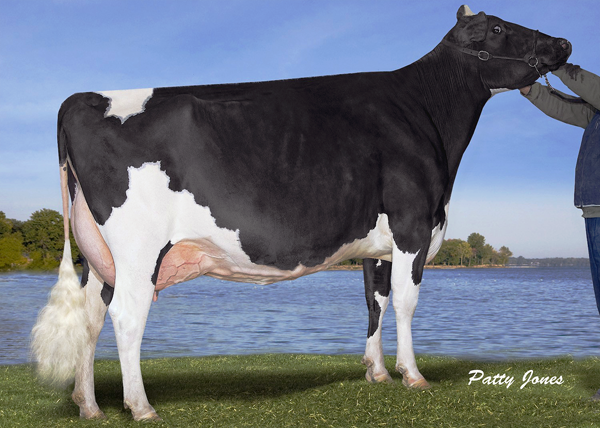
She`s Set to AMAZE in 400 Ways. Lewisdale Eastside Gold Amaze VG 87 2YR, with BCA’s of 236-253-240, leads the field by a huge margin when it comes to producing embryos. On June 23rd, 2012 she produced her 400th embryo! These numbers are even more amazing when you consider she did it in a mere three years!
This Embryo Machine is a Bank Machine
There are a number of ways to make or save money by raising high quality Holsteins. It could be production of fat and protein. It could be milk with low somatic cells scores. It could be progeny that sell well in sales. Each of these is effective but Amaze shows the way to do it by producing embryos that convert to cash.
Eastside Lewisdale Gold Missy – Grand Champion WDE and Royal ’11
Amaze is Surrounded by Success
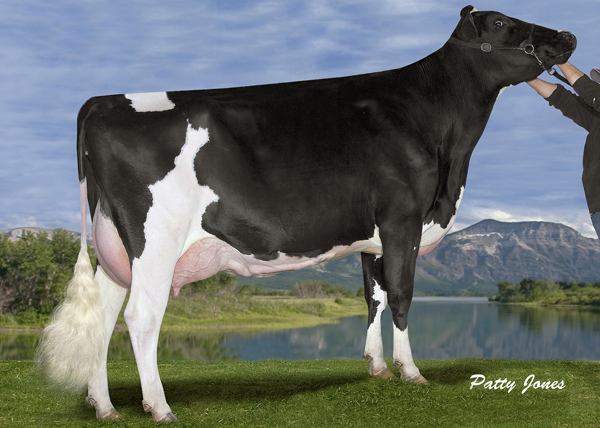
Amaze is not only a prolific producer of embryos, she comes with a great pedigree and that makes the embryos very marketable. Her full sister is none other than Lewisdale Eastside Gold Missy, the Madison and Royal Supreme Champion and title holder All American and All Canadian. Her dam is Stadacona Outside Abel 26 Stars and nominated for Canadian Holstein Cow of the Year.
Amaze is Reaching for the Top
Amaze`s genetic indexes place her in the top 20% of the breed for production, top 2% for SCC and top 1% for conformation. Her Direct Genomic Values reflect her own performance with high values for conformation, feet and legs, SCC and Herd Life.
Around the World with AMAZE
Amaze embryos have been used extensively in North America and in more than 10 countries around the world including: Australia, Brazil, Denmark, Finland, France, Holland, Japan, New Zealand, South Korea and UK.
Great Cows. Great Breeders. Great Future.
Great cows are bred by great cattle breeders. In Amaze`s case, she was bred by two PEI Holstein breeders, Lewisdale and Eastside. At less than four months of age she was sold to Abelaine and Sudview for whom she had a Baxter daughter that is now VG 88. Her original breeders bought her back during her first lactation. And thus began the record-breaking flushing program. The 400 embryos are from 24 flushes by 17 different sires, all of whom are high genomic bulls or bulls with high genetic conformation indexes.
Don`t Miss the AMAZE Take Home Message
Of course elite Holstein dairy cattle can enhance your farm profit margins. Using all the available tools and technology, these rewards can come by extra milk in the pail, trouble –free cows that require less labour or genetic sales around the world.
The Bullvine Bottom Line
Success in the Holstein business comes in many different ways but Lewisdale Eastside Gold Amaze gives a whole new meaning to the term cash cow. There`s no business like embryo business! You can bank on it!
By definition, being strategic requires that you look forward — identifying trends, opportunities, and threats. That’s how good drivers drive on super highways and it’s how good breeders keep moving forward too. You can choose the less risky route of staying in the parking lot but you won’t get anywhere. Here are a few ways to keep your herd moving toward the future.
Check out your blind spot
By the end of next year, even the skeptics will have to admit that genomics, smart phones and tablets are here to stay. The early adopters and best-practice breeders are using these devices. They love being able to see all incoming e-mail, social messaging, text messaging, and voice and video messaging in a single place. They`re using them as the new resource to learn about and manage almost every aspect of cattle breeding.
Traditional Marketing will Decrease. New Marketing will skyrocket.
As dairy breeders zero in on genomics, finding the leaders, at the right price in the right location and instantly … will change the face of dairy cattle marketing. The twice a year showcase or the every three to five years reduction sale will gradually give way to a marketplace that is in “sell” mode 24-7 and 365 days of the year. Sellers will move beyond single page ads, special events and the cattle ring for promotion as a whole new breed (pun intended) of niche players will be born with the intention of providing the best results from your advertising dollars. The days of a few key players topping the markets with their well orchestrated, for-your-eyes only live marketing events will gradually give way to on line live video interviews, marketing and promotion one-on-one. Rather than the traditional “one-size-fits-all” advertising strategy, a targeted personalized approach will be required if you expect to have a reasonable chance to sell in the new marketplace.
Genomics will increase its impact by becoming more focused and data driven
Most dairy breeders recognize that genomics is a tool to improve selection. As results become more refined and defined the potential impact will have even more converts. Global economic issues will be with us for years to come and that too will drive genomics development to target more and better ways to breed great cattle to their highest potentially in the fastest, healthiest and most economical way possible.
The Global Marketplace has attracted the Big Players
The continued growth of technology, social media, and easy communications now makes it possible a dairy breeder in China to come to your barn, see your cows and complete a sale with no middle men, expensive “tire-kicking” trips or costly international time zone, travel and financial issues. Today it’s take-a-look and complete-the-deal. With the whole world able to look over your shoulder in your barn, big business definitely sees the potential and is ready to grab a piece of the pie.
Dairy cattle research is picking up speed
Remember the good old days (that would be 10 years ago) when we had to sit through breeder meetings and association animal meetings and hear about the difficulties of getting the right research done at the right time and at a reasonable cost? Industry and government were supposed to be pulling together to fund research that would have an impact on more than the scientific community. Sometimes breeders were skeptical, or unaware, of the practical applications. Remember CAAB? Genomics has changed all that. Now not only are the money streams more accessible and flowing, the really big players with the really big bucks are ready and willing to become the new best friends of the cattle breeding industry.
Farm Branding is the Express Lane to Success
You can no longer hope that a few expensive colour layouts in a magazine will give you the profile you’re looking for to sell those also expensive genetics that you’re investing in. Having good genetics, a great work ethic and savvy cow sense, is no longer enough to have you speeding through the rapidly expanding crowd where everybody says, “Been there. Bred that!” The increased use of social media and digital marketing will be the new way for the cream to rise to the top.
The Buyer Experience
In the past, you knew who the “players” were and the rest didn’t blip on your radar. Today, you’ve got one chance to make a good first impression. You never know when someone’s phone will capture a video and or audio of your inventory (is that what she “really” looks like?) and share it around the world. You could try keeping your doors selectively closed but that will send a message too and it could be a negative one! You are caught between the camera and a hot place!
The Bullvine Bottom Line
Forward-looking decision-making: Although hindsight is 20/20, if you’re moving ahead you cannot spend your time looking backward at what happened in the past. The dairy business of the future is following the growth signs: market supply and demand; new dairying technologies and genomics to name a few. This forward-looking focus will not only improve decision-making but will lead the way to a future that is built on the past but moving way faster than we ever though possible. Keep moving on the dairy industry express lane or you could be stuck on the off-road ramp or, even worse, left in the parking lot!
Suddenly it is summer. Where did all this suffocating heat come from? Of course, if people are feeling soggy, you can be sure calves are feeling it too! Short of inviting them in to share the air-conditioning there are several effective ways we can keep calves cool and stress free.
SIMPLE HEAT STRATEGIES
Shady Ladies.
Make sure to provide your calves with plenty of shade whether it is from trees, the hutch itself or supplemental shade. Hutches that faced south in the winter can be re-aligned to capture shade and prevailing breezes. If necessary, construct a temporary shade canopy over their tops (14 feet or higher to allow for good airflow).
TimelyCare.
Consider changing the time of day when handling calves is done. Perform stressful activities (such as moving, grouping, handling, vaccinating, dehorning) early in the morning. Feed animals several hours before or after peak temperature and humidity times. Early morning and late afternoon feeding can avoid calves experiencing peak temperatures at the same time as their digestion peaks, which often occurs about four hours after feeding.
Always Fresh ‘Cause You Keep Feeding it.
Keep your calf starter fresh at all times and free of any moisture. Start your calves with a handful of feed and change it every day until they are eating their full allotment.
How’s the Water?
Provide cool (50°F /10°C) drinking water (cows drink 50% more water at temperatures of 80°F/26.7°C and above compared to 40°F/4.4°C). It should not be a surprise for calves to double their water intake. Switching to five-gallon pails may also be helpful. When heat stressed a calf can consume 3 to 6 gallons of water per day. To keep it fresh, empty and refill water pails several times throughout the day. More water changes (say every three hours) the more they will eat. The more they eat the more nutrients they consume and then they are better able to withstand heat stress.
There’s Strength in Numbers so Increase Feeding Frequency.
Research has also shown that calves fed three times a day have shown optimal growth, better feed efficiency, consume more starter prior to weaning and have greater chance of survival to lactation than calves fed twice daily. You should also research commercial products that target heat stress in their formulations.
Make Your Bed …again and again.
Changing bedding frequently to control fly populations. Use sand bedding to keep calves cooler. Clean, dry sand also helps control fly populations, compared with straw or sawdust. Sawdust is better than straw for summer bedding.
Keep it Clean.
Cleaning and sanitizing water buckets regularly Warm weather promotes algae, mold and bacteria growth. Keeping water and milk pails clean and sanitized will help keep these populations down, as well as help with the fly population.
Replenish Electrolytes.
Consider more liberal use of electrolyte solutions, advises J.W. Schroeder, Dairy Specialist with North Dakota State University. In warm weather, calves are more prone to dehydration. Scouring calves should receive oral electrolyte solutions liberally, particularly during midday. Administer electrolytes by bottle early in the course of diarrhea because solution absorption likely will be better than if it’s given by a tube or free choice.
No Flies on Us!
Unfortunately calves are a hot spot for flies. Using a milk replacer and a calf starter that includes a feed through larvicide can help to keep the fly population down. A reduced fly population may also reduce stress to the calf and the spread of diseases by flies. As mentioned previously, clean, dry sand bedding also helps control fly populations, compared with straw or sawdust. Implement good fly control practices that break up the life cycle to prevent build-up. Know that molasses, a common calf starter ingredient to aid in palatability, can be a tasty attractant for fly populations. Calf starters that utilize alternative natural palatability enhancers along with feed-through fly control technology are available.
A Breath of Fresh Air
Increase Air Flow and air exchange: Hutches need good air flow in and around them. In enclosed facilities natural cross ventilation is not possible, than a total air exchange every two minutes through a mechanized system of fans is a must.
….. this brings us to the best TIP of the summer!
Catch the Breeze: Elevate one side of the hutch. That’s right. A slight “tip” will make a big difference. In 2011, a Washington State University trial showed that elevating one side of the hutch decreased internal hutch temperature and increased ventilation in warm weather. We all want results and here’s some that they reported:
At the hottest times of the day, internal hutch temperatures were higher than outside temperatures when the hutch was on the ground. Internal hutch temperatures were lower than outside when the hutch was elevated.
Elevating the hutch improved air movement within the hutch.
Hutch elevation lowered afternoon respiratory rates in the calves — 58 versus 44 breaths per minute.
Hutch carbon dioxide levels were lower when the hutch was elevated.
Note to readers: We tried this simple solution at Huntsdale and saw – and felt – immediate results.
YOU’RE SWEATING DOLLARS AWAY
When we think of heat stress our thoughts often go to the milking herd first, as heat and humidity can have a dramatic impact on milk production and therefore have a potential impact on our pocket books. We need to think outside the cow pen. The numbers are rising as fast as the thermometer. For example: In a 100 cow herd with 30% cull rate, 25% of the calves in the herd are exposed to heat stress, having been born at that time of the year. Heat stressed open heifers may calve at 26 months instead of 24. Basic additional costs are obvious: extra days raising; more replacements costs; less production in the future. Not so obvious are extra housing, extra feed; extra labour and medication costs. Hopefully, you are still on the positive profit side with these numbers, however, there is a strong chance that these heifers will not produce to their potential. Add in those losses in less milk production and you have probably wiped out your small margin of success. Multiply this result over a 100-cow herd and you could see your positive bottom line melt away in the heat as you lose between $5,000-$7,000!!!
THE BULLVINE BOTTOM LINE
Extreme heat does hurt your calves. Heat stress also hurts you …. in your pocket! Make sure you cash in on cool calves!!
Nobody wants to make decisions based on the wrong information. Good breeders know that accuracy is the key to making successful breeding decisions. Wouldn`t it be wonderful to have perfect data at our fingertips? There`s nothing wrong with dreaming the impossible dream but, realistically, in the business of cattle breeding, you can’t wait for that golden sunrise when perfection is a sure thing and 100% repeatable.
THE PAST: Almost-Perfect
Whenever we look back at animal-breeding history, a rosy glow settles over our perception of the past. For more than fifty years, we have constantly improved our North American genetic evaluation methods and models, proudly proclaiming them to be, if not perfect, at least the very best. Many of us felt we were destined to be at the top in cattle breeding forever. Then, the very success we reveled in spread our success and our genetics to everyone else. Accuracy was harder to ensure. Genetic evaluation methods and models are based on accurate recording of pedigree and performance data and all international input data is not created equal from country to country. Nevertheless we trusted the Animal Model (1989), the Test Day Model (Canada 1999) and Interbull (the international proof system). And it was still good.
AND THEN CAME GENOMICS: New Dart! New Target!
Hardly a decade into the 21st Century and Genomics comes along and changes our perception of the future. Here is a revolutionary new tool or dart, if you will, to take genetic aim with. Now there can be more focused selection much earlier in the bull or heifer’s life. Since that first official genomic evaluation in August 2009 accuracy has increased. Great! But now even the genetic target has changed. It is bigger. Now we don’t only target selection of proven bulls and performance recorded cows, but selection of young bulls and heifers, shortly after their birth. The full potential of what we can aim for has yet to be imagined.
TODAY CLOSE ONLY COUNTS in Horseshoes, Hand Grenades AND GENOMICS
In the interest of accurate information, it is important to look at everything that may be a negative influence on achieving this goal. In a May 2012 article entitled, “The Ongoing Challenge of Accurate Genomic Evaluations” Brian VanDoormal (CDN) points out those things that make precision targeting harder to achieve:
Non-random usage
MACE evaluations
Parent Average less accurate when the parents are foreign
Estimating unbiased proofs for foreign sires
High priced foreign proven sire semen used on higher quality females in higher quality herds.
Differential treatment adds to bias of non-random usage
Non-random usage of elite progeny proven sires
Non-random usage of high ranking genomic young bulls
VanDoormaal goes on to report that, “ CDN is actively researching methods to reduce or eliminate such biases and to better incorporate MACE evaluations of foreign sires and bull dams into Canadian genomic estimations and officially published proofs.” He emphasizes, “One immediate area of importance being researched is the development of methods to reduce bias in evaluations for foreign sires and bull dams.”
GENETIC EVALUATION ACCURACY: A Hard Target with Collateral Benefits
Each step that increases accuracy increases the trust that breeders can place in the information. In fine tuning genetic evaluations we benefit from increased accuracy in predicting other traits that previously we didn`t have data on: calf health; fertility; resistance to disease; specific components of milk; hoof health.
Not only has the arrival of genomics changed how genetic evaluations are calculated but it has also significantly changed male and female selection strategies by A.I. companies and breeders as well as semen usage trends by producers. Even breeders who do not use AI will benefit from genomics because they will have available to them bulls that test genomically high but that were not selected for AI. Previously there was a wider range of bulls sampled at great expense. With genomics, the entire gene pool of sires is being much more accurately identified for their genetic merit.
GENETIC EVALUATION ACCURACY is a MOVING TARGET
For more than 100 years cattle breeders have moved the industry ahead by selecting for the traits they felt were most important. There was a progressive emphasis as the focus changed or was expanded: amount of milk in a single day; total milk in a liftetime; butterfat; protein; and conformation. New models and young sire programs were developed. All of these had an impact but the potential for genomics impact is far greater. With genomics, large numbers of young bulls can be tested and eliminated with an enormous reduction in time and cost to the breeder and the industry. This adds to the burden of responsibility for genetic evaluations to be accurate and account for non-random selection and/or under-evaluated progeny proofs.
THE BULLVINE BOTTOM LINE
Will Genetic Evaluations ever achieve 100% accuracy? Only time will tell. The challenge we face now is to keep the system steadily improving for the impact having accurate information can have not only for cattle breeding today but for generations to come.
Driving a tractor is not most people’s idea of a good time. However, the fresh air, the great views and bird watching make it well above time in an airplane, subway or car. Our three children, all experienced with the previous three, feel that any ride, which surpasses three hours at a time, can be described as “cruel, but not unusual, punishment”.
However, if your farm life is typical and you are constantly fielding questions about equipment repairs, early or late pregnancies and the latest scientific breakthrough, a little motorized time can actually be a gift. You can get things done on a tractor assuming it is raking, hauling, or lifting in the prescribed and expected manner. Later today, I will get to test the following theories.
Rake Hay While the Sun Shines: Of course you can’t read a book or a magazine while driving a tractor, but there’s nothing stopping you from writing one. This self-imposed separation from papers, to-do-lists and yes, cows, milking and feeding, is a great space to develop that talent you don’t have enough time for. What about singing? No problem with the right key — being “pitchy” sounds perfect on a farm. Reframe what is important in your life from the highpoint of the tractor seat. Seeing the big picture is much easier – literally – from the top of a hill or from the back 40. Admiring your handiwork (leg and tractor work) from afar gives an entirely different prospective than when you’re on hands and knees figuring out why that fencer isn’t working.
Cruising Right Along: Think about it! No one can interrupt you. This is the time to focus on that problem that is harder to solve than the perfectly straight rows you’re managing at the moment especially with no phone calls to interrupt you. Seriously? You have your phone with you on the tractor? That is just wrong. This is time for thinking outside the inbox. With a two to three hour window with no family or other work responsibilities weighing on you, you can put all your creative thought processes to solving those big picture problems. When will you take your next real vacation? It should not involve heavy equipment. Where will you go? Again – it should not involve animals. Oh well, perhaps a zoo. No feeding the animals. Well…Marineland could make that more enjoyable. The point is everyone needs time to revive and refresh. Away from the chaos.
Counting Your Blessings: If nothing else, tractor time gives you pause to consider the great things that being a dairy farmer brings to your life. There go your neighbours down the road to their office jobs, traffic jams and stress-filled eight-hour days. Granted your days are often double that but you have fresh air (mostly) and job satisfaction on a daily basis. They’re going golfing you say? Seriously. If putting small objects into small containers was really so satisfying, everyone would pay money to milk cows for you! Think about it. You’ve got tractor time.
The Bullvine Bottom Line
When, as far as the eye can see, you are the only one working in your field today, who needs anything more?
Disclaimer: No small animals were harmed (or run over) in the pondering of this article.
When it works it’s called line breeding, when it doesn’t it could be a disaster. Here are 20 things every dairy breeder should know about inbreeding.
How does it happen?
1. Inbreeding results from the mating of related individuals.
2. Relationships between dairy animals are increasing over time because of selection toward similar breeding objectives.
Five possible reasons you can tell yourself not to be concerned about inbreeding
3. Outstanding bulls should be used if the benefits of genetic improvement exceed losses from any possible inbreeding depression
4. Inbreeding has played a role in development and improvement of specialized strains of livestock.
5. The positive aspect of inbreeding is that the genotypes of sperm or egg cells from inbred individuals are more predictable than for outbreds.
6. If the inbred animal were superior and transmitted its superiority with regularity, the advantages would be obvious.
7. Inbreeding can also be used to “purge” a line of cattle of undesirable recessive genes.
Ten realistic reasons to be concerned about inbreeding
8. Inbreeding is expensive. For cows that survive to freshen the first time, each 1% increase in inbreeding reduces lifetime net income by $22 to $24.
9. There is no magic level of inbreeding that is acceptable. Effects of inbreeding on performance of commercial dairy cattle are almost entirely negative.
10. Inbreeding decreases performance. Inbreeding decreases cow survival, single lactation production and reproductive performance.
11. Inbreeding increases negative factors. Inbreeding increases calf mortality, increases age at puberty through retarded growth, and increases rate of disposal or loss of replacement heifers prior to first calving.
12. Inbreeding should be managed in herd breeding programs rather than avoided.
13. Inbreeding in offspring differs for each sire-dam combination, making mate assignments important if inbreeding is to be managed properly.
14. Blanket recommendations of a bull as an “outcross” to groups of cows may not be effective in reducing the impact of inbreeding.
15. The development of large, specialized dairies in North America in recent years has been accompanied by decreased emphasis on individual animal identification.
16. Many large herd managers have questioned the benefits of individual cow ID to their operation. Avoidance of inbreeding losses is one such benefit.
17. When undesirable recessive genes appear in the homozygous state (bb), the condition is often fatal.
Two Thoughts to Take Away
18. Optimum methods to control inbreeding will choose the sire with highest genetic merit adjusted for inbreeding in a specific mating rather than avoiding some maximum level in inbreeding.
19. Complete, accurate pedigree data for cows to be mated and sires used as mates will be a necessary part of such mating decisions.
THE BULLVINE BOTTOM LINE
20. Losses due to inbreeding can be minimized through careful attention to accurate records. If we can’t estimate inbreeding in a mating because of limited pedigree data, we cannot avoid inbreeding or estimate its costs.
In the fight against cattle diseases it feels like dairy breeders are constantly dodging shrapnel. Where will BSE or TB strike next? Have you been hit with mastitis, ketosis or metritis? Also, it is becoming harder and harder to fight back since there is a worldwide concerted effort to limit the use of antibiotics, particularly in food producing livestock. On top of that, animals are developing antibiotic resistance, making that course of action less and less effective.
After years of focusing on measurable traits – conformation, milk yield, protein yield – the dairy industry has started to take aim at health issues by recording somatic cell score evaluations. It is a small start in waging defense against disease. We must now take aim at an even bigger animal health picture, when looking at the future of our herds and our dairy industry.
You Already Have the Ultimate Weapon
The real fact is we already have the best disease defeating weapon at our disposal. It is the immune system of cattle. Animals with superior immune systems can do it all:
Reduce disease
Increase farm profit
Improve milk quality
Increase animal well being
DISEASE WARS – DNA Strikes Back!
Researchers at Ontario Veterinary College at Guelph University have identified that, when it comes to fighting disease, “One of the most attractive options available is to make use of the animal’s own immune response genes to select for healthier animals with naturally superior immunity.” The OVC group refers to these individuals as High Immune Responders. The really great news is that beyond the idea, the research and the studies is the fact that they have developed a patented test system to quickly identify these animals within dairy herds. This method is referred to as the High Immune Response (HIR) technology and they report that this approach can work well on both conventional and organic dairy farms.
HIR is FIGHTING BACK
The OVC group reports that there is clear evidence in cattle that it is possible to selectively breed for high (H), average (A) or low (L) – immune responsiveness and that H-responders can positively influence resistance to infectious disease. “In fact, early research by our group showed health and production benefits following genetic identification of cattle and pigs for enhanced IR. This included lower occurrence of mastitis in high immune responders in 2 out of 3 dairy herds tested, as well as improved response to vaccination and colostrum quality. “
We Have the Technology
The OVC group refers to these individuals with both higher and more optimally balanced antibody and cell-mediated immune responses, as High Immune Responders, and goes on to report that they have developed a patented test system to quickly identify these animals within dairy herds.
The HIR technology is designed to identify those cows and calves with robust and unbiased immune responsiveness that can be kept for future breeding to improve herd health, while low immune responders may be culled from the herd.
It is worth noting that, in general, a calf identified as a high responder will maintain that classification as a mature lactating cow. Therefore animals only need to be tested and classified based on their IR breeding value once in their lifetime.
Breeders Want HIR!
Qualitative market research using a cross section of focus groups was conducted by an independent firm, Agri-Studies (Guelph, Ontario). Results showed significant interest among dairy producers to use HIR to identify calves or cows with High Immune Response (75% of producers). The key benefit they saw was the ability to cull animals as calves and save the cost of raising animal that later may have significant health issues. They also saw the value of using sires that were classified as HIR to improve the health of their herds. Further market assessment and beta testing of dairy herds is now underway to finalize the transferability of the technology to the marketplace.
It’s All About Results
In 2010,690 cows from 58 herds across Canada were immunized using the patented system to evaluate their IR profiles. In this study approximately 15% of cows were high, 15% were low, and 70% were average immune responders with some slight differences between provinces
Health Preliminary results show that among all cases of clinical mastitis in the cows across Canada that were tested for immune response, cows classified as HIR had the lowest occurrence of coagulase-negative staphylococci (CNS).
Production Results to date have shown that breeding for optimal high immune response based on both antibody and cell-mediated immune responses would not compromise production.
Profit In Canada, it costs the dairy producer $110 to $320 per case of mastitis, and it has been estimated that almost 1 out of every 5 dairy quarters in Canada is infected with a mastitis-causing pathogen
High Immune Response (HIR) Animals Are Naturally Immune
HIR is a patented evaluation technology developed to identify dairy cattle with high adaptive immune response capability. Identification is safe, fast and effective.
Benefits include:
Lower disease occurrence and severity
Reduced treatment and veterinary costs
Increased response to vaccines
Increased colostrum quality
Cows as young as 2 months can be tested
Animals only need to be tested once in a lifetime
Testing is safe and does not interfere with any other diagnostic testing
Cost benefit analysis show significant savings to producers who identify HIR cows in their herd.
The Future is Now!
Further market assessment and beta testing of dairy herds is now underway to finalize the transferability of the technology to the marketplace.
The Bullvine Bottom Line
No matter how scary the news makes the latest livestock health threat out to be, your herd’s natural immune defense system is the ultimate response.
If you are like many of us you are alternately amazed, overwhelmed and confused by the barrage of information that is fed to you through your breed organizations, cattle committees and industry publications. As part of The Bullvine`s commitment to be an informative and understandable resource for cattle breeders, I have spent considerable time trying to get my non-scientific head around the 2011 paper in the Journal of Dairy Science entitled, “Novel strategies to minimize progeny inbreeding while maximizing genetic gain using genomic information.” Was it worth the bother? Yes. Definitely.
What You Don’t Know Can Hurt You
We can all agree that Genomic information is a tremendous breakthrough for cattle breeding. With all the potential, it didn’t take long for the concern to arise that greater rates of genetic gain could lead to higher annual rates of inbreeding. My wild imagination skipped to a picture of everyone breeding to the top bulls and ending up with a single family. Even if that seems outrageous, it is definitely possible that generation intervals could be halved through taking advantage of the accurate GEBV’s available at birth and this could increase the inbreeding per year. Therefore, I definitely wanted to find out from this paper published by Pryce, Hayes and Goddard in Australia on how genomic information offers possibilities to control the level of progeny inbreeding.
Concern: Are we moving from homogenized milk to homozygous cows?
Let’s take a look at the indicators that might lead us to believe the answer is, “Yes!”
Genomic predictions are both cost effective and highly accurate. Therefore there is the very definite potential to accelerate the rate of genetic gain beyond that achieved through progeny testing.
Shorter generation intervals could result in large numbers of animals who are similar in genetic makeup due to the sires used.
It’s human nature to aim for the best. The uptake of genomics has been beyond anything previously predicted or imagined. Not only is the playing field being leveled it is being dramatically narrowed down.
Strategies to Control the Rate of Inbreeding
An important part of this Australian study was to evaluate the effect of the three strategies tested on the homozygosity of deleterious recessives. In other words, what can breeders do to limit the potential for negative effects of inbreeding? Before, we go further, it is interesting to note, that these researchers referenced more than twenty other research papers. The focus on this subject is concentrated and that can only be good for the eventual outcome for breeder decision making.
The main limitation of comparing methods to predict progeny inbreeding is that, at this time, there is no best practice for measuring inbreeding. Pedigree is flawed by errors and gaps and often, particularly in commercial herds, the depth of pedigree. Genomic relationships calculated using SNP data could have errors from incorrect identification of samples.
The goal of these researchers was to compare 3 strategies for controlling progeny inbreeding in mating plans:
Pedigree inbreeding coefficients
Genomic relationships
Shared runs of homozygosity.
The Good News Is….
I know this all sounds very complex, but relax there is good news. The study found that both genomic relationships and pedigree relationships were successful strategies to control the rate of inbreeding under genomic selection. They also concluded that using genomic relationships instead of pedigree relationships “appears to be better at constraining genomic inbreeding under genomic selection.” The unique part of their study was that they went a step further and proposed “using runs of homozygosity to control the rate of inbreeding.”
Again I know sounds very complex. So let’s try and break it down. One of the underlying processes of inbreeding is that it increases the frequency of both favorable and deleterious homozygotes. ROH stands for run of homozygosity. If the occurrence of deleterious homozygotes is more likely to arise as a consequence of recent inbreeding (which is the potential of heavy use of genomics) then strategies to minimize ROH could be a way of reducing them. A novel approach, don’t you agree?
What did they do?
In the research simulation they used 300 cows with 20 sires available for mating, replicated 50 times. Each of the 300 individuals allocated as dams were matched to 1 of 20 sires to maximize genetic merit minus the penalty for estimated progeny inbreeding and given the restriction that the sire could not be mated to more than 10% of the cows. In the discussion part of the paper, which, of course, is the easiest part to understand they offer this: “The results presented here show that using A GRM instead of pedigree in a mating plan is an effective way to reduce the expected inbreeding in progeny, with minimal effect on the genetic gain for the inbreeding objective.” The breeding objective in Australia is expressed as APR and in Canada it is LPI and in the US is TPI.
What can YOU do Today?
Before we go on to look at the financial aspect of this discussion, you should refer to the Genomic Evaluation Details which are available from CDN (Canadian Dairy Network) or from your breed association. In the CDN report there is a column that gives the percentage inbreeding (%ING) numbers for the Sire; Dam and MGS. In general it could be agreed that 0-8 is good; 8 to 10 is okay: 11 to 14 watch and 15 or more take action.
What is the Dollar Difference of Inbreeding?
Inbreeding affects profitability by adversely affecting traits related to fitness and production. Data from the US reported that the current cost of inbreeding over an average cow’s lifetime was US$24. For this study a conservative value of $5 per year was used as the economic value per 1% increase in inbreeding. “These results demonstrate that using GRM information, a 1% reduction in progeny inbreeding (valued at around $5 per cow) can be made with very little compromise in the overall breeding objective. These results and the availability of low-cost, low –density genotyping make it attractive to apply mating plans that use genomic information in commercial herds.”
By itself this economic benefit does not currently justify the investment in whole herd genotyping, if one considers that pedigree information is free and appears to do a pretty good job of controlling inbreeding, However, it may be economically worthwhile for dairy farmers to invest in whole-herd low-density genotyping in conjunction with other uses of genotyping. Examples could include confirming parentage, selecting the best heifer calves to keep as herd replacements, managing genetic defects, flushing and selling high-value pedigree stock. These researchers conclude: “Based on our calculations the value of genotyping to control inbreeding could be worth between $5 and $10 per cow.” You do the math.
THE BULLVINE BOTTOM LINE
So this is my untrained, non-scientific understanding of this single paper on a subject that is growing faster than gossip on a grapevine. Having said that, it is each dairy breeder’s job to be informed. Use your network to find out who has the best answers to this question because when it comes down to the affect of inbreeding on YOUR breeding bottom line it’s YOUR money!
Not sure what all this hype about genomics is all about?
Want to learn what it is and what it means to your breeding program?
A picture is worth a thousand words and, thanks to YouTube, almost every new trend, scandalous leader and singing idol can be viewed after the tapping of a few keys. Today we are linking you to a cattle related video that deals with disease with TB in badgers. Before you raise your stop sign, keep an open mind for a minute. After all it could be TB in Canadian or American deer or wild bison. It could be brucellosis. After watching this 2011 film entitled, “Mayday at Heolfawr Cross” we hope you don’t remain on the fence, even though that is the final view we have of Dai Bevan as we see the destruction of his life’s work raising Longhorn cattle in Wales? Another stop sign? Longhorns are not Holsteins! Wales is not Canada or the US. Take a few minutes to see if there is anything to learn or, at the very least, who is to blame?
Oops! There’s the first mistake. If we decide that laying blame is the only outcome we seek, then there will never be a different ending to this sad story.
Ignore the problem or point the finger of blame
It’s hard not to feel empathy for Dai Bevan when he quietly acknowledges, “I am absolutely not in control of the situation.” Faced with the agonizing loss of his cattle who, though “not friends” are the individuals he cared for primarily all his life, he does get angry at those he feels caused this outcome “They are denying gravity. The world isn’t round it is flat. Why is a cow’s life so much less than a wild animal’s?” He asks the question and his veterinarian neighbours, also affected by TB, express their frustration. “We know what needs to be done, but politics is standing in the way.” They feel helpless.
Excuses, Blame and Status Quo
One video can’t possibly provide the full details of what has led to this situation. Of course, we see it through the filters of our own North American experience, which may only be arms length from such problems. Although this deals with wild animal vectors, we did experience the same agonizing decisions, finger-pointing and loss of animals and income, when we were in the negative spotlight of BSE. We could have said and did say the same words as Dai Bevan, “I don’t like that there’s nothing I can do.” But is that the final word?
Who’s Healthy? Who’s Sick?
The point that is touched on only briefly in this video, is that the badgers are hosting and perhaps suffering from TB. In North America deer are contracting the disease, as are wild bison. The end result is not just death for the cattle but also for the carrier. A good point is made that the general public has a fuzzy, sometimes fairy-tale view of wildlife from their far-from-the-farm vantage point. But at the end of the day, disease is disease. Ignored disease is deadly, whether it’s carried by wildlife, cattle or the person you meet for coffee today.
Timely Testing
We all would like to think we have our personal (and farm) health protocols working properly but how often do you hear that a friend or family member has just received bad news from a health test and that they are facing a dire prognosis. There is nothing timely about a vet visit that ends with the disposal of an entire herd of cattle.
Prevention or Cure?
In the film the veterinarian points out that there has been awareness that TB has been present in the longhorn and other breeds for years. Of course, it became personal when it affected his own herd. We can’t bury our heads in clouds of hopefulness that it won’t become personal. Even if it isn’t our own herd of cattle, it affects sales, loss of genetic material, financial costs and the image of an entire country, industry and each farmer. As we heard on the video it’s time to stand up and say “The buck stops here!”
Priorities or Partnerships?
You can’t watch the video without having a response to it. Evan Bevan acknowledges that we all enjoy “hours at times watching badgers playing and rolling down banks. The difference is they’re healthy (i.e. non-lethal) badgers.” We all have a stake in healthy wildlife as well as healthy livestock. It is discouraging that conservationists “take the view that (badgers) are an absolute priority (over cattle) rather than a partnership. The two have to exist together.” A solution has to be found that doesn’t lose both wildlife and the animals that provide food for our tables.
Teamwork
North Americans are well-aware of the term Bio-Security. It may have had an impact on your farm already. It isn’t the fault or responsibility of someone else. Each one of us is responsible for the health status that affects our farm, our cattle, and our family. You need to be hyper-vigilant. This starts with awareness of risks. Get in touch with OMAFRA or Department of Agriculture and find out for yourself what current risks may be present in your area. We have had unusual weather which affects our crops and cows. It affects the wildlife population as well. What impact could it have on you? What input have you had from your farm team? Be proactive not reactive because, as a nutritionist recently told me, “Reaction means dead cows!”
THE BULLVINE BOTTOM LINE
When it comes to diseases that could wipe out your entire herd, you absolutely MUST know the answer to the question, “Where do you sit?” Hint #1: The answer cannot be “On the fence!” Hint #2: The answer cannot be “Wait and see!” If you wait, it’s too late!
As hints of summer start to make their mark on farms and fields across Canada, future farmers look forward to the end of another school year, however, school is always in, when it comes to breeding cattle. There is always something new to be learned by those who want to move to the head of the class. How many checkmarks have you got on your breeding report card?
MAPEL WOOD SHOTTLE LILI VG-88-2YR-CAN
Gary Hazeleger of Hanalee Holsteins, has 20/20 vision when he looks back on the success he and fellow-investors, Hazbro and Darcroft, have had since purchasing Mapel Wood Shottle Lili in 2010 at the International Intrigue Sale, hosted by Mapel Wood.
6 Dairy Cattle Investment Secrets
Investing in cattle is not for the faint of heart.
For most of us, it helps to analyze the success achieved by others and see what, if anything, applies to our own particular situation. Gary Hazeleger of Embro Ontario accepts the always changing aspect of cattle breeding. He notes that “Although Genomics has added a new measure of confidence to decision making, there is still nothing that guarantees a 100% sure thing when you’re investing in cattle.”
Identify the most correct animal.
Gary starts the report card on Lili by describing his own first impression of her. “I remember seeing her as a baby calf and thinking that she was the most correct calf in the sale. She was a little bit small to show as a calf but still very correct.” With his interest aroused, he goes on to explain what sealed the deal. “It didn’t hurt that both Comestar Goldwyn Lilac and Lylehaven Lila Zhad been two of my favorite cows over the past few years. So a few of us got together and decided to purchase Lili.”
COMESTAR GOLDWYN LILAC VG-89-5YR-CAN
LYLEHAVEN LILA Z EX-94-CAN 9*
Expect a true winner to be a hard worker too.
In the dairy business, it’s counterproductive if you have to baby your genetic leaders. Gary Hazeleger had no such problems after deciding to go with Shottle Lili. “Of course, the last two years have confirmed that this was the right decision. Lili is amazing to work with. She just does her thing every day. She milks a lot, doesn’t get sick and stands there looking great all day long. She is a real pet in the barn.” Who could ask for anything more? Nobody. But this VG-88 2 year old goes above and beyond ordinary. “She is a tremendous dairy cow with an amazing udder and a perfect set of feet and legs. As for production she is really using up a good chunk of the quota we have right now. Her 2 year old projections are 305d 14929 5.4F 951 3.1P 501 (BCA 375 657 398). She had 6.8% butterfat on her last test.”
Learn to Deal with the Repercussions.
Is there a downside to all this investment success? “Yes!” says Hazeleger. “She makes staying under quota very difficult.” And, wouldn’t you know, this overachiever doesn’t stop there. “We have only flushed her once in her first lactation and she produced 16 eggs by Lauthority.” Of course, this is having a very positive impact on Hazeleger’s herd. “Whenever you have a young cow such as Lili in your barn, it makes you more excited to get up in the morning and also brings more interest into the rest of your herd. It seems that it’s almost every day that someone new wants to stop in and see her and, while they’re visiting, they see all the other cows as well.”
Spread the Good News
Hazeleger confirms that the interest goes well beyond the immediate area of Embro. “We have had a lot of interest in Lili from all over the world. Some of the countries include United Kingdom, Germany, Italy, United States and also Canada. Ten eggs from Lili’s first flush were sold to the UK.” All this interest is starting to focus on her progeny, which now includes two December 2011 Lauthority bulls and her February 2012 natural heifer by Pine-Tree Sid.
Share the Secret of Your Success
It certainly seems that his experience with Lili has put Gary Hazeleger in a great position to offer advice to breeders who are looking to purchase top genetics. “My advice would be to stick to good cow families and heifers that are sired by good bulls. With genomics now moving so quickly there are cows and bulls that come and go, but the good proven families always keep coming back such as the Lila Z’s, the Gypsy Grands and the Laurie Sheiks.”
The Bullvine Bottom Line
Only time will tell if Lili’s successful report card can be repeated but Gary thinks you can raise the odds of making the grade if you study two complimentary indicators – genomics and physical traits – that worked in her case:
“You need to purchase animals that not only have high genomics but ones that also are very correct in their physical traits.” Gary Hazeleger
Is spending every possible minute on farm work the best thing for your dairy business?
Is there room on your farm for work-life balance?
It seems logical that the more work you put into something, the more you will get out of it, right? If you work 80 hrs a week, you will surely make more money and be more successful than those less ambitious folks who are only investing 40 hours. That may be true for a certain amount of time but, eventually, it can actually have a negative effect on your cattle business and, even worse, on your life and those around you. Here are a few tips to help prevent the farm from taking over your life.
Where Have All the Weekends Gone?
Time was that farmers were the only ones tied down 24-7. Everyone else at least had weekends off. However the ongoing crises in the global economy and unreal lifestyle expectations have many people on a never-ending treadmill. Burn out no longer is that brush fire your mother started with her annual spring fence row cleanup. Today farmers have been joined by countless others who consider themselves to be tied to their job. The iPad, smart phones and other technological advances have expanded the working day until many are unable to distinguish between “ON” and “OFF”.
You CAN Miss a Milking
Observers of the modern day farm family have noticed that the younger generations do not have as much trouble getting away from the farm. They are more willing than their parents to take some personal time. We’ve all heard the stories of Dad or Grand-Dad (or Grandma too!) who “never missed a milking in forty years! It was a point of pride. Then, lo and behold, one day it happened that they did not make it to the barn. Surprisingly, the world didn’t actually stop turning. We can learn from their experience and, provided it isn’t a life-ending interruption, recognize that there’s no real harm done. Trusting someone else with chores is a good team building exercise. Continuity is a great thing but passing the baton to someone else builds pride, commitment and teamwork.
Back Away from the Barn
There is always work to be done on a farm. Mother Nature sees to that. It is up to you to find the time to be with others. Yes, this could mean working on the farm together but spouses or family members who work off the farm will appreciate it if you schedule your days in such a way that you can share some free time, when you both are not working. Sometimes farmers cheat on this and call all those community, sports and hobby commitments as “free” time. Having said that, even these are better than no time away from the farm at all.
Keep the Cows out of your living room, kitchen and bedroom!
It’s too easy to pull out the laptop while sitting and watching TV in the living room or catch up on emails at the kitchen table. Oops I’ll just take one more call before putting out the light. This can turn the entire house into your barn office and can easily lead to a never-ending stream of excuses for doing just one more minute.. one more … one more! That big sign on your barn or at the end of the lane announces to the world that you are endlessly accessible for sales calls, fix-it advice or even a neighbourly chat. All good in their own time and space, but not every incoming call needs to rise to the top of your priority list.
Preserve Your Private Time
Whatever time you establish as your time, make sure you don’t give it up. Let everyone know that there is a particular time that represents your time off. You will be more relaxed and the benefits to those around you will make everyone work to protect your personal time. The further removed from cattle breeding, the more your hobby will give you a boost. Take lessons to enhance one of your artistic talents, become a marathoner learn ham radio operation. The possibilities are endless.
Are You Having Fun Yet?
Granted raising animals, planting gardens and, even, building and repairing things are considered hobbies by some people. It isn’t what you’re doing that defines the hobby but whether or not it is a break from your daily routine. Many have taken up golfing and enjoy the opportunity to clear their heads for three or four hours. Fresh air, relaxation and time with friends and family – that’s not a “must do” but a “want to”. This is a grey area for those who love their chosen field and garden. The measure of a great hobby is that you come back to farm work refreshed.
Don’t feel guilty
Anyone descended from a long line of farmers has experienced the guilt when they take time away from the farm. You can always spot the farmers at vacation resorts or tourist towns. They’re the ones who are up at 5 a:m walking. Sure they’ll tell you they’re enjoying the sunrise or working up an appetite for breakfast but, just as often, they are feeling like fish out of water and not just a little bit guilty about the lazy beginning to each day. It’s okay not to work. Not working is actually beneficial. It gives you the ability to recharge and clear your mind. When you start to feel that guilt, immediately remind yourself that you need to separate from work and recharge so that you’re ready to go when you get back to work the next day or next week.
Know when to stop
There will always be barn checks, field work and repairs. Do you know when to stop working? Spend the entire evening not thinking about bills to pay, getting ready for a barn meeting or the drainage problem in the back forty. Leave that for tomorrow. You will do a better job of it in the morning. Stop and smell the flowers. It is important that you do this for yourself and, also, that you respect the time of the other farm suppliers you work with. Everyone does a better job when they are rested. Does it really make that big a difference if you call at 10 at night or early the next morning?
Have a “Cow Free” Time
It is hard not to share your passion for cows and, over time, the people you socialize with either share that passion or are interested in it because of their friendship with you. In farm families it can be quite easy to talk cows all the time. When you get into this habit you are cutting yourself off from being stimulated by something non-farm related. Actively seek out how other occupations are dealing with innovation, technology or whatever is the equivalent of the breakthrough of genomics. It is never a waste of time to hear about and be inspired by someone else’s passion for their work.
Make time to accomplish non-farm related goals
While it isn’t unreasonable to plan to farm well into your sunset years, it can be rewarding to establish non-farm goals as well. What you want to establish are your own choices. At the end of the day you want your options to be open and not to feel forced to either work when you don’t want to or to suddenly be forced to give up what has been your single focus in life. Farm – Life balance is the goal.
The Bullvine Bottom Line
If you learn how to turn your Farm Off, you will also learn how to turn your LIFE on! Strive for balance in all things!
Ask successful dairy breeders how they got where they are and, chances are, many of them will cite a mentor. Did they seek them out or did they realize they had one after the fact? Probably, it was a little bit of both. Having said that, there is nothing preventing you from seeking a mentor who could help you make the most of your opportunities.
“This is the Way We Have Always Done It!”
While you can’t foresee everything that might have an impact on the smooth running of your dairy cattle business, there are a few things that you can learn from the good – and bad – experiences of those who have gone before you. Yes, I included “bad.” Truth be told, you can sometimes learn more from your mistakes than from the relatively smooth successes that happen day to day. Let’s suppose for a moment that there is nothing particularly wrong with your operation. Is it exceptional? Would you like it to be? One way to move from ho-hum to humming along the path to success is to get a mentor who has already travelled, overcome problems, and succeeded on that path.
Mentors Are All Around You
It isn’t surprising that people in the dairy industry make great mentors. Even those you may not have a long relationship with. When well-known classifier Tom Byers first arrived in Canada, he would not have foreseen the mentors who would help him along his career path. He speaks about the classification job that had been posted at the time. “The ad had been in the Holstein Journal for a couple of months and I had not applied as I thought I would not stand a chance being an immigrant. Glen Broadworth and Keith Heron, who were classifiers that came to Flettdale, where I was renting the farm, encouraged me to call Murray Hunt the Breed Improvement Manager at that time. I did. Murray said the applications window for the position was closed but he had heard about me and he would invite me to attend the hiring workshop. I did.” That was the beginning of three great mentoring relationships that impacted Tom’s career.
Seek People Who Share your Passion
Byers also points out that shared enthusiasm is a great way to meet your best mentors. He points to two other mentors he also appreciated having in his corner: Maurice Jebson of Elmcroft and Neil Rains of Raivue. These men shared and encouraged his enthusiasm. “I had a love and passion for the Canadian Holstein cow which had brought me here from Scotland with my wife and three kids. Talk about Holstein crazy. When we landed in Toronto, it was blowing a blizzard and my wife Elizabeth looked at me and said, ‘What have you brought me to?’ I first worked at Paperman Farm in Woodstock then I rented Flettdale farm from Bob Flett and it was from there that I moved to Holstein Canada.” And as they say, “The rest is history.”
Learn from People who are Successful at What You Want to Do
Brian Carscadden judging the 2011 Royal passing some advice to David Crack Jr.
Perhaps your interests lie in the direction of cattle judging. Brian Carscadden attests to the importance of having an encouraging mentor to learn from. Speaking personally, he shares his experience. “I have had a few mentors. Callum McKinven is one who gives young fitters a chance to work with his cattle and then promotes them as a judge down the road. He did that with me.” Brian also feels that good mentors can be as close as the person that you are working with. He feels that way about Mike Deaver. “I had the chance to be an associate judge with him. He’s considered a great judge. It was a tremendous experience for my confidence.” Carscadden feels there have been many mentors who impacted the recognition and success he has earned as a judge of Holstein cattle. “Lowell Lindsay hired me out of school. He is one of the great judges of all time. I was able to work side by side and learn from him. Even though Lowell was not trying to teach, there were always things to learn.” It is important to have a good mentor. It is even more important to be a good mentoree.
Take a Close Look at Your Own Family
Sometimes you don’t have to go very far to find mentors that will guide you to dairy breeding success. Len Vis of Mapelwood Farms Inc found his first mentors in his own family. “My brothers and Dad always thought of an animal as an investment. Back in the days of WOBI they would say, ‘I can sell four bulls from this animal, therefore she’s worth about $25,000. They always knew what studs would most likely buy a son.” These lessons have stuck with Len and are part of the foundation he has built his herd upon. Family continues to be a sounding board for him.
Speaking personally, family can be a rich source of mentoring. Currently, the Hunt family has a geneticist, a writer, a chief operating officer, a nutritionist and a serial entrepreneur. The bonus is that, although different, each of these careers is connected to agriculture – specifically the dairy industry. It would be foolish, if any one of us totally ignored the others in seeking to broaden our perspective, goals, or problem-solving abilities. Do we mentor each other? Yes. No. Some more than others. Of course, it doesn’t hurt that the in-laws include a psychiatrist, a project organizer, and an ergonomist. If we can name the problem, we can solve it. At the very least, we are a great network for pointing each other to the people who know the answers. That’s exactly what you want mentors to do.
Listen More. Talk Less.
To find a mentor, you need to listen a lot. A good mentor helps you think things through and provides the experience and savvy you’re missing. You’ll get praise when you deserve it and a heads-up when trouble comes — probably long before you would have noticed it yourself. Patty Jones feels that this was a characteristic of her mentor, Bob Miller. He asked her if she had ever thought about cattle photography and forty years later she still loves her chosen field. “Bob was a great man to be involved with. He let you make mistakes. He did not berate. You had a discussion with him and you always learned something and grew to be better because of it.” There is nothing better than a mentor who encourages your own ideas. Patty learned this from Bob too. “He taught the importance of trusting your instincts. He gave me the freedom to shape ideas that didn’t always work. Real achievement first requires that you have the courage to fail.”
THE BULLVINE BOTTOM LINE
Developing a profitable dairy cattle business is a lot of work, stress, and responsibility but you don’t have to go it alone. Put together a power team of mentors with a variety of skills to guide you along the way. There are co-workers, friends, family and industry experts who will gladly help you use your limited time and resources to the best effect. It`s up to you to take advantage of the most powerful weapon a dairy breeder can have. Find a mentor! Do it now.
The longer you are in the dairy business, the more convinced you will become that, even though this is a cow business, it depends on people and the relationships that are built over time. For thirteen years, Bruce Smith developed a successful export business built on his relationship with the people at Genetics Hokkaido. When he retired from the business, he passed the torch to Mark Butz, of Butz-Hill Exports in Iowa. Mark tells how it came about. “Bruce Smith approached me several years ago about taking over as he wanted to retire. I was busy with Dairy Consulting Services; a nutritional consultant business that I had started, and didn’t feel I had the time to devote to both. Two years ago Bruce asked again and I decided to back off the nutrition business and take it on. I had met Tommy Araki and felt comfortable that he and I could build a relationship and continue to do business in the same manner as before.”
Learning from the Best
Good friendships and good partnerships are built on trust. Such was the case with Mark and Bruce. “Bruce of course was more than a friend and business associate, I had over the years sold many embryos to Bruce and he had always conducted business in a fair, precise and honorable way. When we started working on transferring the embryo business, I got to know Bruce as the extraordinary person he was. His great mind, keen wit and willingness to explain the rationale behind decisions made him very dear to me on personal level. I sought out Bruce’s advice on many things and he (and Laura) were always very helpful.” When Bruce passed away, it was difficult for everybody. “Bruce’s death hit me very hard.” says Mark. “It also hit Tommy hard and through that experience Tommy and I became closer. In a way, Bruce still guides me. Rarely do you find someone that lives their life with such dutiful purpose and strives to do the right things. Bruce did.”
Japan is a Traditional Marketplace
In Japan, breeders like the same things that Canadian breeders look for. Mark sums up his perspective on the Japanese marketplace. “Japan to me is like stepping back somewhat in the Holstein business in the US 30 years ago. You see many tie stall herds, pack housing for heifers and now they are starting to expand with freestall/parlor operations. Input costs are high because much of the feed has to be imported.” He sees the Japanese dairymen are much like registered breeders anywhere, “They want good cows with deep pedigrees from proven sire stacks that will thrive in their environment. Longevity and high production with good components are valued where land resources are scarce.” Examples of what has been sourced for the market are: Chassity, Barbie, Ashlyn, Atlee along with many national show winners embryos and daughters’ embryos. Of course the list includes the Lyla-Z and Missy families and Lotto, Zita and Lyster Lyndsay as well as many others.
Impact of Genomics
Genomics is affecting the dairy business globally. In Japan Mark sees the effects. “Genomics are starting to make a play right now. Some breeders are asking for higher caliber cow families and high genomic young sires and I think that trend will grow.” This is sending small ripples through Mark’s business. “While many things remain the same as before, with the genomics taking off some cow families are rising because of that and others are losing ground. I suppose it is a natural change.” He advises breeders to do their homework and study what the market is looking for. He has a special message for Canadian breeders. “In many ways you are better positioned to take advantage of the market then we are in the States. Your steady milk market moderates the income risk of genomics. It is a tremendous opportunity to capitalize on the market.”
What sells?
Mark is eager to show his view of the market in Japan. “Show embryos will always sell as breeders are passionate about the show ring in Japan. Genomics are playing as well as sexed semen and embryos from good maternal lines and popular sire stacks. There seems to be a market for cheap embryos as well. Years ago we got away with flushing popular heifers because of the cow family. Today, she has to be an exceptional individual as well.”
Promote! Promote! Promote!
Gone are the days when Canadian genetics practically sold themselves. It is a competitive global marketplace and Mark urges breeders to do their part in successful selling. “Keep current pictures and production as well as classification records up to date. Tommy sells to his customers based on the information he receives from us so the more complete it is the better the sale. If you get a bad picture, retake it. Sexed embryos sell 2x better that non-sexed. use popular bulls.” This is great advice but he doesn’t stop there. “Call and we can discuss what you need.” Teamwork is an important part of the promotion process. You’ve heard it before, but Mark hammers it home again. “Anything is better than nothing. Provide pictures, videos, anything you’ve got.” Buyers in Japan want to see the best pictures you’ve got. They are up on the latest show winners and are “all over that cow family” says Mark. “You need to have outstanding pictures.”
The Bullvine Bottom Line
When you’re looking to export to Japan you need three things:
Wouldn’t it be wonderful if there was a silver bullet that could magically improve fertility in your dairy herd? Unfortunately, that wonderful product hasn’t come down the pipeline yet.
What Rates are we Talking About?
When you look at today’s progressive herds you have approximately 60 days to 120 days to get them in calf after calving. Rates vary from herd to herd from a low of 10% to a high of 30%. This sounds low. However you must consider that any dairy cow that has calved is now milking and getting pregnant is not high on her body’s energy use agenda. First she must maintain her own nervous system, then feed her young (produce milk), build up her own body reserves, and then, and only then, does reproduction get taken care of.
Improved Pregnancy Rates are Up to You
According to recent research there are three primary factors affecting pregnancy rates: nutrition, environment and management. This means that you have the opportunity to affect your own success in this area. First let’s take a look at the big picture.
What Traits Pay the Bills?
The primary incentive in the dairy breeding business is to be successful and there are many variables that go into that success. When using any management tool, you seek repeatable results. Reliability rates of male and, even more so, female fertility ratings are low. What this tells you is that you must work first and foremost with the traits that pay the bills, like milk, fat, udders, feet and legs, somatic cell scores and productive life. It is counterproductive to place an overriding emphasis on only one area. Remember Grandma’s old saying, “Everything works together for good.” Looking at fertility measures is best considered only after you have reached the point where primary selection traits between bulls you are considering are equal. Then you might consider raising fertility a point or two. So where do you start? With fertility? With conception? With pregnancy rates?
QUESTION OF THE DAY: Why does it matter?
Once you have posed that question, ask yourself what you could do with five or six more healthy calves out of the next hundred breedings? That represents a 10% gain! Here’s the potential.
More calves = More interest in females to sell from your herd = $$$$
More calves = More A.I. companies contracting bulls = $$$
More calves = More likely to have the next generation of great genetics in your barn. $$
Less semen used = More money stays in your pocket $$
Less vet expense = More money stays in your pocket $$
ANSWER of the DAY:
More calves = More Profit
The difference between a low and a high pregnancy rate can be significant: anything from 5% to 30%. Work the numbers and you will certainly find the incentive to improve in this area.
WHAT CAN YOU DO?
Remember it starts with nutrition, environment and management.
Make sure that the heifers from 4-6 weeks of age are fed high quality roughage.
Secondly, we put too much focus on reaching energy goals when feeding heifers, without putting enough focus on protein needs.
Don`t forget the importance of quality water for heifers from weaning until they`re safe in calf. It is the most essential nutrient for the development we want to achieve.
Check body condition frequently so you can adjust the ration, because too fat or too skinny means she will be less fertile. The ideal body condition score to feed for is recommended as 3.
YOU SHOULD TARGET MINERALS: They’re central to success
Mineral intake is very important. This is an area to get your best possible nutrition advice and put it into practice. Ensure that the animal gets the macro and MICRO minerals that she needs. This is where mineral form can pay off. Chelated trace minerals may cost more but are more accessible to meet the animal`s needs. Consult with your veterinarian. An extra injection of vitamin E and selenium may be crucial at this period as these two are key elements for fertility. By starting to manage the minerals at a young age, you make sure the heifers over a few months develop a good, constant diet, ensuring they are healthy and fertile up to the moment of breeding or implanting.
Health Status
Having a healthy cow or heifer is the starting point for good pregnancy rates. Although health traits are multi-faceted, lameness management is crucial to fertility improvement. Herds with rigid hoof care management have increased heat detection rates, increased conception rates, and therefore increased numbers of pregnant cows.
Proactive Advice
The impact of proactive veterinary and nutrition advice cannot be overemphasized. When the purse strings are tight, consultant costs are often targeted for reduction or elimination but the right veterinary and nutrition intervention will produce results that will pay for the cost inputs.
Records of Success
Each farm will have different fertility issues and it is important to identify these. The starting point has to be recording. Many computerised systems are available, but are often underutilized. Recording and analysis will pinpoint the weakness in fertility management and then you can take action steps.
Heat Detection
Improving pregnancy rates starts with animal health, nutrition and, then, heat detection. You must have all three of these in sequence. Nothing operates in isolation. In Canada the average heat detection rate is low. We don’t have a good number. Of course, those heats that are missed are not recorded. We must use technology to improve this area. The message is clear: heat detection either by manual observation, technology such as pedometers, or by hormonal manipulation. Get it done.
THE BULLVINE BOTTOM LINE
Improving pregnancy rates comes down to one thing: Constant attention to detail.
*The Bullvine is not a nutritionist or veterinarian, nor do we play one on TV. Consult your nutritionist and veterinarian to meet the specific needs of your dairy herd.
In the day to day business of dairy breeding there is one thing breeders use most but often take for granted: the Name. Every great breeding – bull or heifer – starts and builds from the name. The average Canadian dairy farm has 175 cows and replacements. This means you could be looking at almost 1000 unique names over a ten year period. The potential for making a marketing statement every time someone walks through your barn and reads the sign above each individual is not to be overlooked.
In corporate board rooms, much strategy is placed on choosing the name for products. Success is built upon name recognition and communicating with the customer. “But this is a dairy farm not a board room!” you say. Do you have a product? Do you need customers? Do you want to make a profit? Answering yes to any of these questions means that the right name on the right animal will have an impact. However, the time to be considering the best name for your new arrival is not at two in the morning when there is a big day of field work, a cattle show or any of the myriad other details that are part of the business of dairy farming. Keep the paperwork flowing! For some this process is intimidating, or at the very least, irksome. For others it’s a family undertaking that every generation has an opinion on – sometimes even crossing provincial and country borders to make sure their input is on the record. Here are a few tips to help you get started.
#1 Make it Memorable
Do pick a name that is memorable – not only for possible customers but for yourself. We all know how impressive it is when a dairy breeder in the barn, in the field or just in conversation has complete command of animal names. This means choosing them in a way that works for you. You might base your naming on a distinguishing characteristic (Velvet), outstanding trait (Milky) or something new to your breeding line (Opportunity). When it’s memorable to your customers they will become part of your promotion team. You never want them to struggle to remember “Sornostri”. If it’s difficult to remember, it is counterproductive.
#2 Stand Out
In today`s competitive global marketplace, standing out from the crowd is becoming one of the most important aspects of the dairy breeding business. Make sure that list that is always being tweaked and added to contains those words and terms that people are looking for. Use a thesaurus, popular advertisements, famous sports terms or even cars to drive your name home with your customers. Today car companies take a positive word and add a vowel to it: Astra; Innova; Sumo; Omni. This works for cattle too! But I would not choose Typo!
#3 Know Your Customer
You can’t expect to sell to everyone, so narrow down your client list and make your names appeal to that group. Are they looking for type? Longevity? Or simply fame and fortune? There are names that sell the features of each of these market niches. All it requires is some research, forethought and preparedness and, when that star is born, you’re ready with the perfect name – perhaps borrowed from a real movie star (Gaga) or from heavenly stars (Galaxy). Once you have identified your target market or niche groups, the sky’s the limit.
#4 Focus on Your Strengths
Make sure, if you’re choosing descriptive words for names, that they are ones that describe what you’re selling. You are not limited and may already have a lineup that includes “Incredible” and “Invincible”. Everyone in the milk business has bred a “Milky” at some point. If you are a trend leader, you might want to sign up the “Gene” family who could include “Encore” “Copycat” and “Repeater”. If fertility is your focus don’t miss “Isis” – the goddess of fertility. Mythology is a great resource for names. On the other hand, don’t use misleading terms unless you’re very sure how you’re going to market that all white cow that you have named, “Midnight”!
#5 Make it Marketable
Advertising is easier when the name is visual. If your farm already has a picturesque name then you can focus on enhancing that as your brand. “Spring” “Stream” “Wood” “Hill” or “Mountain” immediately present a picture. When you’re running to a deadline and a harried editor is pinning you down to your “message”, it will be much easier if you have considered this aspect of the business and already have a plan in place. When that new calf is curled up in the straw, that’s a good time to consider the sales promotion, “Put Magic in YOUR barn!” or use colourful money imagery, “Take Goldie all the way to the Bank!” Picking the right identifier from the start prevents headaches later.
How Hard Can It Be?
Just like everything else that can have a positive effect on your business, naming can also pose some difficulties.
As the creative juices get flowing, you may recognize that controversy can be promotional. However, DO NOT pick a name that is offensive or promotes illegal activities. This may work for your favourite rock band but “ROAD KILL” might not be the best association to bring to your herd.
Once you have picked a name, try to keep an open mind. Sometimes you have so much invested in the naming process that it becomes a hurdle in negotiating with an A.I. stud. You are so sure that the name you have chosen is a winner that any modification seems like an attack on you personally and your breeding. However, as we are discussing in this whole process of naming, the job isn’t done until the sale is made. It isn’t a competition between you and the A.I. company but teamwork that is going to get your animal selling in the biggest marketplace possible. Furthermore, they know things like “Nova” means “No Go” in Spanish. I bet GM wish they had considered that!
The Name of the Game
In business branding legend Marty Neumeier says that good names have 7 characteristics. They should be distinctive, short, appropriate, easy to spell, pronounce, likable, extendable, and protectable. Although we may not get to the stage where we can license the names we choose, we can use words, language and the proper name to enhance our success.
The Bullvine Bottom Line
The next time, someone asks you, “What’s in a name?” be sure to answer “Everything!”
In every walk of life, there is a full spectrum of abilities. Every responsible dairy breeder knows that there are some whose farm practices make headlines to the detriment of others. Not every cow achieves what Smurf has. Recent comments in the Ottawa Citizen by a PETA writer about Smurf’s Guinness World Record achievement, just goes to highlight their lack of understanding of the relationship many dairy producers have with their cattle.
Smurf, or fully named Gillette Emperor Smurf EX-91, received international attention earlier this week. It was specifically noted that, “after the 216,891 kg. she has so far produced in her lifetime — enough for an eight-ounce glass for every man, woman and child in Ottawa — (she) earned her recognition by Guinness as the most prolific milk producer in the history of dairy cows.” This well-deserved recognition for exceptional achievement also brought criticism that it was built on greed and exploitation. Ferme Gillette was urged to make the compassionate decision and put Smurf out to pasture.
Compassionate decision making comes easily to Eric Patenaude, as anyone who sits down with this dairy farmer would know. His goal was not the fortune and fame of “getting into the Guinness Book of World Records” or being quoted in “The Ottawa Citizen”.
The solution that was offered to Eric was for him to make sure that SMURF enjoys a “happy retirement with her youngster”. While I do not question the lovely images of the PETA writer, not many of us envision retirement and youngsters side-by-side and I say that while enjoying every one of my eight grandchildren who visit the farm and call it, “Granny Camp”. Likewise, multi-generational living is the cherished “norm” for the large Patenaude family who celebrate both the highs and lows that living and working on a dairy farm entails – and they do it together!!
I’m sure the Patenaude’s from senior Gilles to the youngest toddler happily standing in the barn today is filled with many thoughts about cows and not one of them is based upon “exploitation or profit”. Those words don’t come naturally to the Patenaude’s or to their way of working with the cows they love.
As is often the case with great animal caretakers, Eric cares about people too. His response to the verbal PETA attack was as gracious and caring as you could possibly imagine, “They’re a good organization,” he said. “They do good things for some animals. As far as Smurf is concerned, we’re going to discuss the possibilities.” Togetherness is a wonderful way to work things out, regardless of your human or animal origins.
Of course, it is all too easy when you’re looking to support harsh arguments in any field, that you can seek until you do find a picture, or a person to support the extreme positions. That happens in every family, organization or activist group. If you look only for the negative you will find what you’re looking for.
At Ferme Gillette negativity isn’t the motivating force as Eric explains, “We want what’s best for Smurf,” He adds. “I think she’s reached 16 years because she’s in the right place. We’re the people who know what’s best for Smurf. They want to put her in an animal sanctuary, but I think at this point she is in an animal sanctuary.” Thousands of visitors to this farm would heartily agree. Many see the Patenaude’s as mentors, not only of dairy farming, but of a wonderful way of life.
The PETA writer, whom I have never met and then would never presume to criticize, recognizes part of SMURF’s “luck”, the other part, that is overlooked, is that the majority of Canadian dairy breeders raise their cow families the same way they raise their own families. Families don’t put each other “out to pasture, so to speak”. In families success isn’t built on luck, it’s built on love.
Getting a contract to supply a top young sire is a rite of passage on the journey to becoming an elite dairy breeder. You`re about to sign on the dotted line with an A.I. company. Do you know exactly what you`re getting into? Before you give a quick answer that might cost you money, take a look at these 10 areas that smart breeders get all the answers to:
What kind of contract am I looking for?
a- Is the contract for the mutual benefit of you the “breeder” and the A.I Company or is it one sided in nature?
Where do Genomics fit in?
a- Do you get to see his genomics first before you are asked to sign the contract? If not what is the reason?
b- If you can test your own bull in 2013 what advantages are they offering you to sign now before genomics are known?
c- If your bull has a higher PA than his genomics, will they take him?
Ask yourself, “Should I take this risk?”
a- Does the contract come with any guarantee, or are you taking all the risk to hopefully get your ROI from the female side, if things don`t work out?
Where’s the Money?
a-Is the contract for cash, or is it a per dose, or “NET” royalty option or any combination of these?
b- Does any amount of semen given away at the start count in regards to the total amount that needs to be made before your per dose royalty kicks in?
c- If semen sells for $10 or $20 and your royalty is 10% of the “NET” what are you likely to receive?
d- What if your bull’s semen is exported for $2 or $4 what will your “NET” be then?
e- Will each sale be made transparent? Number of doses sold, and value per dose?
What about royalty agreements? When to say, “No!”
a- Is your royalty capped, and if it is what is the reason?
b- If they are offering a “NET” royalty have they fully explained what a “NET” royalty is? (A very, very important question to ask)
c- If they give you a down payment say $10,000 does the per dose royalty kick in after 10,000 doses are made or does it start immediately?
d- **Does it say anywhere in your contract that your royalty only kicks in after your bull makes the “Proven line up” or the “Active line up” If it does do not sign it until it is removed.
e- Do you receive any sort of bonus or royalty on the “early release” and most valuable semen used to fill other contracts? If not, do you know how many of these early doses are not included in your contract?
Advertising pays. Who does it?
a- Will they promote and advertise your young bull to help him reach his bonus?
b- If they do, where will they advertise him? Does that come with a guarantee?
c- What is their typical advertising budget in for a young genomic bull or any bull under 30 months, and do they typically advertise only their best young genomics bulls?
d- If they don`t typically advertise, or market their young genomic or unique bulls, what is the reason?
It’s all about semen sales. What are the details?
a- If his first and most valuable semen is given away for free for future contract considerations how does this benefit you?
b- As the “breeder” do you receive your bull’s very first semen, and are you free to use it how you wish without conditions? If not, why not?
c- Is there a bonus in your contract for the number of doses produced? Does it start at 20,000 doses or 50,000 doses or more?
d- How much semen does an average young bull produce in his first 30 months of collection?
e- What is the percentage of young genomic bulls that produce (and sell) 50,000 doses of semen before they are 30 months old?
What happens if you have a bonus bull?
a- If your bull calf has higher genomics then his PA, or is better than his sire and he is also Red, *RC, outcross, polled or any combination of these to make him truly unique is there any extra compensation or bonus offered?
b- Does your contract have a bonus if he is the #1 Red, *RC, outcross, polled or #1 for type? How much extra? You should think about what a #1 female equivalent would be worth.
c- Is there a bonus if your bull is in the top 10 for Red, *RC, outcross, polled or type?
d- Is this bonus paid for your bull if he reaches the top 10 at any time, or does this only count if he is still in the top 10 at the time of his first collection, or even later at the time of his first release? (very important to know when your bonus actually counts, could be in top 10 today but unlikely to be top 10 at time of first collection with 1,000s of bulls being tested every month)
e- Does this bonus only count for the top 10 of the stud you’re working with, or is it for the top 10 of the entire population?
f- Is there a different bonus if he reaches the top 10 of the entire population? Again – think about what an equivalent top 10 female would be worth.
Are there other benefits that should be considered?
a- If your bull is good enough they are requesting contracts on his early semen there is a good chance your young bull will have his own son producing semen before he is 30 months old. Once he has to compete with his own sons how will this affect his semen value at that time?
b- If you sign a bull contract before your bull is born what if any benefit does it provide you?
***and here is the single most important question that you MUST be able to answer:
DO YOU UNDERSTAND EVERYTHING IN THE CONTRACT?
If your sire analyst does not know the answers to these questions, or is unable or unwilling to answer them, you need to speak to the person in charge who does. Do not sign or agree to any contract you do not feel comfortable with or that you do not fully understand.
As 2013 is approaching very quickly it is possible many other options will become available. There could be differences depending on whether you are negotiating in Canada or the U.S. Who knows, it may be possible to test your bull and then sell him at auction to the highest bidder.
It is important to weigh every option, but if you are uncomfortable with the way a contract is presented, or if you do not understand something it is in your best interest to ask questions. There are many unknowns going forward, but hopefully this helps to answer some of those unknowns for you, and you can print this off and have it handy when they call to contract your best animal.
THE BULLVINE BOTTOM LINE
It takes more than great genetics to make great A.I. Contracts.
There are advantages and disadvantages to every breeding tool and each has a dollar impact. When it comes to sexed semen you have to know what the benefits will be to your particular breeding and management programs. Currently, sexed semen is seeing a resurgence of use six years after its inception in 2006. Several factors are contributing to these rising numbers, not the least of which is the fact that there is a growing body of information and data on how to use it and the results that can be achieved.
WHAT`S IN IT FOR YOU?
First, let`s take a look at the advantages. At the end of the day, the tools you use must help you to reach your personal goals. If growing the size and quality of your dairy herd is a definite priority then using sexed semen allows you to raise more quality heifers which is a definitely a primary key to the success of your enterprise. There are four ways that sexed semen directly impacts this area of your program:
More heifer calves
Easier calvings more often
First calf heifers that get off to a good start after easy calving.
First calf heifers that calve at an earlier age and begin producing and making money sooner.
These positive outcomes alone make sexed semen a viable choice. Of course, everything runs on the financial impact. With sexed semen there is less dependence on outside sources for replacement heifers, thus saving that expense. Because you are not bringing in animals from other herds, the health and disease risks and resulting expenses that could be incurred are reduced.
THE CHOICE IS YOURS!
There are specific advantages to choosing sexed female semen or sexed male semen.
SEXED FEMALE SEMEN
On the female side five positives quickly add up:
More heifer calves per calving
Easier calvings
Gives a better start for the heifer as milking cow
First lactation cows that have heifer calves breed back quicker and come into milk more rapidly because these heifers are calving in with a smaller calf.
Less stress equals more productivity
Extended longevity
Each one of these factors could play a significant role in expanding your herd, increasing your milk production and last, but not least, achieving your financial goals.
SEXED MALE SEMEN
Choosing to use sexed male semen can achieve specific goals that you are targeting as well. If you have heifers that you don’t want to have heifers from, you can use male semen from beef bulls. The higher price you can get for the bull calves pays the higher price of the sexed semen. If you’re running an elite breeding program you may be interested in getting bulls from a specific cow family for sale to A.I. This is not done often, because flushing with unsexed semen gives more viable embryos.
Don`t Choose SEXED SEMEN if You`re Not Going to USE IT RIGHT!
Too often the informed decision to use sexed semen is counterproductive because of less than careful herd management and inseminating protocols.
Anything less than quality herd management dramatically reduces your reproductive performance and profitability. It almost goes without saying that you must choose healthy, normally cycling, well-grown, stress free virgin heifers for breeding with sexed semen. The “almost” is used because this step has been overlooked to the detriment of a quality outcome. Once the recipient is identified, you must establish the best possible nutritional program supported by clean housing and stringent health protocols. With these in place, you are ready to use the sexed semen. This too must be done properly to prevent lowering the conception rates below those achieved with conventional semen. The following four steps must be completed with scrupulous attention to detail:
Semen storage
Semen handling
Semen thawing
Insemination protocols
Taking shortcuts in any of these areas is equivalent to throwing money down the drain. After all, sexed semen already averages 20% lower conception rate compared to conventional semen. To add extra rearing costs or expenses incurred because of poor health and animal management is simply bad business.
Looking Ahead: Availability of Elite Sexed Semen
Currently, producing sexed semen incurs significant time and expense. When this is added to the reduced efficiency in terms of doses per collection, compared to conventional semen, it is understandable that most elite proven sires are not widely available via sexed semen. Having said that, there is a growing trend toward sexed semen being provided for elite genomically tested young sires.
Looking Ahead: Genetic Gains
The use of sexed semen is estimated to increase the herd’s rate of genetic progress by 4.4% per year, compared to no use of sexed semen, which could gradually increase to 7% per year if sexed semen progressively becomes available for all elite A.I. sires, both young and progeny proven.
Looking Ahead: Economic Benefits
We all want to make money. Using sexed semen to breed some or all of the virgin heifers in a herd, regardless of herd size, yields financial advantages once market prices for week-old heifers exceed the price for bull calves by at least $150. The economic benefits increase proportionally as this price difference expands, due to higher heifer value prices.
Looking Ahead: Global Uptake
In the first years since sexed semen was introduced, several factors have come into play which have affected its use. In the beginning in North America there was heavy use. After two or three years it dropped off due to the drop in U.S. milk prices. Recently higher milk prices are causing a resurgence of use. Likewise in Europe, European Union dairy farmers will be seeking more heifers to milk in the quota free market in 2015.
THE BULLVINE BOTTOM LINE:
Use of sexed semen should be considered by owners of herds with quality heifer rearing, nutritional and general herd management systems. Using sexed semen will allow these breeders to capitalize on the potential genetic and economic gains available from this new technology, which is in the early stages of broad adoption across the industry.
Genomics affects all areas of cattle breeding. Genomic testing of young bulls is the new bandwagon. While some cautious folks who seek higher reliability percentages are waiting another three to five years to use them, their early adopter neighbours will be milking daughters of those bulls. And so it is, that those breeders who are planning to raise bulls for A.I. should know what they’re doing and do it right!
A Bull Breeder’s Dozen: 12 ways to Hit the Bull’s Eye
Everyone agrees that the cattle breeding game is changing but good business sense, cow sense and common sense will keep your herd on the growing edge. It is obvious that everything you would do to raise your investment heifers should apply to bull rearing. But there are a few details that could make the difference to whether your young bull makes it to the proven list or becomes one of the Generation Exit bulls.
Get A Contract When it comes to getting bulls into A.I., don’t rely on wishful thinking. Before you take the first step, make contact with A.I. studs and discuss what bulls they are interested in. No one produces a product without knowing the end market and A.I. organization have the data, information and market to guide you in this part of the decision making process. It is in their interest and yours to make sure that neither time nor money is wasted on producing a bull that will not be used. This is the time to confirm all the details relating to health requirements and timelines and negotiate financial particulars as well. When the bull is on the ground, it’s too late to realize that there were health protocols that were not taken care of or that you were not clear on payout terms.
We’re Talking Bull High on the decision making list is how you will get the bull you and the A.I. company are targeting. Embryo transplant? Sexed semen? The more risk of failure you remove from this process, the higher your input costs will be. Variables like conception rates, fertility and recipient costs all add up. Having said that, nine months down the road you want a healthy bull to work with
Without Health There’s No Wealth Whatever female carries your bull, it is imperative that she be free of diseases. Failure to pass even one required health test brings your bull breeding dreams to a full stop. The dairy breeding market is unforgiving. Be diligent in this area. It’s costly if it is overlooked.
Well Begun is Half Done Every dairy operation has routine procedures for calving. If yours are working for you just keep on. If you have regular problems in this area, take care of them before you lose a potential money maker. Leave nothing to chance. Be present for the calving. Make sure the new bull gets off to the best possible start. There are many choices to make in how you will raise your bull. Every one of them can affect your bank balance.
It’s a Test. Will you pass? If you’re focused on producing an A.I. bull, you’ve got to keep the paperwork going. Inform the A.I. company you’re contracted with that the bull calf has arrived. Register with the breed association. Get the genomic testing done. Genomics is the modern day “no-darn-good” identifier. If you have done your homework this won’t be a problem for you. There is no reason to wait to send in the sample. When these steps are taken care of, you are ready to move on. You might as well find out any problems that could arise here. It’s costly to raise an animal that already has been eliminated for some unexpected reason
COLOSTRUM Makes the DIFFERENCE It’s impossible to focus on the health of the bull calf without careful consideration of colostrums. Many breeders, veterinarians and consultants will advise making sure that the mother is free of disease and thus use her colostrum. There are costs associated with this. Experience says that dried artificial colostrums is worth the price in this situation. The goal is to make sure the bull is free of all diseases. Take the steps to see that this job gets done!
Leave That Bull Alone With all the talk of the need for a disease-free, healthy bull, the most important step you can take is to keep him isolated as much as you can. Every farm is host to certain resident diseases and the more contact the bull has the more opportunity there is for him to pick up something that will nullify your contract. It is never too early to move this young investment to a scrupulously clean hutch. Any modification that keeps him in a closed space with other animals is a decision that reduces your financial success. Making space in the barn means making an opportunity for the bull calf to be infected with vaccines used on females.
Absolutely no Vaccinations This is another “must not” that should be clearly covered in your A.I. contract. Don’t leave anything to chance. Make sure that you are prepared to prevent contamination through rigorous housing and animal handling protocols.
Don’t Follow the Herd on Weaning Bulls that stand out from the crowd most likely were raised away from the crowd too. After weaning, the young bull should be isolated from other dairy animals, until they are ready to leave for A.I.
Looking for Mr. Good-Body Just as raising heifers is a big investment, so is raising a bull. The area of body condition is one that is slightly different for bulls. The young male needs to be strong and mature quickly. A body condition score around 3 or 4 is the goal. The correct nutrition will ensure better development of testicles and then production of semen at an earlier age and in larger quantities. The impact of doing this right is crucial.
Now for the Inspection The A.I. company you are contracted with will come to the farm to inspect the young bull. They will have benchmarks they are looking for relating to growth and development and, of course, health tests will be key to the contract being fulfilled.
The Best Bulls Start Early When you have done everything you can and all systems are “Go!” you will want to see your bull in use as a sire of sons as soon as possible. In the bull breeding business the one who is first with the most is the one that wins!
THE BULLVINE BOTTOM LINE There are many important steps to take to make sure that the bulls you raise are attractive to cattle breeders and A.I. studs. Do it right and it’s money in your pocket. That’s No Bull! That’s Your Bull!
Whether the topic is stocks, real estate or cattle breeding, it is important to do your homework and capitalize on the information available to you. That is what Dominique and Kathy Merminod owner operators of Misty Springs Holsteins did with their best investment decision to date. “Investing in Willsona Freelance Sizzle at the Gen-I-Beq sale has certainly been the most profitable.”
Profits are the obvious measure of success for any area of investing but the Merminods of Little Britain Ontario add. “The investment into the Aldonhill Brilliance Red family has been the most consistently rewarding investment. This would be both on the male and female side of the equation.” This double payback is a recurring theme when the couple report on the successes they have achieved. “Consistent breeding patterns within the family both on the maternal and paternal side of the pedigree are important to us. From the animal themselves we look for a good balance of dairy strength and open rib.”
MISTY SPRINGS MB BRIGHTER RED VG-87-3YR-CAN, #3 LPI RW COW IN CANADA
Learn from the Past … avoid the “If Only” regrets
The learning curve in cattle investing is steep. Occasionally you assess where you stand and perhaps think of modifications you might wish you’d made. The Merminods look at their investments analytically. “There aren’t really any of them that we wish we could have back. Every one of them has taught us something along the way and has had an impact on the decisions that we make today. We were runner up bidder on embryos from an Online embryo sale from Diamond Genetics. If we had only bid higher, we could have had animals from Snowman’s family very early.” Experience builds the confidence to take those risks.
The Right Partners …. A Marriage Made in Heaven
Some cattle investors mitigate the risk involved by working with partners. “We do so cautiously” is how Kathy and Dominique assess their philosophy in this area. “If we are working with partners, we look for someone who is like-minded and shares the same breeding goals that we have.” This husband and wife team sums it up in their own terms. “The problem with partners is that it is very much like a marriage without the benefits that keep it exciting!”
The View From the Far Side of Genomics
Genomics has had a tremendous impact on the industry. The Merminods explain their approach. “We use Genomics as we would any other tool. We still look for consistency within the family and a balance of type and production. Genomics gives us an opportunity to increase the tools that we have at our disposal to make the selections for heifers and in selecting bulls to use. We don’t rely strictly on the numbers or select for only a few select traits. For us, balance and consistency are still of paramount importance. The industry is still in the early stages of learning how to use genomic information and there are many mistakes to make along the way. It will be interesting to see what the next few years bring. We feel that using strictly young sires to stack numbers is not the way to go and could end up costing the industry as a whole and set the industry back in its breeding advances. We feel that there will be a shift of emphasis from health traits back to conformation because it seems that with the emphasis the way it currently is, and the numbers coming in the way we see them coming, we are going to lose in the area of conformation.”
Insider Tips
The potential for investing in dairy cattle is growing every day. The Merminods have advice for new breeders who are starting to invest. “Look for an animal whose family transmits both on the female and male side of the pedigree. Chose an animal that you can breed from. Don’t be afraid to purchase the sister with the second highest genomics, she may the one who transmits. Make sure that the investment isn’t more then you can afford to lose.”
THE BULLVINE BOTTOM LINE
“There has been a shift in focus to health traits and genomic information. The average cow today is the equivalent of what would have been considered to be the highest level in past years. Make sure you do your homework and really examine all aspects of the pedigree.” Dominique and Kathy Merminod, Misty Springs Holsteins
Not sure how much to spend on that great 2 year old?
Want to make sure you are investing your money wisely? Download our Dairy Cow Investment Calculator.
[related-posts-thumbnails]
The Andersen Family of American Falls, Idaho knows what it means to focus on family generations. Thirty-five family members strong. Including twenty-five grandchildren, they have the perfect resources to build a dairy team. Currently that effort is headed by Dad Alan, who is the CEO and Mom Norma, the CFO. Son Greg manages Seagull Bay Dairy which is a 600 cow freestall operation with about 80 registered Holsteins while son Ben manages a 1500 cow commercial operation, Andersen Dairy, Inc. which supplies 1800 replacement heifers for both dairy operations.
GENERATING BUSINESS: Built on Generous Goals
With thirty years experience, Alan knows exactly what their success has been built on, “Our goal is to breed elite sires and females that will benefit other breeders and commercial dairymen as well as ourselves.” This strong focus on the people side of the business complements the cattle knowledge that is the foundation of Seagull Bay Dairy. “We like cows that excel in production of milk components (pounds of protein and fat), have quality mammary systems, and are low maintenance.” By each of these measures, the family business is topping the charts but, in the end, it always comes back to people, “We like to sell animals that can make a nice profit for their new owners and generate repeat business that will last for generations.”
Seagull Bay Dairy has had outstanding success. Let’s look at Shauna, Daphne and Minnow who are three outstanding examples:
SOARING WITH SHAUNA
AMMON-PEACHEY SHAUNA VG-87-2YR-USA
Alan starts the role-call of the generations with Ammon-Peachey Shauna who is a VG-87 Planet X VG-86 Shottle X VG-86 Oman X EX-92 Rudy Missy. Shauna is probably the top genomic bull mother in the breed right now with her top 6 sons averaging over 2450 gtpi and 3500 GLPI. Of five sons now released, she has two top 5 GTPI (Seagull-Bay Supersire & Seagull-Bay Headliner) and two top 5 GLPI (Seagull-Bay Sargent & Seagull-Bay Shaw). Her two snowman sons (Seagull-Bay Platinum & Seagull-Bay Diamond) 2512 GTPI & 3728 GLPI will be a year old this summer. Shauna has a total of 13 sons already accepted into AI with eight of them coming available later this year. Of course, this generates a ripple effect for Andersen’s dairy business, “Shauna and her daughters are undoubtedly our most sought-after females at this time. We have requests for embryos or sale consignments weekly.” Keeping up with demand is a great problem to have. “Shauna’s only Windbrook daughter (Seagull-Bay WNBRK Sunday) sells as Lot #1 in the Canadian National Convention Sale April 19th.” Looking ahead he reports, “Shauna’s oldest daughters will begin flushing in the next couple of months. We have daughters here from Shauna by Snowman, Robust, Plato and Gerard.”
DAPHNE IS A DAIRYMAN’S DELIGHT
PINE-TREE SHARLA DAPHNE VG-87-2YR-USA
Alan then moves on to another performer, Pine-Tree Sharla Daphne (VG-87 2yr). Daphne is also from the Rudy Missy’s and is the #1 GTPI Die-Hard of the breed. She boasts a sire stack of Die-Hard X DOM Shottle X VG-87 Outside X EX-92 Rudy Missy. For Alan her popularity is based on three things, “She offers a unique pedigree with nearly 3 PTAT points and is milking very well.”
THE MINNOW FAMILY: Big Momentum with Minnow
You might think these first two cows could justifiably explain why Seagull Bay is showing up more and more frequently on top dairy breeders’ radar. However, the growing generations of great cattle don’t stop there and Alan shares another notable success story. “We are proud to have developed the Minnow cow family here at Seagull Bay. Lynmead Celsius Minnow (EX 91) had a lifetime total of 255,000 lbs and produced 49,500 lbs as a 4 year old.” He goes on to explain the developing generations which is the Andersen family breeding goal. “Minnow has transmitted outstanding production and type through several generations of her offspring. We now have nine and ten generation VG & EX lines in the Minnow family. Since purchasing Minnow as a milking two year old in 1994 her offspring have consistently risen to the top at Seagull Bay and in several other herds through the years. Just a few highlights include her granddaughter Seagull-Bay Oman May EX-92 as one of Oman’s highest scoring daughters. Oman May is the dam of Seagull-Bay May Pauline, the (VG-86 EX MS) Planet that is the #11 NM cow of the breed.” These are excellent stats in everyone’s measure, but there are more to come. “Minnow’s daughter Seagull-Bay Manat Mirage is the dam of 1 EX and 19 VG daughters so far at Roorda Dairy in Iowa. From the December GTPI lists you could find Mirage and Minnow in 10 of the top 25 GTPI females of the breed. Six females were sired by Mirages grandson Robust while 4 heifers were from the #1 GTPI cow in December Roylane Shot Mindy (VG 85 Shottle X VG-86 Oman X EX Mirage X EX 91Minnow).” Great stats but, lest you think Minnow family members are only on the genomic charts, Alan adds these great numbers, “Mirage’s Oman son Seagull Bay Mano is the current #17 proven sire andMirage is the grand dam of Major (7HO9471) who is the #8 UDC bull of the breed. The currentU.S. cow lists show 3 Minnow family members in the top 50: Roylane Shot MIndy #3, Seagull-Bay Oman Mirror #11 (@ 7 years old), and Seagull-Bay May Pauline #43.” This family has got what it takes and buyers are happily demanding to be part of the success which Seagull Bay strives to meet. “From the Minnow family we have Roorda Observer Majic15272 (GTPI 2422) who is now being flushed. Also flushing are 2 daughters of T-C-G Shottle Minnow (VG-89 1st lactation and All-Idaho Sr. 2) Shottle X VG-87 Toystory X VG-87 Oman X EX Mirage X EX-91 Minnow) by Super (GTPI 2257) and Observer (GTPI 2203).”
Seagull-Bay Oman May EX-92
YOUNG SIRE or PROVEN BULL? Know When the Time is Right Says Andersen
A recurring question among dairy breeders is whether to use young sires or proven bulls. “We use both young sires and proven bulls on our top cow families.” Says Alan Andersen. “If you look closely at Shauna’s offspring most all of them are sired by daughter proven bulls. Now that Shauna has increased in reliability with a great score and production record, we are more comfortable mating her with young sires. We use the young sires to accelerate the genetic progress while realizing there is risk as well as reward.” Timely decision making is working for Seagull Bay.
Proven Sires currently used at Seagull Bay Dairy: Planet, Man-O-Man
Young sires currently used at Seagull Bay Dairy: Supersire, Headliner, Sargeant, Shaw, Numero Uno, Mogul, Lithium, Mayfield, McKutcheon, Lexor, Punch
ANALYZING GENOMIC RISKS: Potential Genetic Progress vs. Potential Genetic Regret
In the same way that all breeding tools are scrutinized by the Seagull Bay team, genomics is carefully considered, “While we believe that the top group of genomic sires will be better than the current top group of proven sires, the obvious risk is that a chosen mating sire for our top females will turn out to be a disappointment. If a hot genomic bull falls out of favor when milking daughters enter his proof, then you have a hole in a previously solid pedigree.” The Andersen’s identify the possible impact of this risk but go on to say,” We continue to use genomic young sires as mating sires because we believe the potential genetic progress outweighs the potential failures. On a cow like Shauna, through IVF we are able to use several different young sires in order to lessen the risk involved if we were only using 2 or 3 different sires to breed the next generation of Shaunas.” Careful planning.
SIRE SELECTION: Pedigrees and Predicted Linears
The same care is taking in choosing sires. “Simply speaking, we use the highest bulls available that have pedigrees and predicted linears that match well with our donors. We also use bulls that have pedigrees that we are excited about. For example, we never used the Facebook bull because his dam is sired by Airraid. While Airraid sires great udders and great components, his stillbirth percent is so high that
we wouldn’t use him even though his TPI is extreme. We will also use the predicted linear of a young bull to protect a cow in an area that needs attention. Young bulls with strong maternal lines will also receive an advantage over bulls with similar indexes but less proven cow families. We used Robust on Shauna because we knew the cows behind him so well that it gave us confidence in him. So far it looks like a great decision and we are pleased to have two breed leading bulls (Supersire & Headliner) and two outstanding heifers (Miss America & Miss Universe) with Seagull Bay on both sides of the pedigree.”
GENOMIC PROGRESS: Seagull Bay Dairy is Flying Toward the Future
This family team is generous in sharing their experience with cattle breeders. Alan warns against following trends. “I wouldn’t advise breeders to change their breeding philosophy too much if what they are doing now is working and bringing them satisfaction. I foresee the genomic predictions continuing to improve. While I think the breed is benefiting from an increased rate of genetic progress with genomic predictions, I also appreciate breeding from strong maternal cow families with several generations of high producing VG & EX cows. The top young sires could have hundreds of daughters in their first crop proof so the production and type data from these daughters will help in the genomic predictions of all bulls. Top sires with outcross pedigrees will continue to be very important as well. As genetic progress accelerates with genomics so will the increase in the breed’s inbreeding percentages. If someone would like to try using genomic young sires then I would advise them to use several sires and try to match complementary pedigrees and linears. Remember that the reliabilities of genomic sires are better than just a parent average but are still well below daughter proven bulls with over 100 daughters. Certainly their proofs will change over time. We just don’t know how great of a change will occur.”
THE BULLVINE BOTTOM LINE
“Mating the best available sires to the best available females will on average produce the elite of the next generation. We enjoy working with good cows and always strive to make the next generation better not only for ourselves but for the breeders we do business with” Alan Andersen, Seagull Bay Dairy, Idaho.
The best time to think about how you will sell heifers is long before the actual sale date. Unless you are planning not to have sales, it pays to focus on who will be most interested in your heifer and where you will find these people in order to sell to them. Selected auction barns? Classified ads? Have a brainstorming session and see how many places you can come up with that would be possible venues for your animals, including your own barn. Then make sure you know what you have that will sell. “Don Johnston of Cherry Crest Holsteins recently told a Genetics Workshop, “Select what you would like to buy yourself.” If you are planning to focus on heifer sales, he has another hint, “Watch what the major players buy.” And finally, he urges breeders to remember, “This is a belly to belly business. Don’t overlook markets close to home.”
TIME WELL SPENT
At one time or another, every dairy cattle breeder has sold animals. What sets you and your financial success apart, is the time you take to get the best price for your heifer. Good preparation doesn’t happen in a couple of days or even a couple of weeks. A couple of months ahead is a good lead up time for the best presentation of your animal. Even better is the philosophy that every animal in your string is presented at her best on a daily basis.
SHE’S GOING TO A SALE
For the purpose of this article, let’s look at the best way to prepare a heifer for a sale off of your farm. There are five main areas to focus on:
Feeding and managing your animal well before the sale
Achieving the condition sale management expects the animals to arrive in.
Up-to-date and accessible paperwork, including the registration certificate, on each animal you plan to sell and pictures, if necessary, for the sale catalogue.
Meeting all health requirements. Standard vaccinations complete.
Trucking arranged well-in-advance
Breeders who pay attention to these details are usually the most successful at the end of the sale.
TWO MONTHS OF TRAINING
The easy way to prepare an animal for a sale is to pack your heifer on the truck and wave goodbye. The best way to prepare your sale heifer is to begin with a rope and halter two months before she leaves. Tie her up for a while every day. Move her around the stall or pen until she is used to it. It’s not the easiest way. It involves time and patience. At the end of the day, you want your animal to do her best. If she is out of control, not only could you lose substantial monetary returns, she will not get the best treatment from busy cattle fitters nor present the best view of herself to potential buyers. Training makes a difference that can add or subtract hundreds of dollars.
NO SHORT CUTS to A GOOD CUT
At least two months before the sale is also a good time for the first clipping of your sale heifer. You want her hide to shine with health. It also gets her used to being handled which can be good for the fitters at the sale. Don’t attempt more than you can do a good job of. The main goal is to have her hair in good condition to highlight her best features.
A FEW WEEKS AHEAD: GIVE HER THE WORKS TOE TO HEAD
The way your sale heifer moves is directly impacted by the condition of her feet. In some cases the feet may require two trimmings. Don’t leave it too long and then try to do too much. It could be dollars down the drain if the heifer can’t move well or, worse yet, is lame. Decide the condition of your heifer’s hooves and set your trim dates based on what you see.
When the feet are dealt with, consider the other treatments that can turn negatives into positive cash. Your sale heifer should be de-horned, free of lice, mites, ringworm and warts. Extra teats should be removed as well.
WEEK BEFORE SHIPPING RIGHT FEEDING
Preparing your animal for the sale or show starts with the right feeding! Unlike the show ring animal, your heifer is better on the heavy side than too thin. You can best control your heifer’s body condition by the amount of grain she is fed. If your animal is in good condition, she will need very little grain. On the other hand, if she is thin and in poor condition she may need, 6 or 8 pounds of grain per day. Some heifers gain much more rapidly than others. The diet will be drastically altered when sent to consignment sales, adds Dave. Also recognize that sale cattle will be placed on a hay diet to expand rib cage, tighten up manure, etc. It will be a week’s time well spent, if your animal learns to eat dry hay. Another good plan is to teach her to eat and drink from pails or tubs, especially if this is not something she is used to in your barn.
A FEW DAYS BEFORE THE SALE
The last phase in the preparation is a few days before the sale. Wash them again and train a few times on the halter, “Well trained animals show themselves better and the potential buyers can see her much better.” You may do some clipping, but remember hair can always be taken off, but clipping too much cannot be corrected.
A PICTURE IS WORTH A THOUSAND WORDS
To help your potential buyers, it pays to have a professional photo included in the sales catalogue. But don`t leave all the marketing up to the sales team. Do your part and take every opportunity to let people see your sale heifer. Post that picture. On your personal website. On Facebook. Create your own farm brochure. People buy on looks. Put something in front of them in as many ways as you can. You never know what piece of information will the one that makes the difference to an undecided buyer.
THE BULLVINE BOTTOM LINE
There is no doubt that in today’s marketplace genomic testing is focusing attention on the numbers! Having said that, there is still the emotional factor that comes into play when watching animals circle the ring at a sale. Make sure that your good preparation get’s your heifer “Sold!”
When it comes to investing in cattle, there are those who only get it right some of the time and there are those who get it right quite often. Such a case could be made for Pierre Boulet, who has built Ferme Pierre Boulet Inc. on successful cattle investments based on his first impression. “The way that I have always bought, and the way that I will always buy, is to look first and foremost at the cow or heifer in front of me. If I don’t like what I see in front of me, I don’t go any further.” Obviously, he has gone further more than once. Looking back at several winners he starts by saying, “In each of their cases, I fell in love with the animal first. When I looked at their pedigrees, the breeding consistency of their dams and the great sire stacks, I knew that I had a low risk investment.”
PEDIGREE AND SIRE STACK: Don`t have one without the other
Pierre considers other factors before he makes the final commitment to invest. “When I like what I see, the next thing that I check is the pedigree for the family and the sire stack. The family is obviously important because a solid family that consistently breeds well takes away a lot of risk. At the same time, the importance of the sire stack is often disregarded. When a cow or heifer is backed by several generations of great bulls it gives you the reassurance that there is solid, well proven genetics in her blood.” Located in East Central Quebec, Pierre is enthusiastic about cattle breeding and his growing list of winners.
STAR QUALITY: Laws of Attraction:
Pierre has no problem singling out the cow that rises to the top. “There is obviously Thrulane James Rose with all of the success that she has had she obviously creates an enormous amount of demand for genetics from her and her daughters.” And this leads him naturally to the most important reason Rose is special. “There is a whole other aspect that we have to consider with Rose and that is the publicity that she has generated for us. A cow like her puts our name out around the globe, attracts people to our farm and indirectly generates business for the other genetics that we offer.” Once the word is out, it’s a lot easier to share your breeding philosophy and the successes that have come from it.
THRULANE JAMES ROSE EX-97-2E-CAN 2*, GRAND ROYAL 2009,2008,2006
FOUNDATION FAMILY: The Flush of Success
Ferme Pierre Boulet has excelled in both sales and the show ring. One investment has been especially important says Pierre. “I have to point out Viapax B C Madison who is now VG 6*. I purchased her as a heifer in a sale. She has become the source of a fantastic family for me which has had several show winners and breeds all around great cows. I have been able to heavily flush her, her daughters and her grand-daughters, so she is really the foundation of a family that has generated lots of business for me.”
PEDIGREE POTENTIAL: The Future Looks Great
Pierre’s philosophy of love at first sight and strong cow families is working consistently for him. “Other cows that have turned into great investments for me are Howes B C Sassy EX-2E 7*, Pineland Goldwyn Tidbit VG-89 and Lindenright Goldwyn Royce VG-89-2YR. Sassy I bought as a heifer, Tidbit and Royce as fresh young cows. I always look for the future of an animal, how she will develop and her long-term potential. In all of these cases they were animals that had the build to mature and develop extremely well.”
PINELAND GOLDWYN TIDBIT VG-89-3YR-CAN
LINDENRIGHT GOLDWYN ROYCE VG-89-2YR-CAN
COMMON SENSES TELLS US “You Can’t Take The Bad Ones Back!”
There is no way to turn back the clock on a bad investment. It’s tempting to think that those who are extremely successful in the cattle breeding business don’t ever make mistakes. Pierre sets that legend to rest. “There are always some that you wish you could take back, but that’s the name of the game. One cow that comes to mind I had invested $40,000. She was a great cow with a great pedigree. She did really well for us at the shows and we had fun with her. However, we were never able to make our money back since we couldn’t get any embryos out of her and no calves either. But that’s all part of the business. Every investment has risks and you have to be prepared to assume losses when there are risks involved.”
GENOMICS: Using This New Trend as an Added Tool
Obviously, in the last five years the whole genomics question comes into play for everyone in the cattle breeding business however Pierre feels it hasn’t changed his viewpoint. “Personally, the impact has not affected me all that much. I still go with the basics, look at the animal in front of me, consider the sire stack and family. If she has these basics and the genomics are an interesting aspect of that particular animal, then I start to consider her numbers. At the moment many people rely entirely on genomics, and I think that we will see that tendency turn more toward using genomics as a tool that people consider (much like the way we used LPI scores) rather than relying entirely on its outcome.”
BEAUTY AND FUNCTION: They Work for Everybody
The functional cow is a huge focus for our industry, as much for the show ring cows as the commercial cows. Great feet and legs, great udders, and the importance of health traits will just continue to grow in popularity. We work with lots of show cows and deal thousands of commercial cattle, udder quality, teat placement, rump angle and locomotion are characteristics that both markets put a lot of emphasis on. I think that the tendency to work towards a well-balanced, functional cow will continue to grow in popularity.
IT`S YOUR BUDGET: Make it Work for YOU!
Of course the budget that you have is a big consideration, when you have a considerable amount to invest, looking into good young cows (who have gone through the riskiest part of calving) who come from families reputed for their breeding capacity with great sire stacks is the best way to go. I am not saying invest in a cow you think will clean up the Jr 2 class at The Royal, but you can go a long way breeding from a young cow that is VG first calf. When someone has a bit less budget, investing in embryos from this same type of family, a family that has proven its breeding capacity and great sires is probably the best way to go.
BULLVINE BOTTOM LINE
The most important thing to consider and the first thing to look at is whether you like what you have in front of you or not. If you don’t like the cow, no matter what is behind her, you don’t go any further than that.
Dany-Pierre Rondeau bought FARNEAR BROCADE P BUFFY at the Regancrest sale in May 2010. He explains how it came about, “Before the sale, we went to Farnear farms and had the chance to see Brocade herself.” This visit turned out to be a determining factor. “We were extremely pleased with her and she had many good looking daughters on the ground.” Rondeau gives several good reasons for why they were interested in Brocade. “We really liked the fact that she combines extreme type, high index and an irresistible sire stack. The popular bull Braxton is confirming that type is being transmitted into this family. By adding Planet to Goldwyn and Durham, we thought that was the perfect mating to increase production and healthtraits. The Barbies are a hot commodity and we are thrilled to work with arguably the hottest branch of the family.”
Set To Shine
FARNEAR BROCADE P BUFFY VG-87-2YR-CAN
With such a good start, you might expect that Buffy’s owners would rush her to market but that isn’t what has happened. “So far, we haven’t over-advertised Planet Buffy. We did sell some of her embryos as a heifer but we liked her potential so much that we wanted to have calves on the ground as fast as we possibly could. Currently, she is 2/2 with her daughter being #1 GPA LPI Windbrook and her Hill son going to Semex! Now being 87 points as 2 yr old only 64 days fresh, she is confirming her elite status and we look forward to working intensively with Planet Buffy.”
Pretty, Polished and Persistent
As she matures, Dany is quite pleased. “Planet Buffy is a youthful cow with a tremendous mammary system. She has a lot of Brocade in her, which is a good thing. She is the kind of cow that will always look good even late in the lactation. Mostly black, she has style, length and great feet and legs. Her udder is the best part about her: perfect texture with exceptional height and width and a strong median suspensory that translates into an ideal teat placement. With her strong appetite, we are confident that she will have a great persistency throughout her lactation.”
REGANCREST G BROCADE EX-92-4YR-USA
To Infinity and Beyond
Buffy is set to get lots of attention. Dany reports, “Recently, Oakfield Corners in NY sold an AltaIota heifer for 140 000$ from Buffy’s full sister. Since then, the demand has been increasing. Buffy will have her own indexes in April and more people will be aware of her unlimited potential.” In the meantime he outlines her progress. “We have used Windbrook and Hill on her. So far, the best cross has been Windbrook. Her daughter Cleroli MP Windbrook Bluffy is #1 GPA LPI Windbrook at +3155 DGV +3489 and she is also tied at #1 GTPI at +2257! Using Windbrook on Buffy was a “perfect match”, Planet has tremendous health traits and Windbrook would protect the feet and legs and adds strength. We have flushed her twice as a heifer and will start a flushing program shortly into her lactation.”
The Mating Plan? Aim Sky High!
We will decide which sires we will use after reviewing April’s proofs. We will keep an eye on milk because this is only thing we need to protect on the Barbies. Secondly, we will use bulls with great sire stacks that will help us to create the next generation of outstanding individuals with sky high indexes. Bullvine followers can provide us mating suggestions!
We will try to develop the next generation of outstanding individuals with sky high indexes.
IVF, GENOMICS — focus on the best branch available
“With technologies like IVF and genomics, it is crucial to have the best family branch available. Also, we put a huge emphasis on sire stacks and proven cow families. Furthermore, we still think conformation matters and having high scoring 2 yrs old like Planet Buffy VG 87 and Baxter Caramel VG 89 2yrs old will always remain attractive. Those 2 elite young cows will stay appealing for a longer timeframe because they proved to be outstanding individuals.
THE BULLVINE Bottom Line
“The market always wants to go faster and reduce the generation interval but at the end of the day, we are all in this business to work with cows like Planet Buffy!” Out of this world.
The history of elite livestock breeding is littered with cattle men and women who gave up after becoming frustrated with the long wait for success! Some never achieved an Extra Sire from their breeding and many gave up on cow families, before they produced results. The turn of the century has seen tremendous reductions in these genetic turn intervals. Embryo transfer, genomics and IVF are fast tracking modern dairy cattle genetics.
Trans Ova Genetics is a reproductive technology company that aims to meet the needs of progressive cattle breeders who want to take advantage of the potential for speeding up the genetic timeline. “We work with breeders who want to utilize the advanced reproductive technology services from Trans Ova Genetics to take their herd to the next level of genetic gain.” says Mark Allan PhD, Director of Marketing and Genomics for Trans Ova Genetics in Sioux Center, Iowa.
IDENTIFY YOUR BEST. MULTIPLY YOUR SUCCESS.
He outlines the process. “The breeders identify the top genetics they possess in their herd and then they come to Trans Ova Genetics to multiply that success.” Dr. Allan points out the opportunities. “By utilizing the services of in vitro fertilization (IVF), in vivo produced embryo transfer (ET), and sexed semen technologies, these producers can maximize the reproductive production from their most elite genetics in greater numbers.” It is a good business decision and an expeditious one, “The technologies allow for increased selection intensity and shortened generation interval which result in an accelerated rate of genetic change.”
IT ALL STARTS WITH EMBRYO PRODUCTION
We all recognize that speedy turnover of generations is great but, in the end, genetics is about the numbers. One of the first numbers affecting eventual success, is the number of embryos harvested. Dr. Allan keeps an eye on these very important results and gives a more detailed picture. “Presently, across all of the participating centers and satellites of Trans Ova Genetics in the U.S., and across multiple breeds and ages of donors, we are averaging about 5.0 viable embryos per donor aspirated. As with ET technology, a producer will see variation from donor to donor with a distribution from zero to numbers in excess of 15 embryos per donor per aspiration.” This is good news from a knowledgeable source.
THESE ARE BIG CHANGES. ARE THEY GOOD OR BAD?
It is human nature, when presented with the latest greatest technology to look for the downside. You ask yourself, “What is the worst case scenario?” Some breeders may be concerned that the market is being flooded, leaving no room for the middle market cattle. To that comment, Dr. Allan gives this well-considered response, “Many technology improvements have led to dramatic increases in genetic improvement. One of the early changes that led to a giant leap in genetic gain was implementation of artificial insemination (AI) in the dairy industry. This technology is widely accepted today and used by producers large and small. Historically, each time a new technology has been introduced to the reproductive technology continuum, there has been some resistance and trepidation about how it will affect breeders. Changes in the marketplace may require that producers have to make a change in how they utilize their animals coupled with available technology. This may mean changing the current paradigm that exists for some segments of the industry.”
AT THE END OF THE DAY, LOOK FOR BIG BENEFITS NOT PREVIOUSLY ACCESSIBLE
In the clearest terms possible, Dr. Allan summarizes “IVF is a technology that allows breeders to collect offspring from open cows, pregnant cows, virgin heifers, as well as problematic females that have had difficulty in conventional breeding attempts. It is also possible to retrieve oocytes (unfertilized eggs) from donors shortly after a death event to produce one final genetic collection.”
GETTING THE JUMP ON THE NEXT GENERATION
This technology can be used without altering other vital aspects of your breeding program. “Historically, breeders were forced to decide whether to risk future productivity of young donors by flushing them as virgin heifers or just postponing embryo production until after their first calf.” Says Dr. Allan. “Using IVF technology to create pregnancies from a donor gestating her natural calf allows breeders to generate offspring from the elite heifers and keeps them on an annual production cycle to calve on schedule with the rest of the herd.”
WHERE TO FROM HERE?
Breeders are seeing the potential and looking forward to entering international markets as a result of utilizing IVF technology. Dr. Allan feels the promise will be realized. “In time, IVF embryos will be available for export to most all locations where in vivo embryos are presently being exported.” His optimism is slightly tempered as he considers certain variables. “Getting off to a good start by setting and meeting pregnancy rate expectations and results will be important to the rate of acceptance in export markets.”
THE FUTURE IS FILLED WITH POTENTIAL
It isn’t surprising that Dr. Allan is positive when looking toward the future. “With IVF, one is able to capture genetics that were previously unavailable from pregnant donors, young virgin heifers, down and injured animals, and donors unsuccessful in conventional ET.” He elaborates further. “We are already seeing the impact of Genomics and this will continue to become stronger with a future that will include the potential to make faster genetic gain for low heritable traits related to reproduction and health.”
WHAT’S IN IT FOR YOU?
With changes coming fast, it becomes even more important to make well-considered decisions. Dr. Allan urges “Like all breeding programs, a breeder must have an end goal in mind when he begins a project.” He says that a successful breeding program must be based on good business strategies. Trans Ova Genetics encourages their clients to take three key steps:
Be fully aware of what makes your operation profitable.
Set goals both short and long term.
Use technologies that will help you accomplish your goals.
Dr. Allan outlines key aspects to be aware of regarding this technology. “When compared to conventional embryo transfer, IVF may further maximize the potential of an elite female in a short time period, as the interval between IVF aspirations is shorter than the interval between traditional embryo transfer sessions. It is possible to obtain IVF cycles every week or every other week, whereas most embryo transfer programs will collect donors every 40 to 60 days. While conventional embryo transfer generally requires the use of two or three units of semen per donor, IVF can be used to maximize the value of rare, sexed or expensive semen. One unit of semen can be applied to oocytes from up to five or more different donors, or semen from several different bulls may be used to fertilize a large group of oocytes collected from an elite female. Sexed-sorted semen or Reverse sorted semen (semen that has been sorted after thaw) coupled with IVF allows breeders to producer offspring with over 90% accuracy for the sex desired. ”
BULLVINE BOTTOM LINE
New technologies, including IVF, are proving to be cost effective. They give dairy cattle breeders the opportunities to improve both their cattle and their bottom line. The extra effort is worth it.
MINIMIZE THE TIME TAKEN. MULTIPLY THE GENETICS. MAXIMIZE THE RESULTS ACHIEVED.
The next time dehorning rises to the top of your to do list, you might want to think about information provided by Bryan Quanbury and Roy MacGregor of Dairy Bulls Online. They are promoting polled genetics as the solution that saves labour, reduces stress and improves consumer image. What more could you ask when faced with one of the most disliked jobs on the farm?
NO Horns PLEASE! It solves problems on both sides of the fence
Consumers both on and off the farm are concerned with animal welfare issues. Good farmers always seek the best for their livestock. In Europe many details of animal treatment have become legislated. Dairybullsonline states it in easily understood terms. “Any job on your farm that you cannot do in front of a bus load of school children is a job that will not be tolerated in the very near future.” Therefore “Dehorning at conception is the cleanest, easiest, safest, and most humane way to remove horns, and because the polled gene is also a dominant trait it can be bred into existing lines quickly. With polled you see the value 50% of the time on Heterozygous bulls and 100% polled calves with bulls carrying both genes (Homozygous).”
Find Your Niche in this Un-Common Market
For Holstein breeders the market for polled cattle is relatively new, yet the challenge of the small population is a potential opportunity. “The biggest challenge without question has been the small population, however, there are breeders who would argue the rarity or scarcity of polled genetics has been its biggest marketing advantage and provides them with a niche in a crowded marketplace.” There have been many changes in the past five years with the shifting focus toward genomics. Bryan recognizes that “Bulls with genomic potential are selling briskly in the genomics market.” Having said that he notes “The best young genomic bulls are selling out!”
The Market is Hot on Polled
The market is looking closely at polled genetics for several reasons. One, as stated previously, is that animal welfare concerns are growing and the presence and power of social media is demanding transparency in regards to the animal welfare practises on our farms. Polled genetics is a proactive response to this concern. Secondly the potential is huge. Bryan points out, “Less than 1 % of the Holstein population is polled. When you factor in the prices polled females have been bringing lately and take a look at those who have been buying them you can see the market is heating up.” Everyone takes notice when there is market demand and good sale prices coming together. “Ask anyone with a polled female at or near 2000 GTPI what kind of interest they are getting, and they will all tell you everyone is trying to buy them, and the A.I and embryo interest is extreme.” These are all good indicators that the time is right for polled genetics. Roy and Bryan add two more: “Breeders are mating some of the world’s top cows to polled bulls. There is a six month waiting list for the best young genomic heterozygous polled bulls.”
Broad Market Appeal
It is just good business to know where your market is before you jump onto the latest bandwagon. Dairybullsonline see a reassuringly wide response. “All markets have expressed interest from breeders to large scale commercial operations to organic producers and European markets. There are some who are looking for an outcross alternative or for genetics with that little extra edge for embryo and A.I. interests.” Having said that the partners sum up with, “It may actually be easier to ask what markets are not pursuing polled genetics!”
Answer the Tough Questions
At this point, you might be asking yourself, “Why would I use a polled sire that is much lower genomically than non-polled sire?” The DairyBullsOnline team answers, “They are not much lower. In fact they are within one generation. The Genomic predictions on polled bulls are comparable to proven bulls. In December there are 50 Proven bulls over 2000 TPI and there were 9 Polled bulls above 2000 GTPI.” If you need more convincing, they say to consider this, “Genomics has shown polled is within one generation (9 months) of being on an equal playing field with all the top animals. Anyone that breeds their top animals say 2400 GTPI to one of those top genomic Polled bulls can instantly create polled offspring that PA’s around 2200, and the law of averages says half of these will be higher genomically than their PA. Any polled bull this high is extremely marketable. The next generation can be bred back to the very top of the gene pool creating even more marketable polled genetics.”
VENTURE GOLDWYN SOUP P, Dam of #1 & #6 TPI Polled Females
The Time is Right to De-Horn In
If you’re still sitting on the horns of this dilemma, you will be interested in the success stories that Bryan and Roy give as examples. “In 2011 16 polled females from the top of the polled list sold at public auction. They averaged over $35,000 and two polled picks averaged $40,000 At $82,000 the top seller at the 2011 World Classic was a polled female.” If that whets your appetite, here are some more great stats: “The two largest offerings of top Polled animals at auction were at Arron Doon Dispersal 2008. The herd average was $4800. The average of the 12 Polled females was $13000. The Pine-Tree 2011 Sale averaged $11,000 with 14 Polled animals averaging over $15,000.” Everyone in the market place is looking to stand out. Quanbury says, “Anyone with a female at or near 2000 GTPI today knows it’s hard to draw attention, but if you have a polled female that high both A.I and embryo contracts will be coming at you from all directions.” If that makes you want to sharpen your investment pencil, there are obviously many considerations ahead of you.
LOOKOUT PESCE MAGNA P SARAH, #2 GTPI Red Polled heifer in North America and Top Seller at World Classic 2011 Holstein Sale
Polled Genetics is as easy as 1,2,3,4
MacGregor and Quanbury list four guidelines for taking advantage of this market.
Pay attention to who is buying those top polled females. Watch what they are doing.
Use a polled bull on only 10% of your flushes, to create that polled female or male everybody wants.
As top polled females are currently very expensive you may need to partner up and spread your risk.
Start.
BULLVINE BOTTOM LINE
“We know the breed will not be polled in 10 years, but we believe in 10 years bulls that transmit the recessive horn trait will be very hard to market. Today there are about a dozen polled bulls over 2000 GTPI. Next year that will double. We expect that trend to continue for some time.” Bryan Quanbury and Roy MacGregor.
The complete package can mean different things to different people. Yvon Chabot, President and General Manager of Cormdale Exports Ltd., has many years of experience in the dairy industry judging, investing and working in sales. For him, the complete package must include type, pedigree and genomic potential.
1. TYPE
At the top of Chabot’s list is type. “She doesn’t need to have show type, if it is an animal with numbers, but she needs to have good functional type, good feet and legs, good udder promise, width to her and a solid top line. She needs to be showing good development for her age.”
2. PEDIGREE
CALBRETT SHOTTLE LISAMAREE VG-89-4YR-CAN 2*
“Pedigree and sire line up” are second on Yvon’s criteria for a complete package. As an example, Yvon points to a purchase he made in February 2008 with Ferme Fleury of Victoriaville in Quebec. “We purchased Calbrett Shottle Lisamaree. She was a promising fresh two year old out of Shottle, who was emerging as a superstar with his second crop.” The investment has been very good. “We have sold daughters for top dollars, sold nearly 100 embryos and over 12 sons to AI. She is due now for her third calf and we hope to get her EX after she calves.” Type and pedigree in the same package.
3. GENOMIC POTENTIAL
“In the past, I would have liked to buy milking young cows out of the hot sire of the moment. That is what happened when we bought Lisamaree.” But that was before genomics. In the changing marketplace, Yvon responds to new demands. “Now, most of the genetic business is done with virgin heifers in order to produce the next generation of high indexing animals. Now, I would say, that heifers between 4-8 months would be the age group where I would like to buy into.” Young sires with high genomics are used extensively in flushing. Everybody wants to have the #1 heifer/bull of the next generation.
YOU KNOW YOUR COWS. IT’S TIME TO KNOW YOURSELF.
Do your own homework
You’ve heard it before, but Yvon says it again. “Look at sales reports from the last 6-12 months, to see which cow families, which offspring of which bull and what level of indexes bring top dollars .This will give you an indication of the possible returns on potential investments. Talk to merchandisers, export agents and AI people to gather as much information as possible on cow families, what sires are being used and so on.
Be patient
Don’t expect your investment to be paid for in full within six months. Think long term. Sometimes, if flush performance is not great it may take longer to see a return. You might not be able to move too many embryos, but, with time, merchandising live offspring could make your investment valuable.
The COMPLETE PACKAGE. The GIFT THAT KEEPS ON GIVING.
LYLEHAVEN LILA Z EX-94-CAN 9*
It is a proud day when everything you’re looking for comes together in one animal as it did for Chabot and his partners when they purchased Lylehaven Lila Z. “We purchased her the week after I had placed her at the Royal Winter Fair in 2002. It was kind of special as it was the first significant investment I was making on my own. She had been purchased with Gen-I-Beq group and Mary Inn Holsteins.” She went on to perform, winning the All-Canadian title in the Junior Yearling class. “We later sold Lila Z for a significant amount of money to Albert Cormier and Genervations a few months before she was due with her first calf.” For Chabot, Lila Z’s impact did not end with her sale. Yvon bought her daughter at the Comestar Sale in 2006. “I invested in Comestar Goldwyn Lava, the Goldwyn daughter of Lila Z along with Groupe Gen-I-Beq and a friend from France Frédéric Lepoint. We still own Lava. She has been a great donor and has become a great brood cow. We have been able to merchandise over 100 embryos from her and she has over 20 sons in AI around the world, many offspring have been sold for good money and we are working with her daughters .Her son Lavaman has been the top GLPI bull for a couple of proof rounds.” Lila Z certainly represents investing in the complete package.
COMESTAR GOLDWYN LAVA VG-87-2YR-CAN
The Bullvine Bottom Line
Success in cattle investing happens when you find the total package: “Lila Z wrote an impressive story. I am proud to be part of it.” Yvon Chabot
The fairy-tale ending was a lifelong dream for all the Jacob’s family members. “Driving thirty hours with your bred cow to go to try to get this banner at the most popular show on earth is something that we always dreamed of.” To achieve their dream only seven years after entering the show ring for the first time marks the peak of their goals but it is only the beginning says Ysabel Jacobs who is in charge of calf raising, paperwork and promotion for the herd. More than twelve members of the family share her passion for detail when it comes to breeding and showing cattle. “To get a show cow ready every detail is important. It starts from the breeding program and continues until she dies. We had a great time at World Dairy Expo this year and it gave us such good exposure.”
FAMILY TEAMWORK
This family farm is strong on family whether it is their own family team or the cow families that they have built their herd around. There are different ways to build a show and breeding program. Ferme Jacobs Inc., Cap-Santé, Que. has had tremendous success at doing both:
2011 PREMIER BREEDER’S HERD WORLD DAIRY EXPO
2011 1st 4-Year-Old Royal Agricultural Winter Fair
2011 Grand Champion EIHQ
2011 All Canadian Breeders Herd
36 VG, 18 VG first lactation. 10 new EX, 6 multiple EX
“The marketplace is really strong right now. Everyone is looking for the great one.” Wanting to breed that special cow means that there is a tremendous market out there for Holsteins.”
A FAMILY PREPARED TO WIN
JACOBS GOLDWYN BRITANY EX-95-CAN
A tremendous amount of planning goes on behind the scenes at Ferme Jacob. “We look for every detail that is important at the show and at the farm. We start 4-H at 4 years-old and never stop after that.” The next generation is starting young too. Yan’s two daughters and Ysabel’s daughter showed their first calves last summer at the county show. ”I think they like it is as much as we do.” We could see it at the EIHQ! Last fall when Britany was named Grand Champion. They ran up to the ring to get in on the action!” And the teamwork extends beyond the family to the extended work team. Ysabel points out. “I have to thank our crew that works with us at the farm and at shows. It is always great to work with people who have the same passion for cows as we do. We have been working with some of them for a long time.”
FAMILY STYLE ALL THE WAY
Ferme Jacob knows what they are looking for in dairy cattle and they feel their customers agree. “We breed for type. We love good udders with nice texture and great feet and legs. Usually when they have those characteristics, they continue on in a good way.” Of course, it isn’t easy and there are lots of decisions and challenges along the way. Ysabel sums up the family philosophy, “There is nothing more fun than working with great animals day to day!”
WELL BRED FAMILY SUCCESS
This family’s path to success always comes back to the foundation that has been built on strong cow families. “We bred Valsie that was All-Canadian 4-Year-Old in 2004 and 4 years later her daughter Jacobs Dundee Voltage was All-Canadian Milking yearling. That was a really good accomplishment for us and now Voltage has a Goldwyn daughter that looks interesting for the future. Once she wins, we will have a market for her until she produces and also a good market for her family.”
JACOBS DUNDEE VOLTAGE VG-89-3YR-CAN
SUCCESS GROWS THE FAMILY BUSINESS
Ferme Jacobs knows their market. “We have a really good embryo market around the world right now, stronger for us since we won World Dairy Expo. When a cow has a good flush we keep some available for the market. We have done that for many years and our clients like to follow us that way. We use a lot of Gillette Jordan, Sid, Alexander and Goldwyn. Those are the ones that sort out the most right now.” Returning customers are the measure of success for Ferme Jacobs. “If the cross is good enough for us than it will be good enough for them. We sell a few of the family after she wins and we try to keep some for our own embryo market.”
FAMILY PATIENCE and HARD WORK
Ysabel also has a clear idea of what is needed to achieve success in the show ring. “You need a lot of patience. For us it has always been an ambition to get this title. We never thought it would come this fast. `Now there is more pressure because people expect more. At the same time, we like pressure and we will try to handle it.” Obviously, it takes a lot of hard work to achieve the goals Ferme Jacobs has set for themselves and they thank their parents for getting them started.
THE BULLVINE BOTTOM LINE
“Our mom and dad have always supported and encouraged us. Hard work always pays off one day and nothing is impossible, if you believe in something you will accomplish it one day” That is something they taught us. “Ysabel Jacobs
Tom Byers, who is in charge of classification for Holstein Canada knows a lot about the differences in cattle. “The show ring cow, with the emphasis on red carpet style is more the extreme. This is exactly what she should be. When you see her at the Royal in that ring every Holstein breeder in Canada wants to own her whether he thinks he’s commercial or not . Good breeders know that. They appreciate a good cow, show ring or barn.” Having said that, Tom points out that the Canadian classification system does not reward extremes. He goes on to point out where they are similar. “There are two things that make the show cow and the cow in barn the same, when it comes to being judged or classified. Those two things are the two most important traits – udders and feet and legs.”
UDDERLY EXCELLENT
Byers has classified many amazing cows but, when it comes to udders, he tells about one cow that got him excited. “It was at Ferme Gillette and it was the old Smurf cow who is the new World Champion for Lifetime production. We were walking past her stall when I asked Louis, ‘What is that cow classified?’ He gave her a pat on the rump and she immediately got up. Faster than some two year olds I might add. When I saw that udder and felt the texture I could have stretched it from Ferme Gillette to the Parliament Buildings in Ottawa and it would have sprung right back. Looking at her spring of fore and rear rib, I knew I had to make her EX.” Classification doesn’t reward extremes but Byers can sure describe them!
ARE YOU CLASSIFICATION READY?
Tom doesn’t really think it is necessary to have cows ready for the previously mentioned red carpet when the classifier comes. “The simple answer is ‘No!’ it’s not necessary. But I do think it makes a difference to the Holstein member. A self satisfaction if you will. Classifiers always appreciate good housekeeping.” Having said that, he goes on, “If you mean getting up in the middle of the night to have their udders full and most times over full to present to the classifier, I would just like to quote an old colleague and mentor of mine, Don Aylsworth “Feed the cow and the udder will fill itself.” Classified information indeed!
FACING FORWARD WITH CLASSIFICATION
Dedicated to his career and the members he serves, Byers takes his customary positive approach to the future. “I think we will continue to evolve our program to meet the needs of the dairy producer. Classification is without a doubt a very important animal welfare program and by identifying the strengths and weaknesses of the individual, we can corrective mate to help the next generation take care of herself in the different environments we ask her to work in. We have always combined science and cow sense as we have made changes.”
OH CANADA! GENOMICS IS THE NEW BUZZ WORD
Byers feels that “Classification will be the conformation verification of our Genomic selected sires.” He is justifiably proud of the dairy industry, “We must always remember that the world comes to Canada for its cow. If Genomics can enhance our accuracy of genetic selection that will be a bonus! Our cow in Canada has never been better than she is today. She is calving from 22 to 25 months of age. For the first time her udder is 5 inches above her hock and she wants to milk 40 plus liters.” That’s “Oh Canada” as sung by classifier Byers.
BULLVINE BOTTOM LINE
Tom Byers feels it has been his privilege to represent Canada domestically and internationally and to build lasting memories with his colleagues and Holstein Breeders.
Naming offspring of great cow families is partly marketing, partly alphabetical and often quite fun. When Lindenright Holsteins of Antigonish, Nova Scotia was faced with naming a heifer from the influential Daurel family, they foresaw great things ahead and chose the uniquely descriptive name “Delicio”.
Delicio and Goldwyn Are the Lindenright Recipe for Success
Lindenright Morty Delicio EX-93-2E-CAN 8* never disappointed owner Jason Van der Linden when it came to successful breeding. “Like most cows of this decade, Goldwyn daughters have been the best from Delicio. They are her highest scoring daughters and also her highest ranking daughters on the GLPI list.” He adds, “We also really like the Toystorys. They are her best producing daughters.”
LINDENRIGHT GOLDWYN DELUXE VG-88-3YR-CAN
Stirring Things Up with Delicio
It is always a good idea to push the envelope and Lindenright Holsteins are up for that too. “We use a wide range of bulls on the Delicio family. We are trying to develop branches with different and/or unique sire stacks. We typically use more genomic bulls then proven bulls and try to do only one or two flushes with any one genomic bull.”
Delicio Brings Genomic Ranking to the Table
Lindenright watches the changing cattle industry. Jason notes. “With the introduction of genomics it seems the higher the GLPI, the higher the demand for sons/ eggs.” Says Jason. He points out. “Goldwyn’s have been very popular along with Lindenright Toystory Destiny VG-97-4YR-CAN. This past year granddaughters like Lindenright Baxter Delish VG-86-2yr-CAN, Lindenright Planet Discovery VG-86-2yr-CAN, Lindenright Manifold Delighted, and Lindenright Super Dedicated have been creating interest.” The process is ongoing. “Beacon Discover, a daughter of Planet Discovery is our next Delicio to work with.” Jason’s confidence is born out by the statistics. Delicio and her descendants have risen high on the genomic charts. With twelve daughters in the top 1000 on the GLPI list, Delicio is tied for second for most daughters. Delicio herself is the highest ranking nine year old with her position at #253.
LINDENRIGHT TOYSTORY DESTINY VG-87-4YR-CAN
Delicio is Heating Up on World Markets
Change happens all the time and Van der Linden has welcomed this latest development in Delicio’s career. “Being nominated for 2011 Cow of the Year has brought global and national recognition to Delicio and her descendants.” That’s pretty great on its own Jason admits but he goes on to say, “It has also raised the popularity of the La Presnetation Daurel 55* family. Canada’s all-time leading star brood cow.” Business thrives on word of mouth and it is working for Lindenright Holsteins. “Initially we sold some Goldwyn embryos to Quebec and marketed some bulls to Semex. In the past year we have sold some family members in the Maritimes and are beginning to market eggs internationally. In the beginning of developing the family we held on to members of the family to create branches at home. Now that the family is gaining popularity and size we are selling members and eggs.”
LINDENRIGHT BAXTER DELISH VG-86-2YR-CAN
Delicio’s Got Milk
Attention for your great cow families is highly sought after by dairy breeders. However the bottom line always comes back to producing milk. Jason is more than pleased with Delicio in this area. “Delicio produces incredible volumes of milk. She does it consistently and easily in our free-stall set up. She is a dream to work with herself and she is transmitting her abilities to her offspring.”
Jason points with pride to her achievements. “Delicio has excelled at everything measurable. She has calved 4 times and is scored Ex-93-2E. In 2010 She was the honor role leader for six year old cows in Canada, for total performance. She is top cow in Canada for most daughters in the top 1000 on the GPLI list.” For him the proof is in her perfection “We think that Delicio is one of the most complete cows ever to be nominated for Canadian Cow of the Year.”
There was a time when certain dynasties were described as empires on which the sun never sets. It works for special cow family’s too especially if they are led by Smithden Allen Alison VG-88-5YR-CAN 17*. The matriarch of this dynasty is still active in the Smithden herd, owned by Jim, Pat, Jeff and Sarah Smith of Woodstock, Ontario and continues to extend her global reach. “Generation after generation of this family produces extremely well.” says Jim Smith naming just a few of the countries that they have sold Alison’s genetics too. “Breeders from Italy, Argentina, Spain, Estonia, France and Germany have all been satisfied customers.” Smith takes pride in the excellent product that has made Alison so sought after. “Everyone has benefited because of this family’s ability to transmit quality udders and correct structure in their feet & legs.”
Alison’s Daughters are Also Rising Stars
SMITHDEN GOLDWYN ALEXANDRA VG-89-5YR-CAN 2*
Popular daughters include Smithden Goldwyn Alexandra(VG-89-5yr-2*), a Goldwyn full sister to Admiral and Aaron. Alexandra is the dam of Smithden Bolton Alexandria(VG-86-2yr) —the #3 GLPI cow in April 2011. Alison also has milking daughters by Titanic, Modest, Pagewire, Shottle, Goldwyn and Salto including a VG-88 Shottle in Germany. Alison’s daughter Dairyno Royal Goldwyn Pinta (VG-89-3yr-ITA) has become a prominent bull mother in Italy!
SMITHDEN BOLTON ALEXANDRIA VG-86-2YR-CAN
Alison Shines as a Star Brood Cow
It is great when you have the right product and she’s a great producer too! Jim looks back at some of Alison’s achievements. “In her first two lactations she averaged 12 embryos per flush. To date, she is a 7th generation star brood cow all with the Smithden prefix.” The list goes on as her daughters and granddaughters are consistently proving themselves with the attributes of top genomics, type and performance. “She has 17 brood stars and has proven that she knows how to work. In three lactations, Alison has produced more than 74,556 kgs of milk with a 4.0% F and 3.6% P. with two Superior lactations.” Alison is obviously built to last and has transmitted these qualities to her offspring. “Alison has 20 daughters with an ME average over 14,873 kgs of milk.” That’s great. “Fourteen of the twenty daughters, score VG or EX.” That’s awesome Alison all right!
Alison Sons Also Shine
Alison has four sons in AI with a total of six VG at 2 years old. Smithden Admiral(VG-88-5yr EXTRA’11) was the #1 LPI sire in August 2011 and continues to rank high in the LPI chart, along with Smithden Aaron(EX-91 SP’11), who ranked #18 on the December 2011 LPI listing. The Smith family is justifiably proud. “These Goldwyn sons have now become sires of sons — proving what was transmitted from Alison will now be passed on to further descendants of her offspring.”
Alison Strikes Gold with Goldwyn
SMITHDEN GOLDWYN ASHLEY VG-89-4YR-CAN
The accolades for Alison continue when you consider the bulls she has worked well with. “The best mating on Alison” says Jim “has been undoubtedly Goldwyn. That mating resulted in three 89 point 3 year olds, an 89 point 2 year old in Italy, three more 2 year olds that have scored 87, 86, 85, and two more 2 year olds that are 84, 83. Admiral and Aaron are VG and EX Goldwyn sons respectively.” For offspring of Alison the Smith family have several they’re working with. “We are currently using Sudan, Snowman, Mural, Numero Uno, Artes, Windbrook, Stanleycup.” Demand for this family his high. “At Smithden the largest demand is for Alison’s daughter, Smithden Goldwyn Allegra, and her granddaughters, Smithden Shottle Autumn, Blondin Planet Arcadia, and Blondin Planet Alexandria. They are driving the largest demand these days.” Jim highlights a growing list. “Other popular donors are Alison’s daughter Smithden Goldwyn Alexandra at Blondin, granddaughter Smithden Bolton Alexandria at Zimmers and daughter Smithden Goldwyn Ashley at Hanalee.”
SMITHDEN SHOTTLE AUTUMN VG-87-2YR-CAN
Award Winner Alison Also Lights up the Marketplace
The Smith family who earned their second Master Breeder shield in 2010 give a good share of the credit to the success of Alison and her family members. “She has had a tremendous impact on our herd in terms of genetic advancement and the attention that the herd has received both domestically and internationally.” Jim is happy to add, “She is doing it again with her nomination for Cow of the Year!”
Alison Puts the Spotlight on the Canadian Kind
Smithden Holsteins recognize that Alison’s achievements go well beyond Woodstock, Ontario. Jim describes her far-reaching impact. “It still surprises us how many International people come to Smithden to see Alison. Many times they want to get in the pen with her and have their picture taken with her. With her width of chest, depth of rib and femininity, she has been referred to as a truly “Canadian Cow”! She has become an international star and an ambassador for Canada and the Canadian Holstein.”
When the competition is fierce, every true competitor hopes to experience the second wind that will propel them to victory. The Patenaude family of Ferme Gillette in Embrun Ontario doesn’t have to wait. They have bred their own Gillette Blitz 2nd Wind VG-88-3YR-CAN 34* and again and again she breezes her way to the top of every competitive list. In a herd that is renowned for exceptional cattle she holds her own and thus has earned her nomination as 2011 Cow of the Year.
2nd Wind is First Class Time and Time Again
Eric Patenaude points with pride to a list of 2nd Wind’s achievements:
Five times in five years she made the top 10 of the GLPI/LPI cow list (May 2005 to April 2010).
Six times she was the number one LPI cow.
Four times, she was the leader for type.
Three times, the leader for milk.
Five times, she has been the leading dam of top 1000 GLPI daughters. with up to as many as 14 daughters appearing in any one proof round.
Bolton Number One for 2nd Wind
In the cattle business a great cow needs to have great mates and here, as well, Eric feels she is exceptional. “I must admit pretty much every mating has worked well on 2nd Wind but by far the best has been Bolton. Gillette Bolton 2nd Sleep and Gillette Bolton 2nd Motivation two full sisters are both 89 points and Gillette Bolton 2nd Rain (split sister to Sleep) who is now deceased was 87 points but I’m pretty sure she would have moved up to 89 as well with another calf.” His confidence in breeding to 2nd Wind sends him into rapturous descriptions. “These Bolton daughters are just beautiful to look at with big dairy frames and a tremendous will to milk in those incredible udders which have become 2nd Wind’s trademark!. We love them so much that we have IVF’d her to Bolton again and now have 5 more beautiful heifers to work with.” The 2nd Wind comes through on the bull side as well for the Patenaude’s. “Stanleycup and Windhammer are examples on the bull side of how well Bolton has worked on her. Having said that, FBI has worked well too producing also exceptional son Gillette Windbrook.”
It is hard to see any downside to this cow even when Eric explains, “Unfortunately 2nd Windwasn’t a big embryo producer. That is why she only has about 15 milking daughters. And also a reason why she has so many split offspring. We tried to make the most of her. Once we sent her to Transova she responded pretty well to IVF! We have about 40 heifers from this. With bulls like Garrett, Super, Aftershock, Evolve, Ross, Niagra, Observer, Jordan, Lauthority, Bolton, Iota, Shamrock, Sudan, Triumphant, Levi and Hero.” Talk about getting a second wind!
The Impact of 2nd Wind
The two Bolton sisters are now 5 years old and are still in continuous demand. They are on a steady flush program with IVF in between. There is an FBI daughter in Japan that is apparently transmitting really well with daughters scoring high and putting bulls into A.I for our great partner in 2nd Wind and 2nd Snooze Toshiaki Yamada of T-wave Holsteins.. Her “Bolton” daughter, Gillette Bolton 2nd Sleep (VG-89), was the number one GLPI cow in April and August 2010 and is currently tied as the top cow for conformation in Canada at +19 and she was Res. Grand in Kemptville this past year.
Progeny from 2nd Wind keep making exceptional headlines such as this one: “Split Embryo Twins Burst onto the Scene Emerge at #5 LPI!” This refers to identical twins from a split embryo – Gillette Wildthing and Gillette Willrock – who made their Top 10 LPI entrance at position #5. The twins became the first under the new rule to have their progeny pooled to generate an equivalent proof for each bull (2377 LPI).
Extra! Extra! Unprecedented Five Class Extra Sons Plus #1 and #2 LPI Daughters
“Not to take anything away from the other nominees as they are all great cows but with 5 class extra sons that came out this year which has NEVER been done before, 2nd Sleep being #1 in august and 2nd Snooze being #2 right now what 2nd Wind as accomplished this year alone to us is what truly defines a cow of the year. Her genes will have impact for many years to come and her name will appear in most major pedigrees of the world!
Since we own the cow with Mr. Yamada, much of the embryos she produced that were not implanted at the farm went to Japan. Some have gone to Europe. But the good news is with the bulls she is putting out now the whole world can benefit from her genes!”
And so 2nd Wind’s record of achievements will continue to be as prolific as she is. Eric notes “At 9 years of age and still alive she has already matched Gypsy Grand at 37*. With 40 more daughters on the ground that haven’t calved yet and 2 more bulls awaiting proof who knows how many stars she will get? It would surely be nice to surpass the 50* mark.” 2nd Wind Second to None!
Once upon a time, Stadacona Outside Abel VG-88-4YR-CAN 26* was purchased for $5200 by Bloyce Thompson of Eastside Holsteins and Jamie Lewis of Lewisdale Holsteins. In 2002, they were mainly considering her for the show ring says Bloyce. “Abel was bred by Stadacona Holsteins of Quebec and had had some early show success. We were looking to build on that at the fall shows.” Until then this big, strong calf’s future value had been discounted because she had two GP cows behind her VG dam. However, soon enough, they could see that Abel had potential. “She calved out with an Integrity heifer that was a successful show calf and then a Champion heifer that was nominated All-Canadian.” Her brood cow career which didn’t begin until she was three years old was largely an “after-thought” says Thompson. Today, he would probably call it a happily-ever-after-thought.
Abel Goes From “Nearly Missed” to “Never Misses!”
EASTSIDE LEWISDALE GOLD MISSY EX-95-CAN, GRAND ROYAL 2011 GRAND MADISON 2011
Looking back, it is hard to imagine Abel as anything but the belle-of-the-ball. With 26 VG 2-year-old daughters, she is leading a super-princess lineup that includes 11 VG 88 daughters, 2 VG 89 daughters and an amazing 3 EX daughters. Her proud owners foresee that “Abel could challenge for the title of the most EX daughters in Canada.” Having said that, there is no need to wait to start recording Abel’s outstanding lineage. Her daughter, Eastside Lewisdale Gold Missy EX-95-CAN, hasn’t missed a step in her year-after-year march to the podium.
2008 Missy undefeated on the show circuit
2009 Missy first junior 3 at Madison and Reserve Intermediate Champion
2009 Missy sold for 1.2 million in November
2010 Missy produces 30 daughters and 24 sons from IVF flush program
2011 Missy Grand Champion in Madison
2011 Missy Grand Champion at Royal Winter Fair
Abel has the Formula for Mating Magic
There are many reasons that Thompson and Lewis love the success they have had with Abel. High on the list they point to her breeding ability. “She just one of those cows that has been able to mate to any bull and throws a good one.” The numbers certainly support this claim. Abel has sixteen high scoring daughters scoring from VG-88 to EX-95. Four Champions; Three Goldwyns, Three Dundees; Two Damions; Two Astronomicals; one Integrity and one Magical. Currently they have a sire plan they are using on the Abel family. “Stanley Cup on the Goldwyns. Numero Uno to add some index. And we’re adding Goldwyn on the members that don’t have Goldwyn in it.”
EASTSIDE LEWISDALE DUNDEE ABEL VG-88-3YR-CAN, GRAND NS PROV.EX. 2011 2ND SR.3-YR ATLANTIC CHAMP. 2011
Abel is always in Demand. Perfectly Amazing Internationally Too!
Abel’s success story has been shared with many very happy cattle breeders. “As embryo producers, the family has been phenomenal. Abel produced over 150 embryos while she was alive. Since the border was closed we sold most of them throughout Canada. There is huge demand these days for Missy’s full sisters Eastside Lewisdale G Perfect, and another full sister Lewisdale Eastside Gold Amaze.” Amazing is right! Bloyce continues “Amaze embryos have been sold to more than 20 countries around the world. We have had over 350 embryos from her and just had 23 in a flush last week. She came along when Missy started gaining notoriety and has ridden that wave.” Of course he adds, “Perfect took up where Amaze left off.”
Looking back at Abel, who passed last year, Bloyce says “She is every dairyman’s dream cow. She could have been in anyone’s barn and she would still have achieved what she has accomplished. She has so many offspring all across Canada in many, many different herds. Her legacy was totally out of our hands and yet the success achieved in all those herds, attests to Abel’s breeding ability.” With so many successes already in the record books, Bloyce and Jamie agree, “It’s an honour to have Abel nominated for Cow of the Year. This will be the last jewel in her crown. We are very proud of her. She has a lot of friends out there so we are hoping for the best.” It would be a classic fairy tale ending.
Karen Hunt was born and is rooted in rural southern Ontario. She specializes in the human side of the industry — in-depth profiles of classifiers, geneticists, and data scientists; community stories; and the kind of human-interest piece that makes a reader stop mid-scroll. She loves words the way she loves cows: steadily, devotedly, and with no shortage of poetry. At home, she shares her life with her husband, three children, and eight grandchildren who ensure no morning is ever quiet.
To provide the best experiences, we use technologies like cookies to store and/or access device information. Consenting to these technologies will allow us to process data such as browsing behavior or unique IDs on this site. Not consenting or withdrawing consent, may adversely affect certain features and functions.
Functional
Always active
The technical storage or access is strictly necessary for the legitimate purpose of enabling the use of a specific service explicitly requested by the subscriber or user, or for the sole purpose of carrying out the transmission of a communication over an electronic communications network.
Preferences
The technical storage or access is necessary for the legitimate purpose of storing preferences that are not requested by the subscriber or user.
Statistics
The technical storage or access that is used exclusively for statistical purposes.The technical storage or access that is used exclusively for anonymous statistical purposes. Without a subpoena, voluntary compliance on the part of your Internet Service Provider, or additional records from a third party, information stored or retrieved for this purpose alone cannot usually be used to identify you.
Marketing
The technical storage or access is required to create user profiles to send advertising, or to track the user on a website or across several websites for similar marketing purposes.
To provide the best experiences, we and our partners use technologies like cookies to store and/or access device information. Consenting to these technologies will allow us and our partners to process personal data such as browsing behavior or unique IDs on this site and show (non-) personalized ads. Not consenting or withdrawing consent, may adversely affect certain features and functions.
Click below to consent to the above or make granular choices. Your choices will be applied to this site only. You can change your settings at any time, including withdrawing your consent, by using the toggles on the Cookie Policy, or by clicking on the manage consent button at the bottom of the screen.
Functional
Always active
The technical storage or access is strictly necessary for the legitimate purpose of enabling the use of a specific service explicitly requested by the subscriber or user, or for the sole purpose of carrying out the transmission of a communication over an electronic communications network.
Preferences
The technical storage or access is necessary for the legitimate purpose of storing preferences that are not requested by the subscriber or user.
Statistics
The technical storage or access that is used exclusively for statistical purposes.The technical storage or access that is used exclusively for anonymous statistical purposes. Without a subpoena, voluntary compliance on the part of your Internet Service Provider, or additional records from a third party, information stored or retrieved for this purpose alone cannot usually be used to identify you.
Marketing
The technical storage or access is required to create user profiles to send advertising, or to track the user on a website or across several websites for similar marketing purposes.








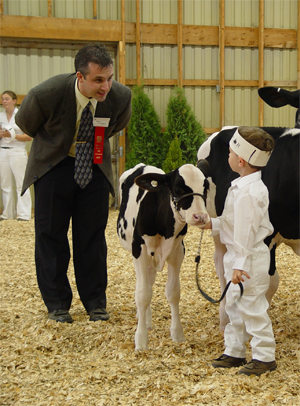 One of the outstanding benefits of living on a dairy farm is that it provides the opportunity to learn how to compete in the dairy ring. Working with dairy animals improves physical fitness, coordination, self-discipline and teamwork, but these beneficial activities can also put participants at risk for injury.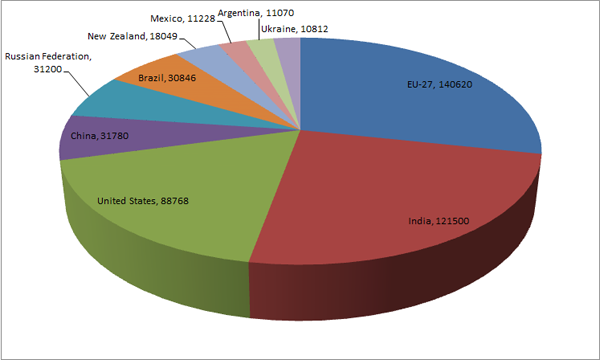



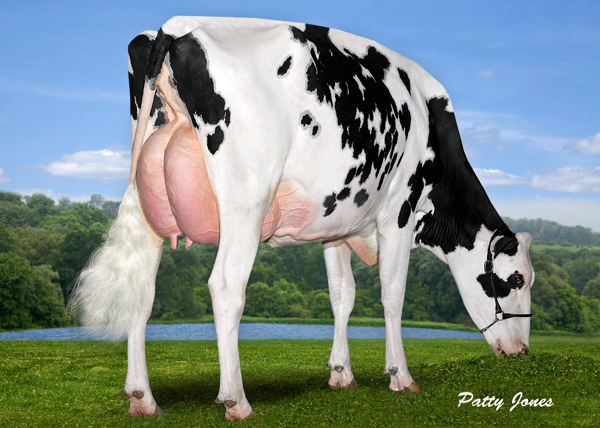
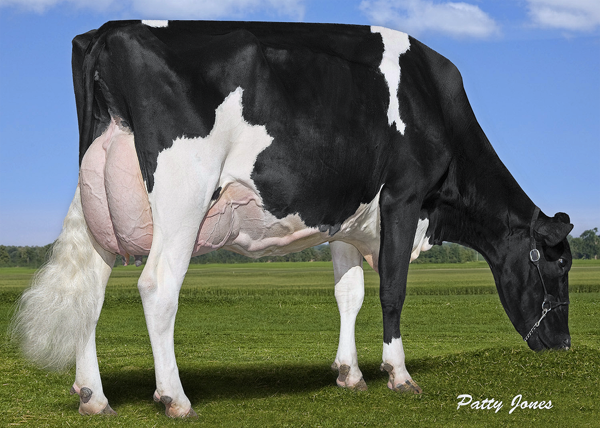
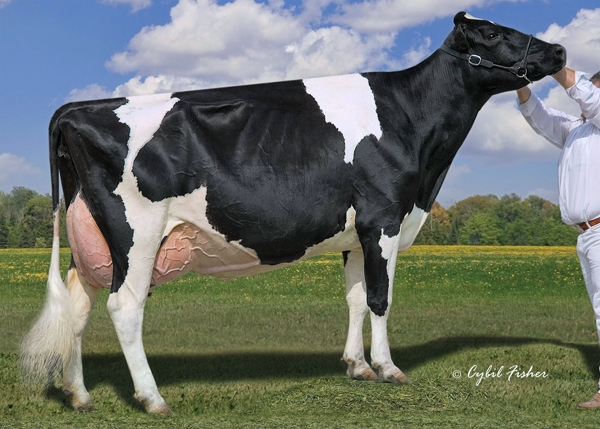
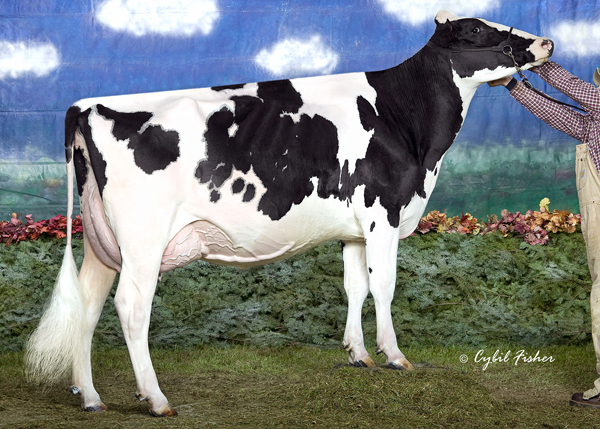
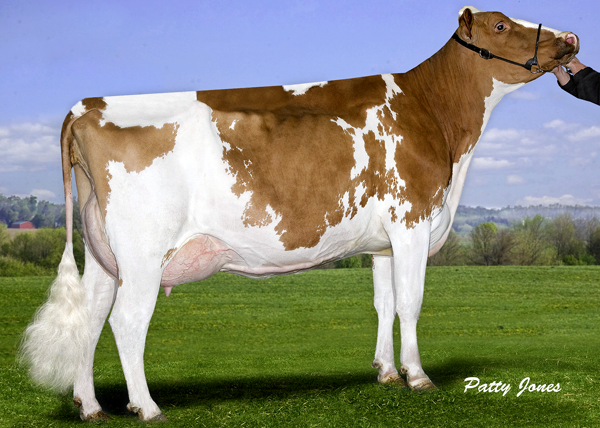
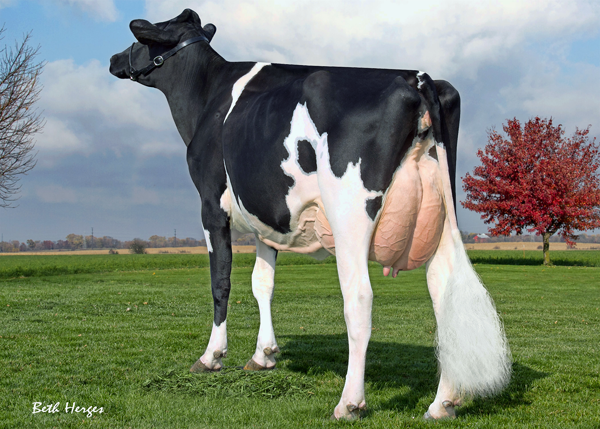
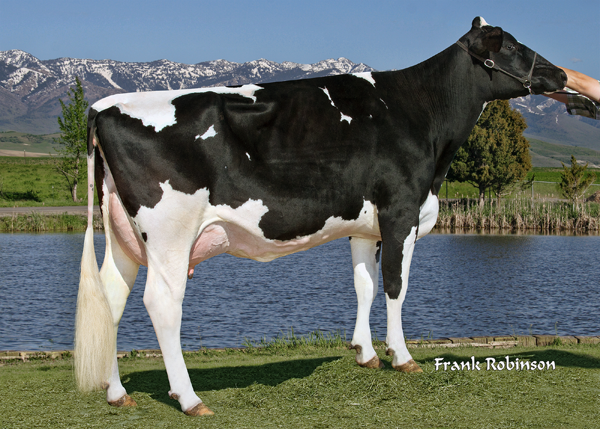
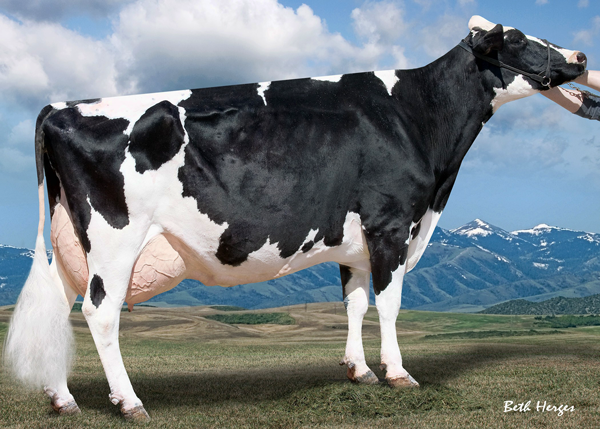
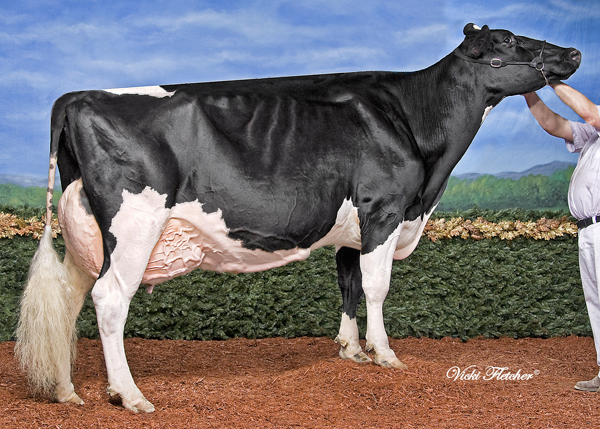
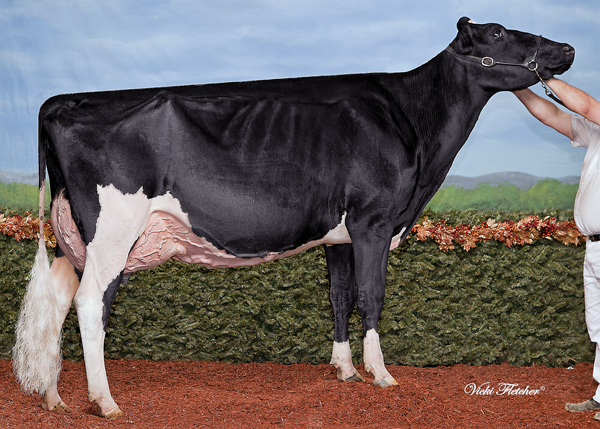
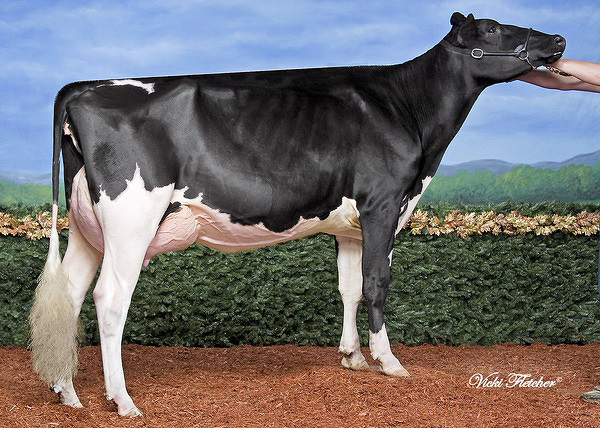
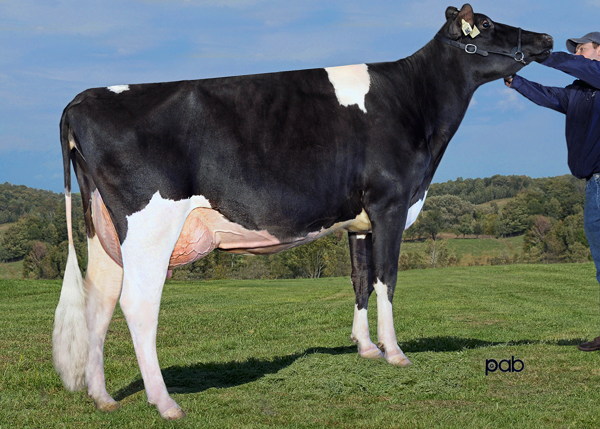
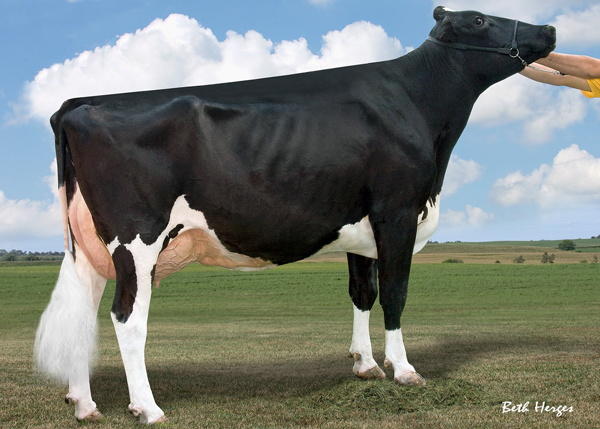
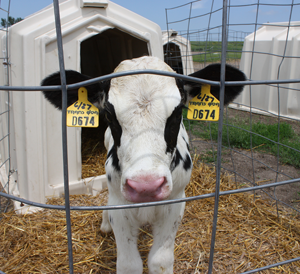 AT THE END OF THE DAY, LOOK FOR BIG BENEFITS NOT PREVIOUSLY ACCESSIBLE
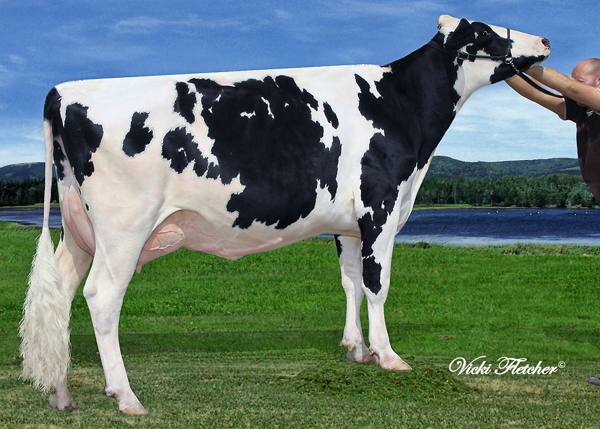
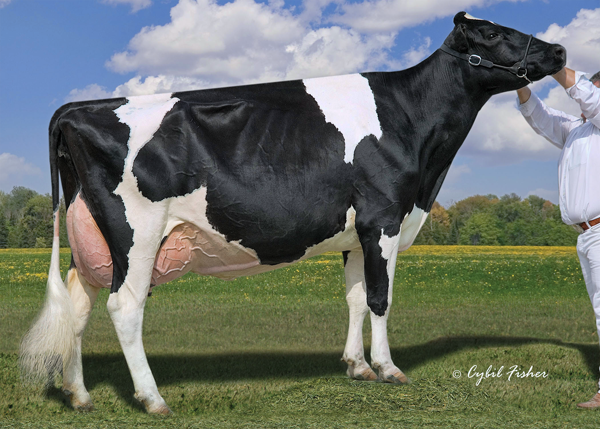
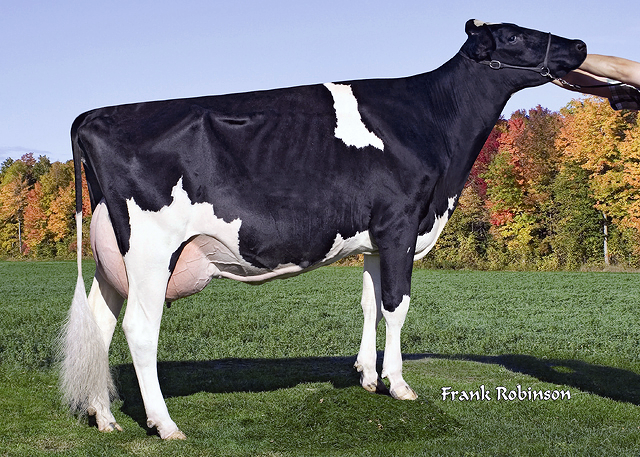
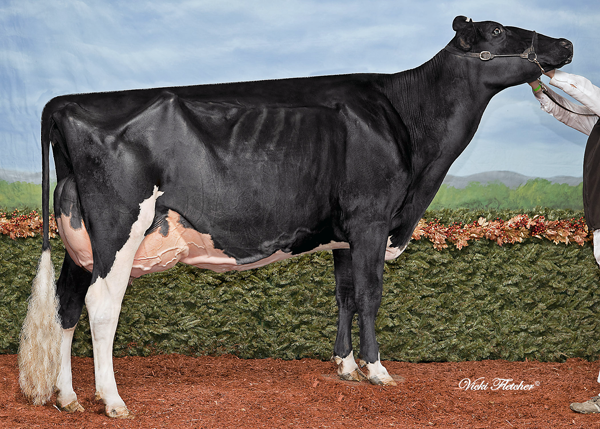
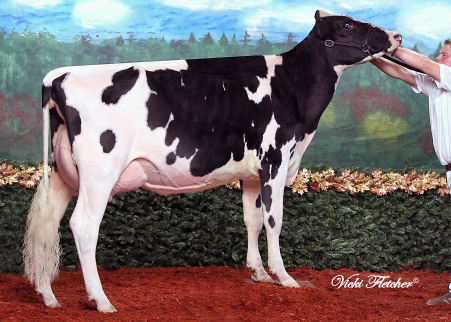
 UDDERLY EXCELLENT
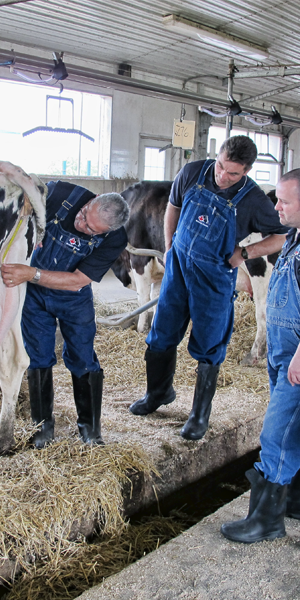 FACING FORWARD WITH CLASSIFICATION