12.5% of Canadian Holsteins now carry polled genetics—up from just 1.5% in 2015. Game changer.

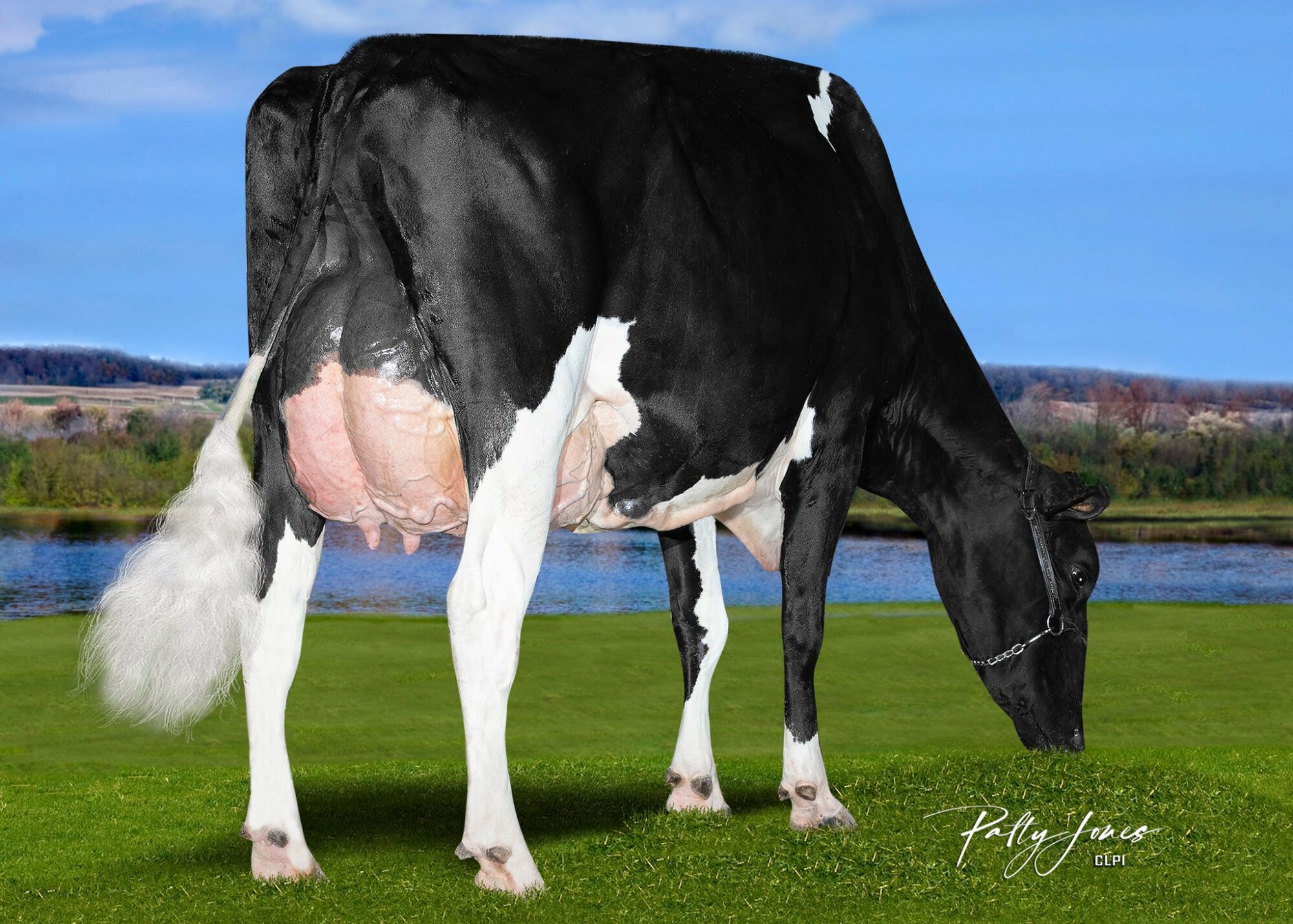
Stop what you’re doing and take a look at this. Stantons Remover PP just re-claimed the #1 spot on Canada’s August 2025 Proven Holstein LPI rankings at 3897. That’s not just another genetic shuffle—Remover PP is the first homozygous polled bull that has topped a major national index based on actual daughter performance.
If you’ve been sitting on the fence about polled genetics, waiting for “proof” they could run with the elite horned sires, well—here’s your proof.
But before you speed-dial your AI rep, let’s talk reality about what transitioning to polled actually looks like when the boots hit the barn floor.
The Excuse That Just Died
For thirty years, we had solid reasoning for reaching for that iron: polled meant giving up production. The numbers backed us up. Elite genetics came with horns attached—deal with it later.
That math just changed permanently.

The polled gene frequency among Canadian Holsteins has increased from 1.5% in 2015 to 12.5% by 2025. That’s not incremental—that’s genomic testing revealing elite genetics hiding in hornless bloodlines. Nine polled bulls now rank in the top 100 LPI, meaning real options, not welfare feel-good picks.
“I’ll level with you—I thought this polled thing was marketing fluff,” is a sentiment echoed by producers we’ve spoken with across Ontario. “But seeing those August rankings with a PP bull guaranteeing every calf hornless while delivering top-tier genetics… that conversation just got serious.”
The Real Economics of Dehorning vs. Polled Genetics
Here’s where reality bites. Those cost projections floating around? They’re not wrong, but they don’t tell the whole story.
What dehorning actually costs you:
| Cost Factor | Per Head Cost | Impact |
| Procedure and labor | $12-18 | Varies by region |
| Mandatory pain management | $3-6+ | Mandated by new regulations |
| Growth setbacks from stress | $4-6 | Hits first lactation performance |
| Health complications | $2-4 | Infection risk, extra vet calls |
| Handling inefficiencies | $1-3 | Time, bruising, worker safety |
Bottom line: $22-35 per head when you add it all up
For a 500-cow operation, that’s $6,000 to $ 8,000 annually just to keep using the iron. University extension analyses suggest cumulative costs could exceed $100,000 over 15-20 years. Results vary significantly by operation and region—your mileage will differ.
The Transition Reality Nobody Mentions
Here’s what the genetics companies won’t tell you upfront:
Year 1 hits hard. You’ll pay premiums for polled semen (15-25% more) while still dehorning calves from previous breeding decisions. Budget $50-60 per heifer for genomic testing to know what you’re working with.
Cash flow becomes tight before it improves. Plan for 18-24 months before seeing real savings. You’re paying polled premiums while still managing horned calves born from last year’s breeding program.
Staff training isn’t optional. The biggest risk isn’t genetic lag anymore—it’s accidentally dehorning a polled calf. That mistake wipes out your genetic and financial investment in one swing.
What The New Regulations Actually Mean
Both Canadian NFACC codes and the U.S. FARM Program 5.0 now mandate documented pain management for dehorning. That means:
- Detailed protocols for every procedure
- Staff training documentation
- Veterinary oversight records
- Regular audit compliance
“Our processor gave us 12 months to get compliant with new pain management documentation,” reports one southwestern Ontario producer whose co-op requires annual welfare audits. “The operation down the road got six months. Check your contract—enforcement varies.”
Polled genetics eliminates this paperwork entirely. One genomic test provides permanent verification.

Market Pressure: The Unspoken Driver
Major food companies have established animal welfare policies that encourage suppliers to adopt polled genetics and enhanced welfare practices. While specific sourcing mandates vary, the trend is clear: polled status provides market security that pain management protocols can’t match.
Think of it as insurance. Companies prefer biological proof over management protocols because it’s audit-proof.
Your Polled Breeding Strategy: PP vs. Pp Sires
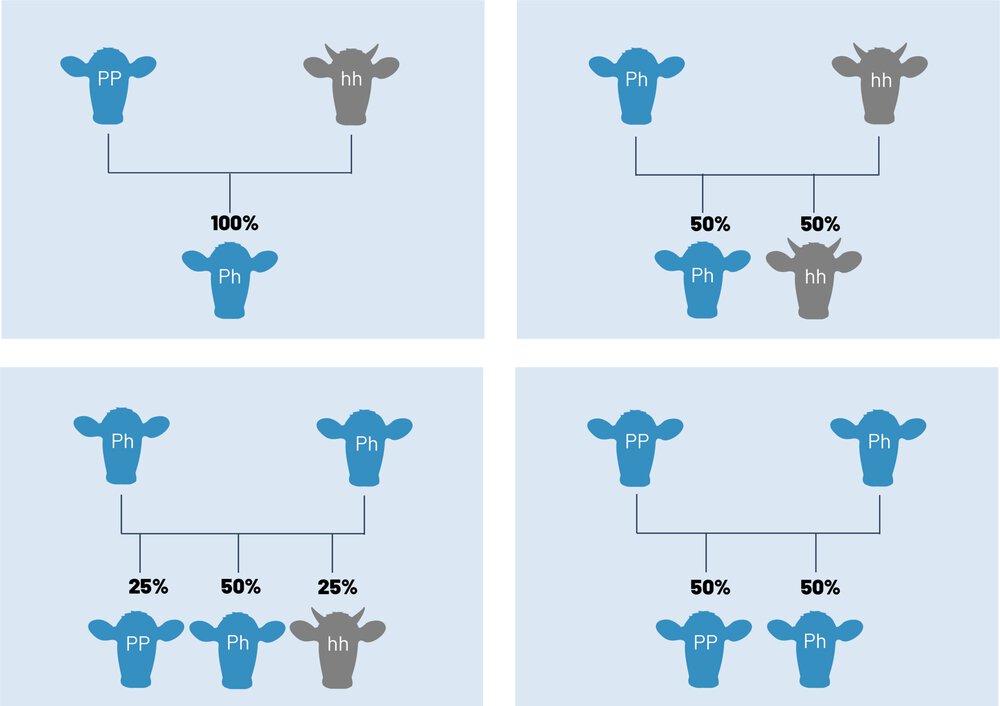
Genetics 101 refresher:
- PP bulls: 100% polled calves, premium pricing
- Pp bulls: 50% polled calves, moderate premiums
- Breeding two Pp carriers: 25% chance of horned calves (expensive mistake)
A quick note on scurs: Don’t mistake these small, loose, horn-like growths for a genetic failure. Scurs only appear on heterozygous (Pp) animals and are a key indicator that the polled gene is present. Homozygous (PP) animals will never have scurs.
Your Realistic Three-Year Timeline
Year 1: Assessment and Setup
- Test all replacement heifers for polled status ($50-60 per animal)
- Start using PP sires on your top genetic females
- Train staff on polled calf identification
- Expect cash flow to be negative
Year 2: Transition Phase
- First polled calves hit the ground
- Reduced dehorning costs begin
- Continue genetic transition
- Break-even to slight positive
Year 3: Payoff Territory
- Significant percentage polled in the calf crop
- Major cost savings established
- Market premiums available for breeding stock
- Positive ROI demonstrated
“Plan for a five-year payback, not those 20-year projections they show you,” advises a dairy financial consultant who’s worked through dozens of polled transitions. “This business changes too fast for longer timelines.”
Herd Size Strategies That Work
Small operations (100-300 cows): Gradual approach using heterozygous sires over 6-8 years. Manage cash flow impact carefully.
Medium operations (300-800 cows): Balanced mix of heterozygous and homozygous sires, targeting 90% polled in 5-6 years.
Large operations (800+ cows): Accelerated program emphasizing homozygous sires, 90% polled in 4-5 years through strategic genetic management.
Learning From Global Leaders
European dairy markets are showing an accelerating adoption of polled genetics following stricter animal welfare regulations¹¹. The message is consistent: early adopters capture advantages while followers adapt under pressure.
The Bottom Line Reality
Stantons Remover PP hitting #1 in Canada for a 2nd time proves polled genetics can deliver elite performance without compromise. The dehorning iron’s days are numbered. The genetics are finally here, and the economics make sense over a reasonable timeframe. Early adopters will capture market advantages and genetic premiums, while others will be forced to adapt under regulatory and consumer pressure. The question is no longer if you should go polled—it’s whether you’ll lead this transition or be dragged into it.
KEY TAKEAWAYS:
- Stop hemorrhaging money: That $35 per calf you’re spending on dehorning adds up to serious cash—start genomic testing your replacement heifers today to map your transition strategy.
- Regulatory compliance made easy: New NFACC and FARM Program mandates require documented pain control, but polled genetics eliminates the whole headache—one genomic test beats years of paperwork.
- Cash in on market premiums: Major food companies are actively seeking polled suppliers—position yourself now before this becomes a table-stakes requirement in 2026.
- Plan your breeding smartly: Use homozygous (PP) sires for 100% polled calves if you want speed, or mix with heterozygous (Pp) sires to manage cash flow—just don’t breed two Pp carriers together.
- Train your team or pay the price: The biggest risk isn’t genetics anymore, it’s accidentally dehorning a polled calf—that’s throwing money and genetics down the drain.
EXECUTIVE SUMMARY:
Listen, I’ve been watching this poll-based genetics thing for years, and frankly, the game has just changed completely. Stantons Remover PP hit 3897 LPI with this August—he is the first homozygous polled bull to top Canada’s Holstein rankings. We’re talking guaranteed hornless calves with elite production, no compromise. The economics? You’re bleeding $22-35 per calf on dehorning when you factor in everything—pain meds, growth setbacks, health issues, the works. Meanwhile, companies like Nestlé and General Mills are pushing hard for polled genetics in their supply chains. Germany’s already at 72% polled matings projected for 2025. Bottom line: if you’re not planning your transition now, you’ll be playing catch-up in a hurry.
Complete references and supporting documentation are available upon request by contacting the editorial team at editor@thebullvine.com.
Learn More:
- The Dairy Sire Selection Checklist That Will Change The Way You Breed Cows – This provides a tactical framework for balancing polled genetics with other crucial traits. It offers practical strategies for ensuring your sire selection decisions are both progressive and profitable, impacting your next calf crop directly.
- DAIRY TEETH: Is Your Farm Ready for the Bite of the New Food Companies? – Go deeper into the market pressures driving the polled transition. This piece reveals the strategic thinking behind corporate sustainability mandates, helping you anticipate future supply chain requirements and position your dairy as a preferred long-term supplier.
- Stop Chasing Your Tail: The 7 Genetic Traits That Will Actually Make You Money – Look beyond polled status to the future of genomics. This article highlights innovative, often-overlooked genetic traits that drive profitability, demonstrating how to leverage genomic data for next-generation herd efficiency and a stronger bottom line.
 Join the Revolution!
 Join the Revolution!
Join over 30,000 successful dairy professionals who rely on Bullvine Weekly for their competitive edge. Delivered directly to your inbox each week, our exclusive industry insights help you make smarter decisions while saving precious hours every week. Never miss critical updates on milk production trends, breakthrough technologies, and profit-boosting strategies that top producers are already implementing. Subscribe now to transform your dairy operation’s efficiency and profitability—your future success is just one click away.