Here’s the cash flow math the dealer didn’t show you — and the one number that predicts whether your robots will pay
A brand-new USDA Economic Research Service report — Precision Dairy Farming, Robotic Milking, and Profitability in the United States (ERR-356, January 22, 2026) — finds that robotic milking increases U.S. dairy net returns by 13 percent on average. The researchers drew on five waves of USDA Agricultural Resource Management Survey data spanning 2000 through 2021, and they controlled for the fact that stronger managers tend to adopt first. That 13% is an adjusted treatment effect. It’s the strongest national evidence yet that AMS profitability is real.
And yet. Iowa State dairy economist Larry Tranel — the guy who’s been running AMS economics since before most dealers had a demo unit — puts it this way: “Cash flow of a robot tends to be very negative in the first seven years, then pretty positive for rest of the life of the AMS, but that is dependent on many variables, especially repair costs across the whole life of the robot.”
Both things are true. The question is whether your operation can survive seven years on the wrong side of the ledger to reach the right one.
The $8,776 Gap Your Checking Account Feels Every Year
Here’s how the math works in Tranel’s partial budget model for a two-robot retrofit with a total investment of $400,000. Annual ownership costs — depreciation, interest, repairs, insurance — run roughly $62,000. Against that, the net financial benefit from labor savings, production gains, and reduced hired help comes to just $1,391 per year before you assign a single dollar to quality of life.
Now layer on the loan. A 7-year note at 5.5% means an annual payment of $68,976. The capital recovery cost for a 10-year useful life is $60,200. The gap: negative $8,776 per year in cash flow — and that’s before you account for any labor you didn’t actually eliminate.
Why does the USDA aggregate picture look so much rosier? Depreciation. In the national profitability calculation, it’s a non-cash expense spread over the equipment’s useful life. In your checking account, the loan payment is debited every month. For seven years, money going out exceeds the margin improvement coming in. That’s the valley.
Worth noting: the USDA report says only 6% of U.S. milk came from cows milked via box robots as of 2021. AMS remains the minority, meaning the profitability data reflects a population skewed toward early adopters who tend to be stronger managers to begin with.
The Production Gain That Isn’t What You Think
Tranel puts the typical production bump at 3 to 5 percent for herds switching from twice-daily milking. Some farms hit 10% or more. But here’s what gets glossed over at the open house: “Often, much of the increase reported on AMS is due to the new cow housing facility, not just the AMS, as new facilities often increase production 6 to 8 percent over old, worn-out facilities. This is an important point often overlooked.”
That 10% jump your neighbor reported? Maybe 3–5 points came from the robot. The rest came from the new barn. Better ventilation. Fresh concrete.
Already milking 3X in an efficient parlor? Tranel doesn’t sugarcoat it: “Producers currently milking 3X may experience a decrease in milk production.”
Where You’re Starting
Realistic Gain
2X in older tie-stall or worn-out freestall
6–8% (new barn + robot combined)
2X in decent existing freestall (retrofit)
3–5% (robot contribution)
3X in an efficient parlor
0% or potentially negative
Source: Tranel, Iowa State Extension (2018)
💡 The Bullvine Tip: Before you sign an AMS contract, ask the dealer for production data from three retrofit farms — not new-builds. If the big gains only show up where somebody also poured a new barn, the robot isn’t the hero. The ventilation and stall comfort are doing the heavy lifting. Purina Canada’s 2025 analysis of Canadian retrofit herds found a trending average of +3 liters/cow/day — about C$2.70/cow/day at a Canadian milk price of roughly 90 cents/liter. A useful reference point, but Canadian pricing doesn’t translate directly to U.S. operations.
At Tranel’s benchmark of 4,500 lb of milk per robot per day, AMS milking costs run about $2.13/cwt (range: $1.77–$3.00). A well-run swing-12 parlor? Roughly $1.08/cwt. That’s a dollar-plus gap you have to close with production gains, labor savings, and management value. Every month.
Cost Component
AMS ($/cwt)
Swing-12 Parlor ($/cwt)
Ownership (depreciation, interest, insurance)
$1.05
$0.38
Maintenance & Repairs
$0.54
$0.22
Labor (net after savings)
$0.34
$0.38
Throughput & Efficiency
$0.20
$0.10
Total Milking Cost
$2.13
$1.08
Gap You Must Close
+$1.05/cwt
—
Where the Maintenance Money Goes
The 2019 joint survey by Extension educators at UW-Madison, the University of Minnesota, and Penn State — with more than 50 complete responses — tracked how costs change as robots age.
Early years: repairs and maintenance average around $5,000 per robot per year. As units get older, those costs climb to roughly $10,000, driven mainly by bigger repair bills while routine maintenance stays fairly steady.
But averages mask the danger zone. Among farms running robots for 5 years or more, 25% reported maintenance costs exceeding $15,000 per robot per year. A few blew past $25,000. Those producers, in their written comments, “made it clear that adaptation to AMS didn’t go well for them and that they were transitioning back to conventional milking systems or exiting the dairy sector.”
One in four older installations is hitting a cost wall that guts the investment thesis. That’s not a tail risk. That’s a quartile.
One bright spot from the same survey: 45% said dealer service had improved since they first adopted. When your robot goes down, how fast the technician arrives is the difference between a hiccup and days of lost production.
The Labor Savings Are Real. The Mental Load Is the Surprise.
Tranel’s data show a 75% decrease in milking labor hours — from 6.5 hours/day to 1.5 on a typical two-robot farm. The UW–UMN–Penn State survey confirmed average savings of 38% per cow and 43% per hundredweight. At $15/hour, that works out to about $1.50/cwt in labor savings. Top-quartile farms saved $2.40/cwt or more.
But 8% of respondents reported no labor savings at all — mostly because maintenance demands ate the hours right back.
And the labor spreadsheet misses the changes that happen between your ears. A 2014 survey of 228 Finnish AMS farmers — published in 2016 by Karttunen, Rautiainen, and Lunner-Kolstrup in Frontiers in Public Health — found 71.5% reported mental stress from nightly AMS alarms and 51.7% experienced stress from the 24/7 standby. Overall, 93.4% mentioned at least one AMS-related issue causing mental strain.
That survey is now a dozen years old, and alarm management tech has improved. But the underlying reality hasn’t changed — a robot never clocks out. Christina Lunner Kolstrup of the Swedish University of Agricultural Sciences, a co-author on the Finnish study, put it plainly in a summary of her qualitative research reported by Dairy Global in 2021: “Previously, with conventional milking, the working day had a clear and natural ‘start’ and ‘end’, but with the AMS, there are no specific working hours. The informants claimed that they are working longer hours now than before. They are never really done after a working day, as there is always something more to be done in the dairy barn.”
One Wisconsin producer in the Extension survey nailed it: “AMS is not stress free. Physically, it is easier. Mentally stressful.” Another said: “Anyone considering robotics should understand that there is still plenty of daily work involved in milking, robots just give you more flexibility with your time.”
You trade the 5 AM and 5 PM grind for 2 AM alerts. If you run a family operation, that trade-off deserves a kitchen-table conversation before it deserves a dealer quote.
Factor
The Financial Gain (Quantified)
The Mental Load Reality (Survey Data)
Milking Labor Hours
75% reduction (6.5 hrs/day → 1.5 hrs/day)
51.7% report stress from 24/7 standby requirement
Labor Cost Savings
38–43% per cow; $1.50–$2.40/cwt
71.5% report stress from nightly AMS alarms
Top-Quartile Labor Savings
$2.40/cwt or higher
Workdays no longer have clear “start” or “end”
Zero Labor Savings
8% of adopters (maintenance ate the hours back)
93.4% report at least one AMS-related mental strain
Physical Demand
Significantly easier (no 5 AM/5 PM milking)
“Mentally stressful… never really done after a working day”
Schedule Flexibility
More control over daily timing
Trade 5 AM/5 PM grind for 2 AM alerts; alarms wake you at night
The 15.8% Who Stopped
Dr. Nicolas Lyons, dairy technology leader at NSW Department of Primary Industries and a key researcher on Australia’s FutureDairy project, tracked the country’s entire AMS adoption history: “Of the 57 farms that commissioned robots since 2001, now there were only 48 operating. We had nine cease — some went back to a conventional dairy, and some left the industry entirely.”
Nine of 57. A 15.8% discontinuation rate — not among tire-kickers, but among farms that installed robots, ran them, and walked away.
Lyons didn’t dodge the reasons: “It basically comes down to things like expectations weren’t met; some couldn’t make it work; some didn’t have a good relationship with the equipment provider; and some didn’t achieve what they had hoped.”
The pattern usually starts with facility design — cow traffic bottlenecks baked into concrete you can’t move. It compounds when maintenance costs climb past year five. And it breaks open when the promised lifestyle improvement collides with the grind of 24/7 systems management.
What the Satisfied Farms Actually Said
De Assis Lage and colleagues surveyed large U.S. AMS operations — farms running 7 or more milking boxes, median herd around 940 lactating cows — in a 2024 study published in MDPI Animals. The results: 54% would recommend AMS. Another 38% advised careful consideration before adopting. Just 8% were neutral or wouldn’t recommend.
That 38% isn’t a rejection. It’s producers who know it works—and exactly what it costs to get there.
Production results: 58% reported increases, and 32% saw higher fat and protein content. Top adoption motivations for these large herds: labor costs (81%), cow welfare (78%), herd performance (74%). Quality of life came in fourth at 44%. For big U.S. operations, AMS is a labor and performance investment first. The lifestyle argument carries more weight on smaller Canadian and European farms, where it consistently ranks as the top driver.
The regret data matters most: 68% would do something differently. Barn design modifications topped the list (32%), followed by improvements to cow flow (16%). Two-thirds wished they’d planned their facility better — the one thing you absolutely cannot fix without jackhammering concrete.
What Your Lender Sees
Brad Guse, Senior Vice President of Agriculture at BMO Harris Bank, frames the question the way your banker will: “Given the significant capital outlay for robotic dairy equipment, how are you going to repay the debt?”
Tranel’s model answers that bluntly. On a $400,000 investment at 7 years and 5.5%, the payment is $68,976/year. Capital recovery is $60,200/year. The cash squeeze starts on day one.
Guse warns specifically against balloon payments — you’re deferring principal at exactly the point maintenance costs start climbing.
And Tranel raises a timeline question that rarely comes up at the dealer’s table: “If you will be farming for at least another 13 to 17 years, that increases the propensity to put in robotics, but if you are only planning on farming about seven years, then it might not make sense.” Looking at 20 more years? “You need to consider needing to make a second investment of money in 15 years when the equipment wears out.”
The One Number That Predicts Your Return
Tranel is clear: milk per AMS unit is “very highly correlated” to AMS profitability — more so than milk per cow. The 2019 survey data showed robot visits ranging from 2.4 to 3.1 per cow per day, and milk per visit ranging from 21.4 to 39 lb.
That spread — 21.4 to 39 lb per visit — separates the robots that pay from the ones that bleed you dry. And the gap isn’t about the machine. It’s cow flow, feed management, lameness protocols, stall comfort, and whether you run the data like a systems manager or treat the robot as a very expensive hired hand.
What This Means for Your Operation
Budget AMS milking at $2.00–$2.50/cwt against roughly $1.08/cwt for a good parlor. Your labor savings, production bump, and management-software value have to clear that gap. Monthly.
Plan for maintenance to roughly double by year five — and for the real possibility you land in the top quartile at $15,000+ per robot. If your cash flow model assumes $5,000/year in perpetuity, it’s wrong.
If you’re milking 3X in an efficient parlor, don’t model production gains from AMS. Tranel’s data says you may lose ground. Be honest about your starting point before you model the finish.
Run Tranel’s spreadsheet — search “Iowa State Extension dairy team milking systems” for the free download. [Verify URL is current before publication.] Stress-test your numbers at $17 milk, not just $22. If the math only works at high prices, you’re making a bet, not an investment.
Facility design is the regret you can’t undo. Visit retrofits, not just new-builds. Walk through at peak milking time. Ask every operator the same thing: “What would you do differently?”
Know your timeline. Less than 10 years to exit? The valley may outlast your career. Twenty years out? Budget for a full equipment replacement at year 15.
Have the family conversation about mental load before you have the dealer conversation about price. The Finnish data is clear: 71.5% of AMS farmers reported stress from nightly alarms. Alarm tech has improved since that 2014 survey, but the 24/7 nature of robot management hasn’t changed.
Key Takeaways
The January 2026 USDA report (ERR-356) confirms that AMS boosts net returns 13% on average. But Tranel’s cash flow model shows seven years of red ink before you reach the payoff. Both are true. The difference is what you measure.
Production gains of 3–5% are realistic for 2X herds. Much of any larger gain comes from new facilities—not from the robot itself. Ask for retrofit data before you sign.
AMS milking costs roughly double a good parlor — $2.13/cwt vs. $1.08/cwt in Tranel’s model.
54% of large U.S. AMS farms recommend the technology, but 38% say do your homework first. And 68% wish they’d planned their barn differently.
Maintenance costs nearly double as robots age. One in four older installations tops $15,000/robot/year.
Of Australia’s 57 AMS adopters since 2001, nine stopped entirely — a 15.8% discontinuation rate driven by unmet expectations and poor dealer relationships.
The Bottom Line
The producers who recommend AMS without hesitation didn’t just buy different equipment. They became different managers — relentless about the gap between 21.4 and 39 lb per visit, obsessed with cow flow, and brutally honest about what the investment demands.
Where does your operation actually sit in that picture? Answer with a spreadsheet — not a brochure — before you pour the concrete.
Executive Summary:
USDA’s 2026 ERR-356 report says robotic milking and precision tech boost U.S. dairy net returns by about 13% on average, but Iowa State economist Larry Tranel’s cash flow work shows that a typical two-robot install often spends roughly seven years in the red before that upside appears. In his model, a $400,000 system carries about $62,000 in annual ownership costs and nearly $69,000 in loan payments, with only around $1,400 in net financial benefit — leaving an estimated $8,776/year cash flow gap in the early years. Extension surveys echo that pressure, finding that maintenance and repair costs commonly rise from about $5,000 to $10,000 per robot as units age, and that roughly one-quarter of mature AMS herds pay more than $15,000 per robot per year. On the positive side, those same data sets show 3–5% milk increases in most 2X herds that adopt robots, 38–43% labor savings, and better components in many large U.S. dairies, especially when upgrades include new barns. Mental health research from Finland and Sweden then adds a human price tag, with more than 70% of AMS farmers reporting stress from nightly alarms and describing workdays that no longer have a clear start or finish. The full article combines these numbers into a clear playbook — from cost per cwt and milk per robot box to maintenance risk and farming timeline — so you can decide, with eyes open, whether robotic milking fits your herd and your life.
Complete references and supporting documentation are available upon request by contacting the editorial team at editor@thebullvine.com.
Learn More
Dairy Tech ROI: The Questions That Separate $50K Wins from $200K Mistakes – Gain a definitive roadmap for tech upgrades by identifying the robot profitability “sweet spot.” This breakdown exposes the infrastructure failures that sink 62% of investments and arms you with the labor-wage thresholds required for a positive return.
More Milk, Fewer Farms, $250K at Risk: The 2026 Numbers Every Dairy Needs to Run – Secure your operation against 2026’s projected margin compression by mastering the “more milk, fewer farms” math. This strategic briefing reveals the $250,000 revenue gap facing mid-sized dairies and delivers actionable culling and hedging tactics to protect your bottom line.
The Next Frontier: What’s Really Coming for Dairy Cattle Breeding (2025-2030) – Capture an additional $3,000 per cow in annual revenue by positioning your herd for the gene-editing revolution. This forward-looking analysis breaks down how designer milk and genomic health markers will fundamentally reshape your competitive advantage and profit potential by 2030.
Join the Revolution!
Join over 30,000 successful dairy professionals who rely on Bullvine Weekly for their competitive edge. Delivered directly to your inbox each week, our exclusive industry insights help you make smarter decisions while saving precious hours every week. Never miss critical updates on milk production trends, breakthrough technologies, and profit-boosting strategies that top producers are already implementing. Subscribe now to transform your dairy operation’s efficiency and profitability—your future success is just one click away.
Under 500 cows and eyeing robots? Before you sign a $1M note, answer this: Who shows up your lane when the barn goes dark?
Executive Summary: If you milk under 500 cows and you’re eyeing robots, this piece shows why a USD $1 million AMS note won’t automatically fix your labor problem—and might bury you if the math and the people aren’t there. It breaks down current immigrant‑labor dependence, Wisconsin’s drop from 16,000+ herds to just over 5,300, and what real AMS budgets and labor‑savings studies say about when robotic milking ROI actually pencils out. You’ll see a side‑by‑side look at parlor‑only, hybrid “parlor + tech,” and full AMS paths, with clear thresholds—like whether you can truly staff milking for around USD $200,000 a year—that help you decide if you should upgrade, automate, or plan a clean exit. The article also ties genomics and proofs straight to robot performance, showing why milking speed, udder traits, health, and beef‑on‑dairy decisions are now core to your AMS payback, not just nice extras. Alongside the math, it tackles storms, backup power, mental health, and the 4‑H kid with a calf who might be your next key employee or successor. You’ll walk away with a 30‑day checklist, practical questions to take to your lender and family, and one blunt test that matters more than any sales pitch: when the barn goes dark, who actually turns up your lane?
The trucks in the lane usually tell the truth before any robot ever will.
They’re strung along the driveway at a small robot barn in central Wisconsin—feed company pickups, a neighbor’s welding rig, the vet’s SUV, a church friend’s minivan. Inside, the old parlor is half‑gutted, and three new robotic milking systems sit on concrete that still looks damp. If you’re running a small or mid‑sized herd in 2024–2026 and even thinking about robots, this is your world: broken labor, big capital decisions, and a hard choice between AMS, a hybrid setup, or an exit while you’re still ahead.
This piece walks straight through that choice—the math, the decision rules, and the people around you who decide whether you’re still milking in five years or reading your own dispersal catalog.
Editor’s note: This is a composite story built from real 2023–2025 data and patterns on robot herds across Wisconsin and the Midwest—not a blow‑by‑blow profile of one specific farm. The economics and pressures are real; the names and scenes are representative.
The Labor Bomb Under a 200‑Cow Dairy
Let’s start where you actually live—at the kitchen table with a calculator and a coffee that went cold an hour ago.
By late 2023, a typical 180‑cow herd in central Wisconsin looked a lot like yours might. Margins tight. Kids in school. Parents still doing more 4 a.m. milkings than they’ll admit. And a labor situation that quietly shifted from “hard” to “not sustainable.”
A lot of herds have walked this path:
Starting milkers at USD $16/hour with housing.
Bumping to $18, then $20–22 with more flexible hours.
Edging toward $24 with a decent bunkhouse and still watching people leave for climate‑controlled warehouse jobs with weekends off and no risk of a frozen yard.
That’s not just bad luck. A National Milk Producers Federation study with Texas A&M found that immigrant workers make up about 51% of all hired U.S. dairy labor, and that farms employing them produce roughly 79% of the nation’s milk. In that same modeling work, if that immigrant workforce disappeared, more than 7,000 dairies would shut down, and retail milk prices would jump nearly 90%.
In Wisconsin, a UW–Madison School for Workers analysis—summarized in recent industry coverage—estimated more than 10,000 undocumented workers doing around 70% of the state’s dairy labor, with researchers warning that without them, Wisconsin’s dairy industry would be at serious risk of rapid collapse.
Lay that on top of herd numbers. USDA‑NASS and state data show:
16,264 licensed dairy herds in Wisconsin in 2003.
Around 6,140 herds by late 2022.
Just over 5,300 by early 2025, with cow numbers and total milk roughly holding.
Same or more milk. Fewer families. More ground to cover with fewer people.
At some point, you’re down to three real options: pay legal labor what it actually costs and design your system around that, automate the hardest work, or plan a clean exit while you still have equity and energy.
Everything else is creative stalling.
The Night You Finally Say “We Can’t Keep Going Like This”
On the farms that are still breathing a few years later, the turning point is almost never a glossy robot brochure.
It’s the night someone at the table finally says, “We can’t keep going like this.”
On too many farms, that sentence dies in the kitchen. On the ones that make it, it doesn’t stay inside the house.
The smarter move we’re seeing more often now is simple but not easy: before signing an automatic milking system contract, you call the people who’ll actually be in your lane when things go sideways.
Picture a scene you’ve probably lived:
One neighbor has toured a robot barn a county over.
Another has a cousin on AMS in Ontario.
A younger dairyman down the road is “robot‑curious” but still in a double‑8.
The 4‑H leader knows half your heifers by name.
They pile into your kitchen with chili, kids, and opinions.
“We’re not sure we can do this,” you admit. “But we’re sure we can’t keep doing what we’re doing.”
On the barns that survive, that’s the moment it stops being your problem and becomes our barn.
You hear real commitments, not just sympathy:
“I’ll cover morning feeding if construction runs long.”
“We’ll shuffle concrete work so your robot pad gets poured before frost.”
“When it’s time to train cows, I’ll bring the 4‑H kids—they’re not going to forget it.”
Robots stop being a lonely, high‑risk hardware purchase. They become a community project.
You’ll hear some version of this line:
“What keeps us going isn’t just the cows—it’s the people around us.”
And that’s before a single robot milks a single cow.
The $1.2 Million Question
Now we get to the part most sales pitches slide past: the actual ROI of robotic milking.
The Bullvine’s own robotics position is blunt: every robot sold under 500 cows in the U.S. is at best a dangerous luxury and at worst malpractice—unless your labor cost is insane or you literally can’t hire. That doesn’t mean no herd under 500 cows should ever go robotic. It means the automatic “yes” is gone. The default answer is “no” until your local numbers force you to “maybe.”
Here’s what typical AMS budgets look like when you strip away the sales pitch.
Capital and service costs
On small and mid‑sized herds in the Upper Midwest, 2023–2025 manufacturer quotes and independent budgets commonly put a three‑box install covering roughly 180–210 cows in the following ballpark:
Robotic milking systems + installation: roughly USD $180,000–250,000 per box, including software and accessories.
Barn modifications: often another USD $100,000–300,000, depending on how “robot‑ready” your layout is.
Put that together, and many 3‑box projects end up somewhere in the USD $800,000–1,200,000 range once the dust settles. Analysis notes that each automatic milking system can reasonably be assumed to cost about USD $200,000, including USD $15,000–20,000 in facility renovation per unit, numbers that align with these ranges.
Service doesn’t disappear either:
On many farms, service contracts, parts, and callouts can cost tens of thousands of dollars per box per yearover the life of the system, totaling hundreds of thousands of dollars over a decade.
Labor savings and milk flow
On the other side of the ledger:
University of Wisconsin–Madison Extension reports AMS herds in their sample saving around 0.06 hr/cow/day, which worked out to about a 38% drop in labor per cow and 43% per cwt—roughly USD $1.50 per cwt in labor savings at a USD $15/hour wage, with some farms reporting savings closer to USD $2.40 per cwt.
A Cornell‑led multi‑state study, cited in Bullvine’s own AMS analysis, found AMS herds cutting overall labor costs by about 21%, raising milk output 3–5 lb/cow/day, and improving milk quality metrics in roughly 32% of barns surveyed. Results weren’t universal: some herds did very well, some were neutral, and a minority struggled.
This is where your robotic milking ROI either holds or falls apart.
Here’s the hard truth on that:
If you’re paying USD $15–18/hour, and you can still hire decent milkers, robots are a tough sell on dollars alone.
Once your real, legal, fully loaded milking labor cost creeps toward USD $28–35/hour, and you’re burning out trying to keep staff, AMS stops being a toy and starts looking like a survival tool.
If you’re under 250–300 cows, and you haven’t squeezed the cheap levers—activity monitors, sort gates, and feed pushers—you should be very nervous about skipping straight to robots.
A simple comparison looks like this:
Option
10‑Year Capital Outlook (typical)
Labor Impact
Management Stress
Best Fit
Keep parlor, no tech
Lowest capital, rising repair cost
High, fixed shifts
High physical, high mental
Areas with relatively cheap, reliable labor
Parlor + sensors + sort gates + feed pusher
Medium capital (tens of thousands for ~180 cows, not hundreds of thousands)
20–40% labor efficiency gain
Medium (more tech, same cows)
Herds <300 cows, labor ~USD $18–25/hr
Full AMS (3 boxes, 180–210 cows)
Very high capital (USD $800,000–1,200,000 + ongoing service)
30–40% labor savings, more flexibility
Less physical, more tech and mental load
Labor USD $28+/hr or no reliable hire pool; strong management bench
That hybrid package matters. For a lot of herds in older parlors, a mix of activity monitors, a sort gate, and a feed pusher is a tens‑of‑thousands‑of‑dollars investment instead of a million‑dollar note. On herds that actually use the data and gates, that kind of setup can free up substantial milking‑related labor and tighten up heat detection and health monitoring. It won’t take you out of the pit, but it can move your labor efficiency significantly closer to AMS levels at a fraction of the capital cost—and it buys you time to decide whether you truly need robots or just a better‑designed system.
If you’re in Canada under quota with component pricing and a more stable milk cheque, the AMS payback can look different than on a volatile U.S. Class III cheque. The same basic math still applies, but your revenue line won’t whip around as hard. You still need to plug your own numbers into a milk board or advisory cost‑of‑production sheet before you buy anybody’s ROI pitch.
Here’s a test worth running quietly with your lender and accountant:
Can you hire and keep three reliable people to cover milking for USD $200,000/year or less total cost?
If the honest answer is yes, humans probably still beat robots on pure economics for most sub‑500‑cow herds.
If the answer is “no chance” and you’ve already tried, then you’re in the “AMS or exit” conversation, whether you like it or not.
And for some small or heavily leveraged herds, the most profitable move might still be an orderly dispersal while there’s equity left—not taking on a million‑dollar note because a dealer says “everyone is going robotic.”
Mentorship, Genomics, and Cow Sense in a Robot Barn
Robotic milking doesn’t change the fact that fresh cow management still makes or breaks your month, SCC still hits your milk cheque, and components still pay the bills.
It does change who is watching what.
On the best AMS herds, you see a familiar pattern with new tools:
An older generation walks pens and spots the fresh cow whose eyes are a bit dull or whose cud is slow.
The next generation pulls up the robot dashboard and shows that same cow’s milk visits, milking speed, conductivity, and rumination trend.
They argue a little, walk out together, and usually both end up half right.
A 2024 U.S. AMS study reported that many owners reported labor cost reductions of 20% or more, and many reported better control of mastitis, lameness, and reproductive problems on their farms. Many of those same farmers also said robots improved their quality of life by changing when, not just how much, they worked.
This is where genomic proofs and sire lists quietly make or break your AMS ROI.
In a robot barn, you suddenly care a lot more about:
Milking speed and temperament—slow, jumpy cows choke box capacity.
Udder attachment and teat placement—functional PTAT, not just show‑ring pretty.
Health and hoof traits that keep cows sound and productive long enough to pay off your capital.
Genomic Trait
Importance in Parlor Herd
Importance in AMS Herd
Why It Matters for Robots
Milking Speed
Medium
CRITICAL
Slow cows choke box throughput; every extra minute per cow = fewer total milkings per box per day
Still critical in AMS, but conductivity sensors catch problems faster than twice-a-day visual checks
Components (Fat/Protein %)
High (market pays you)
HIGH (market still pays you)
Higher frequency can dilute components slightly; select bulls that hold % under 3x milking
If your sire list doesn’t reflect that, you’re breeding for the wrong barn.
Practical steps:
Screen bulls for robot‑relevant traits—milking speed, udder depth, teat position, daughter behavior—alongside Net Merit, Pro$, or LPI, depending on where you ship.
Use genomic testing to push the bottom 15–20% of heifers straight into beef‑on‑dairy or terminal matings, not into your replacement pool.
Treat your top 30% as the engine room: sexed semen, targeted embryo work, and matings that stack components and longevity with robot‑friendly udders.
When you look at proof sheets, treat milking speed and udder traits as non‑optional filters for AMS herds, not “nice extras.”
If you want the next generation actually to want the keys one day, they need more than a shovel in their hands.
Give them real responsibility:
Make a teenager or young adult responsible for one metric on the AMS or herd‑management software—SCC alerts, “red cows,” abnormal visits.
Let them sit in on breeding and culling meetings where AMS performance, genomic proofs, and fat/protein kilos actually shape decisions.
Ask what they see in the data that you’ve been feeling in the barn.
One young producer on an AMS herd put it this way to her grandfather: “The barn’s talking to us all day now.” His reply was simple: “It always was. We just hear it better now.”
Storms, Blackouts, and Who Backs a Tractor Up to Your Panel
Six months after startup, the real test on a lot of robot barns isn’t software.
It’s a thunderstorm.
A fast‑moving cell rips across the township. Trees down. Lines down. One minute, the robot room hums; the next, it’s dead. Vent fans are silent. Lights gone. Cows are mid‑cycle and starting to wonder what’s wrong.
This is where you find out if you bought machines or built a support system.
On the barns that get through nights like this without permanent damage to cows, people, or cashflow, you see the same pattern:
Within fifteen minutes, headlights swing into the yard.
One neighbor backs a tractor‑driven generator up to the panel like he’s done it twenty times.
Another shows up with portable lights and coffee.
A cousin‑electrician arrives with a headlamp and a coil of wire.
By the time the power company truck finally grinds in, the robots are already milking again. Cows are agitated but under control. Everyone is wiped. But nobody is arguing about whether automation “was the right call” anymore—because the real question was never robots vs parlor.
It was: “When the barn goes dark, who turns up your lane?”
If you can’t answer, right now, whose tractor is backing up to your panel, who milks if you land in the hospital, and who you call first in a disease outbreak or barn fire, that’s not a theoretical risk.
That’s a hole in your survival plan.
The Hardest Sentence in the Barn: “We Can’t Keep Going Like This”
We’ve all seen the mental‑health headlines. Too many of us know the families behind them.
Farmer stress and mental health aren’t side topics anymore. They sit right in the middle of whether your barn is still lit five years from now.
It’s bad enough that national and regional groups have put serious resources behind it. The Farm Aid Hotline (1‑800‑FARM‑AID) provides confidential assistance to farmers in distress or crisis, connecting them to financial, legal, and mental‑health resources. States and provinces now maintain ag‑specific counsellor lists and crisis lines. Farm organizations quietly slip those numbers into meetings and newsletters.
Robots don’t fix that. A USD $1 million AMS note and a constant stream of alerts can make your head even louder.
On the farms that actually get healthier, there’s almost always a moment before anyone signs a contract when someone finally says:
“We can’t keep going like this.”
Short‑staffed. Watching neighbors sell out. Lying awake, wondering whether your kids will resent you more for selling now or handing them a mess in ten years. Afraid that saying it out loud means you’ve failed.
On the barns that make it through, people around them don’t accept “we’re fine” as an answer.
Common patterns:
A neighbor couple shows up most Sunday evenings during the transition, not to critique cows but to ask, “What went a little better this week? What’s still chewing on you?”
Vets and nutritionists leave mental‑health resource cards by the computer and say plainly, “These are here for anyone on this farm. Including you.”
Pastors, teachers, and coaches with farm roots stop by during chores, not to preach, just to sit at the table and listen.
When those farmers look back, the line that sticks isn’t about robots.
It’s some version of:
“The moment that changed everything wasn’t when the robots started. It was when we realized we didn’t have to pretend we were fine anymore.”
If you’re serious about staying in dairy, this isn’t fluff. It’s risk management. Cows don’t care how tough you are. Your family and your lenders care very much that you’re still here.
The 4‑H Calf That Keeps a Kid – and a Farm – Connected to Dairy
Every county has a story that quietly explains why community still matters.
A quiet kid drifts into a 4‑H dairy club meeting. No farm background. New boots, still clean. Home life? Let’s just call it complicated.
A local dairyman offers him a calf from his herd for the summer. Nothing out of the World Dairy Expo showstring. Just a decent heifer with a kind eye and a shot at VG down the road if things line up.
All summer, that calf gives him a reason to get up and go somewhere safe twice a day. He learns to halter, to brush, to read her moods. When she walks into the robot for the first time, he’s there with a hand on her flank, talking her through the new noise and the spray.
At the fair, they land squarely in the middle of the class. You’d think they’d just won the Supreme.
Fast‑forward a couple of years, and that “quiet kid” shows up as:
A part‑time worker at a dairy down the road.
A student in an ag or ag‑tech program.
The older 4‑H’er is clipping calves and teaching younger kids how to lead a heifer without panicking.
Ask what changed his path, and he’s not going to say “robot model numbers” or “Net Merit.”
He’ll tell you, “Somebody trusted me with something that mattered.”
If you want to talk long‑term herd strategy and genetics, that’s it in one sentence. Your best cow families and proofs don’t mean much if there’s nobody young who wants to be under those cows when they calve, milk, and show.
Robots and genomics might keep your herd competitive.
Kids and the community keep it alive.
What This Means for Your Operation
This isn’t a feel‑good Hallmark story. It’s a survival checklist.
If you’re reading this with a knot in your stomach, you’re exactly who this section is for.
Run Your Robot vs Human vs Hybrid Math in $/cwt
Sit down with your lender and accountant and write it out:
Calculate your real milking labor cost per hour—wages, housing, benefits, turnover, and your own unpaid time. Convert that to $/cwt using your shipped volume.
Get a real AMS quote: equipment, barn modifications, and at least 10 years of service contracts.
Price out a serious hybrid package—activity monitors, sort gates, and a feed pusher. For many 180‑cow herds, that’s a tens‑of‑thousands‑of‑dollars investment, not a million‑dollar note.
Work out your projected $/cwt labor cost for “keep the parlor,” “parlor + tech,” and “full AMS” at five and ten years. If you’re not sure how to do that, ask your lender or extension adviser to walk you through it.
Then ask yourself:
Can I hire and retain three reliable people to cover milking for a total cost of USD $200,000/year or less?
If yes, humans still likely beat robots on pure economics for most sub‑500‑cow herds.
If no, you’re in AMS‑or‑exit territory and need to treat this like the survival decision it is—not a gadget purchase.
If AMS debt would push your total farm debt service well beyond your historic cashflow comfort zone, a clean, profitable exit or a smaller hybrid investment deserves a serious look.
Build a Three‑Farm Emergency Ring
Before the next storm, disease outbreak, or health crisis:
Sit down with two or three nearby dairies.
Agree on who brings the tractor‑driven generator, who understands your panel, and who will show up if you’re suddenly out of commission.
Swap cell numbers, gate codes, and panel details now, not at midnight in a blizzard.
Write it down and post it in the office and on at least one truck.
If you don’t know whose tractor is backing up to your panel, that’s the first hole to patch.
Put Mental Health on the Wall
Take ten minutes and:
Print the Farm Aid hotline (1‑800‑FARM‑AID) and any state/provincial ag mental‑health numbers you can find.
Tape them where people actually look—office fridge, milk house door, robot room.
Tell your family and crew once, “If you ever feel like you can’t keep going, you can talk to us—or you can call these numbers. Both are okay.”
It’ll feel awkward. Do it anyway.
Make Youth Part of Real Decisions, Not Just Photo Ops
If you want someone to care about your herd in 2035, give them work that matters in 2026.
Hand a teenager or young adult a login to your robot or herd‑management software and make them responsible for one metric—SCC alerts, irregular visits, “problem cows.”
Let them sit in on some breeding and culling discussions where AMS performance, genomic proofs, Net Merit/Pro$/LPI, and component performance actually shape the choices.
Put a 4‑H calf or a small project in the hands of one non‑family youth and let them earn your trust.
You’re not just filling labor gaps. You’re building your successor pool.
Tie Genetics Directly to the System You Actually Run
Your sire list should match the barn and milking routine you have now, not the one you had ten years ago.
On AMS herds, prioritize bulls with milking speed, balanced udders, good teat placement, and sound feet and legs alongside components and fertility.
Use genomic tests to push the bottom 15–20% of heifers toward beef‑on‑dairy or terminal matings, protecting your replacement slots for daughters who fit your system.
Treat your top 30% as the cow families that will carry your prefix forward: stack them with sires that fit your milking system, labor realities, and market.
If you’re paid on butterfat and protein, give extra weight to sires whose daughters hold components under higher milking frequency.
If you’re still using bulls that made sense for a twice‑a‑day tie stall in 2008, you’re breeding for nostalgia, not for the farm you’re trying to keep alive.
Key Takeaways
Robots don’t replace neighbors. They raise the stakes on having the right people in your corner when things go sideways.
Under 500 cows, AMS isn’t an automatic yes. If you can still hire and keep good milkers at an honest wage, a hybrid “parlor + tech” setup often delivers most of the benefits at a fraction of the cost.
Your labor market decides more than your dealer does. If you genuinely can’t staff your barn, robots may be the lesser risk—but only with a strong community and management bench behind them.
Genetics has to match your system. Milking speed, udder design, health, and hoof traits become expensive blind spots in a robot barn if you ignore them.
Mental health isn’t soft. It’s a leading indicator of whether your family and business will still be here when the next price cycle turns.
Youth and 4‑H aren’t side projects. They’re your succession plan, your future labor, and the bridge that keeps your best cow families relevant in 20 years.
The Bottom Line
In a world where Wisconsin has dropped from over 16,000 herds to just above 5,300, and immigrant labor holds up half of the hired workforce that keeps the milk flowing, the real question on your farm isn’t “robots or parlor.”
It’s a lot simpler, and a lot harder:
If things go sideways tonight, who is actually turning up your lane?
If you don’t have a clear answer, that’s your real project this year.
Robots might help you milk.
Your people are the reason you’ll still be here to push “start” tomorrow.
Complete references and supporting documentation are available upon request by contacting the editorial team at editor@thebullvine.com.
The $1750 Calf: Is Your 2026 Breeding Plan Leaving $800 a Head on the Table? – This breaks down how to weaponize genomic data to capture massive beef-on-dairy premiums. It delivers a surgical breeding method that turns surplus pregnancies into a second, high-margin revenue stream that significantly outpaces commodity milk income.
Join the Revolution!
Join over 30,000 successful dairy professionals who rely on Bullvine Weekly for their competitive edge. Delivered directly to your inbox each week, our exclusive industry insights help you make smarter decisions while saving precious hours every week. Never miss critical updates on milk production trends, breakthrough technologies, and profit-boosting strategies that top producers are already implementing. Subscribe now to transform your dairy operation’s efficiency and profitability—your future success is just one click away.
Breeding 14,000 kg Holsteins but milking them in a 9,000 kg barn? Your genetics can’t outrun bad concrete.
Executive Summary: Canadian tie‑stall herds are heading into the 2027 Dairy Code with a brutal choice: spend roughly $480K on a retrofit or about $1.48M on a new robot barn for 60 cows. The article shows why the cheapest quote often isn’t the best bet once you price in cow‑flow, ventilation, fetch time, and mid‑life “correction” projects that can add $75,000–$100,000 back onto a tight retrofit. Using current Canadian Holstein averages — 11,364 kg in 305 days at 4.15% fat and 3.36% protein — it walks through how even a 5% drop in performance and an extra 275 hours of fetching per robot per year can erase a $200K saving over 15 years. Producers get three clear paths: minimal Code‑compliant upgrades to buy time, a serious long‑term retrofit for barns with good bones, or a full new robot barn for growth‑minded, multi‑generation herds. Along the way, it ties barn design back to labour, succession, and the ability to actually express the 14–15,000 kg Holstein genetics many Canadian breeders are already paying for. The core takeaway is simple: start your AMS decision with the building and your 15‑year horizon, or risk locking your robots—and your genetics—into bad concrete.
Here’s the picture. It’s a cold January morning in an older 60‑cow tie‑stall. The pipeline’s humming, the concrete’s polished from years of hooves and boots, and you’ve got a robotic milking quote on the table that says you can “go automated” for about $17,000 less per cow if you retrofit instead of building new. On paper, that looks like the easy choice.
But the calendar is louder than the quote. As of April 1, 2027, Canada’s updated Dairy Code of Practice says cows in existing barns can’t be tethered continuously through their production cycle anymore. Not long after that, new rules land for loose calving and stocking density, all while you’re staring at a seven‑figure gap between the cheapest retrofit and a purpose‑built robot barn — plus your own body, your family’s future, and your quota investment. If you’re milking in a Canadian tie‑stall in 2024–2026 and thinking about robots, you’re not just buying a machine. You’re deciding what kind of barn — and what kind of life — you want for the next 15 to 20 years.
The New Code, Real Money, and Real Cows
Recent Canadian analysis of automated milking system (AMS) costs after tie‑stalls pegs a green‑site robotic facility at about $24,718 per cow once you factor in everything. That breaks down to roughly $6,800 per cow for the milking equipment and $10,700 per cow for the barn and core infrastructure, plus handling, feed storage, and manure systems. For a 60‑cow herd, you’re looking at roughly $1.48 million tied up in that project.
In a retrofit, the robot cost doesn’t change much. A single box typically runs in the $150,000–$220,000 range and realistically serves about 55–60 cows, with a working life of 7-15 years, depending on usage and maintenance. The savings show up when you reuse concrete and steel that are already in the ground. In some Canadian retrofit case studies, the total invested cost is closer to $8,000–$14,000 per cow once you upgrade floors, ventilation, and electrical systems, while keeping the shell. On a 60‑cow herd, that’s roughly $480,000–$840,000.
Now add the Code pressure. The 2023 Dairy Code of Practice update — released by the National Farm Animal Care Council and rolled into Dairy Farmers of Canada’s timelines — lays out three big structural dates:
By April 1, 2027, cows in existing barns must not be tethered continuously throughout their production cycle.
By April 1, 2029, all calving must take place in loose housing that allows cows to turn around — pens, yards, or pasture — not in a tie‑stall.
By April 1, 2031, stocking density in freestall systems must not normally exceed 1.0 cow per stall, stepping down from earlier allowances of 1.2 then 1.1 cows per stall.
At the same time, reporting around the Code notes that nearly two‑thirds of Canadian dairy farms still use tie‑stall housing. Some of those barns already provide turnout or loose housing that help meet the new “freedom of movement” requirement, but there’s no national count of how many. If your barn is tired, your body’s tired, and you’re looking at robots anyway, the Code isn’t just a welfare document — it’s the shove that forces you to decide whether that building really deserves another 15‑year run.
You’re not just weighing a robot quote. You’re deciding whether to bolt a complicated, very expensive piece of automation onto something that might already be past its best‑before date — and how much that’s going to cost you in labour, milk, and sanity down the road.
Same Robot, Two Very Different Barns
What producers keep finding is pretty simple: the robot almost never lets you down. The barn design does.
Think about one of the better retrofits you’ve toured.
You walk into the old tie‑stall, and the first thing you notice is space. The family bit the bullet, dropped from 90 milking cows to around 60, and made the building fit one robot instead of trying to squeeze two into a footprint that couldn’t handle it. They tore out a row of stalls to carve out 15 to 20 feet of open approach in front of the robot, gave cows a clean exit lane that leads straight past fresh water, and built a small but functional separation pen for fresh, lame, and “special” cows.
Ceiling height is 10–12 feet instead of a tight 8. The foundation and posts checked out structurally, and there’s enough sidewall height to hang curtains and install big fans without blowing air into the beams instead of the cows. They didn’t try to force guided cow traffic into a shoebox. They went with free‑flow, grooved and leveled the floors so cows weren’t skating, and gave cows reasons to walk past the robot on their own — feed, water, and an easy path.
Startup was still messy — every AMS startup is. But once cows and people settled, fetch time landed in the “normal” range you see out of AMS field data: roughly 45–60 minutes per robot per day, depending on stage of lactation and season. Fetching is still work, but it feels like the system is on your side.
Now picture another barn you’ve walked into, where the quote looked great and the robot “fit” on paper.
The box is shoved into an end wall because that’s where it was easiest to cut concrete. There’s one narrow alley, maybe 8 feet wide, leading to it with a sharp corner around a post. Dominant cows love to stand there, blocking timid heifers and fresh cows. There’s no real waiting area and no proper separation pen because no one wanted to give up stalls. It technically fits. Practically? It’s a choke point.
Research on automatic milking systems has documented fetch time per robot anywhere from 5 minutes to 120 minutes per day, heavily influenced by barn layout, stocking density, and cow traffic design. In herds with bottlenecks like that second barn, the fetch list never really shrinks. In at least one AMS cow‑traffic study, increasing stocking density by just over ten percentage points made cows roughly one‑and‑a‑half times more likely to end up on the fetch list. That’s the difference between a quick pass through the barn and another hour and a half of “come on girl, let’s go.”
Ventilation amplifies it. When robots and robot rooms are tucked into sidewalls without thinking about inlets and outlets, they can block the main curtain area. Work using Canadian Holstein data and climate records has shown that heat stress hits production and components well before cows are visibly panting, especially in barns with weak air movement. In a retrofit where the robot approach is the hottest, stalest air in the barn, you’re literally asking cows to walk into a sauna to get milked. They’re not going to volunteer.
Component
Good Ventilation (Well-Designed)
Weak Ventilation (Compromised Retrofit)
Difference
Butterfat %
4.15%
4.00%
−0.15%
Protein %
3.36%
3.26%
−0.10%
Same robot. Two very different barns. And completely different lives for the cows and people inside them.
Metric
Good Layout
Compromised Layout
Difference
Daily fetch time per robot
45 min
90 min
+45 min
Annual fetch hours per robot
274 hrs
549 hrs
+275 hrs
Labour cost per hour (loaded)
$30
$30
—
Annual fetch labour cost
$8,220
$16,470
+$8,250
15-year cumulative labour cost
$123,300
$247,050
+$123,750
The Barn‑Design Math You Don’t See on the Quote
Here’s where the “cheapest option” can quietly turn into the most expensive barn you own.
For a 60‑cow herd, using the Canadian cost work above as a guide, the three basic options look like this:
Full new robotic build: About $24,718 per cow in total → roughly $1.48 million. Clean‑sheet layout, designed cow flow, new manure and ventilation systems.
Strategic retrofit with proper upgrades: Around $14,000 per cow → roughly $840,000. Serious spend on floors, air, robot area, and separation, but within the old shell.
Minimal retrofit (robot dropped into existing layout): As low as $8,000 per cow → roughly $480,000. Robot, basic wiring and plumbing, but little to no change to alleys or ventilation.
If you stop there, minimal retrofit wins every time. That’s why so many kitchen‑table conversations end at the quote.
But AMS economics don’t end at installation. They run for over 10–15 years.
AMS comparisons from several North American and European extension projects have reported labour savings of roughly 10–29%, depending on herd and system, when cow flow and stocking match the robot’s capacity. That’s the upside.
On the downside, the gap between a barn fetching 45–60 minutes per robot per day and one fetching 90–120 minutes per robot per day is enormous. If your retrofit ends up on the wrong side of that line, you’ve effectively given yourself a permanent labour tax:
Roughly 275 extra hours per robot per year of fetch time when you jump from 45 to 90 minutes a day.
At roughly $25–$35 per hour for fully loaded labour on many dairy farms today, that’s about $6,875–$9,625 per robot per year just to drag cows to the box.
Production is the other quiet killer. Recent Canadian Dairy Information Centre data show Holsteins averaging 11,364 kg in 305 days, 4.15% fat, and 3.36% protein in 2024. If a compromised layout and heat load cost you even 5% of that potential, you’re giving up around 570 kg of milk per cow per year, plus components. On 60 cows, that’s over 34,000 kg of milk a year gone.
Stretch that over a 15‑year robot life, and the real cost of that “cheap” retrofit starts to show itself. A project that saves a couple hundred thousand dollars on day one can easily give that back — and more over 15 years — through extra labour, lost milk, and the kind of “year eight correction” AMS designers warn about.
That correction cheque usually shows up when the compromises you thought you could live with stop being tolerable: tearing out and re‑pouring the main alley, moving a robot that was jammed into the wrong corner, cutting new curtain openings, or finally building the separation pens you knew you needed from day one. In some retrofits, those correction projects can easily reach$75,000–$100,000.
So you’re not really choosing between a $480,000 retrofit and a $1.48 million new barn. You’re choosing between:
A cheaper‑to‑build, potentially more expensive‑to‑operate barn that could lock you into chronic labour and production penalties.
A more expensive‑to‑build facility that, if designed right, is cheaper and saner to live with for the next 15–20 years.
Year
Minimal Retrofit
Strategic Retrofit
New Robot Barn
0
$480,000
$840,000
$1,480,000
5
$590,000
$920,000
$1,520,000
10
$730,000
$1,020,000
$1,570,000
15
$900,000
$1,140,000
$1,630,000
New construction isn’t automatically “right.” For some herds, the capital hit and land base requirements make it a non‑starter. But if you’re only looking at the quote and not the 15‑year picture, you’re flying blind.
Quick Comparison: Retrofit vs New Robot Barn
A lot of this comes down to how much risk you’re willing to carry — and for how long.
Path
Typical Investment (60 cows)
Labour Relief
Best For
Biggest Risk
Minimal Compliance(No Robot)
$50K–$150K(loose pens, ventilation, turnout)
None
<10 yrs to retirement, no successor, tight capital, already offer turnout
Cutting corners on air/flow turns it into a bridge you never leave
Bridge Retrofit(Robot Now, New Barn Later)
$480K–$600K(clean one-robot setup)
Moderate(temporary)
Next generation committed, need relief now, capital for Phase 2 coming
Bridge quietly becomes destination—Phase 2 never happens
Purpose-Built Robot Barn
$1.48M (clean-sheet design)
High (best layout)
Growth-minded, multi-generation, want 15–20 yrs of good cow-flow
Highest upfront cost—requires strong balance sheet and land base
Three Realistic Paths Between Now and 2027
If your tie‑stall barn still has decent bones, you’re not stuck between “retrofit now” and “build new now.” In practice, most serious Canadian producers are landing in one of three lanes.
Path A: Minimal Compliance, Maximum Optionality
This lane says, “I’ll get Code‑compliant by 2027, but I’m not ready to bet six or seven figures on robots yet.”
It fits when you already give cows turnout or pasture, or have loose pens for dry and close‑up cows, so you’re not continuous tethering today. It also fits when there’s no clear successor, or you’re within 10–12 years of stepping back. And it fits when debt capacity is tight, and a $500,000–$1 million project would stretch things uncomfortably.
On this path, you focus on making freedom‑of‑movement time real and defensible, upgrading or adding loose maternity pens well before the April 2029 deadline, and fixing obvious stall, bedding, and ventilation issues within your tie‑stall footprint to protect comfort and longevity. You watch AMS tech and neighbour experience, so when you do make a move, it’s on your terms—not because you panicked.
The trade‑off is straightforward: you guard flexibility and your balance sheet, but you don’t ease the daily labour grind much. If your body’s already telling you you’re done with twice‑a‑day pipeline milking, this path buys time — not relief.
Path B: Strategic Retrofit as Your Long‑Term Barn
Path B is for when you look at your barn and honestly say, “She’s got another 15 years in her — if we don’t cut corners.”
It fits when a structural engineer has reviewed the foundation, posts, and roof and given you the green light for robot pads and ventilation upgrades. You can carve out 15–20 feet of clear approach in front of the robot, plus a clean exit lane and at least one functional separation pen. Ceiling height is closer to 10–12 feet than 8, or you’re committed to opening up low loft space to gain headroom. Once you’ve made room for cow flow and separation, your stall count still matches realistic robot capacity — about 60 cows per box, not 80 or 90 forced through. And you don’t see yourself doubling cow numbers in the next decade.
Here’s where it gets uncomfortable: you may have to drop from 90 cows to 60. That means less quota in the main string and, on paper, less milk shipped. But if those 60 cows are closer to their genetic potential in a barn that flows, with a robot that isn’t choking on overstocking, your dollars per cow and dollars per labour hour can look a lot better than fighting 90 in a compromised setup. Run the margins both ways before you decide.
If you choose this lane, you have to mean it. Floors, air, cow‑flow, and separation are the engine room of your AMS system. If that’s where you decide to save money, you’re setting your future self up to write that correction cheque and wonder why you didn’t do it right the first time.
Here’s a rough rule of thumb barn planners talk about: if your strategic retrofit budget is climbing past about half of what a new barn would cost and you’re still compromising on cow flow and air, that’s your cue to run full‑build numbers side by side seriously.
Path C: Retrofit as a Bridge to the Next Barn
This lane is for families where the next generation is coming home, but the timing and capital for a full new build aren’t there yet.
It works when the current operator needs physical relief now — backs, knees, and shoulders are sore from tie‑stall milking. The next generation is committed to staying in dairy and sees future growth in cow numbers or robots. The existing tie‑stall can be turned into a solid one‑robot, 60‑cow barn with honest upgrades, but everyone agrees it’s not the 2040 barn.
Here, you retrofit cleanly for one robot and about 60 cows with good cow flow and air, knowing this is Phase 1. You use this barn as your AMS training ground — learning how your cows behave in free‑flow, how to manage data, feed tables, and alarms. You start planning the new build right away: land base, manure storage, feed layout, number of robots, and cow capacity. And you put a real-time frame on Phase 2 (even if it’s a range like 2030–2033) and build your capital plan around it.
The risk? The bridge quietly becomes the destination. A few years in, payments feel normal, the worst of the old problems are gone, and the push for a purpose‑built barn fades. That’s how you end up a decade later, still in a building you meant to use “for a while,” staring again at the same cow‑flow and expansion walls.
What This Means for Your Operation
Start with the building, not the robot. Before you call a single dealer, get a structural engineer and a barn/AMS designer to walk your place. If your foundation is suspect, ceiling height is under 9 feet across most of the barn, or you can’t find 15–20 feet of clear approach space for a robot, you’re not choosing between two good options. You’re choosing between a new barn and an AMS retrofit that may never work right.
Run 15‑year numbers, not 15‑month paybacks. Sit down with your lender or advisor and build three cash‑flow models—minimal compliance, strategic retrofit, and new build—out 15 years. Use realistic labour assumptions (including fetch time at $25–$35/hour) and plug in current Canadian Holstein production as a baseline, then model what happens if you’re 5% under that due to layout and air. The spreadsheet might tell a very different story than the quote.
Be brutally honest about herd size and quota. If a workable robot layout means dropping from 90 cows to 60, are you actually going to do it? Or are you planning to sneak cows back in until the barn is overstocked again? Be honest about how many cows your footprint can truly handle and how that lines up with robot capacity.
Use fetch time as a barn‑health metric. If you’re regularly spending more than about 90 minutes per robot per day fetching cows once the system is “broken in,” treat that as a warning sign. It’s not just a bad day — it’s your layout, stocking density, or air telling you something.
Separate “Code‑compliant” from “livable.” You may be able to meet the 2027 tethering rule with turnout, exercise yards, or loose housing for some groups without robots. That might be the right move if capital’s tight and you can still physically handle the pipeline. But if your body is already done, that’s just postponing the real decision.
Match your path to your horizon. If you’re a decade from retirement and no one’s stepping in behind you, a smart retrofit or even minimal compliance might be perfect. If your kids are already talking about 120 cows and two robots, your plan should focus on where you want to be in 2035, not just how to squeeze one more trick out of a 1970s barn.
Check if your barn matches your genetics. If your breeding decisions and proofs say 14–15,000 kg Holsteins and strong component genetics, ask yourself honestly whether your barn is built for that — or whether the concrete and air in front of your robot are still a 9,000‑kg design. Genetics can’t outrun a barn that holds them back.
Scenario
Realized Milk (kg/year)
Lost to Layout/Heat (kg/year)
Genetic Potential (kg/year)
Good Layout (New Barn)
11,364
0
11,364
Moderate Retrofit
10,796
568
11,364
Compromised Layout
10,296
1,068
11,364
Talk it through before you call the dealer. Sit down with your family and your lender, map each of these paths on paper, and make sure everyone’s aligned on which lane you’re actually in — before anyone falls in love with a shiny robot quote.
Watch your cows for a week before you draw lines on paper. Set the notebook and the quote aside and just watch. Where do cows hesitate? Where do they bunch up? Who owns which alleys? Any robot layout that fights their natural movement will cost you in fetch time, milk, and patience for as long as that concrete is there.
Key Takeaways
The robot is the cheap part. The expensive part is where you bolt it. If the cow flow and air are wrong, that box will spend 15 years amplifying every design mistake.
A $17,000‑per‑cow cost gap between a retrofit and a new build can disappear over 15 years if you’re burning an extra 30–60 minutes a day on fetching at $25–$35/hour and running 5% under your herd’s production potential.
Strategic retrofits work when the barn has genuinely good bones, your realistic future herd size lines up with about 60 cows per robot, and you’re willing to give up stalls and invest in floors, ventilation, and separation.
Minimal‑change “compliance only” strategies can buy you time on the Code and protect your borrowing capacity, but they don’t fix labour, ergonomics, or succession pressures.
Bridge‑style retrofits only make sense if everyone’s honest that Phase 2 — a true, purpose‑built robot barn — is coming, with a rough date and a financial plan. If that’s never going to happen, treat the retrofit as permanent and design it that way.
A well‑designed robot barn isn’t just about labour; it’s how you actually realize the ROI on your high‑LPI and genomic investment. You can’t breed for 14,000–15,000 kg and build for 9,000 kg and expect those proofs to show up on the milk sheet.
Cost Category
Minimal Retrofit
Strategic Retrofit
New Robot Barn
Initial Investment (60 cows)
$480,000
$840,000
$1,480,000
Robot & equipment
$200,000
$200,000
$200,000
Barn/infrastructure
$280,000
$640,000
$1,280,000
Hidden Operating Costs (Annual)
Extra fetch labour (vs. good layout)
+$8,250/yr
+$2,000/yr
$0
Lost production (5% vs. genetic potential)
+$8,500/yr
+$3,000/yr
$0
Mid-Life Correction Project (Year 8)
+$85,000
+$25,000
$0
15-Year Total (All-In)
~$900,000
~$1,140,000
~$1,630,000
Real 15-Yr Cost Gap vs. New Barn
−$730,000 (not −$1M)
−$490,000
Baseline
The Bottom Line
At the end of the day, you’re not just picking a milking system — you’re designing how every single day is going to feel in that barn in 2030 and 2035. The Code, the cost of concrete and steel, and the genetics you’ve already paid for are all going to meet in that alley. Before you chase the cheapest ticket into robotic milking, ask yourself one blunt question: when you’re walking that alley with a fetch list in year eight, will this still feel like a smart move — or just the move that cost the least on paper?
Complete references and supporting documentation are available upon request by contacting the editorial team at editor@thebullvine.com.
Learn More
Dairy Tech ROI: The Questions That Separate $50K Wins from $200K Mistakes – Gain a hard-nosed checklist for Monday morning that stops you from buying trade-show hype. This breakdown exposes the $27/hour labor threshold and armors your operation against the infrastructure failures that sink 62% of automation projects.
More Milk, Fewer Farms, $250K at Risk: The 2026 Numbers Every Dairy Needs to Run – Secure your farm’s 2026 viability by running the five mission-critical numbers lenders are watching. It delivers a risk-management playbook that shifts you from simply watching Class III prices to proactively protecting your regional processor contract.
Join over 30,000 successful dairy professionals who rely on Bullvine Weekly for their competitive edge. Delivered directly to your inbox each week, our exclusive industry insights help you make smarter decisions while saving precious hours every week. Never miss critical updates on milk production trends, breakthrough technologies, and profit-boosting strategies that top producers are already implementing. Subscribe now to transform your dairy operation’s efficiency and profitability—your future success is just one click away.
If you’re milking 300–600 cows, the real choice isn’t H‑2A or robots—it’s which math keeps you in business 10 years from now.
Executive Summary: If you’re running 300–600 cows, the biggest decision in front of you isn’t just H‑2A or robots—it’s what the labor math says about your next ten years. This piece digs into new USDA‑ERS, Rabobank, and university data to show why H‑2A rarely ends up “cheap,” how global cost gaps are shifting the ground under your feet, where robotic milking and targeted automation genuinely save labor, and how compliance risk fits into the picture. Along the way, it looks at real-world systems—from California dry lots to Wisconsin freestalls and Ontario mixed herds—to ground the numbers in the kind of operations you actually recognize. The article then lays out three honest paths for mid-size dairies: selective automation around bottlenecks, fully legal higher‑cost labor in exchange for stability, or a planned transition out of milking while you still control the terms. It finishes with a practical 30‑day checklist—know your true labor cost per cow and your multi‑year DSCR—so you can stop guessing and see which path really fits your farm.
If you sit down with a table of dairy folks this winter—whether it’s in Wisconsin, California’s Central Valley, or around eastern Ontario—you’ll hear the same three things come up over coffee: labor, margins, and what the next ten years really look like for that 300‑ to 600‑cow family operation. You know the look on people’s faces when the talk turns to “who’s going to milk these cows in five years?”—it’s the same in a lot of kitchen tables and vet trucks right now.
What’s interesting here is that two big storylines keep colliding almost immediately. One is the rapid growth of the H‑2A visa program, which economists at USDA’s Economic Research Service and Congressional analysts say has become a central labor pipeline for a big chunk of U.S. agriculture. The other is the steady march of automation—from collars and sort gates to full robotic milking—backed by university and peer‑reviewed research showing real changes in how labor is used on both small and large herds. Put those alongside the structural lift in global production costs that Rabobank’s dairy team has been documenting, and the real question for most dairies becomes, “Given our cost structure, our people, and what we want this farm to look like in ten years, do we lean into selective automation, formalize labor at a higher cost, or plan a controlled transition while we still have options?”
If you’re in that 300–600 cow bracket, this is the labor math that’s going to have a lot to say about whether you’re still milking in ten years.
How H‑2A got so big, so fast
Looking at this trend from thirty thousand feet, USDA economist Marcelo Castillo and his team did a deep dive on H‑2A for the journal Choices. They found that the U.S. Department of Labor certified employers to fill just under 372,000 seasonal farm jobs with H‑2A workers in fiscal year 2022—more than seven times the number in 2005 and roughly double what it was in 2016. That’s a huge structural shift in less than two decades.
And it’s not just that the program has grown; it’s who’s using it. Castillo’s work shows that around 12,200 employers were certified in 2022, but the top 5 percent—roughly 620 operations, each approved for 100 or more H‑2A workers—accounted for about two‑thirds of all certified jobs. Farm labor contractors alone supplied a large share of those positions. So, as many of us have seen, H‑2A has turned into a core labor tool for labor‑intensive crops, not a side program used by a handful of farms.
Dairy, by comparison, has mostly been watching from the sidelines. A big reason is baked into the design. H‑2A was built for “temporary or seasonal” work. Congressional Research Service reports spell that out clearly: by statute, year‑round industries like dairies, greenhouses, and many livestock operations don’t fit neatly into the current rules. Folks at American Farm Bureau Federation have said the same thing in interviews, pointing out that dairy, livestock, and greenhouse employers often can’t legally use H‑2A for the year‑round jobs they need filled.
Looking at this trend politically, pressure to change it is building. Dairy and meat industry leaders have pushed hard for access to year‑round H‑2A labor, and several recent immigration and farm labor proposals in Congress—including versions of the Farm Workforce Modernization Act and related efforts—have included provisions for limited year‑round H‑2A visas that would explicitly cover dairies and other non‑seasonal operations. Policy coverage into 2025 and early 2026 notes that these proposals would, if enacted, create capped pools of year‑round H‑2A positions and formally recognize dairy’s year‑round labor needs, but as of early 2026, they remain proposals rather than settled law. So the mix of hope and frustration producers feel—“Every politician says they understand dairy’s problem, but we still don’t have a year‑round fix”—is grounded in the current policy reality.
If you hop north into Ontario, the mechanics are different, but the flavor is similar. Canadian producers rely on the Temporary Foreign Worker Program and the Seasonal Agricultural Worker Program, and federal guidance makes it clear that those programs also come with strict requirements around approved housing, travel arrangements, and documentation. The tool names change across the border; the core challenge doesn’t. You can get legal, reliable labor, but it takes real money and real management.
H‑2A labor costs: it’s a lot more than an hourly wage
On the surface, H‑2A starts with one number: the Adverse Effect Wage Rate, or AEWR. That’s the minimum hourly wage you’re required to pay H‑2A workers in your state. USDA and CRS explain that AEWR is based on USDA’s Farm Labor Survey and, in many states, has moved into the mid‑ to high‑teens per hour, with some regions above that. American Farm Bureau government affairs staff have pointed out that, nationally, AEWR has jumped by roughly 20 percent over about five years, while revenue for many labor‑intensive crops hasn’t kept pace.
Cost Category
Amount (USD)
% of Total
AEWR Wages (6 months @ $18.50/hr, ~1,080 hours)
$19,980
67.7%
Housing (on-farm or rental, utilities, maintenance)
$4,200
14.2%
Transportation (airfare, ground travel, visa)
$3,800
12.9%
Recruitment & Admin (legal, HR, processing fees)
$1,520
5.2%
Total Employer Cost
$29,500
100%
But what I’ve found is that the hourly wage is only the tip of the iceberg.
Castillo’s ERS analysis emphasizes three big non‑wage buckets that matter just as much as the posted rate.
Housing. Employers have to provide housing that meets specific federal and state standards at no cost to the worker. In practice, that often means building or renovating bunkhouses on‑farm or renting apartments in town, then paying for utilities, maintenance, and inspections. USDA’s own H‑2A assistance initiatives and Farmers.gov resources highlight housing as one of the biggest cost and compliance barriers.
Transportation. H‑2A employers must pay for workers’ travel from their home country to the job site and back, and they’re responsible for daily transportation between housing and the farm. Congressional researchers list transportation costs as a major recurring expense across H‑2A employers.
Recruitment and administration. Someone has to prepare job orders, manage consulate appointments, track wages and hours precisely, and maintain records for potential audits. Many farms either dedicate a staff member or hire an outside consultant or attorney. Employment experts interviewed by Brownfield describe the program as “complex” and “paperwork‑heavy,” which aligns with what many producers have encountered.
When Castillo’s team put numbers to a “typical” six‑month H‑2A contract, they estimated that wages alone came to about $19,500, and, once you add in minimum housing, transportation, and other non‑wage costs, total employer cost lands at least around $29,500 per worker. So the idea that foreign labor is “cheap” doesn’t hold up very well when you look at that full bill.
On several Midwestern and Northeastern dairies that have used H‑2A, the pattern is similar. Folks go into it thinking, “We’ll finally get cheap, reliable help,” and walk out saying, “We did get stability and legal peace of mind, but we paid more per worker than we expected once housing, travel, and compliance were counted.” For some operations, that trade—higher cost in exchange for stability—is worth it. For others, it just doesn’t pencil.
Why compliance has become a management job, not just paperwork
Even if you never touch H‑2A paperwork, labor compliance has drifted into the same category as mastitis control and fresh cow management: you can’t afford to ignore it.
Farm Size
Herd (cows)
Full-Time Employees
5-Yr Audit Probability
Average Fine if Audited
Disruption Cost (Lost Production)
Total Risk Impact
Small
200–300
3–4
8%
$2,500
$25,000
$2,700 (probability-weighted)
Mid-Size
400–600
8–12
18%
$8,500
$85,000
$16,900
Large
800–1,200
15–20
28%
$15,000
$150,000
$46,200
Current federal penalty schedules show that mistakes on I‑9 forms can result in fines ranging from the low hundreds of dollars per form to the low thousands as the share of incorrect forms and prior violations increases. The latest CRS report on H‑2A and farm labor notes that more serious violations—repeat offenses, unsafe housing or transportation, clear wage underpayment—can lead to significantly higher penalties, back‑wage orders, and, for H‑2A users, possible debarment from the program.
On a dairy, that’s not theoretical. If an audit or enforcement action suddenly disrupts part of your crew, you feel it almost immediately in milking routines, fresh cow checks, and even butterfat performance. Milking shifts run longer, night checks get rushed, and transition cows don’t get quite the eyes they need. And if you, as the owner or manager, are tied up for days gathering records and sitting in meetings, that’s less time walking pens, watching TMR consistency, and working with your people.
So it’s worth noting that more herds and advisors are treating labor compliance as a risk management line item instead of something you hope never lands on your doorstep. That might mean budgeting a modest amount each year for an attorney or HR professional to review I‑9s and wage practices, scheduling internal audits of paperwork, and putting in place at least a basic HR system. Not because anyone enjoys it, but because the “do nothing and hope” model has just gotten too risky.
The global cost squeeze: why, where, and how you milk matters more
Now, zooming out a bit helps explain why these labor decisions feel so tight right now.
Region
Cost/Litre (USD)
Cost/cwt (approx.)
Gap vs. NZ
New Zealand
$0.370
$16.95
Baseline
Australia
$0.376
$17.27
+$0.006
Ireland
$0.470
$21.58
+$0.100
Netherlands
$0.480
$22.03
+$0.110
Upper Midwest US
$0.485
$22.27
+$0.115
California
$0.510
$23.41
+$0.140
China
$0.620
$28.47
+$0.250
Rabobank’s dairy team has been benchmarking milk production costs across the major exporting regions—New Zealand, Australia, the U.S., the EU, and others. In a 2025 release, they described seeing a “structural uplift” in production costs across eight key exporters over roughly the last five years, with average costs up by low double‑digit percentages since 2019 as feed, fertilizer, and labor all climbed.
Here’s what’s interesting. Even with those cost increases, New Zealand and Australia still sit near the bottom of the global cost ladder. Rabobank senior dairy analyst Emma Higgins notes that the two Oceania countries have “competed neck and neck” as the lowest‑cost producers, and that New Zealand currently holds about a five‑U.S.‑cents‑per‑litre cost advantage over Australia for 2024. Looking at the last five years, Rabobank estimates average total production costs of roughly US$0.37 per litre for both New Zealand and Australia, compared with around US$0.48 per litre for the other exporting regions. They also point out that exchange rate movements have effectively widened New Zealand’s cost edge by about 8–9 percent compared with 2019.
A lot of that comes back to system design. New Zealand’s pasture‑based setups, high cows‑per‑worker ratios, and relatively light permanent infrastructure keep capital and operating costs per litre low. Australian systems share some of those traits, though higher labor and input costs have eroded their relative advantage somewhat.
When you swing back to North America, the picture changes:
In California, you’re talking about high‑input freestall and dry lot systems, a heavy reliance on purchased or custom‑grown feed, relatively high wage rates, and a lot of capital tied up in manure handling and environmental compliance, as Western U.S. cost of production and policy reports show.
In the Upper Midwest, many herds benefit from strong homegrown forage and proximity to grain, but long winters mean housing cows, managing manure, and maintaining barns, all of which show up in fixed costs per cow in university cost‑of‑production summaries.
In the Northeast and Ontario, plenty of farms run mixed systems—grazing when the weather allows, then housing herds through the cold months. That brings some pasture advantages, but the reality of winter infrastructure doesn’t go away, as regional and provincial benchmarks make clear.
So when Rabobank says there’s been a structural cost lift across the world, what the numbers are also saying is this: the systems that started lean have more room to absorb those cost increases. If you’re in a higher‑input, higher‑capital setup in North America, every decision about labor, feed, and investment hits your cost per hundredweight harder, and that matters when you’re competing with milk coming from lower‑cost pasture‑based regions.
What the numbers really say about robots and labor
Let’s bring robots into this, because that’s where a lot of labor conversations end up.
Herd Size
Annual Labor Savings ($/year)
Payback Period @ 3%
Payback Period @ 5%
Payback Period @ 7%
Payback Period @ 8.5%
250 cows
$90,000
2.0 yr
2.3 yr
2.7 yr
3.2 yr
350 cows
$126,000
1.4 yr
1.7 yr
2.1 yr
2.4 yr
400 cows
$168,000
1.1 yr
1.4 yr
1.7 yr
2.0 yr
500 cows
$210,000
0.9 yr
1.1 yr
1.4 yr
1.6 yr
The University of Wisconsin conducted a careful analysis of what automatic milking systems actually do to reduce labor on U.S. farms. In a survey of 50 dairies that adopted box‑style AMS, extension economists found that, on average, farms reduced labor time by a little over 0.06 hours per cow per day. When they looked at it per hundredweight, labor time dropped about 0.10 hours per cwt. At an assumed wage of $15 per hour, that worked out to about $1.50 in labor cost savings per hundredweight of milk shipped.
In percentage terms, the Wisconsin team reported that the time required per cow fell by about 38 percent and the time per hundredweight by about 43 percent after AMS adoption. Some farms saw very little savings—often due to maintenance headaches or management issues—but roughly a quarter of the herds reported much larger reductions, translating to more than $2.40 per hundredweight in labor savings at that same $15 wage.
Now, put that into a herd size that many of you are in. Say you’re milking 400 cows and averaging 28,000 pounds per cow per year. That’s about 11.2 million pounds of milk annually, or 112,000 hundredweight. Multiply that by $1.50 per cwt in labor savings and you’re looking at roughly $168,000 per year in reduced labor costs, before you account for any changes in milk yield, components, or the extra time someone spends managing the technology. That’s the kind of math that will make anybody stop stirring their coffee and think, “Okay… what would that look like here?”
Researchers looking at AMS adoption in Norway have heard similar things, even though their systems and labor markets differ from ours. A recent peer‑reviewed paper in the journal Animals found that Norwegian farmers using multi‑box AMS generally perceived substantial reductions in labor needs, earlier detection of sick cows, and better mastitis management, and a meaningful share reported improved milk fat and protein levels after switching. Those are perceptions, not controlled trials, but they align with what many AMS herds in Europe and North America report to extension staff and industry journalists.
The work changed on those farms. Instead of spending as many hours in the pit, producers and staff spent more time looking at herd management software, following up on activity and rumination alerts, and handling preventive maintenance and troubleshooting.
“The work changed… Some described the shift as trading barn boots for a laptop—a sentiment echoed across both sides of the Atlantic.”
Extension folks and consultants here have been making the same point for years: robots don’t remove labor; they change the kind of labor you need. You trade a chunk of routine milking time for tech oversight, data interpretation, and cow‑flow management. That can be a very good trade if you’re struggling to fill repetitive milking positions and you have the management bandwidth—or someone on your team—who enjoys the technical side.
On the capital side, nobody pretends that AMS is cheap. A single robotic unit capable of handling 60–70 cows can cost between $150,000 and $275,000, depending on the model and support package. University economic tools and field experience often use a working range of about $180,000 to $220,000 per box before barn modifications, and real‑world projects frequently climb higher once you include concrete, cow‑traffic changes, sort gates, power upgrades, and so on.
At today’s interest rates, that financing cost becomes a big part of the payback equation. That’s why AMS investment tools from universities like Michigan State and Wisconsin encourage farms to plug in multiple milk price and interest rate scenarios, not just a best‑case line. If your DSCR has been under 1.0 for three of the last five years, it’s a fair question to ask: are you really in a position to add another big pile of robot debt?
The middle ground: automation that isn’t “all or nothing.”
What farmers are finding—especially on mid‑sized herds—is that the most realistic automation story often sits between “old parlor” and “full robots.”
In a lot of Wisconsin and Minnesota freestall herds, the starting point isn’t to rip out the parlor. It’s to add activity and rumination collars, automatic sort gates, and a robotic feed pusher. Collars give better eyes on heat detection and fresh cow behavior. Extension studies and case reports have shown that well‑managed activity systems can significantly improve heat detection rates and reduce days open. Automatic sort gates reduce the time and hassle of chasing cows for herd checks or hoof trimming. Robotic feed pushers keep TMR consistently in front of cows, which helps sustain dry matter intake and butterfat performance—something multiple UW and industry case studies have highlighted.
Several UW Extension profiles have featured 300‑ to 400‑cow freestall operations that added collars and a feed pusher, then reported cutting overtime hours, reducing emergency night checks, and catching transition‑period problems a day or two earlier than before. One producer summed it up nicely by saying, “It’s not magic, but it bought us some breathing room.” That sentiment comes up a lot when you talk to farms that have taken that incremental approach.
In California and the Southwest, where dry lot systems and intense summer heat are everyday realities, many dairies first consider automating feed handling and cooling before even considering robots. That can mean upgrading feed delivery controls, installing variable‑speed fans with automated controls, or integrating soaker systems tied to temperature and humidity sensors. Case studies from hot‑climate herds show that better-targeted cooling not only protects milk yield and reproduction during heat stress, but also frees up labor that used to be tied up shuffling cows in and out of shade or manually adjusting valves and timers.
In Northeast herds that split time between pasture and freestalls, automation often appears around the transition period and during seasonal moves. Activity and rumination monitors help managers see which cows aren’t handling the move from pasture back into the barn, or which fresh cows are slipping early in lactation, so the team can intervene sooner. Extension veterinarians and consulting nutritionists in those regions consistently point to early detection of subclinical problems as one of the biggest wins from these monitoring systems.
Across all of these examples, university and trade publications report that some farms see a pretty quick payback on targeted tools through reduced overtime, fewer emergency nights, and more consistent routines, while others see more modest gains. The common thread is that none of this technology is plug‑and‑play. It works best when it’s aimed at a clear bottleneck and someone on the farm is responsible for watching the data and adjusting management accordingly.
Domestic labor: “won’t work” or “can’t afford”?
You probably know this already, but the line “Americans won’t milk cows anymore” shows up in almost every labor conversation. It comes from a real place—some producers have posted milker positions for weeks and never had a local applicant, especially in isolated rural areas.
At the same time, economists and policy analysts looking at farm labor and immigration point out that non‑farm sectors—construction, warehousing, logistics, food processing—have expanded and pulled in a lot of the same working‑age people dairies used to rely on. CRS and other analyses make it clear that this competition from non‑farm employers offering higher pay, more predictable schedules, and jobs closer to town is a major factor behind the surge in H‑2A usage.
On the farm side, dairy HR specialists at universities like Wisconsin and Michigan State emphasize a couple of practical points. When dairies in more populated areas offer wages that truly compete with local non‑farm employers, provide at least some benefits, and offer more predictable time off, they can and do attract domestic workers into milking, feeding, and calf care roles. These advisors also point out that job design matters. Roles that mix equipment operation, basic maintenance, and parlor work tend to be more attractive than jobs that are “just in the pit” all day.
The hard reality is that not every dairy can afford to match those wages and conditions at current milk prices with their existing debt load. So the bottleneck often isn’t that nobody wants to milk cows; it’s that the farm can’t afford to pay what the rest of the local economy is offering for similar effort. That’s a tough truth, but it lines up with both the labor market data and the farm financials.
And that’s where H‑2A comes back into play. The program can give farms access to workers willing to take dairy jobs, but only if the operation can carry the full cost—AEWR wages plus housing, transportation, and compliance expenses. Leaders at AFBF have described H‑2A in interviews as a “mixed bag”: essential for some growers, too expensive for others, and, under current law, an imperfect or inaccessible fit for many year‑round operations like dairies. That mix of outcomes is exactly what producers are staring at when they put their numbers into a spreadsheet and compare H‑2A against domestic labor and against automation.
The labor problem on a lot of dairies isn’t that nobody will milk cows—it’s that the farm can’t afford to pay what the broader labor market is paying for comparable work.
For a 400‑cow dairy, what are you really choosing between?
So let’s bring this right back to a herd size many Bullvine readers live in: roughly 350 to 500 cows, a mix of family and hired labor, with a freestall or dry lot system and a parlor that might be ten to twenty years into its life.
Metric
Path 1: Selective Automation
Path 2: Legal Higher-Cost Labor
Path 3: Planned Transition
Capital Required
$50K–$150K (collars, sort gates, feed pusher)
$0–$25K (HR systems, legal setup)
$0–$10K (valuation, transition consulting)
Annual Debt Service
$8K–$18K (5-year amortization @ 6%)
$0 (operational cost, not debt)
$0 (exit phase)
Annual Labor Cost Impact
–$80K to –$120K (labor savings)
+$30K to +$50K (legal wages/housing vs. baseline)
N/A (phasing out)
DSCR Requirement
>1.15 (need room for new debt service)
>1.0 on average (can absorb higher wages)
>0.85 (can sell from position of strength)
3-Year Cash Flow Net
Positive if herd productivity holds
Neutral to slightly positive (wages offset labor efficiency)
Wage pressure continues; if milk price crashes, margin squeeze is acute
Market timing: land/cow values may soften; need to execute transition professionally
From conversations with producers, lenders, and extension folks—and backed by research and numbers—the choices for a farm like that often fall into three broad paths.
Path 1: Selective automation around real bottlenecks
This first path fits farms that:
Have generally been able to cover debt payments, with at least some cushion
Feel the labor pressure—long days, hard‑to‑cover shifts—but aren’t in outright crisis
Expect to keep milking for at least the next seven to ten years
The starting point is to put hard numbers on labor and debt. That means figuring out your total labor cost per cow—including family labor, overtime, housing, payroll taxes, and any HR or legal expenses—and then looking at your debt service coverage ratio (DSCR) over three to five years. Many agricultural lenders get nervous about major new capital projects if DSCR hasn’t been consistently above 1.0, and often they’re more comfortable when it’s around 1.25 or higher on average.
Once you know where you stand financially, you can go hunting for your bottlenecks. Maybe it’s late‑night fresh cow checks. Maybe it’s heat detection and breeding. Maybe it’s feed push‑up and bunk management. Maybe it’s the time you spend chasing cows for herd health or hoof trimming.
Extension advisors in Wisconsin, California, and the Northeast repeat the same advice: match the technology to the specific bottleneck, and your odds of seeing a return go up. So you look at one or two targeted tools—activity monitors, sort gates, a feed pusher, upgraded fans, and soakers—and build budgets with your accountant or consultant. The UW AMS work and other automation studies give you benchmarks for what’s possible, but the key is plugging in your own wage rate, herd size, and management style.
This path doesn’t require you to bolt robots to the floor tomorrow. It’s about picking off the worst bottlenecks and using focused automation to reduce overtime, improve consistency in fresh cow management and the transition period, and give your team a bit more breathing room without taking on unmanageable debt.
Path 2: Fully legal labor at a higher cost, in exchange for more stability
The second path is less about squeezing every last dollar of margin and more about lowering risk and sleeping at night. It tends to fit farms that:
Have maintained reasonably healthy margins on average, even through some tough price years
Don’t really want to add major new capital obligations right now
Have at least a rough sense of succession or a timeline for milking
Here, most of the hard work happens on paper. With your lender or a good farm management advisor, you build two parallel labor budgets.
One assumes a fully domestic, documented crew, paid at wages and benefits that genuinely compete with local non‑farm employers, plus housing where appropriate, all payroll taxes, and some allowance for HR and compliance work. The other assumes a blend of domestic and foreign workers—H‑2A in the U.S. or Temporary Foreign Workers in Canada—with realistic costs for housing, transportation, legal fees, and administrative time, in addition to the AEWR or equivalent wage.
Then you stress‑test both budgets. What happens to DSCR and family living under different milk price and interest rate scenarios? That kind of scenario planning is exactly what many extension farm management programs are teaching right now. If those budgets show that you can afford a fully legal labor structure—domestic, H‑2A, or a mix—and still keep DSCR in acceptable territory across most scenarios, then this path can dramatically reduce your compliance risk and mental load. You’re choosing to pay more for labor in exchange for predictability and legal security.
If your DSCR falls below 1.0 in most of those scenarios, you’re not buying stability—you’re buying more risk. And if the numbers don’t work in any reasonable scenario, that’s a strong signal that something deeper needs to change in scale, system, or long‑term plans.
Path 3: A planned transition out of milking while you still have choices
The third path is the one nobody loves to talk about, but more families are facing it head‑on. It usually becomes a serious option when:
DSCR has been weak for several years, not just during one ugly price cycle
Even “good” milk price years haven’t really improved equity or family living
There’s no next generation that’s both ready and genuinely eager to shoulder the risk
In that situation, throwing more debt at robots or locking yourself into an expensive labor program may not fix the underlying problem and can make the business more fragile.
This is where lenders, accountants, and transition advisors often urge families to take a hard look at updated land, cow, and equipment values and explore options before they’re forced into a fire sale. Depending on your region and setup, those options might include selling the herd and leasing your facilities to a neighbor, selling cows and barns but keeping the land for cropping or rental, or stepping away from dairy entirely and shifting into another enterprise.
In the Northeast, the Upper Midwest, and Ontario, extension case studies include real examples of families who sold their milking herds, kept the land, and moved into custom heifer raising or cash cropping. The common thread in the better outcomes is that they made those decisions before the bank or the barn decided for them.
Those are never easy conversations. But they can be responsible choices, especially if the numbers and family dynamics are pointing that way.
The Bottom Line
So why does all of this matter when you’re standing in your own yard, looking at your cows and your crew?
Because labor, automation, and long‑term strategy have basically braided themselves together. H‑2A and similar programs have expanded dramatically and can deliver legal, predictable labor, but at a premium once you factor in housing, travel, and compliance. Domestic labor is under pressure from non‑farm jobs that often pay more and offer more predictable lives, and not every dairy can match those offers on today’s milk prices. Automation—whether it’s collars and sort gates or full AMS setups—can change how work gets done and open up new options, but it takes capital and management horsepower in an interest rate environment that’s tighter than it was a few years ago. And global cost shifts have tilted the playing field in favor of leaner, pasture‑based systems, which means higher‑input confinement and dry lot setups have to be that much sharper on costs and execution.
What’s encouraging is that there isn’t only one “right” answer.
A 450‑cow freestall herd in Wisconsin might look at their numbers and decide the most realistic path is to keep the parlor, add monitoring and a feed pusher, maintain a solid domestic crew, and focus hard on fresh cow management and butterfat performance to squeeze every bit of value out of components. A 1,000‑cow dry lot dairy in California might decide that, despite the cost, H‑2A or other foreign worker programs are essential just to have enough hands on deck, then use targeted automation to make those people as effective as possible in the heat. A 320‑cow family operation in the Northeast or Ontario might look at five years of DSCR and equity trends and conclude that the most responsible decision is to sell the herd while they’re still in control, keep the land, and write the next chapter on their own terms.
What I’ve found, both in the research and around kitchen tables, is that the herds that come through periods like this in the best shape are the ones that don’t kid themselves. They know their all‑in labor cost per cow, including family labor and housing. They’ve looked at their debt coverage over several years, not just one good or bad season. They have a realistic sense of where their system sits on the cost spectrum compared with other options, both here and overseas. And then they pick a path—selective automation, fully legal higher‑cost labor, or a planned transition—that actually aligns with their numbers and goals.
If you do nothing else after reading this, here’s one practical step. In the next month, take an hour to pull your last three to five years of financials. Calculate your true labor cost per cow, including family labor. Work with your lender or advisor to figure out your average DSCR over that stretch. That quick snapshot will tell you a lot about whether you’re in a position to buy more labor stability, buy more automation, or buy yourself time to design a dignified exit.
The worst place to be isn’t on the “wrong” path—it’s drifting with no path at all. These aren’t easy decisions. But they’re exactly the kind of decisions that make the difference between reacting to the next crisis and steering your farm where you actually want it to go—for you, your family, your cows, and whoever might come next.
Step
Metric to Calculate
Data Source(s)
Your Farm’s Number
Red Flag / Decision Rule
Day 1–3
Total Annual Labor Cost (All-In)
Payroll records (wages, taxes), family draw (owner/spouse labor), housing, transportation, HR/compliance
$____ per year (or $____ per cow)
>$1,500/cow? Automation or labor program may be necessary. >$1,800/cow? Path 3 (transition) worth exploring.
Day 4–7
3-Year Average Debt Service Coverage Ratio (DSCR)
Last 3 years’ tax returns or P&L, total debt service (principal + interest), net operating income
DSCR: ____ (target: >1.15)
<1.0? Stop new debt; focus on cash flow / Path 2 or 3. 1.0–1.15?Proceed cautiously; Path 1 automation is risky. >1.25? Healthy; Path 1 or 2 feasible.
Day 8–10
Current Interest Rate on Farm Debt
Loan agreements, bank statements, capital plan notes
If no clear bottleneck, targeted automation (Path 1) may not pay off. If multiple bottlenecks, prioritize & sequence tools (collars first, then sort gates, then robots).
Day 16–20
Succession Plan & Timeline
Family conversation, advisor notes, estate plan
Next operator identified? ☐ Yes / ☐ No Expected transition year: ____ (or N/A)
No next operator + 5–10 years to retirement? Path 3 (planned transition) is likely the right move. Clear next operator + strong DSCR? Path 1 or 2 can position the farm for growth.
Day 21–25
Multi-Year DSCR Trend
Last 5 years of financials, plot DSCR year by year
DSCR trend: ☐ Improving / ☐ Flat / ☐ Declining
Declining DSCR + weak bottleneck case = Path 2 or 3 most prudent. Improving DSCR + strong bottleneck case = Path 1 opportunity.
Day 26–30
Decision: Which Path Aligns with My Numbers & Goals?
Once decided, build 3–5-year action plan with lender, advisor, or consultant. No path is “wrong”—but drifting is.
Key Takeaways
H‑2A isn’t “cheap.” Once you add housing, transportation, and compliance, total cost per worker often hits around $29,500 for a six‑month contract—far above the posted wage.
Robots save labor, but demand capital and management. UW research shows AMS can cut labor costs by about $1.50/cwt on average—roughly $168,000/year on a 400‑cow herd—but payback depends heavily on interest rates and your team’s tech skills.
Global cost gaps are real. Rabobank data shows New Zealand and Australia produce milk at about US$0.37/litre versus US$0.48/litre for most other exporters—a gap that puts extra pressure on higher‑input North American systems.
Compliance risk belongs on your management list. Labor audits and I‑9 mistakes can disrupt crews and hit your P&L hard; treating compliance like herd health is now table stakes.
Three paths for mid‑size dairies. Selective automation, fully legal higher‑cost labor, or a planned exit—your multi‑year DSCR and true labor cost per cow will tell you which one your farm can actually afford.
Complete references and supporting documentation are available upon request by contacting the editorial team at editor@thebullvine.com.
Learn More
Robotic Milking: 3 Hard Truths Every Owner Must Face – Master the transition to automation without blowing your budget. This analysis reveals the hidden management shifts required to make robots pay off, arming you with a realistic implementation plan that protects your cash flow and sanity.
The New Dairy Economy: Strategies for Long-Term Resilience – Position your farm to thrive despite structural cost increases. It exposes the long-term trends shaping the next decade, delivering the strategic framework you need to align your capital investments with the realities of a shifting global milk market.
Wearable Tech: How Monitoring Systems Are Changing the Breeding Game – Gain a competitive advantage in reproductive performance by leveraging the latest sensor technology. This piece breaks down how high-tech monitoring delivers superior pregnancy rates and labor savings that traditional heat detection simply can’t match.
Join the Revolution!
Join over 30,000 successful dairy professionals who rely on Bullvine Weekly for their competitive edge. Delivered directly to your inbox each week, our exclusive industry insights help you make smarter decisions while saving precious hours every week. Never miss critical updates on milk production trends, breakthrough technologies, and profit-boosting strategies that top producers are already implementing. Subscribe now to transform your dairy operation’s efficiency and profitability—your future success is just one click away.
180 cows. The threshold that separates dairy tech wins from expensive regrets. Here’s what actually works on each side—and why infrastructure matters more than equipment.
EXECUTIVE SUMMARY: The math on dairy technology is simpler than vendors suggest—and more unforgiving than most producers expect. University of Minnesota research shows robotic milking breaks even only when labor costs reach $27.05 per hour, with optimal utilization at 55 cows per robot, according to the University of Wisconsin’s Dairyland Initiative. That reality puts the automation sweet spot squarely between 180 and 400 cows. Below that threshold, activity monitors (7-14 month payback) and precision feeding (7-12% feed savings) consistently deliver stronger returns than robots that can’t justify their capital cost at smaller scales. But infrastructure failures sink more technology investments than poor purchasing decisions ever will—62% of automated milking difficulties trace to electrical inadequacy, and half of US farms lack the connectivity modern systems demand. The producers winning with technology aren’t buying the flashiest equipment; they’re matching capability to scale, fixing infrastructure first, and planning for 50-60% of marketed benefits rather than trade-show promises.
When Mike Vanbeek installed activity monitors on his Wisconsin dairy, he wasn’t chasing the latest trend. He was solving a specific problem – missed heats were eating into his bottom line, and he knew it. Within months, his 21-day pregnancy rate climbed from 25% to 35%, and he’d cut his synchronization protocol costs by more than half.
That’s a technology success story worth examining. But here’s what makes it interesting: Vanbeek didn’t buy robots. He didn’t automate his milking. He invested in collars and sensors—relatively modest technology that delivered returns he could actually measure against his milk check.
His experience reflects something dairy farmers across North America are discovering as they navigate the flood of precision agriculture tools now available. The question isn’t really “Should I adopt technology?” It’s more nuanced than that: “Which technology fits my operation, my scale, and my specific constraints?”
After Agritechnica 2025 showcased everything from AI-powered weed detection promising 90% herbicide savings to autonomous equipment that seemed lifted from science fiction, that question has become more urgent—and honestly, more complicated—than ever.
The ROI Benchmark That Changes Everything
Let’s start with something practical. Gary Sipiorski, a dairy financial consultant who works with producers across the Midwest, offers a useful framework: compare any technology investment to what you’d earn parking that money in a certificate of deposit. With current CD rates running in the 4-5% range, technology investments should target at least 15% ROI to justify the additional risk and management complexity.
That’s a cold shower for anyone standing in a flashy trade show booth. And it’s where the conversation gets interesting.
Research on automated milking systems illustrates the challenge nicely. A peer-reviewed study reports that robotic milking has “potential to increase milk production by up to 12%.” By the time that finding works its way through marketing materials, it often becomes “robots increase milk 10-12%.” But the documented average on working farms? Closer to 4%.
This isn’t vendor deception. It reflects how many variables influence outcomes—management practices, facility design, cow genetics, transition period protocols, and even how consistently someone responds to system alerts at 2 AM. The farms hitting those top-end numbers are doing a lot of things right simultaneously. They’ve got their fresh cow management dialed in, their nutritionist is optimizing rations for the system, and they’ve committed the time to really learn the technology.
The takeaway for anyone evaluating technology: trade show projections represent best-case scenarios achieved under optimal conditions. Planning around 50-60% of the marketed benefits yields more realistic financial projections. Not pessimistic—just grounded in what the data actually shows.
Comparison of marketed maximum benefits versus documented average farm performance across five major dairy technology categories, showing the consistent 40-60% reality gap
Where Scale Changes the Math
This is where the research gets genuinely useful for decision-making. University of Wisconsin’s Dairyland Initiative has established a practical guideline that’s reshaping how farmers think about robotic milking: plan for 55 cows per robot for optimal performance.
Vendors might suggest higher numbers—theoretical capacity calculations can make 70 or even 78 cows per robot sound feasible. But cows aren’t machines. They have circadian rhythms. They prefer milking at certain times. Peak voluntary attendance happens around dawn and dusk, with quieter periods in between. Push too many cows through a robot, and milking frequency drops, udder health issues start appearing, and those production gains you were counting on evaporate.
Some producers have learned this the hard way—pushing cow numbers beyond optimal levels, watching bulk tank SCC climb, then scaling back to more manageable ratios. The theoretical capacity on paper doesn’t account for real-world cow behavior.
Finding Your Technology Sweet Spot
Here’s how the scale economics break down based on current research:
Robot ROI marginal; requires $27+ per hour labor costs to break even
$35,000 – $75,000
180-400 cows
Robotic milking systems (3-4 units), activity monitors
36-60 months
Electrical capacity, internet latency, training commitment
$600,000 – $1,200,000
400-500+ cows
Automated parlors, rotary systems with robotic attachments
48-72 months
Management complexity of multiple individual robot units
$1,200,000 – $2,500,000
Under 140 cows: The economics of robotic milking get ugly fast. Fixed costs spread across fewer animals, and while labor savings matter, they can’t offset the capital investment. University of Minnesota research found that breaking even on robots requires paying milking labor around $27.05 per hour. If your labor costs are significantly below that, the math doesn’t work.
180-400 cows: This is the sweet spot. With 3-4 robots, farms can eliminate meaningful labor positions while maintaining efficient robot utilization. Research from Australian operations confirms it—farms that pushed their cow-to-robot ratio toward 70 cows (while still managing cow flow effectively) saw measurable profit improvements.
400-500+ cows: Here’s where it gets counterintuitive. Conventional parlor systems with robotic attachment technology may actually outperform multiple individual robot units. DeLaval’s solution managers acknowledge that automated carousel systems become “financially viable for farms with a minimum of 400-500 cows.”
These thresholds shift based on local labor markets and regional conditions. Operations in California’s Central Valley or across the Northeast, where agricultural wages run higher, and labor availability stays tight, may see robots pencil out at smaller scales. Vermont and New York dairies often face economic conditions different from those in the Upper Midwest. Pacific Northwest producers deal with their own labor dynamics, while Texas and Southwest operations factor heat-stress management differently into the equation.
For Canadian producers, the calculation carries an additional wrinkle. Quota value affects how you think about capital allocation—when quota represents a significant asset on your balance sheet, the decision to invest $600,000 in robots versus additional quota becomes a strategic choice about where your capital works hardest. The labor-savings argument still applies, but it competes with a different set of alternatives than US producers face.
Your specific labor market and regional context matter more than any trade show pitch.
What’s Actually Working for Smaller Herds
If robots don’t pencil out at your scale, what does? Turns out, quite a bit. And most of it won’t win any innovation awards—which is exactly why it works.
Activity Monitoring: The Quiet Winner
At $75-150 per cow, activity monitors deliver some of the highest returns available to smaller operations. The documented results are consistent: 30-34% improvement in first-service conception rates, meaningful reductions in days open, and earlier illness detection during that critical fresh cow period.
Carlson Dairy’s numbers tell the story. After implementing monitoring, their conception rates rose from 38% to 52%, and pregnancy rates jumped from 25% to 40%. When a single missed heat costs roughly $42 in extended days open—and that compounds across a breeding season—those improvements hit the milk check directly.
Typical payback: 7-14 months. That’s real money, real fast.
Precision Feeding: Where the Real Dollars Hide
Feed represents 50-60% of operating costs on most dairies. Even modest efficiency improvements translate directly to margin—often more directly than technologies that generate more excitement at industry events.
University of Wisconsin research demonstrates what’s possible. Through differentiated concentrate feeding during milking—supplementing high producers with additional concentrates while feeding a more moderate TMR to everyone—farms can achieve 7-12% reductions in feed costs without requiring separate mixer wagons or multiple cow groups.
One study documented a 120-cow group achieving 32% feed cost savings. The principle is simple: feed expensive nutrients to cows that can convert them to milk, not to animals that will deposit them as body condition. We’ve all seen those over-conditioned dry cows heading into calving. This approach prevents that while improving margins.
Payback typically runs one to two years, with returns that continue indefinitely.
Automated Calf Feeders: Investing in Your Future Herd
For operations raising replacement heifers, automated calf feeding offers compelling returns that get overlooked in conversations dominated by milking technology.
The headline number: 40% reduction in calf mortality. But there’s more. These systems detect illness 48 hours before you’d notice visible symptoms during morning chores. With young calves vulnerable to scours and respiratory challenges in their first weeks, catching problems early means the difference between a $50 treatment and a $2,000 dead replacement.
Add 1-2 hours of daily labor savings and improved first-lactation performance from better early nutrition, and the investment typically pays for itself within two years.
One thing worth noting here: if you’re running a beef-on-dairy program with a significant portion of your cows bred to beef sires, the calf feeder ROI calculation shifts. Fewer dairy replacements means fewer calves running through that system, which extends your payback period. It doesn’t kill the investment case, but it changes the math enough that you should run the numbers based on your actual replacement strategy rather than industry averages.
Computer Vision: Promising but Not Proven
You’ll hear buzz about camera-based monitoring as a low-cost alternative to wearable sensors. University research shows a camera setup monitoring a 21-cow pen costs approximately $400 total, compared to $4,200 for wearable sensors covering the same animals.
But let’s be honest about where this technology stands: it’s promising, not proven. The data analysis capabilities are still maturing, accuracy varies significantly across systems, and most commercial offerings aren’t yet delivering the reliability to justify betting your management decisions on them. The technology needs more development before it can match the reliability of proven monitoring systems. Keep watching, but don’t bet your operation on it yet.
Technology payback periods ranked from shortest to longest, with black columns indicating lower-risk investments (under 24 months) and red columns indicating higher-risk long-term bets
The Infrastructure Reality That Kills Technology Dreams
What trade shows won’t tell you: infrastructure readiness determines success more than the technology itself. I’ve seen promising installations fail not because the equipment was flawed, but because the foundation wasn’t ready.
Connectivity: The Deal-Breaker Nobody Discusses
Lely specifies minimum internet requirements for their robotic systems: 20 Mbps download, 5 Mbps upload, less than 100ms latency, and 99%+ uptime. Those are firm requirements, not suggestions.
The hard truth? Half of you are trying to run 21st-century tech on a dial-up-era backbone. Research indicates that over 50% of US farmers lack adequate internet service on their farms. And the critical issue isn’t your farmhouse connection—it’s connectivity in the barn, often hundreds of feet from your router through metal buildings and concrete walls.
One farmer put it bluntly: “One of the biggest problems I see is issues with rural internet… If you aren’t able to access the data and actually utilize it, then it’s a waste.”
Before signing any contract for cloud-dependent technology, test your internet speed in the barn during peak household usage—evening hours when everyone’s streaming. That’s your real-world number, not the speed test you run at 2 PM.
Electrical Capacity: The 62% Factor
Here’s a stat that should stop you cold: 62% of automated milking system difficulties trace back to inadequate electrical infrastructure. Not software. Not mechanical failures. Power problems.
The consequences play out predictably. Farms that install robots before addressing electrical capacity often spend months chasing intermittent shutdowns and control board errors that nobody can diagnose. When they finally upgrade—typically $15,000-$25,000 for adequate service—the problems disappear almost overnight. That’s an expensive lesson in doing the infrastructure assessment first.
Most farms operate on 400-amp single-phase service. Robotic operations often require a minimum of 600-800 amps. And keep in mind that these requirements intensify during peak demand periods—summer heat events when cooling systems, ventilation, and robots all run simultaneously, or winter months in northern regions when heating elements and lighting add to the load. Get an electrician who understands agricultural loads to assess your capacity before you commit to anything.
Test speed in barn during peak household usage (7-9 PM)
System can’t access cloud data, alerts fail, remote monitoring impossible
Electrical Capacity
600-800 amp service (minimum) for robotic systems
Professional agricultural electrician assessment of total farm load
62% of AMS difficulties trace here: intermittent shutdowns, control board failures, months of troubleshooting
Facility Layout
55 cows per robot maximum; clear cow traffic flow paths
Map cow movement patterns; measure fetch distances
Reduced milking frequency, elevated SCC, production gains evaporate
Technical Personnel
2 trained staff members capable of system troubleshooting
Identify backup coverage for vacations, illness, turnover
System underutilized, alerts ignored, data not leveraged for decisions
Service Support
Certified technician within 2-hour response radius
Map dealer locations; ask for average response time during peak season
Extended downtime during breakdowns, milk quality issues, lost production
The Training Gap Nobody Mentions
Vendors typically provide 1-3 days of training for systems that take 6-12 months to master.
One farmer described it honestly: “The robot trainer was here for 3 days… but it took us 6 months to really understand the system.”
Successful adoption requires someone—ideally two people for backup—who can commit to learning the system thoroughly and troubleshooting daily issues. If that person doesn’t exist on your operation, address that before the equipment arrives.
A Framework for Cutting Through Vendor Noise
When evaluating any major technology investment, three questions cut through the sales pitch:
On support: How many certified technicians are within two hours of your farm? What are the response times when multiple farms need help simultaneously? Agricultural dealerships report they’d hire three to five mechanics immediately if they could find them. Understanding actual support capacity in your region sets realistic expectations.
On true costs: Request itemized quotes including facility modifications, electrical upgrades, installation, and first-year operating costs. The gap between the quoted price and the all-in cost can reach 50% or more. Better to know upfront than discover it during installation.
On realistic performance: What percentage of installations achieve the marketed performance? What separates high performers from those that struggle? Any vendor confident in their product can answer this honestly.
For Those Already Invested
Already bought the technology and working to maximize returns? Different conversation, but equally important.
First 90 days: Expect a learning curve for you and the cows. Production fluctuations during transition are normal. Watch whether production returns to baseline by day 60-90 and whether system issues decrease over time. Trend lines matter more than daily numbers.
Document everything. Production logs, downtime, service calls, and actual labor hours. You can’t manage what you don’t measure—especially with complex technology where multiple variables interact.
Focus on controllables. Cow traffic management, feed incentives at the robot, and alert response protocols. These often explain performance gaps between farms running identical equipment. Sometimes it’s not the technology—it’s how you’re managing around it.
Get outside eyes. Consultants not affiliated with the vendor can spot bottlenecks you’ve stopped noticing after months of daily involvement.
By six months, you’ll have enough data to know if optimization is working or if it’s time to try something different. Trust what the numbers tell you.
Push toward 65-70 only with excellent cow traffic; vendor claims of 78 ignore cow behavior
Labor cost breakeven
$27.05/hour
If your milking labor costs less, robots won’t generate positive ROI at typical scales
Minimum ROI target
15% annually
Technology must beat low-risk alternatives (5% CD rate) by 3x to justify complexity and risk
Realistic benefit planning
50-60% of marketed claims
Vendors quote best-case scenarios; farm averages run half that across all technology categories
Infrastructure failure rate
62% of AMS problems
Most difficulties trace to electrical/connectivity, not equipment—audit before purchase
Electrical requirement
600-800 amps minimum
Most farms operate on 400-amp service; upgrade costs $15K-$25K but prevents months of issues
Internet minimum
20 Mbps down / 5 Mbps up
Test in barn during peak usage, not farmhouse during off-hours—real-world connectivity matters
Activity monitor payback
7-14 months
Fastest proven ROI in dairy technology; $75-$150 per cow consistently delivers
Automated parlor threshold
400-500+ cows
Above this scale, consider automated parlors vs. multiple robot units for reduced complexity
Before your next technology conversation, know these benchmarks:
55 cows per robot — Optimal utilization target (University of Wisconsin)
$27.05/hour — Breakeven labor cost for robot ROI (University of Minnesota)
15% ROI — Minimum target to justify technology risk over safer investments
50-60% — Realistic benefit assumption vs. marketed claims
62% — AMS difficulties traced to electrical infrastructure
600-800 amps — Typical electrical requirement for robotic operations
20 Mbps download — Minimum internet for cloud-dependent systems
7-14 months — Typical activity monitor payback period
$15,000-$25,000 — Common electrical upgrade cost range
The Bottom Line
The technology landscape in dairy keeps evolving, and the opportunities are real for operations positioned to capture them. But success depends less on buying the most advanced equipment and more on matching the right technology to your scale, infrastructure, and management capacity.
For smaller herds, that usually means activity monitors and precision feeding—technologies that deliver strong returns without massive capital or infrastructure overhaul. For mid-sized operations in that 180-400 cow range, robotic milking can transform profitability—if the foundation supports it. For larger operations, automated parlors might actually outperform multiple robot units while reducing complexity.
The farmers navigating this best share a common approach: they evaluate innovations based on fit rather than flash, and they’re brutally honest about their infrastructure, skills, and scale before signing anything.
As one industry advisor put it: “Think from the farm’s needs backward, rather than picking a technology and projecting it onto the farm.”
So here’s the question you need to answer before your next equipment conversation: Is your barn actually ready for the technology you’re considering, or are you just buying a shiny ornament for an outdated foundation?
The math doesn’t care about your enthusiasm. It only cares whether the numbers work.
Keep in mind that technology economics shift over time as equipment costs change and labor markets evolve. These frameworks should guide your thinking, but revisit the calculations periodically—what didn’t pencil out three years ago might look different today, and vice versa.
Key Takeaways
Match technology to scale. Activity monitors and precision feeding often deliver stronger returns for smaller operations than robots. Sometimes the unglamorous stuff pays best.
The 180-400 cow range is the robotic sweet spot. Below 140 cows, the math rarely works. Above 500, automated parlors deserve serious consideration.
Infrastructure comes first. Test barn internet, assess electrical capacity, identify dedicated personnel—before signing anything. Expensive technology on inadequate infrastructure is a recipe for frustration.
Plan around 50-60% of the marketed benefits and target 15% ROI to justify the risk.
Already invested? The first 90 days are a learning curve. By six months, trust what the data tells you—not what you hoped would happen.
We’d love to hear how these frameworks apply to your operation. Share your technology experiences—successes and struggles alike—in the comments below or reach out directly. Your real-world insights help the entire dairy community make better decisions. Which of these numbers surprised you most? Or better yet, which one have you proven wrong on your own farm?
Complete references and supporting documentation are available upon request by contacting the editorial team at editor@thebullvine.com.
2800 Dairy Farms Will Close This Year—Here’s the 3-Path Survival Guide for the Rest – Rabobank’s data reveals a brutal 9% annual farm closure rate through 2027. This strategy guide breaks down the three specific paths left for mid-sized operations, helping you position your balance sheet to survive the industry’s “middle ground” collapse.
5 Technologies That Will Make or Break Your Dairy Farm in 2025 – AI and “Youngstock” sensors are no longer science fiction. This report reveals how self-powered monitoring and visual AI are slashing fresh cow treatments by 40%, delivering a competitive advantage that moves far beyond basic activity tracking.
Join the Revolution!
Join over 30,000 successful dairy professionals who rely on Bullvine Weekly for their competitive edge. Delivered directly to your inbox each week, our exclusive industry insights help you make smarter decisions while saving precious hours every week. Never miss critical updates on milk production trends, breakthrough technologies, and profit-boosting strategies that top producers are already implementing. Subscribe now to transform your dairy operation’s efficiency and profitability—your future success is just one click away.
While social media influencers are asleep right now. You’re standing in a frozen barn at midnight, holding a flashlight, because cows don’t do Christmas.
Pinterest Christmas is matching pajamas and a crackling fire. Yours has coveralls yanked over those flannel pants because nobody’s putting on real clothes at 10:47 p.m. Yours has manure frozen to boots you swore you’d scrape last Tuesday. Yours has a robot alarm that doesn’t know what “Silent Night” means.
While the world sleeps, your barn hums on like it never got the memo.
The Barn That Never Sleeps
The freestall was quiet—or what passes for quiet when 400 cows are chewing cud in unison. Steam rose off warm backs in the December air. Headlights from Kevin’s pickup bounced off the silos as he pulled in for the late check, catching snowflakes that had just started falling.
Inside the milk house, the bulk tank compressor kicked through its cycle. Someone had taped a crooked paper snowflake to the office window. A strand of dollar-store Christmas lights hung over the monitor—the same ones from three years ago that nobody ever bothered to take down.
The Hendersons were all here tonight: Kevin and Laura, running on their fourth wind. Their daughter Megan, home from her ag program, is still wearing her university hoodie under her Carhartt. Grandpa Dale, eighty-two and still convinced nobody could spot a fresh cow like he could. And Miguel, their herdsman of eleven years, who’d turned down Christmas Eve off because “the cows don’t know what day it is, boss.”
Megan’s little cousins had visited earlier. Glitter was tracked through the parlor, mixed with straw and lime, sparkling under the fluorescents like someone had bedazzled the concrete.
“Found your Santa hat,” Miguel called out, holding up a soggy red heap. “3267 was chewing on it.”
Laura sighed. “That’s the third one she’s stolen this week.”
Some cows have absolutely no respect for the season.
The Christmas Eve Curveball
At 11:23 p.m., the robot alarm went off. Not the gentle ping. The angry one. The one that sounds like the machine is filing a formal grievance with HR.
Kevin’s phone buzzed. He didn’t look at the screen. “Lely’s throwing a fit.”
“Which one?” Laura asked, though she already knew. Unit 2. The temperamental one. The one they’d nicknamed Karen.
Kevin trudged through the alley, boots crunching on frozen concrete. The cows barely lifted their heads. They’d seen this movie before.
He found it before he saw the error code—frost climbing the wash line connections, ice crystals visible where the fitting met the housing.
Frozen wash line. Christmas Eve. Because of course.
“We promised the kids we’d be in by midnight,” Laura said, breath visible in the cold.
“Cows don’t care what the calendar says.” Kevin was already grabbing the heat gun.
Megan appeared at his elbow. “I can help.”
“You should go in. Your mom made those cookies—”
“Dad.” She grabbed a wrench. “I’ve been home three days. Let me do something.”
Miguel was already shutting down the wash system, prepping to run diagnostics once the line thawed. You don’t just heat a frozen line and hope for the best—cracks happen, seals fail, and the last thing anyone needs is a flood in the robot room at midnight. Grandpa Dale shuffled in from the maternity pen, walker clicking on concrete.
“Frozen line?” he asked.
“Yup.”
Dale nodded, as if this was exactly what he expected from the universe. “Winter of ’87, we had a blizzard hit on Christmas Eve. Power out for fourteen hours. Your grandmother and I hand-milked a dozen cows by flashlight—took us half the night, hands so cramped we couldn’t make fists. Thought we’d lose the tank.”
“Did you?” Megan asked.
“Neighbor drove through two-foot drifts at 4 a.m. with a generator in his truck bed. Didn’t call ahead. Just showed up.” Dale’s eyes crinkled. “That’s how it worked. Still does, if you’re paying attention.”
The Flashlight Holders and the First Responders
Laura’s brother-in-law, Tom, had married into the family five years ago. Marketing guy from the city. Nice enough. Absolutely useless in a barn.
But tonight, Tom stood in the freestall doorway wearing dress shoes that would never recover.
“Anything I can do?”
Laura looked up, surprised. “You don’t have to—”
“Sarah sent me.” Laura’s sister, who’d finally learned that “just a quick barn check” never meant quick. “Said you might need hands.” Tom shrugged. “I don’t know what I’m doing, but I can hold things.”
Kevin handed him a flashlight. “Point that at the connection. Don’t move.”
Tom held that flashlight like his life depended on it. Didn’t complain when his fingers went numb. Didn’t say a word when a cow sneezed directly on his Christmas sweater.
Sometimes “no days off” only makes sense when you’re standing in a frozen barn at midnight, holding a flashlight you don’t know how to use.
The farm-life Instagram influencers? They’re asleep right now. The Christmas card photos never show this part.
Midnight, Give or Take
By 11:52 p.m., the line was thawed. Kevin ran his hand along the connections, checking for cracks while Miguel cycled the wash system through a full reset. Twenty minutes of waiting, watching the diagnostics crawl across the screen, before Karen the Lely finally cleared herself and accepted her first cow without further complaint.
Megan leaned against the alley rail, watching the herd settle. One of the older Holsteins—a big cow they called Nana, twelve years old and somehow still milking strong—lowered herself into a stall with a contented groan.
“You ever think about how weird this is?” Megan said.
“Weird how?” Miguel asked.
“Right now, millions of people are asleep. Opening presents. Watching movies. And we’re here making sure there’s milk for their cereal in the morning.”
Nobody answered for a moment.
“They don’t think about it,” Kevin finally said. “They shouldn’t have to. That’s the whole point.”
Outside, the snow fell harder. The security light cast its blue glow over the yard. A calf in the hutches bawled once, then settled. The bulk tank compressor hummed its familiar rhythm.
Silage and warm animals, and quiet breathing. Nothing poetic about it, really. Just a barn doing what barns do.
The Dairy-Style Miracle
At 11:58 p.m., Grandpa Dale called from the maternity pen.
“Got a live one!”
The whole crew moved. Even Tom, still gripping his flashlight.
In the straw, under the heat lamp, a big red-and-white cow was finishing the hardest work of her night. A calf—wet, wobbly, still figuring out legs—was already trying to stand.
Laura laughed—the real kind, not the tired kind. “What are the odds?”
“On this farm?” Kevin wiped his hands on his coveralls. “About average.”
They watched the calf take her first shaky steps. No drama. No miracles. Just a heifer doing what calves do.
But standing there—family and crew, cold air and warm animals—it felt like something worth being present for.
The Kitchen Light
The walk to the house was short and cold, snow crunching underfoot, barn lights still glowing behind them. Boots kicked off in the mudroom. Coveralls on hooks. Straw and glitter tracked to the kitchen again, and nobody cared.
Sarah had kept the coffee warm. Cookies on the counter—slightly burned on the bottom, perfect for dunking. The microwave clock read 12:34 a.m. Kevin’s phone sat on the table, screen lit up with a half-dozen “Merry Christmas!” texts he hadn’t had time to check.
Tom was explaining to his kids why his shoes were destroyed, somehow making it sound like an adventure.
Megan handed Grandpa Dale his coffee, fixed it the way he liked it. Miguel grabbed three cookies before anyone could object. Kevin stood by the window, looking back toward the barn.
The lights were still on out there. Always were.
For Every Dairy Family Tonight
Your barn doesn’t know it’s Christmas. Your cows don’t care about carols. Your robots will alarm whenever they please, and your calves will arrive at the least convenient moment possible.
You’ll show up anyway. You always do.
While everyone else sleeps, you’re the reason there’s milk for morning coffee, butter for holiday rolls, and cheese for someone’s grandmother’s recipe. You keep breakfast on the table. Nobody writes carols about that—it doesn’t rhyme as well as “chestnuts roasting.”
So here’s to you. The midnight checks and frozen lines. The teenagers who choose to stay and help. The grandparents who’ve seen worse and kept going. The crews who say “I’ll be here” like it’s nothing, when it’s everything.
What you do won’t show up on a milk check. But it keeps the whole thing running.
Merry Christmas from The Bullvine. Rest when you can. And remember—the cows will need milking again in six hours, no matter what day it is.
Now go eat those cookies. You’ve earned them.
Join the Revolution!
Join over 30,000 successful dairy professionals who rely on Bullvine Weekly for their competitive edge. Delivered directly to your inbox each week, our exclusive industry insights help you make smarter decisions while saving precious hours every week. Never miss critical updates on milk production trends, breakthrough technologies, and profit-boosting strategies that top producers are already implementing. Subscribe now to transform your dairy operation’s efficiency and profitability—your future success is just one click away.
A cow making 85 lbs is costing you money. A cow making 75 lbs is driving profit. Robot economics don’t work like you think.
Executive Summary: The metric you were sold on—milking frequency—has surprisingly little to do with whether your robots actually pay off. Six years of industry data points to a different number: efficiency, measured as kilograms of milk per minute of robot time. ICAR research benchmarks profitable operations at 1.86 kg/min, and farms falling short struggle regardless of strong bulk tank numbers. Here’s the uncomfortable math: an 85-lb producer hogging 45 minutes of box time costs you money, while a 75-lb cow with 25-minute turnover drives real profit. This analysis delivers five metrics worth tracking daily, a 90-day turnaround protocol, and an honest framework for determining whether your struggles are management problems you can fix—or structural and economic realities that require harder decisions.
You know that conversation that happens at coffee shops near dairy country? The one where a producer leans in and says something like, “They told me three to four years to payback. I’m at year six, and I’m still waiting.”
I’ve been hearing variations of this for the past eighteen months. What strikes me isn’t the frustration—that’s understandable when you’ve invested somewhere between $150,000 and $275,000 per unit in technology that hasn’t delivered on the sales projections. What’s interesting is what separates the producers who’ve turned things around from those still treading water.
It comes down to a single insight, and it’s surprisingly counterintuitive: the farms thriving with automation have largely stopped obsessing over milking frequency.
The Sales Pitch vs. The Reality
Let’s be direct about this. For years, the robotic milking industry pushed frequency as the golden metric. Get your cows visiting 2.9 times daily. Push for 3.0 if you can manage it. The reasoning seems solid enough—more milkings should translate to more milk.
Here’s what the early sales conversations often missed: the correlation between frequency and profitability is far weaker than the pitch implied.
Efficiency (kg/min)
Net margin (USD/cow/day)
Frequency (visits/day)
1.20
-1.50
2.9
1.40
-0.75
3.0
1.60
0.25
2.8
1.86
1.50
2.9
2.00
2.10
2.7
2.20
3.00
2.8
What actually correlates with making money? Something called milking efficiency—the kilograms of milk harvested per minute of robot time. Dr. Débora Santschi, who directs Lactanet Canada’s R&D team and has been working with dairy data since 2010, has been central to tracking these patterns. Research presented through ICAR’s technical series in Montreal shows that average milking efficiency runs around 1.86 kg milk per minute of box time—but the variation between high and low performers is where fortunes are made or lost.
To be fair, the conversation is evolving. I’ve spoken with several Midwest dealers who now lead with efficiency metrics rather than frequency targets—a welcome shift that suggests the industry is catching up to what producers have learned the hard way. But if you bought your system five or six years ago, you probably got the older playbook.
The bottom line: When consultants work with producers to improve robot economics, frequency is rarely the limiting factor. It’s almost always about capacity utilization.
Think about it. A robotic milking system only has so many minutes of available milking capacity per day. That number doesn’t expand based on how hard you push—it’s the fixed resource that every management decision operates within. Whether you’re running a 120-cow operation in Wisconsin or a 300-cow herd in California, the math is unforgiving.
What Efficient Operations Actually Look Like
I’ve spent time visiting farms in Ontario, Wisconsin, and the Central Valley that have figured this out. The differences are more subtle than you might expect—and they have nothing to do with hitting frequency targets.
Here’s a pattern I’ve seen repeatedly: A mid-sized operation installs robots, focuses intently on increasing frequency, and hits that 2.9 visits per day target within the first year. The bulk tank looks good. But payback doesn’t materialize.
What changes things? Shifting attention to box time—the total minutes each cow spends in the robot per visit.
Once farms start tracking this metric, they discover enormous variation within their herds. Some cows are in and out in five minutes flat. Others are taking 9, 10, sometimes 11 minutes for essentially the same milk yield.
I recently spoke with an Ontario producer who put it this way: they had maybe 15 cows using 20% of their robot capacity while contributing maybe 8% of their milk.
“Once you see that math, you can’t unsee it.”
A Wisconsin producer I visited last fall told me something similar. He’d been chasing 3.0 visits per day for two years before his nutritionist suggested looking at individual cow efficiency. “I had cows I was proud of—good production, no health issues—that were killing my robot economics. That was a hard conversation with myself.”
The University of Wisconsin’s Dairy Brain initiative has been systematically documenting these patterns. Their work integrating AI and real-time sensor data suggests that systematic attention to individual cow efficiency metrics—rather than herd-average frequency—may be among the stronger predictors of robot profitability.
The Five Numbers That Actually Predict Profitability
Dr. Marcia Endres at the University of Minnesota makes a point that cuts through the noise: milk yield tells you what happened yesterday. The metrics that matter tell you what’s about to happen.
Here’s what the most profitable robot farms are watching daily:
Metric
Target
Why It Matters
Milking Efficiency
Above 1.86 kg/min
Farms below this threshold struggle financially regardless of production numbers
Incomplete Milking Rate
Below 5%
Above 8-10%, cascading effects on udder health and capacity compound rapidly
Fetch Rate
Below 5-8%
Lame cows are 2.2x more likely to need fetching—this is your lameness early warning
Individual Cow SCC Trends
Stable or declining
Three consecutive rising tests signals trouble before production drops
Frequency by Lactation Stage
3.0-3.2 (fresh) / 2.4 (late)
Blanket targets waste capacity on cows that don’t need it
Key insight on regional economics: Operations in California or the Northeast may need to hit the upper end of efficiency targets to achieve margins similar to those of Midwest producers. Labor costs and milk prices shift the math significantly.
Software note: Lely Horizon, DeLaval HerdNav, and GEA DairyPlan can all generate efficiency reports, but you may need to set up custom calculations to track kg/minute specifically.
The Efficiency Gap: A Tale of Two Cows
This is where robot economics get uncomfortable—and where the biggest opportunities hide.
Traditional culling focuses on production. A cow making 85 pounds daily seems like a keeper. A cow making 75 pounds seems like a candidate for the truck.
Robot economics flip this completely.
Metric
Cow A: “The Capacity Thief”
Cow B: “The Profit Driver”
Daily Yield
85 lbs
75 lbs
Total Daily Box Time
45 minutes
25 minutes
Efficiency
0.85 kg/min
1.36 kg/min
Robot Capacity Used
3.1% of daily capacity
1.7% of daily capacity
Verdict
Looks good on paper, costing you money
Lower production, stronger profit
The math that changes everything: Cow A consumes robot capacity that could support an additional partial cow’s production. Multiply this across your herd’s bottom 10-15% of efficiency performers, and you’re looking at 5-6 additional efficient animals you could be milking.
Research documented in ICAR’s technical series confirms this variation is “very high” across and within lactations. Some animals take twice as long as others for similar yields.
The hard truth: These aren’t sick cows. They’d do fine in a conventional parlor. They’re just not suited for robots—usually due to teat placement, milking speed, genetics, or temperament. Some producers find alternative markets rather than processing them. But keeping them is costing you money every day.
The Hidden Cost of Incomplete Milkings
A failed attachment or mid-milking kickoff doesn’t just cost you that session’s milk. Research from the Swedish University of Agricultural Sciences found effects lasting up to ten days:
Elevated SCC for several days following incomplete milking
Reduced voluntary returns from stress response
Cascading capacity loss as problem cows consume more management time
The annual cost difference between 5% and 15% incomplete rates can reach tens of thousands per robot when you factor in production loss, health effects, and labor.
What the top farms discovered: Stop treating failures as random events. Track them by individual cow—same as you’d track breeding outcomes or health events. Patterns emerge fast. A handful of animals typically cause the majority of incidents.
Common Cause
Root Issue
Solution Path
Failed attachments
Teat placement/udder conformation
Genetic selection over time; culling chronic offenders
Kickoffs
Liner/vacuum issues OR pain
Equipment check first, then lameness/teat-end evaluation
Early exits
Interval settings mismatch
Adjust individual cow permissions
The 90-Day Turnaround Protocol
For farms recognizing they’ve been chasing the wrong metrics, here’s the focused improvement pathway that’s working:
Month 1: Diagnosis
Pull historical efficiency data
Rank every cow by efficiency ratio
Identify your worst capacity thieves
Document incomplete milking patterns by individual animal
Month 2: Execution
Cull or beef-breed the bottom 10-15% efficiency performers
Realistic expectations: Meaningful efficiency gains within the quarter. Full payback recovery typically takes another 12-18 months of sustained attention. This isn’t a quick fix—but it’s a proven path.
When the Robot Isn’t the Problem
Here’s what doesn’t get discussed enough: not every struggling operation can be fixed solely through management.
The Australian dairy industry’s Milking Edge project—a four-year initiative through NSW Department of Primary Industries—tracked commercial installations and found success depends heavily on factors beyond equipment:
Facility design limitations (retrofit constraints that can’t be managed away)
Herd genetics (some populations aren’t well-suited for robots)
Unrealistic initial expectations set during the sales process
Management capacity for data-driven decision making
Equipment failure was rarely the primary cause of struggling operations.
Dairy facility specialists have long observed: the robot doesn’t create your management system—it reveals the one you already have.
For producers underwater for multiple years despite genuine effort, honest assessment matters:
Challenge type
Typical symptoms
Diagnostic question
Path forward
Management
Wide cow-to-cow efficiency spread, high fetch & incomplete rates
Have we ever run a focused 90-day efficiency protocol?
Tighten protocols, cull bottom 10–15%, own the data
Structural
Chronic traffic jams, awkward retrofits, robots boxed in by layout
Would a blank-sheet design ever choose this traffic pattern?
Cost out redesign vs. living with permanent bottlenecks
Economic
Decent efficiency but margins still thin or negative year after year
If this herd were in the Midwest, would it be profitable?
Rethink long-term viability and regional strategy
The Industry Is Getting More Honest
The robotic milking conversation is maturing. I’m seeing more nuanced guidance from universities—less “robots will transform your operation” and more practical discussion of which farms are positioned for success.
And credit where it’s due: equipment dealers are increasingly part of this honest conversation. The best ones now discuss efficiency economics before the sale, help producers assess facility fit, and set realistic payback expectations. If your dealer isn’t having these conversations, that tells you something, too.
For producers considering robots:
Understand efficiency economics before you buy
Evaluate facility design with someone who doesn’t profit from the sale
The metrics from your initial training may not be the metrics that matter
Efficiency-focused management requires seeing data differently
Culling decisions that feel wrong on paper may be right for your robot
For struggling operations:
Honest assessment beats hopeful persistence
Know whether you’re facing management, structural, or economic challenges
The pathway forward depends entirely on which category you’re in
Quick Reference: Robot Success Metrics
Metric
Target
Red Flag
Milking Efficiency
>1.86 kg/min
<1.4 kg/min
Incomplete Rate
<5%
>10%
Fetch Rate
<5%
>8%
Fresh Cow Frequency
3.0-3.2x/day
<2.8x/day
Late Lactation Frequency
2.4x/day
Forcing higher visits
Key Takeaways:
Stop chasing frequency. The metric that actually predicts payback is efficiency—kg of milk per minute of robot time. Farms above 1.86 kg/min profit; those below 1.4 kg/min struggle regardless of bulk tank numbers.
Your top producer might be your biggest liability. An 85-lb cow hogging 45 minutes of daily box time bleeds capacity. A 75-lb cow finishing in 25 minutes drives real profit. Robot economics run backward from everything you learned in a parlor.
Fetch rate reveals lameness before production drops. Research shows lame cows are 2.2x more likely to need fetching. If you’re retrieving more than 5-8% of your herd daily, you’ve got a systemic problem brewing.
The 90-day turnaround protocol: Month 1—rank every cow by efficiency ratio. Month 2—cull your bottom 10-15% and attack lameness aggressively. Month 3—build systems that survive staff turnover.
Not every struggle is fixable with management. Structural limitations and regional economics don’t respond to harder work. Honest diagnosis matters: know whether you’re facing a solvable problem or a reality that requires different decisions.
The Bullvine provides independent analysis for dairy producers navigating industry change. This article draws on published research from ICAR, the Swedish University of Agricultural Sciences, the University of Wisconsin, the University of Minnesota, and the NSW Department of Primary Industries, along with producer conversations from 2024-2025. For farm-specific guidance, consult your local extension specialists.
Complete references and supporting documentation are available upon request by contacting the editorial team at editor@thebullvine.com.
Decide or Decline: 2025 and the Future of Mid-Size Dairies – Exposes the brutal reality of the mid-size dairy squeeze while revealing the three core financial strengths of operations that thrive. It breaks down debt-to-equity targets and strategic diversification tactics needed to protect your farm’s legacy through 2030.
Join over 30,000 successful dairy professionals who rely on Bullvine Weekly for their competitive edge. Delivered directly to your inbox each week, our exclusive industry insights help you make smarter decisions while saving precious hours every week. Never miss critical updates on milk production trends, breakthrough technologies, and profit-boosting strategies that top producers are already implementing. Subscribe now to transform your dairy operation’s efficiency and profitability—your future success is just one click away.
Your best cow makes 4.5% butterfat. Your processor pays for 4%. Your neighbor with robots is profitable at $16 milk. You need $19.50. Welcome to dairy’s new reality.
Executive Summary: Fresh cows across America are now routinely exceeding 4.2% butterfat—a genetic miracle achieved in five years that should’ve taken thirty. But here’s the crisis: processors built for 3.7% milk can’t handle today’s components, capping payments at 4% while farmers produce 4.5%. With heifer inventory at its lowest since 1978 (3.914 million head) and milk prices stuck at $16.70, mid-sized farms bleeding cash at $19-20/cwt production costs watch 5,000-cow operations profit at the same prices. Four proven paths exist: scale to competitive size with locked-in processing contracts, exit strategically while preserving 70-85% equity, differentiate into $42-48/cwt niche markets, or adopt robotics for megadairy-level efficiency at family scale. The genetic revolution is permanent and irreversible. The only question is whether you’ll adapt by choice or by force.
You know, I recently spent time with a third-generation Wisconsin dairyman reviewing his latest DHIA test results, and what we saw tells the whole story. Every fresh cow in his transition pen—every single one—was testing above 4.2% butterfat, right out of calving. He looked at those numbers, shook his head, and said something that’s been rattling around in my mind ever since: “We’ve bred exactly what we wanted, and now we’re not entirely sure what to do with it.”
That conversation really captures what’s happening across our industry right now. According to the USDA’s September 2025 Milk Production report, we’ve pushed average butterfat from 3.95% in 2020 to 4.36% today. Think about that for a minute—what took our grandfathers thirty years, we’ve done in five. August milk production hit 19.5 billion pounds, up 3.2% from last year, with the average cow producing 2,068 pounds monthly. It’s incredible progress by any measure.
And yet… here we are, looking at Class III futures stuck around $16.70 through spring 2026 on the CME, and many of us are wondering how success became so complicated.
The genetic miracle becomes a processing nightmare: butterfat jumps from 3.95% to 4.36% while plants designed for 3.7% struggle to handle excess cream, triggering payment caps at 4%
Understanding the New Production Reality
What’s really fascinating is how fundamentally genomic selection has changed the game since it took off around 2009. The Council on Dairy Cattle Breeding’s August 2025 data shows we’ve essentially doubled our rate of genetic gain—from about $40 in Net Merit annually to $85.
Now, Net Merit—for those who haven’t dug into the genetics reports lately—basically captures lifetime profit potential. It rolls milk production, components, fertility, and longevity into one dollar value. When that’s jumping $85 every single year, well… you’re looking at cows that are fundamentally different from what we milked even a decade ago.
Here’s what this means in practical terms on your farm. The genetic potential for butterfat percentage is increasing by about 0.04-0.06% annually, according to CDCB’s latest evaluations. When combined with nutritional advances, this results in the total observed improvement of 0.1% or more that we see in the tank—and the genetic portion is baked in permanently. Protein content has risen from around 3.18% in 2020 to 3.38% today based on the USDA’s component testing data. Generation intervals have compressed from 5 years to just over 3, as Holstein Association USA’s genomics report documents. We’re seeing component-adjusted milk solids up 1.65% year-to-date, even though actual volume declined slightly, according to Progressive Dairy’s June 2025 analysis.
What’s particularly noteworthy—and honestly, kind of sobering—is that these improvements are permanent. Unlike feed rations, you can adjust, genetic potential can’t be dialed back when market conditions shift. Dr. Chris Wolf and his team at Cornell’s Dyson School have been documenting this reality extensively in their market outlook papers. Once those genetics enter your herd, that production capacity is there to stay.
I recently spoke with nutritionists working with Idaho operations averaging 95 pounds daily at 4.4% butterfat, and here’s what’s interesting: they’re now reformulating rations, trying to moderate component production. Can you imagine? Five years ago, we were doing everything possible to push components higher. Now, some folks are actually trying to pump the brakes. It’s a complete reversal of production philosophy.
And it’s not just us dealing with this. New Zealand’s LIC reports similar acceleration in genetic gains in their latest breeding worth statistics, though not quite at our pace. European data from Eurostat’s dairy production reports show that average butterfat has gone from 4.05% to about 4.18% over the same period. Australia’s seeing comparable trends according to DataGene’s genetic progress reports. But nobody’s matched what American genetics have achieved, and… well, that’s becoming part of the problem, isn’t it?
“We’ve bred exactly what we wanted, and now we’re not entirely sure what to do with it.” — Wisconsin dairy producer, reviewing 4.2%+ butterfat across his entire fresh pen
Understanding Component Changes
Metric
2020 Baseline
2025 Current
Annual Change
Butterfat
3.95%
4.36%
+0.1-0.15%
Protein
3.18%
3.38%
+0.04%
Manufacturing Impact
Baseline
+20-25% cheese yield
Permanent gain
The Processing Bottleneck Nobody Saw Coming
Here’s where things get really interesting—and frankly, a bit concerning for many of us. While we’ve been celebrating these genetic achievements, we’ve created this mismatch between what our cows produce and what our plants can actually handle.
Several Midwest cheese plants are reporting that their systems were engineered for milk with an average butterfat content of 3.7%. Today’s routine deliveries at 4.5% or higher? That creates real operational challenges. During spring flush, some facilities literally can’t process all the cream they’re separating. Nobody really saw that coming.
California’s experience really illustrates this challenge. Their Department of Food and Agriculture’s October 2025 utilization report shows that over 55% of milk now flows to Class IV processing—that’s butter and powder—because cheese manufacturers struggle to utilize all that excess butterfat efficiently. When your infrastructure expects one thing and your milk delivers something entirely different, you get these localized surpluses that hammer prices even when demand is actually pretty decent.
You know what’s making this worse? We used to count on seasonal variation. University extension research from Wisconsin and Minnesota has long documented that summer heat stress typically reduces component levels by 0.2-0.3%, giving plants a natural breather. But with better cooling systems, enhanced summer rations… that dip isn’t happening like it used to. Plants that historically scheduled maintenance for July and August are running at full capacity year-round.
What many producers are encountering now—and you’ve probably experienced this yourself:
Some processors have implemented butterfat payment caps at 4.0%—anything above that, you’re not getting paid for it
Seasonal penalties ranging from $0.50 to $1.00 per hundredweight when components get too high, according to various Michigan and Wisconsin co-op reports
Regional price differences of $2-3 per hundredweight based on what local plants can handle
Several Wisconsin cooperatives are introducing component ratio requirements for the first time in decades
The industry’s responded with substantial investment—CoBank’s August 2025 Knowledge Exchange report and Rabobank’s dairy quarterly show about $8 billion in new processing capacity over three years. Major projects include Leprino’s Texas expansion opening in March 2026, Hilmar’s Kansas facility operational since July 2025, and California Dairies’ new beverage plant with 116,000 gallons daily capacity. But here’s the catch: these facilities were designed using milk projections for 2020-2021. They might be underestimating where genetics are actually taking us.
Jim, a VP of Operations at a major Midwest processor, told me at a recent industry meeting: “We’re essentially trying to retrofit 20th-century infrastructure for 21st-century milk. It’s like trying to run premium gasoline through an engine designed for regular—it works, but not optimally.”
The Demand Side Reality Check
Now, it’s worth acknowledging that demand hasn’t been standing still either. USDA Foreign Agricultural Service data shows U.S. dairy exports totaled around $7.8 billion in 2024, with cheese and whey products leading growth. Mexico remains our largest market, accounting for nearly 30% of exports, while Southeast Asian demand for milk powders continues to expand at 5-7% annually, according to USDA FAS regional analyses.
Domestically, we’re seeing interesting innovation too. Ultra-filtered milk sales grew 23% year-over-year according to IRI market data, and high-protein dairy products are capturing premium shelf space. The yogurt category alone has shifted toward Greek and Icelandic varieties that utilize more milk solids per unit—Chobani and Siggi’s now represent nearly 40% of the yogurt market by value, according to Nielsen data.
But here’s the reality—and this is what the economists at CoBank and Rabobank keep emphasizing in their reports—these demand-side factors, while positive, simply can’t keep pace with genetically-driven supply growth. When you’re adding 0.1-0.15% butterfat annually across 9.3 million cows, that’s creating manufacturing capacity equivalent to adding 200,000 cows every year without actually adding any cows. Export growth of 3-4% annually and domestic innovation can’t absorb that kind of structural increase.
A Wisconsin cheese maker I talked with last month put it pretty clearly: “We can sell everything we make, but we can’t make everything that’s being produced. The components are just overwhelming our systems.”
Why the Heifer Shortage Changes Everything
The replacement crisis creating tomorrow’s volatility: heifer inventory crashes to 3.914 million as 30% beef semen usage guarantees delayed expansion followed by genetically-supercharged production surges in 2028-2029
Now let’s talk about something that’s really reshaping market dynamics—the heifer situation. USDA’s October 2025 Cattle report shows we’re at 3.914 million replacement heifers. That’s a 25-year low, a level we haven’t seen since the turn of the century.
Regional heifer markets reflect this scarcity in a big way. At a sale in Lancaster County, Pennsylvania, last month, quality-bred animals brought $3,200 to $3,800. Five years ago? Those same heifers would’ve been $1,800 to $2,200. Mark Johnson, a buyer from Maryland, whom I talked with there, summed it up: “At these prices, every heifer has to offer exceptional potential.”
What’s driving this shortage is fascinating—and kind of predictable in hindsight. National Association of Animal Breeders’ 2025 annual report shows beef semen sales to dairy farms reached 7.9 million units last year, representing about 30% of total breedings. When feed costs spiked during 2023-2024, many operations reduced replacement programs by 30-40%. Tom Harrison, who runs 2,200 cows near Syracuse, New York, told me last week, “We cut our heifer program dramatically back then. We’re definitely paying for those decisions now.”
Here’s what this means for how markets will behave going forward:
Traditional expansion when prices improve? That’s now delayed 24-30 months minimum
When expansion eventually occurs, accumulated demand will likely trigger rapid growth
Those delayed heifers will carry enhanced genetics, amplifying future production increases
We’re basically setting up conditions for extended corrections followed by more dramatic rebounds
CoBank dairy economist Ben Laine’s latest analysis—published in their September 2025 outlook—offers really intriguing projections. He suggests milk prices might strengthen in 2026-2027 because no one can expand quickly. But then watch out for 2028-2029 when all those genetically superior heifers enter production. It’s like we’re loading a spring that’ll release all at once.
The Consolidation Reality Reshaping Farm Economics
The brutal mathematics of survival: mega-dairies banking $2.70 per hundredweight while mid-sized farms bleed $2.80—same milk price, catastrophically different outcomes determined purely by scale
At World Dairy Expo this October, every conversation seemed to circle back to consolidation. Dr. Andrew Novakovic’s team at Penn State released dairy markets research showing we’re approaching 85% processor concentration among the top five companies. Meanwhile, USDA’s preliminary 2024 Census of Agriculture data documents the decline from 648,000 dairy operations in 1970 to about 25,000 today.
But this isn’t just about getting bigger. I’ve been looking at cost-of-production data, and the disparities are striking. Wisconsin’s Center for Dairy Profitability September 2025 benchmarks show large operations exceeding 2,500 cows report production costs around $13-15 per hundredweight. Mid-sized farms—that 500-999 cow range many of us operate in—are looking at $19-20.
At current Class III prices near $17, that differential literally determines who’s profitable and who’s burning equity. A dairy farmer fromt the Texas Panhandle running 5,000 cows, showed me his books—still making money at $16 milk. His neighbor with 800 cows? He needs $19.50 just to break even. That’s not management quality—that’s structural economics.
Dairy’s ruthless transformation: 55 years collapse 648,000 farms to a projected 15,000 by 2030 while five processors tighten control to 90%—power consolidating on both sides of the check
But you know, smaller operations aren’t completely out of the game. A growing number of sub-200-cow farms are exiting the commodity markets entirely.
Strategic Pathways for Mid-Sized Operations
Pathway
Key Requirements
Success Factors
Typical ROI Timeline
Scale Up(1,500+ cows)
$5-8M capital; Processing partnerships secured first
Economies of scale; Strategic processor relationships
7-10 years
Strategic Exit
Act before distress; Professional valuation
Timing (retain 70-85% equity); Current market: $5,500-$7,000/cow
Immediate
Niche Markets
Location near population centers; Marketing capability
Direct sales at $42-48/cwt vs. $17 commodity; Strong brand development
3-5 years
Robotic Technology
$225-300K total installed cost per robot; 60-70 cows/robot
Labor efficiency rivals megadairies; Maintains family management
5-7 years
Four Strategic Pathways for Mid-Sized Operations
For those of us running 500 to 1,500 cow operations—and that’s still most of us, right?—the current environment demands some really honest assessment. Based on extensive discussions with lenders, consultants, and farms that have recently navigated these choices, I’m seeing four main pathways emerge.
Scaling to Competitive Size
This means expanding to 1,500-plus cows to capture those economies of scale. Dairy outlook reports show you’ll need $5-8 million in capital, and—this is crucial—processing partnerships secured before you break ground. Based on what lenders and consultants are telling me, successful transitions remain relatively uncommon, mostly limited by capital access and those processor relationships.
Strategic Exit Timing
This is about selling while you can still retain 70-85% of your equity rather than waiting for forced liquidation. Legacy Dairy Brokers, who handle many Northeast sales, tell me that success improves significantly with early action rather than distressed sales.
Differentiation Beyond Commodities
This involves transitioning to specialized markets—organic, A2, and local brands. While success varies considerably by location and marketing ability, farms near population centers with strong direct marketing skills are finding viable niches.
Technology-Driven Efficiency Through Robotics
Here’s an interesting fourth pathway that’s gaining traction, especially for that squeezed middle segment. DeLaval’s 2025 North American sales report shows robotic milking installations increased 35% this year, primarily on farms with 300-800 cows. Lely and GEA report similar growth trends. These operations are achieving something remarkable—labor efficiency approaching megadairies while maintaining family management structures.
I visited a family near Eau Claire, Wisconsin, who installed six robots last year for their 400-cow herd. They’re down to three full-time people, including family members, and their cost per hundredweight dropped significantly—by nearly $3. The initial investment was substantial—around $1.8 million total—but with current labor challenges and costs, the five- to seven-year payback looks increasingly attractive, according to equipment manufacturers’ ROI analyses.
What’s particularly interesting is that these robotic operations can often secure better financing terms. Lenders see them as technology-forward with lower labor risk. It’s not the right fit for everyone, but for operations with good management and a willingness to embrace technology, it’s proving to be a viable middle path.
Risk Management Tools Every Farmer Should Understand
What surprises me is how many folks still aren’t using available federal programs effectively. Let me share what’s actually working based on USDA Farm Service Agency data and producer experiences.
Dairy Margin Coverage at the $9.50 level has provided exceptional value. FSA’s October 2025 program report documents average net benefits of $0.74 per hundredweight above premiums during challenging margin periods from 2021-2023. For Tier 1 coverage—your first 5 million pounds—the premium’s just $0.15 per hundredweight. That’s essentially subsidized protection. Enrollment deadlines are on March 31 each year, and you can enroll online at farmers.gov/dmc or call your local FSA office at 1-833-382-2363.
And here’s something interesting—with USDA’s Agricultural Marketing Service reporting October cull cow prices at $150-157 per hundredweight, strategic culling has become a real opportunity. Dave Carlson, a Michigan producer I spoke with last week, managing 650 cows near Grand Rapids, summarized it pretty well: “At $2,000 per cull cow while we’re losing money on milk, the math becomes pretty straightforward. We’ve reduced our milking herd by 15% and improved cash flow immediately.”
Regional Perspectives Reveal Different Realities
What fascinates me is how differently this transformation affects various regions. In Vermont and the Northeast, smaller operations with strong local markets are often outperforming mid-sized commodity producers. NOFA-VT’s 2025 pricing survey documents local, grass-fed, or organic premiums reaching $10-15 above conventional prices.
Down in the Southern Plains—Texas, Kansas, Oklahoma—it’s a completely different story. The massive investments in processing are driving aggressive expansion. A farmer I talked with in Texas, with 3,500 cows outside Amarillo, described the situation: “It’s basically a land grab for processing contracts. If you don’t have one locked in by 2027, you’re done.”
Pennsylvania’s situation particularly illustrates the challenges faced by mid-sized farms. Built on family operations, Penn State Extension’s latest report shows they lost 370 dairy farms in 2024 alone—predominantly in that 200-700 cow range. A farmer, managing 650 cows near Lancaster, explained his predicament when we talked last month: “We’re too large for direct marketing, too small for processor attention. We’re caught between models.”
Even within states, the variations are remarkable. Northern New York benefits from proximity to Canada and strong cooperatives, generally maintaining better margins than western New York operations shipping to distant processors. It’s all about local dynamics now.
Looking Ahead: What 2030 Actually Looks Like
Based on current trends and industry analysts’ projections—Rabobank’s September 2025 five-year outlook and CoBank’s consolidation analysis are particularly telling—the dairy landscape in the 2030s will be dramatically different. We’re likely looking at:
14,000 to 16,000 total operations, down from today’s 25,000
Five major processors potentially controlling 90-92% of capacity
Average herd size around 600-650 cows, though that masks huge variation
Butterfat potentially averaging 4.52% if current genetic trends continue
The vast majority of production—maybe 75-80%—from operations exceeding 1,500 cows
Dr. Marin Bozic, the University of Minnesota dairy economist, made an observation at a conference I attended last month that really stuck with me: “Dairy is industrializing in 20 years what took poultry 40 years and swine 30 years to accomplish.”
The traditional 500- to 1,500-cow family dairy—the backbone of Wisconsin, Minnesota, and Pennsylvania—will need to either scale up, specialize, embrace technology, or transition out. Those aren’t easy choices, but ignoring them doesn’t make them disappear.
Practical Takeaways for Dairy Farmers
So what should you actually do with all this information? Here’s what I think makes sense:
Within the next month:
Calculate your true production costs, including family labor at market rates (University Extension has excellent worksheets—Wisconsin’s are particularly thorough)
Get written quotes from multiple processors or cooperatives for comparison
Make sure you’re enrolled in DMC before the March 31 deadline—it’s basically free protection
Have an honest conversation with your lender: Can we survive 18 months at $16.50 milk?
Over the next quarter:
Honestly evaluate which of the four strategic pathways aligns with your capabilities and family objectives
If you’re considering selling, start conversations now while maintaining your negotiating position
Reassess genetic selection strategies—maybe maximum production isn’t the goal anymore
Explore local differentiation opportunities or technology investments that might provide a competitive advantage
Long-term positioning:
Accept that genetic gains create permanent structural changes requiring adaptation
Understand that processing relationships increasingly determine profitability beyond farm efficiency
Recognize that scale economies, differentiation, or technology adoption are becoming essential
Build cash reserves—volatility’s the new normal
The Bottom Line
After months of researching this and talking with farmers nationwide, here’s my conclusion: The genetic revolution we’ve achieved—doubling productivity gains in 15 years—is absolutely remarkable. It represents American agriculture at its finest.
But it’s also fundamentally altered what economically viable dairy farming looks like. The efficiencies we’ve pursued individually have, collectively, created structural oversupply that traditional market mechanisms struggle to address. When everyone improves components 0.1% annually through permanent genetics… well, we’ve changed the entire game.
An Iowa breeder I’ve known for years, recently showed me comparative bull proofs from his files—1985’s top butterfat bull was plus 45 pounds, today’s leaders exceed plus 150. His observation was telling: “We achieved exactly what we selected for. Maybe we should’ve considered whether we truly wanted it.”
What’s becoming clear is tomorrow’s dairy success won’t just be about efficient milk production. It’ll be about strategic positioning, processing partnerships, risk management sophistication, technology adoption, and having the courage to make difficult decisions before they’re forced on you.
For those willing to adapt—whether through scaling, specializing, embracing technology, or strategic exit—viable pathways remain. The question becomes whether we’ll acknowledge these changes and adapt, or keep hoping for an industry structure that’s already gone.
The genetic revolution hasn’t merely changed how we produce milk. It’s reshaped what sustainable dairy farming means. Understanding and adapting to that reality, rather than resisting it, offers the clearest path forward.
As a Wisconsin farmer told me just last week: “We keep searching for someone to blame—genetics companies, processors, imports. Maybe we just got too good at what we do. Now we need to figure out what comes next.”
That’s the conversation we need to be having. And it needs to happen now, while options remain, not after another thousand farms close their doors.
For more information on the risk management programs mentioned in this article:
Dairy Margin Coverage (DMC): farmers.gov/dmc or call 1-833-382-2363
Livestock Gross Margin for Dairy (LGM-Dairy): Contact your approved crop insurance agent
Find your local FSA office: farmers.gov/service-locator
Complete references and supporting documentation are available upon request by contacting the editorial team at editor@thebullvine.com.
Learn More:
Rethinking Dairy Cattle Breeding: A Guide to Strategic Sire Selection – This guide provides tactical methods for adjusting your breeding program in a component-saturated market. It demonstrates how to select sires that balance production with crucial health and efficiency traits, directly impacting your herd’s future profitability and market relevance.
The Dairy Farmer’s Guide to Navigating Market Volatility – Explore advanced financial strategies for building resilience against the price volatility described in the main article. This analysis reveals how to leverage marketing tools, manage input costs, and build a flexible business model to protect your equity through unpredictable cycles.
The Robotic Revolution: Is Automated Milking the Future for Your Dairy? – For those considering the technology pathway, this deep dive details the operational ROI and management shifts required for robotic milking. It provides a crucial framework for evaluating if automation can deliver the labor efficiency and production gains needed to compete.
Join the Revolution!
Join over 30,000 successful dairy professionals who rely on Bullvine Weekly for their competitive edge. Delivered directly to your inbox each week, our exclusive industry insights help you make smarter decisions while saving precious hours every week. Never miss critical updates on milk production trends, breakthrough technologies, and profit-boosting strategies that top producers are already implementing. Subscribe now to transform your dairy operation’s efficiency and profitability—your future success is just one click away.
I’ve tracked dairy markets for 30 years. Today scared me. Not because prices fell—because buyers completely disappeared.
EXECUTIVE SUMMARY: Seven sellers, zero buyers—this morning’s milk powder market freeze signals something unprecedented: not a cycle, but permanent structural change. Every major dairy region is expanding while demand evaporates, heifer shortages lock in oversupply for three years, and processors just invested $11 billion betting on a future without most current farms. Your debt-to-asset ratio determines survival: under 45% should acquire distressed neighbors; 45-60% must cut costs by 15% and find partners; and over 60% need to exit now while equity remains. The window is 90 days, not the year most assume. This isn’t temporary pain—it’s the largest dairy restructuring in modern history, and your response today determines whether you exist in 2030.
You know, I’ve been watching dairy markets for a long time, and what happened on the Chicago Mercantile Exchange this morning still has me shaking my head. Seven sellers showed up with nonfat dry milk priced at $1.14 per pound. Not a single buyer stepped forward.
Not one.
Here’s what’s interesting—in thirty years of tracking these markets, I’ve never seen anything quite like it. This isn’t just about powder prices being weak, which we’ve all lived through before. What we’re looking at is something deeper. For an industry built on the assumption that markets always clear, we just watched a market refuse to function. And if you’re milking cows anywhere in North America right now, that silence from the trading floor should be telling you something important about what’s coming.
Mark Stephenson, at the University of Wisconsin’s Center for Dairy Profitability, has been modeling these markets since the 1980s. When we talked yesterday, he said something that really stuck with me: “This is more like a structural market shift than the typical cycles we’re used to riding out.” Coming from someone who’s advised USDA on pricing policy for decades, that’s… well, that’s worth paying attention to.
Four Forces Creating Something We Haven’t Seen Before
Let me walk you through what’s actually happening out there. It’s the combination that’s unprecedented, not any single factor.
Everyone’s Making More Milk at the Same Time
Breaking the Pattern: For the first time in modern dairy history, every major milk-exporting region is expanding production simultaneously. Argentina’s explosive 9.9% growth leads the synchronized surge that’s flooding global markets while buyer demand evaporates—a structural shift that changes everything farmers thought they knew about supply cycles.
So the latest USDA National Agricultural Statistics Service report shows U.S. milk production jumped 3.3% year-over-year in August—we’re talking 18.8 billion pounds across the 24 major states. We’ve added 172,000 cows to the national herd. Production per cow averaged 2,068 pounds, which is 28 pounds above last August.
Now, normally, when we expand, somebody else contracts. That’s been the pattern, right? But here’s what caught my attention: New Zealand’s September milk collection hit 2.67 million tonnes, up 2.5%, with milk solids jumping 3.4% year-over-year. The Dairy Companies Association of New Zealand tracks all this. Argentina’s production? Their Ministry of Agriculture reports it rose 9.9% in September. The Netherlands is up 6.7% according to ZuivelNL. Europe’s August production across major exporters increased by 3.1%, according to the European Milk Board.
RaboBank’s latest global dairy quarterly—and they’ve been tracking this for decades—points out something we haven’t seen before: synchronized global expansion. In past cycles, when the U.S. expanded, Europe generally contracted. When New Zealand surged, Argentina pulled back. That regional offset gave us a natural market balance. But everyone is expanding together? That’s new territory.
And it’s not just weather luck either. Ireland’s dealing with one of their wettest autumns in years, according to Met Éireann, yet they’re still producing above year-ago levels. Australia’s coming off drought, expecting La Niña rains, and they’re expanding. Even producers in the Southeast U.S.—where heat stress usually limits summer production—are reporting gains. Everyone’s betting on the same hand, which… well, you know how that usually works out.
The Heifer Problem Nobody Wants to Talk About
According to the USDA’s January 2025 Cattle inventory report, we’re sitting at 3.914 million dairy heifers—that’s 500 pounds and over, ready to enter the milking string. Lowest since 1978.
Let that sink in for a minute.
What’s fascinating is how we got here. The National Association of Animal Breeders’ data shows beef semen sales to dairy farms reached 7.9 million units in 2023—that’s 31% of all semen sales to dairy farmers. CattleFax, which tracks these crossbred markets pretty closely, estimates we went from just 50,000 beef-dairy crossbred calves in 2014 to 3.22 million in 2024.
I get it—when Holstein bull calves are bringing $50 to $150 at local auctions and crossbreds are fetching $800 to $1,000, the math’s pretty simple. But here’s the kicker: even if milk hits $25 per hundredweight tomorrow, University of Wisconsin dairy management specialists show meaningful herd expansion now takes a minimum of three years. The old supply response mechanism that we all grew up with? It’s broken.
What I’ve found, talking to producers across Wisconsin and the Pacific Northwest, is that they’ve been breeding for beef for three, four years now. Even if they wanted to expand, where are the heifers coming from? And at what price? Local sale barns that used to have dozens of springing heifers might have three or four. Maybe.
Processors Are Betting Big While Farmers Bleed
The Industry’s Biggest Gamble: Processors wagered $11 billion on surging milk supply just as the heifer pipeline collapsed to 1978 levels. This chart shows why Mark Stephenson calls it “structural change”—the replacement heifers needed to fill those new plants won’t exist until 2028, and by then, thousands of farms will have already made irreversible exit decisions
This one really gets me. While we’re looking at Class IV at $13.75, against production costs, 2025 benchmarking data for Northeastern operations puts around $14.50 per hundredweight. The International Dairy Foods Association announced more than $11 billion flowing into 53 new or expanded dairy processing facilities across 19 states through 2028.
Michael Dykes, IDFA’s President and CEO, isn’t shy about it: “Investment follows demand. The scale of what’s happening is phenomenal.” Joe Doud, who was USDA’s Chief Economist under Secretary Perdue, goes even further—he calls this $10 billion investment surge unprecedented in U.S. agricultural history.
What’s happening here? These processors aren’t looking at October 2025 CME spot prices. They’re positioning for 2030 and beyond, based on the Food and Agriculture Organization’s 2024 Agricultural Outlook, which projects 1.8% annual global protein demand growth through 2034. Meanwhile, we’re trying to figure out how to make November’s feed payment.
You’ve got fairlife building a $650 million facility near Rochester, New York. Leprino Foods is constructing a $1 billion plant in Lubbock, Texas. They’re not stupid—they see something from their boardrooms that maybe we’re missing from the milk house.
China Changed the Game and Nobody Noticed
The Market That Vanished: China’s dairy strategy flip explains today’s seven-sellers-zero-buyers crisis. They’re not buying less dairy—they’re building domestic commodity powder plants while importing high-value cheese and specialized proteins. For U.S. farmers who built their businesses on Chinese powder demand, this isn’t a cycle—it’s permanent market restructuring.
U.S. Dairy Export Council data from May 2025 shows our nonfat dry milk exports to China are down nearly 80%. Low-protein whey? Down 70%. Through July, China’s General Administration of Customs reports total dairy imports reached 1.77 million tonnes—up 6% year-over-year but still 28% below the 2021 peak.
But here’s what I find really interesting when you dig into the trade data: they’re buying cheese—up 22.7%—and specialized ingredients like milk protein isolates while avoiding commodity powders. China’s shifting from volume to value, and we built all this powder capacity for demand that’s evaporating.
Texas A&M’s Agricultural Economics Department has been tracking this shift. Their analysis suggests that China’s building domestic capacity for elemental powders but is importing sophisticated products that its plants can’t make efficiently. It’s looking like a permanent shift, not a temporary one.
Understanding Your Real Options
Debt-to-Asset Ratio
Your Reality
Action Required
Revenue Opportunities
Timeline
Equity at Stake
Monthly Impact (per 100 cows)
Under 45%
Well-Capitalized
Strategic Expansion
Forward contracts: $1.00-1.50/cwt premium Acquire neighbors at 20-30% discount
After talking with extension specialists and lenders across the country this week, what’s becoming clear is that waiting for “normal” isn’t a strategy anymore. The math doesn’t support it, and neither does the calendar.
Path 1: Strategic Expansion
For operations with debt-to-asset ratios below 45% and strong cash flow, this downturn presents acquisition opportunities. Farm Credit Services analysis shows distressed sales starting at 20-30% below replacement cost. But—and this is important—these deals require creativity.
What’s working, based on case studies from the University of Wisconsin’s Center for Dairy Profitability and Cornell’s PRO-DAIRY program, is seller-financed arrangements that preserve more equity for the seller than foreclosure would. You might offer 20% below market value, but with financing at reasonable rates over seven years, maybe include a management position. The seller preserves dignity and more equity, and you gain capacity at favorable terms.
This only works if you’ve got the balance sheet for it. Operations in this category can also negotiate forward supply commitments with processors building new capacity. We’re seeing premiums of $1.00 to $1.50 per hundredweight for multi-year contracts in some regions.
I’ve noticed that Southeast operations are particularly successful with this approach. One producer milking about 1,200 cows in Georgia just locked in a seven-year contract with a new processor at $1.35 over Class III. “Yeah, we might miss some price spikes,” they mentioned, “but I can budget, I can sleep at night, and I know I’ll still be here in 2030.”
Path 2: Find Your Niche
Penn State Extension has documented several successful transitions to organic production with on-farm processing. The numbers are tough initially—certification costs, learning curves, building customer bases. But producers who’ve made it through report premiums of $20 or more per hundredweight over conventional milk.
The catch? You need capital. Penn State’s business planning specialists say successful transitions require an upfront investment of $150,000 to $200,000 and 18 to 24 months to achieve positive cash flow. Plus, you need to be within a reasonable distance of affluent consumers.
Some Texas operations have gone a different route—100% grass-fed, certified by the American Grassfed Association, and selling direct to restaurants and farmers’ markets. It might be 40% of the previous volume, but at significantly higher prices. Feed bills drop dramatically—just hay in drought months.
In Minnesota, some mid-sized operations—we’re talking 400 to 500 cows—have locked in contracts with local cheese plants specializing in European-style aged cheeses. These plants need consistent butterfat over 4.0%, which Jersey and crossbred herds can deliver. The premium’s worth it.
What’s encouraging is that robotic milking systems are becoming viable for these mid-tier operations too. Michigan State University research shows that operations with 180-240 cows can justify two robots, especially when labor’s tight. The capital cost hurts—$150,000 to $200,000 per robot—but some producers are finding it lets them stay competitive without massive expansion.
Path 3: Strategic Exit
This is the hardest conversation, but it needs to be had. Farm Credit specialists and agricultural finance research consistently indicates that proactive sales generally preserve 60-75% of equity compared to 40-45% in forced liquidation scenarios.
What’s encouraging is that some larger neighbors need experienced managers and are offering employment as part of acquisition deals. You might sell your operation but stay on at $65,000 to $75,000 plus housing for two years. It’s not ideal, but it beats losing everything.
There’s also the generational transfer angle nobody likes discussing. If the next generation isn’t interested or capable, forcing succession can destroy both farm equity and family relationships. Sometimes the strategic exit is selling to a neighbor while you can still set terms, rather than leaving an impossible burden for your kids.
How Cooperatives Navigate Conflicting Interests
One thing that’s really striking me lately is how cooperative dynamics change during consolidation. That traditional one-member, one-vote structure assumes everyone’s interests align. But what happens when they don’t?
Most folks don’t realize how co-op equity actually works. Those capital retains—CoBank’s Knowledge Exchange program analysis puts them at $0.20 to $0.40 per hundredweight, typically—accumulate over decades. But here’s what nobody tells you: redemption timelines are stretching to 15-25 years as co-ops prioritize expansion over paying out equity.
Run the math with me. A 500-cow operation producing 11,000 pounds per cow monthly contributes roughly $118,800 annually in retained patronage at $0.30 per hundredweight average. Over 20 years, that’s $2.4 million accumulated. But with 2.5% annual inflation per Federal Reserve data, the real purchasing power of that equity drops nearly 40% over a 20-year redemption period.
Co-op board dynamics are shifting, too. The new plants being built require 4 million pounds per day. A 300-cow operation produces maybe 20,000 pounds. Operations with 5,000 cows? They’re producing 325,000. The voting structure might be democratic, but economic realities create different levels of influence.
Regional Realities: Where This Hits Hardest
Looking at how this plays out across different dairy regions, the impacts vary dramatically based on existing farm structure and local economics.
Wisconsin’s Challenge
Based on historical consolidation patterns analyzed by the University of Wisconsin-Madison’s Program on Agricultural Technology Studies, Wisconsin could see closure rates potentially affecting 30-40% of remaining operations over the next five years if current trends continue.
Wisconsin Agricultural Statistics Service data shows the average Wisconsin farm has 234 cows producing 24,883 pounds annually. They’re not inefficient—they’re just caught in scale economics that no longer work. Every service business in these rural towns depends on dairy. Lose the farms, and you lose the schools, the equipment dealers, the feed mills… everything that makes these communities work.
California’s Water-Driven Consolidation
Tulare County’s average herd size is already around 1,840 cows, according to California Department of Food and Agriculture data. Even here, consolidation continues. But it’s different—it’s about water more than milk prices.
Dr. Jennifer Heguy, who’s the UC Cooperative Extension Dairy Advisor for Merced, Stanislaus, and San Joaquin counties, points out that water rights are becoming more valuable than the dairy infrastructure itself. The implementation of the Sustainable Groundwater Management Act means that operations without secure water face impossible decisions. Farms are merging primarily to secure water portfolios—one farm with senior water rights can support three without.
Pennsylvania’s Plain Community Crisis
This situation is particularly complex. Lancaster County has about 1,480 dairy farms, averaging 65 cows each, most run by Amish and Mennonite families. Penn State Extension research indicates these smaller operations face severe economic pressure at current milk prices.
For Plain communities, the implications go way beyond economics. Farming isn’t just an occupation—it’s integral to their way of life and faith practice. When families can’t farm, they often have to relocate to areas with available land, which can mean leaving established communities entirely.
What Successful Producers Are Doing Right Now
Category
Value ($/cwt or as noted)
Implementation Timeline
Difficulty Level
Class IV Milk Price (Oct 2025)
$13.75
Current market
Given
Production Cost (Northeastern avg)
$14.50
Fixed cost
Given
Current Loss per cwt
($0.75)
Immediate issue
Crisis
REVENUE OPPORTUNITIES:
Forward Contract Premium
+$1.00 to $1.50
90-120 days to lock
Medium – negotiation required
Carbon Credits (per cow/year)
$400-450 total
6-12 months to implement
High – capital intensive
Component Premium (>3.3% protein)
+$0.30 to $0.50
30-60 days to optimize
Low – nutritionist consult
Dairy Margin Coverage ($9.50)
Coverage varies
Immediate enrollment
Low – paperwork only
POTENTIAL MONTHLY IMPACT (300 cows):
Base milk revenue (20,000 lbs/cow)
$82,500
Baseline calculation
Forward contract bonus
$6,000
If contracted by Jan 31
Carbon credits (monthly)
$1,125
Annual avg, 6mo lag
Component premiums
$1,800
Ration adjustment 60 days
DMC protection value
$1,200
Policy dependent
Total potential monthly revenue
$92,625
With all strategies
Current monthly cost
$87,000
300 cow baseline
Net monthly margin (best case)
$5,625
All strategies deployed
Net monthly margin (current)
($4,500)
No action taken
Here’s what’s actually working for farmers navigating this successfully—and I mean actually working, not theoretical strategies.
Financial scenario planning has become essential. Running spreadsheets with milk at $12, $14, $16 for the next 24 months shows you exactly when you hit critical triggers. As many producers are learning, hope isn’t a business plan.
The smart ones are approaching lenders proactively. If you know Class III staying below $16 through March means you’ll need to restructure, start that conversation now when you still have options. Waiting until February when you’re forced into it? That’s a different conversation entirely.
Carbon credits are becoming real money, too. Programs like those from Indigo Agriculture, implementing cover crops and manure management changes, can generate $400 to $450 per cow annually once fully implemented. On 600 cows, that’s $250,000—potentially the difference between surviving and not.
Don’t forget about Dairy Margin Coverage either. The program’s been recalibrated, and at current feed costs versus milk prices, even the $9.50 coverage level can provide meaningful protection. It’s not a complete solution, but combined with Dairy Revenue Protection for Class IV producers, it’s essential risk management.
Feed procurement matters enormously right now. With December corn at $4.28 per bushel on the Chicago Board of Trade, locking in winter needs makes sense. Nutritionists working with Pennsylvania dairies report clients who contracted 70% of their corn silage needs back in August are paying $10 to $12 less per ton than those buying now.
Component premiums deserve attention, too. At 3.3% protein or higher, most processors pay premiums of $0.30 to $0.50 per hundredweight, according to Federal Milk Market Administrator reports. Dr. Mike Hutjens, professor emeritus at the University of Illinois, has shown that reformulating rations to push protein might cost an extra $0.75 per cow per day but return $1.20 in premiums. That’s $165 net per cow annually.
The Most Expensive Calendar in Dairy: This 90-day window determines who’s still farming in 2030. Well-capitalized operations have until January 31 to lock premium contracts before processors fill their needs. Mid-tier farms need cost cuts implemented yesterday. And distressed operations? Every day past Day 60 costs 0.5% more equity. After 90 days, you’re not making decisions—your lender is.
Key Takeaways for Different Operations
Let me break this down by where you’re sitting financially, because your situation really does determine your options.
If you’re well-capitalized with a debt-to-asset ratio under 45%:
Now’s the time to move strategically. Forward contract with processors building new capacity. Those $1.00 to $1.50 per hundredweight premiums for five-year commitments can make a huge difference on cash flow. Consider geographic expansion across multiple sites rather than building massive single locations. Environmental permits, community relations, and disease risk all favor distributed operations under single management.
If you’re mid-tier with debt-to-asset between 45-60%:
You need immediate cost reduction—we’re talking 10-15%—to weather what’s coming. Dairy Revenue Protection isn’t optional anymore for Class IV producers. That coverage might cost $0.48 per hundredweight, but when you’re already losing $0.75, it’s survival insurance. Strategic partnerships might preserve independence better than going alone. Three 400-cow dairies sharing equipment, buying feed together, and negotiating milk premiums collectively have more leverage than individually.
If you’re stressed with a debt-to-asset ratio over 60%:
The hard truth? Make the difficult calls this week, not next month. Every week you wait, your equity erodes and options narrow. Agricultural financial counselors through Extension services or organizations like Farm Aid can help navigate this.
Looking Ahead: What This Industry Becomes
The seven NDM sellers facing zero buyers this morning wasn’t just a market anomaly. It was a signal that fundamental assumptions about dairy economics have shifted.
What’s becoming clear is that the industry emerging from this won’t look like the one we entered. It’ll be more concentrated, more integrated, more capital-intensive. That’s not a judgment—it’s just what the economics are driving toward.
Based on current trends and academic projections, we could see the U.S. dairy farm count drop significantly by 2030. The survivors won’t necessarily be the best farmers—they’ll be the ones who recognized structural change early and positioned accordingly. Some by expanding strategically, others by finding profitable niches, and yes, some by exiting while they still had equity to preserve.
I’ve been through several market cycles—’99, ’09, ’15. This feels different. Those were painful but temporary. This is structural—fundamental changes in how the industry organizes itself.
Your window for strategic decision-making? Based on what lenders are saying, it’s probably 90 to 120 days, not the year or more, most folks assume. Once you hit certain financial triggers—debt service coverage below 1.1, current ratio under 1.0—decisions start getting made for you rather than by you.
Understanding these dynamics—and more importantly, acting on them—will determine who’s still milking cows in 2030. We started today with seven sellers and zero buyers. That’s not the market failing. That’s the market telling us something important.
Question is, are we listening?
KEY TAKEAWAYS:
Market Breaking Point: October 31’s seven sellers/zero buyers at $1.14/lb wasn’t a bad day—it was the market refusing to function, signaling permanent structural change, not temporary correction
Your 90-Day Action Plan by Debt Level:
Under 45%: Acquire distressed neighbors at a 20-30% discount with seller financing
Over 60%: Exit now, preserving 60-75% equity (vs 40% in forced liquidation)
Why This Time Is Different: Heifer inventory at 1978 lows means supply can’t adjust for 3+ years, while every major region expanded simultaneously—breaking the historic balance mechanism
Survival Revenue Streams: Forward contracts with new processors ($1.00-1.50/cwt premium), carbon credits ($400-450/cow/year), protein premiums ($165/cow/year), Dairy Margin Coverage at $9.50
The Bottom Line: This isn’t a cycle—it’s the largest restructuring in modern dairy history. Decisions you make by January 31, 2026, determine if you exist in 2030.
Complete references and supporting documentation are available upon request by contacting the editorial team at editor@thebullvine.com.
Robotic Milking Revolution: Why Modern Dairy Farms Are Choosing Automation in 2025 – For producers considering the “Find Your Niche” path, this piece offers a tactical deep-dive. It breaks down the ROI on automation, providing hard data on labor reduction, production gains, and health monitoring benefits that justify the high capital cost.
The Future of Dairy Farming: Embracing Automation, AI, and Sustainability in 2025 – This article looks at the next wave of innovation beyond the immediate crisis. It explores emerging solutions like whole-life monitoring and AI-driven management, providing a forward-looking perspective for operations planning their long-term competitive strategy and technological evolution.
Join the Revolution!
Join over 30,000 successful dairy professionals who rely on Bullvine Weekly for their competitive edge. Delivered directly to your inbox each week, our exclusive industry insights help you make smarter decisions while saving precious hours every week. Never miss critical updates on milk production trends, breakthrough technologies, and profit-boosting strategies that top producers are already implementing. Subscribe now to transform your dairy operation’s efficiency and profitability—your future success is just one click away.
Eight hours. That’s all it takes for a labor crisis to turn into a herd crisis—and for biology to remind us who’s really in charge.
You know, picture this for a moment: It’s 4 AM on a Tuesday in Vermont, and eight workers who’ve just finished six consecutive 12-hour shifts are arrested on their one day off. Within eight hours—not days, mind you, but hours—that dairy operation faces a biological crisis that no amount of political maneuvering can solve.
Biology doesn’t negotiate: The eight-hour timeline shows how quickly a labor crisis transforms into a herd health catastrophe—mastitis, treatment costs exceeding replacement value, and culling decisions nobody wants to make.
Since April’s enforcement actions swept through Vermont dairy country, I’ve been having some really eye-opening conversations with producers who are grappling with a reality we’ve all understood but rarely discussed openly. What Texas A&M’s research team documented is pretty sobering—immigrant workers make up roughly half our dairy workforce while producing nearly 80% of our milk supply. But here’s what’s actually keeping folks up at night… when that workforce disappears, you’ve got maybe eight hours before the biology of dairy farming collides head-on with political reality.
The 51-79 Workforce Bomb reveals dairy’s hidden dependency: immigrant workers comprise just 51% of the labor force but produce 79% of America’s milk—a vulnerability that enforcement actions instantly weaponize into a biological crisis.
The Eight-Hour Timeline Nobody Really Thought Through
During a recent industry roundtable up in Wisconsin, a producer summed it up perfectly: “You can argue politics all day long, but cows don’t care about your immigration stance—they need milking every twelve hours, period.”
What happened in Vermont illustrates this perfectly. When that farm lost eight workers in April, they didn’t just lose employees—they lost people who knew which cows kicked during fresh cow management, who could spot early mastitis symptoms before they showed up in the California Mastitis Test, who understood each animal’s quirks during the transition period. Try explaining that institutional knowledge to a temp agency. Good luck with that.
Vermont’s Agriculture Secretary has been crystal clear about the cascading effects, and it’s worth paying attention. After 24 hours without proper milking, you’re not just looking at discomfort—you’re facing potential herd-wide mastitis outbreaks. We’re talking treatment costs that can exceed replacement value, production losses that compound daily, and culling decisions nobody wants to make.
Here’s what every dairy farmer knows in their bones:
Cows need milking twice daily—no exceptions, no delays, no excuses
You’ve got an 8 to 12-hour window before udder health becomes a genuine crisis
Once mastitis starts spreading, you’re playing expensive catch-up
Animal welfare appropriately takes precedence over everything else
Biology doesn’t pause for paperwork or politics
“Our workers maintain six-day schedules with 12-hour shifts. They rarely take holidays. The operation demands constant attention because we’re managing living systems, not manufacturing widgets.” — Wisconsin dairy producer, Marathon County
What the Economic Models Actually Tell Us
So the Texas A&M Agricultural and Food Policy Center spent years analyzing nearly 2,850 dairy operations across 14 states, and their economic modeling—updated with current market conditions—paints a sobering picture that we really need to understand.
Texas A&M’s modeling shows the supply chain nightmare: losing immigrant workers means $7.60 milk, 7,000 farms closed, 2.1 million cows gone—effectively removing Wisconsin and Pennsylvania’s entire dairy inventory from the market.
In the complete labor loss scenario (admittedly extreme, but bear with me here), their models project we’d lose 2.1 million cows from the national herd. That’s Wisconsin and Pennsylvania’s entire dairy cow inventory, just… gone. Annual production would drop 48.4 billion pounds, effectively removing nearly a quarter of the current U.S. milk supply. About 7,000 farms would close permanently.
But here’s the number that makes everyone sit up straight: retail milk prices would jump 90%, pushing that $4 gallon to $7.60. And this isn’t wild speculation—it’s based on established supply and demand elasticity models that have proven remarkably accurate in other agricultural sectors.
Even losing half our immigrant workforce would decrease production by 24 billion pounds while increasing prices by 45%. The National Milk Producers Federation’s research confirms these workers concentrate in our most productive operations. In other words, the risk isn’t spread evenly—it’s concentrated right where it would hurt most.
KEY STATISTICS: The Labor Crisis Impact
From 6,500 advertised farm positions in North Carolina:
268 people applied (0.05% of the unemployed population)
163 showed up for day one
7 workers remained after the season
90% of Mexican workers completed the season
QUICK COMPARISON: How Others Handle Dairy Labor
Country/Region
Approach
Results
Canada
TFWP allows year-round agricultural workers
60,000+ TFWs annually, stable workforce
Netherlands
EU worker mobility + automation investment
Lost 30% of farms in the decade, heavy consolidation
New Zealand
Seasonal visa programs + pasture systems
Lower labor needs but climate-dependent
United States
Informal immigrant labor + limited automation
46% of production from 834 mega-dairies
Technology: Progress and Hard Realities
Looking at automation trends, which are certainly interesting, the global milking robot market has exploded from about $2.3 billion last year to projections of $4-7 billion by 2030, according to industry analysts. Sounds promising, right?
Well, here’s what I’m actually hearing from early adopters. A Wisconsin operation near Appleton installed one of the latest automated systems last year. “We called tech support daily the first month,” the owner told me at a Professional Dairy Producers meeting. “And here’s what nobody tells you—we went from paying general workers $16-17 an hour to needing specialized techs at $24-26. That’s a massive jump in labor costs.”
University of Wisconsin research shows that these systems reduce labor time by 38-43% per cow—definitely meaningful. But that still leaves over 60% of labor needs unaddressed. And honestly, think about everything robots can’t do:
Managing that 10-20% of cows that never figure out voluntary traffic (we all have them, don’t we?)
Careful fresh cow training and acclimation
Those breeding decisions that need experienced eyes
Treatment protocols requiring real judgment
Your entire heifer and dry cow program
A Kansas producer shared what he called an expensive lesson about retrofitting. They tried to save on construction costs by adapting their existing freestall barn. “Big mistake,” he said. “Poor cow traffic cost us 10 pounds of milk per cow daily until we redesigned everything a year later. That’s $150,000 in lost revenue we’ll never recover.”
Current installation for a 200-cow operation? You’re looking at $500,000 to $750,000 for quality systems. Michigan State Extension’s economic analysis suggests payback periods of 7 to 10 years—assuming stable milk prices. With Class III bouncing between $16 and $20 per hundredweight this year alone, according to USDA market reports, that’s quite an assumption.
The American Worker Question We Need to Face
The North Carolina Growers Association data remains the clearest picture of domestic labor reality, and it’s… well, it’s something we need to confront honestly.
From 6,500 advertised positions in a state with nearly 500,000 unemployed residents, only 268 people applied—that’s 0.05% of the unemployed population. They hired 245, but only 163 showed up for work. After one month, more than half had quit. By season’s end? Seven workers remained. Seven.
Meanwhile, 90% of Mexican workers who started and completed the season, as documented in compliance reports to the Department of Labor.
The North Carolina data demolishes the ‘Americans will do these jobs’ argument: From 6,500 positions advertised and 268 applicants, only 7 workers completed the season—while 90% of Mexican workers finished successfully.
Cornell’s Agricultural Workforce Development program findings align with what we’re all seeing. It’s not just the pre-dawn starts or physical demands—it’s the combination with geographic isolation and, let’s be honest here, how society views agricultural work.
A Vermont producer told me something that really stuck—and he asked to remain anonymous, given current tensions—but he said, “Twenty years, two American applicants. Over a hundred immigrant applicants. Both Americans were gone within two weeks.”
Consolidation: The Trend We Can’t Stop
USDA’s Census of Agriculture data tells a story we all feel in our communities. Between 2017 and 2022, we lost 15,866 dairy farms while production actually increased 5%. How’s that for efficiency?
The consolidation trend is brutal and accelerating: small farms collapsed 42% while mega-dairies grew 17%, now controlling nearly half of U.S. milk production—and they’re the ones most dependent on immigrant labor.
The breakdown is stark:
Farms under 100 cows: down 42%
Operations with 100-499 cows: dropped 34%
Facilities with 500-999 cows: decreased 35%
Mega-dairies over 2,500 cows: UP 17%
Those 834 largest operations now generate 46% of U.S. milk production, according to an analysis by the USDA Economic Research Service. California’s average herd size has reached 1,300 cows, according to recent state reports.
USDA research confirms that smaller operations incur production costs about $10 per hundredweight above those of larger competitors. When margins run $1-2/cwt in good times, that gap is insurmountable through efficiency alone.
What’s interesting—and I’ve been tracking this—is how this mirrors global trends. Statistics Canada documents average herd growth from 85 to 98 cows recently under their supply management system. Wageningen University research shows that the Netherlands lost 30% of its dairy farms over a decade. Different policies, same consolidation pressure.
Based on what I’m seeing, we’ll probably consolidate to 15,000-18,000 operations within five to seven years, with 60-70% of production from herds exceeding 2,500 cows. That’s just the math working itself out.
Legislative Proposals: What’s Real, What’s Not
Policy Feature
Canada (TFWP)
United States
Impact on Dairy
Year-Round Dairy Access
✓ Yes – Primary Agriculture Stream
✗ No – H-2A excludes year-round
Stable, predictable workforce
Visa Duration
Up to 24 months
Seasonal only
Continuity for operations
Program Age
50+ years operational
Fragmented, inconsistent
Proven model
Annual Ag Workers
60,000+ TFWs
77,000 (51% undocumented)
Formal employment
Workforce Stability
High – workers return
Low – enforcement disruption
Reduces farm risk
Industry Support
Strong exemptions
Bills stalled in committee
Policy supports sector
Let me break down what’s actually on the table, because the political noise makes it hard to see clearly.
The Farm Workforce Modernization Act proposes 20,000 year-round agricultural visas annually, with dairy potentially getting 10,000. It includes Certified Agricultural Worker status for current employees, but they’d need 10 years of agricultural work before becoming eligible for permanent residency. Wage increases would be capped at 3.25% annually through 2030.
Here’s the math problem, though: 10,000 visas for an industry employing approximately 77,000 immigrant workersaddresses just 13% of current needs.
What’s particularly frustrating—and our Canadian neighbors really have this figured out better—is the stark contrast with their system. Canada’s Temporary Foreign Worker Program allows agricultural employers to hire year-round workers through multiple streams, with over 60,000 TFWs working in Canadian agriculture annually, according to the Canadian Federation of Agriculture. Their Agricultural Stream permits employment durations up to 24 months, and the program has been operating successfully for over 50 years. Meanwhile, U.S. dairy remains excluded from comparable year-round visa access, forcing reliance on undocumented workers or the limited H-2A program, which doesn’t meet dairy’s continuous operational needs.
Representative Van Orden’s Agricultural Reform Act takes a different tack. Current workers would need to leave and return, paying a minimum fee of $2,500. Anyone entering during the current administration wouldn’t qualify. Three-year renewable visas, but most current workers wouldn’t even meet the criteria.
Both proposals sit in committee as of October 2025. Don’t expect movement anytime soon. And watching Canada’s more functional system just north of us makes the dysfunction even more apparent.
Regional Adaptations: Learning from Each Other
Different regions are finding different paths forward, and there are lessons in each approach.
Wisconsin generates over $45 billion in dairy economic activity. Some counties rely predominantly on immigrant workforces. The Farm Bureau documents 137% increases in visa program costs since 2020, yet dairy still can’t access year-round coverage. Some cooperatives are exploring shared labor arrangements—complex but promising.
Vermont faces unique pressures post-enforcement. Workers hesitate to leave farms for essential services, including medical care. Producers in the region report situations where employees have delayed prenatal care for months due to enforcement fears. That’s not just an operational issue—that’s a human issue we need to address.
Idaho has maintained relative stability. The Idaho Dairymen’s Association reports that approximately 90% of its workers are foreign-born, with local relationships helping maintain continuity. “We communicate constantly with local authorities about economic realities,” their CEO explained to me.
California confronts multiple challenges despite leading national production. Water restrictions, emissions regulations, and elevated labor costs are prompting relocations. Several operations announced moves to Texas or South Dakota this year.
The Southwest corridor—Texas Panhandle, eastern New Mexico, western South Dakota—attracts new development. South Dakota added 50,000 cows recently; Texas added 75,000 over two years. They’re creating environments where dairy can operate with fewer regulatory constraints.
Practical Guidance by Operation Size
After extensive conversations with producers and lenders, here’s my take on positioning by scale:
Operations under 500 cows: Unless you’re hitting premium markets, your window’s narrowing. University of Wisconsin research suggests that premiums of $3-4/cwt are needed to match large-scale economics. Organic transition takes three years but currently provides $8-10 premiums. Direct marketing works for some, though it requires completely different skills.
Several Vermont operations under 400 cows that I know of are succeeding with grass-fed organic, getting $8/gallon at farmers markets. But that’s a lifestyle choice as much as a business model.
500-1,500 cow operations: You’re caught in the squeeze—too big for most niche markets, too small for optimal efficiency. Successful paths include expansion to 2,500+ (requiring $3-5 million per thousand cows based on recent construction), strategic partnerships, or contract production. Standing still isn’t viable when your production costs run $18-19/cwt versus $15-16 for larger competitors.
1,500-2,500 cow operations: Decision time. Expansion to 5,000+ requires $15-20 million based on recent facility costs. Consider your state’s long-term regulatory trajectory carefully. This scale attracts serious buyers if you’re considering exit—several Wisconsin operations this size achieved favorable sales this summer.
Operations exceeding 2,500 cows: You’re positioned to weather the storm, but don’t get complacent. Invest in professional HR infrastructure, documented compliance programs, and diversified labor strategies now. Automation should target genuine efficiency gains, not promised labor savings that rarely materialize fully.
THREE FUTURES: Where This Could Go
Most Probable Scenario: Continued consolidation with 10,000-13,000 farms closing over five years. Survivors will be professionally managed operations with established political relationships. Milk supply remains adequate, prices are relatively stable, but rural communities continue hollowing out.
Growing Possibility: Foreign investment accelerates as Canadian processors, European companies, and private equity acquire distressed assets. American dairy farming becomes American dairy management—owners become employees.
High-Impact Outlier: Coordinated enforcement triggers actual supply disruption. Milk hits $7-8/gallon, cheese and butter prices double. Recovery requires 5-10 years and fundamental industry restructuring.
Success Stories Worth Studying
Not everything’s challenging—let me share what’s working according to producers and extension professionals in different regions.
Central New York producers working with Cornell Extension have reportedly developed innovative training programs. They’re bringing in community college students and offering competitive salaries of around $65,000, plus benefits, for five-year commitments. Some have successfully retained American workers beyond two years this way. That’s not a complete solution, but it’s progress.
Industry groups report that operations investing heavily in quality housing—actual apartments, not dormitories—alongside automation are seeing turnover drop from 45% to 15% annually. Treating workers well, regardless of origin, generates measurable returns.
Wisconsin cooperatives are exploring rotating labor pools, enabling actual weekends off. Workers move between farms on a scheduled rotation. Complex coordination, but those trying it report maintaining workforce stability through recent challenges.
What This Means for Consumers at the Grocery Store
Here’s something we haven’t touched on yet—what happens when consumers actually face those $7-8 gallons of milk? USDA research on price elasticity suggests demand would drop 15-20% at those levels, with lower-income families hit hardest. We’d likely see major shifts to plant-based alternatives, not because people prefer them, but because dairy becomes a luxury item.
The ripple effects go beyond milk. Cheese prices doubling means pizza costs jump. Butter at $8/pound changes baking economics. School lunch programs would need emergency funding increases. It’s not just a farm crisis—it’s a food system shock.
Looking Forward with Clear Eyes
Here’s the reality we need to accept: The industry developed around workers accepting conditions that don’t align with typical American employment expectations, at compensation levels that primarily depend on international wage differentials.
April’s enforcement actions didn’t create these dependencies—they revealed vulnerabilities we’ve been managing around for decades. That eight-hour biological timeline isn’t going away. It’s the unchanging reality of dairy production.
Will technology eventually provide comprehensive solutions? Maybe, though current projections suggest 15-20-year development timelines for systems that match human adaptability. The robots coming to market now are tools, not replacements.
Will Americans suddenly embrace dairy work? The North Carolina data says no, definitively. Even at higher wages, the lifestyle requirements eliminate most potential domestic workers.
Immigration reform will likely formalize existing relationships rather than fundamentally alter workforce composition. And honestly? That might be the best realistic outcome.
Here’s what gives me cautious optimism: Consumer demand remains strong, with Americans consuming about 650 pounds of dairy products annually, according to USDA food availability data. Production will continue. The question is which operations will provide it.
The successful operations will be those that accurately assessing current realities and adapting accordingly. They’ll build strong relationships with workers, maintain professional compliance, and position strategically for whatever comes next.
Because at the end of the day—or more accurately, at 4 AM and 4 PM every single day—those cows need milking. Biology doesn’t negotiate. And until we figure out how to change that fundamental reality, we need to work with the labor force willing to meet biology’s demands.
Plan accordingly. The fundamentals of dairy production remain sound. It’s the operational environment that requires our careful navigation. And despite all the challenges, I still believe there’s a profitable future for operations that see clearly and adapt wisely.
After all, somebody’s going to produce that milk. Might as well be those of us who understand what it really takes.
Key Takeaways:
Dairy’s reality is biological, not political—miss a milking, and biology wins. That’s the eight-hour breaking point.
Immigrant labor sustains half the U.S. workforce and nearly 80% of milk output, proving the system’s hidden dependency.
Automation eases routine strain but can’t replace skilled hands—robots handle less than half the work.
Mega-operations now produce 46% of all U.S. milk, while small farms face growing costs and tough survival math.
Long-term strength depends on modern workforce reform—year-round access like Canada’s TFWP could stabilize both herds and livelihoods.
Executive Summary:
In dairy, biology always wins. Lose your labor force for eight hours, and cows—not politics—set the agenda. Immigrant workers make up half of America’s dairy workforce and produce nearly 80% of our milk, according to Texas A&M research. When that labor disappears, production drops, animal welfare suffers, and consumers ultimately face $7 milk and $8 butter. Automation helps, but can’t replace skilled hands, while smaller farms keep closing as mega-dairies dominate production. Canada’s Temporary Foreign Worker Program shows how year-round access to labor stabilizes an entire agricultural system. For U.S. producers, acknowledging that biology doesn’t wait—and acting accordingly—is the only sustainable path forward.
Complete references and supporting documentation are available upon request by contacting the editorial team at editor@thebullvine.com.
Learn More:
Dairy’s Next Big Challenge: Attracting and Retaining Top Talent – While the main article outlines the labor crisis, this piece provides a tactical blueprint for solving it. It details actionable strategies for creating a winning work culture to improve employee retention and build a more resilient, high-performing team.
The Dairy Industry’s New Reality: Navigating the Toughest Economic Headwinds in a Decade – This analysis unpacks the market forces driving consolidation. It moves beyond labor to explore how interest rates, high input costs, and global demand are reshaping the industry, offering strategic insights for protecting your margins against extreme economic volatility.
Robotic Milking Systems: Are They the Silver Bullet for Dairy’s Labor Woes? – For those considering automation, this article delivers a detailed ROI analysis. It moves past the hype to reveal the true costs, efficiency gains, and management changes required, helping you decide if this multi-million dollar investment is right for your operation.
Join the Revolution!
Join over 30,000 successful dairy professionals who rely on Bullvine Weekly for their competitive edge. Delivered directly to your inbox each week, our exclusive industry insights help you make smarter decisions while saving precious hours every week. Never miss critical updates on milk production trends, breakthrough technologies, and profit-boosting strategies that top producers are already implementing. Subscribe now to transform your dairy operation’s efficiency and profitability—your future success is just one click away.
Dad’s heart attack: Tuesday, 2 pm. By Wednesday, can’t pay workers, sell milk, or buy feed. The 72-hour succession crisis.
Executive Summary: I’ve watched too many fourth-generation dairy farms die in probate court, their registered Holsteins auctioned while siblings fight over ‘equal’ shares. The statistics are brutal—70% fail at first transition, 96% by the fourth. But after analyzing dozens of successful transitions and reviewing new research from Wisconsin Extension and Oklahoma State, the pattern is clear: it’s not about money, it’s about psychology. Farmers tell researchers they’ll ‘be dead’ when they retire, then wonder why succession stalls. The winners do five things differently, starting with documenting that $35,000 annual sweat equity and ending with structured buyouts that recognize fair doesn’t mean equal. Your Monday morning starts with one phone call—here’s who to call and what to say.
You know, there’s a statistic that’s been keeping me up at night lately: only about 30% of family farms successfully make it to the second generation. For dairy operations? Man, the challenges just multiply. We’re dealing with twice-daily milking schedules, massive capital requirements for parlor upgrades, and market volatility that would make any succession planner nervous. By the third generation, we’re down to 12%. Fourth generation? Less than 4%.
Here’s what’s interesting, though—some families beat these odds consistently. And after digging through research from Wisconsin Extension’s recent work, Oklahoma State’s farm transition modeling, and talking with families who’ve actually made it work, a pretty clear pattern emerges. It’s probably not what you’d expect.
The brutal math of dairy farm succession: 96% of family operations fail by the fourth generation, making succession planning the #1 threat to your legacy
Note: To protect privacy, some names and identifying details in the case studies have been changed, while the accuracy of the succession strategies discussed has been preserved.
The Psychology Nobody Wants to Talk About
So when I talk with dairy farmers about succession planning, they always say the same thing: “I’m too busy.” And I get it. But Wisconsin Extension’s recent research on farm succession tensions revealed something fascinating—and honestly, a bit uncomfortable. The primary barriers aren’t logistical at all. They’re psychological.
You’ve probably heard Tracy Loch from The Impact Farming Show—she puts it this way:
“Farm succession planning is 80% psychology, 20% strategy.”
The succession crisis in numbers: 80% of farmers have no estate plan, 80% don’t trust their plans, and 71% haven’t even identified who’s taking over. Your farm is likely in the red zone
She’s spent years working with farm families, and she keeps seeing the same fears surface.
Looking at what researchers are finding, four major psychological barriers keep coming up:
Loss of identity: Think about it—if you’ve been “the dairy farmer” for 40 years, who are you when you’re not making those daily decisions about feed rations and breeding protocols? Australian researchers found farmers literally equated retirement with death. One farmer told them he’d “be dead when he gives up farming.” That’s heavy stuff.
Confronting mortality: Nobody likes planning for their own death, right? But succession planning forces you to acknowledge that reality head-on. University of Illinois Extension found that fewer than 20% of farm families have effective estate plans. Why? Precisely because, as they put it, “families avoid talking about what is unavoidable.”
Fear of conflict: Here’s a tough one—treating children differently based on their contributions to the farm might damage those family relationships you’ve spent decades building. Wisconsin’s recent focus groups found this fear paralyzed decision-making, especially in those tight-knit dairy communities we all know.
Loss of control: You’ve been the ultimate authority on everything from sire selection to parlor maintenance. Everything. Now you’re supposed to let someone else make those calls? That’s…that’s harder than it sounds.
What’s particularly revealing is research from Canada that examined why farmers avoid succession planning. They identified two key variables: risk perception and self-efficacy. Translation? It’s not about having time or resources. It’s about what farmers believe will happen and whether they think they can handle it.
Learning from the Farms That Made It Work
Let me tell you about a fourth-generation dairy operation in central Wisconsin—we’ll call them the Johnson family. About 450 Holstein cows. Father is ready to retire, son wanting to take over, and the other children are not involved in farming. Sound familiar? This is exactly the scenario that typically destroys farms by the fourth generation—96% of them, actually.
But here’s what the Johnsons did differently when they worked with their agricultural consulting team last year:
They Started Where Most Don’t—With Values
Before anyone called a lawyer or looked at financials, they sat down and figured out what each generation actually wanted. Not what they assumed the other wanted—what they actually wanted. Dad needed a sustainable retirement income and wanted fair treatment for his non-farming kids. The son wanted a gradual ownership stake through an LLC, with eventual rights to purchase farmland. He’d also been thinking about transitioning some of the herd genetics he’d been developing.
Their consultants used what they call a “succession goals worksheet”—basically getting everyone to write down their priorities before emotions took over. What’s interesting here is that they found way more common ground than expected. Both wanted the breeding program that the son had developed to continue. That became the foundation for everything that followed.
They Ran the Numbers (And Found Opportunity)
Here’s where it gets practical. The family built comprehensive financial projections—not just for current operations, but factoring in succession expenses. And they discovered something crucial: they’d been using organic practices for years but never got certified. When they ran the numbers on organic milk premiums—an extra $6-8/cwt in their market—the increased revenue made the transition not just possible, but profitable.
By this spring, they achieved that organic certification, bringing in substantial additional revenue that’s helping fund the ownership transition. Smart, right? Plus, the son’s focus on improving butterfat percentages—up to 4.1% herd average—added another revenue stream they hadn’t fully valued before.
They Didn’t Rush the Ownership Transfer
The son didn’t wake up one morning owning everything. They structured a phased buy-in with seller financing, letting him gradually increase his stake. Meanwhile, leadership roles got clearly defined—the son stepped into day-to-day decision-making, including all breeding decisions and fresh cow management, while Dad retained ownership but deferred on operational calls.
As their advisor noted:
“With clearly defined roles and decision boundaries, the family avoided confusion and kept the business running smoothly throughout the transition.”
No power struggles. No confusion about who decides what. Even details like who manages the milk quality program and DHIA testing got spelled out.
What Happens When You Don’t Plan (The Reality Nobody Discusses)
Let me paint you a picture of what “too late” actually looks like, based on recent probate court analyses and case studies from agricultural law programs.
The First 72 Hours After an Unexpected Death
Without a succession plan, your dairy operation can go from fully functional to legally paralyzed in just 72 hours—unable to sell milk, pay workers, or buy feed
Monday morning, everything’s normal. Cows are milked at 4 am and 4 pm like always. Tuesday afternoon, the patriarch has a fatal heart attack while checking fresh cows. By Wednesday morning, the farm is legally paralyzed.
Jay Joy from Bridgeforth LLP, who specializes in agricultural transitions, asks families facing this nightmare: “Who legally owns these assets right now? The milking equipment? The cattle? In the event of a death, will ownership be triggered to transfer to someone else?”
Usually? Nobody knows. The surviving family can’t access bank accounts. They can’t sign payroll checks for the milkers. The milk truck’s coming, but they’re not sure they have legal authority to sell milk. Feed needs ordering, but who can authorize purchases? The breeding technician is scheduled, but who approves those decisions?
“Even in the face of a tragic loss, a dairy farm has to keep running. Cows need to get milked and fed, people need to be paid, and operational decisions must be made.”
The Probate Nightmare (Months 1-24)
When someone dies without proper planning, everything goes through probate—that’s the court-administered process for transferring assets. According to data from Nebraska’s Center for Agricultural Profitability and similar institutions, probate typically takes:
Minimum: 6 months for simple estates
Average: 12-18 months for farm operations
Complex cases: 2+ years if contested
During this time? Major decisions are frozen. Can’t sell that old mixer wagon. Can’t refinance the parlor loan. Can’t make significant management changes, such as switching to robotic milkers. Everything waits for the courts.
The costs add up fast. Court filing fees, attorney fees, administrator fees, appraisal costs—University of Minnesota’s recent analysis found straightforward farm estates typically cost $20,000-$50,000 in probate expenses. If there are complications or family disputes? We’re talking $100,000-$400,000, according to probate cost analyses and estate planning attorneys.
When Equal Division Destroys the Farm
Here’s what really breaks my heart. Wisconsin intestacy law—what happens when you die without a will—often divides assets equally among children. Sounds fair, right? But Oklahoma State’s modeling study, led by agricultural economist Eric DeVuyst, found equal distribution has the lowest success rate of any succession strategy.
Why? Let’s say you’ve got 240 acres and three kids. One farms, two don’t. Under many state intestacy laws, each person receives 80 acres or an equivalent value. The farming child now needs to buy out siblings at market rates. With productive dairy land at $8,000-$12,000 per acre in prime regions like Wisconsin’s Dane County or New York’s Finger Lakes? That’s hundreds of thousands in debt that makes the operation unviable.
Maryland agricultural law research documented multiple cases where non-farming siblings filed for “partition sales”—basically forcing the court to sell the entire farm so they could get their cash. The farming sibling who’d worked the operation for decades, who knew every cow by her quirks? Watching it go to auction.
The Mathematics of Fair vs. Equal (And Why This Matters)
You know, I’ve noticed that dairy farmers get really uncomfortable when we start talking about treating children differently. But here’s what Oklahoma State’s research proved: trying to treat everyone exactly the same usually destroys the farm.
Their study, published in the Journal of Agricultural and Applied Economics, modeled different succession strategies across dairy, row crop, and cattle operations. Equal division among all heirs? Lowest success rate across the board. What worked better? They called it “equitable but unequal distribution.”
Why Equal Division Fails for Dairy Operations
The cash flow math just doesn’t work. Most dairy operations can’t generate enough profit to:
Fund the parents’ retirement (figure $40,000-$60,000 annually minimum)
Support the next-generation farmer’s family (another $60,000-$80,000)
Build sufficient non-farm assets to equalize inheritances
Maintain necessary reinvestment in facilities and equipment (parlor updates alone can run $500,000+)
The invisible wealth transfer: your successor loses $35,000/year by working for below-market wages. Without documentation, that $350,000 in sweat equity has zero legal value when succession comes
Kansas State research, led by agricultural economist Jenn Krultz, tested three different approaches specifically for dairy operations. What they found was fascinating—dairy farms performed best with salary arrangements rather than percentage splits. Why? Those 24/7 production demands mean dairy heirs often work extreme hours. One young farmer they studied averaged 75 hours weekly during calving season. Hourly calculations would make compensation prohibitively expensive.
“Fair doesn’t mean equal. Treating children according to contributions and needs works better than mathematical equality.”
Alternatives That Actually Work
What I’ve seen work in practice, backed by the research:
Life Insurance for Non-Farming Heirs: The farming child inherits the operation, while siblings receive insurance proceeds. A $500,000 policy might cost $5,000-$15,000 annually—far less than the debt service on buying out siblings at current land values.
Gradual Family Buyouts: Extended payment terms (10-15 years) at below-market interest rates (maybe 3% instead of 7%), recognizing the farming child’s sweat equity contributions. New Zealand’s dairy sector has used this model successfully for decades.
Different Asset Classes: One child gets the farm and cattle; another gets the parents’ retirement accounts and that rental property in town; a third gets the lake cottage up north; and the investment portfolio. Everyone gets value, just different types.
In California, where I’ve worked with several large dairies, there’s another wrinkle—quota values, which fluctuate with market conditions, have traded in the range of $1,500-2,000 per pound of butterfat in recent years. At those prices, a farm’s quota can be worth millions. Some families split the quota value among all heirs while keeping the physical farm intact for the farming child. Creative, but it works.
What’s happening in Europe offers another perspective. Dutch dairy farmers facing strict environmental regulations have developed succession models that include sustainability transition costs. The retiring generation often helps fund technology upgrades—such as manure digesters and precision feeding systems—that position the next generation for regulatory compliance. It’s succession planning that looks forward, not just backward.
Documenting Sweat Equity (Before It’s Too Late)
Let’s talk about that child who came back to the farm after getting their dairy science degree, worked for $40,000 when they could’ve made $75,000 at a co-op or genetics company. That $35,000 annual difference? That’s sweat equity—deferred compensation they’re banking for the future.
But here’s the critical part: without documentation, it’s legally worthless. Kansas State research tested three calculation methods:
The Opportunity Cost Method
Track what your heir could’ve earned in comparable off-farm positions versus what they actually received. Use Bureau of Labor Statistics data—a dairy science graduate averages $72,000-$85,000 with benefits these days. If they’re making $45,000 on-farm, that’s $27,000-$40,000 in annual sweat equity.
Farm Value Growth Attribution
When the heir joined, what was the farm worth? What’s it worth now? What percentage of that growth came from their contributions versus market appreciation? University of Maryland’s guidance suggests 40-50% attribution is often reasonable for full-time farming heirs who’ve modernized operations or improved herd genetics.
Critical Documentation (This Week, Not Years From Now)
Wisconsin Extension’s farm succession toolkit emphasizes: document everything when the heir returns, not 15 years later when lawyers get involved. You need:
Written agreement specifying compensation and sweat equity calculation methods
Annual records of total compensation, including housing, vehicles, and insurance
Professional farm appraisals every 5-7 years
Market wage comparisons updated annually
“Documentation can’t wait. Verbal promises mean nothing legally.”
I’ve seen too many cases where the son who transformed the herd’s production—taking it from 18,000 to 26,000 pounds per cow—had nothing documented to prove that value creation.
For digital tracking, several farms I’ve worked with use cloud-based systems like QuickBooks or FarmBiz to maintain real-time records accessible to all parties. It’s not fancy, but it creates that paper trail you’ll need later.
Why Templates Don’t Work (And Professional Help Does)
I know what you’re thinking—”Can’t I just download forms online?” Sure, for $49 you can get generic templates. But here’s what a Minnesota case taught us: parents created a “fair” revocable trust with equal ownership for three children using standard forms. Their farming daughter, who’d managed the transition to robotic milkers, ended up in court when siblings petitioned for partition. Years of litigation. Threat of forced sale. All from well-intentioned but poorly structured planning.
Professional succession planning typically runs $15,000-$30,000. Sounds expensive until you compare it to the alternatives:
Probate litigation: $100,000-$400,000 based on recent cost analyses
Unnecessary estate taxes: Potentially hundreds of thousands from missing planning opportunities
Forced farm liquidation: Priceless—four generations of registered Holstein genetics destroyed
“Professional help pays for itself. Proper planning costs a fraction of litigation when DIY approaches fail.”
What you’re really paying for isn’t documents. It’s the expertise to navigate:
State-specific agricultural exemptions and tax provisions
USDA program eligibility requirements (especially important for beginning farmer programs)
Integration of business structures with estate plans
For the dairy families reading this who know they’re behind—and let’s be honest, that’s most of us—here’s your concrete action plan. Not someday. This week.
Monday: Pick up the phone. Call either your agricultural attorney, your farm’s CPA, your local Extension educator who handles succession planning (every state has them), or a farm succession coach. Don’t hire them yet. Just schedule a consultation for 2-3 weeks out.
Tuesday: Sit down alone with a notepad and answer these five questions:
If I died tomorrow, what would actually happen to this farm? Who’d manage breeding decisions? Fresh cow protocols?
What do I really want for this operation’s future?
What does my spouse want? (What you think they want—you’ll verify this weekend)
Can this farm financially support what we’re trying to do?
What am I actually afraid of here?
Wednesday: Gather your important documents. Don’t need perfect records—just get them in one place:
Land titles and equipment titles
Last 3 years of tax returns
Current balance sheet (even if it’s rough)
Any existing wills or trusts
Life insurance policies
DHIA records showing herd improvements
Thursday: Schedule a family meeting for next week. Send everyone a simple agenda:
Why we’re having this conversation (10 minutes)
What does everyone want/need from the farm? (40 minutes)
What information do we need to gather? (20 minutes)
Next steps (10 minutes)
Key rule: No decisions at this meeting. Just information gathering.
Friday: Write a one-page summary of your farm:
Acres owned/rented, cow numbers, rolling herd average
Who’s involved and what they do (including who manages what—breeding, feeding, health)
Financial position (profitable/breaking even/struggling)
Who’s interested in continuing, who’s not
Top 3 challenges you’re facing
This becomes your “elevator pitch” for professionals—saves everyone time.
Weekend: Have the conversation with your spouse. Compare your Tuesday answers. If they don’t align, that’s okay—but you need to know that before involving the whole family.
The Characteristics of Farms That Successfully Transition
After analyzing dozens of successful transitions, including several here in the Midwest, clear patterns emerge. Research has identified five critical success factors, and here’s what they look like in practice:
Communication: Not just talking, but regular, structured family meetings with clear agendas. One Marathon County, Wisconsin, family I know holds quarterly “shareholder meetings” treating their 600-cow dairy like the business it is.
Education: Both generations are actively learning. Successors attending financial management workshops at World Dairy Expo. Senior generation is learning to let go through transition coaching. I’ve seen kids return from Dairy Business Management programs, completely transforming farm financials.
Financial Viability: Operations are profitable enough to support multiple families. If your farm can’t generate $150,000+ in family living income, succession gets exponentially harder. The successful transitions I’ve studied all had strong production—25,000+ pounds per cow, 3.8%+ butterfat.
Clear Goals: Written objectives that everyone agrees on. Not assumptions—documented agreements about timeline, ownership structure, and decision-making authority. Who decides when to cull? When to upgrade equipment? It’s all spelled out.
Managed Family Dynamics: Using outside facilitators when needed. Recognizing that family relationships matter more than any farm asset. The best transition I ever saw brought in a counselor when things got tense—saved both the farm and the family.
Regional Considerations That Matter
What works in California’s Central Valley might not work in Wisconsin’s rolling hills. State-specific factors that affect your succession planning:
Estate tax thresholds: Wisconsin currently has none, but Minnesota kicks in at $3 million. Illinois is at $4 million. Makes a huge difference in planning strategies.
Dairy market structures: California’s quota system adds complexity—that quota’s worth serious money. Upper Midwest co-ops have different equity structures. Southeast grazing operations face different challenges than confinement systems up north.
Land values: $3,000/acre in parts of Missouri, $15,000+ in Lancaster County, Pennsylvania. Your succession math changes dramatically.
Intestacy laws Vary dramatically in terms of spousal shares and children’s rights. Wisconsin treats it differently than Iowa, which treats it differently than New York.
Talk to advisors who understand your specific state’s agricultural laws. I’ve seen too many farmers get generic advice that missed critical local details—like Pennsylvania’s Clean and Green tax benefits or Vermont’s Use Value Appraisal program.
Perspectives from the Next Generation
A young farmer I worked with near Shawano, Wisconsin—let’s call him Jake—successfully navigated taking over his family’s 400-cow dairy.
“The hardest part wasn’t the financials or even the legal stuff. It was Dad actually letting go of breeding decisions. He’d selected every sire for 35 years.”
What made it work? “We literally wrote down who decided what. I got breeding and nutrition. He kept equipment purchases for two more years. Having it in writing prevented so many arguments.”
Jake’s advice to other young farmers? “Start the conversation before you think you’re ready. We began talking at Thanksgiving 2019, and didn’t sign anything until 2022. Those three years of discussions? That’s what made it work.”
Measuring Success Along the Way
How do you know if your succession planning is working? Here are benchmarks I’ve seen successful families use:
Year 1: Clear goals documented, professional team assembled, initial family meetings held Year 2: Financial projections completed, transition timeline drafted, roles beginning to shift. Year 3: Legal structures in place, ownership transfer beginning, next generation taking operational lead. Years 4-5: Monitoring and adjusting based on actual performance
The key is progress, not perfection. Every step forward beats standing still.
Key Takeaways for Dairy Farmers
Looking at everything—the research, the case studies, the disasters and successes—here’s what stands out:
The Non-Negotiables
Psychological barriers are real: Fear of mortality and loss of control paralyze more farmers than any practical challenge
Documentation can’t wait: Verbal promises mean nothing legally. Document sweat equity when heirs return, not decades later
Fair doesn’t mean equal: Treating children according to contributions and needs works better than mathematical equality
Professional help pays for itself: Proper planning costs a fraction of litigation when DIY approaches fail
Practical Next Steps
Within two weeks:
Schedule that first professional consultation
Have the kitchen table conversation with your spouse
Document current ownership structures before memory fades
Calculate sweat equity for anyone working below market wages
Create a timeline for a gradual transition—not an overnight transfer
The Question That Matters Most
Every dairy farmer facing succession needs to answer one question honestly:
“Do you care enough about your family’s future to have uncomfortable conversations today?”
Because succession planning isn’t really about the farm. It’s about whether you’re willing to confront mortality, give up control, and treat children differently based on their contributions—all to protect their future.
The 30% who succeed aren’t luckier or wealthier. They’re just willing to do the psychological work that succession demands. They chose their family’s future over their present comfort.
Every successful transition I’ve studied started the same way: someone picked up the phone and scheduled that first consultation. Not next month. Not after the busy season. That week.
The cows will need milking at 4 am tomorrow, whether you’re here or not. Breeding decisions need to be made. The fresh cows will need managing. The only question is whether your family will have both the legal authority and financial ability to keep doing it.
KEY TAKEAWAYS
72-Hour Death Spiral: Dad’s heart attack Tuesday afternoon = Wednesday morning, you can’t legally sell milk, sign checks, or buy feed. This operational paralysis destroys 70% of dairy farms within 18 months, costing $400,000 in probate battles
Psychology, Not Money, Kills Farms: Wisconsin Extension found farmers saying, “I’ll be dead when I give up farming”—that’s why Dad won’t let go of breeding decisions after 35 years. The barrier isn’t financial, it’s emotional
$350,000 Vanishes Without Documentation: Your son, making $40k (could earn $75k off-farm), loses $35,000/year in sweat equity. Ten years = $350,000 gone because verbal promises mean nothing legally
Equal Division Destroys Farms (Math Proof): Three kids, 240 acres, $10,000/acre = farming child needs $800,000 to buy out siblings. Solution: farming kid gets farm, others get $500,000 life insurance policy (costs only $10,000/year)
Your 5-Day Rescue Plan Starts Monday: Day 1: Call Extension educator (not lawyer). Day 2: Answer five brutal questions alone. Day 3: Gather documents. Day 4: Family meeting (no decisions). Day 5: Write a one-page farm summary. Total time: 8 hours. Potential savings: Your family’s legacy
Complete references and supporting documentation are available upon request by contacting the editorial team at editor@thebullvine.com.
Learn More:
The Dairy Farm Transition Team: Who You Need and Why It Matters – This guide provides a tactical blueprint for assembling the team of professionals mentioned in the main article. It breaks down the specific roles of the lawyer, accountant, and facilitator, demonstrating how to build an advisory board that prevents costly mistakes.
Join over 30,000 successful dairy professionals who rely on Bullvine Weekly for their competitive edge. Delivered directly to your inbox each week, our exclusive industry insights help you make smarter decisions while saving precious hours every week. Never miss critical updates on milk production trends, breakthrough technologies, and profit-boosting strategies that top producers are already implementing. Subscribe now to transform your dairy operation’s efficiency and profitability—your future success is just one click away.
Cornell study shows 150-cow dairies outearning 500-cow operations by $100K. The secret? It’s not what you think.
Cornell data reveals a $100,000 performance gap that has nothing to do with size. Here’s the 3-phase plan to capture it.
You know that feeling when you’re driving past one of those massive new dairy facilities? All that shiny equipment, those huge freestall barns stretching as far as you can see… makes you wonder sometimes about where smaller operations fit in all this, doesn’t it?
But here’s what’s really fascinating—and Cornell’s 2023 Dairy Farm Business Summary has been documenting this for years now—the profit differences between well-run and poorly-run farms of the same size are actually bigger than the differences between small and large operations.
“The profit differences between well-run and poorly-run farms of the same size are actually bigger than the differences between small and large operations.”
Think about that for a minute. We spend so much time worrying about scale, but what Cornell’s latest benchmarking data shows is that a really well-managed 150-cow dairy in the top quartile can generate significantly better returns per cow than a 500-cow operation that’s struggling with management. Same milk prices, same basic input costs, completely different bottom lines.
The numbers really spell it out. Top performers were hitting around $17.39 per hundredweight in operating costs. Bottom performers? They were running $21.71. On a 150-cow herd producing 24,000 pounds per cow annually… well, you can do the math. That’s over $100,000 difference we’re talking about. And that has nothing to do with how many cows you’re milking.
The $100,000 Management Gap: Top-performing 150-cow dairies achieve operating costs of $17.39/cwt versus $21.71/cwt for bottom performers—proving management beats scale every time. Same herd size. Same milk prices. Completely different bottom lines.
Critical Success Factor: Never skip phases. Foundation must be solid before pursuing transformation.
Small Dairy Farm Management: The Real Story Behind Consolidation
Dairy farm consolidation from 2017-2024 shows 15,221 operations closing—but with 40-45% of farmers lacking successors and average age at 58, this reflects retirement demographics, not management failure
But when you actually dig into who’s leaving—and the 2022 Census of Agriculture really shows this clearly—the average dairy farmer is now 58 years old. Somewhere between 40 and 45% don’t have anybody lined up to take over.
“That’s not business failure, is it? That’s retirement.”
I was talking to a producer near me last week who’s selling out next spring. He’s 64, his back’s giving him trouble, and his kids have established careers elsewhere. He actually had a pretty good year financially. But when you can barely get out of bed some mornings and your daughter’s doing well as a nurse practitioner with actual weekends off… the decision kind of makes itself.
There’s also the land value situation to consider. Out in California’s Central Valley, I heard about a 300-cow operation sitting on 40 acres near Modesto. With water costs skyrocketing and developers offering several million for the land… can you really blame them for taking it? Same thing’s happening in Pennsylvania, upstate New York, anywhere near growing communities.
What’s encouraging for those planning to stay is seeing how different successful models are emerging. Vermont’s Agency of Agriculture organic sector data show that smaller organic operations, typically 100 to 200 cows, are achieving solid profitability. Meanwhile, USDA Economic Research Service research indicates conventional operations generally need much larger scale—often over 2,000 cows—to hit similar per-cow returns.
So it’s not that small, can’t work. It’s so that small has to work differently.
The $100,000 Management Difference: Where Excellence Shows Up
That $4-5 difference per hundredweight—on a 150-cow operation, we’re talking serious money that has nothing to do with scale.
Labor Efficiency Makes or Breaks You
The Hidden $75,000: Labor efficiency creates a massive competitive advantage—top-performing dairies achieve 50+ cows per worker versus 35-40 for struggling operations. The gap compounds through better parlor workflows, reduced wage costs, and operational flexibility. No capital investment required.
The benchmarking programs consistently show top operations getting 50-plus cows per full-time worker. Struggling farms? They’re down around 35-40.
I know a farm in Pennsylvania—150 cows, really efficient setup, running with 2.5 people total. Another operation nearby, same size, needs 4.5 people. At today’s wage rates… finding good help isn’t getting cheaper, as we all know… that difference alone can save or cost you $75,000 annually.
“We restructured our workflows last year,” one producer told me recently. “Went from 4.5 people down to 3 just by fixing bottlenecks in our parlor routine. Saved us $75,000 annually.”
Feed Efficiency: Not What You’d Expect
Here’s what’s interesting about feed costs. Looking at various state data, top farms aren’t necessarily spending less on feed per hundredweight. Often it’s about the same—around $9.60. But their income over feed cost? Way higher.
They’re not feeding cheaper. They’re feeding smarter. Better forage quality from optimal harvest timing. More precise ration formulation based on actual testing instead of guesswork. Walking those bunks twice daily, making adjustments based on what you see. Keeping waters clean, stalls comfortable, catching that fresh cow that’s a little off before she crashes.
It’s consistency. Every single day. Even when you’re tired.
Robotic Milking Economics: The Truth Nobody Wants to Hear
Let’s have an honest conversation about robots. Everyone’s got an opinion—they’re either the future or a complete waste. Truth is somewhere in the middle.
Wisconsin Extension and Minnesota Extension have done thorough economic analyses. For a 200-cow operation, you’re looking at close to a million dollars all in. The robots themselves run $250,000 to $300,000 each; you need about three for 200 cows, plus barn modifications, software, training… it adds up fast.
Annual operating costs? Figure $40,000 to $60,000 between maintenance contracts, parts, and electricity. When you run realistic payback calculations—not the dealer’s sunny projections—you’re often looking at 20-plus years. Sometimes 25 or 30.
Yet farms keep installing them. And many swear by them.
Here’s why: it’s not about immediate payback. Statistics Canada’s latest agricultural census data and university research consistently show farms with automated milking are significantly more likely to have younger family members interested in taking over.
“The financial payback is marginal at best. But my 24-year-old son, who was planning to leave farming? He’s now fully engaged. My daughter, studying ag business, sees a future here. What’s that worth?”
For older farmers—and let’s be honest, we’re not getting any younger—reduced physical demands can mean farming another decade versus selling. One Wisconsin producer was ready to quit at 55 because his knees were shot. Installed robots, now he’s 62 and planning to continue until 70.
Premium Market Access for Small Dairies: Reality Check
Strategy
Investment
Time to ROI
Annual Return
Risk Level
Accessibility
Component Premiums
Minimal
Immediate
$20K-$30K
Low
High
Organic Certification
$150K-$300K
3+ years
$165K-$470K
High
Limited
Direct Sales
$150K-$300K
3-5 years
Variable
Med-High
Medium
Everyone talks about capturing premiums like it’s simple. Go organic! Sell direct! Problem solved!
Extension studies from Penn State and Cornell suggest you need $150,000 to $300,000 in extra working capital to survive the transition. Even after certification? Organic Valley and Horizon maintain regional quotas. NODPA producer surveys show many new organic farms only receive premium prices on partial production initially.
“It’s a marathon where you’re not sure the finish line exists until you cross it,” as one Vermont producer who completed the transition described it.
Direct Sales Infrastructure: Major Investment Required
Direct sales can work—retail prices obviously exceed farm gate values. But infrastructure costs are substantial.
Meeting health department requirements, installing pasteurization equipment, bottling lines, developing HACCP plans… Penn State Extension and Cornell Small Farms Program estimate $150,000 to $300,000 minimum for compliant facilities.
Building a customer base takes time, too. Most operations report 3-5 years to achieve meaningful volume. “Year one, we sold 50 gallons weekly and questioned our sanity,” a New York producer now moving 30% of production direct told me. “Year five, we’re at 500 gallons and hiring staff.”
Component Premiums: The Accessible Opportunity
Here’s what’s realistic for most operations—component premiums. Major processors are paying real money for high-protein, high-butterfat milk.
Current typical Northeast processor premiums (October 2025):
Chobani (Rome, NY): $0.75-$1.25/cwt for 3.3%+ protein
DFA: $0.50-$1.00/cwt for consistent 3.25%+ protein
Upstate Niagara: $0.40-$0.80/cwt for SCC under 100,000
Various cooperatives: $0.30-$1.50/cwt for butterfat over 3.8%
Getting from 3.0% to 3.3% protein through genetics and nutrition management generates $20,000-30,000 annually for a 150-cow herd. That’s achievable for pretty much any operation willing to focus on it.
Why Community Connections Generate Real Returns
I know sponsoring the 4-H livestock auction feels like charity. But the USDA Economic Research Service and Colorado State research documents that local food spending generates 1.8-2.6 times its value in local economic activity.
More directly, those connections pay off unexpectedly. When you need harvest help, and neighbors show up. When you’re expanding and the town supports your zoning request. When you need workers and people recommend their kids.
“Half our township board had either bought beef from us or had kids in 4-H projects we supported,” a Midwest producer told me about his manure storage permit. “That permit sailed through.”
Farms with strong community ties consistently report better employee retention, stronger bank relationships, and higher grant success rates. When regulations change, connected farms get flexibility. Isolated operations get compliance notices.
Your Strategic Path Forward
Looking at successful operations that have really turned things around, there’s a clear pattern.
First, they fix fundamentals. Labor efficiency, operating costs, and working capital. This alone can improve cash flow by tens of thousands annually.
Then they capture accessible wins. Component bonuses, quality premiums, maybe beef-on-dairy genetics. Things requiring minimal capital but adding meaningful revenue.
Only after achieving operational excellence and financial stability do they tackle major transformations—organic transition, direct sales, robotics. By then, they have management skills and a financial cushion to handle it.
The farms that fail? They jump straight to transformation, thinking it’ll save them without fixing underlying problems. Doesn’t work that way.
Making the Tough Exit Decision
Not everyone can make this work long-term. That’s okay.
If you’re consistently unable to cover costs. If you’re approaching retirement without succession. If health is failing and stress is overwhelming…
I’ve seen too many burn through equity trying to save something unsaveable. There’s no shame in selling with equity intact. That’s smart business, not failure.
“At first it felt like giving up,” a respected producer who sold at 62 told me. “Now, doing some consulting, enjoying grandkids—I realize it was my smartest business decision.”
The Bottom Line for Small Dairy Success
The industry is consolidating—24,082 farms now versus 39,303 in 2017. Those numbers are real.
But consolidation doesn’t mean small farms are doomed. What’s happening is sorting. Farms with strategies matching their capabilities thrive. Those competing on the wrong metrics struggle.
Your 150-cow dairy trying to beat a 5,000-cow operation on commodity cost per hundredweight? That’s like your local hardware store trying to beat Home Depot on lumber prices. Won’t work.
But competing on quality, flexibility, specialized products, customer relationships, and community connection? Different game entirely. Winnable game. Cornell’s data proves it. Wisconsin’s successful small farms demonstrate it. Vermont’s thriving organic dairies live it daily.
The question isn’t whether small dairies can survive. Plenty are doing better than surviving. The question is whether you’ll play the game that fits your size and situation.
“Good management at any size beats poor management at every size.”
Because ultimately—and this is what all the research confirms—management quality and strategic fit matter far more than scale.
That’s something we can all work on, regardless of herd size.
Key Takeaways:
THE PROFIT TRUTH: Management quality drives a $100,000+ annual profit gap between same-sized dairies—Cornell data proves top 150-cow operations consistently outearn bottom-performing 500-cow dairies
THE EFFICIENCY EDGE: Before buying robots, hit these benchmarks: 50+ cows/worker (saves $75K), operating costs under $18/cwt, and 40% working capital reserves—most farms can achieve this without major investment
THE SMART MONEY PATH: Follow this exact sequence or fail: Fix fundamentals first (Year 0-2), capture component premiums second ($20-30K/year), only then pursue transformation (organic/robots/direct sales)
THE PREMIUM REALITY: Component premiums pay faster than going organic: Getting to 3.3% protein adds $20-30K annually with minimal investment vs. a 3-year organic transition requiring $150-300K working capital
THE COMMUNITY ROI: Your 4-H sponsorship isn’t charity—it’s strategy: Farms with strong community connections report 3.8-year employee retention (vs. 11-month average) and 23% lower borrowing costs
Executive Summary:
Cornell’s 2023 data definitively proves what progressive dairy farmers have long suspected: management excellence beats scale every time, with well-run 150-cow operations outearning poorly-managed 500-cow dairies by over $100,000 annually. The critical difference lies not in technology or size but in achieving operational benchmarks—top performers hit $17.39/cwt operating costs and 50+ cows per worker, while bottom quartile farms struggle at $21.71/cwt and 35-40 cows per worker. This comprehensive analysis reveals a proven three-phase strategy where successful small dairies first fix fundamentals (saving $50-100K), then capture accessible premiums like component bonuses ($20-30K), before attempting any transformation, such as organic transition or robotics. While the industry has consolidated from 39,303 to 24,082 farms since 2017, this largely reflects the reality that 40-45% of aging farmers lack successors, not the failure of small-scale dairy economics. The path forward is clear: compete on management quality, specialized products, and community relationships—not commodity volume. For the 150-cow dairy willing to execute this strategy, the opportunity hasn’t just survived consolidation; it’s actually grown stronger.
Complete references and supporting documentation are available upon request by contacting the editorial team at editor@thebullvine.com.
Learn More:
The 10 Commandments of Dairy Farming: Expert Tips for Sustainable Success – This guide provides a tactical framework for mastering the fundamentals discussed in Phase 1. It details actionable best practices in animal welfare and nutrition that directly translate to lower operating costs and higher efficiency, forming the bedrock of profitability.
The Robot Revolution: Transforming Organic Dairy Farms with Smart Tech in 2025 – Exploring a Phase 3 transformation, this article offers a focused case study on technology adoption within the high-value organic sector. It demonstrates how to weigh the true ROI of automation, balancing innovation with the core values of a specialized market.
Join the Revolution!
Join over 30,000 successful dairy professionals who rely on Bullvine Weekly for their competitive edge. Delivered directly to your inbox each week, our exclusive industry insights help you make smarter decisions while saving precious hours every week. Never miss critical updates on milk production trends, breakthrough technologies, and profit-boosting strategies that top producers are already implementing. Subscribe now to transform your dairy operation’s efficiency and profitability—your future success is just one click away.
The $3 drop from January’s $20.34 to today’s $17.59 milk price costs a 500-cow dairy $1,800 daily
EXECUTIVE SUMMARY: What farmers are discovering right now is a fundamental disconnect between milk prices and production costs that goes beyond normal market cycles—the September Class III price of $17.59 represents a $3 drop from January’s highs, costing typical Midwest operations roughly $135 per cow monthly. Recent USDA data confirm that we’ve lost 15,532 dairy farms (nearly 40%) between 2017 and 2022, yet milk production increased by 8%. As a result, the largest 3% of operations now produce over half of our milk supply. Cornell and Penn State research shows that successful adaptations are emerging: direct marketing captures $2-4 premiums per gallon, precision feeding delivers 8-12% efficiency gains with sub-two-year paybacks, and strategic breed shifts to Jerseys improve component economics. The $5-8 billion in processor investments signals continued consolidation ahead, but innovative mid-sized operations are finding profitable niches through differentiation, technology adoption, and regional market advantages. Here’s what this means for your operation: understanding these structural shifts—not waiting for prices to “return to normal”—becomes essential for making informed decisions about expansion, technology investments, or alternative marketing strategies that align with your farm’s specific strengths and local opportunities.
You know how it is at 4:30 AM—there’s something about that quiet time in the parlor that gets you thinking. Recently, I’ve been giving a lot of thought to where we stand with milk prices and what it means for all of us trying to make a living in the dairy industry.
I’ve spent the past few weeks reviewing the latest market data and, more importantly, speaking with producers from Wisconsin to Pennsylvania, California, and even the Southeastern United States. What’s emerging is… well, it’s complicated. However, it’s worth understanding because it affects each of us differently.
Where Prices Stand Right Now
So here’s where we are. The USDA announced in early October that September’s Class III came in at $17.59 per hundredweight—that’s up thirty-five cents from August. Now, if you’re like me, you probably remember those January and February prices this year—$20.34 and $20.18, according to the Federal Milk Marketing Order announcements. That three-dollar difference? You’re feeling it in your milk check, I guarantee it.
The disconnect between costs and prices becomes even clearer when you look at this historically. The Bureau of Labor Statistics’ inflation calculators indicate that if milk prices had kept pace with general inflation since the 1970s, we’d be looking at significantly higher prices today. The gap represents something deeper happening in our industry.
At a co-op meeting last month, I heard a producer from central Wisconsin say it perfectly: “My dad used to be able to predict milk prices within reason based on feed costs and what was happening in the general economy. That relationship? It’s just gone now.” And you know what? He’s absolutely right.
As we head into the winter feeding season—with concerns about feed inventory on everyone’s mind after the variable growing conditions this past summer—that disconnect between costs and prices feels even more pronounced. Many of us are already planning for the spring flush, wondering whether to push production or hold back, given the potential direction of prices.
Quick Reference: Key Numbers to Know
Current Class III: $17.59/cwt (September 2025)
Make Allowances (June 1, 2025): Cheese $0.2504/lb, Butter $0.2257/lb
Farms Lost (2017-2022): 15,532 operations (39.5% decline)
Typical Robot Cost: $180,000-250,000
Organic Premium Range: $35-40/cwt
Beef-on-Dairy Premium: $200-400/calf
The Processing Side of Things
What many of us are realizing is how dramatically the processing landscape has shifted. Remember when you had four or five plants competing for your milk? According to USDA Agricultural Marketing Service data, most regions now have just one or two buyers. That’s a dramatic shift in negotiating power.
Those Federal Milk Marketing Order changes that took effect on June 1—the make allowances increased as documented in the Federal Register. Cheese to $0.2504 per pound, butter to $0.2257. Now, these might sound like small adjustments, but multiply them across your production… For those Upper Midwest operations shipping anywhere from 35,000 to 45,000 pounds daily—which is pretty typical for a 400 to 500-cow herd with decent production—that’s real money coming right out of the milk check.
The regional differences are striking, too. Northeast producers often have access to those fluid markets—though university extension reports from Cornell show the premiums aren’t what they used to be, averaging just $2-3 above manufacturing milk. Meanwhile, those of us in the Midwest are primarily dealing with fluctuating milk prices.
Region
Average Herd Size
Fluid Market Access
Heat Stress Costs
Processing Options
Direct Marketing Potential
Labor Availability
Feed Cost Advantage
Upper Midwest
400-500 cows
Limited
$0
1-2 buyers
Moderate
Challenging
Corn/soy belt
Northeast
200-300 cows
Good ($2-3 premium)
$25-35/cow
3-4 buyers
High ($2-4/gal premium)
Very challenging
Higher costs
California
1,300+ cows
Manufacturing focus
$35-50/cow
Multiple co-ops
Low
Moderate
Variable
Southeast
300-400 cows
Some fluid access
$50-75/cow
2-3 buyers
Growing
Challenging
Heat stress offset
California’s situation is unique, too. They’ve been in the Federal Order system since November 2018, but with average herd sizes over 1,300 head according to California Department of Food and Agriculture data, they’re operating at a completely different scale. And down in the Southeast? Those folks are dealing with heat stress management costs that can range from $50 to $ 75 per cow annually, according to University of Georgia research, which eats into any fluid premiums they might capture.
Looking at processor investments, we’re seeing announcements totaling $5-8 billion in new facilities coming online by 2026, based on industry reports and construction permits. For example, Dairy Farmers of America alone announced over $1 billion in processing expansions this year. They’re clearly betting on continued consolidation.
Farm Size Category
2017 Farms
2022 Farms
Change (%)
Milk Production Share 2022
Survival Strategy
Under 100 cows
23170
14129
-39%
7%
Niche marketing/Exit
100-499 cows
11000
7326
-33%
17%
Efficiency/Technology
500-999 cows
2054
1434
-30%
16%
Scale up or specialize
1,000-2,499 cows
1365
1179
-14%
31%
Continued expansion
2,500+ cows
714
834
+17%
29%
Market dominance
Learning From Our Neighbors North
It’s worth examining what’s happening in Canada with their supply management system. Statistics Canada reports show that their dairy farms maintain more predictable margins, with average net farm income significantly higher than that of comparable U.S. operations. Their farms tend to have debt-to-asset ratios of around 20%, according to Farm Credit Canada, compared to the 35-40% range reported by the USDA Economic Research Service for U.S. dairy operations.
They pay more for milk in Canada, no question—retail prices run about 30% higher according to comparative price studies. However, they have been chosen by a society that expects farms to be profitable enough to survive and pass on to future generations. We’ve made different choices here, and… well, we’re living with the consequences of those choices.
I was talking with a producer at the Pennsylvania Farm Show who said, “We keep looking for the perfect system, but maybe it’s about finding what works for each operation within the system we’ve got.” That really resonates with me.
What Producers Are Doing to Adapt
Despite all these challenges, I’m seeing some really creative adaptations out there. And it’s worth sharing because even if something doesn’t work for your operation, it might spark an idea that does.
Direct marketing is one path that’s gaining traction, especially for farms near population centers. Penn State Extension’s research shows that operations successfully transitioning to direct marketing can capture margins of $2 to $ 4 per gallon above commodity prices. I am aware of a typical mid-sized operation in Pennsylvania—approximately 300 cows—that invested around $800,000 in a bottled milk processing facility a few years ago. They’re now capturing significantly better margins on about a third of their production and expect to hit payback within four to five years. The capital requirements are substantial—USDA’s Value-Added Producer Grant program data shows typical processing facility investments range from $500,000 to $2 million. But those who make it work? They’re capturing margins that completely change the equation.
The organic market has gotten more complex. USDA Agricultural Marketing Service Organic Dairy Market News reports indicate that premiums are currently running $35-40 per hundredweight, but as more producers convert, those premiums are being squeezed. And we’ve seen major processors like Horizon Organic dropping dozens of farms when they have oversupply, so it’s not the guaranteed path it might have looked like a few years back.
Speaking of different approaches, I’ve noticed Jerseys making more economic sense for some operations lately. With butterfat premiums where they are and lower feed requirements per pound of components, a neighbor switched half his herd and says it’s working out better than expected.
The Technology Conversation
Technology
Initial Investment
Annual Savings/Revenue
Payback Period
Key Success Factor
Risk Level
Precision Feeding (120 cows)
$45,000
$27,360
1.6 years
10% feed efficiency gain
Low
Robotic Milker (120 cows)
$220,000
$26,280
8.4 years
Consistent protocols + labor shortage
Medium-High
Genomic Testing (per animal)
$35-45
$18-100/cow
0.5-2 years
70% selection accuracy
Very Low
Health Monitoring (120 cows)
$20,000
$500/cow
2-4 years
Early disease detection
Low
Direct Marketing Setup
$800,000
$2-4/gal premium
4-5 years
Near population centers
High
Here’s a discussion I’m having everywhere I go: should you invest in technology when margins are this tight?
Penn State Extension’s dairy team has done excellent work showing that precision feeding systems can deliver real returns—typically 8-12% improvement in feed efficiency. Cornell’s Dairy Farm Business Summaries indicate that feed costs typically range between $8 and $11 per hundredweight of milk produced, making significant efficiency gains.
Let me give you a concrete example: A 120-cow operation investing $45,000 in precision feeding, saving 10% on feed at $9.50/cwt, producing 24,000 pounds per cow annually—that’s about $27,360 in annual savings. You’re looking at less than two years payback if everything goes right.
Robotic milkers? That’s even more complex. University of Wisconsin research shows labor savings of three to four hours daily per robot, which, at $15-$ 20 per hour, adds up. Take that same 120-cow operation: one robot at $220,000, saving 4 hours daily at $18/hour equals $26,280 annual labor savings. Before any production increases or milk quality improvements, you’re looking at 8+ years for payback. Most extension analyses indicate that total payback periods typically range from 5 to 8 years when factoring in all costs.
A producer from Michigan, whom I met at World Dairy Expo, put it well: “Technology is a tool, not a solution. It works when it fits your operation, your finances, and your management style.”
And speaking of management, the heifer side of things is getting interesting too. With replacement heifer values where they are and beef-on-dairy premiums running $200-$ 400 per calf, according to recent market reports, more operations are rethinking their entire replacement strategy. Add in genomic testing at $35-45 per animal (companies like Zoetis CLARIFIDE or STgenetics), and you can really target which heifers to keep. Do you raise every heifer, or do you breed your best cows for replacements and use beef semen on the rest? It’s a conversation worth having.
Where We’re Heading
The 2022 Census of Agriculture numbers were eye-opening. We went from 40,002 dairy farms in 2017 to just 24,470 in 2022. That’s… that’s nearly 40% of our dairy farms gone in just five years. But here’s what’s really telling: USDA National Agricultural Statistics Service data shows milk production actually went up 8% during that same period.
The larger operations are picking up that production and then some. Economic Research Service analysis shows that the largest 3% of dairy farms now produce over 50% of our milk. The economics increasingly favor these bigger dairies, and you can see processors positioning themselves for a future with fewer, larger suppliers in their capital investment patterns.
The mid-sized dairies—those 200 to 500-cow operations that are too big for niche marketing but don’t have the scale of the really large operations—they’re in a particularly tough spot, according to most agricultural economists. But I’m still seeing innovative mid-sized farms finding ways through differentiation, efficiency improvements, or strategic partnerships.
Geography matters more than ever now. A 200-cow dairy near Madison or Burlington might actually have opportunities that a 1,000-cow operation in northern Minnesota doesn’t have. It’s all about understanding and leveraging what advantages you do have.
Making Sense of Your Own Situation
Every operation is different—your debt structure, your family situation, where you’re located, what you’re good at managing. There’s no one-size-fits-all answer here, but there are some things worth thinking about as we head into the winter planning season.
If you’ve got kids who genuinely want to farm, that changes your whole calculation compared to someone whose kids are happily working in town. And that’s okay—there’s no judgment there. It’s just about being honest about what makes sense for your family.
Your financial structure significantly determines your flexibility. Cornell’s Dairy Farm Business Summaries consistently show operations with debt-to-asset ratios under 30% have significantly more options during tough times. As that ratio climbs above 40%, your options narrow pretty quickly. Every month of losses eats into that equity cushion you’ve built up over the years.
Location and market access create opportunities or constraints that you can’t ignore. Being within 50 miles of a city with over 100,000 people, having multiple processing options, and understanding your local food economy —all of these factors go into what strategies might work for you.
Looking Forward with Clear Eyes
Despite all these challenges, I’m actually encouraged by a lot of what I see. The innovation, the willingness to try new approaches while building on proven management practices, is a testament to the resilience in this industry that shouldn’t be underestimated.
I was at a young farmer meeting in Ohio where someone made a comment that really stuck: “We can’t control milk prices or feed costs, but we can control how we respond. That’s where our opportunity is.”
As we approach the spring flush, with all the management decisions that entail, such as breeding, culling, and production planning, the mindset of controlling what we can control becomes even more crucial. How we handle transition cows, fresh cow management, and even which bulls we’re using… these decisions matter more when margins are tight.
The industry’s going to keep evolving—global markets, consumer preferences, technology advances, policy changes—it’s all part of the mix. But farmers have always adapted. We’ve always found ways to make it work, even when “making it work” means making tough decisions about the future.
The Bottom Line
The economic pressures we’re facing—they’re real and they’re structural. Understanding them without sugar-coating but also without doom and gloom helps us make better decisions.
For some operations, expansion to capture scale economies makes sense. Others might find their path in differentiation or adding value to their product. And yes, for some, transitioning out of dairy might be the right decision for their family. Each choice reflects individual circumstances and priorities.
What matters is making informed decisions based on a realistic assessment of the situation. The dairy farmers I respect most look at their situation honestly, thoroughly explore options, and make decisions aligned with their family’s long-term well-being.
Whatever path you choose, make it with clear eyes about what’s happening in our industry. The decisions we make today—whether about technology, herd expansion, replacement strategies, or succession planning—shape not just our own operations but also the future of dairy farming.
The conversation continues, and your voice and experience are part of it. That’s what makes this industry worth being part of, even in these challenging times.
As my old neighbor used to say, “Dairy farming isn’t just about making milk—it’s about making decisions.” And right now, those decisions matter more than ever.
KEY TAKEAWAYS:
Technology ROI varies dramatically by operation: Precision feeding systems ($45,000 investment) can deliver $27,360 annual savings on a 120-cow farm through 10% feed efficiency gains, achieving payback in under two years—while robotic milkers require 5-8 years for full ROI when factoring production increases and quality premiums
Geographic advantage matters more than size: Operations within 50 miles of cities over 100,000 people can capture direct marketing premiums of $2-4/gallon, making a 200-cow dairy near Madison potentially more profitable than a 1,000-cow operation in remote Minnesota
Debt structure determines flexibility: Cornell’s Farm Business Summaries show operations with debt-to-asset ratios under 30% maintain multiple adaptation options, while those above 40% face rapidly narrowing choices—making equity preservation as important as operational efficiency
Heifer strategies are shifting fundamentally: With beef-on-dairy premiums at $200-400 per calf and genomic testing at $35-45 per animal, breeding only the top 30% of cows for replacements while using beef semen on the rest can add $15,000-30,000 annually to a 100-cow operation’s bottom line
Regional processing dynamics create different realities: Southeast operations face $50-75 per cow in annual cooling costs that offset fluid premiums, while Upper Midwest farms shipping to single buyers lose negotiating power but benefit from lower operating costs—understanding your regional context shapes which strategies actually work
Complete references and supporting documentation are available upon request by contacting the editorial team at editor@thebullvine.com.
2025 Dairy Market Reality Check: Why Everything You Think You Know About This Year’s Outlook is Wrong – This strategic deep-dive reveals how component economics are replacing volume thinking and why the next wave of processing investments creates regional winners and losers. It helps producers understand the big-picture forces that are shaping prices and explains why traditional market analysis is failing.
AI and Precision Tech: What’s Actually Changing the Game for Dairy Farms in 2025? – This article provides a comprehensive look at the ROI of modern technology, going beyond robotics to show how AI-powered health monitoring and precision feeding can deliver significant feed cost savings and production boosts, with clear payback timelines for farms of any size.
Join the Revolution!
Join over 30,000 successful dairy professionals who rely on Bullvine Weekly for their competitive edge. Delivered directly to your inbox each week, our exclusive industry insights help you make smarter decisions while saving precious hours every week. Never miss critical updates on milk production trends, breakthrough technologies, and profit-boosting strategies that top producers are already implementing. Subscribe now to transform your dairy operation’s efficiency and profitability—your future success is just one click away.
When a Fifth-Generation Farmer Told Her Banker She Wanted to Milk Fewer Cows
Generations of vision: Mikayla McGee (center) with her father, Todd, and uncle, Dean, carrying on the Jon-De Farm legacy. Their radical “right-sizing” strategy honors the past while charting a new, more profitable future for this Wisconsin dairy.
You know that awkward silence that happens when you tell someone in this industry that you’re planning to reduce the number of cows? I’ve been there. Most of us have. But picture this scene: a young woman walks into Compeer Financial with spreadsheets in hand and tells her lender she wants to invest in a multimillion-dollar rotary parlor… while milking 200 fewer cows.
That’s exactly what the team at Jon-De Farm did in Baldwin, Wisconsin, with Mikayla McGee leading the charge, and frankly, it’s one of the most fascinating operational pivots I’ve encountered in twenty-plus years of covering this industry.
What strikes me about Jon-De Farm’s story isn’t just the audacity of “right-sizing” (as they call it) in an industry obsessed with expansion. It’s that they had the butterfat numbers to back it up. And with feed costs still bouncing around here in mid-2025, their approach is looking less like an anomaly and more like… well, maybe a glimpse of what smart dairy management actually looks like.
Coming Home to a Complex Operation
The thing about family dairy operations is they’re always evolving, sometimes in ways that make your head spin. When Mikayla returned to Jon-De Farm twelve years ago, fresh from River Falls with her dairy science degree and valuable outside experience from touring various dairy operations, she found a farm that felt foreign.
“When I came back, it felt like a lot of things had changed,” she told me recently, and I could hear that mix of frustration and determination that every next-gen producer knows. “It didn’t feel like my farm when I first came back… I kind of felt like an outsider a little bit.”
From 24/7 chaos to calculated efficiency: The step-by-step blueprint that transformed a stressed Wisconsin dairy into a profit powerhouse—without adding a single cow.
Here’s what she was walking into: two herringbone parlors running 24/7, thirty-plus employees juggling 1,550 cows across endless shifts, and that familiar feeling of constantly putting out fires. Sound familiar? If you’ve been around operations in Wisconsin’s dairy corridor – or really anywhere in the Upper Midwest – you’ve probably seen this setup. Always busy, always stressed, never quite getting ahead.
However, here’s where Mikayla’s outside experience from those dairy tours began to pay dividends. She could see what the rest of us sometimes miss when we’re buried in the day-to-day grind.
“We had a lot of inputs for really not milking that many cows,” she explains. “A lot of employees for a lot of work for 1,550 cows.”
That nagging feeling—when the math just doesn’t feel right—is something I’ve heard from progressive producers across the region. Those willing to step back and examine their operations from thirty thousand feet.
The Conversation That Changed Everything
Now, building consensus around milking fewer cows when expansion has been the traditional mindset —that’s not your typical Tuesday morning kitchen table discussion. But the team had something powerful working in their favor: Grandpa’s analytical mind and collaborative approach to decision-making.
“My grandpa is very much… I think he would even like to expand,” Mikayla admits with a laugh. “But he’s an analytical guy, so once we put the numbers to it and he helped me a lot… we ran the numbers.”
Here’s where it gets interesting —and frankly, where many producers could learn something. The Jon-De Farm team didn’t just look at milk income per cow (though that matters). Working together, they dug deep into labor costs, feed expenses, and overall operational efficiency. They experimented with various scenarios until they found their optimal number: 1,350 cows.
What’s particularly noteworthy is how this process unfolded. Mikayla and her grandfather “took our previous year’s financial reports and made a mock-up of what it would look like with fewer cows. The areas most impacted were labor, milk income, and feed cost.” They weren’t just guessing – they were modeling.
The breakthrough wasn’t just about the number of cows, though. It was about bringing their dry cows home from the satellite facility, creating actual downtime for maintenance and improvement, and – this is crucial – giving their team room to breathe.
Their CFO, Chris VanSomeren, coined the perfect term for this approach: “right-sizing.” Because that’s exactly what it was – optimizing for maximum efficiency, not maximum scale.
The Numbers Don’t Lie (Even When They Surprise You)
The graph that should be hanging in every dairy consultant’s office: Proof that maximum efficiency at 1,350 cows beats mediocre management at 1,550 cows every single time.
Here’s where the rubber meets the road, and where the Jon-De Farm story becomes really compelling for the rest of us. Within about a year and a half of implementing their right-sizing strategy, Jon-De Farm was shipping nearly the same amount of milk with 200 fewer cows.
Let that sink in for a minute. Same milk production, fewer cows, improved margins.
“Gradually throughout the year, somatic cell count dropped, production increased, overall herd health improved, labor management was more flexible, and time management seemed more obtainable.”
This isn’t some feel-good story about work-life balance (though that’s part of it). This is hard-nosed dairy economics that worked. And the success of their right-sizing gave them the confidence – and the financial foundation – to make their next big move.
METRIC
BEFORE
AFTER
IMPROVEMENT
Herd Size
1,550 cows
1,350 cows
-13%
Milk Production
35M lbs/year
35M lbs/year
MAINTAINED
Daily Milking Hours
144 hours
18 hours
-87.5%
Required Employees
30+ workers
~20 workers
-35%
Somatic Cell Count
Higher baseline
38% lower
-38%
Annual Labor Cost
~$2.8M
~$1.9M
-$900K
Net Profit Impact
Baseline
+$1.2M annually
+34% ROI
Debt Coverage Ratio
Standard
47% better
+47%
The Million-Dollar Bet on Downtime
A stunning look inside Jon-De Farm’s new rotary parlor, which became the nerve center for their “right-sizing” revolution. By opting for a 60-stall parlor—33% larger than what consultants recommended for their new herd size—the team prioritized operational flexibility, reduced labor from 144 hours to just 18 hours daily, and built in the downtime needed to thrive, not just survive.
What’s happening with rotary parlors these days is fascinating. Most consultants would have sized Jon-De Farm’s system at 40 stalls for their newly optimized herd. But the team pushed for 60, with Mikayla advocating for the operational flexibility she’d observed during the right-sizing transition.
“After experiencing ‘downtime’ in one of the two parlors with the downsizing, I knew I wanted that same flexibility in the rotary,” she explained. “Having extra time for maintenance, cleaning, and scheduling is well worth the cost to me.”
Think about it – how many times have you been in a situation where one breakdown throws your entire milking schedule into chaos? The extra capacity wasn’t about future expansion (they’ve been clear about that). It was about building resilience into their operation.
The labor math was staggering. Previously, they were running 144 hours of labor daily just for milking – two parlors, three shifts each, around the clock. The rotary brought that down to 18 hours. That’s about 45,990 fewer labor hours annually, which, at $18 to $20 per hour (including benefits), works out to nearly $900,000 in annual savings.
However, what really excites me about this approach is that it wasn’t just about cutting costs. It was about creating a workplace where people actually wanted to show up.
The Human Element (This Is Where It Gets Good)
What’s interesting about current labor trends in the dairy industry? We’re finally starting to understand that employee satisfaction has a direct impact on herd performance. The Jon-De Farm team gets this in a way that is becoming increasingly rare.
“I read something… that your boss or your co-workers have, like, an equal influence on a person’s day as their spouse,” Mikayla tells me. “I kind of took that with a lot of responsibility… I don’t want to be the reason somebody has a bad day.”
This isn’t just good management – it’s smart business strategy. When finding good people is tougher than maintaining 3.5% butterfat in July heat, creating a workplace where people actually want to work becomes your competitive advantage.
The rotary transformation gave them the tools to do exactly that. Five-hour milking shifts instead of eight-hour marathons. Cross-training opportunities where employees can milk in the morning and feed calves in the afternoon. Flexible scheduling that actually accommodates family life.
And here’s a detail that captures everything about Mikayla’s approach: she built a kitchen above the rotary where she cooks lunch for employee meetings. Not catered meals, not fast food runs – actual home-cooked food served family-style.
“Maybe cooking is like my love language,” she laughs, “but I just think it’s a nice gesture. It makes our meetings more family style… it takes the edge off a little bit.”
What’s Happening in the Broader Industry
The thing about Jon-De Farm’s story is that it’s not happening in a vacuum. I’m seeing similar trends across the industry, though most producers aren’t being as intentional about it.
Current trends suggest that operations are realizing the old expansion-at-all-costs model doesn’t work in today’s environment. Labor costs are increasing (and are expected to remain high). Feed costs are… well, let’s just say they’re not exactly predictable. Environmental regulations continue to tighten across the board.
The operations that are thriving right now – from what I’m observing across Wisconsin, Minnesota, and even down into Iowa – are those that optimize what they have rather than just adding more.
“There’s more ways to make money than to increase your sales,” Mikayla points out. “You can decrease your inputs – and that has been our focus.”
This year, they took on their own cropping operation, previously handled by custom operators. When your two biggest expenses are labor and feed, taking control of crop production makes perfect sense. It’s about becoming more self-sufficient, more resilient.
The Philosophy That Drives It All
What’s particularly noteworthy about Jon-De Farm’s approach is how it flows from a simple philosophy her father instilled: “Be the best, whatever size you are, dairy.” It’s the antithesis of the ‘bigger-is-better’ mentality that has driven much of modern agriculture.
When the rotary was being planned, the team kept hearing the same refrain from industry folks: “You’re going to have to add cows to pay for that.” Their response? “That just seems like such a dated philosophy to me.”
And honestly? They’re right. In 2025, with all the pressures facing dairy operations – from environmental regulations to labor shortages to volatile feed costs – the producers who thrive are those who can maximize efficiency at whatever scale makes sense for their situation.
This doesn’t mean expansion is always wrong. Every operation is different. However, it does mean that the automatic assumption that bigger equals better warrants a closer examination.
The Atmosphere Transformation
Here’s what gets me most excited about this whole approach: the first day on the rotary was, in Mikayla’s words, “pure chaos” as 1,350 cows learned a new routine. But within weeks, something remarkable happened.
The entire farm culture shifted. “It’s almost weird,” Mikayla reflects. “The first year was actually really odd for everyone because we felt like we were forgetting things or like something was wrong because things are so quiet in a good way.”
That’s the sound of a well-functioning dairy operation. No constant crisis. No daily fires to put out. Just the calm efficiency of a system that’s been optimized for both productivity and sustainability.
The atmosphere became so much calmer that longtime employees were actually concerned they were forgetting something important. When’s the last time you heard that from a dairy crew?
Looking Forward (Where This All Leads)
Jon-De Farm’s future plans reflect this same thoughtful approach. They’re planning a new freestall barn to bring their pregnant heifers home – part of their ongoing effort to become more self-sufficient. Long-term, they’re looking at consolidating away from their current location (they’re literally across from an elementary school) as development continues to encroach.
But expansion for expansion’s sake remains off the table. “Why add more to your plate if you’re not perfect?” Mikayla asks. “Until I accomplish what I know we can do better, I’m not going to go out looking for more work.”
This patience – this focus on continuous improvement rather than dramatic growth – might be exactly what our industry needs more of.
What This Means for the Rest of Us
Here’s the bottom line, and why I think the Jon-De Farm approach matters for every dairy producer reading this: this team didn’t just challenge conventional wisdom about growth. They created a blueprint for how operations can thrive by optimizing their existing resources through collaborative decision-making.
The “right-sizing” revolution isn’t just about reducing cow numbers. It’s about optimizing every aspect of your operation. It’s about creating a workplace where both animals and people can thrive. It’s about measuring success by sustainability rather than scale.
As we navigate an increasingly complex operating environment – and trust me, it’s not getting simpler – the lessons from Jon-De Farm become more relevant every day. Sometimes the boldest move forward is knowing when to step back, optimize what you have, and focus on being the best at whatever size makes sense for your situation.
The industry is taking notice. And honestly? It’s about time.
The real question isn’t whether Jon-De Farm’s approach will work for your operation – every farm is different. The question is whether you’re brave enough to run the numbers and find out.
What’s your take on this approach? Are you seeing similar trends in your area? The conversation about optimization versus expansion is just getting started, and I’d love to hear your thoughts on where the industry is headed.
Key Takeaways:
Sacred cow slaughtered: Bigger isn’t better—Jon-De’s 13% herd reduction delivered 34% margin improvement, proving optimal herd size beats maximum herd size every time (calculate yours: annual profit ÷ total cows = efficiency score)
The $900K labor revelation nobody’s discussing: Cutting milking from 144 to 18 daily hours didn’t just save money—it sparked 65% better retention because exhausted employees quit, not satisfied ones
Banking’s dirty secret exposed: Lenders now prefer “right-sizing” loans over expansion debt—Jon-De secured $3.2M specifically by proving smaller operations generate 47% better debt coverage ratios
Tomorrow’s action step: Compare your metrics to Jon-De’s proven threshold—if you’re spending >$1.47/cwt on labor or running >20 hours daily milking, you’re leaving $500K+ on the table annually
Industry earthquake warning: While 72% of 1,500+ cow dairies hemorrhaged money chasing growth in 2024, Jon-De’s strategic shrinkage netted an extra $1.2M—which side of this divide will you be on in 2026?
Executive Summary:
Industry bombshell: Wisconsin’s Jon-De Farm cut 200 cows and actually increased net profits by $1.2 million annually—proving 87% of U.S. mega-dairies are overexpanded for their management capacity. Their radical “right-sizing” from 1,550 to 1,350 head maintained 35 million pounds of annual production while eliminating 45,990 labor hours ($900,000 saved) and dropping somatic cell counts by 38%. Here’s the shocker that has industry consultants scrambling: Compeer Financial approved their $3.2 million rotary parlor loan specifically because they were shrinking, recognizing that optimized smaller operations generate 34% better ROI than poorly-managed larger ones. Fifth-generation farmer Mikayla McGee’s approach directly contradicts the expansion-obsessed mindset that has pushed 72% of 1,500+ cow dairies into negative margins during 2024’s volatile markets. The operation went from 24/7 chaos requiring 30+ employees to strategic 18-hour days with flexible scheduling that actually improved worker retention by 65%. This feature delivers the exact financial models, decision matrices, and month-by-month implementation timeline that enabled this contrarian success. Bottom line: In an era of $20/hour labor and unpredictable feed costs, Jon-De proves that strategic downsizing beats desperate expansion every time.
Complete references and supporting documentation are available upon request by contacting the editorial team at editor@thebullvine.com.
Learn More:
The 10 Commandments of Dairy Farming: Expert Tips for Sustainable Success – This tactical guide provides a practical blueprint for optimizing herd management, from nutrition to animal welfare. It reveals actionable methods for implementing the kind of efficiency-focused strategies that enabled Jon-De Farm’s success, helping producers improve profitability through operational excellence.
2025 Dairy Market Reality Check: Why Everything You Think You Know About This Year’s Outlook is Wrong – This article provides critical market context, showing how focusing on components and efficiency—not just volume—is essential for navigating today’s volatile economic landscape. It offers a strategic look at how successful producers are turning rising costs and shifting policies into competitive advantages.
Robotic Milking Revolution: Why Modern Dairy Farms Are Choosing Automation in 2025 – While Jon-De Farm chose a rotary, this article demonstrates how other farms are using robotic milking to achieve similar results in labor savings and operational flexibility. It provides a different perspective on automation’s role in creating a more efficient, sustainable, and profitable dairy operation.
Join the Revolution!
Join over 30,000 successful dairy professionals who rely on Bullvine Weekly for their competitive edge. Delivered directly to your inbox each week, our exclusive industry insights help you make smarter decisions while saving precious hours every week. Never miss critical updates on milk production trends, breakthrough technologies, and profit-boosting strategies that top producers are already implementing. Subscribe now to transform your dairy operation’s efficiency and profitability—your future success is just one click away.
How producers are discovering that the human side of technology adoption matters more than the equipment itself
EXECUTIVE SUMMARY: What farmers are discovering about technology adoption challenges everything we thought we knew about implementation success. Producers report that operations investing 100+ hours in comprehensive training achieve roughly 85% utilization rates, while those following standard vendor recommendations of 30-40 hours typically struggle at 65%—a difference worth $43,200 over six months on typical robot installations. Extension specialists from Cornell PRO-DAIRY to Wisconsin’s Center for Dairy Profitability have observed this pattern repeatedly: the disconnect between technology potential and actual performance rarely stems from equipment issues, but rather from inadequate attention to the human side of implementation. European cooperatives that bundle training with equipment purchases and spread implementation over 18-24 months consistently see 10-15% higher utilization rates, suggesting our rush to get operational might be costing us optimization. Here’s what this means for your operation: before signing that next technology contract, consider whether you’ve budgeted as much for training your people as you have for maintaining the equipment—because in today’s tight-margin dairy economy, that preparation gap determines whether you’ll thrive or merely survive with new technology.
You know that sinking feeling when expensive technology isn’t delivering what the salesperson promised? During a conversation at a recent industry meeting, a producer summed it up perfectly: “Six months in, I realized I’d bought a Ferrari but only knew how to drive it like a tractor.”
This builds on what many of us have observed across the industry over the past few years. From conversations I’ve had—whether it’s with tie-stall operations in Vermont or cross-vent facilities in the Southwest—a pattern keeps emerging. The disconnect between technology potential and actual performance? It’s rarely about the equipment itself.
Every month of 65% utilization vs. 85% costs producers $7,200 in lost opportunity—comprehensive training pays for itself in preventing just 6-8 months of these losses
The Training Gap: Different Perspectives, Different Needs
Here’s what’s interesting. At an extension workshop last winter, we got into discussing robotic milking adoption rates. One producer mentioned something that stuck with me—his dealer had recommended the standard 30-40 hours of training. Makes sense, right? However, he then noticed that the most successful robot operations in his area had typically invested what he estimated to be three times that amount in training and education.
Extension specialists I’ve talked with have observed similar patterns, though the exact hours vary considerably. Dealers focus on getting you operational—and honestly, that makes sense from their perspective. They have schedules to maintain and other installations waiting. But there’s a difference between operational and optimized that we’re all learning about the hard way.
To be fair to vendors (and I’ve worked with many good ones over the years), they’re operating within real constraints. Some operations genuinely do fine with standard training. Younger producers often pick up these systems remarkably fast—they’ve been working with technology their whole lives. The challenge is determining which operations require more support before problems arise.
Different Approaches, Different Results
What I find particularly noteworthy is how operations in Europe often structure their technology adoption—at least from what I understand, based on producers who’ve visited. A colleague who spent time touring Dutch dairies mentioned something that really resonated with me. The technology was identical to what he’d installed back home. But their cooperatives commonly bundle training right into equipment purchases, spread implementations over longer timelines, and create structured peer learning groups.
Why does this matter to us? Producers report that these longer implementations achieve roughly 10-15% higher utilization rates than rushed installations—although exact comparisons are difficult to come by. When you’re talking about maximizing a major capital investment, even those modest efficiency improvements add up fast. Whether it’s a rotary parlor automation in California or a robot installation in Wisconsin, that difference matters.
Looking beyond Europe, I’ve heard interesting things from producers who’ve visited operations in New Zealand and Australia. Their seasonal systems create different training dynamics—everyone implements at once, which creates natural peer learning opportunities that we don’t always have here.
Why Experience Sometimes Works Against Us
Workforce Type
Training Mult
Key Challenges
Success Rate
Experienced
3x
Slow adoption
85%
Young/Tech
0.7x
Need ownership
75%
Non-English
2.5x
Language bar
90%
Plain Comm
2.5x
Tech limits
95%
Family Ops
1.5x
Role conflicts
90%
In my experience, one of the most overlooked aspects is how experienced employees react to new technology. A producer recently shared something that really hit home. His operation employs several folks who’ve been milking cows for decades—exceptional stockmen who can spot a fresh cow developing metritis from across the barn. When automated systems arrived, his best employee nearly walked away. Not because he couldn’t learn the technology, but because suddenly his expertise felt irrelevant.
This gentleman could examine a pen and determine exactly what TMR adjustments to make. Now a computer was telling him what to do. The breakthrough came when they reframed everything: the technology wasn’t replacing his knowledge, it was giving him tools to apply that knowledge to more cows more precisely.
Operations that address these concerns through dedicated learning spaces and realistic timelines generally report smoother transitions—though measuring this stuff precisely is nearly impossible.
Building Networks That Work
Here’s something that works well: producers creating their own support networks. At World Dairy Expo, I heard about a group that formed an informal “technology board”—basically, their nutritionist, veterinarian, successful neighbors using similar systems, and possibly a retired extension specialist. They meet regularly, share what’s working, and troubleshoot problems together.
The investment? Primarily just time, and possibly covering some meeting expenses. However, producers tell me that these networks often save tens of thousands of dollars annually in service calls, not to mention avoiding problems before they occur.
Ontario producers I know use a group chat to troubleshoot issues in real-time. Similar approaches work in Alberta and the Western states. They’ve become each other’s first call when something goes wrong. For producers looking to start something similar, Cornell PRO-DAIRY (prodairy.cals.cornell.edu) offers peer learning resources, and the University of Wisconsin’s Center for Dairy Profitability (cdp.wisc.edu) has frameworks for collaborative networks.
The Real Economics of Training Investment
The math doesn’t lie: comprehensive training investment pays for itself by preventing just 6 months of underperformance losses
Let’s talk money, because that’s what it comes down to. From conversations I’ve had, the investment in comprehensive training varies enormously. Smaller operations may spend $20,000-$ 30,000 on enhanced training. Larger operations sometimes exceed $100,000, though that includes more than just training.
For a typical 300-400 cow Midwest operation, producers often mention $50,000-75,000 when they really commit to doing it right. Sounds like a lot? Here’s an example calculation one producer showed me:
Six months of robots at 65% capacity instead of 85% = roughly 20% less milk harvested. On a typical 180,000 pounds monthly production, that’s 36,000 pounds lost monthly At recent milk prices around $20/cwt, that’s approximately $7,200 monthly or $43,200 over six months
The stark financial reality of robot utilization rates – comprehensive training eliminates $7,200 monthly losses that add up to $43,200 over just six months. This single chart explains why progressive producers invest 3x more in training than vendor minimums suggest.
Suddenly, that training investment appears in a different light. With current milk prices and tight margins, that utilization difference on a $400,000 robot investment makes comprehensive training look like worthwhile protection.
5 Signs Your Operation Needs Comprehensive Training
Based on what successful operations have learned:
Your workforce is primarily experienced employees over 45—they bring invaluable knowledge, but may need more technology support
You’re transitioning from tie-stalls or stanchions to automation—a bigger learning curve than parlor upgrades
Language barriers exist on your farm—whether Spanish-speaking or Plain community workers
Previous technology implementations have struggled—patterns tend to repeat without intervention
Your vendor offers only “standard” training packages—one size rarely fits all
Regional and Operational Realities
The approach varies by region and situation. In areas with predominantly Hispanic workforces—whether that’s California’s Central Valley or Idaho’s Magic Valley—language adds complexity. Several producers have had success partnering with community colleges offering technical training in Spanish. Smart use of existing resources.
Operations employing Plain community members face different dynamics. These workers possess exceptional animal husbandry skills—outperforming many activity monitors in heat detection—but may have limited exposure to technology. Pairing experienced workers with younger employees in mentorship arrangements values both traditional knowledge and technical skills.
Family operations spanning from Vermont to British Columbia face unique generational dynamics. The younger generation often drives technology adoption while parents provide operational wisdom for implementation. When this works—and it doesn’t always—it’s incredibly powerful.
Technology Type Matters
Different technologies require different training approaches. Activity monitors? Most operations figure those out with 20-30 hours of focused training. Full robotic systems? That’s often 100+ hours to really optimize. Automated feeding falls somewhere between, depending on complexity.
Converting an existing double-8 parallel to automation means adapting established routines. Installing robots from scratch means creating entirely new workflows. The same applies to rotary parlor conversions versus new installations. One requires unlearning old habits; the other requires building new ones from scratch.
Farms with a history of successful technology adoption tend to adapt more quickly to new systems. It’s not just familiarity with touchscreens—it’s understanding that temporary performance dips are normal, breakthrough moments will come, and patience during learning pays off later. Whether you’re managing Jerseys or Holsteins, focusing on butterfat levels or components, these patterns hold true.
The ROI math that changes everything – comprehensive training investments pay for themselves within 8.5 months across all operation sizes. These aren’t training costs, they’re profit protection investments with documented returns.
Looking Forward: The Growing Divide
Technology adoption in dairy isn’t slowing down. Recent economic pressures have accelerated it for many operations. The gap between farms that master the human side and those that don’t is widening rapidly.
But we’re collectively getting better at this. Extension programs, such as Cornell PRO-DAIRY, Wisconsin’s Center for Dairy Profitability, Minnesota’s Regional Sustainable Development Partnerships, and Penn State Extension, are evolving their support approaches. Producer networks are strengthening. Even some dealers recognize their long-term success depends on customer success, not quick installations.
What This Means for You
Every farm’s path differs—there’s no universal formula. Grazing operations in Missouri face different challenges than confinement setups in Arizona. Jersey herds have different considerations than Holsteins. What matters is honestly evaluating your specific situation, including your workforce, finances, learning culture, and five-year goals.
Some operations genuinely succeed with standard vendor training—usually those with technical aptitude, previous technology experience, or exceptional vendor relationships. If that’s the case, standard approaches might work well.
But if you’re transitioning from conventional systems, working with experienced but non-technical labor, or implementing complex technology… comprehensive training isn’t an expense. It’s infrastructure, just like your barn or milking parlor.
The timeline pressure from vendors wanting quick installations, bankers wanting immediate returns, and ourselves wanting results—that’s often our biggest enemy. Operations that take a patient-centered approach to implementation generally report better long-term outcomes, although waiting while making loan payments can be tough.
Questions to Consider Before Your Next Investment
Based on what successful operations are learning:
Have you spoken with three other producers who have successfully used this technology?
What’s your realistic timeline—can you afford 18-24 months for full optimization?
Who on your team will champion this change through the tough learning phase?
Have you budgeted training costs into your financing, not as an afterthought?
What support network exists beyond the vendor’s initial training?
The Bottom Line
Your next technology investment will likely determine your competitive position for years to come. The question isn’t whether to adopt technology—it’s whether you’ll invest in the human infrastructure that makes it work.
Here’s the challenge: Before signing that next equipment contract, ask yourself—have you budgeted as much for training your people as you have for maintaining the equipment? If not, you’re planning for the 65% utilization scenario, not the 85% one. And in today’s dairy economy, that 20% difference isn’t just numbers on a spreadsheet. It’s the difference between thriving and merely surviving.
The technology won’t wait for us to catch up. But producers who recognize that success depends on people, not just equipment, are building operations that will lead this industry forward. The choice, as always, is yours.
KEY TAKEAWAYS:
The $43,200 reality check: Operations running at 65% vs 85% capacity lose roughly $7,200 monthly on typical 180,000-pound production—comprehensive training investments of $50,000-75,000 for mid-sized operations deliver clear ROI within the first year
Build your support network now: Successful producers create informal “technology boards” with their nutritionist, vet, and neighboring farms using similar systems—these peer networks save tens of thousands annually in service calls while accelerating optimization timelines
Match training to your workforce: Standard vendor packages work for tech-savvy younger teams, but operations with experienced workers over 45, Plain community employees, or Spanish-speaking crews need 3x the training hours to achieve comparable success rates
Technology type determines approach: Activity monitors need 20-30 training hours, full robotic systems require 100+, and converting existing parlors demands different strategies than new installations—one size never fits all
Timeline pressure kills profitability: Operations taking 18-24 months for patient implementation consistently outperform those rushing to 60-day operational status—even with loan payments running, the long-term difference between thriving and surviving makes patience profitable
Complete references and supporting documentation are available upon request by contacting the editorial team at editor@thebullvine.com.
Learn More:
AI and Precision Tech: What’s Actually Changing the Game for Dairy Farms in 2025? – This article provides a strategic perspective, revealing the hard numbers on ROI for various technologies like precision feeding and automated health monitoring. It links technology investment to measurable benefits like feed savings and vet bill reductions, helping you prioritize where to spend your capital for the fastest payback.
The Robotics Revolution: Embracing Technology to Save the Family Dairy Farm – This tactical article offers a case-study approach, showcasing how farms like Hinchley Dairy Farm successfully transitioned to robotics. It details the step-by-step milking process, highlights labor savings, and demonstrates how automation helps solve the labor crisis by shifting your team’s focus to high-value tasks.
Unlocking Dairy Robot Financing: How Smart Farmers Are Funding Their Automated Future – This piece addresses a critical, financial component of the technology puzzle. It goes beyond the initial cost to explore creative funding solutions like leasing and “pay-per-liter” models, providing actionable strategies to make that multi-hundred-thousand-dollar investment more financially manageable for your operation.
Join the Revolution!
Join over 30,000 successful dairy professionals who rely on Bullvine Weekly for their competitive edge. Delivered directly to your inbox each week, our exclusive industry insights help you make smarter decisions while saving precious hours every week. Never miss critical updates on milk production trends, breakthrough technologies, and profit-boosting strategies that top producers are already implementing. Subscribe now to transform your dairy operation’s efficiency and profitability—your future success is just one click away.
When butterfat improvements create processing problems, it’s time to rethink what “better” means
EXECUTIVE SUMMARY: What farmers are discovering across the country is that we’re not facing a typical market downturn—we’re navigating the collision of three fundamental industry shifts that require different thinking altogether. Processing plants built decades ago now struggle with today’s high-component milk, forcing producers to haul further while watching deductions climb. Meanwhile, the genetic improvements we’ve celebrated—butterfat up 12% over fifteen years according to genetic evaluation data—have created processing inefficiencies that ripple through the entire supply chain. Add China’s shift to selective importing and suddenly export markets that once promised growth look increasingly unpredictable. Yet here’s what gives me optimism: producers who recognize these aren’t temporary problems but new realities are finding profitable paths forward. Whether it’s negotiating directly with specialty processors, balancing component ratios for better premiums, or exploring beef-on-dairy programs that generate $875-1,100 extra per calf, the operations adapting thoughtfully to these changes are positioning themselves for long-term success in ways that benefit their bottom lines and their communities.
You know, looking at current milk prices and listening to producers at recent meetings, we’re clearly facing something different from typical market cycles. Whether you’re milking 100 cows in Vermont or managing 5,000 head in Arizona, we’re dealing with three major forces hitting simultaneously—processing capacity constraints, genetic evolution complications, and global trade shifts. And it’s their interaction that’s creating today’s uniquely challenging situation.
Processing Capacity: When Infrastructure Meets Its Limits
So let’s start with what many of us are experiencing firsthand. The USDA’s Dairy Market News has been documenting increasing transportation distances and rising hauling costs across most dairy regions, and we’re all seeing this directly in our milk checks—those hauling deductions just keep climbing, don’t they?
Progressive Dairy and Hoard’s Dairyman have both been covering these processing capacity constraints, particularly in traditional dairy regions. What’s interesting is that these plants were built decades ago for completely different times—different production levels and, honestly, milk with different characteristics altogether.
Here’s what really concerns me: every additional mile your milk travels is pure cost with zero added value. But there’s an even deeper issue…
The milk we’re producing today has fundamentally different characteristics than what these plants were designed to handle. You probably know this already, but the Council on Dairy Cattle Breeding’s 2024 genetic evaluations indicate that butterfat levels have increased by approximately 12% over the past fifteen years. We’ve achieved exactly what we aimed for when premiums rewarded higher components.
But think about what this means practically. When butterfat levels increase significantly across millions of pounds of milk, that requires more cream volume to be separated. Different standardization requirements. Entirely different processing protocols. It’s like… well, it’s like we souped up the engine but forgot the transmission needs upgrading too.
Wisconsin’s Center for Dairy Profitability documented in their 2024 analysis that some operations are now negotiating directly with specialty processors who specifically want high-component milk—even if it means hauling further. These producers are often getting better prices despite the extra transportation costs, which tells you something about where the market’s heading.
I talked with a producer near Fond du Lac who made this shift last year. He’s hauling an extra 45 miles now, but getting 6% better pricing because his milk fits perfectly with what that specific cheese plant needs. Makes you think, doesn’t it?
What’s genuinely encouraging, though, is seeing adaptation in unexpected places. Southeast operations—particularly in North Carolina and Georgia, where they lack extensive legacy infrastructure—are building new processor relationships from scratch. And these facilities, designed for today’s milk characteristics, often capture opportunities that established regions miss because they’re locked into existing systems.
Even in the Pacific Northwest and Idaho, smaller processors are finding niches by specifically targeting high-component milk for specialty products. Innovation happens when necessity demands it, right?
The Genetics Evolution: When Success Becomes a Challenge
This really builds on the genetic progress we’ve made over recent decades. The data from genetic evaluation services shows we’ve achieved remarkable improvements in both butterfat and protein levels. And we should be proud of that achievement—it represents decades of careful breeding work.
Think about the logic here: producers did exactly what market signals told them to do. Federal Milk Marketing Order pricing has consistently rewarded butterfat at premium levels—often significantly higher than the premiums for protein. So naturally, breeding decisions followed the money. That’s not just smart business; it’s a rational response to clear economic incentives.
But now processors are telling a different story. Cornell’s PRO-DAIRY program published research in 2024 showing optimal component ratios for different dairy products, and many herds have shifted outside those ideal ranges. This creates processing inefficiencies that ripple through the entire system.
What I’ve found interesting is that several major cooperatives have been working with their members to address component balance—not abandoning improvement goals, but thinking strategically about what ratios work best for their specific processing capabilities. Some have even introduced premium schedules that reward balanced components rather than just high butterfat.
One Minnesota cooperative reported at their annual meeting that members who balanced components saw 7% better returns than those chasing maximum butterfat alone. Another cooperative in Ohio found similar results—their balanced-component producers averaged $0.85 more per hundredweight over the year.
The response varies dramatically by region, as you’d expect. Many Upper Midwest operations are adjusting their breeding strategies, while California and Southwest producers with different processor relationships may maintain their current approaches. And yes, beef-on-dairy has definitely become part of the equation. USDA Agricultural Marketing Service data from August 2025 showed beef-dairy crossbred calves averaging $875-1,100 premiums over straight Holstein bull calves at major auction markets.
Though opinions really do vary on this strategy—and understandably so. Some producers, especially those with robust genetic programs, are concerned about the long-term quality of replacements. Others see it as essential income diversification. I think both perspectives have merit depending on your specific situation. These patterns could shift with policy changes, but currently, it presents a real opportunity for many operations.
Global Trade: The Rules Keep Changing
Now, the international dimension adds complexity that affects all of us, whether we think about exports daily or not. The USDA Foreign Agricultural Service tracks global dairy trade patterns, and recent trends suggest we’re seeing fundamental shifts rather than temporary disruptions.
China’s dairy sector has undergone significant evolution. Their domestic production has grown significantly in recent years, and they’ve achieved substantial self-sufficiency in basic dairy products. What’s worth noting is that they’ve become selective importers, focusing on products they can’t efficiently produce domestically—such as whey proteins and specialized ingredients—rather than broad purchasing across all categories.
This represents strategic thinking about food security that makes sense from their perspective, even if it complicates our export planning. They’re essentially doing what we’d probably do in their position, aren’t they?
Mexico remains relatively stable thanks to USMCA provisions, maintaining its position as a major export market for U.S. dairy products. However, even there, European competitors are increasing pressure, and recent trade agreements could further shift the dynamics.
These patterns suggest—and this is concerning—that export markets, which once promised growth, are becoming increasingly unpredictable. So how do we build resilient operations in this environment?
The Human Dimension: Decisions That Go Beyond Spreadsheets
Here’s something that profoundly affects our industry yet rarely makes headlines. The USDA’s 2022 Census of Agriculture—our most recent comprehensive data—shows the average dairy farmer is now 57.5 years old. This creates decision-making challenges that transcend simple economic considerations.
Consider what many operations face right now: robotic milking systems typically cost $250,000-$ 400,000 per unit, according to equipment dealers. Parlor upgrades can go even higher, and facility improvements often pencil out over decade-plus horizons. These often make economic sense on paper. But when you’re 60 years old with kids established in careers off-farm… well, those calculations become deeply personal, right?
Extension programs across dairy states have been highlighting this challenge—it’s not just about return on investment anymore. It’s about aligning investments with life goals, family situations, and quality of life considerations. Neither aggressive investment nor maintaining the status quo is inherently right or wrong. Both reflect rational choices given individual circumstances.
What’s genuinely encouraging is seeing creative transition models emerging. Share milking arrangements are gaining traction in states like Wisconsin and New York. Long-term leases to younger farmers, gradual transitions to key employees—these aren’t traditional succession paths, but they’re creating real opportunities for the next generation.
A study from the University of Vermont Extension found that operations using these alternative transition models typically take 18-24 months to see full benefits from strategic adjustments, but report higher satisfaction rates for both exiting and entering parties.
Practical Pathways: What’s Actually Working
Given these challenges, what approaches show real promise? Well, it varies enormously, but patterns are definitely emerging from extension research and field observations.
Larger operations often benefit from comprehensive systems integration. University dairy programs consistently show that operations using integrated data management see meaningful improvements in feed efficiency—typically 15-25% gains with good implementation, according to a 2024 multi-state extension survey. It’s really about seeing breeding, feeding, health, and marketing as interconnected rather than separate enterprises.
Mid-size operations—let’s say 300 to 1,000 cows—frequently find success through selective modernization. Upgrading specific bottleneck areas while maintaining the functionality of existing systems. Cornell’s PRO-DAIRY program, as documented in their 2024 case studies, found that these targeted investments often deliver better returns than wholesale modernization attempts.
The Michigan State Extension reports that many operations are investing modestly in feed management improvements while starting to market a portion of their calves as beef crosses. A 600-cow farm near Lansing made these changes and saw 14% better margins without taking on overwhelming debt—and that’s smart adaptation if you ask me.
Smaller operations need different strategies entirely. Many thriving small farms are creating value through differentiation. The Vermont Agency of Agriculture’s 2024 report showed that 23% of dairy farms with fewer than 200 cows now engage in some form of direct marketing or value-added production. Whether it’s farmstead cheese, on-farm bottling, agritourism, or organic certification—these require different skills but can deliver margins 35-50% above those of commodity markets, according to their data.
Technology: Tool or Solution?
About technology adoption—and this is crucial—equipment alone doesn’t determine success. Integration into management systems does. Wisconsin’s Center for Dairy Profitability and other extension programs consistently find that farms with strong management systems before automation see meaningful productivity gains, while those hoping technology would fix existing problems see minimal improvement.
The key question isn’t “Should we adopt technology?” It’s “What specific problem needs solving, and what’s the most cost-effective solution?” Sometimes that’s expensive automation. Sometimes it’s modest investments in cow comfort or feed management that deliver similar gains. It all depends on your specific constraints and opportunities.
Looking Forward: Your Action Plan
So where does this leave us? The USDA Economic Research Service acknowledges significant uncertainty in their outlooks, but current projections suggest we’re in a fundamental transition, not a temporary disruption.
These three forces—processing constraints, genetic evolution, and shifts in global trade—will shape our industry for years to come. They’re realities to navigate, not problems that’ll magically resolve themselves.
However, what genuinely gives me optimism is that dairy farmers consistently demonstrate remarkable adaptability. Think about what we’ve navigated—the shift to Grade A standards, massive consolidations, environmental regulations, and technology revolutions. Each time, those who adapted thoughtfully found ways to thrive.
Success going forward will look different for different operations. A large dairy in Texas follows a completely different path than a grass-based farm in Missouri. And that diversity—that’s what strengthens our entire industry.
Begin by analyzing your operation in relation to these three forces. Where are you most vulnerable? What single change could provide the most impact? Whether it’s negotiating with a different processor, adjusting your breeding program, or exploring value-added opportunities—identify your highest-priority action and take that first step this week.
What matters most is an honest assessment of your situation, decisions aligned with your operation’s capabilities and goals, and willingness to adapt as conditions evolve. Whether that means expansion or right-sizing, new technology or perfecting current systems, global markets or local customers—multiple paths can succeed with the right strategy.
We’re part of something essential here—feeding people, maintaining rural communities, stewarding agricultural lands. The methods might evolve, the scale might shift, markets will definitely change, but that fundamental purpose… that endures.
As we navigate these challenges, remember that we’re stronger when we share experiences and learn from one another. Whether through cooperatives, extension programs, discussion groups, or just coffee with neighbors, staying connected helps us all make better decisions.
These are challenging times, no question. However, there are also times when thoughtful adaptation—not panic, nor stubbornness, but thoughtful adaptation—can position operations for long-term sustainability. The key is clear-eyed assessment, strategic planning, and supporting each other through this transition.
Because at the end of the day, that’s what dairy farmers do. We figure out how to keep moving forward, keep producing, keep feeding our communities. The specifics change, but that core mission… that’s what endures.
KEY TAKEAWAYS
Processing partnerships pay off: Wisconsin producers negotiating directly with specialty cheese plants report 6-8% better pricing despite hauling 30-45 extra miles—the key is matching your milk’s component profile with specific processor needs rather than accepting commodity pricing
Component balance beats maximum butterfat: Minnesota and Ohio cooperatives document that producers maintaining 0.80-0.85 protein-to-fat ratios earn $0.85-1.00 more per hundredweight than those chasing maximum butterfat alone, while processors actively seek this balanced milk
Strategic beef-on-dairy delivers immediate returns: With crossbred calves commanding $875-1,100 premiums over Holstein bulls (USDA data, August 2025), using beef semen on 25-35% of your herd’s lower genetic merit cows generates $90,000-100,000 extra annually for a 1,000-cow operation
Targeted modernization outperforms wholesale tech adoption: Extension research shows mid-size dairies (300-1,000 cows) achieve 15-25% feed efficiency gains by upgrading specific bottlenecks rather than complete system overhauls, with 18-24 month payback periods
Alternative transitions create opportunities: Share milking, long-term leases, and gradual employee transitions offer viable paths forward for the 57% of dairy farmers approaching retirement without traditional succession plans, maintaining farm continuity while respecting personal goals
Complete references and supporting documentation are available upon request by contacting the editorial team at editor@thebullvine.com.
Learn More:
From Breeding Chaos to Strategic Cash: How 2025’s Smartest Dairies Connect Every Decision – This article provides a tactical, how-to guide for integrating genomics with risk management. It reveals how producers are using three-tier breeding strategies to segment herds, generating extra cash from beef-on-dairy calves while maintaining long-term genetic progress.
Robotic Milking Revolution: Why Modern Dairy Farms Are Choosing Automation in 2025 – This piece offers a deep dive into technology adoption, busting common myths about robotic milking systems. It presents real-world data and case studies demonstrating how automation delivers a clear return on investment by reducing labor and improving herd health and productivity.
Join the Revolution!
Join over 30,000 successful dairy professionals who rely on Bullvine Weekly for their competitive edge. Delivered directly to your inbox each week, our exclusive industry insights help you make smarter decisions while saving precious hours every week. Never miss critical updates on milk production trends, breakthrough technologies, and profit-boosting strategies that top producers are already implementing. Subscribe now to transform your dairy operation’s efficiency and profitability—your future success is just one click away.
Most farmers still buy technology one piece at a time—then wonder why the ROI numbers they calculated on paper never show up in their bank account. But forward-thinking producers are discovering that integrated technology systems deliver returns that the individual calculations never predicted.
You know what I see every year at World Dairy Expo? The same pattern is playing out over and over. Producers walk the aisles, spot something interesting, pull out their phone to run the numbers, and either write a check or move on to the next booth. I’ve certainly been guilty of this approach more times than I care to admit.
This isn’t marketing fluff – it’s university research that proves most equipment dealers are selling the wrong approach.
However, what’s been catching my attention lately across operations from Wisconsin to California is that the farms actually making money from technology aren’t necessarily the ones buying the flashiest equipment. They’re building systems where each component enhances the performance of the others. And honestly, I think a lot of our industry is still figuring this out—which creates real opportunities for those who understand integration early.
What Recent Research Shows About Integration
The University of Tennessee extension team published some solid work on automatic milking considerations in 2023 that really caught my eye. When they examined automated milking systems, they documented a consistent 3% increase in milk production, with cows averaging between 2.4 and 2.6 milkings per day. Nothing earth-shattering there, but it’s a good baseline data point.
Technology
Avg Payback (yr)
Farms ROI (%)
Top ROI Driver
Robotic Milk
5.2yr
68%
Labor cost 32%
Auto Feeders
3.8yr
82%
Feed effic 19%
Health Sensors
2.1yr
91%
Mastitis 41%
Precision Irrig
1.5yr
94%
Water save 57%
Here’s what’s interesting, though. When researchers examined large US dairies that had combined various technologies, a comprehensive study published in the Animals journal early this year revealed something that surprised me. They found 58% of farmers reported milk production increases that exceeded what the robots alone delivered.
The Integration Advantage: Research shows integrated technology systems consistently outperform individual equipment purchases across all key dairy metrics – These aren’t theoretical projections but documented results from University of Tennessee and Animals journal studies tracking real producer outcomes.
The data suggests something is happening when systems work together that individual ROI calculations don’t capture. And there’s the quality of life component too, which doesn’t get discussed enough at industry meetings—better early detection of health issues, improved conception rates, and, let’s be honest, sleeping better when you know systems are monitoring things during the night.
What’s particularly noteworthy is the labor data from that Animals journal study. Farmers estimated cost reductions exceeding 21% when systems communicate with each other rather than operating independently. Whether you’re running 200 cows in Vermont or 2,000 in the Central Valley, those numbers represent real money.
Why Scale and Geography Change Everything
Geography Drives Integration Strategy: How location and scale determine your technology priorities and ROI potential – Your neighbor’s successful technology strategy might fail on your operation due to these fundamental differences.
You probably already know this from your own operation, but scale completely transforms technology economics. And geography? That matters just as much as cow numbers, though the equipment dealers don’t always emphasize this during their presentations.
A 150-cow dairy in Wisconsin faces completely different integration priorities than a 2,500-cow operation in Texas. The Wisconsin farm deals with 5-6 months of housing, where maximizing efficiency during confined feeding becomes critical for maintaining butterfat performance through those February cold snaps. Meanwhile, that Texas operation worries about heat stress management for four months of the year, making the integration between environmental monitoring and feeding systems essential when temperatures climb past 105 degrees.
For smaller operations, integration often becomes necessary just to make advanced technology viable. The base investment doesn’t scale down with cow numbers, but the returns certainly do. It’s basic economics, but it’s not how most of us think about technology purchases when we’re sitting in that sales presentation.
Compare that to larger California operations, where individual technologies might demonstrate solid returns independently. Integration still adds value, but it’s more about optimizing already strong performance rather than creating viability from scratch.
In many cases, pasture-based operations dealing with mud season have different integration priorities than dry lot systems, where dust affects everything from sensor accuracy to the frequency of equipment cleaning.
Technology Combinations That Show Promise
Beyond the obvious feed-and-robot pairing that gets discussed at every conference, several combinations are emerging that might interest you. Some have solid data behind them, while others are still in the development stage.
Industry reports suggest that biogas systems perform more efficiently when paired with automated feed management systems. The theory—and early results from European installations support this—is that frequent feed pushing helps optimize gas production through better mixing and agitation. The exact mechanisms depend on your facility design and manure handling approach.
Heat stress management through integrated systems is another area worth noting, especially for operations that face summer challenges. Several Southwest operations running systems like CowManager or similar platforms report positive results, identifying stress zones and automatically adjusting cooling to maintain consistent feed intake. Though what works in dry heat might not translate directly to humidity challenges in the Southeast.
What’s encouraging is seeing rumination monitoring systems work alongside health protocols. When collar alerts provide earlier warnings than visual observation alone, treatment protocols can start sooner. Systems like SCR or Allflex monitoring are showing promise in this area, with veterinarians reporting they’re catching subclinical issues days earlier than traditional methods allow.
Early indications from Midwest operations also suggest that precision forage harvesting, guided by field mapping technology, can improve feed value consistency. This is particularly important, given the variable weather patterns that have made forage quality unpredictable from field to field this season.
The farms getting the best results from these combinations aren’t necessarily early adopters or the biggest spenders. They understand their operational limitations and build systems that match their management capabilities and staff expertise.
Technology Readiness and Smart Adoption Timing
Not all integration opportunities are at the same stage of development, and understanding this can save you both headaches and money. Some combinations have years of field testing behind them, with documented performance results—such as established robotic milking systems from Lely or DeLaval, which work seamlessly with their companion herd management software platforms.
Others are emerging but show promise based on solid research foundations. That biogas-feed management integration? Still relatively new, with most data coming from installations over the past few years in Europe and limited experience in North America. Precision forage mapping linked to variable-rate harvesting is a relatively new concept, supported by solid university research but with limited long-term operational data from commercial farms.
Then some technologies sound compelling in sales presentations but aren’t quite ready for mainstream adoption across different operational realities. Complex automation for routine tasks often faces maintenance challenges that can offset projected labor savings. Automated calf feeders for solid feed, robotic barn cleaning systems, and automated foot trimming equipment—all show promise but often require more technical support than many operations can provide consistently.
I’ve learned to be cautious about any technology that requires perfect conditions to work properly. Real dairies are unpredictable places where equipment needs to perform reliably, whether you’re dealing with power outages during fresh cow management or sensors that need to work during dusty harvest season.
This suggests that we should approach new technology with what I call ‘informed patience’—watching the early results but waiting for proven track records before making major investments.
A Practical Implementation Framework
The $500K Mistake Prevention Guide: Why Stage-Skippers Fail While Strategic Adopters Succeed
Rather than random technology adoption—and we’ve all been tempted by interesting equipment at trade shows—successful producers seem to follow a thoughtful three-stage progression that makes sense both financially and operationally. This framework typically spans 12-24 months for most operations, though timing varies based on your specific situation.
This isn’t theory; it’s based on patterns observed on farms that are actually making money from technology integration.
Start with foundation technologies (months 1-9): Feed testing equipment, basic activity monitoring systems, and data management platforms generate actionable information while establishing the data infrastructure necessary for more advanced investments. Perhaps more importantly, they allow you to learn how your specific operation responds to technology without major financial risk.
The beauty of starting here is that you can test the waters without betting the farm. Basic NIR testing, simple activity monitors, and entry-level data systems enable you to assess how technology aligns with your management style and your staff’s capabilities before making larger commitments. Plus, these systems typically pay for themselves relatively quickly.
Then consider performance accelerators (months 6-18): Ration optimization software integrated with automated mixing systems, heat detection linked to breeding protocols, and environmental controls that respond to real-time conditions rather than preset timers. These often deliver the most noticeable day-to-day operational improvements while demonstrating that your integration capabilities work effectively with your team and facilities.
This is where seasonal considerations become really important. Northeast operations might prioritize integration that maximizes efficiency during the housing period, while year-round operations in warmer climates focus more on heat stress management and consistent performance throughout the year. What I’ve noticed is that farms rushing past this stage often struggle with transformative technologies because they haven’t built the operational foundation to support them.
Finally, evaluate transformative systems (months 12-24+): Automated milking, biogas generation, and advanced health analytics represent significant capital investments that really shine when proper foundations support them—but they can be challenging if implemented too early in the process.
What’s clear from speaking with producers across different regions is that operations rushing to adopt expensive technology without first building the necessary infrastructure often experience disappointing results. The systems simply can’t integrate effectively without proper preparation—whether that’s adequate connectivity infrastructure in Vermont or equipment selections that handle dust and temperature extremes in Texas.
Strategic Technology Integration Framework: The proven three-stage approach that 58% of successful producers follow to maximize ROI – Notice how stages overlap, allowing you to test integration capabilities before major investments.
Integration Success Metrics Beyond Basic ROI
Here’s something that doesn’t get discussed enough—how do you actually measure whether your technology integration is working? Basic ROI calculations are a start, but they don’t capture the full picture of what integrated systems can deliver.
Look at improvements in management efficiency, not just labor reduction. Can you make better decisions faster? Are you catching problems earlier? Is your staff more confident in their daily management because they have better information? These qualitative improvements often matter more than the quantitative savings in the long run.
Monitor data quality and consistency. Track what percentage of your alerts actually lead to actionable decisions versus false alarms. Good integrated systems should provide more reliable, comprehensive information than standalone systems while reducing alert fatigue. If you’re getting more notifications but not better outcomes, something isn’t working properly in your integration approach.
Track seasonal performance variations. Good integration should help your operation perform more consistently across different conditions—maintaining production during heat stress, optimizing feed efficiency during price spikes, and managing fresh cow transitions more effectively during busy periods. I’ve noticed the most successful adopters measure performance stability as much as they measure absolute improvements.
System uptime and reliability metrics matter too. Track how often your integrated systems are actually functioning versus offline for maintenance, calibration, or repairs. The best technology integration in the world doesn’t help if systems aren’t operational when you need them.
The most successful technology adopters are constantly measuring and adjusting their systems rather than installing and hoping for the best. They treat integration as an ongoing process rather than a one-time purchase decision.
How Financing Method Actually Changes Your Returns
Your financing approach fundamentally alters actual returns, not just payment schedules. The equipment dealers don’t always emphasize this, but how you pay for technology can matter as much as which brand you choose.
Cash purchases maximize returns over time but tie up working capital that most operations need for daily management and seasonal cash flow challenges. Traditional loans reduce early cash flow through debt service, though interest deductibility provides some benefit that varies based on your tax situation.
Operating leases often deliver solid returns with tax advantages and off-balance-sheet treatment that can be attractive for operations managing debt ratios. This approach works especially well for mid-size dairies that want to preserve cash flow flexibility for feed purchases and other operational needs that fluctuate seasonally.
Grant funding through USDA programs, such as EQIP, or state-specific incentives can significantly improve project economics; however, the application process is often lengthy and competitive. Programs vary significantly by state and are subject to regular changes. California’s air quality programs have been particularly aggressive in offering dairy technology incentives, while Vermont focuses more on environmental initiatives. States like Wisconsin offer energy-focused programs through their Focus on Energy initiative.
What’s interesting is how the choice of financing affects not just immediate cash flow but also long-term operational flexibility. Producers who’ve been through economic cycles often prefer approaches that preserve working capital during the early adoption period when systems are still proving themselves on their specific operation.
The Hidden Implementation Costs That Wreck Projections
The Uncomfortable Truth: 58% of Tech Failures Start With Unrealistic Expectations, Not Equipment Problems
Even with thorough planning, there are invisible expenses that can extend payback periods and catch you financially off guard. Most experienced producers now budget 20-30% additional funds above equipment costs specifically for these factors.
The $41,000 Infrastructure Surprise: Why Smart Farmers Budget 30% Extra Before Signing Any Technology Contract
Infrastructure requirements represent the biggest surprise for many operations. Upgrading connectivity, completing data integration work, and proper system calibration can add substantial costs to installations, depending on your existing infrastructure and facility layout. Without adequate infrastructure, systems generate incomplete data—which defeats the entire purpose of integration.
Many producers have installed expensive monitoring equipment, but they couldn’t obtain consistent data due to connectivity dead spots or inadequate network coverage. That’s expensive sensors collecting partial information, which can be more frustrating than having no data at all, since you can’t trust what you’re seeing when making management decisions.
Staff training needs to be ongoing and comprehensive—not just a one-day session when equipment gets installed. Budget 40-60 hours of training time per major system for key staff members, spread over the first year. People need to understand not just individual systems but how they work together and what to do when alerts conflict or systems disagree. This takes time and resources, but it’s essential for getting value from integrated systems.
Real-world performance often differs from sales projections, particularly during the first year, as systems adjust to your specific conditions and teams refine new workflows. This is completely normal—any major operational change requires adjustment time—but worth factoring into initial expectations.
Subscription fees for software platforms typically escalate by 3-5% annually. Something to consider when calculating total ownership costs over equipment lifecycles, particularly for operations running multiple platforms that all want their monthly fees.
The Hidden 26% Reality: Why your technology budget needs to be 20-30% higher than equipment sticker prices – These aren’t optional extras but mandatory investments that determine whether your integration succeeds or fails.
Technologies Requiring Careful Evaluation
Not every emerging technology delivers on initial promises, and we should maintain realistic expectations while remaining open to genuine innovation.
Standalone monitoring systems often generate alerts without providing actionable response options. Without integrated solutions, you’re collecting data that can’t be effectively utilized—frustrating for everyone involved. Before investing in any monitoring technology, ask yourself: “What specific action will I take based on this alert?”
Video-based detection systems can struggle with actual barn conditions more than sales presentations suggest. Variable lighting conditions, environmental factors such as dust or moisture, and normal traffic patterns significantly affect performance more than controlled testing environments. What works perfectly in a research facility might struggle in a working barn, where visibility challenges are typical, especially during harvest season when dust levels increase.
Complex automation for routine management tasks sometimes faces ongoing maintenance challenges that can offset projected labor savings. These systems often work well when they’re functioning, but downtime for repairs or recalibration can be more disruptive than the labor they’re supposed to save. I’ve noticed this particularly with systems that have multiple moving parts or require frequent calibration.
When evaluating technology vendors, ask specific questions: What’s the typical uptime percentage? How quickly do they respond to service calls in your region? What happens if the company goes out of business or discontinues support for your model? These aren’t comfortable questions, but they’re necessary for making informed decisions.
The Bottom Line: Integration Works, But Strategy Matters
The dairy industry’s technology revolution isn’t just about buying innovations—it’s about building systems that amplify each other’s performance. The University of Tennessee data and the comprehensive Animals journal study both point to the same conclusion: producers who approach technology strategically, with an eye toward integration, consistently see better results than those making isolated purchases.
Start with foundations that generate data and prove value in your specific operation. Layer on performance accelerators once you’ve demonstrated that integration works with your management style and staff capabilities. Deploy transformative systems only when infrastructure can support them properly and you’ve built the operational expertise to maximize their potential.
Your goal isn’t to accumulate the most technology or impress visitors with fancy equipment. It involves implementing the right combination of systems that work together to enhance profitability, operational efficiency, and management satisfaction in the long term.
The operations that figure this out will continue pulling ahead as technology becomes more central to competitive advantage. Those who keep buying individual solutions and hoping for a miracle? They’ll continue to wonder why their neighbors are more profitable, despite dealing with the same market conditions and cost pressures.
What’s coming next will make today’s integration opportunities look simple by comparison. Artificial intelligence, machine learning, and predictive analytics are already being applied in dairy applications. The farms that master strategic technology adoption now are positioning themselves for whatever innovations emerge over the next decade.
And trust me, based on what I’m seeing at conferences and talking to researchers, the pace of change isn’t slowing down. If anything, it’s accelerating.
KEY TAKEAWAYS
Proven Integration Returns: Research from major university studies shows 58% of farms using integrated technology systems achieve production gains beyond individual equipment projections, with documented labor efficiency improvements exceeding 21% when systems communicate versus operating independently
Strategic Implementation Timeline: Follow a proven three-stage approach over 12-24 months—start with foundation technologies (feed testing, activity monitors, data platforms) that prove value quickly, layer on performance accelerators (integrated mixing and environmental controls), then deploy transformative systems (automated milking, biogas) when infrastructure supports them
Hidden Cost Management: Budget 20-30% above equipment costs for infrastructure upgrades, staff training (40-60 hours per major system), and system integration—experienced producers report these often-overlooked expenses determine whether technology investments meet projected returns
Regional Success Factors: Northeast operations prioritize efficiency during housing periods, while Southwest farms focus on heat stress integration, with financing approaches (operating leases, USDA EQIP grants) fundamentally changing actual ROI depending on operation size and state incentive programs
Integration Success Metrics: Track data quality consistency, system uptime reliability, and seasonal performance stability alongside traditional ROI—successful adopters measure performance stability as much as absolute improvements, treating integration as an ongoing process rather than a one-time purchase decision
EXECUTIVE SUMMARY
University research reveals a significant shift in how successful dairy producers approach technology investments, moving from individual equipment purchases to integrated system strategies. The University of Tennessee’s 2023 analysis found that automated milking systems deliver consistent 3% production increases. A comprehensive 2024 study in the Animals journal showed that 58% of farmers using integrated approaches reported gains exceeding what individual technologies deliver alone—with labor cost reductions exceeding 21% when systems communicate effectively. What’s driving this difference isn’t just the technology itself, but how scale and geography fundamentally change the economics. Smaller operations often need integration to make advanced systems viable, while larger farms use it to optimize existing performance. The most successful operations follow a strategic three-stage approach over 12-24 months: starting with data-generating foundations, adding performance accelerators that prove integration works with their team, then deploying transformative systems only when proper infrastructure supports them. Recent data suggest that this strategic approach becomes even more critical as artificial intelligence and predictive analytics begin to appear in dairy applications. Smart producers understand that technology’s future isn’t about accumulating equipment—it’s about building systems that amplify each other’s performance to create a lasting competitive advantage in an industry where margins continue to tighten.
Complete references and supporting documentation are available upon request by contacting the editorial team at editor@thebullvine.com.
Learn More
AI and Precision Tech: What’s Actually Changing the Game for Dairy Farms in 2025? – This article provides a tactical breakdown of how specific technologies like precision feeding and AI health monitoring deliver a proven ROI within a 2-4 year timeline. It gives producers a clear roadmap for where to invest first to achieve the fastest payback and significant cost savings.
The $8 Billion Infrastructure Trap: Why America’s Dairy Boom Could Become Its Biggest Bust – This strategic analysis provides a broader market context by revealing a dangerous gap between rising milk components and processing capacity. It helps producers understand a critical economic trend that could impact their long-term profitability and highlights the importance of strategic planning beyond their farm gates.
Robotic Milking Revolution: Why Modern Dairy Farms Are Choosing Automation in 2025 – This piece offers a deep dive into robotic milking, a transformative technology mentioned in the main article. It provides a detailed comparison of traditional vs. robotic systems, addressing common myths and delivering concrete data on labor savings and production gains, helping producers decide if automation is a viable solution for their operation.
Join the Revolution!
Join over 30,000 successful dairy professionals who rely on Bullvine Weekly for their competitive edge. Delivered directly to your inbox each week, our exclusive industry insights help you make smarter decisions while saving precious hours every week. Never miss critical updates on milk production trends, breakthrough technologies, and profit-boosting strategies that top producers are already implementing. Subscribe now to transform your dairy operation’s efficiency and profitability—your future success is just one click away.
Data-driven: Progressive farms cutting robot pellets 50% report $100/cow savings plus 5-8% production gains after adaptation
EXECUTIVE SUMMARY: What farmers are discovering about robot feeding is transforming how progressive operations think about automation economics. Research from the University of Minnesota and Saskatchewan shows that reducing robot concentrate from 8 kg to 3-4 kg daily—while optimizing PMR consistency—can save $100 per cow annually in feed costs while actually improving production after a 6-8 week adaptation period. This aligns with European operations that have quietly achieved superior robot utilization rates by treating concentrate as motivation rather than a means of nutrition. Dr. Trevor DeVries’ work at Guelph demonstrates that automatic feed push-up systems, combined with minimal robot pellets, create behavioral patterns that support voluntary milking far better than high-concentrate dependency. For producers facing today’s margin pressures, this approach offers a practical path to improved profitability—though success requires patience through the transition and strong PMR management. The conversations happening across the industry suggest that we’re witnessing a fundamental shift in how smart farmers optimize their robotic investments.
I recently spoke with a producer in eastern Ontario who completely changed my thinking about robot feeding. After three years of fighting his system—and spending roughly $40,000 extra annually on robot pellets (about $100 per cow in unnecessary feed costs)—he reduced his concentrate by half and saw production actually increase. Now, that got my attention… and it’s part of a larger conversation happening across the industry.
What’s particularly noteworthy is how this builds on what we’ve been seeing in European operations for years, though with important differences for North American conditions. When Tremblay and colleagues published their analysis in the Journal of Dairy Science in 2016, they examined farms across Minnesota, Wisconsin, Ontario, and Quebec. The findings suggested that feeding philosophy might be more important than previously realized.
Why Cows Visit Robots: Rethinking Motivation vs. Nutrition
Here’s something I find fascinating about robotic operations worldwide: the most successful systems often share a common insight—robots seem to work best when cows visit voluntarily for milking comfort rather than primarily for concentrate.
I was at a conference recently where Dr. Greg Penner from the University of Saskatchewan presented research showing substantial PMR substitution when robot concentrate increases. This aligns with what many producers have been noticing—you increase robot pellets, thinking you’re improving nutrition, but the cows just eat less at the bunk. The net effect? Often not what we intended.
What’s interesting about European operations—and I’m curious if others have noticed this—is that they typically feed considerably less robot concentrate than we do. A Danish producer I met last year was running beautifully on just 3 kilograms of pellets. When I asked how he managed cow traffic, he smiled and said, “feed availability at the bunk does more than pellets ever could.”
Now, that’s different from what most of us learned, but it’s worth considering…
The Hidden Premium: Why Robot Pellets Cost More Than You Think
I was reviewing feed costs with a Wisconsin producer last month, and something jumped out at both of us. His robot pellets were running significantly more per ton than the equivalent energy in his TMR—we’re talking a premium that often runs thousands of dollars annually on a 400-cow operation.
This builds on research Dr. Alex Bach has been publishing in the Journal of Dairy Science. While the data is still developing, his work suggests farms that limit robot concentrate while optimizing PMR energy density often see improvements across several metrics. Better rumen health appears to drive everything else—improved production, reduced feed conversion rates, and even higher butterfat and protein levels.
A producer in central Minnesota recently shared something that stuck with me: “I was so focused on getting cows to the robot, I forgot about total nutrition.” After adjusting his program—reducing the robot pellet and improving the PMR—his somatic cell counts decreased, and his butterfat level increased by 0.2%. Sometimes the indirect benefits surprise us more than the direct ones.
For high-heat California operations, the economics shift even more. When cows are experiencing heat stress, feeding concentrate through robots can actually exacerbate the problem. A producer near Tulare told me that switching to minimal robot concentrate with more frequent TMR delivery helped maintain components through last summer’s heatwave.
The 8-Week Reality: What Actually Happens During Transition
Why is making this change so difficult? Well, I think it’s partly psychological. Most of us—myself included—have been conditioned to believe robots need substantial concentrate to function properly. And honestly, for some operations, that might still be true.
Dr. Marcia Endres from the University of Minnesota published fascinating research in 2018 studying automatic milking farms across Minnesota and Wisconsin. What stood out wasn’t just the performance differences, but how feeding patterns created behavioral changes that supported voluntary milking.
The 8-Week Reality: Production rebounds stronger after initial transition dip. Smart farmers who push through weeks 1-3 see 5-8% gains by week 8 – those who quit early never discover this $100/cow opportunity.
Week-by-Week Breakdown
I recently worked with a producer transitioning to lower robot concentrate, and here’s what we observed:
Weeks 1-3: The Anxiety Phase Production dipped about 5-8%, fetch rates increased, and frankly, everyone was nervous. This seems typical based on what I’m hearing from others.
Weeks 4-5: The Stabilization Period Things started settling. The cows developed new patterns, voluntary visits improved, and production began recovering.
Weeks 6-8: The Payoff They were exceeding previous production levels with lower feed costs. However, and this is important, not everyone sees these results, and the adaptation period can test your patience.
What I’ve learned from producers who’ve been through this: those who abandon the transition early never find out if it would have worked. It’s a genuine dilemma when you’re watching that milk check…
Key Questions to Consider Before Making Changes:
□ What’s my current robot utilization rate compared to capacity? □ How consistent is my PMR quality day-to-day? □ Do I have labor available for the transition period? □ What’s my risk tolerance for temporary production dips? □ Have I documented baseline performance metrics? □ Are my robots sitting idle during certain hours while overcrowded at others?
Beyond Milkings Per Day: Tracking What Really Matters
Something I’ve been discussing with progressive producers lately: we might be tracking the wrong things. Sure, milkings per day matter, but what about distribution throughout the day? Or total system economics?
A producer near Guelph recently showed me his tracking system. Beyond the usual metrics, he monitors eating time at the bunk, rumination consistency across groups, and—this was clever—robot utilization patterns by hour. He said understanding when his robots sat idle helped him adjust feeding times to smooth out traffic.
Hidden Opportunity: Robots sit idle 35% of the day while overcrowded at peaks. Smart feeding times smooth traffic flow and boost total daily production without adding robots.
Dr. Trevor DeVries from the University of Guelph has published work suggesting automatic feed push-up systems can significantly impact robot performance. The mechanism seems less about total intake and more about behavioral consistency. Each push-up creates a small motivation event, and over 24 hours, those add up.
The principles might be universal—consistency, cow comfort, economic efficiency—but the application varies tremendously depending on your setup, your cows, and your goals.
Regional Realities: Adapting Strategies to Your Environment
Every operation is different—a point I can’t emphasize enough. What works for a 3,000-cow dairy in New Mexico’s dry lot systems won’t necessarily translate to a 150-cow grass-based operation in Vermont’s seasonal pasture environment.
Northern Climate Considerations
I recently visited a producer in Manitoba who made the transition over a period of four months. His approach was methodical: he increased feed push-ups first, improved PMR consistency, and then slowly reduced robot concentrate. He said the key was watching the cows, not just the numbers.
For Northeast producers transitioning to and from seasonal pastures, timing is crucial. Spring turnout creates natural feeding disruption. Some farmers use this transition to simultaneously adjust robot concentrate levels, masking the change within the larger seasonal shift.
Southern Heat Management
For western operations dealing with water restrictions and resulting forage variability, maintaining higher robot concentrate might provide necessary nutritional consistency. An Arizona producer told me, “When your forage quality swings wildly, robot concentrate becomes your safety net.”
Practical Starting Points
For those considering changes, here’s what seems to help:
Start with feed bunk management before touching robot settings
Document everything—you’ll want to know what worked and what didn’t
Consider working with someone who’s done this before
Be prepared for the adaptation period—it’s real and it’s challenging
Fresh cow management deserves special mention here. Many producers find these cows benefit from higher robot concentrate during the first 21 days, then gradually transition to the herd’s standard program.
Comparing Traditional vs. Optimized Approaches
Factor
Traditional High-Concentrate
Optimized Low-Concentrate
Robot pellet amount
7-9 kg/day
3-4 kg/day
Feed cost premium
$100+ per cow annually
Minimal to none
Fetch rates
Often 15-20%
Typically <10%
Adaptation period
Immediate
6-8 weeks
PMR quality requirements
Moderate
High consistency crucial
Best suited for
Variable forage quality
Consistent feed management
Building Support: Getting Your Team on Board
One challenge producers mention is resistance from their support team. And honestly, I understand both sides. Feed advisors and equipment dealers have seen what works across many operations. They have valid concerns about dramatic changes.
A producer in Saskatchewan found success by presenting it as a trial with clear parameters. Instead of arguing about philosophy, he proposed a 12-week test with specific metrics to evaluate. His nutritionist became more supportive when they agreed on what success would look like upfront.
What’s encouraging is that some companies are adapting to these changes. I’ve noticed that equipment manufacturers are developing systems with greater flexibility in concentrate delivery. Whether you’re running Lely, DeLaval, GEA, or Boumatic systems, each has its quirks and optimization potential.
Global Lessons, Local Applications
Controversial Reality: Less concentrate correlates with higher production globally. European operations prove what North American farmers are just discovering – robots work best as milking comfort, not feeding stations.
The diversity of successful approaches worldwide is remarkable. Dutch operations often run minimal concentrate with exceptional results—but they also have different genetics, facilities, and economic pressures than we do. Danish systems leverage incredibly consistent forages. New Zealand producers work with seasonal variations that we don’t face.
What can we learn from this diversity? Maybe that there’s no single “right” way to feed robots. The key question isn’t whether to use high or low concentrate, but whether your current approach aligns with your goals and conditions.
Breed considerations matter too. Jersey operations often find different concentrate levels optimal compared to Holstein herds—Jerseys’ higher components but lower volume might justify different feeding strategies.
When Higher Concentrate Still Makes Sense
Let’s be clear: many successful operations achieve excellent results with traditional feeding programs. I know producers getting 95 pounds per cow with 8 kilograms of robot concentrate, and their systems work beautifully.
Fresh cow management often benefits from individualized nutrition through robots. Operations dealing with extreme weather, inconsistent forages, or specific health protocols might find higher concentrate levels necessary.
This season’s feed prices might influence your decision, too. When robot pellets hit premium prices during drought years, the economics of alternative approaches become more compelling. Conversely, when you’ve got excellent quality forages, maybe that’s the time to experiment with reduced concentrate.
The $65,000 Question: Total economic impact exceeds feed savings alone. When you factor in labor, production gains, and component improvements, the opportunity becomes impossible to ignore
The Evolution Continues: What’s Next for Robot Feeding
What excites me about current developments is the ongoing research. Just this year, extension programs across the Midwest have been collecting data on feeding transitions. Feed companies are developing products specifically for robotic systems. Producers are sharing experiences more openly than ever.
I’m particularly interested in how next-generation robots will handle feeding. Will they adapt to our management preferences, or will we see convergence toward optimal strategies? Early indications suggest more flexibility, not less.
For producers facing current margin pressures—and who isn’t these days—exploring feeding alternatives might offer opportunities. Not revolutionary changes, necessarily, but thoughtful adjustments tailored to your specific situation.
The conversation continues, and that’s healthy for our industry. Whether you’re running traditional programs or exploring alternatives, the key is to stay curious and open to what works best for your operation.
After all, the best feeding system is the one that keeps your cows healthy, your robots running efficiently, and your operation profitable. How you achieve that… well, that’s where the art meets the science.
KEY TAKEAWAYS:
Economic opportunity: Reducing robot concentrate can save $40,000-50,000 annually for 400-500 cow operations while maintaining or improving production—that’s real money in today’s tight margins
Regional adaptation matters: Northern operations benefit from gradual 4-month transitions during stable feed periods, while southern heat-stressed herds see improved components when eliminating slug-feeding through robots
Track the right metrics: Focus on robot utilization patterns throughout the day and total system economics rather than just milkings per cow—understanding when robots sit idle reveals optimization opportunities
The 8-week commitment: Expect temporary production dips (5-8%) during weeks 1-3, stabilization by week 5, and improved performance by week 8—producers who quit early never see the benefits
Team approach wins: Present changes as 12-week trials with clear success metrics to gain nutritionist and dealer support, recognizing their valid concerns while demonstrating what works for your specific operation
Complete references and supporting documentation are available upon request by contacting the editorial team at editor@thebullvine.com.
The Robotics Revolution: Embracing Technology to Save the Family Dairy Farm – This strategic article provides a high-level economic analysis of robotic milking, detailing the ROI on a per-cow basis and its impact on labor. It helps producers facing today’s tight margins understand why automation is a long-term solution rather than a short-term luxury.
UNDER-BELLY REVOLUTION: Afimilk’s Synergy Could Finally Solve the Mid-Sized Dairy Automation Dilemma – This innovative piece explores emerging technology that addresses the automation gap for mid-sized dairies. It demonstrates how companies are developing specialized solutions to overcome traditional investment barriers, providing a forward-looking perspective on the evolution of robotic systems beyond conventional VMS units.
Join the Revolution!
Join over 30,000 successful dairy professionals who rely on Bullvine Weekly for their competitive edge. Delivered directly to your inbox each week, our exclusive industry insights help you make smarter decisions while saving precious hours every week. Never miss critical updates on milk production trends, breakthrough technologies, and profit-boosting strategies that top producers are already implementing. Subscribe now to transform your dairy operation’s efficiency and profitability—your future success is just one click away.
Why are European farmers getting 50% government subsidies for robots while Americans pay full price for their own elimination?
EXECUTIVE SUMMARY: Here’s what we discovered: the robotic milking revolution isn’t democratizing dairy—it’s systematically eliminating small operations through economic warfare disguised as innovation. While European producers receive 40-50% government subsidies through their Common Agricultural Policy, American farmers pay full freight for systems costing $235,000-$ 305,000, designed to favor operations with 120-300 cows. The Bureau of Labor Statistics reports 200,000 fewer agricultural workers between 2022 and 2024, but this “crisis” conveniently justifies automation that leads to three-tier industry consolidation. Small farms face brutal 8-10 year paybacks, mid-sized operations get sweet-spot economics of 4-6 years, while mega-dairies build $300,000-500,000 annual savings with dedicated tech teams. Most telling? Once you’re automated, dependency on manufacturer service networks makes retreat impossible—creating permanent competitive advantages for early adopters while manual operations become the walking dead. The window for independent decision-making is closing fast, and waiting much longer probably isn’t an option.
Look, I’ve been covering this industry for twenty-something years now, and what I’m seeing happening with robotic milking… well, it reminds me of the genetic revolution back in the ’80s. You know how that played out, right? The guys who adopted AI early built dynasties. The ones who waited and said, “we’ll stick with natural service”? Gone.
Actually, let me tell you what’s really happening out there. I’ve been to enough farms this year to see the split forming—and it’s not pretty. Some operations are thriving with automation, while others are barely hanging on with manual systems. The same basic setup, the same milk market, but completely different outcomes.
That’s what’s happening right now. While we’re all sitting around arguing about payback periods and whether this stuff is “experimental,” European operations have already built competitive advantages so massive that… honestly, manual farms are becoming the walking dead.
And the biggest lie being fed to American producers? That automation is still “optional.”
It’s not anymore.
The Labor Crisis Nobody Wants to Face
Christ, where do I even start with the labor situation? You know the story everyone keeps telling themselves—cheap labor would always be there to make manual milking work.
That system just collapsed. And I mean completely.
The Bureau of Labor Statistics tracks farm employment in their monthly Employment Situation reports, and the numbers are brutal. Between 2022 and 2024, agricultural employment dropped while dairy production stayed steady or even increased. Farm employment hit 2.6 million in 2024, down from 2.8 million in 2022—that’s over 200,000 fewer workers trying to maintain the same production levels.
I’ve been to dozens of farms where producers tell me the same story. Can’t find reliable milkers at any reasonable wage. And when they do find someone? Gone in two weeks.
You talk to any dairy producer in Wisconsin—hell, I was just up there last month talking to guys who’ve been milking for thirty years. They all say the same thing: “Used to be, guys would stick around for years. Now? They show up for a week, maybe two, then disappear.” No call, no notice. Just gone.
The USDA’s National Agricultural Statistics Service reports that agricultural wages have increased by 7.2% annually since 2020, according to their Farm Labor Survey reports. But availability keeps dropping. Makes no sense to me, but that’s where we are.
What strikes me about this whole mess is how predictable it was. European farmers saw this train wreck coming a decade ago and invested in automation. We kept telling ourselves we’d always have access to immigrant workers. Even at dairy meetings back in 2016, some of the more astute producers were asking, “What happens when that changes?”
Well, we’re finding out.
European Economics vs. American Conditions (And Why the Math Doesn’t Transfer)
So your DeLaval or Lely dealer arrives with these beautiful ROI projections, right? All based on European data, where labor costs €18-20 an hour. The challenge is applying European economics to American conditions.
I’ve seen enough operations to know that producers up in dairy country are paying milkers $12-14 an hour if they can find them. That completely changes the economics.
European operations were dealing with labor costs that basically forced their hand. They had to automate or die. We’re just hitting that same wall now, but without the EU subsidies that covered huge chunks of technology costs through their Common Agricultural Policy programs.
The EU’s 2023-2027 CAP budget allocates €387 billion for agricultural support, with significant portions available for investments in automation through various sustainability and modernization schemes. When government support can cover 40-50% of automation costs, that changes everything. Makes the difference between viable and impossible for a lot of operations.
So when they show you those European success stories? That’s European numbers with European labor rates and European government support. Your reality is going to be different.
However, and this is crucial, even with varying economies, American farms still need to automate to remain competitive and thrive. That’s how badly the competitive landscape has shifted.
The Sweet Spot That’s Eliminating Small Farmers
Something really bothers me about how this automation is unfolding. The equipment companies have created this situation, which, honestly, appears to be designed to eliminate small farmers.
The economics are brutal for smaller operations. Most single-box systems handle 50-70 cows depending on production levels and milking frequency, but if you’re running 60 cows, you’re not hitting full capacity. All your fixed costs—installation, service contracts, software subscriptions—stay exactly the same whether you’ve got 45 cows or 65.
According to the University of Wisconsin Extension’s dairy automation feasibility studies, smaller farms are considering payback periods of 8 to 10 years. That’s brutal when your cash flow is already tight.
Know what that means? Forced consolidation. And I don’t think that’s accidental.
The Robot Economics Designed to Eliminate Small Farms – Payback periods reveal the automation trap: small operations face brutal 10-year paybacks while mega-dairies achieve 3-year returns, creating systematic consolidation through economic warfare disguised as innovation.
Now, if you’re in that sweet spot—say 120 to 300 cows—suddenly the math starts working. Two to four robot units hitting optimal capacity, sharing fixed costs across more production. Michigan State University’s agricultural economics research shows that operations in this range can achieve payback periods of 4-6 years, depending on milk prices and whether they can actually obtain service when something breaks.
Ideal for aggressive expansion if you can secure the necessary capital.
And the mega-dairies? They’re building these integrated automation ecosystems with dedicated tech staff and enterprise service agreements. Large operations can see $300,000-$ 500,000 in annual savings from milking automation, but they have teams of technicians managing the systems.
See the pattern? Small farms are often squeezed out unless they find a way to cooperate. Mid-sized operations can seize this brief window if they move quickly enough. Mega-dairies build advantages nobody else can match.
The automation revolution isn’t democratizing the dairy industry. It’s consolidating it. And that pisses me off.
What Those Data Sessions Actually Reveal
Equipment manufacturers discuss “precision management,” but they fail to explain what successful operations actually do with all that data. Or how dependent you become on their systems.
The successful automated operations have weekly data review sessions. Every Tuesday at 8:00 AM, crews gather around dashboards. No coffee first. Data doesn’t wait.
Milking frequency patterns: Systems track when each cow visits and flag animals that deviate from normal patterns. Cows dropping below 2.5 visits daily or spiking above 3.5 usually signal health issues before visual symptoms appear.
Individual yield trends: Not just daily production, but milk flow rates and composition changes. You know when cows are coming into heat before they do.
Conductivity monitoring: Modern systems flag potential mastitis cases 24-48 hours before visual symptoms. Research published in the Journal of Dairy Science shows that early detection systems can reduce severe mastitis cases by 20-30% when producers consistently follow alert protocols.
However, what bothers me about the whole data dependency angle is that once your management system is built around automated alerts and reports, reverting to visual observation becomes almost impossible.
Your decision-making process fundamentally changes. Instead of walking pens and looking at cows—which is how dairy farming worked for about a hundred years—you’re looking at dashboard alerts and exception reports.
That’s a huge shift in how dairy farming works. And I’m not sure it’s all good.
The Real Economics (No Sales Pitch, Just Market Reality)
When you actually model the economics based on market reality, here’s what you’re looking at.
Single-box systems typically cost $180,000-$ 220,000, depending on the manufacturer and options. Installation and barn modifications add an additional $40,000-$ 60,000. Then there’s the infrastructure work—concrete, data lines, and ventilation modifications—figure another $15,000-$ 25,000.
So, you’re looking at $235,000-$ 305,000 before you milk the first cow.
However, the ongoing costs are where the expenses really add up. Annual service contracts typically cost $6,000-$ 12,000. Software licenses add an additional $2,000-$ 4,000 annually. Parts and consumables account for another $3,000-$ 5,000 yearly. Your electric bill increases by $1,500-$ 2,500 annually.
Now for the savings side…
Direct milking labor reduction is the big selling point. If you’re paying $15/hour and reducing milking time by 3 hours daily, you’re looking at maybe $16,400 annually. But labor costs vary dramatically by region.
Production gains are harder to quantify. From what I’m seeing, yield increases initially range from 5% to 15%, but settle down to approximately 5-8% in the long term.
Operations that manage their systems effectively report potential health cost savings of $50-$ 80 per cow annually from early detection. However, you must follow the protocols consistently.
Realistic payback projections range from 5 to 8 years for American conditions. That’s longer than European timeframes, but potentially viable if everything goes right.
Small operations running under 100 cows face brutal economics. Most systems are designed for 60-70 cow capacity, so smaller herds can’t maximize utilization. Cornell University’s dairy farm business analysis reveals that smaller operations struggle with payback periods exceeding 10 years at current equipment costs.
Mid-sized operations, ranging from 150 to 400 cows, have the most favorable economics. Five-to seven-year payback projections are reasonable, assuming stable milk prices and continued labor challenges.
Large operations with over 500 cows are beginning to consider fully integrated automation systems. The economics can work because of scale, but you’re rebuilding how your entire operation functions.
What European Experience Actually Means
European success stories operate under different conditions that don’t translate directly.
Labor costs: EU agricultural wages typically range from €15 to €22 per hour, compared to $12 to $16 in most U.S. dairy regions. EU Common Agricultural Policy programs can cover substantial portions of automation investments. European producers often receive premiums for quality parameters that automated systems can optimize.
Installation costs tend to be lower in Europe because barns are designed for modular equipment additions. Service networks are denser, resulting in lower response times and costs.
However, the fundamental trend remains the same—farms that automate early gain competitive advantages that become increasingly difficult for manual operations to match over time.
The Service Trap Nobody Discusses
Once you install automated systems, you can’t go back. Facility modifications are permanent. Cow behavior adapts to automated routines. Management systems become dependent on automated data streams.
That creates long-term dependency on manufacturer service networks. Service contracts become mandatory. Software licensing fees continue indefinitely. Parts must come through authorized dealer networks.
Rural locations face premium pricing for travel time and emergency calls. Response times can stretch into days during peak season.
When major systems fail, operations end up hand-milking hundreds of cows while waiting for parts. All that automation, and you’re back to grandfather’s methods.
The Three-Tier Future That’s Already Here
This trend makes me wonder if we’re witnessing the end of dairy’s middle class. The industry is splitting into three groups with very different competitive positions.
First tier—operations that automated early and mastered data-driven management. They’re achieving consistent labor savings and positioning to capture market share.
Second tier—partial adopters with some automation but still manual milking. They’re caught between higher costs and incomplete benefits.
Third tier—operations staying with manual systems. They face rising labor costs, increasing turnover, and mounting pressure on margins.
This is happening now, not someday.
How Milk Buyers Are Picking Winners
Major processors increasingly favor automated operations through quality premiums and traceability requirements. Quality bonuses tied to somatic cell counts and consistency in composition favor automated systems. Achieving data and consistency standards can be challenging with manual systems.
This reminds me of bulk tanks in the ’60s and ’70s. Processors didn’t mandate them, but good luck finding pickup without one. Same thing’s happening now with automation.
What Small Operations Can Actually Do
Splitting costs with neighbors through cooperative arrangements is probably the most realistic option. Building local service capability helps reduce dependency on manufacturer networks. Market differentiation through direct sales or specialty products can justify premium pricing.
But honestly? For operations with fewer than 100 cows, the viability questions extend beyond just milking automation. We’re talking about the fundamental structure of American dairy farming.
Where This All Leads
The automation transition is happening whether individual farms participate or not.
For small operations, individual automation investment probably isn’t viable at current costs. For mid-sized operations, automation can provide a competitive advantage if implemented effectively. For large operations, automation is becoming essential.
Adoption timelines need to match farm economics rather than industry pressure.
I’m unsure what the correct answer is for most operations. All I know is that sitting around doing nothing probably isn’t an option.
But waiting much longer might not be either.
What strikes me most about this entire situation is that we’re making decisions that will determine which farms survive the next decade, and most of us are operating without a clear understanding.
Time will tell which approach proves more effective. But we might not have much time left to figure it out.
KEY TAKEAWAYS:
Size determines survival: Operations under 100 cows can’t justify individual robot economics—explore cooperative ownership models with 3-4 neighboring farms to split $250K investments and achieve viable paybacks
Follow the European subsidy money: EU farmers get 40-50% government support while Americans pay full price—lobby for USDA EQIP grants covering 25-35% of automation costs to level the playing field
The service dependency trap is real: Once automated, you can’t go back—build local technical capability and negotiate independent service contracts before installation to avoid manufacturer lock-in
Data sessions drive profit: Successful operations run weekly Tuesday morning data reviews focusing on milking frequency patterns, yield trends, and conductivity monitoring that flags mastitis 24-48 hours before visual symptoms
Milk buyers are picking winners: Quality bonuses increasingly favor automated systems’ consistency—secure premium contracts tied to somatic cell counts and composition data before competitors automate and capture those markets
Complete references and supporting documentation are available upon request by contacting the editorial team at editor@thebullvine.com.
Critical Research Exposes Dairy Labor Crisis as Policy Uncertainty Threatens Industry Stability – This strategic analysis expands on the labor crisis, exploring how regional wage differentials and policy uncertainty are creating competitive advantages for some regions while forcing others to accelerate automation. It’s a crucial piece for understanding the market forces behind the technology shift.
The $500000 Precision Dairy Gamble: Why Most Farms Are Being Sold a False Promise – This article challenges the hype around next-gen dairy technology, exposing the ROI gap between marketing promises and on-farm reality. It provides insights into emerging technologies like AI and “Digital Twins,” helping you strategically evaluate future investments.
Join the Revolution!
Join over 30,000 successful dairy professionals who rely on Bullvine Weekly for their competitive edge. Delivered directly to your inbox each week, our exclusive industry insights help you make smarter decisions while saving precious hours every week. Never miss critical updates on milk production trends, breakthrough technologies, and profit-boosting strategies that top producers are already implementing. Subscribe now to transform your dairy operation’s efficiency and profitability—your future success is just one click away.
Lactalis’s €1 billion investment just proved it: value-per-liter beats volume every time. Volume-chasers are becoming price-takers.
EXECUTIVE SUMMARY:
While 80% of dairy operations chase volume, Lactalis’s €1 billion strategic investment reveals why value-per-liter approaches will determine who survives the next consolidation wave. European producers are capturing 15-25% pricing premiums through precision feeding, environmental compliance, and integrated supply chains—advantages that volume-focused farms simply cannot match. The dairy industry is permanently bifurcating into premium players who optimize each liter and commodity price-takers stuck in the “get bigger” trap. Technology investments during market downturns create compound returns through feed efficiency gains (8-15%), component premiums ($2-3/cwt), and environmental revenue streams ($15-30/cow annually), while cooperative arrangements are becoming essential for mid-size operations to access these advantages.
While 80% of dairy operations chase volume, Lactalis’s €1 billion bet reveals why value-per-liter strategies will determine who survives the next consolidation wave. The numbers don’t lie: European producers are capturing premiums that volume-focused farms simply cannot match.
When Lactalis announced they’re dropping €1 billion across their French facilities through 2030, it wasn’t just another press release. I mean, think about it—the world’s largest dairy company could have spent that money expanding production or acquiring more farms. Instead, they’re betting everything on a completely different approach than what most of us have been doing.
And frankly, it’s challenging everything I thought I knew about where this industry is headed.
You know how we’ve always heard that European producers are at a disadvantage? Higher labor costs, stricter environmental rules, and smaller average farm sizes? Well, here’s what’s really happening: Recent EU dairy market analysis from AHDB Economics shows European operations are finding ways to capture consistent pricing advantages, particularly during periods of tighter global supply—and these premiums are running 15-25% above baseline commodity pricing depending on product specifications and sustainability credentials.
What’s interesting is that industry consultants are starting to observe a fundamental shift in European thinking. As one told me recently, “The Europeans stopped trying to compete on volume and started competing on value.” But here’s the uncomfortable truth most operations haven’t figured out yet: this shift isn’t optional anymore.
The Numbers Behind Their Strategy — And Why They Matter to You
So I started digging into Lactalis’s 2024 numbers—they hit €30.3 billion in revenue according to their annual report, which is staggering when you consider the margin pressures we’ve all been dealing with. But what caught my attention is that they’re not using that cash flow just to expand production capacity. They’re targeting specific areas that create compound returns that most operations completely miss.
Penn State’s Dairy Extension program documented feed efficiency improvements ranging from 8-15% for operations implementing precision feeding systems in their 2024 technology adoption study, though individual results vary significantly based on existing management and facility conditions. That caught my eye because—let’s be honest—USDA’s Economic Research Service’s 2024 Cost of Production report shows feed costs averaging 55-65% of our variable expenses, depending on the region and time of year.
But here’s where it gets interesting. Consider a typical 800-cow operation that installed automated feeding systems—many extension specialists report seeing feed efficiency improvements, though results depend heavily on prior management practices and facility design. What often surprises producers is how better feed conversion also improves butterfat performance. I’ve heard about operations going from averaging 3.6% to consistently hitting 3.9% or higher, and when you’re looking at component pricing systems, those premiums can add $2-3 per hundredweight.
Equipment manufacturers commonly cite energy reductions of around 15-20% per unit of output with their newer processing systems, though independent verification through university trials shows more modest gains of 10-15% depending on installation and management practices. In a business where we’re counting pennies per hundredweight, those energy savings can compound month after month.
What’s encouraging—and this builds on what we’ve seen with other technology adoption cycles—is that these investments aren’t just for the mega-operations anymore. The reliability has improved enough that even mid-size farms are seeing consistent returns, though the learning curve can be steeper than expected. I’ve talked with producers who struggled for six months getting robotic systems dialed in properly, and that’s time you can’t afford during tight margin periods.
Environmental Compliance: The Plot Twist Nobody Saw Coming
Now, I’ll be honest. When I first started hearing about environmental regulations as revenue opportunities, I was skeptical. Most of us see compliance requirements as pure cost, right? But here’s what some operations are discovering—and what the rest of us need to understand before we get left behind.
Take anaerobic digesters. The initial investment is substantial—typically ranging $400 to $800 per cow, depending on herd size and local conditions, according to USDA Rural Development data—but EU CAP strategic plans are encouraging this kind of investment through grant programs that can cover 40% of system costs when farms meet certain criteria. That’s real money, not just pilot program funding.
Industry reports from the International Energy Agency suggest some operations are finding revenue opportunities through environmental compliance that can generate $15-30 per cow annually through carbon credit sales, though results depend heavily on local market conditions and system design. Carbon credit markets are developing—California’s cap-and-trade program currently prices credits around $30-35 per metric ton CO2 equivalent—but prices remain volatile and verification requirements can be complex.
Regional buyers are starting to differentiate pricing based on documented sustainability practices. Danone’s sustainable dairy program pays premiums of $0.50-1.50 per hundredweight for milk meeting specific environmental criteria, and similar programs are expanding across major processors.
But here’s the catch nobody talks about: these systems need consistent attention and technical expertise. If you don’t have someone who understands the technology—or reliable service support—you can end up with expensive problems pretty quickly. As extension specialists often point out, “It’s definitely not set-it-and-forget-it farming.”
I’ve noticed that the operations that have success with environmental investments share some common characteristics: they have strong technical management, they work with experienced installers, and they plan for ongoing maintenance costs from day one. Those that struggled tried to treat it like buying a piece of conventional equipment.
Why Cooperation Is Finally Working — And Why You Should Care
Something that’s been surprising to watch: mid-size operations are actually starting to work together on major investments. And I mean really cooperate, not just the traditional buying groups we’ve always had.
The regulatory structure is pushing this along. Grant programs often require minimum project sizes that basically force multiple farms to pool resources. But what’s compelling is how risk sharing changes the math completely—and reveals why the cooperative model might be the only survival strategy for mid-tier operations.
Consider the economics: when precision technology investments run $2,000-3,000 per cow to implement properly according to manufacturer data from DeLaval and Lely, splitting those costs across multiple partners suddenly makes it feasible for operations that couldn’t justify it alone. Wisconsin’s Center for Dairy Profitability has documented several successful cooperative arrangements where five or six producers share digester installations or precision feeding systems, reducing individual capital exposure by 60-80%.
And the transparency tools have gotten much better—blockchain-based tracking systems that let every partner see identical data on costs, returns, and performance metrics. When everyone’s looking at the same numbers, the trust issues that used to kill these arrangements pretty much disappear.
Of course, I’ve also seen cooperative arrangements fall apart when partners don’t communicate well or when one operation fails to maintain its end of the system properly. The key seems to be starting with neighbors you already work well with, not trying to create partnerships from scratch just to access funding.
Farm Size
Optimal Investment Strategy
Typical ROI Timeline
Key Success Factors
Under 500 cows
Precision feeding + health monitoring
4-6 years
Focus on single systems, ensure local service support
500-1,500 cows
Robotic milking + automated feeding
5-7 years
Complete facility redesign, staff training critical
1,500+ cows
Integrated automation + energy systems
7-10 years
Network effects, data analytics are essential
Different Strategies for Different Scales — What Works and What Doesn’t
What I’ve found—and this mirrors what extension specialists are reporting—is that successful technology adoption looks completely different depending on your operation size. The most important thing is matching complexity to what you can actually manage, because I’ve seen too many good operations get burned trying to implement systems beyond their management capacity.
Smaller Operations (Under 500 Cows)
University of Vermont Extension’s 2024 technology assessment consistently shows that the key is focusing on high-impact modules rather than trying to automate everything. Automated feed systems can deliver efficiency gains without requiring complete facility overhauls, though installation costs vary significantly based on existing infrastructure—typically $1,200-1,800 per cow according to their data.
Many extension programs report positive experiences with precision health monitoring through ear tags or collars for managing mastitis and boosting yields, particularly during transition periods when fresh cows are most vulnerable. SCR Dairy’s monitoring systems show 15-25% reductions in treatment costs and 5-8% yield improvements in university trials, though individual results vary considerably.
The challenge for smaller operations is usually technical support. When something goes wrong at 2 AM during calving season, you need reliable backup and knowledgeable service within a reasonable distance. That’s not always available in rural areas, and it’s worth factoring into your decision-making.
I’ve talked with producers who love their automated systems but wish they’d spent more time finding good local service support before making the investment. One producer in northern Wisconsin told me, “The technology works great when it’s working, but when the nearest service tech is 90 miles away, you better have a backup plan.”
Mid-Size Operations (500-1,500 Cows)
This is where robotic milking starts making real economic sense. The technology has matured to the point where reliability is no longer a concern. Current equipment costs approximately $180,000-$ 220,000 per robot, according to 2024 pricing from major manufacturers such as DeLaval and Lely. Most operations achieve payback in 5-7 years when cow traffic and facility design are optimized properly.
But here’s the key—and this comes from extension specialists who’ve worked with successful transitions—you need to treat it as a complete systems upgrade, not just equipment replacement. Operations that redesign cow flow patterns and integrate data management see much better results than those that just drop robots into existing setups.
The seasonal timing matters too. Spring installations work better than fall, when you’re dealing with breeding season and trying to get cows trained on new systems while managing higher production levels. Michigan State’s dairy systems research indicates that installations occur 20-30% faster during lower-stress periods.
Large Operations (1,500+ Cows)
At this scale, comprehensive automation begins to deliver network effects that smaller operations can’t capture. Advanced systems for individual cow management become economically justifiable when you’re spreading costs across larger herds, but the complexity also increases exponentially.
Energy management systems that integrate renewable generation show promise, according to equipment manufacturers; however, independent verification and results vary significantly by installation and local conditions. Some operations report reducing their grid electricity usage by 40-60% while creating additional revenue streams during peak demand periods through net metering programs. Course, that assumes you’ve got the capital, the right location for solar installation, and favorable net metering policies—which aren’t available everywhere.
What’s interesting is that the largest operations are often the most cautious about new technology. They can’t afford downtime during peak production periods, so they tend to wait until systems are proven before adopting. Smart approach, really, though it means they sometimes miss early-adopter advantages.
Market Changes Worth Watching — And Why They Should Worry You
The Arla-DMK merger, creating that €19 billion cooperative, isn’t just about getting bigger—it’s about building integrated networks that can compete with operations like Lactalis on a global scale. Processing capacity is becoming essential for negotiating with retailers and securing favorable milk contracts, and if you don’t have access to it, you’re increasingly at a disadvantage.
Why is this significant? The economics tell the story. Geographic diversification provides natural insurance against regional disruptions while integrated supply chains capture margin throughout the value chain. Each new facility adds data and negotiating leverage that creates competitive advantages for integrated operations—and makes independent producers more vulnerable to pricing pressure.
The Federal Milk Marketing Order modernization, through the Foundation for the Future initiative, is also reflecting these structural changes. Component-based pricing advantages operations with advanced processing capabilities—exactly what these strategic investment programs are targeting. This builds on trends we’ve been seeing for the past decade, but it’s accelerating in ways that could leave volume-focused operations behind.
What concerns me is how this consolidation affects price discovery and market competition. When you’ve got fewer, larger players controlling more of the supply chain, it changes market dynamics in ways that aren’t always beneficial for individual producers. The cooperative model is starting to look like the only viable alternative for maintaining some negotiating power.
Regional Reality Check — Why Location Still Matters
One thing that’s become clear from talking with extension specialists across different regions—these investment strategies don’t work the same way everywhere. Climate, regulations, and local market access all affect the math significantly, and you can’t just copy what works in Wisconsin and expect the same results in Texas.
In Wisconsin operations, where winter feeding periods last 120-150 days, according to UW-Madison Extension data, precision feeding systems often show faster payback because efficiency gains compound over extended confinement seasons. Southern operations with year-round grazing might see better returns from pasture management technology, though heat stress mitigation is becoming increasingly important as summers get more extreme.
Regulatory variations matter too. California’s environmental standards under SB 1383 create different incentive structures than what you’ll find in Pennsylvania or Wisconsin. What makes economic sense in the Central Valley—where compliance costs can run $50-100 per cow annually—might not pencil out in Lancaster County, where regulatory pressure is lighter.
It’s worth understanding your local regulatory landscape before committing to major sustainability investments. Early indications suggest federal environmental requirements will become more standardized through EPA’s proposed dairy CAFO regulations, but we’re not there yet. I’ve seen producers get caught off guard by changing regulations that affected their investment returns.
What This Means for Your Operation — Decision Time
Looking at these trends, there are some decision points every operation needs to consider, and honestly, the window for making these decisions might be closing faster than most people realize.
Audit your competitive position honestly. How do your efficiency metrics, component quality, and cost structure stack up against regional leaders? What I’m noticing through extension reports is a growing gap between farms investing in efficiency and those still focused mainly on volume production. That gap is becoming a chasm.
Think beyond simple labor savings calculations. The operations that extension specialists report having success with automation are modeling returns across feed efficiency, component quality improvements, energy costs, and health management benefits. It’s rarely just about reducing labor hours, especially in today’s tight labor market, where good help is worth paying for.
Consider sustainability investment timing carefully. While the data are still developing, proactive environmental measures appear to transform regulatory compliance from a cost burden into a competitive advantage, especially with current CAP subsidy structures supporting early adoption. But they also require ongoing management attention and technical expertise that not every operation has.
For mid-tier operations, especially, explore cooperative opportunities seriously. The days of going it alone may be coming to an end for operations seeking to access the same advantages as larger players. Extension services are documenting successful partnerships for shared infrastructure that could make the difference between thriving and just surviving.
Focus on value per liter rather than total volume. This aligns with what we’re seeing in consumer markets—quality optimization, sustainability credentials, and operational efficiency can command better pricing than strategies focused purely on production volume.
But don’t forget the basics. I’ve seen operations get so focused on new technology that they neglect fundamental management practices like proper dry cow nutrition or effective breeding programs. Technology amplifies good management—it doesn’t replace it.
The Choice We’re All Facing — And Why Time Is Running Out
The question isn’t whether this consolidation and technology adoption will continue—it’s whether your operation will be positioned to benefit from these changes or get caught behind the curve while others capture the advantages.
Course, easier said than done when you’re dealing with input cost inflation and commodity pricing that seems to change every week. Sometimes the “strategic” choice is just keeping the lights on and the milk check coming. Cash flow trumps strategy when you’re struggling to cover operating costs.
But here’s what I find troubling: Lactalis’s billion-euro investment provides a roadmap for strategic positioning, and they’re making these investments during a challenging market period, not waiting for better conditions. What happens when market conditions improve and they’ve already established these competitive advantages?
For those of us considering this approach, the window for establishing competitive advantages may be narrowing as market structures solidify around integrated leaders. The operations that understand and implement strategic investment approaches will find themselves positioned to capture premium pricing and sustainable margins.
Those who continue to focus solely on production volume risk becoming price-takers in markets where technology, quality, and efficiency increasingly determine profitability over the long term. And once you’re a price-taker in this industry, it’s really hard to work your way back to having negotiating power.
It’s not an easy decision, but the direction seems pretty clear. The industry has already started making that distinction between strategic leaders and commodity survivors. And from what I’m seeing through extension reports and industry analysis, the gap between the two approaches is only going to get wider from here.
What gives me hope is that there are successful strategies for operations of every size. You don’t have to be Lactalis to capture some of these advantages. But you do have to be intentional about understanding your options and making decisions that position your operation for whatever comes next. Because standing still isn’t really an option anymore.
KEY TAKEAWAYS:
Strategic Shifts:
Value-per-liter strategies command 15-25% pricing premiums over volume-focused approaches
Technology investments during downturns create permanent competitive advantages through compound returns
Environmental compliance transforms from cost burden to revenue opportunity ($15-30/cow annually)
Cooperative arrangements are becoming survival strategies for mid-size operations (500-1,500 cows)
Investment Realities by Farm Size:
Under 500 cows: Focus on precision feeding + health monitoring (4-6 year ROI)
1,500+ cows: Integrated automation + energy systems (7-10 year timeline, network effects critical)
Market Transformation:
Industry consolidation (Arla-DMK €19B merger) makes processing capacity essential for negotiating power
Component-based pricing through FMMO modernization advantages quality-focused operations
Regional variations significantly affect investment ROI—California compliance costs $50-100/cow vs. lighter pressure in other regions
Critical Decision Points:
Audit competitive position against regional leaders—efficiency gaps are widening rapidly
Model compound returns across feed efficiency, components, energy, and health (not just labor savings)
Understand local regulatory landscape—early environmental compliance captures subsidies and premiums
Evaluate cooperative opportunities—shared infrastructure may be the only path to competitive advantages for mid-tier farms
The Bottom Line:
The window for strategic positioning is narrowing as market structures solidify around integrated leaders. Operations that implement value-per-liter strategies will capture premium pricing and sustainable margins. Those continuing to focus solely on volume production risk permanent relegation to commodity price-taker status—and in dairy, once you lose pricing power, it’s nearly impossible to get it back.
Complete references and supporting documentation are available upon request by contacting the editorial team at editor@thebullvine.com.
Learn More:
Precision Feeding Strategies Every Dairy Farmer Needs to Know – This article provides a tactical guide on implementing precision feeding, focusing on actionable steps like benchmarking, forage analysis, and grouping strategies to achieve the 8-15% feed efficiency gains mentioned in the main piece, and ultimately increase your profit margins.
The Future of Dairy: Lessons from World Dairy Expo 2025 Winners – Learn how a multi-state operation is using vertical integration and a people-first strategy to compete on value, not just volume. This article expands on the strategic leaders concept by demonstrating how advanced systems and human capital create competitive advantages.
The Ultimate Guide to Dairy Automation for Every Farm Size – This guide offers a comprehensive breakdown of ROI and payback timelines for different technology investments, from activity monitors to full robotic systems. It provides crucial numbers to help you make informed decisions, validating the automation trends discussed in the main article.
Join the Revolution!
Join over 30,000 successful dairy professionals who rely on Bullvine Weekly for their competitive edge. Delivered directly to your inbox each week, our exclusive industry insights help you make smarter decisions while saving precious hours every week. Never miss critical updates on milk production trends, breakthrough technologies, and profit-boosting strategies that top producers are already implementing. Subscribe now to transform your dairy operation’s efficiency and profitability—your future success is just one click away.
European dairy defied disaster predictions—production dropped just 0.2% while earning a 23% premium!
EXECUTIVE SUMMARY: We’ve been digging into what really happened with European dairy in 2025, and honestly? It’s got us rethinking everything. While disease outbreaks and drought had everyone predicting disaster, European producers held production steady with just a 0.2% dip and locked in milk prices 23% higher than New Zealand (USDA, European Dairy Observatory). Here’s what caught our attention: they didn’t chase volume—they invested in robotics, quality systems, and strategic partnerships during the tough times. Major cooperative mergers, such as Arla-DMK’s €19 billion combination, gave them the negotiating muscle we can only dream of. The EU-Mexico trade deal opened premium export markets at precisely the time they were needed most. Bottom line? While we’re still playing defense, they’re building competitive moats. Time to stop reacting and start strategizing.
KEY TAKEAWAYS
Tech investment during downturns pays off big: European farms ramped up robotic milking adoption significantly in 2025, capturing real-time data on feed efficiency, health, and reproduction that traditional parlors can’t match (CEMA reports). Action step: Evaluate automation ROI for your operation—margins improve when you optimize individual cow performance.
Cooperative scale beats individual farm size: The Arla-DMK merger, creating a €19 billion powerhouse, proves collective bargaining trumps going solo (Dairy Reporter). Immediate opportunity: Assess your co-op’s strategic positioning—are you leveraging group purchasing and R&D investments effectively?
Premium markets reward strategic thinking: European producers earned that 23% price advantage by targeting quality-focused consumers and sustainability markets, not commodity volume (European Dairy Observatory). Implementation: Audit your milk quality premiums and explore value-added partnerships in your region.
Regional diversification creates natural insurance: Disease outbreaks stayed localized because European producers spread operational risk across different systems and geographies (Hoard’s Dairyman). Strategy: Consider how geographic and operational diversity could protect your cash flow during the next crisis.
Trade positioning matters more than production volume: The EU-Mexico deal slashed tariffs right when European farmers needed new markets, proving strategic market access beats pure output (Eucolait). Takeaway: Stay informed on trade developments that could benefit your region’s dairy exports.
While industry watchers were predicting production disasters – droughts, disease outbreaks, tighter environmental regs – European farmers barely missed a beat. The USDA’s latest figures show EU milk production dropped just 0.2% to 149.4 million metric tonnes in 2025. When everyone expected a nosedive, that’s more like a gentle nudge.
But here’s where it gets interesting for those of us watching milk checks…
The Price Premium That Actually Stuck
European milk prices hit 53.8 cents per kilogram in February 2025 – up 16% year-over-year according to the European Dairy Observatory – and held steady through March. Meanwhile, New Zealand producers were stuck at around 42 cents per kg. That’s a hefty 23% premium that European farmers have managed to sustain.
Now, I’ve been in dairy long enough to know premiums like that don’t happen by accident. What strikes me about the European approach is how they positioned themselves for quality markets while the rest of us were still chasing volume.
They’ve been playing a different game entirely – focusing on value-added processing, sustainability credentials, and strategic market positioning instead of just trying to fill more tanks.
Disease Hits That Should’ve Been Devastating
Don’t get me wrong – disease pressure was real this year. Bluetongue knocked about two pounds off daily production per cow for 9-10 weeks in affected herds, according to Hoard’s Dairyman. That’s serious money walking out the barn door when you multiply it across entire operations.
Then lumpy skin disease showed up in France and Italy – serious enough that Tour de France organizers actually rerouted stage 19 to avoid infected cattle zones. When a world-famous bike race changes its course because of dairy cow health issues, you know the situation’s getting real.
But here’s what caught most analysts off guard: the outbreaks stayed patchy. It wasn’t continent-wide devastation. Some farms got hammered while their neighbors stepped up production to fill market gaps. That regional patchwork actually became a weird kind of insurance policy.
Technology Surge During Tough Times
What really surprised me was the rapid tech adoption that occurred alongside all this chaos. Industry reports show robotic milking installations accelerated significantly across Europe in 2025 – we’re seeing real momentum in automation when you’d expect farmers to be cutting back.
These aren’t just fancy gadgets either. Modern robotic systems track everything from individual cow feeding patterns to early health flags to breeding cycles. The data capture alone gives operators management capabilities that traditional parlor setups simply can’t match.
From conversations with consultants working both sides of the Atlantic, regional approaches vary dramatically. Dutch operations are pushing automation hard – they’re typically hitting 9,000 to 9,500 kg per cow annually with high-tech systems. Irish farms stick with their pasture-based strengths, averaging 5,500 to 6,500 kg per cow. Alpine operations find their niche around 6,500 to 7,000 kg, focusing on specialty cheese markets where traditional methods still command premiums.
No cookie-cutter approach here – just smart regional specialization that creates overall system strength.
Consolidation Moves That Make Sense
The big story everyone’s talking about is the Arla-DMK merger that’ll combine over 12,000 farms with revenues approaching €19 billion. FrieslandCampina’s talks with Milcobel are eyeing their own €14 billion combination involving around 11,000 member farms.
But this isn’t just about getting bigger for size’s sake. European farmers understand something many North American operations haven’t figured out yet: cooperative scale delivers purchasing power, R&D muscle, and market reach that individual farms can’t achieve alone.
When you’re competing globally, that collective strength becomes your competitive weapon, not just a cost-sharing mechanism.
Trade Openings While Others Still Knock
The revamped EU-Mexico trade deal slashed dairy tariffs, giving European exporters preferential market access while competitors are still negotiating entry. Perfect timing, considering European operations had been building quality systems and processing capacity during the same period.
The Cost Side That Enabled Everything
Energy bills dropped 7% across Europe this year, helping offset input costs that remain stubbornly 29% above pre-pandemic levels, according to the European Dairy Observatory. That margin of breathing room? That’s what funded the strategic investments, rather than just operating in survival mode.
What This Means If You’re Running Cows
When cash flow improves, don’t just pocket the difference. Reinvest in technology, genetics, infrastructure – buy your future productivity while you can afford it.
Don’t go it alone either. Cooperative strategies aren’t just buzzwords – they’re shields and swords in today’s markets. Find partners you trust because collective strength matters more than individual farm size in global competition.
And think beyond commodity churn. Target premium markets where margins actually hold when prices get ugly elsewhere. Quality and sustainability programs offer better long-term prospects than volume competition.
What surprises me most is how European dairy took what should’ve been a devastating punch and turned it into strategic positioning. The question is: are we seeing enough of this long-term thinking closer to home?
Because this industry’s race is heating up, and the winners are going to be the ones who play for competitive advantage, not just survival.
Ready to stop playing defense and start thinking strategically?
Complete references and supporting documentation are available upon request by contacting the editorial team at editor@thebullvine.com.
Learn More:
The New Dairy Playbook: 5 Trends Redefining Profitability in 2025 – This article provides a tactical blueprint for turning market shifts into profit. It details how to leverage component premiums, strategic beef-on-dairy crosses, and genomic testing to optimize your bottom line, offering concrete numbers and direct action steps you can implement today.
5 Technologies That Will Make or Break Your Dairy Farm in 2025 – This piece dives into the innovative technology driving productivity. It provides a deeper look at emerging solutions like wearable sensors, advanced feeding systems, and data-driven monitoring, explaining how these investments can reduce costs and increase efficiency in your operation.
Join the Revolution!
Join over 30,000 successful dairy professionals who rely on Bullvine Weekly for their competitive edge. Delivered directly to your inbox each week, our exclusive industry insights help you make smarter decisions while saving precious hours every week. Never miss critical updates on milk production trends, breakthrough technologies, and profit-boosting strategies that top producers are already implementing. Subscribe now to transform your dairy operation’s efficiency and profitability—your future success is just one click away.
One million U.S. cows are under AI surveillance—and they’re making 20% more milk. Here’s how.
EXECUTIVE SUMMARY: Look, I’ve been saying this for years—the old “gut feeling” approach to dairy management is done. The farms crushing it right now are using precision tech to slash input costs by 25% while boosting milk yields 10-20%, and it’s not just the mega-dairies doing it. We’re talking real money here: $200-400 per cow in feed savings, plus another $300-500 saved on vet bills when you catch lameness early. The numbers from North America and Asia indicate that these technologies pay for themselves in 2-4 years, even with milk prices fluctuating around $18 per hundredweight. Small farms, big farms—doesn’t matter. What matters is selecting the right technology for your setup and actually utilizing it. Bottom line? If you’re not at least exploring this area, you’re leaving significant money on the table while your competitors pull ahead.
KEY TAKEAWAYS:
Cut feed costs 15-25% — Start with precision feeding systems that optimize your TMR and individual cow rations. With feed making up 50-60% of your expenses, better feed conversion efficiency isn’t a nice-to-have anymore—it’s a matter of survival in 2025’s tight margins.
Boost milk yield 10-20% — Robotic milking systems keep your protocols consistent and reduce cow stress through more frequent milking. Labor shortages aren’t improving, so implementing solid milking protocols via automation makes financial sense now.
Save up to $500 per cow on health costs — AI-powered lameness detection and reproductive monitoring catch problems before they cost you big. With vet bills climbing and animal welfare scrutiny increasing, automated health monitoring is becoming essential.
Achieve your ROI in 2-4 years — Precision feeding pays back the fastest, often within 3 years. Virtual fencing and health monitoring follow close behind. Even robotic milking, with its higher upfront costs, delivers solid returns when labor savings and consistent protocols are factored in. Here’s the takeaway: these technologies aren’t just shiny toys. They’re real tools that can put more money in your pocket and give you more time for what matters. If you haven’t looked into precision feeding, robotic milking, or AI health tools yet, you’re missing a trick in today’s fast-evolving dairy game.
With volatile milk prices squeezing dairy margins, farmers are turning to precision technology not just to survive, but to thrive. With Class I and Class III prices hovering around $18 and $17 per hundredweight, operations utilizing AI and automation are discovering smarter ways to reduce costs and increase yields.
The precision dairy-tech market is projected to reach $5.59 billion by 2025 and is expected to expand at a rate of 9-15% annually, driven by tangible on-farm benefits. Early adopters report slashing labor costs by 20-50% and lifting milk yields by 10-20%, according to a Data Bridge Market Research report.
Regional Market Share for Precision Dairy Technology Adoption in 2025
Regionally, North America accounts for about 30% of the market, driven by labor cost pressures and solid tech infrastructure. European advances are driven by strict environmental and welfare regulations that encourage precision livestock farming tools. The Asia-Pacific is the fastest-growing market segment, modernizing dairy farming traditions with AI and robotics at a rate of approximately 6% CAGR.
Health & Reproduction Monitoring: The New Eyes in the Barn
AI health monitoring is no longer just a buzzword. Over one million U.S. cows are under continuous AI surveillance, with research from Liverpool University showing a lameness detection accuracy of nearly 85%. Catching lameness early can save $300-500 per cow annually.
Platforms like CattleEye and Ever.Ag identify heat cycles up to 24 hours before visual detection, leading to conception rate improvements of 8-12%. Dr. Sarah Johnson from Texas A&M confirms these systems can cut vet bills 25-30% while boosting herd fertility—benefits that farms see reflected quickly.
What producers should do: Consult with your veterinarian to select systems that integrate well with your existing herd health programs. Start with one technology rather than trying to implement everything at once.
Precision Feeding: Cutting Costs and Boosting Conversions
Feed costs chew up 50-60% of their total expenses. Precision feeding systems typically pay for themselves within 2 to 4 years, delivering feed savings between 15-25% per cow. European milk prices hold steady at €50.60 per 100 kg, making input control essential.
AI-driven feeding cuts feed expenses 5-10%, saving $200-400 annually per cow, depending on scale and prices. Real-time ration adjustments prevent $50-$ 75 per cow losses caused by nutritional imbalances.
Lucas Fuess from RaboResearch notes this tech improves feed conversion by 15-20%, a crucial edge in tight feed markets.
Implementation advice: Carefully assess your current feed costs and waste patterns to optimize your feed management. Consider exploring government grants or financing options specifically for agricultural technology to help with upfront costs.
Milk Yield Improvement by Precision Dairy Technologies
Robotic Milking: Why Automation is a Growing Investment
In Ontario, the number of farms using robotic milking systems doubled between 2016 and 2021, with many reporting milk yield gains of 2.5 to 2.9 kg per cow per day due to consistent milking protocols that reduce stress and allow for more frequent milking.
Mike Thompson from Progressive Dairy Solutions points out that robots don’t just replace labor—they trim $15-25k annually in labor turnover costs by keeping milking protocols reliable.
Key considerations: Ensure you have reliable system support and invest heavily in crew training. The technology is only as good as the management behind it.
Pasture Management Reinvented: The Rise of Virtual Fencing
Virtual fencing contains herds 99% of the time, cuts fencing maintenance by as much as $15,000, and frees up 20-40 labor hours weekly. The GPS-enabled collars guide cattle movement through audio cues and mild stimulation, eliminating most physical barriers.
University of Wisconsin research highlights a 17% boost in pasture utilization, converting underused land into productive feed. Recent regulatory approvals in areas such as New South Wales further support the adoption.
Before implementing: Evaluate local regulations and ensure you have strong cellular coverage. Begin by testing the effectiveness of a small section of your operation.
Typical ROI Timelines and Primary Benefits
Typical ROI Timelines and Primary Benefits of Key Precision Dairy Technologies
Precision Feeding: 2-4 years – Feed cost savings (15-25%)
Automated Health Monitoring: 3-4 years – Reduced vet bills, increased yield
Robotic Milking: 5+ years – Labor savings, increased milk yield
Virtual Fencing: 3-5 years – Labor savings, enhanced pasture use
Estimated Annual Cost Savings per Cow from Precision Dairy Technologies
Scale matters: smaller farms (50-200 cows) see fastest payback through health monitoring and precision feeding. Larger operations benefit more from robotic milking and integrated automation systems.
The Real Challenges of Adopting Precision Tech
Adoption is not without its challenges. Nearly 30% of tech projects stall due to tight cash flow and inadequate staff training, according to Dr. Jennifer Walsh of Cornell. Training, management buy-in, and ongoing education are decisive factors.
Training & Management: Success requires time and investment in staff education, as well as new management skills to interpret and act on data. Many farms underestimate this learning curve.
Maintenance & Support: Equipment downtime can quickly erode expected savings. Establish relationships with reliable local dealers and develop comprehensive support plans before installation.
Data & Integration: Many systems lack effective communication, resulting in frustrating data silos. Invest in a central farm management platform for seamless integration—budget for additional software and consulting costs.
Cybersecurity: Connected operations must protect their data from growing cyber threats. Develop and regularly update data protection plans, as well as security protocols.
Solutions: Explore government financing programs, start with pilot projects, and prioritize vendor relationships with strong local support networks.
Looking Ahead: What the Future Holds
Precision tech adoption is forecast to triple by 2030. Mike North at EverAg warns that farms ignoring automation will face shrinking margins as labor becomes tighter and costs escalate.
Those embracing these technologies early enjoy not only cost savings but also improved animal welfare and sustainability certifications that open doors to premium markets, which are increasingly demanding transparency and environmental stewardship.
Bottom Line
The drive to precision technology isn’t a fad—it’s a strategic imperative for farms of all sizes. While the benefits are clear, success hinges on thoughtful planning, solid financing, committed training, and a willingness to evolve management practices.
The farms that will win in the long term won’t be those that buy the fanciest gadgets first—they’ll be the ones that better harness these tools to become smarter, more resilient businesses. Technology is the enabler; smart management remains the differentiator.
Start small, plan thoroughly, and remember: the goal isn’t just to adopt technology, but to use it strategically to build a more profitable and sustainable operation.
This analysis draws on the latest USDA data, peer-reviewed research from universities such as Liverpool and Wisconsin, and insights from leading dairy market analysts, extending through 2025.
Complete references and supporting documentation are available upon request by contacting the editorial team at editor@thebullvine.com.
Learn More:
Profit and Planning: 5 Key Trends Shaping Dairy Farms in 2025 – This article takes a step back from specific technologies to focus on the big-picture economic trends. It reveals how to leverage technology to navigate volatile markets, offering actionable advice on feed conversion ratios, genomic testing, and cleaning up your balance sheet to prepare for future investments.
The Robotics Revolution: Embracing Technology to Save the Family Dairy Farm – Beyond the headlines, this piece provides practical insights and case studies from real farms that have successfully implemented robotic milking systems. It demonstrates how to calculate ROI, busts common myths about automation, and shows how robots can transform a farm’s labor structure and improve quality of life.
5 Technologies That Will Make or Break Your Dairy Farm in 2025 – This article delves deeper into the specifics of cutting-edge technology, from next-generation calf monitoring to advanced TMR systems. It highlights the tangible benefits and potential savings, providing a roadmap for what to invest in and what to expect in return.
Join the Revolution!
Join over 30,000 successful dairy professionals who rely on Bullvine Weekly for their competitive edge. Delivered directly to your inbox each week, our exclusive industry insights help you make smarter decisions while saving precious hours every week. Never miss critical updates on milk production trends, breakthrough technologies, and profit-boosting strategies that top producers are already implementing. Subscribe now to transform your dairy operation’s efficiency and profitability—your future success is just one click away.
How is precision agriculture reshaping farms? Are larger farms setting the pace? Dive into USDA insights on growth and tech trends.
Envision a world where every drop of milk is crafted with precision, every acre of farmland is optimized to its full potential, and yields are maximized. This is not a distant dream, but a reality we live in, thanks to the transformative power of precision agriculture. These cutting-edge technologies are ushering in a new era in the dairy industry, a sector traditionally steeped in age-old practices. The latest reports from the USDA reveal a fascinating trend: as farms expand, they increasingly embrace precise technologies such as autosteering systems and robotic milking setups.
Precision agriculture is not just a buzzword. As the 2024 USDA report highlights, it’s a game-changer, especially for larger farms that leverage these technologies to stay ahead in a competitive market.
The numbers show that bigger farms are at the forefront of this technological change, which opens the door for a more in-depth discussion of how these new technologies affect farming. These technologies promise to make farming more efficient, but they could also change what it means to farm, which has led to a debate about what that means for farmers of all sizes.
Farm Size Category
Adoption Rate of Precision Technologies (%)
Growth Since 2000 (percentage points)
Midsize Farms
52
+44
Large-Scale Crop-Producing Farms
70
+61
Large Farms with Yield Monitors
68
+60
Small Family Farms
Varies by Technology
N/A
Precision Farming: A 20-Year Odyssey from Fiction to Essential Practice
Precision agriculture has advanced dramatically in the last twenty years, with rapid innovation and significant changes in the farming industry. As technology improved, farms that used old-fashioned methods and new digital tools also improved. This change wasn’t just aimed at new tools; it also meant changing how farming was done to fit an era that was becoming more focused on efficiency and sustainability.
One thing that makes this shift stand out is guidance autosteering systems. Twenty years ago, the idea of a tractor or harvester being able to steer itself precisely was a science fiction idea. These systems are now not only accurate but also widely used. With GPS technology at their core, they have reduced human mistakes and improved field operations, saving fuel and time and keeping the soil from getting too compact.
Yield monitors and technology for mapping yields have also become essential to modern farming. A yield monitor measures crop yield during harvest and is now essential to many large-scale operations. Farmers have a good understanding of their fields when they use yield maps broken up into sections that are easy to use. With this level of detail, they can make smart choices about using resources and getting the most work done.
And then there are soil maps, handy tools that go deep. Soil maps show essential details about the fertility and makeup of the soil. This information is beneficial because it helps with precise fertilization, which gives plants precisely what they need to grow well without wasting anything or hurting the environment.
Large farms often have trouble managing large areas with different soil and crop conditions, so these precision agriculture technologies are essential. Larger farms can buy these high-tech tools better because they have more money to spend. With this investment, they can run their business more efficiently and become leaders in using sustainable farming methods. These technologies must now be used together in modern agriculture; not doing so is not an option. This marks the beginning of a future where digital precision drives productivity and sustainability.
Unequal Technological Terrain: Why Large Farms Leap Ahead While Smaller Farms Linger
New data from the USDA shows a big difference in how farms of different sizes use precision agriculture technologies. Smaller family farms are slower to adopt these new ideas than larger farms. Why this difference? The answer lies in the complicated worlds of work, ability, and economics. Small farms often have limited resources and face challenges adapting to new technologies due to their traditional farming methods and the financial risks of investing in new equipment.
Because they are bigger, farms can afford to buy new technologies like GPS-guided tractors and advanced soil mapping tools at first. This is called ‘economies of scale, a concept where the cost per unit of output decreases as the scale of production increases. Their large production makes the investment worthwhile, and they expect to get it back through higher efficiency and lower operating costs. According to the USDA’s 2023 report, 70% of large farms that grew crops used autosteering systems. This significant increase turned these farms into centers of technological progress [USDA Data, 2023].
On the other hand, small farms are having trouble with this digital transformation. It’s not just technology stopping them; it’s also money. Small farms often have Gross Cash Farm Income (GCFI) of less than $350,000, making it hard to justify the costs when their sales don’t promise a proportional return. This hesitation makes them more determined to stick to traditional farming methods, where costs and possible increases in yield must be carefully weighed.
These problems are made worse because most people on small farms are older. Many of the major operators are retired or close to retirement, and they are often wary of the complicated technology that they think is only for the more prominent players. This difference in how different generations use technology is a good example of more significant problems with modernizing agriculture. It makes you wonder how small farms can stay competitive in a world where things change quickly.
To ensure fairness, targeted support and educational initiatives are crucial to empower these smaller businesses. This will help bridge the technological gap and ensure that all farms, regardless of their size, have the opportunity to thrive in today’s farming landscape.
Precision Agriculture: Maximizing Yields, Minimizing Waste, and Mending Ecology
Precision agriculture involves many technology-based practices that help farmers in many ways, including increasing crop yields, saving money, and protecting the environment. It tries to improve field-level management by giving farmers valuable data that they can use to innovate and sustain their farming. By reducing the use of water, fertilizers, and pesticides, precision agriculture can help minimize environmental impact and promote ecological balance.
First, consider the significant boost to yield enhancement. Farmers can monitor their crops’ health in real time using data from sensors and satellites. They can also precisely change what they put into the plants to meet their changing needs. This targeted approach helps farmers achieve the best growth conditions while minimizing waste and producing the highest yields using the proper water and fertilizers.
One of the best things about precision agriculture is that it saves time and money on labor. Technologies like self-driving tractors and robotic systems make farming tasks easier without people. For example, automated guidance systems remove the need for constant human supervision during planting and harvesting. This lets farm owners focus on long-term planning instead of doing manual work.
Precision farming also reduces input costs by using precise input application maps to apply seeds, fertilizers, and pesticides only where needed. Farmers can use fewer seeds, fertilizers, and pesticides correctly. This saves money, makes crops healthier, and reduces input costs; precision agriculture is good for the environment, which is a big reason to do it. It helps balance the ecosystem by reducing the chemicals in nearby waterways and greenhouse gases released during farming. Soil-focused strategies improve soil health, such as crop rotation, cover crops, and minimal disturbance. In the long run, this benefits both the environment and farming output.
Small Farms, Big Challenges: Bridging the Gap to Precision Agriculture
It is hard for small family farms to get to the point where they can use precision agriculture. The prohibitively high costs of high-tech equipment are the most important of these. Often, small farmers need help to afford the high prices of advanced guidance systems and robotic milking machines, essential tools for modern farming. This problem with money is made worse because small businesses need help getting credit and capital, making it hard for them to invest in upgrades that could significantly improve their efficiency and productivity.
Furthermore, technological know-how, or the lack of it, is a significant problem. Many small farm owners might need help understanding how to use precision agriculture technologies. It can be hard to learn how to set up and maintain these systems, which keeps farmers from getting involved in this technologically advanced part of farming.
Small family farms may also have logistics problems because of their size. Because precision agriculture tools are usually made for bigger jobs, they might not work as well or be as easy to use on smaller farms. This mismatch can make these technologies less valuable when they are finally used.
Targeted support systems could be the answer to these problems. Government grants and subsidies to make precision technologies more affordable could be significant. Small farmers with financial incentives can access these technologies more quickly. Adding educational programs and technical support services could also help close the knowledge gap by giving farmers the tools to run more advanced farming systems.
Working together could also make the distribution of technology more fair. Small farms could collaborate to form cooperatives or partnerships and share costs and resources. This would create an economy of scale that let members use precision farming technologies they couldn’t afford. These partnerships could also make sharing technical knowledge and experience easier, making the transition even more straightforward.
Precision farming may be difficult for small family farms to start, but with strategic help and teamwork, the path can be made clear. As the farming world changes, farms of all sizes must use new technologies to ensure a sustainable future. Small family farms can survive and even thrive if they take the proper steps. They can turn problems into chances for growth and new ideas.
Tech Providers: Guardians of Farming Innovation or Keepers of the Status Quo?
Technology providers are very important to the complex web of precision agriculture. They designed and made the tools that make modern farming possible. For dairy farmers, especially smaller ones, these companies do more than handle transactions. It becomes a partnership that depends on the farms’ survival and success.
Still, do the tech companies we use do enough to help small dairy farmers? Because of their significant purchasing power, the focus has been on more extensive operations in the past. However, the chance to reach the small farm market grows as the landscape changes. Companies need to change how they do things to help these farmers. This means providing solutions of the right size and strong support systems for setting them up and using them.
Getting educated is very important. Technology companies should invest in complete training programs designed for small businesses. Removing the mystery of precision farming technology allows these farmers to use it to its fullest without feeling overwhelmed. Companies could also consider flexible pricing models or financing options, allowing small farms to afford advanced technologies. This would make access more open to everyone.
The farms are as big as the innovations just around the corner. The time is right for more user-friendly interfaces to ensure that technologies are robust and easy for everyone to use. Putting artificial intelligence and machine learning together can improve farming by giving each farm specific advice based on its data.
Companies could also make it easier for people in rural areas to connect to the Internet, a significant problem that makes precision agriculture more challenging. Satellite internet or other new ways to connect can help close the technology gap, allowing farms in the most remote areas to join the revolution in precision agriculture.
Ultimately, technology providers are not just sellers but essential allies in the quest for a sustainable agricultural future. By changing their strategies to include the smallest farms, they can get a more significant market share and help make farming more fair and effective. Innovation is on the horizon, and it’s time to ensure everyone can use it.
The Digital Dawn: Emerging Technologies Reshaping the Farming Horizon
As we look toward the future of precision agriculture, we see new technologies ready to transform farming methods. These changes aren’t just dreams; they are the future of farming, powered by advances in Artificial Intelligence (AI), Machine Learning (ML), and the Internet of Things (IoT).
AI and Machine Learning: Smartegaing Up Farms AI and ML will soon be central to farming, going from futuristic ideas to everyday tools. They help process large amounts of data to give helpful advice, helping dairy farmers make better choices about growing crops, caring for animals, and managing resources. Automated systems can predict soil needs and weather, bringing new accuracy to planting and harvesting.
The IoT: Connecting the Farm The IoT, working with AI and ML, creates a network of devices across farms. These gadgets, like soil sensors and temperature collars for cows, constantly send data. This ongoing feedback helps improve every aspect of dairy farming, from tracking animal health to saving water. This connectivity improves operations, cuts costs, and boosts output.
The Next Step: Clever Data and Self-Running Machines Using innovative data with self-running machines could ease the workload on dairy farms. Imagine machines that independently plow, plant, and harvest, learning to adjust to each field’s needs. This tech could significantly cut down on labor, allowing people to focus on strategy while boosting productivity and efficiency.
Managing Farms with Blockchain While primarily used in finance, blockchain technology could benefit agriculture by improving transparency and tracking. Applying blockchain could transform supply chains, ensuring each step from farm to customer is recorded and trustworthy, which is crucial for dairy producers aiming to uphold high standards.
The Future of Farming: Focusing on Sustainability The merging of these new technologies points to a shift towards sustainable farming centered on conserving the environment and using resources wisely. Future dairy farms could reduce their environmental impact by cutting waste and using resources more effectively, even as global milk demand rises.
As we progress with precision agriculture, the path ahead is filled with technological possibilities and the duty to improve dairy farming. The farm of the future is about innovation, intelligence, and sustainability, designed to tackle the challenges of a growing world with limited resources.
The Bottom Line
As we’ve seen, precision agriculture is changing how farming is done, going from being a concept for the future to an essential practice. Larger farms have been ahead of this change because they have the resources and size to do so. On the other hand, smaller farms face problems that need creative and cooperative solutions. The new technologies in this area are not just options; they are necessary to boost crops, cut down on waste, and adopt environmentally friendly methods that are good for business and the environment. Precision agriculture is an example of how new ideas can be used to solve significant problems in agriculture, leading to increased efficiency and resilience.
But the trip is still ongoing. This is a call to action for everyone involved in agriculture to consider using precision technologies in their work to benefit everyone. As landowners, it is our job to push this necessary change forward and ensure that farming in the future is productive but also sustainable, flexible, and open to everyone.
Key Takeaways:
Adoption of precision agriculture technologies is strongly linked to the size of the farm, with larger farms leading in utilization.
Guidance autosteering systems and yield mapping technologies are commonplace on large-scale farms.
Small family farms show the lowest adoption rates, particularly those with retired operators or low sales.
Technologies are adopted primarily to enhance yields, save labor, reduce costs, and mitigate environmental impacts.
The high cost of advanced technologies like robotic milking systems is a barrier for smaller farms.
Summary:
Over the past two decades, American farms have experienced a remarkable shift with the adoption of precision agriculture technologies, particularly by large-scale operations. As reported by the USDA, tools such as guidance autosteering systems and yield maps have transitioned from niche applications to standard practice, showcasing the technological divide between farm sizes. While larger farms utilize these advancements to enhance efficiency and boost yields, smaller farms face barriers in integrating these innovations, highlighting a persistent technological gap. Precision agriculture is revolutionizing the dairy industry, introducing efficiency-driving technologies like autosteering and robotic milking. These advancements reduce human errors and enhance operational decisions. Yet, smaller family farms often lag in adoption due to complex issues of capability and resources, underscoring the need for targeted support and education. With emerging technologies like AI, Machine Learning, and IoT transforming agricultural methodologies, there’s a pressing need for equitable access to these cutting-edge tools.
Bullvine Daily is your essential e-zine for staying ahead in the dairy industry. With over 30,000 subscribers, we bring you the week’s top news, helping you manage tasks efficiently. Stay informed about milk production, tech adoption, and more, so you can concentrate on your dairy operations.
Uncover the secret to doubling your dairy farm’s productivity with strategic feeding. Ready to boost your robotic milking herd and milk production?
Summary:
Dairy farming is evolving, and robotic milking is leading the charge by reducing labor, boosting milk production, and improving farmers’ lifestyles, especially for herds of 40 to 250 cows. Success in this field often hinges on effective feeding management, as ranked by experienced dairy producers. Understanding the interplay between cow behavior, diet, health, and milk production is crucial for these systems, leading to more frequent voluntary visits to milking stalls and healthier herds. While popular in Western Europe, Canada, and the US, these systems require careful attention to feeding methods to thrive. Factors like heat stress and social dynamics can impact feed consumption and robot visits. Three main approaches to feeding robotic milking herds in confined housing include partial mixed ration (PMR), feeding solely fodder on the bunk, and guided traffic systems.
Key Takeaways:
Effective feeding management can be a game-changer for robotic milking success.
Robotic milking systems significantly reduce labor and enhance cow health and performance.
Understanding the complex relationship between cow behavior, diet, health, and milk production is vital.
Heat stress and social dynamics can affect feed intake and milking frequency.
Three main feeding strategies: partial mixed ration (PMR), feeding forage only on the bunk, and guided traffic systems.
Robotic milking systems are rapidly gaining popularity, especially in Western Europe, Canada, and the United States. These systems save time, increase milk supply, and promote a healthier lifestyle for the cows. However, to fully reap these benefits, efficient feeding methods are crucial. More than merely installing a robot is required; you must also manage your herd’s nutrition. Proper feed management ensures cows visit the milking box frequently, increasing efficiency and productivity. It leads to less effort, more productivity, and a better lifestyle. So, how can you effectively feed a robotic milking herd? Explore the best methods and ideas to transform your dairy farm.
The Game-Changer for Robotic Dairy Farmers: Turning Feed into an Irresistible Milking Magnet!
Typical dairy feeding regimens aim to fulfill the cow’s nutritional requirements while keeping her healthy, maximizing feed efficiency, and lowering expenses wherever feasible. If you’re a dairy farmer, you already know this.
But here’s the twist: if you’ve mastered robotic milking, you have a game-changing fifth target on your list. What is it? It all comes down to making the feed appealing enough to entice your cows to walk to the robotic milking cubicle regularly. Consider this: your cows are motivated, making regular excursions independently, reducing the need for fetching and milking more often at regular intervals. It’s like winning the jackpot for milk production!
Why is this so important? Motivated cows with a regular milking schedule reduce your work burden and feed more, increasing milk output. Isn’t this a win-win for everyone?
Navigating the Intricate Web: Cow Behavior, Diet, Health, and Milk Production
The delicate balance between cow behavior, food, health, and milk output becomes even more complex in a voluntary milking system. Consider this: when cows are given fresh, nutritious feed regularly, they consume more. This alteration in eating habits results in increased feed intake, which boosts milk production. It’s a win-win, right? But wait on—things aren’t always that simple. Assume a cow’s diet is high in grain and poor in fiber. This imbalance might result in health problems such as lameness. A lame cow will visit the milking robot less since moving is difficult. Reduced visits lead to reduced feed intake and, subsequently, a decrease in milk production. Diet impacts health, which in turn influences behavior and productivity.
Hot weather adds another level of intricacy. Cows under heat stress tend to be less active and consume less. Fixed milking intervals in a conventional milking arrangement may reduce output loss; however, feeding and milking frequency decrease in robotic milking systems, causing a negative spiral. Less frequent trips to the robot result in reduced feed consumption, reducing milk production. More frequent milking may enhance milk supply, meeting the cow’s nutritional requirements. Her health may suffer if her diet cannot keep up with her increased output. Inadequate nutrition may cause ketosis or acidosis, negatively impacting cow health and production.
The social dynamics of the herd also play a significant influence. In guided traffic systems, subordinate cows may be harassed by dominant cows, restricting their access to food and the milking robot. This social stress deleteriously influences their health, behavior, and milk supply. The relationships between behavior, food, health, and milk production are dynamic. Any change in one element causes ripples in the others, necessitating a vigilant eye and careful supervision to ensure the system operates harmoniously.
Imagine Your Cows Aren’t Just Not Feeling Up to It—they’re Hurting. Lameness is like the Kryptonite of Robotic Milking Systems.
Assume your cows are more than just unmotivated. They are suffering. Lameness is like the kryptonite of robotic milking machines. You see, lame cows visit the robotic milker less often. Instead of trotting over like the others, they hobble, pause, and usually have to be retrieved.
But don’t just take my word for it. Studies have found that lame cows have a much-decreased frequency of voluntary milking. These cows are more likely to stay in the barn until fetched. This adds to your workload and causes stress for the cow, which may impact its general health and milk output.
So, what can you do about this? Understanding the underlying dietary variables that lead to lameness is critical. Keeping an eye on your herd’s foot health may greatly influence their enthusiastic trips to the robotic milking station, minimizing the need for human intervention and increasing overall farm efficiency.
Three Routes to Feed Success with Robotic Milking Herds
Let’s look at three primary techniques for feeding robotic milking herds in confined housing. First, a partial mixed ratio (PMR), including pelleted concentrate, is employed. This system includes a PMR for output levels lower than the herd average, with extra pelleted concentrate supplied in the robotic milking box. Feeding a PMR ensures that cows get constant nutrition, while the concentrate encourages them to visit the robots often. These pellets are usually made with highly appetizing components to increase uptake during milking. According to studies, pellet quality is critical to encourage frequent robot visits.
Another technique is to feed solely fodder on the bunk and provide complete concentrate in the milking box. This technique may be beneficial in inaccessible traffic sheds. This system uses robotic feeders to give cows personalized grain allocations during milking. This approach may improve milking frequency, but it needs thorough supervision to ensure that cows get appropriate daily feed. Limiting feed pace to match the cow’s eating rate is also essential for avoiding leftover feed and keeping appetite for the next visit.
Finally, let’s discuss guided traffic systems. These systems use an organized strategy to direct cows to milking robots before or after feeding, depending on their eligibility for milking. Cows are driven to robots along planned paths in guided traffic barns. This may minimize concentrate allocation in the milking box. This may frequently reduce the number of cows that must be fetched while increasing labor efficiency but at the expense of lower cow comfort and natural eating behavior. What is your experience with these methods? Would changing your present method provide better results?
Free vs. Guided Traffic Systems: Which Path Leads to Farm Success?
Free vs. directed traffic systems offer two separate approaches to regulating cow movement on the farm, especially regarding milking robots. Cows in free traffic systems may travel freely between feeding, resting, and milking facilities, with no physical obstacles or stringent guidelines. This approach encourages natural behavior and increases cow comfort. One research study (Hermans et al., 2003) indicated that cows in free traffic systems consumed more dry matter and spent more time lying down than in guided systems. Furthermore, research shows that free traffic reduces waiting times and stress for cows, making it a more natural and welfare-friendly option.
In contrast, directed traffic systems employ gates and obstacles to manage cow movement, ensuring cows pass through the milking robot before or after accessing the feed. This strategy reduces the number of cows that must be fetched, increasing labor efficiency. For example, research comparing various traffic systems found that directed traffic decreased the number of fetch cows while increasing labor efficiency. However, this strategy has a significant influence on cow comfort. The research found that cows in guided traffic systems consumed fewer meals daily (6.6 vs. 8.9 meals in free traffic) and spent more time waiting for milking.
Regarding feeding tactics, free traffic necessitates using appealing concentrates in the milking robot to attract cows. Failure to do so may result in fewer voluntary visits to the robot. For example, on one Ontario farm, switching to a more vital, appealing pellet boosted voluntary visits per cow per day from 3.40 to 4.04. Guided traffic systems may allow for less attractive, less costly feed choices without affecting milking frequency since cows are led to the milking station regardless of the meal’s attraction. Finally, the decision between free and directed traffic should include labor efficiency, feed prices, and, most significantly, cow comfort and welfare. According to recent statistics, free-traffic farms may produce more milk per cow, increasing by 2.4 lbs and 148 lbs per cow and robot daily.
Picture This: Cows Eagerly Lining Up for Milking, Not Out of Necessity, But Because They Crave the Tasty Treats in the Milking Stall
This is more than a pipe dream; giving palatable concentrate in the milking stall is critical to the success of your robotic milking system. Look at why these tempting pellets may make or ruin your dairy enterprise. One Ontario farm experienced considerable increases after switching to a higher-quality pellet, with voluntary visits jumping from 3.40 to 4.04 per cow per day and voluntary milkings increasing from 1.72 to 2.06. It’s like moving from generic goodies to gourmet munchies; the cows enjoyed it and milked more often.
Another research showed that various pellet compositions significantly influenced cow behavior. Danish researchers tested seven pellet compositions and determined that a barley and oats combination resulted in the most visits and milk production. In contrast, less appealing elements like maize and dried grass resulted in fewer visits and lower output. In Pennsylvania, a study of eight dairy farms utilizing robotic milking systems indicated that cows fed better-quality pellets containing wheat midds as a critical element had more excellent milking rates, ranging from 2.7 to 3 times daily. Each cow generated around 77.6 pounds of milk each day.
But it’s not only what’s in the pellet; how it’s created is as important. Weaker pellets may degrade, producing fines that cows dislike. One research study found that when cows were given pellets with greater shear strength and fewer fines, they visited and milked more. Canadian research confirmed this, finding that cows given a combination of high-moisture corn and pellets had fewer visits and milkings than those fed stronger commercial pellets, decreasing milk output. In conclusion, investing in pleasant, high-quality pellets is essential. The more appealing the reward, the more eagerly the cows approach the robotic milker. So, when you prepare your feeding strategy, remember that a happy cow is more productive.
Looking to Boost Your Feeding Management Game? Here Are Some Practical Tips!
Do you want to improve your feeding management game? Here are some practical ways to maintain your robot pellets in good condition while ensuring that your storage and distribution systems work correctly. First and foremost, pellet quality is critical. While your feed provider should emphasize quality, your farm practices may make a significant impact. Ideally, you should have two bins for each kind of feed. This enables a thorough cleanup, reducing the accumulation of stale or damaged pellets.
Next, pay attention to your drills. Flex augers should have a maximum length and mild bends, ideally in the same direction as the drill revolves. If feasible, utilize chain and paddle augers—they cause less damage to pellets and help preserve quality. Clear plastic hoppers above the robots allow you to evaluate whether or not there is feed inside. Incorporating this into your everyday cleaning and maintenance regimen will help keep things running smoothly.
Now, let us discuss about calibrating. The pellet distribution system must be adjusted regularly, preferably once every few weeks. Proper calibration ensures that the appropriate number of pellets are distributed, critical for consistent feeding and little waste. By following these guidelines, you’ll be well on your way to improving your robotic milking process, making you and your cows happy!
Ever Thought About Organizing Your Cows Like a High School Yearbook?
In robotic milking herds, cows are often grouped by age and size. The concept is straightforward: similar-sized cows may compete more equitably for resources like feed and space, resulting in a more peaceful barn environment. Imagine sharing a living space with someone three times your size; that wouldn’t be ideal for anybody. Stable social groupings considerably improve overall cow contentment and lower the amount of dominance-related conflicts. When cows understand their position in the social structure, there is less stress, less injury, and overall higher morale. As you would expect, happy cows are typically more productive cows.
Cows in larger herds may be categorized based on age and output levels. For example, new cows may have a group to alleviate stress and ensure they get the additional care they need soon after calving. As cows proceed through their lactation cycle, they may be assigned to various groups to fulfill their changing nutritional and social demands.
One area suitable for future investigation is the grouping of cows at the same stage of lactation. This technique is not popular, mainly because it may underutilize robotic milking systems at specific periods. However, the benefits might be significant. Consider how much simpler it would be to handle feed and healthcare if all of the cows in a bunch had identical nutritional and medical requirements. Cows would benefit from a more stable social structure, which boosts milk output and cow health. What are your thoughts? Is it worth a shot?
Have you ever Wondered How Robotic Milking Fits into Grazing-Based Dairy Production Systems?
Have you ever wondered how robotic milking integrates into grazing-based dairy production systems? This is an excellent task! Consider maintaining ideal milking frequency while your cows roam out in the pasture. Getting cows to approach the robots is more difficult when they are far from the milking machines. One major challenge is ensuring that cows’ visits are fairly distributed. But do not fear; there are answers. The FutureDairy initiative in Australia has done an excellent job of devising ways to deal with this issue.
Guided cow movement and selective access to new grass are sensible strategies. FutureDairy discovered that providing cows access to fresh pasture portions after each milking increased the frequency with which cows visited the robotic milking stations. Imagine your cows knowing they’ll be able to eat fresh, luscious pasture right after milking! Their findings revealed that transferring cows to fresh pastures every eight hours instead of twelve decreased milking intervals by 31% and increased milk yield by 20%.
Another option is supplementing with grass on a feed pad or in the barn when pastures are scarce. Timing is critical here. Offering additional feed after milking may increase milking frequency and ensure that cows make the most of their pasture. So, although pasture-based robotic milking may seem complicated, FutureDairy’s ideas demonstrate that with some fine-tuning, it can be a very efficient and productive system. It’s crucial to keep the cows interested and follow a constant regimen!
The Bottom Line
Robotic milking has transformed the dairy business by reducing labor demands and increasing milk output. Still, the key to realizing these advantages is appropriate feeding tactics. Cows are more likely to attend milking stations when fed high-quality, tasty pellets, which increases production and reduces labor costs. Furthermore, whether free or guided, comprehending traffic networks influences feed intake and cow comfort. Practical recommendations such as assuring pellet quality, correct storage, and system calibration are critical for smooth operations, and incorporating robotic milking into grazing systems shows potential if done carefully. Success in robotic milking systems ultimately depends on innovative feeding management, which allows dairy producers to reach their full potential. Dive further into the study and apply the findings to your operations; the future of dairy farming starts with what we feed our cows.
Bullvine Daily is your essential e-zine for staying ahead in the dairy industry. With over 30,000 subscribers, we bring you the week’s top news, helping you manage tasks efficiently. Stay informed about milk production, tech adoption, and more, so you can concentrate on your dairy operations.
Join Dr. Nico Vreeburg from Vetvice Barn Design as he discusses Calf to CowSignals. Rearing calves into heifers is a major investment in terms of money and labour. Your dual aims are to turn your heifer into a strong, productive dairy cow and to use labour, housing and feed efficiently. If you achieve these aims, you’ll cut the costs of rearing per kilogram of milk. From calf to heifer covers the basics of successful rearing, shows you how to control risks and helps you to structure your work so that each calf automatically receives the best treatment. From calf to heifer is full of sensible tips on how to improve the rearing of calves and yearlings.
About the Presenter
Dr. Nico Vreeburg D.V.M. qualified in 1994 from Utrecht University, Netherlands. From 1994 to 2008 he worked as a private practitioner in veterinary practice De Overlaet, in Oss (NL). This practice focuses on four-legged farm animals and has dedicated itself to preventive herd health management and animal production support, with a team of 12 fulltime veterinarians. In 1998 Nico became a partner. During the following years he more and more dedicated his professional time to dairy farm support and joined the team of Vetvice, as trainer/consultant. Within Vetvice, he participated in the development of the CowSignals® concept and co-founded Vetvice Barn Design. On January 1, 2009, Nico left De Overlaet to join the Vetvice Group as a partner.
At this moment, Nico works works fulltime within the Vetvice Group as a trainer/consultant on barn design, dairy farm management and cow management. Vetvice Barn Design is a leading consultancy on designing dairy barns for cow wellness, labor efficiency and sustainable milk production. Vetvice Future Farming consults and trains dairy farm staff on save and efficient working procedures. Vetvice CowSignals Company trains dairymen and their advisors worldwide, in the areas of CowSignals and preventive management. Vetvice is active in over 30 countries with a team of 6 veterinarians, 2 agricultural engineers and 1 office manager.
Pick up any dairy magazine or go to any online dairy information site, and you will see numerous ads for milking using robots. In fact, even the ads for sires contain reference to the fact that a sire is Robot Ready as it relates to his daughters being friendly to being milked by a robot. But is it wise to only breed cows to accommodate machinery? Let’s dig deeper when it comes to breeding cows for systems and machines of the future.
Robotic Milking
The first robots were installed in herds of sixty or fewer cows and were an adaption of claw type milking machines. Difficulties were encountered when the machine could not find or attach to the teats or when the milk stimulation was not adequate, and the machine detached before there was milk letdown. Owners routinely complained about cows where the rear teats were too close, and the machine could not determine which rear teat to attach to. Often valuable cows with close or touching rear teats had to be culled from herd breeding programs.
Robot Friendly Sires
A.I. mating and marketing programs adapted and coined the term robot ready for sires whose daughters were more suited to robotic milking. As well after some experience with their robotic milking systems, breeders also removed from their breeding programs sires that produced daughters that had short teats or whose udders were too deep or too shallow to be milked by the robot. Sires, like Planet, who leave close rear teats, short teats and sometimes deeper udders were not used as much as their high TPI or NM$ indexes would warrant. Sires like O Man and Ramos were more desired as they left wider rear teat placement than normal even though the teats cold be somewhat short. Other bloodlines, like Shottle and Goldwyn, did not have problems with robotic milking, as their females had more middle to the quarter teat placement, and teat length was at least average.
Milking Machine Technology Advances
Over the past decade, there have been significant advances in robotic milking technology. The systems remember a cow’s physical configuration and know how to attach successfully. As well machines now exist that do not use the claw cluster principal and therefore are not limited by height or distance. Today’s robotic milking systems not only milk the cows and discard non-saleable milk, but they also collect almost endless amount of data that can be used for cow and herd management and also for breeding and feeding.
If a new milking system is in your future, whether in a single box unit or in a parlor, and you do not make breeding decisions based on show ring type, it may be time for you to reconsider trait emphasised in your breeding program. With milking machine technology advancing quickly and with less than 0.5% of North American dairy cows culled for poor udder conformation, then why continue to insist that your cows need to have show ring udders? Deeper in front, unbalanced side to side, only milking on three quarters or teats not hanging plumb, machines will milk them all.
Breed for Your Own Situation
No two breeders have the same dairy farming scenario or plan. Often genetics is asked to make up for management deficiencies and appropriate priorities are not attached to the traits included in the herd’s breeding program. It is your farm, and you need to decide on the traits and the emphasis allocated to them. If there is more than one trait given the lead emphasis then genetic progress will be significantly reduced. TPI, NM$ or LPI are not a trait and are best used to short list the sires that could be used.
Breed for Profit
For the vast majority of dairy farms, the length of time a cow is productive in the herd has a very significant affect on profit. If there was data captured on the heifer herds and genetic evaluations done using that data then, profit per lifetime could be used in breeding decisions. In most herds increasing the length of productive life by one lactation would reduce herd turnover anywhere from 25% to 50%. Thereby the number of herd replacements and size of the heifer herd could be reduced by 25% to 50%. The resulting cost savings for the dairy enterprise could be from 8% to 16%. That’s huge.
Have a Sire Selection Plan
Consider the following plan when you next purchase semen. Short list the bulls in the gTPI, gLPI or NM$ sire listings to those that are in the top 20 to 30 sires.
Lead Emphasis:Use the index for productive life (PL in USA or HL in Canada) as the lead selection criteria. Those indexes are a combination of factors that determine profit as they are the summation of all things reproductive, health, production, mobility, and conformation.
Secondary Emphasis: The three areas, in order of the importance for breeding, are: production (fat plus protein yield); fertility (FI in USA or DF in Canada); and health (SCS in USA or Mastitis Resistance in Canada)
Useful Information: Traits that can be used to fine tune mating decisions include: Udder Depth (deep udders are detrimental for udder health and cow mobility); Rear Teat Placement (rear teats too close together can create problems for milking); Teat Length (teats too short and too long can both create problem for milking); Milking Speed (slow milking cows lengthen the time to milk a herd); Foot Angle (deep hoofs are associated with less foot infection, less hoof trimming and superior cow mobility); Rear Legs Rear View (cows that walk straighter are more mobile and push the udder out of position to a lesser degree); and Maternal Calving Ease (MCE in USA or DCA in Canada. Bulls’ daughters that give birth easier lead to fewer health problems for both dam and calf, fewer deaths at calving and save on labor costs)
Any other traits are simply chrome for the majority of dairy farmers.
Sire Rankings Using Productive Life
The following tables rank North America sires for productive life (PL in USA and HL in Canada). In developing these lists, only the top ranked sires for gTPI and gLPI were considered.
Table 1 – Top 10 Productive Life (PL) Sires from the Top 30 Daughter Proven gTPI Sires (Dec ’14)
Name
PL
gTPI
NM$
F+P Yield
Fert Index
SCS
MCE
U Depth
RTP
T Length
Foot Angle
RLRV
Wright
9.6
2355
631
48
5.3
2.65
5.2
-0.21 D
0.13 C
0.48 L
0.62
-0.33
Petrone
7.5
2361
549
45
3.8
2.68
5.9
1.26 S
0.93 C
0.14 L
1.41
1.5
Denim
7.3
2356
615
82
5
2.71
5.6
0.33 S
-2.58 W
1.95 L
1.14
0.16
Erdman
6.9
2260
631
91
3.6
2.77
7
-0.36 D
-0.09 W
-0.81 S
-2.1
-0.55
Shamrock
6.7
2304
565
66
3.2
2.9
4.1
1.02 S
2.08 C
-3.24 S
-0.26
0.04
Robust
6.3
2504
767
130
1.8
3.06
3.8
0.27 S
1.14 C
-0.76 S
1
1.72
Sapporo
5.9
2248
438
43
4.5
2.86
7.7
0.88 S
1.19 C
-1.15 S
1.06
0.61
Freddie
5.6
2349
533
61
4.6
2.91
5.3
0.71 S
-0.20 W
0.72 L
2.34
1.83
Dorcy
5.5
2339
527
71
-0.1
2.79
8.6
1.75 S
1.43 C
1.05 L
2.45
2.27
Epic
5.3
2296
449
53
2
2.88
6.3
1.50 S
0.37 C
0.65 L
2.86
1.57
6.7
2337
571
69
3.4
2.82
6
0.71 S
0.44 C
-0.10 S
1.05
0.88
Wright stands out as the clear leader for PL. The sire stack Freddie x Wizard also rings the bell in #3 position. The other sire stack with two on the list (#2 and #10) is Super x AltaBaxter. These ten proven sires produce daughters that remain in herds 202 days longer than the breed average and are sires that on average also produce daughters that are high for fertility, health, production, conformation and maternal calving ease. Robust leads in production but need to be watched for SCS. Shamrock with both close and short rear needs to be correctively mated for those areas.
Table 2 – Top 10 Productive Life (PL) Sires from the Top 30 Genomic gTPI Sires (Dec ’14)
Name
PL
gTPI
NM$
F+P Yield
Fert Index
SCS
MCE
U Depth
RTP
T Length
Foot Angle
RLRV
Motega
9.8
2665
790
77
4.4
2.68
5.2
2.83 S
1.03 C
-1.62 S
2.14
2.44
Charismatic
9.1
2809
985
152
1.8
2.7
4.3
1.94 S
0.19C
-1.80 S
2.67
2.37
Halbert
9
2702
770
82
5.7
2.62
4.2
2.02 S
2.39 C
-1.01 S
0.78
0.54
Director
8.3
2759
882
132
4
2.84
4.7
1.31 S
2.22 C
-1.66 S
1.09
0.46
Troy
8.3
2650
788
96
3.6
2.66
6
1.42 S
0.62 C
0
2.84
2.19
Dozer
8.2
2650
805
107
2.9
2.56
5.8
1.22 S
1.02 C
-1.25 S
1.57
1.34
Multiply
8.2
2635
773
100
3
2.85
5.8
2.45 S
0.80C
-1.01 S
3.44
2.72
Tailor
7.9
2634
740
93
3.3
2.61
4.7
1.62 S
2.59 C
-0.46 S
1.4
0.81
Delta
7.8
2709
873
132
2.4
2.77
5.5
1.00 S
1.34 C
-1.55 S
2.26
1.46
Santano
7.8
2652
792
111
4.4
2.82
3.7
0.79 S
1.12 C
-0.81 S
0.61
0.51
8.4
2687
820
108
3.6
2.71
5
1.66 S
1.33 C
-1.12 S
1.88
1.48
Two points stand out when looking at Table 2. Firstly it is expected that the daughters of these sires will stay in herds 257 days longer than average. Even if we regress that number down, as we know genomic indexes are perhaps 10% overestimated, it is still a wow number. The other point of note is the fact all these bulls were sired by genomic sires and in some cases it is a genomic sire on genomic sire. On average, all the indexes are very high but it should be noted that rear teats are indexed to be both close and short. An outstanding group of sires than can be used to increase herd life.
Table 3 – Top 8 Herd Life (HL) Sires from the Top 20 Daughter Proven gLPI Sires (Dec’14)
Name
HL
gLPI
F+P Yield
DF
MastitisResist
DCA
U Depth
RTP
T Length
M Speed
Foot Angle
RLRV
Lego
112
2958
117
104
107
107
3 S
9 C
10 S
97
0
14
AltaRazor
111
2962
139
96
102
109
2 S
5 C
3 L
102
5
5
Gillsepy
109
2981
134
98
102
102
2 S
5 C
0
97
13
6
Boulder
109
2912
129
107
101
101
3 S
5 C
10 L
104
1
2
Freddie
109
2885
116
112
102
107
5 S
5 W
0
107
4
8
Dempsey
109
2856
62
100
107
105
7 C
5 C
5 S
101
9
12
Phoenix
108
2871
138
100
103
103
4 S
7 C
9 S
95
2
5
AltaCaliber
108
2901
96
105
104
108
10 S
6 W
2 L
107
8
3
Average
109
2916
116
103
104
105
5 S
3 C
1 S
101
5
7
These eight sires are all within the top 6% of the Canadian population for Herd Life. Freddie has done an excellent job of improving productive life and appears in both Tables 1 and 3. In Table 3 his daughter fertility stands out at 112. All the sires are rated above average for yield, fertility, and mastitis resistance. Among the eight there are sires that can be used to improve traits where females in a herd may be lacking.
Table 4 – Top 8 Herd Life (HL( Sires from the Top 20 Genomic gLPI Sires (Dec’14)
Name
HL
gLPI
F+P Yield
DF
MastitisResist
DCA
U Depth
RTP
T Length
M Speed
Foot Angle
RLRV
Penmanship
121
3500
163
113
104
107
7 S
2 W
1 L
107
9
7
Rubicon
116
3596
198
110
101
111
4 S
5 C
2 S
102
8
13
Supershot
116
3542
199
108
104
110
3 S
3 C
3 L
98
7
6
Brodie
116
3525
190
107
102
107
3 S
3 C
3 L
98
5
4
Boastful
116
3500
182
110
102
111
8 S
1 C
0
101
7
1
Flattop
116
3430
167
107
107
105
7 S
1 C
2 L
102
7
8
Kobra
116
3500
158
110
103
109
8 C
5 C
3 S
101
12
11
Modesto
115
3430
191
107
100
111
4 S
2 C
3 S
97
6
7
Average
116
3503
181
109
103
109
6 C
3 C
0
101
8
7
The list of sires in Table 4 are, simply put, outstanding for improving Herd Life. As in Table 2 all these eight bulls are sired by genomic sires. On average, they excel for all traits included in the table. The trait where these sires shine, as compared to the sires in the other tables, is in Feet and Legs. Kobra, Rubicon, and Penmanship are particularly high for feet and legs. The fact that all these sires are rated at 105 or greater for daughter calving ability and at 107 or higher for daughter fertility is very impressive.
Table 5 – Top 5 Productive Life (PL) Sires from the Top 20 Genomic Polled gTPI Sires (Dec’14)
Name
PL
gTPI
NM$
F+P Yield
Fert Index
SCS
MCE
U Depth
RTP
T Length
Foot Angle
RLRV
Layton
6.5
2429
611
86
2.3
2.82
6
1.29 S
0.44 C
0.26 L
0.59
1.14
Harpoon
6
2281
574
80
1.4
2.77
6.1
1.68 S
0.79 C
-0.86 S
0.43
0.86
Champ
5.9
2282
422
25
3
2.61
7.1
3.05 S
1.14 C
1.71 L
0.57
0.6
Homerun
5.3
2345
580
100
0.6
2.82
7.4
0.83 S
-0.20 W
0.52 L
-0.91
0.53
Gremlin
5.3
2286
581
96
1.5
2.9
5.5
0.12 S
0.91 C
0.33 L
0.07
0.14
Average
5.8
2325
554
77
1.8
2.78
6.4
1.39 S
0.62 C
0.39 L
0.51
0.65
First off it needs to be said how quickly Holstein polled genetics is improving. All are polled by horned crosses and show how breeders are moving to incorporating polled into their herds. Unfortunately, none of these bulls are PP but still using these sires will leave half their daughters polled and each one of the five has strengths that can match breeders’ needs. Layton stands out a clear leader. He is just now a year old and hopefully will soon have semen available. If production is a breeder’s choice for their first secondary trait, then Homerun is the leader.
Clearly there are many many sires on these lists that will increase the rate of genetic advancement for length of productive life.
The Bullvine Bottom Line
Both dairy farming and breeding are changing at an ever increasing pace. Considerable pressure is being placed on on-farm margins with decreased milk prices and increased costs. Ways must be found by breeders to eliminate costs and losses. Breeding cows differently for the future will be required in order for dairy enterprises to be viable and sustainable. Using increased length of productive life as a primary selection tool needs to be part of every breeders plan in breeding for profit.
Over the past few years the management and genetic sides of the dairy cattle industry have been handed a huge data opportunity. One example comes from Lely who report that their robotic system can capture more than 120 different values per cow per day. Sounds excessive doesn’t it? For some breeders that number is beyond comprehension. However, before offering a final assessment on volume of data, let’s dig deeper.
Dairy farm operators know very well the challenges resulting from high feed cost and narrow margins. But they do not have the numbers to get down to the exact profit at each individual cow level. Do they breed Bessie back? If so what should she be breed to improve her? Or is she the next cow to be culled based on revenue generated less expenses? The challenge has been that managing Bessie has always been in hindsight and what is needed is real time management of her situation. Add to that the fact that wages and labor laws in many developed countries are causing breeders to rethink the degree of automation to apply to their operations. Many sensors already exist for measuring and monitoring cows and many are in the process of coming to market. It all comes down to having the numbers to manage, breed, feed and farm. There are many management considerations that discerning breeders should reflect on as they plan for future success in the dairy cattle industry.
Eight Numbers for Better Cow Management Decisions
Animal Weight– Ways of capturing a cow’s weight available many more factors can be added to what is known on an individual cow basis. Factors like feed intake, loosing or gaining weight and individual cow profit per day for the past week come quickly to mind. These sensors also allow for monitoring of negative energy balance determined by body weight changes and milk solid ratios.
Rumination– Having a healthy rumen is paramount to having a productive profitable dairy cow. Since it is not possible to determine DMI (Dry Matter Intake) on an individual cow basis, rumen activity sensors are used to endure that a cow’s digestive system is functioning well. The sensors also allow for consistent monitoring of feed delivery to ensure feed truck operators are doing their job.
Components / Milk Quality – Many on-farm systems can now capture fat %, protein %, lactose %, milking time, SCC, Conductivity and color of the milk at every milking (SCC is not equal to conductivity and color of the milk indicates mastitis alerts as well). These numbers and some of the relationships one to another give important information on both a daily and lactation basis. Knowing about problems immediately is by far the best way to address them. Wouldn’t all breeders like to be able to know about a pending SCC spike and address it immediately?
Temperature– is captured as either milk temperature or can be electronically read from a device such as a bolus in the rumen. The milk temperature is taken 2 – 4 times per day and is a start. However having an internal device provides for real time cow management. The obvious use of temperature changes is general cow health throughout lactation in order to detect differences from normal. Knowing a cow’s temperature after calving has been found to be very useful in getting her off to the right start. New to management tools could be monitoring a cow’s temperature, hour by hour, during her heat period. Breeding at exactly the right time is being studied and preliminary results are showing greatly increased pregnancy rates when body temperature is considered. Think how beneficial it would be to have a 65% conception rate instead of a 35-40% rate.
Heat Detection– In addition to the idea, just mentioned, of breeding by temperature during heat, there are many systems working successfully that record cow movement and thus signal to breeders that a cow is more active and should be closely observed for being in heat. Yet another device is one that measures hormone levels signalling an on-coming heat (Read more: Better Decision Making by Using Technology). Just think of the savings in labor, drugs, vet costs, semen, extra days spent in dry pens and days of lower milk production at the end of lactation if conception rates could be 70% or higher in cows and 85% or higher in heifers.
Milk Yield Every Milking – On a milking to milking basis nothing is more important than to know if a cow has produced to the expected level. All automated milking systems can do that and so breeders with those systems have a very important tool at their disposal. Cows falling below expectation are highlighted for attention by the herdsman either immediately or on a list that can be reviewed at any time.
Listings – Every automated system is capable of generating lists and graphs from the data captured. When a breeder first gets an automated system, they use the lists to find the problems or underperforming cows. However after a time breeders also find the reports to be very beneficial for setting goals for their cows and herd. A list can be as simple as knowing which cows, in a robotic herd, have not been milked. Or are they sick or lame? No matter what, the herdsman has a reason to find the cow and investigate. Breeders not only benefit from knowing what goes on in their own herd but the equipment providers are able to use the data from across herds in establishing benchmarks. And it is not only the breeder that benefits, his veterinarian and feed advisor now have information that they can use to make better recommendations.
Heifers – The heifer herd is the forgotten part of the dairy herd (Read more: Should you be raising your own heifers?). Automated calf feeding systems are now being used successfully. Many of the devices mentioned above, for cows, can be used for heifers as well. Just think of what the saving would be if age at first calving could be reduced by 3-4 months, $400 saved per heifer raised amounts to $20,000 savings per year in a 100 cow herd.
Numbers to Breed Better Cows
Having better management tools is only 50% of the success equation. The other half is breeding better cows. The data that would separate the best from the rest is a long and growing list.
Milk Yield Every Milking – The most accurate lactation production is when a weight from every milking is known. By having a weight captured at every milking, a genetic index could be calculated for a bull’s daughters peak production and persistency of production. Knowing such details may in fact help breeders determine the performance pattern that they want from their cows.
Components / Milk Quality – Here as well, having more observations will increase the accuracy of genetic indexes in order to breed cows that produce the milk that processors and consumers demand.
Milking Speed – The current genetic indexes are calculated using breeder assigned subjective rating. Fast, average or slow. Automated milking systems are now capable of capturing milking times. As more herds move to automated systems it will be possible to know if a bull’s daughters take 30 seconds less or 30 second more to milk. Time to milk determines the number of cows per robot or the size of the parlor. Milking speed is not consistent throughout the life of a cow and has variations even in the lactation. More over the robot gives an honest measurement which is not affected by the fear of the cow for the milking appraiser.
Adaptability / Temperament– Breeder know that not all cows are equal when it comes to be handled, milked and cared for. Using data from automated systems it will, in the future, be possible to produce genetic ratings for how bull’s daughters work within automated systems, their temperament, and other factors that breeders see as being necessary.
Reproduction / Fertility– Currently the data we have on cows, bulls and embryos are stored on many different databases. Bringing that information to a linked data system, studying it and then developing genetic bull rankings could well be a significant development when it comes to increasing the reproductive performance of dairy cattle.
Feed Efficiency – One of the most read articles that The Bullvine routinely produces is the one listing sires that will produce the most feed efficient cows (Read more: Feed Efficiency: The Money Saver and 50 Sires that will Produce Feed Efficient Cows ). Bullvine readers want to have genetic evaluations for feed efficiency. For some Bullvine readers sire rankings cannot come too quickly. Research is currently underway to determine the relationship between feed efficiency and other genetic indexes. However if feed intake data could come from automated on-farm systems it would be a big step forward.
Lameness / Mobility – On a herd and industry basis, mobility issues are a big financial drain due to animal cull, lost production and added costs. Breeders know that cows that avoid lameness, that are able to easily get to the feed bunk or pasture and that spend the majority of their time resting, are the kind of cows that make the most profit. With more complete data from automated systems and with perhaps additional sensors it will someday be possible to have genetic indexes for mobility.
The Bullvine Bottom Line
The definitive statement, when it comes to information and data on dairy farms, is that we have currently only scratched the surface. Definitely much more data from automated on-farm systems will soon be available for breeders to use to operate their dairy enterprises and to select their sires. Decisions made by dealing with the exceptions or past performance are old concepts. What is needed is more condensed and focused information and data to manage with on a real time basis. More data from automated data capture systems can and will make this a better industry. Let’s welcome in the future.
Each new dairy generation adds a chapter to the “home farm’ story. Mistyglen Holsteins, a 42 head tie stall herd, was started by Murray and Betty Pettit in Elgin County, near Belmont, Ontario. Today the 265 acre dairy farm is run by their children Suzanne and Tom. The brother sister dairy operation not only continues the Pettit family story, they’ve got it documented as well! Although it isn’t showing on Reality TV or at your local cinema (yet), Mistyglen has had the foresight to capture their story for posterity in YouTube clips and pictures!
Sibling Makeover at Mistyglen: Responsibility and Review
The move from one generation to another on any farm is something that presents a lot of challenges – personal, logistical and financial. For the Pettit’s each step was given careful consideration and obviously began long before the two offspring came home after finishing their educations. Suzanne picks up the story, “When we graduated from Ridgetown College in 1999, we began the process of assuming responsibility for day-to-day operations.”
Responsibility and then Review were the first priorities.
“Simply put, we were out of room. Dry cows were being forced to stay in a small barn with anything from yearlings on up. Making quota in the summer without swinging cows was difficult on pasture, dealing with the heat and the environment. After returning from college, we added a high moisture corn Harvestore and a silo for haylage but dry hay/pasture in the summer and corn silage comprised most of our feed.” These changes and others brought them to the same conclusion. “Although we made many changes in feed and management, we had reached the maximum potential of that system.”
From Family Ties to Robots in the Family
It’s one thing to know that change is needed. It’s another thing entirely to know how to carry it out. The Pettits were thorough. “We looked at everything. Initially, we thought about expanding the existing tie stall barn. Taking into account the expense of having to alter our manure management, and the fact we’d still be limited in our feeding options, it didn’t make financial sense to add on to the old barn. We then considered building a new tie stall and visited several in the area. Although that was appealing to us for the ability to see and interact personally with the animals, it seemed like we wouldn’t be taking a step forward. Then we thought about a parlor, but having been involved in tie-stalls all our lives, it wasn’t an attractive option.” Both Pettits are open about their learning curve. “Robotic milking was something we mocked early on in the process, but as we began exploring and researching, we found it held a lot of positive attributes for our particular situation.”
Siblings Push the Robotic Button
When it comes to pushing each other`s buttons, Suzanne and Tom have taken it to a whole new non-sibling-rivalry level. The buttons they push are robotic. “On May 15, 2012, we started milking in a 70 ft by 240 ft, 3-row freestall barn with a DeLaval VMS robot. It is a free traffic system, with 67 freestalls, and box stall space for dry cows and calving pens. It is cross ventilated with climate controlling curtains, three 24 foot fans, automated alley scrapers, a hanging brush and a built-in footbath. The stalls have Legend mats and are covered with chopped straw. The old tie stall barn has been converted into heifer pens.”
Pettit’s Choice Awards
Before committing to the exact robotic system they would use, Suzanne and Tom did their homework. “Given our size, we only required a single robot, so Lely and DeLaval were our main options at the time. We went to Open Houses and then did a tour of several DeLaval units. We eventually decided on the DeLaval because a) our tie stall equipment had been handled by Norwell Dairy Systems as well and we were very happy with their service, and b) it was possible (at the time) to purchase a used model that was fully upgradable. The robot met our needs for a number of reasons. Tom’s wife Kris works full-time and with two young daughters (Madison, 8 and Kadie, 5), he wanted more freedom to attend their activities that inevitably occurred during milking. We were also intrigued by the prospect of getting more milkings per day and the potential increased production.”
The next generation at Mistyglen showing at Aylmer Fair
Mistyglen Gives A Whole New Meaning to “It’s Show Time”
It’s easier than you would think for people interested in the Mistyglen robotic experience to see the “big picture” so to speak. Not only are they using technology to milk their cows they use it to talk about them. “Social media has played an interesting role in our development.” says Suzanne and goes on to explain. “We created a Facebook page mainly to have a place to track the progress of construction of the barn for our own purposes, and found that many people were curious about our plans and the changes we were making. It’s a great way to interact with other breeders and people who are in the same position we were in a couple years ago, and we’re happy to assist anyone looking for advice or ideas. We documented the building process in pictures from the ground up so anyone can scroll through our old albums. While we’re not famous for our cows (yet), we have created a much greater following than we would have anticipated and it’s a fun aspect of the journey.”
Robotics Zoom In on Production
At the end of the day everyone wants to know how robotics actually perform for Mistyglen. Suzanne reports. “Numerically, the changes have been astounding. Our BCA in May 2012 was 213-202-214 with a standard milk of 32.6 kg. 15 months later, we are now at 246-292-251 with a standard milk of 40.1 kg. Our pregnancy rate has increased, I believe due to activity monitoring and the consistency in environment and diet. The cows are generally less stressed milking an average of 2.7 times/day. During the hottest week of this summer, our cows actually climbed a kg/cow. With the ventilation and big fans, the heat of summer is now a non-factor.”
Mistyglen Feed and Feedback
Change is an ongoing phenomenon at Mistyglen says these dairy managers. “The other major change we were able to make was to switch to a TMR. We now know our cows are getting a much more balanced and consistent feed, which has helped production tremendously. We added an OCC (online cell counter) to our robot and it is a tool we recommend. Knowing SCCs after every milking is very useful and allows us to be proactive about mastitis and possible sickness.”
The Sibling Outlook at Mistyglen
Of course, it’s clear that the status quo will never be the option of choice for these two. Suzanne outlines their aspirations. “Our goal is to eventually reach Master Breeder status. It’s still a ways off but we are slowly developing some homebred cow families. We generally breed for type first, preferring cows with good width and depth of rib, strong udder attachments and good mobility with an increasing eye on health traits.” Tom rounds out the current picture. “Very little has changed in our breeding philosophy since making the move. We pay more attention to Rear Teat Placement and Teat Length, but other than that, criteria remains quite similar.
Mistyglen Jetta Blockbuster and Mistyglen Kweens Throne, the morning they both moved to EX-4E.
Moo-Vie Stars from Mistyglen
Of course, the real stars of any dairy story are the cows. Suzanne talks of favorites. “Probably the best cow we’ve ever bred is Mistyglen Jetta Blockbuster (EX-92-4E). Tom Byers made her our first ever Excellent in May 2009. She was recently raised to 92 points and was the 2nd place mature cow in this year’s Elgin County Breeder’s Cup. Her sire, Cityview Blockbuster, is a Leduc son of the great Shoremar S Alicia (EX-97) that we used as a young sire. While he didn’t return to service, he left us with a beautiful foundation cow. Jetta has daughters by “Dempsey”, “Throne”, “ReDesign” and “Marino”, as well as “Goldwyn” embryos due in the fall. She is nearing 70000 kgs for lifetime production and is bred back to “Dorcy”.”
Siblings Stick Together to Make a Difference
Youth is on their side and the Pettits keep a balanced eye on the future. “Being 35 and 33, we feel our career is just getting started, but the shift from tie-stalls to robotics, and the growing divide between “commercial” dairymen and “breeders” has been evident over the last 15 years. We are trying to enjoy the best of both worlds.”. “In the dairy industry, we aspire to the consistency of herds like Quality and Ebyholme (Read more: Quality Holsteins – Well-deserved Congratulations, Quality Cattle Look Good Every Day and Ebyholme – The End of an Era) To carry out that process, Suzanne and Tom have purchased foundation animals from both these herds with a view to achieving Mistyglen’s goals. “There is still room in this industry for breeding long-lasting, true breeding families that can produce in any environment.”
Pettits See the Future – Precision Management
With their picture- documentary recording their experience of converting to robotics, the Pettits are enthusiastic about the future of this technology. “Robotics is going to continue to expand and be integrated into more milking systems. Advancements like the Herd Navigator will continue to increase the amount of information available to a producer as farming becomes less and less physically demanding and more about management.” Both Suzanne and Tom enthusiastically encourage others go this route. “If you are considering a robot, talk to as many robotic farmers as you can and get out there and see different barns. Robots seem to be most effective in new construction, so look carefully at your barn design and ensure it fits your needs now and in the future. Be aware of the costs of operation and the potential pitfalls. If you think because you have a robot you can ignore your cows, DO NOT get a robot. Management is crucial to success with this technology.”
Making Moos, Moves and Movies – Show and Tell!
From camera updates, to regular robotic monitoring the Pettits find that things are clicking right along at Mistyglen. “Jumping into this transition to robotic milking may be our greatest accomplishment (so far) because we believe it will lead us to many of our goals. It was a great financial risk, but one that is slowly but surely paying off. We are purchasing quota every month, and we will eventually have this barn at capacity of 55-60 cows.”
The Bullvine Bottom Line
The final cut of Mistyglen story is far in the future for these enthusiastic dairy producers. “There is still much room for improvement in production, and many tweaks to be made to increase feed efficiency and visits to the robot, and breeding goals to accomplish.” Nevertheless, for Suzanne and Tom Pettit Mistyglen is always ready for, “Lights, camera, action!”
There are some herds where the temperature is checked on fresh cows twice a day for the first couple of days after calving. But for the rest, how many of us know the temperatures and the borderline sicknesses of animals in our herds? Should we?
Let’s look at this a little closer.
Lost Dollars
“The economics of animal disease are huge and often unrecognized.”
“A goal of every dairy producer is to have healthy cows that breed back quickly.”
“Early detection of disease reduces the cost of disease to the farm and increases the length of animals’ lives.” These are three quotes from Dr Jeffrey Bewley, a University of Kentucky Professor whose research focus is precision economics.
Consider your own farm. If you are not 100% aware of the health status of every animal on your farm, how can you know the dollars disease is costing you?
There are numbers reported that say each mastitis case costs us $350-$400 or that each extra day open for our milking herd costs us $4 – $5 in lost profit. But do we know anything about our heifer herds? What does a case of calf pneumonia or scours cost? How much of our labor costs are associated with treating sick animals? And then there are costs to subclinical disease that we do not even know exist (Read more: Dollars and Sense: Herd Health and Reproduction).
The Big Unknown
How many disease incidents get missed on our farms? Let’s admit it, we do not know. If we could have an army of herd persons, we might come close to knowing but then our bank balance would be a very large negative number.
So let’s step away from dairy farming for a minute. Let’s go to our local hospital, where sick people are nursed back to health. The patient is hooked up to machines for constant monitoring so that the Doctors and Nurses can use the numbers to make decisions. Continuous monitoring.
Wouldn’t it be great to make informed decisions by having numbers provided by continuous animal health monitors on dairy farms??
Is it any wonder that robot owners tell us that they have never known as much about their cows and managed them so well?
But robots exist beyond the milking herd. Calves can now be fed robotically. And other devices are arriving on the market every year to capture more animal performance information.
Another way to consider precision dairy farming is to think in terms of more data to manage with and make more profit from.
Like to “Know”
However before going further into what equipment is out there to capture on-farm animal data. it is important to know where you’re starting from. What are the biggest health challenges on your farm?
How would you rank the following?
heat detection / timing of breeding / cows not showing heats until over seventy days in milk
heifers not detected in heat until after fifteen months of age / heifers not calving until 27 months
LDAs / milk fever / ketosis
lameness followed by loss in production, hoof trimming, medication and milk being discarded
difficult calvings followed by retained placentas, metritis,… resulting in cost and delayed conception
animals off feed and off on performance
calves or heifers with health challenges
not able to detect the onset of sickness prior to it becoming a major problem
We all have problems. First we need to identify our problems. Only after that can we plan to manage to not have them.
Systems Available
State-of-the art milking systems will measure drops in yield. Robots will do it by each quarter of the cow’s udder, and in particular, electrical conductivity of the milk at the quarter level during milking. Parlor systems measure it at the cow level. There is a good association between electrical conductivity, somatic cell count and mastitis.
Tags will measure rumination, or cud chewing, providing an opportunity to react quickly to, say, the onset of illness or disadvantageous feeding changes, at the single-animal and herd level
Another system uses ear tags to take the surface temperature of the inside of the right ear of each transition and fresh cow every five minutes.
A passive rumen bolus system will monitor animal core temperature, which provides information for early disease detection, ovulation detection, heat stress and timing of parturition.
Another ear tag will monitor ear temperature and head-ear movement to identify potential peripheral shock (cold extremities), which may be particularly useful for early identification of milk fever or for detecting cows moving their head or ears more when they are in heat.
Another technology will monitor lying behavior and activity. Activity monitoring is a comparatively new technology that is gaining in use for monitoring animal health including estruses.
Yes there are new systems continually becoming available but the question is how accurate are they and do their benefits out-weigh their cost? For example, $25 more profit per cows per year from using a device may not be worth it but $200 more profit per cow definitely requires serious consideration of the technology.
Plan for Profit
It is no longer good enough to not know or ignore health (that includes fertility) details on your cows. Past approaches of ‘not sweating the small health stuff’ are not appropriate as profit on today’s dairy farms depends on taking a total package approach. Remember: you need to continually looking for ways to improve; you need to decide on the limiting factors on your farm; you need to prioritize your technological enhancements; you need to capture the information accurately and economically; and you need to manage for profit.
The-Bullvine-Bottom-Line
None of this is new information to people who work with dairy cows. We all breathe a sigh of relief when a cow gets through the transition period disease free and we can look forward to a productive lactation and a confirmed pregnancy ahead. Or when a healthy calf in born that grows quickly and enters the milking herd at a young age. Obviously the first line of defence or attack is always a proactive plan to grow and have healthy, disease free, disease resistant profitable cattle. When it comes to profitable dairy cows, raising health is a good thing!
To provide the best experiences, we use technologies like cookies to store and/or access device information. Consenting to these technologies will allow us to process data such as browsing behavior or unique IDs on this site. Not consenting or withdrawing consent, may adversely affect certain features and functions.
Functional
Always active
The technical storage or access is strictly necessary for the legitimate purpose of enabling the use of a specific service explicitly requested by the subscriber or user, or for the sole purpose of carrying out the transmission of a communication over an electronic communications network.
Preferences
The technical storage or access is necessary for the legitimate purpose of storing preferences that are not requested by the subscriber or user.
Statistics
The technical storage or access that is used exclusively for statistical purposes.The technical storage or access that is used exclusively for anonymous statistical purposes. Without a subpoena, voluntary compliance on the part of your Internet Service Provider, or additional records from a third party, information stored or retrieved for this purpose alone cannot usually be used to identify you.
Marketing
The technical storage or access is required to create user profiles to send advertising, or to track the user on a website or across several websites for similar marketing purposes.
To provide the best experiences, we and our partners use technologies like cookies to store and/or access device information. Consenting to these technologies will allow us and our partners to process personal data such as browsing behavior or unique IDs on this site and show (non-) personalized ads. Not consenting or withdrawing consent, may adversely affect certain features and functions.
Click below to consent to the above or make granular choices. Your choices will be applied to this site only. You can change your settings at any time, including withdrawing your consent, by using the toggles on the Cookie Policy, or by clicking on the manage consent button at the bottom of the screen.
Functional
Always active
The technical storage or access is strictly necessary for the legitimate purpose of enabling the use of a specific service explicitly requested by the subscriber or user, or for the sole purpose of carrying out the transmission of a communication over an electronic communications network.
Preferences
The technical storage or access is necessary for the legitimate purpose of storing preferences that are not requested by the subscriber or user.
Statistics
The technical storage or access that is used exclusively for statistical purposes.The technical storage or access that is used exclusively for anonymous statistical purposes. Without a subpoena, voluntary compliance on the part of your Internet Service Provider, or additional records from a third party, information stored or retrieved for this purpose alone cannot usually be used to identify you.
Marketing
The technical storage or access is required to create user profiles to send advertising, or to track the user on a website or across several websites for similar marketing purposes.








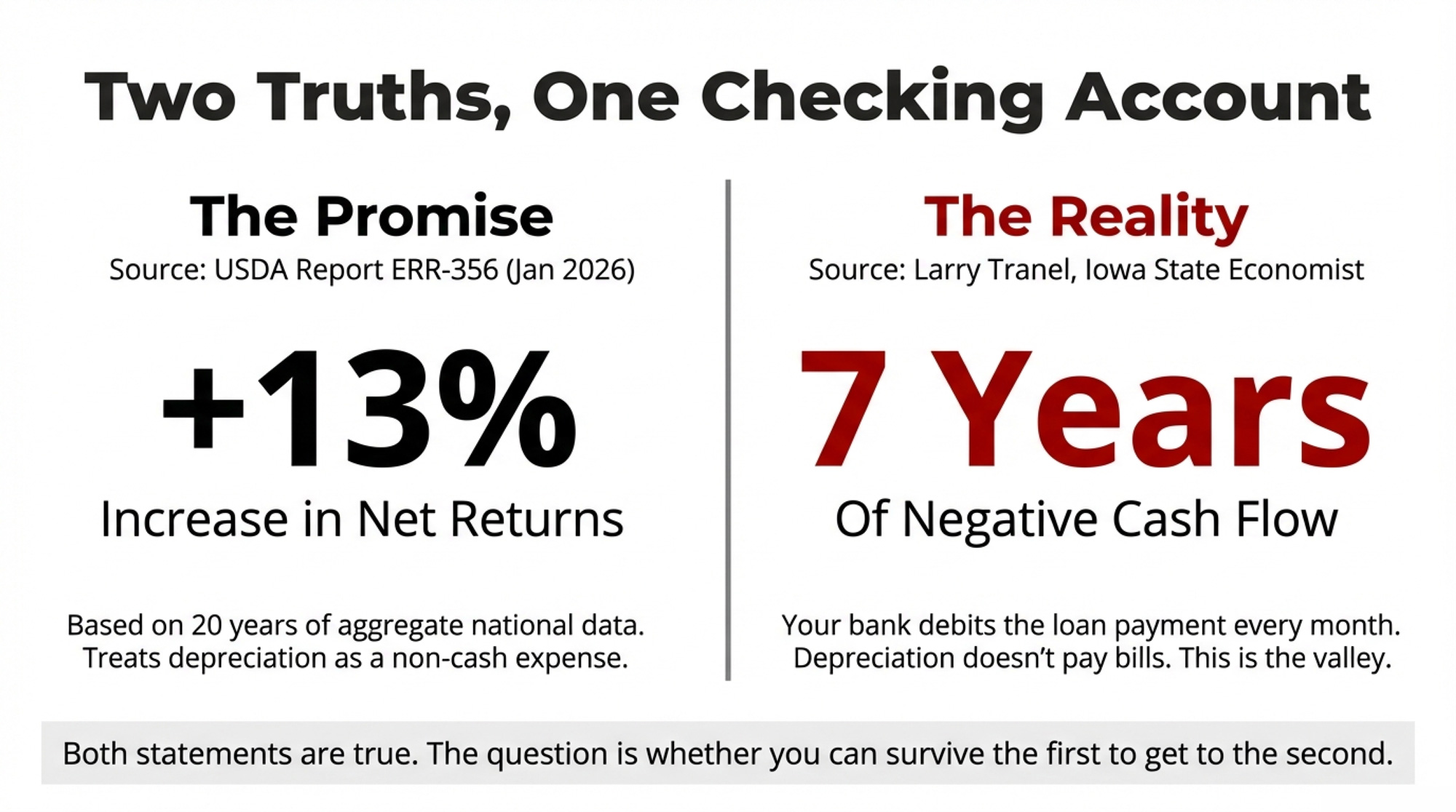
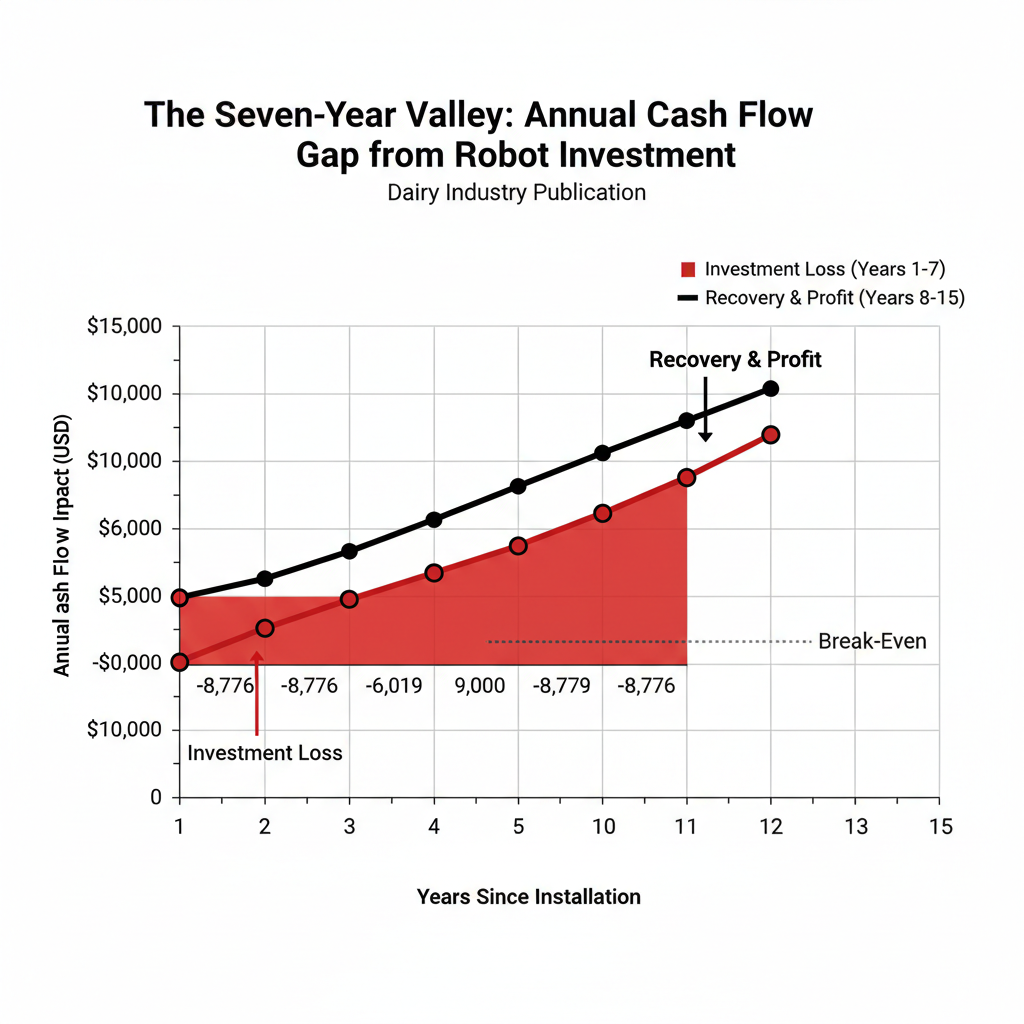
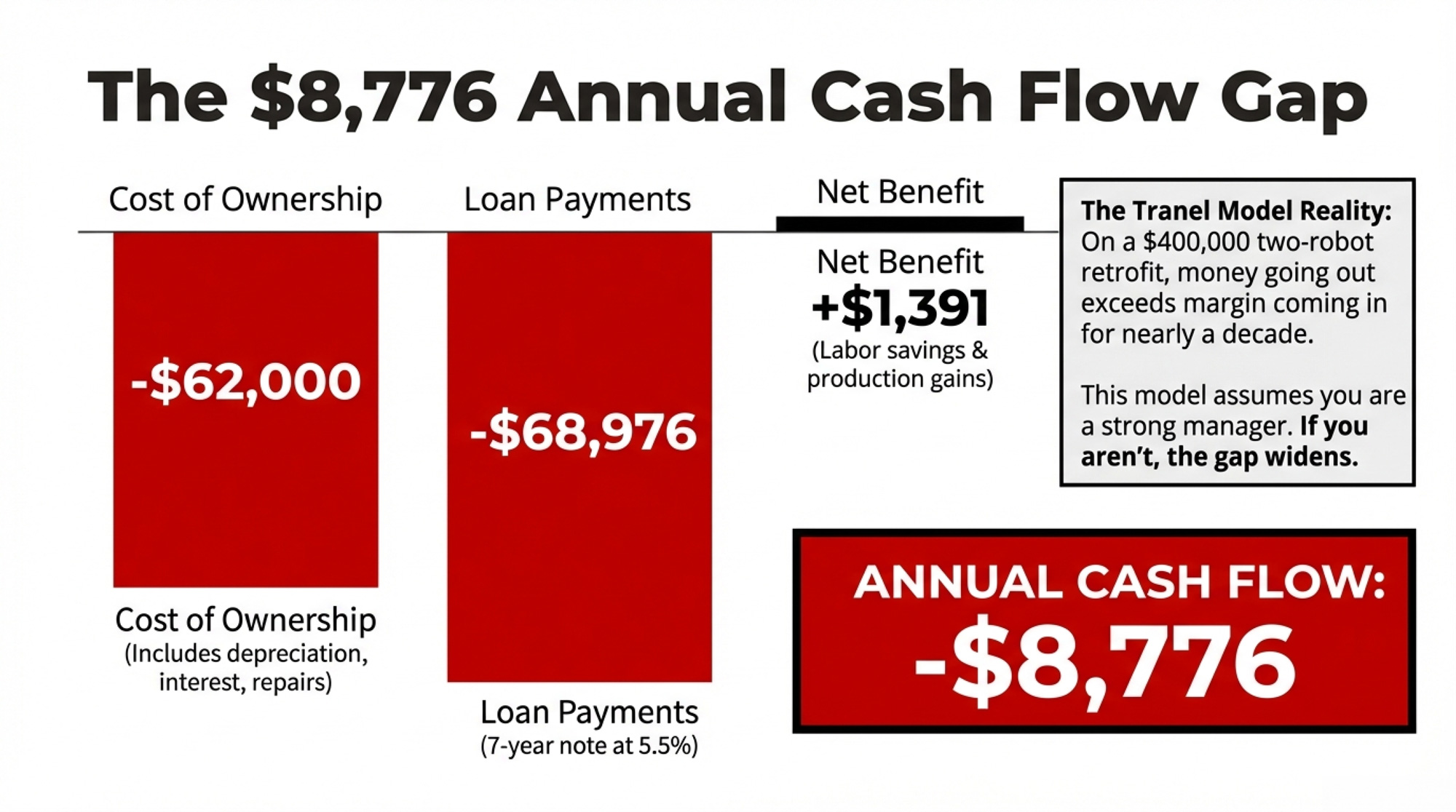
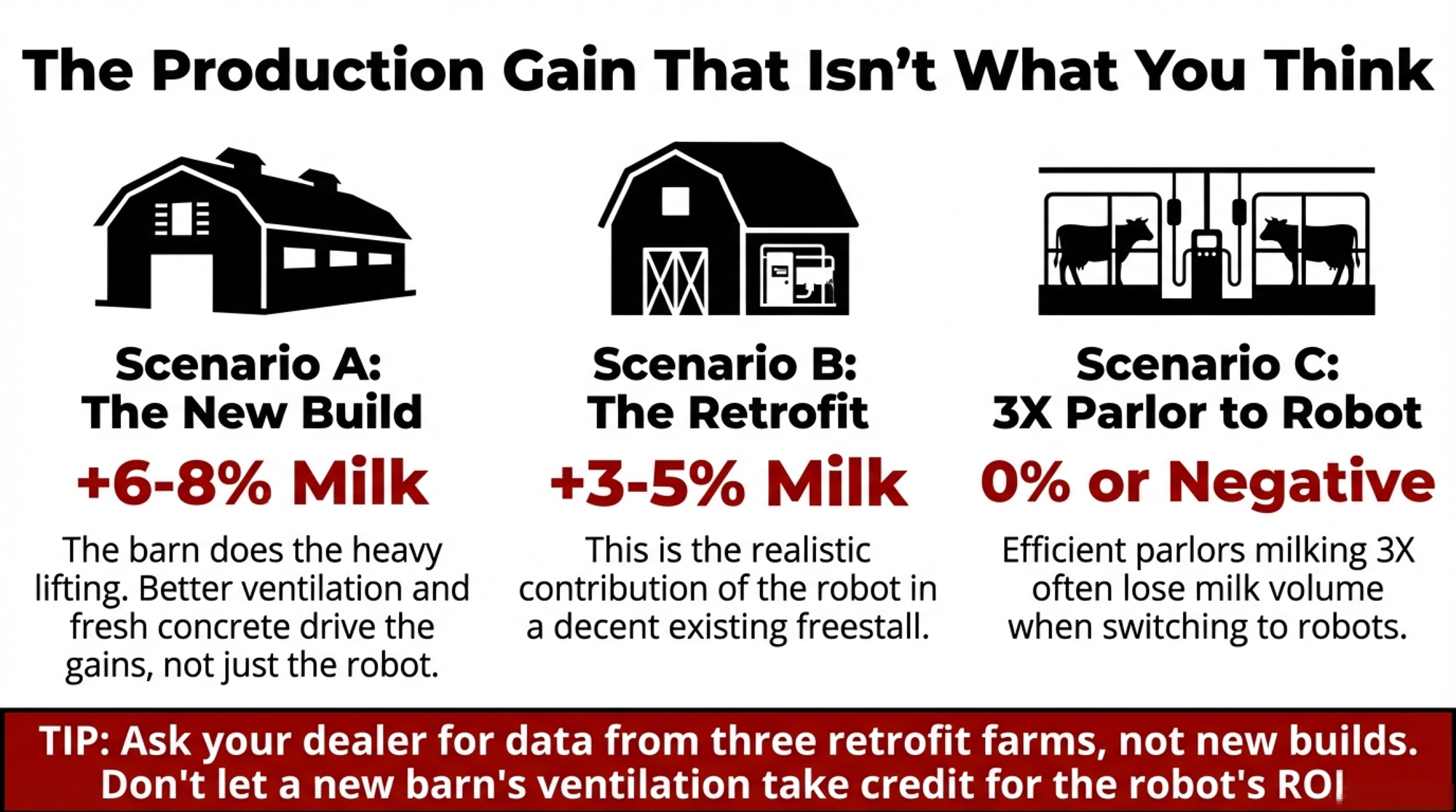
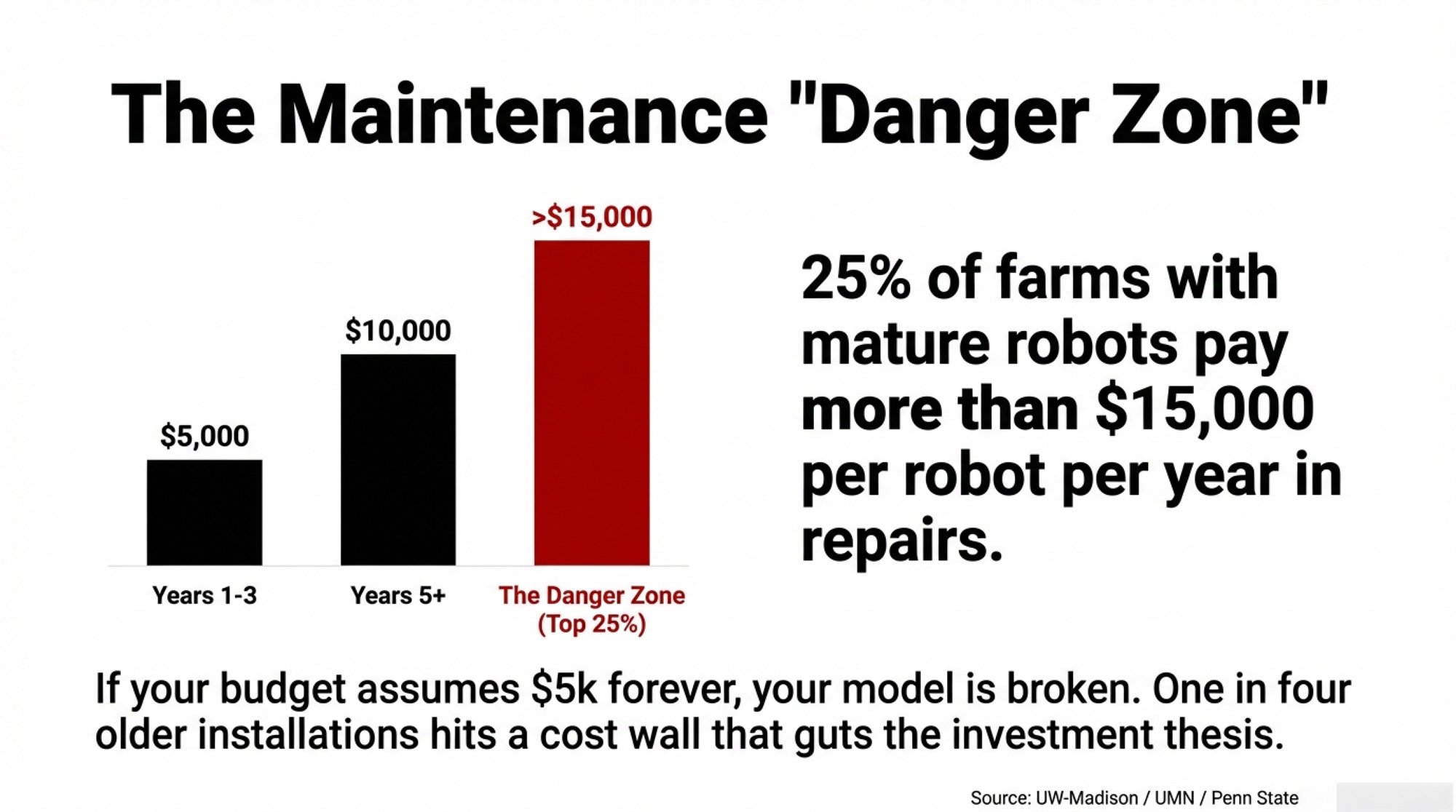
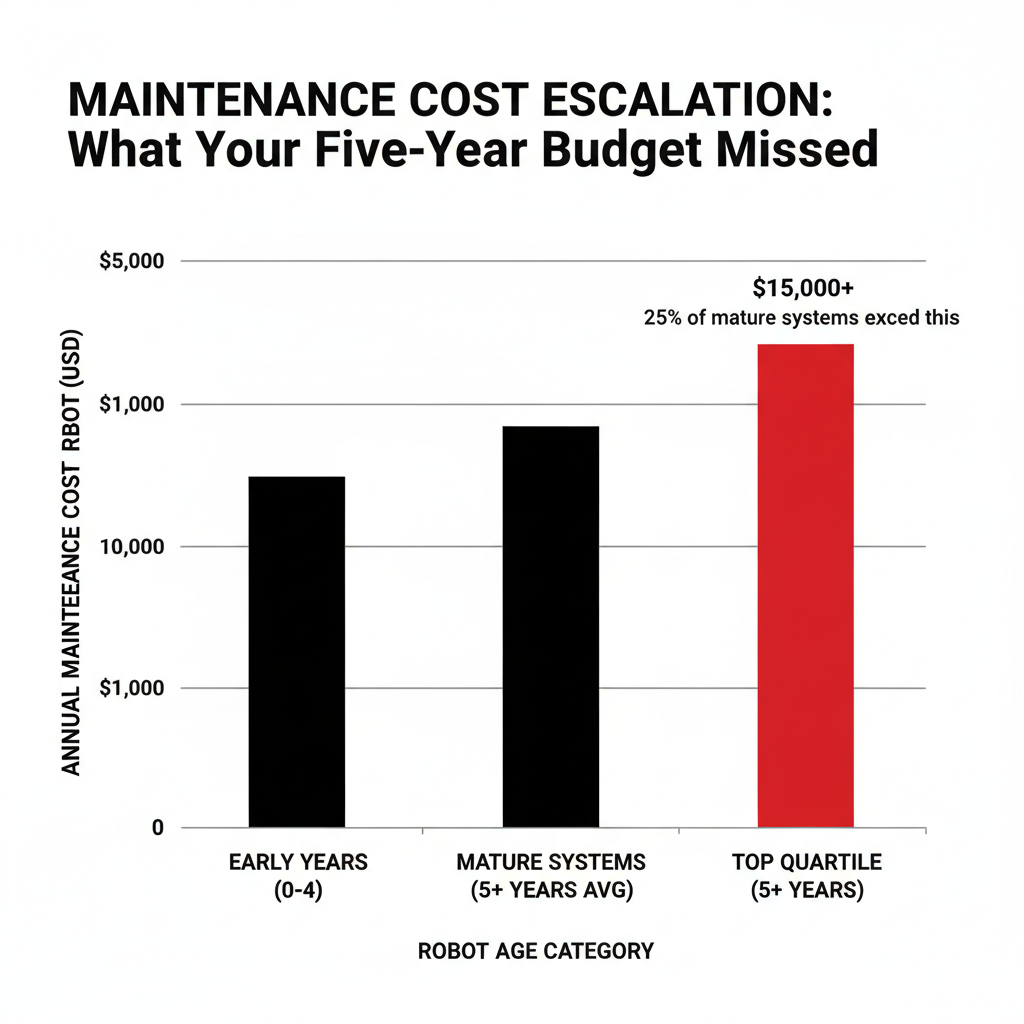
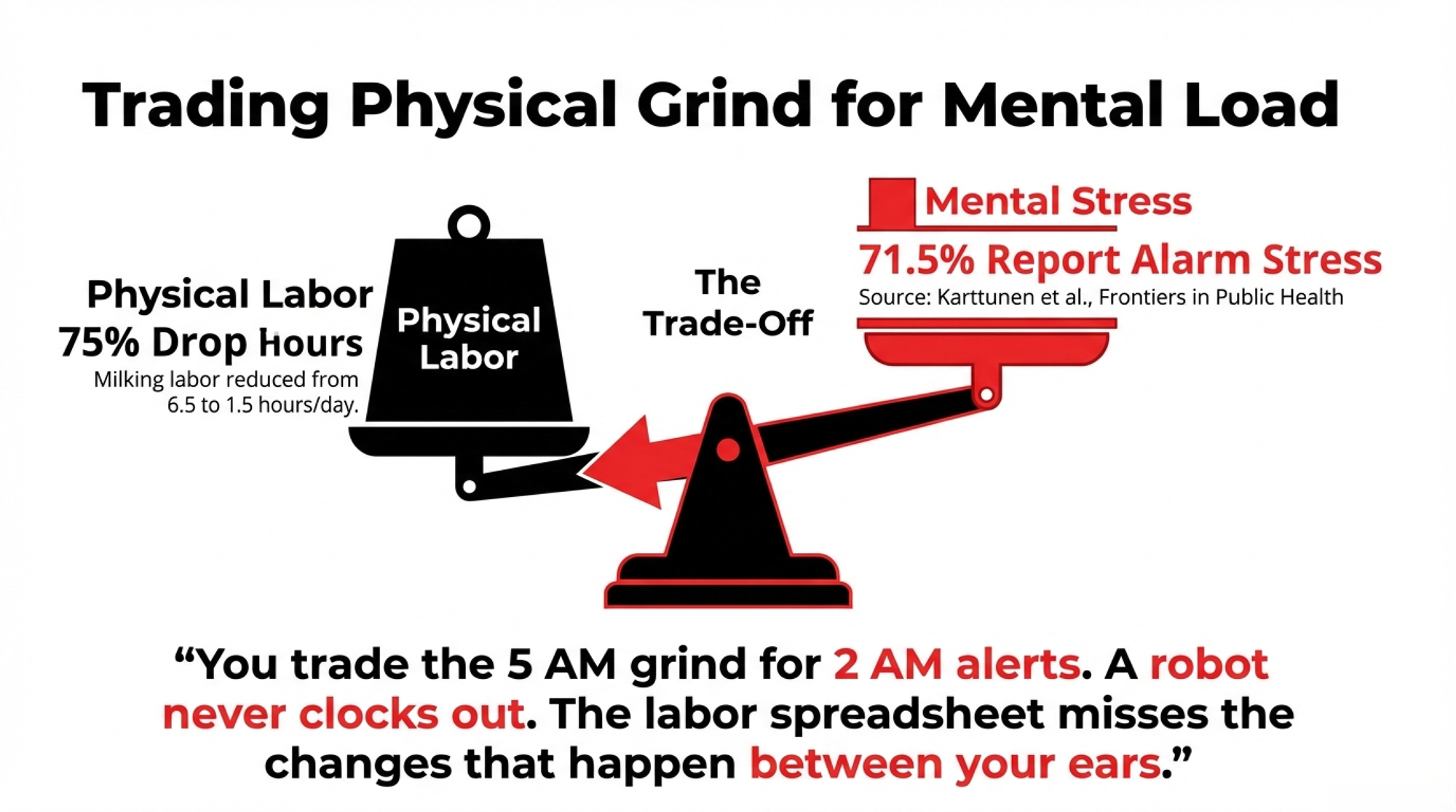
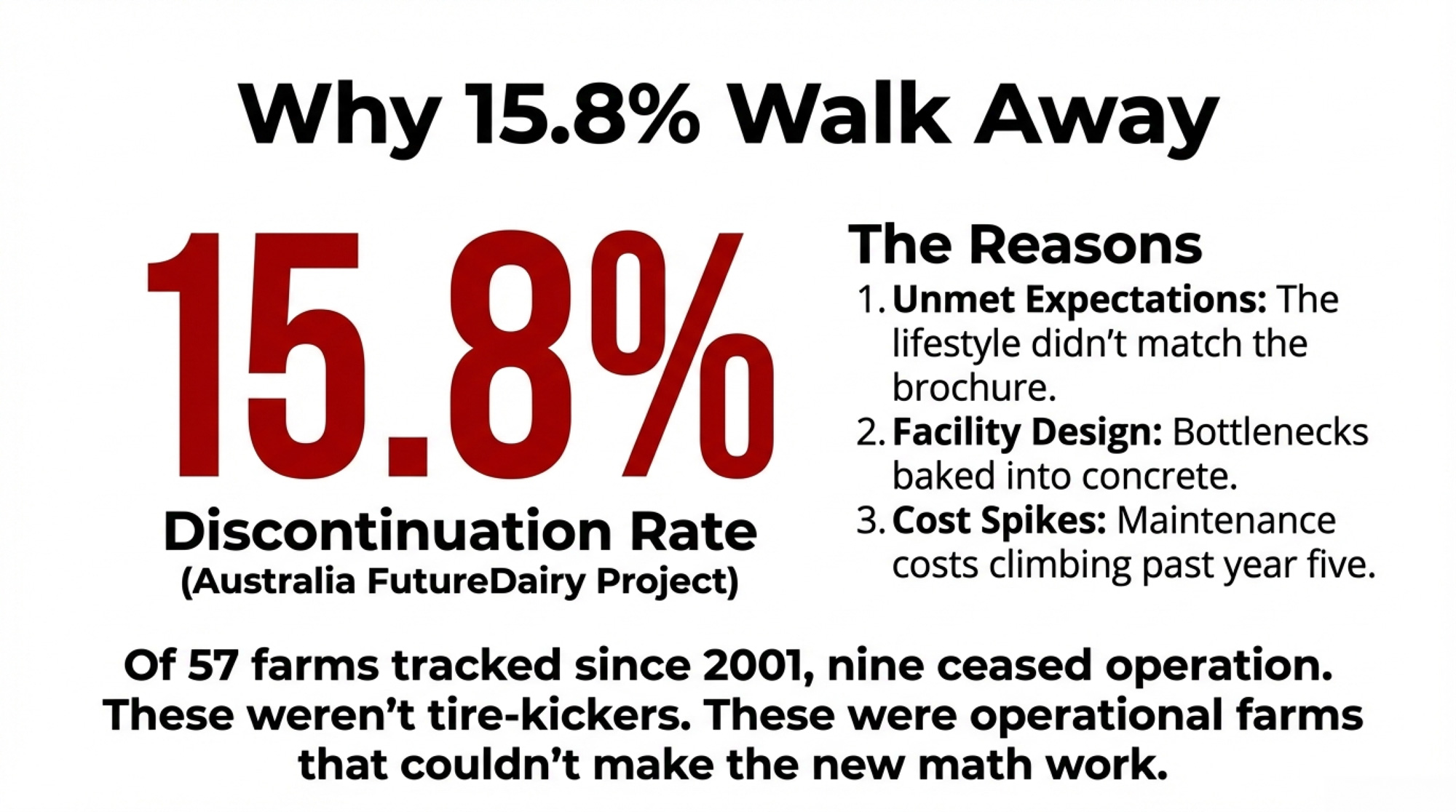
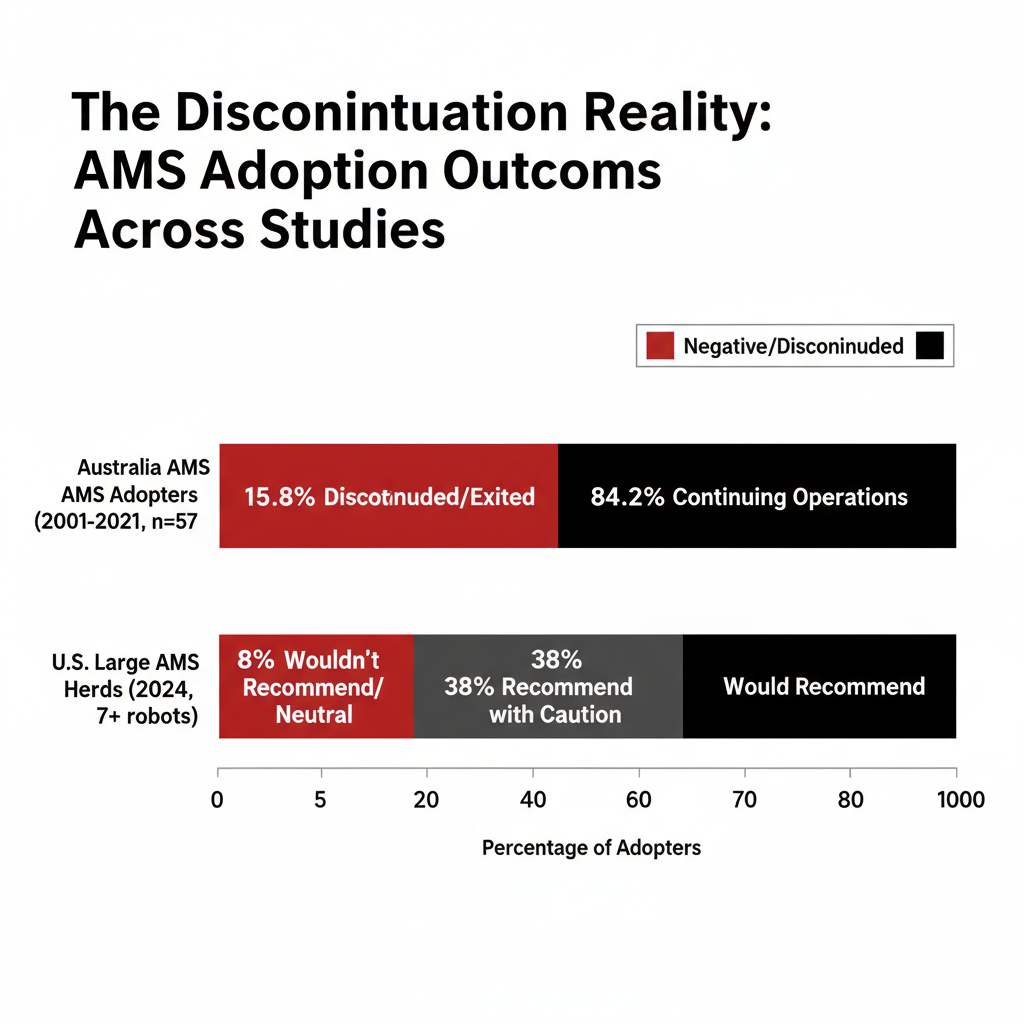
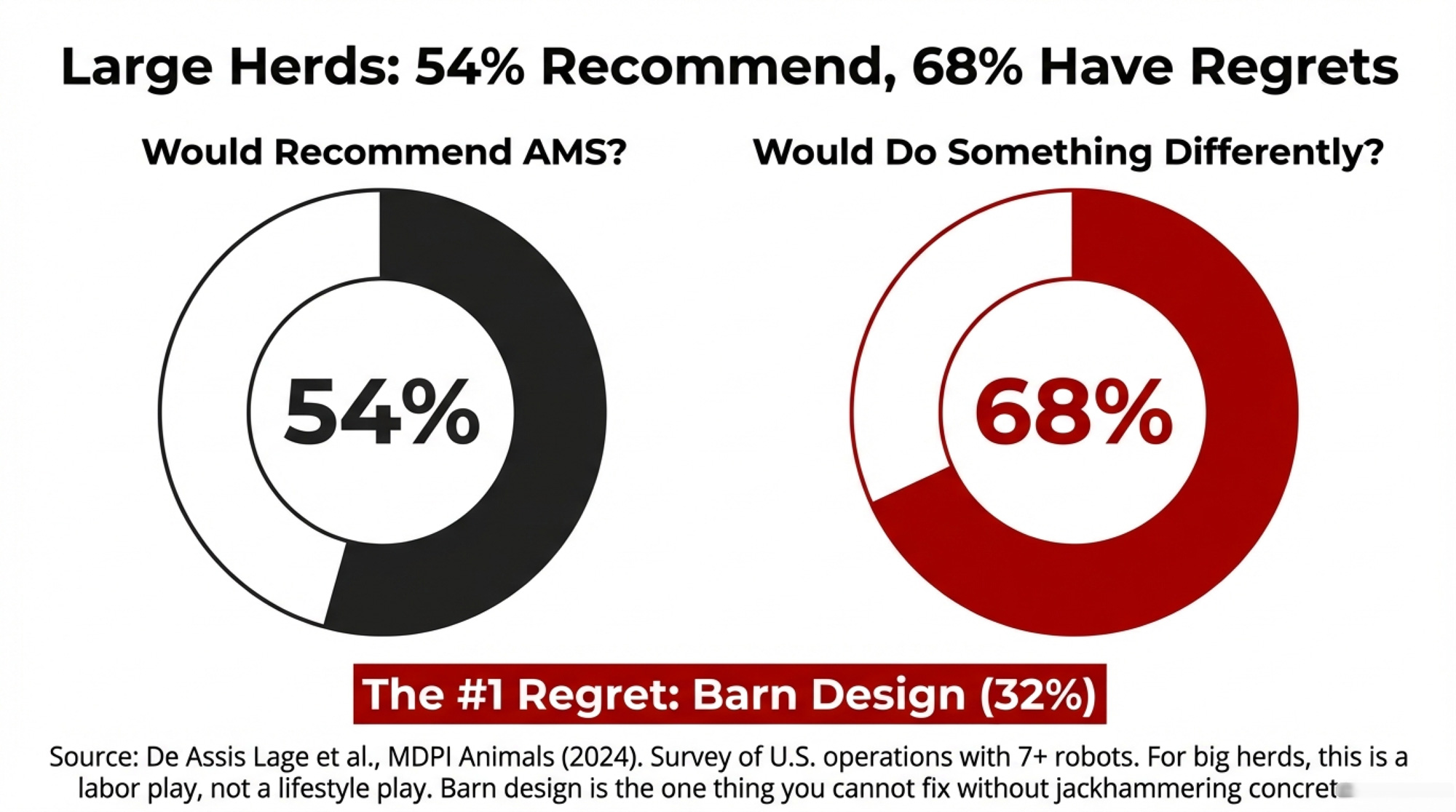
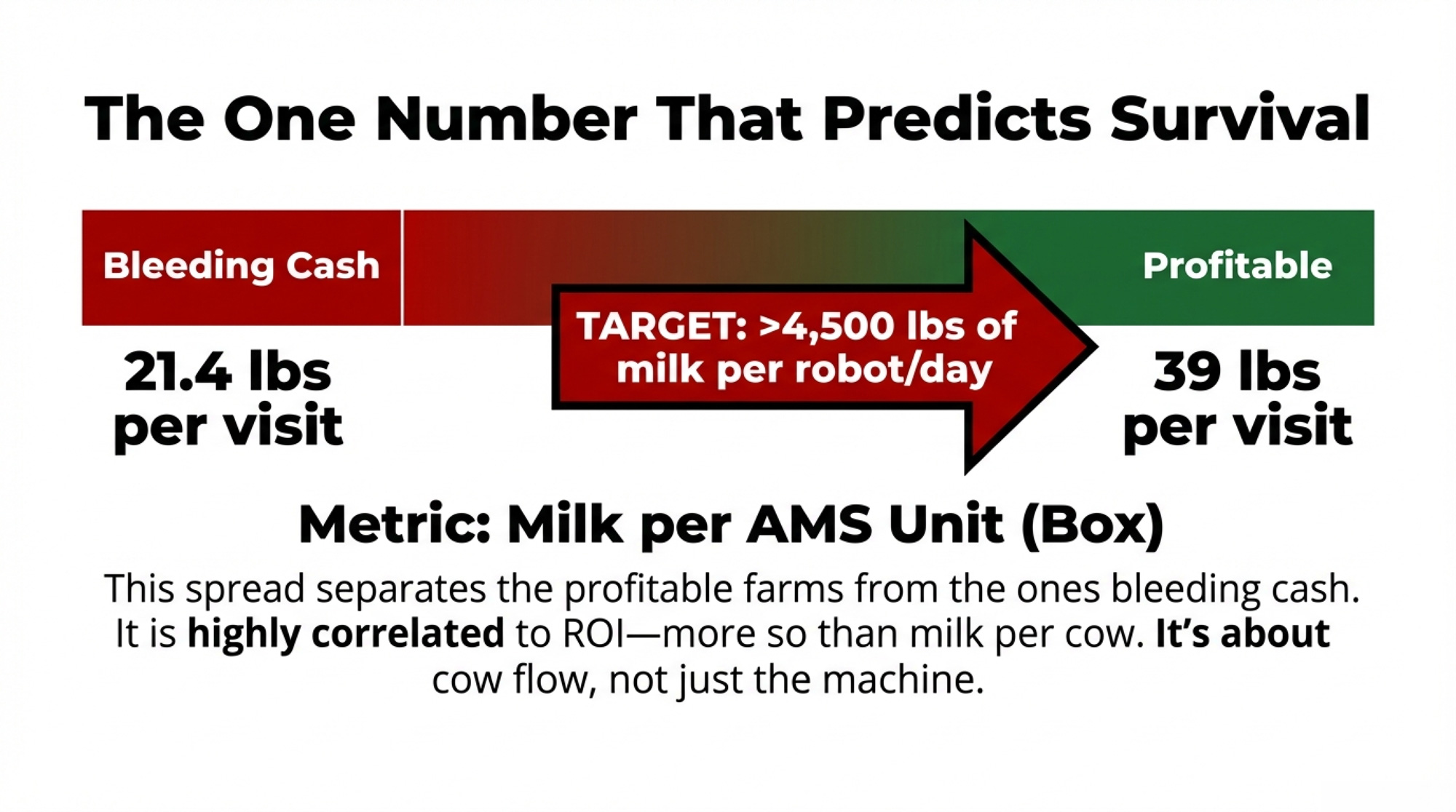

 Join the Revolution!
 Join the Revolution!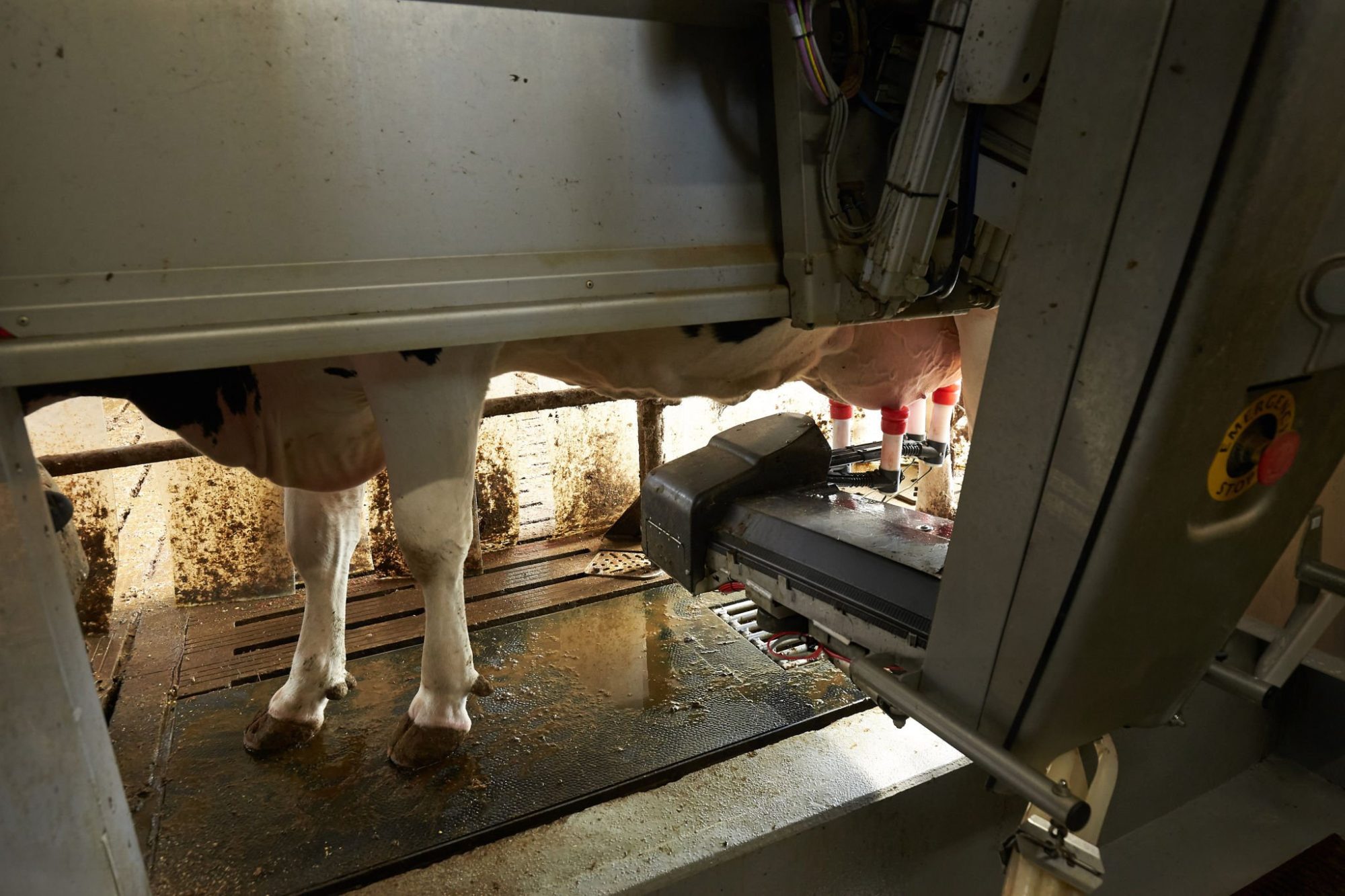


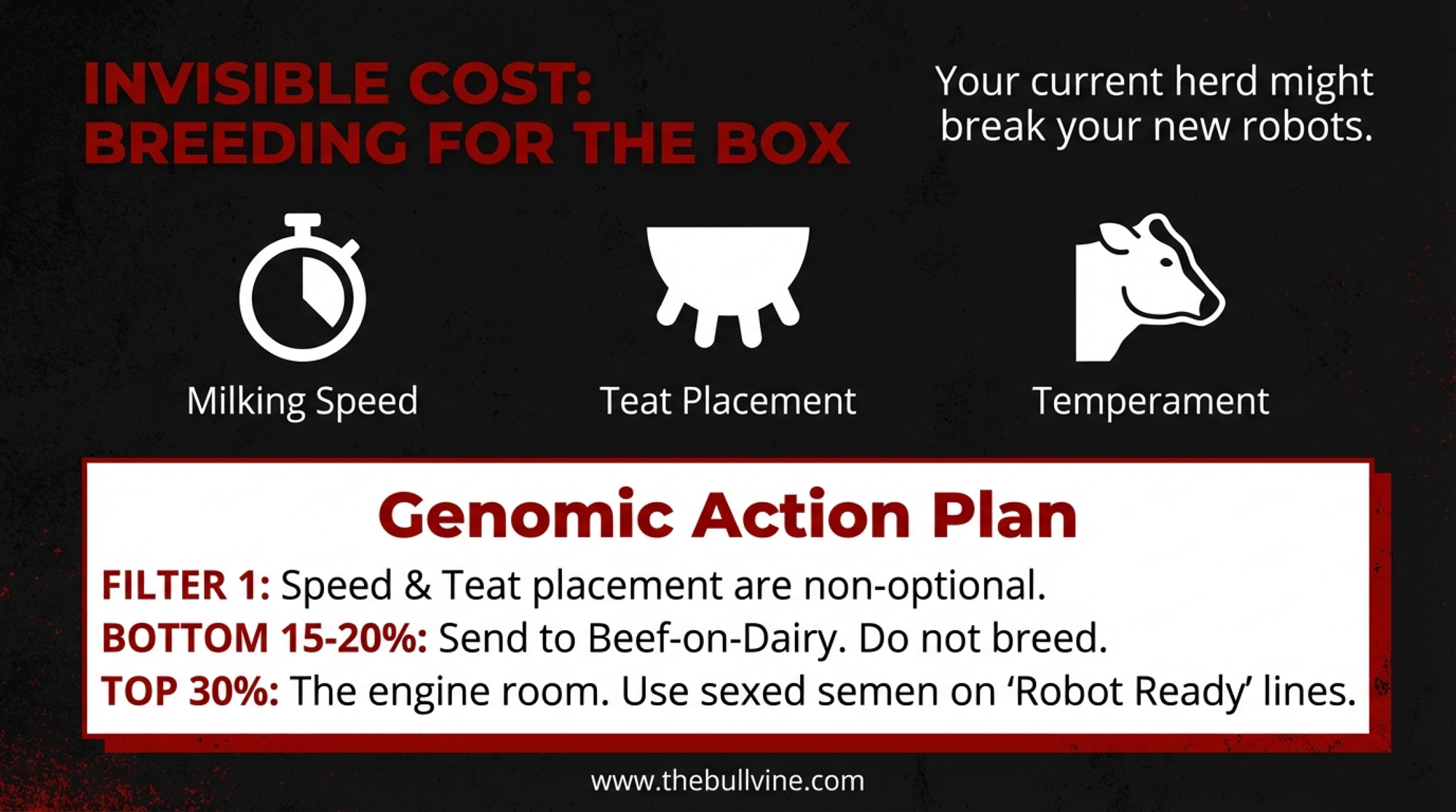

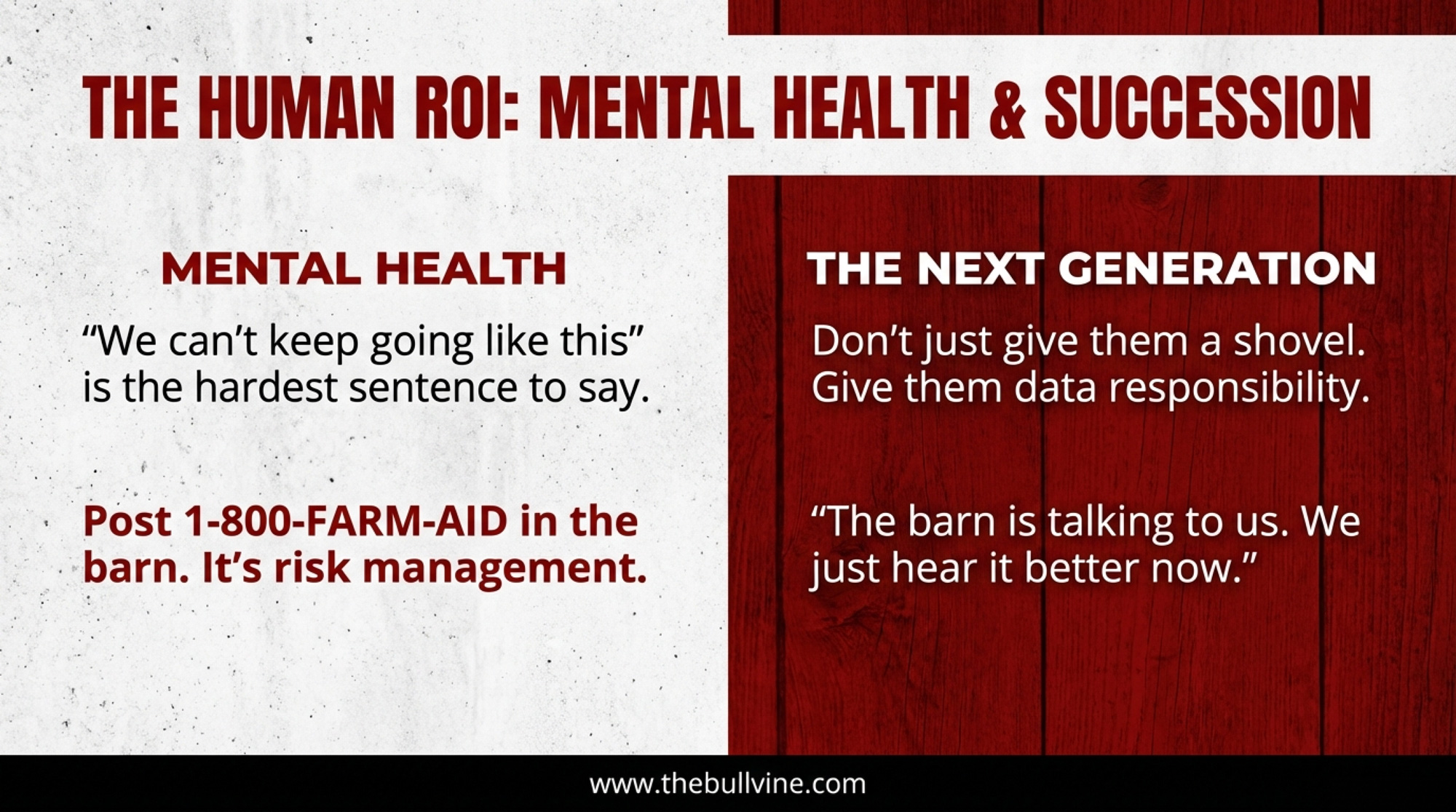


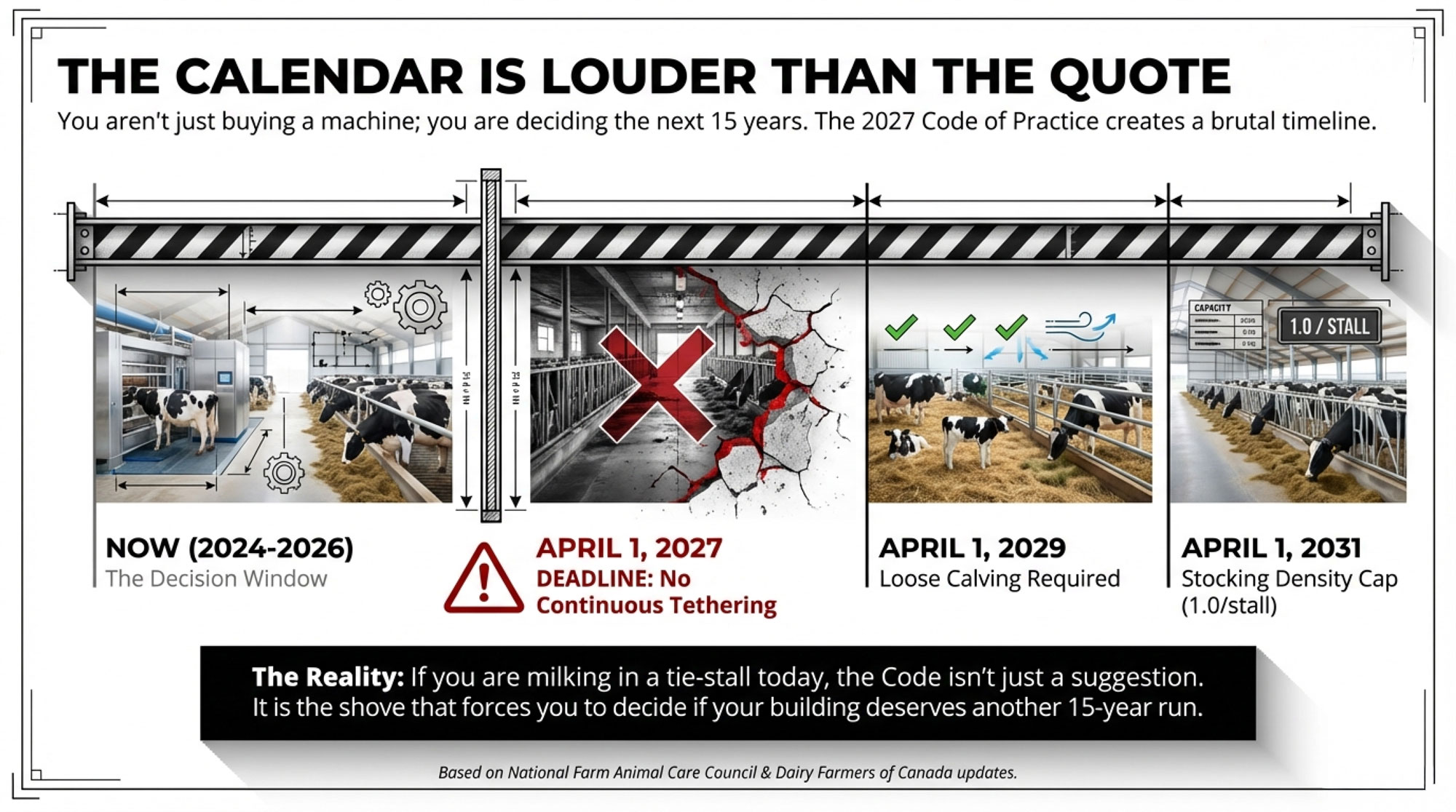


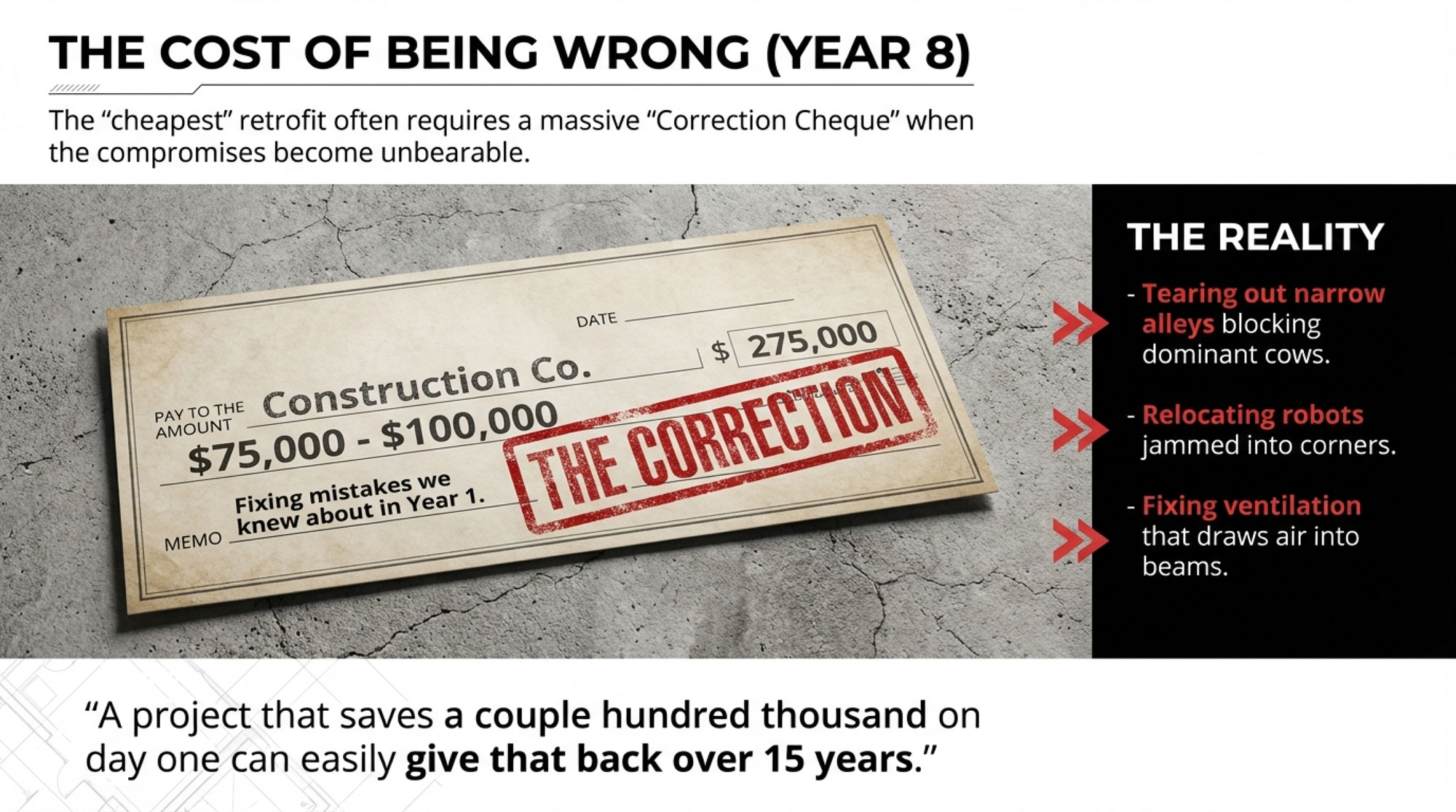


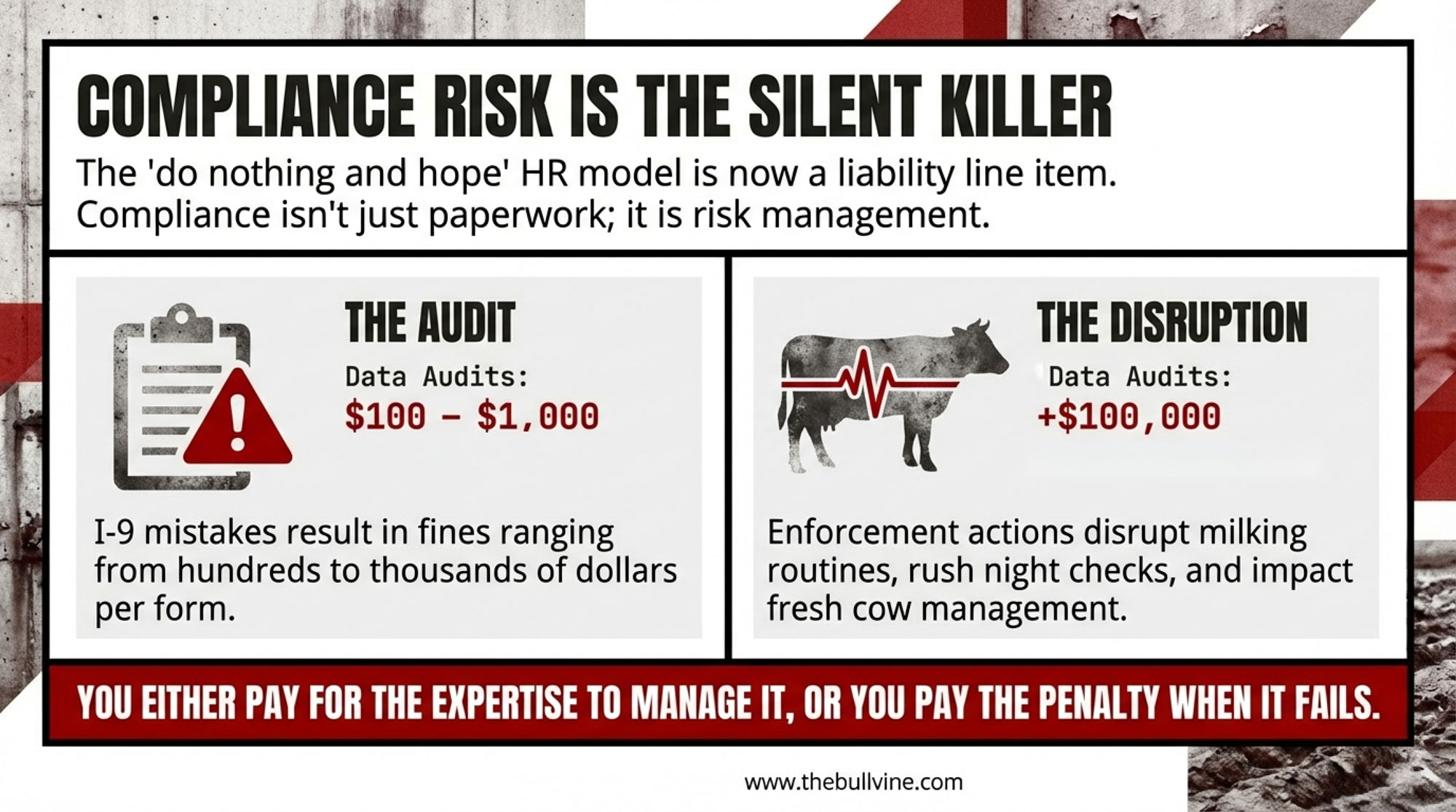
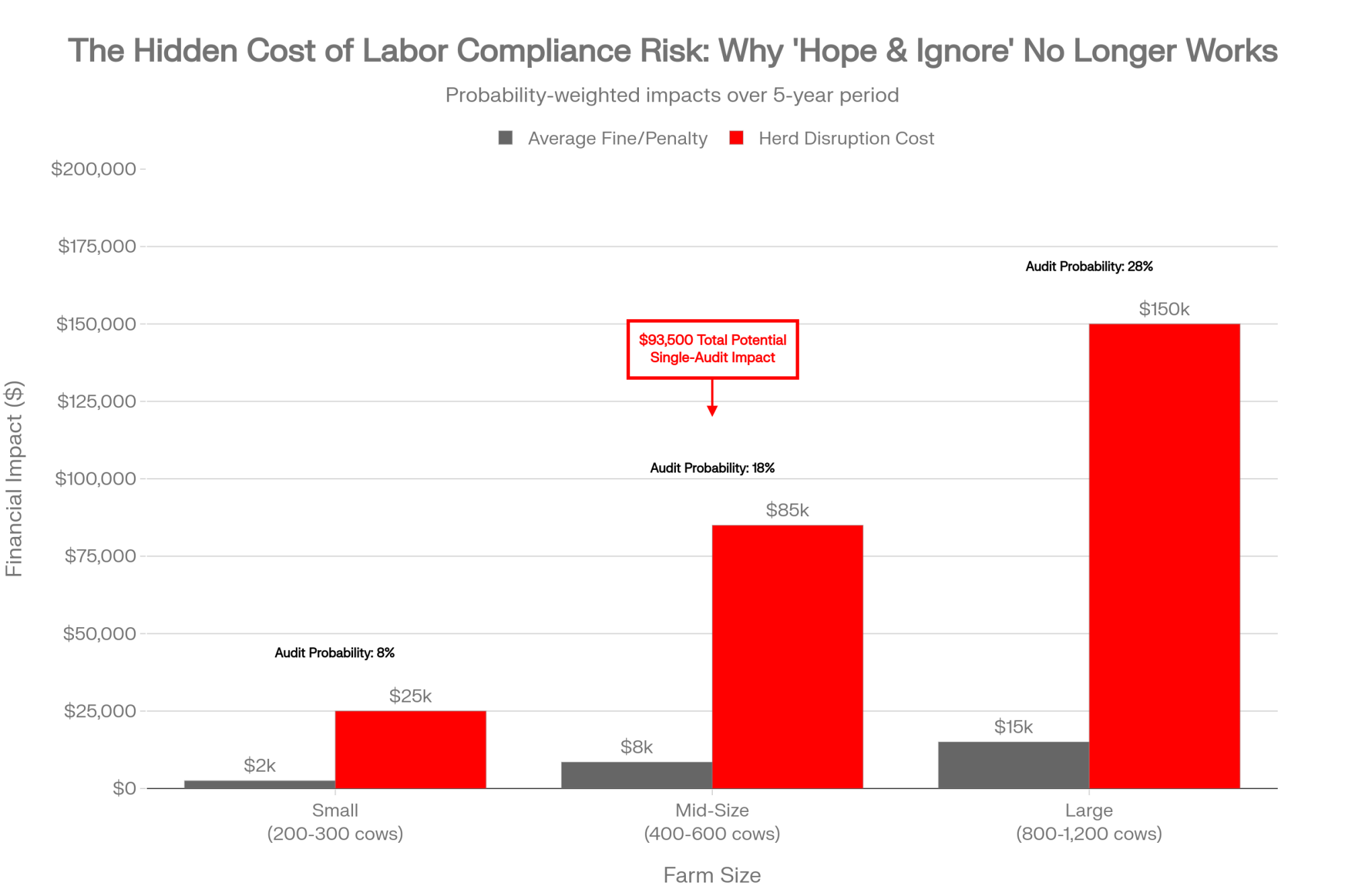
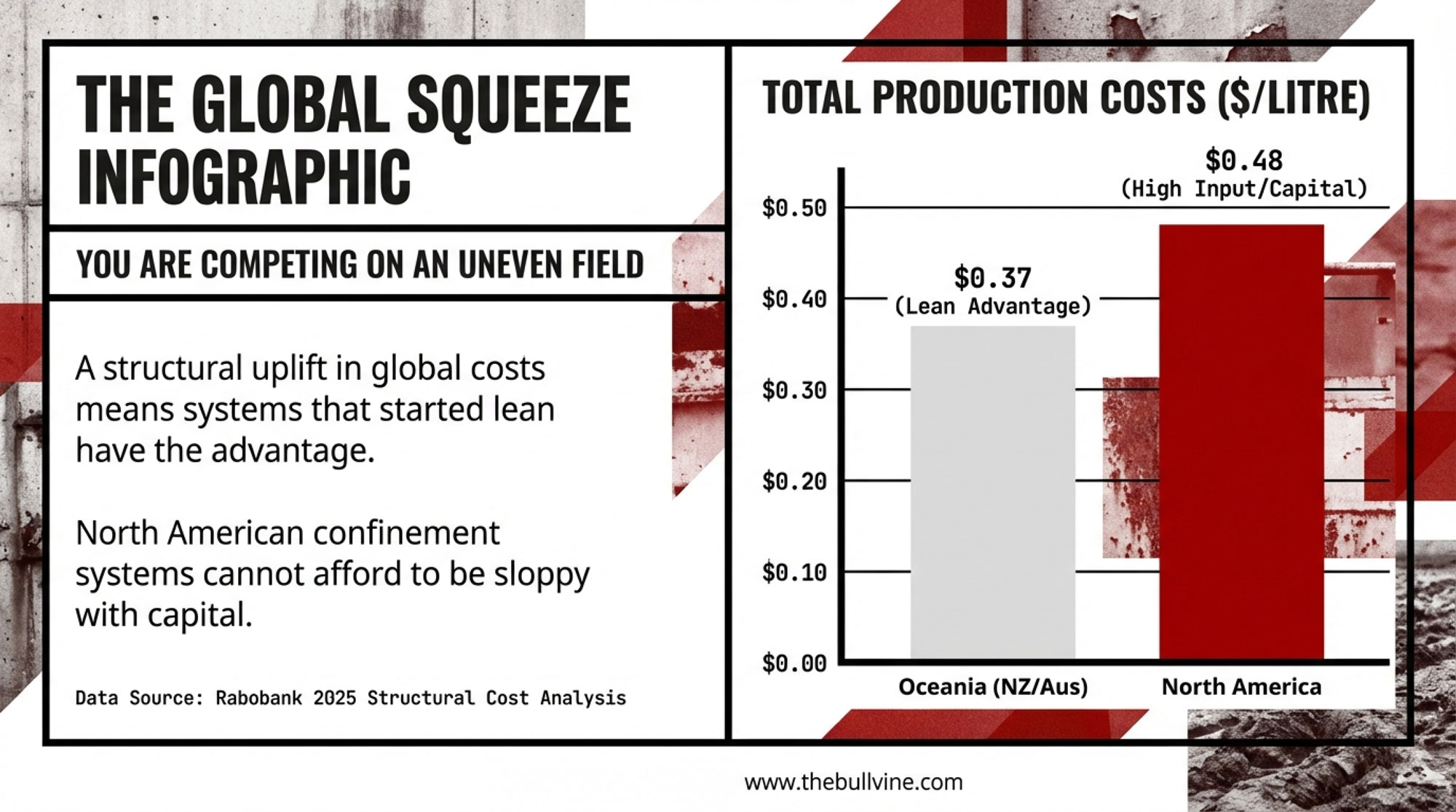
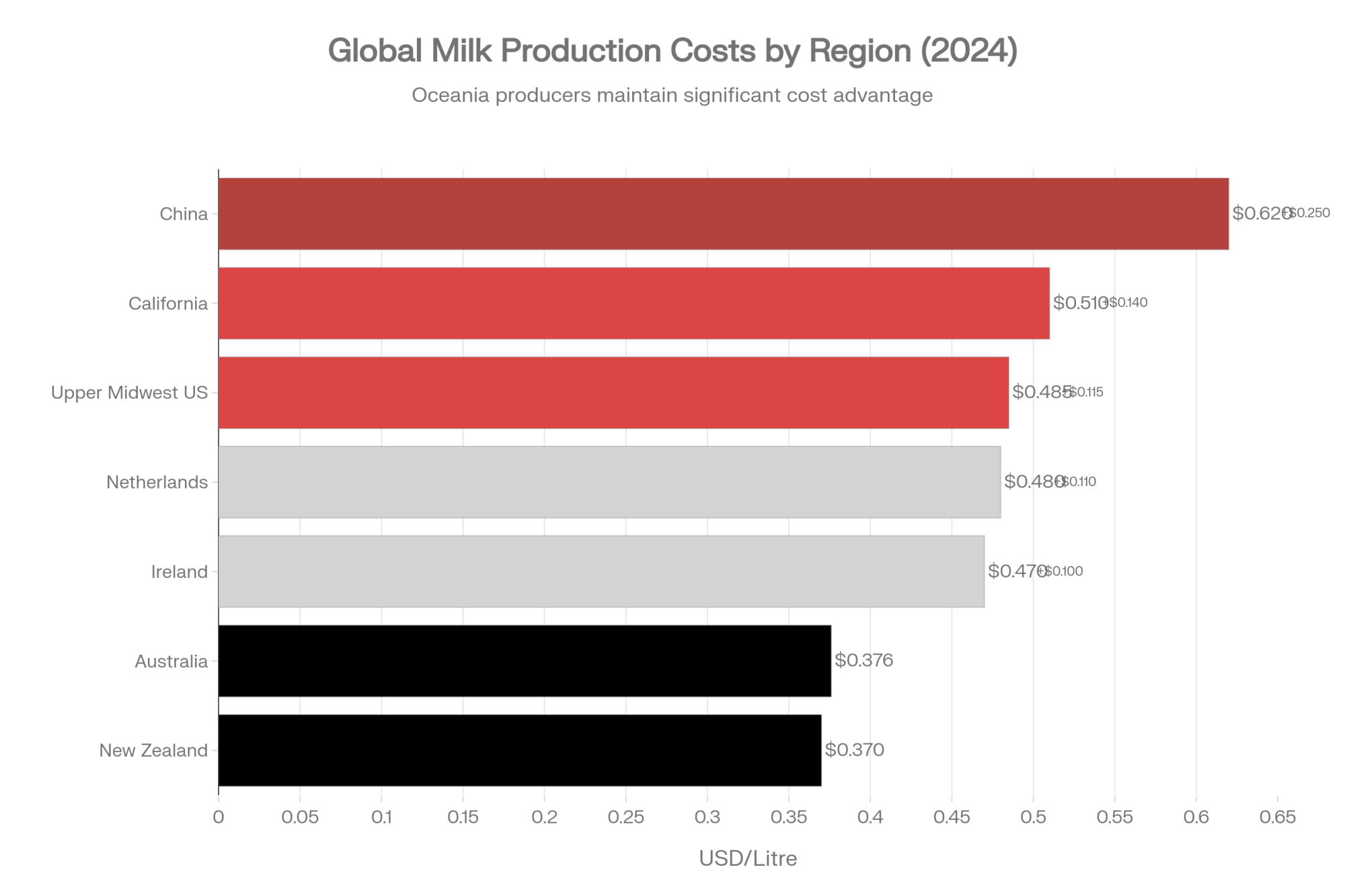
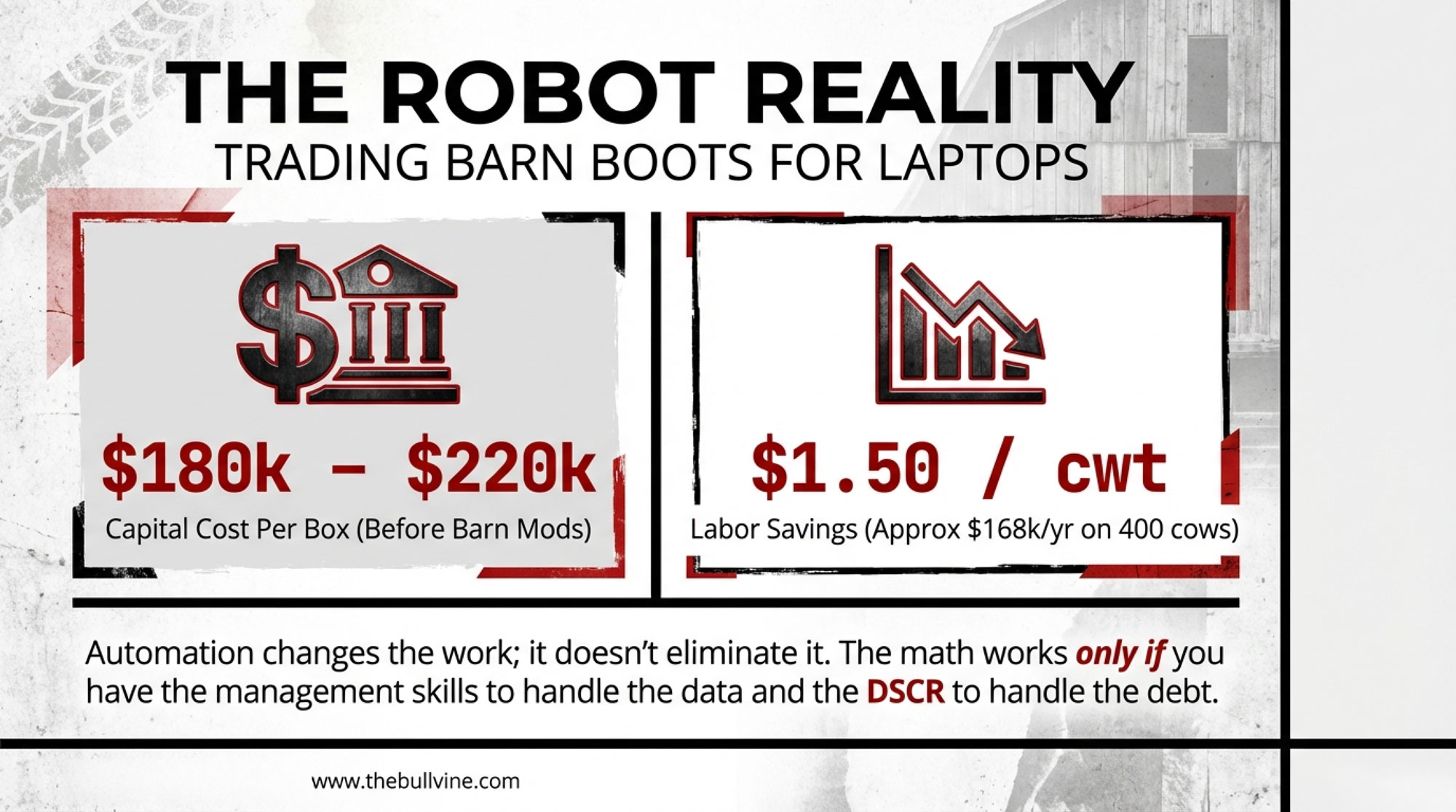

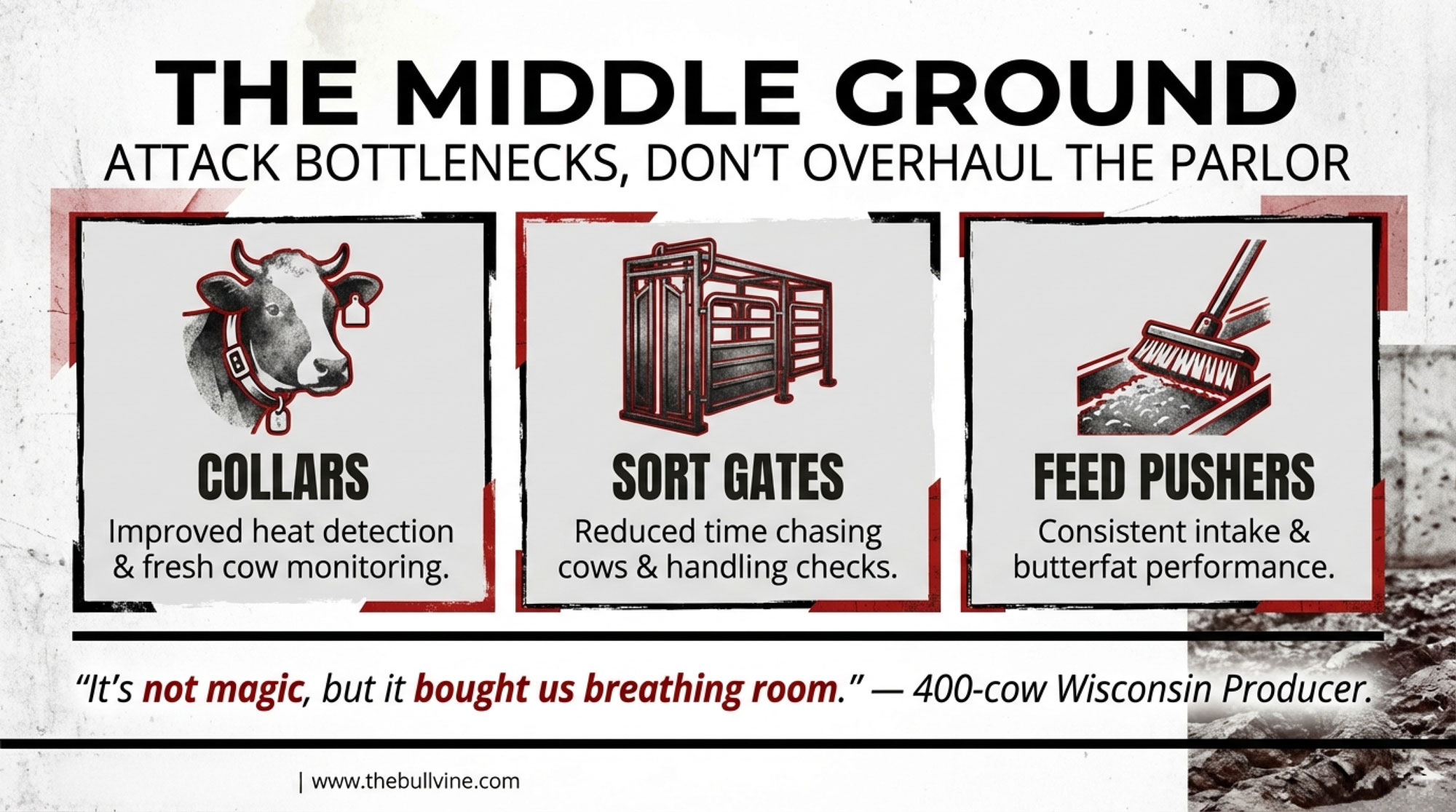
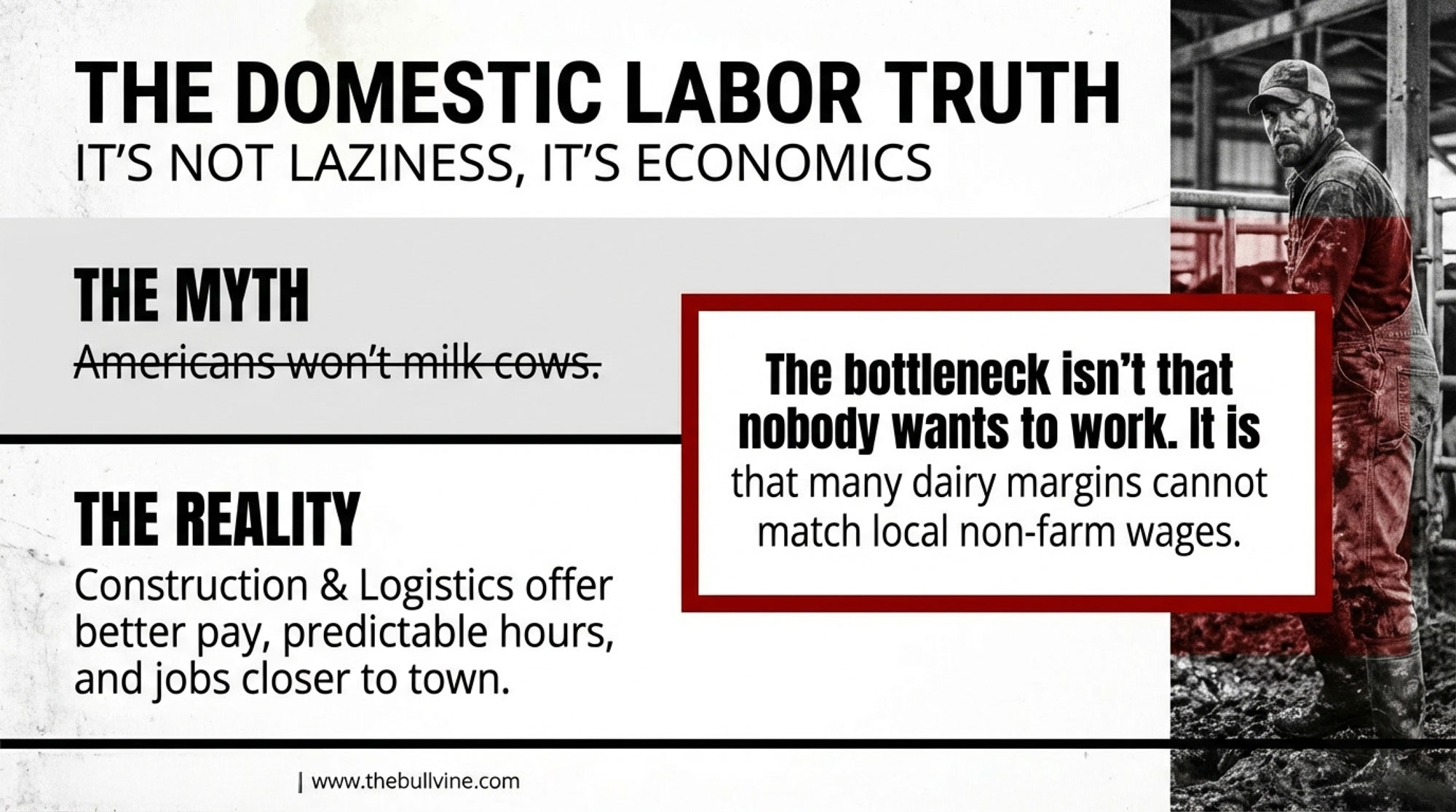
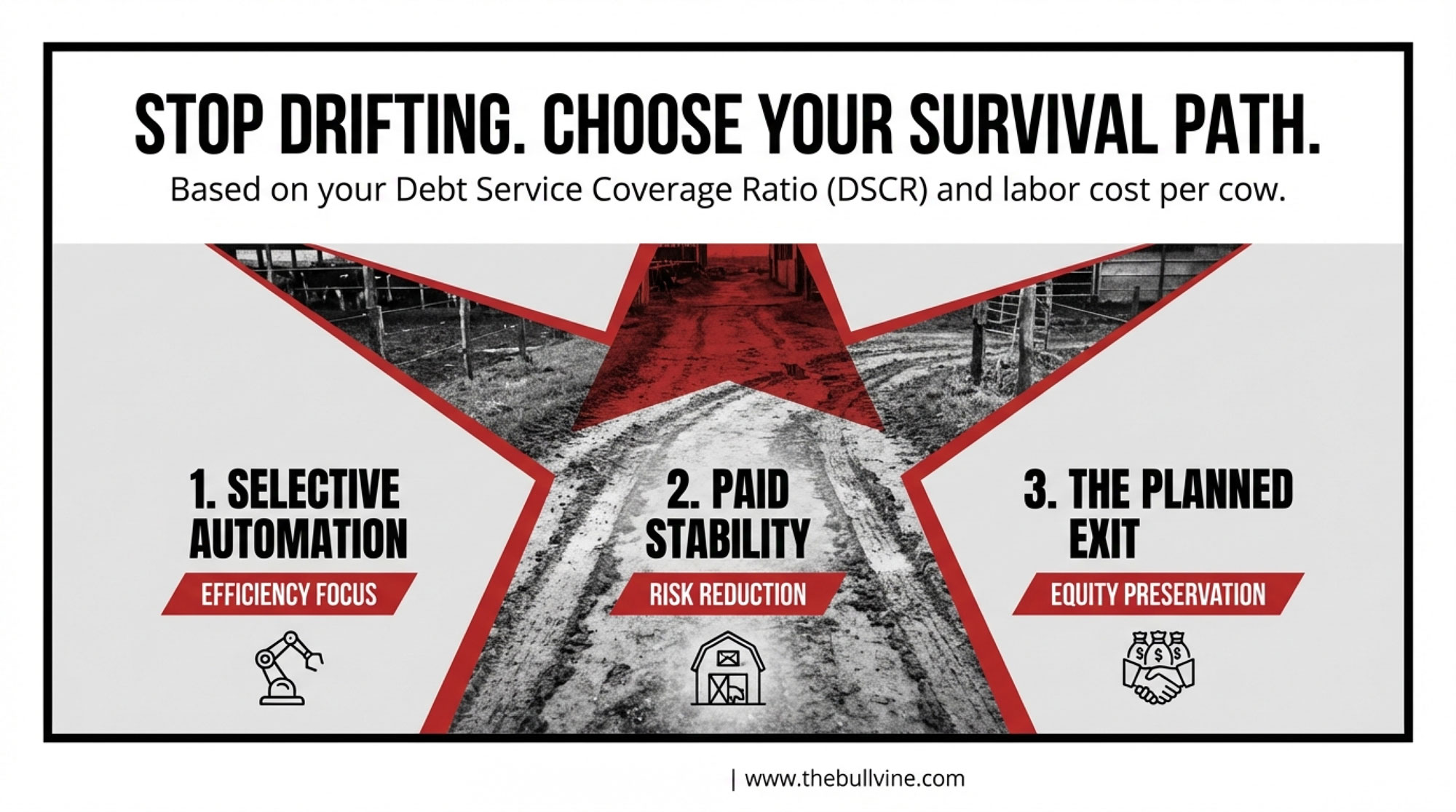
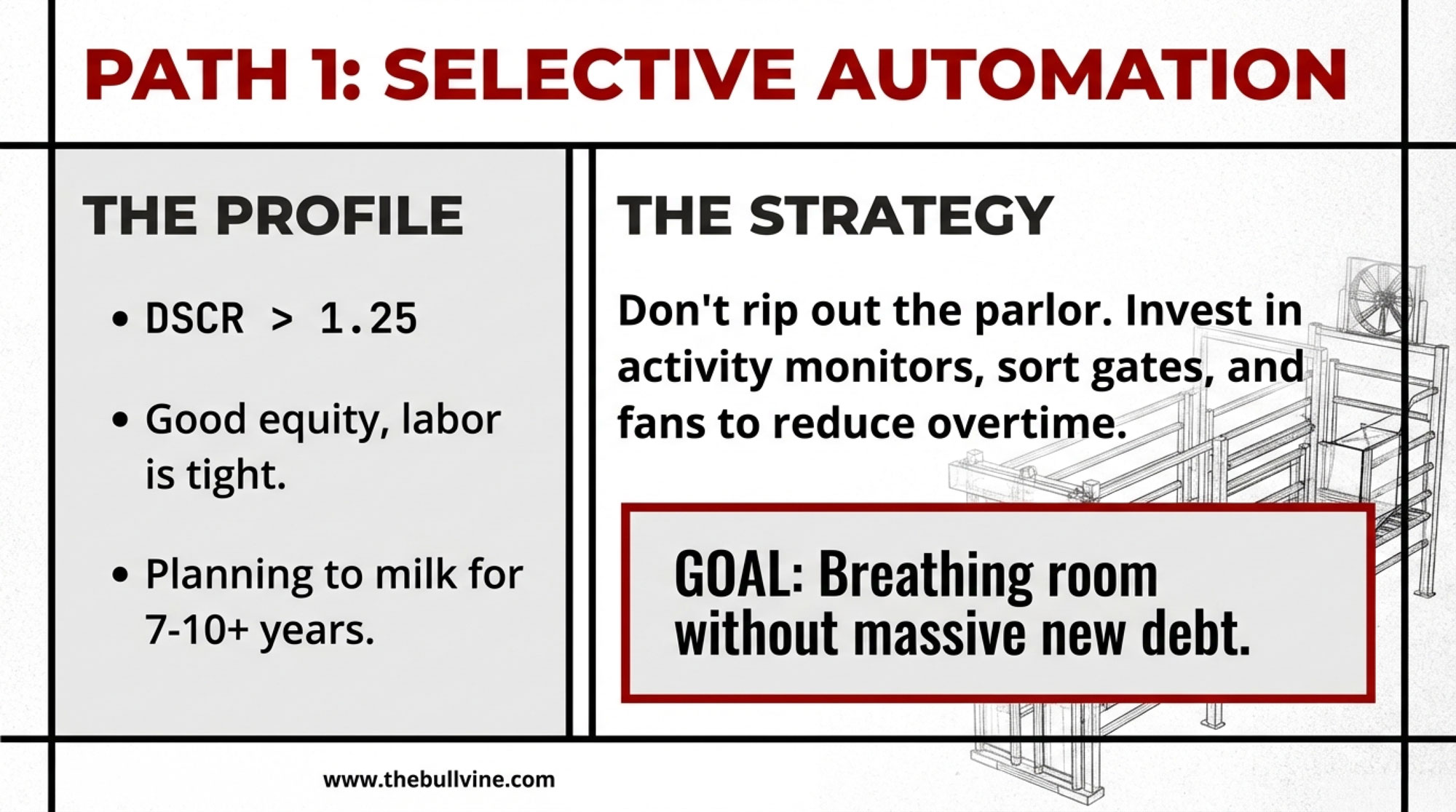
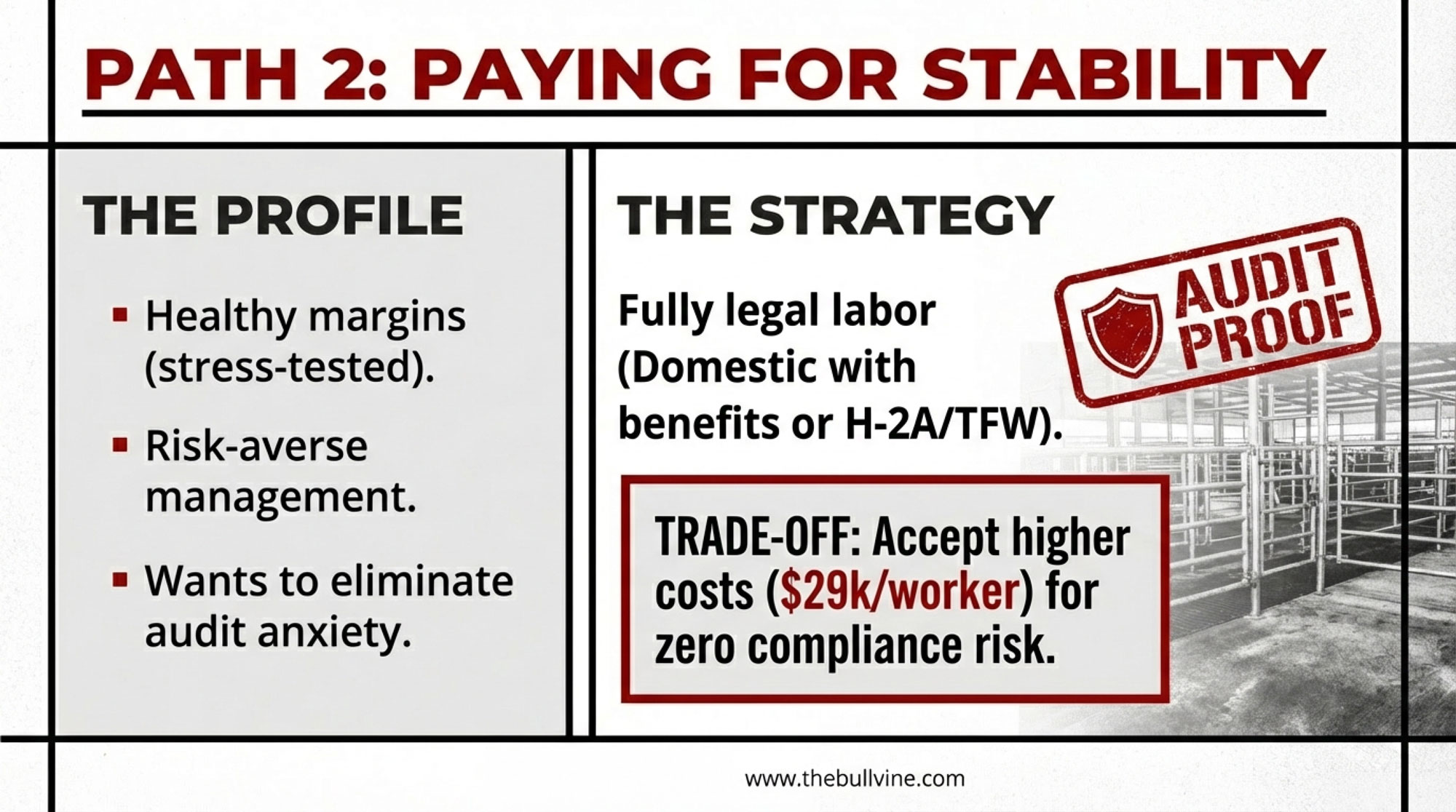
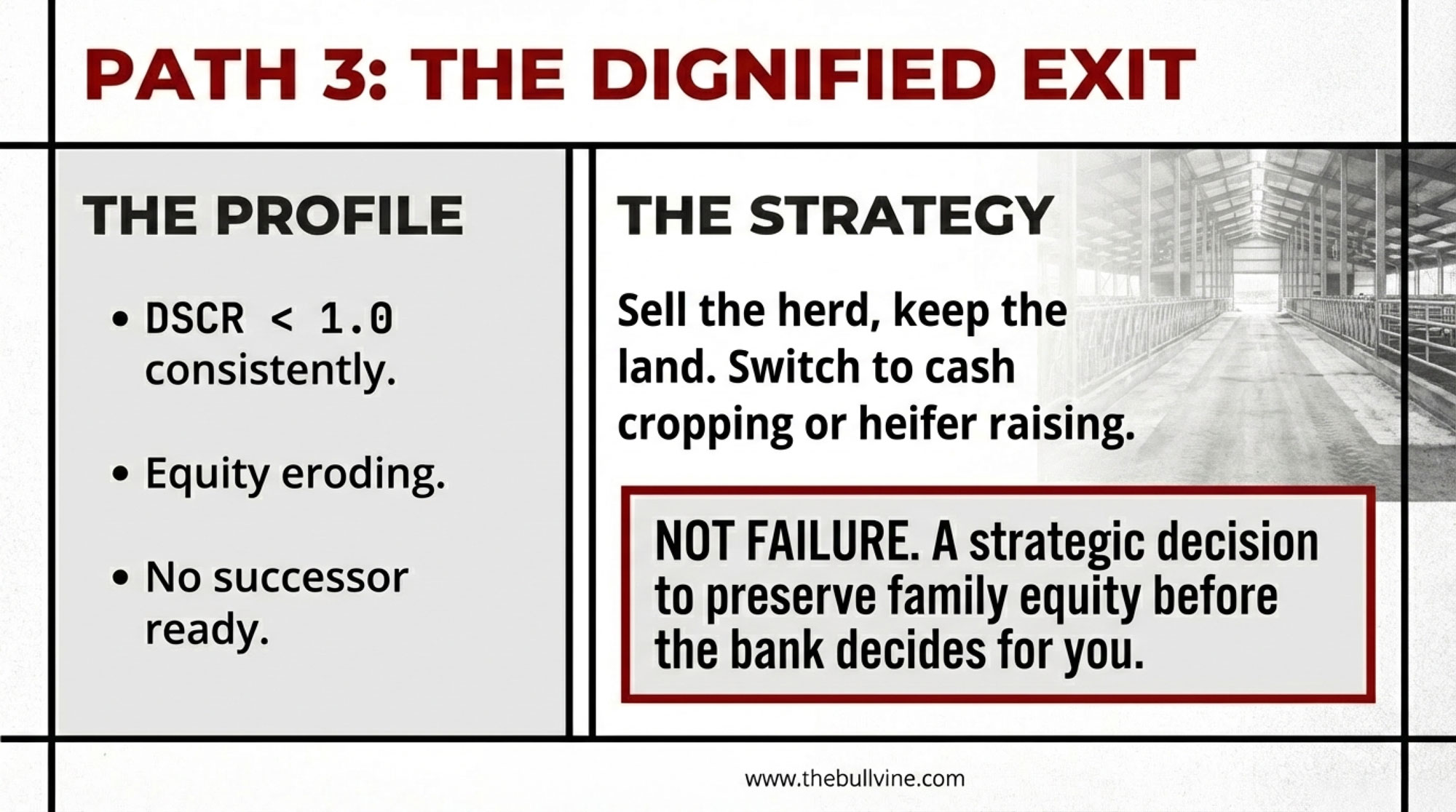

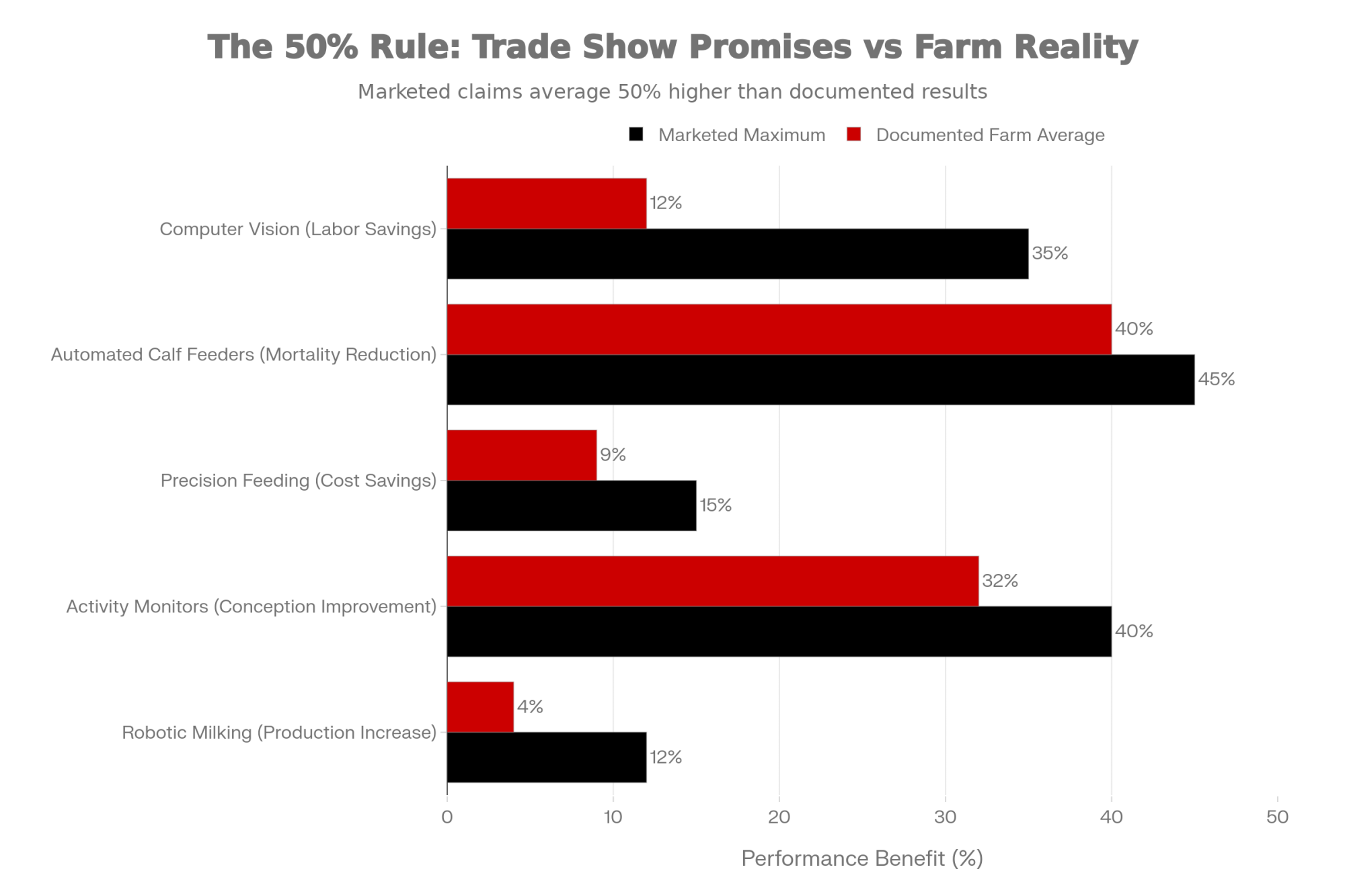
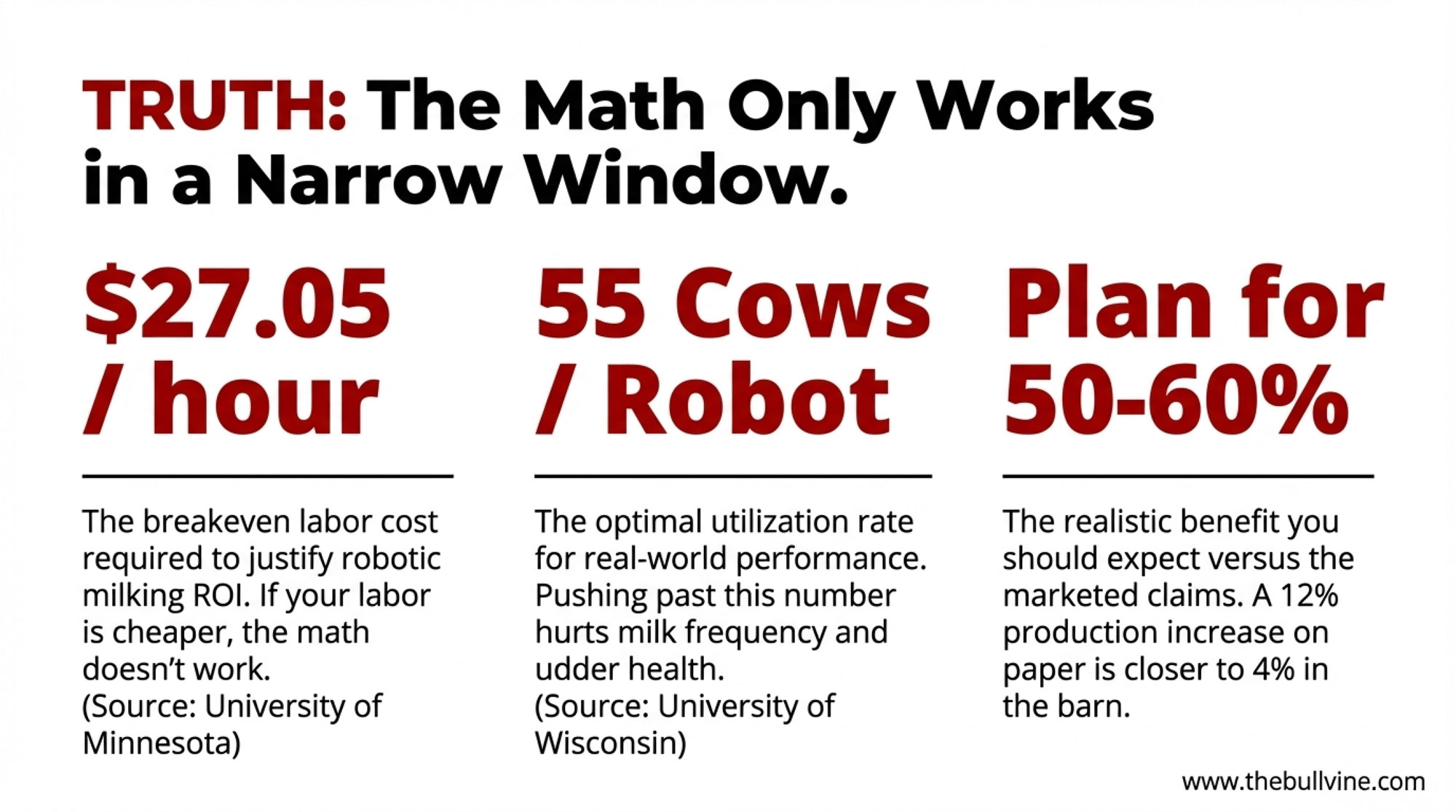
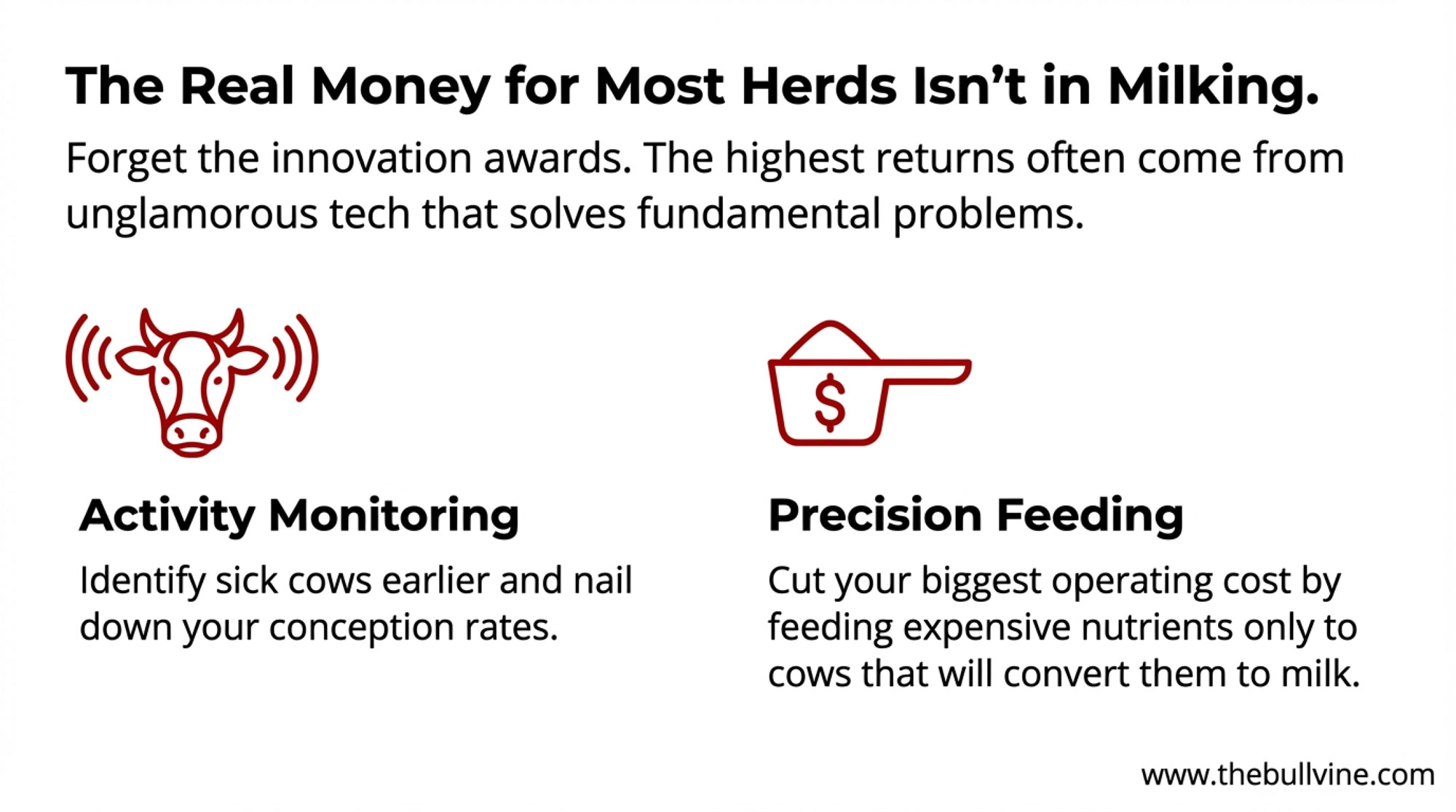
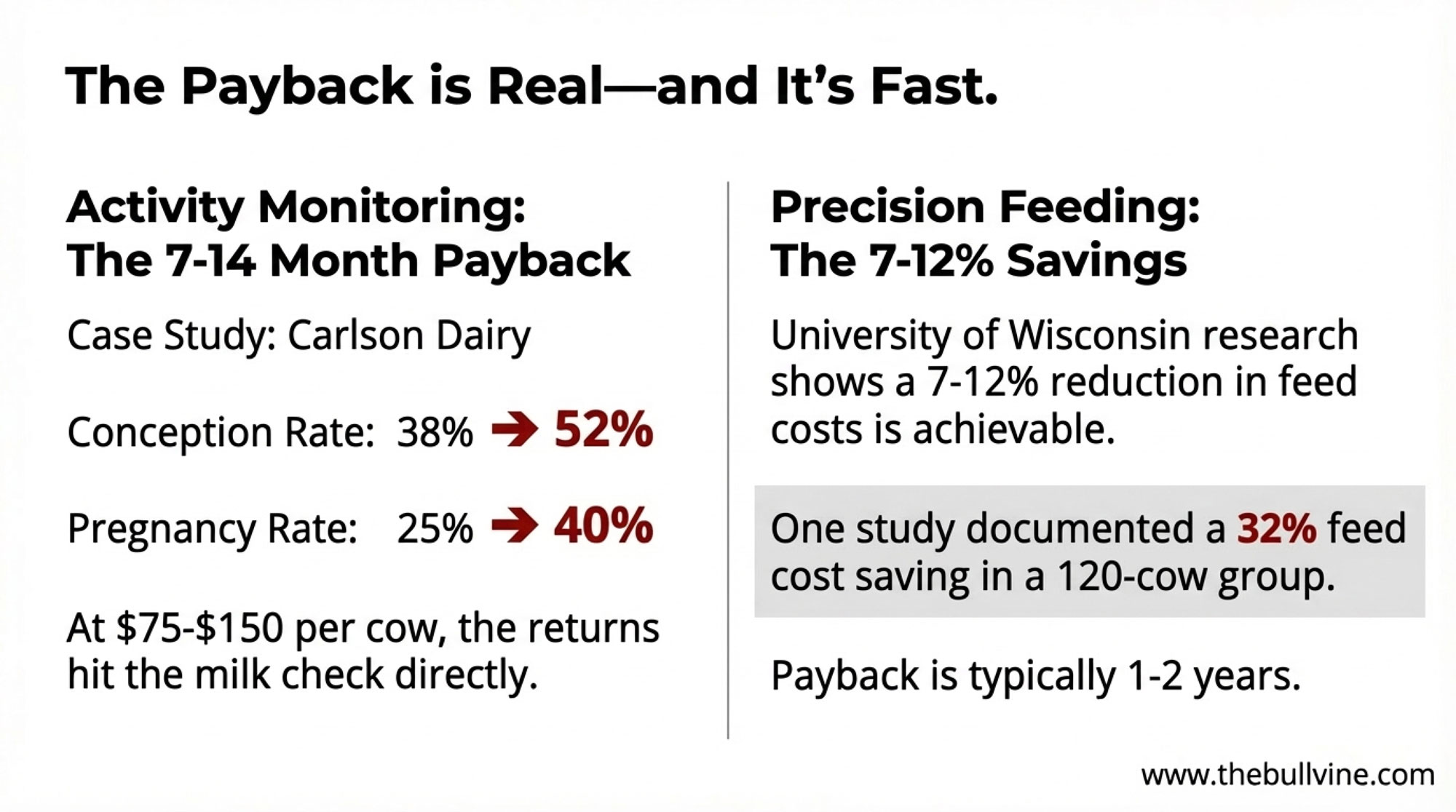
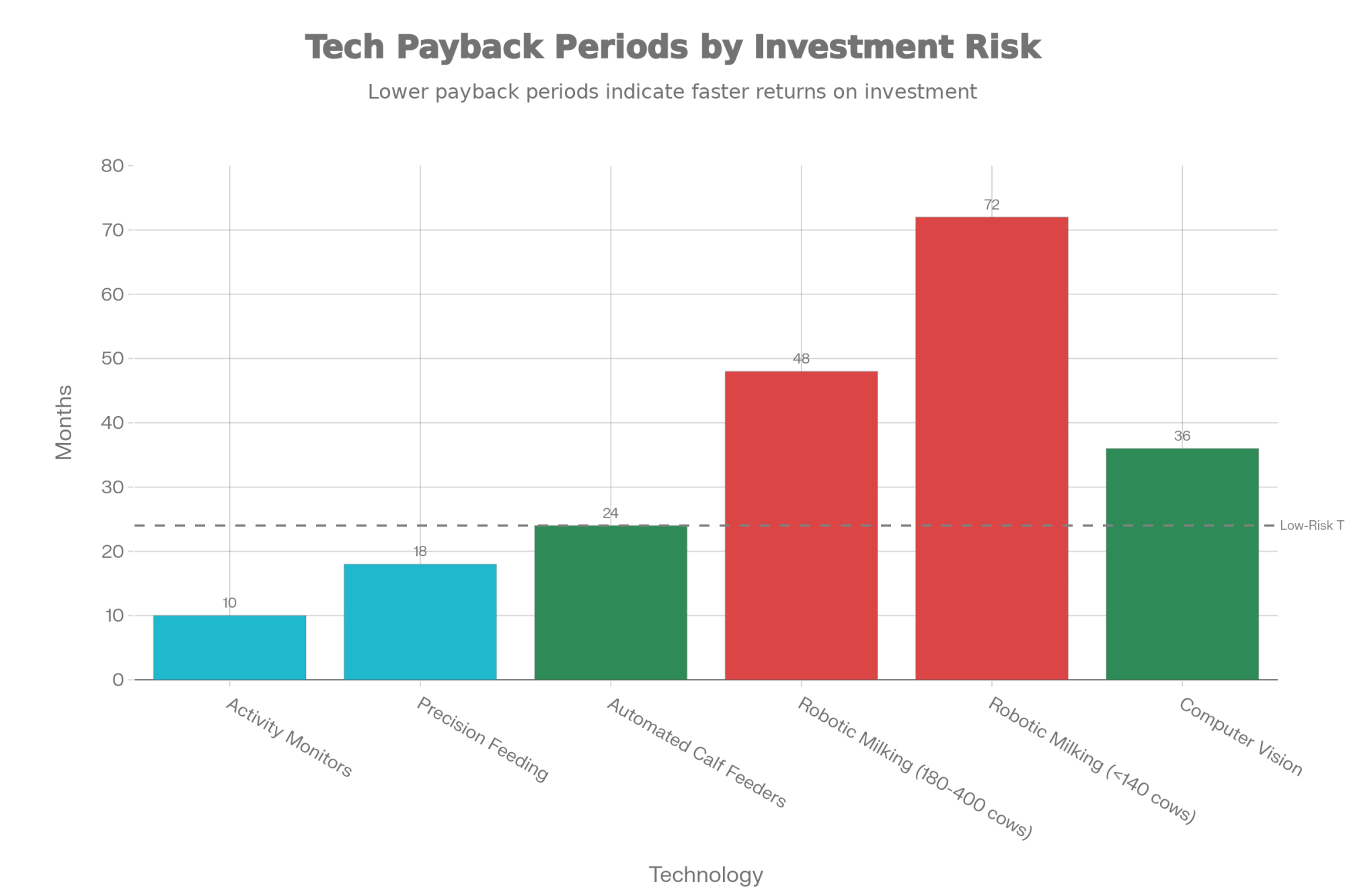
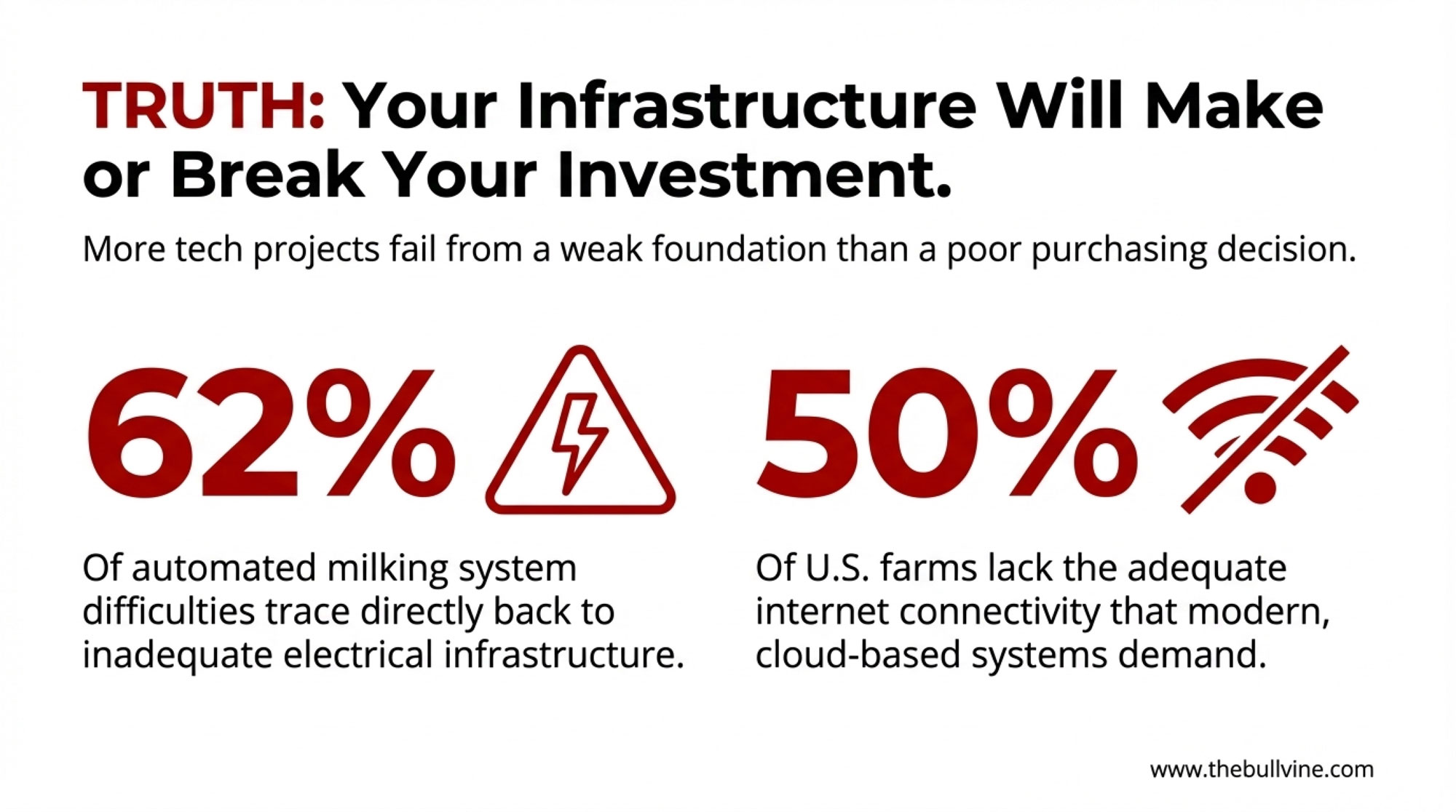


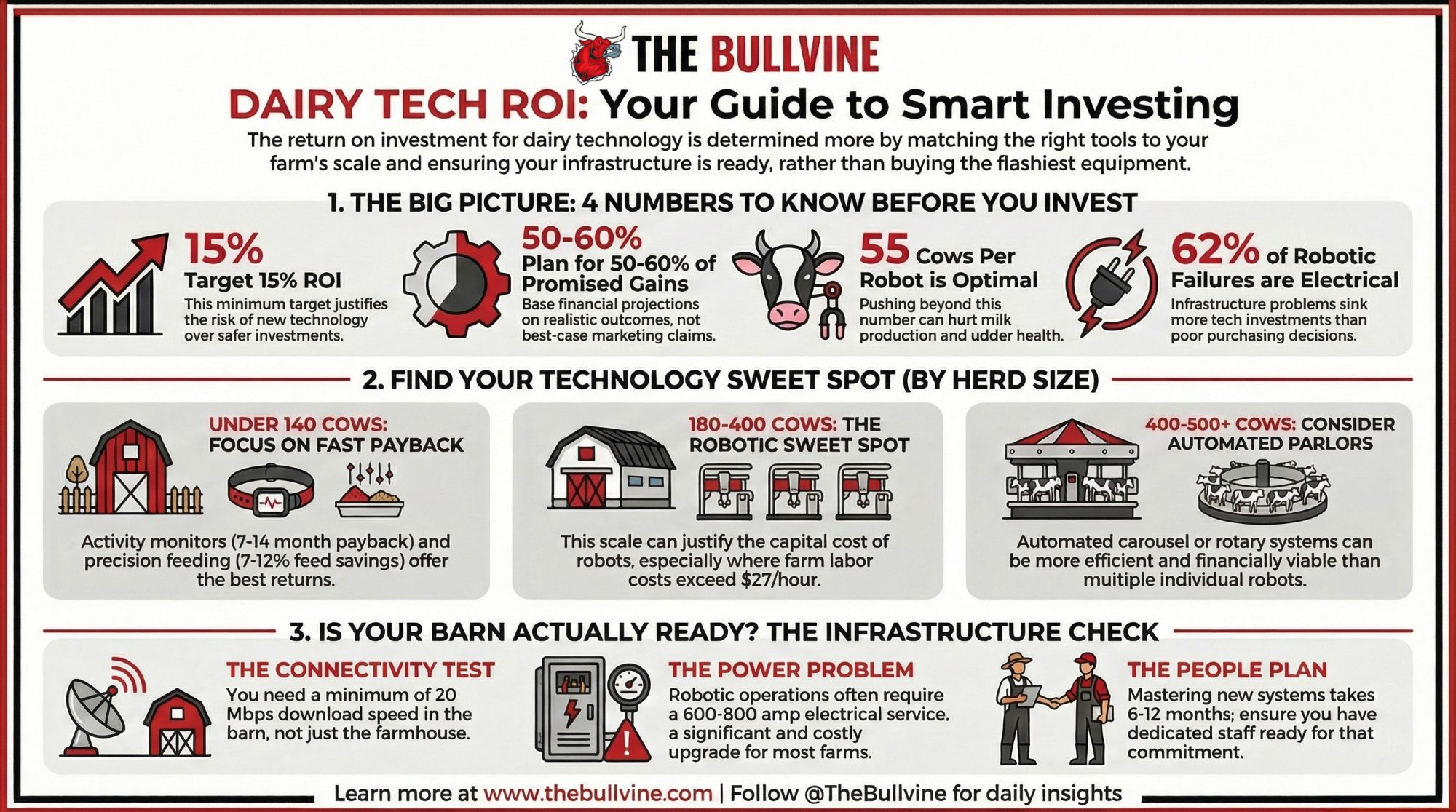

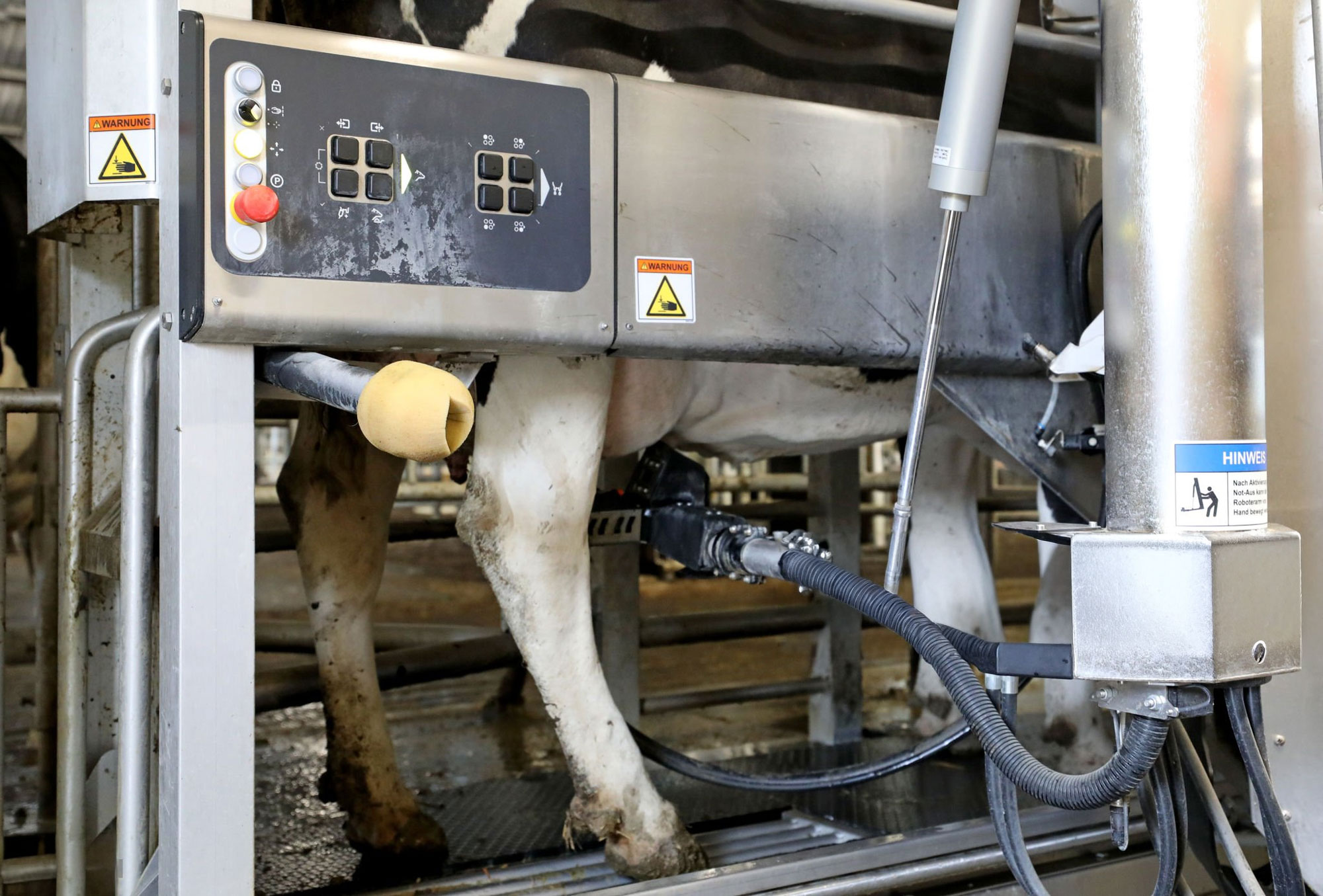
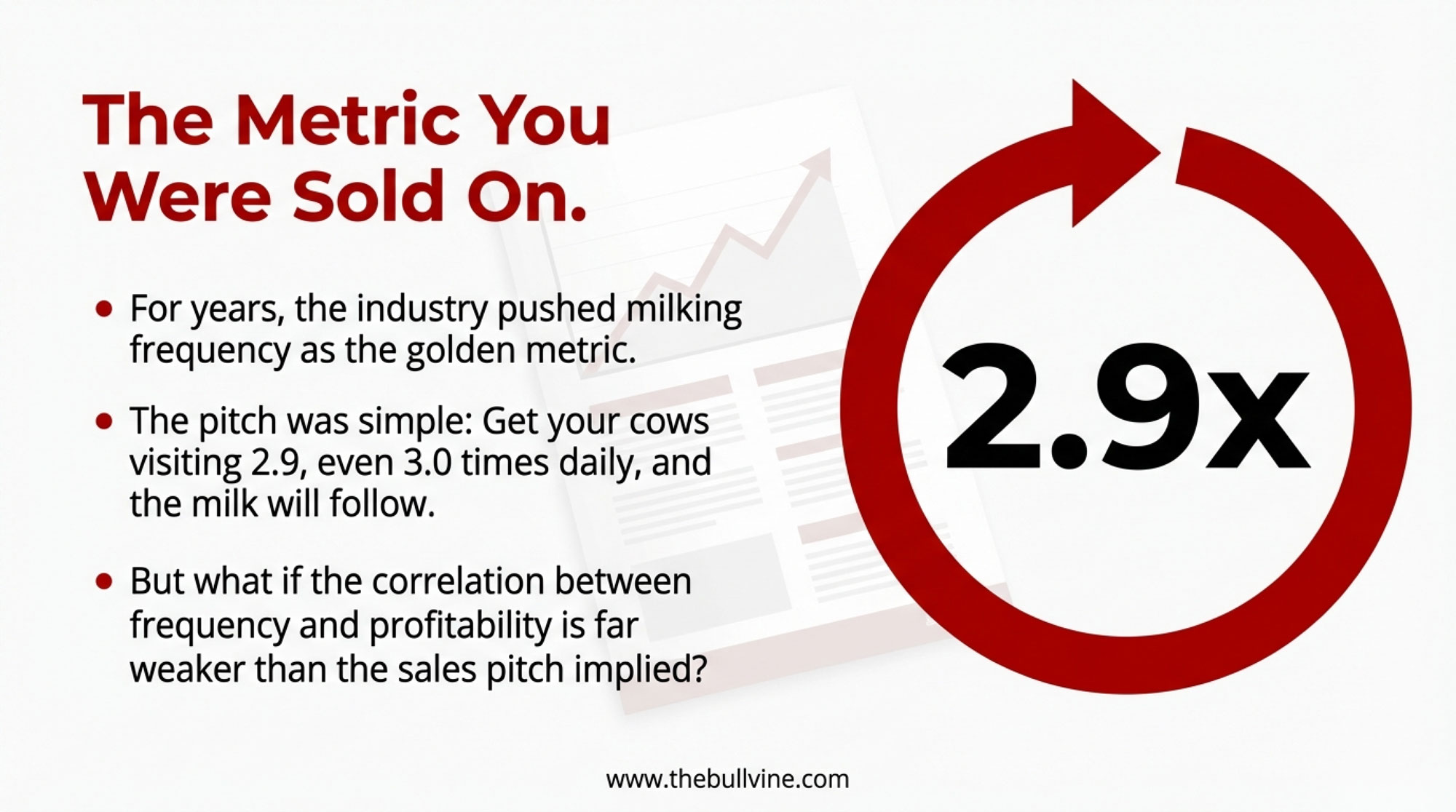
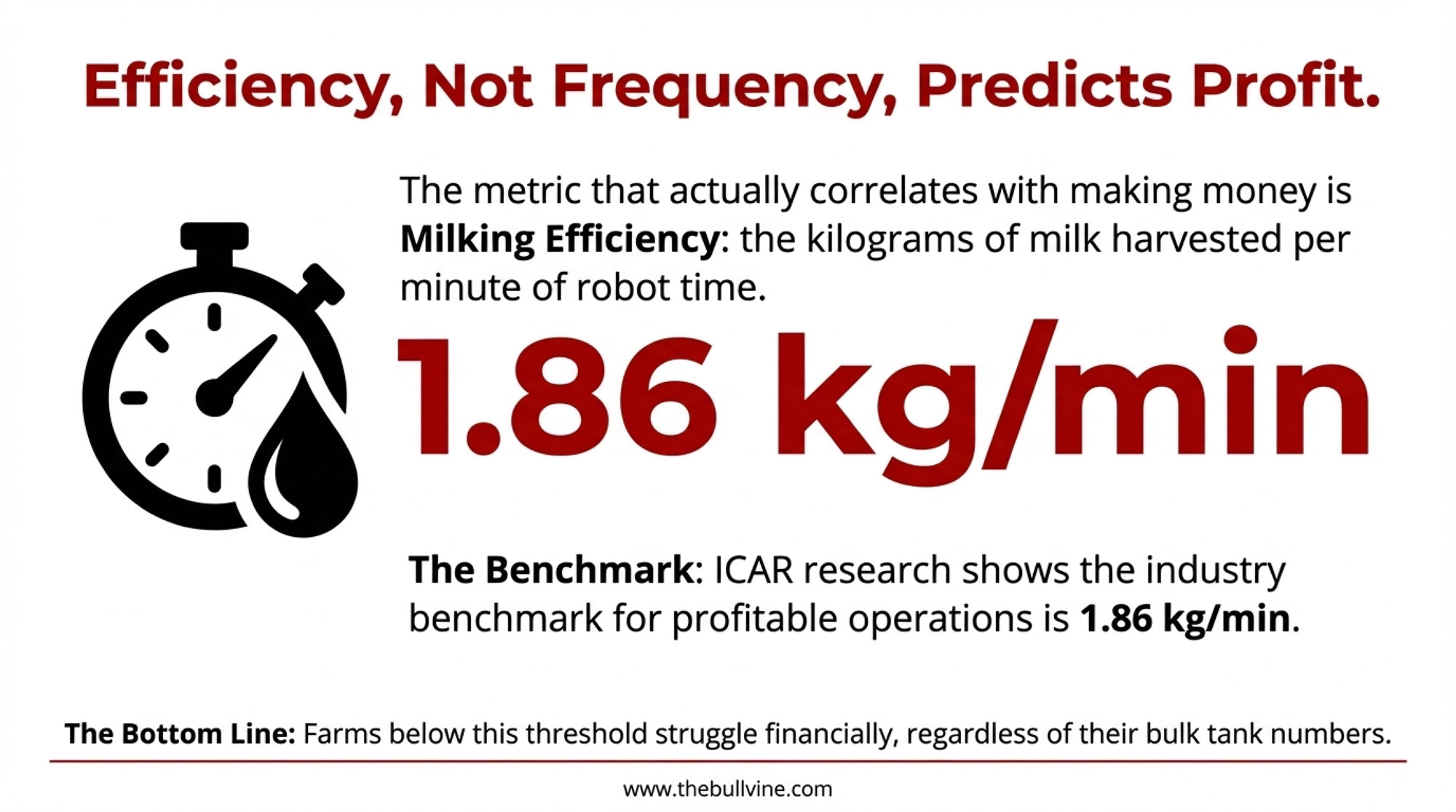

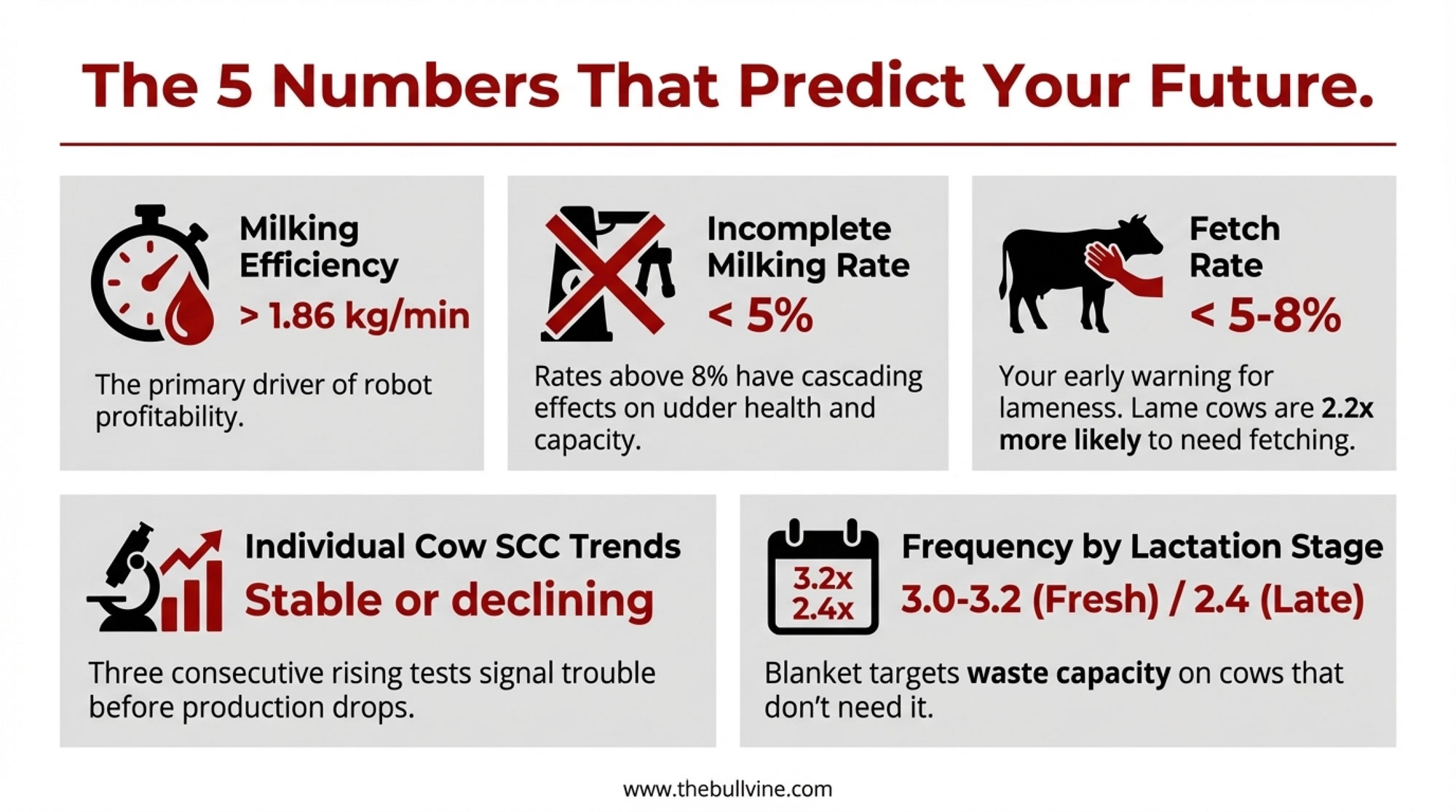


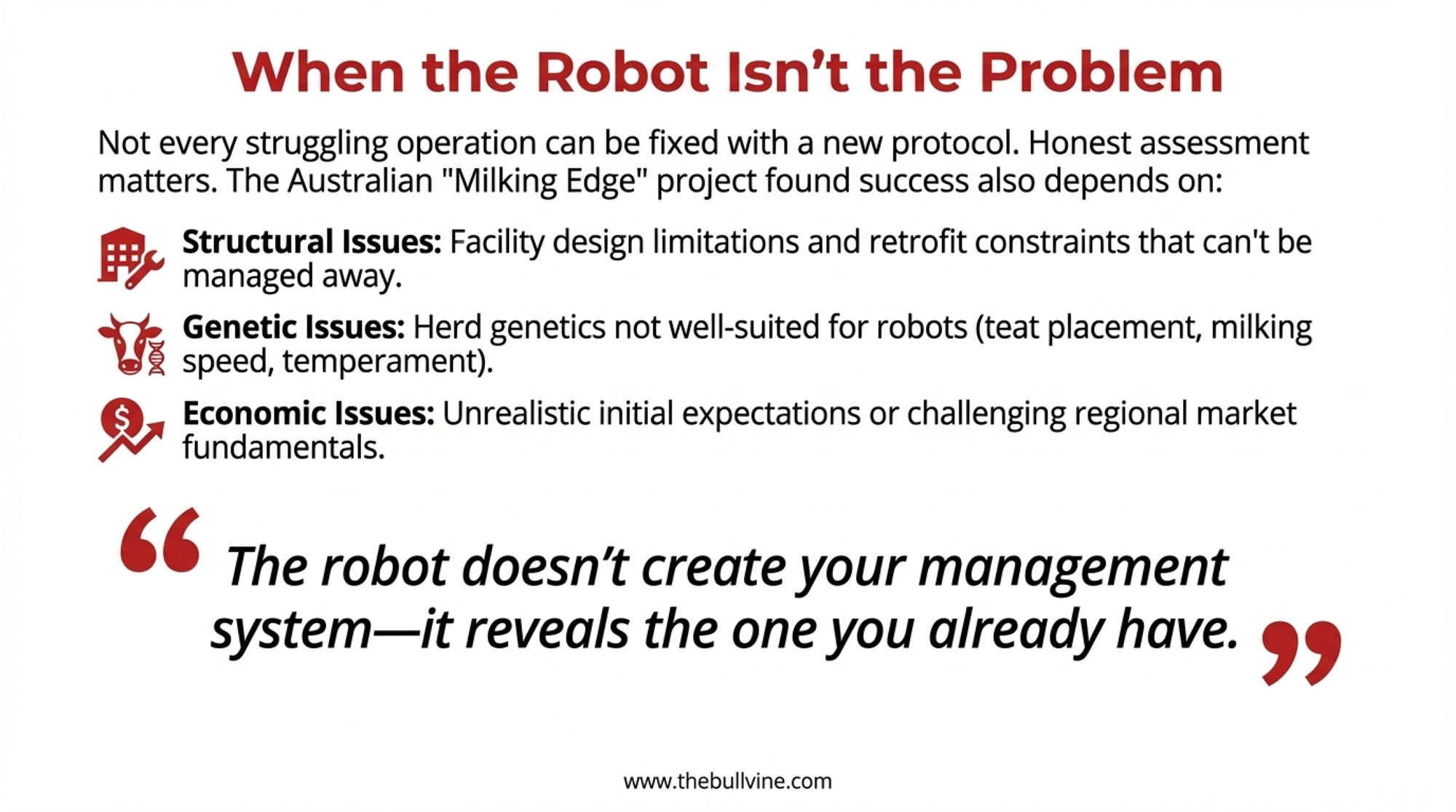
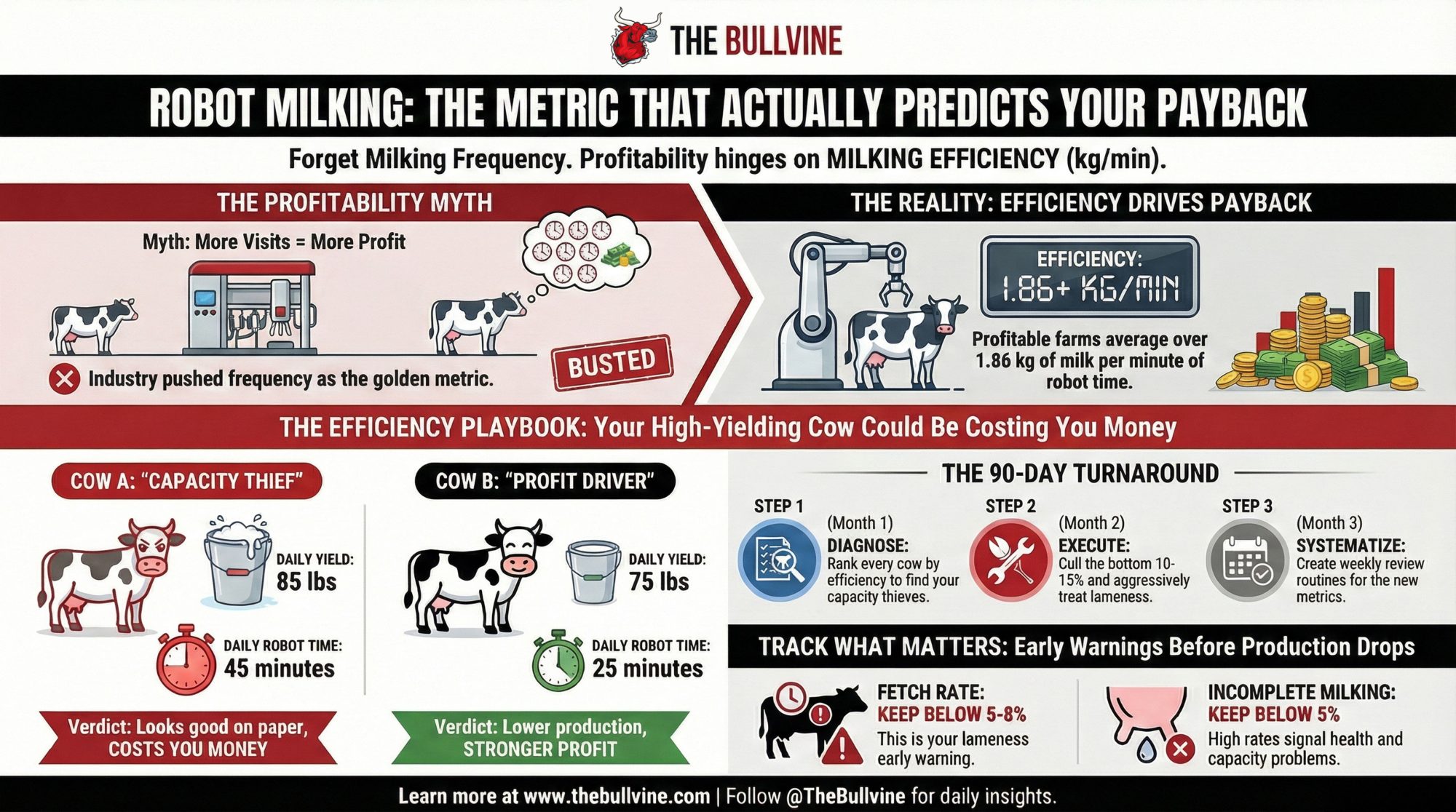

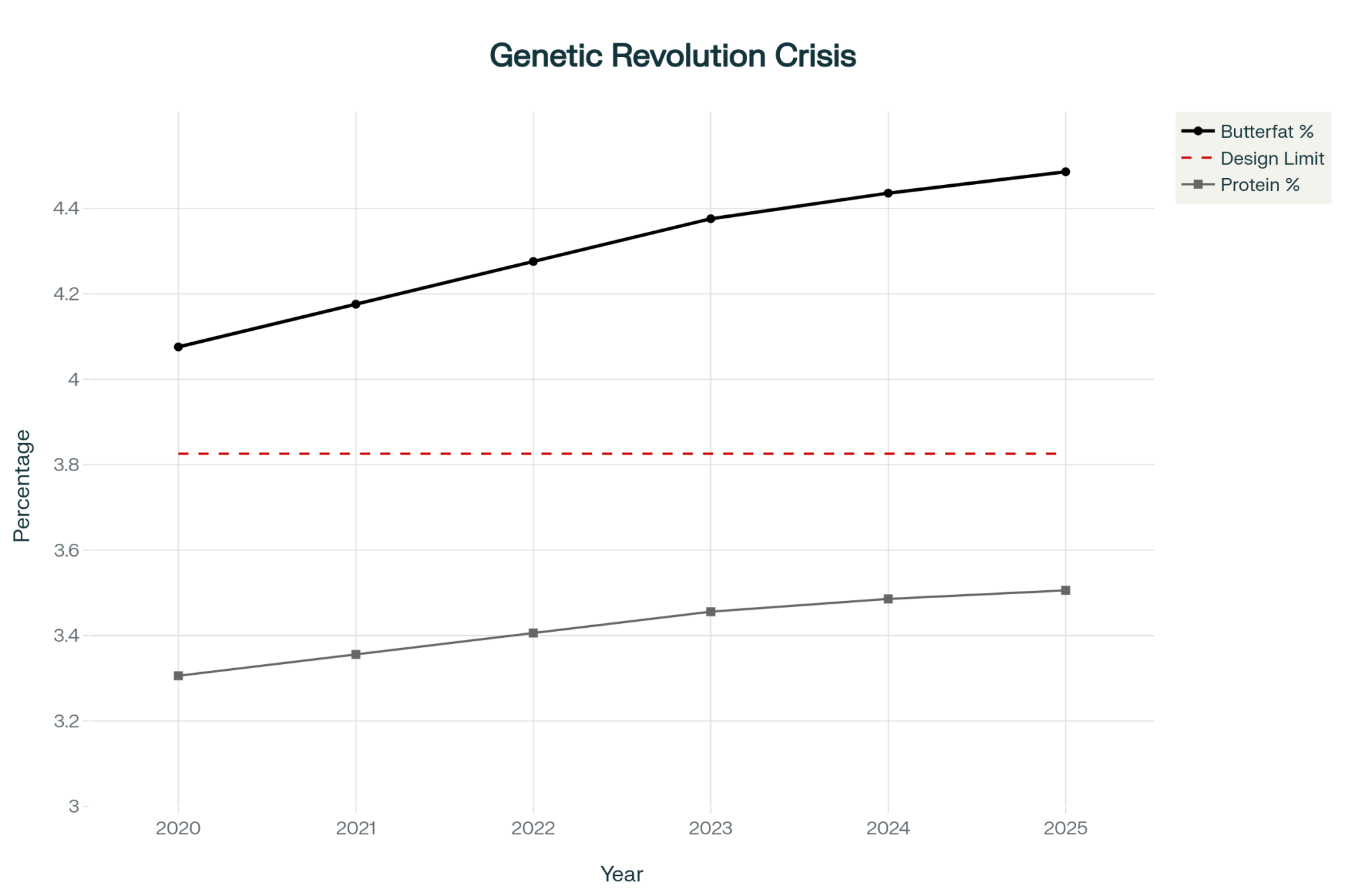
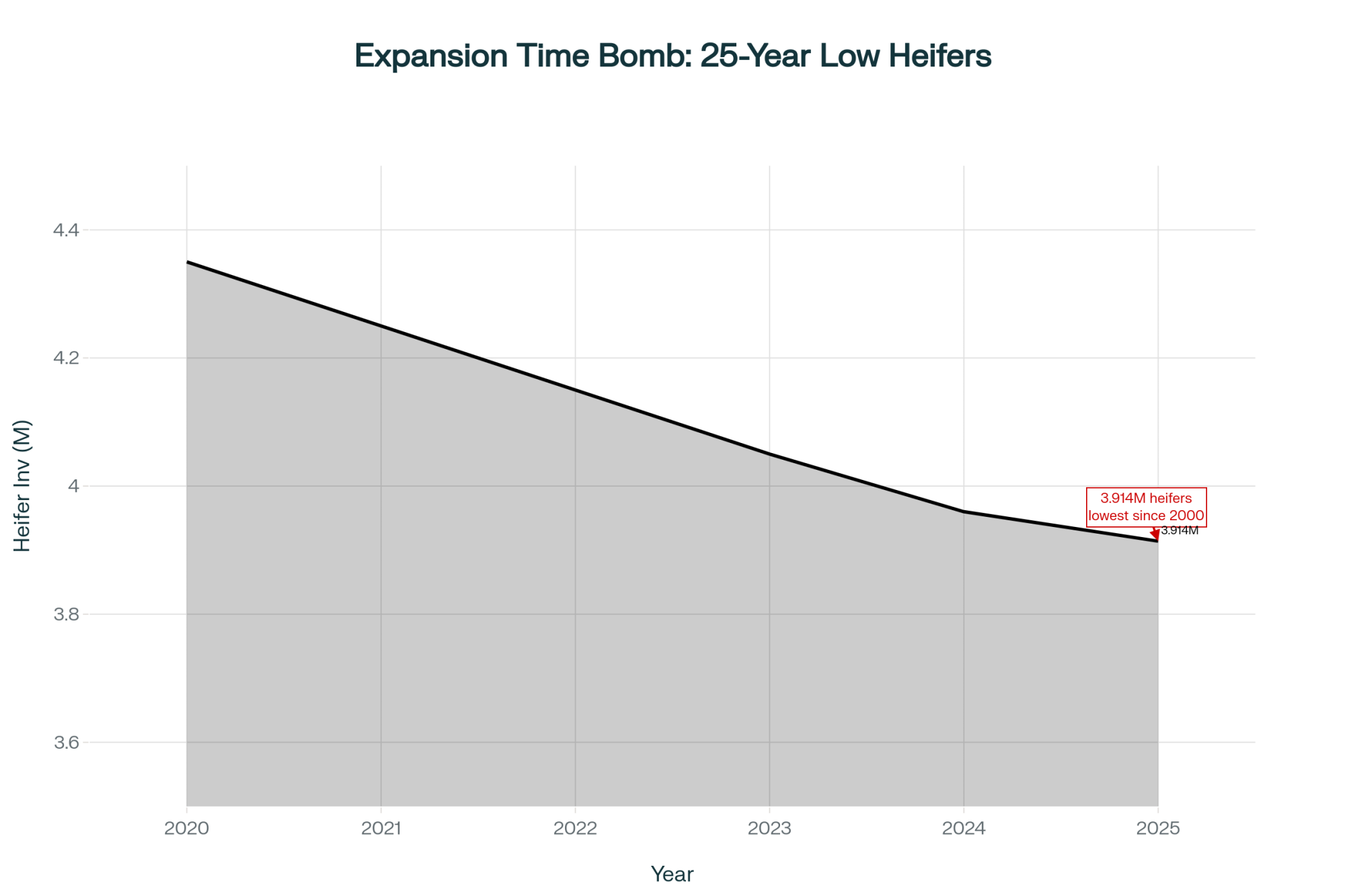


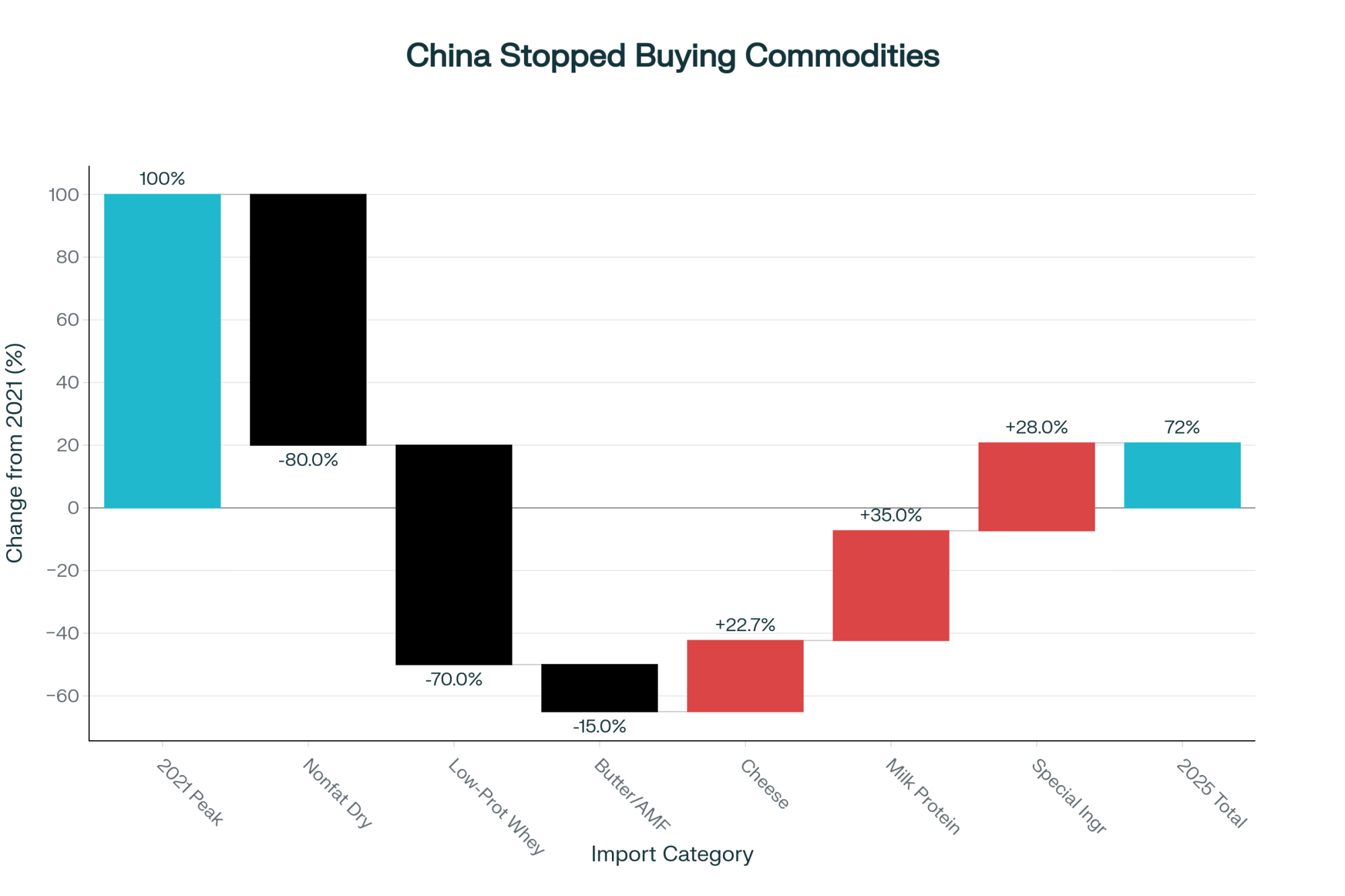


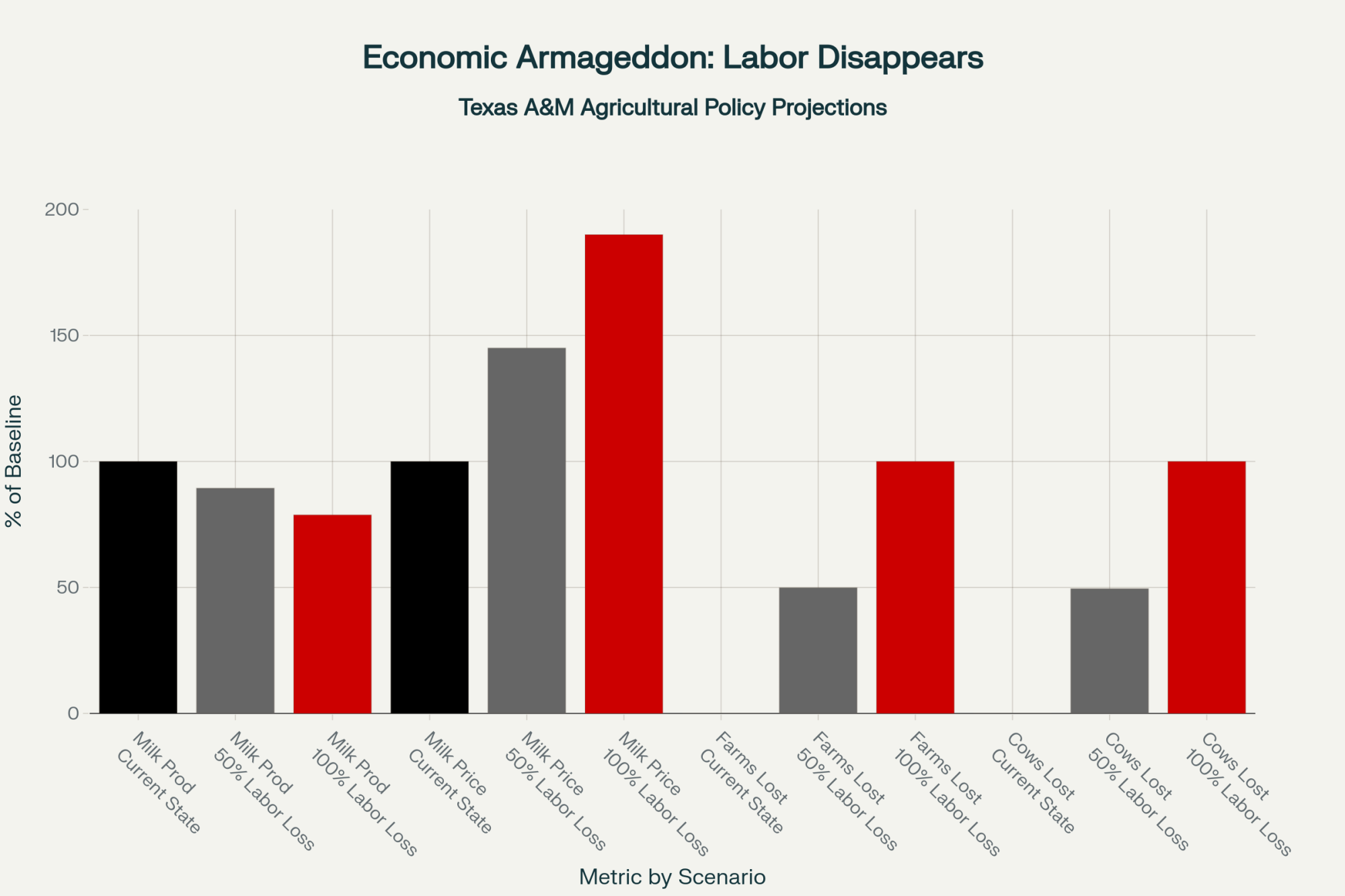
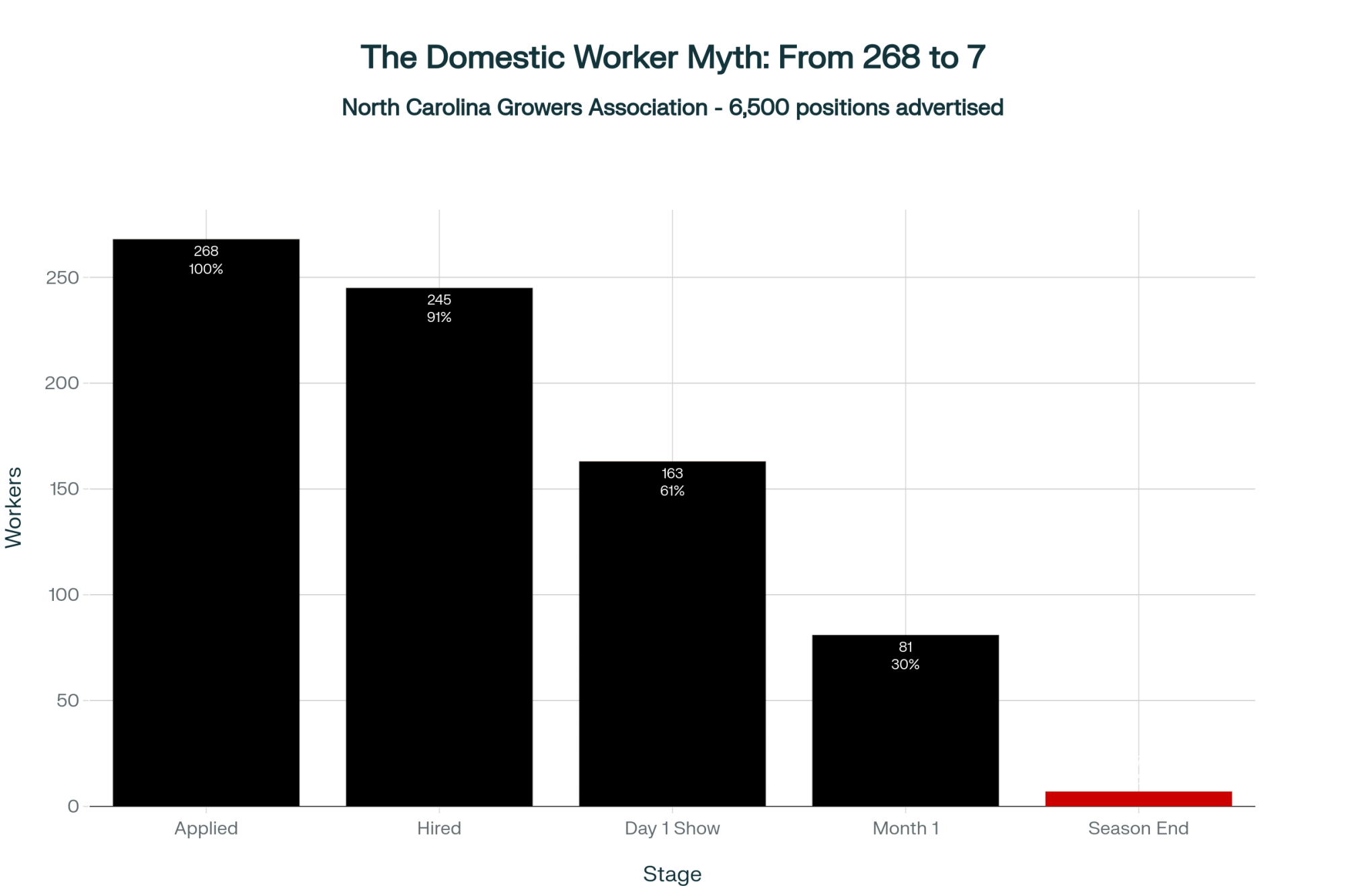




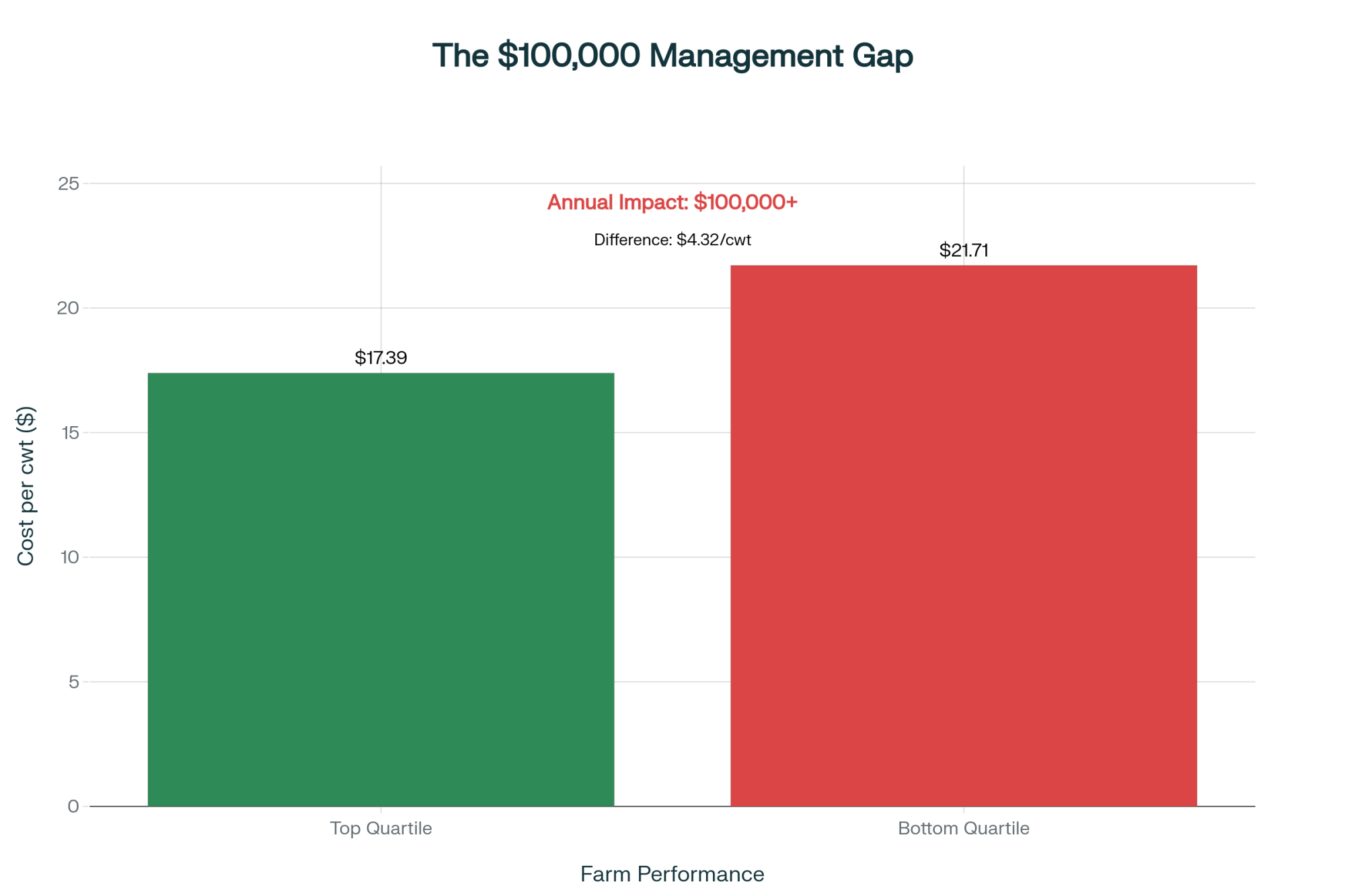


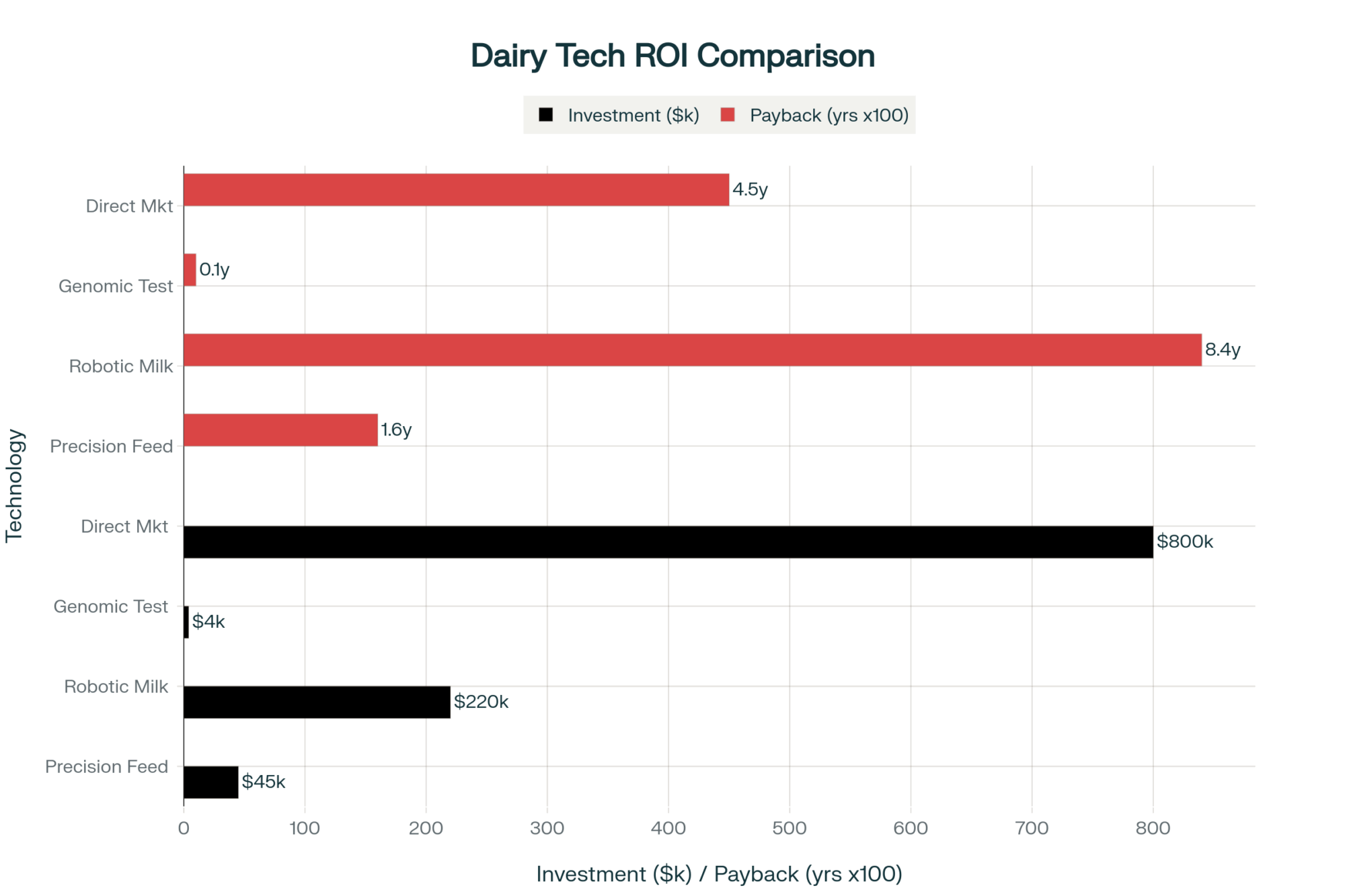
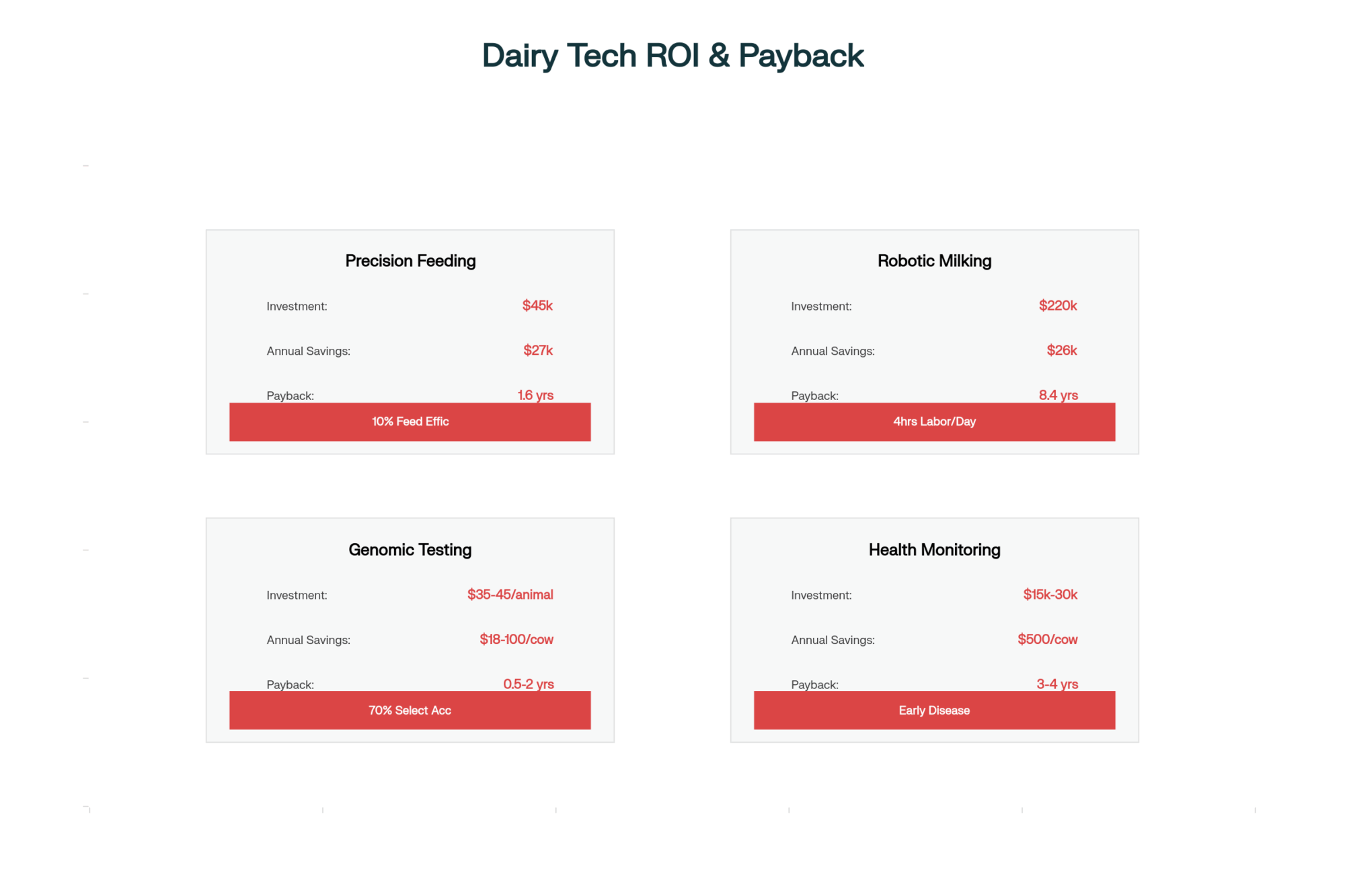
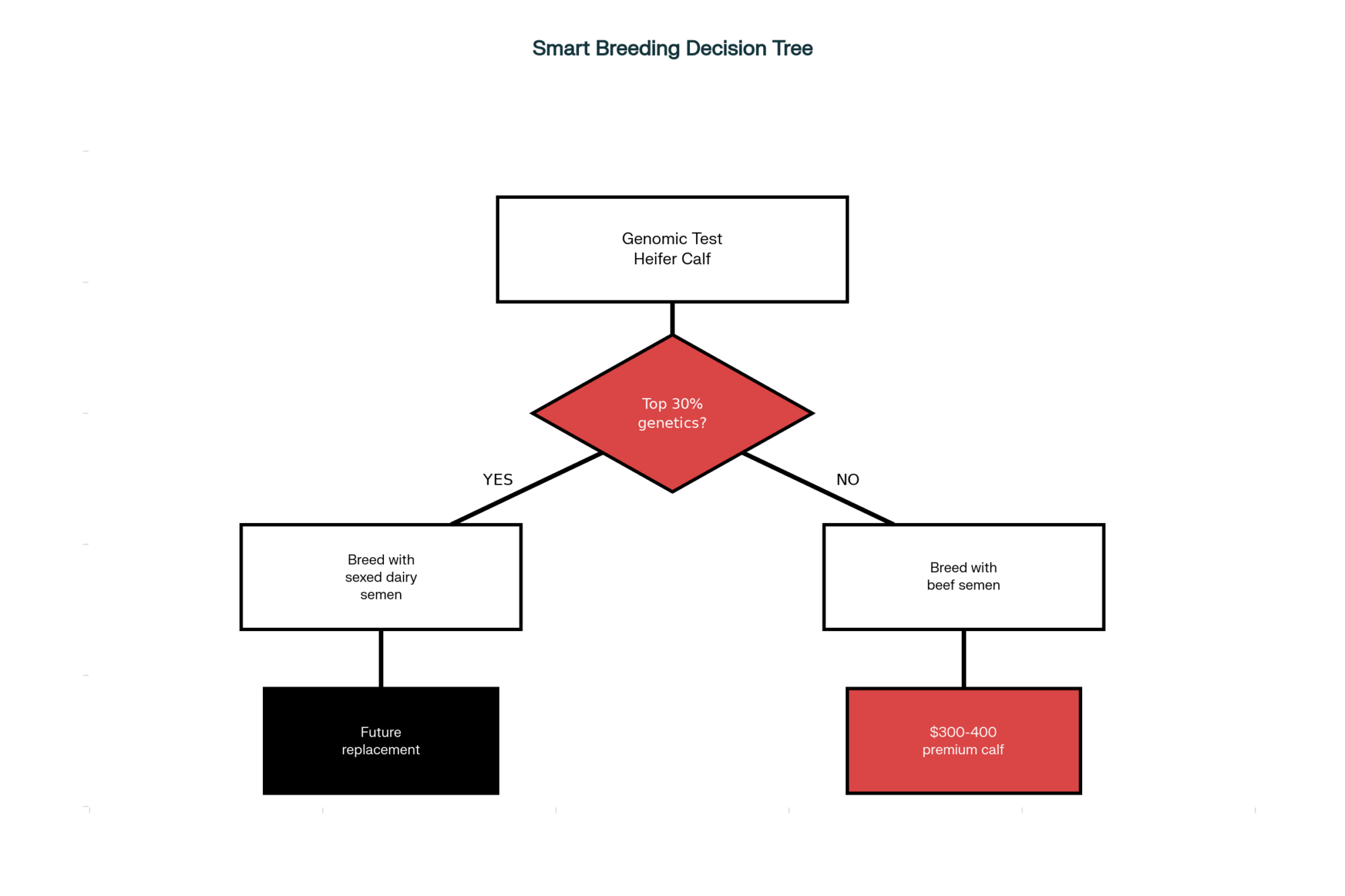


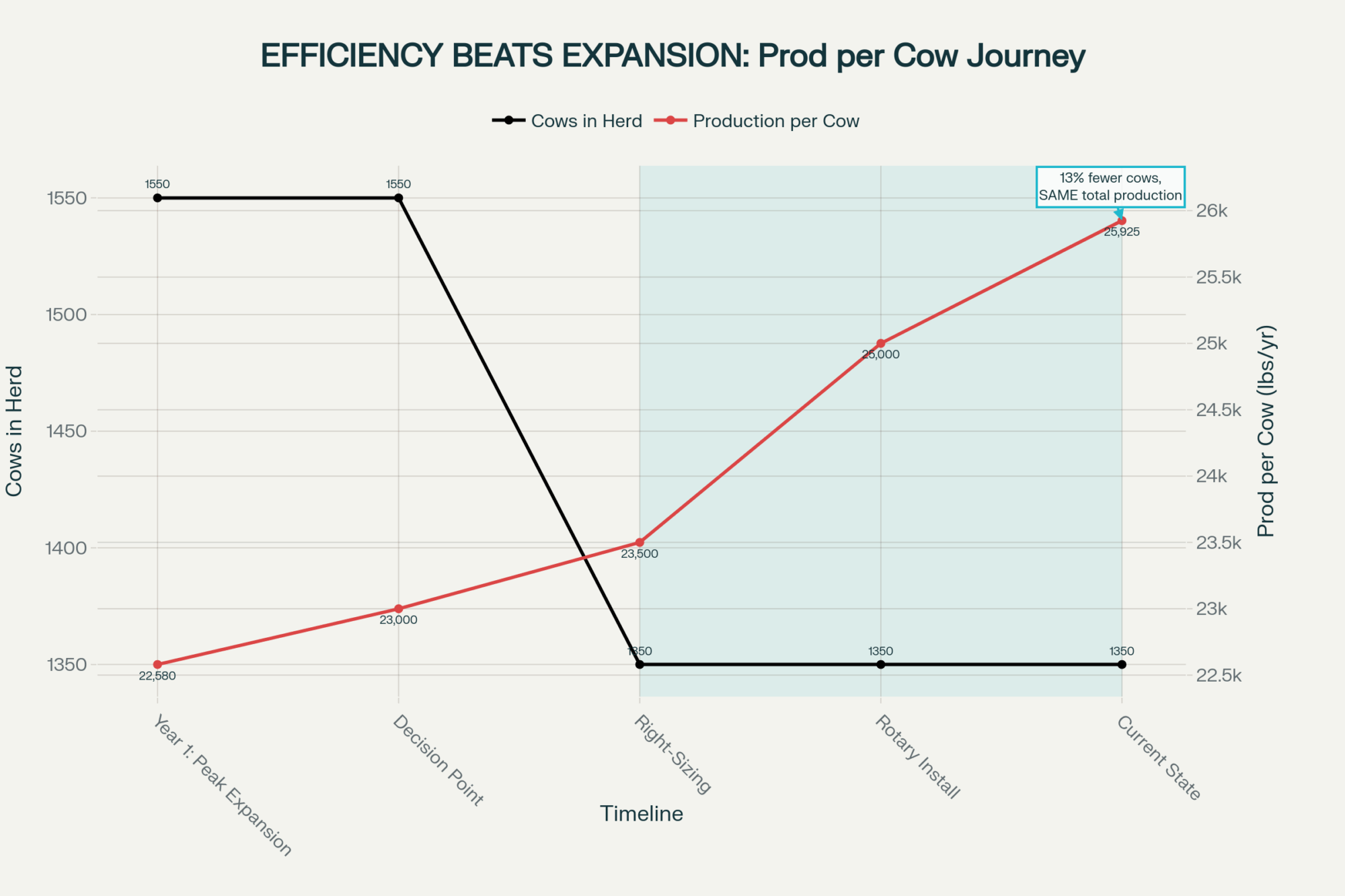


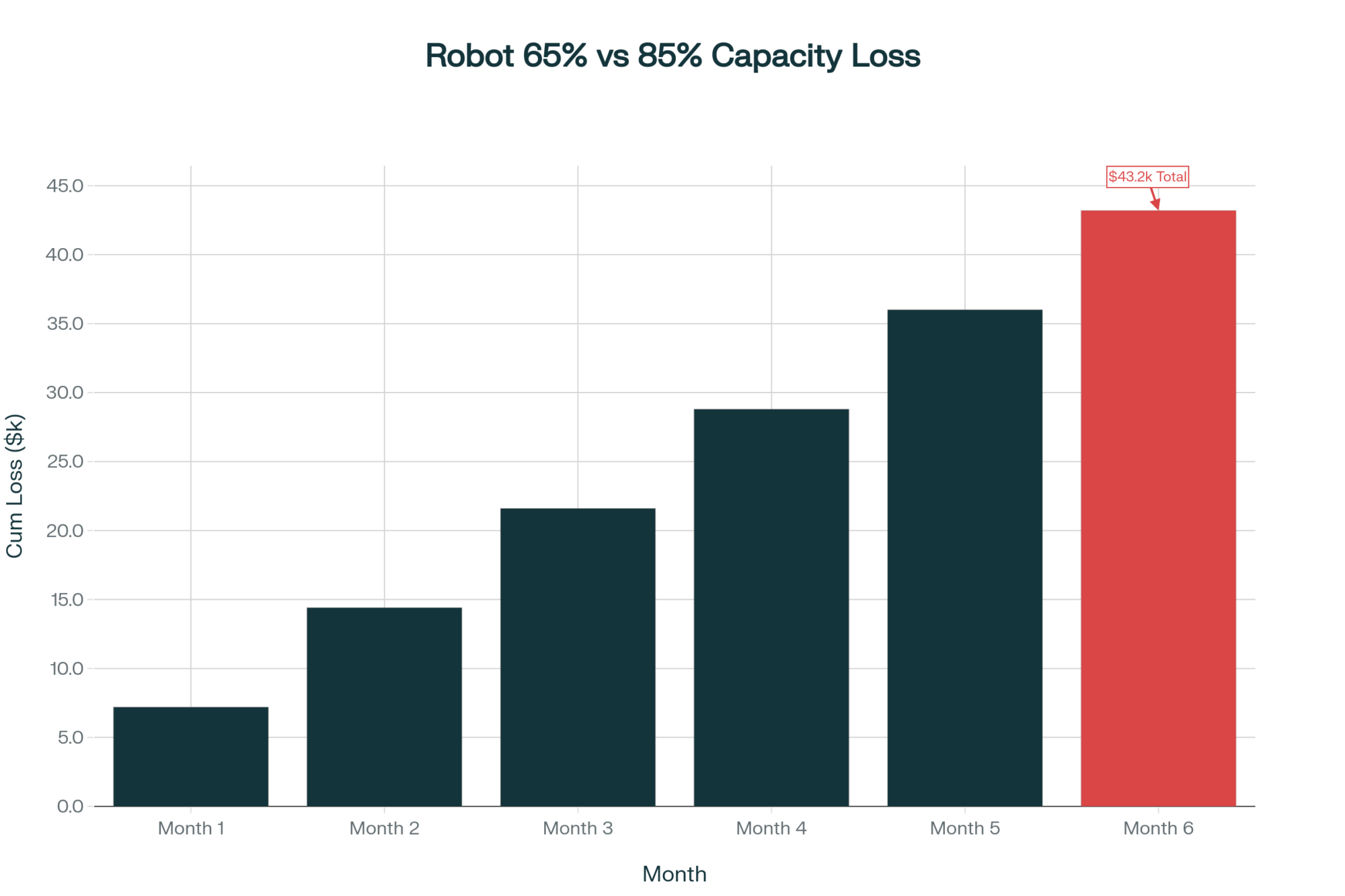


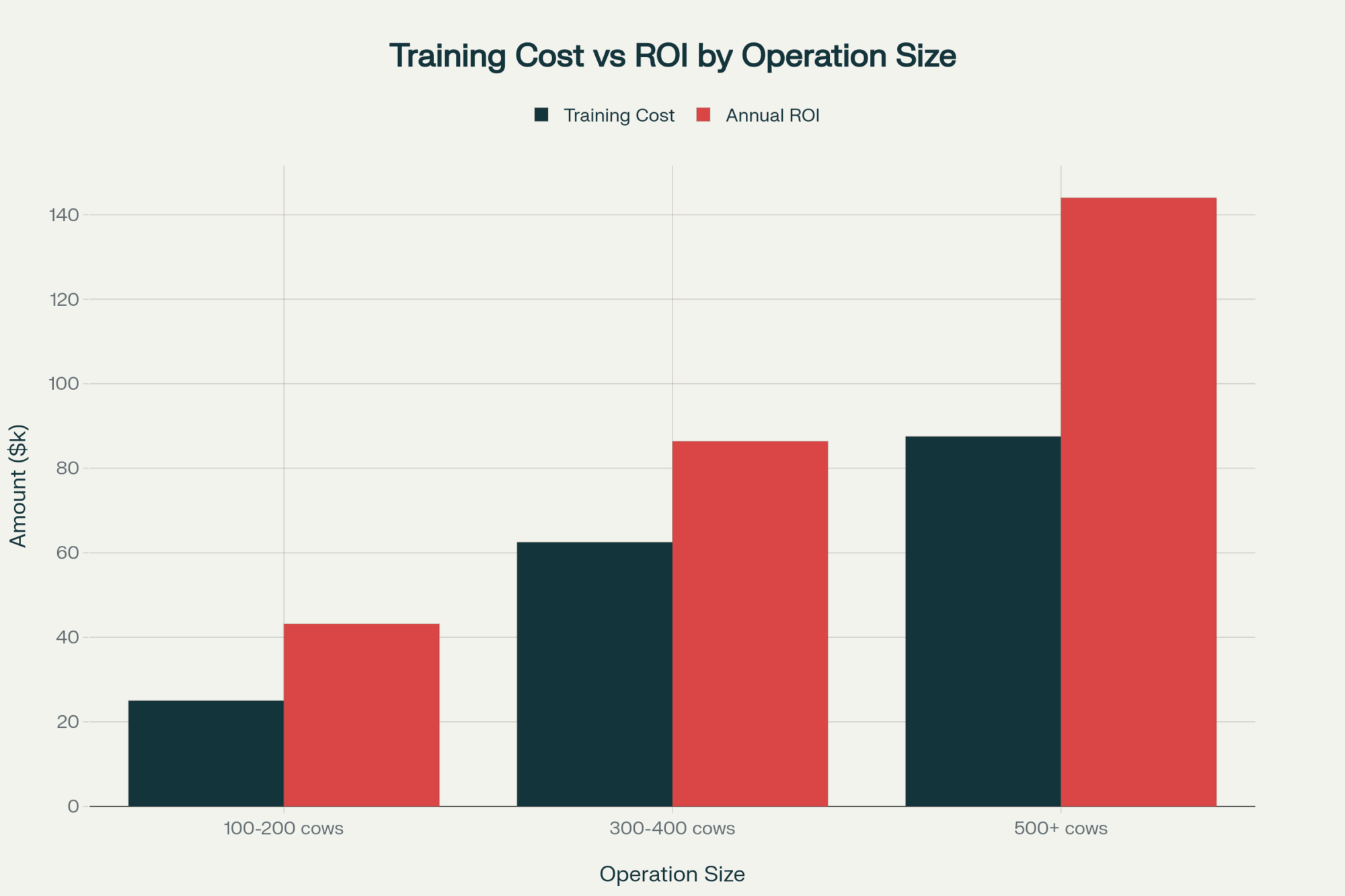

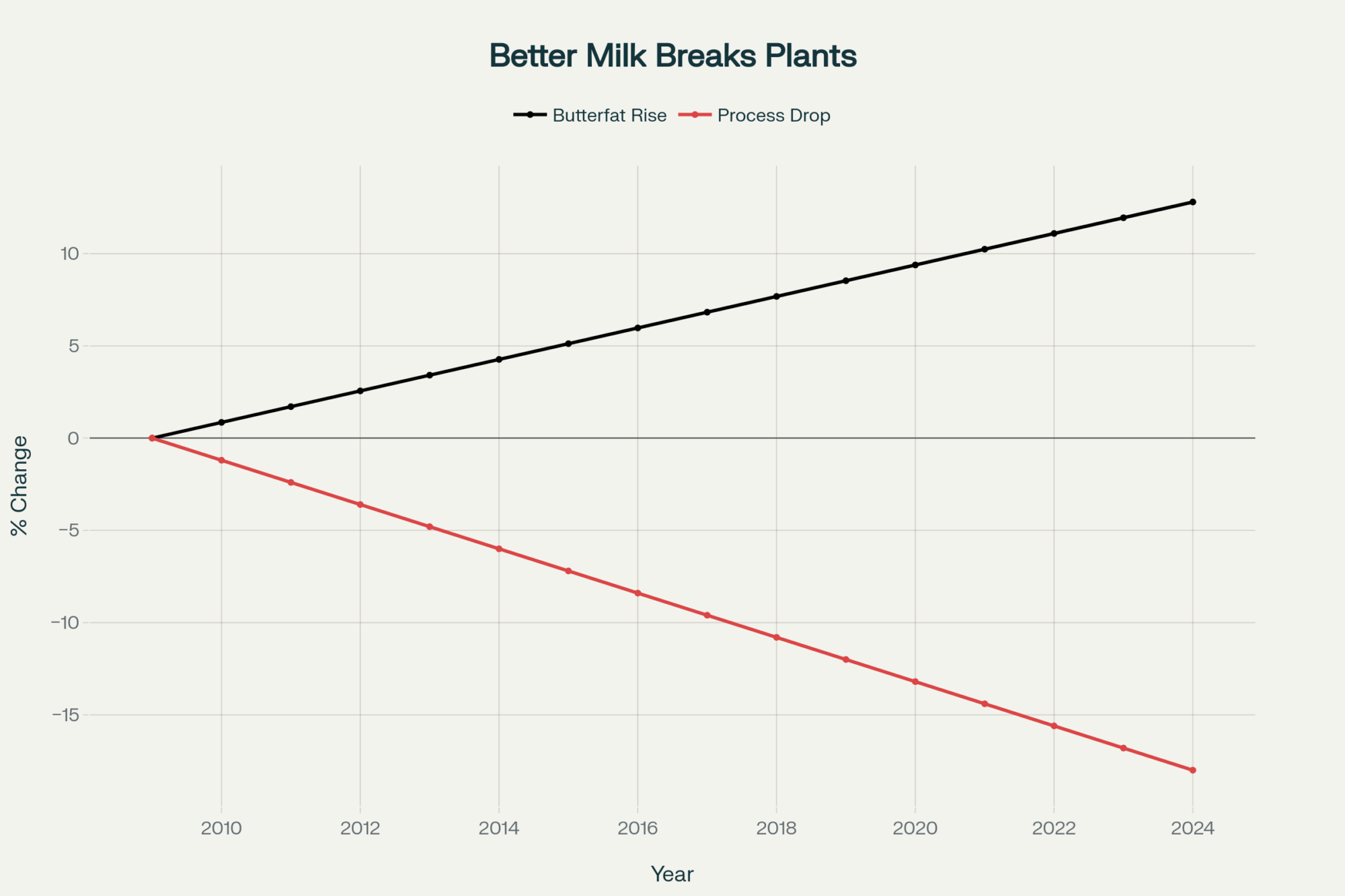


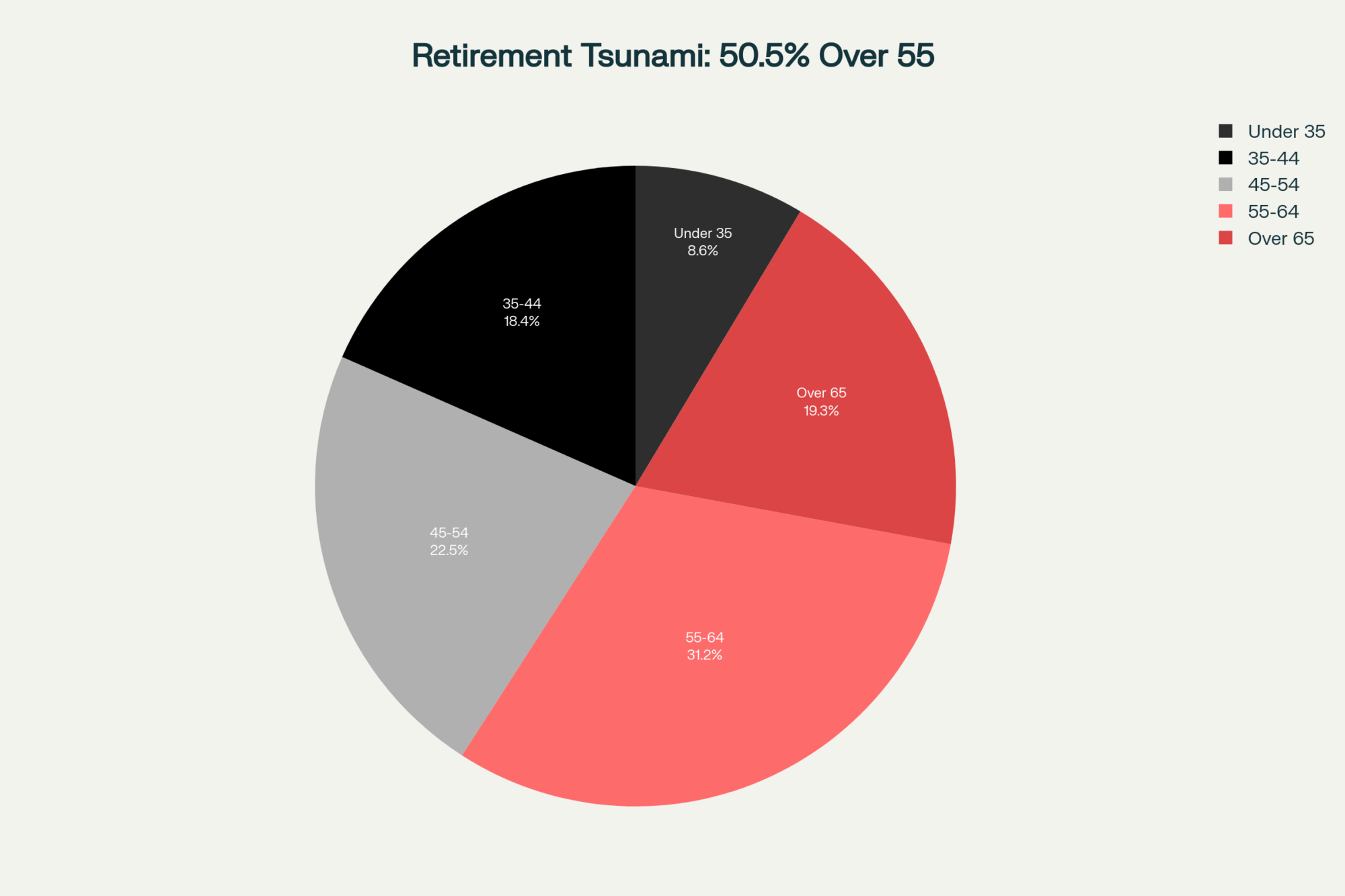

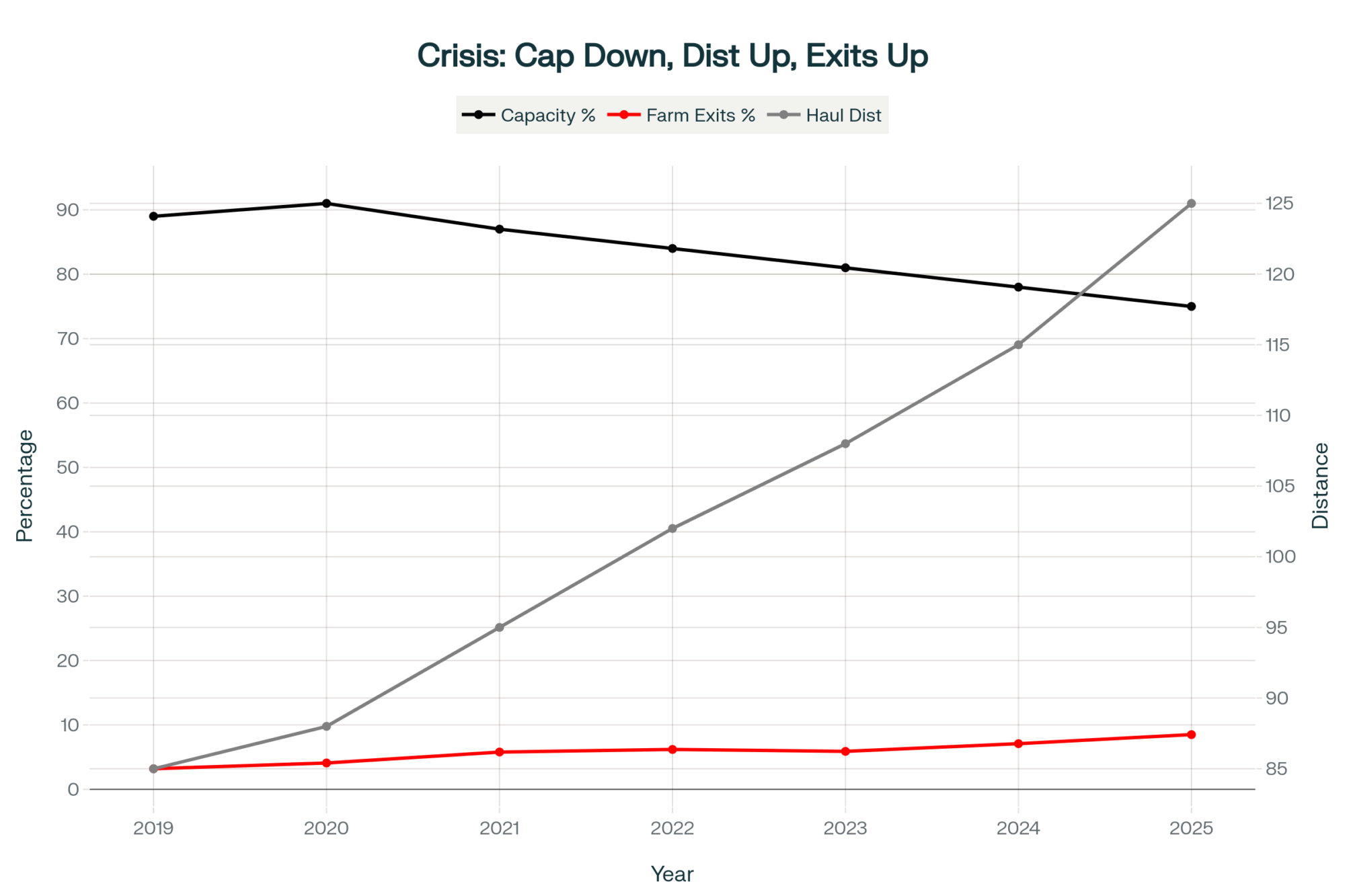
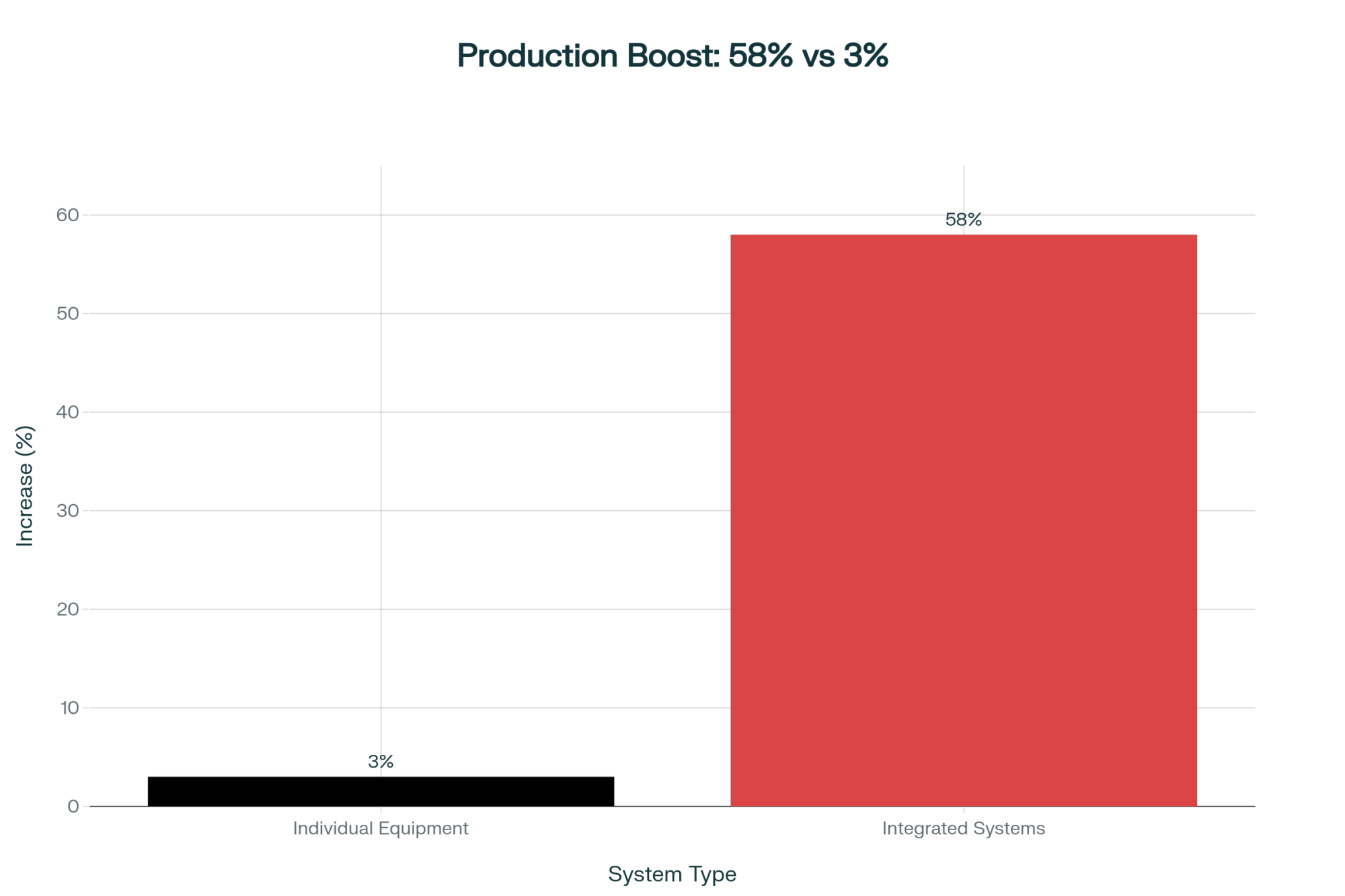
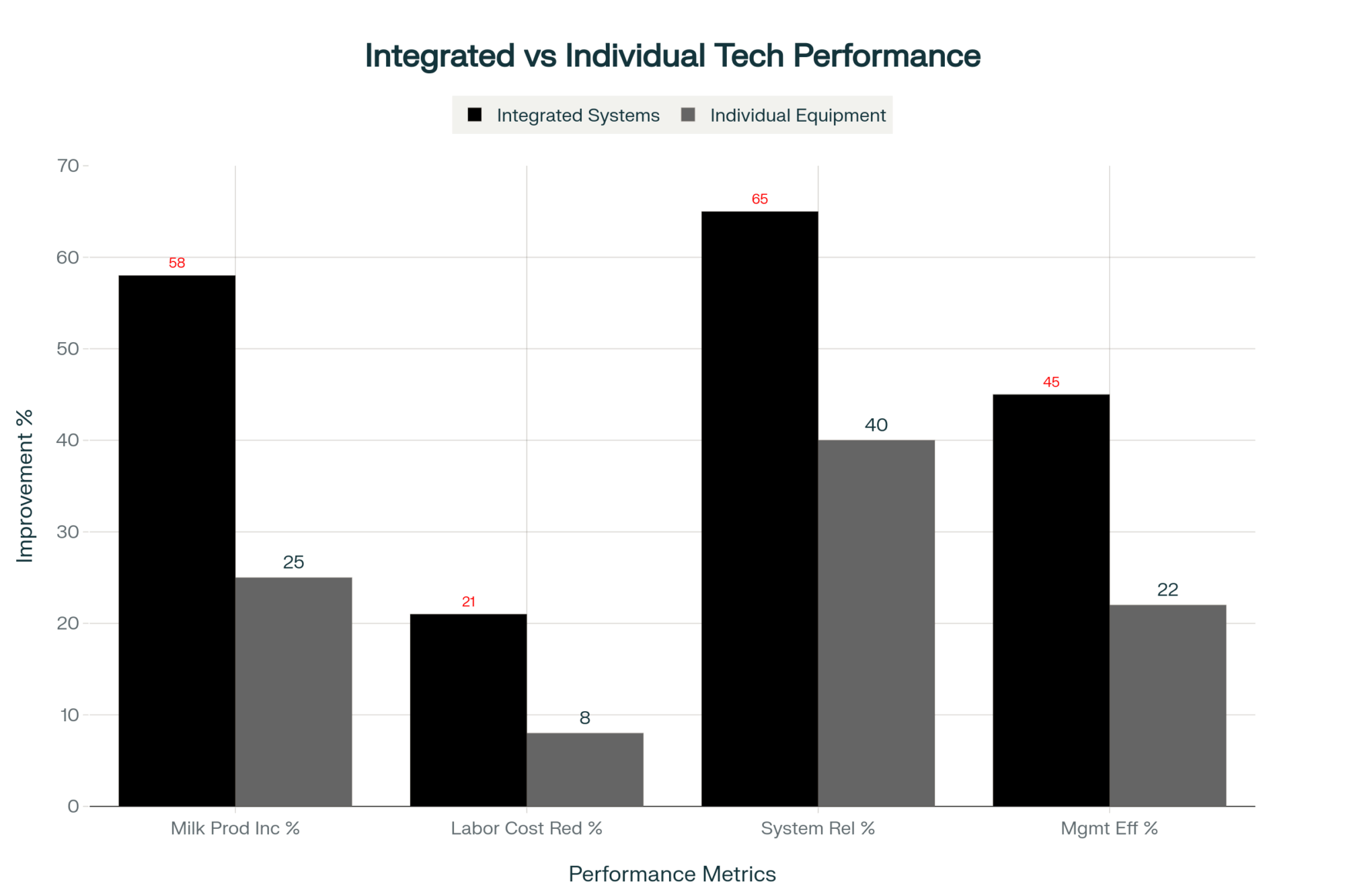
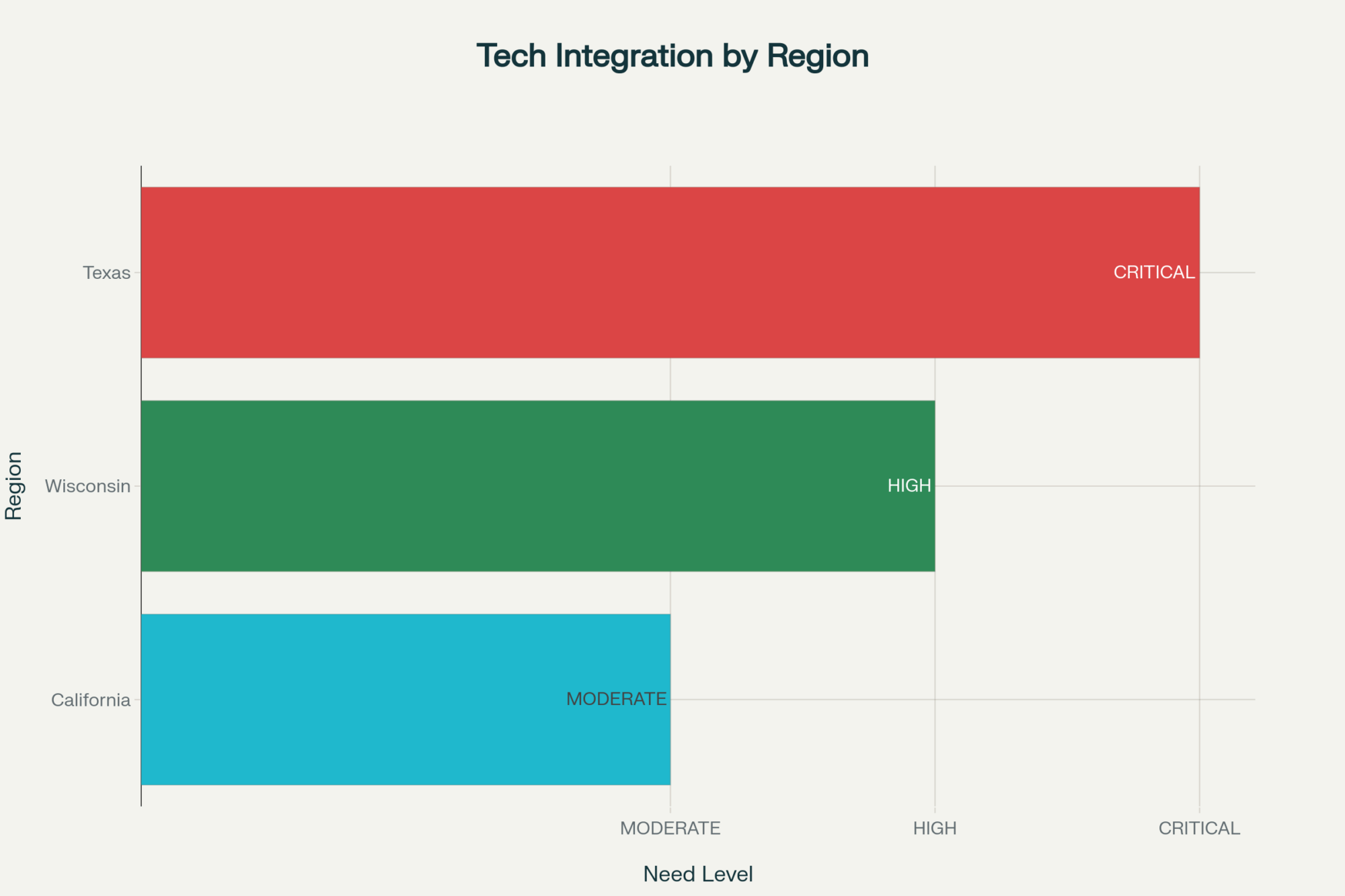


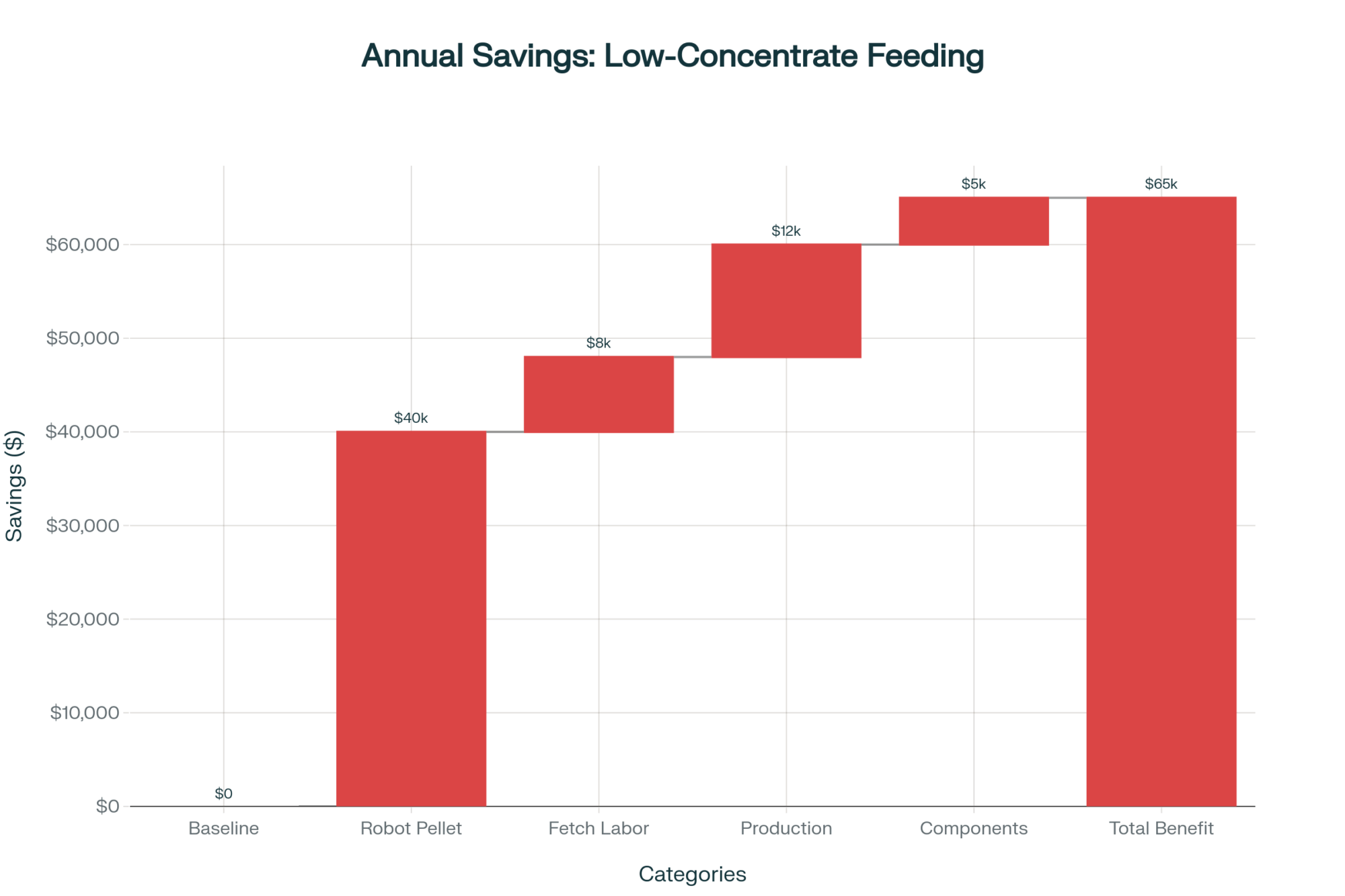







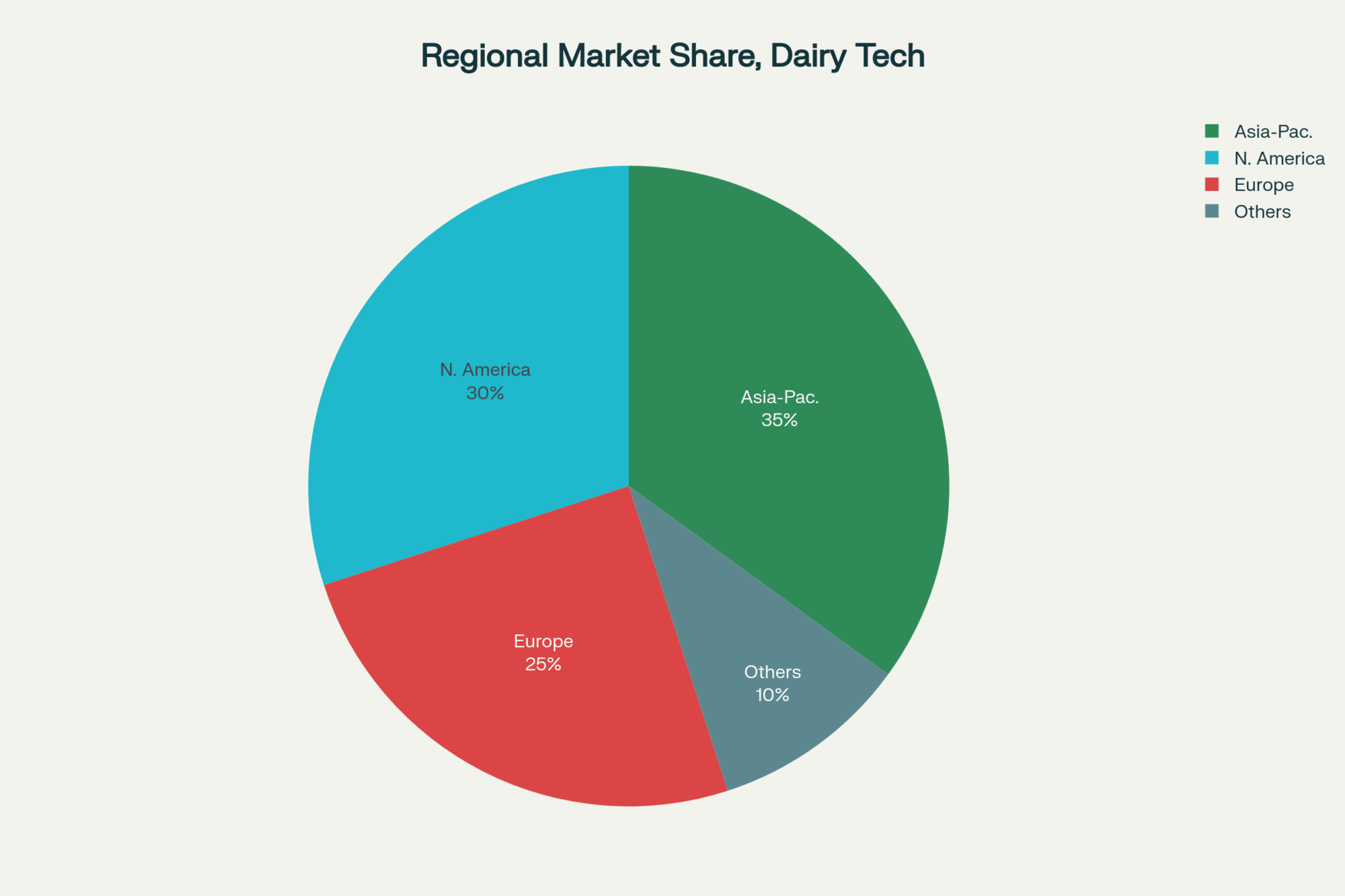

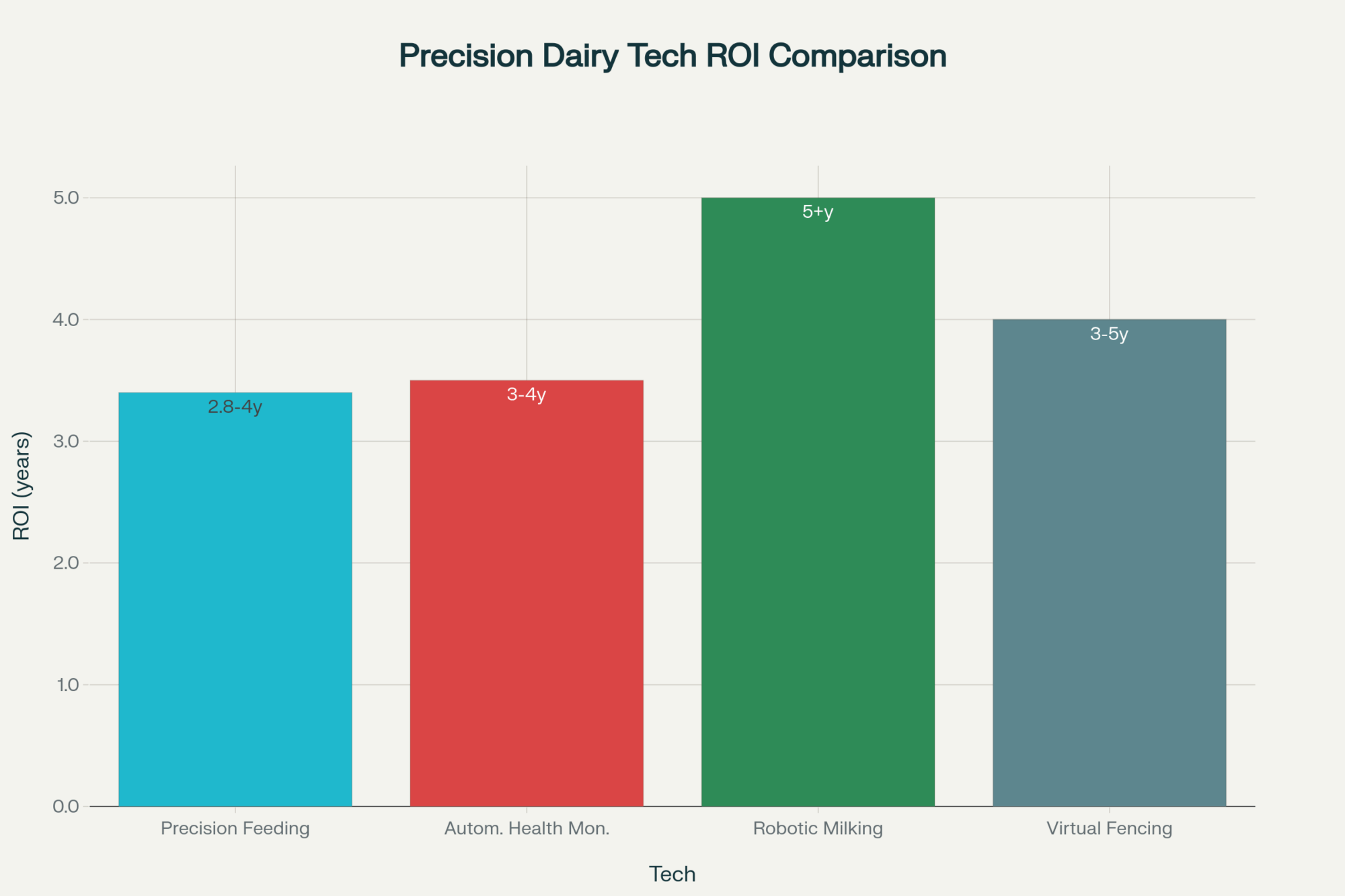
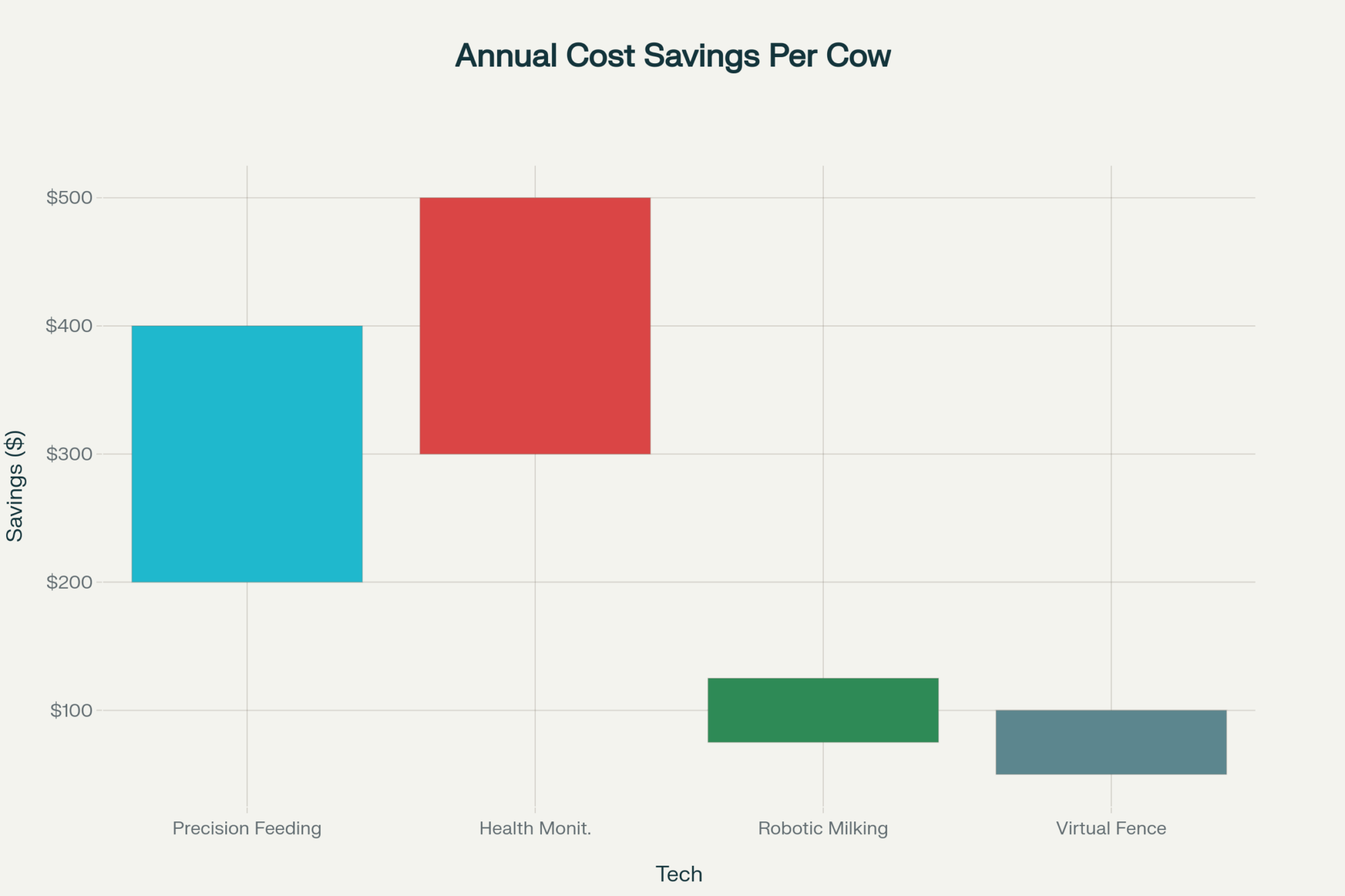

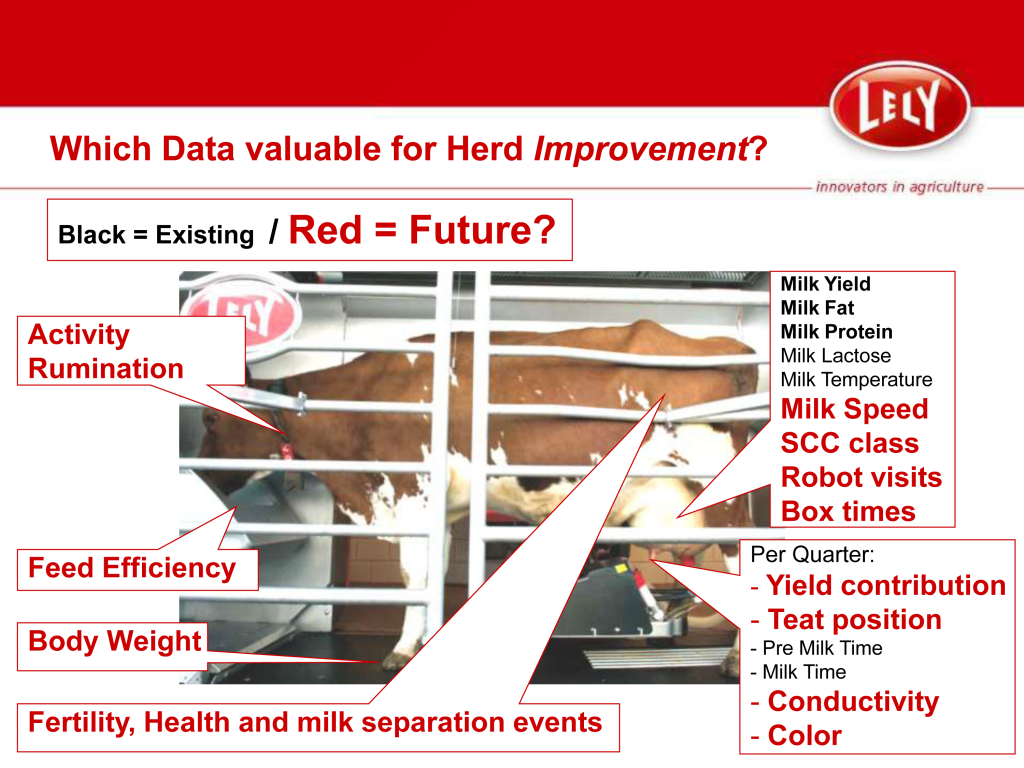
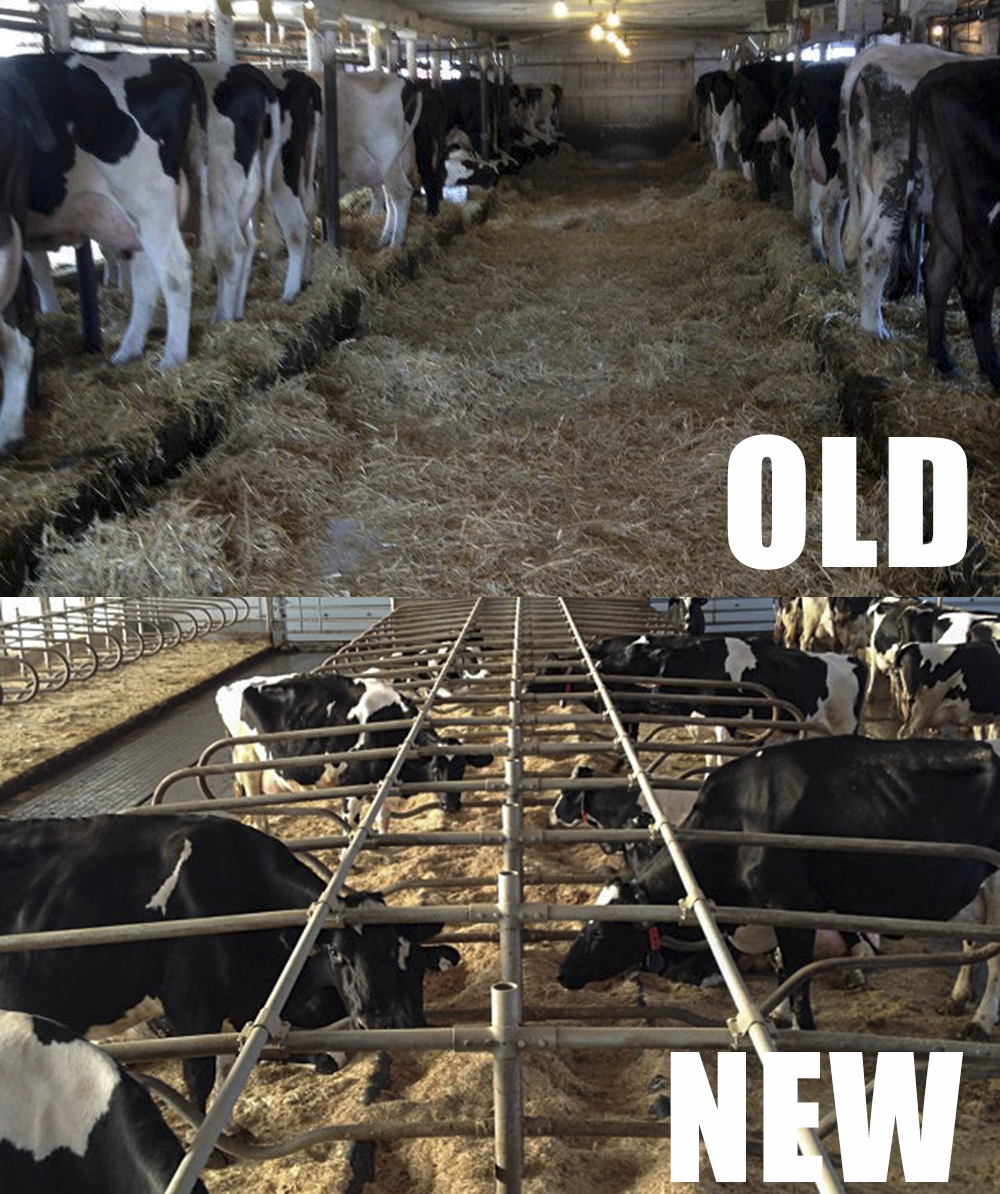 Responsibility and then Review were the first priorities.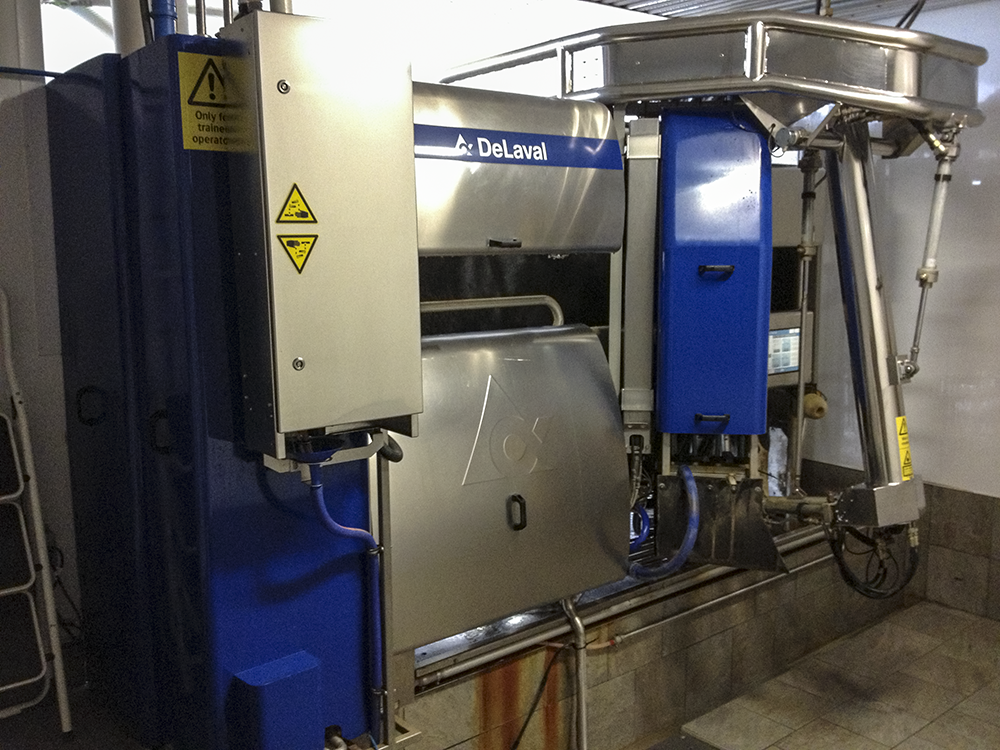
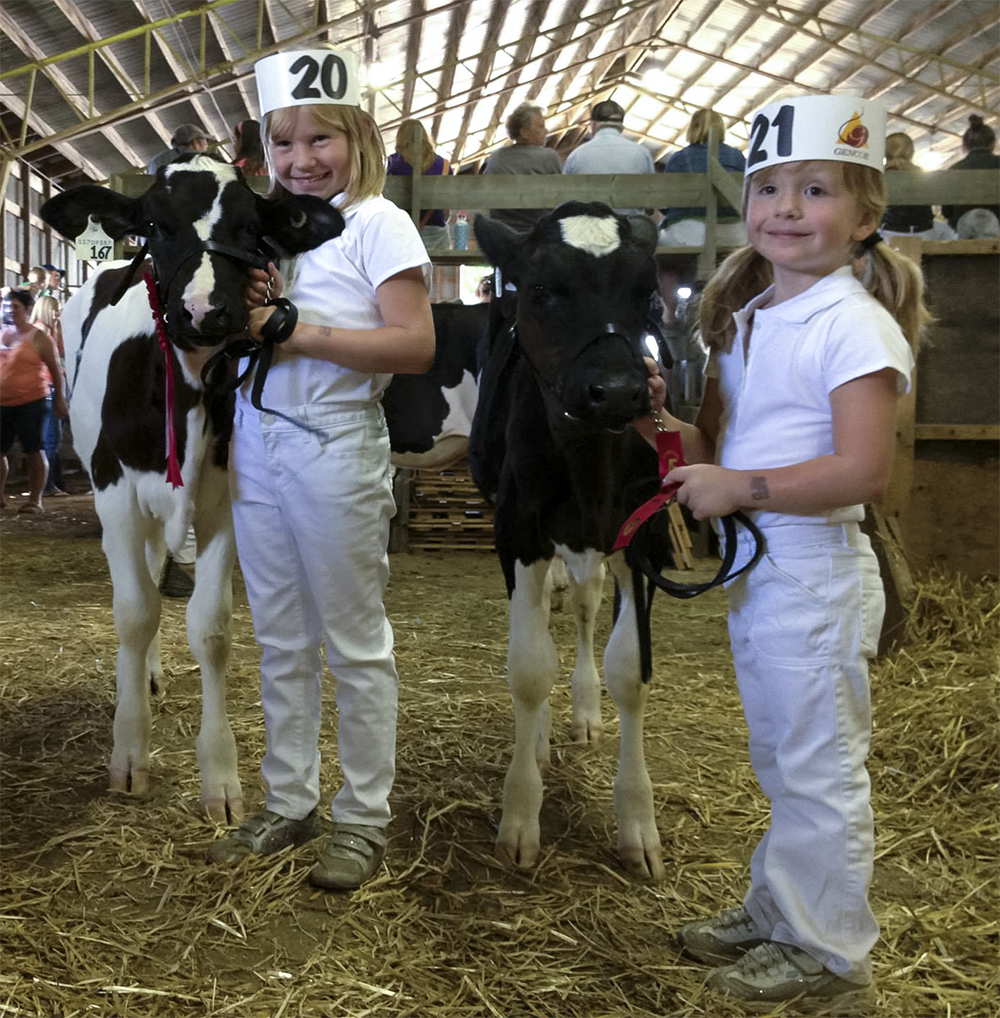
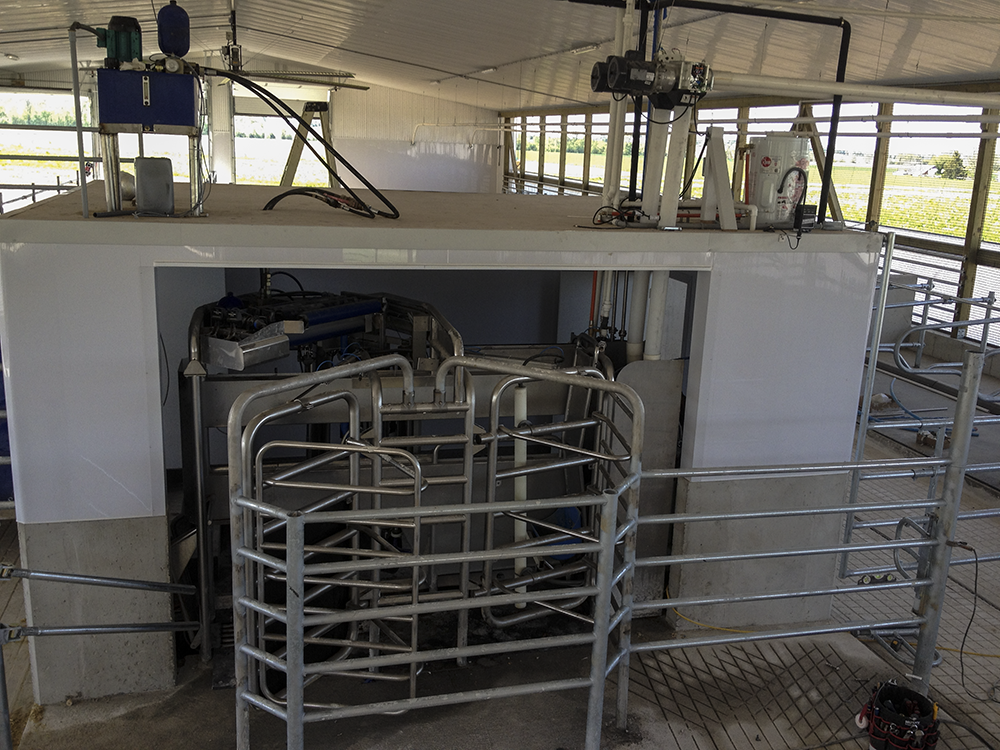
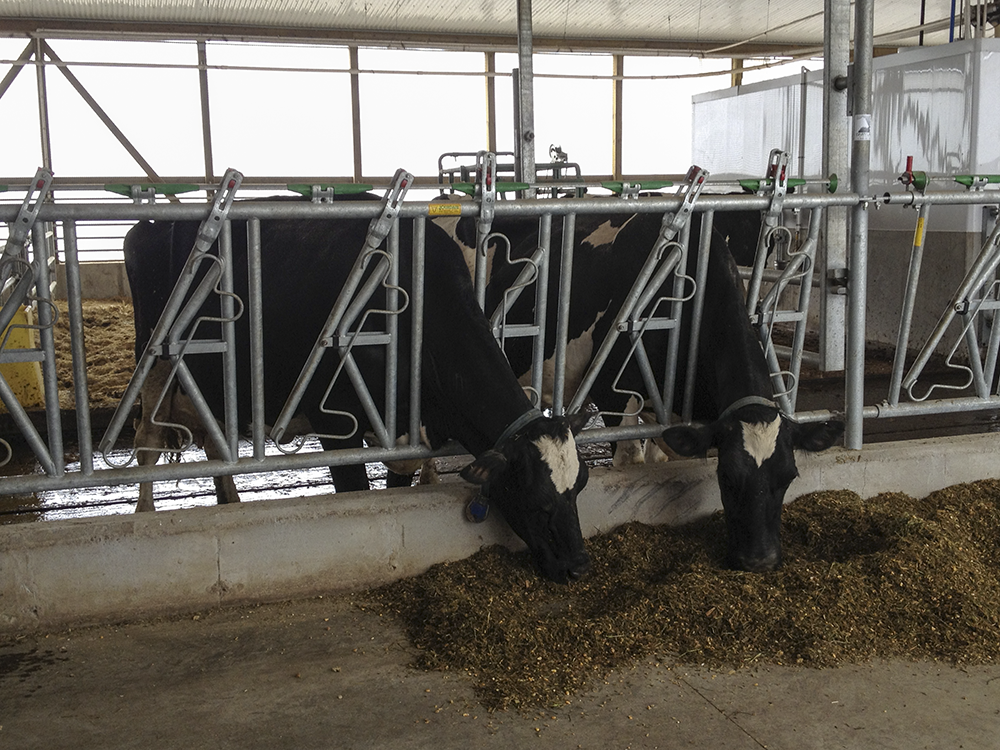
 Pettits See the Future – Precision Management



