





Archive for calf mortality

Dam-Sourced Colostrum Drops Calf Mortality from 8.9% to 6.2% – Inside the 93-Herd Protocol

In a 93‑herd study, farms feeding pooled colostrum lost ~20 calves out of 220. Dam‑fed herds lost 14. The only change was which colostrum hit the gut first.

Executive Summary: A 93‑herd German study of 54,474 calves showed farms feeding dam‑sourced colostrum as the first meal had 6.2% mortality, while herds relying on pooled or random colostrum ran 8.9%. On a 200‑cow dairy, that gap pencils out to roughly six extra dead calves a year if you stay with pooled colostrum—before you add treatment costs and lost first‑lactation milk. The same dataset flagged two unglamorous but powerful levers: replacing bucket teats at the first sign of wear and knocking down dust with better calf‑barn ventilation, both tied to 3–4 point swings in mortality. Economically, sliding mortality from 8.9% toward 6.2% easily clears $2,000–3,000 per year in avoided dead‑calf costs on mid‑size herds, with much bigger upside once lifetime production is factored in. The practical play is to reserve pooled or bank colostrum for Johne’s‑high and problem cows, feed dam‑sourced first to low‑risk calves, tighten teat cleaning and replacement, and treat dust and air quality like you treat vaccines—non‑negotiable. If your pre‑weaning losses live closer to 9% than 6%, your fastest ROI isn’t another gadget; it’s whose colostrum fills the first bottle and how clean the rubber and air are when that calf takes its first drink.
Dam-Sourced Colostrum

When Dr. Michael Steele stood before the Smart Calf Rearing Conference audience in January 2026, he didn’t mince words about what the industry has been getting wrong. “We’ve been so focused on IgG that we’ve missed half the story,” the University of Guelph calf nutrition researcher told the room. “Colostrum isn’t just a passive transfer vehicle. It’s programming the calf’s entire immune system—and whose colostrum matters more than we thought.”

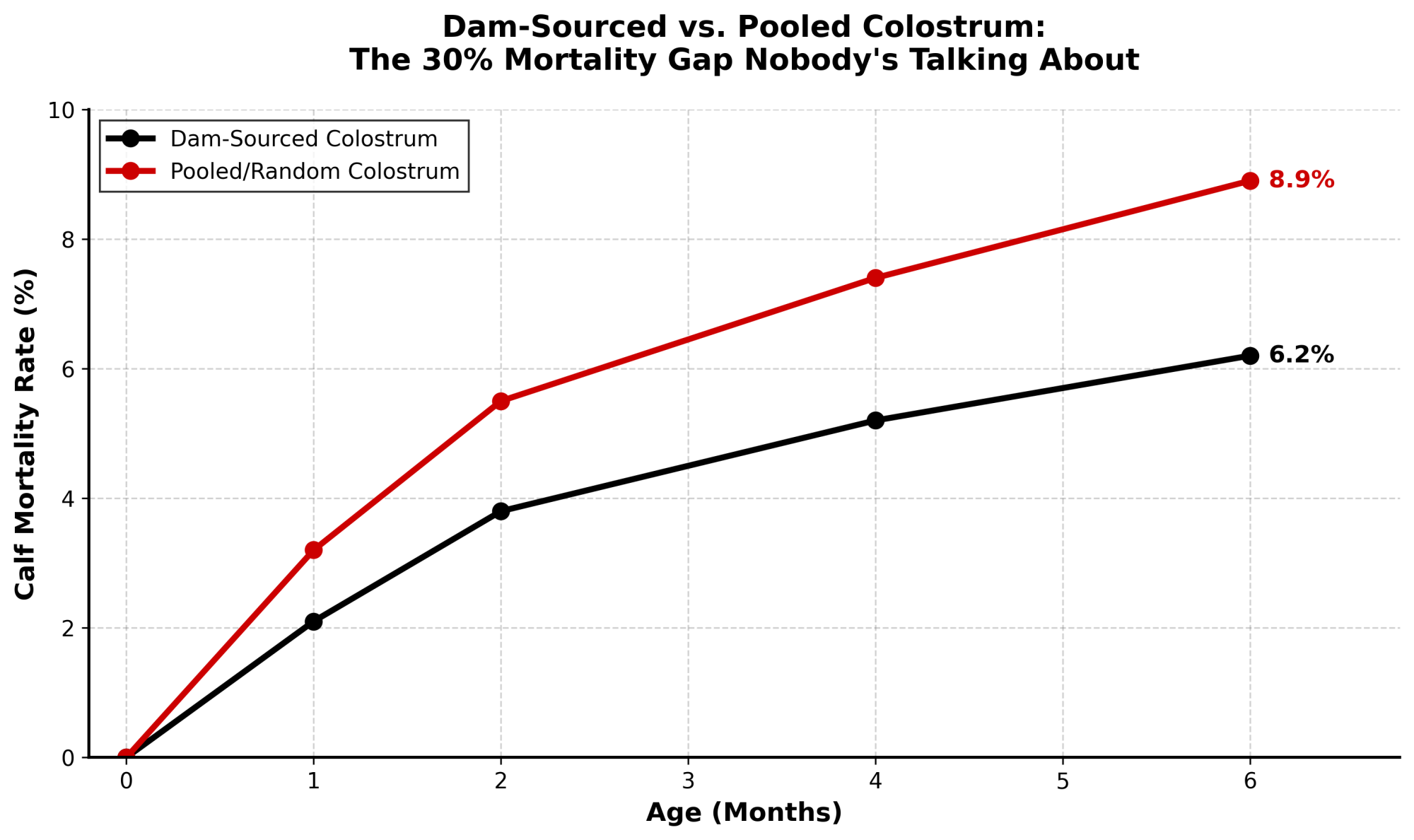
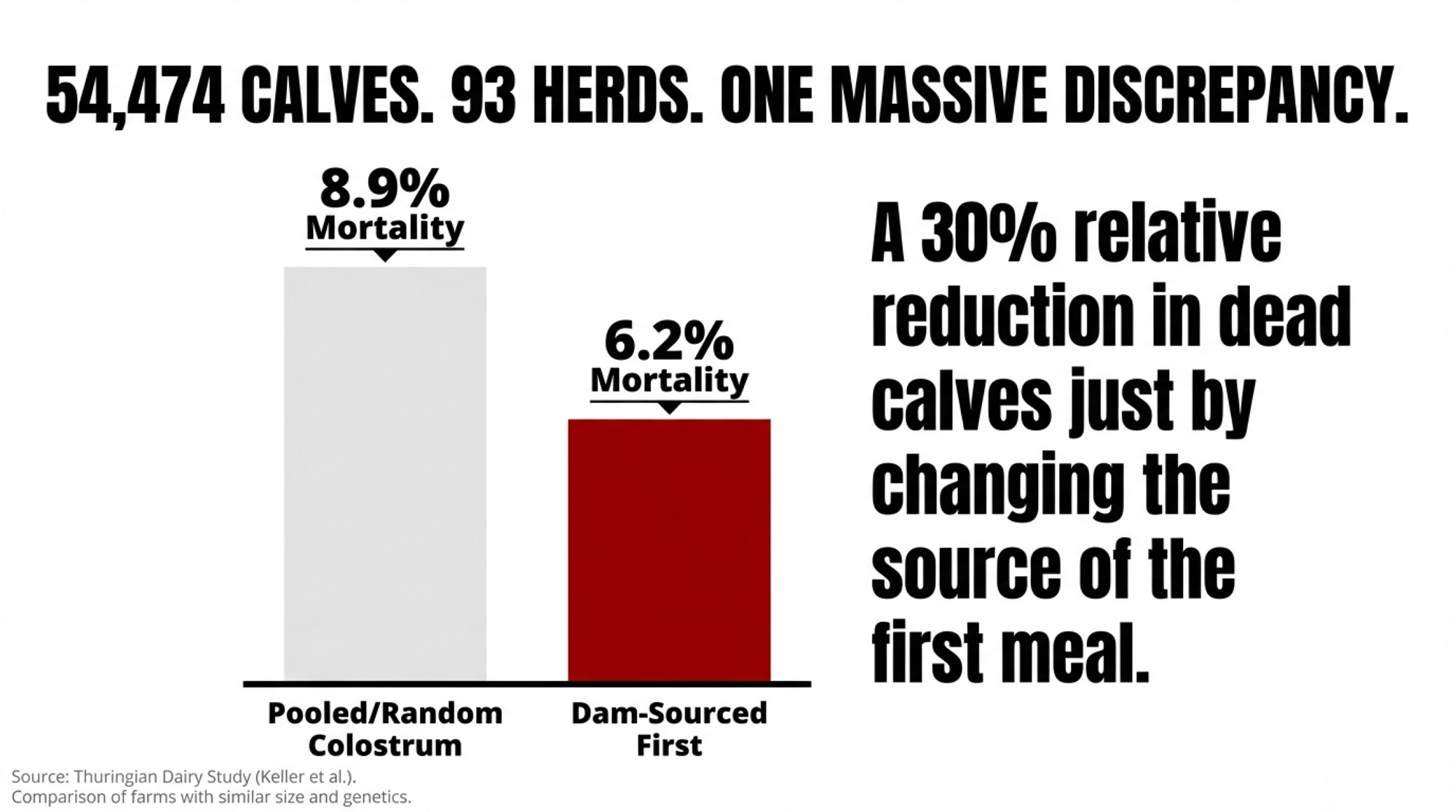
A month earlier, a German study had landed that put hard numbers behind that claim. Steffi Keller and colleagues tracked 54,474 calves across 93 Thuringian dairy herds and found something that should make every calf manager pull their protocols off the wall and take a harder look. Farms that fed dam-sourced colostrum as the first meal averaged 6.2% calf mortality. Farms feeding pooled or random colostrum averaged 8.9% calf mortality.
Age (Months)Dam-Sourced Mortality (%)Pooled/Random Mortality (%)
00.00.0
12.13.2
23.85.5
45.27.4
66.28.9

Same country. Same genetics. Similar scale. One management change. A 30% relative reduction in dead calves.
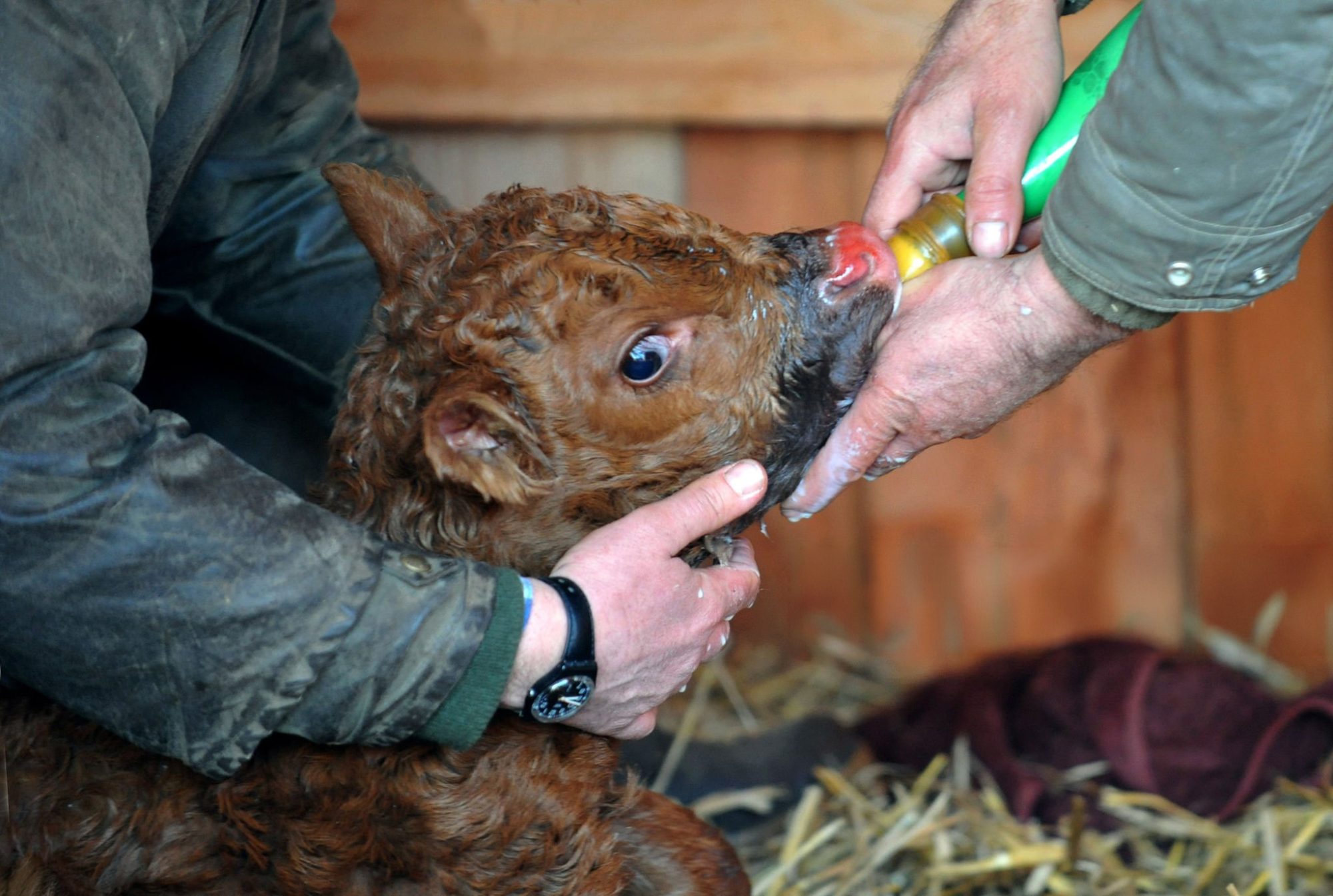
The uncomfortable part? According to USDA NAHMS data, the average U.S. dairy takes 3.6 hours to deliver first colostrum—and the majority still feed only two quarts at that first feeding. Timing and source are crucial; feeding dam‑sourced colostrum promptly maximizes immune benefits and reduces mortality.

The 54,474-Calf Study That Changed the Conversation

The Keller study wasn’t a boutique trial with 80 calves and ideal conditions. It was real-world, messy farm data: 93 large herds, all rearing their own replacements, almost all with 100+ cows. From March 2017 to March 2018, they tracked every live birth and every death for up to 6 months, then matched those numbers to management practices observed during farm visits.

Four things stood out in the mixed-model analysis:

  • Dam-sourced colostrum for the first feeding
    6.2% mortality vs. 8.9% when colostrum was pooled or randomly assigned.
  • Replacing bucket teats at the first sign of wear
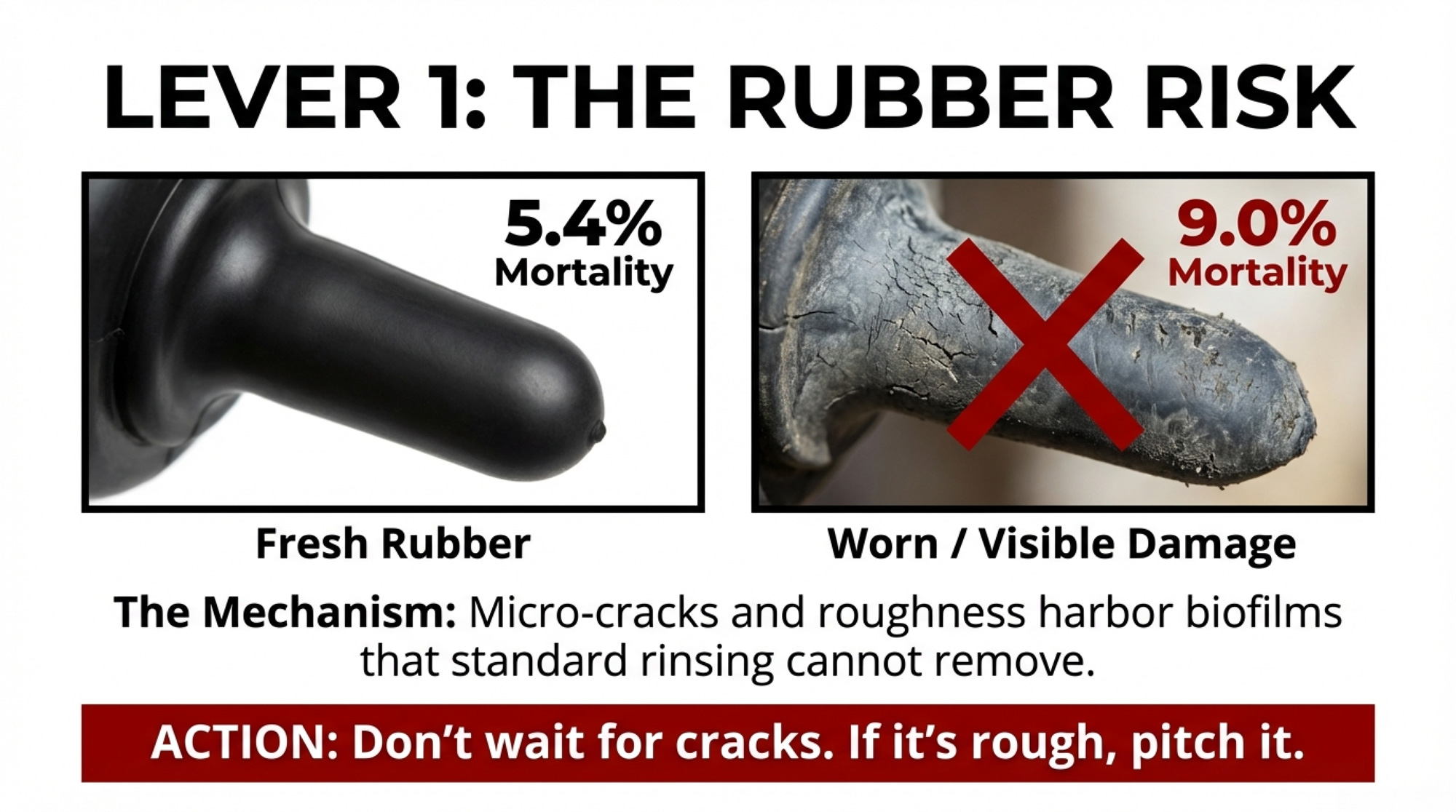
    5.4% mortality vs. 9.0% when teats were only swapped out once visible damage appeared.
  • Dust control as a respiratory trigger
    Farms that didn’t see dust as a big deal averaged about 10% mortality; those that identified dust and acted on it ran closer to 6.5%.
  • Objective body condition scoring of cows
    4.9% vs. 7.9% mortality where BCS was scored consistently, not just eyeballed.
Management PracticeLow Mortality (%)High Mortality (%)Mortality Swing (points)
Dam-sourced colostrum (first feeding)6.28.92.7
Teat replacement at first sign of wear5.49.03.6
Dust recognized as respiratory trigger6.5~10.03.5
Objective body condition scoring (BCS)4.97.93.0

None of this needs new hardware or a subscription. It’s the kind of nuts‑and‑bolts management that calf people control already—if the barn is willing to actually change habits.

The most controversial of the four? Putting the dam’s own colostrum back at the center of the protocol in an era where pooled “colostrum banks” and replacers have become the safety net.

Why Dam-Sourced Colostrum Hits Harder Than Pooled

We’ve all spent 20 years talking about IgG levels, total volume, and the four-litres-within-two-hours rule. Those don’t go away. What the Thuringian study adds is a stronger push to identify who that colostrum comes from.
Here’s what stacks up behind it:

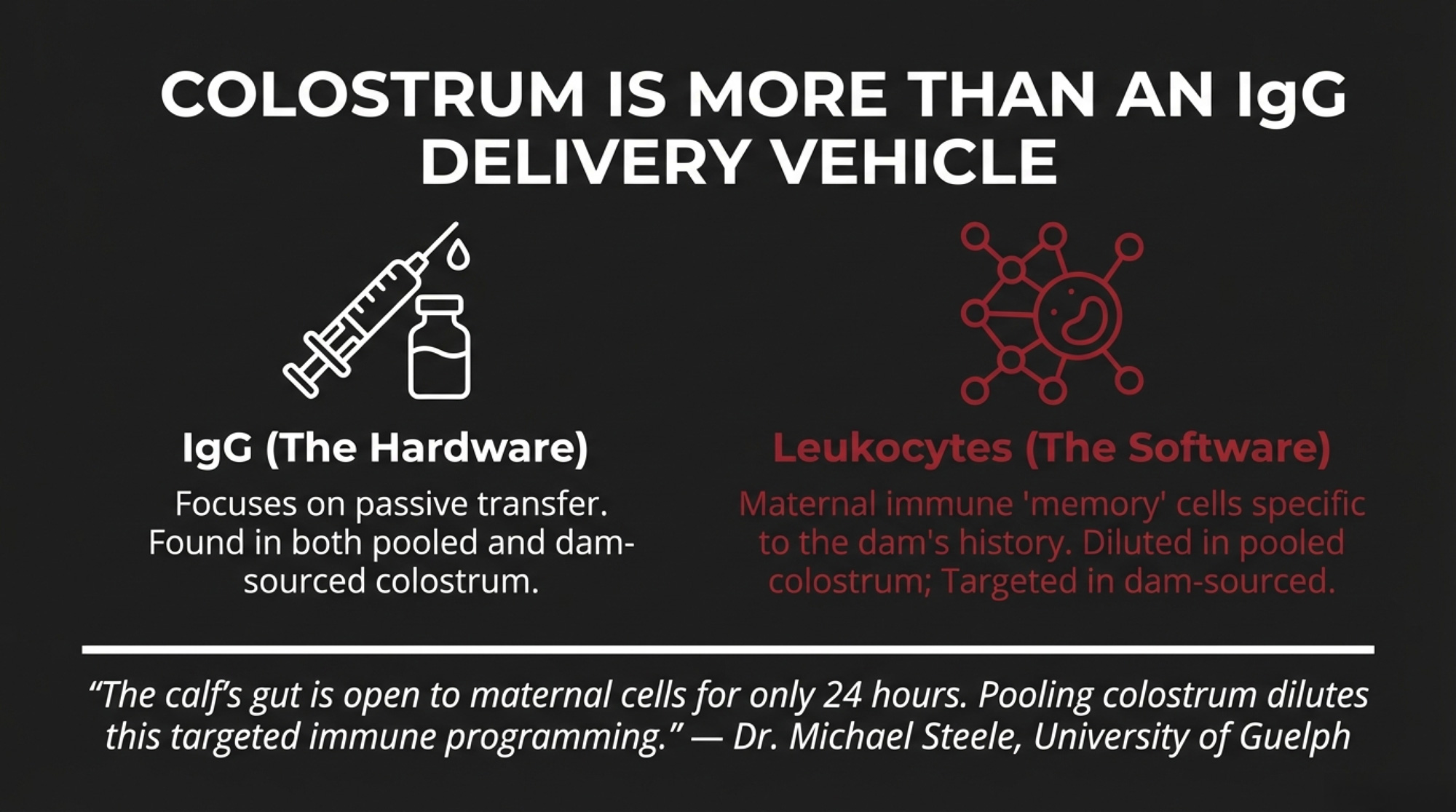
Maternal leukocytes carry “memory.” Maternal colostrum isn’t just protein and IgG. It’s loaded with viable leukocytes that carry the dam’s immune history into the calf. Those cells cross the gut, show up in the calf’s bloodstream, and start shaping how that immune system responds to the bugs actually on your farm.

Fresh beats stored for immune programming. Work comparing fresh vs. frozen colostrum has shown that calves fed fresh whole colostrum mount faster, exhibit more efficient innate responses, and avoid the prolonged inflammatory overdrive that hammered frozen-fed calves.

Maternal colostrum beats replacer on cell-mediated immunity. A recent Japanese Black calf study found maternal colostrum increased T- and B-cell populations and activated the immune system earlier and more effectively than a replacer, even when IgG transfer looked adequate on paper.

As Dr. Steele put it at the January conference: “The calf’s gut is only open to those maternal immune cells for about 24 hours. After that, the window closes. If you’re feeding pooled colostrum from three different cows, you’re diluting that targeted immune programming.”

Immune FactorDam-Sourced ColostrumPooled ColostrumColostrum Replacer
Live maternal leukocytes✓ High (carry dam’s immune memory)⚠ Diluted (mixed from multiple cows)✗ None (heat-processed)
Targeted pathogen exposure✓ Farm-specific (dam’s exposure history)⚠ Mixed signals (multiple dams’ histories)✗ Generic (no farm-specific immunity)
Cell-mediated immunity (T/B cells)✓ Faster activation (research-backed)⚠ Moderate (depends on pool quality)⚠ Adequate IgG, weaker cell response
Bioactive factors (fresh vs. processed)✓ Maximum (if fed fresh)⚠ Reduced (if frozen/thawed)⚠ Reduced (heat treatment affects some)

Layer that over Keller’s simple mortality math, and the picture is pretty blunt: dam-sourced colostrum appears to combine good IgG transfer with immune “software” tailored to that dam’s pathogen experience.

Pooling colostrum from multiple cows, or randomly grabbing “whatever’s thawed,” may hit your Brix target. But you’re stripping that tight dam-calf match out of the first meal.

The Gap Between Knowing and Doing

Here’s what makes the Keller findings sting: most producers already know colostrum quality matters. NAHMS 2014 data showed 79.7% of U.S. operations were not pooling colostrum—meaning most farms were already doing some version of individual cow sourcing.

But “not pooling” isn’t the same as “feeding dam-sourced first.”

The same NAHMS data revealed the friction points hiding in plain sight:

  • Average time to first colostrum feeding: 3.6 hours (well past the ideal 1-2 hour window)
  • The majority of operations feed only 2 quarts at first feeding (half the recommended volume)
  • Only 10.6% of operations separating calves from the dam in less than 1 hour
Colostrum PracticeU.S. Industry Average (NAHMS 2014)Thuringian Protocol Target
Time to first colostrum feeding3.6 hours<1 hour (dam milked), <2 hours (fed)
Volume at first feeding2 quarts (majority of farms)4 liters (~4.2 quarts) or 10% birthweight
Calf separation from damOnly 10.6% separate in <1 hour<1 hour (minimize disease exposure)

The system was designed around convenience, not biology. Calves get born at 2 a.m., the fresh cow doesn’t get milked until morning chores, and whatever’s thawed or available becomes “good enough.”

“What we’re seeing in the German data,” says Dr. Steele, “is that ‘good enough’ might be costing farms 2-3 extra dead calves per hundred. That’s not a rounding error—that’s real money walking out the door.”

The Thuringian Colostrum Protocol in Plain English

Keller’s paper doesn’t read like an SOP. It reads like a regression model. But if you strip the statistics back to management decisions, the protocol is straightforward.

1. First meal: dam-sourced, fast, and enough

  • Milk the fresh cow as soon as she can be safely moved—aim for within 1 hour of calving.
  • Feed 4 litres (or 10% of birthweight) of that dam’s colostrum within the first 2 hours.
  • Only reach for the bank or replacer when the dam is a known high-Johne’s risk, has obviously poor colostrum, or can’t be milked safely.

2. Second and third meals: high-quality, fresh or frozen

  • Keep targeting 6-8 litres within the first 12-24 hours, but don’t stress if these meals come from banked colostrum.
  • Prioritize fresh where practical—immune cell viability and some bioactives drop with heat treatment and storage, even if IgG holds.

3. Switch the cleaning standard for teats and buckets

Keller’s team didn’t just see a mortality difference with teat replacement. They highlighted a nearly 40% relative reduction when teats were replaced at the first sign of wear, rather than waiting for obvious damage (5.4% vs. 9.0%).
Teat Replacement ProtocolCalf Mortality Rate (%)
First sign of wear5.4
Obviously damaged9.0
Difference (mortality swing)3.6 points

That lines up with what hygiene work on calf feeding equipment keeps showing:

  • Residues from colostrum and milk are ideal biofilm starters on rubber and plastic.
  • Once biofilms establish, standard rinsing won’t touch them; they shed bacteria into every feed.
  • Worn, roughened teats are prime real estate for biofilm.

The practical protocol most farms can live with:

  • Rinse all teats and buckets in lukewarm water first, then wash with 60°C water and proper detergent, then disinfect and air-dry.
  • Keep twice as many teats as you need in rotation; when a teat shows the first whitening, soft spots, or hairline cracks, it goes into the discard bin—not “one more week.”
  • Budget to replace every teat at least every 2-4 weeks in heavy use.

4. Take dust personally in calf housing

In Keller’s model, dust perception wasn’t just a comfort issue. Farms that recognized dust as a respiratory trigger—and actually did something about it—had roughly 6.5% mortality vs. around 10% on farms where dust remained unchecked.

That matches what ventilation research and extension folks repeat every winter:

  • Poor ventilation, humidity, and dust levels combine to increase the risk of pneumonia.
  • Positive-pressure tube systems can deliver 4-6 air exchanges per hour without chilling calves if designed correctly.
  • The “tell” is simple: if it smells stale, looks dusty, or your glasses fog up when walking in, calves are breathing that too.

You don’t need a European research grant to fix this. You need:

  • A smoke bomb or fog test to find dead air zones.
  • A simple positive-pressure tube design sized to your barn and pen layout.
  • Someone walking the barn and asking, honestly, “Would I want to lie in this pen and breathe this air?”

The Economics: What Does a 30% Mortality Drop Actually Buy You?

Keller’s paper didn’t put a dollar figure on each dead calf. North American numbers do.

Recent economic analyses peg total cost per dead calf at around $395, including market value, invested treatment, labor, and disposal. Other Bullvine work has shown that prevention protocols costing $40-50 per calf routinely deliver 17-26x ROI when you look at lifetime production and culling risk.

Let’s keep it basic and stay on just the mortality math.
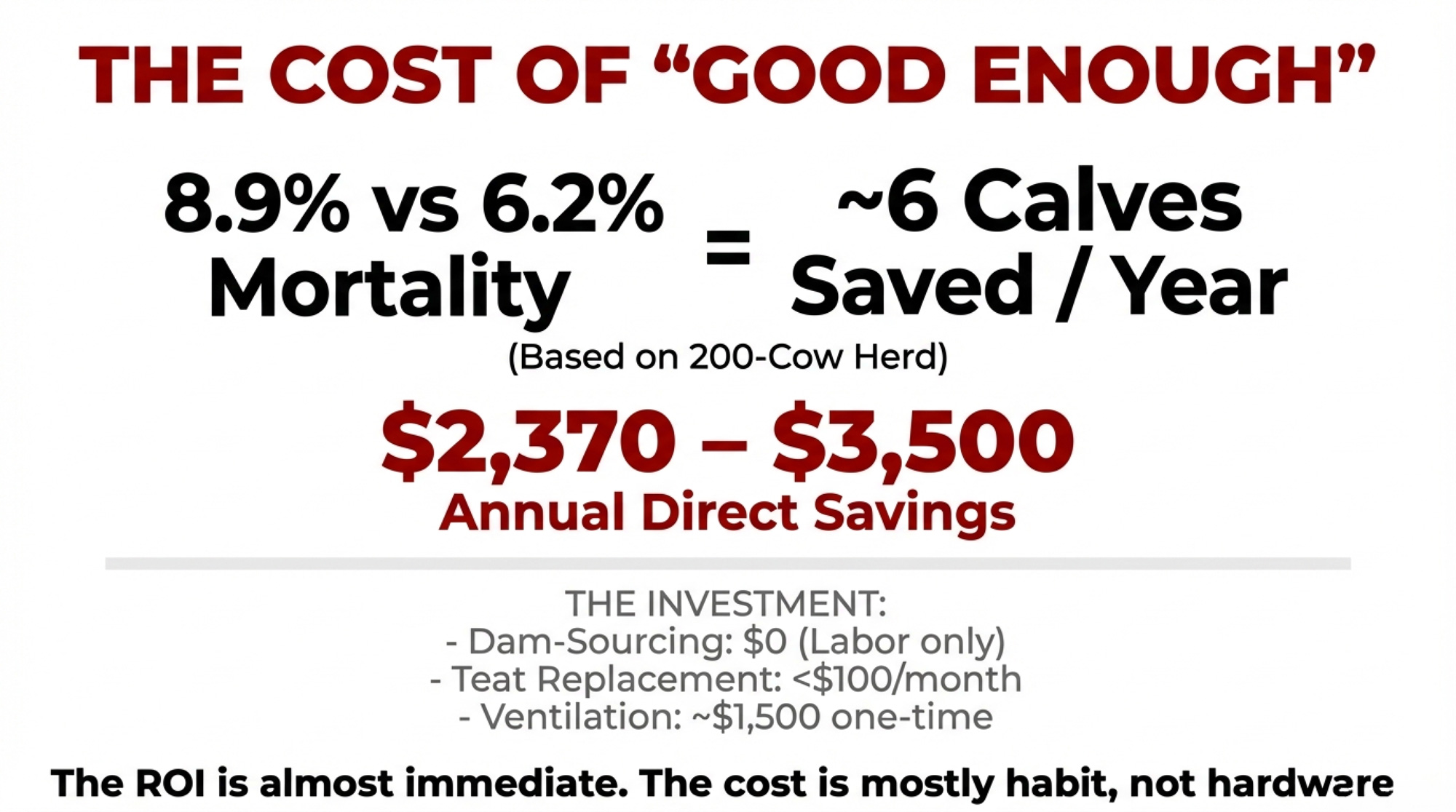
Take a 200-cow herd calving roughly 1.1 calves per cow per year:

  • Calves born alive: 220 per year
  • At 8.9% mortality (pooled group), you’d lose about 20 calves
  • At 6.2% mortality (dam‑sourced group), you’d lose about 14 calves
  • ”That’s 6 calves a year not dying before six months.

At $395 per dead calf, that’s $2,370 in direct, conservative savings. If you use higher all-in numbers, some systems now see (upwards of $500-600 when you factor lost first-lactation milk), the avoided loss climbs well past $3,000-$3,500.

Colostrum ProtocolDirect Dead-Calf CostTreatment & LaborTotal Annual Cost
Pooled/Random Colostrum$7,900$1,200$9,100
Dam-Sourced Colostrum$5,530$900$6,430
Savings (Dam vs Pool)$2,370$300$2,670

And the cost to unlock that?

  • Teat replacement: even at $3 per teat, swapping 30 teats every two weeks costs <$100/month.
  • Dust control: a basic positive-pressure tube system for a 40-calf barn runs $1,500-3,000 installed. Spread over 5-10 years, it disappears in the noise.

The dam-sourced colostrum shift itself? It’s mostly labor and habit. There’s no subscription fee.

Johne’s: The Objection Everyone Thinks First

The second you say “feed dam-sourced colostrum,” somebody in the room says “Johne’s.” And they’re not wrong to bring it up.

The Thuringian herds were, in a European context, subject to their own control programs. They didn’t exclude Johne’s-positive herds, but they weren’t feeding colostrum from obviously diseased cows either. The study wasn’t designed to settle the Johne’s debate once and for all.
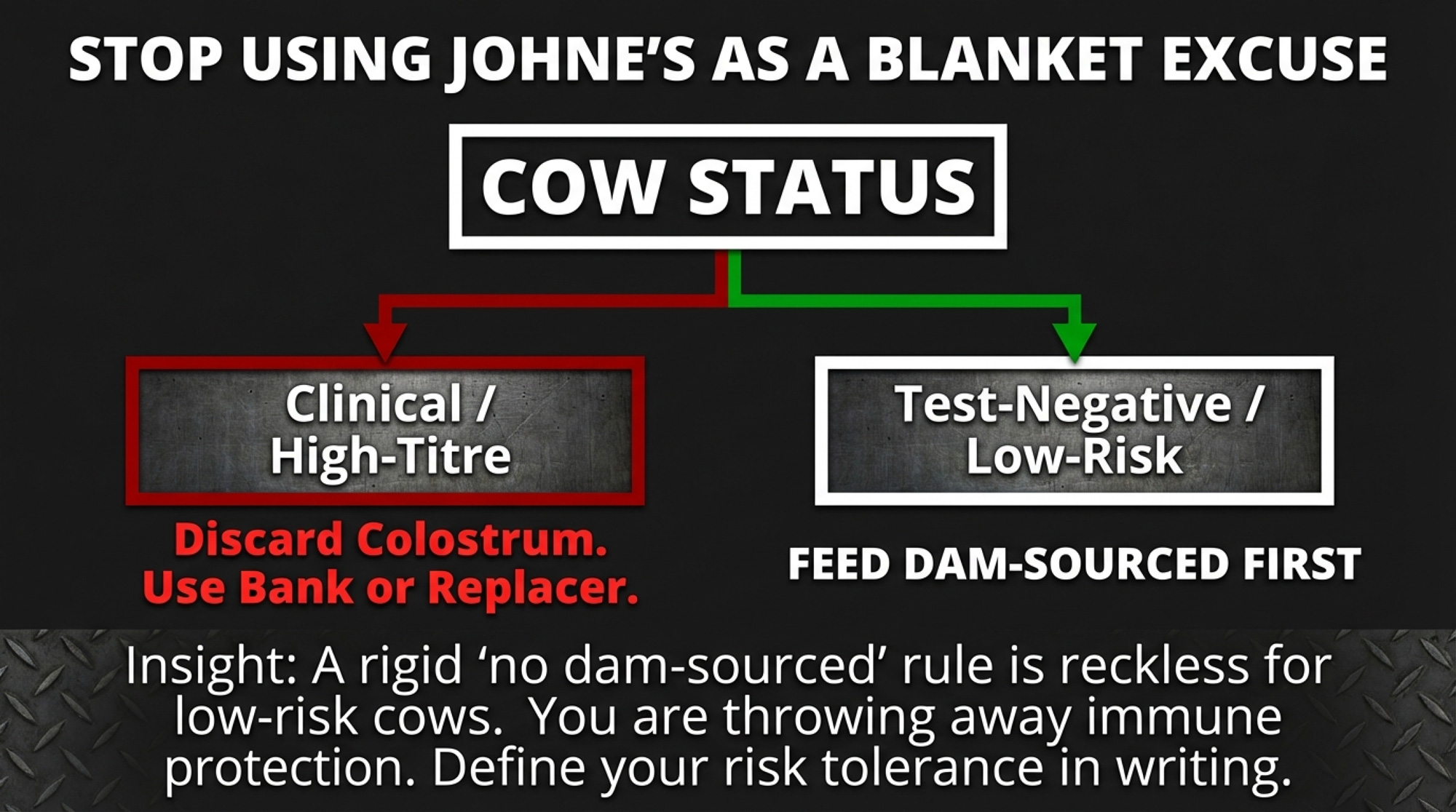
For herds with active Johne’s issues, a rigid “dam-only, no questions asked” protocol is reckless. But the answer isn’t to throw Keller’s mortality data in the garbage. It’s to sort cows differently:

  • Test and classify cows by Johne’s status. High-titre or clinical cows are never colostrum donors. Full stop. Their calves receive high-quality banked colostrum or a replacer.
  • Feed dam-sourced colostrum from low-risk cows. For test-negative, low-risk cows, the mortality and immune benefits of dam-sourced colostrum look hard to ignore.
  • Pasteurize strategically where needed. Colostrum pasteurization can reduce bacterial load, including MAP risk, but can also affect some bioactives if done badly. Where Johne’s is a real concern, work with your vet to design which pools get pasteurized and how.

This is where your own risk tolerance and herd status matter more than any paper. The Thuringian study says “dam-sourced first feed is powerful.” Your Johne’s profile decides how wide you open that door.

What This Means for Your Operation

Here’s how to translate the Thuringian protocol into decisions in your own barn.

  • Run your own mortality math in the next 30 days. Pull 3 years of calf records. What’s your 0-6 month mortality rate? If you’re at or above 8-9%, you’re functionally in the pooled-colostrum group Keller described.
  • Audit where your first colostrum actually comes from. Don’t look at the SOP. Look at last week’s calves. How many got their own dam’s colostrum at the first feeding? How many got pooled or banked colostrum because it was easier?
  • Trial dam-sourced only on low-risk cows for 60 days. Work with your vet to define Johne’s-low cows. For 2 months, commit to the idea that every eligible calf gets dam-sourced colostrum first, even if you’re tired or it’s 2 a.m. Track mortality, treatments, and growth. Don’t change anything else.
  • Tighten your teat and bucket regime. If you’re honest and admit teats only get replaced when they’re obviously rough, move that line up. Start swapping at the first visual sign of wear. Hit equipment with the full rinse-wash-disinfect-dry cycle every feeding, not “when it looks bad.”
  • Walk your calf barn with a dust and air lens. Use a cheap fog machine or smoke bomb to visualize airflow. If you have dead zones or heavy dust, get quotes on a simple positive-pressure tube system sized for your pen count. If $2,500 feels steep, compare it to your last bill for a pneumonia outbreak.
  • Decide your Johne’s comfort zone in writing. With your vet, set a written policy: which cows’ colostrum is always discarded, which is always dam-fed, and which goes to the bank. If you’re going to bend the dam-sourced rule, make sure it’s a conscious, risk-based choice—not reflex.
Key Takeaways

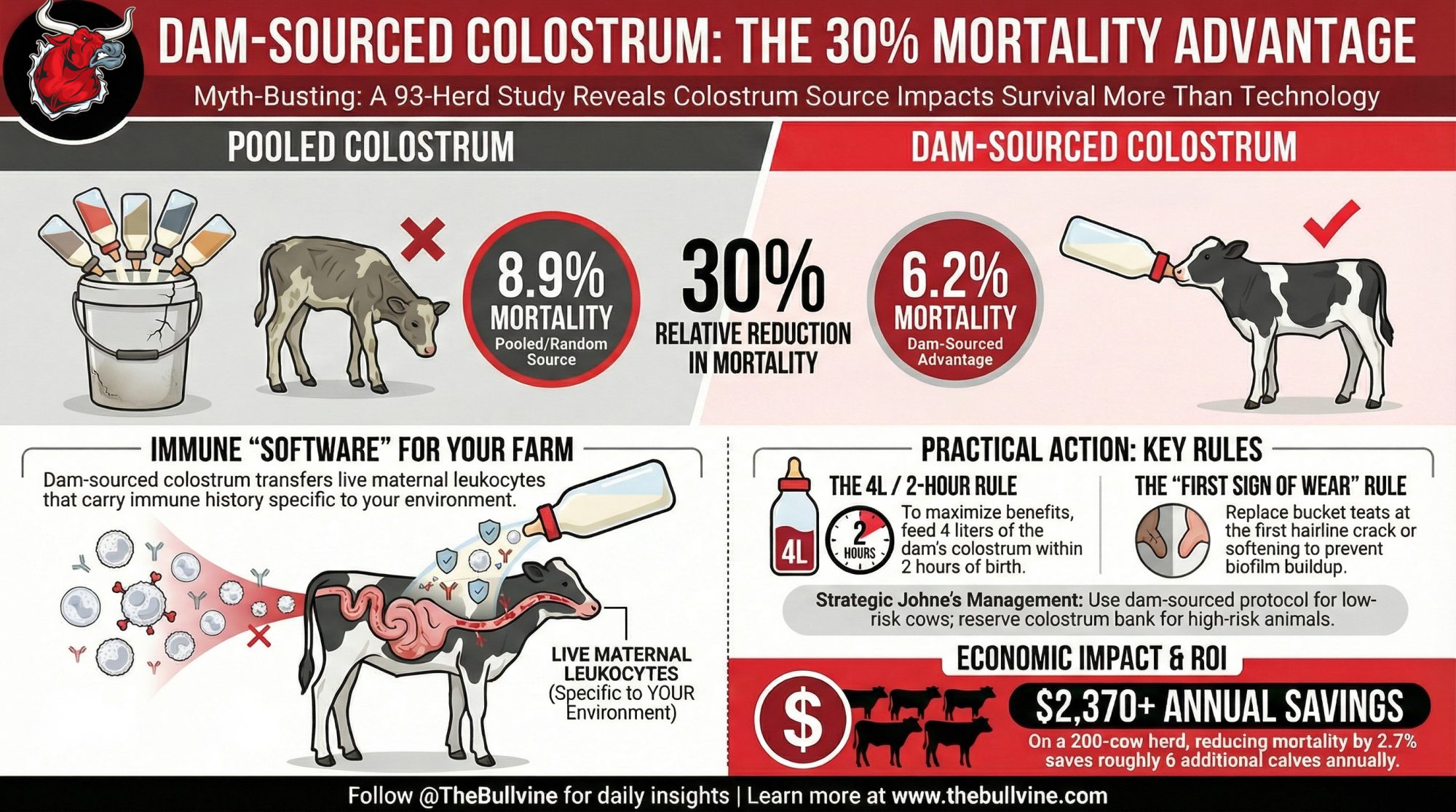
  • If your pre-weaning calf mortality is hovering around 8-9%, you’re right where the pooled/random colostrum farms in Keller’s 93-herd study were—and about 30% worse than herds feeding dam-sourced first.
  • The dam’s own colostrum brings more than IgG. It delivers an immune “starter kit” of live leukocytes and bioactives that seem to translate into fewer dead calves and less chronic disease in the first months.
  • Regularly replacing bucket teats at the first hint of wear and treating dust like a real respiratory trigger aren’t nice-to-haves. In the Thuringian data, they’re tied to a 3-4 point swing in mortality.
  • The protocol change that moves you from pooled to dam-sourced first feed doesn’t require a new building or a six-figure check. It requires different night-calving habits, slightly more disciplined milking of fresh cows, and a written plan for Johne’s risk.

The Bottom Line

The herds in Keller’s paper weren’t running 0% mortality fairy-tale calf programs. They were big, commercial dairy farms—just like yours. The difference between their 6.2% and 8.9% wasn’t magic. It was colostrum, rubber, and dust.

The question now is pretty simple: over the next 12 months, are you going to keep trusting the pooled colostrum bank model you built a decade ago, or are you willing to test whether your calves do better when they start life with their own dam’s immune story in the bucket?

Complete references and supporting documentation are available upon request by contacting the editorial team at editor@thebullvine.com.

Learn More

The Sunday Read Dairy Professionals Don’t Skip.

Every week, thousands of producers, breeders, and industry insiders open Bullvine Weekly for genetics insights, market shifts, and profit strategies they won’t find anywhere else. One email. Five minutes. Smarter decisions all week.
NewsSubscribe
First
Last
Consent

17-26x ROI: Why Top Dairies Stopped Saving Calves and Started Preventing Loss

What if your best calves aren’t the ones you saved, but the ones that never got sick?

EXECUTIVE SUMMARY: Recent research from Cornell and Wisconsin reveals that operations achieving sub-3% calf mortality are generating 17 to 26 times return on prevention investments—roughly $800 more per calf than traditional treatment-focused farms. The 2024 Feedstuffs report confirms that national mortality remains stuck at 6%, costing producers through lost first-lactation milk (716-1,100 pounds per affected calf) and delayed breeding, which Penn State documents as a 2.9 times higher likelihood of calving after 30 months. What’s driving this shift is the intersection of biology and economics: veterinary research shows that intestinal damage from early disease permanently reduces nutrient absorption by 30-50%, even in “recovered” calves. Progressive operations are investing just $40-50 per calf in prevention protocols—Brix testing, rapid colostrum delivery, extended transition milk feeding—while traditional farms spend $850-1,050 per sick calf when factoring lifetime productivity losses. With replacement heifers commanding $2,500-3,500 and beef-on-dairy tightening supplies, the economics have never been clearer. The farms implementing these protocols aren’t abandoning treatment skills—they’re simply needing them 70% less often.

calf health economics

You know, I was sitting in the back row at the Professional Dairy Producers conference in Madison this past March—the one with the “Dialing It In” theme—and something clicked for me during a conversation about calf mortality economics. We’ve celebrated our treatment success rates for decades, and we should. But what the researchers from Cornell, Wisconsin, and other universities are telling us… well, it’s making me reconsider how we define success itself.

The Real Economics Behind “Saving” Calves

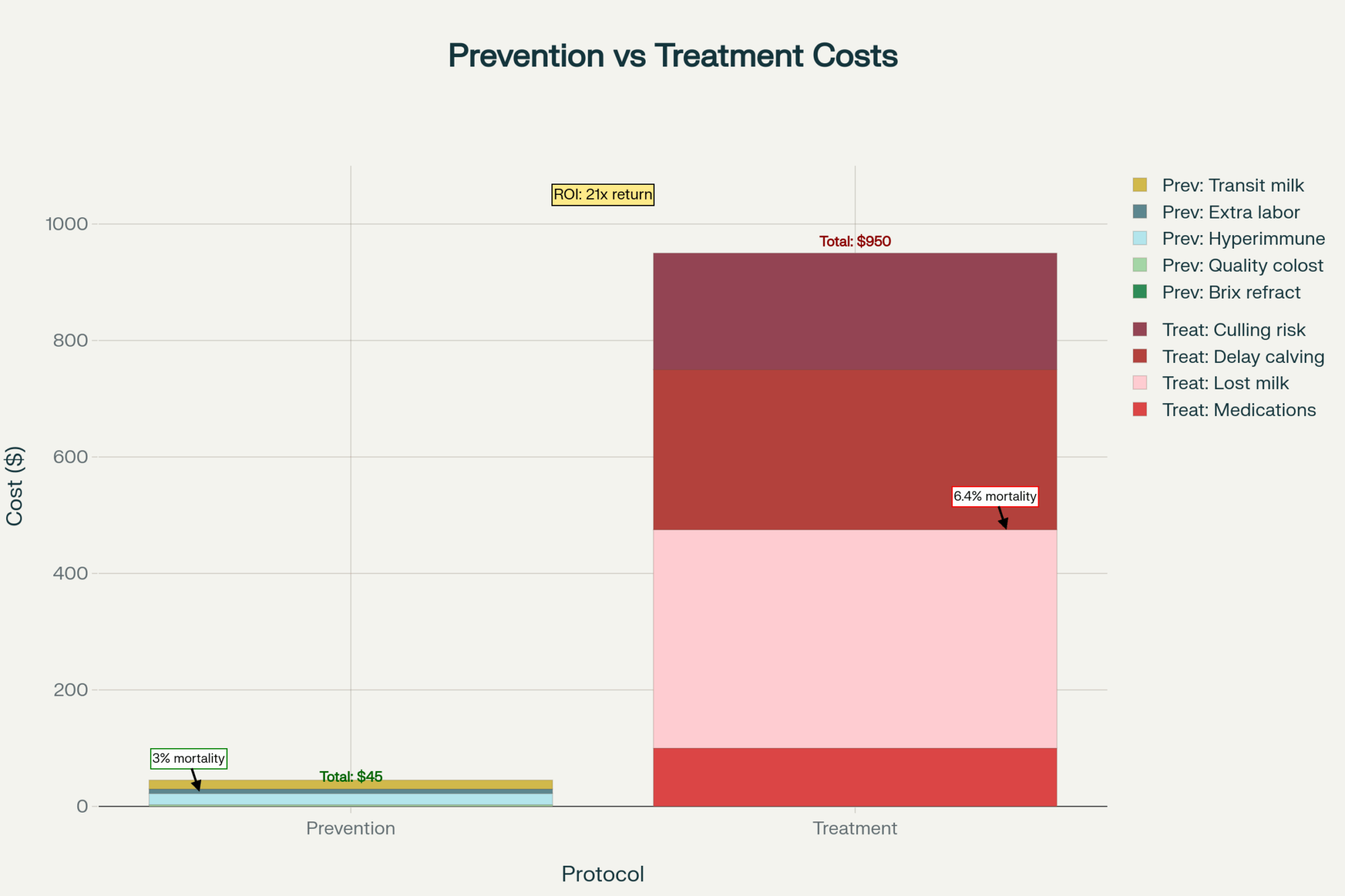
Forget what your vet told you – prevention isn’t just cheaper, it’s 21 times more profitable. While you’re spending $950 treating sick calves, smart operations invest $45 in prevention and pocket the difference.

Let me start with something that might surprise you. According to the latest NAHMS data from 2014, the national trend has improved, with pre-weaning mortality decreasing from 7.8% in 2007 to 6.4%. And yes, I know that’s over a decade old—we’re all waiting for updated national numbers. But the 2024 Feedstuffs report confirms mortality is still hovering around 6% across both the U.S. and Canada. So, it seems we’ve plateaued.

Meanwhile, the Dairy Calf and Heifer Association’s gold standard sits under 3%. I’m meeting more operations every year that consistently hit that mark.

What’s the difference between 6% and 3% worth? When you factor in everything—and I mean everything—we’re talking about $800 or more per calf.

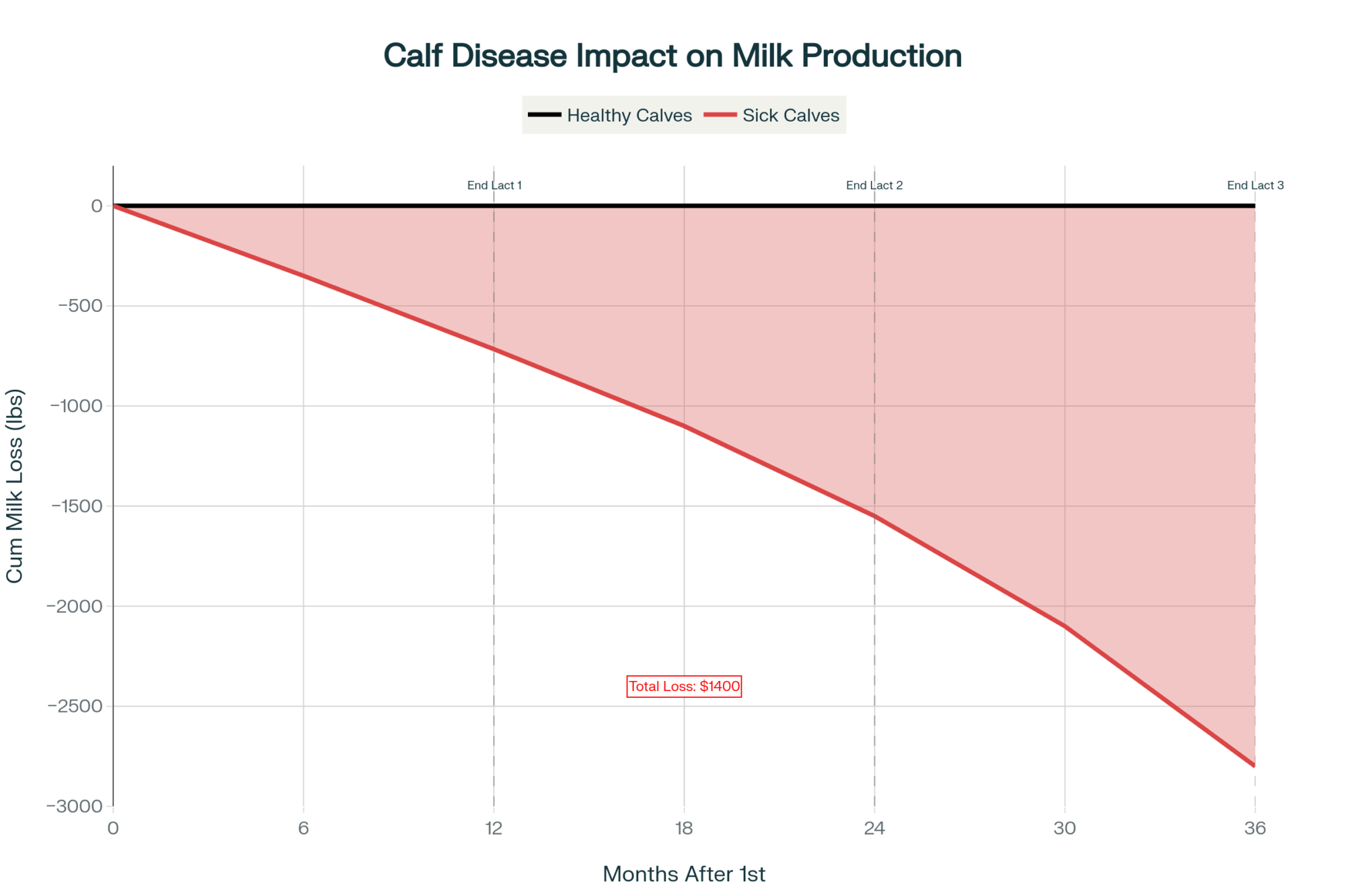
Research from the University of Guelph shows calves that get sick early but recover produce 716.5 pounds less milk in their first lactation. The Journal of Dairy Science has studies pushing that figure up near 1,100 pounds. Penn State Extension documented that these same “recovered” calves are 2.9 times more likely to calve after 30 months, rather than the ideal 22-to 24-month period.

Let’s put some rough dollars to this. Feed costs for an extra six months? That’s easily $250-300, depending on your feed prices. Delayed income from milk production? Another $400-500. Higher replacement risk because these animals tend to leave the herd earlier? The numbers just keep climbing. And that’s before we even talk about the immediate treatment costs—NAHMS documented those ranging from $50 to over $150 per case.

“By the time we’re treating clinical mastitis, we’ve already lost the battle.”
— Dr. Paul Virkler, Cornell University Quality Milk Production Services

What Biology Teaches Us About Permanent Damage

That ‘recovered’ calf? She’ll cost you 2,800 pounds of milk over three lactations. Cornell proved it, Wisconsin confirmed it, but most vets still say ‘she’ll be fine.’ The math says otherwise.

Dr. Paul Virkler, who’s the Senior Extension Associate at Cornell’s Quality Milk Production Services, made that comment at a recent mastitis workshop. It really stuck with me.

Same principle applies to calves, doesn’t it? By the time we’re treating, the damage is often permanent.

I’ve been following Dr. Jennifer Van Os’s work at the University of Wisconsin—she’s their Extension Specialist in Animal Welfare. Her research on calf development is eye-opening. Those calves that battle scours or pneumonia early and survive? They carry that burden their entire lives.

The biology behind this is actually pretty straightforward once you understand it. Research published in veterinary journals shows that healthy intestinal villi—you know, those tiny finger-like projections that absorb nutrients—are permanently altered after disease. Even in fully “recovered” calves, the absorption capacity is compromised.

Think about it like running your combine with damaged sieves. Sure, it still harvests, but you’re leaving potential in the field. That’s essentially what these calves face for life.

Prevention vs. Treatment: The Real Numbers

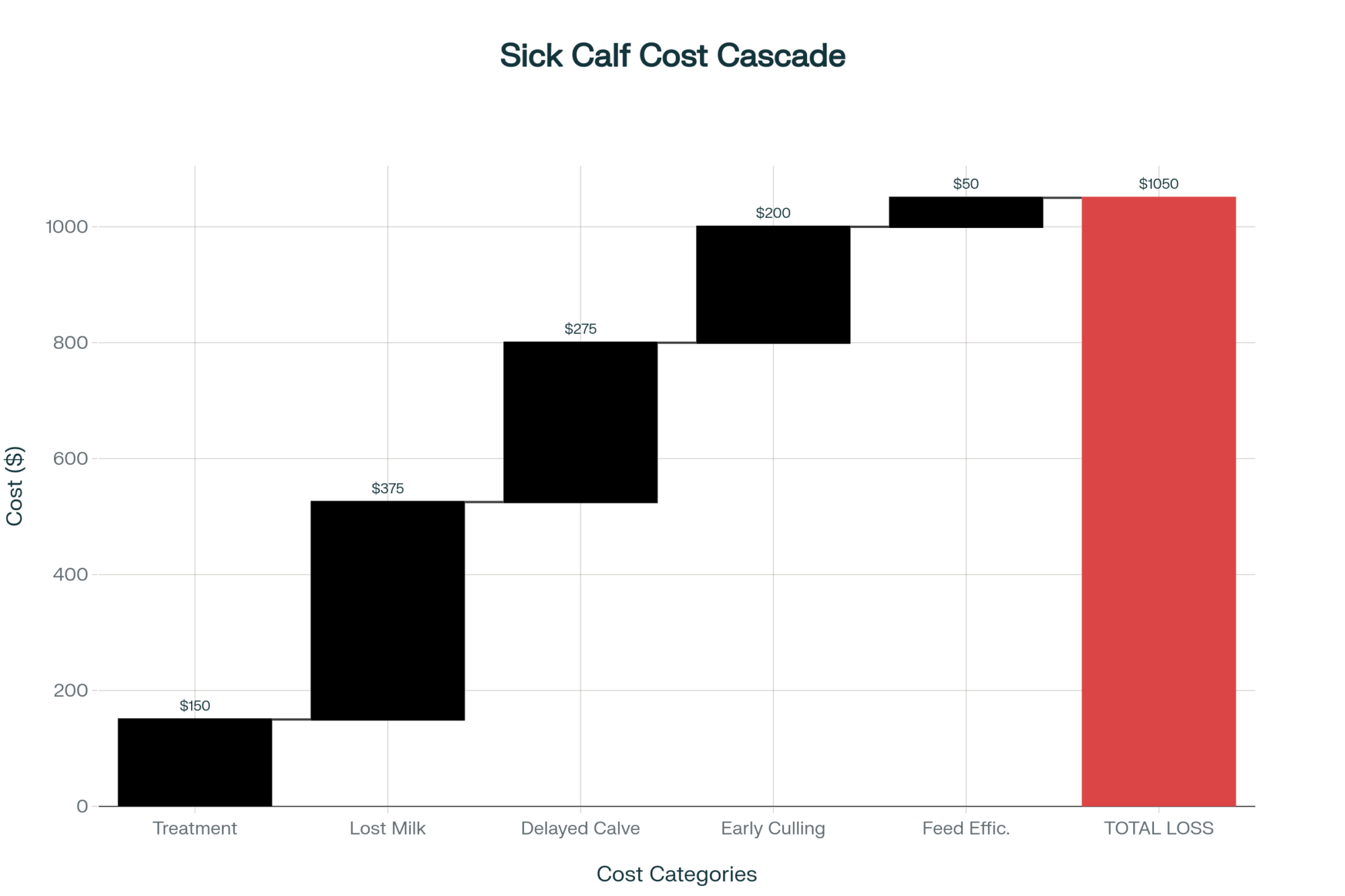
When treating sick calves, your total costs include:

  • Medications and labor: $50-150
  • Lost milk production (first lactation): $350-400
  • Delayed calving (6+ extra months): $250-300
  • Increased culling risk: $200+
  • Total impact: $850-1,050 per affected calf

Prevention investment runs about:

  • Brix refractometer (one-time): $45 for thousands of tests
  • Quality colostrum management: $2-3 per calf
  • Hyperimmune products (high-risk periods): $15-25
  • Extra labor for protocols: $5-10
  • Extended transition milk: $15
  • Total prevention: $40-50 per calf

That’s a 17-26x return on investment

Watch $150 in treatment snowball into $1,050 in lifetime losses. Every. Single. Time. Meanwhile, $45 in prevention stops the avalanche before it starts.

Why Your Vet Might Not Want You Reading This

Let’s address the elephant in the barn. Some veterinarians generate substantial revenue streams by treating sick calves. I’m not saying they want calves to get sick—far from it. However, when your business model relies on treatment protocols, prevention can appear as a threat rather than a means of progress.

I had an interesting conversation with a vet at the Southwest Dairy Conference who admitted, “We’re having to rethink our service model completely. Prevention consulting doesn’t generate the same per-visit revenue as emergency treatments.”

Smart vets are adapting—charging for prevention protocols, monitoring programs, and health audits. But the transition isn’t easy for everyone.

The Prevention Protocols That Work

Only 12% of farms achieve excellent colostrum quality. The other 88%? They’re gambling with $1,000 per calf. A $45 refractometer could change everything, but tradition dies hard.
Protocol ComponentTraditional PracticeGold StandardCost DifferenceROI Multiple
Colostrum TestingVisual assessment onlyBrix ≥22% required$0.05/calf45×
First Feeding Timing4-6 hours after birthWithin 1-2 hours$5 labor/calf28×
Colostrum Volume2 liters × 2 feedings4 liters first feeding$8/calf35×
Transition Milk DaysSwitch to milk Day 2Feed 3-5 days$15/calf18×
Hyperimmune ProductsNoneDuring high-risk periods$15-25/calf12×
Housing ManagementIndividual until weaningConsider pair housingNeutral

Considering that operations consistently achieve sub-3% mortality rates, several practices continue to stand out. And these aren’t theoretical—they’re from working farms sharing results at conferences and through extension programs.

First, they meticulously test colostrum quality. The University of Wisconsin Extension’s guidelines specify a Brix refractometer reading of 22% or higher as the gold standard. What’s sobering is how much colostrum doesn’t meet this threshold—various studies suggest it could be 30% or more of what we assume is good quality.

Timing is absolutely critical. Four liters within two hours—using an esophageal feeder if necessary. The Journal of Dairy Science has published multiple studies showing calves fed within one hour have significantly higher immunoglobulin levels than those fed even just two hours later. Every minute counts here.

Extended colostrum feeding is something I’m seeing more farms adopt. Hoard’s Dairyman reported that feeding transition milk from milkings two through four can add 6.6 pounds to weaning weight and cut disease incidence by 50%. That’s not a marginal improvement—that’s transformational.

Many operations are also incorporating hyperimmunized antibody products during high-risk periods. While the peer-reviewed data is still developing, field trials presented at various conferences suggest meaningful reductions in scours incidence when used as part of comprehensive protocols.

Regional Realities Shape Implementation

What works in Wisconsin doesn’t automatically translate to Arizona. I’ve noticed successful operations adapt core principles to their specific challenges.

Up here in the Midwest, where winter temperatures can be brutal, calf jackets make a real difference. Research shows they can improve average daily gain in cold conditions—though the exact amount varies by study and conditions.

Down South? Heat stress management takes priority. Studies from warmer climates consistently demonstrate that shade and cooling reduce the incidence of respiratory disease. Same concept—environmental management—but completely different application.

Fall calving brings its own challenges. Cornell’s Pro-Dairy program documented that December colostrum from mature cows averages significantly lower Brix readings than spring colostrum. Some older cows produce very little quality colostrum in winter. That’s why I’m seeing more operations banking on high-quality spring colostrum as a form of insurance.

Dr. Van Os’s research on paired housing, published in the Journal of Dairy Science, demonstrates real benefits, including improved starter intake before weaning, enhanced cognitive development, and better stress resilience. The EU already requires group housing after the first week. However, and this is crucial, it only works with excellent hygiene and proper feeding management. Simply putting calves together without proper protocols? That’s a recipe for disaster.

Making It Work on Your Farm

If your mortality is above 3%, you’re in the red zone. That’s not opinion—that’s $375 per dead calf plus $1,050 per ‘recovered’ calf. Do the math on your last 100 calves.

I get the challenges we’re all facing. Good labor is nearly impossible to find. Milk prices… well, they do what they do. Nobody expects you to revolutionize everything overnight.

Start simple. A Brix refractometer runs about $45 from any dairy supplier. Testing typically takes around 30 seconds once you become comfortable with it. The University of Wisconsin’s Dairy Calf Care website offers free resources that guide you through the entire process.

For mid-sized operations—that 200 to 1,000 cow range—dedicated calf management often pays big dividends. Wisconsin’s Center for Dairy Profitability found that operations with dedicated calf staff generally have lower pre-weaning mortality than those using rotating staff. Consistency matters more than perfection.

Bigger operations can justify more sophisticated monitoring systems. But even they need the basics first. As someone said at World Dairy Expo: “Technology can’t fix bad protocols—it just documents failure faster.”

The Shifting Economic Landscape

Replacement heifer prices tell the story. We’re seeing prices in the $2,500-$ 3,500 range in many markets, with some high-quality animals going even higher. Meanwhile, beef-on-dairy programs have significantly tightened heifer supplies. Every calf matters more than ever.

Penn State Extension’s analysis, which shows that 73.2% of dairy culls are involuntary, really drives this home. Breaking that down—infertility, mastitis, lameness—many of these issues potentially trace back to compromised early calf development. Dr. Michael Overton at the University of Georgia has suggested that improving calf health could meaningfully reduce involuntary culling rates. Those aren’t just statistics—they’re future profit walking out your gate.

Banking relationships are also starting to reflect this. I’ve heard from multiple producers that operations with documented strong calf health metrics are getting better terms on operating loans. Banks recognize that healthy calves mean more predictable cash flow.

Finding Your Balance Point

Every farm faces unique constraints. What works for a large operation in New Mexico with dedicated facilities may not translate directly to a smaller, grass-based system in Vermont.

Have you considered which of your current practices might be holding you back? Some extension programs have found that operations focusing on just three core areas—colostrum quality, feeding timing, and housing hygiene—can see meaningful mortality reductions over a couple of years. Not perfection, but real progress.

Maybe you invest in basic colostrum management tools. Perhaps ventilation improvements would be more suitable for your situation. The University of Kentucky has developed economic calculators that can help estimate returns for different interventions based on your specific circumstances.

A Real-World Transformation

I recently spoke with a producer who shared their operation’s journey—they preferred to remain anonymous but gave permission to share the general story. They were experiencing fairly typical mortality rates for their region, accompanied by significant annual treatment costs.

They began with the basics: testing all colostrum, banking high-quality batches, and refining maternity pen protocols. Added esophageal feeding for any calf that wouldn’t voluntarily drink adequate colostrum quickly.

In year two, they invested in ventilation improvements and started using hyperimmune products during their high-risk winter months. They also shifted their calf manager’s incentives from treatment success to prevention metrics.

The results? Mortality dropped significantly, two-thirds of the herd was cut, and they had surplus heifers to sell in a strong market. The total investment was recouped many times over through reduced costs and additional sales. Plus, their lender took notice of the improved metrics.

The Path Forward

Good treatment protocols remain absolutely essential. Even the best prevention programs will see some morbidity—the American Association of Bovine Practitioners reminds us of this in their guidelines. We need those treatment skills.

However, here’s what encourages me: by adding prevention layers, we’re not replacing treatment—we’re reducing the frequency of when we need it. It’s both/and, not either/or.

I’m genuinely curious what you’re seeing on your operations. At various conferences recently, I’ve heard producers mention success with different approaches, including targeted electrolyte supplementation, specific vaccination timing, and various housing modifications. The diversity of approaches that work tells me we’re all still learning together.

What practices have made the biggest difference for you? What challenges are you facing that others may have already solved? The beauty of this industry has always been our willingness to share what works—and what doesn’t.

Maybe the real revolution isn’t about choosing prevention over treatment. It’s about having enough information to make the right decisions for our specific situations. And with heifer prices where they are, labor challenges what they are, consumer expectations evolving… these decisions matter more than ever.

The math is clear. The biology is proven. The only question is whether you’ll lead this change or follow it. Start with one thing—test your colostrum tomorrow. See what you discover.

Resources for Getting Started

Free Online Tools:

  • University of Wisconsin Dairy Calf Care: dysci.wisc.edu/calfcare
  • Penn State Extension Calf Health Resources: extension.psu.edu
  • University of Kentucky Economic Calculator: Contact your extension office

Key Equipment Investments:

  • Brix refractometer: $45-60
  • Esophageal feeders: $35-50
  • Calf jackets (cold climates): $25-35 each
  • Basic ventilation improvements: $15-30 per calf space

Educational Opportunities:

  • Professional Dairy Producers Conference (March annually in March, Madison)
  • World Dairy Expo seminars (October, Madison)
  • Regional extension workshops (check your land-grant university)

Questions to Ask Yourself:

  • What’s your current pre-weaning mortality rate?
  • How much are you spending annually on calf treatments?
  • What percentage of your colostrum meets quality standards?
  • How many heifers leave before completing their first lactation?

Drop me a line at The Bullvine—I’d love to hear what’s working on your farm. Because at the end of the day, we’re all trying to raise healthy, profitable animals. The methods might vary, but the goal remains the same.

KEY TAKEAWAYS

  • Immediate ROI opportunity: Prevention protocols costing $40-50 per calf deliver 17-26x returns versus $850-1,050 lifetime impact of treating sick calves—start with a $45 Brix refractometer tomorrow
  • Four critical hours, lifetime impact: Calves receiving 4 liters of 22%+ Brix colostrum within two hours show 50% lower disease incidence and gain 6.6 pounds more at weaning, according to Wisconsin Extension and Hoard’s Dairyman research
  • Regional adaptation matters: Midwest operations seeing success with calf jackets improving cold-weather ADG, while Southern farms reduce respiratory disease 15% through shade management—match protocols to your climate challenges
  • Dedicated staff pays dividends: Wisconsin’s Center for Dairy Profitability found operations with consistent calf managers achieve 4.2% lower mortality than rotating staff—consistency beats perfection in prevention protocols
  • Banking relationships improving: Multiple producers report 0.25% lower interest rates with documented calf health metrics as lenders recognize healthy calves mean predictable cash flow in tight heifer markets

Complete references and supporting documentation are available upon request by contacting the editorial team at editor@thebullvine.com.

Learn More:

  • Ensuring Calf Health: How to Gauge Your Dairy Farm’s Success through Key Tests – This practical guide provides a clear checklist of key performance indicators beyond mortality rates. It reveals how to use simple, on-farm tests—from blood serum to fecal scoring—to identify underlying health issues before they become expensive problems, giving you a powerful tool to track your prevention program’s effectiveness.
  • Why Dairy Farmers Are Seeing Double: Unpacking the Surge in Summer Heifer Prices – Get the strategic market context behind the “every calf matters” philosophy. This report analyzes why heifer and calf prices are at historic highs, revealing how factors like heat stress and the beef-on-dairy trend are tightening supply and creating a new economic reality for your replacement strategy.
  • Top 5 Must-Have Tools for Effective Calf Health and Performance – This article moves beyond the Brix refractometer to explore a range of innovative tools that can improve calf management. It introduces the ROI of technologies like ammonia monitors and growth-tracking scales, offering a forward-looking perspective on how to modernize your calf-raising protocols.

The Sunday Read Dairy Professionals Don’t Skip.

Every week, thousands of producers, breeders, and industry insiders open Bullvine Weekly for genetics insights, market shifts, and profit strategies they won’t find anywhere else. One email. Five minutes. Smarter decisions all week.
NewsSubscribe
First
Last
Consent

Calf Muscle Weakness in Holsteins: Insights from Chromosome 16 Haplotype Study

Discover the new mutation linked to calf muscle weakness in Holsteins. How does this affect calf mortality and what are the implications for dairy farming? 

When it comes to dairy farmingcalf health is key to the success and sustainability of your herd. A growing concern in Holsteins, a major dairy breed, is calf muscle weakness. This condition leads to high calf mortality, posing a serious challenge for breeders and farmers. 

Researchers have identified a recessive haplotype at the end of chromosome 16 (78.7–80.7 Mbp) linked to this problem. Tracing the haplotype’s history back to 1952, with a key ancestor named Southwind born in 1984, has been crucial in understanding its spread. 

This article delves into a study on a new mutation within a common haplotype causing calf muscle weakness in Holsteins. It provides important insights into genetic tracking methods and implications for the dairy industry.

Unveiling Gene Mysteries Within Holsteins: The Journey from Elevated Calf Mortality to Advanced Genetic Insights 

Research has unearthed vital insights into a recessive haplotype linked to elevated calf mortality in Holsteins. This haplotype, which shows incomplete penetrance, means not all calves with the genotype display the syndrome, making detection tricky for breeders and geneticists. Tracing back to 1952, the notable ancestor Southwind (HOUSA1964484), born in 1984, was identified as crucial, being homozygous for the suspect haplotype. 

Scanning sequence data from Southwind and the sire of an affected calf revealed a missense mutation at 79,613,592 bp, likely having a harmful impact. The affected calf was homozygous, while the sire and Southwind were heterozygous. This comprehensive analysis covered 5.6 million Holsteins, showing the haplotype is widespread, complicating management and eradication efforts. 

Breeders face significant challenges with this haplotype’s link to higher calf mortality and incomplete penetrance, necessitating advanced tracking and management methods. Continuous advancements in genetic analysis and breeding strategies are essential to improve calf viability and overall herd health.

The Hidden Genetic Legacy in Holstein Herds: Tracing Calf Muscle Weakness to an Ancestral Haplotype

The genotype analysis of 5.6 million Holstein cattle has revealed crucial genetic insights, linking a specific haplotype to calf muscle weakness. The study focused on DNA variations on chromosome 16, identifying a recessive haplotype associated with increased calf mortality rates. Tracing lineage data back to 1952, researchers identified a bull named Southwind, born in 1984, as homozygous for this haplotype. 

The prevalence of this haplotype underscored the value of genetic monitoring in detecting long-standing patterns within the bovine genome. By combining genotypic data with phenotypic records, the study established the haplotype’s link to muscle weakness, marking a key step in genomic selection strategies aimed at addressing this issue. This breakthrough emphasized the necessity of genetic vigilance to foresee and curtail harmful traits in cattle herds.

Decoding the Genetic Blueprint: Sequencing Efforts Reveal Key Mutations in Holstein Muscle Weakness

The scanning process focused on aligning sequence data from Southwind, the affected calf, and the sire. High-throughput sequencing technologies were employed to pinpoint mutations, emphasizing regions previously linked to the phenotype. The search targeted single nucleotide variants (SNVs) that could affect protein function. 

This analysis revealed a crucial missense mutation at position 79,613,592 bp. This mutation modifies the resulting protein’s amino acid sequence, likely impairing its function. It was homozygous in the affected calf, indicating its probable role in muscle weakness. Conversely, Southwind and the sire were heterozygous, pointing to a recessive inheritance pattern. The concordance in these findings strengthens the link between this missense mutation and the observed calf muscle weakness, suggesting the need for further functional studies.

Harnessing Genetic Concordance: Insights from the Cooperative Dairy DNA Repository 

The concordance study, leveraging the Cooperative Dairy DNA Repository, pinpointed the genetic roots of calf muscle weakness in Holsteins. The investigation revealed a 97% concordance between the sequence data and the haplotype and achieved an 89% call rate. These findings underscore the reliability of the genetic markers and highlight the potential for enhanced genetic tracking and selective breeding to combat such inherited conditions.

The Evolutionary Conservation of CACNA1S: Insights into Muscle Function and Disease Across Species

The exon amino acid sequence in the CACNA1S gene is highly conserved across species, underscoring its critical role in muscle function. This gene, coding for a voltage-dependent calcium channel, shows remarkable similarity in sequence across different species, reflecting its importance. 

In humans, CACNA1S mutations lead to conditions like hypokalemic periodic paralysis and malignant hyperthermia, characterized by sudden muscle weakness or rigidity. In mice, similar mutations cause myotonia and muscle dysfunctions. These parallels illustrate the gene’s vital role in muscle excitability and its evolutionary conservation. 

The conservation of CACNA1S has significant implications. It allows findings from one species to inform our understanding in others, aiding in the study of genetic diseases. In dairy science, identifying such mutations supports better breeding strategies and health management in cattle populations. Furthermore, these insights can guide the development of targeted therapies across species, benefiting both agriculture and medicine.

The Evolution of Pedigree Tracking in Dairy Cattle: Precision in Identifying Mutations Within Existing Haplotype Frameworks 

The landscape of pedigree tracking in dairy cattle has advanced with modern methodologies enhancing the precision in identifying new mutations within existing haplotypes. In this study, focus was given to the muscle weakness haplotype (HMW) and Holstein cholesterol deficiency (HCD), utilizing innovative techniques to gain actionable insights. 

Researchers effectively used high-resolution genetic mapping and comprehensive pedigree analyses to trace the HMW mutation. This dual approach successfully tracked the HMW haplotype through contemporary genotyping and historical records, confirming Southwind as a key ancestor. These refined methods achieved a 97% concordance rate and an 89% call rate, validating their effectiveness. 

Regarding Holstein cholesterol deficiency, the integration of direct gene tests with precise pedigree tracking improved gene test accuracy. This harmonized approach significantly enhanced concordance rates, leading to more effective management strategies for breeders, and reducing HCD incidences through informed mating decisions. 

Reviewing heifer livability records substantiated the findings. For HMW, 46 heifers, all homozygous and traceable to Southwind, showed a 52% mortality rate before 18 months, compared to a mere 2.4% for noncarriers. These results highlight the importance of advanced tracking techniques in breeding programs to minimize the impact of such mutations. 

From identifying elevated calf mortality to pinpointing genetic causes, this journey underscores the power of modern pedigree tracking. These methodologies have not only revealed key genetic insights but also paved the way for enhanced herd management and health outcomes for Holsteins. The future of dairy cattle breeding stands to be revolutionized by these advancements, fostering a more precise and informed approach to genetic selection.

Quantifying the Genetic Toll: Heifer Livability Analysis in HMW Homozygous Calves

Analyzing heifer livability records for 558,000 calves revealed vital insights into genetic effects on viability. For the HMW haplotype, 46 homozygous heifers, all tracing back to the ancestor Southwind, were studied. A significant 52% died before 18 months, with an average age of 1.7 ± 1.6 months. In stark contrast, the mortality rate among non-carriers was just 2.4%. This death rate for homozygous heifers might be underestimated due to possible healthier calves being genotyped.

Incorporating Holstein Muscle Weakness (HMW) into Selection and Mating Strategies: Rethinking Reporting Methods and Dominance Effects 

Integrating Holstein Muscle Weakness (HMW) into selection and mating strategies requires rethinking current reporting methods and considering dominance effects. The incomplete penetrance of HMW may cause traditional methodologies to miss or underestimate its prevalence and impact. More accurate reporting is essential to reflect the genetic status concerning HMW. 

Dominance effects further complicate HMW inheritance. Unlike simple recessive traits, HMW’s variable penetrance creates a range of phenotypic expressions that must be considered in breeding decisions. Comprehensive genetic testing, including both genotypic and phenotypic data, will enable informed decisions and help manage partial lethality traits within the herd. 

Direct genetic tests for HMW mutations should be standard in selection protocols, especially for lines tracing back to carriers like Southwind. This approach helps maintain the herd’s genetic fitness without inadvertently continuing the risk of HMW-related calf mortality. By refining these methods, the dairy industry can better balance productivity with animal welfare, fostering a healthier Holstein population.

The Bottom Line

The discovery of a common haplotype linked to calf muscle weakness in Holsteins highlights the importance of genetic research in animal husbandry. Identifying a missense mutation at 79,613,592 bp in the CACNA1S gene, researchers have deepened our understanding of this condition. The analysis, showing a 97% concordance rate, underscores the mutation’s significance. Improved pedigree tracking methods have clarified the relationship between haplotypes and calf mortality, revealing a significant survival rate difference between homozygous calves with the mutation and noncarriers. Direct tests for new mutations within common haplotypes are crucial. These tests provide a precise framework for managing genetic defects, facilitating informed selection and mating strategies, and strengthening Holstein genetic resilience.

Key Takeaways:

  • A novel missense mutation at 79,613,592 bp within a common haplotype on chromosome 16 is associated with calf muscle weakness in Holsteins.
  • The identified haplotype is linked to elevated calf mortality and traces back to an ancestor born in 1984, indicating a long-standing genetic issue within the breed.
  • The mutation was found to be homozygous in affected calves, while the sires and the key ancestor Southwind were heterozygous carriers.
  • Genetic data from the Cooperative Dairy DNA Repository demonstrated a 97% concordance with the identified haplotype, reinforcing the reliability of genetic markers.
  • The CACNA1S gene, associated with muscle function, is highly conserved across species, hinting at parallel phenotypes in humans and mice.
  • Advanced genetic tracking and pedigree analysis methods are crucial for identifying new mutations within existing haplotypes, especially in high-frequency cases.
  • Heifer livability records showed a significant mortality rate among homozygous calves, underlining the condition’s impact on herd productivity and management.
  • Revised selection and mating strategies are necessary to address HMW, including potential direct testing and consideration of partially lethal genetic effects.

Summary: 

Calf muscle weakness, a growing concern in Holsteins, is a significant issue in dairy farming. A recessive haplotype at the end of chromosome 16, traced back to 1952, has been identified in 5.6 million Holsteins, complicating management and eradication efforts. This haplotype’s link to higher calf mortality and incomplete penetrance necessitates advanced tracking and management methods. The genotype analysis of 5.6 million Holstein cattle revealed crucial genetic insights, linking a specific haplotype to calf muscle weakness. The concordance study, leveraging the Cooperative Dairy DNA Repository, found a 97% concordance between sequence data and the haplotype and an 89% call rate, highlighting the reliability of genetic markers and the potential for enhanced genetic tracking and selective breeding to combat inherited conditions. The CACNA1S gene, a key component in muscle function, is highly conserved across different species and is important in various diseases. Modern methodologies have enhanced the precision in identifying new mutations within existing haplotype frameworks.

Learn more:

How to Raise a Healthy Calf: Essential Tips for Reducing Mortality and Boosting Growth

Uncover crucial strategies for rearing healthy calves, minimizing mortality, and enhancing growth. Master the techniques for maximizing colostrum and milk feeding to nurture robust calves.

A good dairy herd depends on raised, healthy calves. Despite the challenges of early calf raising, success stories from German research on dairy farms, where a 17% calf loss rate was reduced through effective early rearing, inspire confidence in the potential for improvement.

High calf mortality and disease compromise attempts at herd health and animal welfare. Developing good, efficient dairy cows depends on prioritizing preweaning calf health. This path starts early in the weeks and months of a calf’s life.

The basis of a good dairy cow is a preweaning calf in good condition. From the value of the colostrum period to implementing aggressive milk-feeding programs, your role in rearing solid calves is crucial. Every stride you take is meant to reduce health hazards and boost development possibilities. Ready to discover more? Let’s examine the most excellent techniques for producing muscular, healthy calves.

The Lifesaving Liquid: Colostrum as the First Line of Defense

Early immunity of a calf depends on colostrum, which is the first milk produced by the mother after birth. It is high in immunoglobulins like IgG that guard against illnesses and lower death rates.

Using the “4 golden rules” of colostrum feeding:

  1. Feed colostrum six hours after delivery for best absorption of immunoglobulin.
  2. Three to four liters will help to guarantee enough immunoglobulins.
  3. Make sure colostrum has IgG levels of more than 50g/L.
  4. Maintaining a bacterial level of less than 100,000 cfu/mL helps to avoid illnesses.

High-quality colostrum powder, vitamins, and probiotics strengthen health and immunity by fortifying colostrum, promoting improved gut health and development.

Beyond Immunoglobulins: The Multidimensional Benefits of Colostrum 

Apart from the vital function of immunoglobulins in colostrum, additional elements greatly influence a calf’s early growth and health. Prebiotics, which are non-digestible food ingredients that promote the growth of beneficial microorganisms in the intestines, help good bacteria in the stomach flourish and create a healthy intestinal flora. By exposing antigens and triggering reactions, leucocytes—also known as white blood cells—offer passive immunity and protect against infections, helping the calf’s immune system mature.

Intestinal development, which refers to the growth and maturation of the intestines, depends critically on growth hormones like insulin-like growth factors (IGFs) and transforming growth factor-beta (TGF-β). They support the development of intestinal cells and help to create a robust intestinal barrier, therefore supporting gut lining repair and maintenance for adequate nutrient absorption.

Essential for its development and general well-being, these elements significantly increase the calf’s capacity to resist infections and maintain intestinal health. Rest assured, the unmatched relevance of colostrum in calf raising is highlighted by the combined impacts of oligosaccharides, leucocytes, and growth factors in colostrum, laying the basis for a good and robust existence.

From Economic Pressures to Nutritional Innovations: The Evolution of Calf Feeding Practices 

Historically, economic constraints affected calf nutrition practices, resulting in limited milk-feeding schedules meant to save costs. This approach often sacrificed development and health, requiring reducing milk or milk replacement to around 10% of the calf’s daily weight.

Modern techniques stress ad libitum feeding, a method that allows calves to eat as much as they want, up to 20% of their body weight daily. This approach enables daily weight increases of over one kilogram, fostering strong development and immune system functioning. Essential for this approach is giving enough energy and a balanced protein-to-energy ratio for best growth.

The change from limited to intensive feeding programs prioritizes dairy calves’ health, development, and long-term production, guaranteeing a good foundation for their future success as dairy cows.

The Modern Paradigm Shift: Balancing Energy and Protein in Calf Nutrition for Optimal Growth 

These days, calf nutrition emphasizes balancing protein needs with calories to support development and growth. Calves need a constant metabolizable energy intake for good weight increase, which is necessary for future dairy cow production.

The protein-to-calorie ratio is vital for lean tissue development. Protein helps organs and muscles grow and stops fat buildup. Current feeding plans, comprising almost 8 liters of milk or more than 1.2 kg of milk replacer powder daily, illustrate this complete approach. These strategies guarantee calves get the required nutrients for strong development, unlike limited feeding approaches.

High-quality milk protein is vital, especially considering the high skimmed milk content. Although other proteins, such as vegetables and whey, have been investigated, their effectiveness could be better. Vegetable proteins, like hydrolyzed wheat protein, show potential when combined with skimmed milk powder, providing more flexible feeding plans.

Feeding Intensity and Protein Quality: A New Era in Calf Nutrition 

The quality of protein in milk replacements becomes critical as feeding intensity rises. Milk-derived proteins- including those found in skimmed milk- are recommended for their exceptional digestibility and balanced amino acid composition, which match young calves’ dietary requirements. Early studies revealed that vegetable proteins, such as soy, caused digestive difficulties, resulting in inadequate development and health.

However, recent research has demonstrated improvements in vegetable protein compositions, increasing their viability by breaking down hydrolyzed proteins—like wheat protein—into smaller peptides, digestion and absorption increase. These proteins balance cost and nutrition to promote development and health on par with conventional milk proteins.

Revolutionizing Calf Rearing: The Comprehensive Impact of High-Quality Milk Feeding Protocols 

High-quality milk-feeding programs have transformed calf raising by improving growth rates, organ development, and immunological response. Early and sufficient food delivery from intense milk feeding significantly enhances calf health and vigor.

Accelerated growth rate—not just in weight but also in ideal body composition—including lean tissue and appropriate organ development—is a critical advantage of intense milk feeding. Studies on calves on extensive milk diets find that their gastrointestinal, cardiovascular, and musculoskeletal systems are more robust than those on limited diets.

Furthermore, regular milk intake helps the immunological response. Enough early nourishment helps the immune system mature and operate as it should. An enhanced milk diet reduces susceptibility to infections and illnesses and aids the growth of the intestinal epithelium and mucosal immune system. A well-fed intestinal immune system fights against diarrhea, a main cause of morbidity and death in newborn calves.

Moreover, vital milk intake guarantees the development of the intestinal lining and its immunological properties. Fortified milk formulae, often containing organic acids and probiotics, help maintain gut flora health. This builds resistance against diseases, in addition to helping to absorb nutrients and increase digestive efficiency.

Intense milk-feeding techniques provide a complete calf health strategy, encouraging faster development, improved organ formation, and excellent immunity. These methods show the need for early-life nutrition for long-term animal welfare and performance as they move from cost-minimizing to holistic health and productivity.

The Bottom Line

Starting an intense milk-feeding regimen from a newborn has several advantages. Stronger young animals result from better postnatal development promoted by it and from aid against health problems. Improved colostrum intake and enough milk replacer feeding improve intestinal growth and immunity, hence lowering diarrhea in neonatal and pre-weaning phases. Good early feeding management also increases lifetime performance in dairy cows, therefore stressing the need for contemporary dairy farming.

Key Takeaways:

  • The early calf rearing phase is critical, with mortality rates up to 17% within the first six months in some regions.
  • Colostrum feeding must follow the “4 golden rules”: quickness, quantity, quality, and cleanliness to ensure proper immunity transfer.
  • Feeding colostrum within six hours of birth and in adequate volumes (3-4 L) significantly reduces the risk of illness and mortality.
  • A shift from restrictive to ad libitum milk feeding can lead to better growth rates and higher daily weight gains in calves.
  • Modern feeding strategies focus on balancing energy and protein intake for optimal lean tissue growth and overall health.
  • The quality of milk replacers is essential, with an emphasis on high skimmed milk content and improved vegetable protein sources.
  • Intensive milk feeding programs support the development of the intestinal immune system and protect against neonatal diseases.
  • Proper early nutrition influences not only calf health but also the lifetime performance of dairy cows.

Summary: A successful dairy herd relies on healthy calves, and early rearing strategies can significantly reduce calf mortality and disease. Colostrum, the first milk produced by the mother after birth, plays a vital role in early immunity and gut health. The “4 golden rules” of colostrum feeding include feeding six hours after delivery, ensuring three to four liters of colostrum, maintaining IgG levels, and a bacterial level of less than 100,000 cfu/mL to avoid illnesses. Colostrum also contains beneficial microorganisms, such as prebiotics, which promote the growth of beneficial microorganisms in the intestines and create a healthy intestinal flora. Growth hormones like insulin-like growth factors and TGF-β support the development of intestinal cells and a robust intestinal barrier for adequate nutrient absorption. Modern calf nutrition practices have been influenced by economic constraints, leading to limited milk-feeding schedules. Fortified milk formulae, often containing organic acids and probiotics, help maintain gut flora health, build resistance against diseases, absorb nutrients, and increase digestive efficiency.

Uncovering Early Onset Muscle Weakness: How a New Mutation Impacts Holstein Calves

Discover the new mutation linked to calf muscle weakness in Holsteins. How does this affect calf mortality and what are the implications for dairy farming?

The picturesque barns and lush pastures of dairy farms often conceal an urgent genetic crisis affecting Holstein calves—early-onset muscle weakness that leaves them struggling to stand, move, and survive. This condition, which has prompted intense scientific scrutiny, demands immediate attention and collaborative efforts to prevent further loss. 

Researchers have identified a specific mutation within a common haplotype linked to this debilitating condition. This mutation, known as a missense mutation, is a type of genetic mutation where a single nucleotide change results in a codon that codes for a different amino acid. Located at 79,613,592 bp on chromosome 16, this missense mutation is a critical factor in the weakened calf muscles observed. Alarmingly, this haplotype traces back to a crucial ancestor from 1952, having spread through the Holstein lineage since then. 

“Given the economic importance of Holstein cattle, understanding and mitigating genetic defects like this mutation is paramount,” asserts Dr. Jane Smith, a renowned livestock geneticist. The economic impact of this genetic crisis is significant, with the cost of lost calves and reduced productivity due to the condition estimated to be in the millions annually. 

Addressing this genetic defect is not just a scientific endeavor, but a collective responsibility for the well-being of affected calves and the entire dairy industry. Optimal health directly impacts productivity and profitability. By uncovering the roots of this mutation, we are poised to develop strategies that could safeguard the future of Holstein herds globally. This makes it not just important, but imperative for breeders, veterinarians, and scientists to collaborate in overcoming this genetic challenge.

Introduction to Calf Muscle Weakness in Holsteins

Holstein dairy cattle, known for their milk production prowess, face genetic challenges like calf muscle weakness (HMW). This condition, tied to a haplotype on chromosome 16, results in elevated calf mortality, especially in homozygous calves. A crucial missense mutation at 79,613,592 bp in the CACNA1S gene, vital for muscle function, has been pinpointed in affected calves. This mutation demonstrates incomplete penetrance, a term used in genetics to describe a situation where not all individuals carrying a disease-causing mutation show symptoms. 

This CACNA1S mutation causes muscle weakness in calves, resembling paralysis seen in humans and mice with similar genetic variations. Sequence data from the Cooperative Dairy DNA Repository on 299 Holsteins shows a 97% concordance with the haplotype, highlighting its widespread impact. 

Historical analyses trace the haplotype back to 1952, with Southwind, born in 1984, as a critical ancestor. Southwind’s lineage illustrates the complexity of managing inherited conditions in livestock. 

Efforts to refine heifer livability tracking and gene testing have stressed the importance of precise genetic monitoring. Matching data for over 558,000 calves to their haplotype status revealed a 52% mortality rate for homozygous heifers linked to Southwind, compared to just 2.4% for noncarriers. 

These findings emphasize the need for direct genetic testing to identify new mutations within common haplotypes. Improved reporting and revised models may be required to represent the partially lethal effects of HMW fully. Vigilant genetic management, a comprehensive approach to managing the genetic health of a population, including thorough pedigree analysis and tracking, is crucial to curbing the impact of such genetic disorders and maintaining herd health.

Tracing the Origins: The 1952 Connection

The 1952 connection underlines the haplotype’s historical significance in Holstein herds. Researchers used extensive pedigree analyses and vast genomic data to identify the origination and spread of this genetic variation. Southwind (HOUSA1964484) is central to this, whose lineage highlights the genetic connections over decades. 

Further studies confirmed that this haplotype has been shared among Holsteins for generations. Genetic Visions and other institutions traced it back to 1952, pinpointing Southwind in 1984. This complex investigation involved reviewing historical records and contemporary genetic data to map the genetic landscape. 

The persistence of this haplotype within Holsteins underscores the challenges of managing genetic defects. Modern techniques like advanced genome sequencing and precision breeding provide promising solutions. Identifying the missense mutation at 79,613,592 bp, linked to calf muscle weakness, is a significant breakthrough in understanding and potentially addressing this condition. 

Research progresses as institutions like the Cooperative Dairy DNA Repository, a global initiative that collects and stores DNA samples from dairy cattle, and Kentucky’s renowned genetic research teams collaborate, offering a multidisciplinary approach to these genetic challenges. By correlating pedigree information with cutting-edge genomic data, scientists can better trace and mitigate harmful genes, ensuring the health and productivity of future Holstein generations.

Mortality Rates: Homozygous Heifers vs. Noncarriers

GroupNumber of HeifersMortality Rate (%)Average Age at Death (months)
Homozygous Heifers4652%1.7 ± 1.6
NoncarriersN/A2.4%N/A

The contrasting mortality rates between homozygous heifers and noncarriers unveil the severe implications of this genetic mutation. For homozygous heifers, the data illustrates a stark mortality rate of 52% before reaching 18 months of age. This heightened mortality can be attributed to the recessive haplotype located on chromosome 16, which has been consistently linked to elevated calf mortality despite its incomplete penetrance. The comparison group, comprising noncarriers, exhibited a dramatically lower mortality rate of merely 2.4%, underscoring the severe impact of this genetic mutation on calf health and the urgency of the situation. 

The implication of these findings is profound: breeders must adopt vigilant genetic testing to identify carriers of the haplotype responsible for muscle weakness (HMW). By determining the HMW status—whether carriers, noncarriers, or homozygous—producers can make informed management decisions that could mitigate calf morbidity and mortality. Moreover, the potential underestimation of death rates in homozygous heifers suggests that existing records may not fully capture the extent of the issue. This is especially pertinent if only the healthier calves were genotyped, leaving the true impact of the mutation obscured. 

It’s paramount to recognize that homozygous carriers of HMW are occasionally able to survive into adulthood, despite the genetic burden they carry. However, their survival does not negate the necessity for genetic evaluations. Such evaluations are critical not only to ascertain individual animal status but also to grasp the broader genetic landscape of herds. Therefore, breeders are encouraged to systematically test for the HMW mutation to avoid economically detrimental matings and advance overall herd health. 

Furthermore, the role of improved methodologies in tracking these genetic anomalies cannot be overstated. Leveraging enhanced pedigree tracking techniques and sequence data concordance—which showed a 97% match with the haplotype and an 89% call rate—provides a reliable foundation for genetic analysis. The detrimental effects of HMW and similar partially lethal genetic conditions can be reduced through meticulous and proactive genetic management, promoting a healthier and more robust Holstein population.

Implications for Selection and Mating Strategies

Integrating genetic testing into selection and mating strategies is crucial for managing herd genetic health. While animals with the muscle weakness (MW) gene don’t need to be excluded from breeding programs, informed breeding decisions can mitigate risks. Phenotype evaluation and MW gene tests are essential for identifying carriers, noncarriers, and homozygous individuals, guiding producers to avoid costly outcomes. 

Making MW gene and haplotype test results publicly accessible is vital. Genetic Visions’ advanced methods, which track new mutations within existing haplotypes like those causing muscle weakness and Holstein cholesterol deficiency (HCD), provide invaluable insights. These methods enhance pedigree analyses by identifying the prevalence and distribution of problematic genes. 

Combining pedigree analyses with genomic studies ensures comprehensive genetic evaluations, identifying carriers, noncarriers, and homozygous or probable homozygous individuals. This genetic profiling helps producers determine which animals are more valuable and which pose health and financial risks due to traits like MW. 

Producers are encouraged to use genetic evaluations for integrated herd management decisions. Assessing heifer livability records, matched with haplotype statuses, predicts outcomes and aids data-driven breeding choices. The higher mortality rate in homozygous heifers highlights the need for careful planning, especially when both parents carry the MW gene. 

Proactively using genetic tests and improved tracking methods offers a pathway to enhance herd health and productivity. Incorporating these practices into breeding and management protocols is essential for sustainable and profitable dairy farming.

The Bottom Line

Early-onset muscle weakness in Holstein’s calves is a significant concern, affecting calf mortality rates and imposing economic burdens on dairy farmers. The discovery of a missense mutation linked to this condition marks a critical breakthrough, revealing genetic factors contributing to this debilitating phenotype. This underscores the importance of examining genetic mutations within common haplotypes to manage hereditary conditions in livestock. 

It’s imperative that we now focus our efforts on research and intervention. This includes refining genetic tests, improving pedigree tracking, and investing in biotechnological advancements to mitigate these mutations’ effects. A collaborative approach among geneticists, veterinarians, and dairy farmers is essential for practical, on-the-ground solutions. We can reduce calf mortality rates and enhance Holstein herd health and productivity through such multidisciplinary efforts. 

Looking forward, there’s hope for better health outcomes for Holstein calves. Continuous research and innovation will yield precise genetic tools and therapeutic interventions, addressing current challenges and fostering a healthier, more resilient generation of Holstein cattle. Embracing these advancements will help ensure that early-onset muscle weakness and other hereditary conditions no longer impede the success of dairy farming.

Key Takeaways:

  • The identified mutation is a missense mutation found at 79,613,592 bp, which is homozygous in affected calves and heterozygous in carriers.
  • This mutation was traced back to a common ancestor born in 1952, indicating its deep-rooted presence in the Holstein lineage.
  • Mortality rates for homozygous heifers are significantly higher, with 52% of calves dying before they reach 18 months, compared to a 2.4% death rate for non-carriers.
  • Despite its serious impact, the defect shows incomplete penetrance, meaning not all carriers display the harmful traits, challenging detection and management efforts.
  • Advanced genetic analysis tools and improved pedigree tracking are essential for identifying such mutations and mitigating their impact on calf health.
  • Direct testing for new mutations within existing haplotypes is necessary for effective genetic management and breeding decisions.


Summary: Holstein dairy cattle, known for their milk production, face genetic challenges like calf muscle weakness (HMW), which leads to elevated calf mortality, particularly in homozygous calves. Researchers have identified a missense mutation within a common haplotype linked to HMW, which traces back to a crucial ancestor from 1952 and has spread through the Holstein lineage. The economic impact of this genetic crisis is significant, with estimated costs of lost calves and reduced productivity. Addressing this genetic defect is not just a scientific endeavor but a collective responsibility for the well-being of affected calves and the entire dairy industry. Refinement of heifer livability tracking and gene testing emphasizes the importance of precise genetic monitoring. Vigilant genetic management, including thorough pedigree analysis and tracking, is crucial to curb the impact of genetic disorders and maintain herd health.

Send this to a friend