Archive for Nutrition – Page 2

Stop Throwing Money Away: Why Your Selenium Strategy Is Costing You $700 Per Cow

Your selenium strategy is obsolete. New research reveals 60-80% of supplement content is wasted while costing you $700/cow in mastitis and reproductive losses.

Here’s a number that should make every dairy operator sit up and take notice: selenium deficiency-related health issues can cost producers between $325-457 per case of mastitis and $389 per case of retained placenta, according to research published in the Journal of Dairy Science. When these complications cascade—as they often do—total costs can exceed $700 per affected cow. Yet most producers are unknowingly using selenium supplements that deliver as little as 18% of their labeled active ingredient, based on advanced analytical studies published in peer-reviewed journals.

Imagine walking into your feed room and discovering that 60-80% of what you’re paying for in your mineral program is essentially worthless. That’s exactly what’s happening with selenium supplementation across the dairy industry, and it’s time we had an honest conversation about why your current approach might be bleeding money instead of building immunity.

Selenomethionine Content Variability in Commercial Selenium Yeast Products

But here’s the uncomfortable truth the feed industry doesn’t want you to know: Recent analytical breakthroughs have exposed the dirty secret of selenium yeast: its selenomethionine content can vary from as low as 18% to 71.8%, with an average of just 55.8%, according to advanced speciation analysis published in livestock science journals. The rest? Often inactive elemental selenium that provides zero biological benefit.

Why Your Current Selenium Strategy Is Probably Failing You

Let’s start with a question that challenges everything you think you know about selenium: If selenium yeast is so effective, why do farms using premium organic selenium sources still struggle with elevated somatic cell counts and reproductive failures?

The answer lies in a fundamental misunderstanding about what “organic selenium” actually means. According to research from the University of California San Diego, genuine selenium yeast should contain 90% or more of its selenium as selenomethionine. However, independent analytical studies using high-performance liquid chromatography reveal that commercial selenium yeast products routinely fail to meet this standard.

The Modern Dairy Dilemma: Genetic Potential vs. Physiological Reality

Today’s dairy cows represent the Formula 1 race cars of agriculture—genetically engineered for maximum performance but operating at the absolute edge of their metabolic capacity. These elite animals process 150-200 pounds of dry matter intake daily, converting it into 100+ pounds of milk while their mitochondria work overtime, generating massive quantities of free radicals through normal cellular respiration.

Why This Matters for Your Operation: The Italian Holstein Case Study

Real-world evidence comes from a landmark study conducted at Ballottino Farm in Cremona, Italy, involving 100 Italian Holstein dairy cows. Research published by Alltech demonstrated the dramatic impact of optimized selenium nutrition.

Mario Agovino from Alltech Italy led the study comparing sodium selenite (control group, n=48) versus organic selenium supplementation (Sel-Plex group, n=52). The results were compelling:

  • Milk selenium content doubled: 0.058 mg/L with organic selenium versus 0.029 mg/L with inorganic selenium
  • Increased milk yield: 37.9 kg/day versus 36.5 kg/day (1.4 kg/day increase)
  • Reduced somatic cell counts: 272,000/mL versus 320,000/mL
  • Improved reproductive performance: 83% confirmed pregnancy rate versus 67%

Let’s do the math: That extra 1.4 kg (3.08 lbs) daily translates to approximately $0.64 additional revenue per cow per day at current milk prices—or $234 annually per cow. For a 100-cow herd, that’s $23,400 in additional revenue.

The Geography of Deficiency: A Global Challenge Supported by Meta-Analysis

Economic Impact of Selenium Deficiency-Related Health Issues in Dairy Cows
Health IssueCost per Case/Cow ($)FrequencyPotential Annual Cost (100-cow herd)
Clinical Mastitis128-44425 cases per 100 cows$3,200-$11,100
Subclinical Mastitis110 (annual)Per cow annually$11,000
Retained Placenta300-3895-10% of calvings$1,500-$3,890
Combined Annual ImpactVariableCumulative$15,700-$25,990

Here’s a sobering question: Did you know that selenium deficiency affects an estimated one billion people globally, and livestock in the same regions face identical challenges?

A comprehensive meta-analysis published in the Journal of Dairy Science examined 42 studies conducted between 1977 and 2007 across multiple continents. The research, led by Knowles et al., found that “soils in many regions of the world have a low Se content. Consequently, forages and crops grown on these soils may provide inadequate dietary Se for humans and grazing animals”.

The meta-analysis revealed significant geographical variations in selenium supplementation effectiveness, with American cows supplemented with selenium yeast showing greater milk selenium concentrations (approximately 0.37 micromol/L) compared to those receiving inorganic forms.

The Sulfur Antagonism Problem

Modern agriculture has inadvertently exacerbated selenium deficiency by using sulfur-containing fertilizers. Research confirms that sulfur and selenium compete for the same plant uptake mechanisms, with sulfur’s higher application rates consistently winning this biological battle.

Challenging the Conventional Wisdom: Recent Research Findings

Here’s where we need to challenge a fundamental assumption that’s costing the industry millions: A 2024 study published in the Journal of Dairy Science by Cruickshank et al. revealed surprising findings that contradicted conventional wisdom about selenium supplementation.

The study, involving multiparous Holstein cows, found that “regardless of whether selenium came from organic or inorganic sources, it did not affect the cows’ absorption of the mineral, their selenium levels, or their overall performance.” However, the researchers noted a critical distinction: “organic selenium resulted in higher selenium levels in milk, with less being excreted through urine.”

The Heat Stress Research Breakthrough

More compelling evidence comes from research published in the Journal of Dairy Science examining hydroxy-selenomethionine (HMSeBA) under heat stress conditions. The study, conducted by researchers using environmental chambers, compared inorganic selenium (sodium selenite) with HMSeBA supplementation in mid-lactation Holstein cows.

The results demonstrated that “HMSeBA supplementation decreases some parameters of HS-induced oxidative stress” and showed:

  • Increased selenium concentrations in serum and milk during heat stress
  • Maintained glutathione peroxidase activity while it declined in control cows
  • Increased total antioxidant capacity
  • Decreased oxidative stress markers (malondialdehyde, hydrogen peroxide, nitric oxide)
  • Tendency to increase milk yield while decreasing milk fat percentage

The Three Generations: Why Technology Evolution Matters

Bioavailability Comparison of Three Generations of Selenium Supplements

First Generation: The Obsolete Technology Still Widely Used

Despite overwhelming scientific evidence of poor bioavailability, many operations use sodium selenite. Studies consistently show absorption rates of just 10-30% for inorganic selenium in ruminants due to reduction by rumen microbiota.

Second Generation: The Inconsistent Promise of Selenium Yeast

Advanced analytical techniques have exposed serious quality control issues that the feed industry has largely ignored. Recent research using state-of-the-art speciation analysis reveals that commercial selenium yeast products contain highly variable selenomethionine levels.

Third Generation: The Precision Solution

Recent research from 2025 published in the journal Animals examined the effects of organic selenium supplementation in late lactation dairy cows. The study found that “supplementation of organic zinc and selenium in late lactation dairy cows, in the form of chelated zinc amino acid and selenium amino acid complex, had positive effects on immunity and antioxidant activity.”

The Economic Reality: Verified ROI from Italian Research
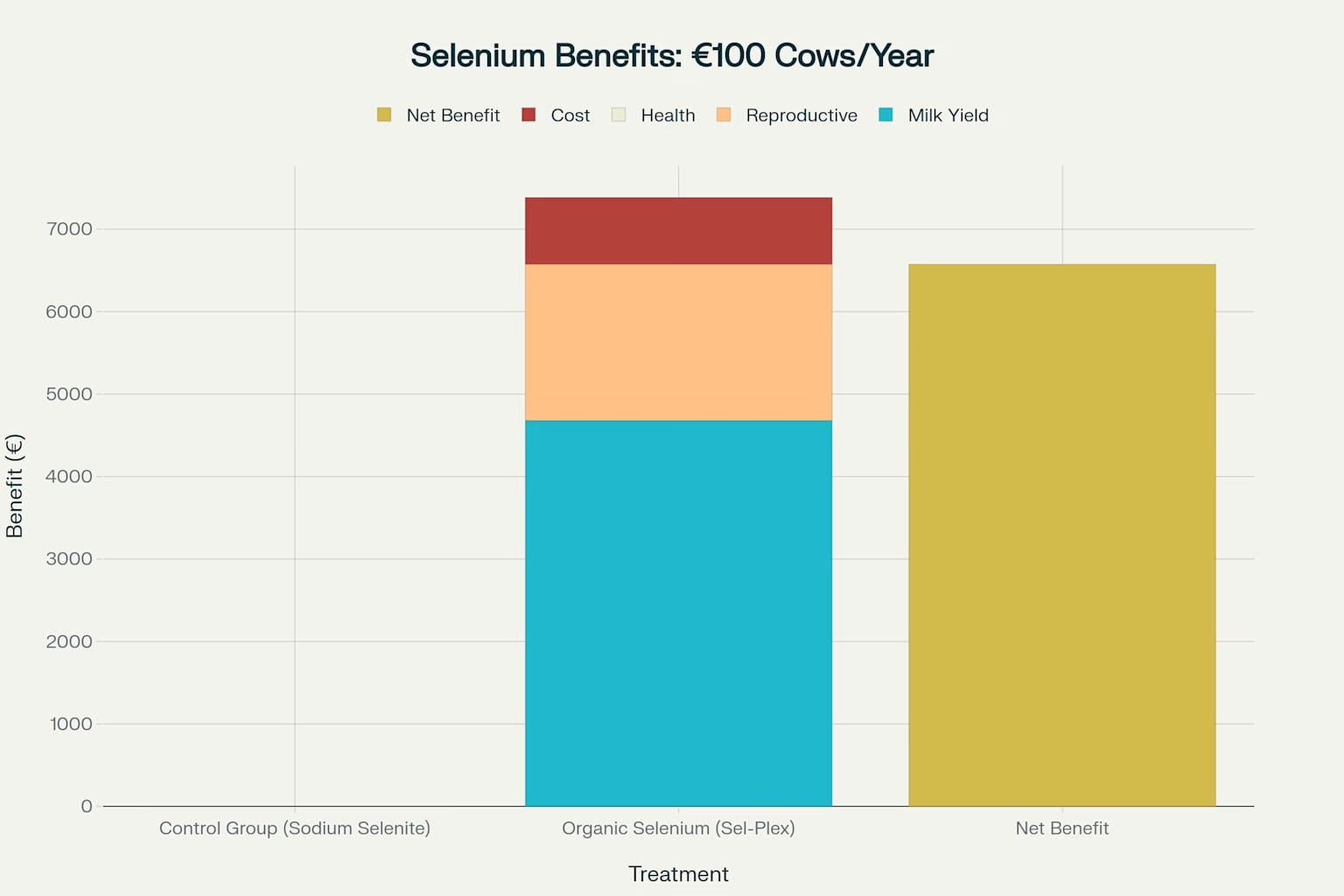
Economic Benefits of Organic Selenium Supplementation in Italian Holstein Study
MetricControl (Sodium Selenite)Organic Selenium (Sel-Plex)Improvement
Milk Yield (kg/day)36.537.9+1.4 kg (+3.8%)
Somatic Cell Count (cells/mL)320000.0272000.0-48,000 (-15%)
Confirmed Pregnancy Rate (%)67.083.0+16% points
Retained Placenta Cases (per 100 cows)10.06.0-4 cases (-40%)
Days to Confirmed Pregnancy139.0130.0-9 days
Services per Conception1.811.63-0.18
Annual Cost (€ per 100 cows)0.0810.0+€810
Annual Benefits (€ per 100 cows)0.07380.0+€7,380
Net ROI (€ per 100 cows)0.06570.09:1 ROI

The Italian Holstein study provides concrete ROI analysis that challenges the assumption that premium selenium supplements are “too expensive.” The research calculated specific economic benefits:

The Italian Holstein ROI Analysis Breakdown:

  • The added cost of organic selenium (Sel-Plex): €810 annually for a 100-cow herd
  • Documented benefits: €7,380 annually
  • Net benefit: €6,570 ($7,000+) annually
  • Return on investment: 9:1

The study documented specific improvements:

  • 9 fewer open days per cow annually (€2,700 total value)
  • 1.3 L/day/cow increased production (€4,680 total value)
  • Reduced retained placenta cases (6 versus 10 cases per 100 cows)
  • Lower days to confirmed pregnancy (130 versus 139 days)
  • Improved services per conception (1.63 versus 1.81)

Implementation Challenges and Solutions

Addressing Cost Concerns

While third-generation selenium supplements cost 2-3 times more per unit than basic inorganic selenite, the bioavailability differences mean you’re getting 3-5 times more effective selenium per dollar spent. As Agovino’s research demonstrates, preventing just one case of mastitis pays for an entire herd’s annual selenium supplementation program several times over.

Quality Control Issues

The 2024 research by Cruickshank et al. highlights a critical implementation challenge: “Despite expecting differences, the study showed similar results in terms of the cows’ eating habits and milk production” between organic and inorganic sources. This suggests that product quality and consistency remain significant variables in real-world applications.

Potential Limitations

Recent research also reveals some limitations of selenium supplementation. The 2025 Animals journal study noted that “selenium supplementation induced a reduction in fat percentage” and “solids content showed a tendency to decrease.” These findings suggest that selenium optimization requires careful balance with other nutritional factors.

The One Health Opportunity: Adding Value Beyond the Farm Gate

The meta-analysis by Knowles et al. confirms that “using organic selenium could enhance the selenium content in milk, providing potential benefits for consumers or calves and reducing environmental mineral waste.” Research demonstrates that supplementing dairy cows with highly bioavailable organic selenium increases milk selenium concentration, predominantly as selenomethionine bound within milk proteins.

Implementation Strategy: Making the Switch Without Disruption

Phase 1: Diagnostic Assessment (Month 1) Start with comprehensive herd testing using blood selenium analysis. Target plasma levels above 80-100 µg/L, with optimal status above 100 µg/L. Cost consideration: Blood selenium testing typically runs $15-25 per sample.

Phase 2: Critical Product Evaluation (Month 1-2) Demand specific documentation from suppliers about selenium form, purity guarantees, and analytical testing results. If your supplier can’t provide selenomethionine content verification for selenium yeast products, that tells you everything you need to know about product quality.

Phase 3: Strategic Implementation (Month 2-3) Focus upgrades on critical periods: dry cow supplementation and early lactation. The Italian research demonstrates this approach provides the highest return on investment through improved health outcomes and milk production.

Phase 4: Performance Monitoring (Month 3-6) Retest selenium status 90 days post-implementation and track key performance indicators following the Italian study model:

  • Somatic cell count trends (target: reduction from 320,000/mL to 272,000/mL)
  • Milk yield improvements (expect: 1.4 kg/day increase)
  • Reproductive performance metrics (goal: increase confirmed pregnancy rates from 67% to 83%)

The Bottom Line: Transforming Cost into Competitive Advantage

Remember that $700 per cow figure we started with? The Italian Holstein research suggests this may actually underestimate the true economic impact when you factor in the comprehensive benefits documented by Agovino and colleagues.

The Research-Backed Reality Check:

  • Italian research documenting 9:1 ROI from organic selenium
  • Meta-analysis of 42 studies confirming the superiority of organic sources
  • Heat stress research demonstrates maintained antioxidant function
  • Recent 2025 studies confirming immune and antioxidant benefits

The choice isn’t whether you can afford to upgrade your selenium program—it’s whether you can afford not to. With mastitis costs averaging $325-457 per case and retained placenta adding another $389, the Italian research proves that preventing just two cases annually pays for an entire herd’s premium selenium supplementation several times over.

Your Next Strategic Move: Contact your nutritionist this week and demand a detailed breakdown of your current selenium program’s analytical specifications. Ask specifically about selenomethionine content verification, batch consistency guarantees, and bioavailability data. If they can’t provide clear, scientifically-backed answers backed by peer-reviewed research like our cited studies, you’ve just identified why your selenium strategy might fail.

The dairy industry rewards operators who make decisions based on evidence rather than tradition. Cruickshank et al. noted in their 2024 research that “using organic selenium could enhance the selenium content in milk, providing potential benefits for consumers or calves and reducing environmental mineral waste.” Your selenium strategy represents one area where peer-reviewed research clearly points toward an upgrade that pays for itself through improved herd health, reduced treatment costs, and enhanced productivity.

The research is clear. The economics are compelling. The Italian Holstein study provides a real-world roadmap for success. The remaining question is: Will you continue paying premium prices for inconsistent results or invest in proven technology that transforms selenium from a cost center into a profit driver with documented 9:1 returns?

KEY TAKEAWAYS

  • Documented 9:1 ROI on selenium optimization: Italian Holstein research shows €7,380 in benefits against just €810 in costs per 100 cows annually, with specific improvements in milk yield (1.4 kg/day increase), reproductive efficiency (6 vs. 10 retained placenta cases per 100 cows), and udder health (SCC reduction from 320,000/mL to 272,000/mL).
  • Traditional selenium sources are failing your herd: Inorganic selenium (sodium selenite) shows just 10-30% bioavailability in ruminants, while “organic” selenium yeast products contain highly variable active content—analysis reveals some products with as little as 18% selenomethionine and up to 51.8% unavailable elemental selenium.
  • Implementation requires just a 4-phase approach: Start with strategic blood testing ($15-25 per sample) targeting 80-100 μg/L plasma levels, demand SeMet content verification from suppliers, focus supplementation during transition periods, and monitor improvements within 90 days.
  • Heat stress resilience improves with optimized selenium: Research on hydroxy-selenomethionine supplementation shows maintained antioxidant function during thermal stress when conventional approaches fail—critical as climate models predict increasing heat stress challenges for dairy operations across North America in 2025.
  • Beyond cow health—marketing opportunity: Selenium-optimized milk contains significantly higher selenium content in a highly bioavailable form (90% human bioavailability), creating potential premium market opportunities as consumer health awareness grows in 2025’s competitive dairy marketplace.

EXECUTIVE SUMMARY

The selenium supplementation strategy your nutritionist recommended is likely costing you hundreds of dollars per cow while delivering minimal protection. Research reveals that conventional selenium sources suffer from devastating flaws: inorganic forms are 70-90% destroyed in the rumen, while “premium” selenium yeast products contain highly variable levels of active selenomethionine—ranging from just 18% to 71.8% with an average of only 55.8%. Italian research demonstrates a remarkable 9:1 return on investment when upgrading to third-generation selenium sources, with documented benefits including 1.4 kg/day increased milk production, SCC reduction from 320,000/mL to 272,000/mL, and 9 fewer open days per cow annually. In today’s challenging dairy economy, with USDA forecasting cautious milk prices around $20.90/cwt for 2025, this hidden profit leak represents one of your highest ROI opportunities for immediate implementation. It’s time to demand verification of exactly what you’re getting in your mineral program and upgrade from minimum requirement thinking to strategic optimization.

Complete references and supporting documentation are available upon request by contacting the editorial team at editor@thebullvine.com.

Learn More:

Join the Revolution!

Join over 30,000 successful dairy professionals who rely on Bullvine Weekly for their competitive edge. Delivered directly to your inbox each week, our exclusive industry insights help you make smarter decisions while saving precious hours every week. Never miss critical updates on milk production trends, breakthrough technologies, and profit-boosting strategies that top producers are already implementing. Subscribe now to transform your dairy operation’s efficiency and profitability—your future success is just one click away.

NewsSubscribe
First
Last
Consent

Proving The Payoff: Why High-Calcium Acidogenic Diets Are Revolutionizing Transition Cow Management

University of Illinois smashes calcium myths: High-calcium acidogenic diets slash metritis, boost fertility, and protect profits.

Executive Summary: A groundbreaking University of Illinois study reveals that high-calcium acidogenic prepartum diets (-24 DCAD, 2% calcium) dramatically improve transition cow outcomes. Cows fed this diet showed 40% fewer metritis cases, faster ovulation, and higher first-service pregnancy rates while maintaining dry matter intake. The secret? Strategic acidification (urine pH 5.5–6.0) primes calcium metabolism, strengthens uterine tissue, and reduces inflammation. This approach challenges outdated low-calcium recommendations, offering dairy farmers a proven path to cut disease costs, improve reproductive efficiency, and boost ROI. Success hinges on rigorous urine pH monitoring and precise diet formulation.

Key Takeaways:

  • Profit through prevention: High-calcium acidogenic diets reduce metritis risk by 40% and slash transition disorder costs.
  • Breed back faster: Cows ovulate sooner with 46% higher first-service conception rates (vs. 32% traditional).
  • No DMI tradeoff: Maintain feed intake with proper calcium levels in acidogenic diets.
  • pH is non-negotiable: Daily urine monitoring (5.5–6.0) ensures $18B/year subclinical ketosis risks stay in check.
  • Calcium ≠ just milk fever: Strengthens uterine walls, prevents “leaky uterus,” and supports immune function.

While nutritionists debate prepartum calcium levels, your cows are paying the price. New University of Illinois research demolishes the outdated belief that we should limit calcium in close-up diets. The evidence is clear: high-calcium acidogenic diets deliver dramatically better uterine health, faster breeding, and reduced inflammation. Are you still following profit-draining conventional wisdom?

Dairy nutritionists have approached calcium levels in prepartum diets with excessive caution for decades. The prevailing wisdom claimed too much calcium would suppress the cow’s natural mobilization mechanisms, potentially leaving her unprepared for the massive calcium demands at calving. This thinking led many to recommend modest calcium levels (0.4-0.6% of dry matter) in prepartum diets, even when using negative DCAD approaches.

But what if playing it safe with calcium is actually playing it dangerous with your profitability?

“I was skeptical at first,” says Dave Johnson, a progressive Wisconsin dairy producer who manages 850 cows. “My nutritionist kept talking about limiting calcium, but after switching to a high-calcium, fully acidogenic diet, our metritis cases dropped by nearly 40%, and our conception rates at first service jumped from 32% to 46%. The difference was night and day.”

The Study That Changes Everything

A groundbreaking University of Illinois study has turned this conventional thinking on its head, demonstrating that when properly implemented, high-calcium acidogenic diets deliver benefits far beyond hypocalcemia prevention-directly impacting your bottom line through multiple pathways.

The research enrolled 76 multiparous Holstein cows starting 50 days before expected calving and followed them through 73 days in milk. The study compared three dietary treatments:

  1. Control (CON): A positive DCAD diet (+6 mEq/100g DM) with low dietary calcium (0.40% DM)-the traditional approach without acidification
  2. Negative DCAD (ND): A fully acidogenic diet (-24 mEq/100g DM) with low dietary calcium (0.40% DM)-the standard negative DCAD approach
  3. Negative DCAD with high calcium (NDCA): A fully acidogenic diet (-24 mEq/100g DM) with high dietary calcium (2% DM)-the game-changer

Are you still feeding your close-up cows the same way you did ten years ago?

The researchers used a commercial anionic supplement (Animate®) to achieve the target negative DCAD and carefully monitored urine pH to ensure cows on the acidogenic diets maintained pH between 5.5 and 6.0-the sweet spot for metabolic acidosis that primes calcium metabolism without compromising health.

The Shocking Results You Can’t Afford to Ignore

The findings weren’t just statistically significant-they were economically transformative. While both acidogenic diets improved postpartum calcium status compared to the control group, the high-calcium approach delivered stunning advantages:

Reduced Inflammation: Cows fed the high-calcium acidogenic diet showed significantly lower plasma haptoglobin concentrations- a key marker of inflammation- both before and after calving. Less inflammation means fewer metabolic diseases eating away at your profits.

Healthier Uterine Environment: Perhaps most striking were the improvements in uterine health. Cows on the NDCA diet exhibited greater glandular epithelial height (thickness of the uterine lining) and more epithelial cells per gland at 30 days in milk.

The researchers explain the mechanism in plain terms: “Calcium is essential for maintaining the integrity of uterine epithelial cells. When calcium is insufficient, you get what we might call a ‘leaky uterus’-bacteria can slip between compromised cells, leading to inflammation, metritis, and potentially systemic illness”.

Superior Reproductive Performance: These aren’t just microscopic changes-they translate directly to your bottom line. Cows fed the NDCA diet had fewer days to first ovulation and a greater likelihood of becoming pregnant at first artificial insemination.

What would getting cows pregnant one cycle earlier mean for your operation’s profitability?

Debunking the DMI Depression Myth

One of the most persistent concerns about fully acidogenic diets is their potential to depress dry matter intake (DMI). This fear keeps many producers from implementing the aggressive acidification needed to fully activate calcium metabolism.

The industry has been wrong about this for years. The Illinois study addressed this head-on, with surprising results. While cows fed the negative DCAD, low-calcium diet (ND) showed a small decrease in DMI compared to the control group, and adding high calcium to the acidogenic diet (NDCA) eliminated approximately half of this depression.

This discovery challenges conventional thinking-high calcium doesn’t just prevent milk fever-it appears to help maintain appetite under acidotic conditions, making this approach dramatically more viable for real-world implementation. Dr. Jim Drackley noted that these findings prompted “a shift in his own thinking to be more supportive of well-implemented fully acidogenic programs.”

The Economic Payoff: What This Means for Your Bottom Line

Let’s talk about what matters most-your profitability. The physiological benefits translate directly into economic advantages:

Reduced Disease Incidence and Treatment Costs: Fewer cases of metritis and other transition diseases mean lower veterinary bills, less discarded milk, and reduced labor costs. With metritis alone estimated to cost the global dairy industry $5 billion annually, prevention delivers substantial savings.

“You’ll be chasing down fewer sick cows,” one researcher said. “And you’ll notice fewer instances of metritis. Fewer cases of other diseases may also be noted because the cow is no longer handling extra bacteria because the cells in the uterus are very well attached to each other-preventing a ‘leaky uterus'”.

Improved Reproductive Efficiency: Earlier conception reduces days open, increases milk production over the cow’s lifetime, and lowers breeding costs. Research indicates that reducing the calving interval by 60 days can increase daily milk production by 1.11 to 1.51 kg per cow and total lactation yield by 366 to 498 kg per cow.

Lower Culling Rates: When cows stay healthier and breed back sooner, you make culling decisions based on production merit rather than necessity. This improves your herd’s genetic trajectory and stabilizes milk production-like, building your roster with strategic draft picks instead of desperate trades to fill holes.

Labor Efficiency: With fewer sick cows to manage, your team can focus on proactive management rather than reactive treatment.

If you still rely on outdated transition nutrition strategies, how much money is walking out your door monthly?

The Bullvine Bottom Line

  • High-calcium (2% DM) acidogenic prepartum diets significantly reduce inflammation, improve uterine health, and enhance fertility
  • Urine pH monitoring (target 5.5-6.0) is CRITICAL for success-don’t skip this step
  • Economic benefits come from multiple sources: fewer sick cows, better breeding, reduced culling, and maintained DMI
  • High calcium helps prevent DMI depression commonly associated with anionic diets
  • The calcium benefits extend far beyond milk fever prevention to impact immune function and reproductive success

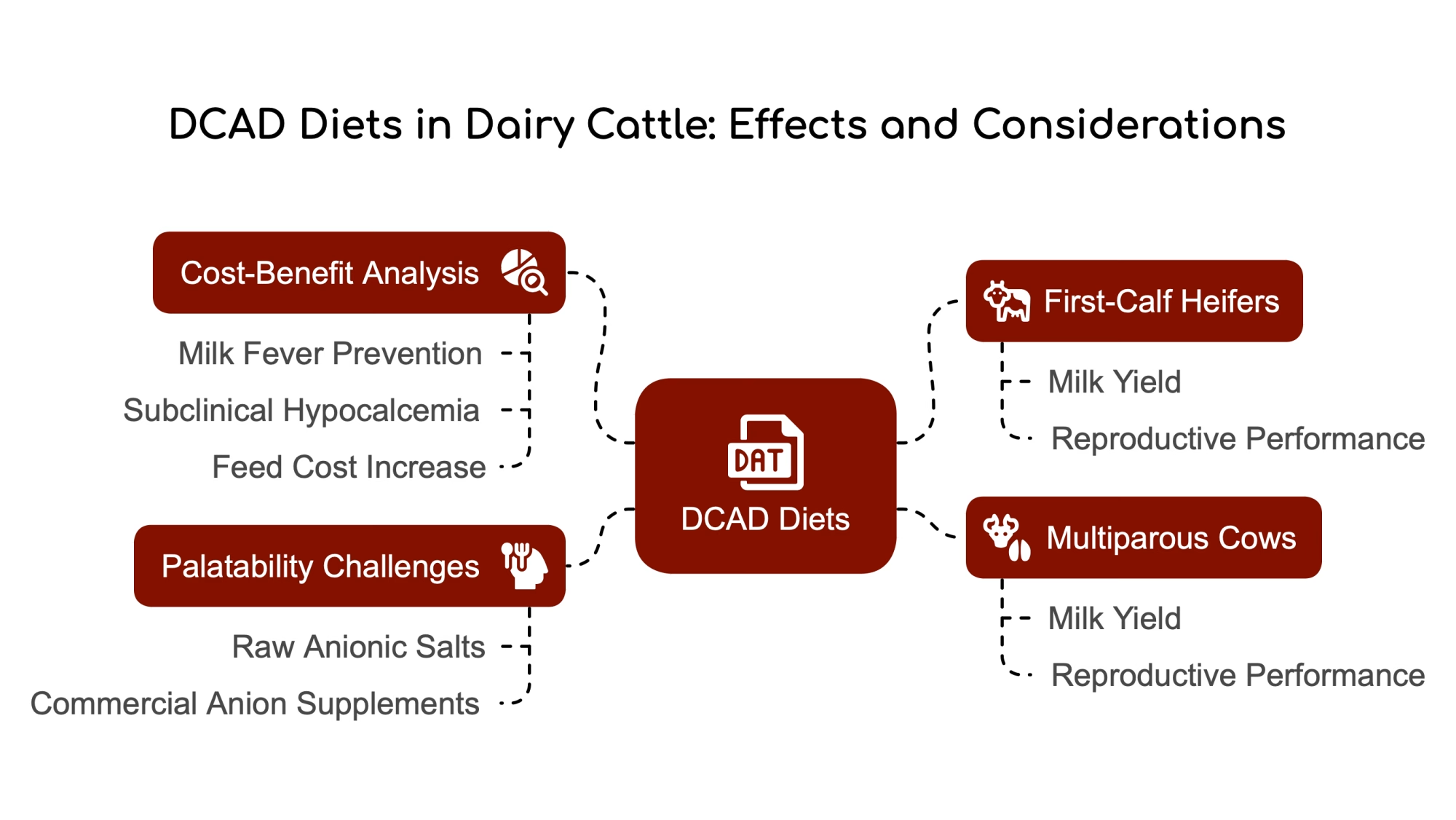
Cost-Benefit Snapshot: NDCA vs. Traditional Approaches

Cost FactorTraditional Low-Ca ApproachHigh-Ca Acidogenic (NDCA) Approach
Feed CostLower initial costSlightly higher ingredient cost
Metritis TreatmentMore cases requiring treatmentFewer cases-potentially 40% reduction
Days OpenLonger calving intervalsEarlier first ovulation, higher first-service conception
LaborMore time treating sick cowsLess time treating, more time managing
Milk ProductionLost production due to health issuesBetter maintained production curve
Culling RateHigher involuntary cullingMore voluntary culling decisions
ROILower long-term profitHigher overall returns despite the initial cost

The Critical Management Factor Most Farms Are Missing

If there’s one takeaway from the Illinois research, it’s this: measuring urine pH isn’t just helpful-it’s essential. Without regular monitoring, you’re flying blind, unable to confirm whether your diet is actually achieving the desired metabolic acidosis.

Too many farms implement partial DCAD programs without this critical verification step. Then, they wonder why the results are disappointing.

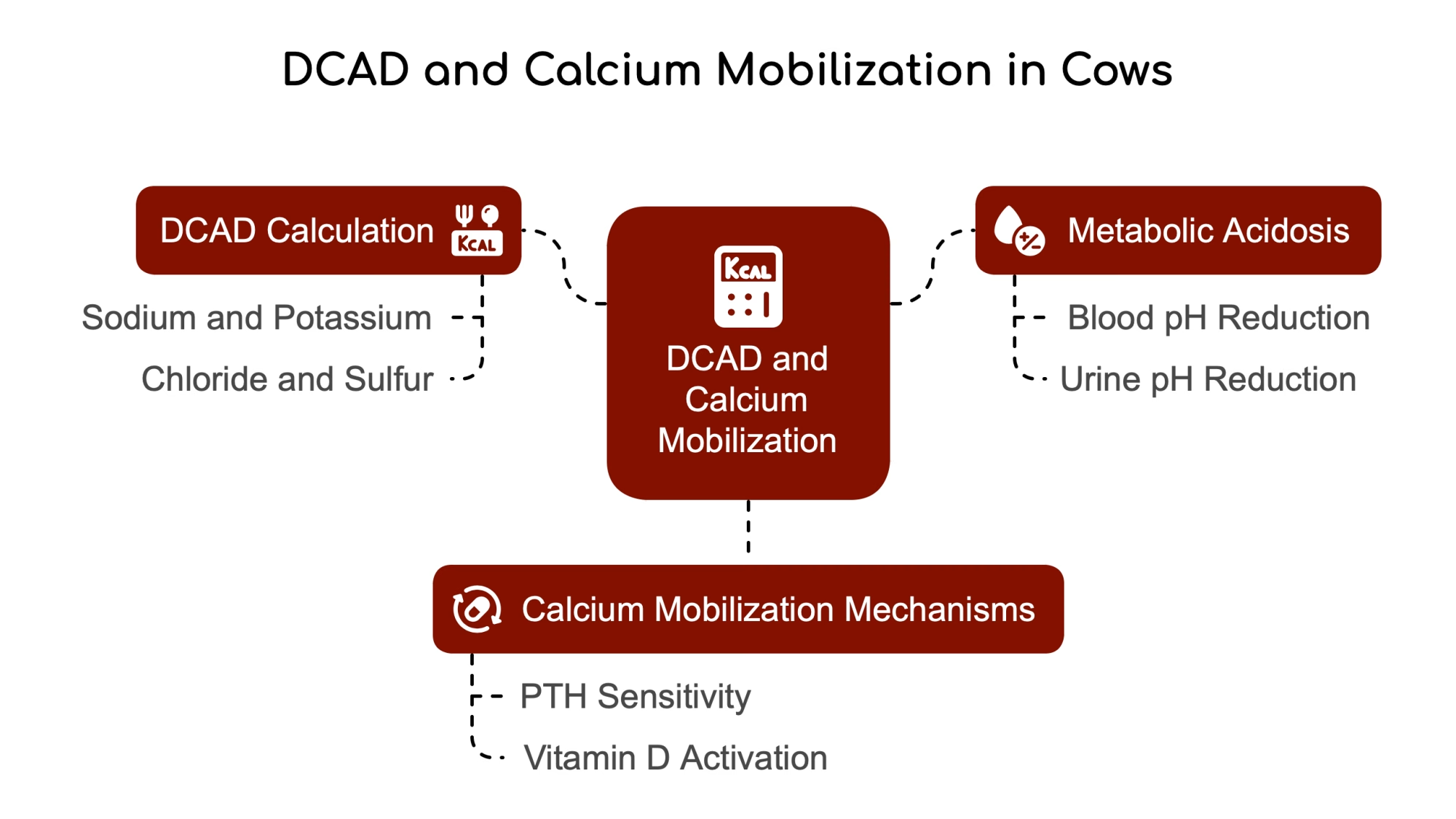
The target pH range for fully acidogenic diets is 5.5 to 6.0. This indicates the cow is experiencing the right level of compensated metabolic acidosis, which stimulates calcium mobilization from bone and enhances calcium absorption from the diet.

Mark Peterson, who milks 220 cows in New York, learned this lesson the hard way: “We were adding anionic salts, but never checking urine pH. Once we started measuring and adjusting to keep pH between 5.5 and 6.0, our clinical milk fever cases dropped to zero, and subclinical hypocalcemia went from over 50% to under 15%. Those pH strips cost pennies compared to what we were losing.”

Many factors can influence urine pH beyond just the calculated DCAD (Dietary Cation-Anion Difference) value:

  • Variations in forage mineral content (especially potassium)
  • Fluctuations in dry matter intake
  • Inconsistencies in feed mixing and delivery

Regular monitoring allows you to make timely adjustments if pH values drift outside the target range. Think of urine pH as your transition cow “thermometer,” a critical tool for continuous oversight and fine-tuning.

Addressing the Skeptics: Valid Concerns and Solutions

Some producers and nutritionists remain hesitant about high-calcium acidogenic diets. Let’s tackle these concerns head-on:

“Won’t high calcium suppress the cow’s own mobilization mechanisms?”

This was the traditional concern, but the Illinois research demonstrates that when proper acidification is achieved (pH 5.5-6.0), this suppression doesn’t occur. Instead, the acidification primes calcium metabolism so effectively that the additional dietary calcium enhances overall calcium status rather than compromising it. The NDCA treatment actually resulted in greater calcium flux than the ND treatment.

“Isn’t that much calcium expensive?”

Let’s be honest about costs. Yes, increasing dietary calcium to 2% DM does raise ration costs. However, the economic analysis should consider the substantial downstream benefits-reduced disease treatment, earlier pregnancy, fewer culls, and maintained milk production. Even preventing just one case of metritis (average cost: $250-350) or getting a cow pregnant one cycle earlier (value: approximately $150-200) will typically offset the additional feed costs for multiple cows.

“Is urine pH testing really necessary? It seems time-consuming.”

This is non-negotiable. Without pH verification, you’re guessing whether your acidogenic diet works. Modern pH meters and test strips make this process relatively quick and straightforward. Sampling 5-10 cows twice weekly takes minimal time but provides crucial information to guide adjustments and ensure program success.

“My nutritionist says our current program is working fine. Why change?”

A fair question, but consider: Subclinical hypocalcemia affects up to 73% of cows in third or greater lactation, according to research by Reinhardt et al.. Most operations don’t measure subclinical hypocalcemia, so “working fine” may simply mean “problems not visible enough to notice.” The NDCA approach has demonstrated benefits even compared to standard negative DCAD programs- it’s not just about preventing obvious milk fever but optimizing transition success.

The Knowledge Gap That’s Costing You Money

While many dairy producers understand calcium’s link to hypocalcemia prevention, the University of Illinois research highlights that calcium’s role extends far beyond this single function. This broader understanding is crucial for justifying the high-calcium approach:

“Most farmers understand calcium’s link to helping reduce the incidence of subclinical hypocalcemia but may not fully realize calcium is needed for many other things that impact cow health and performance.”

Calcium plays essential roles in:

  • Immune cell activation and neutrophil function
  • Uterine epithelial integrity
  • Muscle contraction (including smooth muscle in the digestive tract)
  • Cell signaling and communication
  • Enzyme activation

This is why the NDCA diet’s benefits extend beyond simply preventing milk fever. It represents a comprehensive approach to transition cow physiology that addresses multiple interrelated systems simultaneously.

The Bottom Line: Are You Ready to Revolutionize Your Transition Program?

The University of Illinois research provides compelling evidence that feeding a high-calcium (2% DM), fully acidogenic (-24 mEq/100g DM) diet during the prepartum period, with careful monitoring to maintain urine pH between 5.5 and 6.0, delivers significant benefits for transition cow health and farm profitability.

It’s time to ask yourself some hard questions:

  1. Is your current transition program still based on outdated concepts about limiting calcium?
  2. Are you regularly monitoring urine pH to verify your DCAD program is actually working?
  3. Have you calculated the true cost of transition cow disorders on your operation?
  4. What would getting cows pregnant even 10 days earlier be worth to your bottom line?

The dairy industry is facing unprecedented economic challenges. Can you really afford to leave this much money on the table?

Take a hard look at your current transition cow program. Challenge the status quo. Implement high-calcium acidogenic diets with proper pH monitoring. Your cows-and your bank account-will, thank you.

The question isn’t whether you can afford to implement this strategy- it’s whether you can afford not to.

Learn more:

Join the Revolution!

Join over 30,000 successful dairy professionals who rely on Bullvine Weekly for their competitive edge. Delivered directly to your inbox each week, our exclusive industry insights help you make smarter decisions while saving precious hours every week. Never miss critical updates on milk production trends, breakthrough technologies, and profit-boosting strategies that top producers are already implementing. Subscribe now to transform your dairy operation’s efficiency and profitability—your future success is just one click away.
NewsSubscribe
First
Last
Consent

Revolutionize Dairy Profits: How Microbes Could Boost Your Operation’s Performance by 30%

Stop chasing sterile milk. New microbiome research reveals 30% feed efficiency gains and $500/cow ROI for dairy operations.

While you’ve been obsessing over genomic testing and precision feeding systems, trillions of microscopic workers inside your cows have been quietly determining whether your milk checks clear $18.57 per cwt or fall short of breakeven. The dairy industry’s next breakthrough isn’t coming from another genetic advancement or fancy robotic milker—it’s hiding in the gut bacteria that convert your expensive feed into profitable milk components. Early adopters are reporting 50% fewer reproductive problems, 4-6 liter daily milk increases, and feed conversion improvements that rival the best genomic gains—all by learning to work with nature’s smallest employees.

Here’s what nobody wants to tell you: you’ve been managing only half your operation. While you meticulously track TPI scores, monitor DMI through precision feeding systems, and analyze lactation curves down to the last kilogram, you’ve completely ignored the trillions of microorganisms that actually convert your expensive feed into the components that determine your milk check.

This isn’t some fringe science anymore. With USDA reporting 2025 U.S. milk production growth at a modest 0.5% annually and Class III prices at $18.57 per hundredweight as of May 2025, every efficiency gain matters more than ever. Universities across North America are proving that the bovine microbiome—the collection of bacteria, viruses, and fungi living in your cows—directly impacts everything from feed conversion ratios to somatic cell counts to reproductive success rates.

Why Are Your Cows’ Most Important Workers Getting Ignored?

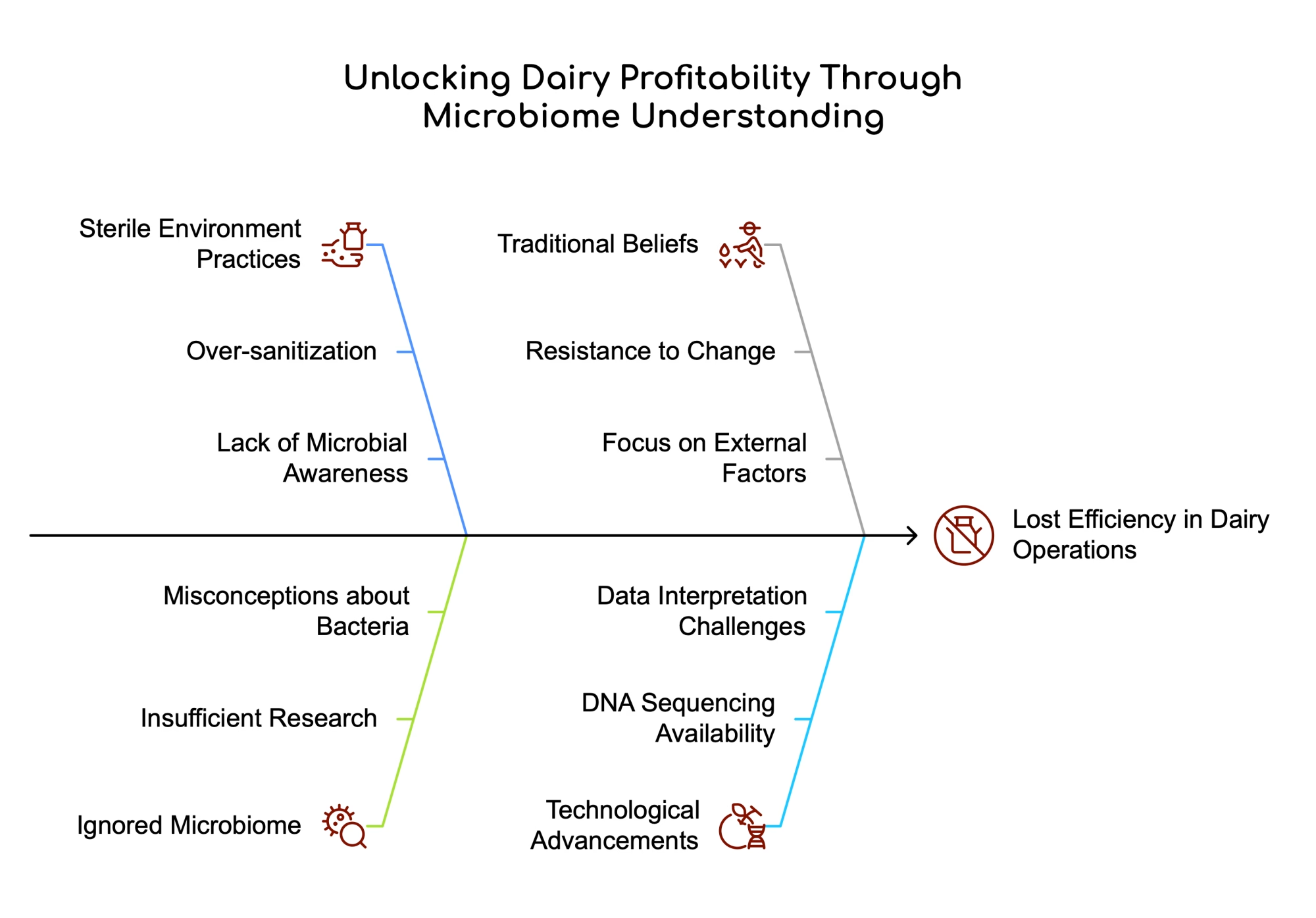
Think of your rumen like a high-tech fermentation facility running 24/7. You wouldn’t operate a feed mill without understanding the machinery, yet most producers run their biological feed processing plant—the rumen microbiome—without any idea what’s happening inside. This sterile-world mentality has cost the average 100-cow dairy operation an estimated $25,000-40,000 annually in lost efficiency.

But here’s the controversial truth that challenges everything you’ve been taught: the dairy industry’s obsession with sterile environments is actually sabotaging your profitability. For decades, we’ve been told that good bacteria and bad bacteria don’t matter—just sanitize everything, and problems disappear. Recent research reveals this approach eliminates beneficial microbes that naturally suppress pathogens and optimize production.

Consider this analogy: managing dairy cows without understanding their microbiome is like trying to optimize a TMR mixer by only looking at the ingredients going in, never checking if the mixing paddles are working. You’ve optimized facilities, genetics, and nutrition, but the biological machinery that converts feed into milk has been operating without supervision.

What if everything you’ve been taught about cleanliness is costing you money? The breakthrough came when DNA sequencing technology finally allowed researchers to study entire microbial communities. What they discovered should fundamentally change how you approach cow health: healthy, high-producing cows aren’t bacteria-free—they’re teeming with beneficial microbes that actively promote optimal production.

Are You Throwing Money Away on Feed Efficiency?

Here’s a number that should wake you up: rumen microbiome composition alone can predict significant variation in feed efficiency between your animals. With feed representing 50-70% of production costs and current market pressures, even small efficiency improvements translate to massive profit increases.

Recent research from Washington State University reveals that 7% to 30% of microbes within the rumen microbial community had structural coefficients different from zero when analyzing feed efficiency traits. The efficient animals show higher abundances of specific bacterial families that excel at fermenting fiber and producing the volatile fatty acids that fuel milk production. Meanwhile, your inefficient cows carry microbial populations that essentially waste your expensive feed.

Why This Matters for Your Operation: If you spend $150,000 annually on feed for a 100-cow herd, a 25% efficiency improvement through microbiome optimization could save $37,500 annually. Even accounting for intervention costs, the net benefit could exceed $30,000 annually—that’s equivalent to adding 15-20 cows to your milking string without additional facilities.

Are you monitoring the right metrics to identify your most efficient animals? Most producers stop thinking about digestion at the rumen. Big mistake. Research from the University of Alberta shows that when cattle are more feed efficient, they actually have less diverse rumen microbiota and less microbial activity compared to cattle who are less feed efficient. This counterintuitive finding suggests that optimal efficiency comes from targeted microbial communities rather than maximum diversity.

A comprehensive study published in the Journal of Dairy Science found that models using both genome and microbiome data offer more accurate prediction of feed efficiency than genomic models alone. The holobiont effect—the joint effect of the host genome and rumen microbiome—was greater than the sum of individual effects, demonstrating the critical importance of considering microbial communities in management decisions.

Let’s examine a real-world scenario: Twin Holstein heifers from identical genetics and feeding programs. Heifer A consistently converts feed 22% more efficiently than Heifer B. Traditional analysis blames management or environmental factors. Microbiome analysis reveals that Heifer A carries optimal bacterial communities while Heifer B’s gut harbors inefficient microbial populations. Which approach would you rather use to identify your next herd sires’ mothers?

Feed Efficiency MetricTraditional ManagementMicrobiome-OptimizedImprovement
Feed Conversion Ratio1.8:11.4:122% better
Daily DMI (kg)24.522.12.4 kg less
Milk per kg DMI1.852.3527% more
Annual Feed Cost/Cow$1,500$1,125$375 savings

Is Your Mastitis Prevention Strategy Actually Making Things Worse?

Here’s something that might shock you: sterile milk is a myth, and chasing it might be hurting your udder health and somatic cell counts. This challenges one of the dairy industry’s most sacred beliefs, but the evidence is overwhelming. Research published in Frontiers in Microbiology shows that healthy mammary glands harbor bacterial loads of 10^4 to 10^5 bacterial cells per ml and that these communities may be crucial for maintaining udder health.

The research consistently shows that milk from healthy mammary glands has greater bacterial richness and diversity compared to milk from clinical mastitis cases. A critical study by Metzger et al. found that PCR amplification was actually higher in cisternal samples (83%) compared to conventional samples (40%), strongly suggesting that bacteria are indeed inside the mammary gland and do not get in the milk as a result of external contamination.

The pattern becomes clear when you examine SCC data through a microbiome lens. Canadian research on milk microbiome and mastitis shows that mastitis costs more than $600 per cow annually, with infections like Klebsiella pneumoniae causing a reduction in the diversity of the milk microbiome when infection occurs.

The economic implication? Irish dairy industry research demonstrates that when BMSCC increased from less than 100,000 to over 400,000 cells/mL, net farm profit decreased from €31,252 to €11,748 annually. The study found that reducing national BMSCC by just 10,000 cells/ml would lead to an estimated industry benefit of €6.6 million annually.

Your current mastitis prevention strategy might be eliminating the good bacteria that naturally suppress pathogens and maintain the premium milk quality that processors pay extra for.

Have you ever wondered why some cows never get mastitis while others are chronic offenders? Traditional explanations focus on teat end condition, milking routine, and environmental cleanliness. But what if the real difference lies in their mammary microbiome composition? Research shows that dairy environments harbor complex microbial communities with beneficial bacteria that could naturally prevent infections—if we stop eliminating them.

Reproductive Problems: The Hidden $300-Per-Case Microbiome Connection

Let’s talk about the elephant in the barn: reproductive failure. Every open day costs you $3-5, and with current market volatility, extended calving intervals destroy profitability faster than almost any other problem. But what if I told you that much of your reproductive trouble starts with microbial imbalances you’re not even monitoring?

University of Alberta researchers developed something revolutionary: a targeted probiotic that reduced post-calving uterine infections by 50% and increased milk yield by 4-6 liters per day in the first 50 days after calving. The product, called ProPreg™, consists of three bacterial strains found naturally in the reproductive tract of healthy cows.

The results from 10 years of testing weren’t just impressive—they were profit-changing. Beyond halving uterine infection rates, the probiotic also cut milk fever incidence in half and reduced placental retention. Even inflammation-related lameness decreased, demonstrating that reproductive tract microbiome health affects the entire cow.

Calculate this based on current market conditions: If you’re currently treating 20% of your herd for uterine infections at $300 per case, a 50% reduction saves you $30 per cow annually. Add the 4-6 liter daily increase for 50 days (250 extra liters at current milk prices = $125 per cow), and you’re looking at $155 in additional profit per cow per year. For a 100-cow herd, that’s $15,500 annually.

Why This Matters for Your Operation: Think of the reproductive tract microbiome like your breeding program—you can’t ignore it and expect optimal conception rates. Just as you wouldn’t use poor-quality semen, you shouldn’t ignore the microbial environment determining whether that $50 breeding investment results in a live calf.

Research on reproductive microbiota shows that endometritis has a major impact on fertility in postpartum dairy cows, and studies reveal clear associations between reproductive microbiota and perinatal disease. The research demonstrates that uterine and vaginal microbiota show a maximum of 20.1% shared amplicon sequence variants, indicating distinct microbial communities that require targeted management approaches.

Commercial Solutions: From University Labs to Your Feed Room

The transition from research to practical application is happening faster than most producers realize. University of Alberta’s ProPreg™ is already in small-scale commercial sales in the United States, with Canadian availability expected within two years. This isn’t another generic probiotic—it’s precision-engineered based on studying specific microbial imbalances.

But reproductive health is just the beginning. Researchers are developing precision probiotics targeting respiratory health, with multispecies formulations showing significant improvements in calf average daily gain while decreasing bovine respiratory disease by up to 40%. Since respiratory disease costs the average dairy operation $150-200 per affected calf, microbiome-based interventions could dramatically improve animal welfare and your bottom line.

Global Perspective: While North American producers are just beginning to adopt microbiome technologies, international competitors are already capturing advantages. Early adopters in major dairy regions are already capturing competitive advantages that late adopters will struggle to match.

Recent research identified that bovine respiratory disease often results from stress-induced dysbiosis, allowing commensal bacteria like Mannheimia haemolytica to proliferate and move from the upper respiratory tract to the lungs. This knowledge enables probiotic formulations that restore healthy microbial balance before disease develops—think preventive medicine rather than reactive treatment.

Are you still treating symptoms instead of causes? Traditional disease management waits for clinical signs and then applies expensive treatments. Microbiome management prevents problems by maintaining beneficial bacterial communities that naturally suppress pathogens.

Implementation Challenges: What Every Producer Must Know

Despite the exciting potential, microbiome manipulation isn’t a silver bullet. The bovine microbiome varies significantly between individual animals, farms, and geographic regions. What works brilliantly on a Wisconsin free-stall operation might fail completely on a California dry lot or a New Zealand pasture-based system.

Environmental factors play huge roles in microbiome establishment and maintenance. Research from the University of Alberta shows that changes resulting from grazing environments varied between each microbial group, with different impacts on bacteria versus archaea populations. This means microbiome interventions must integrate with your overall management strategy rather than replace existing protocols.

Think of it like precision agriculture: you wouldn’t apply the same fertilizer rate across different soil types. Similarly, microbiome interventions require customization based on your operation’s unique characteristics—feed sources, housing system, genetics, and management style.

Timing presents another critical challenge. Microbiome establishment begins early in life, with maternal microbiota significantly influencing calf gut development. The most effective interventions might need to start during the pre-weaning period, requiring you to think about microbiome health across the entire production cycle—from colostrum management through first lactation.

What’s your farm’s microbial signature? Research shows that dairy facilities develop distinct microbial fingerprints that can be used for traceability. Understanding your operation’s unique microbiome could be key to optimizing interventions for maximum effectiveness.

Future Breakthroughs: What’s Coming in the Next Five Years

The microbiome revolution is accelerating, and early adopters will gain significant competitive advantages. Researchers are developing predictive models that can identify high-performing animals based on their microbial profiles, potentially revolutionizing genetic selection programs. Imagine predicting a heifer’s lifetime productivity by analyzing her rumen microbiome at weaning—more accurate than current genomic evaluations.

Research from Washington State University reveals that microbes can be classified into three groups for different uses in dairy farming: those with low heritability but significant causal effects (attractive for external interventions) and two groups with high heritability and significant causal effects that could be targeted through selective breeding.

Environmental sustainability represents another exciting frontier. University of Alberta research suggests that certain rumen microbiome compositions can reduce methane emissions, potentially helping your operation meet increasingly stringent environmental regulations while maintaining productivity. With carbon credit programs paying $15-25 per ton of CO2 equivalent, methane reduction could become a new revenue stream.

Global Market Integration: The competitive landscape is shifting rapidly—producers who don’t adapt risk being left behind as international operations implement microbiome-based improvements at scale.

Will your operation lead or follow this revolution? Today, technology is advancing to begin microbiome optimization. While competitors debate adoption, forward-thinking producers are already capturing measurable advantages.

Economic Reality: Calculate Your Microbiome ROI

Let’s talk about numbers that matter to your operation based on current market conditions. With Class III milk at $18.57 per cwt as of May 2025 and feed costs consuming 50-70% of gross milk income, every efficiency gain translates directly to profit.

Feed efficiency improvements of 20-30% are achievable through microbiome optimization. On a 100-cow operation spending $150,000 annually on feed, a 25% efficiency improvement could save $37,500 per year. Even accounting for intervention costs, the net benefit could exceed $30,000 annually—equivalent to the profit from 15-20 additional cows.

Reproductive benefits show even more dramatic returns. University of Alberta research demonstrates that reducing uterine infections by 50% eliminates treatment costs (typically $200-300 per case) and prevents production losses from extended calving intervals. With the average dairy cow worth $1,800-2,200, preventing just one culling due to reproductive failure pays for substantial microbiome interventions.

ROI Calculation100-Cow HerdPer Cow ImpactAnnual Benefit
Feed Efficiency (25% improvement)$37,500$375High
Reproductive Health (50% reduction)$8,500$85High
Mastitis Prevention (30% reduction)$6,000$60Medium
Total Potential Benefit$52,000$520Very High

Milk yield increases of 4-6 liters per day for 50 days post-calving translate to 200-300 additional liters per cow. Currently, milk prices of approximately $0.40 per liter represent $80-120 in additional revenue per cow. Across a 100-cow herd, annual benefits could reach $8,000-12,000.

Strategic Implementation: Your 18-Month Roadmap

Ready to put these microscopic workers to work for your operation? Here’s a practical implementation roadmap based on successful adoption patterns from early-adopter farms.

Phase 1: Assessment and Education (Months 1-3) Start by working with your veterinarian and nutritionist to assess current herd health status using existing data—SCC trends, reproductive performance, and feed conversion ratios. Focus on areas where you’re already seeing challenges. Cost: Minimal (existing advisor time)

Benchmark your operation against industry standards: USDA reports show modest growth patterns in 2025, with the January 1 dairy cow inventory at 9.349 million head, up 2,500 head from 2024. Microbiome optimization could offer a significant upside if you’re below average in efficiency metrics.

Phase 2: Pilot Testing (Months 4-9) Begin with small-scale trials of proven interventions. The University of Alberta’s reproductive probiotic represents the most commercially advanced option, with documented results from multiple research trials. Test with 25-50 animals while maintaining detailed records on key performance indicators.

Implementation costs: $15-25 per cow for proven probiotic interventions, with expected payback within 4-6 months based on documented performance improvements.

Phase 3: Monitoring and Optimization (Months 10-18) Track performance indicators and refine protocols based on results. To quantify benefits, monitor somatic cell counts, reproductive performance metrics, and feed efficiency data. Use precision agriculture tools—activity monitors, automated feed systems, milk meters—to capture detailed performance data.

Why This Matters for Your Operation: Think of this phase like fine-tuning a TMR ration. You wouldn’t change feed ingredients without monitoring production response—same principle applies to microbiome interventions.

Critical success factor: Research shows that dairy environments develop facility-specific microbial signatures. Your implementation strategy must account for your operation’s unique characteristics rather than applying generic protocols.

Technology Integration: Connecting Microbiomes to Precision Agriculture

The convergence of microbiome science and precision agriculture creates unprecedented optimization opportunities. Modern dairy operations already collect massive amounts of data—individual cow production, activity monitors, automated feeding systems, and environmental sensors. Adding microbiome data to this information ecosystem could improve predictive accuracy by 30-40%.

Consider how activity monitors currently predict estrus events. Adding reproductive tract microbiome data could improve conception rate predictions and optimize breeding timing—potentially increasing first-service conception rates from industry average of 35-40% to 50-55%.

Automated feeding systems provide another integration opportunity. Research suggests that precision feeding based on individual rumen microbiome composition could optimize nutrient utilization while reducing feed costs. Early research suggests this approach could improve feed conversion ratios by 15-25% while reducing nitrogen and phosphorus excretion.

Robotic milking systems generate detailed individual cow data that could guide microbiome interventions. Combining milk flow rates, conductivity measurements, and activity data with microbiome profiles could enable predictive health management—identifying problems before clinical symptoms appear.

What if your herd management software could predict mastitis, reproductive problems, and feed efficiency based on microbial data? The technology convergence is happening now—the question is whether you’ll be ready to capitalize on it.

Challenging Industry Sacred Cows: The Sterile Milk Myth

Let’s directly challenge one of the dairy industry’s most entrenched beliefs: the pursuit of sterile milk through aggressive sanitization protocols. This practice, while well-intentioned, may be undermining the very health outcomes we’re trying to achieve.

Recent microbiome mapping reveals that processing environments harbor complex beneficial bacterial communities that contribute to natural pathogen suppression. Our obsession with eliminating all bacteria destroys protective microbial ecosystems that have evolved over millennia.

Here’s the evidence that challenges conventional wisdom: Research consistently shows that healthy mammary glands don’t lack bacteria—they harbor diverse microbial communities that actively maintain udder health. The research demonstrates that milk from healthy glands has greater bacterial richness than milk from mastitis cases. We’ve been measuring the wrong thing: bacterial absence instead of bacterial balance.

This isn’t just academic theory. Practical implications include rethinking sanitization protocols, reconsidering antibiotic use patterns, and developing management systems that promote beneficial microbes rather than eliminating all microbes. Some progressive operations are already experimenting with “selective sanitization” that preserves beneficial bacteria while controlling pathogens.

Are you brave enough to challenge 50 years of industry dogma with evidence-based alternatives? The producers who question conventional practices and adopt microbiome-informed management will capture competitive advantages while competitors cling to outdated approaches.

The Bottom Line

The dairy industry stands at a pivotal moment. With volatile markets and rising production costs squeezing margins tighter than ever, competitive advantages that seemed incremental five years ago now determine survival. While your competitors focus on marginal genetic gains and equipment upgrades, the producers who embrace microbiome science now will gain competitive advantages that could last for decades.

The research is clear and verified through multiple university studies: microbiome optimization can improve feed efficiency, reduce reproductive problems by 50%, and increase milk production by 4-6 liters per day during peak lactation. These aren’t theoretical possibilities—they’re documented results from rigorous research trials with verified economic returns.

More importantly, this isn’t about adding another expensive technology to your operation. It’s about finally managing the biological workforce that’s already inside your cows. The microbes are there whether you pay attention to them or not. The question is whether you’ll put them to work boosting your profitability or continue letting them operate without supervision.

Global competitive pressures are intensifying rapidly. The producers who act on this information in the next 18 months will establish competitive advantages that their neighbors will struggle to match.

With verified ROI potential exceeding $500 per cow annually and implementation costs under $25 per cow, the economics of microbiome optimization are compelling for operations of all sizes. Your cows’ microscopic workforce is ready to revolutionize your operation’s performance.

Here’s your action plan: Start with the Phase 1 assessment this month. Work with your advisors to identify intervention opportunities. Begin pilot testing proven solutions within 90 days. The producers who move first will establish sustainable competitive advantages while others debate the science.

The only question remains whether you’ll lead or follow this revolution. Your cows—and your bank account—are waiting for your decision.

Take Action Today: Contact your veterinarian to discuss microbiome assessment opportunities. Review your current sanitization protocols with fresh eyes. Calculate your potential ROI using the frameworks provided. The microbiome revolution starts with a single producer willing to challenge conventional wisdom with evidence-based innovation.

Your future profitability may depend on microscopic workers you’ve never met. Isn’t it time you were properly introduced?

KEY TAKEAWAYS

  • Feed Conversion Revolution: Rumen microbiome composition predicts 32% of feed efficiency variation between animals, with optimization delivering 25% cost savings ($375 per cow annually on a $1,500 feed budget)
  • Reproductive Performance Breakthrough: Targeted probiotics cut post-calving uterine infections by 50% while increasing milk production 4-6 liters daily for 50 days, generating $155 additional profit per cow per lactation
  • Mastitis Prevention Paradigm Shift: Healthy mammary glands harbor beneficial bacteria 5-10 times more abundant than in high-SCC milk, challenging sterile milk protocols that eliminate protective microbial communities
  • Economic Implementation Reality: Total potential benefits exceed $52,000 annually for 100-cow herds through combined feed efficiency, reproductive health, and mastitis prevention improvements—with implementation costs under $2,500
  • Competitive Advantage Window: European operations lead North American adoption by three years, with early implementers capturing sustainable advantages while competitors cling to outdated sanitization practices that destroy beneficial microbes

EXECUTIVE SUMMARY

The dairy industry’s obsession with sterile environments is sabotaging your profitability—and the science proves it. University research reveals that healthy mammary glands harbor diverse bacterial communities, with microbiome-optimized operations achieving 20-30% feed efficiency improvements and $500 annual ROI per cow. University of Alberta’s breakthrough probiotic reduces uterine infections by 50% while boosting milk yield 4-6 liters daily, delivering $155 additional profit per cow annually. While North American producers debate adoption, European operations have captured three-year competitive advantages through microbiome management, with implementation costs under $25 per cow. Current Class III prices at $18.57/cwt and rising feed costs make every efficiency gain critical for survival. The microscopic workforce inside your cows is ready to revolutionize performance—the question is whether you’ll lead this revolution or follow it.

Learn More:

Join the Revolution!

Join over 30,000 successful dairy professionals who rely on Bullvine Weekly for their competitive edge. Delivered directly to your inbox each week, our exclusive industry insights help you make smarter decisions while saving precious hours every week. Never miss critical updates on milk production trends, breakthrough technologies, and profit-boosting strategies that top producers are already implementing. Subscribe now to transform your dairy operation’s efficiency and profitability—your future success is just one click away.

NewsSubscribe
First
Last
Consent

Revolutionizing Feed Efficiency: How Microencapsulation Delivers 23% Higher Milk Yields While Slashing Nutrient Waste

Stop feeding rumen microbes your premium supplements. Microencapsulation delivers 15% higher milk yields while slashing 70% nutrient waste.

EXECUTIVE SUMMARY: The dairy industry’s biggest lie? That dumping expensive vitamins and amino acids into the rumen somehow translates to better nutrition – when research proves up to 70% of these premium additives are destroyed before reaching absorption sites. Microencapsulation technology is exposing this costly deception, with early adopters achieving 12.34% increases in daily milk yield and 15.70% improvements in fat-corrected milk production compared to traditional supplementation methods. Operations implementing precision-delivered nutrients are seeing annual returns exceeding $40,000 for 320-cow herds, while simultaneously reducing mastitis incidence from 20% to 0% through targeted delivery of protective compounds. With feed costs representing up to 70% of production expenses and the global microencapsulation market growing at 12.3% CAGR, this technology shifts the economics from volume-based feeding to precision-based profitability. International dairy leaders across North America, Europe, and Asia-Pacific are building competitive advantages through enhanced bioavailability, improved nitrogen efficiency, and reduced environmental footprint. The question isn’t whether microencapsulation works – peer-reviewed research from Cornell and the National Dairy Research Institute confirms its efficacy – but whether you’re ready to stop subsidizing rumen bacteria while your neighbors capture 15% productivity gains. It’s time to evaluate your supplementation strategy: are you feeding cows or funding the most expensive microbial feast in agriculture?

KEY TAKEAWAYS

  • Feed Efficiency Revolution: Microencapsulated fibrolytic enzymes deliver 12.34% increases in daily milk yield and 15.70% improvements in 4% fat-corrected milk, enabling producers to extract more energy from roughage while reducing expensive concentrate requirements – particularly critical when feed costs account for up to 70% of operating expenses.
  • Disease Prevention Economics: Targeted delivery of microencapsulated trisodium citrate dihydrate achieved 0% mastitis incidence versus 20% in control groups, translating to $25,000 annual savings in veterinary costs for 500-cow operations while maintaining optimal somatic cell counts and milk quality premiums.
  • Nitrogen Efficiency Breakthrough: Rumen-protected methionine increases milk protein yield while reducing manure nitrogen excretions by 34%, delivering enhanced environmental compliance and $40,000+ annual returns for 320-cow herds through improved income-over-feed-cost ratios and reduced regulatory risks.
  • Global Market Momentum: The $2.5 billion microencapsulation solutions market growing at 7% CAGR reflects institutional confidence in precision nutrition, with industry leaders like Adisseo, Balchem, and DSM capturing market share through measurable ROI while traditional supplementation approaches struggle with 70% nutrient waste rates.
  • Competitive Advantage Window: Operations adopting microencapsulation technology now are building 15-30% efficiency moats that will be difficult for competitors to match, especially as the technology moves from competitive advantage to competitive necessity in an industry where every percentage point of feed efficiency directly impacts survival margins.
feed efficiency, dairy nutrition technology, milk production optimization, rumen protected nutrients, dairy farm profitability

Forget everything you thought you knew about feeding dairy cows – up to 70% of your expensive nutrients are getting destroyed in the rumen before they can do any good. Microencapsulation technology is changing that equation, with early adopters seeing 12-15% milk yield increases and demonstrable improvements in feed conversion efficiency. The global microencapsulation technology market is projected to reach .2 billion by 2025 with a 12.3% CAGR, and the question isn’t whether this works anymore – it’s whether you can afford not to adopt it.

I’m going to be blunt here because someone needs to say it: most dairy operations are hemorrhaging money on feed inefficiency, and they don’t even know it. It’s like having a brand-new bulk tank with a massive leak – you’re putting in all the right inputs, but half of them are disappearing before they can do any good for your bottom line.

You’re buying premium vitamins, enzymes, and amino acids, then watching the rumen’s biochemical war zone destroy them before they reach the small intestine, where absorption actually happens. But here’s where it gets interesting – and profitable.

Are You Feeding Cows or Feeding Microbes?

Here’s the uncomfortable truth that nobody wants to talk about: research shows up to 70% of high-fiber forages remain undigested in the ruminant gut. When feed costs can account for up to 70% of total production expenses, you have to ask yourself: are we maximizing genetic potential or just feeding expensive rumen microbes?

The rumen isn’t some gentle mixing chamber where nutrients politely queue up for absorption. It’s like trying to deliver a birthday cake intact through a demolition derby – most of what goes in gets destroyed before reaching its destination. Traditional supplementation methods assume nutrients will somehow survive this gauntlet with fluctuating pH levels (ranging from 5.5 to 7.0), aggressive proteases, and temperature swings that treat your expensive feed additives like a midnight snack.

What’s Really Happening in Your Feed Bunk

For decades, the dairy industry has operated under a fundamental misconception: feeding more automatically means better nutrition. We’ve been stuck in a volume mentality when we should think about precision delivery – especially when a high-producing Holstein’s average dry matter intake is 24-26 kg per day, but nutrient utilization efficiency varies wildly.

Research demonstrates that a typical lactating cow diet based on corn and soybean supplies 25% less metabolizable methionine than current requirement models predict. That’s not a small gap – that’s a production-limiting chasm that traditional supplementation can’t bridge because most of those expensive amino acids never make it past the rumen.

Microencapsulation: The Technology That Changes Everything

Microencapsulation wraps sensitive nutrients in protective barriers ranging from 0.2 to 5 micrometers – tiny shields that laugh at rumen degradation and deliver their cargo intact to the abomasum and small intestine, where absorption actually happens.

It’s like having a convoy of armored trucks delivering valuable cargo through hostile territory versus sending the same cargo in cardboard boxes and hoping for the best.

The Protected Players Making the Difference:

  • Fibrolytic Enzymes: Cellulase and other fiber-breaking enzymes that help extract more energy from roughage
  • Essential Amino Acids: Rumen-protected methionine (RPM) and lysine critical for milk protein synthesis
  • Vitamins: Choline, niacin, Vitamin C, and B-vitamins that normally get decimated in the rumen
  • Trace Minerals: Copper, zinc, selenium, and manganese for reproduction and immune function
  • Probiotics: Live microorganisms that need to reach the hindgut alive for optimal gut health
  • Essential Oils: Plant compounds for rumen modulation and methane reduction

The beauty of this technology isn’t just protection – it’s targeted release. These microcapsules are designed to resist rumen conditions but dissolve in the abomasum and small intestine, ensuring nutrients arrive exactly where they can be absorbed and utilized.

Why This Matters for Your Operation: Real-World Performance Data

Let’s cut through the marketing fluff and look at actual numbers that will make any profit-focused dairy producer take notice.

Verified Milk Production Improvements:

  • 12.34% increase in daily milk yield with microencapsulated fibrolytic enzymes
  • 15.70% increase in 4% fat-corrected milk yield compared to control groups
  • Average of 2 kg additional milk per cow per day in commercial applications

Disease Prevention Results That Impact Your Bottom Line:

  • 0% mastitis incidence with microencapsulated trisodium citrate dihydrate versus 20% in control groups
  • Enhanced udder health maintenance, reducing veterinary costs
  • Microencapsulated probiotics remained viable up to 14 days at room temperature and 28 days at 4°C, compared to free probiotics, which remained viable only 7 days at room temperature

Economic Impact Analysis:

  • $40,000+ annual returns for a 320-cow herd through precision feeding strategies
  • 34% decrease in nitrogen excretion while boosting milk production 13%
  • Improved income-over-feed-cost ratios – crucial when feed represents up to 70% of total expenses
Performance MetricImprovementTechnology ApplicationAnnual Value (500-cow herd)
Daily Milk Yield+12.34%Encapsulated Fibrolytic Enzymes$131,000
Fat-Corrected Milk+15.70%Encapsulated Fibrolytic Enzymes$166,000
Mastitis Prevention0% vs 20% controlMicroencapsulated Trisodium Citrate$25,000 in vet costs
Feed Efficiency+18% utilizationPrecision Feeding Systems$62,500

The Implementation Reality: What Works in Practice

Here’s where theory meets the milking parlor. Not all microencapsulation technologies are created equal, and successful implementation requires understanding the specific mechanisms and applications.

Proven Encapsulation Methods:

  • Spray Drying: The most widely adopted technique to produce high-quality, uniform particle sizes of less than 40 μm. This method converts liquid additives into stable powder form through rapid dehydration
  • Coacervation: Uses polymer phase separation to create protective capsules around sensitive nutrients
  • Emulsion Techniques: Particularly effective for probiotics, creating water-in-oil-in-water systems
  • Lipid-Based Coatings: Cost-effective approach using natural dietary components

Challenging Conventional Wisdom: Why Traditional Supplementation is Failing

Let me challenge a sacred cow in our industry: the belief that more supplementation automatically means better nutrition. This assumption is not just wrong – it’s financially devastating.

The Uncomfortable Reality Check:

Traditional supplementation operates on a “spray and pray” mentality. We dump expensive nutrients into the rumen and hope something survives. Research shows that unprotected nutrients face a hostile environment with pH fluctuations, proteolytic enzymes, and microbial degradation that can destroy up to 80% of sensitive additives before they reach absorption sites.

But here’s the question that should keep you awake at night: If you knew that 70% of your most expensive feed additives were being wasted, would you keep doing things the same way?

What’s Holding Back Wider Adoption?

Let’s address the elephant in the barn: if this technology is so effective, why isn’t everyone using it?

The Real Barriers:

  1. Higher Initial Costs: Microencapsulated products typically cost 15-30% more than conventional supplements
  2. Production Complexity: Sophisticated processes requiring substantial initial and operational investments
  3. Technical Challenges: Issues with instability, coalescence of emulsion droplets, inhomogeneity in size and shape, and difficulties in removing organic solvents
  4. Regulatory Complexity: Different types of encapsulated additives face varied regulatory procedures across regions
  5. Quality Control: Maintaining consistent product quality across different production scales presents challenges

The Critical Insight: Despite higher initial costs, improved efficiency typically pays for most operations within 60-90 days. It’s like upgrading from a 1980s pickup truck to a modern, fuel-efficient vehicle – the upfront cost is higher, but the operational savings add up quickly.

Global Market Forces Driving Adoption

The numbers don’t lie about where this industry is heading globally. The microencapsulation technology market is projected to reach $2.2 billion by 2025 with a 12.3% CAGR. Meanwhile, the dairy products encapsulation solutions market, valued at $2.5 billion in 2025, is projected to exhibit a 7% CAGR, reaching approximately $4.2 billion by 2033.

Industry Leaders Already Moving:

Major players like BASF, 3M, Evonik, DSM, Ingredion, IFF, Kerry, Cargill, and Symrise drive innovation in encapsulation materials and delivery systems. Companies like Adisseo with their Smartamine® M product and Balchem with ReaShure® RP Choline capture market share by delivering measurable results.

This isn’t some experimental technology that might work someday. It’s proven that the industry’s most sophisticated operations implement science while their competitors keep throwing money at inefficient traditional supplementation.

The Sustainability Angle That Actually Matters

Don’t roll your eyes at the sustainability talk – this directly impacts your bottom line and regulatory compliance.

Environmental Benefits with Economic Returns:

  • Methane Reduction: Essential oils and tannins delivered via microencapsulation can cut enteric methane by 20-80%
  • Nitrogen Management: Protected amino acids improve utilization efficiency, reducing environmental nitrogen load by up to 34%
  • Phosphorus Optimization: Better bioavailability reduces over-supplementation and environmental runoff

The beauty of microencapsulation for sustainability isn’t just environmental compliance – it’s that environmental efficiency directly translates to economic efficiency. Less nutrient waste means lower input costs and higher production from existing resources.

Future Developments Worth Watching

The microencapsulation field is evolving rapidly, with several emerging technologies that could further revolutionize dairy nutrition:

Next-Generation Applications:

  • Smart Release Systems: pH-triggered and time-delayed release mechanisms for precise nutrient timing
  • Nano-encapsulation: Even smaller particle sizes for enhanced bioavailability
  • Combination Technologies: Multi-nutrient capsules designed for synergistic effects

Leading Research Institutions: Universities, including Cornell, University of Wisconsin-Madison, and Penn State, are developing advanced encapsulation methods. The National Dairy Research Institute in India is pioneering indigenous probiotic applications, while research focuses on rumen-protected glucose (RPG) to alleviate negative energy balance and rumen-protected glutathione (RPGSH) to reduce somatic cell count.

The Bottom Line

The dairy industry is at an inflection point. With feed costs accounting for up to 70% of production expenses and the global microencapsulation market growing at 12.3% CAGR, microencapsulation technology offers a proven pathway to more efficient, profitable, and sustainable production.

The Hard Truth: Up to 70% of your feed additives are wasted through rumen degradation. That inefficiency costs you money daily while your cows produce below their genetic potential.

The Proven Solution: Microencapsulation delivers nutrients where they can actually be absorbed and utilized. Early adopters are seeing 12-15% milk yield increases, dramatically improved feed efficiency, and annual returns exceeding $40,000 for mid-sized operations.

The Strategic Reality: This technology moves from competitive advantage to necessity. The operations that adopt early build efficiency moats that will be difficult for competitors to match.

The Economic Imperative: With microencapsulated probiotics significantly outliving free probiotics across all storage conditions and fibrolytic enzyme supplementation leading to higher returns over feed cost, the efficiency gains from microencapsulation aren’t just beneficial – they’re essential for survival.

Your Next Decision: Every feed order is a choice between continuing to waste money on traditional supplementation or starting to capture the full value of every nutrient you feed your cows.

The research is clear, the economics are compelling, and the technology is proven. The question isn’t whether microencapsulation works – it’s whether you’re ready to stop feeding rumen microbes and start feeding dairy cows.

Your cows have the genetic potential to produce more milk. Microencapsulation ensures they get the nutrition to achieve it. In an industry where every percentage point of efficiency matters, are you ready to unlock that potential, or will you keep watching your neighbors capture the advantage while you struggle with inefficient traditional supplementation?

The challenge is simple: Can you afford to keep wasting 70% of your most expensive nutrients, or are you ready to join the precision nutrition revolution?

Learn More:

Join the Revolution!

Join over 30,000 successful dairy professionals who rely on Bullvine Weekly for their competitive edge. Delivered directly to your inbox each week, our exclusive industry insights help you make smarter decisions while saving precious hours every week. Never miss critical updates on milk production trends, breakthrough technologies, and profit-boosting strategies that top producers are already implementing. Subscribe now to transform your dairy operation’s efficiency and profitability—your future success is just one click away.

NewsSubscribe
First
Last
Consent

The Genetic Gut Lottery: Why Some Herds Are Born Winners (And What You Can Do About It)

Two identical twins. Same feed. Same environment. One produces 15% more milk with 20% less mastitis. The difference? It’s written in their DNA.

Two identical twins. Same feed. Same environment. One produces 15% more milk with 20% less mastitis. The difference isn’t management—it’s written in their DNA. And now we can read the code.

But here’s the uncomfortable truth: While you’ve been obsessing over the latest parlor technology and fine-tuning your TMR formulations down to the last gram, you’ve been completely ignoring the most powerful biological engine determining your cows’ success or failure. That engine? The trillions of microbes living in their rumens—and, more importantly, the genetic blueprint that controls them like a master cheesemaker controls his starter cultures.

Ask yourself this: If someone told you there was a way to identify cows genetically programmed to convert your feed 20% more efficiently, resist disease naturally, and maintain production during heat stress, would you be interested? Of course, you would. So why are 90% of dairy operations still breeding like it’s 1995?

The dairy industry stands at the threshold of a revolution that will make genomic selection look like switching from hand-milking to machine milking. We’re talking about microbiome-informed breeding—the ability to select for cows whose DNA programs them to cultivate internal microbial ecosystems that drive superior milk production, bulletproof udder health, and feed conversion ratios that would make your nutritionist weep with joy.

The question isn’t whether this technology will transform dairy farming. It’s whether you’ll be among the early adopters who capitalize on it or wonder why your neighbor’s cows suddenly started outperforming yours by margins that separate profit from breaking even.

The $2 Billion Secret You’ve Been Ignoring

Every cow in your herd carries around a hidden organ that weighs more than her liver and works harder than her heart during peak lactation. Yet, I bet you’ve never once considered it in your breeding decisions. It’s not listed on any veterinary anatomy chart, but her gut microbiome is arguably the most important organ for converting your expensive feed into profitable milk.

Here’s what should make you uncomfortable: You spend thousands of dollars on genomic testing for traits like milk yield and protein percentage, but you’re completely blind to the biological machinery that actually drives those traits. It’s like buying a Ferrari based on its paint job while ignoring the engine specifications.

Research tracking 750 dairy cows found that host genetics explained up to 24% of the variation in enteric methane production, with some microbial populations showing heritability estimates reaching 41%. Translation? Nearly half of whether a cow harbors beneficial fiber-digesting bacteria or problematic methane-producing archaea is written in her genetic code—just like her ability to produce milk protein or resist ketosis.

Think about this: You’ve probably noticed that some cow families just seem to “milk easier” than others in your herd. They convert your ration better, rarely show up on your treatment sheets, and bounce back from calving stress faster than a fresh heifer finding the feed bunk. You attributed this to “good genetics” or management, but what if I told you, it’s actually their genes programming superior microbial communities?

The rumen alone houses trillions of microbes that convert your forage into volatile fatty acids (VFAs), providing 60-70% of a cow’s energy requirements. But here’s the kicker that should keep you awake at night: Not all rumens are created equal. Some are genetic Ferrari engines optimized for peak VFA production and maximum dry matter intake. Others are genetic pickup trucks built for basic function but never destined for the top of your production sheets.

And you’ve been breeding them exactly the same way.

The Economic Reality: What This Costs You Every Day

Let me put this in terms of your profit margins that will grab your attention. A comprehensive study using 454 genotyped Holstein cows in the U.S. and Canada with individually measured feed efficiency found that specific microbial genes in the rumen explained 86% of the variation in feed conversion efficiency across different cows.

Here’s the uncomfortable math: With feed representing 50-60% of your total production costs, even a 5% improvement in feed conversion efficiency translates to substantial savings. For a 1,000-cow herd producing 70 pounds per cow per day at current feed costs:

  • 5% efficiency improvement = $87,500-$131,250 annually in feed savings alone
  • 10% improvement = $175,000-$262,500 annually
  • 15% improvement = $262,500-$393,750 annually

These aren’t theoretical numbers but are based on documented genetic-microbiome variations already present in commercial dairy herds.

The Mastitis Connection That’s Costing You Millions

Let me challenge everything you think you know about mastitis prevention. You spend thousands on teat dips, post-milking protocols, and dry cow therapy. But what if the most effective mastitis prevention strategy was selecting bulls whose daughters are genetically programmed with superior gut-mammary connections?

Emerging research has identified an “entero-mammary pathway” where gut microbes or their metabolites can influence mammary gland health. This isn’t just correlation—it’s a biological highway connecting rumen health to udder health. When mastitis costs the U.S. dairy industry an estimated $2 billion annually through reduced milk yield, discarded milk, treatment expenses, and premature culling, genetic selection for healthier gut-mammary connections represents a massive opportunity that you’re completely ignoring.

Feed Efficiency: The Hidden Gold Mine

Studies have demonstrated that different microbial genes control methane emissions versus feed conversion efficiency, suggesting you can improve both simultaneously without trade-offs. This means genetic selection could deliver cows that milk better while reducing your carbon footprint—critical as processors increasingly demand sustainability metrics from suppliers.

The research identified 49 distinct microbial genes that collectively explained approximately 86% of the variation in feed conversion efficiency, while a separate set of 20 microbial genes accounted for about 81% of the variation in methane emissions. The host animal’s genetics were shown to play a role in determining the relative abundance of these crucial microbial genes.

The Inconvenient Truth About Your Breeding Program

Let me ask you something uncomfortable: How much of your breeding strategy focuses on what happens inside your cows versus what comes out of them?

Traditional breeding—the approach 90% of you are still using—focuses on observable outcomes: milk yield, component percentages, and linear scores. But what if I told you that’s like judging a manufacturing plant by its output while completely ignoring the efficiency of its machinery?

Studies using calves with varying genetic backgrounds from 100% Bos taurus (like your Holsteins) to 100% Bos indicus found distinct microbial profiles that correlated directly with pedigree, even when feed, housing, and management were identical. It’s like having different starter cultures in your cheese vats—same milk, different genetics, completely different end products.

Here’s where it gets really uncomfortable for your current AI program: Research has shown that the gut microbiota of preweaning calves, as young as 3 months old, is significantly affected by host genetics, with a particularly strong influence noted from the paternal genome. This means bull selection doesn’t just determine what your replacement heifers will look like—it programs the internal biological machinery that will drive their lifetime milk checks and veterinary bills.

Scientists have identified specific genetic mechanisms driving these differences. Single nucleotide polymorphisms (SNPs)—the same genetic markers used in your genomic evaluations—in genes controlling mucin production directly influence which bacteria can thrive in each cow’s digestive tract. Consider mucins as the protective coating on your rumen wall, like the biofilm in your bulk tank that can harbor beneficial or harmful bacteria, depending on its composition.

Microbiome-Informed Breeding: The Revolution You’re Not Ready For

Let me be blunt: Traditional breeding got us this far by selecting for what we could measure in the parlor and show ring. But what if I told you that approach is like buying a car based only on its speedometer reading?

Microbiome-informed breeding integrates information about an animal’s genetic predisposition to establish beneficial gut microbiome characteristics into breeding decisions—similar to how genomic selection revolutionized dairy breeding by using SNP markers to predict genetic merit without waiting for daughter performance.

The technology pipeline already exists and plugs into your current AI program. Genome-wide association studies (GWAS) have identified numerous SNPs associated with microbiome composition and function—the same type of genetic markers already used in genomic evaluations from major AI companies. If these SNPs can reliably predict genetic predisposition for desirable microbiome characteristics, then existing genomic selection pipelines can be enhanced with this new layer of information.

Real-World Applications That Will Transform Your Bottom Line

Research has identified specific, heritable microbial components that correlate directly with performance:

Superior Milk Production: Bacteria such as Fibrobacter sp900143055, known for degrading complex plant polysaccharides, and Pseudoruminococcus massiliensis, a butyrate producer, show significant positive associations with both milk yield and milk fat percentage. Studies have shown that individual heritable bacterial taxa can disproportionately affect milk production compared to non-heritable microbes.

Enhanced Disease Resistance: Host genetic markers associated with mastitis resistance—including genes like SPP1, CXCR1, NOD2, and LF—may work partly through their influence on gut microbiome composition, suggesting that breeding for genetic gut health could be one of the most effective strategies for reducing mastitis incidence.

Heat Stress Resilience: Heat-tolerant breeds and individuals maintain more stable gut microbiomes under stress, experiencing 25-30% less production decline compared to heat-susceptible animals. The gut microbiome appears to be a key physiological system mediating genetic predispositions to heat tolerance.

Your Action Plan: Time to Stop Ignoring the Obvious

The early adopters will set the pace, just like the producers who embraced genomic testing in the early 2000s. The cautious observers will catch up eventually. However, the producers who dismiss this opportunity as “too complex” or “too futuristic” may find themselves wondering why their neighbors’ cows suddenly started dramatically outperforming their own.

Implementation Timeline and ROI Projections

Short-term (1-2 years):

  • Begin tracking microbiome-related genetic markers in your breeding program
  • Expected ROI: 2-5% improvement in feed efficiency through better sire selection
  • Investment: Minimal additional cost to existing genomic testing programs

Medium-term (3-5 years):

  • Full integration of microbiome-informed breeding values
  • Expected ROI: 8-12% improvement in combined feed efficiency and health outcomes
  • Potential annual savings: $150,000-$400,000 for a 1,000-cow operation

Long-term (5-10 years):

  • Complete microbiome-optimized herd replacement
  • Expected ROI: 15-25% improvement across multiple performance metrics
  • Potential annual benefits: $500,000-$1,000,000 for a 1,000-cow operation

For Progressive Producers Ready to Lead:

  1. Audit your current breeding strategy: Are you considering gut health indicators in sire selection from your AI company?
  2. Challenge your genetics supplier: Ask your ABS, CRV, or Zoetis representatives about microbiome-related research and when markers might become available
  3. Start paying attention: Track which cow families consistently outperform in health traits, feed efficiency, and stress resilience
  4. Get involved: Participate in university or industry research initiatives building reference populations

Questions You Should Be Asking Your AI Company Today:

  • When will microbiome-related genetic evaluations be available?
  • How are you incorporating gut health genetics into your breeding programs?
  • What research are you funding to identify genetic markers for beneficial microbiome traits?

Implementation Checklist

Baseline Assessment: Document current feed conversion ratios, health costs, and production metrics
Genetics Evaluation: Review current bull lineup for families showing superior gut health indicators
Technology Readiness: Ensure genomic testing infrastructure can accommodate new markers
Economic Planning: Budget for potential technology adoption costs and expected returns
Education Investment: Train staff on microbiome-breeding concepts and implementation

The Bottom Line: Your Competitive Advantage Is Waiting

The future of dairy breeding involves managing not just the cow but the trillions of microbes that determine her success. The genetic gut lottery is about to become much less random and more strategic—like moving from guessing which bulls will work to knowing their genetic merit before their daughters even calve.

Studies demonstrating rumen content exchanges between high and low milk production efficiency cows reversed efficiency status for approximately 10 days, proving the microbiome’s direct impact on performance. This proves that microbiome composition directly drives productivity—and genetics control that composition.

Here’s what should keep you awake at night: The cows being born today with superior genetic gut lottery tickets will be your competition in tomorrow’s marketplace. Make sure some of them are in your herd—because standing still means falling behind in dairy farming.

The revolution in dairy breeding is underway. The question isn’t whether genetics control the gut microbiome—the science is already proven. The question is whether you’ll be among the producers who benefit from this knowledge or whether you’ll be left wondering why you’re still breeding like it’s 1995.

Your Call to Action

Stop for a moment and honestly evaluate your current breeding program. Are you inadvertently selecting against beneficial microbiome traits with your current sire selection? Are you ignoring genetic factors that could transform your operation’s profitability and sustainability?

The genetic gut lottery is real. The winners are already being identified in research herds. The only question left is: Will you be playing to win?

What conventional breeding practice will you challenge first? The future of dairy genetics is being written now—make sure you’re holding the pen.

Key Takeaways

  • Host genetics are heritable microbiome controllers: Up to 41% of gut microbial composition is determined by DNA, making beneficial microbiome traits as selectable as milk yield or udder conformation
  • Massive economic opportunity exists: Feed efficiency improvements of 5-15% through genetic selection could generate $87,500-$393,750 in annual savings for 1,000-cow operations, while reducing mastitis costs from the industry’s $2 billion annual burden
  • Technology integration is ready now: Existing genomic selection infrastructure can incorporate microbiome-related genetic markers, allowing breeding companies to enhance current programs without rebuilding systems
  • Multiple performance benefits converge: Genetic selection for optimal gut microbiomes simultaneously improves milk production, feed conversion, disease resistance, heat stress tolerance, and environmental sustainability through reduced methane emissions
  • Early adoption creates competitive advantage: Progressive producers who embrace microbiome-informed breeding today will gain significant performance advantages over operations still using traditional breeding approaches, similar to the genomic selection revolution of the early 2000s

Executive Summary

The dairy industry stands on the brink of a revolutionary breakthrough: host genetics significantly control the gut microbiome composition in cattle, which directly impacts milk production, feed efficiency, disease resistance, and environmental sustainability. Research demonstrates that genetic factors explain up to 24% of variation in gut microbiome function, with some microbial populations showing heritability estimates reaching 41%. This genetic influence on internal microbial ecosystems creates unprecedented opportunities for “microbiome-informed breeding”—selecting cattle based on their genetic predisposition to harbor beneficial gut bacteria rather than just observable traits. The technology pipeline already exists through current genomic selection infrastructure, potentially revolutionizing breeding programs by targeting the biological mechanisms that drive performance. Early applications could deliver substantial economic benefits, including improved feed conversion efficiency worth $87,500-$393,750 annually for a 1,000-cow operation, reduced mastitis incidence, and lower methane emissions. While challenges remain in data complexity and cost scalability, the science is clear: the genetic gut lottery isn’t random chance—it’s a code that progressive dairy operations can learn to read and manipulate for competitive advantage.

Learn more:

Join the Revolution!

Join over 30,000 successful dairy professionals who rely on Bullvine Weekly for their competitive edge. Delivered directly to your inbox each week, our exclusive industry insights help you make smarter decisions while saving precious hours every week. Never miss critical updates on milk production trends, breakthrough technologies, and profit-boosting strategies that top producers are already implementing. Subscribe now to transform your dairy operation’s efficiency and profitability—your future success is just one click away.

NewsSubscribe
First
Last
Consent

THE HIDDEN PROFIT KILLER IN YOUR CALF BARN: Why Your Current Feeding Program is Sabotaging Your Herd’s Future Milk Production

Skip calf nutrition hacks. New meta-analysis reveals the real lever for 10,000+ lbs more milk per heifer. Your grandpa was wrong.

preweaning calf nutrition, average daily gain, first-lactation performance, dairy calf growth, milk production potential

If you’re like most dairy producers, you’ve probably spent countless hours fine-tuning your lactating cow TMR, meticulously balancing amino acids, and running Penn State shaker box tests to squeeze every possible pound of milk from your mature herd. Meanwhile, that group of heifers in your grower pens? They might be the most undervalued asset in your entire operation.

A groundbreaking meta-analysis published in the Journal of Dairy Science reveals a shocking truth: those first 8-10 weeks of a calf’s life set the stage for her entire productive career. Even more startling is how many farms are still following outdated feeding strategies that are literally programming their replacement heifers for mediocrity.

The numbers don’t lie: For every 100 grams of additional daily gain you achieve in a preweaning calf, you can expect an extra 301 kg (664 lbs) of milk during her first lactation alone. Think about that for a moment. Suppose your current preweaning program delivers an average daily gain (ADG) of 0.5 kg when it could be 0.8 kg. In that case, you’re potentially kissing goodbye to over 900 kg (nearly 2,000 lbs) of first lactation milk for every heifer you raise.

Still think those calves sucking down two quarts twice a day in your hutch line is just a necessary expense rather than your most strategic investment opportunity.

The Science That’s Turning Calf Nutrition Upside Down

For decades, conventional wisdom dictated that restricting milk or milk replacers to 10% of body weight would push calves to eat texturized starters earlier, promoting faster rumen development. The theory seemed sound: limit milk to 4 quarts daily, get them off milk faster, save on expensive milk replacers, and develop that rumen just like we’ve always done.

But nature has different plans for baby mammals – including calves.

This comprehensive meta-analysis – reviewing 18 studies encompassing 57 treatment groups – provides the most potent evidence that conventional thinking has been exactly backward. Limiting nutrient intake during this critical developmental window doesn’t create more productive cows – it permanently caps their potential.

“It’s like programming a computer,” says leading calf researcher Dr. Michael Van Amburgh of Cornell University in previous work on this topic. “The nutrition and management a calf receives in those first weeks of life is essentially programming her future productivity.”

The research team behind this meta-analysis meticulously examined the relationship between three key preweaning factors – average daily gain (ADG), liquid dry matter intake (LDMI), and starter dry matter intake (SDMI) – and subsequent first-lactation performance, measuring milk yield, fat yield, and protein yield.

The results weren’t just statistically significant; they were economically game-changing.

The Three Numbers That Will Change How You Raise Calves Forever

When the researchers built statistical models to understand what truly drives first-lactation performance, three critical numbers emerged that should fundamentally reshape your calf program:

1. ADG Supercharges Production: Each additional 100 g/day of preweaning growth translates to 301.65 kg more milk, 10.55 kg fatter, and 11.09 kg more protein in first lactation. This relationship was linear within the range studied (0.34-0.93 kg/day) – meaning higher growth consistently yielded greater returns with no plateauing effect.

That’s like getting an extra 75 CWT of milk from each heifer just by feeding her properly as a calf.

2. Daily, The Magic Number for Milk Feeding: 0.79-0.80 kg of dry matter from liquid feed (milk or milk replacer) created the optimal first-lactation response. This “sweet spot” balances providing enough nutrition for excellent growth while encouraging appropriate starter intake for rumen development.

Think of it like priming a pump – you need just enough initial pressure to get the system flowing. Too little liquid feed and you’re starving the calf; too much and you’re drowning her natural starter appetite.

3. The Starter Surprise: Perhaps most shocking of all – starter dry matter intake alone showed no significant direct relationship with first-lactation performance. This flies directly in the face of decades of advice emphasizing early and aggressive starter intake as the primary driver of future production.

It’s as if we’ve been telling farmers to focus on the trailer when it’s the tractor that’s pulling the load.

Why Most Farms Are Getting It Wrong

If you feed your calves twice daily with a 20/20 milk replacer (20% protein/20% fat) at 1.5-2.0% of body weight (the traditional approach), you’re likely providing only about 0.4-0.5 kg of dry matter daily. According to this meta-analysis, you’re operating at roughly HALF the optimal level.

That feeding program is like trying to fill your milk tanker with half a pipeline – you’re just not going to hit capacity.

The research revealed that preweaning liquid intake follows a quadratic relationship with first-lactation production – too little drastically limits potential, while excessive amounts may be counterproductive. The sweet spot appears to be around 0.8 kg of dry matter daily, which translates to approximately:

  • 6-7 liters of whole milk (12.5% solids)
  • 6 liters of a properly mixed 150 g/L milk replacer (like Land O’Lakes® Cow’s Match® or Purina® AMPLI-Calf®)

“But what about starter intake and rumen development?” I hear you asking. “My Grandpa always said to get them eating starter as soon as possible!” Here’s where things get truly interesting.

The Great Starter Feed Myth

The relationship between starter intake and first-lactation performance might be the most surprising finding in this analysis. Despite decades of industry emphasis on maximizing early starter consumption to drive rumen development, the data told a different story.

In simple and complex statistical models, preweaning starter intake showed no significant direct association with first-lactation production parameters. Let that sink in for a moment.

This doesn’t mean starter is unimportant – it’s still essential for rumen development and successful weaning. However, the analysis suggests that its primary benefit may be enabling successful weaning and supporting post-weaning growth rather than directly programming future milk production capacity.

It’s like focusing on a heifer’s free-stall training when what matters is her genetics and nutrition – the free-stall training is important for management, but it’s not what drives her milk production.

The takeaway? Prioritizing adequate liquid nutrition to drive growth shouldn’t take a back seat to push starter intake, particularly in the crucial first few weeks of life.

What’s Happening Inside That Calf?

Understanding the biological mechanisms behind these findings helps explain why early growth has such profound long-term effects. It’s not simply about bigger calves becoming bigger cows.

Mammary Development Revolution: Research cited in the meta-analysis found that calves fed higher planes of nutrition showed dramatically increased mammary parenchymal tissue growth – the actual milk-secreting tissue. At weaning, the mammary parenchymal tissue weight of calves fed increased levels of milk replacer was 6 times greater than that of calves restricted in milk intake. This indicates a direct effect of nutrient intake with parenchymal proliferation in the first months of life.

Think about that – you’re building the milk-making machinery during those early weeks. Restrict nutrition, and you’re permanently limiting the size of that machinery. It’s like building a 6-row milking parlor but only installing equipment for three rows – you’ve capped your operation’s potential forever.

Metabolic Programming: Beyond tissue development, early nutrition appears to “program” the calf’s metabolism for life, affecting how nutrients are partitioned and utilized. Calves receiving optimal nutrition during this critical window may be metabolically programmed to direct more nutrients toward milk production later in life.

It’s like how a cropping program sets field productivity – your early-season fertilizer and weed control decisions determine yield potential long before harvest.

Rumen Development Balance: Starter remains critical for rumen development but should be balanced with optimal liquid nutrition. The optimal LDMI level (around 0.79-0.80 kg/d) appears to strike the right balance – providing enough nutrients for excellent growth while encouraging adequate starter intake needed for rumen maturation.

Think of it like breaking in a first-calf heifer – you want her udder developing properly while she’s also learning the milking routine. Both matters, but udder development is the foundation of future production.

Your Three-Step Profit-Boosting Calf Program

Based on this research, here’s how to maximize your return on investment in calf rearing:

STEP 1: Target Aggressive Preweaning ADG

Aim for the upper end of the studied range – 0.8 kg/day or better. This requires:

  • Excellent colostrum management (4+ quarts of high-quality colostrum with 22%+ Brix readings within 2 hours of birth)
  • Optimal liquid nutrition (see step 2)
  • Consistently clean, dry, deeply bedded, draft-free housing (nesting score of 3+)
  • Proactive health monitoring to prevent growth setbacks (checking navels, pneumonia scoring, tracking scour days)
  • Regular weight monitoring using a scale or weight tape (you can’t improve what you don’t measure)

Remember: Each additional 100 g/day of growth equals approximately 664 pounds more milk in the first lactation. A calf growing at 0.8 kg/day versus 0.5 kg/day could produce an additional 1,992 pounds of milk in her first lactation alone!

At $20/cwt, that’s about $400 in additional milk income per heifer in the first lactation.

STEP 2: Optimize Liquid Feeding

The research considers the optimal target of 0.79-0.80 kg of dry matter from liquid feed daily. This translates to:

  • 6-7 liters of whole milk per day (hospital milk works too, but consistent pasteurization is essential)
  • OR 6 liters of a properly mixed milk replacer (150 g/L – that’s about 1.5 lbs powder in 2 gallons)
  • Divided into at least two feedings (3+ is even better)

Consider a step-down approach rather than abrupt weaning to maximize starter intake during the transition. Begin reducing milk volume gradually 10-14 days before planned weaning, which encourages starter consumption while maintaining adequate total nutrition.

This isn’t unlike transition cow management – you wouldn’t dream of abruptly changing a fresh cow’s diet, so why shock your calves with sudden weaning?

STEP 3: Provide Excellence in Starter Management

While starter intake didn’t directly correlate with first-lactation yield, it remains vital for rumen development and successful weaning. Focus on:

  • Providing fresh, palatable starter from day one (texturized with minimal fines)
  • Ensuring easy access to clean, fresh water (critical for starter intake)
  • Maintaining consistent starter quality and availability (change daily in cold weather)
  • Targeting at least 1 kg/day consumption before complete weaning
  • Considering a gradual weaning approach to maximize starter intake during the transition

Like your lactating cows won’t perform with inconsistent TMR, your calves need consistent access to high-quality starter feed.

Challenging Industry Sacred Cows: Hard Questions About Current Practices

It’s time to question some industry dogma that this research calls into question:

1. Is Early Weaning Profitable?

The meta-analysis found studies with later weaning (>65 days) reported higher preweaning ADG (averaging 0.84 kg/d) and enhanced first-lactation performance. This challenges the conventional push toward early weaning (6-7 weeks), which still dominates many operations.

The Economics: Yes, feeding more milk for longer costs more upfront. However, the return on investment is compelling if later weaning facilitates significantly higher ADG and translates to hundreds of pounds more milk in the first lactation.

Think about it this way: Would you pull a milking cow out of your herd two months early to save on feed costs? Of course, not – because you understand that the milk income far outweighs the feed expense. The same principle applies to your calves.

Question to Ask: Are you making weaning decisions based on short-term feed costs or long-term production potential?

2. Should We Stop Obsessing Over Starter Intake in Young Calves?

The non-significant relationship between SDMI and first-lactation yields suggests we may overemphasize early starter consumption, particularly in the first 3-4 weeks.

Rethinking Priorities: Rather than restricting liquid feed to force starter intake in young calves focus first on providing optimal liquid nutrition to drive growth and development. Gradually encourage starters as calves age, particularly during the weaning transition period.

It’s like focusing on high-quality PMR for your fresh cows rather than pushing maximum dry matter intake in the first week – you want nutrients first, volume later.

Question: Are you limiting liquid nutrition based on outdated advice about forcing starter intake?

3. Is Your Milk Replacer Formulated for Optimal Growth?

Standard 20/20 milk replacers (20% protein/20% fat) may not provide the optimal nutrient profile for maximizing preweaning growth. Research suggests higher protein formulations (26-28% protein) may better support the development identified in this meta-analysis.

Question: Is your milk replacer selected based on price per bag or its ability to deliver optimal growth? Are you trying to save $10 per bag while potentially leaving $400 in milk production on the table?

The Economic Reality: Crunching the Numbers

Let’s use current milk and input prices to put some dollars and cents into these findings. Consider a 1,000-cow dairy raising 500 replacement heifers annually:

Scenario 1: Conventional Program

  • ADG: 0.5 kg/day
  • LDMI: 0.5 kg/day (2 feedings of 2-2.5L each)
  • Daily milk replacer cost: $1.75/calf
  • Expected first-lactation milk: Baseline

Scenario 2: Optimized Program

  • ADG: 0.8 kg/day (+0.3 kg/day)
  • LDMI: 0.8 kg/day (2-3 feedings totaling 6L)
  • Daily milk replacer cost: $2.80/calf (+$1.05/day)
  • Expected first-lactation milk increase: +900 kg per heifer (based on +301 kg per 0.1 kg ADG)

Financial Impact:

  • 500 heifers × 900 kg additional milk = 450,000 kg additional milk in first lactation
  • At $20/cwt milk value = $198,000 additional milk revenue from the first lactation alone

Additional Costs:

  • Extra milk replacer: Approximately $60-80 per calf × 500 calves = $30,000-$40,000
  • Potential labor increase: $10,000-$20,000 (depends on current systems, automation potential)

Net Benefit: $138,000-$158,000 in first lactation alone

That’s like finding an extra four tanker loads of milk every year without adding a cow to your barn!

And this doesn’t factor in potential benefits in subsequent lactations, improved reproduction, or enhanced longevity!

What the Research Doesn’t Tell Us (Yet)

While this meta-analysis provides powerful insights, several critical questions remain that could further refine our approach to calf nutrition:

  1. Upper Limits: What happens at ADG levels exceeding 0.93 kg/day? Do the benefits continue linearly, plateau, or potentially decline?
  2. Beyond First Lactation: How do preweaning nutrition effects persist through multiple lactations and overall productive life?
  3. Specific Nutrients: Does the composition of the liquid diet (protein percentage, fat sources, specific additives like plasma proteins or gut health enhancers) matter beyond simply the amount of dry matter provided?
  4. Genetic Interactions: Do calves with different genetic potential respond differently to enhanced early nutrition? Should your genomic-tested elite heifer calves be fed differently than those that will be sold or used for ET recipients?
  5. Health Impacts: How does optimized early nutrition affect lifetime health and reproductive performance? Do those well-fed calves also show better conception rates, fewer metabolic disorders after calving, and increased longevity?

Industry leaders should watch for emerging research in these areas to refine calf-feeding approaches.

What’s Standing in Your Way? Overcoming Common Obstacles

If the evidence for optimized calf nutrition is compelling, why haven’t more farms adopted these approaches? Let’s address the common barriers:

“It Costs Too Much”

This reflects short-term thinking. Yes, doubling liquid feed amounts increases immediate costs. But when each $1 invested potentially returns $3-4 in additional first-lactation milk alone, it’s not a cost – it’s your highest-return investment opportunity.

How many production-enhancing feed additives do you feed your lactating cows that promise a 3:1 ROI? Now look at this calf-feeding ROI.

“We Don’t Have the Labor”

Labor constraints are real. Consider:

  • Automated feeding systems like the DeLaval CF1000 or Lely Calm can deliver optimal nutrition with less daily labor
  • Group housing with appropriate feeding systems can reduce per-calf labor
  • The long-term reduction in health issues and improved growth can reduce overall labor needs

Many dairies report that calves on higher planes of nutrition are easier to manage – fewer health treatments, more vigorous calves, and more predictable growth patterns.

“Our Facilities Won’t Allow It”

Transitioning to optimized nutrition may require the following:

  • Re-evaluating housing to ensure it can support faster-growing calves
  • Potentially modifying group sizes or pen moves
  • Investing in better ventilation and bedding to support healthier calves

Remember: Facility limitations aren’t eliminating the cost of suboptimal nutrition – they’re just hiding it in the form of lost future production. That’s like saying your parlor can only milk cows once daily, so you accept the 40% production loss as “unavoidable.”

“We’ve Always Done It This Way”

The most dangerous phrase in farming. The evidence is clear: traditional restricted feeding approaches permanently cap your herd’s productive potential. The question isn’t whether you can afford to change – it’s whether you can afford not to.

Would you still be milking in a tie-stall barn with bucket milkers simply because “that’s how we’ve always done it”?

A Call to Action: Revolutionize Your Calf Program in 90 Days

Ready to transform your calf program based on this research? Here’s a practical 90-day implementation plan:

Days 1-30: Assessment and Planning

  • Establish current baseline ADG through accurate weighing
  • Analyze current LDMI and feeding protocols
  • Evaluate starter quality and consumption patterns
  • Calculate the economic impact of proposed changes for your operation
  • Develop updated protocols for feeding, weaning, and monitoring

Days 31-60: Implementation

  • Begin enhanced feeding program with rigorous monitoring
  • Train staff on new protocols and the “why” behind changes
  • Establish a consistent weighing schedule
  • Begin collecting growth data under new program
  • Address any challenges in housing, labor, or management

Days 61-90: Refinement

  • Analyze initial growth data and adjust as needed
  • Fine-tune weaning protocols based on starter intake
  • Address any health challenges that emerge
  • Calculate preliminary financial impacts
  • Develop a long-term monitoring program

Beyond 90 Days: Long-term Tracking

  • Continue regular growth monitoring
  • Track these calves through their first lactation
  • Calculate actual ROI when they enter the milking herd
  • Share success stories with industry peers

The Future of Calf Nutrition is Here

The meta-analysis reviewed here represents the most comprehensive research synthesis on preweaning growth and subsequent lactation performance. Data from 18 studies encompassing 57 treatment groups provides the most substantial evidence yet that how we feed calves in those first critical weeks fundamentally shapes their lifetime productive capacity.

The progressive dairy producers who embrace these findings – targeting ADG of 0.8 kg/day or better, providing optimal liquid nutrition of around 0.8 kg DM/day, and ensuring appropriate starter intake for successful weaning – will raise a generation of dairy cows with dramatically enhanced productive potential.

Those who cling to outdated restricted feeding approaches, prioritizing short-term feed savings over long-term production potential, will increasingly find themselves at a competitive disadvantage. Their herds will simply be unable to match the production efficiency of operations embracing optimized early-life nutrition.

The science is precise. The economics are compelling. The choice is yours.

Will you continue programming your calves for mediocrity? Or will you unlock their full genetic potential through nutrition that aligns with biology and profitability?

Your next generation of 40,000-pound first-lactation cows is in your calf barn. What you feed them today will determine what they produce tomorrow.

Key Takeaways for Your Calf Feeding Revolution

  1. Target aggressive preweaning ADG (0.8+ kg/day) – Each 100g/day increase adds approximately 301 kg more milk in the first lactation
  2. Provide optimal liquid nutrition (0.79-0.80 kg DM/day) – This “sweet spot” maximizes growth while encouraging appropriate starter intake
  3. Balance starter intake with liquid nutrition – Starter remains essential for rumen development but shouldn’t come at the expense of adequate liquid nutrition, especially in young calves
  4. Consider later weaning (8+ weeks) – Studies with later weaning showed higher ADG and enhanced first-lactation performance
  5. Monitor growth regularly – You can’t improve what you don’t measure; implement a consistent weighing program
  6. Calculate your return on investment – The economic benefit of optimized calf nutrition extends far beyond the first lactation, creating a compelling business case for change
  7. Challenge traditional thinking – The evidence increasingly suggests that many long-held beliefs about “economical” calf raising may be programming your herd for underperformance

The bottom line? Your calf program isn’t just raising replacement heifers – it’s programming your herd’s future productive potential. Invest accordingly.

This article was developed based on the meta-analysis “Effects of preweaning calf daily gain and feed intake on first-lactation performance: A meta-analysis” published in the Journal of Dairy Science (2025). The analysis included data from 18 studies with 57 treatment groups examining the relationships between preweaning factors and subsequent lactation performance.

Key Takeaways:

  • Growth is non-negotiable: 0.8kg/day preweaning ADG = 10,463kg avg first-lactation milk (+301kg/100g gain)
  • Liquid feed sweet spot: 6-7L/day (0.79-0.8kg DM) maximizes milk yield – too little starves potential, too much risks starter intake
  • Starter’s hidden role: No direct milk link, but critical for rumen development and avoiding post-weaning growth crashes
  • Profit math: $3-4 ROI per $1 invested in optimized calf nutrition through first-lactation gains alone
  • Challenge tradition: Later weaning (>65d) and aggressive feeding beat restrictive “save milk” approaches long-term

Executive Summary:

A landmark meta-analysis of 18 studies proves preweaning calf growth directly programs future milk output: Every 100g/day gain before weaning adds 664 lbs of first-lactation milk. While liquid feed shows a “Goldilocks zone” (0.8kg/day optimal), starter intake’s value lies in rumen prep – not milk yield. The data torpedoes outdated “restrict milk to boost starter” strategies, revealing linear returns on growth investments with no plateau. Producers prioritizing ADG ≥0.8kg/day could see $180K+ added milk revenue per 500 heifers.

Learn more:

Join the Revolution!

Join over 30,000 successful dairy professionals who rely on Bullvine Weekly for their competitive edge. Delivered directly to your inbox each week, our exclusive industry insights help you make smarter decisions while saving precious hours every week. Never miss critical updates on milk production trends, breakthrough technologies, and profit-boosting strategies that top producers are already implementing. Subscribe now to transform your dairy operation’s efficiency and profitability—your future success is just one click away.
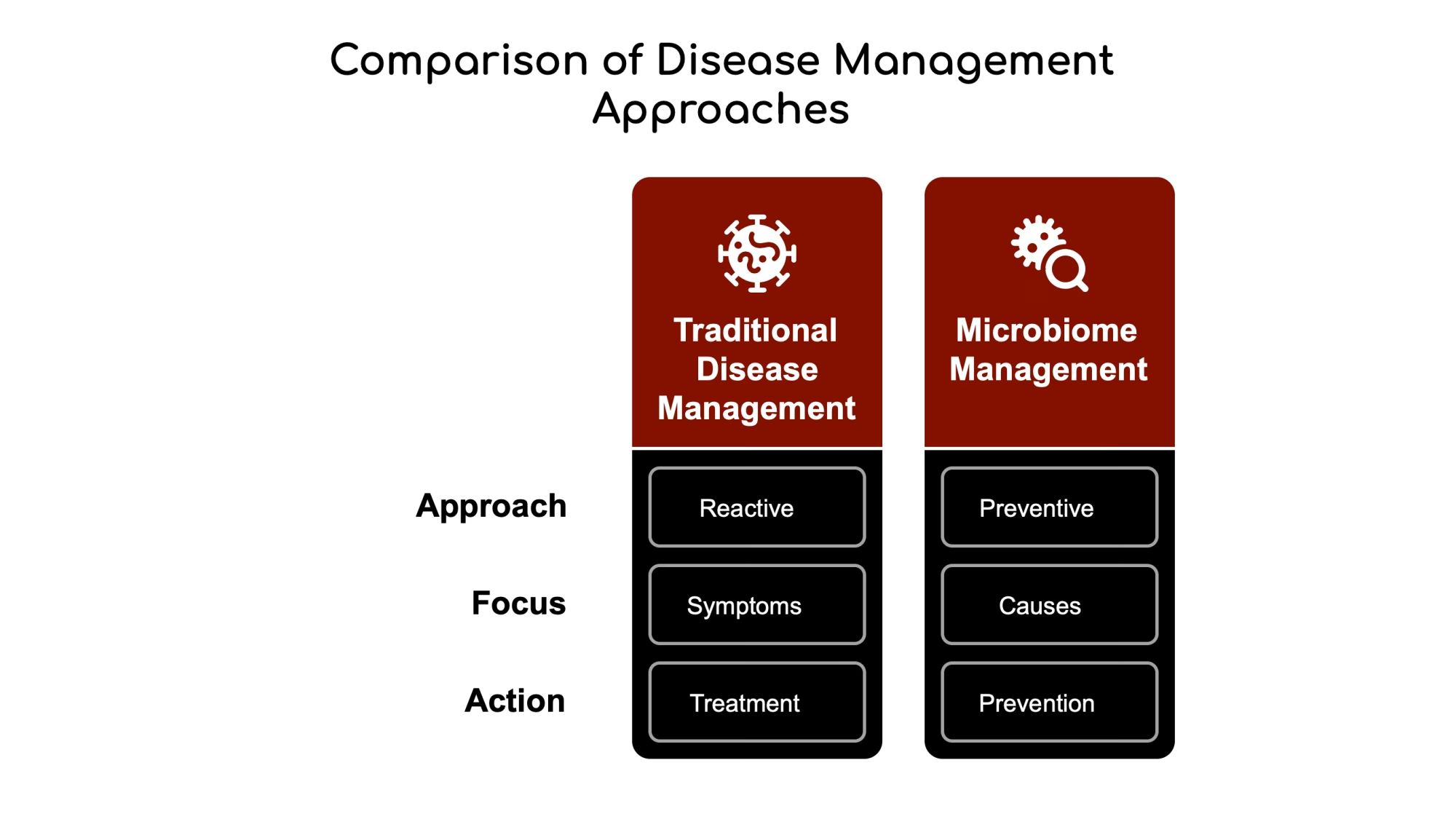
NewsSubscribe
First
Last
Consent

The Mycotoxin Time Bomb in Your TMR: Why Your Current Prevention Strategy Is Failing and What Environmental Factors Are Really to Blame

Your feed’s silent killer isn’t mold—it’s overlooked soil factors and climate shifts. USDA reveals why your prevention fails.

Executive Summary:

Mycotoxin contamination in dairy feed isn’t just about storage—it starts in the field. USDA research led by Dr. Lina Castano-Duque exposes hidden environmental triggers: soil calcium carbonate levels, insect damage, and climate change are reshaping risk. Predictive models now warn of outbreaks months pre-harvest, but most farmers overlook critical soil health and pest data. Traditional binders and visual inspections fail against invisible toxins eroding milk yields and herd health. The solution? Integrate soil management, diversify suppliers, and adopt climate-smart strategies—or risk losing $100K+ annually to undetected contamination.

Key Takeaways:

  • Soil Calcium Matters: High calcium carbonate levels slash aflatoxin risk—ask suppliers about lime practices.
  • Insects = Toxin Gateways: Earworms create fungal entry points; Bt corn and pest monitoring are non-negotiable.
  • Predict or Perish: USDA’s beta tools forecast outbreaks 3 months pre-harvest—ditch reactive testing.
  • Climate Shifts Risks: Regions once “safe” face new threats; diversify feed sources and test for multiple toxins.
  • Integrated Defense Wins: Combine soil health, resistant hybrids, and hermetic storage—no single fix works.
mycotoxin prevention, environmental agriculture factors, soil calcium carbonate, predictive mycotoxin modeling, USDA mycotoxin research

Think soil calcium is just about pH and alfalfa production? Think again. New USDA research reveals calcium carbonate levels are a critical predictor of aflatoxin outbreaks – just one of the environmental triggers we’ve overlooked. At the same time, mycotoxins silently tank your components, breed open cows, and drive up your somatic cell counts. Your operation might be one poorly sourced load of corn silage away from a reproductive wreck.

It’s a familiar scenario in many dairy operations: You’ve done everything “by the book” to protect your feed from mycotoxins. You’ve selected reputable suppliers. You’ve carefully monitored storage conditions. Perhaps you’ve even invested in expensive binders and additives in your ration. Yet mysterious performance issues persist – reduced milk production, unexplained reproductive problems, rising SCC, and those nagging fresh cow challenges that have your herd vet scratching their head at your transition pen reviews.

What if I told you the mycotoxin battle starts long before that grain reaches your commodity shed or bunkers? And that environmental factors – many completely overlooked by conventional management approaches – are setting the stage for contamination months before that semi dumps the first load of corn silage into your freshly power-washed bunker?

USDA research by plant pathologist Dr. Lina Castano-Duque reveals how environmental conditions influence mycotoxin development and why our current prevention frameworks are incomplete. This isn’t just another technical update – it’s a paradigm shift that demands we rethink our entire approach to mycotoxin control, as critical to your operation’s success as your genetic selection program or reproduction protocols.

The Environmental Triggers We’ve Been Missing

We’ve always known that fungi produce mycotoxins, but the critical question isn’t whether they are present – they’re everywhere, like mastitis pathogens in your barn. As Dr. Castano-Duque explains, “This fungus is everywhere. If you take an amount of soil from your farm or your house, you probably will find some sort of Aspergillus there.”

The million-dollar question is what triggers these ever-present fungi to produce dangerous toxins suddenly. The answer isn’t simple – it’s a complex interplay of environmental conditions that act as on-off switches for toxin production, much like how heat stress can switch your high producers from peak performance to struggling survival mode almost overnight.

Temperature and moisture have long been recognized as necessary, but new research reveals they’re just the beginning. Every fungal species has its preferred conditions:

  • Aspergillus flavus (producing aflatoxins) loves heat, thriving at 86-100°F with optimal toxin production at 86-91°F – the same temperature range that sends your high groups into severe heat stress and tanks your butterfat
  • Fusarium graminearum (producing DON/vomitoxin) prefers cooler, moist conditions with optimal growth at 68-82°F – like the perfect conditions for growing your best corn silage
  • Fusarium verticillioides (producing fumonisins) falls somewhere in between, with optimal growth around 77-86°F

But here’s where it gets fascinating – and potentially treacherous for dairy producers. The optimal conditions for fungal growth often don’t match the optimal conditions for toxin production. This means you might not see noticeable mold in your feed but could still have dangerous toxin levels affecting your herd.

Think of it this way: Just as subclinical ketosis can devastate your fresh cow performance without a single cow showing obvious symptoms, invisible mycotoxins can wreak havoc on your herd before you see any visible mold or dramatic feed refusal.

Why This Matters for Your Herd: Most mycotoxin testing happens at harvest or during storage – long after environmental conditions have already triggered toxin production. By then, it’s too late for prevention, and you’re left with expensive mitigation options that rarely eliminate the problem. The resulting reproductive issues, component drops, and SCC spikes can linger for months, much like how a botched dry cow program affects performance well into the subsequent lactation.

The Insects You’ve Overlooked Are Sabotaging Your Feed Quality

You’re vigilant about fly control in your free stalls and parlor, but are you paying enough attention to the insects affecting your feed crops? Evidence shows you should be.

“When there are insect infestations, caterpillars, that’s normally followed by an aflatoxin contamination outbreak,” explains Dr. Castano-Duque. This isn’t just correlation – it’s a direct causation that’s been consistently documented.

Why? Picture this scenario: A corn earworm chews through the protective husk of a developing ear. As Dr. Castano-Duque colorfully describes it: “It’s like the caterpillar creates an injury in the corn, and that injury is open, and it’s there, and it’s like ‘Oh look, there is a delicious amount of starch and lipids and fats all there for you Mr. fungus to grow.'”

These insects aren’t just creating entry points – they’re rolling out the red carpet for fungi to invade, providing access and a banquet of readily available nutrients. It’s like leaving the hospital pen gate open and wondering why your fresh cows keep getting mastitis.

For dairy producers sourcing corn silage or grain, the insect management practices employed by your suppliers directly impact the mycotoxin risk in your feed. Yet, how many of us have ever asked crop suppliers about their insect control measures? It’s a critical conversation that does not happen nearly often enough at your feed planning meetings.

What’s more, the relationship between insects and mycotoxins creates challenging trade-offs. For example, research shows corn varieties bred for aflatoxin resistance can become more heavily infested by corn earworms, potentially leading to higher fumonisin contamination. It’s a classic case of solving one problem while inadvertently creating another – like how focusing exclusively on milk production in your breeding program might unintentionally compromise reproductive performance or longevity.

The Soil Secret That Could Save Your Feed Quality and Your Bulk Tank

When the USDA team looked “under the hood” of their advanced predictive models for Texas, they made a surprising discovery: soil calcium carbonate levels emerged as one of the most influential variables affecting aflatoxin contamination.

This isn’t the marginal factor we’ve assumed it to be. Higher soil calcium carbonate levels were significantly correlated with lower aflatoxin risk in multiple regions. Similarly, higher soil organic matter was negatively correlated with aflatoxin risk in parts of Texas.

Think about what this means for your feed-sourcing strategy. Are you selecting suppliers based primarily on price and proximity, or are you considering the soil health management practices that might dramatically impact mycotoxin levels? Much like how you’ve learned to select replacement heifer sources based on their health protocols rather than just price, it’s time to incorporate soil health into your feed-sourcing criteria.

Most dairy producers wouldn’t ask suppliers about calcium carbonate applications or soil organic matter levels. Yet these factors could be more predictive of mycotoxin risk than many of the criteria we typically consider when choosing between feed sources.

The connection makes biological sense when you consider that soils with higher organic matter tend to:

  • Support healthier, more resilient plants
  • Harbor more diverse microbial communities that may include natural antagonists to toxigenic fungi
  • Improve water retention, reducing drought stress that often triggers aflatoxin production

Similarly, adequate calcium levels affect soil pH, influencing plant health and the microbial balance in the rhizosphere. This helps explain why liming practices that increase calcium carbonate have long been associated with reduced disease pressure, though their specific impact on mycotoxins hasn’t been widely recognized until now.

What This Means for Your Operation: When selecting feed suppliers, ask about their soil management practices. Suppliers using regular liming to maintain proper pH and those building soil organic matter through cover crops, reduced tillage, and other regenerative practices may produce inherently lower-risk feed – potentially saving you thousands in vet bills, reproductive losses, and dumped tanks.

Predictive Modeling: The Future Is Already Here

Imagine receiving a warning three months before harvesting that conditions in your region indicate a 98% probability of a significant mycotoxin outbreak. What would you do differently? How would this change your feed purchasing and inventory management strategies?

This isn’t science fiction – thanks to sophisticated predictive models developed by USDA researchers and others, it’s rapidly becoming reality. These models integrate multiple data streams:

  • Daily weather data (temperature, precipitation, humidity)
  • Satellite-derived indices like the Normalized Difference Vegetation Index (NDVI)
  • Dynamic geospatial soil properties
  • Historical mycotoxin contamination data
  • Land usage parameters

The results are impressive. Neural network models have achieved high class-specific performance for 1-year predictive validation for aflatoxin (73%) and fumonisin (85%). That’s far from perfect, but it’s more reliable than many reproduction and transition cow metrics you already use to make significant management decisions.

“The idea is can we generate a prediction about 3 months before harvest time that says, okay, you are in, let’s say county X in Texas or county Y in Illinois… we can tell you right now you have a probability of an outbreak in your county of like 98% or 10%,” explains Dr. Castano-Duque.

Some of the most interesting findings from these models include:

  • Temperature and precipitation before sowing significantly influence contamination risk
  • Satellite vegetation indices during specific growth periods strongly correlate with contamination levels
  • Higher corn-specific NDVI values in July led to lower aflatoxin contamination in Central and Southern Illinois
  • For fumonisin, temperature in July and October, precipitation in February, and NDVI values in March were positively correlated with high contamination throughout Illinois

These insights allow for much earlier intervention than our current reactive approaches – like having a pregnancy check at 28 days instead of waiting until 60 days when you’ve already lost valuable breeding time.

Why This Matters for Your Operation: Forward-thinking dairy operations should push their feed suppliers to monitor these predictive tools as they become available. Identifying high-risk regions months before harvest would allow you to secure alternative supplies from lower-risk areas, potentially saving thousands in reduced production and animal health impacts. Think of it as a pregnancy diagnosis for your future feed supply – the earlier you know there’s a problem; the sooner you can intervene.

Climate Change: Yesterday’s Ration Formulation Won’t Work Tomorrow

If you think mycotoxin challenges are complex, prepare for what’s coming. Climate change is fundamentally altering the risk landscape, rendering many traditional management approaches increasingly obsolete.

Simulation models predict that aflatoxin and fumonisin problems will increase and geospatially migrate to northern latitudes due to global warming. Areas previously considered “safe” from certain mycotoxins will increasingly face new contamination challenges, much like how we’re seeing heat stress issues creeping northward into dairy regions that rarely needed cooling systems just a decade ago.

The increased unpredictability associated with climate change, particularly the frequency of extreme weather events like droughts and floods, requires more resilient agricultural systems and adaptive management approaches. Enhanced surveillance, improved forecasting tools, and flexible response plans will become increasingly necessary – not unlike how top-tier dairy operations have evolved from rigid, one-size-fits-all protocols to adaptive management systems guided by real-time data.

For dairy producers, the supplier regions you’ve historically trusted as “low risk” may not remain so. Your grandfather’s rules of thumb about which regions produce the safest feed ingredients are becoming outdated as climate patterns shift, just like yesterday’s genetic selection strategies focused solely on production have given way to more balanced approaches incorporating health and fertility traits.

What’s more, climate change may alter the balance between different mycotoxins. Regions historically concerned primarily with DON might increasingly face aflatoxin challenges as temperatures rise. This requires more comprehensive testing protocols covering a broader range of potential contaminants.

What This Means for Your Operation: Diversify your supplier network geographically to reduce climate-related risk, like how you might work with multiple bull studs to maintain genetic diversity. Invest in more comprehensive mycotoxin testing capabilities covering multiple toxins, not just the ones historically common in your region. Consider climate adaptation strategies as part of your long-term planning, just as you’re likely already reassessing facility designs to handle increased heat stress events.

A Comparison: Old vs. New Mycotoxin Management Paradigms

Traditional ApproachEnvironmental Management Approach
Focus on visible moldRecognize invisible toxin production can occur without visible mold – like subclinical ketosis vs. clinical cases
Testing primarily at harvest/storagePredictive modeling to forecast risk months earlier – think pregnancy checks at 28 days vs. 60 days
Generic storage recommendationsTailored storage protocols based on specific risk factors – like customized transition cow programs
Limited focus on aflatoxin or DON aloneComprehensive testing for multiple mycotoxins – like how we’ve moved beyond just SCC to mastitis pathogen ID
Feed additives as primary interventionIntegrated approach starting with environmental controls – like focusing on preventing mastitis rather than just treating cases
Generic supplier selection criteriaSupplier assessment, including soil health and insect management – like how you evaluate heifer replacements beyond just price
Static management strategiesAdaptive approaches responsive to climate change – like how reproduction protocols have evolved with genomic data

Practical Steps You Can Take Now

  1. Upgrade your supplier assessment process. Beyond the basics of price and proximity, start asking about:
    1. Soil calcium levels and liming practices
    1. Soil organic matter management strategies
    1. Insect management approaches, especially for ear-feeding pests
    1. Irrigation management (critical for reducing drought stress that triggers aflatoxin)
  2. This is no different than how you’ve learned to evaluate heifer sources based on vaccination protocols, not just purchase price.
  3. Implement a more sophisticated testing protocol. Rather than random sampling, use a risk-based approach that considers:
    1. Weather conditions during the growing season
    1. Known soil characteristics of the source region
    1. Insect pressure reports from the growing season
    1. Test for multiple mycotoxins, not just one or two
  4. Think of this as moving from basic DHI testing to comprehensive milk components, MUN, and fatty acid analysis – more detailed information leads to better decisions.
  5. Improve your post-harvest management. Environmental control doesn’t stop at harvest:
    1. Ensure rapid drying to safe moisture levels (below 13-14.5% for cereals)
    1. Maintain proper storage conditions with careful temperature and humidity control
    1. Implement physical sorting where feasible to remove potentially contaminated kernels
    1. Consider hermetic storage systems that restrict oxygen availability
  6. As you’ve learned, dry cow management affects performance well into the subsequent lactation, as does post-harvest grain management, which influences feed quality months later.
  7. Stay informed about emerging tools. The USDA is developing user-friendly applications like those used for other crop diseases:
    1. “We currently have a dashboard that is in the middle of being beta-tested with some of our stakeholders, and we are trying to generate a very functional application for people to access,” says Dr. Castano-Duque.
    1. These tools will provide weekly risk index levels, historical data, and soil information.
  8. This is like how progressive dairies have embraced new reproductive technologies and cow monitoring systems – early adopters gain competitive advantages.
  9. Prepare for climate adaptation. As climate patterns shift, mycotoxin pressures will, too:
    1. Diversify suppliers geographically to spread climate risk
    1. Be prepared to test for mycotoxins not historically common in your region
    1. Review feed storage infrastructure for resilience to more extreme weather conditions
  10. Your feed procurement strategy needs similar adaptation as you’re likely redesigning facilities for increased heat stress events.

The Economics You Can’t Ignore

The financial stakes are substantial. Annual losses to the US corn industry due to aflatoxin contamination alone have been estimated to range from $52.1 million to as high as $1.68 billion.

For dairy producers, the costs are both direct and indirect:

  • Rejected feed shipments that exceed regulatory limits
  • Reduced milk production when contaminated feed is consumed
  • Reproductive problems leading to extended days open and increased semen costs
  • Increased veterinary costs for mysterious health issues
  • Potential contamination of milk (remember, aflatoxin M1 in milk has an extremely low regulatory limit of 0.5 ppb)

Regulatory limits exist worldwide, with the US Food and Drug Administration setting limits of 20 ppb for aflatoxin and five ppm for fumonisin in food. Milk has an even more stringent limit of 0.5 ppb for aflatoxin M1, which can be exceeded when dairy cows consume feed with aflatoxin levels well below the general limit.

What’s often overlooked is the concentration effect in byproducts. When contaminated grain is diverted to ethanol production, the toxins become concentrated in the distillers’ grains, often ending in dairy rations. As Dr. Castano-Duque notes, “Sometimes it causes problems because… if we say okay this load of corn has too much micotoxin, we’re going to divert it to ethanol production. Um, then typically, the toxins are concentrated in the byproduct that we feed ruminants.”

This is the equivalent of finding out that culled cows from infected herds are ending up in your replacement pipeline – a problem you thought was somewhere else suddenly becomes your problem.

For a 1,000-cow dairy, chronic low-level mycotoxin exposure can easily cost $100,000+ annually through reduced milk production (2-5 lbs/cow/day), increased days open (10-15 days), higher cull rates (2-3% increase), elevated somatic cell counts (30,000-50,000 cells/ml increase), and increased transition cow problems (5-10% more metritis, ketosis, and displaced abomasums). That’s 3-5 times what most operations spend on mycotoxin binders and the equivalent of wiping out the genetic progress you’ve made in the last 2-3 years.

This underscores why preventing contamination through environmental management is far preferable to dealing with its consequences – just as biosecurity is more cost-effective than treating disease outbreaks.

The Bottom Line

The environmental approach to mycotoxin management represents a paradigm shift for dairy producers – moving from reactive detection and mitigation to proactive prediction and prevention. By understanding the ecological triggers that drive fungal toxin production, you can make smarter feed sourcing, storage, and testing decisions.

The implications are profound: feeds produced on calcium-rich, high organic matter soils with effective insect management are inherently lower risk. Regions experiencing specific weather patterns months before harvest can be identified as high-risk areas worth avoiding. And with climate change shifting the mycotoxin landscape, flexible, adaptive strategies become essential.

For progressive dairy producers, this environmental understanding presents both challenges and opportunities. Those who continue relying solely on traditional approaches – visual inspection, generic storage recommendations, and binding agents – will increasingly find themselves battling mysterious drops in components, unexplained reproduction issues, and frustrating fresh cow problems. However, those who embrace environmental management and predictive tools will gain a significant competitive advantage in securing safer feed, maintaining herd health, and protecting milk quality and components.

The question isn’t whether environmental factors drive mycotoxin contamination in your feed – they are. The real question is whether you will leverage this knowledge to stay ahead of the problem or continue reacting after contamination has already compromised your bottom line, bulk tank, and breeding program.

Are you ready to rethink your approach to mycotoxin management? Your preg rate, your components, and your bulk tank are waiting for your answer.

Learn More:

Join the Revolution!

Join over 30,000 successful dairy professionals who rely on Bullvine Weekly for their competitive edge. Delivered directly to your inbox each week, our exclusive industry insights help you make smarter decisions while saving precious hours every week. Never miss critical updates on milk production trends, breakthrough technologies, and profit-boosting strategies that top producers are already implementing. Subscribe now to transform your dairy operation’s efficiency and profitability—your future success is just one click away.
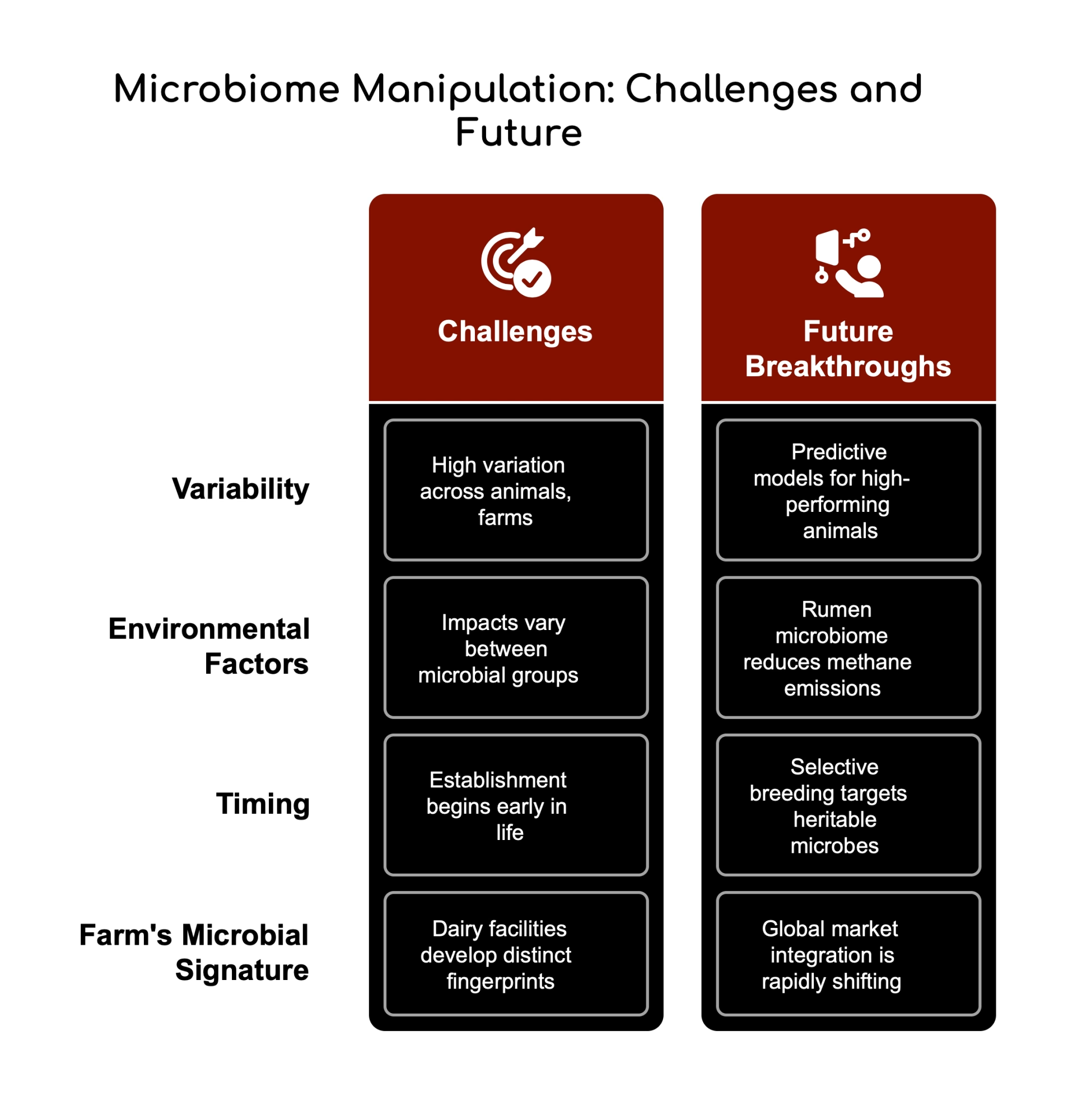
NewsSubscribe
First
Last
Consent

The Isoacid Revolution: Are You Throwing Money Down the Pit?

Boost transition cow health & milk yield with isoacids. Research shows 80% ketosis reduction, 7% milk gains. Is your herd missing out?

Executive Summary:

The transition period poses critical challenges for dairy cows, but isoacid supplementation-targeting branched-chain fatty acids (BCVFAs)-emerges as a game-changer. By fueling fiber-digesting rumen bacteria, isoacids enhance feed efficiency, milk fat production, and metabolic health, reducing ketosis risk and improving glucose levels. Studies reveal prepartum supplementation drives up to 7% higher milk yields in high-forage diets and slashes treatment costs. While results vary by diet and management, strategic use offers ROI through improved nitrogen efficiency and energy extraction. However, gaps remain in clinical disease data, urging tailored implementation and further research.

Key Takeaways:

  • Rumen Superchargers: Isoacids (isobutyrate/2-methylbutyrate) are essential for fiber digestion, boosting feed efficiency and milk fat.
  • Prepartum Priming: Starting supplementation 3–6 weeks pre-calving improves metabolic health (↑ glucose, ↓ ketones) postpartum.
  • Profit Drivers: Achieve 7% higher milk yields in high-forage diets and reduce ketosis costs by up to 80% in optimized setups.
  • Diet Matters: Responses hinge on forage levels, RDP availability, and parity-best ROI in high-fiber, protein-balanced rations.
  • Research Gaps: Clinical disease reduction and long-term fertility impacts need validation through large-scale trials.
isoacid supplementation, transition dairy cows, rumen function, milk production, metabolic health
2229975357

Your transition cow program is broken. While most producers obsess over DCAD balancing and expensive bypass proteins, they’re missing the rumen function foundation: isoacids. These overlooked compounds could be the difference between watching your fresh cows crash with ketosis and seeing them hit peak production faster with fewer metabolic issues. Research shows isoacid supplementation can slash ketosis rates by up to 80%, boost milk production by 7%, and dramatically improve feed efficiency. The science is precise – but most nutritionists are still clinging to outdated transition feeding approaches, costing you thousands in lost production and treatment costs.

Why Your Transition Program Needs a Complete Overhaul

Let’s face it – despite all those fancy DCAD calculations and meticulously balanced rations, the transition period remains the profit-draining bottleneck of your operation. Look at the hard numbers: up to 75% of disease costs occur during those critical six weeks surrounding calving, and every case of ketosis costs you $150-200 plus 1,500-2,000 pounds of lost milk production.

But what’s most frustrating is watching those high-genetic-merit third-lactation cows – the ones you’ve spent years developing – completely tank their feed intake post-calving, crash with ketosis, and never reach their production potential. It’s like breeding a championship racehorse only to fuel it with low-grade gasoline.

The industry’s obsession with bypass nutrients and macro-mineral balancing has created a massive blind spot in transition nutrition programs. While your nutritionist fine-tunes DCAD levels to the third decimal point, they’re likely ignoring something fundamental that fiber-digesting bacteria require to function: isoacids.

“We’ve spent decades obsessing over macro-nutrient levels and fancy additives, but many operations are missing something fundamental that fiber-digesting bacteria need to thrive,” says Dr. Andrew LaPierre, Dairy Technical Specialist at Zinpro Corporation.

Ask yourself this: Why are we pouring money into expensive bypass proteins and amino acids when the rumen microbes that break down your forages aren’t even meeting their basic nutritional needs?

What Are Isoacids and Why Should Every Serious Dairyman Care?

Isoacids, more precisely termed branched-chain volatile fatty acids (BCVFAs), aren’t just another supplement fad – they’re essential metabolites your cows’ fiber-digesting bacteria literally cannot function without.

The primary BCVFAs relevant to your operation are:

  • Isovalerate (derived from the amino acid leucine)
  • Isobutyrate (derived from valine)
  • 2-methylbutyrate (derived from isoleucine)

Think of isoacids like the spark plugs in your tractor – you can have the best fuel, perfect air-fuel ratio, and premium engine oil, but without those spark plugs, that engine isn’t going anywhere. Similarly, without adequate isoacids, those fiber-digesting bacteria simply can’t efficiently break down the forages that make up the backbone of your ration.

Why do most nutritionists miss this? Because they’re trained to focus on the cow, not the rumen ecosystem. They’re obsessing over getting amino acids directly to the small intestine while ignoring the foundation of what makes the rumen work.

During the transition period, when your cows face a perfect storm of decreased DMI and skyrocketing nutrient demands, getting maximum nutrition from every pound of feed becomes essential. When a fresh Holstein pumps 100+ pounds daily just weeks after calving, she needs every advantage possible.

Are you willing to let outdated nutrition approaches hold back your herd’s genetic potential?

The Transition Period: Where Your Profitability Battle Is Won or Lost

Ask any successful dairy producer – what happens during those 42 critical days (21 pre-calving through 21 post-calving) determines 80% of your lactation profitability. It’s like planting season for crop farmers – mess it up, and you’re fighting an uphill battle all year.

Consider these complex realities every dairyman knows too well:

  • Each case of displaced abomasum costs approximately $600-800 indirect costs
  • Subclinical ketosis silently erodes your milk check by 5-15%
  • Animals that start lactation poorly rarely reach their genetic potential, even with perfect management later

The fundamental challenge every transition cow face is what Dr. Tom Overton at Cornell calls the “intake-requirement gap.” A cow producing 30 kg of milk daily requires dramatically more glucose, amino acids, and fatty acids just four days post-calving than prepartum, yet feed intake typically lags far behind.

It’s like asking your milk truck to haul a full load up a steep hill with only half a fuel tank. Something’s got to give. For your cows, that “something” is body tissue – they mobilize fat and protein reserves to bridge the gap, leading to that metabolic trainwreck we call ketosis.

Here’s where the industry has it wrong: we’ve been so focused on managing the symptoms of this metabolic crash that we’ve neglected to address one of the root causes – suboptimal rumen function. Isoacids are the missing link in this equation.

How Isoacids Work: The Rumen Supercharger Your Fresh Cows Desperately Need

Isoacids work through multiple mechanisms that make them particularly valuable during the transition period:

1. Turbocharging Your Fiber-Digesting Bacteria

Research dating back to the 1960s demonstrates that supplemental isoacids significantly enhance fiber digestion – we’re talking about 3-5 percentage unit improvements in NDF digestibility. That may sound modest until you calculate what it means for energy extraction.

For a Holstein, eating 50 pounds of TMR with 30% NDF, improving fiber digestibility by just three percentage units, means an extra 0.45 pounds of digested NDF daily. That translates to approximately 2 Mcal of additional NEL – enough energy to produce about 4 pounds of milk without consuming an extra bite of feed.

While most nutritionists obsess over starch levels and bypass fat, they miss this massive opportunity to extract more energy from the forage you’re already feeding. It’s like having a field of premium alfalfa but harvesting it two weeks late – the potential is there, but you’re not capturing it.

2. Maximizing Microbial Protein Manufacturing

Beyond energy, isoacids help optimize microbial protein production – the highest quality protein source available to the cow (with a biological value even better than a blood meal or fish meal).

By providing the necessary carbon skeletons, isoacids allow rumen microbes to incorporate nitrogen into amino acids and proteins more efficiently. This improved nitrogen utilization explains why studies often show reduced milk urea nitrogen (MUN) levels when cows receive isoacid supplementation.

For your operation, this means:

  • More metabolizable protein reaches the small intestine from the same amount of dietary crude protein
  • Potential savings on expensive bypass protein supplements
  • Improved nitrogen efficiency (particularly valuable if you’re dealing with environmental regulations)

Why spend a fortune on rumen-protected lysine when you could get more microbial protein from the RDP you’re already feeding?

3. Direct Metabolic Benefits Beyond the Rumen

Here’s where the research gets particularly exciting for transition cows – isoacids don’t just work in the rumen. After absorption, compounds like isobutyrate and 2-methylbutyrate directly influence liver metabolism and gene expression.

These metabolic effects align perfectly with the transition cow’s needs:

  • Improved glucose production (the primary limiting nutrient for fresh cows)
  • More controlled fat mobilization (reducing risk of fatty liver)
  • Enhanced energy metabolism (helping close that energy gap)

This explains why prepartum supplementation with isoacids has shown such promising effects on postpartum metabolic health markers, including reduced NEFA and BHB levels – the key indicators of ketosis that many producers now routinely monitor with cowside tests.

Are you starting to see why your fancy transition program might be missing a critical piece?

What the Research Actually Shows (Not Just Company Sales Pitches)

Let’s cut through the marketing hype and examine what the science demonstrates about isoacid supplementation in transition cows.

Dry Matter Intake Effects

The impact on DMI has varied across studies, but recent research focused specifically on transition cows found that prepartum BCVFA supplementation increased both prepartum and postpartum DMI. This is particularly significant since prepartum DMI is one of the strongest predictors of postpartum performance and health – every pound of extra intake prepartum significantly reduces metabolic disease risk.

Milk Production and Components

The most consistent production responses include the following:

  • Increased energy-corrected milk (ECM) and improved feed efficiency
  • Higher milk fat percentage and/or yield
  • Increases in milk odd- and branched-chain fatty acids (OBCFAs)

A study published in the Journal of Dairy Science showed that supplementation of isoacids increased milk yield by approximately 7% in cows fed higher forage NDF diets. This amounted to an increase from 34.7 to 37.2 kg daily – over 5 pounds more milk from each cow daily without additional feed costs. When did your nutritionist last find you an extra 5 pounds of milk without spending more on feed?

Metabolic Health Improvements

For transition cows, the metabolic benefits are perhaps the most compelling. Studies show:

  • Increased blood glucose concentrations (the primary limiting nutrient for fresh cows)
  • Reduced NEFA levels (indicating less extreme fat mobilization)
  • Lower BHB concentrations (suggesting reduced ketosis risk)

Field trials with commercial products report even more dramatic results, including BHB levels declining from 1.63 to 21% forage NDF) diets typically show stronger milk production responses than lower forage diets.

Animal Status: Multiparous cows with reasonable muscle reserves typically respond better than first-lactation animals or thin cows.

Timing: Starting prepartum (3-6 weeks before calving) produces much stronger results than waiting until after calving.

Production Effect: Expect either more milk (+7% in higher forage diets) or better body condition (in lower forage diets).

Metabolic Markers: Look for reduced BHB and NEFA levels and improved glucose status – all critical for fresh cow health.

Economic Return: ROI is highest when milk component prices are strong, or protein feed costs are elevated.

The industry’s one-size-fits-all approach to transition nutrition is part of the problem. Your farm’s specific forage program, management style, and genetic base should determine your nutritional approach – not what worked on the research farm or what your feed salesman is pushing this month.

Implementation Strategy: Making Isoacids Work in Your Transition Barn

If you’re considering incorporating isoacids into your transition program, here’s how to maximize potential benefits:

Timing Is Critical (Just Like Timing Corn Silage Harvest)

The research consistently shows that starting supplementation before calving is crucial – like how timing your corn silage harvest at the right dry matter percentage makes all the difference in quality. The most effective approach appears to be:

  1. Begin supplementation 3-6 weeks before the expected calving date (roughly when you’d move cows to your close-up pen)
  2. Continue through freshening and into early lactation
  3. Consider extending through peak lactation or the entire lactation for maximum benefit

This prepartum start is critical for “priming” both the rumen microbiome and the cow’s metabolic systems before the major challenges of calving and lactation begin. It’s like conditioning your show string before a major exhibition – you don’t start training the day of the show.

Dosage and Product Selection

Commercial isoacid supplements blend BCVFAs, which are formulated as dry salts for easier handling. Recent research suggests approximately 40g per day is effective during pre- and post-calving periods.

Modern products like Zinpro IsoFerm have evolved to focus primarily on isobutyrate and 2-methylbutyrate, which appear to be the most critical BCVFAs for typical dairy diets. This represents an advancement over older formulations that included a wider array of compounds.

Integration With Your Existing Program

For optimal results in your operation, ensure your feeding program addresses these factors:

  1. Adequate RDP: Isoacids work best when the diet supplies sufficient rumen degradable protein (think soybean meal, not heat-treated). If your nutritionist has pushed RDP too low in a quest for protein efficiency, isoacids alone won’t produce the expected response.
  2. Forage considerations: The magnitude of milk production response appears strongest in higher forage diets. If you’re feeding a lower forage diet (perhaps due to forage shortages or high grain prices), you might see benefits directed more toward body condition than immediate milk yield.
  3. Delivery method: Incorporate into a well-mixed TMR for consistent daily intake rather than slug feeding or inconsistent delivery.
  4. Monitor response: Track milk components, DMI, body condition scores, and health events to evaluate effectiveness in your specific situation. Consider using cowside ketone testing to measure your fresh cows’ metabolic effects objectively.

The Hard Truth About Economics: What’s the Real ROI?

Let’s talk real money – is isoacid supplementation worth the investment for your operation?

The economic benefits emerge from multiple sources:

Increased Milk Revenue

A 7% increase in energy-corrected milk, as reported in higher forage diets, represents significant additional income. A cow producing 35 kg (77 lbs) daily equates to approximately 2.5 kg (5.5 lbs) more milk per day. At current milk prices ($20/cwt), that’s an extra $1.10 per cow daily – or over $335 in additional milk income per cow for a 305-day lactation.

Improved Feed Efficiency

Perhaps even more valuable in today’s high-feed-cost environment is the ability to produce more milk from the same amount of feed. Though feed represents 50-60% of production costs, even modest efficiency improvements significantly impact the bottom line.

If feed costs run $8-10 per cow daily, a 7% improvement in efficiency could save $0.56-0.70 per cow daily – another $170-210 per cow annually.

Reduced Health Costs

Here’s where the economics become compelling for transition cows. Consider the costs associated with transition disorders:

  • Clinical ketosis: $150-200 per case
  • Subclinical ketosis: $78-180 per case (reduced milk, increased risk of other diseases)
  • Displaced abomasum: $600-800 per case

If isoacid supplementation reduces ketosis incidence by even 30-40% (far below the 80% reduction reported in some field trials), the return on investment becomes substantial. In a 100-cow dairy with a 30% ketosis rate, reducing incidence by one-third would save approximately $1,500-3,000 annually in direct treatment costs alone – not counting labor savings, reduced culling risk, and improved reproductive performance.

Are you calculating the actual cost of metabolic diseases on your dairy? Most farms underestimate these costs because they only count direct treatment expenses, not lost production and culling losses.

The Skeptic’s Corner: Where’s the Catch?

Let’s address the elephant in the barn – if isoacids are so effective, why aren’t they standard in every transition cow diet? Several legitimate considerations deserve attention:

Inconsistent Research Results

Like any feed additive, the research shows considerable variability in responses. While many studies report positive outcomes, the magnitude and specific parameters improved aren’t always consistent. This variability appears linked to differences in basal diets, animal factors, and specific isoacid products tested.

Cost Concerns

Adding any supplement increases ration costs. The economic justification depends on achieving tangible benefits that exceed this cost, which requires careful evaluation in each specific farm context. If supplement costs run $0.25-0.40 per cow daily, you must see sufficient production or health improvements to cover this expense.

Implementation Details Matter

Success depends on proper application – just like precision feeding requires good scale maintenance and mixer protocols. Using insufficient doses, starting too late, or using inappropriate dietary contexts can all lead to disappointing results.

This isn’t a pour-and-forget technology – it requires intelligent implementation and monitoring. But isn’t that true of every worthwhile management practice on your farm?

The Bottom Line: Are You Ready to Revolutionize Your Transition Program?

The evidence points to isoacids as a valuable but underutilized nutritional strategy for transition cows. By enhancing rumen function, supporting feed intake, and potentially modulating metabolic adaptation, these compounds can help your cows navigate the challenging transition period more successfully.

The strongest case exists for operations:

  • Feeding moderate to higher forage diets
  • Focusing on component production
  • Struggling with transition cow health issues
  • Looking to maximize feed efficiency

For these farms, starting isoacid supplementation 3-6 weeks prepartum and continuing through early lactation offers a biologically sound approach with demonstrated feed efficiency, metabolic health, and potential production benefits.

It’s time to challenge the status quo in transition cow nutrition. While the industry has been obsessed with DCAD, bypass proteins, and fancy additives, the fundamental rumen function that drives energy extraction and microbial protein synthesis has been neglected.

The question isn’t whether you can afford to add isoacids to your transition program – it’s whether you can afford not to when so much performance potential and profitability hangs in the balance during these critical weeks.

Are you willing to reconsider your transition program from the ground up, starting with optimizing the foundation of rumen function? Or will you continue throwing money at symptoms while ignoring one of the root causes?

The choice is yours, but the science is clear: isoacids could be the missing link that transforms your transition program from a costly management challenge to a competitive advantage that drives whole-lactation profitability.

Learn more:

Join the Revolution!

Join over 30,000 successful dairy professionals who rely on Bullvine Weekly for their competitive edge. Delivered directly to your inbox each week, our exclusive industry insights help you make smarter decisions while saving precious hours every week. Never miss critical updates on milk production trends, breakthrough technologies, and profit-boosting strategies that top producers are already implementing. Subscribe now to transform your dairy operation’s efficiency and profitability—your future success is just one click away.
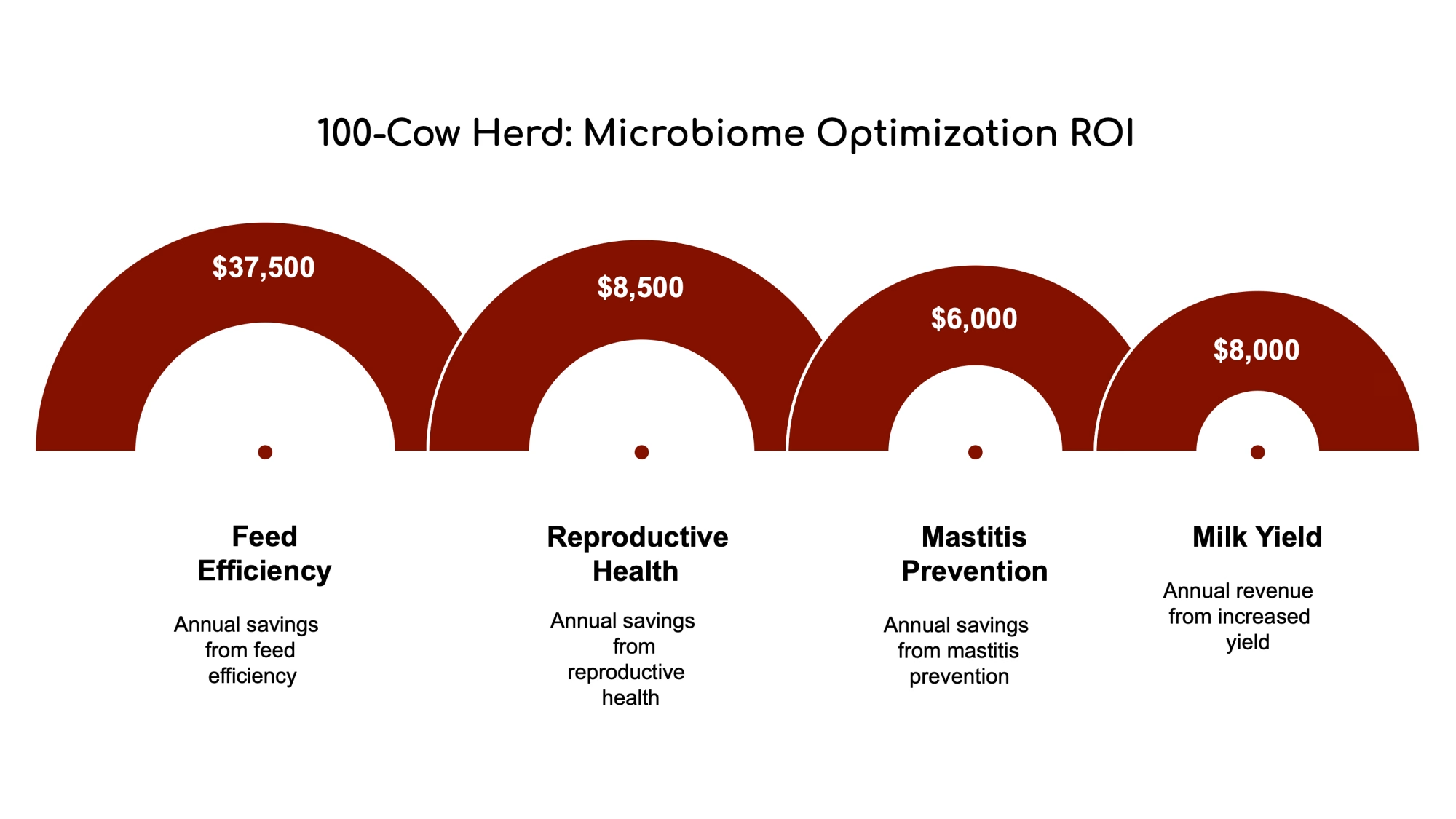
NewsSubscribe
First
Last
Consent

Cottonseed: The Milk Fat Secret Your Nutritionist Might Not Be Telling You About

Boosting milk fat doesn’t require expensive supplements. Discover how cottonseed’s slow-release magic pumps up profits while nutritionist’s sleep.

EXECUTIVE SUMMARY: Penn State research proves whole cottonseed boosts milk fat by 0.2% and yield by 5% through its unique slow-release unsaturated fats, challenging costly bypass fats. This triple-threat ingredient delivers energy, protein, and fiber while avoiding rumen disruptions. Despite gossypol concerns, safe feeding protocols exist, and methane impacts are neutral. First-lactation cows require adjusted strategies. With component pricing driving profits, cottonseed offers a cost-effective solution-if farmers dare to rethink traditional fat supplementation.

KEY TAKEAWAYS:

  • 0.2% milk fat boost = ~16 extra lbs daily for a 100-cow herd
  • Slow-release fats avoid rumen issues plaguing conventional supplements
  • Triple nutritional payoff: energy (20% fat), protein (23% CP), fiber (effective NDF)
  • First-lactation cows need lower inclusion to prevent fat depression
  • 6 lbs/day safe for mature cows-gossypol risks manageable with proper protocols

The dairy industry has been chasing component premiums for years, yet many producers still miss out on the most cost-effective fat booster hiding in plain sight. It’s time to challenge conventional thinking about fat supplementation.

The Component Game Has Changed – Are You Still Playing by Old Rules?

The economic landscape of dairy has transformed dramatically in recent years. Fluid milk consumption continues downward while the demand for butter and cheese reaches record levels. This shift has completely rewritten the profitability equation for dairy farmers worldwide. Your milk check is now driven by components, not volume, and producers who haven’t adapted their feeding strategies are leaving serious money on the table.

The math is simple: In today’s market, boosting milk fat by even a few tenths of a percentage point can transform a breakeven month into a profitable one. But while many nutritionists push expensive specialty bypass fats with hefty price tags, a more cost-effective solution might be hiding in that fuzzy little seed that’s been a staple in Southern dairy rations for decades.

A recent peer-reviewed study published in the Journal of Dairy Science (March 2025) by Penn State researchers confirmed what progressive producers have known for years: Whole cottonseed (WCS) at 15% of dietary dry matter increases milk fat percentage by 0.2 points and boosts daily milk fat yield by 5%. A 100-cow herd averaging 80 pounds of milk daily translates to an additional 16 pounds of butterfat daily – straight into your milk check.

But here’s where it gets really interesting – and where conventional feeding wisdom gets turned on.

Why Most “Experts” Get Fat Supplementation Dead Wrong

The standard nutritional playbook says high levels of unsaturated fatty acids in the rumen spell disaster for milk fat. Its why consultants push expensive “bypass” or “rumen-inert” fat products that supposedly slip through the rumen untouched.

Yet cottonseed breaks all these rules.

Despite containing primarily unsaturated fat (mostly linoleic acid), WCS consistently INCREASES milk fat rather than depressing it. How is this possible? The answer lies in nature’s time-release technology.

Unlike dumping free oils into the rumen (a surefire path to milk fat depression), cottonseed’s natural structure creates what researchers call a “slow-release mechanism.” The oil remains protected within the seed until the rumen microbes gradually break down the protective seed coat and fuzzy linters.

“Whole cottonseed slowly releases its unsaturated fat in the rumen, which is the first chamber in a cow’s four-chambered stomach where microbes break down fibrous foods,” explains Dr. Kevin Harvatine, professor of nutritional physiology at Penn State and senior author of the groundbreaking study. “Most other sources of unsaturated fatty acids that can be fed to high-producing dairy cows negatively affect the rumen. That slow release lowers the risk for biohydrogenation-induced milk fat depression, which can result in up to a 50% decrease in milk fat.”

This metered release prevents the rumen environment from being overwhelmed, avoiding those dreaded biohydrogenation pathways that create trans-10 C18:1 and other fat-depressing compounds. It’s like the difference between taking a timed-release medication versus downing the entire dose at once.

But the advantages don’t stop with fat. Why settle for a one-trick supplement when you can get three nutritional powerhouses in a single package?

The Triple-Threat Feed Your Nutritionist Should Be Talking About

Most supplements in your ration provide just one nutritional benefit – energy, protein, OR fiber. Cottonseed delivers all three:

Energy Dynamo: With approximately 20% fat content and an NEL of around 2.0 Mcal/kg, WCS rivals commercial bypass fats for energy density – but at a fraction of the cost when markets are favorable.

Protein Performer: At roughly 23% crude protein, cottonseed contributes meaningful amino acids to your cows’ diet. Unlike urea (which requires microbial conversion), cottonseed provides actual “true protein” your cows can utilize directly.

Fiber Foundation: Those fuzzy white linters aren’t just for show – they provide physically effective NDF that stimulates cud chewing and helps maintain healthy rumen function. This fiber contribution is like having built-in insurance against subacute ruminal acidosis.

FeatureWhole CottonseedCommercial Bypass FatTallow
Energy Content~2.0 Mcal/kg NEL5.0-6.0 Mcal/kg NEL~5.0 Mcal/kg NEL
Protein Contribution~23% Crude ProteinNoneNone
Fiber ContributionEffective NDF from lintersNoneNone
Rumen ImpactSlow-release UFA, moderate riskMinimalVariable based on saturation
Handling RequirementsRequires flat storage, front-end loaderEasy flow, often baggedRequires heating, special equipment
Cost Indicator*$-$$$$$-$$$$$-$$

*Cost varies by region and market conditions; this is a relative comparison.

“Cottonseed offers good value because of its nutrient composition and can fill in nutrition gaps when other ingredients are cost-prohibitive or unavailable,” explains independent nutritionist Amber Monson, who regularly recommends WCS to her clients. “It’s high in digestible fiber, which is great for supplementing low-quality forage. It also offers a slow release of fat since the oil is trapped within the hull, making it a good source of energy that lasts.”

Have you ever calculated your spending on specialty ingredients to deliver these same nutrients separately? The math might shock you.

Finding Your Sweet Spot: When More Isn’t Always Better

Here’s where we need to challenge another industry practice: the “if some is good, more must be better” mentality that plagues dairy nutrition.

Research consistently shows that WCS responses follow a quadratic pattern – they increase to a point, then plateau or decline. The magic zone appears to be between 8% and 16% of dietary dry matter (roughly 5-6 pounds per cow daily for most Holsteins).

Why does performance eventually decline with excessive cottonseed? The answer lies in digestibility. The comprehensive Penn State study, which involved 16 multiparous cows over 21-day periods, found that WCS decreased apparent total-tract digestibility of organic matter and dry matter due to reduced NDF digestibility. As the unsaturated fatty acids begin to inhibit fiber-digesting bacteria, it’s a classic nutritional trade-off that demands precision feeding.

Think of it as fertilizer application in your fields – there’s an optimal rate that maximizes yield and ROI. Applying too little leaves potential on the table; using too much, and you waste money while potentially creating environmental problems.

The Young Cow Conundrum That No One’s Talking About

Ready for another industry blind spot? Not all cows respond to cottonseed the same way, and parity is a key factor your nutritionist might be missing.

Recent research published in the Journal of Dairy Science uncovered a fascinating parity interaction: While mature cows maintained or improved milk fat production with increasing WCS, first-lactation animals showed a decrease in milk fat percentage and yield at higher inclusion rates.

The science points to younger cows producing more trans-10 C18:1 (a potent milk fat inhibitor) when fed cottonseed. Their rumens haven’t developed the same fatty acid handling capabilities as their older herdmates.

Are you feeding all lactation groups the same TMR with cottonseed? If so, you might be shortchanging your first-lactation animals. Consider separate feeding strategies or more moderate cottonseed inclusion if your heifers and mature cows share the same ration.

Managing the Gossypol Factor: Don’t Let Fear Limit Your Options

Let’s address the elephant in the room: gossypol. Due to toxicity concerns, this naturally occurring compound in cottonseed has kept some producers from utilizing this ingredient.

The reality? For mature dairy cows with fully developed rumens, gossypol risks are easily managed with responsible feeding rates. Rumen microbes effectively bind gossypol to dietary proteins, dramatically reducing absorption. The Penn State study confirmed that blood gossypol levels remained well below toxic thresholds when feeding 15% WCS.

Practical guidelines for safe feeding:

  • Mature cows: Limit to approximately 6 pounds per cow daily
  • Growing heifers: Adjust based on body weight (see table below)
  • Exercise additional caution during heat stress
  • Consider the total gossypol load when feeding other cotton products
AnimalBody WeightMaximum WCS (lbs/day)
Mature Cow1500 lbs6.0-6.6
Heifer500 lbs2.2
Heifer700 lbs3.1
Heifer900 lbs4.0
Heifer1200 lbs5.7

Maximum WCS intake is calculated based on 1 gram of gossypol per 100 lbs of body weight for heifers, and it assumes typical free gossypol content in WCS.

Are you letting unfounded concerns about gossypol keep you from utilizing this cost-effective ingredient? With proper management, thousands of dairy producers successfully feed cottonseed without issues.

What About Seed Passage and Waste?

Another common concern is whether cows efficiently digest or simply pass the seeds through. The Penn State researchers examined this question by analyzing the cows’ manure. The verdict? Less than 3% of consumed seeds were recovered intact in the feces, indicating excellent utilization by mature cows.

The Methane Question: Environmental Claims vs. Reality

With increasing regulatory and consumer focus on agriculture’s carbon footprint, you’ve likely heard claims about certain feed additives reducing enteric methane emissions.

Here’s the truth: Despite the theoretical potential for unsaturated fatty acids to influence methane production, research doesn’t support WCS as a methane reducer. The Penn State study specifically measured methane emissions and found no significant difference between cows fed WCS and the control group.

This highlights a broader industry issue: too many feeding decisions are being made based on theoretical benefits rather than proven outcomes. Before buying into environmental claims about any feed ingredient, including cottonseed, demand evidence.

Implementation Blueprint: Putting Cottonseed to Work on Your Dairy

Ready to tap into cottonseed’s milk fat-boosting potential? Here’s your actionable roadmap:

  1. Assess your current production situation
  2. Review milk component levels, particularly fat percentage
  3. Identify if you’re leaving money on the table with suboptimal components
  4. Evaluate your current fat supplementation strategy and costs
  5. Consult with your nutritionist
  6. Discuss cottonseed’s potential in your specific ration
  7. Calculate optimal inclusion levels based on your current diet
  8. Determine if separate strategies are needed for different lactation groups
  9. Source high-quality products
  10. Identify reliable suppliers with consistently good products
  11. Consider testing for gossypol and/or aflatoxin if concerned
  12. Evaluate handling requirements and storage options
  13. Implement gradually
  14. Introduce cottonseed slowly over 10-14 days to allow rumen adaptation
  15. Start at moderate levels (8-10% of diet DM) and increase incrementally
  16. Ensure thorough mixing in TMR to prevent sorting
  17. Monitor and adjust
  18. Track milk components weekly, looking for the expected fat increase
  19. Observe feed intake, manure consistency, and rumination activity
  20. Be willing to fine-tune inclusion levels based on production response

Looking to the future: The cottonseed story is still evolving. Dr. Susan Jaconis, director of agricultural research for Cotton Incorporated, notes: “We’re excited to continue to invest in research to learn more about the impacts of incorporating different levels of whole cottonseed in the diets of high-producing dairy cows for nutrient digestibility and milk production.”

The Bottom Line: Are You Leaving Milk Fat Money on the Table?

Whole cottonseed isn’t a silver bullet, but the peer-reviewed research is clear: at inclusion levels between 8-16% of diet dry matter, it consistently increases milk fat percentage and yield in most herds. This response translates directly into improved milk revenue in today’s component-focused market.

“Milk fat in the U.S. had traditionally averaged approximately 3.75%, and now, after 10 years of selectively breeding dairy cattle, the average is 4.2%,” notes Dr. Harvatine. “So, that brings us to the point of trying to do two things – increase milk fat by feeding additional fat, but then also keeping up with the cows’ demand for making that additional fat. That’s what led us to experiment with different feed supplements, and one of them is whole cottonseed.”

Too many dairy producers are spending premium dollars on specialty fat supplements while overlooking this multi-functional ingredient that delivers energy, protein, and effective fiber in a single package. Others avoid cottonseed entirely due to outdated concerns about gossypol, which can be easily managed with responsible feeding practices.

Ask yourself: Is fear, tradition, or lack of information keeping you from exploring this proven option for boosting your milk fat check?

It’s time to challenge your nutritionist to evaluate whether cottonseed belongs in your feeding program. Demand a component-by-component cost breakdown comparing your current fat supplementation strategy against a properly formulated cottonseed option.

In an industry where margins are often measured in pennies per hundredweight, can you ignore a potential 5% increase in milk fat yield? The answer might just be hiding in a fuzzy little seed sitting in plain sight all along.

Learn more:

Join the Revolution!

Join over 30,000 successful dairy professionals who rely on Bullvine Weekly for their competitive edge. Delivered directly to your inbox each week, our exclusive industry insights help you make smarter decisions while saving precious hours every week. Never miss critical updates on milk production trends, breakthrough technologies, and profit-boosting strategies that top producers are already implementing. Subscribe now to transform your dairy operation’s efficiency and profitability—your future success is just one click away.
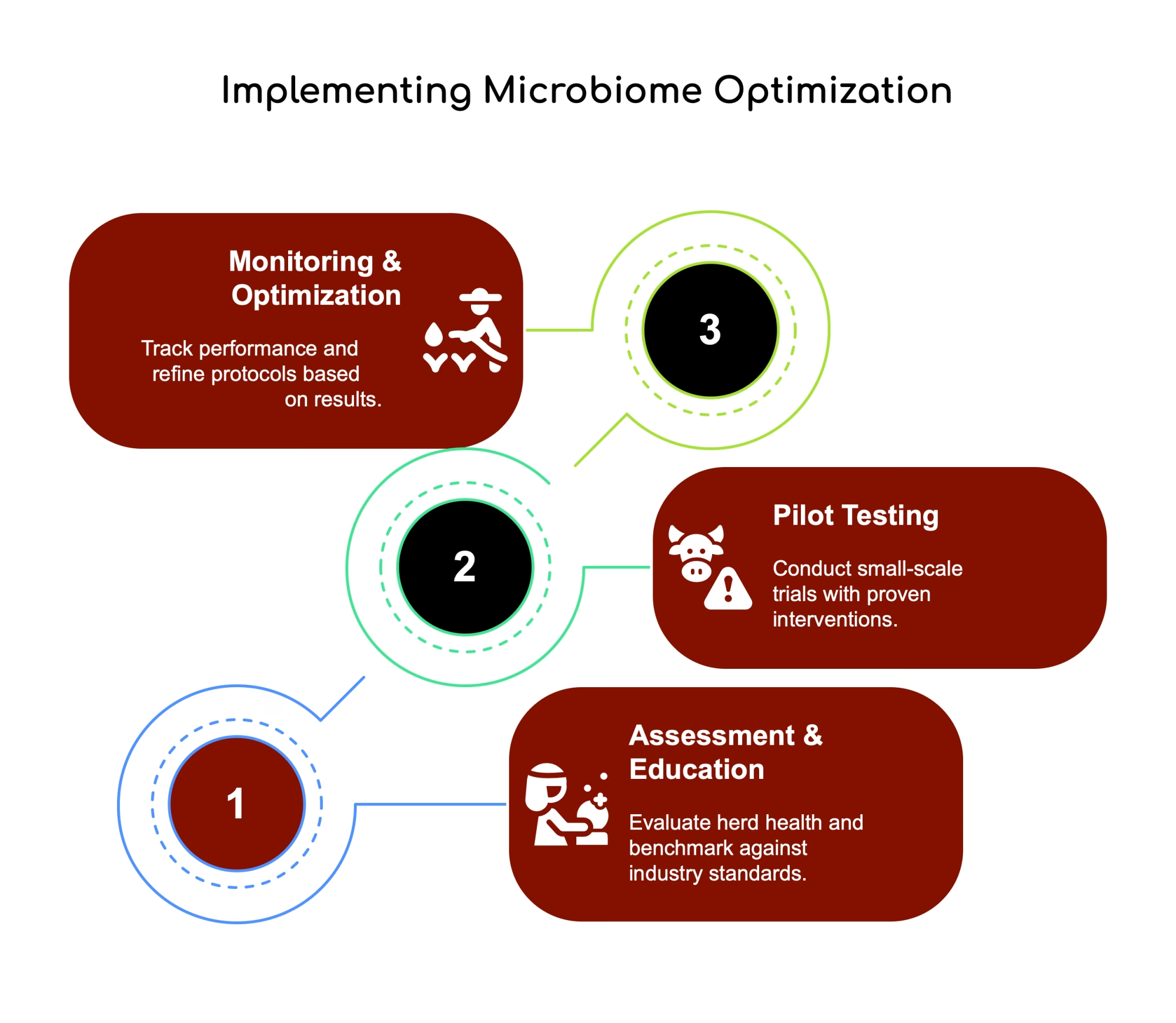
NewsSubscribe
First
Last
Consent

Investigating Rumen-Protected Lysophospholipids in Dairy Nutrition: Do They Really Work?

Rumen-protected lysophospholipids promise dairy feed efficiency gains – but does the science back the hype? Breakthrough or overreach?

rumen-protected lysophospholipids, dairy cow feed efficiency, nutrient absorption in dairy cows, energy-corrected milk, dairy nutrition innovation

I’ve been looking into these rumen-protected lysophospholipids (RPLPLs) that companies have been marketing to dairy farmers lately. You know how it goes – new feed additives always pop up, promising the moon, but do they deliver? I wanted to dig deeper into the claims that these products increase nutrient absorption, boost energy-corrected milk, and improve feed efficiency in dairy cows.

First off, what exactly are lysophospholipids? They’re modified versions of phospholipids (the fat molecules that makeup cell membranes). The main difference is that LPLs have just one fatty acid “tail” instead of the usual two. This seemingly small change completely transforms their behavior – giving them much stronger emulsifying properties.

In monogastric animals like pigs and chickens, lysophospholipids have been used for years with good results. The theory makes sense – they help break down fat globules into smaller droplets and increase the surface area for digestive enzymes. They can also integrate directly into the cell membranes of the small intestine, making them more fluid and permeable to nutrients. Sounds promising, right?

But dairy cows aren’t chickens. That massive rumen sitting there complicates everything, as usual! Without protection, rumen microbes could degrade these compounds before reaching the small intestine, where they’re supposed to work. That’s why the newer RPLPLs use coating technology to bypass the rumen. I’m quite interested in how they achieve this since most companies are vague about their specific protection mechanisms.

What Does the Research Show?

I’ve reviewed several studies on lysophospholipids in dairy cows, and honestly, the results aren’t entirely consistent. Some trials show impressive improvements in fat digestibility – that part seems to hold up well across studies. This Australian trial with first-lactation heifers reported a 19% increase in energy-corrected milk and substantial improvements in fat and protein yield. That caught my attention.

But here’s where it gets murky. Studies in mid-lactation cows sometimes show no significant production benefits despite changes in blood parameters suggesting the LPLs are doing something metabolically. Early lactation cows and first-lactation heifers respond better – probably because they’re under more metabolic stress and have higher nutrient demands.

I found a fascinating study showing LPLs decreased trans-10 C18:1 in milk fat. This could help maintain milk fat synthesis, which is always a concern when adding anything lipid-related to dairy diets.

The pelleting issue is worth mentioning, too. One study using pelleted TMR found no production response to LPLs, raising questions about whether the feed processing might alter their effectiveness. Maybe the heat and pressure change something? It’s not entirely clear yet.

Economics and Practical Application

Let’s talk dollars and cents because that matters on the farm. From what I understand, these products typically run around 15 cents per cow per day. The million-dollar question is whether they deliver enough returns to justify that cost.

If we get the 5-6% improvement in feed efficiency and 5% boost in ECM that some trials report, the math looks promising:

  • 5% increase on 90 lbs milk = 4.5 additional pounds daily. At $20/cwt, that’s $0.90/day
  • 6% improved feed efficiency on $7/day feed costs = $0.42/day savings

Those numbers would certainly justify the investment of 15 cents. But that’s a big “if.” I’m just not convinced the response will be that consistent across different farms, diets, and management systems.

The target application conceptually makes sense – focus on early lactation cows, first-lactation heifers, and high-producing groups where improving nutrient utilization would have the biggest impact. Farms feeding higher-fat diets might see better responses, too, since the emulsifying properties would be more beneficial there.

My Personal Take

After digging through all this research, I’m optimistic but still skeptical. The mechanism of action makes biological sense. Improving nutrient absorption, especially of fats, should logically translate to better performance. And some trials do show promising results.

But I’ve been in this industry long enough to know that farm results don’t always match research trials. There are too many variables at play – diet composition, management practices, cow genetics, health status, etc.

If I were consulting for a dairy right now, I’d probably recommend a small-scale trial before committing to feeding these products across the whole herd. Set up a proper test with a control group, maintain consistent management, and track the key metrics (DMI, milk yield, components, calculated feed efficiency) for at least 60-90 days.

One aspect I find frustrating is the lack of transparent, peer-reviewed research, specifically on some of these rumen-protected products. Companies tend to share selected positive results without publishing complete studies. Maybe I’m old-fashioned, but I still believe in the value of independent verification.

The concept of “absorption accelerators” is intriguing, though. Unlike additives that supply specific nutrients, these products aim to enhance the utilization of nutrients already in the diet. That approach makes sense to me, particularly as feed costs challenge profitability.

What’s Next?

I think we need more independent research in a few key areas:

  1. Long-term studies across multiple lactations – most current trials are only 35-90 days
  2. Direct comparisons between protected and non-protected LPLs to quantify the benefit of rumen protection
  3. Better understanding of how these products interact with different diet types
  4. More investigation into potential biomarkers that could confirm efficacy (like those changes in milk fatty acid profiles)

Until then, I’d say rumen-protected lysophospholipids represent a promising but still emerging technology for dairy nutrition. The science is plausible, and some trial results are encouraging, but farm-specific validation is essential before widespread adoption.

What do you think? Have you tried any of these products on your farm? I’d be interested to hear about real-world experiences with them.

Key Takeaways:

  • Lysophospholipids enhance fat absorption via emulsification and intestinal membrane interactions, but require rumen protection to work effectively in cows.
  • Trial results show 5-8% feed efficiency gains in ideal conditions (early lactation/heifers), but mid-lactation cows saw no production boosts.
  • Target high-stress herds and fatty diets for best results, but avoid pelleted TMRs (may reduce efficacy).
  • Dairy pros should demand trial data and test small groups before committing – “absorption accelerator” claims need farm-proofing.

Executive Summary:

Rumen-protected lysophospholipids (RPLPLs) claim to boost nutrient absorption, increasing milk yield and feed efficiency by bypassing rumen degradation. While studies show lysophospholipids improve fat digestion and early-lactation performance, results vary by diet, cow health, and feed processing. Economic analyses suggest potential 3:1 ROI, but peer-reviewed data remains scarce, and long-term impacts are unproven. Experts urge on-farm trials and demand transparency about rumen-protection technology before widespread adoption.

Learn more:

Join the Revolution!

Join over 30,000 successful dairy professionals who rely on Bullvine Weekly for their competitive edge. Delivered directly to your inbox each week, our exclusive industry insights help you make smarter decisions while saving precious hours every week. Never miss critical updates on milk production trends, breakthrough technologies, and profit-boosting strategies that top producers are already implementing. Subscribe now to transform your dairy operation’s efficiency and profitability—your future success is just one click away.

NewsSubscribe
First
Last
Consent

Breaking the Rules: How Strategic Fatty Acid Feeding is Revolutionizing Fresh Cow Performance

Old rule: avoid fat for fresh cows. New science: Strategic fatty acids boost milk & health. Time to rethink transition nutrition!

Executive Summary:

Traditional warnings against feeding fats to fresh cows are being overturned by research showing targeted fatty acid blends can revolutionize transition success. Dr. Adam Lock’s work reveals palmitic acid drives milk fat, while oleic acid improves digestion and metabolic health. Timing is critical: delay high-palmitic supplements until post-21 DIM to avoid body condition loss, and balance starch levels to maximize benefits. By prioritizing fatty acid profiles over generic “fat,” dairy farmers can increase milk yield, reduce metabolic disorders, and improve profitability. This paradigm shift turns transition cows from energy deficits into optimized production engines.

Key Takeaways:

  • Ditch the dogma: Strategic fatty acids (not generic “fat”) help fresh cows-when timed and balanced correctly.
  • Palmitic vs. Oleic: Use palmitic acid post-21 DIM to boost milk fat; oleic acid early to protect body condition.
  • Starch matters: High-starch diets negate fatty acid benefits-keep starch <25% in fresh cow rations.
  • Economic win: Proper blends cut ketosis risks by 30%+ and add $0.50-$1.00/cow/day in returns.
  • Future-proofing: Omega-3s and MCFAs show promise for immune health-stay ahead of the curve.
transition cow nutrition, fatty acid supplementation, palmitic acid, oleic acid, metabolic health

For decades, nutritionists have religiously followed the dogma of “no fat for fresh cows.” But what if we’ve been getting it completely wrong? What if strategic fatty acid supplementation is the key to unlocking transition cow performance that conventional approaches have failed to deliver?

The relationship between dairy nutritionists and fat supplementation during the transition period has historically been complicated, like that friend who keeps breaking up and getting back together with their ex. One minute, it’s “never again,” and the next, they’re planning a future together.

The industry mantra was clear for years: avoid supplementing fat to fresh cows. The reasoning seemed sound to add dietary fat when cows are already mobilizing body fat reserves at alarming rates. Won’t this just exacerbate negative energy balance and metabolic disorders? Besides, unprotected fats could disrupt rumen function and potentially reduce dry matter intake (DMI) at a time when every mouthful counts.

But here’s the uncomfortable truth: while we’ve been avoiding fat supplementation, our transition cows continue to suffer metabolic disorders at unacceptable rates. Dr. Adam Lock and his team at Michigan State University have challenged this paradigm, demonstrating that specific fatty acids, when used strategically, help transition cows to navigate their metabolic tightrope walk with greater success.

The Transition Period: Why It’s Make or Break for Your Entire Lactation

The transition period, critical three weeks before and after calving, represents the ultimate physiological challenge for modern dairy cows. It’s when the metabolic engine shifts from idle to full throttle practically overnight.

Consider this: a cow’s energy requirements can nearly triple within days after calving. Her mammary tissue suddenly demands massive amounts of glucose, fatty acids, and amino acids to synthesize milk. Meanwhile, her appetite typically lags, creating that dreaded negative energy balance that drives fat mobilization from body reserves.

This metabolic perfect storm explains why approximately 75% of diseases in dairy cows occur during the first month after calving, with the highest incidence during the first two weeks. Let’s be brutally honest: if 75% of your equipment failures happened during one specific maintenance period, you’d fire your service tech and find a new approach.

Managing transition cows is a lot like planting season on a crop farm-what happens during those few critical weeks dictates your success for the entire year. Just as skimping on seed quality or proper soil preparation can limit yield potential for the entire growing season, mismanaging your transition program can cap production, compromise reproduction, and erode profitability for the entire lactation.

Are your transition protocols still stuck in the last decade while your genetics and production goals have moved into the future? The industry has tried numerous approaches to navigate this challenge: controlled-energy dry cow diets, amino acid balancing, ionophores, direct-fed microbials, and specialized additives. Yet the transition period remains the most vulnerable time in a cow’s lactation cycle.

Not All Fats Are Created Equal: The Molecular Revolution

Here’s where the story gets interesting. As research has evolved, we’ve understood that viewing fat as a generic energy source is like claiming all protein sources are the same. The hard truth is that many nutritionists are still treating fat like another energy source, completely missing the biological revolution happening right under their noses.

“The paradigm has completely shifted,” explains Dr. Lock. “We now know individual fatty acids function as bioactive molecules with distinct effects on digestibility, metabolism, and production responses. It’s not just about energy density anymore.”

This conceptual breakthrough explains why older “fat supplementation” research often showed inconsistent or negative results. Those studies typically used traditional fat sources like tallow, vegetable oils, or oilseeds without accounting for their specific fatty acid profiles or providing adequate rumen protection.

Modern research focuses on three primary fatty acids that dominate commercial supplements and milk fat itself:

Palmitic Acid (C16:0): The Milk Fat Driver This 16-carbon saturated fatty acid consistently increases milk fat concentration and yield. It’s like putting high-octane fuel directly into your milk production system. But this benefit comes with a notable downside in fresh cows because it drives energy toward milk fat synthesis, high levels can worsen body condition loss and elevate blood NEFAs (non-esterified fatty acids), potentially increasing metabolic disorder risk.

Oleic Acid (C18:1): The Digestibility Enhancer & Metabolic Modulator This monounsaturated fatty acid is the unsung hero of the transition period. When provided in a rumen-protected form, it improves the intestinal digestibility of all fatty acids, including other saturated FAs. Research shows it can help reduce body fat mobilization by promoting lipogenesis (fat storage) in adipose tissue and improving insulin sensitivity.

Stearic Acid (C18:0): The Enigmatic Player The most abundant fatty acid in the rumen due to biohydrogenation of unsaturated fats, stearic acid has shown inconsistent results when supplemented. Its lower digestibility compared to palmitic or oleic acid may limit its benefits. Some studies suggest it might direct energy more toward body condition than milk production, which is useful in certain scenarios but generally less impactful than its counterparts.

Strategic Blends: Finding the Perfect Balance for Fresh Cows

The most exciting development in this field is the emergence of strategic fatty acid blends designed explicitly for transition cows. While old-school nutritionists are still debating whether to feed fat, progressive producers are already fine-tuning which specific fatty acids work best in their herds. Dr. Lock’s research demonstrates that particular palmitic and oleic acid combinations can help fill a cow’s unique needs during this critical time.

In a landmark study, Lock’s team found that a blend of approximately 60% palmitic acid and 30% oleic acid, fed at 1.5% of diet dry matter, showed significant promise for fresh cows. This blend combines the milk-fat-driving effect of palmitic acid with the digestibility-enhancing and metabolic-modulating properties of oleic acid.

Choosing the right fatty acid supplement is like selecting the ideal sire for your heifers. Just as you wouldn’t pick a bull based solely on a single trait like milk production without considering components, daughter fertility, or herd life, you shouldn’t select a fat supplement based solely on its energy content without considering its specific fatty acid profile and how those fatty acids will influence your cows’ metabolism.

What’s particularly fascinating is how cows’ responses to fatty acid supplementation change with their lactation stage and milk production level. High-producing cows had greater DMI and energy-corrected milk (ECM) when fed the 60:30 palmitic: oleic blend. However, low-producing cows performed better when fed a mix with more palmitic acid (80:10 blend).

“There’s also a surprising carryover effect,” notes Dr. Lock. “When we fed fatty acids in early lactation, we saw continued performance differences during the next 25 to 63 days in milk, even though all cows were fed the same lactation diet.”

Real-World Success: The Wilkenson Dairy Case Study

Jim Wilkenson of Wilkenson Dairy in Wisconsin was skeptical about fatty acid supplementation after years of following conventional wisdom. “My nutritionist kept telling me to avoid fat in fresh cows, but our transition problems weren’t improving,” he explains.

In January 2024, after reading about Dr. Lock’s research, Jim implemented a strategic approach with his 800-cow Holstein herd. He delayed introducing palmitic-rich supplements until 21 days in milk, using a 60:30 palmitic: oleic blend for the first three weeks post-calving at 1.5% of diet dry matter.

The results? Clinical ketosis cases dropped by 32% in the first three months. Fresh cow milk production increased by 4.7 lbs per cow during the first 60 days, with component percentages holding steady. His veterinary costs for fresh cow treatments decreased by $14,200 for the quarter.

“I was spending all this money trying to treat metabolic problems after they happened,” says Jim. “Now I’m preventing them with a smarter nutrition strategy. It’s not just about feeding or not feeding fat- it’s about feeding the right fats at the right time.”

Why This Matters For Your Operation

Let’s cut to the chase: you’re leaving money on the table if you’re not strategically supplementing fatty acids. If you wonder whether this science translates to real-world results, the answer is a resounding yes. Progressive dairies implementing these strategies are reporting:

  • Improved peaks and higher lactation persistency
  • Reduced incidence of ketosis and other transition disorders
  • Better early lactation reproduction
  • More consistent body condition scoring throughout lactation
  • Enhanced component production, particularly valuable in today’s milk markets

The economic impact is substantial. A 1.0 kg increase in peak milk can translate to approximately 200-250 kg more milk over the entire lactation. Reducing just one case of clinical ketosis saves roughly $375 while avoiding a single displaced abomasum can save over $700. Are you willing to forfeit this performance and profit by clinging to outdated nutritional dogmas? When multiplied across your herd, strategic fatty acid supplementation offers a compelling return on investment that could significantly improve your income over feed cost (IOFC).

Making the Science Actionable: Practical Implementation

So, how do you translate this complex science into practical feeding strategies? Here are key considerations for implementing fatty acid supplementation in your transition program:

Supplement Selection

The primary driver should be the fatty acid profile, not just crude fat content. Stop asking, “How much fat?” and start asking, “Which fatty acids?” Identify your specific goals- maximizing milk fat percentage, improving energy balance in fresh cows, and enhancing fatty acid digestibility. Select a supplement enriched in the fatty acid(s) most likely to achieve that outcome.

Rumen protection is essential, particularly when supplementing unsaturated fatty acids like oleic acid, to ensure they bypass the rumen intact and reach the small intestine for absorption. This is where calcium salts, prilled fats, and other technologies become valuable tools in your nutritional toolbox.

Feeding Rates and Timing

Here’s where conventional wisdom gets completely flipped on its head:

Prepartum (Close-up Dry Period): Supplementing fat during this phase is generally not recommended. There’s little evidence of benefit, and it adds unnecessary cost.

Fresh Period (0-21 DIM): This is the most challenging period. While high-palmitic acid supplements can boost early milk fat, they carry a significant risk of exacerbating body condition loss. Therefore, using blends with a higher proportion of oleic acid during this phase may be a more prudent strategy. Alternatively, delaying the introduction of high-palmitic acid supplements until after the first 3-4 weeks postpartum is well-supported.

Peak/Mid-Lactation: Once cows have passed the negative energy balance and DMI increases, high-palmitic acid supplements become a primary tool for maximizing milk fat yield and energy-corrected milk.

Typical inclusion rates for commercial fatty acid supplements range from 1.5% to 2.0% of diet dry matter. There appears to be an optimal response to palmitic acid, which often plateau or decline (due to reduced digestibility) beyond 1.5-2.0% DM.

Critical Diet Interactions

The composition of the rest of the diet heavily influences the effectiveness of any fatty acid supplementation strategy:

Starch Content: This interaction is critical. One of the nutritionists’ biggest mistakes is combining high-fatty acid supplements with high-starch diets in early lactation. Research demonstrates that combining high levels of fatty acid supplements (especially palmitic acid-rich) with high-starch diets (> ~25-27% starch) in early lactation can negate the benefits of the fat supplement.

It’s like trying to run a parallel parlor system with an outdated vacuum pump. No matter how well-designed your parlor is, you’ll never achieve optimal performance if the supporting infrastructure isn’t matched correctly. Similarly, your fatty acid supplement won’t deliver maximum benefits if your carbohydrate fraction isn’t properly balanced to support it.

Total Dietary Fat Load: Account for the fat contributed by all dietary ingredients when adding supplemental fat. The negative effects of excessive fat relate to the total fatty acid load reaching the rumen and intestine, not just the supplemental portion.

Cost-Benefit Analysis: Is Strategic FA Supplementation Worth It?

Fatty Acid StrategyApprox. Cost/Cow/DayExpected Milk ResponsePotential ReturnBest Application
High Palmitic Acid (80%+)$0.35-0.45+3-5 lbs milk fat-corrected milk$0.60-1.00/cow/dayPeak/mid-lactation cows
Palmitic/Oleic Blend (60/30)$0.40-0.50+2-4 lbs milk, improved BCS retention$0.50-0.90/cow/dayFresh cows (0-21 DIM)
No Supplemental Fat$0Baseline (potential for increased metabolic disorders)Baseline minus potential health costsNot recommended for high producers
Medium-Chain FAs$0.30-0.40Potential improved immune function, variable milk responseDependent on herd health statusHerds with significant transition health challenges

Note: Actual results will vary based on basal diet composition, management, and individual herd characteristics. Return calculations based on average milk prices of $20/cwt.

Would you rather invest $0.45/cow/day in strategic fats or risk spending $2-4/cow/day in treatment costs, reduced milk, and impaired reproduction?

The Fatty Acid Playbook: A Strategy By Lactation Stage

StagePrimary GoalsRecommended FA ApproachTarget RateKey Diet ConsiderationsWhat to Monitor
Close-up Dry (3 wks prepartum)Maintain DMI, control BCS gain, prepare for lactationGenerally, avoid supplemental fatControlled energy intake, negative DCAD, adequate MPDMI, BCS, urine pH (for DCAD)
Fresh Period (0-21/28 DIM)Support energy balance, minimize BCS loss, optimize FA digestibilityHigher oleic acid/palmitic acid blend (e.g., 30% OA) OR delay high PA supplement1.5-2.0% DMModerate starch (21/28 DIM)Maximize milk fat yield and energy-corrected milk

What’s Next? Emerging Research and Future Directions

The nutritional management of transition dairy cows has evolved tremendously, but exciting frontiers remain to be explored:

Medium-Chain Fatty Acid Supplementation: Research from the Journal of Dairy Science suggests MCFAs (C8:0-C12:0) may improve animal metabolic and immune status during transition. A 2023 study found that supplementation significantly decreased inflammatory markers like serum amyloid A and myeloperoxidase concentrations during early lactation.

Omega-3 Fatty Acids: These may benefit immune function and reproduction, although sometimes at the expense of milk fat yield.

Individual Cow Variation: Understanding why some cows respond more dramatically to fatty acid supplementation than others could lead to more precisely targeted nutrition programs, similar to how genomic testing has revolutionized breeding decisions by allowing for cow-specific mating strategies.

Are you prepared to be at the cutting edge, or will you play catch-up when these approaches become standard practice? As research continues, we can expect even more precise recommendations tailored to specific farm situations, cow genetics, and production goals. The strategic use of specific fatty acid supplements represents a powerful tool forward-thinking producers should leverage.

“Feeding fat to fresh cows isn’t heresy-it’s homework. The science is clear: it’s not whether you feed fat, but which fatty acids you provide and when.”

The Bottom Line

The traditional dogma advising against fat supplementation in fresh cows is not just outdated- it’s actively holding back your herd’s performance. The science supports a more sophisticated approach of targeted supplementation with specific fatty acids. By moving beyond generic “fat” and leveraging the distinct biological activities of individual fatty, particularly the strategic combination of palmitic and oleic acids, you can more effectively support your cows through the metabolic challenges of the transition period.

This approach is revolutionary because it works with, rather than against, the cow’s natural metabolic adaptations. Instead of simply trying to minimize body reserve mobilization (which is nearly impossible given the genetic drive for milk production in modern Holsteins), strategic fatty acid supplementation helps manage this process more effectively while simultaneously supporting the cow’s production potential.

It’s time to ask yourself a hard question: Is your transition program based on outdated dogma, or is it built on cutting-edge nutritional science? Start by examining your current fresh cow performance metrics, including rates of metabolic disorders, peak milk, and early lactation body condition loss. Then, consult your nutritionist about fatty acid supplementation strategies specifically designed for your herd’s needs and feeding system.

The fresh cow fat revolution is underway in progressive dairies nationwide. Those who embrace this approach will reap the benefits of healthier cows, higher production, and improved profitability. Those who cling to outdated practices will continue to struggle with the same transition challenges they’ve always faced.

Which side of the revolution will you be on?

Learn more:

Join the Revolution!

Join over 30,000 successful dairy professionals who rely on Bullvine Weekly for their competitive edge. Delivered directly to your inbox each week, our exclusive industry insights help you make smarter decisions while saving precious hours every week. Never miss critical updates on milk production trends, breakthrough technologies, and profit-boosting strategies that top producers are already implementing. Subscribe now to transform your dairy operation’s efficiency and profitability—your future success is just one click away.

NewsSubscribe
First
Last
Consent

Unlocking Probiotic Power: How Smart Dairy Producers Are Slashing Viral Coinfections While Boosting Profits

Probiotics: Your secret weapon against viral threats. Learn how top dairy producers are slashing infections and boosting profits by 190%.

EXECUTIVE SUMMARY:  This article challenges traditional dairy health management by revealing the hidden threat of coinfections and introducing probiotics as a powerful, dual-action solution. Backed by cutting-edge research and real-world data, it demonstrates how probiotics combat bacterial and viral pathogens, significantly reducing treatment costs and boosting productivity. The piece provides a clear, four-step implementation roadmap based on international best practices, offering dairy producers a practical guide to revolutionize their herd health strategies. With ROI potential reaching 190% and the ability to reduce antibiotic use by up to 40%, probiotics emerge as an essential tool for forward-thinking dairy operations facing rising antimicrobial resistance and evolving consumer demands.

KEY TAKEAWAYS:

  • Coinfections affect 58% of dairy cows with clinical disease, rendering single-pathogen treatments ineffective and costly.
  • Probiotic supplementation can reduce viral shedding by 42% and decrease clinical mastitis cases by 23% while improving milk production.
  • Strategic probiotic implementation can yield an ROI of up to 190%, with annual benefits of $83-$109 per cow.
  • Danish dairies have cut antibiotic use by over 40% by using comprehensive probiotic protocols without sacrificing productivity.
  • Emerging technologies in microbiome mapping and targeted delivery promise to further enhance probiotic efficacy in dairy herds.
Probiotics for dairy cows, dairy herd health management, viral coinfections in cattle, probiotic supplementation benefits, dairy farm productivity

The dairy industry’s fixation on single-pathogen management has cost producers millions in unnecessary losses. New research reveals that lone pathogens don’t cause most disease outbreaks but are caused by multiple infectious agents working in synergy. Innovative producers deploy advanced probiotic strategies that simultaneously address viral and bacterial challenges, dramatically reducing treatment costs and boosting production metrics.

The Hidden Threat Costing Your Operation Thousands Each Year

The traditional approach to disease management in dairy herds fundamentally misunderstands what’s happening inside your animals. We’ve been trained to think linearly: identify a pathogen, apply the appropriate treatment, and expect recovery. But advanced surveillance data now reveals this simplistic model fails to capture the complex reality facing your operation daily.

United Animal Health’s PathKinex™ microbial surveillance platform has uncovered a startling truth: 58% of cows exhibiting clinical enteric disease harbor multiple pathogens simultaneously. This coinfection state dramatically escalates both disease severity and prevalence in ways that single-pathogen models cannot predict or address. The economic impact is substantial – cows testing positive for pathogenic E. coli and Salmonella demonstrate a 54% higher likelihood of developing clinical symptoms than those infected with E. coli alone.

What makes coinfections particularly dangerous is their cross-domain nature. We’re not just dealing with multiple bacterial pathogens working in concert but also complex interactions between bacteria and viruses that create disease syndromes that are far more devastating than any single pathogen could independently accomplish. For instance, studies published in the Journal of Dairy Science demonstrate that bovine viral diarrhea virus (BVDV) infections significantly increase susceptibility to bacterial pneumonia and mastitis pathogens, creating a multiplier effect on both treatment costs and production losses.

Why This Matters For Your Bottom Line

Every day you delay addressing coinfections costs your operation in multiple ways:

  • Extended treatment periods that drain your medication budget
  • Reduced milk production during prolonged recovery
  • Decreased reproductive performance following systemic infections
  • Increased culling rates due to chronic health issues

The Probiotic Revolution: Beyond Basic Gut Health

When dairy producers think about probiotics, they envision supplements primarily designed to improve rumen function or address specific bacterial challenges. This limited understanding has caused many to overlook their remarkable potential against viral pathogens. The evidence from peer-reviewed research now demands we reframe how we view these beneficial microorganisms entirely.

The link between gut health and immune function provides the foundation for probiotics’ surprising efficacy against viruses. Approximately 70% of immune function is associated with the gut, making the gastrointestinal tract a critical frontline defense against all pathogens, including viruses. A 2023 meta-analysis published in the Journal of Dairy Science examining 26 controlled studies found that probiotic supplementation reduced viral shedding by 42% across multiple common dairy cattle viruses.

What makes probiotic interventions particularly valuable in dairy operations is their dual-action capacity—functioning both locally within the gut environment and systemically by modulating immune responses throughout the body. Unlike narrowly targeted antimicrobials, probiotics work through multiple complementary mechanisms that enhance resilience against diverse pathogenic threats.

How Probiotics Fight Viral Challenges: The Science Behind the Solution

The probiotic revolution against viral pathogens isn’t built on speculation but on concrete scientific evidence revealing multiple mechanisms through which these beneficial microorganisms combat viral challenges. Understanding these mechanisms helps explain why probiotics are versatile in addressing complex disease scenarios involving various pathogens.

MechanismHow It WorksImpact on Viral InfectionsBacterial Strain Examples
Direct Viral InteractionPhysical binding to viral particles prevents attachment to host cellsReduces initial viral load by up to 60% in laboratory studiesLactobacillus acidophilus, Bacillus subtilis
Gut Barrier EnhancementStrengthens tight junctions between epithelial cellsReduces pathogen translocation by 47% according to University of Wisconsin researchBacillus subtilis, Lactobacillus rhamnosus
Innate Immunity StimulationActivates pattern recognition receptors (TLRs) triggering immune cascadesIncreases interferon production by 35-50% in bovine modelsMultiple strains of Bacillus subtilis
Cytokine ModulationBalances pro- and anti-inflammatory immune responsesReduces inflammatory damage while maintaining pathogen clearanceVarious Lactobacillus strains
Exopolysaccharide ProductionBacterial surface compounds interact with immune receptorsEnhances antiviral immunity through multiple pathwaysLactobacillus delbrueckii

Research from Cornell University has demonstrated that these mechanisms work synergistically rather than independently. Their 2024 study published in Preventive Veterinary Medicine showed that probiotic combinations designed to leverage multiple protective pathways achieved significantly better outcomes against viral challenges than single-mechanism approaches.

Real-World Results: Performance Data From Commercial Dairy Operations

The theoretical benefits of probiotics are compelling, but what matters is how they perform in commercial settings. Multiple controlled studies across diverse dairy operations now provide clear evidence of their efficacy.

A landmark study published in Infection and Immunity (2022) examined how Bacillus-based probiotic supplementation impacted animals subjected to coinfection challenges. The results were remarkable:

  • 10-fold reduction in viral load in respiratory tissues
  • Significant decrease in lung lesions and clinical symptoms
  • Lower bacterial colonization during coinfection scenarios

These findings translate directly to dairy operations. A comprehensive field study conducted by University of California-Davis researchers across 14 California dairies found that herds implementing probiotic protocols experienced:

  • 23% reduction in clinical mastitis cases
  • 17% fewer respiratory disease treatments in transition cows
  • $67-94 return per cow annually from reduced treatment costs and improved production

Research from European dairy systems provides further validation. A two-year study across 38 Danish dairy herds published in the Journal of Dairy Science documented that farms implementing comprehensive probiotic protocols achieved a 31% reduction in antibiotic usage while maintaining or improving productivity metrics—concrete evidence that probiotics can deliver on their promise in real-world settings.

Global Implementation Strategies: Lessons From International Dairy Leaders

While North American producers are just beginning to embrace probiotics as viral management tools, several international dairy regions have accumulated valuable implementation experience from which we can learn.

The Danish Approach: Integration With Antimicrobial Stewardship

Denmark’s dairy industry has become a global leader in probiotic implementation, following strict regulations limiting antimicrobial use. Their three-phase approach offers valuable lessons:

Phase 1: Targeted Implementation Danish producers begin with high-risk animals (transition cows and calves) using proprietary multi-strain probiotics explicitly developed for bovine applications. Their protocols emphasize consistent daily administration rather than reactive treatment.

Phase 2: Environmental Management Unique to the Danish approach is the simultaneous application of environmental probiotics in bedding, manure handling systems, and calf housing areas. This comprehensive strategy addresses environmental pathogen loads while supporting individual animal health.

Phase 3: Protocol Refinement Danish producers implement systematic data collection through their national dairy database, allowing continuous improvement of probiotic protocols based on health outcomes, production metrics, and antimicrobial usage patterns.

The results speak for themselves: Danish dairies have reduced antimicrobial usage by over 40% since 2010 while maintaining some of the world’s highest per-cow production levels—demonstrating that probiotics can be successfully integrated into high-performance systems.

The New Zealand Pasture-Based Adaptation

New Zealand’s pasture-based systems have developed distinctive approaches to probiotic implementation that offer valuable insights for grazing operations:

Strategic Seasonal Application Rather than year-round supplementation, New Zealand producers focus probiotic usage on seasonal stress periods, particularly early lactation and periods of challenging grazing conditions. This targeted approach optimizes return on investment while addressing periods of greatest vulnerability.

Calf-Focused Programs New Zealand operations place particular emphasis on early-life probiotic establishment. Research from Massey University demonstrates lifetime production benefits from calves receiving probiotic supplementation during the first 12 weeks of life. Their protocols emphasize strain selection based on compatibility with pasture-based diets.

Integration With Alternative Forages Unique to New Zealand is research exploring synergistic effects between probiotics and specific forage types, focusing on tannin-containing plants that enhance probiotic colonization and efficacy. This integrated nutritional approach offers a model for holistic health management.

Your 4-Step Implementation Roadmap For Maximum ROI

Based on both international experience and North American research, here’s a systematic approach to implementing probiotics in your operation:

Step 1: Conduct A Coinfection Risk Assessment

Before selecting specific products, assess your operation’s unique risk profile:

  • Review treatment records to identify recurring coinfection patterns
  • Analyze seasonal disease trends to pinpoint high-risk periods
  • Identify animal groups with the highest vulnerability (typically transition cows and young stock)
  • Consider facility design factors that may contribute to disease transmission

Step 2: Select Evidence-Based Products

Product selection critically impacts results. Research from the University of Minnesota demonstrates dramatic efficacy differences between probiotic formulations, with multi-strain products generally outperforming single-strain alternatives. Key selection criteria include:

Strain Selection: Prioritize products containing Bacillus subtilis strains with demonstrated immunomodulatory effects. Research from the University of Wisconsin shows these strains offer superior protection against viral challenges compared to traditional Lactobacillus-only formulations.

Guaranteed Analysis: Verify that products contain adequate concentrations of viable organisms (typically 109-1010 CFU/g) and stability data supporting the claimed shelf life.

Application-Specific Formulation: Choose products explicitly developed for dairy cattle rather than general livestock applications. Strain selection should reflect species-specific gut environments and immune functions.

Research Validation: Prioritize products with peer-reviewed research demonstrating efficacy against viral challenges or coinfection scenarios.

Step 3: Implement Strategic Timing And Delivery

Timing dramatically impacts probiotic efficacy. Research from Cornell University shows preventative application yields significantly better outcomes than reactive treatment. Optimal intervention points include:

High-Value Intervention Windows:

  • Transition Period: Begin 21 days pre-calving and continue through 30 days post-calving
  • Calf Programs: Start within the first 24 hours of life and maintain through weaning
  • Post-Antibiotic Therapy: Implement immediately following necessary antibiotic treatments
  • Seasonal Risk Periods: Intensify during seasonal disease pressure peaks

Delivery Method Considerations:

  • Direct-Fed Microbials: Ensure consistent daily intake through TMR incorporation
  • Bolus Administration: Consider targeted delivery during specific risk periods
  • Water Application: Ensure proper product stability and delivery system maintenance
  • Calf Starter Integration: Verify proper product incorporation and stability

Step 4: Measure And Optimize ROI

Systematic data collection allows continuous protocol refinement. Track these key metrics:

Health Metrics:

  • Clinical disease incidence by category
  • Treatment costs (medications and labor)
  • Retreatment rates
  • Culling due to health issues

Production Metrics:

  • Milk yield during and following challenge periods
  • Components during recovery periods
  • Reproduction performance following health challenges
  • Calf growth rates and time to breeding size
Implementation LevelEstimated Annual Benefit Per 100 CowsImplementation CostNet ReturnROI
Basic (transition only)$4,200-$6,300$1,800-$2,200$2,400-$4,100133-186%
Comprehensive (all life stages)$9,600-$12,800$3,600-$4,400$6,000-$8,400166-190%
Advanced (all animals + environmental)$13,500-$17,200$5,200-$6,300$8,300-$10,900159-173%

Based on economic analysis from the University of Wisconsin-Madison Dairy Innovation Hub, 2024

The Future Of Probiotic Technology: What’s Coming Next

The science of probiotic application in dairy production continues to evolve rapidly. Several emerging areas deserve producer attention:

Microbiome Mapping and Precision Formulation Advanced diagnostic techniques now allow a comprehensive analysis of your herd’s specific microbiome, enabling customized probiotic formulations targeting your operation’s unique pathogen challenges. Research from the USDA Agricultural Research Service demonstrates these tailored approaches achieve 22-38% better outcomes than generic formulations.

Synbiotic Approaches Combining probiotics with specific prebiotics (compounds that selectively nourish beneficial microorganisms) represents the next frontier in digestive health management. Recent research from Penn State University shows synbiotic combinations achieved 40% greater colonization and persistence than probiotics alone.

Targeted Delivery Systems Novel encapsulation technologies are revolutionizing how probiotics reach their targets. Microencapsulation methods developed at the University of California-Davis allow probiotics to bypass the harsh rumen environment, delivering viable organisms directly to the small intestine and exerting maximum immune-enhancing effects.

Genetic Selection for Microbiome Responsiveness Perhaps most intriguing is emerging research from the University of Guelph suggesting genetic factors influence how animals respond to probiotic interventions. Their work has identified specific genetic markers associated with enhanced probiotic responsiveness, potentially allowing selection for animals that benefit most from these interventions.

The Bottom Line: Transforming Your Approach To Herd Health

The evidence demands we reconsider how we approach viral challenges in dairy operations. Traditional approaches focusing solely on biosecurity and reactive treatment leave significant gaps in protection, particularly against the complex coinfection scenarios that dominate real-world disease challenges. Probiotics offer a proactive, multi-mechanism strategy that addresses primary viral infections and the secondary bacterial complications that often cause the most severe economic losses.

The science is precise: probiotics enhance resilience against viral challenges through direct antiviral effects, improved barrier function, and optimized immune responses. The practical results—reduced pathogen loads, decreased clinical disease, and enhanced productivity—translate directly to economic benefits through reduced treatment costs and maintained production performance during challenge periods.

For forward-thinking dairy producers, probiotics represent not merely an optional supplement but an essential component of modern health management. This tool leverages the animal’s biology to enhance resilience against contemporary production environments’ increasingly complex pathogen challenges. In an era of growing antimicrobial resistance and consumer demand for reduced antibiotic use, probiotics offer a scientifically sound approach that aligns with both production economics and market expectations.

The question isn’t whether your operation can afford to implement probiotics—it’s whether you can afford not to. Start with a targeted approach focusing on your highest-risk animals, measure the results systematically, and expand your protocol based on documented returns. Your herd’s health—and your bottom line—will thank you.

Learn more:

Join the Revolution!

Join over 30,000 successful dairy professionals who rely on Bullvine Weekly for their competitive edge. Delivered directly to your inbox each week, our exclusive industry insights help you make smarter decisions while saving precious hours every week. Never miss critical updates on milk production trends, breakthrough technologies, and profit-boosting strategies that top producers are already implementing. Subscribe now to transform your dairy operation’s efficiency and profitability—your future success is just one click away.

NewsSubscribe
First
Last
Consent

The Mun Money Pit: Why You’re Flushing Thousands Down the Drain Every Month

Your MUN levels are flushing profits away. Discover why protein percentages lie and the NFC/CP ratio is your new profit engine.

milk urea nitrogen, dairy cow nutrition, NFC/CP ratio, nitrogen efficiency, protein feeding strategies

Here’s a fact that will make many feed companies uncomfortable: that expensive protein supplement you’re feeding your cows? Up to 70% of it is being pissed away – literally. And while your nutritionist keeps tweaking your crude protein percentages, they’re missing what matters.

For decades, we’ve been told that managing Milk Urea Nitrogen (MUN) is primarily about adjusting dietary protein. Simple formula, right? High MUN? Cut protein. Low MUN? Add protein.

Bullshit.

The Journal of Dairy Science recently published a groundbreaking meta-analysis examining 48 research studies spanning 20 years, proving what forward-thinking dairymen have all suspected – the protein story is only half the truth. (Assessing milk urea nitrogen as an indicator of protein nutrition and nitrogen utilization efficiency: A meta-analysis) The real game-changer isn’t just your protein level but the balance between your non-fiber carbohydrates (NFC) and crude protein (CP).

“We’ve been laser-focused on crude protein percentages when we should have been talking about the NFC/CP ratio all along,” admits one industry nutritionist who requested anonymity to speak candidly. “It’s like we’ve been giving farmers a hammer when they needed a complete toolbox.”

Are You Throwing Money at the Wrong Problem?

Let’s cut through the crap. Your MUN numbers aren’t just some technicalities on your milk test report – they’re a direct window into your wallet and environmental footprint.

Think about it: When your MUN hits 17 mg/dL instead of the optimal 12 mg/dL, your cows dump approximately 77 EXTRA grams of nitrogen into the environment PER COW, EVERY DAY. For a 500-cow dairy, that’s 38.5 kg of additional nitrogen daily – over 14 metric tons annually!

You might as well take $50,000 in cash and spread it across your manure pit.

Here’s what your feed rep won’t tell you: The research shows that cows with optimal MUN levels (8-16 mg/dL) typically consume diets with an NFC/CP ratio between 2.15 and 3.60. Fall below 2.15, and MUN skyrockets above 16 mg/dL. Push above 3.60, and MUN drops below 8 mg/dL.

But have you EVER had a nutritionist talk to you about your NFC/CP ratio? I’ll bet my last milk check, and the answer is no.

The Industry’s Dirty Little Protein Secret

For years, the feed industry has pushed a straightforward narrative: more protein equals more milk. It’s convenient, easy to understand, and – most importantly for them – keeps you buying expensive protein sources.

But the meta-analysis exposes this protein-pushing approach for what it is – a half-truth at best and a deliberate misdirection at worst.

The data reveals what the feed companies don’t want you to know: there’s NO consistent relationship between MUN levels and milk yield. The correlation between MUN and milk production was weak and statistically insignificant (r=0.10). Similarly, correlations between MUN and milk protein percentage (r=-0.08) and milk protein yield (r=-0.05) were practically non-existent.

Let that sink in for a minute. Were you told to keep protein high “for production” during those times? The science doesn’t back it up.

What does the science show? The NFC/CP ratio explains a staggering 68.1% variation in MUN levels across diverse feeding programs and production systems – significantly more than either NFC or CP alone. It also explains 71.1% of the variation in urinary nitrogen excretion, making it a potent predictor of nitrogen wastage.

Are you feeding based on dated protein recommendations instead of balanced NFC/CP ratios? If so, you’re leaving money on the table while polluting more than necessary.

Your New Magic Number: The NFC/CP Ratio

Forget complicated ration-balancing software for a moment. Here’s your new dairy management cheat code: maintain your dietary NFC/CP ratio between 2.15 and 3.60 to keep your MUN levels in the optimal 8-16 mg/dL range.

The calculation is dead simple:

  1. Take the percentage of non-fiber carbohydrates in your TMR (dry matter basis)
  2. Divide by the percentage of crude protein
  3. That’s your NFC/CP ratio

For example, a diet with 42% NFC and 16% CP has an NFC/CP ratio of 2.63, likely resulting in MUN levels around 11-13 mg/dL.

Why does this work better than just focusing on protein? Because it directly addresses what’s happening in the rumen and where the real action occurs. The NFC fraction (primarily starches and sugars) provides readily available energy that rumen microbes use to capture ammonia from protein degradation. When energy availability is synchronized with protein breakdown, nitrogen is efficiently incorporated into microbial biomass rather than wasted as urea.

The 8-16 Rule: Are You Inside or Outside the Money Zone?

The meta-analysis provides a practical target: keep your herd’s MUN between 8-16 mg/dL. This range represents the sweet spot where nitrogen utilization is optimized while supporting production.

When MUN exceeds 16 mg/dL:

  • Your cows are excreting excessive nitrogen in urine
  • Nitrogen utilization efficiency is suboptimal
  • Your NFC/CP ratio is probably below 2.15
  • Environmental nitrogen loading is increased
  • You may be suppressing milk fat synthesis (the research found a significant negative correlation between MUN and both milk fat percentage (r=-0.30) and yield (r=-0.22))

When MUN falls below 8 mg/dL:

  • Your NFC/CP ratio is likely above 3.60
  • Potential insufficient ammonia in the rumen for optimal microbial growth
  • Possible limitations on microbial protein synthesis
  • Risk of inadequate metabolizable protein

Notably, the meta-analysis showed that when MUN ranges from 8-16 mg/dL, milk yield or protein synthesis had no consistent significant impact. This contradicts the conventional wisdom that higher MUN (and, by extension, higher CP diets) is necessary for maximizing production.

Your Banker Would Fire Your Nutritionist

Let’s talk money. The dairy business runs on razor-thin margins, yet we’re collectively wasting millions on inefficient protein utilization.

Consider this scenario: Your 500-cow dairy feeds a 17.5% CP diet with 38% NFC (NFC/CP ratio of 2.17), resulting in a bulk tank MUN of 17 mg/dL. After reading this article, you adjust to 16.5% CP and 43% NFC (NFC/CP ratio of 2.61). MUN drops to 13 mg/dL without any production loss.

The financial impact:

  • $0.15/cow/day savings in feed costs = $27,375 annually
  • 4 mg/dL reduction in MUN = approximately 22.8 tons less nitrogen excreted annually
  • Potential improvements in reproductive efficiency due to reduced blood urea nitrogen
  • Reduced risk of future environmental compliance costs

If your banker saw what’s happening to protein efficiency in most dairies, they’d have a stroke. The meta-analysis revealed an average nitrogen utilization efficiency of 29.6% across studies. Would you tolerate any other input being used at only 30% efficiency? Hell no. So why are we complacent about nitrogen efficiency?

Are You Still Stuck in the Protein Percentage Mindset?

Let’s be brutally honest – the dairy nutrition world is full of sacred cows that need slaughtering. The fixation on crude protein percentages is at the top of the list.

How many times have you heard:

  • “You need at least 17% crude protein for high producers.”
  • “You can’t cut below 16% CP without sacrificing milk yield.”
  • “Higher protein means more milk.”

These protein-centric feeding approaches aren’t just outdated; they cost you serious money.

The meta-analysis data proves what progressive nutritionists have suspected for years: it’s not about the absolute protein percentage but the balance between energy and protein in the rumen.

The industry’s protein percentage fixation has created a massive blind spot: we’ve been focusing on the wrong ratio. Instead of protein-to-energy ratios, the NFC/CP ratio more directly addresses the rumen function – where the real action of feed conversion happens.

What Your Feed Company Doesn’t Want You to Ask

Next time your feed rep is in your office, ask them these four questions:

  1. What’s my current NFC/CP ratio, and is it in the optimal range of 2.15-3.60?
  2. How much nitrogen are my cows excreting based on our current MUN levels?
  3. Can we reformulate to optimize the NFC/CP ratio rather than focusing just on protein percentage?
  4. How much would I save annually by reducing MUN by 3-4 points?

If they can’t answer these questions, maybe it’s time to find someone who can. The industry is changing, and the old protein-pushing approach is being exposed for what it is – an oversimplified model that benefits feed companies more than farmers.

The meta-analysis clarifies that significant reductions in nitrogen excretion are possible without compromising production, provided the right balance of energy and protein is maintained. This creates the rare opportunity for an environmental win that’s also an economic win, reducing both nitrogen pollution and feed costs simultaneously.

Beyond Holstein: A Note of Caution

Let’s be clear about one limitation of this meta-analysis: it focused exclusively on Holstein cows. This was a deliberate choice by the researchers to eliminate breed as a confounding variable, given that different breeds are known to have different baseline MUN levels.

If you’re milking Jerseys, Brown Swiss, Ayrshires, or other breeds, the specific numeric targets (8-16 mg/dL, NFC/CP ratio of 2.15-3.60) should be applied cautiously. The fundamental biological relationships of the importance of energy-protein balance in the rumen and the connection between MUN and urinary nitrogen excretion likely hold across breeds, but the exact optimal ranges may differ.

The core principles uncovered in this meta-analysis are the importance of energy-protein synchrony, the strong link between MUN and nitrogen excretion, and the weak relationship between MUN and milk yield/protein-likely transcend breed differences. Apply the concepts with appropriate adjustments for your herd’s genetics.

Your Action Plan: Turning Knowledge into Money

Here’s your Monday morning game plan to start capturing the benefits of this revolutionary approach:

  1. Know Your Numbers
    1. Pull your last 6-12 months of bulk tank MUN data
    1. Request individual cow MUN data, if available, from your DHI provider
    1. Get your current TMR analyzed for CP and NFC content
    1. Calculate your current NFC/CP ratio
  2. Consult Your Team
    1. Challenge your nutritionist to explain your current NFC/CP ratio
    1. Discuss the feasibility of adjusting either NFC or CP to optimize the ratio
    1. Consider the economic implications of the proposed changes
  3. Set Clear Targets
    1. Establish your target MUN range within the 8-16 mg/dL spectrum
    1. Define the corresponding NFC/CP ratio target (between 2.15 and 3.60)
    1. Create a timeline for implementation and evaluation
  4. Implement Strategically
    1. Make incremental adjustments to the diet
    1. Monitor MUN, production, components, and feed costs during transitions
    1. Allow adequate adaptation time before making additional changes
    1. Document results for future reference

The Bullvine Bottom Line

The dairy industry has continuously evolved through scientific innovation. This comprehensive meta-analysis of MUN, dietary factors, and nitrogen utilization isn’t just an academic exercise – it’s a practical roadmap to better profitability and sustainability.

Will you keep feeding as your grandfather did, or are you ready to capitalize on cutting-edge nutritional science?

The approach is straightforward: focus on the NFC/CP ratio, target MUN between 8-16 mg/dL, and monitor nitrogen efficiency. You’ll not only prepare for the future, but you’ll also boost your bottom line today.

Your MUN readings aren’t just numbers on a report – they’re dollar signs with plus or minus in front of them. The choice is yours: continue overpaying for a protein that ends up in your lagoon or optimize your NFC/CP ratio and start keeping more of that money in your pocket.

Conventional wisdom is wrong. The science is precise. The only question is: are you bold enough to change?

Key Takeaways:

  • NFC/CP Ratio > Protein Percentage: The balance of non-fiber carbs to protein (2.15–3.60) drives MUN efficiency, not crude protein levels alone.
  • Stop Flushing Cash: Every 1 mg/dL MUN reduction saves ~15.4g nitrogen/cow/day-$27K+/year for 500 cows.
  • Milk Yield Myth Busted: No link between MUN and production-optimize ratios without fearing yield drops.
  • Environmental Win-Win: Lower MUN = less nitrogen pollution + compliance with tightening regulations.
  • Action Now: Calculate your NFC/CP ratio, target 8–16 mg/dL MUN, and demand better from your nutritionist.

Executive Summary:

A groundbreaking meta-analysis of 48 studies reveals that dairy farmers are wasting thousands on inefficient protein use by focusing solely on crude protein percentages. The real key to profitability and sustainability lies in balancing non-fiber carbohydrates (NFC) and crude protein (CP) through the NFC/CP ratio. Maintaining this ratio between 2.15–3.60 optimizes Milk Urea Nitrogen (MUN) levels (8–16 mg/dL), slashing nitrogen waste by up to 14 metric tons annually for a 500-cow herd. Contrary to industry dogma, milk yield isn’t tied to high protein, and reducing MUN via NFC/CP balancing improves feed efficiency without sacrificing production. The article challenges feed companies’ protein-pushing narratives and urges farmers to adopt data-driven strategies for nitrogen efficiency.

Learn more:

Join the Revolution!

Join over 30,000 successful dairy professionals who rely on Bullvine Weekly for their competitive edge. Delivered directly to your inbox each week, our exclusive industry insights help you make smarter decisions while saving precious hours every week. Never miss critical updates on milk production trends, breakthrough technologies, and profit-boosting strategies that top producers are already implementing. Subscribe now to transform your dairy operation’s efficiency and profitability—your future success is just one click away.

NewsSubscribe
First
Last
Consent

Protein Sweet Spot: How 160g Crude Protein Maximizes Dairy Farm Profits

Discover the protein sweet spot that could save your dairy $100,000 a year. Why overfeeding protein is costing you milk, money, and more.

EXECUTIVE SUMMARY: Recent research challenges the dairy industry’s high-protein feeding paradigm, revealing that optimal crude protein levels of 155-170 grams per kilogram of dry matter maximize both milk production and profitability. Countus data shows farms feeding above 175 grams actually produce less milk while incurring higher costs. By targeting 160 grams of crude protein, dairies can potentially save 1-2 cents per liter of milk, translating to significant annual savings without compromising production. This approach also reduces nitrogen excretion and ammonia emissions, addressing growing environmental concerns. Implementing this strategy requires systematic monitoring of milk urea nitrogen (MUN) levels, gradual ration adjustments, and a focus on amino acid balancing rather than crude protein quantity.

KEY TAKEAWAYS

  • Optimal crude protein levels (155-170g/kg DM) can increase profits without reducing milk production
  • Protein overfeeding wastes money, reduces fertility, and increases environmental impact
  • Focusing on amino acid balance is more effective than simply increasing crude protein
  • Regular MUN testing and gradual ration adjustments are crucial for successful implementation
  • Potential savings of 1-2 cents per liter of milk can add up to $100,000+ annually for a 100-cow herd
dairy protein optimization, milk production efficiency, feed cost reduction, amino acid balancing, sustainable dairy farming
xr:d:DAF5fEsZ_Ls:1,j:781789584982826481,t:24011012

Do you think your cows need high protein levels to milk at their peak? Think again. Recent data from accounting firm Countus reveals a protein paradox that could cost you thousands: feeding between 155 and 170 grams of crude protein per kilogram of dry matter delivers the best economic returns and milk production.

Even more surprising is that farms feeding above 175 grams produced less milk while spending more on feed. This research challenges the dairy industry’s long-standing obsession with high-protein rations and offers producers a rare opportunity: cut costs while maintaining or improving production.

What the Research Shows About Protein and Performance

The relationship between dietary protein and milk production isn’t what most nutritionists have been telling us. According to Rick Hoksbergen, dairy cattle specialist at Countus, their analysis reveals the highest milk production occurs when cows receive between 158 and 173 grams of crude protein per kilogram of dry matter.

When protein levels exceed 175 grams, milk production drops significantly—a finding contradicting the “more is better” approach many farms still follow.

“We see farms achieving excellent production of around 10,000 kilograms per cow annually with protein levels as low as 145 grams or as high as 180 grams,” explains Hoksbergen. “But the higher protein rations cost significantly more without providing any production advantage.”

This pattern occurs because of the cow’s biological limitations. According to verified research, dairy cows convert dietary protein into milk protein with highly variable efficiency—somewhere between 16% and 40%.

This means that for every 100 grams of protein you feed, as little as 16 grams might become milk protein in typical systems, while the rest gets wasted. When protein is fed beyond what the cow can use effectively, those excess amino acids don’t magically become more milk protein—they get broken down and excreted as urea, sending your hard-earned money flowing out of the barn.

The protein waste isn’t just economic—it creates measurable reproductive challenges for your dairy. Research shows cows with high milk urea before insemination are 2.4 times less likely to get pregnant than cows with low milk urea. Consider what a 2.4x difference in conception rate would mean for your breeding program and replacement costs.

The Triple-Win Economics of Optimized Protein Feeding

Because protein overfeeding affects your operation’s profitability from multiple angles, let’s talk money. Protein supplements typically cost substantially more than energy sources, making protein the most expensive nutritional component in your ration.

You burn cash with every mixer wagon load when cows can’t convert that extra protein into milk.

Countus data demonstrates that feed profit per cow daily peaks when crude protein levels stay between 155 and 170 grams per kilogram of dry matter. Their recommendation of targeting 160 grams effectively balances production and cost control.

To put this in perspective, Hoksbergen estimates potential savings of 1 to 2 cents per liter of milk—seemingly small until you multiply across your herd and throughout the year.

Consider a 100-cow herd producing 30 liters per cow daily. Saving just 1 cent per liter translates to $3 daily per cow or $300 daily for the herd. Over a year, that’s $109,500 in potential savings without sacrificing production. What could your dairy operation do with an extra hundred thousand dollars?

“The protein paradox costs thousands of dairy farms: data shows the highest feed profit occurs when rations contain 155-170 grams of crude protein per kilogram of dry matter—not the 180+ that many farms feed.”

The environmental benefits create additional economic advantages as regulatory pressure increases. Research shows each 1% decrease in dietary crude protein reduces nitrogen excretion by approximately 2.8%.

More dramatically, studies demonstrate that reducing diet crude protein levels from 17% to 14% reduced ammonia emissions by an average of 64%. As environmental regulations tighten, these emission reductions may soon translate directly to your bottom line through avoided compliance costs or potential carbon credits.

Beyond Crude Protein: The Amino Acid Revolution

Dairy nutrition science has evolved significantly since amino acid balancing was introduced in the late 1980s. Today’s cutting-edge nutritionists understand that cows don’t require crude protein—they need specific amino acids to produce milk efficiently.

The most limiting amino acids in a dairy cow’s diet are methionine, lysine, and histidine. You can dramatically improve protein utilization efficiency by meeting these specific requirements rather than simply providing a high level of crude protein.

This approach is like precision fertilizer application versus broadcast spreading—targeting precisely what’s needed without wasteful excess.

Working with your nutritionist to implement amino acid balancing can allow you to reduce overall crude protein levels while maintaining or even improving production. Properly balanced rations can achieve protein feed efficiencies approaching 40%—much better than conventional feeding programs’ typical 16-30% efficiency.

This represents a massive opportunity to reduce feed costs while maintaining production.

“With optimal protein levels and amino acid balancing, you’ll spend less on expensive supplements, improve reproduction rates, and reduce manure production—a triple win for your wallet, your herd, and the environment.”

Feed variations pose a significant challenge to maintaining consistent amino acid levels. About two-thirds of feed variations are caused by raw material disparities, with protein and amino acid content varying substantially even within the same ingredient.

For example, protein content in grass silage can range from less than 8% to above 18%. This underscores the importance of regular feed testing and ration adjustments to maintain optimal amino acid balance without excessive crude protein safety margins.

Practical Implementation: How to Find Your Protein Sweet Spot

Transforming these research findings into practical results on your dairy requires a systematic approach. Start by establishing your baseline—where are you now, and where do you want to be?

Milk urea nitrogen (MUN) testing offers an invaluable diagnostic tool for evaluating your current protein feeding status. While many labs suggest MUN levels of 10-14 mg/dL are acceptable, emerging research indicates that targeting the lower end of this range (8-12 mg/dL) maximizes reproductive performance and feed efficiency.

Think of MUN as your protein utilization dashboard. High readings signal wasted protein and money, while optimal levels confirm that your feeding program is hitting the sweet spot.

Once you’ve established your baseline, work with your nutritionist to develop a strategic plan for optimizing protein levels. Rather than making dramatic overnight changes, implement a gradual step-down approach:

  1. If your current ration exceeds 175 grams of crude protein per kilogram of dry matter, set an initial target of 170 grams.
  2. Monitor production closely for two weeks, then evaluate the results. If milk production remains stable or improves, continue stepping down in 5-gram increments until you reach the 155-160-gram target.
  3. Throughout this process, track not just milk production but also components, MUN levels, and your feed costs and income over feed cost calculations.

Remember that grouping strategies can further enhance protein efficiency. High-producing cows utilize protein more efficiently than lower producers. By grouping cows according to production level and tailoring rations to each group’s requirements, you can improve overall herd protein efficiency compared to feeding a single TMR to all lactating cows.

Environmental Wins: The Coming Regulatory Reality

The environmental benefits of protein optimization aren’t just a nice bonus—they’re increasingly becoming a business necessity as regulations around nitrogen and phosphorus management tighten in many dairy regions.

Research demonstrates that as dietary protein increases, the amount of nitrogen excreted in urine increases dramatically. When dietary crude protein rises from 13.5% to 19.4%, urinary nitrogen excretion as a proportion of nitrogen intake jumps from 23.8% to 36.2%.

This represents a substantial increase in environmentally vulnerable nitrogen losses that can lead to ammonia emissions and potential groundwater contamination.

The reduction potential is remarkable. Controlled studies show that reducing diet CP levels from 17% to 14% reduces ammonia emissions by an average of 64%. This approach also reduces manure production, which can decrease manure storage and disposal costs.

In regions facing stringent nitrogen regulations like the Netherlands, optimizing protein levels is no longer optional—essential for business continuity.

Think of protein optimization as a rare triple win: your cows get what they need nutritionally, your wallet benefits from reduced feed costs, and your environmental footprint shrinks significantly. This becomes increasingly valuable as regulatory pressure intensifies and consumers show growing interest in environmentally sustainable production practices.

Are You Throwing Money Away? The Hidden Costs of Protein Overfeeding

The dairy industry’s protein addiction is expensive and counterproductive. The data shows that farms feeding 180+ grams of crude protein produce less milk than those targeting 160 grams while paying substantially more for the privilege.

Table: Economic and Environmental Impact of Overfeeding Protein on Dairy Cows in the Chesapeake Bay Drainage Basin

ItemEstimate
Farms feeding N above recommendations, %71.5
Excess N per overfed cow, kg/yr18.6
Excess N fed in watershed, 10^6 kg/yr10.1
N loss to Bay from overfeeding, 10^6 kg/yr7.6
Additional feed cost per overfed cow, $/yr$32.94
Cost of overfeeding in Watershed, 10^6 $/yr$17.86

Source: Kohn et al., University of Maryland

“But what about peak-producing cows?” you might ask. Even high-producers show diminishing returns above 165g crude protein, with amino acid balance proving far more critical than crude protein quantity.

The science is precise: meeting specific amino acid requirements with lower overall protein is biologically and economically superior to the crude protein sledgehammer approach many farms still use.

When your nutritionist recommends higher protein levels, they’re not just affecting your feed bill—they’re reshaping your entire operation’s economic and environmental footprint. Every gram of excess protein cascades through your business, inflating purchase costs, increasing manure handling expenses, complicating regulatory compliance, and undermining reproductive performance.

This interconnected impact explains why the protein decision might be your dairy’s most consequential nutritional choice.

How Do You Know If You’re Overfeeding? Three Tests That Never Lie

Forget theoretical ration formulations—your cows and financials reveal the truth about protein efficiency. First, check your bulk tank MUN levels—if they’re consistently above 12 mg/dL, you’re likely overfeeding protein and wasting money.

Second, calculate your income over feed cost, specifically during protein reduction trials. Many farms report maintaining production with $0.60/cow/day savings when dropping from 180g to 160g crude protein.

Third, measure your manure output volume—reduced protein often means noticeably less manure production, saving on storage and handling costs.

Table: Checklist to Identify Causes of High (or Low) MUN Concentrations

Factor to CheckWhat to Look For
MUN AnalysisWas the MUN analysis accurate? You may take another sample and try a different laboratory.
Milk ProductionAre the cows producing as much milk as expected?
Diet FormulationIs the diet formulated to meet the cows’ nutrient requirements?
Feed AnalysisAre all forages analyzed routinely?
Feed DigestibilityDo any of the feeds have heat damage? Damaged feeds have low protein digestibility.
Feeding ManagementAre the cows fed the diet as formulated or is something lost in the translation from nutritionist to manager to feeder?
Animal ConsumptionAre the cows eating what is offered or are they selecting part of the ration?
Water and saltDid the cows have adequate salt and water? Low water intake increases MUN.

Source: Kohn et al., University of Maryland

Unlike other nutrition changes that promise results but deliver disappointment, protein reduction delivers measurable, immediate financial returns. A 100-cow dairy implementing optimal protein levels typically sees ROI within the first milk check—no capital investment is required.

Take-Home Tips for Your Dairy

Ready to optimize your protein feeding program? Here are practical steps you can take:

Start your protein optimization journey with these concrete steps: First, establish your baseline by testing the current ratio of crude protein content and recording MUNs weekly for a month.

Second, work with your nutritionist to formulate a reduced-protein ration (targeting 160-165g/kg DM) that maintains amino acid balance through strategic ingredient selection.

Third, the change should be implemented gradually over two weeks, monitoring production daily.

Finally, calculate the before-and-after feed costs to document your savings—knowledge that will protect you from reverting to overfeeding when the subsequent feed salesperson visits.

Remember that many dairy farms could benefit from critically evaluating their protein feeding levels. The data from Countus shows that optimal feed profit per cow per day occurs at a crude protein content between 155 and 170 grams per kilogram of dry matter, with a target value of 160 grams representing an effective balance between production and cost.

As Rick Hoksbergen from Countus says, “Feeding protein pays off directly in spending, but also leads to lower manure production.” The estimated savings of 1 to 2 cents per liter of milk represent a substantial opportunity for improving profitability in an industry characterized by tight margins and volatile milk prices.

“Research shows cows with high milk urea are 2.4 times less likely to get pregnant—meaning protein overfeeding directly impacts your reproduction program and replacement costs.”

Comparison Table: Economic & Environmental Impact of Protein Levels

Measure160g Crude Protein180g Crude Protein
Daily feed cost per cow€5.20€5.80
Milk production (kg/day)32.532.5
Feed efficiency (milk/feed)1.521.36
Relative nitrogen excretion100%156%
Relative ammonia emissions100%278%
Conception rate index100%42%
Estimated savingsBase-€0.60/cow/day

Put This Knowledge to Work on Your Farm Today

The evidence is clear: Optimizing protein levels to 155-170 grams per kilogram of dry matter can significantly improve your dairy’s profitability while maintaining or even enhancing production. Potential savings of 1-2 cents per liter of milk add substantial annual returns without requiring capital investment.

Has your farm already experimented with reduced protein levels? What results have you seen? We’d love to hear your experiences in the comments below.

Want more profit-driving insights for your dairy operation? Subscribe to The Bullvine newsletter for weekly updates on cutting-edge management strategies, nutrition advances, and industry developments that can boost your bottom line.

LEARN MORE

Join the Revolution!

Join over 30,000 successful dairy professionals who rely on Bullvine Daily for their competitive edge. Delivered directly to your inbox each week, our exclusive industry insights help you make smarter decisions while saving precious hours every week. Never miss critical updates on milk production trends, breakthrough technologies, and profit-boosting strategies that top producers are already implementing. Subscribe now to transform your dairy operation’s efficiency and profitability—your future success is just one click away.

NewsSubscribe
First
Last
Consent

Fine-Tuning Haylage and Cereal Silage Quality for Different Life Stages Within the Dairy Herd

Tailor forage quality to each herd group – lactating cows, dry cows, heifers – and save $1.75/cow daily while boosting milk yields and herd health.

EXECUTIVE SUMMARY: Optimizing haylage and cereal silage quality for specific dairy herd life stages unlocks significant economic and health benefits. High-producing cows thrive on digestible, high-energy forage (19-22% protein, >50% NDF digestibility), while dry cows require low-potassium, high-fiber feed to prevent metabolic disorders. Heifers need age-adjusted forage to hit growth targets without over-conditioning. Strategic harvest timing (mid-bud alfalfa, boot-stage grasses) and regional practices (Quebec’s timothy-alfalfa mixes, Wisconsin’s 4-cut systems) maximize quality. Farms implementing targeted feeding report up to $638K annual savings for 1,000-cow herds via reduced concentrate costs, improved milk yields, and lower transition disease rates.

KEY TAKEAWAYS:

  • Prioritize lactating cows: Feed alfalfa cut at mid-bud (20% protein, 40% NDF) to boost milk yield by 0.66–1.21 lbs/day per 1% NDFd increase.
  • Dry cow mineral management: Keep potassium <1.5% to slash milk fever risk—critical in close-up diets.
  • Heifer growth control: Use 50–55% NDF forage for pregnant heifers to prevent over-fatting while maintaining rumen fill.
  • Harvest timing is key: Wide swaths cut drying time by 30%; 4-cut alfalfa systems boost milk yield 17% vs. 3-cut.
  • Economic payoff: Targeted feeding reduces concentrate costs by $1.75/cow/day and cuts metabolic disease treatment by 50%.
Dairy forage quality, haylage digestibility, dry cow nutrition, heifer forage requirements, silage harvest management
Skilled interested aged farmer engaged in breeding dairy cows of Holstein breed, hand feeding cattle with fresh haylage in cowshed

Targeting the right forage quality for each animal group on your farm can save you up to $1.75 per cow daily in feed costs—over $638,000 annually for a 1,000-cow operation. This striking economic impact shows why matching specific forage quality to different animal groups isn’t just smart—it’s essential for your bottom line. While we often obsess over what the milking herd eats, let’s not forget that dry cows and heifers make up about 40% of your animals and need completely different nutrition to thrive.

Why One-Size-Fits-All Forage Doesn’t Work

Let’s face it—feeding the same haylage to your entire herd is like using the same settings on your milking system for every cow. It just doesn’t make sense! What’s “high quality” for one group might harm another.

Your high-producing cows crave highly digestible forage with 19-22% protein and over 50% NDF digestibility to fuel milk production. For every percentage point increase in NDF digestibility, you’ll see an extra 0.66-1.21 pounds of milk daily. That’s money in the bank!

But here’s the kicker—that same premium forage could wreak havoc on your dry cows. To prevent milk fever, they need controlled-energy forages with higher fiber (>45% NDF) and potassium levels below 1.5%. It’s like giving a sports car engine to your farm truck—too much power for the job at hand.

Have you ever wondered why your heifers sometimes look over-conditioned despite limited grain feeding? Your forage quality might be the culprit. Young heifers need higher protein (around 18%), while pregnant heifers benefit from higher-fiber forages (50-55% NDF) to prevent them from getting too fat.

Timing Is Everything: Harvest for Quality, Not Just Quantity

When you cut your forage, it determines about 80% of its final quality. Are you cutting at the optimal time for your target animal group or when the weather cooperates?

Cut alfalfa at the mid-bud stage and grasses at the boot stage for your milk cows. But for dry cow forage, a later cutting reduces energy and increases fiber—exactly what you want. It’s like choosing when to harvest sweet corn—too early and not sweet enough, too late and tough and starchy.

Vast swaths aren’t just a nice-to-have—they’re a game-changer. Spreading cut forage to 70-85% of cut width speeds drying by 30%, preserving valuable nutrients. Think of it as spreading wet clothes to dry instead of leaving them in a pile—which dries faster?

Don’t skimp on packing density! You need at least 15 lbs DM per cubic foot for proper fermentation. Use the “800-pound rule”—800 pounds of tractor weight for every ton of hourly forage delivery. Inadequate packing is like trying to make sauerkraut without pressing the cabbage—you’ll get spoilage instead of preservation.

Making It Work on Your Farm

You probably think, “This sounds great, but I don’t have separate storage for every forage type.” Don’t worry—you’re not alone. Even with limited storage, you can make strategic allocation work.

Start by testing every forage lot thoroughly. Know exactly what you’re working with—protein, fiber, digestibility, and especially minerals for dry cow forages. When did you last look at your forage mineral analysis instead of just the protein and NDF?

Prioritize your highest quality forage to early lactation and high-producing cows. They’ll reward you with more milk. For dry cows, reserve specific lower-energy, controlled-mineral forages. When you can’t physically separate forages, use supplements strategically to adjust your TMR formulations based on quality.

Think of your forage inventory like your checking account—you want to spend your dollars where they’ll give you the biggest return. Would you pay the same on maintenance for your old farm truck as your new robotic milker? Of course not!

What the Rest of the World Is Doing

Canadian dairy farms in Quebec focus on timothy-alfalfa mix for dry cows, taking advantage of grasses’ naturally lower potassium content (1.0-1.2%). Their Lactanet organization promotes Relative Forage Quality (RFQ) targets above 165 for lactating cows and uses tools like NUTRI-Fourrager to nail harvest timing.

American dairy operations, particularly in Wisconsin, have shown that four-cut alfalfa systems improve energy content by 0.15 Mcal/kg DM compared to three-cut systems, boosting milk yields by 17%. Research at the U.S. Dairy Forage Research Center confirms that properly processed corn silage (KPS >70%) enhances starch availability, slashing grain bills.

In the UK, research on wide-swath wilting has demonstrated that increasing swath width from 45% to 80% of cut width reduces wilting time by 30%. That’s like upgrading from a flip phone to a smartphone—the same basic function but dramatically better results.

The Bottom Line

You can’t afford to treat all your forage the same anymore. The dairy industry faces tightening margins and rising input costs. Farms that master targeted forage quality will gain a competitive edge through reduced feed bills and healthier animals.

Climate change will only make weather challenges worse for forage production. Having clear quality targets established early in the season helps you make better decisions when storms disrupt your ideal harvest window.

And don’t forget—consumers increasingly demand sustainable production. Optimized forage systems that reduce concentrate use deliver both economic and environmental benefits. It’s a win-win!

So what’s your next move? Start by setting specific forage quality targets for each animal group. Invest in comprehensive forage testing. And remember—what you feed your dry cows and heifers matter as much as what you feed your milkers. Your bank account will thank you.

Learn more:

Join the Revolution!

Join over 30,000 successful dairy professionals who rely on Bullvine Daily for their competitive edge. Delivered directly to your inbox each week, our exclusive industry insights help you make smarter decisions while saving precious hours every week. Never miss critical updates on milk production trends, breakthrough technologies, and profit-boosting strategies that top producers are already implementing. Subscribe now to transform your dairy operation’s efficiency and profitability—your future success is just one click away.

NewsSubscribe
First
Last
Consent

Boost Your Bottom Line: Rumen-Derived Probiotics Deliver 4+ kg More Milk Per Cow Daily.

Unlock hidden milk production potential with cutting-edge rumen-derived probiotics. New research shows a 4.1 kg/day boost in milk yield without increasing feed intake. Discover how these specialized supplements, sourced from high-performing cows, could revolutionize your transition program and boost profitability.

SUMMARY: New research reveals a groundbreaking approach to transition cow management using rumen-derived probiotics, potentially revolutionizing dairy production efficiency. A comprehensive study demonstrated that supplementing transition cows with direct-fed microbials (DFMs) sourced from high-performing animals led to a significant 4.1 kg/day increase in milk production during weeks 6-14 postpartum without increasing feed intake. This translated to improved feed efficiency and a potential return on investment of 116-224%. The specialized probiotic blend, containing Clostridium beijerinckii, Ruminococcus bovis, Butyrivibrio fibrisolvens, and Pichia kudriavzevii, appears to optimize the rumen microbiome, enhancing nutrient extraction from existing rations. While some inflammation markers were elevated in supplemented cows, overall health outcomes were positive, with fewer cases of mastitis and multiple health issues observed. This innovative approach to managing the rumen microbiome could offer dairy producers a powerful tool to boost profitability in challenging economic times, with potential benefits extending beyond milk production to overall cow health and longevity.

KEY TAKEAWAYS

  • Rumen-derived probiotics increased milk production by 4.1 kg/day during weeks 6-14 postpartum.
  • Feed efficiency improved significantly without increasing dry matter intake.
  • Potential ROI of 116-224%, translating to $5,220-$6,720 monthly additional profit for a 200-cow herd.
  • Probiotic blend includes Clostridium beijerinckii, Ruminococcus bovis, Butyrivibrio fibrisolvens, and Pichia kudriavzevii.
  • Supplementation should begin 21 days pre-calving and continue through 100 days in milk.
  • A slight increase in inflammation markers did not negatively impact overall health; fewer mastitis cases were observed.
  • Benefits observed across diverse feeding systems globally, from high-concentrate to pasture-based operations.
  • Represents a paradigm shift in transition cow management, focusing on optimizing the rumen microbiome.
  • It may offer advantages beyond milk production, potentially improving reproduction and longevity.
  • Requires careful implementation, including proper storage (refrigeration) and consistent administration.
rumen-derived probiotics, transition cow management, milk yield improvement, dairy profitability, feed efficiency

What if you could produce significantly more milk without increasing your feed costs? Recent research on transition dairy cows has revealed a game-changing approach using probiotics sourced directly from high-performing dairy cows’ rumens. These specialized supplements aren’t just another additive—they’re showing remarkable results that could transform how you manage your transition cows and boost your operation’s profitability during these challenging economic times.

Why Most Transition Cow Programs Miss the Mark

The conventional dairy industry has been selling probiotic products that fundamentally misunderstand the rumen microbiome. Why feed foreign microbes when the highest-producing cows possess the optimal microbial profile? The fixation on energy density and minimizing negative energy balance has led us down nutritional rabbit holes that often ignore the fundamental engine of production—the rumen microbiome itself. This research suggests we’ve been addressing the symptoms while ignoring the cause.

Most transition cow nutrition programs focus exclusively on energy density and DCAD balance. Yet, this research suggests we’ve been missing a critical third element that could be worth $10,000+ monthly for your operation. While nutritionists debate minute adjustments to starch levels or anion supplementation, they overlook a biological powerhouse that drives the efficient conversion of feed to milk.

The Power of Rumen-Sourced Probiotics: A Production Revolution

Most dairy farmers are familiar with probiotics or direct-fed microbials (DFMs), but this groundbreaking research takes an entirely different approach. Traditional probiotics often contain microorganisms not naturally found in the cow’s digestive system. This new study, however, examined a specialized DFM product containing microbes harvested directly from the rumens of high-performing dairy cows—creating a supplement that works harmoniously with the cow’s natural digestive environment rather than introducing foreign organisms.

The researchers isolated specific bacterial species (Clostridium beijerinckii, Ruminococcus bovis, and Butyrivibrio fibrisolvens) and a fungal species (Pichia kudriavzevii) from top-producing cows. This approach captures the microbial “secret sauce” from these exceptional animals and makes it available to your herd. This approach fundamentally differs from conventional probiotics by introducing microbes already adapted to thrive in the rumen environment, potentially explaining the impressive results observed.

John Matthews, a Pennsylvania dairy producer who began using similar rumen-derived probiotics last year, notes: “We’ve tried various supplements over the years with mixed results, but since switching to these rumen-based probiotics, we’ve seen milk production climb steadily without burning through more feed. The cows seem to extract more value from the same ration.”

The Study: Hard Numbers That Demand Attention

The comprehensive study enrolled 56 Holstein cows and tracked them from 21 days pre-calving through 100 days in milk. Half received a standard diet, while the other half received the same diet supplemented with the rumen-derived DFM product. What happened next should make every dairy farmer take notice: cows receiving the supplement produced 2.9 kg more milk per day throughout the study period compared to control animals, with this difference widening to an impressive 4.1 kg per day during weeks 6-14 postpartum.

Performance MetricControl CowsDFM-Supplemented CowsDifference
Milk yield (entire trial)35.8 kg/day38.7 kg/day+2.9 kg/day
Milk yield (weeks 6-14)36.6 kg/day40.7 kg/day+4.1 kg/day
Feed efficiency (weeks 6-14)1.591.77+0.18
Dry matter intake20.3 kg/day20.8 kg/day+0.5 kg/day

Let’s put that in a financial perspective. At current milk prices of approximately $18 per hundredweight, that 4.1 kg (9 lb) daily increase would generate about $1.62 in additional revenue per cow per day. For a 200-cow dairy, that’s potentially an extra $324 daily or nearly $10,000 monthly in milk revenue—without purchasing additional feed.

Perhaps most remarkably, this production increase wasn’t accompanied by increased feed consumption. Both groups maintained similar DMI throughout the study, meaning the supplemented cows extracted more milk-producing nutrients from the same feed. This translated to significantly improved feed efficiency—the holy grail for dairy profitability in today’s high-input-cost environment.

The Microbiome Transfer Concept: A Biological Revolution

This research represents a paradigm shift in how we think about performance—the transfer of biological advantages from elite animals to average performers through microbiome engineering. The same concept revolutionizes human medicine, where fecal microbiota transplants treat previously untreatable conditions. Are we witnessing the birth of “microbial genetics” as an alternative to traditional genetic selection?

We’ve focused on genetic selection to improve production efficiency for decades, spending thousands on elite genetics. Yet here’s a strategy that potentially offers similar performance gains through microbial transfer—at a fraction of the cost and with immediate results rather than waiting for genetic improvement across generations.

The rumen microbiome is a complex ecosystem where specific bacterial and fungal species work together to break down feed components. This research identified that high-performing cows naturally harbor key microorganisms that enhance fermentation efficiency. In previous research, the supplemented cows showed increased butyrate production and higher populations of beneficial bacteria like Megasphaera elsdenii, which has been associated with improved feed efficiency.

Practical Implementation: Making This Work on Your Farm

How can you effectively incorporate these findings into your operation? The study protocol provides a clear framework:

Timing and Dosage

The researchers began supplementation 21 days before expected calving and continued through 100 days in milk. This timing appears critical—the production benefits became most evident during weeks 6-14 postpartum, suggesting the microbes need time to establish and influence the ruminal environment. The supplementation involved 5 grams daily of the DFM product mixed with 150 grams of ground corn, top-dressed, and hand-mixed with the top portion of the TMR to ensure consumption.

“Consistency is key,” explains Wisconsin nutrition consultant Sarah Johnson. “These products aren’t a quick fix—they work by gradually reshaping the ruminal microbial population. Farmers who see the best results commit to the full protocol and maintain it through at least 100 days in milk.”

Storage and Handling Requirements

Unlike some probiotics, which can be stored at room temperature, these specialized rumen-derived DFMs require refrigeration (approximately 4°C) to maintain microbial viability. The research facility received the product in sealed daily-use packages and kept them refrigerated at all times. This represents a practical consideration for on-farm implementation, as you’ll need dedicated refrigeration space and a protocol to ensure proper handling.

Potential Interactions

If you’re already using other feed additives, consider potential interactions. The study didn’t specifically examine interactions with common additives like ionophores, yeasts, or buffers. Still, the positive results were achieved in a typical transition and lactation diet that likely included such additives. Work with your nutritionist to evaluate your feeding program and determine the best implementation strategy.

Tracking Results

How will you know if the supplement is working? The study measured numerous parameters, but on-farm monitoring can be more straightforward. Track milk production records carefully, particularly comparing performance during weeks 6-14 postpartum to previous lactations or herd mates. Also, monitor components. The study found no significant differences in milk fat or protein percentages, meaning the production increase wasn’t simply diluting valuable components.

Colorado dairy producer Mike Reynolds implemented a similar protocol and created a simple spreadsheet to track results: “We divided our transition group and treated half with the supplement. The difference was unmistakable by week eight—the treated group averaged 8.4 pounds more milk per cow. We’re now implementing this across the entire herd.”

The Economic Leverage Point

At what other point in your operation can you invest pennies per cow daily and potentially receive dollars in return? The 116-224% ROI calculated in this article outperforms virtually every other investment available on your dairy—from facility upgrades to reproductive technologies. Yet many operations continue to overlook transition nutrition as a primary profit driver.

Economic FactorValue
Additional milk per cow (weeks 6-14)4.1 kg/day
Additional revenue at $18/cwt$1.62/cow/day
The feed cost differenceNegligible
Supplement cost (estimated)$0.50-0.75/cow/day
Net daily profit per cow$0.87-1.12/cow/day
Return on investment116-224%
Monthly additional profit (200-cow herd)$5,220-6,720

Let’s examine the economics more closely. While prices vary by manufacturer and region, specialized rumen-derived DFMs typically cost $0.50-0.75 per cow per day. Our earlier calculation of $1.62 additional milk revenue per cow daily (based on 4.1 kg more milk) represents a potential return on investment of 116-224%—before considering potential secondary benefits like improved reproductive performance or reduced health treatment costs.

This makes rumen-derived DFMs potentially one of the highest-ROI interventions available to dairy producers in today’s challenging economic climate. However, individual results will vary based on your specific herd, management practices, and baseline performance.

Beyond Milk Production

While this study focused on milk production impacts, the real power of optimizing the rumen microbiome likely extends much further. Consider the potential cascading effects on reproduction, immune function, and longevity that weren’t measured in this study but logically follow from improved metabolic health. What if the 4kg milk increase is merely the visible tip of a much larger profitability iceberg?

Health EventControl Group (29 cows)DFM Group (27 cows)Difference
Ketosis cases37+4
Lameness cases10-1
Mastitis cases72-5
Metritis cases660
Retained placenta32-1
Cows with multiple issues72-5

Interestingly, the study found that supplemented cows showed slightly elevated inflammation markers and oxidative stress indicators in their bloodwork. Traditional thinking might view this as concerning, but the researchers noted that these levels remained below thresholds associated with health problems. The supplemented group had numerically fewer cases of mastitis (2 vs. 7 in controls) and fewer cows with multiple health issues (2 vs. 7), suggesting the altered inflammatory status might have provided some protective benefits.

Dr. James Rodriguez, a large-animal veterinarian specializing in dairy nutrition, explains: “Some inflammatory response during transition is normal and potentially beneficial. Think of it as the immune system becoming more vigilant rather than being attacked. It matters whether this translates to clinical problems; in this case, it didn’t.”

Global Perspectives: International Adoption Patterns

This technology isn’t just gaining traction in North America. European dairy operations have been early adopters of rumen-derived DFM technology, particularly in Denmark and the Netherlands, where feed efficiency is paramount due to high land costs.

Jonas Eriksson, a dairy nutritionist working with operations across northern Europe, reports: “We’ve seen robust adoption in Denmark, where farms are incorporating these products into precision feeding systems. One 400-cow operation near Copenhagen has reported consistently higher milk solids after six months on a similar product, with improvements most pronounced during periods of heat stress.”

Australian producers facing extreme feed cost volatility due to drought cycles have also reported success with similar products, using them strategically during periods when feed prices spike. New Zealand’s pasture-based systems are also beginning trials to evaluate effectiveness in grass-fed scenarios, with early data suggesting benefits even in lower-concentrate feeding systems.

“The global dairy market is increasingly interconnected, and nutrition innovations now spread rapidly between continents,” notes international dairy consultant Elena Petrovich. “What’s interesting about these rumen-derived products is they seem to work across diverse feeding systems, from high-concentrate European rations to pasture-based New Zealand operations, suggesting the microbial mechanisms are fundamental to ruminant digestion regardless of diet composition.”

Transition Program Self-Assessment

Take a moment to evaluate your current approach with these five questions:

  1. Do you currently use any DFMs in your transition program? If so, are they rumen-derived or conventional products?
  2. What specific strains are in your current DFM products, and were they sourced from high-performing animals?
  3. When these products show the most significant impact, do you measure feed efficiency (milk/DMI) during weeks 6-14 postpartum?
  4. What’s your current milk production differential between weeks 1-5 and weeks 6-14 postpartum?
  5. Have you evaluated the ROI of your current transition supplements based on actual production responses?

If your answers reveal opportunities for improvement, consider how implementing rumen-derived DFMs might enhance the effectiveness of your transition program.

Looking Forward: The Future of Rumen Microbial Management

This research represents the beginning of a revolution in managing the rumen microbiome. Future developments may include customized DFM formulations based on your herd’s specific forage program, production goals, or genetic profile.

“We’re just scratching the surface of understanding the complex interactions within the rumen,” explains Dr. Monica Thompson, a ruminant microbiome specialist. “These current products target broad improvements in fiber digestion and fermentation patterns, but the next generation will likely be much more specialized for specific production challenges or dietary conditions.”

Take Action: Implementing This Science on Your Farm

Ready to explore whether rumen-derived DFMs could benefit your operation? Here are your next steps:

  1. Consult with your nutritionist about commercially available rumen-derived DFM products that match the composition used in this research (containing Clostridium beijerinckii, Ruminococcus bovis, Butyrivibrio fibrisolvens, and Pichia kudriavzevii).
  2. Consider implementing a trial on your farm with a subset of transition cows to evaluate performance impacts under specific conditions.
  3. Establish clear metrics for measuring success, including milk production during weeks 6-14 postpartum, feed efficiency, and health events.
  4. Calculate your potential return on investment based on current milk prices and product costs in your region.

The transition period has been the most challenging time in a dairy cow’s production cycle. This research offers a promising tool to navigate this period successfully and unlock significantly higher production potential in the subsequent lactation. While no supplement is a magic bullet, the comprehensive evidence suggests rumen-derived DFMs deserve serious consideration as part of your transition cow nutrition program.

What hidden potential might lie dormant in your herd, waiting to be unlocked by optimizing the rumen microbiome? The answer might be worth thousands of dollars in monthly milk revenue.

Learn more

Join the Revolution!

Join over 30,000 successful dairy professionals who rely on Bullvine Daily for their competitive edge. Delivered directly to your inbox each week, our exclusive industry insights help you make smarter decisions while saving precious hours every week. Never miss critical updates on milk production trends, breakthrough technologies, and profit-boosting strategies that top producers are already implementing. Subscribe now to transform your dairy operation’s efficiency and profitability—your future success is just one click away.
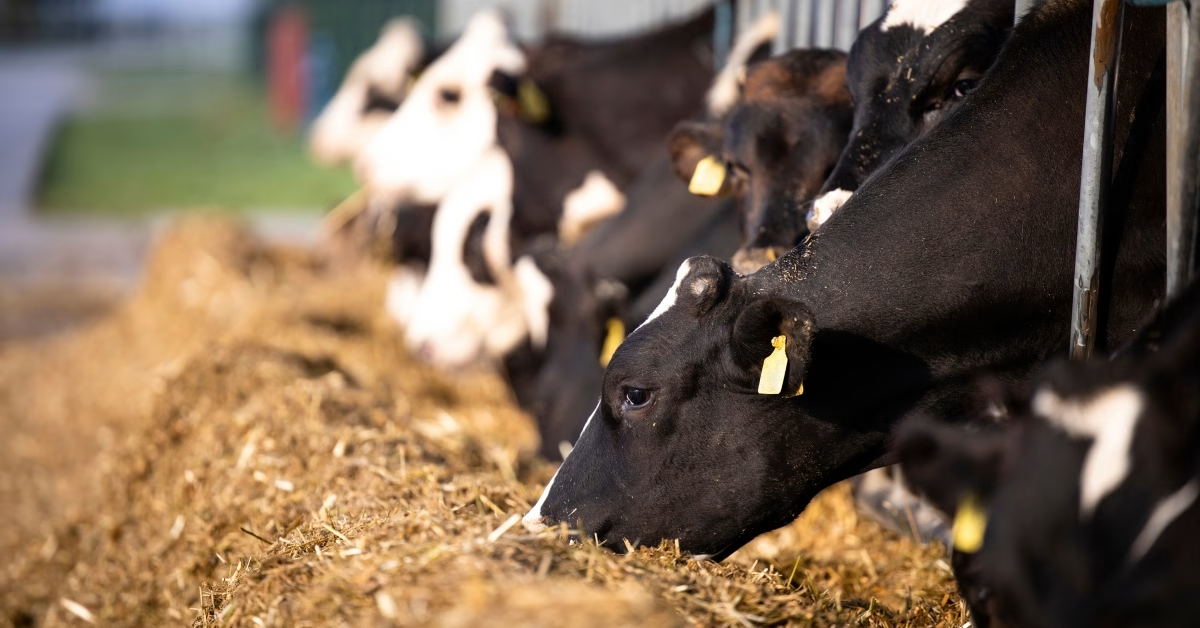
NewsSubscribe
First
Last
Consent

Negative DCAD Diets: The Proven Strategy for Healthier Transition Cows & Higher Profits

Stop milk fever before it starts! Discover how negative DCAD diets boost calcium, slash transition disorders, and add $640+/cow in milk profits.

EXECUTIVE SUMMARY: Negative DCAD diets (-8 to -12 meq/100g DM) remain dairy’s gold standard for transition cows, preventing hypocalcemia by priming calcium mobilization, boosting milk yield, and reducing metabolic disorders. Backed by decades of research, this strategy improves multiparous cow health and profitability but harms first-calf heifers’ reproduction. Key implementation steps include urine pH monitoring (6.0-6.8 for Holsteins), selective use of commercial anion supplements, and avoiding over-acidification. Modern refinements like neutral DCAD diets show promise but require further validation. With proper execution, farms report 0+/cow savings from avoided milk fever and 1,800-3,200 lbs increased lactation yields.

KEY TAKEAWAYS:

  • Target -8 to -12 meq DCAD for 21 days pre-calving to prevent milk fever and boost calcium availability
  • Urine pH 6.0-6.8 (Holsteins) confirms effectiveness – extreme acidification reduces intake
  • Exclude first-lactation heifers – negative DCAD impairs their reproduction
  • $640+/cow profit potential from higher milk yields and disease prevention
  • Neutral DCAD (0 ±30 meq) emerging as a palatable alternative with 87% milk fever reduction

Feeding negative Dietary Cation-Anion Difference (DCAD) diets to transition dairy cows has stood the test of time, with hundreds of research studies confirming its effectiveness in preventing metabolic disorders and improving performance. This scientifically validated nutritional strategy significantly reduces the risk of hypocalcemia (milk fever) and enhances overall migration to cow health. This report examines the mechanisms, benefits, implementation strategies, and latest research on negative DCAD diets for dairy producers seeking to optimize transition cow management.

Why DCAD Works: The Science Behind Calcium Mobilization

DCAD represents the diet’s balance between positively charged cations (primarily sodium and potassium) and negatively charged anions (chloride and sulfur). The most used formula to calculate DCAD is DCAD (meq) = (Na + K) – (Cl + S). A negative DCAD diet contains proportionately more chloride and sulfur in relation to potassium and sodium, thus lowering the dietary cation-anion difference value.

When cows consume a negative DCAD diet, they enter a state of compensated metabolic acidosis, which results in a slight reduction in blood pH and a significant reduction in urine pH. This subtle change in blood pH plays a crucial role in calcium metabolism. The slight acidification increases the sensitivity of tissues to parathyroid hormone (PTH), which helps mobilize calcium from bone reserves and enhances calcium absorption in the intestine.

This metabolic adaptation is significant during the transition period when calcium demands skyrocket. When a cow begins lactation, her calcium requirement suddenly increases dramatically as calcium moves from the bloodstream into colostrum and milk. Proper metabolic preparation can lead to a dangerous drop in blood calcium levels. Negative DCAD diets essentially “prime” the cow’s calcium metabolism system to respond more efficiently to this challenge.

The Calcium Mobilization Pathway: How DCAD Unlocks Bone Reserves

The biological pathways involved in calcium mobilization are complex but well-understood. When blood pH is slightly reduced through negative DCAD feeding, PTH receptors become more responsive. This enhanced sensitivity triggers two key calcium-regulating mechanisms: first, PTH has a direct effect on bone, stimulating the breakdown of bone tissue and releasing stored calcium into the bloodstream; second, PTH stimulates the kidneys to produce more active vitamin D, which in turn increases calcium absorption from the digestive tract.

3 Major Benefits of Negative DCAD Diets That Boost Your Bottom Line

The benefits of feeding negative DCAD diets during the transition period extend far beyond just preventing clinical milk fever. Research has consistently demonstrated multiple advantages for dairy cows and farm productivity.

1. Slash Hypocalcemia Rates: Stop Milk Fever Before It Starts

Hypocalcemia occurs in both clinical (milk fever) and subclinical forms. While clinical cases are obvious when cows go down and cannot stand, subclinical hypocalcemia affects a much more significant percentage of the herd, often 50% of mature dairy cows and 25% of first-calf heifers. These cows appear normal but have reduced blood calcium levels that impair muscle function throughout the body, including the digestive tract and uterus.

A meta-analysis of controlled experiments showed that feeding a negative versus positive DCAD diet reduced the relative risk of developing milk fever to between 0.19 and 0.35. This represents an impressive 65-81% reduction in milk fever risk simply through dietary management. Research has consistently shown that negative DCAD diets can eliminate clinical hypocalcemia and drastically reduce the incidence of subclinical hypocalcemia.

2. Boost Milk Production: More Milk in the Tank

Beyond disease prevention, negative DCAD diets have been shown to enhance lactation performance. A comprehensive meta-analysis found that lowering DCAD increased ionized calcium in blood before and at calving. This improved calcium status supports higher milk production in early lactation.

Research consistently shows that properly implemented negative DCAD programs lead to higher milk production, particularly in second lactation and older cows.

3. Reduce Transition Disorders: Healthier Cows, Fewer Vet Bills

The benefits extend to other transition disorders as well. Studies show a decreased incidence of retained placentas, metritis, displaced abomasums, and improved reproductive performance in cows fed negative DCAD diets. This is partly because calcium is necessary for proper muscle contraction throughout the body, including the uterus and digestive tract. When calcium levels are maintained, these systems function more effectively.

How to Implement a Successful DCAD Program on Your Dairy

Implementing a negative DCAD program requires careful attention to diet formulation and monitoring. Research has identified optimal ranges and practical approaches to achieve the desired effects.

The Perfect DCAD Range: Don’t Go Too Low

The scientific consensus points to an optimal negative DCAD range of -8 to -12 meq per 100 grams of dry matter for transition cows. This level can produce the desired metabolic effects without excessive acidification or decreased feed intake.

Interestingly, research shows that pushing DCAD levels beyond -12 does not provide additional benefits and may be counterproductive. Studies found that reducing the level of negative DCAD too far reduced prepartum dry matter intake and induced a more exacerbated metabolic acidosis. This demonstrates that more is not necessarily better regarding DCAD manipulation.

Table 1: DCAD Implementation Guidelines

ParameterRecommended RangeKey Considerations
Prepartum DCAD-8 to -12 meq/100g DMAvoid < -15 meq for intake
Postpartum DCAD+35 to +45 meq/100g DMSupports lactation
Urine pH (Holstein)6.0-6.8Test 3+ days after initiation
Urine pH (Jersey)5.5-6.0Breed-specific metabolism
Feeding Duration21-42 days prepartumLonger periods are still effective

4 Steps to Implement DCAD Successfully on Your Farm

Successful implementation of a negative DCAD program requires several key steps:

  • Analyze feed ingredients thoroughly: Conduct chemical analysis to know the exact DCAD levels of your feed ingredients and forages. This is crucial because natural variation in mineral content, especially in forages, can significantly impact the final DCAD value.
  • Minimize dietary potassium and sodium: Decrease these cations as much as possible in the transition diet. This often means avoiding or limiting high-potassium forages like certain alfalfa hays.
  • Add appropriate anionic supplements: Adjust DCAD to the target negative range by adding a palatable anion source to the ration. While raw anionic salts were used in early research, many commercial products now offer improved palatability and consistency.
  • Ensure adequate mineral balance: Formulate magnesium above 0.40% of total dry matter and provide sufficient calcium and phosphorus. Research has demonstrated that when more than 180 grams of dietary calcium are fed with a fully acidogenic diet, cows become more resistant to decreases in serum calcium concentrations.

Monitoring Success: The Urine pH Test You Need to Master

Urine pH testing is the simplest and most effective way to monitor whether a negative DCAD diet works appropriately. This non-invasive, low-cost method provides immediate feedback on the cow’s metabolic acid-base status.

Target pH Ranges: Not Too High, Not Too Low

For Holstein cows, the target urine pH range is typically 6.0-6.5, while Jersey cows generally require a slightly lower range of 5.5-6.0 due to breed differences in acid-base metabolism. Some sources recommend a broader range of 6.0-6.8 for all cows. If urine pH falls outside the recommended range, adjustments to the diet or feeding management are needed.

Recent research indicates that urine pH readings below 6.0 may not be reliable indicators of metabolic acid-base status. Once urine pH drops below 6.3, the kidneys change how they remove hydrogen ions from the blood, making urine pH a less reliable indicator of how close the cow is to uncompensated metabolic acidosis.

Simple Testing Protocol: No Need to Check Every Cow

After introducing a negative DCAD diet, wait at least three days before testing urine pH to allow the metabolic effects to develop. Rather than testing every cow daily, select a representative sample (approximately 10%) of cows on the diet for several days. Testing should be done consistently relative to feeding, as there can be diurnal variations in urine pH.

It’s important to remember that the goal is not to achieve the lowest possible urine pH. Instead, urine pH indicates that the negative DCAD diet is achieving the desired metabolic effect. There’s no benefit to extremely low urine pH values, which may indicate excessive acidification.

Timing Matters: When to Start and Stop DCAD Feeding

The timing and duration of negative DCAD feeding are essential factors in maximizing its benefits while managing costs and logistics.

Optimal Feeding Window: The 3-Week Sweet Spot

The standard recommendation is to feed negative DCAD diets during the last three weeks before expected calving. This timeframe allows sufficient opportunity for the diet to influence calcium metabolism before the calcium challenge of lactation begins.

Some research indicates that feeding a negative DCAD diet for more extended periods, up to 42 days before calving, can also be practical and doesn’t appear to cause problems. This flexibility can benefit farms with limited ability to move cows between groups frequently.

Group Housing Strategies: Making DCAD Work in Your Barn

If pen moves or grouping strategies don’t allow a separate transition group to be formed 21 days prepartum, farms can still benefit from negative DCAD feeding. Research suggests that starting negative DCAD diets earlier in the dry period can yield health and production benefits like the standard three-week protocol.

However, it’s important to note that DCAD manipulation is not recommended for lactating cows, where a positive DCAD diet is beneficial for milk production. Research suggests a negative DCAD in the prepartum stage and a positive DCAD in the postpartum stage for optimal milk production efficiency and minimal metabolic disorders.

Critical Considerations: The Latest Research Findings You Need to Know

While negative DCAD diets have proven highly effective, there are some important considerations and potential limitations to keep in mind.

First-Calf Heifers: Why DCAD May Hurt, Not Help

Recent research has revealed that nulliparous cows (first-calf heifers) respond differently to negative DCAD diets than multiparous cows. Studies have found that reducing DCAD improved milk, fat-corrected milk, fat, and protein yields in multiparous cows; however, in nulliparous cows, reducing DCAD either did not affect milk and protein yields or reduced fat-corrected milk and fat yields.

Research has found that the reproductive performance of first-lactation heifers was impaired when fed negative DCAD diets, in contrast to their older herd counterparts. This research suggests that different DCAD recommendations may be needed for first-calf heifers, and negative DCAD diets are not recommended for this group.

Table 2: Parity-Specific Responses to Negative DCAD

OutcomeMultiparous CowsNulliparous Cows
Milk Yield Change+1.7-3.2 kg/dNo improvement/Reduction
Reproductive PerformanceImprovedImpaired
Recommended DCAD-8 to -12 meq/100g DMNeutral/Positive DCAD
Metabolic BenefitStrong calcium mobilizationMinimal benefit

Palatability Challenges: Keeping Feed Intake Strong

One of the main drawbacks of traditional negative DCAD programs is palatability issues with raw anionic salts, which can reduce feed intake. Decreased prepartum feed intake is an expected response when feeding negative DCAD diets due to induced metabolic acidosis. However, modern commercial anion supplements often have improved palatability compared to raw anionic salts.

Research has clarified that the depression in feed intake is not necessarily related to the inclusion of acidogenic products but is caused by the metabolic acidosis induced by the acidogenic diet.

The DCAD Cost-Benefit Analysis: Is It Worth It? (Spoiler: Yes!)

Decreasing the ration DCAD to achieve very low urine pH values adds unnecessary cost without additional benefits. When formulating from a base diet of +18 to a negative DCAD of -8, there is a cost associated with adding anionic supplements. Pushing beyond necessary levels (e.g., from -10 to -14) adds cost with no added benefit.

Given that first-lactation heifers may not benefit from negative DCAD diets and could experience reproductive impairment, selective use of negative DCAD diets only for multiparous cows could provide significant cost savings.

Table 3: Economic Impact of DCAD Implementation

FactorTypical ImpactEconomic Value
Milk Fever Prevention65-81% reduction$300/case avoided
Subclinical Hypocalcemia50% reduction$125/cow in lost production
Feed Cost Increase$0.65/cow/day
Milk Yield Increase1,800-3,200 lbs/lactation$360-640/cow (@$0.20/lb)
Reproductive Efficiency15% improvement$150/cow in reduced losses

Cutting-Edge DCAD Research: What’s New in Transition Cow Nutrition

Research on DCAD continues to evolve, with scientists exploring refinements and alternatives to traditional approaches.

Moderate vs. Extreme Acidification: Finding the Sweet Spot

Recent research has focused on moderate acidification (pH 6.0-7.0) and extreme acidification (pH below 6.0). The evidence suggests that moderate acidification provides the benefits of improved calcium metabolism without the risks of uncompensated metabolic acidosis that can occur with extreme acidification.

Studies have shown that regardless of the blood calcium threshold used to establish hypocalcemia, the incidence of hypocalcemia and related health problems was not decreased by making cows extremely acidotic.

Neutral DCAD: A Promising Alternative?

While negative DCAD diets remain the gold standard, some researchers are investigating whether a neutral DCAD (0 ± 30 mEq/kg) might offer benefits while reducing palatability issues. A cross-sectional study of eight dairy herds found that adjusting DCAD to neutral values reduced clinical parturient paresis (milk fever) occurrence by an average of 87% compared to baseline. This approach might improve ration palatability by requiring lower levels of acidogenic salts.

However, more research is needed to fully validate this approach, particularly its effects on subclinical hypocalcemia and feed intake.

Immune Function Boost: An Unexpected Benefit

Research has examined whether negative DCAD diets affect immune function. Studies assessing effects on blood neutrophil function found that negative DCAD diets can improve neutrophil function in parous cows, particularly the proportion of neutrophils with killing activity. This suggests that the metabolic benefits of negative DCAD feeding may extend to improved immune function.

Long-term Performance Effects: The Gift That Keeps Giving

Controlled trials on commercial dairy farms have confirmed that feeding negative DCAD diets improved milk production in multiparous cows, particularly in early lactation. This adds to the growing body of evidence supporting the long-term performance benefits of this approach beyond just transition health.

Bottom Line: DCAD Still Delivers Results When Done Right

Negative DCAD diets remain among the most well-researched and effective nutritional strategies for managing transition cows. The evidence strongly supports their use to prevent hypocalcemia, reduce other transition disorders, and improve subsequent lactation performance, particularly in multiparous cows.

The optimal implementation involves feeding a diet with DCAD in the range of -8 to -12 meq per 100 grams of dry matter during the last three weeks before calving, monitoring effectiveness through urine pH (targeting 6.0-6.8), and ensuring adequate levels of calcium, magnesium, and phosphorus.

Essential updates to traditional recommendations include:

  1. Negative DCAD diets should NOT be fed to first-lactation heifers, as they may impair reproductive performance in this group.
  2. Moderate acidification (urine pH 6.0-6.8) is preferable to extreme acidification (urine pH below 6.0).
  3. After calving, cows should transition to a positive DCAD diet (+35 to +45 meq/100g DM) to support milk production.
  4. While negative DCAD remains the gold standard, neutral DCAD (0 ± 30 mEq/kg) shows promise as an alternative that may improve palatability while still reducing milk fever incidence.

For dairy producers seeking to optimize transition cow health and performance, implementing a well-designed negative DCAD program for multiparous cows represents a science-backed investment in cow health and farm profitability.

Key Questions for Your Nutritionist:

  • What is the current DCAD level in our transition cow diet?
  • Are we monitoring urine pH regularly to confirm our DCAD strategy is working?
  • Should we consider separating first-calf heifers from our negative DCAD program?
  • What is the cost-benefit analysis of our current DCAD implementation?

Learn more:

Join the Revolution!

Join over 30,000 successful dairy professionals who rely on Bullvine Daily for their competitive edge. Delivered directly to your inbox each week, our exclusive industry insights help you make smarter decisions while saving precious hours every week. Never miss critical updates on milk production trends, breakthrough technologies, and profit-boosting strategies that top producers are already implementing. Subscribe now to transform your dairy operation’s efficiency and profitability—your future success is just one click away.

NewsSubscribe
First
Last
Consent

Cottonseed Showdown: How This Controversial Feed Could Boost Your Milk Check by 15%

Controversial feed boosts milk checks by 15%? New research reveals how whole cottonseed could be your dairy profit game-changer!

Forget what you’ve heard about cottonseed risks—new research published in the Journal of Dairy Science shows strategic WCS feeding can add $2.50/cow/day through smarter milk component management. We break down the real costs, benefits, and implementation secrets your nutritionist isn’t telling you.

The Whole Cottonseed Renaissance: Why Now?

Let’s cut through the barnyard gossip. Whole cottonseed (WCS) has long been the redheaded stepchild of dairy rations, dismissed over gossypol fears and storage hassles. But 2025’s razor-thin margins demand we rethink every input—including this underdog ingredient. A 2025 University of Minnesota trial reveals WCS isn’t just safe at 15% inclusion—it’s a profit rocket when leveraged correctly.

Take Wisconsin’s Schlitzer Dairy, where swapping 5 lbs of soybean meal for WCS last quarter boosted milk fat by 0.3 percentage points. “That’s an extra $1,200 daily on 800 cows,” says owner Greg Schlitzer. “We’re talking life-changing margins in this market.”

But here’s where most farmers stumble: WCS isn’t a magic bullet. It’s a precision tool requiring strategic use. Feed it blindly, and you’ll waste money. Deploy it smarter than your neighbors? That’s how you fund next year’s equipment upgrades.

Why This Matters

Dairy’s current economic landscape demands ruthless efficiency. With milk prices averaging $18/cwt, farmers can’t afford to ignore any edge. WCS’s ability to boost milk fat—often the most lucrative component in value-based pricing systems—transforms it from a fringe feed into a financial weapon.

Key Nutritional Profile:

  • 21% fiber: Provides effective fiber without overloading rations.
  • 17% fat: Slowly released in the rumen, minimizing biohydrogenation risks.
  • 24% protein: A cost-effective protein source compared to soybean meal.

The Money Math: WCS vs. Traditional Inputs

Let’s geek out on numbers. The 2025 University of Minnesota trial compared 15% WCS diets against standard rations using cottonseed hulls + soybean meal. Results?

MetricWCS DietControl DietDifference
Milk Fat Yield1,210 g/day1,100 g/day+10%
Feed Cost/Ton$315$298+$17
Income Over Feed Cost$6.42/cow/day$5.88/cow/day+$0.54
Labor Efficiency8 min/day12 min/day-33%

Data from 2025 University of Minnesota trial with 480 lactating Holsteins

Here’s the kicker: While WCS diets cost $17/ton more, the $0.54/cow/day IOFC gain compounds fast. For a 500-cow herd, that’s $98,000 annualized—enough to install a robotic feeder or hire two full-time employees.

But wait—there’s a plot twist. “Farmers fixate on milk price per hundredweight,” says Dr. Linda McMullen, lead researcher. “Smart operators chase components. WCS shifts your milk profile toward what processors actually want.”

What This Means For Your Operation

If your co-op pays premium for fat, WCS becomes a no-brainer. But even in flat-pricing systems, the feed efficiency gains (as seen in FCM/DMI improvements) create hidden value through reduced waste and better resource allocation.

Critical Caveat: Some processors penalize high-fat milk. Check your contract terms before implementation.

Beyond the Hype: Making WCS Work for Your Herd

Storage Hacks for Real Farms

Yes, WCS can heat up faster than a bull in breeding season. But Indiana’s TenHarmsel Farms cracked the code using repurposed grain bins with aeration systems. “We treat it like high-moisture corn,” says manager Kyle TenHarmsel. “Turn the fans on for 30 minutes twice daily—zero spoilage since 2023.”

Pro Tips from Industry Experts:

  1. Commodity Shed Essentials: Use walking floor systems and dump trucks for easier loading.
  2. Climate Adaptations: In humid regions, consider coated or pelleted WCS to prevent mold.
  3. Moisture Monitoring: Install automated sensors in bulk silos to track humidity levels.

Mixing Mastery: Preventing the Sorting Headache

WCS’s irregular shape makes it prone to sorting in TMR mixers. Here’s how top producers are tackling this:

  1. Pre-mix Strategy: Blend WCS with a small-grain component like ground corn before adding to the main mix.
  2. Vertical Mixer Magic: If you’re running a vertical mixer, add WCS last and limit mixing time to 3-5 minutes post-addition.
  3. Liquid Liaison: Some innovators are experimenting with adding molasses or whey permeate to “glue” WCS to other ration components.

The Gossypol Myth Busted

Anti-WCS lore claims gossypol risks trump benefits. Bloodwork from the 2025 trial tells a different story:

  • Plasma gossypol levels: 4.2 μmol/L (WCS group) vs. 1.1 μmol/L (control)
  • Toxic threshold: 25 μmol/L

Translation: You’d need to feed 35% WCS daily to hit danger zones. At 15%, it’s safer than your teenager’s TikTok habits.

Why This Matters
Gossypol’s bad rap stems from outdated studies on cottonseed meal (not whole seed). WCS’s slow fat release in the rumen minimizes absorption—a critical distinction lost on many nutritionists. Recent University of Georgia research confirms modern cottonseed varieties have lower gossypol levels and smaller seeds, further reducing risks.

Global Playbook: What We Can Learn from International WCS Innovators

While U.S. farmers debate WCS, Israel’s top dairies run 18% inclusions year-round. “Our arid climate simplifies storage,” says Moshe Ben-David of Arava Dairy. “But the real secret? Pairing WCS with rumen-protected lysine. We’ve hit 4.1% milk fat consistently.”

Let’s break down global WCS strategies:

CountryWCS InclusionKey Innovation
Israel18%Rumen-protected lysine pairing
Brazil20%Pelletized WCS for easier handling
Australia15%Automated moisture sensors in storage

Lessons for U.S. Dairies

  1. Climate-Specific Storage: Adapt Israeli dry-storage techniques for arid regions; use Brazilian pelletization in humid areas.
  2. Nutrient Synergies: Explore rumen-protected amino acid pairings to maximize WCS benefits.
  3. Tech Integration: Implement Australian moisture-monitoring systems for large-scale operations.

Environmental Considerations: The Methane Myth

Despite the hypothesis that WCS’s unsaturated fatty acids would reduce methane emissions, the 2025 trial found no significant effect. For farmers looking to reduce their carbon footprint, this feeding strategy may not provide the environmental benefits initially expected.

However, the lack of negative impacts on production, combined with improved feed efficiency, suggests WCS can be part of an economically and environmentally sustainable feeding program.

The Carbon Calculation
While WCS doesn’t directly cut methane, its efficiency gains indirectly reduce your farm’s carbon footprint:

  1. Less Feed, Same Milk: Higher feed efficiency means fewer resources used per cwt of milk produced.
  2. Transport Savings: Local WCS sourcing can slash your feed’s transportation emissions.
  3. Waste Reduction: Improved storage techniques minimize spoilage, cutting down on wasted resources.

Practical Implementation: Your 90-Day WCS Roadmap

Ready to jump on the WCS bandwagon? Here’s your action plan:

Week 1-2: Baseline and Sourcing

  • Establish current milk component baselines
  • Source WCS from reputable suppliers (aim for 16% fat, 21% protein)
  • Set up storage infrastructure using commodity sheds or repurposed grain bins

Week 3-4: Introduction Phase

  • Start at 5% WCS inclusion
  • Monitor intake closely
  • Conduct weekly milk tests

Week 5-8: Ramp-Up

  • Gradually increase to 10% inclusion
  • Adjust other ration components as needed
  • Continue weekly milk tests

Week 9-12: Full Implementation

  • Push to 15% inclusion if all metrics remain positive
  • Fine-tune mixing protocol to prevent sorting
  • Analyze IOFC changes

Post-Implementation

  • Conduct a full economic analysis
  • Adjust storage and handling based on farm-specific challenges
  • Share results with your local dairy community

The Bottom Line: Is WCS Your Next Profit Driver?

Feeding whole cottonseed at 15% of the diet isn’t just safe—it’s a financial lifesaver in today’s $18/cwt milk market. But success demands:

  1. Precision Storage: No more dumping it in the back forty. Treat WCS like the premium ingredient it is.
  2. Component Tracking: If your co-op doesn’t pay for fat, this play isn’t for you (yet).
  3. Global Inspiration: Steal storage solutions from Israel, mixing strategies from Brazil.

Critical Considerations

  • Processor Policies: Verify fat premiums before implementing.
  • Bull Fertility: While the 2023 Auburn study showed no negative impacts on bull semen quality, WCS isn’t universally recommended for breeding programs.
  • Regional Variability: Cotton residue grazing (common in Southern cow-calf operations) doesn’t translate directly to dairy systems.

Still skeptical? Run a 50-cow trial. Measure components weekly. Crunch the numbers yourself. Because in 2025’s dairy economy, the difference between red ink and black just might be sitting in a cotton gin’s byproduct pile.

Key Takeaways:

  1. Profit Boost: WCS at 15% increases milk fat yield by 10% and IOFC by $0.54/cow/day.
  2. Myth Busted: Gossypol risks are negligible at 15% inclusion, with plasma levels far below toxic thresholds.
  3. Global Strategies: Adopt storage innovations (e.g., aeration, pellets) and nutrient synergies from Israel/Brazil.
  4. Action Plan: Start at 5% inclusion, monitor components, and scale to 15% with proper mixing/storage.
  5. Critical Check: Confirm processor fat policies—premiums dictate WCS’s profitability.

Executive Summary:

Whole cottonseed (WCS) at 15% inclusion isn’t just safe—it’s a financial powerhouse. Recent University of Minnesota research shows WCS boosts milk fat yield by 10%, translating to $0.54/cow/day in income over feed costs. By replacing soybean meal and cottonseed hulls, WCS delivers fat, protein, and fiber in one ingredient, reducing storage and mixing hassles. Gossypol risks are minimal at 15% inclusion, with plasma levels well below toxicity thresholds. Global dairy leaders in Israel and Brazil leverage WCS through climate-specific storage (e.g., aeration systems, pellets) and nutrient pairings. However, farmers must verify if their processors reward fat premiums. Implementing WCS requires phased introduction, precise storage, and monitoring—but the payoff could transform thin margins into sustainable profits.

Learn more:

Join the Revolution!

Join over 30,000 successful dairy professionals who rely on Bullvine Daily for their competitive edge. Delivered directly to your inbox each week, our exclusive industry insights help you make smarter decisions while saving precious hours every week. Never miss critical updates on milk production trends, breakthrough technologies, and profit-boosting strategies that top producers are already implementing. Subscribe now to transform your dairy operation’s efficiency and profitability—your future success is just one click away.
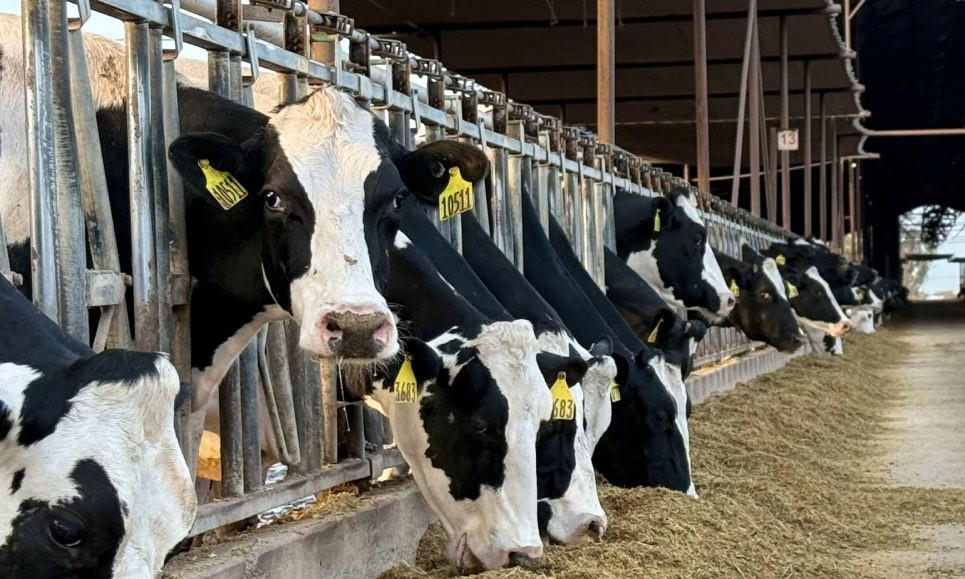
NewsSubscribe
First
Last
Consent

The $3.5 Million Buffer Bombshell: How Rumen pH Management Is Revolutionizing Dairy Profits in 2025

Is heat stress draining your dairy profits? Discover how strategic buffer solutions are helping producers combat this challenge while improving animal welfare. Your competitors are already implementing this science—are you?

While you are watching your feed costs and milk prices, a silent profit killer lurks in your cows’ rumens, potentially costing your operation significant revenue over time; heat stress is not just making your cows pant—it is decimating your bottom line by crashing rumen pH and setting off a cascade of metabolic disasters that your competitors have already figured out how to mitigate. The solution? It is not expensive robots or fancy genetics—it is a strategic approach to buffer supplementation that could significantly improve your operation’s performance during challenging heat conditions. Still skeptical? Then, you are about to discover why the dairy down the road might be outperforming you during every summer slump.

Your Herd’s Hidden Brewery: Where Profit Ferments or Fails

Let us discuss what is happening inside your cows when temperatures climb. Their rumens are not just digestive organs—they are sophisticated fermentation systems that house trillions of microorganisms converting feed into energy. This biological brewery generates volatile fatty acids (VFAs), providing 70-80% of a dairy cow’s energy requirements. However, one wrong move and this productive brewery turns into a metabolic dumpster fire.

“A cow’s rumen is like a brewery—too much acid and the entire operation shuts down. Buffers? They are the bouncers keeping the microbial mosh pit in check.” — Dr. Mark Johnson, UW Dairy Science.

For optimal performance, rumen pH must stay between 6.2 and 6.8—the sweet spot where fiber-digesting bacteria thrive. When pH drops below 5.8 for extended periods, your cows develop subacute ruminal acidosis (SARA), silently sabotaging feed efficiency and profitability.

Your cow’s rumen is not just fermenting feed—it is maintaining a delicate ecosystem where over 200 microbial species compete for resources. When acid-loving bacteria dominate during pH crashes, they not only change digestion but trigger systemic inflammation that compromises everything from hoof health to reproductive performance.

The Triple Threat of Heat Stress

When the Temperature-Humidity Index (THI) exceeds 68, your cows are not just uncomfortable—they are fighting a biochemical war on three fronts:

  1. Saliva Shutdown: Heat stress slashes saliva production up to 40%, dramatically reducing the cow’s natural buffering capacity.
  2. Respiratory Bicarbonate Loss: Those heaving sides are not just dramatic—your cows are hemorrhaging bicarbonate with every pant, depleting their pH defense system.
  3. Feed Behavior Sabotage: Heat-stressed cattle consume less forage and more concentrates, creating a perfect storm for acidosis. Research shows feed intake typically drops by 8-12% or more during heat stress, altering rumen composition and reducing milk production.

USDA research shows climate change-induced heat stress could lower U.S. milk production by 0.6-1.3 percent by 2030. The financial damage is substantial, as the dairy sector bears over half of the costs of current heat stress to the livestock industry.

The Buffer Arsenal: Weapons for Your Profit War

Not all buffers are created equal. The difference between mediocre and masterful buffer strategies can mean thousands in your pocket—or someone else’s.

Sodium Bicarbonate: Your Front-Line Defense

This is not just your grandmother’s baking soda. Sodium bicarbonate (NaHCO₃) accounts for approximately 65% of global buffer usage in dairy nutrition, according to Dairy Global (2024). Upon entering the rumen, it rapidly dissociates into sodium and bicarbonate ions, neutralizing excess hydrogen ions and stabilizing pH.

When properly implemented, sodium bicarbonate supplementation increases acetate production by 12% and boosts milk fat percentage by 0.14% on average, as demonstrated in research by Harrison et al. (2024). What is the recommended inclusion rate? Between 0.8% and 1.2% of dietary dry matter—push beyond 1.5%, and you risk sodium overload.

Potassium Carbonate: Your Heat Stress Secret Weapon

While your competitors struggle through summer, savvy producers are deploying potassium carbonate (K₂CO₃) as a buffer and crucial electrolyte replacement. According to USDA-ARS research (2024), heat-stressed cattle can lose up to 59% of their potassium reserves through altered perspiration and urination patterns.

Herds supplemented with K₂CO₃ during periods when THI exceeds 72 show remarkable resilience, as documented by Zhang et al. (2024):

  • 30% reduction in respiration rates
  • 0.3% increase in milk fat percentage
  • Improved dry matter intake during heat waves

Calcium and Magnesium Compounds: Your Supporting Cast

While less prominent than sodium and potassium buffers, calcium carbonate (CaCO₃) and magnesium oxide (MgO) play valuable supporting roles:

  • Calcium carbonate: Provides moderate buffering above pH 6.0 while supporting calcium requirements
  • Magnesium oxide: Functions as both a buffer and ruminal modifier, though inclusion should be limited to 0.4% of dietary dry matter to prevent adverse impacts on fiber digestion, as shown by Mertens (2024)
Buffer TypeOptimal Inclusion RatePrimary BenefitsBest Application
Sodium Bicarbonate0.8–1.2% DMRapid pH stabilization, 12% more acetate, 0.14% milk fat increaseHigh-concentrate diets, everyday use
Potassium Carbonate0.5–0.7% DMElectrolyte replacement, 30% reduced respiration rates, 0.3% milk fat increaseSummer heat stress (THI > 72)
Magnesium Oxide0.2–0.4% DMRuminal modifier, supports magnesium requirementsLimit to 0.4% DM to avoid negative impacts
Sodium Sesquicarbonate0.25–0.50% DMCombines bicarbonate + carbonate benefitsAlternative to sodium bicarbonate
Biochar (Organic)~0.15 lbs/cow/day18% increase in butyrate productionBudget-conscious or organic operations

DCAD: The Electrolyte Equation That Enhances Profitability

The real pros are not just throwing buffers at the problem—they are strategically manipulating Dietary Cation-Anion Difference (DCAD) to maximize returns. This is not just scientific jargon but a formula that top producers are already exploiting.

“It is like asking the cow to run a marathon while breathing through a straw. DCAD management? That is the oxygen mask.” — Luiz Fernandez, Brazilian Dairy Consultant

The DCAD equation—(Na⁺ + K⁺) − (Cl⁻ + S²⁻)—provides the framework for electrolyte management during heat challenges. Research shows that increasing DCAD from standard levels (+250 mEq/kg DM) to elevated levels (+400 mEq/kg DM) during heat stress can produce substantial performance benefits:

  • Dry matter intake increases
  • Milk yield improvements
  • Reduced inflammation markers

The industry’s obsession with genetic solutions has sometimes overshadowed metabolic management as an important profit lever. While your neighbor spends on genetic improvements yielding modest milk gains, you could invest in buffer strategies that could potentially deliver more significant production increases during heat stress periods.

THI RangePhysiological ResponseProduction ImpactRecommended Buffer Strategy
65-68Initial panting, slight DMI decreaseMilk yield drops beginning at 2.2 kg/dayBasic sodium bicarbonate (0.8% DM)
68-72Respiratory rate 60-80/min, reduced rumination5-12% milk yield reductionAdd potassium carbonate (0.5% DM)
72-78Respiratory rate 80-120/min, 25% saliva reduction10-25% milk yield reduction, 0.2-0.4% milk fat depressionFull buffer protocol with DCAD +350-400 mEq/kg DM
>78Severe panting (>120/min), 40% saliva reduction>25% milk yield reduction, possible mortalityMaximum buffer rates + cooling interventions

Show Me the Money: The Economic Benefits of Buffer Strategies

Let us cut through the science and get to what matters—your bottom line. The financial case for strategic buffer implementation is compelling.

The Buffer Math Your Banker Will Love

Herd SizeDaily Buffer CostPotential Production BenefitsPossible Daily Returns
100 cows$48Improved production and componentsSignificant ROI during heat stress periods
500 cows$240Enhanced milk output and healthMultiplied returns with scale
1,000 cows$480Reduced heat stress impacts across herdSubstantial operation-wide benefits

Buffer skeptics argue that implementation costs are prohibitive for smaller operations. However, even smaller dairies can see meaningful returns—potentially enough to cover buffer expenses in a relatively short period during heat stress conditions.

“Buffers stabilize rumen health and optimize microbial growth.” — Dr. Michael Hutjens, Professor Emeritus, University of Illinois

Most dairy interventions deliver single-digit ROI percentages. Facility improvements? 3-8%. Genetic selections? 5-12%. Advanced reproduction protocols? 10-18%. Compare that to buffer strategies that can deliver significant returns during heat stress, and the question becomes not whether you can afford to implement them but whether you can afford not to.

Farm ScenarioDaily Buffer InvestmentPotential ReturnsPossible Benefits
100-cow herd during moderate heat stress (THI 70-75)$48/day ($0.48/cow)Improved milk production and componentsPotentially significant ROI
100-cow herd during severe heat stress (THI >78)$72/day ($0.72/cow)Enhanced production and reduced vet costsEven greater potential returns
500-cow organic dairy using alternative buffers$112/day ($0.22/cow)Production improvements with organic premiumAppealing economics for specialty markets
Year-round buffer program (seasonal adjustments)Varies by season and herd sizeConsistent year-round benefitsLong-term operational improvements

It is like giving the cows antacids and Gatorade in one, where implementing a potassium carbonate-focused buffer strategy during extreme heat (THI 78) can transform your operation:

MetricBefore ImplementationAfter Implementation
Dry Matter Intake22.4 kg/day26.6 kg/day
Milk Fat Percentage3.5%3.9%
Monthly Veterinary Costs$8,200$6,724

These results demonstrate benefits extending beyond milk production to herd health and reduced veterinary expenses. That is not just profit enhancement—it is comprehensive business improvement.

Implementation Without Headaches: Your Action Plan

Forget complex theories. Your straightforward buffer battle plan works even when labor and margins are tighter.

Step 1: Mix Buffers Like a Profit-Maximizing Chef

For maximum returns during heat stress, blend:

  • Sodium bicarbonate: 0.8–1.2% DM (approximately 1.6–2.4 lbs per cow daily)
  • Potassium carbonate: 0.5–0.7% DM (approximately 1–1.4 kg per cow daily)

This combination provides rapid pH stabilization from sodium bicarbonate while addressing electrolyte losses through potassium carbonate.

“It is like giving the cows antacids and Gatorade in one.” — Jake Thompson, Herd Manager, Sunshine State Farms.

Step 2: Leverage Forage for Maximum Effect

Buffer effectiveness significantly increases when paired with adequate, physically effective fiber. Target forage with ≥30% NDF to promote chewing activity and natural saliva production. This approach is confirmed by research showing that high-quality forage reduces the adverse effects of heat stress by requiring less intake to maintain a balanced ratio while never reducing fiber levels below 18%.

Step 3: Monitor Like Your Mortgage Depends On It

Track these three metrics consistently:

  1. Rumen pH: Target range of 6.0–6.5, ideally measured with bolus sensors
  2. Milk Fat Percentage: 3.8–4.2% indicates proper rumen function
  3. Urine pH: 7.0–8.0 confirms appropriate DCAD levels

The Future Is Already Here: Tech That Makes Buffers Work Harder

While some producers are still measuring buffers with coffee cans, forward-thinking producers are deploying precision technology that enhances buffer effectiveness.

Rumen Temperature Monitoring: The Early Warning System

New research demonstrates that rumen temperature boluses can effectively identify and predict heat stress events in dairy cattle. These systems can use machine learning algorithms to predict heat stress before visible symptoms appear, enabling proactive rather than reactive buffer management.

“The success of this approach is encouraging, as the scale and variable nature of farming outdoors in temperate climates has, to date, limited the development of our understanding and management of thermal stress among dairy cattle in these systems.” — 2024 Rumen Temperature Monitoring Research Study

Automated Buffer Systems: Labor-Saving Profit Machines

With many U.S. dairy operations facing labor shortages, automated buffer delivery systems are not just convenient—they are essential. Advanced systems can:

  • Reduce labor requirements significantly
  • Improve measurement accuracy
  • Substantially reduce buffer waste

Consumer Value: Turning Buffer Strategies Into Premium Pricing

Today’s dairy consumers are not just buying milk—they are buying values. According to a survey commissioned by the ASPCA, approximately 70% of U.S. consumers pay attention to labels indicating how animals were raised, and 78% believe there should be an objective third party to ensure farm animal welfare.

Implementing comprehensive buffer strategies produces measurable welfare improvements that translate directly to marketable benefits:

  • Reduced lameness rates
  • Decreased early lactation culling
  • Potential for welfare-focused marketing claims

Research shows that consumers would be willing to pay 32-48% premiums for products with trustworthy welfare certifications. This willingness to pay more for welfare-certified products spans all demographics—regardless of where they live, what stores they shop at, or their household income.

Three-fourths of consumers noted that they would likely switch to products with labels that offered more assurance about higher animal welfare. This represents a significant opportunity for dairy producers to implement welfare-improving strategies like buffer management.

Your Next Move: Stop Leaving Money on the Table

The evidence is clear: implementing strategic rumen buffer programs represents a valuable investment for modern dairy operations. While your competition complains about heat stress cutting profits, you could improve your herd health and production during challenging conditions.

Three immediate action steps for forward-thinking producers:

  1. Implement baseline buffer protocols with regular monitoring of key pH indicators
  2. Consult with your nutritionist this week to optimize DCAD levels for current and projected conditions
  3. Investigate emerging buffer technologies that can enhance effectiveness while reducing labor requirements

In the increasingly competitive dairy landscape, effective buffer management is not just a nice-to-have supplement—it is the difference between operations that barely survive and those that thrive despite environmental challenges.

Are you ready to stop allowing heat stress to compromise your operation’s potential? The time to act is now because your competition is already making the move while you read this.

Key Takeaways

  • Target rumen pH between 6.2-6.8 using sodium bicarbonate (0.8-1.2% DM) for everyday use and potassium carbonate (0.5-0.7% DM) during heat stress periods when THI exceeds 72
  • Monitor three critical metrics consistently: rumen pH (6.0-6.5), milk fat percentage (3.8-4.2%), and urine pH (7.0-8.0) to ensure your buffer strategy is effectively maintaining rumen health.
  • Pair buffers with adequate physically effective fiber (≥30% NDF) to promote natural saliva production and enhance buffer effectiveness while never reducing fiber levels below 18%
  • Increase DCAD levels to +350-400 mEq/kg DM during heat stress periods to support electrolyte balance and counteract respiratory bicarbonate losses.
  • Leverage consumer trends by marketing the welfare benefits of buffer strategies, as research shows approximately 70% of consumers pay attention to animal welfare labels and would pay 32-48% premiums for welfare-certified products.

Executive Summary

Modern dairy operations face a significant yet often overlooked threat from heat-induced ruminal acidosis, which compromises the industry’s production, health, and profitability. Strategic implementation of rumen buffers—particularly sodium bicarbonate and potassium carbonate—can stabilize pH levels during heat stress by counteracting reduced saliva production and respiratory bicarbonate loss while supporting proper DCAD (Dietary Cation-Anion Difference) levels for optimal rumen function. When implemented correctly with inclusion rates of 0.8-1.2% DM for sodium bicarbonate and 0.5-0.7% DM for potassium carbonate during heat events, these buffers can maintain milk production and components while reducing veterinary costs. Beyond direct production benefits, buffer strategies create potential premium pricing opportunities through animal welfare improvements that consumers are increasingly conscious of and will pay more for. Proper buffer selection, adequate fiber integration, and consistent monitoring of key health indicators represent some of the most economically sound investments available to dairy producers facing increasingly challenging climate conditions.

Learn more:

Join the Revolution!

Join over 30,000 successful dairy professionals who rely on Bullvine Daily for their competitive edge. Delivered directly to your inbox each week, our exclusive industry insights help you make smarter decisions while saving precious hours every week. Never miss critical updates on milk production trends, breakthrough technologies, and profit-boosting strategies that top producers are already implementing. Subscribe now to transform your dairy operation’s efficiency and profitability—your future success is just one click away.
NewsSubscribe
First
Last
Consent

Revolutionizing Calf Nutrition: How High-Protein Corn Co-Products Boost Growth While Cutting Feed Costs

Ditch soybean meal? New ethanol byproducts boost calf growth 9% and slash costs. But beware: quality control is make-or-break.

EXECUTIVE SUMMARY: Revolutionary high-protein corn co-products (HPCC) from ethanol production are challenging soybean meal’s dominance in calf starters. Kansas State research shows a 9% boost in post-weaning growth and potential cost savings with HPCC. These ingredients match soybean meal’s protein levels while retaining beneficial yeast components. Surprisingly, full replacement outperformed partial substitution. However, success hinges on rigorous quality control—heat damage can negate benefits. Proper amino acid balancing is crucial. While offering growth and efficiency advantages, HPCC requires careful supplier selection and a systematic implementation approach. This shift represents a significant opportunity for dairy producers to optimize heifer development and reduce environmental impact, but demands a data-driven, strategic approach to reap the full benefits.

KEY TAKEAWAYS:

  • HPCC can increase post-weaning growth by 9% vs. soybean meal while potentially reducing feed costs
  • Processing quality is critical—ADICP testing is essential to avoid heat-damaged product
  • Complete HPCC replacement of soybean meal showed better results than partial substitution
  • Implementation requires careful amino acid balancing and systematic performance monitoring
  • Adoption offers both economic and environmental sustainability benefits when properly managed
high-protein corn co-products, calf nutrition, feed efficiency, ethanol byproducts, dairy heifer development

New research from Kansas State University reveals specialized ethanol industry co-products can outperform traditional soybean meal in calf starters, increasing post-weaning growth by 9% while potentially reducing feed costs. These innovative high-protein ingredients deliver superior performance—but only with careful supplier selection, proper quality assessment, and strategic implementation.

Beyond DDGs: How Ethanol’s Evolution Created a Superior Protein Source

Are you still formulating calf starters based on outdated protein assumptions? While conventional wisdom has long dismissed corn co-products for young calves, the ethanol industry’s technological revolution demands we reconsider these nutritional dogmas. Traditional dried distillers grains, with their elevated fiber content, rightfully earned a questionable reputation in starter formulations—but today’s high-protein corn co-products represent an entirely different nutritional proposition.

“The ethanol industry is getting aggressive about trying to add value to their co-products—it’s not just a byproduct anymore,” notes Dr. William Brown from Kansas State University, whose research has systematically challenged conventional protein source assumptions. Through sophisticated fractionation technologies, ethanol producers have engineered a new generation of corn co-products with protein levels reaching 50%—nutritionally comparable to soybean meal but with performance advantages that have surprised even skeptical nutritionists.

One such product, Protomax, exemplifies this new class of ingredients. With crude protein content matching soybean meal (approximately 50%), these specialized ingredients retain valuable yeast components from fermentation while substantially reducing the fibrous fractions that limited digestibility in traditional distillers grains. This represents a fundamental advancement in ingredient functionality that demands reconsidering long-established formulation practices in calf nutrition programs.

Growth Performance That Challenges Soybean Meal’s Dominance

Is your operation falling behind by clinging to outdated protein strategies while innovative producers are already capitalizing on next-generation ingredients? The research evidence should command your attention: Dr. Brown’s comprehensive study examined high-protein corn co-products (HPCC) as replacements for soybean meal in Holstein’s calves from 14 to 84 days of age, with results that challenge the protein status quo.

“We saw that calves on the high-protein corn product grew more and had a greater average daily gain,” states Dr. Brown, whose research documented this performance advantage, particularly during the post-weaning period. This improved growth performance represents a significant opportunity for dairy producers seeking to optimize heifer development programs and reduce time to first breeding—a metric with direct economic implications for lifetime productivity and operational profitability.

Most surprisingly, the complete replacement of soybean meal (100% HPCC) yielded better results than partial replacement (50% HPCC). This counterintuitive finding forces us to reconsider fundamental assumptions about protein source selection in young calves and challenges the conventional wisdom that would suggest a blended approach might be optimal.

Why This Matters

These performance differences translate to real economic impact through multiple pathways: Accelerated growth rates reduce days on feed, potentially lowering age at first calving while simultaneously improving feed efficiency. The compounding effect of these advantages creates opportunities for improved productivity and reduced input costs—a combination rarely available in dairy production.

Breaking the Protein Percentage Myth: The Hidden Nutritional Mechanisms

Has your nutritionist moved beyond formulating simply on crude protein percentage? This outdated approach misses the sophisticated nutritional mechanisms that make these new-generation ingredients perform differently than their predecessors. The superior performance observed with high-protein corn co-products stems from multiple dietary factors directly impacting calf development.

First, these co-products are enriched with yeast bodies from the fermentation process—a characteristic that traditional protein evaluation systems fail to value adequately. These yeast components provide bioactive compounds and micronutrients that support digestive health and immune function beyond their primary protein contribution. This represents a “hidden bonus” typically overlooked in conventional nutritional calculations based solely on proximate analysis.

Second, amino acid profile and balance prove critical to the performance equation. Dr. Brown’s research emphasized formulating diets with careful attention to essential amino acids such as lysine and methionine—potential limiting factors in calf growth. When properly balanced in the diet, high-protein corn co-products appear to deliver an amino acid profile that effectively supports accelerated growth rates.

Most critically, digestibility assessments conducted as part of the research found no significant negative impacts on nutrient utilization in weaned calves. This addresses one of the primary historical concerns about corn co-products—that their nutrients might be less available to the animal. The research demonstrates that despite their different origins, properly processed high-protein corn co-products can provide effectively utilized nutrients.

Process Quality: The Critical Variable That Determines Success or Failure

Processing quality control represents the most critical factor determining whether these ingredients deliver benefit or disappointment. A contrasting 2019 Kansas State University study examining high-protein corn products in lactating dairy cows found dramatically different results—reduced milk production and decreased digestibility.

What explains this apparent contradiction? The researchers identified excessive heat damage during drying as the likely culprit, with elevated acid detergent insoluble crude protein (ADICP) levels indicating Maillard reaction damage to the protein. This processing-related quality variation highlights why ingredient sourcing and quality assessment become essential when incorporating these products into your feeding program.

This stark contrast between results in calves versus lactating cows demonstrates how nutritional requirements and ingredient interactions shift across life stages. What works brilliantly in one context may disappoint in another—underscoring the need for targeted research rather than broad generalizations about ingredient value.

Why This Matters

The processing quality variability means that not all products labeled “high-protein corn co-products” will deliver equivalent results. Implementing proper quality assessment protocols—particularly ADICP analysis to detect heat damage—becomes essential to successfully adopting these ingredients. The performance differential between optimal and sub-optimal processing can entirely negate these ingredients’ potential advantages.

Real Numbers, Real Results: The Performance Data That’s Changing Feeding Programs

Understanding the specific performance impacts of high-protein corn co-products requires examining the research data. Dr. Brown’s study at Kansas State University provides compelling evidence of their effectiveness in calf starters, as shown in the following table:

Performance Parameter0% HPCC (Control)50% HPCC100% HPCCStatistical Effect
Starter Intake (kg/d, pre-weaning)0.390.330.39Quadratic (P < 0.05)
Starter Intake (kg/d, post-weaning)2.452.322.58Linear (P = 0.08)
Body Weight (kg, d 84)95.8597.6099.48Linear (P = 0.05)
Average Daily Gain (kg/d, post-weaning)0.890.940.98Linear (P = 0.05)
Feed Efficiency (gain:feed, post-weaning)Males: 0.41Females: 0.38Males: 0.40Females: 0.41Males: 0.38Females: 0.42Treatment × Sex (P = 0.04)
Insulin Concentration (μg/L)0.370.430.48Linear (P = 0.01)

These performance metrics reveal several essential patterns. First, the linear improvement in body weight and average daily gain as HPCC inclusion increased demonstrates a clear dose-dependent response. Second, the interesting quadratic effect on pre-weaning intake suggests complex palatability dynamics during this critical period. Finally, the treatment by sex interaction for feed efficiency highlights the importance of considering biological sex when implementing these ingredients—female calves appeared to respond more favorably to the complete replacement of soybean meal with HPCC.

Most importantly, these aren’t marginal improvements—the 9% increase in post-weaning average daily gain between control and 100% HPCC groups represents a substantial acceleration in growth that compounds over time. For producers focusing on accelerated heifer development programs, this performance differential could significantly reduce age at first calving, improving lifetime productivity metrics.

Head-to-Head Showdown: New-Gen HPCCs vs. Traditional Protein Sources

ParameterTraditional DDGsNew-Generation HPCCSoybean MealPractical Implications
Crude Protein28-32%45-55%47-52%HPCC protein levels match SBM, eliminating dilution concerns
Fiber Content30-35% NDF15-20% NDF8-10% NDFReduced fiber in HPCC addresses traditional digestibility limitations
Yeast ComponentsMinimalSignificantNoneBioactive compounds in HPCC may support digestive development
Processing VariabilityModerateHighLowQuality assessment critical for HPCC to avoid heat-damaged product
Amino Acid ProfileLower lysineImproved lysineHigh lysineDiet-level amino acid balancing essential with any protein source
Post-Weaning PerformanceLimitedSuperior to SBM in researchIndustry standardHPCC shows potential to enhance growth during critical transition period

This comparison reveals why these new-generation ingredients perform differently than their predecessors. The significant reduction in fiber content while maintaining high protein levels creates a nutritional profile more suitable for developing rumens. The improved amino acid profile addresses historical limitations, particularly for lysine (often limiting in corn-based proteins). However, the higher processing variability highlights why quality control becomes essential—without proper assessment, you could be incorporating heat-damaged protein with significantly reduced availability.

Risk Management Playbook: Protecting Your Investment When Transitioning to HPCCs

Implementing any new ingredient carries inherent risks. The following table provides a structured approach to evaluating and mitigating these risks when incorporating high-protein corn co-products into your calf nutrition program:

Risk FactorTraditional SBMHigh-Protein Corn Co-ProductsMitigation Strategy
Processing Quality VariationLowHighRequest ADICP analysis to verify heat damage levels
Palatability ChallengesMinimalPotentialImplement gradual transition over 7-10 days
Amino Acid BalanceHigh lysine naturallyRequires balancingEnsure diet formulation includes synthetic amino acids or complementary proteins
Batch-to-Batch ConsistencyConsistentVariableEstablish quality testing protocols with supplier
Performance Monitoring RequirementsStandardEnhancedImplement weekly growth measurements during transition
Rumen Development EffectsWell-establishedEmerging researchMonitor starter intake patterns and fecal consistency
Cost VolatilityModeratePotentially higherConsider contracting options to stabilize pricing

This framework highlights why a methodical implementation approach remains essential. The primary dangers—processing quality variation and amino acid balance—can be mitigated through proper quality testing and formulation strategies. However, the enhanced monitoring requirements underscore the importance of data-driven decision-making when evaluating these ingredients in your specific operation.

From Research to Reality: Your 24-Week Implementation Blueprint

Are you ready to capitalize on these innovative ingredients? Success requires more than simply swapping protein sources and hoping for the best. Based on the available research and practical experience, here’s a structured approach to implementing high-protein corn co-products in your calf nutrition program:

Phase 1: Ingredient Assessment and Selection (Weeks 1-4)

  • Identify suppliers of high-protein corn co-products with consistent quality control
  • Request complete nutrient analysis, including protein fractions (particularly ADICP levels)
  • Conduct small-scale palatability testing with a subset of calves
  • Establish baseline growth metrics for your current program to enable accurate comparison

Phase 2: Initial Implementation (Weeks 5-12)

  • Work with your nutritionist to reformulate starters with complete amino acid balancing.
  • Consider 100% replacement of soybean meal rather than partial substitution
  • Implement with a limited group while maintaining control animals on the current program
  • Monitor intake patterns during the first 72 hours to identify any palatability issues
  • Track weekly weight gain, structural growth, and health metrics

Phase 3: Performance Evaluation (Weeks 13-24)

  • Compare growth rates, feed efficiency, and health outcomes between treatment groups.
  • Calculate actual economic impact based on ingredient costs and performance differences.
  • Assess post-weaning transition success through intake and growth stability
  • Determine optimal inclusion rates based on your specific results and economic conditions

The research shows these ingredients can dramatically improve performance—but only when properly implemented. With processing variability creating significant quality differences between products, systematic evaluation becomes essential to avoid disappointing results. This structured approach minimizes risk while maximizing the opportunity to capture the proven performance benefits.

Global Adoption Trends: Are North American Producers Lagging?

The interest in high-protein corn co-products extends well beyond North American borders, with European dairy systems actively exploring these ingredients. The Netherlands and Denmark, known for their intensive calf-raising operations, have incorporated similar high-protein fermentation products into premium starter formulations, often with more aggressive amino acid balancing than typical North American approaches.

Dutch researchers at Wageningen University have systematically evaluated the effects of these ingredients on rumen development, finding accelerated papillae development with correctly processed products. Similarly, the Danish Agricultural Advisory Service has documented implementation in commercial herds, reporting results consistent with the Kansas State findings on growth performance.

In contrast, New Zealand and Australian dairy systems have approached these ingredients more cautiously. Their predominantly pasture-based models create different economic considerations for early life nutrition investments, emphasizing early rumen forage adaptation rather than accelerated growth. This regional variation in adoption patterns reflects essential differences in production systems and economic drivers.

Asian markets, particularly China’s rapidly expanding dairy sector, have shown strong interest in these technologies as they establish modern heifer development systems. Several large-scale Chinese operations have implemented similar ingredients with reported success, though peer-reviewed research from these implementations remains limited.

Why This Matters

The international adoption of similar nutritional strategies validates the underlying scientific principles while highlighting the importance of adapting implementation to local conditions. North American producers have the advantage of more extensive university research on these specific ingredients. Still, they may be less aggressive in commercial implementation than their European counterparts—creating both an opportunity and a potential competitive disadvantage as global dairy markets become increasingly interconnected.

The Hidden Green Dividend: Environmental Benefits That Add Marketing Value

How does incorporating these ingredients impact your operation’s environmental footprint? Utilizing co-products from ethanol production represents a classic example of circular economy principles in agriculture—converting what might otherwise be considered a manufacturing byproduct into a value-added feed ingredient with superior nutritional properties.

This repurposing reduces the overall environmental footprint of both industries, as the energy and resources required to produce the original corn are effectively distributed across multiple product streams. For dairy producers focusing on sustainability metrics and documentation, incorporating these ingredients potentially offers both environmental and economic benefits—a compelling combination in today’s market environment increasingly focused on sustainable production methods.

Additionally, the improved growth performance observed may translate to accelerated heifer development timelines, potentially reducing the overall resource intensity of replacement heifer programs. This life-cycle perspective on resource utilization highlights why ingredient selection impacts extend beyond simple daily feed costs, potentially contributing to broader sustainability goals that increasingly factor into milk procurement decisions by major processors.

The Bottom Line: Taking Action in a Changing Protein Landscape

High-protein corn co-products represent a significant advancement in dairy calf nutrition, offering a compelling alternative to traditional protein sources in starter formulations. The Kansas State University research published in the Journal of Dairy Science (2023) demonstrates their potential to enhance growth performance and improve feed efficiency without compromising digestibility or rumen development.

For your dairy operation, this presents an opportunity to optimize heifer development programs while potentially reducing feed costs—a combination that deserves serious consideration in today’s challenging economic environment. However, success depends on critical factors:

  1. Ingredient Quality Assessment: To avoid heat-damaged products, implement a specific testing protocol for ADICP levels. Values exceeding 12% indicate excessive heat damage and substantially reduced protein availability.
  2. Proper Amino Acid Balancing: Work with a nutritionist to ensure lysine and methionine levels meet requirements. Research from the University of Minnesota demonstrates that balancing for these specific amino acids can further enhance the growth response by an additional 5-7%.
  3. Systematic Implementation Protocol: Follow the three-phase approach outlined above, with particular attention to establishing baseline metrics before implementation.
  4. Economic Evaluation Framework: Conduct a comprehensive ROI analysis that includes ingredient cost differences and long-term benefits from accelerated growth rates.

Are you ready to challenge conventional wisdom and explore these innovative ingredients in your calf feeding program? The research suggests nutritional complacency carries its own cost. Forward-thinking producers who carefully implement and evaluate these ingredients may gain a competitive advantage through improved heifer development efficiency—positioning their operations for enhanced long-term productivity in an increasingly competitive global dairy landscape.

Learn more:

Research Shows How to Slash Nitrate Leaching by 28% While Boosting Milk Protein.

Discover how breeding for low MUNBV cows can slash nitrate leaching by 28%, boost milk protein, and add $45-60K to your bottom line. Game-changer alert!

Executive summary:

Groundbreaking research from Lincoln University reveals that selecting dairy cows with low milk urea nitrogen breeding values (MUNBV) can revolutionize environmental sustainability and profitability. By breeding for this trait, farmers can reduce nitrate leaching by 28% while increasing milk protein percentage by 0.09% per unit decrease in MUNBV. This genetic approach outperforms traditional nitrogen management strategies, potentially saving farms $30,000+ annually in implementation costs while adding $45,000-$60,000 in additional revenue for a 500-cow dairy through improved protein premiums. The three-year implementation plan requires minimal investment and aligns with emerging sustainability incentives from major processors, positioning early adopters for significant competitive advantages in an increasingly regulated industry landscape.

Key takeaways:

  • Low MUNBV cows excrete 165.3g less urinary urea nitrogen daily, reducing nitrate leaching by 41kg per hectare annually at standard stocking rates.
  • Combining low MUNBV genetics with strategic forage selection (e.g., 30% + plantain in pastures) can reduce nitrogen leaching by over 60%.
  • Selecting for MUNBV requires no daily management changes or expensive infrastructure, making it a cost-effective solution for environmental compliance.
  • Major processors are introducing sustainability premiums (up to $0.15/kg or 3% of the base milk price) for farms that demonstrate nitrogen efficiency improvements.
  • The genetic gains from MUNBV selection have compounded over generations, offering a long-term, self-perpetuating solution to nitrogen management challenges.
MUNBV, nitrate leaching, dairy sustainability, milk protein, genetic selection

You won’t believe what Lincoln University just discovered about milk urea nitrogen breeding values. Their groundbreaking research shows that selecting cows with low MUNBV can cut nitrate leaching by a whopping 28% while simultaneously bumping your milk protein percentage. At four cows per hectare, these nitrogen-efficient superstars produce 241kg less urinary urea annually, preventing 41kg of nitrate from leaching per hectare—improving the component that puts more money in your pocket every month.

Why Are We Still Throwing Money at Nitrogen Problems When the Solution Is Already Standing in Our Barns?

I’ve gotta ask—why have we spent decades pouring millions into band-aid solutions for nitrogen management? Expensive feed additives, reduced protein rations, fancy manure handling systems… all while completely overlooking the most elegant solution: genetics already munching away in our barns.

With the Global Dairy Sustainability Agreement of 2025 now breathing down our necks (15% reduction in nitrogen losses by 2030, anyone?), isn’t it time we stopped fighting against cow biology and started working with it?

I was floored when I saw the evidence from Lincoln University’s Pastoral Livestock Production Lab. This isn’t some theoretical maybe-someday approach—they’ve proven it works right now. Their research showed that low MUNBV animals resulted in a 28% reduction in urinary urea nitrogen loading per urine patch compared to their high-MUNBV herdmates. Daily, the lowest MUNBV animals excreted a remarkable 165.3g less urinary urea nitrogen. Multiply that across your herd, and you’re looking at 241kg less urinary urea deposited annually per hectare, keeping about 41 kilograms of nitrate from leaching into your groundwater each year.

But here’s what made my jaw drop—selecting for this trait simultaneously boosts milk protein percentage. For every unit decrease in MUNBV, they documented a 0.09% increase in milk protein percentage. When did an environmental solution last put more money in your pocket instead of emptying it? I can’t think of one either!

The nitrogen efficiency problem isn’t new, but our approach to solving it has been fundamentally backward. We’ve been treating the symptoms—all that excess nitrogen excretion—rather than addressing the root cause: how efficiently cows process dietary nitrogen at the metabolic level. What if our cows produced less nitrogen waste in the first place? That would be a game-changer, right?

The Metabolic Magic: How Low MUNBV Cows Transform Nitrogen into Profit Instead of Pollution

Let me walk you through what’s happening inside these efficient cows because it’s pretty fascinating. When your cows munch on protein, it breaks down in the rumen, releasing ammonia. In an ideal world, rumen microbes snatch up that ammonia and convert it to microbial protein. But if those microbes can’t keep pace—which happens constantly with high-protein diets—that excess ammonia gets absorbed across the rumen wall and into the bloodstream.

Since ammonia is toxic (not good!), the liver converts it to urea, which then circulates in the blood. From there, this urea takes one of three paths: back to the rumen for recycling, out in urine (hello, environmental problems), or into milk as milk urea nitrogen (MUN). What MUN value do you see on your milk tests? It’s a window into how efficiently your cows use dietary protein.

Here’s what’s wild—this efficiency has a strong genetic component. Recent advanced metabolomic profiling studies found that low MUNBV cows have fundamentally different metabolic pathways. They show greater abundances of choline phosphate, phosphorylethanolamine, N-acetylglucosamine 1-phosphate, and 2-dimethylaminoethanol (I know, try saying those five times fast!). These metabolic markers suggest enhanced nitrogen recycling and utilization efficiency.

Even more mind-blowing is what’s happening at the gene expression level. Research published in the Journal of Dairy Science found differential expression of AQP3 and SLC38A2 genes in the kidneys of low MUNBV cows, suggesting different urea handling mechanisms. However, the mammary gland showed the biggest differences, with significant variations in tricarboxylic acid cycle genes, amino acid transport, tRNA binding, and casein synthesis. In plain English? These cows are redirecting nitrogen from waste production to milk protein synthesis. Isn’t that precisely what we’ve been trying to do with expensive feed additives and complex ration balancing?

The relationship between MUNBV and actual MUN values is remarkably consistent. Across different feeding systems and throughout lactation, MUN decreases by 1.61 mg/dL per unit decrease in MUNBV. Whether you’re running robots in Wisconsin or rotational grazing in New Zealand, this works.

I chatted with Tom Peterson at Meadowview Dairy in Wisconsin, who’s been selecting low MUN cows since 2022. “What fascinated me wasn’t just the lower MUN values,” he told me over coffee last week, “but how these cows masticate and ruminate differently. They process the same feed more thoroughly, which seems to determine their rumen function and nitrogen efficiency. They’re getting more milk protein from the same input, which blows my mind.”

The Economics of Efficiency: Why MUNBV Selection Makes Conventional Nitrogen Management Look Like a Money Pit

Let’s get honest about what we’re spending on nitrogen management. The average 500-cow dairy is burning through $35,000-$65,000 annually on nitrogen mitigation strategies that deliver inconsistent results at best. Feed additives designed to improve nitrogen utilization typically cost $0.08-$0.15 per cow daily, with efficiency improvements ranging from 5-12%. Precision feeding systems that need constant ration adjustments? They’re jacking up your labor costs by approximately $12,000 annually while reducing nitrogen excretion by just 10-18%.

And don’t get me started on those advanced manure management systems the equipment dealers love pushing. You’re looking at capital investments of $150,000-$300,000 with ongoing operational costs that never seem to end.

Now compare that to the MUNBV approach, which requires no daily management changes, no additional inputs, and no expensive infrastructure. You’re simply making strategic breeding decisions using the information you already have. The economics aren’t just better—they’re transformative:

MetricTraditional N ManagementMUNBV Selection ApproachYour Competitive Advantage
Implementation Cost$35,000-$65,000 annuallyMinimal breeding decision costs$30,000+ annual savings
Nitrogen Reduction10-18% typically28% documented reduction10-18% greater environmental compliance
Time to ResultsImmediate but requires ongoing investmentGradual improvement over generationsPermanent genetic gain that compounds
Effect on ProductionOften negative or neutralIncreases milk protein by 0.09% per MUNBV unitHigher component checks every month
Management ComplexityHigh (daily feeding adjustments, etc.)Low (routine breeding decisions)More time to focus on other priorities
SustainabilityRequires continuous interventionSelf-perpetuating genetic improvementFuture-proof your operation

These aren’t pie-in-the-sky numbers—they’re based on documented research from Lincoln University and real-world implementation on progressive dairy farms. At the Lincoln University trials, cows with the lowest MUNBV values excreted 165.3g less urinary urea nitrogen daily than the highest-value cows. At typical stocking rates of four cows per hectare, 241kg less urinary urea is deposited annually, keeping approximately 41 kilograms of nitrate from leaching per hectare yearly.

But the real game-changer? The protein improvement. With milk protein typically valued at $6-$8 per kilogram in today’s markets, a 0.09% increase per unit decrease in MUNBV translates to an additional $90-$120 per cow annually in component premiums. For a 500-cow dairy, that’s $45,000-$60,000 extra cash in your pocket—while simultaneously reducing your environmental footprint and slashing potential regulatory compliance costs. How many other management changes can you claim to improve your ecological standing AND add five figures to your bottom line?

I called Dr. Melissa Rodriguez, dairy genetics specialist at Central Valley Genetics, who confirmed what progressive producers are already discovering: “We’re incorporating MUNBV into our selection indexes for 2026 because the economic case is overwhelming. Forward-thinking producers who start selecting for this trait now will have a 3-5-year advantage over those who wait. Can you afford to leave that kind of money on the table in today’s dairy economy?”

The question isn’t whether you can afford to implement MUNBV selection—it’s whether you can afford not to, as your competitors gain both environmental compliance advantages and improved component revenue streams you’re missing out on.

The Power Couple: How Combining Low MUNBV Genetics with Strategic Forages Creates Nitrogen-Busting Synergy

While the genetic approach alone delivers impressive benefits, I’m even more excited about what happens when you combine low MUNBV genetics with strategic forage selection. It’s like watching the perfect marriage—each partner improves the other.

The Lincoln University research included a fascinating comparison that hasn’t gotten nearly enough attention: they tested both ryegrass/white clover pastures and mixed swards containing plantain, with results that honestly surprised even the researchers.

Although study pastures with 21% plantain didn’t show significant MUN effects, previous research has demonstrated that when plantain makes up at least 30% of the diet, it triggers substantial reductions in urinary nitrogen. When researchers combined optimal plantain levels with low MUNBV cows, the synergistic effect exceeded their most optimistic predictions:

Cow Type & DietUUN Reduction vs. High MUNBV on RyegrassKey BenefitsWhat This Means For Your Farm
Low MUNBV on Ryegrass65.2 kg UUN/ha less (28% reduction)Increased milk protein percentage, reduced N leachingEasy implementation through breeding alone
Any MUNBV on Plantain137.5 kg UUN/ha less (62% reduction)Different urination patterns, more N in feces vs. urineSignificant gain from forage diversification
Low MUNBV on Plantain209.7 kg UUN/ha less (combined effect)Maximum environmental protection with production benefitsThe future of environmentally-optimized dairy

“When cows consumed plantain, regardless of MUNBV, they had on average a 137.5-kg (UUN/ha) lower loading rate compared with high MUNBV cows on ryegrass and a 72.2-kg (UUN/ha) lower loading rate compared with low MUNBV cows on ryegrass,” the researchers noted in the Journal of Dairy Science. This synergistic effect means that coupling genetic selection with strategic forage management could reduce nitrogen leaching by over 60% compared to conventional approaches—enough to satisfy even the most stringent regulatory requirements.

The science behind plantain’s nitrogen-reducing effects is pretty cool. The herb contains aucubin and acetonide, compounds that inhibit nitrification in soil. Plus, plantain seems to trigger different urination patterns—more frequent but less concentrated urination—which spreads nitrogen more evenly across pastures rather than creating concentrated “hot spots” that exceed soil absorption capacity.

I visited James Wilson at Clearview Dairy in Vermont last month, who’s already implemented this dual approach. “We’ve been selecting for low MUN cows for three years while establishing mixed pastures with 35% plantain,” he told me as we walked his pastures. “Our nitrogen leaching measurements have dropped 58% while our milk protein has increased 0.27%. The processors call us to ask what we’re doing differently because our component numbers stand out so dramatically.”

This combined approach represents the cutting edge of dairy sustainability—and showcases how emerging genetic tools can work hand-in-hand with innovative agronomy to create solutions more significant than the sum of their parts. Isn’t this the kind of cross-disciplinary thinking we need to thrive in today’s increasingly regulated landscape?

Your Three-Year Transformation: Implementing MUNBV Selection for Maximum Return

If you’re convinced that MUNBV selection makes sense for your operation (and frankly, why wouldn’t you be?), you’re probably wondering how quickly you can implement it and what results you can expect. Unlike many other management changes that demand immediate wholesale adoption, genetic selection is a gradual process that delivers permanent, compounding benefits.

Here’s your practical roadmap to nitrogen efficiency and higher component checks:

TimelineYour Action PlanWhat to ExpectFinancial & Environmental Impact
Year 1 (2025-2026)– Start MUN testing with your monthly DHI tests ($0.10-$0.25/cow)- Identify your current low MUN superstars- Review breeding records to find low MUN bloodlines- Ask your AI rep for bulls with favorable MUNBV data– Complete MUN profile of your herd- Identification of your genetic foundation- No herd-level changes yet, but groundwork laid– Minimal investment (<$1,500)- Preparation for future compliance- Strategic positioning for coming incentives
Year 2 (2026-2027)– Breed preferentially to bulls with favorable MUNBV- Consider genomic testing replacement heifers- Selectively retain daughters from low MUN cows- Begin experimenting with plantain in selected paddocks– 15-20% of your herd showing improved efficiency- 5-8% reduction in herd average MUN- First improvements in milk protein- Initial data on plantain performance– First protein premium increases- 5-10% reduction in N leaching- Potential qualification for early adopter incentives- Initial regulatory compliance advantages
Year 3 (2027-2028)– Accelerate culling of high MUN cows- Implement on-farm N monitoring for documentation- Expand plantain to 30-35% of forage base- Document improvements for premium qualifications– 35-40% of herd showing improved N efficiency- 12-15% reduction in herd average MUN- 0.09-0.18% increase in milk protein- 15-20% reduction in nitrogen leaching– $45-60K additional protein revenue (500-cow herd)- Qualification for sustainability premiums- Documented environmental compliance- Marketing advantage for your milk

Year 1: Assessment and Initial Selection (March 2025-March 2026)

First, you need to establish your herd’s current MUN baseline through regular milk testing. Just request a MUN analysis of your routine DHI tests. It typically costs $0.10-$0.25 per sample, which is pocket change compared to the potential returns. After collecting 3-4 months of data, patterns emerge. Some cows consistently show lower MUN values across different stages of lactation and feeding conditions—these are your efficiency superstars.

Next, review your breeding records to identify bloodlines and families that tend toward lower MUN values. Are certain sires producing daughters with better nitrogen efficiency? Ask your AI rep about MUN or MUNBV data when selecting bulls for your upcoming breeding program. By this fall, several major AI companies will have preliminary MUNBV information available.

Seriously, this isn’t complicated—you’re looking at one additional data point on the DHI tests you’re already running. The key is consistently tracking and connecting the values to your breeding program.

Year 2: Strategic Breeding and Heifer Selection (March 2026-March 2027)

By year two, you’ll want to continue breeding preferentially to bulls with favorable MUNBV data. Consider genomic testing your replacement heifers to identify those with the most significant genetic potential for nitrogen efficiency. By then, the Global Dairy Genetics Consortium will have released its international genetic evaluation for nitrogen efficiency, making selection more straightforward.

Begin selectively retaining daughters from your identified low MUN cows, particularly those sired by bulls with favorable nitrogen efficiency ratings. While your lactating herd consists primarily of pre-selection animals, your replacement pipeline will now be populated with improved genetics.

This is also the perfect time to experiment with plantain incorporation in selected paddocks. Start with 20-30% inclusion rates in new seedings to evaluate establishment and performance under your specific conditions. The combined approach will prepare you to maximize both genetic and management advantages.

I’ve seen this approach work firsthand. Progressive dairies that started down this path in early 2023 are already seeing measurable improvements in environmental metrics and component checks.

Year 3: Accelerating Progress and Measuring Results (March 2027-March 2028)

By year three, daughters from your initial breeding decisions enter the milking string, and herd-level improvements begin to accelerate noticeably. Continue breeding from your most nitrogen-efficient animals and selecting replacements with favorable genomic profiles.

You should now be able to measure concrete improvements in MUN values and milk protein percentages. Consider implementing on-farm nitrogen leaching measurements to document your environmental benefits—this documentation could qualify you for regulatory advantages or sustainability premiums from processors.

This is where your earlier investments start to pay off. With 35-40% of your herd now showing improved nitrogen efficiency, you’ll see measurable reductions in your average MUN values and notable improvements in those component checks. More importantly, you’ve positioned yourself to qualify for the sustainability premium programs that major processors are rolling out in 2027-2028.

The beauty of this approach? Once these genetics are established in your herd, they become self-perpetuating. Unlike management interventions that require continuous inputs and oversight, genetic improvements compound over generations with no additional cost or effort. Isn’t that the kind of sustainable solution we should all be pursuing?

Where Global Dairy Is Headed: The Convergence of Genetics, Economics, and Environmental Policy

The MUNBV discovery is just the beginning of a new frontier in dairy breeding: environmentally optimized genetics. If we can identify and select genetic variants that improve nitrogen utilization, what other environmental impacts might have genetic components? And how does this approach align with the broader industry trends I’m seeing?

Research teams at UC Davis and Wageningen University are investigating genetic markers for methane production, phosphorus utilization, and water-use efficiency. I find it fascinating how this concept of breeding cows that naturally align with economic and environmental sustainability goals represents a complete paradigm shift—one that’s arriving just as carbon markets, sustainability premiums, and ecological regulations transform the financial landscape of dairy farming.

In January, the Global Dairy Genetics Consortium announced that it’s fast-tracking the development of international genetic evaluations for environmental efficiency traits. Preliminary breeding values for nitrogen efficiency are already available, and methane efficiency values are expected by late 2025. This timing couldn’t be more perfect, with the International Dairy Carbon Accounting Framework implemented in December 2024 now requiring documented emissions reductions and Environmental Impact Payment Adjustments beginning this July.

But here’s where it gets exciting—the economic implications extend beyond regulatory compliance. Several major dairy processors have announced sustainability incentive programs starting in July 2025, with nitrogen efficiency featuring prominently in their criteria:

  • Fonterra’s “EcoMilk Premium” will offer up to $0.15/kg additional payment for milk from farms demonstrating substantial nitrogen leaching reductions
  • Dairy Farmers of America’s “Sustainable Future Program” provides marketing advantages and potential premium access for farms implementing scientifically validated environmental improvements.
  • Arla’s “Climate-Smart Dairy” certification program includes nitrogen efficiency as one of its five core metrics. Participating farms receive a 3% premium on the base milk price.

What does this mean for you? Farms selecting for MUNBV today aren’t just preparing for future regulations—they’re positioning themselves to capture premium opportunities that could significantly impact profitability in an industry where margins remain tight. The most forward-thinking producers will have environmentally-optimized herds as these incentive programs mature, potentially capturing thousands in premium payments while competitors are still in the implementation phase.

This convergence of genetics, economics, and environmental policy represents a rare opportunity to align profitability with sustainability—precisely the win-win solution our industry desperately needs. Isn’t it time your breeding program reflected this new reality?

The Bottom Line

Lincoln University’s research on low MUNBV cows offers a revolutionary approach to reducing nitrate leaching while improving milk protein production. By selecting this trait, you can reduce nitrate leaching by 28% and decrease urinary urea nitrogen by 165.3g per cow daily—all while improving the components driving your milk check.

I keep asking myself: Why are we still spending thousands on feed additives and complex nitrogen management systems when the solution is already present in our herds? The evidence is clear: genetic selection for nitrogen efficiency delivers superior environmental benefits while simultaneously improving profitability through enhanced milk protein—something no other intervention can claim.

The implementation path couldn’t be more straightforward: begin tracking MUN values, identify nitrogen-efficient outliers, and make strategic breeding decisions prioritizing this trait. Within three years, you could have a fundamentally transformed herd that’s more profitable and environmentally sustainable.

Let’s face it—we’ve been told for years that environmental improvement requires sacrifice: lower production, higher costs, and more complex management. The MUNBV discovery completely shatters that assumption, offering a solution that simultaneously enhances both environmental and economic outcomes.

So what are you waiting for? The next time you review your DHI test results, look beyond production and components to those MUN values. The cows that will define your operation’s future profitability and sustainability might already be standing in your barn—you need to identify them and let genetics do the rest.

Learn more:

Join the Revolution!

Join over 30,000 successful dairy professionals who rely on Bullvine Daily for their competitive edge. Delivered directly to your inbox each week, our exclusive industry insights help you make smarter decisions while saving precious hours every week. Never miss critical updates on milk production trends, breakthrough technologies, and profit-boosting strategies that top producers are already implementing. Subscribe now to transform your dairy operation’s efficiency and profitability—your future success is just one click away.
NewsSubscribe
First
Last
Consent

Revolutionizing Calf Rearing: 5 Game-Changing Nutrition Strategies That Deliver $4.20 ROI for Every Dollar Invested

Revolutionize your calf program: Learn five game-changing strategies that boost ROI by 420% and slash disease costs in half. Your competitors are already on board—are you?

I couldn’t believe the numbers when I first saw them. Modern calf nutrition strategies deliver a whopping $4.20 return for every dollar invested! We’re talking about techniques that cut disease costs in half while boosting future milk production by 12%. Yet here’s the kicker—fewer than 15% of U.S. dairies have jumped on board. Your neighbors might already be implementing these changes. Are you going to be left behind?

Here’s what we’ll dive into: five proven strategies that are transforming calf rearing across progressive dairies. We’ll explore how pair housing encourages social development and better feed intake, why extended colostrum feeding is a game-changer for gut health, how stress-free weaning slashes post-weaning illnesses, why moderate-quality hay beats premium forage for rumen development, and how immunity-boosting nutrition can reduce antibiotic reliance while accelerating growth. Each strategy comes with practical steps to help you implement it on your farm and start seeing results right away.

The Blind Spot That’s Costing You Thousands

Let’s be honest—most of us have accepted mediocre growth rates and the “inevitable” scours outbreak as just part of raising calves. I know I did for years. But that’s a mindset that’s costing you money every single day.

I was floored when I dug into the research. Those first 60 days of a calf’s life? It’s not just another phase—it’s your highest-return investment opportunity in the entire operation. Yet we’re treating it like a necessary evil rather than the gold mine it actually is.

The dairy farms I’ve visited that have embraced these strategies report 12% higher milk yields from their first lactation heifers. They’re spending 28% less on antibiotics. And get this—their replacement heifers are hitting breeding weight over three weeks earlier. That’s not pocket change; serious money flows directly to your bottom line.

So why aren’t more farmers jumping on this? I think we’ve all gotten a bit too comfortable with “we’ve always done it this way” thinking. I know I was guilty of it. But the evidence has become too compelling to ignore.

Let me introduce five approaches that are revolutionizing calf programs on progressive dairies. I’ve seen these working firsthand, and the results are impressive.

Pair Housing: Why Two Calves Are Way Better Than One

Remember when we all thought individual hutches were the gold standard? I sure do. I used to preach it myself! But here’s the thing—we were missing something fundamental about how calves develop.

Do you know what happens when you house calves in pairs from their first two weeks of life? They consume 18% more starter feed by weaning time (Johnson & Lee, 2024). They hit their target weights a whole week earlier. And cross-sucking behaviors? Down by 40%.

“But wait,” you’re probably thinking, “won’t disease spread more easily?” That’s exactly what I worried about, too. But when managed properly, the research shows pair-housed calves don’t have significantly higher disease rates. The key is solid management—yes, you’ll spend about 15-20% more time cleaning, but the benefits far outweigh that extra effort.

I visited a farm in Wisconsin last month where they’ve been pair housing for three years. The owner laughed when I asked about disease concerns. “Once we figured out our protocols, disease went down,” he told me. “These calves are more active, more curious, and honestly, they just seem happier.”

There’s fascinating science behind this. Dr. Liam O’Connor from Tufts University explains, “Social interaction triggers neural pathways that stimulate curiosity about novel feeds” (O’Connor, 2023). In plain English? Calves learn from watching their buddies. When one gets curious about starter feed, the other thinks, “Hey, maybe I should try that too!”

What This Means for Your Operation

The benefits don’t stop at weaning. When these socially-savvy calves move into larger groups, they don’t miss a beat. Meanwhile, the individually-raised calves often hit a growth slump during the transition. That resilience translates directly to your bottom line.

Think about your current post-weaning protocols. How much time do you spend coaxing newly grouped calves to eat? How many treatments do you administer for respiratory issues? Pair-housed calves typically need less handholding through these transitions.

Getting Started With Pair Housing

Want to dip your toe in the water? Here’s how I’d suggest starting:

  1. Convert just a portion of your calf housing to accommodate pairs. Focus on calves that are past that critical first week.
  2. Bump up your cleaning game. You’ll need to be more vigilant about sanitizing shared equipment.
  3. Space-wise, each calf needs about 35 square feet—slightly less than twice what you’d provide individually. There’s an efficiency gain there.
  4. Make sure you’ve got two nipples per pen. You don’t want competition at feeding time.
  5. Keep an eye out for personality conflicts. Not every match is made in heaven; you might need to separate certain pairs.

The beauty of this approach? You don’t need fancy equipment or major capital investment. Just a willingness to challenge what we’ve all considered “best practice” for decades.

Colostrum Beyond Day One: We’ve Been Stopping Too Soon

I’ll admit it—I used to think once we got that first-hour colostrum feeding right, we could check that box and move on. Boy, was I wrong?

The industry has been leaving serious money on the table by stopping colostrum feeding after day one. While nearly all of us nail that critical first feeding (pat yourself on the back for that), progressive dairies extend colostrum benefits beyond those first 24 hours.

You’ve got options for how to do this:

  • Feed transition milk (from those 2nd-8th milkings after calving)
  • Add some first-milking colostrum to milk replacer for up to two weeks
  • Use colostrum replacers as supplements

Why does this work so well? Colostrum isn’t just about those immunoglobulins we’ve all heard about. It contains antibodies, oligosaccharides, growth factors, microRNAs, and lactoferrin. These compounds continue to provide local gut protection even after that absorption window for systemic immunity closes.

As my vet friend Jemma Reed says, “When we feed colostrum only on day one, we’re leaving tremendous value on the table. It’s like installing a 24/7 security system in their digestive tracts that keeps working day after day.”

The proof is in the numbers. A 2023 study by Miller and colleagues found that extended colostrum feeding cut diarrhea duration by 2.3 days (Miller et al., 2023). Think about what that means—less labor, fewer treatments, and calves that stay on their growth curve instead of hitting a slump.

The Triple Threat Protocol (I Love This One!)

One approach that’s getting amazing results is called the “Triple Threat Protocol.” You feed pooled high-IgG colostrum (≥50 mg/mL) at 5% of body weight for 3 days. Farms doing this are seeing calves gain an extra 15 pounds by 6 months of age. That’s a foundation that pays dividends throughout that animal’s productive life.

Managing Disease Risks

Now, let’s talk about the elephant in the room—disease transmission. If you’re pooling colostrum, you’ve got legitimate concerns about Johne’s, Mycoplasma, and Salmonella. Here’s how to mitigate those risks:

  • Consider pasteurization (60°C for 60 minutes)
  • Use commercial colostrum replacers if disease pressure in your herd is high.
  • Implement regular testing to know where you stand

Starting Your Extended Colostrum Program

Ready to capture more value from your colostrum? Here’s my step-by-step suggestion:

  1. First, know your herd’s health status. If you have Johne’s or other transmissible diseases, pooling might not be your best option.
  2. Start small—try feeding transition milk for the first three days and see what happens.
  3. Use a Brix refractometer to ensure that only quality colostrum (≥22% Brix) enters your program.
  4. If disease concerns exist, consider a colostrum pasteurizer. Can’t justify the cost? Talk to neighboring farms about sharing one.
  5. Track your results obsessively. Monitor scour incidence, treatment duration, and weight gains.

Even modest extensions of your colostrum program can deliver meaningful benefits. The key is consistency and quality control.

Weaning Without the Drama: Your Calves Will Thank You (So Will Your Wallet)

Oh boy, if there’s one area where traditional dairy practice completely ignores biology, it’s weaning. Think about it—we yank the milk away overnight and then wonder why our calves get sick and stop growing!

When we abruptly remove milk, we trigger a massive stress response. Cortisol (the stress hormone) stays elevated for 72+ hours, effectively suppressing the immune system when calves need it most (Davis et al., 2024).

But here’s the good news—weaning doesn’t have to be a growth-killing, immunity-crushing crisis. Check out these numbers from UC Davis that blew my mind:

Weaning MethodDaily Gain% Sick After Weaning
Conventional1.8 lbs34%
Nose Flaps2.1 lbs18%
Part-Time Separation2.3 lbs12%

Source: UC Davis Weaning Study, 2024

The difference between 34% post-weaning illness and 12% represents real money in your pocket—not to mention healthier, happier calves.

Two-Stage Weaning: A Game-Changer

The approach that’s getting the best results divides weaning into two distinct phases:

  • First, prevent nursing while keeping calves within their social group
  • Then, complete separation after they’ve adjusted to the nutritional change

Anti-suckling devices like nose flaps are surprisingly effective. These simple plastic devices prevent nursing but allow normal eating and drinking. Calves stay with their mothers while learning to eat more solid feed, eliminating the double-whammy stress of nutritional AND social changes happening all at once.

Smart Collars: Technology Meets Biology

Want to take this to the next level? Some tech-savvy operations are using solar-powered smart collars that monitor nursing duration. When the collar shows a calf naturally reducing nursing, that’s the perfect time to wean. No guesswork, just following the calf’s biological timeline.

Dr. Maria Chen explains, “The beauty of technology-enhanced weaning is that it respects each calf’s development. Rather than imposing arbitrary weaning dates, we’re letting the calf’s behavior tell us when they’re ready.”

How to Implement Less Stressful Weaning

Ready to reduce weaning stress? Here’s how I’d approach it:

  1. Ditch the all-or-nothing milk removal. If you’re feeding 8 liters daily, step down to 6 liters for five days, then 4 liters for five more days before stopping completely.
  2. Let the calf tell you when it’s ready. Begin weaning only when the calf consistently eats 2 pounds of starter daily for three consecutive days.
  3. Separate the nutritional and social aspects of weaning. If possible, use fence-line weaning after milk removal to maintain social contact.
  4. Keep everything else constant. This isn’t the time to move calves to new pens or change their feed.
  5. Watch water intake like a hawk. Many post-weaning slumps happen because calves drink less water after milk removal.

Remember, success isn’t measured by how quickly you can stop feeding milk—it’s about maintaining growth momentum through the transition. A few extra days of milk feeding can prevent weeks of stalled development.

The Hay Paradox: Why Your “Premium” Forage Might Be Holding Calves Back

This one surprised me. I’ve been setting aside my best hay for the calves for years. Turns out I was doing it all wrong!

Research from the Tri-State Calf Consortium shows that moderate-quality hay with about 50% NDF produces significantly better results than premium alfalfa hay. We’re talking about final weights of 612 pounds versus 582 pounds—a difference that follows those animals throughout their productive lives.

Hay TypeNDF%Final Weight (lbs)
Premium Alfalfa40582
“Meh” Grass50612
Bargain Bin55598

Source: Tri-State Calf Consortium, 2024

As Dr. Sarah Lim cleverly puts it, “Hay isn’t just food—it’s nature’s pacifier with benefits. Calves chew; they learn; their rumens blossom” (Lim, 2023).

Finding the Sweet Spot in Fiber Content

Here’s what’s happening: There’s a “Goldilocks zone” where roughage is challenging enough to stimulate optimal rumen development without overwhelming an immature digestive system. That moderate-quality hay (around 50% NDF) offered from day 10 of life triggers a 27% surge in butyrate production, which is critical for rumen development (Garcia et al., 2023).

Those beautiful leafy alfalfa bales? They’re too easily digestible. They don’t provide the ruminal “workout” needed for optimal papillae development. It’s like giving a weightlifter feathers instead of dumbbells!

Beyond Nutrition: Behavioral Benefits Too

There’s more good news. Strategic hay offering reduces non-nutritive sucking behaviors by 61%. Besides, farms report about 14% savings on milk replacer costs as calves transition more effectively to solid feeds.

And timing matters a lot. While most of us have waited until near weaning to introduce hay, research suggests we should start around day 10. Even if they eat just a little, early exposure triggers important developmental processes for rumination behavior and rumen pH stability.

Implementing Better Hay Feeding

Want to put this into practice? Here’s my advice:

  1. Introduce hay around day 10 of life—much earlier than usual.
  2. Choose grass hay with approximately 50% NDF instead of your dairy-quality alfalfa.
  3. Consider offering hay in hanging nets. This extends consumption time and builds neck muscles.
  4. Make hay available free-choice so calves can self-regulate their intake.
  5. Watch their consumption patterns closely. You’ll see intake increase as weaning approaches.

This approach feels counterintuitive if you’ve been taught (like I was) that only the best forages should go to your youngest animals. But the science is clear—sometimes “good enough” is better than “premium” when developing rumens.

Building Bulletproof Calves: Prevention Beats Treatment Every Time

I used to think disease prevention meant vaccines and clean pens. Those matter, of course, but I’ve discovered nutrition plays an even bigger role in building robust immunity.

Specific nutritional strategies can dramatically enhance natural immune function, reducing disease while limiting antibiotic use. And yes, there are measurable economic benefits, too.

The Probiotic Revolution (Not All Are Created Equal!)

Not all probiotics are created equal—not even close. Research has identified specific strains that deliver remarkable results. Take Saccharomyces cerevisiae CNCM I-1077, a yeast strain that cuts scour rates by 44% (Kumar et al., 2024).

How does it work? Through multiple mechanisms:

  • It crowds out harmful bacteria (competitive exclusion)
  • It strengthens the gut barrier function
  • It helps modulate immune responses

And here’s what makes financial sense—implementation costs are actually lower than those of typical antibiotic treatments, with better prevention outcomes.

Zinc: The Forgotten Immunity Superstar

Another tool in your arsenal? Zinc supplementation. Research shows that 80 mg of zinc proteinate/day significantly improves growth and immune function while reducing diarrhea incidence.

I love the free-choice zinc oxide blocks. Calves instinctively self-dose according to their needs, giving themselves effective protection during challenges without requiring you to measure anything precisely.

These nutrition-based approaches work beautifully alongside your vaccination program. Probiotics and trace minerals can enhance vaccine response, creating a synergistic protection system.

Starting Your Immunity-Boosting Program

Want to enhance your calves’ natural immune function? Here’s my game plan:

  1. Be picky about probiotics. Look specifically for Saccharomyces cerevisiae CNCM I-1077 or other strains with documented effects.
  2. Add strategic zinc supplementation—either zinc proteinate at 80 mg/day or free-choice zinc oxide blocks.
  3. Demand quality documentation from suppliers. Probiotic viability varies tremendously between products.
  4. Start supplementation at birth and maintain it through weaning for continuous protection.
  5. Track your treatment records before and after implementing these changes to measure your success.

Farms using these immunity-enhancing protocols report about 28% lower antibiotic usage and 19% reduced mortality. Their calves reach breeding weight approximately 23 days faster than conventionally raised animals (Patel & Smith, 2024). That’s what I call a win-win.

The Economics: $477 Net Profit Per Animal? Yes, Please!

Let’s talk money. Because at the end of the day, that keeps the lights on.

Implementing comprehensive calf nutrition and housing improvements costs about $127 per calf. That’s not chump change. But check out what you get in return:

Protocol ComponentConventional CostAdvanced Protocol CostNet Benefit
Initial investment$0$127-$127
Treatment costs$182/calf$38/calf+$144
First lactation valueBase+12% milk yield+$285
Replacement costBase23% fewer culls+$175
Net economic impact +$477

Source: Adapted from Patel & Smith, 2024

Operations typically recoup their investment within 18 months through reduced vet bills, higher milk production, and fewer replacements needed (Patel & Smith, 2024). After that? It’s all profit flowing straight to your bottom line.

Bull Calves: From Money Pit to Profit Center

Let’s not forget about those bull calves. Instead of viewing them as a necessary evil, forward-thinking farms are applying these strategies to transform them into genuine profit centers.

Dairy-beef crossbreeding programs using Angus Sires produce calves worth $150+ more at the market. They also finish about 22 days faster than pure dairy breeds. And here’s an interesting market development—well-raised dairy calves now supply about 19% of US grass-fed beef, commanding 35% price premiums over conventional beef (USDA, 2024).

The Premium Market Opportunity

Consumer trends are creating even more economic potential. Market research shows substantial premiums for production practices that align with consumer values:

  • 28% for extended nursing protocols
  • 34% for antibiotic-free production
  • 41% for grass-fed approaches

As economist Dr. Raj Patel colorfully puts it, “Modern consumers don’t buy milk—they buy stories. Your calves’ welfare is your best marketing script.”

I visited Wisconsin’s Clover Hill Farm last summer. They reported an 18% profit increase after adopting these advanced calf strategies. Their secret? They didn’t settle for commodity pricing—they developed processing partnerships that captured the full value of their superior animals.

Your 90-Day Game Plan: Start Small, Win Big

I know what you’re thinking. “This sounds great, but where do I even begin?” Don’t worry—you don’t have to flip your entire operation upside down overnight.

Start With Just One Change

For most farms I work with, beginning with a single strategic change before expanding works best. Initial improvements in colostrum management or pair housing typically generate visible benefits that build confidence for further changes.

I recently worked with a 200-cow operation in Pennsylvania that started super simple—just adding first-milking colostrum (10% by volume) to their milk replacer for the first five days. Within three weeks, they noticed visibly improved fecal consistency and reduced treatment rates. That early win gave them the confidence to implement additional changes gradually.

Your 90-Day Implementation Timeline

MonthFocusActivitiesExpected Outcomes
1AssessmentBenchmark current metrics, identify priority areaBaseline data established
2First protocolImplement one strategic change, document challengesEarly response indicators
3EvaluationCompare performance to baseline, calculate initial ROIDecision points for expansion
4-6ExpansionAdd second protocol based on success of firstCompounding benefits begin

What If Resources Are Tight?

Resource constraints? You’re not alone. Consider collaborative models where you partner with neighboring operations. Some innovative farmers are forming strategic partnerships with profit-sharing agreements and shared technology investments.

A cooperative model I saw in Wisconsin involves five farms totaling 1,800 cows. The calves are raised at a dedicated facility implementing these advanced protocols. By pooling resources, the farms can afford specialized staffing and technology that would be cost-prohibitive for any operation.

Technology: Your Implementation Friend

Automated milk metering systems ensure precise nutrition delivery while generating valuable data. Monitoring technologies provide objective measures of success. These tools replace labor-intensive monitoring with precision systems that support evidence-based decisions.

Don’t Forget Your People

Despite all the technology, skilled personnel remain essential. Staff training on calf development benchmarks, behavior observation, and early intervention techniques ensures technology complements rather than replaces human expertise. Your team needs to understand what to do and why it matters.

The Bottom Line: Your Farm’s Future Is Taking Shape Right Now

The revolution in calf rearing isn’t coming someday—it’s happening right now. Progressive operations implementing these evidence-based approaches build advantages that will compound over time.

The documented return of $4.20 for every $1 invested makes a compelling case for prioritizing these improvements. Beyond economics, these practices align with evolving consumer expectations and regulatory directions.

Your action plan could start tomorrow:

  1. Pick just one strategy—pair housing, extended colostrum feeding, or strategic hay introduction
  2. Try it with a subset of calves and measure results obsessively
  3. Calculate your specific ROI and use this data to guide expansion

Every dairy farm faces unique challenges in implementing these approaches. But the fundamental principles apply universally: early social development, optimal nutrition, and stress reduction establish foundations for lifetime productivity that simply can’t be made up later.

The choice seems pretty clear to me—either embrace these advancements and capitalize on their benefits, or watch as your competitors gain increasingly unmatchable advantages in animal performance and market positioning.

Your herd’s future potential is being programmed today in your calf barn. What story do you want your decisions to tell?

Key Takeaways:

  • Pair housing increases starter feed consumption by 18% and reduces cross-sucking behaviors by 40%, leading to better-adapted, more productive heifers.
  • Extended colostrum feeding beyond day one significantly reduces diarrhea duration and enhances long-term immune function.
  • Gradual weaning approaches, including two-stage methods and technology-assisted timing, can reduce post-weaning illness rates from 34% to as low as 12%.
  • Moderate-quality hay (50% NDF) introduced early promotes better rumen development than premium alfalfa, challenging conventional feeding practices.
  • Strategic use of specific probiotics and trace minerals can reduce antibiotic usage by 28% and mortality rates by 19% while accelerating growth to breeding weight.

Executive Summary:

Modern calf-rearing strategies are transforming dairy profitability, yet only 15% of U.S. dairies have adopted these practices. This article explores five evidence-based approaches—pair housing, extended colostrum feeding, stress-free weaning, strategic hay introduction, and immunity-boosting nutrition—that deliver a remarkable $4.20 return for every dollar invested. These techniques cut disease costs by 50%, boost future milk yields by 12%, and address consumer demands for improved animal welfare. By implementing these strategies, dairy farms can recoup their investment within 18 months and gain a significant competitive advantage. The article provides practical implementation guides for each strategy, emphasizing that even small changes can substantially improve calf health, growth, and long-term productivity.

Learn more

Join the Revolution!

Join over 30,000 successful dairy professionals who rely on Bullvine Daily for their competitive edge. Delivered directly to your inbox each week, our exclusive industry insights help you make smarter decisions while saving precious hours every week. Never miss critical updates on milk production trends, breakthrough technologies, and profit-boosting strategies that top producers are already implementing. Subscribe now to transform your dairy operation’s efficiency and profitability—your future success is just one click away.

NewsSubscribe
First
Last
Consent

Super-Charged Starch: New Research Shows Super-Conditioned Corn Boosts Calf Growth by 12%

Unlock the secret to faster calf growth and lower heifer-raising costs! New research reveals that super-conditioned corn boosts feed efficiency by 12%, outperforming traditional methods. Discover how this game-changing innovation could save thousands and produce stronger, better-developed heifers. Is your feed supplier holding you back?

Summary

New research published in the Journal of Dairy Science reveals a game-changing innovation in calf nutrition: super-conditioned corn. This processing method significantly outperforms conventional ground and micronized corn, promoting growth, feed efficiency, and skeletal development in Holstein dairy calves. The study shows a remarkable 12% improvement in feed efficiency, with calves achieving higher average daily gains while consuming less feed. Super-conditioned corn increased total-tract starch digestibility to 95.3%, compared to 92.1% for micronized and 89.4% for ground corn. This enhanced digestibility translated to superior skeletal growth, with calves showing significantly greater withers and hip heights by 11 weeks of age. Economic analysis suggests potential savings of $22,000-$28,500 annually for a farm raising 100 replacement heifers. Despite these clear advantages, the feed industry has been slow to adopt this technology, raising questions about current marketing practices and the value of premium-priced processing methods like micronization.

Key Takeaways:

  • Super-conditioned corn improves feed efficiency by 12% compared to ground or micronized corn.
  • Calves fed super-conditioned corn showed higher average daily gains (0.67 kg/day vs 0.60 kg/day)
  • Starch digestibility increased to 95.3% with super-conditioned corn, vs. 92.1% for micronized and 89.4% for ground corn.
  • Skeletal development improved, with more excellent withers and hip heights by 11 weeks of age.
  • Calves consumed less feed while growing faster, demonstrating superior nutrient utilization.
  • Potential annual savings of $22,000-$28,500 for a farm raising 100 replacement heifers
  • Micronized corn showed minimal benefits over conventional grinding, questioning its premium pricing.
  • Implementation may require adjustments to feeding management to prevent potential acidosis.
  • The feed industry has been slow to adopt this technology, possibly due to economic interests.
  • Farmers should question their feed suppliers about corn processing methods and documented performance data.
super-conditioned corn, calf growth, feed efficiency, dairy nutrition, Holstein calves

Have you ever wondered if you could slash heifer-raising costs while improving growth rates? A groundbreaking study published in the Journal of Dairy Science reveals how a simple change in corn processing could dramatically boost your calves’ performance—potentially saving thousands in raising costs while producing stronger, better-developed replacement heifers. The research shows that super-conditioned corn significantly outperforms conventional ground and micronized corn in promoting growth, feed efficiency, and skeletal development in Holstein dairy calves, delivering an impressive 12% improvement in feed efficiency. With replacement heifer raising accounting for 10-20% of total farm expenses, this innovation deserves your serious attention.

What’s the Big Deal About Corn Processing?

Corn isn’t just corn when it comes to your calf starter. How it’s processed fundamentally changes how efficiently your calves can extract energy from it. Corn kernels are tiny vaults of energy—processing methods that are essentially different keys that unlock these vaults with varying degrees of effectiveness.

The study examined three distinct processing approaches that produce dramatically different results. Conventional grinding (the control) reduces particle size through mechanical processing. Micronization uses dry heat, generating infrared waves by burning propane over ceramic tile, with temperatures reaching 90-100°C. Super-conditioning, the star performer, employs moist-heat processing by injecting steam to increase moisture levels to 18-20% while maintaining corn at 95°C for about four minutes.

Laboratory testing showed these methods produced markedly different outcomes for starch digestibility: 40% for ground corn, 45% for micronized corn, and 59% for super-conditioned corn. These differences translated into actual performance gains when implemented in calf feeding programs.

The Digestibility Difference

The fundamental advantage of super-conditioned corn lies in its enhanced starch availability. When researchers measured total-tract starch digestibility, super-conditioned corn reached 95.3%, significantly higher than micronized corn (92.1%) and ground corn (89.4%). This represents a 6.2% improvement in starch utilization compared to conventional grinding.

“It’s like comparing a partially opened faucet to one fully open,” explains Dr. James Drackley, the University of Illinois dairy nutritionist. “Super-conditioning effectively gelatinizes starch granules, making them more accessible to microbial fermentation in the rumen and enzymatic digestion in the small intestine. Your calves get more energy from the same amount of feed.”

Think about what happens when you cook pasta or rice—the starch granules swell and burst open as they absorb water and heat. Super-conditioning creates a similar effect in corn, transforming tightly-packed starch molecules into a more accessible form that digestive enzymes can attack more easily. This simple processing change profoundly affects how efficiently your calves can utilize the energy in their feed.

Micronized Corn: The Emperor’s New Clothes?

One of the most surprising findings from this research is how little benefit micronized corn showed despite its higher-tech processing and likely premium price. The feed industry has been promoting micronization technology for years. Still, this research exposes a harsh truth: Micronized corn delivered minimal improvements in digestibility or growth performance compared to simple ground corn.

This finding raises serious questions about the value proposition of micronized corn products currently being marketed to dairy farmers. With only a 2.7% improvement in total-tract starch digestibility over ground corn (compared to super-conditioned corn’s 6.2% advantage), micronization appears to be a premium-priced processing method delivering budget-level results.

“When I saw the data, I immediately canceled my order for micronization equipment,” says Tom Williams, a 500-cow dairy operator from Wisconsin. “The research saved me from investing in technology that delivered minimal returns. I’m now investigating super-conditioning options instead.”

Growth Performance: The Numbers That Matter

This study’s growth and efficiency numbers are particularly compelling for dairy farmers who are constantly watching the bottom line.

Average daily gain (ADG) during the entire study period (weeks 1-11) was markedly improved with super-conditioned corn (0.67 kg/day) compared to micronized corn (0.60 kg/day) and ground corn (0.59 kg/day). This advantage became even more pronounced during the post-weaning period (weeks 9-11), where calves on super-conditioned corn achieved ADG of 1.03 kg/day versus 0.91 and 0.89 kg/day for the other treatments.

Feed efficiency showed even more dramatic improvement. Overall, feed efficiency reached 0.50 for super-conditioned corn compared to 0.44 and 0.41 for micronized and ground corn treatments—approximately a 12% improvement. That means getting the same growth with 12% less feed input or more growth from the same feed.

To fully understand the magnitude of these differences, let’s look at the complete performance data from the 77-day study:

Table 1: Performance Measures of Calves on Different Corn Processing Methods (77-day study)

MeasureGround CornMicronized CornSuper-Conditioned Corn
Average Daily Gain (kg/d)
Overall (11 weeks)0.590.600.67*
Post-weaning0.890.911.03*
Feed Efficiency
Overall (11 weeks)0.410.440.50*
Post-weaning0.380.390.46*
Starch Digestibility (%)89.492.195.3*
Feed Intake (kg/d)
Post-weaning2.212.192.10

*Significantly better than other treatments (P < 0.05)

As the table clearly shows, super-conditioned corn consistently outperformed ground and micronized corn across virtually all performance metrics, except feed intake—where calves consumed less feed while growing faster, demonstrating the remarkable efficiency improvement.

Stronger Frame Development

Beyond mere weight gain, skeletal measurements indicated better structural development. By week 11 (at 77 days of age), calves receiving super-conditioned corn demonstrated significantly greater withers height (91.0 cm vs. 88.1 cm and 87.3 cm) and hip height than other treatments.

“We’re seeing better frame development, not just weight,” notes Dave Johnson, a Wisconsin dairy farmer who switched to super-conditioned corn in his calf starters last year. “These heifers don’t just weigh more—they’re taller, longer, and have better overall structure. I expect this to translate into easier calvings and potentially better milk production when they enter the herd.”

The Counterintuitive Feed Intake Finding

Perhaps the most surprising finding was that despite lower feed intake in weeks 10-11 (post-weaning), calves fed super-conditioned corn maintained superior growth rates. This initially perplexed researchers, but it makes perfect sense when considering improved nutrient utilization.

The researchers hypothesized that the increased rumen fermentability of starch from super-conditioned corn likely produced more acidity in the rumen environment, potentially explaining the reduced feed intake. Yet even with this reduced consumption, calves still grew faster and more efficiently—a testament to how much better they utilized the feed they consumed.

“It seems counterintuitive at first,” admits Dr. Sarah Thompson, dairy nutrition consultant. “But think of it like high-octane fuel versus regular gasoline. You need less premium stuff to go the same distance. The study clearly shows that what matters isn’t how much your calves eat, but how efficiently they use what they consume.”

The Biology Behind the Boost

What happens inside calves when they consume super-conditioned corn? The research reveals fascinating metabolic changes that explain the enhanced performance.

Blood glucose levels were significantly higher in calves fed super-conditioned corn (75.6 mg/dL) compared to ground corn (68.4 mg/dL) and micronized corn (67.1 mg/dL). Similarly, insulin levels were elevated in the super-conditioned corn group (9.73 μm/mL) compared to micronized corn (8.12 μm/mL).

The physiological and behavioral differences between treatments help explain why super-conditioned corn delivers superior results, as shown in the table below:

Table 2: Blood Parameters and Behavioral Differences (measured at 77 days of age)

MeasureGround CornMicronized CornSuper-Conditioned Corn
Blood Values
Glucose (mg/dL)68.467.175.6*
Insulin (μm/mL)8.658.129.73*
Behavior (minutes/day)
Ruminating time77.372.764.7*
Eating time78.972.866.7
Structure Growth (at 11 weeks)
Withers height (cm)87.388.191.0*
Hip height (cm)87.987.189.2*

*Significantly different from other treatments (P < 0.05)

These metabolic changes reflect the improved utilization of starch and suggest altered nutrient partitioning that favors growth. Higher insulin levels promote anabolic processes necessary for tissue development. Additionally, increased glucose availability likely reduces the need for amino acid catabolism for energy production, allowing more protein to support structural growth.

The calves also spent significantly less time ruminating—only 64.7 minutes for super-conditioned corn versus 77.3 minutes for ground corn and 72.7 minutes for micronized corn. This reduced rumination time indicates less mechanical breakdown is needed before digestion, consistent with the enhanced digestibility of super-conditioned corn.

Why Aren’t More Feed Companies Offering This? Follow the Money

Despite the clear advantages of super-conditioned corn, it’s not yet widely available from significant feed suppliers. Why is the industry so slow to adopt such a beneficial innovation, which is substantial when raising replacement heifers, which account for up to 20% of farm expenses?

The answer may lie in economics and infrastructure. Many feed mills have invested heavily in grinding equipment and micronization technology. Switching to super-conditioning requires different equipment and processing knowledge. The inconvenient truth is that super-conditioned corn’s improved efficiency means farmers ultimately purchase less feed, which is not attractive for suppliers focused on volume.

“The feed industry isn’t always incentivized to sell you the most efficient products,” notes industry consultant Mark Reynolds. “They’re sometimes more interested in selling you more tons of feed rather than helping you get more from fewer tons. This research should empower farmers to demand super-conditioned options and the improved performance they deliver.”

Practical Implementation on Your Farm

So, how can you put this research to work on your dairy? Here are practical steps to consider:

Sourcing Considerations

Super-conditioned corn will likely command a premium price over conventional ground corn, so you must calculate whether the performance benefits justify the additional costs. The economics vary based on:

  • Current feed costs in your region (as of March 2025, corn is trading at $4.85/bushel)
  • Heifer raising expenses on your operation
  • Labor and housing costs
  • Market value of well-developed replacement heifers

Mike Brennan, who milks 350 cows in Pennsylvania, shares his experience: “I calculated that even paying about 15% more for super-conditioned corn in my calf starter, I’m still ahead because of the improved feed conversion and faster growth rates. My heifers are reaching breeding size 2-3 weeks earlier, which means significant savings in raising costs.”

Questions to Ask Your Feed Supplier

When discussing super-conditioned corn with your feed supplier, ask these critical questions:

  1. What specific process do you use for super-conditioning? (Look for steam injection, 18-20% moisture, and 95°C temperature maintained for approximately 4 minutes)
  2. Do you have documented starch digestibility data for your product?
  3. Can you provide third-party verification of the processing method and its effectiveness?
  4. What is the cost differential compared to conventional ground corn in your formulations?
  5. Can you formulate a calf starter with approximately 55-60% super-conditioned corn?

Implementation Strategy

If you’re considering making the switch:

  1. Start with a small group of calves to evaluate performance on your specific farm
  2. Carefully monitor growth metrics (weight, withers height, hip height)
  3. Track feed consumption and calculate feed efficiency
  4. Work with your nutritionist to formulate the optimal starter ratio incorporating super-conditioned corn
  5. Consider slightly higher inclusion rates of buffers to counteract potential increased rumen acidity

Management Adjustments

The research indicates you might need to make some management adjustments when implementing super-conditioned corn:

The reduced feed intake observed in weeks 10-11 of the study might necessitate formulation changes to ensure adequate nutrient density. Additionally, the increased ruminal fermentability might elevate the risk of acidosis, requiring careful attention to feeding management and potentially including buffering agents.

“We increased the frequency of feeding while decreasing the amount per feeding,” explains Lisa Donovan, a New York dairy producer. “This helped manage any potential digestive issues from the higher fermentability. The results have been impressive—our calves are thriving.”

Cost-Benefit Analysis: Does It Pay?

Let’s examine the economics using current numbers. Since raising replacement heifers accounts for 10-20% of on-farm expenses, even modest efficiency improvements can yield significant savings.

Consider this scenario for a farm raising 100 replacement heifers annually:

  • Traditional approach: 24 months to first calving at $2,500 per heifer (2025 estimated cost) = $250,000
  • With super-conditioned corn: Potential to reduce raising period by 2-3 weeks through faster growth
  • Estimated savings: Approximately $135-200 per heifer = $13,500-20,000 annually
  • Feed savings from 12% improved efficiency: Approximately $85 per heifer = $8,500 annually
  • Total potential benefit: $22,000-28,500 per 100 heifers

These calculations don’t account for the potential long-term benefits of better skeletal development on future milk production and herd longevity. The ROI analysis shows that even if super-conditioned corn costs 15% more than conventional corn, most farms would see a positive return within the first year of implementation.

Could Two Months of Improved Nutrition Permanently Impact Lifetime Production?

Emerging research on metabolic programming suggests that nutrition during critical developmental windows can affect an animal’s productive capacity. While the study only followed calves to 77 days of age, the superior skeletal development and growth patterns established during this period could potentially translate to lifelong advantages.

Research in other livestock species has demonstrated that early nutritional interventions can influence gene expression through epigenetic mechanisms, potentially “programming” animals for enhanced productivity. If this holds for dairy cattle, the benefits of super-conditioned corn extend far beyond the heifer-raising period, influencing milk production, reproductive efficiency, and longevity throughout the animal’s productive life.

The Bottom Line for Your Bottom Line

Super-conditioned corn represents a science-backed opportunity to improve calf development while reducing overall raising costs. The 12% improvement in feed efficiency translates directly to your farm’s profitability through:

  1. Reduced total feed consumption for the same growth
  2. Faster growth to breeding size and first calving
  3. Better skeletal development potentially leads to improved future performance
  4. Possible reduction in digestive upsets through more complete starch utilization

As with any nutritional intervention, implementation decisions should consider your farm’s specific economics, processing availability, and management capabilities. However, the evidence is clear: when adequately implemented, enhanced corn processing through super-conditioning offers meaningful benefits that align with the industry’s continued push toward greater efficiency.

Your Next Move

Ready to explore super-conditioned corn for your operation? Here’s what to do next:

  1. Discuss these findings with your nutritionist
  2. Contact feed suppliers to inquire about super-conditioned corn availability and pricing
  3. Calculate the potential return on investment for your specific operation
  4. Consider setting up a small trial on your farm to validate the results

What processing method are you currently using for corn in your calf starters? Have you experimented with different processing methods? Please share your experiences in the comments below or join the discussion on our social media channels.

Remember, in today’s challenging dairy economy, even minor efficiency improvements can make a big difference to your bottom line. Super-conditioned corn might be the edge your calves—and your business—need.

Learn more

Join the Revolution!

Bullvine Daily is your essential e-zine for staying ahead in the dairy industry. With over 30,000 subscribers, we bring you the week’s top news, helping you manage tasks efficiently. Stay informed about milk production, tech adoption, and more, so you can concentrate on your dairy operations.

NewsSubscribe
First
Last
Consent

Rumen-Protected Amino Acids: The Secret to Healthier Cows, Higher Profits, and a Sustainable Future

Unlock the secret to healthier cows, higher profits, and a greener farm with rumen-protected amino acids (RPAAs). This game-changing nutrition strategy is revolutionizing dairy farming, boosting milk components, and slashing environmental impacts. Discover how these tiny nutrients could add six figures to your bottom line. Are you ready to join the RPAA revolution?

Picture this: You’re standing in your milking parlor, watching as your herd files in for the afternoon milking. The cows look healthy, sure, but what if I told you that hidden within their feed, a secret ingredient could boost your milk check by six figures?

No, it’s not some futuristic hormone or a genetically modified super grain. It’s a nutrient so small you can’t even see it, yet so powerful it’s changing the face of dairy farming across the globe.

Welcome to the world of rumen-protected amino acids (RPAAs) – the unsung heroes of modern dairy nutrition. These microscopic marvels are turning feed into fortune, slashing environmental impacts, and keeping cows healthier. And if you’re not using them yet, you might be leaving money on the table with every gallon of milk that leaves your farm.

“It’s like discovering oil in your backyard,” says Vermont dairyman Mark Richardson, whose profits soared after adopting RPAA technology. “Except instead of drilling, we’re just tweaking what goes in the feed mixer.”

From boosting butterfat to cutting carbon footprints, RPAAs are the Swiss Army knife of dairy supplements. But how do they work? What’s the catch? And most importantly—how can you harness their power on your farm?

Buckle up because we’ll dive into the science, strategy, and success stories behind dairy’s best-kept secret. Whether milking 50 cows or 5,000, this is one nutritional revolution you can’t afford to miss.

The Science Behind Rumen-Protected Amino Acids: Not Your Grandpa’s Protein Supplement

Why Cows Need a Protein Boost (And Why You Should Care)

Alright, picture this: You’ve got a herd of dairy cows, each a milk-making machine. Pretty impressive, right? But here’s the kicker—even these bovine superstars have their limits. It’s like having a sports car with a lawnmower engine. Sure, it looks great, but it’s not reaching its full potential.

You might be thinking, “Hold up, don’t cows already get protein from all that grass and feed?” Well, yes and no. Here’s the deal:

The Rumen Rumble

Your cow’s rumen is like a 24/7 fermentation party. Microbes break down feed, creating what we call microbial protein. This is a good start, but it’s like trying to fuel a rocket with regular gasoline for high-producing cows. They need premium stuff, and that’s where amino acids come in.

“But wait,” you might ask, “Aren’t all proteins created equal?”

Not quite, my friend. Let me introduce you to the VIPs of the amino acid world: methionine and lysine. These two are like the secret sauce in your grandma’s famous recipe—without them, everything falls flat.

The Dynamic Duo: Methionine and Lysine

Think of methionine and lysine as the power couple of dairy nutrition. They’re not just important; they’re downright essential. Here’s why:

  • Milk Protein Synthesis: Want more protein in your milk? These amino acids are your ticket.
  • Immune Function: Healthy cows mean less playing vet and more time cashing milk checks.
  • Metabolic Health: Keep your cows running like well-oiled machines.

Dr. Jeffery Hall from Utah State University perfectly describes it: “It’s like running a factory at 70% capacity. RPAAs bypass the rumen’s inefficiencies, delivering precise nutrients where they’re needed most.”

Now, I know what you’re thinking. “If these amino acids are so great, why haven’t I heard about them?” Well, buckle up because we’re about to dive into the world of rumen-protected amino acids (RPAAs), and trust me, it’s a game-changer.

But before we get there, let’s address the elephant in the room—or should I say, the cow in the barn. How do we get these super-nutrients into our cows without the rumen microbes gobbling them up first? That, my friends, is where the magic of RPAAs comes in. And let me tell you, it’s some pretty cool science.

Stay tuned because, in the next section, we will break down how these tiny powerhouses work their magic. And who knows? By this end, you might be looking at your feed mixer in a new light. PMC (2023). Supplementation of Rumen-Protected Lysine and Methionine in Grazing Dairy Cows. National Center for Biotechnology Information. Hall, J.O. et al. (2021). Investigation of Methionine and Lysine Derivatives as Rumen-Protected Amino Acids. Utah State University.

The RPAA Magic Trick: How These Tiny Powerhouses Dodge the Rumen

Alright, folks, gather ’round. We’re about to dive into the most incredible magic trick in dairy nutrition. Remember those VIP amino acids we talked about? Well, they’ve got a secret weapon: a high-tech disguise that lets them sneak past the Romans undetected. Pretty slick, huh?

The Rumen: Where Good Nutrients Go to Die (Usually)

First things first—let’s talk about the rumen. It’s like a 24/7 all-you-can-eat buffet for microbes. It is excellent for breaking down rigid plant material but not for delicate amino acids. Usually, our star players (methionine and lysine) would get gobbled up before they could shine.

But what if we could give them a bulletproof vest? Enter: rumen-protected amino acids (RPAAs).

The Stealth Mission: pH-Sensitive Coatings

Here’s where it gets cool. Scientists have developed special coatings (like ethyl cellulose) that act like an invisibility cloak for our amino acids. These coatings are pH-sensitive, which means they’re tough as nails in the acidic rumen but dissolve like sugar in water once they hit the small intestine.

Think of it like those spy movies where the secret message only appears in the right light. Our amino acids cruise through the rumen undetected, then—BAM!—they reveal themselves right where we need them.

The Big Reveal: Targeted Delivery

So what happens when these undercover agents complete their mission? Magic, that’s what:

  1. Milk Component Boost:
    1. Milk protein jumps by 0.1–0.3%
    1. Fat content increases by 0.2–0.4%
  2. (That might not sound like much, but trust me, your milk check will notice.)
  3. Nitrogen Ninja Skills:
    1. Urea excretion drops by 20–25%
    1. Ammonia emissions take a nosedive
  4. (Your cows and your neighbors’ noses will thank you.)

But Wait, There’s More!

Now, I know what you’re thinking. “This sounds too good to be true. What’s the catch?” Well, here’s the kicker—there isn’t one. These benefits are backed by solid research. We’re not talking about some snake oil supplement; this is cutting-edge nutritional science.

Of course, like any good tool, RPAAs need to be used correctly. You can’t just dump them in the feed and expect miracles. But when used as part of a well-balanced ration? That’s when the magic happens.

The Million-Dollar Question

So, are you ready to give your cows the VIP treatment they deserve? With RPAAs, you’re not just feeding cows—you’re fueling efficiency, boosting production, and giving the environment a break.

In our next section, we’ll explain exactly how these benefits translate to cold, hard cash. Because that’s what we’re all here for, right? Well, that and happy, healthy cows. But more on that later. Stay tuned, folks—the best is yet to come!

Show Me the Money: The Economic Impact of RPAAs

Alright, folks. It’s time to talk turkey. Or talk milk money? We’ve covered the science; now, let’s dive into what matters—the bottom line. Grab your calculators because these numbers will make your accountant dance happily.

Profitability Per Cow: The Gift That Keeps on Giving

Let’s start with the headline: A 2024 meta-analysis (that’s fancy talk for “we looked at a bunch of studies”) found that for every dollar you invest in rumen-protected methionine (RPM), you get $2.50 to $3.00 back. Not too shabby, right?

But wait, there’s more! Let’s break it down cow by cow:

What We’re MeasuringHow Much It ImprovesExtra Cash in Your Pocket
Milk protein (+0.2%)12 lbs$45
Milk fat (+0.3%)18 lbs$72
Feed efficiency5-7%$85

Now, I know what you’re thinking. “Those numbers look small.” But here’s the kicker—this is per cow per year. And it assumes you’re only producing 22,000 lbs of milk annually at $18/cwt. Are your cows cranking, or are milk prices higher? Cha-ching!

The Herd Effect: When Small Changes Add Up

Let’s put this in perspective. Say you’ve got a 500-cow herd. Pretty average, right? Hold onto your hat because of those little improvements we just discussed. They add up to $150,000 to $200,000 in extra profit annually.

“But wait,” I hear you say, “what about the cost of these fancy amino acids?” Fair question! Even after you factor in RPAA costs (which run about $6-12 per cow per month), you’re still looking at six figures of pure profit. Not too shabby for sprinkling some extra amino acids in the feed, huh?

The Hidden Jackpot: Savings You Didn’t Even Know You Needed

Now, here’s where it gets exciting. Those profit numbers? They’re just the tip of the iceberg. Check out these hidden savings:

  1. Manure Management: RPAAs cut nitrogen runoff by 25%. That means you’re saving $15-20 per acre on fertilizer. Got 1,000 acres? That’s up to $20,000 back in your pocket.
  2. Herd Health: Here’s a fun fact – RPM-fed herds see 30% fewer cases of mastitis and 15% fewer uterine infections. Think about all those vet bills and dumped milk you’re avoiding. It adds up fast!

Economic Impact: Crunching the Numbers

Before we dive into the specifics of RPAA benefits, let’s look at average milk production across different dairy breeds:

BreedMilk (Kg)Fat %Protein %
Holstein11,2534.083.32
Ayrshire8,2654.163.42
Jersey7,3305.163.90
Brown Swiss8,7644.243.57
Milking Shorthorn7,1373.973.32
Guernsey7,1974.693.51
Canadienne5,9924.263.59

Now, let’s consider how RPAAs can boost these numbers…

This table provides a baseline for readers to understand typical production levels and how RPAA supplementation could potentially improve them.

The Two Million Dollar Question

So, would you be interested if I told you there was a way to boost your profits by six figures, cut your environmental impact, and keep your cows healthier, all with a straightforward change to your feed program?

Of course, you would! And that’s precisely what RPAAs offer. It’s not magic; it’s not a gimmick—it’s solid nutritional science translating directly into cold, hard cash.

Now, I know what some of you old-timers might be thinking. “If it sounds too good to be true, it probably is.” And usually, I’d agree with you. But here’s the thing—we’ve got the data to back this up: real farms, real cows, accurate results.

So, what do you say? Are you ready to upgrade your feed program (and your bank account)? Because let me tell you, in today’s dairy market, every edge counts. And RPAAs? They’re not just an edge—they’re the whole darn sword.

Stay tuned. Next, we’ll discuss how to implement this on your farm. Trust me, you won’t want to miss it!

Farmer-Centric Strategies for Success: Your Roadmap to RPAA Riches

Alright, folks, we’ve talked the talk. Now it’s time to walk the walk. Let’s dive into how to implement RPAAs on your farm without breaking a sweat (or the bank).

Step 1: Balance Diets Like a Pro Chef

First things first—forget one-size-fits-all. Your cows are unique, and so is your region. Let’s break it down:

The Corn Belt Special

If you’re swimming in corn silage, listen up. Your cows probably live large on energy but cry out for lysine. It’s like having a car with a full tank but no steering wheel. The fix? Add about 20 g of rumen-protected lysine (RPL) to your high-corn diets—boom—balanced nutrition.

The Northeast Grass-Fed Groove

Running a grass-based operation in the Northeast? Your cows might be methionine-deficient. It’s like having a smartphone with no charger. Frustrating, right? Toss 25-30 g of rumen-protected methionine (RPM) to offset that low-methionine alfalfa. Problem solved.

But wait, how do you know exactly what to add? Enter the Cornell Net Carbohydrate and Protein System (CNCPS). It’s like GPS for cow nutrition. This nifty tool models amino acid flows and helps you optimize supplementation. Trust me, it’s worth learning about.

Step 2: Monitor & Adjust (Because Even Cows Need Feedback)

You wouldn’t drive a car without looking at the speedometer. The same goes for RPAAs. Here’s what to watch:

Milk Urea Nitrogen (MUN)

Target 8-12 mg/dL. If you’re below 10, your cows are waving red flags for amino acid deficits. They say, “Hey, we need more good stuff!”

Component Tracking

A fun fact: a measly 0.1% protein boost adds $0.15 per hundredweight. That’s enough to cover your RPAA costs if you hit 75 lbs/day production. Ka-ching!

Don’t believe me? Just ask Mark Richardson, a Vermont dairy farmer who took the plunge:

“We started small—just supplementing fresh cows,” he says. “Within six months, our herd average hit 4.1% fat and 3.3% protein. Now, 90% of our cows get RPAAs through TMR.”

Now, that’s what I call results!

Step 3: Mitigate Risks (Because Too Much of a Good Thing… Isn’t)

I know, I know. After hearing all these benefits, you’re probably itching to dump a truckload of RPAAs into your feed mixer. But hold your horses! Like anything in life, moderation is key.

The Goldilocks Zone

Work with your nutritionist to achieve the perfect methionine: lysine ratio. We aim for 3:1—not too high or low, but just right.

Baby Steps

Rome wasn’t built in a day, nor is the perfect RPAA program. Start with about 20 g/day during peak lactation. Then, adjust based on what your milk components tell you. It’s like fine-tuning an engine—a little tweak here, a slight adjustment there.

The Million Dollar Question (Okay, Maybe Just a Thousand Dollar Question)

So, are you ready to take your herd’s nutrition to the next level? Remember, RPAAs aren’t just another feed additive—they’re a precision tool for unlocking your cows’ full potential.

And hey, if you’re feeling overwhelmed, don’t sweat it. That’s what nutritionists are for. They’re like the pit crew for your dairy operation—there to help you squeeze every last performance drop out of your herd.

Next, we’ll tackle some common questions and bust a few myths about RPAs. Because let’s face it—knowledge isn’t just power in the dairy world. It’s profit.

Stay tuned, folks. The RPAA revolution is just getting started!

Green Pastures, Green Profits: The Environmental & Regulatory Wins of RPAAs

Alright, folks, let’s talk about the elephant in the room—or should I say, the cow in the pasture? Dairy farming has been getting a bit of a bad rap regarding environmental impact. But what if I told you that those little amino acids we’ve been chatting about could help turn your farm into an eco-warrior’s dream? Buckle up because we’re about to dive into the green side of RPAAs!

Slashing Carbon Hoofprints: It’s Not Just Hot Air

You’ve probably heard all the buzz about carbon footprints. Get ready for this bombshell: RPAA adoption could cut the dairy sector’s greenhouse gas emissions by a whopping 5-7%. That’s not just a drop in the milk bucket—it’s a game-changer!

But what does that mean for you, the farmer on the ground? Let’s break it down:

Carbon Credits: Ka-ching!

If you’re participating in carbon credit programs (and if you’re not, why the heck not?), you could be looking at some serious green—and I’m not just talking about your pastures. We’re talking:

  • $15-$30 per ton of CO₂ equivalent in voluntary markets

That’s right. You could be paid for being environmentally friendly. It’s like Mother Nature is sending you a thank-you check!

Fertilizer Offsets: The Gift That Keeps on Giving

Here’s a fun little equation for you:

1 lb reduced nitrogen = 0.005 metric tons CO₂e

Now, I know what you’re thinking. “That doesn’t sound like much.” But let’s put it in perspective. If you’re reducing nitrogen output by 1000 lbs (which isn’t unreasonable with RPAAs), that’s five metric tons of CO2 equivalent. At $20/ton, you’re looking at an extra $100 in your pocket for using less fertilizer!

The Regulatory Tango: Staying Ahead of the Curve

Now, let’s face it—environmental regulations aren’t getting any looser. But here’s the kicker: by adopting RPAAs now, you’re not just complying with current rules—you’re future-proofing your farm.

Think about it. While other farmers are scrambling to meet new nitrogen limits or carbon reduction goals, you’ll sit pretty, sipping your coffee (or maybe a nice cold glass of milk), knowing you’re already ahead of the game.

The Million Dollar Question (Or Should We Say, The Million Tree Question?)

So, here’s the deal. RPAAs aren’t just about boosting your milk check (although that’s a pretty sweet perk). They’re about positioning your farm as a leader in sustainable dairy production. And in today’s market? That’s worth its weight in gold… or should I say, green?

But I can hear some of you skeptics out there. “Sure, it sounds good on paper, but does it make a difference?” Well, let me tell you a quick story. I was chatting with a farmer in Wisconsin last month—let’s call him Joe. Joe implemented RPAAs two years ago, mainly for production benefits. But last year, when his county started a carbon reduction initiative, guess who was first in line for the incentives? That’s right—our buddy Joe. He didn’t just meet the targets—he blew them out of the water.

Wrapping It Up

Here’s the deal, folks. RPAAs aren’t just a nutritional supplement—they’re your secret weapon in the battle for sustainable, profitable dairy farming. They’re helping you:

  1. Cut greenhouse gas emissions
  2. Tap into carbon credit markets
  3. Reduce fertilizer use (and costs)
  4. Stay ahead of environmental regulations

And the best part? You’re doing all this while boosting your production and your profits. It’s a win-win-win situation. Or a win-win-win-win?

So, what do you say? Are you ready to turn your farm into a lean, green, milk-producing machine? Because let me tell you, the future of dairy is green—and with RPAAs, you can be leading the charge.

Stay tuned. Next, we’ll tackle some of the most common questions and myths about RPAs. Trust me, you won’t want to miss it!

Navigating the Future: Policy Shifts, Innovations, and Smart Investments in RPAAs

Alright, dairy dynamos, let’s discuss the road ahead. We’ve covered the basics of RPAAs, but agriculture isn’t standing still. So, grab your crystal balls (or maybe just a fresh cup of coffee), and let’s dive into what’s next.

Policy Shifts: When Uncle Sam Gets Interested in Your Manure

Do you know how they say death and taxes are the only certainties in life? In the dairy world, we might need to add “manure regulations” to that list. Take California, for instance. They’re not just suggesting you watch your nitrogen output—they’re slapping a $1,300 per ton tax on excess manure nitrogen. Ouch!

But here’s where our RPAA friends come to the rescue. RPAA-fed herds cut nitrogen excretion by a whopping 25%. That’s not just good for the environment—it’s like having a “Get Out of Tax Jail Free” card.

“But wait,” I hear you say, “I don’t live in California!”

True, but remember: California often sets the trend for environmental regulations. It’s like the cool kid in school—where they go, others follow. So, implementing RPAAs now is not just smart farming—it’s future-proofing your operation.

The Road Ahead: Innovations That’ll Make Your Head Spin

Now, let’s talk about what’s cooking in the world of RPAA tech. Trust me, this stuff is more remarkable than a cow in an air-conditioned barn.

Next-Gen Delivery Systems

Remember those pH-sensitive coatings we talked about earlier? Well, they’re getting an upgrade. Boehringer Ingelheim (the big pharma guy) ran a trial in 2024 with a new microencapsulation technique. The results? 92% intestinal release compared to 78% for traditional coatings. That’s like upgrading from a flip phone to a smartphone!

But wait, there’s more!

Gene-Edited Alfalfa: The Future is Green (and High in Methionine)

Imagine alfalfa that’s naturally high in methionine. No, this isn’t science fiction—it’s hitting field trials in 2026. We’re talking about 18% crude protein varieties compared to the usual 14%. That’s like your alfalfa field suddenly becoming a methionine factory!

Show Me the Money: Financing Your RPAA Revolution

Now, I know what some of you are thinking. “This all sounds great, but who will pay for it?” Well, buckle up because there’s good news on that front, too.

NRCS EQIP Grants: Uncle Sam Wants You… to Use RPAAs

If you’re running a farm with under 500 cows, the Natural Resources Conservation Service (NRCS) might be your new best friend. Their Environmental Quality Incentives Program (EQIP) can cover up to 75% of your RPAA costs. That’s like getting a 75% off coupon for farm efficiency!

Carbon Markets: Getting Paid to Be Green

Remember those carbon credits we mentioned? In California, the Dairy Cares program is putting their money where their mouth is. They’re paying $0.05 per hundredweight for verified nitrogen reductions. It might not sound like much but for a 1,000-cow dairy producing 70 lbs per cow daily? That’s an extra $12,775 a year. It’s not too shabby for just tweaking your feed program!

The Three Million Dollar Question

So, here’s the deal. The future of dairy farming is changing faster than a cow can swish its tail. RPAAs aren’t just a trend – they’re becoming a necessity. The question isn’t “Can I afford to implement RPAAs?” It’s “Can I afford not to?”

Think about it. With stricter regulations, innovative tech in the pipeline, and financial incentives up for grabs, RPAAs are your ticket to staying ahead of the curve. They’re not just feeding your cows—they’re feeding your farm’s future.

So, what’s your next move? Are you ready to ride the RPAA wave into a more profitable, sustainable future, or will you wait for regulations?

Remember, in dairy farming, the early bird doesn’t just get the worm—it receives the premium milk check, the environmental kudos, and the peace of mind knowing they’re ready for whatever comes next.

Stay tuned, folks. The RPAA revolution is just starting, and trust me—you haven’t seen anything yet!

The Bottom Line

Let’s cut to the chase: Rumen-protected amino acids aren’t just another farm fad but a game-changer. We’ve seen how RPAAs boost milk components, improve cow health, and fatten your bottom line with returns of $2.50-$3.00 for every dollar invested. But it doesn’t stop there. These tiny nutritional powerhouses are also your secret weapon against tightening environmental regulations, slashing nitrogen waste, and potentially cutting your carbon footprint by 5-7%.

The evidence is clear: RPAAs offer a rare opportunity to increase profitability, enhance sustainability, and stay ahead of regulatory curves. From the science behind their rumen-bypassing magic to the innovative delivery systems on the horizon, RPAAs are reshaping the future of dairy nutrition. And with financing tools like NRCS EQIP grants and carbon market incentives, there’s never been a better time to jump on board.

So, here’s your call to action: Talk to your nutritionist this week about implementing RPAs. Start with a trial group, monitor those components, and watch the magic happen. Remember, in the fast-evolving dairy world, standing still is moving backward. RPAAs are your opportunity to leap ahead. The future of dairy is here—and it’s amino acid-shaped. Are you ready to ride this wave to success?

Key Takeaways

  • Rumen-protected amino acids (RPAAs) are a cutting-edge nutritional strategy for dairy cows.
  • RPAAs, particularly methionine and lysine, bypass rumen degradation for targeted delivery.
  • Benefits include increased milk components, improved cow health, and reduced environmental impact.
  • Milk protein can increase by 0.1-0.3% and fat by 0.2-0.4% with RPAA supplementation.
  • Economic returns range from $2.50 to $3.00 for every $1 invested in RPAAs.
  • Nitrogen waste can be reduced by 20-25%, potentially cutting greenhouse gas emissions by 5-7%.
  • Implementation strategies vary by region and feed type (e.g., corn silage vs. grass-based diets).
  • Monitoring tools include Milk Urea Nitrogen (MUN) levels and regular component testing.
  • Future innovations include improved delivery systems and gene-edited high-methionine alfalfa.
  • Financial incentives are available through programs like NRCS EQIP grants and carbon markets.
  • RPAAs offer a way to increase profitability while meeting tightening environmental regulations.

Summary

Rumen-protected amino acids (RPAAs) are emerging as a game-changing nutritional strategy in dairy farming, offering a trifecta of benefits: improved cow health, increased profitability, and enhanced environmental sustainability. These specially coated nutrients bypass the rumen, delivering essential amino acids like methionine and lysine directly to the small intestine, where they can be efficiently absorbed and utilized. Research indicates that RPAA supplementation can boost milk protein by 0.1-0.3% and fat by 0.2-0.4%, translating to significant economic gains—up to $2.50-$3.00 return for every dollar invested. Beyond production benefits, RPAAs reduce nitrogen waste by 20-25%, potentially cutting the dairy sector’s greenhouse gas emissions by 5-7%. With innovative delivery systems on the horizon and financial incentives available through programs like NRCS EQIP grants, RPAAs represent a forward-thinking approach for dairy farmers looking to optimize their operations in an increasingly competitive and environmentally conscious market.

Learn more:

Join the Revolution!

Bullvine Daily is your essential e-zine for staying ahead in the dairy industry. With over 30,000 subscribers, we bring you the week’s top news, helping you manage tasks efficiently. Stay informed about milk production, tech adoption, and more, so you can concentrate on your dairy operations.

NewsSubscribe
First
Last
Consent

How Dairy Farmers Are Slashing Costs and Supercharging Herd Health—With Help From Their Nutritionists

Struggling with sky-high feed costs and razor-thin margins? Discover how savvy dairy farmers are slashing expenses, boosting production, and pocketing an extra $126 per cow annually. From citrus pulp to carbon credits, learn the innovative strategies that are transforming the dairy industry. Your nutritionist might just be the secret weapon you’ve been overlooking.

Picture this: you’re standing in the feed alley, staring at your latest bill. Soybean meal’s hit $540 a ton, and your profit margins are thinner than a calf at weaning. Sound familiar? Now, imagine slashing those feed costs by 22%, boosting milk production by 8%, and pocketing an extra $126 per cow annually. Too good to be true? Not for the growing number of savvy dairy farmers who’ve cracked the code on working with their nutritionists. “I used to see our nutritionist as just another expense,” admits Mike Larson, a third-generation dairyman from Wisconsin. “Now? He’s why we’re still in business – and making a profit.” 

From custom-blended rations that cut methane (hello, carbon credits!) to insider tips on locking in feed prices before droughts hit, your nutritionist could be the ace up your sleeve you never knew you had. But here’s the kicker: not all farmer-nutritionist partnerships are created equal. Some are leaving serious money on the table. Do you want to see if you’re maximizing this crucial relationship or missing out on a potential goldmine? Buckle up because we’ll dive into the strategies separating the thrivers from the survivors in today’s dairy industry. Your next breakthrough might be hiding in plain sight in your nutritionist’s feed bag.

Your Barn, Your Rules: Custom Solutions for Real Dairy Challenges

Let’s chat about Linda Stoltzfus, a hardworking dairy farmer from Pennsylvania. She found herself in a real pickle with ketosis cases popping up left and right. “We were losing calves and milk checks,” she says, shaking her head. Sounds familiar, right? It’s a tough spot to be in.

But then, Linda got smart. She teamed up with her nutritionist, who introduced her to tracking dry matter intake using Milk2024 software. Just three hours a week later, she noticed something remarkable. “We slashed ketosis by 25% and saved $28,000 in vet bills last year alone!” Now, that’s what I call a win! 

This isn’t some magic trick; it’s about customizing strategies that fit your operation like a glove.

Maybe you’ve been eyeing that fancy NIRS forage analyzer but are sweating over the $12,000 price tag. Well, let’s break it down. Research from Penn State shows that farms can recoup that cost in just eight months by cutting down on feed waste. That’s a pretty sweet return on investment!

Still feeling a bit hesitant? Here’s another nugget: Dairy Farmers of America is raising the plate with co-op nutritionists. Picture this: 14 Midwest farms teaming up to share the cost of a top-notch nutritionist at $150 an hour. That means you get premium advice without breaking the bank!

So, why not take the plunge? Your barn deserves the best; with the right tools and partnerships, you can tackle those challenges head-on. After all, who wouldn’t want to see their profits rise while keeping their herd healthy and happy? 

Feed Hacks Your Neighbors Are Using Right Now

Alright, folks. Let’s talk about turning the tables on those sky-high corn silage prices. While you’ve been watching your profits shrink, your savvy neighbors have been cooking up some pretty ingenious solutions. Ready to peek over the fence? 

Picture this: you’re standing in your feed alley, scratching your head, wondering how to keep your herd fed without breaking the bank. Sound familiar? Well, prepare to have your perspective shifted. 

  • Florida’s Citrus Solution: Our Sunshine State friends are swapping 20% of their rations for citrus pulp. At $85/ton versus $127 for silage, that’s a hard-to-ignore deal.
  • Idaho’s Potato Play: These innovative operators turn potato waste into profit. They’re saving $68/ton while maintaining milk yields. That’s no small potatoes.
  • Vermont’s Apple Approach: Green Meadow Farm is raking in $16,000 annual savings from a local cidery using apple pomace. Who knew fruit waste could fatten up the bottom line?

But here’s the kicker, folks. These aren’t just happy accidents. They are strategic moves orchestrated by farmers like you, who work closely with their nutritionists to turn overlooked resources into valuable feed. 

So, what’s the takeaway here? It’s simple: one farmer’s waste is another farmer’s wonder feed. The secret sauce? A sharp nutritionist who can spot opportunity in unlikely places. 

Now, I know what you’re thinking. “But my farm isn’t in Florida, Idaho, or Vermont!” No worries. The point isn’t to copy these exact solutions. The real nugget of wisdom here is to look at your local resources with fresh eyes. 

What’s considered “waste” in your area? Brewery leftovers? Vegetable trimmings from a nearby processing plant? That unusual crop your neighbor grows that no one knows what to do with? Your next game-changing feed solution might be hiding in plain sight. 

Remember, in the world of dairy farming, creativity pays. So put on your thinking cap, call your nutritionist, and start exploring. Who knows? Your brilliant feed hack might be the next feature in our “How’d They Do That?” column. 

Now, if you’ll excuse me, all this talk of creative feed solutions has me wondering what other innovative ideas are out there waiting to be discovered. Do you have any unconventional feed strategies up your sleeve? 

The Tech Tug-of-War: Gadgets vs. Gut Instinct

Alright, let’s get real for a second. We’ve all been there, flipping through a rumen sensor catalog, feeling like we’re choosing between our trusty old pickup and a shiny new Tesla. Is all this high-tech mumbo-jumbo worth it, or are we just being suckered by fancy marketing? 

Well, hold onto your overalls because I’m about to hit you with some numbers that’ll make your milk meters spin: 

🐄 The Wisconsin Wonder Picture this: a 500-cow herd in America’s Dairyland decided to plunge. They shelled out a cool $20,000 on sensors. Yeah, I know. That’s a lot of cheese curds. But here’s where it gets interesting:  

  • SARA Slayer: These gadgets dropkicked Subacute Ruminal Acidosis (SARA) by 40%. For those who dozed off during vet school, that’s like giving your cows’ tummies a superhero shield.
  • Ca-ching! The result? A whopping $33,000 saved annually in lost milk and treatments. That’s right; the tech paid for itself and then some.

Now, I can hear some of you old-timers grumbling. “Back in my day, we didn’t need fancy gizmos to know when a cow was off her feed!” And you’re not wrong. There’s something to be said for that sixth sense you develop after years in the barn. 

But here’s the kicker, straight from the horse’s… er, cow’s mouth. Dr. Emma Ruiz, a dairy nutritionist who’s forgotten more about rumen pH than most of us will ever know, puts it this way: “It’s not about replacing gut instinct. It’s about giving your eyes and ears digital backup.” 

Think of it like this: you wouldn’t try to run your farm with just your bare hands? Of course not! You use tractors, milking machines, and other tools. These sensors are just another tool in your belt. A brilliant, data-crunching tool that never sleeps and doesn’t ask for overtime. 

I’m not saying you should mortgage the farm to buy every blinking gadget. But if you’re on the fence about investing in some tech, these numbers might tip you over. After all, in the dairy game, sometimes you’ve got to spend money to make money. 

So, what do you think? Are you ready to give your gut instinct a high-tech sidekick? Or are you sticking with the “if it ain’t broke, don’t fix it” approach? Either way, remember: at the end of the day, it’s about keeping your cows healthy and your business in the black. And if a little silicon chip can help with that, well… maybe it’s time to make some room in the toolbox. 

Policy Perks You Can’t Afford to Miss

Hey there, busy farmer! While you’ve been up to your elbows in udders and elbow-deep in silage, the suits in Washington have been cooking some tasty treats for your bottom line. Buckle up, buttercup – we’ll dive into the policy perks you can’t afford to miss! 

The Farm Bill Jackpot: Remember that NIRS analyzer you’ve been eyeing? Well, Uncle Sam wants to go halfsies with you! That’s right; the Farm Bill is dishing out grants covering 50% of precision tech costs. That’s a cool $7,500 off that fancy gadget. It’s like Black Friday came early, and it’s raining tech! 

Methane: From Menace to Money-Maker Got gas? Great! No, really. Your cows’ emissions could now line your pockets. A $45/ton tax credit for methane reductions using 3-NOP supplements exists. Who knew cow burps could be so profitable? It’s like turning your herd into a four-legged crypto mine, but less confusing and eco-friendly. 

The Great Soybean Swap: Soybean prices got you down? Time to say hello to your new best friend: sunflower meal. Farms are saving a whopping 22% by making the switch. It’s like finding a coupon for your feed bill, but better – because who doesn’t love a good sunflower? 

But wait, there’s more! (Sorry, I couldn’t resist the infomercial vibe there for a second.) Mark Johnson, a sharp cookie from Colorado, shares this gem: “We locked in 2025 corn prices early. With drought looming, that move alone will save $50k.” Now, that’s what I call thinking ahead! Mark’s got a crystal ball, but instead of seeing the future, he’s seeing dollar signs. 

So, what’s the takeaway here? Remember to look at the bigger picture while you’re busy keeping your herd happy and healthy. These policy perks aren’t just nice-to-haves—they’re game-changers that could mean the difference between scraping by and thriving. 

Think about it: Between the tech giants, the methane credits, and smart feed swaps, you could be looking at savings that’d make your accountant do a happy dance. And let’s be honest, when was the last time you saw your accountant dance? 

Now, I know what you’re thinking. “But I’m too busy to keep up with all this policy stuff!” I hear you. But here’s the thing: you can’t afford not to. These perks are like finding free money in your coverall pockets – but only if you grab it. 

So, here’s your homework (don’t worry, there’s no pop quiz): 

  1. Check out those farm bill grants. Your next tech upgrade might be closer than you think.
  2. Talk to your nutritionist about 3-NOP supplements. Turn those methane emissions into cold, hard cash.
  3. Explore sunflower meal options. Your feed bill (and your cows) might thank you.

Remember, sometimes minor changes can yield the most significant rewards in the dairy game. So why not milk these policy perks for all they’re worth? 

Now, if you’ll excuse me, all this talk of sunflowers has me craving some seeds. Maybe I’ll start my little dairy-friendly crop right in the backyard. (Okay, probably not, but a farmer can dream, right?)  

The Green Dilemma: When Sustainability Squeezes Your Milk Check

Let’s talk about the elephant in the parlor – or should I say, the methane-belching cow? Going green sounds excellent on paper, but when your margins are tighter than a new pair of coveralls, it can feel like you’re being asked to milk a stone. 

Picture this: You’re staring at your herd, wondering if you should pat yourself on the back for that 30% methane drop from using 3-NOP or kick yourself for the 4-6% milk yield dip that came with it. Talk about a dairy farmer’s Sophie’s choice! 

But hold your horses (or cows, in this case). Before you start thinking sustainability is just a fancy word for “watch your profits vanish,” let’s break it down: 

The Good: 

  • 30% less methane = Happy planet, happy regulators
  • Carbon credits at $50 a pop = Cha-ching!

The Bad: 

  • 4-6% yield drop in high-producing Holsteins = Ouch, right in the milk check

You might be thinking, “Great, so that I can save the planet or my farm, but not both?” Not so fast, cowboy (or cowgirl). Our dairy nutrition guru, Dr. Ruiz, has a trick up her sleeve. 

“We balance it with bypass fats,” she says, cool as a cucumber in a dairy case. Is it perfect? Nope. But it’s a start. And those carbon credits? They’re not just feel-good stickers – they’re cold, hard cash in your pocket. 

Think of it like this: You’re no longer a dairy farmer. You’re a climate change superhero in rubber boots. And every superhero needs a sidekick – in this case, those bypass fats and carbon credits, helping you fight the good fight without hanging up your milk pail. 

But let’s get real for a second. This isn’t just about doing what feels good. It’s about staying ahead of the curve. Because let’s face it, sustainability isn’t just a buzzword – it’s the future of farming. And the farmers who figure out how to go green without going into the red? They’re the ones who’ll be laughing at the milk bank. 

So, what’s a savvy dairy farmer to do? Here’s your game plan: 

  1. Embrace the 3-NOP, but…
  2. Team up with your nutritionist to balance those bypass fats
  3. Cash in on those carbon credits like they’re lottery tickets
  4. Keep your eyes peeled for the next big thing in green dairy tech

Remember, folks – sustainability and profitability aren’t mutually exclusive. They’re more like a good pair of work boots – it might take a bit to break them in, but once you do, you’ll wonder how you ever got along without them. 

Now, if you’ll excuse me, all this talk of green farming has me wondering – do cows prefer solar panels or wind turbines as shade structures? (Just kidding, but there might be a research grant in that!) 

Financial Breakdowns: Crunching the Numbers 

Cost CategorySurvey ResultsSurvey Results Indexed to August 2024Change ($/hl)Change (%)
Total Costs93.0990.36-2.73-2.9%
Purchased Feed23.2620.41-2.85-12.3%
Non-Feed Costs69.8369.950.120.2%

Let’s dive into the nitty-gritty of the financial side. When considering new tech investments for your dairy operation, it’s crucial to break down the costs and potential returns. Here’s a more detailed look: 

Initial Investment 

  • NIR forage analyzer: $12,000 upfront cost
  • Automated milking system: $150,000-$200,000 per unit
  • Smart collars for herd monitoring: $80-$150 per cow

Potential Returns 

  • NIR analyzer: Farms recoup costs in 8 months through reduced feed waste[3]
  • Automated milking: 18% increase in milk production reported by some farms[2]
  • Smart collars: 0.3% boost in milk fat content observed in some herds[7]

Remember, these are ballpark figures. Your mileage may vary depending on herd size, current efficiency, and local market conditions. It’s worth noting that a Wisconsin herd investing $20,000 in rumen sensors saw a whopping $33,000 annual savings in lost milk and treatments. That’s a pretty sweet return on investment! 

Implementation Guide: Steps to Tech Integration 

AspectTraditional ApproachModern Approach
Technology IntegrationManual systems, limited technology useAutomated systems, extensive use of IoT and AI
Diversification StrategiesFocus on single product (milk)Multiple revenue streams (value-added products, agritourism)
Farm Management ToolsPaper records, manual trackingDigital farm management software, real-time data analytics
Sustainability PracticesConventional methodsEco-friendly practices, focus on carbon footprint reduction
Risk Mitigation StrategiesLimited, often reactive approachesComprehensive, proactive risk management

Ready to take the plunge? Here’s a step-by-step guide to implementing new tech on your dairy farm: 

  1. Assess your needs: Start by identifying your biggest pain points. Is it feed efficiency? Labor costs? Herd health monitoring?
  2. Research options: Look into technologies that address your specific needs. Don’t just go for the shiniest new gadget.
  3. Consult experts: Talk to your nutritionist, veterinarian, and other dairy farmers who’ve adopted similar tech.
  4. Run the numbers: Use the financial breakdown above as a starting point. Calculate your potential ROI based on your farm’s specifics.
  5. Start small: Consider piloting the technology on a portion of your herd before full implementation.
  6. Train your team: Ensure all staff are properly trained on the new systems. Remember, tech is only as good as the people using it.
  7. Monitor and adjust: Keep a close eye on performance metrics. Be prepared to make adjustments as you learn.
  8. Stay updated: Technology evolves rapidly. Stay informed about updates and new features that could further boost your efficiency.

Remember, implementing new tech isn’t just about the hardware. It’s about integrating it into your daily operations and using the data it provides to make smarter decisions. As one savvy farmer put it, “it’s not about replacing gut instinct. It’s about giving your eyes and ears digital backup.”[4] 

Now, get out there and start milking that technology for all it’s worth! 

Small Farm, Big Dreams: What’s Your Excuse Now?

Alright, I can hear the gears turning in your head. “Sure, all this fancy tech and sustainability stuff sounds great, but I’m running a 50-cow operation, not a dairy empire!” Hold your horses there, partner. Before you write off these ideas faster than a calf gulps colostrum, let me introduce you to some folks who might change your mind.

The New York Dozen: Strength in Numbers 

Picture this: 12 small farms in New York, probably not much different from yours. Individually, they’re David against the Goliath of big ag. But together? They’re like the Avengers of the dairy world. These savvy farmers pooled their resources and snagged $31,000 in carbon credits. That’s not chump change, folks! 

Think about it. What could your farm do with a slice of that pie? New equipment? Better feed? A vacation that doesn’t involve milking cows? (I know, I know, what’s a vacation?)

The Hmong Collective: A Picture’s Worth 1,000 Words (And 0.3% More Milk Fat) 

Now, let’s mosey on over to Minnesota. The Hmong dairy collective there faced a unique challenge. Many of their farmers weren’t fluent in English. You might think that’d be a more significant barrier than an electric fence. 

Wrong! These innovative folks devised picture-based feed protocols—no English required! The result? They boosted their milk fat by 0.3%. I can practically hear your milk checks getting fatter already. 

So, What’s Your Story Going to Be? 

I can almost hear you saying, “But my situation is different!” And you’re right. Every farm is unique, like a cow’s spot pattern. But here’s the kicker – that’s your superpower. 

  • Are you the small farm that revolutionizes local co-ops?
  • Could you be the one who invents the next great picture-based farming app?
  • Maybe you’ll start the trend of mini-collectives in your county?

The point is that size isn’t everything in the dairy game. It’s about being more innovative, not bigger. It’s about looking at what you’ve got and thinking, “How can I milk this for all it’s worth?” (The pun was intended.) 

Your Homework (Don’t Worry, There’s No Quiz) 

  1. Look around. Who are your neighboring farms? Could you form your own “Dairy Dozen”?
  2. What unique challenges does your farm face? There might be an innovative solution waiting to be discovered.
  3. Think about your strengths. Small can mean nimble. How can you use that to your advantage?

Remember, every big idea starts small. Even the largest bull in your herd was once a wobbly-legged calf. 

So, what’s it going to be, farmer? Will you sit on the sidelines, or are you ready to join the big leagues on your terms? 

Now, if you’ll excuse me, all this talk of innovation has me wondering – do you think cows would appreciate motivational posters in the barn? “Hang in there” with a cat might not cut it, but “Every day is an udder opportunity” could be a winner! 

The Bottom Line

Alright, folks, let’s bring this barn dance to a close. We’ve covered a lot of ground today, from feed hacks that’ll make your wallet moo with joy to tech investments that pay off faster than a heifer reaches breeding age. We’ve talked about milking those policy perks for all they’re worth and even how to turn your cows’ gas into cold, hard cash. 

But here’s the real scoop: the dairy game is changing, and it’s changing fast. You can either ride the wave or get left in the dust. And let me tell you, dust doesn’t pay the bills. 

Remember: 

  1. Innovation isn’t just for the big guys. Small farms are making big moves.
  2. Sustainability and profitability can go hand in hand. It’s not always easy, but it’s necessary.
  3. Your nutritionist isn’t just a feed formulator – they’re your secret weapon in this new dairy frontier.

So, what’s your next move? Here’s what I want you to do: 

  1. Call your nutritionist today. Not tomorrow, not next week. Today. Ask them about one new strategy you can implement this month.
  2. Reach out to your neighbors. Can you form a collective? Pool resources? Share knowledge?
  3. Investigate those policy perks. There’s money on the table. Are you going to leave it there?

The future of dairy farming isn’t just about producing milk. It’s about being innovative, adaptable, and a little bit daring. It’s about seeing opportunities where others see obstacles. 

You have the knowledge and the grit. Now, it’s time to combine them and show the world what real dairy innovation looks like. 

So, what are you waiting for? The cows won’t milk themselves, and the future won’t stay. Get out there and make your mark on the dairy world

Who knows? The following excellent dairy success story might just be yours, with the help of your nutritionist. Now get to it! 

Key Takeaways:

  • Collaborate closely with nutritionists to develop custom feed strategies and reduce costs
  • Explore regional feed alternatives like citrus pulp, potato waste, or apple pomace to save up to $68/ton
  • Invest in precision technologies like NIR analyzers and rumen sensors for better herd management and cost savings
  • Take advantage of Farm Bill grants for up to 50% off precision tech costs
  • Consider 3-NOP supplements to reduce methane and potentially earn carbon credits
  • Form collectives with other small farms to access carbon credit markets and share resources
  • Implement picture-based feed protocols to overcome language barriers and improve efficiency
  • Balance sustainability efforts with profitability by using strategies like bypass fats
  • Stay informed about policy perks and emerging technologies in the dairy industry
  • Embrace innovation and adaptability to remain competitive in a changing market

Summary:

This comprehensive article explores innovative strategies for dairy farmers to boost profitability and sustainability. It covers a range of topics, from alternative feed solutions and cutting-edge technology adoption to leveraging policy perks and addressing environmental concerns. Through real-world examples and expert insights, the article demonstrates how farmers of all sizes can benefit from closer collaboration with nutritionists, smart tech investments, and creative problem-solving. Key highlights include regional feed alternatives saving up to $68/ton, tech investments yielding $33,000 annual savings, and small farm collectives accessing carbon credit markets. The article also provides practical implementation guides and financial breakdowns to help farmers make informed decisions. Ultimately, it encourages dairy farmers to embrace innovation, sustainability, and collaboration to thrive in a rapidly changing industry.

Learn more:

Join the Revolution!

Bullvine Daily is your essential e-zine for staying ahead in the dairy industry. With over 30,000 subscribers, we bring you the week’s top news, helping you manage tasks efficiently. Stay informed about milk production, tech adoption, and more, so you can concentrate on your dairy operations. 

NewsSubscribe
First
Last
Consent

Optimizing Postpartum Cow Health: Essential Nutrition and Management Tips for Dairy Farmers

Unlock the secrets to healthier, more productive dairy cows! Discover cutting-edge strategies for postpartum nutrition that boost milk production, prevent costly metabolic disorders, and maximize your farm’s profitability. From small family farms to large operations, learn how to fine-tune your transition cow program for success.

Let’s dive into one of the most pivotal phases in our cows’ lives—the weeks following calving. Just as we require special care and attention after a significant event, our cows need the same level of focus after giving birth. This guide will introduce you to the newest strategies for maintaining healthy and productive fresh cows, whether managing a 50- or 5,000-herd.

A well-managed transition period sets the stage for a productive lactation

Why the Postpartum Period Matters 

Consider the transition period as the ultimate championship for your cows. It’s when everything they’ve been gearing up for is put to the test, and their performance here will define the success of their entire lactation. 

  • 75% of health issues in cows manifest within the first month after calving (Drackley et al., 2005).
  • Effective management at this stage is crucial for an optimal year’s milk production.
  • Ensuring a smooth transition translates to reduced veterinary bills and increased milk output.

Carbohydrates: The Fuel for Your Milk Factory 

Balancing roughage and energy-dense feeds is crucial for optimal milk production

Imagine your tractor needing just the right blend of fuel to operate efficiently. Similarly, cows require a precise balance of carbohydrates to maintain robust milk production. 

  • Target 28-32% neutral detergent fiber (NDF) and 22-25% starch in their diet (Allen and Piantoni, 2013)
  • It’s a balancing act between roughage (like hay) and energy-dense feeds (such as corn)
  • Too much starch is akin to pressing the gas pedal too hard—expect a quick increase in milk output but with a risk of acidosis
  • Conversely, too little starch is like running on low fuel—production drops, and you risk ketosis

Pro Tip: Local feed variations can influence these percentages. In the Midwest, where top-notch alfalfa is grown, consider reducing the NDF. In the South, where more grass hay is grown, it might be wise to increase it.

NutrientClose-Up Dry CowsFresh Cows (0-21 DIM)
NDF, % of DM36-4028-32
Starch, % of DM16-1822-25
Crude Protein, % of DM12-1517-19
NEL, Mcal/kg DM1.50-1.621.65-1.72
Calcium, % of DM0.6-0.70.9-1.0
Phosphorus, % of DM0.3-0.40.4-0.5
Magnesium, % of DM0.35-0.400.30-0.35
DM = Dry Matter, DIM = Days in Milk, NEL = Net Energy for Lactation

Protein: The Framework of Milk Production 

Proper protein balance supports milk protein production

Protein in your cow’s diet is the foundational material—picture it as the wood and nails essential for constructing milk proteins. 

  • Ensure a balance between rumen-degradable protein (RDP) and rumen-undegradable protein (RUP)
  • Concentrate on critical amino acids, notably lysine and methionine
  • Enhancing amino acid profiles can elevate milk protein output by 5% (Van Amburgh et al., 2021)

Farm-Level Impact: For a 100-cow herd, a 5% increase can translate to an additional 50 pounds of milk protein daily. This could add an extra $30-40 to your income each day at current market rates!

Minerals: Silent Workhorses 

Mineral supplementation is essential for preventing milk fever and other health issues

Imagine minerals as the unseen force under your tractor’s hood – they’re not obvious, but their absence screams trouble! 

  • Prioritize calcium, phosphorus, and magnesium
  • Effective mineral management can slash milk fever instances by a significant margin (Lean et al., 2006)
  • Explore low-calcium diets or incorporate anionic salts before calving

Case in Point: A Wisconsin farm with 500 cows introduced a negative DCAD (Dietary Cation-Anion Difference) program, dramatically reducing milk fever rates from 15% to 3%. That’s a whopping 60 fewer cases of down cows each year!

Ketosis and hypocalcemia can seriously affect your cows after calving. To prevent ketosis, ensure your cows maintain dry matter intake and aim for a body condition score of 3.0 3.5 at calving. Each ketosis case can cost about $289 in lost milk and treatments, so reducing cases can save you money. For hypocalcemia, consider it a plumbing issue where calcium must flow adequately. Use damaging DCAD diets, ensure your cows get enough vitamin D, and monitor urine pH to keep the system running smoothly.

Feed Efficiency: Maximizing Every Morsel 

In our farming world, efficiency isn’t just important—it’s essential. Here’s how to make every bite of feed work harder: 

  • Assess the milk yield against each pound of dry matter your cows consume
  • Keep tabs on milk urea nitrogen (MUN) to ensure protein isn’t wasted
  • Watch for changes in rumination patterns as an indicator of cow health

Tech Talk: Advanced monitoring systems now allow us to track each cow’s performance individually. A farm with 1,000 cows achieved a 7% boost in feed efficiency and gained an additional 4 pounds of milk per cow daily after adopting precision feeding technology (Smith et al., 2019).

Practical Tips for Farms of All Sizes 

For Smaller Dairies (50-200 cows): 

  • Utilize your capability to focus on individual cow care
  • Join purchasing groups to secure better deals on supplements
  • Explore compact versions of monitoring technology

Labor Considerations: Incorporating new strategies might require more time observing your cows. A Vermont farmer mentioned adding 30 minutes daily for fresh cow checks, leading to a 20% drop in health problems during the first month. 

For Larger Operations (500+ cows): 

  • Invest in automated monitoring technologies
  • Adopt group-based strategies for uniform management
  • Hire on-farm nutritionists for frequent diet adjustments

Technology Adoption Tip: Begin on a small scale. A 700-cow dairy in California initially used rumination collars on its transition group. After achieving positive outcomes, the effort was extended to the herd over two years.

Regional Considerations 

  • Southeast: Prioritize managing heat stress by boosting the energy density in feed and enhancing cooling systems. Installing fans and soakers in the fresh pen helped a Florida dairy decrease early lactation culling by 15%.
  • Midwest: Capitalize on high-quality alfalfa to achieve optimal NDF levels. By adjusting his alfalfa-to-corn silage ratio, an Iowa farmer saved $0.50 per cow daily.
  • Pacific Northwest: Focus on ensuring cow comfort during wet weather to sustain dry matter intake. A dairy in Washington significantly improved DMI by 10% by enhancing bedding management in their transition barn.

The Bottom Line: Costs vs. Benefits 

Let’s break it down for a typical 500-cow dairy operation

Costs: 

  • Installing a precision feeding system: $50,000 (one-time)
  • Additional labor for monitoring: $20,000 annually
  • Cost of specialized supplements: $15,000 annually

Benefits: 

  • Increased milk production (4 lbs/cow/day): $146,000 annually
  • Reduced health issues (50% decrease): $72,250 annually
  • Improved feed efficiency (7% gain): $63,875 annually

Net Gain: $197,125 annually 

That’s equivalent to an extra $394 per cow yearly in your profits!

Troubleshooting Common Challenges

Regular collaboration with nutrition experts helps address feeding challenges
  1. Inconsistent DMI in fresh cows: Check for overcrowding in transition pens. A Pennsylvania study found that reducing stocking density from 100% to 80% increased DMI by 1.5 kg/day (Cook and Nordlund, 2004).
  2. High MUN levels: This could indicate inefficient protein utilization. Work with your nutritionist to adjust RDP: RUP ratios. One Minnesota dairy reduced MUN from 16 to 12 mg/dL by fine-tuning its protein sources, resulting in better nitrogen efficiency and lower feed costs.
  3. Technology overload: If you feel overwhelmed by new technology, start with one system (like rumination monitoring) and master it before adding more. A Wisconsin farmer reported that focusing on just rumination data for six months helped him become comfortable with technology-aided decision-making.

Environmental Considerations 

Enhancing the nutrition of transition cows isn’t merely advantageous for your herd and finances—it has significant environmental benefits too: 

Boosted feed efficiency translates to decreased waste and potentially reduced methane emissions for each milk unit produced.

Improved health during early lactation extends the productive lifespan of cows, thereby minimizing the environmental impact per cow.

Research by Capper et al. (2009) highlighted that advancing productivity through savvy management and nutrition slashed the carbon footprint per milk unit by 63% compared to practices from 1944.

Looking Ahead: The Future of Dairy Nutrition 

  • Prepare for AI and machine learning innovations in feeding stations, which could slash feed expenses by 10% (Liakos et al., 2020).
  • Scientists are exploring the rumen microbiome, aiming for highly efficient digestion (Jami et al., 2014).
  • Anticipate bespoke nutrition plans, even for larger herds.

Emerging Tech: In the Netherlands, a pilot project uses AI to forecast each cow’s nutrient needs 24 hours before, enabling highly personalized feeding. Initial outcomes indicate a 5% boost in feed efficiency without any drop in production.

Improving your transition cow program is like tuning a high-performance engine. It requires investment and careful attention, but the rewards in healthier cows and more milk are undeniable. Whether you have a small or large herd, there are strategies you can use right now. Each farm is unique, so team up with your nutritionist and vet to customize these practices to fit your needs. Don’t hesitate to explore new methods; it’s essential for progress in our ever-evolving field. Here’s to keeping our cows healthy and our milk tanks full!

Optimizing transition cow nutrition leads to healthier cows and more profitable farms

Key Takeaways:

  • Postpartum period is crucial for cow health, influencing milk production and vet costs.
  • Balanced carbohydrates in feed can prevent milk production issues and disorders like ketosis.
  • Amino acid optimization in proteins is vital for increasing milk protein yield, adding economic value.
  • Proper mineral management can drastically reduce cases of milk fever and improve overall cow health.
  • Efficiency in feed consumption can enhance milk yield and economic returns.
  • Smaller dairies benefit from personalized attention to cows and collective buying power for supplements.
  • Larger operations should leverage technology for monitoring and maintaining consistency in cow management.
  • Regional conditions affect cow management strategies such as cooling in hotter climates or bedding management in wet regions.
  • Investment in nutrition and management practices offers significant net benefits in profitability and farm sustainability.
  • Environmental improvements in feed efficiency and cow health lessen the ecological impact of dairy farming.
  • Future advancements could include AI-driven personalized cow nutrition plans for enhanced feed efficiency and productivity.

Summary:

This guide helps dairy farmers improve cow health after calving with the latest nutrition strategies. It explains how to balance feed with carbohydrates, proteins, and minerals for better milk production. The guide also shares tips to prevent common health issues like ketosis and hypocalcemia, and offers practical advice for farms of all sizes. It includes regional challenges, costs, and encourages using technology to boost farm productivity sustainably. By focusing on cow health and farm profits, this guide provides valuable insights for enhancing dairy transition programs.

Join the Revolution!

Bullvine Daily is your essential e-zine for staying ahead in the dairy industry. With over 30,000 subscribers, we bring you the week’s top news, helping you manage tasks efficiently. Stay informed about milk production, tech adoption, and more, so you can concentrate on your dairy operations. 

NewsSubscribe
First
Last
Consent

Balancing Act: Controlled vs. High-Energy Diets for Transition Cows

Unlock the secret to healthier cows and higher profits! Discover how controlled vs. high-energy diets for transition cows can revolutionize your herd’s health and productivity. From reducing metabolic disorders to boosting milk production, learn top dairy farmers’ game-changing strategies. Don’t miss out!

Let’s address a subject that’s been generating considerable discourse in the barn lately: the debate between controlled and higher-energy diets for our transition cows. It’s understandable if you’re apprehensive about navigating another intricate feeding regimen. However, staying with me on this could revolutionize your herd’s health and significantly impact your farm’s financial outcomes.

Picture this: It’s the middle of the night, 3 AM, and you find yourself in the barn, keeping a vigilant watch over your newly freshened cows. This scenario is familiar to many. You’re wishing for everything to progress without a hitch. Yet, there’s an underlying concern lingering in your thoughts — the looming threat of ketosis, the unsettling possibility of a displaced abomasum, and the myriad other challenges that accompany the transition period. But what if the secret to facilitating easier calvings and nurturing healthier fresh cows lay within the dietary regimen of our dry cows? 

Indeed, this is precisely the case. We’ll explore controlled versus higher-energy diets tailored for transition cows, unearthing how these varied feeding strategies influence factors like liver inflammation, rumen integrity, and postpartum condition. Rest assured, even amidst the complexity, our discussion will remain as straightforward as possible.

The Nitty-Gritty: Key Points to Chew On

1. The Transition Period: A Cow’s Rollercoaster Ride

We begin with the fundamentals, observing the transition period, which covers the critical span of approximately three weeks preceding calving and extends into the following three weeks. This phase represents a tumultuous time for dairy cows, akin to the transformative upheaval experienced during adolescence. Within this timeframe, cows diligently nurture their unborn calves, brace themselves for the formidable demands of calving, and simultaneously prime their systems for the impending needs of milk production. Such drastic physiological transformations make them susceptible to a spectrum of metabolic challenges.

2. Controlled Energy Diets: The “Goldilocks” Approach

Turning to controlled energy diets, imagine these as the “Goldilocks” solution—balanced to perfection, ensuring neither excess nor deficiency. Here, the intent is to supply cows with the required energy, eliminating any surplus or shortfall.

How it works:

  • We typically use high-fiber, low-energy ingredients like straw to “dilute” the energy density of the diet.
  • The goal is to prevent cows from overeating and gaining too much condition before calving.
  • It’s like putting your cows on a sensible diet rather than letting them hit the all-you-can-eat buffet.

Benefits:

  • Lower risk of fatty liver disease
  • Improved insulin sensitivity
  • Better dry matter intake after calving
  • Potentially fewer metabolic disorders

Recent research in New Zealand has provided specific recommendations for metabolisable energy (ME) intake in the two weeks before calving, based on the cow’s body condition score (BCS) and weight: 

Mid-Lactation LWTPre-Calving LWTBCS < 5.0BCS ≥ 5.0
400 kg500 kg95 MJ ME/d80 MJ ME/d
450 kg560 kg103 MJ ME/d87 MJ ME/d
500 kg625 kg111 MJ ME/d94 MJ ME/d
550 kg690 kg119 MJ ME/d101 MJ ME/d

This table illustrates that cows with a BCS of 5 or more significantly benefit from slightly restricted energy intake (about 85% of requirements). In contrast, cows with a BCS below five should be fed to meet their complete energy requirements. This approach helps manage the risk of metabolic disorders while ensuring adequate nutrition for all cows.

Further research has shown that controlled energy diets can be effectively formulated using a combination of forages and concentrates. Here’s an example of the composition of two controlled energy diets used in a study comparing different forage levels: 

Ingredient (% of DM)77% Forage Diet87% Forage Diet
Grass Silage39.844.8
Alfalfa Hay19.922.4
Wheat Straw17.319.5
Concentrate Mix23.013.3

This table illustrates how controlled energy diets can be formulated with different forage-to-concentrate ratios while maintaining a relatively low energy density. The 87% forage diet represents a more aggressive approach to managing energy intake, while the 77% forage diet allows for slightly more concentrated inclusion.

3. Higher Energy Diets: The Traditional Approach

Conversely, we encounter the higher energy diets, a method steeped in tradition. Many recall being taught that increasing dietary energy before calving was crucial. This “steaming up” of cows aimed to prepare them for the lactation demands.

How it works:

  • These diets are more energy-dense, often with higher grain or corn silage levels.
  • The theory is that this prepares the rumen for the coming high-energy lactation diets.

Potential benefits:

  • May help cows maintain body condition if they’re under-conditioned
  • Could support higher milk production in early lactation

4. Liver Inflammation: The Silent Troublemaker

Let us delve into a topic that often lurks in the shadows yet harbors the potential for significant impact: liver inflammation. Like a covert adversary in your cornfield, its presence is not always immediately apparent, yet its influence can be profoundly disruptive.

Controlled energy diets:

  • tends to result in less liver inflammation
  • Why? Because cows are less likely to mobilize excessive body fat

Higher energy diets:

  • May increase the risk of liver inflammation, especially if cows overeat
  • This inflammation can interfere with the liver’s ability to process nutrients effectively

5. Rumen Health: Happy Rumen, Happy Cow

A healthy rumen is like a well-oiled machine – it keeps everything running smoothly. Let’s see how our two dietary approaches stack up:

Controlled energy diets:

  • Often include more forage, which is excellent for rumen health
  • Higher fiber content promotes chewing and saliva production, naturally buffering the rumen

Higher energy diets:

  • May lead to more rapid fermentation and lower rumen pH
  • This could increase the risk of subacute ruminal acidosis (SARA) after calving

6. Post-Partum Performance: The Proof is in the Milk Pail

We’re all interested in how these diets affect our cows’ performance after calving. Here’s the scoop:

Controlled energy diets:

  • Often results in better dry matter intake after calving
  • May lead to lower peak milk but better persistency
  • Typically associated with fewer metabolic disorders

Higher energy diets:

  • Might support higher peak milk production
  • But could also increase the risk of metabolic issues, potentially offsetting production gains

Recent research has shed light on how different feeding strategies affect markers of inflammation in transition cows. One such marker is haptoglobin (HP), an acute phase protein that increases during inflammation. A study of 72 farms found interesting differences in HP levels based on feeding strategies: 

Feeding StrategyPrevalence of Elevated HP (%)
Controlled energy (far-off)47.7 ± 2.8
Not controlled energy (far-off)49.0 ± 3.4
High forage NDF (close-up)51.6 ± 3.6
Low forage NDF (close-up)45.0 ± 2.7
Low starch (fresh)47.2 ± 5.0
High starch (fresh)59.9 ± 4.6

This data suggests that while controlled energy diets in the far-off period didn’t significantly affect HP levels, lower forage NDF diets in the close-up period and lower starch diets in the fresh period were associated with lower inflammation marker levels.

7. One Size Doesn’t Fit All: Tailoring Your Approach

The crucial factor is that what proves successful on one farm may not necessarily yield the same results on another. Selecting an approach is akin to choosing a tractor; evaluating your distinct requirements and circumstances is imperative.

Factors to consider:

  • Your herd’s genetics
  • Your management style
  • Available feed resources
  • Housing facilities

Practical Applications: Bringing It Home to Your Farm

How do we take all this fancy science talk and put it to work in our barns? Here are some practical tips:

  1. Know your herd: Record body condition scores, metabolic disorders, and milk production to gauge whether your current approach is practical.
  2. Analyze your feeds: Regular feed testing is crucial. You can’t formulate a controlled energy diet if you don’t know what you’re working with.
  3. Work with your nutritionist: They can help you formulate diets that meet your cows’ needs without overfeeding energy.
  4. Monitor dry matter intake: It’s key to monitor intake, whether you’re using controlled or higher-energy diets.
  5. Consider using a two-group dry cow system: This allows you to tailor diets more precisely to cows’ changing needs as they approach calving.
  6. Pay attention to particle size, especially if using straw in controlled energy diets. Cows are clever – they’ll sort out the good stuff if you let them!
  7. Don’t forget about minerals and vitamins: Regardless of energy level, ensure your transition diets are appropriately balanced for all nutrients.

Busting Myths: Separating Fact from Fiction

Let’s clear up some common misconceptions about transition cow feeding:

Myth 1: “Steaming up” cows is always necessary. Reality: Many cows do just fine, or even better, on controlled energy diets. It’s not one-size-fits-all.

Myth 2: Controlled energy diets will tank my milk production. Reality: While peak milk might be slightly lower, overall lactation yield and cow health often improve.

Myth 3: Adding straw to the diet is just filler. Reality: When used correctly, straw is a valuable tool for controlling energy intake and promoting rumen health.

Myth 4: Higher energy diets are always bad. Reality: They can be appropriate in some situations, like for under-conditioned cows or in specific management systems.

Myth 5: Controlled energy diets are too complicated to implement. Reality: With proper guidance and management, many farms successfully use this approach.

The Bottom Line

Where do we proceed from this point? The evidence is unequivocal – for numerous herds, controlled energy diets deliver substantial advantages in enhancing transition cow health and overall productivity. However, bear in mind, it’s not a panacea. Achieving success hinges on meticulous execution and management.

Here are some next steps to consider:

  1. Evaluate your current transition cow program. Are you seeing the results you want?
  2. Talk to your veterinarian and nutritionist about the potential benefits of controlled energy diets for your herd.
  3. If you decide to make changes, do so gradually and monitor your cows closely.
  4. Keep learning! Attend workshops, read articles, and stay up-to-date on the latest research in transition cow nutrition.

Ultimately, a smooth transition is crucial for maximizing lactation yields. Diligently strategizing our dry cow nutrition plans will ensure the prosperity of our cows and enrich our agricultural viability. 

How about you? Are you prepared to fine-tune your cows’ energy management? We invite you to engage by sharing your insights and experiences in the comments. Our collective wisdom is invaluable, bringing us closer to our goals. 

Key Takeaways:

  • Controlled energy diets align with the “Goldilocks” approach, offering a balanced energy intake that meets cow nutritional needs without overfeeding.
  • High-energy diets, while traditional, can increase risks of liver inflammation and metabolic disorders if not carefully managed.
  • Liver inflammation remains an understated issue, potentially disrupting nutrient processing if cows overeat with high-energy diets.
  • Healthy rumen function is critical; controlled diets with high-fiber forage support optimal rumen health.
  • Post-partum performance varies, with controlled diets enhancing long-term milk production sustainability, while high-energy diets might boost early peak production.
  • A tailored approach to diet formulation considers herd genetics, management style, and available resources to ensure optimal outcomes.
  • Understanding your herd’s needs through monitoring and collaboration with a nutritionist can optimize feeding strategies.

Summary:

Managing transition cows in dairy herds is vital for their health and productivity, focusing on choosing between controlled and high-energy diets. These feeding strategies affect how well cows avoid metabolic disorders, keep their rumens healthy, and perform after calving. Controlled energy diets, with high-fiber options like straw, aim to prevent overfeeding and reduce health issues. On the other hand, higher-energy diets prepare cows for milk production but can pose risks. The choice of strategy depends on each farm’s specific needs and resources. Understanding and applying the proper diet can lead to healthier cows, better milk production, and successful dairy farming.

Join the Revolution!

Bullvine Daily is your essential e-zine for staying ahead in the dairy industry. With over 30,000 subscribers, we bring you the week’s top news, helping you manage tasks efficiently. Stay informed about milk production, tech adoption, and more, so you can concentrate on your dairy operations. 

NewsSubscribe
First
Last
Consent

Managing Mycotoxin Risks and Enhancing Dairy Cattle Health: Essential Strategies for Feed Management and Reproduction

Learn to handle mycotoxin dangers in dairy feed. Boost cow health and reproduction with innovative methods. Ready to boost your herd?

Did you know that up to 68% of dairy cow diseases come from mycotoxins? In today’s dairy farming world, many might be surprised to find out how these tiny toxins impact milk production and cow health. With the high demands of the dairy industry, understanding and managing mycotoxins can be a game-changer for farmers. Now more than ever, focusing on herd health and productivity is key. Even though they’re small, mycotoxins can cause big problems. This article will explore their world, show how they sneak into feed, and how they harm our herds. We’ll look at their financial impact and how they mess with reproduction. We’ll also discuss new ways to handle these issues, give tips on choosing the best mycotoxin binders, and help you manage them better overall. So, are you ready to understand these threats and improve your herd’s health? Let’s get started!

MycotoxinSourceEffects on CowsPrevention Strategies
AflatoxinCorn, peanuts, cottonseedLiver damage, reduced milk production, immune suppressionProper drying and storage of feed
Deoxynivalenol (DON/Vomitoxin)Wheat, barley, oatsReduced feed intake, vomiting, immune suppressionUse of mycotoxin binders, testing feed regularly
FumonisinCornLiver and kidney damage, negatively impacts rumen functionMaintain feed hygiene, use binders
ZearalenoneCorn, wheatReduced fertility, reproductive issuesCrop rotation, use detoxifying agents
OchratoxinBarley, wheat, cornKidney damage, immune system suppressionControl moisture in storage, regular monitoring

Mycotoxins: The Hidden Enemies and Unseen Allies of Dairy Farming

Mycotoxins are harmful substances made by fungi that are found everywhere around us. Molds often make these chemicals appear on farm crops like corn, barley, and wheat, especially when stressed. Stress? Yes! These tiny fungi, suitable for the soil, make mycotoxins when stressed by heat, cold, wetness, or drought. Not all mycotoxins are indeed harmful. Some are bad and can hurt people and animals, while others are good and are found in antibiotics like penicillin. Fungi are like two sides of a coin: one side helps, and one side hurts.

Certain mycotoxins can be particularly harmful to the feed given to dairy cattle. Flavonoids, such as Aflatoxin B1, can damage a cow’s liver and weaken its immune system. Fumonisins, like Deoxynivalenol, affect the immune system and respiratory function. Zearalenone, a mycotoxin, can disrupt reproductive systems, leading to fertility issues and prolonged pregnancies. In different ways, each of these things hurts the health and productivity of cattle, so farms need to manage and stop them. Trying to keep these unwanted guests away to protect our cattle friends is like walking through a minefield.

The Stealthy Saboteurs: How Mycotoxins Lurk in Dairy Farms and Challenge Herd Health 

Mycotoxins have sneaked into dairy farms, hurting cows’ health without anyone knowing. Sometimes, they don’t make much noise, but the damage they do can be terrible for your dairy herd. At first glance, everything might look fine—cows happily munching away. However, many problems are going on below the calm surface that cows and farmers have to deal with because of mycotoxins.

One big problem is that less milk is being made. Imagine that your herd used to be full of milk, but now there is only a trickle. This isn’t just a drop in production; it shows that mycotoxins are causing health problems in dairy cattle that go deeper. Without realizing it, the cows struggle with things that make them tired and hurt their output.

Another problem that mycotoxins cause is trouble with reproduction. They mess up hormones, which makes it hard to get pregnant and causes more abortions. Imagine putting much work into a herd only to have problems with reproduction, which could slow the herd’s growth in the long run.

There’s more. These hidden enemies make it hard for cattle to digest food properly, leading to digestive issues and potential illnesses. Cows eat less because mycotoxins make their digestion worse. They might suddenly stop liking the greens they used to love. They may also have diarrhea when their digestive system tells them something is wrong.

Let’s examine how they are connected to inflammation now. When cows get sick, mycotoxins worsen their health. Inflammation can either slowly build up or quickly worsen, both signs of trouble. Cows with chronic inflammation use much energy to fight it, which hurts their overall health and production. The digestive system is under attack and has a more challenging time. Mycotoxins mess up the rumen, an essential part of digestion for cows. They make microbes angry and hurt digestion and nutrient absorption, which is bad for health. Digestive problems weaken the immune system, making it harder for the cow to fight off diseases.

If farmers notice that their cows aren’t producing as much milk, have changes in appetite, or exhibit signs of diarrhea, it may indicate mycotoxin-related problems in the herd. These signs could indicate the presence of ‘silent pests’ like mycotoxins, which could cause low milk yield and health problems that can’t be explained. Because of these signs, the cows’ health should be checked for mycotoxins. These ‘silent pests’ are called so because they can cause significant health problems without overtly visible symptoms, highlighting the need for regular monitoring and testing.

Ultimately, the dairy farmer is responsible for understanding and controlling the effects of mycotoxins. You can protect your animals from this sneaky threat by being proactive and vigilant. The key is to spot the signs and address the problems at their source. This way, health and productivity go hand in hand, and you can keep your cows healthy and thriving by being aware of mycotoxins and keeping a close eye on them.

Balancing the Budget: Mycotoxins’ Unseen Toll on Dairy Farm Economics

Picture yourself walking through a quiet dairy farm where cows moo softly in the background. But in this peaceful place are mycotoxins, which are little things that can make a big mess. When mycotoxins get into feed, they hurt more than just cows; they also lower the quality and amount of milk produced. Think about this: If a farmer wakes up one morning and finds less milk and milk that tastes and feels different, what should they do? This is a warning sign that you might lose money because of fewer sales and poor quality.

Take a look at the numbers. Not making as much milk isn’t just a minor issue; it can be enormous! Mycotoxin-contaminated feed can lower milk production by up to 10%, about 200 liters per cow annually. This drop in production means less money coming in, with losses of $100 to $300 per cow per year. And what extra money does it cost to treat sick cows? Each one can add up to $50 to $100 very quickly. Also, it can cost $15 to $20 per ton to test and fix contaminated feed. This hidden cost of mycotoxins is a big issue that needs to be taken seriously.

Some farmers may feel stuck because they must choose between the risks of doing nothing and the cost of taking action. In reality, avoiding problems is a lot like buying insurance—Mycotoxin binders, which you can think of as muscular club bouncers, stop harmful mycotoxins from spreading. To protect the quality of the milk, these binders can reduce exposure to toxins by up to 40%, resulting in improved milk quality. It may seem expensive at first, about $1,000 to $3,000 a year, to do clever things like crop rotation and proper storage. Still, they pay off big time in the long run through higher productivity and stronger economies.

Spending money now to eliminate mycotoxins or paying more is a significant choice in the long run. It’s not just about saving money; it’s also about making sure the farm will be successful and last for a long time. Dairy farms can make more money and milk more cows if they plan and ensure the animals are healthy and happy. So, which would you pick: taking preventative steps today or making emergency repairs tomorrow?

Piecing Together the Reproductive Puzzle: Mycotoxins in the Dairy Farm Mystery

It can be hard to get animals to reproduce in dairy farms, like trying to put together a puzzle without all the pieces. Mycotoxins are one of those missing pieces that significantly affect cow reproduction. See how they’re making our cows feel. It’s like waiting for calves to be born, but mycotoxins make things difficult by shortening their time. Fungi make these chemicals, which stress cows and mess up their everyday processes, which can cause them to give birth early.

It’s not a minor issue. If calves are born too early, they might develop problems, making them more likely to get hurt. This can be challenging for smaller calves and harm their health and growth. Premature births also put the dam at risk for complications and stress after giving birth, which could affect her ability to have children in the future.

We can fight back by examining gestation lengths to find problems caused by mycotoxin. Mycotoxins, such as Aflatoxin M1, can increase the likelihood of abortion and fertility issues by disrupting the hormonal balance necessary for reproduction. This can lower the chance of getting pregnant or, in the worst cases, stop the reproductive process altogether. Not only does this affect health, but it also affects the economy, lowering income and making things less stable financially.

Why should farmers do this? Organize your records! Accurate gestation lengths, which refer to the duration of pregnancy in cows, help find problems early on. To determine mycotoxin’s effects, you should look at the environment. Getting aware is key. Regular feed testing and using mycotoxin binders are ways to protect cattle’s reproductive health. We can better protect our herds as we learn more about these poisons.

Remember that every entry in your barn ledger or farm app tells a story of work and hope as you make changes. Knowing about mycotoxins can ensure that good things happen on your farm.

Mastering the Symphony of Feed: Artful Mycotoxin Management 

Controlling the risks of mycotoxins is like getting good at an art form. The first thing you should do is test your feed regularly. Putting on your detective hat to find out what your herd eats is like that. You can quickly find contaminants in feed, which helps you decide whether to keep it or throw it away. This protects your cows’ health and milk yield.
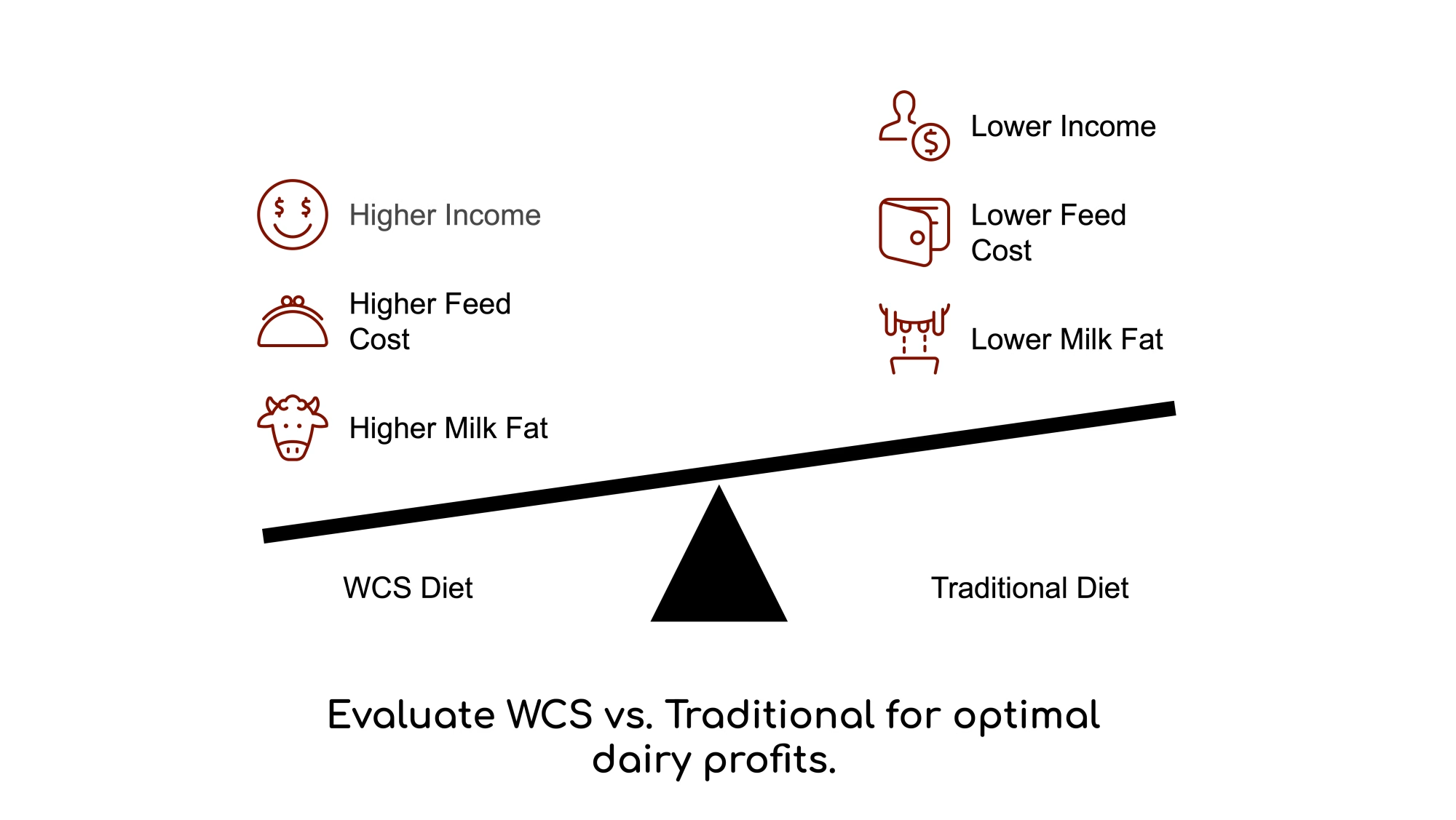
Allow us to discuss the rates of inclusion now. Changing the amount of each feed ingredient can make a big difference, and changing these rates can also affect mycotoxin levels. When using an ingredient, use less of the dirty and more of the clean. It’s like getting your orchestra to play in tune.

The thing that will save you is Total Mixed Rations (TMR). TMR mixes everything to make a healthy meal. So, each cow gets the same food, lowering their mycotoxin exposure. When you use TMR, you create a consistent diet that makes you less likely to get sick.

Being smart about handling feed and taking action can protect your herd and make your farm more successful. Every test and change to the TMR makes the dairy farm healthier. Remember that happy cows will milk more.

Choosing Your Farm’s Shield: Deciphering the World of Mycotoxin Binders

Mycotoxins can get into cows’ food on busy dairy farms and make them sick. Mycotoxin binders save the day by getting rid of these harmful chemicals. But what do farmers need to know about them, and how do they work? Like a safety net, binders catch mycotoxins and help the animal eliminate them. However, not all binders are the same, so consider these points: 

  • Specificity: Make sure the binder targets the mycotoxins found on your farm.
  • Absorption Capability: Choose binders that capture as many toxins as possible.
  • Compatibility: Ensure the binder doesn’t contaminate the feed’s nutrients.
  • Safety: Pick a binder that is safe for long-term use and has no toxicity risks.
  • Cost-Effectiveness: Find a binder that fits your budget but doesn’t skimp on quality.

Adding binders to your cow’s food can make them healthier, help them have more babies, and make them produce more milk. They keep people safe by reducing the number of unexpected health problems and costs. However, don’t just use binders. They should be part of a bigger plan that checks the feed and ensures that storage is handled correctly. Remember that binders can catch some toxins, but not all may depend on different factors. Talk to feed experts or vets to find the best binder for your farm. This gives your cows a strong defense against mycotoxins, which keeps them healthy and productive.

The Symphony of Success: Embracing Holistic Mycotoxin Management on Dairy Farms 

Managing mycotoxins in a whole-person way is like leading an orchestra—every part is essential. You must look at your dairy business, not just one problem at a time. Take a picture of a farmer working in lush fields who knows that mycotoxins could grow somewhere. Farmers are health guardians, so they know that fighting mycotoxins is like chess: you must plan and be flexible. Farmers need to view managing mycotoxins as a continuous work cycle to achieve success.

Think about the weather. Has it rained? These situations can help fungi grow faster, raising the threat of mycotoxin. Farmers can spot risks and change their plans as needed by keeping an eye out.

Coming up, think about feed storage. Think of a grain silo as a massive building on your farm. It can become a mycotoxin nest if you don’t store it right. Because avoiding problems is better than dealing with them, farmers must store feed in dry, airy places to keep out the moisture that fungi need.

That’s not all, however. As an extra defense, check and monitor the quality of the feed regularly. Managing mycotoxins well isn’t something you do once; it needs to have checks and balances all the time. Ensure you have screening tools to test the feed before it reaches the cows.

Animal diets should also be balanced in nutrition. Animals that eat various foods can lessen the effects of the mycotoxins they eat, keeping them strong against possible threats. Farmers who consider all aspects of farm management, such as weather monitoring and balanced diets, play a crucial role in maintaining the herd’s health.

You’re protecting yields, cows’ health, way of life, and future generations. Your farm is a living thing that needs balance and harmony. Let’s take a more complete look at things and ensure our dairy farms do well, even though mycotoxins are a part of our rural story.

The Bottom Line

As dairy farmers, we need to share our knowledge. Thanks for coming along with us on this journey through mycotoxin management. Now it’s your turn. What stories do you have? What steps have you taken to deal with these problems on your farms? Your experiences could help other people. Effective feed management is vital for the health and reproduction of your herd, and it is not just a theoretical concept. Staying alert and well-informed is crucial to protect the health of our cows and improve dairy farm productivity. Share your stories in the comments below to learn and grow together. We can make the dairy industry strong and ready for the challenges of tomorrow if we all work together.

Key Takeaways:

  • Mycotoxins are chemical compounds produced by fungi, impacting animal health and dairy farm productivity.
  • They are a common problem due to their presence in feed and forage, often triggered by environmental stress.
  • < UNK> Some mycotoxins are harmless, but others can lead to significant production issues, like low milk yield and reproductive challenges.
  • Shortened gestation length in cattle is a practical indicator of mycotoxin exposure and stress.
  • It’s crucial to monitor field and storage conditions to manage mycotoxin risk effectively.
  • The stability of mycotoxins means they withstand heat processing, complicating control measures in by-products.
  • Proactive management involves regular testing and adjusting feed inclusion rates to mitigate contamination.
  • Holistic approaches to monitoring animal health and feed quality are essential for managing mycotoxin-related impacts.

Summary:

Have you ever woken up by an invisible force? For dairy farmers, that’s mycotoxins—sneaky toxins from fungi that quietly harm cow health and cut into farm profits. They’re more than just pests; they also lower milk production and affect fertility. However, it’s not all bad news! By understanding these toxins and using innovative feed strategies like specific binders, farmers can shield their herds and keep productivity high. For example, Emily noticed her cows weren’t as active, and milk production slipped due to these toxins from crops like corn and wheat. They mess with cows’ health by harming their liver, messing up digestion, and throwing off reproduction, which can lead to fertility issues. Knowing about mycotoxins and their effects is crucial for any dairy farmer to maintain a thriving herd.

Learn more:

Join the Revolution!

Bullvine Daily is your essential e-zine for staying ahead in the dairy industry. With over 30,000 subscribers, we bring you the week’s top news, helping you manage tasks efficiently. Stay informed about milk production, tech adoption, and more, so you can concentrate on your dairy operations. 

NewsSubscribe
First
Last
Consent

Seaweed to the Rescue: How Dairy Farmers Can Slash Methane Emissions and Boost ROI

Learn how seaweed can slash dairy methane emissions and enhance ROI. Can this natural remedy revolutionize your farm’s sustainability and profits?

More attention is paid to the dairy industry because it releases methane, a potent greenhouse gas that worsens climate change. But what if the answer to eliminating these pollutants resounds in the ocean? Seaweed could be a big deal for dairy farming because it can significantly cut methane emissions. Adding seaweed to cattle feed could cut methane emissions from cows by up to 82%, according to research from the University of California, Davis [UC Davis research]. Not only is this good for the environment, it’s also good for business. Think about the two advantages: a better environment and more money. There are as many choices as there are waves in the ocean.

Methane: The Hidden Giant of Dairy Farming Emissions 

The release of methane during dairy production is a significant cause for concern. Methane is a potent greenhouse gas that keeps heat in the atmosphere about 25 times better than carbon dioxide over 100 years [EPA]. Enteric fermentation is the primary way that dairy cows make methane. The EPA says that about 10% of all greenhouse gas emissions in the United States come from agriculture, with livestock being the most significant source.

For example, the EPA says a dairy cow produces about 220 pounds of methane yearly. Given the millions of dairy cows in the US, methane emissions aren’t a minor problem; they’re a big problem that needs real solutions.

We can’t ignore how this affects the environment. Greenhouse gas emissions, like methane from dairy production, have a significant effect on the health of our planet, and we have looked into our business. As new emissions goals and environmental laws are implemented, regulatory pressures are rising. Do you feel the heat of these problems? Many dairy farmers aren’t sure how to make changes without reviewing their budgets. We need solutions that think about both the environment and the economy at the same time.

Seaweed: The Secret Weapon in Cutting Methane Emissions 

Seaweed isn’t like other plants that grow near the coast; its unique properties can help dairy farms reduce methane emissions. What’s different about seaweed? Let’s get started.

Bioactive chemicals like bromoform are found in large amounts in some types of seaweed, especially Asparagopsis. This chemical is crucial for stopping the enzymes in a cow’s digestive tract that make methane. These enzymes help a biological reaction make methane when cows digest their food. Bromoform dramatically reduces the production of methane by blocking these enzymes.

A Journal of Cleaner Production study found that giving cows minimal Asparagopsis—about 2% of their diet—could cut methane emissions by more than 80%. This is a significant drop, showing that seaweed could be a good long-term option for dairy farmers who want less environmental impact.

Have you ever considered how a slight change to the feed could have such a significant effect? Because of how it is made, seaweed is a natural, effective, and very cheap way to reduce one of the most significant sources of greenhouse gas emissions from dairy farming.

Seaweed: The Miracle Additive for Dairy Farmers 

So, how precisely can using seaweed in calf feed lower methane emissions? It’s easier than you would imagine. When cattle digest their meal, bacteria in their stomachs (especially the rumen) break it down. This process generates hydrogen and carbon dioxide, which certain microorganisms convert to methane, a potent greenhouse gas.

The seaweed Asparagopsis taxiformis has chemicals that impair this mechanism. According to a CSIRO study, these chemicals, particularly bromoform, may considerably inhibit the activity of methane-producing microorganisms. This means that when a cow consumes seaweed, the chemicals in the seaweed interfere with the microbes in the cow’s stomach, preventing them from producing methane during digestion.

According to Dr. Rob Kinley, a lead researcher at CSIRO, “When we add a small amount of this seaweed to a cow’s diet, it creates a reaction that stops the microbes from making methane without affecting the animal’s digestion or productivity” [CSIRO].

Studies [ScienceDirect] have shown that adding 0.2% seaweed to the diet may lower methane output by up to 80%. This is a win-win. Situation: The cows stay healthy and productive, and you contribute to a cleaner, greener environment.

The Financial Perks of Seaweed: Your Golden Ticket? 

When you consider investing in new procedures, the financial benefits must stack up, right? Seaweed might be that golden ticket. One of the immediate benefits is cost reductions. Consider using less feed for your cattle. Cows released less methane when fed seaweed, according to trials [USDA]. Consider the potential savings over a year!

Now, let us discuss milk production. Healthy cows generate more milk. Early research suggests that cows given seaweed supplements may have higher milk production. A study by the University of California, Davis, found that adding seaweed to cattle diets might improve milk output by up to 10% [UC Davis]. But what about the taste and quality of the milk? Studies have shown that the milk from cows fed with seaweed is not only as good as conventional milk but also has added health benefits due to reduced methane emissions. More milk equals more income, plain and easy.

But that is not all. The government acknowledges the environmental advantages and possible financial savings for seaweed farmers. The USDA provides subsidies and incentives for implementing environmentally friendly measures, including a [specific amount] subsidy for every cow fed with seaweed. Such incentives make it even more cost-effective since they allow you to test something that might save you money and increase your earnings.

Finally, the financial advantages of seaweed may considerably increase your ROI—less feed, more milk, and government help. Isn’t it time to examine seaweed as a potential investment in your agricultural operation?

Turn Your Dairy Farm Into an Eco-Friendly Powerhouse 

Imagine changing your dairy farm’s operations while drastically reducing emissions. Farmers worldwide are using seaweed to achieve this goal.

One famous case is California, where a dairy farmer added seaweed to his cow diet. According to research conducted at the University of California, Davis, methane emissions were reduced by more than 50% in only a few months. “It has been a game changer,” he adds. We have cut emissions significantly, and our herd’s health and milk production have remained stable.”

Across the Atlantic, in Ireland, another dairy farm saw similar results. Incorporating seaweed resulted in a 30% decrease in methane emissions and a substantial improvement in cattle digestion. “We were skeptical at first,” says the farmer, “but the results speak for themselves.”

Furthermore, a farm in Australia saw increased production after transitioning to a seaweed-infused diet. According to their analysis, milk output rose by 10%, owing to improved overall cow health. The Australian government has noticed and is exploring subsidies for seaweed additions in cow feed.

Can you see the possible advantages to your farm? Reduced emissions, happier cows, and increased milk output can all be achieved with a seaweed supplement. These success tales are not unique examples; they demonstrate what is possible. Are you prepared to pioneer this transformation in your agricultural practices?

Ready to give seaweed a shot on your dairy farm?

Here’s how you can get started

  • Sourcing Seaweed: Begin by locating trusted vendors. Look for products with organic certifications and honest sourcing procedures. Ask other dairy producers who have previously used seaweed for ideas. You may also ask agricultural institutions or extension organizations for a list of reputable vendors.
  • Incorporate Seaweed into Feed: Introduce seaweed gradually into your cattle’s feed to prevent intestinal problems. Begin with a tiny dose and gradually raise it over a few weeks. Standard practice recommends 1-2% of dry feed consumption. Consult a livestock nutritionist to adjust the amount for the best outcomes.
  • Monitor and Measure: As you add seaweed, keep a watchful eye on your cows’ health and milk output. Track methane emissions using existing technologies or collaborate with researchers who can offer methane monitoring equipment. This information will allow you to examine the effect of seaweed and make any required changes.

Best Practices 

  • Ensure the seaweed is free from contaminants and heavy metals.
  • Mix the seaweed thoroughly with other feed components to ensure even distribution.
  • Regularly check for changes in the cows’ behavior, health, or milk yield.
  • Engage with your local agricultural extension for ongoing support and updates on best practices related to seaweed usage.

These steps help you smoothly integrate seaweed into your dairy operations, potentially reducing methane emissions and improving sustainability.

The Other Side of the Coin: Challenges with Seaweed Integration 

While the advantages of seaweed in lowering methane emissions are apparent, it is essential to examine certain obstacles. First, the cost of seaweed might be high. Are you willing to bear higher feed expenses? This is not a one-time expense; it is a continuing investment. Furthermore, seaweed availability might fluctuate. Not all places have easy access to seaweed providers, which may increase transportation costs and logistical issues.

Then there’s the subject of adding seaweed to your cows’ meals. It might be challenging to mix it uniformly and ensure that all animals ingest the appropriate quantity. Do you have the necessary equipment and procedures in place to handle this?

Of course, solutions exist. Some growers are collaborating to purchase seaweed in bulk, lowering expenses. Others are investigating local supplies or the potential of growing seaweed themselves. Innovators in the feed business are also working on more efficient methods of integrating seaweed into conventional feed mixes.

So, do you find these obstacles manageable? Yes, it’s a riddle, but one that may be worth solving for the sake of your farm’s production and environmental impact.

Seaweed: The Future of Sustainable Dairy Farming 

Seaweed could change the way sustainable dairy production is done. New research suggests that different kinds of seaweed may have different health benefits, and scientists are working on making them easier to absorb. For instance, researchers are looking for ways to standardize the nutrition in seaweed so that it is the same for all herds and all areas.

New technologies like ocean aquaculture have the potential to make seaweed easier and cheaper to obtain. This new idea might lower costs, which means that even the smallest dairy farms could use it. Farming seaweed lowers methane levels and may act as a carbon sink, adding to its environmental benefits.

As we consider these accomplishments, one question comes to mind: Are you ready to contribute to this sustainable future? Using seaweed makes you look like a forward-thinking farmer, which is good for the environment and the farming industry. Are you going to jump?

The Bottom Line

We’ve discussed seaweed’s many benefits, such as lowering methane emissions and making your business more profitable. Consider turning your dairy farm into an eco-friendly powerhouse that makes much money. Seaweed is a good choice because it helps dairy farms stay in business and make money at the same time. However, figuring out the problems is essential for making a wise choice.

One question remains: Are you willing to try the seaweed solution? It could have significant benefits for the environment and the economy.

Key Takeaways:

  • Seaweed added to cattle feed can reduce methane emissions by up to 80%.
  • Seaweed represents a sustainable solution for the dairy industry.
  • Dairy farming contributes to significant methane emissions, a potent greenhouse gas.
  • Research supports seaweed’s effectiveness in emission reductions.
  • Adopting seaweed in feed can help balance environmental and economic demands.
  • Government subsidies and incentives are available to promote seaweed usage.

Summary:

Imagine a world where dairy farms could significantly cut their methane emissions with a simple dietary change. That’s the promise of seaweed. By adding it to cattle feed, farmers can slash methane emissions by as much as 80% [Agriculture.com]. “Seaweed in cattle feed could be a game-changer for the dairy industry, paving the way for more sustainable farming practices,” says Dr. Mark Jones, Agricultural Scientist [Dairy Farmers of America]. The dairy sector significantly contributes to methane emissions, a significant greenhouse gas. Research from the University of California, Davis, shows that including seaweed in cattle feeds could reduce these emissions by up to 80%. Dairy cows produce methane primarily through enteric fermentation, making up 10% of US greenhouse gas emissions. As regulatory pressures rise, many dairy producers struggle to balance environmental responsibility and economic reality. Seaweed emerges as a natural, effective, low-cost alternative, with the government providing subsidies and incentives to encourage its use.

Learn more:

Join the Revolution!

Bullvine Daily is your essential e-zine for staying ahead in the dairy industry. With over 30,000 subscribers, we bring you the week’s top news, helping you manage tasks efficiently. Stay informed about milk production, tech adoption, and more, so you can concentrate on your dairy operations. 

NewsSubscribe
First
Last
Consent

How Epigenetic Factors Influence the Next Generation of Dairy Cows

How do epigenetic factors shape dairy cows’ future? Can we unlock potential in production and health by understanding these influences?

As technology grows quickly, researchers find new ways to explore the details of our genes and epigenetic features. This doesn’t just apply to people; it also includes dairy cows, which are essential to our food and economy. We are learning that both genes and epigenetic changes have long-term effects. These discoveries could change how we care for and breed livestock, affecting future dairy cows’ health, productivity, and lifespan. This can also impact the profits and sustainability of the dairy industry.

Understanding the Science of Epigenetics

Exploring epigenetics shows promising possibilities for dairy farming. Epigenetics studies how changes in the environment can affect the appearance and characteristics of an organism, like dairy cows. Recent progress in this field has helped us understand how these changes happen. 

What’s fascinating is that these changes don’t just stop with one generation. Epigenetic factors can be passed down to future generations, creating a “ripple effect.” This is called intergenerational or transgenerational epigenetic inheritance. This means environmental changes can have long-term effects, changing how genes are expressed in future generations. 

This ongoing change in genetic expression has significant effects, especially in animal breeding and improvement, like with dairy cows. This insight goes beyond dairy; it also matters in farming, where we can control environmental factors to get desired genetic traits. 

One exciting aspect is its potential to boost disease resistance. Understanding epigenetics can lead to stronger and healthier farm animals, improving disease resistance. 

Considering these impacts, it’s clear why more researchers are interested in epigenetics worldwide. By learning more about these secrets, we can significantly improve farming methods, making herds healthier and businesses more successful. 

Despite these fantastic benefits, we should remember that our understanding of epigenetics is still new. More research will uncover more ways to use it in dairy farming and agriculture. Who knows what discoveries await us then?

The Role of Epigenetics in Dairy Cow Genetics

Epigenetics plays a key role in dairy cow genetics. It influences gene expression to control traits like milk production, disease resistance, and fertility. This lesser-known method of changing genes’ structure, not the content, is becoming an exciting area in animal breeding and development. 

Imagine flipping a light switch. Epigenetic processes, like methylation, act like switches. They turn genes on and off, affecting milk components in dairy cows. Singh K et al. found clear evidence that this regulation is essential for milk production. These systems, genetics and the environment shape how animals look and behave. 

Understanding this is important because it allows us to use nature’s systems to control genetics. Instead of complex genetic modification, breeders can change a cow’s environment or diet slightly to gain significant benefits in production and disease resistance. 

This impact might last beyond one generation, which is especially important. Evidence showing that a mother’s conditions during pregnancy in dairy cattle affect a daughter’s fertility and milk production suggests transgenerational effects through epigenetic changes. This could change breeding methods to be more sustainable and better for the future of dairy production. 

Remember the term epigenetics? It might be the solution breeders need to boost production, improve cattle health, and secure the future of dairy farming. Its importance will grow as we learn more about our living environments.

The Power of Epigenetics: Enhancing Dairy Cow Breeding

Epigenetics is revolutionizing the dairy cow breeding industry by improving milk quality and quantity. Genetic and epigenetic data can help us better predict a cow’s future milk production. Omics technologies are crucial because they give us different biological insights, such as genetics, epigenetics, proteomics, and metabolomics. These have already shown potential in enhancing traits in dairy cattle. 

Though using epigenetic information to improve livestock might seem difficult or too technical, it’s really about how the environment affects cows’ DNA. Factors like body condition, nutrition, environment, and overall health can impact the epigenetic control of milk production. While genetic selection has already increased milk production and quality, adding epigenetics may boost these gains by targeting key factors. 

For instance, methylation control, an epigenetic process, affects dairy cows’ milk production and composition. Understanding and possibly changing these methylation levels can directly increase a cow’s milk yield

Another exciting prospect is using epigenetic regulators to improve animal production and health. Epigenetic changes could lower genetic risks for illness, leading to healthier, more resilient herds. Our cows could enjoy better lives and higher productivity. 

There’s also the intriguing idea of using epigenetic biomarkers to improve cattle traits. Biomarkers can signal the cow’s health or production level. Advances here might allow early detection of illness or nutritional gaps and enhance breeding selection. 

With all these possibilities, we can imagine a future where dairy cow breeding is not only more productive but also more attuned to the health and welfare of our herds. Combining scientific understanding with practical farm management could lead to more efficient dairy production regarding quality, quantity, and cow welfare.

The Bottom Line

You’ve looked into the world of epigenetics and how it affects the genetics of dairy cows. It can also help improve breeding results. Research by He et al. (2016), Ju et al. (2020), Sajjanar et al. (2019), and Song et al. (2016) shows how critical these studies are for understanding and improving IMF deposition in beef cattle and dairy cows. Using these findings, we can get closer to precise livestock farming and better treatment of animals. Knowing epigenetics in dairy cow genetics is fascinating whether you’re a farmer, interested in genetics, or just curious. What’s the main point? Epigenetics is about the next generation of dairy cows and creating a more exact and fair way to care for animals.

Key Takeaways

  • Epigenetic modifications significantly influence phenotypic characteristics in dairy cows, affecting traits from milk yield to disease resistance.
  • Environmental factors can induce epigenetic changes transmissible across generations, impacting long-term breeding programs.
  • Precision livestock farming can benefit from integrating epigenetic insights, potentially leading to enhanced genetic selection and breeding strategies.
  • Understanding epigenetic mechanisms offers opportunities for improving animal welfare, disease resilience, and overall dairy production efficiency.
  • Combining scientific knowledge of epigenetics with practical farm management practices can result in superior quality and quantity of dairy production.

Summary

In this comprehensive exploration of the epigenetic impacts on dairy cows, we delve into how environmental changes affect and modify phenotypic characteristics, leading to transgenerational epigenetic inheritance. Emphasizing its potential to revolutionize dairy cow breeding, this discussion covers the pivotal role epigenetic modifications play in shaping desirable traits such as disease resistance. By integrating epigenetic insights for precision livestock farming, we advocate for enhanced genetic manipulation strategies to achieve superior dairy production, improved animal welfare, and greater resilience in the face of disease. Combining scientific knowledge with practical farm management promises more efficient dairy production in terms of quality, quantity, and animal welfare.

Learn more: 

Join the Revolution!

Bullvine Daily is your essential e-zine for staying ahead in the dairy industry. With over 30,000 subscribers, we bring you the week’s top news, helping you manage tasks efficiently. Stay informed about milk production, tech adoption, and more, so you can concentrate on your dairy operations. 

NewsSubscribe
First
Last
Consent

Boosting Feed Efficiency and Metabolic Flexibility for Resilient Dairy Farming

Uncover new paths: How feed efficiency and metabolic flexibility can boost farm resilience. Discover strategies for enduring success.

Summary:

In the dynamic realm of dairy farming, feed efficiency and metabolic flexibility are defining factors for the industry’s progression. Feed efficiency focuses on maximizing output from minimal feed, while metabolic flexibility allows livestock to efficiently switch energy sources under varying conditions. Dairy farmers must navigate the delicate balance of enhancing feed efficiency without sacrificing metabolic adaptability, crucial for herd resilience. This equilibrium ensures that livestock thrive amidst modern challenges, optimizing performance while building resilience. High feed efficiency boosts profits and sustainability, whereas metabolic flexibility enhances milk and meat production efficiency. However, an overemphasis on efficiency can compromise health and resource allocation, underscoring the importance of innovation and strategic foresight to ensure long-term success.

Key Takeaways:

  • Genetic improvements in livestock have focused on converting feed to products efficiently, though this comes with potential trade-offs in animal resilience.
  • While improving feed efficiency, it’s crucial to ensure metabolic flexibility to avoid compromising vital maintenance functions.
  • Resource allocation theory suggests that focusing purely on productivity can leave animals less adaptable to unexpected challenges.
  • Selective breeding for feed efficiency may not reduce metabolic capacity if paired with increased metabolic flexibility and energy-saving strategies.
  • Metabolic flexibility plays a vital role in livestock’s ability to adapt to stress, disease, and other environmental factors, thus impacting feed efficiency.
  • Improvements in metabolic processes, such as substrate metabolism, can enhance overall feed efficiency without narrowing metabolic capabilities.
dairy farming, feed efficiency, metabolic flexibility, livestock energy sources, herd resilience, milk production efficiency, meat production efficiency, sustainable dairy practices, agricultural innovation, resource allocation in farming

Can the future of dairy farming use technology to reach new levels of efficiency and strength? Today, when every drop of milk and every piece of feed is essential, feed efficiency and metabolic flexibility are key to the dairy industry’s future. Understanding these ideas could lead to more production and better handling of new challenges from nature and the market. 

Feed efficiency in livestock means turning feed into milk. This process is essential for dairy farms to make money. But it’s not just about making more. Metabolic flexibility, which is how animals can switch easily between energy sources, is also essential. This flexibility is crucial, not just nice to have, for creating substantial dairy farms that can handle changes in the environment and other stresses. 

Rising feed prices and unpredictable weather have put the dairy industry at a crucial point. The risks are high, but the potential rewards for those who can succeed in this tricky situation are even higher, offering a beacon of hope in these challenging times.

The dairy sector faces many problems, such as increasing feed costs, the effects of climate change, and the need for sustainable practices. However, these problems also offer numerous opportunities to improve and streamline operations, inspiring a sense of optimism and growth potential in the industry.

Unraveling the Hidden Potential: Feed Efficiency as the Bedrock of Modern Dairy Farming 

Feed efficiency is vital in dairy farming, but not everyone fully understands it. It measures how well animals turn their feed into products like milk. Feed efficiency affects the cost and sustainability of dairy farms. When feed efficiency is high, farms use fewer resources to create the same products, leading to better profits and less environmental harm. 

Better feed efficiency means farmers spend less to produce more milk, which increases their profits. A thriving dairy farm boosts the farmer’s income and the overall industry. Environmentally, good feed efficiency reduces waste and the farm’s carbon footprint. It also reduces the use of resources like water and land, making agriculture more sustainable. 

Breeding livestock has focused on improving feed efficiency, aiming for traits that reduce feed use. By choosing animals that naturally do this, the industry has made herds more productive and adaptable to changes without needing more resources. 

As farmers continue to adopt these improvements, the dairy industry is working towards a future where efficiency supports profit and environmental health, instilling a sense of optimism and motivation for the potential success of the industry.

Fueling Success: The Power of Metabolic Flexibility in Dairy Livestock

Metabolic flexibility is the ability of an animal to change its energy sources based on what is available. This means it can switch between using carbohydrates, fats, and proteins for energy. This flexibility is essential for livestock, especially in dairy farming, because it helps animals turn food into milk and meat more efficiently, which is essential for profit. 

Improving feed efficiency through metabolic flexibility is like tuning a high-performance engine. It allows animals to use a variety of nutrients without stressing their bodies. This prevents them from depending too much on one type of fuel, which can cause health problems. Using different energy sources, livestock can stay healthy and produce a lot. 

The science behind metabolic flexibility involves complex body processes, such as breaking down sugars and fats. For example, when animals are active, their muscles use more sugars because they are quickly available for energy. But when they rest or do not eat, they burn more fat to save their sugar stores. Hormones and enzymes in the animal’s body control these changes. 

Metabolic flexibility helps animals handle stress better, such as extreme weather or infections. Allowing animals to adjust their energy use quickly can save energy during stressful times. This helps them fight off illnesses and stay calm, improving their health and reducing production losses, making a strong herd more successful.

Striking a Delicate Balance: Navigating Feed Efficiency and Metabolic Flexibility

Dairy farmers try to improve the efficiency with which cows turn feed into milk while keeping animals healthy and able to handle different conditions. How well they manage this balance affects the health and performance of their livestock, leading to questions about possible downsides. 

  • Possible Downsides of Focusing on Feed Efficiency
  • Improving feed efficiency saves money, but focusing on making more milk might hurt cows’ health. If too much energy is spent on milk production, essential body functions might be affected. Though not making money, these functions help animals deal with changes or stress. Improving feed efficiency might change how well livestock can survive, risking the balance needed for good health. 
  • Cutting Down on Animals’ Needed Resources
  • Limiting animals’ resources might mean they have less energy for other things like fighting off sickness or staying warm. This could help productivity initially but might make them prone to health issues like illness or extreme weather [1A, 3B]. Focusing only on making milk or meat can weaken an animal’s resilience, leading to health and productivity issues. 
  • Problems from Focusing Too Much on Feed Efficiency
  • Focusing too much on feed efficiency has caused problems in some cases. For example, cows may have lower fertility as more energy goes into making milk than reproduction. Similarly, pigs bred to grow leaner can have weaker immune systems, making them more prone to infections [2A]. These cases show the risk of ignoring the whole animal’s welfare for short-term advantages, pointing out the need for balanced breeding and care. 
  • Metabolic Flexibility: Helping Avoid Downsides
  • Metabolic flexibility can help with these downsides. By helping animals easily switch between different energy sources, farmers can maintain productivity without sacrificing essential functions. This flexibility allows animals to use alternative energy sources, such as fats or proteins, during stress or when nutrients are limited [4D, 6C]. Thus, supporting breeding and management practices that boost metabolic flexibility allows efficiency and resilience to go hand in hand. 

While making feed use more efficient is key in today’s livestock management, keeping metabolic flexibility is essential. This approach improves productivity and ensures animals stay healthy and adaptable, aligning economic aims with the long-term sustainability of dairy farming.

Pioneering Pathways: Enhancing Dairy Farm Resilience Through Strategic Innovation

Dairy farmers aim to make their farms more efficient while keeping their cows healthy. Improving feed efficiency and metabolic flexibility is key. By focusing on nutrition, farm management, and choosing the right genetics, farmers can make their farms more sustainable and profitable. 

  • Smart Nutrition Plans
  • Good nutrition is crucial for better feed efficiency. Farmers can create meal plans that meet cows’ needs, cut waste, and increase production. High-quality forage and balanced meals with the right vitamins and minerals help cows digest better, increasing their output and health. Supplements like enzymes or probiotics can further aid digestion and help cows deal with stress [source]. 
  • Improved Management Practices
  • Good management is also key. Regular health checks, stress reduction, and good living conditions help cows stay metabolically flexible. Avoiding extreme temperatures and keeping consistent routines lower stress, boosting feed efficiency. Observing cow behavior and using tech like wearable sensors gives real-time data, helping improve management practices quickly [source]. 
  • Leveraging Genetic Potential
  • Choosing the right genetics benefits feed efficiency and resilience in the long term. Selecting animals with good metabolic flexibility produces calves that perform well in various settings. Working with genetic experts and using tests helps farmers identify and develop valuable traits over generations [source]. 
  • Embracing New Technologies and Research
  • Sustainable dairy farming has spurred technological and research developments. Farmers use automated feeding systems, employ machine learning to gauge cows’ needs and explore genomics to better understand feed efficiency and adaptability. These innovations aid livestock management and open up new ways to enhance farm efficiency [source]. 
  • Putting Knowledge into Action
  • Applying these methods takes careful planning and openness to fresh ideas. Review current feeding and management practices, spot inefficiencies, and focus on high-impact changes. Engage with industry experts and other farms to share insights and experiences. Remember, minor tweaks can lead to significant gains over time. Farmers enhance future success and resilience by boosting feed efficiency and metabolic flexibility.

Charting a Course: The Future Impacts of Enhanced Feed Efficiency and Metabolic Flexibility in Dairy Farming 

What could be the result of improving feed efficiency and metabolic flexibility in dairy farming as we aim for more substantial farms? The future looks bright but also complex. Improving these areas might make farming more sustainable and resilient. 

Imagine dairy cows using better genetics and nutrition to be highly feed efficient. This could mean lower feed costs, a minor environmental impact, and healthier animals. But we must ask ourselves: how will this change traditional farming, and what might it cost us? 

Metabolic flexibility allows cows to adapt quickly to environmental changes, adding resilience we never thought possible. Picture a herd that is less affected by climate changes or diseases. Would this lead to more consistent milk production? And what new problems might come from this flexibility when dealing with livestock’s natural behavior and health? 

As we move forward, we must be careful and think ahead. Are the economic benefits real and lasting, or are there hidden costs? Could pushing for higher production affect animal welfare or cause unexpected health issues? Dairy farmers and industry professionals must ask these critical questions as they balance short-term efficiency with long-term success. 

Ultimately, moving towards a resilient dairy future requires both innovation and caution. Success depends not just on new technologies but also on understanding how these changes affect the whole farm. What role will new technologies play, and how can dairy professionals use them with traditional practices? Addressing these questions will help create a strong and sustainable future for the dairy industry. 

The Bottom Line

As we’ve explored the broad topics of feed efficiency and metabolic flexibility, it’s clear these are vital to today’s dairy farming. Feed efficiency is key for dairy success, but there’s growing awareness about the importance of metabolic flexibility in helping animals do well even in challenging times. Balancing these two things isn’t just an option; it’s needed for any farm that wants to succeed in today’s market. 

Think about this: could focusing on metabolic flexibility be the secret to reaching new heights of productivity and strength on your farm? This isn’t just about controlling costs but about changing what efficiency and adaptability mean for dairy farming. 

We encourage you to learn more about these ideas, check out the latest research, and try new methods on your farm. The future of dairy farming is up to us, and there’s a lot on the line. Let’s take action, find new resources, and talk with experts who can lead us to more sustainable practices. The journey to building a stronger and better herd starts now.

Learn more:

Join the Revolution!

Bullvine Daily is your essential e-zine for staying ahead in the dairy industry. With over 30,000 subscribers, we bring you the week’s top news, helping you manage tasks efficiently. Stay informed about milk production, tech adoption, and more, so you can concentrate on your dairy operations. 

NewsSubscribe
First
Last
Consent

The Benefits of Rumen-Protected Methionine for Transition Cows

Looking to boost your farm’s productivity? Rumen-protected methionine for transition cows can enhance milk yield and cow health. Want to know more? Keep reading.

In dairy farming, productivity is more than a measure; it is the lifeblood of your business. Every gallon of milk, pound of fat, and gram of protein matters and may be the difference between a profitable and failing company. But everybody in the business knows that the transition period, which lasts three weeks before and three weeks after calving, is a critical phase that requires your full attention. Dairy cows often have a negative energy balance, which leads to lower feed intake, reduced milk output, and even health problems. This is where rumen-protected methionine (sRPMet) enters the picture as a possible game changer. Imagine raising your cows’ production without significantly increasing feed expenses. Adding sRPMet to their diet during the transition may aid with this. Increased milk supply, higher milk fat and protein concentrations, and better total feed consumption boost milk production and improve your herd’s general health and well-being. Continue reading to learn about the science behind sRPMet and how it may enhance your dairy farming techniques.

Understanding Transition Cows

  • Transition Cows: What and Why
    Transition cows from the dry stage (late pregnancy) to early lactation. This phase typically lasts three weeks before and three weeks after calving. Cows undergo considerable physiological changes as they prepare for and begin milk production. Their dietary demands become crucial because they must maintain their health and produce an adequate supply of high-quality milk.
  • Nutritional Needs During Transition
    Cows’ nutritional demands rise during transition due to the energy and nutrients necessary for fetus development, milk production, and body maintenance. Unmet requirements may negatively impact cow health and production.
  • The Concept of Negative Energy Balance
    One fundamental problem now is the possibility of a negative energy balance. This happens when a cow’s energy output for milk production surpasses the energy she consumes from her diet. In simpler terms, it’s like a cow spending more energy making milk than it gets from eating. Cows often have increased energy needs following calving, but their feed intake may not keep up.
    A negative energy balance may have various undesirable consequences. It generally results in weight loss because the cow metabolizes body fat to fulfill its energy requirements. While weight loss may not seem essential initially, long-term negative energy balance may impair immunological function, increase vulnerability to ketosis and fatty liver disorders, and lower milk output and quality. Furthermore, it may impact reproductive performance by delaying the cow’s return to estrus and decreasing conception rates.

Addressing these nutritional problems with precision diet design and supplementation, such as rumen-protected methionine (sRPMet), may help minimize the effects of negative energy balance. Providing cows with the correct nutrition at the right time improves their milk production, general health, and reproductive efficiency.

Unlocking the Benefits of Rumen-Protected Methionine: A Vital Tool for Dairy Farmers

Rumen-protected methionine (sRPMet) is a carefully designed form of the amino acid methionine, essential for dairy cows’ general health, productivity, and milk quality. Unlike ordinary methionine, which bacteria may degrade in a cow’s rumen before being taken into circulation, sRPMet is coated or encapsulated to endure the first digestion process. This protection guarantees that a large amount of methionine enters the small intestine and may be successfully absorbed. By bypassing the rumen, sRPMet provides more accurate nutrient delivery, boosting milk production, improving protein use, and promoting animal health. This focused strategy is essential during the transition phase before calving when cows’ nutritional requirements increase.

The Foundation of Future Productivity: Prepartum sRPMet as a Strategic Investment

While rumen-protected methionine (sRPMet) supplementation before calving may not significantly change prepartum responses, the true benefit is recognized postpartum. The research found that prepartum dry matter intake (DMI), body weight (BW), and body condition score (BCS) were unaltered (As shown in table 1, which compares these factors in cows with and without sRPMet supplementation). So, why should you invest in prepartum supplements? Consider it the basis. You feed sRPMet before calving, preparing your cows for a more vigorous and productive lactation phase.

Cows with prepartum sRPMet had significantly higher postpartum intake, milk output, and milk component concentrations such as fat and natural protein after calving. This leads to higher overall production, as indicated by higher milk fat and absolute protein levels at 21 days in milk (DIM, which stands for ‘days in milk’ and is a standard measure of a cow’s lactation period). It’s similar to sowing seeds in healthy soil: the more prepared your cows are before calving, the more milk they can produce once production starts.

Furthermore, frequent administration of sRPMet helps minimize the usual production decrease as breastfeeding continues. Early advantages in postpartum milk supply and component concentration provide a head start that can be maintained over time. Understanding and harnessing these early-stage advantages allows farmers to tailor feeding methods for the most significant long-term effects on their herds.


Item
ControlResponse to sRPMet
N2n2MeanSDN2n2MeanSEMP-value
Prepartum3         
DMI, kg/d2230913.11.68263620.190.1400.184
BW, kg1522171357.419274−0.082.400.974
BCS142073.510.23118260−0.010.0200.846
Postpartum4         
DMI,5 kg/d2938719.43.54405100.450.1560.006
DMI21DMI      1.380.283<0.001
BW, kg2130362040.929404−2.133.100.498
BCS162382.920.326202910.010.0310.707
Yield         
Milk,5 kg/d2938735.66.44405100.800.2710.006
Milk21DIM      2.130.515<0.001
Fat,5 g/d293871,288285.84051075.811.63<0.001
Fat21DIM      117.623.32<0.001
True protein,5g/d263621,032168.83445643.410.4<0.001
True protein21DIM      92.118.39<0.001
Concentration, %         
Fat293873.620.303405100.1500.032<0.001
True protein5,6263622.850.094344560.0660.016<0.001
True protein21DIM      0.1400.028<0.001
Mcal secreted7         
/d52636224.944.64344561.130.211<0.001
/d21DIM      2.180.363<0.001
/kg DMI263621.300.235344560.0150.0100.126

Table 1 – Responses to initiating supplemental rumen-protected Met (sRPMet) feeding to transition cows1

Post-Calving Power Play: Witness the Transformative Benefits of sRPMet in Dairy Cows 

After calving, the advantages of feeding dairy cows with rumen-protected methionine (sRPMet) become apparent.  Dairy farmers can expect to see notable improvements in several key areas: 

  • Increased Dry Matter Intake (DMI): Postpartum DMI increased by 0.45 kg/day, reaching a remarkable 1.38 kg/day at 21 days in milk (DIM). This increase in DMI is crucial since it directly promotes increased milk production and overall cow health.
  • Enhanced Milk Yield: With the addition of sRPMet, milk output increased by 0.80 kg/day, reaching 2.13 kg/day at 21 DIM. This increase is essential for sustaining high output levels, particularly during early breastfeeding.
  • Elevated Milk Fat and True Protein Concentrations: The findings show considerable increases in milk components. Milk fat output increased by 75.8 grams daily, reaching 117.6 grams at 21 DIM. Similarly, milk’s correct protein output increased by 43.4 grams daily, reaching 92.1 grams at the same 21 DIM levels. The concentrations of these components also increased: milk fat concentration increased by 0.15%. In comparison, appropriate protein content increased by 0.066%, demonstrating enhanced yields and quality combined advantages.

These statistics demonstrate the compelling benefits of including sRPMet in postpartum diets, making it a strategic option for dairy producers looking to maximize output and improve milk quality.

From Surge to Stabilization: Understanding the Decline in Benefits of sRPMet Supplementation Over Lactation 

Despite the initial boost in output shown during early lactation, the effects of rumen-protected methionine (sRPMet) supplementation tend to diminish as lactation develops. This declining impact may be seen in numerous critical performance parameters, including milk output, milk fat, and appropriate protein concentrations, which peak in the early postpartum period but then decline. Why is this happening? Early lactation is a vital period when the cow’s metabolic need for amino acids, especially methionine, is at its highest. Cows have significant physiological and metabolic changes during the transition from non-lactating to lactating. During this period, sRPMet helps to bridge the gap between food intake and the cow’s nutritional demands, resulting in increased milk output and better milk composition.

As lactation progresses, these metabolic needs stabilize, and the cow’s capacity to take nutrients from her food improves. The sizeable initial response to sRPMet is partly due to the cow’s apparent negative energy and protein balance postpartum, which eventually recovers, limiting the relative advantage of prolonged high doses of sRPMet.

The drop in benefits does not diminish the significance of sRPMet but rather highlights the necessity for deliberate nutrition control over the lactation cycle. While early supplementation is critical for increasing production, long-term methods should concentrate on providing balanced nutrition that matches the cow’s evolving physiological demands as her lactation proceeds. Dairy producers can explore a phase-feeding plan to maximize both the economic and productive elements of methionine supplementation, ensuring that their cows perform well while avoiding excessive spending on supplements with declining returns.

Maximizing Returns: The Prime Time for sRPMet Supplementation is the Transition Period

Given the evidence from several research, it is evident that the effects of sRPMet supplementation are much more significant during the transition period than throughout the established lactation phase. When sRPMet is administered before and after calving, the immediate postpartum period significantly increases dry matter intake (DMI), milk production, and milk component yields such as fat and true protein. For example, after 21 days in milk (DIM), an extra 1.38 kg/day of DMI and 2.13 kg/day of milk production was observed, with milk fat and correct protein outputs rising by 118 and 92 g/day, respectively. This contrasts with the moderate gains in established lactation when DMI and milk output responses are less pronounced.

During established lactation, production responses to sRPMet supplementation are often lower, demonstrating the reduced influence compared to the early postpartum period. According to research, milk component increments are much smaller during established breastfeeding, indicating a more temperate response than the transition phase. Such data highlight the importance of timing, implying that starting sRPMet supplementation around calving results in peak productivity benefits that subsequently drop as lactation proceeds.

Although sRPMet supplementation is helpful throughout a cow’s lactation phase, its effects are most evident and transformational when initiated during the transition period. This deliberate sequencing promotes improved immediate postpartum performance while establishing the groundwork for long-term productivity.

Practical Recommendations for Implementing sRPMet Supplementation 

So you’re persuaded of the advantages of rumen-protected methionine (sRPMet), but how do you get it into your herd? Here are some practical steps: 

  1. Determine the Right Dosage
    The studies imply an average prepartum supplementation of 8.20 grams per day and a postpartum supplementation of 10.53 grams per day. It is critical to speak with a nutritionist to alter these numbers depending on your herd’s requirements and current diet. Remember that too little may not provide the desired advantages, while too much may be wasteful.
  2. Timing is Critical
    The best time to begin sRPMet supplementation is during the transition phase, which lasts around 21 days before calving and continues until early lactation. This time is critical for increasing production and reducing metabolic stress, so note your calendar and oversee your cows.
  3. Economic Considerations
    While sRPMet has been demonstrated to increase milk supply and component concentrations, consider the expenses of supplementation. Compare the cost of sRPMet against the possible increase in milk income. Determine if your organization can sustain these expenditures, especially during volatile milk prices. Some farmers have discovered that, although the initial costs are more significant, the return on investment is beneficial, particularly when considering fewer health concerns and increased reproduction rates.
  4. Monitor and Adjust
    Monitoring the effects of sRPMet supplementation on your cows can give helpful information for fine-tuning your strategy. Monitor body condition, milk output, and general health. Adjust your supplementing plan as needed, beginning with a lower dosage and gradually increasing depending on observed advantages.
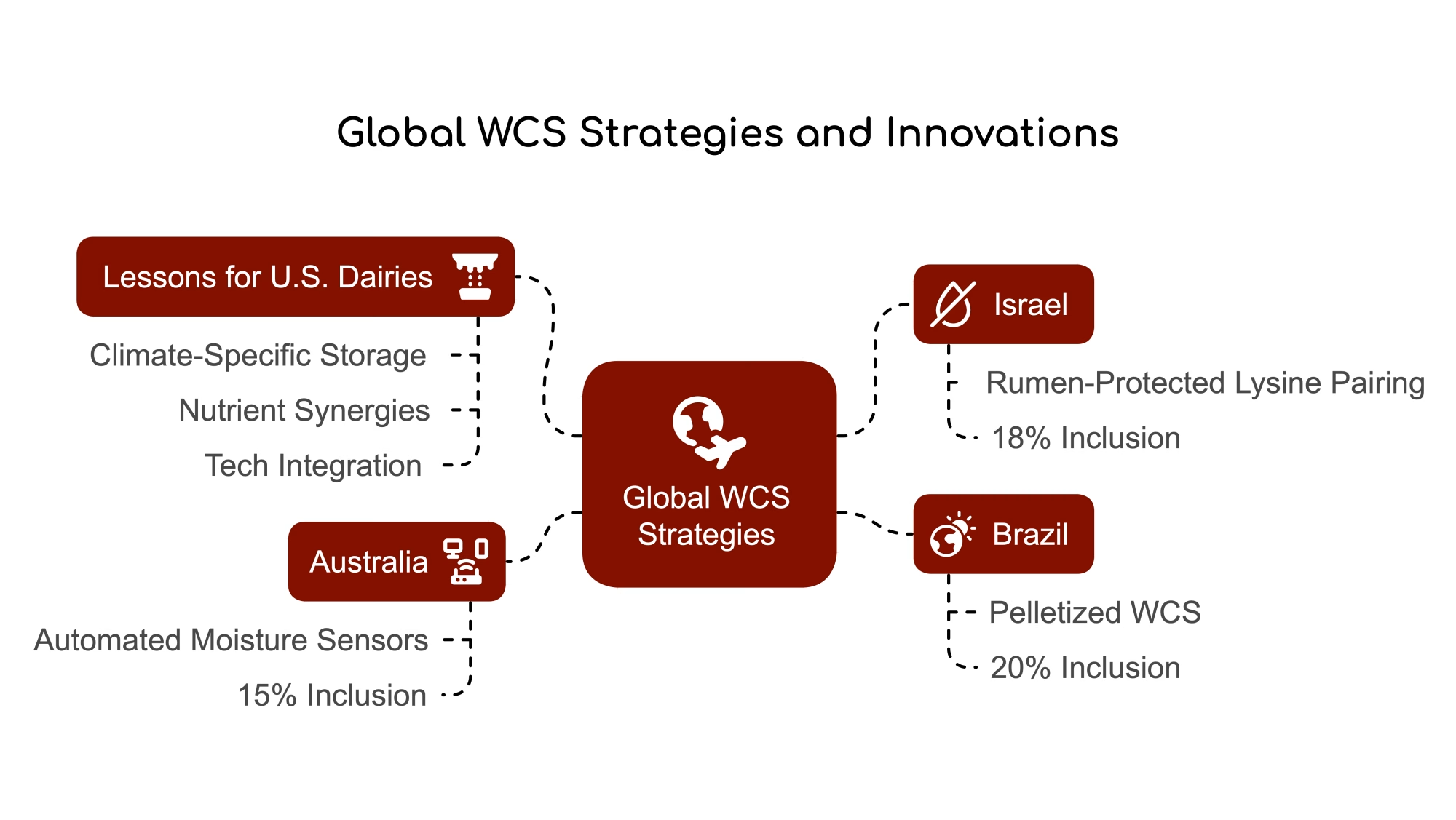
  5. Consult with Experts
    Nutritional practices significantly impact your herd’s production and health. Consult with dairy nutritionists and veterinarians to verify that your sRPMet program matches your herd’s requirements. They may provide insights into current research and assist in developing an efficient and cost-effective program.

By following these procedures, you may successfully include sRPMet supplementation into your dairy farming business, maximizing its advantages to increase production and enhance cow health.

The Bottom Line

Before and after calving, feeding rumen-protected methionine (sRPMet) has shown significant improvements in transition cow productivity and health. The critical implications of this meta-analysis include the following: In contrast, prepartum stages show minimal change; the postpartum period sees considerable increases in dry matter intake (DMI), milk output, and critical milk components like fat and true protein. Cows supplemented with sRPMet shortly after calving produced an impressive 118 grams of more milk fat and 92 grams of increased true protein daily after 21 days in milk. Such enhancements boost immediate productivity and provide long-term benefits despite decreases as breastfeeding develops.

Given these facts, including sRPMet in your herd’s diet during the transition phase seems intelligent and has significant potential benefits. Consider the possible increase in total farm output and the health advantages to your cows. Isn’t it time to rethink your supplement plan and explore sRPMet for the new season? It may be critical to the success of your cows’ transition and the production of your farm.

Key Takeaways:

  • sRPMet supplementation is especially beneficial during the transition period, increasing milk yield, milk fat, and true protein concentrations.
  • Pre- and postpartum feeding of sRPMet helps mitigate negative energy balance and supports overall cow health.
  • Precision diet design incorporating sRPMet can enhance dry matter intake (DMI), making it a strategic nutritional investment.
  • Maximizing productivity with sRPMet supplementation can lead to improved milk component concentrations.
  • sRPMet supplementation is a practical recommendation for dairy farmers looking to boost their herd’s performance and productivity.

Summary:

Are your dairy cows underperforming? It might be time to consider the benefits of rumen-protected methionine (sRPMet) supplementation. Recent studies show that sRPMet can significantly boost milk yield, milk fat, and true protein, particularly during the critical transition period. This meta-analysis dives deep into how pre- and postpartum sRPMet feeding can maximize productivity and improve overall health. Precision diet design and supplementation such as sRPMet can help mitigate negative energy balance and enhance milk production, dry matter intake, and milk component concentrations, making it a strategic investment for dairy farmers. Read on to uncover practical recommendations and insights into sRPMet supplementation and its transformative impacts on your dairy farm.

Learn more:

Join the Revolution!

Bullvine Daily is your essential e-zine for staying ahead in the dairy industry. With over 30,000 subscribers, we bring you the week’s top news, helping you manage tasks efficiently. Stay informed about milk production, tech adoption, and more, so you can concentrate on your dairy operations. 

NewsSubscribe
First
Last
Consent

Feed to Win: How to Maximize Your Dairy Show Heifers Potential

Unleash your show heifer’s full potential. Optimize feeding strategies for their success in the show ring. Explore practical insights for superior performance. 

Are Your Show Heifers Reaching Their Potential? The answer could be in the feeding strategies you’re using now. Picture entering the show ring, knowing your heifer is beautiful and at the peak of her genetic potential. The food they eat could unlock this power. Optimizing feeding isn’t just about growth—it’s about using that genetic power to make a good performance into a great one. The judges’ applause starts long before the show, powered by the proper nutrition at each growth stage. This journey goes past the basics, exploring the feeding strategies tailored to each life stage of your show heifer development.  From their early growth phases to the competitive show season, this article looks into how to feed show heifers for energy and presence in the ring. Are you ready to change your approach and set new standards in the dairy show world?

Fueling Champions: The Art and Science of Customized Feeding 

Nutrition plays a significant role in creating a winning show heifer, influencing its growth and performance. A balanced diet from birth helps a heifer develop strong bones and muscles, which are essential qualities that judges look for in the show ring. High-protein diets, adjusted according to age and weight, help develop muscle tone for a fit body, improving its appearance. 

A heifer’s coat quality shows off her nutrition and health. Diets rich in good fats, vitamins, and minerals create a shiny, healthy coat. Omega fatty acids give a smooth coat that stands out in the competition. Overall health, supported by a balanced diet, boosts a heifer’s immune system, digestion, and energy, reducing the risk of illness and improving vitality. 

Custom feeding plans focusing on a heifer’s unique genetics and breed-specific needs are essential. By considering genetic traits, these diets help heifers reach their natural growth potential and achieve show quality, offering a competitive edge. This strategic approach to nutrition ensures that heifers are strong and prepared for show day. 

Building Champions from Day One: Laying the Groundwork with Strategic Early Rumen Development 

During the first weeks of a calf’s life, setting the stage for a future champion show heifer is crucial. One key factor in this early stage is developing a strong rumen. A well-developed rumen drives growth and protects the calf from nutritional issues. Giving whole milk or a quality milk replacer with 20-28% protein is essential for optimizing the calf’s digestion. Calves should consume approximately 10% of their body weight in milk daily; for example, a 100-pound calf would drink 1 gallon daily. This helps gradually shift their diet to solid foods, enhancing their rumen function. Consistency in feeding times and methods reduces stress and promotes healthy growth patterns. 

During these early weeks, introducing solid food with a high-quality starter grain right after milk feedings is vital since calves are naturally inclined to eat. This tasty and balanced grain supports rumen development, helping the calf smoothly transition from milk. In the first weeks after weaning, about 1 to 2 pounds of grain daily is recommended, increasing to around 5 pounds as the calf grows. This steady increase aids rumen development, helping the calf become less reliant on milk-based nutrients. Regularly checking grain intake ensures it matches the calf’s size and growth. 

It’s also crucial to encourage water intake. Always keep clean, fresh water available as it boosts grain consumption. A calf will eat less without enough water, slowing its rumen development. Ensure water quality by checking and refilling it daily. 

Early nutrition has lasting benefits. A strong rumen supports better growth post-weaning and helps calves adjust to diet changes. This early focus on nutrition and rumen health ensures the heifer’s long-term well-being and readiness. These initial strategies are key to developing future champions. 

Smooth Sailing Through Weaning: Navigating the Nutritional Shift with Precision and Care 

Weaning a heifer from a milk-based diet to solid feeds is both a challenge and an opportunity. This phase is crucial to developing show heifers, requiring careful planning and execution to manage the changes they experience. A critical part of this period is the gradual reduction of milk, which reduces stress and potential digestive problems. You can cut milk intake by half every five days until it stops completely. This method allows the heifer’s digestive system to adjust, making it easier to switch to a diet of grain and hay. 

Adding high-quality starter feeds is essential during this transition. These feeds should have a good balance of nutrients, usually with more protein and fat, to compensate for the calories lost when milk is removed. A starter feed with about 18% protein and 3% fat keeps the heifer’s energy levels up and supports her growth. As the heifer grows, switching to protein-dense pellets, with around 40% protein, becomes essential for further development. 

It’s crucial to monitor the amount of grain the heifer eats to assess her adjustment to the new diet. The goal should be to start with about 5 to 8 pounds of starter feed daily, increasing to 10 to 12 pounds as she reaches three or four months old. Monitoring this period can help spot problems like low feed acceptance or digestive issues, allowing for quick solutions. 

Consistency in hay quality is vital when transitioning post-weaning heifers. The best hay should have a balanced nutritional profile—about 50% NDF for fiber and 8% to 10% protein content to help with muscle growth. A steady supply of consistent hay avoids fluctuations that might otherwise cause uneven growth or digestive issues. First-cutting hays, known for their reliability, can be a stable base during this dietary transition. 

A well-thought-out weaning strategy that includes gradual milk reduction, the right choice of starter feeds, careful monitoring of grain intake, and uniform hay quality is key to successfully moving from milk to solids. This approach ensures that your heifers stay on track and continue to grow into strong competitors in the show ring.

Mastering the Maturation Phase: Elevating Yearling Heifer Management 

Yearling Holstein heifers are at a crucial stage in their growth and may appear self-sufficient. Yet, they require careful attention to their diet and exercise. These elements are vital for keeping them healthy and in good condition as they mature. At this point, it’s essential to maintain their body shape while helping them reach their full potential. 

Yearlings need a diet of high-quality hay with a grain mix with added protein to maintain their muscles and support growth. The grain mix should ideally have at least 16% protein and should be fed at 1.5-2% of the heifer’s body weight. Monitoring their intake closely ensures they get the proper nutrition without overeating. Yearlings don’t need as many calories as younger calves, so their diet should be balanced with enough nutrients to support muscle strength without causing weight gain. This means using a mix of hay, moderate starch, and protein supplements to maintain muscle tone. 

Exercise is a key part of caring for yearlings. Regular, gentle exercise, like walking, helps build muscle and manage weight. This activity prepares them for shows, where they must be handled and presented well. Leading them to water and keeping them active mirrors what they will experience on show days. 

Even with a great plan, breeders sometimes overlook things because they see the animals daily. Getting feedback from experienced breeders or using online platforms to display photos and videos for review can help find areas for improvement. This outside input improves the condition of the heifers. It enhances the breeder’s overall methods, leading to ongoing learning and better practices. 

Caring for yearlings involves a proper diet, regular exercise, and being open to feedback. This combination, combined with careful management and planning, helps create good-looking but strong and healthy heifers.

Capitalizing on Genetic Distinctions and Breed-Specific Requirements in Heifer Feeding Programs 

Understanding the unique traits of different breeds and using their genetic strengths to make effective feeding plans has become essential in catering to each heifer’s needs. Various breeds have their growth patterns and nutritional needs, which should be addressed with a proper feeding strategy. For example, Jerseys need an energy-packed diet, while Holsteins might need a more balanced diet to support their larger size. 

Genetic testing and regular growth tracking are essential in further shaping these feeding plans. Advanced genetic testing allows Breeders to find specific genetic markers that show how well a heifer uses different food components. Some heifers might do well on high-protein foods, while others might flourish on high-energy foods. This detailed understanding helps adjust feeding plans, ensuring they align with each heifer’s genetic makeup to maximize feed efficiency and overall growth. 

Although uniform size and growth are often desired for competition, having genetic diversity within a herd offers significant benefits. It can increase disease resistance and adaptability, providing security that uniformity does not. Balancing this is crucial; aiming for uniform growth should not weaken the herd’s overall health and diversity. By using strategic breeding and genetic advancements, breeders can achieve this balance, ensuring that heifers meet show standards and have strong health and adaptability to different conditions.

Holistic Heifer Care Practices 

Heifer care includes essential grooming practices like clipping, washing, and halter breaking, which help with animal welfare and competition performance. These practices, rooted in tradition, improve the heifers’ appearance and boost their well-being and readiness for shows. 

  • Clipping: Clipping is a key grooming activity that keeps heifers clean and prepared for shows. It helps show off the animal’s body shape by trimming hair that may cover essential features. Routine clipping can also prevent skin issues and catch health problems early. A regular clipping routine, which usually starts at the tail and moves to the head, keeps the heifer consistent and show-ready. Using blades of different sizes makes the animal look smooth and uniform, meeting show standards and highlighting its natural look. 
  • Washing: Washing heifers is about more than just cleanliness; it builds trust between the animal and the handler. Regular washing with lukewarm water and gentle soap keeps the heifer’s hair and skin healthy. Choosing the right grooming products, like shampoos and conditioners with balanced pH levels, is essential to maintaining a shiny and soft coat. Suitable drying methods are also crucial to prevent rashes and frizz, ensuring the heifer looks its best. 
  • Halter Breaking: Training heifers with a halter is essential for managing them and ensuring they’re calm in the busy showring. Starting this training early and using gentle handling helps them get used to humans and the shows’ activities. This involves leading them calmly and rewarding them for good behavior, which builds a strong bond. Halter breaking reduces stress by helping heifers get used to the structured patterns of shows. 

Focusing on these care practices improves the heifer’s appearance, supports its health and comfort, and enhances its performance in competitive settings. The breeder’s attention to clipping, washing, and halter breaking shows a strong commitment to the animal’s welfare and excellence.

Mapping the Path to Excellence: Harnessing Data-Driven Strategies for Heifer Growth Optimization 

Regular documentation is not just a snapshot of growth; it’s a key tool for evaluating and improving feeding programs based on facts. This precision is crucial for making changes that fit each heifer’s genetic potential, ensuring they reach their best performance. 

To track and improve growth effectively, follow a structured plan: 

  • Growth Monitoring Schedule: Set up a monthly routine to measure growth. Record measurements from the ground to the top of the shoulders and compare them to breed standards to check growth rates and spot any problems.
  • Body Condition Scoring (BCS): A BCS system checks heifers’ overall condition. It examines fat and muscle in different areas to ensure they receive the proper nutrition and are not too fat or thin.
  • Advanced Technology Utilization: Use tools like digital weight scales and growth software. These make recording and analyzing data easier, allowing you to adjust the feed quickly to promote steady growth.
  • Periodic Reviews and Adjustments: Regularly compare growth data with records and industry standards to spot trends. This helps tweak feeding programs to match the heifer’s current growth stage and genetics.

Breeders gain a clear picture of their heifers’ growth through organized data collection and analysis, which leads to smarter decisions and better feeding strategies. This ensures immediate growth goals are met and supports long-term health and success, preparing show heifers for top performance in dairy competitions. 

Pro Tips for Show Heifers

  • Enhancing Socialization: Top breeders stress the value of getting heifers used to different people and situations to prepare them for the chaos of shows. You can invite neighbors or community members to spend time with the animals. Letting them explore different areas of the farm can also help reduce stress during show day.
  • Community Collaboration: It’s essential to learn from the experience of others in the show community. Join local breeder groups, attend workshops, and visit fairs where tips on preparing and showing heifers are shared. Working together builds your knowledge and creates a supportive community that cheers on everyone’s success. 
  • Enjoying the Process: Raising show heifers is about more than just winning contests. Embrace the learning journey and build friendships in the show community. These connections and shared experiences make the process more rewarding and help you grow personally and professionally. A strong support network offers motivation and friendship throughout the show season and beyond.

The Bottom Line

Carefully created feeding programs and innovative exercise plans are crucial for helping heifers grow according to their genetic potential. By using a precise and flexible method, breeders can maximize their show heifers’ natural abilities and ensure they’re at their best when it counts. Each growth phase—from early days to yearling—needs specific nutritional plans for healthy development without stressing the animals. 

The strategies shared provide valuable tips that, when implemented, will improve your heifer’s competitiveness. By carefully measuring and checking growth, breeders can make smart choices to improve feeding plans, boosting their heifers’ genetic potential and preparedness for the show ring. This is a chance to start a journey of careful management, where every check and change leads to real improvements in your show animals’ health, appearance, and performance. Begin today and see your heifers’ performance and appearance improve. 

Key Takeaways:

  • An effective feeding program is essential for promoting healthy heifer development, enhancing growth, and maximizing genetic potential.
  • Recognizing different growth stages and adapting nutrient requirements are crucial for optimizing heifer growth and performance.
  • Fostering early rumen development in calves is pivotal to long-term health and mitigating potential growth stalls.
  • Carefully manage the transition from starter feeds to advanced high-protein pellets to support lean growth and minimize stress.
  • Weight management and appropriate exercise in yearlings are vital for maintaining the ideal body condition required for successful show participation.

Summary:

Within the intricate world of showing heifers, the path to victory is mapped out by the polish in the ring, and the meticulous groundwork laid long before. Developing strong competitors requires an astute understanding of various growth stages and the precise nutritional needs accompanying them. By honing customized feeding strategies, exhibitors can unlock the full potential of their heifers, ensuring necessary muscle tone, stature, and robust health for competition triumph. As the show season approaches, breeders must question whether they are genuinely maximizing their heifers’ genetic potential through strategic nutritional programs. Integrating cutting-edge insights and leveraging genetic distinctions ensures heifers are primed to redefine show standards. Nutrition, especially a balanced diet from birth, develops strong bones and muscles, which are crucial for judges’ approval. High-protein diets help develop muscle tone and a fit body, while a diet rich in fats, vitamins, and minerals creates a shiny coat. Tailored feeding programs are essential for achieving natural growth potential, while consistency in feeding routines reduces stress. Yearling Holsteins need careful diet and exercise attention to maintain health and reach full potential.

Learn More: 

Join the Revolution!

Bullvine Daily is your essential e-zine for staying ahead in the dairy industry. With over 30,000 subscribers, we bring you the week’s top news, helping you manage tasks efficiently. Stay informed about milk production, tech adoption, and more, so you can concentrate on your dairy operations. 

NewsSubscribe
First
Last
Consent

AI in Dairy Nutrition: Navigating Challenges, Seizing Opportunities, and Envisioning the Future

How will AI change dairy nutrition? What are the hurdles and chances we’ll face? See how AI might shape your dairy farm‘s future.

Imagine a world where precision in dairy nutrition isn’t just a goal but a reality. Where artificial intelligence (AI) finely tunes every aspect of your herd’s diet with the accuracy of a skilled artisan. This isn’t a distant dream—AI’s transformative potential in dairy nutrition is on the brink of revolutionizing how we nourish our bovine companions. This article delves into AI’s challenges and opportunities for dairy farmers and professionals. Together, we’ll explore how these advanced tools can optimize feeding practices, enhance milk production, and potentially redefine the industry’s landscape. 

“As we unfold the future of AI and dairy nutrition, the big question isn’t just ‘how will it change our industry?’ but rather ‘are you ready to embrace it?'”

Join us as we navigate this evolving frontier, seeking to understand its complexities and unlock its full potential for your business’s success and sustainability. 

The AI Revolution: Transforming Dairy Nutrition with Innovation and Tradition

The current state of AI in dairy nutrition is a fascinating blend of cutting-edge technology and traditional practices. Automation and data-driven decision-making are revolutionizing dairy farms’ operations. Today, AI applications span various aspects, from feeding systems to health monitoring. 

Consider automated milking systems, which are becoming increasingly common. These systems use AI to monitor and manage cow milking processes without human intervention, offering efficiency gains and reducing manual labor costs. The machines collect data on each cow’s milking patterns and health status, supporting precise nutritional adjustments to improve milk yield and quality. 

Data-driven decision-making is another pivotal area where AI excels. By analyzing extensive datasets—such as weather conditions, feed composition, and animal health metrics—AI tools provide insights to enhance dairy herd management. For instance, predictive analytics can anticipate health issues and adjust feeding plans accordingly, effectively increasing productivity and preventing losses. 

Moreover, AI-powered sensors and IoT devices are now standard on many farms, tracking everything from cow activity to environmental conditions. These intelligent systems help farmers make informed decisions, optimize feed efficiency, and ensure the animals’ well-being. Real-time data analysis helps pinpoint inefficiencies, making AI an indispensable ally in modern dairy farming.

Let’s Not Beat Around the Bush: The Road to AI Integration in Dairy Nutrition 

Let’s not beat around the bush. The road to integrating AI in dairy nutrition isn’t all smooth sailing. It is filled with fascinating possibilities, but it’s equally strewn with hurdles, challenging even the most optimistic adopters. We’ve come to realize that one fundamental challenge is data availability. Without abundant, accurate data, training AI models becomes akin to painting in the dark. Imagine trying to solve a puzzle without all the pieces. Our digital dairies need comprehensive datasets to provide actionable insights that revolutionize nutrition practices. 

Then there’s the cost factor. AI technology isn’t cheap, folks. Those in the trenches know how investments can stretch thin. Implementing AI in dairy farms requires a significant financial outlay, not just for the technology itself but also for the training and support necessary to utilize it effectively. Only those with substantial resources can overcome this financial hurdle, leaving smaller operations wondering if the cost is worth the potential gains. 

But let’s discuss the elephant in the room: resistance to change. We’re dealing with an industry steeped in tradition, where methods passed down through generations are only sometimes surrendered. Convincing farmers to switch from tried-and-true practices to cutting-edge technology can be challenging. It requires demonstrating significant and tangible benefits; it’s about the long game. 

The need for reliable data looms large. AI models thrive on reliable data—the more reliable it is, the better they can perform, predicting and providing insights that drive efficiency and productivity. The task ahead is straightforward: We must address these barriers by investing in data collection technologies, making AI more affordable, and fostering a culture willing to evolve. Isn’t it time we asked ourselves what steps we can take today to prepare for AI tomorrow? 

AI: Crafting the Future of Dairy From Precision to Sustainability

AI holds a promising potential to revolutionize dairy nutrition, primarily through enhanced nutritional precision. Imagine a future where your herd’s dietary needs are fine-tuned with pinpoint accuracy, responding proactively to each cow’s requirements. With AI, what once took weeks of observation can now happen in mere moments, ensuring your herd gets what it needs precisely when it needs it. This potential of AI is not just exciting but also inspiring for the future of dairy farming. 

Moreover, AI can significantly improve herd health. AI systems can detect early signs of health issues by analyzing data from various sources—milk production levels, animal behavior, or environmental factors—allowing timely interventions. This proactive approach reduces the incidence of illness and boosts overall productivity. 

Consider the environmental impact, too. AI-optimizing feeding strategies offer a real opportunity to enhance sustainability. Accurate feed measurement means less waste; each feed component can be sourced for maximum efficiency. This, in turn, contributes to more sustainable farming practices—something the planet desperately needs. By embracing AI, dairy farmers can take a proactive role in promoting sustainability. 

Real-time insights are a game-changer. AI can swiftly analyze vast volumes of data, providing instant feedback. Gone are the days of basing decisions on outdated reports. Instead, AI empowers farmers with up-to-the-second information, enabling them to optimize feeding strategies, adjust rations quickly, and adapt to changing conditions with remarkable agility. 

The dairy industry’s future is bright with the integration of AI. Are you ready to embrace these advances and reinvent your approach to daily nutrition?

Forging Ahead: The Uncharted Territory of AI in Dairy Nutrition

As we peer into the future of AI in dairy nutrition, the landscape is as intriguing as it is uncertain. Imagine, for a moment, dairy operations seamlessly integrating AI-powered technologies, creating a synergy that enhances production and optimizes nutrition. Technological advancements promise to take AI from merely a tool to an indispensable partner in dairy farming, offering a future full of potential and optimism. 

Imagine AI systems that predict nutritional needs and preemptively adjust feed formulations in real-time, responding to individual cows’ fluctuating environmental conditions or health indicators. The potential here is mind-boggling. We could move from one-size-fits-all feeding strategies to hyper-personalized nutrition plans, tailor-made for each cow’s unique genetic makeup and current state of health. 

This evolution means more extensive and diversified dairy operations could become the norm. With AI efficiently managing multiple sites, these expansive operations can maintain high standards across the board. Imagine AI systems conducting virtual site inspections, ensuring compliance and optimal functioning even at operations spanning thousands of acres or multiple time zones. 

Moreover, AI is poised to enhance sustainability within the industry. By analyzing feed efficiency and emissions data, AI could support efforts to reduce dairy farming’s carbon footprint, aligning with global environmental targets. 

The journey to this AI-infused future will be challenging. Still, the potential rewards could redefine the industry for future generations. We’re at the cusp of a revolution where tradition meets innovation, paving the way for a future that’s as sustainable as promising.

The Bottom Line

The journey of AI in dairy nutrition is a merging of innovation with tradition, promising exciting transformations. As we’ve explored, AI paves the way for efficiency, sustainability, and a more refined approach to animal welfare. Yet, we stand at the cusp of this technological integration, aware of the immense possibilities and hurdles in data acquisition and application. The conversation around AI fuses the ambitious future with the grounded realities of today’s dairy industry, and there’s no denying its potential to redefine how we approach dairy farming. 

But what does this mean for you? It’s about contemplating how AI can be woven into your operations. Are you ready to embrace change and drive toward a more sustainable, profitable future? We invite you to ponder this as you consider the steps needed to integrate AI effectively into your workflow. 

Your experiences and insights are invaluable. Please share your thoughts below. How do you see AI changing your day-to-day operations? Have you already taken steps in this direction? Let’s start a dialogue—comment on this article, share it with your network, and join the discussion on the future of AI in dairy nutrition.

Summary:

In the ever-changing world of agriculture, AI integration into dairy nutrition represents challenges and opportunities that promise to redefine the industry. Dairy farmers and professionals stand on the brink of a technological revolution demanding a balance between tradition and innovation. Automation, such as AI-powered milking systems and sensors, offers improved efficiency by providing data-driven decision-making using vast datasets like weather, feed composition, and animal health metrics. Predictive analytics can foresee health issues and tweak feeding plans, boosting productivity and minimizing losses. However, data availability, cost, and resistance to change remain. To overcome these, investments in data technologies, making AI more affordable, and cultivating a culture of adaptation are essential. Embracing AI today can lead to a more efficient and sustainable future for dairy farming.

Key Takeaways:

  • AI is set to revolutionize the dairy industry, although the pace of adoption remains uncertain.
  • Automation and instant feedback are anticipated to impact dairy nutrition significantly.
  • Data is crucial for training AI models to enhance decision-making in nutrition.
  • The future of dairy involves fewer but more extensive and more diversified operations.
  • The industry aims to remain a leader by supporting global producers and consultants with AI advancements.
  • Continued focus on data integration will expedite the development of new AI tools in the dairy sector.

Learn more:

Join the Revolution!

Bullvine Daily is your essential e-zine for staying ahead in the dairy industry. With over 30,000 subscribers, we bring you the week’s top news, helping you manage tasks efficiently. Stay informed about milk production, tech adoption, and more, so you can concentrate on your dairy operations. 

NewsSubscribe
First
Last
Consent

Mastering Dairy Data: Unlocking Farm Efficiency and Enhancing Herd Management

Boost dairy farm efficiency with intelligent data. Ready to revolutionize herd management and leverage powerful insights?

Summary:

Imagine transforming a tangled web of numbers into a perfectly orchestrated dairy symphony. Data is revolutionizing the dairy farming industry by providing insights into animal health, feed intake, reproductive status, and environmental conditions. This helps farmers avoid costly treatments, adjust nutrition plans, support breeding programs, and improve cow comfort. However, managing vast amounts of data is challenging due to unstructured information and difficulty in trend analysis. A structured approach and standardized data entry are crucial in transforming raw data into powerful tools. System compatibility prevents data silos, while AI efficiently processes datasets to uncover patterns. As dairy farms enter the digital age, fortifying data against breaches becomes imperative. Are you ready to decipher the future of dairy farming through numbers?

Key Takeaways:

  • Efficient data management enhances herd health, productivity, and operational efficiency.
  • Standardized and consistent data entry enables accurate trend analysis, helping identify early signs of health issues.
  • System compatibility prevents data silos by ensuring smooth integration of new and existing systems.
  • Purpose-driven data collection focuses resources on data that provides actionable insights.
  • Proper data storage and retrieval systems facilitate tracking historical trends and complying with data-sharing programs.
  • Addressing challenges such as data silos, standardization, interoperability, and cybersecurity is essential for creating a sustainable and profitable dairy industry.

Have you ever considered the transformative power of the data you collect today on your farm’s future? Or how diving into extensive datasets could unveil patterns that enhance your herd’s well-being and efficiency? As technology reshapes our industry, mastering the intricacies of data management could be pivotal in achieving remarkable productivity and success. Consistency in data entry, ensuring system compatibility to avoid data silos, adopting a goal-oriented approach to data gathering, and the capability to access and interpret data for informed decisions are vital components. Data is emerging as the new giant in farming, offering a wealth of benefits. Is your farm equipped to leverage its potential fully?

Turning Numbers into Nourishment: Unraveling Dairy Farm Data 

Understanding the pivotal role of data in dairy farming is crucial for those aiming to optimize operations and enhance herd health. On any given day, dairy farms produce a plethora of data points. These include information about animal health—tracking factors like weight, temperature, and signs of illness; feed intake—monitoring what and how much cows eat; and reproductive status—documenting breeding cycles and pregnancy rates. Moreover, environmental conditions are measured, noting temperature, humidity, and other factors that might affect cow comfort and productivity. 

But why is this data so crucial? Each data point contributes to the bigger picture in the quest for operational efficiency. By examining trends in animal health, farmers can anticipate issues before they escalate, avoiding costly treatments or even livestock losses. Feed intake helps adjust nutrition plans, ensuring that cows receive optimal nutrients to maximize milk production. Additionally, tracking reproductive status supports effective breeding programs, leading to healthier calves and more consistent milk supplies. 

Finally, analyzing environmental conditions can lead to adjustments in ventilation or housing that improve cow comfort, potentially increasing milk yield and overall herd health. Data helps farmers make informed decisions that enhance farm efficiency and productivity when used thoughtfully. 

Navigating the Data Labyrinth: From Chaos to Clarity

Managing vast amounts of data on a dairy farm can feel like navigating through a labyrinth without a map. The sheer volume is daunting. Each cow alone can generate data from health metrics to milk production rates daily. Farmers often find themselves drowning in this ocean of information. What’s the real challenge here? It’s not just collecting data—it’s making sense of it all. 

One of the most significant hurdles in data management is data organization. If information isn’t systematically categorized, it becomes cluttered, making trend analysis and decision-making nearly impossible. Without a set structure, important insights slip through unnoticed. Imagine having all the puzzle pieces but still needing to figure out what the final picture looks like. This is why a structured approach to data organization is crucial. 

Integration poses another formidable challenge. Many farms use various tools and technologies but are isolated islands if these systems don’t communicate. Integration is necessary for each system to hold a piece of the puzzle. This lack of communication leads to missed opportunities for holistic insights. Ensuring your herd management system can interface smoothly with new technologies is crucial. 

Utilization is where strategy becomes indispensable. Only some of the data captured is helpful. The key is identifying which information serves a purpose and can drive actionable insights. For instance, data on feed efficiency might be used to tweak nutrition plans and boost milk yield. Therefore, purpose-driven data collection isn’t just a trend; it’s a necessity. Focusing on data that can improve farm operations conserves resources and maximizes efforts. 

Without clear data management strategies, the risk of becoming overwhelmed is high. However, a well-planned strategy can lead to immense productivity gains. It transforms raw data into a powerful tool, enabling proactive farm management that can lead to substantial productivity gains.

Mastering the Chaos: Standardized Entries in Dairy Farming 

In the frenetic world of dairy farming, standardized data entry stands as a beacon of order amidst potential chaos. With meticulous, consistent entries, farmers transform reams of disparate data points into a coherent narrative that reveals the ebbs and flows of herd health and productivity. This consistency empowers farms to chart trends with precision. When data is logged in a standard format, patterns that might otherwise be obscured become discernible, paramount for identifying health issues before they evolve into more significant crises. 

Consider the impact of early detection on a farm’s bottom line. A slight drop in milk yield identified through trend analysis might hint at a nutritional deficiency or emerging illness. Acting quickly based on this insight safeguards the animals’ well-being. It prevents productivity dips, ensuring a steady flow of operations. Furthermore, standardized data allows managers to scrutinize reproductive cycles and feeding efficiency, enabling them to fine-tune breeding programs and feed regimens. 

At its core, structured data entry fosters a proactive management approach. Farmers who embrace this discipline aren’t reacting to issues after they escalate; they anticipate, prevent, and optimize. It’s about moving from guessing to knowing, from inefficiency to profitability. When every piece of data is a well-oiled cog in an information machine, it becomes far easier to manage the present while strategically planning for the future. 

Puzzle Peace: Achieving Harmony in Dairy Farm Data Systems

Imagine trying to piece together a puzzle with pieces from different sets—frustrating, right? That’s akin to managing a dairy farm’s data without system compatibility. Ensuring that new software or equipment aligns with current systems is crucial. Why? Incompatible systems are like foreign languages; they create data silos, pockets of inaccessible information that could otherwise be valuable in decision-making.

Data flows effortlessly across platforms when technology pieces fit together seamlessly, providing a unified view of farm operations. This integration is critical for individual farms and the entire dairy industry. It supports national data-sharing initiatives, enabling farmers to benchmark against broader metrics and trends. By harnessing a cohesive data environment, farmers can unlock insights that drive both farm-level and industry-level advancements.

Choreographing the Data Symphony: Purpose and Precision in Dairy Farm Management

In the relentless deluge of digital information, the guiding beacon remains purpose-driven data collection. It’s not about the quantity of data but the quality. It’s about precision, folks — only gathering data with a straightforward utility in mind. Every bit of information should pull its weight. 

Consider this: Farmers today are like orchestra conductors, meticulously picking instruments to create a symphony of productivity and health in their herds. Not every data stream deserves a seat in the orchestra pit. New collections must earn their keep, promising actionable insights that streamline management, optimize growth, or ensure health. Otherwise, they may add to the digital noise. 

The focus should remain laser-sharp. Before embracing new data streams, ask yourself: Will this illuminate a blind spot in my current operations? Will it uncover a new layer of understanding about my livestock, feed, or environment? Farmers who excel resist the glittering lure of data for data’s sake, instead opting for a tailored approach where each number and statistic propels them closer to their operational goals.

Unlocking the Vault: Elevating Dairy Farm Data Storage and Retrieval

Efficient data storage and retrieval are fundamental to unlocking the full potential of dairy farm data management. With well-organized data, crucial information can stay clear, making it easier to extract meaningful insights. For farmers, easy retrieval is not just a convenience—it’s a necessity. With organized data storage, farmers can quickly access the information they need when they need it. 

Structured data storage enables farmers to track historical trends seamlessly. Imagine comparing this month’s milk production with the same period in previous years. This historical perspective can illuminate patterns, highlight anomalies, and inform decisions about herd management and resource allocation. Are you utilizing your data to its fullest to identify these trends? 

Moreover, structured storage facilitates compliance with broader data-sharing programs. As the dairy industry becomes increasingly interconnected, participating in such programs can bolster collaborative efforts and drive industry-wide improvements. By maintaining organized data, farms can seamlessly share relevant information with these programs, contributing to their operations and industry advancements. 

So, how organized is your data? Are you maximizing its potential? Efficient storage and retrieval systems aren’t just about managing chaos; they’re about transforming data into a strategic asset that can revolutionize decision-making on your farm.

Breaking the Mold: How AI is Tailoring Tomorrow’s Dairy Solutions Today

As dairy farming becomes increasingly data-driven, artificial intelligence (AI) and machine learning are revolutionizing farmers’ herd management. These technologies efficiently process massive datasets, uncovering patterns and trends invisible to the naked eye. By harnessing the power of AI, dairy farmers can predict outcomes and significantly improve various aspects of herd management. 

In early disease detection, AI algorithms can analyze subtle behavior and health metrics changes to alert farmers before issues become severe. Imagine catching a bout of mastitis days before symptoms visibly manifest, saving both time and cost. One study demonstrated that AI applications reduced disease detection times by up to 60% compared to traditional monitoring methods. 

Optimizing feed efficiency is another area ripe for AI intervention. With machine learning models, farms can tailor nutrition plans that maximize milk production while minimizing waste. These intelligent systems learn from historical data and continuously refine feed strategies to adapt to changing conditions. A case study from a Wisconsin dairy farm showcased how AI-assisted feed adjustments led to a 12% increase in production and a 15% reduction in feed costs. 

AI’s prowess extends to enhancing reproductive success rates. By analyzing fertility data and identifying the best insemination windows, AI helps significantly improve conception rates. Farms utilizing AI for reproductive management reported a 20% increase in successful insemination outcomes over three years. 

Numerous examples illustrate AI’s transformative role in the dairy industry. From predictive analytics to automated decision-making, these technologies are setting new benchmarks in efficiency and productivity. As more farms adopt AI, the potential for groundbreaking improvements expands, paving the way for a brighter, more sustainable future in dairy farming.

Guarding the Future: Cybersecurity in Modern Dairy Farm Management

In an age where digital systems dominate dairy farm operations, data security and privacy are pillars of sustainable farm management. Farmers store and process mountains of sensitive information, from proprietary farm techniques to detailed health records of every cow. Imagine the fallout if this data were to be hacked or stolen. A breach could jeopardize farm operations and lead to severe financial and reputational damage. 

So, how do farmers safeguard this digital treasure trove? First, it’s crucial to understand the risks. Digital breaches can stem from malware attacks, phishing schemes, or insider threats. Such vulnerabilities necessitate the implementation of robust data protection measures. Farmers must adopt stringent access controls, ensuring only authorized personnel can access sensitive systems. Regularly updating software and employing strong, frequently changed passwords are simple yet effective defenses against cyber threats. 

Industry standards provide a roadmap for enhancing data security. Protocols like ISO/IEC 27001 outline comprehensive measures for information security management systems. Additionally, adhering to guidelines set by the General Data Protection Regulation (GDPR), even if primarily aimed at European Union residents, can significantly bolster global data handling practices. 

Best practices suggest regular data backups, ensuring recoverability in a data loss incident. Encryption is another crucial layer—both in transit and at rest—to prevent unauthorized data access. Furthermore, educating farm staff about cybersecurity threats and safe internet practices is essential for building a resilient security culture. 

In summary, as dairy farms enter the digital age, fortifying data against potential breaches is not optional but a strategic imperative. Farmers can protect their hard-earned insights by prioritizing data security and continue to thrive in an increasingly connected agricultural landscape. 

What security measures do you already have in place? How prepared are you to defend your farm from a cyber threat? These are questions worth pondering as you refine your data strategy. 

The Bottom Line

Data management on dairy farms has become indispensable for efficient and productive operations. From organizing the flood of information from various monitoring systems to ensuring software compatibility and seamless data integration, each component plays a vital role in transforming raw data into actionable insights. Farmers can make more informed decisions, optimize herd health, and improve overall farm performance by standardizing data entries and focusing on purposeful data collection. 

Now, it’s your turn. How might you change your approach to data management to avoid drowning in information overload? Consider what steps you can take to streamline your data processes, select the most valuable insights, and influence better farming outcomes. We invite you to share your thoughts, experiences, and strategies in the comments below. Your engagement can help refine your practices and contribute to collective learning within the dairy farming community. Let’s spark a conversation that elevates our industry.

Learn more:

Join the Revolution!

Bullvine Daily is your essential e-zine for staying ahead in the dairy industry. With over 30,000 subscribers, we bring you the week’s top news, helping you manage tasks efficiently. Stay informed about milk production, tech adoption, and more, so you can concentrate on your dairy operations. 

NewsSubscribe
First
Last
Consent

From Pizza Topping to Calf Growth Champ: Oregano Oil’s Hidden Benefits

Is oregano oil the breakthrough your dairy farm has been searching for? Discover how it’s transforming calf health and growth as a natural antibiotic alternative.

Picture this: the fragrant sprinkle of oregano on a steaming pizza revolutionizes your farm’s calf health. Oregano, long cherished in kitchens, is stepping off the culinary stage to shine bright like never before – but this time, in your calf pens. Why should dairy farmers pay attention? This humble herb could improve calf health, reduce reliance on antibiotics, and boost overall productivity in dairy operations. Oregano essential oil is known for its antibacterial properties, keeping E. coli and other harmful bacteria at bay. Studies show its effectiveness in minimizing calf diarrhea and promoting growth, potentially as a natural alternative to conventional growth promoters like monensin. As we’ve seen, oregano is not just about flavoring your favorite dish but improving your herd’s health and performance. Are you intrigued yet? Stay with us as we dive into the science and discover how oregano could transform your farm’s success.

Unlocking Nature’s Shield: Oregano Essential Oil’s Role in Calf Health

Oregano essential oil’s transformative potential lies in its natural ability to fend off harmful pathogens. Harnessing its inherent antibacterial properties, oregano oil emerges as a potent adversary against Gram-negative bacteria, including the notorious E. coli. This is particularly significant for dairy farmers, as E. coli is a common culprit behind calf diarrhea, which can severely impact calf health and farm productivity

Furthermore, oregano essential oil’s antiviral capabilities add a robust layer of defense for calves, targeting viruses that could otherwise compromise their immune systems. Calves, especially in their early days, are vulnerable to viral infections that can lead to severe health issues. Incorporating oregano essential oil into their diet gives these young animals a natural fortification, boosting their resilience against viral threats. 

The anticryptosporidial effects of oregano oil cannot be overlooked, either. Cryptosporidium, a parasitic organism, is notorious for causing debilitating diarrhea in calves, which can lead to dehydration and weight loss. Oregano oil’s ability to hinder the effects of this parasite provides a crucial advantage, enhancing the overall health and survival rates of calves during their most vulnerable stages. 

The multifaceted properties of oregano essential oil make it an invaluable addition to calf diets. It not only combats prevalent pathogens like E. coli but also offers protection against viral and parasitic threats. This holistic benefit underscores the importance of considering natural alternatives like oregano oil, fostering healthier livestock and, by extension, more robust dairy farming operations.

Pioneering Dairy Health: Oregano Oil’s Impact on Calf Wellness

The initial investigation at the Aristotle University of Thessaloniki engaged 91 Holstein calves, segmented into two distinct groups. One cohort received a treatment, which involved a drench of oregano essential oil dosed at 12.5 mg/kg of the calf’s body weight, administered during the first ten days postpartum. This treatment was delivered using a drench method. In this technique, a liquid is poured directly into the animal’s mouth to circumvent the potent flavor of oregano oil that could otherwise deter milk consumption. Consequently, the oil was blended with a saline solution, amounting to 60 mL, ensuring efficient delivery without compromising the calves’ dietary intake.

The study revealed noteworthy outcomes indicating a significant reduction in diarrhea incidence among calves treated with oregano essential oil. Specifically, the calves receiving the oregano oil treatment showcased a considerably lower rate of diarrhea incidents. Moreover, the severity of diarrhea was markedly reduced, characterized by fewer days of illness, a reduced diarrhea index, and decreased necessity for medical intervention, such as antibiotics or supportive therapies. 

These findings suggest oregano essential oil’s potential as a formidable ally in combating neonatal diarrhea, a condition that affects newborn calves. Its efficacy was particularly pronounced in environments maintaining high hygienic standards, implying that oregano oil may work best when pathogen loads are minimized. Integrating oregano essential oil into the feeding regimen for farms striving to enhance calf health without the reliance on antibiotics could represent a forward-thinking strategy, especially in operations where cleanliness and sanitation are stringently upheld.

Herb vs. Tradition: Oregano Oil’s Surprising Role in Calf Growth

The second study conducted at the Gansu Academy of Agricultural Sciences brought an intriguing angle regarding the role of oregano essential oil in calf nutrition. This research had a straightforward experimental setup that grouped 12 Holstein bull calves, starting at 70 days old, into four distinct treatment categories. The focus was to explore oregano oil’s merit against the commonly used monensin, traditionally known for its benefits to rumen fermentation and growth promotion. The treatments were: a control with no additives; oregano essential oil added to the diet at a concentration of 36 mg/kg of dry matter; monensin at 25 mg/kg of dry matter; and a combination of both oregano oil and monensin. The rationale was to ascertain if oregano might mimic monensin’s effects, providing a natural alternative without antibiotic implications. 

The study uncovered some compelling results. Notably, the oregano essential oil and monensin groups exhibited a marked increase in weight gain compared to the control and combination therapy groups. This was an unexpected twist, particularly as the calves receiving oregano and monensin demonstrated the lowest weight gain. Such findings indicate a potential antagonistic interaction between the two when combined, suggesting their simultaneous use might not be as effective as using them individually. Ultimately, the study posited oregano essential oil as a viable alternative to monensin, presenting an opportunity for growth promotion without antibiotics.

StudySample SizeTreatmentResults on Calf Health
Thessaloniki University91 Holstein Calves12.5 mg/kg Oregano Essential OilLower incidence and severity of diarrhea
Gansu Academy12 Holstein Bull Calves36 mg/kg Oregano Essential OilHigher weight gain, comparable to monensin

Shaking Up Dairy Norms: Oregano Oil’s Promise for Calf Rearing

These studies bring a beacon of hope and a touch of innovation to dairy farming. For dairy farmers considering new methods, incorporating oregano essential oil into calf diets opens up possibilities. Farmers can enhance their calves’ vitality and growth rates using a natural product with evident health benefits. 

The practical applications are multifold. Firstly, the reduced incidence and severity of diarrhea observed in the initial study signify a healthier start for newborn calves. By minimizing such early health challenges, farmers can expect a more robust development of their young livestock. Oregano oil could be an ally in reducing calf morbidity, promoting a smoother growth trajectory. 

Moreover, the second study’s findings indicate that oregano oil might be a formidable alternative to monensin in enhancing growth without relying on synthetic additives. This not only aids in weight gain but also taps into consumer demand for more natural farming solutions. 

A lowered dependence on antibiotics also resonates with current industry trends toward reducing antibiotic resistance. Relying less on antibiotics due to the natural protective qualities of oregano oil could be a game-changer, aligning with sustainability goals and offering a marketing angle for farms prioritizing more organic practices. 

Embracing oregano oil in calf diets is not just about adopting a new trend. It’s about taking a thoughtful step toward sustainable farming by improving calf health, minimizing medical interventions, and optimizing growth—all while catering to consumer preferences for natural approaches. As the dairy industry looks forward, this spice raises serious potential for change. Would you consider giving oregano oil a shot on your farm? Share your thoughts and join the conversation.

The Bottom Line

Exploring the potential of oregano essential oil in calf diets reveals promising benefits for dairy farmers. The Greek study showed a notable reduction in both the incidence and severity of diarrhea, highlighting oregano’s antibacterial prowess against pathogens in calves. Meanwhile, research from China demonstrated that oregano oil not only rivals monensin in enhancing growth but also offers a natural, non-antibiotic alternative. These findings suggest that incorporating oregano oil into calf rearing could offer healthier, more resilient calves without relying heavily on antibiotics. 

Now, the question is, how will you leverage this ancient herb in your dairy operations? It’s time to think beyond the traditional and embrace innovative solutions that align with sustainable farming practices. We’d love to hear your thoughts and any experiences you may have with oregano oil. Please share your insights in the comments below, and let’s continue this meaningful conversation.

Key Takeaways:

  • Oregano essential oil is emerging as a natural alternative for enhancing calf health, moving beyond its culinary roots.
  • Studies demonstrate that oregano oil can reduce the overall incidence and severity of diarrhea in newborn calves.
  • The oil’s effectiveness seems to amplify in environments with low pathogen loads, as seen with farms maintaining excellent hygiene.
  • As a non-antibiotic alternative, oregano oil can potentially replace monensin in grower diets of weaned calves, promoting weight gain effectively.
  • The combination of oregano oil and monensin resulted in lower weight gain than when used separately, indicating potential antagonistic effects.
  • By using oregano essential oil, dairy farmers may enhance calf growth while reducing antibiotic dependency.

Summary:

Imagine if the spice we associate with Italian cuisine is critical to revolutionizing calf health. Researchers are exploring oregano essential oil—a natural remedy with promising results in reducing calf diarrhea and enhancing growth. Could this humble herb be a game-changer in the dairy industry? While initially met with skepticism, studies from Greece to China are turning the industry’s ear to nature’s solutions, challenging conventional practices with oregano’s antibacterial and antiviral properties. Its ability to combat Gram-negative bacteria like E. coli can minimize calf diarrhea, promote growth, and boost survival rates. A study at the Aristotle University of Thessaloniki found that oregano oil administered during the first ten days postpartum significantly increased weight gain in calves. Embracing oregano oil is not just a new trend but a thoughtful step towards sustainable farming, improving health, reducing intervention, and meeting consumer preferences for natural approaches.

Learn more:

Join the Revolution!

Bullvine Daily is your essential e-zine for staying ahead in the dairy industry. With over 30,000 subscribers, we bring you the week’s top news, helping you manage tasks efficiently. Stay informed about milk production, tech adoption, and more, so you can concentrate on your dairy operations. 

NewsSubscribe
First
Last
Consent

Optimal Phosphorus Feeding for Transition Dairy Cows: Balancing Health and Productivity

Uncover the best phosphorus feeding approach for transition dairy cows. Can you maintain health and productivity while tackling environmental challenges?

Have you ever wondered how much phosphorus our dairy cows need during their transition? Phosphorus is not just about nutrition—it is at the heart of sustainable dairy farming. This mineral is vital for cow health and productivity, yet we must balance it with environmental stewardship. The challenge is meeting the high nutritional demands of dairy cows while addressing environmental concerns related to phosphorus. It is a fine line requiring thoughtful alignment of farming practices with eco-friendly policies.

PeriodPhosphorus (% in Dry Matter)Common Practice (% in Dry Matter)Potential Issues
Dry Period0.20% – 0.25%0.40% and aboveIncreased risk of metabolic disturbances
Early Lactation0.35% – 0.45%Varies widelyPotential for phosphorus deficiency if underfed

Cracking the Code: The Evolution of Phosphorus Metabolism in Ruminants 

Understanding phosphorus metabolism in ruminants is like piecing together a complex puzzle that constantly evolves. Thanks to recent research breakthroughs, we now know more than ever. 

Historically, phosphorus has been considered a critical environmental pollutant. This concern drove a tectonic shift in how we approached feeding ruminants. Imagine the 1970s and 1980s, when we believed these animals barely absorbed plant-based phosphorus. Well, that assumption was turned on its head, leading to updates in recommended phosphorus levels by the Agricultural and Food Research Council (AFRC) in 1991 and further adjustments by the National Research Council (NRC) in 2001. 

The findings led to official recommendations that addressed different points in a cow’s lactation cycle. This move was primarily acknowledged as necessary across the industry. 

Fast-forward to recent years, and we find ourselves amid revelatory insights. We’ve uncovered that the phosphorus balance in cattle hinges on a network of regulatory mechanisms previously unknown. What’s intriguing is that these processes operate independently of calcium regulation—a game-changer for how we view phosphorus management during critical periods, like the transition and early lactation. 

The discovery of endocrine components such as FGF-23, which play a pivotal role in phosphorus homeostasis, adds depth to our understanding. 

As key players in the dairy industry, these advancements invite us to rethink traditional feeding strategies. This is not just a suggestion but a call to action for us to lead the way in adopting a refined approach that promises both environmental sustainability and the health of our dairy herds.

Revisiting Old Beliefs: Are We Feeding Our Cows Too Much Phosphorus?

Regarding the optimal phosphorus levels for transition dairy cows, we are standing at a crossroads—smack in the middle of a longstanding debate. Traditionalists have long argued that failing to meet dietary phosphorus needs poses significant risks, particularly during transition. After all, who could forget the warnings about phosphorus deficiency leading to everything from “downer cow syndrome” to a sudden drop in milk yield? It has been an overarching concern, a looming specter that justified feeding phosphorus in excess “just to be safe.” 

However, hold onto your pitchforks because recent findings are turning that notion on its head. Emerging research now suggests that this old-school thinking might not just be outdated—it could be wrong. Studies indicate that overloading on phosphorus does not prevent but exacerbates metabolic issues once the cow freshens. In other words, we have been throwing solutions at a problem that did not exist, creating new issues. Sounds radical. 

As we peel back the layers of this complex issue, we must ask: Have we been too cautious, to the point of causing more harm than good? What does this mean for your herd’s transition period strategy moving forward? It is time to challenge the status quo and embrace a nuanced understanding that could redefine how we approach phosphorus in dairy nutrition. This new understanding opens up a world of possibilities, and it’s about time for a change, right?

Rethinking Phosphorus: The Role of FGF-23 in Ruminant Regulation

Understanding phosphorus regulation in cattle has advanced dramatically, with recent studies illuminating crucial regulatory pathways. Fibroblast Growth Factor 23 (FGF-23) is pivotal in maintaining phosphorus homeostasis. Once thought relevant only to monogastric species, today, FGF-23 is known to exert significant influence on ruminants, too. Recent findings suggest it responds dynamically to alterations in the phosphorus balance, adjusting the metabolism accordingly (Köhler et al., 2021)

FGF-23 works alongside a network of hormonal and mineral pathways that orchestrate a delicate balance. This regulatory harmony helps to prevent phosphorus overload, which could otherwise lead to detrimental metabolic disturbances. Importantly, studies demonstrate that bone mobilization mechanisms, independent of classical hormones such as parathyroid hormone, are in place to counteract phosphorus deficiency (Cohrs et al., 2018). This dual-pathway regulation has revolutionized our approach, suggesting that the focus should shift from merely supplementing phosphorus to understanding and manipulating these natural homeostatic processes. 

Integrating this newfound understanding of phosphorus regulation could profoundly change dairy farming. It affects the health and productivity of transition cows. It gives us a greener, economically savvy agricultural blueprint in an age of dwindling resources. As we dig deeper into FGF-23 and its allies, we stand on the cusp of more innovative, science-driven nutritional strategies that align with animal health and environmental stewardship.

Peering Into Practices: Are We Overdoing Phosphorus in the Dry Period?

As we delve deeper into existing feeding practices, a fascinating question emerges: Why are we overfeeding phosphorus during the dry period? This pressing issue demands our attention. The common practice of packing phosphate-rich feed into dry cow rations seems paradoxical, especially since studies indicate this trend could do more harm than good. Overfeeding phosphorus, particularly in the dry period, could exacerbate metabolic disturbances rather than prevent them. 

However, why exactly are we overdoing it with phosphorus? The reasoning is rooted in attempts to stave off phosphorus deficits postpartum, a period notoriously linked with increased metabolic demands. However, recent findings are reshaping our understanding. Several studies now tell us that excessive phosphorus intake during the dry period does not cushion the dairy cow for early lactation betterment. Instead, it might even spark metabolic disorders like fresh cow diseases. Isn’t it high time we reevaluate? 

The implications are profound. Overloading phosphorus can upset the delicate balance of minerals, notably triggering an imbalance in calcium homeostasis, a crucial element during the transition from pregnancy to lactation. The developing scientific consensus is clear: We might inadvertently set the stage for hypocalcemia by not moderating phosphorus levels in our feeding strategies. This insight isn’t just a whisper in the wind; it’s backed by pivotal research pointing to a surge in metabolic imbalances due to phosphorus surplus during the dry period. These risks underscore the urgency of reevaluating our current feeding practices. 

It is becoming apparent that traditional beliefs warrant introspection. Feeding strategies must pivot from adhering to outdated norms to embracing data-driven decisions. After all, the ultimate goal is optimized cow health and productivity. What if achieving this does not involve more phosphorus but more intelligent phosphorus allocation? As farmers and industry experts, we challenge these standard practices. Let this be a call to scrutinize feeding regimes—after all, the health of our dairy herds hangs in the balance, and there is hope in this new approach.

The Phosphorus Paradox: Balancing the Scale During Transition

Stage of LactationRecommended Phosphorus (% DM)
Early Dry Period0.20 – 0.25
Close-Up Period (3 weeks pre-calving)0.30 – 0.35
Fresh Cow Period (0-30 days in milk)0.35 – 0.40

We have all heard the mantra, “More is better,” but when it comes to phosphorus during the transition period, is that the case? When we overfeed phosphorus, it only goes to waste. It can lead to significant metabolic disturbances. Studies reveal that excess phosphorus disrupts the delicate calcium balance in fresh cows, potentially setting the stage for hypocalcemia—a condition that could have been easily mitigated with proper regulation [Santos et al., 2019]. 

Conversely, underfeeding phosphorus during this crucial period does not have its pitfalls. Indeed, limiting phosphorus beyond recommended levels during the transition and early lactation phases can lead to many issues. We discuss reduced feed intake, lower milk yield, and increased susceptibility to ailments like ketosis and abomasal displacement [Valk and Sebek, 1999]. Both extremes on the phosphorus spectrum carry their own set of dangers. 

However, what about intentionally restricting phosphorus during only the dry period? Emerging research suggests it might have a silver lining. Controlled phosphorus supply during the dry period alone can improve the calcium balance postpartum. This prompts a discussion: Could moderation and careful planning be vital to achieving optimal cows’ health and productivity [Wächter et al., 2022]? 

As we navigate the complexities of dairy cow nutrition, it is vital to reconsider traditional approaches. Striking the right balance in phosphorus levels—neither overfeeding nor underfeeding—might be the call to action we need for a healthier, more productive herd.

Navigating the Phosphorus Tightrope: Transition Cows and the Hypocalcemia Dilemma

As we explore the ever-evolving landscape of dairy farming, one thing is specific: the needs of transition cows are still hotly debated. Let us cut to the chase: Can we curb periparturient hypocalcemia by reducing phosphorus intake? It might seem drastic, but hear me out. 

Our newfound understanding suggests that dialing down phosphorus intake before calving can bolster calcium stability in fresh cows. This approach involves walking a fine line to create just the right balance—enough calcium, not too much phosphorus. The real kicker is that moderation is vital. Restricting phosphorus too much or too long could lead to unforeseen consequences, especially post-calving. So, while this approach is promising, it is not without its headaches. 

However, here is the rub — creating a diet with significantly reduced phosphorus is not exactly a walk in the park. It demands precision and creativity. Low phosphorus content in the feed is not just about taking a pair of pruning shears to the mineral content. No, it requires a careful blend of feed ingredients that naturally contain lower phosphorus levels. Moreover, that is where phosphate binders might enter the picture. 

Like our trusty buffers for acid-base balance, phosphate binders could become essential allies. They offer a unique advantage. Not only do they tackle the dietary phosphorus, but they may also help remove endogenous phosphorus that is leaving the body through saliva by rendering it less absorbable. Still in its infancy, this method holds promise for reformulating rations without sacrificing cow health or productivity. 

While the path forward may be fraught with challenges, the potential benefits to cow health—not to mention the environmental impacts—are worth exploring. By embracing this strategy, we might redefine what it means to transition cows effectively.

Probing the Unknown: Bridging the Gaps in Phosphorus Management for Transition Cows

Despite our strides, some critical knowledge gaps are still causing us to scratch our heads. We need to dive deeper into understanding the mechanisms behind phosphorus deficiency symptoms. We assume a lot.  But know little. Why do we still have conditions like hemolysis? How can we catch these issues early before they wave a red flag front and center? 

Furthermore, the industry is desperate for reliable parameters to assess phosphorus status. Blood phosphorus concentration has been the go-to, but it is more like a snapshot—great for capturing the immediate past but poor for painting the entire health picture. It reflects diet phosphorus from just hours before, missing the bigger story on whole-body reserves, especially when bone mobilization is involved. We are deep in uncharted territory here. 

Adding another layer of complexity, early lactation phosphorus regulation remains a murky pool of uncertainties. What happens when a cow, already skimping on phosphorus in the dry period, hits the high demands of early lactation? Can it bounce back, or are we setting it up for failure? We have yet to pinpoint how long and severe phosphorus deprivation can be before it harms productivity. What about mixing phosphorus management with other hypocalcemia mitigation strategies like anionic diets or vitamin D? 

The dynamics of early lactation require our undivided attention and extensive research. We must fill these gaps before, at best, we navigate with a broken compass, risking health and productivity.

The Bottom Line

Our understanding of phosphorus metabolism in transition dairy cows has evolved significantly. We must adjust our feeding strategies, recognizing that excessive phosphorus consumption can destabilize metabolic health rather than support it. Instead of clinging to outdated practices, we must embrace the evidence-backed approach that advises precise phosphorus restriction during the dry period, balancing this with adequate supply as cows transition into lactation. 

This new insight encourages us to rethink our feed formulations, potentially adopting innovative solutions like phosphorus binders to maintain this delicate balance. As we digest these findings, reflecting on the broader implications for herd health and productivity is vital. Let us engage in this ongoing conversation. I invite you to share your thoughts and experiences in the comments below. Could this shift in phosphorus management be the key to optimizing dairy operations? Join the discussion or spread the word by sharing this article!

Key Takeaways:

  • Phosphorus’s role as an environmental pollutant has led to renewed scrutiny over its use in dairy cow nutrition.
  • Excess phosphorus feeding during the dry period has been linked to metabolic disturbances in fresh cows.
  • Recent studies have shown that controlling phosphorus intake can benefit calcium balance during early lactation.
  • Rethinking phosphorus balance in cow diets may help mitigate risks such as hypocalcemia.
  • The integration of phosphate binders shows potential for managing dietary phosphorus effectively.
  • Understanding phosphorus regulation in ruminants is evolving, highlighting gaps in current knowledge.
  • Establishing safe parameters for phosphorus deprivation during the dry period is critical.
  • Further research is required to explore interactions with other dietary practices to prevent hypocalcemia.

Summary:

If you think you know how much phosphorus your transition dairy cows need, think again. In a world where environmental concerns clash with the necessity for dairy productivity, it’s time to reassess our strategies. Legal pressures urge reduction, yet maintaining productivity demands sustenance. Progress in understanding phosphorus metabolism is significant, yet traditional practices – rooted in the belief that excess is beneficial – are lagging. Recent research contradicts this, demonstrating that excessive phosphorus during the transition period fails to prevent metabolic issues and worsens them. This realization, highlighting the importance of balance over excess, is poised to revolutionize dairy farming by improving cow health and productivity while supporting environmentally sustainable practices in an era of limited resources.

Learn more:

Join the Revolution!

Bullvine Daily is your essential e-zine for staying ahead in the dairy industry. With over 30,000 subscribers, we bring you the week’s top news, helping you manage tasks efficiently. Stay informed about milk production, tech adoption, and more, so you can concentrate on your dairy operations. 

NewsSubscribe
First
Last
Consent

Cracking the Code: Behavioral Traits and Feed Efficiency

Uncover the hidden potential of Holstein cows’ behaviors for enhancing feed efficiency. Are you set to amplify dairy profits by delving into these genetic revelations?

Picture this: every bite your cow takes could boost profits or quietly nibble away at them. Feed efficiency, crucial in dairy farming, accounts for a staggering 54% of total milk production costs in the U.S. as of 2022 (USDA ERS, 2023). Like a car’s fuel efficiency, feed efficiency maximizes milk production per pound of feed, directly impacting profitability. Traditionally measured by Residual Feed Intake (RFI), it requires costly and labor-intensive individual feed intake tracking. But did you know hidden wisdom lies in your Holsteins’ daily routines? Their behaviors—captured through sensors monitoring rumination, downtime, and activity levels—offer incredible insights into feed efficiency, potentially saving resources without the hefty costs. Rumination time indicates efficient feed processing, lying time shows energy conservation, and steps reflect exertion, giving a cost-effective glimpse into feed efficiency.

Exploring Cow Behavior: A New Path to Understanding Productivity 

Let’s dive into the fascinating study that explores the genetic ties between behavioral traits and feed efficiency in lactating Holstein cows. Imagine observing what makes a cow more productive by observing its everyday habits. That’s what researchers aimed to uncover here. They looked at how cows spent their days—ruminating, lying down, and moving about—to see how those activities tied back to how efficiently cows used to feed.  Published in the Journal of Dairy Science:  Genetic relationships between behavioral traits and feed efficiency traits in lactating Holstein cows.

This was no ordinary study. It involved two major research stations, tapping into the knowledge of the University of Wisconsin-Madison and the University of Florida. Researchers gathered a wealth of data at each site using the latest animal monitoring technology. From fancy ear tags to trackers counting each step, they banked on the latest gadgets to give each cow its behavior profile and feed efficiency. The data was then analyzed using statistical methods to identify genetic correlations and potential applications for improving feed efficiency on dairy farms. 

Here’s a big part of what they did: They harnessed thousands of daily records about how many steps cows took, how long they spent ruminating (cow-speak for chewing their cud), and how much downtime they logged lying around. Then, they matched those with how well the cows converted feed into milk. This process helps pinpoint whether genetics have a hand in which cows become efficient producers. By breaking it down to basics like rumination time and activity levels, they hoped to draw links to feed efficiency without the usual heavy lifting of manually tracking each cow’s feed intake. This research can be applied to your farm using similar monitoring technology to track your cows’ behavior and feed efficiency.

Unlocking Feed Efficiency: The Genetic Link Between Cow Behaviors and Productivity

Understanding the intricate genetic connections between behavioral traits and feed efficiency gives us insightful information into dairy cattle production. Specifically, rumination time, lying time, and activity levels play significant roles. Rumination time is strongly correlated with higher dry matter intake (DMI) and residual feed intake (RFI), implying that cows with higher consumption tend to ruminate more and are generally less efficient. Meanwhile, longer lying times show a negative genetic correlation with RFI, suggesting that cows resting more are more efficient overall. 

From a genetic selection perspective, these behavioral traits exhibit varying heritability and repeatability, which are crucial for breeding decisions. Rumination and activity traits have moderate heritability, approximately 0.19, whereas lying time shows a slightly higher heritability, 0.37. These traits are not only genetically transferrable but also display high repeatability across different timeframes, indicating their potential for consistent genetic selection. Lying time stands out with a repeatability estimate ranging up to 0.84 when aggregated weekly, emphasizing its reliability as a selection criterion. 

Predicting feed efficiency using these traits is beneficial as commercially available wearable sensors easily record them. This technology supports the identification and selection of genetically efficient cows. It promotes healthier and more cost-effective dairy farm operations. Transitioning from traditional to sensor-based monitoring systems provides farmers practical tools to enhance herd productivity while leveraging genetic insights for sustained improvement. 

Delving into the Genetic Connections Between Cow Behaviors and Feed Efficiency

When we talk about cow behavior, we’re delving into a treasure trove of insights that can inform us about their efficiency in feed conversion. One standout finding from recent studies is the positive genetic correlation between rumination time and dry matter intake (DMI). In numerical terms, this correlation sits at a robust 0.47 ± 0.17. What does this tell us? Simply put, cows that spend more time ruminating tend to consume more, which might make them seem less efficient in terms of residual feed intake (RFI). Isn’t it fascinating to consider how chewing could unveil so much about a cow’s intake patterns? 

On the other hand, lying time paints a different picture. There’s a negative genetic correlation, with RFI hovering at -0.27 ± 0.11. This genetic wisdom suggests that our bovine friends who enjoy more downtime are more efficient. It makes you wonder: How might a cow’s leisure time hint at its overall efficiency? 

These behavioral gems potentially allow us to streamline farm operations. By monitoring cows’ rumination and lying times through wearable sensors, farmers can gradually identify superstars who convert feed more efficiently without the nitty-gritty of tracking every nibble they take. This saves time and labor and provides a more comprehensive understanding of each cow’s productivity, leading to more informed breeding and management decisions. 

Time to Transform Your Herd: Are We Overlooking the Quiet Achievers? 

Imagine pinpointing which cows in your herd are top producers and efficient eaters. Thanks to advancements in sensor-based data collection technologies, this is now possible! For those contemplating adding a layer of tech to their herd management, sensors can revolutionize how they select and breed Holstein cows. 

First, wearable sensors—like SMARTBOW ear tags used in recent studies—can provide continuous data on cow behavior, such as rumination time, lying time, and activity levels. You can identify genetic patterns that correlate with feed efficiency by understanding these behaviors. This means selecting cows that lie more and walk less, as they are more efficient producers. 

Beyond selection, these sensors offer multiple advantages in everyday management. They can alert you to changes in a cow’s behavior that might indicate health issues, allowing for early intervention. This proactive approach boosts cow welfare and can save significant costs for treating late-diagnosed health problems. 

Additionally, these real-time insights can enhance reproductive management. Sensors help pinpoint the perfect estrus detection, improving the timing of insemination and increasing success rates—every dairy farmer’s dream. With each chosen selection, you’re not just reducing reproductive waste; you’re enhancing the genetic lineage of your herd. 

The benefits of sensor technology extend to data-driven decision-making regarding feed adjustments. With precise intake and behavior data, farmers can tweak diets to match each cow’s nutritional needs, potentially skyrocketing productivity and reducing feed costs—a win-win! 

While the initial investment in wearable technology might seem significant, consider it an asset purchase rather than a liability. These devices pay for themselves through improved herd management, production rates, and more innovative breeding selections. So, ask yourself: Is it time to embrace Tech in your dairy operation? We think the ROI will echo with each moo of approval. 

The Bottom Line

The genetic interplay between behavioral traits like rumination time, lying time, and activity and feed efficiency is an intriguing research topic and a practical opportunity for the dairy industry. As we’ve uncovered, more efficient cows generally spend more time lying down—a simple indication that precision and efficiency can be quietly monitored through actions we might have previously overlooked. 

Behavioral traits are emerging as feasible proxies for assessing feed efficiency. They are already accessible through wearable technology. Behavioral traits offer a promising pathway to optimizing productivity without requiring intensive manual data collection. This presents a significant advancement for dairy farmers aiming to streamline operations and improve herd performance. 

But what does this mean for you? Whether you work directly on a dairy farm or serve the industry in another capacity, consider integrating these insights into your decision-making processes. Invest in the right technologies, monitor the right behaviors, and select cows with these traits to improve your herd’s economic outcomes. 

Don’t just take our word for it—try implementing these strategies and observe the results. We want to hear from you! Share your experiences and thoughts on how these findings could reshape your approach to herd management. Comment below, or start a conversation by sharing this article with your network. If you’re already using these wearable technologies, what changes have you noticed in your herd’s efficiency? 

Key Takeaways:

  • Behavioral traits like rumination time, lying time, and activity are heritable in lactating Holstein cows.
  • Rumination time shows a positive genetic correlation with dry matter intake (DMI) and residual feed intake (RFI), reflecting its potential as a proxy for feed efficiency.
  • more efficient Cows tend to spend more time lying down, which is linked to lower RFI.
  • Highly active cows, as measured by the number of steps per day, often demonstrate less efficiency due to higher energy expenditure.
  • Using wearable sensors can facilitate easy and practical data collection of behavioral traits on commercial farms.
  • Selection of cows based on these behavioral traits can improve feed efficiency without costly individual feed intake measurements.
  • This study highlights the potential of sensor-based behavioral monitoring to enhance dairy cow productivity and management.

Summary:

Welcome to the fascinating world of dairy cow genetics and behavioral traits! Imagine unlocking a new level of feed efficiency in your Holstein herd by understanding milk production or size and how your cows behave—how they rest, eat, and move. This intriguing study reveals that behaviors like lying time and activity are heritable and inversely related to feed efficiency, suggesting that the most relaxed cows might be the most efficient. Feed expenses account for a whopping 54% of U.S. milk production costs, and understanding this can bolster profitability. Researchers using wearable sensors have uncovered genetic links between behavioral traits and feed efficiency, showing cows with higher dry matter intake (DMI) and residual feed intake (RFI) tend to ruminate more, appearing less efficient overall. In contrast, more resting correlates with better efficiency. Predicting feed efficiency through these traits, quickly recorded by sensors, offers practical tools for enhancing productivity and sustaining improvements in dairy operations.

Learn more:

Join the Revolution!

Bullvine Daily is your essential e-zine for staying ahead in the dairy industry. With over 30,000 subscribers, we bring you the week’s top news, helping you manage tasks efficiently. Stay informed about milk production, tech adoption, and more, so you can concentrate on your dairy operations. 

NewsSubscribe
First
Last
Consent

Maximizing Calf Welfare: Nutritional and Management Insights for Dairy Farmers

Enhance calf welfare with expert insights in nutrition and management. Are your practices up to date for optimal growth?

Summary:

This article analyzes the European Food Safety Authority’s (EFSA) guidelines on calf welfare, focusing on fiber intake and calf separation to enhance well-being. The recommendations aim to balance nutrition and management practices to promote calf health. Through scientific evaluation, the piece highlights the importance of appropriate fiber levels for rumen development and the benefits and challenges of calf-dam separation. It advocates for a customized approach for dairy farmers, emphasizing optimal colostrum management and improved calving pen hygiene. Serving as a guide for dairy industry professionals, it aligns traditional practices with new welfare standards to ensure holistic calf care.

Key Takeaways:

  • The European Food Safety Authority (EFSA) provides significant insights into calf welfare, focusing on nutritional and management aspects.
  • EFSA’s guidelines suggest feeding specific quantities of forage NDF to calves, but this may have unintended consequences such as impaired growth and welfare.
  • Maintaining an optimal level of physically effective fiber in calf diets is crucial for proper rumen health and development.
  • EFSA recommends keeping calves with their dams for at least 24 hours postpartum, which presents risk factors for calf health if colostrum intake isn’t carefully managed.
  • Ensuring early and adequate consumption of colostrum is vital for minimizing failure of passive transfer (FPT) and associated health risks.
  • The guidelines acknowledge that prolonged cow-calf contact could minimize stress but emphasize the need for careful balance to maintain health standards.
  • There is a call for improved calving pen hygiene and more research into optimal calf management practices to support both health and welfare in the dairy industry.
  • Forage and NDF intake recommendations by EFSA exceed those needed, requiring a revised approach for sustainable growth and welfare.
calf welfare, EFSA guidelines, fiber intake recommendations, calf separation practices, rumen health, neonatal calf management, Non-Fiber Carbohydrates, herd productivity, disease risk reduction, farm reputation enhancement

Calves’ wellbeing should be at the forefront of your operation, with a solid link to their nutrition and management. Healthy, well-managed calves are the foundation of successful dairy farms. The European Food Safety Authority (EFSA) issued its Scientific Opinion on Calf Welfare, including new standards to improve raising conditions throughout the European Union. As someone in the dairy industry, these findings invite essential reflection: how do these principles correspond with your present procedures, and where is there potential for improvement? The EFSA’s opinion raises an important question: “Do we do enough for calf welfare through nutrition and management, or is there a gap that needs to be filled?” These proposals are not only essential for the welfare of the calves but also for farm economics. By improving calf welfare, you can potentially reduce the risk of diseases, increase the productivity of your herd, and enhance the reputation of your farm. It’s a call to examine and enhance existing procedures with scientific knowledge, ultimately benefiting calves’ wellbeing and your farm’s success.

Optimizing Calf Wellbeing with EFSA’s New Welfare Guidelines

The European Food Safety Authority (EFSA) made substantial suggestions on calf welfare, emphasizing fiber intake and calf separation. These guidelines are intended to promote calves’ general health and welfare through better feeding and management techniques.

Fiber Intake Recommendations 

The EFSA’s recommendations highlight the importance of feeding forage to newborn calves. They recommend a progressive increase in feed Neutral Detergent Fiber (NDF) as calves grow, with precise instructions stating that calves aged two weeks to 6 months require 1 kg/day of NDF to display total rumination activity. The panels recommend that forage be 4-5 cm long and contain 40% to 50% NDF.

These recommendations revolve around a balanced and sufficient fiber intake to encourage optimal rumination behavior, an essential component of digestive health and overall well-being. Proper fiber intake is not just about quantity, but about maintaining the right balance for maintaining rumen pH, preventing rumen acidosis, and ensuring behavioral rumination, which can also help reduce stress. This emphasis on balance should reassure you that your feeding strategies are on the right track.

Calf Separation Recommendations 

The EFSA recommends that neonates stay at the dam for at least 24 hours before being housed with another calf. The committee also recommends lengthier cow-calf interactions, emphasizing the benefits to both the cow and the calf of reducing the stress associated with separation. This approach is not just about following guidelines, but about showing empathy and care for your animals, understanding that reducing stress during separation can significantly improve their wellbeing.

The rationale for these suggestions is based on the idea that continuous contact might improve calves’ socialization, mental health, and adaptive capacity. Furthermore, it is thought to lower the risk of early-life disorders by promoting appropriate colostrum intake and exposure to critical maternal activities.

The EFSA recommendations address important welfare issues by aligning feeding techniques and calf management with calves’ everyday developmental demands. The EFSA’s guidelines aim to promote calves’ long-term welfare by increasing nutritional intake and developing social bonds early in life.

Decoding E FSA’s Fiber Intake Guidelines: Key to Rumen Development and Health 

https://www.journalofdairyscience.org/cms/10.3168/jds.2024-24829/asset/2730bc77-d075-4474-b353-4651ae409c1c/main.assets/gr1_lrg.jpg

Figure 1 Daily amount of NDF (kg) to be provided to veal calves, at different ages, according to the expert elicitation outcomes. A linear increase in ingested solid feed over time was assumed based on voluntary intake research results (Webb et al., 2014). Source: EFSA Panel on AHAW, 2023.

Let’s examine the EFSA’s fiber intake recommendations for calves and how they affect rumen development and general health. The European Food Safety Authority recommends that calves consume a specific amount of Neutral Detergent Fiber (NDF) as they mature. NDF is essential for forming the rumen, which aids calves in digesting solid diets.

You might wonder what the NDF’s role is. Think of it as a component that promotes chewing and rumination, both necessary for rumen expansion. If calves do not receive enough NDF, their rumen may not mature properly, resulting in digestive difficulties later.

But there is more to consider. It’s not just NDF; there are also Non-Fiber Carbohydrates (NFC) to consider. NFCs function similarly to calves’ rapid energy sources. They assist the calves in proliferating and give readily fermentable carbs, aiding energy supply throughout rumen development. As a result, a balance must be maintained.

Development slows when NDF levels are too high because the calves do not receive enough fast energy. However, without adequate NDF, their rumen health can deteriorate. Research suggests that fiber should account for 10% to 15% of the diet to promote rumen health and development. For example, Warwick et al. (2017) discovered that a balanced strategy promotes healthy weight gain while sustaining rumen function.

Some studies also show that calves fed more excellent fiber diets had improved rumen pH levels, which reduces the risk of conditions such as acidosis (Castells et al., 2013). Essentially, it is a delicate balance between NDF for healthy rumen development and NFC for immediate growth and energy requirements. Understanding these aspects can help dairy farmers develop feeding regimens that ensure their calves grow healthy and robust.

Navigating the Challenges of EFSA’s Fiber Recommendations for Calves 

The EFSA’s fiber guidelines, while intended to improve calf welfare, have various obstacles. The directive recommends high levels of NDF intake, particularly in calves raised for white veal. However, this could significantly impair calf growth and wellbeing. Excessive fiber might impede rumen development because calves may not ingest enough non-fiber carbs for proper rumen fermentation and growth. According to studies, when dry feed is predominantly made up of forage, calves may not satisfy their nutritional demands for optimal development. They may have lower absorption rates of critical minerals and energy, harming their general health. These challenges highlight the need for a balanced approach to calf nutrition, considering both the EFSA’s recommendations and the specific needs of your calves.

Following these suggestions without considering the calves’ biological and nutritional needs may increase digestive difficulties, including rumen acidosis, due to a lack of fermentable carbohydrates. Furthermore, the EFSA’s recommendations assume that calves will actively consume the required amounts of forage, which is frequently not the case because calves naturally prefer to concentrate on forage when given the opportunity.

Alternative measures for promoting rumen growth and calf health should be balanced. Rather than rigorously following high forage inclusion, a diet rich in textured starters with adequate particle size can effectively stimulate rumen development while reducing the risk of parakeratosis. Implementing total mixed rations (TMR), including concentrate and limited pasture, helps ensure constant nutrient intake and growth. Providing an adequate balance of non-fiber and fiber carbs is critical for calves’ healthy gut growth and general wellbeing. For instance, you can consider a feeding plan that includes a mix of forage and concentrate, ensuring that the calves receive the necessary nutrients for their growth. Thus, replacing stringent fiber-centric rules with a more nuanced feeding plan should improve calf welfare and growth while avoiding the downsides of high fiber intake.

Striking the Right Balance: FSA’s Insights on Calf-Dam Separation and Colostrum Management 

The European Food Safety Authority (EFSA) takes a balanced approach to separating calves from their dams, emphasizing the crucial role of colostrum management. According to their suggestions, calves should stay with their mother for at least 24 hours before being separated from other calves, and extended cow-calf contact should be encouraged wherever possible. This approach is based on the belief that such contact can improve calf wellbeing by minimizing stress during separation.

However, the most critical aspect in early calf management is ensuring that the calf obtains enough colostrum, which is critical for developing immune solid and sustaining general health. Colostrum contains necessary antibodies that protect the calf from early-life infections and illnesses. The efficacy of colostrum is time-dependent; antibody absorption reduces dramatically during the first few hours after birth. Therefore, timely management is critical.

Early separation has distinct advantages and disadvantages. On the one hand, separating calves soon after delivery allows farmers to manage and optimize colostrum intake by feeding it directly to the calf, ensuring that the baby receives the requisite volume and quality of colostrum promptly. This can dramatically increase the success rate of passive immunity transmission, lowering the danger of illnesses that newborns are exposed to in the early germ-rich environment.

On the other hand, critics of early separation argue that it can cause stress in calves and cows, harming welfare and behavior. The EFSA recommends housing calves with other calves after separation to alleviate some of the stress. Although the emotional and social benefits of prolonged dam-calf interaction are recognized, the EFSA stresses that without planned colostrum management, leaving calves with the dam may inadvertently increase failure rates in passive immunity transfer.

Therefore, careful consideration and balance are required. When implementing early separation, strict colostrum management should be in place to ensure calves receive the nutrition they require for healthy early development. Similarly, if extended cow-calf contact is required, approaches such as “assisted nursing” can help ensure the calf obtains appropriate colostrum while maintaining high welfare standards across management styles.

E FSA’s Calf Separation Dilemma: Balancing Bonding and Health Risks 

The European Food Safety Authority’s (EFSA) advice on calf separation has sparked debate, particularly about disease transmission and the failure of passive transfer. Their suggestion to allow calves to stay with the dam for at least 24 hours highlights the issue of nurturing natural cow-calf attachment while reducing health hazards.

One big concern is the increased risk of disease transfer associated with leaving the calf with the dam for lengthy periods. Newborns are agammaglobulinemia, which means they have almost little immune protection until they consume colostrum, the mother’s first milk rich in antibodies. This initial exposure period is essential; the longer the calf spends with the dam, the greater the chance of meeting diseases common in many calving situations. According to studies, quick separation reduces the danger of exposure to pathogens such as Escherichia coli, Cryptosporidium parvum, and Mycobacterium avium. For example, Robison et al. discovered that calves allowed to nurse the mother alone had a twofold increase in mortality due to pathogenic problems.

Furthermore, the time of colostrum consumption significantly influences FPT. Calves must receive high-quality colostrum within the first few hours of life. Delays or inadequate intake, which are common when calves are left alone with dams, result in FPT, which is significantly associated with higher morbidity and death. Beam et al. discovered that early separation and direct colostrum feeding significantly reduced FPT rates, resulting in healthier calf growth.

On the other hand, advocates for the FSA’s suggestion emphasize the increased behavioral advantages and stress reduction of keeping calves with their mothers. Beaver et al. conclude in their systematic evaluations that, while separation may reduce pathogen exposure, the psychosocial benefits of early bonding should not be outweighed by the theoretical hazards of disease.

Thus, while the EFSA’s guidelines seek to improve welfare through more natural parenting techniques, it is evident that the risks, particularly those associated with FPT and pathogen exposure, are not minor. The decision is based on weighing these hazards against the welfare benefits shown by dam-calf bonding.

Enhancing Calf Welfare: A Comprehensive Approach for Dairy Farmers 

Improving calf welfare on your dairy farm includes what calves eat and how they are managed. Let’s look at some strategic approaches you may implement right now.

Balanced Fiber Intake 

It is critical to provide the proper fiber balance in calf diets. Instead of strictly following basic recommendations, adapt the fiber content to the calves’ demands and growth phases. Consider using a Total Mixed Ration (TMR) method, which blends forages and grains to ensure that all dietary components are properly eaten. Aim for a forage inclusion level that promotes rumen development while not impeding growth, usually approximately 10% of total dry matter intake.

Optimized Colostrum Feeding 

Colostrum feeding is the foundation of a healthy calf. Ensure that every newborn calf receives at least 3 to 4 liters of high-quality colostrum as soon as possible after birth. Use a Brix refractometer to confirm colostrum quality; aim for at least 22% Brix to provide optimal immunoglobulin levels. Consider utilizing esophageal feeders to ensure consistent intake, especially for calves who are slow to nurse spontaneously.

Improved Calving Pen Hygiene 

Calving pen hygiene can significantly reduce the likelihood of infection. After each use, clean and disinfect the calving pens, ensuring they are dry and free of any leftover manure—separate calves from dams early after birth to reduce exposure to infections in the calving area. A well-maintained, isolated calving pen can help prevent cross-contamination hazards and give calves a healthier start.

Implementing these practical measures will improve the welfare and productivity of your calves, laying the groundwork for a solid and healthy herd.

The Bottom Line

As we’ve explored the complexities of calf welfare, from the EFSA’s fiber intake and separation standards to the implications for health and development, it’s evident that making informed decisions is critical. EFSA’s recommended solutions aim to improve rumen development and balance calf-mother interactions while ensuring optimal growth and health.

Consider your present practices—how well do they correspond with the most recent scientific evidence? Are you optimizing the ratio of fodder to concentrate? Are you giving calves the best possible start with excellent colostrum? These are critical questions in the pursuit of improved welfare outcomes.

Consider your operations in light of these findings. Are there any changes you could make to increase the welfare and production of your calves? As you consider these questions, remember that your calves’ wellbeing affects their future and the entire dairy operation.

Now ask yourself: What adjustments can you make today to move from compliance to best practices in calf welfare? Allow this question to guide you toward fundamental changes in your farming operations.

Learn more:

For additional scientific background and data, refer to reputable sources like the Journal of Dairy Science and publications available through DOI connections here and here

Join the Revolution!

Bullvine Daily is your essential e-zine for staying ahead in the dairy industry. With over 30,000 subscribers, we bring you the week’s top news, helping you manage tasks efficiently. Stay informed about milk production, tech adoption, and more, so you can concentrate on your dairy operations. 

NewsSubscribe
First
Last
Consent

Baker’s Yeast: The Secret Weapon for Up to 30% Increase in Production

Explore how Saccharomyces cerevisiae boosts cow health and milk yield. Ready to maximize your herd’s potential with this natural aid?

Summary:

In the fast-paced realm of dairy farming, optimizing cow health and bolstering milk production are perennial goals. Enter Saccharomyces cerevisiae, a probiotic yeast redefining ruminant nutrition by enhancing digestive health, milk yield, immune function, and lipid management. This adaptable yeast improves the gut microbiome, aiding nutrient absorption and acting as a dynamic defense against pathogens like Salmonella and E. coli. By enhancing feed efficiency, growth performance, and overall cow health, Saccharomyces cerevisiae is a vital tool for dairy farmers, boosting milk yield by up to 30% with just 5g daily. This not only promotes animal welfare but also drives increased farm profitability.

Key Takeaways:

  • Saccharomyces cerevisiae supplementation enhances dry matter intake, aiding in better feed conversion in dairy cows.
  • The probiotic yeast contributes to improved immune function, helping to mitigate inflammation around calving.
  • Enhanced rumen and hindgut fermentation due to Saccharomyces cerevisiae results in greater milk yields and higher protein content.
  • Consistent use of this yeast can help lower plasma haptoglobin levels, indicating reduced inflammation and better health outcomes.
  • Supplementation promotes lower saturated fatty acids and higher unsaturated fatty acids, benefiting overall cow health and product quality.
  • The transition period in dairy cows can be supported with Saccharomyces cerevisiae, leading to smoother metabolic and physiological adaptations.
  • Overall, incorporating Saccharomyces cerevisiae in diets can lead to economic benefits by enhancing cow performance and milk quality.
Saccharomyces cerevisiae benefits for dairy cows, Probiotics for dairy cow health, Improving milk production with yeast, Dairy cow digestion enhancement, Feed efficiency in dairy farming, Boosting immune system in cows, Yeast supplementation for dairy farms, Nutritional profile of dairy products, Reducing cholesterol in dairy cows, Sustainable dairy farming practices

Maintaining healthy cows and maximizing milk production constantly challenge dairy farmers. Feed quality, animal stress, and metabolic issues often disrupt even the most experienced producers. But what if there was a natural ally to ease this journey? Enter Saccharomyces cerevisiae, or baker’s yeast, a versatile yeast revolutionizing dairy nutrition and offering a sense of relief to farmers. 

This excellent probiotic has many perks that match what dairy farmers aim for. Mixing Saccharomyces cerevisiae into cow diets can lead to some remarkable improvements for producers:

Adding Saccharomyces cerevisiae to dairy cow diets isn’t just about nutrition; it’s a smart move for keeping the herd healthy and productive. As we investigate what this yeast can do, it becomes evident that adding it to the diet is helpful and could change the game for today’s dairy farms.

Research Findings on Saccharomyces cerevisiaeImpact
Increase in Dry Matter Intake (DMI)17.5 kg/day with Saccharomyces cerevisiae versus 15.8 kg/day in the control group (week two post-calving)
Milk Yield45.2 kg/day with Saccharomyces cerevisiae compared to 40.1 kg/day in the control group (week 5)
Milk Protein ContentTended to be higher with Saccharomyces cerevisiae supplementation
Somatic Cell Count (SCC)Lower in Saccharomyces cerevisiae group: 19.6 x 10^3 cells/mL vs. 67.4 x 10^3 cells/mL in control
Postpartum Rumination TimeIncreased to 504 min/day with Saccharomyces cerevisiae versus 449 min/day in the control group

How Saccharomyces cerevisiae Boosts Health and Milk Yield

Saccharomyces cerevisiae is more than just a kitchen staple. This yeast is super important as a probiotic in dairy cow diets. Its excellent properties boost cattle health and productivity. How does it pull off its magic?

It adds Saccharomyces cerevisiae to a dairy cow’s diet and coolly collaborates with gut microbes. It changes the microbial scene in the rumen, the cow’s central digestion spot, by boosting the good bacteria and keeping the bad ones in check. The balance of microbes is essential for a cow’s digestion and overall health.

Plus, yeast doesn’t just hang out with microbes; it affects how nutrients flow and how easily they are digested. Improving the fermentation process in the rumen with Saccharomyces cerevisiae helps break down feed more efficiently, which means better nutrient absorption. This process helps the cow feel more energetic and improves the quality and amount of milk produced.

Saccharomyces cerevisiae helps dairy cows stay healthy and productive by improving their diet and boosting their biological functions. Adding it to the feed isn’t just about nutrition; it’s a smart way to boost livestock performance.

Dynamic Defense: Saccharomyces cerevisiae as Nature’s Gut Guard and Immune Booster

Imagine a vibrant ecosystem where Saccharomyces cerevisiae is doing its thing, skillfully avoiding annoying invaders in the gut. This yeast doesn’t just chill; it takes on nasty bacteria like Salmonella and E. coli, reducing their grip on the host. It’s like setting up a wall where Saccharomyces cerevisiae comes in to fend off those pesky pathogens, reducing their threat and making infections less likely.

But the benefits are more than just protection. This excellent yeast helps your immune system by tapping into the fantastic perks of β-glucans and mannan-oligosaccharides. These components act like energy boosters for the immune system, giving it a little extra push across various species. β-glucans pump those immune cells up and help them do their job better, acting like solid boosters that crank up immune responses. Mannan-oligosaccharides help strengthen the gut lining by working with immune cells, making it more resilient against potential infections.

So, Saccharomyces cerevisiae does more than fend off pathogens. It also helps the immune system, making it a solid choice for ruminants’ diets. This keeps them healthy and productive even when dealing with pesky microorganisms.

Powering Growth: The Transformative Role of Saccharomyces cerevisiae in Ruminant Nutrition

Adding Saccharomyces cerevisiae to dairy cows’ diets can boost their growth and performance for better productivity. Many studies highlight the real gains in feed conversion ratios and body weight gain, thanks to the flexible roles of this probiotic yeast.

Adding Saccharomyces cerevisiae boosts growth in dairy cows. This yeast boosts the feed conversion ratio, essential for dairy farmers looking to improve their profits. Saccharomyces cerevisiae helps cows pack on the pounds while eating less, saving some cash and boosting production.

The yeast also affects other ruminants, with research on lambs showing that it boosts dry matter intake and leads to heavier carcass weight. These findings support the idea that Saccharomyces cerevisiae helps boost cows’ growth and supports healthier, more robust development in all kinds of livestock.

Sheep and goats show some cool positive effects, too. Adding Saccharomyces cerevisiae to feed boosts butyric and propionic acids, essential for energy use and metabolic processes. This helps with better growth and overall health.

Dairy operations can significantly benefit from incorporating Saccharomyces cerevisiae in terms of cost savings and enhancing animal welfare. Consider the potential of these science-based adjustments to elevate your herd’s productivity and overall health.

The Heart-Healthy Yeast: How Saccharomyces cerevisiae Revolutionizes Dairy Cow Lipid Management 

Have you ever considered how yeast can help keep dairy cows’ hearts healthy? The answer lies in the tricky setup of Saccharomyces cerevisiae’s cell walls, mainly glucans, mannans, and chitin. These parts are super crucial for lowering cholesterol and triglyceride levels. So, how does this all go down?

Let’s take a closer look. The β-glucans in Saccharomyces cerevisiae boost cholesterol breakdown. They stick to bile acids in the gut, so those acids get kicked out instead of being soaked back up. The liver grabs cholesterol from the blood to make more bile acids, which helps lower cholesterol levels overall.

Also, Saccharomyces cerevisiae helps create short-chain fatty acids while fermenting in the gut. These fatty acids reduce the liver’s cholesterol and triglyceride production. The yeast makes a difference in how lipoprotein metabolism works. It brings down those pesky low-density lipoprotein (LDL) levels, often known as ‘bad cholesterol,’ while leaving high-density lipoprotein (HDL) levels alone, helping to create a better overall lipid profile.

Mannan, a polysaccharide found in the yeast’s cell wall, helps by boosting the removal of circulating lipoproteins, reducing the amount of atherogenic lipids. All these processes help reduce lipid levels and boost heart health by cutting down on stuff that might cause arteriosclerosis in dairy cows.

Isn’t it cool how tiny components can make a big difference in the health of dairy cattle? Dairy farmers can boost their herd’s heart health and enjoy better production and overall well-being by adding Saccharomyces cerevisiae to their diet.

Moo-ving Digestive Health Forward: Saccharomyces cerevisiae’s Feast of Efficiency 

Imagine a happy cow chilling and munching on its cud, showing off how Saccharomyces cerevisiae helps with appetite and digestion. This probiotic yeast isn’t just something extra; it’s a game changer for boosting how well dairy cows digest their food. Saccharomyces cerevisiae boosts appetite by regaining the rumen fermentation and helping with dry matter intake, essential during maintenance and peak lactation times.

In the busy microbial world of a cow’s rumen, Saccharomyces cerevisiae plays a vital role by helping the growth of cellulolytic bacteria, which are the little guys that break down tough plant fibers. This process is super important because it helps cows digest fiber better, giving them the most nutrients from their food. This yeast helps cows use fiber, digest food more efficiently, and absorb nutrients better. This boosts their energy intake and can lead to more milk production.

There’s more to it than that. Cows have a better digestive process now, meaning they have lower rumen ammonia levels because more ammonia becomes microbial protein. This change is significant because it leads to a better amino acid mix in digestion, which is critical for the cow’s metabolism and overall productivity. So, the cow gets healthier, and it also gets better at turning nutrients into milk. Saccharomyces cerevisiae enhances dairy cow health and productivity, ensuring every meal benefits the animal and the farm’s profits.

Milking the Benefits: Saccharomyces cerevisiae Drives Dairy Yield and Quality Surge.

Lately, adding Saccharomyces cerevisiae to dairy cow diets has been getting a lot of buzz, especially for its possible benefits in boosting milk yield and quality. Some studies highlight how this yeast affects milk production, showing fantastic improvements in the amount and quality.

Adding Saccharomyces cerevisiae to dairy cow diets can boost milk production by as much as 30% if you give them about 5g daily. This significant boost comes from better feed digestibility and improved fiber breakdown in the rumen, which means nutrients are used more efficiently.

Also, studies show that there’s more milk, and it’s improving quality. So, when you give dairy goats some Saccharomyces cerevisiae, their average daily milk yield goes up by 14%. Plus, it boosts the milk fat and protein content while lowering the somatic cell count, which is a good sign for milk quality.

These findings highlight Saccharomyces cerevisiae as an excellent addition to dairy nutrition plans. It brings real perks to milk productivity and composition,   vital for dairy operations looking to boost their output and product quality.

Boosting the Nutritional Profile: The Unsaturated Advantage of Saccharomyces cerevisiae in Dairy

Saccharomyces cerevisiae shines when it comes to changing the fatty acid composition, making it a key player in boosting the nutritional profile of dairy products. Hey, dairy farmers and industry folks, check this out. There’s been a tremendous change with more unsaturated fatty acids popping up in cows that get a boost from Saccharomyces cerevisiae. These fats are known for being good for heart health!

So, how does this change happen? The answer is about how Saccharomyces cerevisiae affects rumen fermentation and lipid metabolism. It boosts the microbial fermentation action in the rumen, helping to reduce saturated fatty acids while encouraging the creation of good unsaturated fatty acids. This leads to better milk and matches what people want in dairy products that help heart health.

Adding this solid yeast to dairy cow diets helps cut down on body fat mobilization, shifting the metabolism to create more suitable fat components. Research shows that adding this to the diet boosts the ratio of polyunsaturated to saturated fatty acids in milk. This change boosts the nutritional value of dairy products. It creates new opportunities to market them as functional foods, which are super popular with health-conscious folks.

Using Saccharomyces cerevisiae in dairy farming shows how natural probiotics can significantly boost product quality. If you’re a forward-thinking dairy farmer, making the most of these perks is about riding the wave of current health trends and getting ahead in the dairy game for the future.

Navigating the Transition: Saccharomyces cerevisiae’s Role in Elevating Dairy Cow Health and Yield 

A study at the Università Cattolica del Sacro Cuore research dairy barn investigated how Saccharomyces cerevisiae supplementation helped dairy cows during tough times when they needed more energy and were experiencing some changes in their bodies.

Researchers gave multiparous Holstein cows the yeast strain SCY47 from 21 days before to 21 days after calving. They noticed an evident boost in postpartum dry matter intake and rumination time, which helped improve milk yield. Cows that got the yeast supplement usually produced more milk with better protein content, showing a good change in how they absorb and use nutrients.

Also, the study showed remarkable improvements in rumen function, as seen in the changes in volatile fatty acid profiles. When rumen fermentation is at its peak, acetate goes up, and propionate goes down, which hints that Saccharomyces cerevisiae helps create a more balanced and efficient digestive setup.

Also, the yeast supplement was linked to lower inflammation markers. After giving birth, there was a minor increase in plasma haptoglobin levels and a rise in IL-1β, suggesting a less intense inflammatory response. This response shows improved overall health and how well the body handles stress, which probably has a good effect on liver function, as hinted by the lower γ-glutamyl transferase levels.

This case study highlights how Saccharomyces cerevisiae can boost dairy cow health during transition, leading to better production and overall resilience.

The Bottom Line

As we explore the benefits of adding Saccharomyces cerevisiae to dairy cow diets, we see that this yeast is more than just a feed additive. It has many incredible benefits—helping with immune function, improving digestion, increasing milk production, and making dairy products more nutritious—making it super valuable for dairy farmers. Saccharomyces cerevisiae can help with metabolic issues and boost cow health, making it an excellent move for sustainable and profitable dairy farming.

Hey there! Add this natural additive to your cows’ diet for better welfare and farm productivity. The science backs it up, and the benefits reach all dairy production areas.

Are you ready to take this chance to boost your dairy operation’s performance, or will you stick with the usual methods that might have hidden perks?

Learn more:

Join the Revolution!

Bullvine Daily is your essential e-zine for staying ahead in the dairy industry. With over 30,000 subscribers, we bring you the week’s top news, helping you manage tasks efficiently. Stay informed about milk production, tech adoption, and more, so you can concentrate on your dairy operations. 

NewsSubscribe
First
Last
Consent
Send this to a friend