From 2015 through 2025, USDA’s January all-milk forecast missed by 5.9% on average and beat a repeat of last year’s price in 6 of 10 years. Applied to USDA’s $20.45 forecast for 2027, that record gives an $18.79–$22.11 stress test. It’s an illustration, not a proven range.
USDA’s January all-milk forecast was the better bet from 2015 through 2025. It missed the year’s price by 5.9% on average; reusing last year’s price missed by 13.3%. USDA was closer in 6 of 10 years.
Closer isn’t the same as close. USDA’s January number finished $2.74/cwt below the 2022 outcome and $2.61 below 2024. A point forecast doesn’t show how wide the outcomes run, and that’s what your budget has to carry.
Forecasting milk prices is hard. The question for a 2027 budget isn’t whether USDA gets it right. It’s how wrong you plan for it to be.
How did we score USDA?
We took the all-milk forecast from each January WASDE, the release most budgets get built on, and compared it with the year’s annual price. There was no January 2019 report, which leaves 10 completed years.
The benchmark is simply the previous year’s price. It’s retrospective: we used today’s figure, not the one USDA had each January. 2026 isn’t over, so it gets its own row.
Year
Jan. forecast
Outcome
USDA miss
Last year’s price
Its miss
Closer
2015
$18.15
$17.12†
$1.03
$23.97†
$6.85
USDA
2016
$15.75†
$16.30†
$0.55
$17.12†
$0.82
USDA
2017
$18.00†
$17.65†
$0.35
$16.30†
$1.35
USDA
2018
$16.20†
$16.18†
$0.02
$17.65†
$1.47
USDA
2020
$19.25†
$18.24†
$1.01
$18.63†
$0.39
Last year
2021
$17.65†
$18.53†
$0.88
$18.24†
$0.29
Last year
2022
$22.60†
$25.34†
$2.74
$18.53†
$6.81
USDA
2023
$21.60
$20.34†
$1.26
$25.34†
$5.00
USDA
2024
$20.00
$22.61†
$2.61
$20.34†
$2.27
Last year
2025
$23.05
$21.18
$1.87
$22.61†
$1.43
Last year
2026 (provisional)
$18.25
$19.90 est.
$1.65
$21.18
$1.28
Last year
Forecasts come from each January WASDE; 2015–2018 use the midpoint of USDA’s published range. The 2025 outcome is the Oct. 9, 2026 WASDE estimate, and 2026 is provisional
Add provisional 2026 and USDA’s average miss rises to 6.1%, and last year’s price picks up a fifth win in 11. The core finding holds either way.
What does this comparison show?
USDA was too high 6 times and too low 4, and its average signed miss was 12 cents/cwt below the outcome. The direction counts came out nearly even. That doesn’t make bias negligible, because a small average can hide big misses that cancel out.
The two biggest misses, 2022 and 2024, were both too low. Two years isn’t enough to call a lean.
This comparison shows USDA is the better central estimate. It doesn’t tell you your mailbox price, your components or your basis. All-milk is a national blend across four classes, and your milk check isn’t.
Why did the 2027 forecast move?
USDA’s Oct. 9 WASDE lowered its 2027 cheese and butter price forecasts and raised nonfat dry milk and whey. In ERS’s Oct. 16 outlook, Class III came down 20 cents to $16.90/cwt, while Class IV went up $1.35 to $18.90.
All-milk rose 65 cents to $20.45. Those are USDA’s stated reasons and numbers. The split shows cheese and powders moving in opposite directions, but it doesn’t by itself explain where all-milk lands.
What range should a 2027 budget test?
We measured each January miss as a share of what USDA forecast, so you can apply it straight to a new forecast. Then we took the smallest plus-or-minus range that would have held at least 8 of the 10 completed years. That’s 8.11%.
Eighty percent is our editorial choice, not a statistical guarantee. With 10 years, one observation moves the answer. Add provisional 2026 and the range becomes 9.04%.
There’s a second limit. Our history covers January forecasts for the year already underway. USDA’s $20.45 for 2027 is an October forecast made before the year starts, working further out with less information. We haven’t measured how much that matters.
So treat the range as a stress test, not proven protection. The low case isn’t a floor, and outcomes can land outside it.
Running the Numbers
USDA forecasts 2027 all-milk at $20.45/cwt, and NASS reports 24,390 lb per cow for 2025. Our model herd is 400 cows selling about 97,140 cwt at the national marketed share, paid national all-milk.
Scenario
Price ($/cwt)
Revenue
vs. USDA case
Low stress
$18.79
about $1.83 million
about −$161,000
USDA central
$20.45
about $1.99 million
—
High stress
$22.11
about $2.15 million
about +$161,000
All revenue figures are Bullvine calculations; exact figures are in the supporting table.
Now repeat 2025’s January miss on that herd. USDA’s $23.05 came in $1.87/cwt too high, a budget hole of about $182,000.
DMC: a constant-feed-cost illustration August 2026’s national DMC margin was $9.34/cwt: $19.80 all-milk minus $10.46 feed cost. Hold that one month’s feed cost and drop all-milk to the $18.79 stress case, and the gap is $8.33.
That isn’t a payment estimate or a break-even. DMC pays monthly, at the coverage level you elect, from $4.00 to $9.50/cwt. Tier I covers up to 6 million pounds of your established production history, which is your highest marketings from 2021, 2022 or 2023, not your 2027 output. Enrollment for 2027 closes Dec. 18, 2026.
What should you decide, and when?
Timing
Action
This week
Rebuild 2027 scenarios using expected milk sales and a farm-specific price adjustment from your own milk-check history
Before finalizing the 2027 operating line
Review the downside cash-flow case and written borrowing triggers with your lender. USDA updates its forecast Nov. 10 and Dec. 10
Before applicable enrollment and contracting deadlines
Weigh available coverage and contract terms against your exposure. DMC 2027 enrollment closes Dec. 18, 2026
Monthly through 2027
Update expected revenue, feed costs, shipments and coverage after each WASDE
Use a stress-test price to start a contracting conversation, not as the contract target. National all-milk isn’t a contract you can buy. Compare actual quotes: which price components they cover (Class III, Class IV, butterfat or protein), how much volume you’re confident you’ll ship, and what cash you need each month.
The number check: does the downside case work with conservative, documented component and basis assumptions, without counting on unusual cattle-sale income?
Methodology Note
The forecast is each January WASDE’s annual U.S. all-milk projection, using the midpoint where USDA gave a range. The outcome is USDA’s annual all-milk price. 2025 uses the Oct. 9, 2026 WASDE estimate; 2026 is provisional and reported separately. There’s no 2019 entry because no January report was issued.
MAPE is the average miss as a share of the actual price, and signed error is forecast minus actual. The benchmark is the prior year’s price as revised today, so it’s retrospective.
The stress test measures each miss as a share of the forecast. It’s the smallest symmetric range that held at least 80% of completed years (8 of 10, ±8.11%). That’s an editorial choice. It isn’t validated for October forecasts, and it isn’t a floor. Sales volume uses NASS’s unrounded marketed share (230.668 ÷ 231.658 billion lb). All errors, ranges and herd figures are Bullvine calculations.
Run Your Numbers
Dairy Profit Projector — USDA’s $20.45 is a national number. This calculator works from your own herd, Class III and mailbox basis and returns your breakeven milk price and 12-month margin. Then use its sensitivity grid to see what a lower milk price does to your margin before your lender meeting.
Complete references and supporting documentation are available upon request by contacting the editorial team at editor@thebullvine.com.
Learn More
Same Cows, $15,000 Apart: Class III Milk Price, DRP, and Your Spring 2026 Risk Plan — Lock in your basis adjustments before buying downside protection. Breaking down the spread between national class prices and actual milk checks arms you with the exact formulas needed to execute a Dairy Revenue Protection strategy that actually pays out.
More Milk, Fewer Farms, $250K at Risk: The 2026 Numbers Every Dairy Needs to Run — Structural industry shifts demand aggressive budget testing over the next three years. Mapping consolidation trends against rising output exposes why status-quo revenue models fail, forcing operations to stress-test their long-term equity rather than just surviving month-to-month cash flow.
The High Cost of Cheap Dairy Margin Coverage — Stop treating Tier 2 DMC pounds as automatic cheap insurance. Calculating the true premium load against historical payout probabilities dismantles the assumption that maximum coverage always wins, revealing exactly when to walk away from subsidized safety nets.
The Sunday Read Dairy Professionals Don’t Skip.
Every week, thousands of producers, breeders, and industry insiders open Bullvine Weekly for genetics insights, market shifts, and profit strategies they won’t find anywhere else. One email. Five minutes. Smarter decisions all week.
Your co-op’s base year was probably set before you thought about expanding — and that decides whether new milk pays base or excess.
EXECUTIVE SUMMARY: USDA cut its 2026 all-milk forecast to $19.85/cwt on August 19 — the same month the dairy sector points to $11 billion in new plant capacity as a green light for growth. But on a 400-cow herd shipping 109,500 cwt, that price swings farm returns from +$49,275 to −$454,425 depending entirely on your full economic cost.
The Volume Trap: USDA’s 17.8B lb baseline increase arrives on yield per cow (+5.9%), not herd growth (+1.9%). Processors get their milk without your new barn.
The Base Trap: Fixed base programs mean milk from cows you haven’t bought yet settles into discounted excess pools.
The Real-Price Drain: Holding nominal milk at $19.85 through 2030 erodes purchasing power to $17.98/cwt in 2026 dollars — a $204,765 annual haircut on 400 cows.
USDA’s Economic Research Service cut its all-milk forecast to $19.85/cwt for 2026 and $19.80 for 2027 on August 19. Five days ago. That’s the number a 400-cow owner-operator in New York, Idaho, or Wisconsin is being asked to expand into, right as a processor breaks ground nearby and a field rep starts talking about growth room.
Whether that’s a trap depends on two things you can actually check: where your full economic cost sits, and whether your co-op’s base year predates the cows you haven’t bought yet. Get both right, and there’s real room. Get either wrong and a 40¢/cwt gap on 109,500 cwt runs $43,800 a year — on milk you added on purpose.
The plants are real. The International Dairy Foods Association documented more than $11 billion committed across 19 states and more than 50 building projects between 2025 and early 2028 — New York at $2.8 billion, Texas at $1.5 billion, Wisconsin at $1.1 billion, Idaho at $720 million, Iowa at $701 million. IDFA president and CEO Michael Dykes put the reasoning plainly in the association’s October 2, 2025 release: the investment “reflects the confidence dairy companies have in the future of American agriculture and their commitment to meeting growing domestic and global demand for nutritious dairy foods.” That same release states the industry expects U.S. milk production to grow by 15 billion pounds by 2030. Trade coverage in August 2026 has cited the investment total at $13 billion; no primary IDFA statement bridging $11 billion to $13 billion has surfaced, so $11 billion is the figure with a source behind it.
Capacity going up. Price forecast coming down. Same month.
The Trap: Your Base Year Predates Your Decision
Here’s the part that reframes every number above, and it has nothing to do with the price forecast.
Land O’Lakes has run structured base programs since at least 2016, historically offering incremental base to existing members who wanted to grow, and expanded the approach regionally into Eastern states by 2023. Documentation available for this piece runs through 2023 — whether that structure holds unchanged in 2026 is a question for your own field rep, not a settled fact. Not every cooperative works that way. Dairy Farmers of America told The Bullvine in June 2026, in the context of its St. Albans plant closure, that it doesn’t cap how much milk a member can produce and hasn’t announced any base or penalty program tied to those closures.
Two of the largest names in American dairy have publicly described different approaches. That’s the point: there’s no single industry default, which is why the answer for your farm has to come from your own agreement rather than from either co-op’s reputation. Neither cooperative was contacted specifically for this analysis, which relies on published statements and prior reporting.
A structured base program isn’t inherently the bad option. Land O’Lakes documented its base-offer sequencing publicly, which is more transparency than most producers get, and offering incremental base to existing members first cuts in your favor.
The mechanics are well documented even where a specific co-op’s current terms aren’t. American Farm Bureau describes the standard structure: producers establish a base during short-supply months, receive the higher milk price up to that base, and milk above base sells at a discount — the discount exists precisely to remove the incentive to oversupply.
Congressional Research Service documentation of proposed federal versions describes base set either as a three-month rolling average of recent marketings or the same month in the prior year, with excess assessed a penalty redistributed to producers who stayed inside allocation.
Those describe generic structures, not either named co-op’s actual terms. Your own contract is the only document that answers this for your barn.
Read that with a barn addition in mind. Under a fixed-base structure, milk from cows you haven’t bought yet lands in the excess bucket. Even under a rolling base, it sits there until the window catches up. The plant down the road doesn’t change that. Your base formula does.
No public reporting establishes whether any cooperative has tied this specific buildout to written incremental-base offers for existing mid-size members. That’s the most operator-relevant unanswered question in the 2030 story. It’s also the one you can get answered — for your own farm, this week, by asking.
Everyone Assumed New Plants Mean New Room
The logic feels airtight: plants get built, plants need milk, producers ship more of it at a better price. It’s three separate bets wearing one coat, and only one of them is documented.
Bet one is capacity, and it’s solid. Named companies, named states, real concrete.
Bet two is price. USDA’s August 2026 Livestock, Dairy and Poultry Outlook lowered the 2026 Class IV forecast to $18.15/cwt, down a quarter, on weaker butter. AgCountry’s third-quarter 2026 outlook projects second-half Class III averaging $17.25/cwt and Class IV at $18.50 — an analyst forecast, not USDA data, and scoped to half the year rather than the annual average. Two credible reads. Both below where a lot of 2025 expansion math got built.
And the formula has been working against you separately from the market. USDA’s June 2025 Federal Order modernization — per the final rule published January 17, 2025 — raised the butter make allowance from $0.1715/lb to $0.2272/lb, a 32.5% increase, with cheese moving from $0.2003 to $0.2519. Those are subtractions from your component values before any market move. How the make-allowance changes reached your milk check is its own arithmetic, and it compounds everything below.
Bet three is access, and you just read why nobody’s published a number on it.
The Yield Math Says Nobody Needs Your Extra Cows
Run USDA’s baseline and the shape gets uncomfortable. Production climbs from 225.9 billion pounds in 2024 to roughly 243.7 billion by 2030 — a gain of 17.8 billion pounds, which actually overshoots the 15-billion figure the industry has been quoting. Yield per cow does the work: 24,177 pounds to 25,607, up 1,430 pounds. The national herd stays close to flat — about 9.34 million head in 2024, peaking near 9.5 million around 2026, settling near 9.52 million by 2030.
Put the two growth rates side by side and the whole thesis fits in one line: yield up 5.9%, herd up 1.9%.
Multiply the endpoints. 9.52 million × 25,607 = 243.8 billion pounds. The math holds.
So the volume arrives whether or not one new farm exists, and whether or not you buy a single heifer. That’s not a scare line — it’s USDA’s own arithmetic. The buildout is a demand signal for volume, not an invitation to you specifically.
Label this correctly: USDA baseline projections are conditional models built on stated assumptions, not predictions. And a separate USDA-linked summary of the same series published through Ohio State University Extension shows 9.43 million cows at 26,295 pounds for 2030. Different split, same neighborhood on total. Two vintages circulating at once, and coverage rarely names which one it’s quoting.
Where Did “Half the Farms by 2030” Come From?
You’ve seen that phrase attached to this projection. It doesn’t survive the window it’s applied to.
USDA NASS counted 24,600 licensed dairy herds in 2024 and about 23,600 in 2025, with an average herd size of 397 cows. Terrain’s June 2026 analysis projects fewer than 20,000 by decade’s end — a decline of roughly 15 to 19% from today, not 50%.
The halving is real. It’s a two-decade story, and ERS has the exact figure: licensed U.S. dairy herds fell 63%, from 66,825 in 2004 to 24,811 in 2024, per the agency’s February 2026 Amber Waves analysis. Production over that same span rose 32%, from 170.8 billion pounds to 225.9 billion. Pair a twenty-year farm-loss number with a six-year production number in one sentence and the two read as simultaneous. They aren’t. A producer sizing an expansion off that sentence is working from a compressed timeline. Where the farm-count curve actually points — 15,000 to 16,000 herds by 2035, under 10,000 by 2050 — is a slope, not a cliff.
Running the Numbers: What $19.85 Does at Three Cost Structures
Assume 400 cows in milk at 75 lbs/day, 365 days, no dry-period adjustment: 400 × 75 = 30,000 lbs/day, × 365 = 10,950,000 lbs, ÷ 100 = 109,500 cwt/year. If your 400 head includes dry cows at roughly 85% milking, run the table on about 93,000 cwt instead — the per-cwt logic doesn’t change; the dollars do.
Revenue calculated on 400 cows in milk @ 75 lbs/day = 109,500 cwt/year ($2,173,575 total gross).
Scenario / Herd Cost Structure
Cost/cwt
Revenue @ $19.85
Annual Net Margin
Economic Status
Low cost / diluted overhead
$19.40
$2,173,575
+$49,275
Profitable expansion room
Conservative full cost
$20.25
$2,173,575
−$43,800
Negative economic margin
Mid-range 400-cow average
$24.00
$2,173,575
−$454,425
Severe capital drain
Sourcing on those inputs: ERS 2021 ARMS data — national averages by herd-size class — puts full economic cost near $20.54/cwt for 500–999-cow herds and $19.14/cwt for 1,000-plus. The $24.00 figure is the mid-range 400-cow full cost our April analysis used, including unpaid family labor valued at $18–22/hour and depreciation at replacement cost. The $19.40 and $20.25 rows are illustrative inputs, not reported figures.
Three cost structures, three completely different decisions off one milk price. That spread is the entire argument for running your own number instead of anyone’s average — and it’s why the headline’s trap is conditional. If you’re the top row, there’s room. If you’re the bottom row, no plant announcement fixes that.
And separately — the real-price erosion. USDA’s $19.85 and $19.80 are nominal. Hold nominal price flat through 2030 and deflate at 2.5% annual general inflation, roughly the Federal Reserve’s long-run target and a stated placeholder rather than a forecast:
$19.85 ÷ (1.025)⁴ = $17.98 in 2026 dollars
Real decline: $1.87/cwt
On 109,500 cwt: $204,765 of annual purchasing power, gone
That figure isn’t a margin — it’s erosion of what the same nominal revenue buys. It stacks on top of whichever row above describes your barn. Change the inflation assumption and the number moves; the direction doesn’t.
Can Your Cost Structure Actually Dilute?
USDA ERS cost-of-production estimates — national averages by herd-size class — put 2,000-plus-cow operations near $19.14/cwt and the smallest herds near $42.70/cwt. Against $19.85 all-milk, the large operation sits roughly at breakeven on full economic cost. The small one isn’t in the conversation.
One caveat that should change how you use those numbers. ERS states its milk cost-of-production estimates from 2021 forward are built on 2021 ARMS survey data, updated only for annual price changes — not re-surveyed. Price-adjusted 2021 cost structures, national scope. Directionally useful. Don’t build a loan application on the decimals.
That spread is the consolidation mechanism in two numbers, alongside labor, succession, and capital access, which the spread doesn’t capture. ERS documents the direction: from 2002 to 2022, farms with fewer than 1,000 cows declined while farms with 1,000 or more grew 60%. It points at the assumption doing all the work in USDA’s 2030 model — cost dilution through scale. If your cost per cwt genuinely falls as you grow, the projection describes you. If it doesn’t, it describes somebody else’s farm.
The 30/90/365-Day Playbook for 400-Cow Herds Facing a Plant Announcement
30-Day Actions
Full economic breakeven audit. Calculate non-cash costs: unpaid family labor at a real wage, replacement-cost depreciation, current debt interest, and a return to management.
Trigger: if full cost exceeds $19.85/cwt, halt uncommitted expansion plans until your own data says otherwise.
Backfire risk: relying on cash-flow breakeven masks long-term equity depletion. You’ll clear a threshold you never cleared.
Base contract classification. Request written documentation on whether your cooperative operates a fixed or rolling base year, and what the formula is.
Core question for your field rep: “Does milk from added stalls settle into historical base, or excess pricing tiers?”
Backfire risk: a verbal “no cap” may be current policy rather than contract. Policy changes. Get the distinction on paper.
90-Day Actions
Dual-formula scenario modeling. Model herd returns under both primary base pool pricing and discounted over-base settlement. Requires the formula from your 30-day ask; if the co-op won’t commit it to writing, that silence is the answer.
Legal contract review. Review member agreements for volume penalty clauses, mandatory processing deducts, and exit penalties. Requires an hour with your lawyer, not your field rep.
Watch for: a clean contract protects you; it doesn’t pay you. Don’t mistake one for a margin.
Downside stress-testing. Model the barn addition against $18.15 Class IV and $17.25 Class III rather than optimistic price peaks.
Trigger: if the expansion only pencils on the optimistic forecast, it doesn’t pencil.
365-Day Moves
Scale dilution vs. margin defense. Expand only if marginal cost per hundredweight demonstrably decreases with added volume. Opportunity signal: full-cost breakeven below $19.40 and incremental base confirmed in writing means you have room the projection was actually built for. What per-cow overhead looks like at each size class is where that comparison starts.
Monitor co-op allocation releases. Track written growth-allowance amendments as regional processing plants complete commissioning through early 2028. A written offer is the signal. A groundbreaking photo isn’t.
Hold deliberately if the numbers say hold.Real risk, stated honestly: if access tightens and base gets allocated to whoever moved first, waiting carries a cost nobody can quantify right now because the data isn’t public. That’s an unknown, not a reason to move.
What Should a Canadian Producer Take From a US Buildout?
Different system, and the contrast is sharper than most cross-border comparisons.
Metric / Mechanism
US Market (FMMO / Private Handlers)
Canadian Supply Management (CDC / TPQ)
Pricing baseline
Market-derived; $19.85/cwt nominal forecast for 2026
National Pricing Formula; +2.3255% effective Feb 1, 2026, COP + CPI indexed
Inflation protection
No automatic indexing of the producer price. Nominal stagnation produces roughly $1.87/cwt of real decline by 2030
Built-in formulaic cost-of-production and inflation adjustment
Volume allocation
Private co-op base contracts; fixed or rolling, terms vary by cooperative and frequently aren’t public
Statutory quota via provincial boards. Nova Scotia’s TPQ regulations cap cumulative over-production at 10× daily TPQ
Expansion risk
Milk from new barns can fall into excess/discounted pricing tiers
Volume capped by quota availability; penalties published in advance
Those first two rows are the whole real-price problem in one frame. A Canadian producer’s price mechanism is designed to track inflation and cost of production. A US producer’s isn’t — FMMO class prices move off product markets, and while make allowances did get adjusted on plant-cost data in 2025, that adjustment cut against producers. Flat nominal all-milk through 2030 quietly becomes a $1.87/cwt real decline; a CDC-priced hectolitre doesn’t erode the same way.
What travels across the border is the allocation discipline. Same underlying question about who controls your volume — very different transparency about the answer. One system publishes its limits in regulation. The other keeps them in a contract you have to request.
Is Your Growth Room Already Allocated?
Not “is a plant coming.” That’s in every trade outlet this month.
The question is whether your cooperative’s base formula treats milk from future cows as base or as excess, and whether anything in writing commits incremental base to existing members. Land O’Lakes put its sequencing on paper in 2016. That proves such commitments can exist in documented form, which means asking for one isn’t unreasonable.
Eleven billion dollars of concrete is going up on Dykes’s stated confidence in long-term demand. USDA’s August revision is a bet that the margin won’t improve. Both can be true at once, and the projection can be internally sound while describing a farm that isn’t yours. You gain volume through scale, but you give up the option to walk away from a base agreement you signed at a different price.
So before the next conversation with your field rep: what does your cooperative’s base formula actually say about milk from cows you haven’t bought yet — and have you read it, or just been told about it?
Key Takeaways
If your full economic cost — unpaid labor, replacement-cost depreciation, real interest — lands above $19.85/cwt, treat every expansion conversation as negative-margin until your own numbers say otherwise.
Ask your co-op whether your base year is fixed or rolling, and get it in writing. Under a fixed base, milk from cows you haven’t bought yet ships as excess, at a discount.
USDA’s own baseline gets to 2030 on yield, not cows — up 5.9% per cow against 1.9% herd growth. The volume shows up whether or not you add a stall.
Flat nominal price isn’t flat. Hold $19.85 to 2030 and it’s $17.98 in today’s money — a $1.87/cwt haircut before any input outruns inflation.
Run Your Numbers
Dairy Profit Projector — This article says your full-cost breakeven decides everything. The projector calculates it from your own herd size, production, and ration, then shows margin per cwt against $19.85 milk. The sensitivity table stress-tests milk and corn moves before you commit capital.
Complete references and supporting documentation are available upon request by contacting the editorial team at editor@thebullvine.com.
Learn More
$50K Gone: Von Ruden Reveals FMMO Make Allowance’s 300-Cow Dairy Gut Punch — Arms you with a 30-day milk-check audit protocol to isolate your exact Federal Order make-allowance exposure, showing why formula-driven deductions drain up to $50,000 annually per 300 cows before market prices even move.
Every week, thousands of producers, breeders, and industry insiders open Bullvine Weekly for genetics insights, market shifts, and profit strategies they won’t find anywhere else. One email. Five minutes. Smarter decisions all week.
USDA’s latest WASDE report signals shifts in the dairy landscape. Lower milk production, updated pricing formulas, and HPAI impacts reshape the 2025 outlook. All-milk price forecast dips to $22.60/cwt. How will these changes affect your dairy operation? Read on for key insights and strategies.
Summary:
The February 2025 WASDE report outlines significant changes in the U.S. dairy industry, including decreased milk production due to fewer cows and a potential export drop. New pricing formulas aim to match current market conditions better. The report highlights challenges like avian flu and impacts from Mexican cattle imports, affecting production and pricing. The all-milk price forecast for 2025 is set at $22.60 per cwt. These changes mean dairy farmers must focus on herd health, diversify their products, and use risk management strategies to handle market changes.
Key Takeaways:
USDA reduces 2025 milk production forecast, lowering by 300 million pounds to 226.9 billion pounds.
Average cow numbers are projected at 9.390 million, with a decrease in milk per cow estimations.
Updated Federal Milk Marketing Order formulas for milk pricing reflect current market trends.
All-milk price forecast for 2025 adjusted to $22.60 per cwt.
Cheese prices are expected to rise, while butter, nonfat dry milk, and whey prices will decline.
Skim-solids basis exports for NDM and whey products are projected to decrease.
HPAI risks milk production, emphasizing the need for strong biosecurity measures.
Import dynamics from Mexican cattle could alter domestic production capacities.
Opportunities arise through value-added products and proactive risk management.
The February 2025 WASDE report, released Tuesday, reveals a shifting U.S. dairy landscape with reduced production forecasts and nuanced price projections that could reshape farm strategies.
Milk Production and Supply Outlook
The USDA has lowered its 2025 milk production forecast due to expected decreases in cow inventories. Key production figures include:
Item
2023/24 est.
2024/25 project. (Jan)
2024/25 project. (Feb)
Production
226.4
227.5
227.2
Farm Use
0.9
0.9
0.9
Marketings
225.5
226.6
226.3
Beginning Stocks
16.2
16.3
16.3
Imports
7.0
7.0
7.0
Total Supply
248.7
249.9
249.6
Exports
12.8
12.8
12.7
Ending Stocks
16.3
16.4
16.4
Total Use
248.7
249.9
249.6
All-Milk Price ($/cwt)
22.61
23.05
22.60
On a fat basis, domestic use is projected to decrease as lower production and imports tighten supplies. Fat basis exports are expected to decline, with increases in butter exports offset by decreases in fluid, dry, and cream products.
Price Projections and Market Implications
The USDA’s price forecasts reflect recent market trends and regulatory changes:
All-milk price estimate for 2024: $22.61 per cwt (raised)
All-milk price forecast for 2025: $22.60 per cwt (lowered)
These projections incorporate the new Federal Milk Marketing Order (FMMO) pricing formulas published on January 17, 2025, which include:
Updated milk composition factors: 3.3% true protein, 6.0% other solids, and 9.3% nonfat solids
Revised manufacturing allowances: $0.2519 for cheese, $0.2272 for butter, $0.2393 for nonfat dry milk, and $0.2668 for dry whey
Commodity-Specific Outlook
The report offers a mixed outlook for individual dairy commodities:
Item
2023/24 est.
2024/25 project. (Jan)
2024/25 project. (Feb)
Cheese
1.9740
2.0350
2.0450
Butter
2.7270
2.5550
2.5150
NDM
1.3370
1.4450
1.4250
Dry Whey
0.3870
0.4450
0.4350
Class III milk is lowered to $19.10 per cwt, and Class IV is reduced to $19.70 per cwt for 2025.
Export Projections
Skim-solids basis exports are projected to decrease, particularly for NDM and whey products. This shift in export dynamics could impact overall market balance and pricing structures.
Industry Challenges and Opportunities
The dairy industry is navigating a complex landscape of regulatory changes, animal health challenges, and shifting trade dynamics. Key factors include:
Highly Pathogenic Avian Influenza (HPAI) Impact:
Reduced milk production due to infected herds experiencing decreased output and changes in milk consistency
Potential market disruptions from biosecurity measures and movement restrictions
Increased focus on herd health and biosecurity practices across the industry
Mexican Cattle Imports:
Influence on domestic cattle inventory and pricing
Potential changes in milk production capacity
Federal Milk Marketing Order Reforms:
A return to the “higher-of” pricing mechanism for Class I skim milk prices
Better alignment of pricing with current market conditions and production costs
Given these developments, dairy farmers should consider:
Optimizing herd health and productivity to maximize output in a tighter market
Exploring value-added product opportunities, particularly in the cheese sector
Utilizing risk management tools to navigate potential price volatility
Staying informed about FMMO implementation and its impacts on farm-level pricing
The WASDE report’s incorporation of these factors provides a more comprehensive view of the U.S. dairy sector’s current state and future outlook.
Bullvine Daily is your essential e-zine for staying ahead in the dairy industry. With over 30,000 subscribers, we bring you the week’s top news, helping you manage tasks efficiently. Stay informed about milk production, tech adoption, and more, so you can concentrate on your dairy operations.
Dive into how dairy margins have exceeded 2022 levels and uncover the opportunities and challenges of these record profits for producers.
Summary:
As we delve into the dynamics of September 2024, dairy farmers are riding a wave of extraordinary profitability, with margins surging to record levels. This period marked a harmonious convergence of historically high milk prices and meager feed costs, creating fertile ground for unprecedented financial success in the dairy industry. Driven by soaring Class III milk prices and a favorable milk-to-corn price ratio, producers found themselves in advantageous positions unseen in recent years. Milk margins reached a remarkable $15.57/cwt, breaking previous records. However, this prosperity brings unique challenges and opportunities, as producers face strategic decisions involving debt management and reinvestment, with constraints such as heifer shortages and high interest rates impacting expansion plans. The current economic environment encourages stability and growth, offering a security measure that can be elusive in the agricultural sector. Yet, how long these conditions will last remains uncertain. In this landscape, the challenge lies in making the most of this providential scenario without becoming complacent, ensuring long-term success for dairy operations.
Key Takeaways:
September 2024 saw record-breaking milk margins, fueled by high prices and low feed costs.
Producers experienced substantial profit levels, with the milk-to-corn price ratio hitting its highest since 2014.
Debt repayment is prioritized over expansion due to limited heifer availability and high interest rates.
Improved cow comfort and diets are positively influencing milk production per cow.
The prospect of sustained strong margins extends into 2025, driven by favorable milk and feed price forecasts.
Milk supply remains weak, leading to stronger pricing in dairy products, with reduced milk output in the US, EU, and New Zealand.
The challenge of adding cows quickly due to limited heifer supply could sustain higher profit margins.
Dairy commodity production remains varied, with higher butter production and reduced milk powder output.
Raboresearch predicts continued strong dairy prices through the year, contributing to healthier margins.
The dairy industry is experiencing unprecedented record-breaking margins not seen since the highs of 2022. This sets the stage for a new era of opportunities and challenges, demanding immediate attention and strategic planning from dairy farmers and industry professionals.
Historically, high milk prices and unexpectedly low feed costs have propelled September’s margins to unprecedented levels.
While these numbers might seem cause for celebration, they pose some fundamental questions: How can producers capitalize on these profits while preparing for potential market volatility? Is reinvestment the key, or should the focus be on expansion? The considerations are as enticing as they are complex.
Month
Milk Margin ($/cwt)
All-Milk Price ($/cwt)
Corn Price ($/bu)
Soybean Meal ($/ton)
Hay Prices ($/ton)
August 2024
13.34
23.25
4.00
360
230
September 2024
15.57
25.50
3.95
340
227
Unprecedented Profit Surge: Navigating Uncharted Waters in September 2024’s Dairy Sector
September 2024 was a landmark month for the dairy sector, characterized by historically high milk prices and meager feed costs. This combination drove margins to unprecedented levels. The All-Milk price reached $25.50 per hundredweight, a peak not seen since November 2022. Such high prices provided substantial profits, considering the last comparable surge nearly two years prior.
Corn prices fell below $4 per bushel on the feed cost front, a threshold not crossed since early 2021, significantly alleviating financial pressure. Soybean meal and hay prices echoed this trend, further depressing expenses to levels unseen since that same year. This alignment of high milk prices against historically low feed costs is rare, exemplified by September’s remarkable milk-to-corn ratio of 6:4. This height has only been reached once since 2014, demonstrating the producers’ improved margins.
To put this in perspective, the Dairy Margin Coverage (DMC) program, a federal safety net program for dairy producers, calculated the milk margin above feed costs at $15.57 per hundredweight for September — a record, supplanting the previously high August figure. Comparatively, margins had dipped to an all-time low of $3.52 per hundredweight just the year before, underscoring just how significant this year’s achievement is.
What makes these margins soar to unprecedented heights?
At the heart of this economic triumph is a confluence of factors that dairy producers have rarely witnessed simultaneously. High milk prices have been a significant boon, with September 2024’s All-Milk price reaching $25.50/cwt., one of the highest on record. Such robust pricing not only pads the bottom line but provides a buffer against any unforeseen dips in the market.
Equally instrumental in this situation are the lower-than-expected feed costs. For the first time since early 2021, corn prices dipped below $4/bu., coupled with soybean meal under $350/ton and hay at $227/ton. This trifecta of reduced input prices means producers can maximize returns without sacrificing essential feeding practices that ensure productive and healthy herds.
However, perhaps the most striking statistic is the milk-to-corn ratio, which soared to 6.4 in September—a peak not seen since 2014. This ratio is a crucial indicator of profitability, illustrating just how much milk one can produce relative to the cost of corn, a primary feed component. With milk so significantly outpacing the cost of corn, producers are essentially achieving more with less, stretching every dollar further.
So, what does all this mean for the dairy industry at large? Simply put, the current blend of high milk prices and low feed costs is a rare alignment of favorable conditions, creating a golden opportunity for producers to thrive and plan strategically for the future. It’s an economic environment that encourages stability and growth, offering a security measure that can be elusive in the agricultural sector.
How long these conditions will last remains uncertain. Still, they represent a chance for dairy producers to thrive and plan strategically for the future. In this landscape, the challenge lies in making the most of this providential scenario without becoming complacent, ensuring long-term success for dairy operations. At the same time, the window of opportunity remains open.
Strategic Navigation: Balancing Prosperity with Prudence in the Dairy Sector
Amidst record-high margins, dairy producers are faced with pivotal decisions on how to utilize these economic advantages. For many, the imperative strategy is debt repayment. After weathering a financial storm in 2023, when margins plummeted to a historic low of $3.52/cwt due to high feed costs and low milk prices, clearing financial backlogs has become a priority. Reducing liabilities stabilizes operations and better positions farmers to face potential future downturns.
For those with more solid financial standings, reinvestment emerges as a compelling avenue. This could manifest in various forms, such as upgrading facilities or investing in technology to improve efficiencies and milk production rates. However, the choice to reinvest isn’t solely about increasing volume; it’s also about enhancing quality. By improving cow comfort through measures such as better housing or optimized nutrition, farms can maximize the output and longevity of their herds, ultimately driving profitability.
Yet, it’s not all smooth sailing. Challenges in acquiring replacement heifers impede expansion dreams. With inventories at historically low levels, adding to herds is neither quick nor cost-effective. Even if one could secure additional stock, sky-high interest rates further dissuade large capital expenditures. The dual pressure of livestock scarcity and financial costs is a formidable barrier, leaving many producers hesitant to embark on expansion plans.
In navigating these opportunities and obstacles, producers must carefully balance taking advantage of today’s windfall and preparing for tomorrow’s uncertainties. The current landscape demands a growth strategy and a cautious approach that safeguards against the unpredictable nature of dairy markets.
Gazing Beyond the Horizon: Navigating a Future of Fertile Yet Fragile Dairy Margins
As we turn our gaze to the horizon, the future of dairy margins appears robust yet fraught with potential challenges. The current forecasts suggest a continuation of profitable margins bolstered by historically low feed costs and sustained demand. According to the USDA, milk prices are expected to hover around $22.75/cwt. Feed costs remain manageable the following year, with predictions of $4.10/bu. For corn and $320/ton for soybean meal. These figures indicate that the favorable conditions witnessed in recent months may persist, providing a fertile ground for continued profitability.
However, the dairy industry is no stranger to volatility. A critical risk that looms is the increasing milk supply. Should the U.S. dairy herd numbers begin to climb, we might see downward pressure on milk prices, potentially eroding these favorable margins. The current constraint of low heifer inventories prevents a rapid increase in milk production, but this bottleneck may not last indefinitely. If producers find ways around this hurdle, possibly through technological advancements or changes in breeding strategies, the resulting increase in supply could disrupt the current balance. It’s essential to be aware of these potential challenges and plan accordingly.
For dairy farmers and industry professionals, the path forward requires strategic decision-making. While the current market conditions offer opportunities to lock in profitable margins, vigilance is crucial. Monitoring supply trends and global demand dynamics will be essential to navigate the potential turbulence ahead. Ultimately, the ability to adapt and respond to these market signals will determine the durability of the current profit surge, ensuring that prosperity is not fleeting but sustained.
The Rhythm of Change: Navigating Dairy’s Price Fluctuations
The volatility of dairy product prices is creating a new rhythm in the market landscape, challenging producers to strategize like never before. Throughout September and into October, we’ve witnessed a rollercoaster of price changes in critical commodities—Cheddar, butter, and nonfat dry milk.
With its spot prices dancing up and down, Cheddar reached its zenith early in the week only to dip dramatically days later. Meanwhile, butter prices climbed past benchmarks yet couldn’t hold their ground by week’s end. Nonfat dry milk, although reaching a peak early, gently retreated as the week progressed. Such fluctuations demand diligent attention from producers, as these shifts directly impact the margins.
Producers must pay attention to the dance of these products in the market. Producers work to balance highs in Cheddar and butter against the backdrop of nonfat dry milk’s softer stance. Increases in cheese prices typically encourage producers to prioritize milk flow towards cheese production, seeing it as a beacon of profitability. Meanwhile, high butter margins push butter churns into overtime.
These dynamic price movements set the stage for strategic decisions. Producers weigh whether to lock in current prices or brace for further shifts with each fluctuation. As they adjust operations, such as redirecting milk streams to more profitable products or enhancing milk yield, each decision must account for potential market reversals. Ultimately, these fluctuating prices are a reminder of the delicate balance required to maintain profitable margins amidst an unpredictable market landscape.
Shadows of Stagnation: Navigating the Global Dairy Supply Squeeze
The persistent milk supply challenges in the U.S. and globally continue to cast a long shadow over the dairy industry’s future. For the U.S., milk production has suffered more than a year of stagnation, an unusual scenario for an industry that prioritizes expansion and growth. On the international stage, the European Union and New Zealand echo similar trends with declining outputs. These concurrent contractions in supply are pitting against a backdrop of rising costs and fluctuating demand, exerting upward pressure on milk prices.
This decrease in supply is a driving factor behind the surge in milk prices. U.S. milk output has waned compared to prior years, an anomaly in a nation renowned for its dairy prowess. High value is assigned to dairy components such as protein and butterfat, which have, somewhat ironically, helped offset the tangible drop in milk volume. Consequently, prices remain robust, buoyed by domestic and international demand that stubbornly persists despite the squeezing supply.
So, what does this all mean for the future of the industry? For one, this limited supply presents a dichotomy of opportunity and challenge. Producers may enjoy elevated margins in the short term. Still, without an uptick in production, these margins could come under pressure as cost structures shift and market dynamics evolve. The bottleneck in heifer availability and the resultant slow herd growth add complexity to supply chain adjustments. Furthermore, the specter of climate impact on feed costs tightens its grip as unpredictability in weather patterns continues to affect output and costs.
Overall, these supply constraints serve as a wake-up call for the industry, urging stakeholders to rethink sustainable production strategies. While high margins can offer a buffer today, maintaining them tomorrow requires innovation and adaptation in addressing both production and environmental challenges. The future depends on how swiftly and effectively the industry can navigate these turbulent waters and establish a new equilibrium in milk production and supply chain operations.
The Bottom Line
The dairy industry is witnessing an extraordinary economic shift as historically high milk prices and lower feed costs converge. September 2024 marked an era of unprecedented margins, offering a glimpse into a prosperous yet challenging landscape. While high profits present debt reduction and reinvestment opportunities, the road ahead is challenging. Low heifer inventories and rising interest rates could limit expansion. While U.S. milk production shows signs of recovery, global output remains subdued. As we navigate this intricate terrain, the choices made now will shape future profitability.
What does this all mean for you? As dairy professionals, I know the implications of these trends are vast and varied. Could these high margins be a harbinger of sustainable growth or a temporary respite before market corrections? Please consider these questions and consider how they might influence your business strategies. Please share your insights, comment below, and engage with us. Your thoughts are invaluable as we collectively chart the course for the future of dairy. Let’s discuss it!
Bullvine Daily is your essential e-zine for staying ahead in the dairy industry. With over 30,000 subscribers, we bring you the week’s top news, helping you manage tasks efficiently. Stay informed about milk production, tech adoption, and more, so you can concentrate on your dairy operations.
Explore how higher milk prices and lower feed costs drive profits for dairy producers. Are you prepared to take advantage of these rising margins?
Summary:
The recent surge in producer margins in the dairy industry, driven by rising milk prices and falling feed costs, marks a notable trend. In August, the Dairy Margin Coverage (DMC) recorded its highest margin since 2019. High milk prices, at their peak since 2022, paired with significantly reduced feed costs like maize, soybean meal, and premium alfalfa hay, have catalyzed these margins. The 9.4% decrease in corn prices notably impacted these costs. Despite slight expected feed cost increases, projections suggest milk prices will maintain robust margins. Challenges persist, such as high interest rates, demand from the beef market, and rising labor and energy costs. However, the market indicates strong signals for expansion, suggesting inevitable growth. Dairy farmers must navigate these dynamics to optimize their production strategies.
Key Takeaways:
Producer margins have surged due to rising milk prices and falling feed costs, with the DMC program margin reaching its highest since inception.
The milk price has significantly increased, contributing to healthier producer margins, while the cost of essential feed components like corn has declined sharply.
The market predicts continued strong margins supported by robust milk prices despite potential slight increases in feed costs towards the year’s end.
Expansion in milk production is anticipated but remains limited by factors such as a shortage of replacement animals and high interest rates.
Though promising, the current profitability scenario does not account for rising costs in labor and energy, which could affect overall producer profitability.
What’s happening in the dairy sector with farmers looking at their profit margins with newfound optimism? Consider the following scenario: milk prices are rising, but feed expenses, which have historically been a considerable burden, are down. This combination bodes well for dairy producers, as it directly impacts their profitability. “The increase in milk margins is not a fluke. Significant market factors are changing the scene, creating an opportunity for manufacturers.” In this ever-changing circumstance, the milk margin over feed prices reached an all-time high in August, demonstrating an unmistakable trend. Rising milk prices have significantly impacted, but reducing feed costs is changing the game. These variables provide fertile ground for conversations about today’s rising producer margins, which could lead to increased profits for dairy producers.
Month
All-Milk Price ($/cwt)
Feed Cost ($/cwt)
Milk Margin Above Feed Cost ($/cwt)
June 2024
22.80
10.30
12.50
July 2024
22.80
10.47
12.33
August 2024
23.60
9.88
13.72
The Profit Equation: Milk Prices Rise, Feed Costs Decline
The market dynamics around milk pricing and feed costs have shifted dramatically in recent months. The newest Dairy Margin Coverage (DMC) program, a federal risk management program for dairy producers, has played a significant role in this shift. Its statistics show that dairy farmers have significantly increased their margins due to this beneficial change. So, how did we get here?
Let’s start with milk pricing. The All-Milk price, a crucial indication, has continuously increased, reaching its highest level since 2022. This growth has helped manufacturers pad their coffers. While milk prices remain relatively high, the decline in feed costs plays an even more significant influence. These feed expenses include essential ingredients like maize, soybean meal, and premium alfalfa hay.
Consider this: Corn prices fell by 9.4%, considerably influencing DMC’s composite feed cost index. This decrease in feed prices decreases producers’ total expenditure, increasing profit margins significantly. The DMC program reported a jump in milk margin over feed costs to $13.72 per cwt. in August, the most significant margin since the program began in 2019. This graph depicts increased profitability for farmers, emphasizing the extraordinary convergence of high milk prices and low feed costs. Such a combination benefits any dairy firm aiming to improve its bottom line.
The Milk Price Ascendancy: Decoding the Key Drivers
The rise in milk costs may be ascribed to several critical variables combined to produce the present situation. Notably, local and worldwide demand for dairy products has significantly affected the situation. Dairy has risen in popularity due to growing customer interest and a trend toward healthier dietary options. Furthermore, overseas markets have opened up, with more exports benefiting from favorable trade circumstances and competitive pricing.
Constraints on supply expansion have also contributed to the rise. The complications of growing herds, because of high input costs and a scarcity of replacement animals, have hindered the capacity to rapidly increase output in response to demand, keeping prices high.
The All-Milk pricing of $23.60/cwt is rather substantial. In historical terms, this price level reflects the solid pricing environment seen in 2022. Back then, it prompted manufacturers to explore growth, capitalizing on the profitability of such high prices. However, today’s situation has additional hurdles, such as increasing operating expenses that were less visible before, making the present price peak a lighthouse that requires careful navigation to utilize.
Unraveling the Corn Conundrum: Why are Feed Costs Dropping?
Exploring the factors behind the drop in feed prices shows an intriguing interaction of market forces. A deeper analysis reveals that a considerable decline in maize prices is responsible for most of this reduction. But what’s causing the corn price to drop?
First, good weather conditions in vital corn-producing countries have resulted in large harvests, driving supplies over expected levels. As the market responds, prices naturally fall due to increasing supply. Furthermore, export demand for US maize has declined, especially among certain overseas purchasers, due to global economic uncertainty and competition from other countries. This lack of demand puts further downward pressure on pricing. As a result, maize is a significant component of dairy feed, and its price significantly impacts total feed expenditures.
The 9.4% decrease in grain prices recorded in August was crucial. When we add corn’s significant contribution to the composite feed cost calculation, the significance of this decrease becomes evident. It’s more than just statistics; this decrease alters dairy producers’ economic picture, allowing them higher margins despite increased operating expenditures in other sectors.
However, caution is essential. Markets constantly change, and the forces driving these changes may vary rapidly. While present circumstances favor reduced feed prices, any change in weather patterns or geopolitical trade links might cause a reversal, highlighting the persistent uncertainty of agricultural economics.
Peering into the Future: A Promising Yet Nuanced Outlook for Producer Margins
Looking forward, the prognosis for producer margins remains good, although complicated. According to current futures market statistics, milk margins might rise even more in October, perhaps reaching $15.40/cwt. This predicted gain is mainly based on steady, if not robust, milk prices. However, these estimates are based on thin ice, with various factors that might shift the trajectory.
Changes in feed prices continue to be a significant element among possible problems. Although prices have lately fallen, any reversal may dramatically reduce profits if maize or soybean meal prices rise. Similarly, given the sensitivity of the worldwide market, unexpected swings in milk demand might alter existing estimates.
While strong margins often drive higher milk production, numerous variables may counteract this tendency. The continued need for replacement animals and high loan rates limit speedy production ramp-ups. Furthermore, given the persistent demand for beef, moving resources away from milk production remains a realistic option for many farmers.
Expanding on operational costs, manufacturers face persistent pressure from increased expenditures in areas not included in DMC estimates. Labor and energy costs continue to rise, posing further challenges for manufacturers seeking to reap the full advantages of higher margins.
Producers must stay adaptable and watchful in this complicated terrain, always responding to market signals. As margins remain strong and strategic planning continues, keeping an eye on expense control will be critical in navigating the year’s remaining months. With the market signaling an apparent demand for expansion, the issue is not if but when significant growth reactions will occur. Acknowledging the challenges ahead will help farmers stay prepared and alert.
The Delicate Balance: Navigating Expansion Amidst Economic Enticements and Hurdles
While the industry’s strong margins may indicate a rapid rise in milk production, the reality is more nuanced. One of the main obstacles is the need for replacement animals. Many farmers are constrained because the demand for cattle in the meat market has drained prospective dairy substitutes. As beef prices remain attractive, the economic motivation for dairy producers to reallocate cows goes beyond simple numbers; it is inextricably linked to farm economics and long-term planning.
Furthermore, high borrowing rates are a severe barrier. Financing new projects or herd expansions at these rates may strain cash flow and inhibit investment, even if the profits seem attractive. For farmers with already low margins, the danger of higher borrowing rates might outweigh short-term profits.
Finally, the beef market’s attraction should be considered. The continuous tug exerted by beef producers provides an alternate option for dairy farmers looking for quick returns on their animal investments. This rivalry generates a tug-of-war situation in which dairy expansions are postponed in favor of immediate, but perhaps brief, financial relief. Together, these elements create a tapestry of caution and reluctance that counterbalances the fortunate environment created by favorable margins.
Beyond the DMC: Hidden Costs Challenge Dairy’s Golden Era
While the Dairy Margin Coverage (DMC) provides a favorable picture based on particular criteria, additional growing expenses are worth considering. For example, labor costs have been rising. The cost of trained personnel, critical for running effective operations, has risen, putting further financial burden on companies.
Energy prices remain a significant worry. Energy is used extensively in the dairy sector, from milking equipment to cooling systems. Market volatility and geopolitical issues might cause energy costs to rise, further affecting the bottom line. Indeed, these variables could reduce the large margins promised by increased milk prices and decreased feed costs.
Finally, although the DMC gives a glimpse of producer margins, taking these extra charges into account is necessary to complete the picture. Producers must balance these expenses and take advantage of favorable milk and feed price trends.
The Bottom Line
The resounding tone of this market study indicates a moment of enormous potential for dairy farmers. Favorable movements in milk prices and lower feed costs have created an intense profit situation, boosting producer margins to record highs. Despite constraints such as restricted animal supply and increased auxiliary expenses, the outlook for growth remains cautiously hopeful. The market signals are clear—growth is achievable, but smart navigation is required.
As the business approaches potential expansion, one can’t help but wonder: How can dairy farmers profit on these economic tailwinds while addressing the challenges? With an ever-changing marketplace at their feet, choices taken today might influence the dairy industry’s direction for years to come. What initiatives will you take to secure long-term development in your operations?
Bullvine Daily is your essential e-zine for staying ahead in the dairy industry. With over 30,000 subscribers, we bring you the week’s top news, helping you manage tasks efficiently. Stay informed about milk production, tech adoption, and more, so you can concentrate on your dairy operations.
Discover how U.S. dairy producers are handling high costs even with rising prices and strong demand in 2024. Can new solutions keep the industry going?
Despite the challenges of a dynamic 2024 marked by rising costs, the U.S. dairy industry continues to demonstrate its unwavering resilience. The industry is on a positive trajectory with solid demand and promising price forecasts. The latest World Agricultural Supply and Demand Estimates report from the USDA projects the average all-milk price at $21.60 per hundredweight nationally, an improvement from last year. Essential products like Cheddar cheese, dry whey, and butter are expected to increase in price, with imports and exports projected to rise compared to 2023, indicating the industry’s steadfastness.
Global Demand Surge and Rising Prices: A Crucial Juncture for the U.S. Dairy Industry in 2024
Global Demand Surge and Price Increases Position the U.S. Dairy Industry at a Crucial Juncture in 2024, when the industry is experiencing a significant increase in global demand and rising prices. As 2024 begins, the U.S. dairy industry finds itself at a crucial juncture of solid demand and rising prices at home and abroad. The latest World Agricultural Supply and Demand Estimates report from the USDA shows domestic consumer preferences increasingly favor dairy, while middle-class growth in emerging economies boosts global demand. As a result, the average all-milk price is projected to increase to $21.60 per hundredweight, improving over last year.
The USDA also notes that crucial dairy products like Cheddar cheese, dry whey, and butter are expected to see price hikes, with significant growth in both imports and exports. This robust global appetite for U.S. dairy secures the nation’s position in the international dairy market. It opens up new trade and market expansion opportunities, providing a positive outlook and reason for optimism.
The Resilient Rebound: Navigating Post-Peak Pricing Amid Economic Recovery and Rising Costs
The forecasted average all-milk price of $21.60 per hundredweight highlights the dairy sector’s recovery from recent economic disruptions, though it remains below the 2022 peak of $25 per hundredweight. Extraordinary market conditions, including a surge in global demand and supply chain issues, drove this peak. The current price stability at $21.60 indicates a return to sustainable yet profitable pricing. This pattern reflects ongoing recovery, allowing producers to tap into market opportunities despite higher input costs affecting overall profitability.
An agricultural economist with the Mississippi State University Extension Service, Josh Maples, highlights the potential for further price increases in essential dairy products. He notes, “Dairy prices have strengthened significantly this year and are anticipated to rise further.” This optimistic forecast, which includes higher prices for products like Cheddar cheese, dry whey, and butter, as well as increased imports and exports, presents a promising market for U.S. dairy farmers, instilling a strong sense of hope and optimism for the future.
Examining Financial Pressures: The Multi-Faceted Challenges of Rising Production Costs for Dairy Producers
Dairy producers are navigating a complex web of rising expenses that challenge their economic stability. The need for equipment upgrades to keep pace with technological advances, climbing insurance premiums, and significant labor costs in a competitive market contribute to financial pressure. This situation is further compounded by increasing interest rates on loans, which many dairy farms rely on to finance their operations.
These layered cost increases highlight the complexity of maintaining profitability in today’s dairy industry. Producers’ resilience and adaptability will be crucial in navigating these financial challenges.
Regional Decline: Economic Pressures Force Downsize and Exit Among Dairy Farms in Mississippi and the Southeast
The decline in milk production across the Southeast, especially in Mississippi, reflects a regional trend of decreasing dairy farms and shrinking herd sizes. Economic pressures , including high production costs, market fluctuations, and the impact of climate change, have forced many dairy farmers to exit the industry or downsize.
The Role of Innovation in Tackling Production Costs: Jessica Halfen’s Strategic Research in Dairy Cow Nutrition
Jessica Halfen, the new dairy specialist at MSU Extension, spearheads efforts to mitigate high production costs through innovative research. She focuses on enhancing dairy cow nutrition and health with cost-effective dietary additives and natural compounds. By providing alternative feed options, Halfen aims to lower feed costs while improving herd well-being, easing the financial strain on dairy producers.
Halfen’s work is vital, especially for Mississippi dairies, which face production declines owing to long, hot summers. Her exploration of alternative feed sources represents a proactive step toward ensuring the sustainability and profitability of the region’s dairy sector.
“The objective is to explore alternative feed sources and identify new compounds that can reduce feed costs and enhance the overall well-being of dairy cows,” Halfen asserted. This research offers farmers immediate financial relief and strengthens the long-term resilience of dairy operations amid ongoing challenges.
Jessica Halfen Embarks on Revolutionary Research: Transforming Dairy Cow Nutrition with Alternative Feed Sources and Natural Compounds
Dr. Jessica Halfen’s research focuses on two main goals: exploring alternative feed sources and identifying new, beneficial compounds for dairy cow nutrition. Halfen aims to reduce the significant feed costs that challenge dairy producers by studying non-traditional, cost-effective feed ingredients. This includes assessing the nutritional value, digestibility, and overall impact of these alternative feeds on milk production.
At the same time, Halfen is devoted to discovering natural compounds that could enhance the health and productivity of dairy cows. Her research focuses on improving gut health, boosting immunity, and potentially increasing milk yield without incurring significant additional costs. These compounds range from plant-based additives to innovative probiotics, which, once verified through intensive studies, could offer sustainable solutions for reducing dependence on costly, traditional feed options.
Through her dual focus on alternative feeds and nutritional innovations, Halfen aims to equip the dairy industry with practical, science-backed strategies to improve efficiency and animal welfare. Her research addresses dairy farms’ economic challenges and promotes a more sustainable and health-conscious approach to dairy farming.
Confronting Climate Challenges: Tackling Heat Stress in Mississippi’s Dairy Industry
Mississippi’s extended hot summers significantly impact dairy production by exacerbating cow heat stress. These conditions reduce milk yield, fertility, and overall herd health, causing a notable decline in productivity during peak summer months. Managing heat stress is vital for sustaining milk production, leading producers to adopt cooling strategies like fans, misters, and shade structures. These innovations lower ambient temperatures, relieve cows, and minimize production losses. Nutrition optimization, incorporating feed additives that help cows cope with heat stress, is gaining focus.
Research at Mississippi State University is also developing heat-tolerant feed formulations and management practices. Jessica Halfen’s research explores alternative feed sources and natural compounds to enhance cows’ resilience to high temperatures. These efforts are crucial for improving welfare and sustaining farm profitability despite challenging climatic conditions.
Health Concerns Amidst Growth: Monitoring Highly Pathogenic Avian Influenza in Dairy Herds
In addition to economic and environmental challenges, the U.S. dairy industry is closely monitoring the situation with Highly Pathogenic Avian Influenza (HPAI) detected in dairy herds in Texas and Kansas. Authorities ensure that the commercial milk supply remains safe due to stringent pasteurization processes and the destruction of milk from affected cows.
The Bottom Line
While the U.S. dairy industry enjoys strong domestic and global demand and rising prices, it faces persistent production costs that jeopardize profitability. This balance of opportunity and challenge characterizes the sector today. The article highlights optimistic trends and increasing prices for products like Cheddar cheese, dry whey, and butter. Yet, rising costs for feed, equipment, labor, insurance, and loans heavily burden dairy farmers, especially in the Southeast. The decline in dairy farm numbers and herd sizes further underscores this strain.
Innovative efforts by experts like Jessica Halfen aim to improve dairy cow nutrition and production efficiency. Meanwhile, monitoring threats like the Highly Pathogenic Avian Influenza is vital to maintain milk safety. The future of the U.S. dairy sector depends on its ability to adapt, innovate, and ensure herd health. Stakeholders must support research and strategies to maintain dairy farm viability nationwide.
The resilience of the U.S. dairy industry lies in navigating these dynamics, ensuring it meets rising global and domestic demand while safeguarding producer livelihoods. Policymakers, consumers, and industry leaders must commit to innovation and sustainability to strengthen the sector against ongoing challenges.
Key Takeaways:
Robust Demand: Both domestic and global markets are showing an increased appetite for U.S. dairy products, contributing to optimistic price forecasts.
Rising Prices: The average all-milk price is projected at $21.60 per hundredweight, an improvement from last year, although still lower than the 2022 high of $25 per hundredweight.
Producer Challenges: Despite strong market conditions, dairy producers are struggling with high production costs, including labor, equipment, insurance, and interest on loans.
Regional Impact: Economic pressures have led to a decline in milk production in the Southeast, with fewer dairy farms and smaller herd sizes in states like Mississippi.
Innovative Research: Efforts to improve dairy cow nutrition and health are underway, with new dietary additives and natural compounds showing promise in reducing feed costs and enhancing productivity.
Health Monitoring: The industry remains vigilant about the threat of Highly Pathogenic Avian Influenza, with assurances from USDA and FDA about the safety of the commercial milk supply.
Summary:
The U.S. dairy industry faces challenges in 2024 due to rising costs and global demand. The USDA predicts an average all-milk price of $21.60 per hundredweight, with essential dairy products like Cheddar cheese, dry whey, and butter expected to increase. This global appetite secures the nation’s position in the international dairy market and opens up new trade and market expansion opportunities. The current price stability indicates a return to sustainable yet profitable pricing, allowing producers to tap into market opportunities despite higher input costs. Financial pressures include rising production costs, equipment upgrades, insurance premiums, labor costs, and increasing interest rates on loans. Jessica Halfen, a new dairy specialist at MSU Extension, is leading efforts to mitigate high production costs through innovative research.
U.S. dairy farm profits have soared to their highest in 18 months, but there are still challenges. What is driving this growth and what obstacles do producers face?
The U.S. dairy sector is poised for expansion, with producer margins at their most significant level in eighteen months. The Dairy Margin Coverage (DMC) program, which measures the ‘Milk Margin Above Feed Costs,’ shows a favorable trend. The most significant margin since November 2022, the Milk Margin Above Feed Costs, shot to $10.52 per hundredweight (cwt), a 92-cent rise from April. This influences dairy producers’ production choices and indicates improved circumstances, paving the way for potential expansion.
While growing margins are welcome news for dairy farmers, it’s crucial to recognize the significant obstacles. These include persistent animal health problems, high funding expenses, and the absence of replacement animals. However, it’s important to note that the more long-standing margins remain at current levels, the more likely resourceful producers will be able to overcome these obstacles and boost output. This presents both possibilities and challenges for the dairy sector, underscoring the crucial role of innovation in overcoming barriers and driving growth.
Despite obstacles like animal health concerns, expensive finance, and the absence of replacement animals, the dairy sector is poised for growth. The consistently high profits imply creative producers might discover ways to increase production. This growth potential should encourage stakeholders and inspire them to explore new opportunities in the dairy industry.
May’s Leap in Milk Margins Signals Robust Fortunes for Dairy Producers
Rising to $10.52/cwt, May’s Milk Margin Above Feed Costs jumped 92 cents from April and had the most significant margin since November 2022. This increase points to a favorable trend for dairy farmers, providing a counter against market instability. The Dairy Margin Coverage (DMC) scheme pays farmers when margins fall short of $9.50/cwt. May was notably the third month without prompted payments, demonstrating the industry’s improved profitability.
A Closer Look at May’s Favorable Milk Pricing and Moderating Feed Costs
Lower feed costs and better milk prices are mainly responsible for rising dairy producer margins. Rising $1.50 from April, the highest since January 2023, the All-Milk price in May hit $22/cWT. The Class III price was significant, which rose by more than $3/cwt. Together with increases in the Class IV price, this rise in Class III pricing significantly raised general milk costs.
From April to $11.48/cwt in May, feed expenses rose marginally, climbing 58 cents. Still, they come out at almost $3/cwt, less than the previous year. These savings are remarkable due to growing maize, soybean meal, and premium alfalfa costs. Notwithstanding these increases, the general trend indicates a notable drop in feed prices from past years, relieving dairy farmers of financial burden.
Although growing dairy margins provide hope, significant challenges limit growth. Still a major problem, animal health affects milk output and results in substantial veterinary expenses.
High interest rates—often around five percent—make borrowing costly, hampering development strategies. Declining basic salaries and the expense of following strict water and environmental rules aggravate financial hardship.
The lack of quality replacement animals further hinders growth initiatives. Restricted availability increases acquisition expenses, making it challenging even with larger margins. Navigating these challenges calls for creative and strategic solutions for American dairy companies to profit appropriately from present economic times.
Projecting the Future: Market Dynamics and Anticipated Shifts in Class III Milk Prices
Future markets provide a critical window into the anticipated pricing course for Class III milk specifically. Future contract data point to likely declining prices. Although dairy product spot prices are still high, futures markets project reduced values. This is especially pertinent for Class III pricing as, after recent increases, it might soon be under downward pressure.
Factors like rising supply, changing world demand, and economic variables, including feed costs and export tendencies, might cause the anticipated decline in Class III pricing. Although manufacturers have benefited from more margins lately, should these predictions come true, they might have to be ready for less earnings. But how much the effect of reduced pricing is felt will depend on your capacity to adjust with sensible cost control and planned market activities.
USDA’s Foreign Agricultural Service reported that U.S. dairy exports showed a different picture in May, falling 1.7% below previous-year levels within domestic solid margins. Reflecting slow worldwide demand, total exports came to 504.8 million pounds.
With nearly 40 million pounds sent to Mexico, cheese exports rose by 46.6% despite this drop, reaching a new high for May at 504.8 million pounds. Whey exports also rose by 15.2% in response to growing demand from China.
On the negative side, butter exports dropped 19.4% under high prices, and nonfat dry milk exports fell 24.2%. These conflicting findings highlight the brutal global scene U.S. dairy farmers have to negotiate.
The Bottom Line
The U.S. dairy sector is experiencing a significant upturn, with the highest margins in 18 months and controlled feed prices. These recent margin improvements provide financial respite and instill a sense of optimism. However, it’s essential to acknowledge the ongoing obstacles—such as animal health issues, expensive finance, and a shortage of replacement animals—limiting farmers’ potential gains. This mixed view, with local solid success but diminishing foreign exports, underscores the industry’s complex future. Creative and resourceful producers are best positioned to leverage these profitable margins for expansion. The ability to address these issues and explore new approaches for growth and resilience will ultimately determine the fate of U.S. dairy operations. Now is the time for producers to be innovative and ensure their businesses remain profitable and future-ready.
Key Takeaways:
Dairy producer margins have climbed to their highest level in a year and a half, with May’s Milk Margin Above Feed Costs reaching $10.52/cwt.
Stronger milk prices, particularly increases in Class IV and Class III prices, played a significant role in enhancing producer margins.
Feed costs, although rising slightly in May, remain considerably lower than the elevated levels seen in previous years.
Barriers such as animal health issues, expensive financing, and a lack of replacement animals hinder dairy producers’ ability to scale up production despite higher margins.
U.S. dairy exports saw a decline in May, primarily due to weak demand from Asia, even as exports to Mexico surged.
Cheese exports reached a record high for May, while other dairy categories like nonfat dry milk and butter experienced declines.
Summary:
The U.S. dairy sector is experiencing significant growth, with producer margins at their highest level in 18 months. The Milk Margin Above Feed Costs program shows a favorable trend, with the Milk Margin Above Feed Costs rising to $10.52 per hundredweight (cwt), a 92-cent rise from April. This indicates improved circumstances and potential expansion for dairy producers. However, significant obstacles such as persistent animal health problems, high funding expenses, and the absence of replacement animals remain. Despite these challenges, the dairy sector is poised for growth, with consistently high profits suggesting creative producers might discover ways to increase production. Lower feed costs and better milk prices are mainly responsible for rising dairy producer margins. However, significant challenges cloud dairy expansion, including animal health, high interest rates, declining basic salaries, and the lack of quality replacement animals.
Explore the potential for growth in U.S. dairy farms as profit margins rise. Will producers navigate the hurdles to take advantage of higher margins and boost output?
The U.S. dairy farming landscape is experiencing a promising revival. Producer margins have reached their highest in 18 months, as reported by the Dairy Margin Coverage (DMC) program. Despite ongoing hurdles like animal health issues and financial constraints, this surge offers a potential boost to dairy farms.
More substantial milk prices and lower feed costs have significantly improved margins. However, challenges remain, especially with tepid international demand. Addressing these concerns is essential for the future growth of the U.S. dairy industry. The insights provided here can inform strategic decisions and policies to foster resilience and profitability in this vital sector.
Surging Milk Margins and Prices Signal Positive Trends Amidst Ongoing Industry Challenges
In May, the U.S. dairy industry witnessed a positive trend, with dairy producer margins climbing to $10.52/cwt., up 92 cents from April, the highest since late 2022. The All-Milk price also rose significantly to $22/cwt., marking a $1.50 increase and the highest since January 2023. Amidst ongoing industry challenges, these gains signal a promising future for the U.S. dairy industry.
Monica Ganely Identifies the Current Rise in Margins as a Crucial Opportunity for Dairy Producers
Monica Ganely views the rise in margins as a pivotal opportunity for dairy producers. Increased margins typically encourage scaling up production to leverage higher profitability. However, Ganely points out persistent barriers like animal health issues, expensive financing, and limited replacement animals that may slow this expansion.
Despite the challenges, the dairy farming community remains resilient. Monica Ganely, for instance, is cautiously optimistic. She believes that the longer margins stay at current levels, the more likely resourceful producers will find ways to mitigate these challenges and increase production. This resilience underscores the strength of the dairy farming community and the potential for a prosperous future.
Despite rising margins, U.S. dairy producers face significant barriers that limit their ability to expand and benefit from improved profitability. Animal health issues like mastitis and bovine respiratory diseases threaten herd productivity and increase veterinary costs.
Economic challenges and costly financing further strain producers. High operational costs and thin profit margins necessitate substantial capital investments. However, securing affordable loans is difficult due to current financial conditions and interest rates, compounded by fluctuating market conditions and high feed costs.
A shortage of replacement animals also hinders expansion. This scarcity results from past low profitability, which discouraged herd renewal investments, and recent culling practices for immediate financial relief. Producers now need more young, productive animals to grow their herds.
Higher margins offer temporary opportunities, but long-term strategies and systemic support are essential for overcoming these entrenched barriers. The resilience and adaptability of U.S. dairy farmers will be crucial to navigating these challenges and capitalizing on favorable market conditions.
Analyzing the Current State of Feed Costs Reveals a Subtle Yet Noteworthy Uptick
Feed costs increased slightly in May, rising to $11.48 per hundredweight (cwt), 58 cents higher than in April. The uptick affected all key feed components: corn, soybean meal, and premium alfalfa. Even with this rise, May’s feed costs were about $3/cwt, lower than the same time last year and reaching their lowest since 2021. This indicates a trend of easing feed expenses following the high prices of previous years.
The Dairy Margin Coverage Program: A Crucial Financial Safety Net for U.S. Dairy Producers
The Dairy Margin Coverage (DMC) program stabilizes dairy producers’ incomes during market fluctuations. This federal program calculates the difference between the All-Milk price and the average feed cost, known as the Milk Margin Above Feed Costs. If the margin falls below a selected threshold, it triggers payments to offset the shortfall and stabilize incomes, providing a vital financial safety net for U.S. dairy producers.
Producers can enroll in the DMC program to choose coverage levels that match their financial risk tolerance. The most common threshold is $9.50 per hundredweight (cwt.). When margins drop below this level, payments help cover operating costs, ensuring farm viability during financial stress.
In essence, the DMC program offers a buffer against market volatility. With unpredictable feed costs and milk prices, the program provides financial predictability. This stability enables producers to plan and invest with confidence, enhancing the resilience and sustainability of the U.S. dairy industry.
Complex Market Dynamics and Strategic Planning: Analyzing Factors Behind the Surge in Milk Prices
The surge in milk prices stems from several key factors within the dairy industry. The significant rise in Class III and IV milk prices significantly influences. Class III milk, crucial for cheese production, increased due to strong domestic and international demand and steady spot dairy product prices. The Class III price surged over $3/cwt. Since April, they have significantly impacted the overall milk pricing structure.
Class IV milk, related to butter and nonfat dry milk, has also increased prices. This rise is due to steady butter demand and tight nonfat dry milk supplies, pushing the All-Milk price to its highest since January 2023.
However, future market trends indicate possible price declines. Futures markets predict that spot dairy product prices may not stay elevated. A drop in Class III prices is expected, which could slow recent milk revenue gains influenced by changing demand and economic conditions.
While current margins provide relief, strategic planning, and risk management are crucial for the dairy industry’s long-term success. Ganley emphasizes the need for proactive measures, such as the use of tools like the Dairy Margin Coverage program, to offer essential financial protection against unpredictable market shifts.
Lackluster U.S. Dairy Exports Weigh on Milk Prices Amid Strong Domestic Performance
One bearish factor for milk prices is lackluster U.S. dairy exports. In May, total U.S. exports fell below prior-year levels after growing in April, according to USDA’s Foreign Agricultural Service. U.S. exporters sent 504.8 million pounds of dairy products offshore, 1.7% less than in May 2023. “Weak demand from Asia weighed on total exports, even as exports to Mexico continued to soar,” Ganley said.
Cheese exports climbed 46.6% in May to 504.8 million pounds, the most recorded month, with over 40 million pounds sent to Mexico. Whey exports rose 15.2% as China’s demand for permeate and dry whey picked up, but other categories fared less. Nonfat dry milk exports slipped 24.2%, and butter exports fell 19.4% due to high prices.
The Bottom Line
As U.S. dairy producers see rising profitability with expanding margins and climbing milk prices, the industry contends with significant structural and market challenges. May’s Milk Margin Above Feed Costs reached $10.52/cwt., offering hope for dairy farmers. However, it’s essential to acknowledge that animal health issues, expensive financing, and limited access to replacement animals hinder producers from fully leveraging these improved margins. While higher milk prices drive these margins, reduced feed costs provide financial relief.
The Dairy Margin Coverage (DMC) program remains a crucial safety net, protecting farmers when margins fall below set thresholds. Nonetheless, gains in domestic profitability are countered by weak exports, mainly due to low demand from Asia, highlighting the complex dynamics in the global dairy market. This shows that even with better domestic margins, international market conditions pose a risk to sustained growth.
The industry’s future hinges on navigating these challenges. As margins stay favorable, producers must strategize to overcome barriers and increase output. While economic conditions offer a unique opportunity, strategic planning and tools like the DMC program are essential for sustained progress. The dairy sector is pivotal; addressing systemic issues and embracing innovation can lead to a more resilient and prosperous future. Producers and stakeholders must act now to secure the stability and growth of U.S. dairy farming.
Key Takeaways:
Dairy producer margins have reached a year and a half high, signaling potential for increased output.
Main contributors to this rise include stronger milk prices and slightly decreased feed costs compared to the previous year.
The Dairy Margin Coverage (DMC) program provides financial safety net payments when margins fall below $9.50/cwt.
Despite higher margins, challenges such as animal health issues, costly financing, and a shortage of replacement animals are hindering expansion.
U.S. dairy exports showed a decline in May, influenced by weak demand from Asia, but cheese and whey exports saw significant increases.
Summary:
The U.S. dairy farming industry is experiencing a revival, with producer margins reaching their highest in 18 months, according to the Dairy Margin Coverage program. This surge offers benefits for dairy farms, such as higher milk prices and lower feed costs. However, challenges remain, particularly with tepid international demand. Addressing these concerns is crucial for the future growth of the industry. In May, dairy producer margins reached $10.52/cwt., the highest since late 2022, and the All-Milk price rose to $22/cwt., the highest since January 2023. Long-term strategies and systemic support are needed to overcome these barriers. The resilience and adaptability of U.S. dairy farmers are crucial for navigating these challenges and capitalizing on favorable market conditions.
To provide the best experiences, we use technologies like cookies to store and/or access device information. Consenting to these technologies will allow us to process data such as browsing behavior or unique IDs on this site. Not consenting or withdrawing consent, may adversely affect certain features and functions.
Functional
Always active
The technical storage or access is strictly necessary for the legitimate purpose of enabling the use of a specific service explicitly requested by the subscriber or user, or for the sole purpose of carrying out the transmission of a communication over an electronic communications network.
Preferences
The technical storage or access is necessary for the legitimate purpose of storing preferences that are not requested by the subscriber or user.
Statistics
The technical storage or access that is used exclusively for statistical purposes.The technical storage or access that is used exclusively for anonymous statistical purposes. Without a subpoena, voluntary compliance on the part of your Internet Service Provider, or additional records from a third party, information stored or retrieved for this purpose alone cannot usually be used to identify you.
Marketing
The technical storage or access is required to create user profiles to send advertising, or to track the user on a website or across several websites for similar marketing purposes.
To provide the best experiences, we and our partners use technologies like cookies to store and/or access device information. Consenting to these technologies will allow us and our partners to process personal data such as browsing behavior or unique IDs on this site and show (non-) personalized ads. Not consenting or withdrawing consent, may adversely affect certain features and functions.
Click below to consent to the above or make granular choices. Your choices will be applied to this site only. You can change your settings at any time, including withdrawing your consent, by using the toggles on the Cookie Policy, or by clicking on the manage consent button at the bottom of the screen.
Functional
Always active
The technical storage or access is strictly necessary for the legitimate purpose of enabling the use of a specific service explicitly requested by the subscriber or user, or for the sole purpose of carrying out the transmission of a communication over an electronic communications network.
Preferences
The technical storage or access is necessary for the legitimate purpose of storing preferences that are not requested by the subscriber or user.
Statistics
The technical storage or access that is used exclusively for statistical purposes.The technical storage or access that is used exclusively for anonymous statistical purposes. Without a subpoena, voluntary compliance on the part of your Internet Service Provider, or additional records from a third party, information stored or retrieved for this purpose alone cannot usually be used to identify you.
Marketing
The technical storage or access is required to create user profiles to send advertising, or to track the user on a website or across several websites for similar marketing purposes.









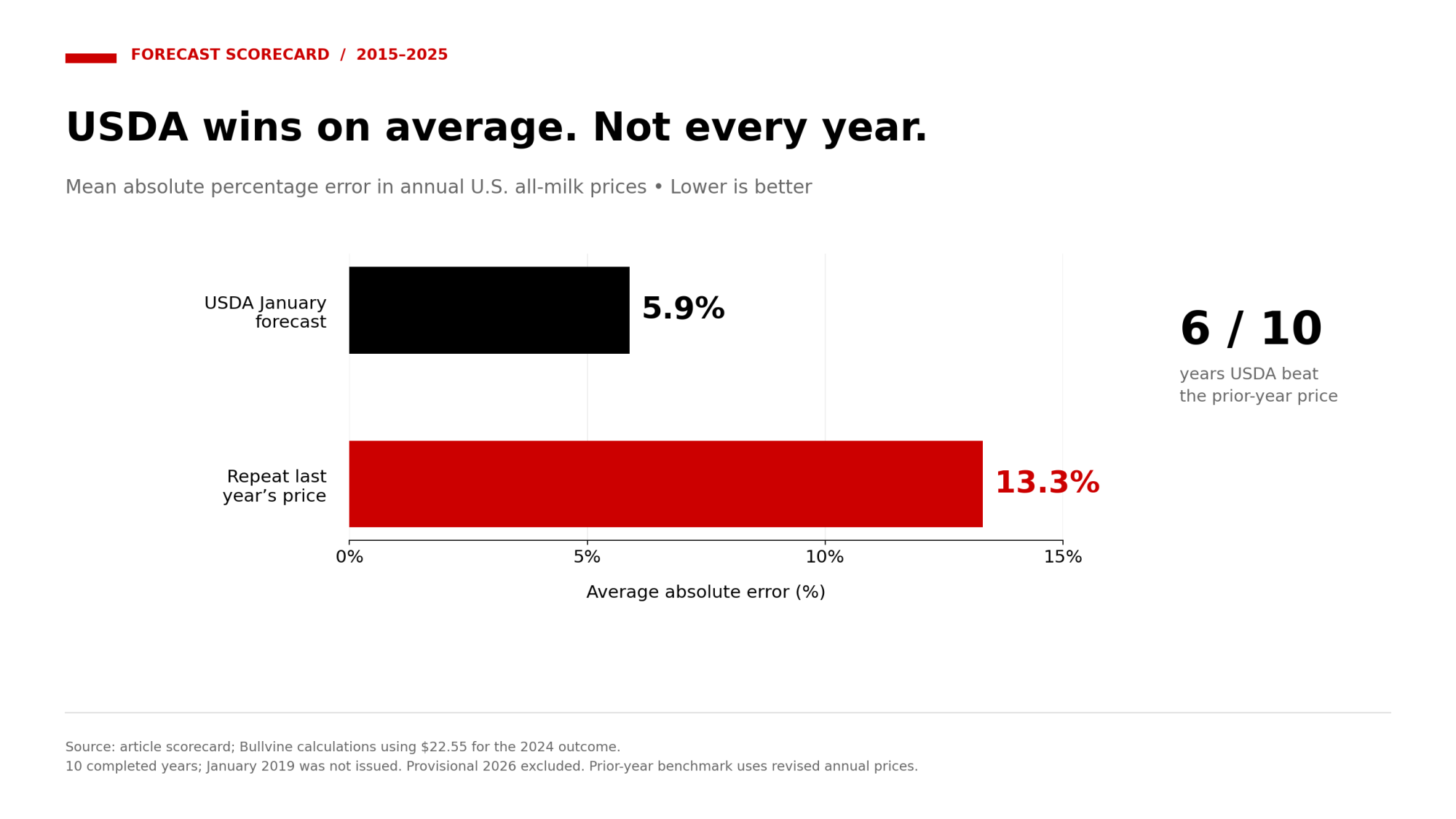
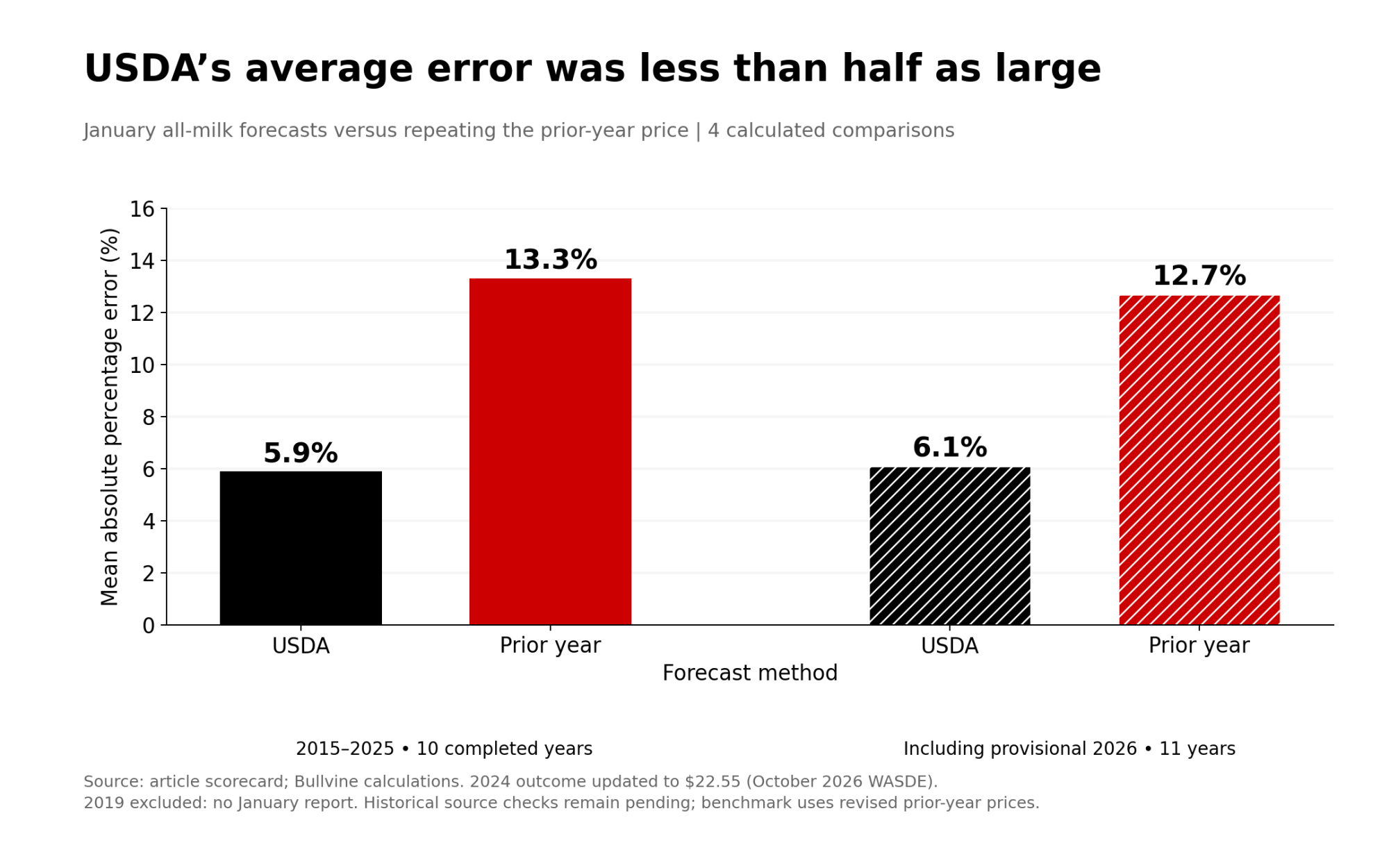
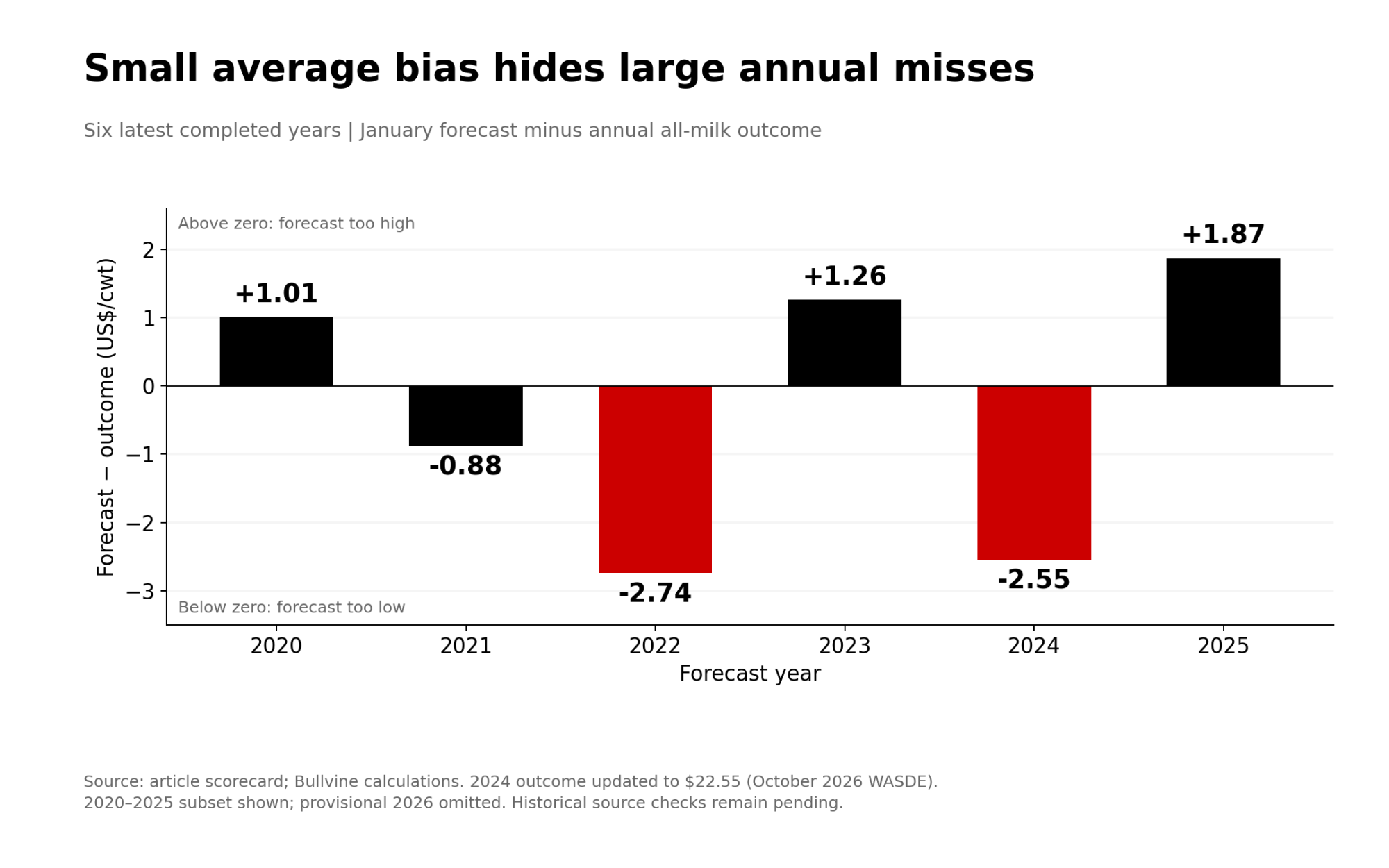
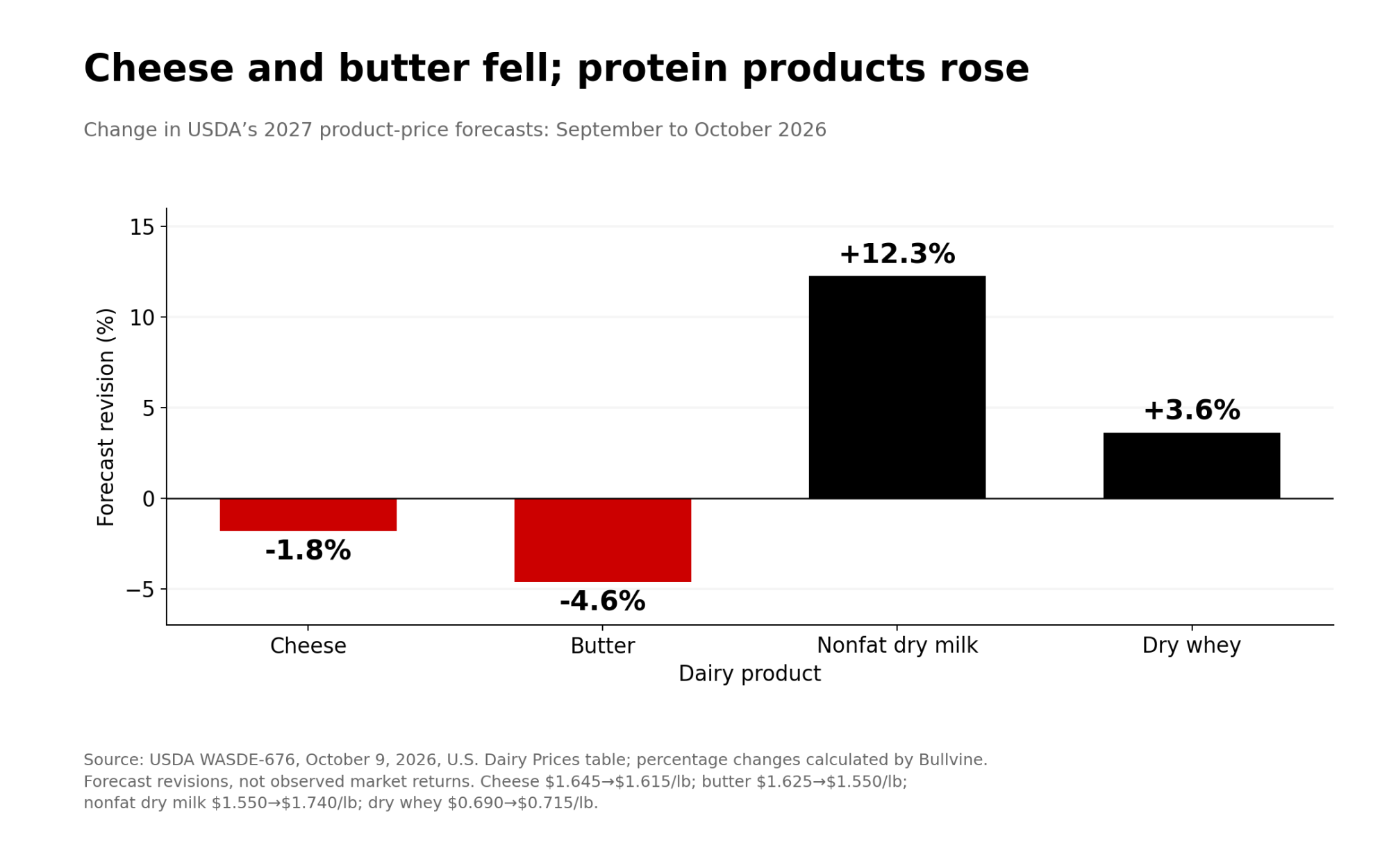
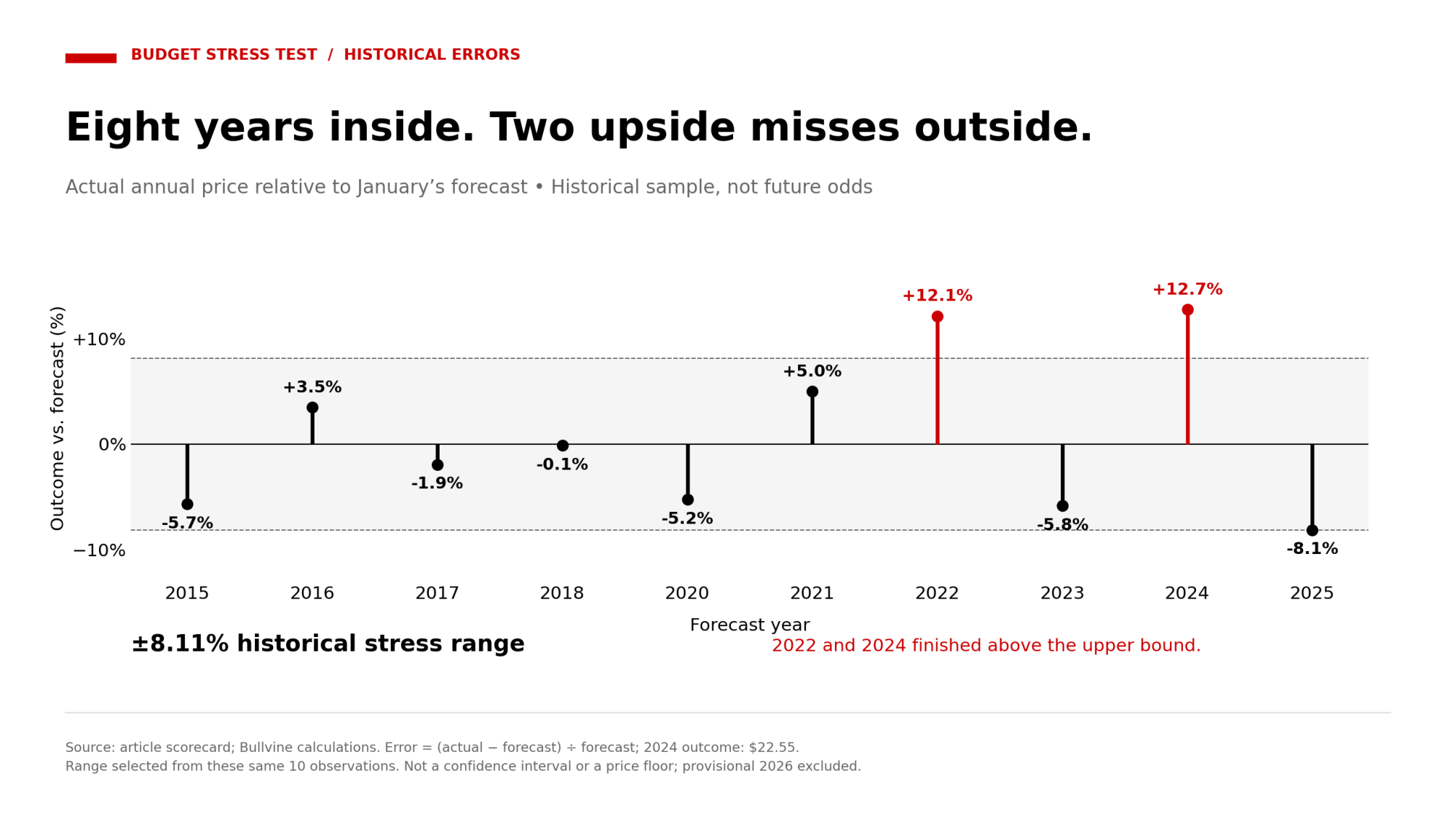

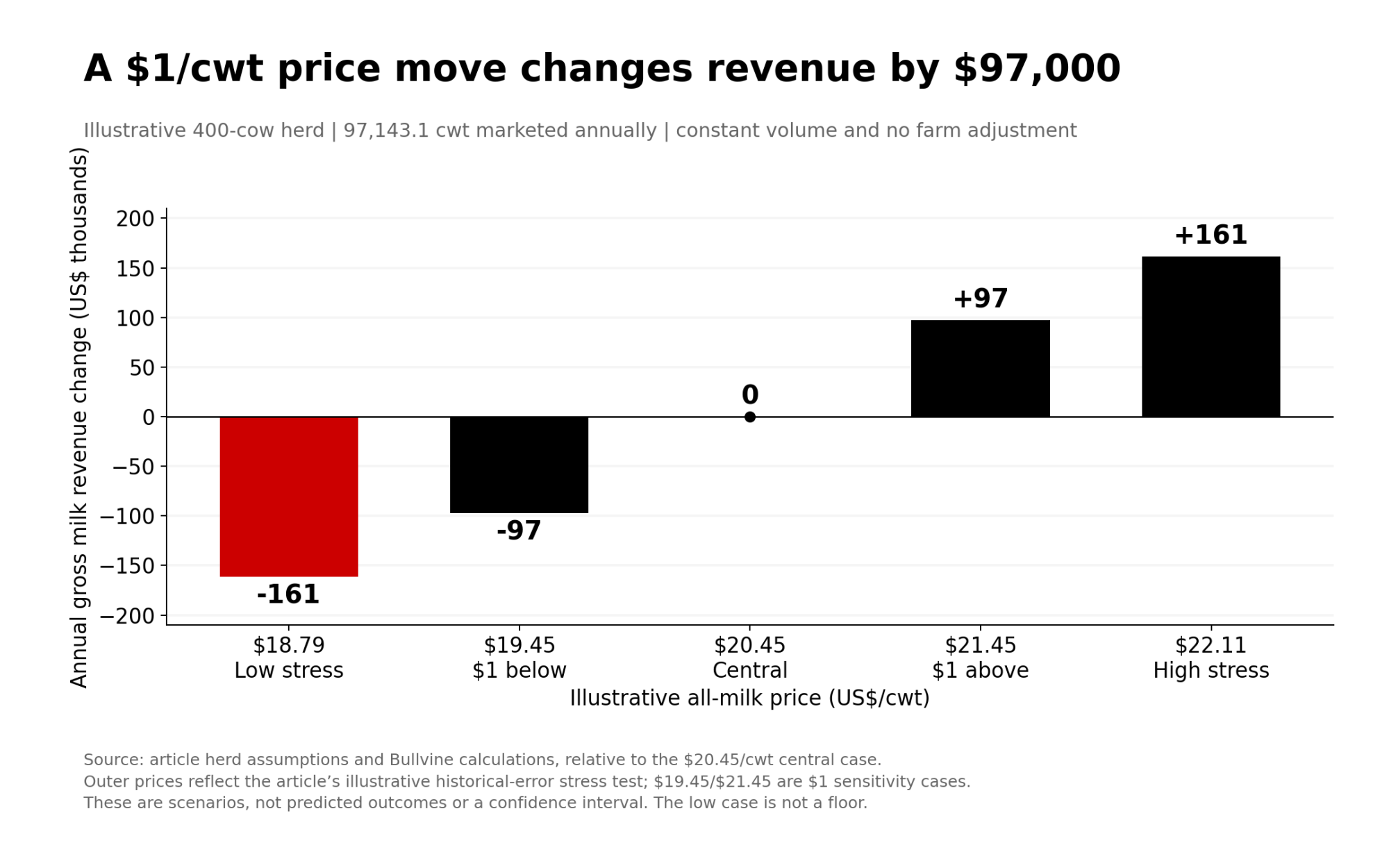
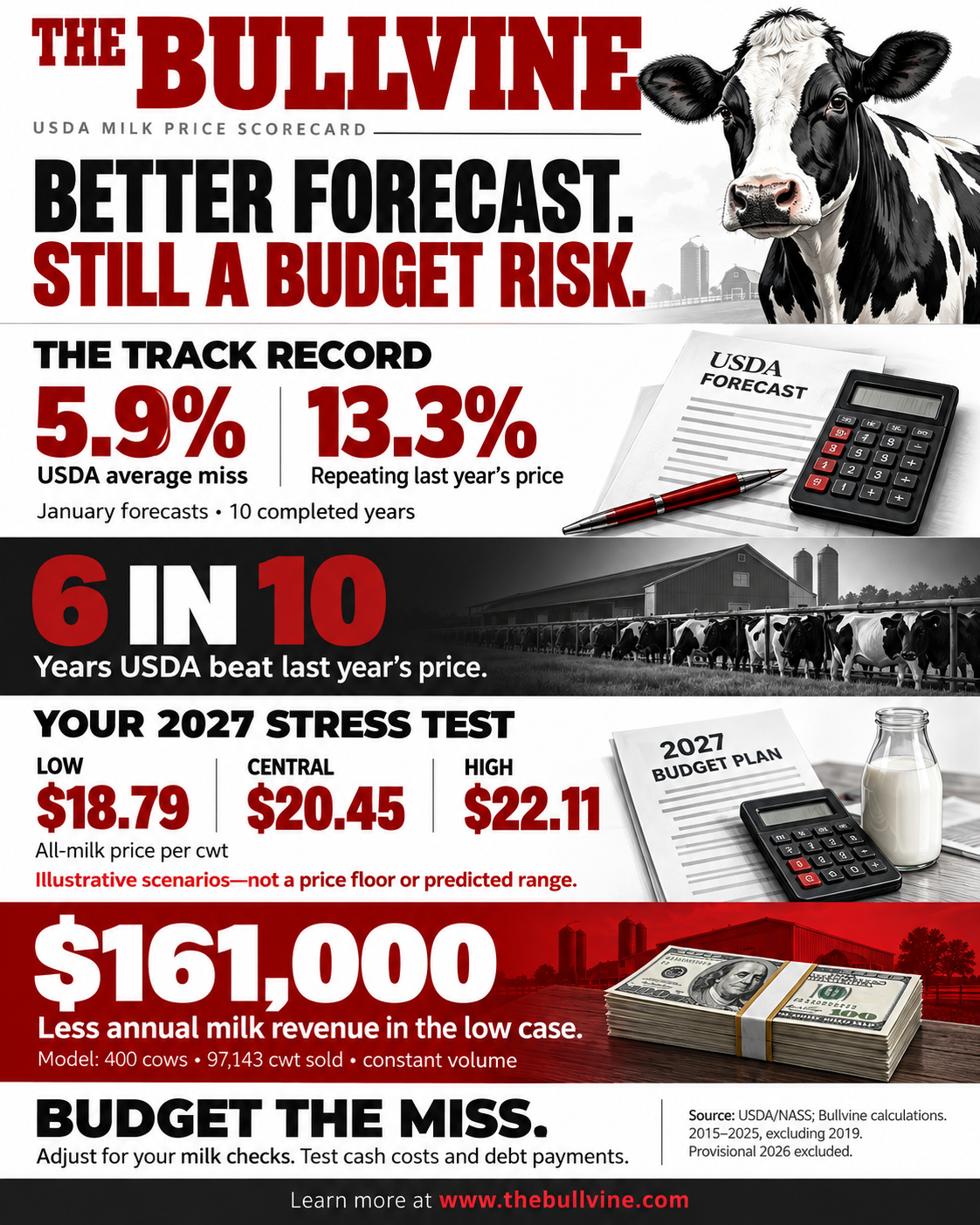

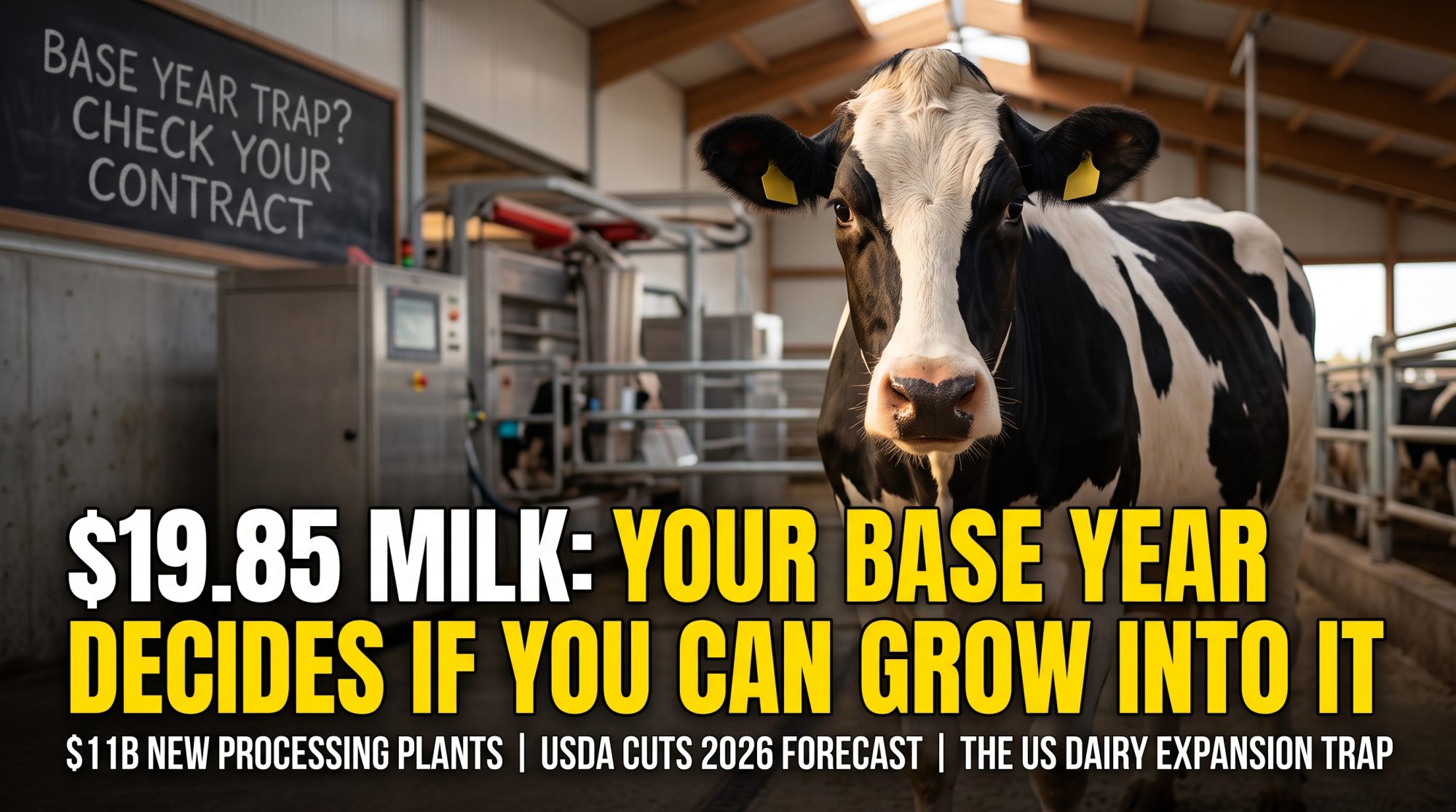
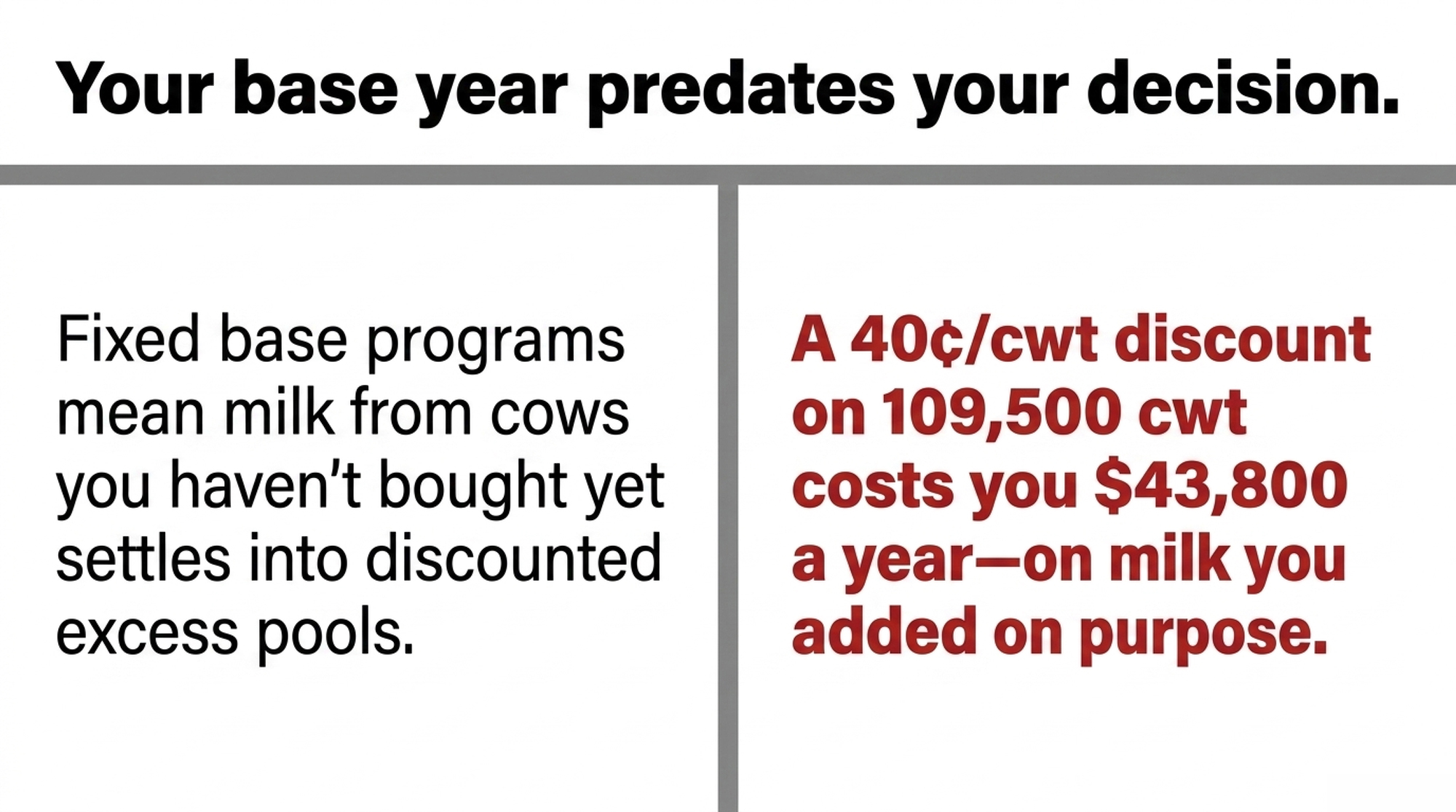
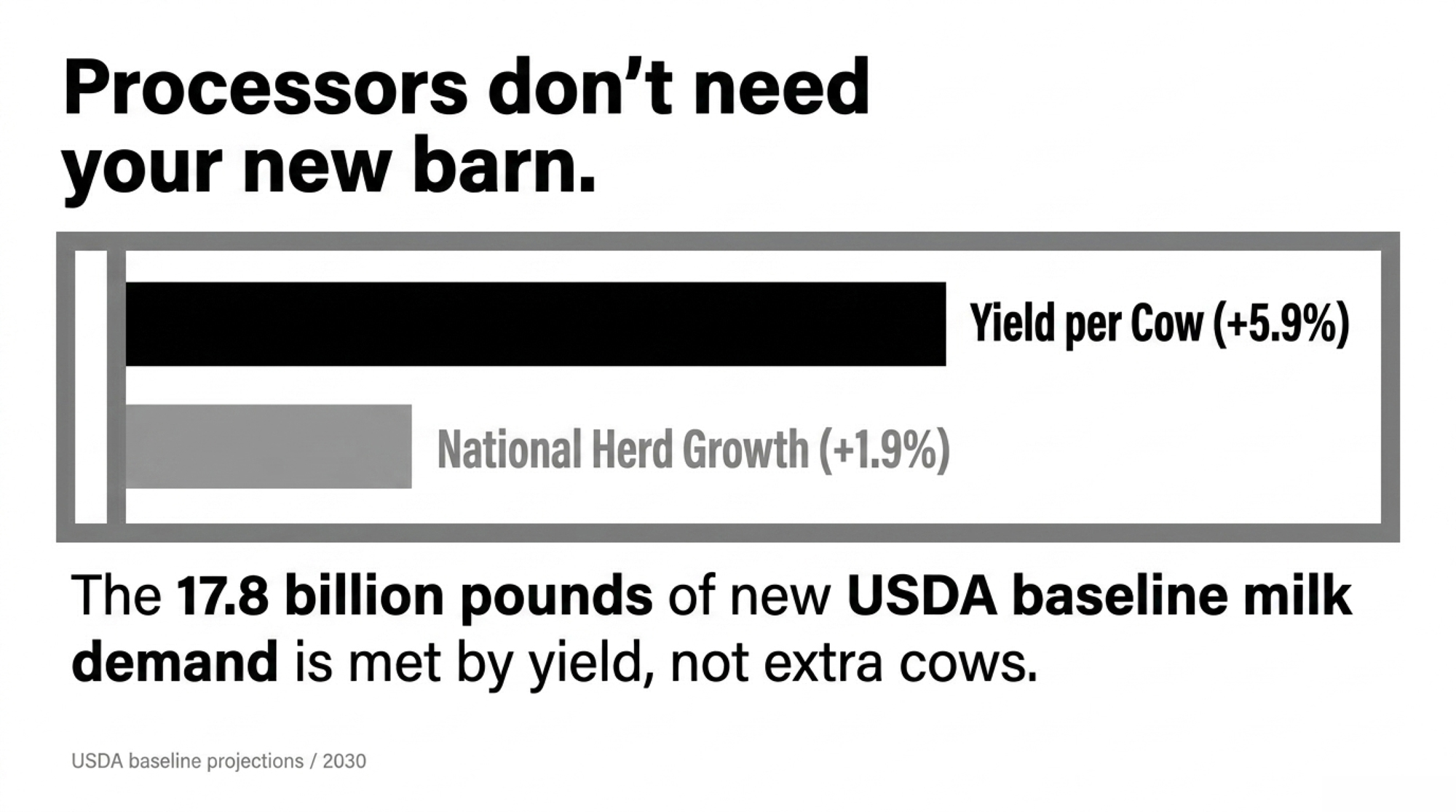
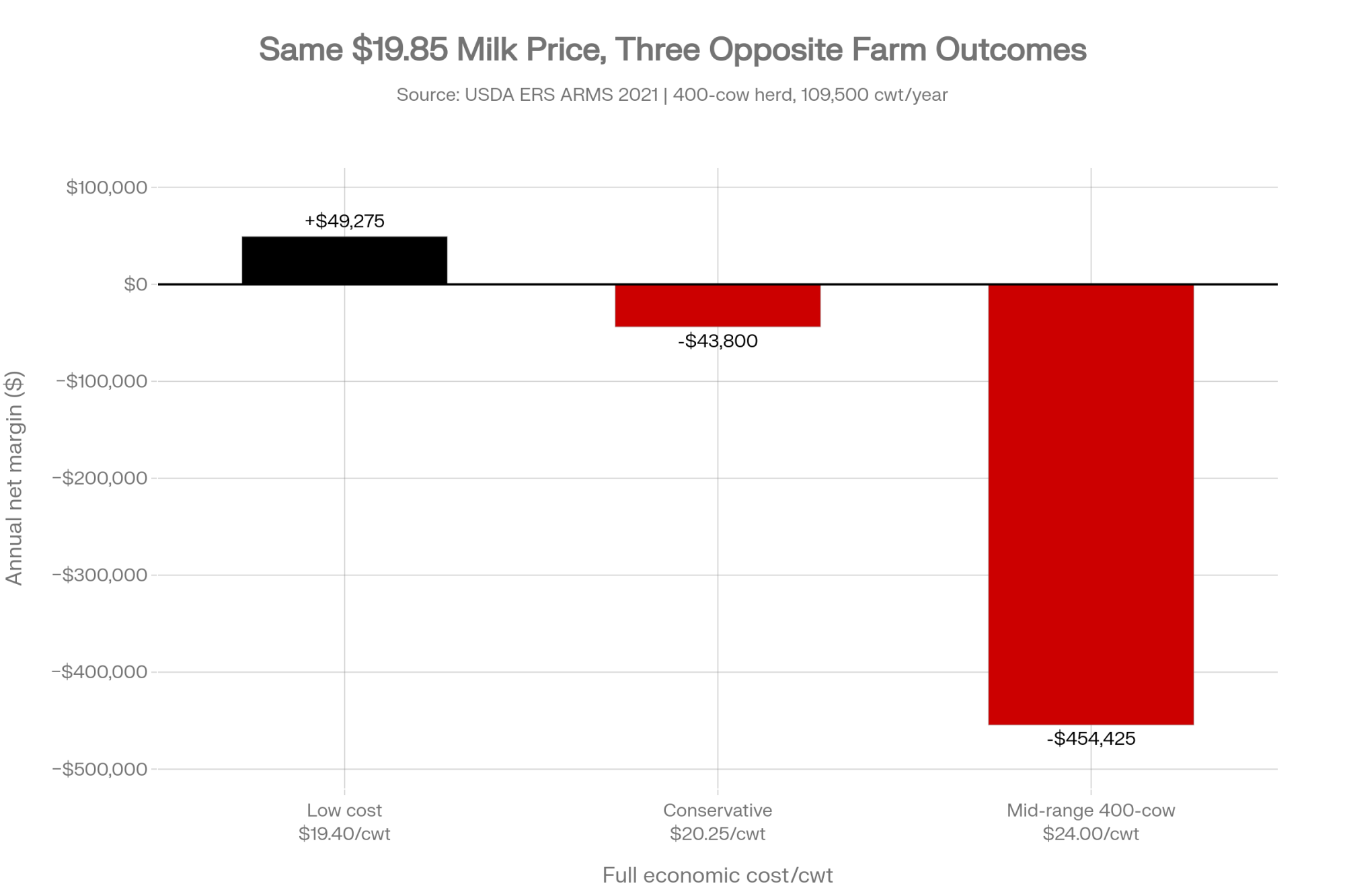
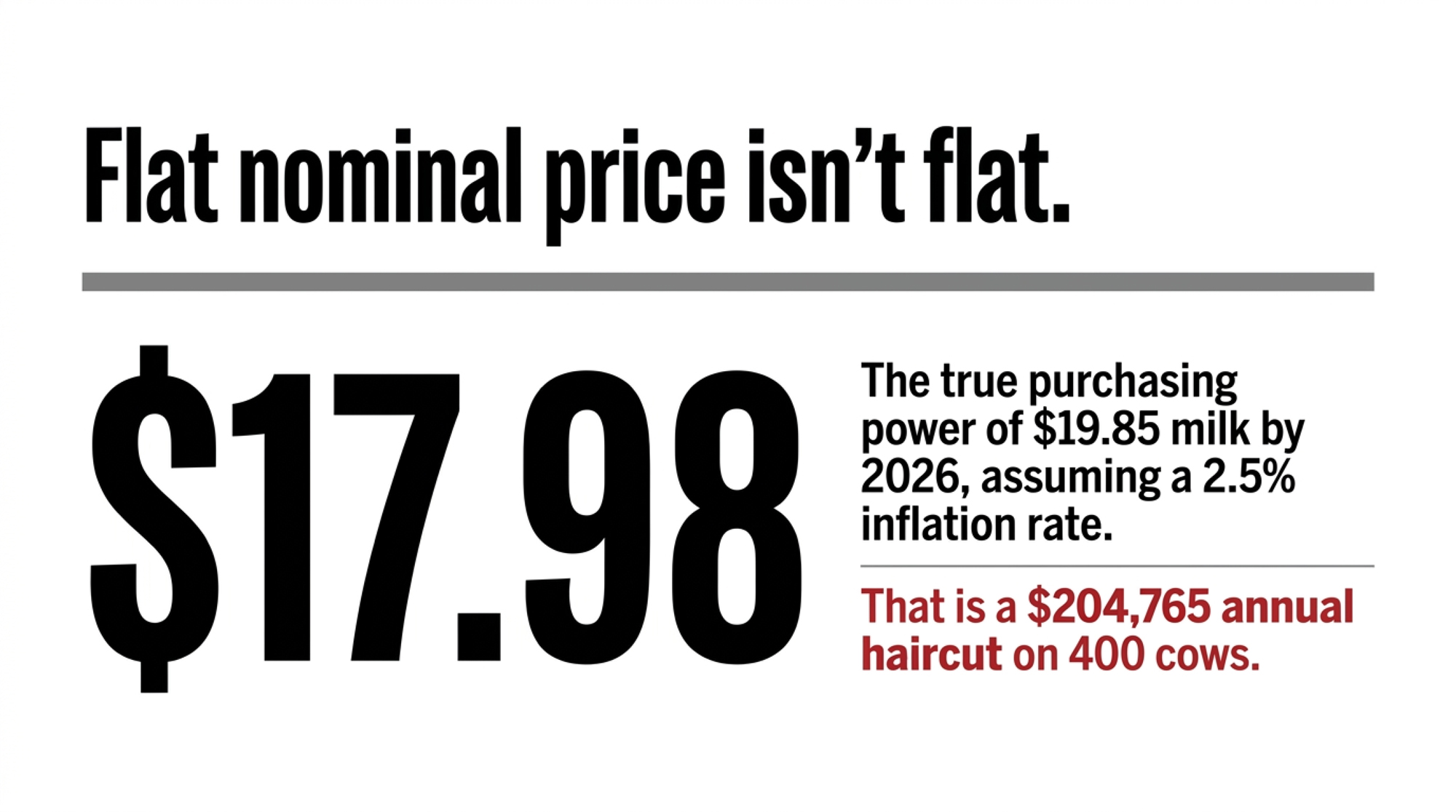
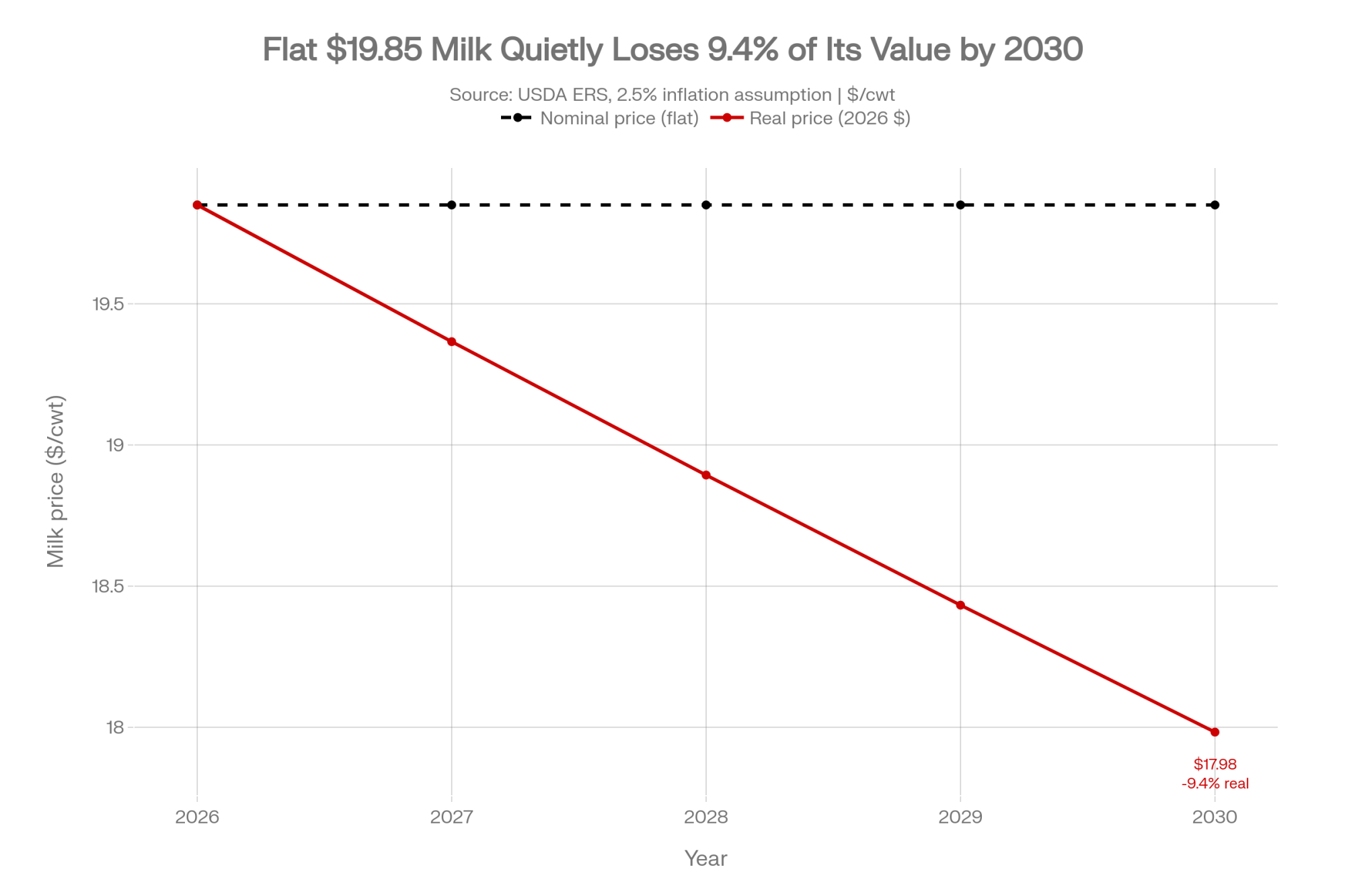
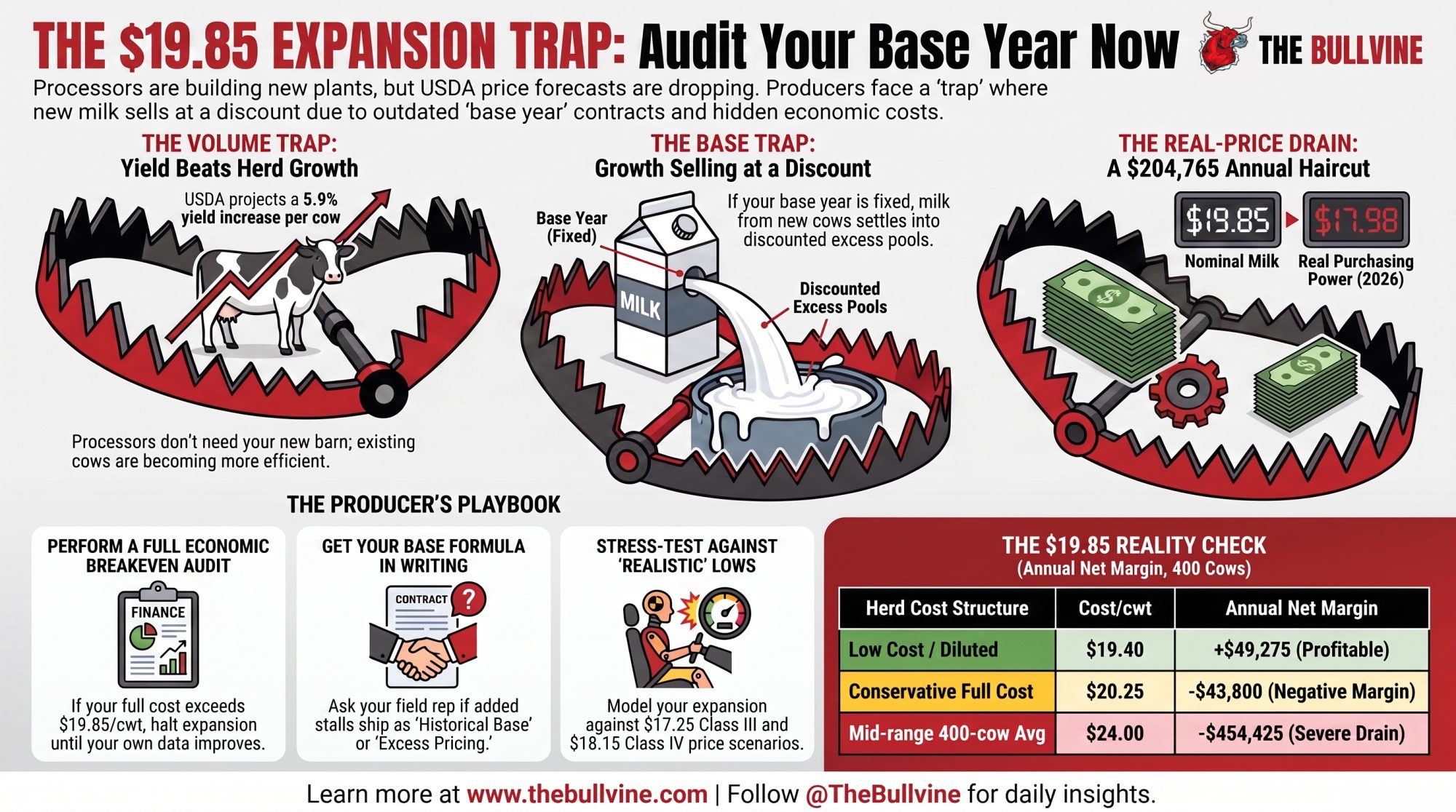
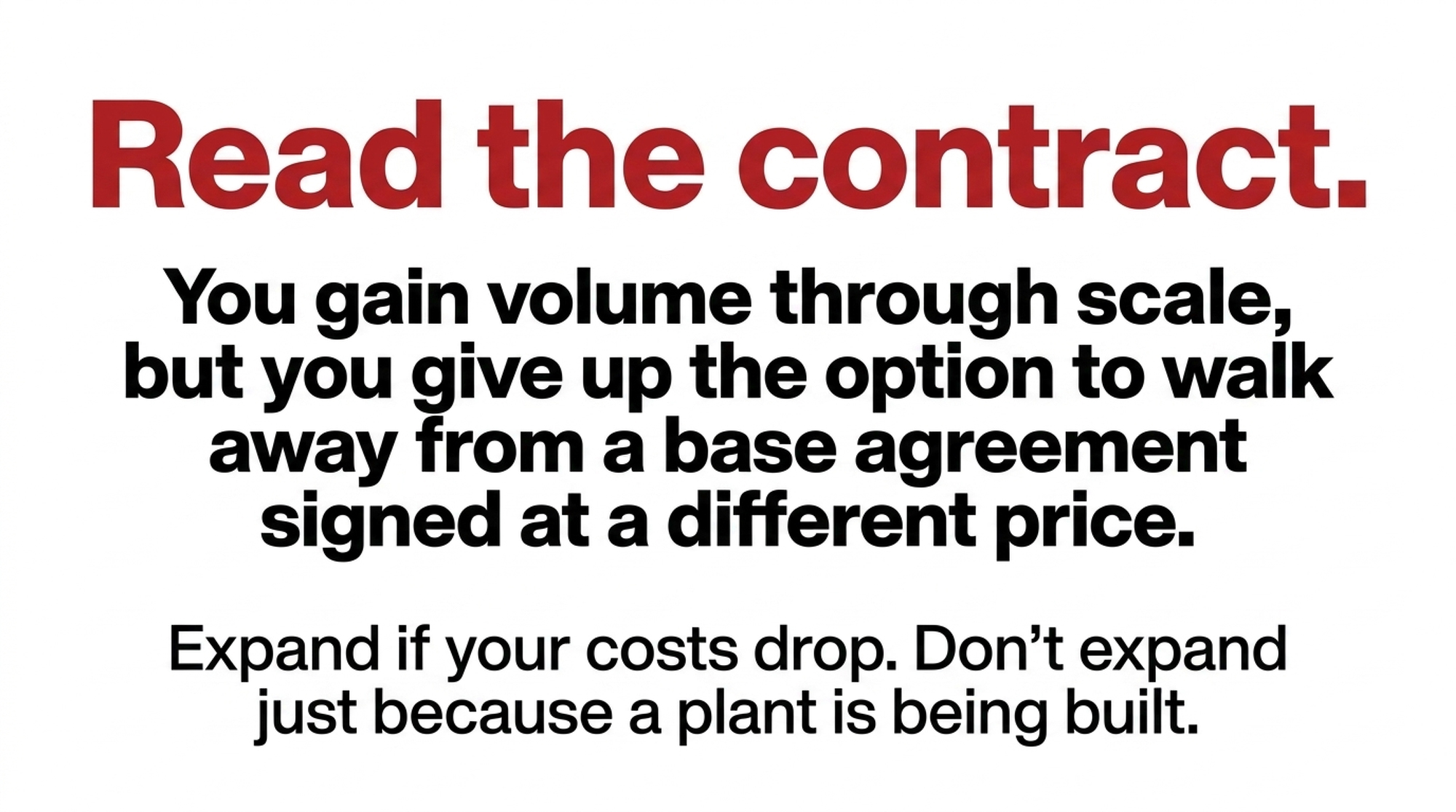

 Join the Revolution!