




Archive for Whole Milk for Healthy Kids Act

How 40-Cow Dairyman Made It to the Oval Office. And the Community That Made It Happen.

A multi-generation Pennsylvania farm, a 15-year policy fight, and a community that kept showing up when it would’ve been easier to stay home

EXECUTIVE SUMMARY: When the White House needed dairy farmers to witness the signing of the Whole Milk for Healthy Kids Act on January 14, 2026, they didn’t just invite the big operations. They invited William Thiele, who milks 40-60 cows with his family on land in Butler County, Pennsylvania, that they’ve farmed since 1868. He got that call because he’d spent 15 years showing up: at Farm Bureau meetings that ran late, policy hearings where the same arguments had to be made again, and pandemic milk distributions where neighbours handed out surplus to families in need. His family’s farm—first in the county to adopt a conservation easement, known locally for Lorraine Thiele’s painted round bale art along the road—has become a quiet example of what grassroots dairy community presence looks like over generations. Whole milk is back in schools, but the honest reality is that milk checks won’t jump overnight, and the harder structural problems in dairy remain unsolved. The deeper message is about the compounding power of showing up—and the question it leaves every reader with: when that call comes to your county, will someone be ready to answer it, and are you helping make sure they’re not doing it alone?
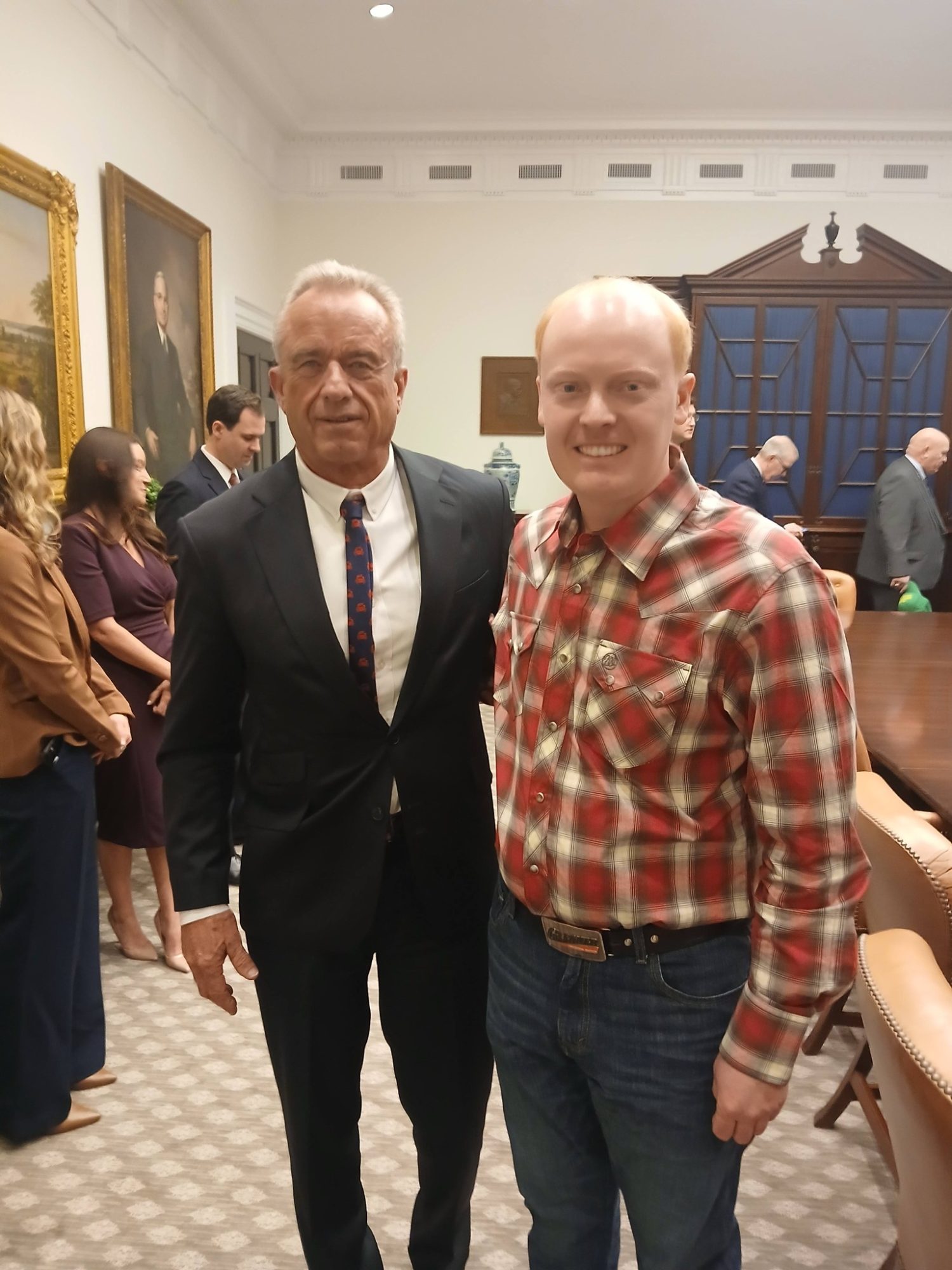
Butler County’s William Thiele meets HHS Secretary Robert F. Kennedy, Jr. after the Whole Milk for Healthy Kids Act signing. Fifteen years of quietly showing up led to this room.

Forty to sixty cows. More than 150 years on the same ground. The Oval Office.

On January 14, 2026, a dairy farmer who milks Holsteins with his family in Butler County, Pennsylvania, stood behind the Resolute Desk as President Trump signed whole milk back into American schools.

William Thiele wasn’t there because his operation is big. He wasn’t there because he has a lobbying budget or a publicist. By all accounts, he was there because, for years—through low milk prices, policy setbacks, and all the reasons people give for why small dairies are supposed to disappear—he and his community kept showing up.

At Farm Bureau meetings that ran past when everyone wanted to be home for evening chores. At policy hearings where the same arguments had to be made again to different faces in the same chairs. At pandemic milk distributions, where families lined up in their cars and volunteers worked until the last gallon was gone. At every unglamorous place where grassroots dairy voices are easy to ignore.

Fifteen years is a long time to keep showing up when nothing seems to change.

But that’s exactly what this community did.

A Farm That’s Still Here After Six Generations

You know the kind of place.

The farmhouse has been added onto more times than anyone can count. The equipment is a mix of generations—some pieces older than the people running them. The cows know the routine better than any written schedule could capture. The lane has ruts that have been there since your grandfather’s time, and somehow that feels right.

Thiele Dairy Farm sits on nearly 300 acres in Jefferson Township, Butler County. The family has been there since 1868—more than 150 years of milking on the same ground, through wars and depressions, milk price crashes, and everything else the world has thrown at dairy.

It’s around a 40 to 60-cow milking operation—roughly 80 head when you count the full herd. Not 400. Not 4,000.

In an industry where small operations face constant pressure to expand or exit, a farm of that size still standing after all these generations is increasingly rare. The fact that this one is still here—and still investing in the future—says something about the people behind it.

The brothers handle most of the daily work. William often serves as the public-facing one, the guy who shows up at meetings and talks to legislators when most farmers would rather be home finishing chores. James handles much of the day-to-day fieldwork and equipment. Their parents, Ed and Lorraine, are still very much in the picture. Ed keeps a close eye on crops and the long-term questions that every multi-generation farm has to wrestle with. Lorraine manages the books and has become unexpectedly well-known for something that has nothing to do with spreadsheets.

More on that in a minute.

The Decision That Shaped Everything After

Back in 1997, when development pressure from Pittsburgh started pushing into Butler County, the Thieles made a choice that still defines the farm.

They enrolled their land in Pennsylvania’s Agricultural Land Preservation Program, permanently protecting it from development. According to state records and a soil health case study by the American Farmland Trust, they were the first farm in Butler County to do it.

Not everyone understood the decision at the time. But the logic was simpler than critics made it sound: if the ground is what you’re handing to the next generation, you’d better make sure it stays ground.

That’s not the kind of thinking that shows up on a balance sheet. But it’s the kind of thinking that keeps farms in families.

Years later, they went further. In 2015, the family transitioned the entire operation to no-till and cover crops. An economic analysis found that the changes reduced machinery costs and increased net farm income per acre. Conservation, it turned out, could also strengthen the bottom line.

Every gallon of milk from those cows goes to Marburger Farm Dairy, a family-owned fluid plant in Evans City that’s been part of western Pennsylvania’s food system since 1938. From there, it ends up in jugs and cartons for schools, stores, and other outlets across the region.

None of this is flashy. But for anyone who’s watched small dairies close one by one—the neighbours who had an auction, the classmates who sold out, the empty barns you pass on the way to town—there’s something worth noticing in an operation that’s still here. Still thinking about the generation that hasn’t arrived yet.

How Years of Showing Up Led to the Oval Office

The phone call that changed everything came on a Monday in early January 2026, while William was at the Pennsylvania Farm Show.

He serves as the Pennsylvania Farm Bureau state board director for District 15, covering Butler, Beaver, Lawrence, and Mercer counties. According to the Butler Eagle and Farm Bureau accounts, that’s what put him on the list when the White House went looking for real dairy farmers to attend the signing of the Whole Milk for Healthy Kids Act.

The Farm Show is its own kind of community gathering—dairy people from across the state showing cattle, staffing milkshake booths, trading stories in the cattle barns, catching up with folks they only see once a year. That’s where the call found him. After a brief vetting process, he was notified on Tuesday that he’d been selected.

Farm Bureau staff later noted that his years of steady presence—at meetings, hearings, and conversations with legislators—were key to opening that door.

Here’s the part worth sitting with: there was no single dramatic moment that made this happen. No viral video. No one big speech that changed everything. It was the accumulation of ordinary ones. The steady presence at policy discussions, even when progress was slow. The willingness to keep showing up when it would’ve been easier to stay home and finish chores.

If you’ve ever skipped a Farm Bureau meeting because you were too tired, or figured your voice didn’t really matter in the big picture, you’re not alone. Most of us have been there.

But this story suggests that the ones who keep showing up are the ones who end up in the room when the room finally matters.

“Yes, That Butler, Pennsylvania”
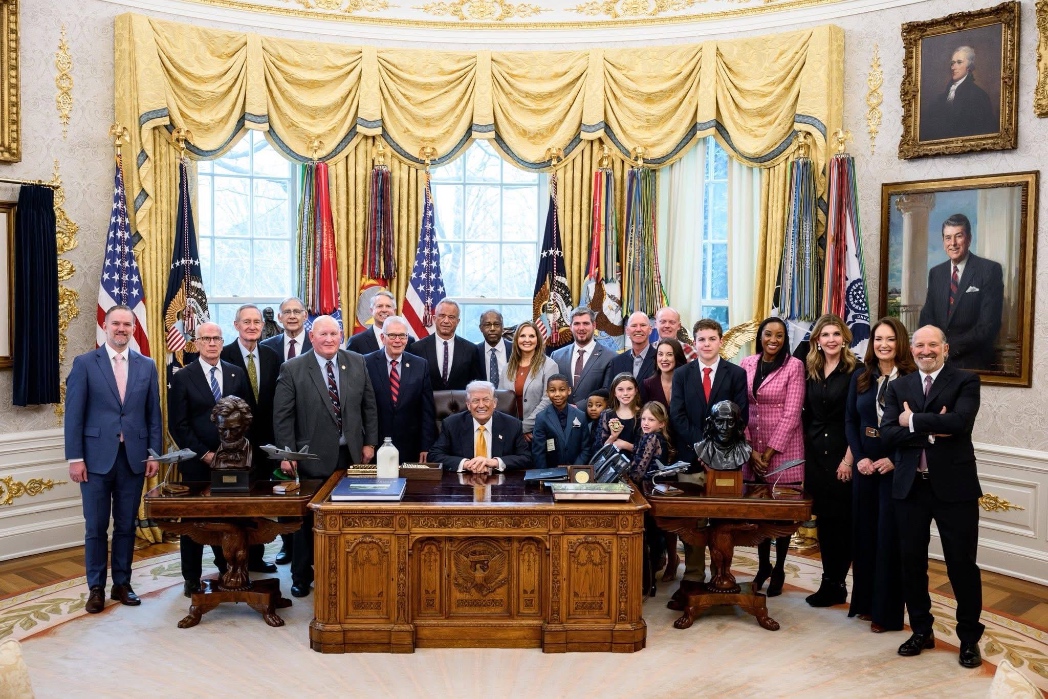
The moment 15 years of showing up built toward: President Trump signs the Whole Milk for Healthy Kids Act on January 14, 2026, surrounded by dairy farmers from operations of every size. The kids in the room—and the bottle of milk on the Resolute Desk—are reminders of who this fight was always for.

The Oval Office—where so much of the nation’s business unfolds—held a small group of farmers that day.

The Resolute Desk sat in the center with a tall glass bottle of milk perched on top. Kids in dress clothes stood nearby—a reminder of who this bill was really about. Cabinet secretaries and senators filled the edges of the room. A small group of dairy farmers—representing operations ranging from a few dozen cows to several thousand—stood behind the President.

William wasn’t the only producer there. Jamie Pagel Witcpalek from Wisconsin represented Pagel’s Ponderosa Dairy and Edge Dairy Farmer Cooperative—an operation milking thousands of cows. Other farmers came from New Mexico, Kansas, Virginia, and elsewhere. Agriculture Secretary Brooke Rollins pointed out that the group represented farms “across the spectrum.”
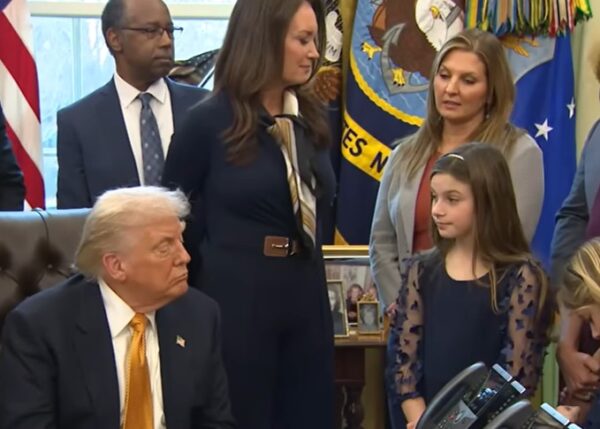
Big and small in the same room: Wisconsin’s Jamie Pagel Witcpalek—representing Pagel’s Ponderosa Dairy and Edge Dairy Farmer Cooperative, which milks thousands of cows—Jamie Witcpalek stands next to Ag Secretary Rollins in the Oval Office speaking to President Trump at the Whole Milk for Healthy Kids bill signing ceremony. The child standing close by is a reminder of who this 15-year fight was always for.

Big and small. Different regions, different markets, different challenges. But all of them had shown up.

When William introduced himself, he mentioned that he milked cows with his family in Butler County, Pennsylvania.

Then he added something that shifted the energy in the room: “Yes, that Butler, Pennsylvania.”

Everyone understood. Butler had become nationally known after the assassination attempt on Trump during the 2024 campaign. It’s not the story the town wanted to be remembered for, but it’s the one that stuck.

When Rollins mentioned Butler in her remarks, the President responded, “I love Butler.”

For a moment, the distance between a small dairy farm and the most powerful office in the country didn’t seem quite so far.

What He Said When the President Asked

Trump turned to William during the ceremony and invited him to speak.

According to later interviews, William shared remarks about what the day meant for agriculture—not just for dairy farmers, but for kids, schools, and processors too. He called it “perfect legislation” and “a great day for America.”

It’s worth noticing that when given a few seconds of national attention, he talked about the broader impact rather than his own operation. He spoke for the community, not just for himself.

That kind of perspective tends to come from years of being part of something bigger than your own barn.

The 15-Year Fight Behind One Signature

The Whole Milk for Healthy Kids Act didn’t appear out of nowhere. Understanding what happened in that Oval Office requires understanding what happened in the 15 years before it.

In 2010, Congress passed the Healthy, Hunger-Free Kids Act. By 2012, USDA regulations effectively removed whole and 2% milk from school cafeterias. Schools could serve only fat-free or low-fat options.

The goal was to reduce saturated fat in children’s diets. The outcome was more complicated.

A lot of kids stopped drinking milk.

USDA and industry data showed significant declines in school milk consumption after the 2012 changes. Representative Glenn “GT” Thompson of Pennsylvania put it bluntly at the 2026 Farm Show: “We’ve lost since 2012 two generations of milk drinkers. The impact on the American dairy farm was devastating.”

Two generations. That’s kids who grew up never learning to like milk—and who aren’t buying it now that they’re adults with their own families.

Thompson had been pushing versions of the Whole Milk for Healthy Kids Act for over a decade. One version passed the House 330-99 in December 2023 but never moved in the Senate.

Dairy organizations kept the issue alive. Pennsylvania Farm Bureau, Edge Dairy Farmer Cooperative, National Milk Producers Federation, and others continued lobbying, sharing research, and telling stories about kids who liked whole milk but threw away skim.

Year after year. Hearing after hearing. The same arguments, made again, to different faces in the same chairs.

In late 2025, momentum finally shifted. The Senate and House both passed the bill, sending it to the President’s desk.

When Trump signed it on January 14, 2026, it represented the end of a fight that had outlasted multiple administrations and more setbacks than anyone wanted to count.
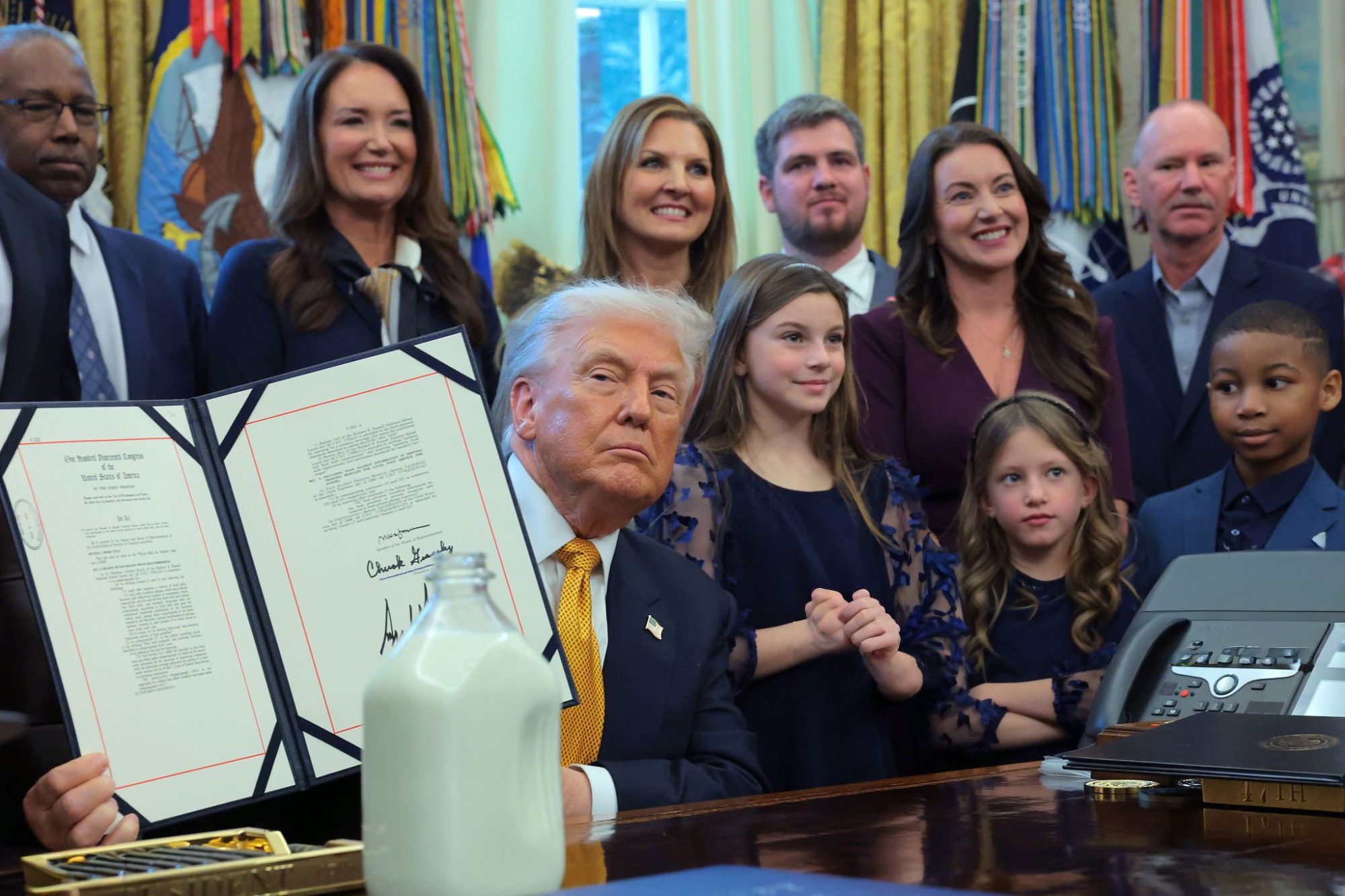
Whole milk, front and center: A glass bottle on the Resolute Desk as President Trump displays the signed Whole Milk for Healthy Kids Act. Fifteen years of showing up—at hearings, at meetings, at milk distributions—led to this moment.

What This Really Means for Your Milk Check

Here’s the honest part that every producer watching from home deserves to hear.

Whole milk is back in schools. That matters for kids. It matters for the dignity of the product you ship. It matters as a policy win after years of frustration.

But if you’re expecting your February milk check to look dramatically different, you’re likely to be disappointed.

School milk accounts for a limited share of U.S. fluid milk sales. How much any boost shows up in your check depends on where you ship. In high-fluid Federal Orders where Class I makes up most of the pool, a bump could mean modest improvement in the blend price. In manufacturing-heavy regions where cheese and powder dominate, extra school milk will mostly disappear into the blend.

For a small dairy shipping to a regional fluid processor like Marburger, the honest math is: probably pennies, not dollars. At least in the short term.

So let’s be clear about what this law does and doesn’t do.

It doesn’t fix Class III pricing. It doesn’t reverse consolidation. It doesn’t erase debt or solve labour shortages, or make your banker less nervous.

What it does is stop a form of active harm. It removes a rule that was pushing kids away from milk during the years when taste preferences form. It permits schools to serve the product you believe in.

That’s not a win you measure this quarter. It’s a win you measure in who’s still buying milk in 2035.

A Farm That Kept Reaching Out

Even before the White House invitation, Thiele Dairy Farm had developed a reputation for connecting with people beyond the farm gate.

When COVID-19 disrupted supply chains in 2020, Butler County—like dairy communities across the country—organized efforts to get surplus milk to families in need. Local organizations, including the Farm Bureau and area processors, coordinated distributions. The Thieles were among the local farms supporting those community efforts.

Cars lined up on those distribution days. Volunteers worked the line until the coolers were empty. Milk that might have gone down a drain went home with families who needed it.

Then there’s Lorraine’s round bale art.

What started as a creative project—painting hay bales along the road to look like flags, cows, turkeys, and holiday scenes—became an unexpected connection point with the non-farming public. The displays have drawn enough attention that people sometimes drive up the lane thinking they can buy milk directly.
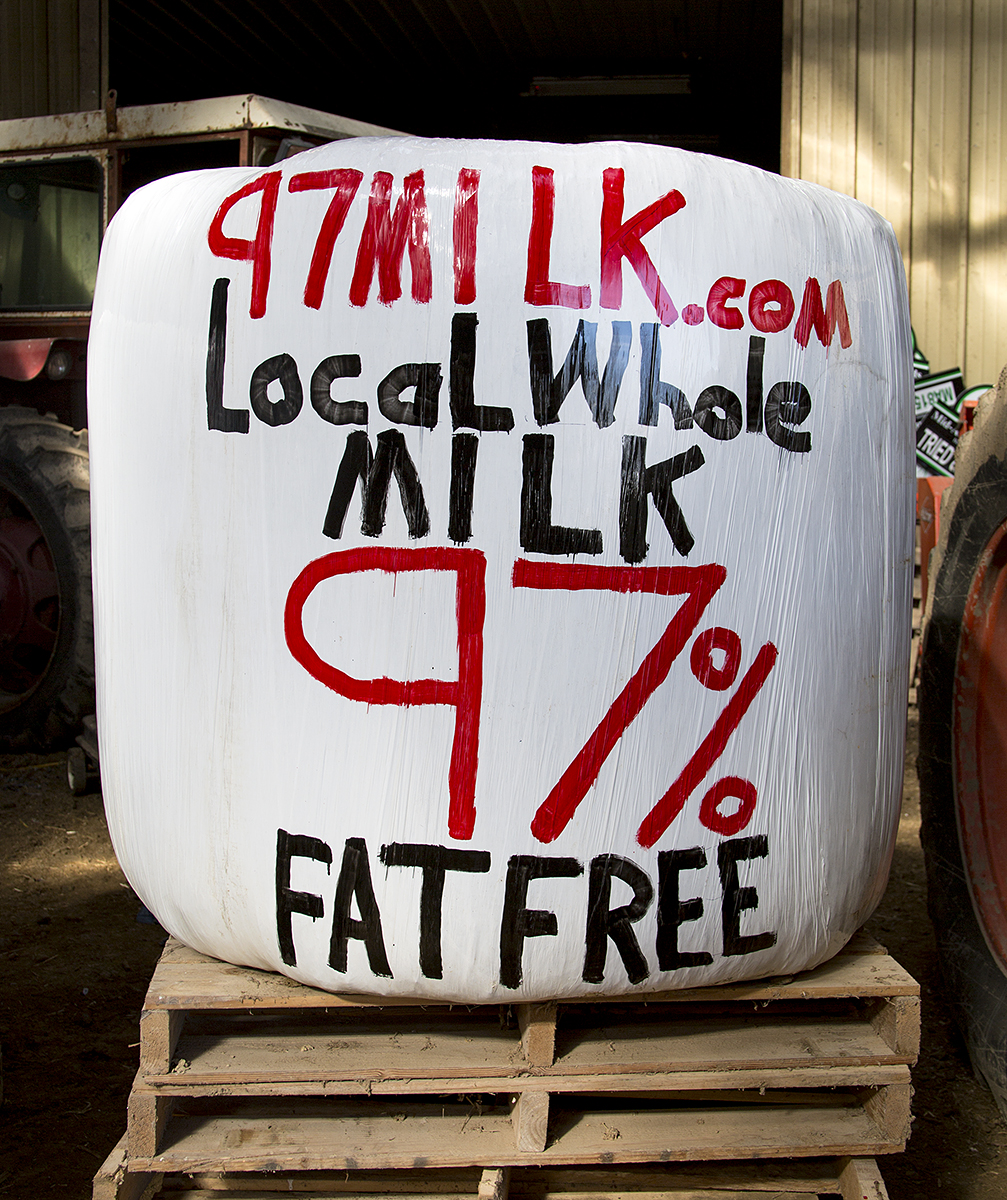
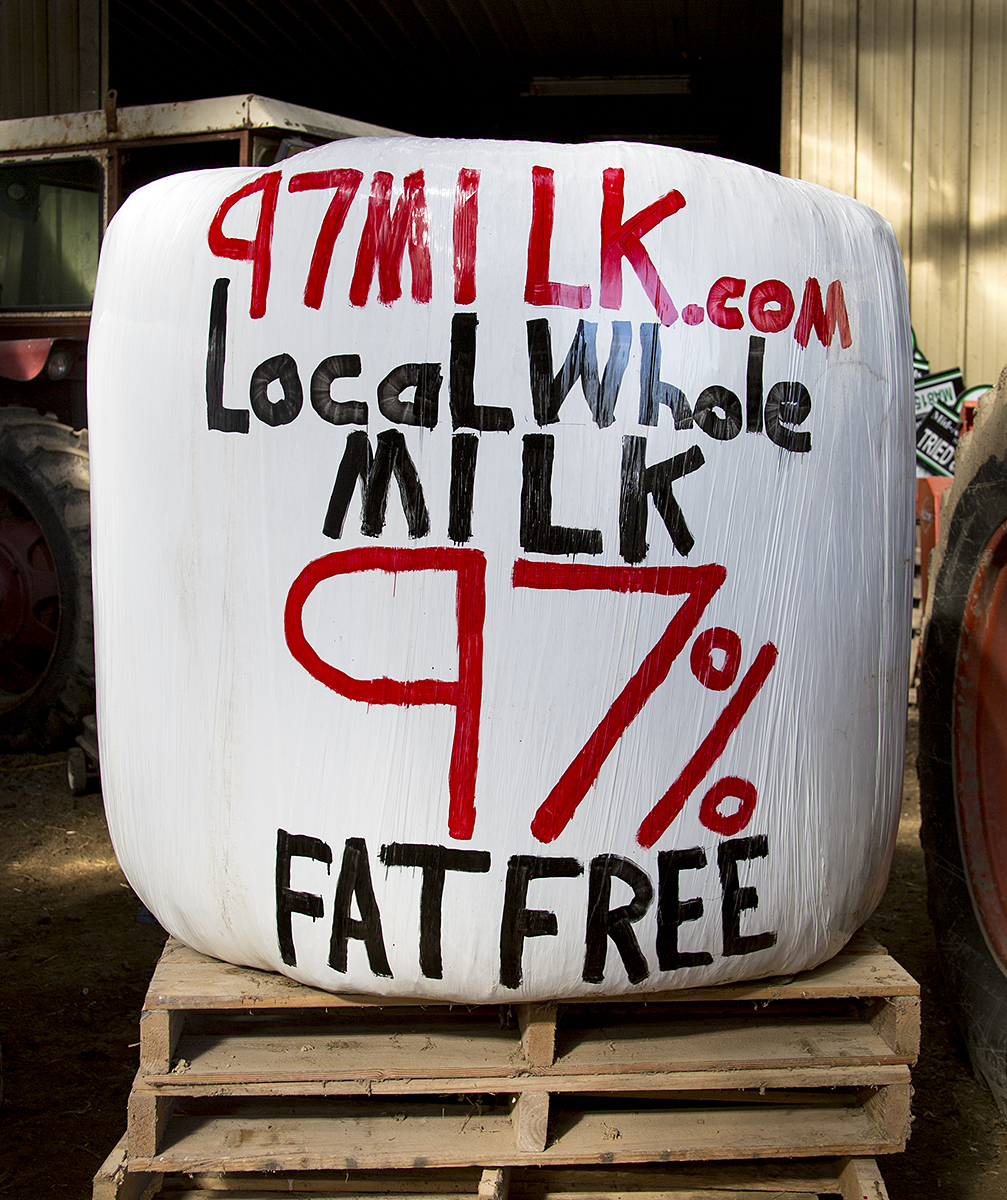
Whole milk is 97% fat free—a fact worth painting on a bale. Roadside advocacy like this turns farms into conversation starters with neighbours who’ve never set foot in a barn. It’s the same instinct behind Lorraine Thiele’s painted round bales in Butler County, which draw enough curious visitors that the family now points them to stores carrying Marburger milk.

That led the family to use signs and their Facebook page to explain that all their milk is sold through Marburger and can be found at stores where Marburger products are sold. Lorraine has talked about how most people don’t have a clue what dairy farming involves or how it’s done—and how her sons love showing them.

William has leaned into that same instinct through different tools. Using a drone to film planting, chopping, and baling, he’s created videos that show non-farm audiences what the work actually looks like. It’s not polished marketing. It’s just letting people see.

None of this generates direct revenue. But it builds something harder to put a price on: a farm that feels connected to its community rather than isolated from it.

What Other Communities Can Take From This

A few patterns stand out:

  • Showing up compounds over time. The Oval Office invitation didn’t come from one dramatic moment. It came from years of Farm Bureau involvement and being present in rooms where small dairies could easily be overlooked. The people who get asked to represent their communities are usually the ones who’ve been quietly showing up all along.
  • Community visibility matters. Round bale art and drone videos aren’t going to pay your feed bill. But they can change how neighbours and local officials think about the farms in their area. The farms people know about have an advantage over those that stay invisible.
  • Small operations can still have a seat at the table. The signing ceremony included farmers milking thousands of cows, but it also included a multi-generation dairy from Butler County milking around 50 head. If you’ve ever felt like your operation is too small to matter, this is evidence to the contrary.
  • Local processors are part of the equation. The Thieles’ relationship with Marburger is part of what keeps their milk connected to schools and communities in western Pennsylvania. Ask your co-op or buyer: “What would it take for whole milk from our area to end up in local schools?”

What You Can Do This Month

If this story has you thinking about your own community, here are a few practical places to start:

  • Pick one organization and go to the next meeting. Farm Bureau, dairy promotion committee, co-op advisory board—it doesn’t matter which one. Just pick one and show up. You don’t have to speak. Just be in the room and learn who else is there.
  • Ask your processor one direct question. “What would it take for whole milk from our area to end up in local schools?” You may not get the answer you want, but you’ll have started a conversation that might matter down the road.
  • Find one way to make your farm visible. Maybe it’s a simple Facebook post about what you’re doing this week. Maybe it’s saying yes the next time a school group asks for a tour. The goal isn’t to go viral. It’s to be known.
  • Bring someone younger into a conversation. If there’s a young person in your orbit who’s curious about the industry, invite them to ride along to a meeting. The next generation of dairy advocates has to come from somewhere. It might as well start in your truck.

The Question Worth Asking

Somewhere in your county, there’s probably a farmer who’s been showing up at meetings for years. Someone who volunteers for the thankless jobs. Someone who says yes when the local school needs a field trip destination or the food bank needs milk.

Most of the time, nobody outside the community notices. The work doesn’t make headlines. It just accumulates, quietly, over the years.

Then one day, the phone rings. The White House—or the state ag department, or the processor, or the school board—needs someone who can speak for small dairy. Someone with credibility. Someone who’s been in the conversation long enough to know what they’re talking about.

When that call comes to your community, will someone be ready to answer it?

And here’s the harder question: are you helping make sure they are?

The Thieles didn’t get to the Oval Office alone. They got there because a community kept showing up—at meetings, at distributions, at all the ordinary moments that don’t feel historic until you look back and realize they were building toward something.

That’s the part of this story that belongs to all of us.

The Bottom Line

If this story got you thinking about your own community—about the people who’ve been showing up, or the ways your farm connects with neighbours—we’d like to hear about it.

Who’s the person in your county who keeps showing up when no one’s watching? What’s worked for your farm when it comes to building community connections? What would you want to ask the Thieles if you could sit down with them?

Drop us a line. These are the stories that remind us what dairy is really about.

KEY TAKEAWAYS 

  • Small farms still get invited to the table. When the White House needed dairy farmers for the Whole Milk for Healthy Kids Act signing, they didn’t just call the big operations—they called William Thiele, who milks 40-60 cows with his family on the Butler County, Pennsylvania ground they’ve farmed since 1868.
  • Fifteen years of quiet work opened that door. Thiele got the call because he’d spent years in the rooms where small dairy voices are easy to ignore: Farm Bureau meetings that ran late, policy hearings, pandemic milk distributions. No single moment made it happen—just the accumulation of showing up.
  • Whole milk is back in schools, but manage your expectations. This is a win for rebuilding long-term demand, not a short-term milk check boost. School milk is a small share of fluid sales—the honest math is pennies, not dollars, at least for now.
  • The real question is about your community. Somewhere in your county, someone is doing this quiet, unglamorous work right now. When the call comes for a credible voice to speak for small dairy, will someone be ready—and are you helping make sure they’re not alone?

This article was developed from public reporting, including coverage from the Butler Eagle, Farm and Dairy, American Farmland Trust, and Pennsylvania Farm Bureau records.

Complete references and supporting documentation are available upon request by contacting the editorial team at editor@thebullvine.com.

Continue the Story

The Sunday Read Dairy Professionals Don’t Skip.

Every week, thousands of producers, breeders, and industry insiders open Bullvine Weekly for genetics insights, market shifts, and profit strategies they won’t find anywhere else. One email. Five minutes. Smarter decisions all week.
NewsSubscribe
First
Last
Consent

The Margarine Cup That Sparked Wisconsin’s School Butter Bill and Whole Milk Comeback

A margarine cup on a farm kid’s tray in Iowa County helped spark Wisconsin’s school butter bill—and proved what grassroots dairy advocacy can still do.

Executive Summary: A Wisconsin farm kid came home from school with a margarine cup instead of butter, and when that story hit a local Farm Bureau meeting, dairy neighbors and legislators turned it into a bipartisan “Butter in Our Schools” bill. Senator Howard Marklein and Representative Todd Novak, both raised on farms, responded to calls from family farmers by drafting Wisconsin Senate Bill 645, which would bar schools from using margarine in place of butter except for students with specific dietary needs. Their effort landed just as President Donald Trump signed the Whole Milk for Healthy Kids Act, allowing schools nationwide to offer whole and 2% milk again, excluding milk fat from saturated‑fat limits, and—via USDA’s SP 01‑2026 memo—giving districts immediate authority to adjust their National School Lunch menus. Even so, a Class I base price around $16.35/cwt and butter in the $1.30–$1.37/lb range show that markets remain tough, and policy wins alone won’t repair farm balance sheets. This feature uses that Iowa County story to show how a single kitchen‑table frustration, when channeled through Farm Bureau, associations, and responsive lawmakers, can still move dairy policy—and why producers who care about school milk and butter choices should see local advocacy as a practical lever, not a feel‑good extra.

School Butter Bill

The story starts the way so many do in dairy country—with a kid, a school lunch tray, and something that just didn’t sit right.

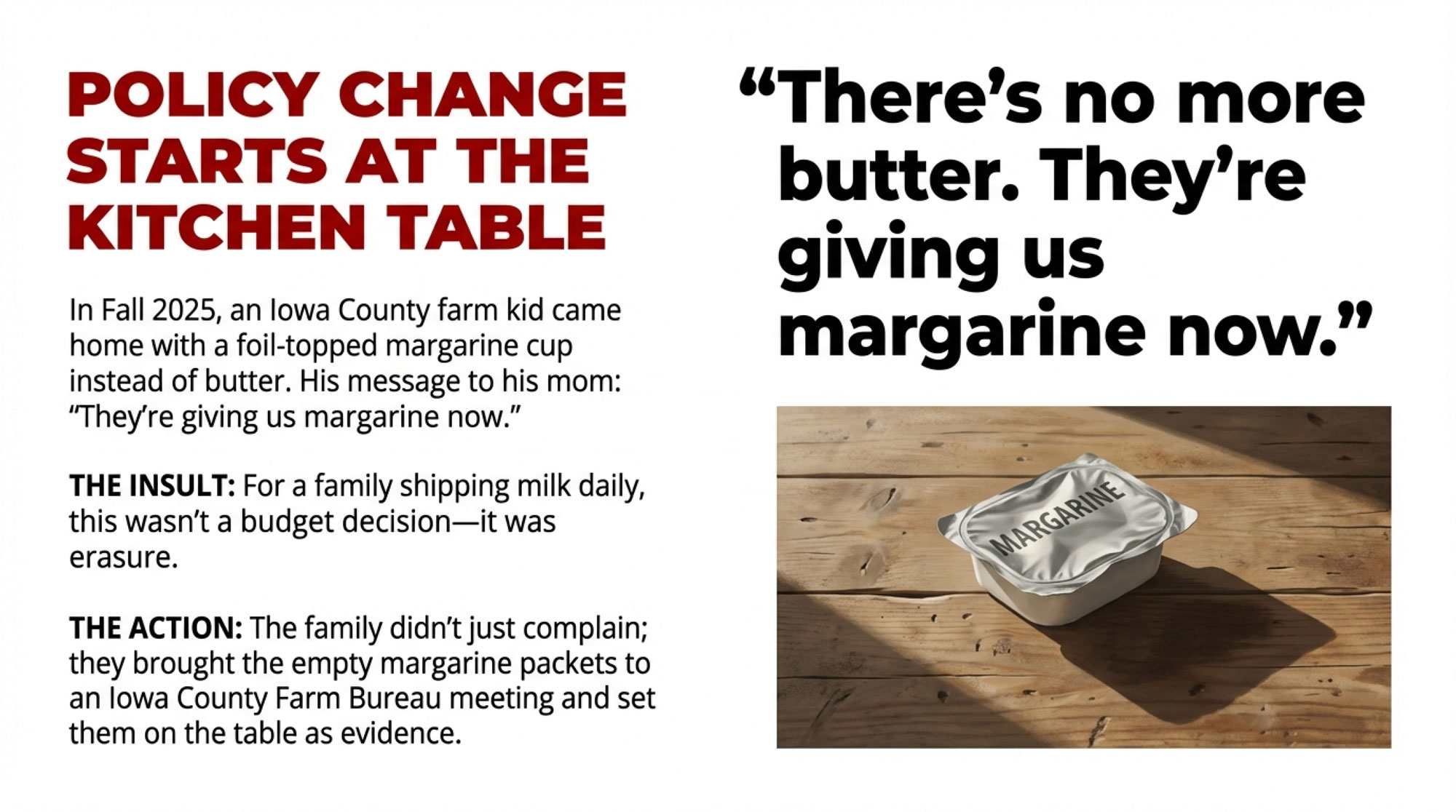
Somewhere in Iowa County, Wisconsin, a young boy came home from school one afternoon in the fall of 2025 and told his mother something that stuck with her. There’s no more butter, he said. They’re giving us margarine now.

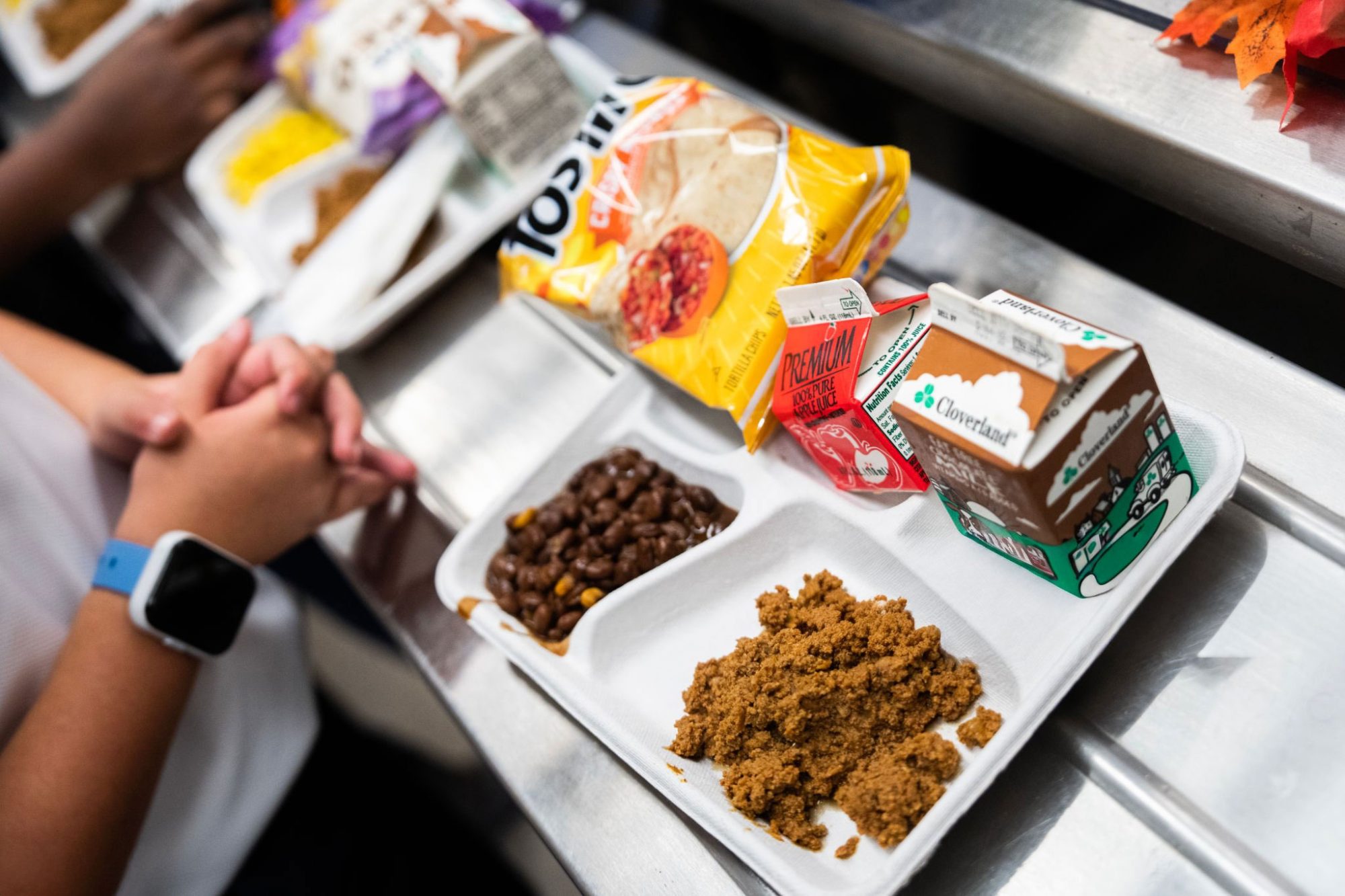
For most families, it might have been a footnote. A shrug. But for this family dairy farm—shipping milk every day, building their lives around what their cows produce—it landed differently. In America’s Dairyland, their own child was being handed a foil‑topped cup of something made from vegetable oil instead of the real thing.

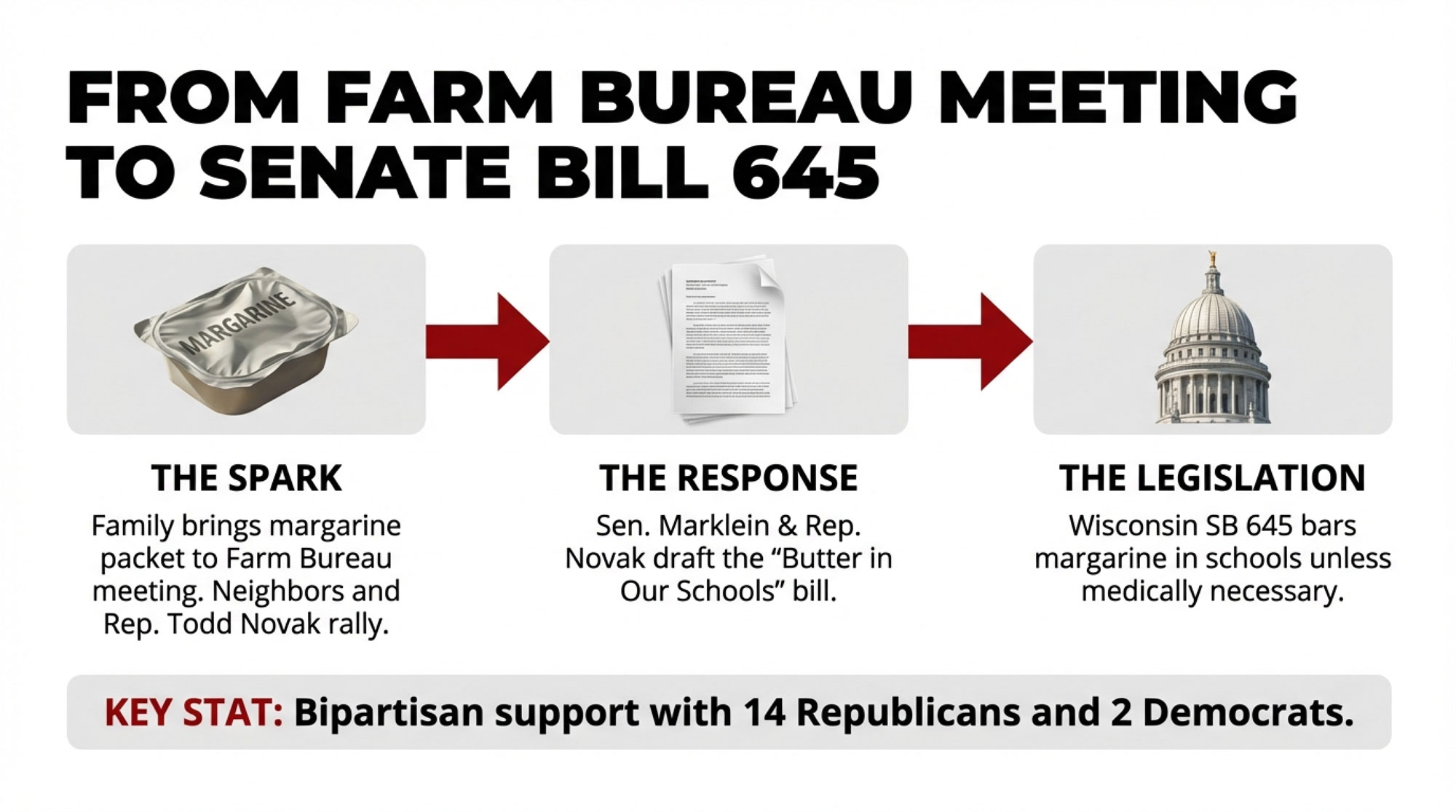
The family didn’t make a scene. They didn’t call the newspaper. But they did bring those margarine packets to the next Iowa County Farm Bureau meeting. And when they set them on the table and told their story, something shifted in that room.

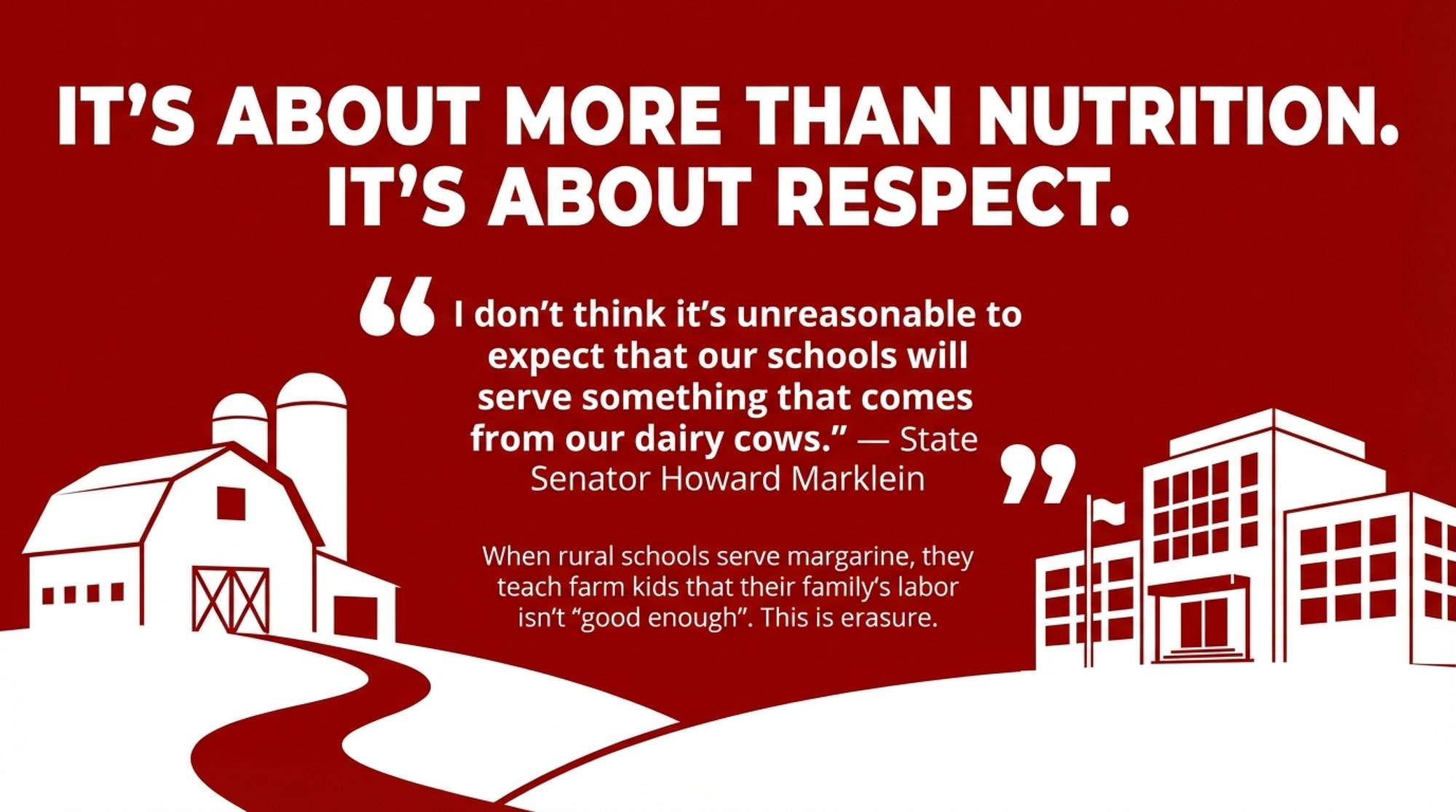
“They’re dairy farmers, and it really irritated them,” State Senator Howard Marklein later told reporters. “This is America’s Dairyland, and so I don’t think it’s unreasonable to expect that our schools will serve something that comes from our dairy cows.”

That September meeting in a community hall somewhere in southwestern Wisconsin became the spark for something much bigger than one family’s frustration. It became a reminder of what happens when dairy people decide they’ve had enough of being quietly written out of the story—and when their neighbors, associations, and lawmakers actually listen.

When a Room Full of Neighbors Said “Enough”

Nobody recorded what happened in that Farm Bureau meeting. There’s no transcript, no viral video. Just the memory of farmers gathered after chores, talking about the usual things—milk prices, weather, the impact of new Federal Milk Marketing Order changes coming in June—when one family spoke up about something smaller and somehow bigger at the same time.

The margarine packets sat on the table like evidence.

The concern resonated. According to Representative Todd Novak, the bill that followed was “a response to calls from family farmers who voiced strong opposition” to margarine replacing butter in at least one local school—this wasn’t just one family’s frustration. Others in the room had heard similar stories from their own schools, their own kids.

Novak, whose district includes some of the most agriculture‑dependent townships in the state, heard about it soon after. He’d grown up milking cows himself. When the story reached him, he didn’t file it away as a minor complaint. It hit differently, he said, because most schools in his area still serve butter, which made this one school’s quiet switch feel less like a budget decision and more like an erasure.

“After attending a local Farm Bureau meeting, I was shocked to hear a local school was no longer serving butter with lunches, but instead an artificial alternative with a long list of ingredients,” he said.

Within weeks, Novak and Senator Marklein—both raised on farms, both still deeply connected to the dairy communities they represent—had drafted a bill. By mid‑November 2025, Wisconsin Senate Bill 645 was introduced, with bipartisan support: fourteen Republicans and two Democrats backing a measure that would require schools to serve real butter, not margarine, unless a student’s dietary needs required otherwise.

The family who brought those packets to the meeting? They’ve stayed mostly out of the spotlight. Their names haven’t appeared in the news coverage. But their frustration—and their willingness to say something instead of just stewing at the kitchen table—set something in motion that’s still moving today.

“This Is the Type of Bill I Love”

There’s a certain kind of bill that doesn’t come from lobbyists or think tanks. It comes from someone’s kitchen, someone’s school, someone’s kid coming home with the wrong thing on their tray.

For Novak, that’s exactly what makes this one matter.

“I grew up milking cows,” he told reporters. “This is kind of the type of bill I love doing because it’s constituent‑oriented.”

Wisconsin already has laws restricting the use of margarine in certain settings. Restaurants can’t substitute it for butter unless they’re explicitly asked, and prisons serve the real thing. But schools had slipped through the cracks, quietly swapping to cheaper alternatives as budgets tightened and nobody was watching too closely.

Chad Zuleger, who advocates for dairy farmers through the Dairy Business Association, has been pushing for the bill since he first heard the story. The image stuck with him: a young boy walking through the door after school, confused and a little upset, telling his mom that butter was gone.

“A young boy came home and told his mother that there’s no more butter and they’re giving us margarine,” Zuleger recounted. “People are looking at cheaper alternatives, and everybody is looking to save a buck.”

But for Zuleger and the families he works with, this isn’t just about saving money. It’s about what message gets sent to farm kids when their own schools quietly stop serving what their parents produce.

“I think with the new dietary guidelines and the Whole Milk for Healthy Kids Act being signed, we’re going to have a resurgence in dairy,” he said. “We want to make sure butter is part of that.”

Whole Milk Comes Home—and Butter Wants to Follow

The timing of Wisconsin’s butter push couldn’t be more fitting.

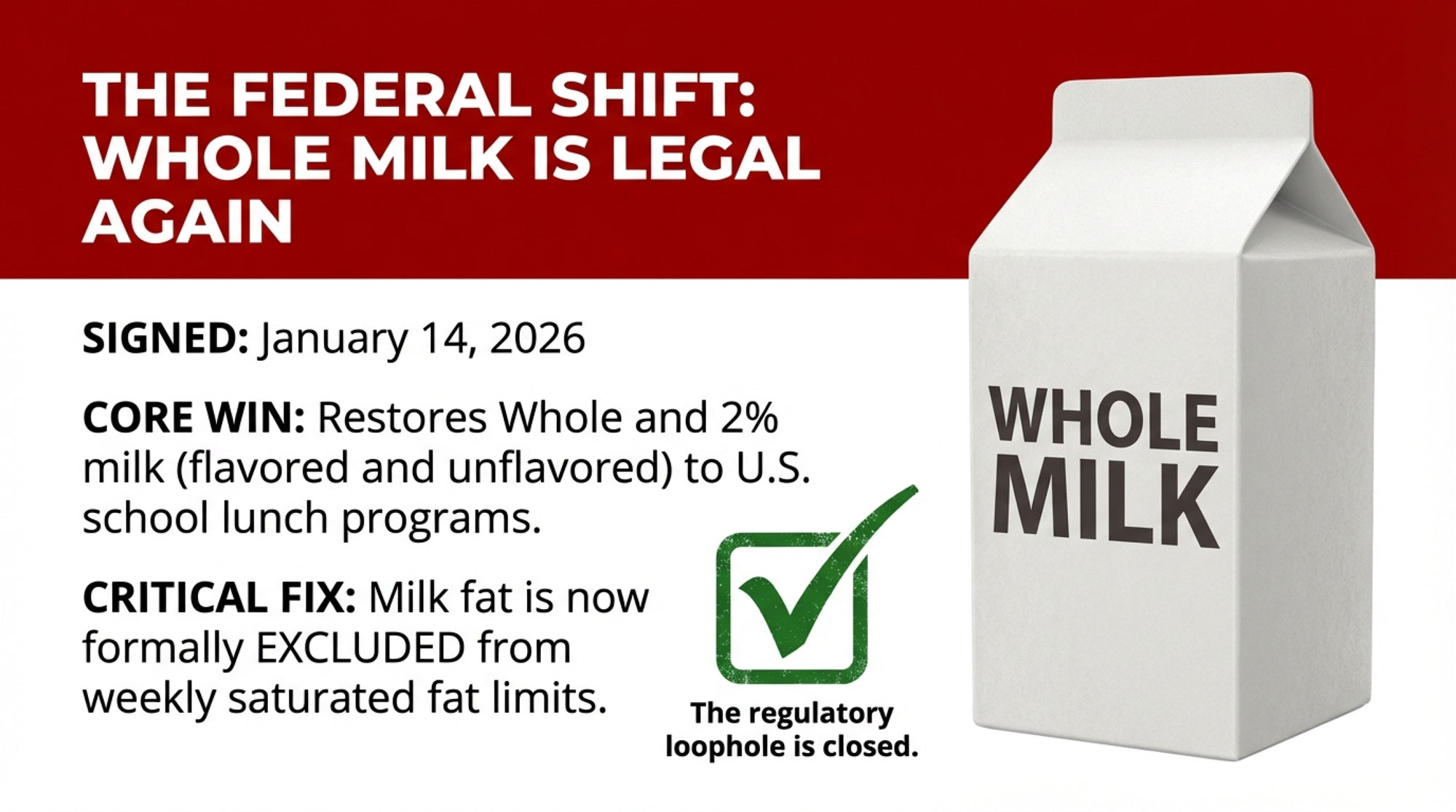
On January 14, 2026, President Donald Trump signed the bipartisan Whole Milk for Healthy Kids Act into law, restoring whole and 2% milk options in U.S. schools for the first time in more than a decade. For dairy families who’d watched school milk consumption plummet after whole and reduced‑fat milk were pushed out of cafeterias, it felt like a long‑overdue correction.

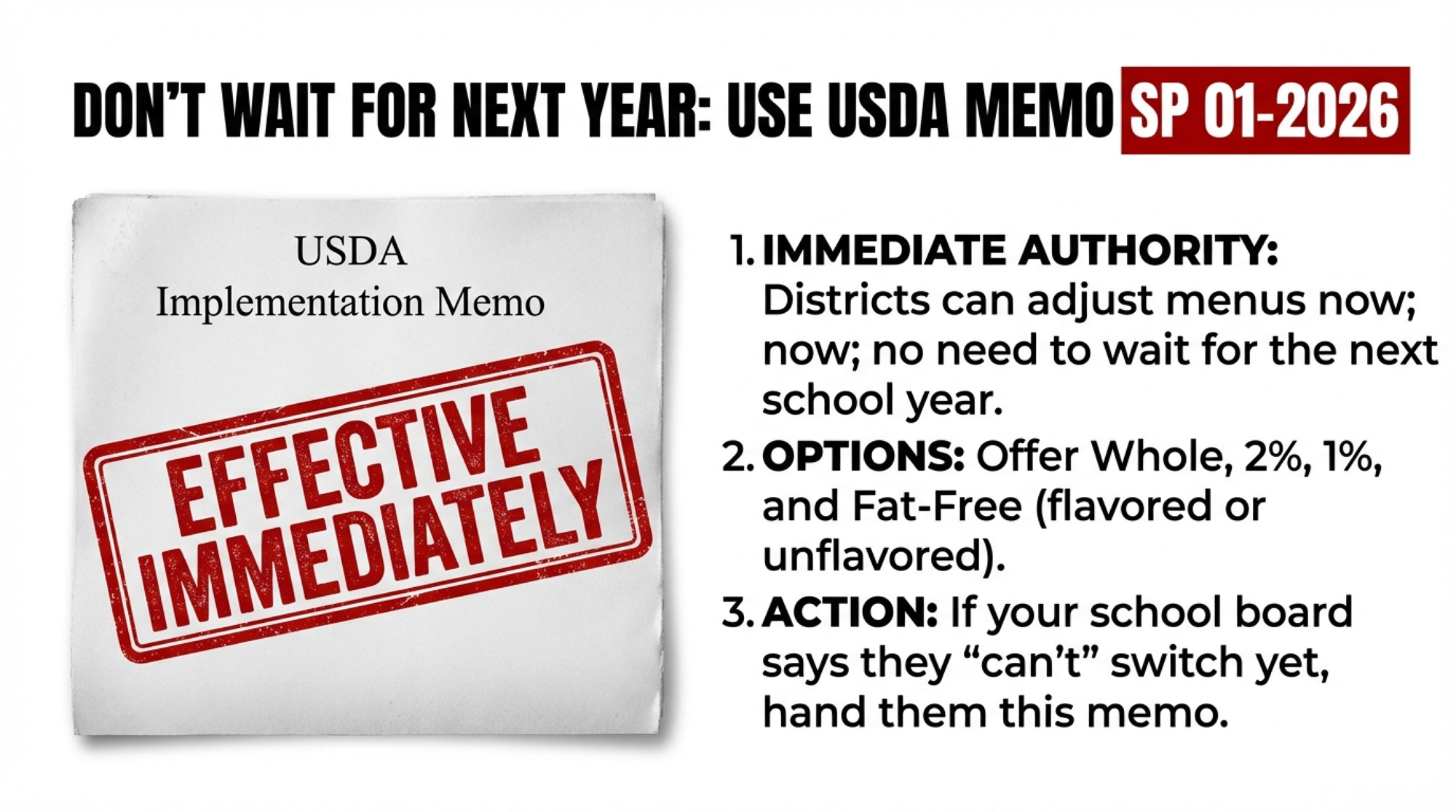
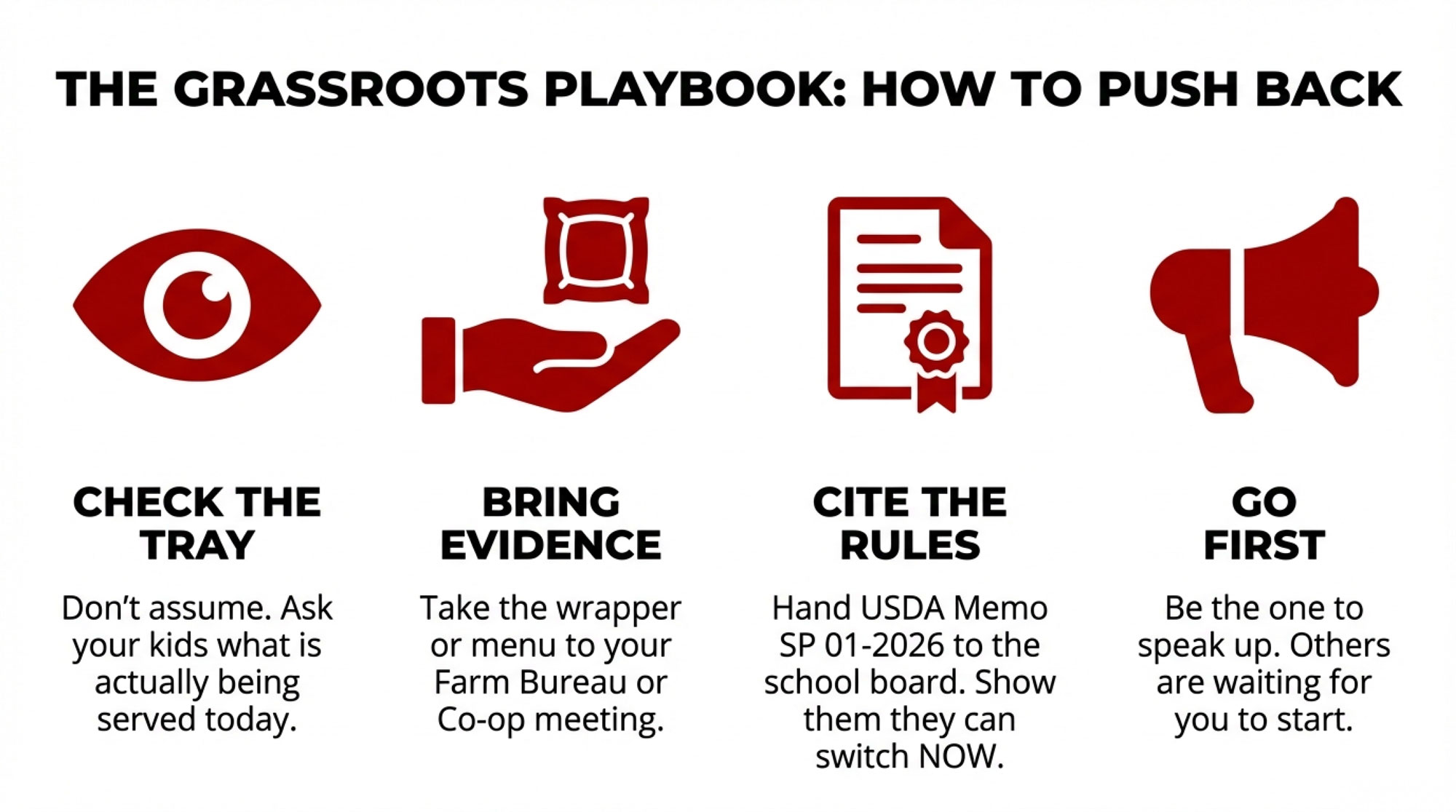
USDA followed the same day with an implementation memo, SP 01‑2026, telling school districts they could immediately expand their milk offerings within the National School Lunch Program. In simple terms, here’s what changed for schools:

  • Schools can now offer whole, reduced‑fat (2%), low‑fat (1%), and fat‑free milk at lunch, including lactose‑free options, in both flavored and unflavored forms.
  • Milk fat in fluid milk is excluded from the weekly saturated fat limit, making it easier for nutrition directors to offer whole and 2% milk without failing federal nutrition audits.
  • Schools may also offer nondairy beverages that are nutritionally equivalent to milk as substitutes, with simplified rules for parents to request them.

The new 2025–2030 Dietary Guidelines for Americans, released just a week earlier, had already endorsed full‑fat dairy as part of a healthy diet—a major shift from years of low‑fat messaging that had shaped school meal rules since 2012.

School YearWhole2%1%Fat-FreeTotalNotes
2008–09850M900M180M70M2,000MPre-mandate baseline
2009–10820M920M190M90M2,020M
2010–11795M945M210M120M2,070MTrend shift begins
2011–12700M900M350M200M2,150MFinal year before mandate
2012–13180M520M800M450M1,950MLow-fat mandate → cliff
2013–14160M480M850M510M2,000M
2014–15140M420M900M540M2,000M
2018–19100M350M950M600M2,000MStabilized at new low
2020–2180M280M920M720M2,000MCOVID impact
2023–2495M310M940M655M2,000MPre-reversal
2025–26540M650M400M410M2,000MProjected post-Whole Milk Act

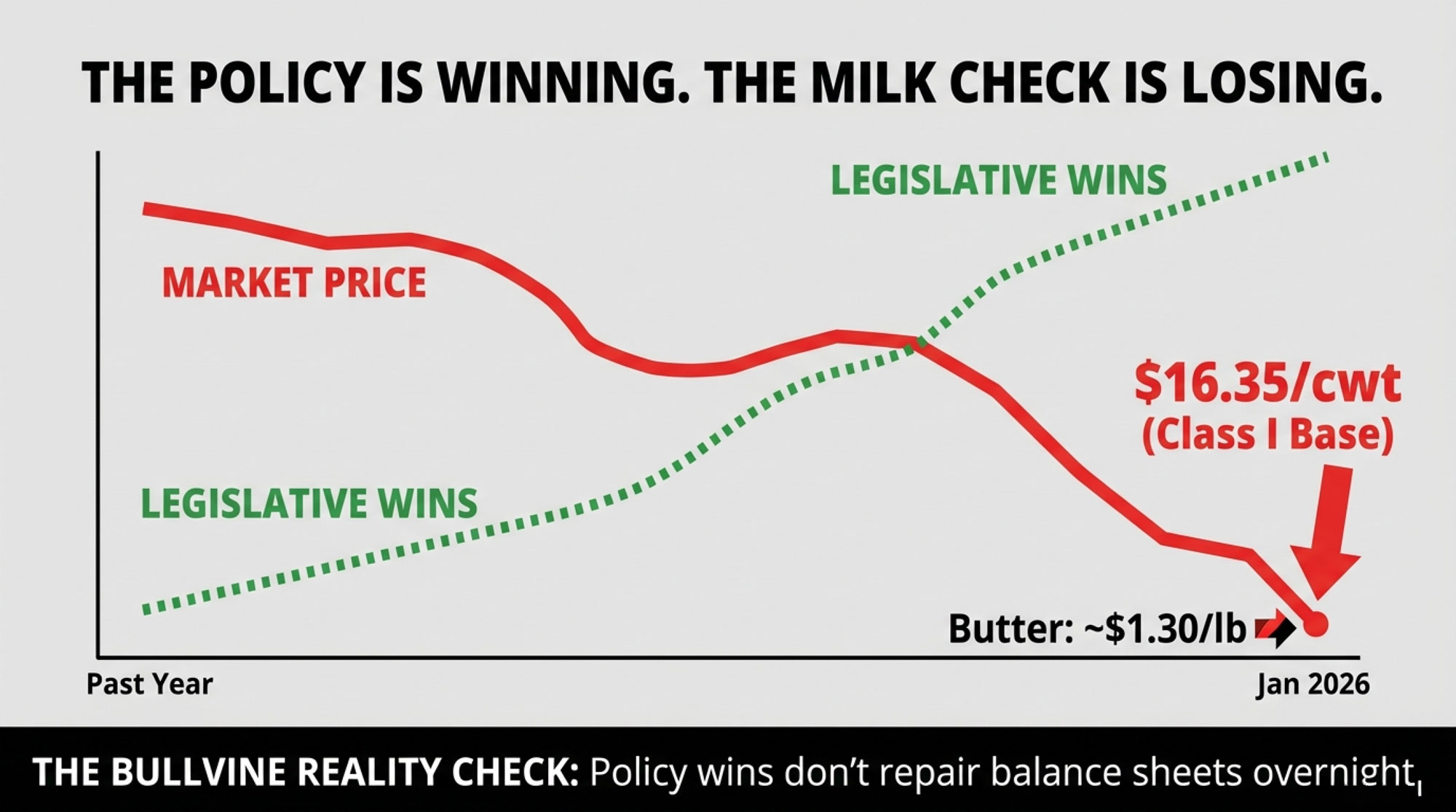
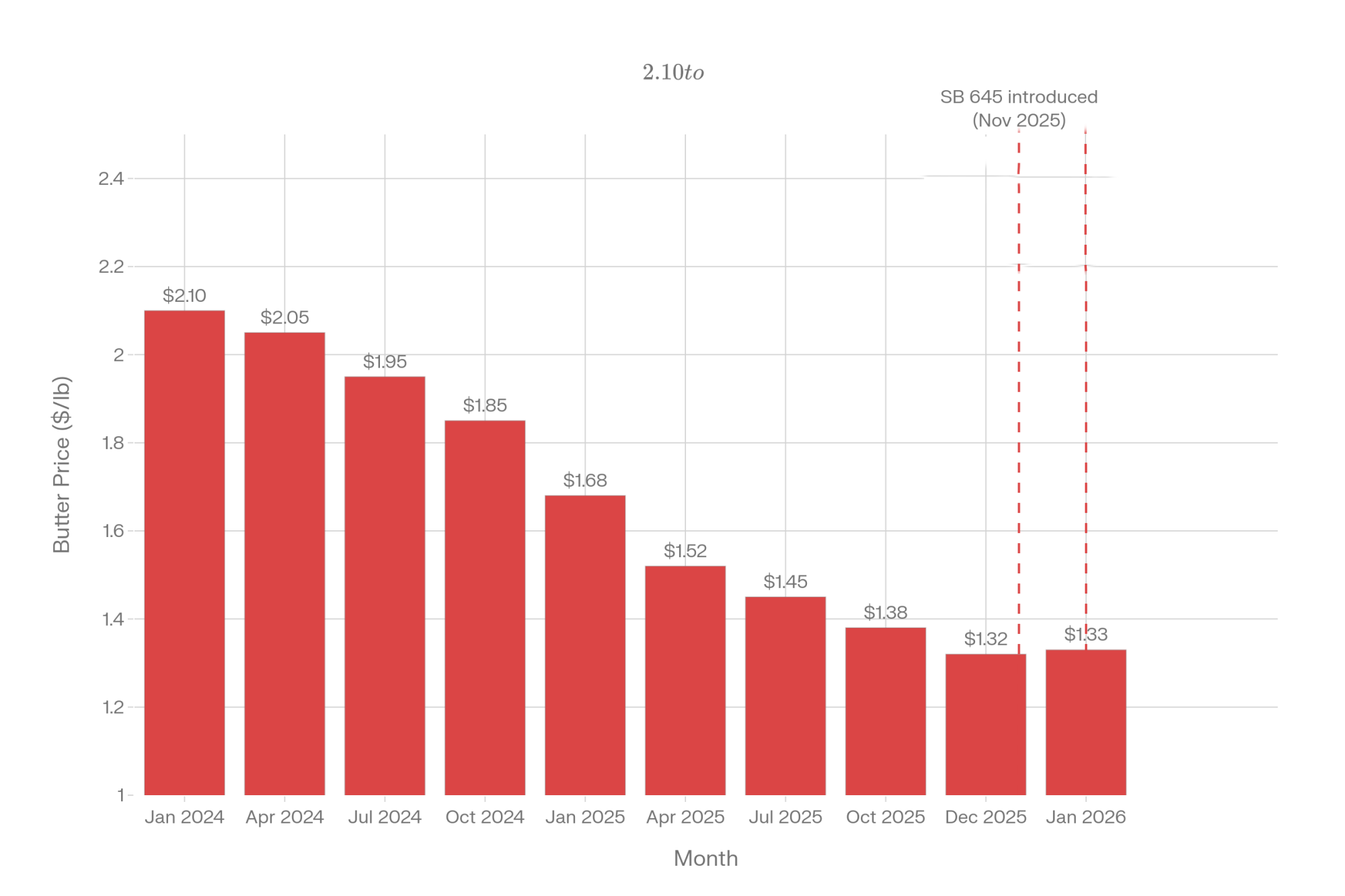
For the farmers who pushed for the return of whole milk, the win was real. Industry groups estimate the law could add meaningful butterfat demand to the Class I pool over time, especially in high‑fluid markets where kids actually drink their milk when they like the options. But the celebration came with a sober reminder: the January 2026 Class I base price sat around $16.35 per hundredweight—the lowest in nearly five years—and butter was trading around $1.30 to $1.37 a pound, more than a third lower than the year before.

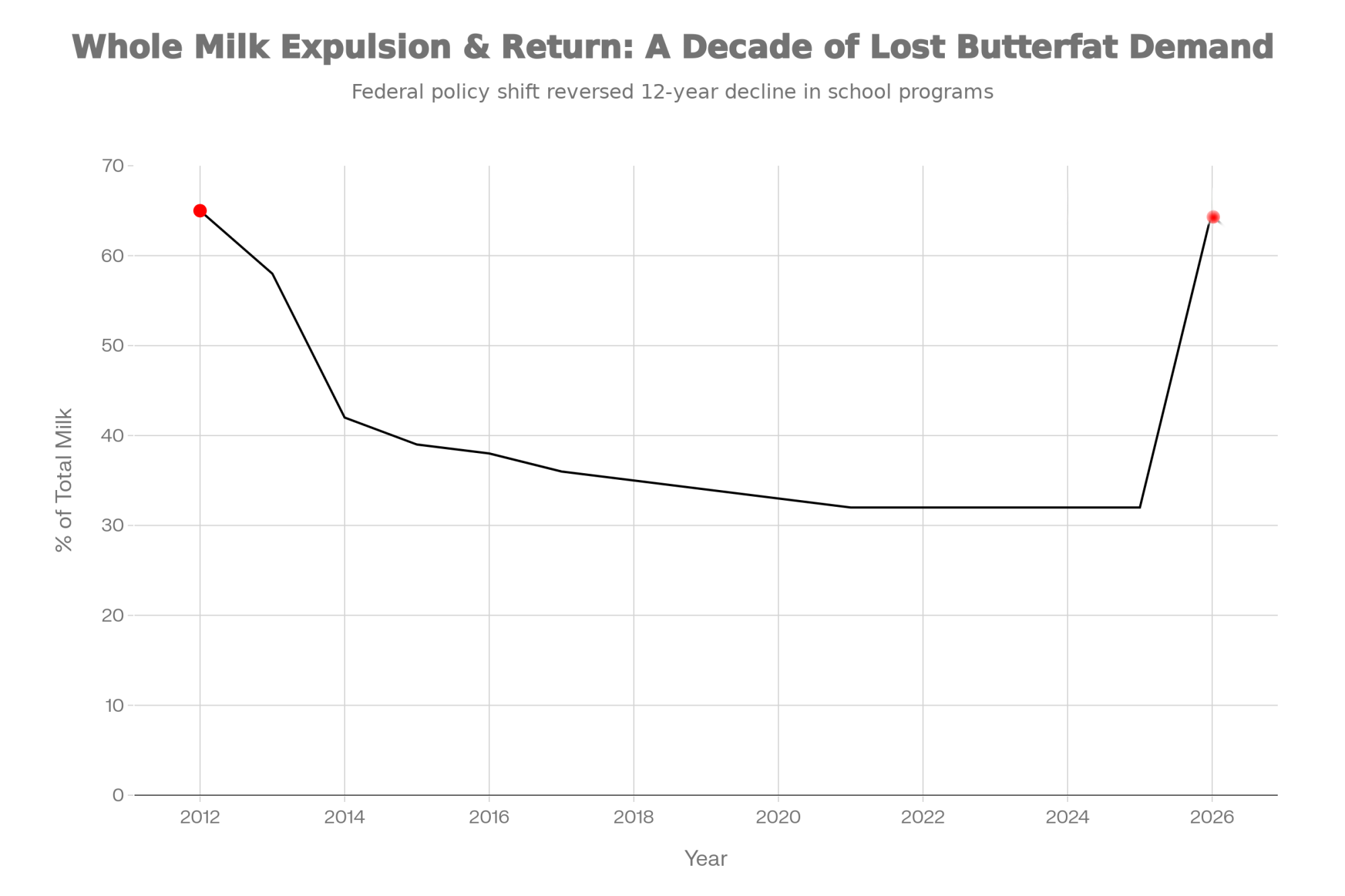
YearWhole + 2% Milk (%)Policy Context
201265%Pre-low-fat mandate
201442%3 years post-mandate
201638%Continued decline
201835%Plateau begins
202033%COVID disruption
202432%Pre-Trump/SP 01-2026
202665% (projected)Whole Milk for Healthy Kids Act signed Jan 14

The policy was finally catching up to what dairy families had been saying for years. The milk check? Not so much.

That’s part of what makes Wisconsin’s butter bill feel like more than just a quirky state law. It’s a signal that dairy communities aren’t waiting for Washington to fix everything. They’re pushing on the levers they can reach—school boards, state legislatures, local Farm Bureau chapters—because those levers are closer to home and sometimes move faster.

MonthButter ($/lb)Class I ($/cwt)Context
Jan 2024$2.10$18.50Year ago baseline
Apr 2024$2.05$18.10
Jul 2024$1.95$17.80Summer softness
Oct 2024$1.85$17.20Fall decline
Jan 2025$1.68$16.80School year trends
Apr 2025$1.52$16.50
Jul 2025$1.45$16.20
Oct 2025$1.38$16.35SB 645 introduced (Nov)
Dec 2025$1.32$16.35Trump signs Whole Milk Act (Jan 14)
Jan 2026$1.30–$1.37$16.35Policy win, prices flat

Senator Marklein put it simply: “I don’t think it’s unreasonable to expect that our schools will serve something that comes from our dairy cows.”

What One Family’s Frustration Taught a Community

The family who started all this didn’t set out to make headlines. They just wanted someone to listen.

And here’s what still strikes you about this story: they found listeners. Not just one sympathetic neighbor, but a whole room of them. Not just a friendly ear at the co‑op, but an association that carried their concern to the capitol. Not just a vague promise to “look into it,” but an actual bill with bipartisan support, moving through committee as this goes to press.

That doesn’t always happen. Anyone who’s tried to push back against institutional inertia knows how often small frustrations get swallowed up by bigger problems, filed away, forgotten. But in Iowa County, something different happened. A community decided that a margarine cup was worth fighting over—not because it was the biggest issue on their plate, but because it symbolized something that mattered.

Their kids were being taught, in small, quiet ways, that what their families produced wasn’t good enough for their school cafeteria.

And the community said: “Not here. Not in Wisconsin.”

The Quiet Work That Makes It Possible

Stories like this don’t happen without a web of relationships that most people never see.

There’s the Farm Bureau chapter that holds monthly meetings even when turnout is thin, and the agenda feels routine. There’s the association staffer who picks up the phone when a frustrated farmer calls and doesn’t dismiss the concern as too small. There’s the lawmaker who still remembers what it felt like to haul milk before school and hasn’t forgotten where he comes from.

There are also the neighbors who show up when someone speaks up, the ones who’ve been shipping milk alongside you for years, standing next to you at the show ring, answering the phone at odd hours when something goes wrong in the barn. The kind of people who don’t let a moment pass without adding their voice when it counts.

None of that is automatic. It’s built over years—over church potlucks and auction barns, over 4‑H meetings and FFA banquets, over the slow accumulation of trust that comes from showing up when it matters.

Wisconsin’s butter bill is still in committee. There’s no guarantee it will pass. The family who brought those margarine packets to the meeting may never see their names in print, and that’s probably fine with them. What they wanted wasn’t fame. They just wanted their community to care about the same things they cared about.

And for a little while, in a community hall in southwestern Wisconsin, they found out it did.

What This Means for the Rest of Us

Policy LeverDecision-MakerDairy Family InfluenceTimeline to Impact
School meal standards (butter vs. margarine, milk fat %)Local school board + nutrition directorHigh1–3 months (direct constituent pressure; immediate board access)
State dairy labeling & sourcing mandates (e.g., “real butter” bills)State legislature + agriculture committeeHigh1–2 years (Farm Bureau chapters + lawmaker relationships; visible constituency)
Federal school lunch nutrition rules (USDA SP memos, dietary guidelines)USDA + HHS nutrition committeesLow3–5+ years (national coalition required; individual farm voice diluted)
Fluid milk marketing order pricing (Class I minimums, pooling rules)USDA Federal Milk Marketing OrdersMedium2–4 years (requires dairy cooperative + large-producer bloc; marginal farmer limited influence)
State/local co-op milk procurement & contractsCo-op board + processor supply chainMedium–High6–18 months (direct access to local leadership; implementation variable)
Farm-to-school direct-market programs (branded farm milk in local schools)School district + individual farm negotiationsHigh3–12 months (local relationships; direct farm-to-school partnerships most agile)

You don’t have to live in Iowa County to recognize something familiar in this story.

Most dairy communities have their own version of the margarine cup—some small moment when it became clear that the wider world had quietly moved on from something that still mattered deeply at home. Maybe it was the day flavored milk disappeared from the cooler. Maybe it was a budget meeting where ag programs got cut. Maybe it was a school board decision that nobody thought to fight until it was already done.

The question isn’t whether those moments will come. They will. The question is what happens next.

Do you stew at the kitchen table and let it go? Or do you bring it to the next meeting, set it on the table, and see who else feels the same way?

Here’s what one Wisconsin family learned: sometimes, people are just waiting for someone to go first.

If you’ve been thinking about speaking up at your local Farm Bureau, your co‑op meeting, your school board—this might be the nudge you needed. You don’t have to have all the answers. You don’t have to be a polished speaker. You just have to be willing to say, “This bothers me, and I think it should bother us.”

And then you have to trust that the community you’ve been building, year after year, might just show up when it counts.

Small Cups, Big Questions

A margarine packet is a small thing. It fits in a child’s hand, gets torn open in seconds, and ends up in the trash before the lunch bell rings.

But what it represents isn’t small at all.

It’s about whether dairy families feel like their own state—their own schools, their own kids’ cafeterias—still believes in what they produce. It’s about whether the slow erosion of dairy’s place in American food culture can be pushed back, one policy at a time, one school board at a time, one Farm Bureau meeting at a time.

It’s about whether communities still have the power to say, “Not here.”

Wisconsin’s butter bill may pass or stall. The Whole Milk for Healthy Kids Act is just beginning to be implemented, and nobody knows yet how many districts will actually change. The markets are tough, the margins are thin, and there are plenty of reasons to feel like the world has moved on from the kind of farming that built places like Iowa County.

But here’s what this story keeps coming back to: a family showed up to a meeting with a handful of margarine packets and a story about their kid. And instead of being ignored, they were heard. Instead of being told it was too small to matter, they watched their neighbors and their lawmakers say, “This matters to us too.”

That’s not nothing. In a time when it’s easy to feel like nobody’s listening, it might be everything.

The butter isn’t back in Wisconsin schools yet. But the conversation is. And sometimes, that’s how change starts—not with a grand announcement, but with a parent, a packet, and a room full of neighbors who heard something in that story that sounded like their own.

Key Takeaways

  • One margarine cup sparked a bill: A Wisconsin farm kid came home with margarine instead of butter—and after that story hit a local Farm Bureau meeting, Senator Marklein and Rep. Novak introduced SB 645, a bipartisan bill requiring schools to serve real butter.
  • Whole milk returns to schools: President Trump signed the Whole Milk for Healthy Kids Act on January 14, 2026, restoring whole and 2% milk in school lunch programs and exempting milk fat from weekly saturated‑fat limits.
  • USDA greenlights immediate action: SP 01‑2026 gives districts authority to expand milk options right away—but local school boards and supplier contracts will determine how fast anything changes on the tray.
  • Policy wins, prices don’t: Class I base near $16.35/cwt and butter around $1.30–$1.37/lb are the lowest in years—good policy alone won’t fix a tough milk check.
  • Local advocacy still works: Farm Bureau chapters, dairy associations, co‑ops, and school boards remain the places where dairy families can actually shape what kids eat and drink—and this story proves it.

Senate Bill 645 is currently in committee in the Wisconsin State Legislature. The Bullvine will continue to follow its progress. If your community has a story like this—about showing up, speaking out, and finding out that your neighbors were waiting for someone to go first—we’d like to hear it.

Complete references and supporting documentation are available upon request by contacting the editorial team at editor@thebullvine.com.

Learn More

The Sunday Read Dairy Professionals Don’t Skip.

Every week, thousands of producers, breeders, and industry insiders open Bullvine Weekly for genetics insights, market shifts, and profit strategies they won’t find anywhere else. One email. Five minutes. Smarter decisions all week.
NewsSubscribe
First
Last
Consent

The Hay Bale That Changed Washington: Farmers’ 6-Year Whole Milk Crusade Ends in Unanimous Victory

They told him he was wasting his time. A dairy farmer painting hay bales? That’s not how you change federal policy. Washington doesn’t listen to guys on tractors. Nelson Troutman painted anyway. Six years later, Congress voted unanimously—every single member—to put whole milk back in America’s schools.

Executive Summary: Whole milk just won—unanimously. On December 14, 2025, the U.S. House passed the Whole Milk for Healthy Kids Act without a single opposing vote, torching 13 years of misguided policy and sending a landmark bill to President Trump’s desk for signature. Schools nationwide can finally serve whole and 2% milk again—a shift that could pour 45-66 million pounds of butterfat back into fluid markets each year—and dairy farmers owe this victory to Nelson Troutman’s painted hay bales, the relentless 97 Milk movement, and New York champions Duane Spaulding, Anne Diefendorf, and Jay Hoyt, who refused to stop fighting until Congress had no choice but to listen.

This isn’t just policy—it’s redemption. And it happened because dairy farmers rolled up their sleeves and made it happen themselves.

The Grassroots Movement That Changed Everything

Picture this: 2019, central Pennsylvania. Dairy farmer Nelson Troutman looks out at his field, frustrated by years of watching federal regulations restrict whole milk from schools based on outdated science. Instead of grumbling about it over coffee at the local diner, he grabbed a paintbrush and wrote “97% Fat-Free Milk” on his hay bales.

Whole Milk in Schools

That simple act sparked something nobody expected. People driving past those bales started asking questions—wait, whole milk is 97% fat-free? They realized they’d been misled for years. Whole milk isn’t the dietary villain it was made out to be. The 97 Milk movement was born, creating a grassroots nonprofit dedicated to educating consumers and bringing choice back to school cafeterias (97Milk.com).

What’s interesting here is how a visual message on rural roadsides cut through all the noise that expensive lobbying campaigns couldn’t penetrate. I’ve noticed that the most effective agricultural advocacy often starts exactly like this—not in Washington conference rooms, but in fields and barns where farmers get fed up enough to do something unconventional.

“All the volunteers everywhere helped move this forward,” said Bernie Morrissey, Chairman of the Grassroots Pennsylvania Dairy Advisory Committee and 97 Milk. “We got attention on the school milk issue that most people didn’t even know about. We stuck with it, and our train kept getting longer as more jumped on board”.

The New York Trio Who Carried the Torch

In New York, three dairy farmers became the face of this movement in the Northeast: Duane Spaulding, Anne Diefendorf, and Jay Hoyt—the team behind “3 Farmers Who Care.” These folks didn’t just advocate from a distance; they lived and breathed this campaign, often at significant personal cost during some tough years for Northeast dairy.

“It all began six years ago when a Pennsylvania dairy farmer painted ‘97% fat-free milk’ on a hay bale,” Spaulding explained in a video documentary about the movement. That grassroots effort “works to educate consumers, support dairy farmers, and bring whole milk back to schools, while connecting farmers, families, and communities along the way” (YouTube/Facebook, 97 Milk Documentary, October 2025).

Jay Hoyt, who grew up in Vermont and moved to New York, put it plainly when asked why he kept pushing: “I guess I love farmers. I guess that’s why I stayed with it.” Their dedication—spending their own money and time away from their farms during critical seasons like first cutting and fall harvest—helped carry this movement across the finish line.

What farmers are finding is that this kind of peer-to-peer advocacy resonates in ways that polished industry campaigns sometimes don’t. When Spaulding or Diefendorf showed up at a school board meeting, they weren’t lobbyists in suits—they were neighbors who milk cows. That authenticity mattered.

What This Bill Actually Does

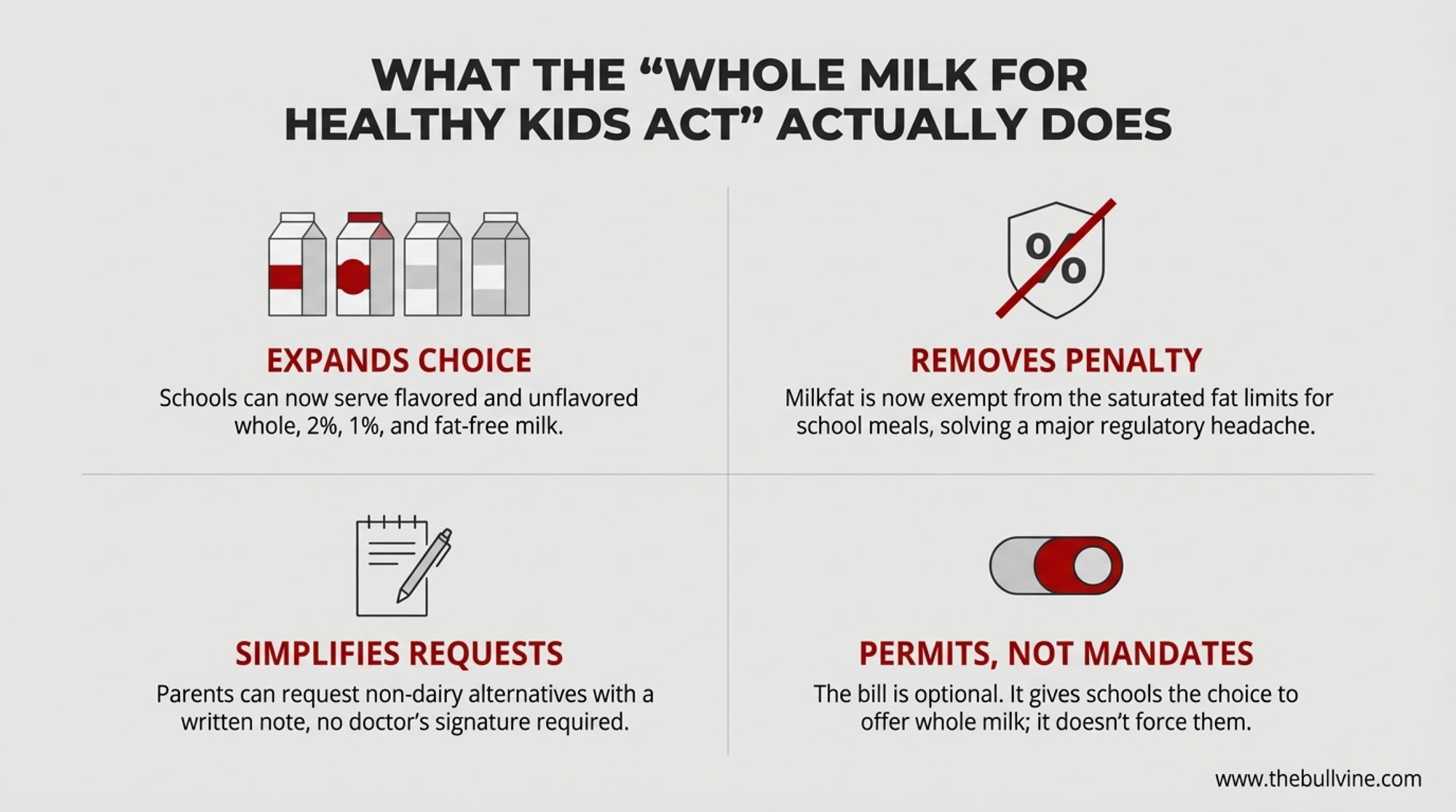
Let’s cut through the noise and look at what the Whole Milk for Healthy Kids Act actually changes. The legislation, formally H.R. 649 in the House and S. 222 in the Senate, does several critical things (Congress.gov, H.R. 649):

Expands Milk Options: Schools can now serve flavored and unflavored whole, reduced-fat (2%), low-fat (1%), and fat-free milk—giving kids the same choices they have at home. This development suggests a major shift in how federal nutrition policy treats dairy fat.

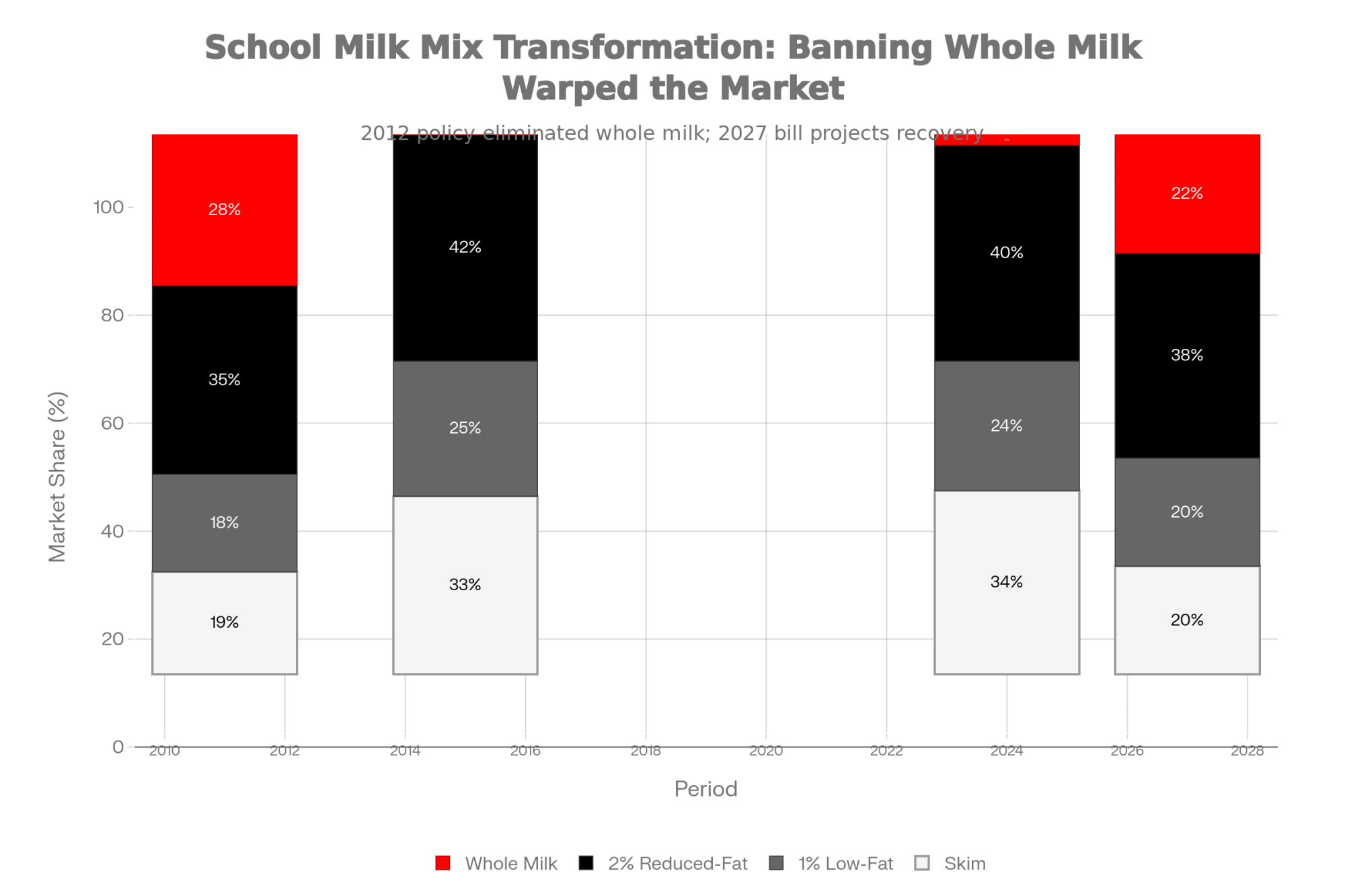
When you eliminate whole milk, skim and low-fat options surge—not because kids prefer them, but because choice vanishes. The 2015 bar shows zero whole milk: a regulatory impossibility in a real market. By 2027, with choice restored, composition rebalances toward what consumers actually select. The lesson? Markets don’t lie—policy does.

Removes the Saturated Fat Penalty: Here’s the technical piece that matters for school food service directors—milkfat is now exempted from saturated fat calculations for school meals. Previously, offering whole milk would push meals over saturated fat limits, creating a regulatory headache that discouraged participation (House Report 119-142).

Simplifies Parent Requests: Parents can now provide written requests for non-dairy alternatives instead of requiring a doctor’s note—common sense that should have been policy years ago.

Optional, Not Mandatory: And this is worth emphasizing for anyone worried about forced changes—schools aren’t required to do anything differently. They can choose what works for their students, their budgets, and their communities. The bill permits, not mandates.

The Science That Washington Finally Acknowledged

Here’s what makes this victory so satisfying for anyone who’s followed the research: the science has been on whole milk’s side for years, but federal nutrition policy stubbornly ignored it.

Health/Nutrition MetricWhole Milk2% Reduced-Fat1% Low-FatKey Finding
Obesity Risk (vs. baseline)−40% lower riskBaseline/HigherBaseline/HigherMeta-analysis of 28 studies, 21,000 children (Vanderhout et al., AJCN 2019)
Essential Nutrients per 8oz13 essential13 essential13 essentialSame micronutrients; fat-soluble vitamin absorption REQUIRES dietary fat
Fat-Soluble Vitamin AbsorptionOptimal (A, D, E, K)Reduced uptakeMinimal uptakeDietary fat critical for calcium & vitamin D utilization in growing bodies
Childhood Dairy ComplianceHigher participationLower than wholeLowest participation68–94% of U.S. children miss dairy targets; whole milk drives consumption
School Cafeteria WasteLower waste rateModerate wasteModerate-High waste2012 ban increased waste & reduced participation; kids didn’t switch—they quit

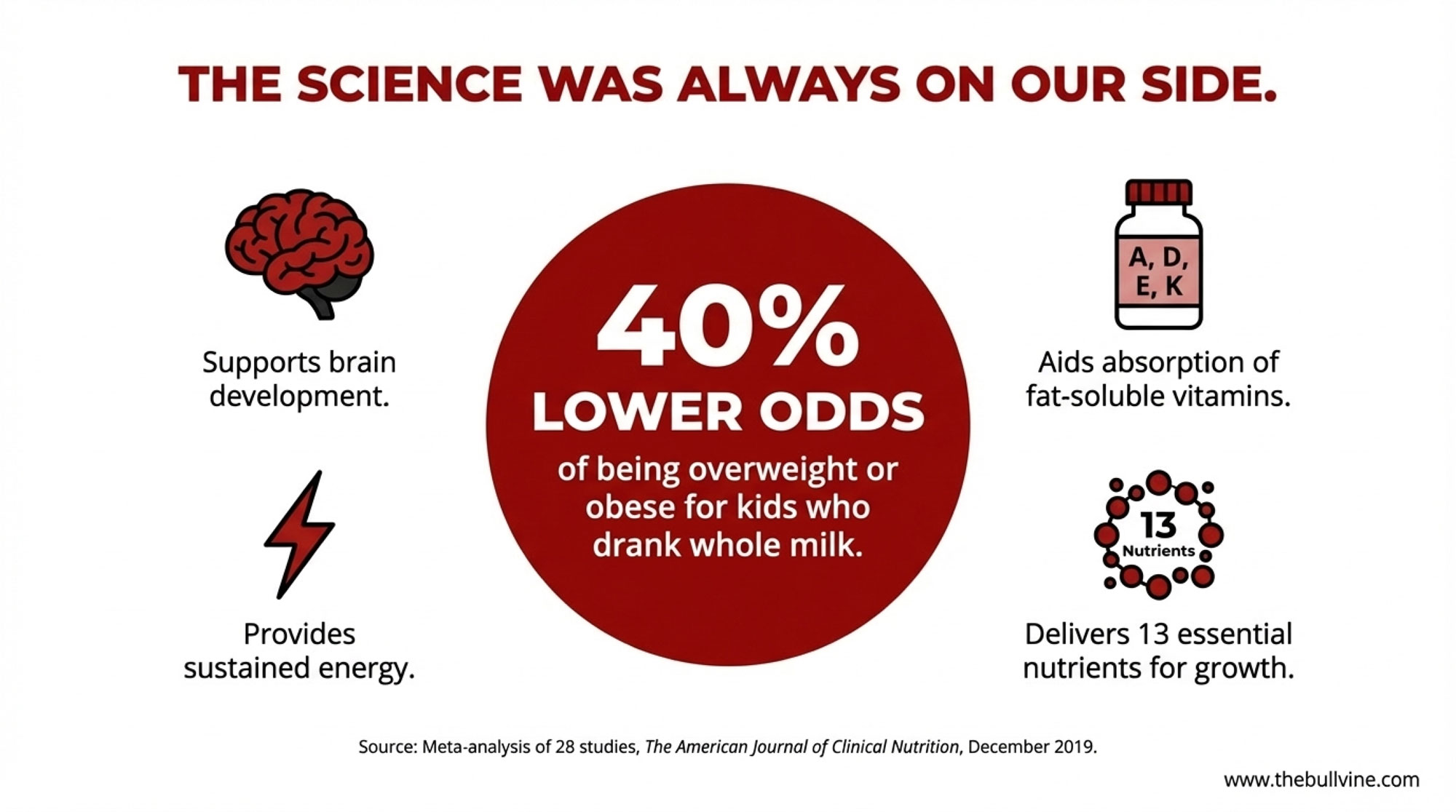
A comprehensive meta-analysis published in The American Journal of Clinical Nutrition examined 28 studies involving nearly 21,000 children and found that kids who drank whole milk had 40% lower odds of being overweight or obesecompared to those who drank reduced-fat milk (Vanderhout et al., American Journal of Clinical Nutrition, December 2019). That finding flies directly in the face of the 2012 regulations that banned whole milk from schools, supposedly to combat childhood obesity.

Looking at this from a nutritional standpoint, it makes sense. Whole milk provides 13 essential nutrients—calcium, vitamin D, potassium, protein, and more—critical for developing bodies and brains. The fats in whole milk support vitamin absorption (vitamins A, D, E, and K are fat-soluble), brain development, and provide sustained energy that keeps kids focused through afternoon classes (National Milk Producers Federation).

The consumption data tells an equally compelling story. Between 68% and 94% of school-age children fail to meet recommended dairy intake levels, depending on age group and region. When you ban the milk kids actually want to drink, they don’t switch to skim—they just don’t drink milk at all. I’ve seen this pattern repeatedly in school nutrition data.

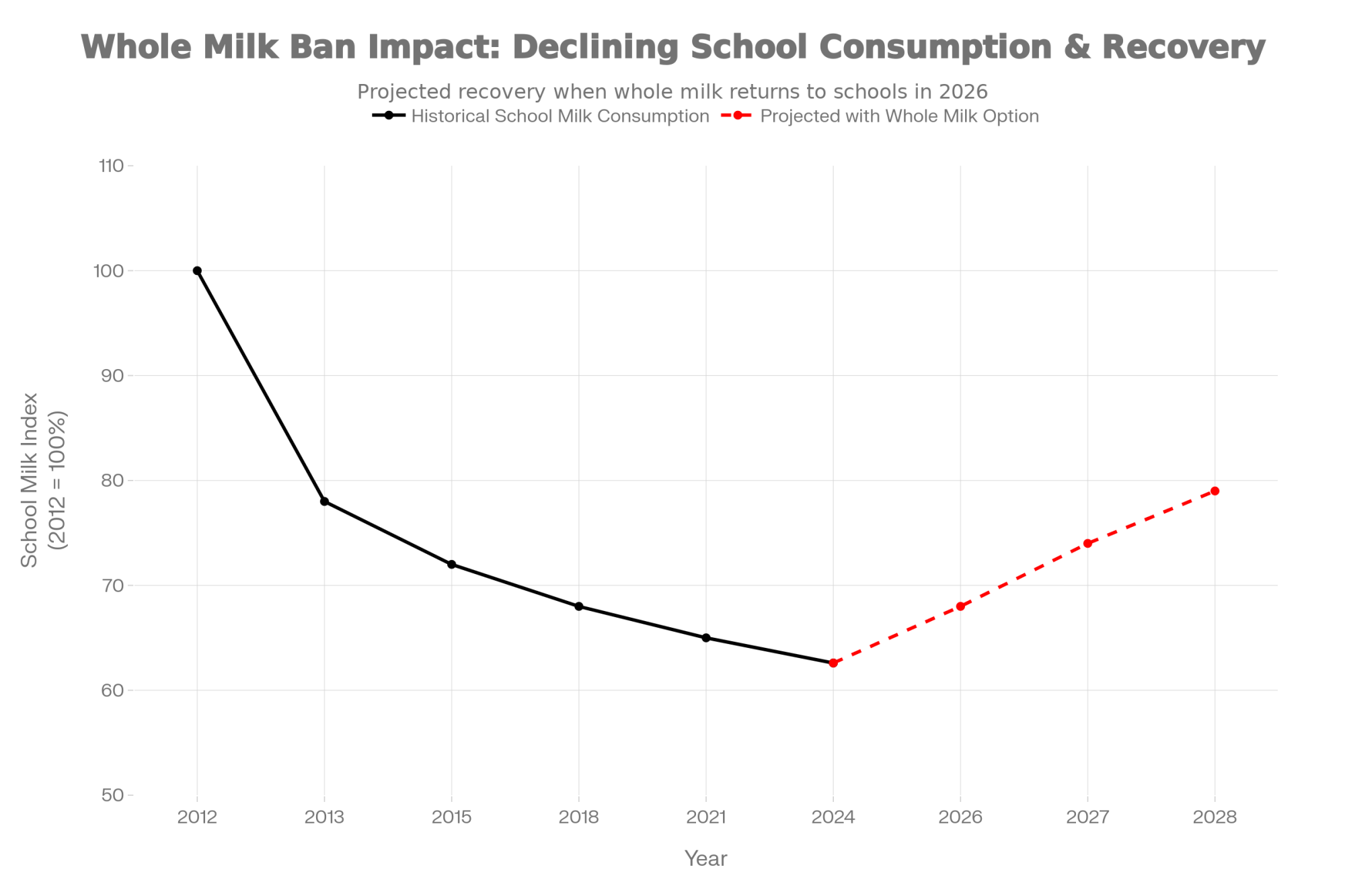
School milk consumption dropped 37.4% overall when flavored and full-fat options were removed in 2012, with kids selecting fewer cartons and wasting more of what they did take.

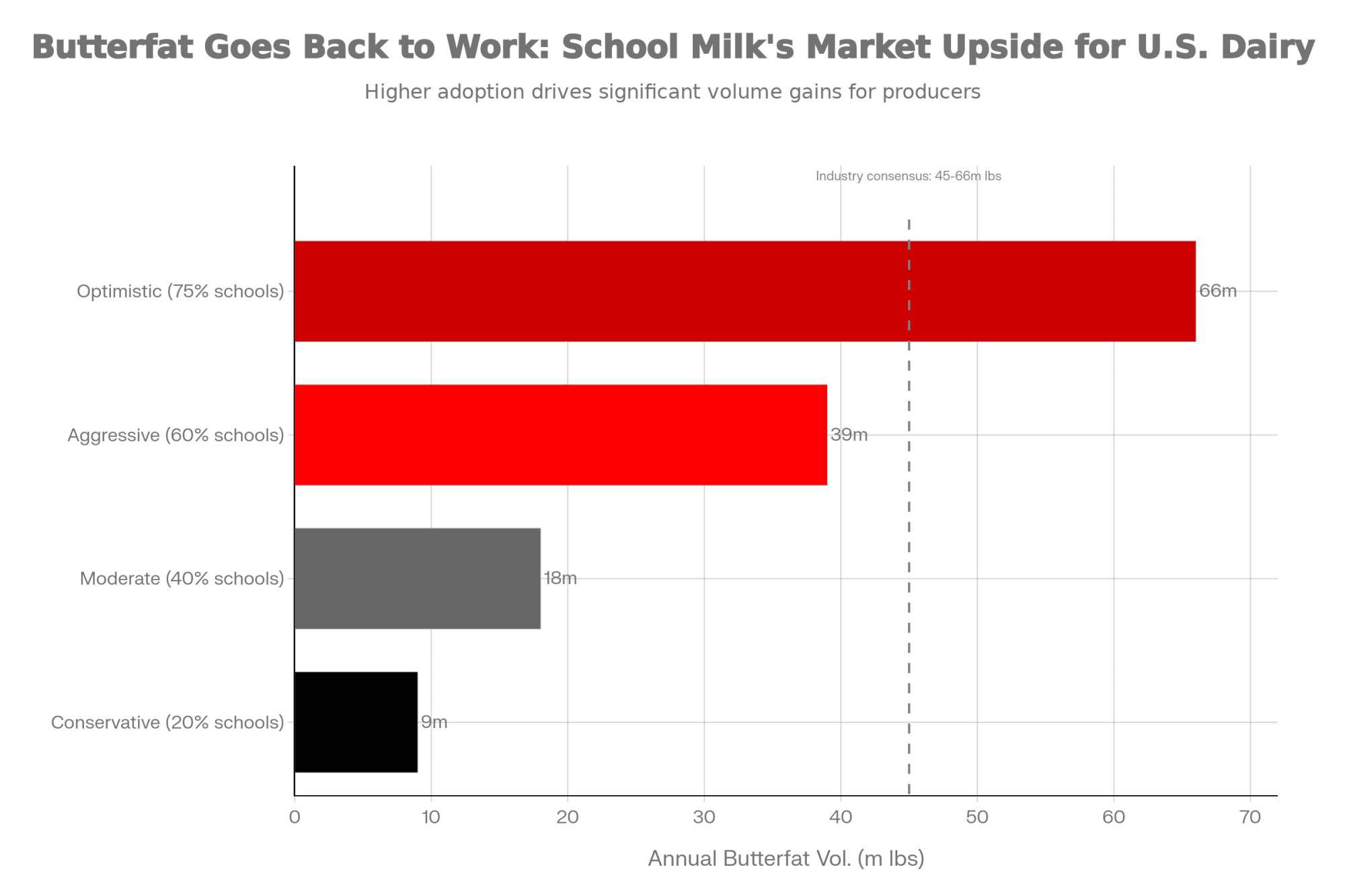
The 2012 whole milk ban destroyed school milk participation—down 37.4% by 2024. But this bill opens the door to recovery. Even modest adoption could pour 45–66 million pounds of butterfat back into fluid markets annually. The chart proves it: policy failure is reversible when farmers stop asking permission and start demanding change.

“Since whole and 2% milk were banned from school meals menus more than a decade ago, meal participation has declined while food waste has climbed, meaning children are consuming fewer essential nutrients,” said Michael Dykes, D.V.M., president and CEO of the International Dairy Foods Association.

The Political Breakthrough

This bill had something genuinely rare in today’s Washington: bipartisan support that wasn’t just rhetorical. The Senate passed it unanimously by consent on November 20, 2025 (Senate Agriculture Committee Press Release, November 2025). The House followed suit on December 14 with a voice vote that recorded zero opposition (Bloomberg Government, December 14, 2025).

When’s the last time you saw Congress agree unanimously on anything related to nutrition policy? That alone tells you something significant shifted in how lawmakers view dairy fat.

House Agriculture Committee Chairman Glenn “GT” Thompson (R-PA), who championed this legislation from day one, didn’t mince words after the vote: “I have worked for a decade to restore whole milk to our school cafeterias, which have been limiting healthy choices for students, but that changes today” (House Education and Workforce Committee Press Release, December 14, 2025).

The bill enjoyed backing from the Trump Administration, with USDA Secretary Brooke Rollins and HHS Secretary Robert Kennedy Jr. both publicly supporting whole milk in schools. Kennedy’s focus on making school meals healthier and questioning outdated nutritional guidelines aligned perfectly with this effort.

What This Means for Dairy Operations

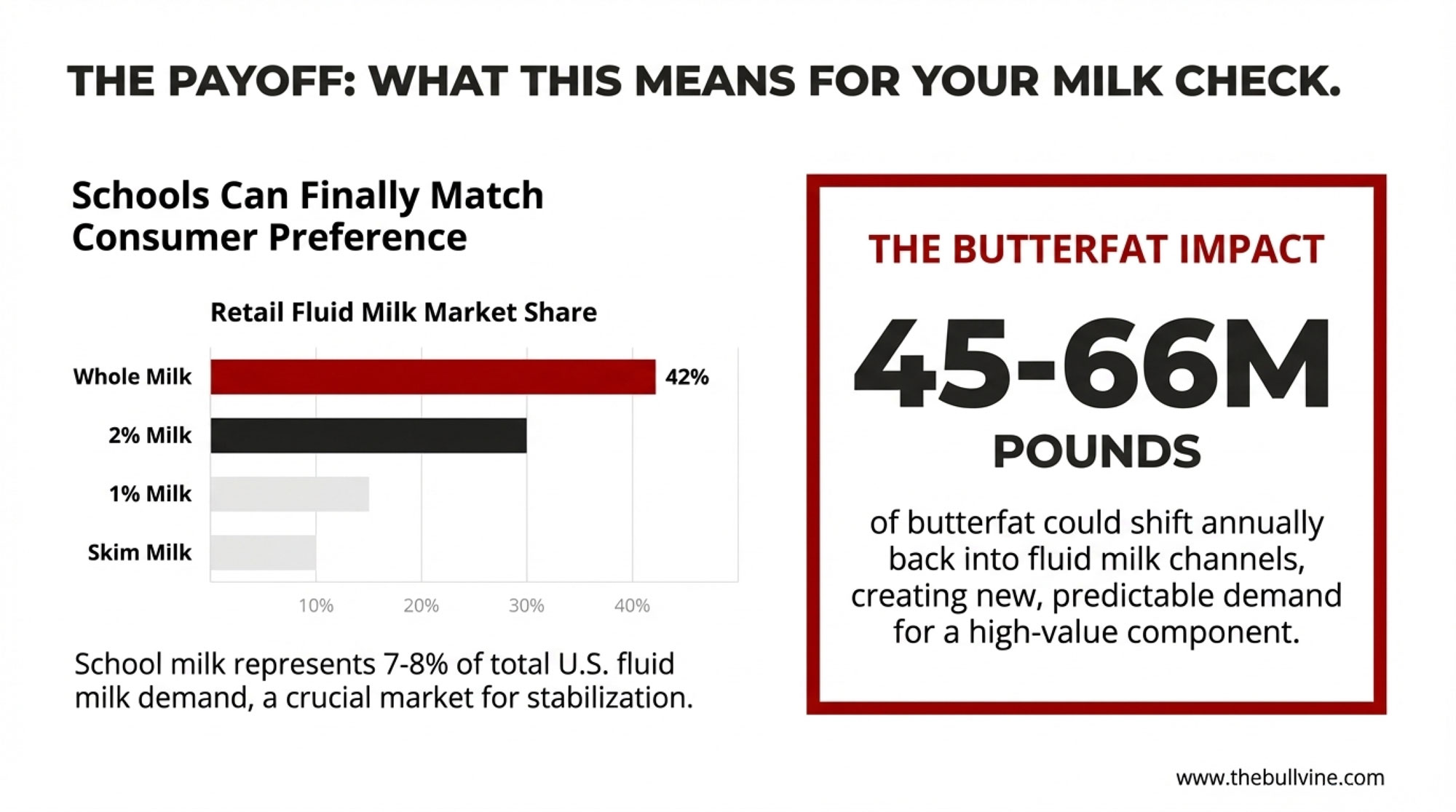
Now let’s talk about what dairy farmers actually care about—the market implications. School milk represents about 7-8% of total U.S. fluid milk demand. That’s not the majority of anyone’s milk check, but it’s far from trivial—and more importantly, it’s one of the few fluid milk channels where consumption can actually grow rather than continue its decades-long decline.

The butterfat implications are where this gets interesting for producers focused on components. From 2013 to 2024, whole milk sales grew 16% at retail while skim and reduced-fat options continued their slide. Whole milk now represents 42% of retail fluid milk sales—the highest share since 2001 (The Bullvine, November 2025).

YearWhole Milk % of Sales2% Reduced-Fat %Skim %Policy Context
200142%35%23%Baseline benchmark—pre-policy era
201235%40%25%School milk ban imposed despite retail demand
201537%38%25%Retail whole milk climbing; schools enforcing lower-fat mandate
202442%35%23%Whole milk back to 2001 levels despite 13-year school restriction
2025+42%+34%–22%–Schools can FINALLY follow consumer preference (no longer fighting market)

Giving schools the option to serve what consumers actually want could shift 45 to 66 million pounds of butterfatannually into fluid milk channels, depending on adoption rates (American Farm Bureau Federation Market Intel, November 2025). For context, that’s meaningful additional demand for butterfat at a time when component values significantly impact milk checks across the country.

“Even modest gains in school milk sales strengthen fluid milk markets, boost butterfat utilization, and improve returns to farmers,” explained Daniel Munch, economist at the American Farm Bureau Federation (Farm Bureau, November 2025).

For operations that have been breeding and managing for butterfat performance—and that’s most progressive dairies at this point—this creates incremental demand pull in exactly the direction the market has been heading anyway. It won’t transform anyone’s operation overnight, but predictable demand in a category that’s been hemorrhaging volume for decades? That’s worth something.

Operation TypeButterfat FocusTypical Herd SizePrimary Margin DriverWhole Milk Market Fit
High-Component SpecialistsYes—core breeding goal50–150 cowsComponent premiumsEXCELLENT—aligned to trend
Grazing-Focused DairiesOften elevated naturally30–80 cowsGrass-based/brand premiumVERY GOOD—premium fluids
Regional CooperativesMember-variable100–5,000+ cowsVolume + component leverageMODERATE—depends on co-op
Commodity/Volume PlayersNot primary focus500+ cowsScale + milk volumeLIMITED—needs commodity volume
Artisanal/Direct-to-ConsumerVery high (premium products)20–60 cowsBrand + direct salesNICHE—select opportunities

The Road Ahead

President Trump is expected to sign the bill quickly, making it law (Bloomberg Government, December 2025). But here’s the reality check: implementation won’t happen overnight. USDA will need to write the rules, states will need to adjust their school nutrition programs, and individual districts will need to update their procurement contracts and meal planning.

Some schools will jump at the chance to serve whole milk—particularly in dairy-heavy regions like Wisconsin, New York, and Pennsylvania, where this has been a community issue for years. Others will move more cautiously, constrained by existing contracts, food service infrastructure, or entrenched habits. The bill doesn’t force change; it permits it. That distinction matters for how quickly you’ll see this show up in school cafeterias near you.

Processors serving the school milk market will need to adjust their bids and product offerings. Schools will need to request whole milk options specifically—it won’t just appear automatically. And the grassroots volunteers who made this happen? They’re already looking at what comes next.

“Education doesn’t stop here. We have to keep it going with more volunteers,” said GN Hursh, Chairman of 97 Milk.

Jackie Behr, a livestock nutritionist who helped design the 97 Milk educational platform, surveyed parents years ago and found “widespread questions and misconceptions about milk and dairy farming.” That education mission continues, because changing policy is one thing—changing minds takes longer.

A Win Worth Recognizing

Nelson Troutman could have complained about regulations over coffee. Instead, he painted hay bales. Duane Spaulding, Anne Diefendorf, and Jay Hoyt could have stayed focused solely on their own operations during some brutal years for Northeast dairy. Instead, they built a movement.

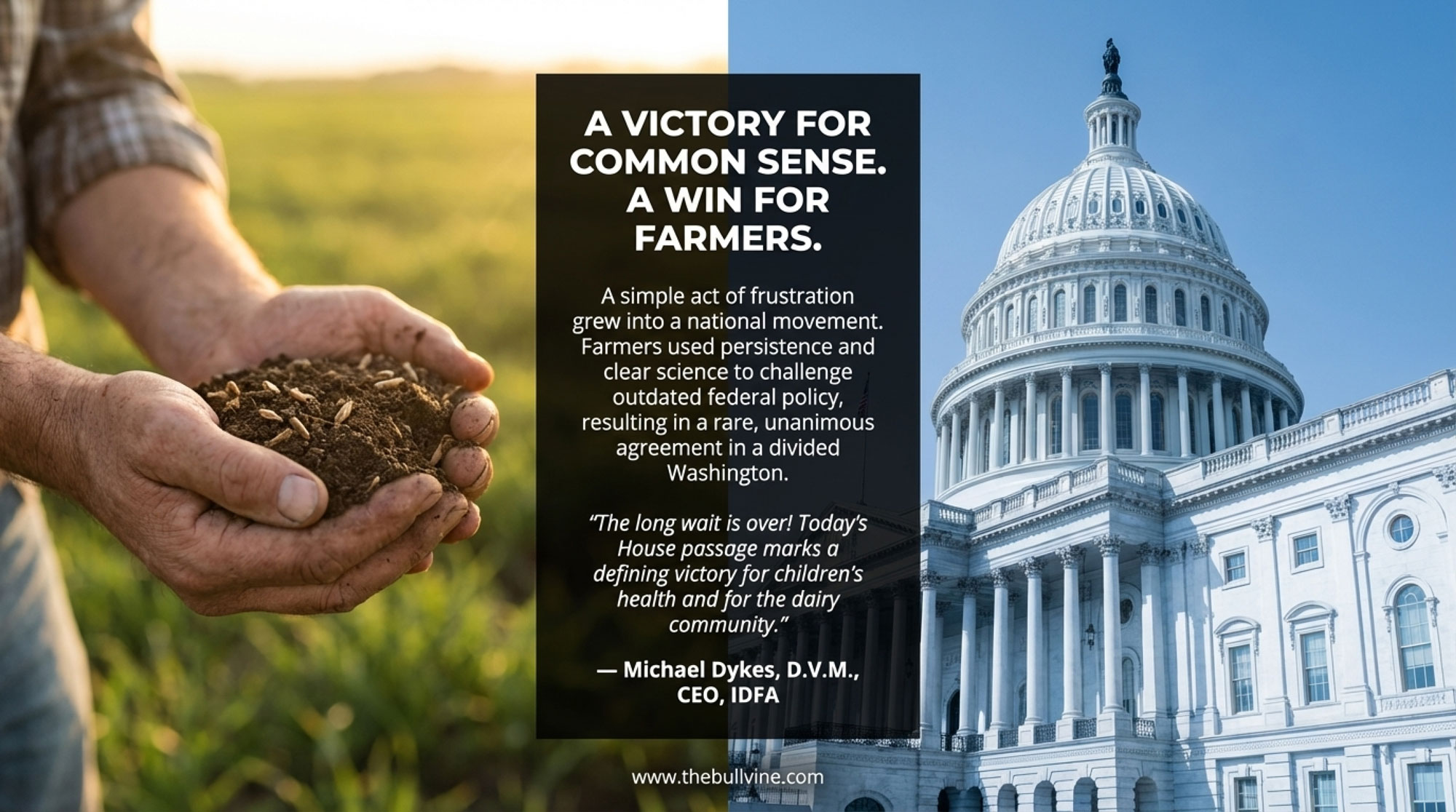
“The long wait is over! Whole milk is coming back to schools!” Dykes declared after the House vote. “Today’s House passage marks a defining victory for children’s health and for the dairy community that has fought for more than a decade to restore whole and 2% milk for our nation’s students” (International Dairy Foods Association Press Release, December 2025).

Rep. Tim Walberg (R-MI), Chairman of the House Education and the Workforce Committee, summed it up well: “Good nutrition is the foundation of a child’s life, including his or her ability to learn and grow” (House Education and Workforce Committee, December 2025).

For once, common sense, good science, and farmer advocacy aligned to produce real change. Kids will get better nutrition. Parents will have more choices. Dairy farmers will see stronger demand in a channel that desperately needed it.

That’s the kind of dairy industry story we need more of.

Key Takeaways

  • Unanimous. Not a single vote against. The House passed the Whole Milk for Healthy Kids Act on December 14, 2025, with zero opposition. The Senate did the same in November. When’s the last time Washington agreed on anything? They agreed on whole milk.
  • Whole and 2% are back in schools. First time since 2012. Flavored milk stays. Milkfat no longer counts against saturated fat limits. Thirteen years of questionable nutrition policy just got overturned.
  • The market impact is real. 45-66 million pounds of butterfat could shift into fluid channels annually. School milk is 7-8% of U.S. fluid demand. Whole milk already drives 42% of retail sales—now schools can finally follow the consumer.
  • Farmers won this. Not lobbyists. Nelson Troutman painted hay bales in Pennsylvania. Duane Spaulding, Anne Diefendorf, and Jay Hoyt refused to quit in New York. The 97 Milk movement turned grassroots persistence into federal law.
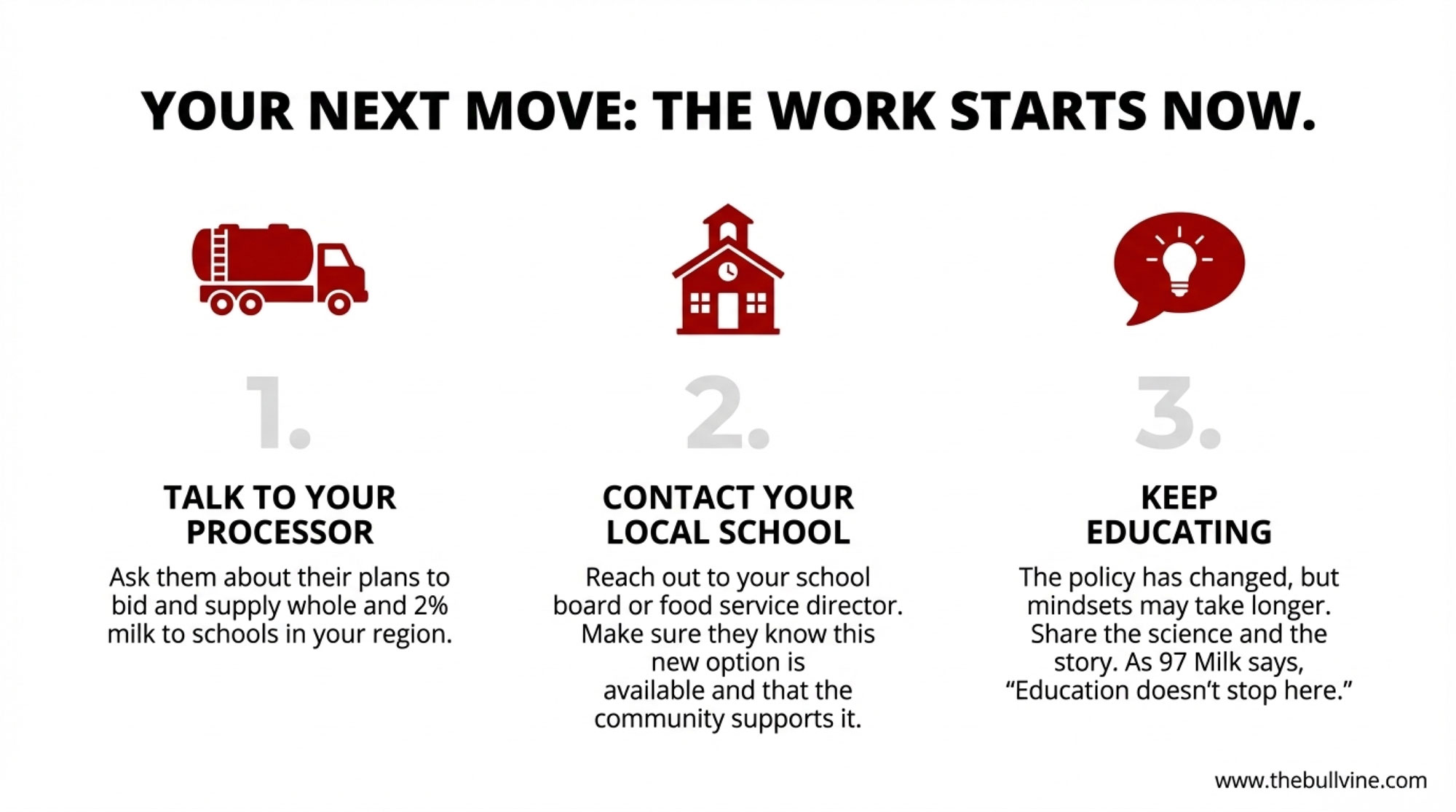
  • Your next move. Trump signs within days. USDA writes implementation rules. Talk to your processor about school milk opportunities. Contact your local school district. Make sure they know the options are coming—and that you’re ready to supply them.

Learn More:

The Sunday Read Dairy Professionals Don’t Skip.

Every week, thousands of producers, breeders, and industry insiders open Bullvine Weekly for genetics insights, market shifts, and profit strategies they won’t find anywhere else. One email. Five minutes. Smarter decisions all week.
NewsSubscribe
First
Last
Consent
Send this to a friend