Archive for Dairy Herd Health

The 15:1 ROI Protocol: How Anti-Inflammatory Treatment is Cutting Transition Disease in Half

11 pounds more milk daily. 50% less disease. All from one dose of meloxicam 14 days before calving. Penn State proved it.

EXECUTIVE SUMMARY: Your transition cow problems have been starting 21 days before calving—you just didn’t know it. Revolutionary research from Penn State and Iowa State proves inflammation, not energy balance, drives fresh cow disease by hijacking glucose worth 68 pounds of milk daily. The solution is surprisingly simple: targeted anti-inflammatory treatment that costs $10 per cow but delivers 15:1 returns. Progressive farms using these protocols are cutting disease rates in half (from 25% to 12%) while increasing milk production by 3-11 pounds per day. First-calf heifers get meloxicam prepartum, overconditioned cows get aspirin, and normal cows get treated postpartum—timing is everything. Even farms that can’t use medications are seeing 60% of the benefits through management changes alone. This isn’t incremental improvement—it’s a paradigm shift that’s redefining what’s possible in transition cow performance.

Transition Cow Protocol

You know, there’s a pattern I’ve been noticing in fresh cow pens across the country—something that’s probably been bothering you too. Some cows sail through transition while others struggle, even when they’re getting identical feed and care. For years, we’ve all just accepted that 20-30% of our fresh cows will develop some kind of metabolic or infectious disease in early lactation. Cost of doing business, right? The price of pushing biology to produce 100+ pounds of milk daily.

But here’s what’s interesting… recent research from Iowa State, Penn State, and the University of Alberta is turning this thinking on its head. What I’ve found is that many transition cow problems aren’t coming from where we thought they were. And the solutions emerging from this research? They’re both simpler and way more profitable than any of us expected.

The whole thing centers on inflammation—though not the kind you can see. Research teams have identified an inflammatory cascade that starts — get this — 14 to 21 days before calving. It’s essentially programming your cows for success or failure before they even hit the maternity pen.

What’s encouraging is that forward-thinking operations—and I’ve talked with quite a few lately—are already putting this knowledge to work. They’re cutting fresh cow disease rates by 40-50% while bumping milk production by anywhere from 3 to 11 pounds per day. Real milk in the tank, not theoretical gains.

Understanding What’s Really Going On

So Barry Bradford—he was at Kansas State, now he’s up at Michigan State—and Lance Baumgard at Iowa State discovered something that seemed impossible at first. When a dairy cow’s immune system really kicks into gear, it burns through 2 to 3 kilograms of glucose daily. Think about that for a second. That’s enough glucose to produce 44 to 68 pounds of milk. Just gone. Hijacked by the immune system.

The Iowa State team demonstrated this with elegant work published in the Journal of Dairy Science in 2017. They challenged cows with lipopolysaccharide—basically a bacterial toxin—while infusing glucose to keep blood glucose levels normal. And even with all that extra glucose… milk production still crashed by 42% on day one. The immune system was outcompeting the mammary gland for glucose, despite plenty being available in the bloodstream.

This flipped everything we thought we knew. For decades, right? We’ve blamed negative energy balance for problems during transition. Cow doesn’t eat enough; it mobilizes body fat; metabolic problems follow. Simple story. But Baumgard’s comprehensive review in 2021 suggested something completely different—that inflammation might be causing both the reduced intake and the metabolic dysfunction. Cart before the horse, so to speak.

Meanwhile—and this is where it gets really interesting—Elda Dervishi’s team was tracking inflammatory markers in transition cows. What they found back in 2016 was that cows destined to develop retained placenta, metritis, or ketosis showed elevated inflammation markers starting 14 to 21 days before calving. Way before any clinical signs. The inflammation came first.

And here’s the kicker… Burim Ametaj’s team at Alberta just published work showing that hypocalcemia—which we’ve always treated as a simple calcium deficiency—might actually be the body’s intelligent response to control inflammation. Pro-inflammatory cytokines upregulate calcium-sensing receptors, actively lowering blood calcium as a protective mechanism. That’s why some cows don’t respond to calcium supplementation, no matter how much you give them. Their inflammatory state won’t let calcium normalize.

What Progressive Farms Are Actually Doing

I’ve been talking with producers who aren’t waiting for this to become mainstream. They’re implementing targeted anti-inflammatory protocols based on individual cow risk, and the results… honestly, they’re pretty compelling.

Adrian Barragan’s team at Penn State developed these risk-based protocols—just published this year—that have been validated across commercial dairies in Pennsylvania and Ohio. What they’re finding is that precision targeting beats blanket treatment every time:

First-calf heifers receiving meloxicam 2 weeks before expected calving are producing an extra 11 pounds of milk per day during the first 150 days. At current milk prices—anywhere from $0.14 to $0.22 per pound, depending on your market—that’s substantial money.

For overconditioned cows (body condition score 3.75 or higher), prepartum aspirin treatment has reduced disease rates from around 38-46% to 21%. Makes sense when you think about it—Michigan State research shows these heavier cows experience enhanced inflammatory stress from all that adipose tissue metabolism.

Normal-condition multiparous cows do best with postpartum treatment. Aspirin given 12 to 36 hours after calving—and this is critical, after the placenta passes—yields about 3.6 pounds more milk daily for over 60 days. Penn State documented what happens if you give NSAIDs too early: stillbirths increase fivefold. So timing really matters here.

A California producer who shared their experience (requesting anonymity due to ongoing research participation) is milking about 1,800 Holsteins near Turlock. After tracking haptoglobin levels following a Michigan State extension workshop, they found their fresh cow average was running 0.9 grams per liter—way above the 0.5 target. Six months after implementing targeted protocols and improving their heifer housing, they’re down to 0.6 and still dropping. Michigan State data shows that improvement correlates with about 1,000 pounds of additional milk per lactation. That’s real money.

Now, different systems face different challenges. A Vermont producer managing 450 Jerseys in tie-stalls (who asked to be identified only by state) told me, “We can’t easily separate heifers, and we’re dealing with humidity rather than dry heat. But focusing on bunk space, ventilation, and treating our at-risk cows has still cut fresh cow problems by 40%.” You work with what you’ve got, right?

Managing the Triggers You Can Control

What’s empowering about all this is learning how much inflammation we can actually control through management. Research has identified several key areas where relatively simple changes yield big results.

Heat stress during the dry period… this one’s huge, and I think we’ve all been underestimating it. Geoffrey Dahl’s extensive work at the University of Florida shows that cows experiencing THI values above 72 during the final three weeks before calving produce 5 to 16 pounds less milk daily throughout the next lactation. The damage persists for months.

Now, investing in cooling for dry cows—you’re looking at $2,000 to $5,000 depending on your setup—can return $60 to $160 per cow in additional milk revenue. I’ve seen operations in Arizona and New Mexico where dry cow cooling pays for itself in under a year.

Stocking density in closeup pens is another big one. Wisconsin research by Cook and Nordlund consistently shows that keeping close-up pens below 80% capacity improves dry matter intake, reduces cortisol levels, and cuts fresh cow disease rates. Many farms could achieve this tomorrow just by adjusting group movements or repurposing existing space. I know it’s tempting to pack that closeup pen when you’re tight on space, but the data is crystal clear on this.

Dietary transitions cost nothing to improve but pay huge dividends. Limiting starch increases to less than five percentage points when moving to lactation rations helps prevent what Baumgard’s team calls “leaky gut,”—where bacterial endotoxins flood into circulation and trigger systemic inflammation. Pure management discipline, no capital required.

Social dynamics… this one surprises people. Mixing first-lactation heifers with mature cows exposes them to about twice the inflammatory stress. An Idaho producer (name withheld at their request) invested $45,000 in separate heifer facilities and watched fresh cow disease rates drop from 35% to 18%.

But you don’t need $45,000. A Georgia dairyman with 2,200 Holsteins shared an innovative approach: they achieved meaningful improvements just using portable gates to create separate feeding areas within existing pens. Cut competitive displacements by 60%. Sometimes the simple solutions work best.

Treatment Protocols That Actually Work

Quick Protocol Reference

Prepartum Treatment (14 days before expected calving):

  • First-calf heifers: Meloxicam (1 mg/kg) or Aspirin (125g)
  • Overconditioned cows (BCS ≥3.75): Aspirin (125g)
  • Previous problem cows: Aspirin (125g)

Postpartum Treatment (12-36 hours after calving, placenta must be expelled):

  • Normal multiparous cows: Aspirin (4 boluses)
  • Never give before the placenta passes—can increase stillbirths 5x

Note: Meloxicam requires a veterinary prescription in most jurisdictions. These protocols are based on North American research and regulations—international producers should consult local veterinary guidelines. Aspirin boluses are available through most veterinary suppliers.

The Economics Make This a No-Brainer

Let’s talk money. Consider a typical 500-cow dairy implementing basic protocols:

Investment runs about $3,250 annually. That’s assuming 25% first-calf heifers at $10 each for meloxicam, 10% overconditioned cows at $8 for aspirin, and treating 40% of your multiparous cows at $8 each.

Returns? Based on documented improvements, you’re looking at around $52,400. That breaks down to $37,125 from heifer milk increases, $7,500 in disease-reduction savings, and $7,776 in multiparous production gains.

That’s better than a 15-to-1 return at $0.18 per pound of milk. Even at $0.14 milk, you’re still over 11-to-1. And if you’re getting $0.22 with premiums? The numbers get even better.

For organic operations or those choosing to minimize pharmaceutical use, just implementing the management changes—cooling, stocking density, dietary transitions—captures about 60% of the total benefit. Tie-stall operations might see slightly different results than freestalls, but the principles hold. Spring-calving herds might implement differently than year-round operations, but the biology remains consistent.

Want to track your own results? Most dairy management software systems can help monitor the key metrics: disease incidence, milk production by treatment group, and actual ROI based on your specific costs and milk price.

Spotting Hidden Inflammation

What farmers are finding is that several subtle signs suggest excessive inflammation before obvious disease appears:

  • Daily rumination below 500 minutes that first week fresh—if you’re tracking this
  • More than 15% of fresh cows with any disease event within 30 days
  • Butterfat dropping below 3.2% in Holsteins, 3.8% in Jerseys
  • Wide swings in peak milk between seemingly similar cows
  • Discharge hanging around beyond 21 days postpartum

These metrics give you an early warning that inflammation’s impacting performance.

Getting Your Team on Board

The biggest challenge isn’t technical—it’s cultural. Most vets and nutritionists were trained when metabolic theories dominated. Jessica McArt from Cornell’s College of Veterinary Medicine suggests approaching advisors as partners in exploration rather than challenging their expertise.

A Wisconsin producer near Shawano (requesting anonymity) shared their approach: “We presented the research to our vet and suggested testing protocols on half our fresh cows for 90 days. When the disease dropped from 31% to 18% in the treatment group, everyone became believers.”

A practical trial might run like this: Two weeks of collecting baseline data. Ten weeks with half your cows on treatment, half as controls. One week to analyze and discuss results with your team.

The key is establishing clear baseline metrics first. Without knowing current disease rates and production patterns, you can’t convincingly demonstrate improvement.

Where This is All Heading

The inflammation paradigm is just the beginning. Three areas show particular promise:

Microbiome analysis is getting close to commercial reality. Garret Suen’s team at Wisconsin has identified specific bacterial changes that precede ketosis. While full profiling services are probably still 3-5 years out, some probiotic companies are already developing targeted products based on this research. Current options include various yeast products and bacterial probiotics that support gut health during transition—ask your nutritionist about what’s available in your area.

Specialized pro-resolving mediators—compounds that actively turn off inflammation rather than just suppressing it—are showing promise. Lorraine Sordillo at Michigan State has been pioneering this work. Human medicine’s already using these successfully; dairy applications are coming.

AI integration with monitoring systems shows immediate potential. Companies like CowManager are testing systems that predict disease 5-7 days before clinical signs with accuracy approaching 85%, though these are still early-stage claims needing field validation.

For producers looking to stay current, the annual conferences at Penn State and Iowa State, as well as the American Dairy Science Association meetings, are excellent sources of the latest transition cow research.

Making This Work on Your Farm

After talking with dozens of early adopters, several principles keep coming up:

Start with a simple risk assessment. Score body condition at closeup entry—shoot for 90% of cows between 3.0 and 3.5. Separate heifers from mature cows when possible. Flag cows with previous transition problems.

Target your interventions rather than treating everyone. Focus prepartum treatments on heifers and high-risk cows. Save postpartum for normal multiparous animals. And never, ever give NSAIDs before that placenta passes.

Fix the management basics alongside any pharmaceutical approach. If dry cows are panting, they need cooling. Keep stocking densities reasonable. Make dietary changes gradually. These management factors contribute as much as the medications.

Track everything. Disease rates, milk differences, and actual ROI based on your milk price. This data becomes invaluable for refining protocols and convincing skeptics.

Most importantly, shift your thinking from treatment to prevention. We’re not trying to manage sick cows better—we’re creating conditions where fewer cows get sick in the first place.

The Bigger Picture

This isn’t just incremental improvement—it’s a fundamental shift in how we think about transition biology. Operations implementing comprehensive inflammation management report not just better numbers but cultural changes in how teams approach fresh cows.

An Idaho dairyman running 2,000 cows near Twin Falls (who shared their story on condition of anonymity) put it perfectly: “We used to budget for 25% morbidity. Now we’re under 12% and still improving. But the bigger change? Our team focuses on creating optimal conditions rather than preparing for problems. That mindset shift changes everything.”

Success factors vary by region and system. Grazing operations face different triggers than confinement dairies. Humid climates present different challenges than arid regions. But that’s the beauty—you can identify and address your specific inflammatory triggers.

The evidence keeps strengthening. Peer-reviewed research confirms the biology. Field implementation proves it’s practical. Economic analysis shows compelling returns across all pricing scenarios.

For progressive producers, the question isn’t whether to consider inflammation management—it’s how quickly to adapt it to your operation. This evolution in understanding might well define the difference between thriving and just surviving in today’s competitive environment.

The transition period will always be dairy’s greatest metabolic challenge. But we’re learning it doesn’t have to be our greatest source of loss. By understanding and managing inflammatory processes, we can help cows navigate this critical period more successfully than ever.

And that’s what this is really about, isn’t it? Not just the science or the economics, but giving our cows the best chance to do what they do best—make milk efficiently and stay healthy doing it.

KEY TAKEAWAYS

  • The game-changer: Inflammation starts 21 days before calving—treat it then, not after
  • ROI that matters: Spend $10 per cow, get $150 back in milk and health
  • Know your protocol: Heifers = meloxicam prepartum | Fat cows = aspirin prepartum | Normal cows = aspirin postpartum
  • Management alone works: Can’t use NSAIDs? Fix cooling, crowding, and feed changes for 60% of benefits
  • Field-proven: 50% less disease, 11 extra pounds of milk in heifers, under 12% morbidity achievable

Producers interested in implementing these approaches should work with dairy veterinarians familiar with current transition cow research. Key resources include Baumgard’s 2021 comprehensive review “The influence of immune activation on transition cow health and performance” and Barragan’s 2024 work on targeted protocols, both published in the Journal of Dairy Science. Extension specialists at Penn State, Iowa State, Michigan State, and Cornell offer excellent implementation guidance tailored to regional conditions. The principles discussed here are based primarily on North American research—international producers should consult local experts for region-specific adaptations.

Learn More:

Join the Revolution!

Join over 30,000 successful dairy professionals who rely on Bullvine Weekly for their competitive edge. Delivered directly to your inbox each week, our exclusive industry insights help you make smarter decisions while saving precious hours every week. Never miss critical updates on milk production trends, breakthrough technologies, and profit-boosting strategies that top producers are already implementing. Subscribe now to transform your dairy operation’s efficiency and profitability—your future success is just one click away.
NewsSubscribe
First
Last
Consent

Europe’s Secret Weapon for Disease Response: And it’s making North American systems look stone-age

78% accuracy catching mastitis 2 days early? European farms are making us look like ancient relics.

EXECUTIVE SUMMARY: Look, I’ve been tracking what’s happening across the pond, and European dairy farms are absolutely crushing disease management while we’re still playing catch-up. They’re spotting mastitis 48 hours before you’d even notice anything’s wrong—with nearly 80% accuracy—and cutting antibiotic use by more than 60% without losing udder health. That translates to fewer vet bills, healthier cows, and more milk hitting your tank. We’re talking about a $65 billion global problem that they’re actually solving while our farmers wait days for lab results and sometimes years for crisis support. When bird flu struck Italy, European farms received compensation in months, not the typical multi-year wait we see here. Bottom line? If you want to boost profits and keep your herd healthier, it’s time to stop working harder and start working smarter.

KEY TAKEAWAYS

  • Cut your antibiotic costs up to 60% with selective dry cow therapy—start testing individual cows this dry period instead of blanket treating the whole herd.
  • Catch mastitis 48 hours early using thermal imaging technology—many farms see ROI within 18-24 months through faster treatment and less milk loss.
  • Team up with neighbors for vet coverage—coordinate emergency response and tap into those USDA loan forgiveness programs to get more vets in your area.
  • Make biosecurity your daily routine—simple stuff like visitor logs and footbaths can slash disease transmission without breaking the bank.
  • Invest smart in prevention tech—with current grants and incentives, most operations see payback within two years while competitors scramble to catch up.

You know that gut feeling when you’re walking through the barn at dawn and something just doesn’t sit right? Maybe it’s how that fresh heifer is hanging back from the feed bunk, or the way she’s standing with her back humped just slightly. Most of us have learned to trust that instinct over the years—it’s probably saved more cows than we’ll ever count.

But here’s what’s been eating at me lately. While we’re still relying on those morning walks and waiting three days for lab results, European dairy operations have systems that would make your head spin. I’m talking thermal cameras that catch mastitis two days before you’d ever notice swelling, veterinary networks that respond faster than most fire departments, and—this one really gets me—crisis support that actually reaches farms in weeks, not years.

I spent the better part of last year visiting operations across the Netherlands, Germany, and France, as well as analyzing data from Nordic countries that deal with brutal six-month winters. What I found isn’t just impressive technology, though some of it feels straight out of science fiction. It’s how their entire system works together in ways ours… well, frankly, doesn’t.

Quick terminology check (because we all know these acronyms get confusing):

  • SDCT: Selective Dry Cow Therapy—testing individual cows instead of blanket antibiotic treatments
  • Thermal Imaging: Camera systems spotting temperature spikes 24-48 hours before clinical signs show
  • EU Animal Health Law: Disease response protocols that actually work across 27 countries
  • PCR Testing: Pathogen identification in hours instead of our usual three-day wait

Why One Playbook Changes Everything

Here’s what really struck me about European coordination. Back in April 2021, the EU rolled out its Animal Health Law—basically the same disease response playbook for all 27 member countries. So when foot-and-mouth hits a farm in Bavaria, they’re following identical protocols to what they’d use in Brittany or Copenhagen.

Now, it’s not perfect—smaller countries and regions with tighter budgets still face implementation challenges. But think about this for a minute: cross from Minnesota into Wisconsin and you’re suddenly dealing with completely different testing requirements, response times, quarantine procedures. It’s like each state decided to play by different rules in the same game.

The coordination works because they hammered out the details during calm periods, not in the middle of a crisis. During Europe’s avian influenza outbreak in 2022-2023, these coordinated protocols demonstrated system-wide resilience, preventing broader market panic—a stark contrast to the state-by-state rollercoaster we often see here when a major animal disease strikes.

What’s interesting is how this plays out in real time. A German producer I interviewed (who asked to remain anonymous due to regional sensitivities around the recent bluetongue outbreak) described getting lab confirmation within 48 hours and having a coordinated response team on his farm the next day. Compare that to what happened to my neighbor in Wisconsin when HPAI hit—three weeks of uncertainty while different agencies tried to figure out who was in charge.

Tech That Actually Sees Around Corners

The technology side is where things get really fascinating. During my travels, I kept hearing similar stories from operations across different countries—not just the Netherlands, though they’re definitely leading adoption.

In Bavaria, I visited a 450-cow operation where thermal imaging systems consistently flag mastitis cases two full days before clinical symptoms appear. That’s backed by solid research published this year, showing accuracy rates of 78-85%. However, what really caught my attention is that the same technology is being used in French cooperatives dealing with various housing systems and in Danish operations managing longer confinement periods.

Austrian company smaXtec is now serving over 8,000 farms globally, generating more than 300,000 health alerts monthly through continuous monitoring. The technology isn’t just about early detection—it’s about pattern recognition that most of us couldn’t spot without help.

A French cooperative manager told me something that really stuck: “The system doesn’t replace good stockmanship—it makes good stockmen better. I still walk through twice daily, but now I know which animals need closer attention before problems become obvious.”

Technology Investment Reality Check

System PackageInitial InvestmentMonthly OperatingEarly DetectionPayback Range
Basic Thermal Setup$12,000-18,000$200-35024-48 hours18-30 months
Individual Cow Sensors$8,000-15,000$5-8 per cow48-72 hours12-24 months
Integrated AI Platform$25,000-40,000$800-1,20072+ hours15-25 months

Note: Payback varies dramatically with baseline herd health, management competency, milk pricing, and local market conditions

The catch? (There’s always a catch, right?) These systems need proper setup and training. European farms report 3-6 month learning curves before hitting optimal results. That’s challenging when you’re already doing three jobs and working 70-hour weeks.

But here’s what nobody talks about enough—the technology is only as good as your ability to get veterinary support when you need it.

The Veterinary Desert We’re Living In

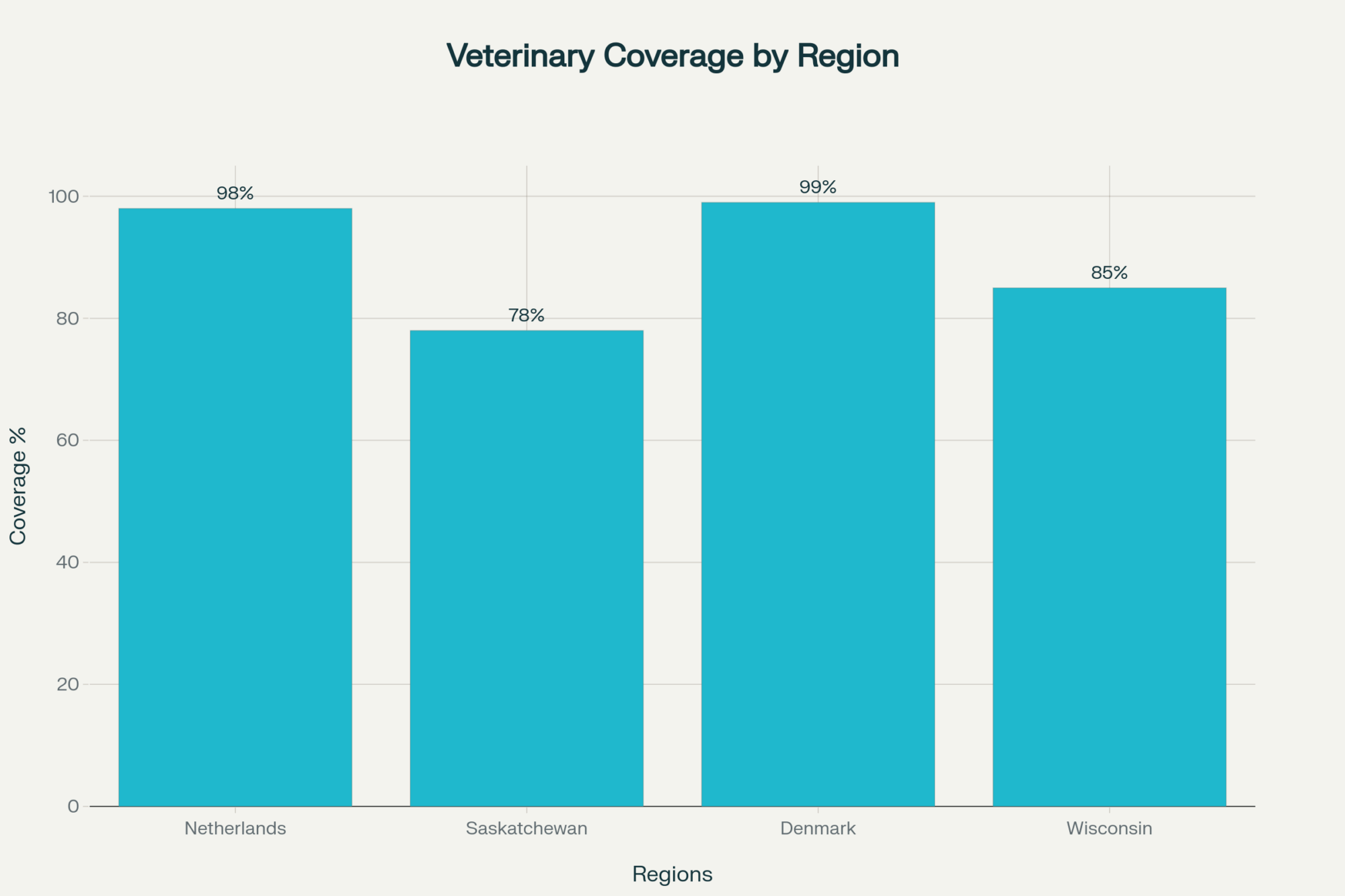
Let’s be honest about something that’s keeping a lot of us up at night. According to the American Veterinary Medical Association’s latest workforce study, 43% of rural dairy counties don’t have a resident large animal veterinarian. The Canadian numbers are similarly brutal—emergency response times over four hours in many rural areas.

I’ve talked to producers in Montana who are six hours from the nearest large animal vet. Think about that. Six hours. By the time help arrives, you’re often looking at damage control instead of treatment.

European countries tackled this head-on. Finland guarantees rural coverage through municipal contracts that supplement private practice. France runs mentorship programs pairing experienced vets with new graduates, backed by financial incentives that actually work. The Federation of Veterinarians of Europe documents average emergency response times under two hours across participating countries.The data clearly shows coordinated approaches work better while maintaining professional independence. What gives me hope are existing federal initiatives, such as the USDA’s Veterinary Medicine Loan Repayment Program and the Veterinary Services Grant Program, which offer loan forgiveness and grants to encourage veterinarians to serve in high-need rural areas. As we’ve covered extensively, it’s a start, though the scale of the problem shows we need to do much more.

Nowhere is the Gap More Obvious—or the Opportunity Greater—Than in Mastitis Management

Europe’s shift to Selective Dry Cow Therapy represents the biggest mastitis management change in decades, driven by European Medicines Agency regulations restricting prophylactic antibiotic use.

The Netherlands pioneered SDCT in 2012, but it has since spread across different systems and countries. Wageningen University research shows Dutch farms implementing SDCT achieved antibiotic use reductions of 60-65% while maintaining comparable somatic cell counts.

But it’s not just the Dutch. German operations report similar reductions. French cooperatives note improved cure rates. Nordic producers dealing with long housing periods find it especially valuable for managing confined herds.

Multiple producer interviews illustrate the economics: “SDCT seemed expensive until we calculated the real costs. Blanket therapy was masking chronic infections that were costing us 400 kilograms per cow annually. Now we treat fewer animals but cure more problems.”

SDCT Economics: Real Numbers for Different Operations

System TypeDiagnostic InvestmentAntibiotic SavingsNet Annual Benefit
Confinement (300+ cows)$15-25 per cow$30-40 per cow$15-25 per cow
Seasonal Grazing (100-300 cows)$20-30 per cow$25-35 per cow$5-15 per cow
Organic Systems$25-35 per cow$60-80 per cow$25-45 per cow

These numbers assume stable milk prices above $18/cwt and baseline SCC under 250,000. When prices drop below $15/cwt, payback can extend to 36+ months

What makes it work is accurate diagnostics and proper timing. European farms use culture-based or PCR testing to identify specific pathogens before treatment selection. The key insight—you’re not just reducing antibiotics, you’re improving outcomes.

Crisis Support That Actually Shows Up

When Italy’s avian influenza hit, the European Commission approved €46.7 million in compensation distributed within 90 days. Ninety days.

Compare that to what we typically see here—12-24 month timelines for similar support, if you’re lucky enough to qualify.

Economic research shows every euro invested in rapid crisis response generates 3.5-4.2 euros in prevented losses through maintained market stability. It’s not just a generous policy—it’s economically strategic. Disease outbreaks create market failures that private insurance can’t handle due to correlated regional risks.

Crisis Response Speed: European vs. North American Reality

Support ElementEU ApproachUS/Canada Average
Emergency Assessment24-48 hours2-4 weeks
Funding Approval30-60 days6-18 months
Payment Distribution60-90 days12-24 months
Market StabilizationCoordinated EU-wideState/provincial variation

The difference this makes on actual farms is profound. European producers can focus on recovery and prevention instead of survival and debt management.

Biosecurity That’s Actually Practical

European biosecurity succeeds through systematic integration rather than isolated measures. Based on visits across France, Germany, and the Netherlands, producers consistently describe it as “doing the same good thing every day.”

Research shows substantial reductions in disease transmission, although effectiveness varies significantly. Recent studies have suggested results ranging from a 20% improvement in respiratory disease transmission on some confinement dairies to a 50% reduction in specific bacterial infections in well-managed systems—it depends on the pathogen type, farm design, and how well protocols are followed.

The key insight involves treating biosecurity as an interconnected system rather than a series of individual procedures. As we’ve detailed in our biosecurity guide, start with visitor protocols and vehicle disinfection—immediate risk reduction with minimal complexity.

Research That Gets to Barn Level Fast

European research funding prioritizes practical solutions that farms can implement within 18 months. Horizon Europe allocates approximately €9 billion annually to agricultural innovation with heavy emphasis on animal health.

This research strategy produces tangible results: mRNA vaccine platforms enabling rapid outbreak response and AI diagnostic systems providing farm-specific predictions are already reaching commercial application.

The Economics That Actually Matter

Research across European countries indicates farms implementing comprehensive disease management report improved profitability, though benefits vary significantly by operation size, baseline health, and—this is crucial—management competency.

Researchers peg global dairy disease losses at over $65 billion annually, with mastitis among the top contributors.

Investment Analysis by Operation Type

Operation TypeInitial InvestmentAnnual OperatingExpected BenefitsPayback Period
Confinement (200-500 cows)$15,000-25,000$3,000-5,000$12,000-18,00018-24 months
Seasonal Grazing (100-300 cows)$20,000-30,000$4,000-6,000$10,000-15,00022-28 months
Intensive Systems (500+ cows)$60,000-85,000$15,000-20,000$45,000-65,00018-24 months

These returns assume competent management, stable pricing, and baseline herd health. Poor management or market volatility can extend payback significantly

The benefits come through multiple channels—reduced veterinary costs, decreased medication expenses, improved milk quality premiums, reduced mortality, and enhanced reproductive performance.

Here’s the thing, though—for cash-constrained operations, focus on highest-impact, lowest-cost interventions first. Thermal imaging in milking facilities offers immediate detection advantages with the fastest return on investment.

What This Means for Your Operation

European dairy disease management works because it treats prevention as a profitable investment rather than a necessary expense. But you don’t need to overhaul everything overnight. Based on what I’ve seen work across different operations:

Consider starting this month: Look into basic thermal imaging for milking facilities—documented 18-24 month payback in most scenarios. Begin individual cow health monitoring for behavioral changes; this doesn’t require a major investment but provides early warning capabilities. Explore coordinated veterinary agreements with neighboring operations to improve response times.

Within six months: Work with your vet on selective dry cow therapy protocols. Start with problem groups or first-lactation animals while building confidence. Join or form regional producer groups to share veterinary resources—this is becoming increasingly common and helps address coverage gaps. Investigate rapid diagnostic capabilities for pathogen identification.

Within two years: Deploy comprehensive digital health monitoring based on proven results from initial investments. Establish farm-specific biosecurity protocols integrated with monitoring systems. Participate in regional disease surveillance networks where available.

The technology exists, the protocols are proven, and the economic benefits are documented. European systems aren’t magic—they’re just more comprehensive, treating disease management as an interconnected system of prevention. The choice isn’t if these approaches work, but how quickly you can adopt them. After seeing what’s possible across the Atlantic, it’s clear the biggest risk isn’t the investment—it’s waiting.

The European playbook isn’t rocket science—it’s just coordinated, smart farming. And honestly? We can do this too.

Complete references and supporting documentation are available upon request by contacting the editorial team at editor@thebullvine.com.

Learn More

Join the Revolution!

Join over 30,000 successful dairy professionals who rely on Bullvine Weekly for their competitive edge. Delivered directly to your inbox each week, our exclusive industry insights help you make smarter decisions while saving precious hours every week. Never miss critical updates on milk production trends, breakthrough technologies, and profit-boosting strategies that top producers are already implementing. Subscribe now to transform your dairy operation’s efficiency and profitability—your future success is just one click away.

NewsSubscribe
First
Last
Consent

Are You Losing Silent Cash to Hemorrhagic Bowel Syndrome?

Think it’s the bugs causing cow deaths? Think again—it’s the feed, and here’s the fix.

EXECUTIVE SUMMARY: Folks, here’s the deal: the real cause of hemorrhagic bowel syndrome isn’t just bacteria—it’s microscopic damage to the cow’s gut lining from rough feed particles. Data from farms in North America and beyond show nearly 1% of cows are lost annually to this syndrome, costing $100K+ on big herds. Tighten up your feed particle size—cut the big bits to under 18% of the ration—and you’ll slash cases by roughly 30%. Pair that with feeding fresh more often and adding immune-boost supplements, and farms report payback within a year. This isn’t theory—it’s proven results you should try this season.

KEY TAKEAWAYS

  • Reducing particles >4 mm to under 18% of ration DM cuts HBS cases by 30%—an easy change you can make today.
  • Minnesota Extension’s simple scorecard spots high-risk cows early, boosting confirmation accuracy from <20% to >70%.
  • Push fresh feed every 2 hours to stabilize rumen pH and curb digestive upsets—low effort, proven by UC Davis.
  • Adding yeast-based products and trace minerals slashes gut health issues by up to 20%, backed by UK and KY trials.
  • Every cow saved is fewer replacements and ~1.2 tonnes CO₂e saved—vital for 2025 sustainability goals and compliance.

What makes hemorrhagic bowel syndrome (HBS) so dangerous is its stealth. I’ve talked to dairy folks from Wisconsin barns to New Zealand pastures, and the stories are the same. One moment, your top milker is chewing cud; the next, she’s down—and sometimes gone before breakfast.

Here’s the good news: HBS isn’t bad luck—it’s a risk you can manage. Here’s how to get ahead and keep your herd thriving.

What’s Happening With HBS?

Imagine a soggy spring in Ontario. Jerseys dropped unexpectedly. Baleage lab tests passed, but necropsies revealed over 20% of ration particles exceeded 4 mm—enough to scrape the gut lining. DairyNZ’s 2024 trials show trimming that below 18% cuts HBS incidence by roughly 32%.

In the U.S., about 15% of herds report HBS outbreaks annually, losing 0.5–1% of cows. It’s not chance—it’s risk you can reduce.

New Science: It’s More Than Bacteria

Clostridium perfringens was long blamed, but Ghent University’s ex vivo work challenges that. They found mucosal abrasion—tiny tears from coarse feed—as the real spark. Those abrasions let bacteria and toxins breach the gut wall, triggering fatal hemorrhaging.

Worried about low-mold silage? Even “clean” silage can hold rough particles that damage sensitive, high-producing fresh cows.

Spotting HBS Early

Minnesota Extension’s triage tool scores seven signs—sudden collapse, abdominal swelling, dark or bloody manure, cold extremities, recent diet shifts, and days in milk over 100. A score ≥6 means call the vet for a necropsy. Farms using this system improved necropsy confirmation from under 20% to over 70%.

Fighting Back

  • Particle control: Keep feed particles >4 mm under 18% of ration DM to cut cases by ~32%.
  • Frequent feed pushes: Every two hours steadies rumen function (UC Davis study).
  • Gentle transitions: Stretch diet changes over ≥7 days to avoid gut stress.
  • Silage face care: Remove 1–2 feet of silage daily; discard any mold to maintain a smooth, tight face.
  • Immune support: Yeast cell walls, zinc/selenium, and mycotoxin binders can reduce HBS risk by up to 20%.

Dollars & Sense

One 900-cow Minnesota dairy lost eight cows—$106,000 in losses—in six months. After adopting these measures, they had one case in the next half-year, saving over $90,000. Prevention investments typically pay off within a year.

Action Plan for Monday Morning

  1. Calibrate a forage sieve; set particle-size targets.
  2. Train staff on the necropsy scoring tool.
  3. Schedule feed pushes every two hours.
  4. Tighten silage face management—pitch mold daily.
  5. Begin immune-support supplementation for fresh and early-lactation cows.

Sustainability & Compliance

Fewer losses mean fewer replacements—each avoided heifer saves about 1.2 tonnes of CO₂e. Consumers and regulators are watching. “Managing HBS is a win for animal health, profitability, and environmental stewardship,” says Dr. Laura Schmidt, dairy health specialist at the University of Wisconsin–Madison.

Bottom Line

HBS isn’t a phantom—it’s treatable. Master feed particle size, vigilant cow monitoring, disciplined silage practices, and targeted immune support. Farms from Wisconsin to New Zealand are already reaping healthier herds and better profits—now it’s your turn.

Complete references and supporting documentation are available upon request by contacting the editorial team at editor@thebullvine.com.

Learn More:

Join the Revolution!

Join over 30,000 successful dairy professionals who rely on Bullvine Weekly for their competitive edge. Delivered directly to your inbox each week, our exclusive industry insights help you make smarter decisions while saving precious hours every week. Never miss critical updates on milk production trends, breakthrough technologies, and profit-boosting strategies that top producers are already implementing. Subscribe now to transform your dairy operation’s efficiency and profitability—your future success is just one click away.
NewsSubscribe
First
Last
Consent

France’s LSD Crisis: What Every Dairy Producer Needs to Know Right Now

Shocking: Farms lost 18% of their milk yield and $1,150 due to disease! Here’s what it means for your feed efficiency and genomic testing program.

EXECUTIVE SUMMARY: Look, I just got off the phone with a buddy in Vermont, and we’re both shaken by what’s happening in France. Some farms are losing nearly 20% of their milk production to disease outbreaks, with average losses hitting $1,150 per operation. Feed efficiency crashes by 15% during these hits – that’s serious money walking out the door when margins are already tight. However, what caught my attention was that farms using genomic testing to identify disease-resistant genetics and investing in precision feed management are recovering faster and stronger. Current research indicates that these proactive strategies can enhance herd resilience by 15% and save approximately $200 per cow annually. Don’t wait until you’re dealing with empty bulk tanks and vet bills – the time to build your defense is right now.

KEY TAKEAWAYS

  • Leverage genomic testing for disease resistance — Screen for genetic markers that boost immunity and reduce clinical disease by up to 15%, saving thousands in vet costs and lost production.
  • Invest in precision feeding technology — Automated systems improve feed conversion by 10-12%, putting an extra $200 per cow back in your pocket annually while strengthening immune function.
  • Deploy early detection monitoring — Activity collars and rumination sensors catch health issues 3-5 days sooner, preventing 10% production losses that compound during recovery periods.
  • Prioritize strategic vaccination programs — Proven vaccines cut disease impact by 85%, turning potential $2,400 farm losses into manageable $200 prevention costs per animal.
  • Diversify your market channels now — Establish relationships with multiple buyers before a crisis hits, protecting revenue when trade restrictions slam shut on traditional outlets.
 lumpy skin disease, dairy biosecurity, farm profitability, dairy herd health, global dairy trade

The lumpy skin disease outbreak in France is not just a distant news story; it’s a direct warning to every dairy producer about the risks threatening modern dairy farming.

France is home to approximately 3.4 million dairy cows and produces around 23 billion liters of milk annually—that’s roughly 10% of the entire EU’s output. Since late June, 51 confirmed LSD outbreaks have emerged in key dairy regions. According to Reuters and official government sources, this rapid escalation has prompted authorities to cull over 1,000 cattle and implement vaccination programs targeting tens of thousands of animals.

Economic Fallout: Real Impact on the Ground

A recent study in Veterinary Research conducted in collaboration with WOAH examined LSD outbreaks in Thailand and Bangladesh, revealing severe farm-level losses averaging over $1,150 per operation and milk yield declines exceeding 18%. Feed efficiency dropped by up to 40%, resulting in increased feed costs of roughly two to three euros per cow per day during recovery. This is a significant hit to margins.

When these losses are applied across France’s 3.4 million dairy cows, the impact could total several billion liters of lost milk each year—comparable to the full annual production of Ireland. Past outbreaks underscore how these losses directly translate into tighter profit margins for farmers.

Trade Wars: Borders Shut Faster Than You’d Think

The UK moved quickly, suspending French raw milk imports within two days. Australia also revoked France’s LSD-free status, affecting dairy trade valued at hundreds of millions of euros, as confirmed in official government notices. Key trading partners in Europe and beyond have followed suit with various import restrictions, generating a complex patchwork of trade challenges.

This is causing significant pain for artisan cheesemakers, whose raw milk cheeses aged under 90 days are facing import bans, resulting in steep markdowns and growing inventories. The Academy of Cheese has detailed the depth of these impacts on specialty producers.

Your Farm’s Defense: Science-Backed Strategies

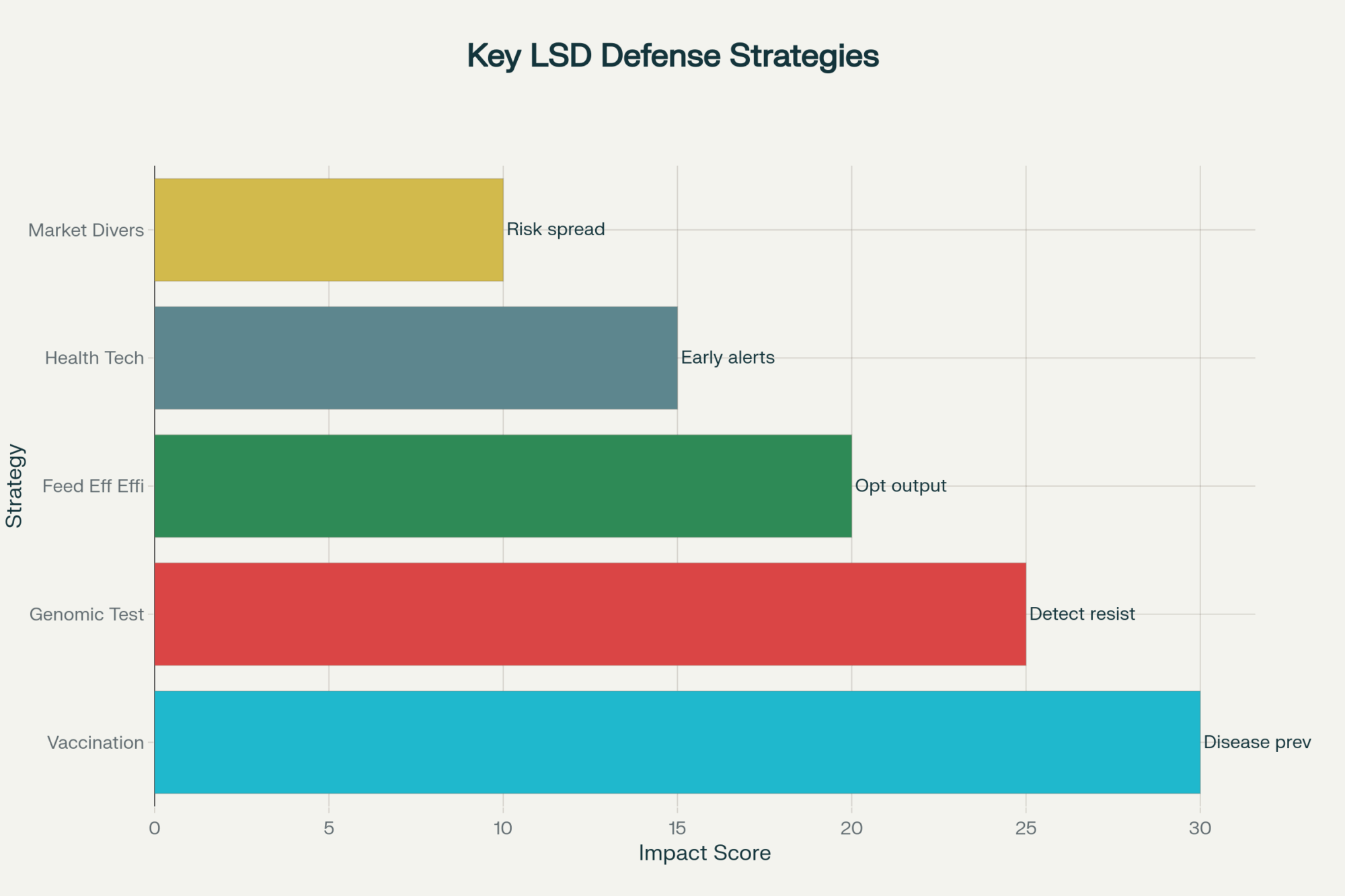
France deployed 250,000 doses of the long-established Neisseria meningitidis live attenuated vaccine, offering 85-95% protection with immunity developing in approximately three weeks. However, European vaccine reserves are dangerously low, indicating preparedness gaps for larger outbreaks.

Farms adopting real-time health monitoring systems, which cost roughly 15 to 25 euros per cow annually, are reducing outbreaks by an estimated 70%. Devices providing mobile PCR results in under four hours and AI-powered detection of early infection symptoms are no longer futuristic; they’re becoming standard practice.

Data from vaccination trials of the Lumpi-ProVacInd vaccine in India show no significant reduction in milk yield—confirming its suitability as an effective preventive tool.

A Perfect Storm: Multiple Threats Compound Risks

While LSD dominates headlines, other concerns like epizootic hemorrhagic disease (EHD), bluetongue, and avian influenza compound livestock health challenges in France. The French Ministry describes this as a “perfect storm” of interacting vectors and extended disease seasons—conditions exacerbated by climate change.

To preserve export market access, some operations are investing heavily in compartmentalization—creating certified disease-free zones within their farms at costs reaching hundreds of thousands of euros.

Market Movements and What They Mean for You

French milk prices hover near €45 per 100 kilograms, but cheese export premiums have declined by up to 15%, with buyers turning to alternative suppliers such as New Zealand and Australia. European dairy futures markets reflect this turbulence with increased volatility.

The World Organisation for Animal Health has labeled this outbreak a “stress test” for regional disease response systems, highlighting the need for robust, coordinated strategies moving forward.

Conclusion: Preparing for a More Complex Future

This outbreak is a stark reminder that biosecurity is no longer optional—it’s fundamental to maintaining profitability and sustainability in dairy farming.

As the syndemic of diseases intensifies, with technology emerging as a vital ally in early detection and management, investing in resilient systems becomes essential. Diversifying market exposure and adopting proactive strategies will distinguish the farms that endure in this evolving landscape.

So, as you look out over your herd, the question is clear: are you ready? The time to start your defense is now.

Complete references and supporting documentation are available upon request by contacting the editorial team at editor@thebullvine.com.

Learn More:

Join the Revolution!

Join over 30,000 successful dairy professionals who rely on Bullvine Weekly for their competitive edge. Delivered directly to your inbox each week, our exclusive industry insights help you make smarter decisions while saving precious hours every week. Never miss critical updates on milk production trends, breakthrough technologies, and profit-boosting strategies that top producers are already implementing. Subscribe now to transform your dairy operation’s efficiency and profitability—your future success is just one click away.
NewsSubscribe
First
Last
Consent

Abandon Your ‘Wait and Treat’ Mastitis Strategy Before It Bankrupts Your Operation

Stop believing the ‘quick response’ mastitis myth. Cornell’s inflammation test prevents $200 per cow losses before you see clinical symptoms.

EXECUTIVE SUMMARY: Your “rapid response” to clinical mastitis is actually a profit-protection failure – you’re treating problems that started 4-7 days earlier while hemorrhaging $200 per cow annually in hidden losses. Cornell University’s breakthrough cytokine detection technology identifies inflammation 24-48 hours before traditional methods, enabling intervention when treatment costs $50 instead of $300 per case. With the global dairy industry losing billion annually to mastitis and 30-40% of clinical cases showing no bacterial growth on culture, this precision diagnostic represents the most significant shift from reactive symptom-chasing to proactive health management in decades. European operations using similar biomarker monitoring already report 31% reduction in antibiotic use, 23% improvement in reproductive performance, and 15% reduction in culling rates while maintaining production levels. Progressive farms implementing early inflammation detection could prevent ,000 in annual milk losses on a 500-cow dairy while positioning themselves for competitive advantages as sustainability metrics become purchase requirements. The technology gap between early adopters and traditional farms will create a permanent profitability divide by 2027 – making now the critical time to evaluate whether your operation will lead this transformation or get left behind counting preventable losses.

KEY TAKEAWAYS

  • Prevent 1,000-pound milk losses per cow by detecting subclinical inflammation before clinical disease develops, protecting approximately $200 in revenue per affected animal that reactive methods cannot recover
  • Reduce mastitis treatment costs by 60-70% through early intervention protocols that cost $50 per case versus $300 for clinical treatments, while eliminating the $65 daily treatment extension costs that drain profit margins
  • Leverage precision cytokine detection for competitive positioning as EU regulations requiring 50% antibiotic reduction by 2030 force global adoption of biomarker monitoring, creating export market advantages for compliant operations
  • Transform herd health economics through proactive management that addresses the fundamental flaw in traditional SCC testing – which detects mastitis after onset rather than during the critical 4-7 day intervention window where prevention remains possible
  • Prepare for technology commercialization by 2026-2027 by documenting current inflammation baselines and establishing veterinary protocols for integration with existing farm management systems, positioning for immediate adoption when USDA approval occurs
mastitis detection, dairy herd health, subclinical mastitis, precision dairy farming, dairy profitability

While dairy farmers pride themselves on quick responses to clinical mastitis, they’re unknowingly hemorrhaging $200 per cow annually by ignoring the inflammation brewing beneath the surface. Cornell’s breakthrough research proves that by the time you see mastitis symptoms, you’ve already lost the profitability battle – and the numbers are staggering.

Your morning routine probably looks like this: check the automated milking system (AMS) alerts, examine foremilk for clots, and treat whatever shows clinical signs. You’re proud of your sub-24-hour response time and your somatic cell count (SCC), averaging 180,000 cells/mL. But here’s the brutal truth – you’re playing a losing game.

By the time your electrical conductivity sensors spike or that clot hits your strip cup, inflammation has already been wreaking havoc for 4-7 days. Your “quick response” is actually too late, too expensive, and too focused on damage control instead of profit protection.

Cornell University just dropped a research bombshell that’s about to separate profitable dairies from struggling ones. If you’re still relying on visual mastitis detection while your neighbors adopt precision inflammation monitoring, you’re about to get left behind in the most competitive dairy market in decades.

Why Your Current Mastitis Strategy is Bleeding Money

Let’s talk numbers that’ll make your accountant wince. The global dairy industry loses $35 billion annually to mastitis. The bovine mastitis market alone was valued at $2 billion in 2024 and is projected to reach $3.7 billion by 2034 (Bovine Mastitis Market Report 2025).

But here’s where it gets personal for your operation. Every cow with undetected subclinical mastitis costs you approximately $110 annually in lost revenue. Clinical cases hit even harder at $128-$444 per cow annually. On a 300-cow dairy, if just 30% of your herd experiences elevated inflammation, you’re kissing $60,000 goodbye annually.

Here’s what challenges conventional wisdom: Recent research from Michigan State University found that each additional day of treatment costs about $65 per day on average, with milk discard accounting for nearly 80% of out-of-pocket costs (MSU Mastitis Economics Analysis). Early detection doesn’t just reduce treatment costs – it eliminates the need for extended treatment protocols entirely.

Think you’re catching most cases early? Your current detection methods are fundamentally flawed. Traditional somatic cell count testing detects mastitis after onset, missing the critical intervention window where you could prevent 1,000 pounds of milk loss per cow.

Think about this: If nearly half of your clinical cases show no bacterial growth on culture, what exactly are you treating with those expensive antibiotics?

Cornell’s Game-Changing Discovery: Catching Inflammation Before It Catches You

Dr. Sabine Mann wasn’t content watching farmers fight fires instead of preventing them. Over seven years, she and her Cornell team developed something the industry desperately needed: a test that detects inflammation before disease symptoms appear.

Their breakthrough challenges the fundamental assumption that we must wait for symptoms to diagnose problems. Instead of measuring the aftermath of inflammation like SCC does, they’re detecting the molecular switches that turn inflammation on and off.

The Science Behind Early Detection: Cornell’s approach measures cytokines – proteins that regulate immune response and spike during inflammation. “Inflammation is a signal that comes out from the immune system, like a radio broadcast, and cytokines’ role is to turn the volume of that signal up and down,” explains Dr. Anja Sipka.

Recent research confirms the power of these biomarkers. Studies show that IL-10 and β-Def 3 can be considered informative biomarkers in diagnosing subclinical and clinical mastitis, with significantly higher expression in healthy cows than those with mastitis (Analysis of Inflammatory Cytokines in Milk).

The Cornell assay currently detects three specific cytokines with expansion planned. Using advanced multiplex technology, this system provides detection 24-48 hours before traditional methods show positive results .

What This Means for Your Bottom Line

Early inflammation detection transforms mastitis economics. Instead of losing money on sick cows, you’re investing in healthy, productive animals with measurable ROI.

Immediate Economic Benefits:

  • Reduce treatment costs from $300 per clinical case to $50 per early intervention
  • Prevent the 1,000-pound milk loss associated with undetected inflammation
  • Cut treatment duration by 1-2 days, saving approximately $130 per case (MSU Mastitis Economics Analysis)

Research shows cows with abnormally elevated haptoglobin levels after calving produce 1,000 pounds less milk over their lactation. At current milk prices, that’s approximately $200 less revenue per cow – money you’ll never recover through reactive treatment.

For a 500-cow dairy where 25% of cows experience post-calving inflammation, early detection could prevent $25,000 in annual milk losses while reducing treatment costs by 60-70%.

Global Operations Are Already Moving Beyond Traditional Methods

While American farmers debate whether to invest in new technology, operations worldwide embrace precision diagnostics. European Union regulations demand a 50% reduction in antibiotics by 2030, forcing farms to adopt early detection systems.

Progressive operations using biomarker monitoring report:

  • 31% reduction in antibiotic use while maintaining production levels
  • 23% improvement in reproductive performance
  • 15% reduction in culling rates
  • 45% reduction in emergency veterinary calls

International research supports these trends. Studies from Bangladesh show subclinical mastitis prevalence at 41.3% at the animal level, with substantial economic losses primarily driven by decreased milk production and increased treatment costs (Subclinical Mastitis Study).

The Technology That Changes Everything

Cornell’s diagnostic platform uses multiplex assays – technology that simultaneously measures multiple inflammatory markers from a single sample. Unlike traditional electrical conductivity meters that measure general changes, this system provides direct insight into immune system activation.

The multiplex platform uses fluorescent microspheres instead of plastic ELISA plates, resulting in:

  • 87% detection rate for pre-clinical inflammation vs. 60% for current methods
  • Reduced sample volume requirements enabling integration with existing protocols
  • Simultaneous measurement of multiple cytokines and chemokines

Think of it like upgrading from a basic activity monitor to a comprehensive metabolic analyzer. The depth of information enables precision management impossible with traditional tools.

Challenging the Sacred Cow: Why “Quick Response” Isn’t Enough

Let’s address the elephant in the parlor: the dairy industry’s obsession with “rapid response” to clinical mastitis is actually a symptom of failed prevention. We’ve been so focused on treating disease quickly that we’ve ignored the obvious solution – preventing it entirely.

The Evidence-Based Alternative: Cornell’s research proves that inflammation can be detected before disease symptoms appear, enabling intervention when treatment costs $50 vs. $300 per case. Instead of celebrating quick responses to problems, shouldn’t we be preventing those problems from occurring?

The Uncomfortable Truth: Your pride in rapid mastitis response is actually evidence of system failure. Every clinical case represents a missed profit opportunity and animal suffering that precision inflammation detection could have prevented.

The Regulatory Reality: Antibiotic Reduction Isn’t Optional

Here’s what many American farmers are ignoring: regulatory pressure around antibiotic reduction isn’t a distant European problem – it’s coming to the U.S. market whether we’re ready or not.

Cornell’s technology offers a pathway to regulatory compliance while maintaining profitability. Instead of simply reducing antibiotic use and accepting production losses, precision inflammation detection enables targeted interventions that maintain herd health with minimal antimicrobial dependency.

Current broad-spectrum treatments cost $47 per case plus milk withdrawal losses, while early detection interventions average $12 per case with no withdrawal.

Implementation: From Research to Real-World Results

Cornell’s tests aren’t commercially available yet, but the Animal Health Diagnostic Center offers them for clinical research. Smart farmers should start preparing for this technology transition now.

Current Development Focus:

  • Correlating inflammatory markers with farmer-critical outcomes
  • Expanding biomarker panels to include additional cytokines and chemokines
  • Understanding individual cow susceptibility to excessive inflammatory responses
  • Developing integration protocols for existing farm management systems

Commercialization requires navigating USDA APHIS Center for Veterinary Biologics approval – a rigorous process ensuring technology meets safety and efficacy standards. This regulatory framework creates market confidence similar to Dr. Bettina Wagner’s successful Lyme disease panels, released in 2011 and now benefiting millions of animals globally.

The Competitive Divide Coming to Dairy

The technology gap between early adopters and traditional farms will create a permanent profitability divide by 2027. Farms using precision inflammation detection will operate with fundamentally different economics.

Early Adopter Advantages:

  • Intervention costs: $50 vs. $300 per case for early vs. late detection
  • Production protection: Prevention of 1,000-pound milk losses
  • Treatment efficiency: Reduced antibiotic costs and withdrawal penalties
  • Regulatory positioning: Better compliance with evolving requirements

Based on current research, farms implementing early inflammation detection could see:

  • $185 per cow annually in increased profits through reduced culling and improved reproduction
  • 60-70% reduction in mastitis treatment costs through early intervention
  • 15-20% improvement in first-service conception rates by addressing subclinical inflammation

Think about this scenario: Your neighbor implements precision inflammation detection and reduces mastitis treatment costs by 70% while improving milk production. How long before your processor notices the difference in milk quality metrics?

The Bottom Line

Your “wait and treat” mastitis strategy isn’t just outdated – it’s economically unsustainable. Cornell’s inflammation detection technology represents the future of profitable dairy health management, and early adopters will capture massive competitive advantages.

The dairy industry is at an inflection point. Traditional reactive approaches are giving way to predictive, precision management. The technology exists. The economic benefits are proven, with $35 billion in annual global losses providing enormous improvement opportunities.

Action Steps for Your Operation:

  1. Document current baselines: Track mastitis treatment costs, milk losses, and culling rates with specific dollar amounts
  2. Work with your veterinarian: Identify inflammation patterns in fresh cows and high-producers using available biomarkers
  3. Evaluate technology readiness: Assess farm management software and sampling protocol capabilities for integration
  4. Budget for adoption: Plan $25-50 per cow investment for precision diagnostic integration when commercially available
  5. Monitor regulatory developments: Stay informed about antibiotic reduction requirements affecting your markets

The Critical Questions You Must Answer:

  • Can your operation compete against farms preventing problems instead of just treating symptoms?
  • How will you maintain market position when sustainability metrics become purchase requirements?
  • What’s your strategy for regulatory compliance that maintains profitability?

The farms that adapt to precision health management will thrive. Those who don’t will struggle to compete against operations that prevent problems instead of just treating symptoms.

Stop playing defense with your herd health. It’s time to get offensive about inflammation detection before it bankrupts your operation.

The question isn’t whether this technology will revolutionize dairy farming – it’s whether your operation will lead this transformation or get left behind, counting losses that precision diagnostics could have prevented. In an industry where treatment costs $65 per additional day, and milk discard accounts for 80% of expenses, isn’t it time we questioned whether we’re fighting the right battle?

The choice is yours: evolve with the industry leaders or explain to your banker why your neighbors are consistently more profitable with healthier herds.

Learn More:

Join the Revolution!

Join over 30,000 successful dairy professionals who rely on Bullvine Weekly for their competitive edge. Delivered directly to your inbox each week, our exclusive industry insights help you make smarter decisions while saving precious hours every week. Never miss critical updates on milk production trends, breakthrough technologies, and profit-boosting strategies that top producers are already implementing. Subscribe now to transform your dairy operation’s efficiency and profitability—your future success is just one click away.
NewsSubscribe
First
Last
Consent

Global Mycotoxin Alert: Dangerous Levels Found in Feed, Dairy Herds at Risk

94% of Asian feed samples contaminated! New global mycotoxin survey reveals dairy herds face rising threats from toxic feed cocktails. Act now!

EXECUTIVE SUMMARY: The 2025 dsm-firmenich World Mycotoxin Survey analyzed 6,000+ feed samples across 70 countries, revealing fumonisins, deoxynivalenol (DON), and zearalenone as dominant threats – with China/South Asia hitting 94% contamination rates. Mycotoxin co-occurrence in 76% of samples creates complex risks for dairy herds, silently slashing milk yields, disrupting reproduction, and compromising food safety via milk contamination. Advanced testing shows average exposure to 40+ toxins per feed batch, rendering traditional single-mycotoxin thresholds obsolete. With climate change accelerating fungal threats, experts urge dairy farmers to adopt multi-layered defenses: enhanced screening, regional risk assessments, and enzyme-based toxin neutralizers. “This isn’t just about feed safety – it’s about protecting protein production globally,” warns dsm-firmenich’s Ursula Hofstetter.

KEY TAKEAWAYS:

  • Asia crisis: China/South Asia feed shows 94% contamination – highest global risk
  • Toxin cocktails: 76% of samples contain multiple mycotoxins with compounding effects
  • Dairy-specific threats: DON reduces milk output, zearalenone disrupts breeding, aflatoxins taint milk
  • Testing gap: Standard methods miss 80% of toxins detected by advanced Spectrum 380® analysis
  • New solutions needed: Clay binders fail against modern toxin blends – enzyme disruptors show promise

Alarming new survey results show widespread mycotoxin contamination in global feed supplies, with multiple toxins appearing together in 76% of samples. China and South Asia hit critical contamination levels, threatening dairy production worldwide through reduced milk yield, reproductive problems, and compromised immunity.

DSM-Firmenich has just released its comprehensive World Mycotoxin Survey covering January to March 2025, and the findings should have every dairy producer taking a hard look at their feed safety protocols. The survey analyzed nearly 6,000 samples across 70 countries, revealing that fumonisins, deoxynivalenol (DON), and zearalenone contaminate feed supplies at alarming rates worldwide.

What makes this particularly concerning for dairy operations is the prevalence of multiple mycotoxins appearing together, creating compound risks that can silently drain milk production, compromise reproduction, and increase veterinary costs.

Mycotoxin Hotspots Revealed

China and South Asia topped the danger list with the highest contamination rates globally, reaching 94% contamination in tested samples. Enhanced screening and mitigation strategies are no longer optional for dairy farmers sourcing ingredients or complete feeds from these regions.

“Mycotoxins remain a serious and evolving threat to animal health, feed safety, and food security,” warns Ursula Hofstetter, Head of Mycotoxin Risk Management at DSM-Firmenich. “Understanding global trends is key with changing climate and agricultural practices.”

Many dairy farmers don’t realize that these microscopic toxins work silently, reducing milk production and breeding success long before obvious symptoms appear.

The Big Three: What Dairy Producers Need to Know

The survey identified three dominant mycotoxins that should be on every dairy producer’s radar:

  1. Fumonisins (FUM) – Found in nearly all corn-based ingredients
  2. Deoxynivalenol (DON) – Present in 87% of samples, directly impacting rumen health
  3. Zearalenone (ZEN) – Detected in 67% of samples, with direct impacts on reproduction

These aren’t just random contaminants – they’re specifically dangerous to dairy cows in ways that directly hit your bottom line.

DON reduces feed intake and damages rumen function, creating a double-hit of less consumption and poorer digestion. Meanwhile, ZEN disrupts reproductive cycles by mimicking estrogen in cows’ bodies, potentially causing irregular heat cycles, reduced conception rates, and even early embryonic deaths.

Why This Year’s Results Matter More

Comparing the Q1 2025 data with the same period last year shows troubling increases in prevalence and concentration levels for most major mycotoxins.

Even more concerning is the co-contamination pattern revealed through advanced testing methods. When using the comprehensive Spectrum 380® analysis, researchers found an average of 40 different mycotoxins and metabolites per sample.

This explains why some herds struggle despite testing that shows individual mycotoxins below “concern thresholds” – the cumulative load matters more than any single toxin level.

Protection Strategies That Work

Forward-thinking dairy operations are implementing multi-layered mycotoxin management:

Enhanced Testing: Standard testing often misses the full contamination picture. Many progressive producers are implementing comprehensive screening that detects emerging and masked mycotoxins that conventional testing might miss.

Source-Specific Risk Management: Knowing feed ingredients’ origins matters more than ever. Smart nutritionists tailor mycotoxin control strategies based on ingredient sources rather than using one-size-fits-all approaches.

Advanced Mitigation Technologies: Modern approaches beyond basic clay binders include enzyme-based solutions like FUMzyme® and ZENzyme® that specifically break down certain mycotoxins into non-toxic compounds.

The Bottom Line

This latest survey delivers a clear warning: mycotoxin threats to dairy herds are real, growing, and more complex than previously understood. With 76% of samples containing multiple mycotoxins and prevalence increasing year-over-year, dairy producers must reassess their feed risk management.

Climate change is altering fungal distribution and toxin production patterns, meaning historical safe sourcing assumptions no longer exist. Comprehensive testing, strategic ingredient selection, and advanced mitigation technologies aren’t luxuries – they protect your herd’s health and your operation’s profitability.

Smart producers will use these survey insights to get ahead of the curve, implementing proactive mycotoxin management before subclinical effects drain milk production or clinical issues create crises. In today’s tight-margin dairy business, you can’t afford to let invisible toxins steal your production potential.

For the full DSM-Firmenich World Mycotoxin Survey covering January to March 2025, visit their website for the detailed breakdown of risks by region and feed type.

Learn more:

Join the Revolution!

Join over 30,000 successful dairy professionals who rely on Bullvine Weekly for their competitive edge. Delivered directly to your inbox each week, our exclusive industry insights help you make smarter decisions while saving precious hours every week. Never miss critical updates on milk production trends, breakthrough technologies, and profit-boosting strategies that top producers are already implementing. Subscribe now to transform your dairy operation’s efficiency and profitability—your future success is just one click away.
NewsSubscribe
First
Last
Consent

Balancing Act: Controlled vs. High-Energy Diets for Transition Cows

Unlock the secret to healthier cows and higher profits! Discover how controlled vs. high-energy diets for transition cows can revolutionize your herd’s health and productivity. From reducing metabolic disorders to boosting milk production, learn top dairy farmers’ game-changing strategies. Don’t miss out!

Let’s address a subject that’s been generating considerable discourse in the barn lately: the debate between controlled and higher-energy diets for our transition cows. It’s understandable if you’re apprehensive about navigating another intricate feeding regimen. However, staying with me on this could revolutionize your herd’s health and significantly impact your farm’s financial outcomes.

Picture this: It’s the middle of the night, 3 AM, and you find yourself in the barn, keeping a vigilant watch over your newly freshened cows. This scenario is familiar to many. You’re wishing for everything to progress without a hitch. Yet, there’s an underlying concern lingering in your thoughts — the looming threat of ketosis, the unsettling possibility of a displaced abomasum, and the myriad other challenges that accompany the transition period. But what if the secret to facilitating easier calvings and nurturing healthier fresh cows lay within the dietary regimen of our dry cows? 

Indeed, this is precisely the case. We’ll explore controlled versus higher-energy diets tailored for transition cows, unearthing how these varied feeding strategies influence factors like liver inflammation, rumen integrity, and postpartum condition. Rest assured, even amidst the complexity, our discussion will remain as straightforward as possible.

The Nitty-Gritty: Key Points to Chew On

1. The Transition Period: A Cow’s Rollercoaster Ride

We begin with the fundamentals, observing the transition period, which covers the critical span of approximately three weeks preceding calving and extends into the following three weeks. This phase represents a tumultuous time for dairy cows, akin to the transformative upheaval experienced during adolescence. Within this timeframe, cows diligently nurture their unborn calves, brace themselves for the formidable demands of calving, and simultaneously prime their systems for the impending needs of milk production. Such drastic physiological transformations make them susceptible to a spectrum of metabolic challenges.

2. Controlled Energy Diets: The “Goldilocks” Approach

Turning to controlled energy diets, imagine these as the “Goldilocks” solution—balanced to perfection, ensuring neither excess nor deficiency. Here, the intent is to supply cows with the required energy, eliminating any surplus or shortfall.

How it works:

  • We typically use high-fiber, low-energy ingredients like straw to “dilute” the energy density of the diet.
  • The goal is to prevent cows from overeating and gaining too much condition before calving.
  • It’s like putting your cows on a sensible diet rather than letting them hit the all-you-can-eat buffet.

Benefits:

  • Lower risk of fatty liver disease
  • Improved insulin sensitivity
  • Better dry matter intake after calving
  • Potentially fewer metabolic disorders

Recent research in New Zealand has provided specific recommendations for metabolisable energy (ME) intake in the two weeks before calving, based on the cow’s body condition score (BCS) and weight: 

Mid-Lactation LWTPre-Calving LWTBCS < 5.0BCS ≥ 5.0
400 kg500 kg95 MJ ME/d80 MJ ME/d
450 kg560 kg103 MJ ME/d87 MJ ME/d
500 kg625 kg111 MJ ME/d94 MJ ME/d
550 kg690 kg119 MJ ME/d101 MJ ME/d

This table illustrates that cows with a BCS of 5 or more significantly benefit from slightly restricted energy intake (about 85% of requirements). In contrast, cows with a BCS below five should be fed to meet their complete energy requirements. This approach helps manage the risk of metabolic disorders while ensuring adequate nutrition for all cows.

Further research has shown that controlled energy diets can be effectively formulated using a combination of forages and concentrates. Here’s an example of the composition of two controlled energy diets used in a study comparing different forage levels: 

Ingredient (% of DM)77% Forage Diet87% Forage Diet
Grass Silage39.844.8
Alfalfa Hay19.922.4
Wheat Straw17.319.5
Concentrate Mix23.013.3

This table illustrates how controlled energy diets can be formulated with different forage-to-concentrate ratios while maintaining a relatively low energy density. The 87% forage diet represents a more aggressive approach to managing energy intake, while the 77% forage diet allows for slightly more concentrated inclusion.

3. Higher Energy Diets: The Traditional Approach

Conversely, we encounter the higher energy diets, a method steeped in tradition. Many recall being taught that increasing dietary energy before calving was crucial. This “steaming up” of cows aimed to prepare them for the lactation demands.

How it works:

  • These diets are more energy-dense, often with higher grain or corn silage levels.
  • The theory is that this prepares the rumen for the coming high-energy lactation diets.

Potential benefits:

  • May help cows maintain body condition if they’re under-conditioned
  • Could support higher milk production in early lactation

4. Liver Inflammation: The Silent Troublemaker

Let us delve into a topic that often lurks in the shadows yet harbors the potential for significant impact: liver inflammation. Like a covert adversary in your cornfield, its presence is not always immediately apparent, yet its influence can be profoundly disruptive.

Controlled energy diets:

  • tends to result in less liver inflammation
  • Why? Because cows are less likely to mobilize excessive body fat

Higher energy diets:

  • May increase the risk of liver inflammation, especially if cows overeat
  • This inflammation can interfere with the liver’s ability to process nutrients effectively

5. Rumen Health: Happy Rumen, Happy Cow

A healthy rumen is like a well-oiled machine – it keeps everything running smoothly. Let’s see how our two dietary approaches stack up:

Controlled energy diets:

  • Often include more forage, which is excellent for rumen health
  • Higher fiber content promotes chewing and saliva production, naturally buffering the rumen

Higher energy diets:

  • May lead to more rapid fermentation and lower rumen pH
  • This could increase the risk of subacute ruminal acidosis (SARA) after calving

6. Post-Partum Performance: The Proof is in the Milk Pail

We’re all interested in how these diets affect our cows’ performance after calving. Here’s the scoop:

Controlled energy diets:

  • Often results in better dry matter intake after calving
  • May lead to lower peak milk but better persistency
  • Typically associated with fewer metabolic disorders

Higher energy diets:

  • Might support higher peak milk production
  • But could also increase the risk of metabolic issues, potentially offsetting production gains

Recent research has shed light on how different feeding strategies affect markers of inflammation in transition cows. One such marker is haptoglobin (HP), an acute phase protein that increases during inflammation. A study of 72 farms found interesting differences in HP levels based on feeding strategies: 

Feeding StrategyPrevalence of Elevated HP (%)
Controlled energy (far-off)47.7 ± 2.8
Not controlled energy (far-off)49.0 ± 3.4
High forage NDF (close-up)51.6 ± 3.6
Low forage NDF (close-up)45.0 ± 2.7
Low starch (fresh)47.2 ± 5.0
High starch (fresh)59.9 ± 4.6

This data suggests that while controlled energy diets in the far-off period didn’t significantly affect HP levels, lower forage NDF diets in the close-up period and lower starch diets in the fresh period were associated with lower inflammation marker levels.

7. One Size Doesn’t Fit All: Tailoring Your Approach

The crucial factor is that what proves successful on one farm may not necessarily yield the same results on another. Selecting an approach is akin to choosing a tractor; evaluating your distinct requirements and circumstances is imperative.

Factors to consider:

  • Your herd’s genetics
  • Your management style
  • Available feed resources
  • Housing facilities

Practical Applications: Bringing It Home to Your Farm

How do we take all this fancy science talk and put it to work in our barns? Here are some practical tips:

  1. Know your herd: Record body condition scores, metabolic disorders, and milk production to gauge whether your current approach is practical.
  2. Analyze your feeds: Regular feed testing is crucial. You can’t formulate a controlled energy diet if you don’t know what you’re working with.
  3. Work with your nutritionist: They can help you formulate diets that meet your cows’ needs without overfeeding energy.
  4. Monitor dry matter intake: It’s key to monitor intake, whether you’re using controlled or higher-energy diets.
  5. Consider using a two-group dry cow system: This allows you to tailor diets more precisely to cows’ changing needs as they approach calving.
  6. Pay attention to particle size, especially if using straw in controlled energy diets. Cows are clever – they’ll sort out the good stuff if you let them!
  7. Don’t forget about minerals and vitamins: Regardless of energy level, ensure your transition diets are appropriately balanced for all nutrients.

Busting Myths: Separating Fact from Fiction

Let’s clear up some common misconceptions about transition cow feeding:

Myth 1: “Steaming up” cows is always necessary. Reality: Many cows do just fine, or even better, on controlled energy diets. It’s not one-size-fits-all.

Myth 2: Controlled energy diets will tank my milk production. Reality: While peak milk might be slightly lower, overall lactation yield and cow health often improve.

Myth 3: Adding straw to the diet is just filler. Reality: When used correctly, straw is a valuable tool for controlling energy intake and promoting rumen health.

Myth 4: Higher energy diets are always bad. Reality: They can be appropriate in some situations, like for under-conditioned cows or in specific management systems.

Myth 5: Controlled energy diets are too complicated to implement. Reality: With proper guidance and management, many farms successfully use this approach.

The Bottom Line

Where do we proceed from this point? The evidence is unequivocal – for numerous herds, controlled energy diets deliver substantial advantages in enhancing transition cow health and overall productivity. However, bear in mind, it’s not a panacea. Achieving success hinges on meticulous execution and management.

Here are some next steps to consider:

  1. Evaluate your current transition cow program. Are you seeing the results you want?
  2. Talk to your veterinarian and nutritionist about the potential benefits of controlled energy diets for your herd.
  3. If you decide to make changes, do so gradually and monitor your cows closely.
  4. Keep learning! Attend workshops, read articles, and stay up-to-date on the latest research in transition cow nutrition.

Ultimately, a smooth transition is crucial for maximizing lactation yields. Diligently strategizing our dry cow nutrition plans will ensure the prosperity of our cows and enrich our agricultural viability. 

How about you? Are you prepared to fine-tune your cows’ energy management? We invite you to engage by sharing your insights and experiences in the comments. Our collective wisdom is invaluable, bringing us closer to our goals. 

Key Takeaways:

  • Controlled energy diets align with the “Goldilocks” approach, offering a balanced energy intake that meets cow nutritional needs without overfeeding.
  • High-energy diets, while traditional, can increase risks of liver inflammation and metabolic disorders if not carefully managed.
  • Liver inflammation remains an understated issue, potentially disrupting nutrient processing if cows overeat with high-energy diets.
  • Healthy rumen function is critical; controlled diets with high-fiber forage support optimal rumen health.
  • Post-partum performance varies, with controlled diets enhancing long-term milk production sustainability, while high-energy diets might boost early peak production.
  • A tailored approach to diet formulation considers herd genetics, management style, and available resources to ensure optimal outcomes.
  • Understanding your herd’s needs through monitoring and collaboration with a nutritionist can optimize feeding strategies.

Summary:

Managing transition cows in dairy herds is vital for their health and productivity, focusing on choosing between controlled and high-energy diets. These feeding strategies affect how well cows avoid metabolic disorders, keep their rumens healthy, and perform after calving. Controlled energy diets, with high-fiber options like straw, aim to prevent overfeeding and reduce health issues. On the other hand, higher-energy diets prepare cows for milk production but can pose risks. The choice of strategy depends on each farm’s specific needs and resources. Understanding and applying the proper diet can lead to healthier cows, better milk production, and successful dairy farming.

Join the Revolution!

Bullvine Daily is your essential e-zine for staying ahead in the dairy industry. With over 30,000 subscribers, we bring you the week’s top news, helping you manage tasks efficiently. Stay informed about milk production, tech adoption, and more, so you can concentrate on your dairy operations. 

NewsSubscribe
First
Last
Consent

Dairy Farmers on Alert: The Implications of USDA’s Bird Flu Testing

Prepare for a shift in dairy farming as USDA introduces bird flu testing in milk. Could this reshape your farm and the industry? Explore potential impacts and stay informed.

Summary:

With the H5N1 bird flu posing a significant threat to U.S. dairies, the USDA has taken decisive action by implementing a National Milk Testing Strategy to safeguard the milk supply and farmworker health. The virus has already impacted over 700 dairy herds, primarily in California. The strategy, developed with input from state and industry partners, focuses on systematically testing raw milk to monitor and respond to the highly pathogenic avian influenza (H5N1) spread among dairy herds. This effort underscores the critical importance of collaborative biosecurity measures and robust testing protocols in protecting public health and the agricultural economy.

Key Takeaways:

  • USDA has ordered mandatory raw milk testing at dairy processing facilities to tackle the H5N1 bird flu threat.
  • Testing will start in key states, including California, Colorado, Michigan, Mississippi, Oregon, and Pennsylvania.
  • The plan involves a five-step strategy focusing on real-time virus detection and biosecurity enhancements.
  • This initiative aims to protect the milk supply and ensure the safety of farmworkers and communities.
  • Enhanced collaboration with federal, state, and industry partners underpins the comprehensive strategy.
  • The requirement includes sharing raw milk samples and promptly reporting positive test results.
  • Stages include identifying affected herds, rapid response measures, and demonstrating disease freedom over time.
USDA raw milk testing, bird flu dairy farming, H5N1 surveillance, dairy herd health, avian influenza containment, California dairy farms, zoonotic disease prevention, agricultural economy safety, National Milk Testing Strategy, public health monitoring

The USDA’s sweeping new federal order to test raw milk for bird flu marks a pivotal moment for dairy farming in America. Bird flu has already infiltrated over 700 dairy herds nationwide, underscoring the urgent need for action to protect livestock and consumers. With the virus alarmingly increasing and threatening the agricultural economy and public health, this decision’s urgency cannot be overstated. As stakeholders in the dairy industry face devastating potential losses, the USDA’s testing regime aims at containment and control, providing real-time tracking and rapid response. Whether these aggressive measures will safeguard America’s dairy future remains to be seen.

Bird Flu Hits U.S. Dairies Hard, Forcing Swift USDA Action 

The outbreak of avian influenza, known as bird flu, has surged significantly within U.S. dairy herds, prompting urgent containment measures. Of particular concern is the situation in California, where over 500 herds have been impacted, contributing to a nationwide tally of more than 700 affected herds since the outbreak in March 2024. Compounding the agricultural impact, 32 human cases have been reported in California, with a nationwide total surpassing 60 cases. While these human infections primarily involve mild symptoms, they underscore the zoonotic potential of the virus, meaning it can be transmitted from animals to humans, and the need for vigilant surveillance and prevention measures [U.S. Centers for Disease Control and Prevention]. 

The U.S. Department of Agriculture (USDA) has proactively responded to this escalating crisis, initiating a groundbreaking National Milk Testing Strategy. This federal order, which emphasizes testing raw (unpasteurized) milk to identify and monitor highly pathogenic avian influenza (H5N1) within dairy herds, is a testament to the USDA’s commitment to public health. The strategy is a coordinated effort that involves substantial input and collaboration with state and industry partners, including veterinary and public health stakeholders. By sharing resources and knowledge, these partnerships aim to establish a comprehensive and streamlined testing framework to pinpoint affected regions and facilitate rapid response measures. 

This concerted effort not only endeavors to protect the health of dairy herds but also aims to safeguard the broader public health landscape by preventing further zoonotic transmission. The USDA’s multilayered approach, involving silo monitoring, bulk tank sampling, and periodic epidemiological reporting, stands as a testament to its dedication to maintaining the integrity of the national milk supply and rebuilding confidence among dairy farmers and related industries. Such systematic surveillance is anticipated to reinforce biosecurity protocols, ultimately averting further spread and fostering resilience against future outbreaks.

USDA’s Five-Step Plan: Securing the Nation’s Milk Supply 

The USDA’s structured five-step plan is a comprehensive approach to ensuring the safety and security of the nation’s milk supply through systematic testing and monitoring, which is vital for early detection and rapid response. 

Stage 1: Standing Up Mandatory USDA National Plant Silo Monitoring 

This stage focuses on the immediate testing of milk silos at dairy processing facilities across the nation. The goal is to pinpoint the presence of the virus, track trends, and empower states to identify potentially impacted herds. Early detection at this stage is critical, ensuring swift intervention to restrict virus spread

Stage 2: Determining a State’s H5N1 Dairy Cattle Status

Building on initial findings, this stage enables collaboration with states to implement bulk tank sampling programs. The objective is to pinpoint affected herds within state boundaries accurately. By understanding the extent of infection and preventing further escalation, strategic plans for containment and control are formulated. 

Stage 3: Detecting and Responding to the Virus in Affected States

Upon detection of H5N1, the USDA and state officials initiate rapid-response measures. These include enhanced biosecurity, movement controls, and precise contact tracing. The focus is on minimizing the risk of transmission, ensuring the safety of unaffected livestock, and protecting farmers and farmworkers. 

Stage 4: Demonstrating Ongoing Absence of H5 in Dairy Cattle in Unaffected States 

For states cleared of infection, this stage involves persistent sampling to confirm the continued absence of the virus. If negativity persists, the testing frequency decreases, ensuring sustained health standards and preventing resurgence. 

Stage 5: Demonstrating Freedom from H5 in U.S. Dairy Cattle

Once all states reach this final stage, the USDA collaborates with them to conduct periodic sampling, demonstrating the long-term absence of H5N1. This stage aims to safeguard the national herd, reinstate confidence in the dairy industry, and present a model for effective disease eradication. 

The strategic implementation of these stages underscores the importance of early detection and prompt response, not only to protect animal health but also to ensure the safety of the human food supply.

Testing Times: Navigating Challenges and Opportunities in Dairy Biosecurity

America’s dairy farmers are facing a pivotal moment with the USDA’s new testing requirements for bird flu. These measures promise increased security for dairy operations and public health but pose significant challenges. 

First, consider the logistics. Farmers must ensure that samples are collected and submitted regularly, demanding time and resources. This could strain smaller operations already operating on limited margins. There’s also the potential cost of increased biosecurity measures. Farmers may need to invest in additional equipment or alter existing processes to comply with new safety standards. USDA resources could alleviate some financial strain, but adaptation is rarely cost-free. 

Yet, the benefits are substantial. By identifying infections early, farmers can mitigate the virus’s spread, safeguard their herds, and reduce potential losses. Moreover, reassuring customers about milk safety can maintain consumer confidence, which is crucial for market stability. 

Biosecurity is the frontline defense against avian influenza. Implementing robust practices can make a world of difference. These measures extend beyond testing to daily operations, such as limiting farm access, enhancing sanitation practices, and monitoring herd health closely. By emphasizing the importance of these measures, farmers can feel empowered and responsible for protecting their herds from devastating outbreaks. 

Maintaining herd health isn’t merely about compliance; it’s an investment in the future. Farmers equipped with up-to-date biosecurity knowledge are better positioned to prevent the spread of the virus, protect their livelihoods, and contribute to national food security. 

Proactive measures are essential in these uncertain times. The dairy community’s collective actions—implementing stringent testing and biosecurity protocols and fostering an environment of vigilance and adaptability—are crucial to curbing this virus.

Unmasking Dairy’s Dual Challenge: Safeguarding Milk and Farmworker Health Amid H5N1 Threat

The emergence of H5N1 within dairy herds signals significant public health considerations, particularly concerning the milk supply’s safety and farm workers’ well-being. As fears mount, the industry’s reassurances pivot primarily on the cornerstone of pasteurization, a century-old method proven to neutralize pathogens—including the bird flu virus—in milk. HTST pasteurization demonstrated its formidable capability in rigorous experiments, effectively eliminating trillions of virus particles from contaminated samples. Thus, pasteurization remains a bulwark, ensuring the commercial milk supply remains safe for consumption, as the U.S. Food and Drug Administration’s advocacies underscored. 

Yet, beyond the controlled environments of processors and retailers lies the more complex and pressing issue of farmworker safety. With nearly 60 individuals infected, primarily workers from infected sites, the need for stringent protective measures is paramount. The USDA and Department of Health and Human Services have intensified their advisory campaigns, urging the adoption of enhanced biosecurity protocols. These include providing workers with personal protective equipment (PPE) and comprehensive training to mitigate the potential of cross-species viral transmission. 

Indeed, the public health impact extends beyond immediate viral containment. It reflects a broader spectrum of ethical and logistical challenges, reminding us of the intricate interplay between agriculture, public health, and community well-being. As the USDA’s testing strategy unfolds, its success hinges on technological and procedural efficiency and the collective commitment to safeguard the nation’s health and the integrity of its food supply.

Forging Resilience: The Collaborative Force Driving Dairy’s Defense Against H5N1

The intricate web of collaboration involving industry groups, state officials, and veterinarians is crucial in shaping a robust testing strategy amid the bird flu outbreak. These stakeholders provide the necessary groundwork for a national plan that leaves no stone unturned in ensuring biosecurity. Industry groups bring invaluable insights into the operational aspects of dairy farming, helping to carve out practical testing approaches that minimize disruption to business operations. With their regulatory clout, state officials ensure that measures align seamlessly with public health objectives and legal frameworks. 

On the other hand, veterinarians stand as the linchpin between the scientific and agricultural communities. Their expertise in animal health dictates the contours of an effective response, from identifying infection hotspots to managing herd health and biosecurity practices. The collaboration is not simply about pooling resources but leveraging diverse expertise to construct a multi-dimensional strategy that anticipates challenges and mitigates risks. 

The success of this national testing program hinges on the concerted efforts of these stakeholders. Their collaboration ensures that procedural gaps are filled and strategies are comprehensive and adaptable. This joint effort is paramount in addressing the current outbreak and fortifying the nation’s defenses against future incursions. As dairy farmers and industry professionals watch closely, this unified response reminds them of the power of collective action, transforming potential vulnerabilities into pillars of resilience.

Navigating Complex Horizons: USDA’s Quest for a Balanced Approach in Milk Testing Strategy 

The USDA’s bold move to initiate a comprehensive milk testing strategy has its share of hurdles and critiques. One of the primary concerns centers around the logistical challenges of implementing such a widespread and mandatory testing program across diverse state lines. Due to resource limitations, dairy farmers, already navigating the industry’s economic pressures, might find it challenging to comply with these new requirements immediately. Coordinating the collection and testing of raw milk samples demands an efficient infrastructure that may not be readily available in all regions. 

Moreover, financial implications loom large. Farmers could be heavily burdened with compliance, potentially increasing operational costs and impacting profitability in a volatile market. How do we balance the need for vigilance with the realities of running a business? This is where strategic mitigation efforts become crucial. 

The USDA and allied state agencies could provide subsidies or financial incentives to offset the testing costs. Furthermore, expedited training programs and logistical support could streamline the process, reducing farmers’ disruptions. Partnerships with private laboratories could also be explored to enhance testing capabilities and share the operational load. By including industry leaders and stakeholders in the discussion, the USDA can craft a more feasible approach, ensuring that biosecurity measures protect public health and the economic stability of the dairy sector.

The Bottom Line

The USDA’s rollout of its comprehensive plan to combat the H5N1 threat is a testament to the urgency and thoroughness required to safeguard our dairy industry. This strategic initiative, involving rigorous testing and biosecurity measures across states, underscores the critical need for vigilance against pathogens threatening agricultural stability and public health. The collaboration between federal, state, and industry partners signals a unified effort to protect livestock, farmworkers, and consumers. 

The implications of this strategy are far-reaching. Dairy farmers and industry professionals must embrace these measures and look beyond current challenges to innovate for future resilience. As we navigate this new landscape, we must ask: How can emerging technologies and practices be harnessed to create a sustainable and secure dairy industry for future generations? Let this serve as a reminder that a commitment to vigilance and innovation remains our most vigorous defense in the face of adversity.

Learn more:

Join the Revolution!

Bullvine Daily is your essential e-zine for staying ahead in the dairy industry. With over 30,000 subscribers, we bring you the week’s top news, helping you manage tasks efficiently. Stay informed about milk production, tech adoption, and more, so you can concentrate on your dairy operations. 

NewsSubscribe
First
Last
Consent

Feeding Strategies for Robotic Milking Success

Uncover the secret to doubling your dairy farm’s productivity with strategic feeding. Ready to boost your robotic milking herd and milk production?

Summary:

Dairy farming is evolving, and robotic milking is leading the charge by reducing labor, boosting milk production, and improving farmers’ lifestyles, especially for herds of 40 to 250 cows. Success in this field often hinges on effective feeding management, as ranked by experienced dairy producers. Understanding the interplay between cow behavior, diet, health, and milk production is crucial for these systems, leading to more frequent voluntary visits to milking stalls and healthier herds. While popular in Western Europe, Canada, and the US, these systems require careful attention to feeding methods to thrive. Factors like heat stress and social dynamics can impact feed consumption and robot visits. Three main approaches to feeding robotic milking herds in confined housing include partial mixed ration (PMR), feeding solely fodder on the bunk, and guided traffic systems.

Key Takeaways:

  • Effective feeding management can be a game-changer for robotic milking success.
  • Robotic milking systems significantly reduce labor and enhance cow health and performance.
  • Understanding the complex relationship between cow behavior, diet, health, and milk production is vital.
  • Heat stress and social dynamics can affect feed intake and milking frequency.
  • Three main feeding strategies: partial mixed ration (PMR), feeding forage only on the bunk, and guided traffic systems.
robotic milking, dairy farming technology, feeding management, cow behavior, milk production, dairy herd health, automated milking systems, dairy farming trends, feeding methods for cows, robotic milking benefits

Robotic milking systems are rapidly gaining popularity, especially in Western Europe, Canada, and the United States. These systems save time, increase milk supply, and promote a healthier lifestyle for the cows. However, to fully reap these benefits, efficient feeding methods are crucial. More than merely installing a robot is required; you must also manage your herd’s nutrition. Proper feed management ensures cows visit the milking box frequently, increasing efficiency and productivity. It leads to less effort, more productivity, and a better lifestyle. So, how can you effectively feed a robotic milking herd? Explore the best methods and ideas to transform your dairy farm.

The Game-Changer for Robotic Dairy Farmers: Turning Feed into an Irresistible Milking Magnet!

Typical dairy feeding regimens aim to fulfill the cow’s nutritional requirements while keeping her healthy, maximizing feed efficiency, and lowering expenses wherever feasible. If you’re a dairy farmer, you already know this.

But here’s the twist: if you’ve mastered robotic milking, you have a game-changing fifth target on your list. What is it? It all comes down to making the feed appealing enough to entice your cows to walk to the robotic milking cubicle regularly. Consider this: your cows are motivated, making regular excursions independently, reducing the need for fetching and milking more often at regular intervals. It’s like winning the jackpot for milk production!

Why is this so important? Motivated cows with a regular milking schedule reduce your work burden and feed more, increasing milk output. Isn’t this a win-win for everyone?

Navigating the Intricate Web: Cow Behavior, Diet, Health, and Milk Production 

The delicate balance between cow behavior, food, health, and milk output becomes even more complex in a voluntary milking system. Consider this: when cows are given fresh, nutritious feed regularly, they consume more. This alteration in eating habits results in increased feed intake, which boosts milk production. It’s a win-win, right? But wait on—things aren’t always that simple. Assume a cow’s diet is high in grain and poor in fiber. This imbalance might result in health problems such as lameness. A lame cow will visit the milking robot less since moving is difficult. Reduced visits lead to reduced feed intake and, subsequently, a decrease in milk production. Diet impacts health, which in turn influences behavior and productivity.

Hot weather adds another level of intricacy. Cows under heat stress tend to be less active and consume less. Fixed milking intervals in a conventional milking arrangement may reduce output loss; however, feeding and milking frequency decrease in robotic milking systems, causing a negative spiral. Less frequent trips to the robot result in reduced feed consumption, reducing milk production. More frequent milking may enhance milk supply, meeting the cow’s nutritional requirements. Her health may suffer if her diet cannot keep up with her increased output. Inadequate nutrition may cause ketosis or acidosis, negatively impacting cow health and production.

The social dynamics of the herd also play a significant influence. In guided traffic systems, subordinate cows may be harassed by dominant cows, restricting their access to food and the milking robot. This social stress deleteriously influences their health, behavior, and milk supply. The relationships between behavior, food, health, and milk production are dynamic. Any change in one element causes ripples in the others, necessitating a vigilant eye and careful supervision to ensure the system operates harmoniously.

Imagine Your Cows Aren’t Just Not Feeling Up to It—they’re Hurting. Lameness is like the Kryptonite of Robotic Milking Systems. 

Assume your cows are more than just unmotivated. They are suffering. Lameness is like the kryptonite of robotic milking machines. You see, lame cows visit the robotic milker less often. Instead of trotting over like the others, they hobble, pause, and usually have to be retrieved.

But don’t just take my word for it. Studies have found that lame cows have a much-decreased frequency of voluntary milking. These cows are more likely to stay in the barn until fetched. This adds to your workload and causes stress for the cow, which may impact its general health and milk output.

So, what can you do about this? Understanding the underlying dietary variables that lead to lameness is critical. Keeping an eye on your herd’s foot health may greatly influence their enthusiastic trips to the robotic milking station, minimizing the need for human intervention and increasing overall farm efficiency.

Three Routes to Feed Success with Robotic Milking Herds 

Let’s look at three primary techniques for feeding robotic milking herds in confined housing. First, a partial mixed ratio (PMR), including pelleted concentrate, is employed. This system includes a PMR for output levels lower than the herd average, with extra pelleted concentrate supplied in the robotic milking box. Feeding a PMR ensures that cows get constant nutrition, while the concentrate encourages them to visit the robots often. These pellets are usually made with highly appetizing components to increase uptake during milking. According to studies, pellet quality is critical to encourage frequent robot visits.

Another technique is to feed solely fodder on the bunk and provide complete concentrate in the milking box. This technique may be beneficial in inaccessible traffic sheds. This system uses robotic feeders to give cows personalized grain allocations during milking. This approach may improve milking frequency, but it needs thorough supervision to ensure that cows get appropriate daily feed. Limiting feed pace to match the cow’s eating rate is also essential for avoiding leftover feed and keeping appetite for the next visit.

Finally, let’s discuss guided traffic systems. These systems use an organized strategy to direct cows to milking robots before or after feeding, depending on their eligibility for milking. Cows are driven to robots along planned paths in guided traffic barns. This may minimize concentrate allocation in the milking box. This may frequently reduce the number of cows that must be fetched while increasing labor efficiency but at the expense of lower cow comfort and natural eating behavior. What is your experience with these methods? Would changing your present method provide better results?

Free vs. Guided Traffic Systems: Which Path Leads to Farm Success? 

Free vs. directed traffic systems offer two separate approaches to regulating cow movement on the farm, especially regarding milking robots. Cows in free traffic systems may travel freely between feeding, resting, and milking facilities, with no physical obstacles or stringent guidelines. This approach encourages natural behavior and increases cow comfort. One research study (Hermans et al., 2003) indicated that cows in free traffic systems consumed more dry matter and spent more time lying down than in guided systems. Furthermore, research shows that free traffic reduces waiting times and stress for cows, making it a more natural and welfare-friendly option.

In contrast, directed traffic systems employ gates and obstacles to manage cow movement, ensuring cows pass through the milking robot before or after accessing the feed. This strategy reduces the number of cows that must be fetched, increasing labor efficiency. For example, research comparing various traffic systems found that directed traffic decreased the number of fetch cows while increasing labor efficiency. However, this strategy has a significant influence on cow comfort. The research found that cows in guided traffic systems consumed fewer meals daily (6.6 vs. 8.9 meals in free traffic) and spent more time waiting for milking.

Regarding feeding tactics, free traffic necessitates using appealing concentrates in the milking robot to attract cows. Failure to do so may result in fewer voluntary visits to the robot. For example, on one Ontario farm, switching to a more vital, appealing pellet boosted voluntary visits per cow per day from 3.40 to 4.04. Guided traffic systems may allow for less attractive, less costly feed choices without affecting milking frequency since cows are led to the milking station regardless of the meal’s attraction. Finally, the decision between free and directed traffic should include labor efficiency, feed prices, and, most significantly, cow comfort and welfare. According to recent statistics, free-traffic farms may produce more milk per cow, increasing by 2.4 lbs and 148 lbs per cow and robot daily.

Picture This: Cows Eagerly Lining Up for Milking, Not Out of Necessity, But Because They Crave the Tasty Treats in the Milking Stall 

This is more than a pipe dream; giving palatable concentrate in the milking stall is critical to the success of your robotic milking system. Look at why these tempting pellets may make or ruin your dairy enterprise. One Ontario farm experienced considerable increases after switching to a higher-quality pellet, with voluntary visits jumping from 3.40 to 4.04 per cow per day and voluntary milkings increasing from 1.72 to 2.06. It’s like moving from generic goodies to gourmet munchies; the cows enjoyed it and milked more often.

Another research showed that various pellet compositions significantly influenced cow behavior. Danish researchers tested seven pellet compositions and determined that a barley and oats combination resulted in the most visits and milk production. In contrast, less appealing elements like maize and dried grass resulted in fewer visits and lower output. In Pennsylvania, a study of eight dairy farms utilizing robotic milking systems indicated that cows fed better-quality pellets containing wheat midds as a critical element had more excellent milking rates, ranging from 2.7 to 3 times daily. Each cow generated around 77.6 pounds of milk each day.

But it’s not only what’s in the pellet; how it’s created is as important. Weaker pellets may degrade, producing fines that cows dislike. One research study found that when cows were given pellets with greater shear strength and fewer fines, they visited and milked more. Canadian research confirmed this, finding that cows given a combination of high-moisture corn and pellets had fewer visits and milkings than those fed stronger commercial pellets, decreasing milk output. In conclusion, investing in pleasant, high-quality pellets is essential. The more appealing the reward, the more eagerly the cows approach the robotic milker. So, when you prepare your feeding strategy, remember that a happy cow is more productive.

Looking to Boost Your Feeding Management Game? Here Are Some Practical Tips! 

Do you want to improve your feeding management game? Here are some practical ways to maintain your robot pellets in good condition while ensuring that your storage and distribution systems work correctly. First and foremost, pellet quality is critical. While your feed provider should emphasize quality, your farm practices may make a significant impact. Ideally, you should have two bins for each kind of feed. This enables a thorough cleanup, reducing the accumulation of stale or damaged pellets.

Next, pay attention to your drills. Flex augers should have a maximum length and mild bends, ideally in the same direction as the drill revolves. If feasible, utilize chain and paddle augers—they cause less damage to pellets and help preserve quality. Clear plastic hoppers above the robots allow you to evaluate whether or not there is feed inside. Incorporating this into your everyday cleaning and maintenance regimen will help keep things running smoothly.

Now, let us discuss about calibrating. The pellet distribution system must be adjusted regularly, preferably once every few weeks. Proper calibration ensures that the appropriate number of pellets are distributed, critical for consistent feeding and little waste. By following these guidelines, you’ll be well on your way to improving your robotic milking process, making you and your cows happy!

Ever Thought About Organizing Your Cows Like a High School Yearbook? 

In robotic milking herds, cows are often grouped by age and size. The concept is straightforward: similar-sized cows may compete more equitably for resources like feed and space, resulting in a more peaceful barn environment. Imagine sharing a living space with someone three times your size; that wouldn’t be ideal for anybody. Stable social groupings considerably improve overall cow contentment and lower the amount of dominance-related conflicts. When cows understand their position in the social structure, there is less stress, less injury, and overall higher morale. As you would expect, happy cows are typically more productive cows.

Cows in larger herds may be categorized based on age and output levels. For example, new cows may have a group to alleviate stress and ensure they get the additional care they need soon after calving. As cows proceed through their lactation cycle, they may be assigned to various groups to fulfill their changing nutritional and social demands.

One area suitable for future investigation is the grouping of cows at the same stage of lactation. This technique is not popular, mainly because it may underutilize robotic milking systems at specific periods. However, the benefits might be significant. Consider how much simpler it would be to handle feed and healthcare if all of the cows in a bunch had identical nutritional and medical requirements. Cows would benefit from a more stable social structure, which boosts milk output and cow health. What are your thoughts? Is it worth a shot?

Have you ever Wondered How Robotic Milking Fits into Grazing-Based Dairy Production Systems? 

Have you ever wondered how robotic milking integrates into grazing-based dairy production systems? This is an excellent task! Consider maintaining ideal milking frequency while your cows roam out in the pasture. Getting cows to approach the robots is more difficult when they are far from the milking machines. One major challenge is ensuring that cows’ visits are fairly distributed. But do not fear; there are answers. The FutureDairy initiative in Australia has done an excellent job of devising ways to deal with this issue.

Guided cow movement and selective access to new grass are sensible strategies. FutureDairy discovered that providing cows access to fresh pasture portions after each milking increased the frequency with which cows visited the robotic milking stations. Imagine your cows knowing they’ll be able to eat fresh, luscious pasture right after milking! Their findings revealed that transferring cows to fresh pastures every eight hours instead of twelve decreased milking intervals by 31% and increased milk yield by 20%.

Another option is supplementing with grass on a feed pad or in the barn when pastures are scarce. Timing is critical here. Offering additional feed after milking may increase milking frequency and ensure that cows make the most of their pasture. So, although pasture-based robotic milking may seem complicated, FutureDairy’s ideas demonstrate that with some fine-tuning, it can be a very efficient and productive system. It’s crucial to keep the cows interested and follow a constant regimen!

The Bottom Line

Robotic milking has transformed the dairy business by reducing labor demands and increasing milk output. Still, the key to realizing these advantages is appropriate feeding tactics. Cows are more likely to attend milking stations when fed high-quality, tasty pellets, which increases production and reduces labor costs. Furthermore, whether free or guided, comprehending traffic networks influences feed intake and cow comfort. Practical recommendations such as assuring pellet quality, correct storage, and system calibration are critical for smooth operations, and incorporating robotic milking into grazing systems shows potential if done carefully. Success in robotic milking systems ultimately depends on innovative feeding management, which allows dairy producers to reach their full potential. Dive further into the study and apply the findings to your operations; the future of dairy farming starts with what we feed our cows.

Learn more: 

Join the Revolution!

Bullvine Daily is your essential e-zine for staying ahead in the dairy industry. With over 30,000 subscribers, we bring you the week’s top news, helping you manage tasks efficiently. Stay informed about milk production, tech adoption, and more, so you can concentrate on your dairy operations. 

NewsSubscribe
First
Last
Consent

Boosting Colostrum Quality in Dairy Cows: Essential Nutritional and Management Tips for Farmers

Unlock vital strategies to enhance colostrum quality in dairy cows. Find out how fine-tuning nutrition and management can elevate your herd’s health and efficiency.

colostrum production, colostrum quality, dairy cows, dairy farmers, passive immunity, prepartum nutrition, cow metabolic status, calf health, high-quality colostrum, herd management, colostrum storage, colostrum harvesting, dairy farm efficiency, heat treatment colostrum, calf birth weight, prepartum environment, dry period length, dairy calves, dairy herd health, colostrum variability, commercial dairy producers, colostrum components, oxytocin administration, targeted nutrition, dairy farm profitability

Summary: Dairy producers play a crucial role in newborn calfs’ survival rates and herd health, as they rely on their mother’s first few sips of colostrum. Factors such as sex, cow parity, birth weight, and seasonal variations can impact colostrum quality. Stress management techniques, housing, and nutrition are essential at the herd level, and comprehensive prepartum nutrition programs can improve colostrum quality. Understanding individual animal factors on colostrum generation helps understand colostrum generation. Multiparous cows provide more colostrum with higher immunoglobulin levels than first-time calves, while male calves produce more due to hormonal changes and different fetal needs. Metabolic status plays a significant role in colostrum quality and yield, and dairy producers can increase production, promote passive immunity transmission, and raise farm output by monitoring and controlling these variables.

  • The variability in colostrum yield and composition underscores the need for consistent management practices.
  • Factors such as parity, sex of the calf, and calf birth weight significantly affect colostrum quality and production.
  • Prepartum nutrition, including energy, protein, vitamins, minerals, and feed additives, plays a pivotal role in colostrum yield and quality.
  • Environmental factors and the length of the dry period are influential in colostrum production.
  • Proper timing for colostrum harvest and effective storage strategies are essential to maintain its nutritional and immunological benefits.
  • Ongoing research is crucial to fill existing gaps in understanding colostrum production mechanisms and improving management practices.

As a dairy producer, you play a crucial role in the life of a newborn calf. Imagine a calf, only a few minutes old, depending totally on its mother’s first few sips of colostrum. This golden liquid, rich in nutrients and antibodies, is not just the calf’s first meal but also a necessary lifeline. Understanding and maximizing colostrum production are essential for effectively running your herd, directly impacting calf survival rates and general herd health. Ensuring excellent colostrum is not just a success for your dairy business but a great beginning for your calves. Many factors affect colostrum quantity and composition, from personal cow traits to prepartum diet. By exploring these factors, you can improve colostrum output, guaranteeing every calf has the robust start it is due.

Mastering Colostrum: Navigating Variability to Boost Calf Health and Dairy Farm Efficiency 

Boosting calf health and farm output depends on an awareness of colostrum variability. Crucially important are the calf’s sex, the cow’s parity, and birth weight. Older cows, for example, often produce more colostrum than first-time moms. Furthermore, differences in the calf’s sex and birth weight influence colostrum quality.

Another essential consideration is seasonal variations. Because of variations in environmental stresses and food, cows calving in cooler months frequently produce more vital colostrum than those calving in warmer seasons.

Stress management techniques, housing, and nutrition become essential at the herd level. Programs of comprehensive prepartum nutrition may improve colostrum quality. Furthermore, the general condition of the herd significantly affects colostrum output.

Maintaining a constant supply of premium colostrum might seem challenging, but it’s a goal worth pursuing. Variations in environmental circumstances and management may cause changes in colostrum quality. However, with continuous improvement in your techniques, you can guarantee every newborn calf has the best start, inspiring optimism and motivation in your dairy farming journey.

Recognizing the Impact of Individual Animal Factors on Colostrum Production and Quality

Realizing the influence of individual animal characteristics like parity, calf sex, birth weight, and the cow’s metabolic state helps one understand colostrum generation. These characteristics significantly affect colostrum’s quality and yield.

Parity: Thanks to their excellent expertise and physiological adjustments, multiparous cows often provide more colostrum with higher immunoglobulin levels than first-time calves.

Sex of the Calf: Due to hormonal changes and different fetal needs, cows with male calves produce more colostrum than those with female calves.

Calf Birth Weight: Better colostrum quantity and quality have been associated with heavier calves at delivery. These calves need extra nutrition during pregnancy, which drives colostrum production in the cow.

Metabolic Status: Cows in ideal metabolic conditions produce better-quality colostrum rich in immunoglobulins, proteins, and energy. Reduced-quality colostrum brought on by poor metabolic health compromises calf health.

By monitoring and controlling these variables, dairy producers may increase colostrum production, promote passive immunity transmission, and raise farm output.

Strategically Enhancing Colostrum Quality Through Targeted Prepartum Nutrition

Increasing colostrum output and quality in dairy cows depends on an appropriate prepartum diet. Late gestation metabolizable energy and protein consumption substantially influence nutrients and colostrum output. More colostrum produced by higher metabolizable energy levels in the meal before calving satisfies the dietary needs of the newborn calf.

Protein is more than numbers; it dramatically increases the immunoglobulin content of colostrum, which is vital for calf immunity. Although the optimal amino acid compositions are currently under research, focused supplements are promising.

Minerals and vitamins are still essential. While trace elements like selenium and zinc are vital for antioxidant defenses and general cow health, vitamins A, D, and E boost immunological activities. Equipped with balanced pre-calving levels of these nutrients, colostrum may become more affluent.

Feed additives, including rumen-protected lipids and yeast cultures, are becoming increasingly popular as they raise colostrum quality and increase metabolic efficiency.

Using these nutritional techniques guarantees a regular supply of premium colostrum, which results in excellent development rates, healthier calves, and higher herd production.

Optimizing Prepartum Conditions: The Key to Superior Colostrum Yield and Quality 

Colostrum production depends critically on the prepartum environment, which includes housing, stress levels, and cow comfort. Clean, pleasant, stress-free settings significantly improve colostrum quantity and quality. However, overcrowding, sudden food changes, and aggressive handling may lower colostrum output. Check bedding, ventilation, and space.

The duration of the dry spell is also rather significant. Both too long and too brief dry spells might affect colostrum production. Mammary gland healing and colostrum synthesis most benefit from a 60-day dry phase. While longer intervals may lower colostrum quality, shorter times may not enable enough recuperation. The prepartum environment, which includes housing, stress levels, and cow comfort, significantly influences colostrum quantity and quality. Clean, pleasant, stress-free settings are ideal for colostrum production, while overcrowding, sudden food changes, and aggressive handling may lower colostrum output.

Management also covers herd behaviors and nutrition. Meeting energy and protein needs—including feed additives, vitamins, and minerals—improve colostrum quantity and quality. Timely colostrum delivery and oxytocin usage after calving facilitate adequate harvest.

Two key aspects are heat treatment and correct colostrum storage. Though it doesn’t break down colostral components, heat treatment lowers bacteria, reducing the calf’s risk of infection. Good storage, like cooling and freezing, preserves the colostrum’s nutritional and immunological integrity, ensuring that the calf receives the full benefits of the colostrum.

Addressing the prepartum environment, fine-tuning the dry phase, and maximizing nutrition and management can significantly increase colostrum output, improve calf health, and increase dairy producers’ farm efficiency.

Ensuring Peak Colostrum Benefits: Essential Harvesting and Storage Techniques for Dairy Farmers 

Correct colostrum collecting and storage can help your newborn calves start the best. Harvest colostrum as soon as you can after calving—ideally two hours—because its quality declines rapidly with time. If the cow is anxious or hesitant to nurse, use oxytocin to guarantee a decent yield.

Refrigerate colostrum for temporary use. If you want long-term storage, freeze it in tiny containers for quick thawing and less waste. While pasteurizing colostrum can help destroy germs without compromising its quality, be careful to heat it between 140°F and 145°F (60°C and 63°C). If the cow is anxious or hesitant to nurse, oxytocin, a hormone that stimulates milk ejection, can guarantee a decent yield without harming the cow or the calf.

Use mild techniques, like a warm water bath, to defrost frozen colostrum and maintain its essential proteins and antibodies. These techniques will increase calf health and raise your farm’s efficiency.

Bridging the Knowledge Gaps: Unlocking the Future of Colostrum Production and Quality 

Though progress has been made, our knowledge of colostrum generation and quality in dairy cows still needs to be improved. More studies are required to find out how the prepartum diet affects colostrum. This covers researching many minerals, vitamins, and feed additives. The prepartum environment and dry period duration also require more investigation to understand their impact on cow physiology.  

We should research the time and technique of colostrum collecting, especially the function of oxytocin. Additionally, additional investigation is essential to understand how heat treatment and storage procedures affect colostrum. Understanding animal features like parity, calf birth weight, and metabolic state might assist in developing better management practices.  

Addressing these gaps may enhance our understanding and give practical recommendations for dairy producers, leading to healthier calves and more efficient farming operations. 

The Bottom Line

By significantly improving the health and immunity of your calves, optimizing colostrum output and quality will help your farm be more generally efficient. These are essential lessons and doable advice:

  • Monitor Individual Animal Factors: Track parity, calf birth weight, and cow metabolic state. Change your management plans to fit your herd’s particular demands.
  • Invest in Prepartum Nutrition: Throughout the prepartum period, ensure your cows have a balanced meal high in metabolizable energy, protein, vitamins, and minerals. Consider seeing a dietitian to maximize the feed schedule.
  • Create an Optimal Prepartum Environment: Keep the surroundings free of tension and adequately control the duration of the dry time. Enough relaxation and suitable surroundings help to improve colostrum output and quality.
  • Prioritize Timely Colostrum Harvesting: To optimize immunoglobulin content, harvest colostrum right after calving. During collecting, guarantee good technique and hygiene.
  • Focus on Proper Storage and Handling: Heat treatment techniques help retain colostrum’s beneficial elements. Store it suitably to avoid deterioration and spoiling.

Your proactive work will pay off; healthier calves and a more energetic herd result. Don’t stop here; keep being educated and modify your procedures constantly, depending on the most recent studies, to improve colostrum quality. Right now, act to ensure a better herd tomorrow!

Learn More:

Join the Revolution!

Bullvine Daily is your essential e-zine for staying ahead in the dairy industry. With over 30,000 subscribers, we bring you the week’s top news, helping you manage tasks efficiently. Stay informed about milk production, tech adoption, and more, so you can concentrate on your dairy operations. 

NewsSubscribe
First
Last
Consent

Global Milk Supplies Expect to be Stable for the Remainder of 2024

How global milk production trends in 2024 might affect your dairy farm. Are you ready for changes in supply and demand? Read on to learn more.

Summary: Global milk production in 2024 is forecasted to remain stable, with a minor decline of 0.1%. Variability will be observed across different regions, with Australia showing significant growth and Argentina facing severe declines. Declining herd sizes in the US and Europe will stabilize, while input and output prices may improve margins for farmers. Despite rising prices, consumer demand, especially from China, remains weak, contributing to a slower market recovery. Better weather and cost stabilization are expected to boost production in some regions. Regional milk production trends show Australia and the EU growth rates of 3.8% and 0.6%, respectively, while the US, Argentina, the UK, and New Zealand face decreases. Australian farmers are hopeful, with rising milk output in the first half of 2024 and an anticipated 2.0% gain in the second half.

  • Global milk production will remain stable, with a minor decline of 0.1% in 2024.
  • Significant regional variations expected in production trends.
  • Australia shows notable growth at 3.8%; Argentina faces a severe decline of 7.4%.
  • US and European herd sizes stabilizing despite previous declines.
  • Possible margin improvements for dairy farmers due to stabilizing input and output prices.
  • Continued weak consumer demand, especially from China, slowing market recovery.
  • Better weather and cost stabilization might boost production in certain regions.
  • Mixed regional forecasts: modest growth in the EU (0.6%) and Australia (2.0%), moderate declines in the US, UK, and New Zealand.
dairy farmers, milk production, global milk supplies, 2024 milk forecast, dairy farm supply chain, milk price trends, regional milk production, dairy market stability, China milk demand, EU dairy trends, Australian milk production, US dairy forecast, New Zealand milk industry, Rabobank milk prices, dairy farming tips, feed costs management, dairy herd health, milk input costs, dairy consumption trends, sustainable dairy farming, dairy market fluctuations, El Nino impact on dairy, milk demand and supply, dairy farm profitability, future of dairy farming, dairy industry insights

Envision a year when an unanticipated shift in global milk output rocks the dairy sector. It is more important than ever for dairy farmers like you to be educated about what’s coming up in 2024. Global milk supply is expected to remain stable, but the production outlook paints a different picture. The dairy business is confronting a challenging problem as certain areas are seeing reductions, and others are seeing minor gains. Low prices compared to last year and no change in demand on the demand side are caused by disappointing demand for imports from China. In 2024, a lot will change. Will you be ready? Your ability to make a living may depend on your ability to recognize these changes and adjust appropriately.

Region2023 Growth (%)2024 Forecast Growth (%)
Australia3.8%2.0%
US0.2%0.2%
EU0.6%0.4%
UK-0.7%-0.7%
New Zealand-0.7%-0.7%
Argentina-7.4%-7.4%

What Stable Global Milk Production Means for You

The prognosis for worldwide milk production in 2024 is expected to be constant, with a small annual reduction of 0.1%. This slight decrease is compared to the 0.1% growth seen in 2023 and is a reduction from the previous prediction of 0.25 percent growth. Nevertheless, there is a noticeable lack of consistency across critical areas, which different patterns in milk production may explain. The dairy market may be somewhat undersupplied, with certain regions seeing moderate expansion and others seeing decreases.

Regional Milk Production: Winners and Losers of 2024 

When we break down the results in the first six months of 2024 by area, a clear trend emerges. While most areas experienced a general decrease in milk output, there were bright spots of growth. Australia and the European Union stood out with their 3.8% and 0.6% growth rates, respectively. These figures, driven by better weather, increased farmer confidence, and stabilizing factors, offer a glimmer of hope in an otherwise challenging landscape.

Conversely, several critical areas saw decreases. A decline in milk production in the United States, Argentina, the United Kingdom, and New Zealand highlighted the difficulties experienced by these countries. There was a slight decrease of 0.7% in the United Kingdom and 0.7% in New Zealand. Argentina’s precarious economic state was a significant factor in the country’s more severe predicament, which saw a 7.4 percent decline.

These geographical differences highlight the complexity of the global milk production dynamics. Even with a minor undersupply in the international dairy market, the need for a comprehensive understanding is clear. To successfully navigate this ever-changing market environment, dairy producers must familiarize themselves with these subtleties. This knowledge will not only keep them informed but also equip them to make strategic decisions.

Key Exporting Regions’ Forecast for 2024 

Looking at the projections for 2024, we can see that in key exporting areas, milk production is characterized by small increases and significant decreases. With a 2.0% expected gain, Australia is in the lead. This is promising news, driven by improved weather, stable input prices, and a lift in farmer morale. The US is projected to advance little with a 0.2% gain, while the EU is projected to expand modestly with a 0.4% increase, even though dairy cow herds have been steadily declining.

Not every area, however, is seeing growth. An expected mild drop of 0.7% will affect the UK and ANZ. El Niño’s lack of precipitation has dramatically affected the cost and availability of feed in New Zealand. The worst-case scenario is that milk output would fall 7.4 percent annually due to Argentina’s difficult economic circumstances.

These forecasts demonstrate the dynamic variables impacting milk production in each location and the unpredictability of worldwide milk production. Dairy producers must carefully monitor these changes to navigate the uncertain market circumstances that lie ahead.

Factors Shaping Global Milk Production Trends

Changes in herd numbers are a significant element impacting milk production patterns. Significantly, the decrease in herd size has slowed in the United States. There will likely be a reasonable basis for consistent milk production in 2024, thanks to the continued stability of cow populations. Similarly, Europe’s dairy cow herd is declining at a slower pace of -0.5%. Nevertheless, the EU milk supply is expected to be primarily unchanged due to consistent input and output costs, even if it will show a slight increase of 0.4% for the year.

Natural disasters pose problems for New Zealand. The north island has been hit especially hard by the lack of rainfall caused by the El Nino impact. Due to rising prices and reduced feed supply, the current situation is far from optimal for dairy production. Although output is down, it could be somewhat offset by an uptick in milk prices and better weather.

Improved weather and stable input prices have made Australian farmers hopeful about the future. Rising milk output of 3.8% in the first half of 2024 and an anticipated 2.0% in the second half indicate this optimistic outlook. Improved farmer morale and stable input prices are the main drivers of this growing trend.

What’s Really Behind the Fluctuating Milk Prices and Demand? 

Therefore, the question becomes, why do milk prices and demand swing so wildly? Market dynamics are the key. One disappointing thing is the demand for products imported from China this year. Those days when China was the dairy market’s silver bullet are long gone—at least not at the moment. There is an overstock problem globally since, contrary to expectations, demand in China has remained flat.

Due to this lack of demand-side change, prices have remained relatively low in comparison to prior years. Even though prices are beginning to rise again, which is good news for dairy producers, there is some bad news. High input prices are still eating away at those margins. The cost of feed, gasoline, and labor is increasing.

Consequently, high input costs are the naysayers, even while increasing prices seem to cause celebration. To maximize their meager profits, farmers must constantly strike a delicate balance. Despite the job’s difficulty, you can better weather market fluctuations with a firm grasp of these dynamics.

Plant-Based Alternatives: The Rising Tide Shaping Milk Demand 

When trying to make sense of the factors influencing milk demand, one cannot ignore the growing number of plant-based milk substitutes. Is oat, almond, and soy milk more prevalent at your local grocery store? You have company. The conventional dairy industry is seeing the effects of the unprecedented demand for these alternatives to dairy products. A Nielsen study from 2024 shows that sales of plant-based milk replacements increased by 6% year-over-year, while sales of cow’s milk decreased by 2%. Health and environmental issues motivate many customers to choose this option.

As if the high input costs and unpredictable milk prices weren’t enough, this trend stresses dairy producers more. The dairy industry is seeing this change, not just milk. Traditional dairy farmers are realizing they need to innovate and vary their services more and more due to the intense competition in the market. Is that anything you’ve been considering lately?

Despite the difficulties posed by the plant-based approach, it does provide a chance to reconsider and maybe revitalize agricultural methods. The key to maintaining and perhaps expanding your company in these dynamic times may lie in adapting to consumer trends and being adaptable.

Future Outlook: Dairy Stability Amidst High Costs and Slow Recovery 

It would seem that the dairy landscape will settle down for the rest of 2024. Expectations of a pricing equilibrium between inputs and outputs bode well for dairy producers’ profit margins. This equilibrium may provide much-needed financial respite due to the persistently high input costs.

In addition, dairy consumption in the EU is anticipated to remain unchanged. The area hopes customers can keep their dairy consumption levels unchanged as food inflation increases. This consistency, backed by a slight increase in milk production despite a decrease in the number of dairy cows, implies that dairy producers in the European Union should expect a time of relative peace.

Be cautious, however, since Rabobank expects a more gradual rebound in market prices. While prices are rising, they could not go up as quickly as expected due to the persistent lack of strong consumer demand in most countries and China’s domestic production growth. In the end, dairy producers have a tough time navigating a complicated global market about to reach equilibrium, where more significant margins are possible but only with temperate price recovery.

Thriving in Unpredictable Markets: Actionable Tips for Dairy Farmers

Let’s discuss what this means for you, the dairy farmer. How can you navigate these fluctuating markets and still come out on top? Here are some actionable tips: 

Improve Herd Health 

  • Regular Health Checks: Consistent veterinary check-ups can catch potential health issues early, preventing them from escalating. Aim for a monthly health inspection.
  • Nutrition Management: Ensure your cows receive a balanced diet tailored to their needs. High-quality feed and supplements can make a difference in milk production and overall health. 
  • Comfort and Cleanliness: A clean and comfortable environment reduces stress and the likelihood of disease. Keep barns clean and well-ventilated. 

Manage Feed Costs 

  • Bulk Purchasing: Buying feed in bulk can significantly reduce costs. Collaborate with other local farmers to increase your purchasing power.
  • Alternative Feed Sources: Explore alternative feed options that could be more cost-effective yet nutritious. Agricultural by-products and locally available feed can sometimes offer savings. 
  • Efficient Feeding Practices: Utilize precise feeding techniques to minimize waste and ensure each cow receives the proper nutrients. Automated feeding systems can help in this regard. 

Navigate Market Fluctuations 

  • Stay Informed: Regularly monitor market trends and forecasts. The more informed you are, the better you can plan. Reliable sources like Rabobank’s reports can be very insightful. 
  • Diversify Your Income: Consider diversifying your income sources. Producing and selling dairy-related products like cheese or yogurt can provide additional revenue streams
  • Risk Management Plans: Develop a risk management strategy. This could include insuring against market volatility or investing in futures contracts to lock in prices. 

Focusing on these areas can help you better weather the ups and downs of global milk production trends and secure a more stable future for your farm. 

Remember, the key to success is staying proactive and adaptable. Like any other business, dairy farming requires savvy planning and flexibility.

The Bottom Line 

That concludes it. With just a little decrease expected globally, milk output will remain stable. Some areas are thriving, like Australia, while others, like Argentina, are struggling because of the economy. The environment will be molded by input prices, weather patterns, and unpredictable demand, particularly from influential nations like China. Farmers are being kept on their toes because prices could increase, and the process seems to be going slowly. The most important thing to remember is that being educated and flexible is crucial. Many elements, including weather and customer habits, impact the dairy business, which is dynamic and ever-evolving. In dairy farming, being informed isn’t only about being current—it’s about being one step ahead. Thus, in 2024, how will you adjust to these shifts?

Learn more: 

Unlock the Secrets to Maximizing Rumen Feed Efficiency: The Ultimate Guide for Dairy Farmers

Unlock the secrets to maximizing rumen feed efficiency for your dairy farm. Discover actionable tips and expert insights to boost productivity and profits. Ready to learn more?

Summary: This comprehensive guide explores the intricacies of rumen feed efficiency, emphasizing the critical role of high-quality forage, appropriate feed particle size, and balanced nutrient intake in optimizing dairy herd health and productivity. By fine-tuning cattle diets, milk output can increase by up to 15% and reduce feed costs by 10-20%. A well-maintained rumen environment, with a focus on pH balance and fiber content, maximizes feed efficiency and reduces methane emissions by 30%, enhancing both herd production and environmental sustainability.

Key Takeaways:

  • Understanding the rumen’s role is crucial: It acts as a fermentation Vat, turning feed into energy and nutrients essential for your herd’s performance.
  • High-quality forage is paramount: It enhances digestibility, nutrient absorption, and overall feed efficiency, driving better animal performance.
  • Optimal feed particle size can significantly impact rumen efficiency, ensuring that cows can extract the maximum nutrients from their feed.
  • Achieving the perfect nutrient balance is both an art and a science, requiring careful consideration of protein, fiber, and energy levels tailored to your herd’s needs.
  • Feed additives and supplements can provide an extra boost to your herd’s performance, helping to optimize rumen function and overall health.
  • Consistent monitoring and adjustments of diets are essential for maintaining peak rumen efficiency, demanding regular assessment and tweaking based on animal performance and health indicators.
  • Comprehensive, tailored dietary strategies are vital for enhancing feed utilization, improving productivity, and reducing costs in dairy cattle management.

Consider this: you can increase milk output, raise healthier cows, and increase earnings without making any additional investments. Maximizing rumen feed efficiency is more than just a phrase; it is a novel concept for dairy producers.You may increase your milk output by up to 15% by fine-tuning your cattle’s diet. Optimizing their nutrition will not only boost milk supply, but will also improve overall cow health and result in significant cost savings. Effective feed efficiency may reduce feed costs by 10-20%. With the growing cost of feed and the drive for sustainable practices, understanding rumen feed efficiency is critical to the success of your dairy farm.

The Rumen: The Fermentation Vat that Powers Your Herd 

The rumen, a key component of ruminants’ digestive systems, is a giant fermentation vat. Various microorganisms, including bacteria, protozoa, and fungi, aid this intricate process, which works together to break down meals. Each microorganism serves a distinct purpose, decomposing specific components of the eaten substance.

When feed reaches the rumen, bacteria break cellulose, fibers, and other carbohydrates via fermentation. This process produces volatile fatty acids (VFAs), including acetate, propionate, and butyrate, the animal’s principal energy source. VFAs are absorbed via the ruminal wall and transferred to the liver, where they are processed and used for maintenance, growth, and milk production.

Maintaining a healthy rumen environment is critical for maximizing feed efficiency. This entails assuring a steady supply of nutrients, optimum pH balance, and enough fiber content to enable microbial activity and digestion. A steady rumen environment helps avoid illnesses like acidity and bloating, improving nutrition absorption and overall animal production (Rumen Health Initiative). Regular monitoring and modifications to feed regimens and feed additives like buffers and probiotics may help maintain this delicate balance.

Interestingly, well-balanced diets may reduce methane emissions by 30%, leading to increased herd production and environmental sustainability. Ensuring that nutritional balance and fiber content are carefully regulated not only promotes optimum microbial activity but also reduces the formation of methane, a powerful greenhouse gas. Integrating this approach into your feeding plan will help you meet your long-term sustainability objectives while also improving feed efficiency and animal health.

Understanding and controlling rumen function isn’t just a science; it’s a strategy that significantly enhances cattle health while boosting feed efficiency and economic returns for farmers. Dairy cows with well-optimized rumen function can produce an impressive 5-10% more milk. Moreover, high-efficiency diets can lead to a staggering 20% increase in milk fat content. 

How Forage Quality, Feed Particle Size, and Nutrient Balance Supercharge Rumen Efficiency 

Several variables may impact rumen efficiency, the most important of which is fodder quality. High-quality fodder promotes microbial growth inside the rumen, resulting in more effective fermentation. Research published in the Journal of Dairy Science in 2015 found that cows given high-quality alfalfa produced more milk owing to improved nutritional absorption (Smith et al., 2015).

Furthermore, feed particle size influences rumen efficiency. Fine grinding of feed particles may increase the surface area for microbial activity, speeding up the fermentation process. However, attractive particles may cause rumen acidosis, emphasizing the need for a balanced strategy. Johnson et al. (2016) discovered that optimum particle size increased fiber digestibility by up to 12%.

Nutrient balance is another critical component that influences feed efficiency. Balanced feeds with optimum quantities of carbohydrates, proteins, and lipids are required to sustain good rumen activity. Over- or under-feeding any one nutrient might upset the microbial balance. A meta-analysis by researchers at the University of Wisconsin found that increasing feed efficiency by 1% may result in a 3-5% savings in overall feed costs, highlighting the economic relevance of balanced nutrition (University of Wisconsin, 2019).

Maintaining high forage quality, improving feed particle size, and ensuring nutritional balance are all critical methods for increasing rumen feed efficiency. These measures, backed by extensive research and statistical data, have the potential to significantly increase herd health and production overall.

Discover the Secret to Rumen Efficiency: The Power of High-Quality Forage 

High-quality forage is essential for obtaining optimal rumen feed efficiency. This process is heavily influenced by the forage’s composition, namely its fiber digestibility and protein concentration. When fodder has high fiber digestibility, microorganisms in the rumen may break it down more effectively, resulting in improved nutrient absorption and energy availability for the animal. This increases the cows’ overall health and productivity while increasing feed efficiency, possibly lowering feed costs by 3-5% (Usmani, 2007).

Additionally, forage with a balanced and adequate protein content is essential for maximizing rumen functionality. Protein is a necessary component for microbial development in the rumen, which influences the digestion of other meal components. Insufficient protein may reduce microbial activity, resulting in poor fermentation and nutrition utilization. Thus, paying attention to fodder quality, namely fiber digestibility and protein content, may significantly influence your herd’s performance and efficiency.

Optimizing Feed Particle Size: The Hidden Key to Maximizing Rumen Efficiency 

Optimizing feed particle size is crucial for increasing rumen feed efficiency. Particle size directly influences how well the rumen’s microbial community can break down and ferment feed, affecting your herd’s nutritional intake and general health. Finely milled feed enhances the surface area for microbial activity, resulting in better digestibility and nutrient absorption.

However, the advantages of finely powdered feed come with a substantial drawback: the danger of acidosis. When feed is ground too finely, it ferments quickly, resulting in excess volatile fatty acids. This fast fermentation might exceed the rumen’s buffering ability, resulting in a dip in pH and ruminal acidosis. Varon et al. (2007) found that acidosis causes lower feed intake and reduced total herd production, making it a significant problem to prevent.

A hybrid strategy to feed particle size is used to attain the desired equilibrium. Use a range of particle sizes to slow fermentation while guaranteeing proper digestion. Chopping grass to medium lengths (approximately ½ to ¾ inch) may give a healthy balance, decreasing acidity and boosting rumen efficiency. Furthermore, efficient fiber sources like long-stem hay may help keep the rumen’s pH stable by encouraging chewing and saliva production, which functions as a natural buffer.

Pro tip: Regularly check rumen pH levels and modify feed particle size as needed. These tactics will help you maintain a healthy balance, increasing the efficiency and well-being of your herd.

The Art and Science of Achieving the Perfect Nutrient Balance 

Achieving the right nutritional balance is an art and a science, and it is directly related to your herd’s health and production. An optimum diet must have an appropriate balance of carbs, proteins, and lipids to improve rumen function and feed efficiency. Carbohydrates, the primary energy source, should comprise 50-60% of the diet. These comprise non-structural carbohydrates (NSC), such as grains, which ferment quickly, and structural carbs, such as cellulose found in forages, which digest slowly.

Proteins are vital for microbial development in the rumen because they offer the nitrogen required for microbial protein synthesis. The food’s ideal crude protein (CP) percentage varies between 12% and 18%, depending on the production stage and lactation. A balance of rumen-degradable protein (RDP) and rumen-undegradable protein (RUP) guarantees a consistent supply of amino acids for microbial protein synthesis and optimal rumen activity.

Although high in energy, Fats need careful management owing to their complicated function in the rumen environment. Fats should not account for more than 6% of the diet. Excess fat may impair fiber digestion and harm rumen fermentation. Aim for a balanced intake of saturated and unsaturated fats to maintain energy levels without upsetting the microbial environment.

Balancing these nutrients requires continuous monitoring and modification depending on feed analysis and herd performance. Net energy systems and automated ration formulations are essential for fine-tuning nutritional balance. This meticulous attention to detail may significantly improve rumen health and feed efficiency, increasing herd production and sustainability.

Boost Your Herd’s Performance with Feed Additives and Supplements 

Learn about feed additives to get the most out of your rumen feed. These small but powerful changes can significantly improve the health and production of your herd.

  • Buffers: The pH Guardians.
    Buffers like sodium bicarbonate are essential for maintaining the proper pH equilibrium in the rumen. They also neutralize excess acidity, preventing acidosis, which may severely impair digestion. Research published in the Journal of Dairy Science found that cows given buffers had increased feed intake and milk output (Arambel & Kent, 2005).
  • Probiotics: The Gut Allies.
    Probiotics are good microorganisms that improve gut health and digestion. They may also aid in regulating the rumen environment, increasing feed efficiency. A meta-analysis of 66 research revealed that utilizing probiotics in dairy cows increased milk output, improved general health, and decreased the need for antibiotics (Krehbiel, 2003).
  • Enzymes: Digestive Boosters
    Enzymes such as cellulases and amylases degrade complex plant components, making absorbing nutrients easier. Including enzymes in the diet may improve fiber digestion and nutrient absorption. The Journal of Animal Science reported that enzyme supplementation significantly boosted feed efficiency and milk output (Beauchemin et al., 2003).

By judiciously combining these feed additives and supplements, you may improve your herd’s rumen efficiency, resulting in excellent health and production. Remember, a slight change in their nutrition today might result in significant improvements tomorrow.

Master the Art of Monitoring and Adjusting Diets: Your Ultimate Guide to Peak Rumen Efficiency 

Diets must be monitored and adjusted regularly to achieve and maintain maximum feed efficiency in your herd. By constantly monitoring animal performance and rumen health indicators, you can fine-tune diets to ensure each cow obtains the nutrients it needs for optimal production and health. Begin by developing a systematic strategy for measuring feed efficiency.

Begin by tracking each cow’s or group’s daily feed consumption. This may be accomplished via human logging or automatic feeding systems. Next, milk output and components such as fat and protein percentages are examined to see how effectively the meal is used.

Use body condition score (BCS) to assess your cows’ nutritional health. Regularly grading cows on a scale of 1 to 5 may help determine if the present feed matches energy needs. Watch out for rumen health indicators, including cud chewing, dung consistency, and rumen fill, since they might provide early warning signs of nutritional imbalance.

Try changing the forage-to-concentrate ratios or adding particular feed additives to balance nutrient intake. Collaborate with a nutritionist to assess feed samples and alter diets based on the most recent information.

Furthermore, using technology like Precision Feeding Systems may help you reliably distribute the calculated food to your herd, reduce mistakes, and guarantee that each cow gets an ideal balance of nutrients adapted to its specific requirements. By carefully monitoring and making timely modifications, you may significantly improve rumen efficiency and overall herd performance.

The Bottom Line

Increasing rumen feed efficiency is necessary for every dairy farmer seeking profitability and sustainability. Farmers may increase milk output significantly, cut feed expenses, and maintain their herd’s health and well-being by improving the fermentation process inside the rumen. Improving feed efficiency by merely 1% may lead to a 3-5% decrease in feed costs (Salim Surani). High-quality forage, accurate feed particle size, proper nutrition balance, and strategic supplementation should all become part of your feeding strategy, allowing you to make educated choices that improve your herd’s productivity and health. What gains might you get by adjusting your feed tactics today? Optimizing feed efficiency is a continual process that aims to improve economic viability and animal welfare. Are you prepared to accept this trip and receive the benefits?

Learn more:

H5N1 Alert: Ignoring These Crucial Practices Could Cost Your Dairy Farm

Find out how skipping biosecurity can ruin your dairy farm. Are you protecting your livelihood from H5N1?

Summary: In this indispensable guide, we’ll tackle the critical biosecurity measures you need to shield your dairy herdfrom the H5N1 avian influenza virus. Effective biosecurity is not an option—it’s a necessity. Adhering to proven biosecurity protocols like controlling farm access, maintaining hygiene, and monitoring animal health can dramatically reduce the risk, ensuring your herd’s health and your business’s profitability. Set defined borders, regulate visitor access, regularly clean equipment, enforce sanitation, and invest in monitoring and quarantine—these steps offer critical protection and economic benefits.

  • Enhanced biosecurity is essential to shield your dairy herd from H5N1 avian influenza.
  • Proven protocols include controlling farm access, maintaining hygiene, and monitoring animal health.
  • Set defined borders and regulate visitor access to minimize external threats.
  • Regular cleaning and sanitation of equipment are crucial for disease prevention.
  • Investing in monitoring and quarantine processes can protect your herd and economic interests.

Imagine waking up to discover your dairy herd is in danger—not from mastitis or foot rot, but from a lethal avian influenza virus. This nightmare emphasizes the significance of strict biosecurity protocols in dairy production. Overlooking this may have disastrous consequences for both your money and animal welfare. According to the World Organization for Animal Health, H5N1 epidemics result in severe trade restrictions and economic losses that are difficult to recover from. But how can you defend your herd? The USDA is here to help. Continue reading to learn how to secure your farm and keep your cows healthy with the support of the USDA.

How to Bulletproof Your Dairy Herd Against H5N1: Essential Biosecurity Measures 

Biosecurity in dairy farming refers to the steps taken to reduce the danger of infectious disease transmission among dairy cattle. Effective biosecurity procedures are critical in protecting animal and public health, especially during the H5N1 pandemic.

  • Controlling Farm Access: Restricting access to your dairy farm is an essential first step. This entails setting defined borders, providing a single entrance point, and forcing all visitors and vehicles to pass through a regulated access point. Implement visitor records and limit or carefully monitor everyone who enters institutions that keep animals.
  • Maintaining hygiene: Requires regular and thorough cleaning of all equipment, instruments, and facilities. Disinfection stations should be supplied, and farmworkers must be instructed in good sanitation techniques. Consistent hygiene may significantly lower the likelihood of illness transmission.
  • Monitoring Animal Health: Constantly monitoring your herd’s health is a powerful tool in the fight against H5N1. It can lead to the early diagnosis and management of potential outbreaks, giving you the upper hand in protecting your herd. This includes routine veterinarian examinations, precise health records, and the quick isolation and treatment of ill animals. A reliable monitoring system can help you identify and respond to health concerns before they worsen, empowering you to take proactive measures to keep your herd healthy.

Breaking: This Silent Killer Could Devastate Your Dairy Herd. Here’s What You Need to Know! 

H5N1, often known as avian influenza or bird flu, is a significant hazard to poultry and animals, particularly dairy cows. The infectious virus may cause severe respiratory problems, reduced milk output, and considerable death rates in infected animals. According to the Centers for Disease Control and Prevention, H5N1 may be transmitted by direct contact with sick or contaminated animals and through surfaces such as air in confined areas. (CDC). 

Initial symptoms in animals may include fever, coughing, sneezing, and nasal discharge. In more severe situations, it may cause lethargy, reduced appetite, and abrupt death. The USDA has also said that H5N1 is especially harmful since it may survive in the environment and spread swiftly inside herds, necessitating severe biosecurity measures for management (USDA). 

Statistics demonstrate the disease’s impact: during a recent epidemic, almost 50 million birds were slaughtered to limit the spread, resulting in considerable economic losses for the poultry sector  (CDC Data Maps). Similarly, introducing H5N1 into dairy cows might result in massive financial losses, underscoring the need for solid biosecurity controls.

Pandemic-Proof Your Dairy Herd: Biosecurity Tips Every Farmer Needs to Follow 

Effective biosecurity measures are essential for protecting your dairy herd against the spread of H5N1. Here are some practical methods to help you build and maintain strong biosecurity standards:

  • Set Up Quarantine Areas: Isolate new or returning animals for at least 14 days before integrating them into the main herd. This decreases the possibility of spreading infections that might damage your whole enterprise.
  • Regular Health Checks: Conduct regular health examinations to detect early sickness symptoms. Work with your veterinarian to create a health monitoring plan that includes frequent checkups and vaccines.
  • Employee Training: Educate your employees on the necessity of biosecurity procedures. Ensure they learn to handle animals appropriately, apply disinfectants, and spot early signs of illness. Empowering your staff via training may significantly improve compliance and effectiveness.

Consider using resources from recognized organizations to strengthen your biosecurity procedures even further. The National Dairy FARM Program provides comprehensive guidelines and resources to assist dairy producers in maintaining high animal health and welfare standards.

Smart Biosecurity: More Than Just Protection—It’s Profit! 

Investing in biosecurity is more than simply protecting your cattle; it is a smart economic choice with significant long-term advantages. Numerous studies have shown that robust biosecurity measures correspond with decreased disease incidence and increased production. According to a thorough assessment conducted by the University of Minnesota Extension, farms that applied stringent biosecurity policies showed a 50% drop in disease outbreaks, resulting in a 15% gain in overall output. (University of Minnesota Extension). 

Furthermore, illness epidemics like H5N1 may have a terrible economic effect. The USDA claimed that during prior avian influenza epidemics, afflicted farms lost more than $3 billion owing to decreased production, higher mortality, and culling measures (USDA Biosecurity Statistics). In contrast, farms with robust biosecurity procedures were able to reduce these losses drastically.

Investing in biosecurity strengthens your dairy operation’s resilience and profitability. Biosecurity protects your herd from potentially deadly infections while increasing overall farm efficiency and output, assuring long-term economic viability.

The Bottom Line

In the face of the ever-present danger presented by H5N1, one thing stands out: strong and thorough biosecurity measures are critical to protecting your dairy herd’s health and, by extension, your livelihood. From strict cleanliness practices to regulating farm access and maintaining farmworker health, every step toward increased biosecurity strengthens your defenses against a potentially disastrous epidemic. The main implications are clear: emphasize strict hygiene, consistently evaluate animal health, and constantly educate workers. Take urgent action: examine and improve your present biosecurity measures. Consult a biosecurity professional to verify your processes are complete and current. Your vigilance today will help to avert future tragedies. Effective biosecurity is more than a precaution; it invests in your dairy operation’s long-term success. The moment to act is now.

Learn more: 

Maintaining Cow Health and Milk Yield During Silage Changes: Pro Tips

Ensure smooth silage transitions for dairy cows with expert tips to maintain health and milk production. Want to avoid disruptions in DMI and rumen function? Read on.

Transitioning from one batch of silage to another is crucial for your dairy herd’s health and productivity. This switch can affect dry matter intake (DMI), rumen function, and milk production. Sudden changes in feed can disrupt appetite, digestion, and milk yield. Managing these transitions effectively is vital to keep your cows healthy and productive. 

Potential disruptions include: 

  • Fluctuations in DMI
  • Rumen function disturbances
  • Decreased milk production
  • Higher susceptibility to molds, yeasts, and mycotoxins

Implementing strategic practices when switching silage batches is essential. In the sections below, you’ll find expert advice on minimizing the negative impacts of silage transitions. Let’s explore some practical strategies to keep your dairy cows thriving.

Feather in New-Crop Silage Gradually 

A vital aspect of a smooth silage transition is to minimize change. Sudden feed changes can disrupt dry matter intake (DMI), rumen function, and milk production. Managing transitions meticulously is crucial. 

One effective strategy is to feather the new-crop silage into the previous batch over 7-14 days. This gradual introduction helps cows adjust without drastic dietary shifts, providing a sense of stability. During this time, avoid other significant changes like pen moves or vaccinations to reduce added stress, ensuring a smooth transition for your herd. 

By gradually introducing new silage and maintaining stable management practices, your cows will experience minimal disruption, keeping them healthy and productive.

Zero Tolerance for Spoiled Feed: Protect Your Herd’s Health

Discarding spoiled feed is crucial, especially at the beginning and end of each batch, where spoilage is most likely. Even a tiny amount, as low as 5%, can significantly impact dry matter intake (DMI), reducing feed efficiency and causing health issues. Spoiled feed often harbors molds, yeasts, and mycotoxins, which can upset the digestive system, leading to problems like subacute rumen acidosis and reduced milk production. Regularly inspect and remove compromised feed to ensure your cows stay healthy and productive.

Aging Silage Like Fine Wine: Why Fermentation Matters

Managing silage inventories to allow three months of fermentation can greatly enhance feeding outcomes. This extended period improves starch digestibility, making the feed more suitable for your cows. It’s like aging fine wine; the silage gets better over time, helping to prevent sudden disruptions in rumen function when introduced. 

Improved starch digestibility means your cows can convert feed into energy more efficiently, maintaining consistent milk production and health. This smooth transition minimizes digestive issues, preventing dry matter intake (DMI) drops and milk yield. Effective inventory management ensures a steady supply of well-fermented feed, easing transitions for your herd.

Test, Test, and Test Again: The Key to Optimized Feeding Strategies 

Regularly testing your silage is not just a task, it’s a powerful tool in your hands. To understand your feed’s nutrition, check parameters like dry matter, protein, NDFD30, starch, and organic acid. This analysis reveals how the nutritional content shifts from old to new silage, empowering you to make informed decisions about your herd’s diet. 

Comparing these results helps you spot changes. Is protein dipping? Is fiber digestibility improving? What about starch? Knowing these details lets you adjust feeding strategies to keep your cows’ diet stable and healthy. 

Regular testing of your silage is not just a task, it’s a crucial part of your herd management. It allows you to be proactive and address potential issues ahead of time, thereby maintaining your herd’s performance and well-being. Remember, consistency in testing is key to ensuring the health and productivity of your cows.

Harness the Power of Technology and Local Expertise 

Embracing new technology and leveraging local forage lab data is not just a trend; it’s a game-changer. These labs offer baseline data for new-crop forages specific to your area, helping you make more informed decisions tailored to your herd’s unique needs. This technological advancement is a beacon of hope for the future of dairy farming. 

Performing precise mycotoxin analysis helps you assess risks from over 50 different strains, allowing you to address potential threats proactively. 

Additionally, testing the whole Total Mixed Ration (TMR) in an in vitro fermentation model shows how the ration digests within the cow’s rumen, providing a comprehensive understanding beyond individual ingredient evaluation. This helps you adjust feeding strategies to optimize rumen health and overall productivity.

Stepping Up Your Game with Innovative Feeding Strategies 

Stepping up your feeding strategies can make all the difference for your herd’s health, especially during feed transitions. Protective yeast additives and direct-fed microbials are vital players. 

Yeast additives like Saccharomyces cerevisiae help stabilize rumen pH, preventing subacute rumen acidosis (SARA) and promoting better nutrient absorption. This boosts production directly. 

Direct-fed microbes populate the rumen with beneficial bacteria, enhancing fiber breakdown and nutrient absorption. This not only improves digestion but also boosts immune function and overall vitality. 

During silage transitions, these additives maintain a balanced rumen, preventing dry matter intake and milk production dips. Think of it as giving your herd a digestive safety net. 

The Bottom Line

Switching silages for lactating cows needs careful planning and steady management. Gradually mix new silage, remove spoiled feed, and age the new crop properly to maintain dry matter intake, rumen function, and milk production. Regular testing and using new technologies can help avoid problems. 

By closely monitoring silage inventories and being proactive, you can ease transitions and protect your herd’s health. A systematic approach with informed decisions enhances the sustainability and productivity of your dairy operation, ensuring quality and yield year-round.

Key Takeaways:

  • Minimize changes by gradually introducing new-crop silage over 7-14 days.
  • Discard any spoiled feed to avoid introducing harmful molds, yeasts, and mycotoxins.
  • Allow new-crop silage to ferment for at least three months to enhance starch digestibility.
  • Regularly test silage for dry matter, protein, fiber digestibility, starch content, and organic acids.
  • Leverage technology and local expertise to track silage variability and manage risks proactively.
  • Use protective yeast additives and direct-fed microbials to stabilize the rumen during feed transitions.

Summary: Transitioning from one batch of silage to another is crucial for dairy herd health and productivity. Rapid changes in feed can disrupt appetite, digestion, and milk production. To minimize these negative impacts, implement strategic practices like feathering new-crop silage gradually, discarding spoiled feed, and aging silage like fine wine. Regular inspection and removal of compromised feed ensures cows stay healthy and productive. Managing silage inventories for three months can enhance feeding outcomes, improve starch digestibility, and prevent sudden disruptions in rumen function. Regular testing of silage is a powerful tool in herd management, allowing for identification of changes like protein dipping, fiber digestibility improvement, and starch. Stepping up feeding strategies, such as protective yeast additives and direct-fed microbials, are essential for maintaining a balanced rumen and preventing dips in dry matter intake and milk production.

HELLO! This Is Your Herd Calling. We’re Sick Today!

We are so used to leaving voice messages it can only be a matter of time until you hear.

 “Good morning Boss. I will be away from the milking line today.  If this is an emergency, please check with the veterinarian or better yet – find out why more than eight diseases are going through the barn? Have a great day. Cownt Me Out!

“It’s a Wake-Up Call for the Dairy Industry”

Regardless of how you receive the message about dairy health issues, there is no question that we have already received the wake-up call.  Whenever CowntMEout and her peers are fighting health issues, they are still in the lineup and could be having a negative ripple effect because they are contagious, costing money for treatment and losing money because of lowered production. You may laugh off the “cow calling” app on your smart phone, but disease is no laughing matter.  The incidence of disease in dairy cattle is increasing. So far the only way to tackle it has been through management practices and veterinary inputs. At least that’s where our thinking has been.  It’s time to pick up the phone!

Disease has your barn number. It’s going to call back often!

There is no acceptable level of poor health and, like telemarketing calls, you will receive many visits, at inconvenient times and with increasing frustration.  The higher incidence of health problems has risen side by side with the increase in milk yield, which has been sought after and achieved over several decades. However, along with poor health, increased lactation progress has been accompanied by reproduction problems and declining longevity. As if that wasn’t a big enough hurdle, there is also a genetic one. There is clear evidence that negative genetic correlations exist between milk yield and fertility and between milk yield and production diseases.  In other words, if selection for production continues unchanged, fertility, health and profitability are going to be put “on hold” permanently.

The Health Games.  Sick is costly. Health isn’t free.

As long as our cows continue to function by producing milk, we may be willing to live in denial of health issues.  Unfortunately, the list is growing well beyond the number one which is mastitis and includes: displaced abomasums; ketosis; milk fever; retained placenta; metritis; cystic ovaries; and lameness.  What is the incidence of each of these in your herd?  Do you keep records on all of them? We know from our personal health that you can’t fix what you don’t admit is a problem.  Those tiny signs add up until “out of nowhere” there is a health crisis.  That doesn’t work for people and it doesn’t work for bovines either.

Bad Prescription. “Take 2 Bales of Hay and Call Me in the Morning!!”

Don’t you just hate it when your doctor takes a laid back approach to your serious medical concerns?  Or does that feel like a reprieve?  You don’t have to fix what you don’t acknowledge.  Or does it boil down to who has the best answer?  The vet. The nutritionist.  Your neighbour.  It probably takes all three but we really need to pull back and start answering the questions about improved health even before mating decisions are made. Huge strides have been made in dairy breeding with the implementation of genomics. DNA analysis has only touched the tip of the iceberg for what is possible in analyzing dairy genetics.  This brings your genetics provider (A.I.) onto the health team. All that is needed is the will to change.

What can we do about it? Monitoring. Managing. Action.

You can hire someone to take care of sick animals.  You can pay for medication and extra care. Or you can decide to start with genetics and try to raise the genetic health level of your herd. All of these approaches start with the same first step.  You must monitor your animals and have detailed data on where, what, when and how health issues are affecting your dairy operation.

The hardest concept when dealing with health is that preventive measures are far better and less costly in the long run than the prescription, medicine and professional caregiver route. There needs to be more preventive action taken at the breeding stage.  Here is the first line of defence to reduce the diseases that lurk within genetic code and impact profitability now and for future generations of your herd.

The most crucial first step is to have accurate data. Good complete data that accurately identifies what is happening in the herd.  The information needs to be recorded and accurate before the cow is culled from the herd.  Dr. Kent Weigel, Extension Genetics Specialist, University of Wisconsin notes. “Current reports often don’t provide enough details to identify exact reasons why cows are culled. Animals can be recorded as ‘died,’ ‘sold for dairy,’ or ‘sold for beef,’ because of low production, mastitis infertility and so on. From that data, you might conclude that mastitis and infertility are the most common causes of culling on dairy farms. However, reported reasons for disposal can be misleading when one attempts to compare the management level of various dairy farms or to draw conclusions about the genetic merit of certain animals or sire families. Furthermore, once culled, that animal will no longer contribute information to genetic evaluations.  In effect, by culling time the most important source of health data has been eliminated.”

An ounce of Genetics is Worth Pounds of Cure?

As a result of research he has taken part in, Weigel says producers should not just consider the pounds of milk a cow produces as they weigh their decision about genetic traits.
You want cows that produce a live calf without assistance, cycle normally, show visible heat and conceive when they’re inseminated. Many cows fail to complete these and other important tasks because they have left the herd prematurely.” Weigel went on to say that some animals are culled for “multiple offenses,” such as difficult calving followed by ketosis and a displaced abomasum.  “She may then fail to breed back in a timely manner and be culled when her daily milk production falls below a profitable level,” Weigel says. “The farmer might code here as ‘sold for low production’ or infertility or disease. The reported reason for disposal is often a vague indicator of the actual problem.”

Get the Code – Fill the Prescription

Given the unfavorable genetic relationships between milk production and welfare indicators, the most effective route to stop the decline or even improve dairy cows’ welfare is by developing and adopting a selection index in which welfare related traits are included and appropriately weighted.

At a recent CDN (Canadian Dairy Network) open industry meeting, more than one presenter spoke on the genetics of disease and health. The proposed response to this complex topic is to develop one index that incorporates targeted health indicators.  We see the logic that cattle who have less mastitis or and lower somatic cell scores represent healthier animals in the herd. Until actual DNA snips are identified for specific health issues and diseases, an index that combines  SCC (somatic cell score) with fore udder attachment, udder depth and body condition score to produce the newly developed MRI (Mastitis Resistance Index) will take selection for healthier animals to a higher level.  The quantity and quality of the data contributing to these indices is key to how effectively they will identify sires with the healthiest genetics.  Isn`t it great that breeders, researchers and genetics providers are working together to move beyond the obvious.

Predict the Disease Proof by Building on What We Know Already

DNA markers for economically important traits could quantify the differences and be used to justify selection decisions on young animals with reasonable accuracy.

Short term, breeding organizations are urged to use available records to include fertility, health and longevity in a selection index in which greater emphasis should be placed on all fitness related traits relative to production traits. Genetic evaluations for health should complement and not replace genetic evaluations for yield.

“The udder is always the place to start evaluating a cow,” Weigel says. “Poor udder traits are the biggest problem, followed by poor feet and leg traits. Naturally, cows that avoid mastitis or injury to their udder are going to be in the dairy herd longer.” The major advantages of the genetic improvement for any trait are that changes are cumulative, permanent and cost-effective.

Who Will Answer the Call First?

Ultimately, the successful dairy industry of the future will maintain the gains made in milk production and make equal strides in the identification of healthy cattle. Whether it’s by choice or necessity remains to be seen. It will take everyone contributing accurate data.  The breakthroughs in production were made possible by tremendous amount of supporting data. To make similar progress in fighting dairy diseases, the same cooperation in building a database will be needed. Currently in Canada only 4 in 10 herds are participating in the capture of data on the 8 production limiting diseases.  In some European countries there is a database of mandatory disease recording that spans more than 30 years.

The Bottom Line

Some will write off the concerns raised here as over dramatic.  After all, personifying your cows as phoning in sick is beyond belief.  We all know that 21st Century contented healthy cows won`t phone in. They’ll text: “Guess what Boss? I’m healthy and I’m pregnant!”

The ones who are prepared for that call will be laughing all the way to the bank.


Get original “Bullvine” content sent straight to your email inbox for free.


[related-posts-thumbnails]

Send this to a friend