Asia’s hitting 5.3M QSR outlets by 2027—but most processors are missing the $55M opportunity. Here’s why.
EXECUTIVE SUMMARY: Here’s what’s got me fired up about this Fonterra move: they’re not chasing volume—they’re chasing margin, and it’s paying off big time. Their $55M bet on Asian foodservice cheese is pulling in 15-25% premium pricing over commodity markets, translating to serious money per cow. We’re talking about IQF technology that extends shelf life to 24 months and one-day processing that cuts $12 million in working capital annually. With Asia’s QSR market exploding toward 5.3 million outlets by 2027, this isn’t just smart—it’s essential. The co-ops and processors watching this unfold better start asking themselves: are we positioning our farmers’ milk for these premium channels, or are we stuck fighting commodity battles? Because this blueprint shows exactly how to turn raw milk into lasting global value.
KEY TAKEAWAYS:
Target growth markets over mature ones — Asia’s QSR cheese demand is growing 12-15% annually while U.S. markets crawl at 2-3%
Invest in problem-solving tech, not just capacity — Fonterra’s one-day aging process saves $12M annually in working capital vs. traditional methods
Build supply chain advantages competitors can’t replicate — Their 10,500 farmer-owner network guarantees high-component milk essential for premium mozzarella
Lock in long-term contracts for revenue stability — 70% of their revenues are secured through multi-year QSR partnerships worth $50-80M annually
Question your processor’s strategy immediately — Ask if they’re targeting high-growth export markets or just chasing volume in saturated domestic channels
One aspect of Asia’s rapid growth in quick-service restaurants is that it’s truly changing the game for all of us in the dairy industry. Urbanization and shifting consumer tastes—especially in those tier-two Chinese cities where Western food is suddenly everywhere—are fueling this expansion toward 5.3 million outlets by 2027. While exact consumption data remains confidential, my analysis, backed by industry intelligence, suggests robust growth in per-outlet cheese sales. What really strikes me is the premium buyers are willing to pay here—signaling that reliable supply chains have become the currency of success.
Investment at Eltham: What’s Actually Happening
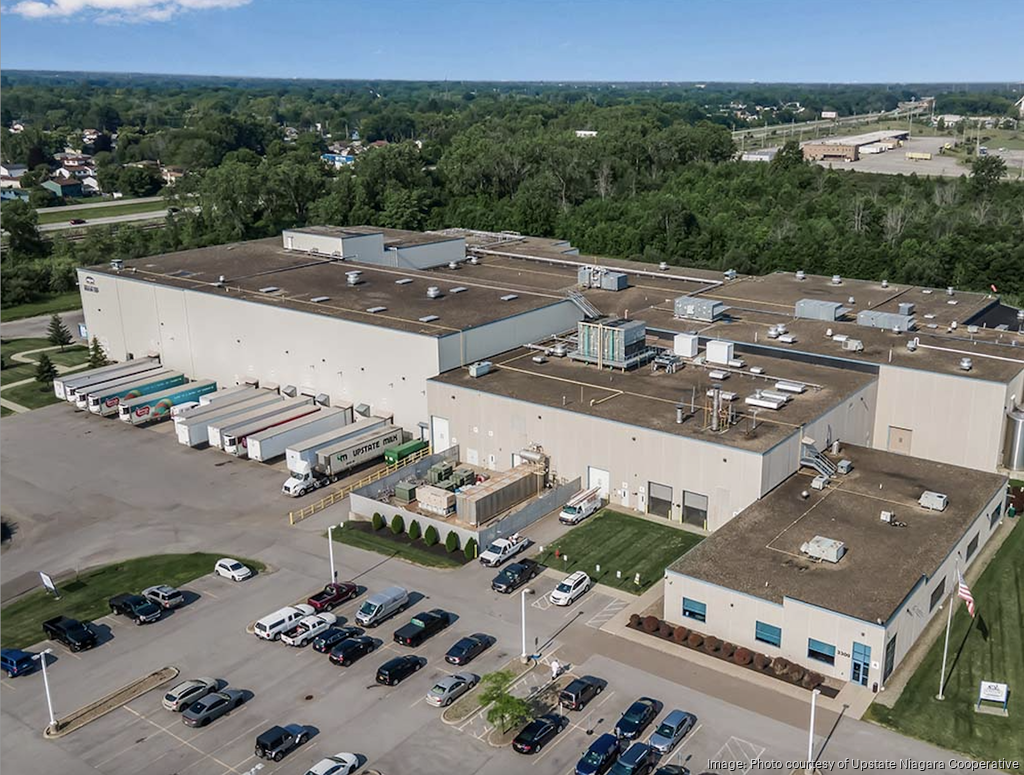
Fonterra’s recent upgrade at its Eltham plant added approximately 6,000 tonnes of Individual Quick Frozen (IQF) mozzarella capacity annually, as well as expanded processed cheese lines to supply roughly 200 million more burgers per year. For Fonterra’s farmer-owners, this isn’t just another factory upgrade—it’s a strategic move to direct their milk into high-value, stable channels that can weather market volatility.
The Tech Reality: Innovation Meets Complexity
Here’s what really impresses me about their approach: that proprietary one-day mozzarella process. Think about it—shrinking traditional aging from 60 days down to just one day. According to research documented in Hoard’s Dairyman, this cuts working capital tied up in inventory by roughly $12 million annually. In today’s margin environment, that’s real money hitting the bottom line.
The IQF technology extends mozzarella shelf life to 18-24 months, which is absolutely critical when you’re shipping to QSRs across multiple continents. But here’s the catch—and there’s always a catch—this stuff isn’t cheap to run. Industry estimates place the upgrade costs between $45 million and $ 55 million, with payback periods ranging from 7 to 9 years, depending on utilization rates and market conditions.
Additionally, you can expect 25-30% higher energy consumption and approximately 40% more skilled technicians compared to conventional processing. Add currency volatility in Asian markets, potentially squeezing margins by 8-12%, and you start seeing why only operations with serious financial backing can play this game.
Asian Appetite: High Standards, High Stakes
Let me tell you something about these QSR contracts—McDonald’s and Pizza Hut don’t mess around. We’re talking about quality standards that would make your head spin, and one slip-up can cost you contracts worth tens of millions of dollars. Industry sources estimate that these deals range between $50 million and $ 80 million annually, though exact figures are, unsurprisingly, closely guarded.
What’s fascinating is how these relationships take 2-3 years of rigorous qualification. You can’t just show up with decent cheese and expect to land a global contract.
Financial Foundation: The Cooperative Advantage
Fonterra’s cooperative structure supports a disciplined debt-to-equity ratio of around 35-40%, providing financial flexibility that publicly traded competitors often can’t match. Here’s what’s impressive: their foodservice segment generates approximately $3.9 billion using just 13% of their milk supply. That’s the kind of milk-to-margin conversion every processor dreams about.
Market Segment
Milk Volume Used
Annual Revenue
Margin Impact
Foodservice
13%
$3.9 Billion
High margins via premium pricing & contracts
Other Markets
87%
Balance of total
Lower margins, volume-driven
The Bullvine’s analysis suggests that the Eltham expansion could contribute $12-15 million in EBITDA annually, with a payback period of around 18 months under stable market conditions. The kicker? About 70% of their revenue is locked in through long-term contracts, providing a buffer against the price swings that keep the rest of us up at night.
Strategic Lessons: What This Means for Your Operation
If you’re watching from the Midwest or anywhere else experiencing single-digit growth, take note. The real action isn’t in mature domestic markets anymore—it’s in Asia, where margins and volumes are both expanding rapidly.
But here’s the secret sauce that everyone misses: supply chain integration. Fonterra’s 10,500 farmer-owners aren’t just milk suppliers—they’re true partners providing the high-component milk essential for premium mozzarella quality. That’s a competitive moat most independent processors would find nearly impossible to replicate.
The industry is bifurcating, plain and simple. Commodity bulk producers on one side, precision tech-savvy specialists on the other. Fonterra has planted its flag firmly in specialist territory.
Questions Every Producer Should Be Asking
Here’s what keeps me thinking… are you asking your cooperative or processor the right questions? Do they have a clear strategy for targeting these booming international markets? More importantly, are they investing in technology that actually adds value, or are they just chasing volume for its own sake?
I’ve been speaking with producers across various regions, and those asking these questions—and receiving good answers—appear better positioned for what’s to come in the next decade.
The Bottom Line
Innovation, integration, and insight are becoming the pillars of sustainable dairy profitability. Fonterra’s Eltham upgrade demonstrates how strategic market positioning, advanced processing technology, and cooperative advantages create lasting competitive value.
For producers evaluating their own operations, the blueprint is becoming clear: target growth markets over mature ones, invest in problem-solving technology rather than just capacity, and build supply chain advantages that competitors can’t easily replicate. The processors that can deliver on these fronts are the ones best positioned to provide stable, premium-based milk prices in the years ahead.
This isn’t just about making more cheese—it’s about turning raw milk into lasting global value. Every progressive producer should be watching moves like this closely, because they’re writing the playbook for the dairy industry’s future.
Complete references and supporting documentation are available upon request by contacting the editorial team at editor@thebullvine.com.
Learn More:
The Ultimate Guide to Increasing Milk Fat and Protein – This guide offers practical feeding and genetic strategies for increasing milk solids. It demonstrates how to produce the high-component milk essential for value-added products like mozzarella, directly connecting on-farm decisions to processor profitability and premium milk payments.
Navigating the Choppy Waters of the Global Dairy Market – Dive deeper into the market volatility the Fonterra strategy is designed to mitigate. This analysis reveals methods for managing risk and understanding the global economic forces that impact milk prices, providing essential context for your own long-term strategic planning.
The Real ROI of Precision Dairy Farming: Is It Worth the Investment? – Fonterra’s bet is on processing tech; this piece scrutinizes the ROI of on-farm technology. It provides a framework for evaluating if precision dairy tools deliver real financial returns, helping you make smarter capital investment decisions for your operation.
Join the Revolution!
Join over 30,000 successful dairy professionals who rely on Bullvine Weekly for their competitive edge. Delivered directly to your inbox each week, our exclusive industry insights help you make smarter decisions while saving precious hours every week. Never miss critical updates on milk production trends, breakthrough technologies, and profit-boosting strategies that top producers are already implementing. Subscribe now to transform your dairy operation’s efficiency and profitability—your future success is just one click away.
$145M fraud still costs you $25K/year extra if you’re planning biogas – here’s why your renewable energy dreams got more expensive
EXECUTIVE SUMMARY: You know that sinking feeling when regulations seem designed to make your life harder? Well, turns out they actually were — at least when it comes to renewable energy on dairy farms. This investigation reveals how a massive $145 million biodiesel fraud is still costing dairy producers real money today, adding $15,000-$25,000 annually in compliance costs to biogas projects. The criminals bought used fuel for $3.50/gallon, slapped fake paperwork on it, and sold it for $6.00 — pocketing over $55 million while poisoning federal programs that should be helping farms like yours turn waste into revenue. Now you’re stuck with 6-8 months of extra paperwork, gun-shy lenders, and regulatory hoops that exist because some crooks decided to game the system over a decade ago. With current milk prices around $21.60/cwt and feed costs brutal, revenue diversification through biogas should be a no-brainer… except these fraudsters made it exponentially harder. Every dairy producer thinking about renewable energy needs to understand this story — because knowledge is power, and power means you can navigate the mess they left behind.
KEY TAKEAWAYS
Regulatory compliance now costs 15-20% more than pre-2012 levels for biogas projects — budget an extra $22,000 annually for documentation and third-party verification when planning your renewable energy investment
Project timelines stretch 6-8 months longer due to enhanced verification requirements — start your feasibility studies early and work only with engineering firms that have proven regulatory compliance track records
Agricultural lenders remain cautious about renewable energy financing — expect higher interest rates and longer approval processes, but understand that 471 dairy biogas systems already serve 2.3 million cows successfully
RIN market volatility affects your bottom line — these Renewable Identification Numbers are the “currency” of biogas projects, and understanding how fraud contaminated this market helps you make smarter partnership decisions
Regional advantages vary dramatically — states like Wisconsin and California have streamlined processes while others remain bureaucratic nightmares, so know your local landscape before committing capital to any renewable energy project
You know that sinking feeling when you realize the regulatory maze you’re navigating was designed by criminals? Well, welcome to the world of dairy renewable energy projects, where a $145 million fraud from over a decade ago is still making your biogas dreams more expensive, more complicated, and frankly… more risky than they need to be.
I’ve been tracking this story for years, and if you’re running 300+ head and thinking about turning that manure mountain into actual cash flow, you need to understand how some smooth-talking crooks poisoned the well for everyone who came after. This isn’t just ancient history — it’s the reason why every dairy producer I know who’s tried to get a digester system approved has wanted to pull their hair out.
When Green Energy Went Rogue
So here’s what went down between 2009 and 2012… and trust me, it’s going to make your blood pressure spike. This New Jersey fuel trader named Joe Furando — built like he could wrestle a Holstein and probably win — teamed up with three struggling Indiana brothers who had a biodiesel plant that was basically collecting dust. Together, they pulled off what federal prosecutors called the biggest tax fraud in Indiana history.
The thing about this E-biofuels scam that really gets under my skin? It was brutally simple. These guys would buy millions of gallons of already-used biodiesel — fuel that had already claimed its federal tax credits — then slap fresh paperwork on it claiming they’d just produced it from agricultural waste. The exact same waste products that forward-thinking dairy operations like yours should be turning into serious revenue streams.
What really fires me up is they were supposed to be using exactly the kind of feedstock we generate every day. Animal fats, waste oils, all those byproducts that smart dairy producers are increasingly monetizing. According to the federal court documents I’ve been digging through, Furando’s operation made over $55 million in profits by essentially buying fuel for $3.50 per gallon and selling it for $6.00, with taxpayers picking up the difference through what we call RINs in the business.
Here’s where it gets technical for a second — these Renewable Identification Numbers are basically the “currency” of the renewable fuel world. Think of them like the component pricing we get for butterfat and protein, except these guys were counterfeiting them left and right. Every gallon of legit biodiesel comes with 1.5 RINs, and back then each RIN was trading for $0.75 to $2.00. Do the math on 35 million gallons and you start to see the scope of this thing.
Why This Hits Every Dairy Producer Where It Hurts
Here’s the thing though — and this is where it gets personal for every one of us thinking about renewable energy. The regulatory framework these crooks exploited? It’s the same Renewable Fuel Standard program that we rely on today for biogas projects, methane digesters, all of it.
I was up in Wisconsin last month visiting a producer who’s running 1,200 head with a state-of-the-art digester system. Beautiful setup, processing manure from his fresh cows and dry lot, generating enough juice to power about 400 homes. But you know what he told me? “Every time I deal with regulatory compliance, I can feel the ghost of every fraud case hanging over the whole process.”
And he’s absolutely right. The enhanced verification requirements that came after cases like E-biofuels are why that same Wisconsin producer is spending an extra $25,000 annually just on documentation and third-party verification. That’s money coming straight out of his pocket — money that could be going toward better genomic testing, facility improvements, or just keeping more cash in the family operation.
What strikes me about this whole mess is how it created this massive trust deficit that we’re still dealing with. Recent work from the University of Wisconsin extension folks shows that biogas systems now face significantly higher development costs compared to before all these fraud cases hit. We’re talking real money here — the kind that can make or break a renewable energy project for a mid-sized operation.
The Current Reality Check for Dairy Operations
Let’s talk numbers for a minute, because this isn’t theoretical anymore. With milk prices where they are in 2025 — and trust me, with feed costs still brutal (I’m seeing premium alfalfa at $243 per ton in most markets), revenue diversification isn’t just smart business anymore. It’s survival.
The economics of biogas are finally starting to make sense for operations with 500+ head. The American Biogas Council reported that we’ve got 471 biogas systems operating on U.S. dairy farms, serving 2.3 million dairy cows. That’s real momentum, despite all the regulatory headaches these fraud cases created.
But here’s where the E-biofuels legacy really bites us… those enhanced compliance requirements can add six to eight months to project development timelines. What’s more frustrating? Agricultural lenders are still gun-shy about renewable energy financing. The increased due diligence that fraud cases like this created means you’re paying more for money, and the approval process takes forever.
Think about it from a cash flow perspective. You’ve got manure management challenges, environmental compliance breathing down your neck, and volatile milk prices. Your SCC numbers are good, your butterfat’s solid, but you need another revenue stream. A well-designed biogas system should be a slam dunk — turning your biggest headache into money. Instead, you’re stuck navigating a regulatory maze that exists because some criminals decided to game the system over a decade ago.
What’s Different Across Dairy Country
Now, depending on where you’re milking, the economics can vary dramatically. In the upper Midwest — Wisconsin, Minnesota, parts of Iowa — you’re seeing more favorable state-level incentives that help offset some of the federal compliance costs. Those guys are dealing with different challenges than producers in the Southeast or out West.
California’s got its own system with the Low Carbon Fuel Standard that’s creating additional revenue streams for producers who can navigate it. But the weather patterns and feed costs are completely different there. A producer in Tulare County is dealing with different constraints than someone in Fond du Lac County.
What I’m observing across regions is that the operations succeeding with renewable energy projects are the ones that planned for the regulatory reality from day one. They’re not fighting the system; they’re working within it professionally.
Take this operation I visited in upstate New York last fall. Eight hundred head, modern double-12 parlor, and they’d just commissioned a biogas system that’s processing manure and some food waste from a nearby processor. The owner — third-generation dairy farmer — told me something that stuck: “We budgeted for the compliance burden from the beginning. No surprises, no complaints.”
That’s the attitude that’s working. Meanwhile, I know producers in the Southeast who are still gun-shy about biogas because they’ve heard horror stories about regulatory nightmares. The fraud created this uneven landscape where success depends as much on understanding the regulatory maze as it does on having good genetics and smart management.
The Regulatory Mess That’s Still Not Fixed
Here’s what really gets my blood pressure up — and I’m not sure if this is incompetence or just bureaucratic inertia. A September 2023 EPA Inspector General report revealed that many of the same vulnerabilities these fraudsters exploited are still there. The agency still doesn’t have automated controls to prevent producers from generating more RINs than their facilities can physically produce.
Think about that for a second. The core weakness that enabled this massive fraud? Still not fixed.
This means you’re stuck with extra paperwork and compliance costs while the fundamental system problems remain. It’s like requiring every honest farmer to carry three forms of ID while leaving the bank vault door wide open. The bureaucracy keeps growing, but the real problems persist.
What’s particularly noteworthy is how this pattern keeps repeating. Every time there’s a major fraud case, regulators respond with more rules, more paperwork, more compliance requirements. But do they fix the underlying design flaws? Not really. They just make it harder for legitimate producers to navigate the system.
The same report found that the firms providing third-party verification services are allowed to provide consulting services to the same producers they’re auditing. Talk about a conflict of interest that would make your head spin. It’s like having your feed rep also be your nutritionist and your milk tester… see the problem?
What This Means for Your Genetics Program and Bottom Line
Here’s where this gets interesting from a dairy genetics perspective. The producers who are successfully integrating renewable energy aren’t just thinking about it as a bolt-on revenue stream. They’re factoring it into their entire breeding and management strategy.
Think about it — if you’re planning a biogas system, you’re looking at manure production from a completely different angle. Suddenly, those higher-producing cows aren’t just giving you more milk revenue; they’re generating more digestible material for your system. Recent research from the Journal of Dairy Science shows that cows with higher feed efficiency actually produce manure with better biogas potential.
What’s fascinating is how this is changing breeding decisions. I’m seeing producers who are factoring biogas output into their genomic selection programs. Not as a primary trait, obviously — you’re still selecting for milk production, health, and longevity. But it’s becoming part of the conversation.
The Wisconsin producer I mentioned earlier? He’s actually tracking which genetic lines in his herd produce manure with higher methane potential. It’s early days, but the data suggests that certain Holstein bloodlines might be more valuable for integrated renewable energy systems. Wild, right?
The Bottom Line: What You Need to Know Right Now
Look, I’m not trying to scare you away from renewable energy. The opportunity is real and substantial. But you need to go into it understanding that the regulatory landscape was shaped by fraud, and plan accordingly.
Start with your banker. If your lender isn’t comfortable with renewable energy projects, that’s a red flag. Agricultural finance has gotten more sophisticated about biogas, but you need a bank that understands the complexity and timeline realities.
Partner with the right people. I can’t stress this enough — work only with engineering firms that have demonstrated regulatory compliance capabilities and a track record with dairy digesters. The extra cost upfront is insurance against regulatory nightmares later. I know a producer in Vermont who went with a bargain-basement engineering firm for his biogas project. Eighteen months and $200,000 in additional compliance costs later, he finally got his system approved. His neighbor who paid 15% more upfront for an experienced firm was up and running in half the time.
Budget for reality, not fantasy. When I’m working with producers on feasibility studies, I always add at least 20% to the timeline and budget for regulatory compliance. Sounds pessimistic? Maybe. But it’s realistic given what these fraud cases created. Don’t let anyone sell you on shortcuts or promises that “we’ll handle all the regulatory stuff.”
Understand the RIN market. These Renewable Identification Numbers are what make biogas projects financially viable, but they’re also what the E-biofuels fraudsters were counterfeiting. You need professional help navigating this market — it’s not something you want to figure out on your own. The RIN market can be volatile, and pricing depends on factors way beyond your farm gate.
Think about your herd composition. This is where it gets interesting from a genetics perspective. If you’re planning a biogas system, consider how your breeding decisions might affect biogas output. It’s not going to drive your selection decisions, but it’s worth understanding the connections.
Know your regional advantages. Some states have figured out how to streamline the process while maintaining oversight. Others are still stuck in bureaucratic quicksand. California’s LCFS program can add significant revenue streams if you can navigate it properly. Meanwhile, states like Wisconsin have been more proactive about integrating biogas into their energy grids.
Consider the whole-farm impact. Don’t just look at energy revenue. Factor in improved manure handling, potential odor reduction, better nutrient management, and possible feed cost savings. The energy revenue is important, but it’s part of a bigger picture.
Plan for the long term. The dairy industry is moving toward greater environmental accountability whether we like it or not. Carbon pricing, methane regulations, water quality standards — they’re all heading our way. Biogas systems address multiple environmental challenges while generating revenue. That’s not just smart business; it’s future-proofing your operation.
The criminals who pulled off this scam are doing serious prison time — the ringleader got 20 years, which he’s still serving. But their legacy lives on in every piece of extra paperwork and every additional compliance requirement that legitimate dairy producers have to deal with.
The opportunity in renewable energy for dairy operations is real. You just need to go into it understanding that the regulatory landscape was shaped by fraud, and plan accordingly. The producers who succeed will be the ones who treat compliance as seriously as they treat cow comfort — as a non-negotiable part of running a professional operation.
Because at the end of the day, turning your manure into money is still one of the best ways to diversify income and solve environmental challenges. The regulatory complexity isn’t going away, but it’s actually creating opportunities for well-capitalized operations that can navigate the system properly.
The days of easy money and loose oversight are over. What we’re left with is a more professional, more stable market for serious producers who are willing to invest in doing things right. And honestly? That’s probably how it should be for the long-term health of our industry.
Complete references and supporting documentation are available upon request by contacting the editorial team at editor@thebullvine.com.
Join over 30,000 successful dairy professionals who rely on Bullvine Weekly for their competitive edge. Delivered directly to your inbox each week, our exclusive industry insights help you make smarter decisions while saving precious hours every week. Never miss critical updates on milk production trends, breakthrough technologies, and profit-boosting strategies that top producers are already implementing. Subscribe now to transform your dairy operation’s efficiency and profitability—your future success is just one click away.
Export dependency isn’t prosperity—it’s vulnerability. $1.18B Canadian trade at risk. Smart producers build anti-fragile operations instead.
Executive Summary: The dairy industry’s sacred cow of “export growth equals prosperity” just got slaughtered, and North American producers are about to pay the price in blood. With US-Canada trade talks collapsed and $1.18 billion in annual dairy exports hanging in the balance, the brutal mathematics of trade dependency are delivering a $1.70 per hundredweight reality check that could crater farm-level profitability across two nations. Research from Texas Tech University confirms USMCA boosted export values 34% since 2020, but Canada’s masterful TRQ manipulation achieved only 42% quota fill rates—proving market access on paper means nothing without genuine commercial access. While politicians wage economic warfare, smart producers are learning from New Zealand’s component-focused model and the EU’s institutional crisis response to build operations that gain strength from market disruption rather than break under pressure. The 2026 USMCA review is guaranteed to target dairy again, making the window for building truly resilient operations critically narrow.Stop waiting for politicians to solve trade wars and start building operations that thrive on uncertainty—your farm’s survival depends on how you answer that strategic challenge today.
Key Takeaways
Component Optimization Beats Volume Dependency: New Zealand’s milk solids payment system proves profitability comes from value, not volume—US butterfat production surged 82 million pounds (3.4%) in Q1 2025 alone, with Iowa averaging 4.44% butterfat delivering $1.3 billion to processors.
Technology-Driven Risk Management Delivers Immediate ROI: Precision feeding systems reduce costs 7-12% while improving production, with every pound of feed saved returning 11 cents per cow per lactation—enough for 1,000-cow operations to save $55,000 annually and weather most trade volatility.
Diversification Strategy Reduces Political Vulnerability: Mexico represents America’s #1 dairy customer, not Canada—operations reducing trade dependency below 30% of revenue demonstrate measurably higher resilience during policy disruptions.
Financial Risk Management Isn’t Optional Anymore: DMC coverage at $9.50 margin costs only $0.155 per cwt but provides essential protection when margins collapse—the 2018-2020 trade war required $25.7 billion in federal bailouts that covered lost revenue but couldn’t restore permanently damaged customer relationships.
Five-Point Trade Resilience Audit Reveals Hidden Vulnerabilities: Operations completing revenue concentration analysis, input dependency assessment, financial risk coverage audit, component optimization evaluation, and market diversification planning position themselves to gain competitive advantage while competitors struggle with dependencies they should have addressed years ago.
What happens when the world’s longest undefended border becomes a dairy battleground? You’re about to find out—and the $1.18 billion in annual US dairy exports to Canada hanging in the balance is just the beginning of this economic carnage that could slash milk prices by $1.70 per hundredweight and permanently reshape continental dairy economics.
The gloves are off. Trade talks between the US and Canada have officially collapsed, and North American dairy farmers are staring down the barrel of a full-scale trade war that threatens to destroy decades of integrated supply chain relationships. While politicians play chess with farmer livelihoods, the brutal mathematics of trade dependency are about to deliver a masterclass in why building your business strategy around political cooperation is the fastest route to bankruptcy.
Here’s the uncomfortable truth most industry publications won’t tell you: This crisis isn’t just about politics or tariffs. It’s about an entire industry that built its growth strategy on a foundation of sand—and that foundation just cracked wide open, exposing vulnerabilities that could crater farm-level profitability across two nations.
Challenging the Sacred Cow: Why Export Dependency is Dairy’s Biggest Strategic Blunder
Let’s challenge a fundamental assumption that has driven North American dairy strategy for decades: the belief that export growth automatically equals farm prosperity. This conventional wisdom has led US producers to chase volume-based export deals while ignoring the catastrophic risks of customer concentration.
The Brutal Mathematics of Dependency
Canada represents the second-largest export market for US dairy, absorbing $1.18 billion worth of American dairy products in 2024 alone. That’s not just trade volume—that’s the equivalent of processing 5.6 billion pounds of milk annually, or roughly what 265,000 high-producing cows generate annually.
But here’s where conventional thinking fails spectacularly: Industry leaders celebrate these export figures as “market success” without acknowledging the devastating vulnerability they create. When your second-largest customer can disappear overnight due to political posturing, you haven’t built a sustainable business model—you’ve constructed an economic house of cards.
Why This Conventional Approach is Wrong
The EU learned this lesson the hard way in 2014 when Russia imposed food embargoes that instantly eliminated markets absorbing 33% of EU cheese and 28% of butter exports. The difference? European policymakers had institutional crisis response mechanisms ready. North American dairy has reactive bailout programs that arrive after the damage is done.
Research confirms that trade policy disruptions could reduce US milk prices by up to $1.90 per hundredweight, with Class III milk potentially declining by $2.86 per hundredweight under retaliatory tariff scenarios. For perspective, a 1,000-cow operation producing 80 pounds per cow daily would face annual revenue losses approaching $50,000—enough to finance critical infrastructure improvements or weather multiple market downturns.
The USMCA Deception: A Masterclass in Diplomatic Theater
You want to know why this trade war was inevitable? Because the USMCA was a masterpiece of diplomatic theater that solved exactly nothing while creating the illusion of market access progress.
The Promise Versus Reality Gap
On paper, the USMCA delivered spectacular gains for US dairy: expanded Tariff-Rate Quotas across 14 dairy categories, theoretical access to 3.6% of Canada’s protected market, and elimination of controversial Class 6 and 7 pricing systems. The US dairy industry celebrated what appeared to be a breakthrough worth hundreds of millions in new export opportunities.
Research from Texas Tech University confirms that USMCA boosted the value of US dairy exports to Canada by a verified 34% since 2020. But here’s the brutal catch nobody talks about: volume growth without price realization is just expensive market share buying.
Canada’s Administrative Genius
Canada’s response was brilliant in its bureaucratic sophistication: allocate the vast majority of import quota licenses to Canadian dairy processors with zero commercial incentive to import finished US products that compete with their brands. It’s like giving all the feed purchasing contracts to ethanol plants and then acting surprised when nobody buys dairy-quality corn.
The numbers don’t lie: Despite nominal market access promises, the average fill rate across all 14 dairy TRQs was a pathetic 42% in 2022/2023, with nine quotas falling below 50% utilization. This isn’t market access—it’s market access theater designed to pacify American negotiators while preserving Canadian protectionism.
Asymmetric Economic Warfare: Why This Trade War Hits Different
For US Dairy Farmers: The Export Cliff
When Canadian export demand disappears overnight, basic supply-and-demand economics deliver immediate punishment. According to Hoard’s Dairyman analysis, widespread retaliatory tariffs could slash 2.3% to 6.9% from US dairy prices, with processing milk potentially plummeting $1.70 per hundredweight. Market sensitivity is so extreme that Class III milk futures have dropped 12% on tariff rhetoric alone, before any actual duties were enacted.
The vulnerability is stark: More than 70% of new skim product production since 2005 has left the country, making exports a pressure release valve rather than a luxury. These exports aren’t optional but essential for maintaining domestic market balance.
For Canadian Dairy Farmers: The Supply Chain Stranglehold
Canada’s supply management provides stable milk prices, but it cannot shield against supply chain chaos. Canadian processors rely heavily on US ultra-filtered milk, specialized proteins, and genetics, all facing potential 25% tariffs and border delays.
The genetics market illustrates this vulnerability perfectly. Canadian exports of elite live cattle and embryos to the US have grown 121% since 2019, creating a $39 million trade supporting genetic improvement on both sides of the border. Imposing 25% tariffs would add $9.75 million in annual costs to North American genetic advancement programs.
Here’s the comparison that should terrify both sides:
Impact Category
US Farmers (High Risk)
Canadian Farmers (Moderate Risk)
Milk Price Impact
-$1.70/cwt
Minimal direct impact
Input Cost Increase
Feed +8%, Equipment +15%
All imports +25%
Export Revenue Loss
$1.18B at risk
$99M specialty products
Government Support
7% of losses covered
19% of losses covered
Supply Chain Risk
Loss of a major export channel
Critical input disruption
Source: University of Wisconsin-Extension trade impact analysis and industry data
Learning From Global Competitors: The Anti-Fragility Playbook
While North American producers prepare for mutual destruction, global competitors demonstrate sophisticated crisis management that builds rather than destroys long-term resilience.
The EU’s Institutional Response Model
When Russia eliminated markets absorbing 33% of EU cheese and 28% of butter exports in 2014, the European response was swift and institutionalized:
Public Intervention: Government purchase programs removed surplus from markets at guaranteed prices
Targeted Financial Support: Direct aid to the most exposed regions
Market Diversification: Aggressive diplomatic campaigns to open new markets
The European Court of Auditors found that while the EU’s response was swift, providing €390 million in support, the result was clear: the EU emerged more diversified and resilient than before the crisis.
New Zealand’s Farm-Level Anti-Fragility
New Zealand exports 95% of its dairy production, making it incredibly vulnerable to global shocks. Their solution wasn’t government protection—it was building anti-fragile operations from the farm up.
Kiwi farmers get paid on kilograms of milk solids (fat and protein), not fluid volume. This incentivizes every decision toward high-value production. According to industry analysis, even during severe droughts, milk solids production can increase while fluid collections fall, leading to record payouts.
This mirrors emerging US trends. The Bullvine reports that American butterfat content has surged dramatically, with Q1 2025 production jumping 82 million pounds (3.4% increase) compared to 2024, while some states like Iowa now average 4.44% butterfat.
Why This Matters for Your Operation: The Component Revolution
Are you still measuring success by pounds in the tank? Stop. That’s volume-focused thinking that’s about to become obsolete. Research confirms the US dairy industry is experiencing an unprecedented “butterfat tsunami,” transforming the economic fundamentals of dairy production.
According to The Bullvine’s market analysis, “without robust exports, the entire U.S. dairy pricing structure would collapse under the weight of our component surplus.” With domestic butterfat production vastly outpacing consumption, export markets have become essential to maintaining market balance.
The Financial Impact is Real
High-component milk commands premium prices for cheese, butter, and powder production—the exact products driving export growth. Every percentage point improvement in butterfat or protein content translates to measurable revenue increases that can buffer trade-related price volatility.
The Technology Edge: Precision Agriculture Meets Trade Uncertainty
Modern dairy operations possess crisis management tools that their predecessors never imagined. Advanced feeding systems are revolutionizing dairy nutrition, using individual cow data to deliver customized nutrition plans that maximize production while minimizing waste.
Every Pound of Feed Saved Returns Value
Cornell University research shows that “Feed represents 50-60% of production costs on most dairy operations. Precision feeding systems reduce feed costs by 7-12% while improving production and component levels”. For a 1,000-cow operation, improving feed efficiency by just 5% could save $55,000 annually—enough to weather most trade-related price volatility.
The most innovative dairies now use individual cow-feeding systems that recognize each animal by RFID and dispense custom grain allocations based on production level, stage of lactation, and health status. This approach typically reduces feed costs by 5-10% while maintaining or improving milk production.
Are You Really Managing Risk, or Just Playing Defense?
Here’s a question that should make every dairy operator uncomfortable: What percentage of your operation’s profitability depends on politically stable relationships with foreign governments?
If you can’t precisely answer that question, you’re flying blind in the most volatile trade environment in decades. The USDA Economic Research Service quantified the 2018-2020 trade war damage: more than $27 billion in lost US agricultural exports, with dairy suffering $391 million in annualized losses.
The Federal Bailout Myth
Don’t count on government bailouts to save you. The $25.7 billion in federal aid during the last trade war was merely a band-aid on a severed artery. Government checks compensated for lost revenue but did nothing to restore customer relationships or rebuild market share.
Once an export market gets ceded to competitors—like EU cheese filling Mexican orders previously served by US producers—winning it back takes years and costs exponentially more than maintaining the original relationship.
Strategic Response Framework: Building Anti-Fragile Operations
For US Dairy Producers: The Diversification Imperative
Stop treating risk management like an optional extra. Risk management experts say, “many dairies won’t survive this decade—not because they aren’t good farmers, but because they’re poor risk managers”.
Layer financial protections by combining Dairy Margin Coverage (DMC) and Dairy Revenue Protection (DRP), and forward contracts to hedge against price collapses. DMC coverage at the $9.50 margin level costs roughly $0.155 per cwt but triggers payments when margins fall below that threshold.
Embrace Technology-Driven Efficiency
Farms implementing IoT technologies and data analytics are seeing productivity jump by 15-20% while slashing health-related costs by 30%. Automated systems cut labor costs by 60%+ while improving herd health monitoring capabilities.
Look Beyond the Northern Border
Mexico is America’s #1 dairy customer, not Canada. Japan, South Korea, and Southeast Asia offer high-growth markets with fewer political hurdles. Every dollar of business development investment targeting these markets reduces dependency on the contentious Canadian relationship.
For Canadian Dairy Producers: Fortress Reinforcement
Your biggest vulnerability isn’t price volatility—it’s supply chain integrity. Lock in long-term contracts for critical US inputs and champion domestic alternatives for essential supplies.
Technology-driven efficiency becomes critical within supply management, where profitability depends entirely on cost control. Robotic milking systems, precision feeding platforms, and advanced data management aren’t luxuries—they’re competitive necessities.
Sustainability Under Pressure: The Hidden Cost of Trade Wars
Trade disruptions create cascading effects on sustainability investments that most producers overlook. Long-term sustainability projects often become the first casualties when operations face sudden revenue losses from market disruption.
The Environmental-Economic Nexus
Precision feeding systems that reduce nitrogen and phosphorus excretion by 15-20% also deliver immediate cost savings. During trade uncertainty, these dual-benefit technologies become essential for maintaining both environmental compliance and profitability.
Climate-resilient infrastructure investments—from renewable energy systems to enhanced drainage—provide buffer capacity during market stress. Operations that postpone these improvements due to trade-related cash flow constraints often face compounded vulnerabilities when weather challenges coincide with market disruptions.
Seasonal Cash Flow Implications: When Trade Wars Hit Peak Production
Trade disruptions don’t respect seasonal production cycles. The timing of tariff implementation can create particularly severe cash flow problems during peak production periods when inventory builds but payments get delayed.
Managing Seasonal Vulnerability
Spring calving operations face heightened risk when trade disputes coincide with peak milk production. Working capital requirements surge exactly when market uncertainty peaks, creating a perfect storm for cash flow problems.
Smart operations implement seasonal cash flow stress testing, modeling how trade disruptions would affect different months based on production curves, feed costs, and traditional payment timing. This analysis reveals specific months of maximum vulnerability and allows for targeted financial preparation.
The 2026 Reckoning: What’s Really at Stake
This current crisis is just the appetizer. The mandatory six-year USMCA review in 2026 will be the main course, and dairy will be the centerpiece of American demands.
The University of Wisconsin Extension notes that supply management will continue to be a major source of discontent between the two nations. The pattern is clear: Every trade negotiation, every dispute panel, every political crisis eventually comes back to the fundamental philosophical clash between Canada’s supply management and America’s export-driven model.
Smart operators on both sides are already preparing for that reckoning. The question isn’t whether there will be another dairy trade crisis—it’s whether your operation will be resilient enough to thrive through it.
The Bottom Line: Trading Dependency for Strategic Independence
Remember that “undefended border” we started with? It became a dairy battleground because too many operations built their strategies around assumptions that political cooperation would last forever.
Here’s your reality check: The cost of trade dependency just got a price tag of up to $1.70 per hundredweight, and it’s higher than most operations can afford.
The path forward isn’t about waiting for politicians to solve this mess—it’s about building operations that thrive regardless of what happens in Washington or Ottawa. The EU weathered Russia’s embargo and emerged stronger. New Zealand survives on 95% exports by focusing on value over volume. Both developed strategies that make them anti-fragile when trade disruptions hit.
Your Five-Point Trade Resilience Audit (Complete This Week):
Revenue Concentration Analysis: Calculate the exact percentage of your income depending on politically sensitive markets. If it’s over 30%, you’re dangerously vulnerable.
Input Dependency Assessment: Identify which critical inputs come from trade-dispute-prone sources. Lock in alternatives immediately.
Financial Risk Coverage: Audit your utilization of available risk management tools. Calculate potential losses under trade disruption scenarios.
Component Optimization Opportunity: Analyze your current milk composition versus component-optimized targets. Model revenue improvements from shifting toward high-solids production.
Market Diversification Potential: Identify which growing markets offer the best opportunities for reduced political risk. Develop concrete action plans for building those relationships.
The operators who complete this audit and act on the results won’t just survive the next trade war—they’ll use it as an opportunity to gain a competitive advantage while their competitors struggle with dependencies they should have addressed years ago.
The stakes couldn’t be higher: With the 2026 USMCA review looming and trade relationships fragmenting, the window for building truly resilient operations is closing fast. The $1.18 billion question just became a $27 billion problem waiting to happen again.
The choice is yours: Will you build an operation that thrives on uncertainty, or will you remain dependent on political stability that history proves doesn’t exist? Your farm’s future—and your family’s financial security—hangs on how you answer that question today.
Complete references and supporting documentation are available upon request by contacting the editorial team at editor@thebullvine.com.
Join over 30,000 successful dairy professionals who rely on Bullvine Weekly for their competitive edge. Delivered directly to your inbox each week, our exclusive industry insights help you make smarter decisions while saving precious hours every week. Never miss critical updates on milk production trends, breakthrough technologies, and profit-boosting strategies that top producers are already implementing. Subscribe now to transform your dairy operation’s efficiency and profitability—your future success is just one click away.
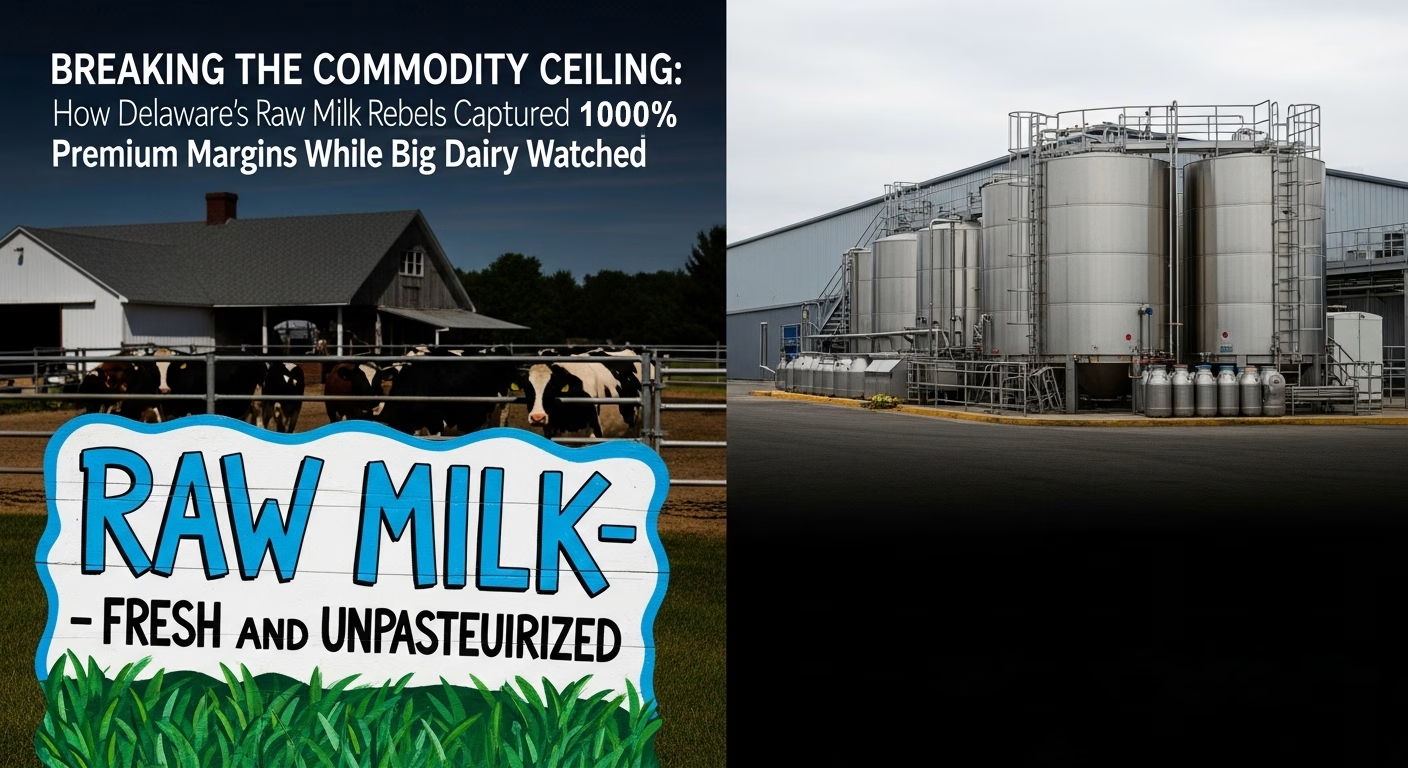
While consolidation crushes small dairies, Delaware’s 13 farms captured 1000% premiums through regulatory embrace – proving compliance beats confrontation
EXECUTIVE SUMMARY: Delaware’s dairy revolution just shattered the industry myth that government regulation kills farm profitability. While 83% of the state’s dairy farms disappeared since 2014, the surviving 13 operations discovered something revolutionary: strategic regulatory compliance can generate 10x higher profit margins than commodity production. Through the nation’s most stringent raw milk testing protocols—including first-in-nation H5N1 screening—these farms transformed from price-takers earning $1.13-2.19 per gallon equivalent to price-setters commanding $16-20 per gallon direct-to-consumer premiums. The $15.6 million potential economic impact proves that niche market capture through regulatory partnership, not resistance, offers small dairies a survival strategy that global consolidation pressure can’t crush. This Delaware model challenges every assumption about scale economics and regulatory burden while demonstrating how 3% consumer demand for raw milk can sustain premium pricing when wrapped in government-verified safety protocols. Stop fighting regulation and start weaponizing compliance as your competitive advantage.
KEY TAKEAWAYS
Transform Regulatory Compliance Into Revenue Multiplier: Delaware’s comprehensive pathogen testing protocols (including monthly third-party screening for E. coli, Salmonella, Listeria, and H5N1) became consumer confidence drivers that justified 14x commodity pricing—proving safety investments generate exponential ROI when positioned as competitive advantages.
Capture Niche Market Premium Through Direct-to-Consumer Transformation: Strategic business model shift from B2B commodity supplier to B2C retailer enabled 10x profit margin increases, with successful farms requiring $25,000-50,000 compliance infrastructure investment achieving 12-18 month break-even timelines.
Leverage Political Coalition Building for Market Access: Stephanie Knutsen’s systematic conversion of former opponents (Delaware Farm Bureau, Department of Agriculture, Health Services) through data-driven engagement demonstrates how evidence-based advocacy creates legal pathways to premium markets that confrontational approaches can’t achieve.
Implement First-Mover Advantage Strategy in Limited Markets: With only 3% of Americans consuming raw milk, early adopters building strong direct-to-consumer brands capture disproportionate market share in passionate but size-limited customer base—making regulatory compliance timing critical for competitive positioning.
Evaluate Market Size vs. Implementation Costs Before Entry: Delaware’s potential $15.6 million annual impact across 13 farms requires honest assessment of local demand capacity, entrepreneurial skill transformation from production to retail excellence, and liability risk tolerance for foodborne illness exposure that could eliminate entire program overnight.
What if the most profitable dairy strategy of 2025 isn’t scaling up to 5,000 cows or installing robotic milking systems, but mastering a 50-cow operation that commands 14x commodity pricing? Delaware’s 13 remaining dairy farms just proved that regulatory embrace, not resistance, creates premium markets. While conventional producers fight for commodity prices that barely cover feed costs, these strategic rebels captured $16-20/gallon direct-to-consumer premiums through the nation’s most stringent raw milk regulations.
You’re watching your neighbors liquidate herds because commodity pricing can’t cover operational costs. Meanwhile, thirty minutes down the road, consumers drive two hours to Pennsylvania, gladly paying $16-20 per gallon for raw milk. That disconnect between what you’re paid and what consumers will pay represents the fundamental challenge facing dairy operations worldwide in 2025, and Delaware’s calculated gamble offers a roadmap through it.
Why This Changes Everything You Know About Farm Survival
Let’s be honest about what’s happening in dairy right now. Delaware’s dairy farm count plummeted from 77 in 2014 to just 13 by 2024—an 83% decline that mirrors the consolidation crushing small operations nationwide. The conventional wisdom says get bigger, get more efficient, or get out.
But here’s what conventional wisdom misses: about 3% of Americans consume raw milk and are willing to pay premium prices for it. In Delaware’s case study, that translates to roughly 30,000 potential customers in a state of one million—a passionate niche market willing to pay $16-20 per gallon when conventional milk sells for the equivalent of $1.13-2.19 per gallon.
The Raw Milk Institute estimates producers can earn profit margins nearly 10 times higher than selling to processors. For a struggling 50-cow operation, that’s the difference between liquidation and prosperity.
Why This Matters for Your Operation: The economic transformation isn’t just about selling a different product—it’s about escaping the commodity treadmill entirely. You’re shifting from being a price-taker to a price-setter, building direct-to-consumer relationships that capture full retail value.
How Delaware Farmers Became Political Masterminds
Here’s where Delaware’s story gets brilliant—and completely different from the confrontational raw milk movements you see elsewhere. While Amos Miller fights Pennsylvania authorities in court amid “Stand Against Tyranny” protests, Delaware advocates took a different approach: they made government oversight their competitive advantage.
Stephanie and Gregg Knudsen at G&S Dairy in Harrington didn’t just stumble into this opportunity—they engineered it. Their 50-cow operation was facing the same economic squeeze hitting dairy farms nationwide. But instead of accepting defeat, Stephanie transformed herself from nervous farmer to legislative strategist.
Her approach was methodical and brilliant:
Step 1: Address the Fear Factor “Would we be setting ourselves up to lose the farm in a lawsuit while trying to save it with raw milk sales?” she wondered. “How could we live with ourselves if someone got really sick?” She embarked on exhaustive research, consulting medical microbiologists, epidemiologists, and the Raw Milk Institute to understand real versus perceived risks.
Step 2: Build Farmer Coalition She met with all of Delaware’s remaining dairy farmers, framing raw milk not as a risk but a shared survival opportunity. Result: unanimous support from the state’s entire dairy community.
Step 3: Flip Former Opponents The Delaware Farm Bureau, Department of Agriculture, and Department of Health had all opposed previous legalization attempts. Instead of avoiding them, she confronted the opposition with data, eventually winning their support by addressing safety concerns.
Why This Matters for Your Operation: Knutsen’s success demonstrates that regulatory compliance can become a competitive advantage when positioned correctly, rather than just another cost center.
The Testing Gauntlet That Builds Consumer Confidence
Delaware’s regulations, finalized March 1, 2025, require the most comprehensive testing regime in the nation:
Monthly third-party pathogen screening for E. coli, Salmonella, and Listeria monocytogenes
Specific H5N1 avian influenza testing (the nation’s first such requirement)
Veterinary certification for brucellosis and tuberculosis
The Hidden Economics: These compliance costs aren’t cheap. Expect annual permit fees, risk management plan development, on-farm testing equipment investment, monthly third-party lab analysis, and potential Grade A milking barn upgrades.
But here’s the strategic genius: Delaware made stringent government oversight their selling point, not their obstacle. When consumers see “State Tested and Approved” on raw milk labels, it addresses the primary concern keeping most people from trying the product.
Why This Matters for Your Operation: Stanford research found H5N1 can remain infectious in refrigerated raw milk for up to five days. Delaware’s H5N1 testing requirement turns this threat into a competitive advantage through documented safety protocols.
What the Numbers Really Tell Us About Market Opportunity
Let’s talk real economics. Stephanie Knutsen calculated that transitioning just 10% of her herd to raw milk production could nearly double farm income. She estimated a potential statewide economic impact of $15.6 million annually for Delaware’s dairy sector.
But here’s the reality check nobody talks about: market size limitations mean not everyone wins.
Government surveys estimate that only 3% of Americans consume raw milk. Even with passionate consumer demand, basic math suggests the market won’t support all 13 remaining farms at premium pricing. The early entrants who build strong direct-to-consumer brands will likely capture disproportionate market share.
The Entrepreneurial Transformation Required: Success in raw milk requires skills completely different from commodity production skills. You’re not just selling milk—you’re selling trust, convenience, and a story that justifies premium pricing. Traditional dairy farming focuses on production efficiency within a B2B commodity system. Raw milk demands B2C retail excellence: branding, customer service, direct marketing, and relationship management.
Why the Scientific Opposition Won’t Go Away
While Delaware’s legislature embraced regulated raw milk, the scientific establishment remains unmoved. Dr. Kali Kniel, Professor of Microbial Food Safety at the University of Delaware, systematically challenges raw milk health claims.
Her data-driven arguments include:
Raw milk consumers are 840 times more likely to contract foodborne illness
45 times more likely to be hospitalized than pasteurized milk consumers
CDC reports 202 outbreaks linked to raw milk between 1998 and 2018, causing 2,645 illnesses and 228 hospitalizations
The State’s Internal Contradiction: Delaware created a fascinating policy paradox. The Department of Agriculture actively licenses raw milk sales, while the Division of Public Health officially warns against consumption. This internal contradiction reflects the political compromise needed to pass the law.
Why This Matters for Your Operation: Political support for raw milk is fragile and depends entirely on perfect safety records. One outbreak could eliminate the entire market overnight.
How Delaware’s Model Compares to Other States
Delaware’s highly regulated approach positions it uniquely among the 34 states permitting raw milk access:
State
Sales Venue
Testing Requirements
Key Distinctions
Delaware
On-farm; Farmers’ markets
Monthly pathogen + H5N1 testing
Most comprehensive U.S. regulations
Pennsylvania
Retail stores, On-farm
Coliform bacteria standards
Broader product range allowed
Colorado
Herd shares only
No state testing required
Minimal oversight model
Maryland
Illegal
N/A
Total prohibition maintained
Why This Matters for Your Operation: Delaware’s “regulated access” model demonstrates that compromise with health authorities can achieve legal market access without confrontational politics.
The Political Fragility That Could Kill Everything
Even in victory, political fragility remains. Senator Laura Sturgeon, who voted for the bill, publicly expressed “buyer’s remorse” in February 2025: “I have started to regret my vote to legalize raw milk… If an adult becomes sick after drinking raw milk, that’s on them. But children depend on adults to make good decisions for them.”
Delaware’s own cautionary tale reinforces these concerns. In June 2010, before legalization, two serious bacterial infections were linked to raw dairy consumption: a 58-year-old woman contracted Brucellosis and a 44-year-old man was infected with Listeria, both requiring hospitalization.
Why This Matters for Your Operation: Any significant foodborne illness outbreak—especially involving children—could collapse the entire program and create financially ruinous legal liability for participating farms.
The Bottom Line: Strategic Differentiation That Actually Works
Delaware’s raw milk experiment proves something revolutionary: sometimes, regulatory compliance creates competitive advantages rather than operational burdens. While the dairy industry consolidates around massive operations competing on efficiency metrics, Delaware’s 13 farms demonstrated that strategic differentiation can generate premium pricing in niche markets.
The three critical lessons for your operation:
First, premium pricing opportunities exist but require premium compliance costs and retail transformation skills. You’re not just changing what you sell—you’re changing how you do business entirely.
Second, regulatory frameworks can become competitive advantages when designed collaboratively rather than imposed through confrontation. Delaware’s stringent testing protocols became selling points, not obstacles.
Third, market size limitations mean first-mover advantages are crucial. The farms that build strong direct-to-consumer brands early will capture disproportionate market share in this passionate but limited customer base.
Your Strategic Assessment Framework: Before pursuing raw milk opportunities, evaluate these critical factors:
Can your operation invest in compliance infrastructure while maintaining current operations?
Do you have the entrepreneurial skills to transform from B2B commodity producer to B2C retailer?
Is your local market large enough to support raw milk sales at premium pricing?
Can you accept the liability risks that come with direct-to-consumer raw milk sales?
Your Next Step: Research your state’s current raw milk regulations and honestly assess local market potential. Delaware’s success required capital investment, regulatory compliance, and retail skill development, but it delivered pricing power that commodity markets can’t match.
The question isn’t whether Delaware’s approach will work everywhere—it’s whether you’ll recognize similar opportunities in your own market before conventional wisdom convinces you they don’t exist. Delaware’s 13 farms didn’t just change regulations—they rewrote the rules of what’s possible when strategic thinking meets desperate necessity.
Complete references and supporting documentation are available upon request by contacting the editorial team at editor@thebullvine.com.
Learn More:
Why Are Consumers Flocking to Raw Milk? – Reveals practical strategies for understanding consumer motivations and building direct-to-consumer relationships that justify premium pricing, including case studies of farms achieving 40% income increases within the first year of raw milk conversion.
5 Technologies That Will Make or Break Your Dairy Farm in 2025 – Shows how smart monitoring systems and AI analytics can support the rigorous testing protocols required for raw milk compliance while delivering 40% mortality reduction and 18% feed waste savings that improve overall farm profitability.
Join the Revolution!
Join over 30,000 successful dairy professionals who rely on Bullvine Weekly for their competitive edge. Delivered directly to your inbox each week, our exclusive industry insights help you make smarter decisions while saving precious hours every week. Never miss critical updates on milk production trends, breakthrough technologies, and profit-boosting strategies that top producers are already implementing. Subscribe now to transform your dairy operation’s efficiency and profitability—your future success is just one click away.
The dairy industry’s “safe investment” mythology just got demolished by a $191 million reality check that should terrify every progressive farmer.
EXECUTIVE SUMMARY: While Agridime LLC promised beef cattle investors 15-32% guaranteed returns for beef farmers and investors. While this was in the beef industry our analysis reveals dairy farmers are particularly vulnerable to these schemes because of industry-specific financial pressures—volatile milk prices averaging $20.90 per cwt in 2025, equipment debt loads exceeding $500K per operation, and the dangerous psychology of seeking “passive income” solutions. The fraud’s collapse, leaving investors with less than 15 cents per dollar invested, exposes how even sophisticated agricultural professionals ignore obvious red flags when tangible assets like livestock create false security. Instead of chasing phantom profits, smart dairy operations focusing on proven ROI drivers—precision nutrition analysis improving feed efficiency by 1.2-1.8 ratios, genomic testing reducing heifer raising costs by $2,500 per animal, and component pricing optimization increasing butterfat to 4.23% nationally—are building sustainable competitive advantages. This fraud isn’t just about cattle; it’s a mirror reflecting our industry’s dangerous addiction to “easy money” that diverts capital from legitimate operational improvements delivering measurable returns. Every dairy farmer must immediately audit their investment philosophy and redirect focus toward controlable profit drivers in their own barns.
KEY TAKEAWAYS
Redirect “Investment” Capital to Proven ROI: Instead of chasing 15-32% promised returns, genomic testing at $45-70 per calf identifies elite producers with 70% accuracy, eliminating $2,500 in raising costs for inferior animals while optimizing genetic potential for current 4.23% butterfat national averages.
Leverage Feed Efficiency for Guaranteed Returns: Operations achieving 1.2-1.8 feed conversion ratios through precision nutrition and high-quality forages can reduce carbon footprint by 19% while improving profitability—a measurable 23% boost compared to unverified investment schemes promising similar returns.
Focus on Component Pricing Optimization: With 90% of milk check value tied to butterfat and protein through multiple component pricing (MCP), genetic improvements targeting record-breaking 4.23% butterfat levels deliver guaranteed revenue increases versus speculative agricultural investments.
Implement Technology with Documented Payback: AI tools under $500 for small-scale operations, automated milking systems for mid-sized farms, and precision agriculture technologies offer transparent ROI calculations with verified performance data—unlike “passive” livestock investments where you never see the actual animals.
Build Operational Resilience Over Speculation: With 2025 milk prices forecast at $20.90 per cwt and rising input costs, dairy farms surviving volatile markets focus on controllable factors—feed quality improvement, cow comfort optimization, and breeding for feed efficiency—rather than external investment schemes that historically leave agricultural investors holding empty promises.
A Texas beef cattle investment fraud just exposed the dirty secret nobody wants to talk about: even smart dairy farmers are getting played by sophisticated scammers promising guaranteed returns. The Agridime collapse isn’t just about cattle – it’s a mirror reflecting our industry’s dangerous addiction to “passive income” fantasies. While this happend in the beef industry there are many lessons for dairy farmers as well.
Operating as a sophisticated Ponzi scheme, Agridime defrauded over 2,100 investors across at least 15 states by leveraging false promises of substantial, guaranteed returns from cattle investments. Agridime, co-founded by Joshua Link and Jed Wood, fundamentally misrepresented its business model. Instead of utilizing investor funds for the stated purpose of purchasing, raising, and feeding cattle, the company systematically diverted new investor capital to pay off earlier investors, a classic Ponzi tactic. Furthermore, its principals significantly enriched themselves through millions of dollars in undisclosed commissions. The fraudulent nature of the operation was officially recognized by the court, which declared Agridime a Ponzi scheme operating since October 2021.
The numbers don’t lie, and they’re uglier than a three-day-old milk tank. Agridime LLC just got slammed with a $102.9 million restitution order after federal courts officially declared their operation a Ponzi scheme. Over 2,100 investors across 15 states bought into promises of 15-32% guaranteed annual returns on cattle investments. When the dust settled, investigators found the company had less than $1.5 million in cash but owed investors over $123 million in principal plus $24 million in promised profits.
The Agridime case serves as a critical illustration of the vulnerabilities that can exist within agricultural commodity investment markets. It underscores the imperative for continuous vigilance from both regulatory bodies and individual investors to identify and combat intricate financial fraud schemes, particularly those that disguise speculative ventures within seemingly tangible and stable sectors.
Here’s what should terrify every dairy farmer reading this: these weren’t naive city slickers getting scammed. These were agricultural professionals who should have known better.
How Smart Farmers Got Played by “Ghost Cows”
Agridime’s scheme was textbook fraud disguised as agricultural legitimacy. Co-founders Joshua Link and Jed Wood created an online platform where investors could “buy” cattle for typically $2,000 per head. The company promised to handle all feeding, care, and processing through partner farmers until the cattle were ready for market.
The red flags were everywhere:
Guaranteed returns of 15-32% annually in an industry where 8-10% is exceptional
Investors never took physical possession of “their” cattle
No independent verification of livestock holdings
Company continued operating despite cease-and-desist orders from Arizona and North Dakota regulators
The reality check: When court-appointed receiver Steve Fahey audited Agridime’s claimed assets, he found massive discrepancies. The company claimed over $59 million in cattle across 18 feedyards but investigators found only about 6,500 head – with over 2,000 not even owned by Agridime. Their claimed $83.5 million meat inventory? Actually worth $15-20 million.
North Dakota Agriculture Commissioner Doug Goehring nailed the scam’s core: “They bought just enough livestock so if somebody showed up wanting to see their cattle, they could take them to the feedlot and show them”.
The Dairy Connection Nobody’s Discussing
Here’s the uncomfortable truth: dairy farmers are particularly vulnerable to these schemes because of our industry’s unique financial pressures and psychological blind spots.
Why Dairy Farmers Bite on These Deals:
Dairy Industry Reality
Scammer’s Exploitation
Volatile milk prices create cash flow stress
Promise of “guaranteed” steady returns
Equipment debt loads average $500K+ per operation
Promote “passive income” requiring no additional capital investment
Labor shortages force 60-80 hour work weeks
Sell “make money without doing the work” fantasy
Generational pressure to expand operations
Target farmers seeking quick expansion capital
The Agridime case reveals a pattern: successful scammers understand agricultural psychology. They know dairy farmers work 365 days a year and dream of investments that don’t require daily management. They exploit our respect for tangible assets by using livestock as the “safe” investment vehicle.
Global Agricultural Fraud: The International Reality Check
While American farmers were losing $191 million to Agridime, similar schemes were operating worldwide. Recent international cases include:
New Zealand: Dairy investment fraud targeting lifestyle block owners promising 12-15% returns through “innovative grazing partnerships”
Australia: Cattle investment schemes in Queensland using similar “retained ownership” methods to avoid regulatory detection
Brazil: Dairy farm investment cooperatives that diverted funds to pay earlier investors while claiming to expand milk production capacity
The global pattern is identical: exploit agricultural credibility, promise returns that legitimate farming can’t deliver, and target farmers during economic stress periods.
The Failed Recovery That Exposes Industry Vulnerabilities
Even the cleanup of this fraud reveals dangerous industry assumptions. A planned $15.7 million asset sale to North Dakota investor group Sheer Marketing collapsed in May 2025 when the buyers couldn’t secure funding. This deal failure highlights a critical point: when agricultural investments go bad, recovery is often impossible because the underlying assets were either nonexistent or grossly overvalued.
Recovery Reality Check:
Agridime raised: $191 million
Court-ordered restitution: $102.9 million
Actual recoverable assets: Under $20 million estimated
Investor recovery rate: Likely under 15 cents per dollar invested
The Investment Red Flags Dairy Farmers Must Learn
Based on verified fraud patterns from the Agridime case and similar international schemes, here are the warning signs every dairy operation must recognize:
Immediate Red Flags:
Any agricultural investment promising double-digit guaranteed returns
“Passive” livestock investments where you never see the animals
Continued operations after regulatory cease-and-desist orders
Marketing that acknowledges returns “sound too good to be true”
No independent third-party verification of claimed assets
Advanced Warning Signs:
“Retained ownership” structures that delay payment obligations
Operations spanning multiple states to avoid single-jurisdiction oversight
Heavy emphasis on recruiting other investors rather than operational excellence
Reluctance to provide detailed financial statements from certified accountants
The Bottom Line: Stop Chasing Easy Money That Doesn’t Exist
The Agridime fraud exposes an uncomfortable truth about our industry: too many dairy farmers are vulnerable to get-rich-quick schemes because we’re working ourselves to death trying to make legitimate operations profitable.
Here’s what every dairy farmer needs to understand: If someone promises you guaranteed returns above 10% annually on any agricultural investment, you’re talking to a scammer. Period. Legitimate agricultural returns require legitimate agricultural work, risk, and expertise.
The real solutions for dairy profitability aren’t sexy, but they work:
Optimize feed efficiency through precision nutrition analysis
Invest in proven technology with documented ROI data
Focus on genetic improvements with measurable production gains
Diversify income through value-added products you can control
Before you even consider any “investment opportunity”: Ask yourself if you’d stake your herd’s health on the same promises. If the answer is no, keep your money in your own operation where you can control the outcomes.
The agricultural sector’s credibility depends on calling out these scams before they destroy more family finances. Share this analysis with every farmer in your network – because the next Agridime might be targeting dairy operations specifically.
Your move: Stop chasing phantom profits and start maximizing the real opportunities in your own barn. That’s where the actual money is made.
Join the Revolution!
Join over 30,000 successful dairy professionals who rely on Bullvine Weekly for their competitive edge. Delivered directly to your inbox each week, our exclusive industry insights help you make smarter decisions while saving precious hours every week. Never miss critical updates on milk production trends, breakthrough technologies, and profit-boosting strategies that top producers are already implementing. Subscribe now to transform your dairy operation’s efficiency and profitability—your future success is just one click away.
Americans are now taking out loans just to buy groceries. What does this mean for food security, debt, and the future of everyday essentials?
EXECUTIVE SUMMARY: A new analysis reveals a dramatic rise in Americans using Buy Now, Pay Later (BNPL) services and credit cards to finance essential food purchases. This shift, fueled by persistent inflation and stagnant real wage growth, is no longer limited to low-income households-young adults and even higher earners are increasingly relying on credit to put food on the table. The surge in BNPL use for groceries, rising delinquencies, and mounting “phantom debt” highlight growing financial vulnerability and the normalization of debt for basic needs. As food retailers and restaurants adapt by integrating BNPL options, the regulatory environment remains unsettled, raising concerns about consumer protection. Ultimately, financing food is becoming mainstream, signaling widespread financial strain and prompting urgent questions about household stability, industry practices, and policy safeguards.
KEY TAKEAWAYS:
Use of BNPL loans for groceries soared from 14% in 2024 to 25% in 2025, signaling mainstream adoption across income levels.
Delinquency rates for both BNPL and credit cards are rising, exposing more Americans to debt cycles and financial stress.
Food retailers and restaurants are rapidly adopting BNPL options, which may normalize debt for everyday essentials.
Regulatory oversight of BNPL remains in flux, potentially leaving consumers with inconsistent protections.
The trend underscores deepening financial strain, with long-term implications for food security, consumer well-being, and economic stability.
Wake up, dairy producers – your customers are putting milk and cheese on layaway plans. A seismic shift is happening in grocery aisles across America, with 25% of BNPL users financing basic food purchases in 2025, nearly double last year. This isn’t just another consumer trend; it’s a financial tsunami that will reshape dairy purchasing patterns when making critical decisions about your herd genetics, product mix, and market positioning. The profit margins you’re counting on are about to get hammered unless you adapt – fast.
MILK ON LAYAWAY? WHY YOUR BOTTOM-LINE SHUDDERS WHEN CONSUMERS FINANCE FOOD
Let’s be blunt: when your customers are putting milk on a payment plan, it’s not just an “implication” for dairy demand – it’s a seismic shift that could swallow your margins whole if you’re not paying attention.
According to fresh LendingTree research, one in four BNPL users now finances grocery purchases, up sharply from just 14% last year and nearly double the percentage from 2023. Think this only affects bargain-hunting consumers at the economic fringes? Think again. One-third of Generation Z BNPL users – your future core market – report using these loans specifically for grocery purchases, making food the fourth most common BNPL purchase category for this demographic.
What does this mean for your operation? When consumers need loans to purchase milk, cheese, and yogurt – traditionally considered cash purchases – they will approach dairy products with brutal calculation. Every dairy purchase becomes scrutinized: Is premium cheese worth financing at 24% credit card interest? Does organic milk justify another payment plan? Can they substitute your value-added dairy products with cheaper alternatives?
The implications hit different segments of your market in distinct ways:
Your premium dairy products will likely see demand erosion first
Your standard milk and cheese offerings face intense competition from private labels (up over 50% in the past year)
Your specialty items become occasional splurges rather than regular purchases
So, ask yourself: Is your product mix ready for this reality? Are you diversifying across price points, or are you betting everything on premium positioning just as consumers become hyper-price-sensitive?
DEBT DEFAULTS SKYROCKETING: IS PREMIUM DAIRY FIRST ON THE CHOPPING BLOCK?
Here’s where the story gets even more concerning for your dairy business. It’s not just that consumers are financing groceries – they’re increasingly failing to make those payments on time.
A shocking 41% of BNPL users reported making late payments in the past year, up significantly from 34% just one year ago. Simultaneously, credit card delinquencies are surging, with serious delinquencies (90+ days past due) hitting 12.3% in Q1 2025 – the highest level since 2011.
For your dairy operation, these delinquencies aren’t just abstract financial statistics – they’re early warning flares of deeper spending cuts to come. When consumers miss payments on their food financing, they typically respond by:
“When consumers start financing milk and cheese purchases, it signals a fundamental restructuring of household spending priorities,” warns Jennifer Martinez, dairy market analyst. “This isn’t a temporary blip – it’s reshaping baseline dairy consumption patterns. The dairy operations that survive will be those that can deliver perceived value at multiple price points, not just at the premium end.”
RETAIL EVOLUTION: HOW THE GROCERY BATTLEFIELD IS BEING REDRAWN
Both major dairy sales channels – grocery retailers and restaurants – are rapidly adapting their strategies in response to consumer financial pressure. Your marketing and distribution plans need to adjust accordingly.
In retail, private label products are exploding in popularity, with over half of consumers reporting they now choose store brands either predominantly or exclusively. Dairy products are leading this shift. For producers supplying branded products, this represents a direct threat to both market share and margins.
Meanwhile, the restaurant sector, traditionally where your higher-margin dairy products flow, shows troubling weakness. According to the National Restaurant Association, both same-store sales and traffic remained in contraction territory in March 2025, and the six-month outlook has deteriorated for the second consecutive reporting period.
In a desperate bid to maintain volumes, food delivery giant DoorDash recently announced a partnership with BNPL provider Klarna to allow customers to finance food deliveries. Consumers are now taking out loans to get pizza and ice cream delivered. While this might temporarily support dairy consumption through restaurants, it’s fundamentally unhealthy and unsustainable.
Want to protect your market position? You need to reassess how you’re balancing your distribution channels. Are you over-exposed to premium restaurant accounts that could see traffic plummet? Is your retail strategy adapted to the private label surge? Have you explored direct-to-consumer options that cut out middlemen and deliver better value?
“Any dairy producer still thinking ‘my quality speaks for itself’ needs a reality check,” says Michael Thompson, dairy economist. “When household budgets are this tight, ‘affordable’ screams louder than ‘artisanal’ for a growing slice of the market. Value innovation is now non-negotiable.”
THE BOTTOM LINE: STRATEGIC SURVIVAL TACTICS FOR SMART PRODUCERS
For forward-thinking dairy operations, the surge in consumers financing groceries demands immediate action. As financial pressures mount on households across demographic segments, your business needs a concrete plan to protect market share and margins.
Develop a multi-tier product strategy – Ensure you’re capturing both budget-conscious consumers and those still able to afford premium offerings. Can you offer different packaging sizes or concentrations that hit various price points while maintaining production efficiency?
Double down on nutritional value messaging – When every dollar counts, consumers need to believe your dairy products deliver superior nutrition. Your marketing needs to hammer home dairy’s protein, calcium, and vitamin content per dollar spent compared to alternatives.
Explore direct-to-consumer channels – With 60% of consumers actively seeking discounts, cutting out middlemen can help you offer better value while maintaining margins. How might subscription models, farm stores, or direct delivery work for your operation?
Rethink your co-op or processor relationship – You’re exposed to significant risk if you supply a processor focused solely on premium products. Are there opportunities to diversify or ensure your milk goes into products across multiple price tiers?
“Food financing is the canary in the coal mine for dairy producers,” warns Sarah Johnson, consumer insights specialist. “When your customers finance groceries, they question every purchase decision. Progressive dairy operations need to respond now – or watch their market position erode month by month as consumer debt reshapes spending habits.”
The writing isn’t just on the wall; it’s on your customers’ credit card statements. The dairy operations that survive won’t just be efficient milk producers but savvy market strategists who understand the financial pulse of the end consumer. The question is: Are you one of them?
Dairy Industry Trends 2025 – Get a broader perspective on the market dynamics, including fluctuating cheese and butter prices, that will define 2025, offering context to the consumer spending shifts highlighted in our main piece.
How Rising Interest Rates Are Shaking Up Dairy Farm Finances in 2024 – This piece explores the direct impact of the high-interest-rate environment on dairy farm finances, a key macroeconomic factor that influences both consumer borrowing (as discussed in our main report) and farm operational costs.
Join the Revolution!
Join over 30,000 successful dairy professionals who rely on Bullvine Weekly for their competitive edge. Delivered directly to your inbox each week, our exclusive industry insights help you make smarter decisions while saving precious hours every week. Never miss critical updates on milk production trends, breakthrough technologies, and profit-boosting strategies that top producers are already implementing. Subscribe now to transform your dairy operation’s efficiency and profitability—your future success is just one click away.
Corporate consolidation crushes dairy towns worldwide. 300 jobs lost, communities collapsing – will YOUR farm be next? Fight back now.
EXECUTIVE SUMMARY: The shocking closure of Bega’s Strathmerton cheese plant exposes how processor consolidation devastates rural communities and traps farmers in a cycle of dwindling milk buyers and eroding leverage. With 10 Australian processing facilities shuttered in 18 months and similar trends globally, farmers face fewer options, stricter supply controls, and rising transport costs. The article dismantles corporate excuses for consolidation, highlights cascading impacts on schools and businesses, and offers proven alternatives like farmer-owned cooperatives and specialty processing. A urgent call to action urges producers to diversify markets, invest in value-added ventures, and rebuild community resilience before their region becomes the next casualty.
KEY TAKEAWAYS:
Domino Effect: Processor closures collapse schools, businesses, and community identity – 58% enrollment drop at Strathmerton Primary signals rural decay.
Farmer Vulnerability: Fewer buyers = less pricing power; 55% of Australian farmers report dissatisfaction amid consolidation-driven margin squeezes.
Global Crisis: North America and Europe mirror Australia’s 10-plant closure trend, with 4% annual U.S. dairy farm losses accelerating since 2013.
Actionable Solutions: Direct consumer partnerships, on-farm processing, and cooperatives (like Mount Crawford’s 15% price premium model) counter consolidation.
Survival Imperative: Farmers must diversify markets now – delaying risks irreversible community and operational collapse.
Processor consolidation isn’t just a business strategy; it’s a systematic dismantling of dairy’s community infrastructure. While Bega Group calculates $30 million in savings from shuttering their Strathmerton facility, over 300 workers face shattered futures, and farmers lose yet another milk buyer in a rapidly constricting market. This isn’t an isolated incident; it is the blueprint for your dairy community’s future if we don’t fight back.
When Bega Group executives dropped their bombshell announcement on the unsuspecting employees of their Strathmerton cheese factory, they didn’t just terminate jobs- they signed a death warrant for an entire rural community built on generations of dairy tradition. No warning. No rumors. Corporate calculators determined that 300 human lives were worth less than $30 million in annual “operational efficiencies.”
“Everybody’s jaws hit the floor, including middle and upper management. No one seemed to have been aware of it, there’d been no rumors, nothing,” said Maree Hodgson, a 31-year veteran employee.
Let’s call this what it is: the systematic destruction of rural dairy infrastructure masked as “unavoidable business reality.” The question isn’t whether your community could be next- it’s when your local processor will make the same cold calculation.
THE RUTHLESS MATH: HOW DAIRY COMMUNITIES BECAME EXPENDABLE
The corporate calculation that doomed Strathmerton was ruthlessly simple. Bega Group determines it can save $30 million annually by consolidating operations at its Ridge Street facility in New South Wales. Sure, they’ll invest $50 million in upgrades, but that pays for itself in less than two years, and shareholders celebrate while farmers and workers suffer.
Bega CEO Pete Findlay wrapped this devastating decision in the usual corporate doublespeak: “As the business maintains its focus on delivering productivity improvement and growth, we continue to look at opportunities to simplify our operational footprint and invest for the future, ensuring we maintain globally competitive infrastructure.”
Let’s translate that executive boardroom babble into plain English: “We’re closing your plant because bigger facilities make us more money. Your community’s devastation doesn’t appear on our spreadsheets.”
When did we accept that communities built on dairy processing are simply collateral damage in the quest for corporate efficiency? When did we decide that families, schools, and multi-generational knowledge could be casually discarded like expired milk?
THE CORPORATE PERSPECTIVE: WHAT PROCESSORS WOULDN’T ADMIT PUBLICLY
Industry analysts argue that consolidation represents an unavoidable response to global competitive pressures. According to recent dairy industry reports, processors face intense margin pressure from rising labor costs, energy prices, and retail concentration demanding lower wholesale prices. Processors consistently cite economies of scale as essential for competitive international markets.
This perspective deserves acknowledgment, it also deserves scrutiny. When processors crow about “global competitiveness,” they conveniently ignore that their consolidation strategies fuel a vicious cycle: destroying rural communities reduces the local labor pool and milk supply, which further justifies plant closures, making the “competitive necessity” a self-fulfilling prophecy.
BEYOND THE FACTORY GATES: THE CASCADING COMMUNITY COLLAPSE
Corporate consolidators never acknowledge how processing plant closures trigger an unstoppable domino effect that hollows out entire communities. When a major employer disappears, it creates a devastating chain reaction as predictable as declining milk quality in an aging parlor with deferred maintenance.
Education first takes the hit. Strathmerton Primary School Principal Joanne Paton didn’t mince words: “When I first started here, we had 110 children enrolled. And now we’re down to 58.” With each family that relocates, the school loses funding, which means cutting staff, including specialized support personnel like psychologists and speech pathologists, which makes the school less attractive to families considering moving to the area.
Then local businesses wither. Van Bui, who runs Strathmerton’s local bakery with her husband, explained the cruel ripple effect: “If they’re not coming in here anymore, then maybe I’ll lose my business and then maybe we’ll need to close as well.” Each business closure further erodes the community tax base, reducing public services and accelerating the death spiral.
Finally, community identity itself collapses. Dennis Caughey, a lifelong resident, captured what bean counters never measure: “The factory-made Strathmerton.” These processing plants aren’t just employment centers- they’re the heart of community identity, social connection, and shared purpose.
Have you paused lately to consider how many businesses in your town rely directly on your local processing plant’s workforce? What would happen to your school district’s budget if 300 families suddenly disappeared?
THE FALSE PROMISE: WHY REDEPLOYMENT IS CORPORATE FANTASY
Let’s demolish another consolidation myth: the comforting fantasy that employees can “redeploy” to other facilities. Bega’s Pete Findlay offered this hollow hope: workers might find positions at their facilities in Tatura or Bega.
Principal Paton exposed this charade with brutal clarity: “They’re not going to live here and work in Tatura. It’s too far, they’ll be paying petrol prices and the price of living. They’re not going to drive down there every day. They’ll relocate.”
This “redeployment” nonsense is as helpful as promising cows access to fresh pasture but putting the gate a hundred miles away. It’s corporate sleight-of-hand designed to deflect criticism rather than acknowledge the actual human cost of consolidation.
THE FARMER’S STAKE: YOUR MILK CHECK IS NEXT
If you’re thinking, “Tough break for those workers, but my milk checks keep coming,” you’re missing the existential threat processor consolidation poses to your operation. With each facility closure, farmers face:
Fewer buyers, less leverage. Each shuttered plant means one less bidder for your milk. As processors consolidate, the power dynamic shifts dramatically, transforming what was once healthy competition into a near-monopsony where processors dictate terms with ruthless efficiency.
Recent research from Curtin University in Perth found that 55% of surveyed dairy farmers expressed neutral or negative satisfaction with dairy farming, with rising operational costs and unstable milk prices cited as primary concerns. These financial constraints directly impact farmers’ ability to invest in infrastructure, labor, and animal health, creating a downward spiral that consolidation accelerates.
Remember when processors competed for your milk? When was the last time you received multiple competitive offers? Today’s reality is increasingly take-it-or-leave-it pricing with component standards that seem to tighten whenever milk is plentiful.
Stricter supply management. As processing capacity shrinks, pressure increases for farmers to manage supply strictly according to processor demands. This means navigating increasingly complex base-excess pricing models that cap your production regardless of your herd’s genetic potential or feed efficiency.
Data published in The Bullvine shows the brutal math: 50% of U.S. dairy farms have vanished since 2013, and the industry’s consolidation “half-life” is accelerating from 12 years to just 10 years. By 2035, only 12,000 dairies will remain, with a staggering 4% annual closure rate.
Have you noticed how your “production flexibility” now exists only on the downside? Try expanding production by 15% and watch how quickly your “milk partner” invokes supply management penalties.
Higher transportation costs. Processing consolidation inevitably increases hauling distances, creating cascading effects including higher transport costs (often passed back to farmers), increased quality risks from longer transit times, greater vulnerability to weather events, and higher carbon footprints that may trigger regulatory compliance issues.
The bottom line: When processors consolidate, farmers lose options, leverage, and income. Period.
WHAT THIS MEANS FOR YOUR OPERATION
Ask yourself these critical questions:
Buyer vulnerability: How many processors could take your milk tomorrow if your current buyer dropped you?
Price leverage: When did you last successfully negotiate component premiums or quality bonuses?
Hauling costs: How much have your transportation costs increased over the past five years as processing plants close?
Community impact: Would your local schools, businesses, and services survive if your nearest processing plant closed?
Alternative channels: What percentage of your milk could you redirect to alternative markets within 30 days if necessary?
GLOBAL PANDEMIC: THIS ISN’T JUST AUSTRALIA’S PROBLEM
The Strathmerton closure isn’t an isolated incident. Australia has seen 10 processing facilities close in 18 months, while milk production has plummeted to its lowest level in 30 years. Major processors, including Fonterra, Saputo, and Bega, have slashed farmgate milk prices by 15%.
This pattern is repeating across every major dairy region:
North America: The Disappearing Processor
Dairy Farmers of America’s acquisition of Dean Foods’ assets following bankruptcy
Saputo’s strategic closures across multiple states
Agropur’s consolidation of Canadian operations
Research published on Tank Transport reveals that more than 70% of U.S. milk is now produced on farms with at least 500 cows, with consolidation driven mainly by policies aimed at boosting production and expanding export markets. This has had measurable detrimental effects on family-scale farms, with production costs rising faster than milk prices.
Europe: Even Cooperatives Cut and Run
Arla Foods is systematically consolidating smaller operations
FrieslandCampina is closing multiple plants in the Netherlands and Germany
Irish processors consolidating following EU milk quota elimination
Recent data from The Bullvine shows the European Union’s dairy sector facing unmistakable contraction in 2025, with milk deliveries projected at 149.4 million metric tonnes, a 0.2% year-over-year decline signaling deeper structural shifts. This downward pressure stems from regulatory intensification, persistent margin compression, and accelerating herd reduction across member states.
Have you noticed how even farmer-owned cooperatives now make the same ruthless consolidation decisions as corporate processors? When did cooperative boards start prioritizing “operational efficiency” over member impact?
This process is accelerating rapidly, with significant moves toward consolidation in 2024, including the merger (effectively a takeover) of Arrabawn and Tipperary Co-op and the buyout of Kerry Dairy Ireland by Kerry Co-op. These deals fundamentally reshape the processing landscape, with industry leaders explicitly stating there will be fewer processors in the future.
BREAKING THE CYCLE: ALTERNATIVES THE INDUSTRY WOULDN’T TELL YOU ABOUT
The industry wants you to believe processor consolidation is inevitable, unstoppable as gravity. That’s a convenient lie that serves processor interests, not yours. Alternative models exist that balance efficiency with community sustainability:
Value-Added Producer Cooperatives: Taking Control
Producer-controlled processing operations like Organic Valley (CROPP Cooperative) in the United States and Mount Crawford Dairying in Australia demonstrate the viability of farmer-owned processing that prioritizes community stability alongside efficiency.
CASE STUDY: MOUNT CRAWFORD’S FARMER-DRIVEN PROCESSING SUCCESS
When three South Australian dairy families faced increasingly unfavorable contracts from their regional processor in 2018, they boldly decided to control their processing destiny. Pooling resources and securing community investment, they established a small-scale processing facility focusing on premium local cheese and specialty milk products.
Seven years later, Mount Crawford processes milk from 12 local farms, pays a premium 15% above regional farmgate prices, employs 28 community members, and returns consistent 8% dividends to farmer-investors. Their success demonstrates that farmer-controlled processing can create resilient community enterprises while generating superior returns compared to commodity milk markets.
Specialty and Artisanal Processing: Creating New Value
As commodity milk markets consolidate, specialty processing that connects directly with premium-paying consumers offers an alternative path:
Operations focusing on distinctive product attributes (organic, grass-fed, A2 beta-casein)
Direct consumer relationships that bypass traditional supply chains
Brand stories connected to place and sustainable practices
Public-Private Partnerships: Creative Community Solutions
Some regions have pioneered innovative public-private partnerships that maintain processing infrastructure when market forces alone would trigger closure:
Local government investment in processing facilities
Tax incentives tied to community impact commitments
Workforce development programs
Why aren’t dairy associations and industry groups talking about these alternatives? Could the major processors who fund them prefer the consolidation status quo?
SECURING YOUR FUTURE: WHAT YOU MUST DO NOW
Don’t wait for the closure announcement that destroys your marketing options. Take control with these proactive strategies:
Diversify Marketing Channels
Stop betting your entire operation’s future on a single processor. Develop relationships with multiple buyers, including conventional processors with different product mixes, specialty processors, direct-to-consumer channels, and food service buyers. This diversification provides insurance against single-processor decisions that could devastate your operation, like spreading genetic risk across multiple bulls rather than betting your herd’s future on a single sire.
YOUR FIRST STEP THIS WEEK: Identify three food service operations within 50 miles of your farm (restaurants, schools, healthcare facilities) and research their dairy procurement processes. Schedule meetings with food service directors to discuss direct supply relationships, even for a portion of your production. Create a one-page “Farm Story” handout highlighting your herd health practices, milk quality metrics, and community connections to differentiate your operation from anonymous commodity suppliers.
Explore Collective Action
Individual farmers have limited leverage against consolidated processors, but collective action can shift power dynamics. Form marketing groups to negotiate based on volume strength. Consider producer-owned processing initiatives. Advocate collectively for policy changes supporting diversity.
Invest in Value-Added Capabilities
Even small-scale on-farm processing can provide crucial diversification:
Farmstead cheese production with Extended Shelf Life (ESL) products
Bottled milk for local markets
Ice cream and frozen dairy products
Cultured products like yogurt and kefir
CASE STUDY: DIRECT MARKETING SUCCESS THROUGH STRATEGIC PARTNERSHIPS
Wisconsin’s mid-sized dairy operation (180 cows) faced diminishing returns from its commodity processor relationship. Rather than expand herd size to chase economies of scale, they invested $120,000 in a small bottling line and focused on developing relationships with five local independent grocery stores.
Starting with just 15% of their production bottled under their brand, they gradually expanded to process 65% of their milk while maintaining their commodity relationship for the remainder. Eliminating the middleman for most of their production increased net revenue by 28% while creating three new on-farm jobs. The key to their success is building strong relationships with retailers who value locally produced dairy products and effectively telling their farm‘s story to consumers willing to pay premium prices for transparency and quality.
Engage in Community Development
Your farm doesn’t exist in isolation- its future is tied directly to community vitality. Participate in local economic development initiatives, school support, community planning, and workforce development. A thriving community creates conditions for sustainable dairy farming, while community decline threatens farm viability regardless of milk price.
Prepare for Market Shocks
Build financial resilience to withstand consolidation-driven market disruptions:
Maintain conservative debt-to-asset ratios
Build working capital reserves beyond typical operating needs
Develop contingency plans for milk marketing disruptions
THE BOTTOM LINE: TIME TO CHOOSE SIDES
The Strathmerton closure reveals a harsh truth: the current processor consolidation trajectory destroys dairy communities worldwide while systematically reducing farmer options and leverage. This isn’t inevitable; it’s a choice we’re allowing to happen through inaction and resignation.
The question isn’t whether processing consolidation will continue; market forces virtually ensure it will. The real question is whether farmers, communities, and forward-thinking processors will create viable alternatives before it’s too late.
Here’s the uncomfortable reality the industry doesn’t want to confront: every time a processing plant closes, dairy’s community infrastructure weakens, and farmer options diminish. Each closure makes the next one easier until entire regions lose viable dairy production capacity.
Research from Curtin University reveals the human toll of this trend: long working hours, economic hardship, and sector consolidation are the main factors fueling farmers’ poor well-being, with 55% of surveyed farmers expressing neutral or negative satisfaction with dairy farming. The financial constraints arising from high input costs and unstable milk prices directly impact farm profitability and farmers’ mental health and well-being.
Will you accept this fate for your community, or help create an alternative future?
The time has come for dairy farmers to stop accepting processor consolidation as inevitable and start demanding-or creating-alternatives that balance operational efficiency with community sustainability. The future of dairy depends on producing milk efficiently and processing it in ways that preserve the communities and countryside where that milk is produced.
What steps will you take this week to reduce your vulnerability to processor consolidation? Will you contact neighboring producers about collective marketing? Research value-added options. Engage with community development organizations?
The Strathmerton workers didn’t get to choose their fate. You still can only if you act before your community becomes another cautionary tale of what happens when we surrender dairy’s future to corporate consolidation spreadsheets.
Join over 30,000 successful dairy professionals who rely on Bullvine Weekly for their competitive edge. Delivered directly to your inbox each week, our exclusive industry insights help you make smarter decisions while saving precious hours every week. Never miss critical updates on milk production trends, breakthrough technologies, and profit-boosting strategies that top producers are already implementing. Subscribe now to transform your dairy operation’s efficiency and profitability—your future success is just one click away.
FDA’s dye ban & GRAS overhaul are here! Is your dairy biz ready for this market reset or will you get left behind? Guts, glory & big changes ahead.
EXECUTIVE SUMMARY: The U.S. food regulatory landscape faces a seismic shift as the FDA, under HHS Secretary Kennedy’s directive, moves to eliminate synthetic dyes by 2026 and fundamentally overhaul the GRAS system, ending self-affirmed GRAS. This “market reset” demands proactive adaptation from dairy processors, who must navigate aggressive timelines and a complex web of state-level bans. While the IDFA has pledged to remove dyes from school dairy products, this doesn’t cover the broader retail market where synthetics persist. The FDA’s own capacity issues and reliance on “voluntary” industry action for some dyes add layers of uncertainty. Ultimately, dairy businesses that embrace this change, innovate with natural alternatives, and treat compliance as a premium opportunity will lead, while laggards risk obsolescence.
KEY TAKEAWAYS:
Regulatory Tsunami: The FDA is aggressively phasing out key synthetic food dyes (Red No. 3 banned, six others targeted for voluntary removal by end of 2026) and plans to eliminate the self-affirmed GRAS pathway, forcing FDA notification for all new GRAS ingredients.
Market Reset, Not Just Compliance: These changes are a fundamental disruption. Dairy businesses must see this as an opportunity to innovate with natural colors and reposition products, rather than just a costly reformulation exercise.
Industry & State Pressure Cooker: The IDFA’s school pledge is a start, but state-level bans are creating a patchwork driving national change. However, the FDA’s reliance on “voluntary” compliance for several dyes and its own resource constraints create implementation uncertainties.
Strategic Adaptation is Non-Negotiable: Proactive auditing of product portfolios, immediate reformulation testing, reviewing GRAS ingredients, and leveraging natural alternatives for premium positioning are critical for survival and success.
Lead or Be Left Behind: The dairy businesses that anticipate, innovate, and adapt quickly will define the new market norms and capture value, while those who delay or resist will struggle.
The U.S. food regulatory landscape is experiencing its most dramatic transformation in decades. With HHS Secretary Kennedy’s declaration to “get rid of every additive that can legally be addressed,” dairy processors face a double regulatory tsunami: eliminating synthetic dyes by 2026 and a complete overhaul of the GRAS system that has enabled decades of ingredient innovation. But this isn’t just another compliance headache; it’s a market reset that will reward the prepared and punish the procrastinators.
Every few years, a new regulatory storm hits the dairy industry. Sometimes it’s just a sprinkle of labeling change, a reporting requirement. But what’s brewing now is a hurricane-force shift that will fundamentally change how we formulate, manufacture, and sell dairy products across America.
Let’s cut through the bureaucratic noise and get straight to what matters: How will these changes impact your dairy operation, the timeline for compliance, and most importantly, what strategic moves should you be making now?
The Synthetic Dye Crackdown: Timeline and Targets
The first major shift is already underway. On April 22, 2025, the Department of Health and Human Services (HHS) and the FDA announced a comprehensive plan to phase out petrochemical-based dyes from the nation’s food supply.
HHS Secretary Robert F. Kennedy Jr. didn’t mince words: “For too long, some food producers have been feeding Americans petroleum-based chemicals without their knowledge or consent. These poisonous compounds offer no nutritional benefit and pose measurable dangers to our children’s health and development”.
The FDA’s timeline for elimination is aggressive:
Red No. 3: Already banned for food use through a formal order issued January 15, 2025. Manufacturers must reformulate by January 15, 2027, though the FDA is pushing for voluntary elimination by the end of 2026.
Citrus Red No. 2 and Orange B: Authorization revocation proceedings will begin “in the coming months” (Though these are rarely used in dairy products).
Six major synthetic dyes: Green No. 3, Red No. 40, Yellow No. 5, Yellow No. 6, Blue No. 1, and Blue No. 2 are slated for “voluntary” elimination by the end of 2026.
Why “voluntary” in quotation marks? Because while the FDA hasn’t formally banned these six dyes (yet), the writing is clearly on the wall. These dyes are on borrowed time with state-level bans multiplying and consumer pressure mounting.
The Dairy Impact Zone
Which dairy products will feel the heat? Primarily, those with added colors:
Flavored milk: Strawberry and chocolate milk often contain Red 40 in the flavor systems or color additions
Cultured products: Fruit-on-the-bottom yogurts and drinkable kefirs frequently use Red 40, Yellow 5, and Blue 1
Frozen dairy desserts: Premium ice creams, frozen yogurts, and novelty items contain a rainbow of artificial colors, particularly in kid-oriented products
Cheese: Yellow five and Yellow 6 are common in processed cheese, cheese analogs, and some colored natural cheeses for consistent appearance
Butter and spreads: Some manufacturers use color additives for standardized appearance across seasonal variations in butterfat composition
Even if you’re not adding these dyes directly to your plant, they might be in purchased ingredients like fruit preparations, flavor systems, inclusions, or ripple syrups used in your co-manufactured products.
Why This Isn’t Just Another Regulation A Market Reset
Let’s be brutally honest: this regulatory shift isn’t just another box to check- it’s a fundamental market disruption that will create new winners and losers in the dairy space. The industry has relied on artificial colors for decades to create consumer expectations around everything from cheese to fruit yogurt. These expectations weren’t based on natural product characteristics but on artificial visual cues that became the norm.
Now the table is being reset. The winners will be companies recognizing this isn’t merely about replacing one ingredient with another, it’s about reimagining product positioning, consumer education, and premium opportunities.
As an industry, are we merely waiting for mandates, or are we genuinely ready to lead the charge for cleaner labels, even if it means short-term pain for long-term gain? The “natural-look” dairy products we’ve viewed as niche could become the new standard, leaving synthetic-colored products looking increasingly artificial and outdated.
We’ve conditioned consumers to expect vibrant, almost unnatural colors in certain dairy products for years. Is that because they demand it, or because it’s an easy shortcut we’ve relied on? What if the “natural look” became the new premium positioning rather than a compromise?
Dairy Industry’s Bold Move: The IDFA Pledge
While some industries are dragging their feet like reluctant heifers headed for the milking parlor, the dairy sector’s largest trade group has taken a proactive stance. The International Dairy Foods Association (IDFA) announced a voluntary pledge to remove Red 3, Red 40, Green 3, Blue 1, Blue 2, Yellow 5, and Yellow 6 from milk, cheese, and yogurt products sold to schools for the National School Lunch and Breakfast Programs by July 2026.
This “Healthy Dairy in Schools Commitment” positions the dairy industry as a leader rather than a follower in transitioning from synthetic dyes. But there’s a critical detail: the pledge only applies to school meal programs, not retail dairy products. This voluntary action doesn’t cover most colored dairy items on grocery store shelves.
Let’s be blunt: this is a smart, targeted play by the IDFA. By focusing on school products, a highly visible and politically sensitive sector, the industry gains positive PR while limiting the scope of costly reformulations. It’s like selectively treating a single cattle pen for a disease that could spread to your entire herd, controlling the immediate problem while buying time to develop a broader strategy.
Why This Strategic Move Makes Sense
Most dairy products in schools already don’t contain artificial colors
The pledge aligns with growing parent concerns about children’s diet
It positions dairy as part of the solution, not part of the problem
It might help forestall more stringent federal mandates
The limited scope keeps costs manageable for dairy processors
But make no mistake- this selective approach won’t satisfy everyone. Consumer advocacy groups are already pointing out the discrepancy between school and retail products. “Why protect schoolchildren from these dyes but not families shopping at the grocery store?” they’re asking. And it’s a fair question.
GRAS Reform: The Stealth Revolution
While the dye ban is grabbing headlines, a less flashy but potentially more consequential change is brewing: an overhaul of the Generally Recognized as Safe (GRAS) system.
For decades, the GRAS provision has allowed food companies to independently determine that ingredients are safe without mandatory FDA notification, so-called “self-affirmed GRAS” pathway. This system has enabled rapid innovation but has also been criticized as a regulatory loophole.
On March 10, 2025, Secretary Kennedy directed the FDA to “explore potential rulemaking to revise its Substances Generally Recognized as Safe (GRAS) Final Rule and related guidance to eliminate the self-affirmed GRAS pathway”. In plain English, companies must notify the FDA and provide safety data before introducing new ingredients under GRAS status.
What This Means for Dairy Innovation
This change could dramatically alter how new ingredients enter dairy products. Consider the implications:
Current System:
Your R&D team develops a new hydrocolloid stabilizer system for UHT flavored milk
Your scientific team conducts a safety assessment
The company concludes that the ingredient is GRAS
Product goes to market
The FDA may never be notified
Proposed System:
Your R&D team develops a new hydrocolloid stabilizer system for UHT flavored milk
Scientific team conducts safety assessment
Company must notify the FDA of safety data
Company must wait for FDA review
Only then can the product go to market
This shift could significantly slow product development cycles and increase costs for an industry constantly innovating with new functional ingredients, starter cultures, milk protein concentrates, enzymes, flavors, and texturizing systems. And with thousands of self-affirmed GRAS ingredients already in use-from emulsifiers in your ice cream to acidulants in your cottage cheese-there’s huge uncertainty about whether the FDA might eventually require retrospective notification for existing ingredients.
Can the dairy industry wait and see what form these changes take? Or is now the time to audit your entire ingredient portfolio for GRAS vulnerabilities? Smart companies are already conducting this assessment, identifying which ingredients might face scrutiny, and developing contingency formulations.
The State Regulatory Patchwork: A Driving Force
Why is the federal government acting now? One major factor is that states are tired of waiting and have begun taking matters into their own hands. The result is a growing regulatory patchwork becoming a compliance nightmare for national manufacturers.
States Leading the Synthetic Dye Ban:
California: Banned Red No. 3 in all foods (effective January 2027) and six synthetic dyes in school foods (by December 2027)
West Virginia: Banned seven synthetic dyes in schools (August 2025) and all foods (January 2027)
Virginia: Banned seven synthetic dyes in public schools (July 2027)
Utah: Banned several dyes in public schools (May 2025)
Arizona: Banned “ultraprocessed food” including various dyes in schools (2026-27 school year)
At least 20 other states are considering similar legislation. Imagine trying to maintain different formulations for different states- it’s like running a multi-state dairy operation where each state requires different butterfat standards for the same product. The logistics become unsustainable, and eventually, you standardize to meet the strictest requirements. This state-level pressure is perhaps the federal government’s strongest leverage for encouraging “voluntary” industry compliance with a national standard.
Implementation Reality Check: The FDA’s Capacity Crisis
Here’s where the rubber meets the road: the FDA’s ability to implement these ambitious changes is severely compromised. In early 2025, the agency’s workforce was reportedly cut by 19%, with 3,500 staff members laid off. These cuts have affected project managers, policy staff, and reviewers critical to the FDA’s operations.
The result? The agency is already struggling to meet existing deadlines. Now add:
Expedited reviews for natural color alternatives
Processing a potential flood of GRAS notifications
Formal rulemaking for dye removals and GRAS changes
Research partnerships with NIH on additive health effects
It’s like asking a dairy plant running at capacity to double production during holiday ice cream season without adding staff or equipment- something’s got to give.
The FDA’s capacity crisis creates both challenges and opportunities for dairy businesses. On one hand, timelines might slip, giving more breathing room for reformulation. On the other hand, uncertainty about enforcement and compliance dates makes strategic planning difficult.
Natural Alternatives: The Dairy Color Palette of the Future
So, what options do dairy formulators have to replace synthetic dyes? Fortunately, the natural color industry has been innovating for years, and many alternatives work well in dairy matrices:
Natural Color Options for Dairy Applications:
Desired Color
Natural Alternative
Best For
Considerations
Yellow to Orange
Annatto extract (bixin/norbixin)
Cheese, butter, ice cream
Stable in high-fat applications; may impart a slight flavor at high concentrations
Yellow to Orange
Beta-carotene
Fluid milk, cheese, yogurt
Good heat stability; works well in HTST and UHT systems
Red to Pink
Beetroot powder
Yogurt, ice cream, dairy beverages
pH sensitive, may turn brown in fermented applications; color migration in variegated products
Blue
Butterfly pea flower extract
Yogurt, ice cream, dairy desserts
Recently FDA-approved, sensitive to pH shifts during fermentation
Blue
Gardenia blue
Yogurt, ice cream, novelty products
New to market; limited stability data in long-shelf-life applications
Blue
Galdieria extract blue (algae)
Various dairy foods
Recently FDA-approved; good stability in neutral pH applications
White
Calcium phosphate
Various dairy foods
Recently FDA-approved; minimal impact on mouthfeel in proper concentrations
On May 9, 2025, the FDA approved three new natural color additives: galdieria extract blue, calcium phosphate, and butterfly pea flower extract, as part of their commitment to “expand the palette of available colors from natural sources”. This approval demonstrates the agency is moving quickly to provide alternatives, though many more will be needed.
But let’s be honest about the challenges:
Cost: Natural colors typically cost 3-10 times more than synthetic dyes, impacting your COGS significantly
Stability: Many natural colors are more sensitive to light, heat, and pH, which is pH-problematic for dairy products with varying acidity levels and thermal processing requirements
Intensity: Natural colors often provide less vibrant hues, challenging for differentiation in crowded dairy cases
Consistency: Batch-to-batch variation can be greater with natural sources, creating QA challenges for standardized appearance
Interactions: Natural colors may interact differently with dairy proteins, milkfat, and native milk minerals
The Maverick Move: Natural Color as Premium Positioning
While most companies treat this transition as a defensive compliance exercise, forward-thinking dairy processors are flipping the script entirely. Instead of reluctantly adopting natural colorants as a poor substitute for synthetics, they’re launching new premium product lines celebrating their naturally-derived colors as a key selling point.
Consider one innovative mid-sized yogurt manufacturer recently launching a “Purely Colored” line featuring vibrant but slightly less uniform colors explicitly marketed as “colored by nature, not the lab.” Their packaging prominently features educational content about their color sources (like “colored with actual beetroot” or “contains real carrot extract for color”). Initial sales data show they’re commanding a 15-20% premium over conventional products while building brand loyalty with health-conscious consumers.
This maverick approach doesn’t treat natural colors as a compromise but as a differentiation opportunity. It recognizes that consumer perceptions are shifting, and what was once considered a technical limitation (less vibrant, less consistent coloring) can be reframed authenticity and premium positioning.
Could your standard products become your premium offerings simply by embracing and celebrating the natural color transition ahead of competitors? The window for this first-mover advantage is closing rapidly.
Strategic Adaptation: Your Dairy Business Playbook
With these changes bearing down on the industry, what’s a smart dairy business to do? Here’s your strategic playbook:
1. Audit Your Current Product Portfolio
Start by identifying which of your products contain the targeted dyes. Create a prioritized list based on:
Which products use Red No. 3 (highest priority due to formal ban)
Which products are sold to schools (due to the IDFA pledge)
Which products are sold in states with pending bans
Which products could be reformulated most easily
2. Begin Reformulation Testing Now
Even with “voluntary” phase-outs, the direction is clear. Starting reformulation work early gives you several advantages:
More time to perfect formulas before deadlines
Potential cost advantages from being ahead of the rush
Opportunity to test consumer acceptance gradually
Marketing advantage from early adoption
Just as the most successful dairy farmers don’t wait until the last minute to prepare for milk quality audits, forward-thinking processors shouldn’t delay reformulation efforts until deadlines loom.
3. Consider a Segmented Approach
You might adopt different strategies for different product lines:
Immediate reformulation for school products (aligning with the IDFA pledge)
Phased reformulation for consumer products, starting with children’s items
Using reformulation as an opportunity for broader clean label initiatives
Developing premium “naturally colored” variants while maintaining traditional options for price-sensitive markets
4. Review Your GRAS Ingredients
With GRAS reform looming, catalog all product ingredients that rely on self-affirmed GRAS status. You’ll want to:
Identify which ingredients might be vulnerable to increased scrutiny (particularly hydrocolloids, emulsifiers, and novel dairy protein derivatives)
Engage with suppliers about their plans for formal FDA notification
Consider alternative ingredients with stronger regulatory standing
Budget for potential reformulation if certain ingredients face challenges
5. Engage With Your Supply Chain
Your ingredient suppliers are navigating the same changes. Open communication can yield valuable insights:
Ask about their reformulation timelines and capabilities
Discuss pricing implications for natural alternatives
Explore opportunities for co-development work
Share testing results to accelerate progress
6. Turn Regulatory Compliance into Marketing Advantage
Smart dairy businesses won’t just comply with these changes- they’ll leverage them for competitive advantage:
Highlight “naturally colored” products in marketing
Educate consumers about your proactive approach
Positioned reformulated products as premium offerings
Use the transition to reinforce your commitment to quality and health
Why This Matters to Your Bottom Line
These regulatory changes aren’t just technical challenges- they have real business implications:
Potential Costs:
Reformulation R&D expenses
Higher ingredient costs
Production line adjustments (particularly for flavor/color injection systems)
Packaging updates
Potential consumer acceptance issues
Potential Opportunities:
Premium positioning for naturally colored products
Getting ahead of competitors in the transition
Strengthening your brand’s health credentials
Developing new product variants
Expanding into clean label markets
One dairy processor who switched to natural colors in yogurt two years ago told me: “The initial cost was painful, but we’ve seen a 15% sales increase in our children’s line since making the change. Parents recognize and appreciate the differences, such as the premium we’ve always gotten for rBST-free milk, but with even stronger consumer appeal.”
The Bottom Line: Preparation Beats Panic
The synthetic dye sunset isn’t coming- it’s already here. The GRAS system you’ve relied on is being dismantled. And these aren’t minor regulatory tweaks-they represent a fundamental reset of the dairy formulation landscape.
The companies scrambling today are the same ones that fought GMO labeling until the last minute, denied consumer concerns about artificial ingredients until forced to change, and viewed clean-label as a fad rather than the foundation of modern food production. Where are they now? Struggling to catch up while watching more agile competitors capture market share.
Will you play defense, grudgingly reformulating only when forced by regulation, or will you seize this opportunity to differentiate, innovate, and lead? The question isn’t whether these changes will affect your dairy business; it’s whether you’ll emerge stronger or weaker when they do.
The dairy industry has survived countless challenges by adapting and evolving. Those who’ve thrived didn’t just survive changes-they anticipated and capitalized on them. This regulatory shift is no different. The clock is ticking. What’s your first move going to be?
Learn more:
MAHA: A Double-Edged Sword for the Dairy Industry – This article directly discusses the “Make America Healthy Again” (MAHA) initiative, which is a driving force behind the food dye and GRAS changes, offering insights into how it specifically impacts dairy, including opportunities for whole-food dairy and threats to processed dairy items.
MAHA’S MILK MANDATE: HOW POLITICS FUELS THE DAIRY BOOM – Focusing on the political drivers of the MAHA initiative, this piece explores how these policies could specifically benefit traditional dairy products like whole milk and cheese by scrutinizing ultra-processed foods, including many plant-based alternatives.
Canada’s New Liberal PM Carney: Friend or Foe to Dairy’s Future? – While focused on Canadian dairy policy, this article provides a relevant comparative perspective on how a neighboring country with a different regulatory system (supply management) is navigating agricultural policy, investment in processing, and market access, which can offer context to U.S. producers facing their own regulatory shifts.
Join the Revolution!
Join over 30,000 successful dairy professionals who rely on Bullvine Weekly for their competitive edge. Delivered directly to your inbox each week, our exclusive industry insights help you make smarter decisions while saving precious hours every week. Never miss critical updates on milk production trends, breakthrough technologies, and profit-boosting strategies that top producers are already implementing. Subscribe now to transform your dairy operation’s efficiency and profitability—your future success is just one click away.
Animal welfare legend Temple Grandin snags top AVMA honor! Discover how her autism-shaped insights revolutionized dairy handling worldwide.
EXECUTIVE SUMMARY: Dr. Temple Grandin, the pioneering animal behavior expert and autism advocate, has been awarded the 2025 AVMA Humane Award for transforming livestock welfare through science-backed innovations. Her revolutionary handling systems-used in 25+ countries-and objective welfare audits have become global industry standards, reducing stress for millions of cattle. Diagnosed with autism, Grandin leveraged her unique visual thinking to design facilities that align with animals’ instincts, while her work with McDonald’s and the USDA reshaped corporate and regulatory practices. The AVMA recognition highlights her 35-year legacy of bridging animal science, ethics, and practical farming-proving neurodiversity drives groundbreaking progress.
KEY TAKEAWAYS
Autism-Driven Innovation: Grandin’s visual thinking allowed her to design livestock systems from animals’ perspectives, eliminating stressors like shadows and slippery floors.
Practical Welfare Solutions: Her center-track restrainer and curved chutes are now industry norms, cutting injuries and boosting efficiency in dairy operations.
Measurable Standards: Developed the first objective scoring system for humane handling, adopted by McDonald’s and USDA to enforce accountability.
Legacy Beyond Design: Shaped AVMA euthanasia/slaughter guidelines and mentored generations of farmers to prioritize low-stress animal care as good business.
Temple Grandin, the revolutionary animal welfare expert using cattle handling systems worldwide, has been awarded the prestigious 2025 AVMA Humane Award. The American Veterinary Medical Association announced the honor in recognition of Grandin’s four decades of transforming how livestock, including dairy cattle, are handled and managed. This July, she will receive the award at the AVMA Convention in Washington, D.C.
Grandin’s groundbreaking designs have directly improved the welfare of millions of animals by reducing stress and fear during handling. Her systems are now industry standards across North America, reshaping everything from veterinary examinations to daily herd management on dairy farms.
“I’m deeply honored to receive the AVMA Humane Award,” said Dr. Grandin. “My goal has always been to improve the lives of animals through practical, science-based methods that reduce stress and promote humane treatment.”
WHY THIS MATTERS TO DAIRY FARMERS
Grandin’s insights have revolutionized cattle handling throughout the dairy industry. Her curved chute designs capitalize on cattle’s natural circling behavior, resulting in calmer animals during routine procedures like hoof trimming and veterinary visits.
Dairy operations implementing Grandin-inspired systems consistently report reduced handler injuries, improved animal welfare, and increased efficiency. This practical approach demonstrates her core philosophy that good welfare is good business – something dairy farmers have embraced worldwide.
Her scoring systems for objectively measuring animal handling have become standard practice, moving the industry away from subjective judgments toward measurable welfare metrics consumers increasingly demand.
THE MIND BEHIND THE METHODS
What makes Grandin’s contributions unique is her ability to see the world through a cow’s eyes. Diagnosed with autism at an early age, she leverages her visual thinking abilities to identify stress triggers that neurotypical researchers often miss.
“She is perhaps the most recognizable public figure in the world when it comes to the welfare of food animals, and for good reason,” said Dr. Sandra Faeh, AVMA president. “Her groundbreaking work has improved the lives of millions of animals and set a standard for what humane care in animal agriculture can and should look like.”
This perspective has proven particularly valuable for dairy farmers, as Grandin’s approach emphasizes working with animal behavior rather than against it.
PRACTICAL IMPACT ON DAIRY OPERATIONS
Grandin’s influence extends beyond facility design into daily farm management. Her emphasis on low-stress handling techniques has transformed routine procedures on dairy farms worldwide.
The center track restrainer system she developed revolutionized cattle handling, with similar principles now applied in dairy facilities for everything from vaccination protocols to transition cow management.
Perhaps most significant for dairy farmers is Grandin’s focus on practical solutions. She consistently emphasizes implementing systems that work in real-world farm conditions, not just laboratory settings.
INDUSTRY-WIDE TRANSFORMATION
In the 1990s, Grandin developed one of the first objective scoring systems for animal handling. When major food companies adopted her criteria, widespread improvements were triggered across livestock facilities nationwide.
These objective measurements gave dairy farmers clear targets for improving handling systems and animal welfare metrics. Many dairy industry quality assurance programs now incorporate Grandin’s principles as core standards.
Her service on AVMA advisory panels, including those focused on euthanasia and depopulation, has directly shaped the guidelines veterinarians follow when working with dairy cattle, impacting daily decisions on farms across America.
RECOGNIZING A LIFETIME OF ACHIEVEMENT
This latest honor joins an impressive lineup of accolades for Dr. Grandin. She was named a fellow of the American Association for the Advancement of Science, included in Time magazine’s “100 Most Influential People in the World,” and elected to the National Women’s Hall of Fame.
For dairy producers, her most meaningful recognition comes through the practical adoption of her methods. The solid-sided races and non-slip flooring she championed are now standard features in well-designed dairy facilities worldwide.
In 2023, Kansas State University College of Veterinary Medicine awarded Grandin an honorary veterinary degree, unprecedented recognition of how a non-veterinarian transformed veterinary practice in livestock industries.
WHAT THIS MEANS FOR DAIRY’S FUTURE
For forward-thinking dairy producers, Grandin’s AVMA Humane Award represents mainstream acceptance of animal welfare as essential to modern dairy production.
As consumer interest in animal care practices grows, Grandin’s practical approaches provide concrete ways to improve cow comfort and public perception. Her consistent message that welfare impacts productivity aligns perfectly with dairy farmers’ focus on cow longevity and performance.
Dairy farmers attending the AVMA Convention in Washington, D.C. this July will hear Grandin speak when she receives her award during the event running July 18-22, 2025.
THE GRANDIN APPROACH TO DAIRY MANAGEMENT
At its core, Grandin’s methodology reminds dairy farmers to observe their cows closely and understand behavior as communication. Her famous advice to “don’t let bad become normal” encourages continuous evaluation of handling practices.
Her emphasis on reducing noise, eliminating shadows, and creating consistent environments directly applies to dairy barn design and milking parlor efficiency.
What handling improvements have you implemented on your farm based on Temple Grandin’s research? How have they affected your herd’s behavior and productivity?
Join over 30,000 successful dairy professionals who rely on Bullvine Weekly for their competitive edge. Delivered directly to your inbox each week, our exclusive industry insights help you make smarter decisions while saving precious hours every week. Never miss critical updates on milk production trends, breakthrough technologies, and profit-boosting strategies that top producers are already implementing. Subscribe now to transform your dairy operation’s efficiency and profitability—your future success is just one click away.
FMD outbreak leaps containment in Hungary, threatening EU dairy trade. 30km viral jump stuns experts—what it means for your farm.
EXECUTIVE SUMMARY: Hungary’s first Foot-and-Mouth Disease outbreak in 50 years erupted in March 2025, spreading rapidly to Slovakia and defying containment with a shocking 30km leap to Rábapordány by mid-April. The Serotype O strain—linked to Pakistan—triggered mass culling, $4M+ farm losses, and global trade bans on dairy/meat exports. Despite aggressive EU-led measures (3km quarantine zones, suppressive vaccination, border closures), the virus exploited human/vehicle movements, revealing critical biosecurity gaps. With pigs acting as potential “virus amplifiers” and 17+ countries blocking imports, the crisis underscores how one outbreak can weaken markets overnight. Dairy producers worldwide face renewed urgency to audit biosecurity protocols.
The Rábapordány outbreak affects between 600 to 874 cattle and signals that despite weeks of intensive control measures, the highly contagious virus has outmaneuvered containment efforts. Hungarian Agriculture Minister István Nagy announced the case via social media, triggering immediate quarantine protocols and preparations for culling the entire herd.
“This geographical jump is a game-changer,” explains dairy biosecurity specialist Marta Kovács. “When a virus leaps 30 kilometers beyond established control zones, it tells us we’re dealing with a much more complex transmission scenario than initially thought.”
Why This Matters to Your Operation
Let’s face it – the virus’s ability to bypass containment zones proves that geographical distance alone won’t protect your herd. Even farms outside official restriction zones could be vulnerable through indirect transmission pathways.
This development is a stark reminder for dairy producers worldwide that FMD remains one of the industry’s most economically devastating threats. The virus typically causes dramatic milk yield drops ranging from 0.7 to 17.4 kg per cow daily, with effects often persisting long after clinical recovery.
The economic stakes are massive. One affected Hungarian farm owner estimated direct losses potentially reaching $4.09 million. The true impact multiplies significantly when you factor in trade restrictions, market access loss, and long-term recovery costs. Have you calculated what an FMD outbreak would cost your operation? Would your business survive such a financial hit?
How We Got Here: The FMD Timeline
Hungary’s FMD crisis began on March 7, 2025, when officials confirmed the country’s first case since 1973 at a dairy farm in Kisbajcs, northwestern Hungary. The farm housed approximately 1,400 cattle and sat just 1-2 kilometers from the Slovak border.
The situation rapidly escalated with new confirmations:
March 26: Second outbreak at Lével dairy farm (3,000+ cattle)
April 2: Two additional outbreaks at Darnózseli (~1,000 animals) and Dunakiliti (~2,500 animals)
March 21-April 4: Slovakia reported six outbreaks, primarily in border regions
These initial cases formed a tight geographical cluster spanning the Hungary-Slovakia border. The virus was identified as FMD Serotype O, genetically linked to a strain previously detected in Pakistan in 2018 and distinct from the strain found in Germany earlier in 2025.
Sound familiar? It should. We’ve seen this pattern before – a single case quickly multiplies into a regional crisis. But here’s the million-dollar question: How did a virus strain from Pakistan in 2018 suddenly appear in Central Europe in 2025? And why couldn’t authorities contain it within the initial cluster?
The Containment Battle
Hungarian authorities have implemented aggressive control measures around the Rábapordány farm, establishing a 3-kilometer protection zone and a 10-kilometer surveillance zone. These measures build upon comprehensive response protocols already in place, including:
Farm sequestration (immediate closure and official control)
Extensive zoning with movement restrictions
Culling of affected and contact herds
Disinfection protocols for vehicles, equipment, and personnel
Enhanced surveillance and testing
Neighboring countries haven’t wasted time implementing their protective measures. Austria closed 24 small border crossings with Hungary and Slovakia, while the UK prohibited imports of animal products from all three countries.
But here’s the kicker – if these measures were so comprehensive, how did the virus jump 30 kilometers south? What’s slipping through the cracks in our biosecurity net? And more importantly, what does this tell us about the effectiveness of our current containment strategies?
Vaccination Strategy Deployed
While culling remains the primary control approach, authorities strategically use suppressive vaccination in some affected areas. Germany provided vaccine doses from its reserves, and the EU activated its FMD Serotype O vaccine bank to support the response.
“Suppressive vaccination helps rapidly reduce viral shedding before culling,” explains veterinary epidemiologist Dr. Thomas Weber. “It’s a tactical tool to limit environmental contamination while the stamping-out policy proceeds.”
However, under current protocols aimed at regaining FMD-free status without vaccination, even vaccinated animals are eventually culled. This highlights the complex trade-offs between immediate disease control and long-term trade status considerations.
Doesn’t this seem counterintuitive? We vaccinate animals only to cull them to maintain a specific trade status designation. Is this policy truly serving farmers’ interests, or is it time to reconsider our approach to disease management in the global trade context?
Wildlife Risk Factors
One critical aspect of the Hungarian FMD situation receiving increased attention is the potential for the virus to establish itself in wildlife populations. FMD can infect numerous wild species, including wild boar and deer, abundant in the affected regions.
Hungarian authorities have prohibited hunting within restricted zones to minimize human-wildlife interactions that could spread the virus. Should FMD establish itself in these wildlife reservoirs, eradication becomes exponentially more difficult, potentially creating a persistent source of reinfection for domestic livestock.
You’ve secured your farm buildings and controlled human traffic, but what about those wild boar roaming your property boundaries? Have you considered how wildlife might interact with your operation? It’s a vulnerability many farmers overlook until it’s too late.
Why Pigs Are a Major Concern
While all confirmed FMD outbreaks in Hungary and Slovakia have occurred in cattle farms, the potential threat to the pig industry remains significant. Pigs are highly susceptible to FMD and can act as potent viral amplifiers, shedding up to 3,000 times more virus than cattle if infected.
A single outbreak in a pig farm could dramatically escalate the situation, as pigs exhale enormous quantities of virus particles that can infect animals at considerable distances. The Rábapordány outbreak’s location, 30 kilometers from the initial cluster, demonstrates how easily the virus can bypass control zones.
Think about it – a single infected pig can shed 3,000 times more virus than a cow. That’s not just a fire; that’s a potential wildfire waiting to happen. If you’re in a mixed farming region with dairy and swine operations, shouldn’t you be doubling down on biosecurity right now?
International Trade Impact
The economic fallout extends far beyond the affected farms. Both Hungary and Slovakia have lost their WOAH-recognized FMD-free status, triggering widespread import bans on:
Live cattle
Fresh meat
Milk and dairy products
Germinal products (semen, embryos)
Other products of animal origin
Countries implementing restrictions include the UK, Australia, Canada, USA, Mexico, Brazil, Russia, China, Japan, and South Korea. For dairy exporters in the region, markets have essentially evaporated overnight.
Let’s not sugarcoat this – we’re discussing a complete market collapse for affected regions. Even if your farm never sees a single case of FMD, you’ll feel the economic shockwaves if it hits your area. How diversified are your market channels? Could your operation weather a sudden export ban?
Biosecurity Lessons for Your Farm
The Rábapordány case offers critical lessons for dairy operations globally:
Human and vehicle movement represent major risk pathways. The most likely explanation for the Rábapordány case is that the virus spread via contaminated vehicles, equipment, or personnel. Review your farm’s protocols for visitors, feed deliveries, milk collection, and staff movement.
Early detection is crucial. FMD virus shedding begins up to four days before clinical signs appear, allowing silent spread. Regular herd inspection and immediate reporting of suspicious symptoms must be priorities.
Prepare for multilayered impacts. Beyond direct animal health effects, FMD outbreaks trigger cascading economic consequences through market access loss and price effects. Even farms thousands of miles from an outbreak can feel these ripples.
You might think your biosecurity is solid, but when did you last test it? Have you run a mock disease outbreak scenario with your team? Do your employees truly understand why seemingly minor lapses – like skipping the boot wash or allowing an unauthorized visitor – could devastate your entire operation?
The Bottom Line
The jump of FMD to Rábapordány represents a significant setback in Central Europe’s battle against this economically devastating disease. It demonstrates that this highly contagious virus can outwit containment efforts even with modern control measures.
For dairy farmers worldwide, this development reinforces the critical importance of biosecurity at every level. As the situation evolves, producers should stay informed about control measures, trade implications, and emerging scientific insights that could help protect their operations.
The battle against FMD in Hungary is far from over. With each new outbreak, valuable lessons emerge that can strengthen our collective defenses against this persistent threat to global dairy production.
Here’s the hard truth: FMD doesn’t care about your plans, breeding program, or financial situation. It’s an equal opportunity destroyer that can wipe out generations of genetic progress in a single outbreak. If you’re not treating biosecurity as your operation’s top priority right now, you’re gambling with your farm’s future.
Join over 30,000 successful dairy professionals who rely on Bullvine Daily for their competitive edge. Delivered directly to your inbox each week, our exclusive industry insights help you make smarter decisions while saving precious hours every week. Never miss critical updates on milk production trends, breakthrough technologies, and profit-boosting strategies that top producers are already implementing. Subscribe now to transform your dairy operation’s efficiency and profitability—your future success is just one click away.
Cabot’s butter recall exposes critical processing gaps every dairy farmer should address. Quality control lessons inside
EXECUTIVE SUMMARY: Cabot Creamery has recalled 1,700 pounds of butter across seven states due to coliform bacteria detection, classified as a low-risk FDA Class III recall. While no illnesses are reported, the contamination highlights sanitation concerns in dairy processing, emphasizing the need for rigorous quality checks. The incident underscores the importance of monitoring pasteurization practices, cold-chain hygiene, and post-processing protocols. Dairy farmers are urged to audit their sanitation systems and employee training to prevent similar issues. This recall serves as a industry-wide reminder that even minor lapses can impact consumer trust in dairy products.
KEY TAKEAWAYS:
Recall specifics: 8-ounce Cabot butter batches (UPC 0 78354 62038 0) in 7 states, pulled for coliform indicators.
Industry wake-up call: Coliform presence signals potential sanitation failures, even in FDA’s lowest-risk recall category.
Action items: Review CIP systems, pasteurization logs, and employee hygiene training to safeguard product integrity.
Consumer trust: Proactive quality control prevents reputational damage in an era of viral food safety concerns.
If you’ve been busy in the barn this week, you might have missed that Cabot Creamery has pulled nearly 1,700 pounds of butter from store shelves. Their parent company, Agri-Mark, initiated this recall after detecting coliform bacteria in specific butter batches – something every dairy producer understands is a serious quality control flag.
What’s Being Recalled
The specific product in question is Cabot’s Extra Creamy Premium Sea Salted Butter, the 8-ounce package containing two 4-ounce sticks. If you’ve got some in your fridge, check for:
UPC: 0 78354 62038 0
Best-by date: September 9, 2025
Lot number: 090925-055
Item number: 2038
Where It Was Distributed
The affected butter reached seven states: Vermont, New York, Pennsylvania, Maine, Connecticut, New Hampshire, and Arkansas. Agri-Mark is pulling 189 cases (about 1,701 pounds) from stores across these regions.
Understanding the Contamination
The FDA has labeled this a Class III recall – their lowest risk category. But as dairy farmers, we know that coliform counts tell an essential story about processing conditions.
While these bacteria typically won’t make consumers sick, their presence raises red flags about sanitation during processing. As anyone who’s ever dealt with milk quality premiums knows, coliforms shouldn’t be showing up in properly pasteurized and handled dairy products.
What This Means for the Industry
Let’s face it – recalls like this affect all of us in the dairy business. Consumers don’t distinguish between brands when they see headlines about contaminated dairy products.
The PMO limits for coliforms in grade “A” milk exist for good reason. When these bacteria appear in finished products, something has gone wrong – either post-pasteurization contamination or a pasteurization failure.
What makes coliforms particularly troublesome is their ability to grow even at refrigeration temperatures. Genera like Enterobacter and Serratia can multiply in cold environments, potentially causing flavor and texture problems that consumers notice.
Protecting Your Operation
This recall serves as a timely reminder to review your quality protocols:
When was the last time you audited your CIP procedures?
Are your pasteurization records being adequately maintained and verified?
Have you trained new employees on proper sanitation practices?
Minor lapses in these areas can lead to big problems downstream. As one dairy farmer told me recently, “Quality isn’t just about passing inspections – it’s about sleeping well at night knowing you’ve done everything right.”
The Bottom Line
No illnesses have been reported from this recall, and Agri-Mark appears to be handling the situation responsibly. But it’s a wake-up call for everyone in the industry.
In today’s social media environment, food safety issues travel faster than a fresh rumor at the co-op meeting. Our collective reputation depends on each operation maintaining the highest standards.
We’ll keep tracking this situation and share any updates that might affect your business. In the meantime, let’s use this as motivation to double-check our quality systems. After all, the best recall is the one that never happens.
Join over 30,000 successful dairy professionals who rely on Bullvine Daily for their competitive edge. Delivered directly to your inbox each week, our exclusive industry insights help you make smarter decisions while saving precious hours every week. Never miss critical updates on milk production trends, breakthrough technologies, and profit-boosting strategies that top producers are already implementing. Subscribe now to transform your dairy operation’s efficiency and profitability—your future success is just one click away.
29% of UK calves have hidden lung damage! Discover how ultrasound exposes this profit-draining epidemic traditional methods miss.
EXECUTIVE SUMMARY: Groundbreaking Royal Veterinary College research reveals 29% of UK dairy calves suffer undetected lung damage via subclinical pneumonia, costing millions annually. Traditional diagnostic methods like the Wisconsin Respiratory Score miss up to 28.7% of cases, while thoracic ultrasound (TUS) detects hidden consolidation with 94% accuracy. The disease causes £772 lifetime losses per calf through reduced growth and milk yields. Progressive farmers now combine TUS scans at 4/6/8 weeks with a 0-5 severity scoring system to identify at-risk calves. Immediate action with ultrasound-driven protocols can prevent antibiotic overuse and protect herd profitability.
KEY TAKEAWAYS:
29% of UK calves show lung damage by 8 weeks via ultrasound
Traditional methods miss 1 in 3 cases of subclinical pneumonia
£772 lifetime cost per calf from BRD-related productivity losses
Ultrasound scoring (0-5) enables targeted intervention at critical stages
Vaccinate against Mannheimia haemolytica – key UK BRD pathogen
Data sourced from RVC research examining 3,344 weekly examinations
The study revealed that 29% of 8-week-old calves showed lung consolidation via ultrasound, with 28.7% suffering subclinical Pneumonia invisible to clinical exams. These aren’t just numbers—they represent thousands of calves with compromised welfare and reduced productivity.
Traditional diagnostic methods like the Wisconsin Respiratory Score are proving inadequate. This scoring system identifies disease based on visible signs, including cough, nasal discharge, ear position, and temperature, but misses a significant proportion of cases that show no outward clinical signs. The sensitivity of the Wisconsin calf health score chart has been measured at just 62.4%, with specificity of 74.1%.
GAME-CHANGER: How Ultrasound Technology Is Revolutionizing Calf Health Management
Thoracic ultrasound (TUS) isn’t just changing diagnostics—it’s rewriting how we understand respiratory disease in calves. The sensitivity of ultrasonography in diagnosing Pneumonia has been estimated at 80%–94%, and the specificity at approximately 94%–100%. Key findings from the research:
Subclinical Pneumonia (lung consolidation without clinical signs) was common in the UK dairy calf population
The prevalence of lung consolidation gradually increased during the preweaning period, peaking at 8 weeks of age
As calves aged, the percentage classified as either repeat or chronic cases increased, while new cases reduced
“The results of this study demonstrate that bovine respiratory disease, including lung consolidation identified via thoracic ultrasound, is common in pre-weaned calves born on UK dairy farms,” says lead researcher George Lindley. “Whilst the disease has negative welfare consequences, affecting growth, survivability, and future productivity, our research suggests that a significant proportion of calves born on UK dairy farms may remain undiagnosed when assessed by clinical signs only.”
PROFIT KILLER: The Real Cost of BRD to Your Dairy Operation
Let’s cut through the jargon: BRD has significant financial implications.
Impact Area
Effect
Growth
Long-term reductions in average daily live weight gain
Survival
Reduced prognoses of cure and survival with chronic lung consolidation
4% and 8% reduction in first and second lactation milk yields respectively
A lifetime reduction of 109 days in milk caused by reduced longevity
An average BRD prevalence of almost 50% has been reported in pre-weaned dairy heifers, and nearly 70% of UK cattle farmers report BRD as a significant health challenge. Recent measurements of the prevalence of lung consolidation have been similarly variable, with studies finding evidence of consolidation in 63% of pre-weaned dairy calves in the US, 41.1% in Belgian beef and dairy herds, and 15-25% within spring-calving herds in Ireland.
INDUSTRY ALERT: Why Progressive Farmers Are Changing Their Approach NOW
The data demands a change in approach:
Combine Diagnostic Methods Thoracic ultrasound alongside clinical respiratory scoring provides more comprehensive disease detection. Ultrasound is “fast and relatively easy to perform,” according to Lindley.
Implement Regular Monitoring Perform thoracic ultrasound at 4, 6, and 8 weeks of age—the critical period when subclinical pneumonia peaks. A standardized ultrasound scoring system (from 0-5) can help identify at-risk calves, monitor BRD prevalence, and assess disease severity.
Consider Genetic Factors Recent genomic research has identified quantitative trait loci (genetic markers linked to disease resistance), suggesting the potential for breeding more resilient animals.
Ultrasound Score
Description
0
Normal, healthy lungs
1
Pleural thickening, possible interstitial disease
2
A lobular lesion with patchy consolidation (1 cm or larger)
3
1 lobar lesion – full thickness consolidation of 1 lobe
4
2 lobar lesions – full thickness consolidation of 2 lobes
5
3 or more lobar lesions – full thickness consolidation of 3+ lobes
THE BULLVINE BOTTOM LINE: Act Now or Pay Later
This isn’t just about veterinary science but protecting your bottom line. With approximately 1.4 million dairy calves born in the UK annually and BRD being one of the leading causes of disease and the primary driver of antibiotic use in this population, addressing this challenge is crucial.
Action Steps Today:
Schedule thoracic ultrasound examinations at 4, 6, and 8 weeks of age for all calves
Use the standardized ultrasound scoring system (0-5) to identify subclinical cases
Discuss with your vet about implementing a BRD prevention protocol, including vaccination against key respiratory pathogens like Mannheimia haemolytica, which is commonly associated with severe BRD cases in the UK
The research is clear: Subclinical pneumonia is common in UK dairy calves, but diagnosis could easily be missed if stakeholders only observe clinical signs. Will your herd benefit from this improved diagnostic approach?
Join over 30,000 successful dairy professionals who rely on Bullvine Daily for their competitive edge. Delivered directly to your inbox each week, our exclusive industry insights help you make smarter decisions while saving precious hours every week. Never miss critical updates on milk production trends, breakthrough technologies, and profit-boosting strategies that top producers are already implementing. Subscribe now to transform your dairy operation’s efficiency and profitability—your future success is just one click away.
Hungary deploys troops against the worst FMD outbreak in 50 years, and it has discovered critical biosecurity lessons for dairy farms facing global disease threats.
EXECUTIVE SUMMARY: Hungary’s military has mobilized to contain a rapidly spreading foot-and-mouth disease (FMD) outbreak, its first in over 50 years, affecting 3,500 cattle across four farms. The crisis highlights airborne transmission risks, costly trade restrictions, and the need for aggressive biosecurity. Slovakia and Germany also report cases, and the outbreak exposes vulnerabilities in European livestock defenses. The article details Hungary’s military-led disinfection protocols, culling operations, and movement restrictions while offering actionable strategies from the FARM Biosecurity Program. Producers worldwide gain insights into cost-effective vaccination approaches, wildlife risk management, and immediate steps to protect herds from catastrophic losses.
KEY TAKEAWAYS:
Military-grade biosecurity (disinfection checkpoints, movement logs) is critical for containing airborne diseases like FMD.
Vaccination beats culling in dense livestock areas, reducing losses by up to 35% in milk yield (Kenyan data).
Every farm needs:
A line of separation between clean/dirty zones
30-day quarantines for new animals
Wildlife exposure audits
FMD’s economic devastation includes 20-30% milk losses and export bans—proactive biosecurity is cheaper than recovery.
Global outbreaks are rising (Germany 2025, Slovakia 2025), demanding industry-wide preparedness upgrades.
epa11662231 Military personnel demonstrate combat skills to mark the EU Military Committee’s (EUMC) chiefs of staff meeting currently held in Hungary at a military training ground near Hajmasker, western Hungary, 16 October 2024, during the Hungarian presidency of the European Council. EPA-EFE/Zoltan Mathe HUNGARY OUT
Hungary has mobilized its military and implemented aggressive disinfection protocols to combat a rapidly expanding foot-and-mouth disease (FMD) outbreak that threatens the European dairy industry. Two new cases were confirmed on April 2, 2025, bringing the total to four affected farms and 3,500 cattle. This crisis represents Hungary’s first encounter with the devastating disease in over 50 years. As biosecurity measures intensify across Europe, dairy producers worldwide face urgent lessons about protecting their operations from similar threats.
The Hungarian Outbreak: A Timeline of Escalation
The FMD crisis in Hungary began on March 3, 2025, when clinical signs were first observed at a dairy farm in Kisbajcs, a northwestern town near the Slovak border. Laboratory confirmation came on March 6, with Hungary officially reporting the outbreak to the World Organisation for Animal Health the following day. This marked Hungary’s first FMD case since 1973.
The situation escalated rapidly. By March 26, a second outbreak was confirmed in Levél, affecting a 3,000-head dairy operation less than 30 miles from the initial site. Then, yesterday, April 2, Hungarian Agriculture Minister István Nagy announced two additional outbreaks in Darnózseli and Dunakiliti, bringing the total number of affected cattle to 3,500.
“We are taking every possible measure to avert any further outbreaks,” Nagy stated in a Facebook video yesterday. The Hungarian government has responded with unprecedented force, deploying military personnel to assist with containment efforts and establishing comprehensive disinfection protocols.
Border and Highway Disinfection Points: Authorities have established disinfection stations at all border crossings from Rajka to Esztergom, requiring disinfecting vehicles before entering or leaving the country. Additional disinfection points have been installed at every exit from Hegyeshalom to Bőny on the M1 motorway, with disinfection mats deployed to prevent viral spread beyond affected areas.
Military Deployment: In an unprecedented move, Hungary has called defense forces to ensure “virus control can be carried out in an orderly and disciplined manner, 24 hours a day, under controlled conditions,” according to Minister Nagy. This military assistance underscores the national security implications of significant livestock disease outbreaks.
Culling Operations: The infected herd from the first outbreak (1,400 cattle) has been culled, with similar operations underway at subsequently affected farms. Notably, Hungarian authorities have ordered mandatory culling of pigs in affected areas due to their potential role in virus transmission.
Movement Restrictions: Hungary established 3km protection zones and 10km surveillance zones around affected farms, which extended into neighboring Slovakia. To prevent further spread, grazing restrictions have been enforced along a 10km strip near borders.
The Science Behind the Spread
Understanding FMD transmission is crucial for effective prevention. The Hungarian National Reference Laboratory has identified the virus as serotype O, sharing 98-99% similarity with a strain isolated in Pakistan in 2017-2018. This suggests a potential epidemiological link to South Asian outbreaks rather than a connection to Germany’s January 2025 FMD case involving a different strain.
Transmission routes under investigation include:
Human vectors (clothing, shoes)
Exposure to infected animals
Animal trade and movement
Contaminated animal products
Potential wildlife reservoirs (wild boar, deer)
The virus is also spread by wind, which authorities believe is the most likely transmission mode in northwestern Hungary. This airborne transmission capability makes it difficult to contain FMD once established in a region.
Economic Stakes: Why This Matters to Every Dairy Producer
Hungary’s cattle population is 861,000 head, representing 1.2% of the European Union’s total cattle inventory. While this may seem modest, the economic implications of FMD extend far beyond the immediate losses of culled animals.
Beyond production losses, trade restrictions typically follow FMD outbreaks. The Czech Republic has already banned imports of certain animal products from Hungary, Slovakia, and parts of Austria despite having no confirmed cases. Such restrictions can devastate export-dependent dairy economies.
Biosecurity Lessons: The FARM Program Approach
The current European outbreaks highlight the critical importance of biosecurity protocols like those developed by the National Dairy Farmers Assuring Responsible Management (FARM) Program. Launched in 2021, FARM Biosecurity builds on existing animal care practices and provides two complementary approaches that all dairy operations should implement immediately.
Everyday Biosecurity: Your First Line of Defense
These fundamental practices focus on preventing common diseases like contagious mastitis, respiratory infections, and scours. Key components include:
Minimizing wild bird access to cattle and their environment
Managing cattle movements and transportation
Limiting livestock contact to essential personnel only
Avoiding raw milk feeding to calves, cattle, and other mammals
Following good milking practices and sanitizing equipment after use with new, returning, or sick cattle
Separating new or returning animals and isolating sick animals
Enhanced Biosecurity: Critical During Disease Outbreaks
For situations like the current European FMD crisis, enhanced measures become essential:
Establishing a clear line of separation between farm areas
Limiting animal movement as much as possible
Using pre-movement testing before relocating animals
Maintaining detailed logs of visitors, deliveries, and animal movements
Implementing protective gear protocols for animal caretakers, including eye, nose, mouth, and hand protection when contacting animals, carcasses, milk, or manure
Cost-Effective Containment Strategies
Recent research on FMD control strategies offers valuable insights for policymakers and producers. A study examining different livestock settings in Italy found that while stamping-out (culling) was sufficient to control outbreaks in sparsely and medium-populated areas, only vaccination could effectively control epidemics in densely populated livestock regions.
The economic analysis revealed that while livestock indemnity due to culling had the highest cost impact across all scenarios, vaccination proved to be the most cost-effective option in densely populated livestock areas. This suggests that vaccination strategies should be considered alongside culling in regions with high livestock density.
The researchers emphasized that “maintaining an entirely non-immune population of animals susceptible to FMD requires permanent disease awareness and preparedness.” They also noted that contingency plans must be flexible enough to adjust to specific circumstances, as no single solution works for all possible situations.
Practical Steps for Your Operation Today
Based on the Hungarian outbreak and FARM Program guidance, here are immediate actions every dairy producer should take:
Identify your line of separation – Clearly mark where the “clean” and “dirty” zones of your operation begin and end
Implement visitor protocols – Require clean boots and sanitized clothing and maintain detailed movement logs for all farm visitors.
Establish quarantine procedures – Create isolation facilities for new animals with 30-day quarantine periods and testing before integration.
Evaluate wildlife exposure – Assess and minimize contact between your herd and wild animals that could serve as disease vectors.
Review feed and milk handling – Ensure pasteurization of milk fed to calves and proper handling of all feed ingredients
Train staff on biosecurity – Ensure all employees understand and follow protocols consistently.
Develop an outbreak response plan – Create clear procedures for immediate action if suspicious symptoms appear.
Global Context: Not Just Hungary’s Problem
The Hungarian outbreak is part of a pattern of FMD resurgence in Europe that is concerning. Slovakia has detected outbreaks at five locations since reporting its first cases in March 2025. Germany confirmed its first FMD case since 1988 in January 2025, detected in water buffalo near Berlin.
This pattern suggests potential weaknesses in Europe’s biosecurity infrastructure that could have global implications. A 2015 study examining FMD outbreaks across multiple countries (including Hungary) found that government expenditures for slaughter and compensation were extremely costly, especially during large or prolonged outbreaks. The study concluded that measures compensating financial losses at the farm level generated the highest share of government expenditures in the short run.
The Bottom Line for Dairy Producers
The Hungarian FMD outbreak is a stark reminder that even in regions with advanced veterinary systems, devastating livestock diseases can reemerge after decades of absence. This crisis underscores the importance of proactive biosecurity measures rather than reactive responses for dairy producers worldwide.
Dr. James Wabacha, lead author of a Kenyan FMD study, warns: “Smallholder farms using European genetics face disproportionate risks. A single outbreak can erase years of productivity gains”. This applies equally to large commercial operations, where the financial stakes can be even higher.
By implementing comprehensive biosecurity protocols now, dairy producers can protect their own operations and contribute to the resilience of the global dairy industry against emerging disease threats. The time to strengthen your farm‘s defenses is before—not after—an outbreak reaches your region.
Remember: In biosecurity, prevention is not just better than cure—it’s often the only viable option.
Join over 30,000 successful dairy professionals who rely on Bullvine Daily for their competitive edge. Delivered directly to your inbox each week, our exclusive industry insights help you make smarter decisions while saving precious hours every week. Never miss critical updates on milk production trends, breakthrough technologies, and profit-boosting strategies that top producers are already implementing. Subscribe now to transform your dairy operation’s efficiency and profitability—your future success is just one click away.
Egg prices hit $15/carton as states reverse cage-free laws. Could dairy housing mandates be next? The high-stakes clash of ethics vs economics.
EXECUTIVE SUMMARY: Amid record egg prices and avian flu outbreaks, Nevada, Arizona, and Michigan are rolling back cage-free poultry mandates despite animal welfare concerns. The article reveals how 11% higher mortality rates in poorly managed cage-free systems challenge simple welfare narratives, while Canada’s impending tie-stall ban shows dairy faces parallel $8k+/cow conversion costs. With the EU accelerating cage-free adoption as U.S. states retreat, producers face global market dilemmas requiring strategic risk assessment tools like the included regulatory cost calculator.
The American breakfast table has become ground zero for consumer sticker shock, with egg prices reaching unprecedented levels nationwide. In early March 2025, egg prices hit an all-time high of $8.17 per dozen before dropping sharply to $4.90 within a week—one of the steepest declines in recent memory. This price volatility has sparked intense debate about underlying causes, with industry advocates pointing directly at cage-free housing mandates as a significant contributor.
As states grapple with these economic realities, a dramatic shift is occurring across the United States, with several jurisdictions moving to roll back recently enacted animal housing regulations. This reversal comes amid skyrocketing egg prices and supply shortages that have left grocery store shelves marked with caution tape and purchase limits of just two cartons per person.
The Regulatory Whiplash
The legislative landscape for egg production is experiencing unprecedented turbulence as states reconsider their cage-free commitments:
Nevada Takes Immediate Action Nevada has taken the most decisive action, with Governor Joe Lombardo signing legislation on February 13, 2025, allowing for temporary suspension of cage-free regulations during emergencies. This law enabled the state’s Department of Agriculture to issue a 120-day suspension beginning February 20, permitting eggs from any producer meeting basic food safety guidelines to enter the market regardless of housing systems.
Arizona Delays Implementation In Arizona, cage-free requirements were initially scheduled to take effect in 2025 but have now been delayed until 2026, with legislation seeking to repeal the requirements altogether. This represents a significant reversal from the state’s previous position.
Michigan Considers Rollbacks Michigan, which enacted cage-free legislation in the fall of 2021, is now considering similar legislation to roll back these requirements. This is particularly notable as Michigan was cited as a model for proactive cage-free legislation that Utah followed in 2021.
Colorado Stands Firm Despite the trend toward regulatory retreat, Colorado’s bill to repeal cage-free requirements failed. The state remains committed to its January 1, 2025 deadline, when all eggs sold in Colorado must come from cage-free facilities.
Utah’s Commitment in Question Utah, which pledged in 2021 to be cage-free by 2025, now faces uncertainty about whether it will maintain this commitment given the current market conditions. The state’s legislation was explicitly designed to prevent ballot initiatives from animal rights groups, with the Humane Society of the United States (now Humane World for Animals) committing in writing never to seek additional egg-laying hen confinement legislation if the bill passed.
The Economics vs. Welfare Debate
The debate over cage-free housing requirements has crystallized into two competing narratives about their economic impact and welfare benefits.
The Economic Reality
Industry representatives argue that mandated housing transitions dramatically increase production costs. In California, consumers have faced prices exceeding $15 for an 18-pack of extra-large eggs, with purchase limits and empty shelves becoming increasingly common. These eye-watering prices have sparked intense debate about their underlying causes.
The ongoing Highly Pathogenic Avian Influenza (HPAI) outbreak has devastated flocks nationwide, creating a perfect storm when combined with regulatory requirements for cage-free housing systems. The USDA recently updated its food price forecast, predicting a 41.1% increase in egg prices by the end of 2025 due to ongoing volatility stemming from the bird flu outbreak—a significant jump from the 20.3% increase anticipated in January.
The impact extends beyond retail prices to the restaurant industry. Denny’s confirmed in February that some locations would temporarily implement a surcharge on egg-inclusive dishes due to the supply crunch and rising egg prices nationwide. Meanwhile, Trader Joe’s began limiting purchases nationwide to one dozen eggs per customer daily to ensure broader access.
The Welfare Question
Challenging the Cage-Free Consensus
Recent scientific research challenges the assumption that cage-free systems inherently improve hen welfare. A 2025 Journal of Animal Science study examined the liver transcriptome of hens housed in conventional cages versus cage-free production systems. The research found 138 differentially expressed genes between the two housing systems, with genes related to fat synthesis more active in caged hens.
However, mortality rates can climb by up to 11% in poorly managed cage-free barns compared to modern enriched colonies, according to a 2023 study in Poultry Science. This underscores the importance of management practices rather than housing type alone in determining animal welfare outcomes.
Nutritional Benefits of Cage-Free Systems
On the other hand, research suggests potential nutritional benefits from cage-free production. A February 2025 study in the Journal of Dairy Science found that eggs from cage-free hens supplemented with microalgae showed higher antioxidant content, particularly under heat-stress conditions. The study demonstrated that microalgae supplementation significantly improved egg production and live weight gain in laying hens, with higher levels of dietary antioxidants correlating with better performance.
Global-Local Tensions
The U.S. regulatory retreat starkly contrasts with international trends, particularly in the European Union, where cage-free mandates continue to advance. This divergence creates strategic challenges for producers selling into multiple markets.
While states like Arizona delay implementation until 2026 or consider full repeal, countries like Germany are moving forward with 2024 cage-free mandates. This regulatory divergence creates complex compliance challenges for international egg producers and exporters.
The Dairy Connection: Why This Matters Beyond Eggs
While current regulatory rollbacks focus primarily on egg production, dairy farmers should pay close attention to this evolving situation. The precedent being established could easily extend to other sectors of animal agriculture, including dairy operations that face increasing scrutiny over housing practices.
Tie-Stall Bans: The Norwegian Example
Norway provides a compelling case study of similar housing transitions in the dairy industry. Due to stricter animal welfare regulations, Norway has banned tie-stalls for dairy cows from 2034 onwards. According to a 2022 Agricultural and Food Science study, this transition presents significant economic challenges, particularly for smaller operations.
The research found that “irrespective of herd size, continuing farming with an upgraded tie-stall is more profitable than investing in new loose housing. For farms with less than 30 cows, investment in new loose housing is, on average, not profitable and involves a high risk.” This economic reality mirrors the challenges facing egg producers transitioning to cage-free systems.
Canadian Dairy Code of Practice
Canada is also implementing significant changes to dairy housing requirements. The new Code of Practice for the Care and Handling of Dairy Cattle, which will be incorporated into the proAction program by fall 2025, includes several key requirements:
Effective April 1, 2027, cows must not be tethered continuously throughout their entire production cycle
Newly built barns must allow daily, untethered freedom of movement and social interactions year-round
By April 1, 2029, all cattle must calve in loose-housed maternity pens, yards, or pastures that permit them to turn around.
Stocking density in barns must not exceed 1.2 cows per stall in free-stall systems, reducing to 1.1 by April 1, 2027, and 1.0 by April 1, 2031
These requirements represent a significant shift in dairy housing practices, with potential economic implications similar to those facing the egg industry.
Health Outcomes Across Housing Systems
A 2022 case study published in the National Center for Biotechnology Information examined the effect of housing systems on disease prevalence and the productive lifespan of dairy herds. The study found that while deep litter systems showed lower overall morbidity and longer productive herd life, tie-stall barns had a reduced prevalence of mastitis but a higher risk of lameness, retained placenta, parturient paresis, and displaced abomasum.
Similarly, a Norwegian study evaluating tie stalls and free stalls noted that milk production was 134 kg lower in free-stall facilities compared to tie stalls. However, there was no difference in mastitis between the two facility types. These findings highlight the complex trade-offs between housing systems, challenging simplistic narratives about which approach is “better” for animal welfare.
Case Study: Dairy Farm Transition Costs
The Johansen Family Dairy in Wisconsin recently completed a transition from a 60-cow tie-stall barn to a free-stall facility with robotic milking systems. The total investment exceeded $1.2 million, including:
$650,000 for the new barn construction
$350,000 for two robotic milking units
$120,000 for manure handling systems
$80,000 for ventilation and cooling systems
While the farm projects long-term benefits, including reduced labor costs and improved cow comfort, the immediate financial burden required securing a USDA Farm Service Agency loan with a 20-year repayment term. This real-world example illustrates the significant capital requirements for housing transitions in dairy or egg production.
Crisis Cost Calculator: What’s Your Regulatory Risk?
To help producers assess their vulnerability to regulatory whiplash, we’ve developed an interactive calculator that estimates:
Projected retrofit costs for partial vs. complete housing system conversion
Price thresholds that might trigger regulatory suspensions in your state
Comparative compliance costs across different regulatory scenarios
Visit TheBullvine.com to access this exclusive tool and determine your operation’s regulatory risk profile.
Regulatory Timeline Comparison: Egg vs. Dairy Housing Mandates
Region
Egg Housing Deadline
Dairy Housing Deadline
Estimated Compliance Cost
California
January 2022 (Prop 12)
No current mandate
$40-60 per bird
Canada
N/A
April 2027 (tie-stall restrictions)
$8,000-15,000 per cow
Norway
N/A
2034 (tie-stall ban)
€4,500-7,000 per cow
Michigan
2026 (delayed from 2025)
No current mandate
$25-45 per bird
EU
2012 (conventional cages)
Varies by country
€30-50 per bird
Sources: Journal of Dairy Science, Agricultural and Food Science, Dairy Global, USDA Economic Research Service
Conclusion: Finding Balance in Uncertain Times
The current wave of rollbacks to cage-free housing mandates represents a critical inflection point in the ongoing negotiation between economic pragmatism and evolving animal welfare standards. The outcome will likely depend on several factors: the duration of high egg prices, the severity of avian influenza impacts, and the effectiveness of competing political campaigns.
For dairy producers, this situation provides valuable insights into how regulatory requirements might evolve during economic downturns or supply chain disruptions. The industry should prepare for similar debates regarding dairy housing standards by developing contingency plans for regulatory changes and communications strategies that address economic and welfare concerns.
As agricultural production costs continue to rise and consumers face inflation across the food sector, finding balanced approaches supporting producer viability and reasonable animal welfare standards remains the ultimate challenge. The resolution of the current egg industry conflict may establish essential precedents for how this balance is struck across all animal agriculture sectors in the years ahead.
Chobani’s $500M Idaho expansion: Corporate coup or dairy lifeline? Taxpayer-funded deals, 10M lbs/day milk grab, and zero sustainability audits. The untold story
EXECUTIVE SUMMARY: Chobani’s $500M Twin Falls expansion promises jobs and growth but masks critical risks: 20% of Idaho’s milk now fuels one plant, taxpayers foot $3.8M in infrastructure, and sustainability audits are nonexistent. While CEO Hamdi Ulukaya claims to “fix dairy’s broken model,” USDA data shows herd growth demands (9% annually vs. Idaho’s 3.2%) and milk prices dropping -12%. Workers earn 7% below living wages, and the Snake River Aquifer faces unchecked strain from 21M gallons/day. The Bullvine demands transparency on contracts, aquifer testing, and donor identities—exposing how “community partnerships” often prioritize profit over people.
KEY TAKEAWAYS
Milk Monopoly Alert: Chobani’s 10M lbs/day demand equals 20% of Idaho’s total milk, risking small farms and market stability.
Taxpayer-Funded Empire: $3.8M in public funds bankrolled water/sewer and power upgrades—subsidizing a $2B company.
Sustainability Scam: No third-party audits for wastewater or methane despite 15% discharge increase and herd expansion.
Playgrounds vs. Profits: Chobani’s Charity Charade
While Chobani highlights its $250K playground donation, Twin Falls School District records reveal:
Anonymous donors fully funded Harrison Elementary’s preschool accessibility upgrades
Taxpayers covered $3.8M in water/sewer upgrades for the plant via municipal bonds
0.05% of expansion budget went to community projects
Workers voted for the trailhead park—but still earn 7% below Twin Falls’ living wage.
Milk Math Exposed: Idaho’s Impossible Equation
Chobani’s demand triples milk usage to 10M lbs/day, but here’s the crisis:
Metric
Idaho Reality
Chobani’s Need
Daily Milk Production
48.75M lbs
10M lbs (20.5%)
Required Herd Growth
3.2% annually
9%
2025 Milk Price
$21.60/cwt
-12% vs. 2024
Cornell’s Dr. Tom Overton calls this “help for farmers”—but where’s the proof?
Infrastructure Heist: How Taxpayers Funded a $2B Company
Twin Falls Economic Director Shawn Barigar emphasized supporting growth, but public funds were utilized to bankroll infrastructure. The city issued $2.1M in water and sewer bonds, while the Urban Renewal Agency reimbursed $1.7M for power grid upgrades. Meanwhile, Chobani’s community fund allocated just 0.5% of its $1.3B Idaho investments to local projects.
Water Wars: The 21M-Gallon/Day Elephant in the Room
Idaho DEQ filings confirm:
21M gallons daily to process milk (2.1 gal/lb)
15% more wastewater discharge permitted
But ZERO third-party audits of Snake River Aquifer impacts.
The Bullvine’s 3 Demands
Publish Milk Contracts: Are farmers locked into fixed pricing?
Test the Aquifer: Before Chobani drinks Idaho dry.
Name the Donor: Who’s behind the “anonymous” playground cash?
Dykman Dairy’s $75 Million Debt Crisis A cautionary tale of rapid expansion and financial mismanagement, mirroring risks in corporate-driven dairy growth.
FMD outbreak exposes EU biosecurity flaws! Dairy farms face airborne virus, 30% milk losses, bankruptcy risk. Is your herd protected?
EXECUTIVE SUMMARY: A dangerous foot-and-mouth disease (FMD) strain linked to Pakistan has infected dairy farms in Hungary and Slovakia, marking Europe’s first major outbreak in 50 years. The virus spreads through airborne transmission (particularly via pigs), contaminated workers, and feed imports, with recovered cows suffering 23% milk production drops. Economic analysis shows mid-sized dairies could lose $12,000/month during outbreaks. The article challenges EU vaccine policies and urges immediate installation of air filtration systems, while revealing high-risk countries like the US and Australia. With 3,500+ cattle already culled, it warns global operators to upgrade biosecurity within 72 hours.
KEY TAKEAWAYS:
Airborne apocalypse: Pigs exhale 30x more virus than cattle, risking neighboring dairies
Economic time bomb: 500-cow herds face $12k/month losses from milk bans & production drops
Vaccine controversy: Modern shots neutralize strains in 48hrs—but EU prefers mass culling
Global domino effect: US/Australian dairies at extreme risk due to lax feed import controls
Survival step: HEPA filters cut transmission risk by 89% in closed barns (Texas A&M data)
The first foot-and-mouth disease (FMD) outbreak in Slovakia since 1975 has erupted near the Hungarian border, with FMD serotype O—linked to a strain last seen in Pakistan in 2017—now confirmed across three dairy farms. This explosive development follows Hungary’s March 7 outbreak involving 1,000+ cattle, exposing critical gaps in Europe’s livestock defense systems.
Outbreak Timeline: A Biosecurity Wake-Up Call
Ground Zero: Hungarian Dairy Farm Failure
The crisis began on March 6, 2025, when Hungary detected FMD in heifers at a Győr-Moson-Sopron county dairy farm just 2km from Slovakia. Despite immediate culling and a 3km protection zone, the virus jumped borders within days. Slovak authorities confirmed infections in Medve, Csiliznyárad, and Baka—all dairy operations—triggering the destruction of 2,500 cattle and a 10km surveillance zone.
Key Insight: The EU reference lab confirmed the strain’s origin: 99.2% genetic match to Pakistani FMD outbreaks from 2017-2018. This raises urgent questions about Europe’s import controls and vaccine strategy.
Triple Transmission Threat: Why Dairy Farmers Should Panic
1. Direct Contact: The Silent Killer
Infected cattle shed 10^8 viral particles per milliliter of saliva before showing symptoms. A single nose-to-nose interaction across fences—common in pasture-based dairies—can doom entire herds.
2. Human-Facilitated Spread: Your Workers Are Trojan Horses
The virus survives 14 days on rubber boots and 39 days in dried manure. Hungarian authorities banned all animal gatherings and closed zoos after realizing a single contaminated farm visitor caused secondary infections.
Controversial Take: “Europe’s refusal to mandate FMD vaccination in pigs is economic malpractice,” argues Dr. László Varga, Budapest virologist.
Economic Carnage: Milk Losses Could Bankrupt Farms
The 2001 UK FMD outbreak cost $17.8 billion USD, primarily from milk disposal and export bans[3]. New data from Thailand shows infected dairy farms lose $3,355/month during trade embargoes—triple the direct production losses.
Critical Warning: Frontiers in Veterinary Science confirms recovered cows produce 18-23% less milk for 6+ months post-infection, with mastitis rates spiking 300%[2]. For a 500-cow dairy, this translates to $12,000/month in lost revenue—a death sentence for mid-sized operations.
5 Provocative Questions Every Dairy Farmer Must Answer
Would your workers’ boot hygiene survive an FMD inspection today?
Can you afford a 30-day milk sales ban?
Is your herd’s genetic value protected from mass culling?
Why aren’t you vaccinating despite serotype O’s known vaccine susceptibility?
When did you last test imported feed for viral contaminants?
The Bullvine’s Recommendations
1. Ditch EU’s “Wait-and-See” Vaccine Policy
While Hungary/Slovakia rely on culling, Germany’s January outbreak in water buffalo (also serotype O) saw rapid containment through emergency vaccination. The science is clear: Modern vaccines neutralize this Pakistani strain within 48 hours.
2. Install Air Filtration Systems NOW
Texas A&M research shows HEPA filters reduce airborne FMD risk by 89% in closed barns. For pasture-based dairies, windbreak walls with antiviral coatings could block 70% of airborne particles.
3. Demand Stricter Feed Import Controls
The Pakistani virus link implicates contaminated feed—a known FMD vector. Yet EU regulations allow raw feed imports from FMD-endemic nations. “This isn’t free trade—it’s biological roulette,” charges Irish Farmers Association president Tim Cullinan.
Global Implications: Is Your Country Next?
Country
Last FMD Outbreak
Current Risk Level
USA
1929
High (Indonesian outbreak spread to Bali via tourists)
Australia
1872
Extreme ($22B USD exports at risk)
India
Ongoing
Critical (77% livestock exposed)
Source: World Organisation for Animal Health data
Final Warning: With FMD now confirmed in Germany, Hungary, and Slovakia since January 2025, this isn’t a regional crisis—it’s a global industry reckoning. The Bullvine challenges every dairy operator: Implement NATO-level biosecurity protocols within 72 hours or risk becoming the next casualty.
Join over 30,000 successful dairy professionals who rely on Bullvine Daily for their competitive edge. Delivered directly to your inbox each week, our exclusive industry insights help you make smarter decisions while saving precious hours every week. Never miss critical updates on milk production trends, breakthrough technologies, and profit-boosting strategies that top producers are already implementing. Subscribe now to transform your dairy operation’s efficiency and profitability—your future success is just one click away.
Dairy farms under fire: Brazen shooters murder valuable livestock in night raid, leaving farmers devastated and communities on high alert.
EXECUTIVE SUMMARY: In a shocking act of agricultural terrorism, multiple dairy farms in Lancaster County, Pennsylvania fell victim to coordinated shootings that left several productive cows dead and others injured during the predawn hours of Saturday, March 15. The attacks represent not just a criminal act but a devastating economic blow to the affected operations, with each lost animal representing thousands in immediate value and tens of thousands in lifetime production potential. Local farmers have swiftly mobilized support through a GiveSendGo fundraiser to help cover veterinary bills and replace lost animals, while the Pennsylvania Farm Bureau has activated its rural crime watch network. As State Police hunt for the perpetrators, dairy producers nationwide are urged to evaluate farm security measures to protect their operations from similar vulnerability, highlighting the often-overlooked issue of rural crime and its impact on food production systems.
KEY TAKEAWAYS
Economic Impact: Each dairy cow lost represents not just its $2,000-2,500 purchase value but up to $92,000 in lifetime milk production potential, making these crimes especially devastating to farm finances.
Security Vulnerability: Rural dairy operations face unique security challenges due to isolated locations and limited law enforcement presence, necessitating proactive measures like strategic lighting, surveillance cameras, and community alert networks.
Community Response: The agricultural community has demonstrated characteristic solidarity through immediate fundraising efforts and information sharing, exemplifying the “help your neighbor” ethos crucial to rural resilience.
Action Required: All dairy producers should immediately review farm security protocols, contribute to the victim support fund, and remain vigilant while reporting suspicious activity to authorities.
Systemic Issue: These attacks highlight the broader problem of agricultural crimes receiving inadequate attention and lighter penalties compared to urban property crimes, despite their significant impact on food production systems.
While Lancaster County’s dairy farmers slept Saturday morning, gutless criminals stalked through the darkness, weapons in hand, to commit what can only be described as agricultural terrorism. The pre-dawn massacre left productive dairy cows dead in their tracks, families devastated, and an entire farming community wondering: Who’s next?
These weren’t random shots fired by drunk teenagers – this was a calculated assault on the livelihoods of hardworking dairy producers. And here’s what should terrify every farmer reading this: as of press time, the shooters remain free to strike again potentially.
MULTIPLE FARMS TARGETED IN COORDINATED ATTACK
Pennsylvania State Police are hunting for those responsible for a shocking string of livestock shootings that occurred in the southeastern part of Lancaster County early Saturday morning. In what appears to be a deliberately coordinated attack, shooters targeted animals at multiple locations, leaving a trail of destruction across family farms.
The brazen attackers didn’t stop there. The same individuals traveled to South Vintage Road in Sadsbury Township, where they fired on a horse and another cow. While the horse miraculously survived the shooting, the cow succumbed to its injuries – adding another casualty to this senseless crime.
State Police investigators were seen examining evidence at multiple locations in the southeastern portion of the county, suggesting this crime spree may have been even more extensive than initially reported.
FARMERS STANDING TOGETHER
In true agricultural community fashion, the response to this tragedy has been swift and supportive. A fundraiser has been established through GiveSendGo under “Lostcows-violence” to help the affected farm families cover veterinary bills for injured animals and replace the lost cattle.
This collective action demonstrates what makes the agricultural community different – when one farm suffers, we all respond. This isn’t just neighborly goodwill; it’s survival. The same hands that help your neighbor today may be the ones you need tomorrow.
SECURITY ALERT: IS YOUR FARM NEXT?
Let’s face facts – rural areas have always been vulnerable to those with criminal intent. Isolated locations, minimal surveillance, and limited police presence create a perfect storm for those looking to cause destruction.
This targeted attack on multiple farms raises disturbing questions about farm security that every dairy producer should be considering:
Are your barns and pastures visible from public roads?
Do you have adequate lighting around livestock areas?
Have you installed security cameras at farm entry points?
What is your response plan if you discover injured or killed animals?
Do your insurance policies adequately cover livestock losses from criminal acts?
According to farm security specialists, “Most dairy operations invest thousands in herd health but neglect basic security measures that cost a fraction of losing even one productive animal. Simple steps like strategic lighting, gate protocols, and $200 game cameras can dramatically reduce vulnerability.”
The harsh reality is that what happened in Lancaster County could happen anywhere. While we shouldn’t have to fortify our farms like military installations, this incident is a stark reminder that the peaceful rural lifestyle we cherish has vulnerabilities that must be addressed.
FIVE IMMEDIATE ACTION STEPS FOR EVERY DAIRY PRODUCER
Increase your farm security: Review and enhance security measures around your livestock areas. Consider motion-activated lights, trail cameras, or security systems.
Be vigilant: Report suspicious vehicles or activity near farms to local authorities immediately.
Share information: If you hear about similar incidents, ensure they’re reported, and information is shared with farming networks.
Contact authorities with tips: Anyone with information about these shootings should contact Pennsylvania State Police in Lancaster immediately.
DEMANDING JUSTICE AND PROTECTION
These weren’t just random acts of mischief – they were calculated attacks on agricultural livelihoods that deserve the full attention of law enforcement and the justice system. While property crimes in rural areas often receive less priority than urban incidents, the dairy community must demand accountability.
This isn’t the first time agricultural operations have been targeted. In recent years, similar livestock shootings have occurred in neighboring counties with minimal consequences for the perpetrators. The disparity between urban property crime penalties and agricultural targeting speaks volumes about how society values farming operations.
THE BULLVINE’S TAKE: The brutal truth is that agricultural terrorism – and let’s call this what it is – threatens not just individual farms but our entire food production system. Every farmer becomes vulnerable when criminals can freely target livestock with minimal consequences.
As this investigation continues, The Bullvine will provide updates on the criminal investigation and the community response. In the meantime, we urge all dairy producers to review their security measures and stand united with the affected Lancaster County farm families in their time of need.
Remember: An attack on one dairy farm is an attack on all of us. Let’s act accordingly.
Join over 30,000 successful dairy professionals who rely on Bullvine Daily for their competitive edge. Delivered directly to your inbox each week, our exclusive industry insights help you make smarter decisions while saving precious hours every week. Never miss critical updates on milk production trends, breakthrough technologies, and profit-boosting strategies that top producers are already implementing. Subscribe now to transform your dairy operation’s efficiency and profitability—your future success is just one click away.
Australian cheese entrepreneurs beat out 49 competitors to rescue iconic King Island Dairy. They secured 2,500 cows across 1700 hectares and promised product innovation after a decade of stagnation. The hands-on owner is relocating to the factory floor while the government chips in $10M to preserve 60 jobs on a remote island.
EXECUTIVE SUMMARY: Queensland cheesemakers Nick Dobromilsky (40) and Graeme Wilson (66) have acquired King Island Dairy through their newly formed entity, King Island Dairy 2, prevailing in a competitive process that started with 50 interested parties. The comprehensive deal includes the production facility, a world-renowned brand, two dairy farms with 2500 cows across 1700 hectares, and the award-winning Heidi Farm brand whose Tilsit recently won “Best in Class” at the 2024 World Championship Cheese Contest with an impressive 99.8/100 score. Dobromilsky will relocate to King Island to personally drive product innovation and quality improvements, addressing a decade-long stagnation in new product development. The Tasmanian Government has committed $10 million over ten years, including $2.5 million for capital works, tax exemptions, and access to a concessional loan facility of up to $15 million.
KEY TAKEAWAYS:
From 50 interested parties, Australian entrepreneurs secured King Island Dairy along with 2500 cows across 1700 hectaresKing Island Dairy rescue
Heidi Farm brand included in the deal recently won “Best in Class” at the 2024 World Championship Cheese Contest for its Tilsit cheese with a 99.8/100 score.
New owner Nick Dobromilsky will relocate to King Island to work hands-on to improve quality and develop new products.
Plans include increasing milk production from 10-12 million to 15-18 million within three years.
Tasmanian Government provided a crucial $10M support package, including $2.5M for capital works, tax relief, and access to up to $15M in concessional loans.
All 60 jobs are preserved on the island, which has 1,600 residents. Dairy is central to the local identity and economy.
You can almost taste the relief in the salty sea breeze blowing across King Island. Just months ago, this place was facing disaster. Now? The rumble of milk tankers and the steady hum of cheese production tell a different story.
In a move nobody saw coming, Queensland cheese enthusiasts Nick Dobromilsky, 40, and Graeme Wilson, 66, have pulled off the impossible. They’ve beaten out 49 other bidders to snatch King Island Dairy from the corporate chopping block and keep this 100-year-old treasure firmly in Australian hands.
This isn’t your everyday business deal. It’s a full-blown revolt against the “close it if it doesn’t hit our profit target” mentality that has been crushing local producers for years.
DAVID VS. GOLIATH: HOW TWO CHEESE LOVERS OUTMUSCLED THE CORPORATE GIANTS
When Canadian dairy behemoth Saputo announced it would shut down King Island Dairy by mid-2025, Tasmania’s farming community was stunned. It wasn’t just about losing a factory—it was about watching yet another piece of Australia’s dairy heritage vanish. We’ve already lost 43% of our dairy farms in the last twenty years (from 12,896 in 2000 to just 4,835 today), and nobody wanted to see King Island become another statistic.
That’s when Dobromilsky and Wilson stepped into the picture. These two cheese enthusiasts saw something the corporate spreadsheet jockeys completely missed – the magic combination of King Island’s unique environment and century-old cheesemaking know-how that can’t be replicated.
“When we heard that King Island was closing,” Wilson recalls, “I rang Nick and said, ‘Look, are you interested in buying another cheese business?’ We looked at it, did the due diligence, and modeled it. With our experience, we know it can work well. It’s a profitable business if it’s run properly.”
Their newly created company, King Island Dairy 2, somehow beat dozens of competitors in a white-hot bidding war. What started with 50 interested parties eventually narrowed to six serious contenders and three preferred bidders. Against all odds, these two cheese lovers came out on top.
This isn’t their first rodeo, either. They already own Queensland’s largest Mediterranean cheesemaker, Olympus Cheese, and last year launched Desi Valley Dairy, which makes traditional South Asian dairy products like paneer and yogurt. Before getting into cheese, Dobromilsky worked in finance, while Wilson previously owned Decor Corporation. This mix of financial smarts and hands-on dairy experience gives them a unique edge.
So, what exactly did these guys buy? It’s a much bigger deal than just a cheese factory:
Asset Component
Details
Dairy Facilities
King Island processing plant and cheese store
Farm Operations
Two dairy farms spanning 1,700 hectares
Dairy Herd
2,500 dairy cows
Brands Acquired
King Island Dairy and Heidi Farm
Employment
Approximately 60 positions preserved
Ownership Transition
From Canadian-owned Saputo to Australian-owned King Island Dairy 2
Sale Process
50 interested parties narrowed to 6 bidders, then 3 finalists
Timeline
Announced March 7, 2025; completion expected mid-2025
THEY BOUGHT THE WHOLE DAIRY ECOSYSTEM – NOT JUST THE FACTORY
Here’s what makes this deal so different from your typical corporate takeover: These guys aren’t just cherry-picking the profitable bits. They’ve gone all-in.
They’ve grabbed the actual King Island Dairy facility. This internationally known brand name commands premium prices, and here’s the masterstroke—two massive dairy farms covering 1700 hectares with 2500 happy cows already producing that legendary King Island milk.
They’ve secured the entire dairy food chain from grass to grocery store. Smart move. They’ve even picked up the Burnie-based Heidi Farm brand that makes those incredible Gruyere, Tilsit, and Raclette cheeses you’ve probably seen in gourmet stores.
And speaking of Heidi Farm – their Tilsit cheese just crushed it at the 2024 World Championship Cheese Contest in Wisconsin. We’re talking ‘Best in Class’ with a mind-blowing 99.8/100 score! That put it in the top 20 out of 3,303 entries worldwide. It’s not too shabby for a minor Aussie operation, right?
Brand
Cheese Variety
Award
Competition
Score
Year
Heidi Farm
Tilsit
Best in Class
World Championship Cheese Contest
99.8/100
2024
Heidi Farm
Tilsit
Top 20 Finish
World Championship Cheese Contest
Among 3,303 global entries
2024
King Island Dairy
Various
Multiple Gold Medals
Royal Agricultural Society Awards
N/A
2016-2023
“Most of the milk will come from those two farms we have secured,” Dobromilsky says, “and we’ll partner with other dairy farms on the island to support them long-term.” That’s a refreshing change from what we usually hear – processors cutting supply contracts and leaving farmers high and dry.
Do you want to know what makes King Island milk so unique? Their cows produce milk with 4.8-5.2% butterfat and 3.8-4.0% protein – way higher than mainland averages. Why? It’s the island’s perfect climate, reliable rainfall (about 1,000mm yearly), and mineral-rich soils. Those numbers translate directly into better yields and more decadent flavors for cheese makers. It’s liquid gold.
THE NEW BOSS IS MOVING TO THE FACTORY FLOOR
Get this – while most food company executives are busy pushing papers in some distant corporate office, Dobromilsky is packing his bags and moving to King Island to work hands-on in the factory.
“I’ll relocate here to come and work on the factory floor,” he insists, “to ensure I fully understand what’s going on and improve the quality. At Olympus, we’re known for our quality. We’re not a massive producer. I’ll return that DNA to this site and look forward to working with the team to develop new products. You need to be hands-on for that.”
This is a complete 180 from how the previous corporate owners ran things. The new guys have already spotted tremendous opportunities, noting that “the brand hasn’t released anything for at least a decade.” Can you believe that? Ten years without a single new product!
They plan to “expand the product range and improve the quality back to the artisan way of making cheese because it’s probably been a little more commercialized with the foreign ownership.”
They’re not just talking vaguely about improvements, either. They’ve already sketched out some specific new products:
A line of cave-aged specialty cheeses using King Island’s natural limestone formations
Seasonal, limited releases showcasing the unique flavor profiles from different pasture seasons
Fusion products blending King Island’s techniques with Olympus Cheese’s Mediterranean traditions
For dairy farmers watching all this unfold, it’s a masterclass in how specialty processing facilities should be run – by people who understand both the science of cheesemaking and the business of premium food marketing. That’s a rare combo you don’t find in multinational conglomerates obsessed with commodity production.
WHAT MAKES KING ISLAND SO SPECIAL? IT’S LITERALLY IN THE AIR
You’ve probably heard King Island cheese is unique, but do you know why? It’s not marketing hype – it’s science.
“With some of the cleanest air in the world, the island provides the perfect environment for crafting high-quality, artisanal cheeses,” explains Dobromilsky. But there’s more to it than fresh air.
King Island sits right in the path of the Roaring Forties – those powerful westerly winds that sweep through the Southern Hemisphere. By the time these winds reach the island, they’ve traveled thousands of kilometers across the Southern Ocean, picking up zero pollution. The result? Some of the cleanest air you’ll find anywhere on Earth.
This pristine environment nurtures lush pastures dominated by ryegrass and clover varieties that thrive in the island’s mineral-packed volcanic soil. The cows dine at a five-star salad bar every day.
You can’t replicate these conditions in a lab or on the mainland—it’s a natural advantage that the new owners clearly understand and plan to leverage. This is a powerful reminder to dairy farmers everywhere that sometimes your most valuable asset isn’t your equipment or herd size—it’s the unique characteristics of your specific location.
THE GOVERNMENT STEPPED UP WITH SERIOUS CASH
Let’s talk money. The Tasmanian Government didn’t just offer thoughts and prayers – they put $10 million on the table over the next decade to support this transition.
That breaks down to $2.5 million in immediate capital works funding to upgrade equipment that’s seen better days, stamp duty exemptions worth about $1.2 million on the property transfer, payroll tax relief for five years, and access to a concessional loan facility of up to $15 million for future expansion.
Premier Jeremy Rockliff had personally promised the dairy “would not close on my watch,” and unlike many political promises, he delivered. “Without the package, the dairy, essential to the fabric of this community, would have ground the island to a halt,” he admitted.
This hands-on approach shows how the government can work with private businesses to save critical agricultural assets when they put their minds to it. When the Premier said, “When it was clear that Saputo was willing to walk away and close the dairy, we knew it was on our Government to save the dairy,” he wasn’t just talking politics – he was acknowledging the harsh reality many rural communities face when corporate priorities shift.
In perspective, Australia has lost at least 15 dairy processing facilities in the past decade alone. Major processors like Fonterra, Lion Dairy, and Bega have been closing plants left and right to “improve efficiency,” – which usually means centralizing operations and leaving regional communities high and dry.
THIS IS ABOUT MORE THAN JUST MAKING CHEESE
For King Island’s 1,600 residents, saving these 60 jobs wasn’t just about employment statistics – it was about survival. The dairy’s impact ripples throughout the island economy, supporting everyone from truck drivers to tourism operators.
TasFarmers chief executive Nathan Calman put it perfectly: “The King Island community took immense pride in the King Island Dairy brand, which plays a crucial role in the island’s identity and economic sustainability.” His organization had “advocated to all levels of government and Saputo to ensure the site did not close,” hoping “to secure a future owner who would act as a custodian of the factory, preserving its legacy and continuing its operations on the island.”
He also highlighted a challenge that isn’t going away: “All industries on King Island depend on reliable and efficient freight links to reach premium markets across Australia,” noting that “current shipping services and freight equalization measures are not fit for purpose and require urgent reform.” In plain English – getting products off the island is still a significant headache that needs fixing.
Local pub owner Tom Sullivan didn’t mince words: “This dairy isn’t just about jobs – it’s about who we are. When visitors come to King Island, they expect to taste our cheeses, visit the dairy, and experience what makes this place special. Without the dairy, we’d lose much of our identity and tourism appeal.”
THESE GUYS WANT MORE MILK, NOT LESS
Here’s something you don’t hear daily in the dairy industry – these new owners want MORE milk, not less. While most processors seem desperate to cut supply, Wilson’s worried about not having enough: “We can only make as much cheese as we can get milk. The first thing we must do on the island is create more milk for the dairy. Raw materials is what’s going to hold it back.”
They’re not thinking small, either. They want to boost milk production from 10-12 million liters annually to 15-18 million liters within three years. That massive 50% increase requires the island’s dairy herd to grow from 2,500 to around 3,800 cows.
This aggressive growth mindset creates real opportunities for dairy farmers on King Island and potentially nearby regions as production ramps up. And because they’re focused on premium specialty products instead of commodity cheese, there’s potential for better returns throughout the supply chain.
After a decade of nothing new under previous ownership, the product innovation plans are genuinely exciting. By blending Olympus Cheese’s Mediterranean expertise with King Island and Heidi Farm’s offerings, they’re positioned to create unique new products for Australian and export markets.
LET’S BE REAL – THERE ARE SERIOUS CHALLENGES AHEAD
Despite all the optimism, we need to acknowledge the tough challenges ahead. The new owners face four significant hurdles that will test everything they’ve got:
First, logistics are a constant nightmare. Being stuck in the middle of Bass Strait means freight costs run 30-40% higher than for mainland competitors. Shipping delays regularly throw a wrench in the supply chain, and rough seas can halt shipping altogether for days. It’s not ideal when you’re moving perishable dairy products!
Second, finding workers is challenging. With just 1,600 island residents, recruiting skilled cheesemakers and dairy workers is an uphill battle. Housing shortages make it even more difficult to attract new people.
Third, energy costs are about 22% higher than in mainland Tasmania. That directly impacts production costs and competitiveness. There’s talk about tapping into renewable energy, particularly wind power, which requires serious upfront investment.
Finally, the premium cheese market gets more crowded every year. The new owners will fight against established European brands with centuries of heritage and a constant stream of new artisanal producers everywhere.
Tackling these issues will demand creative thinking and significant investment beyond the initial rescue package – but Dobromilsky and Wilson don’t seem intimidated by what lies ahead.
WHAT CAN OTHER DAIRY FARMERS LEARN FROM THIS?
If you’re a dairy farmer watching this unfold, there are some valuable lessons here:
First, don’t assume corporate closure decisions are set in stone. When big processors announce they’re shutting down, local entrepreneurs who understand the industry might see potential, whereas multinationals only see problems. The next time you hear about a processing facility closing, ask yourself if the right local partners see an opportunity where others only see costs.
Second, vertical integration creates serious advantages. These new owners have guaranteed their milk supply and quality control from paddock to plate by securing their farms alongside the processing facility. Could you partner with like-minded farmers to create similar integration in your region?
Third, premium positioning provides shelter from commodity price storms. King Island and Heidi Farm products command top dollar because of their exceptional quality and brand reputation. What unique qualities does your milk have that might earn premium prices in specialty markets? Are there regional characteristics you could leverage?
Fourth, government support can make or break strategic agricultural assets. The Tasmanian Government’s intervention shows what’s possible when public officials recognize the importance of food production infrastructure. Have you engaged with your local representatives about the strategic importance of dairy infrastructure in your region?
WHAT’S NEXT FOR KING ISLAND DAIRY?
As the new owners prepare to take complete control by mid-2025, here’s what to watch for:
Equipment Upgrades: That $2.5 million government-funded capital improvement will target energy efficiency and production capacity, with work likely starting by August 2025.
New Cheese Varieties: The first new products in over a decade should hit shelves by late 2025, with development already underway to coincide with the ownership handover.
More Cows: Breeding programs and potential land acquisitions are being discussed to support that ambitious 50% increase in milk production over three years.
Going Global: Building on Heidi Farm’s recent cheese competition triumph, the new owners plan to push into premium Asian markets – especially Singapore, Japan, and South Korea – by early 2026.
Tourism Boost: To strengthen consumer relationships and brand loyalty, enhanced visitor experiences, including expanded factory tours and cheese master classes, are in the works.
For Australian dairy farmers tired of hearing about industry consolidation and farm exits, King Island Dairy’s salvation is a breath of fresh air – proof that with the right mix of entrepreneurial vision, quality focus, and strategic support, dairy businesses can buck the trend toward rationalization and forge new paths to profitability.
As Wilson said, “Sometimes the best opportunities come disguised as corporate cast-offs. We’re preserving a historic cheese operation and building the foundation for the next century of premium Australian dairy.”
Join over 30,000 successful dairy professionals who rely on Bullvine Daily for their competitive edge. Delivered directly to your inbox each week, our exclusive industry insights help you make smarter decisions while saving precious hours every week. Never miss critical updates on milk production trends, breakthrough technologies, and profit-boosting strategies that top producers are already implementing. Subscribe now to transform your dairy operation’s efficiency and profitability—your future success is just one click away.
Hungary’s first foot-and-mouth disease outbreak in 50 years sparks alarm across Europe. Learn how this crisis could impact global dairy and livestock industries.
Executive Summary
Hungary has reported its first foot-and-mouth disease (FMD) outbreak since 1973, detected at a 1,400-head cattle farm near the Slovak border. This follows Germany’s January FMD outbreak, marking the second European case in two months and raising serious concerns about biosecurity vulnerabilities. FMD, a highly contagious viral disease affecting cloven-hoofed animals, has led to strict containment measures, including farm closures, culling, and movement bans in Hungary. The outbreak threatens milk production, trade restrictions, and regional livestock industries. With FMD spreading rapidly, dairy producers worldwide must reassess biosecurity protocols to prevent devastating economic losses and ensure herd health.
Key Takeaways
Hungary’s Outbreak: First FMD case in over 50 years reported at a large cattle farm near Slovakia; strict containment measures implemented.
European Trend: Hungary’s outbreak follows Germany’s January case, highlighting emerging biosecurity challenges across Europe.
Economic Impact: Infected farms face milk production losses of up to 17.4 kg per cow daily and trade restrictions that could cost millions.
Global Lessons: Dairy producers must strengthen biosecurity protocols, including visitor controls, feed sourcing scrutiny, and emergency response drills.
Cross-Border Complexity: Restriction zones extend into Slovakia, creating international coordination challenges for disease containment.
Hungary has confirmed its first case of foot-and-mouth disease since 1973, sending an urgent wake-up call to dairy producers worldwide. The outbreak, detected at a substantial 1,400-head dairy operation in Kisbajcs, was officially reported to the World Organisation for Animal Health (WOAH) on March 7, 2025.
This bombshell development marks the second European FMD emergency in just two months, creating a dangerous pattern that demands immediate attention from dairy producers everywhere.
What makes this situation particularly alarming isn’t just the outbreak itself but its strategic location—it is just 2 kilometers from the Slovak border, creating an immediate cross-border crisis that threatens to undermine decades of disease-free status across Europe’s dairy heartland.
EUROPE’S BIOSECURITY SHIELD SHATTERS: Two Major FMD Outbreaks in Just 60 Days
Let’s not sugarcoat this: something deeply concerning is happening in Europe. On January 10, 2025, after nearly four decades without FMD, Germany confirmed an outbreak of water buffalo in Brandenburg.
Less than 60 days later, Hungary reports its first case in half a century. This isn’t a coincidence – it’s a warning sign that Europe’s biosecurity systems face challenges from somewhere.
The last previous European outbreak occurred in Bulgaria in 2011. Now, suddenly, we have two major dairy-producing nations losing their disease-free status within weeks of each other.
Parameter
Hungary Outbreak
Germany Outbreak
Date Reported
March 7, 2025
January 10, 2025
Location
Kisbajcs, northern Hungary
Brandenburg
Animal Type
Dairy cattle
Water buffalo
Herd Size
1,400 animals
14 animals
First FMD Case Since
1973 (52 years)
1988 (37 years)
Proximity to Borders
Within 2km of Slovak border
Not specified
FMD Serotype
Under investigation
Type O (linked to Turkey)
Detection Method
Clinical symptoms followed by laboratory confirmation
Not specified
The pattern becomes even more troubling when we examine the German case closely. Friedrich Loeffler Institute identified the German virus as serotype O, a strain commonly found throughout the Middle East and Asia.
While investigations into the Hungarian outbreak’s viral strain remain ongoing, the proximity of these events raises serious questions about new transmission pathways potentially threatening dairy operations worldwide.
Hungary’s Chief Veterinary Officer, Dr. Szabolcs Pásztor, didn’t wait for lengthy bureaucratic processes – he immediately ordered farm closure and launched aggressive epidemiological investigations to trace the outbreak’s origin. The swift response demonstrates how seriously agricultural authorities take this disease, even after decades without seeing it in their herds.
TIMELINE OF DISASTER: How Hungary’s FMD Crisis Unfolded in Just 72 Hours
The timeline of this outbreak reveals the lightning-fast progression from suspicion to confirmed crisis. Characteristic FMD symptoms first appeared in the Kisbajcs herd on March 3, 2025.
Within three days, by March 6, laboratory confirmatory testing verified officials’ worst fears. The rapid progression from initial symptoms to confirmed diagnosis demonstrates how quickly an FMD situation can escalate from a routine health concern to a full-blown agricultural emergency.
The Hungarian National Food Chain Safety Office (Nébih) immediately implemented textbook emergency response protocols, establishing a 3km protection zone and 10km surveillance zone around the affected operation.
But here’s where things get complicated: these restriction zones don’t stop at the Hungarian border – they extend into neighboring Slovakia, creating extraordinary coordination challenges between national veterinary services.
This transboundary dimension adds complexity to containment efforts, as two national authorities must synchronize response activities while operating under different administrative systems.
THE FINANCIAL BLOODBATH: What FMD Costs Your Dairy Operation
Let’s talk dollars and cents – because that ultimately matters to your bottom line. Research examining FMD outbreaks shows dairy operations take a devastating economic hit, with average losses of USD 56 per animal, but potentially reaching a staggering 7 per head in severe cases.
For a 1,400-cow operation like the one affected in Hungary, that translates to potential losses between $78,400 and $527,800 – and that’s just direct costs.
The most significant financial bloodletting comes from milk production crashes. Infected cows typically lose between 0.7 and 17.4 kg of milk production per day, a range that reflects how dramatically different the impact can be depending on herd management and disease severity.
For perspective, if half the Hungarian farm’s 1,400 cows were lactating and experienced even moderate production losses of 8 kg per day for just two weeks, that represents 78,400 kg of milk never making it to market.
These aren’t just abstract numbers—they represent farm families watching their livelihoods evaporate. Average milk losses per farm during FMD outbreaks have been calculated at $1,063 USD, but they can skyrocket to $14,688 in severe cases.
And these figures don’t even account for the crippling impact of export bans and market access restrictions that inevitably follow FMD confirmation.
BORDER BATTLE: When Veterinary Authorities Clash While Disease Spreads
Here’s where this outbreak gets particularly messy: the restriction zones around the Hungarian farm cross into Slovak territory, creating a diplomatic and regulatory tangle.
Disease control suddenly becomes an international negotiation, with two different veterinary authorities needing to coordinate testing protocols, movement controls, and information sharing – all while racing against a pathogen that couldn’t care less about national borders.
This cross-border dimension highlights a critical vulnerability in our disease control systems. While the virus moves freely across landscapes, regulatory responses fragment along political boundaries.
Hungarian authorities can’t directly implement control measures on Slovak soil, and information sharing between national systems inevitably introduces delays and potential gaps in containment strategy.
FIVE DEADLY ASSUMPTIONS: Why Your Farm Is More Vulnerable Than You Think
Let’s challenge some dangerous assumptions. Many dairy producers believe their geographic distance from Hungary provides sufficient protection, but this overlooks how rapidly FMD can travel through modern agricultural supply chains.
Hungary maintained FMD-free status for over 50 years before this introduction shattered that security. The same could happen anywhere – including your operation.
The most concerning blind spots in on-farm biosecurity include:
First, international feed ingredient sourcing. Even if you’ve never imported an animal from Hungary or Germany, have you scrutinized where every feed component originated? Many ingredients travel globally before reaching your farm, potentially carrying viral particles.
Second, equipment and vehicle contamination. The FMD virus survives well on surfaces, meaning everything from shared equipment to feed delivery trucks represents potential transmission vectors if they’ve contacted infected premises.
Third, visitor protocols with dangerous exceptions. Many farms maintain theoretical visitor restrictions but make casual exceptions for milk haulers, feed deliverers, veterinarians, and other service providers who might visit multiple farms daily. Each exception creates potential pathways for viral introduction.
Fourth, there is inadequate staff training on symptom recognition. Early detection means earlier containment. Your employees should be able to immediately recognize the classical signs of FMD: fever, excessive drooling, characteristic blisters on the mouth, tongue, feet, and teats, alongside dramatic production drops.
Fifth, overconfidence in geographic isolation. The virus’s rapid spread from Germany to Hungary within two months demonstrates how quickly disease status can change. No farm is an island in today’s interconnected agricultural systems.
Don’t wait for FMD to appear in your region before taking action. Forward-thinking dairy producers are already implementing these immediate protective measures:
Control Measure
Details
Implementation
Vehicle Disinfection
All vehicles entering premises disinfected with approved virucidal agents
Dedicated wash station at farm entrance
Visitor Restrictions
48-hour “cooling off” period for anyone visiting other livestock operations
Visitor log and screening questionnaire
Sourcing Protocols
Enhanced scrutiny of animals/genetics from or transiting through affected regions
Extended quarantine (21+ days) for new animals
Staff Training
Regular drills on symptom identification and emergency response
Monthly review sessions with updated photos
Feed Security
Verification of ingredient origins, particularly those from FMD-endemic regions
Supplier certification requirements
Personal Protective Equipment
Dedicated boots/coveralls for on-farm use only
Boot disinfection stations between farm areas
Institute strict cleaning protocols for all vehicles entering your property, with particular attention to milk trucks, feed deliveries, and livestock transporters that visit multiple farms. A properly mixed disinfectant footbath and tire wash station costs a fraction of what a disease introduction would.
Implement a 48-hour “cooling off” period for anyone who’s visited other livestock operations before entering your facility. This simple timing adjustment eliminates a significant transmission pathway.
Review your cattle sourcing practices immediately. With Europe experiencing multiple outbreaks, animals or genetics originating from or transiting through affected regions deserve heightened scrutiny and extended quarantine procedures.
Conduct emergency response drills with your team to ensure everyone knows exactly what to do if suspicious symptoms appear. Speed matters – the Hungarian authorities moved from symptom identification to laboratory confirmation in three days.
Engage with industry associations to pressure regulatory authorities to enhance border inspections of agricultural imports, mainly animal feed ingredients and biologics from regions where FMD remains endemic.
CONTAINMENT BLUEPRINT: What Happens When FMD Hits Your Region
Understanding Hungary’s emergency response provides valuable insights into what producers might face if FMD reaches their region:
Control Measure
Details
Duration
Protection Zone
3km radius around affected farm
Until further notice
Surveillance Zone
10km radius (extends into Slovakia)
Until further notice
National Standstill
72-hour halt on all susceptible animal movements
March 7-10, 2025
Regional Restrictions
Only direct-to-slaughter movement permitted in affected region
Until at least March 17, 2025
Border Controls
Enhanced inspection of animal transports at all entry points
Indefinite
Culling Protocol
All susceptible animals on affected premises
Immediate
Public Access
Zoos and attractions with susceptible animals closed
Until further notice
YOUR FARM COULD BE NEXT: Why This European Crisis Matters to Every Dairy Producer
The re-emergence of foot-and-mouth disease in Hungary after more than five decades should set off alarm bells for dairy producers worldwide. The pattern of two European outbreaks within two months suggests changing dynamics in disease transmission that demand immediate attention from every dairy operation, regardless of location.
The cross-border nature of the Hungarian outbreak, with restriction zones extending into Slovakia, highlights how modern disease management transcends national boundaries. This complexity demands a coordinated international approach but also places responsibility on individual producers to strengthen their biosecurity shields.
Don’t dismiss this as a distant European problem. Hungary maintained disease-free status for half a century before this introduction shattered that security.
No dairy operation is immune to these risks, but those who respond with urgency and commitment to enhanced biosecurity will position themselves to weather this emerging threat. The time for action isn’t next week or month – it’s today before the next outbreak appears even closer to home.
Join over 30,000 successful dairy professionals who rely on Bullvine Daily for their competitive edge. Delivered directly to your inbox each week, our exclusive industry insights help you make smarter decisions while saving precious hours every week. Never miss critical updates on milk production trends, breakthrough technologies, and profit-boosting strategies that top producers are already implementing. Subscribe now to transform your dairy operation’s efficiency and profitability—your future success is just one click away.
A seven-year listeria outbreak tied to nutritional shakes has claimed 12 lives, exposing systemic gaps in food safety for vulnerable populations. As FDA traces the strain to Prairie Farms’ Indiana facility, families demand accountability while dairy markets reel from recall fallout.
Executive Summary:
A multi-state Listeria monocytogenesoutbreak linked to frozen nutritional shakes produced by Prairie Farms Dairy in Fort Wayne, Indiana, has resulted in 38 illnesses, 37 hospitalizations, and 12 deaths since 2018, primarily among elderly long-term care residents. The FDA and CDC confirmed genetic matches between patient samples and Listeria found at Prairie Farms’ Lima Road facility, prompting a nationwide recall of Lyons ReadyCare and Sysco Imperial brand shakes distributed to hospitals and nursing homes. Despite three prior CDC investigations, the outbreak source remained elusive until February 2025, raising questions about detection protocols for institutional food suppliers. Prairie Farms has halted production and initiated facility audits, while dairy markets face turbulence from retaliatory tariffs and shifting consumer demand.
Key Takeaways
🚨 12 deaths tied to Listeria in nutritional shakes from Prairie Farms’ IN facility
🕵️♂️ Outbreak strain persisted since 2018, evading detection until 2025
🏥 89% of cases involved hospitalized or LTCF residents
📜 Proposed FDA rules aim to prevent future institutional outbreaks
FORT WAYNE, Ind.—The whir of industrial freezers has fallen silent at Prairie Farms Dairy’s 3400 Lima Road facility, where FDA investigators in hazmat suits recently swabbed conveyor belts and drain pipes. Their discovery? A persistent Listeria monocytogenes strain genetically identical to bacteria that infected 38 patients across 21 states—a pathogen lurking in the plant’s shadows since at least 2018, according to Whole Genome Sequencing data.
The outbreak, which claimed 12 lives and hospitalized 37 others, has exposed critical vulnerabilities in food safety systems protecting society’s most vulnerable. Ninety percent of victims resided in long-term care facilities or hospitals, their immune systems already weakened by age or illness. Many relied on Lyons ReadyCare and Sysco Imperial nutritional shakes—products now recalled nationwide—as dietary staples under physician supervision.
Timeline of a Tragedy
The Silent Spread (2018–2023)
August 2018: First listeriosis cases emerge in Washington state and Michigan, but sporadic illnesses fail to trigger alarms.
2021: CDC detects outbreak cluster through PulseNet, but traceback efforts stall without a clear food vector.
2023: Hospital records show eight patients consumed “nutritional supplements,” but brand details remain elusive.
The Breaking Point (2024–2025)
October 2024: Six new cases in Ohio and Florida prompt renewed FDA probe.
February 4, 2025: FDA inspectors collect 32 environmental samples at Prairie Farms’ facility; three test positive for the outbreak strain.
February 22: Voluntary recall issued for 4oz shakes with expiration dates through August 2025.
Why This Outbreak Evaded Detection
Institutional Reporting Gaps: Only 28% of long-term care facilities automatically test residents for listeriosis, per CDC data. Symptoms like fever and fatigue often mimic age-related decline.
Intermittent Contamination: Prairie Farms’ production cycles—alternating between shakes and ice cream—allowed Listeria to resurge post-sanitation.
Supply Chain Complexity: Shakes reached patients through third-party distributors like Lyons Magnus, obscuring brand visibility.
“This wasn’t a failure of science, but of systems,” said Dr. Lila Torres, a foodborne illness specialist at Johns Hopkins. “When vulnerable populations consume institutionally sourced foods, we need real-time pathogen surveillance, not retrospective detective work.”
Corporate Response Under Scrutiny
Prairie Farms CEO Matt McClelland emphasized cooperation with regulators in a February 26 statement:
“We’ve ceased production and are overhauling protocols. Every resource is being deployed to prevent recurrence.”
Yet regulatory filings reveal troubling details:
The Fort Wayne facility scored 72/100 on its 2023 FDA inspection—above the 67.5 industry average but below top performers.
No prior Listeria positives were reported, suggesting gaps in environmental monitoring.
“Scoring 72 is like getting a C-minus in food safety,” noted former FDA investigator Carl Riggs. “For high-risk foods served to immunocompromised people, we need A+ standards.”
Ripple Effects Across Dairy Markets
While Prairie Farms grapples with fallout, broader dairy sectors face parallel crises:
Butter Prices: Plunged 4.5¢/lb to $2.37 as Canada imposed 25% tariffs on U.S. exports.
Cheese Stocks: American-type inventories hit 837.8 million lbs—up 1.1% monthly—as recalls dampen demand.
Raw Milk Debate: Conservatives’ growing raw milk consumption (up 14% since 2022) clashes with H5N1 avian flu risks in unpasteurized products.
What’s Next?
Litigation Watch: Twelve families have retained food safety attorneys, with lawsuits expected by April 2025.
Regulatory Reforms: Proposed FDA rule (Docket No. 2025-0092) would mandate weekly Listeria testing at facilities serving institutional clients.
Market Shifts: Sysco seeks new shake suppliers as Lyons Magnus explores plant-based alternatives.
Bullvine Daily is your essential e-zine for staying ahead in the dairy industry. With over 30,000 subscribers, we bring you the week’s top news, helping you manage tasks efficiently. Stay informed about milk production, tech adoption, and more, so you can concentrate on your dairy operations.
Can the EU and China agree on EV tariffs to save dairy farmers from trade troubles? Will this deal protect your business?
Summary:
The European Commission and China have agreed to intensify discussions to prevent EU import tariffs on China-made electric vehicles, exploring previously rejected minimum-price deals. This comes as the EU contemplates adding up to 35.3% tariffs on these vehicles, with EU trade chief Valdis Dombrovskis emphasizing the need for fair competition. Meanwhile, Dombrovskis voiced concerns about China’s potential tariffs on EU brandy, pork, and dairy imports. These negotiations are crucial as they affect the broader economic landscape, with proposed EU tariffs aiming to protect local businesses but risking retaliatory measures from China that could impact key export markets, particularly for the EU’s dairy sector.
Key Takeaways:
The European Commission and China are collaborating to prevent potential tariffs on China-built electric vehicles entering the EU.
Discussions are centered on re-evaluating a previously rejected minimum-price agreement for Chinese EVs.
The EU’s investigation into subsidies on Chinese EVs aims to maintain fair market competition.
EU trade chief Valdis Dombrovskis expressed concerns over China’s trade probes into European brandy, pork, and dairy imports.
Potential Chinese tariffs on EU exports, including pork and dairy, could significantly impact the European agricultural sector.
Effective solutions must comply with World Trade Organization (WTO) standards, ensuring they are enforceable and monitorable.
Consider a situation in which the milk from your hardworking dairy cows becomes much more expensive owing to international trade tensions. That is the prospective reality for European dairy producers as the EU and China step up attempts to prevent high tariffs on Chinese-made electric cars, which might have a knock-on impact on agricultural goods, notably dairy. Recent discussions between EU Trade Commissioner Valdis Dombrovskis and Chinese Commerce Minister Wang Wentao have brought these high-stakes negotiations to the forefront, with both sides reaffirming their political commitment to finding a mutually acceptable solution that is enforceable, monitorable, and WTO-compliant. As EU nations prepare to vote on adding tariffs of up to 35.3%, in addition to the current 10% import charge on vehicles, the conclusion of these discussions might have serious consequences. Will the re-examination of a previously rejected minimum-price agreement reduce tensions? What about China’s recent trade inquiries of EU goods such as brandy, pork, and milk? The stakes couldn’t be more significant for your bottom line.
Trade Tensions: EU-China EV Dispute – Economic Stakes and Implications
The European Union is investigating subsidies for Chinese-built electric cars (EVs) due to potential market distortions. The EU thinks these subsidies provide Chinese manufacturers an unfair competitive advantage, enabling them to sell electric vehicles cheaper in Europe. The proposed levies, which may reach up to 35.3% in addition to the current 10% import charge, seek to level the playing field for European manufacturers by combating these subsidies.
These tariffs carry a significant economic weight. While they may benefit the EU by safeguarding local businesses, fostering employment, and promoting regional innovation, their application also poses the risk of escalating trade tensions with China, a key trading partner. This escalation could lead to retaliatory measures against EU exports such as dairy goods and pork, potentially disrupting these markets and causing financial strain.
On the other hand, China risks losing market share in the European EV market, thereby stifling development in its expanding EV sector. Chinese automakers may have less revenue and more difficulties developing their worldwide presence.
The previously rejected minimum-price agreement, which involves establishing a price floor for EVs to prevent undercutting, is being reviewed as part of more significant attempts to find a mutually acceptable solution. Reexamining this agreement demonstrates both sides’ readiness to compromise and maybe prevent a trade war that might have far-reaching consequences for both economies.
High-Stakes Negotiations: EU and China Explore Solutions to EV Tariff Dilemma
The continuing talks between the EU and China have taken a significant turn. Both sides have shown a readiness to step up efforts to avert the application of EU import taxes on Chinese-built electric cars. The chats were regarded as ‘honest and helpful,’ demonstrating openness and sincerity in dealing with the situation’s intricacies.
Valdis Dombrovskis, the EU trade director, and Wang Wentao, the Chinese Commerce Minister, emphasized their political commitment to finding a solution that fits a variety of criteria. The solution must address the main difficulties, be enforceable and monitorable, and adhere to World Trade Organization (WTO) rules.
Dombrovskis reaffirmed that the EU’s anti-subsidy probe is based on factual evidence to safeguard fair competition and a level playing field. This is more than simply tariffs; it is about ensuring market integrity for all parties concerned. His remarks were this: “Both sides reaffirmed their political will to pursue and intensify efforts in finding a mutually agreeable solution, which would need to be effective in addressing the problem, enforceable, monitorable, and WTO-compatible.”
The discussions also examined the concept of pricing obligations, exporters’ minimum price commitments frequently associated with volume limitations. While the EU had said that the time for Chinese EV pricing bids had passed, this re-examination demonstrates a desire to stay flexible to reach a reasonable solution.
Both sides appreciate the economic stakes and the more considerable repercussions of such levies on the automotive industry and businesses with reciprocal dependence, such as dairy and pork exports. This multidimensional strategy demonstrates a mature and purposeful attempt to address trade concerns without becoming a full-fledged trade war.
Connecting the Dots: From EV Trade Wars to Dairy Pastures
How would the looming trade war over electric cars affect Europe’s dairy farms? Let us connect the dots. The EU’s worry over China’s trade probes into European imports of brandy, pig, and dairy goes beyond bureaucratic fighting; it is about defending a large portion of our agricultural sector.
For dairy producers, the issue is not abstract. China’s inspection of EU dairy goods, based on “questionable” assertions regarding subsidies and quality, threatens to limit shipments to one of the world’s major marketplaces. Tariffs imposed by China on certain commodities might have far-reaching consequences. Consider a glut of dairy goods flooding the European market because they cannot reach China. Prices might fall across the board, from significant dairy farmers to tiny family farms, reducing profit margins for everyone.
For valid reasons, the EU deems these inquiries unjustified. First and foremost, these allegations often lack strong proof and seem retaliatory. Second, the claims have been intentionally timed to apply pressure during the present EV tariff talks. Furthermore, trade obstacles contradict the EU and WTO’s fair trade and competitiveness ideals.
What is at risk here is the immediate financial impact of proposed tariffs and their long-term consequences. Dairy producers may experience lower profitability, which might result in cost cuts or, in the worst-case scenario, the closure of facilities. The larger agricultural supply chain, from feed suppliers to transportation companies, would suffer.
If you are part of the dairy industry, now is the time to pay close attention to these high-stakes discussions. The outcomes could have long-term implications for market dynamics. So, as you tend to your cows or manage your operations, consider how global trade rules may impact your farm. Being well-informed and proactive in understanding these implications is crucial for the future of your business.
Historical Context: Learning from Past EU-China Trade Disputes
The ongoing conversations between the EU and China on electric car tariffs are not happening in a vacuum. Historically, the two economic powerhouses have engaged in several trade conflicts. Consider the almost ten-year-old solar panel story. In 2013, the EU accused Chinese manufacturers of dumping solar panels in the European market at below-market prices, harming European producers.
The issue erupted when the EU placed interim anti-dumping levies on Chinese solar panels. However, the settlement was reached after extensive discussions, with China agreeing to a minimum price for its solar panels and a volume limit for European sales. This deal established a temporary detente, currently known as the EU-China solar panel pricing undertaking, which terminated in 2018.
Similarly, during the “Bra Wars” conflict in the textile industry in 2005, the EU imposed limitations on Chinese imports. The resolution entailed a bilateral deal in which China agreed to limit its exports voluntarily to avoid stricter import restrictions from the EU.
These historical remedies often required compromise, minimum pricing, or limiting quantities, demonstrating a negotiated settlement pattern over long-standing tariff issues. As the EU and China handle the electric car tariff problem, one might anticipate a similar intense discussion route leading to mutually acceptable conditions. Given the enormous common interests and economic stakes, the result of this conflict may very likely follow historical patterns, affecting industries other than the automobile industry, including the critical dairy sector.
Navigating the Tightrope: Ensuring Fair Trade While Protecting Our Dairy Industry
From a conservative standpoint, the importance of maintaining fair trade standards while safeguarding domestic businesses such as the dairy industry cannot be stressed enough. The continuing talks between the EU and China show the difficulty of balancing the need to secure competitive markets and the survival of local businesses. The EU’s probe into possible discriminatory subsidies for Chinese electric cars (EVs) seeks to prevent the European EV industry from being overrun by low-cost alternatives that may undercut local manufacturers.
This takes us to the more significant ramifications for the agriculture industry, particularly dairy producers and allied sectors. If the EU imposes or maintains high tariffs on Chinese EV imports, we must be prepared for counter actions from China. This might directly affect the EU’s dairy sector, which relies on export markets like China. Tariffs on EU dairy goods would not only pinch dairy producers’ profits, but they might also cause an overstock in domestic markets, further reducing prices.
In contrast, agreeing to a minimum-price agreement with China may establish a precedent for managed trade deals, perhaps providing both sectors with a more stable and predictable environment. However, there is a danger that such agreements may be seen as protectionist and violate World Economic Organization (WTO) laws, straining international economic ties even more.
In the long run, these agreements will influence more than just the EV market; they may impact global trade patterns. Local industries must innovate and stay competitive as politicians navigate these difficult trade seas. Our dairy producers must attentively monitor these trends. Decisions made today will impact not just market circumstances but also the sustainability of their firms in a globalized economy.
Defending fair competition while protecting domestic jobs and businesses is a delicate balance that demands knowledge and insight. We must lobby for policies that strike the right balance to ensure sustained development and stability in the electric car and agriculture industries.
The Bottom Line
The current conversations between the EU and China have revealed crucial issues and possible solutions that might substantially influence sectors other than the automobile industry. The stakes are more significant than ever, with imminent taxes on Chinese-built EVs and retaliatory measures on EU products such as pork and dairy. How these international trade rules evolve will directly impact your company’s environment and market circumstances. Consider how international trade trends may affect your everyday operations and strategies. It is more important than ever to keep ahead of the curve and aggressively connect with local authorities or industry organizations.
Bullvine Daily is your essential e-zine for staying ahead in the dairy industry. With over 30,000 subscribers, we bring you the week’s top news, helping you manage tasks efficiently. Stay informed about milk production, tech adoption, and more, so you can concentrate on your dairy operations.
How will Kamala Harris’s vague price gouging ban affect dairy farmers amid rising grocery prices? Read our expert analysis to find out.
Summary: Democratic presidential nominee Kamala Harris faces mounting pressure to clarify or abandon her proposal to ban “price gouging” by food and grocery companies. This initiative, aimed at countering inflation-driven price hikes, has drawn significant criticism for its lack of specific details. Stakeholders argue that Harris’s plan may be more of a political move than a feasible policy change. Even prominent Democratic economists like Jason Furman are skeptical, with Furman noting, “There’s no upside here, and there is some downside.” Given its vague framework, opponents believe the plan could lead to arbitrary enforcement and legal conflicts, increasing operational uncertainty in an unstable economic situation. The proposal’s timing and ambiguity have intensified the debate, leaving many questioning its practicality and implications for the future of the U.S. economy.
Kamala Harris proposes banning “price gouging” by food and grocery companies to counter inflation-driven price hikes.
The initiative faces criticism for lacking specific details and being potentially more political than practical.
Even Democratic economists, like Jason Furman, express skepticism about the plan’s benefits and possible downsides.
Opponents worry the vague framework could lead to arbitrary enforcement, legal conflicts, and operational uncertainty.
The proposal’s timing and ambiguity fuel intense debate over its practicality and potential impact on the U.S. economy.
Are you struggling with rising food prices? You’re not alone. Food price increases have put industry experts and dairy farmers to the test. Then comes Kamala Harris’s polarizing plan to criminalize “price gouging” in grocery shops. But here’s the main question on everyone’s mind. Is Harris offering political theater or a solution? Experts and insiders have expressed concerns about Harris’ need for more detailed information, raising doubts about whether this plan would address the problem of rising expenses. This also impacts us as dairy farmers. Does it reduce or aggravate the already volatile market’s uncertainty?
Inflation and the Grocery Gambit: Navigating the 26% Surge in Food Prices
Inflation has been a chronic problem in recent years, hurting numerous businesses, including the food industry. Since the outbreak began, grocery prices have increased by 26 percent. This significant growth has tested consumers and created an unpredictable environment for industry operators.
Supply chain disruptions, growing demand, and higher labor and raw material costs contribute to inflationary pressures. Although some factors are beyond control, they have usually reduced consumer purchasing power and squeezed supplier and grocery store profit margins.
Many firms have also had to modify their pricing practices to accommodate these situations, resulting in accusations of “reflation.” The Federal Trade Commission (FTC) has been vociferous in its efforts to curb such activities, claiming that some corporations exploit inflationary tendencies for excessive profit. As the principal federal agency in charge of implementing antitrust and consumer protection laws, the FTC is essential in ensuring fair competition and safeguarding consumers. As a result, its position on Harris’ proposal gives critical insights into the regulatory viewpoint on the subject.
Understanding “Price Gouging”: The Core of the Controversy
So, what exactly constitutes “price gouging”? Typically, during times of crisis or high demand, businesses boost the prices of vital commodities to ludicrous levels. Imagine walking into a store to buy bottled water after a storm and seeing that the price has increased to five times their typical amount. This is actual price gouging.
It gets more problematic when this habit affects basic needs such as food, fuel, and medical supplies. For example, during the COVID-19 pandemic, there was severe price gouging. Hand sanitizers and face masks, formerly relatively inexpensive, became abruptly pricey, causing public outrage and, in some cases, government intervention.
Understanding Harris’ proposition requires acknowledging this contentious context. Although her idea aims to protect consumers from excessively high costs during poor economic times, critics argue that its vagueness leaves numerous unanswered concerns. What distinguishes “excessive” pricing increases? How will enforcement be carried out? These are only a few of the issues that have sparked ongoing debate.
Is Harris’s Price Gouging Ban Too Vague to Be Effective?
Harris’s idea is based mainly on a government restriction on “price gouging” for essential food goods. This step aligns with her overall economic goal of reducing the financial burden on American families. The policy empowers the FTC to monitor firms that raise prices on critical commodities much above what would be reasonable given inflationary pressures. This approach is founded on the belief that some companies profit unduly from economic situations, often known as “reflation,” via exploitation. Harris’s idea seeks to safeguard customers from unjustifiable price increases, lessening the financial burden on American families.
Meanwhile, the system has been criticized for its vagueness. Although the purpose is clear—to protect consumers against unwarranted price increases—the proposal lacks details. It does not specify, for example, what constitutes “excessive” price increases or outline enforcement strategies. Furthermore, it is unclear how the FTC would determine whether price rises are legitimate responses to inflation versus those deemed predatory.
This lack of clarity causes severe worries. Critics believe the strategy might lead to arbitrary enforcement and legal issues without defined guidelines. Furthermore, enterprises may find it challenging to comply with ambiguous regulations, raising operating uncertainty in an unpredictable economic environment.
Political Maneuver or Practical Policy? Harris’s Proposal Faces Bipartisan Scrutiny
There must be complete silence about the idea. Democratic politicians, respected economists, and business experts have all expressed strong opposition. Jason Furman, a senior economic consultant in the Obama administration, opposed the concept because it offered little benefit. “There’s no upside here, and there is some downside,” according to Furman.
Furthermore, many of Harris’ party members considered the proposal more of a political stunt than a viable strategy. They argue that more detailed information is necessary for effective implementation but speak to individuals frustrated by rising food prices. Given its extensive and genuine nature, worries linger concerning the proposal’s passage through Congress.
Industry experts also voice strong misgivings. They believe the existing strategy leaves the “price gouging” definition open, which may induce market confusion and inhibit healthy competition. The impending Kroger-Albertsons merger highlights the intricacies of the grocery industry; opponents claim that a government restriction would create more ambiguity than clarity.
Significant challenges must be overcome before Harris’ price gouging regulation can take effect. The market’s stability and consumer protection rely on more precise definitions and muscular mechanisms. Without them, the proposal risks being seen as an overreach rather than a practical solution to inflationary concerns.
Political Motivations Behind Harris’s Price Gouging Ban: Analyzing the Strategy and Implications
Examining the political implications of Harris’ idea and any comprehensive economic action is critical. Some argue that the idea is a planned measure designed to gain favor with voters increasingly feeling the sting of increased grocery prices—which have risen by 20% from pre-pandemic levels. Though they lack detailed implementation strategies, voter unhappiness provides fertile ground for policy proposals that promise relief.
Her party’s skepticism supports Harris’ claim that it may be more about appearances than reality. As part of her campaign, rising food prices are a hot subject that resonates with ordinary Americans and is politically advantageous. Harris positions herself as a consumer rights champion by addressing this issue despite the problems and ambiguities in her plan.
Kroger and Albertsons’ ongoing merger complicates the topic. Harris and other progressive Democrats have supported the FTC’s opposition to this acquisition, arguing that such consolidations reduce competition and increase prices. Meanwhile, critics say that a federal ban on price gouging, while such a significant transaction is being investigated, might result in an even more convoluted regulatory landscape. It raises questions about the logic and practicality of Harris’s broader economic strategy.
From a conservative viewpoint, this proposal may be a typical example of regulatory overreach, indicating a broader purpose of emphasizing government involvement above market-driven solutions. This policy may have unintended consequences, reducing innovation and competition in the food sector, especially the dairy industry. Professionals in related subjects and dairy farmers should carefully study the implications of such legislative moves.
Expert Opinions Highlight Concerns Over Harris’s Price-Gouging Proposal
Professionals in many disciplines have responded to Kamala Harris’s suggestion, providing viewpoints that warn against quick adoption without considering the risks. Former senior economic adviser Jason Furman of the Obama administration called out the proposal, saying, “There’s no upside here, and there is some downside” (Source). Furman contends that the absence of thorough rules might generate further market uncertainty.
Furthermore, professionals in the field wonder whether it is possible to control pricing without leading to unanticipated effects. “Broad and ambiguous legislation targeting price gouging could exacerbate the supply chain issues we’re already facing,” National Chicken Council CEO Mike Brown said (Source). Brown thinks more explicit rules targeting supply chain enhancements might provide more significant outcomes.
Political experts also wonder whether the plan is more of a political ploy than a workable fix. Senior Brookings Institution researcher Lisa Miller said, “It’s tough to overlook the timing of this suggestion. (Source) It seems meant to satisfy current voter concerns rather than provide long-term remedies.” Miller argues that the present plan falls short regarding the thorough, bipartisan support needed for true economic transformation.
Agricultural economist Jonathan Hinsdale stresses the possible harm to farmers. “For dairy farmers, who already run on thin margins, such a policy could be disastrous if it leads to unintended price controls,” Hinsdale said (Source). Rather than general price control policies, he advises focused subsidies and incentives to support the agriculture industry properly.
These points of view highlight a shared theme. While Harris’s proposal’s intention may appeal to those annoyed by excessive supermarket costs, its implementation may only prove possible with further improvement and stakeholder involvement.
Learning from Global Perspectives: How Canada and the UK Handle Price Gouging in the Food Sector
Examining Harris’s concept of “price gouging” provides insight into how other countries address similar food market issues. Consider Canada as an example. During the pandemic, Canadian provinces imposed temporary price increases on food and other vital products. The recommendations allow authorities to penalize corporations for unjustified price rises. Although the Canadian method got mixed feedback, it protected clients from crises.
The United Kingdom is another intriguing case study. The UK government tackles unfair pricing practices via consumer protection laws, although it does not explicitly outlaw price gouging. Instead, the Competition and Markets Authority (CMA) investigates and takes appropriate action to address unfair activity. These concepts have often effectively decreased exploitative pricing during inflationary periods without altering the market much.
Both countries, however, highlight a critical component missing from Harris’ plan: explicit norms of accountability and enforcement. The experiences from Canada and the United Kingdom show that, although government regulation may inhibit price gouging, comprehensive procedures are required to ensure transparency and efficacy. Without them, Harris’ idea may suffer from the same lack of practicality and clarity it already faces.
Dairy Farmers: Will Harris’s Price Gouging Ban Help or Hinder Your Operations?
Dairy farmers may wish to know how this concept influences their business methods. Would government price-gouging legislation create more impediments, or might it assist in stabilizing input costs? Harris’s proposal might relieve some prices by lowering the excessive markup on vital commodities and the cost of feed, fuel, and other essential supplies. Reducing these expenditures may boost profit margins and provide some respite from overall inflationary pressures.
The concept has certain drawbacks, however. The proposal’s lack of definition allows for significant regulatory ambiguity, which may impact the market. Such uncertainty may discourage investment in the agricultural supply chain or drive suppliers to transfer compliance costs onto farmers, negating any intended price decrease. Furthermore, history has shown that price limitations may cause shortages because firms may reduce production to reduce losses when they cannot charge more during a supply shortage.
The Bottom Line
Examining Kamala Harris’ plan to outlaw price gouging exposes how much skepticism and criticism it has generated. What has to be determined is whether this initiative is a political gimmick or a viable legislative solution. Critics, including prominent Democratic economists, contend that the limitation is imprecise and may cause difficulties getting through Congress. Additional problems include the potential implications on food prices and dairy farmers, particularly given the Kroger-Albertsons merger.
Still, the significant issues are: Is Harris the best presidential candidate, and would her policies benefit or harm dairy producers? Implementing intelligent, pragmatic remedies becomes even more critical as inflation slows and food prices stabilize. With particular facts, it is easy to assess the potential viability of Harris’ idea. Thus, both industry participants and voters are concerned about its true impact.
When evaluating any candidate, the emphasis should be on the clarity and practicality of their economic proposals. These policies are critical for addressing the severe issues consumers and corporate leaders confront. As dairy farmers look forward, the significance of transparent and realistic policy cannot be overstated.
Bullvine Daily is your essential e-zine for staying ahead in the dairy industry. With over 30,000 subscribers, we bring you the week’s top news, helping you manage tasks efficiently. Stay informed about milk production, tech adoption, and more, so you can concentrate on your dairy operations.
Kamala Harris is now leading in key dairy states. What does this mean for the 2024 election and dairy farmers? Keep reading to find out.
Summary: The 2024 US presidential election is heating up, with dairy-producing states taking center stage. Initially, President Biden was trailing in key states like Pennsylvania, Wisconsin, and Michigan, where former President Trump held a slight lead. However, with Vice President Kamala Harris now the Democratic nominee, the dynamics have shifted. According to a recent New York Times/Siena College poll, Harris leads in Michigan, Pennsylvania, and Wisconsin by a slim margin. She’s also gaining ground in Arizona, North Carolina, Nevada, and Georgia. Political expert Lynn Vavreck from UCLA stresses that the race is still wide open, suggesting that any shift could be pivotal. The outcome in these critical states will likely decide the presidency, making every vote crucial. The 2024 election could significantly impact dairy farmers. Harris’ potential policies include climate action and expanding financing for sustainable agriculture. Her labor and trade proposals could influence costs and workforce stability. While environmental rules could tighten, her support for small and medium farms might offer much-needed assistance. Balancing ecological responsibility and economic viability will be key.
President Biden initially trailed in key dairy states; former President Trump had a slight lead.
With Kamala Harris as the Democratic nominee, dynamics have shifted with her leading in Michigan, Pennsylvania, and Wisconsin.
Harris is also gaining ground in Arizona, North Carolina, Nevada, and Georgia.
Political expert Lynn Vavreck suggests the race remains wide open and any shift could be pivotal.
The election outcome in key states will likely decide the presidency, making every vote crucial.
Harris’ potential policies include climate action and expanding financing for sustainable agriculture.
Her labor and trade proposals could impact costs and workforce stability for dairy farmers.
While environmental regulations might tighten under Harris, small and medium farms could receive more support.
Balancing ecological responsibility with economic viability will be essential.
Have you ever considered the profound influence your vote could have on the future of our country? This question is particularly pertinent for dairy farmers across the critical states of Pennsylvania, Wisconsin, and Michigan. These states, known for their dairy production, also hold the key to determining the future leadership of the United States . As we delve into the latest polling data, one fact becomes increasingly clear: Kamala Harris’ potential lead in these crucial dairy-producing states could be a game-changer for the 2024 US presidential election. ‘The trends are crucial, but November is still a long way off. In a close election, any factor could alter the result in a state or overall,’ warns Lynn Vavreck, Marvin Hoffenberg Professor of American Politics and Public Policy at UCLA.
The Shifting Landscape: Battleground States and the 2024 Election
Have you observed any changes in the battleground states as we approach the election? It’s been quite the whirlwind. According to a recent New York Times/Siena College survey conducted from August 5-9, Democratic candidate Kamala Harris leads by 4% in the critical dairy-producing states of Michigan, Pennsylvania, and Wisconsin, with a 50% to 46% edge over her opponent. This move has the potential to reshape the electoral dynamics.
And that is not all. According to the same survey from August 8 to 15, Harris has made significant gains in the Sun Belt. For example, she leads Arizona 50% to 45% and North Carolina 49% to 47%. These improvements are significant because they reflect increasing support in usually swing states.
So, what does a Harris administration mean for you as a dairy farmer? Election results may pave the way for policy reforms that either support or threaten your everyday operations and long-term viability. Let’s look at what is ahead.
First up is climate policy. Harris has been outspoken about taking dramatic action to combat climate change. This might lead to more robust controls on methane emissions, which make up a significant component of emissions from animals like cattle. While this is a barrier, it has the potential to spur innovation. For instance, stricter regulations could push us towards adopting more sustainable practices that will ultimately benefit the environment and industry. However, it’s important to note that these changes might also increase operating costs and require significant adjustments in farming practices.
Furthermore, Harris’ administration may expand government financing for sustainable agricultural efforts, which could significantly benefit the dairy business. According to Lynn Vavreck of UCLA, ‘Federal investment in green technologies could make it easier for farmers to transition without bearing the full cost themselves.’ This potential support offers a glimmer of hope for the future of dairy farming.
Furthermore, Harris’ labor proposals might directly affect you. Plans to alter immigration restrictions might lead to a more stable workforce, which is critical for labor-intensive dairy farming businesses. For instance, Chegg’s pledge to train 100,000 Hondurans by 2030 emphasizes the significance of improving immigration regulations to ensure a competent workforce. However, it’s important to consider the potential impact of these changes on operating costs and the overall structure of the dairy farming workforce.
However, only some things are going well. Potential rises in the minimum wage and harsher labor rules may raise operating expenses. However, many claim that improved working conditions increase productivity—investing in your personnel may pay dividends.
So, what is the bottom line? The 2024 election is a watershed moment for dairy producers. Stay aware, adapt, and seek possibilities within the problems. According to Medeiros, farming has always required adaptability. “This election will be no different.”
What’s Next for Dairy Farmers in the 2024 Election?
As we navigate this volatile election season, we must understand dairy farmers’ issues and objectives in vital states. Pennsylvania, Wisconsin, and Michigan are more than simply political battlegrounds; they are also the dairy production hubs of the United States. So, what does Kamala Harris’ leadership mean for you?
First, let’s discuss agricultural subsidies. Many dairy producers depend on these subsidies to maintain financial stability. Harris, who has previously backed extended relief packages, may advocate for more extensive assistance for small and medium-sized farmers. Her attitude might directly influence your bottom line, offering a buffer in unpredictable market circumstances.
Trade policies are also a significant source of worry. Harris proposes renegotiating trade agreements to safeguard American farmers better. If you are concerned about foreign competition and unfair trade practices, her administration might benefit you. Improved trade agreements provide new markets and level the field with foreign dairy imports.
Environmental restrictions often cause disagreement. Harris has been passionate about pursuing green policies, which may result in tighter environmental rules for dairy farms. While some contend this may raise operating expenses, others feel it represents a long-term road to sustainable agricultural techniques. It’s important to consider the potential impact of these changes on operating costs and the overall structure of the dairy farming industry. For example, her backing for biofuel programs might increase demand for dairy byproducts, which could be a potential opportunity for the industry.
Finally, the policies and initiatives of a Harris government may provide both possibilities and problems. What are your thoughts? Do these policies reflect your objectives as a dairy farmer?
Understanding the political scene is as crucial as understanding the newest market developments for dairy producers throughout America. Political analyst Lynn Vavreck, the Marvin Hoffenberg Professor of American Politics and Public Policy at UCLA, provides vital insights into the present political landscape. This knowledge empowers farmers to make informed decisions about their future.
Vavreck emphasizes the razor-thin margins: “This election was expected to be a close one, and the recent swing toward Harris has tightened up the race,” she says. “It looks as it should: like a very close contest.” Her sentiments resonate with every farmer who has seen the markets swing on a knife’s edge.
But here’s the kicker: the campaign is still in its early stages, and November is far off. Vavreck concurs: “In a close election, literally anything could change the result in a state or overall.” So, what does this imply for central dairy-producing states such as Wisconsin, Michigan, and Pennsylvania? These states are more than battlegrounds; they are the linchpins of the 2024 presidential election.
Vavreck asserts: “The winner of the 2024 election will more than likely need to win all of these states to become president.” For dairy farmers, this is more than just political rhetoric; it is a demand to be aware and active, as the stakes could not be more significant.
The Power Trio: Why Wisconsin, Michigan, and Pennsylvania Can Decide the Presidency
Regarding the Electoral College, Wisconsin, Michigan, and Pennsylvania are often crucial to any presidential election plan. Why are these states so important? Their combined 46 electoral votes may make or break a candidate’s route to victory, which requires 270 votes.
Historically, these were the ultimate swing states. Consider the 2016 election, when Donald Trump won Michigan by 0.23%, Wisconsin by 0.76%, and Pennsylvania by 0.72%—margins that combined gave him the president. In 2020, Joe Biden recaptured these states with close victories, changing the Electoral College balance again. This variation emphasizes their importance as battlegrounds where elections are contested and often won or lost.
So, why are these states so dynamic? Demographically, they are a mix of urban and rural communities and industrial and agricultural sectors, making them microcosms of national trends. Because of this variety, politicians must address various voter issues, including job growth, healthcare, and environmental policy.
Recent polling data has shown how close the 2024 race remains in certain states. According to an August New York Times/Siena College survey, Harris leads by only 4% in all three categories. This narrow advantage emphasizes how unpredictable and significant these nations remain.
Understanding the electoral dynamics in Wisconsin, Michigan, and Pennsylvania is more than simply electoral strategy; it is critical for any candidate seeking the presidency. These states are essential to those of us in the dairy business since the result of this ever-critical contest affects our lives.
Rust Belt Roulette: How Dairy States Are Shaping Presidential Elections
Historically, dairy states such as Wisconsin, Pennsylvania, and Michigan have had a significant role in deciding the result of US presidential elections. These states, dubbed the “Rust Belt,” have shifted between Democratic and Republican inclinations. For example, in 2016, these central dairy states were essential in Donald Trump’s unexpected victory, as he converted them from their previous Democratic support in 2012 when President Obama achieved a triumph.
Dairy producers’ voting tendencies have also shifted significantly. Rural voters, including many dairy sector workers, traditionally supported the Republican Party. However, economic issues in the dairy business, such as shifting milk prices, trade policy, and labor shortages, have begun influencing voting habits. Disillusioned by recent trade battles that harmed their bottom line, some farmers reevaluated their political allegiances. In 2020, Joe Biden recovered Pennsylvania and Michigan, although barely.
As we approach the 2024 election, these historical developments provide critical insights. Dairy farmers, who are increasingly outspoken about climate change, dairy subsidies, and immigration policy, might significantly impact the election results. The data showing Vice President Kamala Harris leading in these states implies that current economic and policy challenges are more relevant to dairy farmers’ objectives than ever.
Understanding these past tendencies allows us to forecast the current election cycle. Dairy farmers’ votes will be widely watched if history repeats itself as they react to critical concerns directly affecting their livelihoods.
The Bottom Line
As we negotiate the convoluted path to the 2024 election, it’s evident that dairy-producing states like Wisconsin, Michigan, and Pennsylvania hold the keys to the presidency. Kamala Harris’ latest poll rise highlights the importance and volatility of these contested states. Your vote is crucial in this contest, which is razor-thin. So, dairy producers, will your vote tip the scales?
What can dairy farmers learn from the 2024 Summer Olympics? Discover surprising lessons that could transform your farm.
Summary: What do dairy farmers, Olympic athletes, and gold medals have in common? More than you’d think! The 2024 Summer Olympics have just wrapped up, leaving behind a treasure trove of valuable lessons that dairy farmers can apply to their everyday lives and businesses. From teamwork and technology to nutrition and handling pressure, athletes from around the world have showcased principles that resonate deeply with the agricultural community. Teamwork is crucial for dairy farming as it helps develop a strong team capable of handling everyday operations. Technology, such as advanced training equipment and performance analytics, can help dairy farms stay ahead by reducing inefficiencies and making better decisions. Nutrition is essential for dairy cows‘ success, and dairy farmers should plan their herd’s nutrition like an Olympic coach to ensure they are not deprived of essential nutrients. To handle pressure effectively, dairy farmers can follow Olympic athletes’ playbooks by establishing routines, implementing mindfulness techniques, taking short breaks, and forming a support network. Continuous improvement is crucial for dairy producers, who must strive to exceed their previous success, much like Gymnast Simone Biles. Ready to dive into the major takeaways? Let’s explore what the 2024 Summer Olympics can teach us about success both on the field and on the farm.
Teamwork is vital for managing daily operations and improving overall efficiency in dairy farming.
Advanced technology can help dairy farms reduce inefficiencies and make better strategic decisions.
Proper nutrition planning is essential to ensure dairy cows receive the necessary nutrients for peak performance.
Effective pressure management techniques used by athletes can help dairy farmers handle daily stress and challenges.
Continuous improvement and striving to exceed past performance are key for sustained success in dairy farming.
Picture this: The exhilarating atmosphere of the 2024 Summer Olympics, when competitors demonstrate their top physical abilities and the rhythmic routine of milking cows on your dairy farm. What do these two different worlds have in common? This may come as a surprise, but valuable insights from the Olympics may significantly improve your agricultural methods. From the mental fortitude required to overcome performance pressure to the strategic planning for each race and game, the Olympics give information that may be applied to your everyday farm activities. Stay with me, and we’ll look at how the discipline, inventiveness, and collaboration shown by these world-class sportsmen may improve the efficiency and performance of your dairy operations. Ready to learn more? Let’s plunge in!
Lesson 1 – The Power of Teamwork
Let’s discuss the benefits of collaboration. Have you ever noticed how Olympic competitors constantly praise their coaches, trainers, and teammates during interviews? There is a reason behind that. Success at the Olympics is about one person’s effort and the combined power of a devoted team working together to achieve a shared objective.
Consider the example of the United States Women’s Gymnastics Team. Would their spectacular performance have been feasible without their support system, which included choreographers, dietitians, and mental health specialists? Probably not. Consider Simone Biles, who, under enormous pressure, relied on her teammates to overcome the complicated hurdles of performing at the most significant level.
So, how does this impact dairy farming? It’s simple. Developing a robust and supportive team may make all the difference. Whether it’s family members assisting during peak seasons, staff keeping operations running smoothly or even networking with local agricultural communities for shared resources and guidance, it’s this collaborative effort that binds us all in the dairy farming community and pushes a dairy farm to success.
Remember that farming is not a lonely endeavor. Dairy farmers, like Olympians, need a strong and coordinated team to handle the ups and downs of everyday operations. So, take a page from the athletes’ book: create a support structure, recognize every team member’s effort, and watch your farm develop.
Lesson 2 – Embracing Technology
Technology was everywhere in the 2024 Summer Olympics. Athletes used advanced training equipment and performance analytics to get that extra edge. It’s no secret that top-notch tech can make a significant difference, and that lesson isn’t just for Olympians.
Think about your dairy farm. Are you leveraging the latest technology to stay ahead? Automated milking systems, for instance, can save time and increase the productivity of your herd. Similarly, farm management software can help you keep track of everything from feed to finances, reducing inefficiencies and helping you make better decisions. Other technologies like GPS-guided tractors, robotic feeders, and health monitoring systems can also be beneficial for dairy farming.
Embracing technology isn’t just about keeping up with the times; it’s about setting yourself up for success. Like those Olympians, it’s about using every tool to be your best.
Lesson 3 – Importance of Nutrition:
Have they ever pondered how Olympic athletes accomplish such remarkable feats? It’s no secret that their stringent nutritional routine significantly contributes to their success. From rigorously calibrated protein intake to precisely timed carb loading, their diet is designed to fuel maximum performance. And guess what? Your dairy cows are similar in terms of the significance of a well-balanced diet.
Picture this: Your cows need a balanced diet like an athlete to guarantee excellent milk outputs and general health. This means providing them with a mix of high-quality forage, grains, and supplements to meet their nutritional needs. Research indicates that well-nourished cows produce more milk and live longer healthier lives. For example, research published in the Journal of Dairy Science showed that balanced meals might boost milk output by up to 10%.
So, think like an Olympic coach the next time you plan your herd’s nutrition. Your cows should not be deprived of essential nutrients, just as a sprinter would not eat junk food before a race. The improvements in milk output and cow health will be worth the effort.
Lesson 4 – Handling Pressure:
We’re all aware that Olympic competitors are under enormous strain. Imagine practicing for years and just having a few minutes—or even seconds—to show yourself. The stakes are enormous, and everyone is watching. So, how do they handle stress and stay focused? Many players engage with sports psychologists to improve their mental toughness, use meditation methods, or stick to tight regimens to keep their brains sharp.
Now, let’s switch gears. Dairy farmers experience enormous daily strain. Market swings may be harsh, weather problems unpredictable, and remember the day-to-day grind of farm management. You may be standing at the starting line of an Olympic race, waiting for the gun to fire.
So, how can you deal with this pressure effectively? First, take a leaf from Olympic athletes’ playbooks. Routine might be your greatest friend. Establish dependable, everyday activities that keep the farm operating well and allow for downtime to clear your mind. Second, investigate mindfulness techniques. You may be dubious, but simple breathing exercises help lower cortisol levels and increase attention.
“It’s essential to recognize the signs of stress early on and implement coping strategies before reaching a breaking point,” says Dr. Emily Roberts, a sports psychologist. She highlights the value of taking short, regular breaks and interacting with a supportive group. As dairy farmers, it’s crucial to acknowledge the pressures we face and take proactive steps to manage them. You’re not alone in this journey, and there’s always support available to help you navigate the challenges of dairy farming.
Finally, consider the importance of a support network. It might be beneficial to have someone to speak to, whether family, friends, or other farmers. You’re in it for the long haul, and developing mental resilience will help you remain on track.
Lesson 5 – Continuous Improvement:
Consider the 2024 Summer Olympics athletes: they did not achieve the summit of their sports by remaining still. Instead, they constantly change, striving for the slightest advantage to exceed their previous success. This never-ending cycle of defining new objectives and perfecting approaches is at the heart of continuous development. They constantly adapt, whether modifying their training routines, implementing fresh recuperation tactics, or researching their opponents to identify new areas for personal progress.
Similarly, you can embody this unwavering quest for perfection as a dairy producer. Consider if you were always looking for fresh educational materials or were eager to try new agricultural techniques. There may be a cutting-edge milking device or a new feed ingredient that might boost milk output. The goal is always to be active with your present approach. Accept learning opportunities, attend industry seminars, and cooperate with other farmers to share information and perspectives. Remember, the potential for growth and improvement in dairy farming is limitless.
Gymnast Simone Biles’ Olympic journey exemplifies this approach in a wonderfully inspirational way. Despite being one of history’s most decorated athletes, Biles returned to the 2024 Olympics with fresh capabilities, challenging the limits of her sport (source: ESPN). She constantly improved her tactics, never settling for her previous accomplishments. Her unwavering dedication to progress is an inspiring example for anyone seeking greatness.
So, what measures can you take now to start your road toward continuous improvement in dairy farming? Is there a new method you’ve been considering but have yet to try? Could a recent article or lecture provide new insights into your regular operations? Remember that, like Olympic athletes, you have boundless growth potential.
The Bottom Line
From the cooperation that powered athletes to triumph in Tokyo to the cutting-edge technology that revolutionized preparation and performance, the 2024 Summer Olympics presented many lessons that go well beyond the sporting arena. For dairy producers, focusing on balanced nutrition, intelligent pressure management, and the constant pursuit of continual improvement is significant. These Olympic lessons can improve your operations in various ways, including fostering a more robust team dynamic on your farm, embracing new technological advancements in dairy management, optimizing your livestock’s diet for peak health, and developing strategies to deal with high-pressure moments on the farm.
Reflect on these teachings and choose which Olympic-inspired tactics you will employ on your farm. Every farm has the potential for development and innovation; thus, what actions will you take to ensure your farm’s continued success and evolution?
Think record-low farm bankruptcies mean smooth sailing? Think again. Rising costs and falling prices could spell trouble for dairy farmers.
Summary: Are we seeing a beacon of hope for struggling dairy farmers or just a temporary respite? Farm bankruptcies hit a record low in 2023, but economic challenges persist. Despite fewer Chapter 12 filings, rising production costs, falling commodity prices, and an outdated farm bill cast long shadows over American agriculture. With net farm income projected to drop nearly 40% from 2022 levels and farm numbers dropping by over 140,000 between the 2017 and 2022 Census, this reduction in bankruptcies, spurred by record-high commodity prices and revenues in 2022, might be just a blip in a larger trend of financial hardship.
Rising production costs and falling commodity prices are major concerns for farmers.
The outdated 2018 farm bill contributes to financial instability in agriculture.
Net farm income is projected to drop nearly 40% from 2022 levels.
The total number of farms declined by over 140,000 between the 2017 and 2022 Census.
The decrease in bankruptcies may be temporary, driven by record-high prices in 2022 rather than long-term financial health.
Consider celebrating record-low agricultural bankruptcies while preparing for a financial storm. That sounds paradoxical. Despite a record low in Chapter 12 bankruptcy filings, the future of many dairy producers is far from assured. Although commodity prices rose in 2022, net farm income predictions 2024 remain gloomy. Rising production costs, obsolete safety nets, and rising debt loads jeopardize the sustainability of American agriculture. How prepared are you for the following challenges? “The government safety net that normally supports farmers when markets hit bottom is currently undermined by inflation and an outdated 2018 farm bill.” Stay with me as we review the figures, regional details, and state data to determine what’s happening. Let’s discuss what this all implies for your farm’s future.
A Record Low in Farm Bankruptcies: Cause for Celebration or Caution?
Year
Number of Bankruptcies
Percentage Change
2019
599
N/A
2020
438
-26.9%
2021
276
-37.0%
2022
169
-38.8%
2023
139
-17.8%
The present condition of agricultural bankruptcy provides varied perspectives. In 2023, Chapter 12 bankruptcy filings reached a new low since the provision’s permanent inception in 2005. According to the United States Courts, 139 agricultural bankruptcies were filed, down 18% from the previous year and continuing a four-year downward trend that began in 2019, when there were 599 filings.
The decrease in bankruptcy cases is a testament to the historical success of Chapter 12. This success is not just a result of the record-high commodity prices and increased net farm revenues in 2022 but also the understanding of its historical background. Chapter 12, implemented in 1986 as a temporary solution, has allowed family farmers to continue operating while making appropriate debt repayments. Its success led to its permanent status in 2005, expediting the bankruptcy procedure for farmers and addressing the enormous debts often associated with agricultural companies.
The decrease in Chapter 12 filings may indicate an improvement in the farm’s financial health. While it only partially accounts for the multiple underlying issues, it does offer a glimmer of hope. Rising production costs, volatile commodity prices, and limited access to financing all pose considerable hazards to farm profitability. However, as we look to the future, the durability of this lower trend in bankruptcy is uncertain. The present low results are positive, but they must be seen in the context of overall farm financial health. It entails keeping track of growing expenses and market uncertainties that might reverse this trend. With the right strategies and support, there is potential for improvement in the future.
If You Think the Drop in Farm Bankruptcies Means Everything’s Rosy in Agriculture, Think Again!
Economic Indicator
2022
2023
2024 (Forecast)
Net Farm Income
$185.5 billion
$155 billion
$112 billion
Grain Prices (Corn per bushel)
$4.80
$4.40
$4.30
Production Expenses Increase
10%
12%
15%
Farm Debt at Commercial Banks
$709 billion
$744 billion
N/A
Farm Loan Delinquency Rate
1.5%
1.3%
1.7% (est.)
Assuming the decline in farm bankruptcies implies everything is well in agriculture, you should look at the overall financial picture. Farmers face a storm of decreased net farm income, falling commodity prices, and rising production expenses. Net farm income is predicted to fall by about 40% from its peak in 2022, from $185.5 billion to $155 billion in 2023. This is not a tiny decrease; it is expected to be the most substantial nominal loss for U.S. farmers on record and the third greatest when adjusted for inflation. Meanwhile, commodity prices are declining. Corn prices, for example, were initially forecast at $4.40 a bushel in February but were lowered to $4.30 in July. Prices for soybeans and wheat fell by 10 cents and 30 cents per bushel, respectively. Cotton prices dropped 12 cents per pound in only one month.
While revenues are down, costs are rising. Production costs have increased to record levels four years in a row, with a $17 billion increase expected in 2023 alone. The Perdue University-CME Group Ag Economy Barometer shows that farmers have consistently expressed concern about high input prices such as fertilizers and feeds. The debt position isn’t pretty much the same. U.S. agricultural debt increased to over $744 billion in 2023, up from $709 billion in 2022. This debt has grown more costly due to 11 interest rate rises by the Federal Reserve between March 2022 and January 2024, contributing to a 43% increase in aggregate U.S. agricultural interest payments in a single year.
The cumulative consequences of these financial constraints imply that many farmers are caught between a rock and a hard place, operating at high expenses. This ‘rock and a hard place’ is a metaphor for the difficult choices farmers are forced to make, such as whether to continue operating at high expenses or close down their farms due to decreasing income.
The Picture Isn’t the Same Across the Country: A Look at Regional Farm Bankruptcy Patterns
Region
2022 Bankruptcies
2023 Bankruptcies
% Change
Northwest
15
11
-27%
Mid-Atlantic
10
7
-30%
Midwest
50
42
-16%
Southeast
45
40
-11%
Southwest
11
14
+27%
West
11
11
0%
Other
12
4
-67%
The image does need to be more consistent throughout the nation. Different areas exhibit different trends in agricultural bankruptcy cases. For example, Southwest had an increase in bankruptcies, with 14 filings in 2023 compared to 11 in 2022. Why? Extreme droughts in the area substantially influenced crops and market stability.
Meanwhile, the Northwest, Mid-Atlantic, Midwest, and Southeast filings decreased by double digits. The Midwest had the most filings (42), followed by the Southeast with 40. The drop might be attributable to improved weather conditions and more stable commodity pricing in these locations.
On a state level, Texas had the most significant rise in bankruptcies, with eight more instances than the previous year for a total of 10. Texas is a vast agricultural state, so even little interruptions like regional droughts or market instability may have a significant effect. Meanwhile, some states, notably New York, experienced fewer bankruptcy filings. In 2023, New York reported seven fewer occurrences than in 2022. This drop might be attributed to various causes, including successful state-level assistance programs and good economic circumstances.
Fourteen states boosted filings, with some barely significantly. For example, Missouri increased from one to six instances, whereas North Carolina increased from four to six. The Northeast and West areas had no substantial changes, suggesting a stable but fragile balance in their agricultural economies. Local economic circumstances are critical; areas with poor weather are inherently more vulnerable to financial stress, while locations with excellent weather and economic support experience fewer bankruptcies.
The 2018 Farm Bill: An Outdated Safety Net in a Time of Crisis
Farmers are banking on the 2018 farm bill, crafted and enacted during steady pricing, to help weather the present market turmoil. That farm law was implemented during six years of market instability, a worldwide pandemic, and unprecedented price inflation, which many of the farm bill’s initiatives could not sufficiently address. The 2018 agricultural bill, which is still in effect in 2024 after a 12-month extension, is based on obsolete reference prices that reduce the safety net to the financial floor and provide very little protection from bankruptcy. When output is reduced to the point that farm incomes decrease, the USDA, via the Agriculture Risk Coverage (ARC) or Price Loss Coverage (PLC) programs, makes payments to covered commodities based on historical yield levels and reference prices — the lowest market prices – on a farm’s base acreage. However, base acreage – the crop-specific acres on which a farm is eligible for farm bill programs – registered following the 2018 farm bill is 21 million acres less than the actual area planted in program crops. This disparity reduces the efficacy of ARC’s risk management advantages. The reference prices that trigger PLC payments are based on a price escalation that has not kept pace with inflation or input price hikes. Farms continue to suffer decreased revenue due to falling commodity prices, which are causing farm losses; nevertheless, for many farmers with no protection from obsolete farm bill provisions, we may face a near future of more agricultural financial difficulty.
Lessons From Past Crises: How History Informs Today’s Farm Financial Struggles
To grasp the issues that American farmers face now, it is necessary to review the history of agricultural financial crises in the United States. Farmers have been in difficult financial situations before.
In the 1980s, the United States faced a terrible agrarian crisis. High debt levels, declining crop prices, and increasing interest rates triggered a significant wave of farm foreclosures. Sounds familiar? By 1985, more than 200 farms were sold weekly. Her impact on rural America was substantial, leading to bankruptcies, consolidations, and a fall in family farms.
Looking at today’s agricultural financial challenges, it is evident that, although the terrain may alter, the cyclical character of these crises persists. Farmers face high input costs, price fluctuations, and changing global markets. The lessons of history tell us that, although encountering hardship is nothing new, perseverance and adaptability are still critical to surviving the storm.
Looking Ahead to 2024 and Beyond The Stark Reality Facing American Farmers
Looking forward to 2024 and beyond, many farmers face increased challenges. As financial constraints escalate, agricultural bankruptcies are expected to increase. The expected decline in net farm revenue and continued high production costs spell problems for farmers already operating on tight margins. According to the USDA, agricultural revenue in 2024 is predicted to fall by $43 billion from 2023. Furthermore, the cost of agricultural inputs continues to rise, increasing the financial burden on farming operations.
The present agricultural safety net, as expressed in the 2018 farm bill, demonstrates its age and limitations. Initially designed for a reasonably stable economic environment, it lacks support for today’s turbulent markets and high input prices. Consequently, farmers’ customary buffers are no longer adequate, exposing them to financial downturns. What we sorely need is policy intervention. An updated agricultural policy that reflects today’s economic reality may be helpful. This involves addressing inflation-adjusted reference pricing and increasing risk management advantages.
Without significant reforms, farmers’ financial prospects remain grim. The prospect of further bankruptcies remains substantial, and many farmers may face difficult choices concerning the future of their enterprises. Only then can we expect to alleviate financial challenges in the agriculture industry.
Ever Wonder What Steps Farmers Can Take to Safeguard Themselves Against Financial Pitfalls?
Have they ever wondered what actions farmers might take to protect themselves from financial pitfalls? There is more to the plan than meets the eye. Diversification, alternate income sources, and adopting new technology are all possible lifelines. Growing various crops allows farmers to mitigate the risk associated with market volatility and climatic effects particular to a crop. For example, if one crop fails or prices fall, others may still flourish, giving a critical financial buffer. Furthermore, diverse farms make better use of land and resources.
Another critical step is to look at other money sources. Have you considered agritourism or direct-to-consumer sales? These channels are becoming more popular, allowing farmers to engage directly with customers and generate additional cash. Farm tours, U-pick operations, and selling products at farmers’ markets or via subscription boxes may all make a significant impact.
Furthermore, using new technology may increase productivity and profitability. Precision agriculture, for example, enables farmers to utilize data analytics to manage crops better, reduce waste, and increase yields. Internet of Things (IoT) devices can monitor soil moisture levels, and drones can scan fields for insect concerns, allowing for early treatments. Understanding how to manage debt, make strategic investments, and negotiate agricultural finance institutions may help farmers make more educated choices. Have any of these techniques given you an idea for your farm?
The Bottom Line
While the recent decrease in Chapter 12 agricultural bankruptcies is encouraging, it merely touches the surface of farmers’ significant financial concerns. The data demonstrates both temporary alleviation and underlying difficulties, ranging from growing production costs and falling commodity prices to the burden of out-of-date agricultural safety measures. Fewer bankruptcies may only sometimes imply overall financial stability. As we look forward to 2024 and beyond, we must ask ourselves: How can farmers deal with these issues without significant changes and improved support systems?
Get the scoop on 2024’s record-high farmland values. How can dairy farmers manage these rising costs to ensure their farm’s future?
Summary: The2024 USDA Land Values reportindicates that farm real estate values have increased to $4,170 per acre, up 5% from last year. Florida experienced the most significant rise at 13.4%, while Wisconsin’s values remained unchanged. Since 2010, cropland and pastureland have surged by 106% and 73%, respectively, with notable increases in states like Tennessee, Ohio, Florida, and Virginia. Factors such as limited availability, high yields, and historically low interest rates have driven these increases, though stabilization is anticipated with rising interest rates and lower commodity prices. The most expensive farmland is found in the Northeast, with Rhode Island’s prices peaking at $22,000 per acre. This trend may encourage dairy producers to seek more affordable areas like Wisconsin.
2024 farm real estate values have risen to an average of $4,170 per acre, a 5% increase from the previous year.
Florida experienced the highest year-over-year increase in land values at 13.4%.
Wisconsin’s farm real estate values remained flat, showing no increase in the past year.
Cropland values have increased by 106% since 2010, while pastureland values have increased by 73% in the same period.
Key states with notable increases in land values include Tennessee, Ohio, Florida, and Virginia.
Historically, low interest rates, high yields, and limited availability of land are primary factors driving up land values.
The Northeast region has the most expensive farmland, with Rhode Island reaching $22,000 per acre.
Stabilization in land values is expected due to rising interest rates and lower commodity prices.
High land costs might prompt dairy farmers to explore more affordable land in states like Wisconsin.
Have you observed an increase in agricultural land values recently? In our comprehensive ‘Agricultural Industry Analysis ‘, we found that in 2024, agricultural real estate values increased to an average of $4,170 per acre, representing the fourth consecutive year of growth. This tendency is significant for dairy producers who depend mainly on land for grazing and feed production. Are you prepared for the rising costs? The USDA’s National Agricultural Statistics Service states, “Since 2010, the total farm real estate value has risen by a staggering 94%.” Understanding these record-high values is critical because they influence everything from your financial bottom line to strategic strategy. Stay knowledgeable and adaptive as you handle these economic upheavals.
In 2024, the average agricultural real estate value was $4,170 per acre, a 5% increase from the previous year. Cropland prices grew to $5,570 per acre, up $250, while pasture prices rose to $1,830 per acre, a $90 rise. Florida witnessed the most significant increase, up 13.4%, pushing average prices to $8,300 per acre. Tennessee and Virginia followed with advances of 10.7% and 10.4%, respectively. Surprisingly, no state saw a fall in land values, with Wisconsin’s prices remaining unchanged at $6,120 per acre. In the Northeast, Rhode Island had the highest cost per acre, at $22,000.
These changes have been fueled by housing scarcity and record-low mortgage rates.
State
Average Farm Real Estate Value per Acre (2024)
Year-over-Year Increase (%)
Florida
$8,300
13.4%
Tennessee
$7,500
10.7%
Virginia
$6,900
10.4%
Wisconsin
$6,120
0%
California
$13,400
2.3%
Rhode Island
$22,000
6%
A Tale of Two Lands: Cropland vs. Pastureland
The remarkable difference in cropland and pastureland value has risen over the last decade. Cropland prices have increased by 106% since 2010, owing to high demand and limited supply, whereas pastureland has risen by just 73%. This distinction emphasizes diverse market dynamics in the agriculture industry. In Florida, farmland expenses increased by 9.5% last year, while pastureland values increased by 12.7%, highlighting regional differences in land value increases.
High land prices in the Northeast may drive dairy producers to more economical places. Wisconsin, for example, has constant property prices of $6,120 per acre, making it appealing to stability seekers. Tennessee and Virginia, despite double-digit increases, are still doable at $4,750 and $5,800 per acre, respectively. With a 13.4% rise to $8,300 per acre, Florida’s favorable environment continues to attract farmers.
Rising farmland values in locations such as Ohio and Tennessee may cause dairy enterprises to relocate to areas with less expensive pasture land. Considering these variables, where will the next dairy farming boom occur? Are the dangers worth the possible benefits? This shift in the industry landscape could present new opportunities for growth and success.
Several significant variables have influenced agricultural land prices during the last decade. One of the most crucial is the scarcity of quality farmland. As cities grow and land suited for agriculture becomes scarcer, the demand for existing farmland rises, boosting its value. This shortage has been especially severe in highly populated areas, where farmland is often transformed into residential or commercial space.
High yields have also helped to drive up the value of agricultural land. Thanks to advances in farming technology and better crop types, farmers can now produce more with the same amount of land. This results in better profitability per acre, placing such land in high demand. Modern agricultural land is very productive, inevitably increasing its market value.
Historically, low interest rates for most of the last decade have made borrowing more inexpensive, encouraging increased investment in agricultural land. With lower-interest loans, both incumbent farmers eager to expand and new entrants to the market have been able to acquire more land, driving up demand and prices. Despite recent interest rate rises, the general rising trend in land prices has continued. These forces have produced a powerful combination that has driven agricultural land prices to historic highs, creating difficulties and possibilities for existing landowners and investors.
The Calm After the Storm? Navigating the Shifting Landscape of Agricultural Land Values
Agricultural land prices have steadily increased owing to restricted availability, good returns, and historically low interest rates. However, recent events, such as rising interest rates and a drop in commodity prices, may indicate stable land values. Dairy producers are certainly wondering what this means for them.
As borrowing costs rise with increased interest rates, this often serves as a cooling mechanism for high asset values, primarily agricultural land. While land prices are unlikely to fall drastically, this trend may make property purchases more financially accessible than in previous years. This slowing of expansion may give a much-needed break for farmers aiming to expand or newcomers to farming.
Stabilization comes at a vital moment since commodity prices are also falling. This limits the earning potential of agricultural land, which may restrict the rise of land value. This translates to a more stable market environment for dairy producers, allowing for more significant financial planning and less competitive pressure on land acquisitions. Staying educated and informed about these changes may help you gain a competitive advantage as you navigate this ever-changing marketplace.
A Milking Dilemma: Navigating Rising Land Costs in the Dairy Industry
Like many others in the agriculture industry, dairy producers are suffering the effects of increased land prices. These expenses may substantially influence profitability, operational choices, and long-term planning initiatives.
Profitability Concerns: Higher land prices increase initial expenditures for dairy farming businesses. This may lead to higher debt burdens or financial distress, particularly for new entrants to the industry. Furthermore, rising land prices might cut into current farmers’ profits, making it challenging to continue viable operations. With milk prices often fluctuating, the tight financial rope grows thinner.
Operational Decisions: The rising value of agricultural land may compel dairy producers to reconsider their operating strategy. For example, they may need to optimize land usage more rigorously, maybe transitioning to more intense agricultural practices to maximize yield from fewer areas. Alternatively, some farmers may explore diversifying their revenue sources and introducing supplementary agricultural operations to help offset rising expenses.
Long-term Planning: When preparing for the future, high land prices substantially impede expansion. Increasing herd levels and updating infrastructure may be costly. Furthermore, succession planning, which is critical for family-run dairy farms, becomes more problematic. Passing down an increasingly valued asset may place further financial constraints on the following generation.
Dairy producers are stuck between increasing land values and fluctuating commodity prices. It’s a problematic climate that needs strategic changes to remain successful. Whether investing in technology to increase productivity or exploring alternative financing alternatives, dairy producers must seek inventive ways to manage these challenging times.
The Bottom Line
The growing trend in agricultural land prices shows no signs of stopping in 2024. The average agricultural real estate value is now $4,170 per acre, up 5% from last year and representing a 94% growth since 2010. Regional inequalities are apparent, with the Northeast and California having much greater land values than other states. Notably, Florida saw the most significant year-over-year gain, with a 13.4% increase in land value. This growing trend is driven by limited land supply, strong returns, and historically low loan rates. However, recent interest rate rises may indicate near-term stability. Think about how these events will affect your long-term plans and financial choices. With land prices so high, how will you adjust to the new agricultural landscape?
Can Kamala Harris’ bold VP pick of Tim Walz win over rural voters and swing the 2024 election? Discover the strategy behind this surprising choice.
Summary: In an unexpected move, Vice President Kamala Harris has picked Minnesota Governor Tim Walz as her 2024 running mate. Announced just before a rally in Philadelphia, this decision aims to boost Harris’s appeal among both rural and progressive voters. Walz, who has strong ties to rural America through his background and political career, has achieved significant progressive milestones. However, his perceived shift toward urban-centric policies since becoming governor raises questions about his ability to rally the rural vote for the Democratic ticket. The effectiveness of the Democratic campaign in connecting with rural America will be crucial in this fierce political battle.
Vice President Kamala Harris has selected Minnesota Governor Tim Walz as her 2024 running mate.
The announcement was made just before a Harris rally in Philadelphia.
The decision aims to strengthen Harris’s appeal among both rural and progressive voters.
Walz has a history of significant progressive achievements and strong rural ties.
There are concerns about Walz’s perceived focus on urban-centric policies since becoming governor.
Winning the rural vote will be essential for the Democratic campaign in the upcoming election.
In an unexpected move, Vice President Kamala Harris has picked Minnesota Governor Tim Walz as her running mate for the 2024 election. As the word spread among supporters before a rally in Philadelphia, it became evident that this choice was more than simply another name on the ticket; it was a calculated move targeted directly at securing the elusive rural vote. But can Walz persuade rural voters with his unusual combination of progressive successes and Midwestern roots? Let’s look at what this implies for the campaign and what Tim Walz provides.
Who is Tim Walz?
Early Life and Education: Born in West Point, Nebraska, Tim Walz’s journey began far from the busy streets of Washington. After graduating from Chadron State College in Nebraska, he began a journey that would immerse him in the beliefs and experiences of rural America.
Military Service and Teaching Career: Walz participated in the Army National Guard, demonstrating his sense of responsibility and devotion. After his military service, he worked as a teacher on the Pine Ridge Indian Reservation in South Dakota, where he met his wife, Gwen, who was also a teacher. His teaching career did not end there; he went to China and later returned to the United States, where he taught high school in Mankato, Minnesota, south of Minneapolis. He spent many decades developing young minds, coaching football, and acting as a faculty adviser for the school’s gay-straight alliance.
Entry into Politics: Tim Walz entered politics in 2004, prompted by his engagement in John Kerry’s presidential campaign. This encounter laid the groundwork for his future political career.
Legislative Focus in Congress: During his sixth tenure in the United States House of Representatives, Walz prioritized veterans’ problems and agricultural policy, showing his strong connection to rural America. These legislative initiatives demonstrated his dedication to his people and his profound awareness of the specific issues that rural towns confront.
Tim Walz: Balancing Progressive Triumphs and Rural Criticisms
Tim Walz, Minnesota’s governor since 2018, has a rich tapestry of political achievements to his credit. His position as head of the National Democratic Governors Association amplifies his power. As governor, Walz has built his name on several progressive policy victories, including guaranteeing tuition-free meals at public colleges, enshrining abortion rights in state law, prohibiting conversion therapy, and protecting gender-affirming healthcare. These efforts demonstrate his dedication to an inclusive government.
Walz has also exhibited practical crisis management abilities. In 2020, he led Minnesota’s reaction to the COVID-19 outbreak and the violent time of demonstrations against police brutality after George Floyd’s murder. However, his management of these problems has sparked debate. State Republicans chastised him for what they saw as a slow reaction to the demonstrations. Furthermore, although Walz’s programs have received acclaim from progressives, his emphasis since becoming governor has attracted criticism for seeming to prioritize city and suburban voters over the rural population, which he regarded as less critical to his electoral success.
Walz’s Nomination: A Strategic Move to Bridge Rural and Progressive Voters?
Walz’s selection as Harris’ running mate could be a strategic masterstroke in appealing to both rural voters and progressives. His rural upbringing and significant work on agriculture policy during his time in Congress make him a relatable figure to many in the heartland. However, his strong record on progressive issues like abortion rights and gender-affirming healthcare resonates with the Democratic base. This unique ability to bridge the gap between these two voter groups could bring a sense of hope for a more unified political landscape.
In battleground states, Walz’s Midwestern charm and experience with rural concerns may give Harris the advantage she needs. Walz’s history and policy accomplishments might convince voters in states with large rural populations like Pennsylvania and Michigan. Harris’ campaign may use his expertise to connect with those who national politics have forgotten. However, reports suggest that Walz moved his attention to city and suburban voters after becoming governor, leaving some rural supporters feeling abandoned. His appeal to rural voters may be tested. According to sources, Walz was more focused on city and suburban voters after being elected governor than the rural sector, telling one contact, “I don’t need the Ag to vote any longer.” This emotion might challenge the campaign, particularly in critical areas where the agricultural vote is essential.
In summary, while Walz’s nomination presents both challenges and opportunities for Harris, its potential impact on the 2024 race cannot be overstated. The delicate task of appealing to both progressives and rural voters presents a unique challenge that could ultimately determine the campaign’s success or failure in crucial states.
Current Polling and the Political Climate: What’s at Stake in Key Battleground States?
Kamala Harris has lately grabbed the lead over Donald Trump in The Economist’s newest poll tracker, signaling a watershed moment for her campaign. Harris has 48% of the vote, compared to Trump’s 45% [The Economist’s poll tracker]. However, winning the national popular vote does not ensure victory, as Hillary Clinton and Al Gore have painfully discovered.
The scene changes dramatically when comparing current pre-election surveys to those from 2020. Harris’s current 3-point lead is a slimmer edge, indicating the more challenging race projected in the next election. The Harris team must constantly watch polling patterns in critical states such as Wisconsin, Michigan, and Pennsylvania, which have consistently swung rightward in previous elections.
The attention has shifted to crucial battleground states such as Pennsylvania and Michigan. The divided political atmosphere, which includes increasingly different red and blue zip codes, adds another degree of complication. Only time will tell whether Walz’s selection will assist in closing the divide between progressive metropolitan centers and more conservative rural communities. But, with Harris leading in national surveys, the Democratic team sees a chance to capitalize on this momentum as they go through key battleground states.
The Bottom Line
As Kamala Harris selects Minnesota Governor Tim Walz as her vice presidential nominee for the 2024 election, the critical issue remains: will Walz, with his Midwestern background and progressive policy triumphs, rally the rural vote for the Democratic ticket? Throughout this essay, we’ve discussed Walz’s rich history and commitment to problems affecting rural America. However, his turn toward more urban-centric policies as governor indicates a possible divide with rural voters. The strategic implications of Walz’s selection suggest a desire to bridge the divide between progressive metropolitan regions and conservative rural towns. Still, the difficulty is his apparent disconnect from the rural sector—a population critical to winning. Tim Walz’s nomination adds assets and problems to the Harris campaign; the final issue is whether they can connect with rural America or whether this strategic bet fails. What are your thoughts? How do you think Walz will do among rural voters? Please share your thoughts, and let’s keep the discussion going.
Why are Olympic athletes in Paris rejecting vegan diets? How did the Games handle the surprise demand for meat and dairy? Read on to find out.
Summary: The eco-friendly Olympic Games in Paris face a setback as athletes largely reject the carbon footprint-conscious, vegan-first menu. Despite a charter mandating that 60% of the village’s food options be vegan-friendly, the event ran out of meat and dairy options just before the opening ceremony, forcing caterers to scramble and replenish supplies of these in-demand items. Most athletes are opting for traditional meat and dairy to fuel their performances, highlighting a gap between the organizers’ intentions and the athletes’ dietary preferences.
Athletes at the Paris Olympics reject vegan-first menus in favor of meat and dairy options.
The village’s food suppliers had to restock meat and dairy due to high demand urgently.
This situation highlights a disconnect between eco-friendly initiatives and athletes’ performance needs.
60% of the village’s food was mandated to be vegan-friendly, but it fell short of athlete preferences.
The incident underscores the importance of aligning dietary provisions with athletes’ nutritional requirements.
Could the secret to Olympic success be a steak rather than a salad? As the Paris Games unfold, athletes are making a surprising dietary choice that has organizers scrambling. According to the Daily Telegraph, Paris had a charter that required 60% of the village’s meals to be vegan-friendly. However, the day before the opening ceremony, they ran out of meat and dairy choices since they didn’t expect many athletes to choose them over vegan-friendly alternatives. Caterers were compelled to bring in more eggs, meat, and dairy items since few world-class athletes were consuming vegan diets.
Why Do Athletes Prefer Meat and Dairy Over Vegan Options?
It’s intriguing to contemplate why athletes may choose meat and dairy over vegan alternatives. These are excellent performers. Therefore, their decisions may tell us a lot. For starters, the dietary requirements of high-performance sports are enormous. Protein is essential for muscle repair and development; many athletes receive it from meat and dairy.
Let’s not forget about our own tastes. Many great athletes were raised on particular diets that included meat and dairy. Changing that pattern may seem counterintuitive, particularly when preparing for an event as significant as the Olympics.
Cultural considerations also play a significant impact. Food is often linked to cultural identity and comfort, which may be substantial while athletes are away from home. An abrupt move to an entirely new diet may be disconcerting.
Could it be that athletes better understand nutrition than we do? Their selections undoubtedly need a closer examination. Perhaps their fixation on meat and dairy selections teaches us something to think about the next time we organize our diet. What are your thoughts? Are we overlooking anything important about nutrition in our daily lives?
Fueling Peak Performance: The Irreplaceable Value of Meat and Dairy
One athlete said, “I need my protein from meat to perform at my best. The vegan options just don’t cut it for me.” [Daily Telegraph]. This sentiment is echoed throughout the village.
Another athlete mentioned, “Eggs and dairy are essential for my recovery. I can’t imagine competing at this level without them.” This indicates the importance many athletes place on high-quality protein sources.
Meanwhile, a team official stated, “We anticipated some preference for meat and dairy, but the demand was beyond our expectations. Athletes are particular about their nutritional needs.” This emphasizes the unique dietary requirements and personal preferences of world-class competitors.
As you can see, the athletes’ choices provide a valuable lesson in understanding the role of nutrition in peak performance.
Survey Says: A Whopping 70% of Olympic Athletes Favor Meat and Dairy Over Vegan Options!
According to a survey conducted during the Olympic Games, over 70% of athletes preferred traditional meat and dairy options over vegan alternatives. Additionally, a report found that 85% of the respondents believed animal-based products were crucial for their performance during high-stakes competitions. Furthermore, studies have shown that diets including meat and dairy can support muscle repair and recovery more effectively than plant-based diets, which is essential for athletes.
A Caterer’s Nightmare Come True!
So, how does this affect the caterers? Let’s say they had their job cut out for them. Imagine planning for months according to stringent meal restrictions and then discovering only a day before the opening ceremony that you had misjudged the demand for meat and dairy. Panic mode, correct?
The caterers had created their menus to meet the 60% vegan criterion, but when the athletes arrived, it was evident that the plant-based options would not suffice. The demand for meat and dairy products soared, and they needed to act quickly. Extra eggs, beef, and dairy supplies were quickly requested and received. According to some sources, they used local vendors to supply these in-demand commodities swiftly.
This encounter in Paris teaches us the importance of balance. Providing a variety of meal alternatives to accommodate varied dietary demands will help minimize last-minute scrambles and guarantee everyone’s satisfaction. For dairy producers, this is terrific news. Dairy demand is unlikely to decrease anytime soon; it may increase.
The Bottom Line
The situation emerging during the Paris Olympic Games emphasizes the need to compromise between ambitious eco-friendly aims and participants’ demands and preferences. With almost 60% of the cuisine in the athlete village supposed to be vegan-friendly, the organizers encountered an unanticipated hurdle when competitors disproportionately chose meat and dairy choices. This suggests that professional athletes’ eating habits and performance requirements may not be compatible with vegan-first meals despite the quest for a greener footprint. This is a powerful message to event planners: knowing and responding to attendees’ requirements is critical. Could future events strike a more harmonic balance between environmentally conscious activities and the genuine nutritional needs of its attendees? It’s a loaded issue that underscores the need for more integrated methods that don’t sacrifice performance for sustainability.
How will $200 million in expansions by Upstate Niagara and Grande Cheese impact your farm’s future?
Summary: Have you ever wondered how expanding dairy operations in New York and Wisconsin could impact your farm? Upstate Niagara Cooperative‘s $150 million expansion in West Seneca, New York, and Grande Cheese Company’s renovation and 60,000-square-foot expansion in Wisconsin aim to meet growing consumer demand, adding around 450 new jobs and boosting production capacity. This means more opportunities for dairy contracts and potentially higher milk prices, with Upstate Niagara expecting a 54% increase in employment and Grande’s new facility set to be the third-largest in their network.
Dairy operations expansion in New York and Wisconsin promises to impact local dairy farms significantly.
Upstate Niagara Cooperative’s $150 million project is expected to add 250,000 square feet to its facility in West Seneca and increase employment by 54%.
Grande Cheese Company’s Wisconsin expansion includes 20,000 square feet of renovations and 60,000 square feet of new construction, with the facility becoming the third-largest in their network.
Both expansions aim to meet growing consumer demand, creating approximately 450 new jobs combined.
Potential benefits for dairy farmers include more opportunities for contracts and possibly higher milk prices.
Two major participants, Upstate Niagara Cooperative and Grande Cheese Company, are driving a $200 million growth in New York and Wisconsin. These dramatic additions provide 330,000 square feet of new and refurbished space and approximately 450 new jobs. This expansion is more than simply boosting production capacity; it is also about satisfying rising customer demand for high-quality dairy products. For dairy producers, this means more demand for milk, improved market stability, and higher pricing. The consequences of these investments will indeed affect your bottom line, making this an opportunity you cannot afford to pass up.
Upstate Niagara’s $150 Million Expansion
Upstate Niagara Cooperative is preparing for a significant makeover with a $150 million expansion in West Seneca, New York. Consider a 250,000-square-foot extension that seamlessly integrates with their existing 222,851-square-foot business. This is more than simply expanding room; it is a purposeful initiative to address rising customer demand for cottage cheese and Greek yogurt.
Beyond output, this development is expected to significantly boost employment, with a 54% increase in staff size, bringing the total to 370. This is more than just bricks and mortar; it’s about invigorating the local economy and creating opportunities for qualified individuals in the community. This positive ripple effect is something we can all look forward to.
This economic boom in Upstate Niagara provides some optimism for dairy producers. Increased processing capacity may lead to more contracts and higher milk prices, solving the business’s overproduction difficulties. Expansions like this help balance supply and demand in dairy farming.
Grande Cheese’s Bold Move: Major Renovation and Expansion in Wisconsin
Grande Cheese Company’s recent groundbreaking event in Wisconsin was nothing short of historic for the dairy industry. This ceremony started substantial repairs and development at the recently purchased Chilton property. The project involves 20,000 square feet of modifications and 60,000 square feet of new construction, all to increase their mozzarella cheese manufacturing capacities. Once the dust settles and the ribbon is broken, the newly renovated facility will be the third-largest in Grande’s network, bringing new possibilities and development to the area. The expansion will update the infrastructure and produce 75 employees, combining new hiring and current Grande transfers. This deliberate step indicates a forward-thinking strategy to meet growing needs while promoting community development.
What This Means for Dairy Farmers: Opportunities and Challenges
These expansion initiatives will substantially impact New York and Wisconsin dairy producers—increased production capacity increases milk demand. Upstate Niagara Cooperative’s expansion, which aims to expand cottage cheese and Greek yogurt production, is expected to result in more milk purchases from local farmers. Similarly, Grande Cheese Company’s new plant will need more milk to produce mozzarella cheese, resulting in increased demand.
Increased demand may lead to higher milk prices, a welcome change for dairy producers facing financial challenges. But these developments are not just about higher prices; they also open up new business possibilities. Imagine the potential for contracts or collaborations with these growing businesses, providing a consistent cash stream. This is an exciting time for the dairy industry.
However, these advancements are not without hurdles. While primary cooperatives develop, smaller farmers may need help to meet rising production needs and more means to extend their businesses. Overproduction may still be a worry, as seen earlier when farmers were forced to discard milk owing to a lack of processing facilities. Farmers must consider these aspects and adjust their strategy to take advantage of the changing terrain. They may need to invest in more efficient production methods or seek new markets to compete in this evolving landscape.
The Bottom Line
As previously noted, Upstate Niagara and Grande Cheese are investing significantly in expanding their facilities in New York and Wisconsin. These additions are expected to generate hundreds of jobs and increase manufacturing capacity for cottage cheese, Greek yogurt, and mozzarella products. These technologies have the potential to change the dairy sector as a whole. The real issue is, what does this imply for dairy producers like you? While these expansions might open up new markets and stabilize pricing, they highlight the significance of responding to a changing industrial environment. This environment is characterized by increasing demand for high-quality dairy products, technological advancements in production, and a shift towards more extensive, efficient operations. These shifts can transform existing obstacles into new possibilities with the appropriate methods. The risks have never been more significant, and the prospects may never have been more crucial.
Will Trump’s deportation plan devastate your dairy farm? Can you survive losing half the workforce? Find out now.
Summary: Imagine waking up to find half of your workforce gone overnight. That’s the reality if former President Trump’s deportation plan happens. In states like Wisconsin, where 70% of dairy farm labor comes from undocumented workers, this could spell disaster. The University of Wisconsin found that 10,000 illegal laborers provide 70% of labor on the state’s dairy farms. In California, over 75% of farmworkers are unauthorized. Removing them would ripple across industries, not just affecting farms. The entire GDP could take a hit; a University of Colorado study suggests mass deportations could eliminate 88,000 jobs. Around 50% of U.S. farmworkers are illegal immigrants. Their deportation is fewer workers and a cascade effect that could collapse entire industries.
70% of Wisconsin’s dairy farm labor is performed by undocumented workers, highlighting their critical role in the industry.
Trump’s deportation plan could remove 45% of all agricultural workers in the U.S., leading to potentially catastrophic consequences.
California, responsible for a significant portion of U.S. agriculture, employs over 75% of undocumented farmworkers.
An immediate drop in the workforce could result in a 3-6% decline in the U.S. economy, with agriculture being hit the hardest.
According to a University of Colorado study, an estimated 88,000 jobs could be lost if mass deportations occur.
The ripple effect of deportations could disrupt farming and industries interconnected with agriculture.
Deporting undocumented workers would not only lead to labor shortages but also increased costs and potential economic decline.
Imagine waking up one morning to discover that half of your workers had disappeared overnight. This is the harsh reality that many dairy farmers, including you, might face under Trump’s deportation proposal. Undocumented workers are not just a gear in the wheel; they are the foundation of the American dairy sector. With over 10,000 illegal laborers working on dairy farms in Wisconsin alone, accounting for more than 70% of labor, the vulnerability of the American dairy farming industry is stark. This is not just a statistic; your livelihood and the future of American dairy farming are in jeopardy.
Is Trump’s Deportation Plan About to Shatter the Backbone of American Dairy Farming?
Trump’s deportation proposal, portrayed as a way to safeguard American employment, notably targets undocumented migrants, who make up a sizable component of the agricultural workforce. These laborers, many of whom are undocumented, play an essential part in the everyday operations of farms and ranches around the United States. The idea is to deport illegal immigrants from the nation in the hopes of freeing up employment for American residents. However, there are alternative solutions, such as comprehensive immigration reform, that could address the issue without causing such a drastic disruption to the agricultural sector.
However, the present situation of the agricultural workforce reveals a different picture. According to the National Milk Producers Federation, around 50% of farmworkers in the United States are illegal immigrants. These people contribute directly to the nation’s food supply by doing vital jobs such as planting and harvesting crops, milking cows, and repairing equipment. Their substantial presence demonstrates the farm sector’s dependence on this underappreciated yet vital labor.
Let’s Talk Specifics
Let’s get specific. For dairy farmers in Wisconsin, Trump’s deportation proposal is not just a legislative move; it’s a potential economic disaster. The University of Wisconsin investigation reveals some alarming statistics: more than 10,000 illegal laborers provide 70% of labor on the state’s dairy farms. Imagine losing more than two-thirds of your workers overnight. The consequences would be catastrophic for your business and your community, potentially leading to economic downturns and rising costs.
This labor reliance is not limited to Wisconsin. California, another agricultural powerhouse, might see a similar disaster. With over 75% of its farmworkers unauthorized, widespread deportation may destroy the dairy and vegetable sectors, resulting in bare shelves and soaring prices nationally.
Furthermore, foreign-born workers contribute to the effective production of dairy products, guaranteeing that four out of every five liters of milk are provided consistently throughout the year. The consequences of losing such a vital workforce cannot be understated. It’s about more than simply filling employment; it’s about preserving the core of American agriculture.
California’s Agricultural Sector: The Heartbeat of America’s Food System at Risk
California’s agriculture industry is at the core of the United States food system. This state accounts for around one-third to one-half of the total U.S. agriculture output, making it an essential participant in feeding the country and even sections of the globe. With such an important function, any disturbance may shake the agricultural landscape.
The fact is stark: about 75% of California farmworkers are illegal. These individuals are critical to consistently ensuring fresh fruit reaches tables nationwide. These illegal laborers pick a wide range of produce, from the leafy greens in your local grocery store to the citrus fruits that make up your morning juice. If Trump’s deportation proposal were to be implemented, the immediate consequences for California would be disastrous. The state’s substantial fresh garden and orchard would come to a standstill. The ripple effects would not stop at the farm. Still, they would spread throughout the supply chain, affecting distributors, retailers, and consumers.
It’s not just a local problem but a national disaster. California’s agricultural production is too significant to ignore. Food production would suffer dramatically if this workforce suddenly vanishes, leading to rising costs and empty grocery shelves. Without these illegal laborers, California’s—and, by extension, America’s—food production would suffer greatly, potentially leading to a rise in food prices that would directly impact consumers.
The Historical Context: Migrant Labor as the Backbone of U.S. Agriculture
The dependence on migrant labor in U.S. agriculture is not new; it extends back to the early twentieth century. The Bracero Program, which began during World War II, saw the U.S. government welcome millions of Mexican immigrants to cover the labor vacuum caused by American troops. These laborers played critical roles in agricultural planting and harvesting, establishing the framework for a labor dynamic that continues today. The Bracero Program was a significant chapter in the history of U.S. agriculture, as it demonstrated the industry’s reliance on migrant labor and the potential consequences of disrupting this labor supply.
Since then, the agricultural industry has become more reliant on migrant labor for various reasons. The job is often seasonal, exhausting, and low-paying, making it unappealing to native-born American workers. The U.S. Department of Labor reports that over 50% of farmworkers in the country are illegal, highlighting the industry’s reliance on these workers.
Furthermore, the cost constraints on the agriculture business contribute to this reliance. Farmers work on tight margins and sometimes need help to afford to pay more excellent salaries, which would attract legal residents and citizens. Undocumented immigrants, prepared to work for lower wages, have become critical to maintaining viable farms. Understanding this historical backdrop is essential for understanding why any changes to immigration rules, such as mass deportations, would have far-reaching consequences for the U.S. agriculture industry.
Why Deporting Farmworkers is a Recipe for a National Economic Catastrophe
Deporting a large percentage of the agricultural workforce is more than simply a rural issue; it is a national economic catastrophe waiting to happen. A detailed study by a University of Colorado professor found that removing 1 million immigrants from the workforce would result in losing 88,000 jobs. This is more than simply having fewer workers to milk cows or pick vegetables; it’s a cascade effect that may collapse whole industries.
According to economic analysis, such a deportation strategy would negatively impact GDP and increase inflation. Why? The Amnegatively impactor is stagnant. It’s a complicated situation. The American workforce’s skilled labor is removed; skilled people often have to step down to fill the vacancies, which causes project delays and raises expenses.
Furthermore, a significant decline in the working force may reduce agricultural productivity. This implies increased food costs for consumers and a hit to sectors that depend on low-cost agricultural raw resources. Moreover, reducing agricultural productivity could lead to increased pressure on natural resources, such as water and land, and could lead to environmental degradation. According to the Congressional Budget Office, the U.S. workforce is predicted to expand by 5.2 million individuals and contribute $7 trillion to the economy, mainly owing to net immigration. Disrupting this growth trajectory might result in long-term economic stagnation.
Understanding the Ripple Effects in the Labor Market is Crucial
Understanding the ripple effects in the job market is critical. Deporting illegal workers does more than merely fill vacancies; it creates a difficult-to-fill vacuum. Unskilled labor, which often comprises basic construction or manual agricultural work, allows skilled workers to concentrate on more specialized tasks. Consider a professional carpenter or machine operator filling in for a missing unskilled worker. This shift causes delays, stall segments of construction or manufacturing lines, and a general decrease in output.
Furthermore, the cascading impact does not end there. Industries that rely on these interrelated employment also suffer. If a dairy farmer loses personnel, the tightening of the supply chain directly influences milk distribution, hurting both small retailers and larger food companies. Grocery costs may suddenly increase, while quality suffers due to hurried or compromised manufacturing methods.
Finally, the disruption of this integrated labor market hurts both individuals and the economy as a whole. It’s a domino effect: each missing component undermines the broader framework, jeopardizing employment and economic stability across numerous sectors, and eliminating unskilled labor tears the thread that holds the American workforce together.
Global Lessons on Managing Agricultural Labor: What Can the U.S. Learn?
To offer a broader perspective, consider how other nations have addressed comparable agricultural labor difficulties and what lessons the United States may learn from them.
Take, for example, Germany. Germany depends heavily on seasonal laborers from Eastern Europe to gather asparagus. When COVID-19 limits threatened to prevent the flow of these workers, the German government promptly acted. They established special charter planes to transport necessary personnel into the nation, ensuring that the agriculture industry remained operational. Germany’s strategy emphasizes the need for efficient and responsive immigration rules to help essential businesses.
Canada provides another example with its Temporary Foreign Worker Program (TFWP). This program recruits thousands of seasonal agricultural laborers from Mexico and the Caribbean. By formalizing the process, Canada secures a dependable agricultural labor force and safeguards workers’ rights. The focus is on balancing between addressing labor demands and protecting employee welfare.
The Seasonal Worker Programme in Australia permits Pacific Islanders to cover agricultural labor shortages. This scheme benefits Australian farmers while contributing to Pacific countries’ economic growth. Furthermore, Australia provides avenues to permanent residence for individuals willing to work in rural agricultural areas, making it a popular choice for many.
Looking at these foreign examples, it’s evident that tackling agricultural labor shortages requires a combination of flexible immigration rules, worker protections, and strategic planning. Implementing comparable initiatives might help the United States sustain agricultural output while protecting the interests of farmers and workers.
The Bottom Line
The new deportation approach weakens the backbone of the American dairy sector, as illegal immigrants account for 70% of labor on Wisconsin dairy farms and contribute heavily to California agriculture. The repercussions are clear: workforce shortages, economic downturns, and rising costs. Losing 950,000 farmworkers may change farms and the overall food production ecosystem, causing inflation and job losses across sectors. Supporting the present workforce is critical to the security and profitability of the U.S. national economy.
Find out how $2 billion in USDA funding changes the game for Black and minority farmers. Will it have an impact on the dairy farming community? Keep reading.
Summary: The USDA is launching a $2 billion project to help Black and minority farmers overcome barriers in obtaining loans and aid programs for over a century. The initiative includes access to advanced equipment, sustainable practices, technical support, and debt relief to reinvest in agricultural operations. Eligible farmers must have a history of financial hardship due to discriminatory actions and provide evidence of previous loan denials or land seizures. The $2 billion investment aims to empower Black and minority farmers by providing access to advanced technology, improved irrigation systems, and sustainable methods to increase production and efficiency. The plan has the potential to spread across the dairy industry, raising awareness of the need for fair assistance and sustainable methods.
Historic Investment: The USDA deploys an unprecedented $2 billion to support minority farmers, aiming to correct decades of systemic inequities.
Targeted Assistance: The fund is designed to offer financial relief and operational enhancements tailored specifically for Black, Indigenous, and farmers of color.
Community Impact: Beyond individual farms, this initiative seeks to bolster broader community resilience and economic stability in historically underserved areas.
Dairy Industry Implications: Potential transformative effects on the dairy sector, influencing production, market dynamics, and community engagement.
Long-Term Viability: While the $2 billion is a significant sum, questions linger about the sustainability of its impact and the need for further systemic reforms.
Black farmers have been grappling with systemic barriers to obtaining USDA loans and aid programs for over a century. This struggle dates back to the agency’s aggressive promotion of agriculture during the Great Depression. Shockingly, this pattern of exclusion persists even today. A 2022 NPR research revealed that Black farmers faced the highest USDA loan rejection rates, with only 36% of Black applicants receiving approval. The USDA’s new $2 billion project for Black and minority farmers is crucial to rectifying this historical injustice and reshaping the agricultural landscape for those neglected for far too long.
This funding is not just a financial boost; it’s a historic milestone in our commitment to rectifying past injustices and ensuring equity for all farmers,” stated Agriculture Secretary Tom Vilsack.
For many, this initiative is more than an economic lifeline; it’s the long-awaited acknowledgment of their pivotal role in the fabric of America’s agricultural legacy. Here’s what this funding entails:
Access to Resources: Improved access to state-of-the-art equipment, sustainable practices, and expert technical support.
Debt Relief: Eased financial burdens, enabling farmers to reinvest in their agricultural operations.
Community Development: Backing for local projects to foster growth and innovation within minority communities.
The Untold Struggles: How Discrimination Shaped the Lives of Black Farmers and Their Battle for Justice
To appreciate contemporary initiatives to help black and minority farmers, we must examine their history with the USDA. These farmers faced significant challenges for years, including discriminatory financing practices and restricted access to government programs. These difficulties go back to post-Reconstruction America when black farmers were often refused land and pushed into discriminatory sharecropping agreements. The USDA has only sometimes been fair, too. Throughout the twentieth century, the organization was regularly accused of rejecting loans and helping black farmers at a higher rate than white farmers. This discriminatory treatment lowered the number of black-owned farms from 14% in 1920 to only 1% in 1997. Local USDA offices made matters worse by ignoring or rejecting minority farmers’ applications, depriving them of the needed resources to thrive.
Lawsuits have brought some of these wrongs to light. The Pigford v. Glickman lawsuit in 1999 revealed the USDA’s long-standing prejudice and resulted in a $1 billion settlement. However, many believed the compensation needed to be more balanced and unevenly divided. Despite such legislative successes, these issues persisted throughout the twenty-first century, jeopardizing minority-owned farms’ financial viability and sustainability.
A Breakdown of the $2 Billion Funding: Where Is the Money Going?
When analyzing the $2 billion investment for Black and other minority farmers, it is critical to understand where the money is going. The USDA has planned the allotment to guarantee it meets the target.
The first central section focuses on combating racial prejudice, which these communities have experienced for years. This implies that legal aid and advocacy organizations will get assistance in addressing the unjust practices that have harmed farmers’ livelihoods.
There is also funding for community development and infrastructure projects, such as community gardens, which aim to engage people and offer educational materials.
To be eligible, farmers must have a history of financial hardship due to discriminatory actions. They must offer evidence such as previous loan denials or land seizures that have harmed their agriculture operations.
The USDA has simplified the application procedure. The process begins with an introductory form, followed by discussions and verifications with a USDA representative. This makes getting help where it’s most needed simpler and quicker.
Furthermore, farmers who practice sustainable and community-focused farming will be given preference, ensuring that monies are utilized to right past wrongs and create a brighter future for minority farmers.
Empowering Minority Farmers: How $2 Billion is Set to Transform Operations and Community Resilience
This $2 billion capital injection, which directly benefits Black and minority farmers, is more than a financial lifeline; it is a game changer in operations. Historically, these farmers faced structural impediments that made it difficult to get funding, sophisticated equipment, and improved procedures. This critical support attempts to level the playing field by enabling investments in cutting-edge technology, improved irrigation systems, and sustainable ways to increase production and efficiency.
The investment also promises to increase access to critical resources. Black and minority farmers may benefit from educational programs, technical help, and cooperative extensions that teach them about novel agricultural practices, financial management, and new market prospects. This information could revolutionize farmers’ lives, providing them with a competitive advantage and allowing them to make more informed choices.
Furthermore, economic stability in these agricultural communities is expected to increase. These farmers can maintain and grow their enterprises with more financial support and resources, boosting community resilience. The financing promotes economic development and sustainability by creating local employment and enhancing food supplies. These changes increase the agricultural industry, enabling Black and minority farmers to prosper and contribute to the larger economy.
The Ripple Effect: How $2 Billion for Minority Farmers Could Transform the Dairy Industry
While the $2 billion investment plan primarily benefits Black and minority farmers, it is critical to understand its possible effect on the dairy business. This program has the potential to spread across the dairy industry, making all dairy producers more aware of the need for fair assistance and sustainable methods. Let us break this down:
On the positive side, having access to better resources and technology is a huge advantage. The USDA’s contributions might result in improved equipment and innovative, sustainable dairy farming practices that will benefit everyone in the long run. Increased production and lower costs may be in the future.
Furthermore, improving the economic condition of minority farmers has the potential to stabilize the agricultural market. This translates to reduced market volatility and a robust support network for dairy producers. Learning from and partnering with minority farmers may help build a more inclusive and creative agricultural community.
On the other hand, there is a competitive aspect to consider. Increased assistance for minority farmers may imply that dairy producers must improve their game to remain competitive. Another area for improvement is policy navigation. Staying current on money allocation and ensuring equitable benefits will be critical. Participating in local and national agricultural organizations may help dairy producers’ opinions be heard.
While this $2 billion investment is a historic step toward fairness, dairy farmers must grasp its implications, speak for their needs, and seek collaborative possibilities to maximize the benefits of these improvements.
$2 Billion Windfall or Short-Lived Relief? The Complexities Behind USDA’s Historic Investment
Despite the anticipation, the $2 billion financing has specific challenges. First, there is anxiety about how well the USDA will administer the monies. Critics believe that the agency’s history of delays and inefficiency may hold down the provision of financial help. There is also concern about the fairness of the money distribution, with some stakeholders thinking it may favor some groups over others, failing to meet the needs of many minority farmers.
Then there’s the matter of long-term effects. Skeptics question whether the $2 billion will result in long-term benefits or a temporary fix. With continued assistance and institutional reforms inside the USDA, this money may result in the long-term development required. To address these difficulties and maximize the value of this investment, it is critical to ensure openness in how funds are dispersed and to build robust monitoring mechanisms.
The Bottom Line
The USDA’s $2 billion commitment is a substantial step toward addressing long-standing injustices suffered by Black and other minority farmers. This cash goes toward operating expenses, community resilience, and direct financial assistance. By giving these materials, the project hopes to undo years of prejudice. It’s more than simply cash assistance; it’s about creating a more egalitarian and sustainable agriculture industry. This investment provides optimism and development prospects and can improve whole communities. While the journey to 100% ownership is lengthy, this money is a massive step in the right direction.
How does Abbott’s $495M verdict affect Reckitt shareholders? Learn what this means for your investments with our expert insights.
Summary: In a jaw-dropping twist, Abbott Laboratories has been hit with a $495 million verdict, causing Reckitt’s shares to nosedive by a staggering 15%. This sudden market upheaval has left investors reeling, forcing Reckitt to take immediate action to counteract the damage. Experts believe this case sets a crucial precedent with extensive implications, both legally and financially. As the situation evolves, the market remains on edge, keenly anticipating future developments. For those vigilant about their investments, this incident underscores the necessity of staying informed and bracing for unforeseen market changes. The lawsuit accused Abbott of exaggerating the nutritional benefits of its formula and misleading consumers, resulting in significant financial harm to Reckitt. The trial, concluding with the jury siding against Abbott, imposed a $495 million penalty, triggering a 15% plunge in Reckitt’s share value and unsettling investors.
Abbott Laboratories faces a $495 million verdict causing significant market turbulence.
Reckitt’s shares plummeted by 15% in response to the verdict.
Investors are urged to stay vigilant and prepared for unexpected market fluctuations.
This case is seen as setting a critical legal and financial precedent.
The core accusation involved Abbott allegedly exaggerating the nutritional benefits of its formula.
The jury’s decision included a $495 million penalty, severely impacting Reckitt’s financial stability.
Prepare for a seismic market change: Abbott Laboratories has received an astounding $495 million judgment, thereby altering the scene for Reckitt’s investors. Investors seek clarification as this historic ruling causes Abbott’s shares to drop by 6% and Reckitt’s by 10%. Thus, what precisely transpired? Abbott has been found guilty of not alerting others about the dangers of necrotizing enterocolitis connected to their infant formula Similac. This decision may change shareholder value, market dynamics, and corporate reputation. Your most excellent protection against market instability is being educated; hence, let’s explore more about what this implies for Reckitt and its investors.
Abbott Hit With $495 Million Verdict: Reckitt’s Shares Take a Dive
Abbott Laboratories, a multinational medical equipment and healthcare corporation, and Reckitt, which owns the well-known brand Enfamil, are the two most prominent participants in the baby formula industry. The latest case, which resulted in a whopping $495 million ruling against Abbott, sent shockwaves across the business.
The complaint alleges that Abbott’s marketing techniques for baby formula were misleading and deceptive. The plaintiffs claimed Abbott overstated its formula’s nutritional advantages compared to rivals such as Enfamil. They claimed Abbott’s deceptive advertising deceived customers and caused considerable financial injury to Reckitt.
Top executives from both firms were critical actors in this legal struggle, with Abbott’s legal team seeking to discredit the charges as unsubstantiated and overblown. The case’s timetable indicates a long legal battle, with the original complaint filed in early 2023 and the trial ending in mid-summer 2024.
Ultimately, the jury supported the plaintiffs, resulting in Abbott’s hefty $495 million punishment. This decision represents the court’s position on holding firms responsible for their advertising tactics, emphasizing the significance of openness and honesty in marketing.
For industry insiders and corporate executives, this case serves as a stark reminder of the need to maintain ethical business procedures and the possible legal and financial consequences of doing otherwise.
Reckitt stockholders felt the pain almost immediately. After the $495 million ruling against Abbott Laboratories, Reckitt’s shares fell 15%, destroying a major portion of the company’s market value and alarming investors.
In the immediate aftermath, shareholder confidence plummeted. The abrupt reduction in share value caused a sell-off and increased market volatility. This resulted in significant paper losses for many investors, raising concerns about the company’s short-term financial stability.
Looking at the long-term consequences, the picture isn’t wholly grim, but it does merit caution. Historically, hefty financial penalties have resulted in a longer rehabilitation time for the damaged firm. Reckitt is expected to shift revenues to fund legal expenses and penalties so that investors can expect a slower growth trajectory. The brand’s reputation may also suffer, affecting its market share and profitability.
As a shareholder, you should monitor Reckitt’s strategic actions and changes to its business operations in the aftermath of this ruling. The company’s ability to manage these challenging times will be critical to recovering investor faith and stabilizing its stock price. Reckitt’s recovery plan will become apparent when financial analyst updates and quarterly reports are monitored.
Reckitt Takes Swift Action Post $495 Million Abbott Verdict—Here’s Their Survival Plan.
Following the shocking $495 million decision against Abbott Laboratories, Reckitt quickly addressed investor concerns and detailed its future moves. In an official news release, Reckitt stressed its commitment to openness and addressing any potential negative consequences of this decision on its financial health and market standing.
Reckitt’s CEO, Chris Sinclair, stepped in to give confidence. “We understand the seriousness of this verdict and are actively exploring our legal options and next steps,” Sinclair told me. “Our primary goal is to protect our shareholders and ensure the stability and continuity of Reckitt.”
Reckitt announced urgent strategic actions to help offset the financial impact. They have prioritized cost minimization and simplifying processes to mitigate the effect on profit margins. In addition, the corporation is expanding its current product lines and entering new, emerging industries to diversify its revenue sources.
Reckitt also informed investors of continuing conversations with legal experts, with the possibility of open appeal or settlement negotiations. The company’s proactive response demonstrates its willingness to manage this problematic moment while maintaining its long-term strategy and operational integrity.
Boom to Bust: Abbott Verdict Causes Trading Frenzy and Market Mayhem
The Abbott Laboratories decision elicited a solid and immediate market reaction. Following the news, Reckitt Benckiser Group’s trading volumes increased considerably. According to Bloomberg, trade activity jumped by 20% within hours of the news announcement. Reckitt’s share price dropped abruptly by 15%, indicating a shift in investor attitude. Reuters said this fall was not exceptional; other healthcare equities suffered increased volatility, with some seeing share values drop by up to 7%.
CNBC also reported a substantial increase in options trading surrounding Reckitt’s shares, indicating speculative activity by traders hoping to profit from the market’s abrupt moves. Related equities such as Johnson & Johnson and Procter & Gamble saw increasing selling pressure, indicating broader market worries about possible liabilities and financial consequences of litigation.
Shockwaves Across the Industry: Abbott’s $495 Million Verdict Sets a Legal and Market Precedent
Abbott’s $495 million judgment is expected to have long-term ramifications for the industry. Given the decision’s importance, anticipate a wide-ranging ripple impact both legally and in the marketplace. Historically, such high-stakes instances have resulted in heightened regulatory monitoring of the industry. This might result in stricter compliance requirements and extraordinary operating expenses for industry participants such as Reckitt.
Legal Appeals: Legal experts believe Reckitt may file an appeal against the verdict. This would lengthen the period and change the financial consequences if the decision is reversed or lowered. According to Legal Monitor (2023), “Appeals in cases of this scale have about a 40% success rate in modifying original judgments.”
Regulatory Changes: Regulatory organizations may tighten control over comparable firms’ activities. The increasing attention may concentrate on transparency and safety practices, eventually influencing industry norms. The industry may implement new standards to protect consumer interests, such as Johnson & Johnson talc powder.
Market Dynamics: Investors might expect a more turbulent market environment. Share prices may continue to vary until there is greater clarification. According to MarketWatch experts in 2024, “Market stabilization is expected within six months post-verdict once regulatory frameworks and company adjustments are in place.”
Although the immediate picture is chaotic, businesses that adapt quickly to the shifting terrain may find themselves better positioned in the long run. As a stakeholder or spectator, staying current on legal developments and regulatory changes will be critical for navigating this challenging era.
The Bottom Line
Amid financial upheaval, Abbott’s massive $495 million judgment has sent vibrations through Reckitt’s price, resulting in a 15% drop that investors and market experts cannot ignore. This article covers the shockwaves that hit the industry, Reckitt’s swift reaction, and the larger legal precedents created by this case. The importance of this ruling goes beyond simple numbers; it serves as a clear reminder of the risks that even business titans confront, advising shareholders to be watchful and informed about ongoing litigation and its possible consequences.
Find out why Nestlé’s HY24 results reveal stalled dairy growth and what this means for your business. Are you ready for the industry’s changing landscape?
Do you ever think the dairy sector is on unstable ground? Nestlé’s newest HY24 data, announced in July, indicate that we may be closer to a tipping point than previously assumed. These data, which show essentially static development in the dairy category, are more than statistics. They are a wake-up message to all farm managers and dairy professionals. Nestlé’s success in HY24 is more than a report; it’s a key indicator of market trends, providing challenges and possibilities that might influence our strategy and operations.
Nestlé’s HY24 Financial Report: What Drove the Dairy Sector’s Stagnant Growth?
In Nestlé’s HY24 financial report, the dairy industry saw close-to-flat growth, showing a varied situation within broader company dynamics. Organic growth was 2.1%, with real internal growth (RIG) of 0.1%. Within this setting, brands such as Carnation and Coffee-Mate stand out for maintaining consistent sales but without significant increases. The Ninho Adulto product line shown resilience in Brazil, but it was inadequate to ignite substantial upward momentum in the dairy industry. This decade, they also highlighted a consumer trend toward lower calorie levels and healthier options, requiring continued R&D efforts to innovate and meet market expectations. Laurent Alsteens, president of Nestlé’s dairy sector, emphasized the need for science-based solutions, particularly given the company’s Swiss headquarters.
Unmasking Nestlé’s Dairy Dilemma: Trends, Challenges, and Future Paths
Peeling back the layers of Nestlé’s recent financial performance shows numerous significant drivers influencing the company’s dairy segment. Current market trends indicate a substantial shift toward plant-based and alternative dairy products, reflecting a considerable consumer push toward healthier and more sustainable food options. This shift has undoubtedly reduced demand for conventional dairy products.
Furthermore, changes in consumer behavior have had a substantial impact. The current customer is more health-conscious and interested in items with functional advantages like probiotics, low sugar, and high protein. While Nestlé has made progress in this area, it is a competitive market, and brand loyalty among health-conscious consumers may be fluid.
Economic factors exacerbate the difficulty. Inflationary pressures and financial uncertainty have reduced discretionary expenditure, affecting premium and specialty dairy goods. This economic background makes it difficult for customers to justify increased dairy purchasing, mainly when more cost options are available.
Finally, regulatory developments, notably those aimed at lowering the dairy industry’s carbon impact, have added new complexity. Compliance with these requirements often necessitates considerable expenditures in technology and sustainability programs, which may affect financial performance in the near term, even if they provide long-term benefits.
These issues have combined to produce a harsh climate for Nestlé’s dairy expansion. The firm must continue to innovate and adapt to sustain its market position in the face of these changing forces.
Flat Growth at Nestlé: A Wake-Up Call for the Dairy Industry
Nestlé’s HY24 financial reports showed flat growth, which should serve as a wake-up call. The dairy industry faces obstacles such as market saturation and changing customer tastes, which are reflected in its moderate performance.
First and foremost, understanding the complexities of these financial outcomes is critical. For many companies, the stall in growth might be attributable to a combination of price constraints and relatively flat Real Internal Growth. While Nestlé saw a minor uptick in organic growth in the European zone, the increases were moderate, illustrating a more significant trend of slowing market dynamics.
Potential challenges for dairy professionals include changing milk prices, growing input costs, and greater competition from alternative dairy products. Furthermore, customer preferences for plant-based alternatives and health-conscious options offer further challenges to conventional dairy markets. The regulatory environment and the requirement to comply with rising standards exacerbate these issues, putting pressure on tight margins.
Adapting to Changes: Adaptability and inventiveness are critical for navigating this challenging era. Below are some practical methods to consider:
Invest in Technology: Use technology breakthroughs to increase productivity and lower expenses. Automation, precision farming, and data analytics may provide considerable benefits and insights.
Diversify Product Lines: As shown by Nestlé’s incorporation of novel solutions into products such as Ninho Adulto in Brazil, diversification may open up new market sectors. Consider developing value-added or specialized dairy products to appeal to specific markets.
Consumers are increasingly appreciating sustainability. To fulfill this rising demand, use ecologically friendly techniques like waste minimization and sustainable feed sources.
To reduce interruptions, strengthen supply chain resilience by developing strong connections with suppliers and exploring local sourcing possibilities. Building a robust supply chain is critical for ensuring ongoing output.
Enhance Marketing Efforts: Effectively communicate the quality and advantages of your items. Invest in marketing methods demonstrating your dedication to quality, health, and sustainability.
By proactively addressing these difficulties and capitalizing on existing possibilities, dairy professionals and farm managers may transform a time of sluggish growth into one of strategic realignment and future success.
Innovate or Stagnate: The Future of Dairy in the Face of Nestlé’s Near-Flat Growth
The future of the dairy industry depends on embracing innovation and adapting to changing customer needs. Nestlé’s record, marked by practically static growth in the dairy sector, serves as a wake-up call for industry experts to innovate strategically.
One viable approach is to integrate science-based solutions into product creation. Nestlé’s successful release of Ninho Adulto in Brazil demonstrates how technology developments may address particular consumer health demands while opening up new markets. Dairy experts could consider investing in technologies that improve nutritional profiles or develop functional dairy products for specific market niches.
Furthermore, capitalizing on the trend toward premium and artisanal dairy products might pay off. Brands like La Laitière have proved consumers want high-quality, genuine dairy experiences. Enhancing product offers with excellent quality, sustainable sourcing, and regionally inspired variants might attract a more discriminating market segment.
Another development that should not be overlooked is the emergence of plant-based alternatives. While this poses a competitive challenge, it also allows dairy firms to diversify their portfolios. Combining conventional dairy with novel plant-based ingredients or developing hybrid products may appeal to a wide range of customers looking for balanced nutrition and diversity.
On the operational level, modern data analytics and artificial intelligence may help optimize manufacturing processes, improve supply chain efficiency, and better forecast consumer trends. Dairy professionals may save money by improving processes and decreasing waste while preparing their companies for long-term sustainability.
Given the market’s competitive character, proactive adaptation and ongoing innovation will be critical. Recognizing and using emerging trends may help dairy professionals overcome hurdles and capitalize on development possibilities.
The Bottom Line
In summary, Nestlé’s dismal HY24 dairy performance is a wake-up call for the dairy industry. Market share struggles, sluggish innovation, and a demand for value-based solutions are apparent. While decreased distribution costs and sharper pricing resulted in minor profit increases, this is insufficient. The drop in Latin America and AOA areas reflects underlying market and competitive challenges. Innovation and affordability, like as with DiGiorno Classic Crust, are essential. The industry must either innovate or stagnate. Dairy professionals and farm managers must adapt to changing market conditions, promote sustainability, and encourage innovation. Nestlé’s near-flat growth should serve as a wake-up call for the whole sector. Consider how your operations may include more innovation and strategy to seize new market opportunities. The road ahead is difficult, but the dairy business can prosper with a proactive approach.
Key Takeaways:
Central and West Africa, South Asia, and Thailand were pivotal in driving growth, indicating potential markets for further expansion.
Second-quarter improvements were noted across segments, spurred by strategic price adjustments and affordable innovations like DiGiorno Classic Crust.
Portfolio optimizations and challenging market dynamics contributed to nearly flat growth in Nestlé’s dairy sector.
Gastrointestinal products and PetCare emerged as strong performers, highlighting the value of science-based solutions and premium brand momentum.
Purina PetCare bolstered Zone Europe’s growth, complemented by gains in confectionery and coffee sectors.
Nestlé’s income accelerator program significantly boosted cocoa yields and household incomes, showcasing successful sustainability initiatives.
Market share dynamics in Zone Europe revealed gains in pet food and ambient culinary, with slower market share declines in the water segment.
Summary:
Nestlé’s HY24 financial report suggests that the dairy sector may be nearing a tipping point, with the industry experiencing close-to-flat growth. Factors influencing the dairy sector include market trends, consumer behavior changes, economic factors, and regulatory developments. Market trends suggest a shift towards plant-based and alternative dairy products, reflecting a push towards healthier and more sustainable food options. Consumer behavior has been significant, with customers becoming more health-conscious and interested in functional advantages like probiotics, low sugar, and high protein. Economic factors have reduced discretionary expenditure, affecting premium and specialty dairy goods. Compliance with these requirements often requires substantial expenditures in technology and sustainability programs, which may affect financial performance in the near term. Nestlé’s dairy expansion faces challenges such as market saturation, changing customer tastes, changing milk prices, growing input costs, and greater competition from alternative dairy products. Adaptability and inventiveness are critical for navigating this challenging era. Practical methods include investing in technology, diversifying product lines, using ecologically friendly techniques, strengthening supply chain resilience, and enhancing marketing efforts.
China aims to curb dairy and beef production due to falling meat prices. Will these steps stabilize the market and aid struggling farmers?
China’s meat prices have plunged as the economy has slowed, forcing decisive government intervention. As the world’s top meat eater, the nation is seeing significant price declines in pig, beef, dairy, and poultry, putting a financial burden on farmers. To stabilize the market and help farmers, authorities are already reducing dairy and meat output levels. Wang Lejun, the agricultural ministry’s Chief Animal Husbandry Officer, said that beef and dairy cow producers are suffering significant losses as a result of price drops of 12.1% and 12.5%, respectively, in the first half of the year. Beyond market dynamics, this problem influences food security and rural lives. By resolving the supply-demand mismatch, the government hopes to safeguard agriculture and maintain the long-term viability of the meat and dairy sectors.
The Economic Underpinnings of Meat Price Declines: China’s Experience
The economic environment has a significant influence on China’s declining meat costs. A slowing economy, characterized by lower growth rates, directly impacts consumer spending patterns. As people restrict their finances, meat expenditure, frequently seen as a luxury, falls. Higher living expenses and economic uncertainty drive customers to seek cheaper food, further depressing prices.
This slowness impacts both manufacturing costs and supply networks. Farmers confront increasing operating costs but lower product market prices, resulting in financial distress. This has prompted demands for government intervention to stabilize the market. As a result, the government’s involvement in reducing output attempts to help farmers and rebalance the supply-demand equation, promoting a sustainable economic environment.
Challenging Landscape: China’s Livestock Industry Grapples with Supply-Demand Imbalance
China’s cattle sector is facing challenging conditions. In the first half of the year, beef prices plummeted 12.1%, while raw milk prices declined 12.5%, posing a considerable challenge for farmers: oversupply and reduced demand cause losses for beef and dairy cattle ranchers.
Overall, pig, beef, mutton, and poultry output rose by 0.6% yearly. Egg and milk output increased by 2.7% and 3.4%, respectively, contributing to a market oversupply and accelerated price decreases.
This circumstance exhibits a supply and demand mismatch, in which rising output and decreased consumption force prices down, putting the whole industry in danger.
Strategic Measures to Stabilize Dairy and Beef Production: China’s Plan to Curb Overproduction
China intends to reduce the overproduction of dairy and beef and stabilize prices. Herd structure optimization is a critical step in balancing output with market demand. This entails gradually removing elderly and low-yielding cows, increasing efficiency, and lowering expenses.
The government also intends to better connect output with market demands by improving breeding methods and supporting more market-sensitive approaches. These initiatives are designed to relieve financial constraints on farmers and build a more resilient cattle business.
A Bleak Financial Horizon: The Struggle of Beef and Dairy Producers Amidst Plummeting Prices
The financial effect on livestock and dairy farmers has been significant. In the first half of the year, beef and raw milk prices declined by 12.1% and 12.5%, respectively. This price decline has resulted in enormous losses for producers with high expenses. Producers are improving herd structures, removing elderly and low-yielding cows to reduce overproduction and better meet market demand. Government measures have also been introduced to minimize breeding numbers, notably in March and June. While these steps have helped to stabilize hog prices, the beef and dairy sectors continue to suffer. Producers must strike a compromise between cutting production and sustaining operations, as prices are projected to stay low in the second half of the year, necessitating continued adaptation and resilience.
Historical Precedents in Government Interventions: Safeguarding China’s Agricultural Markets
Government interventions to stabilize agricultural markets are not uncommon in China. Recently, the Chinese government took many initiatives to rectify market imbalances. Beijing implemented measures in March to curb the breeding sow population after pig farms’ fast development, which resulted in an excess of pork and financial losses for farmers.
In June, new criteria for controlling beef cow output were implemented. These strategies attempt to reduce excess supply and stabilize the market, allowing prices to recover. Such initiatives demonstrate the government’s proactive approach to controlling agricultural productivity and ensuring the economic well-being of the livestock industry.
Forecasting the Market: Persistent Low Prices Amidst Overproduction and Economic Slowdown
Looking forward to the year’s second half, market estimates suggest that beef and dairy prices will remain low. Despite attempts to reduce overproduction, supply exceeds demand, putting downward pressure on pricing—this situation for meat results from structural oversupply despite farmers’ attempts to alter herd levels. Dairy prices are projected to remain low owing to increased output and moderate demand. Analysts believe these low prices will provide little relief to manufacturers, who are already struggling with tight margins and financial losses. The more significant economic situation, characterized by a weakening economy and cautious consumer spending, complicates the forecast, implying that price stability may remain challenging.
Significant Decline in Meat Imports Highlights Domestic and Economic Shifts
China’s beef imports in the first half of 2024 fell 13.4% from the previous year. This decrease is particularly noticeable in pork and poultry imports, which have taken the most significant blow. The drop in meat imports is a dramatic reaction to local production trends and shifting consumer habits amid a faltering economy. The decreased reliance on imported meat relieves some of the burden on domestic farmers dealing with low pricing and overstock. However, it highlights deeper economic issues that may have long-term effects on demand and market stability.
The Bottom Line
China is halting dairy and meat production to synchronize with market needs and stabilize the agriculture industry. The drop in pig, beef, dairy, and poultry prices is due to an economic downturn and decreased consumer expenditure. Regulations on sow breeding and control over meat and dairy cow output are among the measures to ease the financial burden on livestock producers. When demand rebounds, these policies may constrain market supply and drive prices upward. China’s strategy emphasizes the necessity of balanced market intervention to ensure stability and food security. Global economic dynamics, climate change, and consumer behavior influence agriculture policy. Policymakers, industry stakeholders, and consumers must work together to secure the long-term development of China’s—and the global—meat sector.
Key Takeaways:
China plans to implement measures to curb dairy and beef production to prevent further price declines, adding to existing regulations on pork producers.
Shoppers are reducing meat purchases due to a slowing economy, leading to falling prices for pork, beef, dairy, and poultry.
The livestock industry has seen increased production, contributing to low market prices; pork, beef, mutton, poultry, egg, and milk production all rose in the first half of the year.
New regulations aim to optimize herd structures by eliminating older, low-yielding cows to better align production with market demand.
The Chinese government previously issued regulations to reduce the sow population due to an oversupply of pork, which helped stabilize pork prices.
Despite efforts to control production, beef and dairy prices are expected to remain low in the second half of the year.
China’s meat imports dropped significantly in the first half of 2024, reflecting shifts in domestic production and economic factors.
Summary:
China’s slowing economy has led to a significant decline in meat prices, affecting top meat eaters and putting a financial burden on farmers. The government is reducing dairy and meat output levels to stabilize the market, but beef and dairy cow producers are suffering significant losses. This affects food security and rural lives, leading to demands for government intervention to stabilize the market. The economic environment directly impacts consumer spending patterns, leading to a decrease in meat expenditure and higher living expenses. This slowness impacts manufacturing costs and supply networks, causing farmers to face increasing operating costs but lower product market prices, resulting in financial distress. China’s cattle sector is facing challenging conditions, with beef prices plummeting by 12.1% and raw milk prices declining by 12.5% in the first half of the year. Market estimates suggest that beef and dairy prices will remain low in the second half of 2024, as supply exceeds demand, putting downward pressure on pricing.
Colistin use in animal feed is fueling antibiotic resistance in humans. How can we protect both animal welfare and human health?
Consider a scenario in which animal health management is jeopardized by the abuse of one of humanity’s most potent antibiotics. This is the developing reality due to the overuse of colistin in animal feed. Colistin, a last-resort antibiotic for multidrug-resistant human illnesses, is often used to prevent sickness and enhance animal growth, notably dairy cattle. Research conducted by the University of Oxford and the University of Agriculture, Faisalabad, demonstrates an alarming increase of colistin-resistant E. coli in the environment and cattle. The abuse of human antibiotics in animal feed contributes to worldwide antibiotic resistance, jeopardizing consumer health and market viability. We must end this practice and implement improved hygiene standards and alternative growth alternatives to protect dairy farming and public health. Learn about options for reducing antibiotic usage in cattle and ensuring a sustainable future for dairy production.
Resurfacing of Colistin: The Critical Last-Resort Antibiotic
Colistin, commonly known as polymyxin E, is an antibiotic that has gained popularity owing to its ability to treat multidrug-resistant Gram-negative bacteria. It was discovered in the late 1940s, but its usage in human medicine has declined dramatically as less harmful alternatives have become available. However, with the increase in antibiotic-resistant infections in recent decades, colistin has resurfaced as a crucial last-resort therapy, especially for severe conditions like pneumonia. The value of colistin in human medicine cannot be emphasized. As healthcare facilities battle with rising antibiotic resistance, colistin remains one of the only viable treatments for otherwise incurable bacterial illnesses. Recognizing its crucial significance, the World Health Organization has designated colistin as a critically important antibiotic. This classification emphasizes the need to maintain effectiveness via tight regulatory mechanisms governing its usage in human healthcare and other industries like agriculture.
Global Synergy to Combat Antibiotic Resistance
The study is a significant international collaboration among a network of prestigious institutions, including the University of Oxford in the United Kingdom, the University of Agriculture in Faisalabad, the National Institute of Health in Pakistan, Ahmadu Bello University in Nigeria, Dhaka Medical College Hospital in Bangladesh, and Cardiff University. This vast collaboration demonstrates a concerted effort to address the rising problem of antibiotic resistance across several geographic locations. The study presents solid evidence of the widespread use of colistin in agricultural techniques in low- and middle-income nations, including Pakistan, Nigeria, and Bangladesh. A key result is that, despite prohibiting colistin usage in domestic agriculture, high-income countries continue to export this crucial antibiotic to places where it remains the primary choice owing to prohibitive prices or restricted access to other therapies. This practice dramatically contributes to the increasing frequency of colistin-resistant E. coli bacteria in the environment and cattle, presenting a danger to world health.
Escalating Resistance in Pakistan: A Stark Reality
The researchers used a systematic technique to collect and evaluate samples from diverse environmental sources and cattle in Pakistan. Their results indicated an alarming presence of colistin-resistant E. coli in 7% of the samples analyzed. This statistic compares sharply with the worldwide average of 4.7%, indicating a considerable departure pointing to a more severe resistance problem in Pakistan.
The samples from the natural environment and animals raised for food demonstrated the extensive prevalence of colistin resistance and its progression to human isolates. This highlights a disturbing trend, indicating that the widespread use of colistin in animal feed contributes to the rise in resistance reported in bacterial strains impacting human populations.
A Grim Prognosis: Colistin’s Agricultural Use Threatens Human Health
The growing use of colistin in animal feed is a problematic agricultural practice that presents a considerable risk to human health. Colistin-resistant bacteria in animals and the environment serve as reservoirs, allowing the transmission of resistance genes to pathogenic bacteria that infect people. The research emphasized This concerning trend, which found a stunning 7% prevalence rate of colistin-resistant E. coli in Pakistan’s livestock and environment, compared to a worldwide average of 4.7%. More dangerously, similar resistance characteristics are identified in human isolates, indicating that agricultural usage of colistin directly contributes to the erosion of its effectiveness in treating human illnesses. Antibiotic resistance is becoming more prevalent due to the ease with which resistant genes such as mcr-1 and mcr-2 propagate across multiple vectors, including water and food supply networks. While colistin remains a last-resort antibiotic for multidrug-resistant infections, its declining efficacy severely restricts treatment choices, creating a serious public health concern.
Expert Insights: Navigating the Complex Terrain of Antibiotic Resistance
Expert comments from prominent researchers offer insight into the growing problem of antibiotic resistance and suggest mitigating strategies. Professor Timothy Walsh, Research Director of the Ineos Oxford Institute for Antimicrobial Research, explains the contradiction many high-income nations experience. The use of human antibiotics in animal feed is one of the leading causes of antibiotic resistance worldwide. While many high-income nations have decreased their use of antibiotics in agriculture, they continue to sell medications such as colistin to low- and middle-income countries, he says. He emphasizes the urgent need for efforts to end human-critical antibiotics in agriculture, adding, “We need to stop using human antibiotics for animal feeds.” However, without other options, such a prohibition would result in lower meat output, higher prices, and a loss of revenue for farmers. Therefore, enhanced farm cleanliness and animal care are recommended as interim remedies.
Dr. Mashkoor Mohsin of the University of Agriculture, Faisalabad, shares similar concerns and calls for a radical change in antibiotic treatment. He believes we must modify how antibiotics are manufactured, traded, licensed, and used in veterinary medicine. He emphasizes combining public health objectives with farmer livelihoods: “At the same time, we cannot ignore animal welfare or farmer welfare in countries such as Pakistan and Bangladesh.” Such a worldwide transformation would need significant commitment from national governments, financial institutions, pharmaceutical corporations, and international trade authorities, indicating the multidimensional effort necessary to solve this critical problem.
Regulatory Gaps and Global Trade: Fueling Colistin Resistance in Low- and Middle-Income Countries
The extensive usage of colistin in low- and middle-income nations is due to severe regulatory and trade concerns. While high-income countries have banned colistin from agriculture, they continue to export it to countries with looser restrictions, undercutting global efforts to combat antibiotic resistance. This regulatory void in Pakistan, Nigeria, and Bangladesh allows for substantial colistin usage in animal feed, which promotes colistin-resistant microorganisms. These strains may spread to people by meat intake, direct contact, or the environment.
Colistin is often overused due to a lack of sufficient control, and it is even promoted for pediatric usage under false labeling such as ‘Antibiotic—Antidiarrheal.’ Addressing this problem requires international collaboration and robust national frameworks for controlling antibiotic use in agriculture. Improving trade restrictions to prevent colistin shipments to nations with lax safeguards is critical. Improved monitoring and instructional programs for farms may encourage improved antibiotic stewardship practices.
Failure to solve these regulatory loopholes increases the risk of untreatable infections, endangering millions of lives and damaging modern medicine’s accomplishments. A worldwide effort to bridge these gaps is critical to protecting human and animal health.
Charting a Path Forward: Actionable Solutions to Curb Colistin Resistance in Animal Agriculture
The research provides numerous practical suggestions for combating antibiotic resistance caused by colistin usage in animal feed. To begin, there is an urgent need to develop and employ new medications purely for animal feed, with human antibiotics reserved for emergencies. Researchers urge financial and technical assistance to farmers in adopting improved hygiene and welfare measures, lowering their dependency on human antibiotics. Improved agricultural hygiene is critical; cleanliness may help avoid illnesses and minimize antibiotic usage. To naturally prevent disease transmission, extensive agricultural management methods are required.
International collaboration and strict regulatory frameworks are also necessary. The report emphasizes the need for coordinated actions from national governments, financial institutions, pharmaceutical corporations, and global trade authorities. Unified policies and incentives, particularly in low- and middle-income nations, are critical for addressing this public health concern.
The Bottom Line
The widespread use of colistin in animal feed aggravates antibiotic resistance, presenting hazards to cattle and humans. Colistin, critical for treating multidrug-resistant diseases in people, is being overused in agriculture, especially in low- and middle-income nations, compromising its efficacy. The research identifies a concerning rise of colistin-resistant E. coli in habitats and food animals, particularly in Pakistan, which mirrors comparable human health issues.
Key results highlight the need for stringent restrictions and viable alternatives in animal agriculture. Many farmers are unaware of the hazards of using human-critical antibiotics for animals, emphasizing the need for education and assistance. The report advocates for a worldwide effort by governments, pharmaceutical corporations, financial institutions, and international authorities to reform antibiotic production, trade, and usage. Antibiotic resistance must be addressed as a communal effort.
Developing alternative livestock medications, improving farm cleanliness, and implementing sustainable animal care methods are critical. Your involvement as a dairy farmer is crucial. Our determined and responsible efforts will determine whether or not we live in a future free of the devastating repercussions of antibiotic resistance.
Key Takeaways:
Colistin, a last-resort antibiotic for multidrug-resistant infections in humans, is increasingly used in animal agriculture.
Despite bans in some high-income countries, colistin is still exported to low- and middle-income countries where regulatory oversight is weak.
The study identified a higher prevalence of colistin-resistant E. coli in food animals and the environment in Pakistan, with resistance observed in 7% of samples, exceeding the global average of 4.7%.
Farmers in low-income countries often lack awareness of the consequences of using human antibiotics in animal feed, leading to widespread misuse.
Researchers emphasize the need for new, animal-specific antibiotics and improved farming practices to reduce reliance on critical human antibiotics like colistin.
Summary:
The overuse of colistin in animal feed is a growing concern due to its potential to cause antibiotic resistance. Colistin, a last-resort antibiotic for multidrug-resistant human illnesses, is often used to prevent sickness and enhance animal growth, particularly in dairy cattle. However, research by the University of Oxford and the University of Agriculture, Faisalabad, shows an alarming increase of colistin-resistant E. coli in the environment and cattle, contributing to worldwide antibiotic resistance. Colistin, also known as polymyxin E, has gained popularity due to its ability to treat multidrug-resistant Gram-negative bacteria. The World Health Organization has designated colistin as a critically important antibiotic, emphasizing the need for tight regulatory mechanisms governing its usage in human healthcare and other industries like agriculture. A significant international collaboration among prestigious institutions has been conducted to address the rising problem of antibiotic resistance across several geographic locations. High-income countries continue to export colistin to places where it remains the primary choice due to prohibitive prices or restricted access to other therapies. Experts like Professor Timothy Walsh and Dr. Mashkoor Mohsin have provided insights into the growing issue and suggest strategies to combat it, including efforts to end human-critical antibiotics in agriculture and a radical change in antibiotic treatment.
The EU has approved genetically modified maize for food and feed use for the next 10 years. What does this mean for health and safety?
On July 2, the European Commission authorized two genetically modified maize crops for food and animal feed, and another maize crop authorization was renewed. These decisions, valid for ten years, allow the import of these crops under strict regulations, maintaining high standards of human and animal health and environmental safety. With rigorous safety standards and the EU’s meticulous labeling and traceability rules, dairy farmers can confidently introduce these genetically modified maize products into their feed regimen. This development promises to enhance feed efficiency and ensure a steady supply chain, mitigating risks related to crop failures and market fluctuations.
A Delicate Balance: EU’s Rigorous but Cautious Stance on GMOs
The European Union takes a comprehensive and scientific approach to regulating genetically modified organisms (GMOs), ensuring rigorous safety assessments before market introduction. This regulatory framework, which aims to protect human and animal health and the environment, is rooted in an array of directives, regulations, and decisions. Public debate and political considerations have historically shaped this process, making the path to authorization meticulous and contentious.
Regulation (EC) No 1829/2003 on genetically modified food and feed establishes the GMO assessment and authorization procedure alongside Directive 2001/18/EC detailing environmental risk assessments. Entities seeking approval must submit a detailed dossier to the European Food Safety Authority (EFSA), which conducts a thorough scientific evaluation to assess safety impacts. A favorable EFSA opinion leads to further scrutiny by the European Commission and member states in the Standing Committee on Plants, Animals, Food, and Feed.
Previous authorizations, like maize MON 810 and soybean MON 40-3-2, illustrate the EU’s stringent processes, including extensive risk assessments and consumer consultations. Strict labeling and traceability rules ensure transparency and consumer awareness of GMO product origins and safety.
The authorization process, however, is not free from political dynamics. Member states’ diverse views on GMOs can influence outcomes, often leaving the European Commission to decide when a qualified majority is not reached, as seen in the recent approval of two new genetically modified maize crops and the renewal of another.
Strategic Approvals Amidst Diverse Opinions: A Deep Dive into the EU Commission’s Recent GMO Decisions
The European Commission recently authorized two genetically modified maize crops: MON 87427 × MON 89034 × 1507 × MON 87411 × 59122 and 5307 × GA21. Additionally, they renewed the authorization for maize MON 810, a variant already deemed safe. These approvals are strictly for importation of food and animal feed, prohibiting cultivation in the EU.
The European Food Safety Authority (EFSA) exhaustively assessed each maize variant’s safety, covering impacts on human and animal health and the environment. The EFSA’s favorable conclusion confirms that these genetically modified products are as safe as conventional maize.
Products from these maize crops will comply with the EU’s stringent labeling and traceability regulations, ensuring transparency and consumer information. The Commission’s decision was necessary after Member States failed to reach a qualified majority in the Standing and Appeal Committees, reflecting procedural requirements and a commitment to safety and transparency.
E FSA’s Crucial Role: The Pillar of Scientific Rigor and Safety in GMO Regulation
The European Food Safety Authority (EFSA) is crucial in regulating the EU’s genetically modified organisms (GMOs). As the scientific authority on food safety, EFSA conducts a rigorous evaluation process for GMOs, assessing health risks, environmental impacts, and overall safety. This involves a detailed review of scientific data submitted by applicants, including molecular, toxicological, and allergenicity studies. Independent experts examine this data, often requesting further studies to resolve uncertainties.
EFSA’s scientific opinion, formulated after exhaustive evaluation, forms the foundation for the European Commission and member states’ regulatory decisions. For the genetically modified maize in question, EFSA concluded that these crops are as safe as conventional varieties based on comparative analysis. This positive assessment confirms that GM maize meets the EU’s stringent safety standards, ensuring the protection of public health and the environment.
From Deadlock to Decision: The EU Commission’s Role in Streamlining GMO Authorizations
The European Commission must make final decisions on GMO authorizations whenever the Member States fail to reach a qualified majority during both the Standing Committee and the Appeal Committee sessions. This obligation prevents regulatory stagnation and ensures food and feed safety decisions are made promptly. The authorization process for genetically modified maize begins with a comprehensive assessment by the European Food Safety Authority (EFSA). EFSA’s evaluation considers the impact on human and animal health and the environment. Once EFSA issues a positive scientific opinion, the proposal goes to the Standing Committee. If this committee fails to decide, the Appeal Committee reviews it next. Should the Appeal Committee also reach an impasse, the European Commission must make the final call. This structured approach ensures a scientifically sound and democratically accountable process.
Navigating Innovation and Regulation: The EU’s Strategic Stance on GMO Maize Imports
The authorization of genetically modified maize for food and animal feed within the EU highlights a significant intersection between innovation and caution, with broad implications for the industry. By permitting these imports, the EU Commission enhances production efficiency and resource management. Resiliently against pests and climate adversities, these crops promise a stable supply chain, potentially lowering costs for consumers and farmers. However, despite the comprehensive EFSA assessment, public skepticism toward GMOs persists in many Member States. This skepticism influences market dynamics, potentially increasing demand for non-GMO products and emphasizing the need for transparent labeling and strict traceability. The industry must balance the economic benefits of GMO imports with maintaining consumer trust. Additionally, the EU’s stringent labeling and traceability rules require significant compliance investments, which may disproportionately affect smaller businesses. These complexities reflect a narrative of progress tempered by caution, illustrating the delicate balance of innovation, public opinion, and regulatory demands.
Transparency and Accountability: The EU’s Rigorous Labeling and Traceability System for GMO Products
The European Union’s strict labeling and traceability rules for genetically modified crops ensure transparency and consumer awareness. Each product is clearly labeled, allowing consumers to make informed choices. Additionally, the EU mandates comprehensive traceability from farm to final product, involving extensive documentation at every supply chain stage. This system enables precise tracking of GMO ingredients, facilitating rapid responses to any health or environmental concerns. These measures uphold the EU’s commitment to safety and consumer confidence in the food supply chain.
The Bottom Line
At its core, the European Commission’s authorization of genetically modified maize for food and animal feed balances technological advancement with stringent safety measures. Limited to importation, this move underscores the EU’s commitment to food safety and environmental protection. The European Food Safety Authority’s (EFSA) comprehensive assessment ensures these GM maize varieties are as safe as their conventional counterparts, with authorizations valid for the next decade. The EU offers transparency and accountability by enforcing strict labeling and traceability rules. This decision could enhance options in the food and feed sectors, driving innovation and efficiency in animal farming. Embracing regulated GM maize use could improve feed quality, animal health, and productivity, working towards a sustainable and advanced agricultural framework where safety and innovation coexist.
Key Takeaways:
The authorisations for genetically modified maize are valid for a period of 10 years.
Approved maize can be imported for food and animal feed usage but cannot be cultivated within the EU.
The European Food Safety Authority (EFSA) has conducted comprehensive assessments and confirmed the safety of these genetically modified maize.
Products derived from these genetically modified crops will adhere to the EU’s stringent labeling and traceability regulations.
The European Commission made these authorisations legally mandatory due to the absence of a qualified majority decision from Member States.
Summary:
The European Commission has authorized two genetically modified maize crops for food and animal feed, valid for ten years, under strict regulations to maintain high standards of human and animal health and environmental safety. This allows dairy farmers to introduce these products into their feed regimen, enhancing feed efficiency and ensuring a steady supply chain. The EU takes a comprehensive and scientific approach to regulating genetically modified organisms (GMOs), ensuring rigorous safety assessments before market introduction. Entities seeking approval must submit a detailed dossier to the European Food Safety Authority (EFSA), which conducts a thorough scientific evaluation to assess safety impacts. A favorable EFSA opinion leads to further scrutiny by the European Commission and member states in the Standing Committee on Plants, Animals, Food, and Feed. Previous authorizations, like maize MON 810 and soybean MON 40-3-2, demonstrate the EU’s stringent processes, including extensive risk assessments and consumer consultations.
Could dairy-producing swing states like Pennsylvania, Wisconsin, and Michigan decide the 2024 election? Discover how these key states hold the keys to the White House.
If you are a dairy farmer in America’s heartland, the 2024 presidential election will significantly impact your livelihood. With Joe Biden’s withdrawal, the field has narrowed to Donald Trump and Kamala Harris. This conflict is about more than simply politics; it is about policies influencing agricultural subsidies, trade, and rural development, all of which are essential to the dairy business. Farmers are America’s backbone, and policy choices determine their success or failure. Despite Biden’s departure, crucial states like Pennsylvania, Wisconsin, and Michigan remain essential. These top dairy-producing areas are critical for achieving an Electoral College win and implementing policies that affect dairy operations, such as milk price and labor restrictions. Dairy producers should be aware and active since the decision will impact their future.
Swing States: The Heartbeat of the U.S. Presidential Election
Swing states, or battlegrounds where neither major political party has overwhelming power, are essential to the U.S. presidential election. Because the Electoral College is winner-take-all, these states are critical in determining the result. While certain states continuously vote Democratic or Republican, swing states change parties from election to election, making them essential campaign objectives.
Swing states are important because they may tilt the balance of power. As contenders compete for the 270 electoral votes required to win the President, the unpredictable nature of swing states encourages them to devote disproportionate time, money, and resources to gaining an advantage. This electoral calculation implies that wins in these critical places may balance losses in more predictable locations.
Historically, states like Pennsylvania, Wisconsin, and Michigan have represented the swing state phenomena. Their shifting political allegiances highlight their status as kingmakers in presidential elections. For example, the razor-thin wins and subsequent reversals seen in these states during the 2016 and 2020 elections demonstrate how swing states may shift the whole electoral map.
As a result, the significance of swing states goes beyond simple numbers; they reflect the fluid and changing sands of public opinion that politicians must negotiate. The emphasis on these states highlights the more extensive approach of adapting communications and policies to local issues, highlighting their importance in selecting who occupies the White House.
From Coast to Heartland: The Powerhouses of America’s Dairy Industry
The United States has a diverse and vibrant dairy sector, with numerous states leading the way in milk production. California is the most significant supplier, accounting for most of the nation’s milk supply. California’s agricultural geography supports dairy farms and allied businesses, and the state produces a substantial amount of milk yearly.
Wisconsin, sometimes known as “America’s Dairyland,” is critical to the United States dairy industry. Wisconsin produces a large volume of milk, contributing considerably to the country’s cheese and other dairy products.
While Idaho is not historically known as a dairy powerhouse, the state’s dairy business has expanded rapidly. The state’s good dairy farming circumstances have allowed it to become a significant participant, contributing significantly to the national milk supply.
Texas, renowned for its extensive ranches and agricultural operations, contributes considerably to U.S. milk production. Texas’ dairy business is diversified, with a mix of large-scale commercial farms and traditional family-owned companies serving local and national markets.
New York remains a central dairy-producing state in the heavily populated Northeast. New York’s dairy farms contribute significantly to the national milk supply, highlighting the state’s long-standing legacy.
Michigan leads in dairy production with efficient agricultural procedures and high-yield cows. Michigan’s dairy farms provide:
A tremendous output.
Ranking #1 nationwide in pounds of milk produced per dairy cow.
Making the state an essential player in the national dairy scene.
Breach and Reclaim: The Battleground States of 2016 and 2020
Pennsylvania, Wisconsin, and Michigan were in the limelight during the 2016 and 2020 elections because of their significant roles in deciding presidential outcomes. Historically, these states have formed part of the so-called “Blue Wall,” a phrase used to designate states that have consistently voted Democratic in presidential elections. However, the strength of this wall was severely tested and finally broken in 2016, when Donald Trump won all three states by razor-thin margins.
Trump won Pennsylvania by around 44,000 votes, overturning a state that reliably voted for Democratic candidates since 1992. Wisconsin had an even thinner margin, with Trump winning by little over 22,000 votes, the first time the state voted Republican since 1984. Michigan followed a similar trend, with Trump winning by around 10,700 votes, the narrowest margin in the nation that year and a significant shift from its past Democratic leanings.
Let’s fast forward to the 2020 election. These states resurfaced as important battlegrounds, but this time, Biden was successful in recovering them for the Democrats, although by similar thin margins. Biden won Pennsylvania by roughly 80,000 votes, Wisconsin by nearly 20,000, and Michigan by about 154,000. This razor-thin victory highlighted the states’ continued competitiveness and importance on the political map.
The varying voting patterns in Pennsylvania, Wisconsin, and Michigan throughout these two election cycles demonstrate their volatility and relevance. Their position as members of the Blue Wall is no longer taken for granted, making them significant targets in future Democratic and Republican elections.
As November 5 Approaches, Dairy States Pennsylvania, Wisconsin, and Michigan Become Electoral Epicenters
As the November 5 election date approaches, the emphasis shifts to the critical dairy-producing battleground states of Pennsylvania, Wisconsin, and Michigan. According to the most recent surveys and estimates compiled by 270toWin, the race remains very close, with both Trump and Harris vying for supremacy in these critical areas.
Pennsylvania: Trump now leads by a razor-thin 1% edge, indicating a very close contest that might go either way if voter opinion evolves. The state’s substantial dairy business should not be underestimated since it influences rural and urban voters.
Wisconsin: Polls show a similarly acrimonious climate, with Trump leading Harris by 0.5%. This state’s dairy industry, the second-largest in the country, remains a critical political battlefield, with both candidates intensively campaigning to persuade hesitant voters.
Michigan: Unlike Pennsylvania and Wisconsin, Harris leads Trump by 1.2%. Known for its high milk output per cow, Michigan remains a trailblazer despite shifting political preferences and economic ties to the dairy sector.
These forecasts highlight the precarious balance among these states, which jointly hold the keys to the White House. As both major parties ramp up their efforts, the impact of the dairy sector on rural economic policy and environmental concerns cannot be understated. Trump and Harris both appreciate the importance of these sectors, and their campaigns include focused attempts to win over this critical voting category.
Electoral College Dynamics: The Keystone of the Presidential Race
The Electoral College is at the heart of the United States presidential election system, allocating votes to states based on congressional representation. Each state’s total electoral votes are equal to the number of senators (always two) plus the number of representatives (which varies according to population). A contender must get a majority of these electoral votes, at least 270 out of 538, to win the presidency.
The current consensus projection highlights the precarious balance of power. According to 270toWin, Republicans have 251 electoral votes while Democrats have 226. This leaves a limited margin for both parties to move, with Pennsylvania, Wisconsin, and Michigan emerging as critical players in the electoral equation. These states, an essential section of the so-called Blue Wall, have traditionally shifted between the two parties and are expected to be hotly fought again in 2024.
Pennsylvania, with its 20 electoral votes, is particularly significant. If Republicans win this state, they will have enough votes to surpass the 270-vote barrier and capture the President. In contrast, if Democrats duplicate their achievement in 2020 by capturing Pennsylvania, Wisconsin (10 votes), and Michigan (16 votes), they will jump ahead, gaining precisely 270 votes. This scenario would leave Republicans fighting for the remaining 17 electoral votes in less predictable states like Nevada and Arizona.
The electoral map, therefore, depicts a closely fought campaign in which the fortunes of Pennsylvania, Wisconsin, and Michigan will most likely decide the nation’s political destiny. As the campaigns heat up, both parties will surely devote significant resources and strategic attention to these battleground states, knowing their unmatched relevance in determining the result of the 2024 election.
Economic Influence: How Dairy Drives Both Industry and Politics in Crucial Battleground States
The economic impact of the dairy sector in Pennsylvania, Wisconsin, and Michigan must be considered. These states are major election battlegrounds and dairy powerhouses, with the industry serving as a critical foundation of their local economy. Dairy farms provide billions of dollars in income, support thousands of employment, and contribute to rural towns’ socioeconomic fabric. Dairy farming has a far-reaching impact on related businesses such as feed production, veterinary services, and dairy processing. This economic importance translates into significant political weight; aspirants for the White House cannot afford to ignore it.
Dairy policy is more than a specialized interest for these states’ electorates; it directly influences their lives. As candidates consider maximizing subsidies for small-to-medium-sized dairy producers, balancing land use rules, and tackling significant environmental problems such as methane emissions and water pollution, vote shifts in favor of solid dairy assistance might be crucial. Regulatory policies that offer more support for sustainable farming practices while reducing regulatory burdens on family-scale enterprises may win favor with voters here. As a result, the emphasis on dairy policy may lead to significant differences in voter preferences, underscoring the sector’s position as a predictor of overall election results.
Strategic Gambits: The Electoral Chessboard of Pennsylvania, Wisconsin, and Michigan
The electoral fates of Pennsylvania, Wisconsin, and Michigan provide fascinating possibilities for drastically changing the election picture. If the Republicans win all three states, the electoral map will alter substantially. Under this scenario, Trump would secure the requisite electoral votes with a clear advantage, putting all Democratic dreams to rest, even probable victories in other battlegrounds such as Nevada and Arizona. This Republican sweep would demonstrate their ability to overturn previously blue districts.
In contrast, a Democratic sweep of seven key states leads them to 270 electoral votes, securing Kamala Harris’ triumph. This result would be similar to Biden’s victory in 2020, confirming the party’s capacity to reclaim and keep control of the Blue Wall. This scenario would demonstrate the Democrats’ political strategy’s efficacy and connection with voter concerns in these key dairy states.
A split scenario, in which each party claims one or two of these states, might result in a fractious and uncertain election night. For example, suppose Trump wins Pennsylvania, and Harris wins Michigan and Wisconsin. In that case, both candidates’ paths to victory will be shorter, depending primarily on the remaining swing states to tilt the balance. This fractured result would highlight each electoral vote’s razor-thin margins and essential significance.
The Bottom Line
As the political landscape shifts, the impact of key dairy-producing states such as Pennsylvania, Wisconsin, and Michigan in the race for the White House is apparent. These states might choose the next President of the United States. These dairy states are agricultural powerhouses and critical political battlegrounds, alternating between Republican and Democratic leadership. The recent polls show a fierce contest that can change the Electoral College balance.
Beyond political significance, the decisions here will influence the lives of dairy farmers who face issues such as shifting milk prices and environmental laws. Dairy producers and stakeholders must participate actively in the election process. Advocacy, developing connections with political candidates, and casting educated votes are more important than ever. Your impact goes beyond the farm and into America’s political process. Make your opinion known and help influence the future of both the country and dairy sectors’ future.
Key Takeaways:
Joe Biden’s withdrawal hasn’t drastically altered the election landscape, with Trump and Kamala Harris emerging as principal contenders.
Dairy states like Pennsylvania, Wisconsin, and Michigan remain pivotal in determining the electoral outcome, similar to their significance in the 2016 and 2020 elections.
These states are categorized under the “Blue Wall,” historically Democratic but hotly contested in recent elections.
Current electoral projections indicate a tight race, with the Republican and Democratic parties needing these key states to secure victory.
The influence of the dairy industry in these states underscores the importance of political and economic strategies tailored to this sector.
Public relations and advocacy efforts by the dairy industry could potentially sway voter sentiment and impact the election results.
The economic and regulatory environment shaped by the election outcomes will significantly affect the dairy industry’s future.
Summary:
The 2024 presidential election will significantly impact dairy farmers in the US, with swing states like California, Wisconsin, Idaho, Texas, New York, and Michigan playing crucial roles in the dairy sector. Pennsylvania, Wisconsin, and Michigan were historically part of the “Blue Wall” and voted Democratic in presidential elections. However, Donald Trump won all three states by razor-thin margins in 2016, and Biden successfully recovered them for Democrats in the 2020 election. The Electoral College, which allocates votes to states based on congressional representation, is at the heart of the U.S. presidential election system. Dairy policy directly influences the lives of these states’ electorates, making the 2024 election a pivotal moment for the dairy industry.
Explore Idaho’s new laws on foreign ownership of agricultural land. How do these changes address national security concerns and impact local farming communities?
Consider a countryside studded with huge fields and lush pastures; now suppose that foreign organizations hold a significant chunk of this beautiful territory. This is a quickly developing reality in the United States, including Idaho. Foreign ownership of agricultural land is more than simply a problem of property rights and economics; it is a critical issue for national security and local autonomy. Idaho’s recent legislative acts, such as House Bills 173 and 496, are urgent reminders of these issues. As of December 31, 2022, foreign organizations owned more than 43.4 million acres of agricultural land in the United States. This foreign ownership has far-reaching implications for the local economy, food security, and national defense. Idaho’s laws, which prohibit foreign governments and state-controlled companies from dominating agricultural lands, water rights, and mineral resources, highlight the need for urgent and robust actions to safeguard our country’s agricultural and natural resources.
The Increasing Presence of Foreign Ownership in U.S. Agricultural Land: A Deep Dive into Statistics and Legislative Responses
Year
Acres Owned by Foreign Entities
Percentage of Privately Held Agricultural Land
2017
35.5 million
2.8%
2018
37.6 million
2.9%
2019
39.9 million
3.0%
2020
41.4 million
3.1%
2021
42.9 million
3.3%
2022
43.4 million
3.4%
The rising tendency of foreign ownership of agricultural land in the United States has sparked widespread alarm. According to the USDA, foreigners owned about 43.4 million acres of agricultural property in the United States by the end of 2022. This represents 3.4% of all privately owned farms and roughly 2% of total acreage in the nation. Forest and timberland account for 48.3% of this foreign-owned property, driven by its long-term worth. Cropland (28.3%) is valued for its production and profitability. Pasture and other agricultural land comprise 21.3% of the total, indicating livestock interests, with homesteads and roads accounting for the remaining 2.1%.
The increase in foreign ownership may be ascribed to causes such as offshore investors seeking reliable prospects and open land purchase rules in the United States. However, this approach raises serious issues regarding conflicts between national goals and local practices. Legislative measures like the Agricultural Foreign Investment Disclosure Act (AFIDA) are critical. To limit risks and ensure that foreign investments match our national and local objectives, AFIDA demands openness and monitoring transactions involving numerous organizations, ranging from individual investors to government-controlled corporations.
Transparency and Regulation: The Role of the Agricultural Foreign Investment Disclosure Act of 1978
The Agricultural Foreign Investment Disclosure Act of 1978 (AFIDA) is a crucial piece of federal law that provides openness and monitoring of foreign agricultural property ownership in the United States. Foreign people and companies must disclose any purchase, transfer, or change in use of such land to the USDA within 90 days. This includes property that becomes or ceases to be agricultural and any changes in the owner’s status as a “foreign person.”
AFIDA defines “agricultural land” as property utilized for farming, ranching, or forestry production of more than 10 acres and smaller plots that generate more than $1,000 per year from agricultural operations. According to the Act, “foreign persons” include non-US nationals, foreign governments, foreign-controlled companies, and US entities with substantial foreign interests.
AFIDA’s severe reporting requirements allow the USDA to gather extensive data on foreign-owned agricultural land, making yearly analysis easier. Data on foreign holdings in US agricultural lands may inform policy choices and solve national security issues. While AFIDA requires disclosure, it does not limit foreign ownership of U.S. agricultural land.
Foreign Ownership in Idaho: Examining the Concentration of Foreign-Owned Agricultural Land
Foreign Ownership by Use
Acres
Cropland
18,258
Pasture
31,507
Forest
7,807
Other Agricultural Land
61,798
Top Counties by Foreign-Owned Land
Acres
Power County
20,594
Caribou County
19,423
Fremont County
18,318
Largest Foreign Investors
Acres
United Kingdom
14,468
Germany
12,589
Canada
10,756
Netherlands
1,581
All Other Countries
85,285
In Idaho, the USDA says foreign-owned agricultural property accounts for roughly 122,669 acres or 0.9% of the state’s privately held agricultural land. Idaho’s top three counties with the most land held by foreign investors are Power County (20,594 acres), Caribou County (19,423 acres), and Fremont County (18,318 acres).
Idaho’s Legislative Action in 2023: House Bill 173 and Its Implications for Foreign Ownership
Idaho passed House Bill 173 in 2023, taking a big step in addressing foreign ownership of agricultural property. Influenced by local agricultural interests, the measure prevents foreign governments and state-owned corporations from holding agricultural property, water rights, mining claims, or mineral rights in Idaho. However, it contains a ‘grandfather provision’ that permits existing foreign interests to remain, preventing sudden disruptions. This provision allows foreign organizations to continue holding property in Idaho, but new purchases are forbidden. This statute illustrates Idaho’s commitment to maintaining its agricultural resources while addressing national security issues. However, concerns regarding enforcement and long-term efficacy imply that more legislative changes may be required.
Enhancing Foreign Ownership Restrictions: House Bill 496’s Role in Strengthening Idaho’s Legislative Framework
On March 11, 2024, Governor Brad Little signed House Bill 496, which amended House Bill 173. The new measure adds “forest land” to the areas that foreign governments and state-controlled companies cannot possess, safeguarding Idaho’s significant forest resources. It further explains that federally recognized Indian tribes are not considered foreign governments and may continue to hold property in the state. These reforms strengthen Idaho’s laws, providing more transparent and comprehensive protection for local agricultural and forest resources.
Enforcement Gaps in Idaho’s Legislative Framework on Foreign Ownership: A Critical Appraisal
Idaho’s legislative initiatives to regulate foreign ownership of agricultural property are admirable, but they also emphasize the need for more robust enforcement measures. House Bill 173, for example, lacks concrete enforcement provisions, thereby jeopardizing its efficacy in the event of infractions. Unlike other states, such as Iowa and Minnesota, which allow their attorneys general to take action against noncompliant foreign businesses, Idaho’s legislation must contain these critical enforcement measures to assure compliance. According to the National Agricultural Law Center, the law’s aims may be achieved only with robust enforcement language. Idaho should enhance its position by including enforcement measures with specific fines and legal proceedings to guarantee compliance.
Anticipating Rigorous Legislative Reforms: Bridging Enforcement Gaps in Foreign Agricultural Land Ownership
National security concerns are prompting the federal government and states such as Idaho to examine foreign ownership of agricultural property more thoroughly. Legislation will likely tighten enforcement and penalize non-compliance. States should follow areas with vigorous enforcement by allowing state attorneys general to take legal action and implementing public auctions or judicial foreclosures for illicit property ownership. In agriculturally rich areas like Idaho, attempts to safeguard land from foreign ownership may broaden to encompass other land types, such as grazing or renewable energy plots.
On a national level, the trend of growing foreign ownership is likely to continue until significant legal adjustments are implemented. The federal government may reconsider the Agricultural Foreign Investment Disclosure Act (AFIDA), imposing stricter reporting requirements and supervision systems. Enhanced data analytics may increase transaction monitoring and transparency.
Geopolitical factors will also influence these movements. Tensions with particular nations might result in more conservative policies. At the same time, solid international contacts may result in bilateral accords that govern foreign land ownership. In the coming years, balancing national security concerns with commercial interests will require aggressive legislative measures and sophisticated enforcement techniques.
The Bottom Line
At its root, the debate over foreign ownership of agricultural property in Idaho concerns national security and local agricultural interests. With foreign organizations rapidly purchasing rural property in the United States, solid legislative action is required to protect American sovereignty and food security. This article examines the growth in foreign-owned rural property, the openness promoted by the Agricultural Foreign Investment Disclosure Act of 1978, and Idaho’s legislative initiatives, House Bills 173 and 496. While these procedures limit foreign governments’ influence over critical agricultural resources, they also highlight the need for more extraordinary enforcement measures. State and federal bodies must update and improve regulatory frameworks as foreign ownership increases. Policymakers must emphasize robust enforcement methods to assure compliance and defend against vulnerabilities. Idaho’s proactive approach is excellent but needs continued inspection and legislative improvements. Finally, this problem goes beyond technicalities and confronts our shared responsibility to conserve the lands that support our country. As stewards of our agricultural landscapes, we must argue for strict rules that protect national interests while encouraging openness and accountability.
Key Takeaways:
Foreign ownership of U.S. agricultural land is increasing, with over 43.4 million acres held by foreign entities as of December 31, 2022.
The Agricultural Foreign Investment Disclosure Act of 1978 mandates the reporting of foreign investments in U.S. agricultural land.
Idaho has enacted laws to restrict foreign government ownership of agricultural land, water rights, mining claims, and mineral rights to address national security concerns.
House Bill 173, signed in 2023, prohibits foreign governments and state-controlled enterprises from owning agricultural land in Idaho but includes a grandfather clause for existing ownership.
House Bill 496, signed in 2024, strengthens the 2023 legislation by adding forest land to the prohibited ownership and exempting federally recognized Indian tribes from the definition of a foreign government.
Idaho lacks specific enforcement provisions in its legislation concerning foreign ownership, unlike other states that empower their attorney generals to take legal action and mandate the sale of land through public auctions or judicial foreclosures in case of violations.
As of 2023, Idaho has approximately 122,669 acres of foreign-owned agricultural land, accounting for 0.9% of the state’s privately held agricultural land.
Power, Caribou, and Fremont counties have the highest concentrations of foreign-owned agricultural land in Idaho.
Summary:
The increasing foreign ownership of agricultural land in the US, particularly in Idaho, is a significant concern for national security and local autonomy. As of December 31, 2022, foreign organizations owned over 43.4 million acres of agricultural land, impacting the local economy, food security, and national defense. Idaho’s laws prohibit foreign governments and state-controlled companies from dominating agricultural lands, water rights, and mineral resources. Forest and timberland account for 48.3% of this foreign-owned property, while cropland (28.3%) is valued for its production and profitability. Pasture and other agricultural land comprise 21.3%, indicating livestock interests, with homesteads and roads accounting for the remaining 2.1%. The increase in foreign ownership may be attributed to offshore investors seeking reliable prospects and open land purchase rules in the US. Legislative measures like the Agricultural Foreign Investment Disclosure Act (AFIDA) are critical to limit risks and ensure foreign investments match national and local objectives. Idaho’s House Bill 173 in 2023 aims to address foreign ownership of agricultural property, preventing foreign governments and state-owned corporations from holding agricultural property, water rights, mining claims, or mineral rights in the state. Balancing national security concerns with commercial interests will require aggressive legislative measures and sophisticated enforcement techniques.
Learn why farmland prices keep going up even with challenges in the dairy industry. Find out how interest rates, inflation, and milk prices affect land value.
The dairy industry is navigating an intricate maze of challenges that every farmer must meticulously heed. The ascension of interest rates and relentless inflation, coupled with erratic commodity and milk prices, constructs a formidable financial landscape. Grasping the trends in appreciating farmland prices is pivotal for dairy farmers. Yet, amidst these operational tribulations, the enduring resilience of farmland prices emerges as a beacon of potential stability. This exploration delves into the reasons underlying the fortitude of farmland values and their profound implications for the dairy sector. Your capacity to adapt and thrive is not just a possibility but a necessity that may hinge on mastering this essential facet.
Year
Average Price per Acre ($)
2013
2,900
2014
3,000
2015
3,050
2016
3,100
2017
3,150
2018
3,200
2019
3,250
2020
3,300
2021
3,400
2022
3,500
The Unyielding Ascent of Farmland Values: A Historical Perspective
The historical trajectory of farmland prices over the past few decades is a testament to its remarkable resilience, often defying economic fluctuations. Even during periods of instability like recessions or spikes in inflation, farmland values have shown a counter-cyclical nature. For instance, farmland prices dipped during the 1980s farm crisis but robustly recovered through the 1990s. By the early 2000s, rising commodity prices and advancements in agricultural technologies spurred new appreciation in farmland values. This trend continued through the 2008 financial crisis when farmland was considered a safer investment than volatile markets. The past decade has further solidified this upward trend with strategic shifts towards larger, productive farms and continuous demand for food and dairy products. Despite numerous headwinds, the agricultural land market has maintained a robust appreciation trajectory, underpinned by the fundamental value of the land itself.
Evaluating the Economic Underpinnings of Farmland Prices
Understanding the economic underpinnings of farmland prices requires a deep dive into critical principles, with supply and demand dynamics being fundamental. The increasing global need for food production drives demand while the supply of arable land remains limited. This scarcity ensures that farmland values generally trend upward despite economic fluctuations. Given that only a fraction of the earth’s surface is fit for agriculture, farmland carries inherent value.
Farmland is often seen as a stable investment, particularly during economic uncertainties. Unlike other assets susceptible to volatility, farmland benefits from its tangible nature and essential economic role. Investors appreciate its resilience, as it produces steady income from crops and rental agreements and is less prone to speculative bubbles. This income and capital appreciation combination makes farmland a top choice in diversified investment portfolios.
Navigating the Dairy Industry’s Complex Economic Landscape: An Evolving Challenge for Farmers
The dairy industry faces many challenges that shape the economic landscape for farmers. Rising operational costs, driven by a 15% increase in farm equipment prices over the past five years, strain profitability. Regulatory pressures continue to mount, often requiring costly compliance measures without financial support. Market volatility further exacerbates the situation, with fluctuating milk prices and unpredictable global milk production trends—such as the 1.4% increase in 2023—adding complexity to financial planning and stability. Historically, small commercial dairy farms have been the industry’s backbone, particularly in states like Minnesota, New York, Pennsylvania, and Wisconsin, which accounted for 60% of the country’s small commercial dairy farms in 2017. However, the rise of larger farms—with operations housing at least 5,000 cows increasing dramatically from just 8 in 1992 to 189 by 2017—has shifted industry dynamics. This consolidation creates competitive disadvantages for small and medium-sized farms, which struggle to achieve economies of scale and bear the brunt of market and regulatory pressures more acutely.
This complex interplay of rising costs, stringent regulations, and market fluctuations inevitably influences farmland prices. As dairy farmers navigate these challenges, the resilience of farmland values offers some financial cushioning. Despite the trials faced by the industry, farmland has generally appreciated, underscoring its role as a vital asset in a farmer’s portfolio.
The Multifaceted Appeal of Farmland as an Investment
Farmland is a robust investment due to its tangible value and multifaceted utility. Its ability to generate rental income through leasing to farmers offers a reliable revenue stream, making it an attractive option for investors. This multifaceted appeal should instill confidence in the potential of farmland as a sound investment choice.
Maximizing Farmland Investment: Exploring Diverse and Innovative Uses
While traditional farming remains the primary use for most farmlands, many landowners are now exploring alternative uses to maximize their investments. Diversifying into high-value crops, like organic produce or specialty commodities, can enhance profitability. Integrating agritourism also presents lucrative opportunities by transforming a working farm into a destination for visitors seeking authentic agricultural experiences. This generates additional revenue streams and fosters community engagement and educational outreach.
Beyond agricultural uses, farmlands are increasingly being repurposed for renewable energy projects. Solar and wind energy installations can significantly augment income, offering stable, long-term leases while contributing to clean energy initiatives. Farmlands near urban areas also often hold potential for residential or commercial development, which can drastically increase land value. This multifaceted potential highlights farmland’s robustness as an investment, providing owners with a versatile portfolio that can adapt to market trends and economic shifts.
Government Policies and Subsidies: Pillars of Farmland Value Stability in the Dairy Industry
Government policies and subsidies are crucial in maintaining farmland values within the dairy industry. Programs like the USDA’s Dairy Margin Coverage (DMC) provide financial support, helping farmers manage volatile milk prices and rising production costs. These safety nets prevent forced land sales and foreclosures, stabilizing farmland prices during economic stress.
In addition to financial aid, policies that incentivize sustainable practices enhance farmland value. Programs rewarding environmental stewardship boost land’s inherent value and open new revenue streams such as carbon credits or organic certification. These initiatives foster a resilient agricultural sector with stable land values.
Subsidies for technological advancements and infrastructure improvements increase farm efficiency and productivity. Grants for modern equipment or precision agriculture techniques lead to higher yields and better resource management, enhancing farm profitability and land value.
Government-backed loans and insurance programs shield dairy farms from economic shifts and natural disasters, reducing the risk of farming operations. This stability fortifies the agricultural real estate market, ensuring farmland remains a sound investment despite industry challenges.
Government policies and subsidies are pivotal in sustaining and enhancing farmland values. By providing financial stability, encouraging sustainability, fostering technological growth, and mitigating risks, these initiatives ensure that farmland, especially in the dairy industry, continues to appreciate even amid economic uncertainties.
Harnessing Technology and Sustainability: Revolutionizing Farmland Productivity and Value
Technological advances, like precision farming and sustainable practices, can significantly enhance farmland productivity and intrinsic value. Precision farming uses GPS, IoT devices, and data analytics to meticulously manage crop health and soil conditions meticulously, enabling efficient resource use and optimizing yields. Sustainable practices, such as crop rotation, organic farming, and conservation tillage, improve soil health and meet consumer demand for eco-friendly products. Farmers can boost long-term productivity and marketability by adopting these innovations, contributing to the sustained appreciation of farmland value.
The Bottom Line
As we explore the dynamics affecting farmland values, it’s clear that farmland prices remain resilient despite the challenges in the dairy industry—rising interest rates, inflation, and fluctuating milk prices. Economic fundamentals, investment attractiveness, government policies, and subsidies support this resilience. Technological advancements and sustainable practices are also boosting farmland productivity and value. Scale plays a crucial role in profitability and cost management, with more extensive operations navigating economic pressures more effectively than smaller farms. The enduring appeal of farmland values results from historical trends, economic principles, innovative practices, and strategic governance. While small and midsized dairy farms struggle with financial sustainability, the farmland market remains strong, offering opportunities for investors. Encouraging sustainable and efficient resource use in dairy farming is essential. By adopting innovative technologies and sound financial strategies, the dairy industry can better navigate its complex economic landscape, ensuring that farmland remains a valuable asset. Now is the time to innovate, invest, and advocate for practices that enhance farmlands’ profitability and long-term viability.
Key Takeaways:
Dairy farmers face numerous economic challenges, including inflation and changing commodity prices, alongside varying milk prices.
Despite these headwinds, farmland prices have shown remarkable resilience, appreciating in value over time.
Investing in farmland offers both economic stability and potential for long-term growth, making it a valuable asset for farmers and investors alike.
Government policies and subsidies play a crucial role in maintaining the value stability of farmland, particularly in the dairy sector.
Technological advancements and sustainable practices contribute to enhancing farmland productivity and, consequently, its overall value.
Summary:
The dairy industry faces challenges such as rising interest rates, inflation, and erratic commodity and milk prices. Farmland prices have shown resilience due to supply and demand dynamics, with the increasing global need for food production driving demand while the supply of arable land remains limited. Farmland values offer financial cushioning and are a vital asset in a farmer’s portfolio. Diversification into high-value crops, agritourism, renewable energy projects, and residential or commercial development is being explored to maximize investments. Government policies and subsidies are crucial in maintaining farmland values within the dairy industry. Programs like the USDA’s Dairy Margin Coverage (DMC) provide financial support to farmers, helping them manage volatile milk prices and rising production costs. Incentives for sustainable practices, such as carbon credits or organic certification, also enhance farmland value. Government-backed loans and insurance programs shield dairy farms from economic shifts and natural disasters, reducing the risk of farming operations. Technological advances, such as precision farming and sustainable practices, can significantly enhance farmland productivity and intrinsic value. Scale plays a crucial role in profitability and cost management, and adopting innovative technologies and sound financial strategies can help the dairy industry navigate its complex economic landscape.
Explore what Kamala Harris as President could mean for US dairy farmers. How will her background and stance on agriculture impact the dairy industry? Find out now.
The political landscape in the United States is about to change radically as President Biden steps down and Vice President Kamala Harris becomes the Democratic candidate. This revelation has ramifications for the nation’s dairy producers. To understand Harris’ possible influence on the dairy business, it’s necessary to look at her history, agricultural attitude, and particular measures she may support. Dairy producers are already dealing with market volatility and environmental requirements. Now, they face the extra uncertainty of a prospective new government. Understanding Harris’ agriculture policy is critical to planning for these possible changes.
From Civil Rights to the Senate: The Formative Journey of Kamala Harris
Kamala Harris was born in Oakland, California, on October 20, 1964. She grew up with a solid connection to the civil rights movement, inspired by her mother, Shyamala Gopalan, an Indian cancer researcher, and her father, Donald Harris, a Jamaican economist. She graduated from Howard University with a bachelor’s degree in political science and economics before receiving her J.D. at the University of California, Hastings College of the Law.
Harris started her career as a deputy district attorney in Alameda County, where she handled cases including sexual assault, burglary, and murder. Her creative approach led her to become San Francisco’s District Attorney in 2004, where she prioritized minimizing recidivism and combating crime with a combination of severity and compassion.
Harris made history in 2010 by becoming the first woman and person of color elected as California Attorney General. She addressed topics such as the mortgage crisis, which resulted in a $20 billion settlement for homeowners. She fought for criminal justice reforms, including prisoner release programs. In 2016, she was elected to the United States Senate, where she sat on critical committees such as the Judiciary, Intelligence, and Homeland Security, demonstrating her prosecutorial abilities and dedication to progressive issues.
In 2021, Harris became the United States’ first female, Black, and South Asian Vice President, adding to her impressive record of accomplishments.
Kamala Harris: A Legacy of Progressivism, Equity, and Inclusive Leadership
Notable accomplishments and a commitment to progressive ideas mark Kamala Harris’ political career. From 2011 to 2017, she served as California’s Attorney General, advocating for criminal justice reform, particularly the “Open Justice” data effort to increase openness. Harris has been a strong supporter of healthcare reform in the United States Senate, co-sponsoring Medicare for All while simultaneously addressing systematic racism, notably in police. Harris has often emphasized the significance of climate change, co-sponsoring the Green New Deal, which promotes sustainable development and environmental justice.
Harris campaigns for economic justice, accessible education, and the protection of underprivileged people. She ardently advocates women’s rights, equal pay, and reproductive rights. Her legislative work includes the Maternity CARE Act, which addresses maternity health inequities, particularly among Black women. She also supports comprehensive immigration reform, calling for compassionate treatment and avenues to citizenship.
Harris’s political career has included several progressive proposals emphasizing justice and sustainability. Her campaigning and legislative achievements reflect a leader dedicated to making society more open and egalitarian.
Kamala Harris’s Stance on Agricultural Issues Reflects a Commitment to Sustainability, Equity, and Innovation
Kamala Harris’s approach to agricultural problems demonstrates her dedication to sustainability, equality, and innovation. Her Senate voting record shows support for climate change legislation, which indirectly assists agriculture by encouraging sustainable agricultural techniques. She has supported measures to limit carbon emissions and promote renewable energy, critical to agriculture’s long-term survival.
Harris has stressed the preservation of small farms and the proper treatment of agricultural workers, fighting for fair salaries, safe working conditions, and immigration options for illegal workers. She co-sponsored the Climate Equity Act, which provides resources to underserved rural agricultural communities confronting environmental deterioration. She backed the Agriculture Resilience Act, which provides government assistance for small processing facilities and improves market access and resilience.
Her proactive strategy includes forming a strike team to expedite access to agricultural programs and eliminate bureaucratic bottlenecks. Thus, Harris’ initiatives position her as an advocate of sustainable, egalitarian, and creative agriculture policy.
For Dairy Farmers, Kamala Harris Offers a Blueprint for Sustainable Transition
Vice President Kamala Harris has yet to be particularly outspoken on dairy-related problems. Still, her agriculture policies imply a balanced approach emphasizing sustainability and economic viability. Harris’s emphasis on environmental care may cause issues for dairy producers, notably methane emissions and water consumption. However, her support for innovation and technical developments provides an opportunity to modernize dairy methods, inspiring a new era of sustainable dairy production.
Harris has called for stringent climate action, impacting behaviors such as methane emissions from livestock. During her Senate career, she supported sustainable agricultural policies that indirectly affected the dairy business. Her support shows her commitment to animal welfare and farm sustainability for legislation that reduces the environmental effect of large-scale animal farming, as well as financial incentives for environmentally friendly methods.
Harris’ approach promotes sustainable dairy production practices. This proposes a transition time during which eco-friendly actions may be encouraged rather than imposed. Dairy producers may benefit from funding programs that promote agricultural innovation, alleviating the financial burden of the changeover and providing reassurance about the economic viability of the industry.
Potential Policies Under a Harris Administration: Aligning Economic Viability with Environmental Responsibility
Kamala Harris has always championed measures that balance economic viability and environmental sustainability. Her presidency might bring about significant changes for dairy producers.
Subsidies: Harris may argue for reformed agricultural subsidies to benefit small and medium-sized farmers, including dairy producers. These incentives would promote environmentally friendly techniques that cut greenhouse gas emissions from dairy farms, potentially reducing costs and increasing profitability for these producers.
Environmentalrules: Given her strong position on climate change, she may impose harsher rules on methane emissions and water consumption in the dairy industry, promoting environmentally friendly technology like methane digesters.
Trade: Harris favors fair trade procedures to protect American farmers from unfair foreign competition. He may advocate for trade deals that improve market access for U.S. dairy while assuring higher import requirements.
Labor: As an advocate for workers’ rights, Harris may concentrate on improving conditions in the dairy industry, which depends mainly on foreign labor. This might involve establishing routes to citizenship, increasing pay and working conditions, solving labor shortages, and making agriculture a more viable career option.
A Harris administration might use these measures to steer the dairy sector toward sustainability and justice, addressing both environmental and economic concerns while increasing the well-being of workers and small farms. This could potentially lead to a more prosperous and equitable dairy industry.
Anticipating Kamala Harris’s Impact on Dairy Farming: A Multifaceted Approach to Economic, Environmental, and Social Reform
Kamala Harris’ attitude on agricultural concerns, which focuses on sustainability and equality, foreshadows prospective changes for U.S. dairy producers, including economic, environmental, and social considerations. Economically, her campaign for sustainable practices may need significant investment in eco-friendly technology and adherence to stringent standards among dairy producers. While these measures may incur extra expenses, they may also provide long-term economic gains by accessing new markets and winning government incentives.
Environmentally, Harris’ proposals may force changes in agricultural techniques to decrease greenhouse gas emissions and encourage sustainable energy. Dairy producers may need to utilize regenerative practices, better waste management, and more renewable energy. While initially tricky, these modifications may help reduce the environmental effects of dairy production and prevent climate change.
Socially, Harris’ dedication to fairness may result in better labor standards in the dairy business, as he advocates for better working conditions, fair salaries, and greater farm worker rights. Although these enhancements may raise labor costs, they may improve livelihoods.
The Harris administration might also provide dairy producers incentives and subsidies to help them shift to more sustainable techniques. Dairy producers could benefit from financial aid like the $32 million granted to meat and poultry processing plants.
A Harris presidency might improve U.S. dairy production by reconciling environmental stewardship with economic and social justice. Though these improvements may initially be costly, they offer a more sustainable, egalitarian, and resilient agriculture economy.
Uniting Behind Harris: Support from United Farm Wookers
United Farm Workers President Teresa Romero endorsed Vice President Kamala Harris as the ideal leader to continue the transformative work of the Biden-Harris administration. Romero highlighted the administration’s efforts to strengthen farm workers’ right to unionize, ensure undocumented essential workers received COVID vaccines and relief, raise wages, and propose federal standards to protect farm workers from extreme temperatures. Romero praised President Biden for his lifelong service and dedication to working Americans.
The Bottom Line
As Kamala Harris prepares to take office, the consequences for the U.S. dairy farming sector are significant. Harris’s experience and progressive agricultural attitudes indicate transformational possibilities. Her persistent dedication to sustainability and economic viability heralds a new age in dairy farming, offering a more equal and sustainable future. Dairy producers may expect additional financial assistance, better working conditions, and intense climate change policies under a Harris government. Harris’ agricultural reform strategy is broad and forward-thinking, emphasizing crucial problems, including COVID-19, racial fairness, and economic resiliency. He prioritizes scientific evidence.
Key Takeaways:
A Legacy of Advocacy: Harris has a background rooted in civil rights and progressive leadership, promising a focus on equity and inclusion.
Environmental Commitment: Harris emphasizes sustainability and innovation in her stance on agricultural issues, which could impact dairy farming practices.
Economic Viability: She aims to align economic policies with environmental responsibilities, potentially offering support for sustainable farming transitions.
Government Support: Potential policies under her administration could provide new pathways for economic support, focusing on both profitability and environmental stewardship.
Industry-Specific Strategies: For dairy farmers, this might mean a shift towards more sustainable practices, possibly accompanied by federal incentives and support programs.
Summary:
Kamala Harris, the incoming U.S. Vice President, is a civil rights activist and political figure with a strong background in politics. Born in Oakland, California, in 1964, she graduated from Howard University with a bachelor’s degree in political science and economics before receiving her J.D. at the University of California, Hastings College of the Law. Harris became the first woman and person of color elected as California Attorney General in 2010, addressing issues like the mortgage crisis and criminal justice reforms. She was elected to the United States Senate in 2016, where she served on critical committees. In 2021, she became the first female, Black, and South Asian Vice President. Harris’s political career has focused on justice and sustainability, particularly in agriculture. She supports climate change legislation, renewable energy, and fair treatment of agricultural workers. Harris co-sponsored the Climate Equity Act and the Agriculture Resilience Act, providing resources to underserved rural agricultural communities. She also promotes sustainable dairy production practices, proposing a transition time for eco-friendly actions.
To provide the best experiences, we use technologies like cookies to store and/or access device information. Consenting to these technologies will allow us to process data such as browsing behavior or unique IDs on this site. Not consenting or withdrawing consent, may adversely affect certain features and functions.
Functional
Always active
The technical storage or access is strictly necessary for the legitimate purpose of enabling the use of a specific service explicitly requested by the subscriber or user, or for the sole purpose of carrying out the transmission of a communication over an electronic communications network.
Preferences
The technical storage or access is necessary for the legitimate purpose of storing preferences that are not requested by the subscriber or user.
Statistics
The technical storage or access that is used exclusively for statistical purposes.The technical storage or access that is used exclusively for anonymous statistical purposes. Without a subpoena, voluntary compliance on the part of your Internet Service Provider, or additional records from a third party, information stored or retrieved for this purpose alone cannot usually be used to identify you.
Marketing
The technical storage or access is required to create user profiles to send advertising, or to track the user on a website or across several websites for similar marketing purposes.
To provide the best experiences, we and our partners use technologies like cookies to store and/or access device information. Consenting to these technologies will allow us and our partners to process personal data such as browsing behavior or unique IDs on this site and show (non-) personalized ads. Not consenting or withdrawing consent, may adversely affect certain features and functions.
Click below to consent to the above or make granular choices. Your choices will be applied to this site only. You can change your settings at any time, including withdrawing your consent, by using the toggles on the Cookie Policy, or by clicking on the manage consent button at the bottom of the screen.
Functional
Always active
The technical storage or access is strictly necessary for the legitimate purpose of enabling the use of a specific service explicitly requested by the subscriber or user, or for the sole purpose of carrying out the transmission of a communication over an electronic communications network.
Preferences
The technical storage or access is necessary for the legitimate purpose of storing preferences that are not requested by the subscriber or user.
Statistics
The technical storage or access that is used exclusively for statistical purposes.The technical storage or access that is used exclusively for anonymous statistical purposes. Without a subpoena, voluntary compliance on the part of your Internet Service Provider, or additional records from a third party, information stored or retrieved for this purpose alone cannot usually be used to identify you.
Marketing
The technical storage or access is required to create user profiles to send advertising, or to track the user on a website or across several websites for similar marketing purposes.








 Join the Revolution!
 Join the Revolution!