Judge calls it: Juniors dominated to the extent that the open show was ‘unsuspenseful.’ The pros never stood a chance.
EXECUTIVE SUMMARY: On September 29, at World Dairy Expo, juniors stopped preparing for dairy’s future and started owning it. Judge Mark Rueth watched teenagers crush seasoned professionals in the open shows, calling the outcome “unsuspenseful”—these kids brought cattle with the structural excellence and genomic superiority that veterans couldn’t match. With replacement heifers at $3,010 and climbing, the youth displaying “width to the chest floor” genetics that extend productive life aren’t just showing cattle—they’re demonstrating economic survival skills most established operations lack. Minnesota’s third consecutive collegiate judging victory and SUNY Cobleskill’s Post-Secondary sweep confirm that this isn’t just youth development—it’s industry succession happening in real-time. The brutal truth from Madison: farms partnering with these genomic-native juniors will thrive, while those still referring to them as “kids” are managing their own obsolescence.
MADISON, WIS — Let me tell you what happened on September 29 at World Dairy Expo, because if you weren’t standing ringside, you missed watching the dairy industry’s power structure flip on its head.
Judge Mark Rueth from Oxford, Wisconsin, stepped into those colored shavings Monday morning to evaluate the International Guernsey Show, and by the time he was done, everyone knew we’d witnessed something special. But it wasn’t just the cattle quality that had folks talking — it was who was winning.
When the Kids Beat the Pros at Their Own Game
Here’s what’s got me and every other industry watcher scratching our heads: the juniors didn’t just compete well — they dominated the open show so thoroughly that Judge Rueth actually called the outcome “a little unsuspenseful”.
Now I’ve been around long enough to remember when junior shows were about learning the ropes. You’d bring your decent heifer, gain some experience, and maybe place in the middle of the pack if you worked hard. Not anymore. These kids are bringing cattle that would’ve been grand champions five years ago, and they’re beating professionals who’ve been breeding cattle longer than these juniors have been alive.
Take Donnybrook Ammo Stevie, owned by Brittany Taylor and Laylaa Schuler from New Glarus. This cow didn’t just win the Junior Show — she took Reserve Grand in the open competition. When teenagers are placing ahead of operations that have been perfecting genetics for generations, something fundamental has shifted.
The Guernsey Show: Where Excellence Met Economics
The Grand Champion that wrapped things up Monday afternoon tells you everything about where this industry’s headed. Kadence Fames Lovely, owned by Kadence Farm, swept the whole show — Grand Champion, Best Bred and Owned, Best Udder, Total Performance Winner. That’s what we call a clean sweep, and it doesn’t happen by accident.
What really caught my attention was what Rueth was looking for. He kept talking about “power and some front end” and specifically “width to the chest floor”. Now, for those of you milking cows every day, you know what that means — these are cows built to last. With replacement heifers selling for $3,010 per head, according to the USDA’s July numbers, and some markets reaching $4,000 for springers, every extra lactation is money in the bank.
Valley Gem Farm from Cumberland, Wisconsin, took Premier Breeder while Springhill from Big Prairie, Ohio, grabbed Premier Exhibitor. But here’s the kicker — Springhill James Dean was Premier Sire for the heifer show, showing how AI has leveled the playing field. When everyone has access to the same genetics, it’s management and cow care that makes the difference.
Jersey and Ayrshire: California Meets the Midwest
The Jersey heifer show started at 7 a.m. sharp on Monday, and California came to play. Kash-In Video Stop and Stare-ET, owned by Kamryn Kasbergen and Ivy Hebgen from Tulare, took both open and junior division Junior Champion titles. That’s West Coast genetics making a statement.
But don’t count out the Midwest. The Millers Joel King Majesty, owned by the partnership of Keightley-Core, Millers Jerseys, and junior members Rhea and Brycen Miller from Oldenburg, Indiana, didn’t just take Reserve — they earned the Junior Champion Bred & Owned award. That’s homegrown genetics saying, “we can compete with anybody.”
The Ayrshire show on Monday afternoon was the Bricker Farms show, as plain and simple as that. Their Reynolds daughter, Bricker-Farms R Cadillac-ET, swept Junior Champion honors in both divisions. When you’ve got Todd and Lynsey working with their kids, Allison, Lacey, and Kinslee, plus partners like Carli Binckley and Wyatt Schlauch, that’s three generations of knowledge in one cow.
The Judging Contests: Tomorrow’s Leaders Today
While the cattle shows grab headlines, what happened in the judging pavilion on Sunday might be even more important. The University of Minnesota just three-peated the National Intercollegiate contest with a score of 2,505. That’s not luck — that’s a program.
Brady Gille, Alexis Hoefs, and Keenan Thygesen didn’t just pick the right cattle; they explained why, taking top honors for oral reasons with 821 points. When you can articulate why one cow beats another under pressure, you’re developing skills worth real money. These are the folks who’ll be making million-dollar genetic decisions in five years.
SUNY Cobleskill’s performance in the Post-Secondary division was even more dominant — they swept everything. Connor MacNeil’s 769-point individual score demonstrates what happens when farm kids take education seriously. Coach Carrie Edsall has these students thinking like they already own the farm.
The 4-H contest? Five points separated Minnesota and Wisconsin — 2,058 to 2,053. Campbell Booth from Wisconsin had the high individual at 708, but Minnesota’s depth carried the day. These aren’t just kids learning to show — these are future herd managers, nutritionists, and geneticists cutting their teeth.
What Monday’s Shows Mean for Your Operation
Looking at what went down on September 29, a few things jump out at me.
First, if you’re not investing in youth programs, you’re missing the boat. When Rueth talks about the Guernsey breed’s “family-oriented” and “welcoming” culture, which fosters this success, he’s onto something. The farms bringing juniors to Madison aren’t doing charity work — they’re building their future. With 6 million kids in 4-H and another million in FFA, we are witnessing the largest agricultural education movement in history unfold right now.
Second, cow longevity has just became your most important profit center. With replacement costs where they are — Wisconsin seeing a 69% spike year-over-year to $2,850 per head — keeping cows healthy for that fourth and fifth lactation isn’t optional anymore. Research shows extending productive life by just one lactation can reduce replacement needs by 25%. At current prices, that’s serious money.
Third, the genomic revolution has democratized excellence. When Judge Rueth praised these “milkier” Guernseys with exceptional “strength” and “balance,” he was describing genetic progress that would’ve taken decades before the advent of genomics. The 2025 genetic base change indicates that we’ve made significant progress in five years, requiring us to recalibrate the scale.
The Real Story from the Colored Shavings
Standing there on Monday, watching these young exhibitors parade cattle that made seasoned breeders take notice, I kept thinking about what this meant for the dairy industry’s future.
See, it’s not just that the kids are good — it’s that they’re approaching cattle breeding differently. They grew up with genomics as a given. They’ve never known a world without EPDs and PTAs. While some of us learned to evaluate cattle with our eyes first and data second, these juniors learned both simultaneously.
The economics support them as well. CoBank’s research indicates that heifer inventories could decline by another 800,000 head before recovering in 2027. With processing capacity expanding — we’re talking $10 billion in new facilities coming online — the producers who can navigate this shortage while maintaining quality will write their own ticket.
Monday’s Bottom Line
September 29, 2025, won’t go down as just another day at World Dairy Expo. It’ll be remembered as the day we saw the future take the halter and lead.
When juniors consistently beat open competition, when genomic data matters as much as visual appraisal, and when cow longevity becomes the difference between profit and loss, you’re not watching gradual change — you’re watching revolution.
The message from Madison is clear: The next generation isn’t preparing to enter the industry. They’re already here, they’re already winning, and they’re already changing the rules. The question isn’t whether you’ll adapt to their way of doing things — it’s how quickly you can learn from what they’re already doing better.
For those of us who’ve been in this industry awhile, Monday was either a wake-up call or validation, depending on how much we’ve invested in bringing young people along. For the juniors? It was just Monday — another day of doing what they’ve been trained to do since they could walk: evaluate, select, compete, and win.
The colored shavings have witnessed a great deal of history over the years. But mark my words — September 29, 2025, will be remembered as the day dairy’s future became its present.
Learn More:
Canada’s Young Breeders Take Europe by Storm – Discover how North American youth programs are creating international champions, with tactical insights on training methods and mentorship structures that produce juniors who dominate against 13 countries’ best talent.
Why Raising Your Heifers Just Became Profitable Again – With replacement heifers hitting $3,010 nationally, this analysis reveals why raising your own is now 54% cheaper than buying, including genomic selection strategies that cut heifer losses by 40% and deliver $2,810 more lifetime revenue.
Component Gold Rush: Are You Still Breeding for Volume While Your Neighbors Cash In? – Learn how genomics doubled genetic progress rates since 2009, why butterfat at 4.23% changes your breeding priorities, and specific sire selection criteria that progressive farms use to mine component profits while others chase outdated volume metrics.
Join the Revolution!
Join over 30,000 successful dairy professionals who rely on Bullvine Weekly for their competitive edge. Delivered directly to your inbox each week, our exclusive industry insights help you make smarter decisions while saving precious hours every week. Never miss critical updates on milk production trends, breakthrough technologies, and profit-boosting strategies that top producers are already implementing. Subscribe now to transform your dairy operation’s efficiency and profitability—your future success is just one click away.
What if the best way to increase profits isn’t adding more cows, but giving the ones you have room to be comfortable?
EXECUTIVE SUMMARY: What farmers are discovering across dairy regions is that optimal stocking density often means fewer cows, not more. University of Florida research shows that a 120% stocking density maximizes profit per stall, yet many operations run at 140% or higher, resulting in a daily loss of 3.7 pounds of milk per cow for each hour of lying time. With current market conditions creating the perfect window—USDA cull cow prices at $311.16/hundredweight and replacement costs jumping 73% to $2,850 per heifer—strategic density reduction makes financial sense like never before. Operations were reduced from 140% to 115% stocking, resulting in a 3.5-pound increase in milk per cow daily, 40% fewer lameness treatments, and improved feed efficiency within 60 days. Research from institutions like UBC, Wisconsin, and the Miner Institute consistently shows that cow comfort drives profitability more than maximizing headcount. For producers willing to challenge conventional thinking, current market dynamics offer an unprecedented opportunity to optimize both animal welfare and bottom-line performance.
You know what’s interesting? Last month, I was talking with a producer in Ohio who mentioned something that really got me thinking. He’d increased his milk checks by reducing his herd by 120 cows. Sounds backward, right? However, as I’ve been traveling to different operations lately—from the robot barns I’ve visited in the Netherlands to traditional parlor operations across the upper Midwest—I keep hearing variations of the same story.
The old “more cows equals more profit” thinking might be costing us money. Especially right now, with market conditions creating what could be the perfect window to test some assumptions we’ve held for years. Between high cull cow prices, expensive replacement heifers, and relatively steady milk prices, it’s worth asking whether we’re actually maximizing what our barns can do.
What the Research Actually Shows About Overcrowding
The university data on this subject has been accumulating for years, and it’s quite eye-opening when you put it all together. Dr. Julie Fregonesi’s groundbreaking work at the University of British Columbia—published in the Journal of Dairy Science back in 2007—showed that cows at 100% stocking density were getting about 13 hours of lying time per day. Push that to 150%? They lose nearly two full hours of rest.
Find Your Herd’s Sweet Spot – Yield per cow is highest at 120% density. This chart proves why optimizing—not maximizing—stocking is the smart play in 2025. Are you in the profit zone, or running on lost potential?
That lost lying time translates directly to lost milk because cows can’t “catch up” on rest later—something we’ve learned the hard way in other contexts, too. The follow-up research has been consistent: farms operating above 100% density consistently struggle to hit the 12-hour lying time benchmark, while about 22% of farms at or below 100% achieve it.
You know what’s interesting? when I first heard about it from Dr. Rick Grant’s research team at the William H. Miner Agricultural Research Institute in New York was that Overcrowding can actually trigger more subacute ruminal acidosis than dietary changes alone. Cows at 142% density were spending over four hours per day below pH 5.8—nearly double the time compared to cows at 100% density, eating the exact same diet.
We are creating metabolic problems through poor space management. That’s something to consider, especially when we’re already pushing ration formulations to their limits in many operations.
Albert De Vries at the University of Florida has conducted some excellent work in quantifying the relationship between lying time and milk production. His research, presented at the Western Canadian Dairy Seminar, shows that for each hour of reduced lying time, approximately 3.7 pounds of milk are lost daily. When he runs those numbers through profit calculators, optimal stocking densities consistently fall between 100% and 120%, with returns dropping off sharply when pushed higher.
Examining this trend across various systems, the Dairyland Initiative in Wisconsin has documented similar lying time losses in both sand-bedded and mattress systems when stocking density exceeds 120%. Even with the newer precision monitoring technologies—such as rumination sensors, activity monitors, and automated health tracking—the fundamental relationship between space and comfort remains true.
Understanding Why Good Producers Still Overstock
Now, if the research is this clear, why are so many well-managed operations still running at 140% or higher utilization rates? It’s not just about missing the data—the reasons go much deeper.
First, there’s the infrastructure reality that many of us face. Most barns were designed for maximum capacity, and when you’ve invested heavily in facilities designed to house a certain number of cows, suggesting that “too many” might be counterproductive feels like questioning fundamental business decisions. That’s psychologically difficult territory.
Then there’s cash flow, which is where theory meets reality pretty quickly. Even when long-term modeling shows better returns at optimal density, culling excess cows creates an immediate revenue drop that many operations cannot absorb, regardless of the projections.
I’ve also noticed there’s peer pressure to consider. When neighboring operations are running at 140-150% density, stepping back feels risky from a community perspective. Nobody wants to appear unsuccessful or overly conservative—especially in regions where dairy farming is highly visible and competitive.
And here’s something that often comes up in many conversations: many excellent producers believe they can “manage out” the downsides of overcrowding. They believe that enhanced feeding programs, improved ventilation, or facility modifications can help overcome space constraints. This confidence in solving problems through superior management encourages them to push more animals into available stalls.
This mindset is particularly strong in high land-cost areas. Whether you’re in California’s Central Valley, Pennsylvania’s Lancaster County, or parts of the Northeast, producers feel tremendous pressure to maximize every square foot. The economics of land acquisition make expansion seem impossible, so intensification appears to be the only path forward.
Current Market Dynamics Create an Unusual Opportunity
What makes this discussion particularly timely is how market conditions have aligned to make density optimization more financially attractive than it’s been in recent memory.
Cull cow values are at levels that would have seemed impossible just a few years ago. The USDA’s September 19th Direct Cow Report showed average negotiated prices for Cutter cows at $311.16 per hundredweight dressed weight—that translates to about $1,830 per 1,200-pound cow. Compared to recent years, that’s a substantial improvement, creating a meaningful buffer for strategic culling decisions.
2025: The Year Everything Changed for Density Decisions – When cull values, heifer costs, and milk prices all peak together, old paradigms don’t work. Are you seizing this market window or letting inertia win?
Meanwhile, replacement heifer costs have reached a territory that’s frankly shocking to those of us who remember more moderate pricing. Wisconsin data from the USDA show that replacement dairy animal costs increased by 73% between October 2023 and October 2024, rising from approximately $1,990 to $ 2,850 per head. That’s an $860 increase in a single year.
Mike North from Ever.ag captured the reality pretty bluntly back in January when replacement prices were spiking: “Some animals moving in the northwest last week were north of $4,000 an animal. That’s a pretty tall price.” When replacement costs jump that dramatically, the economics of keeping marginal performers shift significantly.
As for milk prices, they’ve held their ground better than many expected despite production increases. While Class III futures remain volatile, current market stability means each additional pound of milk from enhanced cow comfort has meaningful value.
And there’s this whole beef-on-dairy opportunity that’s really taken off in recent years. Those crossbred calves are now fetching $800 to $ 1,000 per head at auction, creating revenue streams that weren’t widely available even five years ago.
This creates an interesting situation where the financial risks of density optimization are probably lower than they’ve been in years, while the potential benefits remain substantial.
Learning From Real Transitions: A Composite Example
Let me share a situation that really opened my eyes to how this plays out in practice. I’ve been following several operations through density transitions, and while I need to keep specific details confidential, the patterns are worth discussing as a composite example.
There’s a 1,200-cow freestall setup—representative of what I’ve seen in similar Wisconsin operations—that had been running at 140% stocking density. The management team spent two full seasons trying to work around the resulting problems. These weren’t inexperienced managers—they doubled feed push-ups, added extra fans, switched to higher-fiber rations. All the sophisticated approaches you’d expect from people who know what they’re doing.
Despite these efforts, their key performance indicators remained problematic. Lying time stayed stuck around 10 hours per day, well below that critical 12-hour target. Monthly lameness treatments were affecting 18% of the herd. Per-cow milk production had plateaued at 85 pounds, and mastitis cases weren’t responding to improved protocols.
In fall 2024, they made what felt like a risky decision: cull 10% of their herd—120 animals—bringing stocking density down to 115%. The selection process was entirely data-driven, utilizing their DairyComp 305 system to target animals with below-average performance, elevated somatic cell counts, poor reproductive efficiency, high lameness scores, and older cows with declining feed conversion efficiency.
The timeline of results was fascinating to watch. Lying time started improving within three weeks, initially increasing from 10 to 11.2 hours, and then reaching 12.4 hours by the end of week six. Milk yield improvements followed a similar gradual pattern, resulting in a 3.5-pound daily increase by the 60-day mark. Monthly lameness treatments fell by 40% over the same period, and bulk tank somatic cell count dropped by 50,000 cells per milliliter.
“We kept waiting for the negative impact on our milk check,” the farm manager told me during a follow-up conversation. “Instead, we were hitting volume records with 120 fewer cows. Feed efficiency improved, vet bills dropped, and the cows just looked more comfortable walking through the barn.”
What’s particularly noteworthy is that this wasn’t a high-tech operation with comprehensive monitoring systems. They were using basic activity monitors and visual assessments twice daily. The improvements were obvious to anyone walking through the facility.
Navigating the Transition Successfully
From what I’ve learned, talking with farms going through this type of transition, timing and approach matter more than most of us initially think. The biggest challenge isn’t the concept—it’s the execution.
Treating density optimization as a one-time event creates chaos. Removing 25% of your herd at once disrupts everything: you get downstream overcrowding in other groups, disrupted milking schedules, labor cost spikes, and often a panic response that undoes potential gains.
The farms that seem to navigate this transition smoothest tend to reduce density in 5% monthly increments. For a 1,200-cow operation, that means about 60 animals per month—manageable from both a systems and cash flow perspective.
The Bullvine Blueprint: From Chaos to Cash – Transform guesswork into precise, profitable action with this evidence-based process. See how incremental steps and real-time monitoring drive lasting success for modern dairies.
Start by mapping every group with your herd management software. Look at actual stocking percentages across lactating, fresh, transition, dry, and heifer pens. Target the most overcrowded groups first—usually fresh pens or peak-milk groups where stress costs are highest and most measurable.
As you cull from lactating pens, coordination becomes critical. You need to coordinate movements between groups to maintain optimal density across all pens simultaneously. I’ve seen farms reduce lactating cow density only to create problems in their dry cow areas because they forgot to rebalance the entire system.
Monitor weekly metrics religiously during transition periods. Track lying time, per-cow milk yield, somatic cell counts, and lameness treatments. If any metric stalls or reverses, pause further culling and investigate what’s happening before proceeding.
Timing considerations vary significantly by operation type. If you’re dealing with seasonal calving patterns—something we see more often now as farms explore different breeding strategies—major culling decisions might need to wait until after the fresh cow rush subsides. Summer heat stress can also complicate density assessment, since cows naturally spend less time lying during peak heat periods.
Recognizing System Differences and Global Approaches
What works for freestall operations doesn’t necessarily translate to other housing systems, and that’s worth acknowledging upfront. Tie-stall operations—still common in parts of Vermont, eastern Canada, and much of Europe—face entirely different challenges. You can’t really overstock individual stalls, but you can overstock feed alleys, holding areas, and exercise lots.
Robotic milking systems create entirely different dynamics. Since cows aren’t competing for parlor access at specific times, some operations successfully maintain higher densities. However, even in robotic systems, access to lying space and feed bunk remains a fundamental factor affecting cow comfort and production. The precision feeding capabilities of some newer robotic systems may provide more flexibility to compensate for tighter spaces, although the fundamental physiology of rest requirements remains unchanged.
What farmers are finding in grazing operations is their own set of variables to consider. Pasture-based systems can use rotational patterns to manage effective stocking density, moving cattle more frequently to maintain grass quality while providing adequate space. Some progressive grazing operations in New Zealand and Ireland have found that slightly understocking paddocks during peak growing season actually improves both grass utilization and animal performance.
Dry lot systems in the Southwest present yet another scenario. Heat stress management becomes the primary concern, and shade space often becomes the limiting factor rather than lying area. The stocking density calculations that work in climate-controlled barns need significant modification for these environments, where heat abatement infrastructure becomes as critical as resting space.
Developing Better Measurement Systems
Changing organizational thinking from headcount to performance requires different metrics and consistent communication approaches. The most successful operations I’ve worked with develop comprehensive tracking systems that focus on dollars per stall rather than just cows per stall.
This involves tracking milk revenue per stall (price × average yield), feed cost per stall (total feed expense ÷ number of stalls in use), health expense per stall (vet and treatment costs ÷ number of stalls), and comprehensive profit per stall calculations.
Weekly reporting on comfort and health indicators provides tangible evidence of improvement during transitions. Monitor average daily lying time (activity monitors make this much easier now), monthly lameness treatments per 100 cows, bulk tank somatic cell count trends, and feed conversion efficiency measures.
When you can demonstrate incremental profit from each 5% density reduction through projected milk revenue, cull cow returns, and saved health costs, the business case becomes much clearer. Most existing farm management software packages can model different scenarios before implementation. The University of Wisconsin Extension has developed some particularly useful spreadsheet tools for economic modeling of stocking density decisions. Their publication, “Getting Stocking Density Right for Your Cows,” walks through the calculations step by step.
Your extension dairy specialist or consultant can often help with this type of analysis if you’re not comfortable with the modeling yourself. Some farms have found it helpful to create visual representations showing relationships between stocking density and key performance indicators.
Industry Evolution or Competitive Advantage?
While research clearly supports optimal stocking strategies, widespread adoption remains limited. From an industry perspective, this creates interesting questions about where we’re headed.
Change happens slowly because success metrics still emphasize headcount and growth in herd size. Infrastructure designed for maximum capacity represents a 15-20 year commitment that is difficult to modify. Information transfer from research institutions to practical application takes time, and risk perception generally favors known approaches over projected improvements.
But this also means density optimization currently represents a potential competitive advantage for operations willing to challenge conventional approaches. Early adopters are achieving measurable improvements in per-animal productivity, health cost management, feed conversion efficiency, and overall profitability per unit of facility investment.
As Albert De Vries found in his economic analysis published in Dairy Herd Management, “120% was the optimal stocking rate in terms of maximum profit per stall.” The research consistently supports this, yet many well-managed operations continue to push well beyond this threshold.
I suspect we’ll see this transition happen at different rates regionally. High-cost areas with environmental restrictions on expansion will likely lead to adoption, simply because maximizing efficiency per animal becomes more critical when growth options are limited. Traditional dairy regions with more flexibility might take longer to embrace these approaches.
What’s particularly interesting is how this parallels broader trends we’re seeing in precision agriculture—such as variable-rate fertilizer application in crops, GPS-guided field operations, and sensor-based irrigation management. Whether you’re talking about optimizing inputs per unit in crops or strategic stocking density in dairy, the underlying principle is similar: better often beats bigger.
When Higher Density Makes Sense
Now, I’m not suggesting this approach works for everyone—dairy operations are too diverse for one-size-fits-all solutions. Some operations successfully maintain higher densities because of superior facility design, exceptional management systems, or specific operational circumstances.
Newer facilities with excellent stall design, generous bunk space, and comprehensive ventilation systems often handle stocking levels of 130-140% without major performance compromises. I’ve visited operations with 4-inch sand beds, 30-inch feed alleys per cow, and extensive cooling systems that maintain good lying times even at elevated densities.
Operations with exceptional feed management—precise timing, frequent push-ups, consistently well-mixed rations—can often compensate for tighter bunk space per cow. Some farms employ specialized feeding strategies or additives that enable animals to consume an adequate amount of dry matter despite reduced bunk access time.
Your nutritionist and veterinarian know your operation better than anyone, so their input on facility capabilities and management systems becomes crucial in these decisions. They can help you evaluate whether your specific situation might allow for higher stocking rates while maintaining performance.
The key is an honest assessment of your specific situation. Suppose you’re consistently achieving 12+ hours of lying time, maintaining low lameness rates, and seeing strong per-cow production at higher densities. In that case, you might have the management systems and facilities to make elevated stocking rates work profitably.
However, if you’re seeing stress indicators—such as elevated somatic cell counts, lameness problems, poor body condition scores, and reproductive challenges—it’s worth questioning whether current stocking rates are actually maximizing long-term profitability.
Practical Next Steps and Available Resources
Current market conditions create what might be an unprecedented opportunity to test density optimization approaches with relatively limited downside risk. High cull cow prices provide attractive exit values, expensive replacements make retention of marginal performers costly, and stable milk prices support per-cow productivity investments.
Start with a comprehensive assessment. Calculate current stocking density across all cow groups—your milking system software probably tracks this, but if not, it’s simply the number of cows divided by available stalls or resting spaces. Evaluate lying time through visual observation or activity monitors if available. Review health costs and per-cow performance metrics over the past 12 months.
Model financial scenarios for various density targets. Most farm management software packages include modules for this type of analysis. The University of Wisconsin Extension publication “Crowding Your Cows Too Much Costs You Cash” provides detailed economic frameworks for these decisions. Cornell’s PRO-DAIRY program offers similar resources through its extension publications.
For implementation, begin with the most overcrowded groups showing the clearest stress indicators. Plan gradual reductions rather than dramatic changes. Coordinate closely with your nutritionist and veterinarian to maximize benefits from improved cow comfort.
Some operations are finding that investing in improved stall design, enhanced bedding systems, or better ventilation provides better returns than simply adding more cows. The question becomes: what’s the best use of your next capital investment?
Consider seasonal timing as well. Spring transitions might align well with natural culling cycles, while summer heat stress periods might not be ideal for major management changes that could temporarily disrupt routine.
Questions to Ask Your Team
Before making any major changes to stocking density, it’s worth having some honest conversations with your management team:
Are we consistently achieving target lying times across all groups?
What’s our current lameness rate, and how does it compare to industry benchmarks?
How do our per-cow productivity metrics compare to similar operations?
What would happen to our cash flow if we reduced cow numbers by 10% over six months?
Do we have the feed management and facility infrastructure to support current density levels?
What are our biggest bottlenecks during peak times (breeding, fresh cow management, transition periods)?
These conversations often reveal insights that pure data analysis might miss. Your team members—whether that’s family, employees, or advisors—see things from different perspectives that can help inform these decisions.
The Broader Industry Context
Between what the research tells us and current market conditions, it’s an interesting time to be asking these fundamental questions about dairy operation design. The farms willing to question conventional assumptions about stocking density may find themselves with sustainable competitive advantages in an increasingly challenging industry environment.
From conversations with farmers and their advisors across different regions—from progressive operations in the Netherlands to family farms in Wisconsin to large-scale Western dairies—it appears that we’re gradually shifting our perspective on dairy productivity. Instead of focusing solely on total milk shipped, the most profitable operations are optimizing milk per stall, margin per cow, and return on facility investment.
The research is compelling, market conditions are supportive, and implementation tools are available. The question becomes whether individual operations are ready to challenge the “more is always better” mindset that’s influenced dairy management thinking for the past generation.
It’ll be interesting to see how this trend develops—whether it accelerates as more farms demonstrate results, or whether we see regional variations based on land costs, environmental regulations, and local farming cultures. International perspectives add another layer of complexity, as European tie-stall systems, New Zealand grazing operations, and North American confinement facilities all face different constraints and opportunities.
Either way, it’s a conversation worth having with your team, your advisors, and, honestly, with your cows. Because at the end of the day, comfortable cows are profitable cows—and sometimes that means giving them a little more room to be comfortable.
KEY TAKEAWAYS
Quantified comfort pays: Reducing stocking density from 140% to 115% typically increases milk production by 3.5 pounds per cow daily while cutting lameness treatments by 40% within two months—improvements that translate to measurable profit gains per stall.
Market timing creates opportunity: With cull cow values at historic highs ($1,830 per head) and replacement costs at $2,850, strategic culling in 5% monthly increments allows cash flow-positive transitions to optimal density levels.
Research-backed sweet spot: University studies consistently show 120% stocking density maximizes profit per stall, as cows lose 3.7 pounds of daily milk production for each hour of lying time below the critical 12-hour threshold.
System flexibility matters: While freestall operations benefit most from density optimization, robotic milking systems, grazing operations, and tie-stall facilities each require tailored approaches based on facility design and management capabilities.
Implementation success depends on a gradual transition: farms achieving the best results reduce density in manageable increments while rebalancing all cow groups simultaneously, using weekly metrics to track lying time, milk yield, and health indicators throughout the process.
Complete references and supporting documentation are available upon request by contacting the editorial team at editor@thebullvine.com.
Learn More:
Precision Feeding Strategies Every Dairy Farmer Needs to Know – This guide reveals how to manage feed, social grouping, and stocking density to boost feed efficiency and nutrient utilization, providing tactical, hands-on strategies to complement your cow comfort efforts.
Navigating Today’s Dairy Margin Squeeze: Insights from the Field – Understand the broader market forces driving the need for efficiency. This article details current trends in profitability, rising costs, and component-based milk checks that make the economic case for optimizing your herd.
Join over 30,000 successful dairy professionals who rely on Bullvine Weekly for their competitive edge. Delivered directly to your inbox each week, our exclusive industry insights help you make smarter decisions while saving precious hours every week. Never miss critical updates on milk production trends, breakthrough technologies, and profit-boosting strategies that top producers are already implementing. Subscribe now to transform your dairy operation’s efficiency and profitability—your future success is just one click away.
43% of H5N1 bailouts go to repeat offenders—some farms cashed 5 checks in 6 months, while you pay the bill
So I was chatting with a producer from Iowa—been farming since the 80s—tells me his operation got hit with H5N1 twice this year. Twice! And somehow he’s still collecting government checks. Makes you wonder what’s really going on, doesn’t it?
Look, everyone’s calling Nebraska’s latest case “unfortunate timing” with fall migration. Sure, blame the ducks. But here’s what really gets me—and this might surprise you—according to Farm Forward’s July 2025 Freedom of Information Act analysis, 43% of all federal H5N1 compensation is going to farms that have experienced multiple outbreaks.
Now, before you start thinking these farmers are gaming the system, it’s more complicated than that. Some operations might be dealing with geographic challenges—maybe they’re in flyways where the virus keeps circulating, or they’re downstream from infected operations. But the pattern still raises questions about how our bailout system works.
The Numbers Tell a Story
You wanna know who’s collecting the most? Prado Dairy in Colorado pulled in over $1.5 million from Uncle Sam, according to the USDA compensation records that Farm Forward obtained through their FOIA request. Wolf Creek, Meadowvale, Sierra View—same story, different day.
These aren’t necessarily bad actors. But they are big operations with resources that smaller farms don’t have, and they’re navigating a system that covers 90% of losses through the Emergency Livestock Assistance Program with no cap on claims.
Dr. Julie Gauthier, who’s the Executive Director of Veterinary Services at USDA APHIS, keeps talking about “voluntary testing” and “producer cooperation.” Meanwhile, there’s essentially no financial penalty for getting hit repeatedly.
It’s like having fire insurance that pays out every time you leave the stove on.
What the Science Actually Shows
Felipe Peña-Mosca and his team at Cornell published research in Nature Communications—March 2025—tracking one Ohio herd through a complete H5N1 outbreak—3,900 head. Real numbers, no modeling BS.
Each infected cow lost 945 kilograms of milk over two months. That’s nearly $950 per head walking out your parlor door, based on their economic analysis. But here’s what’s really concerning—89% of that herd developed antibodies, meaning this thing spread through that barn mostly undetected. Only 20% showed obvious clinical signs.
You could have four-fifths of your herd infected and not even know it until your butterfat numbers tank.
Dr. Paul Virkler from Cornell’s been studying this stuff, and he’s found something that should scare the hell out of all of us: rumination time and milk production start dropping about five days before you see any clinical signs. Five days!
That’s your early warning window—if you’re watching for it.
The Transmission Reality Nobody Talks About
The thing about this virus is that everyone keeps blaming the waterfowl. And sure, ducks and geese bring H5N1 onto farms—the research from USDA APHIS and Cornell is crystal clear on that. Wild birds are the primary introduction route.
But then it’s our own boots, equipment, and trucks that move it around farms and between operations. The Cornell study shows this pretty clearly—once it’s in your barn, human activity becomes the major factor in how far and fast it spreads.
And once cows are infected? They don’t bounce back like everyone thinks. The Cornell team followed infected animals for 60 days after diagnosis—their production stayed depressed the entire time. This isn’t mastitis, where you lose milk for two weeks and recover. The virus replicates right in the mammary gland tissue, destroys the milk-secreting cells.
Some of these cows might never produce the same again.
The Psychology Behind Profitable Failure
What really concerns me is what Dr. Joe Armstrong from the University of Minnesota Extension told me: “I am 100% expecting this to result in many arguments with clients.”
He’s watching veterinarians get caught between USDA requirements and farmers who… well, some who still think this whole thing’s overblown. Meanwhile, operations keep getting hit, keep collecting checks, and the cycle continues.
When there’s no real financial consequences for getting hit repeatedly—when Uncle Sam covers 90% of your losses—where’s the incentive to invest heavily in prevention?
And don’t even get me started on California. Over 650 herds were infected by November 2024. Milk production down 9.2% year-over-year—the biggest drop in twenty years. Yet the biggest operations keep floating on government support while family farms get squeezed out.
The Bigger Picture We’re Missing
California’s just the canary in the coal mine. According to USDA APHIS data, we’ve had 973 confirmed cases across 17 states as of February 2025. That’s not just scattered bad luck—that’s systematic vulnerability.
We lost over 16,000 farms between 2018 and 2023. The closure rate hit 12.2% in 2023 alone. While family operations disappear, the bailout system is essentially subsidizing some survivors to maintain practices that leave them vulnerable to repeated outbreaks.
That’s not building industry resilience. That’s creating systematic dependency.
What Actually Works (When Folks Want It To)
New strains keep popping up—that D1.1 variant caught Nevada operations off guard, even though they’d dealt with H5N1 before. The virus isn’t standing still while we figure out policy.
The industry’s splitting into two groups: maybe 30% of operations that implement serious biosecurity and achieve genuine resilience, while others get stuck in cycles of infection and bailouts.
So what’s a producer supposed to do?
Lock up your feed during migration season. All of it. TMR, corn, silage, everything. This isn’t rocket science—if wild birds can’t access your feed, they can’t contaminate it.
Cut cattle access to natural water sources. I know that the stock pond’s been there since your grandfather’s time, but infected waterfowl can turn it into a disease reservoir overnight.
Get monitoring technology that flags trouble before your bank account feels it. Those rumination sensors and milk meters Dr. Virkler mentioned—they can give you that five-day warning. That’s five days you could be implementing containment instead of watching it spread.
Make your vet your biosecurity partner, not just your treatment provider. No more Mr. Nice Guy routine when it comes to prevention protocols.
The Forward-Looking Disaster
But honestly? I’m worried we’re past the point where individual farm actions matter enough. When nearly half the bailout money goes to repeat cases, when there’s little incentive to prevent rather than collect compensation… we’re not building resilience.
We’re creating dependency.
The good news for consumers is that pasteurization kills H5N1 in milk—the CDC and FDA are crystal clear on that. But that doesn’t protect your cash flow, your family’s future, or your ability to stay in this business.
The question isn’t whether more farms will get hit. It’s whether we’ll have sustainable dairy operations left when this is over, or just farms that’ve learned to navigate the bailout system better than they prevent disease.
Because while some operations perfect that navigation, independent producers are fighting for the future of American dairy farming. And right now? The dependency model is winning.
Time to decide what kind of industry we want to build.
KEY TAKEAWAYS:
Financial Reality Check: Basic migration-season biosecurity costs $50-75 per cow annually vs. $950 losses per infected animal—yet 43% of bailouts reward farms choosing subsidized failure over prevention
Early Detection Advantage: Cornell research proves monitoring technology detects H5N1 production drops 5 days before clinical signs, giving smart operators crucial containment time while competitors wait for obvious symptoms
Competitive Positioning: While repeat offenders collect government checks, operations implementing enclosed feed storage, water isolation, and veterinary partnerships during September-November migration create sustainable advantages in an industry losing 12% of farms yearly
Market Intelligence: The 30% of farms achieving genuine H5N1 resilience will dominate as bailout-dependent operations face eventual policy changes—position now while competitors remain psychologically invested in government dependency
Strategic Implementation: Lock feed storage, eliminate shared water sources, deploy rumination monitoring, and make veterinarians biosecurity enforcers—because building prevention capability beats perfecting bailout collection every time
EXECUTIVE SUMMARY:
The H5N1 outbreak has morphed from a disease crisis into a systematic bailout scheme that’s destroying American dairy from within. According to Farm Forward’s FOIA analysis, 43% of federal compensation goes to farms getting infected repeatedly, with operations like Prado Dairy collecting over $1.5 million while family farms disappear at 12% annually. Cornell’s latest research shows infected cows lose 945kg of milk worth $950 each, yet USDA covers 90% with no claim limits, creating perverse incentives where prevention costs less than subsidized failure. While corporate ag publications focus on duck migration, the real story is how repeat bailout recipients game taxpayer-funded programs instead of implementing $75-per-cow biosecurity that actually works. This isn’t building industry resilience—it’s creating systematic dependency that threatens the 24,000 remaining dairy operations across America. The data reveals we’re not fighting a virus anymore; we’re watching the birth of subsidized incompetence while independent producers get squeezed out by operations that’ve mastered the art of profitable failure.
Complete references and supporting documentation are available upon request by contacting the editorial team at editor@thebullvine.com.
Learn More:
HPAI H5N1: The 2025 Science-Based Dairy Farm Survival Guide (Because Hope Isn’t a Biosecurity Plan) – This article provides a tactical playbook for immediate action. It reveals practical biosecurity hacks, such as using laser bird deterrents and HEPA filters, that offer concrete ways to reduce risk and protect your operation, demonstrating how to move from a mindset of dependency to one of prevention.
The Vaccine Race That Will Make or Break the Dairy Industry: HPAI Solutions on the Horizon – This article provides a forward-looking perspective on the innovative solutions being developed to combat H5N1. It examines the promises and challenges of new vaccine technologies, from subunit to mRNA, offering crucial market intelligence on the future of disease control and prevention.
Join the Revolution!
Join over 30,000 successful dairy professionals who rely on Bullvine Weekly for their competitive edge. Delivered directly to your inbox each week, our exclusive industry insights help you make smarter decisions while saving precious hours every week. Never miss critical updates on milk production trends, breakthrough technologies, and profit-boosting strategies that top producers are already implementing. Subscribe now to transform your dairy operation’s efficiency and profitability—your future success is just one click away.
Stop blaming your robots. Management failures are costing you $160,600+ annually. Four fixes transform underperforming systems into profit engines.
Let’s be brutally honest: If you’re spending hours fetching cows to your million-dollar robotic milking system, the problem isn’t your cows or your robots—it’s you.
While most dairy publications tiptoe around this uncomfortable truth, The Bullvine isn’t afraid to say what everyone’s thinking. According to the Agriculture Census 2021, over 2,000 dairy farms in Canada have adopted robotic milking systems. That is more than 1 in 5 farms nationwide. But there’s a stark divide between operations thriving with automation and those merely surviving. The hard truth? Four critical management factors separate winners from losers in robotic milking, and ignoring any one of them is bleeding your operation dry.
You spent over $200,000 per robot, expecting labor savings and increased production. Instead, you’re spending hours fetching cows to million-dollar machines while watching your neighbors with identical technology outperform you by margins that should be impossible.
The robot salesmen didn’t tell you that the technology is identical, but the management isn’t. And that difference is costing you more money than you realize.
Why Are You Still Fetching Cows to Your Million-Dollar Investment?
The uncomfortable truth hitting Canadian dairy farms? Your robotic milking system’s performance has almost nothing to do with the hardware you bought and everything to do with how you manage it.
Current Industry Reality: The Numbers Don’t Lie
According to research by the University of Guelph, between 15 and 20 percent of Canadian farms now milk cows using robot technology. This represents a dramatic shift from just 5% adoption a decade ago. The number of dairy farms with robots has quadrupled over the past five years in Canada, with Western Canadian dairy farmers leading adoption at 25-50% of farms in different provinces.
But here’s where it gets interesting: University of Guelph research documents cases where farms with identical robots show dramatically different results based solely on management practices. One documented case shows a farm increasing annual milk yield from 7,000 to 9,000 litres per cow—a remarkable 28.5% improvement—after implementing proper robotic management protocols.
Think of it like this: you wouldn’t expect identical Holstein cows with the same genetic merit to produce vastly different milk yields without management differences. Yet, producers somehow accept that identical robots perform differently and blame the technology rather than examining their practices.
Challenging Conventional Wisdom: The Voluntary Milking Revolution
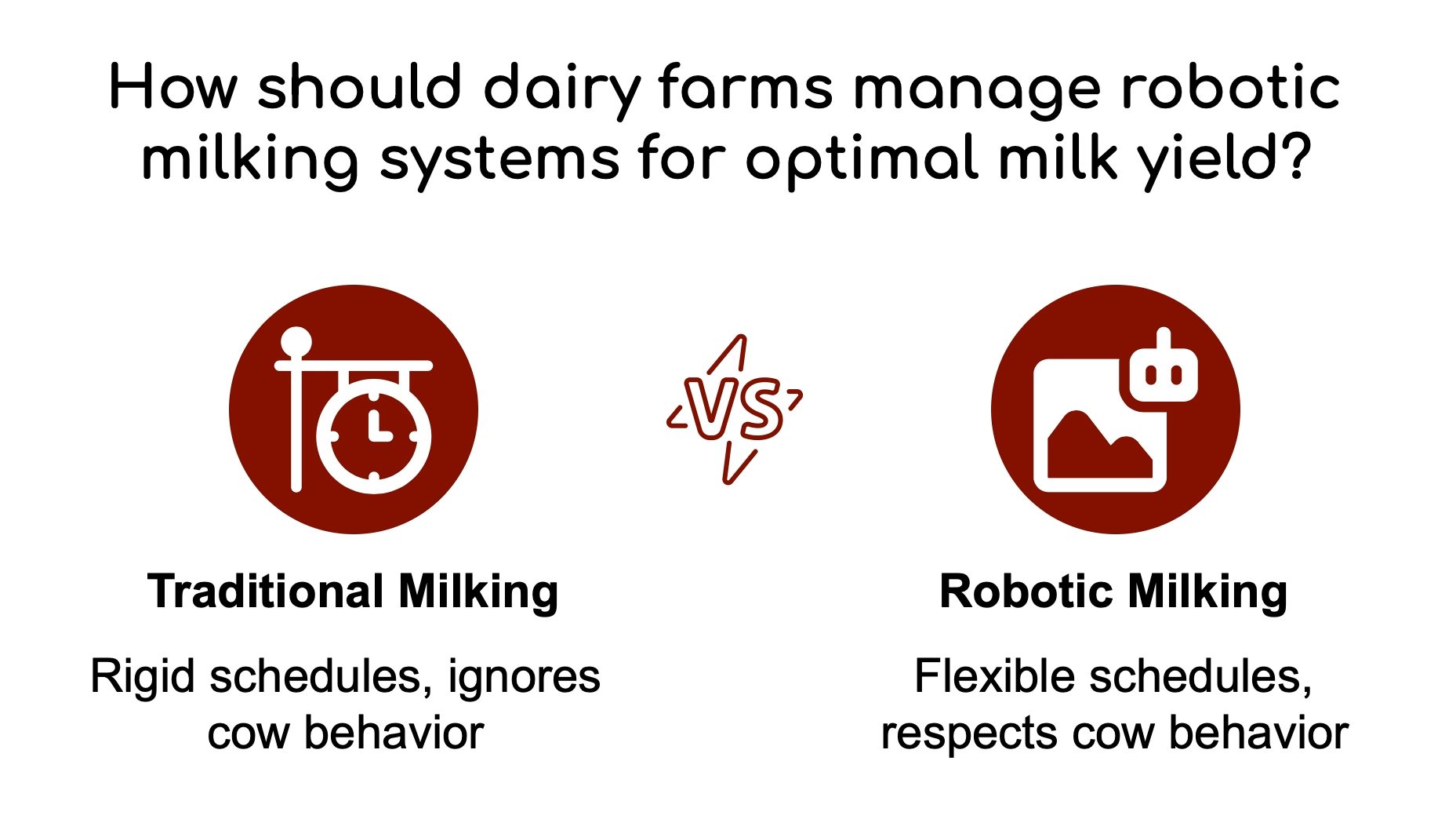
Here’s where we must challenge a fundamental assumption holding back the dairy industry for decades: the belief that cows need to be milked on a rigid, human-imposed schedule.
Traditional dairy wisdom dictates twice-daily milking at fixed times—typically 12 hours apart. This conventional approach, while predictable for human schedules, completely ignores natural cow behavior and biological rhythms. University of Guelph research by Dr. Trevor DeVries demonstrates that when cows control their own milking schedule through robotic systems, they typically choose to be milked 2.4 to 3.0 times daily.
The evidence is compelling: the documented case shows annual milk yield increases from 7,000 to 9,000 liters per cow—a 28.5% improvement. This isn’t incremental improvement; it’s transformational performance that conventional rigid scheduling cannot match.
Why does this matter for your operation? Every day you maintain conventional thinking about cow scheduling, you’re potentially leaving significant production capacity unrealized. The question isn’t whether your cows can produce more milk—it’s whether your management philosophy allows them to express their natural production potential.
What’s Really Behind Your Robot’s Poor Performance?
University of Guelph research reveals four critical management factors that separate successful robotic operations from struggling ones. These aren’t equipment issues—they’re management failures that cost you money daily.
The Lameness Crisis Killing Your Production Metrics
Here’s a number that should wake you up: lame cows are 2.2 times more likely to require fetching than healthy cows. Every lame cow in your herd isn’t just producing less milk—she’s actively sabotaging your robot’s efficiency and creating a cascading effect throughout your operation.
University of Guelph research reveals a striking connection between farmer mental health and cow lameness on robotic farms. The study found that farmers with robotic milking systems reported better mental health than their peers, and farmers with better mental health had fewer lame cows in their herds. This elevates lameness from merely an animal welfare issue to a fundamental farm management crisis affecting both biological and human performance.
Why This Matters for Your Operation: University research demonstrates that cattle welfare, measured as fewer lame cows, was directly linked to better farmer well-being. Farmer stress and anxiety were higher on farms with more severely lame cows. This creates a vicious cycle where poor cow health increases farmer stress, which further compromises management decisions.
The fix isn’t complicated, but it requires commitment. Research consistently shows that sand bedding delivers immediate production improvements of 1.5 kg per cow daily compared to organic bedding materials. Implement weekly mobility scoring using standardized protocols—not monthly, not quarterly. Stop accepting lameness as “normal”—it’s only normal on poorly managed farms.
Feed Strategy: Your Motivation Currency in the Behavioral Economics of Dairy
Feed is the primary motivation for cows to visit robots, yet most farms still don’t understand this fundamental truth. Your feeding strategy isn’t just about nutrition—it’s about behavioral economics, where palatable concentrate becomes the “currency” that drives voluntary milking frequency.
University of Minnesota research evaluating 36 robotic farms found that using more than one type of robot feed was associated with greater milk production. Farms feeding three different types of robot feed averaged 85.8 pounds of milk per cow compared to 79.2 pounds for farms using only one type.
Dr. Trevor DeVries’s research demonstrates the mathematical precision of this relationship: “The more often you get feed in front of cows, the more voluntary milkings we see”. Each additional five feed push-ups daily increases milk yield by 0.35 kg per cow. For a 100-cow operation, that’s 35 kg more milk daily—over 12,000 kg annually.
Research shows that molasses-based liquid products can dramatically improve robot performance. Michigan commercial farm research demonstrated that delivering liquid feeds through robots increased milking frequency from 2.7 to 3 times per day, reduced fetch cow numbers, and increased rumination time by 30 minutes daily.
Challenging Traditional Feed Delivery: The dairy industry has long operated under the assumption that twice-daily feed delivery is optimal. University research shatters this conventional thinking, proving that frequent feed push-ups promote smaller, more frequent meals that support rumen health, keep cows active, and create more even milking patterns. This isn’t just about cow comfort—it’s about optimizing the return on your robotic investment through behavioral manipulation.
How Top Farms Are Winning the Robot Game
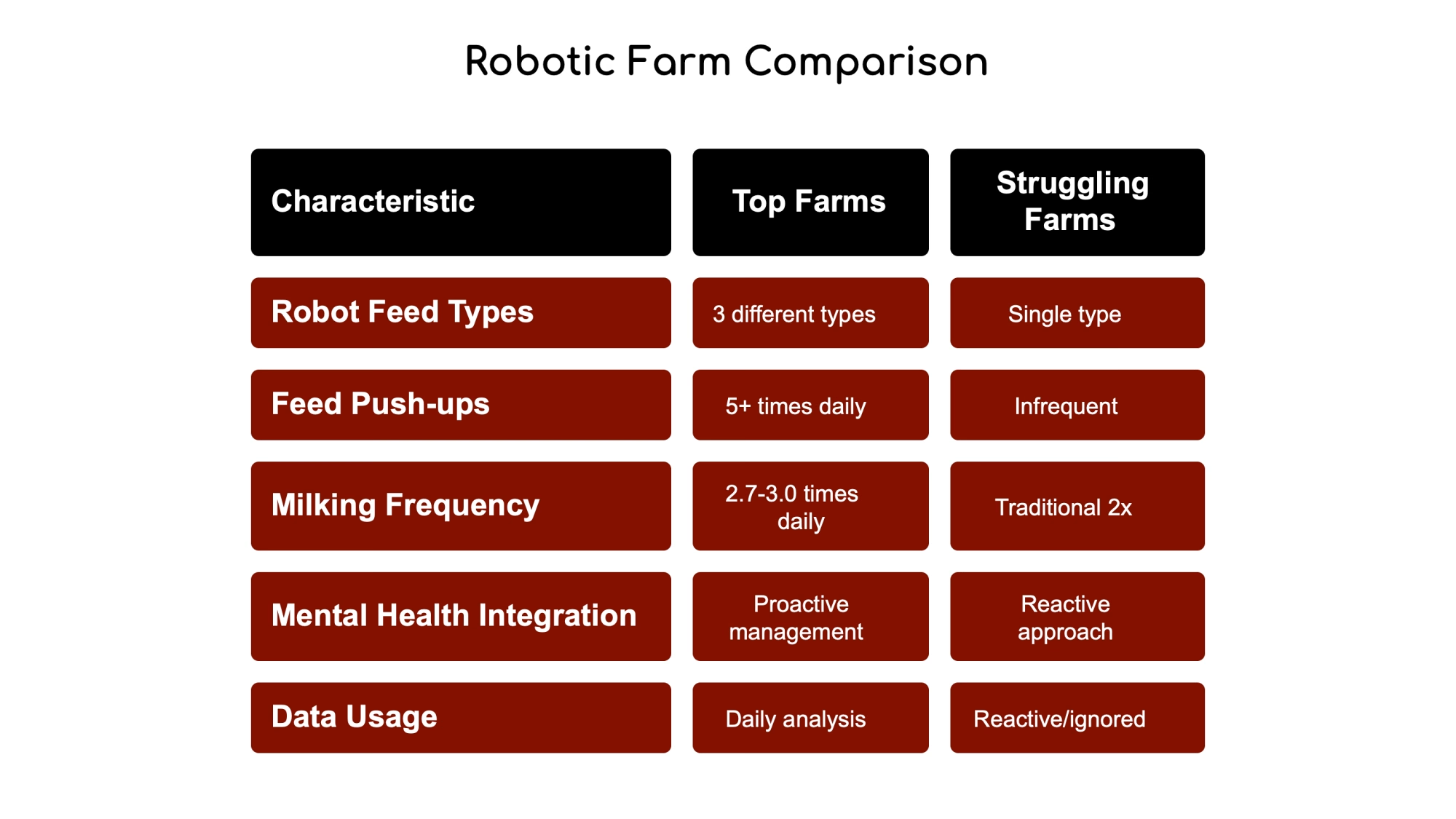
The performance divide between successful and struggling robotic farms isn’t random—it follows predictable patterns based on management precision, backed by extensive research from leading agricultural institutions:
Management Practice
Top Farms
Struggling Farms
Production Impact
Robot Feed Types
3 different types
Single type
85.8 vs 79.2 lbs/cow
Feed Push-ups
5+ times daily
Infrequent
+0.35 kg per 5 push-ups
Milking Frequency
2.7-3.0 times daily
Traditional 2x
+28.5% yield potential
Mental Health Integration
Proactive management
Reactive approach
Fewer lame cows
Data Usage
Daily analysis
Reactive/ignored
Early health detection
The Data Gold Mine You’re Ignoring
Your robotic system collects massive amounts of data daily. Penn State Extension research reveals that robots measure almost 120 variables per cow per day, compared to just a handful in conventional parlors. Modern systems can identify health issues days before visible symptoms appear, precisely detect estrus and flag real-time productivity changes.
Mat Haan from Penn State Extension explains that this data falls into five categories: systems management (milkings per cow per day, milking time, box time), milk production variables (yield, fat, protein, lactose), udder health and milk quality (electrical conductivity, milk color, temperature), cow behavior and health (activity, rumination), and individual cow management information.
Yet most farms treat this goldmine like an information graveyard. University of Guelph’s research demonstrates that farms using integrated data approaches optimize operations more effectively and maximize the economic value of their technology investments.
Technology Integration: The AI Revolution in Dairy
Leading operations are already integrating artificial intelligence with their robotic systems. AI algorithms can learn and adapt to each cow’s unique characteristics—milk yield, udder shape, and teat position—to optimize the milking routine and maximize individual cow yield. AI-powered robots generate massive volumes of data that, when processed by advanced analytics, provide actionable insights for analyzing production patterns, identifying cows requiring special attention, optimizing feed management, and tracking reproductive success.
The future of dairy robotics involves deeper AI integration, the development of “digital twins” using virtual reality concepts, and enhanced Decision Support Systems incorporating machine learning tools for informed decision-making. This represents the next frontier in precision dairy management.
Global Perspective: Learning from International Leaders
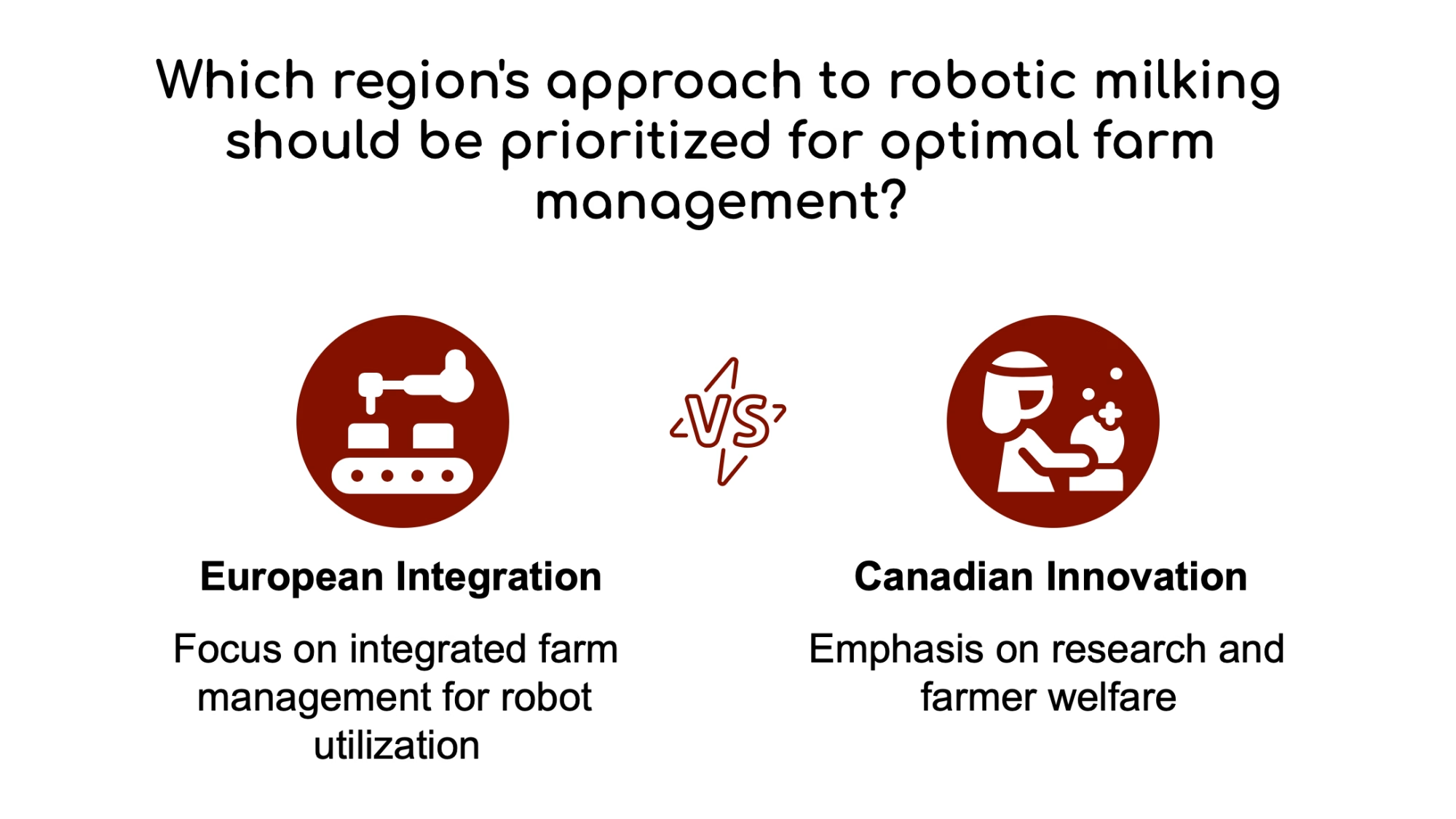
European Integration Success Models
European dairy operations demonstrate superior robot utilization through integrated farm management approaches. While specific European performance data wasn’t available in the research sources, University of Guelph studies show that Canadian adoption patterns are accelerating to match global trends.
Canadian Innovation Leadership
University of Guelph research positions Canada as a leader in robotic milking research, with Dr. Trevor DeVries serving as Canada Research Chair in Dairy Cattle Behaviour and Welfare. Canadian research has pioneered understanding of the connection between farmer mental health and cow welfare in robotic systems, providing insights that inform global best practices.
Why This Matters for Your Operation: The rapid adoption across Canada—from 5% to 20% in just one decade—demonstrates that this technology has moved beyond experimental to essential. Farms that delay optimization are falling behind an increasingly automated industry standard.
What Your Facility Design Is Costing You
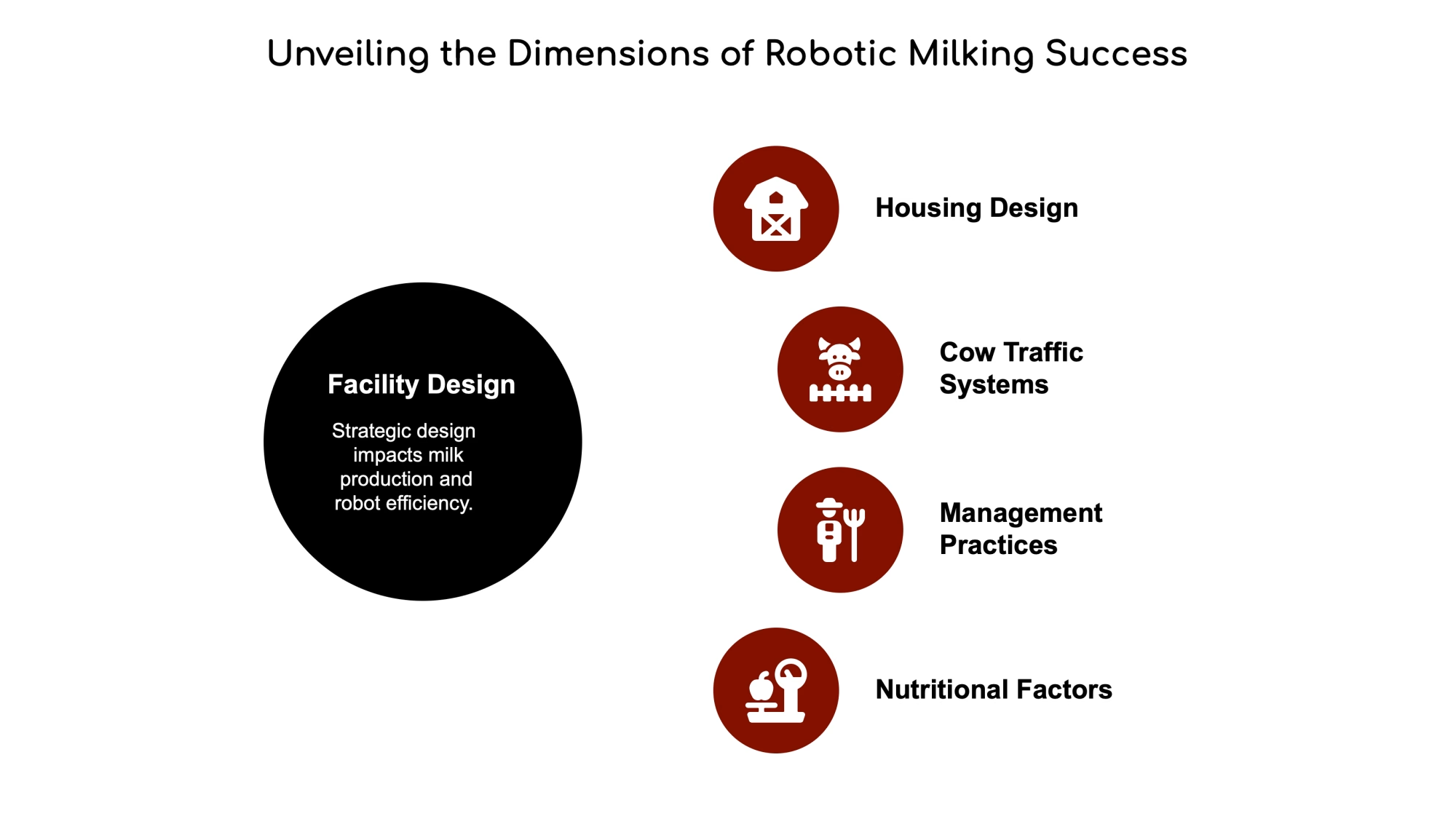
Simply “dropping” robots into existing facilities rarely works optimally. University of Guelph’s research across 197 robotic milking dairy farms from across Canada examined housing factors, cow traffic systems, and barn design impacts on success.
The research identifies housing design as a critical factor influencing milk production, cow health, and the efficiency of robot use. Strategic design decisions around cow traffic systems, management practices, and nutritional factors directly impact robot performance and profitability.
Traffic System Economics
Research reveals distinct trade-offs between free-flow and guided traffic systems. Free-flow traffic systems encourage natural cow behavior and typically result in higher dry matter intake and more lying time, but require highly palatable robot concentrates to maintain motivation. Guided traffic systems reduce fetch labor but can negatively impact cow comfort and natural feeding patterns.
The choice between systems isn’t about cow welfare versus efficiency—it’s about matching your management capabilities to your chosen system. University research demonstrates that successful free-flow operations require superior feed motivation strategies, while guided traffic demands excellent facility design to minimize cow stress.
The Real Cost of Robotic “Failure”
While the initial investment averages $200,000 per robot, the true cost of poor management extends far beyond equipment depreciation. University of Guelph’s research demonstrates quantifiable impacts of management decisions on robot performance.
Quantified Management Impact:
Lameness effects: Direct correlation between lame cows and increased fetching requirements
Feed management impact: University of Minnesota data shows a 6.6-pound daily milk difference between best and worst feed management practices
Mental health connection: Farmer stress is directly linked to higher severe lameness prevalence
Data utilization: Farms ignoring the 120+ daily variables per cow miss critical optimization opportunities
Cybersecurity: The Hidden Vulnerability
The increasing connectivity of robotic systems creates new vulnerabilities. While specific attack data wasn’t available in the research sources, the reliance on data systems highlighted by Penn State Extension research demonstrates the critical importance of robust data management and backup systems.
Implementation Timeline and Cost Considerations
Research-Based Success Factors
University of Guelph research across nearly 200 Canadian robotic farms identified key implementation factors:
Phase 1: Planning and Assessment
Comprehensive facility evaluation based on housing factors identified in research
Nutritional strategy development considering concentrate allowance and partial mixed ration composition
Management system preparation for data-driven decision making
Phase 2: Technology Integration
Robot installation with attention to traffic system selection
Staff training on the 120+ variables measured daily by robots
Cow adaptation protocols based on behavioral research
Phase 3: Optimization Achievement
Data analysis implementation using research-proven factors
Continuous improvement based on milk production, cow health, and efficiency metrics
Performance monitoring against research benchmarks
The Bottom Line
The harsh reality facing Canadian dairy farmers is documented by extensive university research: your robotic investment will only return what your management allows it to return. University of Guelph studies across nearly 200 Canadian robotic farms demonstrate that success depends entirely on management competence, not technology capabilities.
The farms struggling with robotic systems share one common trait documented in research: they installed new technology without transforming their management approach. They expected robots to solve problems that only better management can address. Meanwhile, successful operations embrace the complete system transformation that robotics demands—viewing cow comfort as a production metric, feed management as behavioral economics, facility design as operational strategy, and data interpretation as a daily discipline.
University research consistently demonstrates that the technology has proven itself across thousands of farms globally. The documented 28.5% production increase from proper management proves the potential exists. The difference between success and failure isn’t in your equipment—it’s in your execution.
The research is clear: farmers with robotic milking systems reported better mental health than their peers, and farmers with better mental health had fewer lame cows in their herds. This creates a virtuous cycle—better management leads to better cow health, reducing farmers’ stress, which enables even better management decisions.
Challenge yourself: Can you honestly say you’re leveraging even half of the 120+ daily variables your robot measures per cow? Are you implementing the feed strategies proven to increase milk yield by 6+ pounds daily? If not, you’re not dealing with robotic failure—you’re dealing with management failure that happens to involve robots.
Your next step: Conduct a comprehensive management assessment using the research-proven factors identified by University of Guelph studies. Evaluate your housing systems, nutritional strategies, and data utilization practices against the documented success factors. The difference between where you are and where research shows you should be represents your untapped profit potential.
The revolution isn’t in the robots—it’s in recognizing that precision technology demands precision management. Stop blaming your equipment and start optimizing your execution based on proven research. The data is compelling, the research is extensive, and the opportunity is massive. The only question remaining is whether you’ll seize it.
KEY TAKEAWAYS
Lameness Crisis Resolution: Implement weekly mobility scoring and sand bedding to eliminate the 2.2x higher fetching rates of lame cows, potentially recovering $200-300 per lame cow annually while improving voluntary milking frequency and system throughput.
Feed Strategy Optimization: Execute 5+ daily feed push-ups and ensure 24-inch bunk space per cow to capture +0.35kg and +0.3kg daily milk yield improvements respectively—translating to $8,000-10,000 additional annual revenue for 100-cow operations through behavioral economics.
Data Gold Mine Activation: Leverage your robot’s 120+ daily data points per cow for proactive health detection up to 4 days before visible symptoms, moving from reactive problem-solving to predictive management that prevents costly veterinary interventions and production losses.
Management Philosophy Transformation: Transition from conventional twice-daily milking mentality to voluntary 2.4-3.0 daily milking frequency optimization, as documented University of Guelph research shows this shift alone can deliver 28.5% production increases without additional hardware investment.
Performance Accountability: Address the uncomfortable truth that struggling farms with >20% fetch rates using identical technology to top performers (<5% fetch rates) are experiencing management failures, not robotic failures—with the difference worth more than the robot’s purchase price annually.
EXECUTIVE SUMMARY
Your million-dollar robotic milking investment isn’t failing—your management is, and it’s costing Canadian dairy operations up to $160,600 annually in lost profit potential from identical technology. **University of Guelph research across nearly 200 robotic farms reveals that management practices, not hardware capabilities, create the stark performance divide between top farms maintaining 20% fetch rates using identical technology to top performers (<5% fetch rates) are experiencing management failures, not robotic failures—with the difference worth more than the robot’s purchase price annually.
Case Studies: Success Stories from Modern Farms – Explores real-world implementation examples from farms like Green Pastures Dairy and Horizon Vista Dairy, showing practical applications of the management principles discussed and measurable outcomes achieved.
Join the Revolution!
Join over 30,000 successful dairy professionals who rely on Bullvine Weekly for their competitive edge. Delivered directly to your inbox each week, our exclusive industry insights help you make smarter decisions while saving precious hours every week. Never miss critical updates on milk production trends, breakthrough technologies, and profit-boosting strategies that top producers are already implementing. Subscribe now to transform your dairy operation’s efficiency and profitability—your future success is just one click away.
Find out how pre-calving body condition affects dairy cows‘ health and milk yield. Are your cows ready for peak production? Please read our latest article to learn more.
If you’ve ever wondered why some cows produce more milk than others, the answer might be their body condition score (BCS) before calving. A new University of Florida, research of 427 multiparous Holstein cows, emphasizes the relevance of prepartum BCS. The study discovered that a moderate prepartum BCS (3.25-3.75) improves dry matter intake (DMI), energy balance (EB), and milk supply – The Goldilocks Principle. Cows with a moderate BCS ingested more dry matter and had a better energy balance, increasing milk production. For dairy producers, this data may help you improve herd performance and profitability by enhancing your cows’ prepartum BCS.
The Critical Role of Body Condition Score in Dairy Cow Management
The Body Condition Score (BCS) is an essential metric dairy producers use to determine how much fat a cow has on its body. This evaluation helps to define a cow’s health, nutritional state, and general well-being. BCS is usually assessed on a scale of one to five, with one suggesting malnourished cows and five indicating obese ones. Here’s a closer look at how BCS is determined and its significance:
How BCS is Measured: Farmers often use a visual and tactile assessment to measure BCS. This involves observing and feeling specific areas of the cow’s body, such as the loin, ribs, and tailhead. Tools like portable ultrasound backfat instruments can also provide a more precise measurement.
Categories of BCS:
Fat (BCS ≥ 4.00): These cows have excess body fat, which can negatively impact dry matter intake (DMI) and energy balance (EB).
Moderate (BCS = 3.25–3.75): Ideally, these cows have balanced body fat, promoting optimal health and productivity. They are less prone to metabolic issues postpartum.
Thin (BCS ≤ 3.00): Cows with low body fat may struggle with energy reserves, affecting their ability to maintain milk production and overall health.
Maintaining the correct BCS, especially before calving, is crucial for several reasons:
Energy Balance: Cows with a moderate BCS generally have a better energy balance pre- and postpartum, which supports higher milk yield.
Health and Longevity: Proper BCS reduces the risk of metabolic disorders and enhances the cow’s overall health, leading to greater longevity in the herd.
Reproductive Performance: Cows with an appropriate BCS have better reproductive performance, vital for maintaining an efficient and productive dairy operation.
Monitoring BCS is critical for dairy producers to guarantee their cows’ maximum health and output. Regular examinations and dietary modifications based on BCS may considerably enhance cow outcomes and dairy farm performance.
Optimizing Nutritional Intake and Energy Balance Through Prepartum Body Condition Score Management
Body Condition Score Category
Dry Matter Intake (kg/d)
Energy Balance (Mcal/d)
Fat (BCS ≥ 4.00)
9.97 ± 0.21
-4.16 ± 0.61
Moderate (BCS = 3.25–3.75)
11.15 ± 0.14
-1.20 ± 0.56
Thin (BCS ≤ 3.00)
11.92 ± 0.22
0.88 ± 0.62
When examining the prepartum phase, the association between Body Condition Score (BCS) and both Dry Matter Intake (DMI) and Energy Balance (EB) provides essential information for dairy management. Higher fat BCS (≥ 4.00) corresponds with lower DMI before calving, perhaps leading to nutritional shortfall. These cows had a prepartum DMI of about 9.97 kg/day. Cows with an intermediate BCS (3.25–3.75) had a more balanced intake of 11.15 kg/day, whereas skinny cows (≤ 3.00) had the greatest DMI of 11.92 kg/day. This variation in feed intake has a considerable influence on EB, with obese cows suffering the most significant negative energy balance (-4.16 Mcal/day), moderate cows sustaining a less severe deficit (-1.20 Mcal/day), and thin cows obtaining a nearly neutral balance (0.88 Mcal/day). These data highlight the need to keep cows at a moderate BCS prepartum to maximize their nutrition and energy condition, resulting in improved health and production after calving.
Postpartum Nutritional Challenges Tied Directly to Prepartum Body Condition
Body Condition Score
Postpartum Dry Matter Intake (kg/day)
Postpartum Energy Balance (Mcal/day)
Fat (≥ 4.00)
14.35 ± 0.49
-12.77 ± 0.50
Moderate (3.25–3.75)
15.47 ± 0.38
-10.13 ± 0.29
Thin (≤ 3.00)
16.09 ± 0.47
-6.14 ± 0.51
Prepartum body condition score (BCS) has a significant impact on postpartum dry matter intake (DMI) and energy balance (EB), with striking disparities reported between cows of different BCS categories after calving. When cows were categorized as fat, moderate, or thin, the fat cows had the lowest DMI postpartum, eating an average of 14.35 kg/day, compared to 15.47 kg/day for moderate cows and 16.09 kg/day for thin cows.
The ramifications of these differences are enormous. Fat cows had a decreased feed intake and a considerably negative EB, with an average deficit of -12.77 Mcal/day. This starkly contrasts intermediate cows (-10.13 Mcal/day) and lean cows (-6.14 Mcal/day). This negative EB in more giant cows underlines a vital issue: excessive prepartum BCS may significantly limit postpartum feed intake and energy balance, affecting overall health and production.
While skinny cows had the greatest postpartum DMI and the lowest negative EB, suggesting improved nutritional adaptation after calving, obese cows suffered the most. Moderate BCS cows, conversely, struck a compromise, achieving appropriate feed intake while maintaining tolerable EB deficits directly related to better lactations and increased milk supply.
Balancing Act: The Quadratic Impact of Prepartum Body Condition Score on Milk Yield
Body Condition Score (BCS)
Daily Milk Yield (kg)
28 Day Cumulative Milk Yield (kg)
2.5 to 3.0
Increased by 6.0 kg
147 kg more
3.5 to 4.0
Decreased by 4.4 kg
116 kg less
Analyzing the link between prepartum body condition score (BCS) and milk production indicates a complex quadratic relationship. The research found a significant boost in milk production with a modest rise in prepartum BCS from 2.5 to 3.5. This increase was related to a considerable increase in daily milk supply, improving lactation performance by 6.0 kg per day and resulting in a staggering 28-day total milk gain of 147 kg. However, this favorable tendency reverses when prepartum BCS rises from 3.5 to 4.5. In such cases, milk output starts to fall, as demonstrated by a 4.4 kg drop in daily yield and a 116 kg loss during the first 28 days post-calving. These findings highlight the need to maintain a moderate BCS in the range of 3.25 to 3.75 before calving to improve milk supply while avoiding the double-edged sword of an elevated condition score, which ultimately impedes lactation results.
The Goldilocks Principle: Striking the Perfect Balance with Pre-Calving BCS for Optimal Milk Yield
Body Condition Score (BCS)
Outcome on Lactation
≤ 3.0 (Thin)
Lower DMI, lower energy balance, suboptimal milk yield
3.25 – 3.75 (Moderate)
Optimal DMI, balanced energy levels, higher milk yield
≥ 4.0 (Fat)
Lower DMI, negative energy balance, reduced milk yield
Dairy cows’ milk output is closely related to their body condition score (BCS) before calving. The researchers discovered a quadratic association between prepartum BCS and subsequent milk output. As BCS climbs from 2.5 to 3.5, milk output improves significantly, with a daily milk yield gain of 6.0 kg and a total 28-day milk yield boost of 147 kg. This highlights the necessity of maintaining an appropriate BCS to increase output. Pushing BCS above this ideal range (3.5 to 4.5) reduces milk output by 4.4 kg per day and 116 kg per 28 days. This decline is most likely caused by excessive fat storage, which impairs metabolic efficiency and general health and negatively influences milk supply. As a result, dairy producers who want to maximize milk output while protecting their herds’ health and well-being must strive for a moderate prepartum BCS (preferably between 3.25 and 3.75).
The Goldilocks Principle: Striking the Perfect Balance with Pre-Calving BCS for Optimal Milk Yield
Maintaining cows in the moderate BCS range is essential for optimizing milk yield and ensuring cows’ overall health. Here are some practical tips to help you effectively monitor and manage BCS in your herds:
Regular BCS Assessments: Schedule routine BCS evaluations every two weeks through the transition period. Utilize a standardized scoring system to ensure consistency. Engage trained personnel with practical experience in academic and commercial settings to conduct these assessments, as accuracy is crucial.
Balanced Nutrition: Ensure your cows’ diet is formulated to meet their nutritional needs without overfeeding energy-dense feeds. Aim for a diet that supports moderate BCS (3.25 to 3.75). If a cow’s BCS falls below 3.0, increase energy intake through quality forage and concentrates.
Strategic Feeding: Implement a feeding strategy that caters to cows’ dietary needs at different stages. For prepartum cows, provide easily digestible, high-fiber feeds to promote a steady increase in dry matter intake (DMI). Postpartum cows require a high-energy, high-protein diet to support weight maintenance and milk production.
Monitor Dry Matter Intake (DMI): Record the daily DMI to evaluate nutritional intake accurately. Low DMI can be a sign of overfeeding energy prepartum, leading to postpartum complications, including lower milk yield and poor energy balance.
Adjust Feeding Practices: If cows show signs of becoming excessively fat (BCS>3.75), reduce their energy intake by adjusting the concentrate levels. Conversely, thinner cows (BCS<3.0) may require supplemental feeding with energy-rich diets to bring them within the moderate range.
Stress Management: Mitigate stress factors such as overcrowding, abrupt dietary changes, and poor housing conditions. Stress can adversely affect feed intake and, consequently, BCS.
Consult a Nutritionist: Work with a dairy nutritionist to design and periodically review ration formulations. A nutritionist can provide insights into balancing forages, grains, and supplements for different cow groups based on their BCS and production stage.
By closely monitoring and managing BCS through tailored nutrition and feeding strategies, you can help your cows maintain optimal health and productivity and ensure a successful lactation period.
The Bottom Line
Maintaining a moderate body condition score (BCS) three weeks before calving is critical for maximum milk output and herd health. This balance improves dry matter intake (DMI) and energy balance (EB), affecting productivity and well-being. Cows with a moderate BCS (3.25 to 3.75) produce more milk than thinner and fatter cows and have fewer health risks. Cows in this range have better dietary habits, higher energy balance, and fewer postpartum illnesses. Dairy producers should emphasize frequent BCS monitoring before calving. Precise feeding and evaluations may help increase milk supply and herd health. They are keeping cows in the ‘Goldilocks zone’ of moderate BCS results in a healthier, more productive dairy farm. Let us keep our cows healthy and sustain our livelihoods.
Key Takeaways:
Prepartum Body Condition Score (BCS) has a significant impact on both prepartum and postpartum Dry Matter Intake (DMI) and Energy Balance (EB).
Cows with a moderate BCS at 21 days before calving exhibit optimal DMI and EB, and achieve higher milk yield compared to those with thin or fat BCS.
Fat cows tend to have lower DMI and EB both prepartum and postpartum, impacting their overall lactation performance negatively.
Moderate BCS cows maintain a better balance in energy, leading to improved milk production and better health outcomes.
Thin cows, while having higher DMI, do not necessarily translate this into higher milk yields and may face energy balance issues.
A quadratic relationship exists between BCS and milk yield, where both very low and very high BCS can be detrimental.
Proper management of BCS can mitigate health issues and improve reproductive performance and pregnancy rates in dairy cows.
Summary:
A study by the University of Florida has found that a moderate prepartum body condition score (BCS) can significantly improve dairy cow management. The BCS measures a cow’s health, nutritional state, and overall well-being. Cows with a moderate BCS consume more dry matter and have better energy balance, increasing milk production. This data can help dairy producers improve herd performance and profitability by enhancing their cows’ prepartum BCS. Maintaining the correct BCS, especially before calving, is crucial for energy balance, health, longevity, and reproductive performance. Regular examinations and dietary modifications based on BCS can significantly enhance cow outcomes and dairy farm performance. Maintaining cows in the moderate BCS range is essential for optimizing milk yield and ensuring overall health.
Boost dairy cow productivity with optimal dietary starch and amino acids. Discover how to enhance component yields and improve feed efficiency. Ready to maximize your herd’s potential?
Profitability for dairy farmers depends on increasing the fat and protein output in milk. To maximize milk output, dairies must implement nutrition plans that stress high digestibility and the exact balance of critical elements. Precision nutrition—which emphasizes the proper ratio of carbohydrates to amino acids—is crucial. In the upcoming sections, we investigate techniques to maximize essential nutrients, enabling dairy farms to balance production, maintain herd health, and enhance overall efficiency and success. Maximizing milk components isn’t just about feeding more; it’s about feeding smarter. Precision nutrition ensures that every bite contributes to superior productivity and animal well-being.
Key strategies covered include:
The importance of evaluating feed efficiency and component yields
The critical role of forage quality and inventory management
Balancing starch and NDF for optimal rumen function
Incorporating sugars and soluble fibers
The strategic use of amino acids and fatty acids
Innovative solutions amidst forage shortages
Addressing common bottlenecks in dairy management
Maximizing Dairy Cow Productivity: Key Metrics for Success
Two primary indicators assess dairy cow productivity: feed efficiency and daily milk output adjusted for fat and protein, known as Energy Corrected Milk (ECM). A feed efficiency ratio of 1.4 to 1.6 pounds of milk per pound of dry matter intake (DMI) is effective for high-producing dairy cows. Good ECM values vary based on breed, lactation stage, and dairy operation goals. Generally, Holstein cows, which yield high milk volumes, tend to have higher ECM values. However, context and herd-specific factors are crucial when evaluating ECM.
Furthermore, the daily consumption of fat and protein or ECM is essential. ECM standardizes milk production to include fat and protein levels by offering a better picture of a herd’s output. Higher fat and protein content milk often commands more excellent pricing. Dairy farmers may boost component yields by emphasizing feed economy and ECM. These are linked: better feed efficiency increases fat and protein yields, increasing dairy businesses’ profitability and output.
The Crucial Role of Forage Quality in Dairy Production
Forage quality becomes extremely important for dairy production, particularly with the digestion of neutral detergent fiber (NDF). High-quality fodder improves herd efficiency and nutritional intake. NDF digestibility primarily focuses on the cow’s ability to break down cellulose, hemicellulose, and lignin-based plant cell walls. Excellent digestibility ensures cows convert fiber into energy effectively, enhancing rumen performance.
High digestibility forages offer several advantages to optimize rumen efficiency and overall productivity:
Enhanced Rumen Function: A stable and efficient ruminal environment with better fermentation and more volatile fatty acids is essential for milk production and energy levels.
Increased Milk Components: Improved energy availability supports higher milk fat and protein yields, boosting economic viability.
Better Health and Productivity: Reduced risk of metabolic disorders, leading to healthier cows and sustained productivity.
Ultimately, dairy farm managers may strategically address forage quality and NDF digestibility. High digestibility forages guarantee effective feed use, better cows, and increased milk output, promoting a sustainable dairy enterprise.
Balancing Starch and NDF: The Key to Enhanced Dairy Cow Productivity
Enhancing dairy cow productivity hinges significantly on the precise management of starch content in their diet. As a cornerstone energy source, starch is pivotal for achieving high milk yields. However, it must be judiciously balanced with neutral detergent fiber (NDF) to prevent metabolic issues and maintain overall cow health.
The interplay between starch and NDF can profoundly influence milk production and component quality. While starch boosts milk yield and energy levels, excessive amounts can lead to acidosis, disrupting rumen health and decreasing feed intake. Conversely, insufficient starch limits energy availability, thereby reducing milk production.
The ideal NDF to starch ratio can vary based on forage type, lactation stage, and overall diet. Typically, an effective diet consists of 30-32% NDF and 25-28% starch. This balance maintains rumen function and provides energy for milk production.
Cows need an adequate supply of NDF to sustain optimal rumen function and avert digestive complications. While increasing starch can enhance milk yield and protein content, the inclusion of highly digestible starch sources, such as maize, is often preferred for their efficiency. At the same time, incorporating highly digestible NDF sources, such as citrus or beet pulp, can mitigate the risks associated with high-starch diets. These fibers improve rumen function and help maintain higher milk fat production.
Dairy producers can carefully balance starch and NDF to optimize milk output, component yields, and overall herd health. Although starch remains crucial, its optimal utilization requires a nuanced approach. Managing the interaction between starch and NDF is essential to maximizing milk production and quality while safeguarding cow health.
Strategic Benefits of Incorporating Sugars and Soluble Fibers in Dairy Cow Diets
Incorporating soluble fibers and sugars into dairy cow diets presents clear advantages. By immediately providing energy, sugars play a pivotal role in enhancing rumen fermentation and increasing butyrate levels. Additionally, certain fatty acids are essential for effective milk fat production. By strategically lowering starch and increasing sugar content to 5–7%, butyrate production is maximized, thus improving the quality of milk fat. Soluble fibers, such as those from beet or citrus, augment the pool of fermentable fibers. These fibers break down rapidly in the rumen, thereby boosting butyrate levels. These dietary adjustments raise milk fat content and enhance energy efficiency, increasing dairy farm profitability and output.
The Essential Role of Amino Acids in Enhancing Dairy Cow Productivity
Dairy cow diets require amino acids, significantly affecting milk output and general health. Lysine, methionine, and histidine are essential amino acids because they function in protein synthesis and metabolism.
Lysine is essential for muscle protein synthesis, calcium absorption, immune function, and hormone production. As the first limiting amino acid in dairy diets, lysine supplementation is vital for maximizing milk protein yield. Adequate levels can be ensured through high-lysine feeds or supplements.
Methionine is critical for methylation and influences DNA and protein synthesis. It also helps produce other amino acids like cysteine and taurine. Methionine levels can be maintained with methionine-rich feeds (e.g., soybean meal) or specific additives.
Histidine supports histamine and carnosine production, which is essential for muscle function and metabolism. Its direct influence on milk production makes it vital. Histidine is typically sourced from blood meal.
To maintain adequate amino acid levels, diet formulation should include:
Analyzing feed components for amino acid content.
High-quality protein sources like canola, blood, and soybean meal are used.
Employing supplements for targeted amino acid delivery.
Monitoring cow performance to adjust diets as needed.
Maintaining nitrogen balance and maximizing feed efficiency depends on carefully balancing these amino acids between rumen-degradable and rumen-undegradable protein needs. Emphasizing these essential amino acids produces better cow health, yields, and financial returns.
The Strategic Role of Fatty Acids in Dairy Cow Diets
Dairy cow diets must include fatty acids as they affect metabolic processes necessary for milk output. Usually considered energy sources, certain fats like palm oil and high oleic beans may significantly increase milk fat content and general energetic efficiency. Rich in palmitic acid (C16:0), palm oil powerfully promotes milk fat production. It increases milk fat production by supplying necessary fatty acids for triglyceride synthesis in the mammary gland, saving the cow’s metabolic energy for other uses. This produces more milk fat without draining the cow’s energy supply too rapidly.
High oleic beans, with oleic acid (C18:1), increase mammary glands’ cell membrane fluidity and metabolic flexibility. This improves milk fat synthesis and digestion, guaranteeing that energy intake is effectively transformed into useful outputs like more excellent milk fat percentages.
Including these fatty acids in dairy cow diets calls for a measured approach. Reducing feed efficiency and causing metabolic problems may be the result of overfeeding. However, adequately controlled lipids from palm oil and high oleic beans may significantly increase production, enabling a dairy farming system with maximum efficiency.
Navigating the Challenges of Variability in Blood Meal for Dairy Nutrition
One major challenge in dairy nutrition is the variability in feed ingredients, especially blood meal. Blood meal’s inconsistency in bioavailability and digestibility can complicate diet formulations and affect herd productivity. This variability often results from differences in processing, handling, and sourcing. Regular testing and analysis of blood meal batches are essential to tackle this. Implementing assays to estimate bioavailability and working with reputable suppliers can help ensure consistent product quality.
Additionally, diversifying protein sources by incorporating fish, soybean, or other high-quality supplements can reduce reliance on blood meal and mitigate its variability. Utilizing precise feed formulation software that adjusts nutrient levels based on ingredient analyses can also help maintain balanced diets. While blood meal variability is challenging, proactive management and diversified supplementation can ensure consistent nutrient delivery and enhance dairy cow productivity.
Innovative Solutions for Maintaining Optimal NDF Levels Amid Forage Shortages
When forage availability is limited, innovative solutions are needed to maintain optimal NDF levels and support rumen function. Utilizing non-forage fiber sources can be effective for dairy producers facing constrained forage supplies. Consider incorporating the following alternatives:
Wheat Mids: Enhance the overall fiber content of the diet with this valuable NDF source.
Soy Hulls: Rich in digestible fiber, they boost dietary fiber without affecting feed efficiency.
Beet pulp is high in fiber and palatable and supports rumen health.
Citrus Pulp: Adds soluble fibers, improving digestion and nutrient absorption.
These non-forage fiber sources can help balance the diet, ensuring adequate fiber to support healthy rumen function and productivity, even when forage supplies are limited.
Addressing Common Management Bottlenecks: Unlocking Dairy Cow Productivity
Maximizing dairy cow output depends on addressing typical management obstacles such as crowding and limited water space. Overcrowding decreases resting time, raises stress, lowers feed intake, and affects milk output and general health by reducing resting time. Following advised stocking densities is essential to help mitigate these problems so that every cow has adequate room to walk, eat, and relax. Gradually reducing stocking density will significantly improve animal comfort and output.
Furthermore, ensuring water troughs are sufficiently spaced and easily reachable is crucial, as design defects might restrict adequate water availability, affecting hydration and feed efficiency. Optimizing cow comfort requires sufficient lighting, good ventilation, and dry, clean bedding. Frequent observation of the barn surroundings helps to avoid respiratory problems and support steady milk output.
Good time management is essential. Maintaining constant feeding schedules, structuring the cows’ day to promote rest and rumination, and limiting disturbances aids digestion and nutrient absorption, directly affecting milk output. Regular evaluations of cow behavior and health markers help to spot early stresses or inefficiencies. Using wearable technology or routine health inspections, minute indicators of pain or disease may be identified, enabling quick treatments and continuous output.
The Bottom Line
Understanding vital benchmarks like feed efficiency and pounds of fat, protein, or energy-corrected milk daily helps maximize dairy cow output. Excellent forages are essential; their primary goal should be to raise digestible NDF to improve ruminal efficiency and general cow condition. Energy supply and milk components depend on carefully balancing starch and NDF levels. Adding soluble fibers and sugars enhances fermentation and increases milk fat synthesis. Adding methionine, lysine, and histidine—essential amino acids—helps to maximize protein synthesis and milk supply. Adding fatty acids improves milk fat production and meets energy demands. Dealing with the fluctuations in blood meal as a protein source guarantees a consistent dairy cow diet. When premium forages are few, non-forage fiber sources may help preserve NDF levels. Addressing management issues such as water availability and congestion significantly affects output. These techniques improve general herd health, milk supply, and feed efficiency, promoting economic success. By being knowledgeable and flexible, producers can ensure the welfare of their herds and support successful, environmentally friendly farming.
Key Takeaways:
Feed efficiency and pounds of fat and protein per day are critical metrics for evaluating dairy cow productivity.
Increasing utilizability of Neutral Detergent Fiber (NDF) in forages significantly enhances dairy cow performance.
Balancing dietary starch levels while optimizing NDF can lead to higher component yields.
Incorporating sugars and soluble fibers into cow diets can boost butyrate production and overall efficiency.
Amino acids, particularly lysine, methionine, and histidine, play an essential role in maximizing milk production.
Fatty acids, such as those from high oleic beans, contribute to higher milk fat and overall productivity.
The variability of blood meal can impact its effectiveness; monitoring and adaptation are necessary for optimal use.
Non-forage fiber sources can help maintain optimal NDF levels when forage availability is limited.
Common management bottlenecks like overcrowding and inadequate water space can inhibit productivity despite a well-balanced diet.
Summary:
Dairy farmers’ profitability relies on increasing fat and protein output in milk through nutrition plans that focus on high digestibility and balance of critical elements. Precision nutrition, which emphasizes the proper ratio of carbohydrates to amino acids, is crucial for dairy farms to balance production, maintain herd health, and enhance efficiency. Key strategies include evaluating feed efficiency, balancing starch and NDF for optimal rumen function, incorporating sugars and soluble fibers, strategic use of amino acids and fatty acids, innovative solutions amidst forage shortages, and addressing common dairy management bottlenecks. Higher feed efficiency increases profitability, lowers feed costs, and improves environmental sustainability.
Unlock fertility in Holstein cattle: How does genomic daughter pregnancy rate impact postpartum estrous behavior? Discover the key to better reproductive management.
In the context of Holstein cattle, the postpartum transition period is a pivotal phase that sets the stage for successful dairy farming. This period, which spans the first three weeks after calving, is a critical time when cows are particularly vulnerable to health issues that can significantly impact their fertility and productivity.
Health complications like retained placenta, ketosis, and displaced abomasum can reduce milk production and disrupt the metabolic balance, affecting the cow’s return to estrous behavior and timely conception.
Early estrous resumption within the voluntary waiting period (VWP) signals good reproductive health, leading to shorter calving intervals and better fertility outcomes. Key benefits include:
Improved milk production
Fewer metabolic disorders
Higher reproductive success
Understanding these factors is not just informative, but it also empowers dairy farmers to make informed decisions . By implementing these strategies, you can optimize herd health and reproduction, playing a crucial role in the success of your dairy farm.
Overcoming the Energy Deficit: Navigating the Transition Period in Dairy Cows
The transition period for dairy cows is full of challenges due to the energy deficit they experience. As cows ramp up milk production, their energy intake often falls short, leading to metabolic disorders like ketosis. This imbalance not only affects their health but also their reproductive performance.
Energy-deficient cows are more likely to face anovulation, where the ovaries do not release an egg, leading to longer calving intervals and delayed conception. This delay decreases fertility rates and reduces the profitability of dairy farms. Early resumption of estrous cycles within the voluntary waiting period (VWP) is critical for better reproductive outcomes.
Monitoring early postpartum cows is a crucial aspect of reproductive management. While methods like transrectal ultrasound or blood progesterone concentration can identify anovulatory cows, they can be resource-intensive. In contrast, automated activity monitoring systems present a more efficient and effective alternative. These systems track estrous activity and provide timely alerts for cows with poor reproductive performance, thereby enhancing the overall efficiency of reproductive management.
By understanding the impact of negative energy balance and effectively monitoring postpartum cows, you can boost your dairy farm’s reproductive performance. This assurance is backed by scientific evidence, enhancing your confidence in these strategies and their potential to increase productivity and profitability.
Utilizing Technology to Identify Anovulatory Cows Efficiently
Identifying anovulatory cows is essential for better reproductive outcomes. Traditional methods like transrectal ultrasound and progesterone tests are effective but time-consuming. Ultrasound directly visualizes corpus lutea, while progesterone tests confirm ovulation through hormone levels.
Automated activity monitors are revolutionizing estrus detection. These systems use sensors to track changes in activity, signaling when a cow is in heat. By continuously measuring activity levels, these devices help accurately and timely identify the best breeding times. They can also alert you to health issues early by detecting deviations in regular activity.
Automated monitors reduce the labor needed for estrus detection and enhance reproductive management withoutmanual effort. They replace traditional methods like tail paint or watching for mounting behavior, which are time-consuming and often require multiple daily checks.
Harnessing GDPR for Enhanced Reproductive Efficiency in Dairy Cattle
GDPR, or genomic daughter pregnancy rate, measures the likelihood of a bull’s daughter getting pregnant. This metric helps breeders choose bulls to enhance reproductive efficiency.
GDPR is significant in predicting fertility. It helps farmers select bulls whose daughters conceive more efficiently, reducing calving intervals and boosting herd productivity. This is vital for maintaining optimal milk production and farm profitability.
Advancements in genetic technologies, like single nucleotide polymorphism (SNP) platforms, have improved GDPR accuracy. These tools provide precise insights into genetic profiles affecting fertility.
By integrating GDPR into breeding programs, farmers can identify high-fertility heifers and cows early. This proactive approach aligns with targeted reproductive management, boosting reproductive performance, reducing pregnancy loss, and increasing profitability.
Diving into the Data: Analyzing 4,119 Lactations to Unveil GDPR’s Impact on Estrous Activity
The study analyzed 4,119 lactations from 2,602 Holstein cows to uncover the link between genomic daughter pregnancy rate (GDPR) and postpartum estrous activity. Hair samples were collected from the tail switch of each cow around two months old. These samples were genotyped with a single nucleotide polymorphism (SNP) platform to estimate GDPR.
Each first-calving cow wore a neck-mounted activity monitor, which recorded continuous activity and detected estrous events from seven to 30 days in milk (DIM). We measured estrous intensity (maximum activity level) and Duration (hours from start to end of estrus).
Farm staff examined postpartum cows daily until 10 DIM. Calvings were classified as assisted, forced extraction, or unassisted. Health issues like retained placenta, ketosis, and left displaced abomasum were also logged, giving us a thorough view of each cow’s health and its effect on estrous activity.
GDPR and Estrous Activity: A Promising Connection for Dairy Herds
Parameter
High GDPR Cows
Low GDPR Cows
P-Value
Resumption of Estrous Expression (%)
62.0%
45.0%
First Insemination Pregnancy Rate (%)
48.0%
35.0%
<0.05
Pregnancy Rate for All Inseminations (%)
60.0%
50.5%
<0.05
Estrous Intensity (units)
3.2
2.8
<0.05
Estrous Duration (hours)
18.5
15.0
<0.01
The study revealed intriguing insights into the link between GDPR and estrous activity. Cows with higher GDPR showed higher intensity and longer Duration of estrous expression. This pattern was consistent across various lactation stages, proving GDPR’s value as a predictive marker.
In the study window of seven to 30 days in milk (DIM), 41.2% of cows resumed estrous activity. Specifically, 31% had one event, 10.2% had two or more events, and 58.8% showed no estrous signs.
First-lactation cows were more likely to resume estrous activity than older cows, suggesting a quicker postpartum recovery in younger cows.
Health issues like assisted or unassisted calving, retained placenta, or left displaced abomasum didn’t significantly affect estrous activity. However, ketosis reduced the frequency of estrous alerts. Moreover, the combination of ketosis and GDPR emphasized how metabolic health impacts reproductive performance.
The study highlights GDPR’s potential as a genetic and practical tool for better reproductive management. Cows with higher GDPR were likelier to show early, intense, and prolonged estrus, making this trait valuable for boosting herd fertility and productivity.
Genomic Merit vs. Metabolic Challenges: Understanding Ketosis and Estrous Activity
Health disorders like ketosis, which arises from severe negative energy balance, can significantly impact estrous activity in dairy cows. Ketosis is particularly detrimental. Cows suffering from ketosis often exhibit fewer estrous alerts postpartum, indicating impaired reproductive function. This reduced activity underscores the importance of addressing metabolic health to improve fertility outcomes.
Interestingly, the interaction between ketosis and genomic daughter pregnancy rate (GDPR) sheds light on potential genetic influences on estrous behavior in the presence of health disorders. Data shows that cows with higher GDPR are more likely to exhibit estrous activity early postpartum, even if they experience ketosis. This suggests that genomic merit for fertility can partially mitigate the adverse effects of metabolic disorders on reproductive performance.
In essence, while ketosis poses a significant barrier to resuming regular estrous cycles, leveraging high GDPR can offer a genetic advantage. By focusing on improving GDPR, dairy farmers can enhance reproductive success despite common health challenges during the transition period.
Integrating GDPR and Automated Activity Monitoring Systems: A Revolution in Dairy Management
Parameter
Cows with Greater GDPR
Cows with Lower GDPR
Intensity of Estrus
Higher
Lower
Duration of Estrus
Longer
Shorter
Resumption of Estrous Expression
Greater Proportion
Lower Proportion
Pregnancy per A.I. at First Insemination
Increased
Reduced
Incidence of Ketosis
Lower
Higher
Proportion Expressing Estrus Postpartum with Ketosis
Higher
Lower
Integrating GDPR and automated activity monitoring can revolutionize dairy management. Using the predictive power of genomic daughter pregnancy rate (GDPR) with activity monitors, farmers can significantly boost reproductive performance.
One key benefit is pinpointing cows with higher fertility potential. The study shows that cows with more excellent GDPR resume estrous activity in the early postpartum stage. This early detection enables timely insemination, shortening the interval between calving and conception. Automated systems enhance accuracy and reduce labor, ensuring insemination at optimal times.
Better reproductive performance means improved herd management. Higher pregnancy rates per A.I. and reduced pregnancy loss allow for more predictable calving intervals, aiding planning and stabilizing milk production.
Moreover, real-time health monitoring is another advantage. Cows with disorders like ketosis are quickly identified and managed, ensuring minimal impact on reproduction. Collected data informs nutritional and management adjustments during the transition period.
Combining GDPR and automated activity systems optimizes herd practices. By focusing on superior genetic and reproductive traits, farmers can enhance their herds’ genetic pool, leading to long-term productivity and profitability gains.
Ultimately, these technologies improve individual cow performance and offer a comprehensive herd management strategy, empowering data-driven decisions and enhancing operational sustainability.
The Bottom Line
The findings of this study show the crucial role of GDPR in improving reproductive outcomes in Holstein cattle. Higher GDPR is strongly linked to increased intensity and longer Duration of estrous activity in the early postpartum stage. This makes GDPR a reliable fertility predictor. By combining genomic data with automated activity monitoring systems, the dairy industry has an exciting opportunity to enhance herd management. Using these tools can boost fertility, improve health, and increase profitability. Adopting such technologies is vital for advancing reproductive management in dairy herds, ensuring the industry’s success and sustainability.
Key Takeaways:
The transition period in lactating dairy cows is critical, with 75% of diseases occurring within the first three weeks postpartum.
Negative energy balance during this period can lead to metabolic disorders like ketosis, which impede reproductive performance.
Early resumption of estrous behavior within the voluntary waiting period (VWP) correlates with better reproductive outcomes.
Automated activity monitoring systems are effective in identifying anovulatory cows, enhancing overall reproductive management.
Genomic daughter pregnancy rate (GDPR) can predict genetic improvements in pregnancy rates and is associated with various reproductive benefits.
Integrating GDPR with automated monitoring systems offers a new frontier in dairy herd management, targeting improved reproductive success and profitability.
Our study highlights the positive relationship between GDPR and estrous activity, providing actionable insights for the dairy industry.
First-lactation cows show a higher tendency for early postpartum estrous activity compared to older cows.
Summary: The postpartum transition period in Holstein cattle is crucial for successful dairy farming, as it occurs the first three weeks after calving. Health complications like retained placenta, ketosis, and displaced abomasum can significantly impact fertility and productivity. Early estrous resumption within the voluntary waiting period (VWP) signals good reproductive health, leading to shorter calving intervals and better fertility outcomes. Key benefits include improved milk production, fewer metabolic disorders, and higher reproductive success. Overcoming energy deficit in dairy cows is crucial for their reproductive performance, as energy-deficient cows are more likely to face anovulation, leading to longer calving intervals and delayed conception, decreasing fertility rates and farm profitability. Automated activity monitoring systems are revolutionizing estrus detection by using sensors to track changes in activity, alerting to health issues early. Integrating Genetically Modified Birth Rate (GPR) into breeding programs can identify high-fertility heifers and cows early, aligning with targeted reproductive management, boosting reproductive performance, reducing pregnancy loss, and increasing profitability. A study analyzed 4,119 lactations from 2,602 Holstein cows to uncover the link between genomic daughter pregnancy rate (GDPR) and postpartum estrous activity. Integrating GDPR and automated activity monitoring systems can revolutionize dairy management by enabling timely insemination and reducing labor. Better reproductive performance means improved herd management, with higher pregnancy rates per A.I. and reduced pregnancy loss, allowing for more predictable calving intervals and stabilizing milk production. Real-time health monitoring is another advantage, as cows with disorders like ketosis are quickly identified and managed, ensuring minimal impact on reproduction.
Uncover the effects of once-a-day milking on milk protein quality. Could this approach boost your dairy production? Dive into the breakthrough study’s latest revelations.
Understanding the intricacies of dairy farming can profoundly affect milk quality, with milking frequency emerging as a crucial factor. A recent study by Riddet Institute PhD student Marit van der Heijden, published in the journal Dairy, illustrates how milking frequency can alter the protein composition in milk, potentially transforming dairy practices.
“Milk from a once-a-day (OAD) milking system contained higher proportions of αs2-casein and κ-casein and lower proportions of α-lactalbumin,” said Van der Zeijden.
This study compares the effects of OAD and twice-a-day (TAD) milking over an entire season, revealing significant changes in protein proportions that could affect milk processing and quality.
This research underscores the impact of milking frequency on milk protein composition. By comparing once-a-day (OAD) and twice-a-day (TAD) milking, the study reveals how these practices affect specific milk proteins. Conducted by the Riddet Institute, the study analyzed protein composition over the entire milking season, providing insights that previous short-term studies should have included. These findings highlight the relationship between milking practices and milk quality, with potential implications for dairy management and processing.
Protein Composition Shifts with Milking Frequency: Implications for Milk Quality and Processing
Parameter
OAD Milking
TAD Milking
αs2-casein
Higher Proportions
Lower Proportions
κ-casein
Higher Proportions
Lower Proportions
α-lactalbumin
Lower Proportions
Higher Proportions
Average Milk Solids Production
Decreased by 13%
Variable
Milk Yield
Reduced
Higher
The study uncovered noteworthy disparities in protein proportions contingent on the milking regimen employed. Specifically, milk derived from an OAD milking system exhibited elevated levels of α s2 casein and κ-casein, juxtaposed with a decrease in the proportion of α-lactalbumin. These findings underscore the impact that milking frequency can have on milk’s nutritional and functional properties, potentially influencing its processing characteristics and overall quality.
Van der Zeijden’s Findings: A New Paradigm for Dairy Processing and Quality Management
Van der Zeijden’s findings reveal significant effects on milk processing and quality due to changes in protein composition from different milking frequencies. OAD milking increases α s2 casein and κ-casein levels while reducing α-lactalbumin. These proteins are crucial for milk’s gelation and heating properties.
Higher κ-casein in OAD milk can enhance gel strength and stability, which is beneficial for cheese production. κ-casein is key in forming casein micelle structures, improving cheese texture and firmness.
Lower α-lactalbumin levels in OAD milk may impact milk’s heat stability. α-lactalbumin affects whey proteins, which are heat-sensitive and play a role in denaturation during pasteurization or UHT processing. Less α-lactalbumin might result in smoother consistency in heat-treated dairy products.
The protein composition differences from milking frequency require adjustments in dairy processing techniques to optimize product quality. Dairy processors must tailor their methods to harness these altered protein profiles effectively.
Methodical Precision: Ensuring Robust and Comprehensive Findings in Van der Zeijden’s Research
The methodology of Van der Zeijden’s study was meticulously crafted to ensure reliable and comprehensive findings. Two cohorts of cows at Massey University research farms in Palmerston North followed different milking regimes—OAD and TAD. Both farms used pasture-based feeding, with TAD cows receiving more dry matter supplementation.
Eighteen cows, evenly split between the two systems, were selected for homogeneity. Each group consisted of three Holstein-Friesians, three Holstein-Friessian x Jersey crosses, and three Jerseys, allowing for a direct comparison of milking frequency effects on protein composition.
Over nine strategic intervals across the milking season, Van der Zeijden collected milk samples, capturing data at the season’s start, middle, and end. Samples were also categorized by early, mid, and late lactation stages, ensuring a thorough understanding of how milking frequency impacts protein content throughout the lactation period.
Dynamic Interplay: Seasonal Timing, Lactation Stages, and Cow Breeds Shape Protein Composition in Bovine Milk
Factor
Description
Impact on Protein Composition
Milking Frequency
Once-a-day (OAD) vs. Twice-a-day (TAD) milking
OAD increases proportions of α s2 casein and κ-casein, decreases α-lactalbumin
Seasonal Timing
Different periods within the milking season
Varies protein proportions due to changes in diet, environmental conditions
Lactation Stage
Periods of early, mid, and late lactation
Protein and fat content increase as milk yields decrease
Cow Breed
Holstein-Friesian, Jersey, and crossbreeds
Jersey cows have higher protein and milk fat content, larger casein-to-whey ratio
Feeding System
Pasture-based vs. supplementary feeding
Impacts overall milk yield and protein profiles
Several factors impact protein composition in bovine milk, directly influencing milk quality and processing. Seasonal timing is critical; protein levels can shift throughout the milking season due to changes in pasture quality and cow physiology. The lactation stage also plays a vital role. Early in lactation, milk generally has higher protein and fat levels, decreasing until mid-lactation and possibly rising again as the drying-off period nears. This cyclical variation from calving to preparation for the next cycle affects milk yield and composition.
By considering seasonal timing, lactation stages, and cow breeds, dairy producers can adapt management practices to enhance protein levels in milk. This alignment with consumer demands boosts product quality. It informs breeding, feeding, and milking strategies to maximize milk’s nutritional and functional benefits.
Breed-Specific Insights: Jersey Cows Stand Out in Protein-Rich Milk Production
Van der Zeijden’s study provides detailed insights into how different breeds vary in milk protein composition, with a focus on Jersey cows. Jersey cows produce milk with higher protein and milk fat content compared to other breeds and a higher casein-to-whey ratio. This makes Jersey milk better for certain dairy products like cheese and yogurt, where more casein is helpful. These findings highlight how choosing the right breed can improve the quality and processing of dairy products.
Embracing Change: The Increasing Popularity of Once-a-Day Milking Among New Zealand Dairy Farmers
The appeal of once-a-day (OAD) milking is growing among New Zealand dairy farmers, driven by its lifestyle benefits. While most farms stick with twice-a-day (TAD) milking, more are shifting to OAD for better work-life balance. OAD milking reduces time in the cowshed, allowing more focus on other farm tasks and personal life. It also improves herd health management by providing more efficient handling routines. However, it comes with challenges like managing higher somatic cell counts and adjusting milk processing to different compositions. The move to OAD reflects a balance between efficiency and personal well-being without compromising milk quality.
The Bottom Line
Milking frequency significantly influences the protein composition of milk, impacting its quality and processing. Marit van der Zeijden’s study highlights vital differences; OAD milking leads to higher levels of certain caseins and lower α-lactalbumin, altering milk’s gelation and heating properties. These findings urge dairy producers to adapt practices based on protein needs.
The research also reveals that breed and lactation stages interact with milking frequency to affect protein content. Jersey cows show higher protein and fat ratios. As OAD milking is popular in New Zealand, these insights can guide better farm management decisions, optimizing economics and product quality. Strategic adjustments in milking practices could enhance profitability and productivity, advancing dairy processing and quality management.
Key Takeaways:
Once-a-day milking (OAD) impacts milk protein composition, increasing α s2-casein and κ-casein while decreasing α-lactalbumin.
Variation in protein composition influences milk’s gelation and heating properties, affecting cheese production and heat-treated dairy products.
This study is unique as it evaluates protein changes over a complete milking season rather than relying on single samples.
Breed-specific differences, particularly in Jersey cows, highlight the importance of genetic factors in milk protein content.
OAD milking systems are gaining popularity due to lifestyle benefits, despite lower overall milk production compared to twice-a-day (TAD) systems.
Further research is needed to explore the environmental impact, specifically greenhouse gas emissions, associated with OAD milking systems.
Summary: Milk quality in dairy farming is significantly influenced by milking frequency, with a study published in the journal Dairy revealing that once-a-day (OAD) milking systems contain higher proportions of αs2-casein and κ-casein, while lower proportions of α-lactalbumin. This highlights the relationship between milking practices and milk quality, with potential implications for dairy management and processing. OAD milking increases α s2 casein and κ-casein levels while reducing α-lactalbumin, which are crucial for milk’s gelation and heating properties. Higher κ-casein in OAD milk can enhance gel strength and stability, beneficial for cheese production. Lower α-lactalbumin levels may impact milk’s heat stability, affecting whey proteins, which are heat-sensitive and play a role in denaturation during pasteurization or UHT processing. Less α-lactalbumin may result in smoother consistency in heat-treated dairy products.
To provide the best experiences, we use technologies like cookies to store and/or access device information. Consenting to these technologies will allow us to process data such as browsing behavior or unique IDs on this site. Not consenting or withdrawing consent, may adversely affect certain features and functions.
Functional
Always active
The technical storage or access is strictly necessary for the legitimate purpose of enabling the use of a specific service explicitly requested by the subscriber or user, or for the sole purpose of carrying out the transmission of a communication over an electronic communications network.
Preferences
The technical storage or access is necessary for the legitimate purpose of storing preferences that are not requested by the subscriber or user.
Statistics
The technical storage or access that is used exclusively for statistical purposes.The technical storage or access that is used exclusively for anonymous statistical purposes. Without a subpoena, voluntary compliance on the part of your Internet Service Provider, or additional records from a third party, information stored or retrieved for this purpose alone cannot usually be used to identify you.
Marketing
The technical storage or access is required to create user profiles to send advertising, or to track the user on a website or across several websites for similar marketing purposes.
To provide the best experiences, we and our partners use technologies like cookies to store and/or access device information. Consenting to these technologies will allow us and our partners to process personal data such as browsing behavior or unique IDs on this site and show (non-) personalized ads. Not consenting or withdrawing consent, may adversely affect certain features and functions.
Click below to consent to the above or make granular choices. Your choices will be applied to this site only. You can change your settings at any time, including withdrawing your consent, by using the toggles on the Cookie Policy, or by clicking on the manage consent button at the bottom of the screen.
Functional
Always active
The technical storage or access is strictly necessary for the legitimate purpose of enabling the use of a specific service explicitly requested by the subscriber or user, or for the sole purpose of carrying out the transmission of a communication over an electronic communications network.
Preferences
The technical storage or access is necessary for the legitimate purpose of storing preferences that are not requested by the subscriber or user.
Statistics
The technical storage or access that is used exclusively for statistical purposes.The technical storage or access that is used exclusively for anonymous statistical purposes. Without a subpoena, voluntary compliance on the part of your Internet Service Provider, or additional records from a third party, information stored or retrieved for this purpose alone cannot usually be used to identify you.
Marketing
The technical storage or access is required to create user profiles to send advertising, or to track the user on a website or across several websites for similar marketing purposes.








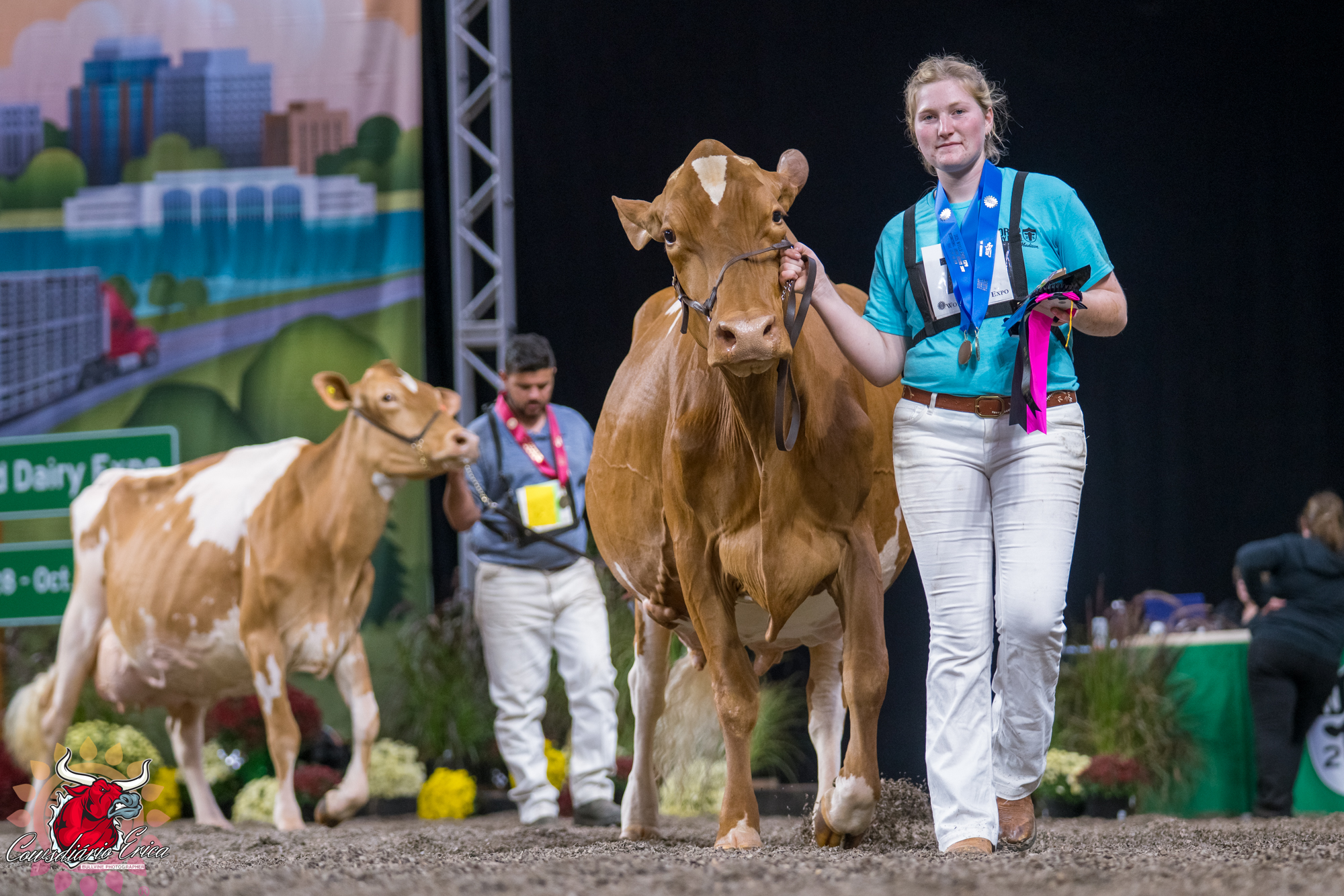
 Join the Revolution!
 Join the Revolution!