Archive for Dairy Industry – Page 8

Harnessing AI: How Dairy Farmers Are Tapping Into the $200 Billion Health and Wellness Market

Explore how dairy farmers are harnessing AI to penetrate the thriving $200 billion health and wellness industry. Could milk emerge as the ultimate health food? Uncover the possibilities here.
In today’s bustling wellness market, where kale chips and kombucha reign, a traditional favorite is making a remarkable comeback, powered by cutting-edge technology: milk. Dairy farmers are leveraging the potential of artificial intelligence (AI) to redefine health and wellness, showcasing milk’s extraordinary benefits and the industry’s adaptability and innovation. 

Consumers spend over $350 billion annually on health-focused food and drink. Yet, many are dissatisfied with existing options—a $200 billion opportunity in the U.S. alone. Dairy farmers are utilizing AI to enhance efficiency and maximize the potential of milk. Dairy Management Incorporated (DMI) is at the forefront, using strategic intelligence to align consumer needs with dairy benefits. This advancement places dairy farmers at the center of a health revolution, offering nourishment and targeted wellness solutions for modern consumers. 

As Senior Vice President of Strategic Intelligence at DMI, Eve Pollitt recently joined the Uplevel Dairy Podcast to discuss “How Milk is Winning New Consumers with Wellness.” Leading the foresight practice within DMI’s strategic intelligence team, Eve looks five-plus years ahead to identify trends affecting the dairy industry. Her work in leveraging AI and market intelligence aligns dairy’s health benefits with consumer demands, driving innovation and showcasing the full potential of milk.

Decoding Consumer Data to Transform the Dairy Industry: Insights from DMI 

Consumer insights and market intelligence are crucial to understanding the evolving dairy industry, especially current trends and future opportunities. These insights provide a data-driven foundation for stakeholders to make informed decisions that align with consumer demands and market dynamics. 

Dairy Management Incorporated (DMI) exemplifies the importance of these insights. Comprehensive research by DMI shows that more than 50% of consumers seeking health and wellness solutions via dietary choices are dissatisfied with the current market options. This gap translates into a $200 billion opportunity within the United States alone. 

By leveraging consumer insights, the dairy industry is innovating and demonstrating a deep understanding of consumer needs. This approach fosters trust and loyalty, making consumers feel integral to the industry’s success.

AI is Revolutionizing Dairy: Unleashing the Potential of Scientific Literature Analysis AI’s potential in revolutionizing the dairy industry is immense. By efficiently handling scientific literature, AI is unlocking new possibilities and reshaping the industry’s future, showcasing its forward-thinking approach. Traditionally, the sheer volume of research data created bottlenecks, slowing identifying new health benefits. However, AI can quickly process thousands of scientific papers, unlocking new possibilities. 

By centralizing and analyzing extensive scientific knowledge, AI identifies beneficial components in dairy more efficiently than humans. AI platforms can sift through numerous scientific journals, making connections between dairy molecules and their health benefits rapidly. What would take years for a human to do can be done by AI in hours. 

This rapid analysis is not just about speed but also accuracy. AI can uncover new health benefits in products not yet marketed. AI also helps formulate the required scientific evidence for new health claims, ensuring they are robust and ready for regulatory approval. 

As a result of these advancements, the dairy industry is not just meeting current consumer needs but also creating significant growth opportunities. This optimistic outlook is a testament to the industry’s potential and resilience.

Unlocking Dairy’s Health Potential through AI: Targeted Nutrition Meets Consumer Demand 

Health and wellness are increasingly becoming focal points for consumers, with dairy products standing out as potential key players across various areas. Here are some key examples: 

  • Bone Health: Dairy’s high calcium content is well-known, but AI now helps highlight other components like phosphopeptides that improve calcium absorption and boost bone density. This paves the way for new products tailored for osteoporosis and bone health.
  • Brain Health: AI has identified dairy components such as omega-3 fatty acids and sphingomyelin, which aid cognitive function and memory and combat neurodegenerative diseases. Targeted dairy products for brain health could be brought to market more swiftly.
  • Skin Health: AI-driven research has recognized lactoferrin in dairy for its anti-inflammatory and antibacterial properties, which are beneficial in combating acne. This could lead to dairy-infused skincare products for both teens and adults.
  • Gut Health: AI pinpoints probiotics in fermented products like yogurt that improve digestion and boost immunity. Future dairy products can be optimized with specific bacteria strains for enhanced gut health.
  • Immune Support: Insights from AI analysis reveal components like immunoglobulins and lactoferrin that boost immune responses. This can lead to fortified milk products, addressing the increased focus on immune health post-pandemic.

AI’s role in accelerating the identification of nutrient benefits in dairy is significant. By shortening the time needed to market new dairy products, AI benefits consumers and promotes growth and trust in the dairy industry, underscoring its commitment to consumer health.

Whole, Nutrient-Dense Foods: The Resurgence of Dairy in Modern Diets

Consumer preferences are increasingly shifting towards whole, nutrient-dense foods, driven by health awareness and skepticism towards processed items. This has significantly benefited the dairy industry, making it a top choice for genuine nutrition. The resurgence of whole milk exemplifies this trend, with consumers recognizing its nutritional value and natural richness. Today, whole milk is lauded for its essential fats, proteins, and vitamins crucial for overall well-being. 

Clean labels are a critical factor in this shift. Consumers scrutinize ingredient lists, favoring minimally processed products. Dairy, with its straightforward ingredients, fits this demand perfectly. Authentic, additive-free dairy products, from yogurts to cheeses, resonate with health-conscious shoppers who trust milk’s simple goodness. 

This trend aligns with the broader movement towards holistic health. As consumers prioritize foods that support long-term well-being, dairy’s natural, nutrient-rich profile becomes more compelling. The industry’s ability to meet these expectations boosts market appeal. It reinforces milk’s role in a balanced diet, driving sales and consumer trust.

Debunking Dairy Myths: The Skin Health Paradox Unveiled by AI

In today’s health landscape, misconceptions about dairy persist, particularly the belief that dairy exacerbates skin conditions like acne. However, advances in AI are challenging this narrative. Researchers using AI to analyze extensive scientific literature have found that components in dairy, such as lactoferrin, may benefit skin health. 

AI’s ability to process and synthesize thousands of studies allows for re-evaluating these myths. For example, lactoferrin has shown potential in reducing acne, contradicting the belief that dairy worsens it. This highlights AI’s power to reveal hidden health benefits in dairy and debunk myths, paving the way for increased consumer trust and market opportunities.

AI Innovations: Expanding Horizons for Dairy Farmers 

These advancements offer a multifaceted approach to directly benefit dairy farmers, focusing on three key areas: increasing sales, expanding product lines, and entering new markets. 

Increasing Sales: By using AI to identify and validate health claims, dairy farmers can boost the appeal and trust of existing products, driving higher sales. For example, new health benefits discovered in milk components can be marketed to health-conscious consumers, encouraging them to pay a premium. 

Expanding Product Lines: Identifying additional health benefits allows for creating new products targeting specific health concerns like bone, brain, or skin health. This diversification taps into niche markets with high growth potential, such as products with lactoferrin for acne mitigation aimed at younger consumers. 

Entering New Markets: AI insights help dairy farmers meet international regulatory standards, opening global markets. Backed by scientific evidence, these products can attract new consumers worldwide, increasing revenue streams and reducing dependency on domestic markets. 

These technological advancements empower dairy farmers to enhance product offerings and market reach. This drives sales, diversifies product lines, and opens new markets, ultimately boosting the bottom line.

The Bottom Line

Milk is gaining new consumers by positioning itself as a cornerstone of wellness and nutrition, thanks to advancements in technology and science led by Dairy Management Incorporated (DMI). Artificial intelligence (AI) is validating and expanding dairy’s health benefits, reshaping the narrative around milk in today’s diets. 

Firstly, DMI’s consumer data analysis reveals a significant gap in the health and wellness market that dairy products can fill. Consumers seek nutrient-dense solutions for health conditions, and dairy fits the bill. 

Secondly, AI is revolutionizing dairy by rapidly analyzing vast scientific literature to uncover hidden health benefits. This allows for quicker, targeted product innovations that address specific consumer health needs. 

The resurgence of nutrient-dense foods has boosted dairy’s popularity. Consumers recognize the value of whole foods, such as dairy, over overly processed alternatives. 

Additionally, debunking myths about dairy, like its impact on skin health, positions milk as a multifaceted health food. AI validates these benefits, refuting misconceptions and opening new market avenues. 

AI innovations are broadening the horizons for dairy farmers, enabling them to meet consumer demands with precise, science-backed health benefits. This enhances the bottom line for dairy producers. 

Looking ahead, the narrative around dairy is set for evolution. With AI-driven insights and a growing consumer focus on health, dairy farmers provide essential, scientifically validated health solutions. This promotes dairy as a vital health food and underscores the respect and trust that dairy farmers earn from consumers.

Numerous resources are available for those eager to delve deeper into Dairy Management Incorporated’s (DMI) pioneering efforts, including its innovative health and wellness initiatives. Start by visiting usdairy.com, where you’ll find a wealth of information regarding the organization’s research, strategic insights, and industry updates. Additionally, tune into the Uplevel Dairy Podcast hosted by Peggy Coffeen for those interested in a more conversational exploration of dairy-related topics. This podcast provides insightful discussions, expert interviews, and practical advice for dairy professionals. 

Key Takeaways:

  • AI, specifically artificial intelligence, is revolutionizing the dairy industry by centralizing and analyzing knowledge at unprecedented speeds, identifying health and wellness benefits, and debunking misconceptions.
  • Health and wellness is the primary area where consumers are willing to spend, yet over half are dissatisfied with current market options, presenting a $200 billion opportunity for dairy.
  • Key consumer health concerns include bone health, brain health, and mental well-being, with dairy positioned to become a critical solution provider.
  • DMI’s research supports that whole, nutrient-dense foods, including dairy, are regaining popularity due to their essential nutrients and overall health benefits.
  • AI-enabled insights into dairy components, like lactoferrin for acne treatment, offer new avenues for product claims and market expansion.
  • DMI is actively working to ensure future dairy products meet evolving consumer health demands, drive sales, and increase respect and trust in dairy farmers.
  • The narrative around dairy is shifting towards recognizing it as a modern, essential, and health-forward food product, aligning with future consumer expectations and trends.

Summary:

Artificial Intelligence (AI) is revolutionizing the dairy industry by identifying dairy components that improve calcium absorption and bone density, and omega-3 fatty acids and sphingomyelin that aid cognitive function and memory. This has led to a $200 billion opportunity in the U.S. alone. Dairy Management Incorporated (DMI) is at the forefront of this revolution, using strategic intelligence to align consumer needs with dairy benefits. AI-driven research has identified dairy components like phosphopeptides that improve calcium absorption and boost bone density, and omega-3 fatty acids and sphingomyelin that aid cognitive function and memory. The resurgence of whole, nutrient-dense foods in modern diets is driven by health awareness and skepticism towards processed items. Dairy, with its straightforward ingredients, fits this demand perfectly. AI advancements have challenged misconceptions about dairy, particularly the belief that dairy exacerbates skin conditions like acne. Researchers using AI to analyze extensive scientific literature have found that dairy components, such as lactoferrin, may benefit skin health. AI innovations offer a multifaceted approach to dairy farmers, focusing on increasing sales, expanding product lines, and entering new markets.


Learn more:

Algeria’s Dairy Industry Poised for Growth: Government Initiatives and Foreign Investments Lead the Way

Learn about Algeria’s growing dairy industry through government plans and foreign investments. Can Algeria produce enough milk on its own?

Flag of Algeria. Algeria flag on fabric surface. Algerian national flag on textured background. Fabric Texture. Democratic Republic of Algeria

Imagine Algeria, one of the world’s top dairy powder importers, transforming into a self-sufficient dairy powerhouse. Despite high milk consumption rates, local production meets just over half its annual demand. The Algerian government is addressing this with bold plans to modernize and expand the dairy sector, supported by foreign investors. 

Currently, Algeria heavily relies on imported milk powder. However, change is coming with: 

  • Government initiatives to boost local milk production.
  • Subsidies for dairy farmers and processors.
  • Partnerships with international dairy giants like Qatar’s Baladna and Saudi Arabia’s Almarai.

These concerted efforts are not just about meeting local demand, but about positioning Algeria as a global leader in milk production. By reducing imports and boosting the economy, these dynamic changes are paving the way for a bright future in Algeria’s dairy industry, full of potential for growth and prosperity.

Paving the Path to Dairy Independence: Algeria’s Strategic Push for Fresh Milk Dominance

Algerians consume 4.5 billion liters of milk annually, a crucial part of their diet. However, local production only covers just over half of this, leading to a heavy reliance on imported milk powder. The Algerian government is pivoting consumer preferences towards locally produced fresh milk to achieve self-sufficiency. 

This strategy involves incentives and programs to boost domestic milk production. Critical efforts include promoting fresh milk in the dairy processing industry, making it more attractive than reconstituted milk. 

To aid this shift, the government supports dairy farmers, collectors, and processors with subsidies for breeding and fodder, access to advanced breeding techniques, and investments in infrastructure. The aim is a robust dairy sector that meets and exceeds local demand.

From Striving to Thriving: Algeria’s Comprehensive Dairy Development Plan

Algeria’s dairy production is a significant focus for the government. In 2022, the Minister of Agriculture, Abdelhafid Henni, reported local fluid milk production at around 2.5 billion liters (2.5 mmt), meeting just half of the 4.5 billion liters (4.5 mmt) needed annually.  

Cow’s milk accounts for 70% of this production, with sheep and goat milk also contributing to the supply. Camel milk production is minimal. Yet, the production levels can’t fully satisfy Algeria’s high demand.  

The government aims to boost domestic milk production to cut down on imports. Over the past 20 years, various incentives have been rolled out to grow herds and enhance productivity, including annual subsidies of over 18 billion Algerian Dinars (US$129 million) for breeders, milk collectors, and processors.  

Despite these efforts, challenges remain. Issues in animal husbandry and feed management persist. Better genetics and a modern milk collection system are also needed. Limited pastureland hinders herd expansion, and a shortage of storage facilities causes supply disruptions, especially during Ramadan.  

The government is promoting camel and goat breeding in the Saharan regions to combat these issues. With continued efforts and foreign investments from companies like Qatar’s Baladna, Algeria strives for self-sufficiency in its dairy sector.

Comprehensive Measures: Algeria’s Multifaceted Approach to Dairy Sector Boost 

The Algerian government has taken a comprehensive approach to boost local milk production. Several initiatives have aimed to increase herd sizes, productivity, and modern techniques in the past two decades. Key programs include: 

  • Subsidies: Over 18 billion Algerian Dinars (US$129 million) are allocated annually for local milk production, benefiting dairy cattle breeders, milk collectors, and processors.
  • Fodder Production and Irrigation: The Ministry of Agriculture supports fodder production, including seeds, hay, wrapped fodder, stables, and irrigation systems.
  • Improving Genetics: Programs focus on genetic quality through artificial insemination, embryo transfer, and importing pregnant heifers and dairy cattle to boost productivity.
  • Modernizing Milk Collection: Efforts to establish a modern, fresh milk collection system aim to improve supply chain issues and ensure a steady flow of fresh milk to processors.

An Import Surge Amidst Local Production Push: Algeria’s Evolving Dairy Dynamics

Recent figures show a rise in Algeria’s milk powder imports. In 2022, imports reached nearly 419,000 metric tons; by 2023, they increased to 440,000 metric tons—a 5% jump. This growth stems from lower international prices and Algeria’s improved economy. The drop in milk powder prices in late 2022 through 2023 boosted import volumes. 

Conversely, butter and cheese imports have declined over the past five years due to the government’s import controls and rising global prices. New Zealand remains the top butter supplier, but its exports to Algeria fell by 40% because of price fluctuations.

Foreign Investments: A New Chapter in Algeria’s Dairy Sector Transformation 

Recent foreign investments have breathed new life into Algeria’s dairy industry. Major Gulf dairy producers, Qatar’s Baladna and Saudi Arabia’s Almarai are planning substantial operations in the country.  

Baladna has struck a significant deal with Algeria’s Ministry of Agriculture and Rural Development to launch one of the world’s largest agricultural projects. The project aims to produce about 1.7 billion liters of milk annually. This will potentially meet 50% of Algeria’s powdered milk demand, reducing import reliance.  

With a $3.5 billion investment, this project is expected to create around 5,000 jobs and introduce 270,000 cows to supply over 85% of Algeria’s fresh milk needs. These investments are critical for Algeria to achieve more self-sufficiency in dairy production.  

These foreign investors bring capital, valuable expertise, advanced technologies, and modern farming practices. This aligns well with the government’s ongoing efforts to modernize and expand the dairy sector under its five-year plan initiated in 2020. 

These investments are expected to boost local dairy production, enhance quality standards, and reduce dependency on imported milk powder. The ripple effect extends beyond production, potentially transforming market dynamics and strengthening Algeria’s economic landscape.

Economic Resurgence Amidst Challenges: Algeria’s Path to Dairy-Driven Prosperity

Algeria’s economy is on the upswing but faces challenges. In 2023, the World Bank reported a 4.1% GDP growth, alongside high inflation at 9.3%. While GDP growth might slow in 2024 due to stagnant oil and agriculture sectors, a recovery is expected in 2025. The IMF values the national economy at around $200 billion. 

The dairy industry’s growth and foreign investments are pivotal for Algeria’s future. Modernizing the dairy sector aims to boost local milk production and create jobs. For instance, Baladna’s $3.5 billion project is expected to generate 5,000 jobs and house 270,000 cows, potentially covering over 85% of Algeria’s fresh milk needs. 

These comprehensive efforts focus on reducing import dependency, conserving foreign reserves, and promoting self-sufficiency. As these initiatives advance, the dairy sector’s growth will likely significantly bolster Algeria’s GDP, complementing the country’s modernization efforts.

The Bottom Line

Algeria’s dairy industry future looks brighter, thanks to solid government programs and rising foreign investments.  All these efforts signal a transformative shift towards self-sufficiency. Algeria is on the verge of reducing its import reliance and building a robust domestic dairy industry. It’s an excellent time for stakeholders to join this exciting journey!

Key Takeaways:

  • Algeria’s local milk production meets just over half of its annual consumption, with the remainder fulfilled by imported milk powder.
  • The government is pushing to reduce milk powder imports and encourage consumption of locally produced fresh milk.
  • Despite government incentives, Algeria still relies heavily on milk powder imports and faces issues in animal husbandry and feed management.
  • Significant subsidies and support are provided for dairy cattle breeders, milk collectors, and dairy processors.
  • Milk powder imports increased in 2022 and 2023, influenced by decreasing international prices and Algeria’s economic performance.
  • Foreign investment, especially from Gulf countries, is significantly boosting Algeria’s dairy sector, with major projects in the pipeline.
  • Algeria’s GDP grew by 4.1% in 2023, though challenges remain with inflation and stagnation in some sectors.
  • The future outlook for Algeria’s dairy industry suggests a move towards self-sufficiency and reduced reliance on imports.

Summary:

Algeria is aiming to become a self-sufficient dairy powerhouse, despite high milk consumption rates. The Algerian government is modernizing and expanding the dairy sector, supported by foreign investors. Initiatives include boosting local milk production, subsidies for dairy farmers and processors, and partnerships with international dairy giants like Qatar’s Baladna and Saudi Arabia’s Almarai. In 2022, local fluid milk production was around 2.5 billion liters, meeting only half of the 4.5 billion liters needed annually. Cow’s milk accounts for 70% of this production, while sheep and goat milk also contribute. The government is implementing incentives and programs to boost domestic milk production, including subsidies for breeding and fodder, access to advanced breeding techniques, and investments in infrastructure. However, challenges remain, such as issues in animal husbandry and feed management, better genetics, and a modern milk collection system. The government is promoting camel and goat breeding in the Saharan regions to combat these issues.

Learn more:

Dairy Farming Showdown: Canada vs USA – Which is Better?

Explore the contrasts in dairy farming across Canada and the USA. Which nation provides superior opportunities and practices for its dairy farmers? Uncover the insights here.

Picture this: a sprawling dairy farm in rural Ontario and another in the heartland of Wisconsin. Their farming practices, regulations, and philosophies can vary dramatically despite being neighbors. This comparison reveals how geographical, economic, and regulatory factors shape dairy farming in each nation. 

Understanding these differences matters not just for farmers but also for consumers and policymakers. By examining dairy farming on both sides of the border, we uncover unique challenges, advantages, and lessons each country can learn from the other. 

We will explore: 

  • Regulations and their impact on production
  • Economic factors and dairy market trends
  • Adoption of technological advancements
  • Sustainability practices
  • Cultural influences

This comparative analysis will highlight the unique attributes of dairy farming in each country and identify opportunities for collaboration. Our journey navigates through policy landscapes, economic realities, technological advancements, and cultural nuances, providing a comprehensive understanding of this essential agricultural domain.

Tracing the Divergence: The Historical Paths of Dairy Farming in Canada and the USA 

Dairy farming in Canada and the USA evolved with distinct milestones and events shaping each country’s industry. In the USA, small-scale farms initially focused on self-sufficiency during the early colonial period. The 19th century saw significant transformation with industrialization and urbanization. Railroads allowed dairy products to reach urban markets efficiently, commercializing the industry. Key developments such as the first dairy cooperative, the cream separator, and pasteurization in the late 1800s propelled growth. 

Canada’s dairy farming history also began with small-scale, subsistence farms but took a distinctive turn with the introduction of supply management in the 1970s. This system stabilized the market by matching production with national demand, diverging from the USA’s market-driven approach. 

World War II played a critical role in both industries. In the USA, the war effort drove significant increases in dairy production, supported by technological advancements and government policies post-war. In Canada, post-war reconstruction and policies encouraged dairy farming for national food security

While both countries started with small-scale dairy farming, industrialization, innovation, historical events like World War II, and governmental policies sculpted two distinct paths. The USA’s market-driven growth contrasts Canada’s regulated approach, reflecting their unique historical contexts.

Divergent Regulatory Frameworks: Comparing Canadian and American Approaches to Dairy Farming 

Canada and the USA take notably different approaches to regulating dairy farming, each with unique mechanisms to stabilize their industries. This divergence is evident in supply management, quota systems, and government subsidies. 

Supply Management Systems: Canada operates under a stringent supply management system to balance supply and demand, ensuring farm gate prices cover production costs. This involves production quotas, controlled imports, and price adjustments, giving farmers stable prices and reduced market volatility with predictable income. 

In contrast, the U.S. dairy market operates on free-market principles, where supply and demand dictate prices. This can lead to significant price fluctuations, exposing farmers to market volatility. Fostering competitive pricing and innovation also imposes more substantial financial uncertainty. 

Quota Systems: Canada’s quota system is central to its supply management framework. Each farm is allocated a production quota, which can be bought, sold, or leased. This system prevents overproduction and stabilizes market prices, aligning output with national consumption rates. 

The U.S. lacks a nationwide quota system, relying instead on regional cooperative programs and less comprehensive state-specific initiatives. This often leads to challenges like overproduction and price suppression for American farmers. 

Government Subsidies: In the U.S., government subsidies such as the Dairy Margin Coverage (DMC) help mitigate losses due to falling milk prices and rising production costs. These subsidies provide a financial safety net for farmers during adverse market conditions. 

Canadian farmers receive government support indirectly through high tariffs on imported dairy products beyond set quotas. These tariffs protect them from competition and price undercutting, allowing them to maintain financial viability without extensive subsidies. 

These regulatory differences significantly impact farmers. In Canada, supply management and quota system stability aid long-term planning and consistent production levels, though critics argue it raises consumer prices. U.S. farmers benefit from subsidies but face greater market unpredictability. This reflects the broader agricultural policies of the two nations—Canada favors market control and domestic protection, while the U.S. leans towards market freedom and competitiveness.

Economic Dynamics of Dairy Farming: A Comparative Analysis of Canada and the USA

When comparing the economic aspects of dairy farming in Canada and the USA, numerous factors like production costs, milk prices, and profitability come into play. In Canada, the supply management system defines the economic landscape, balancing supply and demand while ensuring farm gate prices cover production costs. This system offers Canadian farmers a stable income through production quotas and import controls, shielding them from international market volatility. 

American dairy farmers, however, operate in a market-driven environment influenced by domestic and international market forces. This leads to a more volatile economic situation, which is evident in Wisconsin’s dairy crisis, where low milk prices and high production costs are standard. The USMCA aims to protect US producers, but challenges remain. 

Production costs differ notably between the two. Canadian farmers benefit from high biosecurity, animal welfare, and health standards imposed by the Canadian Food Inspection Agency, which, while costly, are offset by stable prices under supply management. American farmers often face lower regulatory costs but must invest heavily in scale and efficiency due to the lack of similar protections. 

Canadian farmers, assured by a stable pricing model, are generally better positioned against market shocks. In contrast, US farmers face fluctuating milk prices and input costs, making profitability more precarious. Thus, while Canadian dairy farmers navigate a regulated economic environment, their American counterparts deal with higher risks and potential rewards in a market-oriented system.

The Structural Composition and Scale of Dairy Farms in Canada and the USA: A Contrast in Agricultural Paradigms 

The structural composition and scale of dairy farms in Canada and the USA illustrate distinct agricultural paradigms shaped by their economic and regulatory environments. In Canada, family-owned farms thrive under a supply management system that ensures production aligns with demand and prices cover production costs. Most Canadian dairy farms have fewer than 100 cows. 

Conversely, the dairy industry in the U.S. leans towards larger, industrial-scale operations due to the lack of a supply management system. Farms in states like California and Wisconsin often house hundreds to thousands of cows to achieve economies of scale and meet market demands. 

This contrast highlights the different focuses of dairy farming in both countries. Canadian farms prioritize sustainability and local market balance, supported by strict import regulations and production quotas. In the U.S., farms face competitive pricing and global trade pressures. As a result, rural communities in Canada benefit from the stability of family-owned farms. In contrast, U.S. communities experience changes in demographics and farm labor due to the rise of industrial dairy operations

The difference in farm sizes and structures underscores distinct agricultural policies and broader socio-economic priorities, ranging from Canada’s focus on local food sovereignty to the USA’s emphasis on market competition.

Environmental Impact: Bridging Policies and Practices in Dairy Farming Across Canada and the USA 

The environmental impact of dairy farming presents intricate issues in Canada and the USA. In Canada, strict regulations set by the Canadian Food Inspection Agency shape environmental practices, covering waste management, biosecurity, and greenhouse gas emission reduction. Canadian dairy farms tend to be smaller, which can lead to easier waste management and lower emissions per farm. 

Conversely, the larger scale of American dairy farms, especially in states like Wisconsin and California, brings significant environmental challenges. However, innovative solutions like anaerobic digesters, which convert manure into biogas, are helping to manage waste and reduce methane emissions—however, the decentralized regulatory system in the US results in varied adoption of sustainable practices across states. 

Both countries aim to reduce dairy farming’s environmental footprint. Canada’s supply management system helps match production with market demand, reducing waste. Precision agriculture technologies further improve resource use efficiency. The Dairy Sustainability Alliance and federal and state programs promote practices to reduce greenhouse gas emissions and enhance nutrient management in the US. Regenerative agriculture, focusing on soil health and biodiversity, is also gaining traction. 

Though Canada and the USA face unique environmental challenges in dairy farming, their shared commitment to innovation and sustainability highlights their efforts to lessen the industry’s ecological impact. These initiatives could set new standards for dairy farming practices worldwide as global awareness grows.

Navigating Labor Dynamics in Dairy Farming: A Comparative Study of Canada and the USA 

When examining the labor dynamics in dairy farming in Canada and the USA, distinct challenges emerge, rooted in unique regulatory landscapes and economic frameworks. Both countries face a critical shortage of local labor for the demanding tasks inherent to dairy farming. 

The dairy industry largely depends on immigrant labor in the United States, especially from Latin American countries. Many workers are undocumented, exposing them to legal and job security vulnerabilities. While labor costs can be lower, this reliance on undocumented workers faces scrutiny and challenges amid tightening immigration policies. 

In contrast, Canadian dairy farms benefit from stable farm gate prices due to the supply management system, yet still encounter labor shortages driven by rural depopulation and youth disinterest in agriculture. Canada addresses this with temporary foreign worker programs, though these initiatives face criticism regarding the rights and conditions of migrant workers. 

Work conditions also vary. Under the Canadian Food Inspection Agency (CFIA), Canada mandates stringent biosecurity, animal welfare, and health standards, ensuring safer environments. The U.S. landscape is more fragmented, with labor laws differing by state, leading to varied working conditions. 

Both countries are exploring solutions to these challenges. The USA invests in automation and robotic milking systems to reduce dependence on human labor, while Canada focuses on outreach and training programs to attract young talent to agriculture. 

While there are similarities, each country’s labor dynamics in dairy farming are shaped by its socio-economic and regulatory contexts. Addressing labor shortages and improving working conditions remain critical for innovation and sustainable solutions.

Market Access and Trade Policies: Contrasting Stability and Competition in Canadian and American Dairy Farming 

Market access and trade policies shape the dairy farming landscape in Canada and the USA. Canada’s supply management system balances supply with domestic demand, insulating farmers from volatile international price fluctuations. This ensures Canadian dairy farmers receive stable income, essential for covering production costs while shielding them from foreign dairy products through steep tariffs. As a result, Canadian dairy farmers enjoy more controlled and predictable economic conditions. 

In contrast, American dairy farmers operate in a highly competitive global market, where fluctuating international prices and trade policies significantly impact profitability. The USMCA aims to protect US dairy producers, but farmers, especially in states like Wisconsin, still face immense global market pressures, often leading to financial distress. 

Canada’s regulated approach protects its dairy farmers, while the US’s market-driven model fosters competition. This divergence reflects broader economic philosophies, with each country presenting unique challenges and adaptations for their dairy farmers.

Consumer Preferences and Dairy Consumption Trends: The Dual Influence on Farming Practices in Canada and the USA

Consumer preferences and trends in dairy consumption are vital in shaping farming practices and product offerings in Canada and the USA. Canada’s demand for organic and locally produced dairy products is rising, driven by a consumer shift towards sustainability and transparency. This trend pushes Canadian dairy farmers to adopt more organic methods and adhere to stringent animal welfare standards. The supply management system supports this by ensuring local demand is met with local supply, focusing on quality.  

While there is growing interest in organic and specialty dairy products in the USA, the market is more dynamic and competitive. American consumers value sustainability and organic trends but are also driven by price sensitivity and diverse product choices. This results in various farming practices, from large-scale conventional operations to smaller niche organic farms. Economic pressures to remain competitive often lead American farmers to maximize productivity and efficiency, sometimes at the expense of smaller-scale, organic practices.  

In the USA, the impact of consumer trends on product offerings is more evident. The marketplace offers options like lactose-free, plant-based alternatives, and fortified dairy products, which compels farmers to innovate and diversify continuously. While these products are becoming popular in Canada, the regulated supply management system ensures steady production, balancing supply and demand to maintain farm gate prices and local standards.  

In summary, consumer preferences in both countries drive differences in dairy farming practices and product offerings. Canada’s regulatory framework favors stability and quality, while the USA’s market competition encourages a wide array of practices and innovation, reflecting each country’s distinct consumer bases and economic landscapes.

The Bottom Line

The landscape of dairy farming in Canada and the USA reveals a fascinating divergence shaped by historical, regulatory, and economic factors. The Canadian system’s supply management offers stability and controlled market dynamics, preventing overproduction and ensuring steady revenue. In contrast, with minimal market intervention, the American approach exposes farmers to greater volatility and potentially higher rewards through market-driven forces. 

Economically, production costs and competitive pressures differ starkly, influenced by trade policies and consumer trends. Structurally, Canadian dairy farms are generally smaller and more consistent in scale, while American farms vary widely in size due to market competition. Environmental practices also differ and are guided by regulatory frameworks and regional priorities. 

These divergent paths reflect broader agricultural paradigms and societal values, affecting farmers’ livelihoods and the wider economic and environmental landscape. As global market dynamics and consumer preferences evolve, the insights from these practices may shape future agricultural policies on both sides of the border.

Key Takeaways:

  • Canada and the USA have distinct historical paths in dairy farming, influenced by different regulatory frameworks.
  • Canada’s supply management system offers stability but raises concerns about competition and wealth distribution among farmers.
  • The US dairy market is more competitive, leading to varied economic outcomes for farmers but increased market flexibility.
  • Structural differences in farm sizes impact environmental policies, with Canada leaning towards smaller farms and the USA having larger, industrial operations.
  • Environmental regulations in both countries aim to mitigate the ecological footprint of dairy farming, although strategies differ.
  • Labor dynamics highlight the reliance on foreign labor in the USA, whereas Canada faces different labor market challenges in dairy farming.
  • Trade agreements like the USMCA play a pivotal role in shaping market access, with gradual changes anticipated in TRQs affecting both nations.
  • Consumer preferences drive farming practices, with trends in dairy consumption influencing operational decisions in both Canada and the USA.

Summary:

This analysis examines the unique characteristics of dairy farming in Canada and the USA, highlighting differences in their practices, regulations, and philosophies. The USA’s dairy farming history began with small-scale farms, followed by industrialization and urbanization in the 19th century. Canada’s dairy farming began with subsistence farms and evolved with supply management in the 1970s. World War II played a significant role in both industries, with the USA driving increased dairy production and Canada promoting it for national food security. Canada operates under strict supply management to balance supply and demand, while the USA invests in automation and robotic milking systems to reduce dependence on human labor.

Learn more:

New Zealand Exports to U.S. Hit Record $5.4 Billion Amid Strong Demand and Kiwi Dollar Decline

Uncover the dynamics behind New Zealand’s record $5.4 billion in exports to the U.S. Delve into the factors driving this growth, from robust demand to the depreciation of the kiwi dollar.

With an 8.9% rise from the year before, New Zealand’s exports to the United States have jumped to an extraordinary NZ$8.8 billion ($5.4 billion). High demand for New Zealand’s goods and a reasonable exchange rate—the Kiwi currency dropping 3.3% versus the US dollar—drive this increase. “The strong market demand and currency shifts have bolstered New Zealand’s export potential,” said an expert from Statistics New Zealand. American customers have looked for goods like meat, dairy products, and wine. On the other hand, relationships with other vital allies like Australia have displayed different patterns.

Shifting Horizons: New Zealand’s Strategic Diversification in Global Trade 

Geographic remoteness and great agricultural and marine resources have dramatically influenced New Zealand’s export scene. Originally primarily dependent on the British market, the country today boasts a varied export portfolio, including China, Australia, the United States, Japan, and the European Union, and engages essential trade partners.

Driven by strong demand for dairy, beef, and lumber, China has become New Zealand’s top export destination. With exports topping NZ$10 billion by 2018, the 2008 free-trade deal between New Zealand and China, which eliminated tariffs on many goods, spurred this expansion.

Australia is still a critical economic partner because of the Closer Economic Relations (CER) trade deal signed in 1983. Notwithstanding current volatility, which includes [specific examples of volatility], the geographical closeness and bilateral solid relations guarantee continuous commerce in food items, manufactured goods, and equipment.

From the 1980s to the late 2010s, trade with the United States has changed progressively. However, a recent trend shows growing demand for New Zealand’s luxury food and beverage exports, especially wine, dairy, and meat.

New Zealand constantly changes its export plans to maintain economic resilience and reduce market volatility. This is particularly clear in the global financial crisis when diversification has proven essential. The increase in U.S. exports highlights a calculated attempt to enter the American solid market at advantageous exchange rates, which involved proactive engagement with American buyers, leveraging favorable trade agreements, and capitalizing on the consumer demand for premium-quality products. 

Economic Catalysts: The U.S. Market’s Robust Demand and Kiwi Dollar Depreciation 

Many economic factors have spurred the rise in New Zealand’s exports to the United States. Most importantly, the strength of the American economy has contributed to this. Over the last year, the United States has enjoyed rising consumer expenditures, industrial expansion, and a strong employment market, driving demand for premium imports like those from New Zealand.

Furthermore, the devaluation of the New Zealand currency has improved its export competitiveness. With the Kiwi currency depreciating 3.3% versus the US dollar, New Zealand products have been more reasonably priced for US consumers, increasing demand.

The attraction of New Zealand’s primary export goods—wine, dairy, and meat—has produced a welcoming trading climate. This synergy between a robust U.S. market and advantageous exchange rates shows New Zealand’s export performance.

Contrasting Fortunes: U.S. Growth, Australian Decline, and China’s Dominance

The image of New Zealand’s exports shows complexity. Thanks to American robust demand and the devaluation of the Kiwi currency, exports to the United States reached a record NZ$8.8 billion, an 8.9% rise over last year. By contrast, exports to Australia dropped 2.4%, falling from a mid-year record of NZ$9.1 billion to NZ$8.7 billion, mainly owing to lower demand for industrial items such as mechanical gear. With sales of NZ$17.9 billion, China still ranks New Zealand’s biggest export market. This varied export performance emphasizes how urgently strategic adaptability is needed in New Zealand’s trade strategies.

Quality Drives Demand: Wine, Dairy, and Meat Propel New Zealand’s Record-Breaking U.S. Exports

New Zealand’s record exports to the U.S. are powered mainly by high demand for winedairy products, and meat. These products align well with U.S. consumer preferences and market needs. 

Wine exports have surged by 38% over the past year. New Zealand’s Sauvignon Blanc and Pinot Noir are highly acclaimed for their quality, benefiting from the country’s unique climate and soil, which appeal to discerning U.S. consumers. 

Dairy products have seen increased demand due to their high quality and nutritional value. New Zealand’s grass-fed dairy aligns with the preferences of health-conscious and organic-seeking U.S. consumers. The country’s strict farming practices ensure the purity of its products. 

Meat exports are thriving thanks to U.S. demand for premium lamb and beef. New Zealand’s free-range, grass-fed livestock practices produce flavorful, ethically, and sustainably sourced meat that appeals to American consumers. 

The Kiwi dollar’s decline against the U.S. dollar boosts New Zealand’s export competitiveness, making its quality products more affordable for American buyers.

Seasonal Synergy: The Summer Surge Behind New Zealand’s Export Peaks

Given the particular environment of the southern hemisphere, New Zealand’s export numbers are much shaped by seasonal elements. From December to February, the summer of New Zealand marks the maximum fruit and vegetable harvest. May has become a vital export month, falling after harvest and the beginning of the world shipping season. This scheduling guarantees that exports such as apples and kiwifruit arrive at markets fresh, increasing quantities and value. The summer also improves crop quality, which appeals to foreign consumers of New Zealand’s goods.

Beyond agriculture, summer supports viticulture, among other industries. Strong grape yields and ideal harvesting circumstances in the summer months help the wine business. Therefore, May observed a boom in wine exports, which helped explain the increase in exports. Although the summer temperature less affects dairy and meat products, the favorable agricultural surroundings increase general production and effect. The record-breaking export numbers in May reflect this seasonal synergy, which emphasizes the critical part seasonal elements play in the export dynamics of New Zealand.

The Bottom Line

The record NZ$8.8 billion exports to the United States best captures New Zealand’s nimble trade approach. Driven by American steady demand and the devaluation of the Kiwi currency versus the U.S. dollar, this milestone emphasizes New Zealand’s capacity to exploit economic circumstances. Premium wine, dairy, and meat goods from New Zealand appeal especially to American consumers. On the other hand, declining Australian consumption and China’s relentless supremacy expose changing patterns in New Zealand’s export markets.

New Zealand is poised to profit from its strong trade links and quality products. Particularly in the southern hemisphere summer, seasonal maxima will keep increasing export quantities. Maintaining competitiveness, however, will depend on being alert about changing consumer tastes in essential areas such as China, Australia, and the United States, as well as monetary change. Stressing quality and strategic orientation will also be crucial to maintaining and surpassing these record export levels.

Key Takeaways:

  • New Zealand’s exports to the United States reached a record NZ$8.8 billion ($5.4 billion) in the 12 months through May, marking an 8.9% increase from the previous year.
  • While the U.S. market surged, exports to Australia experienced a decline of 2.4% year-over-year to NZ$8.7 billion.
  • China maintains its position as New Zealand’s largest export market, with NZ$17.9 billion in sales, accounting for 26% of total exports.
  • The usability of the kiwi dollar played a crucial role, as its 3.3% decline against the U.S. dollar enhanced the competitiveness of New Zealand goods in the American market.
  • May alone witnessed record-breaking exports of NZ$7.2 billion, with the U.S. accounting for NZ$1.02 billion due to high demand for wine, dairy products, and meat.
  • New Zealand’s export numbers typically peak in May, aligning with the end of the southern hemisphere summer and the height of the fruit and vegetable season.

Summary: 

New Zealand’s exports to the United States have reached an impressive NZ$8.8 billion ($5.4 billion), driven by high demand for its goods and a reasonable exchange rate. This growth is attributed to strong market demand and currency shifts, as American customers are seeking meat, dairy products, and wine. New Zealand’s strategic diversification in global trade is influenced by its geographical remoteness and great agricultural and marine resources. The country has a diverse export portfolio, including China, Australia, the United States, Japan, and the European Union, and engages essential trade partners. China has become New Zealand’s top export destination due to strong demand for dairy, beef, and lumber. Australia remains a critical economic partner due to the Closer Economic Relations (CER) trade deal signed in 1983. New Zealand constantly changes its export plans to maintain economic resilience and reduce market volatility, particularly during the global financial crisis when diversification is essential.

Learn more:

West Virginia Legalizes Raw Milk Sales: What Consumers and Farmers Need to Know

Uncover the implications of West Virginia’s newly enacted raw milk legislation for both consumers and farmers. Do you understand the potential risks and rewards of consuming unpasteurized milk? Find out more today.

West Virginia has legalized the retail sale of raw, unpasteurized milk. Effective June after its approval in March, this change reshapes the state’s dairy industry. Farmers can now sell raw milk without a license, potentially boosting revenue. This policy shift increases consumer access to raw milk and opens up new opportunities for dairy farmers. Consumers advocating for raw milk’s health benefits can access it more conveniently with mandatory safety warnings. The label must state “unpasteurized raw milk” and include the seller’s name, address, and production date.

The Pre-Legislation Landscape: Herd Shares and Limited Access to Raw Milk 

Before the recent legislation, West Virginia residents navigated a complex landscape to access raw milk. The consumption of raw milk has been legally permissible through herd-sharing programs since 2016. These herd shares allowed consumers to purchase a stake in a cow, thus granting them part ownership and a consistent supply of unpasteurized milk from their animals. This involved a financial investment in the cow, which in turn provided a regular supply of raw milk. However, retail sales of raw milk were prohibited, limiting broader consumer access and confining the distribution primarily to those involved in these specific arrangements. The passage of House Bill 4911, which sailed through the state senate with a 28 to 5 vote and the house of delegates at 76 to 19, marks a significant shift in policy, broadening the availability of raw milk beyond the confines of herd shares. This legislative change bypassed the governor’s veto or signature, highlighting a solid legislative move towards dairy deregulation and expanding consumer choice within the state.

A Paradigm Shift: New Raw Milk Regulations in West Virginia

The new legislation marks a significant shift in West Virginia’s regulatory landscape for dairy products, specifically raw milk. Sellers no longer need a license to retail unpasteurized milk, but labeling requirements are strict. Each bottle must state “unpasteurized raw milk” and include the seller’s name, address, and production date. 

The law mandates a clear warning about the increased risk of foodborne illnesses associated with consuming unpasteurized dairy to mitigate health risks. This label aims to inform consumers of potential health hazards, promoting informed decision-making.

Current Regulatory Gaps Pose Challenges for Producers and Consumers Alike 

The current regulatory gaps in West Virginia’s raw milk law pose significant concerns, leaving producers and consumers navigating uncertain terrain. Without specific guidelines, sellers must only follow essential labeling and risk warning requirements. The lack of a mandated licensing system or formal inspection protocol raises questions about consumer safety. 

Regulations anticipated after 2025: Comprehensive regulations are expected past the 2025 legislative session, leaving a temporary oversight vacuum. This delay is crucial for public health and addressing critics’ concerns about raw milk risks. 

No inspection and testing funding: Unlike other states, West Virginia’s law does not allocate funds for routine inspections or pathogen testing, such as E. coli. This shortfall requires farmers to self-monitor and urges consumers to be diligent. The Ag Department recommends self-regulation, proper insurance, and consumer vigilance. 

These gaps highlight the need for a detailed regulatory framework and adequate enforcement resources as the state advances with raw milk legalization.

Consumer Vigilance: Navigating the New Raw Milk Market in West Virginia

Consumers must be informed and cautious as the raw milk market opens in West Virginia. Given the health risks of unpasteurized milk, knowing your source is crucial. Research the farm, read reviews, and visit to observe their practices. Communicate directly with the seller to address any questions. 

Health authorities like the U.S. Centers for Disease Control and Prevention link raw milk to illnesses like E. coli, Salmonella, and Listeria. Despite purported benefits, the risk of bacterial contamination is significant. Assess the farm’s cleanliness, animal health, and milk handling practices. It’s important to note that while raw milk may offer nutritional benefits, it also carries a higher risk of foodborne illnesses due to the absence of pasteurization. Therefore, consumers should be aware of these risks and take necessary precautions when considering raw milk as a food option. 

Due to the lack of mandatory testing or inspections, personal vigilance is essential. Ask farmers for their testing results, but remember you are responsible for mitigating risks. Learn the symptoms of foodborne illnesses and take immediate action if they appear after consumption. 

In summary, while legalizing raw milk sales in West Virginia brings new opportunities, it comes with responsibilities. Consumers are empowered to make informed choices and protect their health by researching sellers, understanding risks, and staying vigilant.

Farmers’ Responsibilities Under Scrutiny: Ensuring Safety and Quality in the Raw Milk Market 

With West Virginia’s raw milk regulations still developing, farmers are responsible for ensuring product safety. Since the new law doesn’t mandate state inspections or testing, farmers must perform their checks for contaminants like E. coli. Securing adequate insurance is vital to protect their businesses and build consumer trust. These voluntary practices are essential as the state finalizes its regulatory framework.

West Virginia’s Lenient Raw Milk Regulations: A Case of Deregulation and Consumer Choice

West Virginia’s raw milk regulation is significantly more lenient than states like Pennsylvania, marking a shift towards deregulation and consumer choice. In West Virginia, no license is required to sell raw milk. Sellers only need to label products as “unpasteurized raw milk” with their name, address, and production date, along with a warning about foodborne illness risks. 

In contrast, Pennsylvania’s proactive regulatory approach requires sellers to obtain a license, ensuring compliance with safety standards. The state sued a farmer after raw milk products were linked to illnesses, highlighting a regulatory system focused on consumer protection. This comparison shows how states like West Virginia and Pennsylvania balance public health concerns with market freedom.

The Federal-State Dichotomy: Navigating Raw Milk Regulations

The FDA bans the sale of raw milk across state lines federally due to the risks of bacteria like E. coli, Salmonella, and Listeria. However, states are increasingly revisiting raw milk laws. 

This year, Delaware has pushed toward legalization, Rhode Island debated it, and New Jersey touched on the topic during a budget hearing. In the Northeast, New York and Pennsylvania already allow raw milk sales with strict rules. 

Consumer demand and the need for new revenue streams for dairy farmers fuel the drive to change these laws. Supporters argue that raw milk can boost local agriculture and offer natural food options. At the same time, critics maintain that pasteurization is crucial for safety. 

As states like West Virginia adopt more flexible raw milk laws, the debate persists, engaging all stakeholders in a conversation about balancing consumer choice and agricultural viability with public health safety. 

Raw Milk: A Contentious Debate of Health Benefits vs. Safety Risks

The debate surrounding raw milk is both passionate and complex. Proponents argue that raw milk offers superior nutritional content, improved digestion, and enhanced immunity. They claim that pasteurization effectively kills harmful bacteria and destroys valuable enzymes and vitamins. Advocates suggest that raw milk supports gut health due to its probiotic properties and can alleviate lactose intolerance and allergies. They emphasize its traditional and natural aspects, presenting raw milk as a more “wholesome” option. 

Critics, including the FDA and CDC, raise significant safety concerns. They highlight the risks of bacterial contamination from pathogens like E. coli, Salmonella, and Listeria, which can cause severe foodborne illnesses, particularly in vulnerable populations. The average of 3.9 foodborne illnesses per year in West Virginia underscores these dangers. Critics argue that the health benefits of raw milk do not outweigh its risks, advocating for pasteurization as a safer alternative without compromising nutritional value. 

Ultimately, the clash centers on balancing perceived health benefits against known health risks. While supporters value raw milk for its natural benefits and taste, critics emphasize the serious safety hazards and advocate for pasteurization.

Avian Influenza: An Emerging Threat Complicates the Raw Milk Saga

Furthermore, the recent discovery of avian influenza in cows heightens concerns about raw milk safety. Although the virus’s transmission in cows is still being studied, its potential risk to human health is significant. Though speculative, the possibility of contracting avian influenza through milk highlights the need for vigilance. 

Pasteurization is a crucial defense, effectively killing harmful pathogens, including viruses like avian influenza. Pasteurization destroys microorganisms by heating milk to a specific temperature, ensuring consumer safety. Advocates of raw milk must consider these established safety measures. Until we have conclusive data on avian influenza in milk, pasteurization remains the safest option to protect public health.

The Bottom Line

West Virginia’s legalization of raw milk sales introduces new opportunities for local dairy farms. Still, it comes with significant safety and regulatory challenges. Effective without extensive oversight or state-funded inspections, the law requires farmers to ensure their milk is safe and insured. Consumers must be proactive, researching their sources to reduce health risks. This new framework requires all parties to make informed decisions, balancing potential benefits against the dangers of unpasteurized milk.

Key Takeaways:

  • Raw milk retail sales are now legal in West Virginia as of June, following approval in March.
  • No license is required for selling raw milk, but the product must have a clear label stating “unpasteurized raw milk” along with the seller’s details and production date.
  • Raw milk labels must include a warning about the increased risk of foodborne illnesses.
  • Comprehensive regulations for raw milk are not expected until after the 2025 legislative session.
  • The new law does not provide funding for inspections or product testing, a step required in many other states.
  • Farmers are recommended to conduct their own testing and ensure they have sufficient insurance coverage.
  • Consumers are encouraged to research and understand the sources of their raw milk purchases.
  • Federal rules still prohibit raw milk sales across state lines; laws within states like West Virginia are crucial for local access.
  • Before legalization, raw milk was only accessible through herd share agreements in West Virginia.
  • Other states are also reconsidering raw milk regulations, reflecting a wider interest in the issue.

Summary:

West Virginia has legalized the retail sale of raw, unpasteurized milk, a significant shift in the state’s dairy industry. Farmers can now sell raw milk without a license, potentially boosting revenue and increasing consumer access. The legislation mandates safety warnings on the label, including the seller’s name, address, and production date. Previously, raw milk consumption was permissible through herd-sharing programs since 2016, but retail sales were prohibited. The passage of House Bill 4911 marks a solid legislative move towards dairy deregulation and expanding consumer choice within the state. However, current regulatory gaps pose significant concerns for producers and consumers. Without specific guidelines, sellers must only follow essential labeling and risk warning requirements. The lack of a mandated licensing system or formal inspection protocol raises questions about consumer safety. Comprehensive regulations are expected past the 2025 legislative session, leaving a temporary oversight vacuum crucial for public health and addressing critics’ concerns about raw milk risks. Farmers are responsible for ensuring product safety, and securing adequate insurance is vital to protect their businesses and build consumer trust.

Learn more:

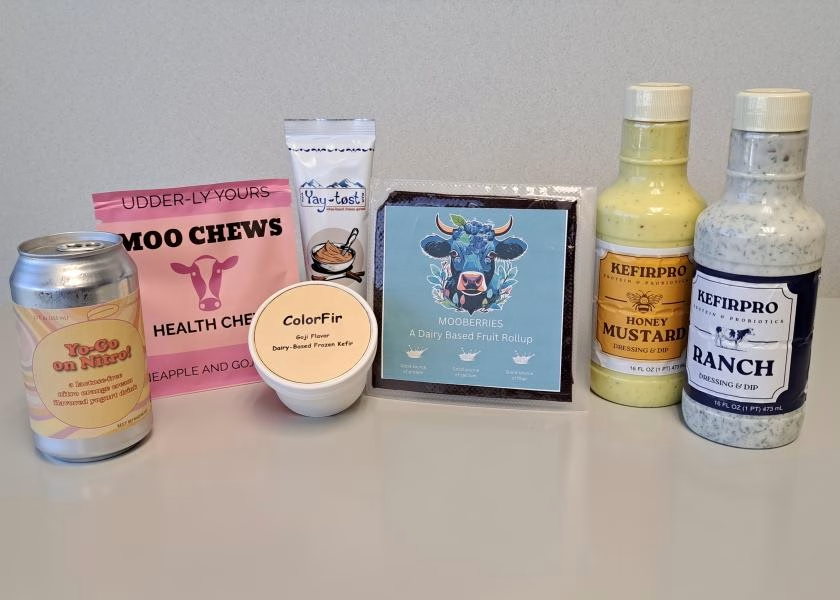
University of Minnesota Wins Top Prize for Innovative High-Protein Cheese Spread ‘Yay-tost’

Discover how University of Minnesota’s innovative high-protein cheese spread, Yay-tost, won top prize at DMI’s New Product Competition. Curious about their journey?

The University of Minnesota clinched the top prize at the Dairy Management Inc. (DMI) New Product Competition with its high-protein cheese spread, Yay-tost. Competing against teams nationwide, the University’s creamy Norwegian-style brown whey-based cheese spread stood out for its blend of health, taste, and sustainability. 

“Winning this competition is a testament to our team’s hard work and ingenuity,” said Schnurr, the team captain. “We aimed to fill a gap in the market with a versatile, delicious, and health-conscious product.”

Critical features of Yay-tost: 

  • High in protein
  • 3 grams of dietary fiber per serving
  • Excellent source of calcium
  • Environmentally friendly aluminum squeeze tube

Nurturing the Future of Dairy Innovation: A Decade of Challenges and Creativity

The Dairy Management Inc. (DMI) New Product Competition has been a platform for budding food scientists for over a decade. It challenges students to create innovative dairy-based products that align with health and wellness trends, pushing them to think creatively about modern consumer needs. Each year, themes reflect shifting consumer preferences, encouraging delicious, nutritious, and sustainable solutions. The goal is to nurture the next generation of dairy innovators, preparing them for real-world industry opportunities.

A Fusion of Tradition and Innovation 

Ya-tost’s rich, creamy texture is reminiscent of Norwegian-style brown whey-based cheese. Crafted for health-conscious consumers, this spread boasts high protein content, 3 grams of dietary fiber, and an excellent calcium source. Packaged in an eco-friendly aluminum squeeze tube, Ya-tost delights the palate while supporting environmental sensibilities.

Meet the Innovators Behind Yay-tost: The University of Minnesota’s Outstanding Food Science Team

Meet the brilliant minds behind Yay-tost: Anandu Chandra Khanashyam, Abrielle Schnurr, Nghi Huynh, and Suchismita Roy—all dedicated food science students at the University of Minnesota. Their ingenuity and hard work earned them the first-place prize of $10,000 at the American Dairy Science Association’s annual meeting in West Palm Beach, Fla.

Abrielle Schnurr, who captained the team, shared insights about their journey in developing Yay-tost. “We started last September and faced many trials and errors. There were moments of doubt with texture and flavor,” she revealed. Still, persistence was key. “Every feedback session brought us closer. We aimed to perfect a product with unique taste and nutritional value,” she explained. Their journey is a testament to the dedication and hard work that goes into creating innovative dairy products. 

The team saw a market gap for high-protein, low-fat spreads. “We wanted Yay-tost to be healthy, delicious, and versatile,” Schnurr added. “It can be enjoyed with apples, toast, crackers, waffles, and even on charcuterie boards.” 

Their efforts paid off when Yay-tost received rave reviews. “Knowing our product contributed something new to the U.S. market was incredibly rewarding,” Schnurr reflected, highlighting the unique taste and nutritional value that sets Yay-tost apart in dairy innovation.

Yay-tost: Redefining High-Protein Spreads with Flavor and Nutrition

Yay-tost is not just another high-protein spread. It’s a unique, tasty, and nutritious solution in a market with limited options. Unlike traditional, fatty spreads, Yay-tost is low-fat and health-conscious, making it a top choice for health-conscious consumers. 

Yay-tost is not just a spread, it’s a versatile addition to your kitchen. Whether you’re spreading it on apples, toast, or crackers or pairing it with waffles, Yay-tost’s unique flavor and nutritional value will enhance your meal. It’s also a great addition to charcuterie boards, blending well with different flavors. 

This innovative cheese spread aligns with modern dietary preferences, making it a top choice for health-conscious consumers. The team’s effort in creating a delicious and nutritious product sets Yay-tost apart in dairy innovation.

Bridging Academic Concepts and Real-World Food Innovation Through DMI’s Annual Competition

Since 2012, the Dairy Management Inc. (DMI) New Product Competition has bridged academic concepts with real-world food innovation. This annual event challenges students to create dairy-based products that meet modern consumer expectations and industry trends. 

The competition aims to foster creativity and practical skills among students, preparing them for careers in food science. Each year’s theme reflects ongoing consumer trends and DMI’s strategic goals. Past focuses include flavor innovation, convenience, and sustainability. This year’s health and wellness theme resonates with Gen Z’s interest in nutritious foods. 

The DMI New Product Competition nurtures innovation and helps shape the dairy industry’s future by providing a platform for students to showcase their ideas and receive industry feedback.

Spotlight on Second and Third Place: Oregon State and Washington State’s Winning Innovations

Oregon State University won second place with its lactose-free yogurt drink, Yo-Go on Nitro. Washington State University took third with its Mooberries, a blueberry dairy roll-up snack.

  1. Peggy Ponce Lauds Exceptional Creativity and Innovation in Dairy Product Development

Dr. Peggy Ponce, director of innovation for Agropur, applauded the teams for their creativity and innovation. “The level of creativity and innovation displayed was truly remarkable, making our job as judges both challenging and rewarding,” she said. 

Dr. Ponce specifically praised Minnesota’s use of co-products and presentation skills. “The University of Minnesota team stood out for their excellent incorporation of co-products into their cheese spread, Yay-tost. Their product was delicious and new to the U.S. market. Their presentation skills were top-notch,” she added.

A Dairy Farmer’s Perspective: Fostering Future Innovators Through Unique Student Solutions

Virginia dairy farmer Joanna Shipp, the National Dairy Promotion and Research Board chair, praised the students’ innovative solutions. “It’s amazing how each entry uniquely solves challenges. This competition energizes students’ engagement with dairy, and I see many as future industry innovators,” she stated.

The Bottom Line

The University of Minnesota’s team won $10,000 at the Dairy Management Inc. (DMI) New Product Competition with their protein-rich cheese spread, Ya-tost. This success highlights how academic learning can lead to real-world dairy innovations that meet consumer health and sustainability demands. Ya-tost stands out for its nutritional value, versatility, and eco-friendly packaging, showing a promising future for dairy products

Key Takeaways:

  • The competition encourages students to develop dairy-based products aimed at modern consumers’ health and wellness needs.
  • Yay-tost is a high-protein, Norwegian-style brown whey-based cheese spread with 3 grams of dietary fiber and calcium, packaged in an eco-friendly aluminum squeeze tube.
  • The University of Minnesota team, composed of Anandu Chandra Khanashyam, Abrielle Schnurr, Nghi Huynh, and Suchismita Roy, won first place and a $10,000 prize.
  • The competition, held annually by DMI since 2012, aims to foster future food scientists and innovators by reflecting current consumer trends and engaging with the dairy industry.
  • Oregon State University and Washington State University also placed in the competition with second and third place respectively for their innovative dairy products.

Summary:

The University of Minnesota’s team won the $10,000 Dairy Management Inc. (DMI) New Product Competition with their high-protein cheese spread, Yay-tost. This Norwegian-style brown whey-based cheese spread is a versatile, delicious, and health-conscious product with high protein content, 3 grams of dietary fiber per serving, excellent calcium source, and an environmentally friendly aluminum squeeze tube. The DMI New Product Competition has been a platform for budding food scientists for over a decade, challenging students to create innovative dairy-based products that align with health and wellness trends. Yay-tost is a low-fat, health-conscious solution, making it a top choice for health-conscious consumers. Oregon State University and Washington State University also won second and third place with their lactose-free yogurt drink, Yo-Go on Nitro, and blueberry dairy roll-up snack, Mooberries.

Learn more:

How Ben & Jerry’s is Using Dairy to Fight Climate Change: Inside Their Low Carbon Dairy Project

Learn how Ben & Jerry’s is changing dairy farming to fight climate change. Can new methods on U.S. farms reduce emissions by 50% in three years?

Ben & Jerry’s, a company that transcends ice cream, stands as a beacon of hope in the global fight for social justice and environmental sustainability. With its unwavering commitment, the company is actively combating climate change through innovative dairy farming techniques, offering a promising future for our planet.

A significant initiative is the Caring Dairy program, which focuses on: 

  • Supporting farmers and farmworkers
  • Ensuring excellent animal welfare
  • Improving soil health through regenerative practices

“We don’t believe animal agriculture, especially dairy, is inherently bad for the environment. We’re working to dispel these environmental myths,” says Rebecca Manning, Ben & Jerry’s Low Carbon Dairy project coordinator.

Revolutionizing Dairy: Ben & Jerry’s Multilayered Approach to Sustainable Agriculture

Active throughout Europe and the United States, the Caring Dairy campaign is a shining example of Ben & Jerry’s unwavering dedication to transforming the dairy sector. Recognizing their essential part in our food system, this program supports strong livelihoods for farmers and farmworkers via strict criteria and substantial assistance. This dedication inspires all who strive for a more sustainable future, instilling confidence in our collective efforts.

The program’s foundation is animal welfare. Through G.A.P. accreditation and third-party audits, Ben & Jerry’s guarantees humane methods that promote cattle welfare and boost dairy production results by maintaining high standards.

Another significant emphasis is soil health. The Caring Dairy project seeks to revitalize land and enhance soil conditions using cover crops, low tillage, and low synthetic inputs. These regenerative techniques improve carbon storage and soil respiration and help lessen climate change’s effects.

The Caring Dairy initiative seeks to create an ethical and sustainable dairy business, mirroring Ben & Jerry’s commitment to social justice and environmental responsibility.

Recognizing the Urgency: Ben & Jerry’s Ambitious Low Carbon Dairy Pilot

Two years ago, Ben & Jerry’s started its Low Carbon Dairy pilot project to acknowledge the need to stop climate change. This project seeks to introduce environmentally friendly methods into the dairy sector. Rebecca Manning, the project coordinator, leads this attempt to lower greenhouse gas emissions and improve agricultural sustainability.

Mandy: Bridging Agrarian Roots with Modern Environmental Stewardship

From northwest Vermont, Mandy combines contemporary environmental responsibility with agricultural origins. Focusing on lowering the carbon footprints of seven U.S. dairy farms using CO2e measurements per kilogram of fat-protein-adjusted milk, she coordinates Ben & Jerry’s Low Carbon Dairy effort. This statistic offers a clear standard that helps farmers find areas needing work. Under her direction, farms using data-driven insights reduce greenhouse gas emissions and improve viability.

From the rural settings of northwest Vermont, Mandy is the classic farm girl who has deftly combined modern environmental responsibility with her agricultural background. Her close awareness of the rhythms of farm life and strong dedication to sustainability prepare her well for her position as project coordinator of Ben & Jerry’s Low Carbon Dairy project. Tasked with the enormous aim of addressing and lowering the carbon footprints of seven U.S. dairy farms, Mandy uses a precise method.

Her approach is based mainly on carbon dioxide equivalent (CO2e) measurements per kilogram of milk adjusted for fat-protein. This statistic offers a constant baseline for many farms and helps each one pinpoint certain areas needing work. Under Mandy’s direction, the farms have started a path wherein data-driven insights guide sustainable practices, promoting decreased greenhouse gas emissions and improving general agricultural profitability.

Changing the Narrative: Ben & Jerry’s Commitment to Sustainable Dairy Farming

Ben & Jerry’s is contesting the conventional wisdom that holds dairy production detrimental to the environment. The business firmly believes that dairy can contribute to developing sustainable food systems using the correct methods. Ben & Jerry’s Low Carbon Dairy initiative and Caring Dairy program seek to demonstrate how dairy farms may be environmental stewards, instilling a sense of optimism and hope for the future.

Using regenerative farming methods, the firm wants to improve soil health, increase biodiversity, and lower greenhouse gas emissions. Although the dairy sector is under fire for its carbon footprint, mostly from methane from cows and manure, Ben & Jerry’s is addressing these problems with new technology and techniques to absorb methane and lower emissions.

Ben & Jerry’s also supports the theory that adequately run dairy farms could boost soil’s carbon sequestration. Cover cropping, low tillage, and compost application are among the techniques they use to turn conventional dairy farms into environmental innovators. This method not only refutes wrong preconceptions but also provides a reproducible blueprint for environmentally friendly dairy production.

Ben & Jerry wants to change the focus on dairy farming by highlighting their achievements and observable results. Their aim of demonstrating that dairy can be part of the climate solution is further supported by their dedication to third-party certification via the Global Animal Partnership (G.A.P.) and cooperation with organizations like the University of Vermont Extension Service. Ben & Jerry’s shows that if done correctly, dairy production can be environmentally friendly and sustainable.

Integrating Seven Key Strategies: A Holistic Approach to Low-Carbon Dairy Farming

Emphasizing seven main intervention areas, the Low Carbon Dairy project combines a complete whole-farm strategy to reduce GHG emissions:

  1. Enteric Fermentation: This involves targeting cows’ digestive processes to reduce methane emissions through dietary adjustments and feed additives.
  2. Regenerative Agriculture: Promoting soil health and carbon sequestration by adopting cover cropping, reduced tillage, and soil biodiversity.
  3. Nutritious Homegrown Feed: Enhancing the quality and sustainability of feed grown on the farm to improve animal health and reduce the need for imported feed.
  4. Renewable Energy: Incorporating solar panels, wind turbines, and other renewable energy sources to offset the farm’s carbon footprint.
  5. Animal Welfare and Longevity: Providing excellent care for livestock extends their productive lives and improves overall farm efficiency.
  6. Nature and Biodiversity: Integrating wildlife habitats and natural ecosystems into the farm landscape to promote biodiversity and ecological balance.
  7. Manure Management: Implementing advanced manure handling and storage techniques to reduce methane and nitrous oxide emissions.

Aiming High: Ben & Jerry’s Vision for a Low-Carbon Dairy Future 

Ben & Jerry’s Low Carbon Dairy project’s most ambitious ambition is to decrease the carbon footprint of the seven U.S. farms engaged in the project by 50% within three years. This exceptional goal perfectly embodies the company’s relentless commitment to promoting environmentally friendly dairy farming methods and establishing new industry standards for environmental sustainability.

Holstein Hubs: Strategically Located Farms Driving Ben & Jerry’s Low Carbon Dairy Initiative

The seven U.S. farms in Ben & Jerry’s Low Carbon Dairy pilot, mostly Holstein-based, are within 30 miles of Ben & Jerry’s ice cream production. This closeness enables the sensible implementation of sustainable measures and increases efficiency. The variety in herd sizes from 300 to 600 cows emphasizes the project’s objective of creating scalable, environmentally beneficial solutions for different farm sizes.

Driving Down Methane: Ben & Jerry’s Comprehensive Efforts in Tackling Enteric Fermentation

Enteric fermentation emissions from Ben & Jerry’s, the leading cause of greenhouse gasses in dairy production, are pledged to be lowered. This average cow digesting process creates methane. The business is looking at creative ideas to fight this, such as utilizing feed additives to reduce methane, improving animal diets, and leveraging technology to improve cow health management.

Ben & Jerry’s financial contributions to participating farms include stipends to cover labor and operating adjustments required for these methods. They also split expenses on initiatives like robotic feed pushers, improved feed storage, and urease inhibitors to lower manure ammonia emissions. This financial help is essential for farms to implement and sustain environmentally sustainable methods, encouraging dairy farmers’ compliance and creativity.

Pioneering Support: Ben & Jerry’s Cost-Sharing Initiatives Enhance Farm Sustainability

Ben & Jerry’s has aggressively supported cost-sharing projects to improve farm sustainability and lower greenhouse gas emissions, enabling farmers to adopt creative ideas. Among the many initiatives they have helped with are:

  • Robotic feed pushers
  • Feed storage improvements to prevent spoilage
  • Urease inhibitors
  • Advanced manure management technologies
  • Installation of solar panels on barn roofs

Elevating Ethical Standards: Ben & Jerry’s Pursuit of G.A.P. Certification for U.S. Dairy Farms

Verified by third-party audits, all U.S. dairy farms enrolled in the Caring Dairy program are striving toward accreditation by the Global Animal Partnership (G.A.P.). This criterion guarantees great animal welfare encompassing comfort, living circumstances, and general care. Ben & Jerry’s adherence to G.A.P. accreditation shows their respect for moral agricultural methods, balancing output with responsibility. This strategy enhances customer confidence in their sustainable source and improves animal quality of living.

Manning’s Collaboration with Novus International: Elevating Animal Welfare through the C.O.W.S. Program

Manning’s work with Novus International under the C.O.W.S. (Cow Comfort and Welfare Scoring) program shows Ben & Jerry’s dedication to animal welfare. The program comprehensively evaluates cow comfort, farm management techniques, and facility design. Examining bedding quality, area allocation, and feeding techniques helps the program provide information Manning and the farmers may utilize to improve cow comfort and efficiency. This not only lowers greenhouse gas emissions but also raises the productive life of the herd, thereby improving general sustainability.

Rooting for Resilience: Ben & Jerry’s Partnership with University of Vermont Extension Service Elevates Regenerative Agriculture Practices

Working with the University of Vermont Extension program, Ben & Jerry’s has advanced regenerative agriculture. An essential component of sustainable agriculture, biodiversity on farms, depends on this cooperation. The cooperation preserves soil structure, stops erosion, and promotes a healthy environment using cover crops. Lowering disturbance, maintaining soil carbon, improving water retention, and reducing tillage and no-till methods help further improve soil health.

Another critical component of this cooperation is less dependence on synthetic inputs. Reducing synthetic fertilizers and pesticides enhances the soil’s quality and lessens the environmental damage, promoting a more sustainable agricultural method. These techniques significantly improve soil respiration, soil carbon storage, and general soil health measures—qualities necessary for creating solid agricultural ecosystems able to slow down and accommodate climate change.

Reaping the Rewards of Regeneration: Ben & Jerry’s Effective Strategies for Superior Soil Health

With more soil respiration and carbon storage resulting from Ben & Jerry’s dedication to regenerative agriculture, soil condition has dramatically improved. These methods enhance the ecosystem and general soil indicators, demonstrating the essential relationship between environmental care and sustainable farming. This method guarantees rich, fertile ground, which is vital for expanding dairy farming and the whole agricultural scene.

Greening the Fields: Ben & Jerry’s Pioneering Grassland Rejuvenation Efforts 

Ben & Jerry’s dedication to sustainable farming is seen in their 2023 project to improve 350 acres of grassland with an eye on soil health and biodiversity. This project critically influences the company’s plan to include regenerative agriculture throughout its dairy supply chain.

Next year, Ben & Jerry’s aims to revitalize over 600 additional acres of grassland, accounting for almost one-quarter of the Low Carbon Dairy project’s total acreage. This project aims to increase agricultural resilience and production while sequestering more ground carbon.

Ben & Jerry’s initiatives seek to reduce greenhouse gas emissions and advance a sustainable agricultural scene. Their method of grassland management not only offers obvious environmental advantages but also advances their low-carbon future vision.

Sustainable Success: Ben & Jerry’s Commendable Progress and Ambitious Vision for Expanding the Low Carbon Dairy Initiative

Ben & Jerry’s Low Carbon Dairy pilot project, which started two years ago, has reduced greenhouse gas emissions by sixteen percent from their 2015 baseline. To increase sustainability and prove that dairy production can be ecologically benign, the firm intends to spread these techniques throughout the Caring Dairy program.

The Bottom Line

Ben & Jerry’s dedication to environmentally friendly dairy production demonstrates how dairy could help slow global warming. Using the Caring Dairy program and Low Carbon Dairy pilot, they prioritize farmers’ livelihoods, animal welfare, and soil health while lowering farm carbon footprints, thus refuting the idea that animal agriculture damages the environment.

Projects aiming at enteric fermentation, regenerative agriculture, renewable energy, and manure management underline a strategy for reducing greenhouse gas emissions. Ben & Jerry’s strong foundation for sustainable practices comes from alliances and help toward G.A.P. accreditation. Early data point toward reaching a 50% carbon footprint reduction target with a 16% emissions decrease and grassland restoration.

Ben & Jerry’s approach highlights how much science-based treatments and a whole-farm approach may influence matters. By intending to spread these methods throughout the more extensive Caring Dairy program, they establish an example in the dairy sector and demonstrate how much sustainable dairy production may help combat climate change.

Key Takeaways:

  • Ben & Jerry’s established the Caring Dairy program to promote sustainable farming practices in Europe and the U.S.
  • The Low Carbon Dairy pilot project focuses on adopting climate-friendly practices to halve emissions in three years.
  • Mandy, a project coordinator, collaborates with seven U.S. farms to measure and reduce their carbon footprints.
  • The project employs a whole-farm approach with seven key strategies, including enteric fermentation management and regenerative agriculture.
  • Ben & Jerry’s supports farm sustainability by cost-sharing and providing stipends for adopting low-carbon practices.
  • Partnering with the University of Vermont Extension, the company enhances soil health through regenerative agriculture techniques.
  • Efforts so far have resulted in a 16% reduction in emissions on participant farms since 2015, with plans to expand successful practices.

Summary:

Ben & Jerry’s is a global leader in social justice and environmental sustainability, focusing on combating climate change through innovative dairy farming techniques. Their Caring Dairy program supports farmers and farmworkers, ensuring animal welfare and improving soil health through regenerative practices. The initiative uses cover crops, low tillage, and low synthetic inputs to revitalize land and enhance soil conditions, improving carbon storage and soil respiration. Ben & Jerry’s Low Carbon Dairy pilot project, initiated two years ago, introduces environmentally friendly methods into the dairy sector, using data-driven insights to reduce emissions and improve agricultural sustainability. The project focuses on seven main intervention areas: Enteric Fermentation, Regenerative Agriculture, Nutritious Homegrown Feed, Renewable Energy, Animal Welfare and Longevity, Nature and Biodiversity, and Manure Management. The goal is to decrease the carbon footprint of the seven U.S. farms engaged in the project by 50% within three years.

Learn more:

What is Ultrafiltered Milk? Benefits, Process, and Nutritional Value Explained

Uncover the advantages and nutritional merits of ultrafiltered milk. What constitutes its production process, and why might it be a smart choice for you? Find out all the essential details right here.

Imagine milk that packs more protein and less sugar, enhancing its nutrition and versatility. This is ultrafiltered milk, a product gaining traction in the dairy industry. As health-conscious consumers demand higher-quality ingredients, ultrafiltered milk offers benefits that traditional milk cannot match. 

With its unique nutrient richness and lower sugar content, Ultrafiltered milk is tailor-made for a health-focused lifestyle. Its high protein and reduced sugar levels make it a standout choice for nutritious and delicious dairy.

The ascent of ultrafiltered milk can be attributed to advanced processing techniques and a shift in consumer preferences toward nutritious, great-tasting products. This technological innovation is revolutionizing our perception of dairy, offering a new and improved version of a traditional staple.

The Cutting-Edge Process Behind Ultrafiltered Milk: A Modern Revolution in Dairy 

Ultrafiltered milk is a remarkable advancement in dairy processing. In this process, milk passes through a semipermeable membrane, separating components by molecular size. This process permits smaller molecules like water, lactose, and some minerals to pass while retaining larger molecules such as proteins and fats. 

The result is nutrient-rich milk with higher protein and reduced lactose, which is ideal for those seeking nutritional benefits or lactose intolerant. 

Compared to regular milk, ultrafiltered milk boasts a superior nutritional profile with more protein per serving and a creamier texture due to retained fats. Additionally, it offers a longer shelf life by removing more bacteria and contaminants than standard pasteurization.

The Science of Ultrafiltered Milk: Harnessing Advanced Membrane Technology 

Ultrafiltration, a cutting-edge process used by the dairy industry to produce ultrafiltered milk, is a fascinating feat of science. It involves using a semipermeable membrane made of polymers, which filters molecules under high pressure, allowing smaller ones to pass while retaining larger ones. This intricate process is the key to creating ultrafiltered milk’s unique nutritional profile. 

The process starts when raw milk enters the ultrafiltration system. In cross-flow filtration, milk flows parallel to the membrane, preventing particle buildup. Pressure forces smaller components like water, lactose, and minerals through the microscopic membrane pores; this filtered liquid is the ‘permeate.’ 

Larger molecules, such as proteins and fats, stay in the ‘retentate’ since they can’t pass through. Flow velocity is critical to keep the system transparent and running smoothly. The permeate is then processed further or used in other applications. 

Technological advances have significantly enhanced ultrafiltration efficiency. Modern membranes resist fouling and feature energy-efficient designs and mechanical cleaning processes, extending their usability. Built-in shutoff valves and quick-connect fittings simplify maintenance and operations. 

Ultrafiltration effectively separates proteins and fats from lactose, water, and minerals, producing milk with higher protein content and lower sugar levels. This improved milk caters to health-conscious consumers and showcases the role of advanced technology in food processing.

The Nutritional Powerhouse: How Ultrafiltered Milk Outperforms Traditional Options 

Ultrafiltered milk stands out for its enhanced nutritional profile. The ultrafiltration process boosts protein content, vital for muscle development and recovery, by removing water and lactose while concentrating essential nutrients. This makes it an excellent choice for those looking to improve physical performance. 

Another key benefit is its lower sugar levels, attributed to reduced lactose content. This not only aids digestion for lactose-intolerant individuals but also caters to the health-conscious who aim to reduce sugar intake. Thus, ultrafiltered milk becomes an attractive option without compromising on nutrition. 

Moreover, ultrafiltered milk has a higher calcium concentration,  which is essential for strong bones, teeth, and overall muscle and nervous system function. This makes it a superior choice for meeting daily calcium needs, regardless of age. 

In essence, ultrafiltered milk’s innovative processing results in a nutrient-rich beverage with increased protein reduced sugar, and higher calcium levels, positioning it as a healthier alternative to regular milk.

Beyond Its Technological Pedigree: The Health Benefits of Ultrafiltered Milk 

Beyond its technological advancements, ultrafiltered milk provides many health benefits that set it apart from regular milk. The ultrafiltration process enhances the concentration of essential nutrients, especially proteins, which significantly aid muscle recovery. This makes ultrafiltered milk a preferred choice for athletes and fitness enthusiasts, reassuring them that they are making a healthy choice for their bodies. 

One of its standout features is the reduced lactose content, achieved through meticulous filtration. This makes it an excellent option for those with lactose intolerance, allowing more individuals to enjoy milk’s benefits without the discomfort of lactose-related digestive issues. 

Additionally, ultrafiltered milk often boasts higher levels of calcium and vitamin D,  which are essential for bone health. Calcium supports bone density, while vitamin D aids in calcium absorption, preventing osteoporosis and promoting strong bones. 

Ultimately, ultrafiltered milk enhances vital nutrients and accessibility for those with issues with traditional milk, making it a versatile addition to modern diets.

Savoring Innovation: Culinary and Everyday Applications of Ultrafiltered Milk 

With its superior nutrients and extended shelf life, Ultrafiltered milk offers innovative uses in both culinary and daily contexts. In cooking and baking, ultrafiltered milk is a versatile ingredient. Its higher protein and lower sugar content enhance the nutritional profile of dishes, making it an excellent substitute for traditional milk in creamy soups, sauces, cakes, and pancakes. The richer texture leads to a satisfying mouthfeel and improved structural integrity in baked goods. 

As a beverage, ultrafiltered milk stands out for its taste and health benefits. It is a protein-rich option for athletes and fitness enthusiasts after a workout. Its lower lactose content makes it suitable for lactose-intolerant people, allowing them to enjoy milk without digestive discomfort. 

Ultrafiltered milk also plays a crucial role in producing dairy products like cheese and yogurt. Its concentrated protein and reduced sugar contribute to a more efficient fermentation process, yielding nutrient-dense products. For cheese makers, it facilitates the creation of higher-yield, richer-flavored cheese. Yogurt made from ultrafiltered milk tends to be creamier and more prosperous in protein, meeting the demand for health-oriented dairy choices.

Ultrafiltered Milk: A Perfect Match for Health-Conscious Consumers in a Wellness-Oriented Market

As health consciousness surges among consumers, the demand for nutritionally rich and great-tasting products rises. Ultrafiltered milk meets this demand, aligning perfectly with trends favoring higher protein intake and reduced sugar consumption. By choosing ultrafiltered milk, consumers can feel confident that they are making a choice that aligns with the current market and their health goals. 

Moreover, the preference for clean labels with minimal additives enhances ultrafiltered milk’s appeal. This trend towards transparency and natural ingredients further amplifies its market position. Additionally, its digestibility and availability of lactose-free options make it a hit among lactose-intolerant consumers. 

Convenience also plays a significant role. Modern consumers appreciate ultrafiltered milk’s versatility—from smoothies and coffee to cooking and baking. Its popularity is further boosted by specialty coffee shops, smoothie bars, and health-focused eateries incorporating it into their menus. 

Retail data indicates growing shelf space for ultrafiltered milk in supermarkets and online. Major dairy brands and health food newcomers invest heavily in this category, driven by substantial marketing that highlights its benefits and fosters loyal customer bases. 

In conclusion, increasing health awareness, a preference for high-protein, low-sugar options, clean eating trends, and convenience drive demand for ultrafiltered milk. As these market trends persist, ultrafiltered milk is set for robust growth and continued innovation.

Environmental and Economic Implications: A Sustainability and Cost-Effectiveness Paradigm 

The environmental and economic implications of ultrafiltered milk production are significant, with sustainability and cost-effectiveness at the forefront. Environmentally, ultrafiltration is efficient, utilizing advanced membrane technology that consumes less energy than traditional milk processing methods. This energy efficiency reduces the carbon footprint of dairy production, aligning with global sustainability goals. Additionally, the ultrafiltration process minimizes waste by removing contaminants to smaller particles than those filtered by conventional methods, enhancing its ecological impact. 

Economically, ultrafiltered milk production offers several benefits. Despite the substantial initial investment in advanced ultrafiltration systems, long-term operational savings offset these costs. Modern ultrafiltration membranes, designed for enhanced performance and durability, result in lower maintenance and replacement costs. Mechanical cleaning processes and improved membrane properties further extend the lifespan of these systems by reducing fouling tendencies. 

The economic viability of ultrafiltered milk is further supported by its growing popularity among health-conscious consumers. With higher protein and lower sugar content than conventional milk, ultrafiltered milk caters to a clientele willing to pay a premium for quality. As demand increases, economies of scale can reduce production costs, making ultrafiltered milk more accessible and profitable. In essence, ultrafiltered milk production represents a blend of economic efficiency and environmental responsibility, advancing the dairy industry toward a sustainable future.

The Bottom Line

Ultimately, ultrafiltered milk is a testament to the advancements in dairy processing, combining state-of-the-art technology with nutritional sophistication. This modern marvel boasts enhanced protein and calcium content while reducing sugar, making it a superior choice for health-conscious consumers. Its notable applications in culinary endeavors and alignment with wellness trends underscore its versatile appeal. 

The beneficial implications extend beyond personal health, contributing to environmental sustainability and economic efficiency, thus offering a holistic solution that aligns with modern consumer values. As the dairy industry continues to evolve, ultrafiltered milk presents a promising future, poised to meet the dual demands of superior nutrition and eco-conscious consumption. 

For those eager to make informed, health-centric choices, exploring the myriad advantages of ultrafiltered milk is a logical next step. Embrace this dairy innovation today and be part of a movement towards a healthier, more sustainable future.

Key Takeaways:

  • Advanced Processing: Ultrafiltered milk is produced using state-of-the-art membrane technology, which separates out water, lactose, and some minerals from the milk, enhancing its nutritional profile.
  • Nutritional Benefits: This type of milk offers higher protein and calcium content while reducing sugar levels, making it a superior choice for health-conscious consumers.
  • Health Advantages: The increased protein and reduced sugar content promote muscle health and metabolic efficiency, benefiting those with specific dietary needs or fitness goals.
  • Culinary Versatility: Ultrafiltered milk can be used in a variety of recipes, from everyday meals to gourmet dishes, enhancing both taste and nutritional value.
  • Sustainability: The process of producing ultrafiltered milk is designed to be more sustainable, reducing waste and making better use of resources, thus aligning with eco-friendly consumer trends.
  • Economic Aspects: Despite the advanced technology involved, ultrafiltered milk presents a cost-effective solution, potentially offering savings in the long term due to its extended shelf life and reduced need for additives.

Summary:

Ultrafiltered milk is a healthier alternative to traditional milk due to its higher protein and lower sugar content. It is popular due to advanced processing techniques and consumer preferences for nutritious, great-tasting products. The process involves passing milk through a semipermeable membrane, separating components by molecular size, allowing smaller molecules like water, lactose, and minerals to pass while retaining larger molecules like proteins and fats. This results in nutrient-rich milk with higher protein and reduced lactose, ideal for those seeking nutritional benefits or lactose intolerant individuals. Ultrafiltered milk offers a superior nutritional profile with more protein per serving and a creamier texture due to retained fats. Technological advances have enhanced ultrafiltration efficiency, with modern membranes resisting fouling and energy-efficient designs. It also plays a crucial role in producing dairy products like cheese and yogurt due to its concentrated protein and reduced sugar.

Learn more:

U.S. Milk Production Dips Slightly in May 2024, While South Dakota Surges with 10% Increase

Explore the factors behind the slight decline in U.S. milk production for May 2024 and delve into the remarkable 10% increase in South Dakota’s output. What allowed this state to defy the national trend? Continue reading to uncover the details.

The most recent USDA data presents a complex picture for May 2024. Though down 0.7% from May 2023, South Dakota stood out as total U.S. milk output marginally dropped to 18.9 billion pounds. Here, milk output jumped by a startling 10%.

“The 24 central dairy-producing states provided 18.9 billion pounds of milk in May 2024, a little drop. Still, the USDA’s National Agricultural Statistics Service notes that South Dakota’s dairy producers enjoyed an impressive 10% gain.

This opposite tendency draws attention to regional agricultural dynamics and clarifies the changes in U.S. dairy output.

USDA June 2024 Report: Nuanced Shifts and Subtle Declines in U.S. Dairy Production

CategoryMay 2023May 2024Percentage Change
Total Milk Production (billion pounds)19.919.7-0.9%
Production per Cow (pounds)2,1252,122-0.14%
Number of Milk Cows (million head)8.9428.89-0.58%
Total Milk Production in South Dakota (million pounds)38242010%
Number of Milk Cows in South Dakota (thousand head)1932129.84%
Production per Cow in South Dakota (pounds)1,9791,9800.05%

According to the USDA’s National Agricultural Statistics Service, the 24 central dairy-producing states produced 18.9 billion pounds of milk in May 2024, declining 0.7% from May 2023. This drop reflects cow numbers and production efficiency changes, highlighting continuous difficulties in the dairy industry.

The revised April output was 18.3 billion pounds. In May 2024, the average cow output was 2,122 pounds—three pounds less than in May 2023. Milk cows numbered 8.89 million, 52,000 less than in May 2023 but 5,000 more than in April 2024. These changes show how the sector responds to environmental and financial demands.

Monthly Dynamics: Analyzing the Increase from April to May 2024 in U.S. Milk Production

MonthMilk Production (billion pounds)
January 202418.1
February 202417.8
March 202418.5
April 202418.3
May 202418.9
June 2024 (estimated)19.0

Generally speaking, milk output rose significantly in May 2024 compared to April 2024. While May’s production increased to 18.9 billion pounds—a notable monthly increase—April’s production reached 18.3 billion pounds. The 5,000 growth in milk cow numbers—which reached 8.89 million head in May—helps to explain this rise in some measure. Still, in May, productivity per cow averaged 2,122 pounds, a little down from last year. This dynamic draws attention to the difficulty of controlling the production and efficiency of dairy herds.

Unpacking Per-Cow Production Dynamics: May 2024 Average Output Dips Slightly

MonthMilk Output per Cow (pounds)
December 20232,100
January 20242,105
February 20242,112
March 20242,115
April 20242,122
May 20242,122

The average milk output per cow in May 2024 dropped somewhat from May 2023, at 2,122 pounds. Though minor, this decline might point to more significant patterns in the dairy sector. Factors can include variations in herd health, feed quality, or cow management practices. Furthermore, the industry’s shift towards more environmentally friendly methods might influence efficiency.

Strategic Herd Adjustments: Tracking Notable Changes in Milk Cow Numbers 

MonthMilk Cows (in millions)
December 20238.90
January 20248.85
February 20248.87
March 20248.89
April 20248.88
May 20248.89

This trend reflects more significant changes in the U.S. dairy sector, as modern dairy operations have concentrated output in certain states. Since 2008, these states have had a slower increase in cow numbers; nonetheless, by 2020, they will have exceeded conventional dairy states. The industry’s emphasis on maximizing herd efficiency and output is a calculated reaction to changing environmental and financial constraints in dairy production, reassuring the audience about the industry’s adaptability.

Subtle Shifts in May 2024: Total U.S. Milk Production Declines Amid Evolving Industry Challenges

MonthTotal U.S. Milk Production (Billion Pounds)Percentage Change from Previous Year
May 202319.9
June 202319.5-0.4%
July 202319.3-0.5%
August 202319.2-0.5%
September 202319.0-0.7%
October 202318.9-0.5%
November 202318.8-0.5%
December 202318.7-0.5%
January 202419.0-0.2%
February 202418.9+0.1%
March 202419.1+0.1%
April 202418.3-0.5%
May 202419.7-0.9%

With a 0.9% drop from May 2023, the total U.S. milk output in May 2024 was 19.7 billion pounds. This decline reflects a subtle change in the dairy sector that mirrors more general trends in strategic herd management and efficiency improvements. The decline may indicate labor limits, financial concerns, and environmental factors, even if farm management and genetics have improved. The U.S. dairy sector has to negotiate this complexity to be sustainable and competitive in a demanding market.

South Dakota’s Dairy Sector Defies National Trends with Remarkable 10% Surge in May 2024 Production.

StateMay 2024 Production (million pounds)Change from May 2023 (%)
California3,400-0.5
Wisconsin2,600+1.0
Idaho1,425+0.7
Texas1,300-1.2
New York1,200-0.3
South Dakota420+10.0
New Mexico370-2.1
Pennsylvania840-0.4
Minnesota825-0.6
Michigan910+0.2

With a 10% rise from May 2023, South Dakota’s fantastic milk production explosion contrasts with the general U.S. trend and results in a total output of 420 million pounds for May 2024. Strategic herd increases and improved dairy farm management techniques account for this development. With a 19,000 year-over-year average rise in milk cow count, the state reached 212,000. This points to a conscious attempt at industrial scale-up. Driven by improved nutrition and modern breeding, per-cow productivity has increased, enhancing production despite industry problems. One extreme outlier in South Dakota is its dairy industry, which uses creative management and effective resource allocation.

With cows averaging 1,980 pounds—an increase from May 2023—the average output per cow in South Dakota for May 2024 showed remarkable efficiency. This growth shows improved feed quality and efficient farm management, proving South Dakota’s dedication to maximizing dairy operations through calculated innovations and financial support. Though nationwide decreases, South Dakota’s strategy offers a dairy-producing solid model.

The Bottom Line

The USDA’s National Agricultural Statistics Service noted a 0.9% drop in total U.S. milk output from the previous year in May 2024. Nevertheless, South Dakota defied this trend with a 10% increase in production. The state accomplished this by increasing the number of milk cows and raising output per cow.

These opposing patterns draw attention to local differences in the dairy business. While South Dakota’s development shows good localized tactics and investments, the national fall may result from industry pressures and agricultural consolidations. With focused improvements, certain areas may continue flourishing while others see continuous decreases. These trends highlight the requirement of flexible, regionally relevant strategies to guarantee success in the American dairy industry.

The different patterns in national and South Dakota milk output provide critical new perspectives on the sector’s changing possibilities and problems, thereby pointing to a complicated and sophisticated future for dairy output in America.

Key Takeaways:

  • Total U.S. milk production in May 2024 slightly decreased by 0.7% compared to May 2023.
  • Production per cow in May 2024 averaged 2,122 pounds, marginally dropping by 3 pounds from the previous year.
  • The number of milk cows in the U.S. was 8.89 million in May 2024, reflecting a reduction of 52,000 cows compared to May 2023.
  • Despite the national decline, South Dakota’s milk production in May 2024 soared by 10%, totaling 420 million pounds.
  • The average number of milk cows in South Dakota increased by 19,000 from May 2023, with production per cow averaging 1,980 pounds.
  • April 2024’s revised milk production was recorded at 18.3 billion pounds, indicating a consistent production trend.

Summary:

The USDA’s National Agricultural Statistics Service reported a 0.7% drop in total U.S. milk output in May 2024, with South Dakota showing a 10% increase in production. This contrasts with the general U.S. trend, which saw a 0.7% drop. However, South Dakota’s dairy producers experienced a 10% gain, highlighting regional agricultural dynamics and changes in U.S. dairy output. The average cow output in May 2024 was 2,122 pounds, three pounds less than in May 2023. Milk cows numbered 8.89 million, 52,000 less than in May 2023 but 5,000 more than in April 2024. South Dakota’s dairy sector defied national trends with a 10% increase in production, attributed to strategic herd increases and improved farm management techniques. The report underscores the need for flexible, regionally relevant strategies to ensure success in the American dairy industry.

Learn more

Australian Dairy Industry Worries Over Fonterra’s Local Business Sale: Market Consolidation Concerns Emerge

Find out why Fonterra’s sale of its Australian dairy business is raising worries about market consolidation. What will this mean for local farmers and consumers? Read more.

Fonterra’s decision to sell its consumer brands is a significant event that is reshaping the global dairy industry, including the Australian sector. This strategic shift, which prioritizes B2B and ingredients despite the consumer division’s financial success, has raised concerns among local stakeholders about market concentration and its potential impact on Australian dairy producers and consumer choices.

As the Business Council of Cooperatives and Mutuals (BCCM) stated: 

“The announcement by Fonterra that it intends to sell its Australian dairy processing assets is yet another blow to dairy farmers and a reminder about the precarious nature of our food security when staples like milk are passed around like commodities.”

Key concerns include: 

  • Market consolidation reduces competition and local control.
  • Pressure on farm gate prices, possibly forcing farmers out of the market.
  • The risk of a supermarket duopoly, limiting consumer choices and raising prices.

The issues at hand underscore the pressing need to promptly reassess market dynamics. This is crucial to secure the long-term sustainability of Australia’s dairy industry, a vital part of our nation’s economy and food security.

Fonterra’s Strategic Pivot: Divesting Consumer Brands to Strengthen B2B and Ingredients Focus

One of the major players in world dairy, Fonterra, is changing its approach to concentrate on its B2B and ingredients division. Selling well-known consumer brands, including Anlene, Anchor, and Fernleaf—despite their gross earnings in FY2023 of NZ$781 million (US$481.9 million—this move entails selling these companies notwithstanding Revenue sources indicates another tale, though the consumer sector accounted barely 7% (NZ$3.3 billion / US$2.4 billion). The food service industry brought 13% of total income (NZ$3.9 billion / US$2.4 billion). Comprising 80% of revenue and producing NZ$2.6 billion (US$1.6 billion) in gross profits, the ingredients industry dominated. Aiming to simplify processes, emphasize core competencies, and react to consumer and food service asset interests, this strategy change is meant to streamline operations.

Financial Data Illuminates Fonterra’s Strategic Shift 

Fonterra’s latest financial results support their strategy change. From a modest 7% of sales, the consumer division brought in NZ$781mn (US$481.9mn) in gross profits in FY2023. With nearly 13% of sales (NZ$3.9 billion/US$2.4 billion), the food service industry produced NZ$749mn (US$462.2mn) in gross profits. With 80% of total sales (NZ$17.4bn/US$10.7bn), the ingredients business led with gross earnings of NZ$2.6 billion (US$1.6 billion).

Substantial consumer and food service revenues nonetheless indicate Fonterra’s main strength—that of ingredients. Fonterra wants to improve long-term value by concentrating on its best-performing channels—ingredients and food service—involving Unwanted interest in areas of its company also drives the choice; this is a perfect moment for disposal to reallocate funds and improve its principal activities.

Fonterra’s Comprehensive Global Strategy: Streamlining Operations with a Focus on B2B and Ingredients

With its intentions to leave the Australian market and divestiture of consumer brands in Sri Lanka, Fonterra’s new approach centers on its B2B and ingredients business and CEO Miles Hurrell pointed out shedding companies including Anlene, Anchor, and Fernleaf, “While these are great businesses with recent strengthening in performance and potential for more, ownership of these businesses is not required to fulfill Fonterra’s core function of collecting, processing and selling milk.”

Hurrell clarified the strategy turnaround: “More value would come from focusing our Ingredients and food service channels and freeing money in our Consumer and related companies. Disposing these businesses would enable a more straightforward, better-performing Co-op with an eye on our core Ingredients and food service sector. We have also had an unwanted interest in several of these companies; hence, this is a good moment to review their ownership.

Aiming to strengthen its presence in the worldwide market, where B2B and ingredient categories offer more profitable prospects, the divestments in Sri Lanka and Australia are part of a bigger plan to maximize operational efficiency and capital allocation.

Concerns Over Consolidation: Potential Ripple Effects on the Australian Dairy Market 

The local dairy industry is alert about how Fonterra’s divestiture may affect the Australian market. Rising market consolidation especially worries the Business Council of Cooperatives and Mutuals (BCCM). They contend this would concentrate dairy asset ownership within a small number of powerful companies, therefore lowering competition.

BCCM cautions that this consolidation might harm dairy producers by lowering their bargaining strength at the farm gate. When market power centers on one entity, farmers may be pressured to accept reduced milk prices to meet shareholder profits. This might threaten smaller, independent farms, compromising the industry’s variety and resilience.

Customers might also experience this. Price increases at retail establishments run the danger given that fewer businesses manage processing and distribution. BCCM observes that this could result in fewer options and more expensive essential dairy products.

The possible loss of local authority over dairy assets raises even another issue. Emphasizing more profitability than community and farmer wellbeing, BCCM notes that foreign and corporate ownership may eclipse local interests.

BCCM supports increased primary producer participation in the value chain to offset these risks. They see cooperatives as essential for giving dairy farmers the negotiating strength they need to flourish in Australia’s mostly deregulated and export-oriented market. Supporting cooperatives helps the industry protect its stability and sustainability against the forces of market concentration.

Potential Consequences of Fonterra’s Australian Asset Divestment: Market Concentration and Its Ripple Effects 

Fonterra’s choice to sell its Australian consumer businesses begs questions about further market concentration. Like the supermarket duopoly in New Zealand, this action may result in a few powerful companies controlling the market. Such consolidation may marginalize independent, small dairy farms and processors, lowering their market impact.

Two big supermarket chains’ dominance in New Zealand caused an imbalance in negotiating strength, which drove down farm gate pricing and compressed profits for local dairy producers. Should this happen in Australia, some farmers may be driven out of the sector by cost constraints and declining profitability. Therefore, Farmers and customers would be affected by this, influencing product diversity, price, and market rivalry.

The regulatory clearance for Coles’ purchase of Australian Saputo processing facilities points toward retail ownership over processing becoming the norm. Should this continue, milk manufacturing may merge even more into retail chains, emphasizing cost over innovation or quality, which would reduce market dynamism.

Encouraging the adoption of robust cooperative models is not just a solution but a beacon of hope in the face of these challenges. These models have the potential to empower Australian dairy producers, increasing their share in the value chain and enhancing their negotiating strength. By promoting a cooperative approach, we can help the sector maintain the diversity and resilience of the Australian dairy market and mitigate the potential negative consequences of market concentration.

Future Pathways: Strengthening Dairy’s Horizon Amid Consolidation Concerns 

The choices Australia’s dairy sector must make now will determine its direction. Thanks to increased consolidation, larger companies might be able to dominate, perhaps pushing out smaller farms and lowering competition. However, consumer choices and farm gate pricing may suffer from this change.

Still, a different route highlights how cooperatives strengthen leading producers. The collective negotiating strength provided by cooperatives guarantees a fairer market, more balanced pricing, and equitable profit distribution. Participating in the whole value chain—from manufacturing to distribution—improves farmers’ economic resilience and negotiation power against more powerful companies.

Moreover, cooperatives may promote sustainable agricultural methods that match environmental and financial objectives. Establishing a robust cooperative movement within the Australian dairy industry guarantees food security, variety, and quality for customers, as well as stability and protection of livelihoods.

Using co-ops and including primary producers in the value chain will determine the industry’s destiny. These tactics may let the dairy industry negotiate consolidation difficulties and emerge stronger and fairer globally.

The Bottom Line

Fonterra’s calculated choice to sell their consumer brands and concentrate on B2B and ingredients represents a significant change. This action seeks to simplify basic procedures even if consumer sector financial performance is excellent. However, the Australian dairy sector has expressed worries about market concentration. Essential concerns include:

  • Possible consumer price increases.
  • Effects on nearby dairy farms.
  • The possibility of a retail duopoly pressuring farm gate pricing.

Examining this divestiture process closely is vital if we safeguard industry stability and advance cooperative models that empower farmers in the value chain. Maintaining the interests of every Australian dairy industry stakeholder depends on a balanced, competitive market.

Key Takeaways:

The recent strategic pivot by Fonterra, which involves divesting its consumer brands to concentrate on its B2B and ingredients business, has raised significant concerns within the Australian dairy sector. The decision, influenced by various financial metrics, is seen as both a commercially sound move for Fonterra and a potential risk for market consolidation in Australia. 

  • Fonterra plans to divest its consumer brands such as Anlene, Anchor, and Fernleaf globally.
  • The decision follows a strategy shift to focus on B2B and ingredients business despite strong performance in the consumer sector.
  • FY2023 data reveals that the consumer business generated NZ$781mn in gross profits, surpassing the foodservice business.
  • The ingredients business remains the largest revenue contributor, making up 80% of total revenue.
  • Fonterra’s exit from the Australian market includes divestment of its consumer, foodservice, and ingredients businesses.
  • Concerns have emerged within the local dairy sector regarding market concentration and its impact on dairy farmers and consumers.
  • Australia’s Business Council of Co-operatives and Mutuals (BCCM) highlights the potential for increased market dominance by large business interests and its implications on farm gate prices.
  • There is a growing sentiment that co-operatives may be a key solution to maintaining bargaining power for dairy farmers.

Summary:

Fonterra is reshaping the global dairy industry, including the Australian sector, by focusing on its B2B and ingredients division. This strategic shift has raised concerns about market concentration, potential impact on Australian dairy producers, and consumer choices. The Business Council of Cooperatives and Mutuals (BCCM) criticized the announcement, stating that market consolidation reduces competition, local control, pressures farm gate prices, and risks a supermarket duopoly. Fonterra’s financial results show that the consumer division generated only 7% of total income in FY2023. The ingredients industry dominated, accounting for 80% of revenue and $2.6 billion in gross profits. The Australian dairy industry is concerned about Fonterra’s divestiture, which could lead to market consolidation and lower competition. BCCM supports increased primary producer participation in the value chain.

Learn more:

Improving Processor Relationships: Key to Dairy Producers’ Future Success

Can better communication with processors secure dairy producers’ future? Discover how improving these relationships can address market challenges and boost confidence.

key to success – golden key isolated on white background

The dairy industry’s modernization underscores the crucial nature of producer-processor solid relationships. These relationships were tested during the global pandemic, highlighting the need for clear communication and mutual understanding to navigate market uncertainties, such as milk price fluctuations and processing capacities. 

“Inadequate capacity for processing is more than just a bottleneck—it’s a pivotal determinant in whether a farm continues as a dairy producer or transitions entirely,” explains DFA Risk Management president Ed Gallegher.

With significant investments aimed at boosting future processing capacity, the opportunities for growth and innovation in the dairy industry are immense. Yet, these opportunities are intertwined with challenges. Enhanced cooperation and communication are imperative for the industry’s sustainability and growth, sparking excitement and inspiration for the future.

Communication: The Cornerstone of Robust Producer-Processor Relationships 

Effective communication is not just a tool, but a shared responsibility for both producers and processors. It is essential for solid relationships, ensuring operational efficiency and strategic alignment. As the dairy industry grows more complex, both parties must engage in clear dialogue about daily operations, broader market dynamics, and potential risks, recognizing their integral roles in the industry’s success. 

Producers must understand milk price risks and food price volatility. Open lines of communication allow them to gain insights from processors, particularly in light of global disruptions like the recent pandemic, which have highlighted the need for these discussions. 

Honesty and forthrightness are essential, even when discussing challenging topics such as market constraints. This fosters trust and aligns long-term objectives, helping both parties adapt to consumer shifts and seize international opportunities, especially in growing Asian markets. 

Maintaining clear communication channels enhances market confidence and operational resilience. Through committed, transparent dialogue, dairy producers and processors can navigate the evolving global dairy landscape together, reassuring the audience about the industry’s resilience and adaptability.

Ed Gallegher on Navigating Economic Challenges through Transparent Dialogue 

Ed Gallegher, a prominent figure in the dairy industry and the President of the Dairy Farmers of America (DFA) Risk Management program, emphasizes the pivotal role of informed dialogue in strengthening producer-processor relationships. As dairies become more sophisticated, it becomes crucial for producers to understand the complexities surrounding milk and food price risks. Gallegher asserts that the COVID-19 pandemic has starkly illuminated this necessity. The disruptions caused by the pandemic have exposed vulnerabilities within the dairy industry, underscoring the urgent need for producers to establish robust connections with stakeholders capable of navigating economic uncertainties. This newfound awareness is driving a collective effort towards enhanced risk management and informed decision-making, paving the way for a more resilient dairy market.

Transparent Dialogue as a Catalyst for Addressing Industry Challenges 

Open communication addresses challenges like adapting to customer preferences regarding animal welfare and environmental sustainability. Transparent processors build trust and foster collaboration, aligning both parties on key priorities and market demands

As consumers prioritize sustainability, processors, and producers must discuss steps to meet these expectations, from eco-friendly technologies to humane animal practices. Open communication keeps both parties updated on regulatory changes and market shifts. 

Collaboration between dairy companies, farmers, suppliers, and research institutions thrives on transparent dialogue. This approach improves daily operations and long-term planning. Companies can then focus on cost reduction, efficiency, and market opportunities, coordinating sustainability efforts to secure consumer trust. 

Strong communicative relationships are essential in a competitive, changing landscapeDairy processors who share goals, challenges, and expectations equip producers to meet market demands, fostering innovation and resilience in the dairy industry.

Inadequate Processing Capacity: A Critical Threat to Dairy Producers’ Operational Dynamics 

Inadequate processing capacity poses a significant barrier for dairy producers, impacting their operations and strategic decisions. When facilities are stretched thin, producers face challenges in managing supply, sometimes leading to scaling down or transitioning to different types of farming, especially near retirement. This underscores a critical challenge: insufficient capacity can destabilize the supply chain, limiting growth and prompting a reevaluation of traditional practices. 

Moreover, the need for more processing capacity affects market confidence. Producers need to work on the sustainability of their business models under these constraints. The uncertainty of timely milk processing discourages expansions and investments in technological advancements, especially in an already volatile market influenced by economic fluctuations and shifting consumer demands. 

Given these challenges, robust and transparent dialogue with processors is essential. Strengthening communication can help align expectations and navigate the complex landscape of dairy production. Addressing processing capacity limitations requires concerted efforts, innovative solutions, and open discussions from all industry stakeholders about necessary changes and adaptations.

Producer Perspectives: Value of Honest Communication and Confidence in Processor Relationships 

Producers benefit immensely from fostering candid and open dialogues with processors. Honest communication ensures alignment on future aspirations, creating a collaborative environment that fosters mutual growth. This transparency leads to strategic decision-making, enhancing operational efficiencies and market responsiveness.

However, many dairy operators express uncertainty about the durability of their relationships with processors and the future stability of their milk market. Most dairy operators are uncertain about these relationships, highlighting the need to improve communication and trust-building initiatives.

Exploring international opportunities, particularly in the expanding Asian markets, could significantly bolster the dairy industry’s forward trajectory. Transforming U.S. dairy into a global powerhouse requires unwavering confidence in processor relationships and a willingness to engage in challenging conversations about market dynamics and capacity constraints.

The Bottom Line 

The rapidly changing dairy industry requires solid communication between producers and processors. Experts like Ed Gallegher say open dialogue is critical to navigating economic uncertainties and market risks. Current challenges, such as insufficient processing capacity, inflation, and geopolitical issues, make transparent interactions crucial. 

Producers echo the industry’s belief that trust and candid communication bring mutual benefits. Despite significant challenges, many industry leaders remain hopeful, recognizing that strong partnerships are essential to adapting to evolving consumer demands and ensuring long-term resilience. Building robust processor relationships is crucial for the sustainable growth of dairy producers, making continuous dialogue and collaboration indispensable.

Key Takeaways:

  • Communication: Open and transparent dialogue is crucial for understanding mutual needs and market dynamics.
  • Economic Insight: Producers should seek knowledge about milk price risks and broader food price risks to navigate economic uncertainties better.
  • Capacity Challenges: Current processing capacity limitations represent a significant hurdle impacting the industry’s ability to expand.
  • Future Aspirations: Honest discussions about long-term goals can foster beneficial partnerships and build trust.
  • Retirement Considerations: Inadequate processing capacity may force older dairy owners to rethink their operational strategies.
  • Confidence Levels: A notable portion of dairy operators lack confidence in their current processor relationships, indicating room for improvement.

Summary:

The dairy industry’s modernization has highlighted the importance of strong producer-processor relationships, which have been tested during the global pandemic. Inadequate processing capacity is crucial for a farm’s survival as a dairy producer. With significant investments in boosting future processing capacity, the dairy industry has immense growth opportunities but also challenges. Effective communication is essential for sustainability and growth. Both producers and processors must engage in clear dialogue about daily operations, market dynamics, and potential risks. Open lines of communication allow producers to gain insights from processors, especially during global disruptions like the pandemic. Honesty and forthrightness are essential, even when discussing challenging topics like market constraints. Maintaining clear communication channels enhances market confidence and operational resilience. However, many dairy operators express uncertainty about the durability of their relationships with processors and the future stability of their milk market. Exploring international opportunities, particularly in expanding Asian markets, could significantly bolster the dairy industry’s forward trajectory.

May 2024 Sees Lowest Dairy Cull Cow Numbers Since 2016 Amid Herd Reductions

Discover why May 2024 saw the lowest dairy cull cow numbers since 2016. How are herd reductions and milk income margins impacting the dairy industry? Read more.

Significantly changing the dairy sector, May 2024 witnessed the lowest number of dairy cull cows sold via U.S. slaughter facilities since 2016. The leading causes of this drop are smaller milking herds, fewer replacement heifers, and better milk-earning margins. These elements are driving dairy producers to make calculated decisions, hence lowering the cow slaughter for meat. This tendency will significantly change the sector.

RegionMay 2024 Cull Cow Marketing (Head)
Upper Midwest (IL, IN, MI, MN, OH, WI)56,000
Southwest (AZ, CA, HI, NV)49,300
Delaware, Maryland, Pennsylvania, West Virginia, Virginia32,300
Alaska, Idaho, Oregon, Washington28,800
Arkansas, Louisiana, New Mexico, Oklahoma, Texas23,900

May 2024 Dairy Cull Cow Marketing Hits Eight-Year Low, Illustrating Market Shift

May 2024 marked a significant shift in the dairy cull cow market, as the most recent USDA statistics, as of June 20, revealed that 216,101 dairy cull cows were sold via American slaughter facilities. This figure represents the lowest May total since 2016, a decrease of 22,101 from April and 33,000 less than May 2023. These numbers underscore the notable changes in the dairy cull cow market.

Consistent Declines in Dairy Cull Cow Marketing Signal Systemic Shifts in Herd Management

The year-to-date patterns in the dairy industry are indicative of a significant change. For 37 consecutive weeks, the number of dairy cows sold for meat has been lower than the previous year. This trend, coupled with a 280,000 head drop from the year before, points to structural changes in herd management and market circumstances. These changes are expected to have a profound impact on dairy supply dynamics.

Comparative Daily Averages Reveal Significant Year-Over-Year Decline in Dairy Cow Slaughter

Date RangeDaily Cull Rate (2023)Daily Cull Rate (2024)
May 1-710,4009,700
May 8-1410,5009,600
May 15-2110,2009,500
May 22-3110,1009,600

Twenty-six non-holiday weekdays and Saturdays in May 2024 witnessed dairy cow slaughter averaging 9,600 head per workday day. This is below the daily average of 10,500 heads from May 2023, which shows a decline of around 900 heads per business day and reflects more general industry developments.

USDA Data Highlights Slight Herd Expansion and Historic Low in Year-to-Date Cull Rates

YearHerd Size (Millions)
20169.32
20179.37
20189.42
20199.39
20209.38
20219.36
20229.31
20239.33
20249.35

USDA forecasts that the dairy cow herd in May 2024 was 9.35 million, a slight rise from April of 5,000 cows. May’s around 2.3% culling rate suggests ongoing changes in herd management. With 1 201,800 dairy cull cows handled year-to-date (January to May), there is a drop of 161,400 from the previous year. Since 2014, this is the lowest four-month cull total to begin a year, reflecting notable improvements in dairy culling policies, most likely resulting from a tighter market for replacement heifers and improved milk revenue margins.

Regional Analysis of Dairy Cull Cow Figures Reveals Divergent Herd Management Strategies

RegionDairy Cull Count (Head)
Upper Midwest (IL, IN, MI, MN, OH, WI)56,000
Southwest (AZ, CA, HI, NV)49,300
MD, DE, PA, WV, VA32,300
AK, ID, OR, WA28,800
AR, LA, NM, OK, TX23,900

When examining the regional cull cow numbers, the Upper Midwest stands out with 56,000 head. This figure highlights the region’s large dairy businesses and the financial constraints they face, providing a unique perspective on the industry.

Reflecting its excellent dairy infrastructure and intelligent herd management to maximize output, the Southwest followed with 49,300 head.

With a methodical approach to herd management, including changing market circumstances and milk production costs, the total in Delaware, Maryland, Pennsylvania, West Virginia, and Virginia was 32,300 head.

With 28,800 head for Alaska, Idaho, Oregon, and Washington, the figure indicates modest herd declines brought on by local dairy market dynamics.

With Arkansas, Louisiana, New Mexico, Oklahoma, and Texas included, the South Central area reported 23,900 head, reflecting careful but intentional changes in herd numbers impacted by feed availability and economic conditions.

Comprehensive Data Collection by USDA Ensures Accurate Representation of Dairy Cull Trends

The USDA’s Livestock Slaughter report, a cornerstone of our analysis, is based on information from about 900 federally inspected and almost 1,900 state-inspected or custom-exempt slaughter facilities. This comprehensive data collection ensures an accurate representation of dairy cull trends, providing stakeholders with vital information for well-informed decisions and reflecting national trends in dairy Cull Cow marketing.

The Bottom Line

The most recent USDA figures show a clear drop in dairy cull cow marketing, the lowest May totals since 2016. Fewer replacement heifers, a smaller milking herd, and better milk-earning margins explain this decline. The unprecedented low in cull rates seen year-to-date points to a purposeful change in herd management. Regional data reveals Southwest’s and Upper Midwest’s leading rates of culling. With significant long-term industry effects, the USDA’s thorough data collecting provides a clear picture of these developments and points to a more cautious and economical method by dairy producers.

Key Takeaways:

  • The number of dairy cull cows marketed through U.S. slaughter plants in May 2024 was reported at 216,100, the lowest May total since 2016.
  • There was a decline of 33,000 head compared to May 2023, with a monthly decrease of 22,100 from April 2024.
  • USDA Ag Marketing Service data indicated a consistent year-over-year decrease in dairy cows marketed for beef for 37 consecutive weeks, totaling a reduction of about 280,000 compared to the previous year.
  • The U.S. dairy herd was estimated at 9.35 million cows in May 2024, a slight increase from April, but still resulting in a 2.3% culling rate for the month.
  • The year-to-date dairy cull cow slaughter from January to May 2024 stood at approximately 1,201,800 head, marking the lowest four-month total since 2014.

Summary: 

The US wastes 30-40% of its food supply, causing significant financial and ecological impacts. Food waste emits harmful greenhouse gases like methane when decomposed in landfills. The Washington Dairy Products Commission has praised dairy cows for their role in reducing food waste. Dairy cows have a four-chambered stomach that breaks down and extracts nutrients from fibrous plant material and indigestible byproducts. They can recycle waste products like distillers’ grain, bakery waste, and cotton seeds into valuable nutrition, supporting their dietary needs and promoting environmental sustainability. The Krainick family repurposes five to six million pounds of food waste into their cows’ diets.

Learn more:

USDA Reports 10-Month Decline in U.S. Milk Production: May Numbers Drop 1%

Find out why U.S. milk production has been decreasing for the past 10 months. Learn how cow numbers and milk output per cow are affecting the dairy industry. Read more.

The USDA’s preliminary May Milk output report shockingly reveals a consistent drop in U.S. milk output extending for ten months. With May showing a 1% decline from the same month last year, this steady dip points to significant shifts within the dairy sector. The continuous drop has changed the scene of milk output worldwide and pushed industry players to change their plans.

The ten-month run of low milk supply draws attention to systematic problems U.S. dairy producers face: narrow revenue margins, changing feed prices, and bad weather.

Reviewing the USDA’s data, we see: 

  • U.S. milk production fell to 19.68 billion pounds in May 2024, down 0.9% from the previous year.
  • Cow numbers decreased by 68,000 head, reflecting broader herd management strategies.
  • The average milk production per cow dropped by 3 pounds, influenced by various regional factors.
MetricMay 2024May 2023Change
U.S. Milk Production (billion pounds)19.6819.86-0.9%
U.S. Cow Numbers (million)9.359.418-68,000 head
Average Milk per Cow (pounds)2,1052,108-3 pounds
24-State Milk Production (billion pounds)18.87519.009-0.7%
24-State Cow Numbers (million)8.8938.945-52,000 head
24-State Average Milk per Cow (pounds)2,1222,125-3 pounds

A Deeper Dive into USDA’s May 2024 Dairy Estimates 

CategoryMay 2024May 2023Change
U.S. Milk Production (billion pounds)19.6819.86-0.9%
U.S. Cow Numbers (million head)9.359.42-68,000 head
U.S. Average Milk per Cow (pounds)2,1052,108-3 pounds
24-State Milk Production (billion pounds)18.8819.01-0.7%
24-State Cow Numbers (million head)8.898.94-52,000 head
24-State Average Milk per Cow (pounds)2,1222,125-3 pounds

The early projections for May 2024 from the USDA show significant changes in American dairy output. Down 0.9% from May 2023, the total U.S. milk output is 19.68 billion pounds. 9.35 million, U.S. cow counts have dropped 68,000 head from the previous year. Down three pounds year over year, the average milk output per cow is 2,105 pounds.

Milk output in the 24 central dairy states dropped 0.7% from May 2023, coming to 18.875 billion pounds. Down 52,000 head from the year before, cow counts in these states are 8.893 million. With an average milk yield per cow of 2,122 pounds, the milk output has slightly dropped from the previous year—3 pounds less.

Delving into the Dynamics of Cow Numbers: A Tale of Decline and Resurgence

YearTotal U.S. Cow Numbers (millions)24-State Cow Numbers (millions)
20209.458.92
20219.508.95
20229.478.91
20239.358.84
20249.358.89

Cow counts from the USDA show declining and then rising trends. The U.S. dairy herd dropped 68,000 head starting in May 2023, underscoring continuous industry difficulties. However, there has been a slight rise since October 2023, which has driven herd size to its most significant since late 2023.

The 24 central dairy states had a similar trend. From the year before, the combined herd of these states dropped 52,000 head, yet it somewhat recovered with a 5,000 head rise from April 2024. This points to a partial recovery in certain areas while others continue to suffer.

It’s important to note the stark differences at the state level. While Florida and South Dakota saw a gain of 27,000 heads, New Mexico experienced a dramatic drop of 42,000 heads. These variations underscore the influence of local elements such as climate, feed availability, and state-by-state economic forces.

Interwoven Influences on Milk Output per Cow: The Balance of Weather, Feed Costs, and Income Margins 

StateMay 2024 (lbs)May 2023 (lbs)Change (lbs)Change (%)
Florida2,0001,970301.52%
Minnesota2,2102,180301.38%
Wisconsin2,1002,075251.20%
Illinois2,1502,120301.42%
Iowa2,3002,270301.32%
Kansas2,1202,100200.95%
California2,0502,075-25-1.20%
Vermont2,0002,025-25-1.23%
Pennsylvania1,9802,005-25-1.25%
Indiana2,1002,125-25-1.18%

Income margins, feed prices, and regional weather have all played a role in the decline in milk yield per cow. Adverse weather patterns, such as droughts or excessive rainfall, can impact feed and water availability, which in turn can influence cow health and output. High feed prices might drive farmers to choose less nutritious substitutes, which can also affect milk output. These factors highlight the need for a comprehensive approach to address the issue, including strategies to manage weather risks and stabilize feed prices.

Income margins are crucially important. Tight margins often force difficult choices on herd management, reducing expenditures on premium feed or healthcare and, therefore, affecting milk yield per cow.

States like Florida, Minnesota, and Wisconsin reported increases in milk yield, up 15 to 30 pounds per cow, presumably owing to better local circumstances and enhanced procedures compared to year-to-year improvements.

States like California, Vermont, Pennsylvania, and Indiana reported losses of 15 to 25 pounds per cow, on the other hand. California’s ongoing drought and other difficulties, such as changing feed prices and economic pressures, highlight the careful balance between environmental elements and farming methods.

The Bottom Line

The USDA report by May shows a continuous drop in important dairy indicators—ten consecutive months of declining U.S. milk output; May 2024 down about 1% over last year. Though there have been some recent increases, national cow counts have dropped by 68,000 head. Because of regional variations in feed prices, weather, and economic constraints, milk yield per cow decreased somewhat.

These patterns point to a declining milk supply, which would be expected to raise milk prices. This change in prices could benefit medium-sized manufacturers, but it also poses challenges for the sector, including high feed prices and economic difficulties. These factors are driving the industry towards farm consolidation and increased use of technology. The decline in milk output also underscores the need for innovation and policy support to ensure sustainable development in the sector.

Given these trends, it’s clear that the sector needs to innovate to counter these challenges. Strategies such as improving feed efficiency, genetic selection, and dairy management could prove beneficial. Moreover, policy support is not just beneficial, but crucial for ensuring sustainable development in the industry.

Key Takeaways:

  • U.S. milk production for May 2024 is estimated at 19.68 billion pounds, a decrease of 0.9% compared to May 2023.
  • U.S. cow numbers have dropped to 9.35 million, down 68,000 head from the same month last year.
  • The average milk production per cow in the U.S. has marginally declined by 3 pounds, totaling 2,105 pounds per cow.
  • In the 24 major dairy states, milk production is down 0.7%, with total output at 18.875 billion pounds.
  • These 24 states have seen a reduction in cow numbers by 52,000, now standing at 8.893 million.
  • Despite the overall decline, some states like Florida and South Dakota show robust growth in cow numbers and milk output.
  • Conversely, significant decreases in milk production have been observed in states such as New Mexico and California.

Summary: 

The USDA’s preliminary May Milk output report shows a 1% decline in U.S. milk output for ten months, indicating significant shifts within the dairy sector. The ten-month run of low milk supply is attributed to narrow revenue margins, changing feed prices, and bad weather. The total U.S. milk output is 19.68 billion pounds, with cow numbers decreasing by 68,000 head. The average milk production per cow dropped by 3 pounds, influenced by regional factors. The U.S. dairy herd dropped 68,000 heads starting in May 2023, underscoring industry difficulties. However, there has been a slight rise since October 2023, driving herd size to its most significant since late 2023. Interwoven influences on milk output per cow include income margins, feed prices, and regional weather. States like Florida, Minnesota, and Wisconsin reported increases in milk yield, while California, Vermont, Pennsylvania, and Indiana reported losses.

Learn more:

Fresh US Sanctions Threaten Russian Dairy Exports and Import Stability

Learn how new US sanctions are impacting Russian dairy exports and imports. Can Russia’s dairy industry survive the financial challenges?

The US sanctions imposed on the Moscow Stock Exchange on June 12 have fundamentally changed the financial environment for Russian dairy producers. These penalties, which have stopped dollar and euro trade, have created additional difficulties for foreign transactions in key currencies, therefore influencing the activities of the Russian dairy sector.

These penalties have a significant direct effect on the dairy business, among other sectors of agriculture. Although over-the-counter transactions are still possible, their higher prices will probably influence the whole supply chain. Higher pricing for imports and exports might follow, thus increasing running costs for dairy producers and narrowing profit margins.

The introduction of these sanctions has injected a significant level of uncertainty into the operations of Russian dairy producers. Industry experts are cautioning about a potential 10-25% drop in international commerce within the next six months, as dollar and euro transactions have become more complex. This report delves into the immediate and long-term implications of these sanctions on the Russian dairy sector, including issues with international payments, import challenges, and the necessity for alternative trading avenues.

YearTotal Dairy Exports (in billion Rub)Total Dairy Imports (in billion Rub)Impact of Sanctions (%)
202012.55.3
202113.16.1
202214.07.0
202315.88.7
2024 (Forecast pre-sanctions)17.59.2
2024 (Forecast post-sanctions)13.56.520-25%

The Looming Financial Storm: Analyzing the Ripple Effects of US Sanctions on Russia’s Dairy Industry 

Pavel Ryabov projects a 10–25% decline in Russian international trade over the next six months, which is clouding the dairy sector. The US sanctions on the Moscow Stock Exchange have limited dollar and euro payments, which are necessary for overseas trade and might increase running expenses.

Russian dairy exporters deal with significant stakes. Although dealing in roubles is allowed, the worldwide inclination for more widely used currencies creates difficulties. This might influence Soyuzmoloko’s hopeful projection of export growth for 2024. Financial constraints can cause the nascent, rouble-based trading system to slow exports.

Furthermore, importing vital agricultural gear and technologies under restrictions is challenging. Still, the dairy companies have shown incredible fortitude; import volumes from Rub 3.8 billion (US$43 million) to Rub 8.7 billion (US$98 million) in a year. This resiliency speaks to the industry’s flexibility. Although harsher penalties might throw off this trend and cause delayed deliveries, more expenses, and fewer investment incentives, the industry’s capacity to withstand such storms cannot be underlined.

These difficulties have the Russian dairy sector at a crossroads. The sector’s increasing dependence on Chinese help creates political and financial hazards. Although rouble trades provide a short fix, the wider effect of sanctions will tax the industry’s flexibility and fortitude.

Uncharted Financial Terrain: OTC Transactions and Their Consequences for Russian Firms and Consumers 

Driven by the suspension of dollar and euro trading on the Moscow Stock Exchange, the transition to over-the-counter (OTC) transactions will likely significantly increase operating expenses for Russian consumers and companies. OTC dealings have more significant costs, less advantageous exchange rates, and central administrative difficulties than centralized exchange operations with simplified procedures and competitive pricing. This change calls for more sophisticated handling and middlemen services, raising costs.

These extra expenses for importers translate into more costly imported goods as overheads must be absorbed throughout the supply chain. Access to major world currencies on a reliable exchange helps companies avoid OTC markets’ volatility and inefficiencies, improving price volatility and transaction times. As a result, importers pass on these increased costs to consumers, thus driving retail prices of imported products and lowering buying power.

Russian exporters also deal with more critical financial constraints. Making transactions outside the Moscow Stock currency structure results in more costs and less favorable currency rates, lowering their competitive advantage in foreign markets. The more expensive financial activities reduce profit margins; exporters may increase prices to offset this loss of appeal of Russian products worldwide. This may restrict the spread of Russian markets outside and provide a challenging setting for development.

Adaptation Amid Adversity: How Rouble-Based Transactions Offer a Lifeline for Russian Food Trade

There is a bright future, notwithstanding the worries expressed by some Russian business groups on the latest sanctions and their effects on food commerce using foreign currency. Under these new limits, the Russian Union of Grain Exporters has underlined the difficulties in dollar and euro transactions. They also note the current infrastructure for rouble-based transactions, which presents a good substitute. This implies that commerce may continue despite these restrictions, therefore offering much-needed comfort in these uncertain times.

A Gloomy Forecast: Soyuzmoloko’s Export Aspirations Threatened by Sanctions-Induced Currency Turmoil 

The biggest dairy company in Russia, Soyuzmoloko, expected a 15–18% rise in dairy exports early in 2024. Rising worldwide demand for Russian dairy goods, improved logistics, and higher production helped drive development. New US sanctions, however, now challenge this view by upsetting international currency trade. In this challenging economic environment, Soyuzmoloko is confronted with more significant transaction costs and decreased worldwide competitiveness, therefore casting uncertainty on the expected export increase.

Imports in Jeopardy: Ryabov’s Concerns Center on the Looming Shortage of Imports 

Ryabov draws attention to the approaching shortfall of imports, which might significantly impact Russia’s economy. Jeopardy Getting foreign products will become more challenging as it will throw off supply networks and delay investments. Driven by companies ignoring sanctions, Soyuzmoloko recorded an import value of Rub 8.7 billion (US$98 million) in March, up from Rub 3.8 billion (US$43 million) the previous year. Should import channels constrict further, the dairy sector may suffer significantly in modernization and expansion.

Strategic Vulnerability: The Risks of Russia’s Increasing Dependence on China for Trade 

Russia’s growing turn toward China as its leading trading partner begs serious questions. Although it would look like a calculated action, depending only on one nation might restrict Russia’s economic freedom and expose it to China’s geopolitical choices. Moscow’s capacity to establish varied economic alliances may be limited, and its negotiating power may suffer in this context. Complications in Russia-China commercial ties could also cause price instability, supply chain interruptions, and limited access to necessary products and technology in Russia. These possible hazards underscore the importance of varied trade alliances and a strong, self-reliant economic strategy, motivating the audience to think strategically and consider long-term consequences.

The Bottom Line

The latest US sanctions have caused great uncertainty and significant difficulties for Russian international commerce, influencing the dairy sector. Stopping dollar and euro trading on the Moscow Stock Exchange has made international payments more challenging. It runs the danger of a 10-25% drop in foreign commerce over the following six months. Rising over-the-counter transaction costs are influencing imports as much as exports.

Russian food exporters are willing to utilize roubles for transactions, which might help alleviate specific sanctions-related problems. Still under development, meanwhile, is the expected 15-18% growth in dairy exports for early 2024. The possible scarcity of imported technology and equipment strains the sector and affects industrial investment activity.

Moreover, depending more on China exposes strategic hazards. Though Soyuzmoloko’s notable increase in imports in 2024 indicates attempts to overcome constraints, the long-term viability of such policies may be improved.

The sanctions have created more general questions about the viability of Russia’s overseas commerce and clouded the prospects for development in its dairy sector. The paper underlines several obstacles and demonstrates that the new US sanctions seriously affect the Russian dairy industry.

Key Takeaways:

  • Russian foreign trade is projected to decline by 10-25% in the next six months due to limited payment options in dollars and euros.
  • New US sanctions have halted dollar and euro trading on the Moscow Stock Exchange, driving up costs for over-the-counter transactions.
  • Higher prices are expected for importers and exporters operating in the Russian market.
  • Russian food trade in dollars and euros is now uncertain, though infrastructure for rouble-based transactions exists.
  • The potential 15-18% surge in Russian dairy exports forecasted for early 2024 is now clouded by these sanctions.
  • The sanctions could lead to a shortage of imports and a slowdown in investment activities, particularly in the dairy sector.
  • There is a rising dependency on China for international trade, posing risks amid fluctuating Russia-China relations.

Summary: 

The US sanctions imposed on the Moscow Stock Exchange on June 12 have significantly impacted Russian dairy producers, potentially leading to a 10-25% drop in international commerce within the next six months. The sanctions limit dollar and euro payments, which are necessary for overseas trade and may increase running expenses. Over-the-counter transactions are still possible, but their higher prices will likely influence the whole supply chain, increasing running costs for dairy producers and narrowing profit margins. This report delves into the immediate and long-term implications of these sanctions on the Russian dairy sector, including issues with international payments, import challenges, and the necessity for alternative trading avenues. Russian dairy exporters face significant stakes, as dealing in roubles is allowed, but the worldwide inclination for more widely used currencies creates difficulties. Financial constraints can cause the nascent, rouble-based trading system to slow exports. The Russian dairy sector is at a crossroads due to its increasing dependence on China, creating political and financial hazards. Over-the-counter transactions will likely increase operating expenses for Russian consumers and companies, driving retail prices of imported products and lower buying power.

Learn More:

Ontario Dairy Farmers: Should You Chase Incentive Days or Play It Safe?

Maximize your dairy revenue: Should you chase incentive days or play it safe? Discover strategies to boost profits and manage costs effectively in our latest article.

African Buffalo (Syncerus caffer) being caught by Lions (Panthera leo). Taken in Mana Pools National Park, Zimbabwe

Incentive days are special permissions issued by the Dairy Farmers of Ontario (DFO) that let you ship milk for an extra day without long-term implications. These days help fill short-term increases in demand and can boost your revenue. However, they are unpredictable and often announced suddenly, making planning challenging. Yet, when managed well, Incentive days can significantly enhance your profitability. 

So, should you chase those ‘Incentive’ days? Let’s dive into the details to help you decide.

Seizing the Opportunity: Maximizing Revenue with Incentive Days in Ontario’s Dairy Sector

In Ontario, understanding incentive days from the Dairy Farmers of Ontario (DFO) is critical for dairy producers aiming to boost productivity and profitability. Incentive days are special periods when producers can ship more milk beyond their regular quotas. Announced by the DFO to meet market demand, these days allow producers to handle short-term increases without long-term changes to their operations. 

The system offers several benefits. It stabilizes the market by aligning supply with consumer demand, avoiding overproduction during slower periods. Producers can increase revenue without permanent quota adjustments, managing these as temporary spikes. This approach maintains operational balance and efficiency, enabling farmers to seize these opportunities while ensuring long-term sustainability.

The Dual-Edged Sword of Incentive Days: Balancing Opportunity with Operational Strain 

Incentive days, while offering a chance to boost revenue, pose a complex dilemma for dairy producers. These days allow farms to meet heightened market demand and extend financial reach quickly. The opportunity to ship extra production can provide significant gains during market fluctuations

However, the unpredictable nature of these days often strains operational efficiency. Producers must be agile, ready to adjust calving schedules and feeds and manage potential barn overcrowding. For example, Strategy 2 only pushes production a few times a year. Still, he overproduces and increases costs to stay prepared for these sudden incentives. 

Moreover, the pressure to scale up production quickly can affect animal welfare and labor management. Balanced Betty uses supplementary feeds, but not everyone has the resources or foresight to maintain profit margins. Thus, effectively navigating these days often distinguishes well-managed farms from those struggling to balance growth and sustainability. 

While incentive days can enhance revenue, their abrupt demands require careful planning, adaptability, and resource management. This ensures producers can maximize their share without incurring unexpected costs.

Navigating the Fine Line Between Revenue Growth and Cost Management in Dairy Production

Understanding revenue growth and cost management is essential for sustaining profitability in dairy production. Chasing revenue is not enough; managing its costs is equally crucial. The “pie” symbolizes the total income from all activities, including extra days from incentive programs. However, the “slice” is the net profit after all expenses. 

A larger pie might seem prosperous, but if generating it incurs high costs, the slice dairy producers keep may be small. Thus, a balanced approach to aligning revenue strategies with solid cost management practices is necessary. 

For example, using extra feed to boost milk production on incentive days will only be helpful if it doesn’t erode additional profits. Similarly, operational changes like delaying dry-offs or overcrowding barns can increase revenue and raise costs related to animal health and feed. 

While extra quota days can expand the pie, the goal should be maximizing the slice. By balancing revenue and expenses, dairy producers secure growth and financial stability, ensuring higher income and substantial profits.

Strategizing for Extra Quota Days: Analyzing Producer Approaches and Trade-offs 

Exploring how different producers might strategize to fill extra quota days underscores the various considerations and trade-offs involved. Here’s a closer look at some common approaches: 

Strategy 1: Opting for stability, you may choose not to pursue extra days, maintaining consistent production year-round. 

Strategy 2: Adopt a cautious approach, keeping production lower to avoid missing incentive days. This means maintaining a larger herd and dealing with seasonal challenges, like dumping excess in spring, while gearing up for higher fall production, significantly increasing operational costs

Strategy 3: Aggressively pursue incentive days by delaying dry-offs, reducing culling, and adding cows. This results in overcrowding and extended days in milk (DIM), maximizing short-term revenue but adding stress on livestock and facilities. 

Strategy 4: Plan for extra calvings, prepping seven more cows for the demand period, then culling them post-incentive days in January. 

Strategy 5: Take a balanced approach by calving four extra cows and supplementing with 200 grams of palm fat. This allows flexibility with minimal operational disruption. 

These scenarios highlight the complexity of balancing production increases with cost management and operational feasibility. Each strategy offers distinct advantages and challenges, reflecting the nuanced decision-making process in seizing incentive day opportunities.

Diving Deeper: Examining Producer Strategies and Their Implications 

Let’s delve into each scenario, examining the actions of each producer and their implications. This analysis highlights the costs and benefits of each approach, offering insights into how these strategies impact the producer’s bottom line and operational efficiency

Strategy 1: The Conservative Approach 

Strategy 1 opts not to fill the extra incentive days, maintaining steady and predictable production. This keeps operational costs low and stable but needs to catch up on potential revenue from extra production days. While profit margins are safeguarded, no capitalization on increased income could be reinvested in farm improvements or expansion. 

Strategy 2: High-Risk, High-Waste Strategy 

Strategy 2, or the “overproduction” strategy, involves operating below capacity for most of the year to ramp up during the fall. Keeping extra cows allows readiness for incentive days but results in surplus production in the spring, often wasted. This impacts gross margins due to higher feeding and maintenance costs, eroding overall profitability. 

Strategy 3: Overcrowding and Income Maximization 

Strategy 3 delays dry-offs and adds more cows into the milking herd, causing overcrowding. Days in milk (DIM) increase from 150 to 180. This boosts revenue during the incentive period but adds strain on cows, increasing veterinary costs and potentially affecting long-term herd health. Overcrowding also increases labor and feed expenses, which could offset some additional income. 

Strategy 4: Planned Overproduction 

Strategy 4 involves introducing seven extra cows before incentive days and culling them afterward in January. This maximizes the benefit of incentive days without a long-term commitment. While it boosts revenue, the cyclical nature of production increases short-term labor and feed costs but can maintain or increase profit margins. 

Strategy 5: Supplementation and Strategic Calving 

Strategy 5: calving four extra cows and supplementing with 200 grams of palm fat. This feed additive can be adjusted based on incentive days, allowing production fine-tuning without significant changes. This approach boosts output to meet demand spikes while controlling costs, thus preserving profit margins. Strategy 5’s flexibility exemplifies optimal revenue and expense management. 

Each strategy has unique costs and benefits. Chasing incentive days requires balancing immediate financial gains and long-term operational impacts. Understanding these trade-offs is crucial for making informed decisions to optimize dairy production. 

Comparing Dairy Production Strategies: Navigating the Complexities of Increased Revenue and Operating Costs 

Comparing different scenarios reveals diverse outcomes for dairy producers. Scenario 2 involves overproducing in the spring to maintain surplus cows for fall incentive days. This strategy ensures that sufficient cows are available to meet increased demand but also raises operating costs. Keeping extra cows year-round and dumping surplus production during low-demand periods erodes profit margins. The increased feed and cow maintenance expenses reduce the gross margin, shrinking the pie slice even if the overall pie grows. 

Conversely, Scenario 3 entails delaying dry-offs, culling, and adding more cows. This boosts revenue during incentive days due to the rise in dairy-producing cows. However, it also increases costs due to overcrowding, feed, housing, and healthcare for the larger herd size. While revenue may spike, the associated cost rise might offset it, resulting in a larger pie with similarly divided slices. 

These scenarios highlight the need to balance boosting production for incentive days with effectively managing costs. While these strategies can lead to higher revenue, careful cost management is vital to maximizing net profitability.

Calculated Moves: Comparing Strategy 4’s Aggressive Expansion and Strategy 5’s Balanced Approach for Handling Increased Milk Production

Strategy 4 and Strategy 5 each offer distinct approaches to managing increased milk production. Both aimed to leverage extra incentive days without disrupting their core operations. 

Strategy 4 involved calving seven extra cows ahead of time, allowing a higher production quota, and raising costs due to the additional cows. The surplus cows would be culled post-incentive, leading to short-term revenue growth but variable operational costs and logistical challenges. 

Strategy 5 took a more balanced approach, calving four extra cows and using 200 grams of palm fat as a feed supplement. This additive allowed for flexible diet adjustments based on production needs, allowing Strategy 5 to respond to incentive days without significant operational changes or additional costs. 

Through strategic feed adjustments, Strategy 5 increased margins and maintained profit levels despite market fluctuations. Strategy 5 approach balanced proactive production with careful cost management, providing a roadmap for other dairy producers facing similar challenges.

The Bottom Line

The analysis shows that fulfilling base quotas is crucial for a stable revenue stream. Balancing potential gains with operational costs is essential when considering extra quota days. Scenarios 2-5 indicate that while extra incentive days can increase revenue, strategies like Strategy 2 can raise costs and cut profits. In contrast, balanced approaches like Strategy 4 and Strategy 5, involving planned production increases and cost-managing additives, can maintain or improve profitability. Ultimately, careful planning and cost assessment ensure that extra revenue from incentive days contributes to a more prominent ‘slice’ of profit.

Key Takeaways:

  • Quotas as Stabilizers: Dairy quotas play a crucial role in stabilizing prices and ensuring consistent sales revenue for producers.
  • Challenges in Acquisition: Obtaining additional quotas can be difficult due to high bid prices and limited availability.
  • Incentive Days in Ontario: The Dairy Farmers of Ontario (DFO) issues incentive days to meet short-term demand increases, providing producers with an opportunity to ship extra milk without altering long-term quotas.
  • Mixed Reactions: Producers have varying responses to incentive days, balancing the chance for extra revenue against the suddenness of these announcements and the additional costs involved.
  • Revenue vs. Costs: It’s essential to analyze revenue growth in conjunction with cost management strategies to understand the true value of filling extra quota days.
  • Scenario Analysis: Different strategies, from maintaining steady production to aggressively expanding, impact the producer’s profit margins differently, emphasizing the importance of calculated decision-making.

Summary: 

Incentive days are special permissions granted by the Dairy Farmers of Ontario (DFO) that allow dairy producers to ship milk for an extra day without long-term implications. These days help fill short-term increases in demand and can boost revenue, but they are unpredictable and often announced suddenly, making planning challenging. When managed well, incentive days can significantly enhance profitability by stabilizing the market, avoiding overproduction during slower periods, and increasing revenue without permanent quota adjustments. However, the unpredictable nature of these days often strains operational efficiency, and producers must be agile to adjust calving schedules and feeds, and manage potential barn overcrowding. Balancing revenue growth and cost management is essential for sustaining profitability in dairy production. Common strategies for extra quota days involve opting for stability, adopting a cautious approach, aggressively pursuing incentive days, planning for extra calvings, or taking a balanced approach. Understanding the importance of incentive days allows dairy producers to maximize their share without incurring unexpected costs and ensure growth and financial stability.

Learn More:

Quotas are essential for the sustainability and profitability of dairy producers in Canada, providing consistency in sales, stabilizing prices, and generating new cash flow. However, the high bid prices and limited availability make acquiring quotas a complex endeavor. While considering strategies for filling extra quota days, it’s beneficial to delve into additional resources to optimize your approach: 

Higher Butterfat and Protein Levels Propel U.S. Cheese Output Despite Milk Production Decline

Uncover the story behind U.S. dairy farms’ increased cheese production, driven by more nutrient-dense milk even amid a decline in overall output. Want to know how higher butterfat levels play a role? Keep reading.

American dairy farms are changing significantly within changing agricultural environments. They are establishing new standards by supplying nutrient-rich milk that improves dairy quality and cheese yield, even if general milk output is dropping.

Corey Geiger, a renowned dairy economist at CoBank, has observed a significant improvement in the nutritional profile of milk. This transformation, marked by unprecedented levels of butterfat and protein, is reshaping the dairy industry and elevating the value of key milk components.

The economic landscape is now favoring quality over quantity, with a 4% increase in butterfat levels since 2011 and the MCP system encompassing 92% of the U.S. milk supply. This shift has led to a 2.2% rise in the combined production of butterfat and protein, despite a 0.4% drop in milk output in April 2024.

Through a comprehensive analysis of the elements driving these developments and their economic implications, we aim to paint a clear picture of the current state and future trajectory of the American dairy industry. This analysis is designed to reassure stakeholders about the industry’s resilience and its ability to adapt to changing consumer demands, instilling a sense of optimism and hope for the future.

The Transformative Insights of Corey Geiger: Elevating Milk Nutrient Density through Economic Innovation 

Corey Geiger, CoBank’s lead dairy economist, has painstakingly studied changes in milk composition for the previous ten years. His observations point to a notable shift in nutritional density, especially with regard to butterfat level. The multiple component pricing (MCP) scheme is one of the economic motivations pushing this change. Based on Geiger’s findings, food quality may be raised via financial incentives, benefitting customers and producers.

Agricultural Variability and Innovation: A Tale of Static Crops vs. Dynamic Dairy

YearButterfat (%)Protein (%)Total Milk Production (billion pounds)Cheese Production (billion pounds)
20113.713.12195.210.6
20153.803.15208.611.2
20193.953.18217.612.0
20234.113.20215.712.5
20244.223.22214.212.7

The dairy sector’s response to consumer needs and financial incentives is a stark contrast to the static nature of crops like No. 2 yellow dent corn. While the nutritional composition of No. 2 maize remains unchanged, butterfat levels in milk have increased from 3.71% in 2011 to 4.11% in 2023. This dynamic shift in milk’s nutritional density underscores the industry’s proactive approach in meeting consumer requirements and market demand.

Economic Incentives and Quality Focus: The Rise of Nutrient-Dense Milk through the MCP System

YearButterfat (%)Butterfat Contribution to Milk Check Income (%)
20113.7145
20153.8950
20204.0055
20234.1158

The multiple component pricing (MCP) system has pushed American dairy farmers toward higher nutrient-dense milk production. Covering 92% of the nation’s supply, MCP pays farmers based on milk quality, rewarding higher levels of butterfat, protein, and other solids. Butterfat alone accounted for 58% of milk check income in 2023, underscoring its growing market importance. This strategy encourages farmers to improve their milk’s nutritious profile, promoting efficiency and innovation without increasing volume.

Navigating Decline with Enhanced Quality: USDA Report Highlights Increased Nutrient Density in U.S. Milk Amid Production Slump

YearTotal Milk Production (Billion Pounds)Butterfat Percentage (%)Protein Percentage (%)Forecasted Milk Production (Billion Pounds)
2020223.04.003.25220.5
2021226.54.053.27224.0
2022225.04.083.29222.8
2023224.54.113.30221.5
2024223.64.223.32220.0

Starting a ten-month declining trend, the USDA notes a 0.4% drop in U.S. milk output in April 2024. Still, butterfat and protein levels increased to 4.22% within this drop. This change emphasizes the strategic turn the dairy sector has made from volume to nutritional density, optimizing the value of dairy solids.

Quality Over Quantity: U.S. Dairy Farms’ Remarkable Component Yield Efficiency

Component yield analysis shows clearly this paradigm change towards nutrient-dense milk. Though U.S. milk output dropped 0.4% in April 2024, yields of important dairy components have increased. Protein levels rose along with butterfat percentages, rising from 4.08% in 2023 to 4.22% in 2024. These improvements correspond to a 2.2% increase in total butterfat and protein output, adding 31.3 million pounds of dairy solids. This rise emphasizes how well American dairy farms can satisfy consumer needs for nutrient-dense products even with reduced milk volume.

Evolving Nutrient Profiles Yield Tangible Results: Record Cheese Production Amid Declining Milk Volumes

YearCheese Production (million pounds)Percent Change from Previous Year
202013,712+1.5%
202113,925+1.6%
202214,156+1.7%
202314,322+1.2%
202414,579+1.8%

Increasing protein and butterfat levels has significantly helped U.S. cheese production grow. More nutrient-dense milk allows dairy processors to extract more valuable solids from less milk. This effectiveness resulted in a record 1.8% rise in cheese output for April. While milk output is dropping, concentrating on milk quality over quantity shows results because more excellent nutritional profiles directly produce more cheese and other dairy products.

Harnessing Technology and Innovation: The Cornerstones of Modern Dairy Farm Success

The development of dairy farming methods is one leading cause of this boom. Precision agriculture technology in modern dairy farms lets farmers track herds with formerly unheard-of accuracy. These include real-time health monitoring and automated milking equipment, encouraging conditions wherein cows provide better milk.

Furthermore, well-chosen cow feeds are essential. Dairy nutritionists hone feed compositions using appropriate amounts of calories, protein, and essential minerals to improve milk output and quality. To increase butterfat content, these custom diets often include premium forages, grains, and fats.

Another very important factor is genetic enhancements in dairy cows. Through strict genetic selection, selective breeding programs concentrate on features linked with increased butterfat and protein content, therefore progressively improving herd quality.

By leveraging these technologies, the American dairy sector is demonstrating its commitment to efficiency and excellence. This dedication, combined with the strategic use of technology, meticulous dietary planning, and selective breeding, is ensuring that American customers continue to enjoy some of the finest dairy products. This success is a testament to the integral role played by stakeholders in the industry’s growth and development.

The Bottom Line

Despite a decline in overall output, the American dairy industry is demonstrating its resilience by enhancing the nutritional richness of milk. This strategic shift, driven by financial incentives, is boosting butterfat and protein levels, thereby supporting cheese production and other dairy products. By prioritizing quality over quantity, the industry is ensuring a robust and nutrient-rich dairy market, underscoring its productivity and resilience even in the face of reduced milk quantities.

Key Takeaways:

  • U.S. dairy farms have significantly improved the nutrient density of milk over the past decade, enhancing its butterfat content.
  • Economic incentives via the multiple component pricing (MCP) system have been pivotal, with butterfat now comprising 58% of milk revenue.
  • Despite a slight drop in overall milk production, component yields, particularly protein butterfat and, have increased, leading to higher dairy solids production.
  • This rise in nutrient-dense milk production has supported a 1.8% year-over-year increase in U.S. cheese output despite a ten-month decline in total milk volume.
  • The increased nutrient density has helped maintain, if not enhance, dairy product output even with reduced overall milk supplies.

Summary: 

American dairy farms are increasing milk nutritional richness despite a decline in general milk output. Financial incentives have led to a 2.2% rise in butterfat and protein production, despite a 0.4% drop in milk output in April 2024. The multiple component pricing system, covering 92% of the U.S. milk supply, encourages farmers to improve milk’s nutritional profile without increasing volume. The USDA report highlights increased nutrient density in U.S. milk, with butterfat and protein levels increasing to 4.22% within a ten-month decline. This shift emphasizes the dairy sector’s strategic shift from volume to nutritional density, optimizing the value of dairy solids. Precision agriculture technology, well-chosen cow feeds, and genetic enhancements in dairy cows are contributing to this boom.

Learn More:

China’s Dairy Self-Sufficiency Reshapes Global Markets: New Zealand’s Export Strategy Shifts

How will New Zealand adapt as China’s dairy self-sufficiency reshapes global markets? Discover the impacts on global trade and New Zealand’s evolving export strategy.

Let us grasp the global dairy industry’s interdependence through a metaphor. Consider a row of dominos, each representing a significant industry participant. The first domino stands for China, the dairy demand domino; the second for New Zealand; and the third for whole milk powder (WMP), the dairy commodity domino. One domino falling sets off a chain reaction that topples every next domino. The market is the friction in this comparison, affecting the direction and pace of this response.

China’s remarkable achievement of self-sufficiency in milk production, a staggering 11 million metric tons from 2018 to 2023, has left an indelible mark on the global dairy industry. The nation’s diminishing WMP imports, dropping from an average of 670,000 metric tons (2018–2022) to a mere 430,000 metric tons in 2023, are a clear testament to this seismic shift.

New Zealand, the primary dairy exporter to China, now faces a daunting task. The nation must now seek alternative markets for the milk equivalent of approximately 150,000 metric tons of WMP. This search for import destinations, whether in the form of WMP, skim milk powder (SMP), milkfat, or cheese, is a significant endeavor. This volume, which is almost 1.3 million metric tons of milk, represents a substantial 6% of New Zealand’s annual milk supply.

This situation has undoubtedly sparked fierce competition among the current dairy-exporting countries, leading to below-average world milk powder prices. As we look ahead, the question looms: will China’s increased self-sufficiency act as a catalyst for dairy-deficient regions to follow suit, or will it create a market for imports that were previously out of reach?

Key Takeaways:

  • China’s increased self-sufficiency in dairy production has significantly reshaped global dairy trade dynamics.
  • New Zealand, a leading dairy exporter, is seeking new markets to offset reduced whole milk powder (WMP) demand from China.
  • China’s WMP imports have fallen markedly, leading to heightened competition among global dairy exporters.
  • New Zealand has adjusted its export strategy by increasing shipments of skim milk powder (SMP), butterfat, and cheese.
  • China’s domestic dairy production growth has created both challenges and opportunities across the global dairy sector.
  • Other dairy-exporting regions, particularly the EU and the US, are facing pressure due to New Zealand’s strategic export shifts.
  • Potential future market dynamics include shorter supply chains, trade protectionism, and evolving demand patterns in dairy-deficient regions.
  • Production costs, resource availability, and government policy are critical factors influencing China’s domestic dairy supply.

Summary: The global dairy industry is interconnected through a chain reaction of dominos, with China, New Zealand, and whole milk powder (WMP) being key players. China’s self-sufficiency in milk production from 2018 to 2023 has significantly impacted the industry, with diminishing WMP imports. New Zealand, the primary dairy exporter to China, now faces a challenge in finding alternative markets for 150,000 metric tons of WMP, which represents 6% of its annual milk supply. This has sparked fierce competition among dairy-exporting countries, leading to below-average world milk powder prices. The question remains: will China’s increased self-sufficiency act as a catalyst for dairy-deficient regions to follow suit, or will it create a market for imports previously out of reach? The market is the friction in this comparison, affecting the direction and pace of this response.

Saputo Inc. to Close Six U.S. Plants Amid Strategic Restructuring Plan

Learn why Saputo Inc. is closing six U.S. plants as part of its strategic changes. What does this mean for the dairy industry and their future growth?

Reviewing its 2024 fiscal performance, Canadian dairy company Saputo Inc. announced strategic decisions, including the intention to eliminate six American plants. This move, along with the closure of factories in Lancaster, Wis., Green Bay, Wis., Tulare, Calif., and South Gate, Calif., underscores our top priority in the US sector-changing our cheese network. Saputo said that its operations in Belmont, Wis., and Big Stone, SD, are already shuttered, further demonstrating our commitment to strategic planning and long-term vision.

As part of our US strategy, Saputo Inc. is ramping up its automated cut-and-wrap plant in Franklin, Wis. This move is a testament to our commitment to innovation and growth as we strengthen our innovation pipeline, produce new products, continue to build brands, and boost volume ‘with key customers.’ Our financial report highlights these goals, instilling optimism about our future prospects in the US sector.

Chair of the board, president, and chief executive officer Lino A. Saputo acknowledged the firm’s ‘solid performance’ in the fourth quarter of 2024. Despite this, the company faced a ‘negative $61 million impact from USA market conditions, specifically related to ongoing market volatility, and $15 million of duplicate operational expenses due to the network optimization initiatives aimed at increasing the operational efficiency and capacity utilization of the company’s USA sector.

These duplicate operational costs were incurred as part of their strategic efforts to transform their cheese network. By closing multiple facilities and ramping up automated processes, they temporarily faced extra costs from running parallel operations during the transition period. 

Specifically, the efforts involved: 

  • Streamlining and modernizing production lines across different plants.
  • Integrating advanced automation systems to improve productivity.
  • Managing logistical challenges in shifting production capacities efficiently.

These initiatives, although costly in the short term, are expected to pay off by significantly enhancing the company’s operational framework in the long run. 

Key Takeaways:

  • Saputo Inc. plans to close six facilities in the U.S., part of their strategy to transform their cheese network.
  • The company aims to ramp up its automated cut-and-wrap facility in Franklin, Wisconsin.
  • Saputo reported a solid Q4 2024 despite facing market challenges and duplicate operational costs in the U.S.
  • Fiscal 2024 revenues increased by 1.7%, reaching $4.545 billion.
  • The company is optimistic about fiscal year 2025, citing improvements in dairy commodities.
  • Major capital projects are expected to deliver greater benefits through FY25 and accelerate in FY26.

Summary: Canadian dairy company Saputo Inc. has announced strategic decisions to eliminate six American plants, along with the closure of factories in Lancaster, Wis., Green Bay, Wis., Tulare, Calif., and South Gate, Calif., as part of its 2024 fiscal performance. The move aims to change the company’s cheese network in the US sector. Operations in Belmont, Wis., and Big Stone, SD, have already been shuttered, demonstrating Saputo’s commitment to strategic planning and long-term vision. The company is also ramping up its automated cut-and-wrap plant in Franklin, Wis., as part of its US strategy. The company acknowledged its’solid performance’ in the fourth quarter of 2024, but faced a negative $61 million impact from market conditions and $15 million of duplicate operational expenses due to network optimization initiatives. These costs were incurred as part of their strategic efforts to transform their cheese network, including streamlining and modernizing production lines, integrating advanced automation systems, and managing logistical challenges. These initiatives are expected to pay off in the long run by significantly enhancing the company’s operational framework.

Irish Farmers Urge Higher Milk Prices Amid Rising Costs and Market Pressures

Irish farmers demand higher milk prices to combat rising costs and market pressures. Can increased prices ensure the future of Ireland’s dairy sector?

Amidst the relentless financial pressures and unpredictable markets, Irish dairy farmers , with their unwavering determination, call for higher milk prices. Rising input costs, poor weather, and strict nitrates regulations have heavily burdened these farmers, reducing margins and threatening sustainability. 

The dairy industry , a cornerstone of Ireland’s economy, supports rural livelihoods and contributes significantly to the national economy through exports and jobs. Organizations like the Irish Farmers Association (IFA) and the Irish Creamery Milk Suppliers Association (ICMSA) are advocating for fair milk prices, recognizing the industry’s vital role.  

“We are at a critical juncture,” warned a representative from the IFA. “The current base milk prices are pushing us to the brink, especially with the surge in feed, fertilizer, and energy expenses. We need immediate relief.”

If these pressing issues are not promptly addressed, the dairy sector, a pillar of Ireland’s economy, could suffer a severe blow, forcing many farmers out of business. Addressing these challenges is not just important; it’s a matter of survival for Ireland’s dairy farmers.

As Irish dairy farmers grapple with the multifaceted challenges shaking their sector, one cannot overlook the stark figures that illustrate their plight. From declining production levels to stagnant milk prices, the data paints a clear picture of the adversities faced by those who form the backbone of Ireland’s dairy industry. 

YearTotal Milk Production (million liters)Base Milk Price (€/liter)Input Costs (€/liter)
201877000.340.25
201976000.320.26
202075000.310.27
202174000.300.29
202273000.290.30

The figures above starkly demonstrate the mounting financial pressure on Irish dairy farmers, who are facing higher input costs without a corresponding increase in milk prices, leading to a vicious cycle of dwindling margins and decreased production.

The Multifaceted Challenge Facing Irish Dairy Farmers: Navigating Declining Production and Stagnant Prices 

Irish dairy farmers face a significant challenge due to declining milk production and stagnant prices. Data from the Central Statistics Office (CSO) shows that milk volumes lag behind 2023 levels, creating pressure on farmers’ livelihoods. 

The Irish Creamery Milk Suppliers Association (ICMSA) is leading the charge for change. Despite a slight improvement in the Global Dairy Trade (GDT) index and the Ornua Purchase Price Index (PPI), current prices still need to be improved. The ICMSA calls for a base milk price of 45c/L to restore sector confidence. High input costs and adverse weather conditions compound this need. 

Stagnant prices and reduced production erode farmers’ margins, leading to tighter cash flows and difficulty managing costs. Stringent nitrate regulations and unpredictable weather patterns worsen this situation. 

Higher milk prices are essential for the long-term viability of the sector. Addressing these challenges can restore confidence, stabilize the market, and ensure future growth.

The Escalating Costs Squeezing Ireland’s Dairy Sector: A Perfect Storm of Financial Pressures 

Parameter20222023 (Projected)
Average Milk Price (per liter)€0.37€0.34
Total Milk Production (million liters)8,0007,800
Input Costs Increase (%)15%10%
Weather Impact on YieldModerateSevere
Nitrates Pressures Compliance Cost€50 million€60 million

Rising input costs are a significant burden on Irish dairy farmers. The feed cost has surged due to global supply chain disruptions and local shortages. Similarly, fertilizer prices have increased due to high demand and supply constraints. Additionally, fluctuating oil and gas prices have caused energy costs to soar, impacting transportation and machinery expenses. Rising labor costs, influenced by higher minimum wages and labor shortages, add further financial pressure. 

These escalating costs erode farmers’ slim margins, resulting in severe cash flow difficulties. Increased spending on essential inputs leaves farmers less financial flexibility for operational needs or investments in sustainability. Moreover, adverse weather conditions and strict nitrates regulations further strain their finances, threatening the viability of dairy farming in Ireland.

A Clarion Call for Financial Sustainability: Irish Dairy Farmers Advocate for Essential Base Milk Price Increase 

Irish dairy farmers are demanding an increase in the base milk price to at least 45 cents per liter, as the Irish Creamery Milk Suppliers Association (ICMSA) advocates. This increase is essential for several reasons. Rising input costs, volatile weather, and strict nitrates regulations have tightened farmers’ margins. Without a price hike, many face unsustainable cashflows and further declines in milk production. 

The call is more than a temporary plea; it’s crucial for restoring confidence in the sector. A higher base price would boost cash flow, allowing farmers to invest in resources and cover expenses adequately. Improved margins would help farmers withstand market pressures, ensuring a stable milk supply and fostering long-term growth and sustainability. 

Increasing the base milk price also benefits the broader dairy market. Returning the value realized from market improvements—such as the recent 1.7% rise in the Global Dairy Trade and the 1.1 cents per liter increase in the Ornua Purchase Price Index—to farmers, the entire supply chain gains. Enhanced farmer profitability strengthens rural economies and the dairy supply chain, benefiting processors, retailers, and consumers. Thus, increasing the base milk price is vital for fortifying Ireland’s dairy sector.

Complexities and Constraints: The Role of Milk Processors in Pricing Dynamics 

MonthGlobal Dairy Trade Index (GDT)Ornua Purchase Price Index (PPI)
January1,080108.9
February1,085109.5
March1,090110.1
April1,095110.7
May1,080108.4
June1,075107.8

Milk processors influence milk pricing by acting as intermediaries between dairy farmers and the market. They determine the base milk price, factoring in global market trends, domestic supply, and costs. Their pricing decisions significantly impact farmers’ incomes. 

Setting prices involves balancing market conditions indicated by the Global Dairy Trade (GDT) and the Ornua Purchase Price Index (PPI). The PPI recently showed a slight increase, reflecting a modest improvement. However, these gains do not always lead to higher payouts for farmers, as processors face financial pressures, including processing and distribution costs. 

The Irish Creamery Milk Suppliers Association (ICMSA) has called for a milk price of 45c/L to restore confidence in the sector, stressing the tension between farmers’ needs and processors’ financial stability. 

Although the Ornua PPI indicated an increase to 39.6c/L for May, this falls short of what farmers need. Processors argue that price increases must be sustainable in the market context and reflect real improvements in dairy product prices. 

Based on transparent market understanding, practical changes in milk pricing require coordinated efforts between farmers and processors.

The Ripple Effect of Higher Milk Prices: Balancing Immediate Relief with Long-Term Market Dynamics 

Increasing milk prices would offer immediate relief to dairy farmers, stabilizing cash flows and covering rising input costs. This support is crucial for maintaining production levels and preventing further declines in milk volumes. 

However, higher prices may reduce consumer demand for dairy products, as price-sensitive consumers might turn to cheaper alternatives. This could cause an initial oversupply, impacting processors and retailers. 

Higher milk prices encourage farmers to invest in advanced production technologies long-term, boosting efficiency and output. Consistent pricing could also attract new entrants, strengthening the supply base. 

Internationally, Ireland’s dairy competitiveness could be affected. Higher costs might make Irish products less competitive. Still, improved quality and supply could capture niche markets willing to pay premium prices. 

In conclusion, while a price increase is crucial for farmers, its broader impacts on supply, demand, and global market positioning must be carefully managed for long-term sustainability.

The Bottom Line

The Irish dairy sector faces several challenges, including declining milk production and stagnant prices, compounded by rising costs and environmental pressures. A key issue is the gap between what farmers earn for their milk and the increasing costs they face. It’s crucial for processors to fairly distribute market gains back to farmers to ease cash flow pressures faced by dairy producers

Increasing the base milk price to at least 45c/L, as suggested by the Irish Creamery Milk Suppliers Association (ICMSA), is essential to restore confidence among producers. Transparency and timely price adjustments by milk processors, in line with market trends like those shown by the Ornua Purchase Price Index (PPI) and Global Dairy Trade (GDT), are also critical. 

Tackling these issues calls for collaboration among processors, associations, and policymakers to support farmers. This would provide immediate financial relief and ensure the dairy industry’s resilient and prosperous future.

Key Takeaways:

  • Financial Strain: Irish dairy farmers are under considerable financial strain due to declining milk prices and rising input costs.
  • Production Decline: There is a tangible decline in milk production, impacting the overall market and supply chain.
  • Advocacy for Fair Pricing: Industry bodies like the Irish Farmers Association and the Irish Creamery Milk Suppliers Association are advocating for a base milk price increase to support farmers.
  • Regulatory Pressures: Stringent nitrate regulations and unpredictable weather patterns add to the challenges faced by dairy farmers.
  • Call for Sustainable Practices: Ensuring financial sustainability through fair pricing can enable farmers to invest in better resources and practices, ultimately benefiting the broader agricultural sector.

Summary: Irish dairy farmers are grappling with financial pressures and unpredictable markets, resulting in dwindling margins and decreased production. The dairy industry, a vital part of Ireland’s economy, supports rural livelihoods and contributes significantly to the national economy through exports and jobs. Organizations like the Irish Farmers Association and the Irish Creamery Milk Suppliers Association are advocating for fair milk prices to restore sector confidence. High input costs and adverse weather conditions further exacerbate the situation, with milk volumes lagging behind 2023 levels. Stringent nitrate regulations and unpredictable weather patterns exacerbate the situation. To restore confidence, the dairy sector is advocating for an increase in the base milk price to at least 45 cents per liter. This would boost cash flow, enable farmers to invest in resources, and ensure stable milk supply. The broader dairy market benefits from increased farmer profitability, strengthening rural economies and the dairy supply chain. However, the broader impacts on supply, demand, and global market positioning must be carefully managed for long-term sustainability.

Belgium’s Dairy Paradox: Fewer Farmers, More Milk Production in 2023

Discover how Belgium’s dairy industry thrives with fewer farmers yet higher milk production in 2023. What drives this paradox and what does it mean for the future?

In a fascinating turn of events, Belgium’s dairy industry presents a paradox. Despite a 3.4 percent decrease in the number of dairy farmers in 2023, milk production surged by 1.5 percent.  This sector, with only 5,884 dairy farmers , is a testament to resilience and adaptability, producing approximately 4.4 billion liters of milk. This paradox challenges our understanding and prompts a deeper exploration of the factors driving these changes. As Belgium navigates this intricate dairy landscape, one can’t help but feel hopeful about the future of this industry. 

Belgium’s Dairy Sector: Transformation Amid Decline 

YearNumber of Dairy FarmersTotal Milk Production (billion liters)
20206,6134.2
20216,3134.3
20226,0924.3
20235,8844.4

The Belgian dairy industry is undergoing significant transformation. Recent data from BCZ, the Belgian dairy industry’s sector federation, shows a decline in the number of dairy farmers from 6,613 in 2020 to 5,884 in 2023, a drop of about 729 farmers. This decline can be attributed to various factors, including aging farmers, high operational costs, and a shift towards more efficient and larger-scale farming practices. Despite this, milk production increased to approximately 4.4 billion liters in 2023.  While the dairy farming community is shrinking, milk production grew by 1.5 percent last year, indicating improved efficiency and productivity in the remaining farms.

The legal uncertainty for the farmers was discussed during the annual meeting. Lien Callewaert, director of BCZ, mentioned that dairy processors fear a milk shortage due to the uncertain future of dairy farming. However, she emphasized that this fear is unnecessary, citing the 1.5 percent growth in the Belgian milk pond in 2023.

Cross-Border Dynamics in the Dairy Industry: Belgium and the Netherlands 

Cross-border dynamics between Belgian and Dutch dairy organizations highlight the entry of Dutch companies like FrieslandCampina, Farmel, and A-ware into the Belgian market. This move is often seen as a ‘war for milk’ due to concerns about a milk shortage in the Netherlands. However, the impact of these companies on the Belgian market is not as dire as it may seem. While they have certainly increased competition, they have also brought in new technologies and practices that can benefit the entire industry. 

Callewaert clarifies that this expansion is not a competitive battle. Dutch milk production increased by 1 percent in 2023, dispelling fears of a desperate need for Belgian milk. 

She also notes that nationality should not be a limiting factor. However, headquartered in the Netherlands, these companies have significant operations in Belgium. This viewpoint aims to reduce unrest and promote cooperation in the European dairy industry.

Strategic Sustainability Investments Highlight Belgium’s Dairy Industry Vision

In 2023, the Belgian dairy industry made strategic sustainability investments of around 190 million euros, prioritizing environmental stewardship over production capacity. These investments, including a new packaging line aimed at reducing environmental impact, underscore the industry’s unwavering commitment to a sustainable future. According to Lien Callewaert, director of BCZ, these efforts align with global sustainability goals set by the Food and Agriculture Organization (FAO), providing reassurance about the industry’s environmental commitment.

Belgium’s Role in Global Agricultural Efficiency: A Sustainable Model for Dairy Production

Belgium’s dairy sector exemplifies a remarkable trend of increasing efficiency amidst a declining number of dairy farmers. The year 2023 marked a crucial period where, despite a notable 3.4% reduction in the number of dairy farmers, milk production saw a 1.5% rise. This paradoxical scenario underscores the sector’s adaptability and resilience in the face of evolving challenges and competitive dynamics. 

FactorsBelgium
Milk Production Increase (2023)1.5%
Reduction in Dairy Farmers (2023)-3.4%
Strategic Investments in Sustainability€190 million
Milk Production (2023)~4.4 billion liters

These trends are a testament to the sector’s strategic investments, particularly in sustainability and innovative farming practices, positioning Belgium as a formidable player in global dairy efficiency.

Callewaert’s remarks align with the FAO’s statement advocating a global view of climate and environmental issues. The FAO emphasizes producing food in regions where it can be done sustainably and efficiently. In this light, Belgium is well-suited for dairy production. 

Several factors contribute to Belgium’s efficiency in dairy farming. The temperate climate supports high-quality pasture growth, which is essential for sustainable dairy farming. Abundant rainfall provides sufficient water for dairy cattle, reducing irrigation needs and conserving water. 

Belgium’s central location in Europe facilitates efficient logistics and distribution, minimizing transportation costs and reducing the country’s carbon footprint. The country’s adherence to strict EU regulations on animal welfare and environmental protection solidifies its leadership in sustainable dairy production. 

Innovations in dairy farming in Belgium focus on resource efficiency and reducing environmental impact. Investments in precision farming and methane reduction highlight the nation’s commitment to balancing high productivity and ecological stewardship. 

By employing holistic farming practices, Belgium meets local dairy demand and contributes to global sustainable food production. Holistic farming is a comprehensive approach that takes into account the entire ecosystem, including soil health, water conservation, and biodiversity. This approach not only ensures the long-term sustainability of dairy farming but also enhances the quality of the products. This positions Belgium as a crucial player in the international dairy market, supporting the FAO’s call for strategic agricultural sustainability.

Shifting European Dairy Landscapes: Comparative Growth and Challenges 

CountryMilk Production Change 2023Key Factors
Germany+1.5%Strong domestic demand, technological advancements
Poland+1.4%Expanding dairy farms, government subsidies
Romania+2.2%Improved farming practices, EU support
Baltic States+2.2%Access to new markets, investment in infrastructure
Sweden+1.9%Cohesive dairy policy, innovation in production
Czech Republic+1.6%Increased mechanization, favorable market conditions
France-2.7%Weather challenges, economic pressures
Ireland-4.1%Adverse weather, upcoming legislative changes

Belgium’s dairy sector has shown resilience and growth, but examining trends across Europe reveals diverse patterns driven by national circumstances, regulations, and climate. 

Germany, Poland, Romania, the Baltic states, Sweden, and the Czech Republic all reported increases in milk production. Germany and Poland saw rises of 1.5% and 1.4%, respectively, while Romania and the Baltic states saw 2.2% growth. Sweden and the Czech Republic followed with 1.9% and 1.6% increases. These countries benefit from favorable conditions and investments to enhance efficiency and sustainability. 

In contrast, France and Ireland experienced declines in milk production, with France down by 2.7% and Ireland by 4.1%. These drops resulted from adverse weather and impending regulatory changes. Ireland’s upcoming loss of its derogation for nitrogen application will add pressure on its dairy farmers, impacting productivity and sustainability. 

This analysis highlights the strategic importance of countries like Belgium prioritizing sustainability and innovation to maintain their competitive edge in the European dairy market.

European Dairy Market Outlook: Navigating Legislative Shifts and Sustainability Investments

The European dairy market faces cautious optimism, influenced by legislative changes and sustainability investments. These legislative changes include stricter regulations on environmental impact, animal welfare, and product labeling. While these changes may pose challenges for some dairy farmers, they also present opportunities for those who can adapt and innovate. Ireland’s upcoming reduction in nitrogen allowances, for example, may decrease its dairy production, offering potential opportunities for other nations to fill the gap. 

Belgium is positioned to take advantage of these changes due to its investments in sustainability. These efforts enhance production efficiency and align with EU objectives of environmental stewardship. By adopting advanced packaging and eco-friendly practices, Belgian dairy can gain a competitive edge in Europe. 

This combination of Ireland’s legislative changes and Belgium’s sustainability initiatives is set to reshape the European dairy sector. The focus will remain balancing productivity and sustainability, ensuring food security through efficient and environmentally conscious dairy farming.

The Bottom Line

While Belgium’s dairy sector grapples with the ongoing challenge of a declining number of farmers, the resilience of the remaining producers has led to an increase in milk production. This paradox underscores the strength of the industry. By embracing sustainability and efficiency, the Belgian dairy sector sustains itself and is a European leader. Strategic investments and alignment with global agricultural best practices suggest a promising future. However, the urgency and importance of a unified effort toward innovation, regulatory clarity, and consumer empowerment cannot be overstated. Policymakers, industry stakeholders, and consumers must engage to create an environment where sustainable dairy farming can flourish, ensuring food security and economic viability for the future.

Key Takeaways:

  • The number of Belgian dairy farmers decreased by 3.4 percent in 2023, yet milk production increased by 1.5 percent.
  • As of 2023, there are 5,884 dairy farmers in Belgium, collectively producing around 4.4 billion liters of milk.
  • The trend of declining dairy farmers has been consistent, with a drop from 6,613 in 2020 to an annual decrease of approximately 200 to 300 farmers.
  • Despite concerns about a potential milk shortage, data suggests these fears are unfounded due to the actual increase in milk production.
  • Dutch dairy organizations such as FrieslandCampina, Farmel, and A-ware are increasingly present in Belgium, driven by a need for more milk in the Netherlands.
  • In 2023, the Belgian dairy industry invested around 190 million euros, focusing on sustainability and future-proofing rather than merely increasing production capacity.


Summary: Belgium’s dairy industry has seen a paradox with a 3.4% decrease in farmers in 2023 but a 1.5% increase in milk production. Despite this, the sector, with only 5,884 farmers, is resilient and adaptable, producing around 4.4 billion liters of milk. The entry of Dutch companies like FrieslandCampina, Farmel, and A-ware into the market has increased competition and introduced new technologies. In 2023, the Belgian dairy industry made strategic sustainability investments of around 190 million euros, prioritizing environmental stewardship over production capacity. Belgium’s temperate climate, abundant rainfall, central location in Europe, and strict EU regulations on animal welfare and environmental protection make it well-suited for dairy production. Innovations in dairy farming focus on resource efficiency and reducing environmental impact, with investments in precision farming and methane reduction. By adopting advanced packaging and eco-friendly practices, Belgian dairy can gain a competitive edge in Europe. In conclusion, Belgium’s dairy sector faces challenges but shows resilience and adaptability. Strategic investments and alignment with global agricultural best practices suggest a promising future for sustainable dairy farming.

Poland’s Dairy Industry Undergoes Major Consolidation Amid Financial Struggles

Learn how Poland’s dairy industry is changing with big mergers and acquisitions due to financial challenges. What impact will this have on local and international markets?

Flag of Poland.Teil der Serie.

Amidst significant financial difficulties, the Polish dairy sector has demonstrated remarkable resilience. As companies unite under economic constraints, the industry dynamics are being reshaped by a surge in acquisition agreements. This strategic response underscores the industry’s adaptability and strength, prompting stakeholders to reevaluate their partnerships and strategies with a sense of confidence.

“The present situation in the dairy market is difficult; the gradual concentration of production and processing means that the dairy sector needs transformation more than ever,” said Dariusz Sapiński, head of the Mlekovita Group.

The growing German interest in Polish dairy assets, as evidenced by DMK Deutsches Milchkontor’s planned acquisition of Mlekoma Dairy, is a strategic move. This calculated action, along with Mlekovita Group’s recent acquisition of KaMu Dairy Cooperative, vividly illustrates the industry’s drive towards consolidation. As the landscape shifts, smaller participants and business leaders must adapt, fostering a sense of being informed and involved in the changing scene of the Polish dairy sector.

Cross-Border Consolidation: DMK Deutsches Milchkontor’s Strategic Acquisition of Mlekoma Dairy Highlights Sectoral Shift 

A significant event in the Polish dairy sector is the German company DMK Deutsches Milchkontor’s intended purchase of Mlekoma Dairy. This agreement emphasizes not only the growing cross-border interest but also the strategic actions businesses are doing to negotiate the challenges of the present market.

The Polish Office of Competition and Consumer Protection reviews this purchase to ensure it does not compromise consumer interests or market competitiveness. Their choice will critically determine whether the transaction can proceed.

As businesses negotiate a challenging financial environment, the deliberate actions and corporate activity in the Polish dairy sector—best shown by the DMK-Mlekoma deal—are becoming more frequent. This phase of increased corporate activity and strategy changes guides and interacts with the audience, including them in the changing scene of the business.

Mlekoma Dairy: A Pillar of Innovation and Production in Central Poland

Mlekoma Dairy is a significant participant in the Polish dairy market, manufacturing skimmed milk, whey, and cream powder. The firm has two modern operations in Przasnysz and Brzeziny, effectively managing logistics and distribution. With an annual output capacity of 42,000 tons, Mlekoma dramatically influences the local and national dairy markets.

German Investors Eye Polish Dairy Sector: DMK’s Acquisition of Mlekoma Dairy Marks a Pivotal Move

Local news source Money claimed increasing German interest in Polish dairy assets, most notably the acquisition of Mlekoma Dairy by DMK Deutsches Milchkontor. This tendency draws attention to Poland’s dairy industry as appealing to international investors, mainly from Germany, who find local dairy enterprises amid market consolidation promising.

The Mlekovita Group’s deliberate purchase of KaMu Dairy Cooperative mirrors the general tendencies in consolidation in the Polish dairy sector. With this combination, Mlekovita’s position as the top dairy producer in Central and Eastern Europe is strengthened, and its footprint is now very remarkable—26 dairy facilities.

For Mlekovita, this purchase is about integration and aligning KaMu’s regional reputation and product lines with its large supply network. This synergy will maximize logistics and manufacturing, therefore improving brand awareness and market reach.

President of the Mlekovita Group, Dariusz Sapiński, pointed out that present economic difficulties call for such changes. Consolidating will help Mlekovita increase its processing capacity and market potential, strengthening its operations’ stability and resilience.

This purchase exposes a notable trend in the Polish dairy industry: competitive constraints and financial difficulties drive consolidation. Mlekovita’s operating efficiency and market presence in these difficult times depend on KaMus’s acquisition.

Strategic Synergy: Enhancing Market Presence and Processing Capabilities through the Mlekovita-KaMos Merger

The merger between Mlekovita and KaMos is a significant step in the consolidation trend of the Polish dairy sector. This strategic move enhances Mlekovita’s processing capacity and market penetration. With control over 26 dairy facilities, Mlekovita’s economies of scale strengthen its supply chain and logistics system. By incorporating KaMos’ regional knowledge, Mlekovita can expand its market reach and access local markets. This merger aims to reduce manufacturing costs, increase efficiency, and enhance the merged company’s ability to withstand market volatility and competitive challenges.

Navigating Financial Strain: Mergers and Acquisitions as Lifelines for Polish Dairy Companies 

In the face of financial struggles, mergers and acquisitions (M&A) have become a crucial survival and growth strategy for the Polish dairy sector. Dariusz Sapiński, President of Mlekovita Group, underscores the urgent need for transformation in the industry. Consolidation is not just a survival tactic, but a necessary step for future development.

Unstable finances have driven companies looking for M&A more aggressively. From 79% last year to only 49.5%, the Polish Chamber of Milk notes a substantial decline in profitable dairy companies. This has accelerated the consolidation designed to increase process efficiency and competitiveness.

Using M&A, companies like Mlekovita might exploit synergies to boost efficiency and open more markets. Both parties benefit from these arrangements; acquired businesses may enter new markets utilizing the larger firm’s supply chain, reducing costs and raising production. Consolidation is starting to emerge as the ideal approach to guaranteeing the future of Poland’s dairy sector in this tough environment.

The Multifaceted Advantages of Consolidation in the Polish Dairy Industry

Consolidation in the Polish dairy sector offers a wide range of benefits, extending beyond financial gains. By combining operations, businesses can optimize manufacturing and logistics costs, streamline supply chains, and achieve economies of scale. This increased efficiency boosts overall productivity and helps save costs, contributing to the sector’s sustainability.

Consolidation also helps localized goods be more well-known. Joining more prominent companies gives smaller enterprises access more extensive marketing tools and distribution channels. Their greater reach enables them to compete nationally and even worldwide, guaranteeing local delicacies the respect they deserve.

More prominent integrated companies also have more market negotiating strength. They may spend more on research and development and negotiate better terms with distributors and vendors, encouraging innovation and improved goods.

The wave of consolidation in the Polish dairy sector not only offers financial stability but also fosters a more robust and competitive market. By pooling resources and knowledge, businesses can pave the way for the continued growth of their sector. This emphasis on the positive outcomes of consolidation can instill a sense of optimism in the stakeholders about the future of the Polish dairy sector.

The Bottom Line

The Polish dairy industry’s extreme financial difficulties call for a tsunami of mergers and acquisitions. Leading corporations pushing this consolidation include DMK Deutsches Milchkontor and Mlekovita Group. These calculated actions seek to increase market presence, simplify manufacturing, and provide relief to financially strapped companies. The industry needs this tendency to be stabilized and given life. These mergers try to solve present problems and guarantee the sector’s future viability by using synergies and increasing capacity.

Key Takeaways:

  • Rising Consolidation Wave: The Polish dairy sector is experiencing a surge in mergers and acquisitions as companies seek to enhance their market position and operational efficiency.
  • High-Profile Acquisitions: German dairy giant DMK Deutsches Milchkontor plans to acquire the Warsaw-based Mlekoma Dairy, highlighting the growing interest of foreign investors in Polish dairy assets.
  • Mlekovita’s Strategic Merger: Mlekovita Group, already a dominant player in the region, has finalized its acquisition of KaMos Dairy Cooperative, further consolidating its leadership in Central and Eastern Europe.
  • Financial Strain: The Polish dairy market is facing challenging financial conditions, with less than half of the dairy companies generating profit in the past year.
  • Optimizing Costs and Operations: The mergers are aimed at reducing production and logistics costs, optimizing supply chains, and gaining market share.
  • Regulatory Scrutiny: The planned acquisitions are subject to approval by the Polish Office of Competition and Consumer Protection to ensure fair competition and protect consumer interests.

Summary: The Polish dairy sector has demonstrated resilience despite financial challenges, with companies uniting under economic constraints. This resilience has led to stakeholders reevaluating their partnerships and strategies. German interest in Polish dairy assets, such as DMK Deutsches Milchkontor’s planned acquisition of Mlekoma Dairy and Mlekovita Group’s acquisition of KaMu Dairy Cooperative, exemplifies the industry’s drive towards consolidation. Mlekoma Dairy, a significant participant in the Polish dairy market, manufactures skimmed milk, whey, and cream powder. The Polish Office of Competition and Consumer Protection reviews this purchase to ensure consumer interests and market competitiveness. The merger between Mlekovita and KaMos is a significant step in consolidating the sector, enhancing Mlekovita’s processing capacity and market penetration. This merger aims to reduce manufacturing costs, increase efficiency, and withstand market volatility and competitive challenges. Consolidation in the Polish dairy sector offers numerous benefits, including optimizing manufacturing and logistics costs, streamlining supply chains, and achieving economies of scale.

American Dairy Farmers Grapple with Trade War and Immigration Policies: The Fight to Stay Afloat

Explore how dairy farmers are battling trade wars and immigration policies to survive. Uncover their struggles and resilience in our in-depth report.

Dairy farms, traditionally a cornerstone of our economy, are finding themselves increasingly squeezed. Trade wars and potential immigration crackdowns have emerged as silent predators in the world of America’s dairy farmers. These unforeseen challenges pose real threats to their livelihood while creating obstacles in their ongoing efforts to supply our nation with high-quality dairy products. So, how exactly do these issues impact the American dairy industry? In this article, we will explore first-hand how our dairy farmers grapple with the turbulent tides of trade tariffs and immigration laws.

The Trade War’s Toll on America’s Dairy Farmers 

Consider the economic ripple effect this conflict triggers. The war of tariffs bleeds into industries far-removed from the disputed goods, ensnaring small sectors like our dairy farmers in its tide. When tariffs inflate the price of American dairy, foreign markets seek cheaper alternatives, leaving our country’s dairy farmers with overstock and lessened demand. Inherent in this economic hardball are the local family-run dairy farms. They’re the ones feeling the crunch more acutely as they struggle to compete with larger agricultural businesses backed by the buffer of big subsidies. 

Using California’s dairy quotas and Canadian dairy quotas as a live example, think about this imbalance. These quotas control the amount of dairy each farmer can produce to avoid a supply-demand imbalance that would crater prices. However, disruptions introduced by trade wars distort this balance, introducing extreme volatility in market prices that ripple back to our local dairy farmers. They are suddenly left grappling with unforeseen challenges of surplus and drowned prices. 

Naturally, the question arises – why didn’t the farmers counteract the international trade disruptions by tapping into the government’s farm subsidy programs? It sounds like a sensible solution, doesn’t it? Interestingly, the federal government has long subsidized America’s farmers, significantly affecting the food supply and consumption habits. You may think it helps to even out market inequalities and provide some semblance of stability for farming households. The truth, however, is more complex. These subsidies were placed out of reach of trade negotiations, thus thwarting liberalization in agriculture for three decades. The result? Passage of new and more distorting farm subsidy programs in 2002 made the U.S. less credible in WTO negotiations. 

Small farmers, particularly those operating family farms, attempted to keep up with their more giant counterparts. Nevertheless, they were crippled by the ideological invisible hand of economies of scale that favors larger, corporate-run units. Post 2002 farm subsidy programs added a further blow, putting smaller farmers at a greater disadvantage. Although it became a high-profile issue in Doha round of WTO negotiations for less-developed countries, practical changes on the ground remained marginal. 

Now is the time to understand if reducing farm subsidies in the U.S. and other rich countries would indeed help poor farmers and promote trade over aid for economic growth. The fight to stay afloat is real and urgent for America’s dairy farmers in this era of trade wars and shifting immigration policies.

Strategies for dairy farmers to survive trade war

Staying afloat amidst tumultuous trade wars requires dairy farmers, like you, to be creative, resilient, and ready to adapt. You’re not just contending with the whims of the weather anymore, but geopolitical conflict and market volatility. Let’s highlight some helpful strategies. 

  1. Lean into Financial Risk Management tools
    As a dairy farmer facing trade wars, you can manage your own risks using market-oriented financial tools and strategies. Forward contracts, for example, are a particularly useful tool. These contracts allow you to lock in a price for your milk supply in advance, thereby safeguarding against unpredictable market fluctuations. In parallel, you can work towards building a nest egg, diligently paying down any debt, and contemplating diversification of income sources. This multifaceted approach aids in risk reduction, granting you some control amidst the unpredictable fallout of trade wars.
  2. Understand Quotas: California and Canada as Case Studies 
    Understanding how milk quotas work can be a game-changer, particularly in the midst of a trade war. California, for instance, has replaced its quota system with a new, market-oriented system, which allows more flexibility for dairy farmers. The Canadian dairy industry, on the other hand, has a traditional quota system that could guarantee a minimum amount of sales. By examining these quota systems, you might consider lobbying for changes in your favor or explore markets where your dairy products can enjoy guaranteed sale volumes.
  3. Consider the World Trade Organization (WTO) as a Forum
    The WTO, often serving as the backbone of global trade rules, is a key platform for countries to pursue reforms in agricultural policies. You, along with other dairy farmers and industry stakeholders, can use this platform to push for a fair trade system and reduce trade-distorting farm subsidies. Such international forums are crucial in the advocacy for a balanced and equitable dairy trade — always remember that you have a voice.
  4. Acknowledge the Impact of Agricultural Subsidies
    Recognizing and understanding the role of farm subsidies is crucial. These subsidies, although helpful for some, often give an unfair advantage to larger agricultural businesses, making it hard for smaller farms to compete. Advocating for a reduction of such subsidies in the U.S and other affluent countries, can help level the playing field and foster fairer competition. Your fight against the trade wars may involve championing a change to these subsidy policies; providing a friendlier climate for smaller farms to thrive.

Unraveling the Impact of Immigration Policies on Dairy Farms

Consider this scenario–it’s early morning, and you’re reaching for a jug of chilled milk nestled in your refrigerator. As you pour this creamy refreshment into your bowl of cereal or cup of coffee, have you ever wondered about the journey this bottle of milk has taken to land on your breakfast table? It’s a story that transcends the groves of almonds and oats. It’s about real people who’ve left their homelands, crossed challenging boundaries, and embarked upon a journey filled with uncertainty. A step undone can have sweeping consequences on an industry that you might not notice until your grocery store shelves begin to gather dust where milk jugs once sat

You might think that dairies and immigration policies have as much in common as chalk and cheese. However, a closer look reveals a profound interconnection, a fragile symbiosis where one cannot thrive without the other. The cyclical nature of labor in the dairy industry relies heavily on immigrant workers–to them, farms mean more than livestock and crops, but dreams of prosperity and a chance for a fresh start. It paints an intricate dance between the dairy sector and immigration policies, choreographed carefully to avoid any misstep. 

Immigration policies have far-reaching impacts, observed starkly in the steady decline of dairy farms. A startling 10% decrease in dairy farmers in just the past year paints a grim picture. Within two years, over 1,200 dairy farms have exhausted the last of their resources, hanging their milking gloves for the last time. The uncomfortable silence we described earlier? It’s a haunting echo that now fills once bustling barns. 

The story veiled behind every glass of milk you sip is a testament to personal struggle, dedication, and risk. It’s an essential thread in the tapestry of American agriculture, contributing not just to your refrigerators but to the social and economic fabric of the country. However, the implementation and adjustment of immigration policies have the power not only to dictate quotas, prices, and farm gate incomes but also to shape the very dreams and aspirations of the hardworking people who fuel this industry. 

Strategies for dairy farmers to survive immigration policies

It’s no secret that one of the most significant impacts of immigration policies on dairy farms is the availability of labor. Seasonal work visas, or H-2A visas, possess their known difficulties for dairy farming due to its year-round labor requirement. However, with stricter immigration policies, securing a consistent and legal workforce has become even more daunting. Here are some strategies you, as a dairy farmer, can utilize. 

  • Call for Political Change
    Advocate for an extension of H-2A visas’ availability for the dairy industry. One might think that a single voice might not make a significant difference, but don’t underestimate the power of collective advocacy! Be proactive – reach out to your political representatives, become a part of agricultural alliances, or engage in conversations with policy leaders. Your voice can pave the way to sustainable change.
  • Diversify Your Workforce
    While waiting for political change, explore possibilities to diversify your workforce. Local workforce development programs, vocational schools, and apprenticeship initiatives are excellent places to look for fresh, trainable staff. Investing in local talent could lead to long-term stability for your farm, even though initially, the learning curve may be steeper.
  • Embrace Automation
    Gone are the days of reliance on manual labor alone. It’s time to lean into the technological advancements that the farming sector has seen over the years – like automated milking systems or other agro-tech. These innovations can reduce your dependence on manual labor and enhance efficiency in the long run. Be sure to weigh the potential benefits against the initial cost, but don’t shy away from investing in your farm’s future.
  • Establish Shared Resource Communities
    Consider joining or setting up a shared-resource community with other local farmers. Pooling resources can provide relief from the individual burden of hiring, training, or securing visas for workers. In this way, you not only cultivate a supportive community that faces challenges and reaps the benefits together but also contribute to the survival and resilience of the entire industry. 

The Bottom Line

As you’ve journeyed with us in this exploration of America’s dairy farming landscape, you’ve seen the challenges brought on by the trade war and immigration policies. It’s a seemingly precarious ecosystem with few easy solutions. Both small and large scale farms grapple with these issues, their fortunes often worsened by the realities of market price volatility and trade barriers. Although subsidies provide temporary respite, the long-term sustainability of this aid is questionable. It’s evident the main beneficiaries are often the biggest corporations, while smaller farmers with lower incomes struggle, and the wider costs on health and environment are frequently overlooked. The dairy farming industry must continuously innovate and adapt to these evolving conditions to truly stay afloat. Similar to taming a wild bull, it’s challenging – but not impossible.

Summary: Dairy farms in the US are facing increasing challenges due to trade wars and potential immigration crackdowns, which threaten their livelihoods and hinder their efforts to supply high-quality dairy products. These conflicts are particularly affecting small sectors like dairy farmers, who struggle to compete with larger agricultural businesses backed by big subsidies. Disruptions introduced by trade wars distort market prices, putting local dairy farmers at a greater disadvantage. The federal government has long subsidized America’s farmers, but these subsidies were placed out of reach of trade negotiations, thwarting liberalization in agriculture for three decades. The passage of new farm subsidy programs in 2002 made the US less credible in WTO negotiations. Small farmers, particularly those operating family farms, have attempted to keep up with larger, corporate-run units but have been crippled by the ideological invisible hand of economies of scale that favors larger, corporate-run units. Post-2002 farm subsidy programs added a further blow, putting smaller farmers at a greater disadvantage. To survive trade wars, dairy farmers must be creative, resilient, and ready to adapt. Strategies include using financial risk management tools, understanding milk quotas as case studies, considering the World Trade Organization as a forum, and acknowledging the impact of agricultural subsidies.

Australian Dairy Industry Faces Uncertainty with Fonterra’s Exit and Falling Farm Numbers

Uncover the impact of Fonterra’s departure and the decline in farm numbers on Australia’s dairy landscape. What hurdles and prospects await dairy farmers?

Amidst the significant challenges, the Australian dairy sector is demonstrating its resilience. With Fonterra, a major participant in the industry, revealing intentions to sell its Australian operations, the stage is set for substantial transformation. Fonterra’s calculated departure, coinciding with a sharp decline in dairy farm numbers, adds complexity to an already stressed sector. However, it also underscores the sector’s potential for adaptation and evolution, presenting a unique opportunity for transformation and growth that can inspire and motivate stakeholders.

Michael Harvey, Senior Dairy Analyst at RaboResearch, said, “The dairy sector is grappling with not just the exit of a major company but also the pressures of declining farmgate milk prices and reducing farmer numbers.”

Amidst these difficulties, the sector is also grappling with low consumer demand both domestically and abroad. These challenges paint a picture of an industry under pressure to maintain stability and growth. Acknowledging these pressures is crucial to making stakeholders feel understood and valued in the current situation.

Fonterra’s Departure: An Australian Dairy Turning Point Full of Opportunity and Uncertainty

The choice of Fonterra to sell its Australian division marks a turning point for the business and the Australian dairy industry overall. This strategic review, part of Fonterra’s larger objective of simplifying processes and emphasizing key areas with higher returns, was prompted by factors, including global market shifts, changes in consumer preferences, and the need to reallocate resources for future growth. The company is dedicated to respecting current milk supply agreements during this change-over, guaranteeing stability for near-term suppliers.

For the roughly 1,600 Australian staff members and the extensive network of Fonterra-dependent suppliers, the divestment brings both possibility and uncertainty. Although the sale might result in changes in management and business strategy, it also potentially opens the door for Australian brands—like Western Star Butter—to return to local ownership. This change could re-energize these long-standing brands with fresh emphasis and investment through increased local involvement and support, paving the way for a brighter future in the Australian dairy industry.

Maintaining operational continuity and helping the community of stakeholders essential to Fonterra’s success in Australia will surely take the front stage as it negotiates this strategic turn. Ensuring a seamless and positive change for the Australian dairy scene will depend critically on staff, suppliers, and brand names.

A rich portfolio of beloved brands: negotiating change

Fonterra’s worldwide consumer business consists of a rich portfolio of well-known dairy brands that have established their presence in markets all around. Along with health-conscious products like Anlene and Anmum and house basics like Fernleaf, Western Star, and Perfect Italiano, these include the venerable Anchor, Mainland, and Kāpiti. Managing Director Rene Dedoncker has reassured current milk supply contracts will be respected throughout the transition period, guaranteeing stability for suppliers as the expected 12-18 month divestment process unfolds among the continuous changes.

Economic uncertainty and subdued demand lower farmgate milk prices using downward pressure.

There are several reasons for the expected drop in farmgate milk prices, most notably limited consumer demand both locally and abroad. Dairy processors—including Fonterra—have noted that consumer purchase patterns have softened, generally influencing market dynamics. Global economic uncertainty aggravates this downward pressure on prices even more; thus, the industry finds it difficult to keep past price levels. This situation poses significant financial challenges for dairy farmers, who are now grappling with reduced income and the need to balance their operational costs, potentially leading to a decrease in production and a further decline in the industry’s overall output.

Complicating matters further, Rabobank’s forecasts show a clear drop in farmgate milk prices, expected to run between AUD$8.00 (USD$5.30) and AUD$8.20 (USD$5.43) per kg of milk solids for the next season. This marks a notable change dairy producers must prepare for, with an approximate 11% drop from the current rates.

These elements create a challenging environment for dairy businesses, which now have to carefully balance providing competitive prices to their suppliers and managing reduced market returns. This situation underscores the volatility of the dairy industry and the complex balancing act needed to navigate these stormy times, acknowledging the difficulties stakeholders face.

Juggling Act: Determining New Milk Prices Against Supplier Expectations and Market Variability

As the research paper ‘Walking a Tightrope’ describes, Australian dairy companies are adopting various strategies to set new season milk prices. They are negotiating a problematic terrain of low market returns while trying to send suppliers competitive price signals. The requirement to accurately forecast uncertain consumer demand domestically and internationally complicates this balancing act even more. Businesses are pressured to establish rates reflecting the softer market conditions yet are appealing enough to retain supplier loyalty. Some of the strategies employed include diversifying product offerings, exploring new markets, and implementing cost-cutting measures to maintain profitability in the face of these challenges.

Victoria’s Dairy Drop: Reflecting Industry Consolidation and Nationwide Difficulties

Victoria is most affected by the startling drop in dairy farms around Australia. Victoria, the top dairy state in the nation, generates around 66% of the milk consumed there. Still, the number of farms is declining rather sharply. Data shows a decline to 2,774 dairy farms by the end of the 2022–2023 financial year, down from 2,984 the season before and a sharp drop from 4,284 farms a decade ago during the 2012–2013 season.

Several elements influence this trend. Dairy farming’s viability has suffered due to natural disasters, climate change, and financial constraints. Supply chain problems and constantly shifting market conditions further complicate the situation of dairy farmers. Small—to medium-sized dairy farms find it ever more challenging to run sustainably under these pressures.

Victoria’s circumstances fit a national trend of dairy industry consolidation. Smaller farms are being absorbed by more extensive operations able to survive environmental challenges and economic fluctuations. The need for economies of scale to remain competitive in an industry confronting growing input costs and changing market returns drives this trend in consolidation.

Victoria’s predominant position in the dairy farming scene highlights the more general problems affecting Australia’s agricultural sector as the scene of the business changes. Dealing with these issues calls for strategic support and creative ideas from policymakers to guarantee the viability of dairy farming. The government’s role in providing financial assistance, implementing supportive policies, and fostering innovation in the sector is crucial. Maintaining the nation’s milk production capability and helping people’s livelihoods depend on this collaborative effort between the industry and the government.

Weathering the Storm: Promising Feed Cost Trends Provide Australian Dairy Farmers a Silver Lining

Though the Australian dairy industry faces difficulties, there are bright spots that offer hope for its future. One such encouraging feature is the drop in feed manufacture’s input costs. It’s encouraging to know that main input costs are expected to remain low as dairy producers prepare for the next season, greatly relieving financial restrictions.

Moreover, the nearby feed markets provide a consistent basis for planning since they are sufficiently supplied. Given that most purchased feed market indicators are trading below the five-year average, this development looks excellent for farmers. Good subsoil moisture levels on Australia’s east coast indicate solid chances for a robust winter crop planting, resulting in a neutral to favorable feed price. Together, these elements provide a more suitable operating environment for dairy producers, helping them better control their resources and reduce some of the expected financial pressures in the sector.

The Bottom Line

From Fonterra’s planned divestment and declining farmgate milk prices to a clear drop in dairy farms, particularly in essential areas like Victoria, the Australian dairy sector is struggling with significant difficulties. Though there are challenges, there are encouraging signals, including reduced feed input costs and favorable local market conditions. The industry must use strategic adaptations and creative ideas to negotiate these challenges. Australian dairy’s solid and sustainable future depends on considering possibilities to support local production and build resilience among dairy farmers.

Key Takeaways:

  • Fonterra plans to divest its Australian arm amidst declining farmgate milk prices and a decreasing number of dairy farms.
  • The sell-off includes well-known dairy brands like Anchor, Mainland, and Western Star.
  • The divestment process is expected to take 12-18 months, with existing milk supply contracts honored during this period.
  • Farmgate milk prices are predicted to drop by around 11% due to subdued consumer demand both locally and internationally.
  • Victoria, Australia’s main dairy state, has experienced a significant decline in dairy farms, reflecting broader industry challenges.
  • Despite these issues, lower input costs for feed production and a well-supplied local feed market offer some optimism for farmers.
  • Fonterra’s strategic shift aims to simplify its global operations and focus on areas with higher returns.
  • The divestment could pave the way for Australian brands to return to local ownership, potentially revitalizing them with fresh investment.
  • Addressing sustainability and ensuring fair practices are essential to mitigate the impacts of market consolidation.
  • Cooperatives could play a vital role in maintaining economic viability and sustainable practices in the dairy sector.

Summary: The Australian dairy sector is facing challenges such as Fonterra’s planned divestment, declining farmgate milk prices, and a drop in dairy farms, particularly in Victoria. This decision marks a turning point for the business and the Australian dairy industry, as it aims to simplify processes and focus on key areas with higher returns. The divestment may result in changes in management and business strategy, but it could also open the door for Australian brands like Western Star Butter to return to local ownership, potentially re-energize long-standing brands with fresh emphasis and investment. Maintaining operational continuity and supporting the community of stakeholders essential to Fonterra’s success in Australia is crucial as it negotiates this strategic turn.

North American Dairy Trade: US-Mexico Relations Strengthen Amid Canada’s Growing Trade Tensions

Explore the evolving North American dairy trade: How are US-Mexico relations strengthening amid Canada’s growing tensions with global trade partners? Discover more.

The current state of dairy trade in North America reveals contrasting dynamics. The US and Mexico maintain a cooperative relationship, regularly meeting to foster mutually beneficial dairy policies. In contrast, Canada’s protective trade measures have strained relations with the US, New Zealand, and the UK, leading to multiple disputes. 

“The coming US election and possible upcoming changes in Canadian federal government leadership, trade dynamics, and policy uncertainty will continue to be the biggest factors affecting Canada’s dairy industry.” — Al Mussell, Canadian Agri-Food Policy Institute 

  • The US and Mexico have regularly met since 2016 to strengthen their dairy trade relationship.
  • Canada’s protective stance has led to significant disputes over market access and dairy trade quotas.
  • Recent developments indicate ongoing challenges with potential impacts on future trade negotiations.

As North America’s dairy trade landscape shifts, stakeholders from all nations play a crucial role in closely monitoring for signs of stability and resolution. Their involvement is key to understanding the current state of affairs and shaping the future of the industry.

US-Mexico Dairy Summit: Strengthening Cross-Border Alliances in Dairy Trade 

The recent meeting in Chihuahua, Mexico, was not just pivotal, but a beacon of hope for renewing commitments between US and Mexican dairy industry leaders. The event underscored the robust and ongoing partnership and the shared focus on mutually beneficial dairy policies, instilling optimism for future cooperation. 

The US delegation, led by the National Milk Producers Federation and US Dairy Export Council, included representatives from over 14 major companies. Their Mexican counterparts, the Mexican Association of Milk Producers and the National Chamber of Milk Industries, are essential in advancing dairy trade relations, ensuring both nations benefit from strategic policy alignment.

Navigating Uncertain Waters

Al Mussell, a prominent figure in the Canadian Agri-Food Policy Institute, recently delivered a keynote address at the Progressive Dairy Operators Symposium. His insights on the upcoming US presidential election and potential changes in Canadian federal leadership were particularly enlightening. 

Mussell described American trade policy as increasingly protectionist, stressing the need for Canada’s dairy sector to stay alert and adaptable. Understanding this stance is crucial to safeguarding the Canadian dairy market and its regulatory framework. New US trade policies could introduce challenges, requiring strategic responses from Canadian stakeholders. 

Mussell’s insights are particularly relevant amid international tensions, as countries like the US, New Zealand, and the UK criticize Canada’s protectionist trade practices. His analysis underscores the importance of understanding these global dynamics and reinforcing Canada’s dairy industry against external pressures.

Protectionist American Polocies: A Significant Challenge for Canada’s Dairy Sector 

Al Mussell’s view on American trade policy being protectionist highlights a pivotal issue for Canada’s dairy sector. He stresses the importance of Canadian policymakers and industry leaders grasping this stance to fortify the sector in a competitive global market. Mussell’s insights call for sharp trade negotiations and policies to shield Canada’s dairy industry from adverse external influences. 

Canada’s protectionist measures in its dairy market face mounting international criticism. The US argues that Canada’s dairy trade quotas don’t match USMCA commitments, reflecting considerable frustration. New Zealand shares this sentiment, with Trade Minister Todd McClay criticizing Canada’s partial compliance with a CPTPP ruling on dairy market access. McClay insists on complete adherence to trade agreements and is ready to take further legal steps if necessary. 

Britain also voiced dissatisfaction, halting trade talks with Canada, particularly impacting the dairy sector. This international pressure highlights the tension around Canada’s protectionist policies, urging Canada to reassess its stance to reduce disputes and uphold solid trade relations.

New Zealand Stands Firm on CPTPP Compliance, Criticizes Canada’s “Cynical” Maneuvers

In a heated dispute under the Comprehensive and Progressive Agreement for Trans-Pacific Partnership (CPTPP), New Zealand Trade Minister Todd McClay slammed Canada for not fully complying with a trade ruling. McClay called Canada’s actions “cynical” and stated firmly that New Zealand will not back down. He’s seeking urgent legal advice on the next steps, emphasizing that Canada still has a chance to meet its CPTPP obligations. This follows four market access claims by New Zealand against Canada last year. New Zealand’s approach remains undisclosed but signals a vigorous pursuit of justice in trade.

Canada’s Dairy Quotas: A Point of Contention in USMCA Trade Dynamics

US dairy organizations and officials are frustrated with Canada’s dairy trade quotas, claiming they’re inconsistent with the USMCA. They argue that Canada’s quota system unfairly limits American dairy products’ access to the Canadian market. Despite the USMCA’s goal of freer trade, Canada’s approach is seen as protectionist, disadvantaging US dairy exporters. This issue highlights the ongoing trade tensions and challenges in international agreements.

Stalled Negotiations: UK-Canada Dairy Trade Talks Face Persistent Deadlock

The halted trade negotiations between the UK and Canada over dairy and other goods highlight a significant impasse, which has lasted over two years. This deadlock reflects deeper trade tensions and conflicting policies that have blocked progress. Despite initial enthusiasm, critical gaps still need to be solved, making the future of bilateral trade relations uncertain.

Bill C-282: A Legislative Bombshell Shaking Canada’s Dairy Trade Policy

Bill C-282 is set to significantly reshape Canada’s dairy trade policy. This proposed law aims to limit trade negotiators from granting further market access for dairy, poultry, and eggs in future trade deals, reinforcing the protectionist stance that has drawn criticism from the US, New Zealand, and the UK. This legislation could heighten existing tensions and hinder future trade talks if passed. 

The ramifications of Bill C-282 are substantial. Canada risks alienating itself in the global market by legally restricting negotiators and facing broader agricultural trade consequences. Supporters argue it will protect Canadian agriculture, but critics warn of potential retaliatory measures and reduced global influence. 

Bill C-282, having successfully passed its second Senate reading, is now on the verge of becoming law. Its adoption would mark a significant shift in Canada’s trade policy, potentially drawing attention from both domestic and international stakeholders.

The Bottom Line

North America’s dairy trade landscape is indeed complex and ever-changing. The strong ties between the US and Mexico contrast sharply with the ongoing tensions with Canada. While US and Mexican industries unite over collaborative policies, Canada faces accusations of protectionism from the US, New Zealand, and the UK. However, the Canadian dairy sector, with its robust supply management systems, stands strong in the face of these challenges. Understanding these tensions’ geopolitical and economic implications is crucial for stakeholders navigating this evolving market, but they can do so with confidence in the sector’s resilience.

Key Takeaways:

  • The US and Mexico reaffirmed their cooperative dairy trade relationship at a summit in Chihuahua, Mexico.
  • More than 14 US dairy companies, alongside prominent Mexican dairy organizations, participated in the summit.
  • Al Mussell of the Canadian Agri-Food Policy Institute highlighted the impact of potential changes in US and Canadian political leadership on dairy trade dynamics.
  • American trade policy is perceived as protectionist, posing challenges for the Canadian dairy sector.
  • New Zealand criticizes Canada’s non-compliance with CPTPP dairy trade rulings, threatening further legal action.
  • The US and Canadian dairy trade tensions persist due to disagreements over USMCA dairy quota implementations.
  • The UK-Canada dairy trade talks remain stalled, with no progress over the past two years.
  • Bill C-282 is advancing in the Canadian Senate, potentially tightening future dairy market access concessions in trade negotiations.


Summary: The dairy trade in North America is complex and evolving, with the US and Mexico maintaining cooperative relationships. Canada’s protective trade measures have strained relations with the US, New Zealand, and the UK, leading to multiple disputes. The upcoming US election and potential changes in Canadian federal government leadership, trade dynamics, and policy uncertainty will continue to affect Canada’s dairy industry. The US-Mexico Dairy Summit in Mexico reinforced commitments between US and Mexican dairy industry leaders. Al Mussell, a prominent figure in the Canadian Agri-Food Policy Institute, has described American trade policy as increasingly protectionist, stressing the need for Canada’s dairy sector to stay alert and adaptable. Canada’s protectionist measures face international criticism, with the US arguing that Canada’s dairy trade quotas don’t match USMCA commitments. New Zealand and Britain have also voiced dissatisfaction, halting trade talks with Canada, particularly impacting the dairy sector. Bill C-282, aiming to significantly reshape Canada’s dairy trade policy, is on the verge of becoming law.

Why Milk Costs More but Dairy Farmers Earn Less: The Global Dairy Dilemma

Find out why milk prices are going up while dairy farmers make less money. How does this global dairy problem affect what you pay for groceries and the future of farming?

As you navigate the aisles of your local supermarket, you may have noticed a steady increase in milk prices. However, what may not be immediately apparent is the global crisis that underpins this trend: consumers are paying more, yet dairy farmers are earning less. This is not a localized issue, but a global paradox that spans continents, from Australia to Europe and North America. The economic pressures reshaping the dairy industry have far-reaching implications, impacting local economies and global trade policies.

A Global Dairy Paradox: Rising Consumer Prices, Falling Farmer Incomes 

CountryConsumer Price Increase (%)Farmer Income Reduction (%)Milk Production Change (%)
Australia10-1610-16-29
United States128-5
New Zealand1510-2
United Kingdom145-4
Canada97-3

Current market dynamics have revealed a paradox: consumers globally face higher milk prices, yet the dairy farmers producing these essential goods earn less. This is not a localized issue, but a global crisis. For instance, milk prices have surged by 10-16%, costing a two-liter carton over $3.10. Simultaneously, farmers are struck as milk companies cut their payments and anticipate significant annual earnings decreases. This financial strain jeopardizes their farm operations and workforce. This dilemma extends worldwide, affecting farmers from New Zealand to France. Higher operational costs and market volatility place immense pressure on dairy producers, creating an emotional toll that leaves many questioning their future in the industry.

The Financial and Emotional Toll on Dairy Farmers Worldwide 

The financial and emotional toll on dairy farmers worldwide is palpable and heart-wrenching. Many are caught in a relentless battle to break even, much less invest in future improvements, yet despite their unyielding spirit, they remain on the precipice of financial ruin. Jason Smith, a dairy farmer from Irrewillipe, plunged into personal despair, confessed, “The milk company has cut prices so drastically that I will lose $217,000 from my milk cheque next year.” The weight of such a monumental loss bears down heavily, inevitably leading to the heartbreaking decision to let go of valued workers. “Some of these workers will likely be moved on,” Smith added, with a tone laden with regret, highlighting the severe impact on his 400-cow dairy farm.  

Mark Billing, Dairy Farmers Victoria’s leader, foresees further painful declines in milk production. “Milk production has been in a downward spiral for more than 20 years,” he remarked, underscoring the long-standing struggles that seem to offer no reprieve. Echoing this sentiment, Craig Emmett, a fourth-generation dairy farmer, echoed the desolation felt by many, “We’re starting to miss out a bit.”  

These financial hardships ripple through entire rural communities, straining the very fabric that holds them together. Families agonize as they strive to maintain essential services and sustain local businesses amidst mounting economic pressures. Global dairy companies are slashing prices due to market volatility, further exacerbating regional economic instability. “This will hurt regional employment and financial confidence in towns,” Billing stated solemnly, his voice tinged with forewarning and sorrow.  

In essence, while farmers grapple with intense financial pressures, the repercussions reverberate through the broader economic and social fabrics, leaving entire communities vulnerable and clinging to hope amidst uncertainty.

A Declining Trend in Global Milk Production and Its Consequences 

Country2018 (Billion Liters)2019 (Billion Liters)2020 (Billion Liters)2021 (Billion Liters)2022 (Billion Liters)
United States98.699.3100.1101.2101.7
European Union158.6161.2163.0162.5160.8
New Zealand21.321.922.422.121.7
Australia8.88.58.38.17.8
India186.0192.0198.0204.0210.0

The global decline in milk production has significant implications, driven by economic challenges, climate change, and shifting consumer preferences

In Europe, stricter environmental regulations and sustainable practices are reducing yields. Some countries are cutting dairy herd sizes to lower greenhouse emissions, directly impacting the milk supply. 

North America is also facing a downturn. Despite technological advances, rising operational costs and volatile milk prices are forcing many small and midsize farms to close. 

In Asia, particularly in India and China, changing dietary patterns and urbanization are straining local production, forcing these regions to rely on imports to meet demand. 

Sub-Saharan Africa has limited access to quality feed and veterinary services, along with inconsistent rainfall and prolonged droughts, all of which affect dairy herd productivity. 

This global decline creates supply shortages, increasing prices and making dairy products less affordable. This can depress demand, creating a vicious cycle. The economic viability of rural communities and small farmers is threatened, impacting local economies. 

Reliance on imported dairy products raises quality, freshness, and geopolitical stability issues, leading to a vulnerable and destabilized market. 

The dairy industry must adapt to address these challenges, focusing on innovative farming practices, supportive policies, and international cooperation to ensure sustainability and resilience.

Escalating Production Costs: The Multifaceted Challenges Facing Dairy Farmers Worldwide

RegionCost of Production (USD per liter)Trend (2019-2023)
North America$0.40 – $0.60Increasing
Europe$0.35 – $0.55Stable
Australia$0.45 – $0.65Increasing
New Zealand$0.30 – $0.50Increasing
South America$0.25 – $0.45Stable
Asia$0.20 – $0.40Increasing

Dairy farmers worldwide are grappling with soaring production costsRising feed prices, driven by global commodity markets and poor weather, are a significant challenge. Farmers across continents are witnessing unprecedented spikes in the cost of livestock feed, particularly due to the ongoing disruptions in global supply chains and adverse climatic conditions that have diminished crop yields.  

Additionally, increased energy costs impact transportation and farm operations. As the price of fuel rises, the cost to transport dairy products from farms to processors and ultimately to retail markets becomes more burdensome. This escalation in energy costs is a worldwide phenomenon, affecting farmers everywhere from the United States to Germany and India. Furthermore, higher labor costs make retaining skilled workers challenging. 

Regulatory changes and environmental compliance add financial strain, requiring investment in technologies to reduce the carbon footprint and manage waste sustainably. Government regulations in various countries mandate stringent environmental controls. For instance, in the European Union, the Green Deal aims to reduce greenhouse gas emissions, compelling farmers to adopt more sustainable practices, often at significant cost.  

Inflation further compounds these issues, increasing prices for essential goods and services. Inflation rates have surged globally, exacerbating the financial strain on dairy farmers who already contend with low milk prices and market volatility. In nations like Brazil and South Africa, inflation has reached double digits, putting additional pressure on farmers to cover rising operational costs.  

These factors collectively elevate operational costs, burdening farmers facing low milk prices and volatile markets. The intersection of these challenges creates a precarious situation, pushing more dairy farmers out of business and threatening the stability of the global dairy industry. As farmers struggle to stay afloat, the ripple effects extend beyond the farm, impacting global food security and economic stability in rural communities worldwide.

The Far-Reaching Impact of the Global Dairy Crisis on Rural Communities 

As the global dairy crisis deepens, its effects ripple through rural communities worldwide. Declining dairy farmingimpacts local employment, education, and the economic health of these regions. Dairy farms are community linchpins, providing jobs and supporting local businesses. When these farms falter or close, the community’s economic core weakens. 

Employment is hit hard. Dairy farms employ numerous workers for livestock management and daily operations. As farmers’ incomes shrink, they reduce their workforce or cease operations, leading to higher unemployment and broader economic distress. 

Local schools suffer as well. Many rural schools rely on farm families to maintain enrollment. A decline in dairy farming means fewer families, reducing student populations and potentially leading to school closures. 

Local businesses also feel the strain. Dairy farms support businesses like feed suppliers, veterinary services, and local shops. Financially strained farmers cut spending, causing downturns for these businesses and pushing rural communities toward economic desolation. 

The social fabric of rural areas is at risk. Many dairy farms are family-run, and their decline disrupts generational ties and community spirit. This fosters a collective sense of loss and hopelessness, affecting community cohesion and mental health. 

The dairy sector crisis is a call to action, highlighting the need for comprehensive support and sustainable policies. Ensuring the viability of dairy farming is crucial for the socioeconomic well-being of rural communities worldwide. It’s time to act, stand with our farmers, and secure a sustainable future for the dairy industry.

The Cost Conundrum: Rising Dairy Prices, Falling Farmer Earnings – An Overlooked Global Crisis 

The disconnect between supermarket prices and farmer earnings is a perplexing issue that many consumers fail to notice. While dairy product prices climb, farmers see their incomes drop. This paradox worsens during inflation, leading shoppers to focus on saving money rather than questioning price origins. 

During tough economic times, consumers often choose cheaper, imported dairy alternatives without realizing they are deepening the crisis. Ironically, they financially strain the farmers supplying their milk while trying to save, destabilizing rural economies. 

Lack of awareness fuels this issue. Most consumers do not grasp the complexities of milk pricing, where retail prices do not reflect fair compensation for farmers. Intermediaries in the supply chain take their cut, leaving farmers with little from the final sale. 

Solving this requires consumer awareness, policy changes, and fair trade practices. Without these efforts, consumers and farmers will continue to struggle, and the impacts on food security  and rural communities will worsen.

The Bottom Line

The gap between rising consumer prices and falling farmer incomes is a pressing issue impacting dairy farmers and rural communities everywhere. Farmers face financial and emotional strain, leading to downsizing and halted upgrades. This imbalance drives down global milk production and exacerbates the crisis. While imported dairy may seem cheaper, it often comes with quality concerns. 

Addressing this global dairy problem requires a comprehensive approach. Governments could provide subsidies, reduce market intervention, and promote fair trade to help balance the scales. Enhancing global cooperation to stabilize milk prices and ensure fair compensation for farmers is crucial. Investing in innovative farming techniques and environmental sustainability can offer long-term solutions, guaranteeing that the dairy industry meets growing demands while protecting the environment. 

Now is the time for coordinated global efforts to create a fairer dairy supply chain, benefiting both consumers and producers. By adopting a balanced approach, we can sustain this vital industry for future generations.

Key Takeaways:

  • Global dairy farmers are receiving reduced payments despite rising consumer prices for milk and other dairy products, leading to significant financial strain.
  • The reduction in farmer earnings affects the entire dairy supply chain, influencing farm operations, workforce stability, and local economies.
  • A persistent decline in global milk production is exacerbated by a combination of economic challenges, climate change, and shifting consumer preferences.
  • Dairy importation is on the rise as local production falters, further complicating the market dynamics and contributing to regional disparities.
  • Rural communities, particularly those heavily dependent on dairy farming, are experiencing adverse effects including reduced employment opportunities and weakened financial confidence.
  • Long-term sustainability in the dairy sector requires addressing root causes, enhancing consumer understanding, and implementing supportive policy measures and innovative farming techniques.

Summary: Milk prices have surged by 10-16% globally, causing a global crisis affecting dairy production across continents. Farmers are facing financial strain due to reduced payments and anticipated earnings decreases from milk companies. This strain affects farm operations and workforce, affecting farmers from New Zealand to France. The decline in milk production is attributed to economic challenges, climate change, and shifting consumer preferences. In Europe, stricter environmental regulations reduce yields, while North America faces a downturn due to rising operational costs and volatile milk prices. In Asia, changing dietary patterns and urbanization strain local production, forcing them to rely on imports. Sub-Saharan Africa faces limited access to quality feed and veterinary services, and inconsistent rainfall and prolonged droughts affect dairy herd productivity. This global decline creates supply shortages, increasing prices, and making dairy products less affordable, depressing demand and creating a vicious cycle. Dairy farmers worldwide face soaring production costs, including rising feed prices, energy costs, labor costs, regulatory changes, and inflation. Addressing the global dairy crisis requires consumer awareness, policy changes, and fair trade practices. Investing in innovative farming techniques and environmental sustainability can offer long-term solutions to meet growing demands while protecting the environment.

Top Dairy Producers: A Global Snapshot of Dairy Farming Practices and Traditions

Explore the intricate world of top dairy producers and their unique farming methods. Interested in understanding dairy traditions across the globe? Immerse yourself in our detailed analysis.

Every June, we honor Dairy Month, recognizing the profound global influence of dairy farming. From delivering essential nutrition to underpinning economic stability for millions of farmers, dairy farming is a cornerstone industry that intertwines time-honored traditions with state-of-the-art advancements, molding communities across the globe. 

Join us in a journey around the world as we delve into the remarkable facets of dairy farming, highlighting the innovative techniques and treasured customs that epitomize the unique methodologies inherent to each region.

CountryAnnual Milk Production (Million Tons)Trend
India195.0Increasing
United States99.2Stable
European Union154.0Decreasing
New Zealand21.3Stable
Brazil35.0Increasing
China32.0Increasing
Australia9.0Decreasing
Russia31.4Stable
Canada9.7Stable

The Pinnacle of Modern Dairy Farming: An In-Depth Look at the United States 

AspectDetails
Total Milk ProductionApproximately 223 billion pounds annually
Leading StatesCalifornia, Wisconsin, New York, Idaho, Texas
Primary BreedsHolstein, Jersey, Guernsey
Average Herd SizeAbout 300 cows per farm
Production SystemsCombination of pasture-based and confinement systems
Technological IntegrationUtilizes advanced milking machines, precision farming, and data analytics
Environmental InitiativesFocus on reducing carbon footprint, water conservation, and manure management
Economic ContributionSignificant contributor to GDP, employment, and rural development
Export MarketsPrimarily Mexico, Canada, and Asia-Pacific regions
ChallengesClimate change, fluctuating market prices, maintaining herd health

As we delve into the rich tapestry of global dairy farming, it’s imperative to understand the evolving trends that shape this vital industry. By examining data on dairy production across various countries, we can appreciate the diverse methods and scales of operation that contribute to the global dairy supply. Below is a table highlighting significant dairy production trends from several leading dairy-producing countries worldwide. 

As we commemorate Dairy Month, it is only fitting to delve into the dynamic world of dairy production, revealing the key players in the global dairy industry and the prevailing trends shaping their practices. This exploration not only highlights the achievements of these countries but also shines a light on the diverse approaches they employ in maintaining and advancing dairy farming traditions. Our journey begins with a closer look at dairy production trends around the world, as illustrated in the table below:

The scale of dairy production in the United States is impressive, positioning the nation as a global leader in milk and dairy products. This vast industry combines modern farming techniques, technological advancements, and sustainability practices. States like California, Wisconsin, New York, and Idaho are vital players, contributing significantly to the national dairy output. 

In California, the largest milk-producing state, farms use automated milking systems and advanced breeding techniques for maximum efficiency. Wisconsin, known as “America’s Dairyland,” integrates technology in feed management and animal health monitoring. New York and Idaho also employ precision agriculture and data-driven decision-making to manage resources sustainably and reduce ecological impact. 

Family-owned farms are vital to the U.S. dairy sector, representing a significant portion of the industry. These farms adopt new technologies and sustainable practices, including methane digesters to convert waste into renewable energy and soil health management strategies. The commitment of these family-run operations to both production quality and environmental stewardship exemplifies the efficiency and sustainability of dairy farming in the United States.

The Harmonious Symphony of Tradition and Sustainability: An Exploration of India’s Dairy Farming

AspectDetails
Annual Milk ProductionOver 200 million metric tons
Global RankingLargest milk producer in the world
Primary BreedsIndigenous breeds like Gir, Sahiwal, Red Sindhi, and crossbreeds
Major Milk Producing StatesUttar Pradesh, Rajasthan, Gujarat, Madhya Pradesh, and Andhra Pradesh
Common Dairy ProductsMilk, ghee, butter, yogurt, paneer, and buttermilk
Contribution to GDPAround 4% of the national GDP
EmploymentSupports around 70 million rural households

The world’s largest milk producer, India leads global dairy farming through vast output and rich traditions. Unlike Western mechanized farms, India’s dairying is mostly family-run, with cattle forming part of the household. 

Indian dairy farming often uses resilient indigenous breeds like Gir, Sahiwal, and Red Sindhi. Though these breeds are less high-yielding than hybrids, they offer a sustainable approach suited to India’s diverse ecosystems. Farming practices center on organic methods, minimizing synthetic inputs, and promoting eco-friendliness and social equity. 

Small-scale farms are critical to India’s dairy success. Cooperatives like Amul play a pivotal role, empowering rural farmers by pooling resources and sharing profits, benefiting even the most minor contributors. These cooperatives, exemplify the power of collective effort in fostering sustainable and innovative dairy farming practices. 

Dairy’s cultural importance in India is profound. Products like ghee and paneer are culinary staples and hold ritualistic significance. Ghee, used in cooking, medicine, and ceremonies, and paneer, a versatile, fresh cheese, integrate dairy deeply into daily life and festive traditions.

The European Union: A Mosaic of Diverse Dairy Farming Practices

CountryMilk Production (Million Tons)Key Dairy ProductsNoteworthy Practices
Germany32.7Cheese, yogurt, milk powderExtensive use of cooperatives, focus on high-quality cheese production
France25.0Cheese, butter, creamRenowned for artisanal and AOC (Appellation d’Origine Contrôlée) products
United Kingdom14.8Milk, cheese, creamStrong emphasis on animal welfare and sustainability
Netherlands13.8Cheese, milk powder, milkInnovative water management in dairy farming
Italy12.0Cheese (e.g., Parmigiano-Reggiano, mozzarella), butterFocus on traditional cheese-making techniques
Poland14.0Cottage cheese, yogurt, milkRapid modernization and investment in dairy farms
Ireland8.3Butter, cheese, milk powderGrass-based farming systems with a focus on export

The European Union, a diverse conglomerate of nations, showcases a remarkable variety of dairy farming practices molded by regional climates, traditions, and regulatory frameworks. Germany, France, and the Netherlands are leading producers, significantly contributing to the EU’s dairy output. 

Germany’s dairy farming reflects a blend of advanced technology and traditional practices. Large-scale farms utilize state-of-the-art milking systems and automated feeding technologies. Yet, small family-owned farms remain prevalent, especially in Bavaria. 

Dairy farming is synonymous with artisanal quality and rich culinary traditions in France. The countryside features farms producing diverse cheeses with PDO status, ensuring regional authenticity. This focus on quality over quantity exemplifies a commitment to preserving France’s agricultural heritage

The Netherlands is known for efficiency and sustainability in dairy farming. With intensive farming techniques, the Dutch approach employs nutrient recycling and precision farming to reduce emissions. Cooperative models empower farmers with better market access and resource sharing. 

Regulations and policies, including the Common Agricultural Policy (CAP), govern production standards, environmental protections, and market operations across the EU. Rules on animal welfare and environmental impact foster greener, more humane farming methods. 

The EU’s dairy farming practices reflect a balance between innovation and tradition, driven by local customs and comprehensive policies. This intricate tapestry fuels the continent’s dairy industry. It positions it as a global benchmark for sustainable and ethically conscious agriculture. 

New Zealand: A Paragon of Sustainable and Efficient Dairy Farming Practices 

AspectDetails
Annual Milk ProductionApproximately 21 billion liters
Leading Dairy CompaniesFonterra, Tatua, Dairyworks
Number of Dairy CowsAbout 4.9 million
Primary Export MarketsChina, United States, Japan, Malaysia
Key ProductsMilk, Cheese, Butter, Milk Powder
Environmental SustainabilityFocus on reducing carbon footprint, water conservation, and biodiversity
Technological InnovationsDairy management software, robotic milking systems, precision farming techniques

New Zealand’s dairy farming is a testament to sustainable and efficient practices. The nation’s pasture-based system, a unique aspect of its dairy farming, prioritizes grass-fed cows freely roaming verdant fields. This enhances cow welfare and results in high-quality milk rich in omega-3 fatty acids and essential nutrients, which is much appreciated globally. 

New Zealand’s dairy industry is a cornerstone of its economy, and dairy products make up a significant part of export earnings. By exporting 95% of its dairy produce, New Zealand has established a strong global presence. Its dairy products, like milk powder, butter, and cheese, are known for premium quality and taste. 

Through unique farming practices and a strategic export focus, New Zealand sets a global benchmark in dairy. Its commitment to sustainability and innovative farming keeps it at the forefront, consistently and excellently meeting the global demand for high-caliber dairy products.

Brazil: The Rise of a Dairy Powerhouse Through Innovation and Cooperation 

AspectDescription
Production VolumeBrazil is the fourth largest milk producer in the world, producing approximately 35 billion liters of milk annually.
Main Dairy RegionsThe states of Minas Gerais, Rio Grande do Sul, and Paraná are the primary dairy-producing regions, collectively accounting for over 60% of the country’s milk production.
Popular Dairy ProductsMilk, cheese, yogurt, and butter are among the most consumed dairy products in Brazil.
Technological AdvancementsBrazilian dairy farms are increasingly adopting advanced milking technologies, automated feeding systems, and sustainable farming practices.
Economic ImpactThe dairy sector contributes significantly to Brazil’s GDP and provides employment to millions, particularly in rural areas.

Brazil’s dairy sector has seen remarkable growth recently, driven by modern farming techniques and the pivotal role of cooperatives. The surge in production stems from advancements in animal genetics, better pasture management, and cutting-edge milking technologies. This progress has increased milk yield and elevated the quality of dairy products, making Brazil a rising star in the global dairy market

Cooperatives have been critical to this transformation, offering small and medium-sized dairy farmers access to financing, technical assistance, and market intelligence. By pooling resources and leveraging collective bargaining power, cooperatives enable farmers to invest in modern equipment and adopt best practices, confidently navigating the dairy industry’s complexities. 

Yet, challenges persist. Volatile milk prices, driven by domestic and international market fluctuations, pose a significant risk. Logistical issues, such as inadequate transportation and storage infrastructure, impact milk freshness and quality. Environmental concerns, notably deforestation and water use, demand more sustainable practices. 

Nonetheless, opportunities abound. Investment in technology and infrastructure can alleviate logistical issues, while more vital cooperatives can provide even more support. Rising demand for dairy domestically and in the export markets offers promising growth avenues. Brazil’s dairy sector is poised for continued success with a focus on sustainability and innovation.

China’s Dairy Revolution: From Smallholder Farms to Industrial Giants

AspectDetails
Major Dairy RegionsHeilongjiang, Inner Mongolia, and Hebei
Primary Dairy ProductsLiquid Milk, Powdered Milk, Yogurt, Cheese, and Condensed Milk
Industry StructureMix of smallholder farms and large industrial operations
Key CompaniesYili Group, Mengniu Dairy, Bright Dairy & Food Co.
Annual ProductionApproximately 31 billion liters (2021)
ChallengesFood safety concerns, fluctuating domestic demand, and regulatory compliance
Government SupportSubsidies, modernization programs, and quality control regulations
Future TrendsIncreasing demand for premium products, expansion of organic dairy, and technological advancements

China’s dairy industry has undergone a dramatic transformation, driven by rising domestic demand as the middle class expands. This shift has moved the sector from small-scale family farms to large industrial operations. Government intervention, as implementing strategic policies and providing substantial investments, has been crucial. 

Initially dominated by smallholder farmers with just a few cows, China’s fragmented dairy landscape couldn’t meet the soaring demand. To address this, the government overhauled the industry, encouraging the creation of large, technologically advanced dairy farms capable of producing vast quantities of high-quality milk. 

Large dairy complexes now house thousands of cows, equipped with state-of-the-art milking parlors, automated feeding systems, and rigorous biosecurity measures. These facilities enhance efficiency and quality control. The government supports this with financial incentives like subsidies and low-interest loans to promote the consolidation of small farms

Strict regulations ensure animal health and product safety, addressing past issues like milk adulteration scandals. These measures include regular inspections and adherence to international health standards, aiming to boost self-sufficiency and reduce reliance on imports. 

However, this megafarm model faces challenges such as environmental sustainability, waste management, and ethical livestock treatment. Despite these issues, China’s proactive modernization of its dairy sector underscores its commitment to meeting dietary needs and becoming a significant global dairy player.

Australia: Balancing Innovation and Sustainability in Dairy Farming 

AspectDetails
Annual Milk ProductionApproximately 9 billion liters
Main Dairy RegionsVictoria, New South Wales, Tasmania, South Australia
Number of Dairy FarmsAbout 5,600 farms
Major Dairy ProductsMilk, cheese, butter, yogurt
Export Market ReachOver 100 countries, major markets being China, Japan, Southeast Asia
Economic ContributionEstimated at over 13 billion AUD annually

Australia’s dairy industry is a testament to the nation’s focus on innovation and sustainability. Central to its success is the adoption of advanced technologies like automated milking systems, precision agriculture, and herd management software, which boost productivity and improve animal welfare. 

Moreover, Australian dairy farmers lead in sustainable practices such as rotational grazing to enhance soil health and integrated water management systems. Efforts to reduce emissions through improved feed management and renewable energy are pivotal, reflecting a commitment to environmental stewardship. 

Exports are crucial to Australia’s economy, with 35% of dairy production sent to key markets like China, Japan, and Southeast Asia. High quality and safety standards have bolstered the international reputation of Australian dairy products, driving demand and supporting the rural economy. 

However, climate change poses significant challenges. Erratic weather patterns and droughts strain water resources and pastures, necessitating adaptive strategies. The industry has responded with water-efficient irrigation techniques and climate-resilient forage crops. 

In conclusion, Australia’s dairy farming is marked by advanced technology, sustainable practices, and a robust export market. While climate change presents challenges, the industry’s proactive approach to innovation and sustainability offers a positive outlook for the future.

Russia’s Dairy Production Landscape: Interweaving Tradition with Modernity

AspectDetails
Annual Milk Production32 million metric tons
Major Dairy RegionsMoscow, Tatarstan, Krasnodar
Common Dairy BreedsHolstein, Ayrshire, Red-and-White
Predominant Dairy ProductsMilk, Cheese, Butter
Leading Dairy CompaniesDanone Russia, Wimm-Bill-Dann, EkoNiva
Average Farm Size200-300 cows

Russia’s dairy industry vividly paints contrasts, merging deep-rooted traditional farming with modern techniques. Traditionally, the sector has relied on small to medium-sized family farms, using local breeds and conventional methods. While these practices preserve cultural heritage, they often need more productivity than industrialized systems. 

Recently, Russia has seen significant changes driven by government policies to revitalize the dairy sector. These include subsidies for modern equipment, investment in infrastructure, and incentives for large-scale production. The goal is to enhance output and make Russian dairy products competitive globally. 

However, modernization has its challenges. Small-scale farmers need help accessing the resources required to upgrade, widening the gap between them and larger, technologically advanced farms. Russia’s harsh climate also demands resilient breeds and sophisticated climate control systems, requiring significant investment. 

Government policies have spurred growth and led to industry consolidation, raising concerns about sustainability and fairness. The focus on large-scale farms risks marginalizing small farmers and traditional practices. Despite these challenges, a shared commitment exists to enhance productivity while preserving Russia’s rich agricultural heritage. The future of Russian dairy farming will depend on balancing modern efficiencies with traditional virtues.

Canada: The Quintessence of Quality and Innovation in Dairy Farming

AspectDetails
Primary Dairy RegionsOntario, Quebec, Alberta, and British Columbia
Key ProductsMilk, Cheese, Butter, Yogurt, Ice Cream
Number of Dairy FarmsApproximately 10,951 (as of 2021)
Average Herd SizeAround 93 cows per farm
Milk Production (annual)92.2 million hectoliters (2020)
Export MarketsUnited States, China, Mexico, Japan
Regulatory FrameworkSupply management system control production, pricing, and importation
Sustainability InitiativesProAction program focusing on animal care, environment, milk quality

A conversation about global dairy production would be incomplete without mentioning Canada, a country distinguished by stringent quality standards and an exceptional blend of tradition and innovation. Nestled in North America, Canadian dairy farming is a model of regulatory excellence and cooperative strength. 

Canada’s dairy industry uses a supply management system based on quotas to maintain stable prices for farmers and consumers. This system supports small and medium-sized family farms, fostering a culture prioritizing sustainability and community. 

A typical Canadian dairy farm combines pastoral charm with advanced technology. Farmers leverage automated milking systems, precision agriculture, and data analytics to ensure their dairy cows are productive and well-cared for. Technologies like robotic milking machines and advanced feed management systems support high standards of care. 

Dairy farming is mainly provincial in Canada, with Quebec and Ontario producing most of the country’s milk. Quebec, renowned for its artisanal cheese industry, draws from European traditions, creating varieties that garner international acclaim. More extensive dairy operations adhere to high standards and quotas in the expansive prairies of Alberta and Saskatchewan. 

Despite the prevalence of large-scale farming in the prairies, Canada’s dairy landscape is diverse. Each province has unique agricultural standards and practices, contributing to a rich tapestry of production methods. This regional variability enhances Canada’s ability to cater to various tastes and preferences, from cheeses to milk and yogurt. 

Canadian dairy farmers are committed to environmental stewardship, focusing on reducing greenhouse gas emissions, conserving water, and promoting soil health. Many participate in sustainability programs, encouraging organic methods, renewable energy use, and biodiversity preservation. 

Through stringent regulation, technological advancement, and a steadfast commitment to sustainability, Canada’s dairy farmers lead the global industry. Their ability to produce high-quality, ethically sourced products while maintaining economic stability offers valuable lessons for other dairy-producing nations.

The Bottom Line

The global dairy landscape is a rich tapestry of methodologies and traditions. Dairy production varies significantly worldwide, from the advanced operations in the United States to India’s deep-rooted and sustainable practices and the diverse techniques across the European Union. New Zealand’s eco-conscious strategies and Brazil’s innovative, cooperative approach further illustrate this diversity. 

Despite these differences, common challenges unite dairy producers globally. Climate impact, sustainable practices, and balancing tradition with modernization are universal concerns. Focusing on quality, nutritional balance, and industry diversification ties these efforts together, highlighting a promising future driven by innovation and sustainability.

Key Takeaways:

  • The United States stands as a leader in milk production with advanced technological integration, boasting an annual output of 223 billion pounds.
  • India, leveraging a vast cooperative network like Amul, leads the world in milk production, seamlessly blending tradition with modern farming practices.
  • The European Union displays a rich mosaic of dairy farming methods influenced by region-specific climates, traditions, and regulatory frameworks.
  • New Zealand excels in sustainable dairy farming, optimizing both efficiency and environmental stewardship.
  • Brazil emerges as a rising powerhouse in the dairy sector, driven by innovation and farmer cooperation.
  • China’s rapid industrialization of dairy farming reflects a shift from smallholder farms to large-scale operations, highlighting modernization efforts.
  • Australia balances innovation and sustainability, ensuring robust dairy production amidst environmental challenges.
  • Russia intertwines tradition with modern dairy practices, navigating unique regional challenges while growing its dairy industry.
  • Canada epitomizes quality and innovation, maintaining rigorous standards and embracing new technologies in dairy farming.

Summary: Dairy Month is celebrated annually to highlight the global impact of dairy farming, which provides essential nutrition and supports economic stability for millions of farmers. The United States leads in milk production with 223 billion pounds annually, with leading states including California, Wisconsin, New York, Idaho, and Texas. Primary breeds include Holstein, Jersey, and Guernsey, and average herd size is around 300 cows per farm. Production systems include pasture-based and confinement systems, with technological integration using advanced milking machines and data analytics. Environmental initiatives focus on reducing carbon footprint, water conservation, and manure management. The global dairy industry is complex and evolving, with various countries contributing significantly to its supply. Family-owned farms are vital to the U.S. dairy sector, adopting new technologies and sustainable practices. India, the world’s largest milk producer, leads global dairy farming through vast output and rich traditions, with cooperatives like Amul empowering rural farmers. The European Union showcases diverse dairy farming practices molded by regional climates, traditions, and regulatory frameworks.

Celebrate Dairy Month: Honoring the Heart and Hard Work of Dairy Farmers

Celebrate Dairy Month by honoring the dedication of dairy farmers. Discover why their hard work deserves recognition and how you can support them. Ready to learn more?

Every June, communities nationwide unite to celebrate Dairy Month, a tradition rooted in 1937’s National Milk Month. This occasion started to boost milk consumption during peak production but has grown into a month-long celebration of the dairy industry‘s rich heritage and vital contributions. Dairy Month is our chance to honor the hard work, dedication, and resilience of dairy farmers who play an essential role in our lives. 

Dairy Month is more than recognition; it’s a time to reflect on the multifaceted impact of dairy farming on our economy, nutrition, and culture. Acknowledging the farmers’ commitment, we highlight the importance of sustainable practices that benefit our communities and environment. 

Join us as we explain why we should enthusiastically celebrate Dairy Month. We will spotlight the crucial role of dairy farmers and how their efforts enrich our lives. By examining their challenges and achievements, we aim to deepen our appreciation for these unsung heroes of agriculture.

Anchoring Economic Stability and Nutritional Well-Being: The Undeniable Importance of Dairy Farming 

As we embark on Dairy Month, it is crucial to understand the profound impact of dairy farming on our economy, our health, and our communities. By delving into the data, we not only honor the tireless work of dairy farmers but also underscore the importance of their industry. Let’s begin by examining some key statistics that highlight the significance of dairy farming in the United States

Data PointValue
Annual Milk Production (billion pounds)223.1
Number of Dairy Farms31,657
Average Milk Production per Cow (pounds/year)23,149
Total Economic Impact ($ billion)628
Jobs Supported by Dairy Industry3,993,000

In an era of economic instability and health crises, dairy farming remains a pillar of financial stability and nutritional well-being. The agricultural sector, crucial to rural communities and food security, finds a significant champion in dairy farming. This industry supports local economies through robust job creation—over 900,000 direct and more than 2 million total jobs—and integrates deeply into communities through various outreach initiatives. Its economic impact, nearing $200 billion annually, highlights the indispensability of dairy farming in driving national prosperity and sustaining countless families. 

On the nutritional front, dairy products are essential for a balanced diet. For instance, a glass of milk provides about 30% of the daily recommended intake of calcium, which is crucial for bone health. Yogurt, another dairy product, is a good source of probiotics, which promote a healthy gut. These nutrients are crucial for bone health, muscle function, and overall bodily growth. Dairy is a powerful countermeasure in a society plagued by dietary deficiencies and lifestyle diseases, enhancing public health and reinforcing its status as a health imperative. 

Celebrating Dairy Month transcends mere festivity; it is a call to honor the contributions of dairy farming. It underscores the industry’s economic and health benefits, advocating for continued support and appreciation of the dairy farmers who enrich our lives and communities.

Dairy farmers, foundational pillars within their communities, face an intricate web of daily challenges that test their resilience and dedication. Economic pressures are a significant hurdle, driven by fluctuating milk prices, rising operational costs, and international trade dynamics that can abruptly shift market demands. These financial strains are further compounded by the necessity for substantial investments in technology and infrastructure to maintain competitive and sustainable operations. Moreover, climate change poses a significant threat to milk production, with extreme weather events and changing seasons affecting the health and productivity of dairy cows. 

Overcoming Challenges: Labor Shortages and Environmental Responsibilities in Dairy Farming 

The sector grapples with labor shortages, a critical issue threatening farm efficiency. Skilled labor is increasingly scarce, and the demanding nature makes it hard to attract and retain workers. This shortage escalates labor costs and strains farm owners and their families, who often have to fill in the gaps. 

Environmental concerns add complexity. Dairy farmers must responsibly manage land and water resources to balance productivity with sustainability. Stringent regulations target reducing carbon footprints, managing manure, and mitigating farming impacts on ecosystems. Innovations like methane digesters and precision agriculture are solutions but require significant investments and expertise. 

These challenges underscore the unwavering dedication and resilience required in dairy farming. Farmers continually adapt, investing in operations and skills to stay ahead of evolving standards and expectations. Their commitment to feeding nations and supporting economies is a testament to their indomitable spirit, underscoring the importance of recognizing their contributions, especially during Dairy Month.

Weaving Tradition and Community: The Deep Cultural Fabric of Dairy Farming in America 

Dairy farming‘s cultural significance extends beyond economics and is deeply ingrained in various regions’ social fabric. Nationwide, this practice is celebrated as an agricultural pursuit and a heritage cornerstone. In the Midwest, events like Wisconsin’s Dairy Days highlight communal pride and the historical roots of dairy farming, drawing in farmers, families, and tourists, fostering a sense of shared heritage and pride. 

In New Mexico, dairy farming is the top cash crop, tightly woven into the region’s cultural identity and economy. The production of local dairy products like artisanal cheeses is not just a business but a way of preserving our traditions and promoting self-reliance. Farmers markets abound with these products, underscoring sustainability and our commitment to our heritage. 

The Northeast, especially Vermont, boasts a pastoral tradition with family-owned dairy farms maintaining generational stewardship. These farms often hold educational tours and farm-to-table dinners, drawing the public into the dairy farming lifestyle and preserving community bonds. 

Dairy farmers frequently act as community pillars, engaging in volunteer work and local development projects year-round. This community spirit enhances the socio-economic landscape, embedding dairy farming into the essence of local customs. 

By celebrating Dairy Month, we honor these diverse contributions and ensure that dairy farming’s legacy and cultural significance endure.

Consuming with Conscience: The Power of Supporting Local Dairy Farmers 

Supporting dairy farmers through conscious consumer choices is more than a preference; it’s a responsibility. By buying local dairy products, consumers directly uplift their communities. Local purchases ensure fresher products and fewer food miles while sustaining local agriculture and livelihoods. 

Visits to dairy farms reveal the dedication and work ethic of farmers. Many farms provide tours, tastings, and educational events, especially during Dairy Month, offering a profound educational experience about our food’s origins. 

Participating in Dairy Month events like farm tours, meet-and-greets, and product samplings bridges the gap between consumers and farmers. Such events enhance appreciation for the industry and inform consumers about its challenges and contributions. 

Informed consumer choices wield significant power. By prioritizing local and sustainable options, consumers can directly bolster local economies, sustain jobs, and preserve traditions. Celebrating Dairy Month with mindful consumption is not just a celebration but a call to action that honors the resilience and value of the dairy farming industry, empowering consumers to make a difference in their communities. 

The Bottom Line

As we reflect on the dairy farming industry, its profound economic impact, resilience, cultural significance, and the imperative to support local farmers become clear. The industry’s nearly $200 billion contribution to the economy, over 900,000 direct jobs, and more than 2 million total jobs highlight its role as a pillar of financial stability, representing the past and future of our food systems and traditions. 

Celebrating Dairy Month honors the multifaceted benefits of dairy farming. It recognizes the tireless dedication of farmers who feed our nation, sustain economic vibrancy, and uphold rural heritage. 

To the dairy farmers, your unwavering commitment does not go unnoticed. Your resilience and passion nourish our bodies, fortify our communities, and enrich our culture. We extend our deepest gratitude for your relentless dedication and enduring contributions.

Key Takeaways:

  • Financial Stability: Dairy farming bolsters local and national economies by providing consistent employment and contributing to economic growth.
  • Nutritional Well-Being: Dairy products are crucial for a balanced diet, offering essential nutrients like calcium and probiotics for health maintenance.
  • Cultural Heritage: The practice of dairy farming is deeply ingrained in American culture, reflecting values of tradition and community engagement.
  • Labor and Environmental Challenges: The industry faces significant obstacles such as labor shortages and environmental responsibilities, which require innovative solutions and public support.
  • Consumer Impact: Supporting local dairy farmers through informed purchasing decisions positively influences the economy and community well-being.


Summary: Dairy Month, a tradition dating back to 1937, is celebrated every June to honor the dairy industry’s rich heritage and vital contributions. The month-long celebration highlights the hard work, dedication, and resilience of dairy farmers, who play an essential role in our lives. Dairy farming is more than just recognition; it’s a time to reflect on the multifaceted impact of dairy farming on our economy, nutrition, and culture. In an era of economic instability and health crises, dairy farming remains a pillar of financial stability and nutritional well-being. Dairy products are essential for a balanced diet, providing about 30% of the daily recommended calcium intake for bone health. Yogurt, another dairy product, is a good source of probiotics, promoting a healthy gut. Dairy is a powerful countermeasure in a society plagued by dietary deficiencies and lifestyle diseases, enhancing public health and reinforcing its status as a health imperative. Dairy farming faces significant challenges, including labor shortages and environmental responsibilities. Participating in Dairy Month events bridges the gap between consumers and farmers, enhancing appreciation for the industry and informing them about its challenges and contributions.

Balkans Dairy Crisis: Serbian Farmers Protest Falling Sales and Rising Imports

Learn why Serbian farmers are protesting low dairy sales and increased imports. Can local governments help the Balkan dairy industry?

Imagine your morning coffee without its creamy touch or yogurt and cheese becoming distant memories. This harsh reality is unfolding for the dairy industry in the Balkans, especially in Serbia. In 2023, Serbian farmers protested against plummeting sales, struggling businesses, and overwhelming imports.   Farmers are calling for market regulation, subsidies, and a ban on milk imports. This article explores the crisis in the Balkan dairy industry and the urgent need for government support to sustain local production.

YearTotal Farms in SerbiaFarms ClosedExcess Dairy Imports (in tons)Available Government Subsidies (in millions €)
2013150,00010,0005,00050
2015130,00012,0008,00045
2017110,00015,00010,00040
201990,00012,00015,00035
202175,0009,00020,00030
202362,00010,00025,00025

The dairy industry in the Balkans has seen tough times, hitting Serbia particularly hard. Over the past decade, 62,000 farms have closed, bringing the industry’s productivity to pre-World War I levels. The shutdowns and competitive EU imports have dramatically reshaped the landscape. This shift underscores economic pressures and reveals deeper structural issues in local dairy production.

Small local farms in the Balkan region struggle to compete with cheaper EU imports. These heavily subsidized imports have driven down local dairy product sales, making it tough for small farms to survive.  

These challenges have led many farmers to shut down, resulting in a loss of livelihood for many and impacting local economies that depend on farming.  

Socially, the decline of dairy farms is causing rural depopulation as families move to cities for better opportunities. This shift erodes traditional agricultural practices and the cultural heritage of farming communities.  

The relentless competition from EU imports pushes the Balkan region into a socio-economic crisis. Government support is crucial to level the playing field and secure the future of local dairy farming.

Serbian farmers are clear in their demands. They want market regulation for agricultural products to assure fair pricing. They also seek a ban on milk imports to protect local producers from cheap, subsidized EU dairy products. Additionally, they are pushing for higher subsidies to support the local dairy industry, enabling small farms to upgrade and sustain their operations. Farmers believe these measures are essential for the dairy sector’s survival and growth in Serbia.

The Balkan governments are tackling the dairy crisis with various strategies. In Serbia, the Ministry of Agriculture plans to support small and medium-sized farms using financial aid and improved farm management practices to meet EU standards. Farms with five or more milking cows have better chances of survival. 

Subsidies for milk production and modernizing dairy infrastructure are being implemented to assist dairy farmers. Some Balkan governments are also considering controlling imports and supporting local production. 

Increasing quotas for domestically produced dairy in public institutions such as schools and hospitals will ensure a steady market for local farmers. Tax breaks and financial incentives to reduce operational costs for dairy producers are also being considered. While these measures are a good start, more comprehensive actions are needed to secure the future of the dairy industry in the Balkans. 

Despite the tough times, there’s hope. Consumer interest in dairy and dairy alternatives is rising, driven by health and wellness trends. People seek natural and organic foods, opening doors for local milk producers. As health-conscious consumers demand high-quality, locally sourced products, the dairy sector might see a revival, supporting local farmers and businesses.

Local governments in the Balkans must tackle the pressing issues in the dairy sector. Creating a supportive regulatory environment can protect local production and ensure economic stability.  

Strategic actions like market regulation and subsidies for local farmers are essential. These measures can help small farms compete with EU imports and boost consumer interest in local dairy products.  

Encouraging modernization and professional management, especially for farms meeting EU standards, can improve product quality and market competitiveness. Without these efforts, the dairy industry’s decline may continue.  

Prioritizing these steps is crucial to revitalizing and sustaining the dairy industry in the future.

Balkan dairy farmers face numerous challenges, including falling sales and increased EU competition. However, there’s hope. Addressing market regulation and boosting subsidies can stabilize the local sector. Moreover, growing consumer interest in dairy products and alternatives offers a unique growth opportunity. The Balkan dairy sector can thrive by fostering industry collaboration, embracing new technologies, and professionalizing farm management. Effective government intervention and strategic practices are crucial to revitalizing this vital industry.

Key Takeaways:

  • Serbian farmers are protesting in response to falling sales and increasing imports, hampering local dairy business.
  • The Balkan dairy industry has experienced a significant decline, with 62,000 farms shutting down in Serbia over the past decade.
  • Small farms struggle to compete with cheaper EU imports, leading to an industry output comparable to pre-World War I levels.
  • Farmers are urging for market regulation, subsidies, and a ban on milk imports to stabilize the industry.
  • Despite challenges, growing consumer interest in health-conscious dairy products offers a glimmer of hope.
  • Governments in the Balkans are tasked with modernizing dairy infrastructure and supporting local production to revive the sector.

Summary: The Balkan dairy industry is facing a crisis, with 62,000 farms closing in the past decade. Farmers are demanding market regulation, subsidies, and a ban on milk imports to ensure fair pricing and protect local producers from cheap EU products. Balkan governments are implementing financial aid, modernizing dairy infrastructure, controlling imports, and increasing quotas for domestically produced dairy in public institutions. However, there is hope as health-conscious consumers demand high-quality, locally sourced products. Balkan governments must address market regulation, subsidies, and modernization to stabilize the local sector and revive the industry. Effective government intervention and strategic practices are crucial for revitalizing the industry.

Dairy Farming Showdown: Comparing Practices and Trends in the United States vs. India

Uncover the distinct approaches to dairy farming in the United States and India. Explore how each nation oversees its dairy sector and what future trends are on the horizon.

The two largest dairy producers, India and the United States, exemplify divergent pathways to achieving dairy supremacy. In the United Statesdairy farming has transformed into a highly industrialized and technologically advanced sector with large-scale operations. Meanwhile, India, the world’s top milk producer, maintains a dairy farming paradigm rooted in traditional practices, with small-scale operations predominating. Despite these differences, dairy farming remains crucial in both countries, supporting millions of livelihoods and being an essential part of their dietary and cultural fabric. This article aims to compare these practices, examining how each approach shapes their economic, social, and environmental aspects. By understanding these practices, we can envision a future of dairy farming in both nations that is not only sustainable but also mutually beneficial. The lessons each country can learn from the other pave the way for potential collaboration and a brighter future for the dairy industry.

Main Dairy Farming Practices in the United States

StatisticValue
Number of Dairy Farms31,657
Total Milk Production (2021)226 billion pounds
Average Herd Size337 cows
Annual Milk Yield per Cow23,777 pounds
Contribution to GDP$40 billion
Employment in Dairy Industry3 million jobs

The landscape of large-scale commercial dairy farming in the United States epitomizes integrating advanced technology and innovative practices to maximize efficiency and productivity while adhering to stringent environmental regulations

Technology and Automation: Pioneering Progress 

At the heart of these expansive dairy operations lies a heavy reliance on state-of-the-art technology and automation. Modern milking parlors and robotic systems have revolutionized the milking process, allowing for precise and consistent schedules. These systems enhance cow comfort and health and optimize labor efficiency, enabling farmers to manage larger herds with fewer personnel. 

Moreover, data analytics in herd management is indispensable. Farmers now access real-time data on each cow’s health, milk production, and nutritional needs, facilitating informed and timely decisions. This integration ensures that every aspect of dairy farming, from feeding to breeding, is fine-tuned for optimal output. 

Efficiency and Productivity: Driving the Dairy Engine 

American dairy farming is characterized by an emphasis on efficiency and productivity. These large-scale operations streamline every facet of agriculture. Automated feeding systems ensure precise feed rationing tailored to the herd’s nutritional needs, minimizing waste and maximizing milk yield. 

Additionally, advanced breeding techniques, including artificial insemination and genetic selection, enhance herd genetics, resulting in higher milk yields and excellent disease resistance. Such practices boost productivity and contribute to overall herd health and longevity. 

Environmental Regulations and Sustainability Efforts: A Balancing Act 

Large-scale dairy farms in the U.S. operate under stringent environmental regulations to minimize their ecological footprint. These regulations encompass waste management and water usage, ensuring dairy farming remains sustainable. 

Sustainability efforts include nutrient management plans, which involve recycling manure as fertilizer to reduce chemical input and prevent soil degradation. Many dairy farms are also investing in renewable energy sources, like solar and biogas, to power their operations, reducing dependency on fossil fuels and lowering greenhouse gas emissions. 

Ultimately, while large-scale commercial dairy farms prioritize efficiency and productivity, they are also committed to environmental stewardship, demonstrating that high-output agriculture can coexist with sustainable practices. 

Key Dairy Farming Techniques in India

AttributeValue
Number of Dairy FarmsOver 75 million
Total Milk Production (2021)462.97 billion lbs
Average Herd Size2-3 animals
Annual Milk Yield per Cow3,749 lbs
Contribution to GDP$143.5 billion
Employment in Dairy IndustryOver 80 million people

Small-scale traditional dairy farms dominate rural India and are the backbone of the country’s dairy industry. Relying heavily on manual labor and centuries-old methods, family members often handle daily chores, with hand milking being the norm. This hands-on approach starkly contrasts with the mechanized processes of more extensive, modern dairies. 

Dairy farming is vital to rural economies, providing consistent income and employment opportunities. It ensures nutritional security through a steady milk supply in areas with limited agricultural options. These small-scale farms are essential to the socio-economic structure of rural India, fostering community resilience and improving quality of life. 

However, small-scale farms need to improve their productivity and efficiency—limited access to advanced breeding techniques and quality feed results in lower milk yields, hindering economic growth. The reliance on manual labor and traditional methods makes scaling operations complex, and inadequate infrastructure exacerbates these issues, increasing inefficiencies and financial strain for smallholder farmers.

Future Trends in the American Dairy Industry

Looking ahead, the American dairy industry is set for a dynamic evolution guided by technological advances, changing consumer preferences, and stricter sustainability measures. One key trend is the rise of data-driven farming techniques. Using the Internet of Things (IoT) and artificial intelligence (AI), precision agriculture is revolutionizing farm operations. Farmers can now monitor each cow’s health, nutrition, and productivity in real time, optimizing milk yield while ensuring animal welfare

Consumers today demand transparency and ethical sourcing. This shift has led to more farm-to-table initiatives and rigorous labeling processes. Farmers and dairy processors emphasize transparent practices, making every step of milk production traceable and ethical. 

Environmental stewardship is gaining importance on the sustainability front. Dairy farms are adopting renewable energy sources like biogas and solar panels to reduce their carbon footprints. Innovative waste management, feed efficiency, and water conservation techniques are becoming more common, aligning with broader environmental goals. 

Financially, the industry expects consolidation and scaling. Smaller farms may need help, leading to more efficient, more extensive operations supported by government policies and subsidies. Industry associations and agricultural organizations will continue to provide resources, education, and advocacy for farmers. 

Finally, global trade policies and international markets will have significant impacts. As a major exporter, the U.S. must adapt to changing demands and trade agreements. Export strategy and market dynamics will shape the future of American dairy farming. 

The American dairy industry’s future combines innovation, sustainability, and market adaptability. Farmers must balance profitability with ethical practices and environmental responsibility, redefining the modern dairy farmer’s role.

Future Prospects for Indian Dairy Farming

India’s dairy farming future hinges on sustainable growth and increased productivity. The rising demand for dairy products, driven by a growing population and higher incomes, necessitates industry evolution. Crucial to this progress is the adoption of advanced breeding techniques and genetic optimization. Focusing on crossbred cattle and water buffalo with high milk production potential can significantly boost output. 

Yet productivity isn’t just about genetics. Improved management practices, from feeding regimens to health monitoring, are vital. Many small farms suffer from poor feeding practices, leading to malnutrition and lower milk yield. Better-quality feeding strategies, including balanced diets and green fodder, can significantly enhance productivity. 

Cattle welfare is another critical area. Better welfare practices lead to higher milk production and healthier herds. Cattle need continuous access to clean water and should not be excessively confined. Providing ample movement space and regular welfare assessments can prevent health issues and improve well-being. 

Environmental sustainability is also crucial. The sector must adopt practices to reduce its environmental impact, such as better waste management and lowering methane emissions. Eco-friendly initiatives and stricter standards can balance productivity with sustainability. 

Market trends point towards value-added products like cheese, yogurt, and flavored milk. To capitalize on this, Indian dairy farmers must diversify their product range and enhance processing capabilities. Investing in modern infrastructure and training can create a more resilient and versatile industry. 

The Bottom Line

AspectUnited StatesIndia
Technology and AutomationHighly advanced, extensive use of machinery and AI.Limited use of technology, with a focus on labor-intensive practices.
Farm SizeLarge-scale commercial farms.Predominantly smallholder farms.
ProductivityHigh yield per cow.Lower yield per cow.
Environmental RegulationsStrict regulations, significant sustainability efforts.Less stringent regulations with emerging sustainability practices.
Milk QualityHigh-quality milk, often with payment incentives for quality.Varied quality, with initiatives to improve standards.
Market StructureHighly organized and centralized.Fragmented and less organized.
Government SupportExtensive subsidies and support programs.Moderate support with scope for improvement.
Future ProspectsFocus on technological advancements and efficiency.Emphasis on modernization and improving productivity.

Dairy farming in the United States and India reveals striking differences and significant similarities. In the U.S., high-tech automation, rigorous efficiency, and stringent environmental regulations define the landscape, focusing on productivity and sustainability. In contrast, Indian dairy farming is more traditional, with smaller-scale operations and cultural practices, but it is increasingly influenced by technology and cooperatives. 

While both countries rely heavily on dairy farming, their methods differ. American farms benefit from advanced mechanization and economies of scale. In contrast, Indian farms rely more on labor-intensive techniques and community involvement. Yet, both nations are evolving towards sustainable practices due to changing regulations and market demands. 

The U.S. will likely continue advancing in automation and sustainability, driven by substantial investment and a complex regulatory environment. In India, growth potential lies in adopting technology, improving infrastructure, and leveraging cooperatives to enhance productivity and farmer incomes. 

Collaboration between the U.S. and India could be highly beneficial. American farmers can learn from India’s cooperative models, which focus on community resilience. In contrast, Indian farmers can adopt America’s technological and sustainability advancements. Joint research, technology transfer, and market development efforts could boost productivity, environmental sustainability, and socio-economic benefits for both.

Key Takeaways:

  • Technological innovation is a cornerstone of the U.S. dairy industry, driving efficiency and productivity through automation and data analytics.
  • Environmental sustainability is becoming increasingly important in American dairy farming, necessitating a balance between high output and eco-friendly practices.
  • Indian dairy farming remains largely traditional with small-scale, family-owned operations, focusing on cultural practices and local economies.
  • Challenges in India include limited access to advanced breeding, quality feed, and efficient milking systems, which impact milk yield and economic growth.
  • Future trends in the U.S. will likely be influenced by technological advancements, changing consumer demands, and stringent sustainability regulations.
  • Opportunities for Indian dairy farmers include increased collaboration with cooperatives, improved cattle welfare, and implementation of economic incentives to enhance milk quality and yield.

Summary: India and the United States are the two largest dairy producers, with India maintaining a traditional farming paradigm with small-scale operations. Both countries support millions of livelihoods and are essential parts of their dietary and cultural fabric. In the U.S., large-scale commercial dairy farming is characterized by advanced technology and innovative practices, such as modern milking parlors and robotic systems. Data analytics in herd management allows farmers to access real-time data on cow health, milk production, and nutritional needs, facilitating informed decisions. However, limited access to advanced breeding techniques and quality feed results in lower milk yields and hinders economic growth. The American dairy industry is set for a dynamic evolution driven by technological advances, changing consumer preferences, and stricter sustainability measures. Farmers must balance profitability with ethical practices and environmental responsibility.

Nominate Exceptional Dairywomen: Dairy Girl Network Opens Award Nominations for Leading Impact and Forward Under 40

Nominate exceptional dairywomen for the DGN Leading Impact and Forward Under 40 awards. Recognize their contributions and leadership in the dairy industry today.


Dairy Girl Network (DGN) announces the opening of nominations for the DGN Leading Impact award and the DGN Forward Under 40 awards. Online nominations are now open and due by August 1, 2024. Award winners will be honored at the Forward TogetHER National Conference on November 5-7, 2024, in Kansas City, Mo. 

The DGN Forward Under 40 award recognizes passionate dairywomen working to better the dairy industry today. The DGN Leading Impact award honors a distinguished dairywoman with involvement and leadership achievements positively impacting the dairy industry. 

Nominees for both awards can be a dairy farmer, industry representative, educator, and/or have multiple dairy-related roles. The ideal candidate will have contributed success towards the dairy industry, be a leader within the agricultural sector and their community, and be paving the way for future generations. 

“Dairywomen are always moving the arrow forward for success in the dairy industry,” said DGN President and Founder, Laura Daniels, “DGN’s awards are milestone achievements honoring women in dairy who are positively influencing dairy farming into the future.”

Applications will be judged by an outside panel made up of anonymous industry professionals and dairy farmers. Winners will be notified in September. The nominee must be able to attend the Forward TogetHER National Conference on November 5-7, 2024, in Kansas City, Mo. More information about the awards and nomination forms is available on DairyGirlNetwork.com. Nominations will close on August 1, 2024, at midnight CST. Anyone can nominate a deserving dairywoman for recognition of her achievements. 

Self-nominations will not be accepted. All nominees should be an official member of the Dairy Girl Network. If they receive DGN emails, they are a member. If not a member, or if they need to register, it is quick, easy, and free at DairyGirlNetwork.com/Join

Dairy Girl Network partners with organizations valuing personal and professional development for dairywomen. Event sponsorships for the Forward TogetHER National Conference are available. If your company is interested in sponsoring to help the event be even more of a success, contact AmandaB@DairyGirlNetwork.com. Visit DairyGirlNetwork.comto view an event agenda and register for Forward TogetHER.

Ukraine’s Industrial Milk Farms to Increase Production by 50% Amid New Investments and State Aid

Uncover the ambitious plans of Ukraine’s industrial milk farms as they aim to ramp up production by 50%, fueled by substantial investments and vital state aid. Will they manage to surpass individual farms in the competitive dairy landscape?

Ukraine’s dairy industry is poised for a major shift. Vadim Chagarovsky, head of the Union of Dairy Enterprises of Ukraine, announced that industrial milk production will increase by 50% over the next two years, backed by significant investments and a new state aid scheme. 

“Every second milk farm in Ukraine is ready to invest, despite ongoing hostilities,” Chagarovsky highlighted, emphasizing the industry’s resilience. 

With 1.35 million cows in the Ukrainian dairy herd, the industrial sector’s growth promises to change the dynamics of the milk market. Enhanced investments and state support pave the way for industrial farms to lead Ukraine’s drive toward higher production and global competitiveness.

A Dual-Structured Dairy Industry Poised for Transformation

As of January 1, 2024, Ukraine’s dairy industry is split between industrial and private sectors, managing a herd of 1.35 million cows. Industrial farms, with 390,000 cows, boast advanced facilities, while the private sector, with 960,000 cows, consists of small, individual, and backyard farms. This division highlights the industry’s varying capacities. It sets the stage for a significant transformation fueled by new investments and policies. 

Industrial Farms: The Backbone of Ukraine’s Milk Processing Infrastructure

YearTotal Milk Production (million tonnes)Industrial Farms (million tonnes)Individual Farms (million tonnes)
20237.342.84.54
2025 (Projected)n/a3.45n/a

Industrial farms in Ukraine significantly outperform individual farms in milk production capabilities. Despite individual farms producing 4.54 million tonnes of milk in 2023 compared to 2.8 million tonnes from industrial farms, the latter is essential to the nation’s milk processing infrastructure. A staggering 94.5% of processed milk comes from industrial farms, starkly contrasting the 12% processed by individual farms. This highlights the superior processing capabilities and efficiency of industrial operations. This gap is expected to grow as investments continue, shifting market dynamics and reinforcing industrial farms’ dominance.

Imminent Market Realignment: From Small-Scale Dominance to Industrial Ascendancy

Individual farms dominate Ukraine’s milk production, generating 4.54 million tonnes in 2023, while industrial farms produce 2.8 million tonnes. This underscores the crucial role of small-scale producers in the sector. 

However, this balance is poised to shift. With planned investments and state aid, industrial farms are expected to support 441,000 heads by 2025, producing about 3.45 million tonnes of raw milk annually. 

Industrial farms, which contributed 94.5% of processed milk in 2023, are set to strengthen their role through improved efficiency and streamlined supply chains. Conversely, individual farms face challenges that may decrease their output, paving the way for industrial farms to consolidate market power. This impending shift underscores the growing significance of industrial farms in Ukraine’s milk production landscape. 

In summary, while individual farms currently lead in volume, investments and state support for industrial farms will likely redefine the market, positioning industrial farms as the future leaders of Ukraine’s milk production.

Amidst Conflict and Uncertainty: The Unyielding Optimism of Ukraine’s Dairy Sector

Despite ongoing conflicts, the resilience of Ukraine’s dairy sector stands strong. Remarkably, every second milk farm is willing to invest in their operations, showcasing the nation’s dairy producers’ unwavering spirit and forwarnation’sng mindset. This determination to modernize, even in a tumultuous environment, highlights a shared vision for growth. 

The commitment to enhancing production capabilities stems from a robust belief in the sector sector and the support from state aid and favorable loan schemes. This optimistic outlook drives a shift towards a fortified dairy industry, ready to meet future demands.

Future Horizons: The Industrial Dairy Surge and the Decline of Small-Scale Farms

The Union of Dairy Enterprises envisions a significant boost in the industrial dairy sector by 2025. Industrial farms are expected to house 441,000 cows, producing about 3.45 million tonnes of raw milk annually. Supportive measures, including state aid schemes and soft loans, will likely drive this growth. 

Conversely, output from individual farms is set to decline. Natural factors, economic pressures, and ongoing hostilities are predicted to reduce their contribution. Despite their resilience, these small-scale operations face substantial challenges, leading to an expected drop in production by 2025.

New State Aid Scheme: A Lifeline for Ukraine’s Industry

The new state aid scheme aims to boost milk production by offering essential financial support to both producers and processors. Led by Taras Vysotsky, the initiative provides state-subsidized loans at interest rates between 5% and 7%. This financial relief is crucial, allowing dairy farms to obtain loans up to 150 million hryvnia (around US$3.7 million) for scaling operations and modernizing infrastructure. 

This aid, part of a larger strategy, addresses challenges like delayed exports and border blockades, aiming to level the playing field with European competitors. It’s a crucial move to secure Ukraine’s Sustainable future by promoting fair competition and resilience in the dairy sector.

Strategic Financial Support: The Game-Changing Impact of State-Subsidized Soft Loans

One key aspect of the state aid scheme is the provision of soft loans with state-subsidized interest rates between 5% and 7%. This initiative aims to ease the financial strain on milk producers and processors, allowing them to secure loans of up to 150 million hryvnias (approx. US$3.7 million). This funding can profoundly enhance their production capacities. 

These favorable loan conditions are expected to boost milk production in the industrial sector. The government encourages investments in advanced farming technologies and infrastructure by reducing borrowing costs. This strategic financial support is designed to make Ukraine’s industry more competitive on domestic and international fronts.

Transformative Financial Support: State Aid Scheme as a Catalyst for Ukrainian Dairy Sector’s Competitiveness 

The introduction of the state aid scheme offers a crucial chance for Ukrainian industrial farms to boost their production and compete effectively with European peers. By providing soft loans with significantly subsidized interest rates between 5% and 7%, this initiative removes a significant growth barrier—access to affordable capital. With loans available up to 150 million hryvnia (US$3.7 million), farms can invest in advanced technologies, cattle health, and efficient farm management practices

This financial support also helps mitigate risks from ongoing hostilities and market disruptions like border blockades and transport delays. For example, constraints on export routes through the Black Sea and border restrictions by neighboring countries have added challenges. Subsidized borrowing costs allow farms to allocate resources to overcome these logistical issues, ensuring a stable supply chain. 

The state aid scheme lays the groundwork for long-term competitiveness. It enables Ukrainian farmers to modernize their infrastructure, aiming for greater sustainability and scalability. This could lead to better quality and productivity standards, allowing Ukrainian dairy products to meet or surpass European benchmarks and maintain a strong market presence. 

Ultimately, the aid scheme promotes a resilient and innovative industrial dairy sector in Ukraine, capable of navigating external crises and seizing new market opportunities. This support mechanism shields the dairy industry from immediate financial strain and provides the tools for lasting growth.

The Bottom Line

The Ukrainian dairy industry is on the brink of transformation, with industrial farms set to boost milk production by 50% in the next two years. Critical investments and state aid schemes will drive this surge. Historically dominated by individual farms, the market is shifting due to the industrial sector’s sector processing capabilities and increased herd sizes. Despite ongoing conflicts, the industry shows resilience and optimism and is ready to invest. The new state aid, offering subsidized loans, will level the playing field with European competitors. UkrainUkraine’s tertiary dairy sector is poised for significant growth, enhancing its domestic and global role.

Key Takeaways:

  • Industrial farms in Ukraine are expected to increase milk production by 50% in the next two years due to major investments.
  • As of January 2024, Ukraine’s dairy herd totals 1.35 million cows, with 390,000 in the industrial sector and 960,000 in the private, small-scale sector.
  • Industrial farms contribute a staggering 94.5% of milk for processing, highlighting their pivotal role in the industry.
    “In 2023, industrial farms provided 2.7 million tonnes of processed milk, while individual farms accounted for only 300,000 tonnes.” – Vadim Chagarovsky
  • Future projections indicate industrial farms will house 441,000 heads by 2025, producing approximately 3.45 million tonnes of raw milk annually.
  • The sector shows resilience amidst ongoing conflicts, with every second Ukrainian milk farm ready to invest in operations.
  • A new state aid scheme, promoting state-subsidized interest rates between 5% and 7%, enables dairy farms to secure loans up to 150 million hryvnia (around US$3.7 million), thus boosting production and competitiveness.

Summary: Ukraine’s dairy industry is set for a 50% increase in industrial milk production over the next two years, with 1.35 million cows managing the sector. Industrial farms, which currently dominate Ukraine’s milk production, can support 441,000 heads by 2025, producing 3.45 million tonnes of raw milk annually. Despite ongoing conflicts, the dairy sector’s resilience is strong, with every second milk farm willing to invest in their operations. A new state aid scheme, led by Taras Vysotsky, aims to boost milk production by providing essential financial support to producers and processors. The scheme provides state-subsidized loans at interest rates between 5% and 7%, allowing dairy farms to obtain loans up to 150 million hryvnia (around US$3.7 million) for scaling operations and modernizing infrastructure.

European Dairy Farmers Parade Plaster Cows in Brussels Protest for Fair Milk Prices

European dairy farmers parade plaster cows in Brussels. Curious about their demand for fair milk prices? Discover the story behind this unique protest.

In the heart of Europe, an unusual spectacle recently unfolded that neither tourists nor residents could ignore. Clad in overalls and high-visibility vests, European dairy farmers converged on Brussels, pushing life-sized plaster cows along the cobblestone streets. These farmers were not staging a quirky festival but making a powerful statement that rippled far beyond Belgium’s borders. 

The parade of plaster cows through the European Union’s de facto capital was a symbolic and literal push for recognition. Dairy farmers from the lush pastures of France to the expansive dairy farms of Germany, and from other corners of Europe, marched, united by a shared frustration. Their demand is both simple and profound: fair prices for their milk. This straightforward request masks a deeply entrenched economic struggle. For years, farmers have faced volatile milk prices influenced by global markets, subsidies, and trade policies, stripping them of financial stability and driving many to the brink of insolvency. 

“We’re not just fighting for our livelihoods; we’re fighting for the future of sustainable farming and food security,” one farmer declared amidst the bustling protest. 

For dairy farmers, fair pricing is not merely about securing a decent wage; it is about maintaining traditions and nurturing rural communities. It is linked to food quality, safety, and affordability for consumers. If dairy farming collapses under unfair pricing, the ripple effects will extend far beyond the cobblestone streets of Brussels. Higher prices, lower quality, and reliance on imports could disrupt a cherished way of life, threatening the very fabric of European agriculture. 

Thus, this protest was not just a desperate plea but a resounding call underscoring the vital interdependence between those who produce our food and those who consume it. The fight for fair milk prices is not just for the sustainability of farms, but for the very future of our food systems, casting a long shadow over future generations if left unresolved.

The Heart of the Protest: Why European Dairy Farmers Are Marching

On a brisk morning in Brussels, cobblestone streets echoed with the determined steps of dairy farmers demanding “fair” milk prices. This protest springs from years of economic strain. From France’s verdant pastures to Germany’s extensive dairy farms, European dairy farmers unite under one banner: fair compensation for their labor. 

The glaring gap between the retail price of milk and what farmers actually receive is at the crux of their grievances. While consumers pay a premium for dairy products, farmers earn only a fraction of these profits. This imbalance threatens countless farms, pushing them toward financial collapse. 

Organized by the European Milk Board, the demonstration gathered farmers from over 15 countries, aiming for attention and action. As placards declaring “Fair income for farmers now” waved, their frustration was evident. They demand policies for stable, fair pricing and greater market transparency. These changes, if implemented, could not only save countless farms from financial ruin but also ensure a sustainable future for European agriculture. 

Protesters are eager to dialogue with political figures, including European Agriculture Commissioner Janusz Wojciechowski, believing these discussions can lead to reforms. With the European elections on the horizon, farmers seek to shape agricultural policy to reflect their needs and challenges.

Historical Context: Previous Protests and Their Outcomes

The roots of dairy farmers’ protests in Europe trace back decades, highlighting persistent tensions between agricultural producers and market regulators. Historically, these protests have emerged due to price depressions, subsidy cuts, and changes in EU agrarian policies. In 2009, thousands of farmers stormed Brussels to protest plummeting milk prices, dramatically pouring milk onto streets and setting hay bales ablaze to draw attention to their plight. 

Similarly, in 2015, dairy farmers protested against the abolition of milk quotas, a system in place since 1984 to regulate production and stabilize prices. The removal of the quota led to oversupply and subsequent price drops, prompting farmers to dump milk and distribute it for free, symbolizing their frustration and the futility of their labor under new regulations. 

Despite these dramatic protests, the outcomes have varied. Some resulted in temporary price support and emergency funds, yet many farmers feel these measures must be revised. The core issues—structural imbalances and the market power of large retailers—remain unresolved, leading to ongoing unrest among Europe’s dairy farming community

The current protests revive these historical grievances, pressing EU institutions for more effective and equitable policies. The use of plaster cows in the protests symbolizes the farmers’ demand for visibility and acknowledgment. As these symbolic cows parade through Brussels, they call for lasting and substantive change.

Voices from the Ground: Stories of Farmers and Their Struggles

The tales of struggle from these farmers are as varied as their countries, yet they all share a common plea for fairness and sustainability. Carlos, from Spain, shares how his farm shrank from over a hundred cows to struggling with fifty. “When I took over from my father, we had over a hundred cows. Now, we struggle to keep fifty,” he laments, his frustration evident. The gap between production costs and milk prices has driven many to bankruptcy. 

Julia, from Germany, highlights the emotional toll. “My children don’t want to take over the farm because they have seen us struggle. It’s heartbreaking because this is more than a business; it’s our heritage,” she explains. These shared experiences underscore a broader crisis in European agriculture. Farmers across Europe grapple with a market that often values their milk less than water. 

The stories also underscore the physical and mental exhaustion from long hours, increasing paperwork, and EU regulations. Yet, amidst this turmoil, there is an unwavering resilience and a steadfast hope. The Brussels demonstration signifies not just a cry for help but a belief in the power of collective action. Their stories are not just pleas for change but powerful calls for systemic change, resonating far beyond their farms.

Economic Impact: How Milk Prices Affect Farmers

Fluctuating milk prices in the global market have long been a cause of anxiety for dairy farmers, significantly impacting their livelihood. At its core, the economic distress is rooted in the gap between the cost of production and the market price that farmers receive for their milk. This disparity often leaves farmers struggling to cover basic operational costs, let alone generate any meaningful profit. 

The cost of production encompasses a wide range of expenses, including feed, equipment maintenance, veterinary services, and labor. As these costs continue to rise, the market prices for milk have not kept pace, often due to the imbalance of power in the supply chain. Large retailers and processors wield significant influence, driving down prices and squeezing margins for producers. This inequity is exacerbated by international trade policies and market fluctuations, which frequently disadvantage local farmers. 

The situation is particularly dire for smaller farms, which need more economies of scale to absorb financial shocks. Many are forced to operate at a loss or close down altogether, reducing rural employment and dissolving generations-old family businesses. Thus, the social fabric of rural communities, which traditionally revolves around farming, is further frayed. 

Moreover, the pressures of unsustainable milk prices can lead to a vicious cycle of debt. Farmers might take out loans to stay afloat, inadvertently placing themselves in precarious financial positions. This cycle often culminates in a distressing choice between maintaining their farms or selling them off to more giant agricultural conglomerates, exacerbating the problem of agrarian consolidation and loss of local farm ownership. 

In essence, without intervention and fair pricing structures, the economic viability of dairy farming in Europe remains in jeopardy. The current protests underscore the urgent need for systemic solutions to ensure that farmers can achieve a fair income, safeguarding the future of European dairy farming. —

Fluctuating milk prices globally have severely impacted farmers’ livelihoods. The core issue is the gap between production and market prices, leaving farmers barely covering operational costs

Expenses like feed, maintenance, and labor are rising. Still, milk prices don’t need to be kept up, mainly due to imbalances in the supply chain. Major retailers and processors depress prices, squeezing farmers’ margins further burdened by international trade policies. 

This is particularly harsh on smaller farms, which lack the scale to absorb shocks. Many operate at a loss or close down, eroding rural employment and family businesses

Farmers often resort to loans, creating a debt cycle that forces them to sell to more giant conglomerates, worsening agricultural consolidation. 

Protests highlight the need for fair pricing to ensure the economic viability of European dairy farming.

Political Response: How Governments Are Reacting

The dairy farmers’ protest has elicited a spectrum of reactions from European governments. Politicians are pressured to align with the farmers’ cause as European elections approach. This issue demands a continent-wide response from the EU. 

EU agriculture ministers, gathering in Brussels, have stressed the need for swift action to stabilize milk prices and guarantee fair compensation for farmers. Their urgency reflects the escalating tension in the agricultural sector. 

Slovenian Prime Minister Tanja Fajon has emphasized fair agricultural policies while also engaging in significant foreign policy moves, such as recognizing the State of Palestine. This dual focus underscores the interconnected nature of EU socio-economic and political issues. 

Despite these efforts, a cohesive EU response is vital amid geopolitical tensions like the EU’s stance on Gaza. Solidarity among member states is crucial, with farmers’ calls for fair income echoing broader themes of equity and justice that the EU must address. 

While some governments have shown support for agriculture, others remain neutral and cautious of resource-intensive changes. Yet, the looming European elections and social movements like #VoteThemAway emphasize the urgency of concrete governmental action.

Public Support: How the Community Is Rallying Around Farmers

The public support for the dairy farmers has been remarkable. This solidarity is felt in Brussels and across Europe, where communities have taken to the streets, social media, and local town halls. Urban and rural residents recognize the critical role farmers play. They are increasingly aware of the economic pressures on the agricultural sector. Initiatives like the hashtag #FairIncomeForFarmersNow have amplified the protest’s visibility. 

Grassroots organizations have swiftly mobilized, organizing fundraisers and awareness campaigns. From school children creating posters to local businesses offering financial support, the collective action underscores a shared understanding of the dairy farmers’ plight. Many restaurants and cafes have also pledged to source milk locally, demonstrating a tangible commitment. 

Prominent public figures have added significant weight to the movement. Influential voices from entertainment, sports, and academia have urged policymakers to heed the farmers’ demands. This alliance has created a powerful narrative, resonating deeply with a broad demographic and transcending boundaries. 

Media coverage has shifted, with news outlets and independent journalists providing in-depth analyses of the dairy industry’s structural challenges. This has fostered a more informed and empathetic public discourse, dispelling stereotypes and highlighting legitimate economic issues. 

The protest has ignited a crucial conversation about sustainability and fairness within the food supply chain. As the movement gains momentum, it aims for immediate economic relief and long-term structural reforms in the agricultural sector. The rallying cry for fair milk prices is evolving into a broader struggle for equitable food systems and justice for those who nourish the continent.

A Day in Brussels: Inside the Parade of Plaster Cows

As dawn broke over Brussels, an extraordinary scene took over the streets: life-sized plaster cows, painted in vibrant national colors, being wheeled through the city. These weren’t mere artworks; they symbolized the united front of European dairy farmers demanding fair milk prices. 

Organized by the European Milk Board, the event saw farmers from over 15 countries standing together. Each plaster cow signified national identity and a shared struggle against unsustainable income. The determined faces of farmers, some having traveled long distances, spoke volumes. 

The rallying cry echoed through the streets, “Fair income for farmers now.” Passersby captured the moment, their support evident. The atmosphere, charged with energy, remained peaceful. Police, while present, were unobtrusive, gently guiding people and advising public transport to avoid congestion. 

A significant moment occurred when farmers engaged with European Agriculture Commissioner Janusz Wojciechowski. This dialogue highlighted the direct impact of policy on farmers’ lives, underscoring their push for fair pricing and sustainable farming practices as the European elections approached. 

The parade of plaster cows was more than symbolic—it was a powerful call for justice, unity, and a sustainable future for Europe’s dairy farmers.

Europe-Wide Movement: Similar Protests in Other Countries

Across Europe, the effects of the Brussels protest have emerged in various forms, reflecting the urgency and passion displayed at the heart of the EU. In France, dairy farmers rallied in Paris, with tractors carrying slogans for equitable milk prices. The Champs-Élysées became a stage for solidarity among farmers against economic disparities. 

In Germany, symbolic mini-protests took place in cities like Munich and Berlin. The plaster cows, painted in national colors, drew public attention to dairy producers’ challenges, highlighting shared struggles and the collective demand for change. 

Spain and Italy also saw significant activism. Spanish farmers stormed Madrid, stressing the severe impact of low milk prices on their livelihoods. Italian farmers staged creative dairy-themed flash mobs in substantial cities, resonating with younger demographics and keeping the issue alive on social media. 

These coordinated efforts reveal a Europe-wide sentiment, pointing to a systemic issue transcending national boundaries. The urgency has prompted EU agriculture ministers to meet in Brussels as farmers’ voices call for policy reforms to address milk pricing disparities. As these protests echo across the continent, a more unified EU response to agricultural policy remains a key discussion point.

The Bottom Line

The parade of plaster cows through Brussels is a vivid emblem of European dairy farmers’ plight. Wheeling these life-sized figures through the city’s streets, they demand fair milk prices, spotlighting the severe economic pressures they face. This protest emphasizes the urgent need for reforms to ensure the dairy industry’s sustainability. 

Consumers play a pivotal role by advocating for and buying moderately priced milk. Our collective action can help create a just, sustainable food system, amplifying farmers’ voices and ensuring their demands resonate far beyond Brussels. 

Support for dairy farmers’ rights is essential. Backing fair pricing policies and acknowledging farmers’ hard work can drive meaningful change. While the plaster cows may be stored away, the pursuit of fairness must persist.

Key Takeaways:

  • Fair Milk Prices: Farmers are demanding stable and fair milk prices to ensure sustainable livelihoods and prevent financial collapse of small and medium-sized farms.
  • Economic Disparities: The gap between retail milk prices and what farmers actually earn is a crucial issue, with many farmers receiving only a fraction of the retail price.
  • Political Engagement: Demonstrators are eager to engage with European political figures, including Agriculture Commissioner Janusz Wojciechowski, to advocate for reforms that address their grievances.
  • Historical Grievances: The roots of these protests hark back to 2009, highlighting a long-standing issue of price volatility and inadequate support for dairy farmers.
  • Pan-European Solidarity: Farmers from over 15 countries have united in this demonstration, emphasizing the widespread nature of the problem across Europe.


Summary: European dairy farmers are protesting for fair milk prices in Brussels, highlighting their struggle against volatile prices influenced by global markets, subsidies, and trade policies. The gap between retail milk prices and farmers’ actual earnings is a major issue, as farmers earn only a fraction of the profits, which threatens countless farms and pushes them towards financial collapse. The demonstration, which gathered farmers from over 15 countries, demands policies for stable, fair pricing and greater market transparency to save farms from financial ruin and ensure a sustainable future for European agriculture. Protesters are eager to engage with political figures, including European Agriculture Commissioner Janusz Wojciechowski, to lead to reforms. The roots of dairy farmers’ protests in Europe trace back to 2009, when thousands stormed Brussels to protest plummeting milk prices. The current protests aim to revive historical grievances and press EU institutions for more effective and equitable policies.

Global Economic Impact of Dairy Cattle Diseases Estimated at $65 Billion

Explore the staggering $65B annual global economic loss stemming from dairy cattle diseases. Understand how critical conditions like mastitis and ketosis hinder milk production and impact the economies of 183 countries.

The global dairy industry, a cornerstone of agricultural economies, confronts a substantial threat—diseases impacting dairy cattle. These ailments, often underestimated, result in significant financial drains on dairy farmers worldwide. The aggregate impact of these diseases amounts to a staggering USD 65 billion in annual losses globally, a sobering reality for farmers striving to sustain their livelihoods and supply chains. 

“Dairy farmers face an immense economic burden due to cattle diseases. Unless addressed urgently, this challenge will threaten the stability and growth of the global dairy sector.”

Economic damage includes decreased milk production, higher veterinary costs, and premature culling of cows. For farmers, losses manifest as: 

  • Reduced milk yields.
  • Increased healthcare costs.
  • Replacement costs for culled cows.
  • Long-term fertility issues.

These factors create a financial burden for farmers, leading to persistent cycles of disease management and economic strain. The need for strategic interventions becomes evident as we explore specific diseases and their economic implications.

Comprehensive Analysis of Dairy Cattle Diseases 

The analysis focused on twelve diseases: mastitis (subclinical and clinical), lameness, paratuberculosis, displaced abomasum, dystocia, metritis, milk fever, ovarian cysts, retained placenta, and ketosis (subclinical and clinical). Through simulations across 183 countries, the impacts on milk yield, fertility, and culling rates were extensively quantified and valued. 

Using standardized meta-analyses, the study gathered data from extensive literature reviews and applied methods like simple averaging and random-effects models. Adjusting for comorbidities, which are additional health issues that can complicate the management of a primary disease, was crucial to prevent overestimations. This revealed that ignoring comorbidities would have inflated global losses by 45%. More details on the importance of managing disease outbreaks can be found here.

Breakdown of Economic Losses by Disease 

DiseaseEconomic Loss (USD)
Subclinical Ketosis18 billion
Clinical Mastitis13 billion
Subclinical Mastitis9 billion
Lameness6 billion
Metritis5 billion
Ovarian Cysts4 billion
Paratuberculosis4 billion
Retained Placenta3 billion
Displaced Abomasum0.6 billion
Dystocia0.6 billion
Milk Fever0.6 billion
Clinical Ketosis0.2 billion

The economic impact of subclinical ketosis is substantial, with annual losses totaling USD 18 billion globally. Often undetectable without specific tests, this condition significantly reduces milk yield and overall herd productivity. The financial burden underscores the need for vigilant monitoring and preventative management to mitigate hidden costs. 

Clinical mastitis incurs losses of approximately USD 13 billion annually. This painful infection reduces milk production and increases veterinary costs, discarded milk, and potential culling. Indirect losses from decreased future productivity make mastitis a critical target for improved control and timely intervention. 

With annual losses of USD 9 billion, subclinical mastitis is another significant economic drain. Often unnoticed due to the absence of visible symptoms, it silently reduces milk yield and quality. This emphasizes the need for regular herd health assessments and robust biosecurity protocols to protect farm profitability.

Global Distribution of Losses 

CountryTotal Annual Losses (USD Billion)Losses per Cow (USD)
India12.0180
USA8.0220
China5.0150
Brazil4.5140
Germany3.5200
Russia3.2160
France3.0180
New Zealand2.8260
United Kingdom2.5190
Netherlands2.3240
Australia2.1220
Argentina1.9140
Canada1.8210
Spain1.7230
Italy1.5200
Mexico1.3160
South Africa1.1150
Japan1.0180
Poland0.9170
Ireland0.8250

The economic burden of dairy cattle diseases varies significantly across regions, highlighting the need for targeted health solutions. Despite advanced veterinary care and management, the costs are high in wealthy areas like North America and Europe due to intensive farming practices, which involve high stocking densities and high milk production values. These practices can increase the risk of disease transmission. For example, the USA faces an annual loss of USD 8 billion, influenced by disease and significant impacts on milk yield, culling rates, and veterinary expenses.

Conversely, in regions with less developed dairy industries, such as Africa and Asia, the economic losses, while significant, represent a more devastating impact on their agricultural economies. Indian dairy farms endure a massive annual loss of USD 12 billion due to high disease incidence and insufficient infrastructure. Similarly, China faces USD 5 billion in annual losses, reflecting their rapid dairy industry growth and challenges in modernizing veterinary care. 

Further complexities arise when assessing economic losses as a percentage of GDP or gross milk revenue. Although affluent nations may see high absolute losses, their diversified economies can cushion the impact. In contrast, in regions where dairy farming is a crucial economic activity, such losses threaten food security and livelihoods. For example, in Sub-Saharan Africa and parts of South Asia, the financial losses relative to GDP are alarmingly high despite lower absolute amounts.

Additionally, costs within countries vary. Factors like herd size, farm management, and milk prices influence the economic burden. For instance, an outbreak affecting 40% of a medium herd could result in losses of up to USD 28,000, showing how local factors impact overall costs.

Given the regional disparities in economic losses, it is clear that tailored policies are essential. However, it is equally important to recognize the power of global cooperation. By sharing knowledge and resources, we can build more resilient dairy farming systems, aiming to reduce economic losses and enhance sustainability together.

The Bottom Line

The economic fallout from dairy cattle diseases is staggering, with annual global losses estimated at USD 65 billion. Subclinical ketosis, clinical mastitis, and subclinical mastitis are the costliest, highlighting the significant impact on milk production, fertility, and culling. These health issues reverberate through the economic stability of milk-producing countries. 

Given the substantial losses and the complex nature of dairy cattle diseases, the potential for improvement is vast. By adopting proactive measures to prevent and control these conditions, we can significantly mitigate economic repercussions and enhance the sustainability of the dairy industry. 

We urge stakeholders, including dairy farmers, veterinarians, policymakers, and researchers, to prioritize disease management efforts. Investments in diagnostic tools, vaccination programs, and education initiatives are critical to curbing these diseases. Together, we can improve dairy cattle well-being, safeguard economic interests, and ensure a more resilient dairy sector for the future.

Key Takeaways:

  • Global annual economic losses due to dairy cattle diseases are estimated at USD 65 billion.
  • Subclinical ketosis, clinical mastitis, and subclinical mastitis are the most costly diseases, causing annual losses of USD 18 billion, USD 13 billion, and USD 9 billion, respectively.
  • Comorbidity adjustments are crucial, as disregarding statistical associations between diseases leads to a 45% overestimation of aggregate losses.
  • Country-specific economic impacts vary, with the highest losses observed in India (USD 12 billion), the USA (USD 8 billion), and China (USD 5 billion).
  • The most substantial economic losses stem from reduced milk production, increased healthcare costs, and premature culling of cattle.
  • Addressing dairy cattle diseases requires targeted health solutions, strategic interventions, and global cooperation to enhance sustainability and reduce financial burdens.

Summary: The global dairy industry is facing a significant threat from diseases affecting dairy cattle, resulting in annual losses of USD 65 billion. These ailments include decreased milk production, higher veterinary costs, and premature culling of cows. Farmers experience reduced milk yields, increased healthcare costs, replacement costs for culled cows, and long-term fertility issues. A comprehensive analysis of twelve diseases across 183 countries revealed the need for strategic interventions. Subclinical ketosis has the most significant economic impact, with annual losses totaling USD 18 billion. Clinical mastitis incurs losses of approximately USD 13 billion annually, reducing milk production and increasing veterinary costs. Subclinical mastitis is another significant economic drain, with annual losses of USD 9 billion. The economic burden of dairy cattle diseases varies across regions, highlighting the need for targeted health solutions. Tailored policies and global cooperation are crucial to build more resilient dairy farming systems and reduce economic losses and enhance sustainability.

Dairy Executives’ Top Priorities: Sustainability Climbs Up, Talent Development Takes the Lead

Discover how dairy executives are prioritizing sustainability and talent development in their strategic plans. Will these trends shape the future of the dairy industry? Find out now.

Latest revelations from an annual survey jointly carried out by McKinsey & Company and the International Dairy Foods Association (IDFA) have brought to light intriguing shifts in the dairy industry. The survey observed a noticeable surge in the emphasis given to the corporate purpose and talent development, overtaking the focus on environmental performance for dairy firms. Despite the apparent downplay, sustainability is increasingly getting the limelight among dairy executives, with its strategic significance registering a 7% growth year after year. However, it trails behind talent development (16%) and corporate purpose (11%). As many as 75% of the dairy bosses confess that their companies’ environmental efforts are predominantly customer-driven, with a lower percentage, less than half, attributing similar concerns to the consumers. This raises pertinent queries among some executives, who voiced their skepticism about consumers’ readiness to shell out a premium for sustainable dairy. They even questioned the possibility of a future change in these attitudes. Yet, defying these apprehensions, a recent Nielsen IQ and McKinsey analysis from February 2023 suggests a different trend. According to the analysis, consumers are exhibiting a notable inclination towards yogurt and cheese that come with Environment, Social, and Governance (ESG)-related claims, over those that lack such claims.

The Dairy Executives’ Prioritization: An Insight 

From the deep probe into the dairy industrial space, the survey by McKinsey and International Dairy Foods Association(IDFA) furnished a well-segmented hierarchization of what matters most to the dairy executives. Let’s delve into those results: 

  1. Setting and strengthening corporate purpose for stakeholders: This remained the top-most priority, reflecting the commitment to inherent values and stakeholders’ expectations.
  2. Talent and capability development: Rising by two ranks from the previous year, talent development underscores the growing importance of nurturing a capable and motivated workforce.
  3. Cost reduction and efficiency initiatives: A solid strategy to ensure organizational resilience and growth, this vital aspect held its previous position.
  4. Entering new categories, markets, and geographies: Reflecting the industry’s robust growth, this emphasis on outreach maintained its steady rank.
  5. Transforming the business to become more environmentally sustainable: Up by one rank, this reflects the industry’s increasing concern and effort towards sustainability.
  6. Increasing supply chain resiliency: Despite moving down by one spot, this is still an essential aspect focusing on uninterrupted operations and product delivery.
  7. Others: A mix of various priorities that do not individually feature within the top entries.
  8. Digital data and analytics: Despite moving down by one, the harnessing of digital capabilities and insights remains a significant executive focus.
  9. Portfolio simplification: Down by two spots, this represents the push towards streamlined product offerings and operations.

This ranked hierarchy of priorities, drawn from rich and extensive industrial perspectives, substantiates the aims and agendas shaping the future trajectory of the dairy industry. 

Talent Development Takes Centre Stage 

The annual survey by McKinsey and IDFA has unveiled an interesting shift in priorities in the dairy industry. Displacing other strategic concerns, talent development has captivated the attention of top executives, ranking second behind the all-important corporate purpose. This evolution of priorities was observed across a diverse set of respondents, a majority of them from US-based companies yet including representation from various parts of North America, Europe, and Oceania as well. 

These dairy business leaders are deeply involved in an array of distinct sectors, like processing, production, retail and packaging, among others. Administered in Q4 2023, this year’s survey marks the sixth consecutive year that McKinsey and the IDFA have jointly worked towards tracking and understanding the nuances within ESG commitments and policies across the dairy industry landscape. This important task not only empowers businesses to tackle shared challenges but also harness opportunities in their collective journey towards sustainability. 

The ‘people-first’ approach adopted by these dairy firms resonates strongly in today’s competitive and rapidly evolving business climate. In their quest to attract, retain, and nurture the best talent, they are actively considering enhancing remuneration packages, emphasizing on a powerful and constructive company culture, and ramping up investments in operational technology. Indeed, the dairy industry of today appears to be as much about fostering an empowered, skilled workforce as it is about churning out quality products.

Unmasking the New Corporate Purpose of Dairy Firms

Building a strong corporate purpose is no longer just a strategy; it’s become non-negotiable in today’s business environment. The same stands true in the fast-paced dairy sector, where businesses are striving to define and communicate a compelling corporate purpose that resonates with their stakeholders. This strategizing isn’t occupationally confined, it spans across processors, producers, retailers, and packaging firms. 

More executives are focusing on their company’s raison d’être – a guiding north star around which they can pivot their actions. It’s about demonstrating to their customers, employees, and society at large that their company is more than just profit-led. It’s about proving their societal value and the positive impact they’re driving in the world. This is reflected in the annual survey where setting and strengthening corporate purpose for stakeholders retained its first position in the list of priorities. 

In this high-stakes environment, it’s not surprising to see dairy firms taking a proactive role in crystallizing their purpose. For some, it means refocusing initiatives on broad-based sustainability efforts. For others, it’s about doubling down on talent development and making their workforce feel valued and essential in advancing the company’s mission. Regardless of the specifics, what’s clear is that companies want to be seen as positive forces, not just economic entities. 

This awareness is indeed laudable, but it’s only the starting point. Companies need to align their purpose with actionable initiatives, strategic decisions, and their everyday operations. In other words, purpose needs to permeate everything businesses do—if they are truly going put it at the top of their priority list.

Navigating the Challenges of Sustainable Dairy 

While many dairy executives express keen interest in meeting the rising consumer demand for sustainable dairy products, they are, simultaneously, deeply concerned about the significant challenges presented by Scope 3 emissions. These indirect emissions occur outside a company’s direct sphere of control, making them an issue that is not only difficult to accurately quantify but also especially hard to mitigate effectively. 

On a similar note, McKinsey analysts have highlighted a delicate balancing act for the industry. The need to reconcile environmental concerns with surging dairy demand in the US makes the situation even more complex. Even though the data reveals a positive trend, with emissions per kg of milk witnessing a 27% reduction from 1995 to 2015, the overall rise in US dairy production has paradoxically resulted in an increase in Greenhouse Gas (GHG) emissions. This is clear evidence that the industry’s environmental challenges cannot be considered in isolation and are closely intertwined with market dynamics and consumer preferences.

The Tug of War Between Growth Aspirations and Demand Hurdles  

In the circuitous landscape of supply and demand, growth shines like a beacon of hope for dairy executives, evidencing the inherent resilience of the sector. Based on McKinsey’s market data, the storyline of US dairy has been promising, with the retail value experiencing an elevation of 9% between 2021 and 2022, followed by a 7% surge from 2022 to 2023. Interestingly, this was predominantly steered by pricing. 

However, as we gaze into the future, the baton of growth is expected to be passed on to volume. Undeniably, achieving this is no mean feat, with numerous hurdles poised to test the industry’s adaptability. How can dairy businesses scale up production without compromising on sustainability? Can they meet the ever-evolving consumer expectations? Such questions pose fresh challenges for the industry, adding layers to the already complex interplay of growth and demand.

A Renewed Emphasis on Labor 

The spotlight is increasingly shining on labor in the dairy industry. In fact, a startling 60% of executives now declare talent development and retention as a pivotal strategic priority, boosting it from a modest fourth to a notable second place in the list of key organizational goals. Clearly, the talent piece of the puzzle is integral to the bigger picture of business success in the dairy industry. 

So, what strategies are dairy leaders implementing to combat potential labor issues? Well, they’re placing their bets on three principal approaches: compensation, culture, and process improvements. Indeed, many firmly believe in the power of a well-structured compensation package, an engaging company culture, and streamlined operational processes in attracting and retaining top-tier talent. 

To better comprehend this issue, let’s take a trip back to 2019. FARM, a well-respected organization in the dairy industry, conducted a comprehensive nationwide survey that delved deep into the labor practices on American dairy farms. Their findings laid bare several areas that demanded urgent improvement. An alarmingly high rate of employee turnover, a lack of adequate management training offered on most establishments, and a surprising underutilization of pre-employment screenings were among the key issues highlighted. Yes, there are certainly challenges on the labor front, but with awareness comes the potential for positive change. 

Venturing into New Markets: An Emerging Priority for Dairy Companies

As the dairy landscape continues to evolve, so too do the strategic priorities of the industry’s top executives. One key trend to emerge from the recently released survey from McKinsey & Company and the International Dairy Foods Association is a heightened focus on market expansion. More than ever, dairy firms see the potential and necessity of branching out into new markets, categories, and geographies. 

Faced with shifting consumer demands, heightened competition, and innovations within the industry, many dairy firms are considering strategies to expand their horizons. However, with these exciting opportunities come challenges. A key worry for many dairy executives is how their organizations can adapt to meet evolving consumer expectations in their new markets. Demand comes in as the third greatest source of concern, following closely behind regulation and sustainability. 
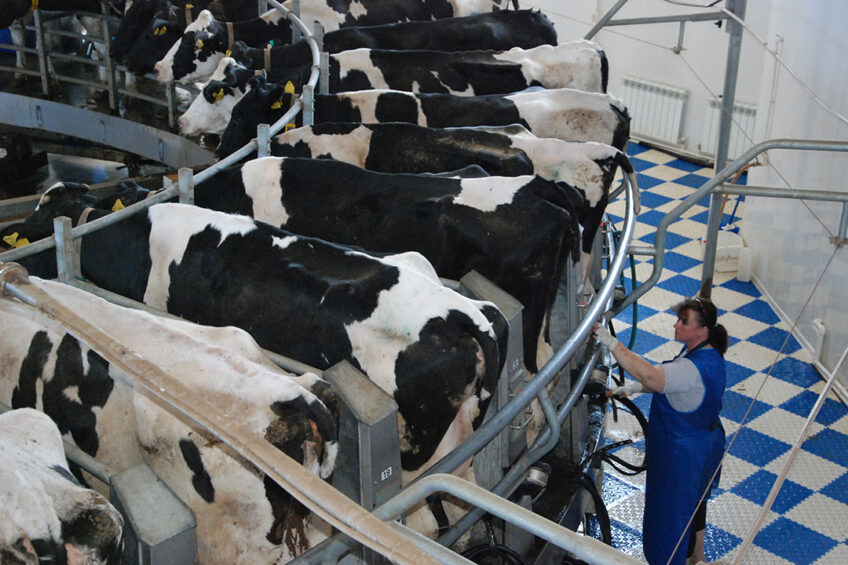
Welcome to this new epoch, where diversification and adaptation could be the name of the game for the dairy industry. Changes in globalization, urbanization, and technological innovation have opened up new vistas for expansion and growth. The exploration into new markets is exciting, but venturing into unfamiliar terrain also comes accompanied by risks and uncertainties. 

The decisions dairy executives make today, balancing growth, sustainability, and talent development, will influence the industry’s trajectory for years to come. How well they manage this complicated dance between market expansion and maintaining purpose and sustainability will l determine how successfully they can realize their growth aspirations in both the near and distant future. 

Remember, despite the challenges and complexities, dairy firms that successfully navigate this evolving landscape could very well unlock new opportunities leading to long-term success and resilience.

Digital Data and Analytics: A Dwindling Priority

Shockingly, digital data and analytics have taken a dip in priorities among dairy executive rankings, dropping down a position in the list. As much as the modern business environment celebrates data as ‘the new gold,’ dairy executives have shown a tendency to put less emphasis on advanced analytics and digital capabilities. 

Much of this can be attributed to the immediate challenges that these leaders are grappling with, such as sustainability, talent development, and managing growth in an increasingly complex market. In light of these more pressing matters, the use of digital data and analytics may have been given a back seat. 

This, however, doesn’t imply that data is no longer relevant. The world is currently in the data revolution era, no doubt. Nonetheless, dairy executives might need to strike a more balanced approach. The wealth of data available can provide useful insights about consumers – their preferences, behaviors, and concerns – and it could provide a steer on how to tackle the very challenges that they have ranked as more important.

Reducing the focus on analytics could potentially impact the approach to other priorities, like understanding consumer demand for sustainable dairy products, or identifying labor market trends. This might be a good time for these executives to revisit this decision and reaffirm the significant role that data and analytics can play in the quest for sustainability, talent retention, and market growth.

The Bottom Line

In essence, the dairy industry is confronting an array of challenges and opportunities. The pressing need for sustainable practices, attaining a balance between consumer demand and environmental responsibility, managing growth expectations, and prioritizing talent development are key. Sustainability, no longer a mere bonus, has become an obligatory requirement. However, this shift is countered by potential obstacles such as cost and limited product choices. But with 65% of consumers ready to pay more for sustainable choices, the future course of the market is transparent. A significant proportion of dairy processors, driven by consumer demand, signifies an increased awareness and concern for sustainable practices among consumers. The evolution of regulatory mandates requiring transparency and ever-changing consumer expectations will likely challenge corporations to justify price premiums for sustainable products. As the industry progresses, it’s crucial, particularly for the U.S. dairy industry, to prioritize environmental impacts, aligning with consumer trends. On the flipside, talent development has surfaced as a key priority. With the impending expansion of the dairy sector, companies need to hone in on culture, compensation, and processes to attract and retain talent, while diversifying into new markets and product innovation. It’s an intriguing yet exciting time as the once rigid boundaries within the dairy industry blur and redefine, preparing for significant transformations. One thing is indisputable: businesses which adapt and incorporate these key priorities into their strategies will be well-equipped to manage, and in fact, flourish in this rapidly evolving market landscape.

Summary: A recent survey by McKinsey & Company and the International Dairy Foods Association (IDFA) shows a shift in the dairy industry’s focus on corporate purpose and talent development over environmental performance. Sustainability is increasingly important to dairy executives, with a 7% growth year after year. However, it trails behind talent development (16%) and corporate purpose (11%). Consumers are increasingly inclining towards yogurt and cheese with Environment, Social, and Governance (ESG)-related claims. Top priorities for dairy executives include setting corporate purpose, talent development, cost reduction, supply chain resiliency, digital capabilities, and portfolio simplification. Talent development has taken center stage, ranking second behind corporate purpose. The dairy industry faces challenges and opportunities in growing demand and supply, but must balance growth, sustainability, and talent development to meet evolving consumer expectations. Digital data and analytics play a significant role in sustainability, talent retention, and market growth.

Disappearing Small Dairy Farms: Unraveling Reasons Behind Their Downfall

Discover why small dairy farms are disappearing at an alarming rate. Unravel the complex reasons behind their downfall in our in-depth analysis.

In recent years, we’ve observed a dramatic shift in the dairy industry landscape as small dairy farms grapple with unprecedented challenges. These farms, although often overshadowed by larger enterprises, have been pillars of rural economies for generations, serving as sources of local employment, income, and community resilience. Despite their historical significance and contributions, the number of small dairy farms is diminishing at a disturbing rate. This article shines a spotlight on the causal factors behind this decline, as well as the ripple effects it generates on the dairy industry, rural communities, and the environment.

The Unseen Struggles of Small Dairy Farmers

Consider the everyday realities facing small dairy farmers. You may picture idyllic pastures and a peaceful, measured pace of life. But the truth is that they’re battling an array of overwhelming challenges that are hidden beneath the surface of these serene landscapes. 

From dawn till dusk, dairy farmers work relentlessly. It’s not a 9-to-5 job, it’s a lifestyle. But these days, the physical fatigue is overshadowed by an even steeper mountain to climb – economic struggle. 

Financial distress is the grim specter at the dinner table for many of these hardworking families. The cause? Unpredictable and frequently low milk prices. It’s like an unstable stock market – one day you’re afloat, the next, you’re barely breaking even. Some days, you might even find yourself sinking into the red, the prices so disparate from the cost of production that carrying on becomes an act of sheer determination and defiance. 

This economic squeeze is forcing family-scale farmers to resort to difficult decisions – expand their herds, or sell to the mega-dairies. The former option comes with rising operational costs and the added stress of managing larger farms. On the other hand, selling to large-scale dairy businesses contributes to increased greenhouse gas emissions and poses risks to air and water quality – a steep price to pay for these stewards of the land. 

The relentless pressure, the heartbreak of selling generations-old family farms, and the drastic changes in lifestyle and community dynamics – these are but a few of the often unseen battles that small dairy farmers face every day.

The Decline of Small Dairy Farms by the Numbers 

Without a doubt, we’ve noticed a drastic downturn of small dairy farms in numerous regions across the globe. This downward trajectory is especially pronounced in certain countries, marked by alarming statistics that attest to a bleak situation. 

  • In the United States
    The U.S. dairy industry, once a vibrant arena bustling with small dairy farms, is now experiencing a major reduction. Over the past two decades, the number of licensed dairy farms plummeted from 70,375 in 2003 to fewer than 30,000 in 2023. Much to our dismay, the smaller operations are bearing the brunt of this drastic decline. 
  • In the European Union
    The percentage decrease in the number of dairy farms in the European Union is equally distressing. From 2007 to 2017, over half of the dairy farms disappeared, marking a significant setback for an industry once teeming with diversified and small-scale producers. 
  • Global Trend
    It’s crucial not to overlook the fact that this is not merely a localized issue. Countries outside of the U.S. and Europe like Australia, Canada, and New Zealand are also grappling with similar trends. The decline in small dairy farms is a global phenomenon, pointing to a need for a broader, deeper investigation into preventative solutions.

Reasons Behind the Downfall  

Understanding why small dairy farms are disappearing at such a rapid pace requires us to investigate several key areas. Let’s delve into each to gain a more comprehensive perspective. 

  1. Economies of Scale in Larger Farms
    Large-scale dairy operations, often referred to as “mega-dairies”, can leverage economies of scale, allowing them to lower the cost per unit of milk production. These bigger farms often have stronger bargaining powers that enable them to negotiate better prices for feed, veterinary care, and equipment due to bulk purchasing. Furthermore, with the resources to invest in automated technology, labor costs are reduced, and efficiency is improved–advantages smaller farms may lack. 
  2. Volatile Milk Prices
    Milk prices aren’t always steady. They’re affected by global supply and demand dynamics, resulting in unpredictable price volatility. This uncertainty hits small dairy farmers particularly hard, as they often face higher production costs per unit and are more vulnerable to market downturns. Moreover, large dairy processors and retailers, with their considerable bargaining power, often drive down the prices paid to farmers. 
  3. Rising Production Costs
    Small dairy farms are caught in the squeeze of rising costs. The cost of feed—a significant chunk of production expenses—has been steadily climbing. Additionally, finding and retaining skilled labor is increasingly difficult and costly for small farms. Other factors like higher energy prices and the escalating cost of farm equipment also shrink profit margins
  4. Regulatory Challenges
    Compliance with environmental laws, such as waste management and emissions control, can knot up more dollars for smaller operations. Meeting stringent food safety standards requires infrastructural investment that small farms may find burdensome. 
  5. Access to Capital and Credit
    Limited financing options often box small dairy farmers into a corner, leaving them struggling to access affordable credit and capital. Their inability to invest in modern infrastructure and technology widens the success gap between small farms and large-scale operations
  6. Generational Changes
    Many small dairy farm owners are nearing retirement age, and it’s apparent that younger generations are less inclined to take over the family farm. The allure of better employment opportunities often nudges the youngsters towards urban life, contributing to the gradual decline in rural populations. 
  7. Technological Advancements
    Technologies like automated milking systems and data analytics benefit large farms due to their high upfront cost. Add to that the benefits of selective breeding programs and advanced genetics, and it’s clear larger farms hold the technological advantage. But, with the costs involved, smaller dairy farms often struggle to catch up.

Big Dairy Vs Small Dairy: A Tale of Unequal Competition

If you’ve ever wondered about the David and Goliath story of the dairy industry, this is it. The battle of big dairy versus small dairy is no level playing field. Here, our Goliath, the large-scale dairy farms enjoy several benefits that are often unattainable for the smaller Davids of the industry. 

For starters, large dairy farms benefit from scale economies, a concept explored in a USDA report titled ‘Scale Economies Provide Advantages to Large Dairy Farms.’ This means that the cost per unit of production decreases as the size and output of the farm increase, thereby allowing large dairy farms to achieve higher profitability. 

Moreover, it is generally easier for large dairy farms to secure investments or loans to adopt new technologies or expand their operations. This provides them with a competitive edge by further reducing production costs and increasing efficiency. For small dairy farms, on the other hand, acquiring such substantial financial backing isn’t as easy. 

On a global scale, the dairy industry has also seen an eightfold rise in US dairy exports over the last two decades. This rapid growth paved the way for major industry consolidation, pushing many small family-sized commercial dairies out of business, according to James M. MacDonald, Jonathan Law, and Roberto Mosheim’s ERS report ‘Consolidation in U.S. Dairy Farming’. 

Then, the question remains: what does this mean for the small dairy farms struggling to compete? As they try to keep pace with an ever-accelerating dairy market, without the advantages of their larger counterparts, their survival rate decreases, and many end up throwing in the towel. This vicious cycle contributes significantly to the decimation of small dairy farms. 

We cannot forget that dairy farms, big or small, form a critical part of American agriculture. But when smaller farms find it increasingly hard to compete in the face of interregional competition in agriculture and dairy farming, the balance in the dairy industry is upset. 

Yes, it’s tough out there for small dairy farms, and the odds might seem overwhelmingly in favor of the bigger players. But it’s not all doom and gloom. A brighter future is possible, and solutions are available to help level the playing field. We’ll dive into these in the next section.

The Consequences of the Downfall 

When small dairy farms start closing, the impacts ripple out far beyond the farming industry itself. The following are key areas where the downfall of these small pillars of rural economy leaves a profound mark: 

1. Impact on Rural Communities

So what about rural communities, you ask? Well, the consequences are three-fold: 

  • Job Losses – Small dairy farms give employment to a respectable portion of the local population. With each farm’s demise comes a surge in unemployment numbers.
  • Economic Decline – These farms form the economic backbone of many rural communities. Incomes shrink and local businesses, along with tax revenues, suffer as these farms vanish.
  • Social Breakdown – Beyond economics, these farms contribute to the community’s social fabric. Their disappearance often leads to a weakening of community ties and shared identity.

2. Reduction in Biodiversity

Never heard the term biodiversity in farming? Small dairy farms indeed have a significant role. They help preserve unique livestock breeds and farming practices, adding to the world’s genetic diversity. They also prevent the market from saturating with only a selection of high-yield breeds—which can bring risks of widespread disease outbreaks and lowered resilience. 

3. Environmental Impacts

It’s not just about milk; it’s about the land too. Here’s the eco footprint: 

  • Land Abandonment – When a farm ceases to operate, the now-abandoned land can lead to a series of environmental problems: soil erosion, invasive species proliferation, and loss of habitat.
  • Concentration of Manure – Larger “mega-dairies” typically replace the small farms, and they produce massive amounts of manure. Without proper management, this can lead to contamination of local waterways.

4. Dairy Industry Consolidation

Finally, the milk industry itself changes. The shift from many small farms to a handful of large ones means: 

  • Market Concentration – Competition dwindles as the majority of power lies with a few large players.
  • Supply Chain Vulnerability – A highly consolidated industry is more susceptible to supply disruptions, which can destabilize the milk supply.

Possible Solutions and Way Forward 

Turning the tide for small dairy farms may seem a daunting task, but it’s one that we have the ability to tackle together. You may ask how, and rightly so. Here is a roadmap for the future, a beacon of hope for these integral eateries of our communities. 

  1. Policy Reforms
    Government involvement can be proactive. This can be done through targeted subsidies or grants to improvements in competitiveness among small farms. Additionally, implementing mechanisms to stabilize milk prices can help reduce market volatility. Taking a step further, environmental incentives could be placed to reward environmentally sustainable farming practices. This could be done through incentives and certification programs.
  2. Cooperatives and Collaborative Models
    Fostering a sense of community and mutual growth can be an effective solution. For instance, encouraging the formation of farmer cooperatives can enhance bargaining power and reduce production costs. Additionally, shared services can allow small farms to access machinery, veterinary care, and technical expertise collectively, fostering collaboration along the way. 
  3. Access to Credit and Capital
    Cash flow shortage can incapacitate many small farms. The creation of micro-financing programs tailored to their needs could turn the tide. Exploring innovative financing models such as community-supported agriculture (CSA), crowdfunding, and impact investing can also provide much-needed capital.
  4. Technological Support
    The role of technology in modern farming cannot be understated. Developing and promoting affordable technologies suited to small-scale farming can give these farms a fighting chance. Training and education can aid farmers in adopting these modern farming practices and technologies, thereby increasing productivity and efficiency.
  5. Consumer Awareness and Support
    The power to bring about change often lies with consumers. By promoting local dairy products through awareness campaigns dubbed ‘buy local’, consumers can influence the market positively. Direct-to-consumer sales strategies such as farmers’ markets and subscription models can also be beneficial.
  6. Succession Planning and Youth Engagement
    The dwindling interest in dairy farming among the younger generation poses a significant threat to the future of small farms. Mentorship programs that pair retiring farmers with younger successors can bridge this gap. Offering incentives like tax breaks, grants, and affordable land leases can further encourage young individuals to take up farming. 

The Bottom Line

Ultimately, the fading away of small dairy farms signifies a multifaceted problem, deeply ingrained in the changing economic, social, and technological landscapes. Rising to meet this challenge necessitates a unified front from legislators, those within the industry, and, crucially, you as the consumer, to mold a dairy industry that is more resilient, and inclusive in its practices. By honoring and placing importance on the distinctiveness and invaluable contributions of small dairy farms, and bolstering their sustainable practices, we are able to safeguard the unique essence of rural communities, the balance of biodiversity, and indeed, the rich tapestry of traditions that make up small-scale dairy farming; ultimately, maintaining the valuable heritage that plays such an essential role in our socio-economic fabric.

Key takeaways: 

  • The decline of small dairy farms negatively impacts rural communities, biodiversity, and brings about environmental consequences.
  • It’s critical to rally support from legislators, industry stakeholders and consumers to rejuvenate these critical parts of the local economy.
  • Recognizing and promoting the value and sustainable practices of small dairy farms is paramount to preserving the societal, economic and environmental benefits they provide.
  • In order to help these vital rural institutions thrive, solutions ranging from policy reform to technologies, cooperative collaborations, and increased access to credit and capital are needed.
  • It is crucial to involve younger generations, plan for succession, and promote consumer awareness about the importance of supporting small dairy farms.

Welcome, dear readers, to an exploration of a critical issue that’s shaping our rural landscapes and economy. The dwindling number of small dairy farms is not just a headline — it’s an exceedingly real crisis that calls for our attention. The way forward requires us all to be part of the solution. Let’s dive in to understand what’s happening, why it’s happening, and most importantly, how we can help. 

  • Consume Responsibly: When you next reach for your favorite cheese, yogurt, or milk at the supermarket, consider who produced it. Purchasing from local, small farming operations can significantly contribute to their financial survival and growth.
  • Educate Yourself and Others: Knowledge is power. Understand the challenges that small dairy farms face – from changing markets to massive agribusiness competition – and share this understanding with others.
  • Support Dairy Policy Reform: Lending your voice in favor of fair trade practices, equal market opportunities, and policy reforms can create legislative and industry changes that benefit small dairy farms. Contact your legislators, participate in public forums, and get involved in grass-root level initiatives.

Remember, your choices as a consumer, your voice as a citizen, and your actions as a community member can significantly influence the future of small dairy farms. It’s more than just saving a business; it’s about preserving livelihoods, communities, and an integral part of our cultural heritage.

Summary: The dairy industry is experiencing a significant decline, with small dairy farms facing unprecedented challenges. These farms have been pillars of rural economies for generations, providing local employment, income, and community resilience. However, the number of small dairy farms is rapidly diminishing, causing financial distress for many farmers. Unpredictable and often low milk prices are the cause, forcing farmers to make difficult decisions: expand herds or sell to mega-dairies. Expanding herds comes with rising operational costs and added stress of managing larger farms, while selling to large-scale dairy businesses contributes to increased greenhouse gas emissions and poses risks to air and water quality. The decline is particularly pronounced in certain regions worldwide, with the number of licensed dairy farms in the United States plummeting from 70,375 in 2003 to fewer than 30,000 in 2023. To turn the tide for small dairy farms, policy reforms, cooperatives, collaborative models, access to credit and capital, technological support, consumer awareness, succession planning, youth engagement, and a unified front from legislators, industry professionals, and consumers are necessary.

Should Dairy Farmers Fear Fermentation? An In-depth Analysis of the Dairy Sector’s Latest Challenge

Discover why dairy farmers should be concerned about the revolutionary shift in the dairy industry. Can fermentation change the game? Dive in to find out.

The relentless march of innovation spares no industry, not even those as traditional as dairy farming. As you’re pouring that creamy milk into your morning coffee or tucking into your favorite cheese board, you might be left pondering, ‘how could the dairy industry possibly change?’ Well, dairy farmers and consumers alike should sit up and take notice of one revolutionary shift in the dairy industry: fermentation

Fermentation. The process by which microbes chemically react to create deliciously diverse flavors and textures seems to be tapping into a transformed reality for the dairy world. But as tantalising as it sounds for the flavor and texture of dairy products, it presents a series of challenges and concerns for dairy farmers. With the potential for cheaper, more consistent, and indeed more exotic dairy-esque creations without the need for the cow, traditional dairy farming might just have to give way to the “milk” fermenters. 

“Fermentation can potentially offer more efficient and sustainable methods of producing dairy products. But what does this mean for traditional dairy farmers? Can they adapt to this brave new world or should they be, dare we say, worried?”

Join us as we delve into the crux of this potential upheaval, exploring why dairy farmers should indeed be alert to the steep churn of change in their own backyards. There’s a revolutionary shift on the horizon, and it’s bubbling away in the fermenting vat.

Unraveling the Mechanism: How Does Fermentation Work?

Let’s delve deeper into the process. Dairy farmers, you should know that the leading actors in milk fermentation are the Lactic Acid Bacteria (LAB). These bacteria are principally responsible for converting lactose into lactic acid, thereby increasing acidity levels. This increase then makes the environment increasingly inhospitable for the growth of non-LAB microorganisms, essentially transforming the milk into a safer, less perishable product. 

Fermented milk products, such as yogurt and cheese, are crafted when milk undergoes a process of fermentation with various strains of lactic acid bacteria like Lactobacillus, Lactococcus, and Leuconostoc. This fermentation process imparts these products with distinct flavors and also extends their shelf life, making them convenient commodities in the consumer market

Interestingly, the different LAB species involved in dairy processing all come from distinct microbial groups, each with different nutritional needs, metabolic capacities, and culture requirements, not to mention their unique technological properties. These attributes greatly influence the outcome of the fermentation process.

Now, let’s touch upon another interesting fact: how is fruit juice turned into probiotic food? There are in fact two ways. The first involves the addition of live microorganisms, while the second involves fermentation using probiotic microorganisms. Such knowledge is critical in understanding how certain production operations influence the survival rate of probiotic microorganisms. 

The perks of fermentation are not restricted to the creation of low-sugar products and the improved adaptability of microbial strains. The fermentation process also allows for the production of metabolic products like bacteriocins, which enhance the overall product quality. Moreover, fermented dairy items are populated by beneficial compounds produced by their microorganism communities, including vitamins, conjugated linoleic acid, bioactive peptides, and gamma-aminobutyric acid among others. 

Given this wealth of benefits, the rise of fermentation technology should indeed be a cause of concern for the traditional dairy farming community. However, it’s equally an opportunity to adapt and evolve in a rapidly shifting industry landscape.

Fermentation Vs. Cows: A Fair Fight for the Future of Dairy?

You may be wondering: is this fusion of microbiology and milk really a threat to traditional dairy farming? To begin solving that puzzle, let’s peek into the powerful world of lactic acid bacteria (LAB). 

LAB, a crucial player in the fermentation process comes with a list of impressive credentials. It has the wherewithal to extend milk’s shelf-life, and refine its sensory attributes – think, flavor and texture. LAB consists of multiple microbial groups, each with distinct nutritional, metabolic, and culture requirements, and varying technological properties. Together, they pave the way for a cornucopia of fermented dairy products – each with its own unique taste and texture. 

Fermented products such as yogurt, cheese, and kefir have not only tantalized the taste buds of people around the globe, but they also boast potential health benefits. From delivering important nutrients to producing beneficial compounds like vitamins and bioactive peptides, fermented dairy plays a substantial role in our diets. These feats of bioengineering are born of the complex metabolic activity of the microbiota involved in their production. 

Yet, as promising as it sounds, not all is rosy in the world of fermented dairy. It’s important to keep in mind that despite their overall safety record, there can be outbreaks and incidents of disease. Beyond health considerations, there’s also the question of whether the production of fermented dairy can keep pace with consumer demand and whether it can reach consumers at a cost that’s competitive with traditional dairy products. 

Ultimately, the “fight” between fermentation and cows is not exclusively a battle for market share. It’s also about innovation, about pushing the boundaries of what’s possible in dairy production, and about responding to consumer demands for healthier, tastier, and more sustainable food options.

Are Cows Becoming Obsolete? The Unsettling Reality for Dairy Farmers

Just think about it. A future where cow’s milk, a cornerstone of our diets for centuries, becomes obsolete might seem far-fetched. Before we dismiss this as mere speculation, let’s consider the potential reality dairy farmers might face in light of the burgeoning fermentation technology. 

The central element at play here is the realm of precision fermentation. This relatively new technology could provide an alternative to traditional dairy products by allowing a more streamlined, efficient production system. Imagine producing cheese, yogurt, and other dairy products in techno-advanced vats instead of a conventional farm. Futuristic, isn’t it? 

The fact remains: demand for dairy is not disappearing. But, the source of that dairy might be more fluid than we think. The fermented dairy sector continues to grow, propelled by consumer concerns over animal welfare, sustainability, and health issues associated with dairy consumption. Products from this sector, such as lab-cultured proteins mimicking casein and whey, are becoming increasingly convincing as replacements for traditional dairy output. 

Beyond these consumer-driven concerns, fermentation also brings to light safety issues in dairy production. Despite the generally robust safety record of traditional dairy products, the potential for disease outbreaks and the occurrence of mycotoxins, primarily in milk, can’t be disregarded. Contrast this with fermented products, which could potentially reduce such risks significantly or eliminate them altogether. 

Already, we’ve seen how plant rennets have emerged as a game-changer in the cheese industry. Similarly, precision fermentation offers the potential to revolutionize the entire diary industry, and not entirely in favor of traditional dairy farmers. 

If demand for cow’s milk begins to dwindle and alternate methods take off, dairy farmers will need to stop and rethink their place in this rapidly changing landscape. The advent of fermentation technology in dairy production presents both an unsettling challenge and an opportunity for dairy farmers to innovate, adapt and make themselves relevant in the new age of milk production.

Disrupting Dairy: The Impact of Fermentation on Dairy Farming

Surprisingly enough, as a dairy farmer, you might consider fermentation as both threat and opportunity. The advancements in this age-old practice hold the potential to reshape the entire dairy landscape. 

Fermentation, long used as a means of product development and preservation, now holds the key to extending the longevity of dairy products. Primarily, the lactic acid bacteria (LAB) are the wide-ranging heroes in this process. Known for enhancing flavors and texture, LAB brings in a range of flavors, from the Eurocentric tangy yogurts and cheeses to the subtler kefirs popular in the Middle East and Eastern Europe. Consequently, their widespread consumption has landed fermented products a place on the global stage, with an increasing prominence for the dairy sector. 

While the majority of dairy farmers have built their businesses around fresh milk production, the surging demand for fermented milk products presents a potential shift. Picture your local supermarket — where once the majority of fridge space was dedicated to fresh milk, those shelves now teem with diverse fermented goodies. Whether it’s Greek yogurts, French Camemberts, or American cream cheeses, fermented dairy products are taking center stage in the consumer market. 

But, there’s a catch. The process of dairy fermentation isn’t a simple one. The LAB themselves are a diverse microbial group, each with a distinct set of nutritional, metabolic, and cultural requirements. The varied conditions and resources latch onto a broad platform of innovation. Thus, the complexity of fermented product manufacturing and the safety concerns surrounding fermentation-related outbreaks or diseases mean that a considerable investment in knowledge, training, and equipment may be necessary for those looking to transition from simple dairy farming to fermented production. 

To conclude, as a dairy farmer, it seems prudent to explore this potential avenue. The wealth of functional foods that fermentation can yield often contain beneficial compounds which are introduced through the metabolic activity of their microbiota. This not only improves nutrient availability but also could strengthen the standing of dairy in discussions of maintaining a healthy diet. However, due diligence and careful consideration of the costs and benefits are pivotal components in this exploration.

The Dairy Dilemma: Challenges Ahead for Dairy Farmers

In order to truly understand the impeding challenges, one must first consider the impact that fermentation has on dairy products. Known as a cornerstone in the production of globally beloved foods like yogurt and cheese, fermentation actually enhances not only the taste but also the lifespan and nutrient content of dairy products.

However, despite these obvious merits, there are still a significant number of individuals who choose to limit their consumption of fermented dairy products. Whether it’s due to lactose intolerance, cholesterol-restricted diets, or an overall increase in veganism, this group’s dwindling consumption patterns pose a real threat to the sustainability of traditional dairy farming. 

Another critical factor to consider is the associated foodborne diseases. Although fermented dairy products generally have a good safety record, there have been instances of disease outbreaks. Notably, cheese has been specifically identified as a vehicle of transmission in some cases. This risk, albeit minimal, poses an additional challenge for dairy farmers. Consumer trust is hard to regain once it’s tarnished by the impact of an outbreak, and the aftereffects can be devastating on the industry. 

Furthermore, research in the Journal of Dairy Science suggests that consumption of raw milk products could lead to a disproportionately high number of foodborne disease cases in comparison to pasteurized products. As a result, dairy farmers have to continually adapt and apply stringent safety measures to ensure the safety of their products. 

The challenges mentioned above paint a realistic picture of what lies ahead for traditional dairy farmers. With this in mind, it becomes imperative to explore alternative methods to maintain this critical element of our global food supplychain. The advent of precision fermentation in dairy production could potentially be the answer to these pervasive issues. This revolutionary shift could offer dairy farmers a sustainable, safe, and profitable roadmap to the future of the industry.

The Economic Implications of Fermentation for Dairy Farmers

As a dairy farmer, you might be questioning what this shift towards fermentation means for you, economically speaking. In one sense, it could certainly be seen as a threat, potentially making traditional dairy farming obsolete. However, it’s not all doom and gloom, and it’s important to delve deeper into the economic uncertainties and possibilities that this revolutionary shift might bring. 

For starters, the demand for fermented dairy products is on the rise. Consumers are becoming more health-conscious, and their desire for functional dairy products that offer health benefits beyond basic nutrition opens up new market opportunities. This provides an avenue for potential growth for dairy farmers who can adapt to this evolving landscape. It means you won’t just be competing on price, but also on value, pitting the tangible benefits of your product against others. 

On the other hand, the cost of transition towards fermentation will not be negligible. Equipment, technology, and the necessary expertise are all factors that could represent significant capital expenditure. Not to mention, the process itself might be time-consuming and involve a learning curve. 

However, let’s not forget the potential for cost savings in the long run. Think about feed costs, veterinary bills, and the overheads that come with maintaining a large herd of dairy cattle. These could be drastically reduced, if not avoided completely, with the shift towards fermentation. Moreover, given the longer shelf life of fermented products, losses from spoilage could also be minimized. 

Ultimately, what’s crucial is having an adaptable mindset, assessing the risks, and making strategic decisions. It’s about seeing the long term possibilities that fermentation could bring to your dairy operations, instead of just the short term hurdles. Innovation could be your ally, and if harnessed well, fermentation could bring about economic resilience in unpredictable market conditions.

The bottom line

The transformative power of fermentation may be a source of worry for dairy farmers, but it signifies a radical and exciting shift in the dairy industry. The potential for the production of dairy foods without the traditional means is both fascinating and disruptive. As a dairy farmer, the time is ripe to stay vigilant, adapt, and envision one’s role within these profound changes. This isn’t the end of dairy farming, it’s simply a reshaping of the landscape that offers some innovative and eco-friendly alternatives. Herein lies the opportunity to embrace this transition, explore opportunities and perhaps even contribute to the next stage of the dairy revolution.

Summary: The dairy industry is undergoing a transformation with the advent of fermentation, a process where microbes chemically react to create diverse flavors and textures. This transformation has the potential to offer cheaper, more consistent, and exotic dairy-esque creations without the need for cows. Traditional dairy farming may have to give way to “milk” fermenters, which can offer more efficient and sustainable methods of producing dairy products. Lactic Acid Bacteria (LAB) are the leading actors in milk fermentation, converting lactose into lactic acid, increasing acidity levels and making the environment more inhospitable for non-LAB microorganisms. Fermented milk products, such as yogurt and cheese, are crafted when milk undergoes fermentation with various strains of lactic acid bacteria like Lactobacillus, Lactococcus, and Leuconostoc. Fermented dairy items are populated by beneficial compounds produced by their microorganism communities, including vitamins, conjugated linoleic acid, bioactive peptides, and gamma-aminobutyric acid. Precision fermentation, a relatively new technology, could provide an alternative to traditional dairy products by allowing a more streamlined, efficient production system.

U.S. Dairy Exports Hit February Record Amid Slow Slip in Milk Production

Discover how U.S. dairy exports hit a record high in February 2024, despite a slow decline in milk production. Curious about the market trends? Dive in now.

Did you know that U.S. dairy exports just broke a new record in February? They hit 17.3% of U.S. milk solidsproduction equivalent, and this is happening even as our domestic use of milk in various products experienced its first monthly dip since January 2023. This intriguing data comes courtesy of Peter Vitaliano from the National Milk Producers Federation. 

“The year-over-year deficit in U.S. milk production has continued to grow. February production marked a decrease of 1.3% compared to the same period last year, adjusting for the leap year,” said Vitaliano, who presented these insights during April 2024’s Dairy Management Inc./National Milk Producers Federation Dairy Market Report.

Besides these trends, the Monthly National Dairy Products Sales Report (NDPSR) and federal order Class prices have shown mostly modest increases from February to March. More good news for producers: the U.S. average all-milk price also sprung up by $0.50 per hundredweight (cwt) – taking February’s prices to a robust $20.60 per cwt. 

  • Record-breaking growth: U.S. Dairy exports posted a February record, scoring 17.3% of U.S. milk solids production equivalent.
  • Monthly drop in domestic use: Even as exports grow, domestic use of milk in all products showed its first monthly decline since January 2023.
  • Deficit in milk production: The annual shortfall in U.S. milk supply persistently expands, with February production down by 1.3% compared to a year ago, considering the leap year.
  • Favorable price changes: Despite this, federal order class prices achieved modest gains from February to March, and the U.S. average all-milk price jumped by $0.50 per hundredweight.

For more information on commercial use, dairy trade, milk production, product inventories, prices and margins, view the April 2024 Dairy Market Report.

Summary: U.S. dairy exports broke a record in February, reaching 17.3% of U.S. milk solids production equivalent. This growth is despite the first monthly dip in domestic milk use since January 2023. The year-over-year deficit in U.S. milk production has continued to grow, with February production decreasing by 1.3% compared to the same period last year, adjusting for the leap year. The monthly National Dairy Products Sales Report and federal order Class prices have shown modest increases from February to March. The U.S. average all-milk price also soared by $0.50 per hundredweight, reaching a robust $20.60 per cwt. Despite these positive price changes, the annual shortfall in U.S. milk supply persists, with February production down by 1.3% compared to a year ago, considering the leap year.

Exploring the Expansive Future of Dairy Farming in Texas

Discover the future of dairy farming in Texas, where the average herd size is a whopping 4,000 cows. Will the Lone Star State redefine dairy farming?
Welcome! If you’ve ever journeyed to the Lone Star State, you’d know the cliche that everything is bigger in Texas – and it’s not just about the towering cowboy hats or the outlandishly voluminous hairstyles. This adage holds true even for the dairy industry, where the average size of dairies in the Panhandle region dramatically surmounts the national average, accommodating an astounding 4,000 cows on average. 

“The immense expanses of Texas farmland, coupled with the favorable climate conditions have led to a booming dairy industry that truly embodies the ‘Everything is Bigger in Texas’ motto.” 

Let’s delve a little deeper into this burgeoning beast of an industry and learn why we should watch this space for exponential growth and future opportunity.

The Dawn of a New Dairy Era in Texas

Make no mistake about it, dear reader. Your morning cereals and coffee could soon be powered by Texas milk, as this southern state is quickly blossoming into the third largest dairy haven in the United States. As of 2023, the Texas dairy industry is bustling with activity, with a specific focus on expanding milk processing capacities. 

The surge in expansion is due to the necessity for more dairy processing plants. As we speak, there are four milk plants earmarked for construction or set to break ground soon, all to support dairies around the state. So why is there a sudden need? Because Texas is a net importer of dairy products. Yes, you read that right. The expansive Texas, known for its wide-ranging agricultural prowess, currently has to reach out to sister states for its creamy needs. But that’s about to change. 

According to Juan Pieiro, an extension dairy specialist with the Texas A&M AgriLife Research and Extension Center, there will be an ongoing uptick in cow numbers and milk production over the next five years in the Lone Star state. Coupled with the impending tightening of milk production, this creates exciting career opportunities not just for seasoned dairy farmers, but for the younger generation as well. 

The Texas dairy industry has been grooming the next generation of dairy farmers and producers by emphasizing the variety of opportunities available. From calf raising, milking, and feed management, to roles in quality control, marketing, and business roles, there’s a spot for everyone in this booming industry. Pieiro attributes this rise in dairy interests to the incorporation of newer technologies, such as electronic collars for cattle health monitoring and robotic milking stalls, which attracts a tech-savvy younger population. 

With these developments, our bet is on Texas. As processing capacity grows, so will Texas dairy production. In the years ahead, our pizzas could be smothered in Texas cheese, our butter could be churned in Texas factories, and our milk, straight from the Texas Panhandle. The future is, indeed, looking dairy bright for Texas.

Transformative Trends in Texas Dairy Farming

Ever wonder about the progress of the Texas dairy industry and where it’s heading? Fret not, for the Lone Star State dairy sector is making giant strides in the national scene. As a matter of fact, Texas is blooming into the third largest dairy state, with an exuberant growth rate that overshadows other regions. The signs of this high-speed race are evident, especially in 2023. 

Are you curious about what’s driving this growth? Despite the rising popularity of plant-based options, the milk outputin the state continues to surge. The key to this prosperity lies in the adoption of advanced technologies by the Texas dairy farmers. Incorporation of electronic collars to monitor cattle health and the application of advanced robotic milking stalls have ushered a new era of efficiency and productivity. Indeed, the big hats of Texas aren’t the only things going high-tech. 

If you think that’s as far as it goes, you’d be mistaken. There’s more on the horizon for Texas dairy. The number of dairy farms may have dipped to below 300, but what’s remarkable is the increase in the average farm size, with larger, fewer dairy farms, supporting the higher milk output, thus affirming the old saying that ‘less is indeed, more’. 

Yet, with this immense milk production, we find ourselves facing a new challenge—the need for more milk processing capacity. To keep up with the rising milk output, there are four milk plants currently either under construction or about to break ground soon. This expansion in processing plants is a welcoming sign of the growing demand for Texas dairy. 

Looking ahead, the future for Texas dairy seems equally bright. The industry is embracing the evolution of high-tech dairies while carrying the Torch of Pioneers forward. It is encouraging young Texans to explore the vastly rewarding careers in dairy farming and production, highlighting the broad range of opportunities on offer. However, experts have their eyes on an expected tightening of milk production in Texas. This, coupled with the decrease in the number of dairy farms but an increase in average size, could have significant implications for the state’s dairy future. 

Undeniably, the Texas dairy industry is a fascinating field. From cowboy hats to high-tech dairies, the shift represents not just the evolution in dairy farming but also the resilience and adaptability of the Texas spirit. So, keep an eye on this space, for this is the era of the Lone Star State dairy, and it’s only getting bigger.

Advantages of dairy farming in Texas

Dairy farming in Texas certainly presents a wealth of opportunities. For the ambitious, career-oriented, and industrious individual, it is a field ripe with prospects and promise. Why, you might ask? Let’s take a closer look at the unique advantages this booming industry boasts in the Lone Star State. 

Firstly, Texas is experiencing steady dairy growth, fast evolving into the third largest dairy state in the U.S. This is a testament to the optimal climate and vast spaces available for dairy farming. It provides a viable, booming industry for young Texans to delve into, whether it be through farm management, production, or technical services. By educating youth about the range of career opportunities in this sector, it paves the way for a new generation of dairy farmers and helps to ensure the industry’s sustainable growth. 

Secondly, thanks to Texas’ rich agricultural heritage, about 80% of the state’s milk is home-produced, primarily in the Texas Plains. This means that Texas dairy farmers enjoy a sense of local pride and accomplishment, being key contributors to the state’s food supply. However, as Texas is a net importer of dairy products, expansion prospects remain vast, providing ample room for growth and new enterprises to flourish. 

Lastly, there’s a distinct focus on technological progression within Texas’ dairy farming sector. Farming operations across the state are embracing modern tools, such as electronic collars to monitor cattle health and robotic milking stalls. These advancements help reduce the demand for labor, mitigating competition from other industries such as oil, thereby ensuring the dairy industry can thrive sustainably for years to come. 

Given all these elements, plus the recent positive shift in weather patterns improving feed and forage production after two years of drought, there’s boundless optimism about the future of dairy farming in Texas. With larger, fewer, but more technologically advanced farms predicted in the horizon, we can expect a bright and bountiful future for the Texas dairy landscape.

Challenges in dairy farming in Texas

So, you’ve undoubtedly heard about the challenges plaguing Texas dairy farming, a landscape rife with obstacles, but not without hope. Even in the face of attractive milk prices, our Texan dairy producers grapple with a host of issues unlike any they’ve faced before. 

Labor shortages, for instance, have been an ongoing hurdle for dairy farmers in the Lone Star State. The robust oil industry in Texas competes fiercely for the same workers, driving up wages and causing considerable strain on dairy farm operations. This situation has nudged many a farmer towards smarter solutions, and technologies such as milking robots and electronic cattle collars are increasingly becoming the norm, easing some of the labor pressures while providing additional benefits. 

It’s certainly been a time of testing and adaptation, with Texas’ dairy industry witnessing a decrease in the number of cows and dairies due to the harsh production environment and shaky market conditions. The state’s dairy farmers are even dealing with nature’s whims like blizzards, juxtaposed against the backdrop of a global jolt by COVID-19, amplifying their concerns. 

Yet, don’t be led to think that it’s all doom and gloom. Even with the tightening of milk production, the Texas dairy industry is slowly but surely blossoming. It’s found its place as the third-largest dairy state, which is no small feat considering the obstacles. But to fully unlock the promise of the dairy industry, Texas urgently needs more milk processing facilities. This could create a major uptick in local dairy production and processing, edge out import dependence, and help keep those profits local.

The future might seem uncertain, yet with the trials come new frontiers. The industry is heartily attempting to mold younger Texans towards a career in dairy farming or production, illuminating the sheer breadth of opportunities available. Facing the challenges directly, and using them as stepping stones, Texas’s dairy future could be as vibrant as the fields from where their livestock grazes.

The Bottom Line

With the fluctuating milk prices, increasing input costs, and labor issues posing significant challenges, Texas dairy producers are indeed navigating a rough terrain. They are, however, driven by resilience and innovation, turning these obstacles into opportunities for efficiency and sustainability. While the path to prosperity may not be smooth, the future of Texas’s dairy industry appears to be bright, characterized by improving efficiencies, profitable beef-on-dairy practices, and a continued focus on sustainable and efficient milk production. This may well reflect the essence of the ‘everything is larger in Texas’ narrative, encompassing not only the physical size of the dairies but also the scale of determination and innovation evident in this industry. 

Summary: Texas is becoming the third largest dairy hub in the US, driven by the need for more processing plants. The industry is expanding milk processing capacities, with four currently under construction or set to open soon. Texas dairy is grooming the next generation of farmers and producers by emphasizing various opportunities, including calf raising, milking, feed management, quality control, marketing, and business roles. The incorporation of newer technologies, such as electronic collars for cattle health monitoring and robotic milking stalls, attracts a tech-savvy younger population. Texas dairy is experiencing a significant increase in average farm size, with larger, fewer farms supporting higher milk output. The industry is embracing the evolution of high-tech dairies and encouraging young Texans to explore rewarding careers in dairy farming and production. Despite challenges like labor shortages and competition from the robust oil industry, Texas’ dairy industry is slowly blossoming. To fully unlock the promise of the dairy industry, Texas urgently needs more milk processing facilities, which could create a major uptick in local dairy production and processing, edge out import dependence, and help keep profits local.  The industry is attempting to mold younger Texans towards a career in dairy farming or production, illuminating the wide range of opportunities available. Facing challenges directly and using them as stepping stones, Texas’s dairy future could be as vibrant as the fields from where their livestock graze.

Exploring Global Nutrition: A Comprehensive Dairy Perspective to Feed the World

Discover the role of dairy in global nutrition. Learn how milk, cheese, and yogurt can help feed the world. Are we overlooking a vital food source?

Nutrition is akin to a bustling intersection, with significant lanes leading to health, agriculture, and economics. Notably, this junction significantly influences the well-being of individuals and societies worldwide. In this bustling confluence, amidst the diversity of dietary patterns, one staple emerges and retains its prominence in many cultures: dairy. 

Commonly recognized in versatile forms such as fresh milk to its attention-grabbing creamy appeals and artisanal cheeses, dairy products have successfully managed to stand the test of evolving taste palettes and dietary habits. But more than their tempting allure, dairy goods pack in them a treasure trove of essential nutrients which are indispensable for human growth and development. 

In this article, we delve into the multifaceted role of dairy in global nutrition, examining its contributions, challenges, and the path ahead as we strive to nourish a growing global population.

Whether you’re a dairy connoisseur, a nutrition enthusiast, or person with a general curiosity about the food we eat, this article aims to provide a comprehensive perspective on why dairy continues to be relevant, significant, and influential in our daily lives.

Nutritional Powerhouse: Dairy’s Rich Nutrient Profile 

Imagine a food so complete, it’s bursting with a perfect blend of macronutrients like protein, fats, and carbohydrates, along with a multitude of essential micronutrients. Sounds like a dream, right? Well, you’re in luck because such a food does exist, and it’s probably sitting in your fridge right now: dairy products. From milk to cheese, dairy products are renowned as a nutritional powerhouse. 

Let’s focus on milk, the primary dairy product for a moment. This humble white liquid contains a unique combination of macronutrients — protein, fat, and carbohydrates — and a cocktail of crucial micronutrients including vitamins and minerals. In essence, it’s akin to Mother Nature’s own perfect meal, handily packaged in a single food source. 

“Proteins in dairy, such as casein and whey, are of high biological value, meaning they contain all essential amino acids required by the human body.”

“Proteins in dairy, such as casein and whey, are of high biological value, meaning they contain all essential amino acids required by the human body.”

That’s right! The proteins you’ll find in dairy are considered superior in terms of their biological value. This means they’re chock-full of all the essential amino acids that your body needs but can’t produce on its own. But the nutritional wonder of dairy doesn’t end there. 

Known as an excellent source of calcium, dairy has long been celebrated for its contribution to bone health. But did you know it’s also a vital source of other minerals like potassium and magnesium? These little powerhouses play key roles in maintaining heart health, normal blood pressure, and even supporting proper muscle function among other things. 

Isn’t it wonderful to know that in every sip of milk or bite of cheese, you’re not just savoring tasty food but also fueling your body with an array of essential nutrients? Now that’s nutrition made delicious!

Addressing Malnutrition: Dairy’s Dual Role

Sitting there in many parts of the globe, malnutrition looms as a formidable challenge, bringing under its shadow both undernutrition and overnutrition. Both these phenomena underscore significant health risks but, believe it or not, dairy can provide a lifeline on both fronts. Yes, you read that correctly.

For populations that wrestle with undernutrition, especially the young ones, dairy products emerge as indispensable allies. These items are brimming with essential nutrients that are integral for growth and development. Think milk, in all its incarnations. This humble beverage often takes center stage in nutritional intervention programs designed to combat malnutrition and stunting in vulnerable communities.

“Milk, in its various forms, is often included in nutritional intervention programs to combat malnutrition and stunting in vulnerable communities.”

“Milk, in its various forms, is often included in nutritional intervention programs to combat malnutrition and stunting in vulnerable communities.”

On the flip side, in regions where overnutrition and its related disorders like obesity and diabetes are rampant, dairy can chip in to aid satiety and manage weight. Various studies hint that dairy consumption, if nestled within a balanced diet, might contribute towards trimming down risk factors for chronic diseases. The secret behind this useful attribute? Its loaded protein content and potential effects on metabolism. 

  • Undernutrition: Dairy products provide essential nutrients for growth and development.
  • Overnutrition: Dairy aids in promoting satiety and weight management, thus helping combat related diseases like obesity and diabetes.

We can clearly see how dairy wears the hats of both the hero and the healer in our fight against malnutrition, providing solutions for both undernutrition and overnutrition. The magic of milk is truly worth pondering over.

The Environmental Equation: Balancing Dairy’s Nutritional Benefits with Sustainable Practices

As you dive into the world of dairy, it rapidly becomes evident that this sector is a two-sided coin. On the one hand, dairy is celebrated as a potent source of crucial nutrients. On the flip side, it’s also linked to environmental concerns – raising issues about greenhouse gas (GHG) emissions, water usage, and land degradation. Yet, with every challenge comes an opportunity for improvement, and the dairy industry is no different. 

Did you know, for example, some solutions already exist that could lessen these environmental impacts? Several sustainable dairy practices have emerged, offering a promising horizon. These include improving herd management strategies, optimizing feed efficiency, and widening the adoption of renewable energy in dairy farm operations. 

“When effectively implemented, these sustainability practices can significantly reduce the strain dairy production puts on our environment. While these steps require investment and commitment, they ultimately secure the industry’s future, contribute to the global fight against climate change, and ensure consumer acceptance.”

“When effectively implemented, these sustainability practices can significantly reduce the strain dairy production puts on our environment. While these steps require investment and commitment, they ultimately secure the industry’s future, contribute to the global fight against climate change, and ensure consumer acceptance.”

But that isn’t all. A fascinating part of the dairy journey is the potential for repurposing dairy by-products. For instance, whey protein and lactose, which in the past may have gone to waste, can now be used in animal feed or for various industrial applications. This adds a valuable layer to the sustainability efforts, decreasing waste, boosting resource utilization, and serving as a stepping stone towards a circular economy in the dairy chain. 

This shift towards more sustainable practices in the dairy industry benefits not only our environment, but also the global race against malnutrition, the cultural significance of dairy in our societies, and it feeds into the continuous advancements in dairy technology. It’s a story of responsibility and change, one where nutritious milk and dairy products contribute to feeding the world in a way that respects and preserves it for future generations.

Cultural Importance and Flexibility:

Dairy not only acts as food, but it also serves as a cultural cornerstone, anchoring many communities in their culinary traditions and social customs. Whether it’s Greek yogurt, savored as a tangy delight, or Indian paneer, forming the cornerstone of countless sumptuous dishes, each culture has nuanced and diverse dairy products woven seamlessly within its unique cuisine. From Ireland’s creamy butters to France’s refined cheeses, dairy products often serve as the heart of traditional dishes, tying generations together, shaping the very fabric of their food identities. 

Given the constant evolution of global food systems, the ability to adapt dairy production and consumption practices becomes crucial. It is in this changing landscape that we come across some key issues that call for a considered approach: 

  • Addressing lactose intolerance: It’s important to recognize and address dietary limitations such as lactose intolerance, prevalent in a major segment of the global population.
  • Promoting alternative dairy sources: The emergence of plant-based alternatives marks a significant shift in the dairy landscape, providing options for those who seek them.
  • Ensuring equitable dairy access: Fair access to dairy products is vital to foster diverse, balanced, and healthy diets across all strata of society.

Dairy may have originated from necessity, evolving from the basic need for sustainment, but today it represents much more – an integral part of our cultural mosaic and a subject of innovation in the face of global food system transformation.

Embracing the Future: The Technological Revolution of Dairy

We are in a new era of agriculture where technology is swiftly changing the landscape of the dairy industry. Precision dairy farming, which employs state-of-the-art technology for monitoring and managing individual animals, is unveiling opportunities for enhancing efficiency and improving animal welfare. The concept of using robotic systems to track health indicators, manage feeding, and automate milking processes has revolutionized the way farms operate, making them more sustainable. 

Biotechnology is also playing an instrumental role in transforming the dairy industry. From genomics to cloning and genetic engineering, we’re witnessing advancements that aim to bolster productivity, immunity, and the overall quality of dairy products. These interventions are helping to mitigate various challenges, from disease management to climate-change impacts, offering a ray of hope in our quest for a resilient and efficient dairy production system. 

The boundaries of innovation within the dairy industry are not confined to the traditional idea of dairy. Research and development are extending into the field of dairy alternatives, such as plant-based milks and cultured dairy products. These innovations cater to individuals with dietary restrictions or preference for plant-based foods. By mimicking the nutrient profiles and sensory properties of dairy products, these alternatives have managed to extend dairy’s nutritional benefits to an even wider audience. The development of plant-based and cultured dairy illustrates the industry’s adaptability and progress, framing the journey toward an inclusive, sustainable food system.

Demystifying Sustainable Dairy: Nourishing the Planet and Its Inhabitants

As the world’s population continues to grow, the task of feeding every individual while maintaining environmental balance presents a challenge. Dairy farming has always been a key player in the global food scenario and has risen to this challenge through sustainable dairy farming. 

Sustainable dairy farming goes beyond merely producing dairy. It involves a plethora of responsible and eco-friendly practices, aiming to reduce the environmental impact while maintaining productivity. This entails a commitment to careful land and energy management, reducing greenhouse gas emissions, saving water, and cutting operating expenses. This holistic approach contributes to a healthier planet, assuring a sustainable resource for global nourishment. 

Approximately 270 million cows worldwide offer us a source of nutrition, under the care of millions of farmers. These farmers are not just producing dairy; they are custodians of the soil, aware that their sustainable practices partly dictate the vitality of the dairy industry. Organizations like the World Wildlife Fund (WWF) are actively working towards transforming traditional dairy farming into an eco-friendly pursuit, with an aim of a global marketplace where all dairy is sustainably produced. 

Innovative practices and technology play crucial roles in bolstering sustainability. Dietary alterations in cows can significantly impact carbon emissions; continual research is underway to unearth more such strategies to decrease the environmental effects of dairy cattle. The future of dairy production holds promise of being more intelligent, eco-friendly, and attuned to our global food necessities. 

However, let’s not gloss over the challenges. Unrestrained dairy farming activities and feed production can jeopardize habitats like wetlands, grasslands, and forests. A conscientious approach from farm to table is imperative for the dairy industry to make a positive impact on both society’s nutrition and the environment, parallelly aligning with the Sustainable Development Goals (SDGs). 

In essence, sustainable farming isn’t merely about feeding the world. It entails nourishing mankind in a manner that preserves our planet for generations to come. As we aim to amplify global diets with dairy’s robust nutritional profile, it’s equally crucial to promote and implement sustainable practices that ensure the wellbeing of our planet.

The Bottom Line

Dairy undoubtedly stands as an indispensable pillar in the edifice of global nutrition, be it in terms of providing quintessential nutrients, combating malnutrition, or as an intrinsic part of our cultural ethos. As we stand on the brink of a rising global population and escalating environmental challenges, it is incumbent on the dairy industry to navigate these ostensibly tumultuous waters through inventive solutions and dedication to sustainability. 

Embracing technological evolution can equip the industry with efficacious methods to scale production without compromising on environmental parameters. Dietary diversity, promoted through the variety inherent in dairy, augments its role in fulfilling the nutritional needs of diverse populations. 

The adoption of environmentally conscientious methods, an ethos that must form the bedrock of all operations, bolsters efforts to curtail detrimental environmental impacts. The likes of ‘3-NOP’ have shown potential in reducing methane emissions from cattle, a substantial contribution to the greenhouse gases (Hristov et al., 2015; Romero-Perez et al., 2015). Furthermore, modern farming practices are geared towards sustainability and protection of natural resources, as borne out by dairy’s positive impact on the U.S. economy. 

Thus, by harmonizing technology, diversity, and environmental stewardship, the dairy industry can stride towards a future where it continues to nourish the world as it always has, while crafting a robust model of sustainable productivity.

Summary: Dairy products, including milk, cheese, and other dairy products, are crucial in shaping the well-being of individuals and societies worldwide. They contain essential nutrients for human growth and development, including macronutrients (protein, fat, and carbohydrates) and micronutrients (vitamins and minerals). Dairy proteins, such as casein and whey, are considered superior in terms of their biological value, containing all the essential amino acids required by the human body. They are also an excellent source of calcium, contributing to bone health, and potassium and magnesium, which play key roles in maintaining heart health, normal blood pressure, and muscle function. Dairy can provide a lifeline in combating malnutrition, particularly in vulnerable communities where undernutrition and overnutrition are prevalent. For populations struggling with undernutrition, dairy products are indispensable allies, providing essential nutrients for growth and development. In regions where overnutrition and related disorders like obesity and diabetes are rampant, dairy can aid satiety and manage weight. Studies suggest that dairy consumption, if balanced with a balanced diet, might reduce risk factors for chronic diseases. In conclusion, dairy products play a dual role in global nutrition, providing solutions for both undernutrition and overnutrition. The dairy industry faces challenges such as greenhouse gas emissions, water usage, and land degradation, but with the right strategies and practices, it can significantly reduce these environmental impacts.

Navigating New UK Dairy Industry Regulations

Unravel the complexities of new UK dairy industry regulations with our guide. Will your contracts need changes? Find out now.



Imagine, new regulations are going to be your shield against unfair contracts if you’re a milk producer or purchaser in the UK. These measures have been brewing for a while, and they are set to come into effect in three months. Originating from the Voluntary Dairy Code of Best Practice on Contractual Relationships introduced in 2012, the new legislation addresses concerns over contractual arrangements in the dairy sector, particularly those susceptible to shifts in market conditions

Whether you are a dairy farmer subjected to whimsical contract alterations or a purchaser struggling with pricing mechanisms in uncertain business conditions, these regulations promise a breath of fresh air. In recent history, instances like the COVID-19 crisis magnified these issues, as reported by the National Farmers’ Union. From unwarranted price cuts to delayed payments and a lack of transparency in pricing – you might have seen them all. 

In the wake of these challenges, the government drew up the Fair Dealing Obligations (Milk) Regulations 2024, enforcing mandatory minimum terms for dairy contracts and significantly altering the contractual climate of the dairy industry.

Curious about the areas covered by this legislation? Here they are: 

  • Price Transparency: Transparency in milk pricing, ensured by the new regulations, offers immense value to you as a farmer. With a variety of pricing mechanisms now at your disposal, you have the flexibility to set the price of milk in various ways. So, if you’re dealing with a variable price contract, mechanisms have been established under the law to ensure that the price can only fluctuate based on pre-agreed factors. Rest assured, these legal protections allow you to challenge prices if you believe they have been set unfairly or without following due process. However, remember that these laws only facilitate transparency and fairness rather than regulating the exact prices. They don’t imply minimum price mandates, hence, preserving the sanctity of market dynamics
  • Cooling-off Periods: Talking specifically about cooling-off periods, these are set to become a game changer in the dairy farmer’s contract game. The introduction of a mandatory 21-day “cooling-off” period within the Fair Dealing Obligations (Milk) Regulations 2024 for the UK dairy sector empowers farmers like never before. This provision gives you a free ticket to walk away from a contract within the first 21 days, without any repercussions or financial commitments. It’s a significant shift in power dynamics, tipping the scale in favor of the dairy farmers, ushering a period of increased flexibility, and minimized contractual risk. What’s more, this provision has been designed to guarantee you ample time to review your contract, get independent advice, discuss with relevant stakeholders, and only then decide to commit fully, thereby avoiding any hastily made decisions. Imagine the weight off your shoulders with this ability to deliberate and make informed decisions without the fear of contractual penalties! Therefore, the cooling-off period is an apt demonstration of the industry’s shift towards enhanced fairness, transparency and equilibrium between the dairy farmers and the milk buyers.
  • Notice Periods: Your contracts are becoming more flexible with the introduction of clearly defined notice periods. Under these new regulations, if you opt for a contract of more than 12 months, the processor has to provide you with at least a year’s notice for contract termination. On the flip side, should you choose to exit the contract, you’re empowered to do so, provided you give a maximum notice of 12 months. But, that’s not all. Special provisions in these new laws have your back under certain circumstances. For example, if your milk buyer fails to stay current on their payments to you or becomes insolvent, they’ve ensured you have the flexibility to terminate the contract much faster. This enhanced level of security not only aids your business’s financial stability but also lends you a strong negotiating hand when you’re crafting your future contracts within the UK dairy industry.
  • Variation: Secure yourself against unilateral contract changes with the newly defined variation rules. The responsibility and control over any changes to your dairy contracts are now shared between you and the milk buyers. What this translates into is an absolute veto power for you if you do not agree with any alterations proposed by the milk buyer. Say goodbye to the former times, when changes could be enforced without mutual agreement. Now, the consent of both parties – you, the farmer, and the milk buyer- is an absolute requirement for any modifications to the contract. Not only does this embolden your negotiating position, but it also ensures that your interests continue to be defended even after the contract is signed off. And there’s more – if you’re a member of a representative organisation, it can also aid in safeguarding your interests by disallowing changes unless they give their nod. So rest assured, the variation clause in these new regulations sees to it that any changes are not just fair but also mutually agreed, thereby creating a more balanced and respectful contractual environment in the dairy industry. 
  • Exclusivity: The new regulations ride the wave of sweeping changes, unleashing revolutionary modifications to the exclusivity clause in dairy contracts. Catering to your interests as a dairy farmer, these laws forbid exclusive contracts if you’re dealing with a fixed volume milk contract. Why does this matter? Picture this – if a processor offers to pay 40ppl for the first million litres of your milk, and then brings down the price to 30ppl for any milk produced over this amount, this will now be deemed as tiered pricing. And this is precisely where the regulations shed their protective light on your dealings. In such situations, you are granted the liberty to spread your wings and take your milk to any buyer you choose. The National Farmers’ Union (NFU) interprets this as a significant leap towards market fairness, giving you the freedom to seek the best value for your produce without being tethered to one buyer. These changes echo the industry’s motivation to level the playing field, lending greater negotiating power and choice to you. Say goodbye
  • Farmer Representation: Voicing the needs of every dairy farmer, these regulations champion fair representation, providing you, along with your co-ops and producer organizations, a more dynamic platform for contract negotiations. The new rules favor structures where you have an ownership interest, such as co-operatives or producer groups, fostering more flexibility and promoting safer trading conditions. These groups can enjoy special treatment, ensuring their members are not subjected to certain obligations that others face under the new laws. Whether it comes to negotiating contracts, choosing your milk buyer, or offering your milk to the market, these organizations are expected to provide greater freedom, security, and influence. This amendment serves as a clear testament to the desire to bolster the bargaining power of individual dairy farmers like you, shifting the balance towards a more member-centric approach, thereby redefining farmer representation in the UK dairy industry.

But who will enforce these regulations? DEFRA plans to introduce an Agricultural Supply Chain Adjudicator for this purpose, while the National Farmers’ Union is gearing up to spread awareness about these regulations through briefings and webinars.

Expectations are high that these regulations will lay a solid foundation for selling milk across Great Britain. As the acting chair of the Farmers Union of Wales Milk and Dairy Produce Committee, Brian Walters, hopes, it’s about creating a fairer dairy industry for all.

Summary: New regulations are set to come into effect in the UK in three months, addressing concerns over contractual arrangements in the dairy sector, particularly those susceptible to market conditions. Originating from the Voluntary Dairy Code of Best Practice on Contractual Relationships, the Fair Dealing Obligations (Milk) Regulations 2024 aim to provide a fresh air to the industry, addressing issues such as unwarranted price cuts, delayed payments, and lack of transparency in pricing. The legislation covers areas such as price transparency, cooling-off periods, notice periods, variation, exclusivity, and farmer representation. DEFRA plans to introduce an Agricultural Supply Chain Adjudicator to enforce these regulations, while the National Farmers’ Union is preparing to spread awareness through briefings and webinars. The Acting Chair of the Farmers Union of Wales Milk and Dairy Produce Committee, Brian Walters, hopes that these regulations will lay a solid foundation for selling milk across Great Britain, creating a fairer dairy industry for all. The regulations are expected to lay a solid foundation for selling milk across Great Britain.

Send this to a friend