Death is part of dairy farming. The National Animal Health Monitoring surveys estimate the death loss of adult cows on dairy farms to be 5 percent, with pre-weaning heifer deaths averaging 7.8 percent and post-weaning heifer losses at 1.8 percent. As these statistics indicate, death is an unfortunate reality of dairy farming. Deciding when euthanasia is necessary and how to do it humanely is a serious consideration for al livestock handlers and veterinarians.
Having said that, euthanasia isn’t just an on-farm issue.
Consumers are part of the equation. They are increasingly concerned about all aspects of how their food is grown or raised. The majority of consumers have no real connection to the farm, making it essential to open up discussion. Euthanasia, although an unpleasant task, is an inevitable component of animal husbandry. It is necessary to establish a dialogue between agriculture and consumers and openly discuss why euthanasia is an essential and humane aspect of animal welfare.
If you work with livestock, you have to have the equipment and training to conduct euthanasia efficiently and effectively.
These are the first steps and will help minimize the apparent stress associated with carrying out this necessary act. The goal is always to prevent the unnecessary suffering of dairy animals. Working with a veterinarian you can set up operating procedures for your dairy farm. Yearly review and ongoing training will be necessary as part of your herd health program
Make Sure You’re Using The Most Up-To-Date Euthanizing Information
As with most livestock handling procedures, the methods used are continuously being reviewed and revised. “There are not only right and wrong ways to euthanize dairy cows, but the guidelines for humane killing were recently revised,” say Jan Shearer of Iowa State University College of Veterinary Medicine and James Reynolds of Western University College of Veterinary Medicine.
There are many excellent resources for learning about euthanasia. The AVMA (American Veterinary Medical Association) has classified euthanasia techniques as “acceptable,” meaning methods that consistently produce a humane death when used as the sole means of euthanasia; and “acceptable with conditions,” meaning methods that require certain conditions to be met to consistently produce a humane death. These may carry greater potential for human error or safety hazard and may require a secondary step to ensure death.
Establish Criteria for Decision Making
Animals that should be considered for humane euthanasia include:
Severely lame animals that do not respond to treatment or are in severe pain, especially if the foot or leg is extremely swollen.
Animals that cannot stand.
Animals that are not responding to treatment.
Animals with broken bones or severe injuries.
Animals with disease conditions for which no effective treatment is known (i.e. Johne’s disease, lymphoma).
Animals with diseases that involve significant threat to human health (i.e. rabies).
Euthanasia Dos and Don’ts
Do involve your veterinarian to create a euthanasia program, so you and your employees understand the correct way to induce a “good death” that causes no pain or distress for your animal.
Don’t cull sick animals as a way to “get rid of them.” The public does not want to consume infected cows especially if they have been treated with medications. Do not sell animals that may have violated drug residues.
Don’t leave ailing or suffering animals to die.
Don’t drag a non-ambulatory animal. “That is unacceptable,” says Iowa State University’s Jan Shearer. If the animal that is to be euthanized is ambulatory and can be moved without causing distress, discomfort or pain, consider moving it to an area—before euthanization—where the carcass may be more easily reached by removal equipment.
Do recognize that euthanasia is not a procedure that all persons are mentally or emotionally able to perform.
Do provide adequate training for euthanasia and support for individuals faced with this task.
Source: Euthanasia Done Right
Proper Euthanasia Methods
There are only three approved methods of euthanasia for cattle, and they are: IV injection of a pentobarbital (a drug your veterinarian must administer), gunshot, or captive bolt. All other methods are not appropriate. It is important to note that all of these methods must be done correctly in order for it to be considered a humane euthanasia. Downloadable materials on cattle euthanasia.
Death of an animal can be a time to review what went wrong. It is necessary to evaluate your death rate in adults and heifers with your veterinarian. It is important to determine if there is a treatment failure, a problem with not intervening with treatment soon enough or a problem with not euthanizing the animal when she is suffering and instead letting her die an inhumane death. Consumers who have pets understand euthanasia is a humane choice for a suffering animal. It is important that euthanasia be given proper consideration on dairy farms.
Many farms, regardless of size, need to establish protocols for euthanasia.
Breeding, treating with medications, milking routines, and managing calving problems are examples of common protocols. Proper humane euthanasia is often a protocol that is overlooked, but it is one that is crucial to the consuming public. Every farm should work with their veterinarian to develop a proper Euthanasia Protocol and evaluate its implementation on a regular basis.
“The public is concerned about animal welfare, and their perception has a strong influence on today’s agricultural policies and industry standards.”
Notes Dr. Suzanne Millman of Iowa State University. She adds. “The more confidence the public has in animal agriculture’s programs to safeguard animal care, the less likely we are to see them legally regulate our policies.” Determining when to euthanize an animal and the most humane method to do it aren’t the only concerns. Those within the livestock industry must be cautious of the language used to avoid appearing or becoming insensitive.”
Temple Grandin, renowned advocate for the proper care and handling of animals, states that “Nature is cruel, we don’t have to be.”
Humane euthanasia should be a written protocol on all of our dairy farms. One conference participant goes a step further “Every cow on our farms should come with an “end-of-life-plan.” Meaning that costs associated with a humane and respectful last few weeks of her life need to be accounted for when we take on the responsibility of bringing her onto our farm”
The Bullvine Bottom Line
Unfortunately, death does occur on dairy farms, and we all need to be careful not to become “desensitized” to it. Euthanasia is part of the hard decisions that need to be taken with the goal of providing a gentle ending.
Barn-appropriate attire has certainly changed over the years. Overalls, coveralls, boots and the iconic farm hat have defined ‘looking like a farmer’. The options available are weatherproof, waterproof and, if I had my way, they would be smell-proof and self-cleaning too. Regardless of what dairy folks choose to work in, we make our choices of what’s appropriate based on the job we are doing. There are no extra points given for fashion when cleaning stalls, filling feed bunkers or helping with a calf delivery in pouring rain in a muddy field. Dust, dirt and manure are ever present and ready to turn our country fresh style into downright dank and dirty.
While most dairy folks make excellent clothes choices for barn conditions, the ones we make in public, at meetings or in the show rings are sometimes questionable. What side of the fashion line are you on?
Ring, Booth and Barn Clothes are Broadcasting Your Farm Message
Clothes make a strong visual statement regardless of the industry you work in. Comfort and serviceability, boots and barn hats may serve their purpose in the barn. Unfortunately, some might think wearing them directly to a meeting not only saves time but sends a message that you’re a hard working dairy professional. Well. Not so much. You want your co-workers and potential customers to take you seriously. They should not smell where you’re coming from.
Should Farmers Dress for Success?
Yes, they should. Something as superficial as how you’re dressed does make a difference. Is there something clinging to your boots or pants from your last walk through the barn. Does your grooming and basic hygiene suggest that you have become “nose blind” to those country smells that city folk are not so familiar with? Maybe we are too familiarized with the messy side of our work day and forget that the uninitiated, who are also dairy consumers, are a little more fidgety about where there food comes from and what and who it comes into contact with. We have all seen how bad publicity over animal treatment can reflect on an entire industry. Wardrobe malfunctions can hurt too. It is always better to represent the industry as a professional whose outfit does not harm public perception of the people who produce or come into contact with the animals and food they eat..
Looking like a Farmers Starts with Who, What and Wear!
You can’t notcommunicate. Everything you do makes some kind of statement.
The old saying, “You can’t judge a book by its cover” may be true, but book jacket and product packaging designers around the world have created an industry betting that people will judge and purchase products based on how they look.
Things move incredibly fast today. Only things that catch our eye capture our attention. That goes for magazine ads, product packaging and, of course, people. Because we are so busy, looks count for a lot more than they used to. Like it or not, we are under a lot more scrutiny and looks make the first and most lasting impression.
We at The Bullvine make a big deal about the need to tell the story of farming in a positive way. However, before any of that story can come into play, we must get past the first impression. Whether we like it or not, that starts with your appearance. That first wave of impressions severely impacts perceptions of capability and credibility. Positive or negative that is what will stop you or start you moving forward.
“Dress for the ribbon you want”
If there were dairy ring fashion advisors, no doubt they would advise their clients to dress for the ribbon they want – in the same way job counselors tell you to dress for the job you and not the one you already have. When we stand at exhibit hall booths, or visit farms with our advice or products or simply converse with the public at a show, meeting or in the grocery story, we are evaluated by our appearance. It is important to “look the part”. There is no value in dressing low key in some misguided idea that it sends a humbler, more low key message. It simply says you don’t care.
You are What You Wear to the Show Ring!
To be fair, most dairy people display common sense when making their fashion statements in the show ring. Creativity is, usually, restricted to belt buckles for the guys and belts with bling and pants with sequined pockets for the girls. However, sometimes we witness some fashion statements which draw less positive attention to “those farmers”. If attention on yourself is more important to you than the animal you are leading, you might want to reconsider why you are in the ring in the first place.
First Do No Harm
When in the public eye either in the show ring or at a commercial booth – either buying or selling — the primary rule to observe is “first do no harm: The harm referred to is what happens right after split second decisions are made. While a showring Judge is unlikely to be affected by unprofessional, too tight, too revealing or unbecoming ring-wear, the audience has a great deal of time to ask themselves, “Is that the best they could do?” And then there’s the fact that you yourself are affected when your clothing is a distraction. We put countless hours preparing our animals for the best few minutes of their lives under scrutiny from a dairy judge who, in most cases, is formally dressed befitting the level of attention being given to selecting the top animals in each category.
Put Your Best Foot Forward
Dressing for success presents your true potential. It’s like putting your “best foot forward.”
Like it or not, most of us carry subconscious thoughts about what is acceptable or not. Especially in the workplace or when doing business. When given the choice between a well-dressed person and one in sloppy clothes with unkempt hair, the public, the judge or the possible client will choose the former… hands down
Although we loudly proclaim that looks should not make a difference …One advisor suggests this test. Wear your “barn” clothes to the bank one time and “professional farmer” clothes the next time. Pay attention to the difference in the attention you receive. Even though, we may protest, we are constantly judged on our appearance. And admit it. We do it too!
Start by Keeping it Covered!
We have all seen the outfit that looks great when the person is standing but becomes way too revealing when the wearer is seated on a chair at ringside or, worse yet, on a raised platform or stage. Too revealing works with tops too. It would be great if we all had perfectly toned bodies. We don’t. At the very least, keep it covered. Avoid cleavage displays, midriff tops and informal sheer T-shirts and butt views
Dairy Do’s, Don’ts and Dress Codes
In the dairy world, not all fashions are created equal. We’ve seen some pretty cringe worthy looks in our day. Here are some examples from the ring, exhibition hall and ag meetings that deserve a spot in the Don’t Hall of Fame!
Skin Tight Pants.Thank goodness that, in general, they are a thing of the past. At best, they are uncomfortable at their worst they provide a severe case of TMI.
Too much cleavage.If it isn’t right for the grocery store, it isn’t right for the red carpet, show ring or presentation ceremony.
Too much color.In most dairy show rings, white and black are the best choices. For show ring photographers, many shows request all black clothing. The focus (pun intended) is meant to be on the cows.
Too much glitter. So far this season, too much bling has not made it to the winners circle. My informal study indicated that glitter belts rarely place above sixth.
Keep your wardrobe malfunctions out of the news. With instant sharing through social media your wardrobe slip-ups or fallouts could go viral. It’s how you handle these wardrobe malfunctions that will determine whether you’re dressed for success or seen at less than your best.
The Bullvine Bottom Line
A well put together outfit sends the message that you pay attention to detail. It suggests if you put so much effort into your image, you’re probably just as meticulous in your work. Ifhow you look is sending a message…. what are you saying about dairy farmers?
You are committed to dairying. You have recognized that changing markets and rising demand for milk, means you will have to expand, specialize or exit. You’re staring at a future that is looming with complications from genetics to finances, and you are not entirely sure which direction you should be headed in. Suddenly an unforeseen challenge is right on your doorstop, and it could mean disaster for everything you have invested in your dairy business. You thought things were fine. That’s what “they” have been telling you. You can’t be blamed for asking, “Why didn’t we see this coming?”
Stuck in the “If only Rut” While the Future is Bearing Down Fast
If only the economy would turn around. If only government would give us support and protect our markets. If only the consumer would understand that producers are part of their team too! If only we had unconditional support from the membership. Oh yes…. And it would be great “If only we had the right people leading us? You know the ones. People we like. So we don’t have to deal with personalities, politics and publicity.” Yes, the if-only rut is a deep one and very hard to dig yourself out of, once you have given all responsibility for change to someone or something else! If only that worked! But … it doesn’t.
Who Is Representing YOU?
Sometimes it seems like the rest of the world continually underappreciates the hard work, planning and vision of modern dairy farmers. Part of the reason for this is that they are not supported with that same focus and energy when it comes to their boards, suppliers and associations. That is too bad because they impact our long-term viability as an industry. Take, for example, your breed association, milk recording agency or cooperative AI stud. You have just read the newsletter where they voted in a direction that has nothing to do with actually supporting your dairy objectives. Not surprising since the board itself is grossly under-represented by progressive dairy operators who are hands on and in tune with modern dairy growth. In fact, the business agenda hasn’t changed in thirty years. And neither has the makeup of boards. They are entirely missing the issues that are well beyond the writing on the wall stage.
Why Aren’t Dairy Associations Relevant To Modern Dairying?
Boards who move industries or associations or dairy operations realize that if great work is going to get done they will have to do it. However, that takes long term vision, and it is difficult to rock the boat and chance finding yourself out of work. Currently – too many decisions are made that keep people in their jobs and have less to do with making the dairy industry profitable. When it becomes a choice between keeping a grant, maintaining the interests of a major financial supporter or putting some other agenda ahead of the actual dairy operators’ needs, it’s easily seen who wins out. Furthermore, too many dairy co-ops or board decision makers don’t work entirely on farm and see what they do as a perk or supplement or cushion for retirement. Too often this means they are not motivated to carry out the hard decision making that forward progress always requires.
Who is Serving? Who is Hiding?
If the boards, associations and suppliers are actually serving the industry they must be comprised of the people who understand what it takes to be sustainable and profitable in the dairy industry. All sectors of the industry – commercial, show type breeding, purebred – must, at the end of the day, be both profitable and sustainable. We have all been at industry meetings, where the folks at the front of the room said all the right words about where the industry needs to be, but there is always one thing missing. First: Progress. Secondly: Actual actions undertaken. If the group is in exactly the same position as they were a year ago at this time, that actually means they are falling behind. It’s frustrating to receive dairy industry meeting agendas where the only change in the format, presenters and reports is the date at the top of the first page.
Does The Buck Stop In The Barn Or In The Boardroom!
“You have to continue to move forward. The moment you decide to stand still, the rest of the industry goes by you very quickly.” Thomas Boch speaking of the college sports industry.
To move forward. Being a board member isn’t a reward for surviving in the dairy industry to the point where you have time to attend meetings. Time – is the kicker. The ones who are so busy 24/7 in dairying that they don’t have time to travel for meetings…. to do the homework — know the issues. They aren’t prepared to say “No!” to the status quo. Having said that, it’s amazing how fast a meeting can be wrapped up if one or more of the attendees is showing at a dairy show the next day. There are ways to manage the time, place and length of meetings. After all, the most important part of a board meeting happens when it is written up and the actions and whom they are assigned to has been recorded. Then the real measure of success comes when the work gets done. Too often the action item remains “incomplete” for far too long.
How Many Of Your Dairy Leaders Use These Excuses!
The Bullvine is fortunate in being able to dialogue with all dairy stakeholders from all sectors of the industry. We enjoy nothing more than sharing our viewpoints, learning those of others and, best of all, challenging those we meet to confront change for the good of the industry. We are making excuses when we face something hard but here are the ones that we are getting for the lack of leadership currently facing many dairy organizations and the industry as a whole.
“I would, but I’m too busy” This speaks to the previously mentioned self-preservation priority.
“We would lead but we are currently facing too much competition amongst ourselves.” This says that they don’t care about you until they can be sure they are the only ones in your wallet. “We would lead but we are in the midst of downsizing.” They see the challenges ahead, and they want to hang on to as much as they can for as long as they can, even if it reduces their own effectiveness.
In other words – rather than making changes that meet the needs of the current and future membership, the associations who make excuses are only considering their own needs. Unfortunately, they don’t recognize that, without a sustainable, profitable industry, they too will disappear. As Benjamin Franklin put it so clearly, “We must all hang together, or assuredly we shall all hang separately!”
This is NOT a News Flash!
If it was easy to foresee the future, our industry would not be facing the issues and challenges it does. It’s hard work to be progressive. When you picture the time it takes to serve on industry boards, associations and consulting groups, you might not be blamed for seeing it as a waste of time. Who needs to sit around a table offering platitudes at best, sharing gossip at worst, and all the time thinking, “My time could be so much better spent back on the farm?” You’re not wrong if that’s the kind of organization you’re specifically thinking about. Who wants to endure lengthy, time-consuming presentations (aka death by PowerPoint) , bickering board members, deadlocked decision-making, sneaky power grabs or, worst of all, a rubber-stamp committee that might as well not exist at all. Maybe it’s better to wait and see and hope that it all changes (positively) on its own.
Procrastinate Until They Legislate
Indeed, procrastination does lead to change. If left to its logical negative end, someone will step in, whether it’s the government, banks or competitors. They will then take the decision making right out of our hands. If we are not ready to determine the genetics, herd size, animal care or leadership we need, someone else will do it for us. The trouble is we won’t have any say, and certainly it will be neither profitable nor sustainable for those who give up their voice. Do we want to be forced to change?
Looking Back. Looking Ahead.
Thirty years ago not all farmers cared about international markets, research or genetics – let alone genomics. That didn’t mean, however that Boards, Associations or Universities where ignoring these issues. Indeed the worldwide reputation of North American dairy cattle impacted the entire industry right back to the farm gate. Riding that wave may one of the reasons contributing to our current complacency and willingness to rest on past laurels.
Today the very success of not only North American dairying but dairying in developing countries as well has contributed to a more level global playing field. Contrary to resting on past achievements, it is time once again to take the industry to the next level in all areas: genetics, research, health, tools, equipment and systems. Once again we need leadership. It’s time to accept that not all of us see the dairy industry in exactly the same way, but all of us need to embrace change that will build the future. Take risks. Do things differently. Never lose your courage to move ahead. Don’t be paralyzed by what is coming at you. Be energized.
The Bullvine Bottom Line
The goal is not to avoid the issues or to completely eradicate them. There isn’t a three step plan that will guarantee the future. The future of the dairy industry will be made by initiators who figure out how to keep moving, when it seems that the only choice is to stay still and remain stuck. Let’s use our insights to keep this industry where it deserves to grow … in the spotlight!
Have you ever had one of those days where you’re walking through a huge crowd and pass a cow draped in roses and so you step out of the way and your path is blocked by a young man proposing marriage to his radiant sweetheart? Chances are you were at World Dairy Expo and taking part in five days of high pitched dairy excitement. Every fall Madison Wisconsin welcomes the world to enjoy dairy. Cows, equipment, seminars, dairy shows and cows, cows and more cows. Expo caters to everyone’s dairy desires. But not everyone ends up fulfilling their dairy dreams. Perhaps because they are unsure how to brave such a massive event. For those of you who are finally ready to take the plunge we have your ultimate guide to surviving World Dairy Expo.
WORLD DAIRY EXPO SEPTEMBER 30 to OCTOBER 4
World Dairy Expo spans six glorious days. Once you have decided to spend all or part of that time completely surrounded by everything dairy that you love, it will pay to make sure that your adventure gets off to a good start … just like thousands of experienced Expo-Goers are doing.
Coming In From Outside the USA? Register in Advance
For any non-USA visitors to Expo, this is absolutely the best advice that I can give you. The lineups start early and – although staff is extremely pleasant and efficient – you will appreciate being able to speed through this step. Here’s the advice they give: “Simply complete the form on the website and print the confirmation email (Click here). When you arrive at International Registration, located in the East Lobby of the Coliseum, present the confirmation. You will then receive an official pin and ribbon, which grants access to the International Lounge all week and the International Party on Friday night. At registration, you will also receive a souvenir tote bag with the special The International Visitor publication inside.”
NOTE: If you’re only going for 1 day, then choose which day carefully. Thoroughly check out the show guide to make sure you see the dairy animals you’re looking for. Seats at the dairy shows fill up quickly and some have been warmed by the same spectators for generations. Getting to the dairy ring a couple of hours in advance isn’t enough to guarantee you a ringside seats. Sitting at ringside for a few minutes and then heading off for another event, doesn’t qualify as good planning. If you’re a “newbie”, don’t destroy your welcome by being rude or upsetting the traditions. If you’re a veteran, sending one person to save twenty seats doesn’t send a positive message either. Find a happy medium between organized and greedy!
Pack the Right Supplies
You don’t plan a trip without packing and since properly seeing all of World Dairy Expo qualifies as a “trip”, it’s important to be prepared.
Take a portable charger for your phone or camera. It can be very easy to run out of battery power, if you’re taking lots of pictures or videos.
A lot of booths, and the International Registration, give out shopping bags or tote bags. That is very helpful as you gather loot but, as I tell my husband, there is an awful lot that ‘absolutely wants to go home with us!’ In that case your hands may fill up quickly, restricting you’re picture taking ability as well as cutting down on hand-shaking, simultaneously with enjoying refreshments. Your best option might be a backpack. It also reduces the chances of setting something down and forgetting it.
Cows, Manners and Celebrity
You’re going to see a lot of cows and dairy industry leaders. But always keep in mind that they are there for a purpose! That purpose is The Dairy Expo competition. They have spent a year at least focused on getting their animals ready to compete as the best in their age group. Make sure you don’t do anything to hinder that flow to the winners circle. Dairy Expo is the time for cows to shine! Here are ground rules everyone should know.
If you want to take a picture of a specific cow, be polite, you are not the paparazzi. If they are in a rush and say no to posing for you or having you too close to their setup, just remember they are the reason World Dairy Expo exists. Sometimes they can’t stop for a pic because they are on a tight time schedule. If you want a picture with them then do ask if they are okay with that. Again some might say no, and that’s life.
Plan Ahead!
If you want to make the most of World Dairy Expo you must PLAN AHEAD! It can’t be said too often. There are resources on the World Dairy Expo website (LINK) to help you plan your day once you arrive in Madison. Planners have provided the following:
“Interactive maps show where each of the over 850 companies are located and provide contact information along with links to social media accounts like Facebook and YouTube. You can add companies of interest into a “must see” list to utilize while at the show. New this year, is Innovation Unveiled, a new, online product showcase that features a Pinterest-style layout. Search the latest products that will debut at this year’s show. View Innovation Unveiled here.
Also available this year is an animal location search. Like the interactive maps for the trade show, there will be interactive maps for the New Holland Pavilions with stalling locations. Just simply enter the name of an animal, exhibitor or town to see which Pavilion, section and row they are housed. There will be kiosks in the Pavilions for your use.”
With so much to see and do in several buildings, barns and display areas, there will be times when the weather could decide to be a partner in your enjoyment of World Dairy Expo. Once again preparation ahead of time will pay off!
Dress for the Weather
First and foremost make sure you have comfortable footwear. There are miles of aisles. Make sure that your feet don’t give out before you’ve seen everything.
Dress in layers. You may need a jacket in the morning but will find it too warm in the afternoon. Be prepared for rain and nothing will put a damper on your day.
Repeat: Hats, gloves and umbrellas can make the difference! Bring them!
Expo has posted this forecast “sun and overcast conditions during expo with temperatures of 60 (15 C) degrees Fahrenheit to 50 (10C) degrees Fahrenheit.”
Food and Refreshments
There are lots of choices for food on the Expo grounds. You will quickly find your dairy favorites. However, once again consider that there will be thousands of people with the same food needs as yours.
If you do plan to leave the Expo Grounds or the Coliseum during peak times you may find that parking and seating could reach capacity while you’re gone and you may be held up from finding a parking space or seating space when you return.
Rest UP
Get plenty of sleep after each day. If you’re exhausted, it’s hard to fully enjoy what is going on. Staying healthy and well-rested can help you avoid getting “Expo Flu” when you return home. It happens when you spend so much time in large crowds.
Virtual Farm Tours
Seeing is understanding and seeing how real dairy operations incorporate the newest science and technology and management is invaluable. Here is what you can get this experience without even leaving the Expo grounds. “Virtual Farms Tours give World Dairy Expo attendees the opportunity to experience a wide variety of farms, topics and management styles, all from the comfort of a chair. This year’s operations excel in areas of water conservation, genetics, robotics and more. The tours are led by dairy owners and managers, with a half-hour pictorial overview of their operation, general information and highlights of exceptional management practices. After each session there is time for questions and discussion. The tours are presented daily, Tuesday, Sept. 30 through Saturday, Oct. 4 in the Mendota 1 meeting room in the Exhibition Hall. The presentations will also be posted on World Dairy Expo’s website after the show. Sponsors of the 2014 Virtual Farm Tours are AgStar Financial Services, American Jersey Cattle Association, DuPont Pioneer, Kansas Department of Agriculture, Lely, Livestock Water Recycling Inc., Quality Liquid Feeds Inc. and Zoetis.” Check out the World Dairy Expo website for descriptions of each tour.
Here is a final note that the organizers include regarding farm tours and which we at The Bullvine heartily endorse.” Wisconsin is home to numerous companies and some of the finest dairy operations in the world. If you are making the trip, be sure to stay a few extra days and tour our great state!!
The Bullvine Bottom Line
There is so much to see and do at World Dairy Expo that we hope our insights and suggestions have been helpful. Have a great time and enjoy your Dairy Expo experience. Hoping to see you there! To share some time together would be awesome!!
The answer is “They will all be in the spotlight at this year’s World Dairy Expo in Madison, Wisconsin”. However, although Expo is the common link, there is nothing common about any one of these headlining attractions. This is the year that will go down in the record books as the biggest show and tell dairy extravaganza ever.
A New Skyline!
The largest all dairy show in North America has always been on the leading edge of demos — meaning demonstrations for many years. In April 2014 demo took on a whole new meaning. Demo now meant demolished. Nine former World Dairy Expo buildings where, for many years, we enjoyed getting up close and personal with the best in the dairy breeds, (see pictures) became part of history and picture albums only. In their place the Alliant Energy Center skyline now has two $24 million dollar New Holland Pavilions and the price tag isn’t the only thing that’s huge. The first of the two New Holland Pavilions is 90,000 sq. ft. The second is 200,000. With nearly seven acres under roof—World Dairy Expo is ready to house more than 2,600 dairy cattle from September 30 to October 4, 2014.
Seeing Barns and Bovines!
“These state-of-the-art, modern facilities will enhance the WDE experience for everyone involved—the exhibitors, other attendees and the cattle themselves,” says Scott Bentley, WDE general manager. “We’re excited about the possibilities this opens up for showcasing all of the elite dairy cattle that are a centerpiece of our show.” The opportunity to see these huge changes unveiled is one that people from everywhere in the dairy industry will want to experience first-hand. Using input from all perspectives, the planners, architects, builders and sponsors have created a seamless one-of-a-kind facility. The old barns, which were added at different times, have given way to new ones that will raise the level of everything from cattle comfort, to BouMatic milking facilities, to concessions and state of the art cattle prep wash bays and more. “The improved air quality will be one of the first things people notice when they step inside the new buildings,” Magnochi says. “Things are set up so that the farthest anyone will have to push a wheel barrow to dump manure or lead a cow to the wash rack is 150’,” Magnochi explains. ”It will provide a much better working space for exhibitors. And it will be a lot more inviting for spectators.”
Moving Right Along!
A covered walkway runs the length of both buildings. “If you want to go from a stall in the very back corner of Pavilion 2 to the front of Pavilion 1 and it’s raining, you can make the entire trip under a roof (excluding the open span between the two pavilions),” Magnochi says. “If it’s a hot, sunny day, you’ll have some shade.” A wide, center aisle running from east to west in both buildings will lead to a more enjoyable experience for exhibitors and visitors alike. ”
They Thought of Everything!
A housing task force, made up of cattle exhibitors, dairy cattle show superintendents and WDE staff was assembled to establish objective, sound and sustainable criteria for animal and exhibitor stalling and housing during WDE. “We felt it was important to get the input of the people who would be using the buildings day in and day out during Expo,” Magnochi says.
“The committee looked at feed and bedding storage needs, developed protocols for checking animals in and out and addressed stall criteria and distribution,” she says. Industry partners that helped with funding the project include Dane County, Wis., the State of Wisconsin, World Dairy Expo…are there more?
Awesome Achievement!
By any measure, the newly completed New Holland Pavilions that are being unveiled at this year’s World Dairy Expo are a marvel of architectural and engineering design. Here’s a quick look at a few numbers that tell the story: 171 days from official ribbon cutting in April and the opening day of World Dairy Expo September 29, 2014 = 600 additional parking spaces – 2500 dairy cattle
Name that Cow. Find that Cow.
With more than 2,500 dairy cattle on hand, locating a specific cow or exhibitor on the Alliant Energy Center grounds during Expo has often been a “needle in a haystack” undertaking. No longer. Now, with a new “Dairy Cattle Show Animal and Exhibitor” search tool, available on the World Dairy Expo website (www.worlddairyexpo.com), we can carry out a location search in a few seconds. No more hit and miss wandering through crowded stall areas as you search from one barn to another. These directions have been provided: “To use the tool, simply type in part of the animal or exhibitor name (Examples: “Maya” or “Ty-D”). The tool will respond by displaying a list of the complete animal name, exhibitor and stalling location in the New Holland Pavilions. Click on the stall information, and you’ll be immediately linked to a map highlighting the stalling section location in the Pavilions.” Now, if we could do the same to find where our car is parked, every visit to Expo would be hide-and-seek-free!!
International Person of the Year—Lowell Lindsay
It’s Time to Meet and Greet the Stars!
Behind every world class cattle show, they are world class dairy industry people who have contributed to all aspects of the dairy industry. “World Dairy Expo [WDE] is excited to host these four dairy industry leaders in 2014,” shares Scott Bentley, WDE general manager. The 2014 World Dairy Expo Recognition Award Winners are: Dairy Woman of the Year—Pam Bolin of Beaver Creek Farm, Clarksville, Iowa.; Dairyman of the Year—James S. Huffard III of Huffard Dairy Farms/Duchess Dairy, Crockett, Va.; Industry Person of the Year—Curtis P. Van Tassell, DVM, USDA–Agricultural Research Service, Bovine Functional Genomics Laboratory, Beltsville, Md.; and International Person of the Year—Lowell Lindsay, Retired, Semex Alliance, Guelph, Ontario. “Their creative and unique contributions to the industry have strengthened the whole dairy community. World Dairy Expo wishes to congratulate each of them on being honored as a 2014 Recognition Winner.”
Show and Tell Provided by Industry Experts!
With all the examples of excellence that will be showcased at this year’s World Dairy Expo, it isn’t surprising that organizers have arranged an outstanding calendar of opportunities for those attending to raise the level of their information and skill levels. Not only is World Dairy Expo the place to find the latest dairy technology, cutting-edge genetics and the latest research information, it is also the place to interact with industry experts from coast-to-coast who will be on hand to presenting research and management practices. Seminars will be showcased every day from Tuesday through Saturday in the Mendota 2 meeting room in the Exhibition Hall. There will be eight in all and, once again, the organizers have worked hard to bring a wide-ranging, challenging and informative selection.
Learning How to Make a Difference!
One seminar that is part of an expert-studded lineup is the one offered on Tuesday September 30th entitled, “How to Handle Difficult Questions from Consumers and Make a Difference for Dairy” Stan Erwine, Vice President of Producer Communications, Dairy Management Inc. CO
Consumers have access to more information than ever. However, sometimes that information is inaccurate. This leads to more questions about dairy farming than ever before. Stan Erwine will focus on developing a values-based approach to responding to consumer questions and the skills and techniques to welcoming and responding effectively to difficult questions. This interactive workshop will focus on questions for dairy producers, veterinarians and agribusiness professional across the country. It will offer skills and tips you can use the moment you leave the room. Erwine is the vice president of producer communications for Dairy Management Inc. (DMI). He trains dairy farmers and industry stakeholders in the checkoff led consumer confidence effort including the use of social media, farm tours and conversations. Prior to being VP of Producer Communications at DMI, Erwine was the publisher of Dairy Herd Management magazine.
The Bullvine Bottom Line
Whether you go home with an autographed program from someone you have admired for a long time or with a photograph, painting or special memorabilia commemorating World Dairy Expo 2014, there is no doubt that this year will be one for the record books! See you there!
There isn’t anything much better than being recognized by your peers for being outstanding in your chosen field. Just this past June at the Holstein Association USA’s Annual Convention, Greg Andersen was awarded the 2014 Distinguished Young Holstein Breeder Award. Greg, manager and one of the owners of Seagull Bay Dairy, American Falls, Idaho, would be the first to acknowledge the tremendous support he receives from his family as he carries on the family tradition of breeding outstanding Holsteins. (For more on Seagull Bay Dairy and the Andersen Family read Charting the Right Course at Seagull Bay DairyAMMON-PEACHEY SHAUNA – 2012 Golden Dam Finalist and JOHN ANDERSEN – COMMERCIAL and PEDIGREE – Building a Field of Dreams) The Bullvine decided to dig deeper and find out more about how Greg sees breeding Holsteins in the future. We are confident that you will find Greg’s thoughts interesting.
A Strong Base – Holstein and Family
Seagull Bay Dairy, established in 1980 by Greg’s parents Alan and Norma, has a reputation for using genetics and management to grow their herd and breeding stock sales. Seagull Bay (Read more Charting the Right Course at Seagull Bay Dairy) has been awarded both Progressive Breeders Registry and Progressive Genetic Herd awards on numerous occasions. College educated, Brigham Young in Animal Science and Business, Greg became the manager at Seagull Bay in 2006 and has moved the herd ahead rapidly to the point that only very highly rate bulls are used and breed leading heifers are the focus for producing embryos for sale and the herd’s next generations.
The first family for Greg is his wife Gwen and their five children Lydia, Wyatt, Amy, Dallin and Corbin all showing great interest in their education, community (church, 4H and service groups), farm and Holsteins. Greg has three brothers involved in the dairy industry. Ben operates the 1600 cow commercial milking herd which includes both crossbreeding and females used as ET recipients. John manages Double A Dairy and with his family, owns Triple Crown Genetics (Read more: JOHN ANDERSEN – COMMERCIAL and PEDIGREE – Building a Field of Dreams). And Brandon, manager for the Double A Dairy calf ranch, also breeds Holsteins under the Andercrest prefix. No doubt when Alan and Norma’s family hold a celebration, discussion on how to return the most profit from dairying could be lively.
“Efficient production from a healthy herd” is the Seagull Bay Slogan
Greg expands upon the above slogan as follows “I believe that cows with moderate stature but adequate width and strength and the ability to produce high total pounds of protein will be desirable and profitable for dairy businesses throughout the world for many generations. Calving ability, udder quality and fertility will, of course, also be imperative. The modern Holstein, as well as the cow of the future, will need to be able to produce large quantities of milk solids while still maintaining healthy body condition.” Seagull Bay, like many many other herds, sells their milk for cheese processing and so their farm gate price is very dependent upon the pounds of protein shipped. As a result, PTA’s for protein is important for the males and females they include in their breeding program.
Seagull Bay’s slogan and emphasis on fitness traits comes from experience. Popular A.I. plus proven sires used 10+ years ago left them very disappointed. Greg describes is as follows – “Those kind of sires perpetuated a long list of health and utility issues that have taken several generations to begin to correct.” Greg expands on Seagull Bay’s success on breeding for fitness and utility – “through breeding and selection we now have a core group of elite Holsteins that possess the traits that we highly value.” The July 2014 herd production average at Seagull Bay and Andersen Dairy was 85 pounds of 3.9% fat and 3.2% protein milk. That is 6 pounds of fat + protein per cow per day. The goal is to do that every day of the year. For Bullvine articles on breeders that share Greg’s approach read about North Florida Holsteins (Read more: NORTH FLORIDA HOLSTEINS. Aggressive, Progressive and Profitable!!) and Rosy-Lane Holsteins (Read more: ROSY-LANE HOLSTEINS – “Don’t Follow the Herd!”)
Seagull Bay Works to High Genomic Standards
Simply stated the history of Seagull Bay has been to purchase high genetic females and develop families around them. Two cows that come quickly to mind are Lynmead Celsius Minnow and Ammon-Peachy Shauna. Both families have produced outstanding daughters and sons. Combining both these families resulted in the popular and highly ranked sire, Seagull Bay Supersire.
Shauna in the front pasture at Seagullbay this past spring. 5 years old. Due again this winter.
Over the past six months Greg has used seventeen sires, all genomic rated, in his ET program. Three are Seagull Bay bred – Supersire, Silver and Secretariat. Six are Mogul and five of his sons. One is the breed leading gTPI polled sire, Powerball-P, and the remainder are leading sons of other high genomic sires. The averages for these seventeen sires are very high and are sure to help keep Seagull Bay as a prominent name in Holsteins. Note the very high CM$ average. Seagull-Bay Silver tops the group with 2621 gTPI and 3.28 PTAT. Uecker Supersire Jospuer is highest for fat + protein at 211 pounds. And MR Mogul Delta 1427 is highest for CM$ at 1115.
Table 1 – Recent Seagull Bay Service Sires
gTPI
NM$
CM$
PTAF
PTAP
PTAT
Averages (17x)
2490
895
967
90
70
2.57
At the present time, all the Seagull Bay donors are heifers. Their impressive averages are listed below. The leading lady of this group EDG Hallie Uno Heather with CM$ 935, 7.2 PL, 2.64 SCS and 2.4 DPR. Two of the eight are from the Shauna Family, and one is from Pine-Tree Dorcy Alexa II. So donors used in the past continue to contribute to the current Seagull Bay breeding program. Three of the current eight donors are sired by Uno, two by Supersire, two by Jacey and one by Mogul.
Table 2 – Seagull Bay’s Current Donors (all heifers)
NM$
CM$
PL
SCS
DPR
Average (8x)
815
884
5.7
2.65
1.6
Tall Cows Not a Requirement
Greg sums up his sire selection as follows. “I mostly select high NM$ and gTPI sires. However, sires that have similar gTPI and NM$ values can, of course, get to those values in very different ways. In general, I choose sires over 60 pounds PTAP, above 0 for DPR and below 8 SCE. I will often not use a sire that is over 2.5 STA with preference given to sires less than 2.0 STA. The McCutchen sons are often high for STA, so I haven’t used them as mating sires with the exception of using Kingboy one time on one donor.”
Helpful Tools
Like all progressive breeders, Greg is always searching for new information. He shares useful advice: “Accelgen.com is the most user-friendly site available to look up sire information from my experience. The new Enlight program from Holstein USA and Zoetis could also be a helpful tool for analyzing genetic trends in our herd in the future.”
Leading to the Future
It is clear to see why Greg was selected as the 2014 Distinguished Young Holstein Breeder when he provides thoughts such as the ones that follow.
“We hope to continue to be a supplier of good bulls into the AI market for many years to some. We’d like to sell or lease at least 30 young bulls to various AI companies annually. We have four young bulls right now in our hutches with NM$ values between 900 and 1148. Long term I hope that there are many Seagull Bay sires with very good and highly reliable proofs with thousands of daughters throughout the world. I hope that at least one Seagull Bay sire will reach the Millionaire milestone.”
Greg expands on the future. “Genomic and IVF technologies will continue to help accelerate the genetic advancement of dairy breeds. It is true that many of the genomic values are over-estimated, however by-and-large we have seen that genomic predictions are pretty good at identifying which heifers ought to be donors and which heifers ought to be bred AI or used as a recipient. The same is true for males. The high number of males and females tested each month with gTPIs over 2500 does not surprise me nor does it bother me.”
Seagull-bay Shauna Saturn VG-85 VG MS
At Seagull-Bay, Greg sees great promise for two heifers. “Soon to enter our donor group will be Seagull-Bay Somthngroyal-ET. For me, she is the most exciting heifer we’ve ever had on our farm. Somthngroyal is a Jacey x VG86 Seagull-Bay Shauna Saturn x Shauna with 926 NM$, 1060 CM$, 75 PTAP, 96 PTAF, 2.62 SCS, 2.0 DPR, 5.0 PL, 6.9CE and 2.22 PTAT. Noteworthy as well is a polled Ohare-P daughter from a VG86 Observer x VG Shottle x EX Seagull-Bay Manat Mirage (Granddam of Robust) with gTPI 2306 and 63 PTAP.’
In talking about the future, Greg is a big picture thinker. He provides the following global perspective. “We live in a growing world and we will continue to need to produce more animal protein from a resource base that will grow at a slower pace than the growing demand. There will likely be 9 billion people on this planet by the year 2050. Genetics, biotechnology, animal nutrition, etc. must continue to advance in a way that improves both the quality of our products and the efficiency in which they are produced.”
The Bullvine Bottom Line
Greg Andersen takes a global approach to breeding and all aspects of dairying and how they will impact feeding our world’s growing population. Without a doubt, it can be said that Greg is a man on a mission to make this a better dairy world. The Bullvine considers Greg to be the type of leader our industry needs.
I must admit that I have always loved the big Ag shows. Taking time away from the farm (but not away from agriculture) has been a family tradition from my early days in a horse training household to the years spent raising our own dairy focused clan. However, despite the holiday feeling, there is always an underlying goal of trying to get the most out of these trips. This year The Bullvine is looking forward to World Dairy Expo in Madison, Wisconsin September 30 – October 14. Of course, whenever you’re devising a strategy, it is always better when you have great resources to draw upon. Connie Eibergen, Marketing Coordinator, Agri-Nutrition Consulting LLC and Shirley Kaltenbach CMP, Director of Communications at Select Sires Inc. have the experience and enthusiasm that gave us valuable input from the exhibitor perspective, as we took a look at the “other” show at Expo.
9 Ways to Win at the “Other” World Dairy Expo Show!
Be prepared. Plan ahead. “Thousands of dairy farmers and professionals from around the world attend World Dairy Expo every day to discover new technologies and watch or participate in the cattle shows” points out Connie Eibergen referring to both the Dairy Show and the Trade Show. However, even though the trade show also has excitement and entertainment, it isn’t the show ring where you can see everything from a comfortable seat. You’re on foot in six commercial exhibit areas covering nearly one-half million square feet of exhibit space and exhibits from 850 companies from more than 28 countries. As one of 72,000 annual attendees, navigating your way through this maze can either be a big waste of time or, if you’re prepared, send you home enthused and ready to try something new and improved. Our best advice is to do your first “once around the ring,” while you are at home and checking out (show link). Not every booth will have the perfect answer for your three biggest dairy challenges (Of course, you DO know what they are!). But World Dairy Expo is the best place to get started finding the solutions! That is exactly what exhibitors like Select Sires are eager to prove. “This five-day event showcases the finest in dairy genetics and the newest technologies available to the dairy industry. Select Sires makes sure plenty of experts are on hand to be a resource to dairy producers seeking assistance.”So with your booth layout in hand and already highlighted, check-marked or circled, you are ready to make a well-planned trip through the World Dairy Expo Trade Show.
Pay Close Attention to Who is Strutting Their (New) Stuff! The 24/7 nature of dairy farming doesn’t make it easy to keep up with new products or ideas. This roadblock is removed, when you’re live where all the latest and greatest are being showcased at WDE. “Expo is a great place to launch new products,” says Shirley Kaltenbach adding that it is also “great for generating new leads.” Shirley also feels that the Expo venue is a win-win for exhibitors and attendees and especially valuable for strategic planning. “Expo gives us an opportunity to obtain customer feedback.” This teamwork approach to industry problem-solving is important to ANC says Connie Eibergen. “ANC is rolling out our brand new “Go Beyond Nutrition” look and initiative.” She explains. “As part of this initiative we are launching an integrated ‘I go beyond for dairy’ campaign at World Dairy Expo.” that will proactively involve participation from current and future customers. Therefore, if you are an attendee start your planning by thinking about your dairy service providers. If you are happy with the product being displayed or even if you have concerns or problems, you will be welcomed by discerning businesses who are always seeking ways to serve their customers better. Shirley further defines this win-win situation: “I think attendees use this tradeshow opportunity to comparison shop.” While she sees “building brand awareness” as a definite plus for businesses such as Select Sires, for clients it is an excellent opportunity to have your voice heard and questions answered.
Be on the offence, not the defence. When entering the show ring side of World Dairy Expo, it is always a better strategy to show off the best of your animal, rather than trying to hide the faults. Non-dairy cattle show observers might think that simply leading an animal around the dairy ring is relatively easy. Of course, they’re wrong. Dairy competitors have used every piece of cattle presentation art and science to present their animal so that she represents the best for her age in the breed. Throughout the Trade Show, exhibitors have prepared demonstrations, displays, videos, and trained personnel to present themselves at their best. Shirley Kaltenbach confirms that this is the case for Select Sires. “Exhibiting at Expo allows us to demonstrate why our product and services are superior.” As a customer of these products and services, you not only get to judge their work and have them prove to you why you should go home with their new idea, better solution or even leading edge piece of dairy equipment. If you feel something is missing from your products or services, make sure that someone at World Dairy Expo is interested enough and committed enough to provide the answer.
Go Home with the Loot In the dairy ring, you can’t be guaranteed to win. But an organized Trade Show strategy could guarantee that you won’t go home empty handed or weighted down with the usual trade show giveaway bags, bells and whistles. While these tchotchkes may be fun for the kids back home, it’s your job as a trade show attendee to get real value. Connie Eibergen and the team at Agri-Nutrition Consulting LLC have come up with a great way to inspire meaningful dialogue between their clients and their consultants. She encourages everyone to get involved. “To participate in our “Go Beyond Nutrition” initiative, stop by ANC’s booth (Booth #4403) and tell us how you “go beyond for dairy” in our photo booth. Each participant will receive a free “I go beyond for dairy” shirt and will be entered to win a $100 ANC gift certificate” ANC will literally focus a camera on farmers who share how they focus on dairying. Together the goal is to “go beyond.” Everybody ends up grinning and winning. It’s that personal contact that Shirley Kaltenbach values. “Expo puts our company and our products face-to-face with customers and prospects” She sees it as a double win for Select Sires. “Expo allows us to present our products and services to a wide audience in a short period of time.”
Be Part of a Positive Image for Dairying There are too many times these days when the image of agriculture takes a negative hit in the media. World Dairy Expo is an opportunity to showcase all that is best about the people, animals and industry that means so much to all of us. With so many thousands of people on the show grounds, a positive message can be shared exponentially. Not all issues can be solved in so public a venue, but many exhibitors take WDE Trade Show as a showcase for the care, concern and commitment that farmers bring to their chosen work. Connie Eibergen touches on the bigger picture that Agri-Nutrition has in mind. “We hope this campaign brings awareness to the general public and those that may not be as familiar with today’s farming practices about the many ways farmers care for their animals every day while providing safe and nutritious food for the world.”
Learn from the Best … There is always room for improvement in the modern dairy business which is constantly evolving and presenting challenges. World Dairy Expo is a dynamic classroom ready to customize to your needs. Consultants, marketing contacts and dairy experts can be found manning trade show booths. This is an outstanding opportunity for attendees to learn directly from individuals you likely would not otherwise meet. Shirley is enthusiastic. “Expo is the perfect place to gather industry information just by walking the show floor.” She feels there is something for everyone. “Expo is a great place to introduce new employees to the industry. It gives them a baseline understanding of the industry and our competitors and allows us to introduce them to key individuals in the industry.” Connie Eibergen sums it up from the exhibitor perspective. “The opportunity to meet and speak with so many different dairy farmers is one that any dairy company just can’t pass up.” It is an opportunity to build valued networks. Shirley Kaltenbach feels that investing in a World Dairy Expo presence “demonstrates to customers that we are committed to a long term business relationship.”
Don’t Follow the Herd With so much to see and do, it can be challenging to keep your focus. That’s another reason why advance planning, regarding what you want to get out of World Dairy Expo, is necessary. In the same way that show ring exhibitors accept that a year of planning and hard work comes down to a few minutes in front of the judge, you want to be sure that you go home with what you came for. World Dairy Expo planners have put a lot of thought into speakers and presentations. Companies showcase their businesses and provide farm tour opportunities. While you can’t do everything, you can choose a variety of events that will meet your goals. Pick what is of interest to you and stay energized and engaged throughout World Dairy Expo. The person next to you may have solved the same issues you’re struggling with. Getting the most out of WDE and not returning home exhausted is all about timing. It takes planning to do it well. What choices should you make? Should you cut off a great conversation at on the trade show floor to attend a dairy session? Should you take in a sponsored breakfast meeting or listen to a keynote speaker? The greatest benefits of World Dairy Expo can be both planned and spontaneous. Be open to the possibilities. Don’t feel pressured. Of course, World Dairy Expo organizers hope that you enjoy the full agenda. However, you must ultimately make sure that your needs are met first.
Take What You’ve Learned Back to the Barn For years I faithfully took copious notes and collected brochures and handouts and I still enjoy capturing excellent interviews, observations and quotes for the Bullvine. However after several years where I never even re-read my notations, I now try to boil everything down to an action agenda. I look for and star (*) those items that can be acted upon. That could include people to follow up with or ideas for improving something at the farm or in the office or at the Bullvine. Every starred item goes into my “Control Journal” … go ahead laugh, my whole family does (but not where I can hear them!)… With the advantage of a long drive home, these items find their way into follow up scheduling. Before we make that final turn into the farm lane, I can rest assured that it’s been a value-added time “away.”
Become an Expo “Designer Dairy” Winner You have probably attended many conventions, annual meetings, conferences and trade shows — big and small – exciting and boring, entertaining and academic. Not all of them provide content as varied as that of World Dairy Expo or networking opportunities as rich. For Connie Eibergen and Shirley Kaltenbach “World Dairy Expo is the one dairy event of the year that you just can’t miss.” Hopefully, these nine ideas will inspire you to custom design your 2014 Dairy Expo “Designer Dairy” experience into a big win for you and your dairy operation.
The Bullvine Bottom Line
At the end of any good day, it’s always rewarding when the sum adds up to something greater than the parts. Going over to the “other” side of World Dairy Expo may be the decision that achieves that for you. We hope to see you in the winners’ circle at World Dairy Expo.
One of our favorite Bullvine things to do is to compare the incredible success stories of people in the dairy industry. From show ring legends to dairy breeding icons, we are inspired by their tenacity, hard work and passion. When we meet dairy breeders who have managed to excel in breeding for both type and production, it is especially inspiring. Such is the story of Bob and Denise Behnke and Bur-Wall Holsteins of Brooklyn, Wisconsin.
The members of Bur-Wall Holsteins pose with Bur-Wall Buckeye Gigi who was named the 2013 Star of the Breed. The crew is pictured (back row, from left) Lisa Behnke, Taylor Behnke, Roger Behnke, Morgan Behnke, Donna Behnke, Bob Behnke, Denise Behnke, Tori Evert, Tami Behnke, Brian Behnke; (front row, from left) Rebecca Murphy, Al Murphy, Brenda Murphy, Sterling Evert, Keri Evert, Carter Murphy. PHOTO BY RACHEL POMEROY
“We Were Inspired After Entering the Show Ring.”
Bob, the youngest of five children of Donna and Wally Behnke looks back on the beginnings of their Holstein story. “My grandparents had grade Holsteins, but when my oldest brother was old enough to start showing cattle at the local fair, my dad purchased our first registered Holsteins.” That was a defining moment for the Behnke’s “From that point forward, all of us had a tremendous interest in growing our herd.”
“We Focus Primarily on Proven Performance”
Today Bob and his wife Denise have done the practical hard work and careful management that has built Bur-Wall Holsteins’ success. “We milk 60 head of registered Holsteins in a tie-stall barn and also raise 70 head of young stock. We crop 265 acres of corn, soybeans and alfalfa.” This modest summary doesn’t yet highlight the dairy operation achievements that this dairy has benchmarked. Bob points out the philosophy that has been their foundation. “We focus on making sound, productive cows from good cow families. We show and classify, so type is certainly important to us, but it’s more important that our cows be balanced with good front end strength, deep rib, a wide rump, good feet and legs and strong udder attachments. Cows like this will last for many years. We also have learned that good cows from good pedigrees will always have interest in the marketplace, so while we do contract and breed to some high-ranking genomic sires, we focus primarily on proven sires with proven performance.” And performance has been outstanding for this hard working committed family.
ROSE-LYN DURHAM CAMILLE
“Camille is the Definition of What We Are Looking For.”
The Behnke’s, like many passionate dairy breeders, have worked with many favorites, but they point with pride to Rose-Lyn Durham Camille, EX-93 3E. “Camille just fit what we were looking for: she classified VG-88 as a 2 year old, grew into a hard-working cow with all records over 30,000 lbs. of milk, and was a cow that would undoubtedly catch visitors’ eyes with her wide front end, walk-uphill frame and wide rear udder.” That beauty would set her apart alright, but Bob then explains what made her truly outstanding. “Perhaps the best thing about Camille was her ability to transmit. She has Excellent daughters from Shottle, Goldwyn and Jasper, and numerous high-VG daughters from Shottle, Goldwyn, and Stormatic.” Again rising above the crowd but then, even the daughters excel. “Virtually all her daughters have posted records over 30,000 lbs., with some over 40,000, and we are excited to see this type and production being passed along to her granddaughters.”
WILCOXVIEW BC CAMI EX-93 DOM 9* All-American Sr. 3Yr Old 1999 1St Sr 3Yr Old Madison 1999 Next Dams: EX-94 2E DOM GMD, VG-88 DOM GMD, VG 87 DOM GMD, VG-86, VG-88, VG-87
Choosing Camille’s Sire was Key for Behnke
“Camille’s dam was an EX-93 2E Rudolph from Wilcoxview BC Cami that was a very powerful cow in her own right, but needed a little more youthfulness of udder. With the Rudolph’s overall strength and width, we felt Durham would be a great mating.”
Rose-Lyn Jasper Corvette EX-90 (2nd calf) Jasper x EX-93 2E Durham x EX-93 2E Rudolph EX-93 Wilcoxview BC Cami x EX-94 2E Roylane Mark Carmen
Bur-Wall is Always Preparing for the Spotlight
When your plans come to fruition, it can be great in many ways. Bob talks about how the future is shaping up. “Rose-Lyn Jasper Corvette EX-90 is the Jasper daughter of Durham Camille and is showing as a 4-year-old this year. Corvette was Res. Senior and Res. Grand Champion of the Junior Show at this year’s Midwest National Spring Show. She is a silky black cow with a great leg, fantastic udder quality and a high, wide rear udder. She classified 90 points (2nd calf) just 10 days fresh and is looking to exceed 40,000 lbs. of milk this lactation.” Wow! Seems appropriate here. And then Bob summarizes in understated fashion. “So we are really excited to see what else is in store for this young cow.”
Corvette will have plenty of help in carrying Camille’s legacy. “Two full sisters by Pellerat Moon from an EX-93 2E Shottle from Durham Camille are due to calve early this fall for the first time and are looking exceedingly promising. These heifers are a result of a contract mating, and both are incredibly balanced and stylish.”
In much the same way that they have excelled at bringing show ring beauty and milk house parlor production together in their own breeding, the Behnke’s seek it out when purchasing cattle as well. “Another young cow we are particularly excited about is a Jr. 2-Year-Old Braxton from a VG Marconi out of an Excellent Goldwyn we purchased from the Hagen family of Milton, WI several years ago. She’s a bit immature to hit the shavings this year, but the Braxton has tremendous promise, and we plan to breed her back right away to hopefully bring out for next year.”
Finding the Right Bulls for Beauty and Production
“Sires we are using are Armani, Gold Chip, Brokaw, Chipper-P (on our red and red carrier cows) and Shottle. As I mentioned earlier, we focus are making balanced cows with good type, and these bulls have all the potential to get us the kind of cows we are looking for. We have also seen numerous calves from each of these sires at local and state shows and they have been particularly impressive. We are continuing to use Shottle, although he is an “aging” bull because, with the amount of Durham and Goldwyn in our herd, he makes for an excellent cross.”
Bur-Wall Buckeye Gigi EX-94 2E 2013 Star of the Breed
Star of the Breed Award Spotlights Bur-Wall Holsteins
Receiving the 2013 Star of the Breed Award has been a pretty neat experience. “It came completely out of the blue, and we were absolutely surprised and honored. We knew Gigi was a special cow, since she has had a successful show campaign over the last few years, but we never anticipated how special she would become!”
Continuing to Raise the Bur-Wall Profile
“My father, Wallace, has been by far my biggest influencer. He always demanded the very best from us, something which has helped shape our farm and our family. His passion for the Holstein cow and his extensive involvement in the industry has also been instilled in myself and the rest of my siblings, and we plan to pass on this passion to the next generation.
“Just this year, we started a farm Facebook page to provide instant updates on the day to day activities, show happenings, classifications, etc. It’s also an excellent way to connect with other breeders and to create awareness of what we have on the farm.” Bob and Denise are happy to see that awareness paying off and they are continuing to grow. “With the success of our cows at Spring Show and the Wisconsin State Show and having been honored to receive the Star of the Breed Award for Bur-Wall Buckeye Gigi EX-94 2E, we will be doing a bit more advertising at the national and international level to promote our genetics.”
Always Moving Ahead
The Behnkes are looking forward to seeing how dairy farming will change with the use of more and more technology whether it’s on the breeding side of things or in terms of equipment, software, etc.
The use of genomics has probably been the biggest change I’ve seen in my lifetime” reports Bob. “Its great information to have on both male and female animals, and it’s exciting to see how breeding animals will evolve as we learn more about genomics. I think we will certainly see more and more from genomics to the point where genomics may be able to approach the reliability of daughter-proven information. That would give us, the breeders, a way to better our herds at a faster interval.” As he specifically looks at genomics and Bur-Wall, he says “It has affected us to the extent that I now know more about the bulls I am using in my herd. I also may be a little more apt to use a “young sire” if he has genomic information available. However, my personal opinion is that the “gold standard” is still daughter-proven sires. Genomics are a great tool, and that tool needs to be used wisely.”
The Bur-Wall Action Plan
So often we admire the successful examples we see in the dairy business, but overlook that one thing that they do so well. They take action. All kinds from the biggest to the smallest. But they are always in motion. Bob says it best. ““Know what you want and go for it, whether it’s in the show ring, in merchandising, in the milk cooler or all of the above. And never be afraid to ask for advice or help…that’s often the best way to build connections in the dairy industry, connections that will help you succeed as your business grows.” Following in and enlarging the footsteps of the family they have learned from and enjoy working with, Bob and Denise are an exceptional team. They will undoubtedly leave clear signposts not only for their own young family but for others who are passionate about dairying.
The Bullvine Bottom Line
Bur-Wall Holsteins demonstrates the exceptional management, breeding, selection and understanding of the hard work and detail that is required to achieve goals. This is what sets them apart among those unique dairy operations that target and achieve both type and production. We wish Bob and Denise well as they continue to pursue their passion at Bur-Wall Holsteins.
Matt Zabel says, “Genomics has had a huge impact on our breeding program at Zahbulls Holsteins” He acknowledges that he may have had a more open mind than some who experienced the dramatic impact of this new tool. “With my commercial herd background, genomics may have been easier for me to adjust to.” Matt farms with his wife, Emily, and his parents, Tim and Tammie in Plainview, Minnesota. He sums up his viewpoint, “Genomics has changed the industry tremendously!” Dairy people worldwide would agree with that assessment, as many AI organizations now report well over half their semen sales are from genomic bulls.
Matt and Emily Zabel with their children, Ruby and Heston.
Megan Zabel Holmes, Dan Holmes, and Tim Zabel
The Genomics Debate is Ongoing but Zahbull Holsteins are About Growing
After attending UW-Madison Farm and Industry Short Course, Matt became interested in Registered Holsteins. He describes where the family farm is today. “We milk 195 cows 3 times a day in a double 5 parabone parlor. The cows are housed in sand bedded freestalls. We have 180 youngstock and farm 530 acres of corn and alfalfa.” Tim is the crop manager, while Matt manages the dairy operation. Emily is responsible for calves, social media and website.
Zabel has a “Get Real” Breeding Philosophy
You never find a successful farmer who doesn’t have a clearly defined breeding philosophy. For Matt Zabel that means “Practical, breeding for medium sized cows, functional type with the will to milk.” He has a very clear goal in mind. “I strive for real cows competing in real environments.”
Zahbulls Dorcy Glamour GP-83 Dam of Zahbulls Alta 1st Class GTPI 2611 Dam of Zahbulls Halogen Giant GTPI 2574 Daughters: Zahbulls SS Genova-ET GTPI 2322 Zahbulls SS Gentry-ET GTPI 2230 Zahbulls Lexor Glad-ET GTPI 2301
All that Glitters is Genomics
When it comes to breeding success, Matt enthusiastically relates the story of his favorite achievement – Johnan Toystory Glitter. “I always had an interest in her dam Johcar Rudolph Ginger. At the time, Toystory was a mating sire that I was using and had interest in. Genomics were gaining popularity and I heard a few members of her family were genomically testing well. We tested Glitter and she went up over 300 TPI points. Her offspring went on to produce some of the highest genomically tested bulls in the world, including Alta 1st Class.”
Alta 1st Class (Uno x Dorcy x Toystory) not only has a rather unique name but he excels in many important categories. He debuted at #3 gTPI (2597) genomic sire of August 2013’ with high values for Udder Composite, pTAT, PL, SCS, DPR, and CM$ and now stands at +2598 gTPI. Seldom do breeders see a bull that has at or near +5.00 for udder attachments and udder depth.
Zahbulls Alta1stCLASS-ET Numero Uno x Dorcy BY x Toystory
And the Zahbull List Goes On
Building on their success, the bulls bred by Zahbull Holsteins continues to grow:
Zahbulls Flame Gogebic (gTPI +2625, Vieuxsaule Flame x Zahbulls Ss Genova x Zahbulls Dorcy Glamour-ET GP-83)
Zahbulls SS Genova-ET Dam of #1 bull in the world! Zahbulls Flame Gogebic GTPI 2654
Zahbulls Holsteins Welcomes Variety
Matt keeps the options open when developing his breeding lines. His current list includes:
Zahbulls Uno Emily, Zahbulls O-Style Chilli, No-Fla Paradise 33729, Zahbulls Lexor Glad, Zahbulls SuperSire Genova and Zahbulls Ransom Edina. He explains the reasoning behind these choices. “I’ve been working with these because they all have something different to bring to the table.” On the bull side Matt names nine of his sire picks: “Alta 1st Class, Yoder, Pure, Delta, Mega Sire, JoSuper, Tango, Mr. Mud and Impression”. The unifying ingredient to all these animals is that they have high gTPI indexes even though they are from a number of different bloodlines, each with unique breed topping indexes.
Sapa Ska Toystory Courtney EX 92 Dam of Zahbulls O-Style Chili +2222 GTPI and A Iota son Zahbulls Iota Cashew
Keeping Up With Zahbulls Means All the Right Moves
It isn’t enough to have the right strategy, the right genetics and the right records. Matt knows it doesn’t work unless the message gets out. To maintain a steady flow of information, Zabels have a multi-point strategy here too. “We keep potential buyers and other people interested in our genetics and up-to-date on what we’re doing by using our website, zahbulls.com , social media , advertising , participating in various consignment sales and taking part in interviews.”
“Never let genetics take a back seat”
Matt is proud of the mentorship provided by his father. “I admire my Dad because he never let genetics take a back seat.” Matt reiterates that family breeding philosophy over and over. “Dad bestowed in me the importance of always using quality genetics in a commercial herd.” Ultimately that shared vision contributed to changes at Zahbulls Holsteins. “He supported me 100% in my interest for pursuing registered Holsteins.” Zahbulls Holsteins has excelled in operating a commercial herd and have also achieved outstanding results in breeding registered Holsteins. This means a lot to Matt. “Breeding Alta 1st Class has been my greatest accomplishment so far. I am so proud that my research, dedication and hard work produced one of the highest genomic bulls in the world.”
Johcar Rudolph Ginger-ET EX-94 3E GMD DOM 3rd dam of Alta1stClass
A Positive Outlook on the Future
Matt is proud of the family farming tradition that goes back to his great grandfather Reuben and is enjoyed by his family today. He has a positive attitude. “I see that there will be constant new technologies introduced that will make it possible to be efficient and keep your margins from thinning.” For those just starting out to build success in the registered Holstein business, he urges them to be proactive. “Accept that you will make mistakes. Don’t be afraid. If you have a question ask it. Call people you know that have done well. Make sure that you do your research before buying into a cow family.” That’s sound advice from Matt who looks forward to whatever challenges may arise in the dairy breeding industry and has confidence that they will be met and overcome.
The Bullvine Bottom Line
Congratulations to Matt Zabel and Zahbulls Holsteins for achieving a distinctive place among their dairy breeding peers! They are setting the bar high with dairy breeding that covers the full spectrum from ‘Commercial Excellence to Genomic Giants!’
Sometimes it is challenging to be a dairy farmer. When it comes to producing high quality dairy feed, the results can be affected by everything from weather, to timing, to handling and storage. One seemingly small misstep can turn a perfectly good crop into something you can’t or shouldn’t put in front of your cows. Which brings us to silage inoculants and how they may be used to maintain and improve feed.
To Inoculate or Not to Inoculate? That is the Question.
First off let’s remember that feed accounts for 55-60% of the cost of running a dairy operation. Providing high quality feed is crucial for success. Today your strategy must go beyond deciding “if” you should use an inoculant or whether you should only use it only on certain forages. Advisors are clear. “A quality silage inoculant should be used on all ensiled feeds.” A quality silage inoculant will quickly guide the fermentation process towards the production of lactic acid to drop the pH of the forage. A quality silage inoculant will also provide some measure of insurance against sub-optimal harvesting, chopping, filling, packing, and covering conditions. An inoculant will not make bad forage good, but it will maintain the quality of the forage better than uninoculated silage. Forage is the foundation of a dairy cow’s diet. Better quality forage will allow animals to perform better. Better quality silage will prevent loss of silage due to shrinking. Don’t throw 4% of your biggest expense away. It also will help you secure that your storage inventory will last you until the next harvest. Better quality silage means less need to purchase high energy, and high protein feeds. Thus, the short answer is “yes” to inoculants, in order to get improved performance at a lower cost.
Taking the Fear out of Fermentation
“Fear” may seem like an extreme choice of words because after all fermentation is simply the process where bacteria use sugars to form organic acids that lower pH and preserve the forage. Simple yes. But it’s a precarious balancing act that has water, time, oxygen and other variables working to upset the feed cart. Getting the crop harvested and ensiled at its highest nutrient level is step one. It’s at this point that all oxygen must be eliminated so that the bacteria can get to work. Any slip ups here and there will be nutrient and dry matter losses. The fact that the silage is out of sight means it could easily slip off your radar. Meanwhile, there are micro-organisms .. both good and bad … and what you want is to have sufficiently large quantities of the right bacteria dominating the fermentation. That’s where a silage inoculant can be a useful tool.
The Next Important Question. “Which Inoculant to choose?”
First of all you have to establish what you need? When you have decided whether you need a fermentation aid or a spoilage inhibitor, then you must make sure your choice is one that is backed by research. There are significant genetic differences between LAB (lactic acid bacteria) species and strains. It is difficult to compare products because not all products are equally effective. Your provider should be able to support claims of reduced dry matter losses or improved feed efficiency. You must pick based on the type of silage (corn silage vs. haylage). Not all inoculants are created equal. Seek out the answers to your quality control questions.
Okay, But Will It Actually Work?
All is lost if you use an inoculant that doesn’t work. You must make sure that you have the right bacteria that will grow rapidly in the pH range of the forage they are growing in and produce lactic acid. Here is the point where understanding silage inoculants becomes a science lesson. If this isn’t an area you readily understand, it might be best to seek out he assistance of a specialist, nutritionist or feed consultant. At the most basic level, you want the bacteria to be live and vigorous and the count of the bacteria (CFU) to be at least 100,000 CFU/g.
Population of Lactic Acid Bacteria Applied to the Forage
The population of LAB applied should be at least 10% greater than the natural bacteria that are on the forage. Most inoculants are applied at a rate of 100,000 cells per g (CFU/g) of silage, but applying L. buchneri at 400,000 to 600,000 CFU/g may further improve its efficacy provided it is addressing the problem in your silage. Inoculation at rates that are even just 1% less than natural populations can result in these additives having little impact on silage quality (Muck 1989). Consequently, proper application rates are critical to deriving value from inoculants.
Nature of the Forage Being Ensiled
The forage should have sufficient substrates (e.g. water soluble carbohydrates) and optimum moisture for fermentation (Muck 1989). Consequently, stage of growth of forage at the time of ensiling impacts the value of inoculants.
Are Enzymes Value Added?
In an effort to make more plant sugars available to the bacteria, enzymes can be added to a quality inoculant and is particularly helpful if the plant sugar content of the silage is low. Adding enzymes that work is more costly but can increase dry matter recovery and dry matter digestibility. This is a case where you have to trust that “you get what you pay for.”
Doing your homework and getting advice from knowledgeable feed consultants will certainly help with informed decision making in this area.
Good Inoculants Have Good Data or “Buyer Beware.”
Another key is to make sure the inoculant you are going to use has good research documenting its’ efficacy. Multiple university research trails over different years and growing conditions on the forage type you are inoculating is highly desirable. Research should support the efficacy of the product at the application rate it is being sold at and should validate any and all claims made for the product. Be very cautious VOUR using only “testimonials.”
Don’t buy an inoculant only on price. Often, you get what you pay for. Quality bacteria and enzymes cost more money to manufacture than cheap bacterial. You are better off not spending any money on an inoculant than spending a small amount of money on an unproven or low-quality inoculant. Find the inoculants that all have the technology and research you want and then look at the price.
The Economics of Silage Inoculants from Feed Bunk to the Bank
You are ready to accept that silage inoculants are insurance but are they an investment that either saves the silage of increases profit or both. Results of many research studies show that inoculants improve DM intake and milk production by 4 to 5% for grass, corn and alfalfa silages. Assuming that inoculants improved DM recovery by 1.25 to 2.5% and milk production by 0.1 L per cow per day, net returns were estimated at $5.76 and $14.40 per tonne of corn and alfalfa silage, respectively. (Bolsen et al.)
Worth the Money or Not?
Will you get your money back from using inoculants? It is hard to see subtle changes in animal performance. Measuring reduced dry matter losses or silage shrink. If the bottom line shows improved production is it due to the inoculants or should some other management factor get the credit. Fortunately, university research is providing data showing the successes of inoculant products.
The cost of silage additives can range from 25 cents a treated ton to almost $2 per treated ton. Paying 30 cents a ton on a product that does nothing to improve fermentation is a bigger waste of money than spending 30 cents too much on a product that does improve the value of your feed. Evaluate additives to be sure the product can lower pH and preserve the silage.
Where Does that Leave Your Inoculant Knowledge?
To make good quality silage, one must have an appreciation of the plant and microbial and environmental factors that influence silage fermentation, all of which ultimately dictate the nutrient value and quality of silage.
Advancements in inoculant science have produced inoculants that can improve the aerobic stability of silage and in the case of 3rd-generation inoculants, even the digestibility of fibre. Fourth-generation inoculants are presently under development with a focus on delivering silage with probiotic properties that could deliver health benefits to the animal.
All of the preceding factors must be considered as an integrated package. Neglect of any one component can lead to a breakdown in the forage preservation process. Silage inoculants can facilitate the ensiling process, but they are not a replacement for paying attention to the fundamental factors that are the keys to making good quality silage.
Proper Application Is Key
Make sure that you have the ability and knowledge to properly apply silage inoculants according to manufacturer’s recommendations combined with sound ensiling best practices. Remember the application of a silage inoculant will not overcome the effects of poor silage management or poor weather conditions. Three important keys to good silage fermentation are harvesting at the correct moisture and chop length, quick and adequate packing, and sealing immediately after filling. If all of these are well handled, commercial inoculants can be a valuable tool in silage systems.
The Bullvine Bottom Line
The ecology of ensiling is exceedingly complicated, however, since forages represent a large proportion of the feed costs of dairy production, the generation of high-quality silage is especially important in achieving profitability. At the end of the day, properly selected, applied and managed silage inoculants can make three significant contributions: insurance for obtaining quality forage, an intervention to prevent negative organisms in harvested forage and an investment to increase DM intake and milk production.
We all know the old saying, “East is east and West is west and never the twain shall meet”. The dairy business has traditionally seen irreconcilable differences in the areas of commercial dairy vs. registered dairy; corporate farms vs. family farms; genomics vs. proven; corporate owners vs. family ownership; employee goals vs. owner strategies. Of course, it’s the exceptions to the rule that show us how to push the envelope and create new successes in an industry that is under constant pressure to be profitable and sustainable. John Andersen brings many of these disparities together in his passion for dairying and in doing so is building a playing field most dairy breeders can only dream of.
John & Caroline Andersen Family
Taking Care of Business
Some might see it as trying to keep too many balls in the air at once or a tricky balancing act but for John it is neither. He sees running a thriving commercial herd and breeding elite genetics as two sides of the same dairy business coin. As Manager at Double A Dairy in Jerome, Idaho he is more than comfortable with a two pronged approach. “I do believe that it is possible to have the best of both worlds and this is what we are trying to accomplish.” John feels the key to success for both visions is still built on the same firm foundation. “Have a passion for whatever it is that you choose to do. Do something that you look forward to getting up in the morning and going to work.”
Double A Dairy
Genomics Is the Game Changer
The Double A Dairy in Jerome Idaho is owned by the Aardema family, and John Andersen is the manager. The 13000 cow Double A Dairy is recognized as one of the largest users of genomic tests on a commercial scale “Genomics has changed the game and whether you like it or not, I believe it is here to stay and will continue to become more reliable.” says John Andersen who, with his team runs genomic tests to sort out high and lower end genetics. “It is not the end all say all, but it is an important tool that gives us additional information to make decisions in our day to day business.”
Lifelong Learning and Earning In the Dairy Industry
Although the ready acceptance of genomics as a tool for a commercial dairy may seem somewhat unexpected, it’s not out of line with John’s dairy background. “I grew up on Seagull Bay Dairy (500 cows), our family dairy operation located in American Falls, Idaho. I went to college at BYU (Brigham Young University) in Provo where I got my degree in Ag Business and a minor in Business. While at college, I worked as a herdsman at the University’s 600 cow dairy where I helped manage the breeding and Embryo Transfer program. We worked with a good number of high index cows and sold a fair number of bulls to stud from the University herd. After my Junior year of college, I spent a full summer in the central valley of California working as an intern with Monsanto. It gave me the opportunity to spend time on a number of different large dairies. After graduation, I returned home to manage Seagull Bay beginning in January of 2000.” It was an enjoyable way to develop a career and John was evidently gathering invaluable experience. (Read more: Charting the Right Course at Seagull Bay Dairy)
DOUBLE A DAIRY. Specialized and Organized
John explains how things changed in 2005. “After spending five years at Seagull Bay, I took the opportunity to work with the Aardema Group in Jerome, Idaho. We milk a total of 26,000 cows on six different facilities. More than half of the cows are milked at Double A dairy (14,000 Holsteins) and the remainder of the dairies milk Jerseys. 70% of the cows at Double A are housed in freestall barns while the other 30% are housed in open lots with shades. Double A has four Double 50 parallel milk parlors. We also have a centralized calving facility dedicated to caring for dry and close-up cows and heifers. All heifer calves are kept and raised at our calf ranch up to six months of age and then sent to our heifer feed lot where they are housed up to a month before calving when they are send back to the calving facility.”
Seagull-Bay Manat Mirage-ET EX-90 EX 93 MS GMD DOM Mirage has 1 EX and 26 VG daughters Granddam of Roylane Socra Robust #2 NM proven sire
MIRAGE and MIRROR. Reflections on Building Breeding Success
Over time, breeding cattle provides its own reward system since your successes meet you (or not) in the milkhouse every day. John Andersen looks at two who rose to the top of his list. “After returning home from college to manage Seagull Bay, I had the opportunity to breed Seagull-Bay Manat Mirage-ET and her daughter Seagull-Bay Oman Mirror-ET. Mirage was flushed to Oman as a two yr old. She was a medium sized cow with an excellent mammary and great feet and legs. High production was a strength of the Minnow family. Oman brought many of the health traits and calving ease that the breed was desperate for at the time and so it seemed like a logical mating. Mirror was purchased by Roylane in our 2005 sale and went on to have as big an impact in the genomic era as any cow I can think of through daughters, granddaughters, and great granddaughters that have topped the CTPI cow lists and GTPI heifers lists.” And John sees that this family will make more contributions in the future. “Mirror’s son Robust and grandson SuperSire will continue to influence the breed for years to come. Last year, I had the opportunity to purchase Mirror back from Roylane, and she is now housed at Double A. Even at nearly ten Yrs old, she continues to make high testing offspring. She recently had a Deductive bull go to Semex who is +2403 GTPI, and she just had a daughter, Triplecrown Alright 756, sired by Alright come back at +2537 GTPI +868 NM 80F 64P. Mirror also has a granddaughter in the Double A herd sired by Niagra and out of the EX full sister to Robust that is EX-92 as a 3 yr old and was the 1st place Sr. 3 at the Utah State show and 3rd place Sr. 3 at the Western Spring National.”
Seagull-Bay Oman Mirror VG-86 DOM Dam of Roylane Socra Robust
TRIPLE CROWN GENETICS. Launched in 2005
It is obvious that John Andersen enjoys the challenges inherent in running a large commercial operation and encourages others to take the same opportunity. “There is plenty of demand in the dairy industry for leaders with good work ethics and common sense.” The triple talents of ethics, common sense and passion have served John Andersen well for several decades to this day and in 2005 he further rounded out his dairy breeding vision. “Triple Crown Genetics came about when I left Seagull Bay in 2005, I wanted to stay involved in the registered cattle and genetics side of the business and continue to work with elite genetics. Triple Crown Genetics was formed in September of 2005 as a partnership between myself, Seagull Bay, and Jordan Leak. In 2010, I took over 100% ownership of Triple Crown and all cattle that I own are registered under the Triplecrown prefix.”
COWS AND BULLS. The Highlights.
There have been special cows to highlight John’s breeding journey.
Triplecrown Uno 602-ET Numero Uno x T-C-G Jeeves Milley-ET EX-90 x Seagull-Bay Lauden Megan-ET VG-87 +2428 GTPI, +88 Fat +32 Protein +2.53 PTAT
SEAGULL-BAY SH MAUREEN-ET Numero Uno x Ammon-Peachey Shauna-ET VG-87 +2390 GPTI +1187 Milk +3.08 PTAT
TRIPLECROWN JACEY 556-ET (Jacey x Jeeves x Laudan back to Minnow family)
SEAGULL-BAY MOGUL 1723-ET (Mogul x Observer x Shottle x Toystory x Oman Mirna)
AARDEMA FREDDIE 1994-ET (#1 Freddie in the breed at +2414 GTPI)
The Genomic Bull Story at Double A
“I started using high genomic bulls at about 40-50% of our usage as soon as they were made available and was at 99% within about two years.” I will occasionally go back and use a proven bull that I missed as a genomic bull if I really like him. Massey was an example of this. Freddie has been one of my favorite bulls that I have used in the past five years and am excited about the Robusts that we are now milking as well as the Moguls that are starting to freshen now. We currently genomic test the top 25% of our heifers each month based on parent average (about 150 head/month).
We then select a few elite females each month that will enter our IVF and flush program based on genomic results. We do OPU on farm every Monday with 10-12 Holstein and Jersey donors. All collection and transfers are done in-house, and we ship Oocytes to a lab for fertilization. We are considering to start genomic testing all new females in the next couple months.
“I feel that we will make faster genetic improvement by using groups of high genomic bulls than we would by using only high proven sires, although if someone isn’t comfortable using the genomic bulls, there is nothing wrong with using good proven sires.” There is not any one trait that will keep a bull off of the list if he is good enough in other areas. Traits I look at closely that I am trying to maintain or improve in the herd: Milk, # Protein, PL, DPR, SCS, CE, UDC, FLC and Stature. I try to have different sire stacks among the group of bulls we are using.”
Sires being used on the herd currently: Troy, Stoic, Emerald, Speaker, Pure, El Bombero, SuperSire, Yoder, Jacey, Tango, Deductive. Current IVF mating sires: Troy, Pure, Yoder, Silver, Delta, JoSuper, Desired, Powerball, AltaSpring. John takes a look further back in the breeding program. “A few of the bulls that have had a big impact on our herd pre-genomic era were Oman, Die Hard, Boliver, and Shottle to name a few.”
GREEN LIGHTS and ONE RED FLAG
I like the fact that the breed is putting more emphasis on production in the TPI formula, but would prefer that some of the emphasis were taken away from PTAT rather than some of the health traits. The main problem I have with PTAT is that I feel it is too heavily correlated with stature. Stature is a trait that continues to increase at an increasing rate within the Holstein breed, and I think it is a must that we slow it down considerably.
“My concern is that too many of the top gTPI bulls right now are over 3 pts on stature and to me this is a red flag.”
“I have always said that there is no right or wrong way to breed cows, but you need to have an end goal in mind.”
Quite often you get the best understanding of what motivates a particular dairy breeder, by tuning in on the advice they give others. John Andersen has a well-thought out guidance to share. “If you want to market bulls, heifers, or embryos, it is important to remember what the market is demanding. My opinion is that the bull market is what drives the registered genetics market, and the producers that are purchasing the majority of the semen are driving the bull market.” Further emphasizing the need for keeping the end goal in mind, John refers to his passion for the show ring. “We like to show as a family”, so on occasion I will make a mating with the goal of making a show winner. Some of those sires that I use with the show mating in mind are bulls that I would never use in my commercial herd.”
The Bullvine Bottom Line
“Technology has continued to advance at a rapid rate and it has changed the way we dairy and breed cattle.” Having said that, John doesn’t feel that it is time for anyone to rest on their dairy laurels. “We need to continue to help make improvements to the Holstein cow so that she is the cow that dairymen feel is the most profitable to milk.” Thank you John Andersen and congratulations to Double A Dairy and Triple Crown Genetics for the fine examples of doing exactly that!
Depending on where you live in the dairy producing world, you could be penalized for over-producing or under-producing on targets that relate to payment received for milk shipped. In Canada, there are zero payments for over-quota production. In the U.S., producers need to be able to respond to the rise and fall in milk prices. Everyone in this business sees the benefits of having a way to more finely target milk production.
STRATEGIC THINKING: Factors in Making a Choice.
In general, genetics plays a major role in how much milk you get from your cows. However, that is a long-term strategy that is not responsive in the short-term. When seeking the right numbers at the right time, milking frequency and nutrition are the tools that breeders can turn to.
As with anything else, there are benefits and issues, when it comes to changing milking frequency. While it may seem easy to reduce milking times, that choice has implications for the health of the animal. Careful monitoring of energy status is necessary to avoid serious udder health complications and long-term-production losses. As well the extended milking intervals may run up associated costs from requiring additional veterinary services. On the other hand, milking more often incurs expenses too in terms of labour and feed however breeders will be most interested in factors contributing to the profitability of frequent milking which also are impacted by labor, herd size, herd health, management, feed costs and milk price (Armstrong et al., 1985; Culotta and Schmidt, 1988)
TARGETING THE BENEFITS OF INCREASED MILKING FREQUENCY
Higher yields
Lower incidence of mastitis
Economic return:
o 3x increased net income by 21% compared to 2X (Rao and Ludri 1984)
o $93/cow/year when milked 4X for the first three weeks of lactation followed by 2X (Wall and McFadden, 2007)
POTENTIAL PROBLEMS
Damage from increased washing and drying of teats
Teat end damage from poor milking techniques.
Milking equipment injuries to teats and udders from liner slippage, poor cluster attachment or infection from infected milking equipment or unhygienic milking procedures.
SCIENTIFIC STUDIES SUPPORT INCREASED MILKING FREQUENCY
Significant research has been compiled on milking frequency, and it is quite interesting.
Erdman et al. 1995
Effect of six times daily milking (Journal of Dairy Science Sept 2010)
Increasing Milking Frequency (University of Maryland)
One milking frequency study that is particularly interesting comes from Israel where an experiment was conducted in a herd of 300 cows. The study investigated the effect of six milkings per day during the first 21 days of lactation. The conclusion was that a higher milk frequency had a positive effect on milk yield. Furthermore, the positive effect was determined to be permanent throughout the lactation, as the production of the cows that were milked six times per day was higher than the group that had been milked only three times. Even when transferred back to three milkings per day the milking production of the six time milking cows remained higher.
Along the same lines, is a study conducted in Maryland that also concluded that increasing the milking frequency to 4X from 2X milking during the first 21 days could result in a persistent milk yield increase throughout the entire lactation. The article results were reported as follows:
The yield, at 37.8 kg/day, was higher over the entire lactation following this milking frequency changed when compared to 34.5 kg/day when 2X milking was used from the beginning of the lactation. A persistent yield increase to 37.6 kg/day was observed even when the milking frequency was delayed by four days after calving.
TIMING IS CRITICAL
Researchers have looked at the effects on milking production when switching milking frequencies for a specifically limited amount of time. They found that timing is critical and concluded that the best results are observed in early lactation. The studies looked at changes taken during the first 21 days of the lactation and then reversion to the normal frequency for the rest of the lactation
“The first three weeks of lactation have the greatest impact on milk yield, whether slowing down or increasing production.”
Another interesting research project by Master’s researcher Ashely Sanders at the University of Maryland yielded these observations from examining the effects of 6X versus 3X milking, from the time immediately after calving until week six postpartum in both first- and second-lactation cows.
“Milk production increases were maintained even beyond the six weeks of increased milking. While the response from first-lactation cows was minimal and nonsignificant, the second-lactation 6X and 3X cows produced 97 lb/cow/day and 83.8 lb/cow/day, respectively. Even after increased milking ceased, and cows were milked only 3X, significant differences in milk yield within the second lactation group persisted. Over 305 days, second-lactation 6X cows produced 90.4 lb/cow/day while the first lactation 3X cows produced 84.0 lb/cow/day. The parity effect on milk production was attributed to lower body weight at calving as well as younger average age.”
MANAGEMENT CHANGES SUPPORT CHANGE IN MILKING FREQUENCY
Studies have found that cows respond with an average increase of about 6 pounds of milk daily for the entire lactation. Of course, there will be variation in response. Producers must be very aware of cow body condition at freshening. Nutrition management is also a factor in improving the response to increased milking frequency.
As research is accumulated, there are always more understanding of ways to manage increased milking frequency.
Targeted Selection: Whether increased or decreased frequency is chosen, it doesn’t have to apply to the whole herd at once. Target first-time fresheners for increased production. Alternatively, cows with large udder capacities could be separated for less frequent milking.
Studies by Fitzgerald, Annen, Baumgard and VanBaale (Cals.arizone.edu) further outlined interesting management considerations when increasing milking frequency.
Timing of Extra Milkings: Moderate sized hers report achieving 6x frequency by milking fresh group at both the beginning of a milking cycle. Large sized herds can achieve 6x frequency by scheduling milkings for the fresh group every 4 (or 6 hours). Robotic milking herds produce more milking by moving fresh cows up to the robot.
Reduce Stress: Minimize time spent in holding pens in order to decrease pre-milking stressors and support the potential milk yield increase for 4X and 6X milking.
Cow Throughput: The number of cows milked per hour, and the number of stalls and milkers in the parlor are considerations when increasing milking frequency.
Walking Distance: In 2002 John Smith and co-workers suggested that the consideration should be given to maximum walking distances in order to minimize feet and leg stress when increasing milking frequencies:
2X – 1,000 ft.
3x – 700 ft.
4x – 500 ft.
Shade and Cooling: Providing the milking cows with shade and cooling. They use up energy reserves trying to cool down. The energy is needed for converting feed to milk production.
Adequate Water: To maximize feed intake cows need lots of water. Dairy cattle may increase water intake by 50% under periods of heat stress.This is a consideration in hot weather environments especially (Arizona; New Mexico)
BULLVINE BOTTOM LINE
Regardless of the goals, changing milking frequency during the first 21 days of production can have the most significant impact on milk production.
Superior management is key in achieving the highest percentage increase from changing milking frequency.
If your mind is open to using digital technology in the barn, then you will agree that everything from the first PDA’s to the newest phones have forever changed our dairy management and communication capabilities. We have been amazed at the way phones seem to get cheaper, smaller and faster overnight. Today, if we want it, we have the power to access information and organize in ways never before possible, using simpler, more effective tools like the smart phone.
“YES! THERE’S A SMART PHONE TO MATCH YOUR MANAGEMENT STYLE”
Regardless of the tool, the choice of using it or abusing it is ours. Lifestyle farmers may have a knee jerk reaction against technology in the barn. But again, it’s a choice. Do you want faster resolution of health issues? More focused work time? Real time updates to bookkeeping and record keeping rather than a once a week, month or year scramble. Regardless of your dairy farming philosophy, there will always be a large list of what needs to be dealt with. Even if you are comfortable with crisis management, your smartphone can ease the pressure when panic strikes.
“IF YOU ONLY DO ONE EXTRA THING, MAKE IT ONE OF THESE!”
Some people use all the power and functionality of their smartphone. Others only use a few features. No matter which side you are on, here are three that can make an enormous impact on how you manage.
Synchronize Your Calendars – One of the most powerful smartphone features is the ability to sync your information across multiple devices. Synchronizing is not a new word in the dairy business, but using it to mean that all your electronic devices are intern-connected may be a new application. At the very least, ensure that your calendar is synched to your desktop, office and home PC. This will allow you to maintain one calendar instead of many separate ones. The same is true for your contacts and to do items.
Use the Camera For MORE than Pictures – Beyond the picture of your calf, your John Deere or a “selfie,” your smartphone’s camera can be used to capture all kinds of information. Whiteboards. Notes. Reminders. (Which pasture feeder is empty?) Documents. And more. There are some great applications to help you manage your information pictures.
“IF YOU’RE ALREADY SMARTER THAN YOUR PHONE, USE IT FOR MARKETING!”
You could be holding back from advertising the genetic successes that your dairy is producing because of your reluctance to take time to meet and coordinate with a photographer, magazine ad salesperson and your banker. That’s why you should consider YouTube videos that can be made with smartphone cameras and (with or without cheap props) can generate as much buzz as a very expensive ad campaign. The brilliance is that you can have it at the right time …. YOUR time! Instant visibility. Ongoing market awareness.
“3 SHREWD MOVES FOR SMART PHONE DUMMIES”
There are pitfalls in using any tool. The smartphone is no exception.
USE IT WISELY: You can let your smartphone help you or you can let it complicate your life and take up all your time.
SAFETY FIRST! Don’t let your new buddy in your hand distract your attention from safe procedures that are necessary on every dairy operation.
DON’T INTRUDE: Don’t pressure your friends. You aren’t the only one who wants to manage their time. Don’t interfere with others.
“Keep Calm and Carry a Smart Phone”
A couple of weeks ago my 12-year-old grand-daughter was in charge of her sister – … when the family dog, while chewing on a stick, got a piece lodged between her gums. Frantic and unable to close her mouth, the dog began shaking her head spraying spit at an alarming rate. Thinking fast, my grand-girl grabbed her smart phone, took a quick video and forwarded it to her parents with accompanying questions about, “What should I do?” Very quickly both mom and dad responded. One was on the way home. The other got on the phone and reassured that the situation was not life-threatening and would soon be resolved. Thank goodness for the bright girl and smart phone.
“Should You Hire or Fire Your Smart Phone?”
By using a smartphone, your farm team can start developing systems to work better, cover for each other and share project information. As each person knows more about the dairy’s priorities, they can understand and anticipate each other’s needs better. They can overlap responsibilities and the needs of the herd re well-covered. The smartphone camera, text and email capture issues and transforms the work day. Could you imagine just a couple of years ago that a manager could walk through the barn or pasture with a handheld smartphone, review cattle within sight, update information on heats and health, electronically send tasks to other staff, take photos, capture videos and voice memos, then have all that information be available in the office? Alternatively, could you have imagined just a few years ago that a dairy owner could actually leave the farm with the family and still be connected enough for consultation or updates? Many would not have thought that possible. It is now.
Always Connected. Office time is Blending with Barn Time
In the past, after chores were done, there was still the desk work. Today many dairy managers are taking a page from medical professionals who are accessing medical files in real cow side time. And speaking of professionals, vets, nutritionists and feed suppliers are increasingly willing to consult using digital devices. In the next few years, the fields of dairy health and management will become radically transformed. Smartphones will pair with the Internet “cloud” to monitor individual health to the greater benefit of the cattle. “One-size-fits-all” cow care will become a thing of the past. It is not difficult to envision a day when an animal caregiver will have individual cow vital statistics and health data available in 24/7 on his or her smartphone.
“There are Other Digital Devices” ….. “Beyond the Smart Phone”
Increasingly available and/or developing quickly or on the horizon
Laboratory and “cow side” blood and milk testing for pregnancy and hormone status
Robotic milking units married to complex testing mechanisms that give real-time, current physiological data on the cow, including conductivity measurement to diagnose mastitis status, progesterone levels to aid breeding management and beta hydroxyl butyric acid (BHBA) quantification to reveal subclinical and clinical ketosis.
Individual cow monitoring technology via activity and rumination monitors.
Economical, in-dwelling rumen boluses that collect and report rumen pH and other metabolic and physiological variables.
“Farming with Your Smartphone: Get the most work done … and get a break too!
No matter where you are, eventually someone will talk about overcoming smartphone obsession. They are concerned that we don’t interact or make real connections. We are devolving into a world with less face time. They scream “It’s taking over work life balance!” Well, in the first place, for dairy farmers work-life balance has never meant the same as it does for people with regular day where you are at work or not at work. Secondly, most dairy farmers have already chosen to blur the lines between work and life, and see balance as that wonderful situation where they get to do everything! Many time management organizers frown on this preference for multi-tasking – but they are not in the hurry up and wait world that happens daily on a dairy operation. Around calving, loading, feed delivery or weather change on harvest or planting days you are literally at a standstill. With a smart phone, your office is wherever you are. On those same days, when you are in “hell bent for leather” mode, being able to call for help, assign priorities or order in pizza for everybody seems like the best balancing act of all!
“HELLO! ANYBODY THERE?”
Whether you’re an early adopter or the last one to follow the crowd, longevity in the dairy business means producing healthy milk at enough profit margin to meet the needs of you and your dependants. Whether that’s three cows in a village in Africa or 300,000 on a dairy in Florida, it is the difference between the cost of production and the profit received that makes a dairy business sustainable or not. You can’t phone it in, but you can dial into modern methods and make continuous improvements.
THE BULLVINE BOTTOM LINE
Let’s face it. We love our cows, but there’s always room for improvement. Are you operating at your most effective level? The next time you’re in the middle of a significant crisis or even a minor problem, ask yourself if a smartphone could have helped. If the answer is “Yes!” then get smart and …..” Pick up the phone!!!”
As dairy breeders, we pay special attention to the nutritional needs of our dairy herds. As food consumers, we are also well aware of the responsibility of keeping ourselves and our families healthy. It sometimes feels like being placed between a rock and a hard place. This is especially true when we read headlines that vilify farmers or the food we produce. Fortunately, in the case of butter, the pendulum is swinging in a more positive direction.
“Who Can You Believe?”
Over time butter has been blamed for everything harmful from obesity to heart disease. Dr. Ancel Keys – an American scientist who studied the influence of diet on health – believed saturated fats were the leading cause of heart disease because of their high caloric values and cholesterol levels. In 1961, the American Heart Association endorsed Keys’ hypothesis on fat, and the war against saturated fats was on. That same year, Keys was featured on the cover of Time magazine. Needless to say, margarine sales flourished while butter purchases plummeted.
“The Start and End of My Butter Blues!”
I am exactly the right age to remember the campaign against fat that came to the forefront in the 1960s. I distinctly recall the difference that switching to margarine made in the taste of food. Butter had always been at the top of my list for improving bland tasting foods. Gradually my grandparents and parents were won over to the idea of margarine as a healthier alternative to butter. I wish I had known that I could have pointed them to master chef Julia Child. It might have helped. But maybe not. Sometimes the way we accept information is more mystery than recipe!
“Good Sense. Good Science. Butter Brings Them Together Again!”
It has taken a long time, but hindsight regarding butter is becoming 20/20. Using the considerable data collected it is now possible to compare inverse relationships as the consumption of butter dropped and cancer and heart disease soared. Certainly the rise in cancer and heart disease can no longer be blamed on high-saturated-fat butter. Indeed new research points to other contributing factors which need pro-active attention. Common sense needs to become more common.
The New Tune “Bring Butter Back” Is Hitting the Health Charts
Whenever we are in agreement with opinion reversals, we happily report that the change of tune. Today, after additional research and failures to curb obesity and type 2 diabetes, researchers are indeed singing a new tune. So-called heart healthy spreads, hydrogenated vegetable oils, margarine and shortening are under scrutiny. Excess dietary sugar creates insulin and leptin resistance, which can lead to obesity and inflamed arteries – which both raise the risk for a heart attack. It’s not over-dramatic to declare that fighting obesity is a battle we all wage. But not all of us recognize the harm that one or two cans of soda can inflict. (Every American consumes on average 400 8 oz. servings of Coke products per year!) However, let’s stay focused on butter.
“Butter UP!” It’s High Time We Melted Those Butter Myths.”
Currently, both sides of the butter market — production and consumption — are strong. In 2014 butter consumption in the US reached its 40 year peak of 5.6 pounds per capita, compared to 4.1 pounds in 1997. Meanwhile, margarine has fallen to a 70-year low. The butter boom, at least in part, has been attributed to a shift in consumer preferences away from processed foods and back toward natural foods.
“What you Don’t Know About Butter, Could Fill a Crock!”
It’s time to review and revise what you know about butter.
Almost as harmful as bad science is misleading advertising. Everyone who has a product to sell uses advertising to support purchases by targeted consumers. Imitation products made from vegetables, weeds, seeds or nuts are packaged like real dairy products and have the words “milk” or “dairy” in their names or advertising. They are a choice. But they are definitely not dairy even though advertisers keep churning things up.
“Overall intake of dairy products was not associated with mortality. A possible beneficial association between intake of full-fat dairy and cardiovascular mortality needs further assessment and confirmation.” (European Journal of Clinical Nutrition (2010) 64, 569–577; doi:10.1038/ejcn.2010.45;)
There are a lot of fat soluble vitamins in butter. This includes vitamins A, E and K2.
Butter contains short and medium chain fats which are metabolized differently from other fats. They lead to improved satiety and increased fat burning.
Butter is an excellent source of a fatty acid called Conjugated Linoleic Acid. This fatty acid has powerful effects on metabolism and is actually sold commercially as a weight loss supplement.
Conjugated Linoleic Acid has been shown to have anti-cancer properties as well as lowering body fat percentage in humans. However, some studies on CLA show no effect on body composition.
In 2013, the USDA began the process of banning trans fats from the American food supply.
“Upgrade to a Butter Vocabulary”
New terms that you may want to spread around are Vitamin K2 and Butyrate.
Vitamin K2. As previously mentioned, butter contains Vitamin K2. Vitamin K2 is somewhat rare in the modern diet. It is involved in calcium metabolism. Low intake of K2 has been associated with many serious diseases, including cardiovascular disease, cancer and osteoporosis.
Butyrate: The 4-carbon fatty acid butyrate is created by bacteria in the colon when they are exposed to dietary fiber. Butter, is about 3-4% butyrate. In fact, butyr-ate derives its name from butter.
“Does Butter Make My Butt Look Bigger?”
Nutrition authorities often recommend that we choose low-fat dairy products. That way, we can get the calcium we need without all those “bad” fats and calories. Furthermore, despite the higher calorie content, eating high-fat dairy products is NOT associated with obesity. Modern research results point to high caloric intake and artificial ingredients as the more likely culprits impacting current health challenges. In 2012, a study examined the effects of high-fat dairy consumption on obesity, cardiovascular disease and other metabolic disorders. They discovered that high-fat dairy did NOT increase risk of metabolic disease and was associated with a reduced risk of obesity.
“Always Consider Where It’s Coming From”
Making better choices is what makes life such a challenge and an opportunity. Always consider where the information you’re buying into is coming from. Try to avoid agendas of the information provider. Obviously The Bullvine has a definitely pro-dairy viewpoint. Having said that, the choice to accept, reject or react is up to you! With instant access to news, we are bombarded with information 24/7. We need to understand that headlines sometimes are aimed at sensationalism and are not necessarily scientific fact. Furthermore, when it comes to eating, you can have too much of a good thing. Just because something is good for you, it doesn’t follow that you should overindulge. But, having said that, there are some well-supported reasons for choosing butter.
“Butter is the Source for GOOD Fats.”
Healthy Saturated Fats The “war” against saturated fat was NOT based on real science. And speaking of good, there are good fats, and there are bad fats for us to learn to recognize. Saturated fats raise HDL (the good) cholesterol and change the LDL from small, dense (very bad) to Large LDL, which is benign.
Butter Does Your Heart Good
Recent studies suggest that there is no association all between saturated fat and cardiovascular disease. Unfortunately in our misguided enthusiasm we replaced healthy butter with unhealthy highly processed Trans fats. Trans fats are the bad guys and cause all sorts of diseases. In the Framingham heart study, they examined the effects of butter and margarine on cardiovascular disease.
Margarine significantly increased the risk of cardiovascular disease, while butter had no effect.
Another study revealed that high-fat dairy consumption reduced the risk of heart disease by a whopping 69%, most likely due to increased Vitamin K2 intake.
Conclusion: “You can’t Beat Butter.”
Well, actually you can beat butter but in terms of better eating, butter bashing has gone bye, bye!
In all the hype over good and bad, we sometimes are told or assume that if it tastes good it must be bad for you. It’s important to weigh the facts and make responsible choices. Allowing butter to regain its place at the table, is a win-win-win for science, health and good taste.
The Bullvine Bottom Line
It`s time to bury the myth that butter is bad for you right along with the accompanying threats, scare tactics and alarm bells. The information is out there. It is based on real science and makes good sense and most importantly you can declare with confidence, “If you know what’s good for you …. eat butter!”
A recent headline in Hoard’s Dairyman proclaimed “Brown is the Color of Money” and that’s all it took for “The Hunt Family Feud” to take off over phone, email and Facebook. With roots in Holsteins, dairy nutrition and dairy genetics, the perfect ingredients were present for arguments, controversy and loud proclamations of bull* –all of which are highly esteemed in the Hunt family.
Can you Measure the Difference?
This debate is fueled by a lot of things but every good argument needs actual facts. Inputs of feed, facility, equipment and staff may be impacted by the size differential between Holsteins and Jerseys. Smaller animals may correspondingly require less inputs. We have to recognize that “may” is the operative word here because there are different variables depending on each particular dairy operation.
One size variable that can’t be ignored is that dairy herd size is growing. Faced with this scenario, there may be good reasons for choosing one breed over another or for having a combination of breeds on a single operation. Choice might be influenced by:
Specific markets
Relative health issues between breeds
Calving ease
Initial investment and sources for replacements
Many questions have to be answered, before a winner can be named.
Which Breed Fits the Facilities?
For those working in barns that were built twenty or more years ago where stalls are smaller, Jerseys may be a better fit. As well new dairy operators who are renting such facilities could find that Jerseys would operate better in those smaller stalls. Bedding packs also are another way to put minimal effort and expense into rented facilities. Jersey’s work well on packs. If there is a drawback, it could be that it may take more stalls to produce the same volume of milk. However, if the Jerseys are high volume for %F and %P, then the pounds of fat+protein produced per day may be the same whether it’s Holsteins or Jersey.
Which Breed Eats the Most?
Scientific examples abound regarding “efficiency” because of the Jersey’s smaller size. Let’s briefly consider human size relating to efficiency. “Is the size two female more efficient than her size 18 cousin. What are they producing? Food for a party? Or are you measuring food consumed? Not relevant. Well – what about groceries consumed? Or children produced? Getting warmer. But there are still too many variables to make a choice based on efficiency related to size alone. However, back to choosing the most efficient dairy breed to feed. It isn’t only about quantity of feed consumed per cow per day. The calculation should refer to the net dollars per day for the herd. When calculating returns minus feed costs, Jerseys can be competitive. (Read more: Feed Efficiency: The Money Saver)
Which Breed Has Better Genetics and Genomics?
Jerseys are not just for show oriented breeders. Milk production focused herds are using Jerseys.
Genetically Jerseys differ from Holsteins in that SCSs are higher, and the Median Suspensory Ligament (cleft) may not be as defined. Their reproduction is much superior. Jersey dropped bull calves are much less in demand. Dollar value is low. Using sexed semen for the top of the herd and beef semen on the bottom half gives a revenue source because crossbred dropped calves are in demand. (Read more: SEXED SEMEN – At Your Service!) Jerseys have genomic indexes as well. Genomics may have been a little slower to be adopted than in Holsteins but just wait Jerseys will catch up. Or so the argument goes. (Read more: Dairy Cattle Genomics)
Which Breed will Save Time?
Jerseys are the Queens when it comes to reproduction in dairy cattle, boasting easier calving, better conception rates and fewer inseminations. All of these have an impact on less vet time required for checking or treating as well as staff time and effort daily and annually. Easier calving for Jersey’s impacts that there will be fewer calf losses at birth and most likely more calves getting off to a better start. Superior reproduction can allow for less time off in the dry cow pen or less time milking at lower levels during a lifetime. (Read more: Artificial Insemination – Is Doing It Yourself Really Saving You Money?) Every manager knows that staff and cows need time off. Unnecessary time off on the cow’s part means less than optimum returns over a cow’s lifetime. Jersey heifers reach puberty at a younger age. This means age at first calving can be earlier, thus saving on rearing costs.
Which breed sells more milk? More live sales?
In the US, Jerseys are about 10% of the population. There has been steady growth in the number of Jersey herds in the U.S., particularly among large dairy owners in the West. The way breeders market and which markets they send their milk to is essential in areas where cheese and butter sales (which are at the highest relative level in twenty years) can greatly influence which breed you choose to work with. Owners are producing milk that their processors desire. In fact, the processor is the breeders’ customer not the end consumers. With eat local food movements the world over being emphasized, Jerseys may fit better than other breeds in some situations. The recent popularity of Jerseys has resulted in the fact that sales of breeding stock have been good as well,
It’s All About the Numbers. Are they In the Red or In the Black?
When you want to win the argument over which breed is the most profitable it all comes down to the actual data, you are analyzing. The reason the debate goes on is because there isn’t a source for reliable data comparing Jerseys and Holsteins. And so we come back to the initial article which triggered these questions which reported a comparison that exists through financial reports of Ganske, Mulder & Co. LLC, the largest dairy accounting firm in the U.S., They prepared reports summarizing all of its clients as a group and also does a separate summary for its Jersey clients. “It is perhaps the only such set of Jersey financial data that exists” reports the article that goes on to present statistics and the following summation. “Jerseys did make less milk per day than did all of the firm’s clients. But Jersey herds had much higher protein and fat tests, which resulted in significantly higher milk price per hundredweight. As a result, Jersey herds’ bottom line was much bigger – they made 45.7 percent more net profit per head.
NAME
Sale
Lot
GLPI
OCONNORS PLANET LUCIA
Genetics By Design
1
3823
STE ODILE MOON MODEL AMALUNA
GPS
16
3798
OCONNORS LIVING THE DREAM
Genetics By Design
14
3755
MAPEL WOOD LAST DANCE
Genetics By Design
3
3710
MAPEL WOOD SNOWMAN LEXUS
Genetics By Design
4
3673
OCONNORS BOULDER LUNA
Genetics By Design
6
3537
MAPEL WOOD BOULDER LIMERICK
Genetics By Design
7
3537
OCONNORS LAST HOPE
Genetics By Design
2
3534
BENNER FORK JANARDAN
GPS
1
3493
OCONNORS EPIC LAST CHANCE
Genetics By Design
8
3465
OCD MOGUL FUZZY NAVEL
Sale of Stars
5
3460
GEN-I-BEQ LEXOR PLAGE
Sale of Stars
45
3398
VELTHUIS SG LAVAMAN ENVY
Sale of Stars
46
3372
MARBRI UNO BEAUTY
GPS
11
3328
MAPEL WOOD M O M LUCY
Genetics By Design
12
3299
ROCKYMOUNTAIN LEXOR EDEN
GPS
32
3289
WELCOME-TEL ECOYNE ABBIE
Sale of Stars
12
3286
ZIMMER WENDON UNO CAMI
Sale of Stars
35
3268
OCONNORS SNOWMAN LEXIE
Genetics By Design
5
3255
BOLDI V S G EPIC ASTER
Sale of Stars
7
3240
So What Color of Dairy Breed Is the Money Maker?
Jersey herds produced 48 pounds of fat and protein where all herds produced 5.0 pounds of fat and protein. This is not significantly different. But on any given day, on any particular dairy operation, the numbers can be rallied to support the choice that is dearest to the heart of owner-operators.
The Bullvine Bottom Line
In the end, your particular passion is what it all boils down to. When it comes to the choice of Black and White, Brown, or “green”, the only thing you can know for sure is that dairy love is NOT color blind. Whether your passion is driven by the color of the dairy breed or by the color of money … or both… the right answer is up to you? End of argument.
Hypervigilance is the new watchword for profitable dairy farming in the 21st Century. Cow comfort in clean, stress-free environments is getting the attention and implementation that makes milk production a rewarding experience for both staff and animals. But even with this focus and continuing advances in cow management, there is one under-diagnosed disease that is linked to almost every disease that has onset around the time of calving. This disease is subclinical hypocalcemia (milk fever) and it’s sneaky, harmful and costly.
Hypocalcemia is Most Apparent in Its Subclinical Form
Recognition and treatment of milk fever (hypocalcemia) at calving is becoming well-recognized and treatment protocols are in place on well-managed dairies. Unfortunately subclinical hypocalcemia, because of its non-symptomatic nature, is not dealt with as efficiently. It’s easier for cows to get enough calcium from the food eaten when they are late in their lactation or early in the dry period. But as they get closer to giving birth, the calf’s bones are growing rapidly, and the need for calcium increases by two to ten grams a day. Subclinical hypocalcemia is defined as low blood calcium concentrations without clinical signs of milk fever.
One Out of Every Two Cows Has Subclinical Hypocalcemia
Subclinical hypocalcemia affects about 50% of second and greater lactation dairy cattle fed typical pre-fresh diets. If anions are supplemented to reduce the risk for milk fever, the percentage of hypocalcemic cows is reduced to about 15 to 25% (Oetzel, 2004). Cows with high body condition at calving also are more likely to have hypocalcemia. However, subclinical hypocalcemia does not present with recognizable symptoms, and can only be diagnosed when blood samples which must be collected within the first 1 to 2 days post-calving and blood calcium concentration is determined to be below 8.5 md/dl.
Jersey and Guernsey cattle are more susceptible to the disorder.
One reason for this is that Jersey cattle have fewer vitamin D receptors than Holstein cattle. Incidence increases with higher milk production and successive lactations. First-calf heifers rarely develop clinical hypocalcemia because they produce less colostrum and milk and can more rapidly mobilize calcium from bone in their growing skeleton. Reinhardt and co-workers at the National Animal Disease Center in Ames, Iowa, found the prevalence of clinical hypocalcemia was 1% for first-lactation, 4% for second-lactation, 7% for third-lactation, and 10% for fourth-lactation Holstein cows in a study where 1,462 cows were sampled.
Studies Show Reduced Dry Matter Intake
In recent studies used a group of induced subclinical hypocalcemic cows and a control group of normalcemic cows no differences were detected in heart and respiratory rates, rectal temperature, and white blood cell counts between the two groups. However, subclinically hypocalcemic cows had a major decline in dry matter intake, from 26 lbs of dry matter/day on the days before, to 12 lbs of dry matter/day during hypocalcemia, whereas the decline in dry matter intake in normocalcemic cows during the infusion of saline was of only 4 lbs/day.
Subclinical Hypocalcemia Is Sinking Dairy Herds
Subclinical hypocalcemia could be a contributing factor in herds with a high incidence rate of metabolic disorders. A recent study (Martinez et al., 2012) defined subclinical hypocalcemia as serum total calcium below 8.59 mg/dl during any of the first 3 days in milk. Cows with subclinical hypocalcemia in this study also had reduced pregnancy rate and longer days open. Other problems such as the following can be attributed to hypocalcemia:
Can inhibit muscle and nerve activity and lead to increased risk of injuries due to falling and slipping.
Subclinical hypocalcemia has a blocking effect on immune function
Greater risk of developing milk fever, metritis, ketosis, retained placenta and pneumonia.
Poor smooth muscle function brings on slower GI tract activity, so a cow feels full when it’s not, and eats less. The loss of dry matter intake continues to decrease calcium intakes and the cascade continues.
Check for Higher Rates of Uterine Disease
One of the most common health problems affecting dairy cows is uterine disease. It affects 20 to 30 per cent of the cows either in confinement or in grazing systems. Recently, a group at the University of Florida (Martinez et al., 2012 J. Dairy Sci. 95: 874-887) documented that cows with subclinical hypocalcemia in the first 3 days postpartum had 3-fold greater risk of developing metritis and 11 times the risk of developing metritis concurrent with fever, compared with cows with normal blood Ca after calving.
Is there Increased Incidence of Endometritis?
There were other interesting results. “Cows with subclinical hypocalcemia also had increased incidence of endometritis, a disease that is less recognized by producers and characterized by presence of pus in the uterus after 3 weeks postpartum. It is thought that the inability to eliminate the typical bacterial contamination of the uterus after calving predisposes cows to develop inflammation of the uterus and extension of the period in which pathogens remain in the uterus of dairy cows. In fact, cows with subclinical hypocalcemia had immune cells with impaired function, which is thought to explain some of the inability to eliminate the bacterial contamination with the onset of parturition.”
Compromised Reproductive Performance
Not only do cows with subclinical hypocalcemia have increased risk of uterine diseases, but they also have compromised reproductive performance. The interval from calving to pregnancy becomes extended from 109 days in normocalcemic to 124 days in cows with subclinical hypocalcemia. This means that the affected cows had more diseases and also had a 15-day delay to become pregnant. Fifteen more days means that more cows will be needed to meet production goals. There are more dry days and other logistical issues that this causes.
Subclinical Hypocalcemia Steals Profits
Oetzel at the University of Wisconsin has estimated that the economic cost of subclinical hypocalcemia in a dairy herd is four times the cost of clinical cases, thus resulting in a substantial impact on profitability of dairy operations. This increased economic cost is attributed to the greater number of cows with subclinical versus clinical hypocalcemia even though a subclinical case costs 40% of a clinical case.
The Oetzel research gives this sobering example. “If a 2000- cow herd has a 2% annual incidence of clinical milk fever and each case of clinical fever costs $300 (Guard, 1996), the loss to the dairy from clinical cases is about $12,000 per year. If the same herd has a 30% incidence of subclinical hypocalcemia in second and greater lactation cows (assuming they are 65% of cows in the herd) and each case costs $125 (an estimate that accounts for milk yield reduction and direct costs due to increased ketosis and displaced abomasums), then the total herd loss from subclinical hypocalcemia is about $48,750 per year. This is about 4 times greater than the cost of the clinical cases. (Tri-State Dairy Nutrition Conference – April 23 and 24, 2013).
Pro-Active Prevention Strategies
A general rule of thumb is that no more than 15%-20% of cows should have blood calcium levels below 8.5 mg/dl at calving. As with all metabolic disorders, prevention is the key.
The use of anionic salts until the urinary pHs are between 6.0 and 6.3. (Jerseys, 5.5-5.8)
An intentional strategy for oral calcium supplementation is cost-effective due to increased milk yield in supplemented cows. Most second- and greater-lactation cows should be given an oral dose at the time of calving and a second dose about 12 hours later.
Oral calcium supplementation is the best approach for hypocalcemia in cows that are still standing, such as cows in Stage 1 hypocalcemia or who have undetected subclinical hypocalcemia (Oetzel, 2011). Cows absorb an effective amount of calcium into her bloodstream with about 30 minutes of supplementation. Blood calcium concentrations are support for only about four to six hours afterwards (Goff and Horst, 1993, 1994) for most forms of calcium supplementation.
Blood calcium levels and urinary pH levels are inversely related. Properly acidified animals will have urinary pH between 6.0 and 6.3.
Feeding a negative DCAD diet 21 days pre-fresh has been shown to prevent clinical (a five-fold reduction) and subclinical hypocalcemia.
More studies are needed before extending or reducing the number of days pre-fresh anionic salts are fed in the field.
Raise the Subclinical Threshold to 8.5 Mg/dl (2.1 mmol/l)
As previously mentioned subclinical hypocalcemia occurs in dairy cows with blood calcium concentrations at or below 8.0 mg/dl (2.0 mmol/l) but not showing clinical signs. Recently, Martinez and co-workers at the University of Florida suggested that the cut-off should be raised to 8.5 mg/dl (2.1 mmol/l) because cows below this concentration were more likely to develop metritis or metabolic disorders. Using this higher criterion, Reinhardt and co-workers’ data indicate that over 65% of mature cows and 51% of first-calf heifers were below this threshold. Research suggests that subclinical hypocalcemia may be directly associated with other metabolic disorders and may be the primary or secondary cause of decreased performance.
The Bullvine Bottom Line
Prevention of hypocalcemia should go beyond minimizing milk fever after calving. It is necessary to take proactive steps to reduce the prevalence of cows that develop subclinical hypocalcemia. Even though the attack may be unseen, using prevention strategies could have a very positive and visible effect on your dairy profitability. Don’t become the next statistic of a preventable disaster. Remember the Titanic?
We have all heard the buzzwords that claim to be the answer to moving the dairy industry forward: cow sense; walk-the-talk; strategic marketer; team player. There is nothing inherently wrong with any of these descriptions. In fact, Holstein Canada President Mario Perreault embodies all of these, but he goes beyond labels to another level altogether. Mario recognizes that dairy industry growth is not simply the external label that we give Holstein breeders … or even Holstein cattle … it goes much deeper than that.
Holstein Breeders with a Common Goal
Although his experience with cows brought him to this role, it is his passion for the people of dairy breeding that excites this dairy industry leader. “I made a clear statement in my first editorial of the Info Holstein: I will focus on teamwork – with our Board members, with our very qualified staff and with our industry partners. The reason is simple: the more goals we have in common, the more benefits our members will receive.” Mario believes passionately in Canadian Holsteins.
Holstein Canada’s Ambassador Walks the Talk
As is often seen in the dairy industry, passion is the foundation for successful dairy operations. This is certainly the case for the current President of Holstein Canada who is a successful dairy farmer from Quebec (Read more: Vieux Saule Holstein: Rooted in family Values). It has been seven years since Mario was elected to the Board of Holstein Canada. With the support of his wife Linda, he has not only become fluently bi-lingual but he also speaks the language of passionate dairymen everywhere and is an enthusiastic and approachable ambassador for Canadian Holsteins. This owner operator of Ferme du Vieux Saule in the Lanaudiere region enjoys sharing his personal experience of the potential of the Canadian dairy breeding industry and is always excited to attend shows, visit farms and work with people who share his enthusiasm for Holstein cattle.
Vieux Saule Allen Dragonfly Ex 94 2E 14* NOM. ALL-CANADIAN 4-H JR.1-YR 2003 2 Superior Lactations Nominated Holstein Canada Cow of the Year 2013
Supporting and Listening to the Next Generation of Holstein Leadership
There are many challenges in attracting the next generation into the dairy business and doing so is high on Mario’s and Holstein Canada’s priority list. “The younger generation is very important to Holstein Canada – after all, they are our future!” He outlines how Holstein Canada is taking action to support that priority. “Our Young Leaders program has been enhanced to support, motivate and train tomorrow’s leaders, in collaboration with our Industry Partners. Our activities range from scholarships, domestic and foreign exchanges (6 young Canadians will represent us the European Breeding School this fall), to a Young Leader program at our annual convention, and supporting youth in our Branches and at the Royal.” Mario and the Holstein Board are always looking for new and creative ways to support the next generation. “We are working on other new things such as a Leadership Convention similar to the Young Dairy Leaders Institute (YDLI) held in the United States.” Holstein Canada is committed to bringing finding new opportunities that build on experience and enthusiasm. “Projects are endless as we get our ideas directly from our youth.” The entire association benefits from that kind of commitment to and connection with the next generation.
Mario and wife Lynda as well as son Jimmy Perreault operate a 200 acre family farm in Saint-Esprit, in the Lanaudière region of Quebec. Pictured here is son Jimmy as well as Mario’s grandson.
Holstein Canada is Pulling down Barriers and Losing the Labels
Less focus on internal differences and more focus on profitability for the breed.Squabbling is counterproductive agrees President Perreault,who is happy to see changes in how breeders see their peers. “Labels such as ‘commercial’ and ‘breeder’ are not used by Holstein Canada – all producers strive for increased profitability, and the source of income is first and foremost the milk cheque! Each farm is diverse and takes a different road to reach this goal but the goal remains the same!”
Mario Perreault with his first official signed registration as Holstein Canada President.
HOLSTEIN CANADA VISION: Creating a Competitive Advantage Beyond Registration
Mario appreciates that interesting ideas come from many sources, including those who occasionally ruffle feathers. He embraces the fact that in our common goal is a sustainable industry. “To this end, Holstein Canada’s services are tools to support increased profitability. We are talking more in terms of economics and added value – for example genotyping heifers is to decide which ones to breed, while classification is an indispensable herd management tool: cows with good conformation last longer, etc.” With characteristic enthusiasm, he looks forward to great things. “Holstein Canada will soon unveil the results of a study completed by a third party, revealing the financial benefits of our services – expect great things this fall.”
Educate the Breeder. Elevate the Breed. “Registration. Education. Elevation”
President Perreault is committed to making sure that Holstein Canada Members are up to date on advances in the dairy breeding industry. “We know we must better inform and educate our members – it is always the key to success when introducing something new on the market. We must especially deal with misinformation or misinterpretation.” In particular Mario is gratified regarding the uptake of genomics. “The use of genomics increases each year – we had 20% more genomic tests in the first six months of 2014, as compared to last year.” He reports on steps taken to keep this trend growing. “Holstein Canada has hired Extension and Education staff, to better inform our members on the value of using this new tool in the future. I believe the percentage will gradually climb each year, so my forecast for 2016 would be approximately a 20 – 25 % increase. The more we learn about properly using genomics, the more important this tool will become for all milk producers.” Mario balances his optimism with a definitive statement that genomics is not the only answer to advancing the Holstein breed. “We cannot repeat it enough – Genomics is a tool to be used in conjunction with other important factors: classification and cow families.”
Holstein Canada Classification and Field Service Team
Classification Provides Added Value
Change is the only constant in the dairy industry marketplace. Holstein Canada has to adapt to new goals of Holstein members and the dairy marketplace. “We have changed our approach in these changing times. People no longer just want to talk about four generations of VG or EX – they want to see the added value of our functional Holstein cow.” Mario acknowledges that other industry partners are also addressing these changes. “Our AI Partners still support their clients (beyond paying for bull daughter classifications) and some are simply doing it in other ways, such as price discounts.” He sees an important role for the breed association. “It is up to Holstein Canada to promote the economic value and return on investment of classification – it is a Herd Management tool, first and foremost.” He is proud of ongoing and future plans in this area. “The goal remains the same: to promote a well-balanced Canadian Holstein cow that produces a lot of milk for many years, all while improving its health traits. Our very devoted classification team is doing this every day – and stay tuned this fall for more on this level.”
Holstein Canada Board of Directors (back row, l-r): Robert Chabot (QC); Doug Peart (ON); Gilles Côté (QC), Ron Sleeth (ON); Gerald Schipper (ON); Harry Van Der Linden (Atlantic provinces); Ron Boerchers (SK & MB); and Orville Schmidt (AB). (front row, l-r): John Buckley (ON)- Vice President; Mario Perreault (QC)- President, Richard Bosma (BC); and Elyse Gendron (QC).
The Future of Holstein Cattle Data Capture Changing with the Times
The Canadian dairy cattle improvement industry has a very progressive approach to making animal information universally available. With automated animal data capture increasing at a rapid rate and less third party verification, The Bullvine put forth this idea to the Holstein Canada President. “Do you see it possible that information from automated systems will be used by the Association and made available on the Association website?” Mario responded with characteristic passion regarding the potential in this area. “This is an excellent question! I also have the opportunity of sitting on the CDN Board, and we have formed a committee to study this issue. Other partners, as well as a few producers using automated systems, also sit on this committee.” Mario sums up that this area of research is a given. “Of course Holstein Canada is there. We must change with the times!”
Holstein Canada’s CEO Ann Louise Carson attending the World Holstein Friesian Federation (WHFF) Council meeting in Berlin, Germany.
Collaboration -At Home and Abroad – Expands the Holstein Marketplace
When it comes to marketing Canadian Holsteins Mario is especially enthusiastic. “This comes back to my strong feelings about teamwork! Yes, we want to help our member’s market Canadian genetics, and our way of helping is to work closely with The Canadian Livestock Genetics Association. In fact, our CEO sits on the CLGA Board.” He elaborates how working with CLGA is part of an ongoing Holstein Canada strategy. “Our goal is to work with exporters, to contribute in lobbying Government and to promote the quality of our Canadian Holsteins around the world. There are some things a generic and neutral association can do to help international marketing. This will be a priority in the coming years.” As well, Mario eagerly points out that collaboration within Canada is also a high priority for Holstein Canada. “Another very important issue for me is to put even more emphasis on the work accomplished with Dairy Farmers of Canada in the last couple of years.” His reasoning is not only based on “protecting our system of supply management” but also goes back once again to a basic commitment to all Holstein members that is best realized through teamwork. “Together we are stronger in promoting Holstein Canada’s profitable tools to all Canadian milk producers.”
The Bullvine Bottom Line
We must never underestimate how the world looks in on our national dairy associations. It is so easy (from the outside) to see where the other national association has cracks, negativity or blind spots. Getting to know Mario Perreault is a positive experience. He speaks with pride, enthusiasm and passion about the Canadian dairy industry and especially about Holstein people.
All the best to Holstein Canada President Mario Perreault from the Bullvine and our readers. Congratulations for helping our industry to succeed not only on the balance sheet but from the heart as well.
It’s not surprising that there is a link between milk production and music. Music and word production are already linked for me as I firmly believe that writer’s block and silent rooms may be correlated. It is therefore quite natural to accept that flowing music and flowing milk may be linked as well.
What’s Behind Better Milk Production?
Turning the radio on is one of the first things I do every morning before facing my computer keyboard. No, I don’t select to the news murder and mayhem. And neither heavy metal nor hard rock inspires my pen. For me, the choices usually rotate between “Easy Listening” “Jukebox Oldies” or “Nature”. My goal is to have a non-intrusive background. Unfortunately sometimes when I select nature sounds, I find myself jumping up to see what’s leaking or to get a fly swatter. When it comes to finding music to produce by, research is proving that it can be productive in the milking parlor too!
Research and Rhythm get Milk and Money Rolling
Researchers are like all of us who hope to have daily work that inspires them and that is enjoyable to carry out. Both goals were met for those investigators who proposed delving into the effects of music on milk production. In the end, the only surprising part was that they found their hypothesis accepted by those responsible for higher learning. … and, even better, the research financing was provided. When money enters the mix … musical or otherwise … it makes any undertaking much more rewarding for all of us. That’s not science. That’s profitability.
Keep Calm and Turn the Spa Music On.
Stress can inhibit the release of oxytocin — a hormone key to the milk-releasing process. As long ago as 2001 studies showed that musical timing is everything when it comes to having an effect on milk production in dairy cows. Cows have been proven, like some of us humans who must multitask while listening, to be more productive depending on the tempo of the music. In one study, slow tempo music increased milk production by 3 percent. In contrast, harsher, faster music had no effect on milk production. Not surprisingly the conclusions drawn from this physiologic response is that faster music increases cow’s stress level. Increased stress has been repeatedly shown to negatively impact milk production. Perceptive dairy managers scrutinize everything from handling (Read more: The Lost Art of Dairy Cow Stockmanship. When Push Comes to Nudge) to bedding (Read more: A Bedtime Dairy Tale: Once Upon a Hard Place…) with the goal of providing the perfect ambiance for productive bovines. Although fast music was not specifically determined to decrease milk production, the three percent increase attributed to slower music is one of the easiest to put into play, if you will. Perhaps the smart thing is to mimic spa music. No big cash investment. Simply select easy listening.
Want Milk? It’s Time for Rhythm and Moos. Not Willy Nelson!
When first looking in – or listening in – to milking music it would seem logical that country music would find a welcome in the milking parlor. In the biggest revelation of all, we discover that this just isn’t so. In fact, Willy Nelson’s music is proven to be counterproductive on milk production. So here’s another sad story for a musical genre built on sad stories. Although studies don’t prove that country music is bad … they do suggest that fast country won’t put more milk in the pail. Forget Garth Brooks and “Thunder Rolls” and tune-up some golden oldies like, “Listen to the Rhythm of the Falling Rain.” Of course, sounds of waterfalls could have a positive effect too!
Is it Science or Pavlov`s Cows in the Milking Parlor
Remember Pavlov’s dogs that became conditioned to salivate when being fed. Conditioning at milking time is possible too … and music may be noteworthy! One study conducted in 1996 assessed the impact of music on cows’ behavior in a dairy with an automated milking system (AMS), in which the cows herd themselves to the milking machines. This study showed that when music was played specifically during the milking period for a period of a few months, more cows came to the AMS than when music wasn’t played at all. In other words, music encouraged more cows to be ready to milk than no music. The abstract of this study does not mention what type of music was played and in my mind, indicates the behavior similar to Pavlov’s famous dogs that were trained to salivate at the ring of a bell. These cows associated music with milking and this influenced their physiology.
Music to Milk By
When creating your own moo-worthy mix tape, keep in mind that the type of music may be less important than the beat. This conclusion regarding rhythm was reached by Leanne Alworth of the University of Georgia. She proposes listening to new age. Other sources looking into calming music have compiled lists.
The University of Leicester also gets into the musical milking scene suggesting R.E.M.’s hit “Everybody Hurts.” Speaking of everybody, the people actually doing the milking should be consulted as well. It’s always important (and therefore more likely to have success) if everyone in the milking parlor has input on what music they like to “workout” to. Remember the old quotation. “Music calms the savage beast” or correctly quoted, “Music calms the savage breast!”… It works for dairy udders too!
Play Mozart in the Maternity Pen
When you’re updating your musical playlists, don’t forget the maternity pen. Here is a place where reducing stress is especially important. On some dairy farm, they play classical music in this location. Brahms, Beethoven and Bach are welcoming sounds for cows, calves, veterinarians and the calving team. If you think about it “The timing of milk production in bovines is a carefully balanced biological ballet.” If “Midsummer Night’s Dream” or “The Nutcracker” doesn’t ring your bell, try anything by Enya. It works for me!
The Bullvine Bottom Line
A stressed cow is not a productive cow. Despite their contented expressions, the constant motion and machine noises of daily milking may be adding stress to your dairy cow’s day. You can change that. Are your cows picking up on good vibrations? Want More Milk? Get Moo-ed Music!
Sounds rule the dairy day. But even those who rise when the cock crows and listen intently for pasture moos or dog alerts or the rumble of properly working farm machinery, can’t honestly say that they are masters of the finer aspects of attentive listening. Author Stephen R. Covey (7 Habits of Highly Effective People) says, most of us have had years and years of learning how to read and write, and to speak but then he asks a revealing question, “How much training have you had in listening?” Well, the answer for most of us is “None!”
Cows and Communication. You’ve Got to Market Both!
There are so many skills to learn as a dairy farmer. Even more if you intend to be profitable and sustainable in an industry that is consolidating many pieces into larger and larger dairy operations. The pieces should fit together like a puzzle. However we sometimes skip the work needed to win our customers hearts and wallets. We think we can talk our way into the marketplace but, in actual fact, we need to listen first. Consider this. If you listened to your potential customers of semen, embryos or animals better than anybody else could, how do you think it would affect your sales?
It’s fine to promote your milking stats, classification scores or showring successes but, if you aren’t listening to your marketplace, all you will probably hear is the echo of your own voice.
Every one of us in the dairy industry is a salesperson of one sort or another. Whether it’s an idea, an association, a service or a product, we all have something to sell. Quite often it’s that personal agenda that we carry around with us that prevents us from really listening. “Everybody wants show type/genomics/ ” or “Nobody wants show type/genomics” Fill in the sales feature of choice. It isn’t the feature that we need to establish first. It is listening to the customer first. Our business grows when we focus on the customer’s frame of reference ahead of our own.
Here at the Bullvine we are well aware that enthusiasm can have us pushing an agenda that is mostly ours and not necessarily that of the majority of breeders. Having said that, we have been shown over and over again that listening and asking questions goes much further than talking and telling. It is the only way to understand what is happening in the marketplace and who is asking for what. Listening doesn’t mean there is only one way. It means listening to the market you are intending to serve. It means knowing what they want more than pushing what you’ve got.
Are we Car Salesmen or Cow Salesmen?
The day of the fast talking cattle salesman with a big car and the “right” connections, no longer sells cattle. Today in the dairy industry, as in most other businesses, new tools are in our faces every day. Genomics, robotics, nutri-science and much more combine with instant worldwide communication. Today the choices for both selling and buying are multiplying exponentially.
Social media makes it easier for customers to express their needs. Imagine! They expect to be listened to. “Don’t talk me into changing my mind about the kind of cows to work with. Listen and give me what I want.”
Live cattle auctions are facing challenges from attendance to lineup to top price relevance.
Show string marketing isn’t the “sure” thing it once was.
Where are Your Customers Talking From?
There was a time when your strategy for selling would be based quite specifically on geographic location. Unless you had an “in” with specific buyers or cattle dealers, you were pretty much limited to selling what the local marketplace wanted. Today you can set your strategy based on your dairy vision and particular skill and, find a market worldwide. This means more focused targets, deeper discussions about customer wants and providing and maintaining an ongoing relationship. But first off, it means gaining expertise in the digital marketplace.
Come and Get It?
So you know what the dairy cattle buyers want. You know what you have. How do you put the two together? Whether you use social media, tag sales, auctions or simple word of mouth you have to be found. Sales don’t happen unless the market knows what you have and how to find you. More and more the marketplace is customizing the product to a specific buyer. When you can customize your product to a specific marketplace you can leave the pontificating, posturing and politics behind.
Who do YOU listen to?
When you’re talking all the time, you’re limited to what you already know. When you’re listening, there is much to learn. Having said that, if you just listen to people who reflect back who you are (and what you believe in) – then you’ll stay where you are. Anti-genomics. It’s fairly simple to pick the crowd to talk to. Pro showring. You know where to spend your time. It makes for comfort, but it doesn’t make for progress. Comfort may be your goal but if you’re feeling stalled, perhaps you need to set your GPS for a different dairy destination.
The RIGHT information at the RIGHT time from the RIGHT source.
Even the smallest dairy operation has the marketing budget to make use of listening skills. It’s not expensive to listen. It starts with knowing what your customer wants. Insights derived from that information means you can take action. So what? What does the customer want? How will my dairy operation respond? If the market wants a genomic baseline of 2400+ gTPI, why are you settling for 2000 to 2300 gTPI in your breeding decisions? When you serve the type market are you seeking the udders and legs of longevity or do you breed for the showring judge who gives the advantage to stature?
Do You Hear the Criticism?
Marketplace criticism is valuable. Especially if you listen closely and make changes. If your sales are bogged down, finding out the cause is especially necessary. What a lever to get you unstuck! Use the power of two way communication. Social media adapts the old formula: “Two ears. Two eyes. One mouse.” Listen first and then respond pro-actively. Don’t hide from criticism. Accept and respond by making adjustments. One of the telltale signs of success are those dairy/genetics operations that are building new brands and experiencing exponential growth in a fraction of the time it takes to “launch”, advertise and push your own agenda. If you’re so busy putting your own stamp on the marketplace – regardless of what they’re asking for – you are also squashing any creative new direction that could take you to the next level.
Customer first. Then what?
We can all understand and repeat the sales mantra, “The customer is always right!” That’s what the message so far has been emphasizing. It’s easy to accept that the one who listens the best will serve the customer best. But there is other listening that can lift your business higher on the ladder of success.
Listen to your Dairy Staff
Sometimes we forget that the people who work with the calves, heifers and cows every day have the clearest picture of the assets we are trying to sell in the marketplace. Here is a listening skill that is absolutely basic to dairy success that is too often overlooked. What does your staff say about working in the milking parlor with your cattle? What do they like about certain cow families? What insights do they have that can be used to attract buyers to your operation. Even more than the glossy ad or a catchy tag line is the endorsement of someone who works every day in the barn or in the show ring. Simple question. “What is she like to work with?” and then really listening to the answer. That is the easiest, fastest and most effective way to re-start, re-design and remake a dairy marketing strategy that is stagnating. Listening begins in the barn.
The Bullvine Bottom Line
Now listen up. It’s fair to say that dairy cattle marketing can be complicated. However, if you put some of these listening skills to work in your dairy marketing strategy, the next sound you will hear could be coming from your cash register. Dairy genetic businesses sell best when they listen best! Cha-Ching!
Extended days of sunny weather – at just the right temperatures – those are the conditions we welcome so that our crops can grow and thrive. However, the sun can beat down too hard, too hot or too long. When that affects crops, we are prepared with irrigation, new plant breeds … whatever it takes to protect the harvest. However, when it comes to the sun beating down on our own heads, arms shoulders… backs… we may not be as conscientious about preventing the damage. The hazards of extended exposure to the sun is one of many side effects of this career called farming and can lead to skin cancer, premature aging of the skin and suppression of the immune system.
“One in five will get skin cancer in their life!”
Every year more than 3.5 million new cases of skin cancer are diagnosed in more than 2 million people. In the US there are over 600,000 cases with 9.000 deaths each year. One person dies from melanoma every hour in the United States. Anyone can get skin cancer however the incidence among farmers, who spend much of their workday outdoors, is noticeably higher than in the general population, and it is increasing. In fact, according to the Skin Cancer Foundation, outdoor workers experience twice the amount of non-melanoma skin cancers(basal cell carcinomas and squamous cell carcinomas) compared to those who work indoors. Fortunately, skin cancer is highly curable if found early and can be prevented.
Over Exposure
Sunburns, though a contributing factor, are not the main cause of skin cancer. It is rare that one severe sunburn is attributed with skin cancer. It is the build up of repeated exposures that result in damaging changes to the skin. Of course, summer months are more harmful and the midday hours of bright sun most destructive. While those are obvious, it is important to recognize that sunburn is possible during other seasons, on cloudy days and at other times of day. Even on a cloudy day, 80% of the sun’s ultraviolet rays can pass through the clouds.
Spot Skin Cancer and See a Doctor
It is important to be aware to changes in your skin. A new growth, mole of discoloration, or a sudden change in an existing mole are signs that you should see a physician. It cannot be overemphasized that early detection is the first step in successful treatment. It could save your life. Early detection of all types of skin cancers is crucial for successful treatment. In the case of melanoma, it is critical. The 5 year mortality rate for whites with melanoma is 85 percent and for blacks it is 70 percent (NCDEHNR). The earlier the detection, the greater are the chances of survival.
Where to Look
With many farm jobs, requiring working while bent over, the back of the neck and ears are exposed and perhaps not as easily monitored as face, eyes, arms and hands. It is always best to wear protective clothing, hats, sunscreen and sunglasses.
Hats On!
Farmers should wear wide brimmed hats with a brim of at least 4-inches. Not everyone would choose to wear the bright red wide-brimmed hat that is my “haying” hat. But those extra inches of shade have made a tremendous difference, not only, in preventing sunburn and heat stroke but also in my comfort while bouncing across the fields in my favorite tractor (of course hubby gets the tractor with the air-conditioned cab). The usual ball caps worn by farmers don’t provide enough coverage for the most vulnerable areas – tops of ears, temples, face and neck. When my sons were young, they had a summer tradition of shaving their heads. One year, that coincided with a hatless day in the sun and “crispy bacon” was the description of the painful resulting sunburn.
It’s A Cover Up
What you wear is most important in protecting the skin from ultraviolet rays (UVR). Wear long-sleeved shirts and pants. Tightly woven and light-colored fabric can actually keep the body cooler in the sun and will protect against cancer-causing rays. UV radiation reflects off water, sand, concrete, light-colored surfaces and snow. Even when wearing a hat, UV radiation will reflect off the surface and can damage the skin. High-quality sun protective clothing is available, or you can use a sun-protective solution that you can wash into everyday clothing to make it protective.
What’s Your SPF Score? Are you Choosing or Losing?
Any product that is not “Broad Spectrum,” or has an SPF below 15, must have a warning stating that the product has not been shown to help prevent skin cancer or early skin aging. New water resistance claims on the front label must indicate whether the sunscreen remains effective for 40 minutes or 80 minutes while swimming or sweating. Apply sunscreen 30 minutes before going outside and reapply every two hours. Apply more often if you are sweating.
You should apply sunscreen every day to exposed skin – and not just if you are going to be in the sun. UVB rays cannot penetrate glass windows. However, UVA rays can, leaving you prone to damaging effects if unprotected.
You are at Risk! Men are Risking the Most
Those who have a family history of skin cancer, numerous moles or freckles or a history of severe sunburns early in life are at a higher risk of skin cancer as well. To minimize the harmful effects of excessive and unprotected sun exposure, protection from intense UV radiation should be a life-long practice for everyone. Research has shown that men are less likely than women to protect their skin when outdoors. Of course, once there is a problem, the protection is more likely.
DO IT NOW! Check your face, ears, hands and arms before reading any further. What do you see? Is your physician working with you to monitor changes? Make an appointment. Now.
Denial Could be Fatal.
It is unfortunate that sunburn or the potential of developing skin cancer are not seen by farmers as something deserving preventive action. Because it doesn`t (until it`s fatal) affect their ability to farm it doesn`t receive high priority. Although simply wearing protective clothing and applying, sunscreen could go a long way in preventing future problems, the inconvenience and added heat results in what could be a fatal decision.
“One person every hour dies from melanoma in the United States.”
The good news is that melanoma is highly curable if detected on the skin at an early stage.
UVA exposure also is known to lead to signs of premature aging of the skin, such as wrinkling and age spots. The UVB rays are the sun’s burning rays (which are blocked by window glass) and are the primary cause of sunburn. A good way to remember it is that UVA rays are the aging rays and UVB rays are the burning rays. Excessive exposure to both forms of UV rays can lead to the development of skin cancer.
For Want of a Tan — a Life was Lost
Being well-tanned is often associated with being healthy. Those who are pale skinned are (sometimes wrongly) assumed to be sickly. The truth probably lies somewhere in between. Unfortunately, baking our bodies on the beach or on a tanning bed to achieve just the right “glow” could have very dangerous results. While few farmers spend time in tanning salons, the equally dangerous effects of that movie star tan, although obtained from days of working instead of playing, can be equally harmful.
How Much Sunscreen
The type of sunscreen you use is up to you. Be sure to toss outdated products, as they will lose their effectiveness. Don’t forget that lips get sunburned, too. Apply a lip balm that contains sunscreen with an SPF or higher. When using sunscreen, be sure to apply it to all exposed areas and pay particular attention to the face, ears, hands and arms. Coat the skin liberally and rub it in thoroughly. Surveys have revealed that most people only apply 25 to 50 percent of the recommended amount of sunscreen. One ounce, which is enough to fill the palm of your hand, is considered to be the amount needed to cover the exposed areas of the body properly.
Stay Out of the Noon Day Sun
Although working outdoors when the sun is less intense, before 10 a.m. or after 4 p.m., may not easy, sometimes rescheduling chores to times when exposure is lessened can be achieved. Finding available shade may be hard, but creating shade where you work with an umbrella or awning is a great idea. You certainly now see more tractors with a canopy to protect the operator from exposure to the elements. Avoid long workdays spent outside in the sun, especially from May-October. You should also wear wraparound sunglasses that block 100% of both UVA and UBV rays.
The Bullvine Bottom Line
Don’t become a statistic. Skin cancer is preventable. Keep a weather eye on your exposure at ALL times. Always be aware of changes to your skin. When it comes to spots, remember this powerful reminder from the American Academy of Dermatology: Prevent. Detect. Live.
Family teamwork has been the strength of the dairy industry for generations all over the world. It is hard work, and many learn to welcome rest and relaxation whenever the opportunity presents itself. At Reyncrest dairy in Corfu New York R&R is about relationships and the remarkable way they are building dairy success, heritage and legacy not just today but far into the future.
Reyncrest Dairy
Andy Reynolds and his family of five share a passion for dairy farming. He points out the highlights of where they are today. “Currently at Reyncrest we milk right around 1000 cows with 900 young stock all housed on one site. We farm about 1800 acres that is rotated between corn, alfalfa hay, and wheat. In addition, we have our show animals that are kept separate from our main herd. We usually have between 4-6 milk cows and 10-15 heifers in the show herd.”
“It’s All Relative at Reyncrest”
The entire family enjoys the opportunity to develop a two-pronged approach: milking herd and dairy show string. “My family all takes an active role in the dairy. My parents, John and Shelley, run the farm, taking care of business decisions and daily work. My sister Mackenzie manages the commercial dairy. My brother Tyler manages feeding and the show program. I work with the show animals, calf program and anywhere else I am needed when I am home from school.”
“Shared Family Focus”
Although everyone works together to fulfill the big picture of the dairy operation, each family member has their particular focus. “My brother does most of the sire selection with a general basis of 1000 pounds of milk, 2.0 type, and positive PL and DPR from good cow families. On the commercial side Semex does all of our matings and we have been using many genomic young sires to further genetically advance our herd.” They adjust their focus for the show string. “On the show side we tend to watch the show ring closely and see up and coming bulls that we may want to use on our cows. We try to find the best cross for our cows that will make the ideal mating. We look for bulls that will mate well with our cows that will produce stylish, dairy heifers with long legs and necks, and will go on to make show cows.”
Reyncrest Real Laredo-Red Senior & Grand Champion of Junior Show NY Spring Red & White Show 2014
“Seeing Red has Been Remarkable for Reyncrest”
Whenever hard work pays off it is rewarding for everyone involved. The success of Reyncrest Real Laredo-Red represents that achievement for the Reynolds family. “She not only has done well as a cow but she did well as a heifer too. She was nominated red and white AA fall yearling and calved in extremely well and was named Intermediate Champion of the Red show at New York Spring Show. After the show Laredo-Red was purchased by Milksource Genetics. I hope she will be very influential in getting our prefix out in the industry.”
“Reynolds Family Gatherings Now Include Multiple Champions”
Andy is justifiably proud of breeding multiple Jr All-American Nominations. “It isn’t easy showing at the World Dairy Expo with a bought animal but when you can competitively exhibit your bred and owned animals, nothing beats it. Seeing the calves born and raising them from the beginning is extremely rewarding especially when they do well in the show ring too!” The word “well” is an extreme understatement in this case. At the 2014 New York Spring International Red and White Show, Andy was on the halter when Reyncrest bred and owned animals earned the spotlight as Intermediate Champion and Senior Champion and, ultimately, Grand Champion of the show.
New York International Spring Show 2014 Senior Champion and Grand Champion of Junior Show – Co-Vale Zenith Darla exhibited by Andrew Reynolds Reserve Senior Champion and Reserve Grand Champion of the Junior Show – Mill-Wheel Adv Carolina-ET exhibited by Andrew Reynolds
“Family Pedigree is an Investment Decision”
“Normally the pedigree is one of the first things that always catches our eye, whenever we purchase a cow.” Andy explains. “Everyone has particular cow families that they really like or do not. So for us that is the biggest thing that initially attracts us because we want cow families that we can market and make a return on investment.” Beyond that, the Reynolds family have a long term strategy. “When buying cows, it isn’t always about buying cows for just this year. We like to buy cows that are more immature and will continue to develop and get better as they get older.”
“Lasting Style that Places First!”
Breeders who already know the Reynolds family emphasize that their cattle receive remarkable care — every day! Undoubtedly that has led them to their remarkable success. For those eager to know how Reyncrest bred three champions, Andy highlights the process. “When picking matings for our homebred cows we watch the show ring for new bulls to use that are winning shows to produce our ideal mating.” They always target long-lived and stylish cows and sire selection at Reyncrest is also customized to meet specific goals. “For me it is hard to say just one sire and it is different from heifers to cows. Goldwyn is still a favorite in both heifers and cows. However, more recently I would have to say in heifers I really like the Armanis, Doormans, and Brokaws because the calves I have seen are my kind being extra stylish and fancy. In cows, I like the Sids a lot. The Sids in the show ring and the cows that we have calved in at our dairy are all really consistent with adequate strength and incredible udders. Cows that will last into the future.”
“Extraordinary Mentors and Trusted Advisors”
Andy is enthusiastic about the exceptional mentors available to him. “I have had many influences in my life that have really impacted myself and my family. I would have to say from a young age and into now that Jonathan and Alicia Lamb have been by far the biggest outside influences in my life and my siblings’ lives. They have been like second parents to my siblings and I and have given us tons of advice and connections in the dairy industry.”
Co-Vale Zenith Darla Senior Champion and Grand Champion of Junior Show – NY International Spring Show 2014 Exhibited by Andrew Reynolds
“Showing the Way!”
In the show ring, Aaron Eaton has been a considerable influence in helping take us to the next level in the show ring. I would have to say Pat Lundy is another big influence in my life always giving advice and helping get our animals looking their best. Moreover, Kelly Lee has always been there giving me showing advice and teaching me her knowledge of cattle. However, the biggest mentors in my life have been none other than my family.
Ludwigs-DG Elegant-ET First Spring Yearling & Reserve Junior Champion of the Junior Show – New York International Spring Show 2014 Exhibited by Andrew Reynolds
“Inspiring, Caring and Generous”
Andrew is thankful that the Reynolds siblings have each benefited from family nurturing. “Our parents have supported us throughout our entire lives in whatever endeavors we have pursued. My brother Tyler and sister Mackenzie have put up with me and taught me everything they know, and I am extremely grateful for all the advice I have been given.”
“Rising by Degrees”
The future continues to unfold for Andy and even as he develops his own path he follows in the family footsteps. “I will finish my degree at Cornell University and then hopefully join my siblings at our dairy and continue to expand our dairy. Our goal is to be able to continue to expand our dairy along with having an elite group of registered show cows.”
“Reyncrest goes Beyond Roadblocks”
With his typical positive outlook, Andy isn’t stopped by roadblocks. “Things are always bound to happen for the good or bad so be prepared for anything.” Andy feels that it is especially important that you should always be asking good questions – and taking action. These two things can move your dairy, your career and your family forward “Take advice and ask as many questions as possible because you can always learn something.”
“Family is the Tradition”
The Reynolds family success is built on the recognition that “Because we all love what we’re doing, the togetherness of our family dairy business is awesome!” Andy sums it up perfectly. “Everything that happens in the show ring provides incredible experiences that I will always remember and love.
The Bullvine Bottom Line
The Reynolds family is delighted with their show ring success, but they value the dairy operation for making it possible. “At the end of the day the dairy is what allows us to do all of that.” Togetherness is the key according to Andy. “The fact that my entire family is involved in the dairy and that we enjoy what we do every day is truly rewarding and what I am the proudest of.” Remarkable relationships. Remarkable Reyncrest Results. That’s the Reynolds family legacy of R&R!
Maybe you’ve seen this happen. You’re so confident in yourself and your milking team that you consciously or unconsciously have started skipping a few steps. Or, you have gradually taken on new staff – perhaps a family member or someone selected from the wider community — and you assumed that you didn’t need to review or test their understanding of milking basics because, after all, they know all about it. Then suddenly you’re presented with proof of low milk production and you don’t know how it happened. It just sneaks up on you. Fortunately there’s always a reason. In this case, it’s up to you to find both the cause and the solution to declining milk production.
Are Your Records Measuring Up?
You have to start with your records. If you cannot clearly identify the problem, you will find it doubly hard to come up with a way to solve it. Ideally, your milking team is well aware of the benchmarks you are targeting. Check your records and see if gaps have developed in the achieving the following goals:
SCC UNDER 200,000. Evaluate the herd for a high incidence of subclinical or clinical mastitis.
CMT: 70% of the herd with linear score of 1 and 2
TEAT HEATH: 80% of the herd with no teat end problems. Erosion, eversion, cuts or sores dealt with on a scheduled basis.
AVERAGE DAILY PRODUCTION: minimum of 70-75 pounds of 4% fat corrected milk.
PEAK PRODUCTION: Set parameters so that you know if heifers and second lactation or older animals are reaching peak production.
LACTATION LENGTH: 290 to 310 days with an average length of 296. Anything less than 270 days is considered a short lactation.
DRY PERIOD: Check to see if dry cows have had a dry period of not more than 6 weeks.
Testing. Testing.
Re-check milking procedures. Double check for efficient milk practices.
Take milk samples and run culture and sensitivity tests.
Screen rations or individual feeds for molds and mycotoxins.
Test milking equipment. Poor letdown can be caused by extremes in vacuum.
Test rations and forages to identify deficiencies or imbalances.
Test to find toxicities from chemicals, fluoride and other chemicals.
Test water for impurities or anything that might lower intake.
Stray voltage should be examined when other obvious factors appear normal.
There are obviously other tests that can be performed based on your individual goals and strategies. The point is not the number of tests. It is about the quality of the data that you have for informed decision making.
Don’t Assume You Always “Know” Best of “Do” Best.
Faulty milking practices always contribute to lower milk peaks and shorter lactations.
Let-down: Poor milk letdown obviously has a negative effect on milk production. There are many causes that can be determined and managed. Some cows need a second stimulation to fully let down their milk. This needs to be recognized, recorded and allowed-for in the milking routine SOP.
Timing:
Too soon or Too Late. When the milking machine is attached is very important. After proper prepping, milking should be within 0.5 to 2 minutes. Being put on too soon or too late after preparation causes problems.
Too long. When the milking system requires more than six minutes of machine time per cow, problems can arise.
Sanitation:
In the dairy business, you must keep constant vigilance to avoid bacteria. You don’t want it to infect the milking cows. You don’t want it in the milk. It’s false economy to save time or money by skipping cleaning procedures. In the end, you could be facing a problem that is not only hard to eradicate once it has set it, but in some cases could mean the loss of cows.
Back to Basics to Turn Around Low Milk Production
Now that you have some numbers to work with, it’s time to go back to the beginning. It’s like baseball, which I love. Batters (especially the good ones) are known for stripping down their swing and rebuilding it. However, the rebuild has to have a foundation. It’s not enough to continuously tweak something here, and something else there just because your stats are “suddenly” showing that you are striking out more often. When you do that, you get so far from the foundation that it becomes all miss and no hits! Batters (and their coaches) start at the beginning, rebuilding piece by piece, doing the hard work of getting back to the basics. They do the hard work of rebuilding by grinding through what was once simple, all over again.
Here’s the Secret
Make sure you have your Standard Operating Procedures in place, and that everyone knows what is expected. The secret to success isn’t about making your own rules. It’s all about rules that are effective and that everyone completes properly – every single day – exactly the same way. On dairy operations, there is a risk of slippage (or suddenly being faced with low production) the moment we think we no longer need the foundational elements that made us successful milk producers in the first place.
Nine Basic Steps that should be Part of Your Standard Milking Procedures
Dry-wipe dirt and debris from the first cow’s udder.
Pre-dip all four teats with the green dip cup.
Strip two squirts of milk from each teat and observe for abnormal milk. (*You should have a SOP in place for dealing with abnormal milk.)
Return to the first cow and thoroughly wipe with a clean towel.
Attach the unit to the first cow and adjust.
Repeat steps 5 and 6 with the second and third cows in the side.
Begin at step 1 with the fourth cow on the side and repeat procedure with each group of 3 cows until all 12 units are attached.
When all units have detached, post dip all cows and release.
Once again the perfect SOP is not necessarily these exact eight steps. The best SOP for milking procedures at your dairy is the one that is developed by your milking team, practiced, revised and performed daily, and that gets the best production from the milking herd. No surprises!
Eat Well! Live Long! Milk Often!
As discussed so far, there are many little things that can add up to the significant problem of declining milk production. If none of the preceding scenarios are contributing to your situation, maybe it is time to look at the age of your cattle, the nutrition provided for your herd and finally, milking frequency. Consider this three-point proposition: 1. Cows who live longer milk more. 2. Cows who eat more give more milk. 3. Cows who are milked more often give more milk. After all, cows need optimum health and energy to produce to optimum levels. With the right nutrition in place, then check your system to reduce the stress and strain. More frequent milking can be another way to enhance udder health, increase production and extend the milking life of your cows.
Time to Test Again!
Perhaps you have come full circle in your strategic review, with all of your staff involved, and you are certain that all the SOP procedures are being followed by all milking staff. At this point, any problems in milking performance that are discovered must be a result of a more severe deficiency either in the design of your SOPs or with the health of your herd. Call in your consultants: nutritionist, veterinarians, feed suppliers or other dairy peers whose opinion and objective viewpoint can give you a different perspective. It’s never too late and getting the best data is the place to start. Information is the key. So once again in addition to the testing previously outlined, the following information should be tracked and posted:
Somatic cell counts
Standard plate counts
Preliminary incubation counts
The Bullvine Bottom Line
Don’t blame your cows. Consistently good milk production is all about doing the simple things. It is built on the foundation elements that we know we should do, over and over, day after day. Success means following a few of the most simple rules and following them correctly and consistently. It isn’t glamorous but perfecting the basics works whether you’re goal is hitting home runs or milking a high producing dairy herd. Remember don’t blame your cows for lack of production…you’re the problem, and you can be fixed!
When you hear that Bons Holsteins took home three major trophies at the Dutch National Holstein Show in June, you might conclude that assuredly they have an eye for cattle and a passion for the show ring. But if you make any further assumptions, you might entirely miss the most important factor in their showring success.
The Bons-Holsteins team from the 2014 NRM Show
“Bons-Holsteins is a home bred farm. In the last 60 years, we never bought a cow, heifer or embryo.”
Nico Bons of Ottoland in the Netherlands proudly benchmarks that he and his wife Lianne are the fourth generation to farm Bons-Holsteins. As the youngest of the Bon family siblings, Nico has already faced the challenges of his dad passing away in 1999 and an accident that kept his brother from taking over the farm. Today with his mother Dikkie Bons the couple milk 65 cows and have 75 young stock on the 40 hectare farm. Undoubtedly, their young daughters Tessa and Anouk and son Ruben.
Left: Bons-Holsteins Koba 191 EX-94 – Int. Champion Int. Show Libramont 2013 & Sr. Champion in 2014!!! Right: Bons-Holsteins Koba 175 EX-90 – 2nd Calf Jasper dtr from the great home bred Koba cow family
100% Homebred – Scoring better all the time.
Every generation of the Bons family has moved the dairy operation forward while remaining committed to the homebred philosophy. 65 cows 29x EX and the rest is VG or better. Average score VG89. All bull calfs stayed on the farm and are sold to other farms as jumping bulls, and a few of them go to A.I. There are six cow families we are working with: Bons-Holsteins Aaltje, Bons-Holsteins Dikkie, Bons-holsteins Ella, Bons-Holsteins Koba, Bons-Holsteins Hannie and Bons-Holsteins Roza.
Bons-Holsteins Koba 191 (EX-94) Grand Champion NRM 2014 Res. Int. Champion Holland Holstein Show 2013
One Goal Above All “To Breed a European Grand Champion”
When Nico took over the farm in 1999, the average type score was GP 80.3. What remarkable progress to be averaging VG89 in 15 years! Nico had been to Canada in 1994 and worked on Bosdale Farms in Ontario. “What I saw there were really nice balanced cows.” He reports that the experience had a big impact on him. “I knew right then what my goal would be. I wanted to breed the European Champion cow and lead her by myself in the showring!”
Nuit de la Holstein Libramont 2013 Sr Champion Bons-Holsteins Ella 158 EX-93 (Mailing) & Reserve Sr Champion Bons-Holsteins Ella 153 EX-91 (Allen)
“Showing cattle is a lot of work.”
Nothing really worth achieving is easy and Nico Bons is emphatic about the hard work involved in showing dairy cattle. He advises anyone interested in focusing on show cows to realize that fact and “to try to get people around you who really want to help you and listen to their advice.” He gives examples of mentors that have positively influenced him. “The cowfitters I have worked with in the last few years have sent me in the right direction. Three that I have learned the most from are Michael Halliwel, Joel Phoenix and Paul Petriffer.” Along with the hard work, Nico advises that you have to be prepared for ups and downs. “I had my luck to start from the bottom. I know what it is like to stand in last place in the showring” But this successful showman concludes. “Sometimes you win sometimes you lose. Never give up.”
Top Advice, “Don’t be mad at the Judge. Breed a better cow. Win next time.”
Nico cherishes his family traditions and also learns from key mentors that have crossed his path as he seeks to achieve his goals. “Its difficult to say exactly who had the biggest influence on me. I think Ed Bos (From Bosdale farms) had a significant impact on me becoming the dairy breeder I am now. My training period at Bosdale showed me that you have to work really hard to get results in the show ring.My father added the one thing that I always remember. “If you are disappointed on show day about your placings, don`t be mad at the Judge but breed a better cow so that he has to make you Champion next time.” Hard work and taking responsibility are what have put Bons-Holsteins at the front of winning lineups.
Bons-Holsteins Ella 158 EX-93 (Mailing) Res Champion Mature Cow NRM 2014 1st place Sr. Cow Holland Holstein Herd Show 2012
Trophy Shelf Chronicles Rising Showring Success
Nico Bons started working toward his ultimate showring goal first with successes at local shows and then by showing at a national show in 2003. In 2007 international success was achieved in Paris and later in Libramont Belgium 2013 which Nico describes as “one I liked the most.” when Bons-Holsteins Ella 158 (EX-93 Mailing) was named Grand Champion. Nico describes the cows that are winners for him.”I think there are two cows I am most proud to have bred: * Bons-Holsteins Koba 167 (EX-91 Stormatic). She was a really tall cow (1.76 Cm.) and was made for the show ring. She was not only big but had balance in her frame and an udder that was close to perfect.” He explains that others found her special too. “ I loved to lead that cow into the showring. Whenever she entered the ring, you would hear spectators talking about her!” It isn’t surprising in this homebred herd to find that Nico’s second choice for breeding success is related to his first choice. “The second cow is the recent Grand Champion from the Dutch National Show (June 2014) Bons-Holsteins Koba 191 (EX94 Jasper). (Read more: Bons-Holsteins Koba 191 Grand Champion at NRM 2014) The funny thing is these two cows are half sisters.. they are both descendants of Bons-Holsteins Koba 152 (EX-92 Integrity). She is not as tall as her half-sister, but she is a cow with almost no faults! She is extremely balanced… and is a real Queen in the ring. I feel quite strongly that she can do a great job at the European Confrontation. That’s the goal for this cow in the future!”
Bons Holsteins Ella 167 VG-89 2yr. 1st Intermediate Class Libramont 2012 1st Intermediate Class National HHH-Show 2011 Champion Jr. 2yr. Old HHH Show 2010 Champion Jr. 2yr. Old & Best Udder Libramont ’11
Bons-Holsteins has Three Show Toppers at 2014 Dutch National Show
The Bons are building their show ring success. “We go to eight shows a year.” Reports Nico adding that showing is a strategic marketing plan, along with their website and Facebook. Nico feels that showing “ is an excellent tool to let the world know what you are doing.” Bons-Holsteins average 1500 visitors a year and each visitor receives a herd flyer. This marketing plan earned positive reinforcement in June at the Dutch National Holstein Show in Zwolle. Bons Holsteins won an amazing three championships! Bons-Holsteins Koba 191 (EX04 Kas[er_ was the Grand Champion. Reserve Senior Champion went to Bons Holsteins Mailing Ella 158. Koba 195, a full sister to Koba 191, was named the Intermediate Champion.
Nico Bons has favorite “Winning” Bulls
With such a strong focus on type, there has to be a strong emphasis on bull selection. Nico lists his favorites: “At the moment we use a lot of Atwood and Lauthority, a little less from Shadow, Talent, Goldwyn, Jasper, Chelios, Seaver and sid. Referring to Jasper and Stormatic, Nico explains why they were chosen. “The reason to use these two bulls is because the Integrity was a little heavy boned. As a result, we were looking for the bulls who could give us the bone quality. The Integrity cows’ strongest points were rear udder and rump so the choice of Jasper was easy. That’s where you have to protect this bull for.” Nico moves on to Lauthority. “I like my young Lauthroity heifer calfs. I think he can make some show winners.” His has only one hesitation. “ I am a little afraid about the rear legs… sometimes they are a little hocked in.” As well he likes Seaver. “Seaver is one of the bulls we just used recently and I see a lot of good 2 yr.olds in Belgium with great udders. You have to use him on refined boned cows.. I use him on my Stormatic and Talent daughters.”
Here comes the Judge
With his passion for breeding show cows, it was only a matter of time until Nico entered the show ring as a Judge. In 2013, his name was added to the European Judges Panel by the EHRC. He finds it both a rewarding experience as well as a source of continued learning. “Atwood is the bull who surprised me every time I judge show. We know you have to watch his rumps but if they are ok you get some special ones!”
Not blinded by numbers Nico still builds on the Canadian Kind
One of the biggest differences Nico has observed over his breeding career is in the way breeders choose bulls. “In the past, we used our eyes and followed our heart to make the right pairing. Then came indexes.” Nico feels that indexes meant “breeding by numbers” as he calls it. He goes on. “After a few years we realised that the cows we created were ok as milk producing cows but had no strength and power anymore. And then came genomics.” Once again, Nico feels “we are losing our eye for good cow families.“ Nico feels that too much is being sacrificed for speed. “In my opinion that makes it a crazy system, if the goal is all about getting the highest absolute number!”
“Trusting their eyes keeps people coming back”
Bons-Holsteins knows how important it is to have the confidence of buyers in the dairy marketplace. Change can be threatening as Nico explains. “ At first I was afraid that, if I was not involved in genomics, I would not sell embryos or good cattle anymore.” However, he happily reports that hasn’t happened. “I get more and more requests for embryos and good cattle.” He sums up his reasoning for the cause of this continued success “The people who buy here are looking for something they can have confidence in and they buy what their eyes can see. Not being disappointed si what brings people back to buy again.”
The Bullvine Bottom Line
The emphasis on show type has been a winning formula for Bons-Holsteins and Nico agrees. “I think the biggest accomplishment is the total herd of homebred cows that we now have! From when we started in 1999 until now they have changed a lot.” He is proud of the Bon family teamwork that focuses on getting better all the time. “ I did not do all this work alone but my wife and mother helped me every day!” Today with daughters Tessa and Anouk the Bons family are proud to meet the challenges of their shared vision and take their place in Holstein dairy breeding for years to come. They are definitely the type that wins!
When our family dairy farm was at a crossroads in 1988, we asked our three children how they felt about dairy farming. At that time aged 11, 14 and 17, they didn’t see themselves as future dairy farmers and so their grandparents’ animals went under the hammer. Within ten years we were not only the proud parents of a manager for a Canadian A.I. company, an animal nutritionist for an American feed company and a budding dairy marketer who owned and operated his own business, but hubby, and I had moved onto the farm and were both working for a national dairy genetics marketing association. So much for not foreseeing our continuing future in the dairy industry.
“Learn to Do By Doing”
That 4H motto, “Learn to do by Doing” is an excellent mantra for anyone looking seriously at a dairy farming career. What four out of five of us were not prepared for in 1988 was the daily care and management of a dairy herd. With the exception of Murray. Murray was not only up to the challenge but, throughout 45 years of our married life, always managed dairy cows – in addition to whatever other career responsibilities he has taken on. While this has led to exciting opportunities and rather major challenges it probably isn’t a roadmap that others would choose to follow. The good news is that to this day we live next door to the 96-year-old matriarch of his family who has lived her entire life here. In today’s dairy marketplace, there has been so much change that it is forcing new and different ways to do well as new dairy farmers.
Required Education & Training
Dairy farming has always meant mastering many skills including feeding, administering medication, managing waste, operating milking equipment two to three times daily, and other daily duties. A growing number of dairy farmers hold a two or four year degree in dairy science, animal science, agriculture, or a closely related field of study that is the driving force in moving their goals forward since coursework for such degrees generally includes dairy science, anatomy, physiology, reproduction, crop science, farm management, technology, and agricultural marketing. Nevertheless, there is no substitute for direct, hands-on practical experience and working on a farm with dairy cows is a necessary prerequisite for becoming a dairy farmer.
From Family Tradition to Farm Apprenticeships
In the past, the majority of new farmers learned the business from the ground up on the family farm. Today those opportunities are dwindling and those who are inspired to choose a dairy career often apprentice with an established operation before venturing out on their own. Those who intend to remain viable recognize that a lifetime of learning – classroom instruction, farm visits, seminars, videos and Internet – is necessary for the continuous improvement that is necessary for a sustainable, profitable dairy business.
New Education and Training
When you do a little research to discover the resumes of successful dairy farmers or, for that matter, most people working in the industry, you learn that many have backgrounds in 4-H, ag-education or courses and seminars to round out their hands-on expertise. Today’s dairy operators hone skills in calculating application rates, determining genetic merit of livestock or trading grain on the futures market. Continuing your agricultural education is like money in the bank. You can farm without it, but it`s sure a lot easier to farm with it.
New Dairy Farmers Start Out Herd First!
Canadian dairy farmers face the first hurdle of quota purchase before they can become part of the national dairy industry. Figuring out a way to get a foot in that door is a major challenge. In the US, many beginning dairy farmers pursue a “herd first” strategy—that is, they buildup their herds before they make fixed investments in land and buildings. This is a logical first step which builds equity, before investing in buildings and equipment which can depreciate quickly. Cows are also an investment that is relatively easy to buy and sell. The “herd first” strategy is a good way to start generating an income while managing debt.
Advice from Those Who Have “Been there done that!”
Get experience on someone else’s farm before going it on your own. Build equity in cattle, while you work.
Get a positive credit and community history in the area where you want to farm. It is invaluable to have support and references from local farmers and Ag business people.
Be willing to start a little lower than where you want to end up. A farm that needs work may also come with an entry price that can be the first step to your dairy dream.
Buy used equipment and keep it in good condition.
Whenever possible use your own sweat equity. Production costs can be controlled if you are willing and able to do more than you hire someone else to do.
Farming is always ready to teach patience. You can’t get everything at the beginning. A plan that adds value every year is one that will see you build a sustainable operation.
Listen to, learn from and work like other successful farmers.
Target having a barn full of cows as soon as possible, so that you can keep the milk and cash flow flowing.
Don’t get too far into debt. Specifically, stay at or under $2000 per cow
Management skills are essential. Work smarter, not harder.
What is the Outlook for Dairy Farming?
Hundreds of new farmers get started in dairying every year. Compared to other types of livestock farming, dairying can provide a higher income per animal, a monthly milk check, and, in many areas, more markets. As the average age of farmers continues to climb, there will continue to be farms selling our or needing to be taken over. Here a young farmer may find the perfect partner/mentor to work with in planning a future that includes farm ownership. Modern dairy succession is not always through family lines and, in fact, non-related succession will probably become the norm that it is in other industries.
The Off-Farm Job is Important
In a Wisconsin survey (1996-1999) 51 percent of 300 beginning dairy farmers or their spouses worked off farm. It reported that “Twenty-four percent of those taking over the family farm and 33 percent of those starting out on their own had off-farm jobs. Off-farm jobs can provide beginning farm families with additional income, health insurance, life insurance and other benefits. Off-farm income can help meet family expenses when milk prices are low. With an off-farm job, often a family farm can support two households without having to expand herd size or increase the number of milkings per day.”
Research and Development
Most major industries recognize the necessity of having constantly evolving research and development to keep the industry moving forward. When times are good, we imagine that the markets will stay that way and feel overwhelmed when outside forces impact what we have grown comfortable with. As much as we need a new generation to take over the dairy operations, we need next-generation scientists and researchers with a passion for dairy to choose careers that will have a positive impact on dairying. Whether it’s genetics, engineering, architecture or economics, new minds need to accept the challenge of finding solutions, and creating new ways to provide food under changing environmental, political and demographic conditions. It’s frustrating for young people who enter agricultural graduate programs when times are good to discover that funding has been cut, and their futures are anything but sustainable. Five or more years of budget cutting and financial downturns, is having a detrimental effect on dairy research and development.
New Facilities
The positive outcome of the constant change in the industry is that there is a change in educational institutions as well. The Rayner Dairy Research and Teaching Facility in Saskatchewan, Canada plays a significant role in teaching undergraduate and graduate students within the College of Agriculture and Bioresources and the Western College of Veterinary Medicine. Research conducted in the new facility will involve dairy nutrition and feed development, animal fertility and health, animal management, technology development, and development of green technologies for improved sustainability. The facility will also be used to further research from the College of Agriculture and Bioresources, College of Engineering, the Western College of Veterinary Medicine, and VIDO/InterVac.
USDA Help for New Farmers
New and beginning farmers are the future of American agriculture,” said US Deputy Secretary of Agriculture, Krysta Harden. “The average age of an American farmer is 58 and rising, so we must help new farmers get started if America is going to continue feeding the world and maintain a strong agriculture economy. The new policies announced June 23, 2014 will help give beginning farmers the financial security they need to succeed. Our new online tool will provide one-stop shopping for beginning farmers to learn more about accessing USDA services that can help their operations thrive.” Agriculture institutions worldwide are revising and upgrading their dairy offerings. In Canada, the University of Guelph answers the challenge with a Dairy Education Series which they report is “available as a resource for university and secondary school students, industry personnel, and interested consumers around the world.” As well the University of Guelph has a new dairy facility: The Livestock Research Innovation Centre. Construction began in 2013.
USDA’s New Farmers website has in-depth information for new farmers. The New Farmers website has been built on issues identified by new farmers as top priorities. It will also feature instructive case studies about beginning farmers who have successfully utilized USDA resources to start or expand their business operations.The website includes how to increase access to land and capital; build new market opportunities; participate in conservation opportunities; select and use the right risk management tools, and access USDA education, and technical support programs.
The Bullvine Bottom Line
Dairy farming is constantly evolving from a craft to a science, and more extensive training is necessary, especially for those starting out. There are many tools that new dairy farmers must recognize and use well. Those who make the wisest use of all the education, mentorship and hands-on tools will be the new dairy farmers that also stand out.
If you want your dairy queens to reign at the top, you have to start with what is underneath!
Remember the story of the Princess and the Pea?
She could feel a pea through several mattresses. In our dairy barns, we have productive queens and royal princesses who have that same sensitivity … in their bovine feet. Everything they walk on, sleep on or stand on affects their comfort, health and how long their dairy reign will last.Cows on pasture can choose where to lie down, or more importantly, change to a more comfortable spot, as far as what they walk and lie down on. However, nothing is perfect, and mud, stones, wind, rain and excessive heat and cold can add discomfort to the presumed better outdoor conditions. Looking inside the barn, logic tells us that sand would be the softest, mouldable bedding … but, that would have to be sand that isn’t clogging machinery or providing other problems for the human side of the dairy operating equation.
There are Always Trade-Offs When Choosing Bedding
Efficiency and effectiveness also add to the variables you have to consider when choosing bedding. It might be hugely efficient to have automatic scrapers, slatted floors or automatic spray cleaners but, if these are making cows nervous and causing slips, falls and lameness the efficiency and savings in work hours may be completely eradicated by less production, more illness added vet costs and increased culling. Ultimately cattle welfare is complicated.
Whether your cows are princesses or queens, your choice of bedding will be influenced by whether it is tie stall, free stall, or open style. Cost and labor efficiency are high priorities to factor in as well.
Well-packed beds, like the excellent ones maintained at cattle shows are definitely cow-comfortable. They require constant maintenance to stay manure free. On the one hand, the added tasks mean that you are very aware of the manure from each cow and the regular observation allows problems or changes in status to be noted and dealt with in a timely and efficient manner. On the other hand, you incur the added labor costs and expense to replace or maintain the pack. Furthermore, the best bedding material for combating lameness may not be best for udder cleanliness. Relative concerns regarding such different problem areas will also influence bedding material recommendations.
“Our mission is to improve the lives of animals through research education and outreach.”
That is the mission statement of The Animal Welfare group at the University of British Columbia goes like this. (Link: http://awp.landfood.ubc.ca/) They studied barn design and management, and their results showed three areas that have the biggest impact on animal welfare:
Providing deep bedding
Professional management with Standard Operation Procedures
The use of technology to detect illness
Deep Bedding Makes the Most Difference in Lameness
The team at the Animal Welfare group at UBC concluded that bedding is the single most important feature that can reduce lameness on dairy farms (From the Hoard’s Dairyman webinar with Dan Weary, the University of British Columbia.) The researchers studied cow comfort and barn design, and the differences in how people build and manage their farms in Canada, the US and China and found that the lying surface provided to the cows made a significant difference.
Farms using deep bedding have 50% lower lameness rates than those who don’t.
The north east of the US has a higher lameness rates compared to California dairies that use deep bedded recycled dry manure solids.
The use of deep bedding reduces hock lesions, with 95% less hock lesion rate.
If you can see the floor under cow, you will have problems with lameness and hock lesions.
Sometimes Big is Better for Cow Comfort
To draw a comparison to human comfort let’s look at bed and breakfasts and hotels. Sometimes the small intimate B&B has the edge because of the one on one attention. However, there are times when the bed may have seen too many guests or is restricted because of the small inn ambience. It’s nice to get a consistent night’s sleep at a big hotel chain with a comfortable mattress. However, back to cow comfort.
Desirable Characteristics of Bedding
There are two driving factors behind good bedding choices. One is cow comfort, and the other is farmer comfort. The two sometimes pull in opposite directions. Nevertheless, cow comfort must win out whenever the decision affects the cow spending most of the day lying down processing feed into milk.
Bedding must be comfortable to lie on.
Because cows are large animals, bedding must offer uniform support.
Coolness in summer and warmth in winter will promote cow comfort.
Dry bedding is critical for comfort and reduction in pathogen growth.
Good footing is essential for injury prevention.
Nonabrasive bedding promotes both comfort and injury reduction.
Besides whatever physical comfort dairy workers need, there are the financial comforts that require that bedding be cost efficient and labor efficient.
Six Cow Comfort Choices
Studies are accumulating data that shows that with increasing comfort daily lying time increases and hock scores improve for lactating and non-lactating cows. Here are some options to consider as part of your environmental and animal welfare strategy.
Compost, or composting material, is used as bedding in open style barns. Cows find this comfortable as observed by lying time. As well, foot and leg health has positive improvement with this system. The nature of the material requires that the facility have good air circulation. Teat cleaning will also need scrupulous attention. Good management is required and includes the challenges of daily tilling and regular replacement of the material.
Geotextile Mattresses manufactured from a variety of materials are commercially available. These may be used in either tie stall or free stall barns. They are marketed as requiring no bedding, but research has shown (see Bernard, et al. and Tucker and Weary) that added bedding makes the mattresses much more attractive to cows. Mattresses are generally installed in rows and come in a variety of sizes to fit typical stall sizes.
Paper may be available inexpensively or even free in the vicinity of paper mills or shredding companies. Chopped recycled newsprint has also been used for dairy bedding. Both can be effectively mixed with other bedding materials. Fineness of chop will influence bedding characteristics. Because the material must be kept dry, storage factors into consideration.
Sand can be an excellent choice of bedding. Because sand is an inert material, it will not tend to promote growth of pathogens, though when mixed with manure, the manure will support pathogen growth. Particle size is of great importance. Too small a particle size (or too much organic matter mixed in) will hold water too well. Large particles (> 3mm) will not be comfortable to lie on. Sand that is naturally occurring has rounded edges and is more comfortable as bedding than manufactured sand that comes from crushing rock. The potentially negative side of using sand as bedding comes in the disposal. In a liquid manure handling facility, sand must be settled out and disposed of. If this could be done in such a way as to reuse the cleaned sand, however, it would become a benefit.
Sawdust and Wood shavings are commonly used bedding materials for dairy cows. They have the advantage over sand of being broken down by microorganisms in the disposal system, but they have the disadvantage of allowing growth of microorganisms (pathogens). Addition of lime to bedding may reduce growth of pathogens. The smaller particle size of sawdust makes it more absorbent than wood shavings and quicker to break down. However, small particle size is also associated with rapid growth of bacteria and other harmful pathogens. Cost and availability tend to be deciding factors in choice of material.
Straw composts well and reduces in volume when composted, better than sawdust or wood shavings. It is important when using straw as bedding that the particle size be small, preferably fitting through a ¾ inch screen, both to increase animal comfort and to shorten breakdown time. Bedding absorbency as well as comfort to animals varies according to the species as well as to the chop size. Straw is an attractive bedding alternative when it is produced on the farm.
The Bullvine Bottom Line
There is much to consider in removing that uncomfortable pea in your dairy facilities. The first discomfort may be with the associated costs and the difficult logistics of implementing change. There is no doubt that cow comfort practices affect lameness and longevity. Accept the comfort challenge and you may find that “happily ever after starts with better bedding.”
A Standard Operating Procedure or SOP refers to clearly written step-by step instructions on how to complete a particular job or procedure on the dairy farm. Typically there are SOPs for milking routine, calving, fresh cow monitoring, vaccinations and treatment of sick animals.
Unfortunately, like many oft-repeated actions that we consider automatic, there can be parts of the process that get forgotten or, over time, eliminated. Needless to say, that has a direct effect on the quality of the procedure and the profitable outcomes being achieved on your dairy farm. Also negatively adding to these results is the fact that there may be people trying to carry out the SOPs who do not have a background in farming or who have been newly assigned to the task, who find the instructions confusing, hard to understand or even impossible to carry out. Unfortunately, this is happening 80 to 90 percent of the time. In other words, the most frequent part of the repeated SOP actions is that they are not being done correctly.
SOPs must be ready for Hand Off. Sign Off. And Check Off.
Are your SOPs in the barn office? In a drawer? Posted on the wall? Well, that might be too far from the action to be effective in making a difference to your dairy operation. A step up from merely knowing where the SOPs are kept is having them available on clipboards that are in each area being dealt with. With SOPs in hands managers and workers can check off the steps when a SOP is completed, then sign-off and see that the paperwork gets to the office for the manager to review and act upon.
Could you make a SOP video?
One simple way to consider whether your SOP’s are correct is to try to make a video using the SOP instructions only. If you have to change, edit or ask someone, “How do you actually do this?” then you will quickly understand that not only are poorly developed SOPs costing you time but also money. Properly implemented SOPs help reduce variation in how a task is performed. Dairy cattle thrive on consistency, and when tasks such as milking and feeding are performed correctly and consistently, cow performance is optimized.
Here are five of the top mistakes that dairies make time and time again in standard operating procedures (or SOP’s):
Mistake #1: Distributing SOPS that sit on a shelf or computer desktop.
SOPs should be dynamic and regularly reviewed. Even more important is that they should be printed in all necessary languages and posted where they are seen and used. The language used should be the same language as that which is spoken in the dairy with the emphasis not so much on what you cannot do, but on what can be done. Forget corporate or legal talk and put the focus on helping staff understand what to do and how to do it correctly. Implementation of SOPs can be particularly beneficial in milking routine and parlor operation, maternity (calving) management, treatment of sick animals and in fresh cow monitoring programs. It isn`t only health and diseases that need SOPs. Staff needs to know what to do to respond to low feed intake or heat stressed animals as well.
Mistake #2: Managers and employees are not included in writing the documents.
It is only logical that people are much more likely to accept and use a SOP that they have had a hand in developing. Being left out risks upsetting workers and producing a poorly written SOP. Furthermore, engaging staff in designing the SOP means that they will have a commitment to seeing the SOP put into practice. The most important benefit is that it is quite likely that they will have good suggestions and ideas. When included in a regular process of evaluation of SOPs, the entire team will benefit from more efficiency, cost effectiveness and quality production.
Mistake #3: Sharing the ‘How’ but forgetting to explain the ‘Why’
Many SOPs pass the ‘how’ test but not the ‘why’ test? This means that company processes get repeated without people ever questioning why they need to do something. Over time staff is taught processes that solve problems that no longer exist. Decide what will be achieved through using SOPs and how those procedures fit in with goals targeted for dairy performance and health. Many benchmarks exist in the industry to help measure quality and efficiency in specific areas. People are much more likely to follow procedures exactly when they understand why they are important to profitability and to their paychecks too (especially if incentives are included). In addition, sharing “why” demonstrates that you care about the workers as part of the dairy team.
Mistake #4: SOPS written in a boring style with too much text
Educational researchers have found that 83% of human learning occurs visually. We all know how easy it is to learn from a picture than a page of poorly written or complicated text. Yet, probably less than 50% of the standard operating procedures use photos or diagrams. (Read more: 5 Mistakes Companies make with their Standard Operating Procedures) Being able to reduce the number of cases of mastitis or pneumonia could pay for the setup of usable, well-written SOPs and any computer or paperwork system needed to keep them working well.
Mistake #5: Negative writing style
It is human nature to ignore negative words such as “don’t or “can’t” and instead hear the word after. So if you say, “Don’t run” many will just hear run. Rather than tell people what you don’t want them to do, say what you want. So say “Walk slowly” instead. Often, standard operating procedures are full of negative language. Too often SOPs are negative and even treat the reader as if they are already disobedient. If it is unclear, it will be ineffective.
Five Steps to Take Your Standard Operating Procedures from Bloopers to Super
Get an outsider to read your standard operating procedures. This is a great litmus test, as to how well a lay-person understands the information. Often, when you’re an expert in your field you have “The Curse of Knowledge”. This means the more you know in a certain field the harder it is to break the information down, so that a new person to the field can understand it. Either you give more information than a person needs to understand or too little. It also is valuable to tap the expertise of technical advisers such as the vet, nutritionist, or extension agent. Finally — Give it your kids. If it’s well written, a child should be able to understand it.
Ask “Why?”
Go through every procedure and ask why do we do that? You’ll be surprised about how much redundant information you have that can be deleted. Most people naturally want to do a good job and knowing why a procedure is necessary helps develop the worker’s job knowledge and enhances his or her ability to contribute to future procedure revisions and improvements. Make the purpose easy to understand so that everyone is committed to completing work procedures consistently and accurately.
Go out and do the procedures according to the SOPs
This is an excellent way to test if they’re still relevant and whether they make sense. Use this time to take clear photos that you can add into your documents. Standard operating procedures used in combination with planned training and regular performance feedback lead to an effective and motivated workforce. Ensuring that your standard operating procedures are correct is important for business safety and productivity. Start improving your procedures now and ensure that all staff are doing the right procedure every time, everywhere.
Provide Training. Training. And More Training. Train or retrain everyone as necessary to follow the procedure correctly. Even with very detailed steps, it is necessary to train all workers. Otherwise, individuals will interpret the meaning of procedures in different ways, leading to inconsistency in work routines and performance. Everyone has to be accountable for their steps in the SOP. Some dairies have both the manager (of each area) and the worker sign off on every SOP. Then it is reviewed by the owner or dairy manager. Nothing is left to memory. The SOP isn`t designed to reward perfect memory. It is intended to create repeatable quality.
Measure SOP Effectiveness Ultimately the proof of the success of a SOP is in the response of the cattle. Effective parlor procedures can be measured by milk volume, milk quality and udder health. Calving procedures directly impact calf health. Whatever the procedure, there will be a corresponding animal improvement or escalating problem to be observed and measured. For example, if you suddenly have a month where there are more than the usual number of calf mortalities, there is either slippage or an error in the SOP. It`s time to review and revise the SOP. Dairy herd performance is optimized when you successfully take each SOP from blooper to super!
The Bullvine Bottom Line
Using SOPs means that dairy managers and advisers benefit from consistent work performance and predictable results. Workers benefit from increased confidence and a sense of achievement. The goal is always to minimize the critical incidents. The SOP development process is an excellent way for managers, workers and technical advisers to cooperate for everyone’s benefit. SOPs can mean the difference between success and failure by establishing a baseline for continuous improvement.
The opportunities that could (grow) from this study include:
New formulas for premature babies
Weight loss drinks
New drug delivery systems
This ground breaking research was published in the journal ACS Nano, the Monash University For the first time the research goes well beyond the known nutritional values of milk and provides detailed insights into the structure of milk during digestion. This study delves into the detailed structure of milk and how its fats interact with the digestive system.
Research Reveals Interaction of Milk and Digestion
This unique approach to the study of the makeup of milk was funded by the Australian Research Council (ARC). Dr Stefan Salentinig and Professor Ben Boyd from the Monash Institute of Pharmaceutical Sciences (MIPS) led the team that looked at the nanostructure of milk to find out how its components interact with the human digestive system. Their findings are detailed in the article published in 2013: Formation of Highly Organized Nanostructures during the Digestion of Milk. The Australian team discovered milk has a highly geometrically ordered structure when being digested. Dr Salentinig said the research provides a blueprint for the development of new milk products. It could also lead to a new system for drug delivery. “By unlocking the detailed structure of milk we have the potential to create milk loaded with fat soluble vitamins and brain building molecules for premature babies, or a drink that slows digestion so people feel fuller for longer. We could even harness milk’s ability as a ‘carrier’ to develop new forms of drug delivery.”
Breakthrough Research is Needed for Dairy Development
The dairy industry urgently requires this kind of breakthrough science that has the potential to improve global health and cure disease. It is easy from the day to day side of milk production to keep scientific research at arm’s length forgetting that it moves the dairy industry forward.The Monash research team recreated the characteristics of the digestive system in a glass beaker. They then added cows’ milk. They found that “an emulsion of fats, nutrients and water forms a structure which enhances digestion. The breakthrough made by Monash University team was the discovery that milk has a “unique structure” during digestion, which they have described as “similar to a sponge.” In simple terms Salentinig summarizes”We found that when the body starts the digestion process, an enzyme called lipase breaks down the fat molecules to form a highly geometrically ordered structure. These small and highly organized components enable fats, vitamins and lipid-soluble drugs to cross cell membranes and get into the circulatory system.”
Specialist Instruments Simulate Digestion
The progress in science gains further impetus from the astonishing progress in recent years in medical technology. Collaborations among physical scientists, engineers, and doctors have given us CAT scans, Magnetic Resonance Imaging, and a wide variety of therapeutic devices. This was also part of the work in Australia. As well as laboratory work at MIPS, the researchers accessed specialist instruments at the Australian Synchrotron to simulate digestion and accelerate the research. Using enzymes present in the body, water was added to milk fat to break it down, and the Synchrotron’s small angle X-ray scattering beam showed that when digested, the by-products of milk become highly organised. Dr Salentinig said the structure is similar to a sponge, potentially enhancing the absorption of milk’s healthy fats. He further elaborates “We knew about the building blocks of milk and that milk fat has significant influence on the flavor, texture and nutritional value of all dairy food. But what we didn’t know was the structural arrangement of this fat during digestion,” The possibilities promise exciting results. “We could even harness milk’s ability as a ‘carrier’ to develop new forms of drug delivery.”
A Post Genomics Revolution
The dairy world has been changed by the genomics revolution and the practical benefits are more evident all the time. It is important to recognize how strong science provides practical benefits to the dairy industry. However, that strong science cannot exist without support. It is especially important not to neglect fundamental research. It is from this curiosity-driven, disciplinary research that projects such as the one from Monash can contribute to understanding and real progress for the dairy industry. We need research to lead the way to advances in detection, diagnosis and treatment of dairy diseases and even ways to advance human health prevention, diagnosis and treatment. Although it is unlikely that science and technology will solve all the problems, it is equally unlikely that they will be solved without research.
The Bullvine Bottom Line
With regards to milk, the next phase of the research studies at Monash University includes working with nutritionists to make stronger links between these new findings and dietary outcomes. Ultimately the plan is to utilize these findings to design and test improved medicines. The Australian researchers have the vision, commitment, and most importantly, the funding. It only proves that Mother was right, “Don’t cry over spilled milk!” Instead, we should applaud, encourage and support dairy research, wherever we are.
Facing death on dairy farms is definitely a hard part of dairy management. On-farm death of adult dairy cows is a significant problem for both economic and animal welfare reasons. Unfortunately, adult dairy cow death losses are on the rise. It is time for recognition, monitoring and action to address this critical situation.
Rising Problem with Too Little Information.
Information from computerized dairy record systems suggests that mortality rates have continually increased over the last 10 years. In some states, adult cow mortality exceeds 10% per year. Very few formal studies have focused on this issue, yet dairy cattle death losses are a critical problem. Not only are these losses an economic disaster, they also represent very real problems with animal well-being. This would seem to be an issue requiring substantial veterinary attention, but at present it does not appear that veterinarians or producers have the information required to manage the problem appropriately.
Why Do Dairy Cows Die?
There are multiple reasons for cow deaths.
Training: Lack of trained caregivers on modern dairy farms.
Diagnosis: Significant health problems that are not identified in time for successful intervention.
Analysis: Causes of mortality are not carefully monitored or analyzed and, therefore, cannot be properly managed.
Necropsy: Start where you don’t want to end.
The absolute first step is to acknowledge the problem and through record keeping and observation to change the outcome. No one wants to have dead cows. Avoidance and denial will not make the problem go away. Therefore, the best place to start is with the negative outcome. Take steps to find exactly what caused the animal’s death.
Farm Necropsy is an Underutilized Tool
Veterinarians, researchers and () breeders are adamant that farm necropsy examinations should be used to help discover the cause of adult cow death. Unfortunately, necropsy of dead animals is rarely performed on dairies, even though, other intensive livestock systems, such as poultry, beef and swine routinely use necropsy monitoring. The lack of monitoring and information prevents accurate assessment of the problems and, therefore, prevents effective intervention.
First Comes Training
It might seem logical that farm staff should be trained in the prevention long before they learn how to perform on-farm necropsy examinations. However, both skills are needed tools for everyone working with the herd. Veterinarians are not always present to perform the examination of a freshly dead carcass and therefore it needs to be done by trained staff in a timely and well-recorded manner.
The Dairy Cattle Necropsy Manual. Get Your Hands on It!
If lack of information causes death, it follows that having the information drives the solution. A team at Colorado State University has produced the Dairy Cattle Necropsy Manual. Unfortunately, they report “Very few producers or veterinarians have pursued this approach, attesting to the notion that monitoring actual cause of death has not been seen as a valuable pursuit.” Ordinarily, dairy farmers are open to tools that affect their work day but, quite significantly, their bottom line. Studies suggest that at least 50% — half— of all cow death losses are caused by management related issues. This clearly puts the solutions in the hands of the people working with the cattle every day.
What Good is a Necropsy Examination?
There are three main reasons to see that necropsy examinations are able to be handled efficiently and effectively on your dairy.
Necropsy examination of dead animals provides information about the specific cause of death.
Investigation beyond necropsy findings helps determine why specific causes of death occur, so that management can be changed to minimize risks for future problems. Such investigation is rarely performed or tracked on dairies.
Paying attention to causes of death can promote changes that substantially decrease cow health problems and death losses.
The Importance of Record Keeping
It is wrong to begrudge the time that it takes to keep good records. If the system is working effectively in other areas of the operation, it needs to be modified to capture information on causes of death so that it can be used to manage improvements. By themselves, the diagnoses will determine what the death resulted from. They don’t necessarily provide information about why that specific cause occurred. Change can only occur if consideration is given to all aspects of the historical information on the animal. Factors such as time of the year, stage of lactation, housing and level of staff monitoring all provide useful information. The way that all the variables work in concert with each other provides a basis for making management changes.
Going Beyond the “To Do” List
The focus has to shift from the immediate actions to be taken in dealing with the problem, to the bigger picture impacts of mature cow deaths. Enough information and critical assessment needs to be applied to the determination of what the health challenges were that are impacting this situation. Healthy cows not dead ones are the only acceptable option.
Training First
Whether you have had a lifetime on a dairy farm or are newly employed and without pre-existing cow management skills, it is quite possible not to have hands-on experience with the diagnosis and autopsy skills required in dealing with (mature cow deaths. The first step is to provide and become proficient in being able to identify disease in individual animals and respond with individual animal care.
Expert Consultation:
There are numerous reasons given for the fact that the overwhelming majority of sick cows on dairies are identified, diagnosed, and treated by farm workers rather than veterinarians. Time, money, accessibility, and strategic planning may be the excuses, but poor outcomes must then be accepted as the responsibility of managers and not brushed off as attributable only to any pre-existing problems with cow physiology.
The Bullvine Bottom Line
It is unrealistic to hope that there could ever be a single simple answer to the problem of high mortality on dairies. That doesn’t mean that the problem cannot be dramatically improved by taking the right steps. This means recognizing and defining the problem, improving information systems to provide details necessary to take action, and monitoring appropriate metrics that promote ongoing attention to management corrections.
It is said simply and best by the researcher who strongly emphasizes: “As much as anything, the simple act of recognizing mortality as a problem might be the most fundamental step toward controlling its progression.”
At some point, every dairy operator considers whether it is time to outsource some procedures or to get help with decision making. The fear that arises with this option is, “What happens if the wrong ‘expert’ is chosen?” Here are pointers in choosing the consultant that best fits your needs.
Who puts your farm first?
Some days you might think that picking out a consultant is as easy as 1 – 2- 3. Or even 10. Because those are the days that it seems like everybody has found their way in your lane, and they’re all so “perfect” that the choice won’t be difficult at all. There are nutritionists that work for feed mills and freelance ones. There are vets from large practices and ones that specialize. Your finances can be analyzed, right-sized and sanitized by number crunchers strategic planners. Which one should you choose? The better question is, “Which one chooses to put your farm first?” If profitably solving your problems is their priority that is what you’re looking for. When the farm wins, all the suppliers associated with the farm win. When the farm fails, all associated service providers also lose. For long-term success, choose experts who put your success at least equal to or ahead of their own.
Problem Solvers or Product Pushers?
How can you tell whether the farm comes first? A good measuring stick is the recommendations that you are given when problems are encountered. Is your nutritionist’s first approach an attempt to sell you something to fix the problem or does your nutritionist ask a series of question to determine the root of the problem? Does your consultant have time to work through all the details to get to the root of the problem or do you get a phone message, “If this is an emergency leave a detailed message and I’ll get back to you when my schedule allows.” The 24/7 logistics of a dairy farm and its myriad of details doesn’t lend itself to the problem solving on 9 to 5 office hours. Do you get the same answer every time? Maybe last time your problem was a dip in production. Now you’re facing reproduction problems. The problem changes but the solution remains “It isn’t our product it’s something you are doing wrong!” That might be but is your team player consultant part of the problem or part of the solution?
Good communicators with practical training and expertise
Whether you’re new in dairying or have generations of family experience to draw from, it is only common sense to realize that finding the right answer isn’t easy regardless of the number of credentials behind your name. The real secret is the willingness and understanding that inspires dairy consultants to accept that they might not immediately know the answer. However, because they are honest, competent and keeping up with the latest research, they can confidently assure you that a solution can be found. That common sense and ability to communicate are the two most important traits to look for in any advisor you welcome to your farm? Regardless of their area of expertise, they should communicate and cooperate for the benefit of the farm. Don’t be upset to hear “I do not know, but I will find out for you?” That’s the first step. Then you want them to follow up? If the solution doesn’t work the first time, do they hang in and try, try again? No one is perfect, but these are important characteristics that essential for a successful working relationship.
What is your responsibility?
Working with consultants is a two way street. It is essential for you to communicate clearly and effectively with your nutritionist, veterinarian or financial advisor. If you’re not providing all the details, you can’t expect them to provide sustainable and profitable answers. Be sure to ask good questions during farm calls. Provide accurate data to assist in efficient problem solving. Be respectful and fair in your discussions and decision making. The goal is prevention, and that requires detailed information. If you’re already in a crisis, don’t pick a consultant to be the scapegoat. It takes a committed team pulling in the same direction to get things back on track.
What level of assistance matches your needs?
If you’re starting out in dairying or maybe thinking of a major expansion there are plenty of challenges ahead and how you handle those challenges could well mean the difference between success and failure. Facing those challenges by yourself can be extremely difficult, and that’s why so many dairy consultants are available with expertise, field trials, products and services that can be of help in getting those decisions effectively tailored to your specific goals and needs.
Selection Criteria for Finding Consultants
It’s critical to choose the right dairy consultant if you want to have the best outcomes. However, what criteria do you need to apply to the selection process? Here are a few suggestions:
There are only a handful of stars
Every consulting company boasts of having a great team. The fact is that every consulting company has only a handful of rock stars with them. The rest of the team is a compromise they had to make to scale up the team for the increased business they need to bring in. The stars are easy to spot from the company blogs and who shows up to the new client meetings or travels everywhere speaking at industry seminars and association meetings. When you choose a consulting firm, you want to know who the rock stars are and see if they will be available for your project.
Define your dairy goals
While you’re very concerned about choosing the right consultant, there are many consultants who are just as detailed in their selection of clients to work with. The client characteristics that maximize the value of consultants’ time and expertise centre around the client being clear about their goals and expectations. It’s hard to work with someone who doesn’t know what they want … or at the very least, what is going wrong. Consultants want to work with the client and not be left literally out in left field. Before you even start looking for a business consultant for your dairy, you need to be clear about what your goals are and how the consultant can help you achieve those goals. You also need to have some idea of what problems you might face in achieving those goals. Once you have those firmly in your mind, it’s time to go looking for a consultant.
Look for someone who asks questions
Does the consultant you’re talking to ask lots of questions about your dairy operation? Even though he may be very experienced in the dairy industry, no two businesses are ever the same so a good consultant will ask questions to establish where your business is at, whether it can grow and just how experienced you are in what you’re doing. Good consultants don’t limit their questions to only their area of expertise. Dairying is multi-faceted, and each area can have an impact on the other. The best consultants look at the big picture.
Look for someone who doesn’t know it all
Don’t expect your consultant to have an answer for every situation. Quite often, those that do are the very people you don’t want to employ. Instead, look for someone who admits that they don’t have all the answers but knows where to look, or who to ask, to find them.
Look for someone who understands the value of your money
A good consultant will be very aware that the financial resources of any dairy operation need to be used wisely. He or she will understand that you need to get the most value out of every dollar that you spend, and they will be able to clearly show you that you are getting that value when they make recommendations that involve spending your money.
Is Hiring a Consultant Worth the Cost?
In general, resistance to pay for advice is the main barrier preventing producers from using consultants. There is a wide range of private consulting being undertaken in agriculture. Most dairy business consultants focus on business and technology management with some inroads into marketing, human resources, nutrition and succession. Roles range from the provision of advice to facilitating change and providing training. All these advisors charge for their services and you get what you pay for. Consultants charge clients in a range of ways – from flat rates to cost per hour or per service; to costs based on farm or herd size (or a combination of these). Costs depend on the type of service being provided. There is usually some scope for individual negotiation and review.
So what should you do?
The consultant relationship you want is the one that ticks most of these following boxes:
You are an important client to this consultant.
You recognize that it’s up to both of you to make the partnership work.
You’re prepared to give praise (and testimonials) and get the opportunity to do so because the consultant always goes the extra mile.
Sustainability and profitability are the goals everyone is working toward.
You can count on your consultant – whether financial, nutrition or herd health – to bring a fresh pair of eyes and an open, honest approach to improving your dairy operation.
A consultant helps you find your way
Even if your dairy business is sailing along quite smoothly and growing wealth for you there are still good reasons why it will pay to have a business consultant spend some time working with you. As someone once said: “A business consultant is like a GPS unit that will guide you along the road to success.”
The Bullvine Bottom Line
A good dairy consultant can take your business to the next level and isn’t that exactly where you want it to go? If you choose your consultant wisely, then your dairy operation will grow and prosper. Choose the wrong consultant and your dairy is in for a very rough ride that it may never recover from. The choice is yours.
The dairy industry is an excellent place to discover people who are exceptional at what they do. At The Bullvine, we are fortunate to meet and share with these remarkable people on a daily basis. They tell us of the efforts they have invested in every area of the dairy industry from what they feed and breed to what they value in people and animals. In short they pursue improvement and growth in all aspects of their dairy businesses. Of course, we can all benefit from emulating these role models. However, do we really know what sets them apart?
1- The Best Dairy Businesses are People Businesses First
When you’re separating out the best cow managers, you can do it quickly by finding the best people managers. Super-successful dairy farms recognize that they are primarily in the people business. From the staff who works directly with the herd to other professionals and consultants, people are fundamental. Training programs are in place to help new workers become oriented to the job. People are encouraged to help each other. Teams are encouraged, and cross training is expected. The veterinarian, nutritionist and accountant are part of the team. Workers are considered valued team members. Opportunities to improve are encouraged and supported. The best managers work to get the best out of staff. This contributes to lower turnover which is also a characteristic of top dairy farms. Managers realize that, as cow numbers grow, staff numbers grow and managers must be people managers.
2 – The Best Have Clear and Measurable Expectations
The ability to clearly articulate their vision, including short and long term goals, is a skill exceptional managers develop. Dairy staff are given clear responsibilities, they know what is expected of them and what they are trying to achieve. Regardless of herd size, every dairy owner/manager relies on other sets of hands to complete the work that is necessary to operate a dairy business. One of the most common disconnects between a manager and subordinate is a basic lack of understanding of what is expected of the job, role or task. The best operators have developed a disciplined ability in setting clear and measurable expectations not only for those people who are on their payrolls, but for their advisers as well. There are well-structured crop programs, breeding programs, feed management systems, financial plans, annual budgets and job descriptions are well-structured. There are written protocols for livestock care, treatments and emergencies. Machinery maintenance is planned and routine. Work schedules are developed, so everyone knows what is expected.
3 – The Best Focus on Production that Produces Profit
A characteristic that truly sets the best apart from the rest is focus. It is easy to become distracted by opposing opportunities or encroaching challenges. We do this quite often in the dairy industry. Breeding? I’ll use sexed semen. NO! I’ll try polled. NO! Genomics is great. My growth strategy? Definitely large AI companies only! NO! Homebred. All that flailing about creates enormous amounts of headwork and busywork, but it doesn’t guarantee success. Successful farm businesses have the ability to focus on those things that are important to productivity and profitability. They are not distracted for long by what others are doing, the newest fad, or the brightest paint.
Three main areas are particularly well managed by top managers:
Milk quality and udder health and improved SCC.
Short Calving intervals which impact milk production internal herd growth.
Time management not crisis management empowered by advance planning and optimum implementation.
4 – The Best Excel at Informed Management Decisions
This skill isn’t about how to make decisions but about how to collect data and use it as a tool. As an industry, we still do a pretty poor job of utilizing information (financial reports, production summaries, scorecards, etc.) to make informed management decisions, finding the tools, resources, and people needed for success. Great managers have strong problem solving skills. If things are not going as planned or unforeseen problems develop, they quickly identify the problems, find alternatives, select solutions and make decisions. Decisions are methodically arrived at. Once made, they are implemented. There is seldom much time wasted delaying the obvious.
5 – The Best Dairies USE Records
Dairy records, crop records and financial records are extensively used to monitor all aspects on every operation that achieves stand apart success. They see collection of data not as a burden but as an invaluable tool. Records are routinely used for specific purposes and with established benchmarks. Quality control principles are continuously developed to improve the value of the information from records. All levels, employees, managers, owners and outside consultants and farm professionals are solicited for information and insight and action planning. They build data banks and use the information in working with special teams on the farm and those they consult with. The best farms use technology. Computers and social media are used to enhance record keeping and decision making and for speed and accuracy of problem solving, promotion and sales.
6 – The Best are Always Growing – 10% per year
The target of 10% a year may seem like an arbitrary number. On any specific dairy operation, that number could be raised up or down. The point isn’t an exact number but the fact that an exact goal has been clearly set. Top managers target an overall annual growth plan as a strategic business decision. They recognize that the dairy industry has been consolidating for decades. Scale has become an increasingly significant dynamic for success. Growing size is not the sole reason, but it is one factor. Beyond the added challenges of more cows this growth means more housing, more crops, more labour, more financing. Growth is desired not for the sake of growth itself but in order to maintain in a competitive position within the industry. Thus, efficiency targets must evolve/grow too. Aggressive herd management, good reproduction performance and good health program that minimizes culling — can increase 10 % from within. An alternative is to purchase expansion cattle. Regardless of the process. It is a necessity to keep the facilities filled with producing cattle. Best managers have a minimum of underutilized barn space.
7 – The Best Have an Attitude of Excellence
Good leaders know it is important to be aware of what separates them from other contenders as they continually strive to provide the best product for the end consumers. This attitude of excellence boils down to a never-ending attitude of doing the right things and doing things right. An essential aspect of this is the recognition of the need to continuously improve results. As farms get bigger it is important for individuals and teams to develop into the new roles. This rarely happens without setbacks, pitfalls and hurdles. It takes courage to try something different. It is a risk that successful businesses must survive. Exceptional managers know that the must master the challenges that come from markets (milk, feed, land prices), production (milk, disease reproduction) and business (leverage, interest rates, liability). Continuous mastery of all the pieces … is what makes exceptional managers.
8 – The Best Leaders Value Interaction With the Dairy Community
Many people have success but haven’t built strong enough relationships with the community they have the pleasure to serve. Just ten years ago, you might have asked what difference could one dairy farmer or even dairy farmers from one state or province make, when it comes to the global dairy community? You were unlikely to be heard unless you were a world class cattle exhibitor, a large breeding company or a well-known speaker or conference trainer. Today armed with social media, handheld camera and dozens of free “apps,” you can make quite an impact. You can organize a hundred or a thousand people. You can get them in sync with a weekly newsletter or charitable cause or research on issues to make dairying better, sustainable, or more profitable. Digital sharing provides global access so that you can self-market to your truest customers and share your dairy focus with the crowd that matters.
9 – Above Everything Else the Best are Real Leaders
The most important ability possessed by top dairy managers is leadership. These individuals provide the leadership to get things started, keep them going, and to draw projects to a meaningful conclusion. It is a person who has extraordinary vision and a strong desire for success. These individuals not only lead in decision-making including making tough decisions, but they also excel in a very unique way. They know when to admit when a decision isn’t working. They admit it and then they move on. Too often on farms that don’t quite reach the top it is because consensus or vote taking is used to determine a new course of action and leads to paralysis by analysis. It is rare to find a truly successful business that is really run by a committee of the whole, although, some of the best farms may seem that way. In reality, there is a gifted leader somewhere in the background that knows how to make it appear that everyone is involved. This is a real gift possessed by top leaders. Some exceptional managers lead average teams of staff and yet produce excellent results. Some exceptional staff if led by a weak leader produce very average results.
The Bullvine Bottom Line
We have keyed in on nine best practices that set apart the best from the rest. In actual fact, there is one 10th best practice that is necessary to make the rest work. Only the very best are committed to taking action. The best are never satisfied with the status quo. At the end of the day, every day, action separates the best from the rest.
Today our greatest dairy achievements could be at risk. At the very least there are seven issues that, if ignored, threaten to blow the agricultural industry to smithereens. These are food production, water conservation, climate change; land use; unpolluted air and animal and human rights. Each of these challenges holds within it the potential for disaster or positive improvement. It is up to 21stCentury dairy farmers to take responsibility for turning these threats into opportunities.
What are we as dairy breeders holding in our hands? Can we foretell a profitable, sustainable future? Or are we holding a time bomb that is set to explode?
“We Want Food”
The oft repeated challenge is that agriculture must provide food to sustain a population of 9 billion at ever higher living standards by 2050. On the one hand, non-farm folks want the best food, and they want that to include the best quality, selection and quantity. However, they want all of this produced on small (aka non-corporate) farms. That unrealistic dream isn`t remotely possible because of the simple fact that the few remaining farmers would have the land, herd size or profit margins to feed themselves let alone the hundreds of non-food producing consumers who would be relying on them for subsistence neither. We all too easily forget that when we can’t feed ourselves, nothing else matters, because we will be dead in four or five days. Having said that if there is a will to change there are now continuous digital communities that span the food chain and connect its many contributors. The potential is there to work together to help coordinate our food systems to meet the needs of the world`s hungry people.
“Without Water We Can’t Survive”
Perhaps the most threatening issue is the competition for dwindling sources of fresh water which are the key to providing for skyrocketing food, industry and living needs. Today, 70 percent of the global water withdrawals go to agriculture and food production for a rising world population.
This means that this is another area where farmers are targets of criticism. From the dairy side, all dairies must protect water from bacterial contamination to produce thatsafe milk. Furthermore, access to bodies of water on the farm must be restricted from cattle access and never in danger of manure contamination. Uncultivated areas should be maintained between fields and waterways. Responsible dairies test water quality regularly to ensure its quality. Enforcing such rules is difficult, and it is imperative that all water users address problems of inefficient energy production and traditional crop irrigation methods while dealing with ways to address issues caused by exponential population growth. There are numerous water agencies, but there is no coordination on ways to manage this shared resource. All levels including governments, international water management organizations, the private sector and businesses need collaboration in finding solutions.
One writer, referring to the documentaryBlue Gold: World Water Wars,presents this chilling perspective. “Wars of the future will be fought over water as they are over oil today. As the source human survival enters the global marketplace and political arena. Corporate giants, corporate investors and corrupt governments vie for control of our dwindling water supply, prompting protests, lawsuits and revolutions from citizens fighting for the right to survive. Past civilizations have collapsed from poor water management. Can the human race survive?”
“There is No Fresh Air to Breathe”
As more of the population moves into city settings, livestock production becomes less familiar. For some, the manure production is regarded as air pollution and not as a by-product of a necessary industry. Manure is valuable to fertilize soils that grow crops to feed dairy animals. Modern farmers are accepting the challenge of finding ways to collect, store and apply manure to land so that they can manage odours and GHG emissions. For example, bio digesters minimize odours and use emissions to make renewable energy: a double win! Managing manure is an important aspect of dairy farming. Whether it’s about saving electricity or recycling, we’re all becoming more aware of our carbon footprint and the importance of minimising it.
“Don’t Destroy the Environment”
Headlines would suggest that farmers are destroying the environment when, in actual fact, farmers were the original good stewards of land and water resources and should endeavor to be so today. These resources are, after all, how farmers make their living, so it makes sense to protect them. Analysis of complaints reveals that misleading perceptions are at the root of criticism. What the public perceives as an environmental problem often is not. It is rare that farm related benefits such as green spaces and wildlife habitat are acknowledged or counterbalanced with the fact that farms use far fewer resources than the average urban or suburban home. (Read more:Top 10 Misconceptions about Ag & Farmers)
“Give Me Land Lots of Land”
We drive our grandchildren crazy with road trips where we point out that the passing city skylines were fields as far as the eye could see when we were their age. Even our farm was one of three on the horizon … Today there are six more houses here where green belt restrictions mean fewer sustainable farms and more suburbia encroaching all the time. In contrast, some places are seeing huge rises in the cost of land. The high prices not only keep younger farmers out, but also cause larger farms (that need expansion to remain sustainable) to move the entire dairy operation. It’s a catch 22 situation. “Don’t use more land but also don’t use technology.” In many of these areas that are challenging the future for all of us, part of the answer could be provided by technology. Improved technology — fertilizers, pesticides, improved irrigation, new storage or processing productions, improved livestock genetics – can transform the productive potential of land and livestock. But, before that can be realized, those from all sides of the issue have to agree on the goal and the ways to achieve it.
“You’re wrong. I’m right.”
With the growing metropolitan areas and consumer separation from food production, both sides are lighting the fuse that could blow food production to smithereens. Headlines grab our attention as accusations fly back and forth. Like fights between children, our immature wrangling could have fatal outcomes – for agriculture, for consumers — for the future.
“Animals Have Rights”
It has to start with accountability. There is nothing wrong with being accountable for the way we treat animals … and for the way we treat each other. Everyone needs to accept responsibility for treatment of animals … and for treatment of humans as well. Nothing is gained from smear campaigns or vicious attacks. Rather than assumptions of wrongdoing there has to be a commitment to improvement. (For a balanced viewpoint on the relationship between animals and humans checkthis link)
“Who Will Produce the Food?”
The average age of North American dairy farmers is near 60. Every active dairy farmer has concerns about where the next generation of farmers will come from. Not everyone starting out is prepared for the financial roller coaster, the 24-7 working hours and, topping it all off, the poor public image that are part and parcel of dairy farming today. However, there is a silver lining. A recent Fox news feature reported that Ag degrees are the hot ticket for job growth. They quoted data from the Food and Agriculture Education Information System that says enrollment in U.S. college and university agriculture programs are up 21 percent since 2006. The data show more than 146,000 undergraduates in Ag programs. (Read more:Common Misconceptions in Food and Agriculture). Positive steps are being taking, such as one coming out of Michigan. On April 30, the USDA awarded MSU $3.9 million to help Michigan farmers adapt to changing climate, tackle food safety issues, and help small- and medium-sized farms better compete in the marketplace. (Read more:USDA issues grants to MSU for food security, production).
“Adapt Your Strategic Plan”
Without a doubt, your hard work created the success you have had in the dairy industry. Successful cattle sales. Show ring winners. Best crop grower in your heat zone. You have built your dairy business on what you do best. Are those same skills going to keep and sustain you in the future? Are the trophies on the mantle going to take your herd where it needs to go? Is there a lineup at your barn door for the genetics you’re selling today? You had a winning strategy up to now, and it worked. But now it is being threatened by one or all of the preceding issues mentioned in this article. The single minded focus that got you here could be your biggest problem in going forward.
“We Can’t Afford to have More Questions than Answers”
Of course, all of these issues are real threats. It would be great if the sources could be instantly cured. However, the cures will take time and will not be easy. Having said that, we can all begin to eliminate our own contributions to the problem. Prevention trumps treatment any day. Any step you take can be one small, but mighty contribution to defusing the global time bomb and finding new and better solutions for the social, economic and environmental impacts of agriculture and, in our case, dairying.
The Bullvine Bottom Line
When it comes right down to it, a future with sustainable, profitable food production isn’t a place we aregoing to… it’s a placewe are creating! The following graphic should give us the impetus to start the process with our own practices.
With three children who have had significant home moves in the last three years, I am very receptive to the idea that moving dairy cattle — although a fact of life — has impacts far beyond providing them with a simple change of scenery. Therefore, when I read the March 2014 issue of the Miner Institute Farm Report it seemed to speak to something I could relate to. Having said that, moving animals from pen to pen, or barn to pasture is necessary and, therefore, is not an option. Or is it?
The Pitfalls of Too Many Moves
For the typical dairy animal, her farm residency may include six to eight pen moves per lactation not counting the sick or hospital pen (Read more: Hospital Pens for Better or Worse). Depending on farm size and management strategy, during her lactation cycle an average cow might be housed in a fresh pen, high production pen, low production pen, far-off dry pen, and close-up pen. From a management standpoint, there are good reasons for these necessary moves but, until recently, very little attention has been paid to how cows adapt to these moves. It is important to know how they are affected by stocking density. The main conclusion is that all pen changes are stressful for the animal.
How To Minimize Pen Moves
Current recommendations for managing the transition of dry cows or heifers into lactation would include the following moves (and duration of stay):
From a lactating group into a far-off dry group (5 to 6 weeks).
From the far-off group to a close-up group (approximately 3 weeks; heifers are often introduced here).
From the close-up group to a calving/maternity pen (approximately 24 hours).
From the calving/maternity pen to a fresh group (approximately 3 weeks).
From the fresh group to a lactating group.
Who is in Charge?
Recognizing that all moves are stressful and that each group has specific needs, the ideal would suggest that there should be a pen manager for each different group. While it is possible for one person to manage different penning groups, it is wrong to commingle two groups with different needs.
Above All, Do NOT Overcrowd.
Overcrowding sometimes seems to make economic sense, but at a certain level it hurts your cows and your bottom line. Rumination, reproduction and milk quality may all suffer in an overcrowded pen. Think again when adding that “last cow” to the group.
Spanish research found that, milk production declined as stall stocking density increased. Stocking density is an essential component of the cow’s social environment. It determines if she will meet her time budget requirements for feeding, resting and ruminating and, consequently, be healthy and productive. Pen size, as well as stocking density, has an effect on lying and ruminating time. Moving to a smaller pen decreased lying time and to a larger pen increased this behavior.
Research at Miner Institute found that, as stall stocking density surged from 100 to 142 percent, milkfat percentage was reduced and somatic cell count spiked. In fact, overstocked cows ate 25 percent faster and ruminated 1 hour per day less which explained the reduction in the milkfat test. Overstocked cows also experience a greater pathogen load in their environment, have greater teat end exposure to pathogens and may experience immune suppression. These changes could explain the observed adverse effect of overcrowding on milk quality.
Penning by the Numbers
Conclusions drawn from studies of pen stocking include the following:
Change in stocking density affected the cows’ response to regrouping. When cows were moved into a pen with a relative higher stocking density, time spent lying following regrouping decreased. Alternatively, when cows were moved into a pen with a lower stocking density, their total resting time increased.
Data from the University of British Columbia demonstrated multiple negative effects on feeding behavior and potentially rumen health in the 48 hours following the regrouping. They found that aggression at the feedbunk climbed two-fold, DMI (dry matter intake) dropped 10 percent, feeding rate rose 10 percent and rumination times were 10 percent lower after regrouping.
Studies have concentrated on various behavioral changes
Lying and feeding behaviors. Lying and feeding behaviors were monitored from 1 day before regrouping to 1 day after regrouping.
Social aggression at the feed bunk. Social aggression at the feed bunk was monitored for 3 hours following the delivery of feed on the day before and after regrouping. Social aggression increased when stocking density increased and decreased when stocking density decreased following the regrouping.
Regrouping behaviors. Increasingly larger dairy farms result in increased social crowding and social mixing, which in turn causes social stress. Regrouping is more stressful for introduced cows than for resident cows.
Keep Your Pens Clean
Sometimes what seems easiest is counterproductive when it comes to dairy pen management. Although it would seem obvious from the parallel with human hospitals, there seems to be a letdown in sanitation protocols in dairy hospital pens. With so much at risk, in terms of the lifetime production and animal health, overlooking pen cleanliness is a costly decision to make.
Timing is key
Data from Purdue University and the University of British Columbia indicated that moving cows later in the day and avoiding feeding times may be beneficial. This will minimize the reduction in DMI for resident cows as the majority of consumption will occur during the two hours after delivery of fresh feed anyway. Another benefit is that the new cows will enter a pen where minimal activity is occurring, which affords the greatest opportunity to eat and find other resources (resting space, water, grooming brush and so forth) with little competition.
A Danish study observed easier adaption to a new pen for first-lactation cows when introduced in pairs rather than individuals. The result was longer lying times for these cows. Most importantly, no pen moves should occur within one week of calving (other than to a calving pen) and, if possible, moves in the last 14 to 21 days of gestation should be avoided.
Finally, to avoid prolonging the final stages of calving, research from the University of British Columbia and Arahus University suggests moving dairy cows into a calving pen at least five hours before calving. While this may not always be possible, it does reiterate the importance of routine checks on a close-up group to watch for signs of the onset of labor.
Pen Moves Have Both Short and Long Term Effects
The benefits of a longer stay in the close-up pen are not limited to the transition period. Cows and heifers housed in this pen for at least five days produced more milk over the next lactation. This response was greatest for first-lactation heifers, resulting in 3,300 pounds more milk over the lactation. Lengthening the stay in the close-up pen to at least nine days improved production over the first lactation by an additional 2,200 pounds. The same trend, but to a lesser degree, was evident in cows entering their second or greater lactation.
Moving cattle between groups brings about a considerable change in behavior and a period of increased interaction for about 48 hours before social stabilization and the development of a stable hierarchy. These changes may have a negative effect on milk yield and health in the moved individuals. Effects on milk production for mature cows moved after the transition period are small and short term in nature. However, not all movements between groups should be considered equal, and the effect on individuals, first-lactation animals and subordinate animals in particular, during a high-risk period such as the transition period, may be greater and last far longer. Although detected changes in milk yield may be small, there may be longer-term effects on health and reproduction yet to be identified that are of greater significance.
The Bullvine Bottom Line
Every pen move has two main parts: the reason for the move and the intended outcome.
Keeping those two goals in mind, there are opportunities to reduce the negative impacts of physical moves while maximizing the potential of your dairy herd. That`s always a good move!
Remember when you thought microwaves were something you would never use and that Captain Kirk and Star Trek were beyond reality? Are you one of the Baby Boomers who claims to do without all the handheld gadgets and modern technology? Then you are probably one of the Baby Boomers who isn’t also a farmer. Today modern dairy farmers of ALL ages are quite happy to hold the future in the palm of their hands. They email, calculate, talk, text, video, chat and surf the web and look after calves, cows and crops with real time information and alerts that they access using their smartphones.
There are already thousands of apps which have been developed to assist in easier data recording, more accurate records, saving time and remote decision making. Dairy farmers are using smartphones or other mobile devices to increase efficiency and generate higher profits — a challenge in an industry beset by high input costs, low margins and continual uncertainty from Mother Nature.
Here’s a few Iphone, IPad and Android Mobil Phone APPS that meet farmer needs.
DTN/The Progressive Farmer. This robust app puts weather data, market data, grain prices, ag news and videos in the hands of the users.
Group dynamics: The data collected can indicate whether there is enough food available for the cows
PocketDairy is an Android-based app from Dairy Records Management Systems used to access herd records stored in the farm’s PCDART record-keeping system. The mobile app syncs wirelessly with the office computer that stores the records data can be retrieved anytime, anywhere.
PSU Dairy Cents is a mobile app offering two features – a quick calculation of income over feed costs and price comparison of various forages, grains and commodities to the Penn State Feed Price List and other users of the database.
Target Date calculates the amount of time between two dates. Users can also choose to ignore weekends and holidays. This app is also useful for estimating livestock births or how many days until harvest.
Weather Bug gives users access to live radar, extended forecasts and weather alerts. They can also spy on the weather through more than 2,000 weather cameras located throughout the U.S. Another useful feature is Weather Bug’s GPS capabilities. It allows the app to share weather news relevant to the user’s current location.
Phone apps are appealing for farmers because of the instant access they provide to information and communication, whether from the barn, the field or on the road. The use of RFID technology is nothing new in farming, but it has traditionally been used to track animals as they move from farm to farm and into the food chain, and to prevent theft. These recent applications however are active rather than passive – they transmit signals rather than waiting to be read. For instance, an app can let farm managers track the movement of every animal in the herd. Having such easily accessible and complete information is the perfect impetus to make management changes … save time … and save money. No wonder dairy farmers are developing app-titude!
APPs contribute to Cheaper, Safer Products
While farmers can gain immediate benefit from their smartphones and the burgeoning app market, the impact such technology holds could extend beyond the field or barnyard. It not only is helping to grow a better product and do so more efficiently, it is also helping to keep costs down and thereby benefiting the consumer too. Even more important, is that technology is contributing to providing a safer product as well. For example, consider how a robotic milker can sense through a cow’s temperature that the animal is sick. Without antibiotics, a program of separation and treatment can be initiated (without antibiotics) that keeps all of that stuff out of the food chain. Mobile technology allows the farmer to break free of cables and cords and notebooks. Furthermore, the detail and efficiency of this small but effective technology not only helps on the production end of the spectrum but social media tools such as Twitter help in reaching out to consumers by giving them the opportunity to ask farmers questions about production. It is a win-win for both sides. Information is available wherever and whenever -24/7.
What is the Impact?
Float Mobile Learning, a consulting firm that develops mobile strategies and apps for major agricultural organizations and Fortune 500 companies, has used previous market research to determine that 94% of farmers own a smartphone or a mobile phone. Four years ago, nearly half of American farmers were using a smartphone such as an Android or iPhone, up from 10% in 2010. Many others had tablets like the popular iPad.
What is the Difference?
Personally, I love the fact that recently a local farmer was able to watch his son compete in figure skating even though he himself was home working on the farm. Even better are the times when he can monitor the dairy herd while actually attending events where his children develop skills that he would have missed before the development of this technology. The benefits of increased efficiency and saving money are well-documented and appreciated. With a few touches on their iPad, a farmer can now turn on the fans remotely or observe a calving pen or have a quick check-in with the milking team. However, even more gratifying is the way app technology contributes to solving various issues. Perhaps it’s an animal health problem – “Hey! What does this look like to you?” By snapping a quick photo with a smart phone and sending it to someone who can provide the answer, a speedy solution is sought and found.
The benefits of technology extend beyond the farm as well.
Farmers realize information is power in making decisions and they are quick to adapt when they see the value. Farmers are not afraid to use social media to communicate with the public and correct misperceptions or answer questions that consumers may have about agriculture. Farmers and ranchers across the country regularly turn to Twitter, YouTube and other media to compare stories, keep updated on new techniques and equipment being used and trade advice.
From Imagined Possibility to Real Time Speed
So much of the logistics of raising dairy animals happens in slow time. The opportunity to excel comes when information can be collected and acted upon very quickly. Via real time alerts delivered to his smarpthone a dairy manager can know whether the cow is ill, or is in heat and ready to be inseminated. Well before having to deal with full blown illness, a tracking app can let managers know two whole days before it can be seen by observation that the cow is sick. If you can help the cows two days before, it’s money, because the cow, not being so sick, is easier to treat. In one application, each cow wears a special collar, fitted with a wireless RTLS (real time locating system) tag. The tags are read several times a second by sensors fitted in a grid in the roof of the barn. The data is sent from the sensors to a hub, where the cow’s every movement is collated and analysed using complex behavioral algorithms.
Coming Soon to Fingertips Near You
Software is being developed that will allow farmers to compare their operations with those of other app users. More information. More informed decisions. Also, when Thermal Aid is released this fall, developers at the University of Missouri think they can help dairies avoid losses due to heat stress. They’ve produced a new mobile app that can detect the threat of heat stress in cows using nothing more than a smart phone. Much can be learned from Apps that track aspects such as temperature or habitual activity (laying down, sleeping, and eating). When coming into heat cattle typically walk more, socialize more … eat less due to increased activity … and therefore an app that signals these changes in behavior assists heat detection. Likewise a lack of activity can indicate illness of lameness.
Around the World Apps are Awesome for Working with Cows
A quick surf review of the interview turns up many apps that are being used by dairies around the world.
Denmark: CowView uses a type of RFID (radio frequency identification) called UWB (ultra-wideband) technology.
Ireland: SmartFarm Apps – “Keep your farm in your pocket”
New Zealand: Here I found numerous lists of apps. One is a Dairy Farm Grazing calculator.
The Netherlands: LelyT4C In Herd “Farm Management in the Palm of Your Hand”
The Bullvine Bottom Line
It doesn’t come down to whether you should use Apps or not but, more importantly, the question is “Which ones?” Of course it all depends on your individual dairy needs and personal preferences. When you have that figured out, you will definitely find the right app-titude for dairying in the 21st Century.
If you need proof, take one example referring to reproductive data. The report shows that 73% of the difference in pregnancy risk in top herds from those in bottom rated herds, can be attributed to management practices and environment. Put that in simple terms, and that means that dairy teams, or the people behind the cows, make an enormous difference in the success of every dairy operation. It is a pleasure in National Dairy Month to applaud the men and women that excel in putting their dairy farm at the forefront. The following 80 plus checkpoints are a part of what makes a dream cream team!
Established Overall goal
Establish a management system in which protocols are developed,
staff are trained to follow the protocols,
records are kept
data is evaluated
Sustainable and Repeatable Success
animals have long herd life
animals produce to their genetic potential
animal welfare is excellent
Clear Job Descriptions
Adherence to state/ provincial and federal labor regulations
Job descriptions are a tool that is used on the dairy.
Everyone is clear about who is responsible for each task.
Job descriptions for each of the following:
Full time manager or managers
Advisory teams
Veterinarians, nutritionists, consultants
Capable Manager
Recognizes that culture and morale come from the top
Is committed to helping staff be successful in their jobs.
Doesn’t assume that others understand what is wanted
Shares goals and expectations
Builds effective employee teams by grouping personnel with complementary skills
Has strong leadership and communication skills
Facilitates team interactions
Assists individuals when problems or conflicts occur
Applies rules consistently and without discrimination
Allows workers to ask questions for further clarification
Finds the right task for the right worker.
Answers “Yes!” to this question: “Would you want to work for yourself?”
Regular Tasks Not Overlooked
Consistent professional management
Conflicts are resolved (without destroying … )
Animal welfare follows a written Responsible Animal Care Policy
Set a good example of proper animal care
Employ Exceptional People
“Noticers” – These are valuable people on the dairy team because they take notice of what is unusual about what is happening and question and seek better ways to do things.
Family labor used recognized and appreciated.
Some dairy operations have an assigned person who serves as a trainer and is readily available, not allocated to any specific mandatory daily role on the farm. This multi-skilled individual has the flexibility that allows for plugging the gaps caused by absentees to help maintain productivity levels or assist teams with special or understaffed projects.
Special Tasks Completed
Written mission statement and goals
Meetings are well-organized
Meeting are short and efficient
Set some clear rules of behavior
Establish a driving cause, issue or need.
Formation of Functional Teams
A team is a small number of people with complementary skills who are committed to a common purpose, performing goals and approaches, for which they hold themselves mutually accountable. May include some of these, perhaps in combination, as well as others as suited to the particular dairy operation:
Milking
Pre-partum
Calving
Fresh Cows
Hospital
Feeding
Hoof Trimming
Cow Pusher
Stall Cleaner
Reproduction
Recor
Possess Effective Teamwork Characteristics
Good behavior and courtesy
Committed to a team effort
Proud of team achievements
Happy to come to work each day
Challenge each other with fresh facts and information
Shared sense of closeness and group purpose
Focus on practical applications of tasks to achieve goals
Team takes precedence over individual needs
Team experiences success
Successes are recognized and celebrated: positive feedback, recognition and reward.
Team accepts responsibility for its own performance
Supportive Environment
Provide clean safe and comfortable environment
Set up your parlor for milker safety and comfort, and you will have more productive and healthier employees.
Dream Team Tools
Technology: to provide data to aid in decision making
Training: Skills are developed through a combination of education and experience. Invest in employee development to reach top performance and for the benefit of the farm. Take the time to explain what is expected and why it is important
Seminars
Videos
SOPs (Standard Operating Procedures): can be the difference between success or failure and provide significant performance improvements when properly and thoroughly carried out. SOPs provide focus for team efforts SOPs are the result of collaboration of managers, workers and advisers in writing down practices so activities are consistent
Simple steps
Flow carts
Regular Performance Evaluation
Measurement is an essential tool in growing an effective team.
The team functions effectively when the manager is away.
Regular assessment supports that cows produce well and reach their genetic potential.
Calf (and herd) welfare stands up to public scrutiny.
Turnover is used as a measurement tool as well by providing an opportunity to increase or change responsibilities of the remaining team members.
Incentives are provided that support the unique goals and objectives of the team and individuals:
Responding well to problems is important but not nearly as valuable to the dairy operation as preventing them in the first place.
Statistical Benefits of Having Engaged Employees:
Employee retention up 44 percent
Labor safety up 50 percent
Productivity up 50 percent
Profitability up 33 percent
Overall performance up 78 percent.
The Bullvine Bottom Line
Achieving good management practice on dairy farms requires a skilled and motivated workforce. If you focus on the positive and seek steady improvement in the areas discussed, the cream team will more than likely rise to the top and take your dairy operation with it!!
Having identified that a dairy animal has become sick the first action usually involves moving her to a hospital pen. This allows focus on the problem and, although the motivation is to keep the disease from affecting or infecting the rest of the herd, it actually can contribute to doing exactly that.
Avoid hospital pen moves. Work first and foremost with Veterinarian
Dairy producers need to establish a valid veterinarian-client-patient relationship (VCPR). Working together they can find solutions and inaugurate protocols that manage health and avoid risky hospital pen moves.
The number one priority is to avoid hospital pen moves.
The first resource for avoiding pen moves is your veterinarian.
The veterinarian can have one of the single largest impacts on the dairy.
train the staff on proper techniques
develop the treatment protocols
evaluate and review
Is Your Hospital Pen Helping or Hurting?
These are checkpoints to avoid in a hospital pen:
Don’t mix sick and fresh cow groups together.
Maternity pen and Hospital pen are distinctly separate (not combined) pen uses.
Dirty needles spread contamination as do contaminated stomach tubes.
Employ the best hygiene practices between cows during milking in hospital pen.
Manure contamination must be avoided (i.e. leaked milk from mastitis cows).
Target cow comfort.
Don’t overstock the Hospital Pen.
Be aware of social stress (it takes 3-5 days to become socially stable after a move).
Hospital pen animals are susceptible to developing another problem (i.e. the mastitis cow becomes lame).
Cows are 11 times more likely to contract Salmonella bacteria while in a hospital pen.
It is possible for hospital pen cows to become carriers of diseases (pneumonia, foot warts, enteric disease etc.)
Make sure that dairy staff has adequate training.
All hospital pen treatments must be monitored and reviewed.
Take full advantage of veterinarian expertise training ,supervising and monitoring
Hospital Pen Design Contributes to Cattle Care
Separate lame cows from sick cows.
Avoid water, manure and cow traffic between sick cows and healthy groups.
Design features that facilitate better and more convenient cow care
provide 30 inches of bunk space per cow
allow water space at one foot per cow
easy access through man passes in headlocked or non-headlocked pens
treatment chutes or tilt tables, hot/cold water ,storage and refrigerators for drugs and other equipment useful for treatments and/or recordkeeping
non-slip areas wherever sick or lame cattle walk (cushioned; rubber; sand)
hospital pen not adjacent to transition cows
convenient for treatment monitoring and milking
Protected from the environment (roof, shade cloth, fans etc.) to reduce stress
Misters and water should only be used over feed bunk
Trained People + Effective Protocols = Reduced Hospital Pen Time
Train employees regularly and monitor for compliance with treatment protocols
Limit employee access if the herd is large and more than one individual is required
Have staff member who specializes in dealing with sick cows
If possible, limit their activities to the hospital area
Wear protective clothes and gloves and change when leaving
Make washing machines/dryers available to employees, provide coveralls or employ a uniform service to help compliance in the area of preventing disease transmission.
Always be aware of and avoid cross-contamination
Care for and treat calves before breeding and treating sick cows
If possible, only the calf staff should look after sick calves
The example needs to be set by the owner or manager for best results
Treatment protocols should be reviewed at least annually if not more often.
Monitoring the Hospital Pen: Record. Review. Repeat.
With the goal of drastically reducing the need for and use of the hospital pen, dairy managers need to look to and use all the tools available.
Record keeping is paramount.
Most dairy management software provides a means of tracking DIH (days in hospital).
Record every health event (mastitis; pneumonia; lameness etc.)
Record when cow moved into the hospital pen and when she moved out.
Record each treatment intervention (medication; antibiotics; etc.)
Review records regularly.
Review trends.
Repeat all steps.
HOSPITAL PEN Sanitary Protocols
To prevent disease being spread to other cows
Daily pen cleaning
Complete removal of retained fetal membranes and other residues of health events
Routine cleaning of the pen (including waterers) with a strong disinfectant
Decontamination of tools used in hospital pen (stomach pumps, pilling guns, halters, etc.)
Frequent monitoring and adjusting of cleaning frequency as needed
Handwashing is the most important thing to do to prevent transmission of infections.
Employees wear latex or nitrile gloves, wash their boots and wear clean coveralls daily
Use footbaths in extreme situations utilizing
Hospital pen NO NO’s
On top of the fact that the move to the hospital pen is itself a stressor to an animal that is already vulnerable, the pens themselves can be risky environments because of potential of contracting a new infection. Recovering from one disease incident is much different than the survival rate after a cow gets a second disease, especially Salmonellosis or Mycoplasma mastitis. Salmonella infections can lead to reduced milk yield, weight loss, poor reproductive performance and death in dairy cows. Mycoplasma bovis (M. bovis) is another bacterium that easily can be contracted in the hospital pen. In one study, 70% of cows entering the hospital pen contracted M. bovis clinical mastitis within 12 days of entering the hospital pen. All dairy staff observing the hospitable pen need to be alert to any early signs of new illness.
Controlling Spread of Hospital Pen Diseases to the Dairy Herd
During their stay in the hospital pen, fresh cows can become carriers of disease. If they don’t show signs of a clinical infection and are returned to their regular pen, the bacteria they now are carrying can follow them back to the milking herd. For example, cows with subclinical Salmonella infections can shed the bacteria to their herdmates without showing any symptoms. This puts your entire herd at risk.
Mistakes in the Hospital Pen Can Lead to Drug Residue Violations
When cows with different illnesses enter the hospital pen, they also have different treatment protocols and needs. Mistakes can happen, which can lead to violative drug residues.
There are potential for slip ups:
leg band missed
timing or dosage confused
proper records not kept
Unfortunate results
Violative drug residues
Diminishing consumer confidence in the food produced
You could even lose your ability to do business if these mistakes continue.”
Hospital Pen Problems are Expensive
Contagious mastitis can be passed via equipment or milkers’ hands from sick cows to herdmates.
Each outbreak of mastitis costs $200 per case
Mycoplasma outbreaks often begin when sick cows are grouped with fresh cows. Mycoplasma cost can add up to $20 per day
Each case of Metritis costs between $304 and $354 in losses of production and performance.
The Bullvine Bottom Line
In a perfect dairy world, the hospital pen would be eliminated entirely, or at the very least, underused. In the real world hospital pens are frequently needed in order to deal with health issues. It is the job of dairy managers to make sure that the hospital pen doesn’t itself become a disease source. Information and awareness cost nothing but, combined with appropriate and timely action, could make a significant herd health difference. How does your hospital pen score? Better? Or worse..?
Weather has always been the #1 topic of conversation for anyone in agriculture. Changing weather patterns have made it even more topical. Current research suggests that there could be many more days of high temperature, and that means a growing potential for heat stressed dairy cows. For those of us in the dairy business, this trend has the potential to dramatically impact all aspects of the industry from breeding to milk production.
Let’s Start with the Bad News First
Numerous studies have documented the challenges (Jordan, 2003; Rensis, 2003; West, 2004) which impact reproductive performance. Heat stressed cows eat less and this nutrition deficit results in prolonged postpartum anestrus and impaired embryonic development. In addition, this inadequate nutrient intake reduces body condition score and causes cessation of estrus cycles. Unfortunately, symptoms induced by heat stress gradually pile on and the ultimate result is that the success of gestation is severely compromised even after the weather has moderated.
Find Out Who Is NOT Cool
Monitoring respiration rate is a good tool for determining the level of heat stress. Aim for less than 75 breaths per minute in milking cows or 65 in dry. Rates above 65 breaths per minute in a dry cow indicate significant heat strain and require that action be taken for cooling.
Rectal temperature is another tool to detect heat stress. If the measurement is only taken once a day, it is best to take it in the afternoon (3:00 to 5:00 p.m.) when cows are most likely to be experiencing elevated body temperature. A more detailed method of monitoring for elevated body temperature can be done by placing computerized data logger in a blank CIDR device and then capturing the results every hour.
Heat Causes Ovary Dysfunction!
Beyond the obvious discomfort experienced by heat stressed cows, the entire reproduction program may be compromised if cows fail to come into heat or ovarian function fails.
More commonly, the frequency of mounting in hot weather is reduced, and the few mounts that do occur are missed. The high temperatures have a direct effect on feeding behavior, which can become so severely reduced that insufficient nutrients are available after milk production for the ovaries to start functioning during the first 6 weeks of lactation. Cows that calve immediately before or during hot weather are most likely to be affected. Check the records for each cow not observed in estrus. It is important to look at results of the veterinarian`s 30 to 75 day postpartum palpation record for each cow. Research shows that over 95% of all cows will have either a corpus luteum (CL or Yellow Body) or a follicle on one of their two ovaries at this stage of lactation. Any herd with fewer than 75% of cows cycling by 60 days after calving should have the energy level of the feed checked. Nutritionists working in Florida recommend increasing the energy concentration of the cow`s feed to account for reduced intake during hot weather.
Turn Down the Heat Stress. Watch the Temperature Humidity Index.
Providing shade over the feeding and watering area is another way to increase the feed intake of heat-stressed cows. Combinations of soakers, fans and shades that help cows maintain a body temperature around 101.5 degrees F over the course of the day are required when the THI (temperature humidity index) exceeds 68. Note that a THI of 68 is often not perceived as detrimental to cow performance, but studies show that it is the point where cows begin to have negative symptoms due to heat stress.
Researchers in Florida suggest that the body of a dairy cow begins to respond to warm temperatures in the environment at slightly over 70 degrees F. Recent studies show that the reproductive performance of cows does not suffer until environmental temperatures are over 90 degrees F. Additionally, the sun’s rays can directly have an adverse effect on fertility. Cows with black markings will absorb more heat from the sun’s rays, further elevating body temperature. Blood flow may be diverted from internal circulation to peripheral circulation in an attempt to reduce body temperature. The reduction in blood flow to internal organs including the uterus, oviducts and ovaries may reduce available nutrients and increase biochemical waste products at the tissue level. There are many good nutrition supplements specifically formulated to moderate the effects of heat stress.
Heat Stress and Heat Detection
Under the influence of heat stress, the duration and intensity of oestrus are reduced. There is a clear decrease in motor activity and other manifestations of oestrus such as mounting. Nobel et al. (1997) found that Holstein cows during the summer have 4.5 mounts per oestrus versus 8.6 per oestrus in winter. Higher incidence of silent heat and anoestrus is, therefore, one of the most often reported findings in cows exposed to high ambient temperatures. It is important to recognize the challenges of marginal heats and establish best practices to compensate. The use of timed breeding protocols could also help by ensuring that cows showing no signs of heat do not continuously get skipped when breeding. There are several, well researched timed breeding programs to pick from, so work with your veterinarian to implement one that works best for your dairy
Heat Affects Bulls Too
Heat stress can also cause infertility in bulls. Under normal conditions, testicles are kept a few degrees cooler than the body because heat interferes with proper sperm development, but during hot weather the body’s methods for keeping the testes cool are not adequate.
In some cases, producers decide to discontinue A.I. breeding because they are concerned that A. I. Performance declines in the summer. This is a big mistake because nature service bulls’ fertility suffers just as much or more than cow fertility so now heat stress has a detrimental effect on both sides of the reproductive process.
Heat Affects Semen
Heat stress causes hyperthermia of the scrotum and testes that can lead to poorer morphological and functional semen quality. Hansen (1997) reported deterioration of bull fertility caused by heat stress during the summer months. Semen quality declines markedly during extreme temperatures. There are carry-over effects, since the spermatogenic cycle is about 60 days from the time the cell is produced until it is out of the system. You might have problems with infertile bulls even up to two months after the hot weather ends.
Heat Causes Low Conception Rates
Assuming you do not have problems with the semen, heat stress problems may still result in conception rates falling below 20% during the summer months. Often, fertility will not return to normal until late October or November, even though environmental temperatures became unstressful in late September or early October.
Heat Affects Uterine Environment
Heat stress compromises uterine environment with decreased blood flow to the uterus. High uterine temperature of the heat stressed cow can impair embryonic development, resulting in reduced embryo implantation and increased embryo mortality (Jordan, 2003 and West, 2004).
Heat Stress Causes Pregnancy Losses
The most common time for heat stress to cause embryonic loss is in the first week after mating (the embryo fails to attach to the uterus); though in some circumstances a pregnancy can be lost up to the first month of gestation. More rarely, heat stress can cause pregnancy loss in late gestation. Anything that stresses the cow or fetus at that time can trigger premature birth, which usually results in death of the calf. Some advisors advise against breeding during July, August or September reports Dr. Gary Williams with the Animal Reproduction Laboratory in Texas.
As things heat up, don’t let your profitability go down. Research shows that cooling cows during their dry period can keep the milk coming for months to come.
The Bullvine Bottom Line
When the heat is on, it`s up to you to keep your cool!
One minute we are waiting for a long winter to make its way into the history books and the next we are noticing how it’s almost too warm to work outdoors comfortably. No doubt our working dairy herd is also feeling the effects of changes in the weather. Too cold or too hot we must always be anticipating ways to recover any dollars that because of climate conditions have resulted in more expenses or less production. Having said that, why then are we “surprised” by a change in the weather?
Perhaps it`s time to think beyond current the season and decide how best to tweak the three or five year plan. Factors such as costs, labor and profit margins might be telling you it`s time for a major change. Before this year`s crops are all seeded, it might be a good time to make a dramatic change in your feed delivery system. Is it time to think outside the box stall or feed pen. Have you considered management intensive grazing (MiG)? This involves repeating periods of grazing and rest among two or more paddocks or pastures.
Every Line on Your Financial Statement Must Be Re-considered
When it comes to choosing to use a rotational pasture program, those who have mastered pasture suggest many questions that should be answered when considering grazing over confinement feeding of the dairy herd:
How much feed do you currently grow? How much less will you need if cows are pastured?
What is the current value of feeding equipment – both growing and delivery —? Can you recoup dollars from selling? What annual maintenance and repair fees will be eliminated?
How long will your current equipment, which won’t be as heavily used, contribute to your 3-5-10 year plan?
What current costs are applied to manure haulage? What savings can be realized if cows are on pasture?
Fuel inputs could be dramatically lowered, with less planting, harvesting and feeding.
What are your current herd health costs? If exercise and fresh air reduce vet, medication and staff health care inputs, what could that add to your bottom line?
Once you have an itemized list of potential savings, you have the opportunity to decide how that can be applied to your specific long-term dairy strategy.
Who is Thinking MIG these days? What is Pushing and Pulling them to Pasture
Farmers who are starting out or closing out. If the farm supports sizable pastures, intensive grazing could be a good start-up dairy feeding plan for a farmer just starting in to dairying. At the other end of the spectrum, it could have the same attraction as a way of downsizing from a long-term established dairy.
Farmers who anticipate that high quality pasture forage can be provided for half the cost of stored forages.
Pasture feeding is a requirement for organic dairy farmers.
Purely from the financial side, grazing can make more money with less debt load.
Should YOU be Thinking MIG?
We often use the expression that a project or a purchase “ticks all the boxes”. Before changing from confinement dairy housing to management intensive grazing, see if your situation gets a “yes” checkmark for each of these questions:
Does your farm lend itself to producing pasture as well as or, more than, cropping?
Can you accept a lower herd average than average for the top half of confinement herds?
Are you willing to adjust dairy ration based on current pasture conditions?
Ready for a change in chores?
Is there adequate pasture to meet most of the daily forage needs for livestock for the grazing season?
Can milk cows get to and from the milking parlor as needed from the pasture?
Will you provide fresh water to ALL the paddocks?
And the most important question
Are you willing to change?
Oops! Make Sure You`re Not Harboring Misconceptions About Intensive Grazing
If you`re looking at grazing as a simple proposition of turning the cows out of the barn and onto fenced in fields as a huge savings in labor you may be misinformed. Depending on the quantity and quality of the pasture and the size of your herd, you may actually be looking at the “intensive” part of Management Intensive Grazing could be the number of moves that must be made from pasture to pasture. Depending on the season there could be several every day. There is a definite skill in managing grazing so that it improves the soil, the legumes and herd health and that definitely does not mean out to pasture – out of sight – out of mind. As with any other dairy management problem, once you have named it (too many pasture changes) you are one step closer to the solution. For some pasture managers they use a gate that opens electronically, thus reducing the number of times they have to work with fences.
From the Cows’ Perspectives do you have the BITE Stuff
When looking at pasture you may be taking in the size of the pasture when assessing how it will meet your herd’s nutrition requirements. It is important that you are providing enough Dry Matter Intake (DMI). In a day on pasture cows take in approximately 22 to 28 pounds of dry matter. The best way to make sure cows are eating enough DMI from pasture is to pay close attention to the size of the bite of pasture they receive. Pasture height and density determines this bite size. If the pasture is too short, then they cannot get enough pasture in each bite to meet their DMI needs, even if given a larger area to graze. Sometimes the obvious eludes our attention. In the case of pasture grazing, we must accept that cows only take a certain number of bites each day and only graze for part of each day because they must also spend time resting and ruminating. Once you have determined that you have the required amount and quality of pasture, the challenge becomes how to get your cows to eat enough of it in eight hours to supply their production needs. This is one reason to provide a new pasture, which is tall and dense, after each milking. When cows go into a pasture that is tall enough, they can rapidly fill their rumens with high quality high protein feed.
Mistakes and Pitfalls of Managed Pastures
In researching the benefits of using management intensive grazing, one can easily be won over to the benefits and overlook the potential downsides of this system. As with any thing “managed” they are ways to do it well and there are ways to fail. The latter can include the following.
Poor plant growth due to overgrazing damage.
Poor animal performance (including poor reproductive performance) and
reduced milk production
inadequate dry matter intake (DMI) from pasture or
incorrect supplemental feeding.
Animal health problems, particularly parasite problems.
And finally one with a term you might not be familiar with … yet.
“Untoward acceleration” is a term used by Andre Voisin in his book, Grass Productivity, to describe what happens when paddocks are not rested long enough between grazings. Each grazing of the paddock provides less forage and the regrowth period gets shorter throughout the grazing season until most of the plants are overgrazed and there is little or no feed left.
THE BIG THREE:
#1 Health Benefits
Health Benefits of Grazing Dairy Heifers Cornell data showed early lactation health problems were reduced in first calf heifers which were rotationally grazed for 5 months prior to their freshening date, compared to a duplicate group which was raised in confinement prior to freshening. These results were consistent with previous research completed by the University of Minnesota from 2000 through 2002, which also compared raising pregnant dairy replacements in confinement vs. rotationally grazed. Their results showed that the animals raised in intensively grazed pastures had fewer post-partum problems than their counterparts
#2 Weight And Production Gains.
Weight and milk production gains with heifers raised on pasture compared to confinement have also been realized. In a study by Posner and Hedtke, 2012, (CIAS Research Brief #89), yearling heifers gained 1.97 and 1.86 pounds per day on pasture and in confinement, respectively. For ME Milk production, the first lactation heifers produced 25,328 and 23,415, pounds of milk respectively for those raised on pasture versus those raised in confinement. Thus, from reducing costs, increasing health and milk production, raising heifers on pasture makes sense.
Changing to Management Intensive Grazing is not rocket science. As long as your motivation is to do it well and not merely to dump current work that you don`t like doing, you will be fine. Letting the cows out does not mean you`ve let yourself out of overseeing animal care. It does mean paying attention to nutrition and management details. In the simplest terms there are only three steps.
Have you ever driven by an exceptional dairy operation and tried to figure out what it is that is making it so successful? You’re not alone. Dairy breeders everywhere study the stories of great entrepreneurs like (Read more: NORTH FLORIDA HOLSTEINS. Aggressive, Progressive and Profitable!! and Quality Holsteins – Well-Deserved Congratulations) looking for the vital ingredient that led to their special success. Lloyd and Daphne Holterman at Rosy-Lane Holsteins would tell you it isn’t a matter of one person or one ingredient. They would say that success comes from a functioning partnership of people, teamwork and strategic planning.
Four partners at Rosy-Lane Holsteins: Jordan Matthews, Tim Strobel, Lloyd Holterman, Daphne Holterman
The Milky Way to Rosy-Lane
Lloyd Holterman looks back to growing up on a 50-cow registered Holstein farm. “My parents Lloyd A. and Rosemarie Holterman focused on high production. I graduated from the University of Wisconsin – Madison in 1980 in Dairy Science and was a member of the Dairy Cattle Judging Team there.” explains Lloyd. “I married Daphne in 1981 and we partnered with my parents for 6 years, went on our own for 2 years, then returned to the home farm to take over and purchase the herd in 1989.” He brings the story to the present day. “We currently have 920 total cows and 870 youngstock. We grow 1,600 acres of forage and do some custom harvesting. Genetic sales account for 1-5% of gross revenue, depending on the year.” That simple summing up barely skims the surface of this well-run dairy operation that hosts classes, seminars and visitors from within the dairy industry and from the broader consuming public. The Holterman’s are dedicated dairy Agvocates as well as very successful dairy farmers. All tasks at Rosy-Lane are thoughtfully considered and thoroughly implemented.
Holterman Family (L to R; Daphne Lauren Lloyd Taylor)
At Rosy-Lane They Minimize AND Maximize to Avoid Tall, Pretty and Infertile
Lloyd states the first step in Rosy Lane Holstein’s operating strategy. “Profit comes first as farming is a business.” Far from the negative connotations such a goal sometimes earns, Lloyd points out that efficiency is key. “While it’s great to sell one animal for big dollars, the genetic program should be an investment in growing future earnings and genetic selection must maximize: feed efficiency (through high producing healthy cows); Labor efficiency (through high producing healthy cows) and Capital efficiency (through high producing healthy cows).
The link between efficient dairy management and health productive cows is one that Rosy Lane gives the highest priority.
At the opposite management extreme, at least from the size viewpoint, is the goal that genetic selection must also minimize key parameters: Herd health cost per cwt.; death loss across ALL ages; calves born DOA and days open.”
With this clear vision of desired outcomes, Lloyd outlines how the strategy is carried out at Rosy Lane. “The best tool to do this (minimize and maximize) is NM$ or CM$ (Cheese Merit). Living in Wisconsin, our income is highly dependent on component pricing (Class III).” He briefly considers an alternative. “TPI also has it strengths but if you aren’t careful, you can end up with Tall, Pretty and Infertile.”
Three Decades of Distinguished Rosy-Lane Dairying
Such a clearly stated perspective on dairying has been achieved over many years reports Lloyd. “Daphne and I started farming with zero dollars and two college degrees. In 33 years, we have built a sound business that we are now transitioning to two young men that both started working with us before they were 16 years old. It’s interesting to note that neither of them grew up on dairy farms. One of the key points in our farm mission statement is to: Maintain an economically-viable business unit with future potential. We are well on our way to accomplishing this.” While they put extreme emphasis on the daily details they are always building for the future.
There Must Always be Time to Grow, Connect and Learn
At Rosy-Lane they feel there is always something to learn from mentors who, both near and far, have been many and well-valued. Lloyd points out the ones that he found to be the most influential. “Pete Blodgett called it as he saw it and was one of the first to realize cows were too tall-narrow-thin-lame. Another is George Shook, University of Wisconsin-Madison genetics professor, whose Dairy Cattle Breeding – Genetics 460 class still sticks with me every day. His class was a good background to understand genomics.” Lloyd appreciates other successful dairymen. “Don Bennink, North Florida Holsteins, was an early proponent and visionary on health traits, as well as breeding cows for a profit.” Sometimes the mentors are of a very practical nature. “Gustav Wilke, Osnabruck OHG in Germany, pointed out that Ramos would be a good compliment to our program that emphasized Oman. He also brought the European perspective.” Other consultants earn praise as well. “Susie Martin, ABS Global Sire Analyst, always brings balanced recommendations to our program and points out bulls we might otherwise overlook.” Others have influenced the very strategy Rosy-Lane has developed. “Denny Funk, University of Wisconsin-Madison Dairy Science Dept., started us on NM$ and productive life.” Of course, the valued advice from family is well-appreciated by Lloyd and Daphne, says Lloyd. “My brothers Bob Holterman, Gary Holterman, my father Lloyd A. (Sr.) and father-in-law Ray W. Johnson (Angus breeder) also have influenced our outlook and have given us the opportunity to meet and interact with leaders and visionaries of the cattle industry.” These mentors are a who’s who of dairy advice and wisdom and yet Rosy Lane is not a typical farm by any means!
Strong Agvocates, Rosy-Lane Holsteins is frequently hosts tours from local schools to producers from around the world.
When you first learn that Rosy Lane does not classify their herd, it seems counter-intuitive to what many traditional dairy breeders would consider necessary. Lloyd, as expected, has a well-reasoned explanation of their choice. “We participated in Holstein’s classification program for many years but it became increasingly clear that the program’s return on investment was negative. Cows that are tall, narrow and refined are generally scored higher than shorter, wider, heavier cows. Worse yet, the “shorter” cows are penalized on dairy form and udder depth because they are short and carry some condition. We had a majority of these “shorter” cows, and we found they far outlived their higher-scoring herd-mates while having less foot problems and better fertility. The classification program definitely punished Oman (we had about 550 of his daughters in our herd at any one time).” Returning to the businesslike approach that is the backbone of their success, Lloyd gives supporting examples. “Our farm runs on economics, and Oman was a bull that helped make our business profitable: 3 on calving ease, more live calves and fewer problems at 1st calving. Number 1 NM$ for several years. High DPR. Great foot health and Low SCC.” Rosy Lane made the logical, for them, choice. “It became obvious to us that scoring our “shorter” cows was as a waste of money. Looking back, that decision to stop classifying should have been made much sooner because a business should only consider long-term profit and viability, not how high individual cow scores are. Functional cows with good health, good feet and legs, balanced udders and high milk production make money.” Always able to clearly explain the decisions that have built Rosy Lane, Lloyd is well-prepared in explaining what is needed for successful cattle breeding. “To maximize profits in the future, modern cows will need to:
Produce more MARKETABLE milk (less cows dumped)
Breed back in 1 or 2 services
Resist mastitis
Hold components at peak production
Produce more live calves and
Calve younger to reduce rearing costs
In 2013, we marketed 1.69 lbs. milk for each 1 lb. dry matter TMR fed. This can’t be achieved if there are problems at calving such as mastitis, DA’s, ketosis, and rampant lameness. From Jan. 1, 2014 to May 8, 2014 (128 days) we had 75 days when no cow was treated or dumped so 100% of the milk harvested was marketed. While this may be common on small herds, we milk 800-830 through our double-12 parlor 3X a day, achieving 94 to 100 lbs. milk average per cow per day.” With no apologies, Lloyd sums up their success, “We feel our genetic program is a central part of achieving these numbers.”
Breed Cows for Profitability
There are always clear goals for the future. “Daughters of Dean, Monarch, Supersire and Cabriolet will be flushed soon from the home herd. They were selected because they are high NM$ with the balance of traits we are looking for: Fat, Protein, DPR, SCC, CE and moderate stature with good strength.” He is enthusiastic about impending successes. “With our daughter Lauren, we purchased a Mogul x Freddie over 900 NM$ from Don Bennink and transferred 15 JoSupers recently. She is a very balanced heifer. We didn’t use Mogul ourselves and she had good CE and DPR.” (Rosy-Lane recently had the #2 high seller, Rosylane-Llc Oak 7276 the #23 gTPI female in the breed,who sold for $176,000 at the Day at the Derby Sale)
Over and Under: “Use ALL the Tools. Set your Benchmarks.”
ROSYLANE GENERAL BREEDING STRATEGY
We sort by Net Merit FIRST
Then Discriminate Against Bulls Over
Discriminate Against Bulls Under
+2.0 Stature
850 NM$
8.0 Calving Ease
50# P
2.8 SCC
60# F
+1 DPR
+5 PL
Lloyd continues. “Then we try to find unrelated bulls for our female population. This is the general strategy and exceptions to the above are made. ABS helps us from time to time with their computer inbreeding program.” He outlines bulls that Rosy Lane has used. “Manfred, Oman, Ramos, Shottle, Freddie, and Jeeves have been most successful for us. And now Bookem & Gonzo on 2-year olds. By increasing accuracy, we are able to select flush animals and recipients. We are now able to correctively mate for health traits, along with production traits, and correct any shortcomings on individuals more aggressively, such as those with low DPR or high calving ease.”
“We Use Genomics For Impact”
Genomics has greatly increased selection accuracy and given the industry the chance to find both health trait genes and, on the other side, avoid detrimental haplotypes. We can also find badly-needed outcross bulls more quickly. The timing coincides with consumers who are demanding less drugs/hormones be used, so we now have better tools to produce the kind of cattle that have lower “health care” costs. In our herd, genomics gives us more options to reduce inbreeding and select for superior health traits earlier.”
Lloyd reports on sire usage. “Genomic sire usage: Supersire, Cabriolet, Rodgers, JoSuper, Dean and Halogen. Why? They meet our sire criteria and can be used across the herd. We didn’t use Robust; we use his sons and grandsons. Planets are not holding up for us in the long run so we are trying to reduce his influence to some degree. Proven sire usage: Freddie. Why? Our best young cows are Freddies. They calve easily, have great F&L, low SCC and high components. Overall, they are very trouble-free. “
At Rosy-Lane, they are also well aware of the success being achieved by other dairy breeders and are careful observers of what they term influencers from afar. Lloyd reports that they closely watch the programs through genomic lists for the following herds/prefixes:
De Su
Cookie Cutter
Welcome Stock Farm
Spruce Haven
Coyne
Bush Bros.
Hendel
“Imagine The Perfect Rosy-Lane Cow!”
Far from being afraid of the future, Lloyd welcomes the challenges. “The trend toward larger operations will continue, driven by higher tax rates. Our capitalistic system is increasingly becoming a ‘winner take all’ (not necessarily a bad thing). Genetics will become more important because in the end it is the most cost effective long-term solution to reduce costs.”
Never one to wait for the future, Lloyd already has imagined the perfect cow. “Imagine a cow that calves easily like an Oman, has a disposition like a Shottle, breeds back like a Ramos, milks like a Planet and has the immune system of a Duster. In our herd, feed efficiency would improve quickly from 1.69 to 1.78 and we would make tremendous genetic progress with the ability to PICK our culls. This concept has been nearly lost on the Holstein genetic ‘community’. And then people wonder why commercial dairymen crossbreed or switch to Jerseys. If we don’t get with it now, Jerseys’ market share will soon be 50% and North American Holsteins (yes, Canadian Holsteins too!) will have to compete on cost only and may go the way of the Guernsey. Is this where we want to go?”
“Follow your Passion. Don’t Follow the Herd.”
Regardless of the area of dairying that is giving you challenges, you can learn a lot about solving problems from Rosy-Lane Holsteins. Despite the ‘rosy’ farm prefix this operation never chooses to wear rose-colored glasses. Of course, the day may come when everyone unites with a common vision for a sustainable and profitable dairy industry. “When that happens” you might suggest, “perhaps even Rosy-Lane will follow the herd. Wrong!” Lloyd Holterman points out, “That sheep-like mentality only works if it meets your profitability goals. Dairying is a business.”
The Bullvine Bottom Line
Lloyd Holterman gives heartfelt advice to young dairy hopefuls. “Do what you have a passion to do, if you haven’t found it yet – keep looking!” Trying to imitate someone else’s passion is a sure way to be unsuccessful. However, he cautions those who have encountered hurdles “Don’t blame others if you fail.” Whiners and complainers are rarely at the forefront of innovation and success. It’s your life. Your future. Seek out the positive. Rosy-Lane Holsteins has excelled at dealing with negative circumstances and people. “Listen to the naysayers and do just the opposite!”
Awareness is one of the best tools dairy managers can make use of. A daily barn or pasture walk with boots that don`t hesitate to poke into manure piles behind the cattle, can be a valuable signal of what`s happening with herd health and nutrition. No special equipment is required to make a speedy determination of the color, consistency and content of the manure being passed by a group of dairy cows.
The Three C’s: Consistency, Color and Content
If the cows share the same diet, their manure should share similar characteristics. In a 200-cow dairy, a walk-through that checks the manure of 15 to 20 cows should be able to provide enough observations to draw conclusions. The expectation is that less than five per cent will stand out as significantly different from the general herd. It is important to determine what is causing the difference.
Check Consistency First!
Feed drives production. Knowing the digestion status of the working cows is an important tool for making management decisions. What you see in the manure output, should be porridge-like and produce the dome-shaped 1 or 2 inch thick ‘plop’ that is the sign of healthy digestion. Feed type, the nutrient and fibre content, water quality and intake and passage rate all have an impact on the final product. Restricted water or protein produces firmer feces. Dehydration results in firm balls of manure. Seeing loose feces or diarrhea may indicate excessive protein intake or high levels of rumen degradable protein. Manure may be loose during periods of stress. Other cases of loose manure are far more serious and their actual causes seem to be harder to pinpoint. For example, sub-clinical acidosis (SARA) causes loose manure consistency to vary amongst herd members as well as other multiple changes over time for each suffering cow.
Color Paints a Management Checkpoint
Fecal color is influenced by feed type, bile concentration, and the passage rate of feedstuffs and digesta. Recognizing what is `normal` for the current type of diet being fed, sets up the opportunity to identify variations that could indicate a need for action. Typically, manure is dark green when cattle graze fresh forage and darkens to a brown-olive if animals receive a hay ration. When cows consume a typical TMR, feces are usually a yellow-olive color. This color results from the combination of grain and forage and will vary by the amount of grain and processing of that grain. If an animal experiences diarrhea, feces may change to a gray color. Animals undergoing medical treatment may excrete abnormal colored feces as a result of drugs that are administered. Dark or bloody manure may indicate hemorrhaging in the gastrointestinal tract from watery dysentery, mycotoxins, or coccidiosis. Light-green or yellowish manure combined with watery diarrhea can result from bacterial infections such as salmonella. Of course, any rapid change in colors signals that something is not right and immediate corrective action needs to be taken.
Content is Last but Not Least!
The third “c” to inspect is content. The contents of manure can provide dairy managers with information about how the dairy diet is working. Manure that is produced from cows fed a well-balanced nutritious ration (with adequate effective fibre) is very uniform. It contains digested feed particles with the majority of processed forage fibre no greater than 1/2 inch, and with little escaped grain.
Long forage particles or undigested grains are a sign that rumination has been challenged and the cause needs to be determined. It could be a problem with the animal or with the processing of the grain itself. Obviously these large particles in the manure mean that the nutrition in them has not been made available to the animals or to rumen microbes.
Mucus is another indicator to use as an alert. The presence of excessive amounts of mucus indicates chronic inflammation of or injury to gut tissue. Mucin casts also may be observed. These indicate damage to the large intestine, possibly caused by extensive hindgut fermentation and low pH. The mucin is produced by cells lining the intestine in an attempt to heal the affected area. As well manure that appears foamy or bubbly may indicate lactic acidosis or excessive hindgut fermentation resulting in gas production.
A Poop Picture Helps with Informed Decision Making
Manure scores 1 and 5 are not desirable and may reflect a health problem besides dietary limitations. Score 4 droppings may reflect a need to rebalance the ration. As cows progress through their lactation, manure score may also shift as outlined below.
Fresh cows (score 2 to 2 ½)
Early lactation cows (2 ½ to 3)
Late lactation cows (3 to 3 ½)
Far off dry cows (3 to 4)
Close up dry cows (2 ½ to 3 ½)
Increasing the amount of degradable, soluble, or total protein; deceasing the amount or physical form of the fiber; increasing starch level, decreasing grain particle size (such as fine grinding or steam flaking), and consuming excess minerals (especially potassium and sodium) can cause manure scores to decline (for example from 3 to 2).
The color of manure is influenced by feed, amount of bile, and passage rate. Cows on pasture are dark green while hay based rations are more brown. High grain-based diets are more gray-like. Slower rates of passage causes the color to darken and become more ball-shaped with a shine on the surface due to mucus coating. Score 1 may be more pale due to more water and less bile content. Hemorrhage in the small intestine causes black and tar-like manure while bleeding in the rectum results in red to brown discoloration or streaks of red.
Physical Analysis
When it comes right down to manure evaluation, you have to get right down to it. After the 3 C’s inspection using eyes, boots and cow sense information, it’s time to look deeper. Collect at least five manure samples that appear to be representative of the group of animals. Mix the collected samples and place a pint-sized sample on a .05-.08- inch mesh sieve or in a strainer. Using a hose, wash a gentle, steady stream of water over the sieve, passing across the sample continuously until the water running from the bottom of the sieve is clear. Then gently use running water to roll or float the particles to one corner of the sieve and remove all material from the sieve.
Place the washed sample on a flat dark surface and examine it for the following:
Long fiber particles — It is inevitable that some long forage particles will appear, but if most are greater than 0.5 inch there may be cause for concern. Poor digestion of forages may be due to the makeup of the fiber component of the diet (low quality forages) or to the ability of the animal to digest the forage being fed (poorly balanced rations).
Grain particles — The small intestine is capable of digesting starch, allowing the cow to utilize this nutrient. However, the amount of starch digested is limited by the rate of digesta passage through the small intestine.
The Bullvine Bottom Line
It cannot be overemphasized how important it is to effectively manage herd health and nutrition. Every tool that informs that decision making process is valuable and manure evaluation is a valuable link in that chain of understanding. Don`t overlook the simplicity of a boots through the barn examination of your herd’s manure production. It’s not science but it gives the start to analyzing how your dairy diet is being consumed, digested and left behind.
The expression “until the cows come home” can mean one of two things. Either the cows are expected to come home for milking and will be there or else it can mean waiting a very, very long time. Getting aligned with the routine of these creatures of habit is a daily activity on dairy farms and when it moves along smoothly it`s great but too often the opposite is true and it becomes a daily frustration. When cows refuse to move easily from one location to another or one activity to another, it costs time and money. Both bovine and human stress levels can skyrocket with a corresponding rise in injuries.
It`s Time to Get A Handle on Handling
When day to day interaction between cows and handlers results in injuries to either party there are lost workdays and decreased milk production. It’s easy to point the finger of blame at human handlers. However, for this interaction to work successfully both sides have to be calm. Handlers need to calm plus reassuring. As a result, cows will be calm plus comfortable.
Is Your Cattle Comfort Checklist as Ticked Off as Your Cows?
Cows behave unnaturally and stand or lie down uneasily.
Patches of rubbed-off hair and injuries to hocks and knees indicate that, when rising or lying down, cows are repeatedly rubbing on stall partitions or neck rails.
When cows are moving, they have an unsteady gait. If they are walking slowly, or timidly, with rear feet spread wide, this is a sign of poor traction and that something is negatively affecting their confidence in their footing.
Mastitis, sore feet and swollen hocks are also signs that handling needs attention.
If more than 20 percent of the cows defecate in the parlor, the cause needs to be determined.
All concrete should be grooved to make it less slippery.
Check stray voltage
Confirm that milkers are calm and reassuring as they handle and milk cows.
Maintain routine contact with animals to retain familiarity
Quick Changes … Get Cow Comfort Corrected
Cow Kindness not Over-Rated!
Temple Grandin, remarkable advocate of animal caretaking, Karen Lancaster, from England, and other experts who consult and provide cow handling seminars are agreed on one basic premise. “When the cows are happy, we know they eat more, when they eat more they make more milk.” Results report that cow comfort can mean the difference of several thousand pounds of rolling herd average milk production between two herds of similar genetics and rations. Simply upgrading a cow’s surroundings to light, clean and airy can radically move the following five performance parameters in the right direction.
Production
Performance
Efficiency
Safety
Animal Welfare
Quality of life
It shouldn’t be a surprise to learn that light, clean and airy can improve the same five criteria for the human dairy staff as well: production; performance; efficiency; safety; personal welfare and quality of work-life.
Put Yourself in the Cow’s Position
When we are consulting in business or trying to improve our personal working conditions, we often advise peers and clients to walk a mile in each other’s shoes. It isn’t bad advice when considering the best ways to handle our bovine workforce. Imagine yourself in the milking set up, the stall or the alleyways and pastures in between. Consider the logistics of size and ask yourself if this would be an area you would want to walk, sleep or work hard in? Cold, dark and damp are probably NOT the three top features you would be seeking out.
If you are eager to remind me that some cows are just “difficult,” perhaps it’s time to consider the same label can be applied to complaining cow handlers. I continue to be amazed that people who wouldn’t think of yelling at each other, or pushing or shoving, find that style an easy one to adopt when moving calves, heifers or cows.
One Video is Worth a 1000 Words
You can find a lot of enlightening advice from online videos on cattle handling.
No man or animal likes surprises or walking (or being pushed) into dangerous situations and it is important to give consideration to the actual sightlines of the animals. When calves and cows learn to trust that you have their interests at heart, they will be ready and responsive to your commands.
Cattle are creatures of habit and they have long memories. It’s a good idea to “start the way you want to end.” From first contact as calves … to final turnout to greener pastures… your interaction with herd and individuals should be calm, consistent and kind.
Talk Softly and DON’T Carry a Big Stick!
Dr. Joep Driessen, Director/Owner of CowSignals Training Company, says research shows that women get 10 percent more milk out of cows.” He suggests that farmers modulate their barn voices to more soothing tones. “Women are more gentle and cows like the soft voice of the women more.” All cow handling consultants insist that shouting at cows won’t help, because loud human voices stress cows even more than being physically slapped.
Curt Pate, well known for low stress cattle handling, has a list of tips which include the following:
Make sure the cattle can see you.
Don’t make sharp, loud noises.
Don’t rush the animals.
Use cattle prods and other equipment as little as possible.
“Farmers who don’t follow these guidelines and rush their animals harass them with noise or prod them unnecessarily risk raising their stress, increasing sickness and lowering production,” says Pate.
When trying to move cows, the handler needs be aware of his/her timing, angle, speed and direction of approach.
Obviously, the handler has to plan ahead where he/she wants to move the cows so that clear signals for the direction can be given.
If the handler can’t see a cow’s eye, the cow can’t see the handler and so the cow won’t be able to respond to the handler’s signals.
Part of the timing during cattle handling is to give cows time to react to the handler’s signals and to release the pressure once cows are starting to do what you asked of them.
Who Needs the Training First? Cows? Handlers?
Many times a situation on the dairy farm has become so repetitive that the only interaction certain individuals have with the cows is negative. It is necessary to see yourself as part of a team that involves the cows. Good behavior should be rewarded and repeated.
An interesting finding of one survey was that herds that had previous stockmanship training tended to have about 1,760 pounds higher rolling herd average than herds that did not – even after accounting for the herd size.
Studies have shown that if cows are stressed, adrenalin will diminish the oxytocin response and their milk let down will be impaired. As a result, cows will not milk out and producers will lose milk. In addition, stressed cows are more likely to defecate or urinate as well as kick in the parlor – none of which are particularly pleasant for the people working in the parlor and will likely affect their attitude towards work, as well.
Regularly revisit animal handling protocols to determine if updates are needed.
DIY or Experts … Who do You Turn to?
Training is traditionally done by herd owners or managers who have learned cattle handling predominantly from family members or by trial-and-error. However, today, in particular producers of larger farms (>200 milking cows), managers seek out low-stress handling training seminars to learn more about best cattle handling practices. There is an abundance of resources to take your herd handling to the next level. Online articles and videos are available from world renowned experts such as Temple Grandin and Dr. Joep Driessen. Several well-respected animal handlers are available for onsite farm demonstrations or seminars for groups. Of course, you can send out a call for help and your Facebook, Twitter and LinkedIn connections may be ready to give you help.
Bullvine Bottom Line
There are many good reasons to improve, modify and make over your cattle handling techniques. With daily opportunities for improvement, it’s safe to say that, although the practice may not make perfect, it can forge a willing and productive partnership between cows and farm staff.
Bullvine writer, Karen Hunt, is a dairy-farm wife who is an author, entrepreneur and champion of all things rural and family farm. Karen loves the wordy side of life. Husband, three children, eight grandchildren, thirty cows and Jack Russell terriers are her inspiration!
To provide the best experiences, we use technologies like cookies to store and/or access device information. Consenting to these technologies will allow us to process data such as browsing behavior or unique IDs on this site. Not consenting or withdrawing consent, may adversely affect certain features and functions.
Functional
Always active
The technical storage or access is strictly necessary for the legitimate purpose of enabling the use of a specific service explicitly requested by the subscriber or user, or for the sole purpose of carrying out the transmission of a communication over an electronic communications network.
Preferences
The technical storage or access is necessary for the legitimate purpose of storing preferences that are not requested by the subscriber or user.
Statistics
The technical storage or access that is used exclusively for statistical purposes.The technical storage or access that is used exclusively for anonymous statistical purposes. Without a subpoena, voluntary compliance on the part of your Internet Service Provider, or additional records from a third party, information stored or retrieved for this purpose alone cannot usually be used to identify you.
Marketing
The technical storage or access is required to create user profiles to send advertising, or to track the user on a website or across several websites for similar marketing purposes.
To provide the best experiences, we and our partners use technologies like cookies to store and/or access device information. Consenting to these technologies will allow us and our partners to process personal data such as browsing behavior or unique IDs on this site and show (non-) personalized ads. Not consenting or withdrawing consent, may adversely affect certain features and functions.
Click below to consent to the above or make granular choices. Your choices will be applied to this site only. You can change your settings at any time, including withdrawing your consent, by using the toggles on the Cookie Policy, or by clicking on the manage consent button at the bottom of the screen.
Functional
Always active
The technical storage or access is strictly necessary for the legitimate purpose of enabling the use of a specific service explicitly requested by the subscriber or user, or for the sole purpose of carrying out the transmission of a communication over an electronic communications network.
Preferences
The technical storage or access is necessary for the legitimate purpose of storing preferences that are not requested by the subscriber or user.
Statistics
The technical storage or access that is used exclusively for statistical purposes.The technical storage or access that is used exclusively for anonymous statistical purposes. Without a subpoena, voluntary compliance on the part of your Internet Service Provider, or additional records from a third party, information stored or retrieved for this purpose alone cannot usually be used to identify you.
Marketing
The technical storage or access is required to create user profiles to send advertising, or to track the user on a website or across several websites for similar marketing purposes.



![euthanasia_2[1]](https://www.thebullvine.com/wp-content/uploads/2014/10/euthanasia_21-600x390.jpg)

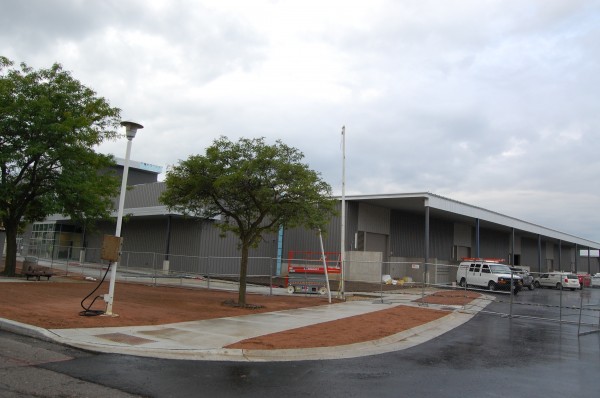
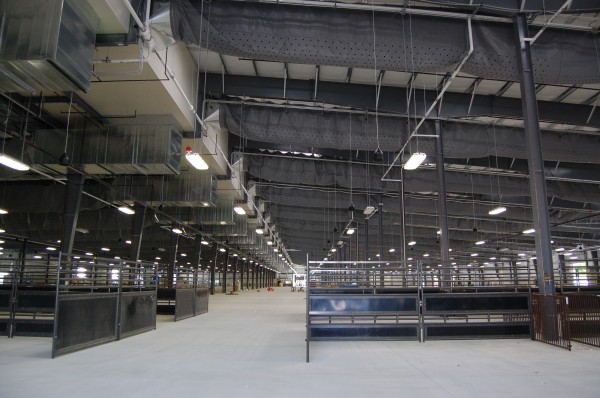
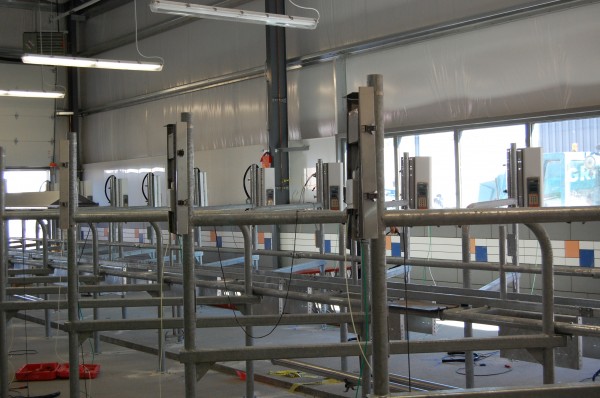

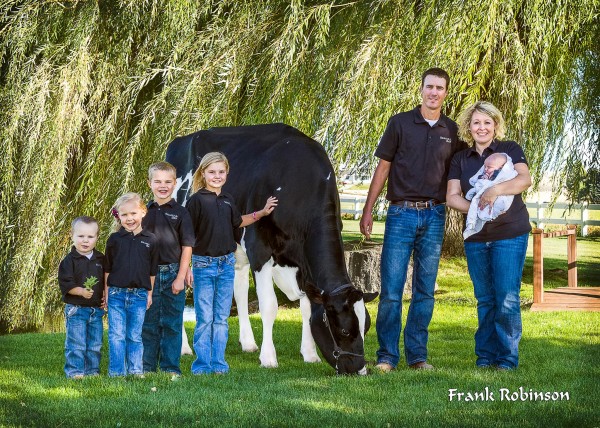
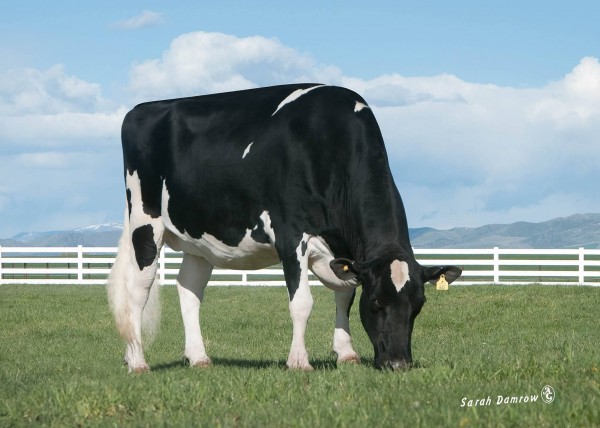
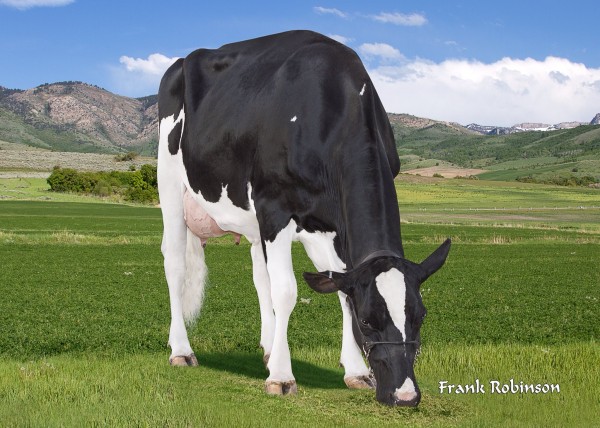
 Be prepared. Plan ahead.
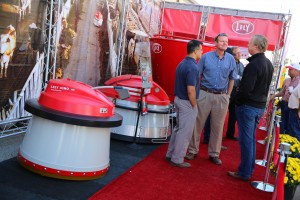 Be on the offence, not the defence.
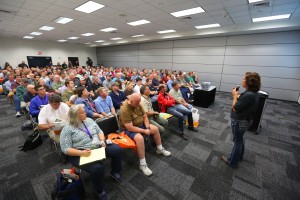 Be Part of a Positive Image for Dairying
 Don’t Follow the Herd
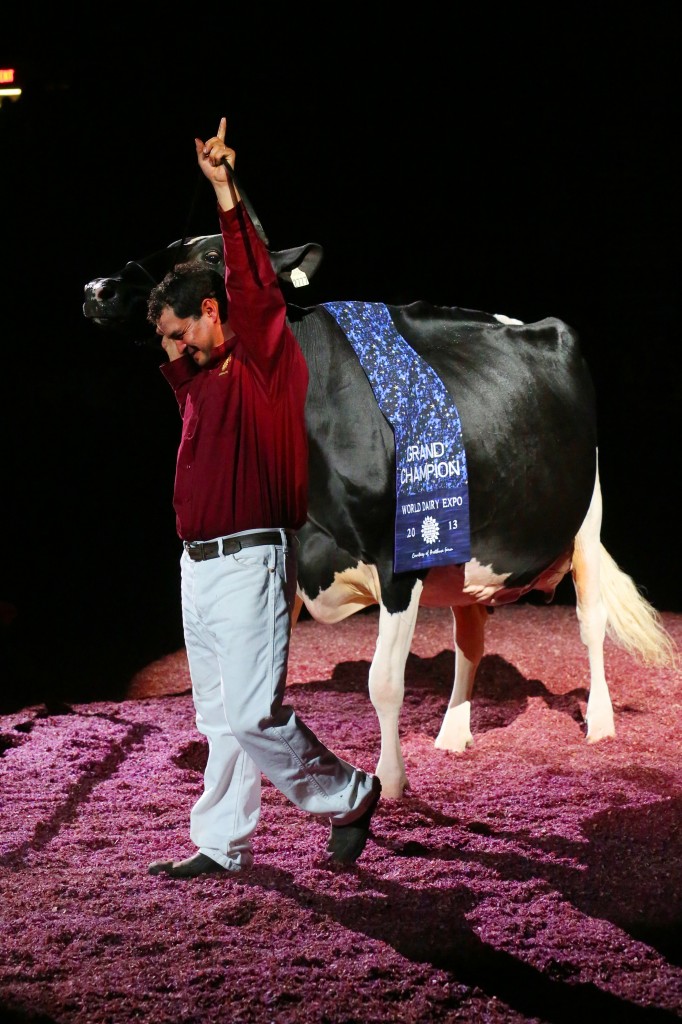 Become an Expo “Designer Dairy” Winner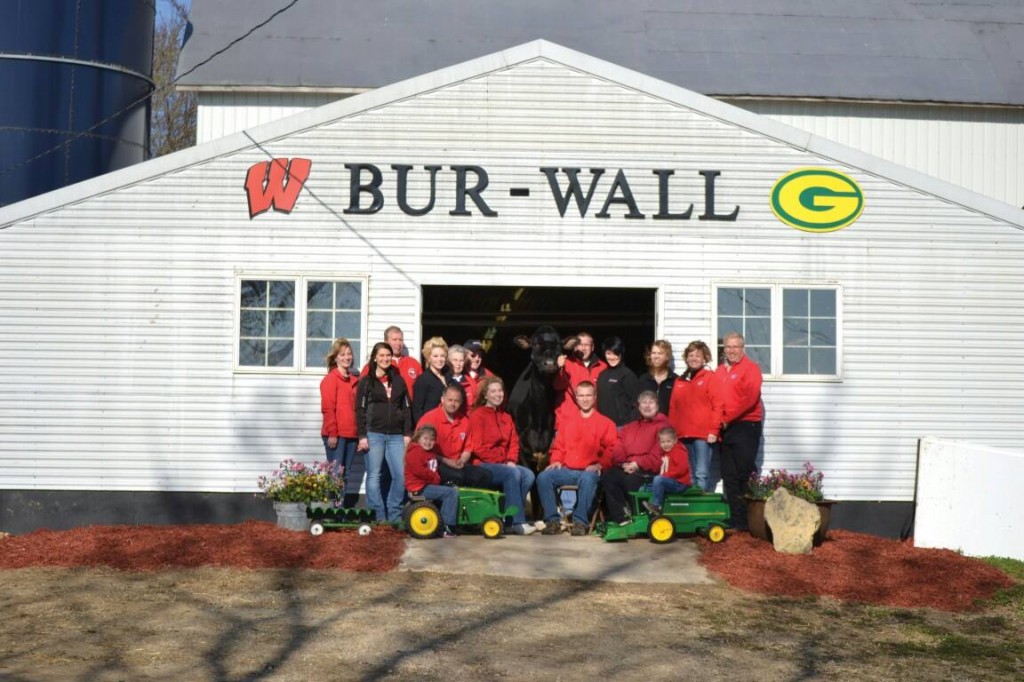
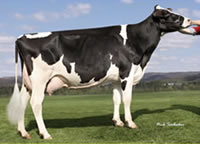
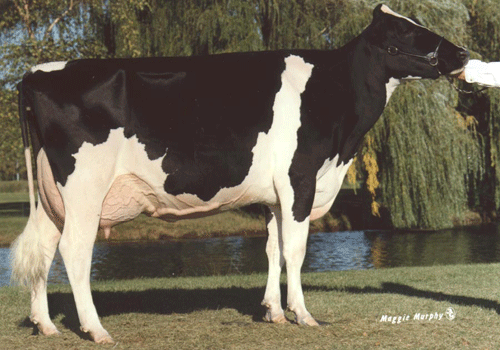
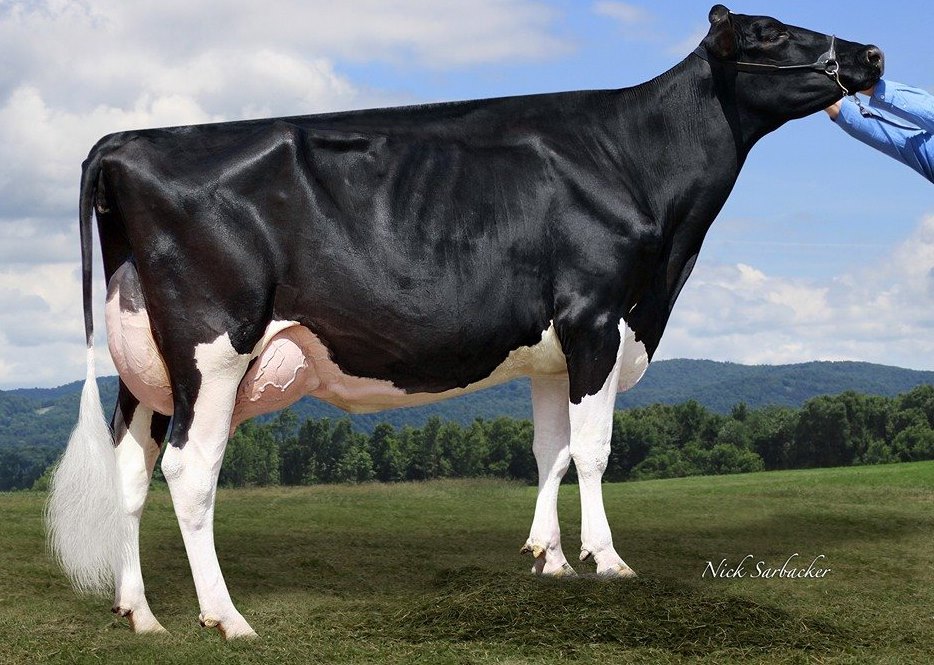
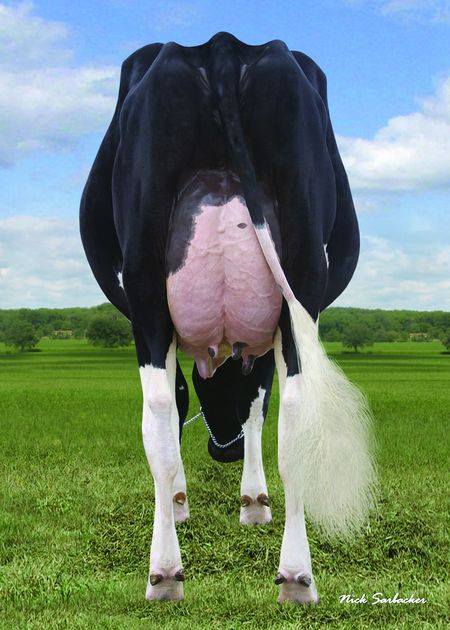
![ry400[1]](https://www.thebullvine.com/wp-content/uploads/2014/09/ry4001.jpg)

![ho000053457311[1]](https://www.thebullvine.com/wp-content/uploads/2014/09/ho0000534573111-1024x731.jpg)
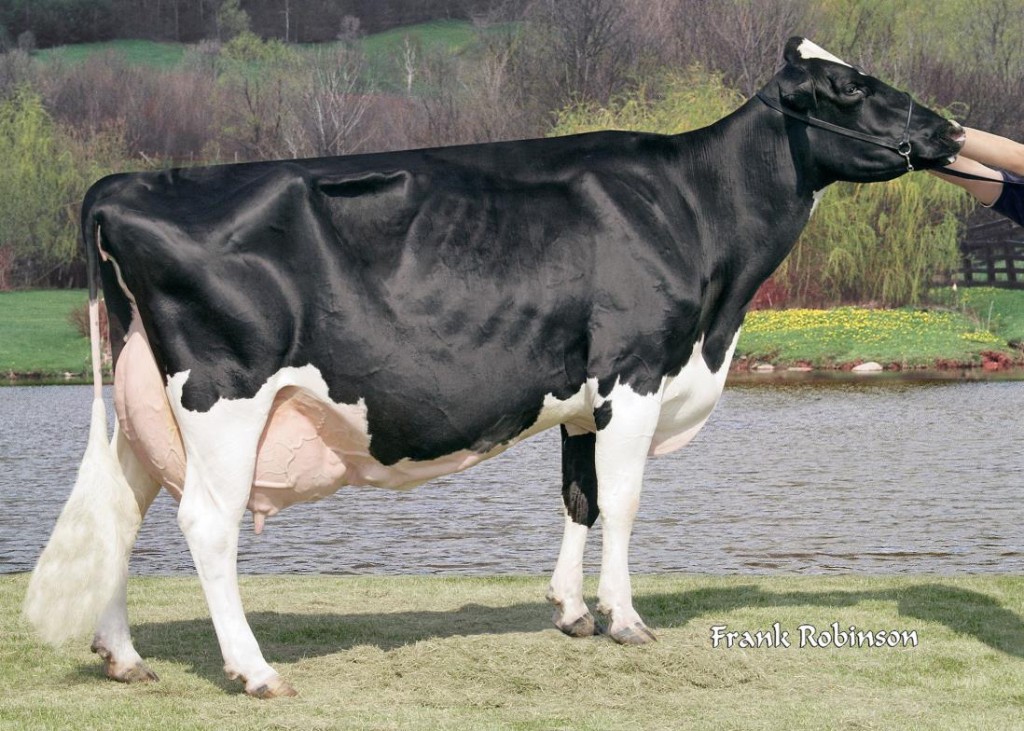
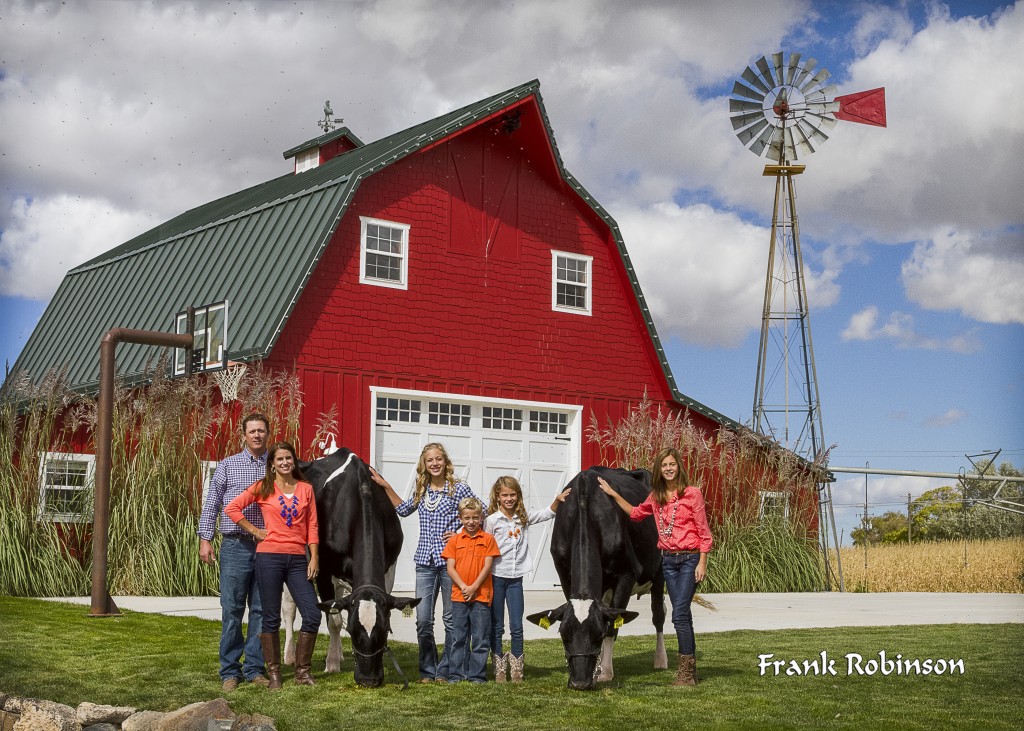
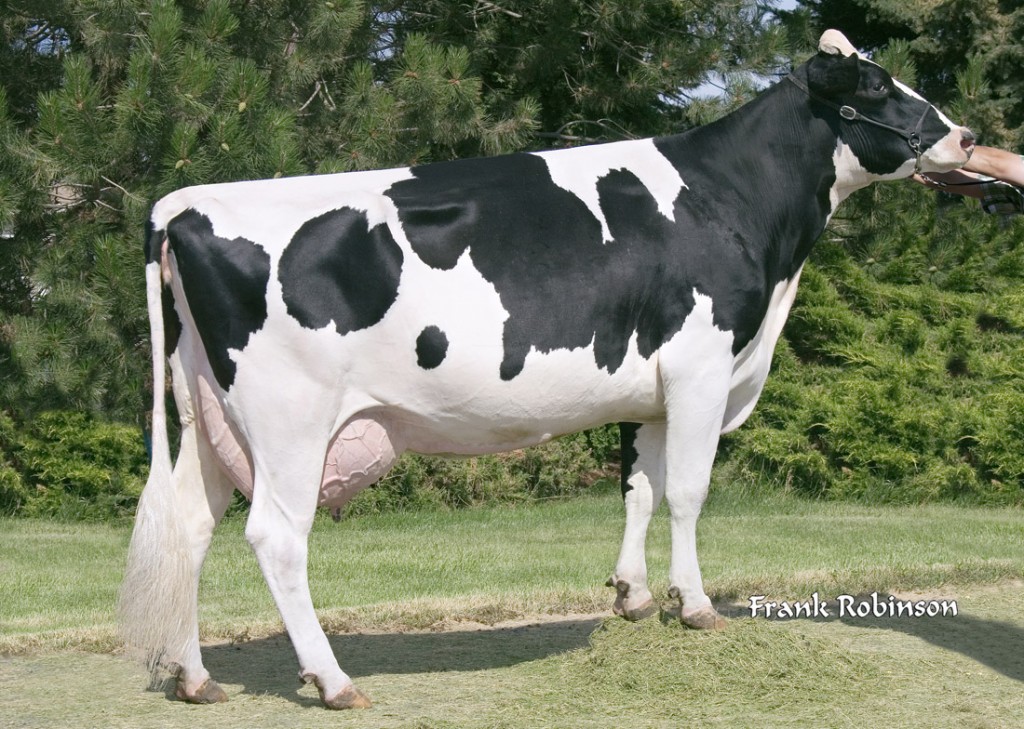
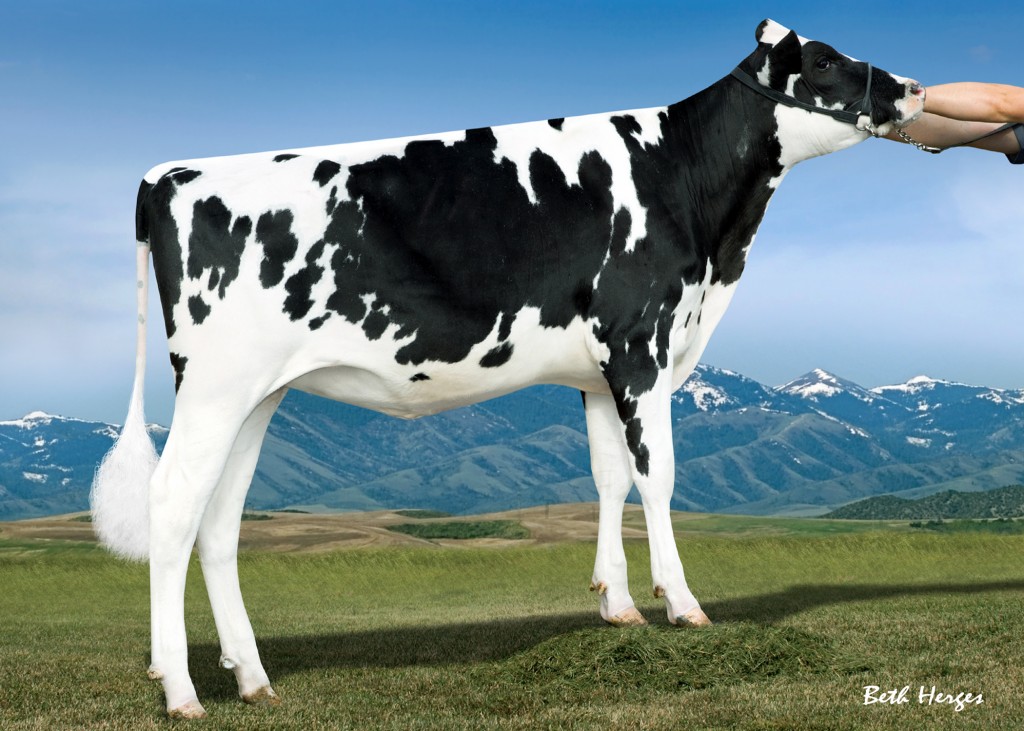
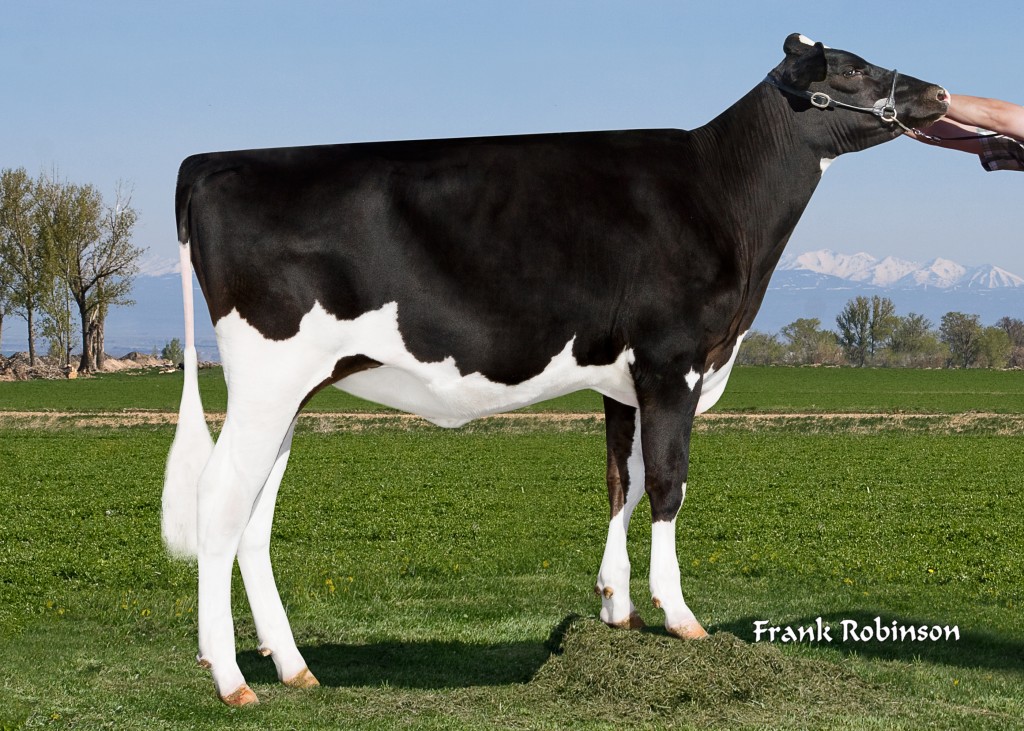
![disease-butter[1]](https://www.thebullvine.com/wp-content/uploads/2014/08/disease-butter1.gif)

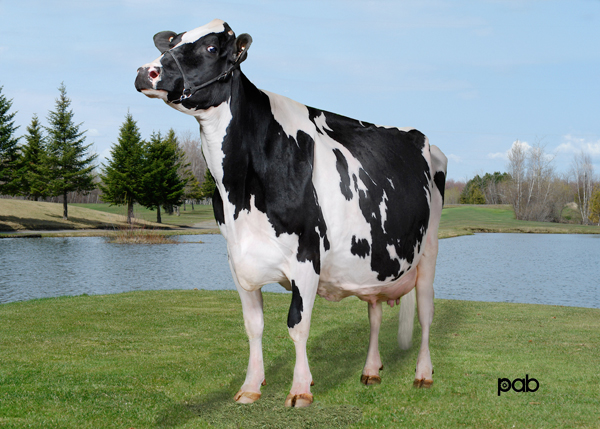
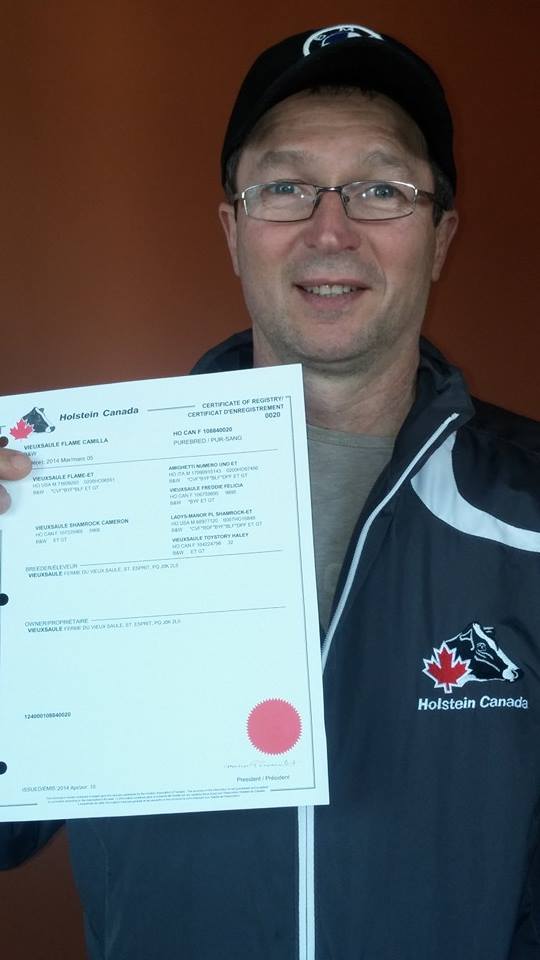
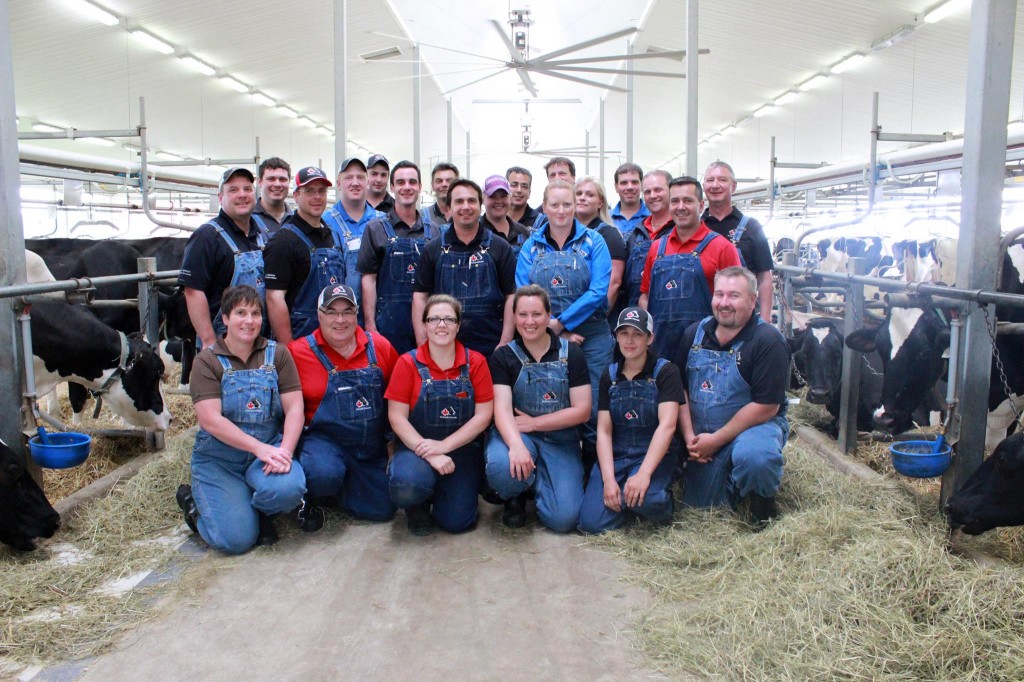

![617222_4322522095873_1631144029_o[1]](https://www.thebullvine.com/wp-content/uploads/2014/07/617222_4322522095873_1631144029_o1-1024x731.jpg)
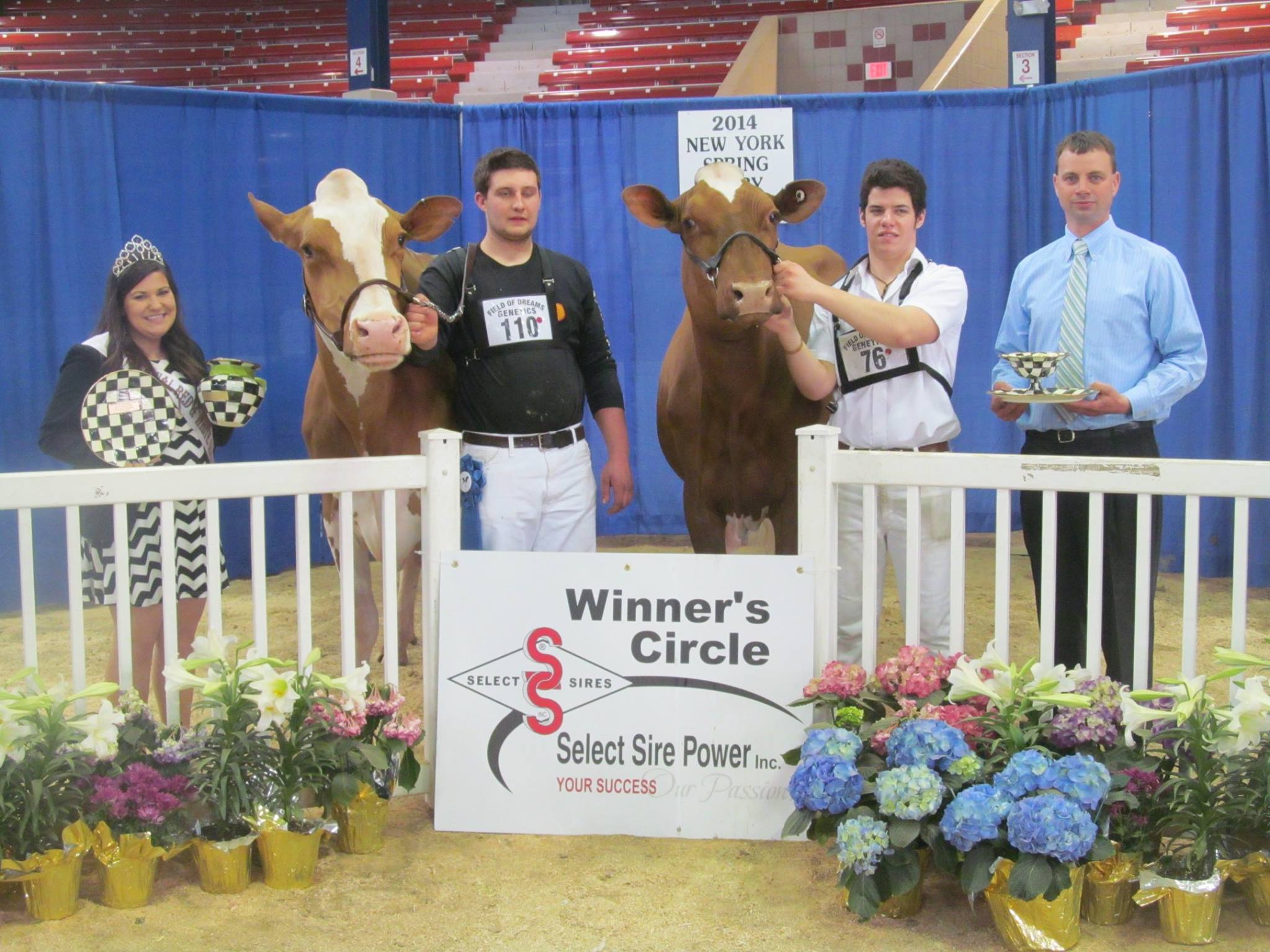
![1393945_554437224610901_27722843_n[1]](https://www.thebullvine.com/wp-content/uploads/2014/07/1393945_554437224610901_27722843_n1.jpg)
![1151036_10152139324904056_1362519803_n[1]](https://www.thebullvine.com/wp-content/uploads/2014/07/1151036_10152139324904056_1362519803_n1.jpg)
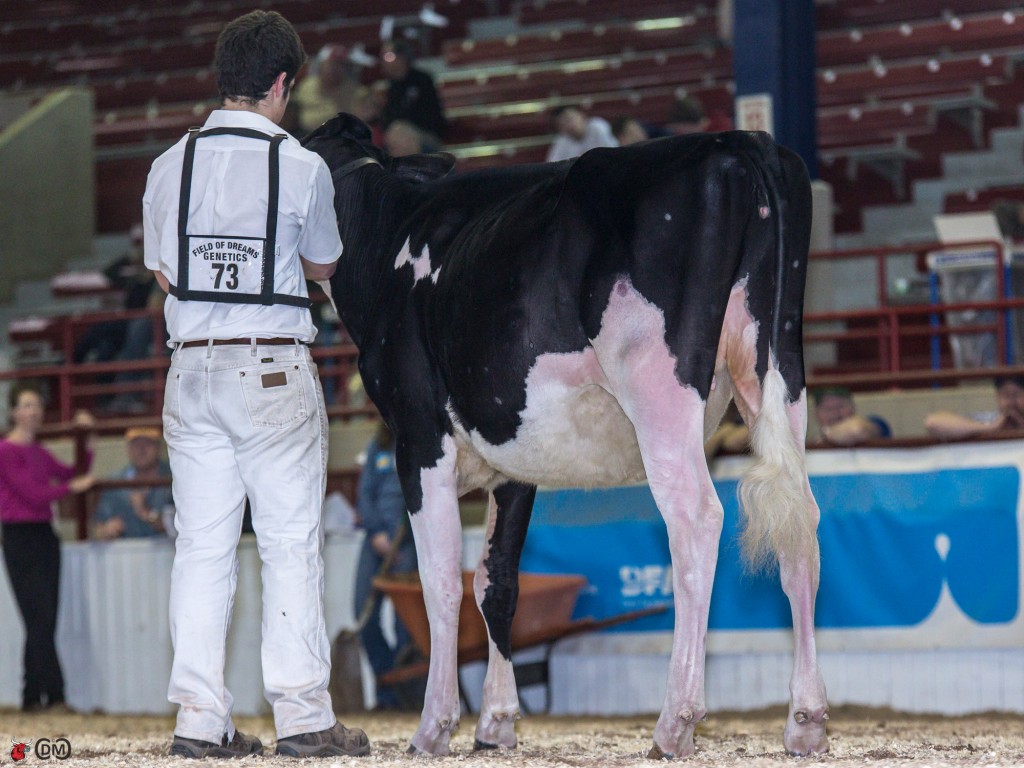
![601785_10201547705547543_1653151441_n[1]](https://www.thebullvine.com/wp-content/uploads/2014/07/601785_10201547705547543_1653151441_n1.jpg)

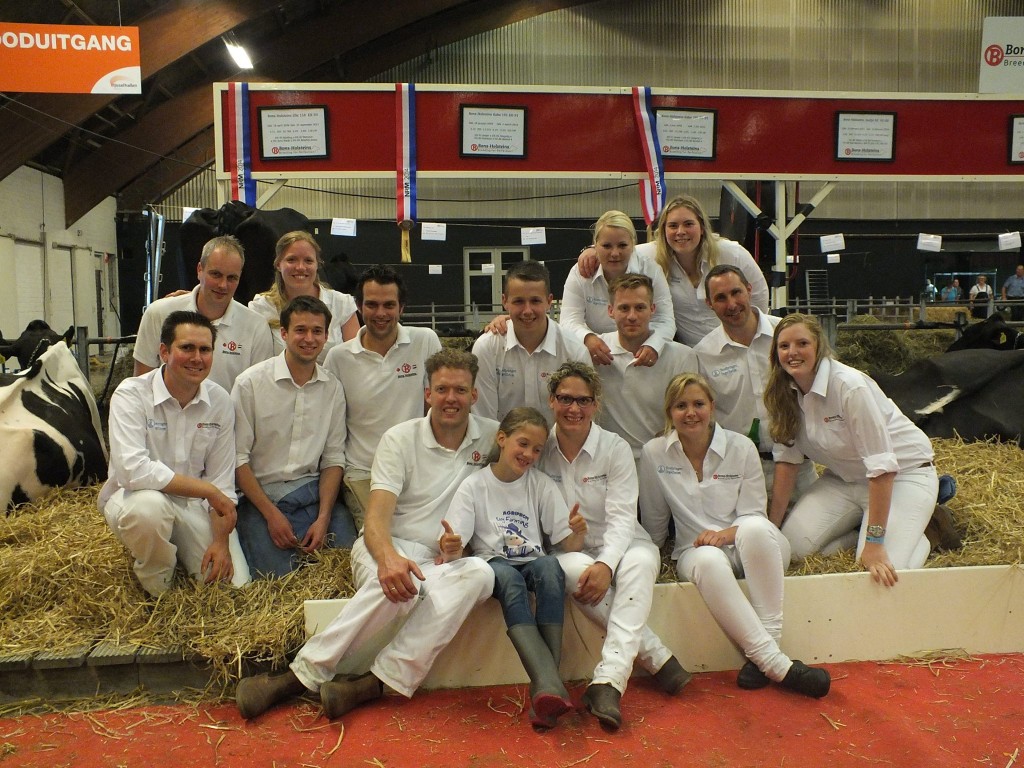
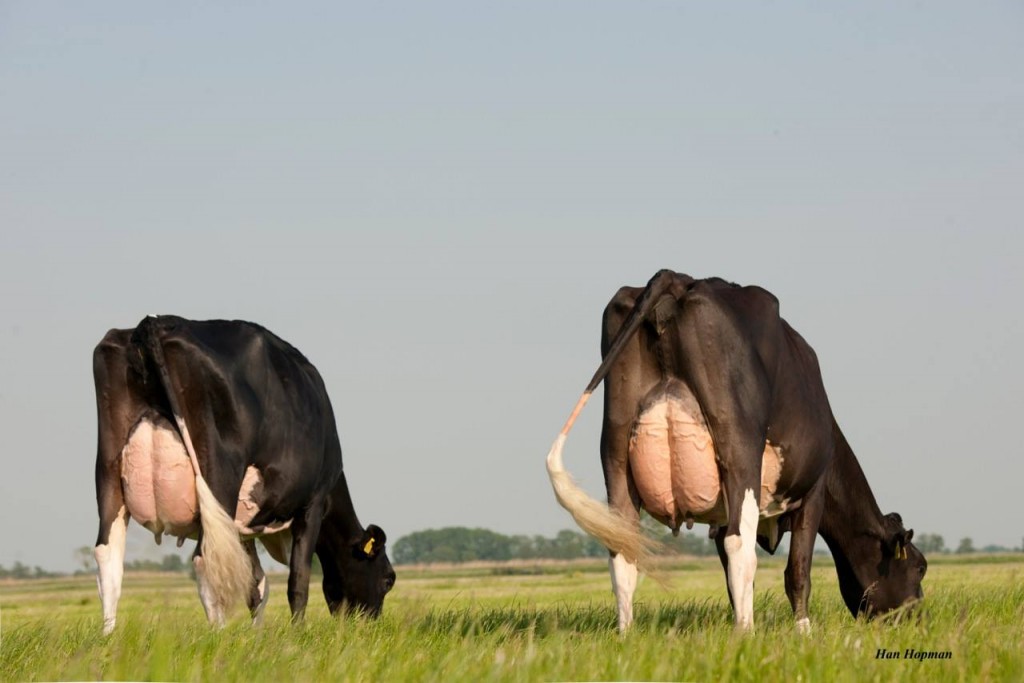
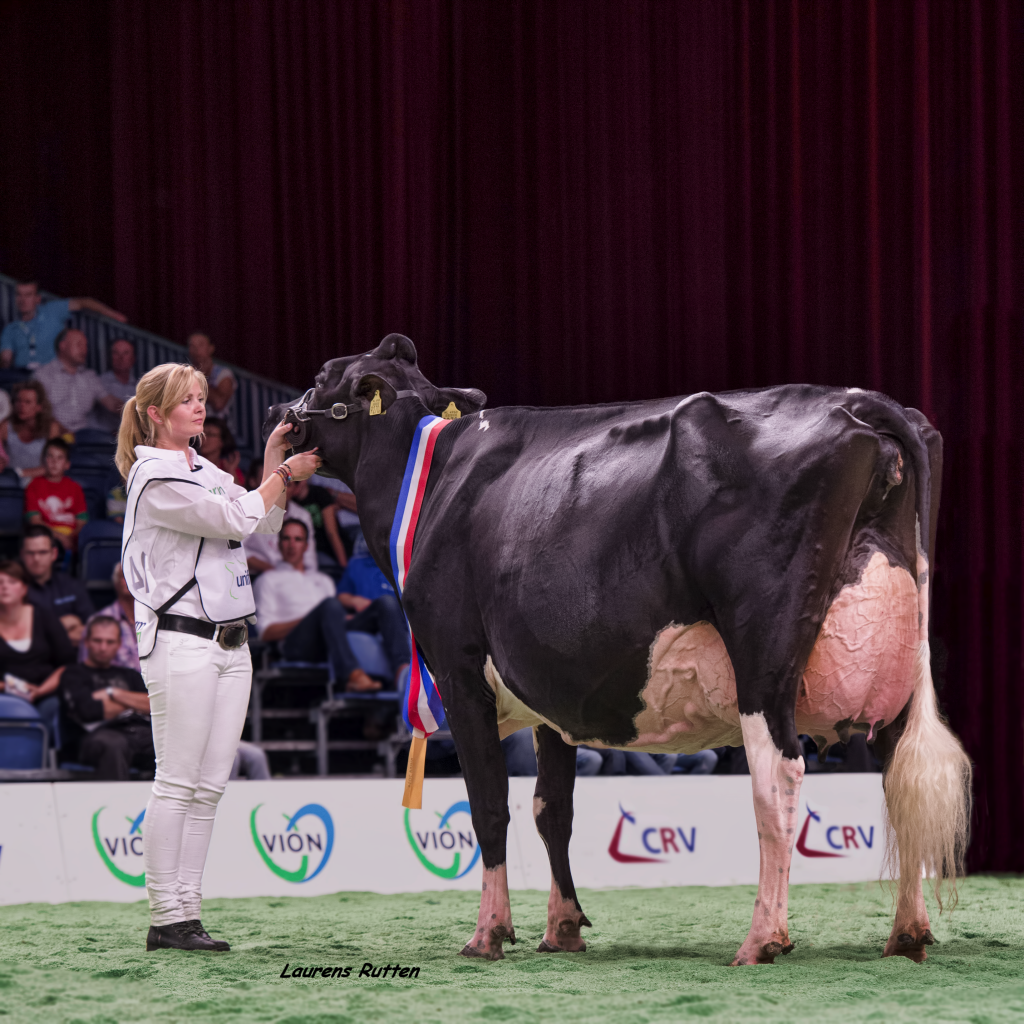
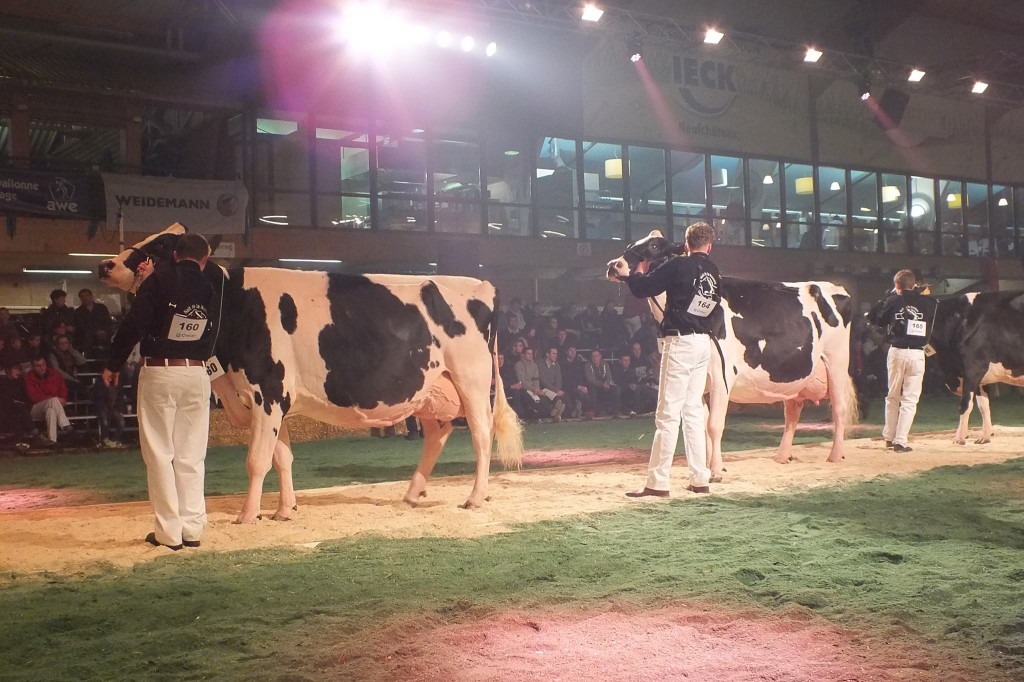
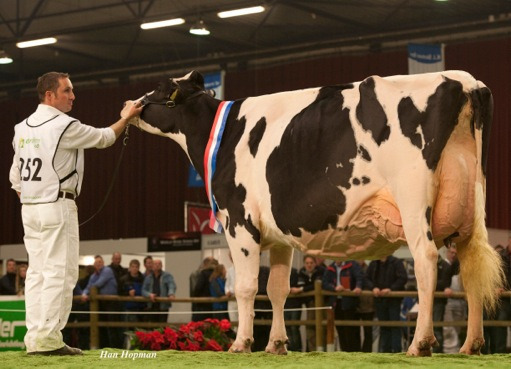
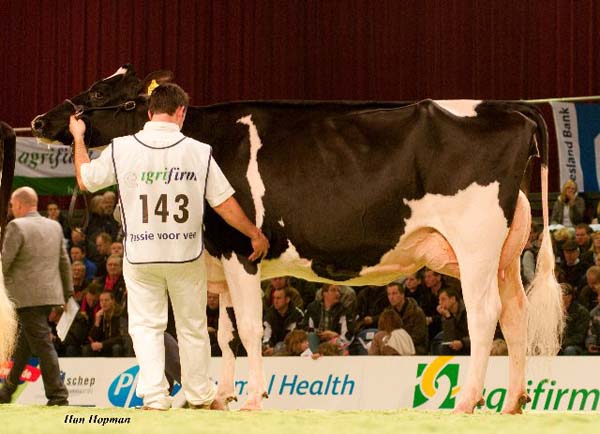
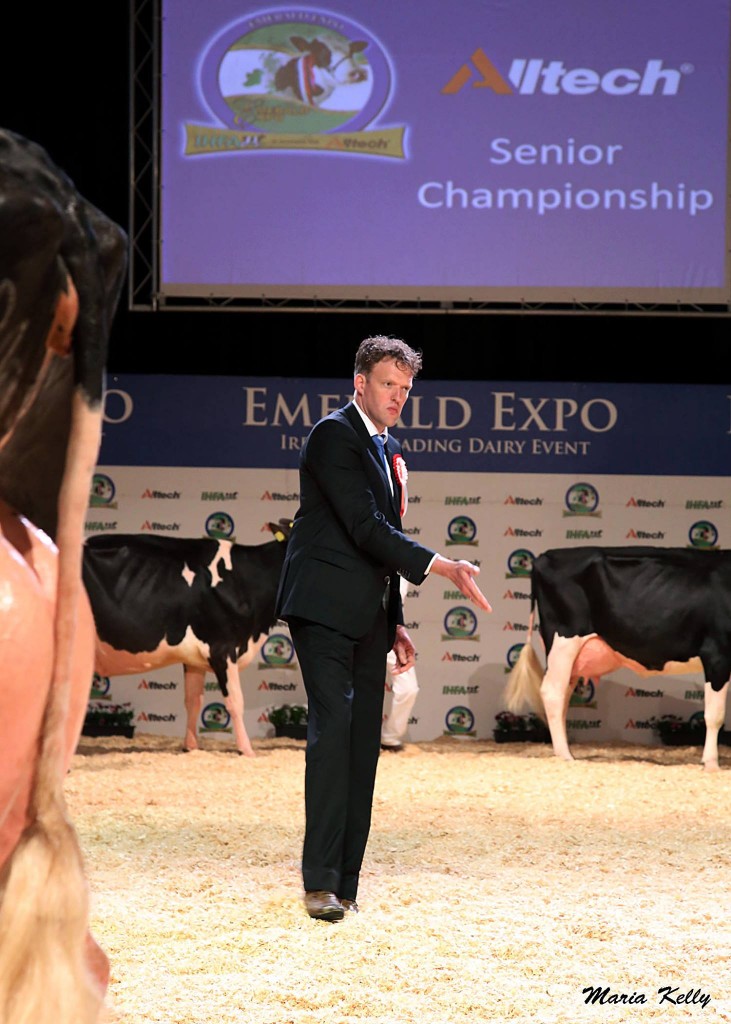 Here comes the Judge