


Archive for Subclinical Hypocalcemia

The $48,750 Hypocalcemia Blind Spot: What Day-4 Calcium Really Costs Your Herd

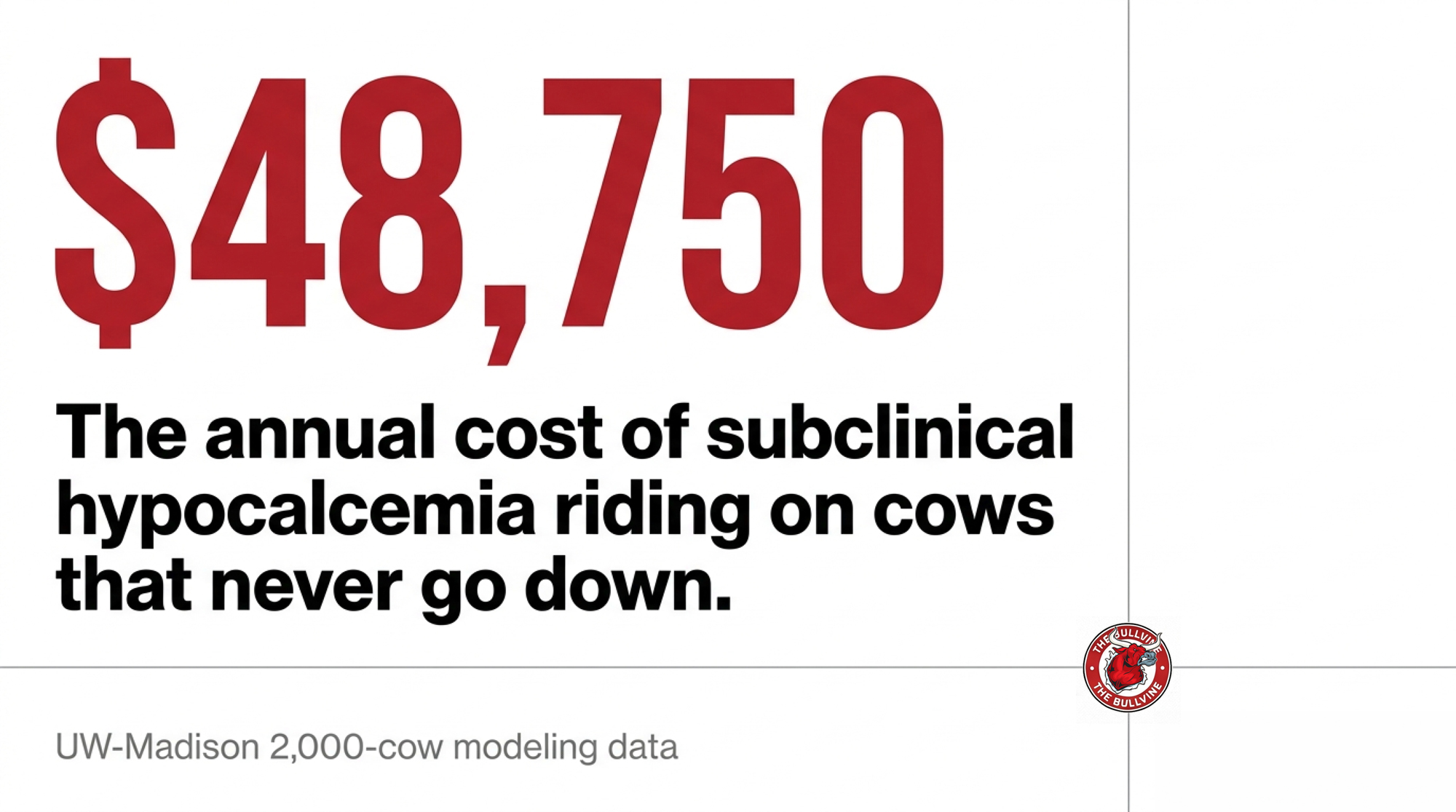
Your milk fever rate looks great. The $48,750 you’re losing on day-4 calcium never shows on that board — and it’s riding on cows that never went down.

Executive Summary: About half of your mature fresh cows dip into subclinical hypocalcemia, and the modeled herd-level losses hit about four times what you’re spending on clinical milk fever. Those cows never show up on the milk-fever board, but they carry a higher risk of metritis, slower reproduction, and earlier culling — adding roughly $50 to 60 per cow in six‑month costs on top of the obvious cases. The article makes one blunt case: the number that matters isn’t your milk fever rate, it’s how many older cows are still under 8.5 mg/dL (2.12 mmol/L) on day 3–4, and whether you’re wasting bolus money on heifers that physiology says rarely need it. Using current Oetzel-style economics, blanket two‑bolus protocols in a 1,000‑cow herd can run around $15,000 a year, while targeting roughly 65% of higher‑risk calvings drops that spend to about $9,750 with better health payback. If you’re proud of a low milk fever rate but have nagging fresh‑cow disease and repro issues, this piece shows you exactly how to run a 30‑day day‑4 blood‑draw check, re‑aim calcium at high‑risk cows, and confirm whether your DCAD program is actually working.

subclinical hypocalcemia fresh cows

Picture two third-lactation cows that calved overnight. Both got up fine. Both walked to the fresh pen. Neither one will ever land on your milk fever board — and one of them is quietly costing you more than the downer cow you’ve spent your whole career dreading.

That’s the uncomfortable math at the center of transition-cow management right now. The cow on the ground gets the IV bottle, the attention, and the protocol. The cow standing next to her, blood calcium sitting just under the line for three days running, gets nothing. Because nobody’s looking, and the research keeps landing in the same place: she’s the one bleeding margin out of your fresh pen — not as a scare-line, but as a number you can actively address and improve.

What’s Really at Stake

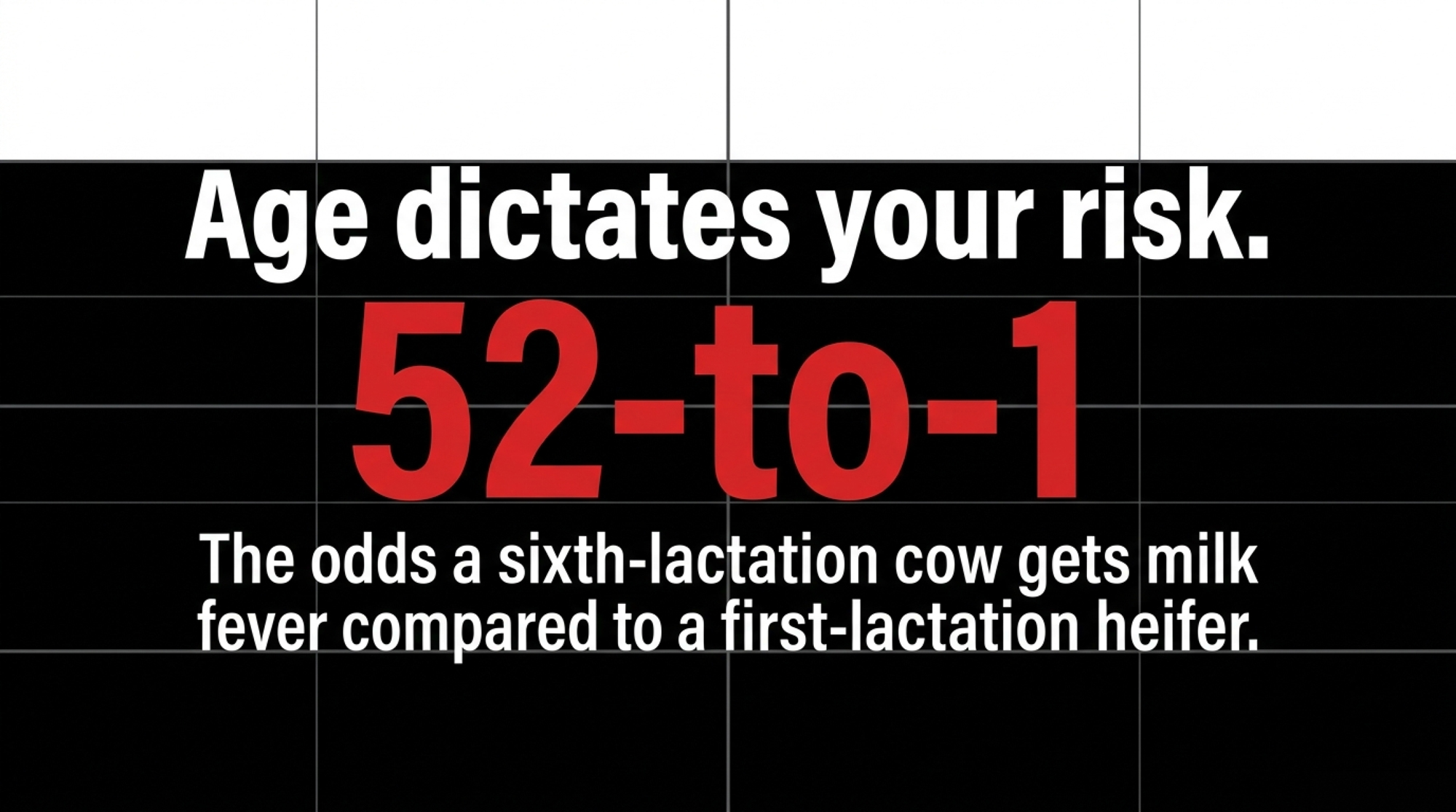
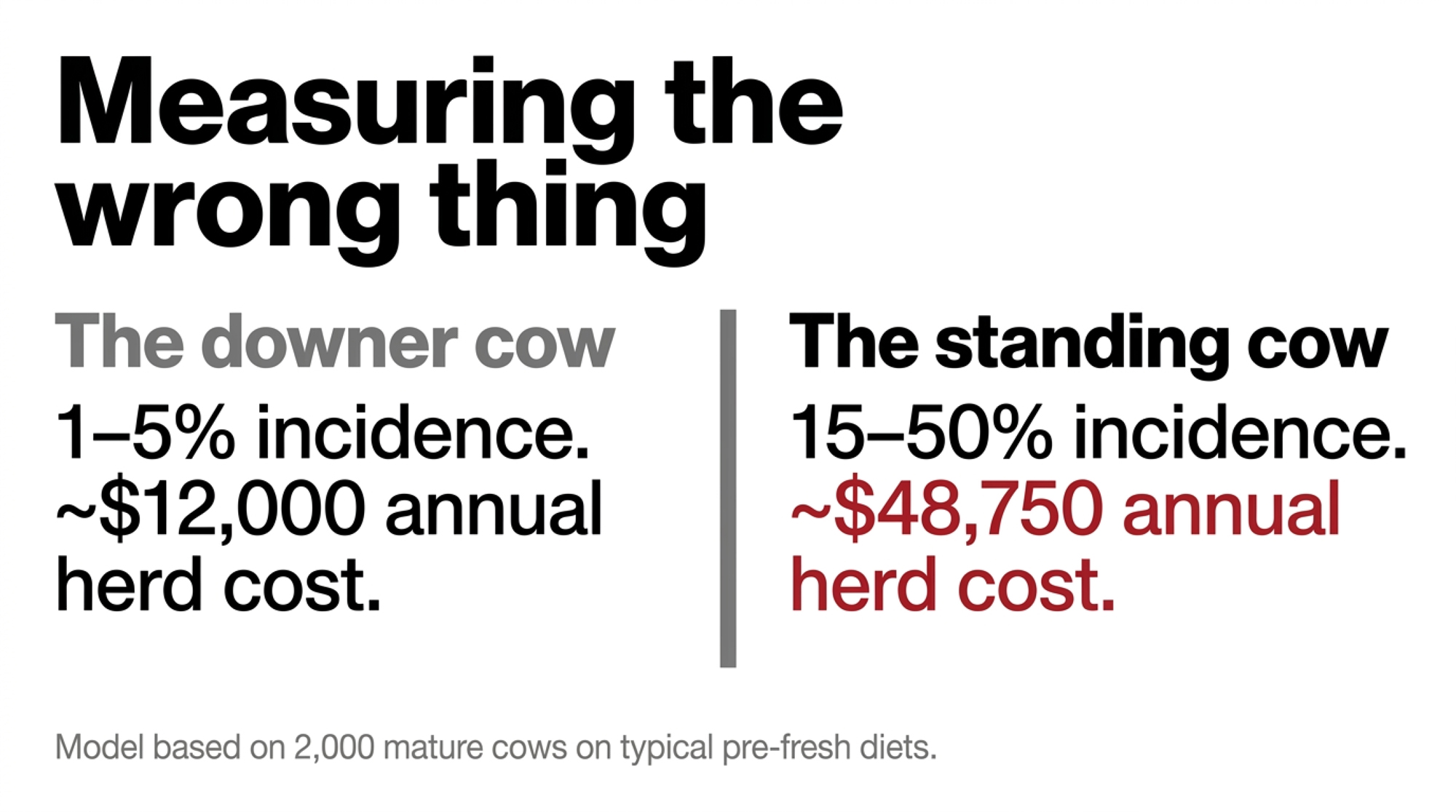
Most of us measure the wrong thing, and we were trained to do so. Clinical milk fever shows up in roughly 1–5% of cows in well-managed herds, according to the University of Wisconsin–Madison Extension and multiple veterinary summaries. It’s dramatic, it’s visible, and it’s the disaster everyone learned to fear. 

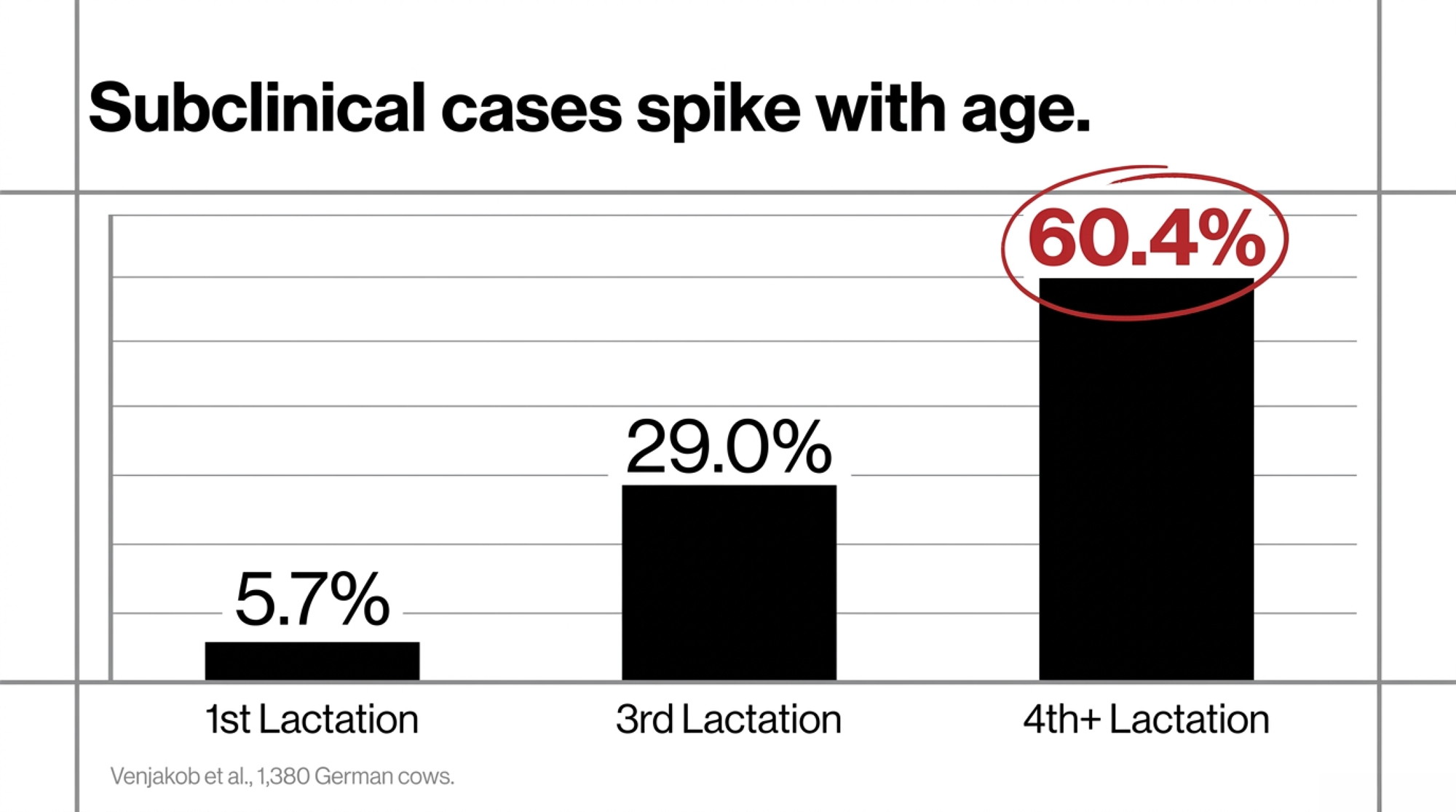
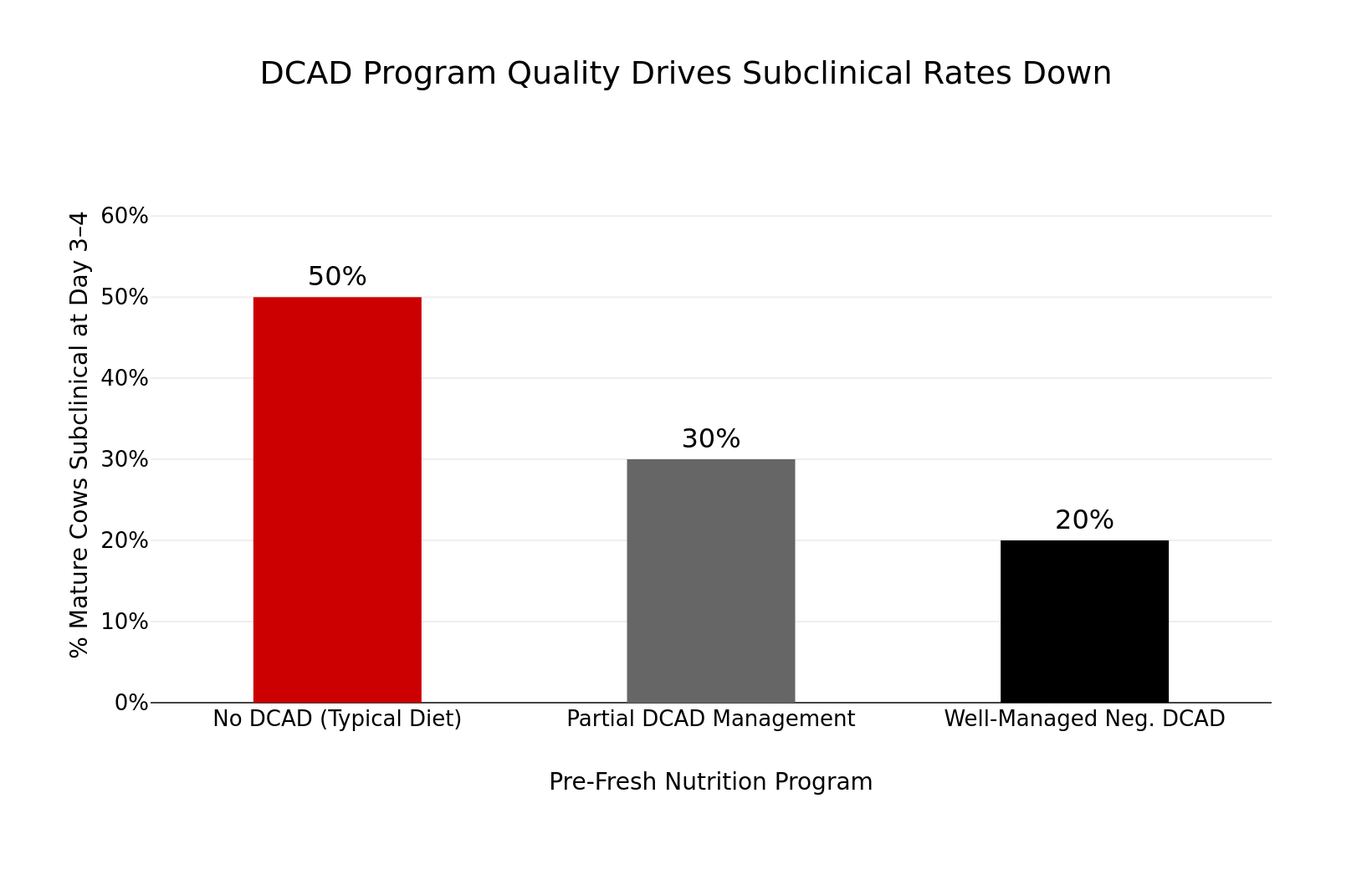
Subclinical hypocalcemia — low blood calcium with no outward signs — is a different animal. Michigan State Extension data indicate about 50% of second-lactation-and-older cows dip into it on typical pre-fresh diets, dropping to roughly 15–25% under well-managed negative DCAD programs. Here’s how the two stack up: 

MetricClinical Milk FeverSubclinical Hypocalcemia
Incidence in mature cows1–5%15–50%
Visibility in fresh penHigh — cow goes downInvisible — cow stands
Cost per case (USD, Oetzel modeling)~$300~$117
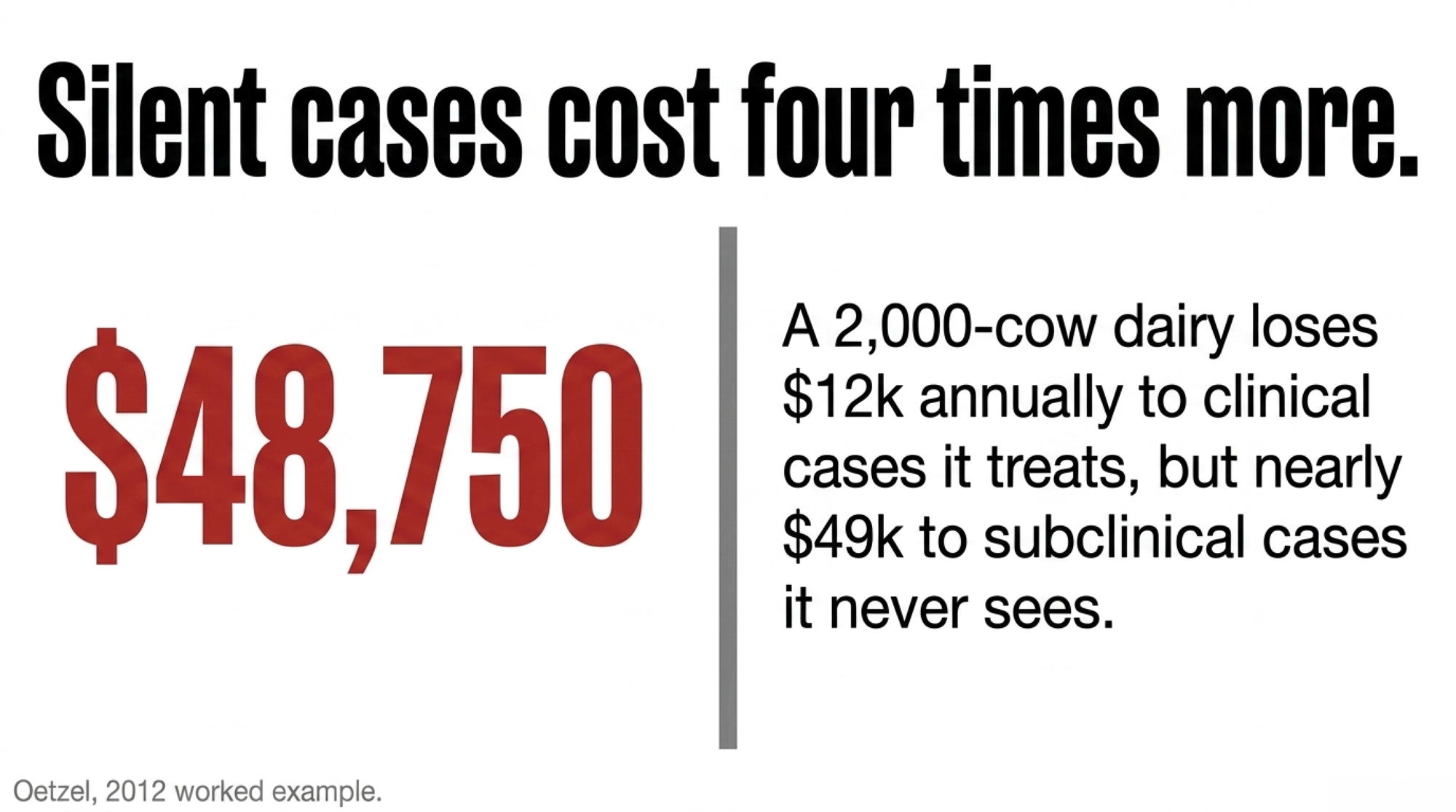
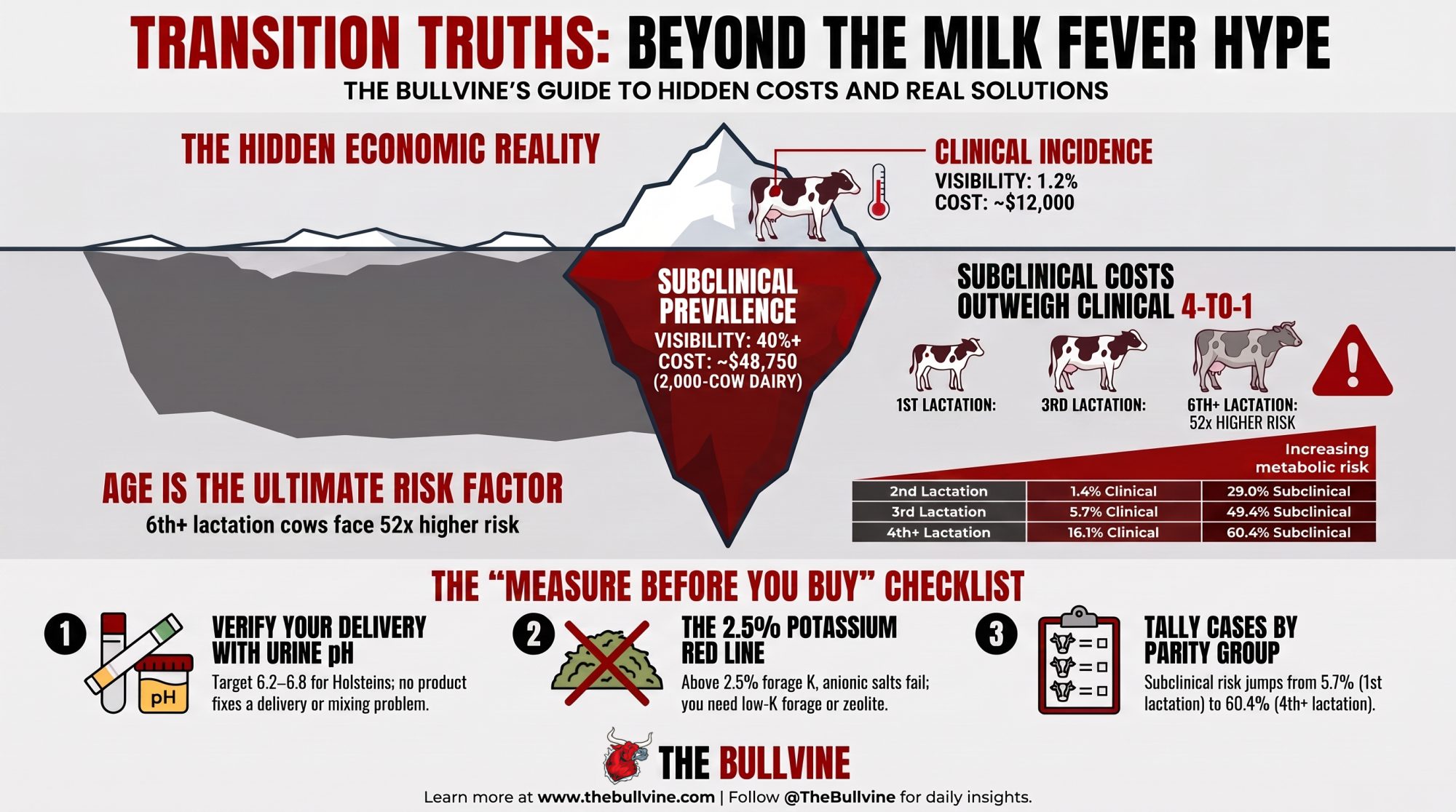
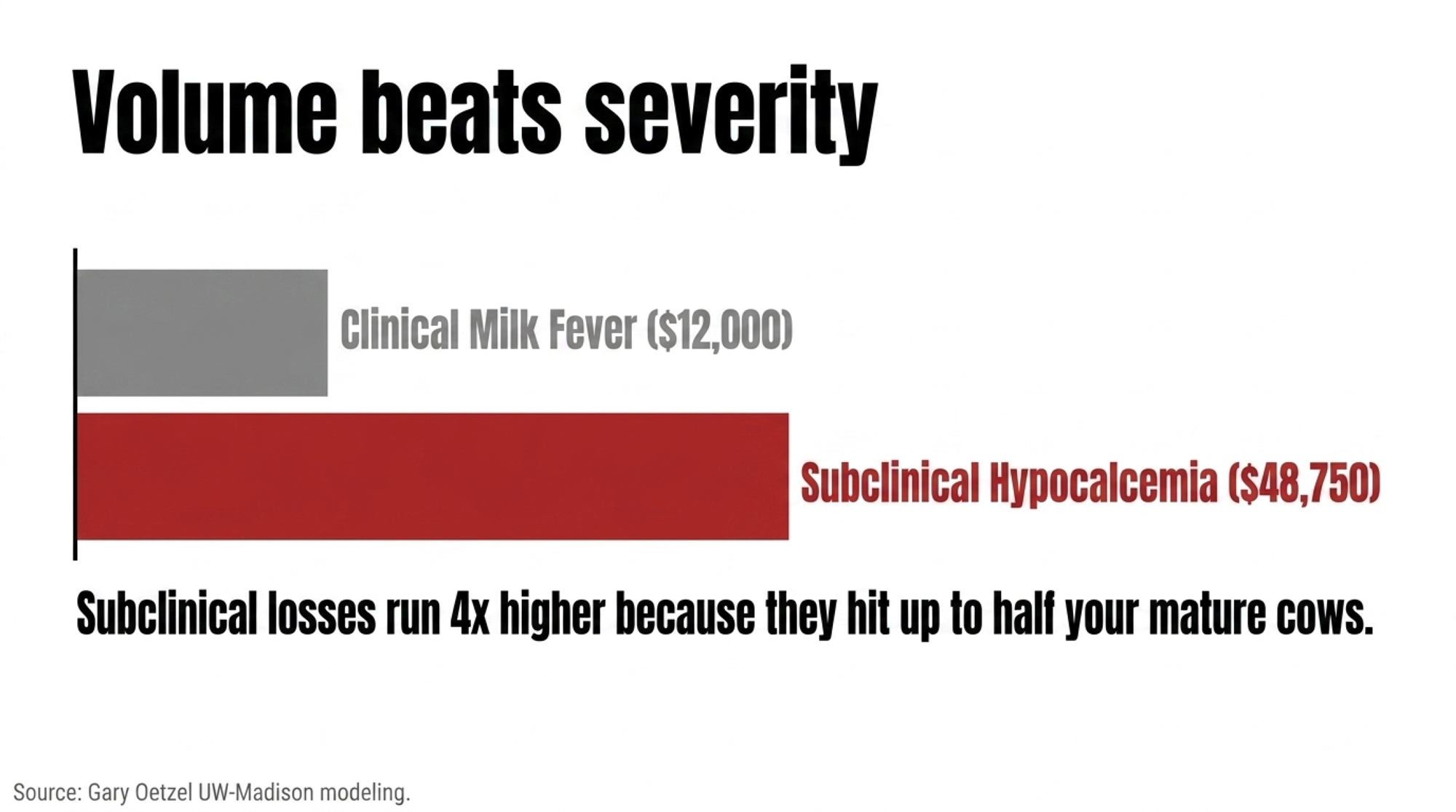
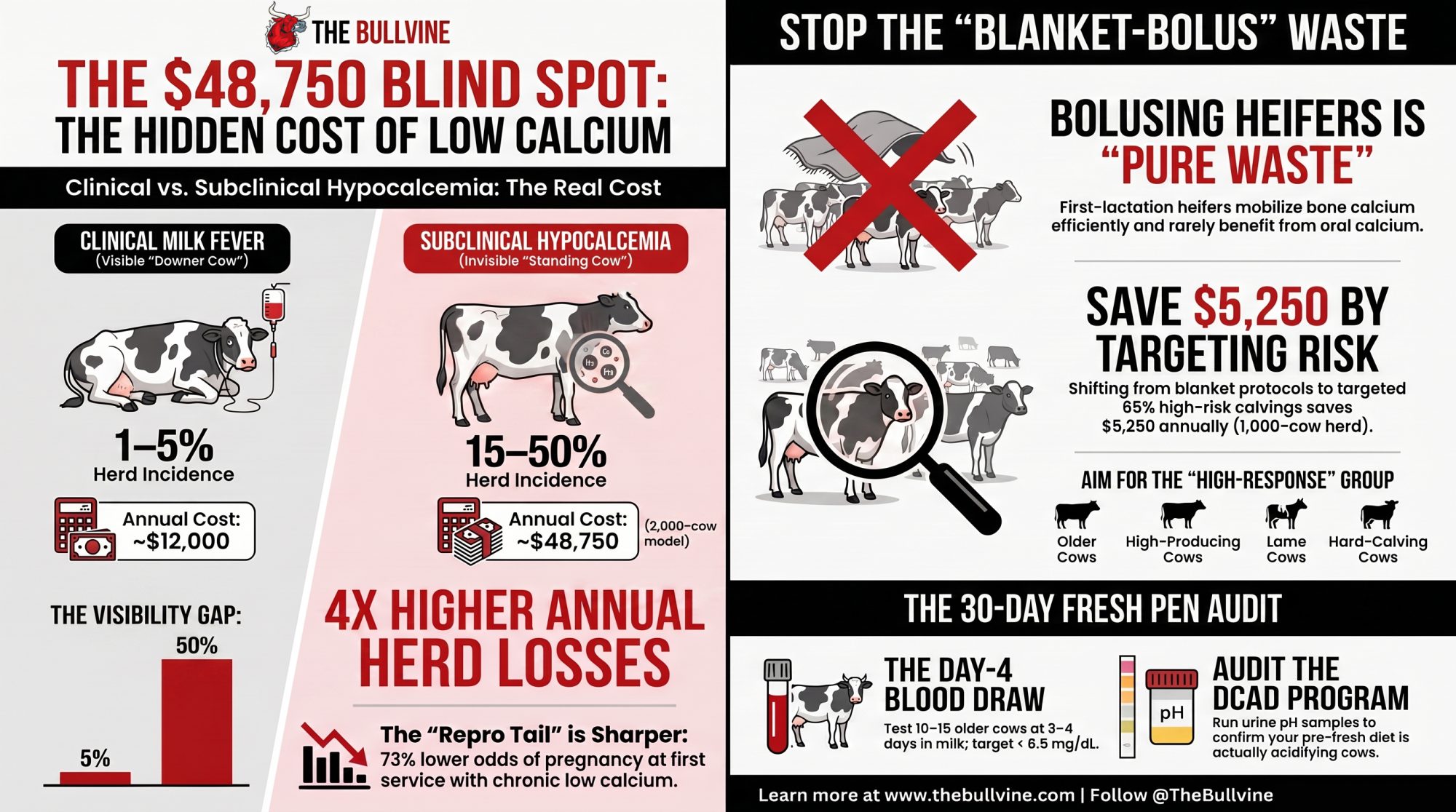
Est. annual cost, 2,000-cow herd~$12,000$48,750
Metritis risk vs. normocalcemicModerate66–88% higher
First-service conception oddsNormalOR = 0.27 (73% lower)
Responds to bolus protocolYesHigh-risk cows only
Heifer risk levelLow-moderateVery low — bolus wasteful
DCAD impact on incidenceMinimal (late-stage)Drops to 15–25%

*~50% on typical pre-fresh diets; 15–25% under well-managed negative DCAD. Per-case costs from Gary Oetzel’s UW–Madison modeling (2011–2013); herd-cost figures from his modeled 2,000-cow US scenario.

Now do the multiplication. The reason subclinical losses run roughly four times the clinical ones isn’t that each case is worse — it’s that it hits so many more cows. And remember, those per-case figures are in early-2010s US dollars; in today’s input and milk-price environment, the real gap is almost certainly wider, not narrower. European field data summarized by industry technical sources put the added cost of postpartum subclinical hypocalcemia at roughly €50–60 per cow over six months — treatment, lost milk, and reproduction — versus normocalcemic herdmates. Different currency, different continent, same direction. 

If you run mostly mature cows and you’ve been quietly proud of a low milk fever rate, this is the story that should make you a little uncomfortable in a good way.

The Cow That Got Up but Never Recovered

Here’s the reframe that changes how you watch the fresh pen. The question isn’t “how many went down?” It’s “how long did calcium stay low?” Recognizing and addressing this early can make a real difference in herd outcomes and profitability.

Calcium drops around calving, bottoms out somewhere between 12 and 24 hours, and in a healthy cow starts climbing back. That recovery curve is the whole game. A Holstein cohort study, summarized by Dellait, sorted cows by the dynamics of their hypocalcemia — transient, prolonged, or delayed — and the pattern was hard to miss. Cows with only a short, transient dip adapted well and stayed relatively healthy. The cows that stayed low — prolonged or delayed — carried a higher risk of early-lactation disease, removal, and lower milk. 

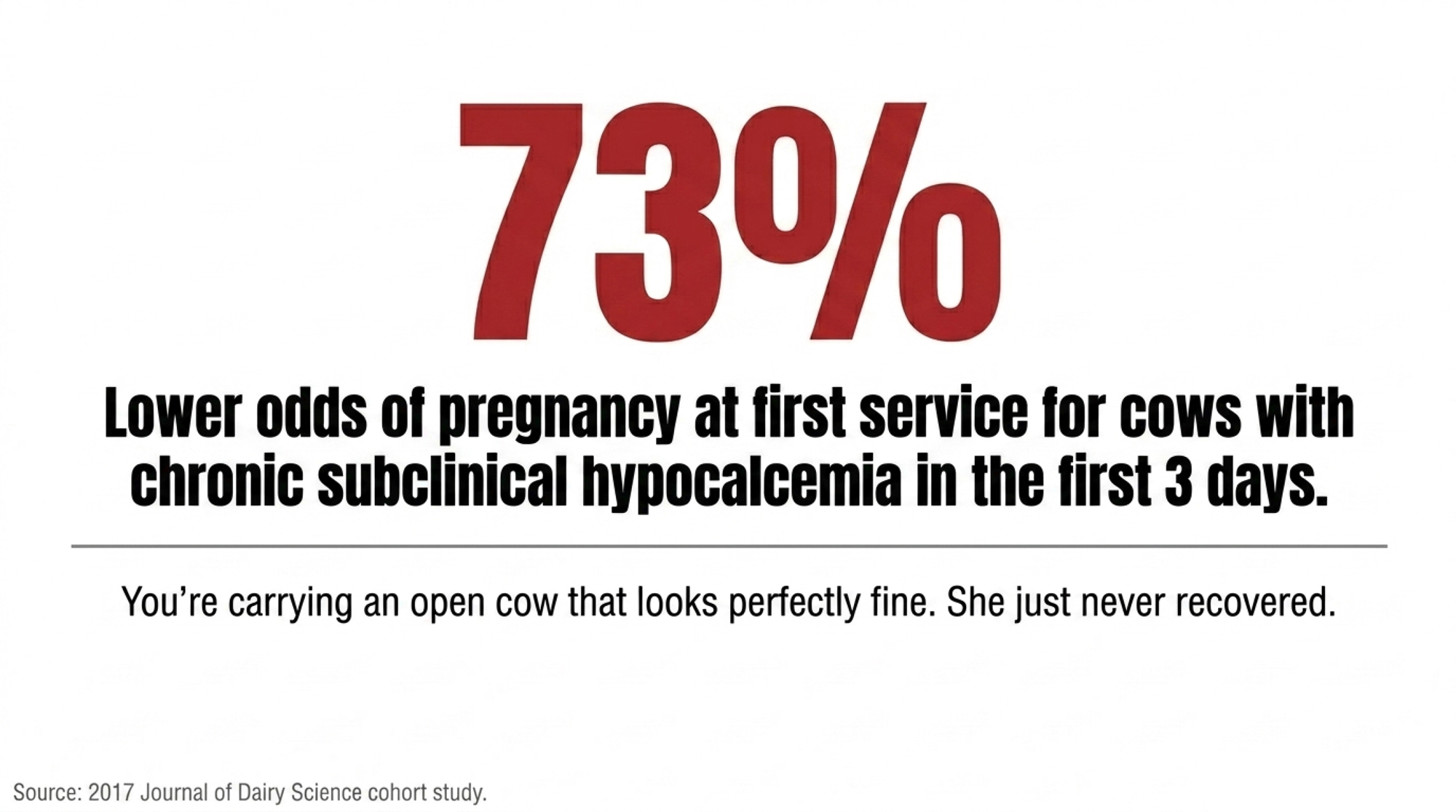
The reproductive tail is sharper still. A 2017 Journal of Dairy Science prospective cohort found cows with chronic subclinical hypocalcemia in the first three days postpartum took longer to resume ovarian activity and had about 73% lower odds of pregnancy at first service — an odds ratio of 0.27 — compared with cows that had normal calcium. That’s not a rounding error. That’s a cow you’re carrying open while she looks perfectly fine. 

So you’ve got an animal that got up, walked away, and showed no signs. And she’s the slow breeder, the metritis case, the eventual cull. She just never got off the mat. You couldn’t see it because you were watching for the wrong thing.

Why Is Low Calcium Both a Cause and a Symptom?

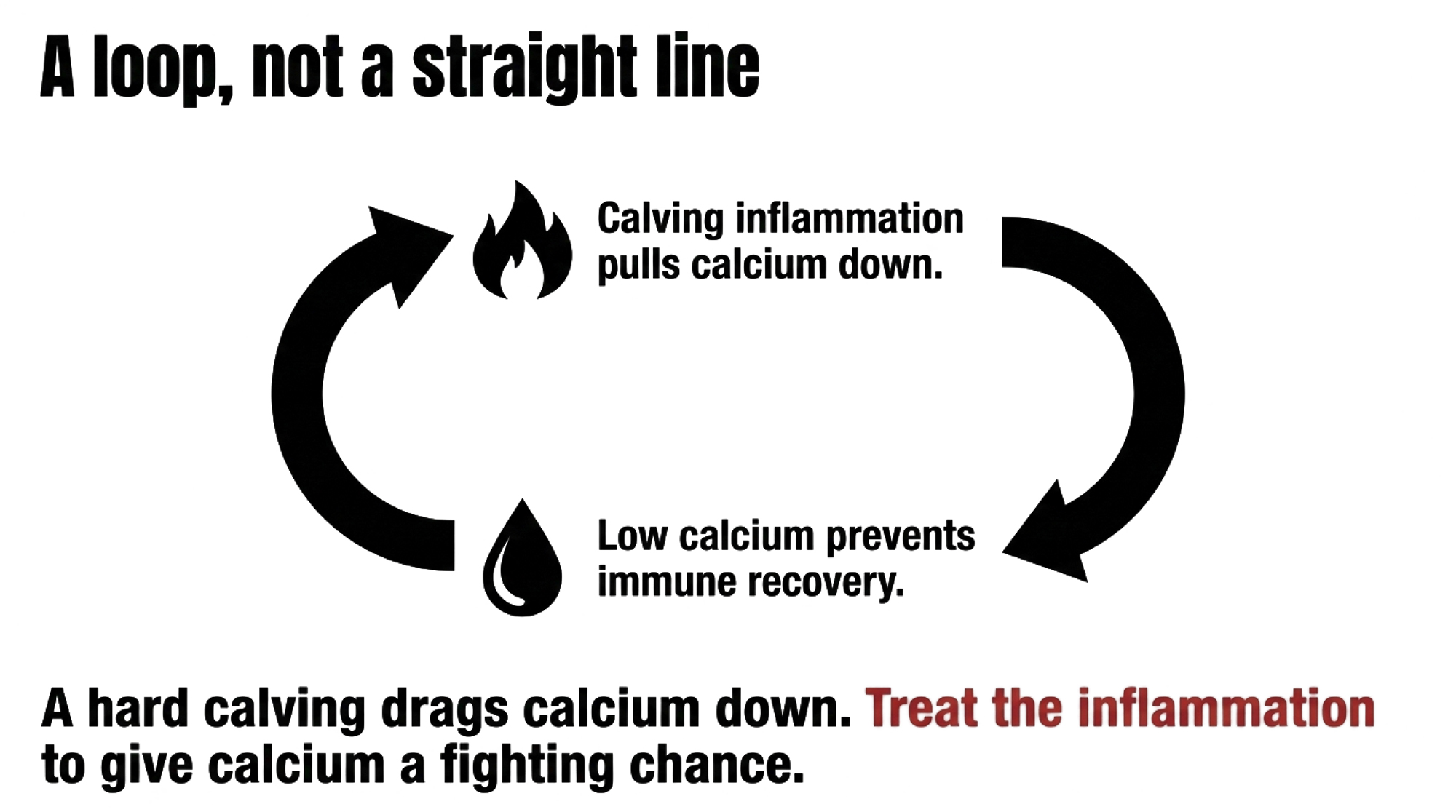
It’s tempting to read this as a straight line: low calcium causes disease. It isn’t. It’s a loop — and that two-way street is the part that often gets lost between the lab result and the fresh-pen conversation.

Think of it like a smoke alarm wired to a breaker panel. Calving lights up the immune system. That inflammatory surge pulls calcium down. And if the cow can’t reset the breaker, she stays stuck — low calcium and high inflammation feed each other. Penn State and other transition-cow researchers frame hypocalcemia and systemic inflammation as part of the cow’s normal physiology, with inflammatory markers climbing from around 14 days pre-calving, peaking at calving, then easing over the following week or two. The trouble starts when that response runs hot and long. 

Recent reviews on calcium dynamics and inflammatory responses conclude that systemic inflammation is consistently associated with reduced blood calcium, and some researchers now propose immune activation itself as a root cause of subclinical hypocalcemia. A Dellait-summarized 2019 study of European commercial herds found that cows sitting at 2.5 mmol/L (about 10.0 mg/dL — the healthy end of the range) calcium on day 3 had a 66–88% lower chance of metritis than cows down at 1.5 mmol/L (about 6.0 mg/dL), depending on parity. 

A hard calving, a dirty uterus, a coliform mastitis case — each one drags calcium down and makes recovery harder. That’s exactly why the fresh-cow problem list is the first place to look. Metritis cows and low-calcium cows tend to be the same cows. 

The Blanket-Bolus Trap

So a producer runs a few blood draws, sees 30, 40, maybe 50% of his older cows under 8.5 mg/dL (2.12 mmol/L) — a cut-off drawn largely from Martinez’s University of Florida work, though some studies use 8.0 mg/dL (2.0 mmol/L) — and asks the obvious question: what do I do Monday? This is where a lot of farms get sold the easy answer. Bolus every cow, every calving, done. 

The economics don’t back it up. A recent meta-analysis of prophylactic oral calcium found little evidence that blanket postpartum bolusing improves milk yield across the trials reviewed. A 2016 stochastic model and subsequent extension summaries showed the return lives in the high-risk cows — older, high-producing, lame — while spreading boluses across the whole herd dilutes the benefit until it disappears. A 2023 Guelph DHMCP hypocalcemia update concluded that blanket therapy isn’t beneficial, pointing instead to the cows where oral calcium earns its keep: high-producing cows, older cows, lame cows, and cows with difficult calvings. 

The ROI lives in the risk profile, not in the product.

Cow GroupEst. % of CalvingsSubclinical RiskBolus ROIAnnual Waste in 1,000-Cow Blanket Protocol
1st-lactation heifers~35%Very LowNear Zero~$5,250/yr
2nd-lactation cows~25%ModerateModerate~$1,500/yr if well-managed
3rd+ lactation cows~25%HighStrong— (keep targeting)
Lame cows (any parity)~5–10%HighStrong— (keep targeting)
Hard calvings / twins~5%HighStrong— (keep targeting)

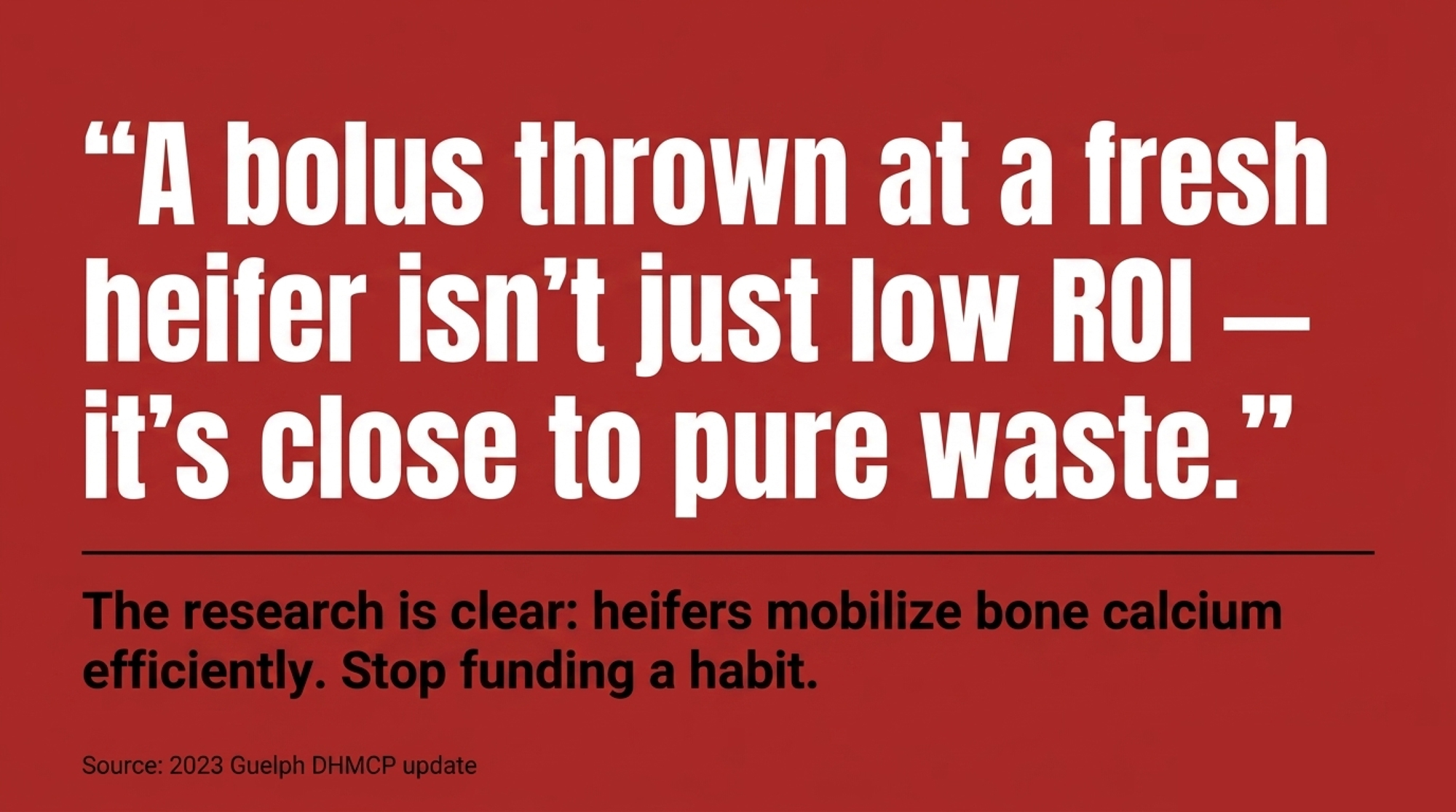
And here’s the part that should sting: first-lactation heifers are the worst possible target for a blanket protocol. They mobilize bone calcium efficiently and have a much lower risk of meaningful subclinical hypocalcemia than mature cows. So a bolus thrown at a fresh heifer isn’t just low ROI — it’s close to pure waste. You’re paying full price for a protocol most first-lactation cows never needed and won’t measurably benefit from. Multiply that by every heifer in a blanket program, and you’re funding a habit, not an outcome. 

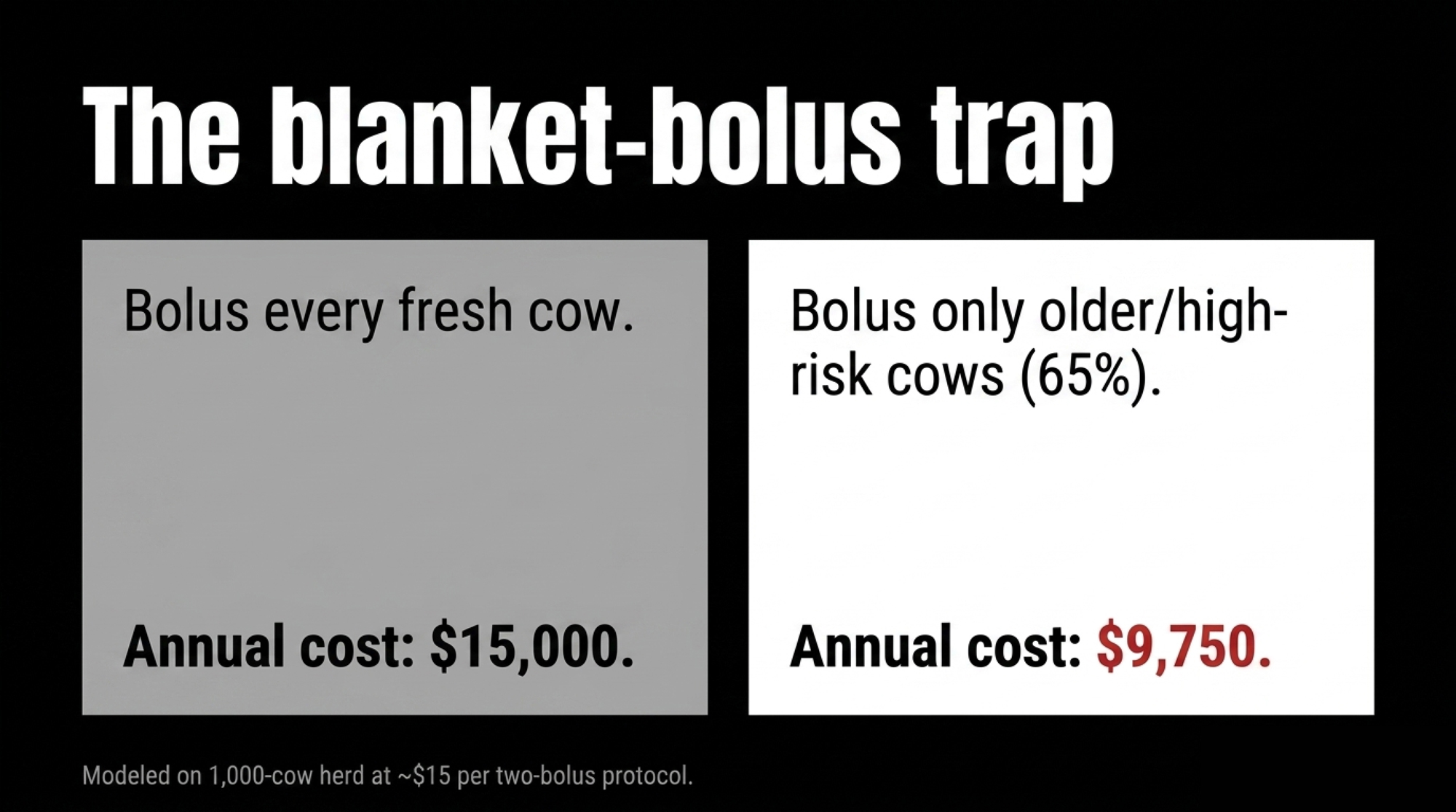
Here’s the barn math, and the point holds at whatever your boluses actually cost. Take your delivered price for a two-bolus protocol and run it two ways. Bolus every fresh cow in a 1,000-cow herd and you pay for roughly 1,000 protocols a year — a big share of them going to heifers and low-risk cows where the research shows little measurable benefit. Aim the same protocol only at your mature, higher-risk cows — say about 65% of calvings — and you’ve cut that product bill by roughly a third, with most of the remaining spend now landing where the data says it works. To put real numbers on it: at a delivered cost in the ballpark of $15 per cow for two boluses, that’s roughly $15,000 a year blanket versus around $9,750 targeted — same product, very different return, depending entirely on where you point it. Plug in your own price, and the gap moves, but the direction never does. 

In lower-risk cows, the research suggests that spending buys reassurance more than results — money out the door for the feeling of having done something. Honest caveat: in herds with high subclinical rates and no DCAD program, some of Oetzel’s modeling does show blanket treatment of mature cows paying off. So the accurate line isn’t “blanket is always wrong.” It’s “blanket rarely pays in low-risk cows, or in herds already managing calcium well.” 

Options and Trade-Offs for Your Operation

The story here isn’t “bolus more” or “bolus less.” It’s “measure first, then aim.” A few paths, depending on where your herd sits:

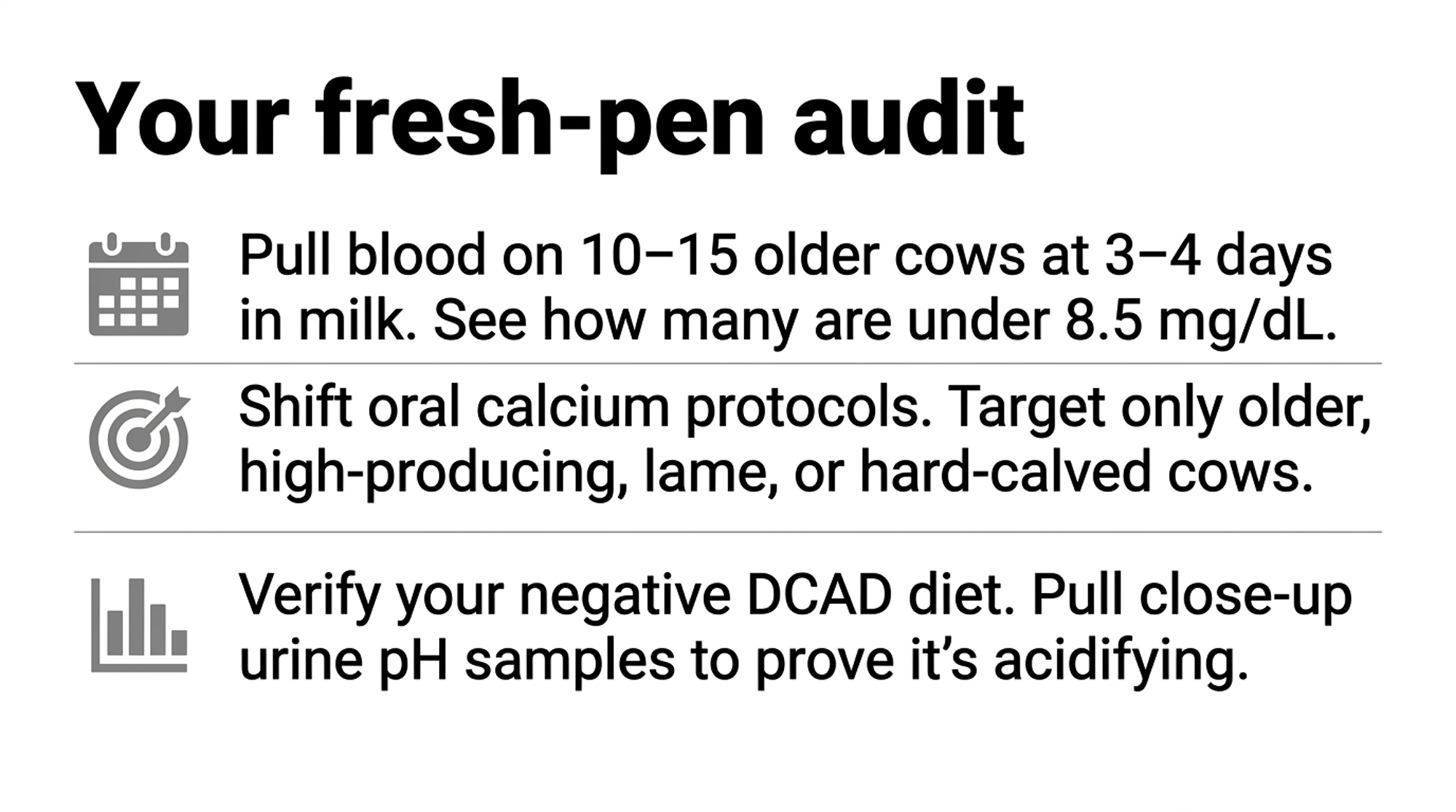
  • Start with a weekly day-3-to-4 calcium check — the 30-day move. This month, work with your vet to pull blood on 10–15 second-lactation-and-older cows at 3–4 days in milk, and track the percentage still under 8.5 mg/dL (2.12 mmol/L). It’s cheap, it’s simple, and it tells you whether your current program works before you spend a dollar changing it. Where it backfires: sample sloppily or skip the repeat, and one bad week looks like a crisis. 
  • Target oral calcium to the high-risk groups. Older cows, high producers, lame cows, hard calvings — a bolus at calving and a second 12–24 hours later. Best fit for herds with many mature cows. The risk: drifting back toward blanket habits, because targeting takes a discipline the shotgun approach doesn’t. 
  • Tighten the pre-fresh program instead of treating downstream. A well-run negative DCAD diet shrinks the low-calcium group at the source. It demands forage testing, mixing accuracy, and urine pH monitoring — a real management load. Where it backfires: a half-built DCAD program can crater intakes without ever fixing calcium. 
  • Manage the inflammation, not just the mineral. Cleaner calving pens, fewer hard pulls, faster response to metritis and severe mastitis. Lower the inflammatory load, and you give the cow’s own calcium recovery a fighting chance. The catch: it’s a whole-team habit change, not a line item you can buy. 

Your Fresh-Pen Audit Protocol

Don’t nod along — run these checks against your own barn. Each one is a decision, not a takeaway:

  • Find your real number. What percentage of your mature fresh cows are still under 8.5 mg/dL (2.12 mmol/L) at day 3–4? If the honest answer is “no idea,” that’s the gap — and the weekly blood draw on 10–15 older cows is how you close it. You’re tracking the wrong 5% until you do. 
  • Map your problem list to age. Pull last month’s fresh-cow cases — metritis, DAs, slow breeders. Do they cluster in your older animals? That overlap is your calcium map. And treat any hard calving, twins, or metritis case as a calcium-recovery risk, not just an infection to clear. 
  • Audit the spend before you buy another pail. If you’re blanket-bolusing, what’s the annual bill, and how much is landing on heifers — the one group that rarely needs it? That’s not low ROI; it’s close to pure waste. 
  • Confirm your DCAD actually works. If your negative DCAD program has never been urine-pH checked, you don’t yet know whether it’s acidifying cows or just looking good on the ration sheet. A handful of close-up urine pH samples settles it in a week. 
  • Know your high-response group. Older, high-producing, lame, hard-calved cows — are they getting targeted support today, or are they buried in a one-size-fits-all protocol? 

Key Takeaways

  • Subclinical hypocalcemia hits far more cows than clinical milk fever, so if you’re only watching the downers, you’re missing most of the cost.
  • Day‑3/4 blood calcium on mature cows is the real fresh‑pen number; if you don’t know how many are under 8.5 mg/dL, that’s your first 30‑day job.
  • Blanket bolusing burns money on heifers and low‑risk cows; aim calcium support at older, high‑producing, lame, and hard‑calved animals instead.
  • A negative DCAD diet and cleaner calving management cut the low‑calcium herd at the source — but only if you’re checking urine pH to prove it’s working.

The shift here is really about a different kind of attention. For decades, the job in the fresh pen was watching for the cow that goes down. The harder, more valuable job is spotting the cow that got up and never really recovered. That’s a quieter signal, and it won’t announce itself.

So here’s the question worth carrying out to the barn Monday morning:

If you drew blood on your next fifteen older fresh cows at day four, how many do you honestly think would still be under the line — and are you ready to find out?

Run Your Numbers

Herd Health ROI Calculator — This article says undermanaged calcium quietly drives culling, metritis, and lost milk. Plug in your herd size, culling rate, and replacement cost to see what those fresh-cow losses are actually costing you—and whether tightening transition health pays before you spend another dollar on boluses.

Complete references and supporting documentation are available upon request by contacting the editorial team at editor@thebullvine.com.

Learn More

The Sunday Read Dairy Professionals Don’t Skip.
Every week, thousands of producers, breeders, and industry insiders open Bullvine Weekly for genetics insights, market shifts, and profit strategies they won’t find anywhere else. One email. Five minutes. Smarter decisions all week.
NewsSubscribe
First
Last
Consent

A Wisconsin Herd’s DCAD Said −120. A 50‑Cent Urine Strip Said Otherwise.

When a Wisconsin dairy finally tested urine pH, their “negative” ration was doing exactly nothing — and the latest research says they’re far from alone.

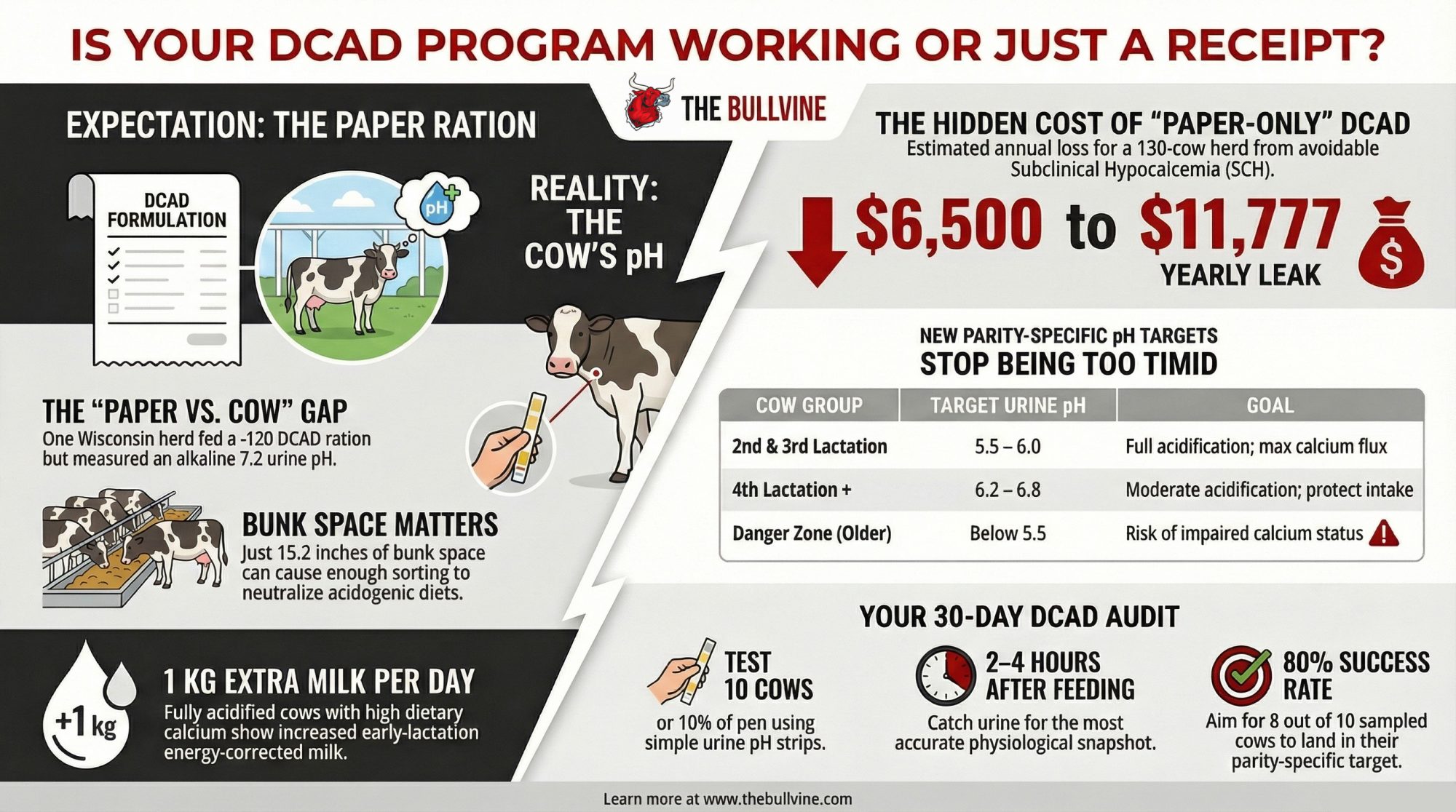
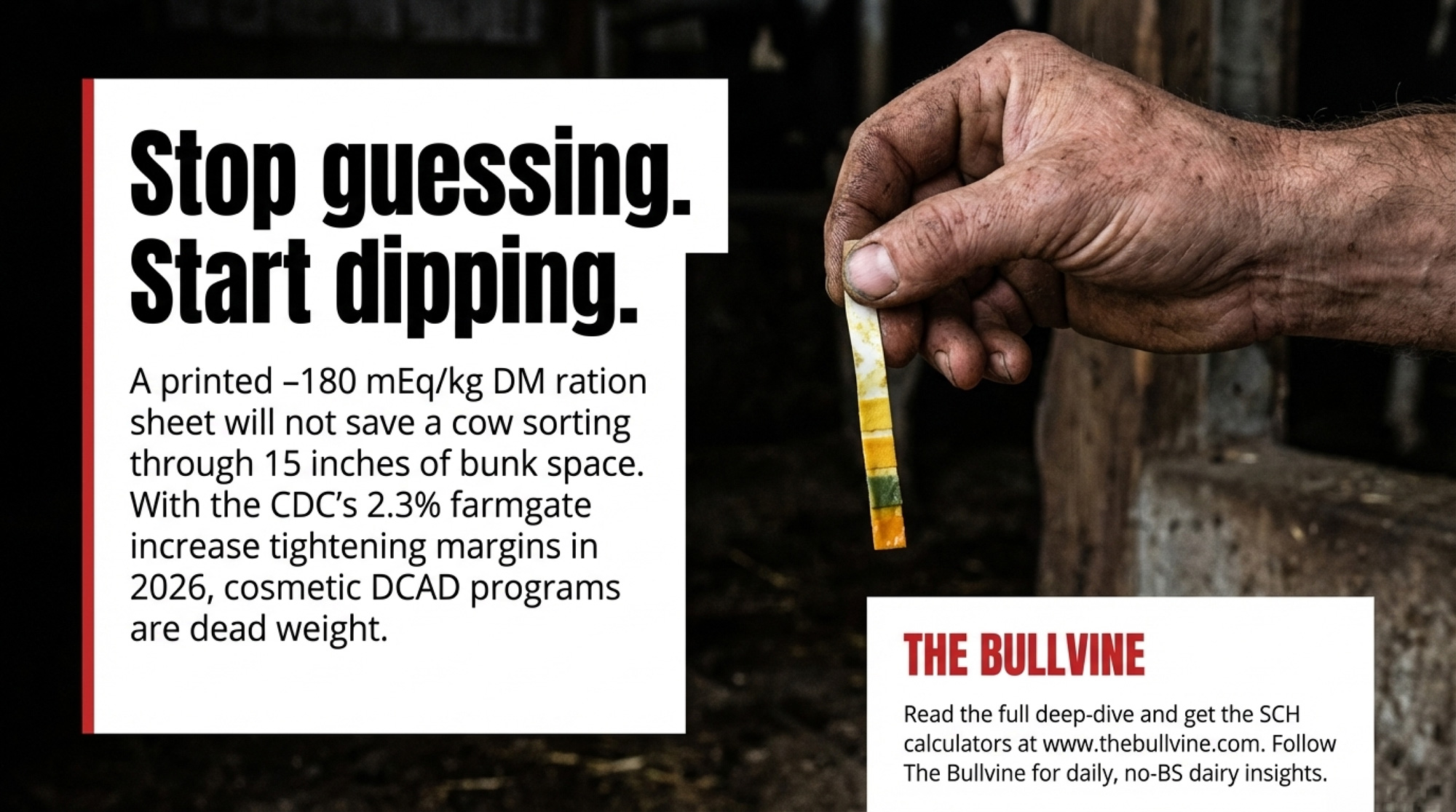
Executive Summary: One herd in a published six-farm investigation was feeding negative DCAD at −100 to −160 mEq/kg DM and still averaged a urine pH of 7.2 — functionally alkaline — because 15.2 inches of bunk space caused enough sorting to gut the diet entirely. Goff’s 2025 meta-analysis (660 multiparous Holsteins across 9 studies) now provides parity-specific targets: 5.5–6.0 for 2nd–3rd lactation, 6.2–6.8 for 4th-plus cows, where dropping below 5.75 actually harms calcium status. The safety case for full acidification is stronger than the industry’s been acting — Graef’s trial put fully acidified cows at just 3.5 mmol/L urinary ammonium with blood pH steady at 7.39–7.41. SCH runs $125 to $226.46 per affected cow, depending on the model, and at 45–80% multiparous incidence, a 130-multiparous-cow herd faces $6,500 to $11,777 per year in avoidable drag. With the CDC’s 2.3% farmgate increase tightening input scrutiny in 2026, a 50-cent urine strip and 10 close-up cows will tell you whether your DCAD dollars are working in the cow or just living on the ration sheet.

Negative DCAD monitoring

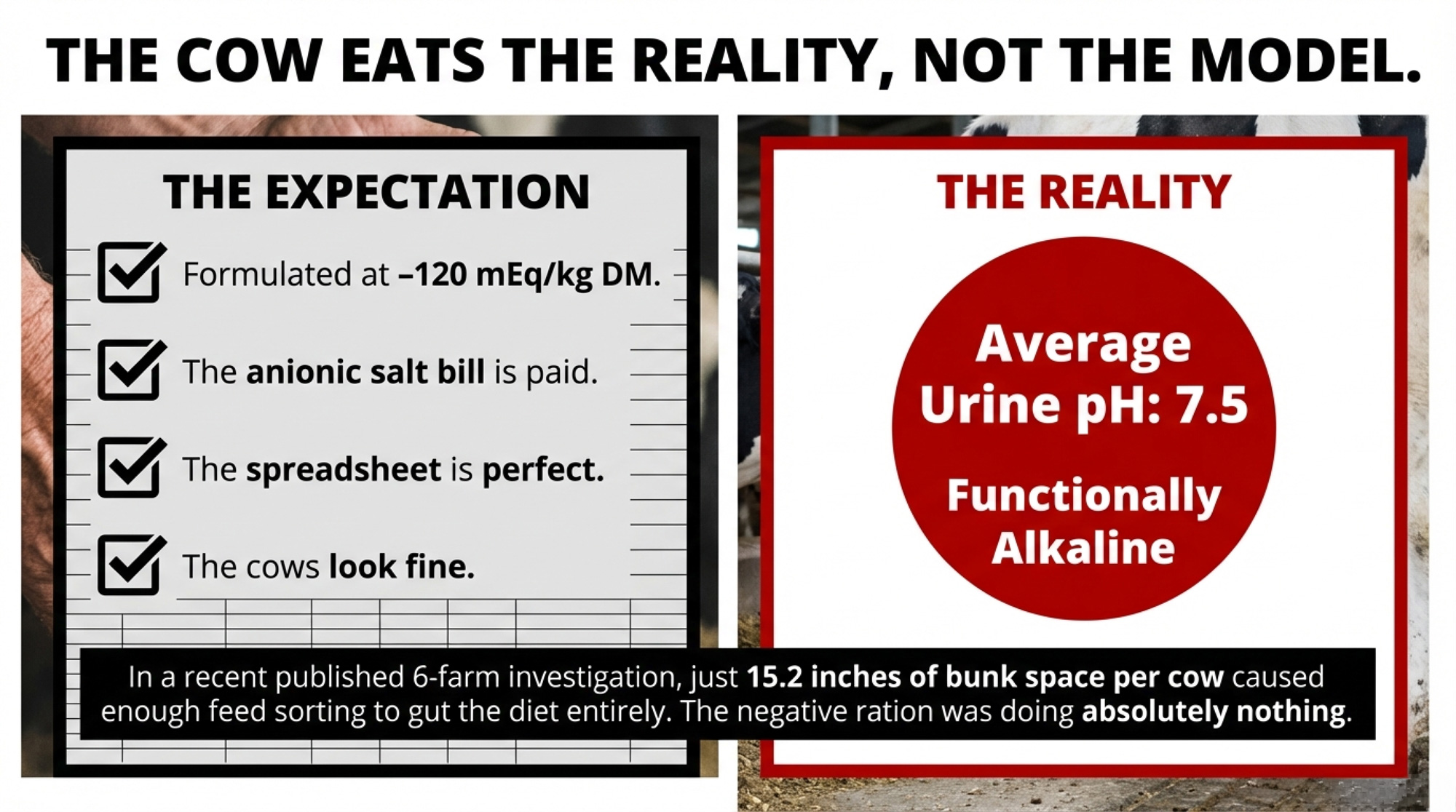
You’re probably paying for a DCAD program you aren’t actually getting. In Wisconsin, the Schaefer family thought their −120 mEq/kg close‑up ration was bulletproof. The “Animate” bill was paid, the spreadsheet looked perfect, and the cows looked fine.

Then they finally dipped a 50‑cent urine strip. The average pH in their close‑up pen was 7.5. Their “negative” DCAD was doing exactly nothing. When they and their nutritionist rebuilt the ration actually to hit a 5.5–6.0 urine pH, their fresh‑cow list quietly shrank — fewer slow starts, fewer mild ketotics, and less time babysitting older cows in the first week fresh.

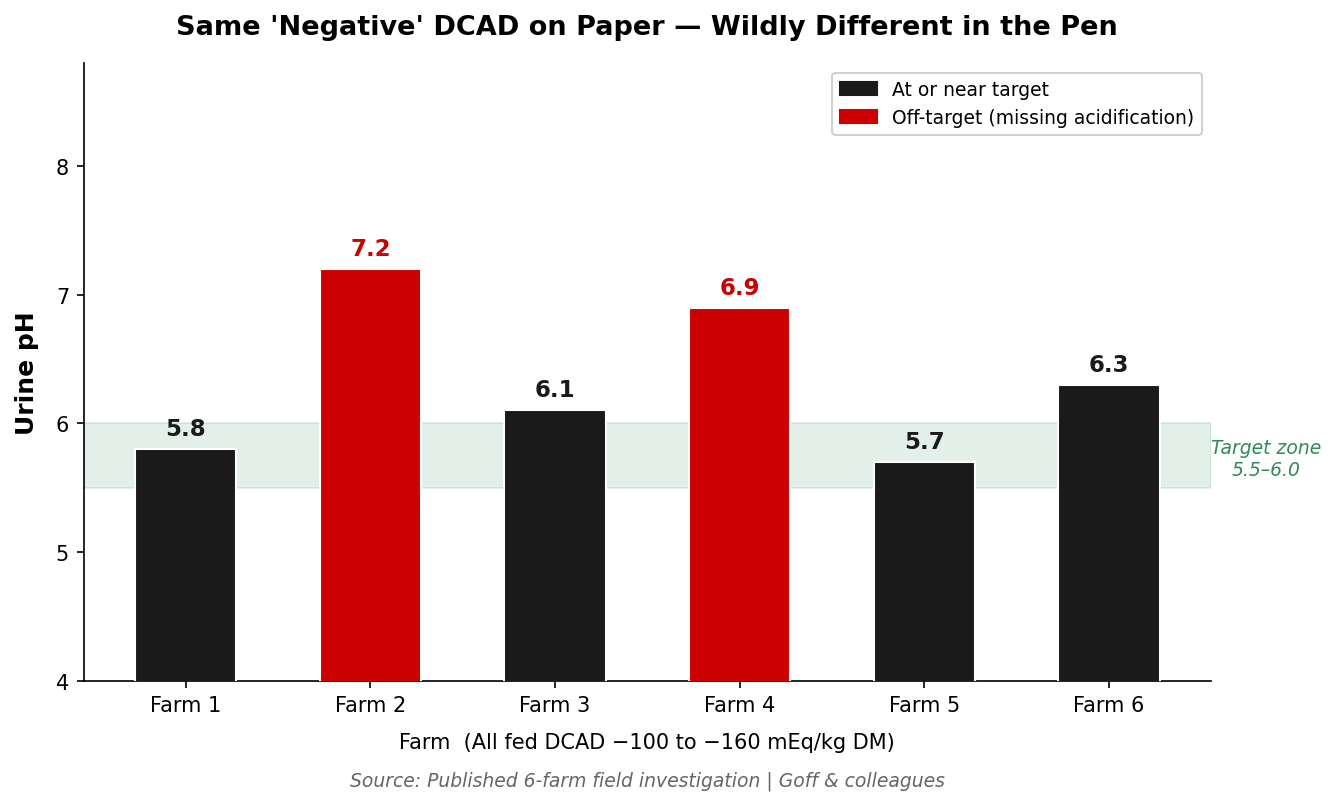
They’re not alone. In a published field investigation across six herds all feeding correctly formulated negative‑DCAD TMRs, one farm averaged a urine pH of 7.2 — not because the ration was wrong on paper, but because 15.2 inches of bunk space per cow caused enough sorting to neutralize the acidogenic diet entirely. The ration analyzed fine. The cows weren’t eating it the way the model assumed.

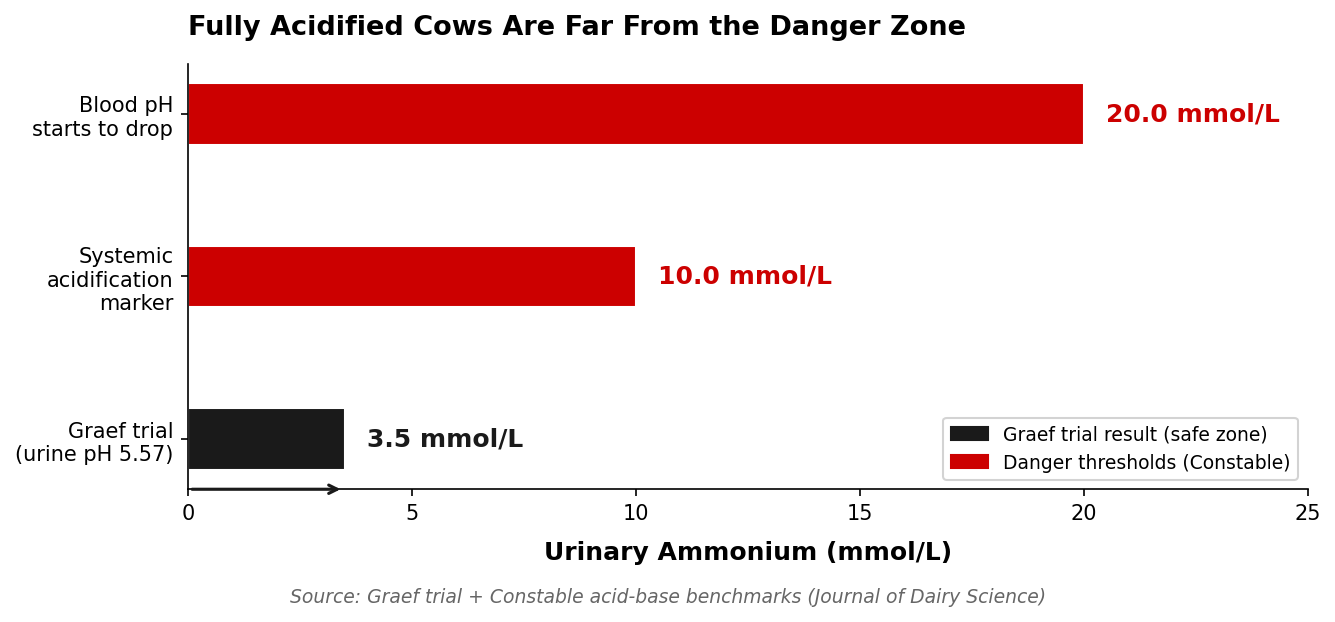
Here’s the twist the latest research adds: in fully acidified cows, the average urinary ammonium is just 3.5 mmol/L. That low ammonium number shows that low urine pH by itself does not equal acidosis danger. The real warning isn’t “don’t go too low.” It’s “stop being too timid” — because staying alkaline is what keeps subclinical hypocalcemia quietly chewing through your margins. With the CDC’s 2.3% farmgate price increase effective February 2026, pushing input scrutiny higher than ever, you can’t afford to keep writing checks for a program that isn’t actually working in the cow.

Why That 3.5 mmol/L Number Really Matters

In a recent trial led by Graef, Holsteins on a fully acidogenic pre‑fresh ration landed at a mean urine pH of 5.57 — squarely in the full‑acidification zone. The eye‑opener was their urinary ammonium.

Those cows averaged only 3.5 mmol/L of ammonium, far below the levels associated with systemic over‑acidification. Constable’s work on net acid excretion suggests two guideposts worth knowing:

  • At around 10 mmol/L, urinary ammonium is a reliable indicator of systemic acidification.
  • Once ammonium climbs above roughly 20 mmol/L, blood pH tends to drop by about 0.02 units — that’s where acid‑base safety becomes a real concern.

In the Graef work, cows never got close to either line at a urine pH most of us would call “aggressive.” Blood pH stayed in the 7.39–7.41 range, and serum bicarbonate sat at or near the lower edge of the typical 22–30 mmol/L window in related negative‑DCAD studies.

When your ration is properly balanced, full acidification (urine pH 5.5–6.0) operates safely within the cow’s compensation system. The danger zone isn’t “anything below 6.5.” It’s keeping cows alkaline because you’re afraid of numbers that the research says are actually safe.

How Low Is Too Low — And For Which Cows?

A 2025 meta‑analysis led by Jim Goff pulled together data from 660 multiparous Holsteins across nine studies to answer the question that really matters in the barn: which pre‑fresh urine pH ranges line up with better blood calcium after calving?

The answer changes with parity:

  • For 2nd‑ and 3rd‑lactation cows, the big step is just getting them out of the alkaline zone. Cows with prepartum urine pH below 7.75 had significantly better calcium status than those above that threshold, and driving pH lower within the acidified band didn’t provide much additional benefit.
  • For 4th‑lactation and older cows, the sweet spot is narrower. Cows with urine pH between 6.26 and 6.75 had the highest blood calcium nadirs, while cows above 7.25 or below 5.75 showed poorer calcium outcomes.

That moves you from a one‑size‑fits‑all DCAD target to a parity‑specific playbook.

Urine pH Targets by Parity

Cow GroupTarget Urine pHBlood Calcium OutcomeKey ThresholdRisk if Outside Range
2nd–3rd Lactation5.5–6.0Best Ca status; strong fluxpH must drop below 7.75Staying alkaline (>7.75) impairs Ca
4th Lactation+6.2–6.8Peak Ca nadir in this bandSweet spot is narrower<5.75 harms Ca status
4th Lactation+>7.25Poor blood calcium nadirSame group, high endAlkaline = no DCAD benefit
Any parity — Danger<5.5Ca status trends wrongVery low DCAD (~−220)Uncompensated metabolic acidosis

If you’ve watched a mixed‑parity close‑up pen, you’ve likely seen this play out already. Second‑ and third‑calvers usually cruise on a hot close‑up ration. It’s the 4th‑ and 5th‑lactation cows that look duller, lose more condition, or keep showing up on the fresh‑cow problem list when the diet is pushed as hard as the youngsters’.

What Does “Safe” Full Acidification Actually Look Like?

Pull the DCAD research together, and the safety story is clearer than the coffee‑shop debates.

From recent trials and reviews:

  • Fully acidogenic diets drop urine pH into the 5.5–6.0 band, but blood pH hangs around 7.39–7.41, well above the 7.30 “start to worry” threshold for systemic acidosis.
  • In a 2022 JDS study, very low DCAD treatments reduced serum bicarbonate by about 8–9%, landing near the lower edge of the 22–30 mmol/L reference range; more moderate negative DCAD diets kept bicarbonate comfortably within normal limits.
  • In a Florida trial by Zimpel and colleagues, cows on a strong fully acidogenic program had urine pH around 5.4, but still carried ≈25 mmol/L bicarbonate — squarely normal.
  • The real trouble shows up in extremely negative DCAD experiments. A “very low DCAD” diet around −220 mEq/kg DM pushed cows into uncompensated metabolic acidosis with lower blood pH, depressed intakes, and clear metabolic strain. In a separate herd case, dry cows on a diet near −143 mEq/kg DM had urine pH in the 5.2–5.8 range; when the diet was adjusted to about −53 mEq/kg DM, postpartum blood calcium didn’t change — only the acid load and metabolic strain improved.

In practice, negative DCAD diets in roughly the −100 to −150 mEq/kg DM range, paired with adequate fiber and minerals, tend to put cows in a compensated metabolic acidosis zone — enough to prime calcium metabolism without pushing blood pH into dangerous territory.

The real‑world risk for most herds isn’t “too low” DCAD. It’s never getting low enough in the right cows, or pushing the oldest cows too far, because nobody ever checks a strip.

BiomarkerNormal Reference RangeGraef Trial (Urine pH 5.57)Systemic Acidosis ThresholdStatus
Blood pH7.35–7.457.39–7.41<7.30✅ Normal
Serum bicarbonate (HCO₃)22–30 mmol/L~22–24 mmol/L (low-normal)<18 mmol/L✅ Within range
Urinary ammonium (NH₄)3.5 mmol/L>10 mmol/L (systemic marker)✅ Far below threshold
Urinary ammonium (NH₄)3.5 mmol/L>20 mmol/L (blood pH drops)✅ Far below threshold
Urine pH5.57Not a direct danger indicator✅ Target achieved

How Much Is Subclinical Hypocalcemia Really Costing You?

You see the classic downer cows. The quieter hit comes from subclinical hypocalcemiacows that stay standing but run with low blood calcium for a day or two after calving.

Reviews and field surveys suggest SCH often hits 25–40% of first‑calvers and 45–80% of multiparous cows in high‑producing herds. That means roughly half or more of your older cows may be affected. Those are the ones that calve “fine,” then quietly drag around mild ketosis, metritis, DAs, and a few extra weeks open.

On the economics side:

  • Progressive Dairy / University of Minnesota model built around a 1,000‑cow herd estimated SCH‑related losses — added disease, culling, and lost milk — at $67,938, or $226.46 per affected cow.
  • Prince Agri/Progressive analysis uses a more conservative $125 per SCH case and roughly $300 per milk fever case, while still accounting for both health and production impacts.
  • A 2022 study from North‑West Ethiopia estimated SCH losses at 3,026.25 ETB per cow per lactation, which the authors converted to about US$69.6 for their conditions.

Taken together, a realistic SCH cost range is around US$60 to US$ 226 per cow, depending on milk price, herd health, and how broadly you count ripple effects.

Micro barn math: what that looks like on your farm

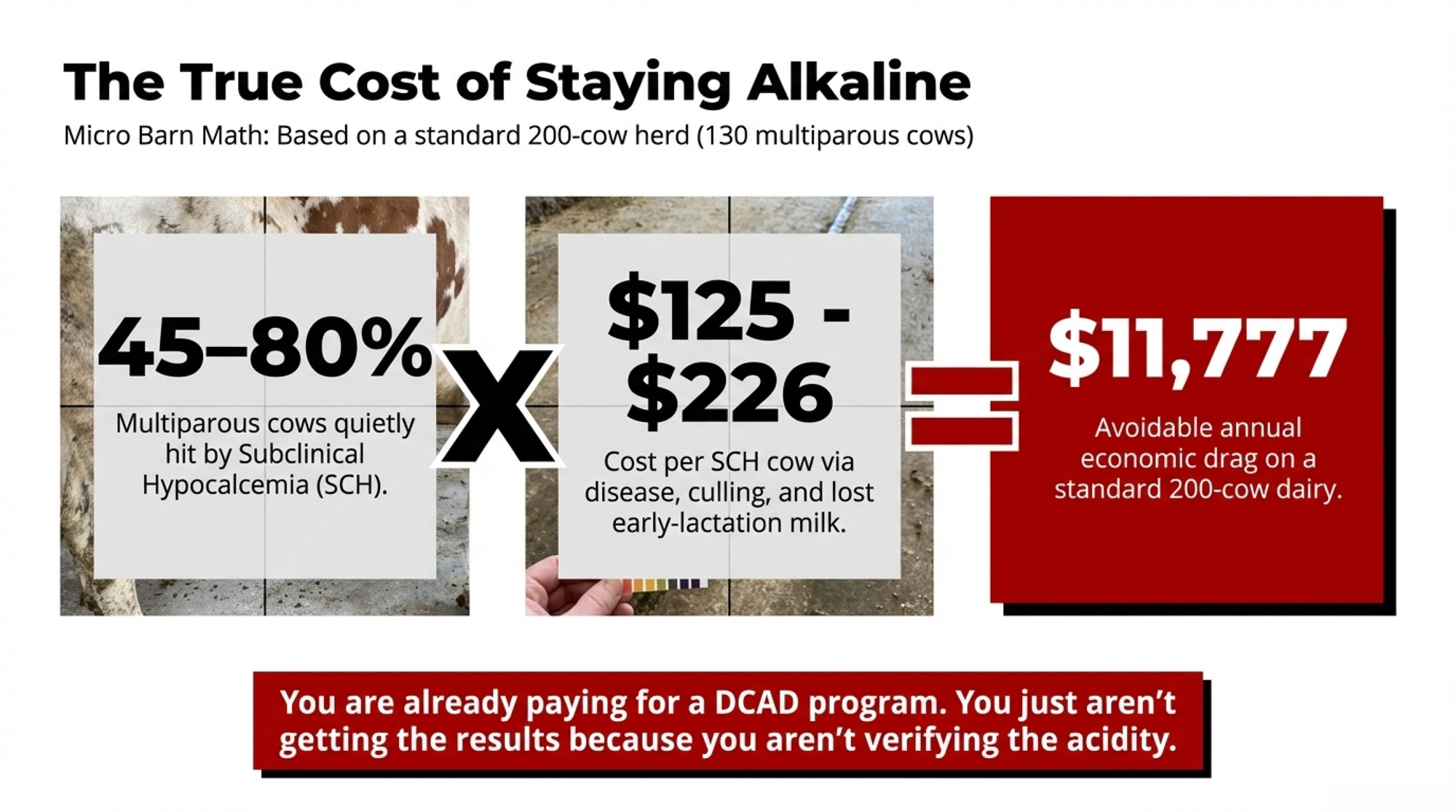
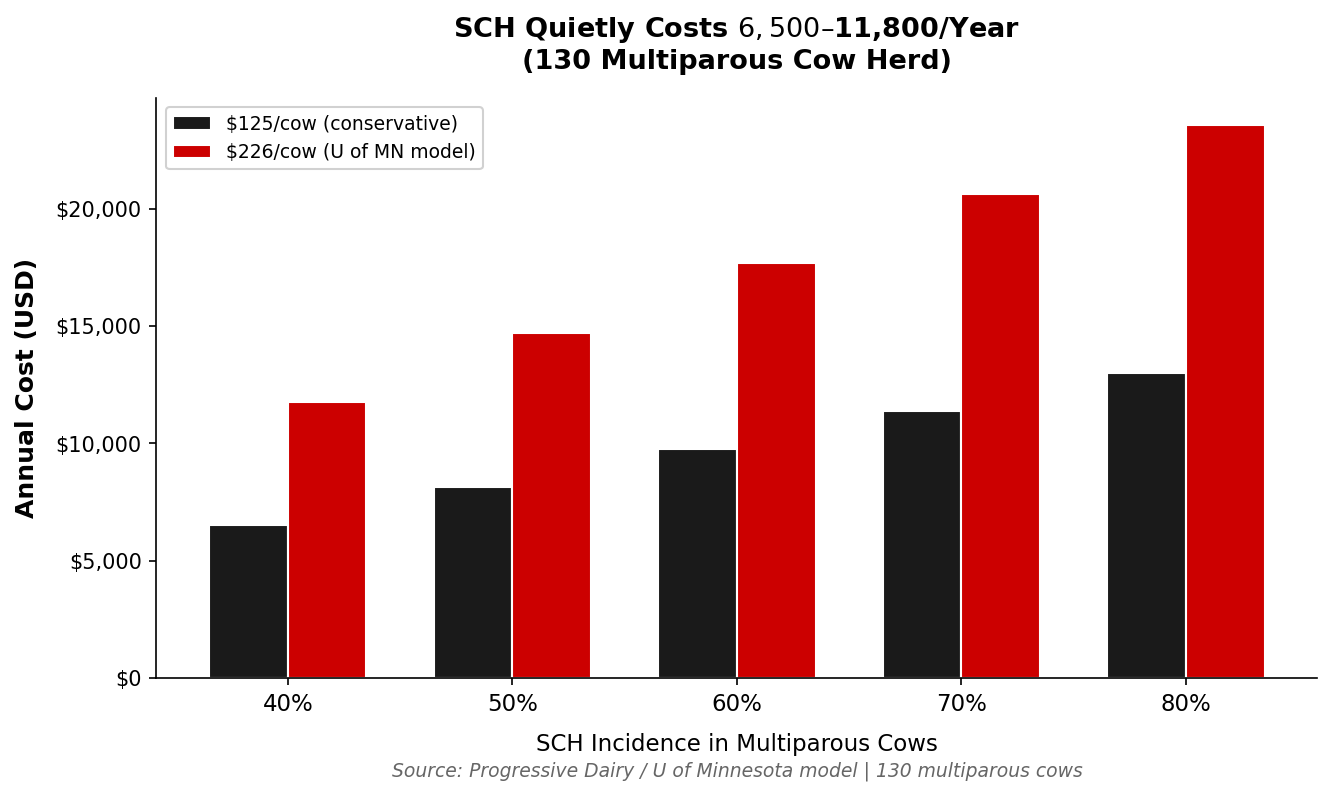
Come back to a 200‑cow herd like the Schaefers, with 130 multiparous cows. Even if 40% of those multiparous cows are subclinically hypocalcemic — a conservative number given that 45–80% range — that’s 52 SCH cows in a year.

At the $125 per‑case estimate:

  • 52 cows × $125 ≈ $6,500 per year in SCH‑linked losses.

At the $226.46 per‑case estimate:

  • 52 cows × $226.46 ≈ $11,777 per year.

If your “negative DCAD” program isn’t actually lowering that SCH burden — either because it’s not acidifying cows or it’s hammering the wrong cows — you’re spending money on the right idea and the wrong execution.

How Much Milk Are You Leaving on the Table?

The cost of SCH isn’t just in vet work and displaced abomasums. It’s also milk that never hits your bulk tank.

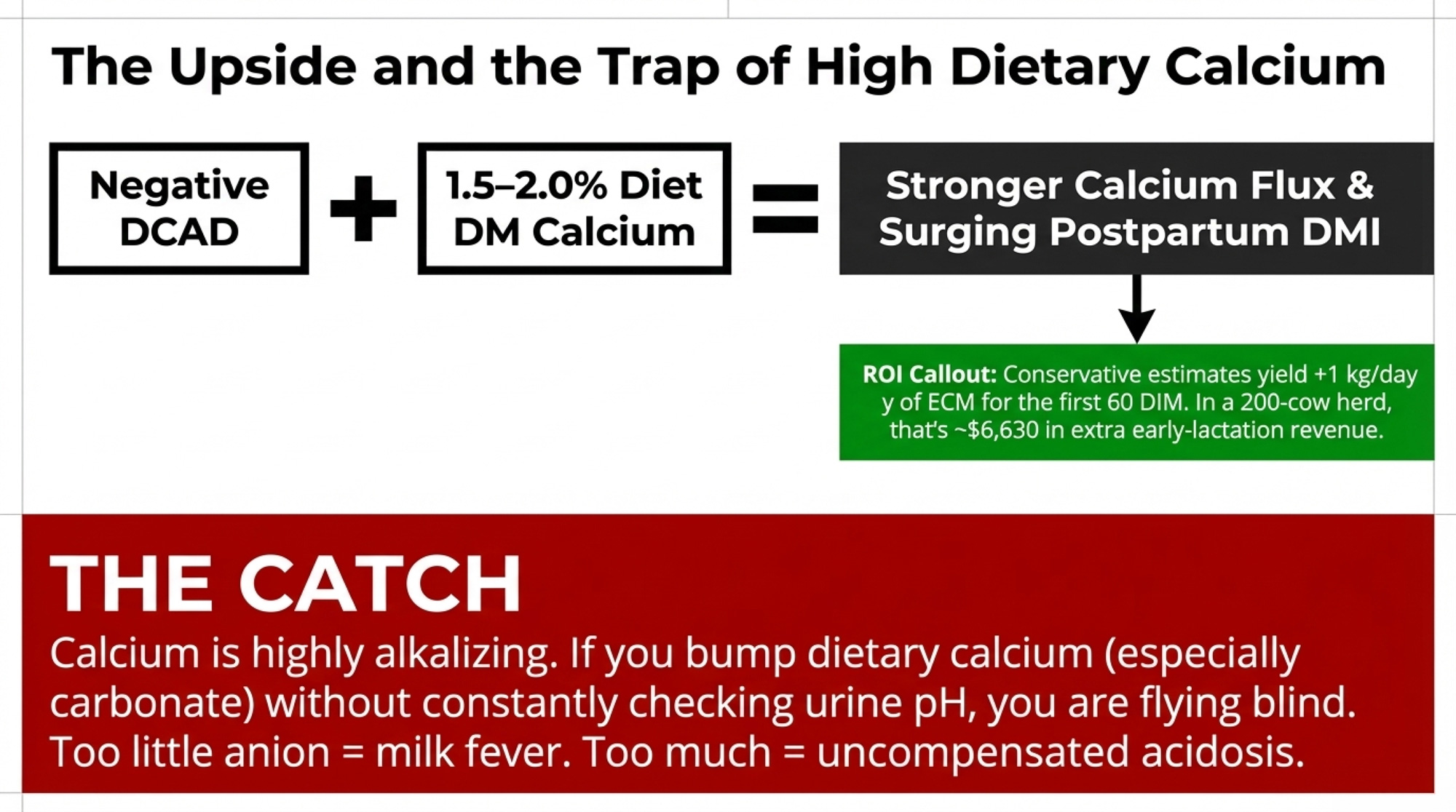
A series of trials looked at fully acidogenic pre‑fresh diets combined with higher dietary calcium — roughly 1.5–2.0% of diet DM — and followed cows through the first two months postpartum. Across those studies:

  • Cows on negative DCAD plus higher calcium showed stronger calcium flux around calving, maintained or improved pre‑fresh DMI, and had higher postpartum DMI than cows on low‑calcium acidogenic diets.
  • Those same cows produced more energy‑corrected milk (ECM) in early lactation than cows on positive DCAD or low‑calcium fully acidogenic diets.

Keep the barn math conservative. Say that program buys you 1 kg/day of ECM for the first 60 DIM in your multiparous cows. In that 200‑cow herd with 130 multiparous cows, that’s:

  • 130 cows × 1 kg/day × 60 days = 7,800 kg of extra ECM.

Use the Ontario blend value of about $0.85/kg — based on DFO’s June 2025 average net of $87.96/hL after deductions — and you get:

  • 7,800 kg × $0.85 ≈ $6,630 in extra milk revenue in the first two months of lactation.

(Note: these calculations use $0.85/kg based on Ontario’s June 2025 net blend; adjust to your local mailbox price. With the CDC’s 2.3% farmgate increase effective February 2026, your local number may now be slightly higher.)

Even if the real bump on your place is half that, you’re still talking several thousand dollars a year on top of avoided SCH‑linked disease. But you can’t tap any of that upside if the cows in front of you never actually reach the acidification zone you think you’re feeding for.

Is Your DCAD Program Actually Hitting Its pH Target?

The economic question underneath all of this is simple: Is your DCAD program working in the cows, or just on paper?

That published field investigation across six herds shows just how common the gap is. All six farms delivered TMRs that analyzed at a DCAD of −100 to −160 mEq/kg DM — right where they should be. All used the same commercial anionic product. But when urine pH was systematically collected from randomly selected multiparous cows over three days, not all farms met the 5.5–6.0 target. Farm 2 averaged 7.2 — functionally alkaline despite a correctly formulated ration. The culprit: 15.2 inches of bunk space per cow, which caused enough sorting and DMI disruption to neutralize the diet. Farm 4 had a similar miss tied to forage particle size and TMR mixing issues.

The lesson: DCAD value is a formulation number. Urine pH is what the cow is actually experiencing.

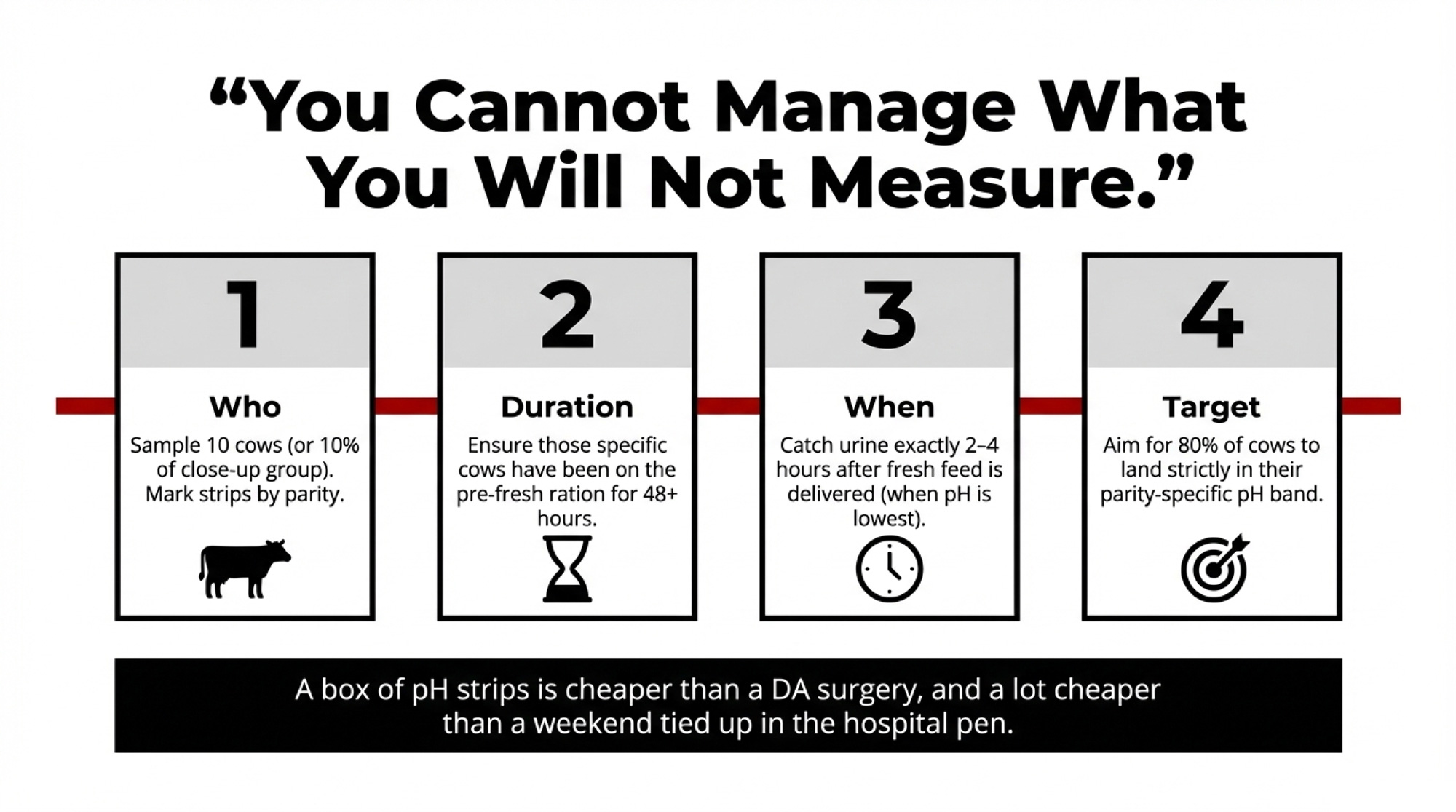
A practical monitoring protocol from Goff and others:

  • Sample at least 10 cows, or about 10% of the close‑up group, whichever is bigger.
  • Make sure they’ve been on the pre‑fresh ration for at least 48 hours, ideally 3–21 days before calving.
  • Catch urine 2–4 hours after cows get access to that ration, when pH is at its lowest and results are tightest.
  • Aim for around 80% of sampled cows to land in your target pH band.

Using the parity‑specific data:

  • 2nd‑ and 3rd‑lactation cows: target urine pH 5.5–6.0 — full acidification, with safe blood pH and bicarbonate profiles supported by multiple trials.
  • 4th‑lactation and older cows: target urine pH around 6.2–6.8, where Goff’s meta‑analysis saw the best calcium outcomes and a clear calcium decline below 5.75.

If your first audit comes back with an average of 7.2 — like Farm 2 in that field study — you don’t have “moderate DCAD.” You have a ration that isn’t acidifying those cows at all.

And if you see a string of older cows under 5.5, especially alongside intake or condition concerns, you’ve probably pushed anions too hard relative to fiber, magnesium, or overall palatability. That’s the edge where the very low DCAD work — down near −220 mEq/kg DM — tipped cows into uncompensated acidosis.

You can’t manage what you won’t measure. But you can buy a box of urine strips for less than a DA surgery — and a lot less than a weekend tied up in the hospital pen.

Are You Feeding Enough Calcium With Your Anions?

Old transition‑cow dogma said “never feed high calcium pre‑fresh.” Newer DCAD and mineral work says that, under a properly negative DCAD, high calcium plus anions is often where the payback is.

Across recent studies:

  • Cows on negative DCAD diets with 1.5–2.0% Ca in diet DM had stronger calcium flux, better postpartum DMI, and higher ECM than cows on low‑calcium fully acidogenic diets.
  • High‑calcium fully acidogenic diets did a better job of holding DMI than low‑calcium FAS diets, which showed bigger intake dips.

The chemistry catch is that calcium is alkalizing. When you bump dietary calcium — especially as carbonate — you usually have to adjust anion supply to hold the same urine pH. If you crank anions every time you bump Ca, and never check what cows are actually peeing, you’re back to guessing.

Too little anion with high Ca and high‑K forages, and you recreate the old “high‑potassium hay + high‑calcium close‑up” milk fever trap. Too much anion, especially in pens heavy with older cows, and you risk dragging that group below 5.5 pH, where Goff’s meta‑analysis saw calcium status trending the wrong way.

The sweet spot isn’t a single DCAD target on paper. It’s the balance between DCAD, calcium level, and who’s actually standing in your close‑up group.

Options and Trade‑Offs for Farmers

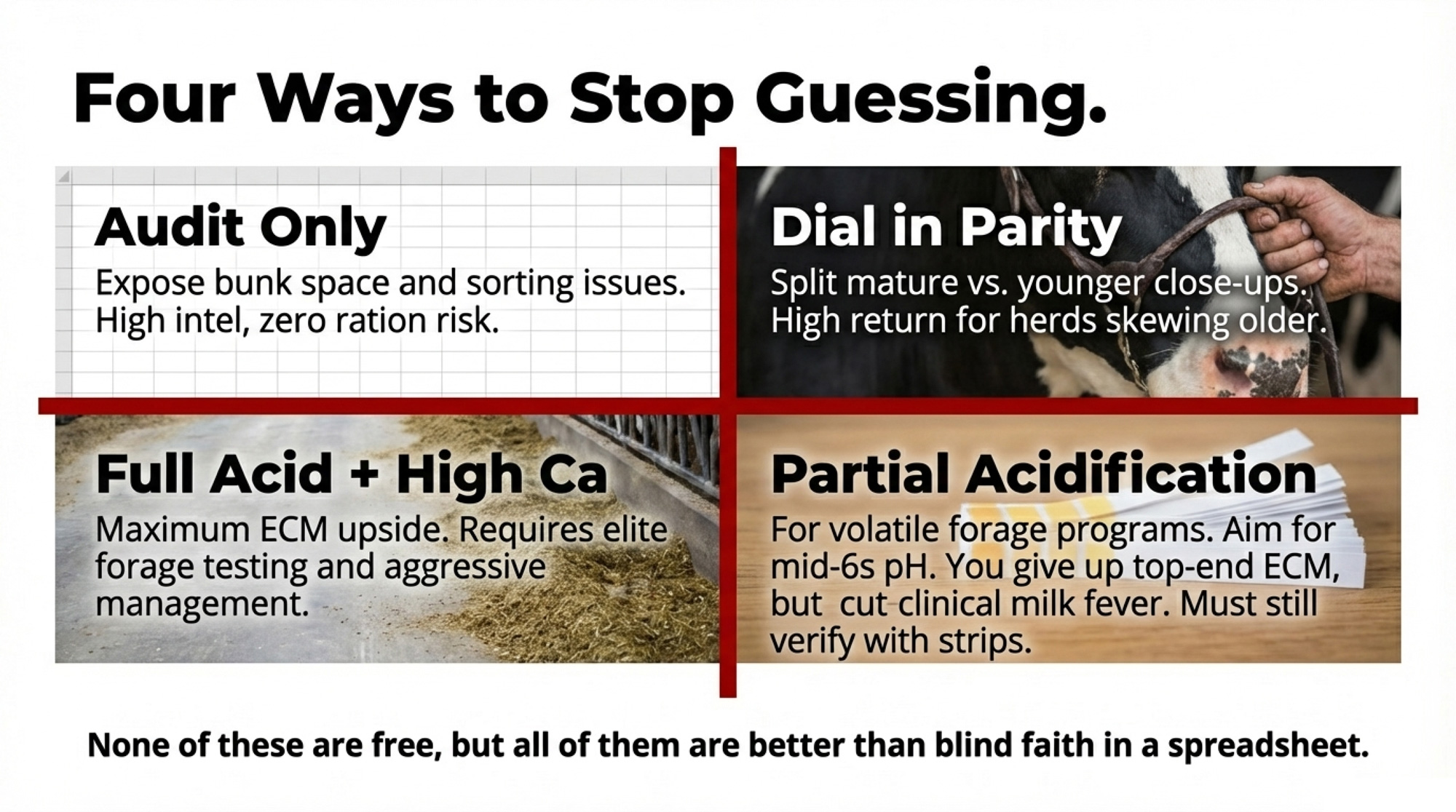
You’ve got four real ways to play this — none of them free, but all of them better than guessing.

StrategyBest Fit ForWhat You GainWhat You Give UpKey Risk
30-Day Urine pH AuditAny herd — starting pointActual data on whether DCAD is working30 min + cost of stripsFinding out your program is doing nothing
Parity-Specific TargetsHerds >30% 4th+ lactation cowsTighter Ca support for oldest cowsPen complexity, management timeOver-acidifying older cows below pH 5.75
Full Acidification + High CaStable forage, strong advisory teamMaximum ECM gains, lowest SCHRequires accurate, frequent forage testingPushing anions without checking urine pH
Partial Acidification (Proven)Variable forage K, no parity sortingLower milk fever risk vs. no DCADWon’t capture full SCH/ECM benefitCosmetic program at pH 7.8 = money wasted

1. 30‑Day Action: Audit Your DCAD in the Cows, Not on Paper

This is the low‑risk, high‑information starting point — the same move that exposed the problem in the Schaefer example and that documented field investigation.

  • Within 30 days, run a urine pH profile on your close‑up pen: at least 10 cows, or 10% of the group, 2–4 hours after feeding, on the ration for at least 48 hours.
  • Mark strips by parity (“P2–3” vs “P4+”) so you can see whether older cows live in a different pH band.
  • Sit down with your nutritionist and vet and compare those numbers to your calculated DCAD and your latest forage K analyses.

Patterns you’re likely to find:

  • Rations that look fully acidogenic on paper but leave cows at pH 7.0–7.8 because forage potassium came back higher than assumed — or, like Farm 2, because bunk space or mixing issues prevent cows from eating what you think they’re eating.
  • Older cows sit at 5.2–5.4, while younger cows hover near 5.8–6.0, and those same older cows are turning up too often on your “problem fresh” list.

This doesn’t fix the ration. It just tells you whether your main problem is being too timid overall, too aggressive with certain cows, or something as simple as bunk management.

2. Dial in Parity‑Specific Targets

If about a third or more of your close‑up pen is 4th lactation or older, Goff’s parity‑specific data says you shouldn’t chase the same pH for them as for your 2nd‑calvers.

In practice, that can look like:

  • Grouping by parity when barn design allows: a “mature‑cow close‑up” and a “younger‑cow close‑up.”
  • Running a parity‑specific mineral strategy: same base forage, slightly different DCAD and Ca levels by pen.
  • Re‑checking urine pH and, if you’re keen, spot blood calcium by group a couple of times a year.

You gain tighter support for the cows most likely to crash. You give up some simplicity and pen flexibility.

3. Strengthen Full Acidification + High Calcium Where It Fits

For herds with stable forage programs and a strong advisory team, leaning into full acidification plus higher calciumcan be a high‑return move.

Best fit when:

  • You’re already getting reliable mineral analyses back from your forage lab.
  • You’re willing to watch DMI, manure, and fresh‑cow health closely during any ration changes.
  • Your vet and nutritionist are aligned on DCAD targets and SCH benchmarks.

It demands:

  • Accurate DCAD math using up‑to‑date Na, K, Cl, and S lab numbers.
  • Dietary Ca in the 1.5–2.0% DM range.
  • Adequate magnesium and effective fiber to keep cows on feed.

Risks:

  • Over‑pushing anions to “fix” what’s really a forage‑testing problem, edging toward uncompensated acidosis.
  • Raising calcium without enough anion, which blunts the very calcium‑mobilizing system DCAD is designed to prime.

4. Stick With Partial Acidification — But Prove It

Some barns aren’t good candidates for full acidification: volatile forage potassium, no room to sort by parity, and limited labor.

In those systems, aiming for more moderate urine pH — often in the mid‑6s instead of around 8.0 — can still cut clinical milk fever risk compared with no DCAD program at all, even if you never push pH into the 5.5–6.0 band.

The key is honesty:

  • You likely won’t get the full SCH and ECM benefits seen in FAS + high‑calcium research.
  • You still have to test. A ration “designed” for pH 6.5 that yields pH 7.8 in the pen is cosmetic, not partially acidified.

As ingredient costs keep climbing, cosmetic programs are going to be harder to justify than well‑measured ones.

Key Takeaways

  • If you’re not pulling urine pH strips on your close‑up cows at least a few times a year, you don’t have a DCAD program — you have a DCAD expense. Start with a 10‑cow, 2–4‑hour post‑feeding sample and see if your cows are anywhere near your target pH.
  • If roughly a third or more of your close‑up group is 4th lactation or older, don’t chase 5.5 pH for everyone. Aim those cows around 6.2–6.8 and reserve the 5.5–6.0 band for 2nd‑ and 3rd‑calvers, where full acidification is both safe and effective.
  • If your SCH prevalence in multiparous cows is north of about 30% and you’re already paying for anionic salts, assume a verification gap before you decide “DCAD doesn’t work here.” Use the US$60–$226 per‑case range to ballpark what SCH might be costing you and whether a DCAD tune‑up pencils out.
  • If your ration DCAD is printed at −180 mEq/kg DM and your older cows are peeing at 5.2, you’ve probably gone past the point of diminishing returns. Back off anions until those cows’ urine pH and calcium status are closer to 6.5, then re‑check urine pH and calcium status instead of assuming “hotter” must be better.

The Bottom Line

You’re already writing checks for anionic salts and pre‑fresh minerals. It’s worth knowing whether those dollars are actually buying fewer SCH cows, more milk, and calmer fresh pens — or just living on a ration sheet. Start with that 30‑day urine pH audit. From there, you’ll know whether your next move should be more anion, more calcium, smarter grouping, or tighter forage testing.

If you want the deeper math — SCH calculators, DCAD formulation walkthroughs, or parity‑specific transition strategies — watch for the follow‑up playbooks and Bullvine Weekly breakdowns. Once you’ve seen your own pH strips, you won’t look at that “−120 mEq/kg” printout the same way again.

Complete references and supporting documentation are available upon request by contacting the editorial team at editor@thebullvine.com.

Learn More

The Sunday Read Dairy Professionals Don’t Skip.

Every week, thousands of producers, breeders, and industry insiders open Bullvine Weekly for genetics insights, market shifts, and profit strategies they won’t find anywhere else. One email. Five minutes. Smarter decisions all week.
NewsSubscribe
First
Last
Consent

How 3D Printed Sensors Detect Subclinical Hypocalcemia in Cows Instantly

See how 3D-printed sensors are changing dairy farming by quickly spotting hidden milk fever in cows. Ready to boost your herd’s health?

Summary:

The dairy industry faces a big problem with subclinical hypocalcemia, a hidden issue that affects cows and reduces their energy levels. But now, there’s hope with a new 3D-printed sensor to detect this condition on the farm. This innovative tool is fast, cost-effective, and accurate, catching signs of low calcium before they show. It’s so sensitive that it spots tiny changes in calcium and phosphate levels in 10 seconds. Farmers can use it easily without special training, making it great for all farm sizes. Studies show that 25% to 80% of cows might be affected, especially if they’ve had calves before. Identifying subclinical hypocalcemia early is essential for keeping herds healthy and milk productionsteady. These sensors, made using advanced 3D printing, help farmers quickly find problems, preventing the losses caused by this condition, often called “milk fever.” In short, 3D-printed sensors offer a promising way to identify and manage subclinical hypocalcemia in dairy cows. 

Key Takeaways:

  • Subclinical hypocalcemia (SCH) in dairy cows is a significant economic burden due to its impact on milk production and animal health.
  • 3D printing technology presents a promising solution with its ability to create complex, cost-effective, and efficient diagnostic tools.
  • The innovative sensor offers rapid detection of milk-ionized calcium and phosphate levels, distinguishing it as an essential tool for early SCH diagnosis.
  • Utilizing extrusion-based 3D-printed sensing structures ensures the detection of attomolar concentrations of target analytes within seconds.
  • Integrating the sensor into dairy farms can improve animal health management practices, ultimately increasing productivity and farm profitability.
  • The sensor’s affordability and practicality make it accessible for widespread use, especially in remote or resource-constrained environments.
  • This development emphasizes the importance of technological advances in addressing livestock health issues and enhancing food security.
  • The sensor’s rapid response and high sensitivity can be leveraged for detecting other biomarkers in milk, making it a versatile diagnostic tool beyond SCH.
  • Ensuring proper implementation of such technologies could vastly transform dairy industry practices and outcomes.
subclinical hypocalcemia, dairy cows, 3D-printed sensors, milk production, early detection

Picture This: You’re a tired dairy farmer whose cows aren’t producing like they once did. This could be because half of mature cows have subclinical hypocalcemia. Finding subclinical hypocalcemia is possible. This “silent thief” lowers calcium levels without showing any apparent symptoms. Subclinical hypocalcemia negatively impacts cow health by reducing milk production and increasing the risk of metabolic issues in dairy cows. There is now hope. A new 3D-printed sensor can quickly and cheaply find this problem on the farm, allowing you to protect your cattle and business.

The Silent Saboteur: Unmasking Subclinical Hypocalcemia in Dairy Cows 

It’s not easy to spot, but dairy cows can get subclinical hypocalcemia, especially after giving birth. Subclinical hypocalcemia doesn’t show symptoms, but clinical hypocalcemia does, like making your muscles weak or impossible to stand. Instead, it lowers the amount of ionized calcium (Ca2+) in the blood without being noticed.

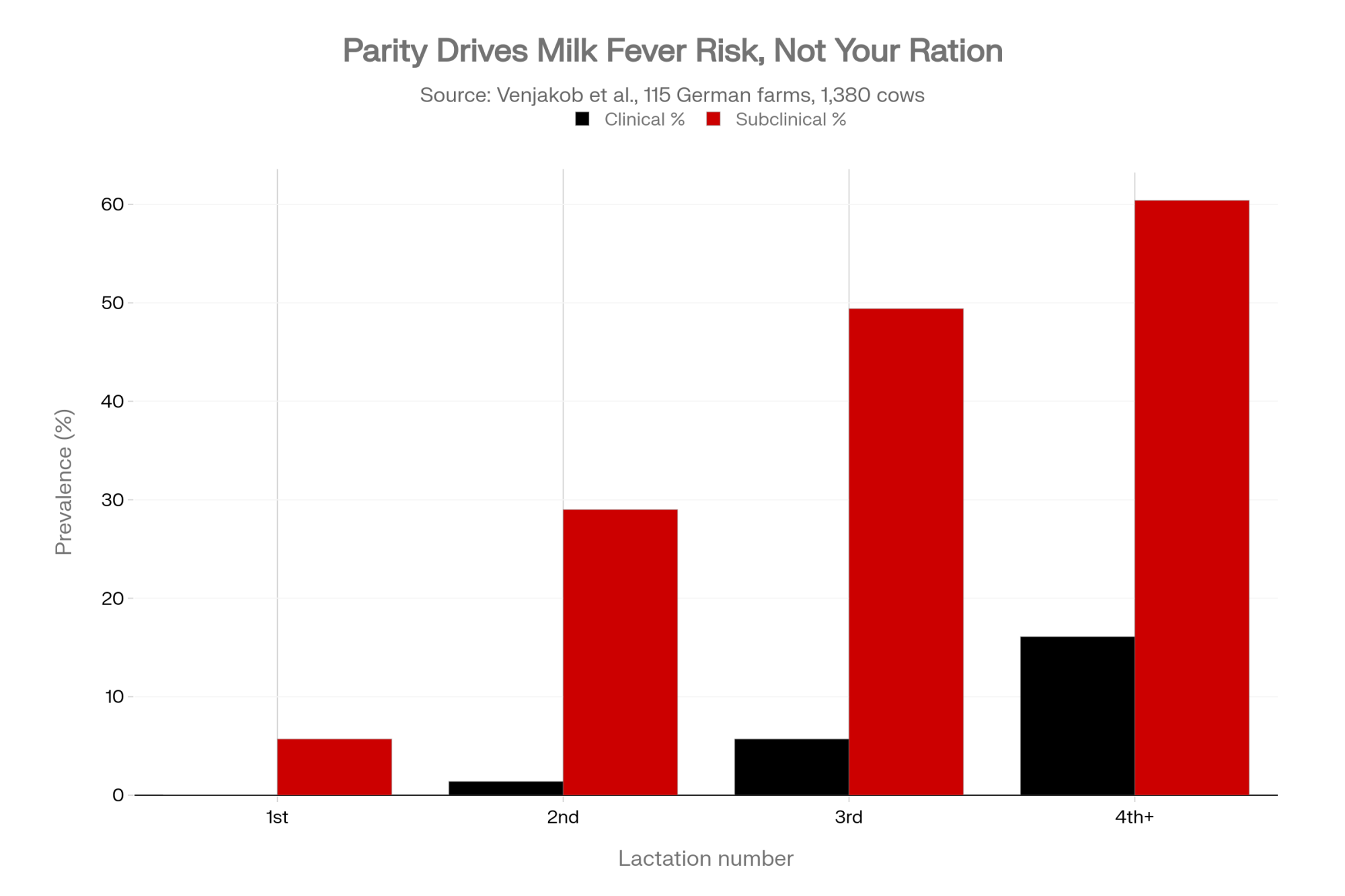
It’s a big problem in dairy farms. Studies show that 25% to 40% of cows have their first calf (primiparous), and 45% to 80% of cows with more than one calf are affected. That’s many cows who might be having this hidden problem. Subclinical hypocalcemia’s health and economic effects significantly impact the dairy industry, leading to decreased milk production and financial losses. When they are about to give birth, cows with subclinical hypocalcemia often make less milk. This drop in output adds up quickly and threatens both farmers’ incomes and the industry. Money loss can be significant, putting more stress on dairy farms.

Not having enough calcium in the blood is hard to notice early on. The main problem is that it is very sneaky. Farmers often don’t know their cows are sick until it’s too late because they don’t see any symptoms. Standard ways of finding things work for more apparent cases, but often miss these more subtle ones. Lab tests can be time-consuming and can’t always be used for quick checks on the farm. Plus, they need trained workers and high-tech equipment that not all farms can access.

Finding subclinical hypocalcemia early is essential for keeping herds healthy and milk production high. However, the dairy industry faces challenges in addressing subclinical hypocalcemia due to the complexity of utilizing tools for early detection and management.

Revolutionizing Dairy Farming: The 3D-Printed Sensor Breakthrough

Welcome to the dairy farming world, where every milk drop counts, and cow health is crucial. In this challenging area, a new tool could change how farmers find and treat subclinical hypocalcemia in their cattle. 3D-printed sensors are a game-changer for diagnosing problems on farms. These aren’t just fancy tech gadgets but valuable tools for dairy farmers, providing relief and reassurance in their operations.

They are made with additive manufacturing to meet the exact needs of dairy. Want to know how they work? Precision and speed are essential for keeping cows healthy and producing milk. The extrusion-based designs of these sensors make the surface area bigger so they can find ionized calcium and phosphate in milk.

Think about noticing calcium changes early on before they get worse. These sensors can tell what’s wrong in less than 10 seconds. That’s faster than saying “subclinical hypocalcemia,” so treatment can start immediately before it affects health and milk yield. They are very easy to find because of their unique shape, which includes lateral structures and wrinkled surfaces.

These sensors help prevent economic losses caused by milk fever because they are cheap and work well. They are small but mighty and fit into the farm’s milking machines. The transition from theory to practice was smooth. With these 3D-printed wonders, farmers can use cutting-edge tools in a new way that keeps tradition and productivity alive.

Precision Engineering: Harnessing 3D Printing for Advanced On-Farm Diagnostics

These new sensors excel in precision design and accurate substance identification. Using a 3D-printed platform, they can detect calcium (Ca2+) changes to phosphate (P) in milk samples. This is a key sign of hypocalcemia in dairy cows that is not yet clinical. Measurements of open-circuit potential (OCP) are based on the potentiometric principle. Without any current flow, they check the voltage between two electrodes, which gives a direct reading of the activity of the ions.

Ions can move quickly between the sensor electrodes with a conductive polymer layer. This exchange creates a phase boundary potential connected to the ions’ activity levels, allowing us to measure Ca2+ and P accurately. The sensors are unique because they were 3D-printed and have slightly wrinkly patterns on the sides and surfaces. These patterns make them more sensitive and selective, allowing them to find ions at very low concentrations by increasing the interaction area.

Because of how they are made, these sensors work quickly and give results in less than 10 seconds. The structure speeds up the balance needed for accurate detection, which is why the response is so fast. These sensors are helpful for quickly and accurately checking for subclinical hypocalcemia on farms. They are made with advanced 3D printing and innovative design.

Empowering Herds: The Practical Advantage of 3D-Printed Sensors 

However, these brand-new sensors are different because they are made with 3D printing. First, they don’t break the bank. Some tests and tools can be pricey, but these sensors are meant to save you money over time so you can keep more of your hard-earned cash. These sensors can significantly boost your farm’s profitability by preventing economic losses caused by milk fever and improving overall herd health.

Let’s discuss how simple it is to use. Don’t worry about needing particular tech skills. These sensors were made for farmers, so they’re easy to use. If you follow a few easy steps, you can quickly perform on-site tests. You don’t have to send samples away and wait for results; you get them immediately. This simplicity and immediacy make these sensors a practical and efficient tool for managing your herd’s health.

What’s the best win? Better health for the herd and more work. You can treat subclinical hypocalcemia immediately with these sensors because they help you find it quickly. That means your cows will be healthier and make more milk, making your farm more money. In fact, by addressing subclinical hypocalcemia early, you could see a significant increase in your overall milk production. Better productivity leads to healthier animals. You should buy this tech for your farm’s future, not just as a tool.

Navigating Evolution: Overcoming Challenges In 3D-Printed Sensor Integration. 

Getting 3D-printed sensors for dairy farming is an exciting but challenging journey. Calibration of sensors is a big problem. Farmers need to re-calibrate the sensors for different fluids, like blood or milk, even though the sensors are very sensitive and selective. This can be hard to do if they don’t have the right tools or skills on hand. Another issue is how long the sensors will last. Even though they are made to be used for more than one thing, their layers and electronics have to be able to handle things like changes in temperature and being near organic materials. Scientists are still working to make these sensors stronger and last longer without losing their accuracy.

Researching advanced data analytics and connectivity features for the sensors holds significant promise. This capability would transmit real-time data to central systems, triggering automated alerts to farmers if calcium levels drop or other metabolic issues occur. These features could change how farms use data to make decisions and manage their herds more efficiently.

In addition to dairy farming, these sensors have the potential to revolutionize various aspects of agriculture, such as monitoring soil nutrients, detecting early signs of diseases in livestock, and enhancing plant health management. In addition to finding hypocalcemia, they could be used to monitor other vital nutrients or health markers in dairy cows and other animals. They could even be used to check the nutrients in the soil, measure vitamin levels, find early signs of diseases, or monitor plant health. These apps could make farming more productive, better for animals, and environmentally friendly.

Solving these technical problems and investigating other agricultural uses are essential. As researchers develop new ideas and improve the technology, 3D-printed sensors will play an even more significant role in changing farming.

The Bottom Line

Let’s discuss how far 3D-printed sensors have come to find subclinical hypocalcemia in dairy cows. This innovative technology combines precision, rapid results, and cost-effectiveness, surpassing traditional methods in accurately detecting calcium issues in dairy cows. These sensors are a valuable tool for dairy farmers to maintain herd health and boost milk production efficiently and affordably. Early detection of subclinical hypocalcemia can prevent a cascade of metabolic issues from occurring. If you spot the warning signs early, you can act quickly to protect the animals and the farm’s bottom line.

Embrace this revolutionary technology in your operations. This innovation can transform herd care practices, leading to healthier and more productive cows. Get involved in shaping the future of the dairy farming community through innovative ideas.

Learn more:

Join the Revolution!

Bullvine Daily is your essential e-zine for staying ahead in the dairy industry. With over 30,000 subscribers, we bring you the week’s top news, helping you manage tasks efficiently. Stay informed about milk production, tech adoption, and more, so you can concentrate on your dairy operations. 

NewsSubscribe
First
Last
Consent

Why Vitamin D is Vital for Dairy Cattle: Preventing Milk Fever and Hypocalcemia

Uncover the profound ways vitamin D fortifies dairy cattle immunity and health. Understand its pivotal role in calcium regulation, averting milk fever, and promoting holistic animal wellness.

What if feeding one simple essential vitamin could produce a strong and healthy dairy cow that turns out liters of milk daily? Let’s explore the critical role vitamin D plays in the health of dairy cows. We’ll examine how vitamin D controls calcium levels, boosts immunity and improves general animal welfare. Significant problems like subclinical hypocalcemia and milk fever will be highlighted, supported by current studies and valuable applications. Maximizing production and minimizing deficits depend on using the advantages of vitamin D. Anyone working in the dairy business should understand this as it provides ideas for better herds and effectual milk output.

Vitamin D: Decades of Discovery from Rickets to Immune Regulation 

Early in the 20th century, the journey of vitamin D research began when researchers observed that children with rickets responded positively to cod liver oil or sunshine, hinting at the existence of a ‘fat-soluble factor’ crucial for bone health. This discovery, which emphasized its role in calcium absorption and bone mineralization, led to the identification of vitamin D by the 1920s. It was revealed to be produced in the skin through UV radiation from the sun, marking a significant milestone in our understanding of dairy cattle health.

The importance of vitamin D grew as the century went on beyond bone health. In dairy cattle, it prevented milk fever, a dangerous disorder connected to low blood calcium following calving. In the 1930s and 1940s, studies from Michigan State University and the University of Wisconsin underlined the need for vitamin D for calcium control and the avoidance of clinical milk fever. Another significant issue, subclinical hypocalcemia, which refers to low blood calcium levels in cows without obvious clinical symptoms, was also identified as a concern.

Research on vitamin D’s involvement in immune function during the late 20th century also showed how it affected different immune cells, therefore impacting inflammation. From its skeletal advantages, this enlarged perspective placed vitamin D as essential for general health and production in dairy cattle.

Current research continues to unveil vitamin D’s broad spectrum of benefits. From preventing chronic illnesses to enhancing the immune system and reproductive health, these ongoing studies promise a brighter, healthier future for animals and humans.

The Underrated Power of Vitamin D in Dairy Cattle Health: A Revelation 

Dairy cow health depends heavily on vitamin D, which controls phosphate and calcium levels, which are vital for many physiological purposes. Though complicated, this control guarantees skeletal solid structures and the best production.

When vitamin D3 is consumed via supplements or sunshine, it undergoes two critical metabolic changes. The liver first produces 25-hydroxyvitamin D (25(OH). It then becomes 1,25-dihydroxyvitamin D (1,25(OH)2D), which strictly controls calcium and phosphate balance in the kidneys and other organs.

1,25(OH)2D mainly increases intestinal calcium absorption, guaranteeing enough calcium in the circulation. Essential for diseases like milk fever in high-producing dairy cows, it also helps calcium reabsorb in the kidneys, avoiding calcium loss.

Furthermore, phosphate levels are essential for cellular function and energy metabolism, which vitamin D controls. Maintaining these amounts of vitamin D helps animals be healthy and productive.

For dairy cow health, vitamin D essentially controls calcium and phosphate. It affects general well-being, milk output, and skeletal integrity. Improving dairy cow health and production depends on further study on maximizing vitamin D metabolism.

Beyond Bones: Vitamin D’s Crucial Role in Immune Function for Dairy Cattle

The effect of vitamin D on the immune system goes beyond its control of bone health and calcium balance. Recent studies show how important it is for adjusting innate and adaptive immune systems. Almost all immune cells—including T, B, and macrophages—have vitamin D receptors, emphasizing its relevance in immunological control.

Vitamin D modulates immunological function by controlling antimicrobial peptides like cathelicidins and defensins. These peptides kill bacteria, viruses, and fungi, constituting the body’s first line of protection against infections. By improving their expression, vitamin D helps the body enhance its defense against illnesses.

Vitamin D modulates dendritic cells, which are necessary for antigen presentation. Furthermore, T cell activation—essential for a robust immune response—is under control. It also balances anti- and pro-inflammatory cytokines, reducing too much inflammation that can cause problems such as mastitis and metritis in dairy cows.

Maintaining appropriate vitamin D levels in dairy cattle may help lessen antibiotic dependency, decrease infectious illnesses, and enhance general herd health. More vitamin D has been related to fewer respiratory infections and improved results during immunological challenges, emphasizing its importance in animal health and disease prevention.

Still, there are gaps in knowledge about the ideal vitamin D doses for enhancing the immune system without upsetting equilibrium. Future studies should narrow dietary recommendations and investigate the therapeutic possibilities of vitamin D in dairy cow output and illness prevention.

Innovative Strategies for Managing Milk Fever and Subclinical Hypocalcemia in Dairy Cattle

Vitamin D supplementation achieves a multifarious strategy incorporating biological processes and pragmatic feeding techniques to prevent and control milk fever and subclinical hypocalcemia in dairy cattle. Historically, milk fever—shown by a rapid reduction in blood calcium levels around parturition—has caused much worry in dairy production. By improving the cow’s calcium mobilization mechanism and low DCAD (Dietary Cation-Anion Difference, a measure of the balance between positively charged cations and negatively charged anions in the diet), diets prepartum have successfully lowered clinical milk fever.

Low DCAD diets, however, do not entirely treat subclinical hypocalcemia—that is, low blood calcium levels shown by cows without obvious clinical symptoms. This disorder may compromise the immune system, lower production, and raise the likelihood of various medical problems like ketosis and metritis.

The study emphasizes the critical role vitamin D—especially its metabolite 25-hydroxyvitamin D—plays in precisely adjusting calcium control in dairy cows. Vitamin D helps calcium absorption from food; it moves calcium reserves from the bones. Maintaining ideal calcium homeostasis depends on ensuring cows have enough vitamin D3 via direct supplementation or improved synthetic routes in their skin.

Adding 25-hydroxyvitamin D as a dietary supplement offers a more direct approach to raising prepartum calcium levels. 25-hydroxyvitamin D enters the systemic circulation more easily and transforms faster than ordinary vitamin D3, which needs two conversions to become active. This increases the cow’s calcium level before parturition, therefore helping to reduce delayed or chronic hypocalcemia that could follow calving.

These focused treatments improve her general health and production and help control the instantaneous reduction in blood calcium levels after calving better. Studies on the broader effects of vitamin D, including its anti-inflammatory qualities, which could help lower the frequency and severity of transition cow illnesses, are in progress.

As dairy research advances, understanding vitamin D’s more general physiological functions continues to influence complex diets meant to improve dairy cow health and output holistically.

Emerging Research Highlights Vitamin D’s Multi-Role in Dairy Cattle Well-Being 

The most recent studies on vitamin D and dairy cow health underline its importance for bovine performance and well-being. Recent research indicates that vitamin D affects the immune system, calcium control, and other physiological systems.

Vitamin D’s effect goes beyond bone health to include the immune system. Studies by Dr. Corwin Nelson of the University of Florida show that vitamin D controls inflammatory reactions, which is vital for dairy cattle’s fight against infections and lowers inflammatory-related disorders. By improving cow health and output and raising immunological effectiveness, vitamin D may lower illness incidence.

Supplementing 25-hydroxyvitamin D3 helps calcium homeostasis and immunological function more effectively than conventional vitamin D3 or cholecalciferol. This form calls for fewer conversion steps to reach biological activity. Including 25-hydroxyvitamin D3 in prepartum feeds might improve cow health, lower milk fever risk, and increase milk output.

New research indicates vitamin D helps control inflammation, lessening its harmful effect on calcium levels at essential transition times. Although less evident than milk fever, illnesses like subclinical hypocalcemia may cause significant production reductions; its anti-inflammatory quality may help with these situations.

These dietary plans may help dairy producers improve herd health and production, reduce treatment dependency, and raise animal welfare. To fully enjoy the advantages of modern vitamin D supplementation, these strategies need constant learning and modification of dairy management techniques.

The dairy sector has to remain educated and flexible as research develops, including fresh discoveries to preserve herd health and maximize output, thus promoting sustainable dairy farming.

Maximizing Dairy Cattle Health with Precision Vitamin D Supplementation

Vitamin D has excellent practical uses in dairy production, primarily via calcidiol. Using exact vitamin D supplements can help dairy producers significantly improve herd health and output. Although the market standard is vitamin D3 or cholecalciferol, fresh studies indicate calcidiol provides more advantages.

Calcidiol is more efficient than vitamin D3 as it is one step closer to becoming the physiologically active form of vitamin D. Studies by Dr. Nelson show that adding calcidiol to dairy cattle raises blood 25-hydroxyvitamin D levels, therefore enhancing calcium control and immune system performance.

Vitamin D dosage depends critically on the prepartum period. Calcidiol administered at this period helps lower the incidence of clinical and subclinical hypocalcemia, therefore ensuring cows retain appropriate calcium levels throughout the change to lactation. This results in increased both long-term and instantaneous output.

Calcidiol may be included in straight pills or supplemented feed in cow diets. Research shows that adding calcidiol prepartum boosts milk production and lowers inflammation-related disorders such as metritis. In trials, feeding roughly half the dose of calcidiol instead of vitamin D3 has produced higher blood levels. Dosages are adjusted according to herd demands and health states.

Calcidiol is becoming increasingly accepted worldwide, including in the United States, South America, several Asian nations, and even Europe probably will follow. Evidence of better milk production and general animal health has motivated its acceptance.

Including calcidiol into daily routines maximizes vitamin D levels and enhances general dairy cow performance and condition. Maintaining high output levels and animal welfare as the sector changes will depend on cutting-edge nutritional solutions like these.

Case Studies and Expert Opinions Validate the Benefits of Optimized Vitamin D Intake for Dairy Cattle 

Expert perspectives and case studies underline the significant advantages of adjusting vitamin D intake for dairy cows. Extensive studies by Dr. Corwin Nelson of the University of Florida have shown that adding 25-hydroxy vitamin D3 to dairy cows increases health and output. Trials show an average increase in milk supply of up to four kg daily, which links improved lactational performance with greater vitamin D levels.

Although conventional vitamin D3 administration helps prevent milk fever, more accessible 25-hydroxy D3 increases calcium absorption and reduces inflammation-related hypocalcemia, observes Dr. Nelson. This double advantage helps maintain calcium levels and boost immunity, lowering post-calving disorders like metritis.

Research conducted elsewhere validates these conclusions. A study in the Journal of Dairy Science, which included large-scale U.S. dairy farms, found that controlled vitamin D optimization dramatically reduced clinical and subclinical hypocalcemia. This clarifies that vitamin D affects immunological responses and metabolic processes vital for high-producing dairy cows.

Experts support precision supplement approaches to enhance these effects. Dr. Tim Reinhart stresses the need to match food consumption with environmental elements like fluctuations in seasonal sunshine. Lower synthesis rates mean cattle in cloudy weather might require more nutritional supplements to maintain ideal vitamin D levels.

Using the many functions of vitamin D helps produce better, more efficient dairy cows. Further improving dairy health management and efficiency is envisaged from enhanced supplementing techniques as research develops.

The Bottom Line

Beyond bone health, vitamin D’s importance for dairy cow health affects immune system function, calcium control, and general well-being. Enough vitamin D helps with milk output, reproductive performance, and immune system strength, among other things. Optimizing vitamin D intake would help address several health issues, improving animal welfare and agricultural profitability.

Dairy producers and animal scientists must be creative and use exact supplementing techniques as studies on the complexity of vitamin D reveal more. This preserves cattle health and advances a more sustainable and profitable enterprise. Let us advocate this cause with educated dedication so that every dairy cow fully benefits from vitamin D.

Key Takeaways:

  • Vitamin D is essential for calcium regulation, immune function, and dairy cattle health.
  • Early vitamin D research was initiated by noting that milk contained unknown nutritional factors beyond carbohydrates, proteins, and fats.
  • Vitamin D helps prevent milk fever and subclinical hypocalcemia in dairy cattle.
  • Vitamin D3 is the primary form supplemented in dairy cattle diets. It requires activation through metabolic steps in the liver and kidneys.
  • New research suggests 25-hydroxy vitamin D3 supplementation could offer better absorption and efficiency over traditional vitamin D3.
  • Subclinical hypocalcemia remains a concern, impacting dairy cattle health and productivity beyond preventing clinical milk fever.
  • Vitamin D has broader roles in tissue development, immune function, gut health, and reproductive physiology.
  • Ongoing research is focused on the dynamics of subclinical hypocalcemia and optimizing vitamin D supplementation strategies prepartum.
  • Increasing 25-hydroxy vitamin D3 levels prepartum seems to help mitigate delayed or chronic hypocalcemia and enhance overall health outcomes.
  • Vitamin D may also control inflammation, which can further influence dairy cattle health and productivity.
  • Future studies aim to refine vitamin D supplementation guidelines to maximize dairy cattle health and efficiency.

Summary:

Vitamin D is vital to dairy cow health, controlling calcium levels, boosting immunity, and improving overall animal welfare. UV radiation produces it in the skin and plays a role in immune function, inflammation, and chronic illnesses. Vitamin D also controls phosphate and calcium levels, vital for various physiological purposes. When consumed through supplements or sunlight, vitamin D undergoes two metabolic changes: the liver produces 25-hydroxyvitamin D (25(OH)). It becomes 1,25-dihydroxyvitamin D (1,25(OH)2D), which controls calcium and phosphate balance in the kidneys and other organs. Maintaining appropriate vitamin D levels in dairy cattle may help reduce antibiotic dependency, decrease infectious illnesses, and enhance herd health. Vitamin D supplementation can prevent and control milk fever and subclinical hypocalcemia in dairy cattle, with calcidiol having practical uses in dairy production. Using exact vitamin D supplements can significantly improve herd health and output and enhance calcium control and immune system performance.

Learn more:

Why Subclinical Hypocalcemia Can Sink You Faster Than The Titanic!

Hypervigilance is the new watchword for profitable dairy farming in the 21st Century.  Cow comfort in clean, stress-free environments is getting the attention and implementation that makes milk production a rewarding experience for both staff and animals.  But even with this focus and continuing advances in cow management, there is one under-diagnosed disease that is linked to almost every disease that has onset around the time of calving. This disease is subclinical hypocalcemia (milk fever) and it’s sneaky, harmful and costly.

Hypocalcemia is Most Apparent in Its Subclinical Form

Recognition and treatment of milk fever (hypocalcemia) at calving is becoming well-recognized and treatment protocols are in place on well-managed dairies. Unfortunately subclinical hypocalcemia, because of its non-symptomatic nature, is not dealt with as efficiently. It’s easier for cows to get enough calcium from the food eaten when they are late in their lactation or early in the dry period.  But as they get closer to giving birth, the calf’s bones are growing rapidly, and the need for calcium increases by two to ten grams a day. Subclinical hypocalcemia is defined as low blood calcium concentrations without clinical signs of milk fever.

One Out of Every Two Cows Has Subclinical Hypocalcemia

Subclinical hypocalcemia affects about 50% of second and greater lactation dairy cattle fed typical pre-fresh diets. If anions are supplemented to reduce the risk for milk fever, the percentage of hypocalcemic cows is reduced to about 15 to 25% (Oetzel, 2004). Cows with high body condition at calving also are more likely to have hypocalcemia. However, subclinical hypocalcemia does not present with recognizable symptoms, and can only be diagnosed when blood samples which must be collected within the first 1 to 2 days post-calving and blood calcium concentration is determined to be below 8.5 md/dl.

Jersey and Guernsey cattle are more susceptible to the disorder.

One reason for this is that Jersey cattle have fewer vitamin D receptors than Holstein cattle.  Incidence increases with higher milk production and successive lactations.  First-calf heifers rarely develop clinical hypocalcemia because they produce less colostrum and milk and can more rapidly mobilize calcium from bone in their growing skeleton.  Reinhardt and co-workers at the National Animal Disease Center in Ames, Iowa, found the prevalence of clinical hypocalcemia was 1% for first-lactation, 4% for second-lactation, 7% for third-lactation, and 10% for fourth-lactation Holstein cows in a study where 1,462 cows were sampled.

Studies Show Reduced Dry Matter Intake

In recent studies used a group of induced subclinical hypocalcemic cows and a control group of normalcemic cows no differences were detected in heart and respiratory rates, rectal temperature, and white blood cell counts between the two groups.  However, subclinically hypocalcemic cows had a major decline in dry matter intake, from 26 lbs of dry matter/day on the days before, to 12 lbs of dry matter/day during hypocalcemia, whereas the decline in dry matter intake in normocalcemic cows during the infusion of saline was of only 4 lbs/day.

Subclinical Hypocalcemia Is Sinking Dairy Herds

Subclinical hypocalcemia could be a contributing factor in herds with a high incidence rate of metabolic disorders. A recent study (Martinez et al., 2012) defined subclinical hypocalcemia as serum total calcium below 8.59 mg/dl during any of the first 3 days in milk.  Cows with subclinical hypocalcemia in this study also had reduced pregnancy rate and longer days open. Other problems such as the following can be attributed to hypocalcemia:

  • Can inhibit muscle and nerve activity and lead to increased risk of injuries due to falling and slipping.
  • Subclinical hypocalcemia has a blocking effect on immune function
  • Greater risk of developing milk fever, metritis, ketosis, retained placenta and pneumonia.
  • Poor smooth muscle function brings on slower GI tract activity, so a cow feels full when it’s not, and eats less. The loss of dry matter intake continues to decrease calcium intakes and the cascade continues.

Check for Higher Rates of Uterine Disease

One of the most common health problems affecting dairy cows is uterine disease. It affects 20 to 30 per cent of the cows either in confinement or in grazing systems. Recently, a group at the University of Florida (Martinez et al., 2012 J. Dairy Sci. 95: 874-887) documented that cows with subclinical hypocalcemia in the first 3 days postpartum had 3-fold greater risk of developing metritis and 11 times the risk of developing metritis concurrent with fever, compared with cows with normal blood Ca after calving.

Is there Increased Incidence of Endometritis?

There were other interesting results. “Cows with subclinical hypocalcemia also had increased incidence of endometritis, a disease that is less recognized by producers and characterized by presence of pus in the uterus after 3 weeks postpartum. It is thought that the inability to eliminate the typical bacterial contamination of the uterus after calving predisposes cows to develop inflammation of the uterus and extension of the period in which pathogens remain in the uterus of dairy cows. In fact, cows with subclinical hypocalcemia had immune cells with impaired function, which is thought to explain some of the inability to eliminate the bacterial contamination with the onset of parturition.”

Compromised Reproductive Performance

Not only do cows with subclinical hypocalcemia have increased risk of uterine diseases, but they also have compromised reproductive performance. The interval from calving to pregnancy becomes extended from 109 days in normocalcemic to 124 days in cows with subclinical hypocalcemia. This means that the affected cows had more diseases and also had a 15-day delay to become pregnant. Fifteen more days means that more cows will be needed to meet production goals. There are more dry days and other logistical issues that this causes.

Subclinical Hypocalcemia Steals Profits

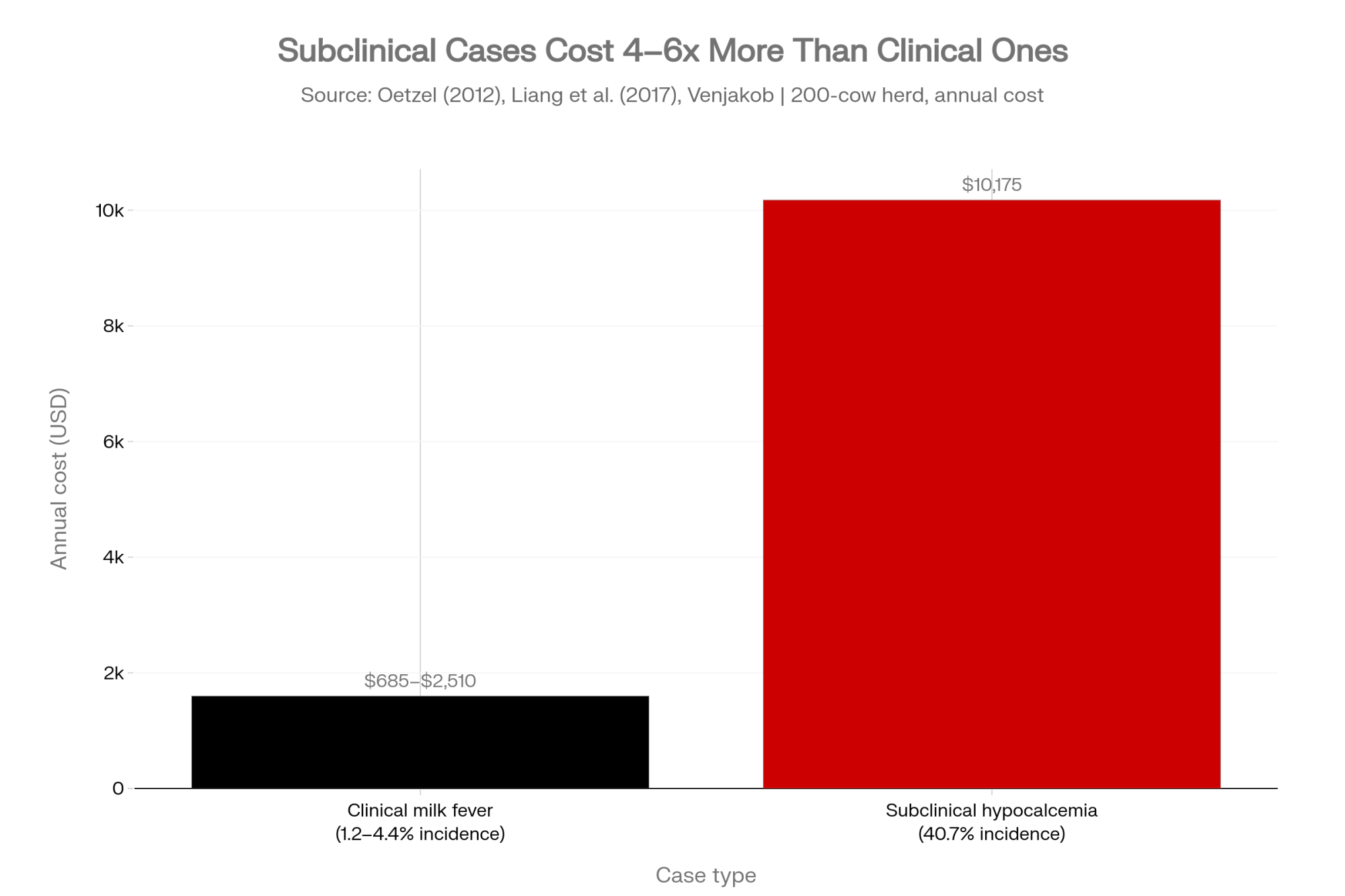
Oetzel at the University of Wisconsin has estimated that the economic cost of subclinical hypocalcemia in a dairy herd is four times the cost of clinical cases, thus resulting in a substantial impact on profitability of dairy operations. This increased economic cost is attributed to the greater number of cows with subclinical versus clinical hypocalcemia even though a subclinical case costs 40% of a clinical case.

The Oetzel research gives this sobering example. “If a 2000- cow herd has a 2% annual incidence of clinical milk fever and each case of clinical fever costs $300 (Guard, 1996), the loss to the dairy from clinical cases is about $12,000 per year.  If the same herd has a 30% incidence of subclinical hypocalcemia in second and greater lactation cows (assuming they are 65% of cows in the herd) and each case costs $125 (an estimate that accounts for milk yield reduction and direct costs due to increased ketosis and displaced abomasums), then the total herd loss from subclinical hypocalcemia is about $48,750 per year.  This is about 4 times greater than the cost of the clinical cases. (Tri-State Dairy Nutrition Conference – April 23 and 24, 2013).

Pro-Active Prevention Strategies

A general rule of thumb is that no more than 15%-20% of cows should have blood calcium levels below 8.5 mg/dl at calving. As with all metabolic disorders, prevention is the key.

  • The use of anionic salts until the urinary pHs are between 6.0 and 6.3. (Jerseys, 5.5-5.8)
  • An intentional strategy for oral calcium supplementation is cost-effective due to increased milk yield in supplemented cows.  Most second- and greater-lactation cows should be given an oral dose at the time of calving and a second dose about 12 hours later.
  • Oral calcium supplementation is the best approach for hypocalcemia in cows that are still standing, such as cows in Stage 1 hypocalcemia or who have undetected subclinical hypocalcemia (Oetzel, 2011).  Cows absorb an effective amount of calcium into her bloodstream with about 30 minutes of supplementation.  Blood calcium concentrations are support for only about four to six hours afterwards (Goff and Horst, 1993, 1994) for most forms of calcium supplementation.
  •  Blood calcium levels and urinary pH levels are inversely related.  Properly acidified animals will have urinary pH between 6.0 and 6.3.
  • Feeding a negative DCAD diet 21 days pre-fresh has been shown to prevent clinical (a five-fold reduction) and subclinical hypocalcemia.
  • More studies are needed before extending or reducing the number of days pre-fresh anionic salts are fed in the field.

Raise the Subclinical Threshold to 8.5 Mg/dl (2.1 mmol/l)

As previously mentioned subclinical hypocalcemia occurs in dairy cows with blood calcium concentrations at or below 8.0 mg/dl (2.0 mmol/l) but not showing clinical signs.  Recently, Martinez and co-workers at the University of Florida suggested that the cut-off should be raised to 8.5 mg/dl (2.1 mmol/l) because cows below this concentration were more likely to develop metritis or metabolic disorders. Using this higher criterion, Reinhardt and co-workers’ data indicate that over 65% of mature cows and 51% of first-calf heifers were below this threshold. Research suggests that subclinical hypocalcemia may be directly associated with other metabolic disorders and may be the primary or secondary cause of decreased performance.

The Bullvine Bottom Line

Prevention of hypocalcemia should go beyond minimizing milk fever after calving. It is necessary to take proactive steps to reduce the prevalence of cows that develop subclinical hypocalcemia.  Even though the attack may be unseen, using prevention strategies could have a very positive and visible effect on your dairy profitability. Don’t become the next statistic of a preventable disaster. Remember the Titanic?


Get original “Bullvine” content sent straight to your email inbox for free.


[related-posts-thumbnails]

Send this to a friend