Archive for Milk Production – Page 5

Comparing Dairy Feed Systems: Predicting Essential Amino Acid Outflows in Cows

Discover which dairy feed system best predicts essential amino acid outflows in cows. Are NRC, CNCPS, or NASEM systems more accurate for your herd’s nutrition?
The dairy industry thrives on the delicate balance between nutrition and productivity, with essential amino acids (EAA) playing a pivotal role. These building blocks are crucial for dairy cows’ health, growth, and milk production, serving as the foundation of successful dairy farming. But how do farmers ensure their herds get the right EAA mix? The answer lies in advanced feed evaluation systems that predict and optimize EAA outflows. This article explores the effectiveness of three such systems: the National Research Council (NRC), the Cornell Net Protein and Carbohydrate System (CNCPS), and the National Academies of Sciences, Engineering, and Medicine (NASEM). 

Optimal EAA delivery in dairy diets boosts cow health and productivity and enhances overall farm sustainability through efficient nutrient utilization. 

This study compares these three systems, focusing on their ability to predict post-ruminal outflows of EAAs. Analyzing data from 70 duodenal and 24 omasal studies aims to determine which method offers the most reliable predictions, guiding better feed formulations and promoting improved dairy cow health and productivity.

Essential Amino Acids in Dairy Cows

Essential amino acids (EAA) are vital nutrients that dairy cows must obtain through their diet. They are critical for protein synthesis, enzyme activity, and other metabolic processes

In dairy nutrition, EAAs are vital to maintaining optimal milk production. An imbalance in amino acid ratios can lead to nutrient waste and inefficient milk production. Proper balance ensures that dietary proteins are used effectively, producing higher milk yield and quality. 

Deficiencies in EAAs like methionine and Lysine can reduce milk protein synthesis, impacting milk production and cow health. Addressing these deficits through precise ration formulation sustains high milk yield and ensures cow well-being.

Dairy Feed Systems

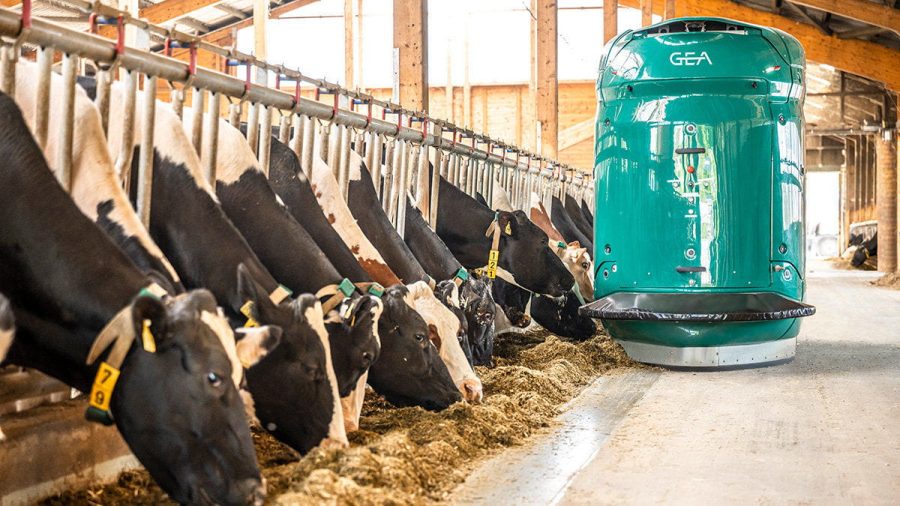
In addition to the three dairy feed evaluation systems, the feed delivery method is crucial for amino acid absorption and utilization. Total Mixed Ration (TMR) and Partial Mixed Ration (PMR) are the two central systems. 

Total Mixed Ration (TMR): This system mixes all dietary components into a single blend, ensuring each bite is nutritionally balanced. 

Partial Mixed Ration (PMR): This method combines forage and concentrate portions separately, providing flexibility but potentially less consistency in nutrient intake. 

Pros of TMR: 

  • Ensures balanced nutrient intake in every bite, improving amino acid absorption.
  • Promotes stable rumen fermentation, essential for microbial protein synthesis and cow health.

Cons of TMR: 

  • Requires costly specialized mixing equipment.
  • Less flexible in adjusting to individual cow needs or changes in forage quality.

Pros of PMR: 

  • Offers flexibility to manage forage and concentrate portions for individual cow needs.
  • It is cheaper to implement as it doesn’t require sophisticated mixing equipment.

Cons of PMR: 

  • This may lead to inconsistent nutrient intake, affecting amino acid absorption.
  • It can cause sorting behavior, leading to imbalanced nutrition.

When choosing between TMR and PMR, consider: 

  • Equipment and Cost: Initial investment and maintenance of feeding equipment.
  • Nutritional Consistency: TMR ensures balanced intake, which is crucial for amino acid absorption, while PMR needs careful management.
  • Cow Behavior: Feeding systems should align with cow behavior to maintain milk production and health.
  • Flexibility: PMR might be preferable for operations requiring quick ration adjustments.

Both TMR and PMR have merits and limitations. The choice depends on farm-specific factors like resource availability, herd size, and management goals. Implementing the right feeding strategy with accurate feed evaluation optimizes amino acid absorption, ensuring better productivity and health in dairy cows.

Predicting Essential Amino Acid Outflows

Predicting essential amino acid (EAA) outflows in dairy cows accurately is vital for crafting balanced rations that boost health and productivity. Three primary dairy feed evaluation systems are in use: the National Research Council (NRC), the Cornell Net Protein and Carbohydrate System (CNCPS), and the National Academies of Sciences, Engineering, and Medicine (NASEM). 

These systems use models based on rumen-undegradable, microbial, and endogenous protein outflows. The NRC model underpredicts most EAAs, while CNCPS overpredicts amino acids like Arg, His, and Lys. On the other hand, NASEM occasionally overpredicts Lysine but is more accurate overall in predicting absolute values. 

Several factors affect amino acid absorption and metabolism, including the cow’s physiological state, feed composition, and microbial protein synthesis efficiency in the rumen—the sample collection site, whether omasal or duodenal, significantly impacts model accuracy. Changes in crude protein and EAA chemistry in feed also influence predictions, highlighting the complex relationship between diet formulation and nutrient absorption. 

Accurate EAA outflow estimates are crucial for ensuring dairy cows receive proper nutrition, which optimizes milk production, enhances feed efficiency, and improves reproductive performance. Misestimations can result in nutrient deficits or excesses, with economic and health impacts. Therefore, continually refining these prediction models is essential to meet the evolving needs of dairy nutrition and maintain productive, healthy herds.

Comparative Analysis: NRC vs CNCPS vs NASEM

Evaluation SystemPrediction Accuracy (EAA Outflows)Mean BiasLinear Bias of ConcernStrengthsWeaknesses
NRCAccurateUnderpredicted most EAA (5.3% to 8.6%)HisHigher concordance correlation in duodenal studies
Slight superiority in predicting dietary change responses
Underprediction of most EAA except Leu, Lys, and Val
NASEMAccurateOverpredicted Lys (10.8%)NoneSmall superiority in predicting absolute valuesOverprediction of Lys
CNCPSVariableOverpredicted Arg, His, Lys, Met, and Val (5.2% to 26.0%)All EAA except Leu, Phe, and ThrLowest mean bias for Met in omasal studiesMean and linear biases of concern for many EAA

Analyzing raw observed values, the NRC system underpredicted EAA outflows, with deviations ranging from 5.3% to 8.6% of the observed mean except for Leu, Lys, and Val. Conversely, NASEM overpredicted Ly’s outflow by 10.8%. CNCPS overpredicted multiple amino acids, with deviations from 5.2% to 26.0%. 

Regarding linear bias, NASEM showed no significant biases for any EAA, highlighting its robustness. NRC only had a linear bias of concern for His at 6.8%, while CNCPS had biases for almost all EAAs except Leu, Phe, and Thr. 

For dietary changes, NRC showed fewer EAAs with linear biases of concern, precisely only two. NASEM and CNCPS had biases for four and six EAAs, respectively. Notably, He exhibited linear biases across all three systems. 

The variability in sampling sites—omasal versus duodenal—revealed systematic discrepancies in Met outflows. NRC performed better with duodenal studies, while CNCPS showed the most negligible mean bias for Met in omasal samples. This 30% difference in Met mean biases mirrors discrepancies observed in Met versus nonammonia nitrogen outflows. 

Detailed reporting of crude protein and EAA chemistry for feed ingredients, as observed in 36% of studies, helped reduce linear biases across all systems, emphasizing the importance of precise ingredient characterization. 

Overall, NRC and NASEM showed vital prediction accuracy for EAA outflows, with NASEM excelling in predicting absolute values and NRC in adapting to dietary changes. Despite CNCPS’s broader mean and linear biases, it still offers valuable insights, making the system choice dependent on specific nutritional priorities.

Addressing Mean and Linear Biases in Feed Evaluation Systems

Understanding and addressing biases in feed evaluation systems is crucial for improving amino acid (AA) prediction models. Our meta-analysis of the NRC, CNCPS, and NASEM systems revealed significant insights into their predictive capabilities. 

Mean and linear biases were considered concerning if statistically significant and exceeding 5% of the observed mean, mitigating Type I errors and ensuring actual predictive discrepancies. 

Examining raw observed values, NRC tended to underpredict most essential amino acids (EAA) outflows, with deviations between 5.3% and 8.6% of the observed mean, except for Leu, Lys, and Val. NASEM overpredicted Lys by 10.8%, indicating a need for refinement. CNCPS overpredicted multiple EAAs, with biases from 5.2% to 26.0% for Arg, His, Lys, Met, and Val, suggesting algorithm adjustments. 

Regression analyses indicated that reporting the measured chemistry of crude protein and EAA in feed ingredients, present in 36% of studies, significantly reduced linear biases in all three systems, emphasizing the importance of accurate input data. 

Sampling site differences, particularly between omasal and duodenal studies, also affected mean biases for Met outflows. NRC showed better concordance in duodenal studies, while CNCPS was more accurate in omasal studies. This suggests that feed evaluation system applicability may vary with sampling methodology, warranting a nuanced model application approach. 

This analysis highlights the strengths and limitations of current feed evaluation systems, prompting further refinements for enhanced accuracy and reliability. Addressing biases and leveraging precise feed composition data are essential for advancing dairy feed evaluation frameworks.

Impact of Study Adjustments on EAA Predictions

Adjusting data for the random effect of the study revealed notable changes in the feed evaluation systems’ ability to predict EAA outflows. These adjustments are crucial for reducing biases from study-specific variations, providing a clearer picture of predictive capabilities. The Concordance Correlation Coefficient (CCC), indicating predictive agreement, ranged from 0.34 to 0.55, showing moderate reliability across the systems. 

NRC showed an advantage in predicting EAA responses to dietary changes, with biases of concern for only two amino acids. This could be due to NRC’s fine-tuned foundational equations. In contrast, NASEM and CNCPS displayed more significant biases, with NASEM having four and CNCPS six EAA with linear biases of concern. 

Interestingly, measured crude protein and EAA chemistries in feed ingredients—reported in 36% of the studies—significantly decreased linear biases in all three systems. This underscores the importance of precise ingredient characterization in improving prediction accuracy. 

Histidine (His) outflows showed linear biases of concern across all three systems, suggesting a common modeling issue for this amino acid. Additionally, methodological differences between duodenal and omasal studies are notable; NRC showed better concordance for methionine (Met) in duodenal studies. CNCPS exhibited lesser mean bias in omasal studies. 

Overall, these adjustments highlight the complexities in predicting EAA outflows. While NRC and NASEM are relatively reliable, each with unique strengths, CNCPS’s significant biases suggest a need for refinement. Future work should focus on identifying and correcting the causes of these biases to enhance nutritional precision for dairy cows.

The Bottom Line

The comparative analysis of NRC, CNCPS, and NASEM systems revealed distinct performance traits in predicting post-ruminal outflows of essential amino acids (EAA) in dairy cows. NRC and NASEM demonstrated solid accuracy, with NASEM slightly better at predicting absolute values and NRC superior in dietary change responses. In contrast, CNCPS showed significant biases for various EAAs. 

These insights are crucial for dairy farmers and researchers. Accurate EAA outflow predictions are vital in formulating balanced rations, optimizing milk production, and enhancing overall herd health. The study highlights the need to choose the right evaluation system for absolute values or diet changes. The choice of sampling site, duodenal or omasal, also affects EAA prediction accuracy, which is vital for effective feeding strategies

Future research should focus on reducing biases in feed evaluation systems and improving EAA prediction methods. Developing advanced models that include data from various sampling sites is essential. Further exploration into feed ingredient chemistry and its effects on EAA outflows will drive advancements in dairy nutrition, benefiting both economic and animal welfare outcomes.

Key Takeaways:

  • Essential Nutrients: Accurate prediction of EAA outflows enables better nutritional planning for dairy cows, leading to improved growth, milk production, and overall health.
  • Evaluation Systems: This study compares NRC, CNCPS, and NASEM in terms of their ability to predict postruminal amino acid outflows.
  • Meta-Analysis Scope: The data set includes 354 treatment means from 70 duodenal and 24 omasal studies, ensuring a comprehensive comparison across various methodologies.
  • Bias Consideration: Mean and linear biases are critical factors, flagged if statistically significant and representing more than 5% of the observed mean, to avoid Type I error.
  • Consistent Findings: NRC and NASEM are consistent in their predictions, with NASEM slightly better at predicting absolute values and NRC being superior in predicting dietary change responses. CNCPS, however, exhibits mean and linear biases for numerous EAAs.
  • Practical Applications: Understanding the accuracy and biases of these systems can help farmers and dieticians in optimizing diet formulations, thereby improving the effectiveness of dairy production practices.
Summary: The dairy industry relies on a balance between nutrition and productivity, with essential amino acids (EAA) playing a crucial role in cow health, growth, and milk production. Advanced feed evaluation systems help farmers predict and optimize EAA outflows. This study compares Total Mixed Ration (TMR) and Partial Mixed Ration (PMR) to determine the most reliable predictions for predicting post-ruminal EAA outflows. TMR ensures balanced nutrient intake, improving amino acid absorption and promoting stable rumen fermentation. PMR offers flexibility and is cheaper but may lead to inconsistent nutrient intake and imbalanced nutrition. Both systems have merits and limitations, depending on farm-specific factors. Implementing the right feeding strategy with accurate feed evaluation optimizes amino acid absorption, ensuring better productivity and health in dairy cows.

Robotic Milking: Is It the Right Choice for Your Dairy Farm?

Uncover whether robotic milking aligns with your dairy farm’s needs. Delve into the advantages, financial implications, and practical considerations in our detailed guide tailored for contemporary farmers.

What if you could reduce labor costs, improve milk yield, and enhance animal welfare simultaneously? Robotic milking systems offer these benefits, transforming traditional dairy farming into a high-tech operation.  But before you get too excited, let’s consider the potential drawbacks. These sophisticated systems utilize advanced robotics to automate the milking process, offering an enticing array of benefits, including enhanced efficiency, improved animal health, and optimized milk production. Yet, amidst the excitement and potential lies a critical question: Is robotic milking the right choice for your farm? As we delve into the intricacies and advantages of this transformative technology, we aim to shed light on whether embracing this automated approach aligns with your dairy farming goals and practices.

Understanding Robotic Milking: An Introduction

Robotic milking systems are revolutionizing dairy farming with their reliability, consistency, and operational efficiency. As labor costs rise and skilled workers become more challenging to find, these systems are being adopted rapidly, especially by farms milking under 1,000 cows. They offer numerous benefits, well beyond just labor savings. 

A key advantage is the extensive herd management data that these systems provide. For instance, automating the milking process means collecting valuable data on each cow’s production, health, and behavior. This data can help farmers make swift, informed decisions, such as adjusting feed rations or identifying health issues early. This data-driven approach boosts output per cow, improves pregnancy rates, increases milk quality payments, and enhances cow longevity. 

Francisco Rodriguez of Madison, Wisconsin, an expert in robotic milking, highlights the transformative impact of these systems. “We’ve seen remarkable improvements in herd health and productivity, along with easier management thanks to detailed analytics,” he notes. The return on investment for farmers using robotic milking systems can be significant, driven by improved efficiency and reduced labor costs. This potential for increased profitability should inspire optimism and hope for the future of your dairy farm.

Is Robotic Milking Right for Your Dairy Farm?

Determining if a robotic milking system (RMS) suits your dairy farm requires careful assessment of several critical factors. First, consider the scale of your operation. RMS is typically more beneficial and cost-effective for farms with fewer than 1,000 milking cows. The initial costs and logistical challenges might overshadow the advantages of larger farms. 

Labor dynamics are also crucial. The agricultural sector often struggles to find stable, skilled labor. RMS mitigates this by reducing dependency on human labor and providing consistent and reliable milking. Advanced analytics from RMS can enhance herd management, improve cow health, and boost production. 

Next, evaluate your existing infrastructure. Should you retrofit current barns or build new ones for RMS? Retrofitting may be less expensive but could compromise functionality. At the same time, new constructions can be optimized for RMS, enhancing workflow and cow comfort

Financially, while the initial setup costs for RMS are significant, the ROI can be realized through higher milk quality payments, increased yields, and improved cow longevity. RMS also promotes a quieter barn and better teat health, reducing stress for cows and farmers alike. 

Ultimately, transitioning to RMS demands a thorough analysis of benefits. To gather insights, engage with experts, review case studies, and visit farms with RMS.  By weighing these factors, dairy farmers can determine if robotic milking aligns with their long-term goals and capabilities. This emphasis on careful assessment should instill a sense of responsibility and diligence in your decision-making process.

Key Benefits of Robotic Milking Systems

CategoryBenefits
EfficiencyReliability, consistency, and efficiency in milking processes
Herd ManagementVolumes of herd management and analysis information
ProductionHigher production per cow and increased milk quality payments
ReproductionIncreased pregnancy rates and improved cow longevity
LaborLabor savings valued at $44,030 per year; decreased total milking labor
Cow HealthDecreased lameness; improved teat ends and reduced over-milking; increased rest and wellness
EnvironmentQuieter barn environment
Return on InvestmentPositive financial return due to various efficiencies and savings

Among the most compelling advantages of robotic milking systems is their remarkable reliability and consistency. Unlike human laborers, robots perform tasks with precision, directly translating to higher milk quality and more reliable production schedules.

The volume of herd management and analysis information these systems provide must be balanced. Advanced sensors and software continuously monitor each cow’s health, milking patterns, and overall well-being, delivering data that aids in making informed decisions. This oversight enhances herd management and fosters a proactive approach to animal health, potentially reducing illness rates and improving longevity.

Another critical benefit is higher production per cow. Optimized milking processes and better teat care adjust dynamically based on each cow’s requirements, minimizing over-milking and stress. This results in more comfortable cows that produce more milk over their lifetimes. Enhanced pregnancy rates and increased milk quality payments further the return on investment.

Labor savings can be substantial, valued at around $44,030 per year. Automating the milking process allows farmers to redirect human resources to strategic activities, reducing time and resources spent on hiring, training, and overseeing personnel, thereby lowering operational costs. This also mitigates labor shortages and turnover challenges.

Moreover, the reliability and consistency of robotic milking systems cannot be overstated. As one seasoned dairy farmer succinctly said, “Never had to pull a drunk robot out of the ditch.” This sentiment encapsulates the dependability and unwavering performance of robotics compared to the unpredictability of human labor, further underscoring their value in modern dairy farming.

Another advantage is the positive impact on cow health and well-being. Robotic milking systems, due to consistent and gentle handling, contribute to decreased lameness and increased rest and wellness for cows. Additionally, the quieter barn environment facilitated by these systems reduces stress levels, promoting a more productive setting. This emphasis on improved animal welfare should evoke feelings of compassion and care towards your livestock.

Potential Drawbacks to Consider

While the advantages of robotic milking systems (RMS) are compelling, dairy farmers must weigh these benefits against potential drawbacks. One primary concern is the substantial initial investment required. Procuring and installing an RMS can be significantly costlier than traditional methods. Despite long-term labor savings and potential increases in milk production, the upfront financial burden can be daunting for smaller or mid-sized farms

Another consideration is the complexity of the technology. A successful transition to an RMS requires a thorough understanding and proper maintenance. Inadequate training or poor maintenance can lead to downtime, jeopardizing animal health and milk quality. Thus, farmers must shift from hands-on milking to managing sophisticated machinery. 

Moreover, optimizing RMS performance often necessitates a well-designed barn layout. Retrofitting existing barns can be challenging and costly, potentially disrupting operations. Building a new barn tailored to RMS demands more financial commitment and planning. 

Labor dynamics also change with RMS adoption. While it reduces total milking labor, farmers must monitor and manage the robots, troubleshoot issues, and ensure smooth operations. This can necessitate a steep learning curve and adjustment period. 

Additionally, RMS can reduce cow lameness, but it might also decrease time spent on critical tasks like heat detection and individual cow health monitoring. Automation could lead to more isolated interaction with livestock, potentially impairing farmers’ understanding of cow behavior and health. 

Lastly, RMS profitability can fluctuate based on robot durability, daily milk yield per cow, and the labor market. Automated systems might seem appealing because they could reduce available immigrant labor, but this must be balanced against technological breakdowns and maintenance costs. 

Ultimately, a meticulous evaluation is essential. Asking fundamental questions like ‘Why do I want to buy robots?’ can help determine if these systems align with the farm’s long-term goals. The transition to RMS can be genuinely beneficial with careful planning, adequate training, and proactive management.

Cost Analysis: Is It Worth the Investment?

As you delve into the financial implications of adopting a robotic milking system (RMS), evaluating both the initial investment and long-term economic benefits is crucial. Purchasing and installing the robots can be substantial, often reaching hundreds of thousands of dollars. For a 180-cow farm, annual payments might be around $101,000 over two decades—a significant commitment that requires careful consideration. 

Nevertheless, the potential for cost savings and increased efficiency is promising. Tools like the one developed by the University of Minnesota allow farmers to gauge the economic impact of transitioning to an RMS. This tool compares traditional milking parlors and robotic systems based on variables like milking labor, feed costs, and robot durability. 

One key advantage of RMS is the potential reduction in feed costs, contributing to a lower cost of production. Robotic systems can help reduce waste and improve yields by optimizing feed allocation and monitoring cow health. Additionally, typically significant labor costs can be reduced as robots take over repetitive milking tasks, allowing workers to focus on other vital farm management areas. 

Insights from industry experts like Francisco Rodriguez underline the importance of understanding your motivations. Asking yourself, “Why do I want to buy robots?” and ensuring your barn is well-designed and managed can help assess if this technology aligns with your long-term goals. 

Retrofits add complexity, as profitability in these cases depends on current facilities, existing milking systems, and operation scale. Factors like daily milk production per cow, milking labor costs, and robotic system durability are critical. Achieving a short attachment time can enhance overall system efficiency and profitability. 

In conclusion, while the investment in robotic milking systems is substantial, the potential economic benefits can justify the cost for many dairy farms. By leveraging available economic tools and considering all variables, dairy farmers can make an informed decision that supports the long-term sustainability and productivity of their operations.

Choosing the Right Robotic Milking System

When exploring robotic milking systems, selecting the right technology is crucial for your dairy farm’s success. Evaluate these key factors to make an informed decision: 

1. Herd Size and Layout: These systems are ideal for dairy farms with fewer than 1,000 cows. Decide whether to retrofit existing barns or build new ones; retrofitting might save costs, but a new facility could improve efficiency and cow throughput. 

2. System Capabilities and Features: Examine the technological features, such as autonomy, data analytics, and software compatibility. Advanced systems offer detailed herd management insights, aiding in health, production, and management decision-making. 

3. Support and Maintenance Services: The system’s reliability depends on both its design and the quality of support services. To prevent costly downtimes, ensure you have access to efficient technical support and routine maintenance. Prioritize vendors with strong support networks. 

4. Financial Considerations: Though costs have decreased, robotic milking systems are a significant investment. Consider long-term benefits like increased milk quality, cow longevity, and potential higher production per cow. A comprehensive cost-benefit analysis ensures that the investment meets your financial goals. 

5. Adaptability and Future-Readiness: Agricultural technology evolves rapidly. Invest in scalable and adaptable systems that can accommodate future advancements, ensuring lasting value and safeguarding against obsolescence. 

In conclusion, carefully analyze your farm’s unique needs and objectives. Consider herd size, system features, support services, financial implications, and future adaptability to choose a system that meets your current needs and positions your dairy operation for future success.

Case Studies: Success Stories from Modern Farms

Exploring real-world applications of robotic milking systems offers valuable insights for dairy farmers considering this transition. A notable example is Green Pastures Dairy, which successfully integrated robotic milking into its operation. Investing in high-tech barns designed for cow comfort and labor efficiency has significantly increased milk production. 

Cows at Green Pastures Dairy thrive on carefully managed transition programs and high-quality forage, creating an optimal environment for health and productivity. Their strategic use of multiple robot feed supplements has improved individual cow yields, resulting in increased milk output, healthier cows, and a more balanced work-life for the farmers. 

Horizon Vista Dairy offers another illustrative case. This large-scale operation effectively retrofitted existing free-stall barns based on recommendations from a University of Minnesota study on RMS profitability. They automated milking without new construction, emphasizing maintenance and cleanliness to ensure peak robot efficiency. 

Robotic milking at Horizon Vista has led to more predictable schedules, benefiting both cows and workers. They leverage advanced data analytics to monitor cow performance and health, bridging technology and animal welfare. Achieving high production per cow and robot, Horizon Vista demonstrates RMS’s financial and operational feasibility in existing facilities. 

These case studies show that thoughtful planning and execution are crucial for realizing the full potential of robotic milking systems. Whether custom-built or strategically retrofitted, the success stories of Green Pastures Dairy and Horizon Vista Dairy offer a roadmap for others. Their willingness to embrace change and invest in the future underscores the game-changing potential of robotic milking in modern dairy farming.

Future Trends in Robotic Milking Technology

The trajectory of robotic milking technology is set to revolutionize dairy farming by seamlessly integrating precision, efficiency, and sustainability. One notable advancement on the horizon involves the evolution of artificial intelligence(AI) and machine learning. These technologies will enhance robotic milking systems, allowing for more precise routine milking tasks, data analysis to predict health issues, and optimized feeding schedules tailored to each animal. 

Moreover, integrating Internet of Things (IoT) devices with robotic milking systems promises real-time monitoring and interconnected farm management. IoT sensors can track cow movement, behavior, and barn conditions, providing farmers with a comprehensive view of their farm environment for more informed decision-making. 

Future developments also include advanced robotic arms and milking units designed to be more flexible and adaptable to various cow sizes and breeds. This improvement enhances the milking process and reduces animal stress and discomfort, potentially increasing milk yield and quality. 

Sustainability is another key aspect, with innovations focusing on reducing dairy farming’s environmental footprint. These include energy-efficient robotic systems, water recycling, and waste management solutions, offering farmers a competitive edge as consumers prioritize sustainable practices. 

Looking ahead, deeper integration of robotic milking systems with supply chain management and distribution networks is anticipated. Blockchain technology could support enhanced traceability, ensuring milk and dairy products are tracked from farm to table, promoting consumer transparency and trust while improving operational efficiency. 

In conclusion, the future of robotic milking technology is about creating a more innovative, connected, and sustainable dairy farming ecosystem. As these technologies advance, they promise to address critical challenges in dairy farming, ensuring the industry’s resilience and forward-looking nature.

The Bottom Line

Implementing robotic milking systems on your dairy farm requires a thorough evaluation of various critical factors. Key benefits such as improved labor efficiency and enhanced herd health come with potential drawbacks like initial costs and the need for technological proficiency. Financially, these systems can significantly impact your operations, especially with intensive use. Still, initial investments must be balanced against long-term savings and productivity boosts. 

Recommendations: 

  • Analyze your farm’s labor situation. Robotic systems are highly beneficial where labor efficiency and availability are significant issues.
  • Compare the initial and ongoing costs within your financial strategy. Ensure it aligns with your overall business goals.
  • Think about how robotic milking aligns with your goals for better herd health and nutrition management.
  • Research various robotic milking systems. Choose one that suits your farm’s size, breed, and operational needs.

Before transitioning, conduct comprehensive research and seek expert advice. Visit farms using robotic systems successfully and study their outcomes. This approach ensures an informed, strategic decision aimed at long-term success.

As you explore the intricacies of robotic milking systems, it can be invaluable to expand your understanding through related resources. To provide a well-rounded perspective, we recommend the following articles: 


Key Takeaways:

  • Understand what robotic milking systems are and their core functionalities.
  • Evaluate whether your dairy farm can benefit from transitioning to automated milking.
  • Examine the key benefits such as increased efficiency, improved animal health, and enhanced milk production.
  • Consider potential drawbacks like initial investment costs and system maintenance.
  • Analyze the cost-effectiveness and return on investment for implementing robotic milking systems.
  • Explore how to choose the right system tailored to your farm’s needs and infrastructure.
  • Learn from real-world case studies of farms that have successfully adopted robotic milking technology.
  • Stay informed about future trends and innovations in robotic milking technology.


Summary: Robotic milking systems are revolutionizing dairy farming by improving efficiency, animal health, and milk production. These systems are being adopted by farms with fewer than 1,000 cows due to rising labor costs and the difficulty in finding skilled workers. The extensive herd management data provided by these systems helps farmers make informed decisions, such as adjusting feed rations or identifying health issues early. This data-driven approach boosts output per cow, improves pregnancy rates, increases milk quality payments, and enhances cow longevity. The return on investment for farmers using robotic milking systems can be significant, driven by improved efficiency and reduced labor costs. To determine if a robotic milking system is suitable for your farm, consider factors such as the scale of your operation, labor dynamics, existing infrastructure, and the ROI on higher milk quality payments, increased yields, and improved cow longevity. To transition to RMS, engage with experts, review case studies, and visit farms with RMS. In conclusion, the future of robotic milking technology aims to create a more innovative, connected, and sustainable dairy farming ecosystem.

Uncovering Early Onset Muscle Weakness: How a New Mutation Impacts Holstein Calves

Discover the new mutation linked to calf muscle weakness in Holsteins. How does this affect calf mortality and what are the implications for dairy farming?

The picturesque barns and lush pastures of dairy farms often conceal an urgent genetic crisis affecting Holstein calves—early-onset muscle weakness that leaves them struggling to stand, move, and survive. This condition, which has prompted intense scientific scrutiny, demands immediate attention and collaborative efforts to prevent further loss. 

Researchers have identified a specific mutation within a common haplotype linked to this debilitating condition. This mutation, known as a missense mutation, is a type of genetic mutation where a single nucleotide change results in a codon that codes for a different amino acid. Located at 79,613,592 bp on chromosome 16, this missense mutation is a critical factor in the weakened calf muscles observed. Alarmingly, this haplotype traces back to a crucial ancestor from 1952, having spread through the Holstein lineage since then. 

“Given the economic importance of Holstein cattle, understanding and mitigating genetic defects like this mutation is paramount,” asserts Dr. Jane Smith, a renowned livestock geneticist. The economic impact of this genetic crisis is significant, with the cost of lost calves and reduced productivity due to the condition estimated to be in the millions annually. 

Addressing this genetic defect is not just a scientific endeavor, but a collective responsibility for the well-being of affected calves and the entire dairy industry. Optimal health directly impacts productivity and profitability. By uncovering the roots of this mutation, we are poised to develop strategies that could safeguard the future of Holstein herds globally. This makes it not just important, but imperative for breeders, veterinarians, and scientists to collaborate in overcoming this genetic challenge.

Introduction to Calf Muscle Weakness in Holsteins

Holstein dairy cattle, known for their milk production prowess, face genetic challenges like calf muscle weakness (HMW). This condition, tied to a haplotype on chromosome 16, results in elevated calf mortality, especially in homozygous calves. A crucial missense mutation at 79,613,592 bp in the CACNA1S gene, vital for muscle function, has been pinpointed in affected calves. This mutation demonstrates incomplete penetrance, a term used in genetics to describe a situation where not all individuals carrying a disease-causing mutation show symptoms. 

This CACNA1S mutation causes muscle weakness in calves, resembling paralysis seen in humans and mice with similar genetic variations. Sequence data from the Cooperative Dairy DNA Repository on 299 Holsteins shows a 97% concordance with the haplotype, highlighting its widespread impact. 

Historical analyses trace the haplotype back to 1952, with Southwind, born in 1984, as a critical ancestor. Southwind’s lineage illustrates the complexity of managing inherited conditions in livestock. 

Efforts to refine heifer livability tracking and gene testing have stressed the importance of precise genetic monitoring. Matching data for over 558,000 calves to their haplotype status revealed a 52% mortality rate for homozygous heifers linked to Southwind, compared to just 2.4% for noncarriers. 

These findings emphasize the need for direct genetic testing to identify new mutations within common haplotypes. Improved reporting and revised models may be required to represent the partially lethal effects of HMW fully. Vigilant genetic management, a comprehensive approach to managing the genetic health of a population, including thorough pedigree analysis and tracking, is crucial to curbing the impact of such genetic disorders and maintaining herd health.

Tracing the Origins: The 1952 Connection

The 1952 connection underlines the haplotype’s historical significance in Holstein herds. Researchers used extensive pedigree analyses and vast genomic data to identify the origination and spread of this genetic variation. Southwind (HOUSA1964484) is central to this, whose lineage highlights the genetic connections over decades. 

Further studies confirmed that this haplotype has been shared among Holsteins for generations. Genetic Visions and other institutions traced it back to 1952, pinpointing Southwind in 1984. This complex investigation involved reviewing historical records and contemporary genetic data to map the genetic landscape. 

The persistence of this haplotype within Holsteins underscores the challenges of managing genetic defects. Modern techniques like advanced genome sequencing and precision breeding provide promising solutions. Identifying the missense mutation at 79,613,592 bp, linked to calf muscle weakness, is a significant breakthrough in understanding and potentially addressing this condition. 

Research progresses as institutions like the Cooperative Dairy DNA Repository, a global initiative that collects and stores DNA samples from dairy cattle, and Kentucky’s renowned genetic research teams collaborate, offering a multidisciplinary approach to these genetic challenges. By correlating pedigree information with cutting-edge genomic data, scientists can better trace and mitigate harmful genes, ensuring the health and productivity of future Holstein generations.

Mortality Rates: Homozygous Heifers vs. Noncarriers

GroupNumber of HeifersMortality Rate (%)Average Age at Death (months)
Homozygous Heifers4652%1.7 ± 1.6
NoncarriersN/A2.4%N/A

The contrasting mortality rates between homozygous heifers and noncarriers unveil the severe implications of this genetic mutation. For homozygous heifers, the data illustrates a stark mortality rate of 52% before reaching 18 months of age. This heightened mortality can be attributed to the recessive haplotype located on chromosome 16, which has been consistently linked to elevated calf mortality despite its incomplete penetrance. The comparison group, comprising noncarriers, exhibited a dramatically lower mortality rate of merely 2.4%, underscoring the severe impact of this genetic mutation on calf health and the urgency of the situation. 

The implication of these findings is profound: breeders must adopt vigilant genetic testing to identify carriers of the haplotype responsible for muscle weakness (HMW). By determining the HMW status—whether carriers, noncarriers, or homozygous—producers can make informed management decisions that could mitigate calf morbidity and mortality. Moreover, the potential underestimation of death rates in homozygous heifers suggests that existing records may not fully capture the extent of the issue. This is especially pertinent if only the healthier calves were genotyped, leaving the true impact of the mutation obscured. 

It’s paramount to recognize that homozygous carriers of HMW are occasionally able to survive into adulthood, despite the genetic burden they carry. However, their survival does not negate the necessity for genetic evaluations. Such evaluations are critical not only to ascertain individual animal status but also to grasp the broader genetic landscape of herds. Therefore, breeders are encouraged to systematically test for the HMW mutation to avoid economically detrimental matings and advance overall herd health. 

Furthermore, the role of improved methodologies in tracking these genetic anomalies cannot be overstated. Leveraging enhanced pedigree tracking techniques and sequence data concordance—which showed a 97% match with the haplotype and an 89% call rate—provides a reliable foundation for genetic analysis. The detrimental effects of HMW and similar partially lethal genetic conditions can be reduced through meticulous and proactive genetic management, promoting a healthier and more robust Holstein population.

Implications for Selection and Mating Strategies

Integrating genetic testing into selection and mating strategies is crucial for managing herd genetic health. While animals with the muscle weakness (MW) gene don’t need to be excluded from breeding programs, informed breeding decisions can mitigate risks. Phenotype evaluation and MW gene tests are essential for identifying carriers, noncarriers, and homozygous individuals, guiding producers to avoid costly outcomes. 

Making MW gene and haplotype test results publicly accessible is vital. Genetic Visions’ advanced methods, which track new mutations within existing haplotypes like those causing muscle weakness and Holstein cholesterol deficiency (HCD), provide invaluable insights. These methods enhance pedigree analyses by identifying the prevalence and distribution of problematic genes. 

Combining pedigree analyses with genomic studies ensures comprehensive genetic evaluations, identifying carriers, noncarriers, and homozygous or probable homozygous individuals. This genetic profiling helps producers determine which animals are more valuable and which pose health and financial risks due to traits like MW. 

Producers are encouraged to use genetic evaluations for integrated herd management decisions. Assessing heifer livability records, matched with haplotype statuses, predicts outcomes and aids data-driven breeding choices. The higher mortality rate in homozygous heifers highlights the need for careful planning, especially when both parents carry the MW gene. 

Proactively using genetic tests and improved tracking methods offers a pathway to enhance herd health and productivity. Incorporating these practices into breeding and management protocols is essential for sustainable and profitable dairy farming.

The Bottom Line

Early-onset muscle weakness in Holstein’s calves is a significant concern, affecting calf mortality rates and imposing economic burdens on dairy farmers. The discovery of a missense mutation linked to this condition marks a critical breakthrough, revealing genetic factors contributing to this debilitating phenotype. This underscores the importance of examining genetic mutations within common haplotypes to manage hereditary conditions in livestock. 

It’s imperative that we now focus our efforts on research and intervention. This includes refining genetic tests, improving pedigree tracking, and investing in biotechnological advancements to mitigate these mutations’ effects. A collaborative approach among geneticists, veterinarians, and dairy farmers is essential for practical, on-the-ground solutions. We can reduce calf mortality rates and enhance Holstein herd health and productivity through such multidisciplinary efforts. 

Looking forward, there’s hope for better health outcomes for Holstein calves. Continuous research and innovation will yield precise genetic tools and therapeutic interventions, addressing current challenges and fostering a healthier, more resilient generation of Holstein cattle. Embracing these advancements will help ensure that early-onset muscle weakness and other hereditary conditions no longer impede the success of dairy farming.

Key Takeaways:

  • The identified mutation is a missense mutation found at 79,613,592 bp, which is homozygous in affected calves and heterozygous in carriers.
  • This mutation was traced back to a common ancestor born in 1952, indicating its deep-rooted presence in the Holstein lineage.
  • Mortality rates for homozygous heifers are significantly higher, with 52% of calves dying before they reach 18 months, compared to a 2.4% death rate for non-carriers.
  • Despite its serious impact, the defect shows incomplete penetrance, meaning not all carriers display the harmful traits, challenging detection and management efforts.
  • Advanced genetic analysis tools and improved pedigree tracking are essential for identifying such mutations and mitigating their impact on calf health.
  • Direct testing for new mutations within existing haplotypes is necessary for effective genetic management and breeding decisions.


Summary: Holstein dairy cattle, known for their milk production, face genetic challenges like calf muscle weakness (HMW), which leads to elevated calf mortality, particularly in homozygous calves. Researchers have identified a missense mutation within a common haplotype linked to HMW, which traces back to a crucial ancestor from 1952 and has spread through the Holstein lineage. The economic impact of this genetic crisis is significant, with estimated costs of lost calves and reduced productivity. Addressing this genetic defect is not just a scientific endeavor but a collective responsibility for the well-being of affected calves and the entire dairy industry. Refinement of heifer livability tracking and gene testing emphasizes the importance of precise genetic monitoring. Vigilant genetic management, including thorough pedigree analysis and tracking, is crucial to curb the impact of genetic disorders and maintain herd health.

How Walmart’s Milk Takeover is Crippling Dairy Farmers: A Story of Survival and Struggle

Discover how Walmart’s entry into milk production is devastating dairy farmers. Can small farms survive the big box takeover? Read their stories of struggle and hope.

Summary: Walmart’s decision to produce its own milk has greatly impacted dairy farmers, leading to contract cancellations and plummeting milk prices. This development has compounded the challenges dairy farmers face, including declining consumption and the rise of plant-based alternatives. Farmers like those at Myers Century Farm and Dirie’s Dairy Farm share their concerns and experiences, highlighting the bleak outlook for small-scale dairy operations. Industry experts predict tougher times ahead due to an oversupplied market and ongoing competition from big retail chains.

  • Walmart’s move to produce its own milk is threatening small dairy farmers.
  • Over 100 farmers in eight states have had their contracts canceled by Dean Foods.
  • The milk surplus in the US, especially in the Northeast, is at a record high.
  • Milk consumption has significantly declined while production continues to increase.
  • Plant-based milk alternatives are becoming more popular, impacting traditional dairy markets.
  • Smaller farms face significant challenges as larger farms and corporations dominate the industry.
dairy farmers, milk production, Walmart milk, dairy industry challenges, Dean Foods contract, competition big box stores, dairy market surplus, milk consumption decline, dairy farming struggles, nut-based drinks impact, soy-based drinks impact, dairy analyst insights, milk bottling plant, Walmart dairy plant, Northeast milk surplus, dairy pricing issues, small dairy farms, future of dairy farming, milk supply problem

Have you ever wondered how big corporations impact small farmers? What happens when a retail giant decides to produce its milk? Imagine waking up before dawn, tending to your cows, and pouring your heart into your dairy farm only to find out you’re being squeezed out by one of the most prominent players in retail. This isn’t a hypothetical scenario for dairy farmers in states like Pennsylvania and New York—it’s their new reality. 

“If the farms keep getting bigger and bigger and hiring immigrants, they can make all the milk they want. People like us will be the ones working for them.”
— Dawn Erlwein, Myers Century Farm

With Walmart stepping into the milk production game, small dairy farmers face unprecedented challenges. Contracts are being canceled, payments are dropping, and the future looks increasingly uncertain. How could this shift in the industry alter the landscape of your local dairy farm? Let’s dive in.

Let’s Face It: The Dairy Industry Isn’t What It Used to Be 

Let’s face it: the dairy industry isn’t what it used to be. Nowadays, dairy farmers are facing an uphill battle. With milk consumption declining—Americans are drinking less milk than they did a decade ago—things look pretty grim. On top of that, production has ramped up, leading to a milk surplus. Imagine producing more and more of a product, only to find fewer people who want it. 

The struggle gets even more challenging when you factor in lower milk prices. When supply exceeds demand, prices plummet. It’s a simple economic principle, but for dairy farmers like those in upstate New York, Ohio, and Pennsylvania, it translates to financial hardship. These farmers are not just numbers; they are families and communities being pushed to their limits. Rising production costs only add to the pressure, making it harder for them to keep their farms afloat. 

Traditional dairy farms are feeling the squeeze from increased competition, with big-box retailers like Walmart entering the milk production scene to the shift towards plant-based alternatives like soy and almond milk. It’s a perfect storm of declining demand, oversupply, and falling prices wreaking havoc on an industry already on shaky ground.

Ever Wondered Why Your Local Dairy Farm is Struggling to Keep Afloat? 

Have you ever wondered why your local dairy farm is struggling to keep afloat? Let’s dive into how Walmart’s recent decision to produce milk has sent shockwaves through the industry, leading Dean Foods to cancel contracts with over 100 farmers. 

Walmart’s move to open a milk bottling plant in Fort Wayne, Indiana, is part of its broader strategy to control its supply chain. This decision is a significant hit to traditional dairy farmers. According to Reace Smith, a spokeswoman for Dean Foods, “The introduction of new plants at a time when there is an industry-wide surplus of fluid milk processing capacity forced us into this position” [NBC News]. 

Dean Foods had to drop over 100 farmers across eight states—Indiana, Ohio, Pennsylvania, New York, Kentucky, Tennessee, North Carolina, and South Carolina. The hardest hit? Pennsylvania, where 42 farmers, a large number from the Amish country in Lancaster County, received termination notices. 

Why is this significant? Per capita milk consumption in the U.S. has declined by about 11 gallons since 1975, and the dairy industry is currently producing surplus milk—350 million more gallons each year over the previous year [CNBC]. A dairy industry analyst, Matt Gould, points out, “The total market has been in decline for many years, and this is before Walmart got into the business.” This surplus makes it even harder for small farmers to survive. 

The ripple effects are profound. Farmers like Dawn Erlwein from Myers Century Farm in New York express a bleak outlook. “If the farms keep getting bigger and bigger and hiring immigrants, they can make all the milk they want to,” she laments. “People like us will be the ones working for them.” 

Walmart’s quest for supply chain dominance reshapes the dairy landscape, creating a challenging environment for traditional dairy farmers.

Homegrown Tales of Dedication and Uncertainty

Let’s bring this closer to home. Meet Dawn Erlwein, whose family’s Myers Century Farm in Jeffersonville, NY, dates back to 1837. Imagine the pride of nurturing a legacy that spans almost two centuries—a legacy currently shared with 120 cows. Yet, despite such deep-rooted history, Dawn admits, “If the farms keep getting bigger and bigger and hiring immigrants, they can make all the milk they want. People like us will be the ones working for them.” The frustration and uncertainty in her words capture the essence of what many traditional dairy farmers feel. 

Then there’s Rianne Erlwirn-Owens, Dawn’s daughter. At just 24, Rianne embodies the future of farming. She went to Utica College, earned a degree as a registered nurse, and worked in the field for just two weeks before returning to the family farm. “I’m very proud of being an RN, but I love farming,” she confides, underscoring her family’s calling’s emotional and personal pull. Her parents wanted her and her brother to have a fallback career, but Rianne’s heart remains tethered to the soil and the cows. 

These personal stories highlight the love and dedication poured into the craft and paint a sharply realistic picture of the impending challenges. The fabric of their family’s tradition is threatened, leaving them hoping for the best in a seemingly bleak future.

A Perfect Storm: Milk Surplus, Plant-Based Trends, and Big Box Behemoths

Industry experts like Matt Gould and Reace Smith highlighted why dairy farmers feel the squeeze. One glaring issue is the staggering milk surplus. Gould notes that the Northeast alone dumped an unprecedented 160 million pounds of skim milk in December 2017, highlighting how severe the overproduction problem has become. 

Reece Smith from Dean Foods ties part of this surplus to Walmart’s new milk bottling plant, which she claims exacerbates an already flooded market. Smith says, “The US dairy industry is producing 350 million more gallons of milk each year than before.” That’s a massive surplus compounding an already difficult situation for dairy farmers. 

Adding to these woes is the rise in popularity of plant-based milk alternatives. Americans drink about three gallons less milk per person yearly compared to 2010. Since 1975, per capita milk consumption has plummeted by about 11 gallons. This shift in consumer preferences towards nut- and soy-based drinks further eats into the traditional milk market

Matt Gould emphasizes that the decline in milk consumption started long before Walmart entered the market. “The total market has been in decline for many years,” he says, clarifying that the dairy industry’s challenges are multifaceted and deeply entrenched. 

Many dairy farms struggle to stay afloat because of increased competition, falling prices, and soaring production costs. The insights from industry experts underscore a grim reality: the traditional dairy industry is grappling with profound challenges that require urgent attention and innovative solutions.

So, What Does the Future Hold for Small Dairy Farmers? 

So, what does the future hold for small dairy farmers? With Walmart diving head-first into milk production, the long-term effects look grim. Forecasts from those like MaryAnn Dirie aren’t painting a rosy picture. Dirie has been vocal about the ongoing financial struggles, noting, “They’re not paying us for our milk as it is, and now they’re going to drop the prices.” It’s an unsettling prospect that can potentially lead to more small farms shutting down. 

The community is rife with uncertainty and fear. Many are questioning their viability in a market increasingly dominated by big corporations. The financial strain is becoming unbearable for some—pay cuts are the norm, not the exception. And with Walmart slashing prices by about 10%, small farmers find it even harder to compete. 

Farmers like Dirie worry that this trend could turn once-thriving family operations into memories of the past. The sentiment echoes through many dairy farms: if the trend continues, fewer and fewer small farms will remain. The rise of corporate farming might spell the end of the local dairy farm as we know it.

The Bottom Line

The dairy industry is undoubtedly navigating a tumultuous storm, rocked by declining consumption, an overproduction crisis, and intense competition from giants like Walmart. Each day brings new challenges and uncertainties for dairy families who have invested generations into their farms. So, what can be done to support these small yet vital farms? Could consumer demand for locally sourced products and a shift towards sustainable practices provide some relief? 

As we look ahead, it’s crucial to consider the broader implications of corporate actions on local communities. How will the dairy industry adapt to these seismic shifts? Will small dairy farmers find innovative ways to survive, or will they be squeezed out by the relentless march of big box stores and plant-based alternatives? 

These questions aren’t easy answers, but they are essential to ponder. The future of dairy farming hangs in the balance, reliant not just on farmers but on society’s choices and priorities. Let’s stay informed, supportive, and hopeful.

Learn more: 

Don’t Blame Your Cows for Lack of Production…

Maybe you’ve seen this happen.  You’re so confident in yourself and your milking team that you consciously or unconsciously have started skipping a few steps.  Or, you have gradually taken on new staff – perhaps a family member or someone selected from the wider community — and you assumed that you didn’t need to review or test their understanding of milking basics because, after all, they know all about it. Then suddenly you’re presented with proof of low milk production and you don’t know how it happened. It just sneaks up on you. Fortunately there’s always a reason.  In this case, it’s up to you to find both the cause and the solution to declining milk production.

Are Your Records Measuring Up?

You have to start with your records.  If you cannot clearly identify the problem, you will find it doubly hard to come up with a way to solve it. Ideally, your milking team is well aware of the benchmarks you are targeting.  Check your records and see if gaps have developed in the achieving the following goals:

  • SCC UNDER 200,000. Evaluate the herd for a high incidence of subclinical or clinical mastitis.
  • CMT: 70% of the herd with linear score of 1 and 2
  • TEAT HEATH: 80% of the herd with no teat end problems. Erosion, eversion, cuts or sores dealt with on a scheduled basis.
  • AVERAGE DAILY PRODUCTION: minimum of 70-75 pounds of 4% fat corrected milk.
  • PEAK PRODUCTION: Set parameters so that you know if heifers and second lactation or older animals are reaching peak production.
  • LACTATION LENGTH: 290 to 310 days with an average length of 296. Anything less than 270 days is considered a short lactation.
  • DRY PERIOD:  Check to see if dry cows have had a dry period of not more than 6 weeks.

Testing. Testing.

  1. Re-check milking procedures. Double check for efficient milk practices.
  2. Take milk samples and run culture and sensitivity tests.
  3. Screen rations or individual feeds for molds and mycotoxins.
  4. Test milking equipment. Poor letdown can be caused by extremes in vacuum.
  5. Test rations and forages to identify deficiencies or imbalances.
  6. Test to find toxicities from chemicals, fluoride and other chemicals.
  7. Test water for impurities or anything that might lower intake.
  8. Stray voltage should be examined when other obvious factors appear normal.

There are obviously other tests that can be performed based on your individual goals and strategies.  The point is not the number of tests. It is about the quality of the data that you have for informed decision making.

Don’t Assume You Always “Know” Best of “Do” Best.

Faulty milking practices always contribute to lower milk peaks and shorter lactations.

  1. Let-down: Poor milk letdown obviously has a negative effect on milk production.  There are many causes that can be determined and managed.  Some cows need a second stimulation to fully let down their milk.  This needs to be recognized, recorded and allowed-for in the milking routine SOP.
  2. Timing:
  3. Too soon or Too Late. When the milking machine is attached is very important.  After proper prepping, milking should be within 0.5 to 2 minutes. Being put on too soon or too late after preparation causes problems.
  4. Too long. When the milking system requires more than six minutes of machine time per cow, problems can arise.
  5. Sanitation:

In the dairy business, you must keep constant vigilance to avoid bacteria.  You don’t want it to infect the milking cows.  You don’t want it in the milk. It’s false economy to save time or money by skipping cleaning procedures.  In the end, you could be facing a problem that is not only hard to eradicate once it has set it, but in some cases could mean the loss of cows.

Back to Basics to Turn Around Low Milk Production

Now that you have some numbers to work with, it’s time to go back to the beginning. It’s like baseball, which I love.  Batters (especially the good ones) are known for stripping down their swing and rebuilding it. However, the rebuild has to have a foundation.  It’s not enough to continuously tweak something here, and something else there just because your stats are “suddenly” showing that you are striking out more often. When you do that, you get so far from the foundation that it becomes all miss and no hits!  Batters (and their coaches) start at the beginning, rebuilding piece by piece, doing the hard work of getting back to the basics. They do the hard work of rebuilding by grinding through what was once simple, all over again.

Here’s the Secret

Make sure you have your Standard Operating Procedures in place, and that everyone knows what is expected. The secret to success isn’t about making your own rules.  It’s all about rules that are effective and that everyone completes properly – every single day – exactly the same way.  On dairy operations, there is a risk of slippage (or suddenly being faced with low production) the moment we think we no longer need the foundational elements that made us successful milk producers in the first place.

Nine Basic Steps that should be Part of Your Standard Milking Procedures

  1. Dry-wipe dirt and debris from the first cow’s udder.
  2. Pre-dip all four teats with the green dip cup.
  3. Strip two squirts of milk from each teat and observe for abnormal milk. (*You should have a SOP in place for dealing with abnormal milk.)
  4. Return to the first cow and thoroughly wipe with a clean towel.
  5. Attach the unit to the first cow and adjust.
  6. Repeat steps 5 and 6 with the second and third cows in the side.
  7. Begin at step 1 with the fourth cow on the side and repeat procedure with each group of 3 cows until all 12 units are attached.
  8. When all units have detached, post dip all cows and release.

Once again the perfect SOP is not necessarily these exact eight steps.  The best SOP for milking procedures at your dairy is the one that is developed by your milking team, practiced, revised and performed daily, and that gets the best production from the milking herd.  No surprises!

Eat Well! Live Long! Milk Often!

As discussed so far, there are many little things that can add up to the significant problem of declining milk production. If none of the preceding scenarios are contributing to your situation, maybe it is time to look at the age of your cattle, the nutrition provided for your herd and finally, milking frequency.  Consider this three-point proposition: 1. Cows who live longer milk more. 2. Cows who eat more give more milk. 3. Cows who are milked more often give more milk.  After all, cows need optimum health and energy to produce to optimum levels. With the right nutrition in place, then check your system to reduce the stress and strain.  More frequent milking can be another way to enhance udder health, increase production and extend the milking life of your cows.

Time to Test Again!

Perhaps you have come full circle in your strategic review, with all of your staff involved, and you are certain that all the SOP procedures are being followed by all milking staff.  At this point, any problems in milking performance that are discovered must be a result of a more severe deficiency either in the design of your SOPs or with the health of your herd.  Call in your consultants: nutritionist, veterinarians, feed suppliers or other dairy peers whose opinion and objective viewpoint can give you a different perspective. It’s never too late and getting the best data is the place to start. Information is the key.  So once again in addition to the testing previously outlined, the following information should be tracked and posted:

  • Somatic cell counts
  • Standard plate counts
  • Preliminary incubation counts

The Bullvine Bottom Line

Don’t blame your cows. Consistently good milk production is all about doing the simple things. It is built on the foundation elements that we know we should do, over and over, day after day. Success means following a few of the most simple rules and following them correctly and consistently.  It isn’t glamorous but perfecting the basics works whether you’re goal is hitting home runs or milking a high producing dairy herd. Remember don’t blame your cows for lack of production…you’re the problem, and you can be fixed!


Get original “Bullvine” content sent straight to your email inbox for free.


[related-posts-thumbnails]

Global Warming and Its Effect on Dairy Cattle

Over the past few weeks we have certainly seen some extreme weather conditions around the world.  Those on the east coast of North America have been hit by record cold temperatures.  At the same time, those in Australia have been experiencing record hot temperatures.  These extreme weather conditions have many wondering what effects “Global Warming” will have on the dairy cattle  There has been lots of coverage in the media about  dairy cattle and their alleged contribution to greenhouse gases and how that is contributing to Global Warming.  Very little has been addressed about the effects extreme weather conditions have on the dairy cattle themselves.  One thing appears certain.  Extreme heat waves and cold fronts are the new ‘normal’.

As producers know, cow and calf comfort is one of the most important factors in milk production and growth.  As more and more producers are experiencing extreme temperatures, keeping their animals comfortable is becoming harder.  Drastic increases or decreases in ambient temperature affects animal production systems by affecting the health, reproduction, nutrition etc. of the animals and thereby results in poor performance, inferior product quality, outbreak of novel diseases, etc.  Dairy cattle are   more susceptible to increased ambient temperature than other ruminants, because of their high metabolic rate and the poor water retention mechanism of their kidney and gastrointestinal tracts.  Young stock are not immune to these weather stresses either.

Greater temperature shifts and shifts that are more frequent seem to be the most obvious weather changes that will have effects on dairy cattle.  It is forecasted that we can expect even greater atmospheric temperature changes.  Therefore these issues are going to come to the forefront.  The following are the five major impacts   that global warming will have on dairy cattle.

  1. Ambient temperature’s effect on Dry Matter Intake (DMI)
    When cows are stressed their Dry Matter Intake (DMI) decreases.  As the heat rises DMI decreases.  Feed consumption by dairy cattle starts to decline when average daily temperature reaches 25 to 27 Centigrade  (77 to 81 Fahrenheit) and voluntary feed intake can be decreased by 10-35% when ambient temperature reaches 35 C (95 Fahrenheit) and above.  Conversely, cows that are experiencing extreme cold weather conditions increase their DMI intake drastically, but instead of the consumption being converted in to milk production, a much larger portion of their energy is committed to their maintenance energy requirements.  Thermal cold stress conditions result in 20-30% more maintenance energy requirement and an ensuing reduction in the amount of net energy available for growth and production.
  2. Increased respiratory rate
    When dairy cows experience increased thermal stress, their heart rate rises.  The heart rate of the animal under thermal heat stress is higher to ensure more blood flow towards peripheral tissue to dissipate heat from the body core to the skin.  This increased effort takes much needed energy away from milk production.  Respiration rate of the animal can be used as an indicator of the severity of thermal load but several other factors such as animal condition, prior exposures to high temperature etcetera should be considered to interpret the observed respiration rate.
  3. Decreased conception rates
    As weather stress increases, dairy reproduction function decreases, resulting in decreased conception rates.  This is a result of thermal stress that causes imbalance in secretion of reproductive hormones.  High ambient temperature has also been reported to increase incidence of ovarian cysts.  Plasma progesterone levels in animals under high ambient temperatures are low compared to animals that are experiencing thermal comfort.  It has also been reported that high ambient temperature causes poor quality of ovarian follicles resulting in poor reproductive performance in cattle.  Fertility of cattle is also reduced due to low intensity and duration of estrus caused by reduced luteinizing hormone (LH) and estradiol secretion during thermal stress.  In addition, thermal stress also causes decreased reproductive efficiency by increasing the calving interval. Calves born from dams under thermal stress were found to be of lower body weight than those from normal cows.  Additionally the dams had reduced lactation performance due to the carryover effects of thermal stress which occurred during the prepartum period.
  4. Decreased Metabolic Responses
    Under heat stress metabolism is reduced, which is associated with reduced thyroid hormone secretion and gut motility, resulting in increased gut fill.  Plasma growth hormone concentration and secretion rates decline with high temperature (35 ºC / 95 ºF).  Ruminal pH is typically lower in heat stressed cattle
  5. Decreased Milk Production
    Reduction in milk production is one of the major economic impacts of climatic stress upon dairy cattle.  Decrease in milk yield due to thermal heat stress is more prominent in Holstein than in Jersey cattle (Read more…).  Decreased synthesis of hepatic glucose and lower non esterified fatty acid (NEFA) levels in blood during thermal stress causes reduced glucose supply to the mammary glands and results in low lactose synthesis, which in turn leads to low milk yield.  As mentioned earlier, reduction in milk yield is further intensified by decrease in feed consumption by the animals to compensate for high environmental temperature.  Actually 35% of reduced milk production is due to decreased feed intake while the remaining 65% is attributable directly to the thermal stress.  Other factors resulting in reduced milk production during thermal stress are decreased nutrient absorption, negative effects on rumen function and hormonal status and increased maintenance requirements.  These all mean that there is reduced net energy available for production.

To combat heat stress check out these articles (Read more: Are you feeling the heat?  and Heat Stress on Dairy Cattle) and to combat cold stress (Read more: COMMON SENSE, COWS and the UN-COMMON COLD of 2014!“COLD CALVES” – The Next Drama Coming to a Calf Pen Near You! and Cold Weather Effects on Dairy Cattle)

The Bullvine Bottom Line

There is no question that the world’s temperatures are changing because of atmospheric pressure changes caused by Global Warming.  Warming or cooling of the climate system of the earth has multifaceted effects on animals.  Intensification and increased frequency of thermal stress due to global warming has the most prominent impact on dairy cattle and causes   different physiological, metabolic and production disturbances.  The importance of responding to thermal stress has been increased for dairy farmers in tropical, subtropical and even in temperate regions of the world due to atmospheric warming.  As these effects increase, it will be increasingly urgent for the milk producers of the world to provide environments that are able to combat these effects and offer the greatest comfort for their cattle.  Global Warming is actually Global Warning for the dairy industry.


Get original “Bullvine” content sent straight to your email inbox for free.


[related-posts-thumbnails]

The Dairy Industry – Past, Present and the Future

Like many Bullvine readers I grew up on a small dairy farm, took part in 4H clubs and fell in love with a breed of cows.  I attended college and studied animal agriculture. I graduated during the Green Revolution, not green like we know it today, but green in the fact that the developed countries felt that they could ramp up production and feed the world without the need for developing countries to produce their own food.  And since that time animal agriculture has focused on animals producing more and more. Well the truth is that both of these models where animals produce more and more and where only developed countries need to produce food are broken. We ignored factors such as a country needing a strong agricultural base to be successful and more and more milk per cow leading to poor and poorer reproduction rates.  Furthermore the idea that the majority of the world’s population growth would occur in the developing nations never even crossed our radar screens back then.  How could we have been so wrong in our thinking? Are we thinking any clearer in 2013, when it comes to dairy feeding people in the years ahead?

Today’s Dairy World

Few of us are aware that India is the country that has the most cows (48 million) kept for milk production purposes. The production of India’s cows is low (1,200 lbs per year) but through improved husbandry there is great potential. China’s rapid growth as an importer of dry milk powders (whole and skimmed) is predicted to grow in 2013 by 12% and 18%. The USA in 2013 is exporting the equivalent of 15% of its annual production where just a few years ago it was thought that USA milk prices were too high for significant exportation to take place. USA cheese exports in 2013 will be double the exports in 2008 and that will make it the largest single exporting country for cheese. Cheese is the darling child of milk products when it comes to exports and EU countries which export almost half of the cheese globally are looking for new customers. To say the least, the world is hungry for dairy products. The demand for dairy is expected to increase at a rate faster than the world’s population growth. (Read more: “Got Milk” is becoming “Got More” and MILK MARKETING: How “Got Milk?” BECAME “Got Lost”)

Tomorrow’s World       

We have all seen the prediction that there will be 9 billion people by 2050. That is a 25% increase. If dairy is to fill more of the average global diet the world will need 30 to 35% more milk to be produced in 2050 than there is produced today. The rapidly expanding middle classes in China and India will consume more milk products as will consumers in Africa, SE Asia and Russia. At the processing industry level, expect new products (including low lactose and ingredient enriched milk products) and more uses for milk. At the farm level the rate of applying technology will be at an ever increasing rate. But the dairy industry does not exist on a vacuum.

Over the past few years besides population growth and environmental concerns, the major issue before all countries has been trade. (Read more: Why the Future of the North American Dairy Industry Depends On Supply and Demand) Trade is important in the EU which once had production quotas but where now farm prices are no longer guaranteed and narrower on-farm margins are resulting in increased herd sizes in order to efficiently apply technology and provide critical mass. In the future no country will be an island onto itself when it comes to producing milk and trading in milk products. Canadian dairy farmers are facing that matter after the Canada and the EU signed a tentative trade agreement last week in which more EU cheese will have access to the Canadian market.  Read more: (Read more: Canada, EU close to sealing trade deal with concessions on cheese, beef and Canada’s dairy farmers ‘angered and disappointed’ by EU trade deal that would double cheese imports)

Agenda: Theirs, Yours and Ours

Feeding the growing world population, the application of technology, the elimination of duplication and waste and the best use of all resources will be on every country’s agenda. Are these issues too big or too far away? We lose if dairy is replaced in the diet. All things dairy lose if we think too small, only nationally or only about self preservation. All dairy agendas are inter-related.

Tear Down the Silos. Ramp Up the Herd.

It is paradigm shift time. The big picture question is how can more milk be efficiently produced to feed a hungry world?

Are farmers, their organizations, their service providers, the milk processors and the global traders thinking in terms of mutual (collective) benefit or individual benefit? The survivors will be in supply chains that can provide a quality product at a price that consumers are willing to pay. Quality is the watchword. For those that are not prepared to work with others it will not be Who Moved My Cheese but who replaced my cheese with their product.

What will that look like? At the farm level the list of changes needed will be extensive but in the immediate future it is likely to include larger herds to take advantage of technology, information and critical mass. At the industry level our organization leaders will need to dismantle and re-create new organizations and structures to provide the best and most relevant services dairy farmers will need. If you are looking for an example read the announcement in the Bullvine last week to merge Dairylea Cooperative Inc. and the Dairy Farmers of America in the USA (Rad more: Dairylea announces proposed merger with DFA).

The Bullvine Bottom Line

Everyone in the dairy world will need to think collectively and globally. The rewards will go to those that can adapt, adopt and act. Cattle breeders in just ten years will be using technology and information that is hardly on the researcher’s bench just now. If you are looking for an example we need only to remember back five years to 2008 when we asked each other how to pronounce genomics. Today it is an important tool in breeding dairy cattle for the future. Will you and your farm be part of dairy’s future or part of its history?

Get original “Bullvine” content sent straight to your email inbox for free.


[related-posts-thumbnails]


Dairy Nutrition. The K.I.S.S. of Wealth!

Thinking of our personal health and hearing the term ‘nutrition’, you might be motivated to eat more vegetables.  That’s simple and we all like the K.I.S.S. (keep it sweet and simple) principle.

Dairy Breeding is Simple Too

All you have to do is pick the right dairy breed, the right dairy genetics and, at least occasionally, manage to have Mother Nature and the marketplace somewhat on your side and it follows that you will produce buckets of milk and be the proud owner of a sustainable dairy business.  And that’s exactly why we more often face the O.U.C.H. syndrome – Overworked Underproducing Cattle Herds. Why is it that, with all the technology, science and passion at our fingertips, we are missing something?
nutrition consultant scott b

They Are What They Eat!

Cows eat every day.  Cows are milked every day.  It would seem to follow that those simple, daily actions could be the key to simplifying our dairy success.  Perhaps dairy breeders are missing opportunities and should seek expert help from nutrition consultants. After all, meeting production, herd health and economic goals directly affects the profitability of every dairy herd. The tricky part is that every dairy operation has unique issues that must be considered as part of the nutrition solution.

Why Bother With a Nutrition Consultant?

Scott B_ppAn effective nutrition consultant will investigate and analyze all the issues impacting your cows and thus impacting your success.  The Bullvine went to Dr. Scott Bascom to get some insight on the value of working with a nutrition consultant.  Dr. Bascom is the Director of Technical Services at Agri-Nutrition Consulting, Inc. (ANC) (Read more articles about animal nutrition by Dr. Bascom). He confirms “nutrition consultants can design a customized feeding program to meet their client’s specific goals and make the best use of the resources they have on the farm, and are skilled at feeding cows, heifers, and dry cows in a manner that will keep them healthy and highly productive.”  However his years of experience starting at college have given him a wider viewpoint.   While in college he attended a lecture given by Dr. Paul Chandler.   Chandler shared,  “There are many reasons beyond economics that a nutritional consultant provides value.” He feels that one of the best resources that a good nutrition consultant can develop is in maximizing the human side. “You have days when you are also a financial advisor, psychologist, marriage counselor and a loyal friend.” He continues, “At the time I didn’t comprehend what Dr. Chandler meant but now I recognize that he was telling us we would have to go beyond our skill in nutrition to develop a high level of trust with our clients if we were going to be successful.”

Not Just a Quick Fix. And BORING is good too!

The very nature of dairy breeding has conditioned breeders to the fact that any process we implement or change we make must be undertaken not as a short term fix but with a view to profitability for many years to come.  Changes are both feared and welcomed. Feared because they’re never easy.  Welcomed because of the potential for improvement. Dr. Bascom has a somewhat unconventional view of change as it relates to nutrition. “With my clients I am striving for BORING.  I want a boring ration that never changes because we feed the same thing all the time.  I want cows that are BORING because they are healthy, comfortable and get bred in a timely fashion. I want my herd visits to be BORING because we have no major issue to consider. My point is the goal is to get our clients to a place where we are meeting our goals and rarely need to make any big changes.  At this point we make very minor adjustments when we need to make a change.  The cows are happy, the producer is happy, and I am happy.”

From the Bunker to the Bank!

We spend research dollars to identify a cow’s genes to the smallest snippet.  We spend millions of dollars on the cow with the best dairy conformation. But we can’t agree on what to feed her at the bunker. Dr. Bascom feels that dairy nutrition is economically imperative. “The producer that isn’t working with a nutritionist has a lot as risk financially.  The value of feed fed to a lactating cow can be $8 or more per day. For a 100 cow herd the value of feed fed in a year is well over $250,000!  With feed costs so high, optimizing income over feed cost becomes critical. He backs up the statistics with personal experience. “When ANC picks up a new client that was not using a nutritional consultant prior to me, it is not unusual for us to increase income over feed cost by $0.25/cow/day. This adds up to a significant increased annual income.”

Keep Your Money Growing Just for You

“Another significant reason to work with a nutritional consultant is that they can bring new ideas to the farm.  Consultants are exposed to a diverse range of information including what we learn from other clients, trade shows, continuing education, and other people in our support network.  Part of our job as an advisor is to filter through all this information and bring back to our clients what is most applicable to their situation?”

How to Increase Milk Production

As I write this, I begin to see that the practice of nutrition is like the practice of medicine.  Being blessed with both an animal nutritionist and a medical doctor in the family, it is increasingly clear to me that the really good practitioners in either field are the ones who not only understand the science but can put it into practice.  Dr. Bascom readily is a storehouse of working examples derived from dairy nutrition consulting. “Let’s talk about increasing income over feed cost. Often this includes increasing milk production.   However, too often we can fall into the trap of pushing for higher milk production in a way that isn’t profitable. When we decide that higher milk production is the key to increasing income over feed cost then we look at forage quality, cow comfort, facilities, and a variety of management factors to decide how to reach this goal.   The answer is different on every farm.    For example if I have a client that has average days in milk of 250 days then we are not going to increase milk production until we improve reproduction.  On the other hand, a client that is overstocking their facilities might experience an immediate increase in milk per cow and total milk shipped by culling out some of their bottom end cows thus improving cow comfort for the rest of the herd.”

What Does Quality Cost?

In polling dairy breeders who do not use consultants, the number one reason given is that either the consultant or the feed program will be too expensive.  Dr. Bascom appreciates the opportunity to answer this concern. “Again, we start by talking about income over feed cost!  Sometimes decreasing out –of-pocket costs drops income over feed cost! The answer to this question is to look for ways to make the best use of the resources available on the farm.   We ask questions like, are we getting the most value out of the forages we are feeding? Are we feeding commodities that are competitively priced? Are we wasting feed?” Too often we measure financial success by decreased input dollars.  Sometimes we have to spend a little to make more.  A key learning to internalize is that you can waste money just as easily on excessive quality as you can on deficient quality.  Optimum quality is the goal.

Let’s Ruminate on Components!

“In most cases increasing components will increase income over feed cost.  The exception would be in markets that don’t pay premiums for high component milk. Low components could be an indication of cow health issues.   So fat and protein tests are something I watch closely.

The first step in high component milk is about feeding a healthy rumen. Forage quality is paramount.   We need high quality forages to optimize rumen health. So the first step is to make sure forage quality is optimum.  We also balance carbohydrates and degradable protein to encourage rumen health. The rumen bugs produce very high quality protein that drives both milk yield and components. After we have designed a diet for optimum rumen health and to maximize the production of high quality protein by the rumen then we look at additives. These would include bypass protein sources and rumen protected amino acids.”

Beyond the Basics to Practical and Personal


One of the most rewarding aspects of being connected to the dairy industry is hearing stories such as the ones Dr. Bascom shared with us.  “Years ago I worked with a dairyman in the southeastern part of the US that told me I got more milk for him than anyone else. I was only able to get his cows to 50 lbs. of milk but he was close to 30 when we started. This won’t get me on the cover of a major dairy magazine but to him it was a really big deal.”  Of course there are times ANC’s client’s success has meant rising to a challenge. “One of my ANC clients challenged me to feed as much forage as we could feed to his cows and maintain healthy cows, production at 75 lbs. of milk, and high components.    We were able to get the diet up to 82% forage as a percent of dry matter.   We maintained milk at 75 lbs., fat test over 4.0%, protein at 3.3%, cut purchased feed costs, cow health improved, and reproductive performance improved.  I didn’t think we could take the forage to this level without losing milk!”  Every client has different goals, says Bascom. “Several years ago I started working with a new client that markets embryos.   The goals were to maintain fat test at 4.0%, protein at 3.4%, and cut purchased feed cost. We made adjustments to the diet to feed more of their homegrown forages to cut purchased feed cost. We also added a liquid feed to the ration and made some adjustments in how the TMR was mixed.  Not only did we save money but the cows came up in both protein and fat test. This put more money in the milk check and also made more cows in the herd eligible for the foreign embryo market.”

ROF is Good. Return on Relationship (ROR) is Great.

It doesn’t matter what facet of the dairy industry you work in, you’re going to find passionate people.  Dr. Bascom is one of them. “I love cows,” says this ANC consultant and adds, “Following a career in nutrition allows me to be around cows and people who love cows.”  And that is a key motivator for him. “The cow success stories are rewarding but perhaps the most rewarding experiences are the people success stories. I have celebrated weddings and the birth of children with my clients. I have watched their children grow-up and find their way into the dairy operation. I have cried tears at the loss of their loved ones. These experiences are just as rewarding as celebrating high rolling herd averages, the sale of bulls into AI, All-American nominations, and high classification scores. This is very much a people business and it is so rewarding to gain the trust of my clients in a way that they want to share good times and the hard times in life with me.”

The Bullvine Bottom Line

We can all identify with the passion that makes a career in dairying the focus of our daily lives.  However, we can’t let rose colored glasses cause us to limit our dairy herd success.  Dairy nutrition consultants help us to investigate and discover ways to overcome unnecessary or unseen obstacles.  So that leaves the Simple Question: “Why bother with nutrition consultants?”  And leads to the Simple Answer:  “You can’t afford not to.”

Get original “Bullvine” content sent straight to your email inbox for free.


[related-posts-thumbnails]

Send this to a friend