






$2.4B in Northeast processing needs milk specs; 60% of farms can’t meet them. Yet.
EXECUTIVE SUMMARY: What farmers are discovering through the $2.4 billion processing expansion in New York State alone is that the traditional blend price for clean milk has given way to a new reality—processors like Chobani’s Rome facility and Coca-Cola’s Fairlife in Webster are creating premiums of $0.50 to $1.50 per hundredweight specifically for milk hitting 3.25% protein or higher. Research from Mark Stephenson’s dairy policy group at UW-Madison confirms what hprocessors have known for years: that a ten percent bump from 3.0% to 3.3% protein yields about 10% more Greek yogurt, translating to potentially $640,000 in additional daily revenue when processing 12 million pounds of milk. This isn’t just a Northeast phenomenon, either—similar dynamics are playing out from Michigan’s oversupplied markets to South Dakota’s balanced growth. Producers who positioned their getnetics three years ago are now capturing these premiums, while others scramble to adjust their rations and breeding programs. The International Dairy Foods Association reports $11 billion in nationwide processing investment, most of which requires specifications that current production struggles to meet consistently. For the Mohawk Valley farmer watching his Jersey-cross neighbor pull an extra dollar per hundredweight, the message is clear: understanding processor needs and adapting your operation accordingly is no longer optional—it’s the difference between thriving and just surviving in tomorrow’s specification-driven marketplace.
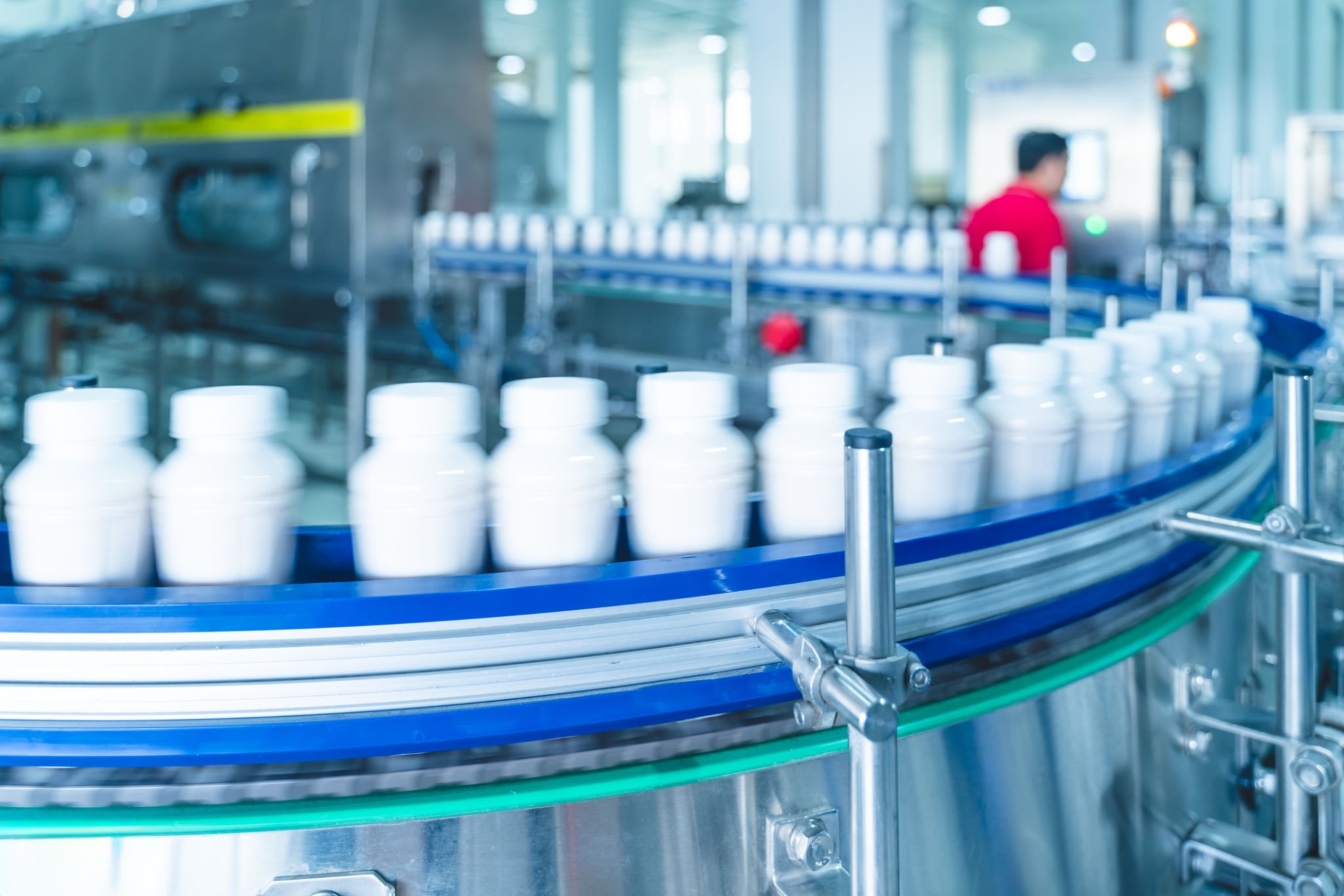
What farmers are discovering about processor expansion that fundamentally changes milk pricing—and why timing your response matters more than you think
I was sitting with a dairy farmer in New York’s Mohawk Valley last Tuesday, watching him scroll through his latest component test results. His Holstein herd’s putting out solid milk—3.15% protein, 3.78% butterfat—numbers that would’ve earned him a pat on the back from his dad. But here’s the thing: his neighbor down the road, who switched to Jersey crosses five years back, is pulling an extra dollar and change per hundredweight through their co-op’s new premium structure.
“The game’s completely changed,” he told me, shaking his head. “We all used to get a blend price for clean milk. Now it’s like they want us to be nutritionists, geneticists, and data analysts all at once.”
And you know what? He’s not wrong. What we’re seeing across the Northeast—and really, across the whole country—isn’t just another price cycle. Chobani announced in April that it is investing $1.2 billion in its new facility in Rome, New York. Coca-Cola’s Fairlife is putting $650 million into Webster. Add it all up with what’s already here, and we’re looking at $2.4 billion in new dairy processing in New York State alone.
That’s… well, that’s enough concrete to make you think something big is happening.

The Processing Math That Actually Matters to Your Bottom Line
Looking at this trend, what’s fascinating is how the economics break down once you understand what happens inside these facilities. I’ve been talking with folks who understand the processing side, including Mark Stephenson’s team at UW-Madison’s dairy policy group—they’ve been tracking these dynamics through their market analysis programs for years.
Greek yogurt isn’t just regular yogurt with the whey drained off—though plenty of folks still think that. You’re actually concentrating the milk proteins through mechanical separation or straining. And here’s where it gets interesting for producers: every tenth of a percentage point increase in protein content means more finished product from the same volume of milk.
Food science research generally shows that bumping protein from 3.0% to 3.3% gets you about 10% more Greek yogurt yield. Now, Chobani plans to run 12 million pounds of milk daily through Rome once it’s operational—they’re targeting 2027-2028, based on their announcements. Do the math on that tiny protein difference, and you’re looking at potentially 320,000 extra pounds of finished product. Every single day.
How Protein Levels Translate to Processor Economics

| Milk Protein Content | Estimated Greek Yogurt Yield | Daily Output (12M lbs milk) | Potential Additional Daily Revenue |
| 3.0% (baseline) | 100% (baseline) | 3.2 million lbs | Baseline |
| 3.1% | ~103% | 3.3 million lbs | +$200,000 |
| 3.2% | ~106% | 3.39 million lbs | +$380,000 |
| 3.3% | ~110% | 3.52 million lbs | +$640,000 |
*Estimates based on typical strain-based Greek yogurt production at $2/lb wholesale pricing. Actual yields vary by processing method and equipment efficiency.
At wholesale prices hovering around two bucks a pound for Greek yogurt, we’re talking hundreds of thousands in additional daily revenue. From that small component bump.
“We’re not paying premiums to be nice. Higher protein reduces our processing costs and aids in managing acid whey. It’s straight business math.” — Greek yogurt procurement specialist (speaking on condition of anonymity)
Extension services across dairy states have been tracking this, and farms hitting these specs are already seeing premiums ranging from fifty cents to well over a dollar per hundredweight. A Vermont producer I talked with last month said their co-op’s premium structure has become “the new normal, not some temporary bonus.”
What processors are generally looking for these days:
- Protein at 3.25% minimum, ideally 3.3% or higher
- Butterfat around 3.85%, trending toward 3.9-4.0%
- SCC way below legal limits—under 150,000 cells/mL
- Daily component variation is less than 0.05%
- PI counts below 10,000 CFU/mL
That consistency piece? That’s what catches a lot of us off guard. It’s not just hitting the numbers—it’s hitting them day after day after day.
Breaking Down Specific Ration Adjustments
Since we’re discussing practical changes, let me share what’s generally working for producers who’ve successfully increased their protein intake—based on what nutritionists are observing in the field.
For a typical TMR running 16.5% crude protein, many operations are seeing success adding 1.5 to 2 pounds of bypass soybean meal per cow daily. The cost typically runs about $0.35 per cow per day, and protein often increases by 0.10-0.15% within a few weeks. Another approach that’s working is switching from regular corn silage to BMR corn silage—though that’s a longer-term play that requires replanting.
Fresh cow management makes a bigger difference than most realize. Extending the transition period from 21 to 28 days, with a specific fresh cow ration containing approximately 18% crude protein and added rumen-protected methionine, has helped several operations maintain more consistent components throughout lactation. These are pretty standard nutritional approaches, but the consistency of application is what makes the difference.
A smaller operation I know—just 85 cows in central Pennsylvania—made simple changes that paid off big. “We couldn’t afford a major genetic overhaul,” the owner told me. “But adding bypass protein and being religious about feed push-ups? That got us over the premium threshold. Now we’re getting an extra 75 cents per hundredweight on milk we were already producing.”
5 Warning Signs Your Processor May Cut Contracts
What farmers are finding is that who owns the processing plant matters as much as the price they’re offering today. Remember those 89 organic farms Danone cut back in August 2021? Some of those families had been shipping to Horizon for decades. Decades! Then boom—replaced by larger operations closer to their Buffalo plant.
Ed Maltby from the Northeast Organic Dairy Producers Alliance has been vocal about this, pointing out that B Corp certifications and sustainability pledges lack significance when quarterly earnings calls arise.
Watch for these red flags:
- Market share is sliding in their product category
- Recent ownership or management changes without clear communication
- Shifting from annual to month-to-month contracts
- Increased talk about “supply chain optimization”
- Your field rep is visiting less often or seems distracted during visits
I was talking with a producer near Watertown who runs about 450 cows. After Dean Foods gave farmers 90 days’ notice before filing for bankruptcy in November 2019, he has became particularly concerned about understanding who owns these plants. “Public company? Private equity? Family controlled?” he said. “That matters way more than today’s price.”
What’s different about Chobani is that they don’t have Wall Street breathing down their neck every quarter. Hamdi Ulukaya still owns the majority—something like 68% or more, even after raising $650 million at a $20 billion valuation this spring. That gives them room to think long-term.
Remember back in 2014 when everyone was hammering Greek yogurt makers about acid whey disposal? Some processors attempted to pass those costs on to farmers. Chobani? They spent millions on reverse osmosis systems at their Twin Falls facility. Industry professionals familiar with that project say it actually hurt their margins in the short term. But that’s the difference—a public company watching quarterly earnings might not have made that call.
The Geography Lesson Nobody’s Talking About
Here’s something that doesn’t get enough attention: where you’re located matters more than ever for capturing these premiums. And I’ve watched this play out in different states over the years.
Take Michigan. They’ve doubled production since 2000 and achieved the highest per-cow average in the country—USDA data shows over 26,000 pounds annually. You’d think they’d be sitting pretty, right? But by 2017, they had some of the lowest mailbox prices nationally. Christopher Wolf, who previously worked at Michigan State and now teaches at Cornell, has conducted extensive research on dairy farm financial performance, demonstrating how they added cows faster than processing capacity could accommodate. When your milk has to travel 300-plus miles to find a home, you’ve got zero leverage.
Now look at South Dakota—completely different story. Valley Queen expanded their Milbank plant. Bel Brands opened up. First District built out its capacity. They’re adding millions of pounds of production, but prices are holding because the processing came first.
For folks here in the Northeast, between Chobani’s Rome plant, fairlife in Webster, plus what Danone and the co-ops already have… we’re seeing real competition for quality milk. If you can hit the specs, that is.
Regional Variations That Change Everything
What’s interesting is how this plays out differently across regions. Down in Georgia and Florida, producers face unique challenges. A producer near Valdosta told me last week: “We’re dealing with heat stress that Northern folks can’t imagine. Maintaining consistency with components when it’s 95 degrees with 80% humidity from May through October? That’s a whole different ballgame.”
They’re investing in cooling systems that cost significantly more than those in up North—cross-ventilation barns can run around $2,500 per stall, versus approximately $1,200 for natural ventilation, based on recent construction estimates. But the Southeast market premiums for local milk—often $2-3 per hundredweight above Federal Order minimums—make those investments pencil out.
Meanwhile, producers in the Mountain West face their own challenges. A Colorado producer managing 1,800 cows at 5,000 feet elevation explained: “Our cows eat 10% more just to maintain body condition at altitude. Component consistency is tough when you’re dealing with 40-degree temperature swings daily.” They’ve found success with more frequent feeding—five times daily versus three—to maintain steady rumen pH and component production.
Even internationally, these dynamics are playing out. While U.S. producers chase component premiums, European producers face different pressures—sustainability metrics, carbon footprints, and animal welfare standards. However, the fundamental shift from commodity to specification is a global phenomenon. New Zealand’s Fonterra, the world’s largest dairy exporter, is implementing similar component-based pricing structures.
The Timeline That’s Already Running
This development suggests a critical timing issue most producers haven’t fully grasped. If you’re picking bulls today based on the April 2025 genomic evaluations, those daughters won’t be milking until late 2028, maybe even 2029.
Corey Geiger from CoBank has been writing about this timing challenge for years in the dairy press. The producers who’ll capture premiums when these plants hit full capacity? They started positioning two or three years ago.
The genetic progress has been incredible, though. The USDA has just rolled back its genetic base by 45 pounds for butterfat and 30 pounds for protein—the biggest adjustment since genomic evaluations began. Paul VanRaden’s team at the USDA’s Animal Genomics and Improvement Laboratory says it reflects unprecedented progress in the national herd.
We broke through 4.23% butterfat nationally last year, according to USDA data. First time since the late 1940s. Some geneticists believe we could reach 5% within a decade if current trends continue. But here’s the catch—when everybody’s improving at the same rate, nobody really gets ahead. We’re all just running faster on the same treadmill.
Comparison: Where You Stand vs. Where You Need to Be

| Producer Type | Current Reality | 5-Year Projection | Investment Needed | Annual Return Potential |
| Commodity Producer | $16-18/cwt base | Same, maybe less | Minimal | Breaking even |
| Specification Producer | $17-19/cwt with premiums | $19-22/cwt | $30,000-100,000 | $50,000-250,000 |
| Niche Producer (A2, organic) | $20-25/cwt | $22-28/cwt | $50,000-150,000 | $75,000-300,000 |
Alternative Paths When You’re Already Behind
Not everyone’s gonna catch this first wave, and honestly? Sometimes that’s the smarter play. The increased management complexity of chasing specifications isn’t for everyone—tracking daily variations, adjusting rations constantly, and dealing with more rejected loads if targets are missed.
I know a producer in Minnesota who has been pursuing A2 certification for over five years. “People thought I was nuts,” she laughs now. “Why chase A2 when everyone else is breeding for components? But now I’m getting substantial premiums over base, and processors are calling me.”
The market research backs her up. Grand View Research projects that the global A2 market will reach $26-27 billion by 2030. In the U.S., Polaris Market Research forecasts potential sales of $7-8 billion in A2 dairy products by 2032. Yeah, the Council on Dairy Cattle Breeding reports 60% of AI bulls are A2A2 now, but getting your whole herd certified? That’s still a 6-to 8-year project for most people.
Other strategies I’m seeing work:
Wait for round two: History shows—and the International Dairy Foods Association has documented this—big processing investments trigger follow-on expansions 3-5 years later. We saw it after Greek yogurt’s first boom. Maybe position yourself for 2029-2031 instead of trying to catch up to 2027.
Quality first, components second: Sometimes consistency beats absolute levels. Good cooling, monitoring systems, rock-solid sanitation… these improvements often pay back in 18-36 months regardless of genetics. Farms with SCC under 150,000 and low PI counts can currently secure quality premiums.
Robotic milking for consistency: Several producers are finding that robots help with component consistency through more frequent milking and individualized feeding. “The robot doesn’t have bad days,” a Wisconsin producer with two Lely units told me. “Our daily component variation dropped by half after installation.”
Managing Risk While Capturing Opportunity
I’ve noticed that the most successful producers aren’t putting all their eggs in one basket. Chobani almost went under in 2014-2015. They needed $750 million from TPG Capital at what the Financial Times called “some of the highest rates in corporate credit markets.” Their Idaho plant, which was supposed to transform the company? It nearly killed them instead.
They survived, came back stronger, but it was a close call. Real close.
This matters because you can’t build your entire operation around a single processor relationship. Dean Foods looked bulletproof until November 2019, when they filed for bankruptcy. Those Danone organic producers? Some had relationships that had been going on for 30 years. Didn’t matter when the termination letters came.
Someone who’s worked in milk procurement for years—can’t name them, but they’ve seen multiple cycles—gave me solid advice: “The survivors maintain options. Stay in a co-op even if direct deals pay better. Qualify for multiple premium categories. Be ready to pivot.”
Your Next 90 Days: Making This Real
So here’s your homework, and I mean actually do this, not just think about it. Pull your last 90 days of component tests. Not just the monthly average—look at the daily numbers. See that variation? That’s what processors care about as much as the averages.
Schedule real meetings with your field representative and at least two other processors or cooperatives. Face-to-face if you can swing it. You learn things from body language that emails never tell you.
Questions worth asking:
- What exactly are your minimum specs for premiums, and what’s the actual payment?
- How do my 90-day numbers stack up?
- What’s your minimum volume, and can I aggregate through a co-op?
- If I don’t qualify now, what would it really take to qualify?
- What contract protections exist—such as notice periods, volume guarantees, and price floors?
- Do you care more about monthly averages or daily consistency?
After those conversations, you’ll probably find yourself in one of three spots:
Close but not quite: Maybe you’re at 3.20% protein, and premiums kick in at 3.25%. Often, that’s fixable—different bypass protein (perhaps 1.5 lbs of bypass soy at around $0.35/cow/day, based on typical nutritional approaches), better fresh cow grouping, and tweaking the minerals a bit. Fix it this winter, capture premiums by spring.
Two to four years out: There is a need for serious investment in genetics and possibly infrastructure. Run real numbers. If $80,000 gets you $45,000 annually, you’re looking at a reasonable payback. However, ensure that those are contracted premiums, not projections.
Commodity producer: Your setup won’t economically reach premium specs given your location, facilities, or genetics. That’s not failure—it’s clarity. Consider exploring grass-fed, direct marketing, or even selling while land values are strong due to all this expansion.
The Bigger Picture We Can’t Ignore
Take a step back and examine what’s really happening here. According to the International Dairy Foods Association, we’re talking $11 billion in processing investment nationwide—Chobani, fairlife, plus dozens of other facilities. Most of this new capacity requires specifications that a significant portion of current production can’t consistently meet.
These aren’t plants for processing more regular milk. They require different milk—higher protein content, better consistency, specific markers, and documented quality systems. What worked in 2015? Might not even qualify by 2030.
That Mohawk Valley farmer I started with? Had these conversations three weeks ago. Turns out his protein is just 0.05% below his co-op’s premium threshold. Little ration adjustment (adding some bypass soy, based on standard nutritional recommendations), extending his transition period to 28 days, and possibly culling a few chronic low producers… he figures he’ll be there by spring.
“Six months from now, I’ll get that premium,” he told me yesterday. “Not by copying my neighbor’s setup, but by understanding what processors actually want and figuring out how to deliver it with what I’ve got.”
Five years from now, I think we’ll look back at 2025 as when everything changed. Not because of any single facility, but because this was when we collectively realized that producing milk and manufacturing to specifications are completely different businesses.
The folks who figure that out fastest? They’ll be the ones still here, still profitable, writing the next chapter of American dairy.
KEY TAKEAWAYS:
- Immediate protein boost strategy: Adding 1.5-2 lbs of bypass soybean meal at $0.35/cow/day can increase protein by 0.10-0.15% within three weeks, potentially capturing premiums of $0.50-$1.50/cwt if you’re close to the 3.25% threshold—that’s $25,000-40,000 annually for a 200-cow operation
- Geographic positioning matters more than size: Michigan producers with 26,000 lbs/cow average see lower mailbox prices than South Dakota farmers with less production because processing capacity came first in SD—being within 150 miles of new facilities like Chobani’s Rome or Fairlife’s Webster creates leverage regardless of herd size
- The 2028 genetics gap is already set: Bulls selected today based on April 2025 evaluations won’t have milking daughters until late 2028, meaning producers capturing 2027-2028 premiums started positioning in 2022-2023—but quality improvements (cooling, consistency, sanitation) can pay back in 18-36 months
- Risk diversification beats premium chasing: Dean Foods’ 2019 bankruptcy and Danone’s 2021 termination of 89 organic contracts prove processor relationships aren’t guaranteed—maintaining co-op membership while qualifying for multiple premium categories (components, A2, quality) provides essential protection
- Small operations have viable alternatives: An 85-cow Pennsylvania farm captured $0.75/cwt premiums through simple bypass protein and consistent feed push-ups, while robotic milking systems are helping smaller Wisconsin dairies achieve the daily component consistency (<0.05% variation) that processors increasingly demand
Complete references and supporting documentation are available upon request by contacting the editorial team at editor@thebullvine.com.
Learn More:
- Your 0.77 Ratio Is Wrong: The $67500 Component Fix That Can’t Wait Until 2028 – This tactical guide reveals why the national protein-to-fat ratio () is costing daily in processor standardization fees. Learn specific genetic and nutritional strategies to hit the target required by cheese plants, protecting your check from hidden costs.
- FMMO Reality Check: Why 2025’s $2.3 Billion Dairy Pricing Revolution Exposes the Fatal Flaw in American Milk Marketing – Understand the strategic implications of the recent Federal Milk Marketing Order reforms. This analysis breaks down how updated make allowances transfer an estimated million annually to processors, exposing the fundamental policy shifts that necessitate a component-focused business model for survival.
- Robotic Milking Revolution: Why Modern Dairy Farms Are Choosing Automation in 2025 – Explore the measurable and data advantages of robotic milking systems. This piece demonstrates how automation drastically reduces labor costs and provides the precise, cow-specific data necessary to achieve the daily component consistency (<0.05% variation) required by today’s specification processors.
The Sunday Read Dairy Professionals Don’t Skip.

Every week, thousands of producers, breeders, and industry insiders open Bullvine Weekly for genetics insights, market shifts, and profit strategies they won’t find anywhere else. One email. Five minutes. Smarter decisions all week.




