Archive for farm economics

When Less Becomes More: The Market Window Making Stocking Density Optimization Profitable

What if the best way to increase profits isn’t adding more cows, but giving the ones you have room to be comfortable?

EXECUTIVE SUMMARY: What farmers are discovering across dairy regions is that optimal stocking density often means fewer cows, not more. University of Florida research shows that a 120% stocking density maximizes profit per stall, yet many operations run at 140% or higher, resulting in a daily loss of 3.7 pounds of milk per cow for each hour of lying time. With current market conditions creating the perfect window—USDA cull cow prices at $311.16/hundredweight and replacement costs jumping 73% to $2,850 per heifer—strategic density reduction makes financial sense like never before. Operations were reduced from 140% to 115% stocking, resulting in a 3.5-pound increase in milk per cow daily, 40% fewer lameness treatments, and improved feed efficiency within 60 days. Research from institutions like UBC, Wisconsin, and the Miner Institute consistently shows that cow comfort drives profitability more than maximizing headcount. For producers willing to challenge conventional thinking, current market dynamics offer an unprecedented opportunity to optimize both animal welfare and bottom-line performance.
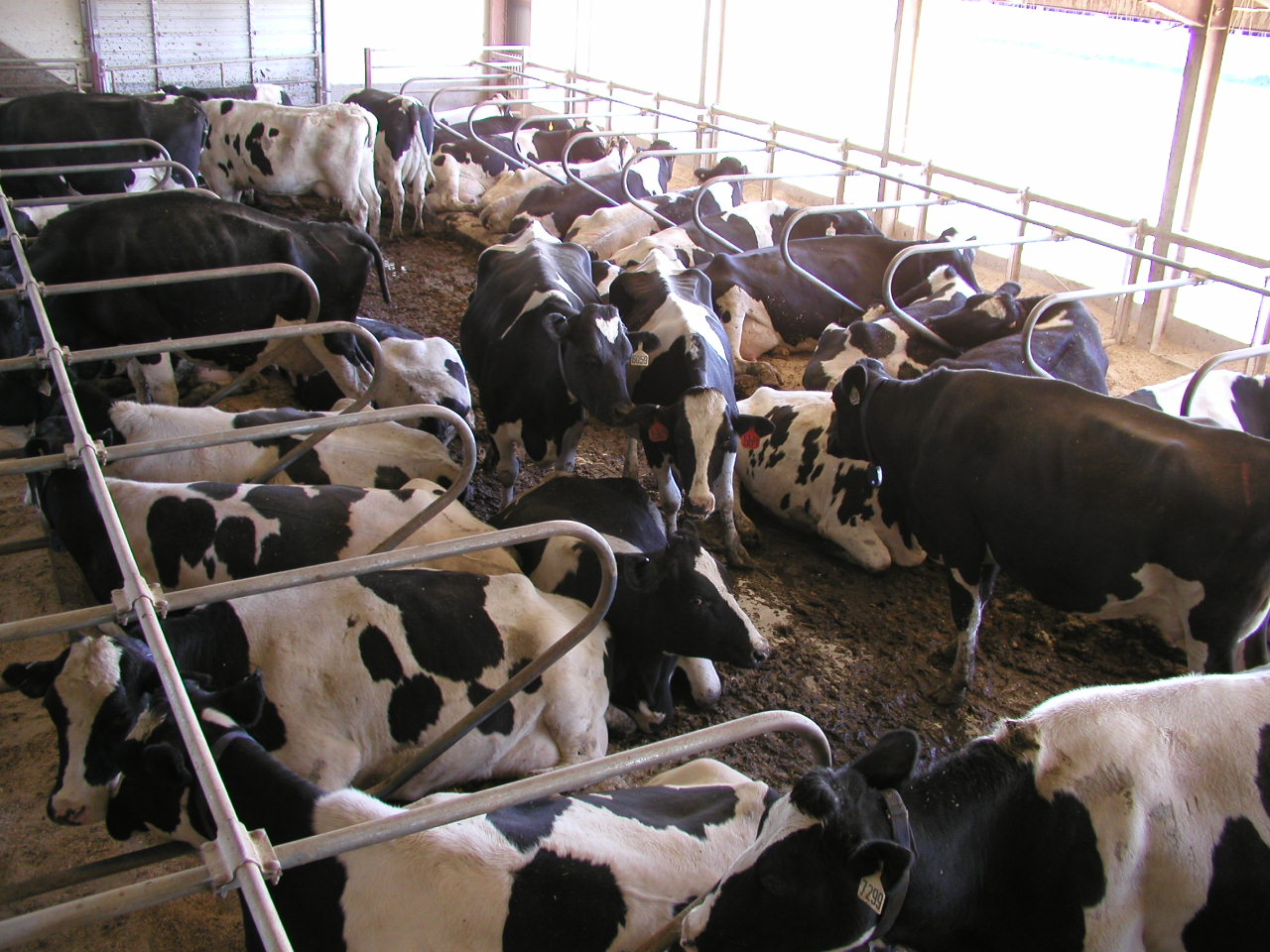
dairy profit per stall

You know what’s interesting? Last month, I was talking with a producer in Ohio who mentioned something that really got me thinking. He’d increased his milk checks by reducing his herd by 120 cows. Sounds backward, right? However, as I’ve been traveling to different operations lately—from the robot barns I’ve visited in the Netherlands to traditional parlor operations across the upper Midwest—I keep hearing variations of the same story.

The old “more cows equals more profit” thinking might be costing us money. Especially right now, with market conditions creating what could be the perfect window to test some assumptions we’ve held for years. Between high cull cow prices, expensive replacement heifers, and relatively steady milk prices, it’s worth asking whether we’re actually maximizing what our barns can do.

What the Research Actually Shows About Overcrowding

The university data on this subject has been accumulating for years, and it’s quite eye-opening when you put it all together. Dr. Julie Fregonesi’s groundbreaking work at the University of British Columbia—published in the Journal of Dairy Science back in 2007—showed that cows at 100% stocking density were getting about 13 hours of lying time per day. Push that to 150%? They lose nearly two full hours of rest.

Find Your Herd’s Sweet Spot – Yield per cow is highest at 120% density. This chart proves why optimizing—not maximizing—stocking is the smart play in 2025. Are you in the profit zone, or running on lost potential?

That lost lying time translates directly to lost milk because cows can’t “catch up” on rest later—something we’ve learned the hard way in other contexts, too. The follow-up research has been consistent: farms operating above 100% density consistently struggle to hit the 12-hour lying time benchmark, while about 22% of farms at or below 100% achieve it.

You know what’s interesting? when I first heard about it from Dr. Rick Grant’s research team at the William H. Miner Agricultural Research Institute in New York was that Overcrowding can actually trigger more subacute ruminal acidosis than dietary changes alone. Cows at 142% density were spending over four hours per day below pH 5.8—nearly double the time compared to cows at 100% density, eating the exact same diet.

We are creating metabolic problems through poor space management. That’s something to consider, especially when we’re already pushing ration formulations to their limits in many operations.

Albert De Vries at the University of Florida has conducted some excellent work in quantifying the relationship between lying time and milk production. His research, presented at the Western Canadian Dairy Seminar, shows that for each hour of reduced lying time, approximately 3.7 pounds of milk are lost daily. When he runs those numbers through profit calculators, optimal stocking densities consistently fall between 100% and 120%, with returns dropping off sharply when pushed higher.

Examining this trend across various systems, the Dairyland Initiative in Wisconsin has documented similar lying time losses in both sand-bedded and mattress systems when stocking density exceeds 120%. Even with the newer precision monitoring technologies—such as rumination sensors, activity monitors, and automated health tracking—the fundamental relationship between space and comfort remains true.

Understanding Why Good Producers Still Overstock

Now, if the research is this clear, why are so many well-managed operations still running at 140% or higher utilization rates? It’s not just about missing the data—the reasons go much deeper.

First, there’s the infrastructure reality that many of us face. Most barns were designed for maximum capacity, and when you’ve invested heavily in facilities designed to house a certain number of cows, suggesting that “too many” might be counterproductive feels like questioning fundamental business decisions. That’s psychologically difficult territory.

Then there’s cash flow, which is where theory meets reality pretty quickly. Even when long-term modeling shows better returns at optimal density, culling excess cows creates an immediate revenue drop that many operations cannot absorb, regardless of the projections.

I’ve also noticed there’s peer pressure to consider. When neighboring operations are running at 140-150% density, stepping back feels risky from a community perspective. Nobody wants to appear unsuccessful or overly conservative—especially in regions where dairy farming is highly visible and competitive.

And here’s something that often comes up in many conversations: many excellent producers believe they can “manage out” the downsides of overcrowding. They believe that enhanced feeding programs, improved ventilation, or facility modifications can help overcome space constraints. This confidence in solving problems through superior management encourages them to push more animals into available stalls.

This mindset is particularly strong in high land-cost areas. Whether you’re in California’s Central Valley, Pennsylvania’s Lancaster County, or parts of the Northeast, producers feel tremendous pressure to maximize every square foot. The economics of land acquisition make expansion seem impossible, so intensification appears to be the only path forward.

Current Market Dynamics Create an Unusual Opportunity

What makes this discussion particularly timely is how market conditions have aligned to make density optimization more financially attractive than it’s been in recent memory.

Cull cow values are at levels that would have seemed impossible just a few years ago. The USDA’s September 19th Direct Cow Report showed average negotiated prices for Cutter cows at $311.16 per hundredweight dressed weight—that translates to about $1,830 per 1,200-pound cow. Compared to recent years, that’s a substantial improvement, creating a meaningful buffer for strategic culling decisions.

2025: The Year Everything Changed for Density Decisions – When cull values, heifer costs, and milk prices all peak together, old paradigms don’t work. Are you seizing this market window or letting inertia win?

Meanwhile, replacement heifer costs have reached a territory that’s frankly shocking to those of us who remember more moderate pricing. Wisconsin data from the USDA show that replacement dairy animal costs increased by 73% between October 2023 and October 2024, rising from approximately $1,990 to $ 2,850 per head. That’s an $860 increase in a single year.

Mike North from Ever.ag captured the reality pretty bluntly back in January when replacement prices were spiking: “Some animals moving in the northwest last week were north of $4,000 an animal. That’s a pretty tall price.” When replacement costs jump that dramatically, the economics of keeping marginal performers shift significantly.

As for milk prices, they’ve held their ground better than many expected despite production increases. While Class III futures remain volatile, current market stability means each additional pound of milk from enhanced cow comfort has meaningful value.

And there’s this whole beef-on-dairy opportunity that’s really taken off in recent years. Those crossbred calves are now fetching $800 to $ 1,000 per head at auction, creating revenue streams that weren’t widely available even five years ago.

This creates an interesting situation where the financial risks of density optimization are probably lower than they’ve been in years, while the potential benefits remain substantial.

Learning From Real Transitions: A Composite Example

Let me share a situation that really opened my eyes to how this plays out in practice. I’ve been following several operations through density transitions, and while I need to keep specific details confidential, the patterns are worth discussing as a composite example.

There’s a 1,200-cow freestall setup—representative of what I’ve seen in similar Wisconsin operations—that had been running at 140% stocking density. The management team spent two full seasons trying to work around the resulting problems. These weren’t inexperienced managers—they doubled feed push-ups, added extra fans, switched to higher-fiber rations. All the sophisticated approaches you’d expect from people who know what they’re doing.

Despite these efforts, their key performance indicators remained problematic. Lying time stayed stuck around 10 hours per day, well below that critical 12-hour target. Monthly lameness treatments were affecting 18% of the herd. Per-cow milk production had plateaued at 85 pounds, and mastitis cases weren’t responding to improved protocols.

In fall 2024, they made what felt like a risky decision: cull 10% of their herd—120 animals—bringing stocking density down to 115%. The selection process was entirely data-driven, utilizing their DairyComp 305 system to target animals with below-average performance, elevated somatic cell counts, poor reproductive efficiency, high lameness scores, and older cows with declining feed conversion efficiency.

The timeline of results was fascinating to watch. Lying time started improving within three weeks, initially increasing from 10 to 11.2 hours, and then reaching 12.4 hours by the end of week six. Milk yield improvements followed a similar gradual pattern, resulting in a 3.5-pound daily increase by the 60-day mark. Monthly lameness treatments fell by 40% over the same period, and bulk tank somatic cell count dropped by 50,000 cells per milliliter.

“We kept waiting for the negative impact on our milk check,” the farm manager told me during a follow-up conversation. “Instead, we were hitting volume records with 120 fewer cows. Feed efficiency improved, vet bills dropped, and the cows just looked more comfortable walking through the barn.”

What’s particularly noteworthy is that this wasn’t a high-tech operation with comprehensive monitoring systems. They were using basic activity monitors and visual assessments twice daily. The improvements were obvious to anyone walking through the facility.

Navigating the Transition Successfully

From what I’ve learned, talking with farms going through this type of transition, timing and approach matter more than most of us initially think. The biggest challenge isn’t the concept—it’s the execution.

Treating density optimization as a one-time event creates chaos. Removing 25% of your herd at once disrupts everything: you get downstream overcrowding in other groups, disrupted milking schedules, labor cost spikes, and often a panic response that undoes potential gains.

The farms that seem to navigate this transition smoothest tend to reduce density in 5% monthly increments. For a 1,200-cow operation, that means about 60 animals per month—manageable from both a systems and cash flow perspective.

The Bullvine Blueprint: From Chaos to Cash – Transform guesswork into precise, profitable action with this evidence-based process. See how incremental steps and real-time monitoring drive lasting success for modern dairies.

Start by mapping every group with your herd management software. Look at actual stocking percentages across lactating, fresh, transition, dry, and heifer pens. Target the most overcrowded groups first—usually fresh pens or peak-milk groups where stress costs are highest and most measurable.

As you cull from lactating pens, coordination becomes critical. You need to coordinate movements between groups to maintain optimal density across all pens simultaneously. I’ve seen farms reduce lactating cow density only to create problems in their dry cow areas because they forgot to rebalance the entire system.

Monitor weekly metrics religiously during transition periods. Track lying time, per-cow milk yield, somatic cell counts, and lameness treatments. If any metric stalls or reverses, pause further culling and investigate what’s happening before proceeding.

Timing considerations vary significantly by operation type. If you’re dealing with seasonal calving patterns—something we see more often now as farms explore different breeding strategies—major culling decisions might need to wait until after the fresh cow rush subsides. Summer heat stress can also complicate density assessment, since cows naturally spend less time lying during peak heat periods.

Recognizing System Differences and Global Approaches

What works for freestall operations doesn’t necessarily translate to other housing systems, and that’s worth acknowledging upfront. Tie-stall operations—still common in parts of Vermont, eastern Canada, and much of Europe—face entirely different challenges. You can’t really overstock individual stalls, but you can overstock feed alleys, holding areas, and exercise lots.

Robotic milking systems create entirely different dynamics. Since cows aren’t competing for parlor access at specific times, some operations successfully maintain higher densities. However, even in robotic systems, access to lying space and feed bunk remains a fundamental factor affecting cow comfort and production. The precision feeding capabilities of some newer robotic systems may provide more flexibility to compensate for tighter spaces, although the fundamental physiology of rest requirements remains unchanged.

What farmers are finding in grazing operations is their own set of variables to consider. Pasture-based systems can use rotational patterns to manage effective stocking density, moving cattle more frequently to maintain grass quality while providing adequate space. Some progressive grazing operations in New Zealand and Ireland have found that slightly understocking paddocks during peak growing season actually improves both grass utilization and animal performance.

Dry lot systems in the Southwest present yet another scenario. Heat stress management becomes the primary concern, and shade space often becomes the limiting factor rather than lying area. The stocking density calculations that work in climate-controlled barns need significant modification for these environments, where heat abatement infrastructure becomes as critical as resting space.

Developing Better Measurement Systems

Changing organizational thinking from headcount to performance requires different metrics and consistent communication approaches. The most successful operations I’ve worked with develop comprehensive tracking systems that focus on dollars per stall rather than just cows per stall.

This involves tracking milk revenue per stall (price × average yield), feed cost per stall (total feed expense ÷ number of stalls in use), health expense per stall (vet and treatment costs ÷ number of stalls), and comprehensive profit per stall calculations.

Weekly reporting on comfort and health indicators provides tangible evidence of improvement during transitions. Monitor average daily lying time (activity monitors make this much easier now), monthly lameness treatments per 100 cows, bulk tank somatic cell count trends, and feed conversion efficiency measures.

When you can demonstrate incremental profit from each 5% density reduction through projected milk revenue, cull cow returns, and saved health costs, the business case becomes much clearer. Most existing farm management software packages can model different scenarios before implementation. The University of Wisconsin Extension has developed some particularly useful spreadsheet tools for economic modeling of stocking density decisions. Their publication, “Getting Stocking Density Right for Your Cows,” walks through the calculations step by step.

Your extension dairy specialist or consultant can often help with this type of analysis if you’re not comfortable with the modeling yourself. Some farms have found it helpful to create visual representations showing relationships between stocking density and key performance indicators.

Industry Evolution or Competitive Advantage?

While research clearly supports optimal stocking strategies, widespread adoption remains limited. From an industry perspective, this creates interesting questions about where we’re headed.

Change happens slowly because success metrics still emphasize headcount and growth in herd size. Infrastructure designed for maximum capacity represents a 15-20 year commitment that is difficult to modify. Information transfer from research institutions to practical application takes time, and risk perception generally favors known approaches over projected improvements.

But this also means density optimization currently represents a potential competitive advantage for operations willing to challenge conventional approaches. Early adopters are achieving measurable improvements in per-animal productivity, health cost management, feed conversion efficiency, and overall profitability per unit of facility investment.

As Albert De Vries found in his economic analysis published in Dairy Herd Management, “120% was the optimal stocking rate in terms of maximum profit per stall.” The research consistently supports this, yet many well-managed operations continue to push well beyond this threshold.

I suspect we’ll see this transition happen at different rates regionally. High-cost areas with environmental restrictions on expansion will likely lead to adoption, simply because maximizing efficiency per animal becomes more critical when growth options are limited. Traditional dairy regions with more flexibility might take longer to embrace these approaches.

What’s particularly interesting is how this parallels broader trends we’re seeing in precision agriculture—such as variable-rate fertilizer application in crops, GPS-guided field operations, and sensor-based irrigation management. Whether you’re talking about optimizing inputs per unit in crops or strategic stocking density in dairy, the underlying principle is similar: better often beats bigger.

When Higher Density Makes Sense

Now, I’m not suggesting this approach works for everyone—dairy operations are too diverse for one-size-fits-all solutions. Some operations successfully maintain higher densities because of superior facility design, exceptional management systems, or specific operational circumstances.

Newer facilities with excellent stall design, generous bunk space, and comprehensive ventilation systems often handle stocking levels of 130-140% without major performance compromises. I’ve visited operations with 4-inch sand beds, 30-inch feed alleys per cow, and extensive cooling systems that maintain good lying times even at elevated densities.

Operations with exceptional feed management—precise timing, frequent push-ups, consistently well-mixed rations—can often compensate for tighter bunk space per cow. Some farms employ specialized feeding strategies or additives that enable animals to consume an adequate amount of dry matter despite reduced bunk access time.

Your nutritionist and veterinarian know your operation better than anyone, so their input on facility capabilities and management systems becomes crucial in these decisions. They can help you evaluate whether your specific situation might allow for higher stocking rates while maintaining performance.

The key is an honest assessment of your specific situation. Suppose you’re consistently achieving 12+ hours of lying time, maintaining low lameness rates, and seeing strong per-cow production at higher densities. In that case, you might have the management systems and facilities to make elevated stocking rates work profitably.

However, if you’re seeing stress indicators—such as elevated somatic cell counts, lameness problems, poor body condition scores, and reproductive challenges—it’s worth questioning whether current stocking rates are actually maximizing long-term profitability.

Practical Next Steps and Available Resources

Current market conditions create what might be an unprecedented opportunity to test density optimization approaches with relatively limited downside risk. High cull cow prices provide attractive exit values, expensive replacements make retention of marginal performers costly, and stable milk prices support per-cow productivity investments.

Start with a comprehensive assessment. Calculate current stocking density across all cow groups—your milking system software probably tracks this, but if not, it’s simply the number of cows divided by available stalls or resting spaces. Evaluate lying time through visual observation or activity monitors if available. Review health costs and per-cow performance metrics over the past 12 months.

Model financial scenarios for various density targets. Most farm management software packages include modules for this type of analysis. The University of Wisconsin Extension publication “Crowding Your Cows Too Much Costs You Cash” provides detailed economic frameworks for these decisions. Cornell’s PRO-DAIRY program offers similar resources through its extension publications.

For implementation, begin with the most overcrowded groups showing the clearest stress indicators. Plan gradual reductions rather than dramatic changes. Coordinate closely with your nutritionist and veterinarian to maximize benefits from improved cow comfort.

Some operations are finding that investing in improved stall design, enhanced bedding systems, or better ventilation provides better returns than simply adding more cows. The question becomes: what’s the best use of your next capital investment?

Consider seasonal timing as well. Spring transitions might align well with natural culling cycles, while summer heat stress periods might not be ideal for major management changes that could temporarily disrupt routine.

Questions to Ask Your Team

Before making any major changes to stocking density, it’s worth having some honest conversations with your management team:

  • Are we consistently achieving target lying times across all groups?
  • What’s our current lameness rate, and how does it compare to industry benchmarks?
  • How do our per-cow productivity metrics compare to similar operations?
  • What would happen to our cash flow if we reduced cow numbers by 10% over six months?
  • Do we have the feed management and facility infrastructure to support current density levels?
  • What are our biggest bottlenecks during peak times (breeding, fresh cow management, transition periods)?

These conversations often reveal insights that pure data analysis might miss. Your team members—whether that’s family, employees, or advisors—see things from different perspectives that can help inform these decisions.

The Broader Industry Context

Between what the research tells us and current market conditions, it’s an interesting time to be asking these fundamental questions about dairy operation design. The farms willing to question conventional assumptions about stocking density may find themselves with sustainable competitive advantages in an increasingly challenging industry environment.

From conversations with farmers and their advisors across different regions—from progressive operations in the Netherlands to family farms in Wisconsin to large-scale Western dairies—it appears that we’re gradually shifting our perspective on dairy productivity. Instead of focusing solely on total milk shipped, the most profitable operations are optimizing milk per stall, margin per cow, and return on facility investment.

The research is compelling, market conditions are supportive, and implementation tools are available. The question becomes whether individual operations are ready to challenge the “more is always better” mindset that’s influenced dairy management thinking for the past generation.

It’ll be interesting to see how this trend develops—whether it accelerates as more farms demonstrate results, or whether we see regional variations based on land costs, environmental regulations, and local farming cultures. International perspectives add another layer of complexity, as European tie-stall systems, New Zealand grazing operations, and North American confinement facilities all face different constraints and opportunities.

Either way, it’s a conversation worth having with your team, your advisors, and, honestly, with your cows. Because at the end of the day, comfortable cows are profitable cows—and sometimes that means giving them a little more room to be comfortable.

KEY TAKEAWAYS

  • Quantified comfort pays: Reducing stocking density from 140% to 115% typically increases milk production by 3.5 pounds per cow daily while cutting lameness treatments by 40% within two months—improvements that translate to measurable profit gains per stall.
  • Market timing creates opportunity: With cull cow values at historic highs ($1,830 per head) and replacement costs at $2,850, strategic culling in 5% monthly increments allows cash flow-positive transitions to optimal density levels.
  • Research-backed sweet spot: University studies consistently show 120% stocking density maximizes profit per stall, as cows lose 3.7 pounds of daily milk production for each hour of lying time below the critical 12-hour threshold.
  • System flexibility matters: While freestall operations benefit most from density optimization, robotic milking systems, grazing operations, and tie-stall facilities each require tailored approaches based on facility design and management capabilities.
  • Implementation success depends on a gradual transition: farms achieving the best results reduce density in manageable increments while rebalancing all cow groups simultaneously, using weekly metrics to track lying time, milk yield, and health indicators throughout the process.

Complete references and supporting documentation are available upon request by contacting the editorial team at editor@thebullvine.com.

Learn More:

Join the Revolution!

Join over 30,000 successful dairy professionals who rely on Bullvine Weekly for their competitive edge. Delivered directly to your inbox each week, our exclusive industry insights help you make smarter decisions while saving precious hours every week. Never miss critical updates on milk production trends, breakthrough technologies, and profit-boosting strategies that top producers are already implementing. Subscribe now to transform your dairy operation’s efficiency and profitability—your future success is just one click away.

NewsSubscribe
First
Last
Consent

Calf Diarrhea Could Be Costing Your Diary Farm Thousands

Uncover the dangers of calf diarrhea and learn critical strategies to safeguard your herd and farm economy. Are you ready to combat this common threat?

Summary: Calf diarrhea is a primary concern for dairy producers worldwide, as it can significantly impact calf performance and farm economics. E. coli is the primary cause, affecting the calf’s intestines, leading to reduced nutrition absorption, fluid loss, and decreased enzyme function. Other pathogens like rotavirus, coronavirus, and Cryptosporidium parvum Type II also cause diarrhea, causing reduced meal retention time and increased fecal weight. Infected calves develop uncomfortable diarrhea symptoms, causing extreme dehydration and loss of vital nutrients, worsening their fragility. They often exhibit frailty and melancholy temperament, with faltering or wobbling when walking and sunken-eyed appearances. The severity of diarrhea can be assessed using various criteria, with the typical fecal weight in diarrhetic calves being around 20 times that of healthy calves and, in severe cases, up to 40 times higher. Calf diarrhea is connected with high fatality rates, with the incidence varying by farm and season. Losing a single calf due to diarrhea can cost up to $580, including food, medical care, and labor. Ignoring this problem poses a health risk and threatens a farm’s economic viability.

  • Calf diarrhea significantly impacts calf health and farm economics globally.
  • E. coli is the leading cause of intestinal damage and reduced nutrient absorption.
  • Other pathogens such as rotavirus, coronavirus, and Cryptosporidium parvum Type II also contribute to diarrhea.
  • Diarrhetic calves have drastically reduced meal retention time and exhibit increased fecal weight.
  • Symptoms include extreme dehydration, weakness, and a sunken-eyed appearance, affecting calf vitality.
  • The average fecal weight in diarrhetic calves can be up to 40 times higher than in healthy calves.
  • The cost of losing one calf due to diarrhea can reach up to $580, posing a financial risk to farms.
  • Addressing calf diarrhea is vital for maintaining farm health and economic stability.

Every dairy farmer understands the uneasy experience of dealing with calf diarrhea, but what if hidden hazards lie under the surface that might jeopardize your whole livelihood? Calf diarrhea is more than an annoyance; it is a complicated illness that may ruin calf performance and farm economics throughout the globe. This problem is significant for dairy producers since the early phases of a calf’s life are vital to its future production and health. Understanding the possible effects of calf diarrhea on your farm might be the difference between prospering and barely surviving. Even losing one calf to diarrhea may cost up to $580, which significantly impacts the bottom line of any dairy enterprise. Are you prepared to face this challenge straight on? Continue reading to learn about the most important measures for protecting your calves and securing your farm’s future.

The Hidden Dangers of Calf Diarrhea on Your Dairy Farm 

Calf diarrhea may negatively affect the health and development of young calves. It typically affects calves under 21 days old, with E. coli being the primary cause. E. coli affects the calf’s intestines, resulting in lesions. This reduces nutrition absorption, increases fluid loss, and decreases critical enzyme function.

Other pathogens also cause calf diarrhea. These include rotavirus, coronavirus, and Cryptosporidium parvum Type II. Each offers its own set of challenges, worsening the situation. Consequently, meal retention time in the gastrointestinal system decreases from the typical 48 hours to only six hours in diarrheic calves. This fast travel through the intestines results in frequent defecation and significantly increased fecal weight—up to 40 times larger than healthy calves.

Table 1 – Faecal excretion of various feed components by normal and diarrhetic calves 

Feed componentsNormal calvesDiarrhetic calves
Water (g)51927
Dry matter (g)12.593.5
Total fat (g)4.137.4
Crude protein (g)5.541
Calcium (m. eq.)21.698.8
Phosphorus (m. eq.)2194
Magnesium (m. eq.)11.424
Sodium (m. eq.)541.6
Potassium (m. eq.)2.239.9

The most obvious signs are watery stools, weakness, and an unsteady stride. These warning indicators should prompt farmers to take early action since the economic and health consequences are severe. Proper management and prompt interventions may assist in reducing hazards and ensure the calves’ well-being.

Did you know?

Struggling Calves: The Devastating Impact of Diarrhea on Calf Health and Farm Economy 

Infected calves develop a variety of uncomfortable diarrhea symptoms, which substantially influence their general health and performance. The most apparent sign is watery feces. This illness causes extreme dehydration and loss of vital nutrients, worsening their fragility.

In addition to their bodily pain, calves often exhibit frailty and a melancholy temperament. Affected animals might be observed faltering or wobbling when walking, and they usually have sunken-eyed appearances, suggesting acute dehydration and energy depletion.

The severity of diarrhea in calves may be assessed using various criteria. For example, the typical fecal weight in diarrhetic calves is around 20 times that of healthy calves, and in severe instances, it may be up to 40 times higher. This significant rise emphasizes the acute fluid and nutritional loss that calves experience.

Calf diarrhea is connected with disturbingly high fatality rates. These may be caused by infections or septicemia, and the incidence varies by farm and season. Losing a single calf due to diarrhea may cost up to $580 [Source: Veterinary Research, 2021]. This figure includes the costs of bringing the calf until weaning, such as food, medical care, and labor. Financially, losing many calves in a season due to diarrhea may rapidly add up to thousands of dollars. Ignoring this problem poses a health risk and threatens your farm’s economic viability.

Given these considerations, it is critical to recognize and handle the severe consequences of diarrhea in calves. Farmers will better understand the relevance of preventive and management techniques in reducing these risks and ensuring healthier results for their animals.

Risk FactorDescriptionImpact on Calf Diarrhea
Herd SizeLarger herds increase the spread of pathogensHigher incidence of diarrhea outbreaks
Sheltered AreaLack of proper shelter for calvesIncreased vulnerability to environmental stressors
DrainagePoor farm drainage conditionsHigher pathogen load due to wet and unhygienic conditions
NutritionInsufficient or unbalanced dietary intakeWeakened immune system, higher susceptibility
Colostrum SupplyInadequate colostrum feedingReduced antibody transfer, lower immunity
Barns CleanlinessIrregular cleaning of barnsIncreased exposure to pathogens
Other Farm AnimalsThe presence of other animals hosting pathogensCross-contamination risk

Proven Strategies to Prevent Calf Diarrhea 

To prevent calf diarrhea, ensure that each calf gets appropriate colostrum immediately after delivery. Colostrum consumption is crucial because it contains antibodies that help the calf’s immune system develop. Feed colostrum during the first few hours of life since the calf’s capacity to absorb these antibodies decreases quickly after delivery.

Creating a solid cow herd immunization program is another critical protective approach. Vaccines should be customized to the particular infections found on your farm, as determined by a trained veterinarian. This guarantees that the antibodies in the colostrum are effective against the many diarrhea-causing substances your herd may encounter.

Maintaining a steady and regular eating schedule is equally crucial. For the first 7-10 days, calves should receive milk around 10% of their body weight daily. To avoid stomach problems that might cause diarrhea, regularly provide fresh whole milk or a high-quality milk replacer. Clean and sterilize feeding equipment properly to prevent infection.

Adhering to these techniques not only helps reduce calf diarrhea but also improves overall calf health and farm output.

Stop Calf Diarrhea in Its Tracks: Expert Care and Cleanliness Are Key 

Calf diarrhea is effectively managed and treated by separating sick animals to avoid disease transmission. Keep calf pens impeccably clean by regularly cleaning waste and sanitizing surfaces to reduce the danger of re-infection. Calf hutches with overhanging shelters may offer secure, secluded places while reducing environmental stress.

Maintaining clean feeding equipment is critical. After each usage, thoroughly clean and disinfect feeding bottles, pails, and other equipment to reduce exposure to germs and viruses that cause diarrhea.

Provide clean or barley water every 2-3 hours to maintain hydration levels. This helps to restore lost fluids and preserve electrolyte balance, which is critical for calves suffering from diarrhea. Regularly check their moisture levels for sunken eyes and diminished skin suppleness.

For moderate episodes of diarrhea, consider using herbal extracts like ginger. Ginger has natural anti-inflammatory and digestive characteristics that help ease the gastrointestinal system without causing adverse effects like more potent drugs.

It is critical to monitor internal parasite infections closely. Deworming programs should be closely adhered to, and manure should be managed to limit parasite load in the environment.

Avoid lengthy or high-dose antibiotic treatments since they may lead to resistance and other consequences. However, a consultation with a skilled veterinarian is required to develop precise treatment remedies. Depending on your herd’s requirements, your veterinarian may provide specific suggestions for antibiotic usage, rehydration procedures, and dietary changes.

Further Reading and Support for Managing Calf Diarrhea 

For further advice and support on managing calf diarrhea, consider exploring the following resources: 

The Bottom Line

Calf diarrhea is a severe danger to the health of your herd and the financial viability of your dairy operation. The keys to addressing this disease include proactive management measures such as correct feeding, strict hygiene, and prompt veterinarian treatment. You may drastically limit the occurrence of this debilitating ailment by ensuring your calves get enough colostrum, adhering to a rigorous feeding schedule, and applying suitable cleanliness measures.

Remember that losing even one calf may have a significant financial and emotional impact. As a result, calf diarrhea must be addressed with the utmost seriousness. Investing in preventative measures protects cattle and improves farm output and sustainability.

Take action now. Consult with your veterinarian, assess your present procedures, and implement the advised techniques to keep your young calves healthy and flourishing. Your efforts today will result in healthier calves and a brighter future for your farm.

Learn more: 

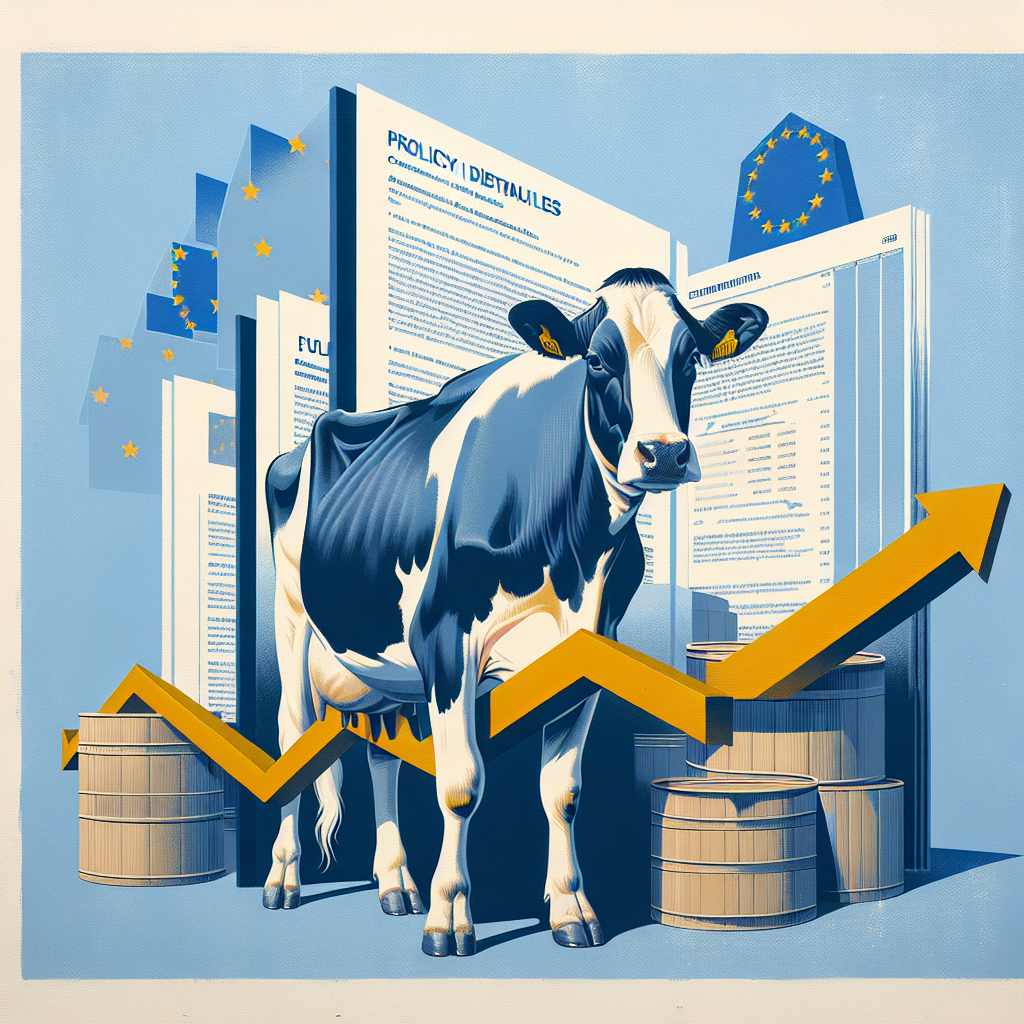
EU Dairy Sector Faces Production Declines Amid Policy Changes and Trade Developments

Learn why EU dairy production is expected to drop due to policy changes and new trade agreements. Will cheese production continue to grow while other dairy products decline?

Milk output is predicted to decrease from 149.3 million metric tonnes in 2023 to 148.9 MMT this year. Dairy professionals must understand these changes and their ramifications. This minor decrease is more than simply a figure; it represents more profound industry shifts impacted by rules on cow numbers and milk production efficiency. These developments are not isolated; they are part of a more significant revolution fueled by legislative shifts, economic constraints, and environmental obligations. The Common Agricultural Policy (CAP) and EU Green Deal programs influence farm economics and production decisions.

Meanwhile, regulations such as the Autonomous Trade Regulation, enacted in reaction to geopolitical crises, can affect feed pricing and supply. Understanding these factors is essential for grasping opportunities in the face of change. Join us as we discuss these critical problems facing the dairy business.

ProductProduction in 2023 (mmt)Production in 2024 (mmt)% Change
Milk149.3148.9-0.3%
Cheese10.5610.62+0.6%
Butter2.352.30-2.1%
Non-Fat Dry Milk (NFDM)1.721.62-5.8%
Whole Milk Powder (WMP)1.281.23-3.9%

The Intricate Weave of Policies Shaping the EU Dairy Sector 

The complex web of rules in the European Union is transforming the dairy industry. The Common Agricultural Policy (CAP) and the EU Green Deal are at the forefront of this transition. Revisions to the CAP, spurred by farmer protests in early 2024, are changing output incentives and operational standards. While these modifications improve sustainability, they also constrain dairy producers’ ability to keep or grow cow numbers. Parallel to the CAP, the EU Green Deal aims to reduce greenhouse gas emissions directly affecting cattle production. The Green Deal’s provisions for reducing animal numbers to decrease methane emissions have resulted in smaller dairy herds. According to an impartial analysis, these climatic objectives would reduce cattle productivity by 10-15%. 2024 EU milk output is predicted to fall from 149.3 million metric tons by 2023 to 148.9 million. This emphasizes the difficulty of reconciling sustainability with the economic realities of dairy production. As the industry navigates these constraints, regulatory compliance and production sustainability will determine the future of EU dairy. This interaction between policy and production necessitates reconsidering how agricultural and environmental objectives might promote ecological and economic sustainability.

USDA GAIN Report Signals Minor Dip in EU Milk Production Amid Policy-Induced Shifts

According to the USDA GAIN research, EU milk production is expected to fall slightly, from 149.3 million metric tonnes in 2023 to 148.9 million metric tonnes in 2024, owing to regulations impacting cow numbers and milk yield. The research also anticipates a 0.3% decrease in industry usage consumption. While cheese output is forecast to increase by 0.6% to 10.62 million metric tons, other essential dairy products will likely fall. Butter is expected to decline by 2.1%, nonfat dry milk by 5.8%, and whole milk powder by 3.9%, underscoring the industry’s more significant issues and adjustments.

Cheese Production: The Cornerstone of the EU Dairy Processing Industry 

The EU dairy processing business relies heavily on cheese production to meet high consumer demand in Europe and beyond. Cheese, deeply rooted in European culinary traditions, is a household staple in various foods. Its extended shelf life compared to fresh dairy products offers logistical advantages for both local and international commerce. Cheese’s versatility, ranging from high-value aged sorts to mass-market variants, enables manufacturers to access a broader market segment, enhancing profitability.

Cheese manufacturing is consistent with the EU’s aims of sustainability and quality. The procedure allows for more effective milk consumption, and byproducts such as whey may be utilized in other industries, minimizing waste. Cheese manufacturing supports many SMEs throughout the EU, boosting rural employment and community development.

EU-27 cheese output is expected to reach 10.62 million metric tonnes (MMT) in 2024, up 0.6% from 2023. This rise not only indicates strong market demand but also underscores the importance of cheese in the EU dairy sector’s strategy. The predicted growth in cheese exports and domestic consumption provides confidence in the industry’s direction and its ability to meet market demands.

Declining Butter, NFDM, and WMP Production Amid Strategic Shifts 

Butter, nonfat dry milk (NFDM), and whole milk powder (WMP) output are expected to fall by 2.1%, 5.8%, and 3.9%, respectively, reflecting more significant developments in the EU dairy industry. These decreases indicate a purposeful shift toward cheese manufacturing, prompted by market needs and legislative constraints. Reduced butter output may impact local markets and exports, possibly raising prices. Similarly, reducing NFDM and WMP output may affect sectors like baking and confectionery, requiring supply chain modifications and altering global trade balances. These modifications may also reflect the EU Green Deal and amended Common Agricultural Policy (CAP) ideas. Prioritizing cheese production, which generates greater economic returns and corresponds to current consumer trends, is a practical technique. However, this move may jeopardize dairy industry sustainability initiatives, emphasizing the need for continual innovation. The reduction in production in these dairy divisions influences global economic dynamics, trade ties, and market competitiveness. Adapting to these developments necessitates balancing quality standards, environmental compliance, and shifting customer choices that prioritize animal care and sustainability.

A Promising Trajectory for Cheese Exports and Domestic Consumption 

Forecasts for the rest of 2024 indicate a robust trend for EU cheese exports and domestic consumption. This expansion is driven by strategic export efforts and shifting consumer tastes, with cheese remaining fundamental to the EU’s dairy industry. Domestically, cheese is becoming a household staple, reflecting more excellent animal welfare standards and sustainable techniques. On the export front, free trade agreements and market liberalization, particularly after Brexit, create new opportunities for EU dairy goods. Cheese output is expected to exceed 10.62 million metric tons, demonstrating the sector’s flexibility and relevance in supplying local and international demand. As cheese exports increase, the EU may improve its market position by employing quality assurance and international certifications. Increased demand is anticipated to encourage more innovation and efficiency in the business, keeping the EU dairy market competitive globally.

Striking a Balance: Navigating Strains and Sustainability in EU Dairy Policies 

Stringent rules under the Common Agricultural Policy (CAP) and the EU Green Deal provide considerable hurdles to the EU dairy industry. Due to these rules, dairy producers suffer financial constraints, which require expensive investments in sustainable techniques without corresponding financial assistance. The Green Deal’s decrease in greenhouse gas emissions necessitates costly modifications to agricultural operations, such as improved manure management systems, methane-reducing feed additives, and renewable energy investments. These financial pressures are exacerbated by market uncertainty, making farmers’ livelihoods more vulnerable.

Farmers claim that the CAP’s emphasis on lowering animal numbers to fulfill environmental standards jeopardizes the profitability of dairy farming, especially for small, family-run farms that need more resources to make required improvements. The emotional toll on these families, many of whom have been in business for decades, complicates the situation. Furthermore, there is a notion that these policies ignore regional agricultural traditions and the diverse effects of environmental rules between EU member states.

In reaction to major farmer protests in March 2024, the EU Commission has proposed CAP reforms that aim to strike a balance between environmental aims and economic viability. These include excellent financial help for sustainable activities, such as grants and low-interest loans for environmentally friendly technologies, and flexible objectives considering regional variances. The reformed CAP also aims to increase farmer involvement in policymaking, ensuring that future policies are anchored in reality. By addressing these challenges, the EU hopes to build a dairy industry that is robust, sustainable, and economically viable.

The EU Green Deal: A Pivotal Force Driving Environmental Transformation in the Dairy Sector 

The EU Green Deal seeks to align the European Union with ambitious climate targets, emphasizing changing the agriculture sector, particularly dairy. This effort focuses on lowering carbon footprints via severe laws and incentive schemes. According to external research, meeting these criteria might result in a 10-15% drop in livestock numbers. The larger context of sustainable agriculture needs a balance between economic vitality and environmental purity. The EU Green Deal requires the dairy industry to embrace more organic and pasture-based systems, shifting away from intensive feeding techniques. This change has implications for farms and supply networks, altering feed pricing and logistics. The EU’s commitment to mitigating climate change via the Green Deal presents difficulties and possibilities for the dairy sector, encouraging new practices and changing established production models.

The Double-Edged Sword of EU Free Trade Agreements: Navigating Dairy Market Dynamics

The EU’s free trade agreements are critical to the survival of the dairy industry, bringing both possibilities and problems. These agreements seek to increase the worldwide competitiveness of EU dairy products by creating new markets and lowering tariffs. However, they also need a delicate balance to safeguard indigenous companies from international competition, often resulting in strategic industry reforms.

These trade agreements prioritize quality assurance and respect for international standards. Upholding tight quality standards and acquiring worldwide certifications help EU dairy products retain a robust global image, allowing for easier market access. Furthermore, the EU’s dedication to environmental and sustainability requirements demonstrates its dual emphasis on economic development and environmental stewardship.

The Autonomous Trade Measures Regulation (ATM), implemented in reaction to geopolitical concerns such as Russia’s invasion of Ukraine, influences the dairy industry by influencing feed pricing and availability. This, in turn, affects EU dairy producers’ production costs and tactics. As trade agreements change, the EU dairy industry must remain agile and resilient, using logistical knowledge and environmental stewardship to manage obstacles and capitalize on global possibilities.

The Ripple Effect of ATM: Strategic Imperatives for EU Dairy in a Tenuous Global Landscape

The Autonomous Trade Measures Regulation (ATM), adopted in June 2022, was a direct reaction to Russia’s invasion of Ukraine. This program temporarily attempted to liberalize trade for a restricted group of Ukrainian goods. This strategy has significant repercussions for the EU dairy business, notably regarding feed pricing and availability. The entry of Ukrainian agricultural goods has the potential to stabilize or lower feed prices, easing the burden on EU dairy producers facing growing production costs and severe environmental rules like the EU Green Deal.

The cheaper feed may assist in alleviating economic constraints and encourage farmers to maintain or slightly improve the milk supply. However, this optimistic forecast is tempered by persisting geopolitical uncertainty that jeopardizes continuous trade flows from Ukraine. The end of the war and establishing stable trade channels are critical to retaining these advantages. Any interruption might cause feed costs to rise, exposing the EU dairy industry to external shocks.

While ATM regulation provides immediate benefits, its long-term effectiveness mainly depends on geopolitical events. EU policymakers and industry stakeholders must remain watchful and adaptive, ensuring that contingency measures are in place to safeguard the dairy sector from future risks while balancing economic and environmental objectives.

The Bottom Line

The changing environment of the EU dairy business demands strategic adaptation among laws, trade agreements, and sustainability programs. Looking forward, dairy farmers must strike a balance between economic and environmental aims. Policies such as the Common Agricultural Policy and the EU Green Deal cause a modest decrease in milk output. Cheese production continues to be strong, with predicted growth in both output and consumption. Butter, nonfat dry milk, and whole milk powder output are expected to fall, indicating strategic industry movements. Adjustments like the Autonomous Trade Measures Regulation underscore the need for strategic planning. The EU’s approach to free trade agreements must strike a balance between market competitiveness and environmental integrity. Technological advancements, strategic relationships, and sustainable practices can help the industry succeed. Dairy producers must stay adaptable, knowledgeable, and dedicated to sustainability. Strategic planning and effort will allow the sector to thrive in this disruptive period.

Key Takeaways:

  • Milk Production Decline: EU milk production is forecasted to decrease from 149.3 million metric tonnes in 2023 to 148.9 mmt in 2024.
  • Policy Impacts: The reduction is influenced by policies affecting cow numbers and overall milk production.
  • USDA GAIN Report Insights: A 0.3% decrease in factory use consumption is anticipated in 2024.
  • Cheese Production Growth: EU-27 cheese production is expected to reach 10.62 mmt in 2024, a 0.6% increase from 2023.
  • Declining Production of Other Dairy Products: Butter, non-fat dry milk (NFDM), and whole milk powder (WMP) production are anticipated to decrease by 2.1%, 5.8%, and 3.9% respectively.
  • Rising Cheese Demand: Both cheese exports and domestic consumption are forecasted to rise in 2024.
  • Policy Challenges: The Common Agricultural Policy (CAP) and the EU Green Deal initiatives are influencing farmers’ production decisions.
  • Trade Dynamics: The EU is engaging in multiple free trade agreements, including concessions on dairy, while the Autonomous Trade Measures Regulation (ATM) could impact feed prices and availability.

Summary:

Milk output is expected to decrease from 149.3 million metric tonnes in 2023 to 148.9 MMT this year due to industry shifts influenced by cow numbers and milk production efficiency rules. These developments are part of a larger revolution driven by legislative shifts, economic constraints, and environmental obligations. The Common Agricultural Policy (CAP) and the EU Green Deal programs influence farm economics and production decisions, with Regulations like the Autonomous Trade Regulation affecting feed pricing and supply. The EU dairy industry faces significant challenges due to strict rules under the CAP and the EU Green Deal, which require expensive investments in sustainable techniques without financial assistance. Farmers argue that these policies ignore regional agricultural traditions and the diverse effects of environmental rules between EU member states. The EU Commission proposed CAP reforms in March 2024 to strike a balance between environmental aims and economic viability.

Learn more:

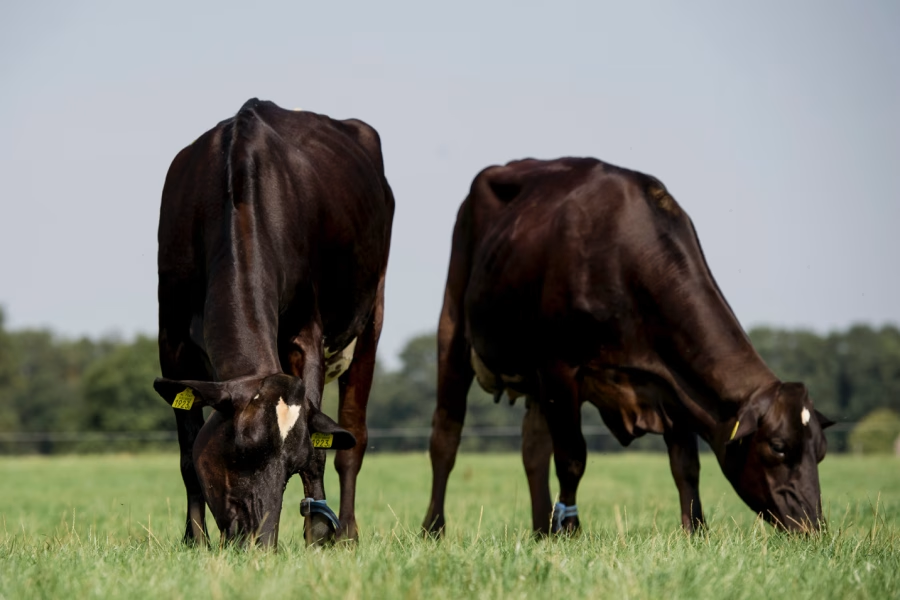
How Heat Stress Disrupts Milk Quality: Groundbreaking Study Reveals Differences in Holsteins and Brown Swiss

Uncover the influence of heat stress on milk quality in Holstein and Brown Swiss cows. Delve into the pioneering research that highlights the variations in milk microbiota between these breeds.

Have you ever considered the impact of heat stress on dairy cows and their milk? Our groundbreaking studies offer new insights, revealing distinct responses to heat stress between Holsteins and Brown Swiss cows. This research, the first of its kind, is crucial for both dairy producers and consumers, as it sheds light on how high temperatures can affect milk bacteria, thereby influencing milk quality.

The scientists behind this study underscore the practical implications of their findings. They reveal distinct responses to heat stress between Holstein and Brown Swiss cows, particularly in relation to the bacteria in their milk. They stress that improving animal welfare and milk quality in the face of climate change hinges on understanding these variations.

Linking these variations to the bacterial communities in milk, the research investigates how high temperatures impact milk output, fat, protein, and casein content. This paves the path for focused techniques for controlling heat stress and guaranteeing premium milk output.

Beyond Animal Welfare: The Economic and Quality Toll of Heat Stress on Dairy Farming

Dairy cow heat stress affects milk quality and farmers’ way of life. High temperatures decrease milk quality and lower feed intake and output, posing major financial problems. Its impact on milk bacteria is an often disregarded factor that might aggravate milk deterioration and mastitis, an expensive mammary gland illness.

Though it’s crucial, little study has been done on how heat stress changes the bacteria population in milk. Shelf life, safety, and nutritional quality depend on milk bacteria. Changes in these bacteria may cause mastitis and more spoiling, influencing animal health and farm economics.

Little was known historically about the variations in milk microbiota across dairy cow breeds in response to heat stress. This information vacuum has hampered efforts to create plans of action to counteract the negative consequences of heat stress.

The research findings have the potential to revolutionize dairy farming. By enabling farmers to use breed-specific techniques, they could maximize milk output during heat waves. Moreover, this research could guide breeding initiatives to enhance cows’ thermal stress tolerance, leading to more sustainable and profitable dairy production.

Controlled Thermal Trials: A Methodical Approach to Investigate Heat Stress Impact

The research strategy was meticulously designed to probe the complex impacts of heat stress on the milk microbiota of Holsteins and Brown Swiss cows. This innovative study was conducted in cooperation with the University of Milan, the University of Bari, and the Institute of Agricultural Biology and Biotechnology housed at the National Study Council of Italy in summer 2022.

Set in a Southern Italian commercial dairy farm, the experiment controlled heat conditions by turning off the barn’s cooling system for four days and then reactivating it. Data loggers placed at the cows’ head height correctly tracked temperature and humidity, thereby nearly replacing their natural surroundings.

Reared under the same conditions, forty cows—equally split between 20 Holsteins and 20 Brown Swiss—were Along with a thorough investigation of the milk bacteria under both heat stress and standard settings, researchers gathered milk samples during morning and afternoon milking sessions to examine the effect of heat stress on production metrics including milk output, fat, protein, and casein content.

Heat Stress Divergently Influences Milk Composition in Holsteins and Brown Swiss Cows 

However, heat stress affected milk composition in Holsteins and Brown Swiss cows in various ways. Protein, casein, milk output, fat-corrected milk, and energy-corrected milk all dropped more noticeably in Holsteins. While Holsteins’ lactose content was constant, brown Swiss cows showed a slight rise in lactose levels. During the heatwave, both breeds had lowered saturated fatty acids; monosaturated and unsaturated fatty acids were somewhat constant. These findings underline the different degrees of heat stress sensitivity across the breeds; changes in milk content more impact Holsteins.

The Intricate Interplay Between Heat Stress and Milk Microbiota 

The milk microbiota of dairy cows is substantially affected by heat stress; Brown Swiss milk shows more richness under heat than Holstein milk. In both types, bacterial species, including Streptococcus, Enterococcus, Chryseobacterium, and Lactococcus, flourish during heat waves. However, Brown Swiss cows show an increase, suggesting a more flexible microbiota; Holsteins show decreased OTU abundance, indicating less bacterial diversity.

Prevotella 9 also behaves differently; it reduces in Holsteins but increases in Brown Swiss, therefore underlining the different microbial resistance of the breeds to heat stress. Reflecting on their physiological and genetic responses to environmental stresses, this study emphasizes how Holsteins and Brown Swiss produce milk differently under heat stress and harbor distinct microbial communities. This innovative research clarifies the intricate biology behind dairy production and its sensitivity to environmental problems.

Heat Stress Alters Milk Microbiota with Far-reaching Consequences for Dairy Quality and Herd Health

The research shows that heat stress affects the milk microbiome of Holstein and Brown Swiss cows differently, elevating certain bacteria like Streptococcus and Lactococcus. For dairy farming, these developments are vital. While rising Lactococcus levels might cause greater milk fermentation and spoiling, therefore influencing milk quality and shelf-life, certain Streptococcus species are associated with a higher risk of mastitis.

The Bottom Line

The results of our innovative study underscore the urgent need for breed-specific heat stress research. The maintenance of milk quality and herd health is contingent on understanding how different cow breeds respond, particularly as climate change leads to more frequent heat waves. This study calls for management techniques tailored to each breed’s physiological and microbiological characteristics, emphasizing the need for immediate action.

The study also highlights fresh research prospects on how mammary glands respond to heat stress, influencing milk output and quality. Constant research might result in creative ideas to reduce heat stress effects and, hence, support the sustainability and production of the dairy sector.

Key Takeaways:

  • Heat stress affects Holsteins and Brown Swiss dairy cows differently, influencing their milk microbiota and production parameters.
  • Holstein cows show a more pronounced decline in protein, casein, milk yield, fat-corrected milk, and energy-corrected milk under heat stress compared to Brown Swiss cows.
  • Brown Swiss cows exhibit a richer milk microbiota during heat stress, while Holsteins have a richer microbiota under normal thermal conditions.
  • Heat stress alters the abundance of over 100 types of bacteria, including Enterococcus, Lactococcus, and Streptococcus, which can impact milk spoilage and mastitis risk.
  • The study underscores the better thermal regulation capabilities of Brown Swiss cows, with less degradation in milk quality metrics.
  • Future research aims to delve deeper into how mammary glands adapt to heat stress and the subsequent effects on milk production and quality.

Summary: 

A 2022 study in Italy found that heat stress significantly affects milk composition in Holsteins and Brown Swiss cows, affecting animal welfare, shelf life, and farm economics. The study revealed that heat stress changes the bacteria population in milk, potentially leading to mastitis and spoilage. The research could revolutionize dairy farming by enabling farmers to use breed-specific techniques to maximize milk output during heat waves and guide breeding initiatives to enhance cows’ thermal stress tolerance. The controlled thermal trials involved turning off the barn’s cooling system for four days and then reactivating it. The results showed that Brown Swiss milk showed more richness under heat, while Holsteins showed decreased OTU abundance, indicating less bacterial diversity. Prevotella 9 behaved differently in Holsteins but increased in Brown Swiss, underlining the different microbial resistance of the breeds to heat stress.

Learn more:

Send this to a friend