








USDA sterile fly production covers just 25% of needs, while screwworm sits 70 miles from Texas dairy operations
EXECUTIVE SUMMARY: Recent government data reveal a concerning preparedness gap, as the New World screwworm sits just 70 miles from the Texas border, while federal sterile fly production operates at only 25% of the estimated containment needs. A typical 1,000-cow operation facing mandatory treatment protocols could dump over 525,000 pounds of milk during a week-long response, resulting in approximately $800,000 in lost revenue while incurring full operational costs. What’s particularly noteworthy is how this crisis highlights fundamental differences between dairy and beef operations—while ranchers can delay marketing during quarantines, dairy producers can’t pause milking schedules. Extension service guidance now emphasizes enhanced wound surveillance and 90-day emergency cash reserves specifically for dairy operations. Climate research indicating that insects are expanding their ranges at a rate of 6 kilometers per year suggests that these biological boundaries will continue to shift, making individual farm preparedness increasingly essential. The operations best positioned for this changing risk environment will be those that balance efficiency gains with crisis resilience, adapting their surveillance and financial planning accordingly.
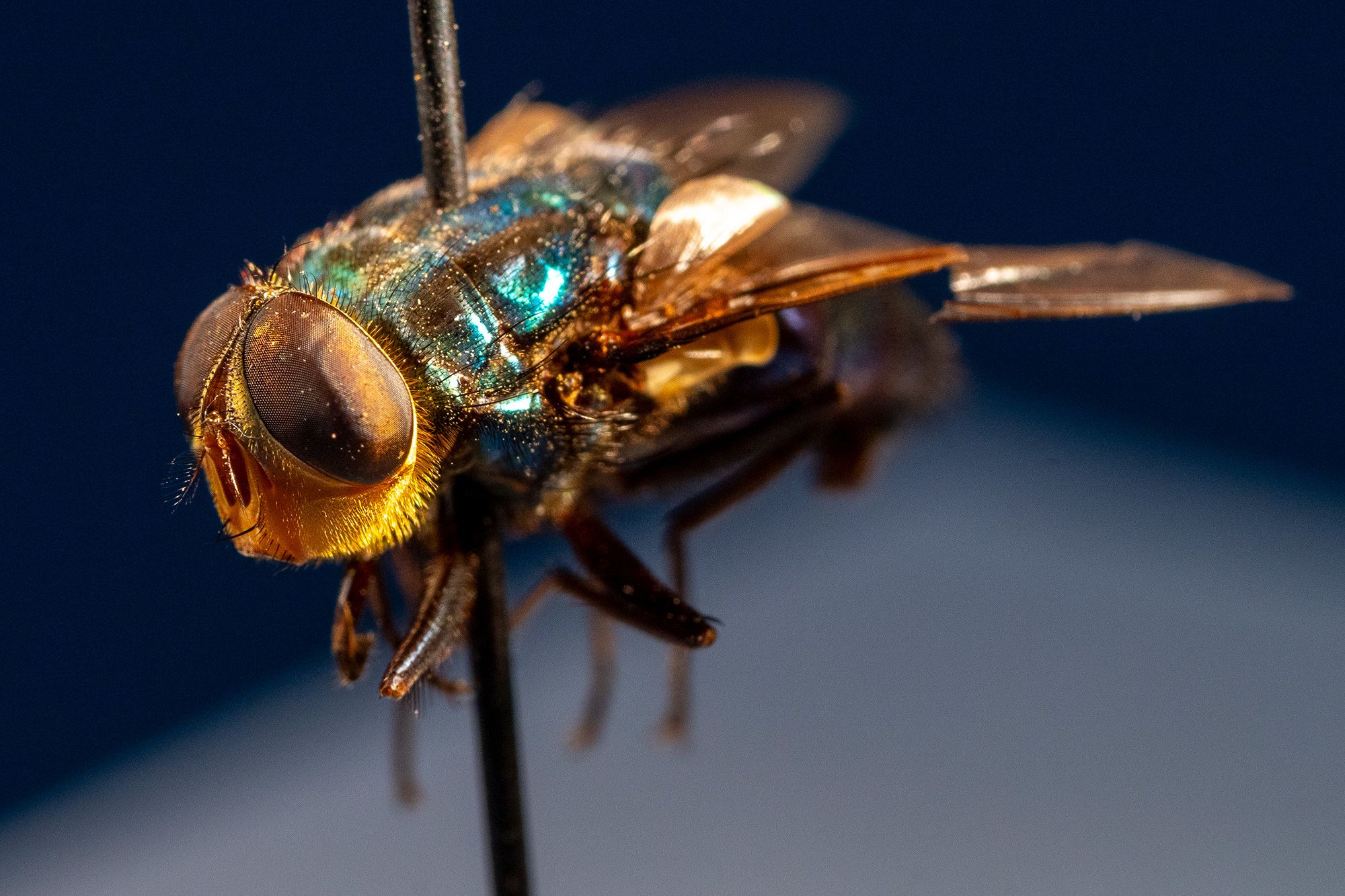
You know, when Mexico confirmed New World screwworm just 70 miles from the Texas border on September 20th, it got me thinking about something we don’t discuss enough at industry meetings. We spend considerable time optimizing for efficiency—milk per cow, feed conversion, labor productivity—but I wonder if we’ve created some blind spots when it comes to weathering the kinds of crises that could shut down operations for weeks.
What’s particularly noteworthy about this screwworm situation is how it reveals fundamental differences between dairy and beef operations when trouble arises. And honestly? The timing couldn’t be worse for dairy producers, who are already dealing with tight margins and cash flow pressures.
When Your Biggest Strength Becomes Your Greatest Vulnerability
There’s this reality that many of us probably haven’t fully considered: when livestock health emergencies strike beef operations, ranchers have options. They can delay marketing, adjust grazing rotations, and even cull selectively while waiting for clearances.
But in dairy? The cows don’t care about quarantines—they still need milking twice a day.
USDA’s Animal and Plant Health Inspection Service confirmed that the infected calf in Sabinas Hidalgo had traveled from southern Mexico through certified systems—a 300-mile jump north that puts it uncomfortably close to operations across Texas, Oklahoma, and into Kansas. When you’re looking at mandatory withdrawal periods for screwworm treatments, dairy producers face the immediate risk of milk dumping while incurring full operational costs.
Here’s the math that’s keeping many of us up at night: a typical 1,000-cow operation producing around 75 pounds of milk per cow daily is looking at over 525,000 pounds of dumped milk during a week-long treatment window. At current milk pricing levels—hovering in the mid-to-upper teens per hundredweight—that translates to roughly $800,000 in lost revenue while you’re still paying for feed, labor, and utilities.

And that assumes you catch it early… which brings us to something interesting I’ve been noticing about detection capabilities.
The Small Farm Advantage Nobody Saw Coming
Despite having less financial cushion to weather extended crises, family operations might actually hold crucial advantages in early threat detection. This development suggests that we might need to reconsider our assumptions about the balance between operational efficiency and crisis resilience.
When you’re doing the milking yourself, you notice when individual animals behave differently. Those subtle behavioral shifts—the way a cow carries her tail, hesitation at the feed bunk, even changes in how she positions herself during milking—often signal early problems before any visible symptoms appear.
Now, corporate operations have significant advantages—dedicated animal health teams, sophisticated monitoring systems that can track patterns across thousands of animals, and better access to capital during emergencies. But there’s a trade-off here. Those automated systems excel at identifying trends and managing routine health protocols; however, they may miss the individual animal changes that signal early stages of infestation.
What’s even more significant is procedural flexibility. Family operations can often implement treatment protocols within hours of detection, whereas larger operations need to coordinate across multiple sites, consult with centralized veterinary staff, and navigate through documentation requirements that can add crucial hours to response time.
I’ve noticed that the behavioral observation skills that enable you to spot early mastitis or lameness also translate directly to early detection of parasites.
When 25% Capacity Meets 100% of the Problem
Looking at federal response capabilities underscores the importance of individual farm preparedness. The sterile insect technique that eliminated screwworm back in 1966 remains our best tool—and honestly, it’s pretty remarkable technology when you think about it.
According to APHIS data, the Panama facility produces approximately 100-115 million sterile flies per week. It was designed primarily for barrier maintenance rather than responding to outbreaks. Current estimates suggest the Mexican outbreak requires 400-500 million flies weekly for effective containment. We are currently examining existing capacity, which covers approximately 25% of actual needs.

USDA Secretary Brooke Rollins announced an $879.5 million response plan in August—including a Texas facility designed to produce 300 million flies weekly. But here’s the challenge: full operational capacity won’t be reached until 2026. That’s an 18-month gap between crisis escalation and the development of adequate response capabilities.
It reminds me of trying to handle a barn fire with equipment designed for small spot fires. The tools work, but the scale just doesn’t match what we’re facing.
Climate Reality Is Rewriting the Rulebook
What makes this screwworm situation particularly significant is how it illustrates broader changes in agricultural threat patterns. Climate research indicates that insects are expanding their ranges at approximately 6 kilometers per year due to rising temperatures. Screwworm, historically confined to tropical zones, now finds suitable habitat extending into traditional cattle regions across Texas, Oklahoma, and parts of Kansas.
This aligns with patterns we’re seeing elsewhere in agriculture—and it’s got implications beyond just this one parasite. Those natural boundaries that have kept certain pests out of our regions are shifting faster than our preparedness systems have adapted to handle them.
Makes you think about what other assumptions we might need to revisit. The efficiency gains from consolidation and specialization have made modern dairy farming profitable, but biological emergencies requiring rapid, individualized responses may reveal some vulnerabilities that we haven’t fully considered.
The Economics Go Way Beyond Treatment Costs
I wish the financial impact stopped at treatment expenses, but it doesn’t. Regional milk processing facilities often implement strict movement controls during livestock health emergencies, potentially preventing even unaffected farms from delivering to alternative buyers. This compounds treatment-related milk dumping with healthy cows whose milk simply can’t reach markets.
There are also international trade implications to consider. The World Organisation for Animal Health protocols automatically restrict exports from countries with screwworm-positive areas. Any disruption to international market access could persist for years beyond the resolution of the outbreak—something we have learned from previous disease outbreaks in other countries.
Here’s something worth considering that caught my attention: quarantine-related losses often fall into insurance coverage gaps that many of us haven’t thought about. Worth having that conversation with your agent before you need to know the answer, especially given how dependent dairy operations are on continuous cash flow.
What University Extension Services Are Actually Recommending
Looking at the preparedness strategies emerging from land-grant universities and USDA guidance, the emphasis is on enhanced surveillance and rapid response protocols. Current recommendations focus on twice-daily wound inspections during milking, documenting and photographing the healing progress on fresh procedures, such as dehorning and AI breeding.
The goal is to catch any problem within hours rather than days, which becomes particularly important when considering that screwworm larvae can establish and begin tissue damage incredibly quickly under the right conditions.
Financial preparedness extends far beyond traditional cash flow planning. What I’m seeing consistently recommended across extension publications is cash reserves equal to 90 days of operating expenses—specifically earmarked for crisis survival, not expansion or equipment purchases. This isn’t growth capital; it’s survival funding for extended market disruptions.
Many operations are establishing backup milk buyer relationships outside their traditional territories. Extension guidance includes negotiating force majeure clauses that enable the rapid transfer of contracts during regional emergencies. Some are pre-purchasing approved treatments and wound care supplies to avoid post-outbreak shortages, while diversifying feed supply chains to reduce dependency on potentially restricted imports.
The Scale vs. Speed Trade-Off Nobody Talks About
This screwworm threat is revealing fundamental tensions between agricultural efficiency and crisis resilience that extend beyond individual farm decisions.
Corporate dairy operations have clear advantages—they can absorb financial hits better, they’ve got dedicated animal health staff, and they often have relationships with multiple processors already established. Their scale provides certain buffers that smaller operations simply don’t have.
However, what’s interesting is that their multi-site complexity and centralized decision-making can slow emergency responses when minutes matter for containment. Independent operations typically operate with tighter margins and less financial cushion, making them more vulnerable to extended disruptions. Yet their direct animal observation, immediate decision-making authority, and established local veterinary relationships often enable faster threat detection and response.
The question is whether those corporate advantages offset the challenges of detection and response time. Industry consolidation has favored larger, more efficient operations for sound economic reasons, but biological emergencies may reveal some trade-offs that we haven’t fully considered.
Fresh Cow Management During Crisis Periods
What’s particularly noteworthy is how this threat timing aligns with fall breeding season and fresh cow transition periods. Fresh cows coming through transition already have compromised immune systems during peak lactation. Add breeding procedures, heifer dehorning, and routine ear tagging, and you’ve created multiple potential problem sites on your most valuable animals.
Every routine management practice becomes a potential entry point during an outbreak. What’s encouraging is that many operations are discovering they can integrate enhanced surveillance into existing fresh cow management without major operational disruptions.
The twice-daily wound inspections naturally fit into milking routines, especially during the critical first 30 days in milk, when you’re already closely monitoring for ketosis and displaced abomasums. Those behavioral observation skills that enable you to identify metabolic issues effectively also translate to early detection of parasites.
And there’s something to be said for the fact that many of our best fresh cow managers already have that instinctive ability to notice when something’s off with individual animals. Those skills become even more valuable during crisis situations when early detection can mean the difference between treating a few animals versus dealing with a full outbreak.
Your Crisis-Ready Action Plan
Based on current extension service recommendations and USDA guidance, here’s what prepared operations are actually doing, organized by timeline and implementation complexity.
Next 30 Days:
- Integrate enhanced wound inspection protocols into existing milking routines—focusing particularly on dehorning sites, ear tag punctures, and breeding-related injuries
- Contact alternate milk buyers in different regions to establish backup processing agreements before you need them
- Have that insurance conversation specifically about quarantine-related coverage gaps and milk dumping scenarios
- Pre-purchase approved treatments and wound care supplies before potential shortages drive up costs
Within Six Months:
- Build cash reserves equal to 90 days of operating expenses—specifically earmarked for crisis management, not equipment or expansion
- Develop comprehensive employee training for early problem recognition (your milkers really are your first line of defense)
- Create documented emergency response procedures for rapid veterinary consultation and treatment protocols
- Diversify feed supply chains to reduce dependency on single sources that could face import restrictions
Long-Term Resilience Building:
- Consider revenue diversification through on-farm processing or direct sales to reduce fluid milk market dependency
- Evaluate your operational structure for optimal balance between efficiency and emergency responsiveness
- Update risk management strategies for this changing threat environment we’re entering
- Participate in industry planning for enhanced surveillance and response capabilities
Regional Realities Worth Considering
Different regions face different baseline risks and have varying levels of experience with similar challenges. Operations in the Southwest that have dealt with other cross-border livestock issues may have transferable experience in backup planning and crisis response.
But what’s concerning is that many operations in regions that climate barriers have historically protected may not have developed the surveillance and response protocols that could prove essential as these boundaries shift.
The data suggest that pest and disease patterns we’ve relied on for decades are changing faster than our preparedness systems have adapted to handle them. That’s particularly true for regions that haven’t had to deal with aggressive parasites or tropical disease pressures in the past.
This development suggests we might need more collaboration between regions that have experience managing these threats and those that are just starting to face them.
The Bigger Picture We’re All Facing
This screwworm crisis, 70 miles from the Texas border, represents more than a single pest threat. It’s a preview of how climate change, global trade integration, and agricultural consolidation are reshaping the risk environment for dairy operations across different regions.
We’re entering a phase of agricultural risk management where historical assumptions about containment and government response may no longer hold. Operations that recognize these broader patterns and prepare accordingly will be better positioned not just for screwworm, but for the expanded range of challenges emerging in modern agriculture.
The lesson here seems clear: in an era of expanding biological threats and limited government response capacity, individual farm preparedness—combining early detection capabilities with financial resilience—becomes your most reliable line of defense.
And honestly? That adaptation might favor some operational structures over others in ways we’re just beginning to understand. Worth thinking about as we plan for the years ahead.
What’s interesting here is that the operations that thrive will be those that adapt not just for efficiency, but for resilience in an increasingly uncertain environment. The question is whether we can maintain the profitability that comes from optimization while building in the flexibility that crisis management requires.
That balance between efficiency and resilience… that’s probably the conversation we should be having more often at these industry meetings. What we’re seeing with screwworm is likely just the beginning of how climate change and global trade patterns will test the assumptions we’ve built our operations around.
The math on this crisis is pretty sobering—$800,000 in lost revenue for a week-long treatment scenario on a 1,000-cow operation. However, the real cost might be in the lessons we learn about preparedness—or fail to learn—while we still have time to act.
KEY TAKEAWAYS:
- Financial Impact Planning: Build cash reserves equal to 90 days of operating expenses specifically for crisis management, as milk dumping during treatment protocols can cost $800,000+ for large operations, while operational expenses continue
- Enhanced Detection Protocols: Implement twice-daily wound inspections during milking routines, focusing on dehorning sites and breeding procedures where family operations often hold advantages in early behavioral observation
- Backup Market Relationships: Establish alternate milk buyer agreements with processors 100+ miles apart, including force majeure clauses that enable rapid contract transfers during regional quarantine situations
- Operational Structure Assessment: Evaluate the balance between efficiency optimization and crisis response flexibility, as automated surveillance systems may miss individual animal changes that signal early infestations
- Regional Preparedness Adaptation: Recognize that climate-driven pest range expansion at 6 kilometers annually requires updated assumptions about historical biological barriers and containment strategies
Complete references and supporting documentation are available upon request by contacting the editorial team at editor@thebullvine.com.
Learn More:
- The Biosecurity Myth: Journal of Dairy Science Reveals Why Enhanced Protocols Failed Against H5N1 – This article provides a tactical blueprint for creating science-based biosecurity protocols. It reveals why traditional methods failed against H5N1 and outlines a more robust approach to herd health, offering a concrete model for producers facing new biological threats.
- AI and Precision Tech: What’s Actually Changing the Game for Dairy Farms in 2025? – This piece demonstrates how innovative technologies can improve herd health monitoring and early detection. It details the financial returns of AI-powered systems that catch problems like lameness and reproductive issues, providing a clear path for using technology to build resilience.
- Why the Smartest Dairy Operators Are Unlocking Over $150,000 in Potential Returns While Others Get Blindsided by Market Chaos – This article expands on the financial risk discussion, revealing how blended strategies like Dairy Margin Coverage and Class III futures protect against market volatility. It offers a strategic framework for managing economic risks that could compound the financial impact of a biological crisis.
 The Sunday Read Dairy Professionals Don’t Skip.
 The Sunday Read Dairy Professionals Don’t Skip.
Every week, thousands of producers, breeders, and industry insiders open Bullvine Weekly for genetics insights, market shifts, and profit strategies they won’t find anywhere else. One email. Five minutes. Smarter decisions all week.




