Feed as Science: How the Penn State Box Turns TMR Consistency into Butterfat and Profit
I was in a feed room on a Wisconsin dairy not long ago when I noticed something familiar—a brand-new Penn State Particle Separator, still in the box and tucked behind a stack of feed samples. The herd manager laughed when he saw me notice it. “We bought it last winter,” he admitted, “but we’ve been too busy to get into the routine.”
You know, that exchange says a lot about where we are as an industry. We’ve got tools that can unlock thousands of dollars in performance, but in the rush of day-to-day dairy life, the simplest ones often get sidelined. What’s interesting here is that this little plastic box—the Penn State Separator—is turning out to be one of the best pay-per-minute management tools we have.
Those numbers add up quickly. For a 600-cow herd, that could easily amount to five figures in monthly component revenue left on the table.
Dr. Mike Hutjens, Professor Emeritus at the University of Illinois, puts it plainly: “Feed uniformity is your daily quality control system. Without it, you’re guessing.” And that’s the truth—consistency isn’t a luxury metric; it’s how high-performing dairies stay profitable year-round.
The Science Inside the Box
If you’ve handled a Penn State Particle Separator, you know it’s simple: four sieve trays stacked by particle size that literally show what cows are eating—not just what’s printed on the ration sheet.
For most lactating cows, Penn State guidelines suggest:
2–8% retained on the top (>19 mm) sieve
30–50% on the next (8–19 mm)
20–30% on the third (4–8 mm)
Under 20% in the bottom pan (<4 mm)
What’s really fascinating is how this simple distribution tells us everything about the efficiency of rumen function. Too much fine material, and pH typically plummets below 5.8, kicking off subacute ruminal acidosis (SARA) (Krause & Oetzel, J. Dairy Sci., 2006). Too much long material, and cows start sorting, which restricts intake and upsets the delicate microbial balance that drives butterfat production.
Essentially, the Separator is a truth serum for TMR management—turning impressions into data.
When Feed Gets Too Fine – The Hidden Efficiency Leak
Overmixing is easy, especially in winter when forages dry out and mixing times stretch. The problem is subtle: rations start looking “fluffy,” but excessive blending breaks down fiber particles that cows need for natural buffering.
Mixing Time: The Goldilocks Zone for Particle Size – Seven to nine minutes hits the sweet spot for most operations: enough to blend thoroughly, not enough to pulverize fiber. Beyond 11 minutes, physically effective NDF drops below 60%, and fine particles spike—setting up acidosis risk.
Research from Penn State (2023) and Dairyland Laboratories (2024) shows a consistent relationship—each 1% increase in fecal starch above 3% equals roughly 0.7 pounds (0.3 kg) of lost milk per cow per day. That drop traces directly back to reduced particle size and faster rumen passage.
Fecal Starch: The 3% Rule That Costs Real Money – Every 1% above 3% fecal starch equals 0.7 lbs lost milk per cow daily. At 5%, a 600-cow herd loses $30,660 annually.
Once the feed texture is corrected, cows respond fast. Intake climbs within a few days, and butterfat tends to normalize within 10–14 days. That’s the rumen re-establishing equilibrium, and it happens predictably if consistency holds.
It’s worth noting that recovery isn’t instant because microbial populations need a full cycle—about three weeks—to rebuild. But when farms stick with the plan, the results speak for themselves.
When Feed Gets Too Long – Why “More Fiber” Can Backfire
Across the Midwest, it’s common to see the opposite: rations that are too coarse. Sometimes it’s due to harvest conditions, sometimes prolonged knife wear, or wet forages. But even 10–15% material on the top sieve can drop dry matter intake by 3.3–4.4 pounds (1.5–2 kg) per cow per day, according to Cornell Cooperative Extension (2023)and Kononoff et al. (J. Dairy Sci., 2003).
It’s easy to spot. Bunks show long refusals, feed sorting increases, and milk solids vary from cow to cow. That imbalance also stresses the fresh cow group, where consistent energy delivery is critical during the transition period.
The fix is often small—a sharper chop or added moisture—but the payoff is large. One Northeast producer told me, “We didn’t change the ration at all, just the chop setting—and our intakes stabilized in a week.”
Connecting Particle Size and Fecal Starch
Here’s where modern precision feeding really shines. When farms combine physical evaluation (via the separator) with digestion analytics (via fecal starch testing), they close the loop on total feed efficiency.
Research at the University of Guelph (2024) found that herds maintaining a balanced TMR structure consistently achieved fecal starch levels below 3%, aligning with about 96% total-tract starch digestibility. Anything over 5% points to feed passing too quickly—often because TMR is too fine, not because kernels are underprocessed.
Or, as Hutjens says in his workshops, “If the rumen can’t hold feed long enough, microbes can’t finish their job.” That line always sticks because it’s a simple truth: the rumen’s efficiency relies on physical structure first, chemistry second.
What Improvement Looks Like – The 21-Day Timeline
Now, many producers ask: once we fix it, how quickly do the cows show results? Based on consistent findings from Penn State, UW–Madison, and the Miner Institute, here’s what usually happens:
Days 1–2: Feed sorting drops; bunk refusals even out.
Days 3–5: DMI increases 2–4 pounds (0.9–1.8 kg) per cow.
Days 5–7: Milk production rises 3–5 pounds (1.4–2.3 kg) per cow.
Days 10–14: Butterfat lifts 0.2–0.3 points.
By Day 21: Rumen and microbial stability return to optimal levels.
What’s interesting here is just how predictable the recovery is when particle size and feeding routine stay on target. Results don’t happen overnight—but give it three weeks, and the cows will show you why it’s worth sticking to the plan.
21-Day Recovery: From Feed Fix to Full Profit – Cows respond predictably when particle size is corrected. Milk rises within a week, butterfat follows by week two, and rumen stability locks in by day 21.
Turning the Separator into a Habit
Producers who’ve made this work treat the Separator as part of weekly herd management, not a special task. I like to call it “Feed Quality Friday”—a fifteen-minute ritual where the feeder runs one test, records the numbers, and shares them with the nutritionist.
The payback for that small amount of time is remarkable. Field results from Penn State Extension (2024) show that farms that regularly monitor particle size reduced component volatility by nearly 30% across seasons, saving $50,000–$60,000 annually on a 500-cow herd.
But more importantly, it changes culture. Feeders begin catching drift before it shows up in milk tests. They start asking better questions about forage moisture, mixing time, and loading sequences. And that’s how farms shift from reactive to proactive management.
Building a Culture of Consistency
What’s encouraging is that this approach works everywhere—from 120-cow tiestalls in Ontario to 2,000-cow dry lot systems in California. The herds that succeed treat feed measurement with the same precision as fresh cow management or breeding records.
Across operations big and small, I’ve noticed that testing isn’t just about data—it builds accountability. Posting results weekly in the feed room, laminating target charts next to the mixer, or even color-coding sieves can transform an abstract concept into a visible, shared goal.
As Hutjens likes to emphasize, “Technology gives you options, but discipline delivers results.” That sentiment captures the heart of this discussion.
The Takeaway
Here’s what it all comes down to: the Penn State Separator isn’t flashy, and it doesn’t plug into an app—but it represents precision in its purest form. Measure, monitor, adjust, repeat. That process costs almost nothing and protects everything that matters: milk yield, butterfat performance, and cow health.
So if your separator is sitting in a corner, unopened, dust it off this week. Shake out one sample. It might just be the five most profitable minutes you’ll spend all month.
The Penn State Particle Separator turns feed analysis into a five‑minute habit that can unlock five‑figure profits.
A simple metric—fecal starch over 3%—signals lost milk and missed feed efficiency worth hundreds daily.
“Feed Quality Fridays” pay off: just 15 minutes a week can protect up to $60,000 a year in butterfat returns.
Within 21 days of adjusting the feed structure, rumen health steadies, and milk fat rebounds naturally.
Across every region and herd size, the best dairies win on one thing: disciplined consistency—not fancy tools.
Executive Summary
Ask any successful dairy manager, and they’ll tell you—precision starts with the basics. This article reveals how the humble Penn State Particle Separator has become one of the most cost-effective tools for improving butterfat and overall feed efficiency. Backed by university and field research, it shows how something as simple as a five-minute TMR check can prevent $50,000 or more in yearly losses from feed inconsistency and poor fiber balance. Each 1% rise in fecal starch above 3% translates directly to milk left on the table, and yet, herds that make testing routine see full recovery in yield and butterfat within just 21 days. What’s interesting here is that the wins don’t come from expensive equipment—they come from habit, focus, and follow-through. It’s proof that on the best dairies, measurement has become a mindset, not just a task.
Complete references and supporting documentation are available upon request by contacting the editorial team at editor@thebullvine.com.
Learn More:
Feed Smart: Cutting Costs Without Compromising Cows in 2025 – Provides strategies for hitting the 1.5–1.8 feed efficiency ratios mentioned in the main article. It reveals specific ration adjustments and alternative ingredients that lower input costs while maintaining the component levels essential for profitability.
Why Your Milk Check Makes No Sense Anymore (And How Smart Farms Are Adapting) – Analyzes the current market disconnect where butterfat drives revenue despite volatile milk prices. This strategic breakdown reinforces why the physical TMR adjustments discussed above are financially critical for capturing maximum component premiums right now.
FEED EFFICIENCY BOMBSHELL: Yeast Additives Expose the Truth About High-Starch Dairy Diets – Demonstrates how combining proper physical TMR structure with biological rumen additives can further stabilize pH and prevent SARA. It details new research showing how this “physical plus biological” approach can unlock an additional 3.5 kg of energy-corrected milk.
Join the Revolution!
Join over 30,000 successful dairy professionals who rely on Bullvine Weekly for their competitive edge. Delivered directly to your inbox each week, our exclusive industry insights help you make smarter decisions while saving precious hours every week. Never miss critical updates on milk production trends, breakthrough technologies, and profit-boosting strategies that top producers are already implementing. Subscribe now to transform your dairy operation’s efficiency and profitability—your future success is just one click away.
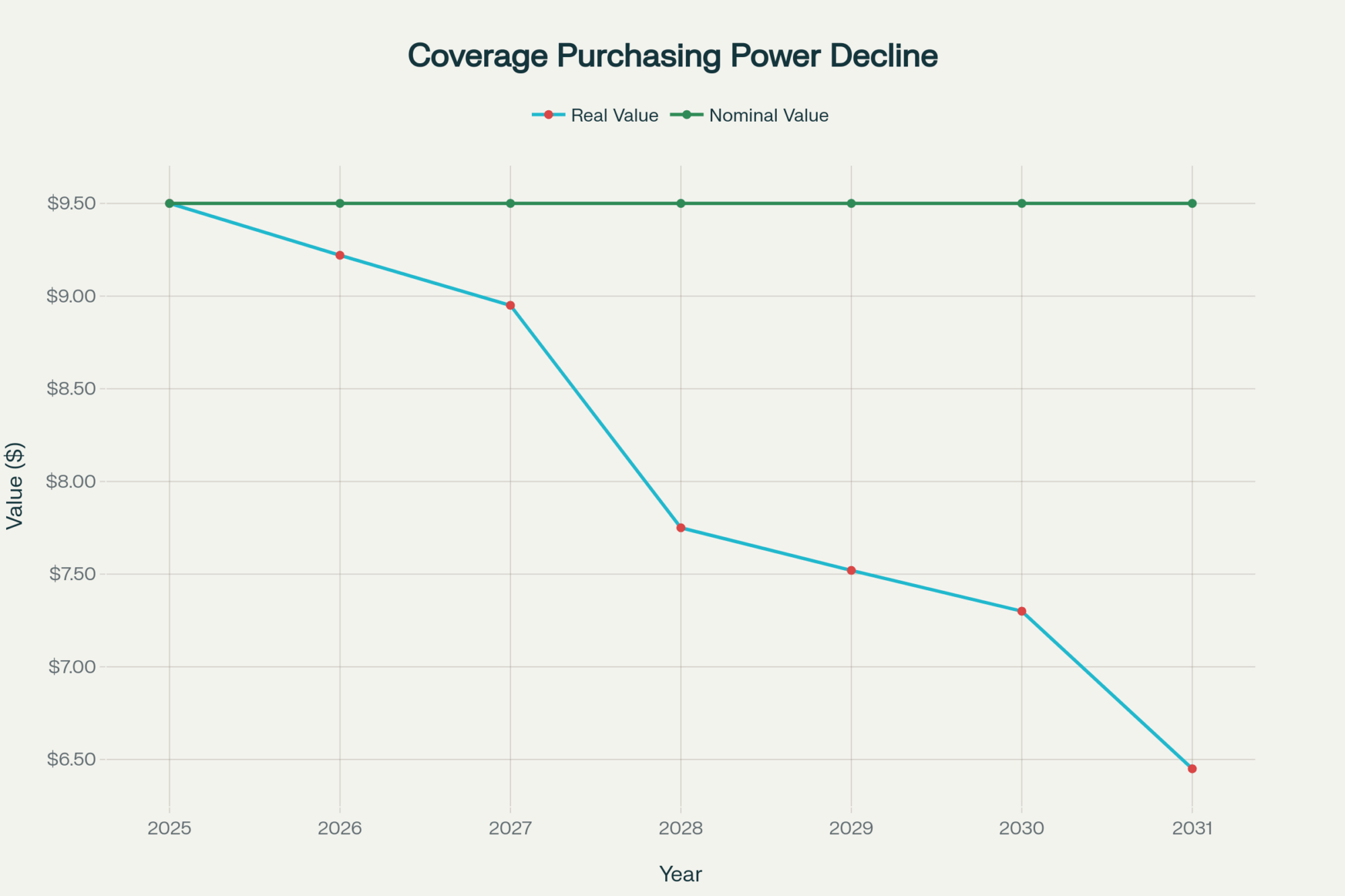
Fixed safety nets lose 30% purchasing power by 2031—your $9.50 coverage becomes worth $6.45
EXECUTIVE SUMMARY: What we’re discovering through conversations with dairy farmers across the country is that fixed safety net programs, while valuable, are creating an interesting planning challenge—coverage that doesn’t adjust for inflation loses roughly 30% of its purchasing power over typical extension periods. Take the Johnson farm example: their 500-cow Wisconsin operation faces $15,000-$ 20,000 in annual premiums for coverage that protects only half of their 12 million pounds of production, while the other half remains exposed to market volatility. Meanwhile, operations from Texas to Vermont are finding creative ways to build resilience beyond government programs—forming buying groups that cut feed costs by 10-15%, investing in shared equipment that reduces per-unit expenses, and developing direct market relationships that capture premium pricing. Recent discussions with producers suggest that the most successful operations treat safety nets as just one tool in their risk management toolkit, not the complete solution. The farms weathering volatility best are those focusing on fundamentals they can control: feed efficiency improvements that add $50-100 per cow annually, reproductive programs that reduce replacement costs, and facility investments that pay for themselves through improved cow comfort. Looking ahead, the real opportunity might be in building operations that are efficient enough for safety nets to become backup protection rather than a primary strategy.
You know, I was talking with a neighbor the other day about dairy safety net programs, and we got to discussing something that I think a lot of us are wondering about: what does longer-term program planning actually mean for our operations?
The headlines sound encouraging—expanded coverage options, program certainty, all that. However, when you delve into the planning aspect of things… that’s where the conversation becomes more interesting. And frankly, more important for those of us trying to make smart risk management decisions.
Understanding the Safety Net Framework
So here’s what we’re looking at with recent program developments. Congress has been working on extending program availability further into the future, which would give us more certainty about having these tools available when we need them. The basic program structure remains focused on providing safety net coverage for dairy operations, although, as many of us have seen, the details can become quite complex quite quickly.
Now, you probably already know this, but the way these safety net programs generally work is you can cover a portion of your production with premium costs that tend to increase as you go for higher coverage levels. Initial tiers typically offer better premium rates, and as you add more coverage… well, it gets expensive in a hurry.
What’s interesting here is how different this approach is from, say, your typical business insurance. Most commercial policies adjust rates and coverage annually based on changing conditions. But agricultural safety nets? They tend to become established and then remain in place for years at a time.
The Reality of Fixed Protection Levels
This is where the conversation with my neighbor got really interesting. Fixed coverage levels lose what economists call purchasing power as costs rise over time—and they generally do. It’s like having equipment insurance that covers replacement at today’s prices when you’ll need to buy that equipment several years from now at tomorrow’s prices.
For those of us running mid-size operations, this becomes particularly important. If you’re milking, say, 400-600 cows, you’re producing enough milk that only part of it typically gets the better tier coverage under most program structures. The rest is essentially exposed to market volatility.
The Hidden Cost of Fixed Safety Nets: How Your $9.50 Coverage Loses $3.05 in Real Value by 2031 – While politicians promise program certainty, inflation quietly steals 30% of your protection. Smart farmers are building their own cushions instead of waiting for Washington to adjust.
I’ve noticed that producers who truly understand this dynamic tend to approach their overall risk management strategy differently. They’re not just considering whether to enroll in programs—they’re also asking what else they need to do to maintain protection as conditions evolve.
While safety net coverage stays fixed, actual farm costs have more than doubled over 20 years
Case Study: The 500-Cow Decision
Let me walk you through a real-world example that might help illustrate this. Take a typical 500-cow Holstein operation in Wisconsin—let’s call them the Johnson farm. They’re averaging about 24,000 pounds per cow annually, which translates to approximately 12 million pounds of total production.
Under current program structures, they can obtain better premium rates on their first tier of coverage—approximately half their production. For the Johnsons, that means roughly 6 million pounds gets decent safety net protection, while the other 6 million pounds is basically exposed to market volatility.
If they’re paying premiums for coverage on that protected portion, they need to factor those costs into their budget—probably around $15,000 to $ 20,000 annually, depending on the coverage levels they choose. However, they also need to consider what happens to the value of that coverage over time.
The Johnsons have been dairy farming for 20 years. They’ve seen feed costs go from $120 per ton to over $300 per ton during tough years. Labor costs have more than doubled. Equipment prices… don’t even get me started. So, when they consider fixed coverage levels that remain unchanged for years, they’re thinking about whether that protection will still be meaningful when they actually need it.
What they’ve decided to do is treat safety net programs as just one piece of their risk management puzzle—not the whole solution.
The Johnson Farm Blueprint: How One 500-Cow Operation Built Real Protection Beyond Programs – Four pillars, measurable results. While neighbors worry about Washington, the Johnsons control what they can control – and it’s working.
The Other Side of Your Milk Check
And speaking of things that evolve while safety net coverage remains relatively static… there’s another piece that affects our milk checks that doesn’t get discussed enough at the kitchen table. Make allowances—those deductions that supposedly cover processing costs—are something many producers report seeing changes in over time.
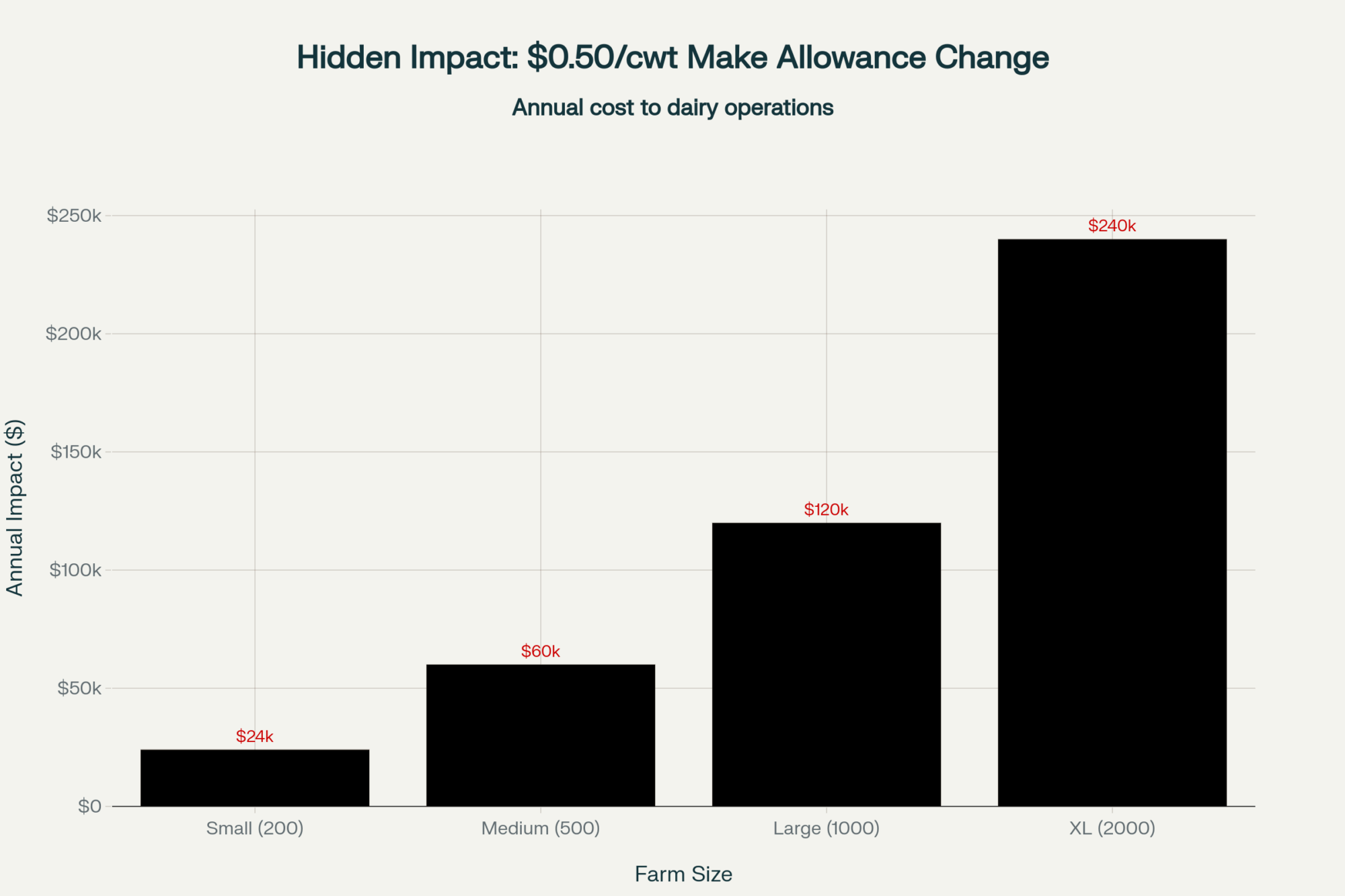
Here’s a simple exercise that might be worth doing: take your last six months of milk checks and calculate what a $0.50 per hundredweight change in deductions would mean to your annual cash flow. For a 500-cow operation producing about 12 million pounds annually, that’s $60,000. Not exactly pocket change, especially when you’re already paying premiums for safety net coverage.
Make allowance changes hit every hundredweight—the bigger you are, the harder you fall.
How Your Operation Size Changes Everything
You know what I’ve been noticing more and more? These policy and market changes affect farms very differently depending on your scale.
Farm size dramatically changes your risk profile under current safety net structures.
If you’re running a smaller operation—perhaps 150-250 cows—most of your production likely receives reasonable safety net protection. The challenge is that you’re often more dependent on cooperative pricing without a lot of market alternatives. Additionally, your time is typically fully committed to daily operations.
But if you’re in that middle range—say 400-800 cows—you’re producing enough that changes represent serious money, but only a portion of your milk typically gets meaningful coverage. Additionally, you’ve likely invested heavily in facilities and equipment over the years, making it expensive to consider switching market relationships.
Farm Size
Annual Prod
Coverage %
Exposed Prod
Risk Exposure
150-250 Cows
3.6-6M lbs
90-100%
0-0.6M lbs
$0-3K
400-600 Cows
9.6-14.4M lbs
50-65%
5-8.4M lbs
$25-42K
1000+ Cows
24M+ lbs
25-35%
16-18M lbs
$80-90K
The largest operations? They’re often negotiating premiums above base prices anyway. Safety net coverage is nice to have, but it’s not make-or-break for their cash flow. Their volume helps them absorb cost increases that might really hurt smaller farms.
What’s encouraging is seeing some mid-size operations get creative about this challenge—forming marketing groups, exploring regional processing options, or investing in technologies that improve their bargaining position with processors.
Understanding Market Relationships
Many dairy cooperatives operate both marketing and processing businesses. That creates some interesting dynamics when policies and market conditions change.
Now, I’m not saying there’s anything wrong with this business model—cooperatives serve important functions and most are trying to optimize total value for their members. However, it’s worth understanding how your cooperative or processor generates revenue across all its operations, not just what is reflected in your milk price.
I’ve noticed that producers who take time to really understand their market relationships tend to make better decisions about their overall marketing strategy. They’re also better positioned to have productive conversations about pricing, services, and long-term contracts.
Take butterfat premiums, for example. Some operations focus heavily on maximizing butterfat performance through breeding and feeding programs because their market relationships reward that approach. Others find better returns through improvements in volume and efficiency. Understanding how your specific market relationship works helps you make smarter investment decisions.
Alternative Approaches and Innovations
Some producers are exploring alternatives to traditional market structures. Mobile processing options are becoming a topic of conversation in some regions, although they still require substantial investment and regulatory navigation. Some operations are exploring direct-to-consumer approaches, particularly for specialty products like organic or grass-fed milk.
For example, some Wisconsin producers I know have formed buying groups for feed and supplies, using their combined purchasing power to negotiate better prices. In Texas, several operations have invested in shared equipment for feed processing, spreading the cost across multiple farms while improving feed quality and reducing per-unit costs.
In Michigan, a group of approximately 20 mid-sized dairies has pooled resources to hire a professional nutritionist who works exclusively with their operations. The cost per farm is manageable, but they’re getting top-tier expertise that would be unaffordable individually.
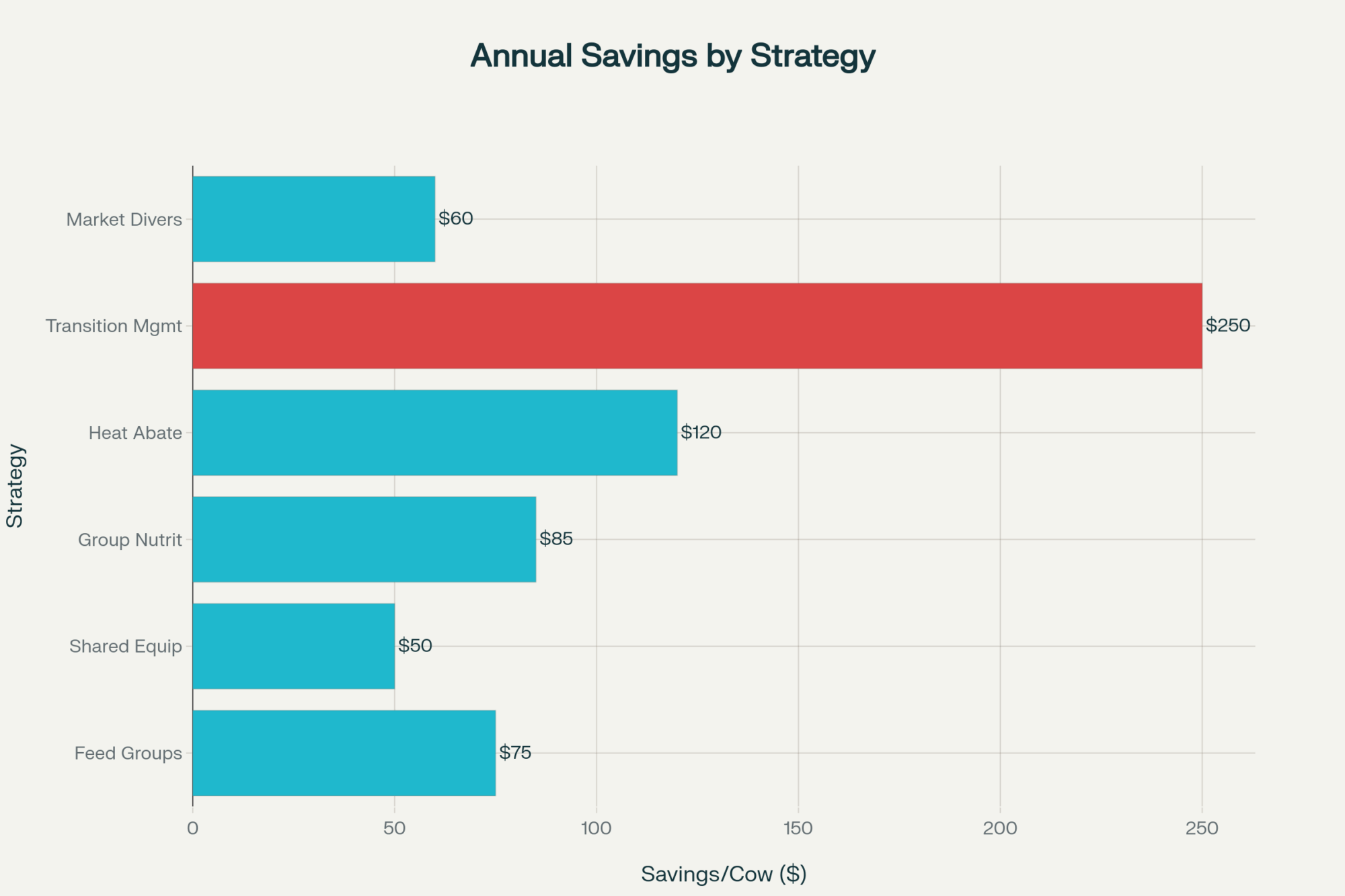
Beyond Safety Nets: Six Strategies Smart Farms Use to Build $100K+ Annual Cushions – Transition management improvements alone deliver $250/cow annually – that’s $125,000 for a 500-cow operation. No government program required
The Planning Framework That Actually Works
So where does this leave us? Well, I think it starts with understanding your own numbers—really understanding them, not just having a general sense of where things stand.
Smart risk management starts with understanding your operation’s unique position.
Calculate what a 10% increase in feed costs would do to your margins. Determine your break-even milk price based on current cost structures. Understand what percentage of your income comes from components like butterfat and protein premiums versus base price.
Here’s a practical framework that might be worth working through:
Monthly Financial Reality Check:
Track your all-in cost of production per hundredweight
Monitor your margin over feed costs as a key indicator
Calculate how policy or market changes affect your actual cash flow
Compare your costs to regional averages when available
Risk Assessment Questions:
What’s your biggest vulnerability—price volatility, cost inflation, or cash flow timing?
How much of your production gets meaningful safety net protection?
What happens to your operation if margins stay tight for 18 months?
Do you have access to alternative markets if your current relationship doesn’t work out?
Regional Realities and Opportunities
Some Wisconsin producers I’ve talked with report focusing more on feed efficiency and reproductive performance as ways to improve their cost structure independent of policy support. The emphasis on transition period management has intensified—getting those fresh cows off to a strong start makes a significant difference in overall herd performance and lifetime production.
What’s interesting is seeing more precision feeding approaches, where operations track individual cow performance and adjust rations accordingly. The technology has gotten more affordable, and the payback through improved feed conversion is pretty compelling when margins are tight.
In Texas and California, some producers mention investing in technologies that help manage heat stress and improve labor efficiency. The climate challenges they face make cow comfort investments particularly important for maintaining production levels during the summer months.
In Vermont and New York, some operations are exploring value-added enterprises and direct marketing opportunities. The proximity to urban markets creates opportunities that aren’t available in more remote areas, although navigating regulatory requirements can be challenging.
Meanwhile, in Iowa and Minnesota, several dairy operations with which I am familiar have begun collaborating with crop farmers on manure-for-feed arrangements that benefit both parties. The dairy receives competitively priced corn silage, the grain farmer receives valuable nutrients, and both parties save on transportation costs.
Region
Primary Strategy
Key Investment
Cost Impact
Risk Factor
Wisconsin
Feed efficiency & reproduction
Transition cow management
-$0.75/cwt feed costs
Component price volatility
Texas/California
Heat stress management
Cooling systems & automation
-15% summer production loss
Energy cost increases
Vermont/New York
Value-added/direct marketing
Processing infrastructure
+$2-4/cwt premium potential
Regulatory compliance
Iowa/Minnesota
Manure-for-feed partnerships
Nutrient exchange programs
-$0.50/cwt feed + fertilizer
Weather dependency
What This Means for Your Planning
Safety net programs provide a foundation—and that’s not nothing. Having some certainty about program availability helps with planning, even if the structure isn’t perfect. But building a sustainable operation on top of that foundation? That’s still up to us.
I’d encourage you to consider enrolling in available programs despite their limitations. Even imperfect protection is better than no protection when margins are tight. Consider enrollment strategies that offer premium savings, if your cash flow allows it. But don’t stop there.
Cost Management Priorities:
Focus on feed efficiency improvements—every tenth of a point improvement in feed conversion helps your bottom line
Evaluate your reproductive program’s impact—shorter calving intervals and improved conception rates reduce replacement costs
Consider facility investments that improve cow comfort—better stall design, improved ventilation, and adequate water access often pay for themselves
Invest in fresh cow management—transition period nutrition and management probably has the biggest impact on overall herd performance
Market Relationship Evaluation:
Build relationships with multiple market channels where possible—even if you can’t switch completely, having options provides leverage
Understand the total value proposition—consider component premiums, quality bonuses, and services provided
Ask questions about how pricing decisions get made—understanding the process helps you plan better
Keep good records so you can make informed comparisons—track your actual costs and returns to evaluate opportunities objectively
The Bottom Line
The conversation my neighbor and I had reminded me that we’re all navigating similar challenges, just with different herd sizes and in different regions. Safety net programs give us some tools for managing risk. But the real work of building resilient dairy operations? That’s something we do together, one cow at a time, one decision at a time.
Whether it’s improving your dry cow management to reduce metabolic disorders, investing in better ventilation systems to improve cow comfort during hot weather, or fine-tuning your breeding program to improve longevity—those day-to-day operational decisions probably matter more for your long-term success than any policy program.
The programs provide a safety net, but operational excellence provides the path forward. In my experience, producers who focus most on controlling what they can—such as feed quality, cow comfort, reproductive performance, and financial management—tend to be the ones who not only survive market volatility but also find ways to thrive despite it.
The safety net is there when you need it. But building a farm that doesn’t need to use it very often? That’s probably the best strategy of all.
So here’s my question for you: What’s one specific change you’re making this year to improve your operation’s resilience—regardless of what safety net programs do? Drop a comment below and share what’s working on your farm. Sometimes the best insights come from hearing what our neighbors are trying.
KEY TAKEAWAYS:
Calculate your real coverage gap: For a 500-cow operation producing 12 million pounds, only 50% gets meaningful protection—that’s $60,000 annual exposure from just a $0.50/cwt market swing, which smart producers are offsetting through efficiency gains averaging 0.1-0.2 points in feed conversion
Build three-layer protection beyond programs: Wisconsin buying groups report 10-15% feed cost savings, Michigan operations sharing professional nutritionists cut consultation costs 70%, and Texas dairies investing in heat abatement see 8-12% production gains during summer stress periods
Focus on transition period ROI: Operations improving fresh cow management report $200-300 returns per cow through reduced metabolic issues, better peak milk (5-8 pounds higher), and improved reproductive performance—protection that works regardless of policy changes
Create market flexibility now: Producers maintaining relationships with 2-3 potential buyers report better component premiums (averaging $0.15-0.25/cwt advantage) and negotiating leverage, while those exploring direct sales capture 20-30% price premiums on 5-10% of production
Track what matters monthly: Progressive operations monitoring margin over feed costs, all-in production costs per hundredweight, and cash flow impacts from policy changes are making adjustment decisions 3-6 months faster than those using annual reviews alone
Complete references and supporting documentation are available upon request by contacting the editorial team at editor@thebullvine.com.
Learn More:
11 Proven Strategies to Lower Feed Costs and Boost Efficiency on Your Dairy – This tactical guide reveals how to achieve measurable efficiency gains through operational changes, from forage management to rumen health. It provides actionable strategies for lowering your farm’s largest expense and building a strong financial foundation.
5 Technologies That Will Make or Break Your Dairy Farm in 2025 – This piece identifies key innovations with proven ROI. It provides specific investment ranges, payback timeframes, and bottom-line benefits of adopting emerging technologies like calf monitoring and precision feeding. This shows how modernizing your operation can create a significant competitive advantage.
Join the Revolution!
Join over 30,000 successful dairy professionals who rely on Bullvine Weekly for their competitive edge. Delivered directly to your inbox each week, our exclusive industry insights help you make smarter decisions while saving precious hours every week. Never miss critical updates on milk production trends, breakthrough technologies, and profit-boosting strategies that top producers are already implementing. Subscribe now to transform your dairy operation’s efficiency and profitability—your future success is just one click away.
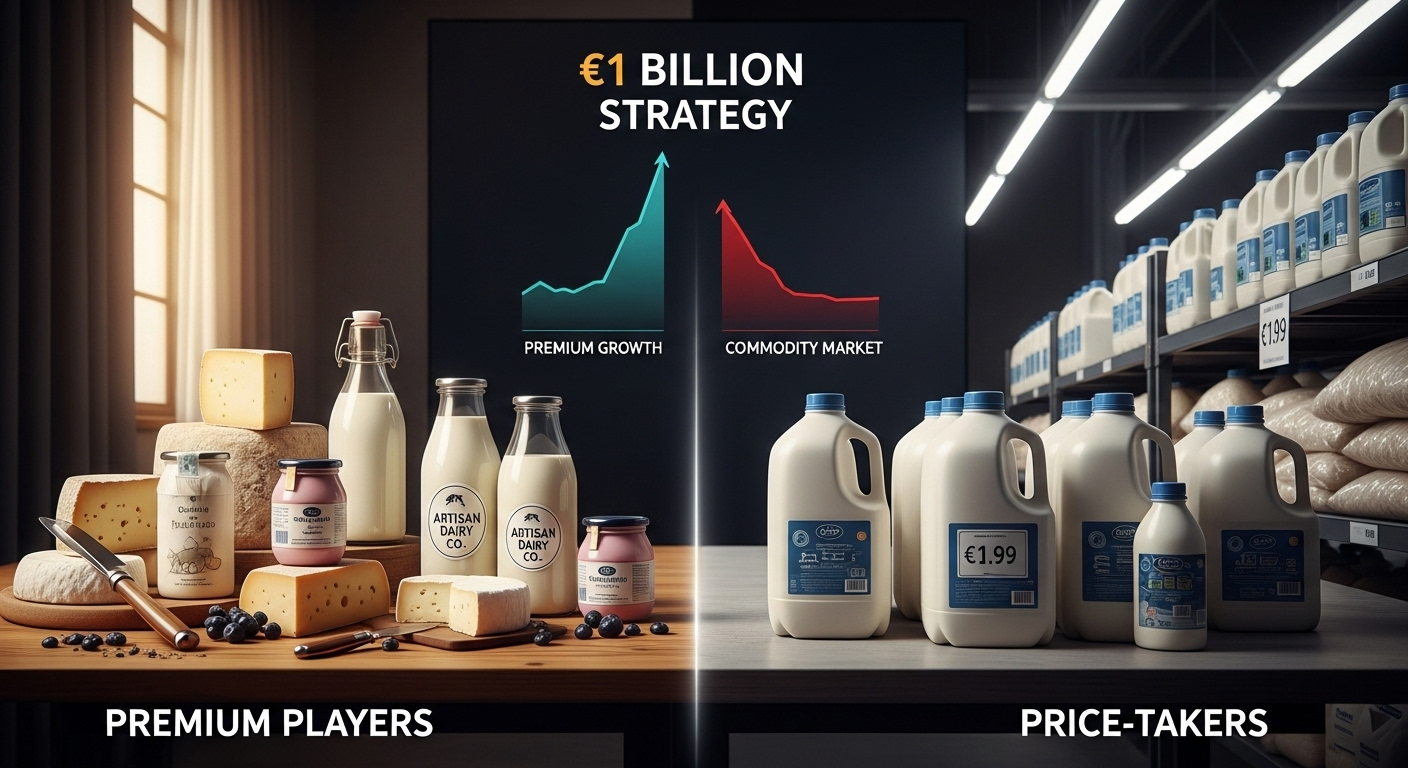
Lactalis’s €1 billion investment just proved it: value-per-liter beats volume every time. Volume-chasers are becoming price-takers.
EXECUTIVE SUMMARY:
While 80% of dairy operations chase volume, Lactalis’s €1 billion strategic investment reveals why value-per-liter approaches will determine who survives the next consolidation wave. European producers are capturing 15-25% pricing premiums through precision feeding, environmental compliance, and integrated supply chains—advantages that volume-focused farms simply cannot match. The dairy industry is permanently bifurcating into premium players who optimize each liter and commodity price-takers stuck in the “get bigger” trap. Technology investments during market downturns create compound returns through feed efficiency gains (8-15%), component premiums ($2-3/cwt), and environmental revenue streams ($15-30/cow annually), while cooperative arrangements are becoming essential for mid-size operations to access these advantages.
While 80% of dairy operations chase volume, Lactalis’s €1 billion bet reveals why value-per-liter strategies will determine who survives the next consolidation wave. The numbers don’t lie: European producers are capturing premiums that volume-focused farms simply cannot match.
When Lactalis announced they’re dropping €1 billion across their French facilities through 2030, it wasn’t just another press release. I mean, think about it—the world’s largest dairy company could have spent that money expanding production or acquiring more farms. Instead, they’re betting everything on a completely different approach than what most of us have been doing.
And frankly, it’s challenging everything I thought I knew about where this industry is headed.
You know how we’ve always heard that European producers are at a disadvantage? Higher labor costs, stricter environmental rules, and smaller average farm sizes? Well, here’s what’s really happening: Recent EU dairy market analysis from AHDB Economics shows European operations are finding ways to capture consistent pricing advantages, particularly during periods of tighter global supply—and these premiums are running 15-25% above baseline commodity pricing depending on product specifications and sustainability credentials.
What’s interesting is that industry consultants are starting to observe a fundamental shift in European thinking. As one told me recently, “The Europeans stopped trying to compete on volume and started competing on value.” But here’s the uncomfortable truth most operations haven’t figured out yet: this shift isn’t optional anymore.
The Numbers Behind Their Strategy — And Why They Matter to You
So I started digging into Lactalis’s 2024 numbers—they hit €30.3 billion in revenue according to their annual report, which is staggering when you consider the margin pressures we’ve all been dealing with. But what caught my attention is that they’re not using that cash flow just to expand production capacity. They’re targeting specific areas that create compound returns that most operations completely miss.
Penn State’s Dairy Extension program documented feed efficiency improvements ranging from 8-15% for operations implementing precision feeding systems in their 2024 technology adoption study, though individual results vary significantly based on existing management and facility conditions. That caught my eye because—let’s be honest—USDA’s Economic Research Service’s 2024 Cost of Production report shows feed costs averaging 55-65% of our variable expenses, depending on the region and time of year.
But here’s where it gets interesting. Consider a typical 800-cow operation that installed automated feeding systems—many extension specialists report seeing feed efficiency improvements, though results depend heavily on prior management practices and facility design. What often surprises producers is how better feed conversion also improves butterfat performance. I’ve heard about operations going from averaging 3.6% to consistently hitting 3.9% or higher, and when you’re looking at component pricing systems, those premiums can add $2-3 per hundredweight.
Equipment manufacturers commonly cite energy reductions of around 15-20% per unit of output with their newer processing systems, though independent verification through university trials shows more modest gains of 10-15% depending on installation and management practices. In a business where we’re counting pennies per hundredweight, those energy savings can compound month after month.
What’s encouraging—and this builds on what we’ve seen with other technology adoption cycles—is that these investments aren’t just for the mega-operations anymore. The reliability has improved enough that even mid-size farms are seeing consistent returns, though the learning curve can be steeper than expected. I’ve talked with producers who struggled for six months getting robotic systems dialed in properly, and that’s time you can’t afford during tight margin periods.
Environmental Compliance: The Plot Twist Nobody Saw Coming
Now, I’ll be honest. When I first started hearing about environmental regulations as revenue opportunities, I was skeptical. Most of us see compliance requirements as pure cost, right? But here’s what some operations are discovering—and what the rest of us need to understand before we get left behind.
Take anaerobic digesters. The initial investment is substantial—typically ranging $400 to $800 per cow, depending on herd size and local conditions, according to USDA Rural Development data—but EU CAP strategic plans are encouraging this kind of investment through grant programs that can cover 40% of system costs when farms meet certain criteria. That’s real money, not just pilot program funding.
Industry reports from the International Energy Agency suggest some operations are finding revenue opportunities through environmental compliance that can generate $15-30 per cow annually through carbon credit sales, though results depend heavily on local market conditions and system design. Carbon credit markets are developing—California’s cap-and-trade program currently prices credits around $30-35 per metric ton CO2 equivalent—but prices remain volatile and verification requirements can be complex.
Regional buyers are starting to differentiate pricing based on documented sustainability practices. Danone’s sustainable dairy program pays premiums of $0.50-1.50 per hundredweight for milk meeting specific environmental criteria, and similar programs are expanding across major processors.
But here’s the catch nobody talks about: these systems need consistent attention and technical expertise. If you don’t have someone who understands the technology—or reliable service support—you can end up with expensive problems pretty quickly. As extension specialists often point out, “It’s definitely not set-it-and-forget-it farming.”
I’ve noticed that the operations that have success with environmental investments share some common characteristics: they have strong technical management, they work with experienced installers, and they plan for ongoing maintenance costs from day one. Those that struggled tried to treat it like buying a piece of conventional equipment.
Why Cooperation Is Finally Working — And Why You Should Care
Something that’s been surprising to watch: mid-size operations are actually starting to work together on major investments. And I mean really cooperate, not just the traditional buying groups we’ve always had.
The regulatory structure is pushing this along. Grant programs often require minimum project sizes that basically force multiple farms to pool resources. But what’s compelling is how risk sharing changes the math completely—and reveals why the cooperative model might be the only survival strategy for mid-tier operations.
Consider the economics: when precision technology investments run $2,000-3,000 per cow to implement properly according to manufacturer data from DeLaval and Lely, splitting those costs across multiple partners suddenly makes it feasible for operations that couldn’t justify it alone. Wisconsin’s Center for Dairy Profitability has documented several successful cooperative arrangements where five or six producers share digester installations or precision feeding systems, reducing individual capital exposure by 60-80%.
And the transparency tools have gotten much better—blockchain-based tracking systems that let every partner see identical data on costs, returns, and performance metrics. When everyone’s looking at the same numbers, the trust issues that used to kill these arrangements pretty much disappear.
Of course, I’ve also seen cooperative arrangements fall apart when partners don’t communicate well or when one operation fails to maintain its end of the system properly. The key seems to be starting with neighbors you already work well with, not trying to create partnerships from scratch just to access funding.
Farm Size
Optimal Investment Strategy
Typical ROI Timeline
Key Success Factors
Under 500 cows
Precision feeding + health monitoring
4-6 years
Focus on single systems, ensure local service support
500-1,500 cows
Robotic milking + automated feeding
5-7 years
Complete facility redesign, staff training critical
1,500+ cows
Integrated automation + energy systems
7-10 years
Network effects, data analytics are essential
Different Strategies for Different Scales — What Works and What Doesn’t
What I’ve found—and this mirrors what extension specialists are reporting—is that successful technology adoption looks completely different depending on your operation size. The most important thing is matching complexity to what you can actually manage, because I’ve seen too many good operations get burned trying to implement systems beyond their management capacity.
Smaller Operations (Under 500 Cows)
University of Vermont Extension’s 2024 technology assessment consistently shows that the key is focusing on high-impact modules rather than trying to automate everything. Automated feed systems can deliver efficiency gains without requiring complete facility overhauls, though installation costs vary significantly based on existing infrastructure—typically $1,200-1,800 per cow according to their data.
Many extension programs report positive experiences with precision health monitoring through ear tags or collars for managing mastitis and boosting yields, particularly during transition periods when fresh cows are most vulnerable. SCR Dairy’s monitoring systems show 15-25% reductions in treatment costs and 5-8% yield improvements in university trials, though individual results vary considerably.
The challenge for smaller operations is usually technical support. When something goes wrong at 2 AM during calving season, you need reliable backup and knowledgeable service within a reasonable distance. That’s not always available in rural areas, and it’s worth factoring into your decision-making.
I’ve talked with producers who love their automated systems but wish they’d spent more time finding good local service support before making the investment. One producer in northern Wisconsin told me, “The technology works great when it’s working, but when the nearest service tech is 90 miles away, you better have a backup plan.”
Mid-Size Operations (500-1,500 Cows)
This is where robotic milking starts making real economic sense. The technology has matured to the point where reliability is no longer a concern. Current equipment costs approximately $180,000-$ 220,000 per robot, according to 2024 pricing from major manufacturers such as DeLaval and Lely. Most operations achieve payback in 5-7 years when cow traffic and facility design are optimized properly.
But here’s the key—and this comes from extension specialists who’ve worked with successful transitions—you need to treat it as a complete systems upgrade, not just equipment replacement. Operations that redesign cow flow patterns and integrate data management see much better results than those that just drop robots into existing setups.
The seasonal timing matters too. Spring installations work better than fall, when you’re dealing with breeding season and trying to get cows trained on new systems while managing higher production levels. Michigan State’s dairy systems research indicates that installations occur 20-30% faster during lower-stress periods.
Large Operations (1,500+ Cows)
At this scale, comprehensive automation begins to deliver network effects that smaller operations can’t capture. Advanced systems for individual cow management become economically justifiable when you’re spreading costs across larger herds, but the complexity also increases exponentially.
Energy management systems that integrate renewable generation show promise, according to equipment manufacturers; however, independent verification and results vary significantly by installation and local conditions. Some operations report reducing their grid electricity usage by 40-60% while creating additional revenue streams during peak demand periods through net metering programs. Course, that assumes you’ve got the capital, the right location for solar installation, and favorable net metering policies—which aren’t available everywhere.
What’s interesting is that the largest operations are often the most cautious about new technology. They can’t afford downtime during peak production periods, so they tend to wait until systems are proven before adopting. Smart approach, really, though it means they sometimes miss early-adopter advantages.
Market Changes Worth Watching — And Why They Should Worry You
The Arla-DMK merger, creating that €19 billion cooperative, isn’t just about getting bigger—it’s about building integrated networks that can compete with operations like Lactalis on a global scale. Processing capacity is becoming essential for negotiating with retailers and securing favorable milk contracts, and if you don’t have access to it, you’re increasingly at a disadvantage.
Why is this significant? The economics tell the story. Geographic diversification provides natural insurance against regional disruptions while integrated supply chains capture margin throughout the value chain. Each new facility adds data and negotiating leverage that creates competitive advantages for integrated operations—and makes independent producers more vulnerable to pricing pressure.
The Federal Milk Marketing Order modernization, through the Foundation for the Future initiative, is also reflecting these structural changes. Component-based pricing advantages operations with advanced processing capabilities—exactly what these strategic investment programs are targeting. This builds on trends we’ve been seeing for the past decade, but it’s accelerating in ways that could leave volume-focused operations behind.
What concerns me is how this consolidation affects price discovery and market competition. When you’ve got fewer, larger players controlling more of the supply chain, it changes market dynamics in ways that aren’t always beneficial for individual producers. The cooperative model is starting to look like the only viable alternative for maintaining some negotiating power.
Regional Reality Check — Why Location Still Matters
One thing that’s become clear from talking with extension specialists across different regions—these investment strategies don’t work the same way everywhere. Climate, regulations, and local market access all affect the math significantly, and you can’t just copy what works in Wisconsin and expect the same results in Texas.
In Wisconsin operations, where winter feeding periods last 120-150 days, according to UW-Madison Extension data, precision feeding systems often show faster payback because efficiency gains compound over extended confinement seasons. Southern operations with year-round grazing might see better returns from pasture management technology, though heat stress mitigation is becoming increasingly important as summers get more extreme.
Regulatory variations matter too. California’s environmental standards under SB 1383 create different incentive structures than what you’ll find in Pennsylvania or Wisconsin. What makes economic sense in the Central Valley—where compliance costs can run $50-100 per cow annually—might not pencil out in Lancaster County, where regulatory pressure is lighter.
It’s worth understanding your local regulatory landscape before committing to major sustainability investments. Early indications suggest federal environmental requirements will become more standardized through EPA’s proposed dairy CAFO regulations, but we’re not there yet. I’ve seen producers get caught off guard by changing regulations that affected their investment returns.
What This Means for Your Operation — Decision Time
Looking at these trends, there are some decision points every operation needs to consider, and honestly, the window for making these decisions might be closing faster than most people realize.
Audit your competitive position honestly. How do your efficiency metrics, component quality, and cost structure stack up against regional leaders? What I’m noticing through extension reports is a growing gap between farms investing in efficiency and those still focused mainly on volume production. That gap is becoming a chasm.
Think beyond simple labor savings calculations. The operations that extension specialists report having success with automation are modeling returns across feed efficiency, component quality improvements, energy costs, and health management benefits. It’s rarely just about reducing labor hours, especially in today’s tight labor market, where good help is worth paying for.
Consider sustainability investment timing carefully. While the data are still developing, proactive environmental measures appear to transform regulatory compliance from a cost burden into a competitive advantage, especially with current CAP subsidy structures supporting early adoption. But they also require ongoing management attention and technical expertise that not every operation has.
For mid-tier operations, especially, explore cooperative opportunities seriously. The days of going it alone may be coming to an end for operations seeking to access the same advantages as larger players. Extension services are documenting successful partnerships for shared infrastructure that could make the difference between thriving and just surviving.
Focus on value per liter rather than total volume. This aligns with what we’re seeing in consumer markets—quality optimization, sustainability credentials, and operational efficiency can command better pricing than strategies focused purely on production volume.
But don’t forget the basics. I’ve seen operations get so focused on new technology that they neglect fundamental management practices like proper dry cow nutrition or effective breeding programs. Technology amplifies good management—it doesn’t replace it.
The Choice We’re All Facing — And Why Time Is Running Out
The question isn’t whether this consolidation and technology adoption will continue—it’s whether your operation will be positioned to benefit from these changes or get caught behind the curve while others capture the advantages.
Course, easier said than done when you’re dealing with input cost inflation and commodity pricing that seems to change every week. Sometimes the “strategic” choice is just keeping the lights on and the milk check coming. Cash flow trumps strategy when you’re struggling to cover operating costs.
But here’s what I find troubling: Lactalis’s billion-euro investment provides a roadmap for strategic positioning, and they’re making these investments during a challenging market period, not waiting for better conditions. What happens when market conditions improve and they’ve already established these competitive advantages?
For those of us considering this approach, the window for establishing competitive advantages may be narrowing as market structures solidify around integrated leaders. The operations that understand and implement strategic investment approaches will find themselves positioned to capture premium pricing and sustainable margins.
Those who continue to focus solely on production volume risk becoming price-takers in markets where technology, quality, and efficiency increasingly determine profitability over the long term. And once you’re a price-taker in this industry, it’s really hard to work your way back to having negotiating power.
It’s not an easy decision, but the direction seems pretty clear. The industry has already started making that distinction between strategic leaders and commodity survivors. And from what I’m seeing through extension reports and industry analysis, the gap between the two approaches is only going to get wider from here.
What gives me hope is that there are successful strategies for operations of every size. You don’t have to be Lactalis to capture some of these advantages. But you do have to be intentional about understanding your options and making decisions that position your operation for whatever comes next. Because standing still isn’t really an option anymore.
KEY TAKEAWAYS:
Strategic Shifts:
Value-per-liter strategies command 15-25% pricing premiums over volume-focused approaches
Technology investments during downturns create permanent competitive advantages through compound returns
Environmental compliance transforms from cost burden to revenue opportunity ($15-30/cow annually)
Cooperative arrangements are becoming survival strategies for mid-size operations (500-1,500 cows)
Investment Realities by Farm Size:
Under 500 cows: Focus on precision feeding + health monitoring (4-6 year ROI)
1,500+ cows: Integrated automation + energy systems (7-10 year timeline, network effects critical)
Market Transformation:
Industry consolidation (Arla-DMK €19B merger) makes processing capacity essential for negotiating power
Component-based pricing through FMMO modernization advantages quality-focused operations
Regional variations significantly affect investment ROI—California compliance costs $50-100/cow vs. lighter pressure in other regions
Critical Decision Points:
Audit competitive position against regional leaders—efficiency gaps are widening rapidly
Model compound returns across feed efficiency, components, energy, and health (not just labor savings)
Understand local regulatory landscape—early environmental compliance captures subsidies and premiums
Evaluate cooperative opportunities—shared infrastructure may be the only path to competitive advantages for mid-tier farms
The Bottom Line:
The window for strategic positioning is narrowing as market structures solidify around integrated leaders. Operations that implement value-per-liter strategies will capture premium pricing and sustainable margins. Those continuing to focus solely on volume production risk permanent relegation to commodity price-taker status—and in dairy, once you lose pricing power, it’s nearly impossible to get it back.
Complete references and supporting documentation are available upon request by contacting the editorial team at editor@thebullvine.com.
Learn More:
Precision Feeding Strategies Every Dairy Farmer Needs to Know – This article provides a tactical guide on implementing precision feeding, focusing on actionable steps like benchmarking, forage analysis, and grouping strategies to achieve the 8-15% feed efficiency gains mentioned in the main piece, and ultimately increase your profit margins.
The Future of Dairy: Lessons from World Dairy Expo 2025 Winners – Learn how a multi-state operation is using vertical integration and a people-first strategy to compete on value, not just volume. This article expands on the strategic leaders concept by demonstrating how advanced systems and human capital create competitive advantages.
The Ultimate Guide to Dairy Automation for Every Farm Size – This guide offers a comprehensive breakdown of ROI and payback timelines for different technology investments, from activity monitors to full robotic systems. It provides crucial numbers to help you make informed decisions, validating the automation trends discussed in the main article.
Join the Revolution!
Join over 30,000 successful dairy professionals who rely on Bullvine Weekly for their competitive edge. Delivered directly to your inbox each week, our exclusive industry insights help you make smarter decisions while saving precious hours every week. Never miss critical updates on milk production trends, breakthrough technologies, and profit-boosting strategies that top producers are already implementing. Subscribe now to transform your dairy operation’s efficiency and profitability—your future success is just one click away.
New insights reveal how strategic policy and tech adoption fuel Argentina’s dairy boom and what it means globally.
EXECUTIVE SUMMARY: Argentina’s dairy sector saw a remarkable 11% increase in milk production in 2025, even as herd size fell by 2.5%, highlighting a substantial boost in per-cow productivity. Milk quality metrics improved concurrently, with butterfat rising to 3.88% and protein to 3.49%, enhancing revenue per litre. This transformation is driven by deliberate policy reforms, including the permanent removal of export duties and the introduction of innovative credit mechanisms, combined with advanced genetics and precision feeding technologies. Globally, similar consolidation trends are unfolding, with timing and socio-political factors shaping outcomes, while increased self-sufficiency in key markets, such as China, intensifies competitive dynamics. Looking ahead, dairy’s competitive edge is shifting toward product innovation — biotechnological advances like lactoferrin-enriched milk and fermentation-derived proteins promise to redefine market value. For producers, the message is clear: embrace efficiency gains today and prepare for rapid innovation tomorrow to stay competitive.
KEY TAKEAWAYS:
Producers can achieve up to 14% in per-cow production gains through improved genetics and enhanced management, backed by Argentine data.
Removing export duties and stabilizing financing helped make sustainable growth possible.
Technologies like rumination monitoring and precision feeding deliver 5–7% yield improvements with a fast payback.
Global markets face oversupply risk as more regions implement consolidation and efficiency strategies.
Innovation in milk components and alternative proteins is becoming a key competitive differentiator.
You know, I keep hearing from producers across Ecuador when I was there recently, about something that’s really catching everyone’s attention. Argentina’s dairy sector just reported an 11% jump in milk production this year, even though they actually trimmed their cow numbers by about 2.5%. That kind of math—it doesn’t happen by accident in our business.
What’s really fascinating here is that this isn’t just about good weather or market timing. Argentina has engineered a comprehensive transformation that has dairy operations worldwide taking note, and for good reason.
The Numbers That Tell the Story
According to the latest data from Argentina’s SENASA, the country’s herd has decreased to approximately 1.48 million cows, spread across roughly 8,995 farms. However, milk production per cow has increased by nearly 14%. That’s efficiency that commands attention.
But here’s what’s interesting—it’s not just volume. According to the official reports, butterfat content has crept up to 3.88%, protein to 3.49%. Small percentage gains, sure, but when you’re working with millions of liters, those decimals turn into serious revenue.
Industry discussions with operators in Buenos Aires province reveal how Holstein-Montbeliarde crossbreeding programs are hitting that sweet spot—good milk volume, strong butterfat performance, and cows that excel in local grazing conditions. These crosses are maintaining production levels above 9,000 kg per mature cow with solid component percentages.
What’s encouraging is how Argentina’s Dairy Chain Observatory has documented 18 consecutive months of positive producer margins through 2025. That’s sustained profitability that lets farmers make strategic decisions rather than survival moves.
Policy Engineering That Actually Works
Now here’s where Argentina got really smart. Back in August 2024, they permanently eliminated export duties on dairy products through Decree 697/2024—not as a temporary measure, but as a strategic policy. Combined with currency adjustments that created a 15-20% export competitiveness advantage, according to OCLA data, they essentially provided a launching pad for efficient producers.
The financial innovation impressed many of us in the industry most. BICE credit lines that price loan payments in milk liters rather than pesos eliminated currency risk during expansion. I’ve seen government programs before, but rarely with this level of coordination between trade policy, monetary policy, and agricultural credit.
What’s particularly noteworthy is how these policies are layered together—each one reinforcing the others to create momentum that’s hard to stop.
Consolidation Mathematics in Real Time
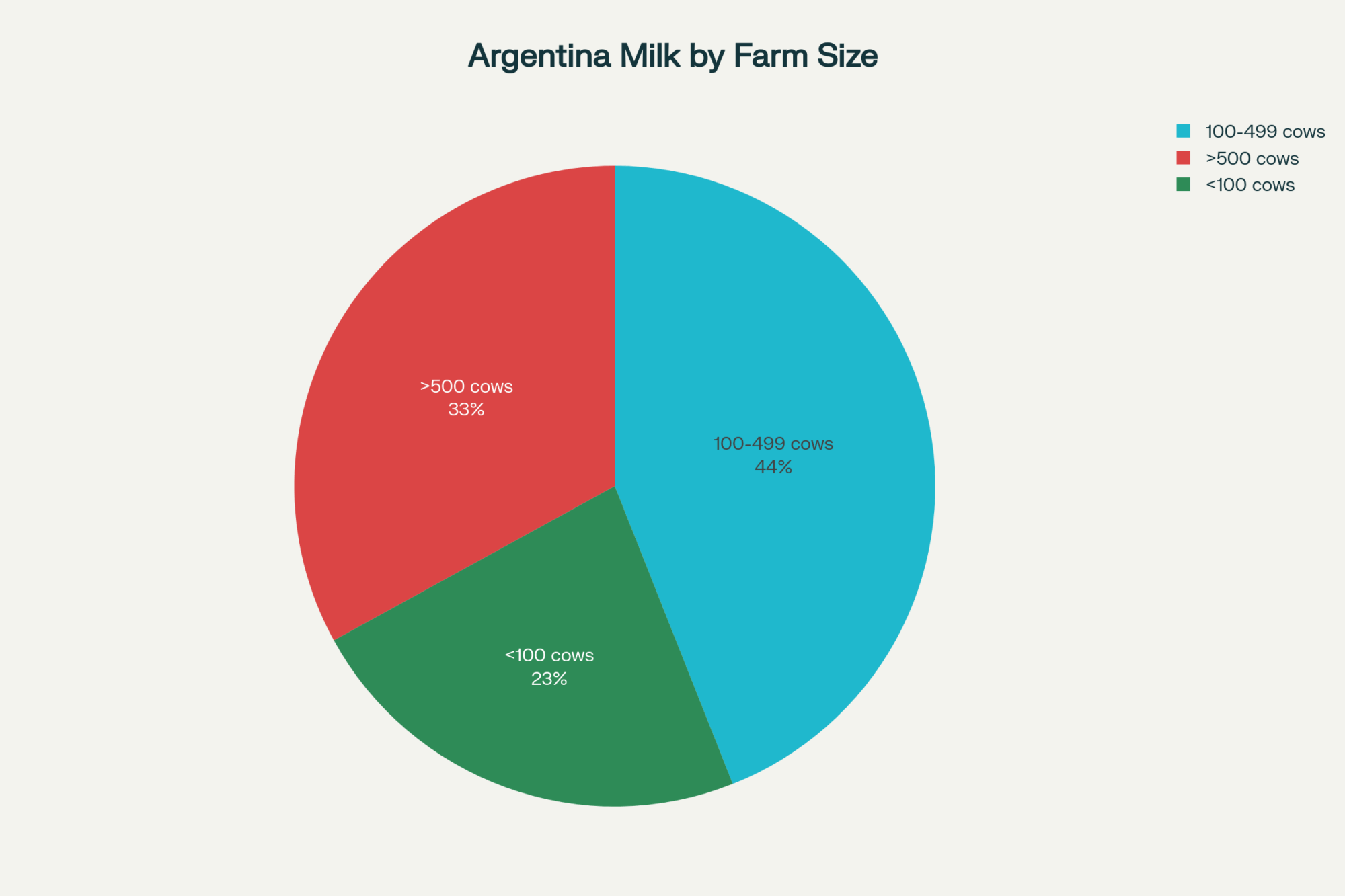
This development suggests something profound about the relationship between scale and efficiency. From 30,000 farms in 1988 to 8,995 operations today—that’s systematic consolidation, not gradual market evolution. And here’s what catches your eye: farms with 500+ cows represent just 6.7% of operations but control 28.8% of cattle and produce 33.3% of total milk.
I’ve noticed that when you concentrate the same feed resources among fewer, genetically superior cows, the productivity gains compound quickly. Argentina didn’t reduce total feed production when cow numbers dropped—they just concentrated better nutrition among better performers.
The technology adoption is where things get really interesting. Rumination monitoring systems with proven accuracy above 90% according to University of La Plata validation studies, are now commonplace. On the feeding side, precision systems are delivering yield boosts around 5-7%, with growers seeing payback within 18-24 months for herds over 300 cows.
Why This Model Won’t Work Everywhere
Of course, every region’s different, and that’s important to understand.
Poland provides what many industry analysts consider the clearest replication attempt. According to the Polish Chamber of Milk, dairy sector profitability collapsed from 79% of companies profitable in 2022 to just 49.5% in 2023. That economic pressure enabled rapid consolidation—DMK Deutsches Milchkontor acquired Mlekoma Dairy, while Mlekovita expanded to manage 26 plants across Central and Eastern Europe.
But contrast that with New Zealand, where Fonterra already controls 84% of market share through farmer cooperatives formed in 2001. Or Denmark, where cooperative structures represent thousands of farmer-members who own the processing infrastructure. These regions completed their consolidation decades ago.
The timing challenge is real, too. China has shifted from 70% to 85% dairy self-sufficiency in just five years, according to USDA Foreign Agricultural Service reports and Rabobank analysis. Europe’s production constraints are easing. When multiple regions attempt Argentina-style transformations simultaneously, export markets get saturated fast.
Beyond Efficiency: The Next Competitive Frontier
So what happens when efficiency becomes table stakes? This is where the conversation gets really interesting, and where I think we’re heading as an industry.
Biological innovation is already emerging in some fascinating ways. Research from UC-Davis shows lactoferrin applications expanding beyond infant nutrition into consumer products with room-temperature stability breakthroughs. Imagine cows genetically modified to produce milk with enhanced lactoferrin content commanding 30-50% price premiums over commodity milk.
Consumer experience architecture is equally important. Small-scale operations across New England report serious success with artisan dairy products sold directly to health-conscious consumers. Scale isn’t everything when you can create value through story and quality.
And here’s what many of us are watching closely—sustainability becomes the primary differentiator. Journal of Dairy Science research confirms that carbon footprint reduction through genetics creates permanent advantages competitors can’t replicate through management changes alone.
Strategic Assessment for Your Operation
Looking at current trends, here’s how many producers I talk with are evaluating their positions:
Operations Under 200 Cows: Technology investment should target basic efficiency systems with 24-month ROI targets. Focus on direct-consumer strategies and specialty products. Local sourcing stories for premium positioning are working well in many markets.
Operations 200-800 Cows: Precision feeding and rumination monitoring become essential—the data suggests these technologies are paying back consistently. Sustainability positioning for B2B advantages is increasingly important.
Operations Over 800 Cows: Value chain integration and processing capability development become critical. Biotechnology partnerships for product differentiation are where the smart money seems to be moving.
Many Wisconsin operations are finding that cooperative relationships for technology sharing help smaller farms access precision systems they couldn’t justify individually.
What the Global Data Really Shows
Based on OECD-FAO projections through 2034, global dairy demand will grow 1.5% annually, but transformation regions could add production capacity equivalent to 2.3+ million efficient cows by 2028. That’s a supply-demand imbalance that changes everything.
Rabobank’s 2025 Global Dairy Report signals major competitive shifts as multiple regions achieve efficiency simultaneously. The mathematical reality becomes concerning when you calculate concurrent transformation impacts—it suggests we’re heading toward systematic oversupply conditions by 2027-2028.
The Strategic Reality Check
I’ve been talking with producers across different regions about these developments, and what’s clear is that the next 24 months will determine which operations successfully navigate this transition. The uncomfortable truth? We’re watching multiple regions build the same competitive advantage just as demand growth moderates.
Early indications suggest that operations focusing purely on efficiency improvements may find themselves competing against other efficient operations rather than displacing inefficient incumbents. While the data’s still developing, current trends point toward a fundamental recalibration of global dairy competitive dynamics.
Looking Forward
Drawing on insights from industry economists, cooperative leaders, and producers who have implemented these strategies, Argentina’s transformation demonstrates that systematic change is possible when the conditions are aligned. However, it also reveals the limitations of an efficiency-focused strategy when it is widely adopted.
As we head into fall breeding decisions and 2026 planning, the question isn’t whether Argentina’s model works—it’s whether there’s still time to implement elements that make sense for your operation before competitive advantages become commoditized.
Because here’s what I’m seeing across the industry: The future belongs to operations that master efficiency quickly, then pivot immediately toward innovation and value creation before efficiency becomes just the price of admission to an increasingly competitive game.
Whether we’re talking at the next field day or grabbing coffee at World Dairy Expo, I’d love to hear how you’re thinking about these trends. What lessons from the Pampas make sense for your operation? And more importantly—what’s your next strategic move?
The dairy industry is evolving faster than many of us expected, and those who stay curious and adaptable are going to be the ones who thrive in whatever comes next.
Complete references and supporting documentation are available upon request by contacting the editorial team at editor@thebullvine.com.
Learn More:
Your 2025 Dairy Gameplan: Three Critical Areas Separating Profit from Loss – This tactical guide reveals three high-impact, low-cost strategies for immediate implementation on your farm. It provides actionable steps for optimizing silage, utilizing methionine, and perfecting transition cow management to unlock significant productivity and profitability gains.
Join over 30,000 successful dairy professionals who rely on Bullvine Weekly for their competitive edge. Delivered directly to your inbox each week, our exclusive industry insights help you make smarter decisions while saving precious hours every week. Never miss critical updates on milk production trends, breakthrough technologies, and profit-boosting strategies that top producers are already implementing. Subscribe now to transform your dairy operation’s efficiency and profitability—your future success is just one click away.
Feed efficiency up 12%? That’s $240 more per cow this year – here’s how smart farms are doing it.
EXECUTIVE SUMMARY: Had a long chat with my neighbor yesterday about these wild market swings, and here’s what’s really happening. Feed efficiency isn’t just nice-to-have anymore – it’s your profit lifeline in 2025. With feed costs up 1.5% but milk prices holding steady, producers who increase feed conversion by even 10% are seeing margin boosts of $200-$ 400 per cow annually. The US dairy sector’s crushing it with exports – up 8% this year, especially cheese heading to Southeast Asia where they’re paying premium prices. Meanwhile, Europe’s losing 0.5% of its production due to regulations, and New Zealand’s down 1.2% due to weather, which means less global supply and better prices for those of us who can deliver. Bottom line? If you’re not optimizing feed efficiency and exploring genomic testing right now, you’re literally watching profit walk out the barn door.
KEY TAKEAWAYS:
Nail your feed-to-milk conversion: Start tracking individual cow intake with precision feeding tech. Even a 10% improvement in feed efficiency can add $240 per cow annually at current milk-to-feed ratios.
Get serious about genomics: Use genomic testing to identify your top producers and cull the underperformers. With volatile markets, you can’t afford to keep cows that aren’t pulling their weight.
Diversify your market reach: Look beyond traditional buyers – Southeast Asian markets are paying 14% premiums for quality cheese, and Mexican demand for aged varieties commands 18% over commodity pricing.
Lock in your margins now: With CME Class III futures hovering around $18.47/cwt, consider hedging strategies using put options to protect 85% of projected margins for just $0.34/cwt.
Investing in climate resilience: Australian producers maintaining stable output through drought-resistant systems, while New Zealand struggles, shows the value of operational resilience – approximately $240/hectare upfront, but with 31% less production volatility.
Look, I’ve been watching these markets for over fifteen years, and what’s happening right now… it’s not just another price cycle. We’re witnessing structural shifts that will define how we conduct business for the next decade.
The thing about market signals is they don’t always shout at you. Sometimes they whisper. But when you see the Global Dairy Trade auction results from mid-July showing a 1.1% overall price increase, with whole milk powder up 1.7% and skim milk powder climbing 2.5%, you start paying attention. Even more telling? Butter prices held completely flat – which actually tells us more about regional supply dynamics than any single percentage could.
What strikes me about this isn’t just the numbers. It’s the pattern underneath them.
The Thing About European Production… It’s Not Coming Back
Here’s where it gets interesting – and honestly, a bit concerning for global supply. According to the USDA’s latest European analysis, EU milk deliveries are forecast to decrease to 149.4 million metric tons in 2025, down from an estimated 149.6 million metric tons in 2024.
I was speaking with a consultant who had just returned from the Netherlands, and the compliance costs are impacting operations more severely than anyone anticipated. The European Green Deal is no longer just a policy – it’s reshaping farm economics in real-time. We’re seeing declining cow numbers that productivity gains simply can’t offset.
But here’s the kicker: this isn’t some temporary squeeze that’ll sort itself out when prices improve. European milk production continues falling due to environmental regulations and tight margins, with November 2023 collections hitting the lowest levels since 2018.
What’s really fascinating is how processors are adapting. Despite having less milk to work with, cheese production is actually forecast to increase by 0.6%, while butter and powder production take the hit. Smart strategic thinking there – prioritize the high-value products where they have the strongest market position.
Meanwhile, Down Under… Weather Keeps Being Weather
Fonterra’s July 2025 Global Dairy Update shows New Zealand collections increased 14.6% in June, which might sound encouraging until you dig deeper. That uptick was mainly a seasonal recovery after challenging weather earlier in the year.
The bigger story? Australia’s showing the rest of us what climate-resilient dairy looks like. While New Zealand faces weather-related volatility, Australian production has maintained stability through diversified risk management. That’s about strategic thinking, not just luck.
Here’s what’s not getting enough attention – the operations that invested in drought-resistant systems and water storage aren’t seeing the same production swings. It’s not sexy infrastructure, but it’s keeping the milk flowing when weather patterns get unpredictable.
Export Markets Are Getting Seriously Competitive
This is where things get really interesting for US producers. US dairy exports started 2025 with a 0.4% overall increase, but cheese exports jumped 22% – that’s thirteen consecutive months of cheese export growth.
But it’s not just about volume – it’s about where the premium pricing is coming from. Mexico remains the top customer, but the growth is coming from everywhere else. Japan, Bahrain, Panama… that’s market diversification paying off.
Here’s the shift nobody’s talking about enough: China’s changing role. China’s dairy imports in early 2025 showed a 7.6% increase overall, but this growth was selective – butter imports surged 72%, while milk powder imports declined.
What does that tell us? Chinese buyers are getting more sophisticated. They’re not just buying bulk commodities anymore; they’re targeting specific products for specific uses. That’s actually good news for producers who can compete on quality rather than just price.
Technology Isn’t Optional Anymore – But ROI Is Real
I keep hearing producers say they can’t afford to invest in automation at this time. But from what I’m seeing in the field, the question isn’t whether you can afford it – it’s whether you can afford not to.
The University of Wisconsin-Madison Extension program demonstrates that precision feeding can increase feed conversion efficiency by up to 12% – not marketing speak, but measurable performance that directly impacts your bottom line.
Robotic milking systems are yielding 15% more components compared to conventional parlors. Yeah, you’re looking at significant upfront capital, but labor cost reductions and consistency in milking protocols are showing up in bulk tank quality metrics.
Here’s the thing, though – technology adoption isn’t just about buying equipment. The operations that succeed have strong technical support relationships established before they start, and they plan for the learning curve.
The Butter Market Reality Check
Let’s discuss what’s really happening with butter pricing, as there has been some confusion in the market reports. Global butter prices reached historic highs in May 2025, with the average price at GDT auctions standing at $7,992 per metric ton. However, regional markets tell a different story.
The key insight here is that butter markets are becoming more regionalized. Global auction prices don’t always translate directly to local spot markets, especially when logistics costs are factored into the equation.
What’s really interesting is how processors are reacting to these shifts – prioritizing fat-rich products to optimize margins. That strategic shift is impacting the availability of other milk components, creating supply tensions across the dairy complex.
Input Costs and the Margin Dance
Feed costs have increased moderately – around 1.5% in July according to USDA data – which is actually manageable compared to milk price appreciation rates. That creates favorable margin conditions for efficient producers who can optimize their feed conversion.
But here’s what’s not getting enough attention – refrigerated shipping costs jumped 5% recently due to port congestion. That’s hitting lower-value bulk commodities disproportionately while supporting premiums for higher-value products.
Smart operations are factoring shipping volatility into their marketing decisions. Regional buyers become more attractive when transportation costs account for significant percentages of landed costs.
What This Means for Your Operation Right Now
Based on what I’m seeing across the industry, here are the moves that make sense:
Feed efficiency is everything now. If you’re not tracking individual cow performance, start yesterday. Top-quartile operations are seeing quantifiable advantages that directly translate to bottom-line results.
Market diversification beats concentration. Look beyond traditional channels—Southeast Asian cheese markets and Mexican dairy trade offer premiums you can’t afford to ignore.
Technology planning beats panic buying. Even if you’re not ready to install systems this year, start the research and dealer relationship-building process now.
Lock in margins before volatility hits. Futures contracts and hedging techniques should be in every forward-looking producer’s toolkit.
The Real Message Here
Look, I’ve watched enough market cycles to know that predicting exact price movements is a fool’s game. But what I can tell you is that the structural changes driving current conditions – environmental regulations in Europe, climate volatility in key production regions, shifting trade patterns – these aren’t temporary disruptions.
The operations that recognize these structural shifts and build strategies around efficiency, quality differentiation, and operational resilience are positioning themselves for long-term success.
Bottom Line: Your Strategic Roadmap – The fundamentals have shifted.
European production constraints aren’t cyclical – they’re permanent capacity reductions driven by policy decisions. New Zealand’s weather challenges highlight climate risk. US export strength to emerging markets shows where growth opportunities lie.
Technology and efficiency are no longer nice-to-haves. They’re competitive necessities. Feed conversion improvements, automated systems, precision management – these investments pay measurable returns under current market conditions.
Diversification beats concentration. Whether it’s market channels, risk management strategies, or operational approaches, putting all your eggs in one basket is riskier than ever.
Quality commands premiums. Buyers willing to pay for consistency and specification compliance are the customers you want to retain long-term.
The window for strategic positioning is open right now. The producers who move decisively on efficiency improvements, technology adoption, and market positioning will be the ones who benefit most from these fundamental changes reshaping global dairy markets.
The shifts are undeniable. The question now is – are you ready to seize the opportunity and lead the pack?
Complete references and supporting documentation are available upon request by contacting the editorial team at editor@thebullvine.com.
Learn More:
Precision Feeding for Dairy Cows: Why Using a Sniper Approach Beats the Shotgun Strategy – This tactical article provides practical strategies for implementing a precision feeding program. It demonstrates how to optimize nutrient delivery, reduce feed waste, and leverage targeted nutrition to achieve measurable cost savings and improve overall herd health.
The Robotics Revolution: Embracing Technology to Save the Family Dairy Farm – This innovative piece showcases a real-world look at the ROI and implementation of robotic milking. It offers a future-oriented perspective on how automation can save on labor costs and improve milk quality, directly addressing the core concerns of producers considering technology.
Join the Revolution!
Join over 30,000 successful dairy professionals who rely on Bullvine Weekly for their competitive edge. Delivered directly to your inbox each week, our exclusive industry insights help you make smarter decisions while saving precious hours every week. Never miss critical updates on milk production trends, breakthrough technologies, and profit-boosting strategies that top producers are already implementing. Subscribe now to transform your dairy operation’s efficiency and profitability—your future success is just one click away.
Protein’s now worth $7.64/kg – nearly butterfat prices. Your feed strategy just became your biggest profit lever.
EXECUTIVE SUMMARY: Look, I’ve been watching this protein thing for months now, and it’s not just another trend. High-protein dairy products jumped 17% in 2024 while protein pricing hit $7.64 per kilogram – that’s practically butterfat territory, folks. We’re talking about 61% of Americans actively seeking more protein, driving cottage cheese sales up 16% and yogurt production to a record 4.9 billion pounds. Here’s what really gets me excited… farms dialing in that 160-gram crude protein per kilogram sweet spot are seeing $100,000+ annual improvements on 100-cow operations. This isn’t just happening here – it’s a global shift that’s rewarding producers who get ahead of it. If you’re still optimizing for butterfat alone, you’re leaving serious money on the table.
KEY TAKEAWAYS
Precision protein feeding = immediate ROI boost – Target 160g crude protein per kg dry matter and watch your milk checks improve by 8-15% within 90 days. Start with amino acid testing through your nutritionist this week.
Component pricing rewards protein focus – With protein at $7.64/kg (nearly matching butterfat), genetic selection for protein yield now delivers faster payback than traditional approaches. Review your genomic testing strategy for 2025 breeding decisions.
Processing partnerships unlock premium markets – Operations investing in membrane filtration technology are seeing 3-year paybacks, but smaller farms can access these premiums through cooperative processing agreements. Call your co-op about protein-focused contracts.
Consumer demand isn’t slowing down – Yogurt and cottage cheese categories are outperforming traditional dairy by 10-16% growth rates. Position your operation for the protein economy that’s already here, not the one that’s coming.
Feed efficiency gains compound quickly – Producers report reproductive improvements and lower metabolic issues when optimizing protein vs. overfeeding. Your cows will thank you, and your bottom line will too.
Walk into any dairy conference these days, and you can’t escape the protein conversations. And honestly? That’s not a bad thing. What strikes me about this whole shift is how it’s fundamentally changing the economics of what we do.
Cottage cheese is a perfect example. Sales jumped 16% in value and 11% in volume last year. Sure, TikTok had something to do with it, but the staying power comes from protein content that actually delivers what consumers want.
And yogurt… U.S. production hit a record 4.9 billion pounds in 2024. That’s not just growth – that’s the kind of expansion that creates real opportunities for producers who understand where the market’s headed.
From what I’m seeing across the Midwest – and talking to producers from Pennsylvania to Oregon – farms focusing on protein optimization are reporting significant improvements in their milk checks. The key, however, is that it’s not just about throwing more protein at your cows.
Recent research suggests the optimal feeding range is around 160 grams of crude protein per kilogram of dry matter. That’s more precise than the old school approach of just bumping up protein percentages across the board. The evidence points to this being the sweet spot for both production efficiency and nitrogen utilization.
What’s particularly noteworthy is how this ties into reproduction and overall herd health. Overfeeding protein – something we’ve all been guilty of at some point – can actually hurt conception rates and create metabolic issues down the line.
The Processing Side Is Getting Serious
Here’s where the rubber really meets the road for the industry. Membrane filtration technology is becoming the backbone of protein concentration, but the investment requirements are substantial. We’re talking significant capital outlays – often several hundred thousand dollars for a complete ultrafiltration system.
The payback periods are longer than some of the optimistic projections you might hear. From what I’ve seen working with operations that have made these investments, you’re looking at several years to recover costs, not months. But for operations with the volume and the right market positioning, the technology is transformative.
Processing innovations are happening everywhere. Companies are reformulating everything from yogurt to cheese to deliver protein levels that were unthinkable just a few years ago. The technical challenges are real, but so are the market opportunities.
The Challenges We Can’t Ignore
Look, it’s not all sunshine and rainbows. Feed costs are still volatile. The protein supplements that deliver the best results cost more than traditional energy sources. And taste… taste remains the biggest barrier to whey protein adoption.
Plus, there’s the lactose intolerance factor. A significant portion of the population deals with varying degrees of dairy sensitivity, which means lactose-free processing capabilities are becoming essential rather than optional.
The capital requirements for advanced processing equipment are pushing smaller operations toward partnerships and consolidation. That’s a trend I’m seeing accelerate, especially in regions where land costs and regulatory pressures are already high.
What This Means for Your Operation
So what’s the practical takeaway here? Three things, from my perspective:
Genetics and feeding strategies matter more than ever. The farms that are succeeding aren’t just chasing higher protein numbers – they’re optimizing for efficiency and sustainability. That means precision feeding, genetic selection for protein yield, and understanding the metabolic implications of what you’re doing.
Processing technology investments need to be strategic. The membrane filtration systems that deliver protein concentration aren’t plug-and-play solutions. They require expertise, maintenance, and most importantly, the volume to justify the economics.
The market dynamics are fascinating right now. We’re seeing uneven demand across different segments – restaurant traffic is still below pre-pandemic levels in many regions, but retail dairy sales are strong. Protein-driven categories like yogurt and cottage cheese are outperforming traditional categories.
The regulatory environment is evolving too. Changes to Federal Milk Marketing Orders are adjusting how component values are calculated, and that’s creating both opportunities and uncertainties for different regions.
Looking Forward
What’s clear is that this protein trend isn’t slowing down. Industry projections suggest continued growth in high-protein dairy segments through 2025 and beyond. The companies making strategic investments now – in genetics, processing, and market positioning – are setting themselves up for sustained competitive advantages.
For smaller operations, the path forward probably involves partnerships and collaboration. The technology investments required for protein concentration aren’t feasible for everyone, but the market opportunities are real for those who can access them.
The bigger picture? We’re witnessing a fundamental shift in how consumers think about dairy products. Protein isn’t just a component anymore – it’s becoming a primary purchase driver. The operations that understand this shift and adapt accordingly are going to thrive.
The protein economy isn’t coming – it’s here. And for those of us in the dairy industry, the question isn’t whether we’ll participate, but how quickly we’ll position ourselves to benefit from it.
Complete references and supporting documentation are available upon request by contacting the editorial team at editor@thebullvine.com.
Learn More:
Precision Protein: Are You Balancing for Amino Acids or Just Pouring in More Feed? – This article provides practical strategies for amino acid balancing. It demonstrates how to optimize your ration to boost protein yield and improve feed efficiency, revealing methods for increasing component pay while reducing costly nitrogen waste and overfeeding.
Breeding for Dollars: The Genetic Strategy for Higher Protein, Better Casein, and A2 Milk – Unlock long-term profitability through genetics with this forward-looking guide. It reveals the methods for selecting sires that improve not just protein yield but also valuable casein variants and A2 beta-casein, directly boosting your milk’s value for processors.
Join the Revolution!
Join over 30,000 successful dairy professionals who rely on Bullvine Weekly for their competitive edge. Delivered directly to your inbox each week, our exclusive industry insights help you make smarter decisions while saving precious hours every week. Never miss critical updates on milk production trends, breakthrough technologies, and profit-boosting strategies that top producers are already implementing. Subscribe now to transform your dairy operation’s efficiency and profitability—your future success is just one click away.
The structural shift in global grain trade that’s creating unexpected opportunities for dairy producers
EXECUTIVE SUMMARY: Here’s what’s happening that nobody’s really talking about… China’s systematic move away from U.S. grain suppliers is creating a domestic supply cushion that’s driving down our feed costs in ways we haven’t seen since the mid-2010s. We’re looking at corn futures sitting around $4.03-$4.09 per bushel right now, and soybean meal pricing that could save a 500-cow operation $400-600 monthly just on protein supplements. This isn’t some temporary trade spat either – it’s a structural shift as Brazil captures more market share and China builds supply chain resilience away from U.S. dependence. Current milk prices are running $18.65-$21.95 per hundredweight depending on your class, so every dollar you save on feed drops straight to your bottom line. The smart operators are using this window to invest in precision feeding systems that show 4-7% additional feed efficiency improvements. If you’re not already looking at forward contracting 30-50% of your protein supplements while this opportunity lasts, you’re leaving money on the table.
KEY TAKEAWAYS
Lock in feed cost advantages now – Forward contract 30-40% of your protein supplement needs while soybean meal pricing reflects these export displacement effects. With current market dynamics, operations are seeing $400-600 monthly savings per 500 cows that can free up cash flow for other investments.
Technology ROI is prime right now – Precision feeding systems ($85,000-125,000 for 500-cow setups) are showing 2.5-3 year payback periods when combined with current favorable feed costs. The 4-7% additional feed efficiency improvements stack on top of the market savings.
Build reserves while margins improve – USDA lending rates at 5.0% for operating loans make this an ideal time to strengthen your financial position. Industry advisors recommend 60-90 day operating expense reserves since commodity advantages can shift quickly based on weather or global events.
Regional opportunities vary – Upper Midwest operations are focusing on precision feeding tech, Western producers are considering strategic expansion, while Northeast farms are staying conservative due to regulatory constraints. Match your strategy to your market realities.
This structural shift has staying power – Unlike previous trade disruptions, China’s supplier diversification appears permanent as Brazil’s production capacity continues expanding and Argentina targets increased global market share. Position your operation for sustained domestic feed cost advantages.
Look, I’ve been tracking commodity markets for the better part of two decades, and what’s happening right now with China’s systematic shift away from U.S. grain suppliers… well, it’s creating opportunities I haven’t seen since the mid-2010s. And for once, we dairy folks might actually come out ahead.
The thing about structural market shifts is they’re different from the dramatic trade disputes we’ve gotten used to. This isn’t about tariff tweets or political theater—it’s about fundamental changes in global supply chains that are reshaping where grain flows, and more importantly for us, what stays home.
What’s Actually Happening in These Grain Markets Right Now
So here’s the deal, and I’m seeing this play out across operations from Wisconsin to California. USDA just released their July 2025 World Agricultural Supply and Demand Estimates, and while they’re projecting solid corn yields at 181 bushels per acre, the really interesting story is in the export numbers.
Production is estimated at 15.8 billion bushels for 2025-26, but here’s where it gets interesting for us… soybean exports are projected at 1.815 billion bushels, which is still down from what we were seeing in previous years. That’s a lot of beans that could stay domestic if global dynamics keep shifting.
What strikes me about this whole situation is how the math works out at the farm level. Current soybean prices are sitting around $10.15-$10.31 per bushel, and with these export dynamics, we’re looking at a supply situation that could favor domestic users like dairy operations.
Let me break this down to what actually matters for your operation. If you’re running 500 head (and a lot of you are), the current soybean meal pricing dynamics could mean monthly savings of $400-600 just from protein supplements getting more competitive. Those bigger operations pushing 1,200 cows? They could be looking at $960-1,440 monthly improvements.
Now, I know some of you are thinking, “sounds too good to be true.” And maybe it is… but the fundamentals are there.
The Numbers Game That’s Actually Playing Out in July 2025
Here’s what really gets me interested about this whole thing… with corn futures sitting around $4.03-$4.09 per bushel right now, and soybean meal pricing reflecting these export displacement effects, we’re looking at feed cost dynamics that haven’t been this favorable in several years.
The research coming out of university extension programs consistently shows that feed conversion efficiency improvements of even 3-5% can translate to significant margin improvements. When you’re dealing with current milk prices averaging $18.65 to $21.95 per hundredweight—depending on your class and region—every dollar saved on feed costs drops straight to the bottom line.
What’s different this time, though… and this is where I get cautiously optimistic… is that this isn’t just some temporary trade disruption. Brazil’s soybean production has grown to massive levels. Argentina is not backing down from its export goals. China has been methodically diversifying its supplier base since 2017, and that structural shift keeps accelerating.
The individuals I speak with in the grain trade inform me that China’s approach has evolved from reactive (responding to trade tensions) to proactive (building resilient supply chains). This means more consistent displacement of U.S. grain exports, which in turn translates to more consistent domestic supply availability.
Here’s the thing, though… commodity markets are fickle. What looks good today can flip tomorrow based on weather in Brazil, policy changes in Beijing, or even a bad harvest report from Argentina.
The Financing Reality Check (Because Interest Rates Actually Matter)
Let’s discuss how this affects investment decisions, given that financing has become more affordable recently. Current USDA lending rates for July 2025 show operating loans at 5.000% and ownership loans at 5.875%. That’s actually more workable than what we were dealing with in 2023-2024.
What’s interesting is that agricultural lending increased 8.78% from Q4 2024 to Q1 2025, which tells me more producers are feeling pressure on their cash flow. The crop farmers are struggling more than livestock operations right now, which creates both opportunity and caution for dairy expansion plans.
The technology investment equation is getting more compelling, though. Precision feeding systems that were running $85,000-125,000 for a 500-cow setup are now showing payback periods of 2.5-3 years when you factor in these more favorable feed cost dynamics. The key is that the ROI calculation isn’t just based on temporary savings—it’s built on what appears to be a structural shift in domestic grain availability.
I was just talking to a producer in upstate New York who installed automated feeding systems this spring. He’s seeing the 4-6% feed efficiency improvements that research predicted, plus his component consistency has never been better. (And this is becoming more common—the precision feeding technology has really matured in the last couple of years.)
What’s Working on Real Farms Right Now
The thing about all this analysis is that it has to work on actual operations with real constraints. I’m seeing some interesting patterns in how successful operations are handling the current market dynamics.
Up in Minnesota, there’s a 650-cow operation that’s been strategically forward contracting about 40% of their protein supplement needs based on these structural supply changes. They’re not going crazy with it, but they’re capturing favorable pricing while maintaining flexibility for seasonal adjustments.
Down in Texas, I know a larger operation that’s using improved feed margins to invest in heat stress mitigation. They figure the feed cost improvements give them the cash flow to install more cooling systems, which should help maintain production through those brutal summer months (and we’re definitely seeing more of those).
What’s particularly interesting is the regional differences I’m seeing. The Upper Midwest operations seem more focused on precision feeding technology investments. Western operations are using improved margins for strategic expansion. Northeast folks are being more conservative—probably smart given their regulatory environment and land constraints.
The Technology Play That Makes Sense Now
Here’s something that’s got me really excited, and I think it’s flying under the radar. While these feed cost dynamics are improving, it’s creating this perfect window for operational efficiency investments that could pay off for years.
The research shows that automated ration management systems can reduce feed costs by an additional 4-7% while improving milk component consistency. Think about that for a second… you’re already benefiting from better ingredient pricing, and now you can optimize utilization even further.
Ration optimization software is getting more sophisticated, too. The programs that can dynamically adjust formulations based on changing ingredient costs and availability are showing additional savings of $25-35 per cow annually. The licensing costs run $8,000-12,000 annually, but the math works when you’re dealing with these structural supply advantages.
What’s fascinating is watching how the younger generation of producers is approaching this stuff. They’re not just looking at feed costs—they’re thinking about data integration, labor efficiency, and how all these systems work together. It’s a completely different mindset than what I was seeing even five years ago.
The Global Context That’s Not Going Away
Let me be clear about something—this isn’t about temporary trade tensions or political posturing. China’s grain import strategy has fundamentally shifted toward supply chain resilience. Brazil’s production capacity keeps expanding. Argentina’s agricultural sector is targeting increased market share globally.
Recent analysis from agricultural economists points out that U.S. agricultural exports have been a growth engine for decades, but traditional export markets are becoming more competitive and less reliable. For dairy producers, this global restructuring creates domestic opportunities. When export demand softens, more grain stays home. When Brazil captures market share from U.S. suppliers, it creates pricing pressure that benefits domestic users.
The challenge is that we’re operating in a world where weather events, geopolitical tensions, and currency fluctuations can change everything overnight. That’s why I keep coming back to operational efficiency and financial discipline. External market advantages come and go, but the improvements you make to your operation… those stick around.
The Bottom Line for Your Operation Right Now
Look, I’ve been through enough market cycles to know that favorable conditions don’t last forever. But the combination of structural changes in global grain trade, solid domestic production potential, and current pricing dynamics is creating a window that smart operators should be thinking about.
If you’re running a dairy operation in mid-2025, here’s what I’d be considering:
Get your procurement strategy updated for current market realities. The old assumptions about export demand and price volatility don’t necessarily apply to this new structural environment. Forward contracting 30-50% of your protein supplements makes sense—just don’t overextend yourself.
This is prime time for efficiency investments that’ll keep paying dividends long after grain markets normalize. Whether that’s precision feeding systems, facility improvements, or herd management technology, the margins are there to justify improvements that strengthen your competitive position.
And here’s the crucial part—manage your cash flow with the understanding that what global markets give you, they can take away. But the operational improvements you make during favorable periods? Those are yours to keep.
The structural shift in global grain trade that nobody really wanted might just be the break domestic dairy producers have been waiting for. The question is: are you positioned to make the most of it while it lasts?
Because honestly… opportunities like this don’t come around very often. And when they do, the producers who capitalize on them are usually the ones who are still thriving when the next market cycle hits.
Complete references and supporting documentation are available upon request by contacting the editorial team at editor@thebullvine.com.
5 Technologies That Will Make or Break Your Dairy Farm in 2025 – Explores cutting-edge precision feeding and AI analytics technologies that reduce feed waste by 18% while enabling real-time optimization of the cost savings opportunities discussed in the main article.
Join the Revolution!
Join over 30,000 successful dairy professionals who rely on Bullvine Weekly for their competitive edge. Delivered directly to your inbox each week, our exclusive industry insights help you make smarter decisions while saving precious hours every week. Never miss critical updates on milk production trends, breakthrough technologies, and profit-boosting strategies that top producers are already implementing. Subscribe now to transform your dairy operation’s efficiency and profitability—your future success is just one click away.
80% of your magnesium investment goes down the drain—precision feeding cuts costs 25-35% while boosting conception rates. Time to revolutionize.
EXECUTIVE SUMMARY: What if your expensive magnesium program is actually costing you twice—once at purchase, and again through reduced performance? A comprehensive Journal of Dairy Science meta-analysis reveals dairy cows absorb only 20% of magnesium intake, meaning 80% of your investment literally goes down the drain. Small farms face production costs of $42.70 per 100 pounds of milk versus $19.14 for large operations, making precision supplementation even more critical for survival. Research demonstrates that source quality varies dramatically—from 5-35% solubility in validated testing protocols—while conventional “insurance feeding” ignores potassium interactions that can slash absorption efficiency by 30%. Global leaders in New Zealand and Europe are already implementing precision protocols that cut supplement costs 25-35% while improving conception rates 8-12%. The genomic revolution offers objective evaluation replacing subjective visual appraisal, with technologies like the “Vinegar test” providing instant quality verification. It’s time to stop throwing money in your feed bunk and start treating magnesium as precision agriculture, not insurance policies.
KEY TAKEAWAYS
Transform 20% absorption into measurable gains: Precision source selection using validated Vinegar test protocols can improve bioavailability from conventional 20% to 60%+ absorption rates, delivering 300% efficiency improvement per supplement dollar spent
Cut costs where it matters most: Small operations facing $42.70 per 100 lbs milk production costs can achieve proportionally greater benefits through precision feeding—every efficiency gain becomes critical when margins are razor-thin compared to large farms at $19.14 per 100 lbs
Leverage research-backed antagonist management: High-potassium forages (>20 g/kg DM) require adjusted supplementation using specific mathematical equations from Journal of Dairy Science research—ignore this and lose 30% absorption efficiency
Implement breed-specific protocols proven globally: DairyNZ research shows Jersey cows need 12-15g elemental magnesium daily while Friesian cows require 20g—precision targeting eliminates waste while optimizing performance for your specific genetics
Integrate genomic evaluation over visual appraisal: Modern breeding values predict feed efficiency, disease resistance, and reproductive performance with 40-60% better accuracy than traditional conformation judging—time to make data-driven decisions that impact your bottom line
What if I told you that your expensive magnesium supplement program is actually costing you money twice—once at purchase and again through reduced animal performance? A comprehensive meta-analysis published in the Journal of Dairy Science analyzing 21 studies covering 94 treatments reveals that dairy cows absorb only about 20% of their magnesium intake on average, with absorption rates ranging from 10-40% depending on various factors.
The brutal reality hitting dairy operations worldwide in 2025 is that conventional magnesium supplementation practices hemorrhage profits while farmers struggle with margin compression. Here’s the wake-up call most nutritionists won’t give you: magnesium oxide (MgO) is the most common magnesium supplement for lactating cows, typically containing 54-58% Mg, but the bioavailability of magnesium in MgO depends on particle size and solubility, and unfortunately, this varies widely among commercial sources.
That means up to 80% of your magnesium investment could be literally going down the drain, creating environmental compliance headaches while padding supplement companies’ margins.
Why Your Current Magnesium Program Is Bleeding Money
Let’s start with the economics that’ll make your lender nervous. The initial investment in raising a dairy heifer to calving age averages $2,355 per animal, with feed representing 46.2% and labor 13.2% of total costs. But here’s where magnesium supplementation becomes a compounding financial burden.
Small farms (fewer than 50 cows) incurred significantly higher average total production costs per 100 pounds of milk ($42.70 in 2021) compared to larger farms (2,000+ cows, $19.14). This means that inefficient magnesium supplementation disproportionately impacts smaller operations that are already struggling with per-unit production costs.
Think about this: if your operation is like a high-performance race car, you’re filling the gas tank, but only 20% of the fuel is actually reaching the engine. The meta-analysis of dairy cattle magnesium absorption across multiple studies confirms that, on average, dairy cows absorbed about 20% of the Mg intake (range 10–40%), regardless of their lactation status.
The Sweet Spot Science That Changes Everything
Here’s what Dr. Jesse Goff at Iowa State University discovered that could transform your purchasing decisions: the “sweet spot” for magnesium content is about 54-56% magnesium. Pure MgO contains about 60% magnesium, which makes good steel, but poor animal feed.
Why does this matter for your operation? The calcination process—how the raw magnesite ore is heated to drive off CO2 and form MgO—directly impacts bioavailability. According to Dr. Goff’s research, the optimal processing creates a loose crystal structure that allows water and acid to penetrate and react.
The Potassium Problem That’s Costing You
Here’s where conventional magnesium programs become truly expensive. Research published in the Journal of Dairy Science reveals specific mathematical relationships between dietary potassium and magnesium absorption: when dietary K ≤20 g/kg DM, true Mg absorption (g/d) = 0.3395 × Mg intake (g/d) – 1.9273, but when dietary K >20 g/kg DM, the equation becomes 0.154 + 0.209 × Mg intake (g/d).
This means that high-potassium forages can dramatically reduce magnesium efficiency, requiring adjusted supplementation strategies that most operations ignore completely.
The Science Behind Precision Magnesium Feeding: What Verified Research Shows
The latest meta-analysis published in the Journal of Dairy Science analyzed 21 studies covering 94 treatments and revealed crucial insights about magnesium absorption that challenge everything we thought we knew. The research shows that dietary potassium levels significantly impact magnesium absorption, with specific mathematical relationships that can guide feeding decisions.
Validated Testing Protocols That Work
Here’s where conventional magnesium purchasing gets revolutionized. Research comparing different solubility testing methods found that the “Vinegar test” using acetic acid solution (50 mL/L) provides the most robust, simple, and reproducible method for ranking magnesium source quality.
The bioavailability revolution changes everything. Instead of guessing at source quality, the validated Vinegar test allows you to objectively evaluate magnesium sources before purchasing.Solubility of MgO sources in the Vinegar test ranged from 5-35%, while 24-hour ruminal incubations led to more solubility (15-70%).
The Monensin Factor Most Farmers Miss
Smart operators are leveraging research-backed synergies that conventional programs ignore. Research demonstrates that 360 mg of monensin fed in diets containing 2.1% potassium increased the apparent absorption of magnesium from MgO by about 25%. However, magnesium absorption from magnesium sulfate was reduced by about 30% when fed with monensin.
Global Leaders Are Already Making the Switch: International Best Practices
While American farmers cling to outdated supplementation practices, progressive operations worldwide embrace precision mineral feeding with remarkable results.
The European Precision Revolution
European dairy operations face environmental regulations that make nutrient waste expensive, forcing innovation in precision feeding that American farmers can learn from immediately. The data shows that European countries have developed sophisticated approaches to dairy cattle evaluation that emphasize performance over traditional conformation.
European countries like Sweden and Norway have a long history of balanced breeding that aims for increased milk production without compromising reproductive characteristics. There’s growing interest in dual-purpose cows in Europe, which are better adapted to harsh environments and lower-quality diets, offering advantages in health, fertility, meat quality, and longevity.
The Australian DataGene Model
DataGene, an independent, industry-owned organization, drives genetic gain and herd improvement within the Australian dairy industry. Australia’s evaluation system relies heavily on comprehensive data capture, integrating traditional herd testing with emerging technologies like in-line meters and sensors to generate actionable information for decision-making.
Australian dairy farms have achieved significant increases in herd sizes and milk production per cow, largely through improved livestock genetics facilitated by artificial insemination (AI) and systematic herd recording, complemented by increased supplementary feeding.
Canadian Innovation Under Supply Management
While Canadian cattle were historically bred with a greater emphasis on conformation, the country is increasingly strengthening its genomic production sire lists. This shift is potentially influenced by their Lifetime Profit Index (LPI), which is heavier on production traits than the American Total Performance Index (TPI).
Your Step-by-Step Implementation Guide: From Wasteful to Profitable
Ready to stop hemorrhaging money on mineral supplements? Here’s your roadmap to precision magnesium feeding based on verified research protocols and real-world economic data.
Phase 1: Economic Assessment and Source Quality Testing (Weeks 1-2)
Start by calculating your true magnesium costs using verified industry data: The average operation spends significantly more on mineral supplementation than necessary, particularly when absorption rates are factored in.
Implement the validated “Vinegar test” protocol published in the Journal of Dairy Science.The research confirms that linear regression showed the relationship between soluble Mg content and pH: soluble Mg content (g/kg) = 44.46 × pH – 142.9, with the predictable pH range from 4 to 6.
Key testing parameters verified by research:
Use acetic acid solution (50 mL/L)
Test for 0.5-3.0 hours
Measure solubility percentage
The equation cannot be applied to low alkaline sources like Mg sulfate and Mg acetate
Phase 2: Dietary Potassium Assessment and Requirements Calculation (Weeks 3-4)
Calculate your current dietary potassium levels using the research-backed absorption equations. This step is critical because potassium levels dramatically affect magnesium utilization efficiency.
Lactating dairy cows need 0.30%-0.35% dry matter magnesium
Fresh pasture grass typically provides only 0.12-0.18% dry matter magnesium, below the recommended intake for lactating cows
Legume forages such as alfalfa offer higher magnesium levels, ranging from 0.25-0.30% dry matter
Phase 3: Precision Program Implementation (Weeks 5-8)
Work with a qualified dairy nutritionist to implement your precision program using these research-backed parameters:
Source Selection Priority: Prioritize domestic (U.S.) produced MgO sources with 54-56% magnesium content based on Iowa State University research.
Integration Considerations: Research shows a 25% improvement in magnesium absorption from MgO sources when feeding monensin in high-potassium diets. However, magnesium concentration should be increased by about 15% when combining magnesium sulfate with monensin.
Monitoring Protocol: Track key performance indicators, including milk production, component levels, and metabolic disorder incidence, to validate program effectiveness.
The Economics That Smart Operators Are Banking: Verified Cost-Benefit Analysis
While specific ROI projections require operation-specific analysis, the efficiency improvements from precision magnesium feeding are substantial and documented through industry research.
Farm Size Economics Based on USDA Data
The economic impact varies dramatically by operation size. Small farms (fewer than 50 cows) face production costs of $42.70 per 100 pounds of milk, while larger farms (2,000+ cows) achieve $19.14 per 100 pounds. This means precision magnesium feeding delivers proportionally greater benefits to smaller operations struggling with higher per-unit costs.
Implementation Cost Framework
Based on verified industry data, here’s what precision magnesium feeding implementation requires:
Week 1-2 Investment:
Vinegar test materials and laboratory setup: $200-500 per operation
Nutritionist consultation for program design: $500-1,000
Forage analysis to determine potassium levels: $100-300
Ongoing Program Costs:
Higher-quality magnesium sources: 15-25% premium over conventional sources
Monthly monitoring and adjustments: $200-400 per month
Quarterly program evaluation: $300-500
The key economic principle: When you improve absorption efficiency from the documented 20% average to higher levels through better source selection and antagonist management, you’re essentially getting more nutritional value from every pound of supplement purchased.
What This Means for Your Operation’s Future
Here’s the bigger picture every dairy farmer must understand: precision nutrition isn’t just about optimization—it’s about making informed purchasing decisions based on objective quality assessments rather than supplier claims.
Source Verification Advantage
Operations that adopt research-based source evaluation gain significant advantages:
Objective quality assessment using validated testing protocols
Reduced waste from low-bioavailability sources
Improved mineral utilization efficiency through proven methods
Better compliance through reduced excretion
Technology Integration Timeline
The Vinegar test integrates seamlessly with existing quality control protocols, requiring minimal laboratory equipment while providing objective data for purchasing decisions. Implementation timeline:
Month 1: Establish testing protocols and baseline measurements
Month 2-3: Implement source changes and monitor performance
Month 4+: Optimize based on performance data and seasonal variations
The Bottom Line: Your Action Plan for This Week
Remember that provocative question about your magnesium program costing money twice? The Journal of Dairy Science research proves exactly how conventional purchasing wastes your investment while missing absorption efficiency gains from quality source selection.
Your Critical Action Steps This Week:
Request Vinegar test results from your current magnesium supplier using the Journal of Dairy Science protocol
Calculate your dietary potassium levels and apply the research-backed absorption equations
Evaluate domestic (U.S.) sources with 54-56% magnesium content based on Iowa State University research
Assess your operation size economics using USDA cost data—if you’re a smaller operation (<50 cows), precision feeding offers proportionally greater benefits
Implement breed-specific supplementation rates: growing cattle need 0.10%-0.20% DM magnesium, lactating cows need 0.30%-0.35% DM magnesium
Then ask yourself: “What could I accomplish with objectively verified magnesium source quality instead of relying on supplier claims?”
The precision feeding revolution is happening whether you participate or not. Research published across peer-reviewed journals confirms that operations embracing evidence-based nutrition protocols gain sustainable competitive advantages. Those clinging to conventional purchasing practices based on price alone face continued efficiency losses.
With production costs ranging from $19.14 per 100 pounds of milk for large operations to $42.70 for small farms, every efficiency gain becomes critical for survival. Operations that embrace precision magnesium feeding now—backed by verified research protocols—position themselves for sustained profitability.
Ready to stop throwing money in your feed bunk? The choice—and the research-verified improvements—are yours to capture.
Complete references and supporting documentation are available upon request by contacting the editorial team at editor@thebullvine.com.
Join over 30,000 successful dairy professionals who rely on Bullvine Weekly for their competitive edge. Delivered directly to your inbox each week, our exclusive industry insights help you make smarter decisions while saving precious hours every week. Never miss critical updates on milk production trends, breakthrough technologies, and profit-boosting strategies that top producers are already implementing. Subscribe now to transform your dairy operation’s efficiency and profitability—your future success is just one click away.
Unlock dairy profits with precision feeding strategies. Discover how dairy farmers can boost efficiency and sustainability. Ready to transform your dairy farm?
In the fast-paced world of dairy farming, increasing efficiency and profitability is more than a goal; it’s a need. Precision feeding is a novel idea for dairy producers looking to reduce expenses without losing quality or sustainability. Because feed is sometimes your most significant investment, maximizing how and what you feed your cows is critical. Precision feed management is the constant practice of giving appropriate but not excessive nutrients. It is about making the best use of domestic feeds while being environmentally and economically sustainable. This method elevates feeding from a regular chore to a strategic operation, optimizing every dollar spent on feed. So, how does Precision Feeding work? What standards should you strive for? Which approaches are most likely to provide the best results? Stay with us as we examine the fundamentals of precision feeding, providing you with practical insights that might boost your farm’s productivity and profitability.
Leveraging Precision Technologies for Optimal Feed Efficiency
Precision feeding, as defined by the New York group’s Precision Feed Management paper, is a comprehensive and dynamic method centered on the ongoing process of giving appropriate, but not excessive, nutrition to dairy cows. The notion is about creating a balance in which cows get the nutrients they need without overfeeding, which may result in waste and increased expenditures.
A critical part of precision feeding is sourcing these nutrients from homegrown foods. This gives farmers more control over feed quality and content, resulting in more consistent and predictable nutrition for their herds. This strategy not only improves the nutritional condition of the animals but also considerably decreases reliance on bought grains, which are sometimes one of the most costly costs for dairy operations.
Furthermore, precision feeding strives to ensure environmental and economic sustainability. Environmentally, the approach helps to limit nutrient runoff into rivers, lowers greenhouse gas emissions, and guarantees that the nitrogen load on farms is balanced and controllable. Economically, it leads to more effective resource utilization, which improves dairy farming profitability by lowering feed costs, boosting milk production efficiency, and increasing farm revenue.
Why Precision Feed Management (PFM) Is Essential
Precision feed management (PFM) is more than a plan; it’s necessary for contemporary dairy production. The purchase of grain is one of the most expensive items for dairy farms, both financially and ecologically. Imported grains and other feed sources provide a considerable nutritional burden. If these nutrients are not appropriately balanced, they may be overfed to cows, resulting in unforeseen effects.
Overfeeding of nutrients may lead to their buildup in the soil. This isn’t simply about wasting money; the environmental consequences are significant. Nutrients accumulated in rivers, such as nitrogen and phosphorus, may cause algal blooms, damaging aquatic ecosystems and endanger water quality. This nutrient runoff is a visible manifestation of underlying inefficiencies in nutrient management.
Continuous improvement is the foundation of PFM. This entails regularly reassessing nutrient efficiency and aiming for the best possible usage of homegrown feed. Homegrown feeds provide the potential for cost savings and increased self-sufficiency. Still, they must be carefully managed to ensure their nutritional profiles are well understood and routinely included in the feeding regimen.
Furthermore, maximizing milk income over feed costs (IOFC) is critical. This metric—the financial return on feed investment—is closely related to total farm profitability. By constantly improving your PFM methods, you feed cows and drive your operation’s sustainability and economic viability. Thus, PFM is a continuous refining and optimization process that aligns with financial objectives and environmental responsibility.
Benchmark Numbers for Precision Feed Management
Let’s delve into the benchmark numbers essential for precision feed management on dairy farms. These metrics provide a crucial standard for maintaining efficiency and profitability:
NDF Intake as a Percent of Body Weight: Aim for ≥ 0.9%.
Forage as a Percent of Diet: Should be ≥ 60%.
Homegrown Feeds as a Percent of Diet: Target ≥ 60%.
Ration Phosphorus as a Percent of Requirement: Must be ≤ 105%.
Diet Crude Protein: Keep it < 16.5%.
MUN (Milk Urea Nitrogen): Maintain between 8-12 mg/dL.
Calving Interval: Keep it ≤ 13 months.
Cows Dead or Culled Less Than 60 Days in Milk Should be < 5% of the herd.
Expert Forage Harvest and Storage Practices
Harvesting and storing high-quality fodder is the foundation of effective Precision Feed Management (PFM). Proper forage harvesting at the correct maturity level increases production and enhances nutritional value. This provides a solid basis for fermentation, a critical procedure that retains the feed’s nutritional content while reducing spoiling concerns. Joe Lawrence will discuss these topics more in the text, providing nuanced views and actionable advice.
Proper storage and feed carryover are critical components of a more basic PFM design. Effective storage procedures, such as maintaining sufficient packing density and employing oxygen barrier polymers, assist in preserving forage quality by avoiding exposure to air and moisture. A well-managed feed carryover entails regularly supplying high-quality nutrients to your herd, resulting in higher milk output and improved overall health. By combining these strategies, dairy producers may create a streamlined and successful PFM system that maximizes economic and environmental sustainability.
Mastering Diet Formulation, Mixing, Delivery, and Intake
The journey to precision feeding winds through four pivotal areas: diet formulation, diet mixing, diet delivery, and diet intake. Together, they form the backbone of an efficient feeding program.
Diet formulation requires an in-depth understanding of your animal’s nutritional requirements and the composition of your feeds. Without precise formulation, you risk either overfeeding or underfeeding, which can have costly repercussions.
Diet mixing ensures that all the ingredients are combined uniformly. A well-mixed diet means that each bite your cows take is nutritionally consistent, reducing issues related to selective feeding.
Diet delivery is about how the formulated and mixed diet is presented to the cows. This involves ensuring minimal losses from spoilage and shrinkage. The delivery method must also distribute the diet evenly across the feeding area so that every cow gets an equal opportunity to consume it.
Diet intake focuses on the cows’ actual consumption. They know the dry matter intake—what the cows eat compared to what is offered. Monitor feed refusals and sorting behavior closely. These can indicate if cows are avoiding or preferring particular parts of the mix, which often signals formulation or mixing issues that need addressing.
Accurate diet delivery, mixing, and formulation are non-negotiable. Errors in these areas can lead to inefficiencies, wasted feed, and lost profits.
Boosting Efficiency with Precision Grouping Strategies
Grouping solutions for optimum accuracy center upon meeting the nutritional demands of different cow groups while maximizing feed efficiency and overall production. At its heart is the Total Mixed Ratio (TMR) principle, often used to offer a balanced meal with the same nutritional profile in each mouthful. While basic TMR is functional, it may be improved for greater accuracy.
Enter the TMR plus nutritional grouping. This strategy divides cows according to their dietary requirements, allowing for more customized diets. Such accuracy guarantees that cows do not get extra or insufficient nutrients, which benefits their health and the farm’s budget. Farmers may decrease feed wastage and expenses by grouping cows with similar nutritional requirements.
The partly Mixed Ratio (PMR) with nutritional categorization takes accuracy to new heights. In this innovative system, a base PMR feeds all cows, while unique concentrates tailor each cow’s diet to her needs. This method is wildly successful in robotic milking systems, where regulated amounts of concentrate are delivered depending on a cow’s lactation stage and production.
Grouping cows by lactation stage and parity provides additional benefits. Cows have various dietary requirements depending on their lactation stage or age. Still growing and developing, first-lactation heifers benefit significantly from being separated from adult cows. Multiple investigations have proven that this tailored grouping improves dry matter intake and production.
Furthermore, research has shown the economic advantages of such accurate nutritional categorization. A critical Jorge Santos Blanco (2020) study demonstrates how nutritional grouping may significantly boost revenue above feed expenditures. Blanco’s research showed that such tactics might increase income by more than $31 per cow yearly, highlighting the financial benefits of taking a more detailed approach to diet development.
Data-Driven Milk Production
Effective precision feed management hinges on meticulous data collection and analysis. Farmers must consistently monitor and track several critical metrics to fine-tune feeding strategies and ensure optimal dairy cow health and productivity. These include:
Milk Fat and Protein Contents: These components provide insights into the diet’s nutritional value and the cow’s metabolic efficiency.
Body Weight: Accurate body weight tracking is essential for proper feed planning and ensuring that each cow meets its nutritional needs without over- or underfeeding.
Body Condition Score (BCS): The BCS is a vital health indicator that helps gauge whether cows are in appropriate physical condition. Deviations can signal dietary imbalances.
Diet Components: Understanding the nutrient composition of forages and concentrates is paramount. Frequent analysis ensures the ratio remains balanced and Effective.
Frequent forage sampling and exact dry matter changes are essential for ensuring diet uniformity and cow health. Failure to address changes among forage crops might result in severe nutritional imbalances. The University of Wisconsin’s study emphasizes proper forage sample frequency. Forage sampling every month might be used to manage smaller herds of roughly 50 cows. In contrast, for herds bigger than 1000 cows, sampling every four days is advised. This regular sample helps prevent the hazards of over- or underfeeding, which protects the herd’s health and the farm’s revenue.
Precision feed management involves continuous data collection, analysis, and an adaptive action cycle. By following these guidelines and using data efficiently, dairy producers may promote a more sustainable and lucrative enterprise.
Unleashing the Power of Feed Additives
When going into the realm of Precision Feed Management (PFM), it’s critical to understand feed additives’ impact. These feed additives are chemicals added to the diet to fulfill particular activities that improve cow health, productivity, and farm profitability. Feed additives are essential in reaching PFM objectives by balancing nutritional profiles and filling gaps in the animal diet. They guarantee that the cow’s dietary requirements are covered without surplus, directly contributing to enhanced feed efficiency and reduced environmental impact.
Introducing the 5R Concept for evaluating feed additives simplifies decision-making and ensures that every additive brings value:
Response: Understand how the additive works and whether it will function as intended on your farm. Is it enhancing milk production, improving milk components like fat and protein, or boosting overall cow health? Each of these responses needs clear identification.
Return: The main criterion here is a benefit-to-cost ratio greater than 2:1. For every dollar spent on additives, at least two dollars must be returned, factoring in responsive and non-responsive cows to ensure total farm profitability.
Research: Reliable and unbiased research forms the backbone of any decision. Verify that the additive in question is supported by robust scientific evidence, ideally from multiple sources, to ensure comprehensive, unbiased results.
Results: This involves tracking the data on your farm. Implement the additive and monitor the outcomes rigorously. Efficient record-keeping lets you see whether the expected benefits materialize under your farm’s specific conditions.
Right Timing: Ensure the additive is relevant and implemented correctly. Timing the introduction of an additive can be crucial – whether it’s addressing a specific challenge or during particular periods in the animal’s production cycle.
Examples of Feed Additives in Action:
Correcting Ration Imbalances: Sometimes, the forage available might not meet your herd’s nutritional needs. In such cases, adding specific minerals or vitamins ensures that cows receive a balanced diet, optimizing their health and productivity.
Mitigating Underperforming Management: When management practices fall short, perhaps due to labor shortages or unforeseen circumstances, additives like yeast cultures can help maintain rumen health and efficiency, thereby supporting milk production even during management hiccups.
Enhancing Production Response: Adding products like rumen-protected amino acids can boost milk yield and quality, fine-tuning the animal’s performance to reach peak levels efficiently.
The Critical Role of Non-Dietary Factors in Precision Feed Management
While dietary considerations are central to Precision Feed Management (PFM), non-dietary factors are equally pivotal in maximizing dairy cow performance. These parameters don’t directly alter the nutrient composition of the feed but profoundly influence how well those nutrients are utilized and the herd’s overall health.
Social Grouping: Cows, like people, thrive in socially harmonious environments. Grouping cows based on parity (first lactation versus mature cows) ensures that social dynamics do not impede feed intake. Research indicates that first-lactation cows grouped with their peers show increased intake and productivity, with eating time rising by over 11% and dry matter intake by 11.4%.
Stocking Density: Overstocking is a significant stressor that can drastically reduce nutrient utilization. When cows are overcrowded, they spend less time eating and more time standing, which reduces rumination and can lead to health issues like lameness. Ensuring optimal bunk space allows all cows, including submissive ones, equitable access to feed, preventing the dominant cows from monopolizing resources. This balance is critical to maintaining consistent nutrient intake across the herd.
Stress: Stress, whether from overstocking, poor housing conditions, or social hierarchy issues, negatively affects digestive efficiency and immune function. High-stress levels can lead to decreased feeding times and increased aggression at the feed bunk, further compounded by suboptimal environmental conditions.
Water Supply: Water is the most critical nutrient, yet its importance is often underestimated. Adequate water supply and strategically placing water troughs throughout the barn ensure that cows remain hydrated, essential for optimal feed digestion and nutrient absorption. Poor water availability can quickly diminish feed efficiency and overall cow health.
Time Away From Pen: Another crucial factor is the time cows spend away from their home pen, particularly during milking. Ideally, cows should not be away from their pens for more than 3.7 hours a day. Prolonged absence reduces time allocated for eating, drinking, and resting, leading to lower milk production and compromised health.
When managed effectively, these non-dietary factors enhance the cow’s environment, promoting better nutrient absorption and overall well-being. Each factor intertwines with dietary management to form an integrated approach to maximizing the efficiency and productivity of dairy operations.
How Precision Feeding Can Fuel Your Dairy Farm’s Profits
Implementing precision feeding strategies can significantly impact a dairy farm’s economic health, translating into substantial cost savings and potential profit increases. Feed costs are among the highest expenses in any dairy operation, often accounting for over half of the total production costs. By optimizing nutrient delivery and minimizing waste, farmers can achieve notable financial benefits.
Consider the case of a study led by Cornell University, which demonstrated that farms adopting precision feeding techniques saw an increase in income over feed costs (IOFC) by over $31 per cow per year (Cornell University). This adjustment alone can lead to substantial revenue uplift, especially for larger herds. For instance, a farm with 300 lactating cows could translate to a profit increase of $9,300 annually.
“Nutritional grouping can result in over $31 per cow per year higher income over feed costs when compared to a conventional grouping system,” notes Jorge B. Blanco, an expert from Cornell University.
Another real-world example comes from the University of Wisconsin’s findings, which showcased how frequent forage sampling and diet adjustments based on real-time data can prevent feed wastage. This practice alone could save farms with 600 dairy cows an estimated $81 per day, adding to nearly $30,000 annually (University of Wisconsin).
Reduction in Feed Waste: Regular adjustments and precise feeding reduce the chances of overfeeding, saving substantial costs associated with excess nutrient supply.
Improved Milk Production: Precision feeding aligns closely with the cow’s nutritional needs, enhancing milk yield and quality, thus increasing revenue.
Environmental Benefits: Farmers can also minimize nutrient runoff by optimizing nutrient use, ensuring compliance with environmental regulations, and avoiding potential fines.
These economic impacts underscore the necessity and benefits of adopting precision feeding strategies in modern dairy farming. Such measures bolster the bottom line and promote sustainable and efficient farming practices.
Implementing Precision Feeding: A Step-by-Step Practical Guide
Plan Your Strategy
Benchmarking: Gather baseline data on your herd, including milk production, body condition scores, feed intake, and forage quality. Use this data to identify areas for improvement and set realistic goals.
Forage Analysis: Regularly sample your forage using NIR units. These handheld devices provide real-time insights into moisture and nutrient content, allowing immediate adjustments. Ensure the unit is calibrated correctly and periodically validated with lab tests to ensure accuracy.
Grouping Cows: Divide your herd into nutritional groups based on lactation stage, milk yield, and body weight. This allows for more targeted feeding strategies and better resource use.
Monitor and Adjust
Continuous Data Collection: Implement a system for regularly monitoring feed intake, milk production, and cow health. Use software tools to log and analyze this data, enabling you to make timely adjustments. Consider technologies like robotic milkers to get detailed production data.
Diet Formulation Software: Utilize advanced diet formulation software to create and adjust rations. Tools like the CNCPS model from Cornell allow for precise nutrient matching and optimizing economic and environmental sustainability.
Dry Matter Adjustments: Regularly check the dry matter content of forages and adjust rations accordingly. This ensures that cows are receiving the correct amount of nutrients without overfeeding.
Implement and Validate
Feeding Management: Ensure your TMR mixers are correctly calibrated and that all feed components are thoroughly mixed. Accurate weighing and mixing are crucial for delivering a consistent diet.
Storage and Handling: Store forages in a way that maintains their quality. Use proper packing and covering techniques to minimize spoilage and nutrient loss.
Regular Assessments: Evaluate the effectiveness of your feeding strategy regularly. Review milk production data, body condition scores, and overall herd health. Make adjustments as needed to stay aligned with your goals.
Tips for Using Technology
NIR Units: Invest in a high-quality NIR unit for on-the-spot forage analysis. Train your staff to use it correctly, and integrate the data it provides into your diet formulation process.
Software Integration: Choose diet formulation software that syncs with your farm management system. This will streamline data entry and make it easier to track changes and trends over time.
Robotics and Automation: If feasible, explore using robotic feeders and milkers. These technologies can provide precise feeding, reduce labor, and offer detailed data for continuous improvement.
The Bottom Line
At its foundation, Precision Feed Management (PFM) is about striking a careful balance between addressing cow nutritional demands and increasing farm productivity. PFM, by combining improved feeding techniques and thorough monitoring, may significantly improve dairy farm sustainability and profitability. We investigated essential benchmarks such as NDF consumption and crude protein levels in rations, the significance of professional forage collection and storage techniques, and in-depth diet design insights. The essay discussed accurate cow grouping tactics, the importance of data in milk production, the benefits of feed additives, and essential non-dietary elements. PFM is a continuous process that requires planning, execution, monitoring, and evaluation to improve farm efficiency and production. Consider if your present feeding plan fully uses your farm’s potential, and take steps toward more creative dairy farming by combining nutrition, management, and technology. Martin Luther said, “The milkmaid and her pail of milk are the beginning of all wealth.” In today’s world, precise feed management is critical to success.
Summary:
Precision Feeding is essential for whole-farm efficiency in modern dairy operations. This article dives into feed costs, animal performance, and nutrient management. Dairy farmers will learn how precision feed management (PFM) can boost profitability and sustainability by integrating feed and forage practices. Implementing PFM can lead to $31 more per cow annually, reducing costs without compromising quality or sustainability, and involves providing adequate nutrition without overfeeding, reducing waste and costs. Sourcing nutrients from homegrown feed allows more control over quality and content. PFM improves animal health, reduces reliance on expensive grains, limits nutrient runoff, lowers greenhouse gas emissions, and balances nitrogen load. It also boosts profitability by lowering feed costs, increasing milk production efficiency, and raising revenue. Continuous improvement in PFM involves regular assessments and utilizing homegrown feed, relying on expert forage harvest and storage practices, and managing non-dietary factors like social grouping, stocking density, stress, water supply, and time away from the pen.
Key Takeaways
Precision Feeding integrates feed and forage practices to enhance profitability and sustainability.
Adopting PFM can result in a $31 per cow annual increase in profitability.
PFM minimizes overfeeding, reducing waste and lowering feed costs.
Sourcing nutrients from homegrown feed offers better control over quality and nutrient content.
Proper implementation of PFM improves animal health and reduces dependency on costly grains.
PFM practices limit nutrient runoff and reduce greenhouse gas emissions, promoting environmental sustainability.
Effective nutrient management within PFM balances nitrogen loads and prevents nutrient loss.
By optimizing feed costs and enhancing milk production efficiency, PFM boosts overall farm revenue.
Continuous improvement in PFM requires regular assessments and expert forage harvest and storage practices.
Managing non-dietary factors such as social grouping, stocking density, and water supply is vital for PFM’s success.
Gain insight into the importance of precision feeding in dairy farming. Are you taking a shotgun or sniper rifle approach to your cows’ nutrition? Discover the optimal strategies today.
Imagine yourself searching for a game. The correct weapon counts: a scoped rifle strikes the target precisely with little waste, whereas a shotgun distributes pellets broadly without accuracy. The same holds for dairy farming and cow feeding. Precision counts; hence, feeding cows poorly is like using the wrong hunting tool: waste and inefficiency follow.
Embracing precision feeding techniques empowers dairy farmers, enabling them to steer their operations towards effectiveness, best performance, and less waste. Just as a skilled hunter hones their craft through patience and practice, a dairy farmer can maximize cow health and milk output with the right feeding techniques. Are you ready to transition from a shotgun method to a sniper’s accuracy? Let’s explore how to make every mouthful count.
The Shotgun Approach: Broad-Spectrum Feeding in Dairy Farming
Historically, the “shotgun” method—a broad-spectrum approach of overfeeding nutrients indiscriminately—has dominated and defined dairy cow feeding. Like a shotgun spraying pellets broadly, this approach sought to meet all possible nutritional demands without exact calibration. The primary justification was simple: ensuring no cow would fall short of essential nutrients, especially protein, vital for optimizing milk output.
There were many apparent advantages to this approach. Overfeeding seemed like sensible insurance when our knowledge of ruminant nutrition was less developed. Farmers might balance shortages and encourage more milk output by including meals with protein levels at or above 18%. This was advantageous as it used the cow’s capacity to convert extra nutrients into milk, therefore supporting financial goals. Under the theory that more was better, high-protein diets were also supposed to promote general cow health and reproductive performance.
These advantages, however, were theoretical rather than evidence-based. Although the shotgun approach avoided shortages, it also resulted in inefficiencies and unexpected results like lost nutrients and more feed expenses. Furthermore, it disregarded the intricate metabolic mechanisms in cows that may lead to unfavorable results with an excess of nutrients. This formerly fail-safe approach has, therefore, come under closer examination and changed into more exact feeding techniques in contemporary dairy production.
Although it seems like a technique to increase milk output, overfeeding protein has substantial adverse effects. Financially, it causes excellent feed expenses, taxing the farmer’s income. The hazardous high-nitrogen environment the extra protein generates compromises cow health and influences embryo development. Lowering fertility rates and reproductive problems may follow. Therefore, this shotgun strategy of feeding is physiologically and economically wrong. However, with careful monitoring and adjustment, these risks can be mitigated.
From Shotgun to Sniper: The Paradigm Shift in Dairy Nutrition
Moving from broad-spectrum feeding to precision-based nutrition, like a “sniper,” is novel and required in a developing dairy sector that requires efficiency and sustainability. Unlike the “shotgun” technique, which overloads nutrients, the “sniper” technique employs focused nutrition to suit cows’ demands without waste.
Research shows that lower-protein diets supplemented with certain amino acids have shown higher success. For instance, using feeds like synthetic amino acids, heat-treated soybeans, and blood meal in specific ratios can guarantee that cows get necessary amino acids without excess and balance diets to maintain ideal milk production without negative consequences.
Adopting the ‘sniper’ strategy of precision feeding is a testament to your commitment to dairy production. This approach, by matching nutrient intake with cow demands, not only enhances animal health but also leads to cost savings and increased production. It’s a new era of accuracy and effectiveness in dairy production, and you’re at the forefront.
Precision Feeding: The Transformative Role of Amino Acid Supplementation in Dairy Farming
Amino acid supplements have significantly increased precision feeding in dairy production by offering a focused approach to satisfy cows’ dietary requirements. Blood meal, high in lysine, heat-treated soybeans with their balanced amino acid profile, and synthetic amino acids, including methionine and lysine, are vital sources of these nutrients.
By limiting extra protein, this exact method lowers nitrogen waste and, therefore, reduces nitrogen excretion in manure. Lowering the need for pricey protein supplements minimizes environmental effects and saves farmers money. Furthermore, an excellent amino acid profile improves cow health, improving milk output efficiency and reproductive function. According to a study by [insert study name], amino acid supplements, therefore, represent a significant step towards more affordable and environmentally friendly dairy production methods.
Precision Fat Feeding: Revolutionizing Dairy Nutrition and Herd Productivity
Dairy producers have long supplemented cow diets with liquid fats, tallow, or grease. These fats—effective to some degree—have inconsistent reproductive function results and often result in inefficiencies in fiber digestion and milk fat synthesis.
Dairy nutrition has changed lately to welcome exact fat sources like palm, stearic, and rumen-protected oleic fats. These fats, when used in the right proportions, improve dairy cow production and general condition. They provide a concentrated source of energy, support rumen health, and enhance the absorption of fat-soluble vitamins.
First of all, these fats fit perfectly into the cow’s diet without interfering with the fibers’ digestion, guaranteeing effective feed use and good rumen performance.
Moreover, these advanced fat sources have little effect on milk fat depression, supporting consistent milk fat production necessary for high-quality milk output and consistency.
Last but not least, these exact lipids greatly enhance energy balance, fertility rates, and embryo development, thus enhancing reproductive performance.
In a time where precision nutrition rules, changing fat-feeding plans guarantees the best herd health and output.
The Economic Precision: Unveiling the Financial Benefits of Targeted Nutrient Delivery in Dairy Farming
Feeding Approach
Protein Levels
Milk Yield (liters/day)
Cost per Cow ($/day)
Embryo Viability
Broad-Spectrum (Shotgun)
18%+
30
5.00
Moderate
Precision (Sniper)
16-18%
32
4.50
High
Precision feeding in dairy production has significant and varied economic advantages. By tailoring nutrition intake to each cow’s requirements, precision feeding reduces wastage and expenses. This focused method guarantees that every dollar spent on feed directly supports milk production, preventing unnecessary nutrients wasted by cows unable to use. According to a study by [insert study name], precision feeding can lead to a [insert percentage] reduction in feed costs and a [insert percentage] increase in milk production, resulting in a significant boost to farm income.
Precision feeding also increases cow health, thereby extending longevity and output. Fewer illnesses in healthier cows help to save veterinary costs and maintain constant milk output. This harmony in nutrition also improves reproductive success, which results in better pregnancies and more muscular calves, increasing economic value.
In the current economic landscape of dairy production, precision feeding is a strategic choice. It not only lowers nitrogen waste, supporting sustainability by improving milk output and feed efficiency, but also offers significant economic benefits. Precision feeding is not just a means of boosting farm income, but a calculated action to enhance the sustainability and resilience of the dairy sector. You’re making a smart financial move.
The Bottom Line
Precision feeding will transform dairy production. Farmers may succeed best with focused nutrition delivery by behaving like ” snipers” rather than ” shotguns,” lowering waste and expenditures. This guarantees cows get what they need for optimal milk output, reducing harmful nitrogen levels and improving health and reproductive performance. Specialized fats and balanced amino acids help digestion and enhance milk quality and general herd output.
The economic advantages are really large, with decreased expenses and fewer nitrogen emissions. Precision feeding supports the current dairy scene and technical innovations for maximum efficiency by matching with the integration of robotic milking systems.
Right now is the moment to start precise feeding. From broad-spectrum to focused nutrition delivery, start to be the “sniper” in your dairy. Advance herd health, raise output and guarantee financial rewards. How sustainable dairy production is headed—precision feeding Starting now will let you see how sustainability and output change.
Key Takeaways:
Precision in feeding, analogous to the precision of a sniper rifle, is crucial for optimizing cow health and productivity.
Overfeeding nutrients, particularly proteins, can be detrimental, leading to unnecessary costs and negative effects on cow health, including reproduction.
Adopting lower protein diets supplemented with specific amino acids minimizes nitrogen waste and supports the overall well-being of cows.
Targeted fat feeding using palm, stearic, and rumen-protected oleic fats can enhance fiber digestibility, maintain milk fat levels, and improve reproductive performance.
Precision feeding not only supports better cow health and productivity but also delivers significant financial benefits in the current milk economy.
Summary:
Precision in dairy farming is crucial for optimizing cow health and milk output. The “shotgun” method, which overfeeds without exact calibration, has led to inefficiencies and unexpected results, such as lost nutrients and increased feed expenses. In a developing dairy sector, the “sniper” approach is necessary, employing focused nutrition to suit cows’ demands without waste. Research shows that lower-protein diets supplemented with certain amino acids have shown higher success. Adopting the “sniper” strategy of precision feeding is a testament to a dairy farmer’s commitment to dairy production. This approach not only enhances animal health but also leads to cost savings and increased production. Amino acid supplements, such as blood meal, heat-treated soybeans, and synthetic amino acids, have significantly increased precision feeding. Precision fat feeding is revolutionizing dairy nutrition and herd productivity, replacing liquid fats, tallow, or grease with exact fat sources like palm, stearic, and rumen-protected oleic fats. Precision feeding in dairy production has significant economic advantages, reducing wastage and expenses, increasing milk production, and boosting farm income. Starting now is the moment to start precise feeding, advancing herd health, raising output, and guaranteeing financial rewards.
Learn more:
Understanding the importance of precision in dairy farming can transform your approach and maximize the productivity and health of your herd. If you’re aiming to refine your feeding techniques and enhance overall herd performance, you’ll find these articles incredibly helpful:
Explore how the booming Texas dairy industry is fueling the demand for locally grown wheat and triticale as feed. Are these crops poised to fulfill the nutritional needs of an expanding dairy sector?
The dairy industry is experiencing a renaissance in the sprawling heart of Texas. Dairy farms are burgeoning, and with them, the demand for local feed options is rising at an unprecedented pace. As dairy farmers seek efficient and sustainable feed solutions, they increasingly turn to wheat and Triticale. These grains offer myriad benefits, including adaptability to regional climate conditions and enhanced nutritional profiles for cattle.
Texas’s surging dairy industry is propelling a burgeoning market for wheat and Triticale and relying on them for its growth. Due to their adaptability and nutritional advantages, these grains are becoming indispensable alternatives in cattle feed, playing a significant role in the industry’s expansion.
Discover how the Texas dairy boom is driving a surge in demand for local wheat and triticale as cattle feed options expand, offering lucrative opportunities for farmers and boosting the state’s agricultural economy.
Texas Dairy Industry Growth: A Booming Sector
The Texas dairy industry is growing fast, making it a top milk producer. This growth comes from better dairy farming methods, intelligent investments, and good weather. Experts think this trend will continue due to consumer demand and new farming practices that make milk production more efficient. Unlike traditional dairy states, Texas has plenty of land and resources, making it a significant player in the national dairy market.
The industry is using new technologies to improve dairy production. Innovations like automated milking systems and precision feeding have increased milk yields, cut labor costs, and improved animal care. These technologies help produce more milk consistently, meeting local and national demands while promoting sustainable practices by reducing waste and using resources better.
This growth boosts the local economy by creating jobs and supporting related industries like cattle feed production and equipment manufacturing. As dairy farms expand, the demand for crops like wheat and Triticale has risen, benefiting crop producers. This connection between dairy and crop farming strengthens the agricultural economy. It ensures a steady supply of nutritious feed, keeping milk production high. Texas has established itself as a critical hub for dairy production, driving economic growth and agricultural innovation.
The Rising Demand for Local Feed Options
The growth of the dairy industry in Texas has led to a significant increase in the need for local feed options. With over half a million dairy cows in the state, there is a considerable demand for quality forage to support large herds. Wheat and Triticale are becoming good alternatives to traditional feed like corn silage. Farmers and researchers are studying different wheat types to find those that handle local weather best, improving forage quality and yield. This approach helps dairy nutrition and benefits Texas crop producers.
The growing demand for wheat and Triticale reflects a shift towards sustainability and resourTriticaleency in the Texas dairy industry. These grains are practical because they can be used for grain or silage based on market coTriticaleand dairy cattle needs. As a hybrid, Triticale grows well in winter, providing reliable feed when other crops can’t. Using these local forages not only helps dairy farms manage feed costs and ensure a balanced diet for their herds but also promotes sustainable farming practices, reducing the industry’s environmental footprint.
The push for local feed is due to the effectiveness of these crops in dairy diets. Feeding lactating cows requires high-protein, easy-to-digest forages, which wheat and Triticale provide when harvested correctly. This improves herd health. Local sourcing reduces costs and carbon footprint, supporting sustainable practices. As Texas dairy farms grow, crop and dairy producers’ cooperation will strengthen the state’s agriculture, making local feed a strategic advantage.
Understanding the Benefits of Wheat and Triticale
The benefits of wheat and Triticale as feed options are mainly in their flexibility and nutritional value. Wheat can be used for grain or silage and harvested at different growth stages to meet market needs. Its nutrition—proteins, carbohydrates, and essential nutrients—makes it a valuable part of dairy cattle diets, fitting well with the growing demand for forage in Texas’s booming dairy industry.
Triticale, a hybrid of wheat and rye, has its benefits. It uses water efficiently, promotes sustainable farming, and provides a year-round feed supply. Its ability to be used as silage and hay makes it a cost-effective choice for dairy producers.
Using wheat and Triticale in dairy feed boosts milk production and keeps livestock healthy. These grains offer a balanced mix of digestible fibers and proteins, enhancing energy intake and milk production. Triticale processing them into forms like pelleted feed helps with fermentation and digestion, making feed more efficient.
For more insights on the use of Triticale in dairy feeds, explore these articles:
Leveraging Triticale for Dairy Nutrition and Productivity
Maintaining high feed production standards is paramount for wheat and triticale producers. Ensuring a consistent and nutrient-rich feed involves meticulous monitoring of growth conditions, harvest times, and processing techniques. Producers are increasingly adopting advanced agricultural technologies and practices to enhance their crops’ nutritional profile and yield, thereby meeting the stringent requirements of the dairy industry.
Addressing transportation and distribution challenges
The burgeoning demand for dairy feed in Texas brings significant logistical challenges. Efficient transportation and distribution systems are critical to ensure timely delivery and maintain feed quality. Innovations in storage and transportation, such as temperature-controlled environments and optimized routing, are being developed to tackle these challenges head-on, reducing spoilage and ensuring the feed retains its nutritional value.
Collaborating with dairy farmers to meet specific feed needs
Effective collaboration between feed producers and dairy farmers is crucial for tailoring feed solutions to specific needs. This collaboration involves regular consultations and feedback sessions to understand the unique requirements of different dairy operations, be it regarding the animal’s protein content, digestibility, or specific growth stages. This close cooperation ensures that the feed provided supports optimal milk production and aligns with the dairy cattle’s overall health and dietary needs.
The Bottom Line
Wheat and Triticale are great for dairy cows, helping them get the necessary nutrients and increasing milk production. Wheat offers essential proteins, carbs, and nutrients. Triticale, a cross between wheat and rye, is good because it grows well in winter and uses water efficiently. Using these feeds not only supports local farmers by increasing demand for silage but also contributes to the growth of the Texas dairy industry , promoting sustainable farming. Innovations in local feed solutions will be essential to meet the needs of increasing dairy farms, thereby boosting the local economy and creating more jobs.
Summary: The Texas dairy industry is experiencing a renaissance, with farms expanding and demand for local feed options rising. Farmers are increasingly using wheat and Triticale due to their adaptability to regional climate conditions and enhanced nutritional profiles for cattle. This growth is driven by better farming methods, intelligent investments, and good weather. Texas’s abundant land and resources make it a significant player in the national dairy market. New technologies, such as automated milking systems and precision feeding, are being used to improve dairy production, increase milk yields, cut labor costs, and improve animal care. This growth boosts the local economy by creating jobs and supporting related industries like cattle feed production and equipment manufacturing. The growing demand for wheat and Triticale reflects a shift towards sustainability and resourtance in the Texas dairy industry. Collaboration between feed producers and dairy farmers is essential for tailoring feed solutions to specific needs.
To provide the best experiences, we use technologies like cookies to store and/or access device information. Consenting to these technologies will allow us to process data such as browsing behavior or unique IDs on this site. Not consenting or withdrawing consent, may adversely affect certain features and functions.
Functional
Always active
The technical storage or access is strictly necessary for the legitimate purpose of enabling the use of a specific service explicitly requested by the subscriber or user, or for the sole purpose of carrying out the transmission of a communication over an electronic communications network.
Preferences
The technical storage or access is necessary for the legitimate purpose of storing preferences that are not requested by the subscriber or user.
Statistics
The technical storage or access that is used exclusively for statistical purposes.The technical storage or access that is used exclusively for anonymous statistical purposes. Without a subpoena, voluntary compliance on the part of your Internet Service Provider, or additional records from a third party, information stored or retrieved for this purpose alone cannot usually be used to identify you.
Marketing
The technical storage or access is required to create user profiles to send advertising, or to track the user on a website or across several websites for similar marketing purposes.
To provide the best experiences, we and our partners use technologies like cookies to store and/or access device information. Consenting to these technologies will allow us and our partners to process personal data such as browsing behavior or unique IDs on this site and show (non-) personalized ads. Not consenting or withdrawing consent, may adversely affect certain features and functions.
Click below to consent to the above or make granular choices. Your choices will be applied to this site only. You can change your settings at any time, including withdrawing your consent, by using the toggles on the Cookie Policy, or by clicking on the manage consent button at the bottom of the screen.
Functional
Always active
The technical storage or access is strictly necessary for the legitimate purpose of enabling the use of a specific service explicitly requested by the subscriber or user, or for the sole purpose of carrying out the transmission of a communication over an electronic communications network.
Preferences
The technical storage or access is necessary for the legitimate purpose of storing preferences that are not requested by the subscriber or user.
Statistics
The technical storage or access that is used exclusively for statistical purposes.The technical storage or access that is used exclusively for anonymous statistical purposes. Without a subpoena, voluntary compliance on the part of your Internet Service Provider, or additional records from a third party, information stored or retrieved for this purpose alone cannot usually be used to identify you.
Marketing
The technical storage or access is required to create user profiles to send advertising, or to track the user on a website or across several websites for similar marketing purposes.








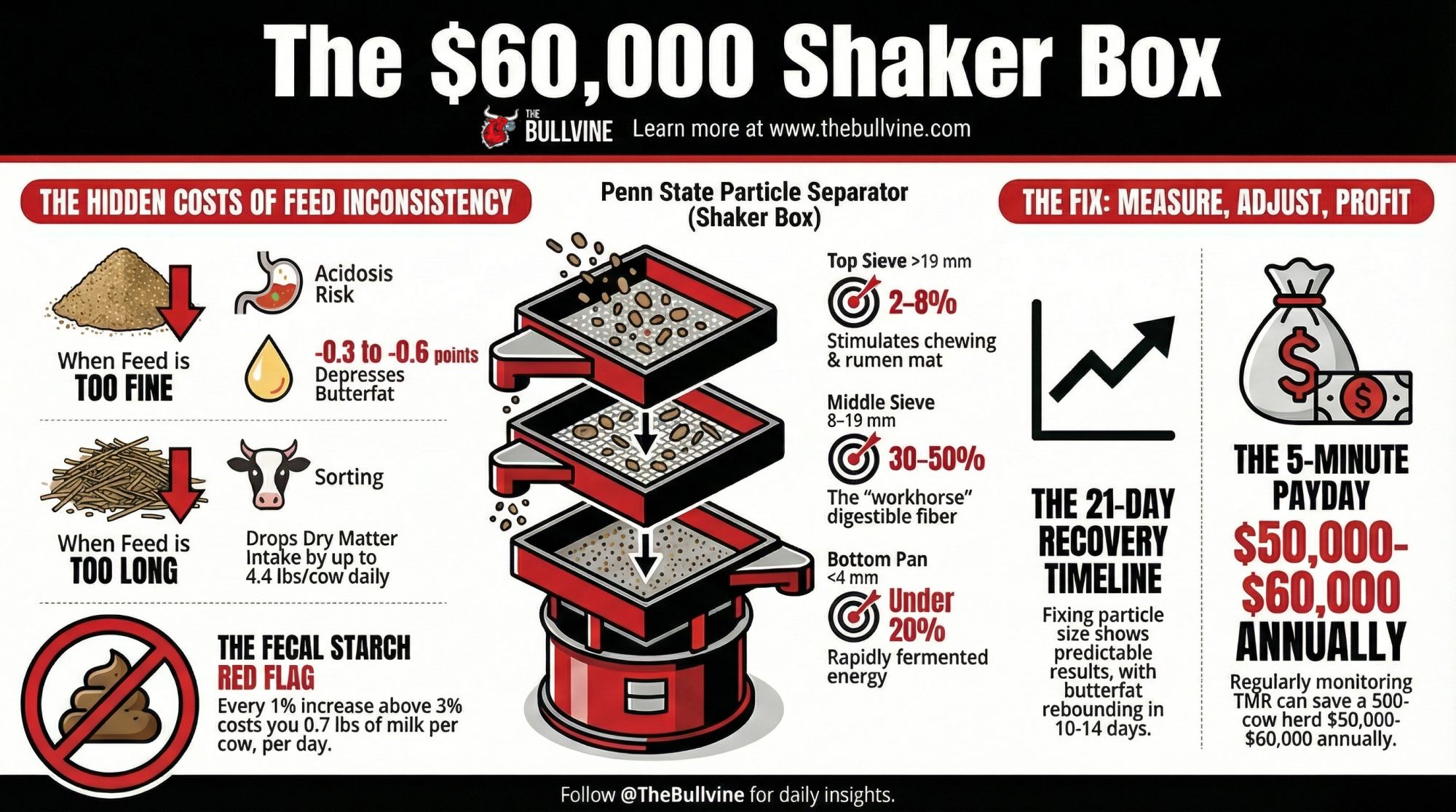


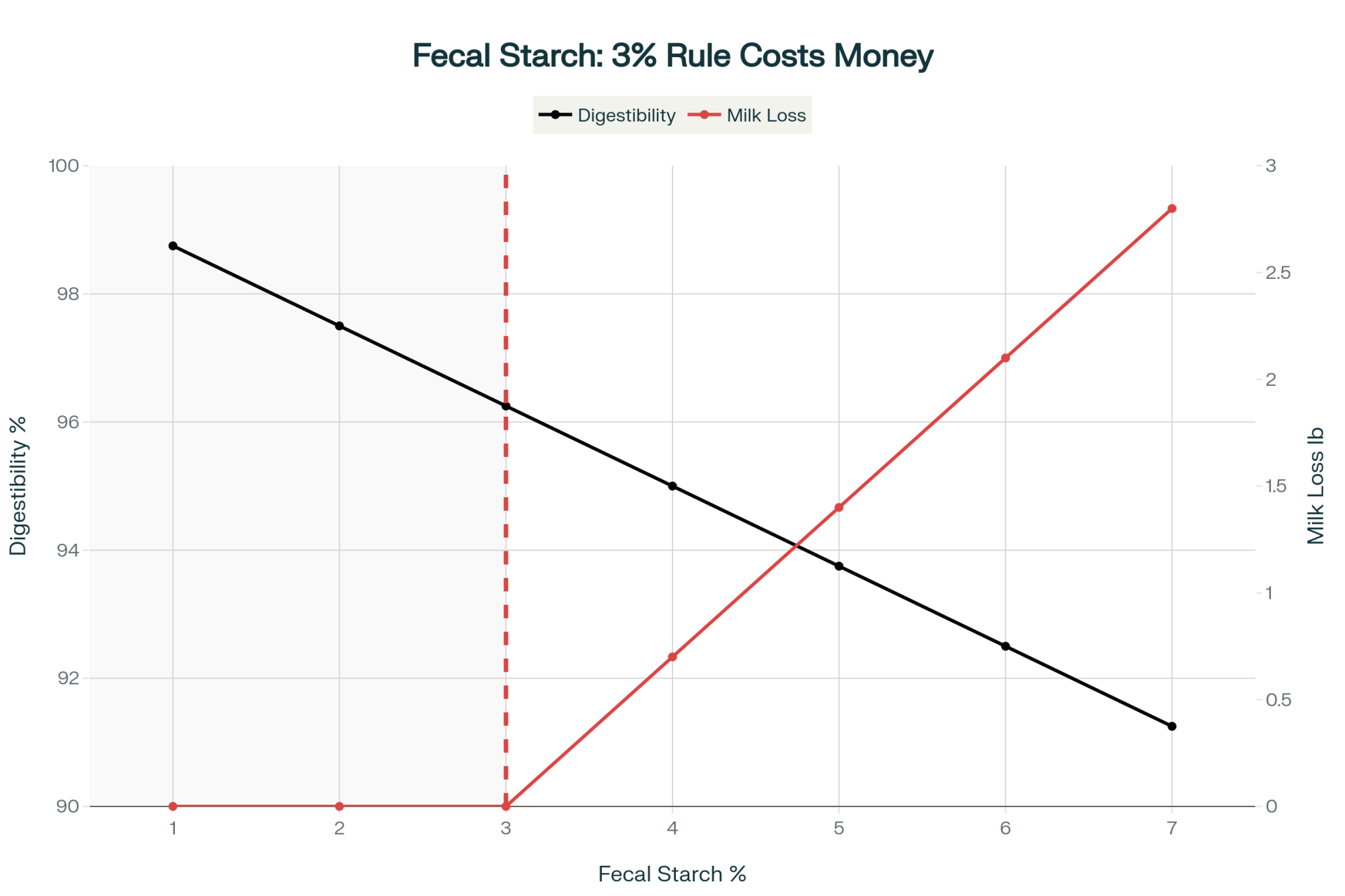


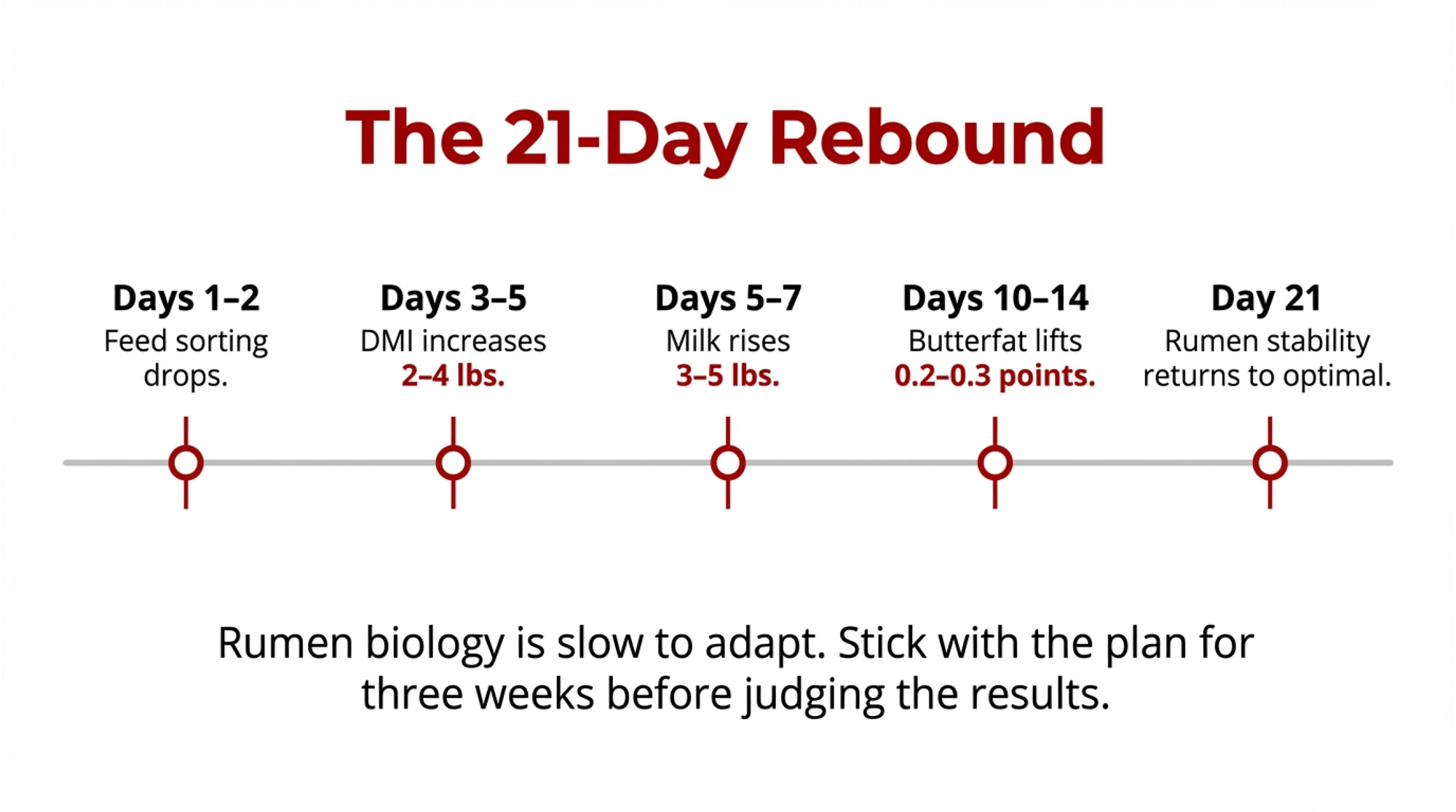


 Join the Revolution!
 Join the Revolution!