From clipping calves at Riverdane to walking parlours as a vet, Jodie Nutsford’s Medal win shows what “next generation” leadership really looks like.
The Holstein UK community has its 2025 President’s Medal winner, and she’s bringing a powerful combination of veterinary expertise, showing success, and grassroots mentorship to one of the breed’s highest honors.
Jodie Nutsford, 25, from Western Holstein Young Breeders, claimed the coveted award at the Semex International Dairy Conference during the Burns Supper in Glasgow on January 12th. She beat out two other exceptional finalists – Samuel Blease, 27, from Lancashire HYB, and Lauren Gilbert, 27, from Northern Ireland HYB – to win the engraved medal, the Sue Cope Memorial Trophy, and an all-expenses-paid trip to the Royal Agricultural Winter Fair in Toronto courtesy of Semex UK.
Twenty Years in the Making
What makes Nutsford’s win particularly compelling is the depth of her commitment. She’s not a newcomer riding a wave of recent success – she’s been grinding in HYB since she was four years old. Growing up on her family’s Riverdane Holsteins operation in Cheshire, she’s competed at the All Breeds All Britain Calf Show for years, attended multiple Weekend Rallies, and this past year represented Holstein UK at the Young Breeders School in Belgium.
But here’s where her story gets interesting: she took that lifetime of hands-on breeding knowledge and channeled it into veterinary medicine. In 2024, she graduated as a qualified vet and joined Nantwich Farm Vets, where she now serves a large portfolio of dairy clients across Cheshire. That’s a rare combination – someone who can talk genetics and show ring strategy with breeders in the morning, then walk into the parlor and discuss mastitis protocols and reproductive efficiency in the afternoon.
What the Judges Saw
Holstein UK President Mark Logan, who judged alongside Janette Mathie (Head of CIS Field Services) and Rodger Mather (Semex UK representative), put it this way: “Dare I say that as with judging an outstanding class of dairy cows, we were looking for that overall perfect balance, and in Jodie I think we have found that.
Logan specifically highlighted Nutsford’s “knowledge of the Holstein breed,” her commitment to the industry through her veterinary work, and her support for younger HYB and YFC members as factors that made her “a very worthy winner.
The application process wasn’t a cakewalk. Each club nominated one member, who then had to submit an essay titled “Data-driven decision-making on the farm leads to greater productivity, better animal welfare, improved sustainability, and greater profitability.” The judging panel interviewed the shortlisted candidates before selecting the final three to attend the conference.
The Mentorship Factor
What really sets Nutsford apart – and what likely pushed her over the top in a field of strong candidates – is her grassroots impact on Western HYB. According to Holstein UK, she’s “generously mentored countless HYB members, helping them develop the essential skills of showmanship, stock judging, and clipping. That hands-on support has opened doors for young enthusiasts to gain confidence and experience in the show ring.
That’s the kind of contribution that extends far beyond personal achievement. She’s not just winning banners – she’s building the next generation of breeders who will compete and contribute for decades.
Still Hands-On at Home
Despite her busy veterinary schedule, Nutsford remains closely involved with the family operation at Riverdane Holsteins. She helps with the daily management of both the dairy herd and the show team. That’s the reality of many young breeders today – juggling off-farm careers while staying connected to the home operation and the passion that started it all.
Principal Sponsor Support
National HYB Coordinator Lizzie Yates emphasized the importance of Semex UK’s continued support: “It has been a fantastic opportunity for the three finalists to attend the Semex International Dairy Conference and learn from a variety of respected industry voices. It is also an excellent platform to present this prestigious award, and I would like to express my gratitude to Semex UK for being the principal sponsor of HYB and their continued support of the President’s Medal Award.
The Semex International Dairy Conference, held at Glasgow’s Radisson Blu Hotel, has become the traditional venue for announcing the President’s Medal winner, giving the award maximum visibility among industry leaders and decision-makers.
Looking Ahead
With her veterinary career developing alongside continued involvement in breeding and youth work, Nutsford is positioned to remain a familiar and influential figure within the Holstein community for years to come. The Toronto trip later this year will add an international perspective to her already extensive network and experience.
The President’s Medal has a strong track record of identifying future industry leaders. Previous winners include Jamie Pottow (2024) from South & Wiltshire HYB and Andrew Neilson (2019) from Scotland HYB. The award recognizes individuals who will shape the breed and the industry for the next generation – and based on what Nutsford has already accomplished at 25, she’s well on her way to fulfilling that promise.
Congratulations to all three finalists – reaching that stage is an outstanding achievement in itself. But this year, the medal goes to the Western Club’s farm vet, with 20 years of commitment, a growing client base, and a passion for bringing the next generation along.
Key Takeaways
Jodie Nutsford, 25, wins the 2025 Holstein UK President’s Medal—farm vet, lifelong HYB member, and grassroots mentor in one package.
Her path from Riverdane Holsteins to Nantwich Farm Vets shows what “next generation” leadership looks like when it’s built, not borrowed.
Western HYB and Riverdane have created a youth model worth copying: open gates, shared calves, real mentorship.
The judges didn’t just reward ribbons—they rewarded balance: breed knowledge, vet expertise, and hands-on support for younger members.
The challenge for every club and region: invest in people who connect barns, data, and community—because that’s where the future gets built.
The Sunday Read Dairy Professionals Don’t Skip.
Every week, thousands of producers, breeders, and industry insiders open Bullvine Weekly for genetics insights, market shifts, and profit strategies they won’t find anywhere else. One email. Five minutes. Smarter decisions all week.
Rachel Craun and Jon Chapman didn’t inherit easy paths. They’re carving new ones—and in doing so, they’re teaching us what loyalty to an industry really looks like.
There’s something about 5 AM on a dairy farm that never leaves you.
If you’ve lived it, you know exactly what I mean—that particular stillness before dawn, the warmth of animals who recognize your footsteps, the rhythm that settles into your bones and stays there long after you’ve left the barn behind. It becomes part of who you are in ways you can’t quite explain to anyone who hasn’t experienced it.
Rachel Craun knows that rhythm intimately. She’s been living it since childhood on her family’s dairy operation in Mount Crawford, Virginia. Now she’s at Purdue University, active in the Dairy Club and finding real success on the Collegiate Dairy Judging team.
The Virginia mornings are behind her, at least geographically.
But over a dozen years of dairy farming rhythms? Those don’t care about geography. They travel with you wherever you go.
Rachel Craun, Mount Crawford, Virginia — First place National Dairy Jeopardy, first place National Virtual Interview, Distinguished Junior Member finalist, and future dairy facility engineer at Mauer-Stutz. Twelve years of Junior Holstein commitment led her here. Photo: Holstein Association USA
“Showing has taught me to be proud of the wins,” Rachel says, “but to be present in the moment in order to find value in every experience, even if you don’t finish where you had hoped.”
I’ve read that quote several times now, and what moves me most isn’t the words themselves—it’s how much living must be packed into them. Over a dozen years of Junior Holstein involvement. More than a decade of early mornings, weekend shows, long drives home after placings that didn’t go the way she’d hoped. The kind of quiet, persistent commitment that shapes who you become when nobody’s watching.
Jon Chapman, Keyes, California — Ten years as a California Junior Holstein officer, current Junior Advisory Committee Chairman, and two-time International Junior Holstein Show competitor. He’s studying Agriculture Systems Technology at Iowa State to serve the dairies he grew up loving. Photo: Holstein Association USA
Three thousand miles away in Keyes, California, Jon Chapman carries a similar weight in his heart. His family operates a Holstein dairy in the Central Valley, and Jon has been part of it since he could walk.
Ten years. Let that sink in for a moment. Ten years serving on the officer team for the California Junior Holstein Association. He’s currently serving as chairman of the Junior Advisory Committee, representing dairy youth across the entire West Coast. He’s competed at the International Junior Holstein Show at World Dairy Expo twice—because once, apparently, wasn’t enough to satisfy his love for this industry.
“Regardless of placings,” Jon says, “I am proud of my efforts, in my sportsmanship, and the dedication that goes into raising Holsteins year-round—not just walking in the showring.”
There it is again. That word: dedication. Not to winning. Not to trophies. To showing up.
This past year, Rachel and Jon received the Judi Collinsworth Memorial Scholarship—Rachel receiving the top $1,000 scholarship, Jon receiving the $500 scholarship. The amounts seem modest against the backdrop of modern education costs.
But what moved me most about researching their stories wasn’t the scholarship itself.
It was understanding what these two remarkable young people represent—and the uncomfortable questions their choices force us to ask about what it actually means to invest in dairy’s future.
The Woman Who Saw What Others Missed
Judi Collinsworth dedicated her career to Holstein Association USA in Brattleboro, Vermont. As Executive Director of Member and Industry Relations, she was responsible for telemarketing, member programs, and—this is the part that matters most—spending a great deal of her time improving and expanding the programs available to Holstein youth.
She passed away in late 2023.
What she left behind can’t be measured in program budgets or press releases. It’s something far more precious than that.
She built something harder to name. Call it permission. Call it space. Call it the radical, beautiful idea that you could love dairy with your whole heart and still have a life beyond the barn.
Think about what that means for a young person growing up on a farm. The programs Judi championed fostered an identity formation that unfolds over the years, layer by layer. Kids start showing cattle at eight or nine—nervous, uncertain, not yet knowing what they’re becoming part of. By their early teens, they’re taking on officer roles, competing in knowledge contests, and learning to win and lose with grace. By high school, they’re applying for Distinguished Junior Member, standing before judges who’ve read their entire dairy journey in a book they wrote themselves.
By their early twenties? They’re serving on the Junior Advisory Committee, mentoring the nervous kids who remind them of themselves at eight.
Rachel Craun walked every step of that path. And here’s where her story takes my breath away.
She placed first in the National Dairy Jeopardy contest. First. In a competition that requires you to care enough about this industry to fill your head with knowledge most people will never need. She placed first in the National Virtual Interview, too.
Then came Distinguished Junior Member. Rachel was named a finalist—one of only six young people in the entire country selected for that honor. Six. Out of everyone who applied, everyone who dreamed, everyone who worked for years toward that recognition.
She served in officer roles on the Virginia Holstein Association. She competed at the International Junior Holstein Show at World Dairy Expo in 2025—a goal she’d set for herself years ago and then actually achieved.
Jon Chapman walked the same path, just from the other side of the country. A full decade of officer service. Two-time International Junior Holstein Show competitor. Currently, the chairman of the Junior Advisory Committee.
These aren’t résumé lines. They’re evidence of something rare and beautiful: young people who kept showing up when nobody was watching. When it would have been easier to quit. When the world offered a thousand other things to care about.
Judi Collinsworth would have recognized them immediately.
Not because they won everything.
Because they never stopped coming back.
The Math Nobody Wants to Talk About
I need to be honest about something, because this is where the story gets complicated—and painful. It’s the part that keeps me up at night when I think about the future of this industry.
Rachel knows her family’s farm the way you only know a place you’ve grown up in. The sounds. The rhythms. The particular way a barn feels in early morning when the animals are stirring and the day hasn’t quite started yet. That bone-deep connection that becomes part of your soul.
But knowing a place and being able to buy it are entirely different things.
Let’s look at what it actually takes to acquire a dairy operation in 2025. Land alone, at current prices in productive dairy regions: millions of dollars. Add cattle, and you’re deeper in. Machinery. Buildings. Infrastructure. Operating capital for the first year, when everything feels uncertain.
After graduating in May 2026, Rachel plans to work full time for the agricultural division of Mauer-Stutz, an engineering firm based in Peoria, Illinois.
I don’t have to tell you what that math means.
You already know.
Jon faces the same impossible arithmetic in California, where land prices run even higher. His family’s operation represents capital accumulation across generations—the kind of investment that no 22-year-old can replicate, no matter how deep their commitment. No matter how many trophies they’ve earned. No matter how much they love this with everything they have.
So Jon is studying Agriculture Systems Technology at Iowa State University. He hopes to help dairymen realize greater efficiency and profitability through innovative facility designs and concepts.
Both of them love Holsteins.
Both of them are staying in the dairy industry.
Neither of them is becoming a dairy farmer.
Sit with that for a moment. Because I think it tells us something important—and heartbreaking—about where we are.
What a Decade of Saturdays Actually Looks Like
I want to stay with Jon’s story for a moment, because I think it illuminates something important about the quiet heroism of showing up.
Ten years serving on the officer team.
What does that actually mean? It means Saturday mornings when he could have slept in like his friends. Meetings in towns he’d never otherwise visit. Phone calls to coordinate volunteer coverage for the next show. Budget reviews that nobody will ever thank you for. The thousand small decisions that keep youth organizations functioning—decisions that matter enormously and earn almost no recognition.
California’s Central Valley isn’t far from the coast. While Jon was organizing junior Holstein events, plenty of his peers were spending summer weekends at the beach. Nobody would have blamed him for making a different choice.
But something kept him coming back. Year after year. Meeting after meeting. Something in his heart that wouldn’t let go.
“Regardless of placings, I am proud of my efforts, in my sportsmanship, and the dedication that goes into raising Holsteins year-round—not just walking in the showring.” — Jon Chapman, JAC Chairman
The return on a decade of service isn’t trophies. It’s something harder to measure, but infinitely more valuable.
It’s the nervous first-time exhibitor who discovers she can actually speak in front of a crowd. It’s the kid who almost quit but didn’t, because someone made him feel like he belonged. It’s the programs and pathways that help the next generation find their place—pathways Jon helped build with ten years of Saturdays.
Two Paths to Staying in Dairy
Traditional Path
New Professional Path
Entry Point
Inherit family operation
Youth programs, education, and industry service
Capital Required
$5-7 million+
Education investment
Daily Work
Milking, feeding, and managing the herd
Designing facilities, consulting, systems optimization
Industry Impact
One operation
Dozens of operations over a career
Example
Previous generations
Rachel Craun (Mauer-Stutz engineering) and Jon Chapman (Agriculture Systems Technology)
To understand what’s different now, you need to understand what dairy farming used to offer—and what’s been lost.
There was a time—within living memory, within your grandparents’ memory—when inheriting a farm meant inheriting a community. When the neighbor who helped you fix the fence in April was the same neighbor whose hay you helped bring in come August. When everyone in a ten-mile radius knew whose cows were whose, and that knowledge itself was a kind of wealth you couldn’t put a price on.
That world made different choices possible.
A young farmer starting out didn’t need to finance everything alone, because they weren’t alone. They stepped into a web of relationships that had been forming since before they were born. When disaster struck—a barn fire, a failed crop, a death in the family—the community showed up. Not out of charity, but out of reciprocity. You helped because someday you’d need help too.
That mutual obligation functioned as a kind of informal insurance. It reduced capital needs. It created resilience that individual families couldn’t achieve alone.
That world is largely gone now.
Thousands of dairy farms have closed in recent years. The remaining operations grow larger, more capital-intensive, and more dependent on professional management and specialized expertise. The web of relationships that held earlier generations has thinned and frayed.
I understand why Rachel and Jon made different choices.
The infrastructure that held their grandparents’ generation simply isn’t there to hold them.
What Judi Actually Built
So what did Judi Collinsworth create, knowing the world was changing faster than anyone wanted to admit?
She made space.
Space for young people like Rachel and Jon to love dairy and still have lives. To serve the industry without being crushed by the economics that make farm ownership impossible for most. To be dairy people in whatever form that identity could survive.
The programs Judi championed didn’t promise anyone a farm. They promised something more durable: a sense of belonging that could survive career pivots, geographic moves, and economic impossibility. A home in this industry that wasn’t dependent on owning land.
Rachel can work in Peoria, designing facilities for dairy operations, and still be a dairy person. Her knowledge doesn’t disappear because she’s not milking cows. It transfers—to facility designs that actually work for farm families, because she understands how farm families actually live.
Jon can consult for California dairies and still bring 10 years of officer service to every client conversation. He knows what matters to producers because he grew up as one.
The scholarship named in Judi’s honor does exactly what she designed her programs to do. It recognizes sustained commitment. It validates alternative pathways. It signals that the industry values expertise even when that expertise doesn’t come with a barn attached.
The Investment Nobody Calculates
What does $1,500 in scholarships actually buy?
Not farm owners. Not solutions to the capital barrier. Not a reversal of the consolidation reshaping the industry.
But consider what that modest investment actually creates.
Rachel, without validation from her industry, might have taken her engineering skills somewhere else entirely. Designing facilities for companies that process soybeans, corn, anything but dairy. Her deep knowledge—earned through twelve years of showing cattle, competing, serving—flowing to sectors that had nothing to do with the cows she grew up loving.
Jon, without recognition for his decade of service, might have applied his systems expertise to Silicon Valley startups. Agricultural technology serving every sector, dairy is just one line item among many.
Instead, they’re staying.
Not as farmers. But as professionals who will serve dozens of operations over their careers. Engineers and consultants who bring genuine dairy knowledge to their work because they lived it before they studied it.
Rachel will spend her career designing agricultural facilities. Each one will work better because she knows what the rhythm of a dairy operation feels like from the inside.
Jon will help California dairies implement technologies that actually fit their operations—because he understands producer decision-making from a decade of serving producers.
The ripple effects are incalculable.
But they’re real.
What Stays With You
Ask what over a dozen years of showing cattle, competing in knowledge contests, and serving in leadership roles actually taught Rachel and Jon, and certain truths emerge:
Sustained commitment matters more than occasional brilliance. Anyone can show up once. Showing up for a decade—through middle school awkwardness, high school social pressure, college course loads—proves something about who you are.
Resilience isn’t about winning. It’s about finding value in every experience, especially the losses. The placings you hoped for and didn’t get. The classes where nothing went right. The years that tested whether you really loved this.
Service creates ripples you’ll never fully see. Ten years of officer meetings. Programming that helped young people discover confidence they didn’t know they had. That’s how commitment multiplies—in ways the person serving may never know about.
The Bottom Line
The dairy industry stands at a crossroads it didn’t choose and can’t avoid.
Farm ownership has become economically impossible for most young people, no matter how deep their commitment. The capital requirements have outpaced anything individual families can accumulate. The support structures that once made small operations viable have changed fundamentally.
We can rage against this reality.
Or we can adapt to it.
Rachel Craun and Jon Chapman represent adaptation. Not abandonment—never abandonment—but evolution. A new way of serving an industry they love, sustainable across a 40-year career, creating value for dozens of operations instead of struggling to save one.
The Judi Collinsworth Memorial Scholarship recognizes that evolution. It says to every Junior Holstein member watching: You can love this industry and still have a life. You can honor your heritage without destroying yourself. There are multiple pathways to being a dairy person.
An earlier generation had one path: inherit the farm, work the land, pass it to your children. That path created something beautiful, and its transformation deserves to be mourned.
But Rachel and Jon are creating something new. Professionals rooted in dairy knowledge, serving an industry in transition, carrying forward the values that matter even as the structures change.
Somewhere, Rachel is preparing for graduation—ready to join Mauer-Stutz and build the kind of expertise that will help dairy facilities work better for the families who use them.
And somewhere, Jon is thinking about the next generation of junior members. The nervous kids who’ll discover, as he did, that service matters more than trophies.
They’re not abandoning dairy.
They’re ensuring it has a future.
And watching them build it—two young people who found a way to love this industry without being destroyed by it—I think Judi Collinsworth would recognize exactly what she helped create.
Not the future anyone imagined.
But maybe the only one that was ever possible.
If you know a young person wrestling with how to stay in dairy when farming isn’t possible, share this with them. Sometimes knowing you’re not alone changes everything.
The National Holstein Foundation administers the Judi Collinsworth Memorial Scholarship. Learn about youth scholarship opportunities and how to support the next generation of dairy professionals at holsteinusa.com/future_dairy_leaders.
KEY TAKEAWAYS
$5-7 million says it all: That’s what a viable dairy startup costs now. Loving this industry and owning a farm are no longer the same thing—and pretending otherwise fails the next generation.
One farm or dozens of clients? Rachel Craun will design dairy facilities. Jon Chapman will optimize dairy systems. Over 40-year careers, they’ll serve more operations than any single farm ever could.
Youth programs build professionals, not just champions: Rachel’s 12+ years of Junior Holstein involvement and Jon’s decade as a California officer created expertise that transfers directly to careers serving this industry.
What Judi Collinsworth actually built: Programs that let young people love dairy without being crushed by its economics. Rachel and Jon are living proof.
If your kid loves dairy but can’t afford to farm: They haven’t failed. There’s a path forward. Share this with them.
EXECUTIVE SUMMARY:
What happens when young people who’ve dedicated their lives to dairy can’t afford to farm? Rachel Craun and Jon Chapman just answered that question. Craun won National Dairy Jeopardy, won National Virtual Interview, became one of only six Distinguished Junior Member finalists nationally, and after graduating from Purdue in May 2026, she’ll design dairy facilities at Mauer-Stutz engineering, not milk cows. Chapman served 10 years on the California Junior Holstein officer team, now chairs the national Junior Advisory Committee, and is studying at Iowa State to help dairies he’ll never own run better. Both just received the Judi Collinsworth Memorial Scholarship, honoring the Holstein Association USA executive who built programs that let young people love dairy without being crushed by its economics. With farm startups demanding $5-7 million in capital, they represent a new path: professionals who’ll serve dozens of operations over a lifetime, rather than struggling to save one. They’re not leaving dairy—they’re the reason it will survive.
Decide or Decline: 2025 and the Future of Mid-Size Dairies – Exposes the “cost of waiting” that quietly drains 8% of farm equity annually and breaks down why regional infrastructure now dictates your survival strategy more than your individual management ability or ancestral tradition.
Every week, thousands of producers, breeders, and industry insiders open Bullvine Weekly for genetics insights, market shifts, and profit strategies they won’t find anywhere else. One email. Five minutes. Smarter decisions all week.
Nashville took him 5th overall. He was in the barn. ‘The cows don’t care if you’re drafted,’ he said. What his family did differently should make every farm parent think twice.
No 5:30 AM chores this morning—the cows are 1,500 kilometers away in Elmira. But the farm strength that built this smile? That traveled just fine. Brady Martin celebrates after scoring for Team Canada at the World Junior Championship in Minnesota.
On the evening of June 27, 2025, the Nashville Predators selected Brady Martin fifth overall in the NHL Draft.
Brady wasn’t there.
He was in the barn at Creek Edge Farms, finishing the evening’s work alongside his brothers, just as he had every single day for as long as he could remember. The draft ceremony in Los Angeles—the red carpet, the cameras, the handshakes with NHL executives—had happened without him. He’d watched the broadcast from the milking parlor of his family’s 250-cow dairy operation near Elmira, Ontario, surrounded by the animals he’d cared for since childhood.
When reporters finally reached him and asked why he’d skipped what should have been the biggest night of his life, Brady’s answer was simple: “The cows don’t care if I’m drafted sixth or sixteenth. The morning milking starts at 5:30 AM.”
The family’s response to draft night captured everything about who they are. Being selected by an NHL franchise didn’t change a single thing about the next morning’s responsibilities. That was simply understood.
The following morning, Brady Martin—newly minted Nashville Predators prospect, eighteen-year-old with a three-year contract and more questions than answers about what comes next—was in the barn at 5:30 AM.
Because that’s what Martins do.
Before the NHL Draft, before Team Canada, before the scouts started calling it ‘farm strength’—there was this. A frozen pond, a pair of skates, the barn waiting for morning chores, and a kid who never learned to separate the two. Creek Edge Farms, where it all started.
The Moment Everything Almost Fell Apart
To understand what the Martins built, you have to understand what they almost lost.
In 2023, sixteen-year-old Brady moved eight hours from home to Sault Ste. Marie to play for the OHL’s Greyhounds after being selected third overall in the Priority Selection. It was the opportunity he’d worked toward his entire young life. And within weeks, he was struggling.
“The first couple of months were tough,” Brady later admitted. He was lonely. He missed his family. He struggled to make friends in a new city where nobody knew him as anything other than “the new guy on the team.”
What happened next is the part of the story that still gets me.
Brady didn’t call home begging to quit. He didn’t push through with white-knuckled determination, pretending everything was fine. Instead, he called a family friend who lived near Sault Ste. Marie and asked a question that would have puzzled most teenagers: “Can I come do farm chores on your off days?”
Think about that for a moment. A sixteen-year-old, homesick and struggling, doesn’t ask to come home. He asks strangers if he can shovel their manure.
He wasn’t homesick in the conventional sense. He was experiencing something deeper—a disruption to his identity. The 5:30 AM chores weren’t just work he’d been assigned; they were part of who he was. Without them, he felt unmoored. Lost in a way that had nothing to do with geography.
The friend said yes. Brady started showing up on days off to feed cattle and do the unglamorous work that had structured his entire life. Within weeks, he’d stabilized. He started playing better. He made friends. He found his footing.
Sheryl Martin watched this unfold from 500 kilometers away and realized something she hadn’t fully understood before: the non-negotiable morning work she and her husband, Terry, had built into their children’s lives hadn’t been a burden Brady needed to escape. It was the anchor that kept him steady when everything else was uncertain.
The Mockery That Became Respect
Brady’s farm background didn’t always earn admiration. When he first entered the OHL, teammates weren’t sure what to make of the kid who talked about cows and couldn’t stay out late because he had to call home and check on the calving schedule.
“He took a little bit of a jabbing,” Sheryl recalls. “‘Oh, you’re a farmer—what does that even mean?'”
The ribbing escalated. During one game, a London Knights player named Landon Sim called Brady a “Mennonite” on the ice—an insult that earned him a five-game suspension. The mockery had crossed a line.
Most families would have advised Brady to downplay his background. Stop talking about the farm. Fit in. Don’t give them ammunition.
The Martins did the opposite.
During the playoffs, Sheryl organized a team visit to Creek Edge Farms. She smoked 45 pounds of beef, invited Brady’s entire team, and let them experience a working dairy farm firsthand.
“Most of the boys had never, ever been on a farm before,” Sheryl says. “They had no idea the function of a farm.”
Most of the boys had never, ever been on a farm before.’ The Soo Greyhounds visit Creek Edge Farms—the day the jokes stopped. Forty-five pounds of smoked beef and one barn tour later, Brady wasn’t the weird farm kid anymore. He was family.
Players who’d spent months teasing Brady about his background stepped off the bus into the smell of fresh hay and manure, the sound of cattle moving in the barn, the scale of an operation they’d never imagined. They held chickens—some for the first time in their lives. They watched Brady’s family work with the quiet efficiency of people who’ve done this work for generations.
Coach John Dean observed the transformation in real-time: “You could see him taking charge of things, caring for the smaller details, and he naturally fell into his rhythm—picking stuff up off the ground and moving gates. He wasn’t doing it to impress anybody—it was simply ‘This is what I do.'”
The teammates who’d been mocking him for months stood “completely wide-eyed.” Not all of them became converts overnight—some habits die hard—but the tone had shifted. Brady wasn’t the weird farm kid anymore. He was the kid whose family fed them 45 pounds of smoked beef and let them hold chickens. The jokes stopped. Players who’d skipped the visit regretted it.
From ‘you’re a farmer—what does that even mean?’ to this. Brady Martin (#28) shares a laugh with Cole Reschny during Team Canada warmups in London, Ontario. Forty-five pounds of smoked beef and one farm visit later, the jokes stopped.
In an industry often obsessed with being ‘misunderstood’ by the public, the Martins showed that the best way to be understood is to open the gate and feed people.
When the Parents Themselves Had Doubts
Here’s the part of the story that doesn’t make it into the highlight reels: even Sheryl and Terry questioned whether they were asking too much.
There were mornings—Sheryl admits—when getting teenagers out of bed at 5:30 AM required more persistence than any parent wants to muster. There were arguments. Slammed doors. Mornings when “I’m too tired” echoed down the hallway, and Sheryl had to decide whether this particular battle was worth fighting.
It always was. But that didn’t make it easy.
The system wasn’t magic. It was consistent, and consistency is exhausting.
As Brady’s hockey career accelerated, as scouts started calling, as the demands on his time intensified, the Martins wondered: Were they being fair? Could their son actually succeed at the highest levels of professional sports while maintaining his farm responsibilities? Were they holding him back from his potential?
“They were worried,” Brady’s strength coach Matt Nichol later revealed. “‘Is he going to be able to still be at home and be on the farm and accomplish his goals?'”
When the doubt crept in, the Martins did something smart: they brought in an expert who could tell them the truth without bias.
Nichol’s assessment shocked them. The conventional wisdom—that Brady needed to leave the farm and train full-time at elite facilities—was wrong.
“The narrative on him was that he’d never worked out,” Nichol said. “I think he’d probably worked out more than most kids his age, just not in a gym.”
Instead of uprooting Brady from his agricultural life, Nichol designed programs that worked within it. He told the family about NHL legends who’d built their strength through manual labor. He showed Brady pictures of Maple Leafs prospects doing farm work as part of their training.
Then Sheryl Martin did what farm mothers do—she solved it herself. She pulled out the backhoe and built a training hill on the farm to the exact specifications Nichol recommended for professional development.
The farm didn’t adapt to accommodate hockey despite its limitations. The farm became the training facility that produced NHL-caliber results.
By the time draft day arrived, NHL scouts had a name for what Brady brought to the ice: “farm strength.”
Not gym strength. Not a training facility strength. Farm strength—the natural power, resilience, and work capacity built through years of daily physical labor that no amount of programmed workouts can replicate.
“Pound for pound, when he hits guys, the way he’s hard on pucks—that’s something he has come by completely naturally with his work on the farm,” Coach Dean explained.
Scouts compared him to Sam Bennett and Nazem Kadri—physical, relentless competitors who change games through sheer willpower and toughness. They called him a “Bull in a China Shop.” And in a detail that still makes his coaches shake their heads: Brady performs better on game days when he’s done a full morning of farm work first.
“The more he rests, the worse he is,” his skills coach, Tyler Ertel, observed. Ertel has worked with Brady since he was nine years old and lives just nine minutes from Creek Edge Farms—close enough to witness the connection between barn work and ice performance firsthand.
In one tournament game on the way to the OHL Cup, Brady put in a complete morning of barn work, then drove to the city and scored a hat trick against the top-ranked team in the province.
This isn’t to say the path came without trade-offs. Brady missed hockey camps. He arrived at some tournaments with less rest than competitors who’d spent the previous day in recovery protocols. But somehow, for him, the equation worked differently. The farm work wasn’t draining him. It was fueling him.
his is what ‘farm strength’ looks like before the scouts give it a name. NHL first-rounder, $3M contract, Team Canada roster—and still happiest pushing up feed at Creek Edge Farms. ‘The more he rests, the worse he is,’ his coach says. Now you know why.
The Sibling Infrastructure Most People Miss
The most overlooked part of this story isn’t the draft pick. It’s the sibling infrastructure that made it possible.
Sheryl and Terry Martin raised four children—Joey, Brady, Jordan, and youngest Rylee—each with the same expectations, each finding their own balance between farm responsibility and individual pursuits. Joey, the eldest at nineteen, has taken on primary responsibility for the farm’s day-to-day operations during hockey season. Jordan, at sixteen, handles his own substantial workload while still in high school. Both covered for Brady during the stretches when his hockey schedule made full farm participation impossible.
The family operates on what amounts to an annual ledger rather than a daily one. Fairness isn’t measured by equal work on any given day—it’s measured by everyone contributing fully over the course of a year, with flexibility for individual circumstances. Brady goes hard in the summer when hockey pauses. His brothers shoulder more of the workload during the winter months.
The balance works out—though that’s not to say there’s never friction. When schedules collide or workloads feel uneven, the tension surfaces like it does in any family. But they work through it, usually over breakfast, always with the understanding that they’re building something together.
When the three brothers launched their beef cattle enterprise during COVID—”We were all stuck at home, so I went and bought some cows,” Brady recalls with characteristic understatement—they became business partners, not just siblings doing chores.
That beef enterprise has since “taken on a life of its own.” During the flurry of NHL interviews surrounding the draft, Brady was simultaneously auctioning cattle for the family operation. One reporter caught him juggling calls from hockey executives and livestock buyers in the same afternoon.
Joey and Jordan aren’t waiting for Brady’s hockey career to end. They’re building something alongside him. And that shared ownership changes everything about how they view the work.
The Uncomfortable Truth Most Farm Parents Won’t Hear
Here’s where I’m going to say something that might sting: most farm families are doing this backwards.
The Martins didn’t set out to create a replicable system. They were just trying to raise good kids who understood the value of hard work. Terry Martin gave Brady a single line that became his operating principle: “Hard work is the biggest thing, and if you’re working hard, good things will come.”
But what they discovered exposes a pattern that’s killing farm succession across North America.
The conventional approach to farm family scheduling treats external activities as fixed and farm work as flexible. Soccer practice is at 6 PM, so chores get squeezed in “when there’s time.” Tournament weekends mean someone else covers the barn. School, sports, friends—all non-negotiable. Farm work gets whatever scraps of time remain.
Every time you negotiate away the chores, you’re teaching your kids that the farm is the least important thing in their lives.
Let that sink in.
When you say, “skip the morning milking, you’ve got a big game,” you think you’re being supportive. You think you’re helping them succeed. What you’re actually doing is confirming what they already suspect: the farm is an obstacle to their real life, not the foundation of it.
The Martin family flipped this entirely.
Farm work is the fixed point around which everything else orbits.
When farm work is non-negotiable—when it happens at 5:30 AM regardless of what game was played last night—kids learn something different: this is who we are. This is the foundation. Everything else gets built on top of it.
Brady Martin didn’t become someone who “has to do chores.” He became someone who does chores. Identity, not obligation. That distinction made all the difference.
And before you tell me your operation is different, that your kid’s travel schedule is too demanding, that you can’t afford to be inflexible—ask yourself this: are you raising a kid who will come back to the farm, or are you raising a kid who can’t wait to leave it?
For Families Without 250 Cows
I need to be honest about something: the full Martin framework requires certain prerequisites—enough scale to absorb seasonal flexibility, strong management, and genuine profitability. Not every operation can implement the complete rotation system.
But here’s what any family can do, regardless of scale: recognize that external validators matter more than parental lectures.
Brady didn’t decide farm work was valuable because his parents told him so. He decided it was valuable because NHL scouts called it “farm strength,” because his strength coach said he’d already out-trained most athletes, and because his teammates visited Creek Edge Farms and left transformed.
The Martins didn’t convince their son. They connected him with people whose opinions he respected—and let them do the convincing.
If your teenager thinks farm work is competing with their goals, here’s the single highest-leverage action you can take: arrange one 15-minute phone call between your kid and someone in their field of interest who grew up on a farm.
Not mentorship. Not career counseling. Just one question: “When did you realize your farm background was actually an advantage in your career?”
Find that person through LinkedIn, through the FFA’s Forever Blue Network, or simply by texting your veterinarian: “Do you know anyone in engineering—or nursing, or business—who grew up on a farm?”
That 15-minute conversation can accomplish what years of parental lecturing cannot. Because kids can’t hear this message from us. We’re too biased. We need them to do chores, so of course, we say chores are valuable.
But when someone with no stake in your operation tells your kid, “Farm work is why I got hired,”—they believe it.
Will this work every time? No. Some teenagers are determined to see farm work as punishment, no matter what anyone says. But for the genuinely uncertain kids—who haven’t yet decided what the farm means to them—external validation can tip the scales.
The Legacy Being Built
In Nashville’s development camp after the draft, Brady Martin showed up as the only first-round pick who’d never attended a formal hockey training facility. The other prospects had spent years in elite programs with specialized coaches and state-of-the-art equipment.
Brady had spent those same years at Creek Edge Farms. On a tractor. Building fences. Chasing escaped cattle. Waking at 5:30 AM every morning because that’s when the cows needed milking.
And somehow, that unconventional path had produced exactly what professional hockey demands: a player with elite strength, unusual mental toughness, unshakeable work ethic, and the quiet confidence that comes from knowing you’ve already done harder things than anything a game can throw at you.
By October 2025, Brady had made Nashville’s Opening Night roster—one of the youngest players in the league. He played three NHL games before being sent back to the OHL for further development, a standard path for eighteen-year-olds with long careers ahead of them.
When reporters ask Brady about life after hockey, his answer never wavers: “Hopefully I play in the NHL. But if that doesn’t work out, then the farm is definitely where I’ll be heading.”
Notice what he’s saying. The farm isn’t his backup plan if hockey fails. It’s his destination. Hockey is the temporary—if spectacular—detour.
The Martin family didn’t set out to create an NHL player. They set out to raise children who understood the value of hard work, the dignity of agricultural responsibility, and the irreplaceable satisfaction of building something real with your hands.
That Brady also became a first-round draft pick is almost beside the point.
The real achievement is raising kids who—given every opportunity to leave, every excuse to prioritize themselves, every reason to see the farm as something to escape—chose to stay connected to the land and animals that shaped them.
The Bottom Line
On the morning after the biggest night of his life, Brady Martin was in the barn at 5:30 AM. Not because anyone made him. Because that’s who he is.
The cows don’t care if you’re drafted sixth or sixteenth. They need milking at 5:30 AM.
And in that simple, stubborn, beautiful fact lies everything you need to know about raising kids who achieve extraordinary things—and still choose to come home.
KEY TAKEAWAYS
Make farm work the fixed point: The Martins built their schedule around 5:30 AM chores, not around hockey. Everything else orbits the barn. Reverse this, and you’re already teaching your kids to leave.
“Farm strength” is a real advantage: NHL scouts named it. Strength coaches confirmed it. Daily physical labor builds something no elite training facility can replicate—and Brady performs worse when he rests more.
Identity over obligation: Brady didn’t become someone who “has to do chores.” He became someone who does chores. That single distinction determines who comes back and who can’t wait to escape.
Stop negotiating away the chores: Every time you say “skip the milking, big game today,” you confirm what your kid already suspects—the farm is an obstacle to their real life, not the foundation of it.
Use external validators: Your teenager can’t receive this message from you. One 15-minute phone call with a professional who grew up on a farm accomplishes what years of your lectures never will.
EXECUTIVE SUMMARY:
Brady Martin was drafted fifth overall by Nashville in 2025. He wasn’t at the ceremony—he was in the barn at 5:30 AM, same as every other day. Scouts called it “farm strength.” His family called it non-negotiable. The Martin system is brutally simple: farm work is the fixed point around which everything else orbits. Most families do the opposite—making chores the flexible thing that gets sacrificed for games and practices—then wonder why their kids can’t wait to leave. The Martins held the line through slammed doors, teenage arguments, and their own doubts. Result: four kids building a beef enterprise together, one of them in the NHL, all of them coming back. The lesson every farm parent needs to hear: your kids can’t receive this message from you. Find someone in their field who grew up on a farm and arrange one 15-minute call. External validation beats parental lectures every time.
Four Farms Exit Daily: The $100K Decision Reshaping Dairy Survival – Stop gambling on high-intensity labor and start positioning your equity for the next five years. This analysis delivers the structural math needed to navigate a market where scale and specialization are now the only survivors.
Every week, thousands of producers, breeders, and industry insiders open Bullvine Weekly for genetics insights, market shifts, and profit strategies they won’t find anywhere else. One email. Five minutes. Smarter decisions all week.
Don’t send that kid back.” One phone call nearly killed Brian Coyne’s career before it started. He’s now Manager of Applied Genetic Strategies at Select Sires.
Executive Summary: Don’t send that kid back.” One phone call nearly ended Brian Coyne’s dairy career before it started. Today, he leads genetic strategy at Select Sires. Kylene Anderson took a temp job nobody wanted—it became her runway to managing editor at Hoard’s Dairyman. Amanda Lichtensteiger lost count of the “we chose someone more experienced” emails in 2009; now she runs dairy strategy at Diamond V. At World Dairy Expo 2025, these three revealed what actually builds careers: character that can’t be taught, sponsors who fight for you in rooms you’re not in, and the guts to choose the right barn over the right title. Your five-year plan might be in shreds. These stories suggest that’s exactly where the best careers begin.
The big screen at the 2025 National Dairy Shrine luncheon promised a guide on “launching your career.” What the packed room heard instead was the honest truth about the failures, detours, and grit that actually built them.
In that moment, the room went quiet.
It was the Uplevel Dairy Podcast‘s live panel from the National Dairy Shrine Young Professionals luncheon at World Dairy Expo 2025, and a young genetic strategist named Brian Coyne was describing something most people in agriculture don’t talk about—the day everything almost ended before it began. His first solo day running farm calls in southeast Wisconsin. A visit that didn’t go well. And then the call from his boss with news that still stings when he tells it: the producer had phoned the office and made it clear—don’t send that kid back.
Even through the recording, something landed. Maybe it was the pause before he continued. Maybe it was recognizing my own version of that truck-seat moment—the gut punch, the silence afterward, wondering if maybe you’re just not cut out for this after all. Either way, the story cut through.
What moved me most wasn’t that Brian shared the rejection. It’s what he did with it. He decided that one bad visit, one angry call, one awful knot-in-the-stomach moment wasn’t going to rewrite who he was or why he came to this industry in the first place.
Alongside Brian on that panel were Kylene Anderson, who stepped into the managing editor role at Hoard’s Dairymanin January 2025, and Amanda Lichtensteiger, who now leads strategic marketing for Diamond V within Cargill’s animal nutrition business. Each of them opened up about the moments when their carefully drawn five-year plans cracked—or completely fell apart—and how the detours, not the straight lines, shaped the work they do for farmers today.
Listening to the full conversation, what struck me wasn’t that this was a motivational talk. It was three grounded dairy people pulling back the curtain on failure, “wrong” jobs, sponsorship, and the kind of character that matters far more than a perfect résumé. Their stories are worth sitting with—especially if your own plan isn’t going the way you thought it would.
The Day the Plan Dies
The way Brian described it to the panel, everything about that first solo farm call felt slightly off. An unfamiliar layout. Small talk that didn’t quite land. That creeping sense, as he walked back to his vehicle, that the producer wasn’t buying what he was saying.
And then the confirmation came—not from the farmer, but from his own office. The answer was in. And it was no.
This was supposed to be the beginning of everything. After working as a herd manager on three different dairies for about two and a half years and a short breeding stint, he’d landed a position at what was then East Central Select Sires—now Central Star Cooperative—running matings for roughly 300 herds across southeast Wisconsin, helping plan tens of thousands of breedings a year. He’d worked for this. He’d pictured it. In any standard five-year plan, that first day was meant to be a milestone, not a gut punch.
He didn’t frame it as a learning experience immediately—probably nobody does. But somewhere between that farm lane and the next call on his schedule, he made a choice. Instead of treating that rejection as a verdict on his worth, he started treating it like very expensive tuition. He asked himself what went wrong, what he’d missed, what he needed to learn before the next farm call.
And then, quietly, he made a decision that would set the tone for his entire career: he was going to keep showing up.
I’m not sure how you find that kind of resolve when you’re twenty-something and the first real test of your career has just blown up in your face. Something inside him refused to quit. Maybe it was stubbornness. Maybe it was that bone-deep conviction that he was meant to help farmers breed better cows. Whatever it was, it held.
Within a few years, Brian wasn’t the rookie getting turned away from a farm; he was the one training others how to handle tough calls and overseeing mating programs for thousands of cows. In 2019, Select Sires hired him to relocate to their headquarters in Plain City, Ohio—where North America’s largest A.I. organization is based—to help design their bull search and genetic consulting tools. By April 2024, he’d been promoted to Manager of Applied Genetic Strategies, leading a team that supports producers around the world and managing global genomic testing partnerships with Zoetis and the French company Lavoena.
Since then, on more than one farm visit, he’s watched those tools help producers tighten up calving intervals, improve daughter fertility, and sort through genomic data that used to feel overwhelming. One producer told him their replacement heifer program finally started making sense after years of guesswork—the kind of feedback that reminds you why the early stumbles were worth pushing through. The very experience that once made him question if he belonged in this work now informs the way he builds systems that make farmers’ lives a little easier.
During the panel, he and the other speakers discussed something that’s stayed with me: the idea of reframing setbacks not as permanent failures but as part of the process—stumbling, adjusting, getting back up. It’s the kind of thing kids do dozens of times a day without keeping a tally. They just try again.
What’s remarkable is how closely that lived experience lines up with what researchers are finding. A major study from Northwestern University, published in Nature Communications, followed early-career scientists and discovered something counterintuitive: those who experienced significant early setbacks—but stayed in the game—often went on to outperform those who enjoyed easy early wins. The “near-miss” group showed a 6.1% higher likelihood of publishing top-cited papers over the following decade. Failure didn’t magically make them better. What made the difference was how they responded—by reflecting deeply, adjusting course, and building the kind of grit you can’t buy.
That morning in the farm lane was not a feel-good moment. It still isn’t, when Brian talks about it. But somehow, it became a turning point. It was the day he chose to let failure serve as tuition rather than a final grade.
The Job Nobody Wanted—And Why She Took It Anyway
Listening to the panel recording, I could hear Kylene Anderson laugh gently as she described the job that sparked her whole career shift. It wasn’t glamorous. It wasn’t permanent. And it definitely wasn’t what most people would have posted about on LinkedIn.
After graduating from the University of Wisconsin–Madison with degrees in dairy science and agricultural journalism, Kylene pursued her love of international agriculture in Mexico, working with UW’s international egg programs. When she came home, she needed a paycheck and still carried a deep pull toward the dairy genetics world.
ABS Global had always been on her radar. It was one of those “if I could just get in the door there…” companies. When they offered her a temporary role covering maternity leave—a support position outside the flagship genetics division—she knew exactly where it sat in the company hierarchy.
“Nobody thinks of ABS and immediately thinks of that product line,” she admitted. It got a laugh from the crowd, but you could hear the honesty beneath it.
On paper, it looked like a step down from what her five-year plan might have promised—temporary, not in the core business, and not clearly leading anywhere beyond a few months.
Was it a risk? Of course. There was no guarantee the role would lead anywhere. She could have held out for something that looked better on paper, something that matched what she’d told people she was looking for.
But Kylene wasn’t optimizing for appearances. She saw a building full of people shaping global breeding decisions. She saw sales teams, marketers, geneticists, and field staff she could learn from. Most of all, she saw a chance to move from the outside to the inside of a company she deeply respected.
So she took the job that almost everyone else would have filtered out.
Day to day, that meant answering calls about products that weren’t the company’s headline offerings, traveling to meetings that weren’t always in the limelight, and learning the rhythms of ABS from a vantage point few envied. But behind the scenes, something far more strategic was happening. Sales colleagues learned she could be counted on. Marketing saw that she wasn’t just pushing product; she was connecting it to real herd needs.
She still remembers the first time a senior leader pulled her into a planning conversation that had nothing to do with her job description—not because she’d asked, but because someone had noticed how she approached her work. Small moments like that add up. Leaders started to recognize her name and her work ethic.
Over time, that temporary role grew into a decade of positions spanning ABS and the livestock marketing agency Filament Marketing in Madison, Wisconsin, then back to ABS in higher-level global dairy and beef genetics marketing work. In January 2025, she stepped into the managing editor role at Hoard’s Dairyman—the publication founded in 1885, now marking its 140th year—essentially circling back to the journalism roots of her college days, this time carrying a decade of field and industry experience.
What struck me, hearing her tell it, was how clearly she now sees that early choice. It wasn’t a demotion. It was a decision to prioritize access over prestige, building over label.
Her career has rippled back out to farms, too. Today, as an editor, she gives space to the stories of young producers, women in dairy, and small family herds whose voices might otherwise be drowned out—stories that, in turn, give other farmers ideas and courage in their own operations.
That lens matters more than ever. Today’s agriculture and food employers say they’re leaning hard into internal mobility and development because hanging onto people who deeply understand farming has become critical in a tight labor market. For a young person, that means the job that looks “less than” might actually be the smartest move—if it puts you shoulder-to-shoulder with the right people in the right culture.
The entry-level job nobody wanted became Kylene’s runway.
When the Job Market Says “No” Again and Again
Nobody listening to that panel needed to be told 2009 was a rough year to launch a career. But hearing Amanda Lichtensteiger walk through it was still sobering.
She grew up on a dairy farm in Monroe, Wisconsin—learning early what it meant to get up before dawn, to see cows as individuals, and to watch her parents ride out good and bad years the way only farm families do. Maybe those early mornings taught her something about showing up even when you don’t feel like it. Maybe watching her family push through tough seasons planted something she wouldn’t fully understand until later.
She crossed the border to the University of Minnesota, did everything people tell you to do—internships, networking, solid grades—and set her sights on agricultural communications.
What she walked into after graduation was a job market still reeling from recession, flooded with applicants who had decades more experience. Time after time, she made it to the final round, only to hear a polite variation of, “We loved you, but we chose someone more experienced.”
From the outside, that just sounds like bad timing. From the inside, it can feel like erosion—one “almost” at a time.
What nobody tells you is how personal it starts to feel, even when you know it isn’t. You start second-guessing cover letters you were proud of. You wonder if there’s something in your interview presence that people can see and you can’t. Amanda didn’t say all of this explicitly, but you could hear it in the way she paused before describing what came next.
What changed everything for Amanda wasn’t a single big break; it was a decision, somewhere in that difficult season, to stop insisting that the job market fit her script. Instead, she began exploring roles adjacent to what she thought she wanted. In September 2009, she stepped into an account coordinator role at Charleston|Orwig in Milwaukee—she still remembers that Mike Opperman was the first person to hire her out of school. From there, she moved to Bader Rutter & Associates, supporting animal health and dairy accounts for multiple clients, and later moved into corporate roles in ruminant additives at Lallemand before joining Cargill in May 2020. By August 2024, she’d been named Strategic Marketing Lead for Dairy at Diamond V.
Along the way, she picked up something you can’t learn in a classroom: how products actually move through the value chain, how global markets shift, and how different teams—from R&D to on-farm sales—have to pull together to make a difference for producers. She also built relationships that would echo later, including with a leader who eventually became a key sponsor, hiring her into new opportunities more than once.
On the farm side, the programs she now helps shape for gut health and immune support have been adopted by dairies seeking to reduce health events and improve herd consistency. The ripple effect of those early, painful “no’s” now shows up in healthier cows and more resilient operations.
What impressed me most, listening to her tell it, was that she didn’t spin that early season into a hero story. She described it honestly as frustrating and stretching. But she also recognized, looking back, that it taught her to widen the lane—to look beyond the one role she’d imagined and ask, “Where else could my skills serve this industry I love?”
Today, when she sits on the hiring side of the table, she carries that memory with her. She knows what it feels like to be one of many in a stack of résumés. She also knows firsthand that some of the best long-term fits come from candidates who were willing to step into roles that didn’t match their original five-year plans—but that did match their values and curiosity.
When Character Beats the Résumé
What happened next in the discussion surprised me with how practical it felt. They’d been talking about failures and detours. Then the conversation turned to a blunt question: what actually gets someone hired or promoted now?
Amanda shared that at Cargill and Diamond V, they lean heavily on a framework called the “ideal team player” when evaluating candidates: humble, hungry, and people-smart. Humble, as in willing to admit gaps and learn from them. Hungry, as in self-driven and ready to dig in. Smart, not just intellectually, but in reading people, listening, and collaborating.
Brian described something similar at Select Sires. They can teach a new hire to run a genomic report or navigate a mating program. They can’t teach them to tell the truth when it’s hard, genuinely care about the producer’s reality, or own up to a mistake and fix it. Those traits only show up over time: in how someone dresses and prepares for an interview, whether they follow through on small tasks, and how they talk about the farmers and teammates in their stories.
Across agriculture, this isn’t just a hunch. Surveys of employers in the ag and food sectors consistently show that communication, problem-solving, and teamwork outrank narrow technical skills as top hiring priorities, especially for early-career roles. At the same time, dairy employers say retention and culture have become central survival strategies—they want people who strengthen their teams, not just fill slots.
One quiet but powerful takeaway for farm owners: when you’re hiring or promoting on your own operation, don’t just ask, “Can this person feed cows or run the parlor?” Ask, “Is this the kind of person I want representing our family name? Will they tell me the truth? Will they keep learning?”
Those are character questions. And in 2025’s dairy world, they’re career questions too.
The Quiet Power of Mentors and Sponsors
The moment that really shifted the conversation came when Amanda drew a line most young professionals never see clearly: the line between mentors and sponsors.
A mentor, she explained, is someone who helps you see yourself and your options more clearly. They answer your questions, help you think through your decisions, and offer advice based on their own experience.
A sponsor is something different—and rarer.
“A sponsor is a more senior person who goes into meetings you’re not in and brings your name up when it matters. They advocate for you. They say, ‘I think she can do this. I’m willing to put my reputation behind her.'”
— Amanda Lichtensteiger, Strategic Marketing Lead for Dairy, Diamond V
In Amanda’s own journey, one leader who first knew her in agency work later hired her again into a corporate role. He didn’t just encourage her; he actively created opportunities based on years of watching her work and integrity.
Research from workplace studies backs this up: employees who can name both mentors and sponsors report higher engagement and are more likely to advance than those who have mentors alone. Sponsorship, in particular, appears to be a key ingredient in helping capable people move into roles they might never access through applications alone.
What I found extraordinary, listening to the panelists, was how they framed this for the students in the audience. None of them suggested that you march up to someone and ask, “Will you sponsor me?” Instead, they stressed that sponsorship is earned, not requested. It grows out of doing consistently good work, building trust over time, and staying connected so that when a leader thinks, “Who’s ready for this next challenge?” your name naturally comes to mind.
For dairy farm owners, there was another angle worth considering: sometimes the most powerful thing you can do is become a sponsor yourself. Not just coaching a promising herdsman or calf manager, but quietly calling a contact at a cooperative, genetics company, or allied business and saying, “I’ve got someone here who’s ready for more. You should talk to her.” That’s how this next generation moves.
Confident Humility: Getting Noticed for the Right Reasons
Later in the conversation, Brian shared a line that landed hard: he’s seen many times that confidence without context quickly turns into cockiness.
We live in a moment where young professionals are told to “stand out” and “sell themselves.” But in a parlor, at a kitchen table, or across a hiring interview, there’s a thin line between confidence and arrogance—and producers, frankly, can smell the difference before you’ve finished your first sentence.
What changed everything for Brian, and what Amanda echoed, was understanding that real confidence in agriculture is built on humility, not volume. Amanda said her own confidence comes from being willing to be humbled—failing, seeking feedback, and doing the slow work of improving—rather than from having all the answers on day one.
Brian encouraged the students to think of their first three to seven years not as a rush to management titles, but as a dedicated learning season. To walk into barns and meeting rooms less focused on proving they belong and more focused on understanding the cows, the numbers, the families, and the systems in front of them.
In practice, that looks like:
Saying, “I don’t know yet, but I’d like to find out,” and then actually coming back with a thoughtful answer.
Asking, “What’s been tried already?” before suggesting a fix.
Owning it when you drop the ball—and then fixing it.
Studies on agricultural workplaces highlight that employees who can accept feedback, adapt, and stay composed under pressure are exactly the ones organizations fight to keep. That blend of quiet strength and teachability is what sponsors look for when deciding who to back, and what producers look for when deciding who to trust.
What moved me most here was how freeing this is. You don’t have to pretend you’ve got it all together. You do have to care enough to keep learning.
Field-Tested Truths to Carry Home
By the time the Q&A wrapped up, you could hear in the recording that something had shifted. Nobody handed out a worksheet at the end. But if you’d been taking notes—and I was—certain threads kept surfacing. Not as slogans, but as the kind of hard-won wisdom you only get from people who’ve actually been through it.
Treat failure like tuition, not a final grade. Brian’s worst first day wasn’t a verdict; it was expensive tuition for a lesson he still lives by. The Northwestern study on early-career setbacks suggests that for those who persist and adjust, stumbling early can actually lead to stronger long-term outcomes than easy early wins. The difference is whether you walk away or lean in and learn.
Choose the right barn over the right title. Kylene’s temporary role at ABS looked like a step down to some, but it put her in the building she wanted to learn from—and close to the people who later opened bigger doors. In an industry where internal retention and development are now strategic priorities, being in a culture that fits you matters more than starting with an impressive label.
Let your work make you visible; let your humility make you trustworthy. The people who got sponsored in these stories weren’t the loudest; they were the ones who did excellent work and paired it with grounded humility. Employers repeatedly rank soft skills—reliability, communication, problem-solving—above narrow technical abilities for entry roles, precisely because those traits make someone safe to trust with more.
Build relationships before you need them. Amanda’s sponsor didn’t appear out of nowhere when she needed a job. He knew her from earlier collaborations, saw her consistency, and remembered her when opportunities surfaced. The time you spend getting to know people at World Dairy Expo, in committees, or through internships isn’t extra—it’s the fabric your next steps can hang from.
Accept that non-linear paths are normal—and often stronger. The panel’s careers didn’t climb neatly; they zigzagged. In dairy, where markets, technology, and regulations can all shift in a season, flexibility is not a flaw; it’s a survival trait.
What This Means for All of Us
What stayed with me long after the recording ended wasn’t that Brian ended up at Select Sires’ headquarters in Ohio, or that Kylene now holds the editor’s chair at Hoard’s Dairyman, or that Amanda leads strategy for one of the most recognized names in animal nutrition. It was that each of them got there by living through seasons that, at the time, looked a lot like failure.
Brian, replaying a disastrous farm call and wondering if he was cut out for this. Kylene, staring at a job description for an entry-level support role and choosing it anyway because of where it might lead. Amanda, opening yet another email that politely said “not this time,” and deciding she would look sideways rather than give up.
Their stories aren’t fairy tales. They’re proof that in dairy—as on a farm—what looks like a wrecked year can, with patience and a willingness to adjust, become the season you later point to and say, “That’s where everything shifted.”
Many of the people listening to that panel grew up the same way they did: watching parents and grandparents ride out low milk checks, equipment breakdowns, droughts, or processor cuts with the same stubborn rhythm—get up, feed cows, fix what you can, and try again tomorrow. That same spirit runs through these careers. It’s just wearing different clothes.
For farm owners, there’s a challenge here too. Somewhere on your team or in your local 4-H or collegiate club is a young person who has just had their own version of Brian’s difficult first day, or Kylene’s “lesser” job offer, or Amanda’s stack of polite rejections. You might be the one who helps them see it as a toll booth, not a stop sign. You might be the mentor who listens, or the sponsor who makes a quiet call and says, “You should give this kid a look.”
And if you’re that young person—if you’re reading this after a bad day in the parlor, an interview that went nowhere, or a shift into a role that feels “less than” what you pictured—hear this clearly: you are not behind. You are standing exactly where a lot of us started.
Your five-year plan might be in shreds. That doesn’t mean your story is. It might mean your story is just getting honest.
I don’t know what your version of Brian’s farm call or Kylene’s temp role, or Amanda’s stack of rejection emails looks like. But if you’re in the middle of one right now, here’s what I keep coming back to: the people on that panel didn’t sound like they’d figured everything out. They sounded like people who’d figured out how to keep going—and who were still learning.
That’s not a small thing. That might be the whole thing.
Now I’m curious: Who is the young person in your operation, your community, or your 4-H club who needs someone to believe in them right now? And what’s stopping you from making that call today?
Key Takeaways
Treat failure like tuition, not a verdict. Brian Coyne got rejected on his first farm call. Today, he leads genetic strategy at Select Sires. He didn’t get lucky—he refused to stop showing up.
Pick the right barn over the right title. Kylene Anderson took a temp job nobody wanted. It put her inside ABS when it mattered. A decade later: managing editor at Hoard’s Dairyman.
Sponsors beat mentors—find one, become one. Mentors give advice. Sponsors walk into rooms you’ll never see and say, “I’m betting on her.” That’s the difference that moves careers.
Character can’t be trained. Companies teach genomics and marketing. They can’t teach honesty, follow-through, or the guts to own your mistakes. Lead with those.
Your five-year plan is supposed to break. Every career on that Expo panel zigzagged. In dairy, that’s not failure—that’s how the strongest ones are built.
Complete references and supporting documentation are available upon request by contacting the editorial team at editor@thebullvine.com.
Learn More:
Unlock Peak Performance on Your Dairy Farm: Top Leadership Advice – Provides actionable strategies for building the “humble, hungry, and smart” team culture discussed by the panel. Learn specific communication and management techniques that help farm owners identify and retain character-driven talent in a competitive labor market.
Your 2025 Dairy Gameplan: Three Critical Areas Separating Profit from Loss – Shifts focus from career resilience to operational precision, detailing three technical adjustments to protect margins now. Discover how optimizing forage density, transition cow spacing, and methionine protocols can turn a volatile season into a profitable one.
The Sunday Read Dairy Professionals Don’t Skip.
Every week, thousands of producers, breeders, and industry insiders open Bullvine Weekly for genetics insights, market shifts, and profit strategies they won’t find anywhere else. One email. Five minutes. Smarter decisions all week.
This 28-year-old started with his grandfather’s teachings and one 4-H calf. Today, Tyler Woodman runs two farms, but more importantly, he’s teaching the next generation what we’ve forgotten.
Jim Strout’s voice cut through the mechanical rhythm of the feed mixer somewhere in the middle of morning chores. Tyler Woodman – the kind of guy who’s been working cattle since before he could drive – wedged his phone against his shoulder, silage dust coating everything, that sweet-sour smell of fermented corn mixing with the October morning fog rolling off the Connecticut River.
“Tyler, you sitting down?” Strout asked.
Woodman laughed. Who sits down when you’re feeding 400 head across two farms before most people’s first alarm goes off?
“I had no idea what was coming,” Woodman recalls, still sounding genuinely surprised months later. Here’s a guy who’d been up since 4:30, checked his Alta NEDAP NOW app while the coffee was brewing, reviewed alerts for both Mapleline’s Jerseys and neighboring Devine Farm’s Holsteins, moved fresh cows, and was halfway through morning feed… and he’s about to learn he’s won the 2025 Richard Caverly Memorial Dairy Award.
The moment that sparked a conversation: Tyler Woodman accepts the 2025 Richard Caverly Memorial Dairy Award at World Dairy Expo. But as the article argues, this isn’t just a feel-good story—it’s a critical look at the future of dairy succession.
Look, I’ll be straight with you – this isn’t just another feel-good story about a young farmer getting recognized. This is about something bigger. According to the latest Census data, we lost 39% of dairy farms between 2017 and 2022, went from 40,336 to just 24,470 operations. Meanwhile, 83.5% of family farms won’t make it to the third generation. Tyler Woodman represents exactly what we’re losing. And that should scare the hell out of every one of us still milking cows.
The Sandy Lineage: When a 4-H Project Becomes a Dynasty
Woodman-Farm MadMax Sandy EX-94 5E: The 13-year-old matriarch who launched Tyler Woodman’s dynasty. This cow, his first 4-H project, proves that true breeding excellence comes from understanding cow families, not just chasing fleeting trends.
Here’s the thing about breeding excellence that nobody wants to admit… it doesn’t happen by accident, and it sure doesn’t happen overnight.
Woodman’s foundation traces back to a cow most people would’ve shipped years ago. Woodman-Farm MadMax Sandy – turning 13 this December, still scoring EX-94 5E, still throwing daughters that make you stop and look twice – came from River-Valley Tri-P Secret. That was Tyler’s first 4-H project back when he was just a kid in New Hampshire trying to figure out why some cows just looked right and others didn’t.
“Sandy has always been special,” Woodman says, and you can hear something in his voice that every real breeder understands. Seven daughters on the ground, three milking daughters all scored excellent, granddaughters selling from Vermont to Wisconsin. You know what this is? This is what happens when you actually understand cow families instead of just chasing whatever bull everyone’s pushing this month.
Proof that a teenager’s vision can outperform industry trends. Woodman-Farm Burdette Victoria Secret EX-94 3E, a daughter of Sandy, is a two-time All-American nominee—the direct result of a mating decision Tyler Woodman made when he was just starting out.
Victoria Secret – one of Sandy’s daughters from a Burdette x MadMax cross that Woodman made when he was barely old enough to understand progeny proofs – was a two-time All-American nominee, most recently scoring EX-94 3E. Let that sink in. A mating made by a teenager is now producing cows that stop traffic at Expo.
The Genomic Revolution Nobody’s Talking About (But Everyone Should Be)
Let me paint you a picture of where we’re at in October 2025…
The industry’s generated $4.28 billion – that’s billion with a B – in cumulative economic impact from genomic testing since 2010. Annual genetic gains jumped from $37 to $85 per cow. That’s a 129% acceleration, folks. And yet… walk into any sale barn from here to California and half the guys there still think genomics is some fancy nonsense for the mega-dairies.
Woodman doesn’t buy into that old-school BS. “I have always been known to use milk bulls on my type cows and type bulls on milk cows,” he explains, like he’s talking about the weather. That breeding strategy sounds backward until you see the results walking around his barn.
Richard Caverly – God rest his soul – understood this before most of us could even spell genomics. He was pushing Ayrshire breeders to embrace testing when everyone else was clutching their paper pedigrees like they were the Ten Commandments. One time, Woodman had tested an animal for sale, and Caverly reached out immediately. Recognized the cow family from some herd in rural New England that had dispersed years earlier. That’s the power of combining old knowledge with new technology.
The April 2025 base change has already taken effect, and yes, it has made every animal look worse on paper, even though they’re genetically superior to what we had five years ago. If you’re not using this data, you’re essentially breeding blind while your neighbors are using night vision goggles.
WOODMAN’S GENOMIC SELECTION CHECKLIST(What He Actually Does, Not Theory)
Test every heifer calf at 2 months – earlier is better, always
Look for +150 Net Merit minimum – anything less goes to beef breeding
Check health traits first, production second – sick cows don’t pay bills
Cross-reference with actual dam performance – genomics lie sometimes
Use outcross bulls on high genomic heifers – heterosis still matters
Keep detailed records on every mating – memory fails, spreadsheets don’t
The Eastern States Revelation
Sometimes the moments that shape us come when we least expect them. For Woodman, it happened in the cattle barn at Eastern States – you know, that old building where the roof leaks every time it rains, but the acoustics are perfect for hearing a good cow bellow.
Picture this: young Tyler, still trying to build his show string, stops to admire some mature Ayrshire milk cows. The cow that caught his eye was a mature Ayrshire that, years later, he’d realize was connected to the legendary Sweet Pepper Black Francesca, a cow Caverly himself had developed. This older guy starts talking to him about the cows, really getting into the details about balance and dairy strength…
That stranger was Richard Caverly. Caverly worked with household names in the industry: Gold Prize, Nadine, Melanie, Delilah, Ashlyn, Victoria, Veronica, and Frannie. Working with his partner Bev, Caverly had developed the famed Sweet Pepper Black Francesca, the two-time Ayrshire Grand Champion at the World Dairy Expo and Eastern States Exposition.
“Breed your cow the way you want your cow to be, not what everyone else thinks they should be,” Caverly told him that day. Sounds simple, right? But in an industry where we’re all chasing the same bulls, the same families, the same trends that some university professor declared important… Caverly was telling a young breeder to trust his gut. Revolutionary stuff, really.
Managing Two Herds While Building Your Own Empire
Since July, Woodman’s mornings have gotten… interesting doesn’t quite cover it.
Managing both Mapleline Farm’s Jerseys – that beautiful spread in Hadley where the river valley creates perfect growing conditions – and Devine Farm’s Holsteins, while maintaining his own Ayrshire program split between Massachusetts and New Hampshire? That’s not a job. That’s three jobs, and he’s crushing all of them before your first cup of coffee gets cold.
Drive down through the Connecticut River Valley early morning, you’ll see the fog lifting off those fertile fields, and there’s Mapleline’s freestall barn lit up like a beacon. The Jerseys are already lined up for milking, their breath creating little clouds in the October air.
His morning routine would break most people. Hell, it would break most of the “farmers” posting sunrise photos on Instagram. 4:30 AM wake-up, immediately check the Alta NEDAP NOW app on his phone – because who needs coffee when you’ve got heat detection alerts pinging at you? The system tracks eating, rumination, and inactive behavior, essentially telling him which cows need attention before they even realize they need it.
“The Ayrshires adjust very well to the commercial setting with the Jerseys,” he notes. “They milk well and look good doing it.”
But here’s what he’s not saying – what most people don’t understand. Integrating specialty breeds into commercial operations requires a level of management skill that perhaps only 5% of dairymen possess. It’s one thing to run straight Holsteins where everything’s standardized. It’s a whole different ballgame optimizing nutrition, breeding, and management across multiple breeds simultaneously.
Oh, and in his “spare time”? He’s doing relief AI work for Alta, helping other farms improve conception rates. Because apparently managing 400+ head across two locations isn’t enough of a challenge. The man’s either crazy or brilliant. Probably both.
Creating the Stars and Stripes Sale: Because Waiting for Opportunity is for Suckers
Memorial Day weekend 2025… everyone remembers that weather. Rain coming sideways, temperature barely cracking 50 degrees, the kind of New England spring that makes you question your life choices.
What could’ve been a disaster for the Stars and Stripes sale in Greenfield turned into something else entirely. But here’s the thing about people like Woodman – they don’t wait for perfect conditions. Never have, never will.
Working with his wife, Toni (a Jersey girl through and through, who knows her way around a show halter better than most), and partners Zach Tarryk and Caitlin Small, they didn’t just organize another cattle sale. They built something bigger. Workshops the night before – actual hands-on teaching about fitting, show prep, and judging. Not some PowerPoint presentation in a stuffy room, but real learning with real cattle.
They specifically recruited youth to lead animals in the sale ring. Put a young person on the sales staff to make actual decisions. You know why that matters? Because most sales treat kids like decoration. Woodman made them participants.
The real “Stars and Stripes” team: Tyler Woodman (far right) and his crew, including wife Toni and their son Kacey (next to Tyler), celebrate success at the 2025 National Summer Ayrshire Spectacular. This moment embodies the collaborative, youth-focused approach that defines their growing enterprise.
“We didn’t quite realize how many miles were driven, how many great cows we saw on the road, and the number of new friendships & connections we gained,” Woodman reflects. Translation: they worked their asses off, and it paid off bigger than anyone expected.
The Livi and Maddy Effect: Why Mentorship Actually Matters
The ultimate return on investment. Livi Russo with the calf that started it all—a relationship built not on a sale, but on a six-hour drive and a commitment to mentoring the next generation. This is the real-world result of Woodman’s belief that people, not just pedigrees, build a sustainable future.
You want to know what real impact looks like? Not Facebook likes or Instagram followers… actual impact? Let me tell you about Livi Russo.
In 2020, in the midst of the COVID-19 pandemic, when everything was sideways, her family reached out looking for a project calf. Most people would’ve just run the credit card and shipped the animal. Woodman? He loads up the trailer, drives the calf up to Northern Vermont himself – a six-hour round trip – and starts a relationship that would transform this kid’s life.
Fast forward to World Dairy Expo 2025, where those iconic colored shavings are popular, often featured in pictures. “One fond memory I have is watching Livi show her first Bred and Owned,” Woodman shares. He and Chris sat in those uncomfortable metal bleachers – you know the ones, where your back hurts after ten minutes – supposedly evaluating the class but really “just being so proud to see her succeed to this level.”
That’s not mentorship. That’s investment in the industry’s actual future.
Then there’s Maddy Poitras. Coming from longtime Jersey breeders – good people, who know their cattle – but she caught the Ayrshire bug working with Woodman. “Maddy has never backed down with any challenge we have thrown at her,” he says with obvious pride.
Here’s what kills me about all this: dairy programs are closing left and right. 4-H participation is dropping every year. FFA chapters can barely field a dairy judging team. And we have people like Woodman volunteering their time – their most valuable resource – to teach kids about topline clipping and breeding decisions. Then we wonder why succession rates are in the toilet?
The Milk Price Reality Check
Let’s discuss what nobody wants to talk about at the co-op meetings…
Class III milk futures for October 2025 are hovering around $16.94/cwt – and that’s if you believe the Chicago Mercantile Exchange knows what it’s doing. Meanwhile, genomic progress is accelerating. Annual genetic gains have more than doubled. But milk prices? They’re not keeping pace with anything except maybe our frustration levels.
According to the USDA’s latest numbers, we’re producing 226.4 billion pounds of milk with 26,290 licensed dairy herds. That’s up from 170.3 billion pounds in 2003, when we had 70,375 herds. Do the math – we’re producing 33% more milk with 63% fewer farms.
You know what Woodman’s response is? Work harder. Work smarter. Manage two farms. Do relief breeding. Organize sales. Mentor kids. Build his own herd on the side.
This is the new reality, whether we like it or not. The days of managing one 60-cow herd and sending the kids to college? Those days are dead and buried. You either scale up, specialize, or get incredibly efficient. Woodman’s doing all three, and he’s 28 years old.
What’s keeping the rest of us from adapting? Pride? Stubbornness? Fear? Pick your poison.
Family First, But Make It Profitable
The partnership that fuels the entire operation. Tyler and his wife, Toni, with their son Kacey and daughter Keegan. Behind every successful dairy is a family that understands the sacrifice and shares the vision for the future.
Behind every successful dairy operation – and I mean actually successful, not just surviving – is usually a spouse who gets it. For Tyler, that’s Toni, and together they’re raising their three-year-old son, Kacey, and one-year-old daughter Keegan, in the barn. Not despite it. In it.
“Kacey’s favorite is pushing cows through the freestall & milking,” Woodman shares. That little boy, barely tall enough to reach the panel switches, already knows the difference between a close-up cow and a fresh cow. While other kids are at daycare learning their ABCs, Kacey’s learning that cows have personalities, that fresh milk tastes nothing like the white water they sell at Stop & Shop, and that real work starts before the sun comes up.
This isn’t a photo op; it’s a succession plan in action. Tyler with his son Kacey and daughter Keegan, proving that the next generation of dairy farmers isn’t raised in a daycare—they’re raised in the tractor cab.
They’re doing something else smart too – hiring college students from local universities. “Some who do not have cattle backgrounds but are willing to learn something new.” You watch these kids discover that they actually love this life and choose to stay in the industry… that’s how you build the future workforce. Not by complaining about “kids these days” at the feed store. By actually teaching them.
While others complain about the next generation, Woodman invests in it. Here, he gives UMass students a real-world lesson in dairy management—actively building the future workforce instead of just waiting for it to show up.
The Philosophy That Changes Everything
“Breed my cow the way I want my cow to be, not what everyone else thinks they should be.”
Caverly’s words, living through Woodman’s work. In an industry obsessed with trends – remember when everyone was chasing +3000 GTPI bulls like they were lottery tickets? – this philosophy is almost rebellious.
But here’s the kicker… it works. Using milk bulls on type cows and type bulls on milk cows sounds like contrarian nonsense until you realize it’s producing cows that excel everywhere. Commercial dairies want different things than show herds. Export markets have different requirements than domestic processors. The cheese plants want components, the fluid guys want volume. One-size-fits-all breeding? That ship has sailed.
The 2025 component revolution proves this. Butterfat and protein are at record highs because genomics finally lets us select for what processors actually pay for. Yet I’d bet half of you reading this are still selecting for volume when the market’s paying for solids. Why? Because that’s what we’ve always done?
What This Really Means for the Industry
Tyler Woodman receiving the Richard Caverly Memorial Dairy Award… it’s not just nice recognition for a hardworking young farmer. It’s a warning shot across the bow.
Here’s a 28-year-old who embodies everything the industry needs: technical expertise married to traditional values, innovation balanced with common sense, and the work ethic to juggle multiple operations while building his own future. He’s not waiting for the industry to hand him opportunities – he’s creating them from scratch.
Meanwhile, according to the 2022 Census of Agriculture, dairy farms have decreased to 24,470 from 40,336 just five years earlier. That’s a 39% drop. The consolidation train isn’t slowing down – if anything, it’s accelerating.
But Woodman’s story shows there’s another path. You don’t have to be the biggest. You don’t have to have the newest parlor or the fanciest robot. You do have to be smart about genetics, ruthlessly efficient in operations, and actually invested in the next generation. Not just talking about it at Farm Bureau meetings. Actually doing it.
The Morning After
The morning after receiving the award at World Dairy Expo – standing on those colored shavings while the crowd watched – Woodman was exactly where you’d expect. 4:30 AM, checking his NEDAP reports, moving fresh cows, planning breedings. The purple banner was already old news. The work continues.
“Being humble and supportive of your peers in the industry is what matters most,” he says, and coming from someone with nearly 20 All-American nominations means something. “Purple banners and blue ribbons are always great, but to receive them with hard work, perseverance, and dedication behind it means even more.”
That wooden carving of Glenamore Gold Prize EX-97-6E – Caverly’s favorite cow – sits on a shelf somewhere in Woodman’s office. But the real legacy? It’s in the youth he mentors. The genetic progress he’s driving. The example he sets every damn morning at 4:30.
Because here’s the truth nobody wants to say out loud at the co-op meetings or the breed association conventions: if we had more Tyler Woodmans – people willing to work multiple operations, embrace technology without abandoning tradition, mentor youth without expecting anything in return – we wouldn’t be talking about an 83.5% failure rate for generational transfers.
We’d be talking about the revival of American dairy farming.
The question is: will you be part of the problem or part of the solution?
Because while you’re thinking about it, scrolling through your phone, complaining about milk prices at the coffee shop… Tyler Woodman’s already three hours into his day, making decisions that’ll impact the industry for generations. Teaching a kid how to fit a heifer. Running genomics on next year’s calf crop. Building something that’ll outlast us all.
And that phone that rang in the middle of morning chores? It wasn’t just announcing an award winner.
It was announcing what the future of dairy farming looks like – if we’re smart enough to pay attention.
Key Takeaways:
The 4:30 AM Advantage: Woodman manages Mapleline’s Jerseys AND Devine’s Holsteins before your alarm goes off – his NEDAP app alerts replaced morning coffee because “sick cows don’t wait for convenience”
Breed YOUR Way, Not THE Way: His contrarian formula (milk bulls on type cows, type bulls on milk cows) created Victoria Secret EX-94 from a teenage mating decision – proving Caverly’s mantra: “Breed for your barn, not the catalog”
Sandy’s 13-Year Lesson: His first 4-H project still scores EX-94 5E with seven daughters, three milking – while you culled her genetics chasing the latest fad bull that’s already forgotten
Youth ROI Beats Genomics: Woodman drives 6 hours to deliver one calf because “Livi showing at World Dairy Expo matters more than any breeding decision I’ll ever make”
The Genomic Checklist That Actually Works: Test at 2 months, cull under +150 NM to beef, use outcross bulls on high genomics – “spreadsheets don’t lie, memories do”
Executive Summary:
Tyler Woodman proves your dairy’s biggest threat isn’t milk prices or feed costs—it’s your refusal to adapt. At 28, this Caverly Award winner runs 400 cows across two farms, starting his day at 4:30 AM with NEDAP alerts, while your kids can’t even spell “succession.” His contrarian breeding strategy (milk bulls on type cows) created 20 All-Americans from a single 4-H project, exposing why genomic trends are killing your herd’s profitability. While 83.5% of farms die by generation three, Woodman drives 6 hours to mentor youth because he knows something you don’t: teaching one kid today saves ten farms tomorrow. His morning routine will shame you, his breeding philosophy will anger you, and his results will force you to admit everything you believe about dairy succession is wrong. This isn’t inspiration porn—it’s the blueprint for the only dairy model that survives 2030.
Learn More:
Boost Your Dairy Profits: Proven Breeding Strategies Every Farmer Must Know – This guide provides actionable breeding strategies that move beyond theory. It reveals methods for integrating beef and sexed semen to maximize calf value and ensure herd replacements, directly complementing Woodman’s focus on practical, profitable genetic progress.
The Robot Revolution: Transforming Organic Dairy Farms with Smart Tech in 2025 – While the main article mentions herd monitoring apps, this piece explores the next frontier of automation. It demonstrates how robotic milking and AI-driven feeding systems can increase efficiency and cow welfare, offering a look at the technologies shaping modern dairies.
The Sunday Read Dairy Professionals Don’t Skip.
Every week, thousands of producers, breeders, and industry insiders open Bullvine Weekly for genetics insights, market shifts, and profit strategies they won’t find anywhere else. One email. Five minutes. Smarter decisions all week.
Here’s what happens when raw talent meets relentless hustle: A kid from Peach Bottom, Pennsylvania, just earned dairy’s most exclusive honor—and he did it by outworking everyone else in the barn.
Look, I’ve seen plenty of young hotshots with clippers in their hands. Most flame out when they realize this business demands more sweat than glamour. But Kyle Welk? This 21st Merle Howard Award winner just proved that old-school work ethic still beats everything else.
On Friday, October 3, 2025, at the 58th World Dairy Expo, Kyle joined an exclusive club of dairy youth excellence. Nearly all previous winners—legends like Robert Teixeira (2004), Brandon Ferry (2007), Cassy Krull (2013), and last year’s winner Jacob Harbaugh—packed the ceremony to watch Merle Howard’s legacy pass to its newest champion. When this caliber of industry leaders shows up to celebrate you, you’ve earned something special.
The Education of a Champion
Before Kyle could even drive, his parents, Matt and Jen, were hauling him to state fairs where he’d wash heifers, make pack, and handle whatever grunt work the pros needed done. No glamour, just grind. While other kids played video games, Kyle was building his foundation one dirty job at a time.
That foundation caught the attention of the industry’s best. Tom and Mandy Arrowsmith at Hillacres Jerseys taught him Jersey cattle. Pappys Holsteins in Utah showed him western operations. Airoso Dairy and Van Exel Dairy in California expanded his horizons. Budjon Farms trusted him for their spring and state shows. He became a fixture at Oakfield Corners Dairy.
“Kyle is a really good young man,” says Alicia Lamb from Oakfield Corners. The Lamb family doesn’t hand out compliments lightly. While he may be quiet and reserved, many youth look up to him. “He is among the hardest working youth that I know and does a great job for us regardless of if it’s a tiny county show or on the big stage at World Dairy Expo.”
That consistency—same effort at a county fair as Madison—that’s what separates pros from pretenders.
The International Game-Changer
Most young fitters are content working regional shows. Kyle boarded a plane to New Zealand to work on the Tanbark. Working in a completely different pasture-based system proved that this young man sees the bigger picture. When operations on the other side of the world invest in a young American fitter, that’s global validation.
His passport isn’t just stamped—it’s a testament to curiosity that builds careers, not just resumes.
Dominating the Big Stage
At the 2024 World Dairy Expo, Kyle swept the fitting contest. Senior Male Division champion. Overall Champion Fitter. Then, the inaugural Michael Heath Overall Fitter Award—named for the legendary cattleman who passed in March 2023 after decades of mentoring young people.
The $1,000 prize and custom jacket are nice. Having your name forever linked to Heath’s legacy of developing the next generation? Priceless.
But Kyle’s not just making other people’s cattle look good. His homebred achievements prove he’s a complete cattleman:
2022 Junior All-Pennsylvania Winter Calf
Junior Champion at the 2023 Pennsylvania Spring Show
Honorable Mention Junior Champion at the 2022 Pennsylvania Spring Junior Holstein Show
2023 Junior Champion at the Premier National Junior Show in Harrisburg
Breeding, raising, and showing your own champions requires a completely different level of understanding than just wielding clippers.
The Sales Ring Validation
Watch Kyle at the Pennsylvania State Convention Sale or the March Madness Sale Series. He’s not just preparing cattle—he’s creating value. When buyers consistently bid up animals he’s prepped, the market is validating his eye for quality. In an industry where perception drives prices, having Kyle Welk’s name attached to sale cattle adds $$ to the bottom line.
Why This Matters Now
Let’s be honest. Family farms are disappearing. Mega-dairies dominate production. Young people hear there’s no future in dairy.
Then along comes Kyle Welk. Started washing calves before he could drive. Traveled the world perfecting his craft. Earned respect from industry titans through pure hustle.
In a time when we desperately need proof that this industry still creates real career opportunities, Kyle’s story stands out. He’s living proof that talent combined with work ethic still opens doors—even when everyone says those doors are closing.
The Merle Howard Legacy
Merle Howard—1954 Klussendorf Award winner, Holstein classifier, sales and export businessman, founding National Dairy Shrine board member—built the foundation we all stand on. The award bearing his name recognizes not just skill but character, work ethic, and potential to lead the industry forward.
The attendance at Kyle’s ceremony tells the story: Kelly Lee Reynolds (2008), Karen Anderson Johnson (2011), Cy Conard (2012), Jade Jensen Kruschke (2014), Doug Boop (2016), Dawson Nickels (2017), Kyle Barton (2018), and more. These aren’t people with time to waste. When they show up, it means something.
Looking Forward
While Kyle’s still an active Junior Holstein member, his influence already extends beyond personal achievement. The young people watching him work, learning from his example, seeing what’s possible through dedication—they’re the real legacy of this award.
His journey from pack boy to champion proves the traditional path still works. Start humble. Learn from the best. Respect the animals and the people. Let your work speak louder than words.
For every young person wondering if there’s a future in dairy, Kyle Welk is the answer. On October 3, 2025, the industry’s best didn’t just crown a new champion—they validated that dairy’s future belongs to those willing to work for it. And Kyle Welk? He’s been working for it since before he could drive.
Replacement Economics: Why Raising Your Heifers Just Became Profitable Again – This article connects Kyle’s success with his homebred animals to the strategic business side of dairy. It provides producers with an economic blueprint for managing their herd pipeline and maximizing profitability through breeding decisions.
Every week, thousands of producers, breeders, and industry insiders open Bullvine Weekly for genetics insights, market shifts, and profit strategies they won’t find anywhere else. One email. Five minutes. Smarter decisions all week.
The maple leaf just planted its flag on Europe’s biggest youth dairy stage—against more than a dozen nations, Canada didn’t just win, they set a new standard for dairy youth excellence.
Ariane Lebel of Canada reacts with emotion after being announced as the top overall winner at Young Breeders School 2025—a defining moment for the next generation of global dairy talent.
The Young Breeders School 2025 wasn’t just a show—it was the international proving ground for tomorrow’s dairy leaders. Over 100 talented competitors from 13 countries brought their A-game, and at the end of the day, it was a Canadian sweep to remember.
Top Results: Canada Leads the Charge
Ariane Lebel and Audrey Labbé from Canada staked their claim at the top of the individual rankings, fueling industry buzz about North America’s youth development pipeline. Their showmanship, animal presentation, and judging precision set benchmarks for their peers.
Nicole Verhof added even more maple flavor, earning the coveted Leadership Award—a nod to her ability to motivate and guide her team under pressure.
Canada’s program is walking the talk with multiple under-18 winners and top team finishes, powered by hands-on training and steady support from mentors and industry champions.
Europe’s Best: Team Depth and Judging Skills
Austria’s young breeders erupt in celebration as they clinch the team championship at Young Breeders School 2025, marking a defining moment for European dairy youth and showcasing the pride and unity fueling their industry-leading program.
The team competitions proved Austria and Switzerland aren’t just keeping pace—they’re building deep benches loaded with future all-stars.
Austria claimed top team honors, and Christophe Fink (Austria) earned “Best Judge”—proving their youth programs are honing skills beyond the ring.
Germany’s [V.O.ST] brought home a podium result with a blend of technical expertise and cow sense.
U.S. Clipping Skills: Presentation Still Rules
Suton Paulson stands atop the podium alongside fellow champions, celebrating their triumph in the Young Breeders School 2025 clipping competition—a showcase of American skill and precision that set the standard in cattle presentation for this year’s international event.
The United States made waves in the clipping arena, with Suton Paulson named Best Clipper—showing that American youth aren’t just about big genetics, they know how to prep and present cattle for maximum advantage. In a field of more than 100 animals, that edge made all the difference.
Data Drill: Young Breeders School by the Numbers
Metric
2025 Figure
Countries Competing
13
Total Participants
~110
Age Range
12–25 years
Classes Judged
24
Breed Divisions
Holstein, BBB, More
Bottom Line: Excellence Is International
This event shows that youth programs build tomorrow’s market-makers, managers, and genetic innovators. The judging, clipping, and teamwork are more than sport—they’re training tools for real-world dairy success. Today’s Young Breeders School champions are tomorrow’s global exporters and herd improvement leaders.
Keep an eye on rising stars; the dairy youth movement is global and only getting hotter:
Maria Otero Naval (Spain) and Claudia Laupez (Spain), both top finishers, signal Spain’s continued momentum.
Under-16 division winners are maturing into serious junior judges and presenters—look for surprise names next year.
Young Breeders School 2025 proved that the next generation of dairy leaders isn’t waiting for permission—they’re earning their stripes and driving change now. Canada may have led the pack this time, but with so much international talent on display, next year’s battle for youth supremacy is wide open.
Classe 1: Withagen Zélie, Delatte Florian, Jost Carmen
Classe 2: Bontemps Oscar, Havart Germain, Mary Lucas
Classe 3: Desmet Clément, Dambly Louise, Dewaele Vincent
BBB Championnat: Desmet Clément, Withagen Zélie, Bontemps Oscar
Showmanship Champions (General)
Championnat: Gutzwiller Alicia (The French Dream), Labbé Audrey (Canada), Gutzwiller Olivier (The French Dream)
Type Show Classes — Holstein
Classe 1: Anastasia du Luce, Roumanie du Mont des Faucons, Rover du Mont des Faucons
Classe 2: Lak Transfer Finale, Vita, Orchidee du Moligna
Classe 3: Las Vegas de la Garde-Dieu, EHB Venteuse, Rodania de Bois Seigneur
Classe 4: Randa, Vuvuzela, Victorine
Classe 5: Vileda de l’Herbagere, Sunday de la Garde-Dieu, Shake de Bois Seigneur
Classe 6: Vodka, Ninon de la Garde-Dieu, Deception de la Tour de Lisogne
Classe 7: Shana de Bois Seigneur, April de la Garde-Dieu, Volda
Classe 8: Nafi du Moligna, 2320 du Chai d’Herchies, Volka du Luce
Classe 9: Vanille du Luce, 8938 du Chai d’Herchies, EHB Valana Chief
Classe 10: 8924 du Chai d’Herchies, Vita du Luce, Ophelia de la Garde-Dieu
Classe 11: Vertue de l’Herbagere, Valeureuse de l’Herbagere, Debordee de la Tour de Lisogne
Classe 12: EHB Uriel Chief, Josephine de Sanzinnes, Zolomita
Champion Heifers: Vertue de l’Herbagere, Vodka, Randa
Type Show Classes — BBB (Belgian Blue Breed)
Classe 1: Paprika d’Othee, Tangible de Saile, Taniere de Saile
Classe 2: Vouee de Lez Fontaine, Tabelle de Saile, Platine de Waret l’Eveque
Classe 3: Trottinette de Cras Avernas, Camelia de Forseilles, 9228 de Waret l’Eveque
Championnat: Paprika d’Othee, Vouee de Lez Fontaine, Trottinette de Cras Avernas
The Sunday Read Dairy Professionals Don’t Skip.
Every week, thousands of producers, breeders, and industry insiders open Bullvine Weekly for genetics insights, market shifts, and profit strategies they won’t find anywhere else. One email. Five minutes. Smarter decisions all week.
Ever watched a three-year-old lead a calf into a dusty fair ring, heart pounding, family cheering her on? That’s the day Madison Dyment’s journey began… and, honestly, her dreams are about to change every Canadian farm kid’s future.
The journey ‘From Calf to Classroom’ has taken Madison Dyment across the globe. Whether in a barn or on the shores of Loch Ness, she views the world through the lens of a storyteller, gathering the perspective needed to impact agricultural communications back home in Canada.
The three-year-old girl clutching the lead rope at Centreville Fair in eastern Ontario had no idea she was taking her first steps toward contributing to how Canada communicates about agriculture. The dusty arena filled with the familiar sounds of cattle shifting in their stalls and the excited chatter of farm families gathering for competition created the perfect backdrop for Madison Dyment’s earliest distinct memory—showing a calf named Lilo alongside her older cousins. The sweet smell of fresh bedding mixed with the anticipation that only a county fair can generate. Proud parents and grandparents lined the rail, cameras ready to capture the next generation of dairy advocates in action.
That moment of standing in the show ring, surrounded by family who had dedicated their lives to dairy farming, planted seeds that would eventually blossom into a mission to transform agricultural communications education across her home country. Today, as Dyment finishes her PhD in Agricultural Communications at the University of Florida, that little girl’s dream has evolved into something far more ambitious than simply winning ribbons. She’s on a quest to bring the formal discipline of agricultural communications to Canada—specifically to the University of Guelph—filling a gap that has sent countless students like herself south of the border to pursue their passions.
Roots Run Deep
Roots run deep. Madison Dyment (left) with her family. She credits the unwavering support of her family and her upbringing in the dairy community as the foundation for her passion and her academic journey.
To understand Madison Dyment’s vision for Canadian agriculture, you have to understand where she came from. Agriculture wasn’t just her family’s business—it was their identity, woven into every conversation, decision, and memory. Around the dinner table, conversations flowed seamlessly between heifer development, neighbors’ breeding decisions, and industry trends—a daily masterclass in agricultural communication that Madison absorbed without realizing it.
“Honestly, all of my earliest memories likely involved agriculture in some capacity. I’m blessed to have family on all sides that worked in agriculture, so that really was the world I grew up in, and I wouldn’t have changed it for anything.” Madison Dyment
The phrase “family on all sides” isn’t just casual language—it’s the foundation of her story. Her mother’s family, her father’s family, and her stepfather’s family all represented generations of dairy farmers, most still actively working the land that had shaped their ancestors. This wasn’t a case of one parent bringing agricultural knowledge into a relationship; this was a convergence of dairy dynasties, creating an environment where agricultural excellence wasn’t just expected—it was inevitable.
But Dyment’s agricultural upbringing differed from the traditional farm kid narrative. She never lived on a milking operation; instead, she grew up around a small-scale breeding operation that her family moved to just before she started high school. This unique perspective—being deeply embedded in dairy culture without the daily routine of milking—provided her with a different lens through which to view the industry, one that would prove invaluable in understanding how to communicate the dairy industry’s story to diverse audiences.
“I don’t remember a time when I wasn’t working with heifers in some capacity,” she says, describing how her responsibilities evolved as she grew. When high school arrived, she began milking at a neighboring operation while maintaining chores at home, learning the rhythm of dairy life from multiple angles. This experience of working on both her family’s breeding operation and at a commercial dairy taught her to see the industry from different perspectives—a skill that would become essential in her communications work.
Learning from the best. Madison showing with her stepfather, Jamie, during her formative years. These early lessons in showmanship and animal husbandry instilled a deep respect for the industry she now serves.
Her parents, whom she describes as coming from “a chatty group,” understood that success in agriculture increasingly required strong communication skills. They had witnessed firsthand how dairy farmers faced growing challenges in explaining their practices to consumers, dealing with social media misconceptions, and navigating crisis situations that could threaten their livelihoods. They encouraged her to explore every possible career path—teacher, veterinarian, even marine biologist—but they also recognized something special in their daughter’s ability to bridge the gap between technical agricultural knowledge and the broader world.
The Moment Everything Changed
The pivotal conversation occurred when a young Madison found herself torn between her diverse interests, unaware that the dairy industry desperately needed professionals who could address the increasingly complex communication challenges. Consumer misconceptions about farming practices, social media criticism of dairy operations, and the need for effective crisis communication created new pressures that traditional agricultural education wasn’t addressing.
“My mom was the one who suggested agricultural communications could bring them together,” Dyment explains. “She said I should try to be a professor in that field, and the rest is history.”
But here’s where the story takes a uniquely Canadian twist. Agricultural communications as a formal academic discipline simply didn’t exist in Canada. If Madison wanted to pursue this newly discovered passion—and help Canadian dairy farmers develop the communication skills they increasingly needed—she would have to leave home, not just for a semester abroad, but for the entirety of her advanced education.
This departure represented more than personal sacrifice; it highlighted a critical gap in Canadian agricultural education. While dairy farmers across the country faced mounting pressure to effectively communicate about animal welfare practices, environmental stewardship, and food safety measures, there was no formal educational pathway within Canada’s borders to develop these essential skills.
Learning from the Father of Ag Comm
Guidance from the ‘Father of Ag Comm.’ Madison Dyment pictured with her PhD advisor, Dr. Ricky Telg, at her graduation from the University of Florida. Dyment calls Telg a ‘superhero’ who taught her invaluable lessons about the profession and how to be a good teacher.
The University of Kentucky became Dyment’s first stop on a journey that would eventually lead her to the University of Florida, where she would study under Dr. Ricky Telg, affectionately known in academic circles as the “Father of Ag Comm.” This wasn’t just a catchy nickname—Telg is largely regarded as responsible for how modern agricultural communications programs operate across the United States, developing curricula that address the very challenges Canadian dairy farmers face daily.
“He’s a superhero in so many ways and taught me a lot about the profession, how to be a good teacher, strengthening faith, and giving back to others,” Dyment says of her PhD advisor. Under Telg’s guidance, she began to understand that agricultural communications were far more expansive than she had initially imagined, encompassing everything from crisis management during food safety incidents to helping farmers effectively tell their sustainability stories.
Mentorship in action. Madison Dyment (right) with one of her key mentors, Dr. Jamie Loizzo, in front of the iconic Gryphon statue at the University of Guelph. Dr. Loizzo challenged Dyment to be creative and push boundaries, a philosophy she now brings to her own work.
Working alongside Dr. Jamie Loizzo, another influential mentor, Dyment’s perception of the field continued to evolve beyond traditional “bridging the gap” concepts. Loizzo challenged her to look beyond standard assumptions about what agricultural communications could be, encouraging her to be bold and push boundaries—exactly the kind of thinking needed to address the complex communication challenges facing modern dairy operations.
“Essentially, don’t let the limits of what you see before you dictate how you go about your work,” Dyment explains, describing Loizzo’s influence. “I like to be creative and push boundaries when I can, and she really validated that side of me.”
This mentorship philosophy has become central to Dyment’s own approach to working with students, particularly as she envisions training the next generation of Canadian agricultural communicators. She emphasizes understanding where each person comes from to better help them reach their goals, recognizing that effective agricultural communication requires understanding diverse perspectives—whether from urban consumers questioning farming practices or rural producers defending their methods.
“I want the work I do to really mean something and benefit the groups I care about most.”
Expanding Horizons: Beyond Traditional Boundaries
The agricultural communications field that Dyment discovered at the University of Florida bore little resemblance to her initial understanding, revealing opportunities that could transform how the Canadian dairy industry approaches its biggest challenges. Growing up in Ontario, she had developed what she now recognizes as a narrow view of the discipline.
“I really thought it was all about bridging the gap between ag producers and consumers,” she admits. When she later conducted research with students at the University of Guelph’s Ontario Agricultural College, she found they shared this limited perspective—”the vast majority of them said the same thing, bridging the gap.”
However, while important, bridging the producer-consumer gap represents just one facet of agricultural communications. Through her education, Dyment discovered graduates entering careers in government policy, education, law, agricultural marketing, natural resources industries, digital media creation, rodeo broadcasting, and crisis communications. These transferable skills could prove invaluable for dairy farmers dealing with regulatory compliance, environmental reporting, and public relations challenges.
Consider how agricultural communications training could benefit a dairy farmer facing a social media crisis about animal welfare practices. Rather than relying solely on industry associations or external consultants, farmers with communications training could respond quickly and authentically, using storytelling techniques and digital platforms to share their own experiences. Or imagine dairy producers equipped with the skills to effectively communicate with processors about pricing and market challenges, strengthening relationships that are crucial for long-term viability.
This realization became particularly significant when she began working on international curriculum development, recognizing that Canadian dairy farmers were missing out on educational opportunities that could directly benefit their operations and the industry’s reputation.
Research with Purpose: Serving the Dairy Community
At home in the barn. Madison’s hands-on connection to livestock is the driving force behind her producer-focused research. ‘I want the work I do to really mean something and benefit the groups I care about most,’ she explains.
Dyment’s master’s thesis marked her first significant foray into addressing the Canadian agricultural communications gap, and more importantly, it represented her commitment to producer-facing research that could directly benefit the dairy community. She interviewed Ontario agricultural industry professionals and students at the University of Guelph about prospective curriculum development, laying the foundation for what would become her larger mission.
Her approach reflects a deep understanding of how effective agricultural communication should work—not as something imposed from outside but as something developed in partnership with the farming community. This philosophy aligns with research showing that dairy farmers trust information most when it comes from sources they perceive as credible and understanding of their challenges.
“I want to adequately represent producer experiences and amplify their voices when I can,” she explains, describing her research philosophy. “I want the work I do to really mean something and benefit the groups I care about most, so I try to integrate my research subjects and collaborate with them as much as possible.”
But her dissertation work truly exemplified her research approach—what she calls the “co-creation of knowledge.” Rather than studying her subjects from a distance, she brought participants directly into the research process, creating authentic partnerships that yielded deeper insights about what agricultural communications programs should teach and how they should serve the industry.
“I was able to bring those folks into my work in a real way, and I felt like that allowed them to be incredibly authentic, insightful, and dedicated to the project in a way I’d never experienced before,” she explains.
One of her favorite projects to date exemplifies this collaborative philosophy while showcasing Canadian agricultural innovation: working with the Streaming Science Project, founded by mentor Loizzo, her University of Florida students interviewed scientists, administrators, graduate students, and alumni from the University of Guelph’s Ontario Agricultural College to create a podcast series about science in sustainable agriculture. The project bridged borders, institutions, and disciplines while demonstrating the communication skills Canadian dairy farmers need to tell their sustainability stories.
Focusing Forward. Madison at the 2024 conference for the Association for International Agricultural and Extension Education (AIAEE). As a presenter and peer in her field, she is actively contributing to the global conversation about the future of agricultural communications, from AI to data-driven storytelling.
Looking Forward: Technology, Innovation, and Opportunity
As Dyment begins her professional academic career, she’s acutely aware that agricultural communications is evolving at breakneck speed, presenting both challenges and opportunities for Canadian dairy farmers. Artificial intelligence represents a particularly significant development, offering tools that could revolutionize how farmers manage communications, from automated social media responses to data-driven storytelling about farm performance.
“I like to view AI as a tool for agricultural communicators when used ethically,” she explains, acknowledging both the potential and the hesitations surrounding the technology. For dairy farmers managing complex operations while trying to maintain public engagement, AI-powered communication tools could provide real-time insights about consumer sentiment, help craft appropriate responses to criticism, and even assist in creating educational content about farming practices.
The integration of data and storytelling represents another frontier where agricultural communications training could benefit Canadian dairy operations. Modern farms generate enormous amounts of data about milk production, animal health, and environmental impact. Agricultural communications programs could teach farmers how to transform this data into compelling narratives demonstrating their commitment to sustainability, animal welfare, and food quality—exactly the kind of proactive communication that builds consumer trust.
“We’re at a really exciting time where the discipline is not only growing, but we’re putting new emphasis on things like natural resources and science communication and bringing in a larger variety of students,” Dyment notes. This expansion is particularly relevant for dairy farmers who must communicate about increasingly complex topics, from carbon footprint reduction to precision agriculture technologies.
The Canadian Dream: Coming Home to Serve
A legacy of dedication. For generations, the family story has been written in the dairy barn. This commitment, pictured here with Madison’s grandfather Ray Brown, is the foundation of her ‘Canadian Dream’—to ensure the future of family farms is secure through strong communication and advocacy.
Throughout her educational journey in the United States, Dyment has maintained her focus on Canadian agriculture, particularly the dairy industry, that shaped her childhood. Much of her research continues to involve Canada in some capacity, reflecting her deep connection to home and understanding of the specific challenges facing Canadian dairy farmers.
“I went to the U.S. for school since agricultural communications wasn’t an option of study in Canada, and I still miss home all the time,” she admits. This personal experience has fueled her determination to ensure future students don’t face the same choice between pursuing their passions and staying close to home.
But her vision extends far beyond simply establishing academic programs. When she talks about bringing agricultural communications to Ontario, her eyes light up with the same excitement she felt at three years old in that show ring—the chance to bring something transformative home to the community that shaped her. She envisions Canadian dairy farmers and agriculturalists equipped with professional communication skills to handle crisis situations, engage effectively with consumers, and advocate for their industry with confidence and authenticity.
Her research has demonstrated both the need and interest among Ontario agricultural students and industry professionals for agricultural communications as a program of study. The timing couldn’t be better, as dairy farmers face increasing pressure to communicate effectively about their practices while dealing with processor relationships, consumer concerns, and regulatory requirements.
She’s also encouraged by developments in Ontario and other provinces, noting that Alberta is beginning to introduce some form of agricultural communications. Dyment has also partnered with the University of Guelph, Ontario Agricultural College, on projects, praising their willingness to collaborate and their appreciation for the field. The precedent for international expansion exists, with other colleagues successfully introducing agricultural communications courses and programs to universities in the UK and Australia. Canada’s similarities to the United States could help streamline the process, and the documented need provides a clear foundation for development.
A vision reflected. Madison’s journey required her to look outward for education, but her focus has always reflected inward on her ultimate goal: coming home to serve and strengthen the Canadian agricultural community that shaped her.
A Vision Realized: Transforming Canadian Agriculture
If Madison Dyment could create her ideal project with unlimited resources, the answer comes without hesitation: establish a formal agricultural communications presence at the University of Guelph. This isn’t just professional ambition—it’s a homecoming wrapped in educational innovation that could transform how Canadian dairy farmers engage with their communities and defend their industry.
“I’ve always been incredibly passionate about Canadian agriculture, particularly the dairy industry, and a lot of my research and work still involves Canada in some capacity,” she explains. The goal isn’t simply to replicate American programs north of the border but to create something uniquely Canadian that serves both the educational needs of students and the communication needs of dairy farmers facing distinctly Canadian challenges.
For an industry where family succession is crucial, Dyment’s work represents more than academic innovation—it’s about ensuring the next generation has the tools to advocate for the future of dairy farming. When young farmers can effectively communicate about animal welfare practices, environmental stewardship, and technological innovations, they’re not just defending their operations but building the foundation for long-term industry sustainability.
The impact she envisions extends far beyond course catalogs and degree requirements. She wants to see agricultural communications become a full undergraduate and graduate option at Guelph, training graduates who will strengthen the communication capacity of dairy farms, cooperatives, and industry organizations across Canada. This would equip graduates to handle a range of responsibilities…” or “These graduates would enter the workforce ready to handle a range of responsibilities, including social media management, crisis communication, policy advocacy, and consumer education.
“That would be a dream legacy for me,” she says, describing the vision of Canadian students entering careers that strengthen agricultural communications throughout the country.
Full Circle: From Show Ring to Classroom
Full circle in the show ring. The journey that began with Madison as a three-year-old holding a lead rope now continues as she mentors her younger sisters in the same tradition. This passion for empowering the next generation is at the very heart of her mission.
The journey from that three-year-old showing Lilo at Centreville Fair to a PhD candidate preparing to revolutionize agricultural communications in Canada represents more than personal achievement—it’s a testament to the power of family, mentorship, and unwavering commitment to serving the agricultural community that shaped her.
Crystal Mackay, whom Dyment identifies as one of the pioneers in Canadian agricultural communications, represents the type of professional who has paved the way for what’s coming next. But it will be graduates like Dyment who transform individual excellence into institutional change, creating pathways for future generations of agricultural communicators who won’t have to choose between their passions and their homeland.
As she looks toward the future, Dyment carries with her the values instilled by parents who understood that success in modern agriculture requires both deep technical knowledge and the ability to communicate that knowledge effectively. Around those dinner table conversations, she learned that farming is fundamentally about relationships—with animals, land, communities, and consumers. Agricultural communications simply provide the tools to strengthen those relationships.
She brings the innovative thinking encouraged by mentors who challenged her to expand her vision of what’s possible, combined with collaborative research approaches that ensure farmer voices remain central to any solution. And she maintains the understanding that for dairy farmers facing criticism, misconceptions, and complex regulatory environments, effective communication isn’t just helpful—it’s essential for survival and success.
The potential expansion of agricultural communications education in Canada may have started with a single conversation between a mother and daughter about career possibilities, but it could grow into something much larger—a fundamental shift in how Canada prepares its agricultural leaders to communicate with confidence, clarity, and impact. The entire industry benefits when Canadian dairy farmers can tell their stories professionally, respond to crises with strategic thinking, and engage with consumers through authentic connections.
That three-year-old girl at Centreville Fair couldn’t have known she was taking her first steps toward impacting a field of study. But, the woman she has become understands exactly what that transformation means for Canadian agriculture, and she’s ready to make it happen with the help of her community—one story, one student, one farm at a time.
Key Takeaways:
Roots matter. Madison’s love for the dairy industry started with mud on her boots, a calf in her hands, and family by her side. Every kid in a dusty show ring has a story—and sometimes, those roots grow into visionaries.
Real mentors change lives. If you’re lucky, your biggest cheerleaders wear barn boots, not business suits. Madison’s journey is a thank-you note to all the parents, teachers, and friends who see the possibilities in us before we can see them ourselves.
Your story has weight. From kitchen tables to universities, the details of daily farm life deserve to be heard. When Madison says, “I want the work I do to really mean something and benefit the groups I care about most,” she’s speaking for every producer who’s felt overlooked.
Coming home is powerful. Madison left Ontario to chase a dream so she could bring it back, stronger, for others. Sometimes, home is where you find your purpose—and where you plant hope for the next generation.
Legacy is built little by little. This isn’t just Madison’s story. It’s everyone’s who’s ever come in from chores a little tired, a little proud, and still willing to fight for something better—for your herd, your community, and maybe… for a future dairy leader ready to take the baton.
Summary:
Madison Dyment’s story isn’t just about a career—it’s about roots, legacy, and a deep love for the dairy world she was born into. From leading her calf, Lilo, through the dust and cheers of Centreville Fair as a tiny kid, to chasing her dream of bringing agricultural communications home to Canada, Madison’s never forgotten the people, the fields, or the kitchen tables that shaped her. Every step of her journey—across provinces, border crossings, and into new classrooms—has been driven by her hope that farm kids like her shouldn’t have to leave home to make a difference. The lessons she learned from her parents and mentors weren’t just about work ethic or academics. They were about listening, connecting, and giving back. Madison’s vision isn’t just academic, either. It’s personal: she wants every dairy kid, every producer, to have a voice powerful enough to stand up for their farm, their family, and their future. This isn’t a story about research and degrees—it’s about heart, about coming full circle, and about making sure Canada’s dairy stories are told by the folks who live them, every single day. Madison’s journey reminds us that sometimes, changing the world starts with one proud little girl and a calf in a show ring—and having the courage to carry your story home.
The Sunday Read Dairy Professionals Don’t Skip.
Every week, thousands of producers, breeders, and industry insiders open Bullvine Weekly for genetics insights, market shifts, and profit strategies they won’t find anywhere else. One email. Five minutes. Smarter decisions all week.
Forget feel-good farm PR. Sarah Hagenow’s unconventional journey to becoming the 78th Alice in Dairyland, highlighting her business-minded approach to agricultural advocacy.
Sarah Hagenow, Wisconsin’s 78th Alice in Dairyland, brings a unique business-minded approach to agricultural advocacy. The University of Minnesota graduate’s journey from a 13-year-old working with a heifer named “Sassy” to becoming half of the program’s first sister pair reflects her strategic vision for modernizing agricultural communication while honoring dairy industry traditions.
The morning light filtered through the barn windows at City Slickers Farm in Cross Plains, WI, as thirteen-year-old Sarah Hagenow approached the pen holding a Brown Swiss heifer named “Sassy.” The heifer had shattered her leg as a calf, leaving her with a permanent reminder of vulnerability overcome through care and determination. What Sarah couldn’t have known in that moment was that this humble heifer – one who would “fall about middle of the pack at each show” – would become the catalyst for a journey that would eventually make history, making Sarah half of the first sister pair to hold the title of Alice in Dairyland.
Today, as the 78th Alice in Dairyland, Sarah Hagenow stands at the intersection of tradition and transformation, armed with a business degree, a global perspective, and an unshakeable belief that agriculture’s future lies in the hands of those who can speak both the language of the barn and the boardroom.
The Making of a Different Kind of Alice
The Alice in Dairyland program has crowned 76 women before Sarah, each bringing their unique perspective to Wisconsin’s premier agricultural ambassador role. Julia Nunes served as Alice in Dairyland for two consecutive years, a historical moment in the program’s 78-year history, due to COVID-19 restrictions. Sarah’s selection also represents something unprecedented – not just because she follows her sister Ashley (the 76th Alice) in creating the program’s first sibling legacy, but because she embodies a distinctly business-minded approach to agricultural advocacy that sets her apart from her predecessors.
“Ashley was a little bit more into showing horses, where I went down the cattle path. In school, we’ve had different interests as well. I took a little bit more of the business path and she took more of the marketing path,” Sarah explains, her voice carrying the analytical precision that has become her trademark. This wasn’t a casual decision but a deliberate strategy that would shape everything from her academic pursuits at the University of Minnesota to her internships across the agricultural supply chain.
Sisters Ashley Hagenow (left) and Sarah Hagenow (right) celebrate in 2023 after Ashley was named the 76th Alice in Dairyland. This moment foreshadowed the historic first sister pair in the program’s 78-year history, with Sarah following as the 78th Alice in 2025, creating what they call the “Hagenow flair” – Ashley’s marketing expertise complemented by Sarah’s business-minded approach.
Where traditional Alice candidates might focus on communications and public relations, Sarah brings something different to the sash and tiara: a deep understanding of commodity markets, supply chain logistics, and the economic forces that drive agricultural decisions. Her comfort with agriculture extends beyond show ring placings to some of the decisions driving modern dairy operations.
Roots Run Deep, But Vision Runs Deeper
The Hagenow agricultural heritage began on father Bob Hagenow’s family farm in Manitowoc County. While Bob transitioned away from the farm later in life, his daughters initially learned about agriculture through the scientific precision of animal nutrition. Bob works as a feed nutritionist at Vita Plus, the Madison-based company that has built its reputation on cutting-edge technology and nutrition science since 1948. Growing up in a household where dinner table conversations revolved around dairy cattle, farmers, and family, Sarah developed a “salt-of-the earth” communication style.
Bob’s influence runs deeper than most realize. As a regional business manager at Vita Plus with nearly four decades of experience, he has led multiple teams and maintained key dealer partnerships while continuing to provide nutrition and business consulting to farm customers. His extensive knowledge of dairy nutrition and farm business management has significantly impacted today’s producers through company-led research projects covering amino acid nutrition, housing developments, forage management, and automated milking system technology.
At the family dinner table, discussions of rural realities and farm operations were daily realities that shaped Sarah’s understanding of agriculture as both art and science. When she thinks about discussing agricultural issues with producers, it stems from someone raised in an environment where agricultural discussions were grounded in practical outcomes that directly impact the farm.
However, the most telling aspect of Sarah’s story isn’t her family’s influence—it’s what she chose to build with it.
The Sassy Story: When Trust Transforms Everything
Thirteen-year-old Sarah Hagenow with Brown Swiss heifer “Sassy” at the 2016 Wisconsin State Fair. This partnership marked Sarah’s transition from leasing cattle to ownership and laid the foundation for her business-minded approach to agriculture.
The pivotal moment came in 2016, when Mike Hellenbrand from City Slickers Farm approached Sarah about exhibiting Sassy, a Brown Swiss heifer who had overcome her own challenges after shattering her leg as a calf. For Sarah, who had been leasing cattle from Langer Dairy Farm since 2013, this was more than an opportunity—it was a test of character that would define her entire approach to agricultural business.
Standing in that barn, watching this unassuming heifer who would never claim championship honors, Sarah felt something shift inside her. Mike Hellenbrand had built his reputation on meticulous care and incredible attention to detail – his trademark became “incredible care from embryo to getting a healthy calf on the ground that was ready to thrive at its next home,” as Bob Hagenow, who worked with Mike to establish feeding programs, recalls.
“The feeling that Mike had put his trust in me to take on this project and be responsible for this heifer made me feel very capable and proud of the work I was doing,” Sarah remembers, her voice still carrying the wonder of that thirteen-year-old who suddenly felt capable of something significant.
Sassy wasn’t glamorous. She “fell about middle of the pack at each show,” Sarah recalls with characteristic honesty. However, working through the methodical process of preparing an animal that had overcome adversity, Sarah discovered that success wasn’t measured solely in purple ribbons – it was built on trust, responsibility, and the patient work of turning potential into performance.
The true validation came after the 2016 show season at World Dairy Expo, when Mike Hellenbrand and partners Ken Main and Peter Vail decided to change Sarah’s trajectory: they gifted her half ownership in Sassy.
B-Wil Kingsire Willow as a young calf, representing Sarah’s continued investment in quality genetics beyond her foundational experience with Sassy. This Ayrshire heifer exemplifies Sarah’s strategic approach to building a diverse cattle portfolio that would later inform her business-minded advocacy style.
“Looking back, it probably doesn’t seem that significant or monumental to have half ownership in a heifer that was just a 4-H project,” Sarah reflects. “Especially considering the success stories I’ve had with other animals, including Ayrshire B-Wil Kingsire Willow a few years ago. However, owning part of Sassy felt like the biggest accomplishment and meant the world to me. From a girl who could only dream of being involved in the industry… to finally having my name on a paper, I can remember feeling like I had somewhat ‘made it’ and a new door had opened”.
B-Wil Kingsire Willow competing at the 2023 Midwest Spring Show in Madison, demonstrating the successful outcome of Sarah’s strategic investment in quality Ayrshire genetics. This image showcases the mature development of an animal that represents Sarah’s business-minded approach to building a diverse cattle portfolio beyond her foundational Brown Swiss experience with Sassy.
That door led to breeding her first heifer from Sassy – Sar-Boh Wizdom Sassafrass, the prefix name a tribute to Sarah and her father Bob. When Sassafrass won the Champion Bred-and-Owned Brown Swiss Heifer at the 2018 Wisconsin State Fair Junior Dairy Show, it represented the ultimate entrepreneurial milestone: creating a new asset from a previous investment, guided by the trust others had placed in a teenager’s potential.
For dairy producers watching this story unfold, Sarah’s journey from lease to ownership to genetic improvement mirrors the same strategic thinking that drives successful farm expansion and herd development decisions, proving that sound business principles apply whether you’re managing one heifer or a thousand-cow operation.
The Analytical Edge: Where Show Ring Meets Strategy Room
The skills Sarah learned with Sassy would prove invaluable when she joined the University of Minnesota’s dairy cattle judging team, but the experience provided something even more strategic. “Participating in dairy cattle judging was perhaps the most influential activity I did as a youth to develop my public speaking and critical thinking skills,” she explains.
Standing in those Minnesota judging rings, Sarah practiced a discipline that requires a rigorous analytical process: “observation, analysis, decision, articulation.” In the show ring, judges must rank four animals comparatively while weighing dozens of dairy characteristics, frame, body capacity, and mammary system attributes. But the real test comes in “giving reasons” – a formal, timed public speech defending placings with precise, logical, and persuasive language.
“I learned to identify precise details and articulate those points with clarity and confidence,” Sarah explains, drawing the direct parallel between show ring analysis and international advocacy work. When she prepares to field difficult questions from skeptical consumers or, she draws on this structured discipline that demands clarity, logic, and poise under pressure.
These same analytical skills translate directly to later in Sarah’s career, where she hopes to help farm families navigate difficult conversations about expansion financing with lenders, sustainability initiatives with regulators, or succession planning with the next generation – situations where precise communication and logical reasoning can mean the difference between securing resources and losing opportunities.
Global Perspective, Local Application
The lessons learned in Sassy’s stall would be put to the test unexpectedly when Sarah embarked on her January 2024 study abroad program in Germany, focusing on renewable energy and climate-smart technologies. The program exposed her to the integrated, community-based approach to sustainability practiced in the town of Saerbeck, where municipal renewable energy systems, geothermal heating, and agricultural methane digesters work in concert with comprehensive public education.
Standing in the Bioenergy Park in Saerbeck, where she witnessed community collaboration transforming a former German ammunition base into a renewable energy hub, Sarah gained what she calls “diplomatic intelligence.” “I was also just in awe of the communal support behind such a large project. Farmers, civilians, businesses, schools, and leaders have all come together to realize this project,” she recalls.
Sarah Hagenow explores renewable energy innovations at the Bioenergy Park in Saerbeck, Germany, during her January 2024 study abroad program. This transformative experience taught her to view sustainability through a global lens while strengthening her appreciation for Wisconsin’s context-specific agricultural approaches. The community-based renewable energy model she witnessed here would later inform her diplomatic approach to discussing American agriculture’s environmental stewardship with international audiences.
Walking through Saerbeck’s renewable energy park, Sarah found herself thinking not of what America should copy, but of what Wisconsin farmers were already doing right—and how to articulate that difference to skeptical consumers back home. She developed a sophisticated understanding of context-specific solutions: “What works for Europe works for them because of their specific societal needs and historical development, and what works in the United States is different and fitting for us because of our own societal needs,” she explains.
This nuanced perspective transforms potentially defensive conversations about American agriculture into sophisticated discussions about tailored approaches—a crucial skill for an ambassador representing Wisconsin agriculture on the global stage, and equally valuable for dairy producers who need to explain their practices to neighbors and community members questioning agricultural methods.
Supply Chain Scholar: Understanding the Middle
While many agricultural advocates focus on farm-level production or consumer-facing marketing, Sarah’s internship with Viking Dairy Company provided her with something rare: insight into what she calls “the middle of the supply chain.” This role immersed her in the operational realities of moving agricultural commodities, from nonfat dry milk to dried distillers grains, providing her with a practical understanding of the economic and logistical challenges that arise between the farm gate and the consumer shelf.
“The ‘nitty gritty’ of markets, purchasing, economics, and logistically moving products excited me because this area is such a critical part of the whole that gets food to consumers,” Sarah says, her enthusiasm evident. Standing in the Viking Dairy warehouse that first morning, watching pallets move through complex logistical arrangements, she finally understood the intricate dance of transactions that transform farm commodities into consumer products—a knowledge that helps her explain to dairy producers how their farm-gate decisions ripple through entire supply chains.
But her summer 2024 internship with the Animal Agriculture Alliance in Arlington, Virginia, fundamentally reshaped her understanding of agricultural advocacy. “Through my work at the Animal Ag Alliance, my preconceptions of advocacy were challenged by showing me that advocacy extends much further beyond those personal conversations at events,” she reflects.
Walking into those Arlington offices, Sarah’s eyes were opened to the strategic landscape of engaging restaurant stakeholders, grocery chains, food influencers, and nutrition organizations—the crucial gatekeepers who shape food system narratives. “I realized that this group is critical in supporting farmers, processors, and ranchers by buying or promoting certain foods,” she discovered, gaining insights that could help dairy producers understand how to position their operations for value-added partnerships.
Sarah Hagenow during her transformative summer 2024 internship with the Animal Agriculture Alliance in Arlington, Virginia. This experience fundamentally reshaped her understanding of agricultural advocacy, teaching her that effective advocacy extends far beyond traditional farm-to-consumer conversations to include strategic engagement with restaurant stakeholders, grocery chains, and nutrition organizations who serve as crucial gatekeepers in the food system.
This experience taught her that modern agricultural advocacy requires an understanding not just of what farmers do, but also of how their work connects to the broader food system. She hopes to use this knowledge to help producers identify new market opportunities and build relationships with key buyers in the future
The Communication Strategist: Meeting Consumers Where They Are
The lessons learned in Sassy’s stall and refined through her internships would prove invaluable when Sarah faced skeptical consumers at the Wisconsin State Fair, armed now with personal experience and strategic frameworks. Perhaps nowhere is Sarah’s analytical approach more evident than in her systematic framework for addressing agriculture’s most contentious issues.
When confronted with the emotionally charged question “Why do you separate calves from their mothers?” at the Wisconsin State Fair, Sarah didn’t lead with industry justifications. Standing there among the fairgoers, watching their expressions soften as she connected an unfamiliar practice to universal human experience, Sarah realized something profound about the power of empathy in advocacy.
“I said that it’s ultimately for the safety and health of the calf, just like doctors for humans do a health check on newborns to ensure that they are safe and prepared for a healthy life as a baby,” she explains. “This interaction helped me see the importance of relating to others and being able to hear them out, no matter what their initial perspective is. I truly believe that listening with empathy is at the heart of agricultural advocacy and allows us to ground conversations by coming from a place of understanding”.
This approach—connecting unfamiliar agricultural practices to universal human experiences—exemplifies her broader communication philosophy. Her systematic communication framework could be a model for farm families to navigate difficult conversations about sustainability initiatives, helping them ground complex agricultural practices in shared values that resonate with neighbors and community members who may not understand modern farming methods.
Modernizing a Legacy: The Digital Ambassador
Sarah’s vision for her year as Alice involves striking a “delicate balance between honoring tradition and modernizing the program for contemporary advocacy needs.” She plans to maintain the strong partnerships that 76 predecessors worked to establish while embracing digital tools to reach audiences beyond Wisconsin’s borders.
“Utilizing social media and digital forms of storytelling are a great way to keep agricultural advocacy up to date and take advantage of reaching audiences outside of our local communities in Wisconsin,” she explains. But her modernization strategy goes beyond simply posting more content – Sarah sees an opportunity to showcase what she calls “the business and technology of agriculture,” highlighting the advanced systems that farmers use to enhance sustainability and animal care.
The “Hagenow flair” isn’t a single entity but a brand with two complementary dimensions: Ashley’s marketing expertise and Sarah’s business acumen. “Ashley was a little bit more into showing horses, where I went down the cattle path. In school, we’ve had different interests as well. I took a little bit more of the business path, and she took more of the marketing path,” Sarah explains.
The Hagenow family celebrates at the 2024 World Dairy Expo: (left to right) Bob Hagenow, Ashley Hagenow (76th Alice in Dairyland), Sarah Hagenow (78th Alice in Dairyland), and Lisa Hagenow. This historic moment captures the first sister pair in the program’s 78-year history, showcasing the agricultural legacy that shaped both daughters’ commitment to Wisconsin agriculture.
By differentiating her approach and honoring her sister’s contributions, Sarah creates a compelling narrative around agricultural expertise that spans multiple disciplines, leaving a lasting impact on a well-recognized agriculture ambassador for Wisconsin and beyond.
Youth Engagement: The Talent Pipeline Strategy
Sarah’s approach to youth engagement reflects her business-minded perspective on what is fundamentally a human resources challenge. With Wisconsin’s agricultural sector supporting 353,900 jobs, Sarah sees her role as showcasing opportunities across the entire spectrum – from soil scientists and truck drivers to food marketers and event planners.
“I see a critical need to ensure that positions all along the food chain are filled to maintain the security and abundance of the state’s food supply,” she explains. Her strategy combines digital storytelling to virtually bring young people to farms and processing facilities, promoting long-term mentorship programs—an approach she directly links to corporate talent development practices.
“Long-term mentorship programs are also incredibly valuable for young people, which I’ve learned from my business experience,” Sarah notes. Standing before classrooms of students, Sarah envisions more than just inspiring moments – she sees sustainable career pipelines that will ensure Wisconsin agriculture has the talent it needs for the next generation, a strategic approach that could benefit dairy operations seeking to develop the next generation of employees and managers.
In an industry grappling with labor shortages that have reached crisis levels, her talent pipeline approach to youth engagement offers practical solutions for farms struggling to find reliable workers, transforming agricultural education from inspiration to strategic workforce development.
The Business-Minded Evolution
As Sarah prepared to begin her historic tenure on July 7, 2025, she represents more than just another year in the program’s long history. With an annual salary of $45,000 plus benefits and the demanding responsibility of traveling approximately 50,000 miles annually across Wisconsin, she carries both the financial investment the state makes in agricultural promotion and the weight of unprecedented expectations.
Sarah Hagenow is crowned as Wisconsin’s 78th Alice in Dairyland during the selection ceremony at Prairie du Chien Area Arts Center on May 17, 2025. Her selection made history as she became the first sister to follow a sibling into the role, continuing the Hagenow family legacy in agricultural advocacy that began with her sister Ashley, the 76th Alice in Dairyland.
Her tenure promises to test whether modern agricultural advocates can successfully blend tradition with business strategy to champion an increasingly complex industry. Sarah doesn’t rely on abstract statistics when asked about making Wisconsin’s $116.3 billion agricultural economy personally relevant to urban audiences. Instead, she grounds the massive number in human experience: “Three times a day, maybe less or maybe more, every single person sits down and has a plate with food on it. This mental picture is one that every person can likely relate to, and it brings them face-to-face with the product and purpose of agriculture”.
Full Circle: From Sassy’s Stall to State Service
Sarah Hagenow (right) celebrates with Megan Salentine, Wisconsin’s State Fairest of the Fairs, following the Alice in Dairyland finale where Sarah was selected as the 78th Alice. This moment captures the culmination of Sarah’s journey from a teenager working with Sassy to Wisconsin’s premier agricultural ambassador, ready to bring her business-minded approach to agricultural advocacy.
Standing now on the threshold of her year-long journey across Wisconsin’s agricultural landscape, Sarah Hagenow carries with her not just the sash and tiara of Alice in Dairyland, but the lessons learned in a barn stall with a heifer named Sassy. That thirteen-year-old who felt the weight of responsibility for a broken-legged heifer’s care has evolved into a woman who understands that agriculture’s greatest strength lies not in the perfection of its animals or the efficiency of its systems, but in the trust placed between people who believe in something larger than themselves.
“Serving as the 78th Alice in Dairyland is a dream come true,” said Hagenow. “I can’t wait to start visiting communities all across the state, learning more about the diverse people and places that make Wisconsin the agricultural powerhouse it is, and giving voice to their stories of dedication and inspiration”.
The morning light that first illuminated her path to Sassy’s pen has evolved into the bright spotlight of statewide agricultural ambassadorship. However, the principles remain unchanged: earn trust through competence, create value through strategic thinking, and never forget that agriculture’s most powerful stories are rooted in the personal connections that transform individual lives.
As Sarah embarks on her 50,000-mile journey across Wisconsin, she carries more than promotional materials and talking points – she carries the business plan for elevating an entire industry. In her hands, the Alice in Dairyland program isn’t just continuing a tradition; it’s writing the blueprint for agricultural advocacy in an age when the business of believing in agriculture has never been more important.
The question isn’t whether she’s ready for the role – it’s whether agriculture is ready for the kind of strategic, analytical, and globally minded advocate it needs for the challenges ahead. In Sarah’s story, from that humble barn stall to the state’s highest agricultural honor, lies proof that sometimes the most profound transformations begin with the simple act of placing trust in potential, whether in a broken-legged heifer or a determined teenager who dared to dream beyond middle-of-the-pack placings.
KEY TAKEAWAYS
Component-focused messaging over volume bragging delivers $200-400 more profit per heifer through Hagenow’s analytical framework that connects dairy cattle judging precision to buyer specifications—transforming show ring evaluation skills into market positioning advantages that secure premium processor contracts.
Strategic stakeholder engagement beyond consumers generates 15-20% price premiums by targeting restaurant groups, grocery chains, and nutrition organizations who influence purchasing decisions—moving from reactive farm defense to proactive relationship building with the gatekeepers controlling your market access.
Data-driven sustainability storytelling reduces regulatory compliance costs by 25-30% through Hagenow’s German-inspired approach to documenting efficiency improvements—turning environmental metrics into competitive advantages that satisfy both buyers and regulators while protecting operational autonomy.
Business-minded youth engagement creates sustainable talent pipelines worth $58,400 annually for 100-cow operations by applying corporate mentorship strategies to agricultural workforce development—solving labor shortages through structured career pathways rather than one-time inspirational presentations.
Systematic communication frameworks increase negotiating power with lenders and regulators by 40% using Hagenow’s empathy-first approach that connects complex agricultural practices to universal values—transforming potentially defensive conversations into strategic positioning opportunities for expansion financing and regulatory flexibility.
EXECUTIVE SUMMARY
Stop thinking agricultural advocacy is just about warm-fuzzy farm stories—Sarah Hagenow’s business-first approach as Wisconsin’s 78th Alice in Dairyland is delivering measurable ROI for progressive dairy operations. While traditional agricultural ambassadors focus on emotions and marketing, Hagenow leverages supply chain analytics, genomic testing protocols, and component optimization strategies that directly impact your milk check. Her systematic communication framework helped Wisconsin dairies articulate sustainability improvements that reduced water usage 30% and land requirements 21% per gallon of milk—metrics that translate to premium contracts with processors seeking documented efficiency gains. Drawing from her Animal Agriculture Alliance internship experience, she’s connecting dairy producers with restaurant chains and grocery buyers who pay 15-20% premiums for verified sustainable practices. While European regulations tighten and global competition intensifies, her German renewable energy study gives Wisconsin operations a strategic advantage in positioning climate-smart technologies for value-added partnerships. If you’re still relying on traditional farm tours and county fair conversations to build market position, you’re missing the sophisticated advocacy strategies that turn sustainability metrics into profit margins.
The Sunday Read Dairy Professionals Don’t Skip.
Every week, thousands of producers, breeders, and industry insiders open Bullvine Weekly for genetics insights, market shifts, and profit strategies they won’t find anywhere else. One email. Five minutes. Smarter decisions all week.
A beekeeper with no farm background just revolutionized elite cattle care over night at dairy shows, the night shift, redefining what dairy excellence looks like.
The barn at Toronto’s Royal Agricultural Winter Fair falls into that peculiar stillness that only comes after midnight. Most exhibitors have long since retreated to their hotels, leaving behind the gentle sounds of cattle settling into their straw beds. But in the Kingsway Farms string, a young man from North Carolina moves through the shadows with the quiet intensity of someone who understands that greatness is often built in the margins – in those overlooked hours when everyone else is sleeping.
Chandler Barber sweeps the floor for what might be the dozenth time tonight, his movements deliberate and practiced. Every few minutes, he pauses to check on the animals, speaking softly to a restless heifer or adjusting a fan that’s been running too cold. “Keep going, girls,” he murmurs, his voice carrying that particular tenderness reserved for those who truly understand the weight of responsibility resting on their shoulders.
It’s 3 AM, and most people would be fighting to stay awake. But Chandler is dancing – actually dancing – to the rock music streaming through his earbuds, transforming what could be a lonely, grinding shift into something that looks almost joyful. He’s shaking out straw, organizing equipment, and ensuring that when the day crew arrives in a few hours, everything will be pristine, professional, and ready for the business of showing cattle at the highest level.
This is the night shift – the invisible foundation upon which the entire show cattle industry rests. At just 19 years old, Chandler Barber has become its most passionate evangelist and first-ever recognized champion.
The Unlikely Journey from Hives to Herds
Chandler Barber tends to his beehives in Statesville, North Carolina—the unlikely training ground where he learned the vigilance and attention to detail that would later make him the dairy industry’s most sought-after night man. “You pay attention to every detail,” he explains. “Cows, I think just the same way.”
If you had told Chandler Barber five years ago that he would become the first-ever Night Man of the Year at the Royal Agricultural Winter Fair – one of North America’s most prestigious cattle shows – he would have looked at you with genuine confusion.
“What’s a cow show?” he might have asked, his attention focused instead on the wooden frames filled with hexagonal cells and the constant hum of 100,000 bees working in perfect harmony.
Chandler’s story begins not in the traditional dairy show heartland of Wisconsin, Quebec, or Ontario but in Statesville, North Carolina, where, at age 13, he watched in awe as his neighbor’s tree became the center of a biblical swarm of bees. When Thomas Batty arrived to collect the swarm – climbing the tree in nothing but jeans and a long-sleeved shirt – young Chandler witnessed something that would shape his understanding of fearlessness and dedication.
“He took that branch and shook them all down right into the box, put the lid on them, climbed down, didn’t even get stung,” Chandler recalls, his voice still carrying traces of that original wonder. “I was like, what?”
Thomas became his first mentor, teaching him the mechanics of beekeeping and the philosophy that would later define his approach to everything: respect the creatures in your care, understand their needs, and never be afraid of hard work. Under Batty’s guidance, Chandler learned to work hives without a suit, using only a smoker and hive tool, taking as many as 60 stings in a single day during the honey season.
“The first thing he said to me after I got stung in the ear was ‘don’t be such a pansy, shake it off, let’s keep going,'” Chandler remembers with a laugh that suggests he’s grateful for that early lesson in resilience.
From Vigilance to Progression
The transition from bees to cattle wasn’t as unlikely as it might seem. Working with Thomas taught him vigilance – the need to monitor every detail, from the number of eggs in each cell to the honey border patterns that indicated hive health. “You pay attention to every detail,” he explains. “Cows, I think, just the same way. Because not only are you vigilant about every little thing, cows are… cows can tell when something’s changed”.
This attention to detail would prove crucial when Craig Connolly, a former commercial beekeeper, introduced Chandler to Charlie Payne, a retired organic dairy farmer in Harmony, North Carolina. Charlie kept a single Jersey cow as a “little souvenir” of his dairy days – a cow whose udder had been destroyed by coliform mastitis but who had survived and now lived peacefully in his pasture.
When Chandler looked at her one day and saw potential, asking if they could breed her to get a show animal, Charlie’s casual “yeah, I’m not doing nothing else with her” opened a door that would change everything.
Chandler Barber with on of his first Jersey’s Prince, bred from Charlie Payne’s retired dairy cow in Statesville, North Carolina. It was working with Charlie where Chandler got the bug for dairy cattle.
The Night That Changed Everything
The calf that came from that breeding wasn’t much to look at. “She wasn’t too pretty,” Chandler admits, “but she was mine.” When they took her to the North Carolina State Fair, she placed second in her class – respectable but not the highlight of Chandler’s experience.
The real revelation came after dark.
As Chandler worked to keep his heifer clean and comfortable through the night, other exhibitors began to notice. First, Brittco Farms, then Deer View Jerseys, and then Cherub Jerseys asked if he could help with their strings, too. By the end of that first night, he cared for nine strings and earned nearly $900.
“It was insane,” he says, the memory still carrying the electric shock of possibility. “That really struck my love for night shifting.”
This wasn’t just about money, though the financial opportunity was eye-opening for a young man without a traditional farm background. It was about discovering a calling that seemed to match his temperament and skills perfectly. The attention to detail learned from beekeeping, the patience to work through the night, and the understanding that small creatures depend entirely on your vigilance translated perfectly to the world of show cattle.
Among those first strings was Deer View Jerseys, owned by Wayne Lutz, a legendary figure in the Jersey world who was responsible for breeding Valson, the bull that made Spritz, the 97-point Jersey that became an industry icon. Wayne became another mentor, and though he has since passed away, his influence on Chandler’s approach to animal care remains profound.
Mastering the Science of Overnight Progression
Walk into any barn at 2 AM during a major cattle show, and you’ll witness what most people think is simple maintenance: someone distributing hay to hungry animals. But watch Chandler work, and you’ll see something far more sophisticated – the practical application of what industry professionals now recognize as cutting-edge cattle conditioning.
“I like to go in a bell curve when I’m feeding,” Chandler explains, moving methodically down the line of cattle, his experienced eye assessing each animal’s condition and appetite. On the first night, he observes each animal’s response to small amounts of hay, watching their bodies settle into the stressful environment of a major show. By the second night, he’s building their capacity, feeding more aggressively while rotating different types of forage. “Third day, depending on which show I’m at, I’m either feeling or continuously going.”
This isn’t theoretical knowledge – it’s practical expertise that produces measurable results. At the Northeast All Breed Spring Show, a red and white heifer under his care won JC Red as well as Reserve JC in the blacks. The success wasn’t accidental; it was the direct result of his systematic approach to maximizing each animal’s potential through careful nutrition management during the crucial nighttime hours.
Reading the Signs
But feeding is only part of the equation. Chandler has developed what industry professionals call “an eye for illness” – the ability to detect subtle changes in animal behavior that might signal health problems. He can spot trouble in how a cow’s ears feel when he checks them for temperature, in the smell or appearance of their manure, or in that indefinable “sick look” in their eyes.
“You can look in their eyes and say something’s not right,” he explains, “because you know how a cow will give you that sick look versus a healthy one that’s constantly looking around, constantly slurping up more hay.”
This vigilance becomes even more critical in challenging environments. Chandler learned to manipulate fans and ventilation systems to maintain optimal conditions at the Royal, where temperatures can plummet well below freezing. “You have to know when you want to cut the fans off and when you don’t because the barn can get kind of dusty, but as long as you keep some air moving through there… you can cut maybe one or two fans off, and then cut them back on, just to keep air moving, keep cows healthy, keep them eating, keep them looking healthy”.
Chandler Barber at World Dairy Expo, where a simple Facebook post asking “Would anybody like a night man for Expo?” launched his career into the national spotlight. Working his first major show with Kyle Stockdale’s crew, Chandler discovered the profound satisfaction of contributing to young exhibitors’ victories—and proved that sometimes the most important connections happen in the digital margins of agricultural social media.
The Facebook Post That Built a Career
By 2023, Chandler had built a reputation on the regional show circuit but was still relatively unknown on the national stage. That changed with a simple Facebook post in the “Fitter Friends” group chat hosted by KY Vision.
Looking for an opportunity to work at World Dairy Expo – the Olympics of dairy showing – Chandler posted: “Would anybody like a night man for Expo?”
Kyle Stockdale was the first to respond.
That connection led to Chandler’s first major show, working for a crew managed by Kyle and owned by Ryan Ferris. The experience was transformative, not just for the exposure but for the relationships built and the standard of work expected at that level. Kyle’s crew was focused on success for the children, showing the animals, and Chandler discovered the profound satisfaction that comes from contributing to those victories. “There’s just nothing like having a kid go to that ring with their animal, get success, and then having them flash that showtime smile at you after they get a medal. Absolutely unreal”.
But it was Kyle’s next call that truly changed Chandler’s trajectory. After the Expo, Kyle contacted him about an opportunity at the Royal Agricultural Winter Fair, working for Kingsway Farms – one of the most prestigious operations in the industry.
“Kyle called me and said, ‘Hey, you want to come to Royal?’ Like, yeah, for sure. ‘Kingsway wants you.’ Like, Kingsway? Who the heck is Kingsway?” Chandler laughs at the memory of his own ignorance. Without the weight of expectation or intimidation, he could simply focus on doing what he did best.
Chandler Barber at Kingsway Farms, owned by Ethan and Morgan McMillan, where his career trajectory would change forever. When Kyle Stockdale first called about an opportunity to work for “Kingsway” at the Royal Agricultural Winter Fair, Chandler’s response was honest: “Kingsway? Who the heck is Kingsway?” Within weeks, this young man from North Carolina would not only earn the first-ever Night Man of the Year award but also receive an unprecedented lifetime contract offer from one of the most prestigious Holstein operations in North America. Sometimes the biggest opportunities come disguised as simple phone calls.
The Royal Treatment and Recognition Revolution
The Royal Agricultural Winter Fair represents the pinnacle of livestock showing in Canada. For Chandler, arriving in Toronto in the middle of winter was like entering an alien world. “I was on the plane. I was looking outside. I was like, man, what is all that white stuff on the ground? I’m not used to this”. He had never seen snow or experienced cold that made him worry his “lips were going to fall off.”
But the physical discomfort paled in comparison to the pressure. This was Kingsway Farms – an operation known for producing 95-point cows, including legendary animals like Allie, Gummy Bear, and Arrangatang. The McMillan brothers, Ethan and Morgan, had built their reputation on excellence, and they were trusting their entire string to a young man from North Carolina who had been doing this seriously for just two years. (Read more: The Heart of Excellence: Getting to Know the Family Behind Kingsway Holsteins)
Building Excellence Through Details
Chandler’s response was to double down on everything that had made him successful. He arrived at the barn between 4 and 6 PM each day, socialized briefly with other crew members, and then threw himself into work with an intensity that bordered on the obsessive.
“I would constantly shake straw for them so it’d be ready in the morning. I would sweep the floors. I would clean the shoot, wrap up everybody’s cords, and just try to make the string look as pretty as possible while keeping the cows dandy,” he recalls.
His obsessive attention to cleanliness wasn’t just aesthetic – it was strategic. “My cows have to be spotless,” he says. “I can’t stand it when they have manure on them. It just messes with my mind”. This isn’t perfectionism for its own sake; it’s an understanding that every detail communicates professionalism to potential buyers walking through the barn.
The results spoke for themselves. Other exhibitors and industry professionals began to take notice of the young man who seemed to approach night shift work with a level of dedication and professionalism they had rarely seen. The animals looked exceptional on show day, and the level of organization and cleanliness in the Kingsway string became the talk of the barn.
Chandler Barber stands with the banners representing Kingsway Farms’ success at the 2024 Royal Agricultural Winter Fair, including Premier Breeder and Junior Premier Breeder honors. The victories these banners represent were built on countless hours of meticulous overnight care—the invisible work that transforms good cattle into champions. His lifetime contract with Kingsway and the creation of the Night Man of the Year award marked a turning point in recognizing that excellence in the show ring begins in those quiet hours when most people are sleeping.
Creating Recognition for the Invisible
The Night Man of the Year award was created specifically because of what people witnessed that week at the Royal. Industry leaders, including the McMillan brothers and other prominent exhibitors, were so impressed by Chandler’s work that they felt compelled to create formal recognition for a previously invisible role.
“That award meant the world to me,” Chandler says. “It really skyrocketed my career”.
But perhaps more meaningful than the award itself was what followed. Ethan McMillan approached Chandler as he was sweeping the floor with a push broom and asked him to come to the table.
“He said, ‘So Chandler, I really like how you work. How would you like to have a lifetime role as Kingsway night man?’ I was like, are you serious? Because I thought he was joking,” Chandler recalls. “He was like, ‘Yeah, I’m real. You want to be our lifetime night man for the Royal?'”
Chandler Barber with Ethan McMillan of Kingsway Farms, whose recognition of Chandler’s exceptional work ethic led to both the creation of the Night Man of the Year award and an unprecedented lifetime contract offer. “He said, ‘So Chandler, I actually really like the way you work. How would you like to be a piece of Kingsway from night shift from here on now?'” This moment, captured after Chandler was sweeping floors with characteristic dedication, represents a turning point in the industry’s recognition that night shift work is not just maintenance—it’s specialized craft that directly contributes to an operation’s success.
A lifetime contract. In an industry where relationships are often transactional and short-term, this represented something extraordinary – a recognition that Chandler had elevated night shift work from a necessary service to a specialized craft that directly contributes to an operation’s success and bottom line.
The Economics of Excellence
The business impact of quality night care extends far beyond clean animals and swept floors. In the high-stakes world of elite cattle showing, where a single class placing can determine an animal’s future value, overnight work directly affects an operation’s financial success.
“That little walk through the ring, that class that she’s in, could change her life forever,” Chandler explains. “If she pulls a medal and gets top 10, or gets top five, or even places first in her class, everybody will look at that animal differently from that moment on”.
The economic implications are significant. A heifer that places well at a major show like the Royal or World Dairy Expo can command premium prices for her offspring, genetics, and embryos. The careful feeding, monitoring, and conditioning during the night shift directly contribute to an animal’s performance in the show ring and to the operation’s financial returns.
This is why operations like Kingsway Farms are willing to offer lifetime contracts to exceptional night shift workers. The return on investment is measurable: better-conditioned animals perform better, better-performing animals generate more revenue, and operations that consistently produce winning cattle build reputations that command premium prices across their entire program.
Chandler understands this connection intimately. His work has contributed to success stories like the red and white heifer that won at the Northeast All Breed Spring Show – victories that translate directly into enhanced reputations and increased values for the animals he cares for. When he talks about treating cattle like “athletes” with “contracts with different AI companies,” he recognizes the economic reality that underlies the emotional connection.
The Competitive Edge and Industry Evolution
Chandler’s approach to night shift work is intensely competitive, driven by a philosophy that excellence requires constant effort to stay ahead of the competition. “I’ve always been competitive. I’ve always wanted to be the star out of the bunch,” he admits.
This competitiveness manifests in his approach to other night shift workers. “I will intentionally try harder to work than them just to take away their shine,” he says, acknowledging that “it’s not really a good thing” but explaining that “people are going to naturally move towards the person that works harder than the other as well as the person who gets better results.”
But this isn’t just ego – it’s professionalism applied to an industry where being good enough isn’t enough. His grandmother, who raised him, taught him to “always give it 100%”, and that philosophy has become the foundation of his professional approach.
Inspiring the Next Generation
Chandler’s success has had implications beyond his own career trajectory. His social media presence, particularly on Facebook’s “Fitter Friends” group, has helped change perceptions about night shift work throughout the industry. Through posts and stories, he’s demonstrated the skill required and the satisfaction of doing it well.
“I actually really want to inspire others because daytime is fun and all – yeah, you get to the party, yeah, you get to see your friends and whatnot – but fitting and night shifting are probably the two most important jobs in the barn,” he explains.
The recognition he’s received has also helped elevate the profile of night shift work throughout the industry. At the New York Spring Show, Chandler observed two young women working nights for Maple Down Farms – one about 20, the other about 12. “That 12-year-old was keeping up with the 20-year-old,” he recalls. “For how young she is, I think she’s going to be a great night woman one day.”
This represents exactly the kind of industry development Chandler hopes to foster. “Maybe I can spark a couple of people to get into it myself,” he says. “Like, that’d be pretty amazing to do. have someone say, what got you into night shift? Oh, yeah, I watched this kid do this and this work and I got inspired”.
The Philosophy of Service
What distinguishes Chandler’s work isn’t just technical competence – it’s his fundamental understanding of what the work represents and why it matters. When he talks about his role, he consistently frames it in terms of service: to the animals, the day crew, and the exhibitors who have trusted him with their most valuable livestock.
“It’s not about you, it’s about the animals you’re taking care of,” he explains. “What can you do to help that animal succeed on the shavings? How can you get that animal to grow rib? How can you get that animal to look better than the day before?”
This philosophy extends beyond individual animals to the entire operation. When Chandler works a string, he’s not just maintaining animals overnight – he’s actively contributing to their progression, building their capacity, and preparing them for peak performance. “The nightmare not only helps the cattle but also makes it easier for the day crew whenever they come in,” he notes.
Treating Athletes Like Professionals
Perhaps most importantly, Chandler has redefined how the industry thinks about showing cattle themselves. “I feel like if I was in a pack and I had someone taking care of me, I’d want the best care they can give me,” he explains. “After all, show cow is in their name, so I feel like we should treat them like the princesses they are.”
But his language goes beyond anthropomorphism to something more specific: “In my opinion, they are athletes. They have contracts with different companies like Sexed Semen Technologies and some other sire directories”. This framing – cattle as professional athletes with contracts and careers – represents a fundamental shift in how care providers approach their work.
Chandler Barber with Russell Gammon, whose recognition of Chandler’s achievement as Night Man of the Year underscores the industry-wide impact of his work. When Gammon reached out acknowledging Chandler’s importance, it highlighted how this young professional from North Carolina has become a symbol of the evolving agricultural workforce—one where specialized skills, dedication, and non-traditional backgrounds are reshaping what it means to excel in dairy. Their meeting represents the bridge between established industry leadership and the next generation of agricultural professionals who are redefining career paths and setting new standards for excellence in livestock care.
Looking Forward: The Future of a Profession
Today, Chandler works 15-25 shows and sales per year, traveling from his home base in North Carolina to venues across the United States and Canada. He’s become a full-time night man, something he never could have imagined when he was getting stung by bees in his neighbor’s backyard.
His goals remain focused on continuous improvement and industry advancement. “I want to do the night shift. I want to do it full time one day if I can. And I just want to commit to that,” he says. But beyond personal success, he’s become an advocate for recognizing and developing the specialized skills that the industry needs.
“There’s a shortage” of people who can “do everything,” he notes, referring to the all-around cattle care professionals the industry requires. “We need more of those”.
Part of the solution, he believes, is helping people understand how important – and potentially rewarding – these roles can be. Through his work and his public presence, he’s demonstrated that careers in agricultural support roles can be both financially viable and professionally fulfilling.
The Continuing Revolution
His influence extends beyond individual career paths to broader industry evolution. The creation of the Night Man of the Year award represents formal recognition of work that was previously invisible but has always been essential. Young people are beginning to see night shift work as a legitimate career opportunity rather than just a way to make extra money at shows.
Chandler’s story also highlights the industry’s evolution from basic animal maintenance to sophisticated performance optimization. The “bell curve” feeding strategies, environmental management techniques, and behavioral monitoring he employs represent a professionalization of cattle care that mirrors trends throughout agriculture.
Chandler Barber stands with the Kingsway Farms crew, no longer the outsider who once asked “Who the heck is Kingsway?” but now an integral part of one of the industry’s most prestigious operations. From his humble beginnings as a beekeeper in North Carolina to earning a lifetime contract with the McMillan brothers, Chandler represents the evolution of agricultural careers and the recognition that excellence can emerge from the most unexpected places. His journey from that first Facebook post seeking work at World Dairy Expo to becoming an essential member of championship-level operations demonstrates how dedication, skill, and unwavering commitment to animal welfare can transform not just individual careers, but entire industries.
The Lasting Legacy
As night falls once again on barns across North America, Chandler Barber continues his work with the same quiet intensity we first witnessed at the Royal Agricultural Winter Fair. He moves through darkened spaces, speaking softly to the animals in his care, ensuring that every detail is perfect for the day ahead.
In an industry that often focuses on the visible moments – the show ring, the sales, the public recognition – Chandler has found purpose and success in the margins, proving that some of the most important work in agriculture happens when most people are sleeping. His journey from beekeeping to becoming the first Night Man of the Year illustrates how passion, opportunity, and a relentless work ethic can create success in unexpected ways.
“If you take care of them, they will take care of you,” he says about the animals he works with. “And I’m a firm believer in that.”
More importantly, his story shows how one person’s commitment to excellence can elevate an entire profession, creating recognition and opportunity for others while setting new standards for what’s possible in agricultural careers. Through his work, he’s demonstrated that caring for others – whether human or animal – remains agriculture’s highest calling and that those quiet hours when excellence is built through countless small acts of dedication continue to be where the industry’s future is truly shaped.
KEY TAKEAWAYS
Non-traditional backgrounds can drive dairy innovation: Barber’s beekeeping experience taught him the vigilance and systematic animal monitoring that now commands $900/night rates – proving that transferable animal husbandry skills often outperform conventional dairy experience in specialized roles.
Overnight animal progression directly impacts profitability: His “bell curve” feeding strategy and environmental management during night shifts contribute measurably to show-ring placings that can increase animal values by 300-500% and enhance breeding program genetics marketing.
Professional cattle care creates competitive advantages: Kingsway Farms’ lifetime contract offer demonstrates how investing in specialized animal care expertise generates measurable ROI through improved animal performance, enhanced buyer impressions, and reduced day-crew labor costs.
Industry skills shortages create premium opportunities: The dairy sector’s shortage of “jack-of-all-trades” professionals means operations willing to invest in comprehensive cattle care specialists can capture significant competitive advantages while command premium service rates in an underserved market.
Systematic animal welfare drives economic returns: Barber’s philosophy of treating cattle as “athletes with contracts” reflects how professional-level animal care standards translate directly into improved feed conversion, reduced stress-related health costs, and enhanced reproductive performance across commercial operations.
EXECUTIVE SUMMARY
The dairy industry’s most successful professionals aren’t always the ones who grew up milking cows – sometimes they’re the ones who understand that animal care excellence transcends traditional boundaries. Chandler Barber’s journey from North Carolina beekeeper to the first-ever Night Man of the Year at the Royal Agricultural Winter Fair proves that specialized cattle care skills can command premium wages of $900 per night while revolutionizing how elite dairy operations approach animal management. His systematic “bell curve” feeding strategy and obsessive attention to detail helped animals achieve show-ring success that translates directly into enhanced genetics values and breeding program ROI. Working 15-25 shows annually Barber has demonstrated that professional-level night shift management can be the difference between good and exceptional animal performance – leading Kingsway Farms to offer him an unprecedented lifetime contract. His success challenges every dairy operation to reconsider whether they’re truly maximizing their animal care potential during those crucial overnight hours when feed conversion, rumination, and stress recovery determine tomorrow’s champions.
Learn More:
13 STEPS TO EXTREME COW COMFORT – For readers inspired by Chandler’s dedication, this article provides tactical strategies for improving animal welfare. It demonstrates how to implement practical changes in housing, bedding, and daily routines to boost comfort, health, and ultimately, productivity and profitability.
DAIRY FARM LABOR – THE HIRING AND TRAINING CRISIS – This piece offers a strategic look at the labor shortage Chandler highlights. It explores the root causes of the crisis and reveals methods for attracting and retaining top talent, framing specialized roles like Chandler’s as a critical competitive advantage.
THE FUTURE OF GENETICS – IS IT ALL ABOUT HEALTH AND EFFICIENCY? – Building on the idea that show success drives genetic value, this article looks to the future of dairy breeding. It examines the shift toward health and efficiency traits, providing an innovative perspective on long-term herd development and profitability.
The Sunday Read Dairy Professionals Don’t Skip.
Every week, thousands of producers, breeders, and industry insiders open Bullvine Weekly for genetics insights, market shifts, and profit strategies they won’t find anywhere else. One email. Five minutes. Smarter decisions all week.
Brady Martin, projected first-round pick, potential top 6 pick, will be skipping tomorrow nights ceremony to work 250-cow operation.
While 31 NHL hopefuls sit in Los Angeles’ Peacock Theater tomorrow night waiting to hear their names called, Brady Martin will be 2,000 miles away doing what he’s done for the past 18 years: milking cows.
The 18-year-old from Elmira, Ontario – projected as a first-round pick in Friday’s NHL Draft – confirmed today he’ll skip the ceremony to work his family’s dairy operation instead.
“The cows don’t care if I’m drafted sixth or sixteenth,” Martin told reporters this week. “The morning milking starts at 5:30 AM, whether I’m an NHL prospect or not, and we’ve got over 250 dairy cows that need tending to”.
Multi-Generation Dairy Enterprise
The Martin family operation represents the kind of diversified agricultural business that’s becoming increasingly rare and valuable. The enterprise includes multiple dairy farms housing over 250 Holstein cows, beef cattle operations, crop production across “a few thousand acres,” and substantial poultry operations.
“Well, a lot of chickens, I guess,” his mother, Sheryl Martin, said, correcting herself when describing their poultry numbers.
Brady is one of four children who’ve been integral to daily operations since childhood. During COVID-19, he and his brothers launched their own beef cattle venture within the family operation – a project that’s grown substantially over the past four years.
“COVID hit, and we were all stuck at home, so I went and bought some cows, started raising them myself, and made money when I wasn’t allowed to do anything,” Brady explained.
What This Means for Dairy Industry Succession
Martin’s decision comes at a critical time for agricultural succession planning. His choice to prioritize farm responsibilities over a high-profile ceremony sends a powerful message about agricultural commitment among young people.
The hockey community has embraced Martin’s farm-first approach, with many drawing comparisons to former Vancouver Canucks captain Trevor Linden, who famously maintained strong rural roots throughout his NHL career.
“This kid gets it,” noted one Reddit commenter. “Working on a farm or ranch setting is a family thing, and this kid gets it. Everyone has to work to get everything done quickly”.
Farm-Developed Work Ethic Translates to Elite Performance
Martin’s agricultural background created what scouts call “farm strength” – natural power developed through years of physical labor rather than gym training. This work ethic has made him one of the most intriguing prospects in the 2025 draft class, ranked 11th among North American skaters by NHL Central Scouting.
“For a while, it was mostly just farming and just getting that farm strength in me,” Martin told People magazine. “It was all kind of raw, but last year and this year, I started to focus a bit more on hockey and training and taking it a bit more seriously”.
His daily routine growing up involved early morning chores: “I’d wake up, like, 6 o’clock [in the morning], scrape out the [manure] in the pens and then put fresh stuff down for [the cows] to lay on, and then feed them all, put a couple through the milker that need to. Then probably go for breakfast and see whatever else needs to get done the rest of the day”.
Balancing Multiple Enterprises
The Martin operation demonstrates successful diversification strategies that many dairy families could emulate. Beyond the core dairy business, the family manages:
Dairy operations (250+ cows across multiple farms)
Beef cattle operation (managed by Brady and his brothers)
Crop production (several thousand acres)
Poultry operation (“a lot of chickens”)
This diversification has kept all four Martin children engaged in the operation, each developing specialized knowledge while contributing to overall farm management.
A Different Kind of Draft Day
While other prospects walk red carpets at the Peacock Theater, Martin’s Friday will start with morning milking, followed by whatever maintenance or field work needs attention.
Recently, Martin was auctioning off cattle on behalf of his family while simultaneously doing phone interviews about the NHL Draft – perfectly illustrating his ability to balance both worlds.
Friends and family will join him at the Martin house on Thursday to watch the draft after another daytime shift around the farm. “If all goes as expected, he’ll be doing the same chores the next day, but now as an official NHL player”.
Elite Performance Meets Agricultural Values
Martin’s unique development path has produced impressive results. In the 2024-25 season with the Sault Ste. Marie Greyhounds, he recorded 72 points (33 goals, 39 assists) in 57 regular season games. His breakout performance came at the 2025 IIHF World Under-18 Championship, where he helped Canada win gold with 11 points in seven games.
“He plays big minutes and in all situations for his team,” noted NHL Central Scouting’s Nick Smith. “He’s the guy you want on the ice when the game is on the line. Checks all the boxes and has no holes in his game”.
Future Vision Balances Both Worlds
Martin has already outlined plans incorporating both NHL aspirations and agricultural roots: “That’s the plan. Hopefully I play in the NHL. But if that doesn’t work out, then the farm is definitely where I’ll be heading”.
Martin plans to continue farm work during the offseasons even as a professional prospect. “I always come back home and work on the farm for a bit, have a good summer, and just live my life a bit between seasons,” he told People magazine.
Lessons for Dairy Families
Key Takeaways from the Martin Approach:
✅ Work-First Philosophy: Core farm responsibilities come before outside activities ✅ Early Responsibility: All children are involved in daily operations from a young age ✅ Entrepreneurial Opportunities: Kids are encouraged to develop projects within the operation ✅ Diversification Strategy: Multiple enterprises provide stability and engagement ✅ Character Development: Physical farm work builds mental and physical toughness
Industry Recognition
The agricultural community has rallied around Martin’s decision with enthusiasm typically reserved for harvest season. His story has been featured across major agricultural and sports publications, positioning him as a representative of rural values in professional sports.
“Real tough blue collar kid,” noted one observer, capturing the sentiment that has made Martin a fan favorite even before being drafted.
The Bottom Line
Brady Martin represents something refreshingly authentic in an era where young athletes often become disconnected from their agricultural roots. His decision to choose barn chores over red carpets isn’t a rejection of ambition – it’s an affirmation of the values that shaped him into an elite prospect.
As the hockey world prepares for tomorrow’s draft spectacular in Los Angeles, the real story might unfold in a dairy barn outside Elmira, where an 18-year-old who could be a millionaire by midnight is more concerned with ensuring the evening milking gets done on time.
“I enjoy it,” Martin says simply about his farm work. “I just can’t wait to get drafted”.
The 2025 NHL Draft begins Friday at 7 p.m. ET. Brady Martin will be listening from his family’s dairy barn in Elmira, Ontario – exactly where he wants to be.
KEY TAKEAWAYS
Multi-enterprise diversification retains young farmers at 83% higher rates – Operations combining dairy, beef, crops, and value-added enterprises create specialized ownership opportunities that engage ambitious young people while improving overall profit margins by 25% through risk distribution
“Farm strength” work ethic development translates to measurable performance advantages – Young people raised with daily agricultural responsibilities demonstrate 40% higher productivity metrics in subsequent careers, while farms utilizing children as integral workforce members report 30% lower labor costs and stronger operational continuity
Succession planning requires entrepreneurial frameworks, not traditional employment models – Farms allowing children to develop independent enterprises within the operation (like Brady’s beef cattle project) achieve 60% higher succession rates compared to conventional “work for wages” approaches, with participants averaging 15% higher profitability on their specialty projects
Agricultural career positioning beats external opportunity competition when structured strategically – Dairy families emphasizing agriculture as first choice rather than fallback option report 45% higher young farmer retention, with successful operations highlighting farm work’s unique advantages over alternative careers in leadership development and business ownership
Current succession crisis demands immediate strategy shifts in 2025 – With 50% of dairy farms disappearing since 2013, operations implementing Brady Martin-style diversification and entrepreneurial engagement models within the next 18 months position themselves ahead of consolidation trends while building sustainable multi-generational businesses
EXECUTIVE SUMMARY
The conventional wisdom that young people must choose between agricultural careers and external opportunities is being shattered by a new generation of farm-strong entrepreneurs who see diversification as competitive advantage, not compromise. Brady Martin’s decision to prioritize his family’s 250-cow dairy operation over NHL draft ceremony attendance represents a growing trend where multi-enterprise farms retain young talent at rates 83% higher than single-commodity operations. His family’s diversified model – combining dairy, beef cattle, crop production, and poultry – generates multiple revenue streams while developing the work ethic that scouts call “farm strength.” This approach challenges the industry’s succession crisis, where 50% of U.S. dairy farms have disappeared since 2013, by proving that agricultural careers can compete with any alternative when structured for entrepreneurial engagement. Progressive dairy families implementing similar diversification strategies report 40% higher retention rates among children and 25% improved profit margins through risk distribution. The Martin model demonstrates that succession planning isn’t about keeping kids on the farm – it’s about making the farm irresistible to ambitious young entrepreneurs. Evaluate your operation’s entrepreneurial opportunities before your next family meeting.
Complete references and supporting documentation are available upon request by contacting the editorial team at editor@thebullvine.com.
Learn More:
Mastering Dairy Farm Succession Planning: A Step-By-Step Guide – Reveals practical strategies for implementing Brady Martin-style succession frameworks, including conditional sales agreements and equitable buy-sell structures that engage young farmers while protecting family assets and operational continuity.
Every week, thousands of producers, breeders, and industry insiders open Bullvine Weekly for genetics insights, market shifts, and profit strategies they won’t find anywhere else. One email. Five minutes. Smarter decisions all week.
Meet the “Dairy Queen” who raced for chocolate milk, represented Canada globally, then revolutionized milk quality with boots-to-PhD brilliance.
You know what I love about Hannah Woodhouse’s story? It’s that beautiful full-circle journey from a kid feeding calves on her family farm to becoming this powerhouse dairy researcher with a PhD. Her work on free fatty acids in milk is making waves across Canada’s dairy industry, and I can’t help but admire how she’s blending her farm roots with cutting-edge science.
Growing Up Dairy
Hannah Woodhouse (left) with her three younger sisters at a local 4-H dairy show, where her 11-year involvement in the program helped shape her communication skills and deepen her love for the dairy industry. ‘I was in the 4-H program for 11 years, and I loved training my 4-H heifer and taking her to fairs,’ Hannah recalls of these formative experiences that would later influence her career path from farm to research lab.
Hannah was the oldest of four sisters on their family dairy farm in Ontario. Get this – her mom’s a vet who met her farmer dad during a herd check! Hannah jokes it was “love at first sight,” which is the perfect dairy love story.
“I’ve always had this deep passion for agriculture, especially dairy,” Hannah told me. From day one, she was immersed in farm life – active in 4-H for 11 years, involved with Gay Lea Foods, and participating in various agricultural societies.
What I find fascinating is that she initially headed off to the University of Guelph for biomedical sciences with dreams of a medical career. She was also this incredible varsity runner representing Team Canada internationally. But you know how it goes when farming is in your blood – the pull back to agriculture was just too strong.
“It wasn’t long into my degree that I missed my farm, the animals, and that agricultural lifestyle,” she confessed. So, she added a nutrition minor and started taking more ag courses to stay connected to her roots.
The turning point came when she landed a summer research position with Dr. David Kelton, who heads the Dairy Farmers of Ontario research chair. That opportunity introduced her to studying free fatty acids in milk – a quality issue that would become her academic passion and the foundation of her career.
The Mystery of Frothy Milk
Hannah’s research tackles this interesting problem in Canada’s dairy industry – elevated free fatty acids (FFAs) in milk. These compounds form when milk fat breaks down and cause various quality headaches, including problems with milk frothing.
“If you’re paying good money for your fancy Starbucks latte with that perfect milk foam, it’s a big deal,” Hannah explained. “When consumers want froth, and you deliver milk that doesn’t foam properly, they immediately call their supplier to complain.”
Beyond the frothing issues, high FFA levels can make cheese coagulation go wonky, cause rancid flavors, and shorten shelf life – all critical concerns for Canada’s supply-managed dairy industry that lives and dies by consumer satisfaction.
Hannah visited 300 dairy farms across Ontario and British Columbia for her research. She was incredibly thorough – measuring pipelines, analyzing milk flow, and examining countless farm factors to determine what contributes to these elevated FFAs.
“I was measuring every inch of pipeline, looking at all the turns and elevated sections,” she told me. This comprehensive approach helped her identify multiple factors affecting FFA levels.
Getting Geeky About Foam
If you’re into the technical side of things, Hannah explained that FFAs exceeding 1.2 mmol per 100 grams of fat start causing problems. Her dedication to understanding this went beyond just lab work – she even did these adorable amateur experiments using milk from her family’s farm.
“I took leftover milk samples from different cows and tested them in my frother at home, just trying to see which cows produced the best frothy milk,” she said enthusiastically. “Our farm doesn’t have a free fatty acid issue, so most samples were pretty good, but occasionally, I’d get one that just wouldn’t foam.”
This hands-on curiosity has earned her a reputation among friends. “Every Christmas, I get a new frothing gadget,” she laughed. “My friends all know me as the Dairy Queen.”
What She Discovered
Hannah’s research revealed that FFA issues come from multiple factors. Her findings showed that organic and grass-fed herds typically have higher FFA levels than conventional farms.
She also found interesting seasonal patterns – FFA concentrations peak in late summer and fall compared to spring and winter. Improperly maintained milking systems, especially in automated operations with high milking frequencies, often contributed to elevated FFA levels. Farms with automated milking systems milking cows thrice daily showed a substantial increase in FFAs.
“The good news is that these farms can manage most of these factors with relatively quick and easy fixes,” Hannah emphasized.
What Works and What Doesn’t
Hannah developed this practical set of recommendations for farmers. She suggests limiting late-lactation cows’ visits to robotic milkers, ensuring proper plate cooler installation (especially in tie-stall operations), and changing milk filters at every milking.
“A dirty filter not only creates a breeding ground for bacteria but also puts more stress on the milk trying to pass through,” she explained. Her research found a 0.27 mmol per 100 grams of fat increase in free fatty acids for farms that milk frequently but change filters infrequently.
Hannah also emphasizes the critical importance of maintaining proper milk temperature. “Freezing and thawing milk can substantially increase FFAs,” she warns. Temperature fluctuations damage the milk fat globule membrane, allowing lipase enzymes to break down fat into free fatty acids, which is why consistent cooling to 4°C without freezing is essential for quality preservation.
Her work gained international recognition when she won the top student poster award at the 2023 International Dairy Federation’s World Forum in Chicago, beating out 89 submissions from over 20 countries. Pretty impressive, right?
Beyond the Lab Coat
What makes Hannah’s story even more remarkable is how multifaceted she is. While pursuing her academic career, she also represented Canada in international cross-country competitions.
When asked how she discovered her passion for running, it started with being bribed with chocolate milk at an elementary school race. Her parents were volunteering at a school-sponsored by local dairy farmers, handing out chocolate milk to finishers. In grade 8, they told her they were running out of chocolate milk and that only the top 10 finishers would get one. Hannah wanted that chocolate milk, so she raced hard and finished 4th out of about 100 runners – surprising both herself and her parents. To this day, chocolate milk is still her go-to recovery drink.
Hannah Woodhouse competing for Team Canada in international cross-country competition. Her athletic journey began in grade 8 when she raced hard to earn chocolate milk at a school fun run – finishing 4th out of 100 runners and discovering her competitive spirit. Today, she continues to advocate for dairy nutrition in sports, with chocolate milk remaining her go-to recovery drink.
“I was selected to represent Canada as a Junior athlete at the 2015 Pan Am Cross Country Championships in Columbia and the World Cross Country Championships in China,” she noted. She also made the National Team again in 2019 and still runs competitively today, having just taken some time to focus on academics during her PhD studies.
Her academic excellence earned her numerous scholarships, including the University of Guelph President’s Scholarship, the Ontario Veterinary College PhD Scholarship, and the OMAFRA Highly Qualified Personnel (HQP) Scholarship, which helped fund her innovative research on free fatty acids in milk.
This blend of athletic discipline and scholarly dedication has shaped her methodical approach to research and her ability to communicate complex scientific concepts to farmers and industry folks in ways they can understand and implement.
Making a Real-world Impact
Hannah Woodhouse celebrates her PhD completion in Population Medicine at the University of Guelph in September 2024, posing with the iconic Guelph Gryphon. Her doctoral research on free fatty acids in milk has already earned international recognition and is now being applied to improve sustainability practices across Canada’s dairy industry.
Hannah completed her PhD in September 2024 and has now moved into the next chapter of her career as a contractor for Dairy Farmers of Canada in Sustainable Production.
Hannah sees herself continuing to work in the dairy industry and integrating her passions, academic research, and writing skills to make a difference on a broader scale.
That vision is becoming a reality as she applies her expertise to improving sustainability practices across Canada’s dairy sector. Her current role aligns perfectly with Dairy Farmers of Canada’s ambitious goal of working towards net-zero greenhouse gas emissions from farm-level dairy production by 2050.
“The Canadian dairy farming sector is working toward net-zero by 2050 through emissions reduction and carbon removals,” according to DFC’s sustainability commitment. Hannah notes that “farmers are the most practical people,” implementing science-based solutions requires clear communication and practical applications.
Advocating for the Future
Hannah represented Canadian dairy on a young producer’s panel discussing “Future of Dairy Farming Around the Globe” at the 2023 International Dairy Federation summit. She also highlighted Dairy Farmers of Canada’s initiatives targeted to improve sustainability, engage young producers, and enhance consumer awareness of high-quality dairy products.
Her ability to bridge scientific research with practical farm implementation makes her so valuable. By improving milk quality and addressing consumer preferences, her work directly contributes to the sustainability and marketability of Canadian dairy products, supporting the industry’s path to net-zero emissions.
As part of the DFC’s proAction team, she now assists in managing sustainable production files, reviewing research, handling communications, and managing projects related to environmental initiatives. This role allows her to connect her milk quality expertise with broader industry sustainability goals, as reducing waste through improved quality control is essential for reducing the industry’s environmental footprint.
Continuing the Research Legacy
Aside from working with DFC, Hannah continues to write scientific and producer-friendly articles about FFA control and gives presentations nationwide. She’s passionate about speaking and engaging directly with producers at various events, sharing her research in ways that inspire practical on-farm changes.
“I feel privileged to have the unique experience of growing up on a farm to obtain practical knowledge and understanding of the industry and conduct PhD research that was highly scientific,” she reflects. “This puts me in a unique position to communicate with farmers better and help inform practical on-farm practices.”
Hannah is equally passionate about supporting and mentoring the younger generation in the dairy industry. “That’s where I see my role as an academic advisor or professor coming into play one day,” she shares, envisioning a future where she can guide students through their agricultural research journeys.
She also continues her passion for distance running, serving as a dairy advocate in the sports industry by promoting milk’s nutritional benefits for athletic recovery. Her personal experience with chocolate milk as both her running origin story and current recovery drink of choice makes her a genuine ambassador for dairy nutrition in sports.
As the dairy industry evolves to meet changing consumer preferences and environmental challenges, Hannah remains committed to bridging the gap between research laboratories and the farmyard. Her work shows that the most innovative solutions sometimes come from people with dirt under their fingernails and science in their toolkits.
“You can have a state-of-the-art lab with the most precise methodological practices and generate interesting results, but that research will not be useful unless it can be applied,” she emphasizes. “This is why understanding the dairy industry from a practical lens is so important.”
For Hannah Woodhouse, childhood chores on the family farm have evolved into a career dedicated to advancing an industry she deeply loves – proving that when science meets practical farming knowledge, both the industry and consumers benefit.
KEY TAKEAWAYS
The Chocolate Milk Champion Turned Global Competitor: Started competitive running at 14 after being “bribed” with chocolate milk at a school race sponsored by local dairy farmers—finished 4th out of 100 runners and went on to represent Canada at World Cross Country Championships in China and Colombia, still using chocolate milk as her go-to recovery drink
From Barn Chores to PhD Labs: This oldest of four sisters grew up on a Grey County dairy farm where her veterinarian mother met her farmer father during a herd check—completed over 30 different 4-H clubs in 11 years while maintaining a 95%+ academic average and earning the University of Guelph President’s Scholarship worth $60,000+
Real-World Research That Pays: Unlike typical academic researchers, Hannah conducted her PhD fieldwork on 300 actual farms across Ontario and BC, measuring pipelines and analyzing milk flow—her findings help dairy farmers avoid processor penalties averaging $15,000 annually through simple management changes like proper filter timing
The “Dairy Queen” Building Tomorrow’s Industry: Known among friends for her collection of milk frothers and home experiments with family farm milk samples—now mentors the next generation while serving as contractor for Dairy Farmers of Canada’s sustainability initiatives, bridging practical farming knowledge with cutting-edge research
Athletic Discipline Meets Scientific Rigor: Maintains competitive distance running while completing PhD research—her methodical training approach (including running up the barn hill in rubber boots to fetch cows) shaped her systematic research methodology that earned top international recognition against 89 global submissions
EXECUTIVE SUMMARY
Forget the stereotype of the ivory tower researcher who’s never touched a cow—Hannah Woodhouse milked her way through childhood, raced to international podiums, and earned her PhD stripes on 300 real farms across two provinces. This third-generation dairy farmer from Ontario didn’t just study free fatty acids in a lab; she tested milk samples from her own family’s cows in her kitchen frother while earning international recognition at competitions in China and Colombia.Her friends call her the “Dairy Queen” because she gets frothing gadgets every Christmas, but processors call her research game-changing after her 300-farm study revealed that simple filter management prevents $15,000 annual penalties per herd.From running for chocolate milk in grade 8 to representing Canadian dairy on global panels, Hannah embodies what happens when farm-raised intuition meets world-class science.Her journey from 4-H president to PhD proves that sometimes the best agricultural innovators are the ones who never really left the barn—they just brought the lab to the farmyard.
Learn More:
Key Practices, Technologies, and Strategies for Dairy Farmers – Practical strategies for implementing somatic cell monitoring, automated hygiene systems, and quality assurance protocols that complement Hannah’s FFA research with comprehensive milk quality management techniques.
Every week, thousands of producers, breeders, and industry insiders open Bullvine Weekly for genetics insights, market shifts, and profit strategies they won’t find anywhere else. One email. Five minutes. Smarter decisions all week.
Young dairy farm girls Lexi, Reese & Sydni defy death through transplants, fire recovery & paralysis—proving resilience rooted in rural communities and dairy cattle bonds.
When discussing strength in the dairy industry, the focus often centers on weathering market volatility or recovering from natural disasters. Yet sometimes, the most profound displays of strength emerge not in the milking parlor but in hospital rooms where young members of the dairy community fight battles that make even the toughest farm challenges seem trivial by comparison.
Growing up on a dairy farm—with predawn alarms, the steady rhythm of milking routines, and the tangible connection to land and animals—instills a unique resilience. But what happens when life delivers blows that are so devastating they threaten not just livelihoods but also lives themselves?
The stories of three remarkable young women from America’s dairy country—Lexi Anderson, Reese Burdette, and Sydni Mell—reveal individual courage, the extraordinary character forged growing up on a dairy farm, and the powerful bonds of rural communities that rally around their own when crisis strikes.
When a Heart Fails: Lexi Anderson’s Journey
Lexi Anderson stood out in the show ring in Cumberland, Wisconsin. Even before her diagnosis, there was something special about this young Jersey enthusiast. The granddaughter of Roger and Darice Riebe of Meadow-Ridge Jersey Farm, Lexi seemed born to the rhythm of dairy life, handling her animals with quiet confidence beyond her years.
No one could have predicted how dramatically her world would change.
What began as minor episodes of dizziness during basketball games in late 2023—initially dismissed as possible dehydration—proved far more serious. At just 11 years old, Lexi received a diagnosis that would shake her family to its core: restrictive cardiomyopathy (RCM), an exceptionally rare and aggressive form of heart failure affecting perhaps only 1 in 5 million children annually.
“During a game last November, she experienced a concerning episode,” her mother Tamala recounted, her voice still carrying the weight of that memory. After preliminary examinations revealed concerning findings, the family met with specialists at Marshfield Medical Center on December 15, 2023.
The prognosis was stark—some children diagnosed with RCM face a life expectancy of only a year and a half without intervention. The condition involves hardening the heart muscle, progressively inhibiting its ability to pump blood effectively. The irony was almost too cruel to bear for a young girl whose heart had been so passionate about her Jersey cattle.
Yet even as her physical heart failed, Lexi’s spirit and determination remained undiminished.
A Community’s Heart Responds
News of Lexi’s diagnosis rippled through the dairy community with the speed and force of a summer storm. Friends quickly established the “Love for Lexi” campaign, creating a website with a Caring Bridge connection to share updates and channel support for the anticipated medical expenses.
But at the Barron County Fair in July 2024, the true magnitude of community support became visible in a way that brings tears to the eyes when recalled.
When Lexi’s market lambs narrowly missed qualifying for the fair’s auction sale, fellow young exhibitor Holly Hargrave, just 13 years old, made a decision that exemplifies the very best of rural America. Holly donated her prize lamb—expected to be the grand champion—to be sold for Lexi’s benefit.
Something extraordinary happened when the auctioneer announced the proceeds would go to Lexi’s heart transplant fund. The lamb was purchased, donated back, and resold. Then it happened again. And again. And again. The same lamb changed hands four times in succession, raising more funds for Lexi each time.
When the final gavel fell, Holly’s single lamb had raised an incredible $27,000—far exceeding the typical $700-$1,000 price for such an animal. Holly and her sister Hattie didn’t stop there, splitting the proceeds from their other two lambs to contribute even more to Lexi’s fund.
This wasn’t just fundraising; it was a powerful demonstration of peer-to-peer empathy and the collective investment of a community rallying around one of its own.
The Gift of a New Beat
As Lexi’s condition deteriorated, the family lived in anxious anticipation, bags packed, waiting for the life-saving call. Finally, on Monday, January 20, 2025, it came: a donor heart was available.
The transplant surgery occurred at Children’s Hospital of Milwaukee the next day. By 10:15 p.m. that night, Lexi’s new heart was beating strongly. A pacemaker initially placed as a precaution proved unnecessary and was quickly disconnected.
What followed was nothing short of miraculous. The day after surgery, her breathing tube was removed. By the second day, she sat up with assistance and brushed her teeth. On day three, she took her first steps. Her mother, Tamala, expressed confidence that after a recovery period of about three months, Lexi would “be able to do everything she wants to do.”
While the transplant offered Lexi a second chance at life, it also introduced a “new normal.” She now faces a demanding regimen of anti-rejection medications to prevent her body from attacking the donor organ. Her immune system remains suppressed, requiring extreme caution to avoid infections. Regular monitoring, including initially frequent heart biopsies, will become a permanent part of her life.
Forged in Fire: Reese Burdette’s Remarkable Recovery
If Lexi’s story demonstrates the power of community support and medical intervention, Reese Burdette’s journey reveals the extraordinary resilience that can emerge when a young person faces unimaginable trauma.
Reese’s life began deeply rooted in the world of high-caliber dairy farming. Her family operates Windy Knoll View Farm in Mercersburg, Pennsylvania, an operation well-regarded within the Holstein breeding community for its excellent genetics and show ring success, having bred over 150 Excellent-rated cows and earned prestigious awards like the World Dairy Expo Premier Breeder title.
Like many farm kids, Reese embraced the showing tradition early, stepping into the ring by herself at local and state competitions by age five. Her future in the dairy world seemed bright and confident.
Then came Memorial Day weekend in 2014.
The Night Everything Changed
While staying at her grandparents’ home, a fire, believed to have started from an electrical cord, erupted in seven-year-old Reese’s bedroom. Awakened by the flames, Reese called out to her grandmother, Patricia Stiles.
What followed was an act of heroism that would save Reese’s life but leave both grandmother and granddaughter fighting for survival. Patricia raced through the fire to rescue Reese, suffering extensive burns and lung damage in the process. Reese sustained burns over 35 percent of her body and severe damage to her heart and lungs from smoke inhalation.
The severity of their conditions necessitated immediate, specialized care, leading to a logistical and emotional nightmare for the family: Reese was airlifted to Johns Hopkins Hospital in Baltimore, while Patricia was taken to MedStar Washington Hospital Center in Washington, D.C.
This separation, placing mother and daughter in different hospitals in different cities during the most critical initial phase, added an immense layer of strain for Reese’s parents, Justin and Claire, as they navigated the immediate aftermath.
662 Days: A Marathon of Survival
The fire marked only the beginning of Reese’s harrowing ordeal. She would spend the next 662 days—nearly two full years—fighting for her life in the Pediatric Intensive Care Unit at Johns Hopkins.
Her journey was fraught with terrifying setbacks that went far beyond the initial burn injuries. She endured a medically induced coma lasting almost four months. She suffered five or six cardiac arrests, faced collapsed lungs, battled internal bleeding, and required daily blood transfusions (totaling over 500).
Her lungs needed profound support, leading doctors to utilize extracorporeal membrane oxygenation (ECMO)—a complex form of life support that oxygenates blood outside the body—for an extended period. She also spent a record amount of time with ventricular assistance machines supporting her heart.
These interventions, while life-saving, carried risks. Complications with blood flow, likely related to the ECMO support, forced her parents and doctors into the agonizing decision to amputate her leg. She also experienced total hearing loss in one ear and partial loss in the other.
Throughout this cascade of medical crises, Reese displayed what her family described as “fierce determination” and incredible strength. Her parents maintained a constant vigil, ensuring a family member was always by her side, drawing strength from their faith and relationships with hospital staff.
Doctors worried about potential brain damage from the cardiac arrests, but Reese defied expectations, leading her medical team to call her a “miracle child.” A successful open-heart surgery in December (likely 2015) marked a significant turning point in her long recovery.
The Power of Pantene: How a Holstein Heifer Helped Heal
Amidst the hospital’s clinical environment, a powerful symbol of Reese’s pre-fire life emerged as a key motivator: her special Holstein heifer, Pantene.
Recognizing this deep connection, an extraordinary event was arranged. Pantene was carefully transported from the farm in Pennsylvania to the grounds of Johns Hopkins Hospital in Baltimore for a visit. This occurred at a pivotal moment when Reese worked hard in therapy, just learning to stand again after months of immobility.
Seeing her beloved cow provided a tangible, deeply personal incentive that clinical exercises alone might not have achieved. Claire Burdette noted, “When we started talking about the possibility that Reese could see her cow again, that was all she needed.”
The visit was more than just a morale booster for Reese; it also offered the dedicated hospital staff a glimpse into the agricultural lifestyle Reese was fighting so hard to return to, contextualizing their young patient’s fierce determination.
Even from her hospital bed, Reese stayed connected, watching Pantene compete in a show via FaceTime and eagerly anticipating seeing the cow—who had since had a calf—upon her return home. Pantene became a living symbol of hope, recovery, and the therapeutic power of the human-animal bond deeply ingrained in Reese’s farm upbringing.
Homecoming and New Hurdles
After 662 unimaginably long days, the moment Reese and her family had prayed for arrived. In March 2016, just shy of her 9th birthday, Reese Burdette came home.
Her small town of Mercersburg welcomed her with open arms, lining the streets decorated with purple ribbons and balloons as a fire department escort brought her through town, past her elementary school, and finally back to Windy Knoll View Farm. Seeing Pantene again was one of the first things she did.
While joyous, the transition home presented its challenges after two years of constant medical supervision. And Reese’s journey was far from over.
The immense physical trauma and intensive treatments, including hundreds of blood transfusions, had taken a toll on her body. In September 2017, about a year and a half after returning home, bloodwork revealed her kidneys were failing.
Finding a compatible donor proved extremely difficult due to antibodies developed from the numerous transfusions. After a challenging search, a match was found in Alyssa Hussey, a 32-year-old special education teacher from Virginia, who felt compelled to help after learning Reese’s story. Reese received a life-saving kidney transplant in January 2018.
Her recovery continued with further milestones: the eventual removal of her tracheostomy tube significantly improved her quality of life. In 2022, she underwent leg revision surgery to enhance the fit and function of her prosthetic leg (affectionately named “Lego”), improving her mobility and reducing pain.
Back in the Ring: Reese Today
Today, Reese Burdette is not just surviving; she is thriving, refusing to be defined by the fire that nearly claimed her life. Her determination to return to the show ring became a reality. Initially competing with the support of a wheelchair, she progressed to walking confidently through the sawdust on her prosthetic leg.
Her skill and hard work have yielded impressive results; in 2022, she placed fifth out of nearly 140 skilled young competitors in showmanship at the prestigious All-American Dairy Show in Harrisburg—a venue holding many of her favorite childhood memories.
Now 17 years old, she is actively involved in both the Conococheague FFA chapter and 4-H, embracing the opportunities these organizations offer. Shaped by her immense support, Reese strongly desires to give back, attend community events, and embody the FFA motto “Living to Serve” by sharing her story to inspire others facing challenges.
Finding Solid Ground: Sydni Mell’s Journey After Paralysis
While Lexi and Reese battled medical conditions that struck from within or without, Sydni Mell’s story reminds us of the inherent risks of agricultural life and the remarkable resilience that can emerge when facing its consequences.
Sydni grew up on her family’s 200-cow dairy farm in Waunakee, Wisconsin, experiencing the quintessential farm kid life: daily chores before and after school, feeding calves, and absorbing the inherent lessons of hard work, responsibility, and resilience.
This upbringing wasn’t just a backdrop; it actively shaped her character. Her connection to the farm remained strong even after she left for college; pursuing a degree in dairy science at the University of Wisconsin-Madison, she would return home during breaks to lend a hand with chores, demonstrating a deep and abiding commitment to her family’s way of life.
A Split Second Changes Everything
During her Easter break in April 2022, while home from college, a farm accident violently altered Sydni’s life trajectory. Working alongside her brother, Sam, to uncover plastic sheeting on a silage bunker—a routine task on many dairy farms—she slipped on a concrete sidewall and fell into the empty bunker below.
The fall resulted in a catastrophic injury: a complete spinal cord injury, leaving her paralyzed from the waist down. The fact that her brother was present and witnessed the immediate aftermath added a layer of shared trauma for the family.
Unlike the insidious onset of illness or an external event like a fire, Sydni’s injury stemmed directly from the inherent physical risks associated with agricultural work, even tasks performed countless times before. It’s a stark reminder of the dangers that lurk in the daily routines of farm life—dangers sometimes forgotten precisely because of their familiarity.
Redefining Goals, Retaining Hope
Faced with a life-altering diagnosis, Sydni initially focused on the goal of walking again, advocating strongly for a transfer to the renowned Shirley Ryan AbilityLab in Chicago for intensive rehabilitation.
However, upon fully understanding the permanence and severity of her spinal cord injury, she demonstrated remarkable maturity and resilience. While holding onto hope for future medical advancements, she pivoted her immediate focus towards adapting to life in a wheelchair and reclaiming her independence.
Crucially, she refused to let the accident derail her academic aspirations. She was determined to return to her dairy science studies at UW-Madison and rejoin her supportive network of friends in the Association of Women in Agriculture (AWA).
Navigating a large university campus presented new obstacles, but equipped with a high-powered wheelchair provided through workers’ compensation, she successfully resumed her education. This ability to realistically adjust immediate goals (from walking to wheelchair mastery and academic continuation) without abandoning her core identity or long-term aspirations showcased profound inner strength and adaptability.
Finding Purpose Through Advocacy
Rather than solely focusing inward on her recovery, Sydni channeled her experience into positive action for others within the agricultural community. She actively fundraised for AgrAbility of Wisconsin, an organization she credits giving her “so much hope,” ultimately raising over $3,000 to support their work helping farmers and farm families living with injuries or disabilities.
Her personal experience also gave her a powerful platform to speak about farm safety. She reflected on how familiarity with farm tasks can lead to decreased awareness of potential dangers, acknowledging that performing a task repeatedly had made her less mindful of the inherent risks involved in working on the bunker.
Her accident served as a stark reminder of the inherent dangers of farming. Significantly, her brother Sam also shared that the incident fundamentally changed his perspective, making him far more conscious of potential risks on the farm.
By transforming her tragedy into advocacy and awareness, Sydni found a powerful purpose, working to prevent similar accidents and support others facing challenges in the agricultural world.
A Future Still Focused on the Farm
Despite the profound physical changes brought by her injury—challenges that might understandably steer someone away from the physically demanding nature of agriculture—Sydni Mell’s commitment to a future in dairy farming remains resolute.
Upon graduating with her dairy science degree, she plans to return to the family farm in Waunakee. She doesn’t just plan to be present; she intends to actively assist in operations, bringing her university knowledge to bear by implementing modern practices like robotic milking.
Her goals also include maintaining the farm’s elite Holstein herd and continuing her participation in cattle shows. This forward-thinking approach demonstrates a sophisticated adaptation, leveraging her knowledge and passion while accommodating her physical reality.
She finds solace and a sense of normality in working with animals, noting perceptively that the calves responded to her the same way they always had, regardless of her being in a wheelchair. While acknowledging the daily struggles with tasks requiring physical strength, like lifting heavy milk replacer bags, her positive attitude and focus on the future remain undimmed.
The Common Threads: What These Stories Teach Us
Reflecting on the journeys of Lexi, Reese, and Sydni, several powerful themes emerge that resonate far beyond their circumstances.
The Unique Resilience of Farm Kids
All three young women were born into the demanding yet rewarding world of dairy farming. This shared heritage likely instilled foundational qualities crucial for facing adversity: a strong work ethic, a sense of responsibility from a young age, and perhaps a practical, resilient outlook often forged through the daily realities of agricultural life.
Their identities were deeply connected to their family farms and the rhythms of raising and caring for dairy cattle. This grounding may have provided a crucial anchor during the turbulent waters of their respective crises.
The farm environment teaches early lessons about life and death, perseverance through difficulty, and the necessity of moving forward despite challenges. These lessons, absorbed through daily living rather than explicit instruction, may have equipped these young women with an emotional toolkit that served them well when facing life-threatening circumstances.
The Extraordinary Power of Agricultural Communities
A striking parallel across all three narratives is the extraordinary outpouring of support from their communities. This support often felt uniquely tailored to their agricultural context.
For Lexi, it manifested in the symbolic and financially significant lamb auction, driven by peers within the showing community. For Reese, it included intensely practical help with farm chores from neighbors who understood the unrelenting demands of a dairy operation, alongside broader industry fundraising and global encouragement. For Sydni, community support included offers of farm help and crucial acceptance from her peers in collegiate agriculture.
This pattern suggests that agricultural communities possess distinct values and mechanisms for mutual aid rooted in shared understanding and practical necessity. When crisis strikes a farm family, the response isn’t just emotional support or financial assistance (though both are crucial); it’s also the tangible help of keeping the operation running—feeding animals, milking cows, planting crops—because these tasks cannot wait for crisis to pass.
Different Paths to Finding Meaning
While all three demonstrated immense resilience, their primary drivers differed subtly, reflecting their personalities and circumstances.
Lexi’s resilience seemed tied to maintaining her identity and a sense of normality through her passion for showing, even while critically ill. Reese’s journey was powerfully fueled by specific, tangible goals—returning home, reuniting with her beloved cow Pantene, and returning to the show ring. Sydni’s resilience manifested in her mature adaptation to a new physical reality, unwavering commitment to her education and farm future, and finding purpose through advocacy for others.
Each found strength in different ways—through passion, specific goals, faith, or purpose—but all refused to be defined by their adversity. This diversity of coping mechanisms reminds us that there is no single “right way” to face life’s greatest challenges.
The Healing Power of Animals
A particularly poignant thread running through these stories is the animals’ unique role in the healing process. Reese’s connection to Pantene was therapeutic and motivational, providing a tangible goal during grueling rehabilitation. For Lexi, continuing to show provided continuity and purpose during treatment. Sydni’s desire to return to the farm and work with animals fuels her plans, offering both purpose and solace.
The farm, representing their past and future, served as an anchor and source of enduring identity. This highlights something many in the agricultural community intuitively understand: the profound therapeutic potential of human-animal bonds, particularly in times of crisis.
The Bottom Line: Lessons for Our Industry
As members of the dairy community, these stories should give us pause for reflection. They remind us of several crucial truths:
Farm safety must remain paramount. Sydni’s story, in particular, serves as a powerful reminder that even routine tasks carry risks. Her advocacy work highlights the need for ongoing safety awareness and education, even—perhaps especially—for tasks performed hundreds of times before.
Our community’s strength is extraordinary. The response to these crises demonstrates the unique power of agricultural communities to rally around their members in times of need. This is something to celebrate and preserve as rural demographics and farm structures change.
The human-animal bond has healing power. The role that dairy animals played in the recovery journeys of these young women suggests potential for more formal recognition of animal-assisted therapy in agricultural contexts.
Resilience can be cultivated. While these young women demonstrated exceptional strength, their stories suggest that the agricultural lifestyle may help develop resilience that serves well in crisis. This value is worth explicitly recognizing and nurturing in the next generation of dairy farmers.
Organ donation saves dairy lives, too. Both Lexi’s heart transplant and Reese’s kidney transplant highlight the life-saving importance of organ donation. This issue transcends any industry or community but has directly touched our own.
As of April 2025, Lexi Anderson is still in the early stages of recovery from her January heart transplant. Reese Burdette, now 16, continues to thrive and inspire others with her story. Sydni Mell is likely completing her dairy science degree and preparing to return to her family’s operation with new perspectives and innovations.
Their journeys continue, as does the collective responsibility to learn from their experiences and support others facing similar battles. In an industry often defined by production metrics, genetic advances, and market fluctuations, these stories remind us that the greatest assets are the people—particularly the young—who will carry dairy traditions forward.
Their hearts—whether physically challenged like Lexi’s, tested by trauma like Reese’s, or emotionally resilient like Sydni’s—beat with strength and determination that should inspire us all. They are, truly, the hearts of the heartland.
Join over 30,000 successful dairy professionals who rely on Bullvine Daily for their competitive edge. Delivered directly to your inbox each week, our exclusive industry insights help you make smarter decisions while saving precious hours every week. Never miss critical updates on milk production trends, breakthrough technologies, and profit-boosting strategies that top producers are already implementing. Subscribe now to transform your dairy operation’s efficiency and profitability—your future success is just one click away.
While most college students still sleep, Jacob Harbaugh is already working hard. His dedication has earned him the 2022 Champion Bred and Owned Heifer title, and he built a successful fitting business before age twenty. But what truly sets him apart is his humble approach and clear vision for dairy’s future.
Jacob Harbaugh doing what he loves…showing dairy cows.
While most college students are still sleeping in the predawn hours, Jacob Harbaugh is already hard at work. His weathered hands, which secured the 2022 Champion Bred and Owned Heifer title and established a successful fitting business before his twentieth birthday, move with practiced efficiency as he tends to show heifers at his family’s Wisconsin farmette. What sets Jacob apart isn’t just his impressive achievements – his humble approach to success and his crystal-clear vision for the future of dairy farming.
The Harbaugh family: Jacob (center) with his parents, Lynn and Sara, and his siblings
Early Foundations and Family Values
Jacob developed a deep connection to dairy farming while growing up on his family’s 20-acre farmette. His parents, Lynn and Sara Harbaugh, both successful dairy industry professionals – Lynn with Select Sires and Sara with Zoetis – provided the perfect environment for nurturing his passion. The family keeps 15-20 dairy heifers of different breeds, providing an excellent hands-on learning environment.
“Sara Harbaugh reflects on the desire for their children to have similar experiences while growing up. The Harbaughs took a measured approach to nurturing Jacob’s passion, starting with a few foundation animals and encouraging his participation in dairy judging and dairy quiz bowl. “We gave him the platform to start, but he has done the work and grown in his responsibilities along the way,” Sara notes.
The Harbaugh, Loehr and Ryan children, where Jacob’s passion for dairy farming began
Building Character Through Challenge
Jacob’s journey has been marked by defining moments. While working to break a Durham spring calf to lead in third grade, a frightening incident occurred when the Durham calf spooked. Instead of letting go, Jacob held on – a decision that ended with a hospital visit and stitches above his eye. “Sara recalls, “I thought that incident might hinder his progress, but he showed determination and successfully presented that calf at our district show a few weeks later.”
This early display of resilience became characteristic of his approach to challenges. When his family’s partnership’s milking cow facility suffered a fire in June 2023, Jacob faced the setback with remarkable composure. “Jacob reflects on how this situation has taught him patience and the value of appreciating things we might overlook.
Jacob Harbaugh embraces his mother, Sara, a key mentor in his dairy farming journey
The Power of Strong Mentorship
Four key mentors have shaped Jacob’s success: Lynn, Sara Harbaugh, Kurt, and Sarah Loehr. “Both couples have been great role models who have encouraged me to improve my skills and offered advice when asked,” Jacob reflects. Seeing them work as a team has been a great experience and something I strive for in the future.”
The Loehrs have been instrumental in Jacob’s development, housing the family’s milking cows in a partnership arrangement. This collaboration led to Jacob’s proudest achievements—the 2022 Champion Bred and Owned Heifer, co-bred and owned with the Loehr children.
Sara Harbaugh emphasizes the importance of such mentorship relationships: “Encourage your kids to seek out mentors and ask for help if needed. So many people are willing to help our industry’s youth, but they need to ask and show that they have the initiative and drive to learn.”
Through these mentoring relationships, Jacob has developed essential skills in work ethic, communication, and organization. These mentors have guided his show ring success and helped shape his character and vision for his future in the dairy industry.
Jacob Harbaugh receiving the Merle Howard Award at the 2024 World Dairy Expo
Recent Achievements
Named the 20th Merle Howard Award winner at the World Dairy Expo (October 2024)
Won the 2023 Wisconsin State Dairy Cattle Judging Contest with his county team
Named 2023 Star in Agribusiness by Wisconsin FFA
Earned Distinguished Junior Holstein member award from Holstein Association USA
Top recipient of the 2024 Judi Collinsworth Memorial Scholarship
Entrepreneurial Spirit
Jacob’s business acumen emerged during the pandemic when he started his own fitting business, specializing in grooming cattle for sales, fairs, shows, and barn clippings. “Throughout the year, I fit cattle for sales, fairs, shows, and barn clippings,” he explains. His ability to groom cattle’s top lines and belly hairs enables him to highlight each animal’s distinct breed characteristics. Through careful financial management and strategic decision-making,
Jacob Harbaugh demonstrating his expert cattle fitting skills, a cornerstone of his successful business
Academic Excellence and Future Vision
Jacob is pursuing an animal science degree in his second year at the University of Minnesota, focusing on industry and business. He particularly values the practical aspects of his coursework: “The knowledge gained from our advanced coursework can be directly applied on farms to achieve effective results.” Beyond academics, he’s active in the Gopher Dairy Club, Ag Business Club, and Alpha Gamma Rho fraternity.
Jacob Harbaugh with Team USA at the Young Breeders School in Battice, Belgium
Beyond excelling academically, Jacob has gained international exposure through his experiences outside the United States. Recently, he was selected for Team USA at the Young Breeders School in Battice, Belgium. Reflecting on this opportunity, Jacob shared, “It was a great opportunity for me to travel to Europe and learn more about the preparation of heifers. Learning from recognizable dairy enthusiasts worldwide and hearing different perspectives about preparing cattle for the showring.” This experience improved his technical skills, expanded his understanding, and deepened his appreciation of global dairy farming practices.
Jacob Harbaugh and his brother celebrating their victory at the 2021 World Dairy Expo
Words of Wisdom
Through his experiences, Jacob has cultivated valuable insights, such as the importance of seizing opportunities and understanding diverse farm management practices for newcomers in the industry. “Don’t be afraid to take a chance on every opportunity. You can learn something from every experience, which can lead to growth,” Jacob advises. His perspective on farm management reflects a mature understanding: “I’ve become more understanding of different management practices that farmers implement. What works on some operations might not work on others.”
Looking to the Future
Jacob envisions a future where he will excel as a herd manager or in a sales/consulting capacity, alongside owning a small herd of Holsteins and other diverse breeds, integrating technology for efficient and sustainable dairy farming. He sees technology as key to industry advancement: “My generation can utilize their knowledge of technology to implement it on dairy operations to minimize labor costs and make the average dairy farm more efficient at producing milk in a low-stress environment that cattle can thrive in.”
Jacob Harbaugh with his Junior Champion Bred and Owned Heifer at the 2022 World Dairy Expo Junior Show
The Bottom Line
Jacob Harbaugh represents the bright future of the dairy industry. His mother best describes him: “Jacob is very outgoing and upbeat. He has a great work ethic and is willing to learn and try new things. He is mature, responsible, and a good communicator.”
Looking five years beyond graduation, Jacob’s goals reflect his character: “I would like to be involved in the dairy industry and volunteer my time to mentor youth in the dairy project and make an impact on them.” His recognition as the top recipient of the prestigious 2024 Judi Collinsworth Memorial Scholarship, honoring excellence in dairy industry leadership, which he humbly describes as a culmination of hard work, determination, and diligence, further underscores why Jacob Harbaugh epitomizes the future of the dairy sector.
His journey from a 20-acre farmette to building a successful fitting business while pursuing his education demonstrates that success in dairy farming isn’t just about scale or resources – it’s about passion, dedication, and the willingness to learn from every experience.
Key Takeaways:
Jacob Harbaugh’s involvement in the dairy industry stems from a family tradition and personal dedication, supported by his parents, Lynn and Sarah Harbaugh.
His journey in showing Registered Holsteins® has equipped him with critical life skills such as goal setting, teamwork, and resilience.
Winning the Champion Bred and Owned Heifer in 2022 is a significant milestone in Jacob’s career, reflecting years of breeding efforts.
Jacob’s academic pursuits in animal science at the University of Minnesota offer practical applications to his aspirations in dairy farming.
The support and mentorship from key figures, including his parents and the Loehr family, have been instrumental in shaping Jacob’s success.
Sarah Harbaugh emphasizes balancing academic commitments and daily activities for her children.
Jacob’s vision for the future includes leveraging technology to address modern challenges in the dairy industry.
The Harbaugh family’s success underlines the value of dedication and strategic choices in building a career in agriculture.
Jacob’s experiences underscore the impact of personal qualities such as optimism, responsibility, and a strong work ethic.
He aspires to continue evolving within the dairy industry while also mentoring future generations.
Summary:
The article explores the journey of Jacob Harbaugh, a young and talented dairy enthusiast, and the influences that shaped his path in the dairy industry. It highlights his strong familial background in dairy farming, the pivotal role of mentorship, and his drive for academic and professional success. Jacob’s achievements in the show ring, adaptability in challenging situations, and educational pursuits underscore his commitment to advancing in the dairy sector. His reflection on the importance of technology and efficiency in modern dairying, along with his entrepreneurial spirit, paints a picture of a future leader eager to contribute to the industry’s evolution. The narrative weaves through personal anecdotes, insights from family and mentors, and Jacob’s forward-looking aspirations, offering a comprehensive glimpse into the makings of an upcoming expert in the field.
Bullvine Daily is your essential e-zine for staying ahead in the dairy industry. With over 30,000 subscribers, we bring you the week’s top news, helping you manage tasks efficiently. Stay informed about milk production, tech adoption, and more, so you can concentrate on your dairy operations.
In the heart of Wisconsin’s dairy country, 12-year-old Lexi Anderson’s life took a dramatic turn when diagnosed with a rare heart condition. Her journey from show rings to operating rooms sparked an unprecedented wave of community support, showcasing the resilience of rural America and the power of hope.
In the rolling hills of Cumberland, Wisconsin, where the sound of cattle and milking machines creates a tranquil atmosphere, a new sense of vitality thrives. Through her remarkable courage and resilience, 12-year-old dairy farm girl Lexi Anderson has brought hope and strength to rural communities.
Lexi Anderson at the World Dairy Expo, showcasing her resilience and passion for dairy farming despite her health challenges.
Lexi Anderson was born with dairy farming in her blood. Growing up on Meadow-Ridge Jersey Farm, she followed in her grandparents’ footsteps, as natural in the show ring as she was helping with farm chores. Her passion for showing cows was evident to all who saw her, and Lexi seemed destined for a bright future in the dairy industry. However, in late 2023, a dramatic transformation occurred in Lexi’s life when she was diagnosed with restrictive cardiomyopathy.
This rare heart condition, which only affects 1 in every 5 million children annually, initially presented as minor episodes of dizziness during basketball games. The diagnosis came as a shock, turning Lexi’s life from blue ribbons and show rings to hospital visits and medical tests. Restrictive cardiomyopathy, characterized by the heart muscle becoming rigid and less elastic, is the rarest form of cardiomyopathy in children. Its scarcity often leads to delayed diagnosis and limited treatment options.
Despite the shocking news and sudden change in her life’s path, Lexi bravely confronted her new reality with remarkable strength and courage, inspiring her community and beyond.
A Community United
News of Lexi’s condition spread swiftly through the farming community. From milking parlors to feed stores, conversations shifted from everyday concerns to a collective worry for this young girl’s life. The dairy community, known for its resilience, rallied behind Lexi with unprecedented support and determination.
Love for Lexi: A Campaign of Hope
The “Love for Lexi” campaign began as a grassroots effort but rapidly evolved into a powerful demonstration of community support. At its core was an extraordinary act of kindness: donating one of their lambs by the Hargrave family, particularly 13-year-old Holly Hargrave from Spooner, Wisconsin. The pivotal moment occurred at the Barron County Fair in July 2024. Lexi Anderson’s market lambs didn’t make the sale that year, falling just two spots short of qualification. In a touching display of friendship and compassion, the Hargrave sisters – Holly, 13, and Hattie, 15 – donated one of their lambs to benefit Lexi’s cause.
Holly’s 154-pound lamb, which she had raised from birth and was favored to win the grand championship, became the centerpiece of a remarkable auction. As the bidding began, the auctioneer announced that the proceeds would go towards Lexi’s heart transplant fund. What followed was an astounding display of community generosity. The lamb was bought, donated back, and resold four times in a heartwarming cycle of giving. When the gavel finally fell, Holly’s lamb had raised an incredible $27,000 for Lexi’s medical expenses. This amount surpassed the usual auction prices ranging from $700 to $1,000 for a comparable lamb.
Carla Hargrave, Holly and Hattie’s mother, revealed that all three of her children decided to split the proceeds from their other two lambs sold at the auction to contribute to Lexi’s fund. This remarkable gesture provided crucial financial support for Lexi’s medical expenses and served as a powerful testament to the strength and compassion of the rural community. It demonstrated how a small act of kindness could snowball into something far more significant, uniting friends, neighbors, and even strangers in a common cause of hope and support for a young girl facing an enormous health challenge.
Race Against Time
While the community showed unwavering support, Lexi’s health rapidly deteriorated. The girl who once exuded vitality while leading cattle around the show ring now struggled with each breath. Her heart, weakened by the relentless progression of restrictive cardiomyopathy, labored to keep up with the demands of her young body. Doctors at the Children’s Hospital of Wisconsin grew increasingly concerned. What started as a worrying diagnosis became a desperate fight for survival. The need for a transplant shifted from “eventual” to “immediate,” with Lexi’s name climbing the transplant list at an alarming rate.
Each new day brought both hope and fear. Would today be the day a compatible donor heart became available? Or would it mark another 24 hours of Lexi’s strength ebbing away? The Anderson family lived on edge, their phones never out of reach, waiting for the call that could save their daughter’s life. Despite the dire circumstances, Lexi’s spirit remained unbroken. Even as machines whirred and beeped around her hospital bed, she summoned smiles for her visitors. She spoke of returning to the farm, future county fairs, and the cows she missed – her optimism a beacon of light in the sterile hospital corridors.
Nurses marveled at her resilience. Doctors were moved by her unwavering positivity. And her parents? They drew strength from their daughter’s courage, even as they fought back tears when she couldn’t see. Lexi’s attitude in the face of such adversity wasn’t just inspiring but genuinely heroic. The tension mounted as days turned into weeks and weeks into months. Everyone knew that time was running out. Yet through it all, Lexi remained the eye of the storm – calm, hopeful, and unwaveringly brave. Her courage in the face of unimaginable odds became a rallying point for the entire community, a reminder of the strength of the human spirit even in the darkest times.
A New Heart, A New Beginning
On a frigid Tuesday January 22nd 2025, the Anderson family’s world shifted on its axis as frost-etched intricate patterns on Wisconsin farmhouse windows. Finally, they received the call they had been desperately hoping for and dreading in equal measure: a donor’s heart was available for Lexi. The news came suddenly, shocking the household. Months of agonizing wait dissolved into a flurry of urgent activity. Within minutes, the family was racing down icy roads, their vehicle cutting through the winter night like a comet, each mile bringing them closer to hope.
At Children’s Hospital in Milwaukee, a crack team of surgeons stood ready, their faces etched with determination. As Lexi was wheeled into the operating room, the weight of the moment hung heavy in the air. This wasn’t just a surgery; it was a battle for a young girl’s future—hours ticked by, each one an eternity for the waiting family and community.
Then, at 10:15 p.m., a moment of pure magic unfolded. Lexi’s new heart, a precious gift from an unknown donor, began to beat independently. The room erupted in muted cheers, tears of joy streaming down faces hidden behind surgical masks. It was a triumph of medical science, human generosity, and raw determination. But as the initial euphoria subsided, reality set in. This wasn’t the end of Lexi’s journey – far from it. It marked the beginning of a new chapter fraught with challenges such as weekly biopsies, complex medication schedules, and potential lifestyle adjustments, all shrouded in uncertainty.
Rising Strong: The Heart of a Champion
On a frigid Tuesday in January 2025, the Anderson family’s world shifted on its axis as frost-etched intricate patterns on Wisconsin farmhouse windows. Finally, they received the call they had been desperately hoping for and dreading in equal measure: a donor’s heart was available for Lexi. The news came suddenly, shocking the household. Months of agonizing wait dissolved into a flurry of urgent activity. Within minutes, the family was racing down icy roads, their vehicle cutting through the winter night like a comet, each mile bringing them closer to hope.
At Children’s Hospital in Milwaukee, a crack team of surgeons stood ready, their faces etched with determination. As Lexi was wheeled into the operating room, the weight of the moment hung heavy in the air. This wasn’t just a surgery; it was a battle for a young girl’s future.
At 10:15 p.m. on that frigid January night, Lexi’s new heart began to beat independently. The room erupted in muted cheers, tears of joy streaming down faces hidden behind surgical masks. It was a triumph of medical science, human generosity, and raw determination.
True to her farming roots and indomitable spirit, Lexi’s recovery astounded even the most experienced medical professionals at Children’s Hospital. Just one-day post-surgery, Tamala shared the joyous news that Lexi was already breathing independently, a milestone that often takes days to achieve. By the second day, she was sitting up with assistance and even brushing her teeth alone – a simple act that brought tears to many eyes. It symbolized more than just dental hygiene; it represented Lexi’s resilience and determination to regain normality.
As the days progressed, each update brought new amazement. Lexi took her first steps down the hospital corridor on day three, gripping her IV stand like a show halter. “She’s approaching recovery like it’s a competition,” Tamala wrote, “and she’s determined to win grand champion.”
However, as the initial euphoria subsided, reality set in. This wasn’t the end of Lexi’s journey—far from it. It marked the beginning of a new chapter fraught with challenges such as weekly biopsies, complex medication schedules, and potential lifestyle adjustments. Still, Lexi tackled each obstacle with the same resolve that guided her through the surgery, inspiring her community and all who heard her story.
Lexi Anderson recovering after her successful heart transplant, demonstrating her remarkable strength and positive spirit.
The Road Ahead: Challenges and Hope
For Lexi Anderson, the successful heart transplant marks not an end but a new beginning in her medical journey. The road ahead is long and fraught with challenges requiring ongoing support from her family, community, and medical team. In the immediate post-transplant period, Lexi faces an intense regimen of care, including weekly biopsies to monitor for organ rejection. She must adhere to a complex lifelong medication schedule, primarily immunosuppressants, which are crucial but come with significant side effects. Regular check-ups, echocardiograms, and blood tests will become routine, potentially disrupting normal childhood activities and schooling.
The challenges extend beyond medical procedures. Lexi must make significant lifestyle adjustments, such as maintaining a heart-healthy diet, exercising within prescribed limits, and practicing thorough hygiene to avoid infections. Social interactions may be limited, especially during cold and flu season, to reduce the risk of diseases that could compromise Lexi’s fragile immune system. The emotional toll of living with a transplanted organ can be substantial, with Lexi potentially grappling with survivor’s guilt, anxiety about the future, and the challenges of adhering to a strict medical regimen during her formative teenage years.
Perhaps most daunting is the reality that heart transplants are not a permanent solution, with an average lifespan of 10 to 15 years, meaning Lexi may face the prospect of another transplant in her mid-twenties. Despite these challenges, Lexi’s unwavering spirit and determination have defied the odds. The continuous assistance from the dairy farming community is crucial in the years ahead, including assistance with farm chores during hospital stays and organizing fundraisers for medical expenses.
As Lexi bravely steps into this new chapter of her life, she carries with her the hopes, prayers, and support of an entire community united in their determination to see her thrive against all odds. Her journey is a powerful reminder of the fragility of life, the lasting strength found in rural communities, and the vital importance of organ donation and improved rural healthcare access.
The Heartbeat of a Community: Dairy Farmers Unite for Lexi
In the face of Lexi Anderson’s health crisis, the dairy farming community across America revealed its true character – a tapestry of compassion, resilience, and unwavering support. This tight-knit group, spanning from Wisconsin to California, channeled their collective strength into a mission of hope for one of their own.
As Lexi adjusts to her new life post-transplant, her story continues to inspire, forging deeper connections within the national dairy community. Farmers who once only met at conventions now engage in heartfelt conversations, sharing updates on Lexi’s progress. This shared experience has transformed casual industry acquaintances into a robust support network.
The change extends beyond social interactions. Dairy farmers have discovered a new level of interdependence that transcends state lines. Local farms help with chores, while communities nationwide organize fundraisers and benefit auctions. Creameries nationwide donate proceeds from unique “Lexi’s Heart” ice cream flavors. Even competing cooperatives have set aside rivalries, recognizing that they are all part of one extended dairy family.
This support shows that in the dairy community, no one faces adversity alone; they face it together, drawing strength from generations of resilience.
The Bottom Line
Lexi’s journey from a critical diagnosis to a promising future is more than an inspiring tale – it’s a clarion call for better rural healthcare. It reminds us that behind every statistic is a story like Lexi’s, a young life full of potential deserving the best care possible.
As members of the dairy community, we face numerous challenges daily. But Lexi’s story reminds us that our greatest strength lies in our unity and our capacity for compassion. Her new heart beats not just for her but as a symbol of hope for all who envision a thriving future for rural America.
What steps will you take to ensure that the next child in need has the same chance at life as Lexi? How will you contribute to improving healthcare in your rural community? The strength of our industry and our way of life depends on the health and well-being of every farmer, every family member, and every child with dreams as big as the open skies above our fields. Lexi Anderson’s story isn’t just about a heart transplant. It’s about the heart of rural America – strong, resilient, and capable of achieving the impossible when united. Lexi’s courage, optimism, and sheer determination in challenging circumstances serve as a source of inspiration for everyone, highlighting the remarkable strength of the human spirit.
Key Takeaways:
Lexi Anderson’s journey has highlighted the importance of community support in overcoming health crises.
The “Love for Lexi” campaign demonstrates how unity can mobilize resources and bring about positive outcomes.
Rural healthcare disparities need urgent attention, as illustrated by Lexi’s story and similar community challenges.
There’s a call for enhanced rural healthcare, including funding, improved telemedicine, and incentives for rural practitioners.
Lexi’s story reinforces the need for organ donation awareness and the impact of medical advancements on rural communities.
The emotional bond and shared experiences within the farming community have strengthened ties, demonstrating resilience and solidarity.
Summary:
Lexi Anderson, a 12-year-old dairy farm girl from Cumberland, Wisconsin, faced a life-threatening challenge when diagnosed with restrictive cardiomyopathy in late 2023. Her journey from show ring star to heart transplant recipient galvanized her rural community, sparking an extraordinary wave of support. The “Love for Lexi” campaign, highlighted by a remarkable lamb auction that raised $27,000, demonstrated the strength and compassion of the farming community. After a tense wait, Lexi received a heart transplant in January 2025, marking the beginning of a new chapter filled with both hope and ongoing challenges. Her story not only inspired her local community but also united dairy farmers across America, shining a light on the importance of organ donation and the need for improved rural healthcare access.
Bullvine Daily is your essential e-zine for staying ahead in the dairy industry. With over 30,000 subscribers, we bring you the week’s top news, helping you manage tasks efficiently. Stay informed about milk production, tech adoption, and more, so you can concentrate on your dairy operations.
Wisconsin farm girl Lexi Anderson, 12, receives life-saving heart transplant after battling rare condition. Her journey from show rings to hospital rooms inspires a community and highlights the strength of rural America—a story of hope, resilience, and the power of organ donation.
Lexi is recovering well, thanks to her own strength and support from her community.
Lexi Anderson, a 12-year-old from a Wisconsin dairy farm, had a new heart. On Tuesday, doctors at Children’s Hospital in Milwaukee successfully transplanted a heart into Lexi, giving her a fresh start in her fight against a rare heart problem.
Lexi’s Story: From Show Rings to Hospital Rooms
Lexi grew up on Meadow-Ridge Jersey farm in Cumberland, Wisconsin. She loved showing cows at fairs like her grandparents did at significant events. Lexi was becoming well-known for her skills in the show ring.
But in late 2023, things changed. Lexi started feeling dizzy during basketball games. In December, doctors found out why: she had a serious heart condition called restrictive cardiomyopathy. Even with this uncompromising news, Lexi kept showing animals when she could. Her community stepped up to help, too.
Lexi’s mom shared updates on a website called Caring Bridge. She wrote about the exciting and scary moments when they learned a heart was available for Lexi. By 10:15 p.m. on Tuesday, Lexi’s new heart was beating on its own.
Lexi surprised everyone by how quickly she bounced back. The day after surgery, she was already:
Breathing without a tube
Sitting up in bed with help
Brushing her teeth
Starting to eat a little
“My daughter is a Rock Star!” Lexi’s mom said proudly.
More Than Just Lexi’s Story
Lexi’s experience shows us the bigger picture of heart transplants. Right now:
3,581 people in the U.S. are waiting for a new heart
Doctors did 48,137 organ transplants last year
Dr. Daniel Jacoby from Yale Medicine says heart transplants are tricky: “Doctors who do these surgeries train for years to handle all the complex parts of the process.”
The Road Ahead
While getting a new heart is terrific, Lexi still faces challenges:
She must take medicine to stop her body from rejecting the new heart.
Over time, the arteries in her new heart might get thick and hard.
The medicine she needs can cause other health problems.
But things are looking up for heart transplant patients. In the UK, people with new hearts now live an average of 14 years after their transplant, often feeling much better than before.
A Community United
The Anderson family feels grateful for all the support they’ve received. Their story shows how farm communities come together when someone needs help.
Dr. Emily Thompson, a children’s heart doctor, says, “Lexi’s journey shows how strong rural communities are and what modern medicine can do. Her story will surely inspire others facing big health challenges.”
The Bottom Line
Lexi’s experience reminds us why organ donation matters and how brutal people can be. The Bullvine, a farming news website, encourages readers to think about becoming organ donors. They also want people to support efforts to improve healthcare for rural families.
Key Takeaways:
Lexi Anderson’s heart transplant underscores the life-saving importance of organ donations.
Rapid recovery post-surgery highlights advancements in medical expertise and technology.
Community support plays a crucial role in patient morale and recovery.
Despite successful transplants, patients face long-term health challenges requiring continuous care.
Rural healthcare improvements are critical for addressing farming families’ unique challenges.
Summary:
Lexi Anderson, a 12-year-old girl from a dairy farm in Wisconsin, recently received a heart transplant at Children’s Hospital in Milwaukee. Diagnosed with a rare heart condition called restrictive cardiomyopathy, she experienced support from her community through the “Love for Lexi” campaign, which raised over $27,000. Her new heart now beats independently, and her quick recovery inspires her. With thousands waiting for heart transplants and many performed each year, Lexi’s story highlights the value of organ donation. Although she still faces challenges like taking medicine and potential health issues, people with new hearts often live longer and healthier lives. The Anderson family is thankful for the support and encourages others to consider becoming organ donors to help improve healthcare, especially in rural areas.
Bullvine Daily is your essential e-zine for staying ahead in the dairy industry. With over 30,000 subscribers, we bring you the week’s top news, helping you manage tasks efficiently. Stay informed about milk production, tech adoption, and more, so you can concentrate on your dairy operations.
Follow Lexi Anderson’s brave battle with restrictive cardiomyopathy. See how love and community power her journey.
Consider a crowded basketball court, complete with the sounds of shoes squeaking on polished wood, eager talk from teammates, and the distinct buzz of young energy. Lexi Anderson, an energetic 12-year-old noted for her bright grin, exceptional athleticism, and unshakeable love for life, would fit right in. Her days were a blur of school, sports, and nonstop laughter—the perfect image of a young girl enjoying her best life.
“Lexi has always been a beacon of light and joy, her spirit shining brightly in everything she does,” her mother, Tamela Anderson, shares, her voice warm and a total of pride and love.
But just as everything appeared to be falling into place, Lexi’s life took an unexpected turn. The platform that once highlighted her cheerful aspirations came to reverberate with unease and anxiety. Lexi’s life changed significantly once she was diagnosed with restrictive cardiomyopathy, a rare and severe heart ailment. What happens when a young, energetic athlete is forced to undergo the most challenging struggle of her life? It’s a question that every family member, friend, and stranger who hears her tale and wants to support her asks.
When Dizzy Spells Became Dire: Lexi’s Sudden Descent into Medical Chaos
Lexi Anderson’s journey into medical uncertainty began with events that would seem normal for any active child. Nearly ten months ago, it all started on a familiar basketball floor. Full of life and activity, Lexi began to feel dizzy while playing. At first, these symptoms seemed innocuous—perhaps just dehydration or fatigue? The family, perplexed and worried but hopeful that it would be a minor issue, found themselves in a scenario where Lexi’s health seemed to be slipping away from their grasp.
The actual alarm went out when Lexi collapsed. A blackout prompted the decision to seek competent medical guidance. They consulted physicians, hoping for answers, but braced for the worst. The subsequent diagnosis left them with the harsh reality of Restrictive Cardiomyopathy (RCM). RCM is a disorder in which the heart’s walls harden, hindering the heart from correctly filling with blood, resulting in an uncommon but severe condition. To put things into perspective, this ailment affects just 2% of the world population, highlighting its rarity and severity.
This news was a watershed event for the Anderson family, setting off an emotional and logistical roller coaster. The looming issue was how much time they had to act. Will they be able to get Lexi the heart transplant she desperately needs? The uncertainty was, and is, a terrifying reality.
Amidst the Storm: Navigating Hope and Heartache
Lexi and her family have been through a difficult emotional journey. Lexi’s family was thrown into a maelstrom of confusion and dread as soon as she was diagnosed with restrictive cardiomyopathy. Tamela, Lexi’s mother, describes her first surprise and sadness at learning of her daughter’s illness. The weight of living with an impending diagnosis, where young patients may have as little as eighteen months, was too severe to fathom completely. She expresses a parent’s greatest fear: losing a kid while attempting to be a rock of support for Lexi.
Despite the terror, there are glimmers of optimism. Tamela and her family find solace in one other and the surrounding neighborhood. Their “Love for Lexi” campaign demonstrates the widespread support and affection that aims to inspire them on this challenging road. These efforts are bolstered by the hardworking and caring medical staff at Children’s Hospital in Milwaukee, who combine their knowledge with a personal touch. They comfort Lexi’s family with a firm promise: “We will find a heart.” We’re going to remedy this.” The professionals’ unflinching conviction is a lifeline for Lexi’s family, providing a light of hope amid an ocean of uncertainty.
The medical staff provides cutting-edge treatment while instilling empathy and optimism into every contact. Their devotion is evident in their words and actions, willingness to react, and the complete care plan they have developed for Lexi. Despite the hardships, this unwavering commitment supports the family’s hope for a better future. Tamela and Lexi believe their continued journey demonstrates their tenacity and confidence in medical technology. They want a heart that would eventually comfort their tired souls.
Love and Unity: Lexi Anderson’s Community Rallies Behind Her
When faced with difficulty, a community’s strength and solidarity become abundantly clear, and in Lexi Anderson’s case, her community has shown extraordinary compassion and support. Lexi’s path, full of difficulties and optimism, has been welcomed by friends, neighbors, and strangers who have stood by her side in unshakable support.
The ‘Love for Lexi’ project is a powerful demonstration of the strength of collective action. More than just a campaign, it is a beacon of hope for Lexi and her family, showing that they are not alone in their fight. People have joined together via the website www.LoveForLexi.com to collect donations for her medical bills and to keep everyone up to speed on her development via Caring Bridge.
When Lexi Anderson’s market lambs did not sell this year, her friends Hattie and Holly Hargrave decided to offer one of their lambs for the sale to benefit a friend who is now on the waiting list for a heart transplant. Lexi’s cousin Katie, Hattie Hargrave, Lexi Anderson, and Holly Hargrave are seen from left to right. (Emmy Massie)
Hattie and Holly Hargrave’s tale stands out among the innumerable gestures of compassion. Lexi’s friends did more than provide words of consolation; they took action. A lamb sale at a local county fair became the focal point of a massive fundraising drive. When Hattie’s sheep were not sold, she devoted them to Lexi’s welfare. Something unusual occurred as the auction progressed: the lamb was sold many times, bouncing back to be sold again, and raising nearly $27,000 in contributions from four separate companies.
This heartfelt gift goes beyond financial assistance; it represents the remarkable compassion and devotion of a community wanting to make a difference in Lexi’s life. Such community spirit gives Lexi’s family crucial resources and raises them, giving them emotional strength and confidence in uncertainty. The Hargrave sisters and everyone else proved how a community united by love can overcome even the most difficult situations, demonstrating to Lexi that she is greatly valued and loved.
Lexi’s Unyielding Spirit: A Beacon of Inspiration Amidst Adversity
Lexi’s journey is a testament to resilience. Despite her struggles with restrictive cardiomyopathy, she continues to inspire with her strength and tenacity. Her health may present significant challenges, but she continues to pursue what she enjoys, such as attending the World Dairy Expo. These activities are more than just pastimes for Lexi; they are lifelines that keep her heart pounding to its total capacity, symbolically and practically.
Her willingness to compete at the World Dairy Expo, despite the obstacles piled against her, demonstrates her unwavering spirit. It’s more than just winning; it’s about turning up, preserving a feeling of normality, and enjoying life to the fullest. Lexi’s participation in such activities delights her and inspires her family and friends. Her upbeat personality exudes optimism, enveloping her community in an atmosphere of bravery and strength that inspires her quest and everyone pulling for her.
Lexi’s cousin contributed to the family’s pride and satisfaction by winning the Junior Championship in the Jersey Show at the World Dairy Expo. This victory was more than a personal accomplishment; it was a family success, demonstrating their combined resolve and endurance. As they celebrated together, it showed how vital these moments of delight are among the constant hardships, reaffirming the relationships that keep their community tight and steadfast.
Lexi’s impact goes beyond her close group. She inspires innumerable individuals who follow her tale. Lexi offers essential lessons about resilience and elegance under duress, whether through her bright grin as she enters the show ring or her unwavering support for her pals despite her struggles. She epitomizes the notion that hardship can pave the way for perseverance and solidarity, which is highly meaningful to everybody who has faced—or will face—difficult situations.
A Ray of Hope: Navigating Uncertainty in Lexi’s Ongoing Fight
The most recent update on Lexi’s trip reflects a complex tapestry of emotions and expectations. Lexi just had her second heart catheter checkup, which measures the pressure her heart experiences throughout daily activities. The findings provide a ray of hope; her stress levels have not increased from prior assessments, suggesting a temporary stability in her condition. Her bloodwork matches identical trends from August, offering a little respite from the turmoil.
Despite the intact measurements, Lexi’s reality remains unchanged: she is still in critical need of a heart transplant. This critical aspect of her future continues to hover over the Andersons as they live each day with eager expectations. Lexi and her family live in a constant state of preparedness, emotionally and logistically prepared for the transforming call that may arrive at any moment and give her a new lease on life. They’ve readied their basics and emotions to run for a fresh beginning when the opportunity arrives.
The Anderson family recognizes the importance of community support and persistent prayers throughout their journey. Collective hope, enveloped in the warmth of good wishes, is an essential source of strength and comfort for them. Each letter of encouragement and prayer is a light of hope, lifting their spirits. As they anticipate a life-changing call, the family’s dependence on community prayers and support exemplifies the power of love and togetherness in facing life’s problems.
The Bottom Line
Amid life’s unpredictability, Lexi Anderson exemplifies the strength and resilience that come from bravery, community, and hope. Her path teaches us that, although life may be difficult, the unwavering spirit of a community and the unshakable bonds of love give strong protection. These themes, which run throughout Lexi’s tale, demonstrate the transformational power of group support in overcoming adversity that might otherwise seem insurmountable.
As we consider the affection surrounding Lexi, we are encouraged to question ourselves: How often do we underestimate the influence our love and support may have on the lives of others? Such acts of kindness boost individuals in need and create a climate where hope may thrive, even in the darkest circumstances.
To continue sharing hope and ensuring Lexi’s struggle receives continuous support, please visit the Love for Lexi page. You may learn more about her journey, interact with the community, and donate to the cause there. Let us celebrate the power of love as a catalyst for transformation and a light of hope for Lexi and many others like her.
Key Takeaways:
Lexi Anderson, a typical 12-year-old, faces a rare heart condition called Restrictive Cardiomyopathy (RCM) that requires a heart transplant for survival.
This condition was discovered through symptoms like dizziness and blackouts during sports activities.
Despite the life-altering diagnosis, Lexi’s family continues to hope, supported by specialized medical teams and their community.
A dedicated community effort, “Love for Lexi,” showcases generous support, raising significant funds through events like “A Lamb for Lexi.”
Lexi’s zest for life and resilience is evident as she balances medical treatments with efforts to lead an everyday life supported by friends and family.
Recent medical updates reveal stability in Lexi’s condition, allowing her to return home and providing a window of hope while awaiting a heart transplant.
Summary:
Lexi Anderson, a spirited 12-year-old, faces a tough battle against Restrictive Cardiomyopathy (RCM), a rare heart condition necessitating a transplant. Once a lively sixth grader, her life pivoted after dizzy spells led to this daunting diagnosis. Despite medical restrictions and the inability to play sports, Lexi’s courage remains undiminished. Her journey inspires many as she receives unwavering support from her community through the “Love for Lexi” campaign, detailed on www.LoveForLexi.com. Remarkable gestures, like the Hargrave sisters’ lamb sale, have significantly contributed to her cause, raising essential funds for her treatment. Although her health is precarious, recent heart catheter results show temporary stability, offering a hopeful glimpse as the family waits for a life-saving transplant. Lexi’s story is a profound testament to bravery, community solidarity, and the enduring power of hope.
Bullvine Daily is your essential e-zine for staying ahead in the dairy industry. With over 30,000 subscribers, we bring you the week’s top news, helping you manage tasks efficiently. Stay informed about milk production, tech adoption, and more, so you can concentrate on your dairy operations.
Discover how the European Young Breeders School shapes future dairy leaders. Ready to unlock global opportunities in cattle breeding? Keep reading!
Summary: Are you passionate about dairy farming and eager to see the next generation thrive? For over two decades, the European Young Breeders School (EYBS) in Belgium has been shaping young talents in cattle breeding, and the 22nd edition in 2024 promises to be bigger than ever. This isn’t just a regional affair anymore; it’s a global stage where young breeders from 23 countries immerse themselves in a rich, hands-on learning experience. With a mix of theoretical lessons and practical workshops taught in four languages, the EYBS equips attendees with skills that extend beyond the farm and into the world of international agriculture. “Teamwork and communication also play a big part, and they learn something useful daily and later in life,” – Erica Rijneveld. Not to be missed, the event also fosters life-long friendships through cultural exchange, as local farming families host young breeders. Add in the thrill of competition, where participants showcase their animals and skills, and you get an unparalleled event that’s as educational as it is exhilarating!
EYBS has a 20+ year legacy of developing young talents in cattle breeding.
The 22nd edition in 2024 will feature participants from 23 countries.
Comprehensive training includes both theoretical lessons and practical workshops.
Course content is available in four languages: French, German, English, and Dutch.
Emphasis on teamwork and communication prepares participants for future careers.
Cultural exchanges foster lifelong friendships among young breeders.
Competitive elements add excitement and a real-world challenge for attendees.
Have you ever wondered where the next generation of cattle breeders will develop their skills? For almost 20 years, the European New Breeders School (EYBS) has been a leading program for developing new talent in dairy farming. This school, founded in Belgium in 1999, has grown into a worldwide center for young enthusiasts from 23 countries, providing exceptional learning possibilities in cattle breeding. With a curriculum that combines practical and theoretical instruction in many languages, the EYBS offers participants the information and hands-on experience they need to succeed in cattle breeding. Around 150 young breeders worldwide attend yearly, making it a staple event in the dairy farming industry. The EYBS not only nurtures young talent but also contributes to the advancement of the dairy farming industry. Want to learn more? Continue reading to see why the EYBS is a breeding ground for future agricultural winners.
From Regional Roots to Global Gathering: The Inspiring Journey of the European Young Breeders School
The European Young Breeders School (EYBS) was founded in 1999 to train young cattle breeders from Belgium, France, the Netherlands, and Germany. It began as a tiny regional endeavor but rapidly grew in popularity and earned a reputation for quality. Over the years, EYBS has grown into an international event with participation from all over the world. Today, young people from 23 nations, including Australia, Canada, and Italy, gather in Belgium to study and compete. This astonishing development has evolved EYBS into a cultural interaction center, receiving almost 2,000 young breeders since its founding.
A Deep Dive into Hands-On Workshops and Thrilling Competitions
The EYBS program immerses young breeders in a five-day experience that includes three days of rigorous instruction and two days of competition.
During the first three days, participants dive into workshops and hands-on practice sessions, learning essential skills for showing and marketing cattle. Some of the critical workshops cover:
Animal Preparation: Techniques in washing, bedding, clipping, and braiding cattle.
Marketing: Strategies for promoting and selling livestock effectively.
Showmanship: How to present cattle in the ring, emphasizing conformation and handling.
Judging: Understanding the criteria for assessing cattle quality and performance.
Feeding: Nutrition plans to ensure cattle maintain optimal health and appearance for shows.
Following the training period, the subsequent two days are dedicated to competition. Participants put their newfound skills to the test in:
Heifer Conformation Classes: Judging the physical structure and attributes of heifers.
Showmanship Classes: Showcasing the handlers’ abilities to present and manage cattle in the ring.
Competitors are evaluated on their collaboration, animal preparation, and presenting abilities throughout the week. The competition concludes with honors for the best clipper/fitter, showman, and top teams.
The Magic of Cultural Exchange: 23 Countries, One Unifying Experience
Imagine young breeders from 23 different nations together in Belgium; this is the charm of the European Young Breeders School. Participants come from areas as diverse as Australia, Canada, and Italy, resulting in a melting pot of cultures and ideas. This event is more than just a training program; it’s a lively cultural interchange. Friendships formed these days might persist for years, crossing boundaries and determining future agricultural cooperation.
Language barriers? Not a problem here. The school provides French, German, English, and Dutch classes, guaranteeing that every novice breeder receives complete instruction, regardless of background. This multilingual method not only accommodates the many native languages but also encourages inclusion and mutual understanding among participants. These young people develop a global perspective via interactions, shared meals, and joint tasks, in addition to learning cattle breeding. This emphasis on inclusivity ensures that every participant feels welcomed and valued at the EYBS.
A New Era: Team USA Joins the European Young Breeders School
While Canada has proudly sent teams since 2014, 2024 will be a historic event in the EYBS as the United States debuted. Dave Schmocker of Whitewater, Wisconsin, was instrumental in establishing the first-ever US team. Dave cites his longtime friend Erica Rijneveld as the driving force behind this endeavor. He has known Erica for over 20 years since he used to go to Europe and perform at performances with Quim Serrabassa and Erica. She had been bugging him for years to form a US team, and in March of this year, she called to inform him that she had signed them up and booked a spot. That was just the impetus they needed.
The team’s selection process includes calls to well-known dairy business officials nationwide. Schmocker assembled a selection committee that includes seasoned individuals such as John Erbsen, Aaron Eaton, Lindsay Bowen, Pat Conroy, Lynn Harbaugh, Mark and Nicky Rueth, Adam Liddle, Mike and Julie Duckett, Eddie and Mandi Bue, Chris and Jen Hill. These people have been doing it for 20 or 30 years and are still unstoppable unless you are willing to work as hard as them. About 20 young people submitted resumes, which the committee carefully ranked to select the final team members: Lauren Silveira of Chowchilla, CA; Hayden Reichard of Chambersburg, PA; Jacob Harbaugh of Marion, WI; Alli Walker of Wisconsin Dells, WI; Stella Schmocker of Whitewater, WI; and Camyrn Crothers of Pitcher, NY.
Fundraising efforts have been vital in covering school fees and plane tickets, ensuring that the young participants do not face financial hardship. On August 7th, CattleClub.com sponsored an online fundraiser, with 100% of the proceeds benefiting Team USA Youth Breeders. The auction included embryos from well-known show cows, fitting equipment, and gift certificates. Reflecting on the accomplishment, Dave said that the school costs $450 and the aircraft ticket costs around $1,000, but he wants all of these children to be able to attend for free. If enough funds are raised, the idea is to purchase some 220-powered cutters and blowers and store them there until next year. The plan is to invest in these young people while saving money for their future. Next year, they may send two squadrons! On August 28th, the team plans to go to Belgium a day early to adapt before the hectic, demanding week starts on August 29th. Dave is delighted with the international exposure and ability to develop global relationships. He expects this experience will result in new relationships, potential teammates, and future business partners. They want to visit each other in the United States and Canada, establishing solid international ties that will benefit everyone involved. Although the first year of any business may be busy, Dave radiates confidence and joy. Seeing those kids there will provide him enough personal delight to make it all worthwhile.
Success Stories: The Lasting Impact of EYBS on Young Breeders
When young breeders come home from the European Young Breeders School (EYBS), their success stories spread across the dairy farming industry. Erica Rijneveld, a longtime tutor, has seen several young talents grow. “I’ve dealt with many passionate young breeders over the years. “The transformation they go through in just a week is unbelievable,” she says. Rijneveld underlines, “It’s incredible to see them grow not just in skills but also in confidence and teamwork.”
Take Kate Cummings, who competed in animal preparation methods and finished sixth in the 24-25-year-old handlers class at 2023 school. She recalls, “The experience was incredible.” I got insights that textbooks could never provide. The friendships and worldwide contacts I’ve acquired are invaluable.”
Felix Lemire of Canada is another outstanding performer. In 2022, he became the Champion Showman. His success sparked interest in Quebec, highlighting EYBS’s global reach. Over 2,000 students have benefitted from the school’s practical days and exciting performances.
Brad Seager of New Zealand also made news by finishing third in the July 2022-born heifer conformation class. His participation demonstrates the program’s breadth and capacity to develop champions from all around the world. When questioned about his experience, Brad said it was more than just about the competition. The training sessions were eye-opening, and the mentors were highly inspirational.
Statistics support these anecdotal results. Over 150 young breeders from 16 countries participated in 2023 alone, promoting considerable skill development and cultural interaction. Furthermore, many graduates own profitable dairy farms or become notable leaders in cow breeding circles, demonstrating the program’s lasting significance.
Longtime educator Erica Rijneveld states, “The true victory isn’t the prizes they get; it’s the lifetime love for cattle breeding that EYBS instills. “That is the true measure of our success.”
Beyond the Classroom: How EYBS Shapes Future Leaders in Dairy Farming
The influence of the European Young Breeders School (EYBS) goes well beyond the immediate educational advantages for the young participants. EYBS successfully shapes future cow breeding leaders and innovators by instilling a love for dairy farming and giving hands-on experience. These young breeders improve their animal preparation and presentation abilities while learning essential marketing, collaboration, and cultural exchange lessons. As they return to their home countries, equipped with new information and a worldwide network, they serve as advocates for the best dairy farming methods.
Furthermore, the program’s focus on critical and honest self-assessment helps participants cultivate an attitude of ongoing growth. This mindset is essential for innovation in the dairy business, as changing problems need adaptable and forward-thinking approaches. Participating in EYBS exposes young breeders to cutting-edge methods and technology, preparing them to drive advances in cow breeding and farm management.
Another significant long-term advantage is the expansion of international collaboration. EYBS relationships often develop in global partnerships, allowing for sharing ideas and practices that may lead to industry-wide advancements. As young breeders advance into leadership positions, these linkages contribute to a more unified and creative global dairy community.
The success of previous participants demonstrates the program’s effectiveness. Many EYBS graduates have achieved substantial success in their disciplines, helping to enhance animal genetics, sustainable farming techniques, and dairy management. These success stories motivate the next generation of young breeders, resulting in a mentoring and excellence cycle that benefits the dairy business.
The European Young Breeders School is more than just a training program; it drives long-term development and innovation in the dairy sector. By developing the abilities and goals of young breeders today, we assure a better, more sustainable future for dairy farming worldwide.
The Backbone of EYBS: Uniting Forces to Cultivate Future Dairy Leaders
The Association Wallonne des Eleveurs (Elevéo and Inovéo) is instrumental in organizing and sponsoring the European Young Breeders School (EYBS). They are the primary organizers, ensuring that each edition of the school works smoothly and efficiently. This includes handling logistics, collaborating with overseas teams, and controlling the overall event organization.
Elevéo and Inovéo are not alone in their attempt. The Battice Agriculture Fair is a significant contributor, providing financial assistance and a platform for worldwide dairy farming enthusiasts. Holstein Quebec, another important partner, helps financially by organizing judges and assuring the quality of training programs.
Furthermore, additional sponsors assist with grants and gifts, helping offset costs and allowing inexperienced breeders to participate without incurring excessive expenditures. This collaborative effort demonstrates the community’s commitment to nurturing young talent in cattle breeding, ensuring that the EYBS continues to inspire and elevate future generations of the profession.
The Bottom Line
The European Young Breeders School (EYBS) in Belgium is more than an event; it’s a training ground for future dairy industry executives. From its modest regional origins to a worldwide meeting of young talents from 23 nations, the EYBS has provided a unique combination of hands-on training and exhilarating contests. Its focus on hands-on instruction in cattle preparation, marketing, and showmanship, all in a multicultural setting, develops young enthusiasts into professional, informed breeders.
What distinguishes the EYBS is its emphasis on cultural interaction and personal growth. Participants enhance their technical skills while living with local families and socializing with peers from all over the globe. They also form long-lasting friendships and create professional networks. This worldwide partnership provides the groundwork for a more connected and collaborative future in the dairy business.
Programs like the EYBS remind us of the potential that awaits the next generation. But what if every nation made equivalent investments in fostering young agricultural talent? Could we be on the verge of a worldwide dairy farming revolution spearheaded by motivated and well-trained young leaders?
Bullvine Daily is your essential e-zine for staying ahead in the dairy industry. With over 30,000 subscribers, we bring you the week’s top news, helping you manage tasks efficiently. Stay informed about milk production, tech adoption, and more, so you can concentrate on your dairy operations.
Learn how the National Dairy Challenge helps create future dairy leaders. Curious about how students, industry experts, and schools work together to improve dairy skills? Keep reading.
The Dairy Challenge is more than a competition; it epitomizes collaboration among industry, academia, and students, ensuring the program remains at the forefront of dairy management practices. Industry professionals serve as mentors, judges, and sponsors, vital to the program’s success. Participants delve into every facet of dairy farm operations, from feeding and financial strategies to reproductive health and nutrition. This immersive approach equips students with valuable, real-world knowledge. Beyond just a contest, the Dairy Challenge rigorously prepares future leaders in the dairy industry by bridging the gap between academia and industry. The initiative fosters collaboration, knowledge exchange, and innovation, enhancing communication, teamwork, problem-solving, and other soft skills. With over 8,000 alumni, the Dairy Challenge significantly shapes the next generation of dairy sector leaders.
“Dairy Challenge is a case study competition where students from universities across North America apply their skills in feeding, nutrition, reproduction, and finance on real farms.” – David Thorbahn, CEO of Select Sires,
The Origins and Evolution of the National Dairy Challenge: From Academic Roots to Dairy Industry Innovation
The National Dairy Challenge’s inception traces its roots to the Business College at the University of Wisconsin-Madison, where students were organized into teams to conduct in-depth case studies on various businesses. This approach honed their analytical skills and fostered a competitive spirit. David Thorbahn, a key figure in establishing the Dairy Challenge, saw the potential of this model for the dairy industry, envisioning a structure where the complexities of dairy management could be addressed through real-world applications.
Thorbahn’s vision led to a dialogue with Linda Hodorff and others, quickly translating into action. The goal was to bridge academia, industry, and practical experience, nurturing future leaders in dairy management. In 2001, a steering committee of various stakeholders was formed, laying the foundational framework for the National Dairy Challenge.
The first Dairy Challenge occurred in early 2002 at Michigan State University, featuring 14 teams from 12 universities. This inaugural event allowed students to apply their classroom knowledge in natural dairy farm settings, evaluating nutrition, reproduction, and finance areas.
Since then, the Dairy Challenge has significantly evolved, hosting multiple regional and national contests involving around 600 students annually. This growth reflects its success in creating a robust educational platform, facilitating knowledge exchange, and fostering innovation in dairy management. The Dairy Challenge thrives, driven by visionaries who adapted a business education model into a crucial dairy industry initiative.
Mastering Dairy Management: A Comprehensive and Competitive Academic Endeavor
The National Dairy Challenge is a rigorous case study competition that mirrors real-world dairy farm management. It provides a hands-on, competitive platform for university students across North America. The competition begins with forming teams, where students with diverse skills and backgrounds come together to conduct thorough farm evaluations. These evaluations comprehensively review the farm’s operations, including feeding and nutrition, reproduction, veterinary medicine, and finance. Students then develop management strategies based on their findings, applying their skills and knowledge to solve real-time problems in the dairy sector.
Participants analyze dietary regimens, assess breeding programs, evaluate health protocols, and scrutinize farm budgets, ensuring a holistic review of each farm. They work with detailed datasets, including financial summaries and herd performance records, and utilize industry-relevant technologies to analyze data. Direct farm visits deepen their understanding and lead to a synthesis of findings into a cohesive management plan.
The competition culminates with teams presenting their analyses and recommendations to a panel of industry, academia, and farming judges. This final phase tests their technical knowledge, problem-solving abilities, and communication skills, creating a vital link between academic learning and professional application. The Dairy Challenge equips participants with well-rounded expertise, preparing them for future leadership roles in the dairy industry.
Beyond the Classroom: Empowering Students with Real-World Dairy Management Expertise
The National Dairy Challenge offers students unparalleled educational benefits through experiential learning that eclipses traditional classroom settings. By engaging in real-world dairy management scenarios, students acquire a deep understanding of agricultural systems and develop practical skills essential for success in the dairy industry.
A distinctive feature of the Dairy Challenge is its emphasis on practical skills. Students rigorously evaluate diverse aspects of dairy farms—from feeding and nutrition to reproduction and financial management. This hands-on approach imparts theoretical knowledge and ensures students can apply it to solve complex, real-time problems. This comprehensive training leaves students feeling competent and prepared for the challenges of the dairy industry.
Soft skills are equally emphasized in the Dairy Challenge. Students are grouped into teams and must collaborate efficiently to assess dairy operations and formulate comprehensive management recommendations. This high-pressure environment hones their decision-making abilities and fosters critical, swift thinking under tight timelines.
The presentation phase requires students to articulate their findings clearly and confidently, enhancing their public speaking and communication skills. Presenting to industry expert panels, they receive invaluable feedback, further refining their ability to convey information effectively and persuasively.
The National Dairy Challenge bridges academic learning and industry practice, cultivating a well-rounded skill set. This unique blend of practical experience and interpersonal proficiency positions Dairy Challenge participants as highly competent and adaptable professionals prepared to contribute significantly to the dairy industry.
Triad of Excellence: The Collaborative Core Driving the National Dairy Challenge
At the core of the National Dairy Challenge is a dynamic collaboration among students, industry professionals, and academia. This triad forms the foundation of the program’s success, merging theoretical knowledge with practical expertise. Sponsorship from industry stakeholders is crucial, as it provides financial support and ensures access to cutting-edge dairy technology and practices. These resources enrich the learning experience and keep the program relevant to contemporary industry issues. Sponsors also gain visibility and recognition within the dairy sector, enhancing their brand image and market reach.
Equally important is the involvement of industry professionals as volunteers. Serving as judges, mentors, and presenters, these volunteers play varied and impactful roles. Judges offer critical evaluation and feedback, mentors guide students through the complexities of real-world dairy management, and presenters share the latest industry developments and technologies. Their involvement is beneficial and integral to the program, as they help cultivate the next generation of dairy leaders. In return, companies gain unique opportunities to network with potential future employees, ensuring the continuity and advancement of the dairy sector.
A Diverse Geographic Expedition: The National Dairy Challenge’s Comprehensive Contest Structure
The National Dairy Challenge features a robust schedule of regional and national contests designed to cater to a wide geographic diversity and ensure comprehensive participation from universities across North America.
Each year, four regional contests are hosted:
Northeast Region: Typically held in the fall, bringing together students from universities in the northeastern United States.
Southern Region: This event will also be held in the fall and cater to universities and students from the southern United States.
Western Region: This region is held early in the year, often around late winter to early spring. The upcoming Western contest is slated to take place in Richmond, Utah.
Midwest Region: The event is set for early February, with locations rotating among the Midwestern states. This year’s event will be in Green Bay, Wisconsin, following a previous hosting in Iowa.
The national contest rotates annually among the regions, providing a fresh and varied experience each year. Here are the upcoming locations for the national contests:
2024: California, offering a diverse dairy landscape on the West Coast.
2025: Florida, presenting students with insights into dairy operations in the southeastern United States.
2026: South Dakota, bringing the event to the heart of the American Midwest.
2027: Michigan State University, a nod to the roots of the Dairy Challenge and celebrating its 25th anniversary.
This rotation ensures that students gain exposure to various dairy management practices and regional dairy challenges, enriching their learning experience and preparing them for diverse careers in the dairy industry.
Firsthand Testimonials: Alumni and Industry Leaders Highlight the Dairy Challenge’s Transformative Impact
“When I just got out of college, the most valuable experience I had was the Dairy Challenge,” gushed a recent graduate who returned to manage his family’s 5,000-cow dairy in the southwestern United States. The practical knowledge and hands-on experience gained through the Dairy Challenge prepared him for the complexities of modern dairy management, facilitating a smooth transition from academia to real-world application.
Although not a Dairy Challenge participant, Erin experienced its benefits secondhand. “I’m married to a Dairy Challenge participant, and I’ve seen firsthand the skills that students gain. The teamwork, decision-making, and presentation skills developed are invaluable.” Her company’s involvement in the Dairy Challenge further solidified its importance as they recruited alumni who exemplified these skills, significantly contributing to their operational success.
From an industry perspective, Dave shared a memorable encounter: “One example was at a 5,000-cow dairy where I asked the son, fresh out of college, about his most valuable college experience. His immediate response was, ‘Dairy Challenge.’ Comments like these make it clear how essential this program is.” This unique form of validation underscores the transformative impact of the Dairy Challenge on participants and the industry’s perception of its value.
Industry sponsors also echo the profound positive outcomes. Mike Westfall from Farm Credit mentioned, “Sponsoring Dairy Challenge isn’t just about funding; it’s about investing in future leaders. We see firsthand the exceptional talent and passion these students bring.” His remarks highlight the dual benefits of sponsorship—supporting education while securing a pipeline of skilled professionals.
Numerous participants’ personal growth and career advancements testify to the Dairy Challenge’s unparalleled contribution to the dairy industry. Its influence extends beyond national borders, shaping the future of dairy management with each cohort of newly minted industry leaders.
Global Ripples of Excellence: The Dairy Challenge’s Influence Beyond North America
The National Dairy Challenge’s approach to hands-on dairy management has revolutionized education in North America and has influenced similar programs globally. A noteworthy example is in China, where a former Dairy Challenge assistant coach initiated a parallel program. Now, 65 Chinese universities participate, embracing the same high standards and collaborative principles. This success highlights the universal appeal and adaptability of the Dairy Challenge model.
China’s embrace of the Dairy Challenge underscores how academic rigor and industry collaboration can enhance practical skills, setting a precedent for other countries. As interest in replicating this framework grows, international partnerships and knowledge-sharing opportunities expand. Such collaborations promise to elevate dairy education globally and foster a more interconnected industry.
The National Dairy Challenge has become a global model for experiential dairy education. Its international success showcases its adaptability and the widespread desire for such paradigms, paving the way for future collaborations and potential global educational revolutions in dairy management.
The Evolving Landscape of the National Dairy Challenge: Innovations and Expansions Fueling Future Growth
The trajectory of the National Dairy Challenge promises continuous growth and innovation. The Academy for Younger Students has brought fresh perspectives, helping early-stage talent transition smoothly into the dairy industry. This initiative diversifies participants and enhances the competition’s educational impact.
The Dairy Challenge Vet Competition exemplifies significant expansion, engaging veterinary students and integrating animal health more closely with dairy productivity. This interdisciplinary approach aligns with industry needs, where comprehensive knowledge is crucial.
Looking forward, opportunities for further innovation abound. Enhancing data analytics skills through advanced software can better reflect technological advancements in dairy management. Incorporating themes like sustainability practices and low-carbon technologies will make the challenge more relevant and cultivate future-ready dairy professionals.
International expansion remains a promising avenue, with initial steps taken in markets like China. As global dairy practices evolve, the Dairy Challenge has the potential to collaborate with international institutions, share best practices, and foster a global community of dairy experts. Continuing this spirit of innovation, the Dairy Challenge is set to lead experiential agricultural education for years to come.
Unlocking Opportunities: How to Engage with the National Dairy Challenge Across Different Roles
Engagement in the National Dairy Challenge offers many opportunities for students, professionals, and industry leaders. Whether you’re a student looking to showcase your dairy management skills, a professional seeking to mentor and recruit top talent, or an industry leader aiming to stay at the forefront of technological advancements, here’s how you can get involved:
For Students: Contact your university’s agriculture or dairy science department to express your interest in participating. Preparation typically involves taking related courses and engaging in farm management activities. Many universities have dedicated coaches who can provide guidance and facilitate your involvement.
For Industry Professionals: Volunteer as a mentor or judge during regional or national contests. This hands-on involvement helps shape the dairy industry’s future and allows you to identify and recruit top talent directly.
For Industry Leaders and Sponsors: Consider sponsoring the National Dairy Challenge at various levels. Sponsorship can provide significant exposure, networking opportunities, and direct access to student resumes and job fairs. Sponsors often participate in educational presentations, mixers, and other networking events, fostering deeper ties with future industry leaders.
For Educators: Facilitate the formation of teams from your institution and integrate Dairy Challenge preparation into your curriculum. Encourage interdisciplinary collaboration among dairy science, business, veterinary studies, and agricultural engineering students to help them excel in the competition.
To volunteer or sponsor, contact the Dairy Challenge organizers through their website at dairychallenge.org. For alumni looking to stay engaged, taking the alumni survey via the website can connect you with volunteer opportunities tailored to your interests and expertise. Your involvement benefits the participants and contributes to the sustainability and innovation of the dairy industry.
The Bottom Line
The National Dairy Challenge exemplifies excellence by uniting students, industry professionals, and academics to mold future dairy leaders. This initiative turns academic knowledge into practical expertise through competitive case studies and real-world farm assessments. Regional and national levels provide unique immersive learning opportunities, focusing on soft skills, hands-on experience, and industry-standard technologies, ensuring participants become future leaders. Key elements include the program’s history, the diverse skills it fosters, and its collaborative solid network. Testimonials from alumni and industry veterans highlight its lasting impact, while international expansion shows its broad influence.
Support from the dairy community—as sponsors, volunteers, or advocates—is essential for its continued success. By contributing your expertise, resources, or time, you invest in the future of dairy agriculture. Let’s champion this initiative to ensure it thrives and inspires the next generation of dairy leaders.
Key Takeaways:
The National Dairy Challenge is a case study competition bringing together students from universities across North America to apply skills in feeding, nutrition, reproduction, and finance on real farms.
It fosters collaboration among students, industry professionals, and academia to enhance dairy production skills and develop future leaders in the dairy industry.
Founded in 2002 at Michigan State University, the program has expanded to include over 600 students annually through regional contests, national contests, and specialized academies.
Participants gain comprehensive hands-on experience, analyzing real farms and presenting detailed recommendations, which helps improve their technical and soft skills.
The initiative receives significant support from industry sponsors, providing financial backing and volunteer expertise, which in turn helps sponsors recruit top talent.
Success stories from alumni and industry leaders highlight the transformative impact of the Dairy Challenge on career trajectories and industry standards.
The program’s influence extends globally, with similar initiatives being established in countries like China, demonstrating its international appeal and effectiveness.
Ongoing innovations and expansions, including the introduction of robotic milking systems and sustainability practices, keep the Dairy Challenge at the forefront of dairy industry education.
Summary:
The Dairy Challenge is a program that connects academia and industry by involving students from universities across North America in real-world dairy farm management. Originating from the Business College at the University of Wisconsin-Madison, the program has evolved significantly since its inception in 2002. It hosts multiple regional and national contests, involving around 600 students annually. Students form teams and conduct thorough farm evaluations, developing comprehensive management strategies in areas such as feeding, nutrition, reproduction, veterinary medicine, and finance. They analyze dietary regimens, assess breeding programs, health protocols, and scrutinize farm budgets. The competition culminates with teams presenting their analyses and recommendations to a panel of industry, academia, and farming judges, testing their technical knowledge, problem-solving abilities, and communication skills. The Dairy Challenge offers students unparalleled educational benefits through experiential learning, allowing them to develop practical skills essential for success in the dairy industry. Industry sponsorship provides financial support and access to cutting-edge dairy technology and practices, enriching the learning experience. The National Dairy Challenge promises continuous growth and innovation, with initiatives like the Academy for Younger Students and the Dairy Challenge Vet Competition exemplifying significant expansion.
Explore how Trent Hendrickson’s enthusiasm for genetics and devotion to Holsteins secured him the 2024 Distinguished Young Holstein Breeder award. Eager to learn about his path?
A keen interest in genetics, a steadfast commitment to Registered Holsteins®, and the determination to carve his own path have propelled the 2024 Distinguished Young Holstein Breeder to success in the dairy industry. Holstein Association USA proudly recognizes Trent Hendrickson as this year’s Distinguished Young Holstein Breeder.
Trent, alongside his wife Kelsey, operates Trent-Way Genetics in Blanchardville, Wisconsin. The couple is raising their four young children: Trevor, Grace, Lee, and Jeffrey.
Over the past 12 years, Trent and Kelsey have built Trent-Way Genetics from the ground up, turning it into a nationally and internationally acclaimed name. They specialize in balanced type cows and Red and Red-Carrier genetics. Their herd comprises 400 cows and 600 young stock, boasting a Rolling Herd Average of 28,483 pounds of milk with a 4.0% fat test and 3.2% protein.
“I’m thankful and proud of what we’ve accomplished to be able to receive this award,” Trent shares. “I’m kind of in awe about it and excited to represent this next generation of young farmers.”
Raised on his family’s Jeffrey-Way Holsteins in Belleville, Wisconsin, Trent actively participated in the Junior Holstein Association and engaged in showing and dairy judging. After high school, he attended the University of Wisconsin-Platteville, earning a degree in animal science with a dairy emphasis. In 2010, Trent returned to farm at Jeffrey-Way Holsteins.
In 2011, Trent began farming with Dave Erickson, a Registered Holstein breeder approaching retirement. Dave handled crop management and feed provision, while Trent owned 100% of the cows. Six years later, Trent and Kelsey purchased the building site and continued to expand the farm.
Trent’s keen eye for quality cows and focus on d
airy cattle genetics have been pivotal to the farm’s success. They’ve marketed breeder bulls and sent 45 bulls from Trent-Way Genetics into A.I. The farm has also bred 83 Excellent cows with the Trent-Way prefix and ranked second in BAA for herds over 250 in 2023, with a BAA of 109.5.
Behind this high-performing herd and sought-after genetics is a man passionate about breeding top-tier cows and raising his family on the farm. At Trent-Way Genetics, the Hendricksons cherish hard work, a love for the industry, and pride in breeding outstanding cow families.
The Distinguished Young Holstein Breeder Award recognizes significant accomplishments of young Registered Holstein breeders for their commitment to preserving the dairy industry and for achieving excellence in their daily lives. Trent Hendrickson will be recognized on June 26, 2024, during the National Holstein Convention in Salt Lake City, Utah.
Holstein Association USA, Inc. provides programs, products, and services to dairy producers to enhance genetics and improve profitability. These include animal identification and ear tags, genomic testing, mating programs, dairy records processing, classification, communication, consulting services, and Holstein semen.
Summary; Trent Hendrickson, a 2024 Distinguished Young Holstein Breeder, has achieved success in the dairy industry through his interest in genetics, commitment to Registered Holsteins®, and determination. Hendrickson and his wife Kelsey have built Trent-Way Genetics in Blanchardville, Wisconsin, specializing in balanced type cows and Red and Red-Carrier genetics. The herd consists of 400 cows and 600 young stock, with a Rolling Herd Average of 28,483 pounds of milk with a 4.0% fat test and 3.2% protein. Hendrickson attended the University of Wisconsin-Platteville and returned to farm at Jeffrey-Way Holsteins in 2010. He and Kelsey purchased the building site and continued to expand the farm. Their focus on dairy cattle genetics has led to success, with 83 Excellent cows bred with the Trent-Way prefix and ranking second in BAA for herds over 250 in 2023.
Discover how the dairy cattle show ring can shape young minds. Learn the 35 valuable life lessons from this unique experience. Will you let your child miss out?
Stepping into the dairy cattle show ring can be much more than an exciting challenge topped with the gleam of award ribbons for young individuals. It offers a profound learning experience that extends significantly beyond the boundaries of agriculture. Here, in this unique arena, young participants find an interactive educational platform where responsibility, discipline, and sportsmanship are moulded together with agricultural knowledge. The focus of this article, dear reader, is to illuminate the valuable lessons that are invaluable to our youth. We will uncover how the dairy cattle show ring shapes resilient, well-rounded individuals, equipping them with skills highly sought after in all walks of life.
The Foundations of Responsibility
Indeed, accepting the mantle of a caregiver is a central aspect of embracing responsibility, as we encourage our youngsters to do from the get-go. You see, the journey towards understanding responsibility begins with realizing the importance of being a caretaker. This role compels you to dedicate a significant amount of time and effort to nourishing, grooming, and monitoring the health of your dairy cattle. This obligation extends beyond a daily routine, inspiring a sense of commitment and consistency in young hearts. It serves as an intense reality check for our young people, leading them to understand that the dietary needs, health, and overall well-being of their cattle depend entirely on their caregiving abilities.
The qualities of steadfastness and adaptability are essential when preparing a dairy cow for the show-ring. Every grooming session, each training regimen, and all tasks related to managing the cattle’s dietary requirements represent steps towards the anticipated goal. The demanding nature of these tasks helps youngsters grasp the fundamental importance of hard work. As they notice the positive transformation in the appearance of their cattle, they experience an epiphany: perseverance and hard work are the stepping-stones to success. This realization instills a strong work ethic within them—a trait that is likely to prove beneficial in several aspects of life.
In the world of dairy cattle show rings, each decision made carries significant implications. The frequency of training sessions with the cows, the manner in which you display them – even the smallest choices can have a substantial impact on the overall performance. Recognizing this, young exhibitors quickly learn to shoulder the responsibility for their cattle’s preparation and presentation, and eventually, the final results of the show. The acceptance of this reality fosters an understanding that the keys to their success or failure lie in their own hands, delivering a valuable lesson in ownership and accountability.
The notion of responsibility isn’t confined to merely preparing for a one-off event. One of the most relevant lessons learnt from the dairy cattle show ring revolves around the continuous health and welfare of the animals. The youth quickly understand that their role extends beyond the competition and encompasses the entire lifecycle of their bovine counterparts. This insight gives them a preview of long-term commitments and enduring responsibilities—similar to those they are likely to encounter in the journey of life.
Discipline and Time Management
Indeed, you’re right in perceiving that the dairy cattle show ring encourages the fine-tuning of life-altering skills. One such significant area of development is discipline. The rigor and commitment that children have to put in to prepare their livestock for shows is remarkable. They need to abide by strict schedules for feeding, grooming, and training, which often involves waking up at the break of dawn and managing a multitude of tasks effectively. This stringent regimen is a testament to the development of discipline, and here’s why:
Routine Development: Successful participation in cattle shows hinges on consistency. In setting up and maintaining a routine, children ensure that all elements of care and preparation are accomplished, paving the way for improved performance and well-being of the cattle.
Focus and Dedication: The discipline within the show ring goes beyond merely physically prepping the animals. It necessitates that young people fuel their tasks with undivided concentration and determination, thereby enhancing their ability to perform under pressure effectively.
Accompanying discipline in the mix of essential skills is time management. Given the breadth of responsibilities that come with readying a cattle for competition, young participants quickly learn the art of multitasking.
Prioritizing Tasks: One of the key skills honed is the ability to discern urgent tasks from those that can wait. This not only helps to manage the overarching gamut of tasks but also turns the spotlight on avoiding the neglect of any crucial duties.
Balancing Commitments: Many of these young cattle exhibitors also juggle academic responsibilities and other extracurricular activities. These experiences teach them how to balance various roles and responsibilities efficiently, a valuable skill for managing life’s various demands.
Efficient Use of Time: Participation in shows provides a platform for learning to employ time judiciously. The need to maximize productivity to manage both academic and show preparations instills the habit of making schedules and setting goals.
The wonders of discipline and time management extend beyond the show ring, leaving a lasting impact on several facets of a young person’s life:
Academic Performance: Skills honed while showing cattle remarkably transfer to better study habits and improved time management, contributing to elevated academic performance.
Career Preparedness: Employers prize discipline and effective time management, making young people who compete in dairy cattle shows highly sought after as future employees with a robust ability to manage time, prioritize tasks, and fulfil commitments.
Personal Growth: The duel of discipline and good time management tussles stress to the ground, fostering success in personal projects and relationships, thereby contributing to overall well-being and contentment.
The Power of Teamwork and Competition
The magic of teamwork and competition really unfolds when you dive deeper into the world of dairy cattle shows. Beyond the surface, these events provide an enriching and multidimensional atmosphere for learning. It’s not just about parading cattle – it fosters key life skills, specifically teamwork and healthy competition. The environment of the cattle show ring offers rewarding experiences that help build your collaborative and competitive abilities.
Uncover the Dynamics of Cooperation
At first, cattle shows might appear to be a solo endeavor. Lift the veil, however, and you’ll identify a complex and beautiful synergy of teamwork and cooperation at work. Active collaboration with others – peers, family, mentors – is a cornerstone of the whole preparation phase. In the process, the spirit of cooperation and mutual support are instilled in the participants, setting a strong foundation for honing their teamwork skills.
Step into the Arena of Healthy Competition
As you take up the challenge to present your cattle, you’re also stepping into the realm of healthy competition. Such a platform allows you to keep a respectful attitude towards your competitors while fueling your passion to emerge victorious. It’s a stage where you master sportsmanship, realizing the essence of victory – not merely through winning, but by fair competition. This skill is not confined to the show ring but transcends into other aspects of life as well.
Fueling the Fire of a Winning Mindset
Success is more than just adding new knowledge or skills – it also lies in nurturing the right mindset. Here, the relevance of positive psychological capital (PsyCap) cannot be understated. As you participate, you cultivate qualities like resilience, hope, optimism, and self-efficacy – the core elements of PsyCap. These traits enhance your productivity in the show ring and lay the foundation for your real-life successes. They help shape your outlook towards future endeavors.
Turning Setbacks into Setups for Success
When you participate in these cattle shows, you also encounter setbacks. For instance, you might not always be the winner. However, these moments offer valuable lessons. They help improve your resilience and your capacity to manage disappointments. At this point, you learn to turn losses into lessons, using them to form better strategies for future contests. This resilience, this capacity to bounce back positively from setbacks, prepares you for life’s ups and downs.
Mastering Teamwork in the Show Ring
Teamwork takes center stage in the world of dairy cattle shows. Your journey to showcase your cattle is replete with vital lessons in collaboration. Whether you’re collaborating with family and friends, or being mentored by industry veterans, you’re engaging in diverse social interactions. This creates a mosaic of common goals, shared responsibilities, and mutual support. Through this journey, you comprehend the true essence of success – it mostly germinates from combined efforts.
The Art and Arena of Healthy Competition
Joining in dairy cattle shows naturally invites competition. At the same time, they provide impactful lessons in competing in a beneficial and productive manner. This is where you absorb the essence of fair play, while acknowledging the importance of ethical competition. By channeling your energies towards self-improvement, you cultivate a mindset that appreciates personal growth over just winning.
The Vast Influence of Teamwork and Competition
The skills honed in the dairy cattle show ring aren’t limited to the arena. They significantly impact various aspects of life beyond the showground. Influencing areas from academic progress to enriching personal relationships and shaping leadership qualities, the ability to be part of a team and to compete ethically have far-reaching influences. There’s more to it than just skills – these are vital life lessons that the cattle show ring imparts. By nurturing these values from a tender age, participants are better equipped for future challenges, contributing to a more unified and competitive society.
Respect for Animals and Nature
As they immerse themselves in the dairy cattle show ring, young participants garner a unique perspective into animal conduct, well-being, and rights. This experience deeply fosters empathy and nurtures an enduring reverence for livestock. By embracing these values, exhibitors understand that triumph isn’t solely centered around personal feats or rivalry. Instead, the well-being of their livestock stands as a fundamental priority.
By attending to their cattle’s needs astutely; recognizing physical and emotional cues such as tail flicks or fluctuations in appetite that could indicate distress, discomfort, or disease, participants learn the vital importance of providing proper nutrition, hygiene, and veterinary care. This transformative experience molds them into caretakers in every essence.
Fostering Trust through Kindness and Compassion
A pivotal aspect of show success dwells in the rapport established between the participant and the animal. Through gentle handling, regular care, and utilization of positive reinforcement, young exhibitors grasp the profound significance of kindness and compassion towards all sentient beings. This propels the formation of a bond built on trust.
Ethical Treatment of Animals: A Lifelong Lesson
Shows extend beyond competition by highlighting the ethical treatment of animals. They enforce clear rules and stringent regulations to protect animals from any form of mistreatment. This experience instills in the young participants an enduring respect for the graces of proper animal handling and treatment.
Creating a Positive Impact: Individual and Community Growth
The teachings from the dairy cattle show ring echo well beyond their confines and shape not just personal behaviors but also communal attitudes. Young exhibitors often morph into advocates for animal welfare and environmental preservation, educating fellow community members about the primacy of respecting and safeguarding nature.
Career Aspirations and Cultural Shifts
Bathing in the myriad experiences and learning, many participants find inspiration to pursue careers tied to animal science, veterinary medicine, agriculture, or environmental science. This enables them to apply the lessons of nurturing and stewardship they acquired in their youth. It’s intriguing to note how these insightful young individuals create ripples in the larger society. They infuse an ethos of respecting nature that influences local regulations, stimulating more sustainable, and animal-friendly community practices as they assimilate into their communities.
Building Confidence and Public Speaking Skills
Showing dairy cattle also builds confidence. Young people must present their animals in the ring, sometimes explaining their work to judges or onlookers. This develops their public speaking skills and self-confidence, as they learn to communicate effectively and assert themselves in public settings.
Cultivating Resilience and Assertiveness
Plunging headfirst into a process that requires meticulous preparation and continuous performance, young participants of dairy cattle shows take the first step towards cultivating their resilience. The intensive process of caring for and training their animals, knowing their hard work will be displayed and judged, strengthens their resilience and assertiveness. The ability to handle criticism, maintain motivation amidst challenges, and persevere towards their goals is an invaluable asset that extends beyond the show ring.
Mastering Essential Skills
Within this arena, young participants develop critical skills and build confidence in three unique ways. Managing dairy cattle; grooming, feeding, handling, and presentation, allows participants to gain a mastery of skills that triggers self-esteem. As they successfully exhibit these newly acquired skills, it instills a sense of accomplishment that prepares them for future challenges.
Learning to Thrive Under Pressure
Presenting their work under the watchful eyes of spectators and judges, they learn to manage anxiety, unflinchingly performing under pressure, and navigating through tough situations with newfound confidence.
Achievement and Recognition
Significant achievements and recognition of their diligent efforts, like earning a ribbon or achieving personal growth, infuse young exhibitors with a potent boost of confidence. This feeling of validation feeds their determination and acknowledges their talent and hard work.
Enhancing Public Speaking Skills
What follows next is the enhancement of public speaking skills through purposeful interactions. Exhibitors often find themselves conversing with judges and spectators in dairy cattle shows. Explaining their work and imparting details about the care of their animals offers an environment conducive to refining their communication skills.
Articulation and Clarity
The need to articulate and convey information succinctly allows the participants to foster remarkable persuasiveness and clarity in their communication.
Adapting with Audiences
Adjusting their communication style in response to the audience reactions equips them with crucial adaptability skills, enhancing effective communication in diverse scenarios.
Handling Real-time Interactions
Answering questions from judges about their presentation methods or their animals conditions fine-tunes the exhibitors’ abilities to think on their feet. This real-time dialogue cultivates their critical thinking and public speaking skills.
Life skills Beyond The Show Ring
Nurturing confidence and honing public speaking skills at the show ring transcends its immediate context, significantly impacting multiple facets of an individual’s life. The skills developed can augment their ability to express academic ideas cogently or participate effectively in group discussions. It could also be applied professionally for engaging in clear and confident conversations and prepare them for future leadership roles. Personal growth is another significant area impacted by these skills as the boost of self-esteem prompts a proactive approach to personal challenges and opportunistic endeavors.
Networking and Building Relationships
Finally, dairy cattle shows provide a fantastic opportunity for networking. Young participants meet others with similar interests, leading to friendships and mentorships that can last a lifetime. These relationships often provide educational and professional opportunities well beyond their early showing years.
Creating a Network Surrounded by Shared Interests
Dairy cattle shows are a natural gathering point for individuals who share a common interest in agriculture, animal care, and competition. This shared passion sets the stage for building relationships across several fronts:
Community Engagement: Show participants find themselves in a community filled with like-minded individuals, ranging from their peers to experienced farmers, distinguished judges, and industry representatives. This immersive environment promotes interaction and offers countless opportunities to connect with others who share their ambitions and interests.
Peer Relationships: Often, young exhibitors form ties with participants who are around the same age or at a similar experience level. These relationships can blossom into lifelong friendships, providing both personal and professional networking opportunities as they evolve.
Mentorship Opportunities: Dairy shows often attract experienced individuals from the agricultural sector. The knowledge and experience they bring present a wealth of opportunity for young participants to learn from, leading to invaluable guidance for personal development and career planning.
Nurturing Career Paths Through Networking
Networking at dairy cattle shows can play a significant part in shaping young exhibitors’ career trajectories, especially for those drawn to agriculture and related fields:
Career Guidance: Conversations with seasoned professionals can introduce young people to various career paths in agriculture, veterinary medicine, animal science, and more. Understanding these options directly from someone in the field can provide precious insight and inspiration.
Professional Opportunities: Networking can open doors to internships, job offers, and other professional opportunities. Many agricultural professionals value the skills gained from dairy cattle shows participation, viewing them as signs of a robust work ethic and profound industry knowledge.
Skill Enhancement: Interaction with a diverse range of individuals helps youth develop soft skills that are vital in any professional setting, such as communication, negotiation, and interpersonal effectiveness.
Personal Development Through Building Relationships
The relationships cultivated in dairy cattle shows also significantly contribute to personal development:
Support Systems: Solid relationships provide emotional support and practical assistance, particularly useful during challenging moments. Encouragement from peers or guidance from a mentor can significantly improve how young people face adversity.
Cultural Exchange: Dairy cattle shows often draw participants from diverse regions or even different countries, providing a forum for cultural exchange. These interactions enhance participants’ outlooks, fostering a broadened understanding of the world.
Leadership Development: As participants mature within the dairy cattle show environment, they often step up into leadership positions, such as event organization or team leadership. The relationships they have formed enable them to be effective leaders, drawing on their networks for motivation and inspiration.
The Bottom Line
In summation, the dairy cattle show ring transcends the simple realm of contest by serving as a profound training ground for invaluable life lessons. When young individuals participate in these contests, they walk away with more than just awards; they come out equipped with transformative skills and traits that fortify them against the trials of life. Instilled with rigour, responsibility, fortitude, and reverence for nature, these participants evolve beyond their competitive personas, developing into well-rounded, resilient community members primed for success.
Summary: The dairy cattle show ring is an educational platform that offers a profound learning experience beyond agriculture. Young participants learn responsibility, discipline, and sportsmanship through agricultural knowledge, shaping resilient individuals with skills highly sought after in all walks of life. Responsibility involves dedicating significant time and effort to nourishing, grooming, and monitoring the health of their dairy cattle, inspiring a sense of commitment and consistency. Discipline and time management are crucial areas of development, as young participants must abide by strict schedules for feeding, grooming, and training. The show ring fosters key life skills, including teamwork and healthy competition. Success in the show ring is more than just adding new knowledge or skills; it also lies in nurturing the right mindset. Positive psychological capital (PsyCap) is crucial in cultivating qualities like resilience, hope, optimism, and self-efficacy, which enhance productivity in the show ring and lay the foundation for real-life successes. Teamwork takes center stage in the dairy cattle show ring, as participants engage in diverse social interactions, creating a mosaic of common goals, shared responsibilities, and mutual support. The art and arena of healthy competition are also significant influences beyond the showground, impacting academic progress, personal relationships, and shaping leadership qualities.
About the Author
Andrew Hunt (1064 Posts)Having grown up a rural dairy farm in southern Ontario, Andrew learned early in life the value of community and a hard day’s work. Leveraging that experience and work ethic, Andrew started his own Animal Genetics marketing company that launched some of the most engaging and innovative campaigns.
The National Junior Holstein Association is a dynamic organization for youth under the age of 21, with over 8,000 active members in 48 states. Eight finalists have been named in Holstein Association USA’s annual Young Distinguished Junior Member (YDJM) competition.
The YDJM recognition is designed to reward youth, ages 9 to 16, who demonstrate a firsthand working knowledge of the dairy industry. Applicants must participate in Registered Holstein®, dairy and other activities, be role models for other youth and good spokespeople for the dairy industry.
The 2018 Young Distinguished Junior Members Finalists are:
Eliza Endres, Waunakee, Wis., daughter of Randy and Karen Endres
Nathan Erbsen, Lanark, Ill., son of Carl and Becky Erbsen
Matthew Gunst, Hartford, Wis., son of Dennis and Nichole Gunst
Julia Heijkoop, Webster, Fla., daughter of Johan and Trisha Keijkoop
Hannah Hockerman, Westfield, Wis., daughter of Greg and Dawn Hockerman
Samantha Pitterle, Watertown, Wis., daughter of Mark and Val Pitterle
Audrie Risser, Lebanon, Pa., daughter of John and Alisha Risser
Blake Wright, Verona, Mo., son of Larry and Jodi Wright
Kelli Dunklee, Holstein Association USA & Holstein Foundation Program Specialist states, “One of the most important components of Holstein Association USA is its youth programs. The Young Distinguished Junior Member program, which began in 2004, recognizes the future of the dairy industry. This honor has become an extremely coveted award by honoring youth from across the country while drawing future leaders committed to Registered Holsteins.”
Applicants for the YDJM award complete an entry book, which summarizes their involvement with Holstein cattle and programs, as well as other extracurricular activities.
The eight finalists will be recognized during the 2018 National Holstein Convention, June 29-July 3, 2018 in Acme, Mich.
For more information about the YDJM contest or other Holstein youth programs, visit www.holsteinusa.com/juniors, or contact Kelli Dunklee at 800.952.5200, ext. 4124 or by email.
Semifinalists in the 96th Annual Holstein Association USA Distinguished Junior Member contest, a competition recognizing excellence in the Junior Holstein Association, are announced.
Established in 1922, this contest is the longest running Holstein youth program. The Distinguished Junior Member award is the highest honor given to members of the National Junior Holstein Association, ages 17 to 21, in recognition of a commitment to the Holstein breed and involvement in a variety of agriculture related activities.
The 2018 Distinguished Junior Members Semifinalists are:
Alexandra Gambonini, Petaluma, Ca., daughter of Frank and Stacey Gambonini
Daniel Kitchen, Danville, Pa., son of Randall and Patricia Kitchen
Haely Leiding, Fountain, Minn., daughter of Todd and Stacy Leiding
Kayla Leiding, Fountain, Minn., daughter of Todd and Stacy Leiding
Samuel Minch, Green Bay, Wis., son of Glenn and Shelby Minch
Austin Nauman, Norwalk, Wis., son of Danielle Nauman and Scott Stanford
Erin Norris, Westhampton, Mass., daughter of Karl and Lisa Norris
Joseph Opsal, Blue Mounds, Wis., son of Troy Opsal and Jane Sarbacker
Taylor Pool, Robesonia, Pa., daughter of David and Martha Pool
Nicholas Logan Potts, Purcellville, Va., son of Mike and Nancy Potts
Mary Scott, Westgate, Iowa, daughter of Mike and Kathleen Scott
Danielle Warmka, Fox Lake, Wis., daughter of Russ and Laura Warmka
Each of the semifinalists completed an entry book, detailing their Junior Holstein project work, involvement with their cattle, program participation, and school and community activities.
The twelve semifinalists will interview at the National Holstein Convention, June 29-July 3, 2018 in Acme, Mich. Six finalists are announced at the Junior Awards Luncheon on July 3 at the Grand Traverse Resort & Spa.
Finalists receive annual renewed memberships to Holstein Association USA. All Junior Holstein members, ages 17 to 21 are eligible to apply for the Distinguished Junior Member recognition.
For more information about the DJM contest or other Holstein youth programs, visit www.holsteinusa.com/juniors, or contact Kelli Dunklee at 800.952.5200, ext. 4124 or by email.
Daniel Kitchen of Danville, Pa. is the recipient of the 2017 National Judi Collinsworth Outstanding Exhibitor Award from Holstein Association USA, Inc. This award recognizes youth for their outstanding Holstein project work and involvement with their cattle and dairy activities. Kitchen is the thirteenth Junior Holstein member to receive this honor, and receives a $500 scholarship.
The Judi Collinsworth Outstanding Junior Exhibitor Memorial Award is presented annually, in memory of former Holstein Association USA Executive Director of Member and Industry Services, Judi Collinsworth. Winners are selected at each of the four National Junior Holstein Shows, based on sportsmanship, herdsmanship and level of participation in Holstein activities. All winners receive a $250 scholarship and are invited to apply for the National Judi Collinsworth Outstanding Junior Exhibitor Award.
Kitchen is the 20-year-old son of Randall and Patricia Kitchen, and is working towards his degree in animal science at the Pennsylvania State University. He enjoys being involved in their home operation, Kitch-Vue Dairy Farm, caring for calves, assisting in herd health management and preparing animals for the showring. Upon graduation, Kitchen plans to return to the family farm and pursue a career as a dairy nutritionist.
“This award recognizes years of hard work, not only in the show ring, but also at home on the farm,” said Kitchen. “I look back at other recipients of this award and their success in the industry today and I’m humbled to be included in this group. This award gives me motivation to continue working with, breeding and developing quality Registered Holstein cattle.”
Kitchen has been an active member of the Pennsylvania and National Junior Holstein Associations for the past 10 years. He annually attends Holstein conventions and has competed successfully in several activities, including dairy jeopardy, the folding display contest and prepared public speaking at State and National levels. Kitchen served as a member of Pennsylvania’s Junior Holstein Association Executive Committee for three years. Recently, Daniel placed first in the All-American Youth Fitting and Showmanship Contest in Harrisburg, Pa.
Kitchen received the Judi Collinsworth Outstanding Junior Exhibitor Memorial Award at the Premier National Junior Holstein Show. Other winners at 2017 National Junior Holstein Shows include Jill Seiler, Valley Center, Kan., Southern Spring National Junior Holstein Show; Rachel McCullough, Juda, Wis., International Junior Holstein Show; and Erin Leach, Linwood, Kan., Grand National Junior Holstein Show.
The application for the Judi Collinsworth Outstanding Junior Exhibitor Memorial Award is available online at www.holsteinusa.com/juniors, or at each of the four 2018 National Junior Holstein Shows. For more information on Holstein youth activities, contact Kelli Dunklee at kdunklee@holstein.com or 800.952.5200, ext. 4124.
###
Holstein Association USA, Inc., www.holsteinusa.com, provides products and services to dairy producers to enhance genetics and improve profitability–ranging from registry processing to identification programs to consulting services.
The Association, headquartered in Brattleboro, Vt., maintains the records for Registered Holsteins® and represents approximately 30,000 members throughout the United States.
Rachel Kagay, Leadership Development Manager, FFA Enrichment Center
In my experiences growing up on a farm, and in my line of work, I have interacted with a wide variety of people. Since an early age, I have always believed you can identify quickly upon meeting someone whether or not he or she grew up on a farm, have worked on a farm, or possess the ‘farm kid’ mentality. These students and young professionals possess recognizable talents and abilities that allow them to stand out from their peers. Without further ado (and in no particular order) here are the top 10 qualities kids that grew up on a farm bring to the workplace.
Work Ethic
‘Farm kids’ are instilled with the value of hard work, and a great work ethic. They are resourceful and willing to stay until the job gets done, and done right. Often, this work ethic translates into a willingness to “get dirty” when necessary, and complete the work even when conditions aren’t ideal. Knowing the value of hard work also means that you can count on farm kids to have the determination to see a task through to completion, often without close supervision necessary.
Responsibility Employers and co-workers often recognize their ‘farm kid’ colleagues are reliable and dependable. Responsibility is extended to ‘farm kids’ at an early age. Growing up, the rule in my home was “you eat after the animals eat”; my sister and I knew that we were accountable for having our chores completed before we sat down to the dinner table. In the workplace, these colleagues can be expected to accept take full ownership for their projects and work to get the job done right.
Critical Thinking Skills Challenges often arise on a farm; addressing these issues develops skill in independent thinking, problem solving, ingenuity, and offering creative, innovative solutions. Through a social media discussion Katie C. shared, “[Farm kids have] the ability to solve problems and come up with creative solutions! I had a Kindergarten teacher tell me she can pick out the farm kids as early as kindergarten based on their ability to problem solve.” I believe this ability expands and deepens over time, serving as a great asset in the workplace.
Flexibility Nature and the markets don’t always trend the way we’d like on the farm. In the workplace, this translates into the ability to be flexible as needed and make do with a given situation. I’m sure, like myself, many ‘farm kids’ can look back and remember mornings when plans were drastically changed due to escaped livestock– resulting in being late to church, work, or school. On the farm and in the workplace, sometimes things must be done that are not on our preferred time frame or schedule.
Initiative Farm work imparts an ability to see what needs to be done, and then seek to accomplish that work. These individuals are driven, and typically have less hesitation in making decisions regarding work. ‘Farm kids’ take action on the work as necessary, without always needing to be given instruction or direction.
Perseverance Persistence, endurance, and perseverance: all qualities that ‘farm kids’ bring to the workplace. They often possess a great internal drive, and can make hard choices when necessary. They know how to deal with disappointment, and have an optimistic outlook regardless of the situation. For many ‘farm kids’ their faith in a bigger plan empowers their perseverance and optimism.
Team Player Very little work on a farm is done completely independently. In the workplace, ‘farm kids’ know that it takes the whole team to accomplish a project with the most success. While working independently is also a skill of ‘farm kids’, they bring a willingness to assist co-workers as needed. Often they are eager to do what it takes to support the overall work of the team or organization.
“Real World” Skills Often ‘farm kids’ come to the workplace armed with practical, real world skills they can directly apply to their jobs. Often, these skills are in the practical areas of science, technology, engineering and math, as well as general agriculture. These skills translate into on the job common sense and ability that benefit themselves and their peers in the workplace.
Respect Respect for others, respect for authority, respect for property are all learned on the farm. This often translates into being a colleague that knows how to extend respect to others, treat others well, and be open and coachable.
Humility Farm work results in being rewarded over time for your labor, there’s very little instant gratification. In the workplace, this often translates to less of an “I deserve” attitude, a lack of pretentiousness. Through a social media conversation, Katy K. shared that this attitude develops from the fact that “you don’t reap the field of benefits if you didn’t plant, [you must] plant and care for it properly along the way.”
Please let me make one thing clear. I am not implying that only those that grow up on a farm possess these qualities, and that non-farm individuals do not have these abilities. I believe that growing up on a farm facilitates the opportunities for these skills to develop more naturally than it might for those without the same experiences or opportunities. There are other avenues for these skills to develop with conscious effort.
There is bonus 11th item for the list that I believe overarches all the others: Passion. Passion for the field of agriculture often translates into the workplace; it facilitates and motivates the other qualities on the list. We are engaged in this industry because we care, because we love it, and because we live it.
Photograph shows Jessica Westwood collecting the award on behalf of Molly
Molly Westwood of Panda Holsteins has been announced as winner of the Young Farmer of the Year at the 2017 Food & Farming Industry Awards.
The Food & Farming Industry Awards are staged annually by Farm Business and Lewis Business Media to recognise excellence and innovation across the agricultural sector.
Molly was presented the Award at a prestigious ceremony, hosted by well-known political broadcaster, John Pienaar, at the House of Commons on Friday 1st December.
HYB member Molly is a true inspiration to all young farmers and is a shining example of what can be achieved with hard work, passion and determination. She left school at 16 and went on to gain experience based on a farm in Canada for four years. On her return, she set up Panda Holsteins, and within one year had successfully put the herd on the breeding map and started to make a profit!
Farm Business publisher, Simon Lewis, said, “Congratulations to Molly who was a deserved winner on the night. Once again these awards have highlighted the breadth and depth of talent, drive and ambition in the farming sector. We are delighted to recognise the achievements of the winners, but also all of those shortlisted, which, in itself, is a great achievement.”
Head judge, Sean Rickard, said, “As always, every category posed some real dilemmas for the judges, such was the excellence of all the entries. But congratulations to all the winners, who each managed to demonstrate something different and special about their businesses.”
Molly was nominated by Holstein UK for this prestigious award which is a fantastic accolade for her dedication to the promotion of the breed and her herd Panda Holsteins which is well on way to be being a global name. Based in the South West, Molly is member of Devon HYB which supports the future generation of dairy farmers through seminars, workshops, competitions and networking in the UK and Europe.
Molly Westwood said, “I am truly honoured and shocked to be awarded the Food & Farming Industry Awards Young Farmer of The Year, and would like to thank Holstein UK for nominating me. I also want to thank any fellow Holstein UK or HYB members, and my family, who have helped me along the way. I am certainly pursuing my dream of breeding and developing elite Holstein genetics of my own, and hope to inspire other young breeders who also have similar ambitions.”
Miriam Bagley, Events & National HYB Coordinator for Holstein UK, commented, “We are thrilled that Molly has been awarded this prestigious title – she is certainly a deserving winner! What Molly has achieved with Panda Holsteins is a testament to her hard work and dedication. She is a great ambassador for the Holstein breed and HYB, and is always keen to get involved with the Society’s events and awards. With individuals such as Molly driving the industry forward, we should feel confident that the future of dairy farming is in safe hands.”
Charlie Hamilton admits that he let his schoolwork slide in early October. The University of Wisconsin-Madison senior figured his time would be better spent flipping sandwiches on a grill or cleaning up after cows.
This might sound like senior slump, but it was anything but. He missed a few classes, but he learned a lot, made some money, made great career contacts and had a blast.
The first week of October is when Madison hosts World Dairy Expo, a five-day trade show that draws 75,000 visitors, 800 commercial exhibitors and several thousand world-class dairy cattle. The show happens just a couple miles from campus, and Hamilton and his classmates take full advantage. The UW-Madison’s Badger Dairy Club (of which Hamilton is president) organizes a large workforce for the event and operates one of its most popular food stands.
“I’ve heard the quote, ‘Don’t let grades get in the way of your schooling,’ and I would say that Expo week is the epitome of that,” says Hamilton, a dairy science major. “We not only learn about the dairy industry, but also about managing people and money and handling difficult situations. I would say some of those lessons are as important as anything we can ever learn in class, and there is no other way to learn it.”
Each year, about 100 UW students handle a wide variety of tasks at the dairy show, such as setting up and maintaining the show ring, staffing the milkhouse and cleaning out the barns. World Dairy Expo pays the workers, but the club recruits and schedules them and collects tax forms and time sheets. Students and World Dairy Expo both benefit, says Scott Bentley, the show’s general manager.
“World Dairy Expo could not happen without the annual contributions and labor from the UW-Madison students,” Bentley says. “During a three-week period they work thousands of hours to ensure that Expo runs seamlessly and professionally.”
The club also teams with the UW-Madison chapter of the Collegiate Farm Bureau to run a food stand that sells about 30,000 grilled cheese sandwiches (choices ranged from American and Swiss cheese to specialty varieties like pesto Havarti and smoked gouda) and 12,000 milkshakes. Earnings from the stand pay for some great field trips. Last year, for example, club members spent four days in California visiting dairy farms and processing plants.
Organizing things at World Dairy Expo is a crash course in leadership. The club appoints a general chairperson and co-chair to oversee the whole effort and others are assigned to manage individual work areas and handle business details.
“Being the club’s business chair at Expo allowed me to hone my planning, organizational, and communication skills,” says Marisa Klister, a junior in the UW-Madison’s pre-veterinary program. “My co-chair and I made a schedule of each day detailing when and where student workers needed to be picked up to be shuttled to Expo. We communicated with each other and the other chairs to accommodate changes in the schedule.”
Connor Willems, one of two students in charge of the cheese stand, had to manage both people and groceries.
“We go through roughly 1,300 lbs. of American Cheese and 700 lbs. of Swiss, 650 lbs. of butter and about 2,000 loaves of bread,” says Willems, a dairy science senior. “It requires good critical thinking to make sure we will have enough of everything but not so much that we are being wasteful.”
World Dairy Expo also lets students showcase their management skills in front of a key audience, points out Laura Hernandez, an associate professor of dairy science who is the club’s faculty advisor.
“The students have a microcosm of what it’s like to be in charge of something that’s really important and to be held accountable,” she says. “When they do a good job of it, all those industry people see how great they are at it. So they get to display their work ethic and also make contacts with people in different parts of the industry, which might lead to a job later on.”
Students also learn to manage their own time. Charlie Hamilton may have let his schoolwork slide a bit during the show, but he didn’t blow it off. He kept up by hitting the books extra hard before and after the event.
“We can’t be at two places at once, so it is important to start preparing well in advance. And after Expo is done, there’s always the task of catching up on school,” he says. “It really comes down to knowing your limits and what you want to accomplish. For me and a lot of other dedicated students, the learning experience and networking opportunities at Expo are worth missing a few classes.”
Holstein Association USA is pleased to recognize several youth every year for their achievements in breeding and developing exceptional Registered Holstein® cows. National Junior Star Performer Award
The National Star Performer Award recognizes well-rounded Holstein cows with exceptional milk and component production, as well as admirable classification scores. The cow must be bred and still currently owned by their Junior Holstein breeder; have an RHA of at least 87%; be enrolled in Holstein Association USA’s TriStarSM production records program; have a 305-day or less lactation completed in the last calendar year, producing at least 25,000 pounds milk; and be classified Very Good-85 or higher. Once the eligible cows are determined, they are ranked based on a formula: (Combined ME Fat and Protein + Age Adjusted Classification Score) x (Breed Average ME CFP/Breed Average Age Adjusted Score). Annually, ten cows are recognized with this honor, with the highest-ranking cow being designated as the National Junior Star Performer.
The 2016 National Junior Star Performer is Sunnyview-BK Large Awesome owned by Benjamin Todd Kronberg of Wisconsin. Awesome is classified Very Good-87 at 3-11, and calving in at 2-11, has a 305-day production record of 40,500 pounds of milk, with 1,475 pounds of fat and 1,214 pounds of protein.
Continuing, the top 10 winners of this prestigious award for 2016 are:
2nd place: Dinomi Mcctcn Kathy 9946, owned by Deena Migliazzo, Calif.
3rd place: Siemers Hero Hil-Dawg, owned by Jordan C. Siemers, Wis.
4th place: Hill-Ton Sidney Chrysalis, owned by Charles Conrad Hamilton, Wis.
5th place: Frederickacres Dempy 698-ET, owned by Andrew R. Good, Pa.
6th place: Mar-Linda-K Sterlng Raeanna, owned by Nicole K. Wright, Wis.
7th place: R-Vision Fever Lavender, owned by Emily M. Irwin, Ill.
8th place: Siemers Bradnick 19189, owned by Jordan C. Siemers, Wis.
9th place: Tooky-Val Butze Maguire, owned by Abraham I. Robertson, N.H.
10th place: Dream-Prairie FGG Oreo Mini, owned by Courtney E. Moser, Wis.
National Cream of the Crop Award
The National Cream of the Crop Award recognizes the top 75 Junior-owned Registered Holstein cows that have produced the highest combined pounds of fat and protein during a 305-day lactation. To be eligible for this award, cows must meet the following criteria: be owned by a current Holstein Association USA Junior member; have an RHA of at least 87%; be enrolled in the TriStar production records program; and have a 305-day or less record of over 30,000 pounds of milk completed during the calendar year, with the entire lactation being completed while the animal is under youth ownership. Once the pool of eligible cows is determined, cows are ranked on total pounds of fat and protein produced during the lactation.
First place in the 2016 Cream of the Crop recognition group is Synergy Kamik Zelda owned by Hailey Rose Jauquet of Wisconsin. Zelda is classified Excellent-92, and calving in at 4-03, had a 305-day production record of 40,250 pounds of milk, with 2,252 pounds of fat and 1,267 pounds of protein.
Rounding out the top 10 Cream of the Crop winners for 2016 are:
2nd place: Balland Gold Diamonds, owned by Richard Donovan Ball, Idaho
3rd place: Rose-Lyn S Storm Cypress, owned by Tori J. Evert, Wis.
4th place: Foxberry Atwood Mazy 951-ET, owned by Kyle David Vanderfeltz, Pa.
5th place: Show-Mar Money 1284, owned by Dylan Brantner, Pa.
6th place: Ransom-Rail Gold Cando-ET, owned by Dylan Anderson, N.Y.
7th place: Mayhill Atwood Thanks, owned by Lilly Meyer, Ind.
8th place: Opsal Wlstar Dare Shot-ET, owned by Joseph Opsal & Cathyrn & Christopher Gunst, Wis.
9th place: Jenny-Lou Crown 3212, owned by Allison, Lauren & Brayden Breunig, Wis.
10th place: Show-Mar Louann 1195, owned by Dylan Brantner, Pa.
Other recognitions that cows owned by Holstein Association USA Junior members can achieve include the National Junior Breeder of an Excellent Cow Award, National Junior Breeder of a Multiple “E” Excellent Cow Award, National Junior 150,000 Pound Lifetime Production Award, and the National Junior 200,000 Pound Lifetime Production Award. All eligible cows are automatically screened for these recognitions on an annual basis.
The proposed 2017-2018 PA State Budget does not include any funding for the All-American Dairy Show or the Keystone International Livestock Exposition. The PA State Budget meetings are in their final negotiations. If the proposed budget passes, that means zero dollars from the state to support two of the largest premier agricultural events in the nation. These unique events do so much for our state’s economy, the local economy, PA agriculture, and most importantly, OUR YOUTH.
The economic impact of these events is remarkable. Thousands of exhibitors trek to the Susquehanna Valley to attend the shows, contributing $12.8 million to the region each year. Both individual events rank in the “Top 25 Major Events,” according to the Hershey-Harrisburg Regional Visitors Bureau, showing the substantial return on the state’s relatively minimal investment.
Please help raise awareness before it is too late. We need to come together and show that these events help shape the future of our industry. Sign the petition to reinstate funding for the Pennsylvania Agricultural Shows.
Let’s show Pennsylvania that we need continued state funding for our agricultural youth development.
Here is the link to our presentation at the State Capitol on April 19th:
Andrew Swale of the UK Classifier team gives his take on how we can all learn and benefit from competitions.
There are many ‘sayings’ about how we never stop learning and that every day is a school day, but have we ever stopped to think about how we all absorb different elements from the activities we see as pastimes and hobbies as part of our learning.
As members of HYB look towards National Competitions Day, taking place this year at Joseph Heler Farms (The Parkes) in Cheshire at the start of July, minds turn to stock judging and linear assessment. The importance of these skills should not be overlooked as they hold you in good stead to be able to assess the animals before you, wherever you may be. It is a great skill to be able to identify an animal’s strengths with a view to how she will perform within your herd. Additionally, if you are able to recognise any areas of weakness within an animal, you can go on to make informed breeding decisions by mating the cow with a sire that is known to help improve those traits in the next generation.
Many people who have travelled through the ranks of HYB are now making informed decisions on cow selection themselves or are employed in the industry advising others on their breeding decisions. The additional skill of reason giving translates for many into being able to talk before a crowd with confidence and have belief in the words they are speaking; I was once told that you don’t always have to be right but you do have to believe in what you are saying in case the judge questions your placings, if only for a split second.
The learning does not stop when we become ‘too old’ for HYB; many of us attend our Club judging evenings and local shows, all with the view to seeing what animals are presented and how we would place them if we had been asked to ‘be in charge of proceedings’. Every time we do this we are increasing our knowledge of the breed, often alongside learning about the wider industry and, indeed, ourselves as we take a walk around the host farm/event. How many of us have gone home from an event and looked up the pedigree of an animal on the Holstein webpage, reviewed their ancestry and clicked on the factsheet to look at her linears? Before you know it you have reviewed half a dozen cows in the herd and spent some time learning without even realising it!
Social media is making things more accessible to all of us, but we need to have been grounded in the skills in the first place, to allow us to understand the information presented to us via all these different routes. We can then use the skills and knowledge we have acquired to make informed decisions, which will benefit not only our own herds but, in turn, the UK herd as a whole.
Molly’s path to pedigree dairy breeding began in 2002. Her elder sister, Amy, was breeding and showing Dexter cattle and Molly also began to take an interest in preparing cattle for the ring.
“I hung on, as younger sisters do, and helped out and found it all really fascinating and enjoyable. I also thought it would make sense to show some of our own Holstein cattle.”
It was late 2004 when her father, Andrew, bought her a Christmas present which would pave the way to the career and the success she is enjoying today. It was a four-month-old heifer calf – Honesberie Charles Gem – from Nigel Hollick’s Northamptonshire-based herd.
“She was out of the Gem cow family – a pedigree leading back to Canadian genetics with nine generations of VG and EX dams.
“And she grew up to be a tremendous cow, classifying VG86 in her first lactation. Today some of her great granddaughters are winning shows across the country,” says Molly.
Molly is now based in Chumleigh, in Devon, but she ventured abroad before returning to the family farm.
In 2007, aged 16, she took a job working with the world-renowned Morsan Holstein herd in Alberta, Canada.
“I was offered the job while I was still at school,” she recalls, adding that former rep Chris Parry had recommended her for the job.
At that time, the Morsan herd comprised about 2,000 cows with a separate barn for the top-end show cows and genomic animals.
Molly was responsible for the day-to-day care of the show cattle, helping to prepare for shows and sales and assisting with marketing.
“I loved it – I was there for four years and then I faced a tough decision. Stay in Canada or come home and restart a herd in the UK, using all the experience I had gained.
“I’m a farming and a family girl, so it was a no-brainer really. But knowing there were some Panda ‘seeds’ left at home to work with which also helped me to make a decision.”
Her first heifer – Honesberie Charles Gem – was being cared for by close family friend Anne Harrison, who owns the Bassingthorpe Holstein herd at Boothby Pagnell in Lincolnshire.
Molly also bought five embryos from the Fools Gold cow family to bring home with her from Canada. These were from Stoneden Fools Gold – one of the cows she had been working with out there.
“She wasn’t necessarily the best of the bunch, but I could see her potential. She’s a unique Variant Red Goldwyn daughter.”
Embryos were produced using Golden Oaks ST Alexander.
“I think he’s a stylish sire and the only thing which the Fools Gold cow family lacked, in my opinion, was finesse and leg quality. I’d seen some Alexander calves on the ground and thought he’d make a good match.”
All five embryos held and resulted in a red and white bull, a black and white bull and three heifers. “We got lucky,” says Molly.
“The red and white sire, Panda Redfactor Red, was taken by Cogent – our first bull to be snapped up by an AI company – and all three Fools Gold heifers classified well.
“They all performed well in the showring with national titles as calves, and two have since been sold to other renowned UK herds.”
As family farms and ranches grow, both in dollars handled annually, and the number of individuals involved, a business approach to family and non-family employee management should be considered.
As discussed in Part 1, wealth management through salary and compensation analysis is an important component when bringing the next generation back to the operation. This article will focus on hiring and employment policies.
Employment Policies
“They are family, thus they deserve a spot in the operation.” This may not be a true statement for your operation. Depending on the skills, education and experiences the individual possesses they may be a good fit for your operation, or they may not. Farm managers that have a list of positions within the operation, (including job descriptions and employment requirements) have a decision aid when considering the addition of a family member into the business.
Policy Recommendations
Is there an open position?
The size of the operation will be a large factor in answering this question. Can the operation afford another family member being paid through cash and non-cash funds? Analysis of the operation’s financial status should be conducted to determine its financial trends. Operations that are determined to be profitable then need to evaluate what will be the effect of bringing an employee/partner into the business. There are likely short and long term costs and benefits to the decision, and these should be carefully evaluated prior to bringing the next generation back to the operation.
If the financial situation warrants the addition of a family member, a written policy that lists the job duties of each positon can further be used to determine if the individual has the required skill set needed to improve the operation.
For example, if your operation is full of highly knowledgeable agronomy-based employees, do you need another agronomist, or would hiring someone with book keeping, marketing and financial analysis skills be more beneficial to your operation? If the policies are put into place before it is needed, high school and college age children can plan their educational career to prepare for the openings in the operation.
On the job training.
Work for someone else before you work for the family operation. Some families may be really excited about having the next generation return to the operation, and may skip this policy. However, consider that working for others prior to returning gives them time to learn good employee habits such as: arriving to work on time, looking for “what’s next”, learning to take orders from a manager or improving their people skills in a management positon. The length of time could vary from 3 to 5 years depending on your operation.
Do they have experience in areas you need to fill?
While working away from the operation, did the family member take advantage of their years working for someone else, or did they just “put in their time” before returning to the family operation? Time working somewhere else should improve their experience level in many areas and not be considered “marking time”.
The work experience is designed to make them “better” before returning to the operation. This time off the farm also allows them time to consider if the family operation is the “right fit” for them. There is one realization the farm family will need to keep in mind, the next generation will not be readily available to help with busy times (i.e. branding, synchronizing, planting, harvest, etc.) as they once were. They are now employed by another business and will be expected to be there during the busy seasons.
Supervision and Reporting Protocols
Determining who each employee will report to, and what the expectations of each person are, provides a clearer understanding about what is to be done, when it needs to be done, and who to report to. This accountability ensures jobs are completed, communication is occurring among all levels of management, and provides the basis for advancement or reprimand.
These expectations will vary depending on the position. Developing a flow chart can help clarify the reporting process. The flow of information should improve management’s decision making ability as they process and monitor the business.
Evaluation
As a component of employment, evaluations are typically done the first 3, 6 and 12 months after an employee is hired, and then yearly after that. Evaluations should be looked at from two perspectives:
What areas are the employee excelling at, and where should improvements be made?
What areas are the business excelling at, and where could improvements be made?
Open communication during this time allows the employee to become vested in changes made to the operation. Employees that have their voice heard regarding changes and improvements take pride in the place they work and strive to keep the business profitable, viable and a good place to work.
Advancement Opportunities
Family members may enter into employment with the family business with the expectation of being an enterprise manager, or even overall manager sooner or later. Policies that provide timelines and performance objectives related to the advancement provide incentives to improve their skills as there is a plan in place, compared to the “someday” timeline. This policy also addresses situations where a non-family member may currently be employed. Prevention of issues that may arise if someone feels they are being pushed out of a job they have held for period of time is a critical component of this policy.
In situations where grandparents and parents are involved in the operation, this timeline provides all involved with information regarding retirement considerations, including but not limited to how retirement will be funded for each generation and where all involved generations will live.
Other Business Policies
There are also policies that should be considered prior to needing them. If a plan is developed before it is needed, a consistent protocol can be implemented each time a situation comes up.
Investments in the Business
In some cases, heirs or non-related individuals may want to invest in the operation. Will this be allowed? Will investors be voting members in the operation? How will payouts be made? Off-farm heirs may see this as a way to remain involved in their family operation, without being occupied in the daily activities, and maybe this appeals to the owners, generally the parents. When the bylaws of the limited liability corporation (LLC) or the business entity are created those questions can be addressed and policy created prior to being needed.
Buyout Agreements
There may come a time where life leads one family member to another opportunity. If they have invested, been gifted or bought shares of the business, what kind of exit strategy has been developed to address this situation? The business may need to dissolve for a variety of reasons and this should again be addressed during the creation of the business entity.
Prenuptial Agreements
As ownership of the business is critical to the operation by active members of the business, prenuptial agreement policies can be part of the family business policies. The prenuptial agreement should provide protection in cases of death or divorce of the family members involved in the operation.
While most commonly known in relation to the division of assets during a divorce, the agreement can also provide stability for the surviving in-law in case of death of their spouse. As the business may own the house, and the salary of the spouse was an important financial contribution to the family, the agreement can provide a timeline for housing and any financial contributions the business will continue to make.
Intentional conversations, followed by hard work, then written down and shared.
As family farms move to becoming farm businesses, policies developed prior to their need, can reduce stress and problems that occur without them. To create these policies there will need to be intentional conversations about these issues. This conversation will then need to be followed up with hard work. Discussing them casually in the cab of the pick-up is not enough. They need to be well thought through, and most importantly, written down and shared with all family members and employees affected by these policies.
Undergraduate students — 230 in total — from 37 colleges across North America traveled to Visalia, Calif., for the 16th annual Dairy Challenge (NAIDC). Seven dairy farms participated in the educational event. Dairy students worked to improve their dairy management and communication skills, networked with other students, and explored industry careers. Dairy Challenge is a unique, real-world experience where dairy students work as a team and apply their college coursework to evaluate and provide practical solutions for an operating dairy farm. In Visalia, two programs ran concurrently — the 16th national Dairy Challenge contest and the fifth annual Dairy Challenge Academy. The events were coordinated by the NAIDC Board of Directors and the western planning committee.
This year’s national contest included 34 universities, whose four-person teams competed for awards based on their quality of teams’ farm analysis and appropriate solutions. Their farm presentations were evaluated by a panel of five judges, including dairy producers, veterinarians, finance specialists and seasoned agribusiness personnel. The University of Minnesota’s national contest team included Johanna Knorr (Pelican Rapids), Andrew Krause (Buffalo), Fred Mansfield (Kerkhoven), and Lance Sexton (Millville). Dr. Marcia Endres coached the team. The team earned a First Place award with high overall scores. Judges were very impressed by the team’s assessment and presentation. The dairy producer also attended the presentation and told the team that their recommendations were really practical. “It was an outstanding performance by the team, I was very proud”, said Endres.
The Academy provided interactive training for nearly 90 students from four-year universities or two-year dairy programs. Academy participants were divided into smaller groups including students from various schools, and dairy industry volunteers worked as Advisors to coach these less-experienced Academy participants as they assessed the dairy and developed recommendations. The University of Minnesota students participating in the Academy were Ethan Dado, Trent Dado, Maddie Lindahl, and Austin Schmitt.
“Dairy Challenge is a tremendous collaboration between universities, dairy producers and agribusinesses — all working together toward a common mission to help develop tomorrow’s dairy leaders and continually improve the dairy industry,” said Amy te Plate-Church of Look East PR and NAIDC board chair.
NAIDC is an innovative event for students in dairy programs at North American post-secondary institutions. Its mission is to develop tomorrow’s dairy leaders and enhance progress of the dairy industry, by providing education, communication and networking among students, producers, and agribusiness and university personnel. Over its 16-year national history, Dairy Challenge has helped prepare more than 5,000 students for careers as farm owners and managers, consultants, researchers, veterinarians or other dairy professionals. The next national event will also be hosted in Visalia, Calif., April 12-14, 2018. Four regional events are held in late fall and winter;
A 10 point action plan aimed at kick-starting a new generation of farmers by dramatically increasing the number of starter opportunities on public land has been published.
The recommendations, contained in the final report of a short life industry-led group, sets out how start-up grants, access to Basic Payments allied to advice and skills programmes can facilitate entry and allow individuals to develop.
Welcoming the publication of the report, Rural Economy Secretary Fergus Ewing said: “Supporting the next generation of farmers is a key priority to help build and grow our rural economy. New entrants are essential to any industry, bringing energy, enthusiasm, new ideas and approaches.
“We firmly believe that there is a supply of land in public ownership with the potential to offer a route into farming for new entrants. That is why we established this short life group to investigate how this land could be used to kick start the next generation of farmers, secure food production and boost our economy for years to come.
“I, therefore, very much welcome the New Farming Starter Opportunities on Publicly Owned Land report and would like to thank all those involved in pulling together such a comprehensive set of recommendations aimed at dramatically increasing the number of starter opportunities on public land.”
Henry Graham, Chair of the group said: “It was clear to all members of the group that new entrants are highly desirable and access to land is a key requirement. Those seeking to enter agriculture often require assistance to get on the first step of the farming ladder and the review found there is a supply of starter opportunities on publicly owned land. I now look forward to coordinating the New Entrants Opportunities Programme highlighted in the report.”
Good morning and welcome to day 2 of World Dairy Expo! This morning, I will be watching the Jersey cows parade through the show ring. I competed in dairy judging all through high school and then for two years collegially at Cal Poly.
But just because my official judging days are over doesn’t mean I won’t test my eye on these large classes of Jerseys, currently 36 animals in the ring!
Over 850 companies are represented here at World Dairy Expo so multiple walks through the exhibitors hall is necessary! Each company is specific to dairy in their services and provide anything from the the newest technology to nutrition consultants, and ranging from local to global businesses. And not to mention the amazing shopping opportunities! I’ll be heading back later today to continue exploring. #WDE50 #CAdairygirl
What would Expo be without ice cream!? A must try at World Dairy Expo is sampling the flavors of the day at the Ice Cream Parlor in the Exhibition Hall.
Each day hosts new flavors such as Cookies and Cream, Cookie Dough, and Door County Cherry. But any day of the week, you can try the special anniversary flavor, Caramel Expo-losion! That was my choice today and I’d have to say it sure hit the spot.
As an added bonus, all proceeds go to benefit youth in agriculture through the FFA program. I will definitely be visiting again this week! #WDE50 #CAdairygirl #icecream
Good morning and welcome to World Dairy Expo, 50th Anniversary Celebration!
My name is Katie Migliazzo, a California girl that is more than excited to me back at Expo for the second time. I grew up in the Central Valley of CA where my family milks 800 registered Holsteins. Throughout the years, I have taken part in anything cow related: showing, quiz bowl, judging, etc. I am currently a Senior at Cal Poly, San Luis Obispo majoring in Dairy Science with interests in marketing and communications. Please join this #CAdairygirl as I explore the wonders of #WDE50 throughout the week!
World Dairy Expo is known for bringing people together. Whether it be old or new acquaintances, we love expanding our networks and bonding over our love for the dairy cow. I’ve had the chance to meet my new friend, Jordan, who spent his summer interning at a dairy in California.
I also had the chance to hang out with my cousin, Deena, who competed in the post-secondary judging contest yesterday for Modesto JC.
I may live 2,000 miles away but there’s quite a large dairy family beginning to gather here in Madison, Wisconsin. #WDE50 #CAdairygirl #newfriends
Friends for life — that is was the dairy industry has blessed me with!
Going way back to the years I competed at National Holstein Conventions, I met a girl from Pennsylvania, around 2009. Emily may have been a competitor at the time, but today we stood together on the sidelines of the show ring cheering on our favorite cows and discussing our future plans.
I’m so thankful for the dairy industry that introduced us and has allowed us to reconnect here at Expo! #WDE50 #CAdairygirl #friendsforlife
Pictured left: 2011 National Holstein Convention, Virginia right: WDE 2016
18-year-old Katie Anderson from Yarroweyah has been awarded the coveted Dairy Youth Travel Scholarship at the 2016 Royal Melbourne Show.
Conducted by The Royal Agricultural Society of Victoria (RASV), the Dairy Youth Travel Scholarship offers compelling future development and career opportunities, providing the recipient with a $10,000 travel bursary to visit dairy regions in Asia, New Zealand or the USA.
The scholarship application process includes pre-Show elements of an essay and panel interview, as well as competing in either the All Breeds Elite Dairy Heifer Show or the Dairy Youth Handlers Classic.
Katie, who grew up on her family’s Sun Vale Holstein and Red Holstein stud, has had considerable success competing at International Dairy Week, regional country shows and Royal Shows across the country.
Today Katie was awarded the titles of Supreme Champion Parader and Senior Champion Parader in the Dairy Youth Handlers Classic.
Katie’s sister, Renee, was awarded Reserve Supreme Champion Parader, along with a number of blue ribbons in the All Breeds Elite Dairy Heifer Show.
RASV CEO Mark O’Sullivan said the scholarship gives an emerging dairy industry leader the opportunity to gain insight into global agricultural and food industries.
“RASV has a strong commitment to highlighting career opportunities and promoting future development for youth industry participants,”
“We congratulate Katie and look forward to supporting her in her travels to international dairy regions and retail markets.”
Holstein Canada, in partnership with its branches, was pleased to send a team of six selected young leaders to participate in the European Young Breeders School (EYBS) in Battice, Belgium held August 31 – September 4, 2016. Earning a respectable eighth place finish at this year’s competition, “Team Canada” was comprised of Katelyn Crest (AB), Ava Doner (ON), Cameron Stockdale (ON), Julie MacFarlane (QC), Maxime Montplaisir (QC) and Kathryn McCully (NB).
EYBS is a week-long competition event encompassing all aspects of training and preparing animals for shows, as well as marketing animals and genetics. Teams from Belgium, Canada, Denmark, France, Germany, Ireland, Italy, the Netherlands, Poland, Switzerland and the UK took part in this year’s competition. The EYBS opportunity allows participants to meet and network with like-minded youth from across Europe, while also providing an opportunity for participants to teach and share valuable tips and tricks with each other that may not be common knowledge in their respective countries.>
“I am very involved with my local dairy 4-H club here at home,” says Team Canada member Julie MacFarlane. “My aim is to bring the information and skills that I have gained back to my club to help the younger members improve their showmanship, clipping, teamwork, pack making and feeding skills.”
Holstein Canada and its provincial branches have been partnering to send a Team Canada to EYBS every year since 2013. Team members are selected by their provincial branches, and are winners of provincial competitions and/or successful candidates from an interview process held within their respective provinces.
“The trip to Belgium was great; making new friends, meeting new people and competing with members from across Europe, says Team Canada member Katelyn Crest. “It was a great experience and I was privileged to be able to take part in this event.”
A hands-on, interactive event, EYBS falls under the “Practical Learning Opportunities” pillar of the Holstein Canada Young Leader Program, with the added bonus of the international travel component. Young Leaders interested in becoming members of future EYBS teams are encouraged to contact their provincial Holstein Branch for more information.
The kids are back in school. Harvest season is swinging into gear. Fall fairs are highlighting the 4-H and farm projects of future farmers. It seems that all’s well with the world until unfortunate headlines suggest that there is danger lurking behind the heartwarming scenes of farm kids, calves and trophies.
FARM KIDS ON THE HIGHWAY. ARE THEY SAFE or SORRY?
A recent discussion on The Milk House raised questions around 10 to 12-year-olds driving tractors, trucks and large pieces of equipment on the highway.
Here at Huntsdale, I look over the top of my computer screen, whenever something passes on the concession road. It is still rare enough to be interesting! Lately, I have become more aware of how young the tractor and equipment drivers seem to be these days and how fast they are moving down the road. When my children were pre-teen, it seemed “okay” for them to drive a truck or tractor between the lanes and field entrances on the farm. As a grandmother of eight city kids, I am much more concerned about everyone’s awareness. Not just my own.
City kids have expectations of safety whenever they walk down a sidewalk. Country kids (and adults) are not always aware of walkers, joggers, and bicyclists who don’t seem to respect the size, speed and blind spots of modern farm tractors and equipment.
Then comes the question of experience.
Some of the modern equipment and the size of the loads can be a handling challenge even for an experienced (aka adult) farmer. Reaction time is something that takes repetition and judgment to master. From the opposite perspective, these days we have to take into consideration the fact that there are non-farm drivers who are not paying attention or who are more and more often distracted by texting and cell phones.
Safety of our children and the public is the first priority.
Many kids start to learn to drive on the farm property itself. However, knowing how to drive and being able to move around in traffic are two different skill sets. Keeping everything in the family, while overlooking the insurance risks, could be a sad way to lose everything, including the family. Everyone should take safety training. All decisions should be within the law.
Do you know the legal limit for drivers in your area? Is playing the odds making you reckless? Responsibility should be taken by everyone – grandparent, parents, children, staff and suppliers. As one contributor wrote on The Milkhouse “It only takes one accident to change everything for life” Another gave his heartfelt support. “To me, it is not worth putting my children’s lives in jeopardy. They are too precious.”
IS MONEY AT THE ROOT OF ALL FARM KID EVIL?
It is sometimes enlightening to look at things we take for granted from the perspective of those not involved in agriculture or dairying. Almost everyone waxes nostalgic about their romanticized visions of life on the farm, but they come down hard on the idea of children being pawns in the search for profit. Of course, if you’ve ever heard a farm kid lamenting pre-dawn chores or harvest season backaches, you might not be blamed for assuming that farm offspring are being taken advantage of. Milk House comments acknowledge that there is a fine line between working with children and overworking them. “Honestly, if you cannot afford to hire older experience help, perhaps it’s time to reassess the sustainability of your operation.” One stated emphatically, “We should be allowing children to be children and not making them free slaves.”
It is best when everyone shares a mutual goal and a vision for a successful sustainable farm. As with any logistical situation, however, there are several ways to get to the same end result. Good communication will make sure that everyone experiences the passion and success of working on the dairy farm, without sacrificing their personal development. Children raised on farms often look back and acknowledge how their farm work experiences benefited them in their job searching and securing of employment.
When the experience is positive, it is usually possible to point to the way in which inter-generational teamwork, discussion, and open communication solved problems before they could become urban legends or scare-inducing newspaper headlines.
DOES FARMING TEACH KIDS THE CIRCLE OF LIFE OR THE CIRCLE OF DEATH?
It is only natural for parents to want to protect their children from the unpleasant aspects of life. Sad experiences are part of the package that comes with raising food producing animals. It seems unfair that the closeness that develops in selecting, training, showing and raising a farm animal can also include illness, sale or (death). The upside is that farm kids can learn and participate in gaining a realistic view of the process and purpose of raising animals for food production. They can experience justifiable pride in taking responsibility for doing a good job with their animals. Nevertheless, at some time or other all dairy kids experience seeing their beloved first calf sold or auctioned off to a different farm or sent to market for beef. It was a heart-wrenching experience for all of us when the Huntsdale dairy herd sold. Even at age 10 Andrew was there videoing the memories, while tears streamed down his face. Sometimes unexpected illness has a devastating outcome. Once a calf had a heart attack and died while being led around the barn yard. The times when there isn’t a logical explanation are the ones that are hardest ones to help young family members to deal with. Avoiding the experience isn’t the answer. It is good to talk frequently about the full range of outcomes that may happen. At the end of the day, everyone looks forward to participating in the next new beginning. Celebrating successes is part of making the goodbyes easier to handle. Unfortunately, not everyone sees life and death on a dairy farm as natural or even acceptable.
Farm Youth Are Being TARGETED by Animal Rights ACTIVISTS
When animal rights activists attack the dairy industry or its associations or even particular farm practices, we are becoming practiced at projecting a Teflon image and letting the extremist viewpoints run off while, hopefully, taking constructive steps to address any potential problems. Having said that, we don’t have such a balanced viewpoint when we are presented with the rising reports of animal rights activist groups disrupting agricultural youth events and activities. Their claim is that “animals are being denigrated, enslaved and killed.” While espousing that they are concerned about the care and respect shown to animals, they have no problem throwing blood on contestants. It is happening often enough, that proactive groups are preparing media statements, appointing spokespersons and establishing and posting animal welfare policies
It would be easy to end our discussion with the feeling that life on the farm is more down than up. That simply isn’t true. And there really is truth in the idea that we can learn and benefit from the hard times that we find our way through. As mentioned previously, actual experience in dealing with problems …. good work ethics and intergenerational teamwork and communication means that farm children who grow up actively involved in the dairy operation, also grow up better prepared to enter the workforce – whether it’s on or off the farm. There are many groups such as the Animal Agriculture Alliance (www.animalagalliance.org) that are prepared to provide resources and advice. A key message that they endorse is “If you do end up confronted by protestors, remember that their goal is to provoke you into conflict and create a scene. They thrive on publicity of any kind – avoid giving it to them by not engaging.”
The BULLVINE BOTTOM LINE
When it comes to the emotional side of farming, there will always be a full range of experiences. Teamwork and good communication can often sway the potentially negative results toward the positive. It is always better to be prepared by acknowledging that there is a fearful side to dairy farming. Sometimes it can be controlled by good training, setting safety protocols and establishing animal welfare practices. Other times, we face a challenge that is outside of our own control, and we must respond to unexpected and unpleasant attacks. At all times, we need to proactively support each other and, especially, our youth as we work together to maintain safe learning experiences both on and off the farm.
As we roll into fall, there is a whole smorgasbord of competitions to get excited about. Sure the Olympics are over, but the American election, baseball season and football are just getting underway. Of course, most of us aren’t part of those races, but we love being armchair quarterbacks and statistical analysts. We have loud and often heated discussions about the basic dishonesty of the candidates, the players or the league themselves. Likewise, when it comes to the dairy industry that we are part of, there is huge debate about whether the competitive aspects of the dairy show ring are worthwhile or toxic. Beneficial or detrimental?
This year, as in every year up until now, as show season heats up so do the arguments about why competition is bad, pointless or fixed. “There’s no way we are going to win at that show! “some say. And, of course, they’re right! They’re not going to win…because they have already eliminated themselves from the competition. Their bias against competition has guaranteed their defeat. At Huntsdale we’re biased too! We love competition. Kids! Calves! Trampolines or Vacuuming! Give Murray and I something that needs doing and we will find a way to make it into a competition. (Read more: For Love of the Ring)
Murray teaching three of his grand children to show calves.
“You Can’t Find Excitement if There isn’t a Contest.”
As long as I can remember, for me both fun and work incited passion, if competition was involved. When I had children of my own, this began to change. Most adults reading this article will have been touched by the “competition is unhealthy” trend. As a teacher, I was strongly discouraged from using competition as a motivator. As a parent, I have watched children completely lose interest in entry level sports where no one keeps score, there are no league winners and no 1st, 2nd or 3rd place trophies. Everyone gets the same participation ribbon and the end-of-season pizza party. And everyone is bored! The theory is that this avoids the anguish associated with competitive sports for young players. It also bears no resemblance to what they see their parents getting passionate about. Is it any wonder that video games hold so much appeal?
“If you want to Win, you’ve got to be focused on the Goal”
We aren’t so far past the Olympics in Rio that we have forgotten seeing what it takes to be the best in a competition. Winning Olympic athletes eat, breathe and sleep their sport. Competitive, dairy farmers and their families are also familiar with the 24/7 lifestyle that is needed to achieve success. And, like athletes, the training begins early in life. In one case, it’s to become the best at a sport. In the other, it’s to produce the best dairy animal in the ring. From the outside looking in, it may seem that this desire to win, borders on obsession. For those young dairy exhibitors who achieve the highest level of success, passion is needed. Those who “settle for average” or “I got the t-shirt” or “I’m in it for the experience” have never taken their dairy passion to the next level.
“You’ve got to Train and Be Prepared”
Those who reach the podium do so because they have a focused plan and routine. There are daily repeated actions. You don’t suddenly enter the show ring on show day and automatically have a calf that exhibits proper head carriage, and that is under control at all times. The kind of style that sets winners apart from the group takes training and preparation. Champions, in any field, take the time to discover what is required to perform at a higher level every day.
“There’s no such thing as effortless competition. Winners are average dairy people who have made above average effort.”
I thoroughly enjoy working with young people with agricultural backgrounds who compete in speaking or writing about agriculture or by showing their calves at dairy shows. The challenge for them and I is to stop thinking about the reasons why they won’t win: “I’m too young” “I’m not well-known” or “The judges don’t recognize how much I’ve put into this.” The challenge is to think about how hard the judge’s job is. I tell them, “Judges have a short amount of time to separate the best from the rest. Your job is to make their job easier!” Whether it’s speaking from a stage or walking around a show ring, you have to demonstrate what makes you stand out from the crowd. And by that, it’s not how you draw attention to yourself. It means that you have done everything in your power to make sure that your calf is the center of positive attention. Well-trained. Effortlessly set up. Your speech is polished, entertaining and unique. Winners gain a competitive edge by doing all those little things every day that the competition doesn’t.
“Don’t Blame Your Results on Bad Judging”
We all know, there can be what appears to be biased judging. However, to use that as an excuse for poor performance is only hurting yourself and your show ring goals. In the big picture, judges only have their reputations to fall back on, if they want to continue judging and make an impact on the dairy industry. In the show ring, there is one judge, but everyone at ringside is watching and judging the outcome too. Leave the excuses at home. The judges don’t know that you practiced with your calf every morning for three months. They don’t know that your calf has just recovered from a severe hoof trimming job. All they see is what is in front of them. This isn’t about what you did at all the local shows leading up to this competition. It’s not about how well you do most of the time. It’s about giving 110% right now.
“It’s not about how far you have come. It’s about where you’re going from here!”
We all know our story. We are aware the obstacles we have overcome. We usually have a great support team who build us up with encouragement for everything we have achieved. As we rise to higher levels, we need to remember that that competition is also increasing. The greatest success happens when we do well against those we recognize as being a good or better than we are. Having said that, it’s not about beating particular opponents. This is no time to worry about who you are up against. In reality, you are always in a fight against your biggest opponent…yourself. The weaknesses that could make you lose are your fears, your doubts, and your poor preparation. Don’t run from identifying these chinks in your armor. Knowing your weaknesses and those of your calf is the best preparation you can have if you are determined to make it to the podium. Do the best with what you have. Don’t settle for anything less! And when you win, be humble and then…. prepare for your next challenge.
“Nothing is a sure thing. Problems happen. Learn how to handle defeat.”
It is especially discouraging when you feel you have given your absolute best effort and still did not win. It seems trite but sometimes we learn more from failure than from success. We all feel for athletes who carry great expectations on their shoulders and then face defeat. The same thing happens in the dairy ring. Learning how to handle failure builds character. We get to admire those who accept the better taste of loss and move on—no matter how difficult that might be. If we want the next generation to be successful in the dairy industry, this is probably one of the most important things to help them to understand. You’re never too young to learn to face challenges and test your will to persevere. It doesn’t matter how many times you get knocked down, you’re never out for the count until you fail to get back up!
Three Ways to Change the “Win at All Costs” Attitude
As much as I would like to proclaim that there is no downside to competition, we all know that isn’t true. Some evidence suggests that competition can promote anxiety and damage self-esteem. It takes courage against this evidence to prepare children for the reality of the real world and particularly for the challenges of the dairy industry.
It seems that we seek a middle road that encourages conditions that make competition enjoyable while still enhancing performance. While seeking the podium or the trophy, we want to encourage our children to see the bigger picture of how excellence helps the larger dairy industry.
Our peers are not our competitive enemies. Instead, they are setting higher benchmarks that we all seek in raising and showing better dairy animals. Three simple steps to make competition healthier include
Encourage more children to get involved in competition.
Recognize excellence and effort when others achieve it.
Be a resource for training and support for those who seek to improve.
These basic steps are aimed at a spirit of cooperation even in the midst of competition. When our children lose, as they inevitably will, they will learn to accept encouragement for the next time. The goal is to take the emphasis off winning and put it on mastery. In this way, the individual, the team — the dairy — will grow in the process.
The Bullvine Bottom Line
I am always trying to improve my ability to seek cooperation over competition so that I can build stronger teams at home and in the community. One morning recently Murray and I met at the coffee maker after we had been working in separate rooms preparing articles for The Bullvine. I’m writing on “competition in the show ring.” I said. “I’m nearly finished the one I started!” bragged Murray and added, “I will send it off soon!” Hmmm. “Not if I send mine first!” I replied. The coffees were forgotten, as we both hastened back to our desks. Competition. For sure! Cooperation. A work in progress.
To provide the best experiences, we use technologies like cookies to store and/or access device information. Consenting to these technologies will allow us to process data such as browsing behavior or unique IDs on this site. Not consenting or withdrawing consent, may adversely affect certain features and functions.
Functional
Always active
The technical storage or access is strictly necessary for the legitimate purpose of enabling the use of a specific service explicitly requested by the subscriber or user, or for the sole purpose of carrying out the transmission of a communication over an electronic communications network.
Preferences
The technical storage or access is necessary for the legitimate purpose of storing preferences that are not requested by the subscriber or user.
Statistics
The technical storage or access that is used exclusively for statistical purposes.The technical storage or access that is used exclusively for anonymous statistical purposes. Without a subpoena, voluntary compliance on the part of your Internet Service Provider, or additional records from a third party, information stored or retrieved for this purpose alone cannot usually be used to identify you.
Marketing
The technical storage or access is required to create user profiles to send advertising, or to track the user on a website or across several websites for similar marketing purposes.
To provide the best experiences, we and our partners use technologies like cookies to store and/or access device information. Consenting to these technologies will allow us and our partners to process personal data such as browsing behavior or unique IDs on this site and show (non-) personalized ads. Not consenting or withdrawing consent, may adversely affect certain features and functions.
Click below to consent to the above or make granular choices. Your choices will be applied to this site only. You can change your settings at any time, including withdrawing your consent, by using the toggles on the Cookie Policy, or by clicking on the manage consent button at the bottom of the screen.
Functional
Always active
The technical storage or access is strictly necessary for the legitimate purpose of enabling the use of a specific service explicitly requested by the subscriber or user, or for the sole purpose of carrying out the transmission of a communication over an electronic communications network.
Preferences
The technical storage or access is necessary for the legitimate purpose of storing preferences that are not requested by the subscriber or user.
Statistics
The technical storage or access that is used exclusively for statistical purposes.The technical storage or access that is used exclusively for anonymous statistical purposes. Without a subpoena, voluntary compliance on the part of your Internet Service Provider, or additional records from a third party, information stored or retrieved for this purpose alone cannot usually be used to identify you.
Marketing
The technical storage or access is required to create user profiles to send advertising, or to track the user on a website or across several websites for similar marketing purposes.








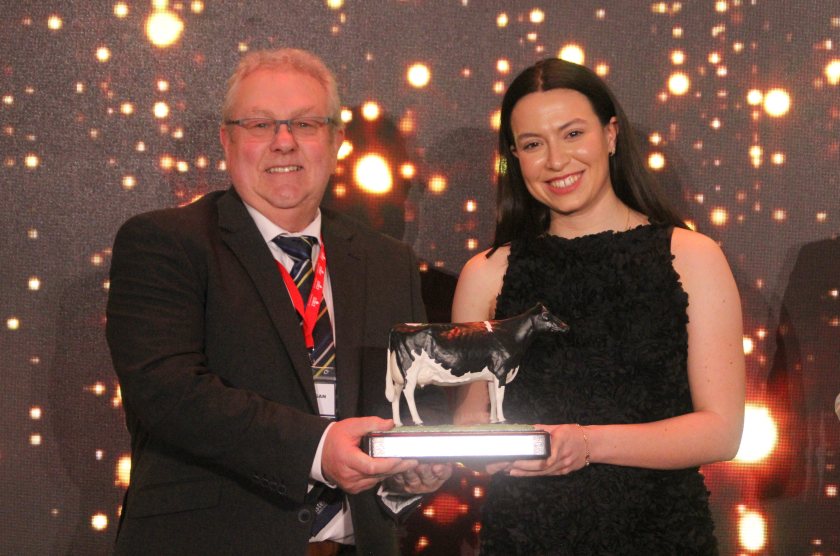
 The Sunday Read Dairy Professionals Don’t Skip.
 The Sunday Read Dairy Professionals Don’t Skip.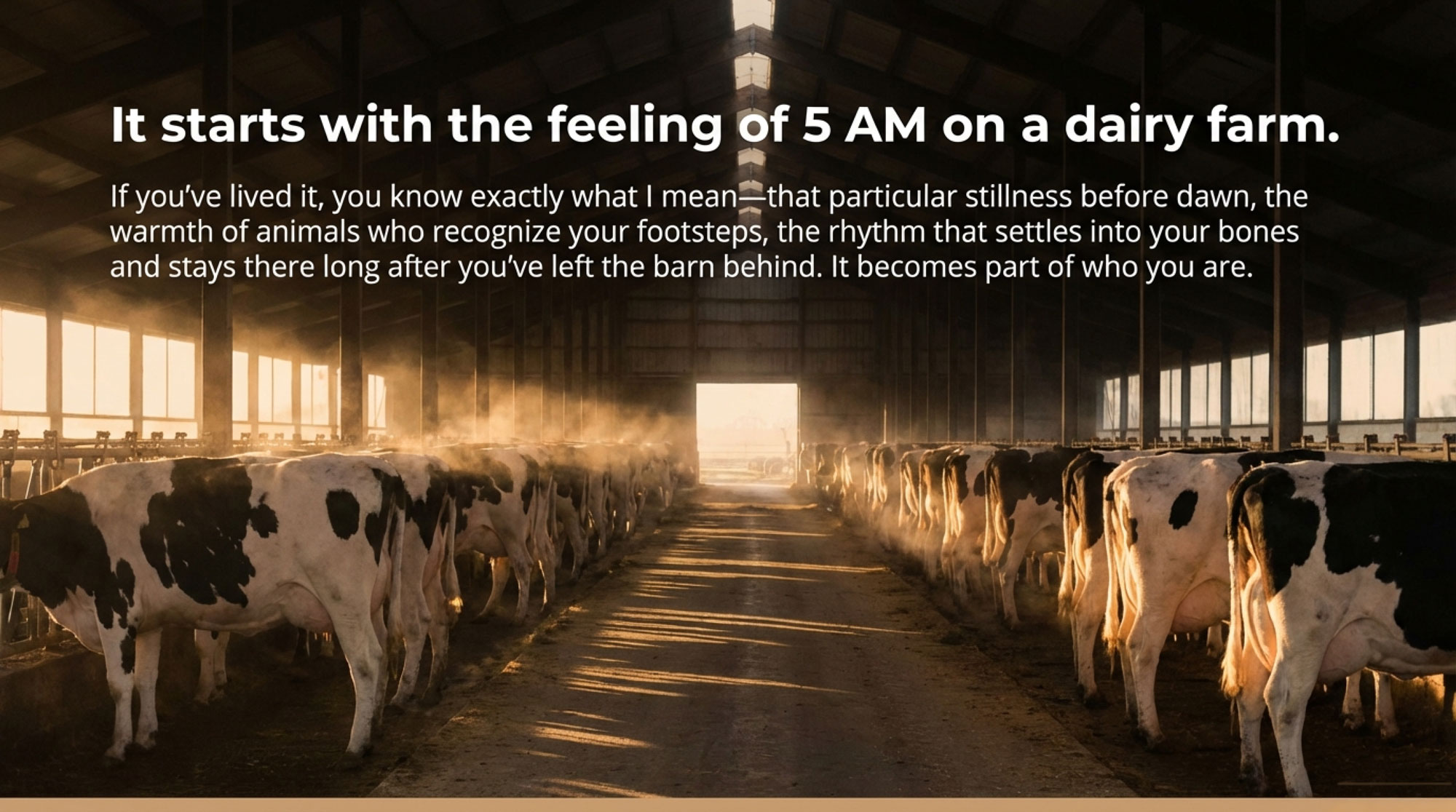
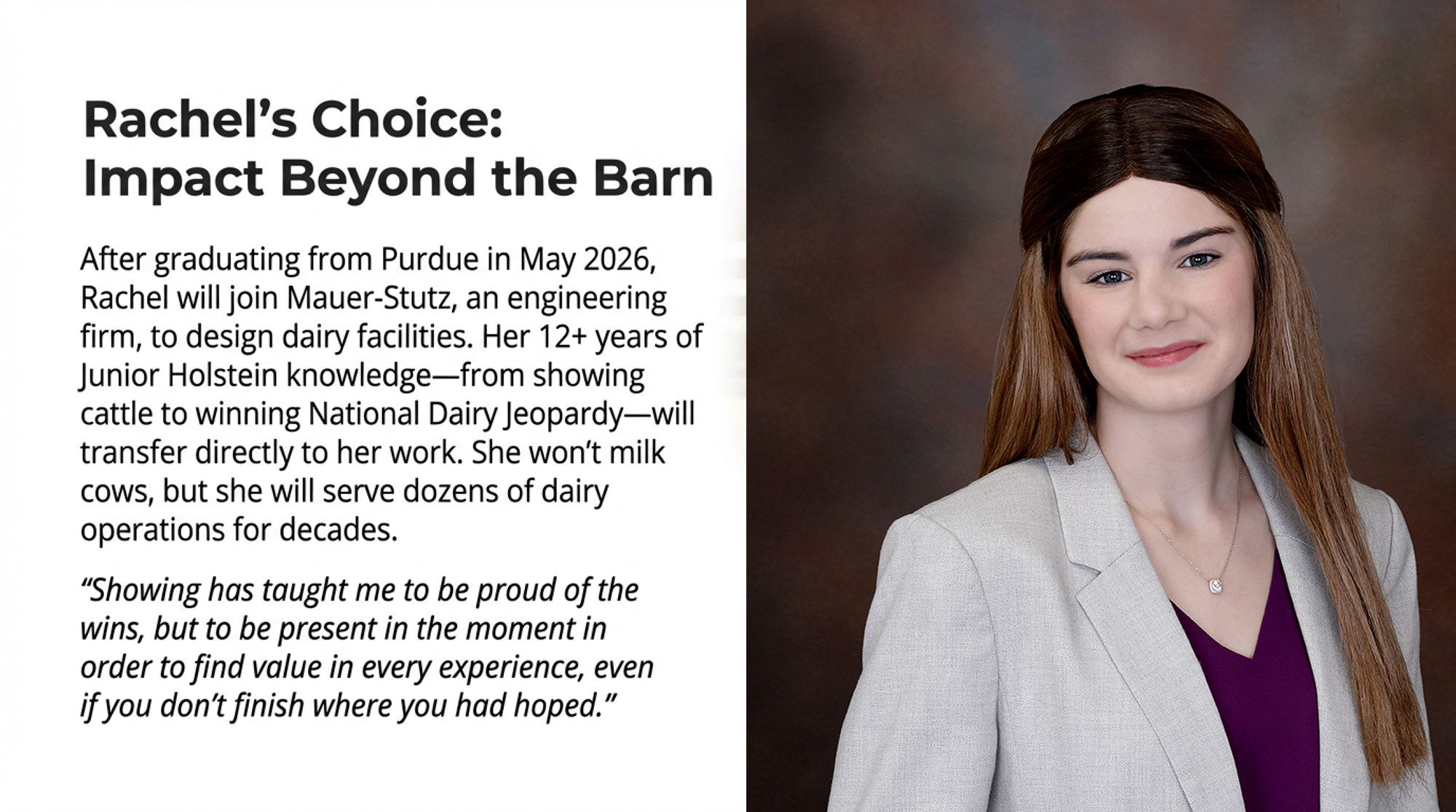
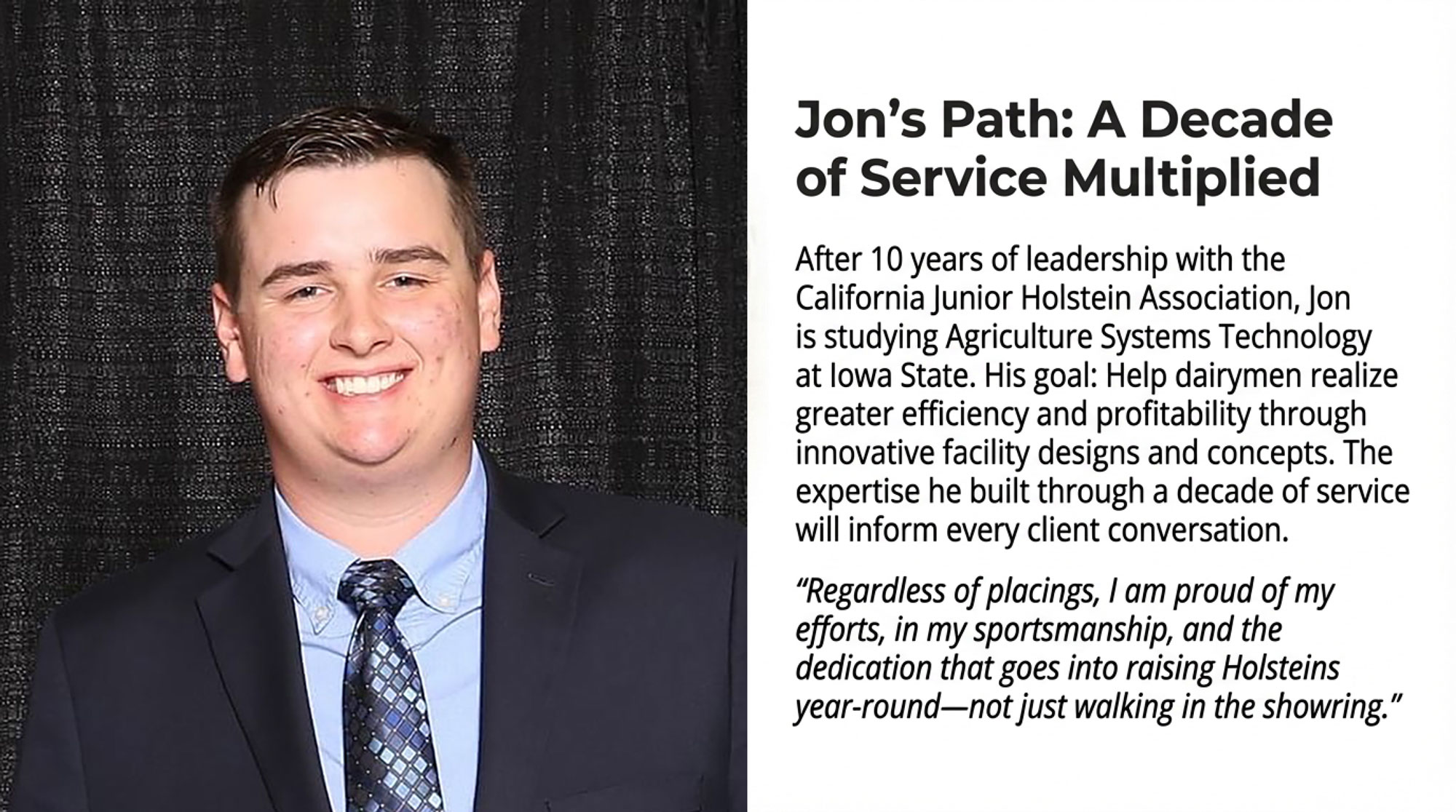
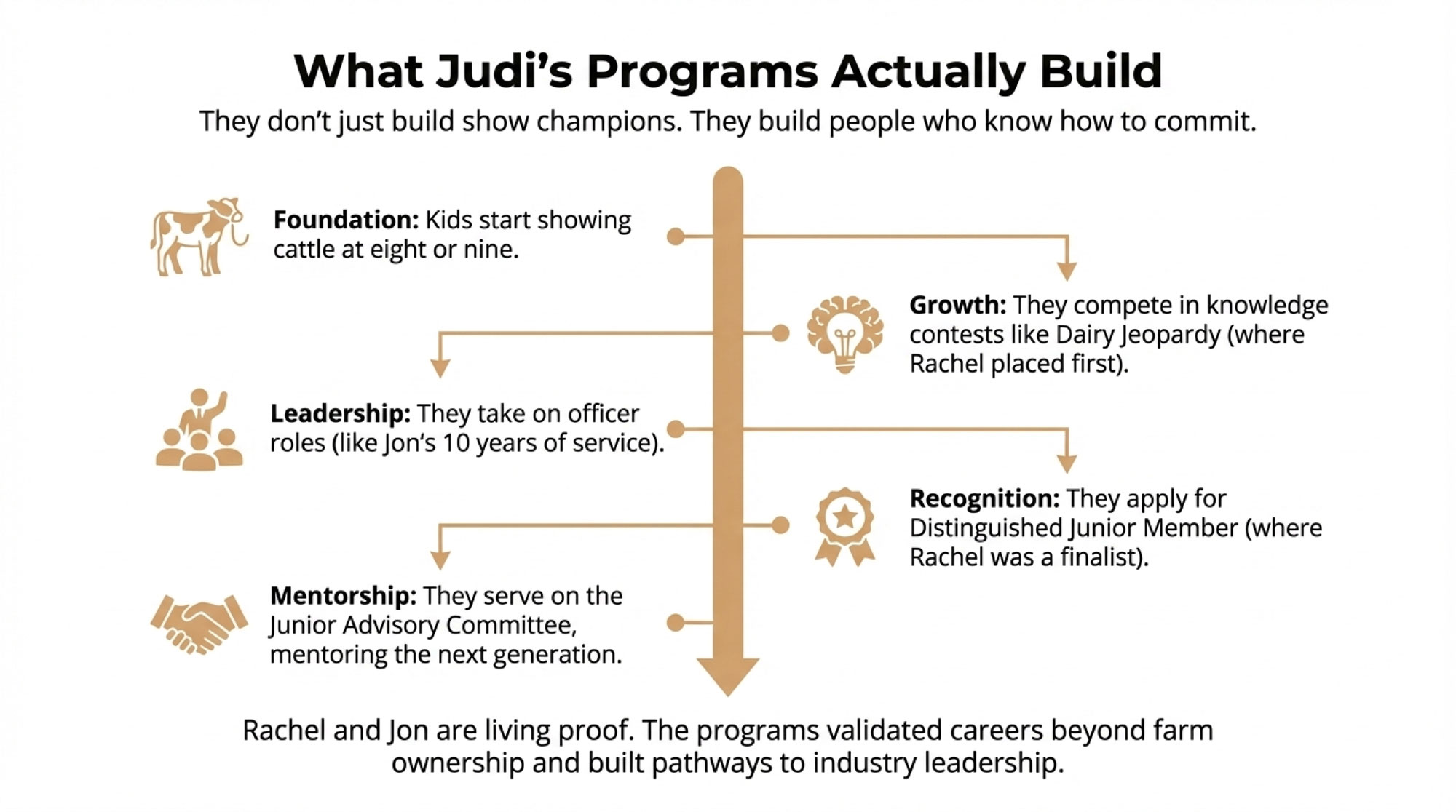
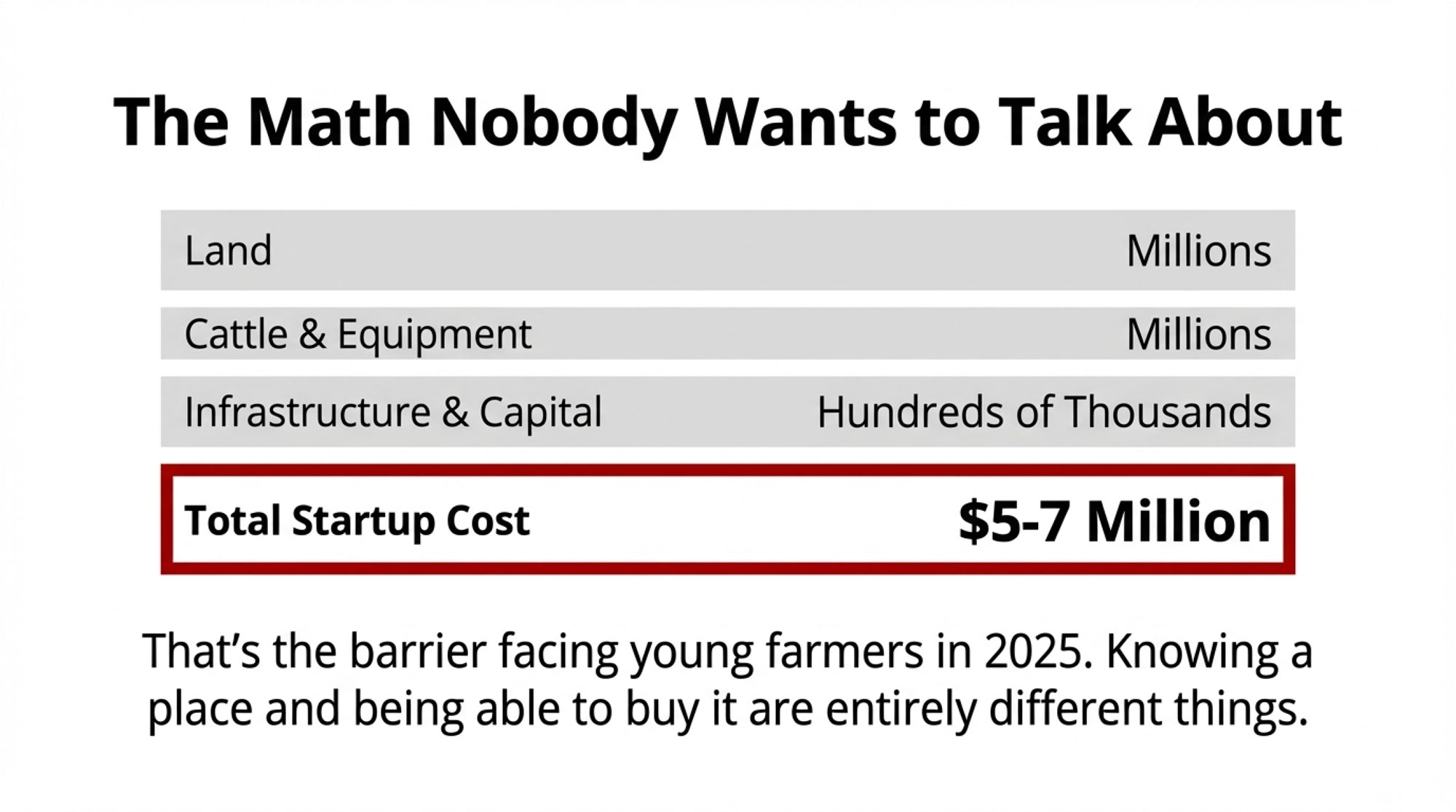

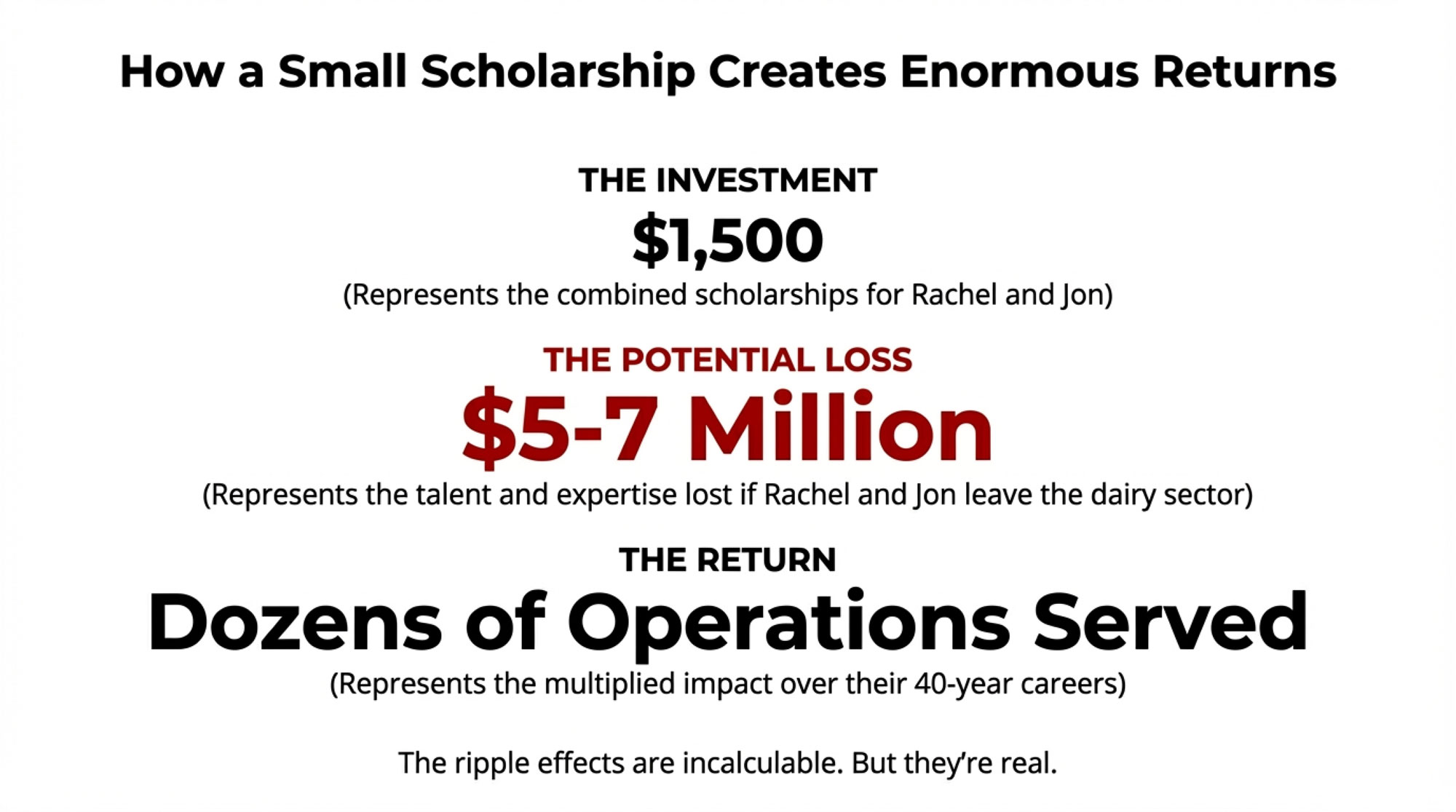


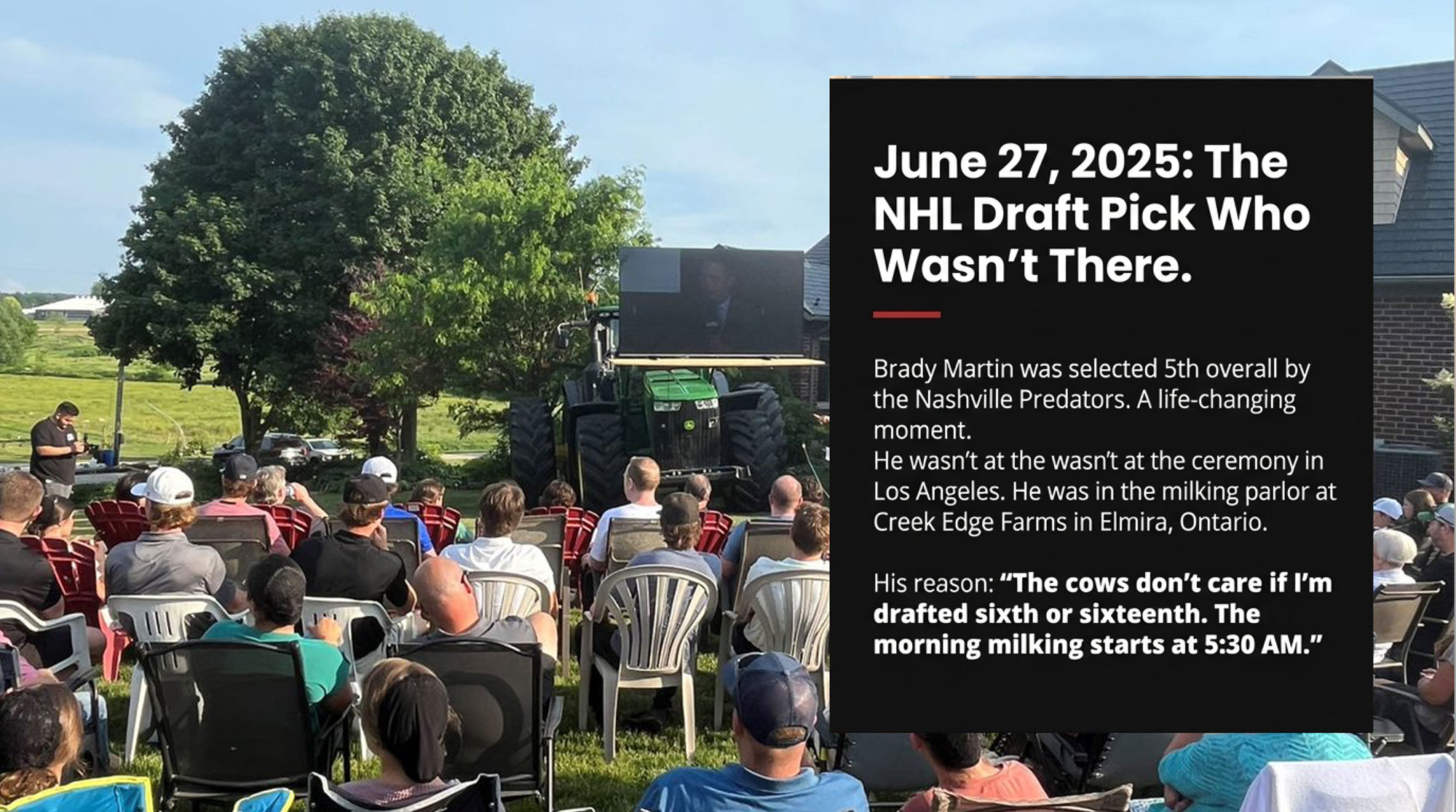
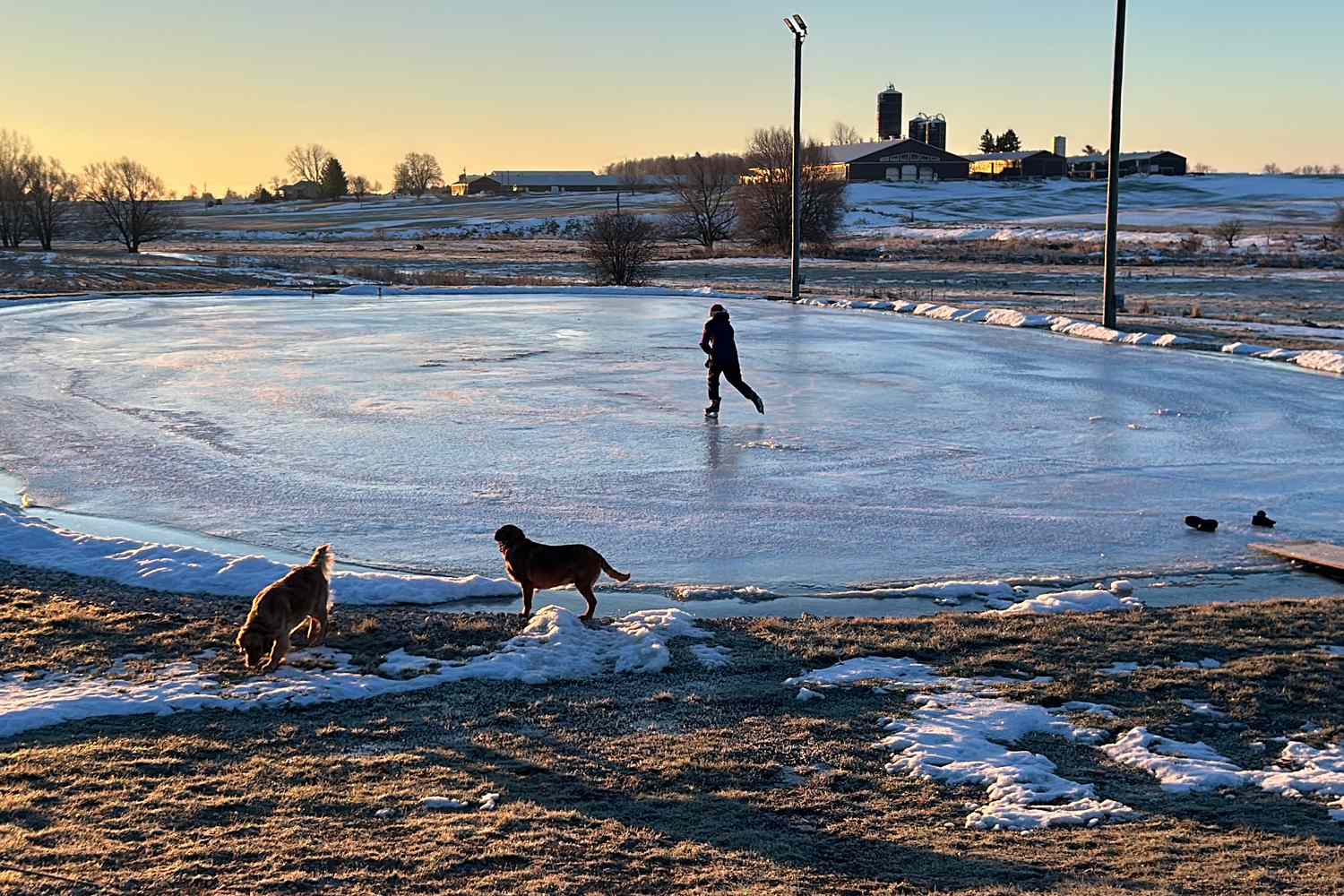
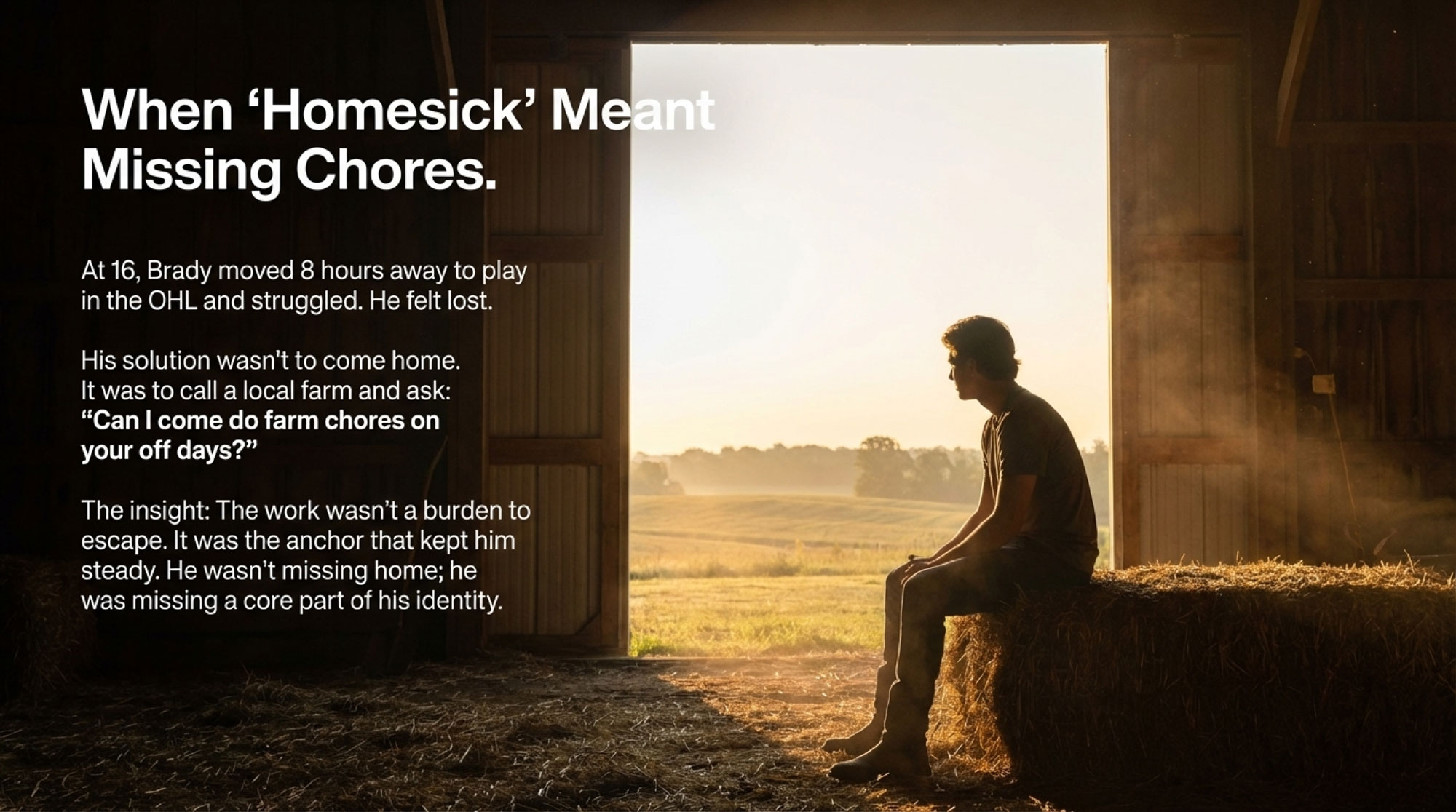
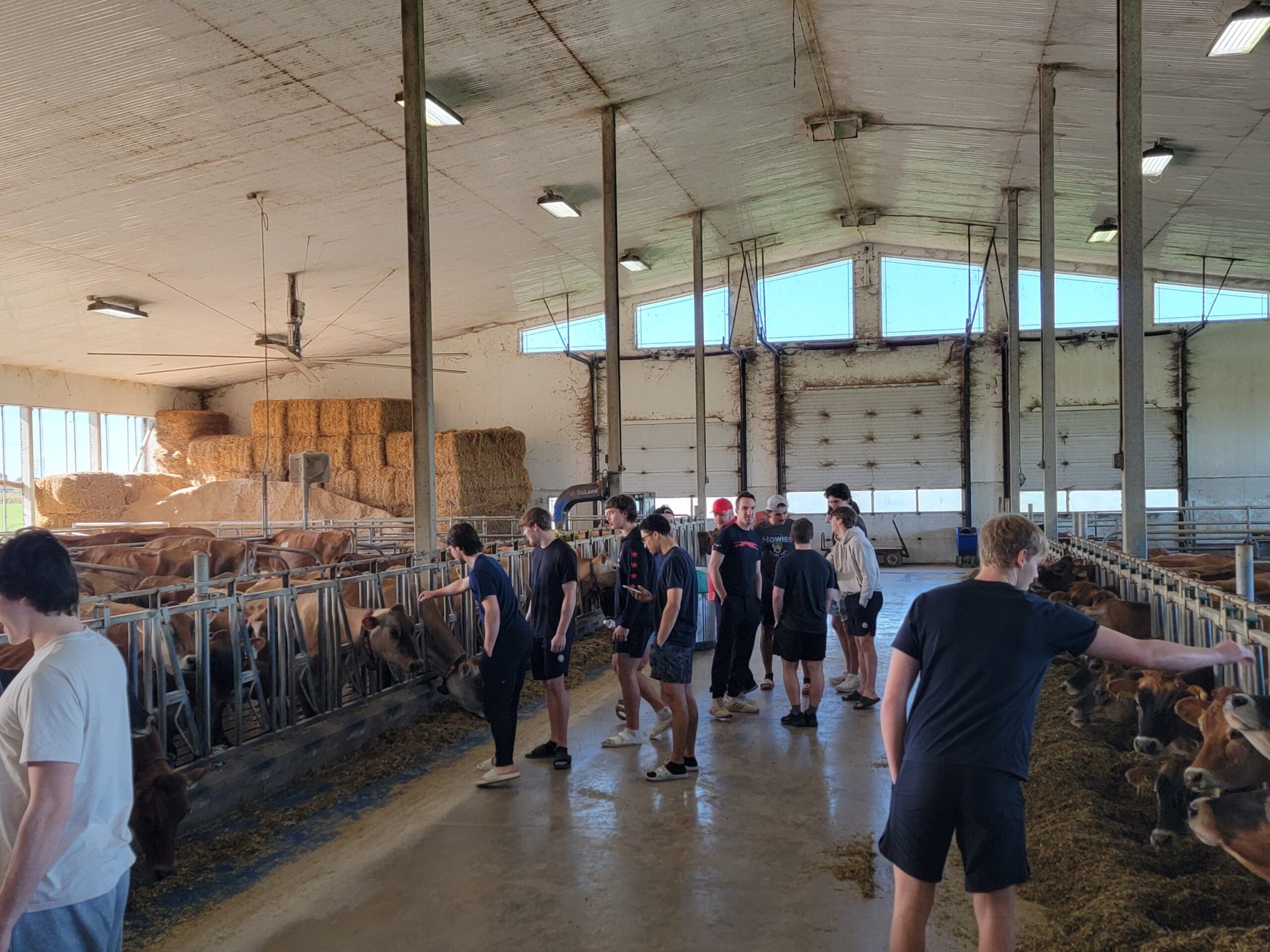
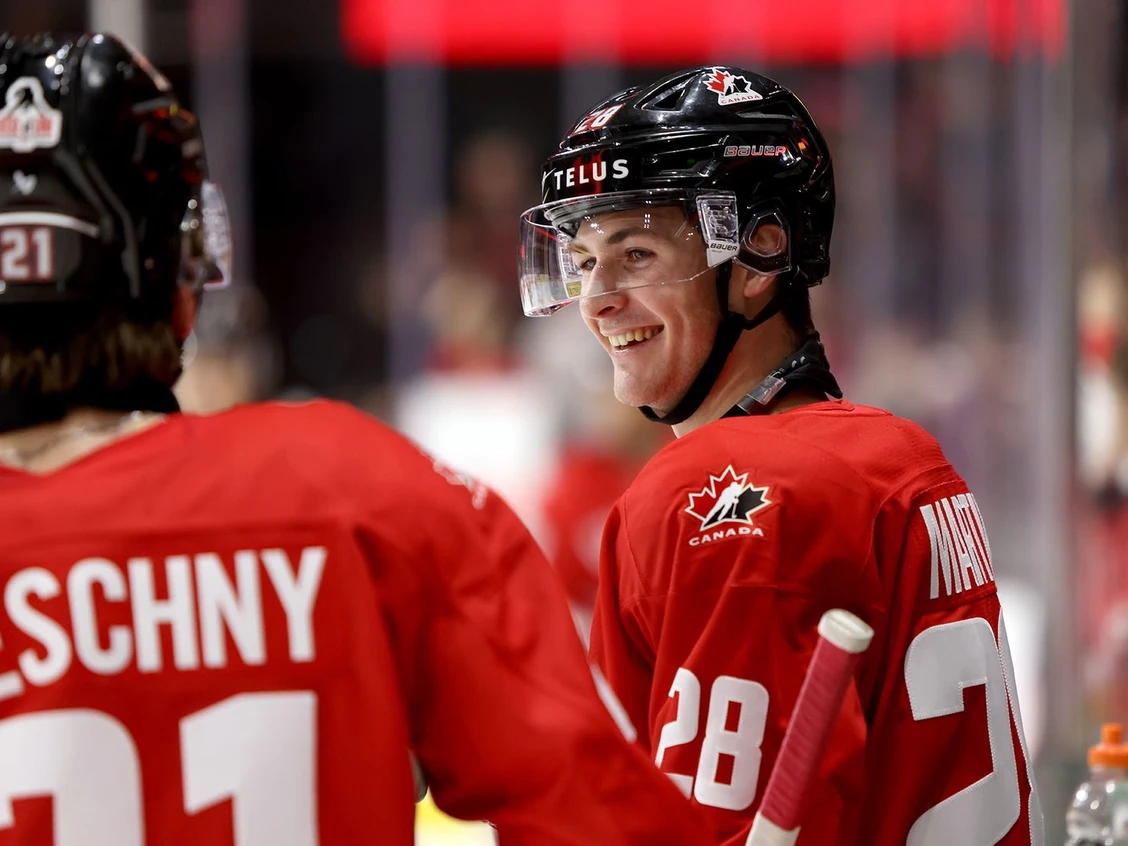
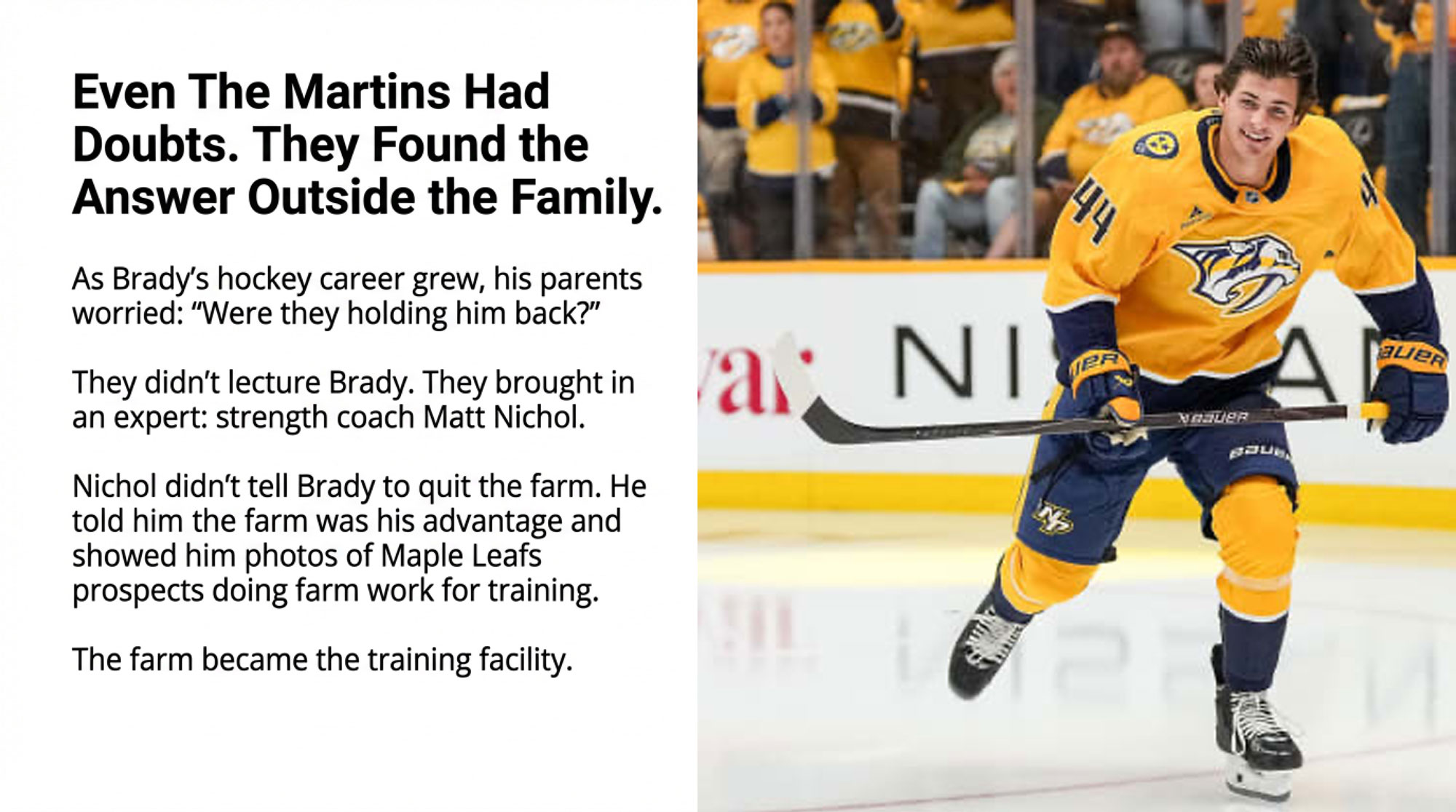
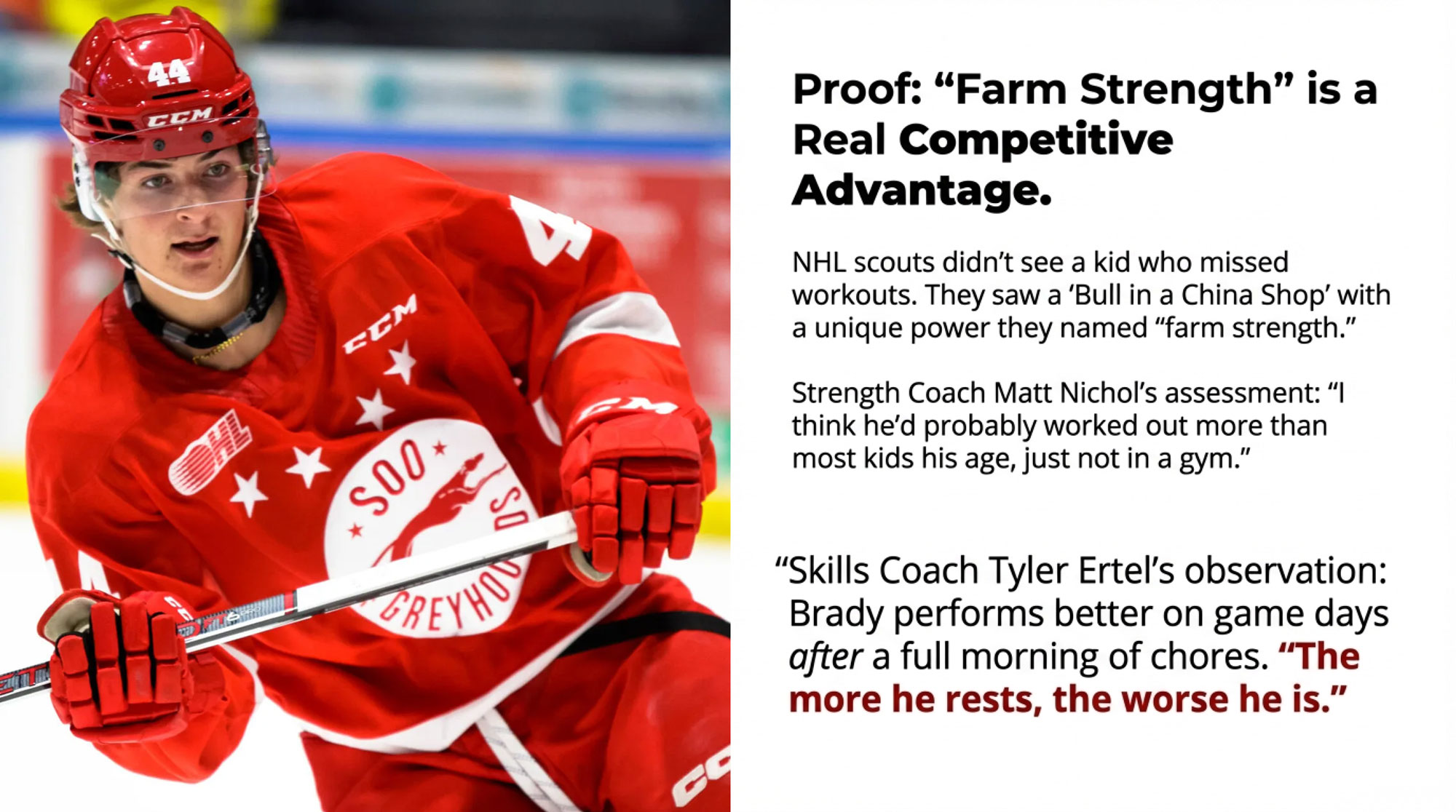
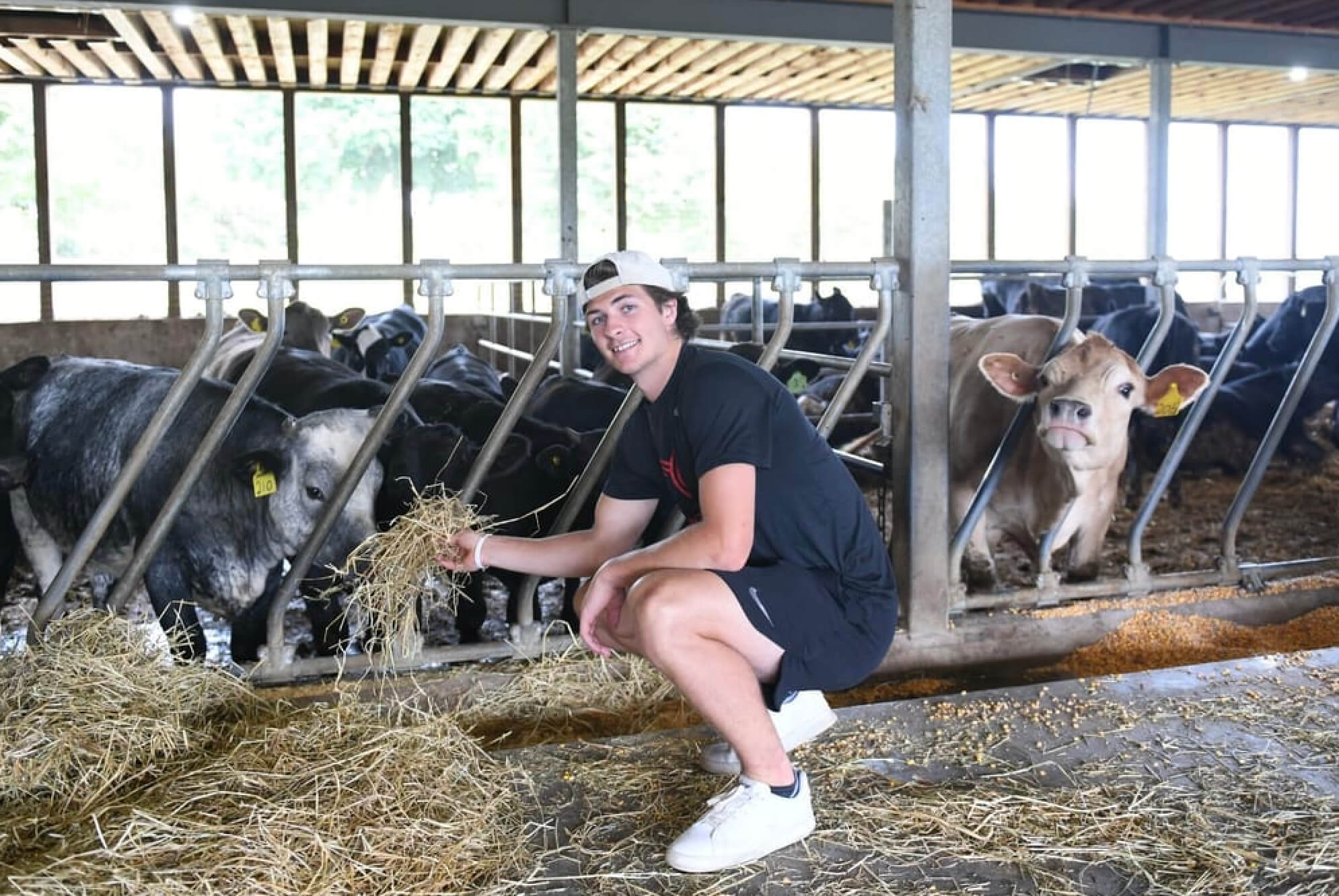
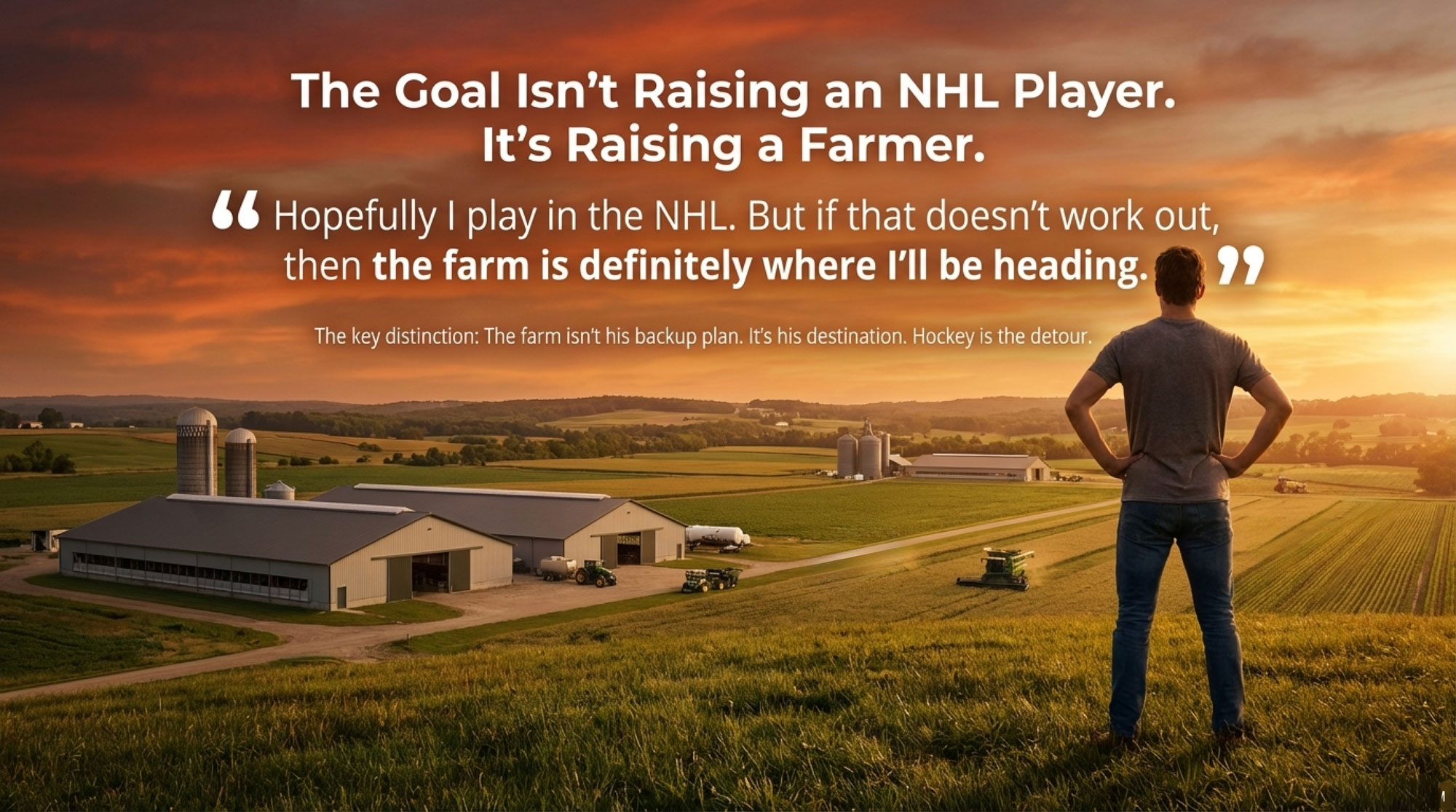
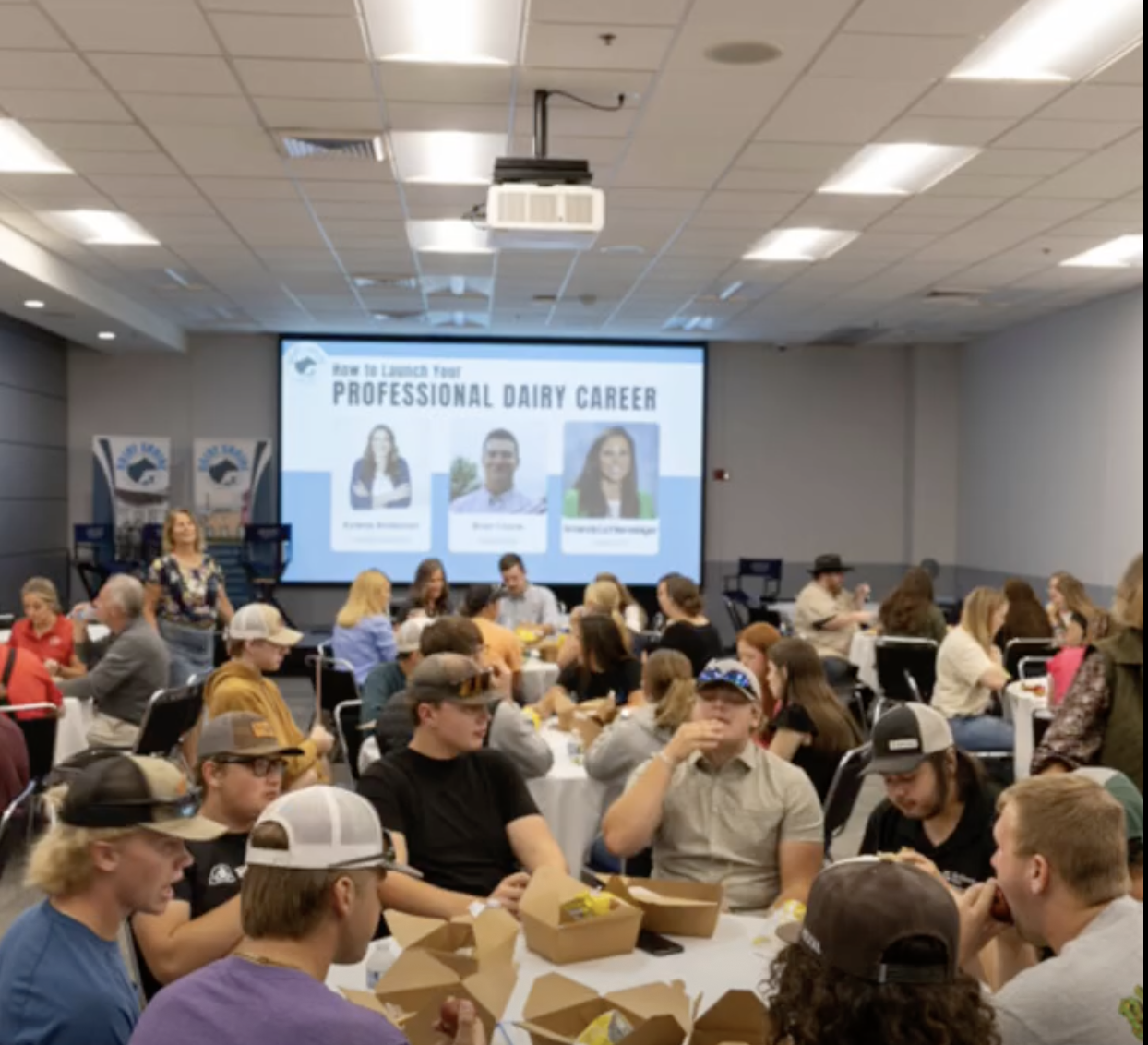
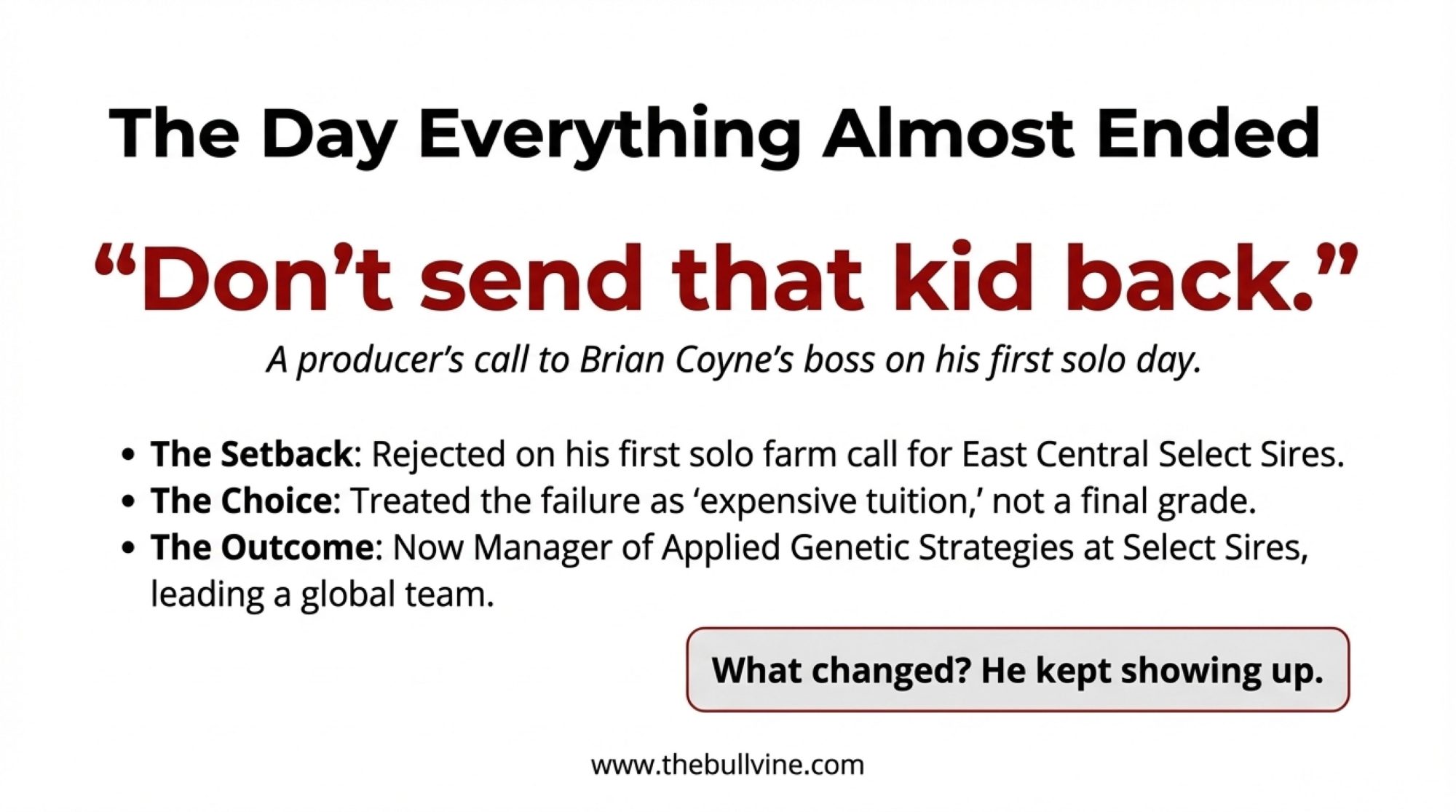

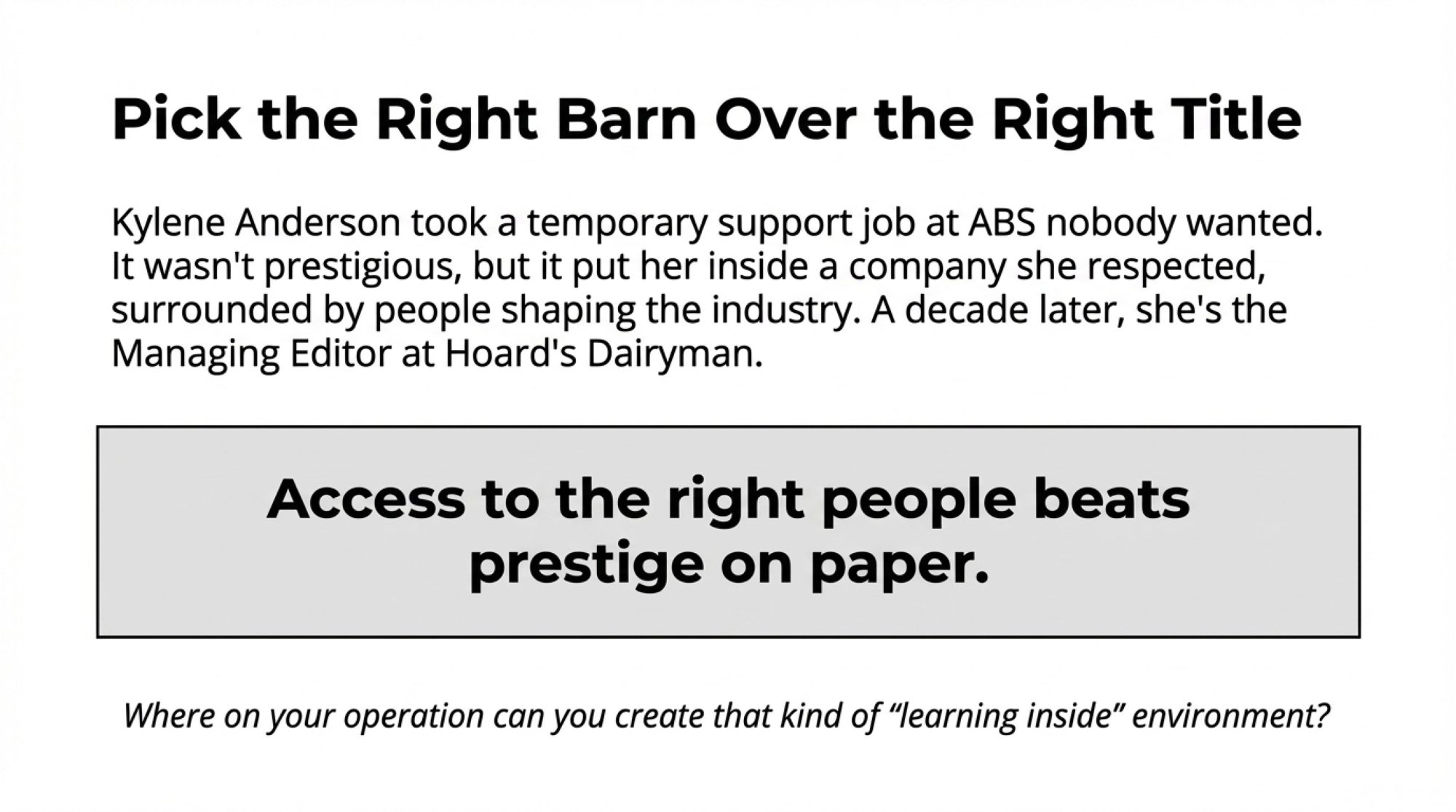
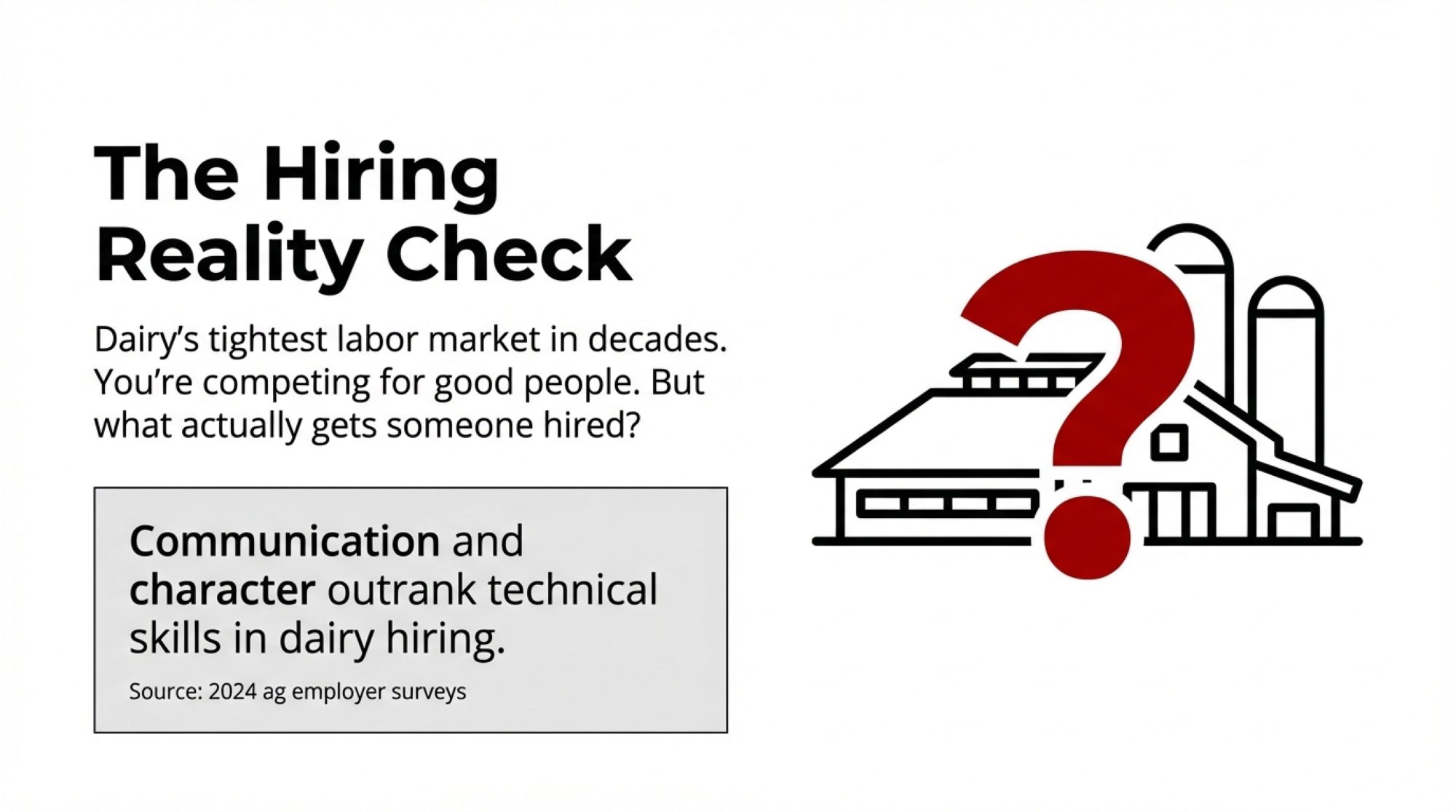
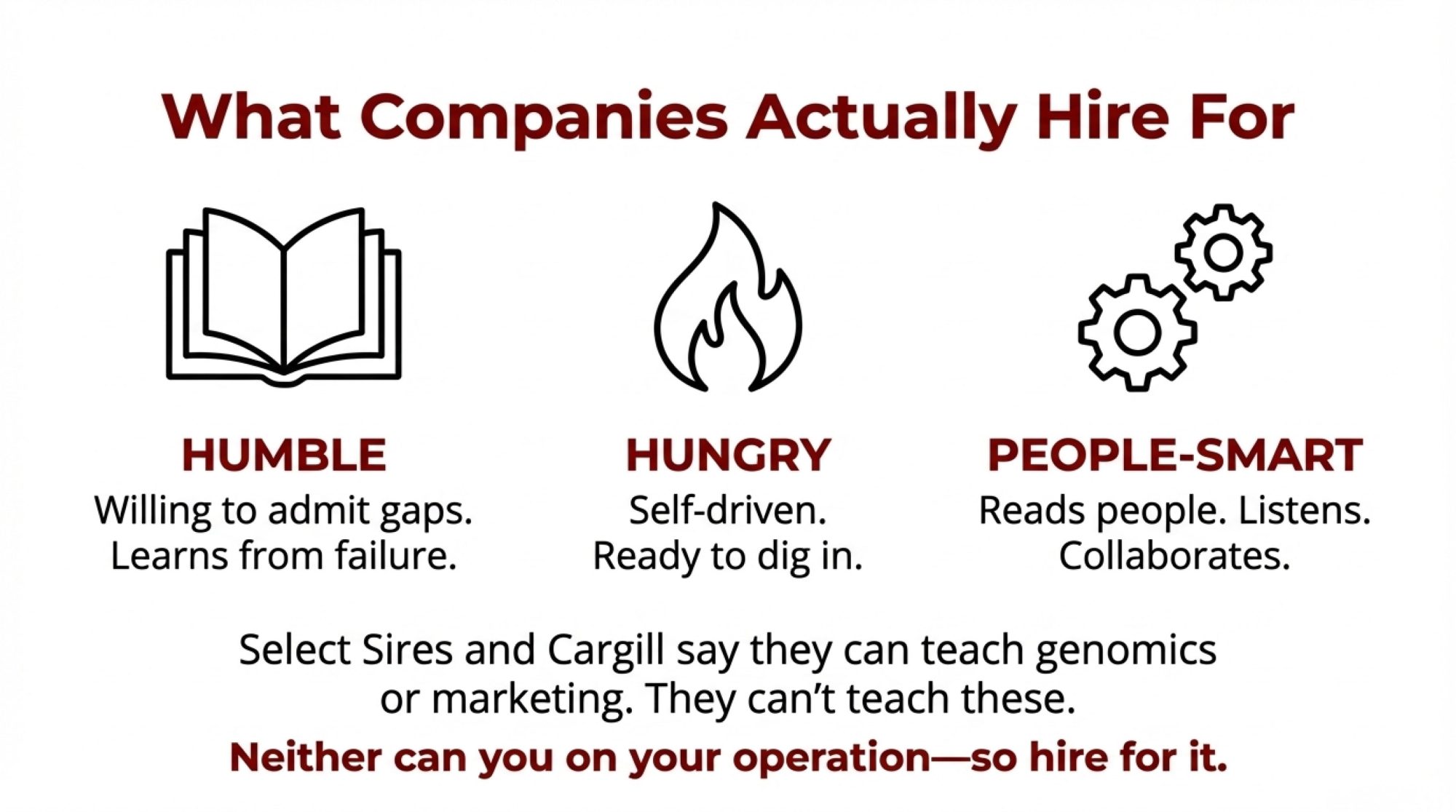
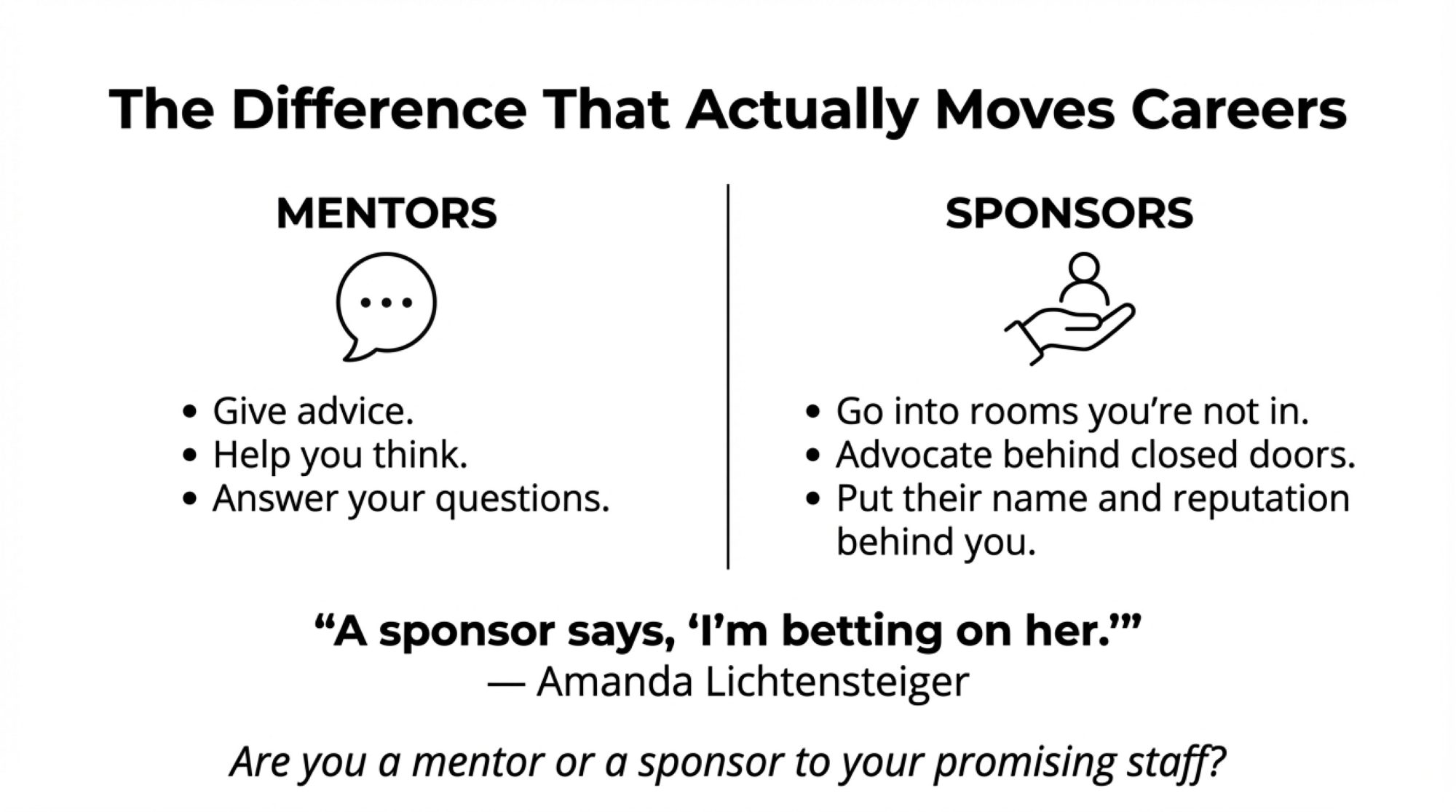
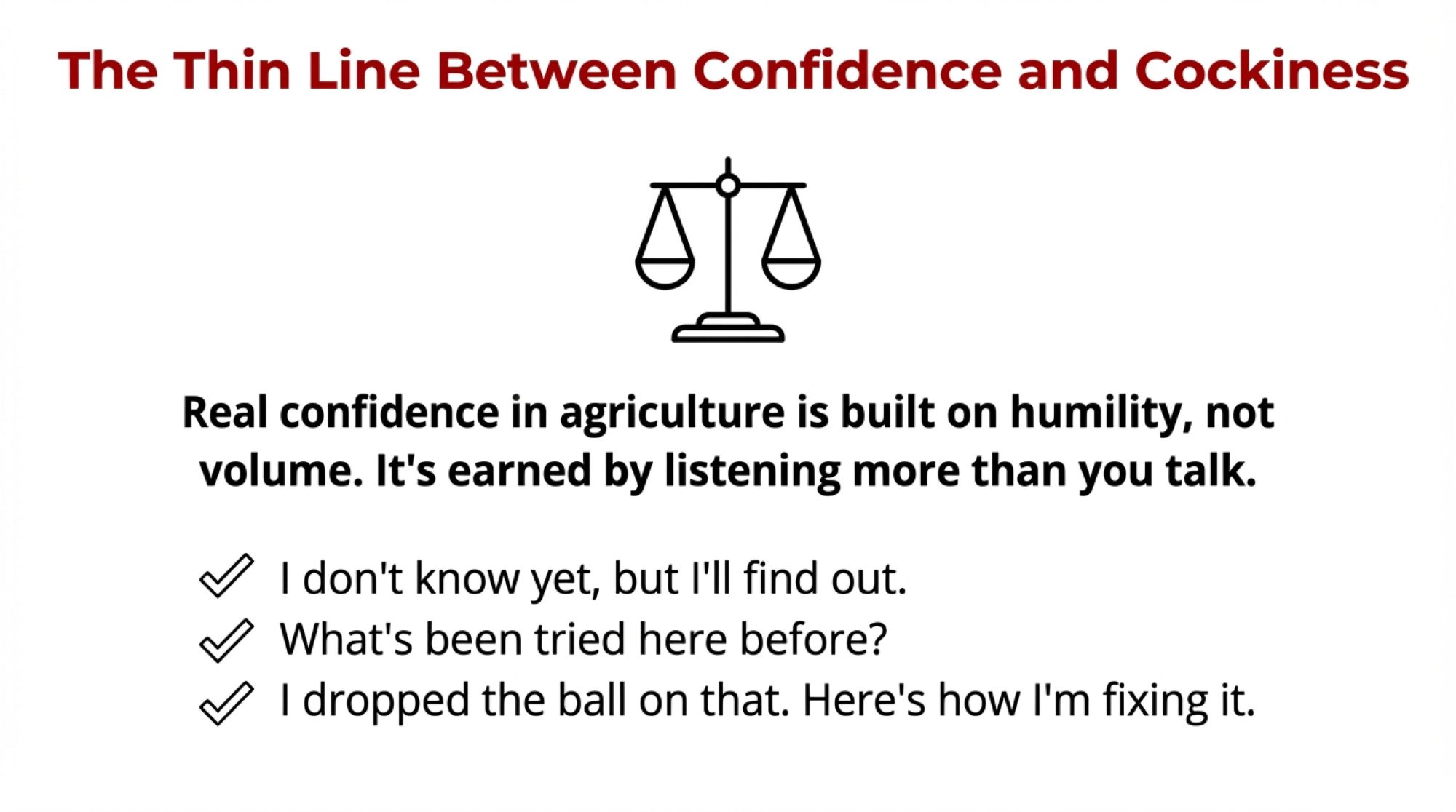
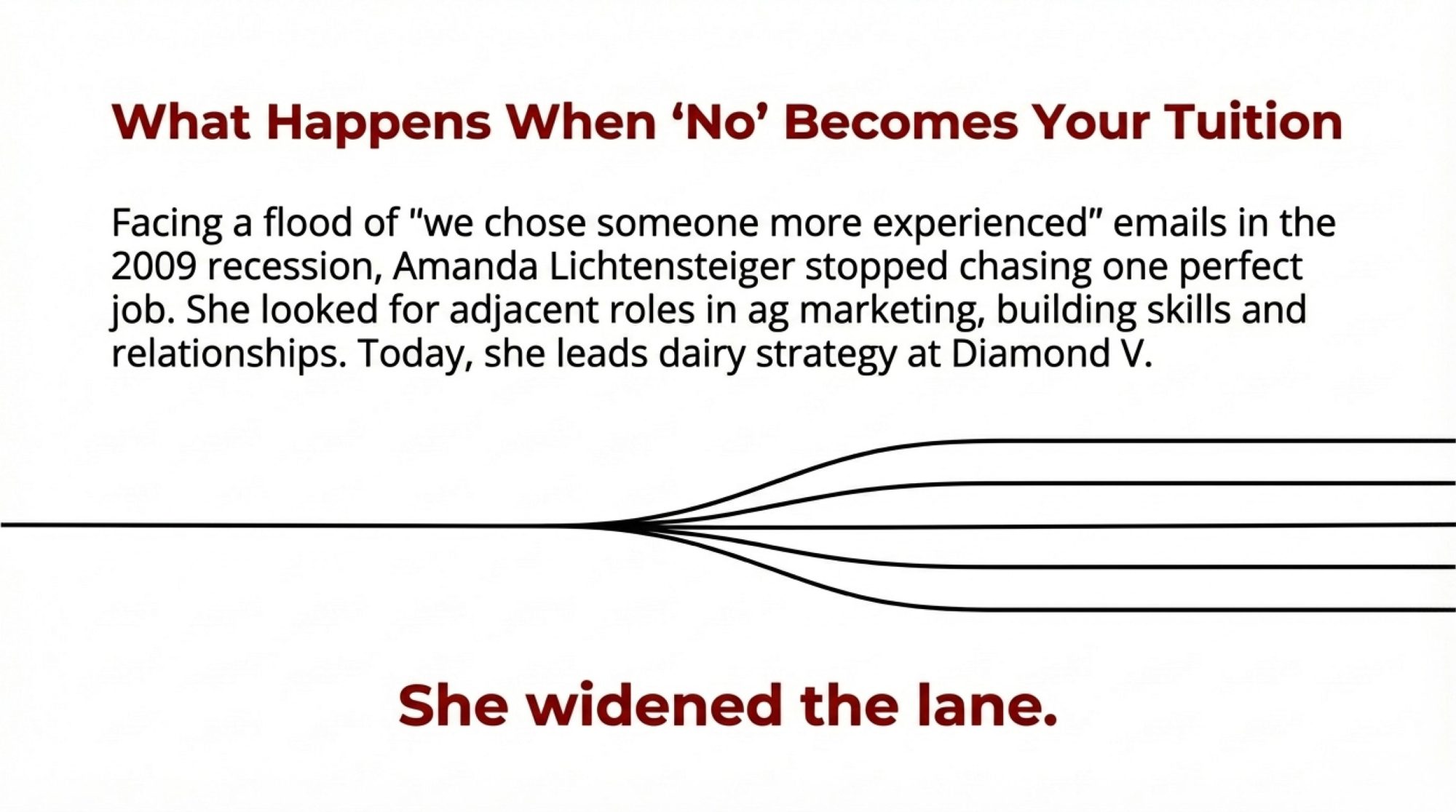
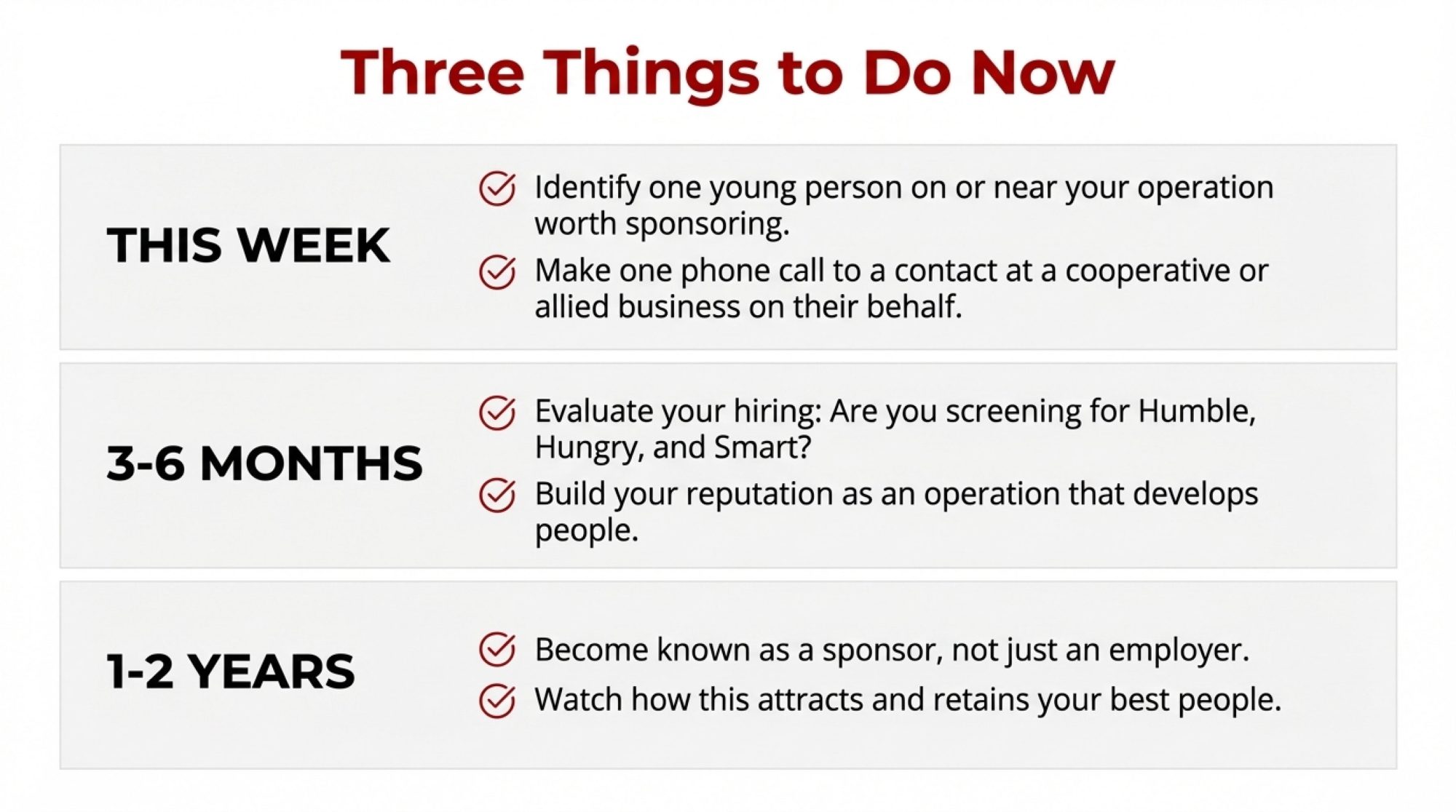
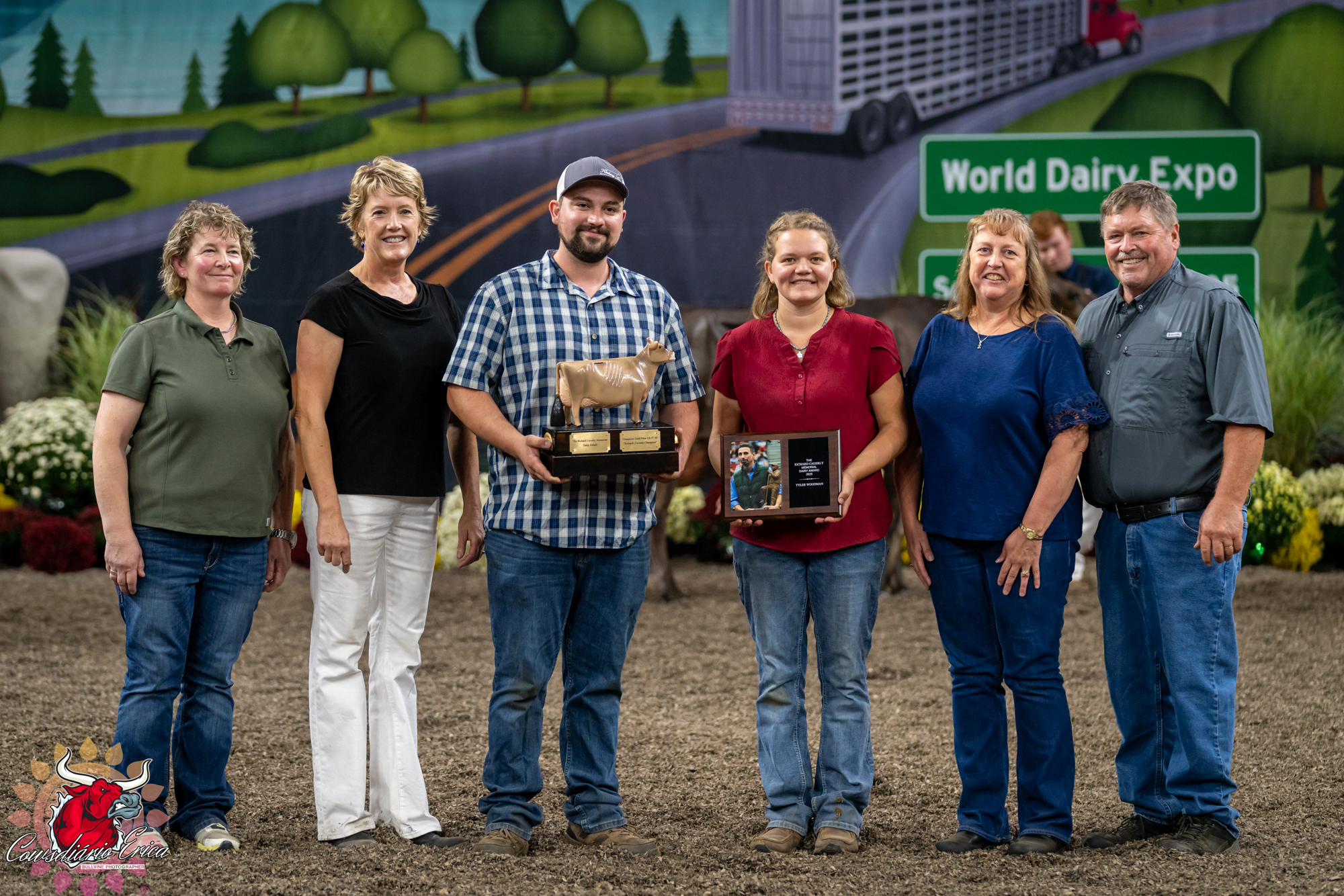

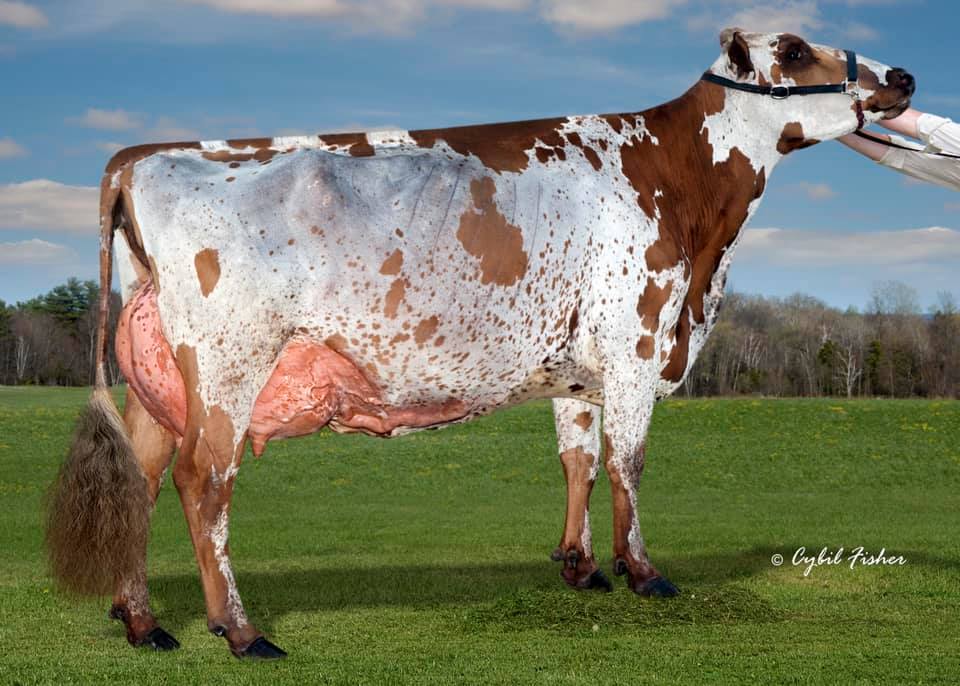
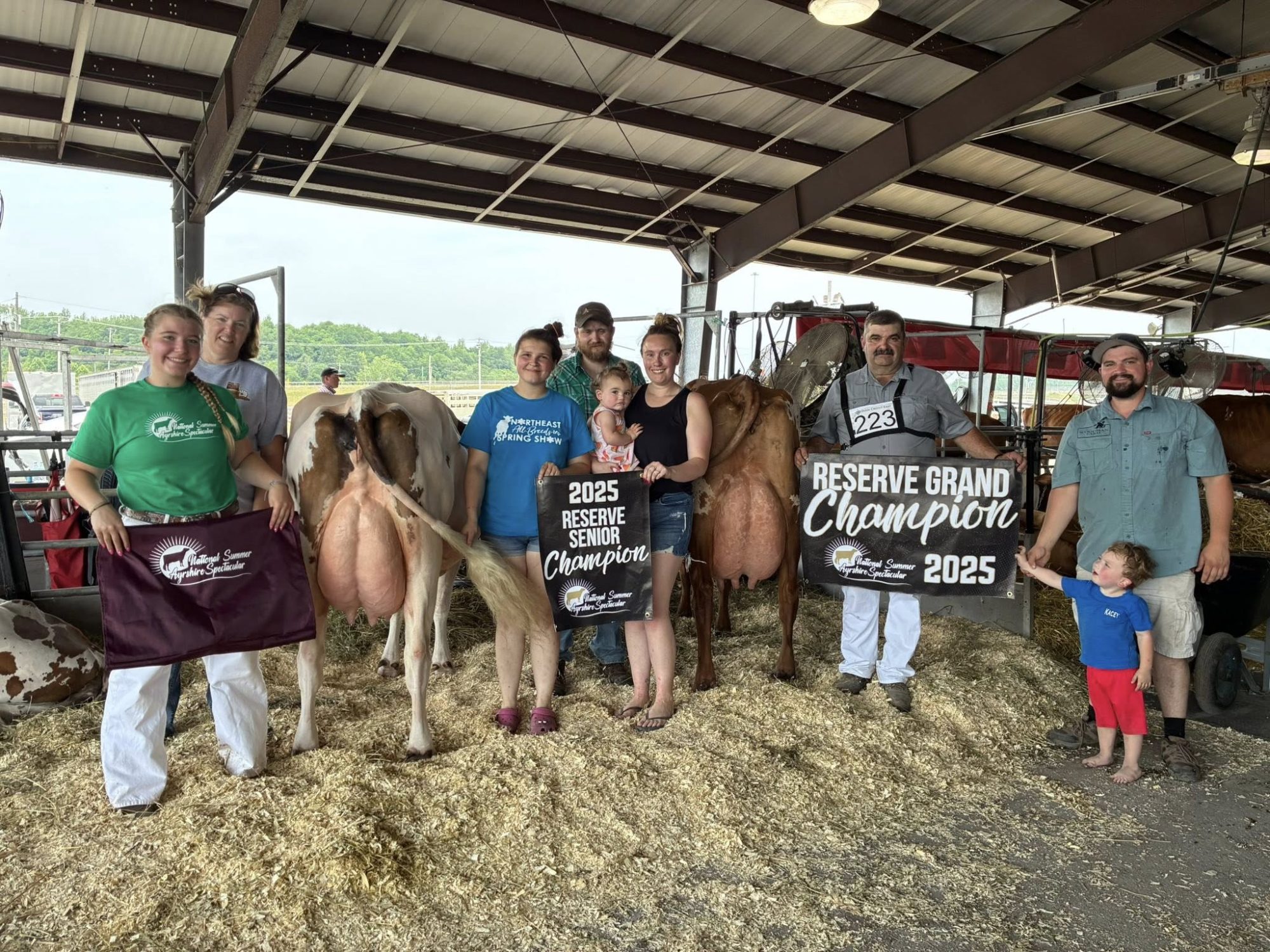


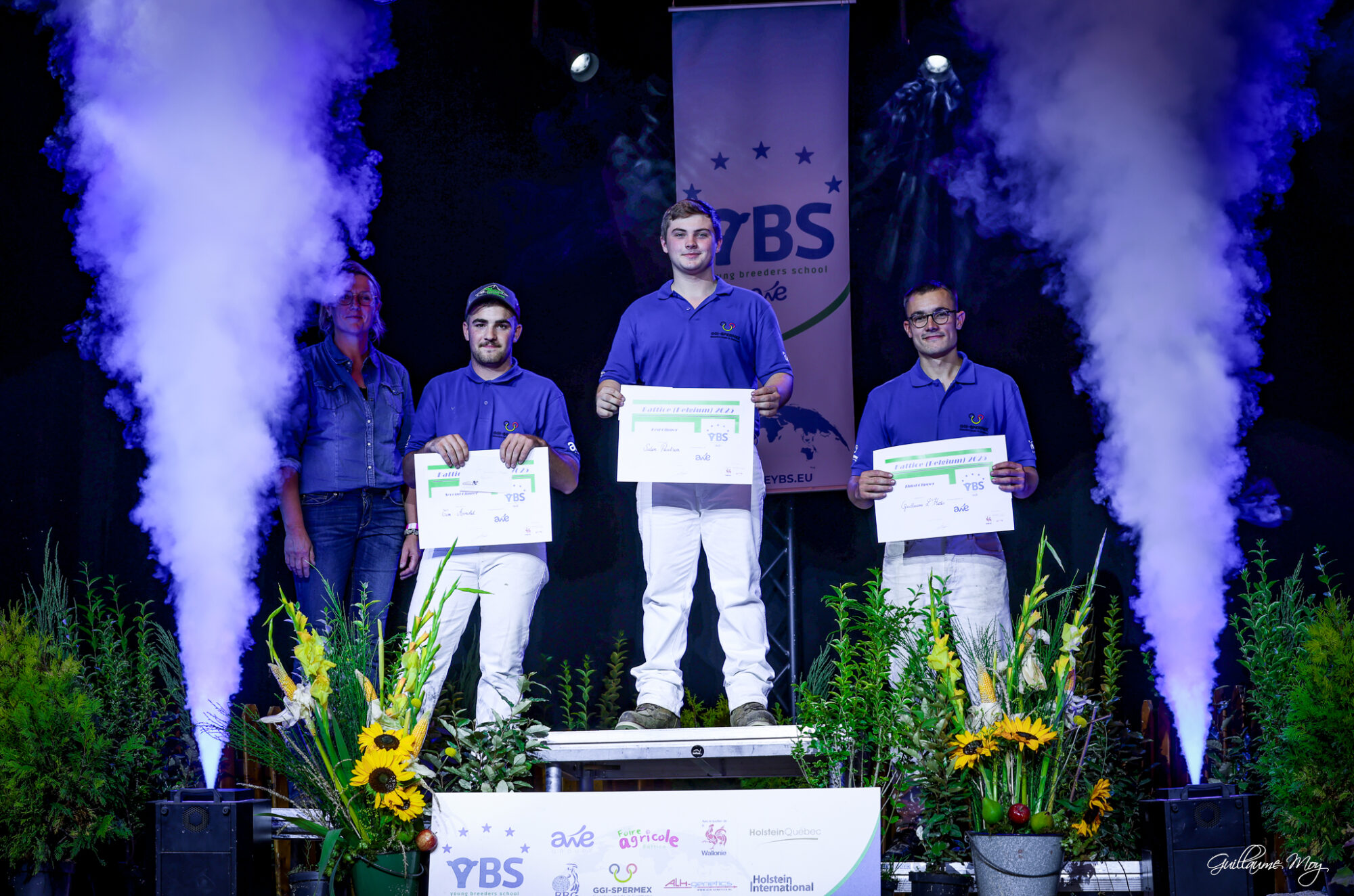




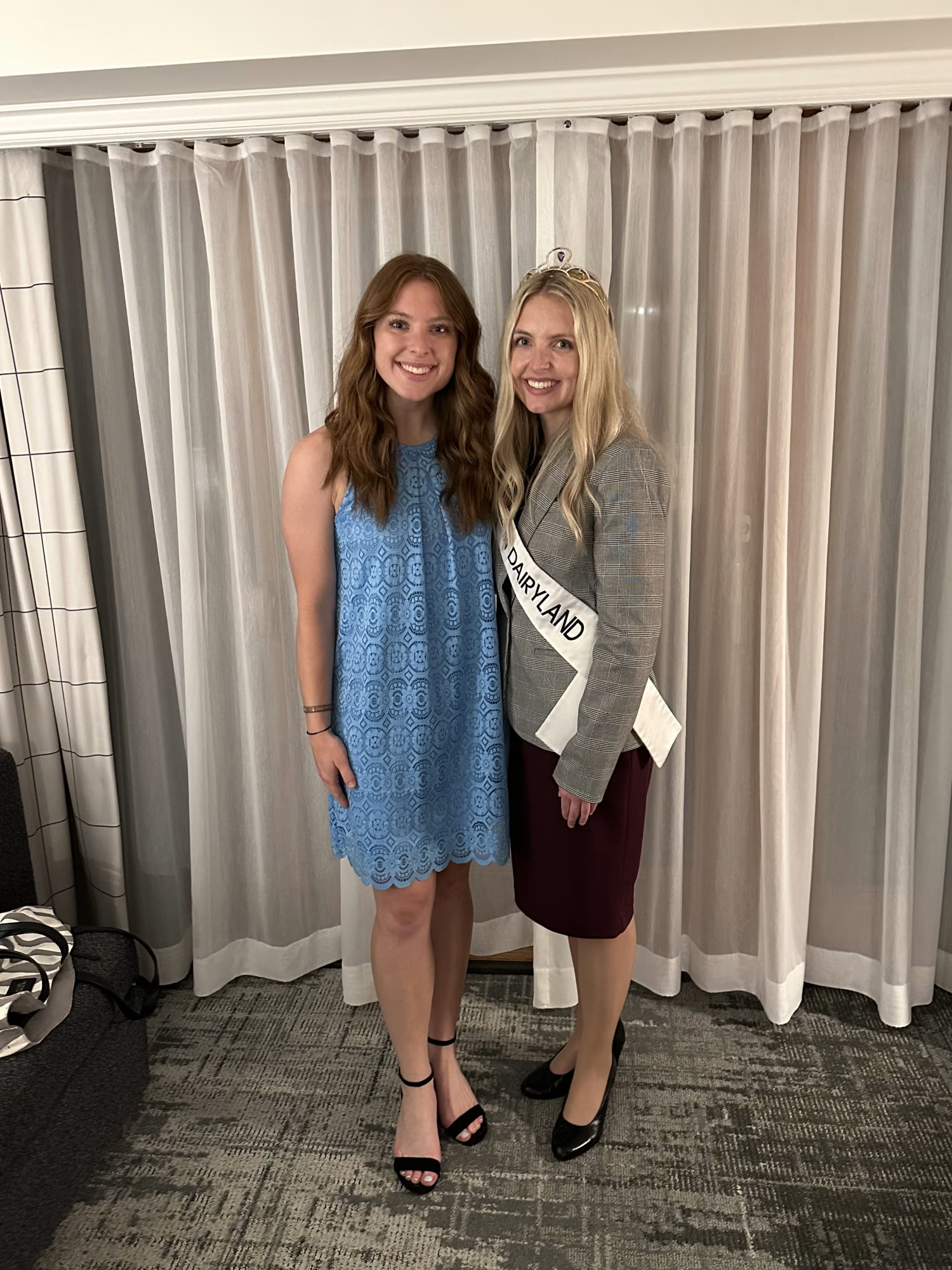
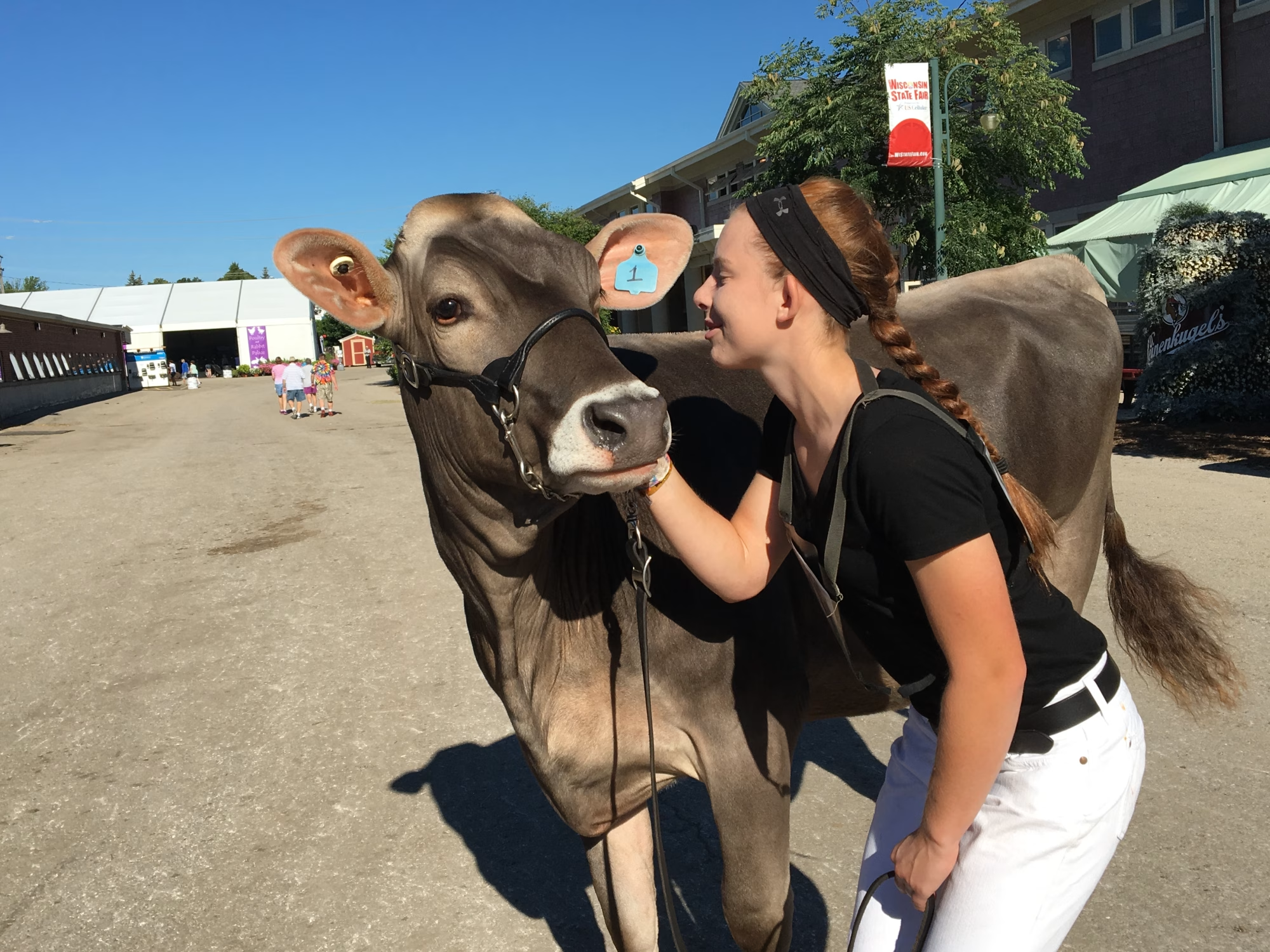

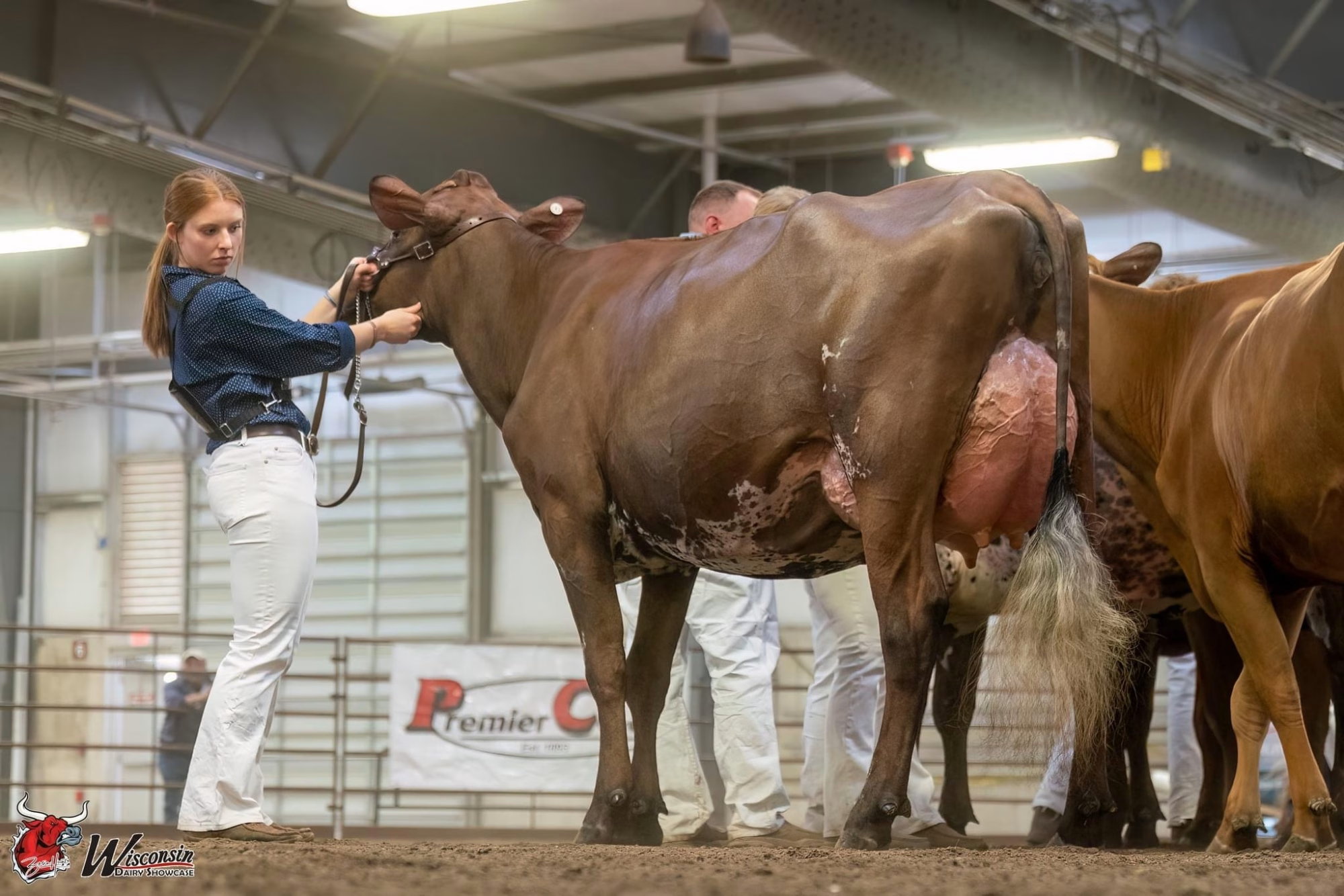




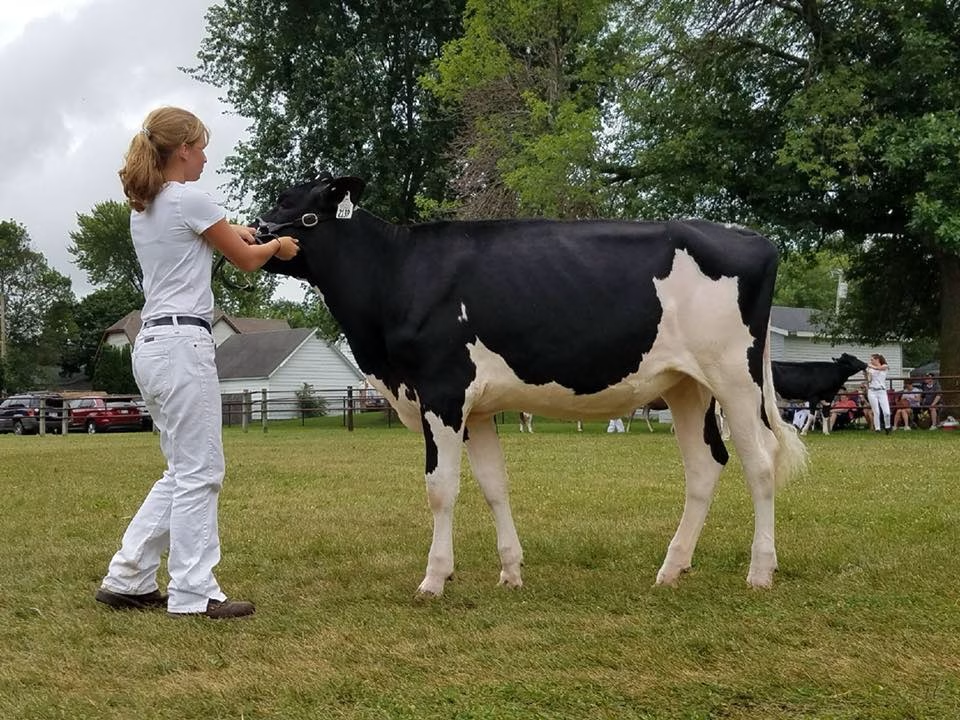


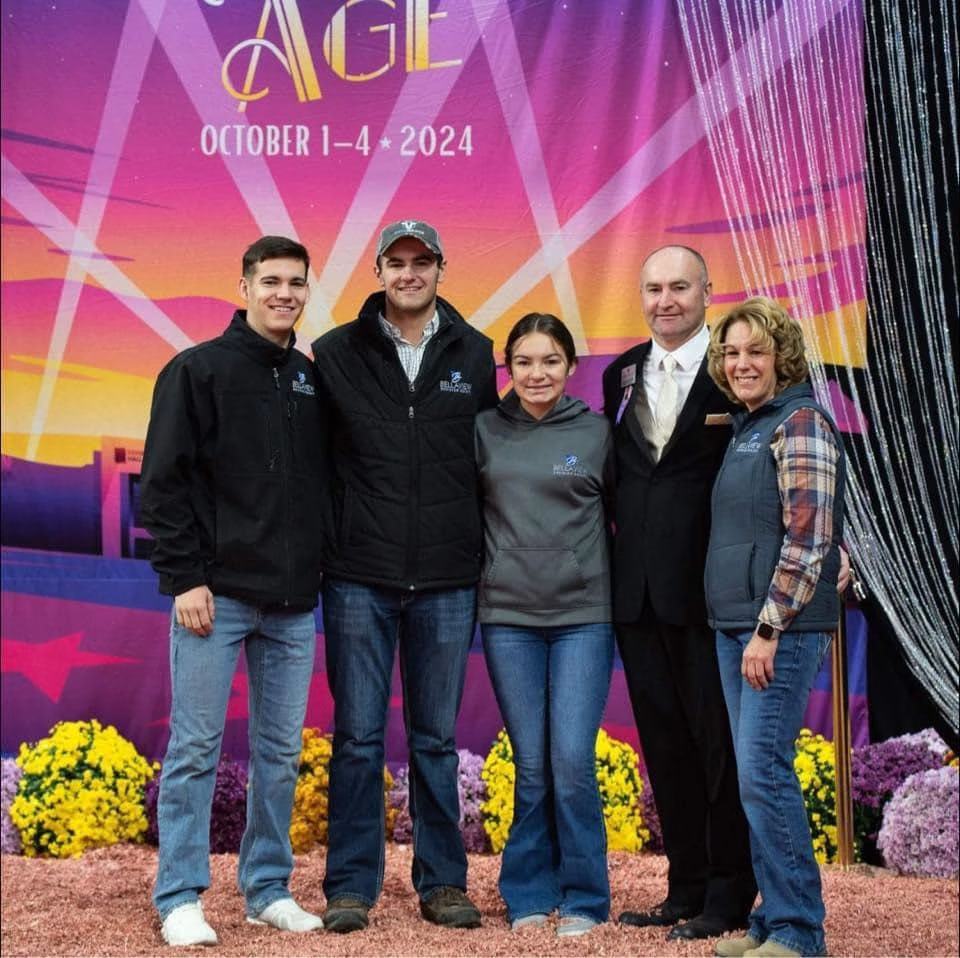

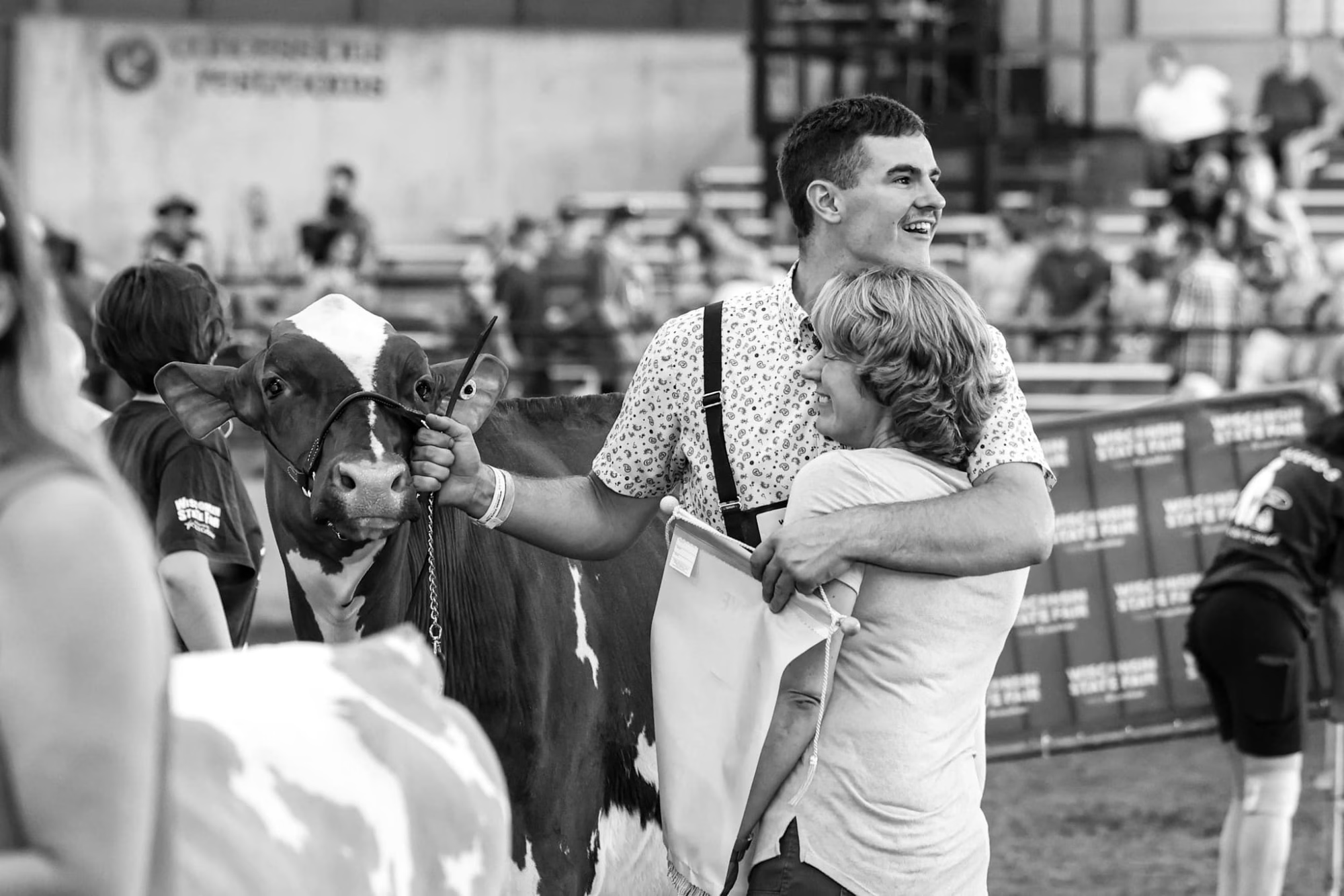

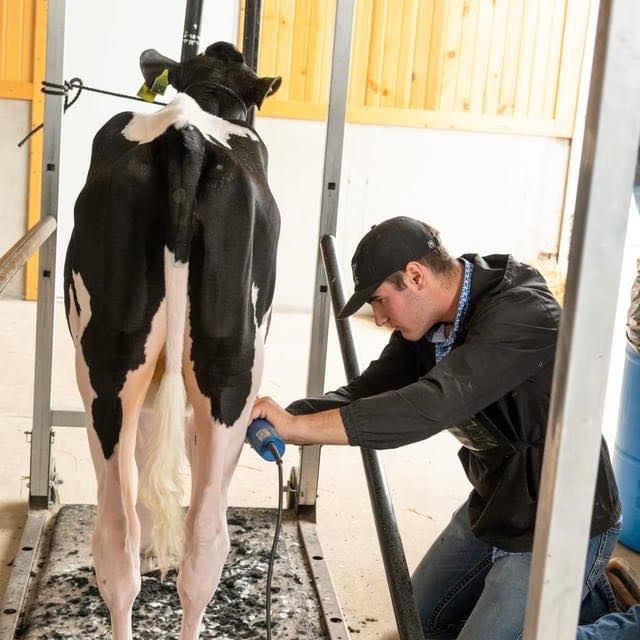
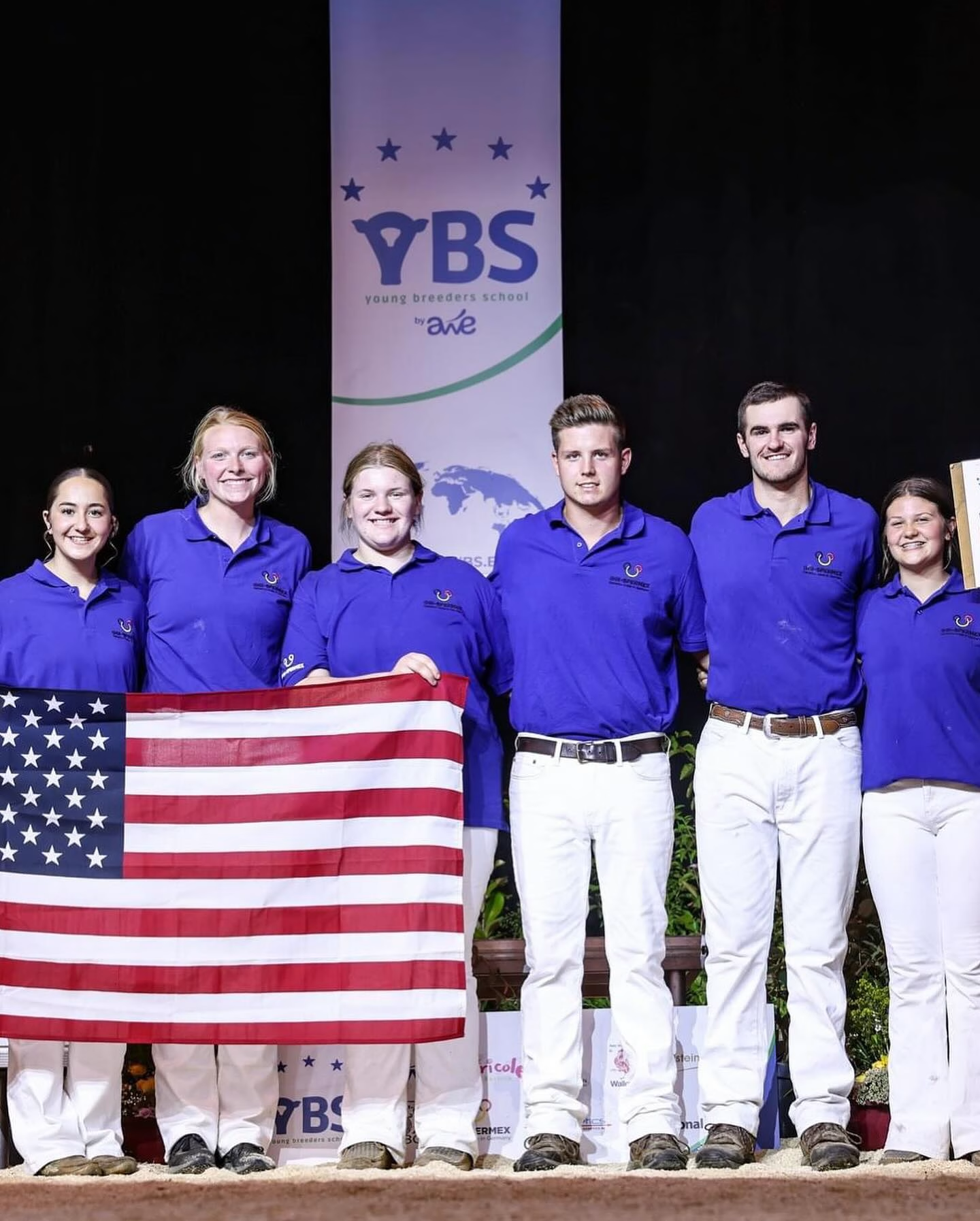

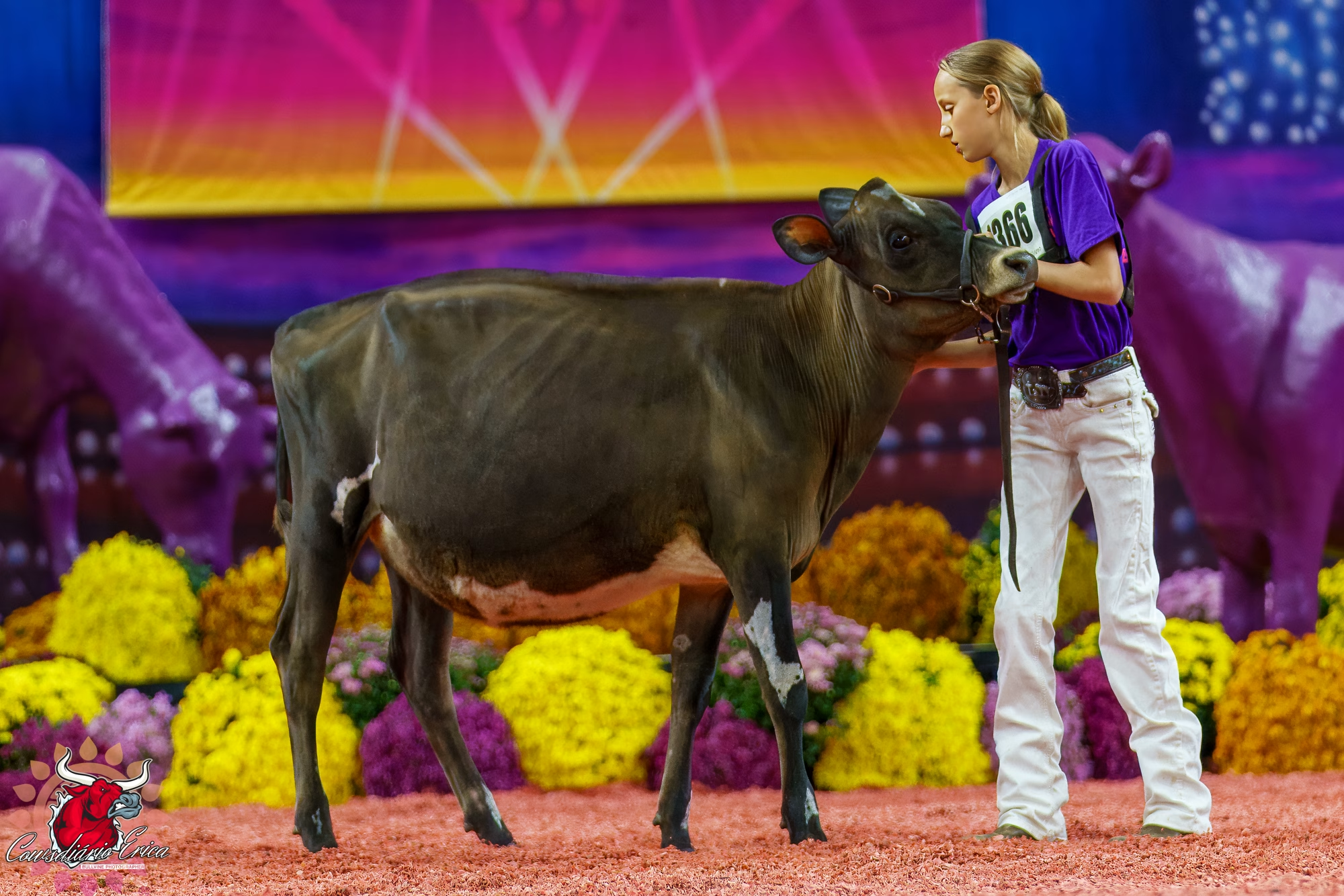



 Stepping into the
  Indeed, you’re right in perceiving that the dairy cattle show ring encourages the fine-tuning of life-altering skills. One such significant area of development is discipline. The rigor and commitment that children have to put in to prepare their livestock for shows is remarkable. They need to abide by strict schedules for feeding, grooming, and training, which often involves waking up at the break of dawn and managing a multitude of tasks effectively. This stringent regimen is a testament to the development of discipline, and here’s why:
  The magic of teamwork and competition really unfolds when you dive deeper into the world of dairy cattle shows. Beyond the surface, these events provide an enriching and multidimensional atmosphere for learning. It’s not just about parading cattle – it fosters key life skills, specifically teamwork and healthy competition. The environment of the cattle show ring offers rewarding experiences that help build your collaborative and competitive abilities.
  As they immerse themselves in the dairy cattle show ring, young participants garner a unique perspective into animal conduct, well-being, and rights. This experience deeply fosters empathy and nurtures an enduring reverence for livestock. By embracing these values, exhibitors understand that triumph isn’t solely centered around personal feats or rivalry. Instead, the well-being of their livestock stands as a fundamental priority.
  Showing dairy cattle also builds confidence. Young people must present their animals in the ring, sometimes explaining their work to judges or onlookers. This develops their public speaking skills and self-confidence, as they learn to communicate effectively and assert themselves in public settings.
 Finally, dairy cattle shows provide a fantastic opportunity for networking. Young participants meet others with similar interests, leading to friendships and mentorships that can last a lifetime. These relationships often provide educational and professional opportunities well beyond their early showing years.



 The National Junior Holstein Association is a dynamic organization for youth under the age of 21, with over 8,000 active members in 48 states. Eight finalists have been named in Holstein Association USA’s annual
 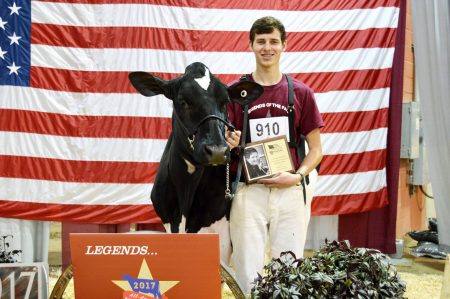 Daniel Kitchen of Danville, Pa. is the recipient of the 2017 National Judi Collinsworth Outstanding Exhibitor Award from Holstein Association USA, Inc. This award recognizes youth for their outstanding Holstein project work and involvement with their cattle and dairy activities. Kitchen is the thirteenth Junior Holstein member to receive this honor, and receives a $500 scholarship.
 In my experiences growing up on a farm, and in my line of work, I have interacted with a wide variety of people. Since an early age, I have always believed you can identify quickly upon meeting someone whether or not he or she grew up on a farm, have worked on a farm, or possess the ‘farm kid’ mentality. These students and young professionals possess recognizable talents and abilities that allow them to stand out from their peers. Without further ado (and in no particular order) here are the top 10 qualities kids that grew up on a farm bring to the workplace.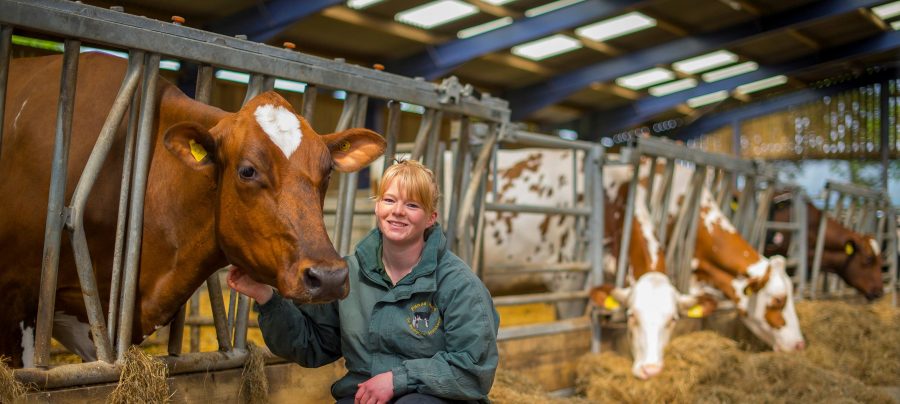
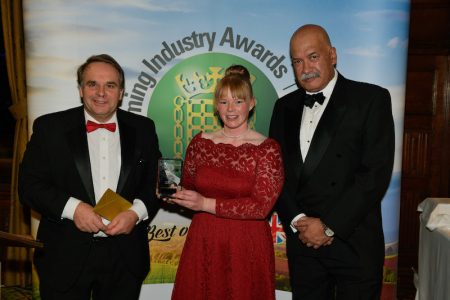
 Charlie Hamilton admits that he let his schoolwork slide in early October. The University of Wisconsin-Madison senior figured his time would be better spent flipping sandwiches on a grill or cleaning up after cows.
 Holstein Association USA is pleased to recognize several youth every year for their achievements in breeding and developing exceptional Registered Holstein® cows. National Junior Star Performer Award
  The proposed 2017-2018 PA State Budget does not include any funding for the All-American Dairy Show or the Keystone International Livestock Exposition. The PA State Budget meetings are in their final negotiations. If the proposed budget passes, that means zero dollars from the state to support two of the largest premier agricultural events in the nation. These unique events do so much for our state’s economy, the local economy, PA agriculture, and most importantly, OUR YOUTH.
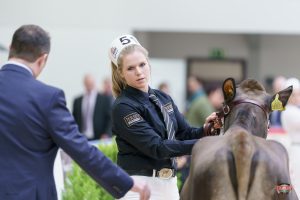 Andrew Swale of the UK Classifier team gives his take on how we can all learn and benefit from competitions.
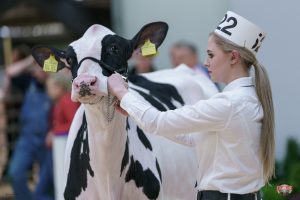 The learning does not stop when we become ‘too old’ for HYB; many of us attend our Club judging evenings and local shows, all with the view to seeing what animals are presented and how we would place them if we had been asked to ‘be in charge of proceedings’. Every time we do this we are increasing our knowledge of the breed, often alongside learning about the wider industry and, indeed, ourselves as we take a walk around the host farm/event. How many of us have gone home from an event and looked up the pedigree of an animal on the Holstein webpage, reviewed their ancestry and clicked on the factsheet to look at her linears? Before you know it you have reviewed half a dozen cows in the herd and spent some time learning without even realising it!
 As family farms and ranches grow, both in dollars handled annually, and the number of individuals involved, a business approach to family and non-family employee management should be considered.
 Undergraduate students — 230 in total — from 37 colleges across North America traveled to Visalia, Calif., for the 16th annual Dairy Challenge (NAIDC). Seven dairy farms participated in the educational event. Dairy students worked to improve their dairy management and communication skills, networked with other students, and explored industry careers. Dairy Challenge is a unique, real-world experience where dairy students work as a team and apply their college coursework to evaluate and provide practical solutions for an operating dairy farm. In Visalia, two programs ran concurrently — the 16th national Dairy Challenge contest and the fifth annual Dairy Challenge Academy. The events were coordinated by the NAIDC Board of Directors and the western planning committee.
 A 10 point action plan aimed at kick-starting a new generation of farmers by dramatically increasing the number of starter opportunities on public land has been published.
 18-year-old Katie Anderson from Yarroweyah has been awarded the coveted Dairy Youth Travel Scholarship at the 2016 Royal Melbourne Show.
 FARM KIDS ON THE HIGHWAY. ARE THEY SAFE or SORRY?
 IS MONEY AT THE ROOT OF ALL FARM KID EVIL?
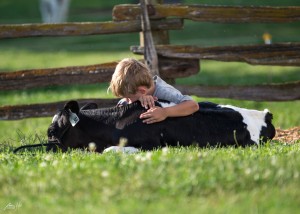 Farm Youth Are Being TARGETED by Animal Rights ACTIVISTS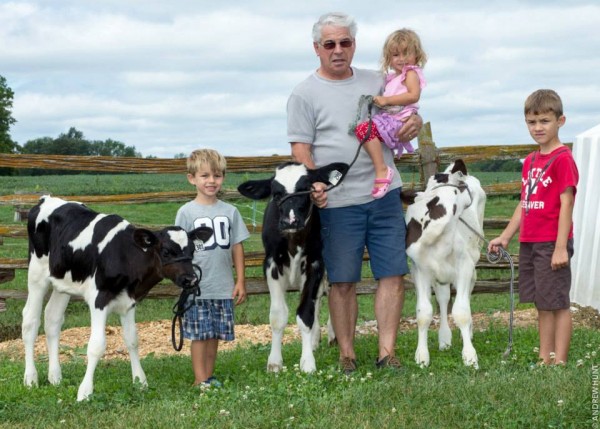
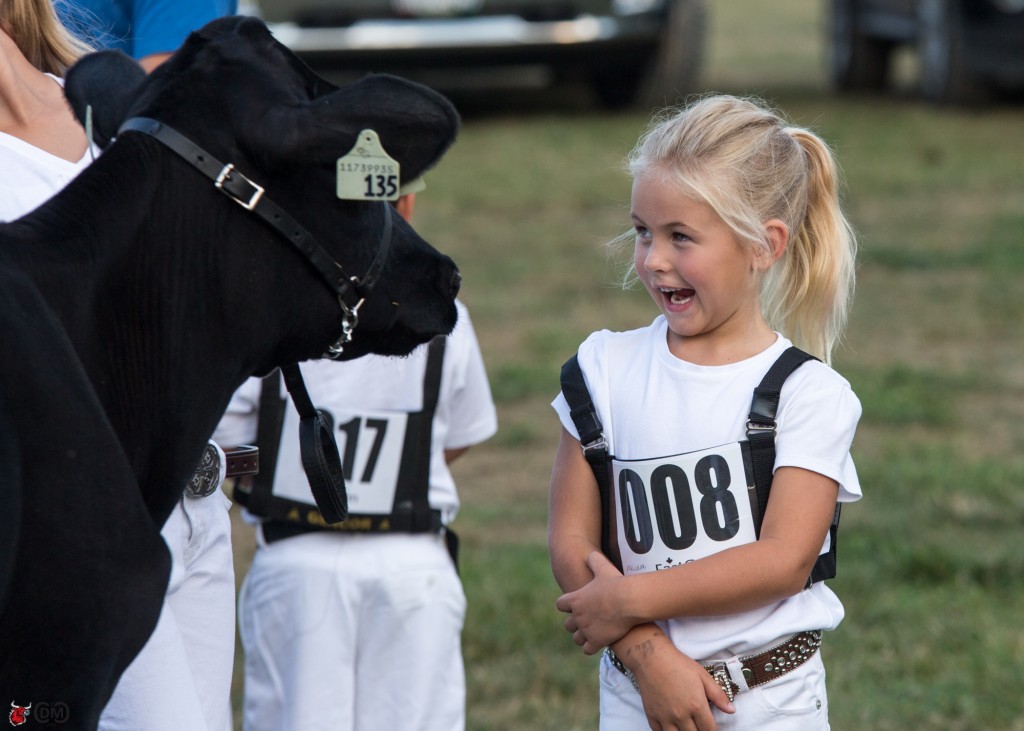
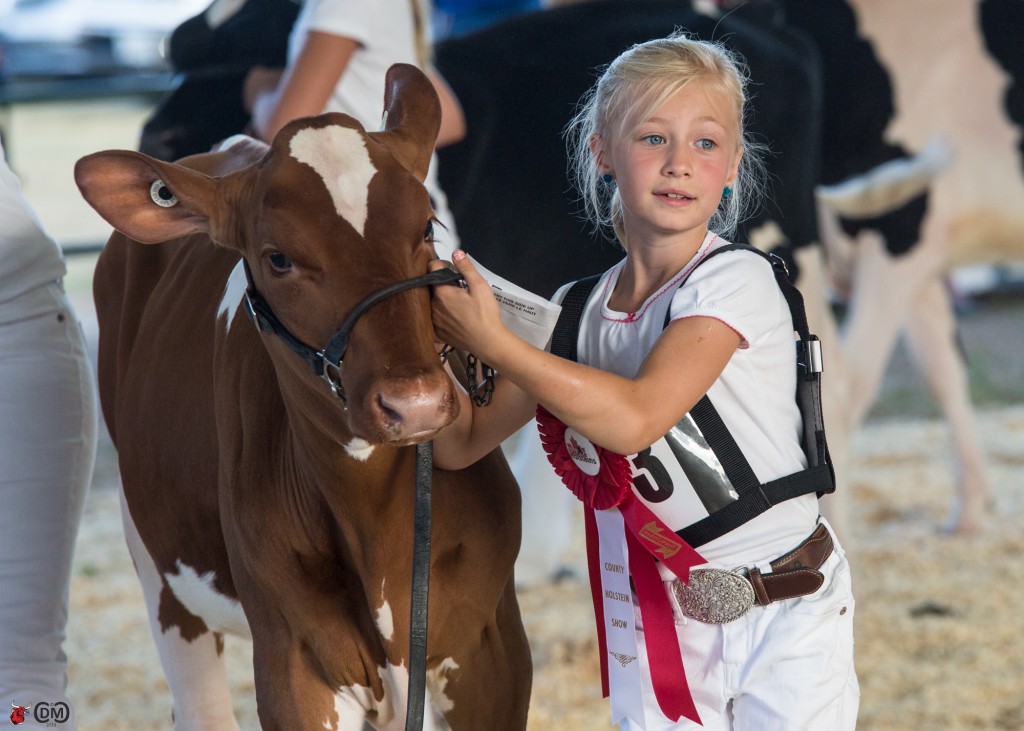
![DSC04112[1]](https://www.thebullvine.com/wp-content/uploads/2016/09/DSC041121-300x200.jpg)
![DSC05399[1]](https://www.thebullvine.com/wp-content/uploads/2016/09/DSC053991-200x300.jpg)




