Archive for competitive advantage

Your Cheese Plant’s New Bacteria Can Run 56% Faster – Why This Technology Decides Which Processors (and Farms) Survive 2030

Processors cut cheese time 56% with gene-edited cultures—your milk price depends on if yours adopts by 2026

EXECUTIVE SUMMARY: What farmers are discovering is that gene-edited bacterial cultures aren’t just making cheese 56% faster—they’re fundamentally reshaping which processors survive the next five years. University of Wisconsin-Madison trials documented 80% fewer phage-related shutdowns in facilities using these enhanced cultures, while processors report getting an extra vat through daily with the same equipment. The technology works by optimizing bacteria’s natural traits through CRISPR—no foreign DNA involved—creating what industry suppliers call “programmable” fermentation that adjusts to milk composition and market demands. Regional patterns are already emerging: California processors are partnering aggressively with UC Davis, while Wisconsin’s split between innovation leaders and traditional holdouts is evident. Meanwhile, mid-scale operations everywhere face a harsh reality—adapt, consolidate, or exit. For dairy farmers, this means fewer but potentially more stable processor relationships, with those starting implementation now having 75% better odds of success than those waiting until 2027. The window for positioning your farm advantageously is open today, but processors are making decisions right now that will determine market access for the next decade.

dairy processing innovation

You know what’s got processors buzzing at every industry meeting these days? They’re getting an extra vat through daily with the same equipment, same crew—just different bacterial cultures. And when you dig into the research behind this, the implications for all of us are bigger than most folks realize.

The University of Wisconsin-Madison’s dairy extension documented a remarkable finding in their 2024 trials: facilities using gene-edited bacterial cultures experienced 80% fewer phage-related shutdowns. Meanwhile, Applied and Environmental Microbiology published data this August showing 56% faster fermentation times in controlled settings. This isn’t theoretical anymore—it’s happening in cheese plants right now, and it’s starting to reshape how processors think about capacity, efficiency, and even which farms they want to work with.

I’ve been following this development closely, speaking with everyone from small artisan cheesemakers to large co-ops that process thousands of tons daily. What’s becoming clear is we’re not just looking at another processing upgrade. This technology is fundamentally changing competitive dynamics in ways that’ll affect every farm shipping milk, regardless of size or location.

Making Sense of the Science

So what exactly makes these gene-edited cultures different from what processors have been using for decades?

Firstly, this isn’t like the old GMO controversies, where foreign DNA is introduced—and that distinction really matters. CRISPR technology, which FEMS Microbiology Letters explained well in their February 2024 issue, allows scientists to optimize traits that bacteria already possess. Think of it like… well, you know how we select for higher components in our herds? They’re doing something similar with bacteria, just at the genetic level. Same organism, better performance.

The University of Copenhagen published fascinating data on modified Streptococcus thermophilus strains that reach the target pH in 291 minutes, compared to the usual 656 minutes. Why should we care? Faster acidification enables processors to process more milk through existing equipment without the need to build new vats. That’s a game-changer for their economics—and eventually, for milk pricing.
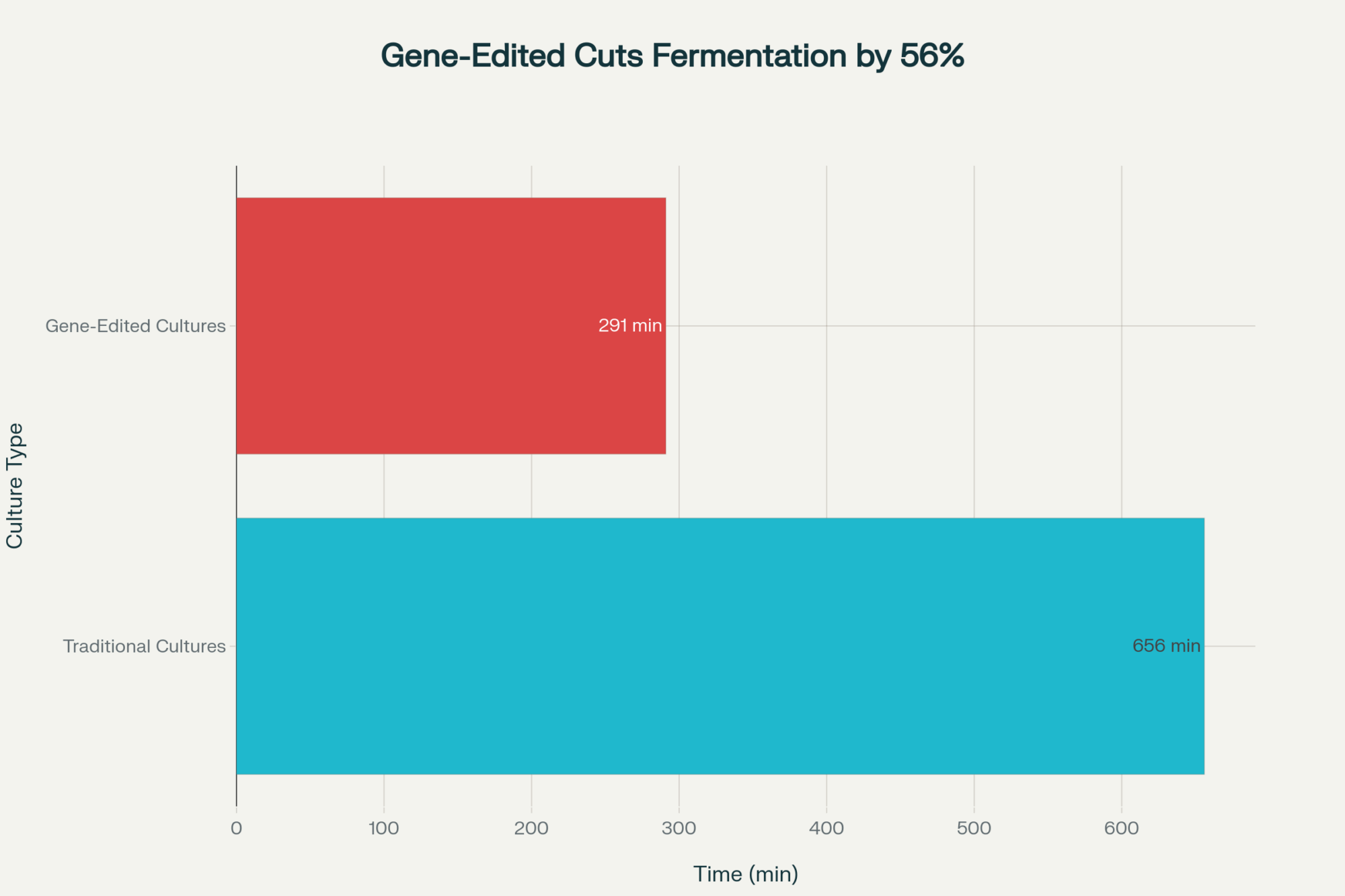
The 56% fermentation time reduction isn’t just about faster cheese—it’s about processors achieving 30% more throughput with existing equipment, fundamentally changing the economics of dairy processing and determining which facilities survive consolidation.”

The science behind it actually makes sense once you understand what they’re doing. By enhancing protease genes—basically the bacteria’s ability to break down casein—they’re making more nutrients available for bacterial growth. The bacteria perform better because they’re essentially getting a more balanced diet. Kind of reminds me of the difference we see in milk production when we nail the transition cow ration versus when we don’t quite get it right.

Zero New Equipment, 25% More Output: The Math Processors Love

Processors across different scales are reporting consistent improvements:

  • Throughput gains in the 20-30% range (imagine getting that from your existing parlor without adding a single stall)
  • Dramatic drops in phage contamination losses
  • Lower energy costs from shorter fermentation cycles
  • Much more predictable results during the spring flush when components are bouncing around

Industry culture suppliers like Chr. Hansen and IFF (formerly DuPont) describe these as “programmable” cultures—meaning processors can adjust fermentation characteristics based on milk composition, product specs, even when electricity rates are lower. It’s giving them a level of control they’ve never had before.
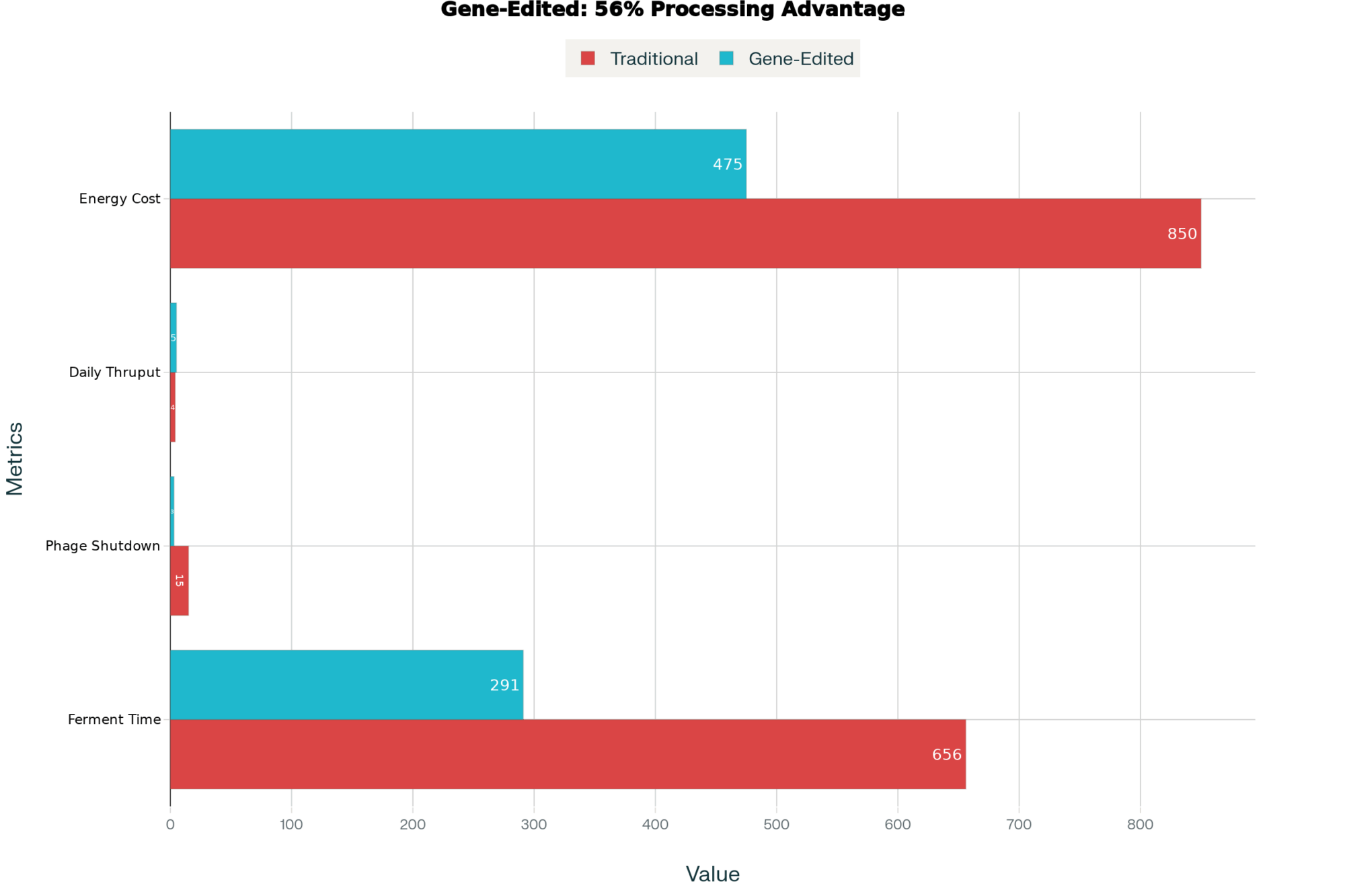
56% Faster, 80% Fewer Failures: The Numbers Processors Can’t Ignore

Three-Speed Industry Emerging

8% Setting the Pace While 92% Risk Obsolescence

What’s fascinating is watching how different processors are responding to this opportunity—or threat, depending on your perspective.

The Early Movers (Less Than 10%)

A small group of processors is not waiting for the FDA’s formal guidance, expected in 2026. They’re utilizing self-affirmed GRAS (Generally Recognized as Safe) status—a regulatory pathway that has been in existence since 1997, but is not widely recognized.

Examining the FDA GRAS Notice Database reveals an interesting story. Perfect Day’s precision fermentation whey protein was approved in March 2020. Remilk followed with beta-lactoglobulin in 2022. New Culture secured approval for animal-free casein this February. These precedents are creating pathways that traditional dairy processors could follow if they choose to.

The Squeezed Middle

Regional processors handling 200-800 tons daily are in a tough spot. They can’t match the massive investments of the big players—Fonterra just committed $500 million to biotechnology through their Ki Tua Innovation Fund this June. However, they’re also too large to pivot quickly, unlike specialty operations.

These mid-scale facilities are facing what you might call strategic compression. They lack both the capital for major innovation and the agility for rapid adaptation. Several processors I know are already exploring mergers, partnerships, or finding specialized niches. It’s not panic—it’s recognition that the competitive landscape is shifting fast.

Small Operations Finding Opportunities

Here’s what surprised me: artisan and small-scale processors are discovering real advantages through university partnerships. Wisconsin’s Center for Dairy Research, UC Davis, Cornell—they’re all running programs where small operations can access this technology without massive capital commitments.

Vermont cheesemakers working with their state university are combining traditional methods with modern science, and their customers—the ones paying $35 per pound for aged cheddar—seem to appreciate both the heritage and the innovation. This mirrors what we’ve seen with farmstead operations that embrace technology while maintaining their craft identity.

Five Critical Questions Every Farmer Should Ask Their Processor Today

QuestionWhy It MattersWhat to Listen For
“What’s your position on gene-edited starter cultures?”Reveals strategic thinking and competitive awarenessActive exploration = stronger positioning; Wait-and-see = potential vulnerability
“How might this affect my component premiums?”Could change payment structures significantlyPlans for adjusting premiums based on consistency vs. variation
“Are you considering consolidation or partnerships?”Your market access depends on their survivalTransparency about strategic options vs. evasive responses
“What about organic certification?”Critical for organic producersClear segregation plans and a committed organic strategy
“What’s your implementation timeline?”Earlier adoption = better competitive positionStarting now = good odds; Planning for 2027+ = risky

The Reality of Implementation

Based on what processors are actually experiencing, here’s how implementation typically unfolds—and it’s tougher than the sales pitches suggest.

Getting Everyone on Board (Months 1-3)

The biggest challenge isn’t technical—it’s organizational. Board members often confuse gene editing with GMO technology, even though gene editing does not involve the introduction of foreign DNA. It takes time to educate everyone on the differences and implications.

Processors typically spend three months on planning and education before making any commitments. University extension specialists often provide a crucial outside perspective during these discussions. What really matters is getting your quality team, operations staff, and salespeople all to understand what’s changing and why.

Running Pilots (Months 4-9)

This phase always takes longer than expected. You can’t just swap cultures like changing a barn cleaner belt. The entire fermentation profile changes, requiring new quality control protocols. Staff training takes months, not the weeks most processors budget for.

Customer communication during pilots requires real finesse. Some processors handle this brilliantly by being transparent without creating alarm. Others, however, create unnecessary market concerns that can take months to resolve.

Scaling to Full Production (Months 10-18+)

Converting an entire facility while maintaining production is like rebuilding your milking system while still milking twice a day. Technically possible, but it requires exceptional coordination and timing.

Common challenges include:

  • Working capital needs that often exceed initial budgets substantially
  • Customer education is becoming critical as implementation scales
  • Competitors sometimes spreading concerns about the technology
  • Supply chain coordination is becoming surprisingly complex

Regional Patterns Taking Shape

Geographic adoption patterns reveal how university partnerships and regional innovation cultures create lasting competitive advantages—California’s UC Davis collaboration versus Wisconsin’s cooperative resistance will determine regional milk pricing power for the next decade.

Different parts of the country are approaching this transformation in ways that reflect their unique situations.

California: Larger processors appear to be moving aggressively, often leveraging partnerships with UC Davis. Smaller operations are doubling down on organic and artisanal positioning—smart differentiation given their market dynamics.

Wisconsin: Shows interesting contrasts. Some cheese processors are pushing hard on innovation, while others maintain traditional approaches. The cooperative structure sometimes slows down decision-making, but it can provide resources once consensus is built.

Northeast: Fluid milk processors appear less engaged (which may prove shortsighted, given margin pressures), while specialty cheese operations are actively partnering with Cornell and the University of Vermont.

Southeast: Taking a measured approach overall, though some Greek yogurt processors are exploring applications where fermentation time directly impacts capacity utilization.

Upper Midwest: Watching Wisconsin closely while dealing with their own consolidation pressures. Several mid-sized processors in Minnesota and Iowa are forming informal groups to share information and potentially pool resources.

Idaho and Pacific Northwest: Larger operations are quietly evaluating options, particularly those supplying West Coast specialty cheese markets. The distance from major research universities is creating unique partnership challenges.

Understanding the Regulatory Landscape

The regulatory situation is more straightforward than many realize, although geography plays a significant role in determining it.

In the U.S., that self-affirmed GRAS pathway exists today. Companies can establish safety through independent expert panels without waiting for FDA pre-approval. The FDA’s formal guidance, expected in 2026, will provide an additional framework, but it isn’t required to move forward.

Europe operates completely differently. Their Novel Food regulations require 18-36 month approval processes, giving U.S. processors a significant head start in technology adoption and market positioning.

Canada and Mexico are monitoring U.S. developments and will likely follow with some delay, creating potential export opportunities for early-adopting U.S. processors.

The Economics That Matter

While specific numbers vary by facility, the patterns are clear. Processors report substantial reductions in phage-related losses—which have been an expensive hidden cost for decades. Combined with throughput improvements and energy savings, the economics can be compelling for successful implementers.

However, here’s what the technology suppliers often overlook: successful implementation requires much more than just purchasing new software. It demands supplier partnerships, comprehensive training, and careful market positioning. Miss any of these elements and those promising economics evaporate quickly.

Implementation consistently exceeds budgets by 40% and timelines by 50%, but successful processors still achieve compelling returns—the key is realistic planning and commitment to seeing transformation through completion.

One Midwest processor shared (off the record) that their implementation costs exceeded budget by 40%, largely due to extended timelines and unexpected customer education needs. They remain positive about the investment, but it took 18 months longer than planned to generate returns.

$2.5M Annual Benefit Transforms Mid-Size Processor Economics

Looking Ahead: The 2030 Dairy Processing Landscape

Based on current adoption patterns, recent consolidation announcements, FrieslandCampina’s acquisition of MilcobelndCampina-Milcobel in January, and capital flowing into biotechnology, we’re heading toward a fundamentally different industry structure.

The processor consolidation timeline shows why 2025-2026 decisions determine decade-long outcomes—early adopters gain insurmountable advantages while late movers face elimination or acquisition by 2030.

We’ll likely see three distinct operational tiers:

  • Technology-enabled mega-processors are achieving efficiency levels we haven’t seen before
  • Regional specialists using selective technology adoption for specific market positioning
  • Artisan operations combining tradition with innovation for premium markets

The conventional middle market—characterized by moderate scale and traditional technology—faces the most pressure. Without technology advantages or premium positioning, these operations will struggle to compete.

For dairy farmers, this means:

  • Fewer but potentially more stable processor relationships
  • Greater importance of understanding your processor’s strategic position
  • Need for contingency planning if your processor isn’t well-positioned
  • Possible opportunities with processors who value a consistent, quality supply for their enhanced efficiency

What This Means for Different Farm Sizes

Large Operations (1,000+ cows): You’ve got negotiating power. Use it to understand your processor’s technology strategy and secure favorable contracts before consolidation reduces options.

Mid-Size Farms (200-1,000 cows): You’re in the sweet spot for processors who value consistent volume and quality. Build relationships with multiple processors now, before consolidation limits choices.

Small Farms (Under 200 cows): Consider forming partnerships with artisan processors that leverage university connections. Your flexibility and quality focus align well with premium market positioning.

Organic Producers: This technology does not directly apply to you, but consolidation affects everyone. Ensure your processor has clear segregation plans and a committed organic market strategy in place.

The Bottom Line for Your Farm

This isn’t some distant possibility—processors are making decisions right now that will determine their competitive position for the next decade. And their position directly affects your milk check and market access.

The technology demonstrably works. The economics can be strong for those who implement successfully. The regulatory pathways exist. What separates winners from losers increasingly comes down to execution capability and timing.

Have frank conversations with your processor about their plans and expectations. Their transparency—or lack of it—tells you something important about your own positioning needs. As the industry transforms, whether individual processors participate or not is a key consideration.

Looking back, 2025 will likely be remembered as a pivotal year, marking a significant turning point in history. The question is whether you recognized the signals and adapted accordingly, or got caught reacting to changes already underway.

This goes beyond bacteria making cheese faster. We’re watching competitive dynamics reshape our entire industry. And that reshaping is happening right now—today—regardless of whether we’re ready.

I’ve witnessed numerous changes during my years in the dairy industry. This one feels different—faster, more fundamental to processing economics. But here’s what I know for sure: dairy farmers who stay informed, ask tough questions, and keep their options open usually find their way through.

The key is understanding what’s happening, evaluating how it affects your specific operation, and making decisions based on your circumstances—not someone else’s. While technology may be reshaping dairy processing, good business judgment and strong relationships remain the most important factors.

And at the end of the day, processors still need quality milk from reliable farms. That hasn’t changed. What’s changing is which processors will be around to buy it, what they’ll pay, and what they’ll value most. Understanding those shifts—that’s what’ll separate the farms that thrive from those that just survive.

Keep asking questions. Keep building relationships. And, perhaps most importantly, continue to discuss with other farmers what they’re seeing and hearing. Because in times of change, our best resource has always been each other.

So here’s the real question: Will your operation be positioned to benefit from these changes, or will you find yourself scrambling to adapt when your processor announces their strategy? The window for proactive positioning is open now—but it won’t stay that way for long.

KEY TAKEAWAYS

  • Processors using gene-edited cultures achieve 20-30% throughput gains without new equipment, fundamentally changing their economics—ask your processor about their technology timeline before consolidation limits your options
  • Implementation takes 12-18 months and often exceeds budgets by 40%, but early adopters capture market advantages that become impossible to match—processors starting now have vastly better supplier access than those waiting for 2026 FDA guidance
  • Regional dynamics vary significantly: California large processors lead adoption, Wisconsin shows cooperative resistance, the Northeast fluid processors lag dangerously—understand your region’s pattern to anticipate market changes
  • Five critical questions determine your processor’s survival odds: their position on gene-edited cultures, impact on your premiums, consolidation plans, organic segregation strategy, and implementation timeline—transparent answers suggest stronger positioning
  • Small farms under 200 cows can thrive through artisan processor partnerships leveraging university programs, while mid-size operations (200-1,000 cows) should build multiple processor relationships now before consolidation reduces choices

Complete references and supporting documentation are available upon request by contacting the editorial team at editor@thebullvine.com.

Learn More:

Join the Revolution!

Join over 30,000 successful dairy professionals who rely on Bullvine Weekly for their competitive edge. Delivered directly to your inbox each week, our exclusive industry insights help you make smarter decisions while saving precious hours every week. Never miss critical updates on milk production trends, breakthrough technologies, and profit-boosting strategies that top producers are already implementing. Subscribe now to transform your dairy operation’s efficiency and profitability—your future success is just one click away.
NewsSubscribe
First
Last
Consent

Breaking Down Blondin Sires’ Meteoric Rise in the AI Industry

Explore how Blondin Sires became Canada’s fastest-growing AI company. Understand their strategies, challenges, and successes.

dairy cow genetics, Blondin Sires, dairy breeding industry, genetic products, market share increase, genomics technology, distribution network, high-type sires, competitive advantage, innovative breeding methods

Blondin Sires, Canada’s fastest-growing dairy genetics company, has grown from a small startup to a well-known worldwide brand. Their creative method blends cutting-edge technology with traditional breeding goals and strategies, and has propelled their rapid growth. This strategic execution has seen them increase their Canadian market share from 2.8% in 2022 to a staggering 4.9% in 2023—a 75% increase. Are you intrigued about the secrets behind their incredible growth? Read on to learn about the path, methods, and discoveries that have propelled Blondin Sires to the front line of dairy genetics.

The Serendipitous Genesis: From Scarcity to Necessity 

Blondin Sires strated from a clear need, like a coincidental alignment of shortages and potential in the dairy breeding business. The team at Ferme Blondin faced a growing dilemma: the bulls on the market did not fulfill their demanding requirements for high-type sires with full pedigrees and highly classified dams. This remarkable lack prompted a brave move. 

The first phase was riddled with challenges that might demoralize even the most resilient spirits. They had to create a distribution network from scratch, like sailing unknown seas. These also had to compete for top sires with much larger AI companies who had more extensive distribution networks. Despite these formidable obstacles, their determination remained unwavering. 

Ferme Blondin’s choice to start an AI firm was more than a financial endeavor. There was widespread frustration felt among many breeders for bulls that met their breeding needs, servicing this need fueled the Blondin Sires rapid growth. Their story highlights a critical realization that innovation often starts when motivated people solve a common need by taking things into their own hands.

Forging the Path: Milestones Marking Blondin Sires’ Formative Years 

Blondin Sires’ early accomplishments demonstrate the company’s endurance and devotion. The journey started with theacquiring their marketing code (799), which was a watershed moment in making their goal a reality. This stage was far from straightforward since negotiating the complexity of the AI sector without previous knowledge presented a significant learning curve. However, their unwavering effort paid off.

Another watershed moment came when a strong distribution network was built from the ground up. Initially, the team worked hard to understand logistics and create relationships with breeders and distributors. Their commitment led to developing an effective distribution system, ensuring that breeders throughout Canada had access to bulls with elite conformation, full pedigrees, and excellent performance. These early results provided the groundwork for Blondin Sires’ future expansion and success in the competitive AI business.

Thriving Through Agility: Blondin Sires’ Blueprint for Rapid Growth and Efficiency

Blondin Sires has shown resilience and adaptation in the face of increasing competition, distinguishing itself via swift decision-making and proactive employment methods. Unlike many firms, Blondin Sires focuses on its capacity to make quick, significant choices. For example, they publicaly release new sires as young as 11 months old, substantially earlier than the industry average of 15 to 18 months. This quick deployment guarantees their customers get genetic benefits sooner, which is crucial in the fast-paced dairy breeding business.

The aggressive employment drive, led by co-founder, Simon Lalande, has also been critical. Lalande swiftly grew Blondin Sires’ sales staff from a few to 25 salespeople throughout Canada. Its proactive employment strategy has provided breeders in Canada with rapid access to its genetic products, giving them a competitive advantage in availability and distribution. Such strategic measures demonstrate how Blondin Sires constantly adapts to market demands while establishing new norms for speed and efficiency in the AI business. This proactive approach to employment instills confidence in the company’s growth and future success.

Harnessing the Digital Age: The Tech-Driven Ascendancy of Blondin Sires 

Blondin Sires’ spectacular success may be attributed in large part to technology. Two technical cornerstones, genomics, and social media, have simplified operations and considerably expanded their market reach.

Both genetics and actual performance have been fundamental to the company’s strategy when selecting bulls. Blondin Sires uses advanced genetic testing to thoroughly assess prospective sires, assuring they have the needed qualities. The capacity to distinguish between full brothers and choose the one with the most promising genetic composition from new high-merit cow families has given them a competitive advantage.

Blondin Sires’s clever use of social media has also had a significant impact. It recognized that conventional marketing approaches would be insufficient in today’s digital age, so they used social media channels to communicate with breeders all over the globe. Their strong online presence enables them to publish engaging material and frequent updates, fostering a vibrant community around their brand. This digital involvement not only broadens market reach and builds customer loyalty but also makes the audience feel engaged and part of the community, enhancing its image as a forward-thinking, breeder-focused organization.

This dual-focus approach keeps them at the forefront of dairy genetic improvements while fostering a tight, interactive connection with their worldwide clients.

A Game-Changing Acquisition: The DMV Genetiq Stake

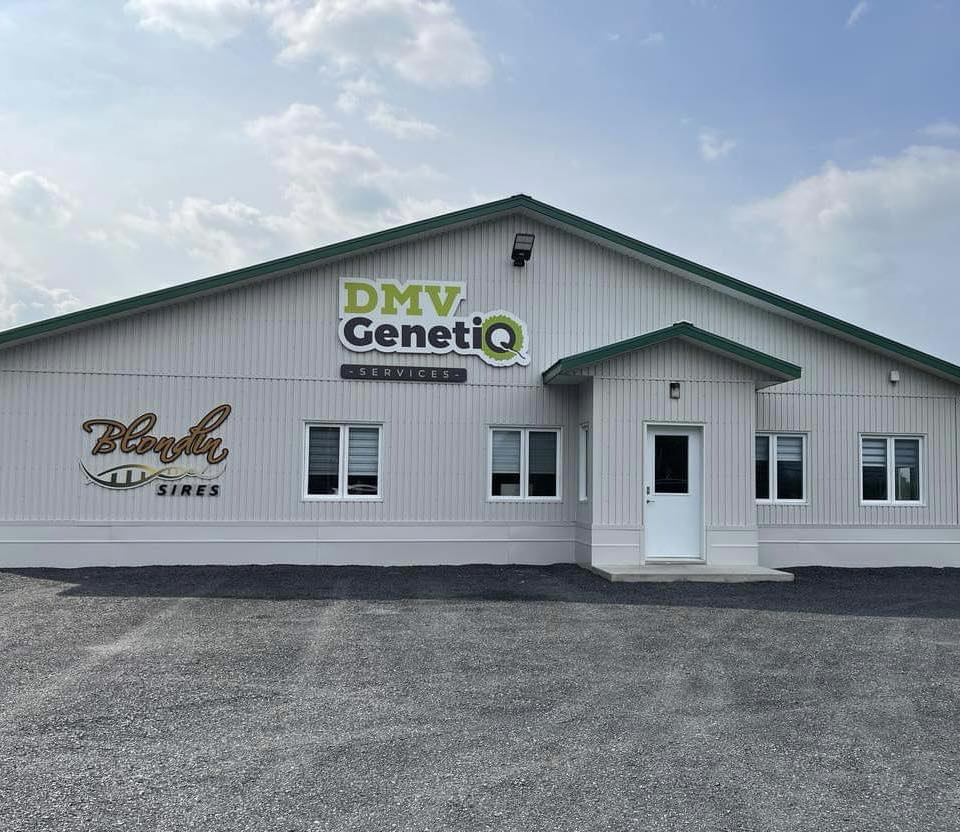
Blondin Sires overcame a significant challenge by purchasing a share in DMV Genetiq, an AI stud in Drummondville, Quebec. This action was transformational. Previously, housing bulls in the United States necessitated bringing semen back to Canada, which significantly hampered timely delivery. Breeders wanted instant access to the bulls, not in two months. Blondin Sires’ activities were simplified after purchasing a share in DMV Genetiq. Once all health regulations have been met, they may now collect and ship semen within a day in Canada, minimizing delays due to transportation. This shift increased speed and efficiency, facilitating their quick expansion and dedication to client satisfaction.

Strategic Global Partnerships: Expanding Reach and Ensuring Excellence

Another critical component of Blondin Sires’ approach is its worldwide distribution network. Establishing and nurturing connections with talented, devoted distributors worldwide has been beneficial. These partners understand and support Blondin Sires’ goal and have the commercial skills to promote and sell their goods in various international markets successfully. This vast network enables Blondin Sires to expand its reach without a physical presence, concentrating on breeding programs, bull selection, marketing, and supplying semen. At the same time, its global partners manage regional sales and customer interactions.

Equally significant are the breeders who work with Blondin Sires. These breeders provide the desired genetics and exemplify the company’s objective of excellence in dairy breeding. Their support for Blondin Sires’ goals and involvement in the genetic pool significantly boosts its reach and services. Blondin Sires collaborates with breeders to provide high-merit genetics that satisfy the demands of focused and modern dairy farmers.

These collaborations provide a solid basis for Blondin Sires’ further development. They enable the organization to maintain high quality and efficiency standards while increasing its worldwide impact and capabilities. In an industry where connections are as meaningful as technology, Blondin Sires distinguishes itself by utilizing strategic collaborations to generate innovation and success.

Celebrating Milestones: Achievements That Define Blondin Sires’ Success 

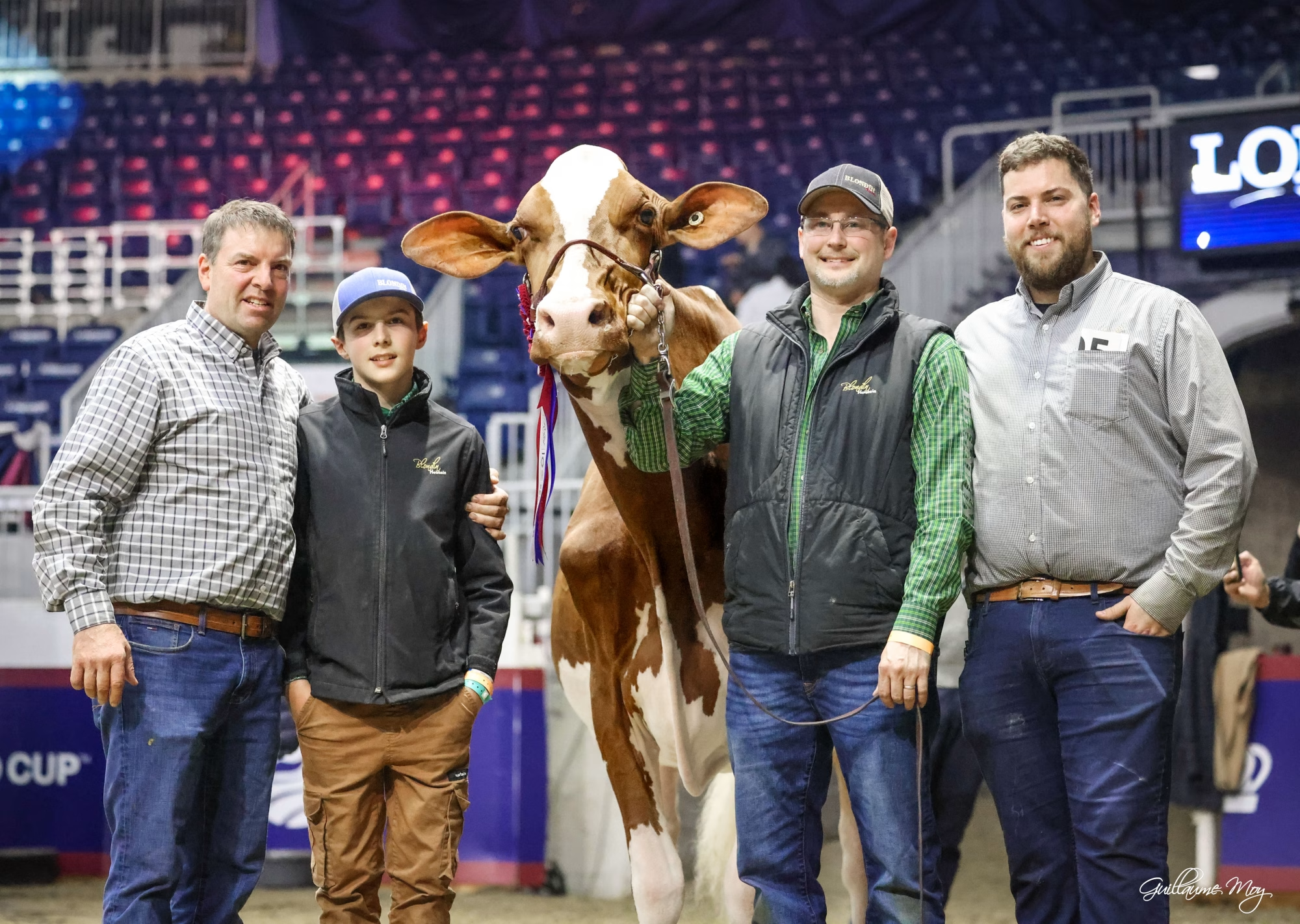
BLONDIN RD UNSTOPABULL MAPLE appeared to have no limits in a three-day period she took home Grand Champion of the Red and White Show, The Holstein Show and then Supreme Champion at the 100th Royal Winter Fair. Unfortunately, this month she passed away at 4 years old.  She was owned by K Doeberiener, L Bowen,  W Schilling & T&S Abbott.

BLONDIN RD UNSTOPABULL MAPLE, sired by Blondin Sires’ sire Riverdown Unstopabull-Red and bred by Blondin, Riverdown, and Villyvon, appeared to have no limits. In a three-day period, she took home Grand Champion of the Red and White Show and the Holstein Show and then Supreme Champion at the 100th Royal Winter Fair. She was exhibited by R&F Livestock, K Doeberiener, L Bowen, & W Schilling.

Reflecting on their path, Blondin Sires has achieved some astonishing milestones demonstrating their spectacular development. One such accomplishment is their success with Riverdown Unstopabull-Red, who won the Premier Sire title in Madison, Wisconsin. In addition, BLONDIN RD UNSTOPABULL MAPLE was named Intermediate and Reserve Grand Champion International Holstein Show. Dann Brady, General Manager and Co-Founder of Blondin Sires, remember that winning Premier Sire at Madison with Riverdown Unstopabull-Red was one of the company’s early successes.  Dann shares, “We are a small firm, and having him do that early in our careers was a huge accomplishment.”

These accomplishments demonstrate the exceptional quality of their bull line-up and indicate their dedication to supplying outstanding genetics to breeders globally. Their success in the show ring and the deliberate expansion of their sales staff demonstrate their devotion and foresight.

Unexpected Triumphs: Robella Major and Claynook Zeus 

Looking back on Blondin Sires’ history, some of the most thrilling and unexpected results have come from bulls like Robella Major in past years and today with Claynook Zeus. Fulfilling and surpassing expectations, contributing to Blondin Sires’ reputation as a source of high-quality genetics in the dairy cattle breeding sector.

Robella Major, an outstanding bull at Blondin Sires, exemplified the value of balanced genetics and powerful cow families. Initial expectations were high, but his vast popularity was a pleasant surprise. Robella Major’s success was due to his genetic qualities, which elicited many positive reactions from breeders. Early daughter reports have highlighted his superb Conformation, validating his use for many dairy farmers.

In 2024, Claynook Zeus rapidly became the breed’s #2 GPA LPI Sire, with a remarkable +11 in Conformation and approximately +4000 GPA LPI. This blend of index, conformation, and production makes him a bull for a wide variety of herds. Zeus’ success has instilled confidence and commitment in breeders toward Blondin Sires.

These surprising successes highlight the value of extensive research and the courage to take reasonable risks. Robella Major and Claynook Zeus’s outstanding performance and potential have increased sales. They have strengthened the company’s reputation for supplying exceptional genetics customized to the demands of individual breeders. These bulls have strengthened customer trust by delivering on their quality promise, demonstrating Blondin Sires’ reliability as a source of exceptional dairy genetics.

The Bottom Line

Blondin Sires’ comprehensive strategy, which combines cutting-edge technology, thorough genetic analysis, and strong community participation, guarantees that they stay ahead of the curve and set the standard in the dairy genetics sector. Their commitment to constantly improving the art of breeding promises to generate breakthroughs that will define the future of dairy cattle breeding and benefit both breeders and the industry.

Blondin Sires’ dramatic climb demonstrates the need within the market for correct and functional cattle to stand the test of time while combining traditional breeding techniques with cutting-edge technology. They have established a new benchmark for agility and efficiency in artificial insemination by forming critical relationships and adopting speedy decision-making. Their dedication to exceptional genetics, as shown by the success of bulls such as Rivertown Unstopabull-Red and Claynook Zeus, strengthens their worldwide reputation for excellence.

As we look forward, the question remains: How can Blondin Sires continue to alter and transform the dairy genetics marketplace?

Key Takeaways:

  • Blondin Sires has rapidly increased its market share, showcasing a 75% growth from 2022 to 2023.
  • The company combines cutting-edge technology with traditional breeding methods to achieve high-quality dairy genetics.
  • Quick decision-making and rapid product deployment are crucial strategies that have helped Blondin Sires stay competitive.
  • Strategic acquisitions, such as DMV Genetiq, have streamlined operations, enhancing efficiency and inventory management.
  • Key partnerships with distributors and breeders worldwide have been instrumental in Blondin Sires’ growth and global reach.
  • Blondin Sires’ focus on superior genetics, including conformation and productivity, underpins its success in the AI industry.
  • The company’s effective use of genomics and social media has significantly contributed to its market presence and customer engagement.
  • Blondin Sires continually adapts to market demands, ensuring rapid delivery and customer satisfaction.
  • Blondin Sires aims to maintain its niche in high-quality genetics, distinguishing itself from competitors by not treating semen as a mere commodity.

Summary:

Blondin Sires, Canada’s fastest-growing AI dairy firm, has rapidly increased its market share from 2.8% in 2022 to 4.9% in 2023, a 75% boost. This growth stems from strategic decisions, advanced genetic technology, strong partnerships, and rapid decision-making. Originally founded to address the scarcity of high-quality bulls, Blondin Sires overcame early challenges by setting up stud codes and distribution networks. They further leveraged genomics and social media to streamline operations and expand their market reach. Their commitment to heritage and innovation ensures long-term stability for breeders, combining cutting-edge technology, thorough genetic analysis, and robust community participation.

Learn more: 

Join the Revolution!

Bullvine Daily is your essential e-zine for staying ahead in the dairy industry. With over 30,000 subscribers, we bring you the week’s top news, helping you manage tasks efficiently. Stay informed about milk production, tech adoption, and more, so you can concentrate on your dairy operations. 

NewsSubscribe
First
Last
Consent

Canadian Dairy Exhibitors Face New Hurdles Returning from World Dairy Expo

Learn about the new challenges for Canadian dairy exhibitors returning from the World Dairy Expo. How will bird flu rules affect your cattle? Learn more.

Canadian dairy producers, avian flu concerns, certification requirements, livestock, Influenza A virus, export certification, veterinarian, health inspections, clean transportation, operating expenses, logistical cooperation, cross-border events, competitive advantage, market reach, schedule tests, reliable veterinarian, necessary paperwork, health and fitness checks, clean transport conditions, navigate regulations, World Dairy Expo, CFIA standards, safeguarding cattle herds, prevent outbreaks, livelihoods, risk mitigation, long-term sustainability, safety.

Have you ever wondered what it takes to present your prized dairy cow on a global platform like the World Dairy Expo? Many Canadian dairy producers dream of having the status, thrill, and opportunity to compete against the finest in the world. However, as much as we welcome these changes, new obstacles have evolved that may transform those hopes into a practical burden.

Picture this: You’ve spent months prepping, training, and grooming your dairy cows for the World Dairy Expo. The event is exhilarating, displaying the industry’s top talents and ideas. However, just as you’re basking in the competition’s afterglow, a fresh set of conditions awaits you at the Canadian border. These new requirements, triggered by persistent avian flu worries, will need extra certificates for your livestock to come home.

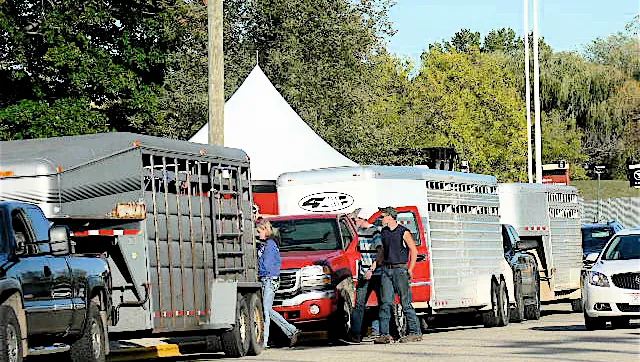
“The restrictions, which went into effect yesterday, involve extra documentation, including an export certification statement. This may make it more difficult for Canadian dairy producers to exhibit their animals at events like the World Dairy Expo.”

So, what exactly does this imply for you? And what actions should you take to guarantee that your cattle safely make it back to Canada? Let’s get into it.

The New CFIA Requirements 

Regarding safeguarding our herds, the Canadian Food Inspection Agency (CFIA) is not taking any risks with bird flu (Avian Influenza). If you want to show off your best cattle at the World Dairy Expo in the United States, you must observe some crucial new requirements while returning them to Canada.

First and foremost, all animals must test negative for the Influenza A virus within seven days of returning. This is an essential step in ensuring your cattle’s health and safety while preventing the virus from spreading.

But that is not all. You will also need an extra export certification statement. This certification, signed by a veterinarian, will affirm that your cattle have tested negative for Influenza A, have not been on a farm with sick animals or birds, are physically fit for transport, and will be transported in clean cars or containers.

These additional standards may seem unnecessary, but they are critical to ensuring the safety and viability of our dairy business.

How Will These New Requirements Impact Canadian Dairy Exhibitors? 

How will the new restrictions affect Canadian dairy exhibitors? Let’s dig in. Assume you’re about to return home after a successful World Dairy Expo display. Consider the stack of extra documentation, the apparent need for thorough health inspections, and the impeccably clean transportation of automobiles. Canadian dairy producers are experiencing several new logistical challenges.

First, the veterinarian’s statement. It is more than just a certificate; it is a comprehensive certification that requires your livestock to test negative for influenza A. This requires arranging testing within a seven-day timeframe before the animals may return. Given the increased strain of fulfilling this deadline, veterinarians and farmers must work together even more closely.

The transportation needs add an element of difficulty. Clean automobiles are not only encouraged; they are also required. This entails more money and time spent securing compliant transit, which might be difficult, particularly during busy hours or for smaller enterprises.

These modifications might result in higher operating expenses and tighter logistical cooperation. Exhibitors may find it more challenging to engage in cross-border events, thereby limiting their competitive advantage and market reach. Keeping up with these new restrictions may seem like juggling a hat full of eggs.

However, confronting these difficulties immediately may safeguard your herd’s health and safety. It’s all about adjusting and finding the correct support system. Collaborate with other farmers and industry professionals to navigate these turbulent seas.

Canadian Dairy Farms: A Safe Haven Amidst U.S. Bird Flu Outbreak

According to the Centers for Disease Control and Prevention (CDC), avian influenza H5N1 has infected 189 dairy herds in 13 states since the epidemic started. Texas, Minnesota, and Iowa have had several instances. However, it is essential to note that no cases of avian influenza have been documented in Canadian dairy cattle, demonstrating a significant difference in the disease’s effect between the two nations.

Practical Tips for Exhibitors: 

Wondering how to navigate these new requirements? Here are some practical tips to help you comply without too much hassle: 

  • Schedule Tests Early: Book your influenza A tests as soon as you know your cattle’s travel dates. Veterinary slots can fill up quickly, especially during peak event seasons.
  • Find a Reliable Veterinarian: Work with a trusted veterinarian with export certification experience. They’ll know the paperwork inside and out, ensuring your forms are correctly filled out.
  • Prepare Necessary Paperwork: Make a checklist of all required documents – from test results to export certification statements. Keep organized folders for each traveling cattle to avoid any last-minute scrambles.
  • Health and Fitness Checks: Ensure your cattle are physically fit for transport. This will help you meet the certification requirements and maintain the overall health of your herd.
  • Maintain Clean Transport Conditions: Clean and disinfect your vehicles or containers before transport. This might be an additional step, but it’s crucial for compliance and animal health.

By being proactive and well-prepared, you can navigate these new regulations smoothly and focus on showcasing your cattle at significant events like the World Dairy Expo.

The Bottom Line

These new CFIA standards undoubtedly add another difficulty for Canadian dairy producers wishing to participate in foreign events such as the World Dairy Expo in the United States. While the additional certification requirements may seem tedious, they are critical to safeguarding the health and safety of cattle herds on both sides of the border. The need for strict biosecurity measures cannot be emphasized, especially given the danger posed by avian influenza H5N1.

Consider this: a single illness might have far-reaching consequences for the dairy business. By following these new regulations, you help to prevent possible outbreaks, safeguarding not only your herd but also the livelihoods of other dairy producers. Dr. Isaac Bogoch underlined the need to take a proactive risk mitigation approach.

So, although these new requirements may seem to be an additional obstacle, think of them as an investment in your dairy company’s long-term sustainability and safety. After all, protecting animal health now means a vibrant dairy sector tomorrow.

Summary:

The article addresses new CFIA requirements for Canadian dairy cattle returning from the U.S., driven by avian influenza concerns. Cattle must test negative for influenza A within seven days before re-entry, creating more paperwork and certification for exhibitors. The CDC reports 189 infected herds in 13 U.S. states, while Canada remains free from avian influenza in its dairy cattle. These standards ensure the health and safety of cattle herds but present logistical challenges like thorough health inspections and clean transportation. These modifications may result in higher operating expenses and tighter logistical cooperation, making it more challenging for exhibitors to engage in cross-border events. To navigate these new regulations, Canadian dairy producers should schedule tests early, find a reliable veterinarian with export certification experience, prepare the necessary paperwork, ensure health and fitness checks, and maintain clean transport conditions.

Key Takeaways

  • Cattle returning to Canada from the U.S. must test negative for influenza A within seven days before re-entry.
  • New requirements include additional paperwork and an export certification statement signed by a veterinarian.
  • The CDC reports avian influenza H5N1 in 189 dairy herds across 13 U.S. states.
  • Canada has no reported cases of avian influenza in its dairy cattle, maintaining high biosecurity standards.
  • These new regulations could increase logistical challenges and operational costs for Canadian dairy exhibitors.
  • Canadian dairy producers should schedule tests early, work with experienced veterinarians, and ensure clean transport conditions.

Learn more:

Stagnation in Opening Milk Prices: Challenges and Insights from Australian Dairy Industry

Explore the reasons behind stagnant milk prices for Australian dairy farmers and understand their impact on farm incomes. Are you informed about the challenges and insights currently shaping the dairy industry?

Many Australian dairy producers continue to face financial challenges amidst rising living costs. Despite this, leading processors like Fonterra Australia, Bega Cheese, and Saputo Dairy Australia have maintained their initial milk pricing at about $8 per kilogram of milk solids by July 1. The Australian dairy sector is grappling with the issue of fixed farm gate rates that threaten farmer incomes. The situation is concerning, especially with the Dairy Code of Conduct’s requirements for minimum pricing by July 1 and milk supply agreements by June 1. The Australian Dairy Products Federation emphasizes the sector’s need to reduce costs for sustainability. The surge in imported dairy goods, driven by years of high local milk costs, underscores the crucial role of strategic planning in navigating market dynamics and ensuring the sustainability of local dairy farms. This situation makes farmers make challenging decisions, such as adhering to current supply agreements or exploring more profitable opportunities.

Ensuring Fair Play: The Dairy Code of Conduct

The Dairy Code of Conduct ensures fairness and transparency in the dairy sector, preventing processors from exploiting farmers. It mandates that every milk processor disclose their milk supply agreements by June 1, providing farmers with clear supply terms to guide their decisions. Processors must also set a minimum price by July 1, ensuring a more stable income for farmers and protecting them from price fluctuations. This regulatory framework is a source of reassurance for farmers, as it helps to maintain the viability of their businesses and the sector and shields them from market volatility.

Market Pressures and the Strategic Necessity of Lower Farm Gate Milk Prices

Current market circumstances have forced farm-gate milk prices far lower. The leading cause is an increase in imported dairy products; imports of these goods will rise 17% by 2022–2023, driving hitherto unheard-of consumption of foreign dairy products. This flood has generated fierce rivalry among local producers, calling for price changes to preserve business viability.

It underlines that setting lower farm gate milk pricing is essential for the long-term survival of the Australian Dairy Products Federation. Managed pricing seeks to guarantee profitability and resistance against market changes. Following historically high milk prices calls for a smart strategy to prevent financial hardship on processors and industry instability. Maintaining Australian dairy products’ competitiveness locally and globally depends on open and calculated pricing.

Imported Dairy Products: A Growing Challenge for Local Farmers

The Australian Dairy Products Federation has been vocal about the challenges posed by the increasing import of dairy products on the local market. The import surge has decreased farm gate milk prices, putting significant strain on local producers. With imports projected to rise by 17% in 2022–2023, Federation CEO Janine Waller noted that over 30% of the 344,000 tons of dairy products consumed in Australia are now of foreign origin. This influx of foreign products has intensified competition among local producers, necessitating price adjustments to maintain business viability.

Ms. Waller underlined the Federation’s commitment to ensuring Australian households have domestically produced dairy products priced reasonably. “We want to ensure Aussie families can continue to enjoy affordable, locally made, and branded milk, cheese, yogurt, butter, and ice cream in their homes,” she said. This attitude emphasizes the Federation’s support of keeping local dairy output viable in the face of global market competition.

The Southern Region’s Milk Price: A Strategic Response to Market Dynamics 

As of July 1, the estimated average farm gate milk price in the southern region falls between $7.94 and $8.20/kg MS. This price strikes a strategic balance between market dynamics and local viability. It is up to 14% higher than three years ago despite being lower than the record highs of the last two years. This price point demonstrates the resilience of the dairy sector in the face of market fluctuations. The premium farm gate milk price in Southern Australia, up to 10% higher than the global midpoint price of A$7.43/kg milk solids, is supported by assured minimum pricing and potential reviews. This competitive advantage ensures local stability and underscores Australia’s leadership in the global dairy industry.

This pricing approach helps farmers be stable and emphasizes the need to combine local production incentives with worldwide competitive demands. As world circumstances improve, price changes provide more help and support for the sector’s dedication to farmer sustainability and worldwide competitiveness.

Striking a Balance: Navigating Domestic Needs and Export Ambitions in the Dairy Industry 

With over thirty percent of milk output aimed at international markets, Australia’s dairy processors have always stressed exporting. Since seventy percent of Australian milk is eaten locally, EastAUSmilk president Joe Bradley questions this emphasis. Bradley contends that prioritizing exports might lower farm gate milk prices, hurting local farmers. He underlines how pricing should be much influenced by the home market, where a third of the milk is in milk bottles. The strategic choices of Australia’s dairy processors are greatly influenced by this conflict between export targets and local demands, determining the sector’s course.

Strategic Reassessment: Maximizing Returns in a Competitive Dairy Market

The state of the economy right now lets farmers rethink their plans and optimize profits. Farmers should first carefully go over and weigh contracts from many processors. In a competitive market, shopping for the best terms could result in better conditions. Second, farmers may think about going back over their supply curves. Although changing calving seasons will better match processor price incentives and market demand, a thorough cost-benefit study is essential. One has to assess elements like extra feed, labor expenses, and herd health. Lastly, keeping informed using the milk value portal of the dairy sector offers insightful analysis of historical price data and market trends. This information enables producers to negotiate the challenging dairy market and make wise choices.

Navigating Market Dynamics: Strategic Measures for Dairy Farmers 

Farmers have to take deliberate actions to negotiate these problematic circumstances properly. Profitability may be significantly changed by looking around for better terms. Examine the offers of many CPUs with an eye on minimum price guarantees, incentive systems, and possible price reviews depending on the state of the worldwide market.

Supply curve adjustments may yield success. However, changing calving plans should be carefully examined for expenses and advantages. Feed availability, labor, and animal health should be considered to guarantee reasonable financial and operational effects.

Use tools like the Milk Value Portal of the Dairy Industry to get open access to milk price trends. This instrument provides information on past and present pricing, supporting wise judgments. Dairy producers who remain proactive and knowledgeable will be able to grab new possibilities and effectively negotiate changes in the market.

The Bottom Line

Opening milk prices continue at around $8/kg of milk solids, which presents financial difficulties for farmers even with anticipation for better returns. This year emphasizes the careful equilibrium dairy producers maintain among changing market circumstances and fixed milk prices. While the Dairy Code of Conduct requires minimum price disclosures by July 1, economic considerations have resulted in lower pricing than in the previous season. Leading companies such as Fonterra Australia, Bega Cheese, and Saputo Dairy Australia are negotiating home and foreign market challenges. The main lesson is obvious: farmers must remain strategic and knowledgeable, using all the instruments and market knowledge to maximize their activities. Profitability and resilience depend on flexibility and wise judgment. To guarantee local dairy products stay mainstays in Australian homes, all stakeholders must help the agricultural backbone of our country. Farmers, processors, and industry champions must work together actively to enable the industry to flourish.

Key Takeaways:

  • Fonterra Australia, Bega Cheese, and Saputo Dairy Australia have maintained their opening price of approximately $8/kg of milk solids by July 1.
  • The Australian Dairy Products Federation highlighted that the lower farm gate milk price this year is aimed at preserving the dairy industry’s viability.
  • The Dairy Code of Conduct requires all processors to publish their milk supply agreements by June 1 and set a minimum price by July 1.
  • Except for Norco in northern NSW, major processors have offered lower milk prices compared to last season, impacting farmers’ incomes negatively.
  • A rise in imported dairy products, which surged by 17% during the 2022-2023 period, contributes to nearly 30% of Australia’s dairy consumption.
  • The estimated weighted average farm gate milk price in the southern region ranges between $7.94 to $8.20/kg of milk solids as of July 1.
  • Despite the reduction, current milk prices remain up to 14% higher than three years ago and up to 10% higher than the midpoint price in New Zealand.
  • Farmers are encouraged to utilize the dairy industry’s milk value portal for transparent data on farm gate milk pricing and market trends.
  • Cheese exports from Australia are increasing in both value and tonnages, although skim milk and whole milk powders show a decline compared to last year.
  • On average, about 30% of Australian milk production is allocated to exports, while the majority is sold domestically.
  • Farmers not under contract should compare offers from various processors to secure the best prices for their milk.

Summary:

Australian dairy producers are facing financial challenges due to rising living costs, but leading processors like Fonterra Australia, Bega Cheese, and Saputo Dairy Australia have maintained their initial milk pricing at $8 per kilogram of milk solids by July 1. This situation is concerning as the Dairy Code of Conduct mandates minimum pricing and milk supply agreements by June 1. The increasing import of dairy products on the local market has put significant strain on local producers, with over 30% of the 344,000 tons consumed in Australia now of foreign origin. The Australian Dairy Products Federation emphasizes the need to reduce costs for sustainability and maintain business viability in the face of global market competition. To maximize returns in a competitive dairy market, farmers should carefully weigh contracts from many processors, consider going back over their supply curves, and use tools like the Milk Value Portal of the Dairy Industry to get open access to milk price trends.

Learn more:

Paul Larmer’s Visionary Leadership Recognized with Canadian Agricultural Hall of Fame Induction

Learn how Paul Larmer helped make Semex a global leader. How has his leadership affected Canadian farming? Find out more.

Celebrating his significant contributions to agriculture, Paul Larmer will be inducted into the Canadian Agricultural Hall of Fame. This esteemed prize honors those who have significantly influenced Canadian agriculture. Paul’s vision and leadership have greatly helped raise Canadian farmer-owned businesses in the worldwide cattle breeding sector. His relentless commitment guarantees that Canadian DNA is valued and sought after worldwide.

From Dairy Cattle Sire Analyst to Visionary Leader: The Formative Years of Paul Larmer 

Starting as a dairy cow sire analyst, Paul Larmer’s path in cattle genetics evolved from one of a sharp eye for detail, and extensive knowledge of dairy cattle breeding to one of His subsequent contributions were shaped in great part by this function, which gave him a thorough understanding of genetic ideas and their practical applications. Paul perfected the identification of outstanding genetic features by studying sire performance and offspring outcomes. His decisive leadership, which established Canada as a global leader in cattle genetics and raised industry standards, sprang from this knowledge.

Semex Alliance: Birth of a Global Powerhouse in Cattle Genetics 

The founding of the Semex Alliance signaled a turning point in the worldwide cattle breeding sector. It spurred many creative ideas that now define the organization’s unique history. Under Paul Larmer’s sharp direction,in his capacity as CEO of Gencor and a founding partner of Semex, many Canadian AI centers came together to create a powerful and coherent whole. The Semex Alliance aimed to strengthen competitive advantage, seek worldwide growth, and improve genetic offers for Canadian producers. Larmer’s vision transcended boundaries and committed efforts to improve Canada’s reputation in cattle genetics using relentless quality, sustainability, and innovation.

Transformative Leadership: Paul Larmer’s 17-Year Tenure at Semex 

Paul Larmer was a remarkable 17-year Semex CEO who embodied transforming leadership distinguished by strategic understanding and commitment to excellence. Larmer encouraged creativity by prioritizing infrastructure and modern technologies, positioning Semex in a leading position in cattle genetics research. Under his direction, the business grew internationally and sold genes to more than eighty nations.

Among other strategic choices Larmer made were long-term alliances with SwissGenetics and others, which were vital for furthering genetic research and improving product variety. He also supported environmental projects, best seen by the Methane Efficiency Index’s 2023 debut in collaboration with Lactanet.

Semex, under his direction, brought 70 Holstein Premier Sire flags from the World Dairy Expo and the Royal Winter Fair. Larmer transformed herd health and welfare by including technologies like the genetic testing program Elevate, ensuring Semex’s preeminence in the world of cow breeding. His continuing influence on the business is shown by his ability to move Semex from a national organization to a worldwide cattle genetics supplier.

Under Larmer, Semex changed from selling Canadian genetics to offering complete worldwide solutions in cow genetics. This change comprised customized agricultural methods and breeding plans for many climates. Collaborating with Lactanet, Semex’s release of the Methane Efficiency Index emphasizes its dedication to sustainability and responsible genetic innovation.

Larmer’s emphasis on innovative research and development significantly improved the quality and variety of Semex’s products. Semex provides genetic answers that increase herd health, productivity, and profitability globally by using cutting-edge technologies and encouraging a culture of ongoing improvement. Semex’s genes are employed in over 80 countries today, reflecting Larmer’s innovative leadership and ongoing influence.

A Mentor and Beacon: Paul Larmer’s Enduring Legacy in Cattle Genetics 

Paul Larmer’s impact goes well beyond his management responsibilities; he has become a motivating teacher in the cattle genetics field. His commitment and welcoming style have created conditions for creativity and personal development. Young professionals benefited from his coaching and were inspired to propel industry growth from the original points of view.

Larmer has taught the next generation of leaders technical innovation, ethical behavior, and sustainability first importance. Many of his protégés now hold important roles globally, thanks mainly to his mentoring of many successful careers. Larmer has strengthened Canada’s continuing reputation in cattle genetics by pushing for cooperation and technical innovation.

Rooted in Guelph: Paul Larmer’s Agricultural Journey and Semex’s Recognition

Living in Guelph, Ontario, Paul Larmer combines his farming skills personally and professionally. Semex nominated him for the Canadian Agricultural Hall of Fame based on his close ties to farming and devotion, highlighting his significant contributions to cattle genetics and Canada’s worldwide industry leadership.

The Bottom Line

From a dairy cattle sire analyzer, Paul Larmer’s career shows his development into a pioneer in worldwide cattle genetics. He was instrumental in creating the Semex Alliance, turning a Canadian company into a global powerhouse. Larmer prioritized cutting-edge technology and sustainable practices—like the Methane Efficiency Index and Immunity+- during his 17 years as CEO. Through his mentoring, Semex developed a culture of excellence that gained international acclaim and several honors. Larmer’s admission into the Canadian Agricultural Hall of Fame underlines his significant influence on the field, supporting Canada’s position in developments in cow breeding.

Other inducties include:

Dr. Bruce Coulman is an award-winning forage crop researcher who developed 24 novel forage crop varieties throughout his 40+ year professional career. Bruce’s forage breeding work shaped the future for the profitable production of forage seed and forage crops for cattle feed as a researcher at McGill University and then at Agriculture and Agri-Food Canada’s Saskatoon Research Centre. Many of his forage varieties were industry firsts including bloat-reduced alfalfa, hybrid bromegrass and smooth-awned forage barley. Dr. Bruce Coulman lives in Saskatoon, SK and was nominated by the Crop Development Centre at the University of Saskatchewan.

Dr. Michael Eskin is a trailblazing canola researcher whose work made groundbreaking contributions to the early development and refinement of canola oil. A distinguished professor at the University of Manitoba, Michael’s work helped transform the quality and stability of canola oil, expanding the market for this quintessential Canadian crop on an international scale. He also played a pivotal role in establishing canola oil as an important heart healthy addition to the Canadian diet, extending the benefits of this golden oil to include producers, the economy and consumers. Dr. Michael Eskin lives in Winnipeg, MB and was nominated by the University of Manitoba.

Dr. Charles Vincent is an internationally respected leader in agricultural entomology. A research scientist with Agriculture and Agri-Food Canada, and accomplished science communicator, Charles has spent 40 years studying insects of economic impact on Canadian food production, guided by a vision for developing sustainable agricultural systems that are commercially viable with the lowest environmental impact possible. His work, including the development of the first viral insecticide registered for use in Canada, provides practical tools that have considerably reduced the quantity of insecticides used in commercial production, including apples, grapes and blueberries. Dr. Charles Vincent lives in Saint-Lambert, QC and was nominated by Co-Lab R&D division d’Ag-Cord inc.

The 2024 induction ceremony will be held on Saturday, November 2 at the Liberty Grand in Toronto. 

The Canadian Agricultural Hall of Fame Association (CAHFA) honours and celebrates Canadians for outstanding contributions to the agriculture and food industry. Portraits are on display in the Canadian Agricultural Hall of Fame Gallery located at the Royal Agricultural Winter Fair. The CAHFA also publicizes the importance of inductee achievements to Canada. The Association was organized in 1960 and is administered by a 12-person volunteer Board of Directors residing in regions across Canada.

Key Takeaways:

  • Paul Larmer has been a pivotal figure in the improvement of cattle genetics and the establishment of Canada as an international leader in this field.
  • From his beginnings as a dairy cattle sire analyst to his strategic oversight in forming the Semex Alliance, Larmer has shown unwavering commitment to agricultural excellence.
  • During his 17-year tenure as CEO of Semex, he transitioned the company from a Canadian-centric entity to a global provider of cattle genetics solutions.
  • Larmer’s mentorship has influenced many within the industry, guiding professionals who continue to uphold his high standards.
  • Living in Guelph, ON, Larmer was nominated for the Canadian Agricultural Hall of Fame by Semex, underscoring his enduring impact on the sector.

Summary:

Paul Larmer, a dairy cattle sire analyst, will be inducted into the Canadian Agricultural Hall of Fame for his significant contributions to agriculture. Larmer’s vision and leadership have helped raise Canadian farmer-owned businesses in the global cattle breeding sector. His founding of the Semex Alliance marked a turning point in the industry, spurring creative ideas that now define the organization’s unique history. Under Larmer’s leadership, many Canadian AI centers united to strengthen competitive advantage, seek global growth, and improve genetic offers for Canadian producers. Larmer’s 17-year tenure at Semex led to the company growing internationally and selling genes to over 80 nations. He also became a motivating teacher in the cattle genetics field, teaching young professionals technical innovation, ethical behavior, and sustainability. His nomination for the Hall of Fame highlights his significant influence on the field and supports Canada’s position in cow breeding developments.

Learn More:

In commemorating Paul Larmer’s induction into the Canadian Agricultural Hall of Fame, it becomes imperative to understand the depth of his influence and achievements within the sphere of cattle genetics. His journey is intricately tied to the remarkable evolution of the Semex Alliance, a company that has become synonymous with excellence in global cattle genetics. For a comprehensive perspective on the origins and historical milestones of Semex, consider exploring Semex Celebrates 50 Years with Bull Parade and Tribute to Rich History

Send this to a friend