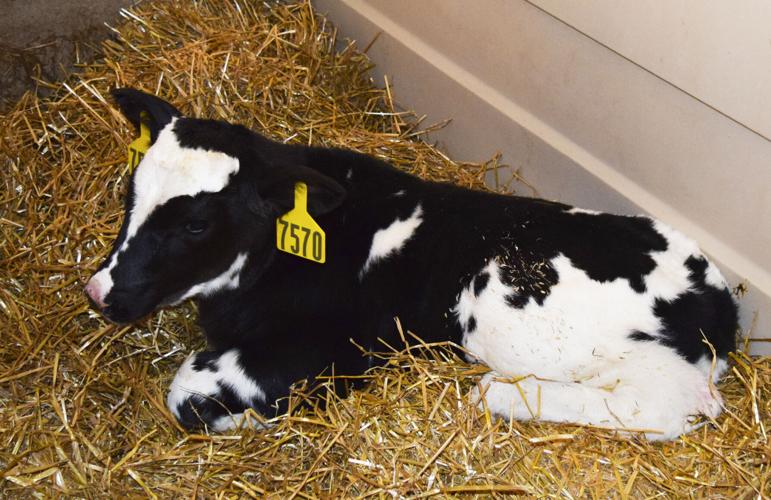
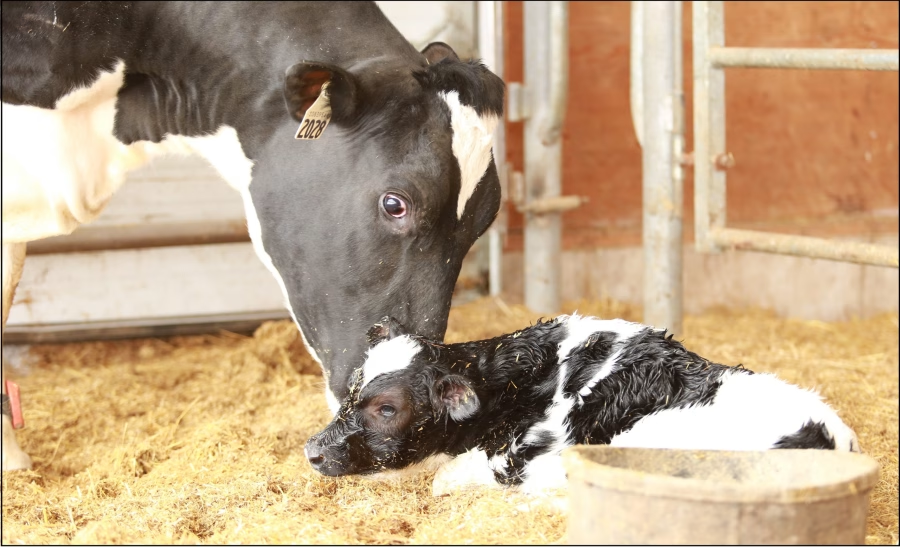
What if your best calves aren’t the ones you saved, but the ones that never got sick?
EXECUTIVE SUMMARY: Recent research from Cornell and Wisconsin reveals that operations achieving sub-3% calf mortality are generating 17 to 26 times return on prevention investments—roughly $800 more per calf than traditional treatment-focused farms. The 2024 Feedstuffs report confirms that national mortality remains stuck at 6%, costing producers through lost first-lactation milk (716-1,100 pounds per affected calf) and delayed breeding, which Penn State documents as a 2.9 times higher likelihood of calving after 30 months. What’s driving this shift is the intersection of biology and economics: veterinary research shows that intestinal damage from early disease permanently reduces nutrient absorption by 30-50%, even in “recovered” calves. Progressive operations are investing just $40-50 per calf in prevention protocols—Brix testing, rapid colostrum delivery, extended transition milk feeding—while traditional farms spend $850-1,050 per sick calf when factoring lifetime productivity losses. With replacement heifers commanding $2,500-3,500 and beef-on-dairy tightening supplies, the economics have never been clearer. The farms implementing these protocols aren’t abandoning treatment skills—they’re simply needing them 70% less often.
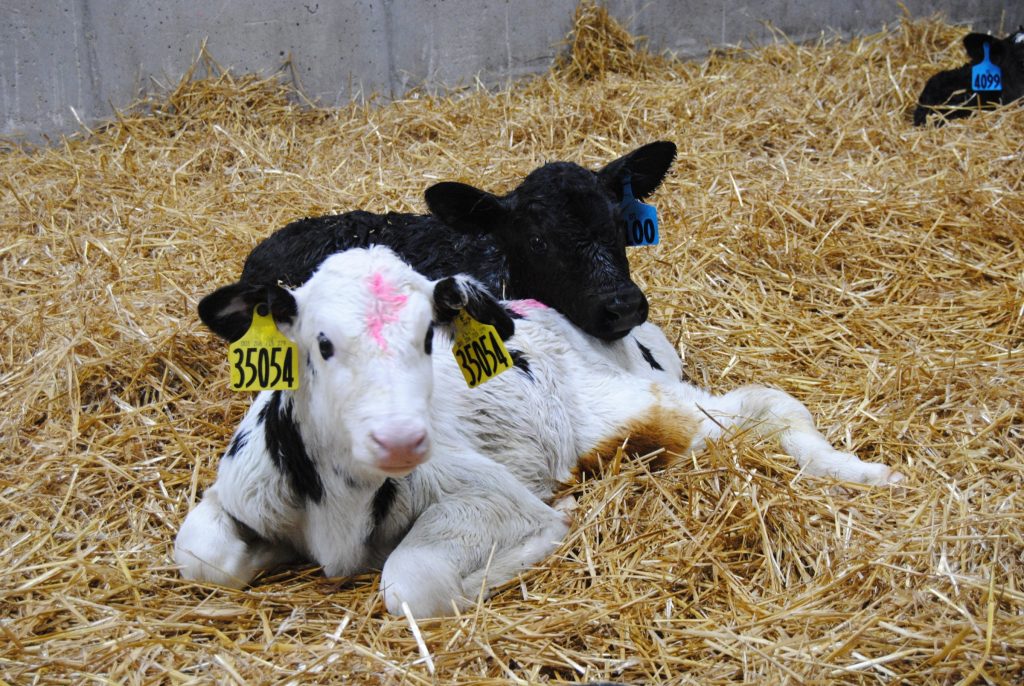
You know, I was sitting in the back row at the Professional Dairy Producers conference in Madison this past March—the one with the “Dialing It In” theme—and something clicked for me during a conversation about calf mortality economics. We’ve celebrated our treatment success rates for decades, and we should. But what the researchers from Cornell, Wisconsin, and other universities are telling us… well, it’s making me reconsider how we define success itself.
The Real Economics Behind “Saving” Calves
Let me start with something that might surprise you. According to the latest NAHMS data from 2014, the national trend has improved, with pre-weaning mortality decreasing from 7.8% in 2007 to 6.4%. And yes, I know that’s over a decade old—we’re all waiting for updated national numbers. But the 2024 Feedstuffs report confirms mortality is still hovering around 6% across both the U.S. and Canada. So, it seems we’ve plateaued.
Meanwhile, the Dairy Calf and Heifer Association’s gold standard sits under 3%. I’m meeting more operations every year that consistently hit that mark.
What’s the difference between 6% and 3% worth? When you factor in everything—and I mean everything—we’re talking about $800 or more per calf.
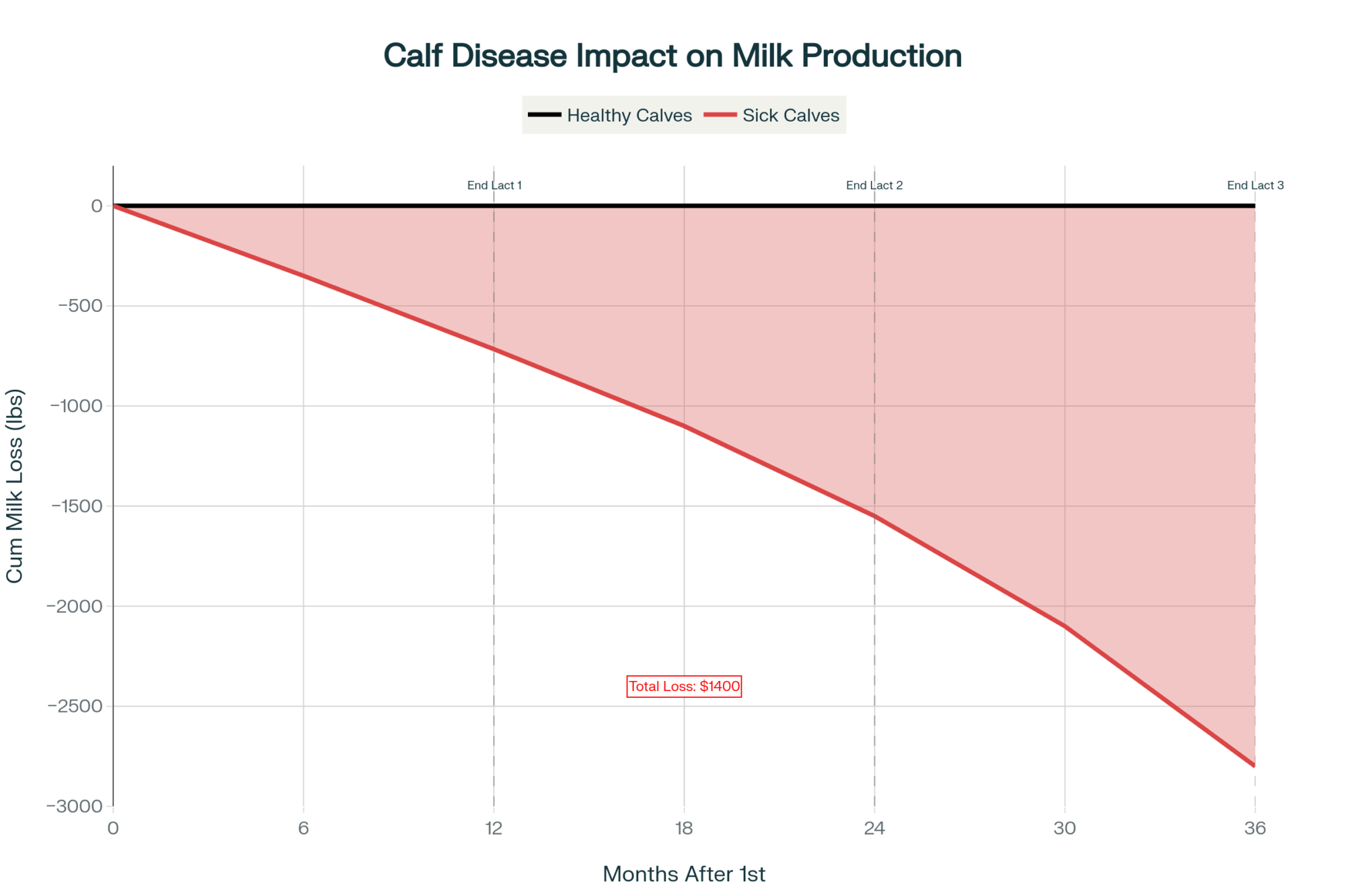
Research from the University of Guelph shows calves that get sick early but recover produce 716.5 pounds less milk in their first lactation. The Journal of Dairy Science has studies pushing that figure up near 1,100 pounds. Penn State Extension documented that these same “recovered” calves are 2.9 times more likely to calve after 30 months, rather than the ideal 22-to 24-month period.
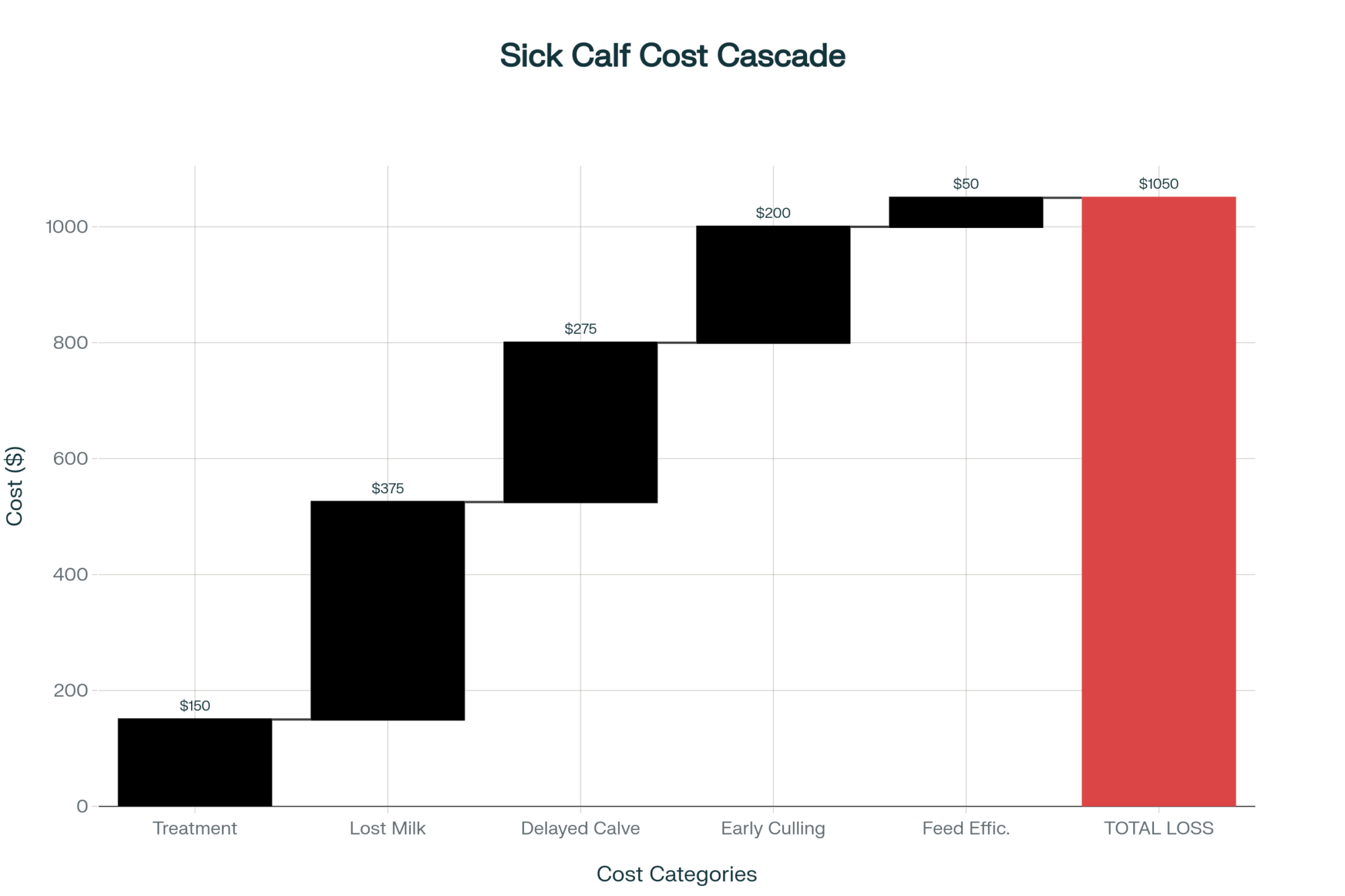
Let’s put some rough dollars to this. Feed costs for an extra six months? That’s easily $250-300, depending on your feed prices. Delayed income from milk production? Another $400-500. Higher replacement risk because these animals tend to leave the herd earlier? The numbers just keep climbing. And that’s before we even talk about the immediate treatment costs—NAHMS documented those ranging from $50 to over $150 per case.
“By the time we’re treating clinical mastitis, we’ve already lost the battle.”
— Dr. Paul Virkler, Cornell University Quality Milk Production Services
What Biology Teaches Us About Permanent Damage
Dr. Paul Virkler, who’s the Senior Extension Associate at Cornell’s Quality Milk Production Services, made that comment at a recent mastitis workshop. It really stuck with me.
Same principle applies to calves, doesn’t it? By the time we’re treating, the damage is often permanent.
I’ve been following Dr. Jennifer Van Os’s work at the University of Wisconsin—she’s their Extension Specialist in Animal Welfare. Her research on calf development is eye-opening. Those calves that battle scours or pneumonia early and survive? They carry that burden their entire lives.
The biology behind this is actually pretty straightforward once you understand it. Research published in veterinary journals shows that healthy intestinal villi—you know, those tiny finger-like projections that absorb nutrients—are permanently altered after disease. Even in fully “recovered” calves, the absorption capacity is compromised.
Think about it like running your combine with damaged sieves. Sure, it still harvests, but you’re leaving potential in the field. That’s essentially what these calves face for life.
Prevention vs. Treatment: The Real Numbers
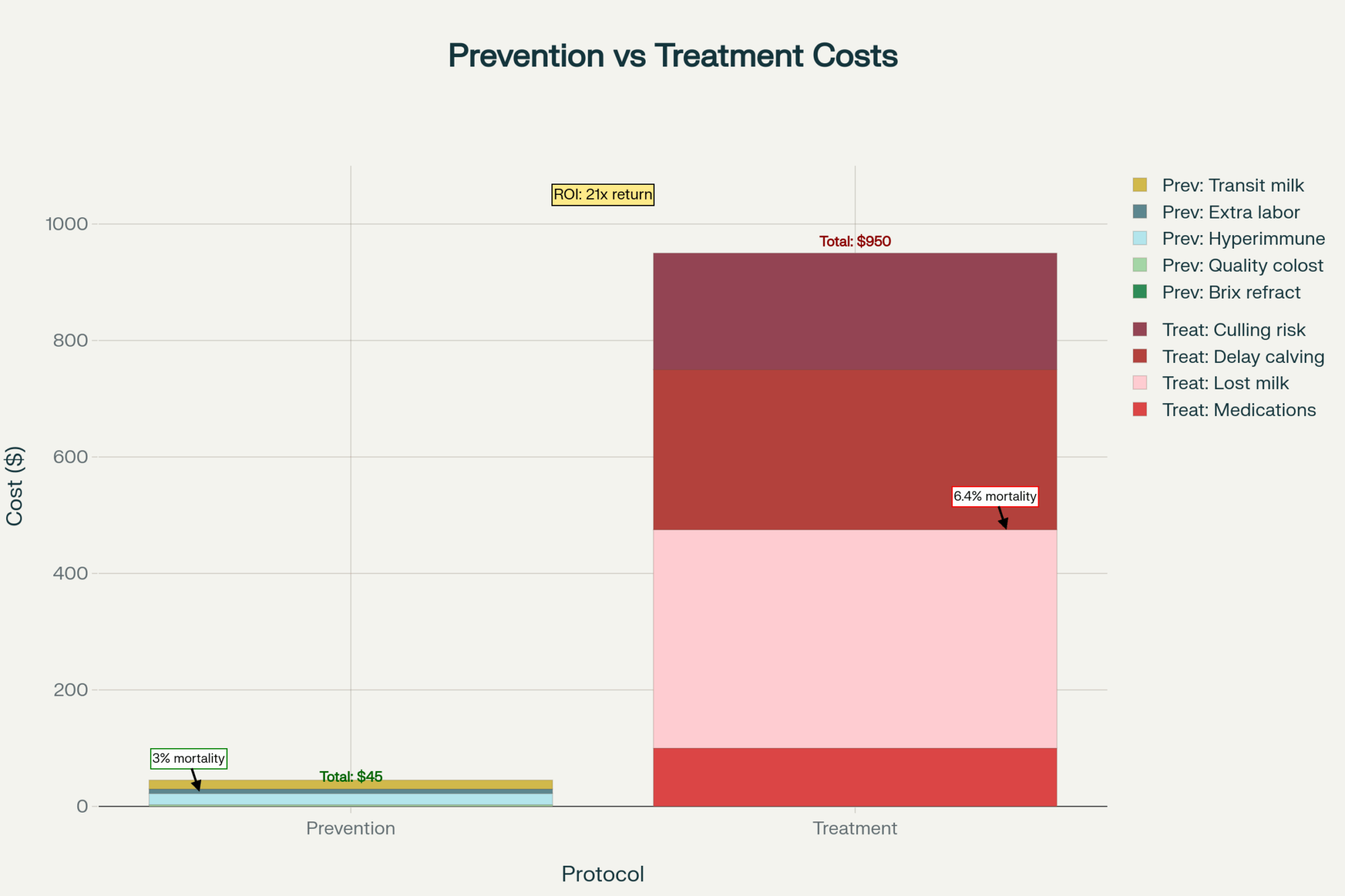
When treating sick calves, your total costs include:
- Medications and labor: $50-150
- Lost milk production (first lactation): $350-400
- Delayed calving (6+ extra months): $250-300
- Increased culling risk: $200+
- Total impact: $850-1,050 per affected calf
Prevention investment runs about:
- Brix refractometer (one-time): $45 for thousands of tests
- Quality colostrum management: $2-3 per calf
- Hyperimmune products (high-risk periods): $15-25
- Extra labor for protocols: $5-10
- Extended transition milk: $15
- Total prevention: $40-50 per calf
That’s a 17-26x return on investment
Why Your Vet Might Not Want You Reading This
Let’s address the elephant in the barn. Some veterinarians generate substantial revenue streams by treating sick calves. I’m not saying they want calves to get sick—far from it. However, when your business model relies on treatment protocols, prevention can appear as a threat rather than a means of progress.
I had an interesting conversation with a vet at the Southwest Dairy Conference who admitted, “We’re having to rethink our service model completely. Prevention consulting doesn’t generate the same per-visit revenue as emergency treatments.”
Smart vets are adapting—charging for prevention protocols, monitoring programs, and health audits. But the transition isn’t easy for everyone.
The Prevention Protocols That Work

| Protocol Component | Traditional Practice | Gold Standard | Cost Difference | ROI Multiple |
|---|---|---|---|---|
| Colostrum Testing | Visual assessment only | Brix ≥22% required | $0.05/calf | 45× |
| First Feeding Timing | 4-6 hours after birth | Within 1-2 hours | $5 labor/calf | 28× |
| Colostrum Volume | 2 liters × 2 feedings | 4 liters first feeding | $8/calf | 35× |
| Transition Milk Days | Switch to milk Day 2 | Feed 3-5 days | $15/calf | 18× |
| Hyperimmune Products | None | During high-risk periods | $15-25/calf | 12× |
| Housing Management | Individual until weaning | Consider pair housing | Neutral | 8× |
Considering that operations consistently achieve sub-3% mortality rates, several practices continue to stand out. And these aren’t theoretical—they’re from working farms sharing results at conferences and through extension programs.
First, they meticulously test colostrum quality. The University of Wisconsin Extension’s guidelines specify a Brix refractometer reading of 22% or higher as the gold standard. What’s sobering is how much colostrum doesn’t meet this threshold—various studies suggest it could be 30% or more of what we assume is good quality.
Timing is absolutely critical. Four liters within two hours—using an esophageal feeder if necessary. The Journal of Dairy Science has published multiple studies showing calves fed within one hour have significantly higher immunoglobulin levels than those fed even just two hours later. Every minute counts here.
Extended colostrum feeding is something I’m seeing more farms adopt. Hoard’s Dairyman reported that feeding transition milk from milkings two through four can add 6.6 pounds to weaning weight and cut disease incidence by 50%. That’s not a marginal improvement—that’s transformational.
Many operations are also incorporating hyperimmunized antibody products during high-risk periods. While the peer-reviewed data is still developing, field trials presented at various conferences suggest meaningful reductions in scours incidence when used as part of comprehensive protocols.
Regional Realities Shape Implementation
What works in Wisconsin doesn’t automatically translate to Arizona. I’ve noticed successful operations adapt core principles to their specific challenges.
Up here in the Midwest, where winter temperatures can be brutal, calf jackets make a real difference. Research shows they can improve average daily gain in cold conditions—though the exact amount varies by study and conditions.
Down South? Heat stress management takes priority. Studies from warmer climates consistently demonstrate that shade and cooling reduce the incidence of respiratory disease. Same concept—environmental management—but completely different application.
Fall calving brings its own challenges. Cornell’s Pro-Dairy program documented that December colostrum from mature cows averages significantly lower Brix readings than spring colostrum. Some older cows produce very little quality colostrum in winter. That’s why I’m seeing more operations banking on high-quality spring colostrum as a form of insurance.
Dr. Van Os’s research on paired housing, published in the Journal of Dairy Science, demonstrates real benefits, including improved starter intake before weaning, enhanced cognitive development, and better stress resilience. The EU already requires group housing after the first week. However, and this is crucial, it only works with excellent hygiene and proper feeding management. Simply putting calves together without proper protocols? That’s a recipe for disaster.
Making It Work on Your Farm

I get the challenges we’re all facing. Good labor is nearly impossible to find. Milk prices… well, they do what they do. Nobody expects you to revolutionize everything overnight.
Start simple. A Brix refractometer runs about $45 from any dairy supplier. Testing typically takes around 30 seconds once you become comfortable with it. The University of Wisconsin’s Dairy Calf Care website offers free resources that guide you through the entire process.
For mid-sized operations—that 200 to 1,000 cow range—dedicated calf management often pays big dividends. Wisconsin’s Center for Dairy Profitability found that operations with dedicated calf staff generally have lower pre-weaning mortality than those using rotating staff. Consistency matters more than perfection.
Bigger operations can justify more sophisticated monitoring systems. But even they need the basics first. As someone said at World Dairy Expo: “Technology can’t fix bad protocols—it just documents failure faster.”
The Shifting Economic Landscape
Replacement heifer prices tell the story. We’re seeing prices in the $2,500-$ 3,500 range in many markets, with some high-quality animals going even higher. Meanwhile, beef-on-dairy programs have significantly tightened heifer supplies. Every calf matters more than ever.
Penn State Extension’s analysis, which shows that 73.2% of dairy culls are involuntary, really drives this home. Breaking that down—infertility, mastitis, lameness—many of these issues potentially trace back to compromised early calf development. Dr. Michael Overton at the University of Georgia has suggested that improving calf health could meaningfully reduce involuntary culling rates. Those aren’t just statistics—they’re future profit walking out your gate.
Banking relationships are also starting to reflect this. I’ve heard from multiple producers that operations with documented strong calf health metrics are getting better terms on operating loans. Banks recognize that healthy calves mean more predictable cash flow.
Finding Your Balance Point
Every farm faces unique constraints. What works for a large operation in New Mexico with dedicated facilities may not translate directly to a smaller, grass-based system in Vermont.
Have you considered which of your current practices might be holding you back? Some extension programs have found that operations focusing on just three core areas—colostrum quality, feeding timing, and housing hygiene—can see meaningful mortality reductions over a couple of years. Not perfection, but real progress.
Maybe you invest in basic colostrum management tools. Perhaps ventilation improvements would be more suitable for your situation. The University of Kentucky has developed economic calculators that can help estimate returns for different interventions based on your specific circumstances.
A Real-World Transformation
I recently spoke with a producer who shared their operation’s journey—they preferred to remain anonymous but gave permission to share the general story. They were experiencing fairly typical mortality rates for their region, accompanied by significant annual treatment costs.
They began with the basics: testing all colostrum, banking high-quality batches, and refining maternity pen protocols. Added esophageal feeding for any calf that wouldn’t voluntarily drink adequate colostrum quickly.
In year two, they invested in ventilation improvements and started using hyperimmune products during their high-risk winter months. They also shifted their calf manager’s incentives from treatment success to prevention metrics.
The results? Mortality dropped significantly, two-thirds of the herd was cut, and they had surplus heifers to sell in a strong market. The total investment was recouped many times over through reduced costs and additional sales. Plus, their lender took notice of the improved metrics.
The Path Forward
Good treatment protocols remain absolutely essential. Even the best prevention programs will see some morbidity—the American Association of Bovine Practitioners reminds us of this in their guidelines. We need those treatment skills.
However, here’s what encourages me: by adding prevention layers, we’re not replacing treatment—we’re reducing the frequency of when we need it. It’s both/and, not either/or.
I’m genuinely curious what you’re seeing on your operations. At various conferences recently, I’ve heard producers mention success with different approaches, including targeted electrolyte supplementation, specific vaccination timing, and various housing modifications. The diversity of approaches that work tells me we’re all still learning together.
What practices have made the biggest difference for you? What challenges are you facing that others may have already solved? The beauty of this industry has always been our willingness to share what works—and what doesn’t.
Maybe the real revolution isn’t about choosing prevention over treatment. It’s about having enough information to make the right decisions for our specific situations. And with heifer prices where they are, labor challenges what they are, consumer expectations evolving… these decisions matter more than ever.
The math is clear. The biology is proven. The only question is whether you’ll lead this change or follow it. Start with one thing—test your colostrum tomorrow. See what you discover.
Resources for Getting Started
Free Online Tools:
- University of Wisconsin Dairy Calf Care: dysci.wisc.edu/calfcare
- Penn State Extension Calf Health Resources: extension.psu.edu
- University of Kentucky Economic Calculator: Contact your extension office
Key Equipment Investments:
- Brix refractometer: $45-60
- Esophageal feeders: $35-50
- Calf jackets (cold climates): $25-35 each
- Basic ventilation improvements: $15-30 per calf space
Educational Opportunities:
- Professional Dairy Producers Conference (March annually in March, Madison)
- World Dairy Expo seminars (October, Madison)
- Regional extension workshops (check your land-grant university)
Questions to Ask Yourself:
- What’s your current pre-weaning mortality rate?
- How much are you spending annually on calf treatments?
- What percentage of your colostrum meets quality standards?
- How many heifers leave before completing their first lactation?
Drop me a line at The Bullvine—I’d love to hear what’s working on your farm. Because at the end of the day, we’re all trying to raise healthy, profitable animals. The methods might vary, but the goal remains the same.
KEY TAKEAWAYS
- Immediate ROI opportunity: Prevention protocols costing $40-50 per calf deliver 17-26x returns versus $850-1,050 lifetime impact of treating sick calves—start with a $45 Brix refractometer tomorrow
- Four critical hours, lifetime impact: Calves receiving 4 liters of 22%+ Brix colostrum within two hours show 50% lower disease incidence and gain 6.6 pounds more at weaning, according to Wisconsin Extension and Hoard’s Dairyman research
- Regional adaptation matters: Midwest operations seeing success with calf jackets improving cold-weather ADG, while Southern farms reduce respiratory disease 15% through shade management—match protocols to your climate challenges
- Dedicated staff pays dividends: Wisconsin’s Center for Dairy Profitability found operations with consistent calf managers achieve 4.2% lower mortality than rotating staff—consistency beats perfection in prevention protocols
- Banking relationships improving: Multiple producers report 0.25% lower interest rates with documented calf health metrics as lenders recognize healthy calves mean predictable cash flow in tight heifer markets
Complete references and supporting documentation are available upon request by contacting the editorial team at editor@thebullvine.com.
Learn More:
- Ensuring Calf Health: How to Gauge Your Dairy Farm’s Success through Key Tests – This practical guide provides a clear checklist of key performance indicators beyond mortality rates. It reveals how to use simple, on-farm tests—from blood serum to fecal scoring—to identify underlying health issues before they become expensive problems, giving you a powerful tool to track your prevention program’s effectiveness.
- Why Dairy Farmers Are Seeing Double: Unpacking the Surge in Summer Heifer Prices – Get the strategic market context behind the “every calf matters” philosophy. This report analyzes why heifer and calf prices are at historic highs, revealing how factors like heat stress and the beef-on-dairy trend are tightening supply and creating a new economic reality for your replacement strategy.
- Top 5 Must-Have Tools for Effective Calf Health and Performance – This article moves beyond the Brix refractometer to explore a range of innovative tools that can improve calf management. It introduces the ROI of technologies like ammonia monitors and growth-tracking scales, offering a forward-looking perspective on how to modernize your calf-raising protocols.
 Join the Revolution!
 Join the Revolution!
Join over 30,000 successful dairy professionals who rely on Bullvine Weekly for their competitive edge. Delivered directly to your inbox each week, our exclusive industry insights help you make smarter decisions while saving precious hours every week. Never miss critical updates on milk production trends, breakthrough technologies, and profit-boosting strategies that top producers are already implementing. Subscribe now to transform your dairy operation’s efficiency and profitability—your future success is just one click away.