Archive for beef-on-dairy crossbreeding

Your Accountant Just Became More Important Than Your Nutritionist – And Most Dairy Farmers Still Don’t Get It

Stop treating cull cows like disposal problems. Strategic culling now generates 10-15% of total farm income—yet 90% of operators still miss it.

EXECUTIVE SUMMARY: Your replacement heifers just became more expensive than luxury cars while you’re shipping premium beef assets for pennies—and this disconnect is costing progressive operators thousands monthly. Replacement dairy cow prices hit a record $2,870 per head in April 2025, yet dairy cattle culling dropped 69,300 head compared to 2023 levels, creating the industry’s most expensive contradiction. Strategic culling of the bottom 15% performers generates $15,000-$25,000 monthly cash flow improvements for 1,000-cow operations while capturing unprecedented beef market values that now account for 10-15% of total farm income. International markets demonstrate the power of efficiency-over-volume strategies, with New Zealand achieving record milk production using 20,000 fewer cows through strategic optimization. Progressive operations using precision tools like DHI-Plus and genomic testing to identify optimal culling candidates are banking record returns from dual-revenue optimization while their neighbors debate marginal milk production decisions. The beef market fundamentals supporting current values—contracted national herd, persistent consumer demand, expanding processing capacity—represent multi-year trends, not cyclical peaks. Stop managing by tradition and start optimizing by mathematics: every cow in your herd now requires evaluation through both dairy productivity and beef market value lenses.

KEY TAKEAWAYS

  • Dual-Revenue Optimization Generates Immediate ROI: Strategic culling of underperforming cows (SCC >200,000, days open >150-160, poor IOFC) delivers $175-$225 monthly cost reductions per culled animal while capturing record beef values averaging $145/cwt in 2025—a 5% year-over-year increase.
  • Beef-on-Dairy Crossbreeding Outperforms Traditional Replacements: Day-old beef calves generate $900+ immediate returns versus $2,870 replacement heifer costs, with beef semen sales to dairies surging 1 million units as progressive operators capture 200% ROI through genomic-guided breeding decisions.
  • Precision Technology Transforms Reactive Culling Into Profit Centers: Advanced herd management software (DHI-Plus, smaXtec) enables data-driven identification of optimal candidates based on Income Over Feed Cost calculations, somatic cell trends, and reproductive performance, generating monthly cash flow improvements of $15,000-$25,000 for strategic operators.
  • Global Efficiency Models Prove Volume-Over-Quality Thinking Is Dead: European sustainability mandates and New Zealand’s per-cow optimization strategies demonstrate that smaller, strategically managed herds outperform volume-focused operations, with feed efficiency improvements of 3-5% achievable through targeted removal of poor converters.
  • Market Fundamentals Support Long-Term Strategic Investment: USDA projections through 2034 indicate sustained beef market strength driven by structural herd contraction, with four new processing plants (9,000 head daily capacity) opening 2025-2026, ensuring liquid markets for dairy operators embracing dual-purpose asset management.
strategic dairy culling, beef-on-dairy crossbreeding, dairy farm profitability, dual-revenue optimization, precision herd management

Stop pretending replacement heifers costing $2,870 per head is sustainable while you’re shipping premium beef assets for pennies. USDA just confirmed what progressive operators already knew: the dairy industry’s biggest profit opportunity isn’t in your milk tank—it’s walking around your barns, and 90% of farmers are managing it like it’s still 2019.

The uncomfortable truth staring you in the face: replacement dairy cow prices hit $2,870 per head in April 2025—the highest in USDA history. Meanwhile, dairy cattle culling dropped to 747,600 head in Q1 2024, down over 120,000 from 870,600 head in Q1 2023. You’re caught in the industry’s most expensive contradiction: hoarding underperforming cows to avoid replacement costs while missing unprecedented beef market opportunities.

The Global Wake-Up Call You’re Avoiding

What International Markets Are Teaching American Dairy

While American farmers debate marginal culling decisions, European Union producers have systematically reduced lower-performing animals through sustainability mandates prioritizing efficiency over volume. Their regulatory framework forces strategic optimization that American operations could voluntarily implement for competitive advantage.

New Zealand’s dairy sector demonstrates the power of strategic downsizing—achieving record milk production with 20,000 fewer cows through per-cow optimization. Their seasonal calving system creates natural culling pressure that forces efficiency decisions that American farms can adapt year-round.

Asian markets, particularly India and China, show growing demand for dairy-derived beef products, creating additional export opportunities for strategically managed dairy beef that most U.S. operators haven’t considered. With global protein demand expanding and traditional beef supplies constrained, dairy-derived beef has become a critical component of international protein supply chains.

The Numbers That Prove Everything Changed

The data reveals a fundamental market disruption that most operators are ignoring. Replacement dairy cow prices jumped from $2,660 per head in January 2025 to $2,870 by April—a $210 increase in three months. That’s a 29% year-over-year increase from January 2024. Premium pregnant heifers are now fetching upward of $4,000 per head at auction.

Meanwhile, the beef market rewards strategic thinking with unprecedented returns. According to the Journal of Dairy Science research, beef-on-dairy crossbreeding has transitioned from opportunistic to strategic, with 85% of beef semen purchases now going to dairy farmers. Day-old beef calves generate $900 or more; some wet calves exceed $1,000.

The Controversial Truth About Dual-Revenue Optimization

Why the Beef Industry Needs Dairy More Than Anyone Admits

Nobody talks about the industry secret openly: dairy operations now contribute 19-22% of total U.S. beef production through cull cows, dairy steers, and crossbred animals. With the U.S. cattle herd at its lowest level since 1951, the beef industry increasingly depends on dairy farmers for supply stability.

The controversial reality that challenges traditional thinking? Research published in Livestock Science indicates that 30-35% of Prime beef production comes from Holstein steers. Your “inferior” dairy genetics produce premium beef commanding top-tier pricing, yet most dairy operators treat this as an afterthought rather than a strategic opportunity.

Curtis Bosma of HighGround noted that cull cow and beef calf sales now account for 10-15% of total dairy farm income. This represents a fundamental shift from salvage value to material revenue stream comparable to what most operations generate from their entire nutrition program.

The Beef-on-Dairy Revolution Reshaping Production

According to National Association of Animal Breeders data, domestic dairy semen sales dropped 4% in 2023 while beef semen sales to dairies surged by 1 million units. This isn’t temporary opportunism—it’s structural transformation driven by economic necessity and market opportunity.

Progressive operations using genomic testing to identify optimal candidates for beef breeding are generating 200% ROI through strategic crossbreeding programs. The data-driven approach combines precision genetics with market timing to maximize both immediate calf value and long-term herd improvement.

The Strategic Framework Backed by Science

Precision Culling: Beyond Traditional Approaches

Research from the American Dairy Science Association identifies key metrics for optimal culling decisions that most operations aren’t systematically implementing:

  • Income Over Feed Cost (IOFC): Target cows consistently below $6-8 daily IOFC using current milk prices
  • Somatic Cell Count: Priority removal for animals consistently above 200,000 SCC
  • Reproductive Performance: Days open exceeding 150-160 days cost $3-5 daily in lost productivity
  • Genomic Merit Scores: Bottom quartile animals offer minimal genetic contribution to herd improvement

Strategic culling of the bottom 15% performers reduces operational costs by $175-$225 per culled cow monthly while improving per-cow margins by $0.75-$1.25/cwt on remaining production.

The Dual-Revenue Decision Matrix

Every animal now requires evaluation through multiple lenses: current dairy productivity, future genetic potential, and immediate beef market value. Cornell University extension research demonstrates that this tri-factor analysis reveals opportunities that single-purpose thinking misses entirely.

A cow with declining milk production might represent a liability in the dairy string, but if she maintains good body condition and breed characteristics valued in the beef market, her immediate liquidation value could exceed her annual dairy contribution.

Technology Integration for Maximum Returns

Advanced Monitoring Systems

Tools like DHI-Plus enable efficient data capture from daily tasks, including veterinary checks, reproduction records, and inventories, providing analytical capabilities to identify cows requiring attention. smaXtec offers precise data directly from the reticulum, including inner body temperature, water intake, rumination, and activity for early disease detection and feeding optimization.

The integration of advanced herd management software transforms culling from reactive problem-solving to predictive optimization, creating competitive advantages in profitability and efficiency.

Implementation: Your 90-Day Strategic Transformation

Phase 1 (Days 1-30): Assessment and Planning

  • Conduct a comprehensive herd evaluation using verified productivity metrics from DHI data
  • Identify the bottom 15% performers based on IOFC, SCC, and reproductive performance
  • Research regional beef buyer relationships and current price patterns
  • Calculate the immediate cash flow impact of the strategic culling program

Phase 2 (Days 31-60): Strategic Implementation

  • Begin targeted removal of identified candidates during optimal market timing
  • Implement beef-on-dairy breeding for genomically appropriate candidates
  • Establish direct marketing relationships with premium beef buyers
  • Develop feeding protocols optimized for beef-destined animals

Phase 3 (Days 61-90): Market Integration and Optimization

  • Fine-tune culling timing based on seasonal price variations and regional market data
  • Expand the beef-on-dairy program based on initial ROI results
  • Implement precision monitoring tools for ongoing optimization
  • Establish an annual strategic planning calendar integrating beef market forecasts

The Long-Term Market Reality

Why This Transformation Is Permanent

USDA Agricultural Baseline projections extending to 2034 indicate sustained beef market strength driven by persistent herd contraction. Fed steer prices are expected to average $201/cwt in 2025, jumping to $222.75/cwt in 2026, with feeder steer prices following similar trajectories.

Four new beef processing plants with a combined capacity for nearly 9,000 head daily are scheduled to open in 2025-2026, ensuring liquid markets for strategic operators who understand dual-value optimization. This infrastructure investment signals long-term industry confidence in sustained cattle values.

The Bottom Line

The dairy industry just handed you the most profitable side business in agricultural history, disguised as a disposal problem. While milk prices remain volatile around $17.60-$18.20 per hundredweight, strategic culling and beef-on-dairy programs provide immediate liquidity and risk diversification that traditional dairy operations lack.

Your competitors are still making culling decisions, such as milk being the only revenue stream that matters. They’re hoarding underperforming cows to avoid $2,870 replacement costs while missing the immediate cash opportunities those same animals represent in today’s beef market.

The operators who master dual-revenue optimization—treating every animal as both a dairy asset and a potential beef product—will capture market share from those still thinking in single-purpose terms. This isn’t about changing your entire operation overnight; it’s about recognizing that market conditions have fundamentally shifted the value proposition of every animal in your herd.

Your Next Move: The Strategic Reality Check

Stop managing by tradition and start optimizing by mathematics. The data from the USDA, American Dairy Science Association, and Journal of Dairy Science research all point to the same conclusion: farms implementing strategic culling and beef-on-dairy programs are capturing revenue streams their competitors are ignoring.

Conduct a comprehensive 30-day evaluation of your current herd using the precision metrics outlined above. Using current market data, calculate the true opportunity cost of maintaining underperformers versus capturing their immediate beef value.

The time for incremental thinking is over. The farms that adapt to this dual-revenue reality first will be the ones still thriving when the next market cycle turns, while their neighbors wonder why their replacement costs keep climbing and their profitability keeps declining.

Complete references and supporting documentation are available upon request by contacting the editorial team at editor@thebullvine.com.

Learn More:

Join the Revolution!

Join over 30,000 successful dairy professionals who rely on Bullvine Weekly for their competitive edge. Delivered directly to your inbox each week, our exclusive industry insights help you make smarter decisions while saving precious hours every week. Never miss critical updates on milk production trends, breakthrough technologies, and profit-boosting strategies that top producers are already implementing. Subscribe now to transform your dairy operation’s efficiency and profitability—your future success is just one click away.

NewsSubscribe
First
Last
Consent

Dairy’s Bold New Frontier: How Forward-Thinking Producers Are Redefining the Industry

Discover how tech, sustainability, and bold strategies are revolutionizing dairy farming’s future.

The U.S. dairy landscape is undergoing unprecedented transformation. While milk prices continue their volatile dance and input costs steadily climb, a new generation of innovative producers is shattering outdated paradigms, embracing technology, diversifying revenue streams, and reimagining what success looks like in an industry being reborn. Their blueprint isn’t just about survival; it’s the roadmap for thriving in dairy’s next chapter.

The New Dairy Paradigm: Evolution, Not Extinction

The narrative surrounding dairy farming in America has frequently focused on decline, fewer farms, tightening margins, and mounting challenges. However, this perspective misses the remarkable reinvention occurring across the industry. Today’s dairy sector isn’t dying; it’s evolving at an unprecedented pace.

“What we’re witnessing isn’t the end of an era, but rather the birth of a new one,” observes Dr. Megan Richardson, agricultural economist and dairy industry analyst. “The most forward-thinking producers aren’t just adapting to change-they’re actively driving it, much like breeding for genetic improvement rather than accepting what nature provides.”

This evolution is evident in recent industry data. While the total number of dairy operations continues to decrease, with approximately 24,000 remaining as of 2022, representing a 39% decrease from 2017-those that remain display remarkable resilience and innovation. According to USDA Census of Agriculture data, this consolidation occurs at what industry experts describe as a “breathtaking pace,” with projections suggesting a potential 20-25% reduction by 2027. Despite these structural shifts, over the last five years, more than two-thirds of established dairy producers have maintained profitability despite volatile markets and rising input costs.

Are you positioning yourself among the innovators shaping the industry’s future, or are you merely reacting to changes as they come?

Several concurrent revolutions characterize the industry’s transformation:

Technology Integration: Two-thirds of U.S. dairies now employ at least one form of advanced feeding technology, with adoption rates for robotic milking, AI-driven health monitoring, and integrated data systems accelerating rapidly, creating “connected barns” that would be unrecognizable to previous generations.

Revenue Diversification: Approximately 80% of dairy operations now generate income from sources beyond the traditional milk check, with three-quarters involved in at least one beef-on-dairy practice, blending the historically separate worlds of dairy and beef production.

Sustainability Implementation: Over 60% of producers are engaged in at least one formal sustainability practice-from precision manure application to methane digesters-though awareness of comprehensive programs remains an industry challenge.

Workforce Evolution: Many operations now rely on non-family labor for at least half their workforce, with strategic automation helping address persistent labor shortages that threaten daily milk harvests.

Succession Planning: With a quarter of current operators planning to retire within five years, representing over a million cows changing hands, the industry faces a critical transition of assets and knowledge to a new generation.

Behind these statistics are real producers making strategic choices, reshaping the industry’s future. Let’s explore how these transformations play out and what they mean for your operation.

The Technology Revolution: From Adoption to Integration

The dairy barn of 2025 bears little resemblance to its counterpart from even a decade ago. Technology has moved beyond gadgetry to become the backbone of progressive operations, touching everything from TMR mixing and milking to health monitoring and data analysis.

The New Economics of Automation

The business case for technology adoption has never been stronger. Consider these returns on investment:

  • Robotic milking systems: While requiring substantial upfront investment ($150,000+ per robot), these systems deliver 5-10% increases in milk yield and labor savings of $0.75-$1.00 per hundredweight. According to recent studies published in the Journal of Dairy Science, farms implementing automatic milking systems (AMS) have reported 5-10% milk yield increases alongside significant reductions in labor requirements, up to 75% for milking-specific tasks and 29% for overall labor. On a 200-cow dairy, this can translate to $75,000+ in annual savings while improving milk quality metrics like SCC and butterfat percentage.
  • Precision feeding technologies: Farms implementing advanced TMR systems report 7-12% reductions in feed costs alongside improved feed efficiency. Research from Cornell University’s CNCPS (Cornell Net Carbohydrate and Protein System) nutritional modeling shows these technologies can decrease nitrogen and phosphorus excretion by 15-20% while enhancing feed conversion. When feed represents 40-60% of production costs and the milk-to-feed price ratio determines profitability, these savings quickly accumulate, potentially adding $100+ per cow annually to the bottom line.
  • Health monitoring wearables: Early detection of mastitis alone can save $444 per case (including treatment costs, discarded milk, and production losses), according to economic analyses published in Preventive Veterinary Medicine. AI-enabled health monitoring systems predict illness 24-72 hours before visual symptoms appear, with machine learning algorithms like Support Vector Machines (SVM) demonstrating 97% accuracy in classifying cattle behaviors based on sensor data.

But here’s the uncomfortable truth most tech vendors won’t tell you: without proper management protocols, even the most advanced technology becomes an expensive band-aid on deeper operational problems. The farms seeing transformational returns aren’t just buying equipment- they’re reimagining their entire management approach.

Dan Webber, who milks 320 cows in Wisconsin, saw his labor costs drop nearly 30% after installing robotic milkers. “Beyond the numbers, there’s a quality-of-life improvement that’s hard to quantify,” he notes. “No more 4 a.m. milking shifts means I can attend my kids’ school events without constantly checking my watch. It’s like the difference between being tied to the parlor three times a day versus letting the cows set their schedule.”

From Data Collection to Decision Intelligence

The most sophisticated operations move beyond simply collecting data to creating integrated systems that transform information into actionable intelligence. This is similar to how a skilled herdsman reads subtle cow signals at scale and with greater precision.

“Five years ago, we were drowning in data but starving for insights,” explains Sarah Chen, a fourth-generation dairy farmer managing 1,200 cows in California. “Today, our integrated platform pulls together everything from individual cow activity and rumination patterns to milk components, DMI, and weather forecasts. The system doesn’t just tell me what happened yesterday: it helps predict what will happen tomorrow, like knowing which fresh cow might crash before her CMT turns positive.”

This predictive capability represents the next frontier in dairy technology. Farms leveraging IoT and advanced data analytics report 15-20% productivity improvements, with particularly strong returns in reproduction efficiency (conception rates up 5-7%), feed optimization (F: Y ratio improvements of 0.05-0.10), and early health intervention.

The real question isn’t whether you can afford technology, it’s whether you can afford to be left behind as the technological divide between progressive and traditional operations widens by the day.

However, technology adoption isn’t without challenges. Access to capital remains a significant barrier, with 26% of producers citing it as their primary limitation, according to a multi-state survey of dairy farmers conducted by land-grant universities. Additionally, the availability of local technical support was identified as the most critical factor in technology selection decisions, followed by proven research results and simplicity of use.

The Bullvine Bottom Line for Your Operation:

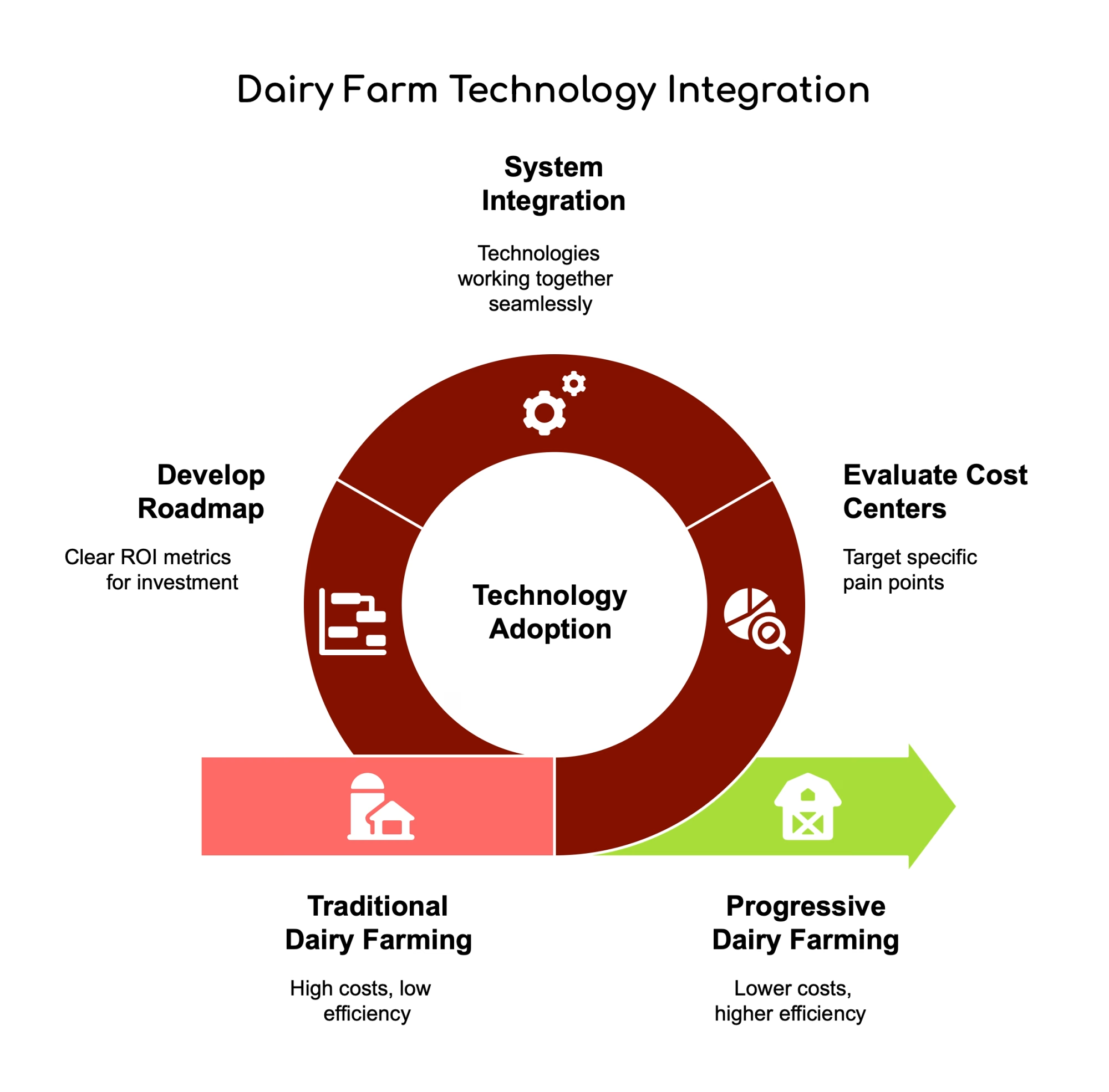
  1. Evaluate your largest cost centers and bottlenecks first, and target technologies that specifically address these pain points
  2. Consider how different technologies work together as a system rather than in isolation
  3. Develop a 3–5-year technology adoption roadmap with clear ROI metrics for each investment

Beyond the Milk Check: Diversification as Strategic Imperative

For decades, dairy farming meant one thing: selling milk. Today, however, most successful operations view themselves as milk producers and diversified agricultural enterprises. This shift from single-commodity focus to multiple revenue streams isn’t just a hedge against price volatility; it’s becoming a cornerstone of modern dairy business models.

The Beef-on-Dairy Phenomenon

Perhaps no diversification strategy has gained more traction than beef-on-dairy (BoD) crossbreeding. According to comprehensive industry surveys, an impressive 72% of U.S. dairy farms now incorporate beef genetics into their breeding programs. This represents a fundamental shift in breeding philosophy, evidenced by semen sales data: 7.9 million units of beef sires were sold for use in dairy cattle in 2023, representing 31% of total dairy semen sales.

Yet I’m still encountering producers who view dairy and beef as separate enterprises, refusing to consider how strategic crossbreeding could transform their bottom line. When was the last time you critically evaluated your breeding program’s economic impact beyond producing replacement heifers?

The economics are compelling. According to market analyses from three major land-grant universities, crossbred calves command premiums of $350-$700 per head compared to straight Holstein bull calves, with 80% of participating farmers receiving such premiums. A 500-cow dairy breeding 200 cows annually to beef sires represents potential additional revenue of $ 70,000- $ 140,000, similar to improving your milk price by $0.70-$1.40 per cwt across your entire production.

The beef-on-dairy trend also benefits from favorable market conditions. U.S. cattle inventory recently hit a 73-year low, supporting strong beef prices. The impact on the beef supply chain is already substantial, with BoD cattle accounting for 7% of total U.S. cattle slaughter in 2022 (approximately 2.6 million head), and projections from the USDA Economic Research Service indicate this share could rise to 15% by 2026.

James Thornton, who operates a 400-cow dairy in Pennsylvania, began breeding the bottom quartile of his herd to Angus sires four years ago. “Initially, we were just looking to get better value for our bull calves,” he explains. “But we’ve since expanded into raising some crossbreds to finishing, and now we’re selling branded beef direct to consumers. What started as a minor sideline now accounts for about 15% of our total farm revenue; it’s like adding a profitable heifer-raising enterprise without the same headaches.”

Creating Value on Your Terms

While selling day-old crossbred calves represents the entry point for many, other producers are moving further up the value chain. Recent industry data shows that while the number of producers raising beef-on-dairy animals to finishing weight has moderated, there has been a notable increase in the sale of branded beef products directly from dairy farms.

This follows broader consumer trends showing increased demand for branded beef, particularly high-quality products with specific breed claims and traceability stories. Sophisticated dairy producers are capitalizing on this trend by developing their own branded products and marketing channels, similar to how some have succeeded with farm-branded artisanal cheese.

Let’s be brutally honest: Clinging to a “we just milk cows” mentality in today’s market environment isn’t loyalty to tradition; it’s a failure of imagination that’s leaving money on the table.

Beyond beef-related ventures, successful diversification strategies include:

  • On-farm processing: Converting raw milk into cheese, yogurt, ice cream, or flavored milk products to capture retail margins exceeding $20 per cwt equivalent.
  • Agritourism: Farm tours, educational workshops, on-farm stores, and event hosting provide additional revenue and valuable community connections, turning your operation’s daily routines into experiences consumers will pay for.
  • Crop and forage sales: Leveraging existing land and equipment to produce feed for sale to other operations, particularly in regions with high land values and favorable growing conditions.
  • Energy production: Methane digesters and solar installations turn waste products and underutilized space into revenue-generating assets, harvesting manure twice: once for energy and again for fertilizer.

The Bullvine Bottom Line for Your Operation:

  1. Conduct a resource inventory and identify underutilized assets (land, livestock, skills) that could generate additional revenue.
  2. Start small with diversification-test, test market demand before major investments
  3. Consider your competitive advantages- what makes your farm uniquely positioned for specific alternative ventures?

Environmental Sustainability: From Regulatory Burden to Competitive Edge

The concept of sustainability in dairy has evolved dramatically. What was once viewed primarily as an ecological obligation or regulatory burden is increasingly recognized as a business imperative with potential economic benefits. Today’s most progressive producers find that sustainable practices can drive efficiency and market advantage.

Adoption Trends and Business Benefits

Recent industry research reveals that 63% of U.S. dairy producers now implement at least one sustainable practice, according to comprehensive national surveys. However, this statistic masks significant variation in depth and breadth of adoption. Leading operations are going beyond piecemeal approaches to implement comprehensive sustainability strategies that deliver multiple business benefits:

  • Water recycling and conservation: On advanced dairy farms, water is recycled up to six times, used for cooling milk in plate coolers, cleaning equipment, flushing barn lanes, and ultimately irrigating crops. According to research from the Innovation Center for U.S. Dairy, this reduces both utility costs and environmental footprint.
  • Manure management and nutrient cycling: Beyond regulatory compliance, sophisticated manure handling systems capture value through biogas production while reducing fertilizer expenses. Studies from the University of Wisconsin Dairy Innovation Hub show some operations report annual savings of $70-100 per cow through optimized nutrient management, turning what was once considered a waste disposal problem into a valuable farm resource.
  • Precision feeding: Advanced ration formulation and TMR management reduce feed waste and minimize excess nutrient excretion. Cornell University research shows this can decrease nitrogen and phosphorus output by 15-20% while improving feed conversion efficiency.

The industry’s collective progress is measurable: producing a gallon of milk in 2023 required 30% less water, 21% less land, and generated a 19% smaller carbon footprint compared to 2007, according to lifecycle assessments published in the Journal of Dairy Science. These efficiency gains represent both environmental progress and economic savings, like how genetic improvements have simultaneously increased production efficiency and reduced resource intensity.

Global Context: The Dutch Experience

In the Netherlands, where environmental regulations are among the strictest in the world, dairy farms have pioneered circular farming practices that integrate crop production, livestock management, and energy generation. Dutch farms utilizing closed-loop nutrient management systems have demonstrated that sustainability can drive profitability, reducing purchased fertilizer inputs by up to 65% while maintaining or increasing forage yields. This model of regenerative dairy farming offers valuable lessons for U.S. producers facing increasing environmental scrutiny.

The Market Incentive

Forward-thinking producers recognize that sustainability credentials are increasingly valuable in the marketplace. Major processors and retailers are establishing sustainability requirements for their supply chains, and some offer premiums for verified sustainable production practices.

The sustainability divide is widening while some producers view environmental initiatives as costly distractions, others use them to secure price premiums and preferential market access. Which side of this divide will your operation be on five years from now?

“We initially implemented our methane digester because of regulatory pressure,” admits David Keller, who operates an 850-cow dairy in New York. “But we’ve since discovered it’s also a marketing advantage. Our processor’s sustainability program pays a $0.15 per hundredweight premium for farms that meet certain environmental metrics. That’s adding about $45,000 annually to our bottom line, similar to boosting components across the herd.”

Despite these opportunities, a significant awareness gap persists. Many producers implement sustainable practices without connecting them to broader industry programs or failing to document and communicate their efforts for potential market benefit. This disconnect is particularly pronounced among smaller operations and those outside the Western U.S., where sustainability programs have gained stronger traction.

The Bullvine Bottom Line for Your Operation:

  1. Identify which sustainability practices you’re already implementing but not getting market credit for
  2. Research processor sustainability programs that offer premiums or preferential contracts
  3. Start measuring and documenting your operation’s environmental impact; you can’t improve or market what you don’t measure

The Human Element: Solving Dairy’s Most Critical Challenges

With all the advancements in technology and business models, the future of dairy ultimately depends on the people who manage the operations and those who will lead them tomorrow. Two interrelated human capital challenges threaten the industry’s continued evolution: workforce shortages and succession planning gaps.

The Workforce Dilemma

The dairy labor landscape has transformed dramatically. Many operations now rely on non-family employees for at least half their workforce, with immigrant labor particularly vital. A comprehensive national survey found that immigrant workers account for 51% of all dairy labor nationally and produce 79% of America’s milk supply. In Western and Southwestern regions, this dependency approaches 80% according to analyses from the National Milk Producers Federation.

Let’s confront an uncomfortable truth: our industry has become utterly dependent on a workforce that lacks secure legal status or reliable pathways to obtain it. We can’t claim to be strategic business operators while ignoring this existential threat to our labor supply.

Despite this reliance, hiring and retention remain persistent challenges. The physically demanding nature of dairy work, often involving early hours and weekend shifts, makes attracting domestic workers difficult even at competitive wages. Meanwhile, immigration policies add another layer of complexity, as the H-2A agricultural guest worker program is poorly suited for year-round dairy labor needs, unlike seasonal harvests.

Economic modeling published in the Journal of Agricultural Economics demonstrates the potential severity of labor disruptions: a 50% reduction in immigrant dairy labor could result in a $16 billion hit to the U.S. economy. In comparison, complete elimination could increase retail milk prices by as much as 90%.

Innovative producers are responding with multi-faceted solutions:

  • Strategic automation: Beyond labor savings, technology investments are reshaping the nature of dairy work. “Our robotic milking system didn’t eliminate jobs-it transformed them,” explains Miguel Rodriguez, herd manager at a 600-cow operation in Idaho. “We now need fewer people in the parlor but more skilled technicians and cow managers. The jobs are less physically demanding and more intellectually engaging, more like herdsmen than milkers.”
  • Enhanced compensation strategies: Leading operations are moving beyond competitive wages to comprehensive packages including quality housing, flexible scheduling where operationally feasible, and performance-based incentives tied to milk quality or reproductive efficiency, similar to how premium genetics command higher prices.
  • Professional development pathways: Structured training programs and clear advancement opportunities improve retention by showing employees they have a future in the operation. “When we implemented our three-tier advancement program, turnover dropped by 40%,” notes Amanda Chen, HR director for a multi-site dairy enterprise. “People want to know there’s a path from milker to herdsman to manager, just like we develop heifers into productive cows.”

The Succession Imperative: A Step-by-Step Framework

Parallel to workforce challenges is the critical need for effective succession planning. Industry data from multiple national surveys indicates that approximately 25% of current dairy operators plan to retire within the next five years, yet nearly half lack a formal succession plan or are uncertain about their transition strategy.

The numbers are stark: less than one-third of family agricultural businesses survive the transition from first to second generation, and only about 16.5% make it to the third generation. Are we honestly prepared to confront that most dairy farms are one generation away from extinction?

Financial and family dynamics often complicate transitions. Modern dairy operations represent substantial capital investments- land, facilities, equipment, and livestock can easily total millions of dollars. Navigating fair distribution among multiple heirs while maintaining operational viability requires sophisticated planning and open communication.

“My parents avoided the succession conversation for years,” recounts Thomas Weber, a 32-year-old who recently took over management of his family’s 280-cow dairy. “When we finally engaged a transition specialist, we discovered the process would take far longer than anyone expected. Start five years before you think you need to, then double that timeline, much like how you’d begin breeding and raising replacements long before your herd needs them.”

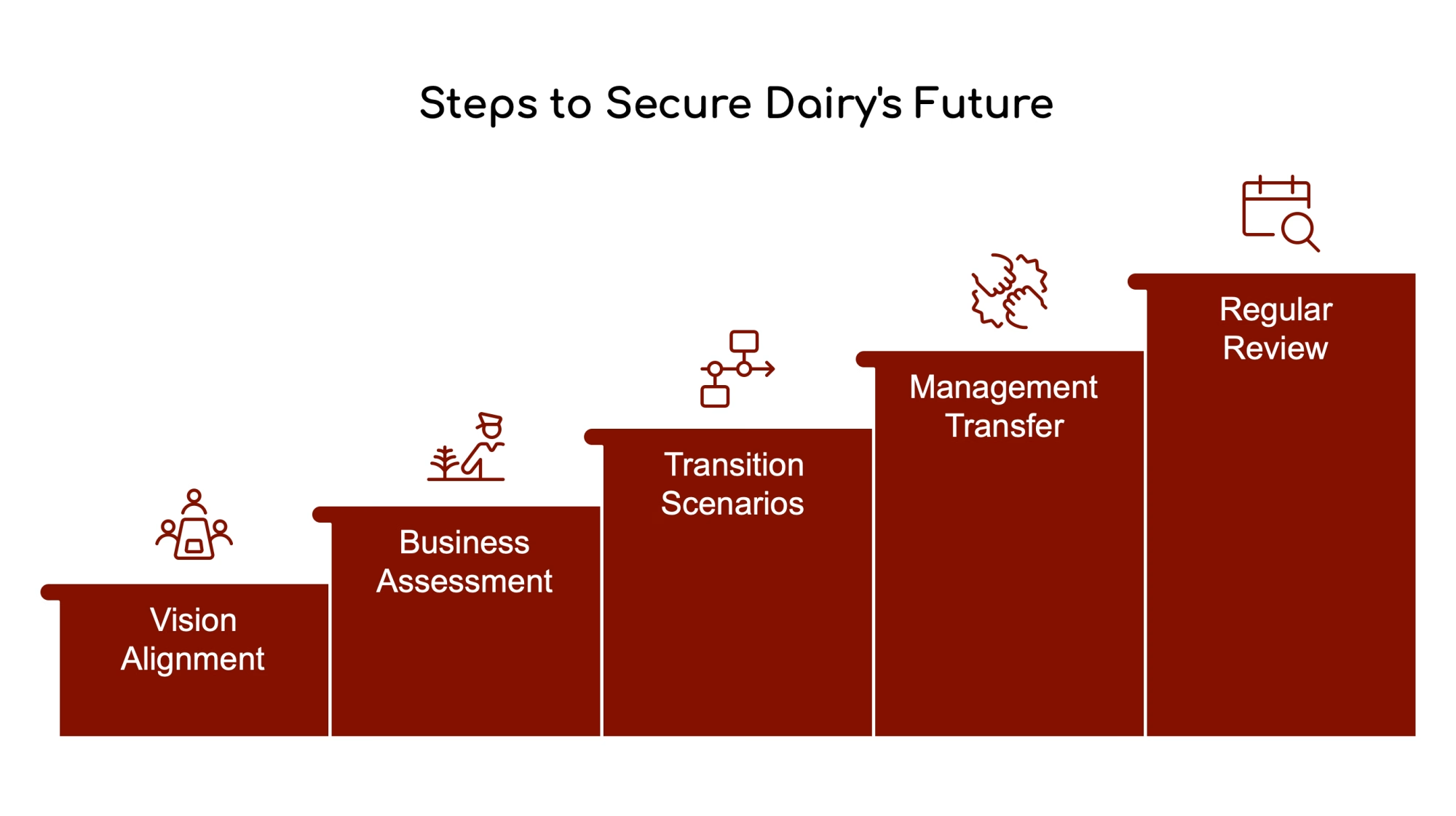
Initial Framework for Kickstarting Your Succession Plan

  1. Start with vision alignment meetings: Before discussing financial or legal details, gather all potential stakeholders (on-farm and off-farm family members) to discuss values, goals, and aspirations. Use a neutral facilitator to ensure all voices are heard.
  2. Conduct comprehensive business assessment: Work with agricultural financial specialists to determine true farm value, operational efficiency, and viability. This provides the factual foundation for all future decisions.
  3. Develop multiple transition scenarios: Develop 2-3 potential transition models with your advisors rather than assuming a single pathway. These might include gradual transfer of management/ownership, partnership structures, or innovative approaches like equity partnerships with non-family members.
  4. Create a management transfer timeline: Successful transitions typically separate management transfer from ownership transfer, with the next generation assuming increasing management responsibilities before financial ownership changes hands.
  5. Establish regular review and adaptation processes: Once initiated, commit to reviewing the succession plan quarterly during the transition period and annually thereafter, adapting to changing circumstances, tax laws, and family dynamics.

Despite these challenges, there are encouraging signs. A new generation of dairy leaders is emerging, characterized by technological savvy, business sophistication, and environmental awareness. Various programs, including university extensions, dairy producer organizations, and private foundations, offer these aspiring dairy professionals educational resources and financial support.

The Bullvine Bottom Line for Your Operation:

  1. Schedule your first succession planning meeting within the next 30 days, even if just to establish timeline goals
  2. Build your advisory team, identify legal, financial, and farm transition specialists with specific dairy experience
  3. Conduct an honest assessment of your operation’s transferability, and what changes would make it more attractive to the next generation?

The Next Frontier: Integrating Innovation Across Your Operation

The most successful dairy operations recognize that individual technological advancements, diversification, sustainability, and workforce management don’t exist in isolation. The true pioneers are creating integrated systems where these elements work synergistically, amplifying benefits and creating resilient business models that can withstand market volatility.

The Systems-Thinking Advantage

Ryan Kimball, whose family operates a 750-cow dairy in Wisconsin, describes their approach: “We stopped thinking about ‘projects’ and started thinking about systems. Our robotic milkers weren’t just a labor solution; they generated data that improved our nutrition program, reducing feed costs while enhancing cow health and reducing veterinary expenses. Everything connects, much like how a well-balanced ration addresses multiple nutritional needs simultaneously.”

This systems thinking extends to business models as well. Operations that successfully integrate milk production, value-added processing, and direct marketing create multiple revenue streams while building a buffer against price fluctuations at any point in the value chain, similar to how genetic diversity in a herd protects changing market demands.

Is your operation still addressing challenges in silos, or have you begun to recognize the interconnected nature of modern dairy management?

Consider how these elements might work together in your operation:

  • Technology investments that simultaneously address labor challenges, improve animal welfare, and enhance sustainability metrics, like how automated calf feeders improve growth rates while reducing labor and enabling precise nutrition
  • Diversification strategies that utilize existing assets and capabilities while creating new market opportunities, similar to how crossbreeding leverages your dairy herd for beef production
  • Sustainability initiatives that reduce costs while positioning products for premium markets, such as precision manure application that saves on fertilizer while improving environmental credentials
  • Workforce development approaches that combine competitive wages with meaningful work and growth opportunities, creating career paths, not just jobs

Case Study: The Integrated Operation

The Sanchez family dairy in California exemplifies this integrated approach. Their 900-cow operation combines robotic milking technology, intelligent feeding systems, and advanced health monitoring. They’ve installed solar arrays that supply 80% of their electricity needs and implemented water recycling that reduces consumption by 40%.

On the diversification front, they breed 35% of their herd to beef sires, raising some animals to finishing weight while marketing others through regional beef brands. They’ve also developed a small on-farm creamery producing specialty cheeses sold through local retailers and direct-to-consumer channels.

“Each piece reinforces the others,” explains Maria Sanchez. “Our sustainability practices reduced costs while creating a marketing advantage for our specialty products. Our technology investments addressed labor challenges while improving animal welfare, which became part of our brand story. It’s all interconnected how cow comfort simultaneously impacts production, reproduction, and longevity.”

The Bottom Line: Your Blueprint for Future Success

The dairy industry is experiencing evolution and revolution in technology, business models, sustainability practices, and human capital approaches. While challenges abound, so do unprecedented opportunities for operations willing to break from convention and embrace strategic change.

As you consider your operation’s future, focus on these key principles:

  1. Think systems, not silos: Look for synergies across different aspects of your business, from production practices to marketing approaches-just as you’d view herd health as an integrated system rather than isolated treatments.
  2. Invest strategically in technology: Prioritize investments that address your specific pain points and offer multiple benefits across the operation, similar to focusing breeding decisions on your herd’s limiting factors.
  3. Diversify thoughtfully: Explore alternative revenue streams that leverage existing assets and capabilities while creating resilience against market volatility, creating enterprise diversity just as you’d diversify your genetic program.
  4. Embrace sustainability as an opportunity: Move beyond compliance to view environmental stewardship as a potential source of competitive advantage, turning potential regulatory burdens into marketable attributes.
  5. Prioritize people: Develop comprehensive workforce development and succession planning strategies to ensure long-term continuity, investing in human capital with the same diligence you apply to herd improvement.

Challenge yourself today: What conventional practice on your farm most deserves critical reevaluation? Whether it’s your breeding program, labor management, or business model, commit to an honest assessment of one area where innovation could transform your operation’s trajectory.

The dairy producers who will thrive in this new landscape combine operational excellence with strategic vision, maintaining the best traditions of animal husbandry and land stewardship while embracing innovations that enhance efficiency, sustainability, and profitability.

The industry’s transformation presents challenges, but for those willing to adapt and innovate, it also offers a pathway to renewed prosperity and purpose. Like the cow that peaks early in lactation with proper transition management, those who invest in preparation and adaptation now will enjoy stronger performance in the years ahead. The future of dairy belongs to the bold.

What’s one bold change you’ve implemented in your operation that’s paying dividends? Share your experience in the comments below; your innovation could be exactly what another producer needs to hear right now.

Key Takeaways:

  • Tech is non-negotiable: Two-thirds of dairies use advanced feeding systems, with robotic milkers cutting labor costs by 29% while boosting yields.
  • Diversification dominates: 80% of operations now earn beyond milk sales, led by beef-on-dairy crossbreeding ($350–$700 premiums per calf).
  • Sustainability pays: Farms using precision nutrient management cut nitrogen waste by 15–20% and tap into $0.15/cwt processor premiums.
  • Labor & succession crises: 50%+ of workforces rely on non-family labor, while 46% lack succession plans despite 25% retirements looming.
  • Growth mindset wins: 44% of producers plan to expand, blending tradition with tech to future-proof their operations.

Executive Summary:

The U.S. dairy industry is undergoing rapid transformation, driven by technological adoption (robotic milking, AI health monitoring), revenue diversification (72% use beef-on-dairy crossbreeding), and sustainability initiatives (63% of farms implement eco-practices). Despite labor shortages and a looming retirement wave (25% of operators plan to exit in 5 years), younger innovators are leveraging data-driven strategies and alternative revenue streams to boost resilience. While consolidation continues, proactive operators are redefining success through efficiency gains, branded products, and holistic integration of systems-proving adaptability is key to thriving in dairy’s new era.

Learn more:

Join the Revolution!

Join over 30,000 successful dairy professionals who rely on Bullvine Weekly for their competitive edge. Delivered directly to your inbox each week, our exclusive industry insights help you make smarter decisions while saving precious hours every week. Never miss critical updates on milk production trends, breakthrough technologies, and profit-boosting strategies that top producers are already implementing. Subscribe now to transform your dairy operation’s efficiency and profitability—your future success is just one click away.

NewsSubscribe
First
Last
Consent

Beef-Dairy Crossbreds: The Feed Efficiency Revolution Rewriting Dairy Costs

Dairy farms slash $457/head costs via beef-cross breeding: 20% faster growth, 37% methane cuts, and $900+/calf premiums. The feed revolution is here.

EXECUTIVE SUMMARY: Dairy producers are leveraging beef-on-dairy crossbreeding to combat soaring feed costs, with crossbred calves finishing 20% faster than pure Holsteins and delivering $457/head in feed savings. Backed by Texas Tech research and global precedents like the Netherlands’ methane-efficient programs, this strategy boosts sustainability through reduced emissions and unlocks premium pricing via quality carcasses. However, risks like extended Wagyu-cross gestations and genetic diversity loss require balanced breeding via the 60/30/10 rule. With 7.9 million beef semen units sold to dairies in 2024, the approach is reshaping profitability while aligning with climate-smart incentives.

KEY TAKEAWAYS:

  • Feed efficiency pays: Crossbreds cut feed costs by $457/head with 7:1 conversion ratios vs. Holsteins’ 8:1.
  • Global proof: Dutch operations achieve 19.8% lower feed costs; NZ crosses hit 57.8% dressing percentages.
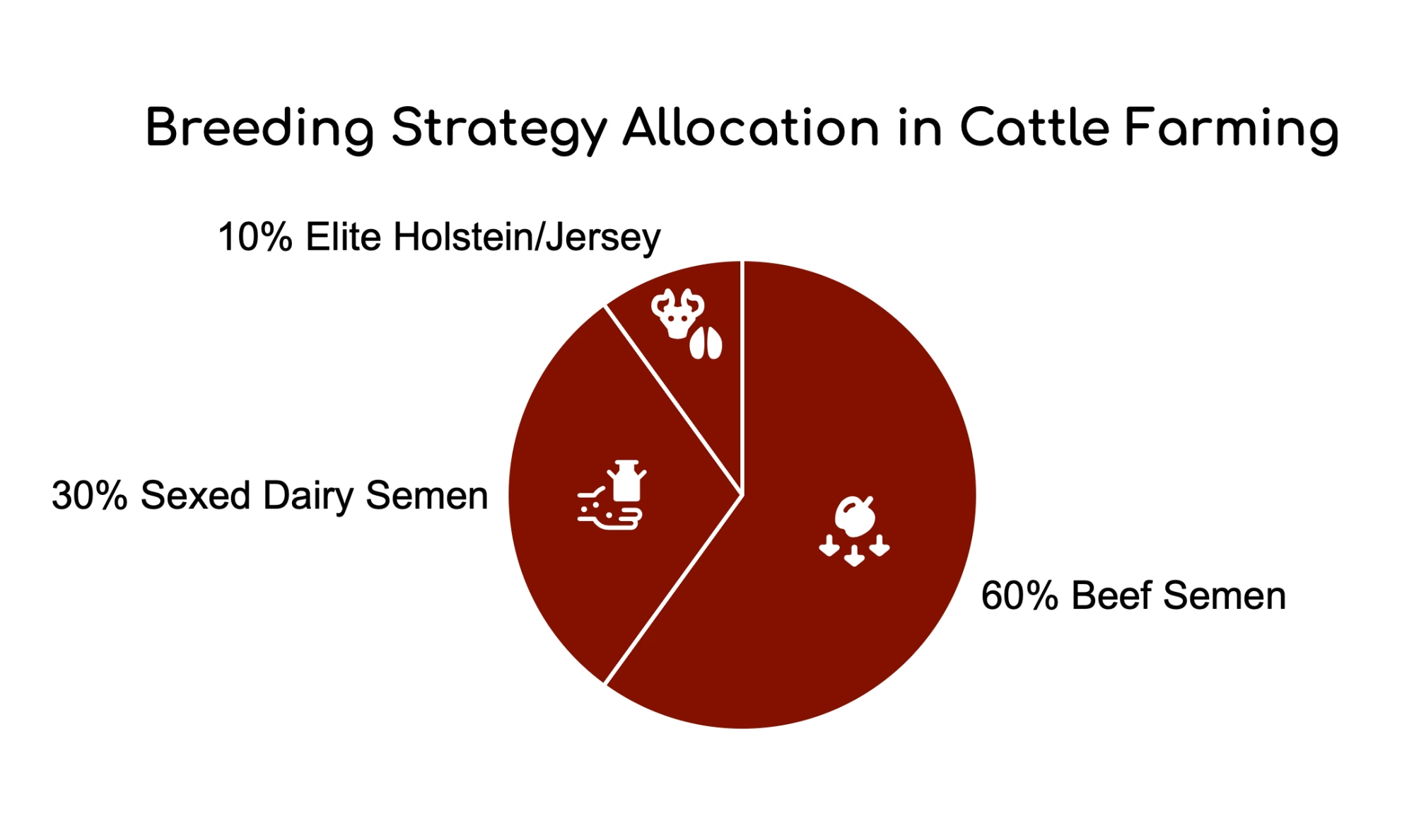
  • Strategic balance: The 60/30/10 rule (60% beef semen, 30% sexed dairy, 10% elite dams) safeguards herd genetics.
  • Sustainability premium: $20/head carbon credits and Prime-grade beef growth (9.6% of production) boost ROI.
  • Mitigate risks: Manage gestational trade-offs and genetic diversity through targeted Limousin/Angus pairings.

The dairy industry’s shift toward beef-on-dairy crossbreeding has unlocked unprecedented feed efficiency gains, slashing costs and reshaping profitability. With 7.9 million beef semen units sold to dairies in 2024 – nearly tripling since 2017 – this strategy is proving a game-changer for producers navigating volatile feed markets. Let’s dissect the verified science driving this transformation.

FEED EFFICIENCY: THE $457/HEAD ADVANTAGE

Beef-on-dairy crossbreds outperform pure Holsteins across key metrics, delivering measurable savings for dairy farms. The numbers tell a compelling story: while Holstein steers typically require 407 days to reach slaughter weight, their beef-cross counterparts finish in just 326 days – a 20% faster timeline, dramatically reducing feed inputs. This accelerated growth translates to improved feed conversion ratios of 7:1 compared to the Holstein standard of 8:1, representing a 12.5% efficiency gain that compounds throughout the feeding period.

The financial impact is substantial. With crossbreds consuming 3,807 fewer pounds of feed per animal, operations save approximately $457 per head at current feed prices of $0.12 per pound. Texas Tech research confirms these advantages, documenting average daily gains of 1.82 kg for crossbreds versus 1.50 kg for Holsteins – a 21% improvement that creates cascading benefits throughout the production cycle.

This efficiency revolution isn’t limited to American operations. The Netherlands’ “Double Dairy Beef” programs demonstrate real-world success, with 38% of dairy births now using beef genetics, focusing mainly on methane-efficient Limousin crosses. Dutch producers report 19.8% lower feed costs per kilogram of beef produced than pure Holstein steers. Similarly, New Zealand’s pasture-based systems achieve 57.8% dressing percentages from Piedmontese x Friesian calves, outperforming native beef breeds by 3.8 percentage points.

COST IMPACT: BEYOND THE FEED BUNK

The economic advantages extend well beyond direct feed savings. Dairy producers implementing crossbreeding strategies report significant labor and overhead reductions. Due to their hardier constitutions, crossbred animals require 5.3 fewer hours per head in health management. This translates to approximately 14% lower veterinary costs from reduced stress-related issues typically plaguing purebred dairy steers.

Sustainability premiums represent another growing revenue stream. Cargill’s RegenConnect program offers $20 per head in carbon credits for qualifying crossbred operations, while research documents a 37% methane reduction per pound of gain compared to pure dairy systems. These environmental benefits create marketable advantages as consumers and retailers increasingly prioritize climate-friendly production methods.

Carcass quality improvements further enhance the value proposition. Beef-dairy crosses demonstrate 24-hour more extended color stability in retail cases, improving shelf life and reducing waste throughout the supply chain. This quality advantage has contributed to the remarkable growth in Prime-grade carcasses, which now constitute 9.6% of U.S. beef production – more than double the 4.4% seen in 2014.

THE COUNTERARGUMENT: FEED EFFICIENCY TRADE-OFFS

Despite these advantages, it’s essential to acknowledge that crossbreds aren’t universally superior to straightbred beef genetics. Purebred beef cattle still demonstrate marginally better feed efficiency metrics when adjusted for mature size. They also produce more consistent carcasses with predictable frame sizes, which can simplify processing and marketing.

Texas Tech research reveals an interesting fact: straight-bred beef calves from dairy dams via IVF technology outperform crossbreds in feed efficiency when adjusted for mature size. This suggests that as reproductive technologies advance, the advantages of crossbreeding may evolve. However, the current economic reality still strongly favors the crossbred approach for most commercial dairy operations seeking to maximize returns on non-replacement animals.

The days-on-feed advantage remains firmly with crossbreds, which typically finish 20% faster than their straightbred counterparts. This accelerated timeline creates operational flexibility and reduces exposure to feed price volatility – critical considerations in today’s uncertain agricultural markets.

BREEDING STRATEGY: THE 60/30/10 RULE

Strategic sire selection maximizes efficiency gains while maintaining herd integrity. Industry leaders recommend allocating 60% of breeding decisions to beef semen, prioritizing Continental breeds like Limousin and Charolais for feed efficiency and red meat yield while incorporating Angus genetics to enhance marbling potential. This approach has demonstrated a 12% higher likelihood of achieving Prime grade at slaughter.

The remaining breeding decisions should be carefully balanced, with 30% dedicated to sexed dairy semen used exclusively on the top genetic merit cows to maintain replacement heifer supplies. Genomic testing helps identify marbling gene carriers and other desirable traits complementing the crossbreeding program. The final 10% should preserve elite Holstein or Jersey cows with superior fertility and milk solids production to safeguard the herd’s genetic foundation.

This balanced approach prevents the common pitfall of over-aggressive crossbreeding, which can lead to replacement heifer shortages and force operations to purchase $3,000+ replacements on the open market. Producers create a self-sustaining system that captures crossbreeding benefits without compromising long-term herd development by maintaining sufficient purebred dairy genetics.

THE SUSTAINABILITY DIVIDEND

Crossbreds deliver substantial environmental benefits that increasingly translate to market premiums. The reduced greenhouse gas emissions from shorter feeding periods represent a quantifiable climate advantage, while lower water usage per pound of beef produced enhances the resource efficiency narrative. These environmental credentials are increasingly valuable as consumers and retailers prioritize sustainability metrics.

The economic upside is equally compelling. Midwest feedlots now pay $900+ premiums for Angus x Holstein calves with ribeye measurements exceeding 14.5 square inches. These premiums reflect the superior performance and carcass characteristics these animals deliver. Additionally, USDA Climate-Smart Commodity grants are increasingly available to operations demonstrating methane-efficient production methods.

The social dimension completes the triple-bottom-line advantage. Dairy’s robust recordkeeping systems provide unparalleled traceability throughout the production chain, addressing growing consumer demands for transparency. The high-touch calf management typical in dairy operations also aligns with welfare expectations, creating a compelling narrative for retailers and consumers.

CRITICAL RISKS TO MITIGATE

Despite the compelling advantages, several risks require careful management. Gestational trade-offs can impact operational efficiency, particularly with certain breeds. While delivering exceptional marbling, Wagyu crosses typically extend pregnancies by 8 days, increasing dam feed costs by $18-22 per gestation. Similarly, premium Continental breed semen costs $12-18 more per straw than conventional options, requiring careful cost-benefit analysis.

Genetic diversity represents another consideration. Over-emphasizing feed efficiency metrics may inadvertently reduce fertility resilience and other valuable traits. This is particularly evident in Jersey-dam crossbreds, which face approximately 14% carcass discounts at slaughter due to their smaller frames and lighter finished weights.

Market consistency challenges also exist. The variable size distribution between crossbreds can complicate feedlot pen uniformity, potentially reducing overall system efficiency. The current market dominance of Holstein x Angus calves limits breed diversity, potentially constraining genetic progress and creating vulnerability to disease or market shifts.

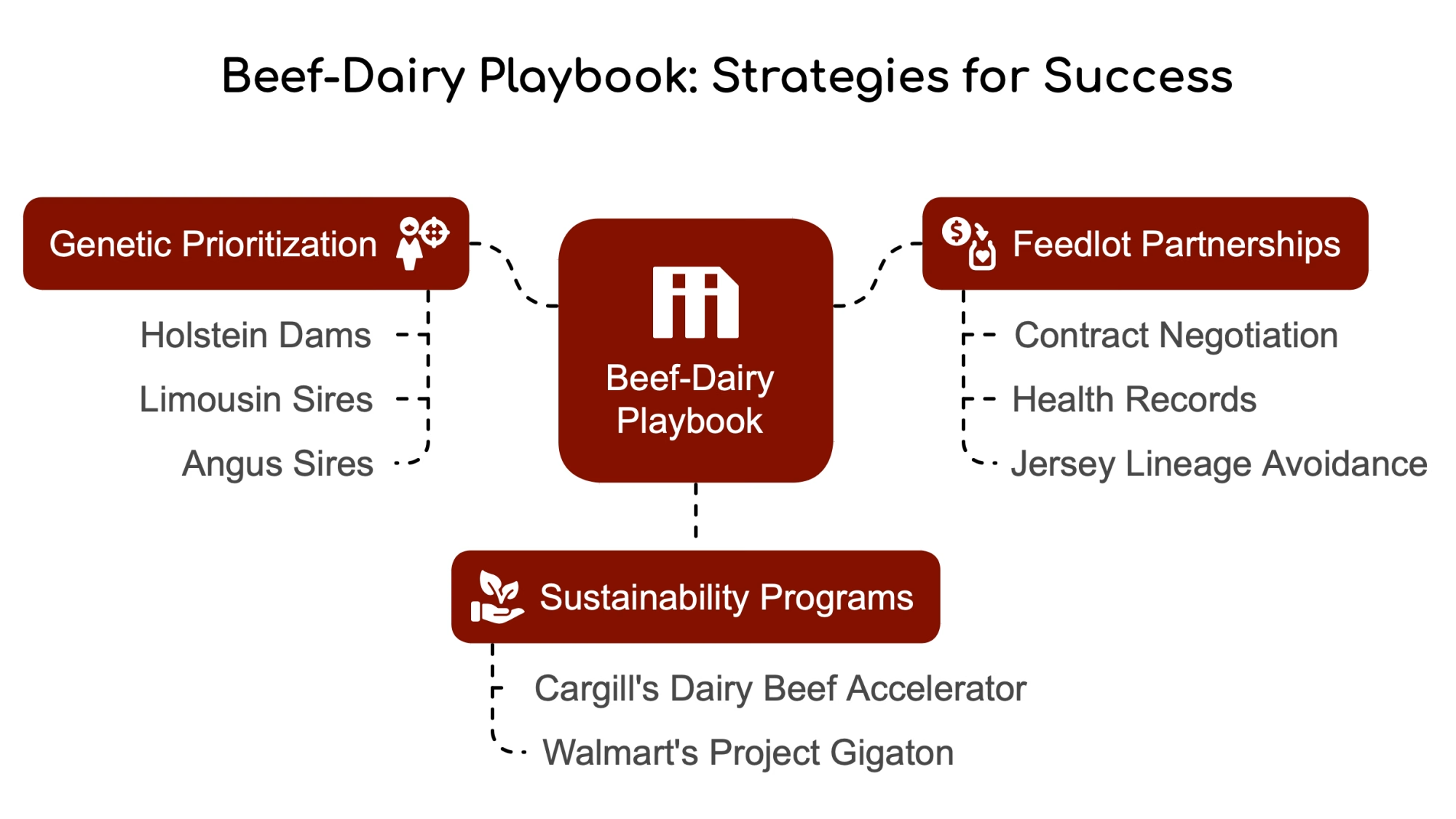
THE BEEF-DAIRY PLAYBOOK

Successful implementation requires a comprehensive approach. Depending on market signals and operation goals, genetic prioritization should focus on Holstein dams with marbling EPDs exceeding +1.0, paired strategically with Limousin sires for yield or Angus for marbling. This targeted approach maximizes the value of each breeding decision.

Feedlot partnerships represent a critical success factor. Forward-thinking dairy operations negotiate $900+ contracts for their crossbred calves by guaranteeing minimum birth weights of 84 pounds, providing complete health records, and avoiding Jersey lineage that might compromise carcass value. These partnerships create predictable revenue streams and reduce market volatility.

Enrollment in sustainability programs completes the strategy. Cargill’s Dairy Beef Accelerator offers premium pricing for operations meeting specific quality and environmental metrics, while Walmart’s Project Gigaton provides carbon credit opportunities for documented methane reductions. These programs transform environmental performance into tangible financial returns.

CONCLUSION: FEED EFFICIENCY MEETS FARMER REALITY

Beef-on-dairy crossbreeding isn’t a trend – it’s necessary for dairy farms facing $8+ per bushel corn and volatile milk markets. The economic case is compelling, with verified savings exceeding $500,000 annually for 1,000-cow operations and growing sustainability premiums. As Texas Tech’s Dr. Dale Woerner notes: “This isn’t better nutrition – it’s metabolic reengineering.”

The path forward requires thoughtful implementation. Producers should consult nutritionists to model breed-specific feed plans that maximize efficiency advantages. Regular audits of replacement need to prevent costly heifer shortages, while proactive engagement with feedlot partners secures premium pricing for crossbred calves. Dairy operations can transform feed efficiency into sustained profitability by balancing these considerations.

The feed efficiency revolution represents a rare win-win in modern agriculture – better environmental outcomes, improved animal performance, and enhanced farm profitability. Strategic crossbreeding offers a proven path to resilience and growth for dairy producers navigating challenging economic conditions.


Download “The Ultimate Dairy Breeders Guide to Beef on Dairy Integration” Now!

Are you eager to discover the benefits of integrating beef genetics into your dairy herd? “The Ultimate Dairy Breeders Guide to Beef on Dairy Integration” is your key to enhancing productivity and profitability.  This guide is explicitly designed for progressive dairy breeders, from choosing the best beef breeds for dairy integration to advanced genetic selection tips. Get practical management practices to elevate your breeding program.  Understand the use of proven beef sires, from selection to offspring performance. Gain actionable insights through expert advice and real-world case studies. Learn about marketing, financial planning, and market assessment to maximize profitability.  Dive into the world of beef-on-dairy integration. Leverage the latest genetic tools and technologies to enhance your livestock quality. By the end of this guide, you’ll make informed decisions, boost farm efficiency, and effectively diversify your business.  Embark on this journey with us and unlock the full potential of your dairy herd with beef-on-dairy integration. Get Started!

Learn more:

Join the Revolution!

Join over 30,000 successful dairy professionals who rely on Bullvine Daily for their competitive edge. Delivered directly to your inbox each week, our exclusive industry insights help you make smarter decisions while saving precious hours every week. Never miss critical updates on milk production trends, breakthrough technologies, and profit-boosting strategies that top producers are already implementing. Subscribe now to transform your dairy operation’s efficiency and profitability—your future success is just one click away.

NewsSubscribe
First
Last
Consent

BEEF-ON-DAIRY REVOLUTION: Former Dairy Farmers Finding Gold in the Beef Market Corporate Giants Overlooked

While mega-dairies grabbed headlines, small farmers quietly hijacked beef genetics – creating a stealth revolution corporate giants never saw coming.

The dairy establishment missed it completely. While industry leaders were busy building mega-dairies and multinational processing plants, America’s dairy farmers quietly changed the genetic foundation of their industry. In just five years, beef-on-dairy has exploded to 7.9 million semen units annually – now breathing down the neck of gender-selected dairy semen as the dominant breeding choice in U.S. dairy herds. This isn’t just a breeding trend; it’s an agricultural insurgency creating an unexpected lifeline for the family farms that industry consolidation was supposed to eliminate.

BREEDING BOMBSHELL: 7.9 Million Reasons Small Farmers Are Winning

The scale of this transformation is undeniable. According to the National Association of Animal Breeders (NAAB), domestic beef semen sales hit a new high of 9.4 million in 2023, marking the sixth year of record sales. Of those, 7.9 million units were used in dairy herds – up nearly 1 million from the previous year.

“In just five years, beef-on-dairy has exploded from a niche practice to 7.9 million semen units annually – representing a fundamental shift in how America’s dairy farmers approach breeding decisions.”

This represents a complete reshaping of dairy breeding practices.

Semen Category2023 Units (millions)Market PositionTrend
Gender-Selected Dairy8.4#1 PositionStable leader
Beef-on-Dairy7.9#2 Position↑ 1 million units from previous year
Conventional Dairy7.0#3 PositionDeclining
Heterospermic Beef*1.8 (1.3 domestic)#2 Among beef breedsEmerging category

*Second largest ‘breed’ of beef semen sold, following only Angus

Gender-selected dairy semen now leads with 8.4 million units, followed closely by beef-on-dairy at 7.9 million units, with conventional dairy semen falling to third place at 7 million units. Less than a decade ago, in 2015, the all-time high for beef semen sales was just 2.5 million units.

Perhaps most telling is the emergence of heterospermic beef products – a mixture of multiple sires in a single straw – which has become the second largest “breed” of beef semen sold at 1.8 million units (with 1.3 million domestic sales), trailing only Angus. This innovative approach allows producers to maximize genetic diversity while maintaining the beef-on-dairy advantage.

FROM PARLOR TO PROFIT: The Edenfield Family’s Successful Transition

Logan Edenfield knows firsthand the challenges and opportunities of transitioning from dairy to beef. He grew up on a 50-cow dairy operation in Ohio that successfully made the switch to beef production. Edenfield now shares his expertise with Equity Livestock in Stratford.

“Farmers exiting dairy and going into beef must change their thinking,” Edenfield explains. His family’s approach focused on strategic breeding decisions that maximized calf value while creating a clear timeline for the transition. “Those still milking cows and looking to retire should breed everything to an Angus bull, which will result in black-hided calves that tend to be worth the most,” he advises. “Then, you automatically have put a date on when you won’t have replacement heifers. It gives you a deadline and, in the meantime, gets you more value out of the calves you are selling.”

The Edenfield family discovered that timing is everything. “Sell those calves at 3 to 5 days of age to reap the most benefit,” Logan recommends based on his family’s experience. This approach minimizes input costs while capitalizing on the significant price premium for beef-cross calves. While conventional Holstein bull calves might bring just $60 at the market, black beef-cross calves from Holstein dams can command $100 to $300 – a value proposition transforming his family’s operation during the transition period.

SMALL FARM REVENGE: Outflanking Corporate Giants With Crossbred Efficiency

The performance metrics of beef-on-dairy crosses create the perfect foundation for former dairy farmers to establish profitable, small-scale finishing operations. Texas Tech University research confirms that the average daily gain and feed-to-gain ratio of crossbreds is significantly better than that of Holsteins and is similar to that of conventional beef cattle.

For small-scale producers, these efficiency gains translate directly to profitability. Crossbred finishing times are about 20% faster than Holsteins, which means these animals produce the same beef in a shorter timeframe and on less total feed. This efficiency creates the perfect scenario for former dairy farmers with limited facilities and labor.

“Crossbred finishing times that are about 20% faster than Holsteins create the perfect scenario for former dairy farmers with limited facilities and labor – delivering the same beef in less time with lower input costs.”

What makes these crossbreds particularly suited for minor operations is their temperament. Having been bottle-raised in the dairy system, beef-on-dairy calves are typically docile and easy to handle – eliminating the need for extensive handling facilities or specialized equipment. For retired farmers or those balancing off-farm employment with farming, this management reality is dramatically different from conventional beef production.

ECONOMIC REALITY CHECK: The Numbers Behind The Transition

Understanding the financial implications is essential for dairy farmers considering a transition to beef production. A comparative analysis of continuing dairy production versus transitioning to beef-on-dairy reveals compelling differences:

FactorStaying in DairyTransitioning to Beef-on-Dairy
Initial InvestmentOngoing facility upgrades ($500-1,500 per stall)Minimal conversion costs ($100-300 per head capacity)
Labor Requirements40-60 hours/week (50-cow herd)10-15 hours/week (same facilities)
Return TimelineImmediate but thin margins12-18 months to first finished cattle
Profit Margin Potential$1.50-$2.50/cwt milk$300-$600/head (direct marketed)

According to farm financial consultants at Cornell PRO-DAIRY program, transitioning dairy facilities to beef production typically requires minimal investment when existing infrastructure is utilized. Their analysis suggests that the decreased labor requirements alone can make the transition attractive for farmers nearing retirement or seeking off-farm employment.

The University of Wisconsin Center for Dairy Profitability notes that while dairy provides immediate cash flow, beef production offers significantly reduced stress levels and labor flexibility that many former dairy farmers find equally valuable. Their research indicates that the lower input costs and facilities investment required for beef production can deliver higher returns on assets, particularly for small-scale operations that develop direct marketing channels.

EXTENSION EXPERTISE: What The Specialists Are Saying

The growing interest in beef-on-dairy has caught the attention of agricultural extension services. Ryan Sterry, UW-Extension agriculture agent for St. Croix County, has observed the trend firsthand. “It’s getting to be a more popular topic for us,” Sterry notes, pointing to increasing attendance at workshops titled “So You Want to Raise Beef?” in dairy-heavy regions.

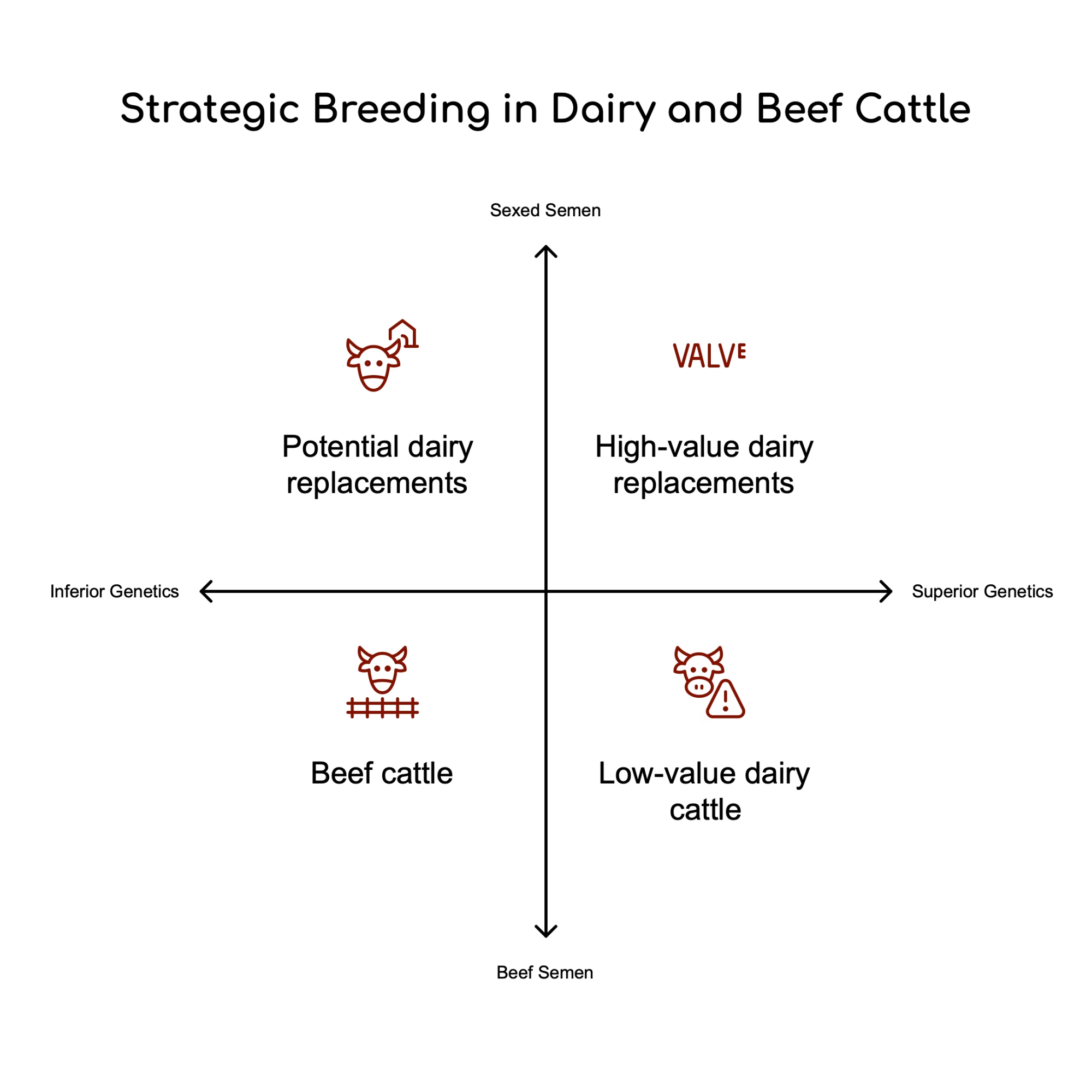
Scott Ellevold of NorthStar Select Sires, who also raises beef cattle north of New Richmond, has witnessed this shift from the genetic supplier side. “Not only are more people breeding their whole herd over to beef as they exit dairy altogether, but many dairy farmers are breeding their best cows with sexed semen to increase their odds of getting heifer calves that will grow into replacement animals and their lower-end cows to beef bulls,” Ellevold explains.

This strategic approach – using genomic testing to identify superior heifers for dairy replacements while applying beef semen to genetically inferior animals – maximizes the value of each pregnancy. It contradicts traditional advice but accelerates genetic progress by ensuring only top genomic animals produce dairy replacements.

PROFIT PIPELINE: How Small Producers Cut Out Middlemen

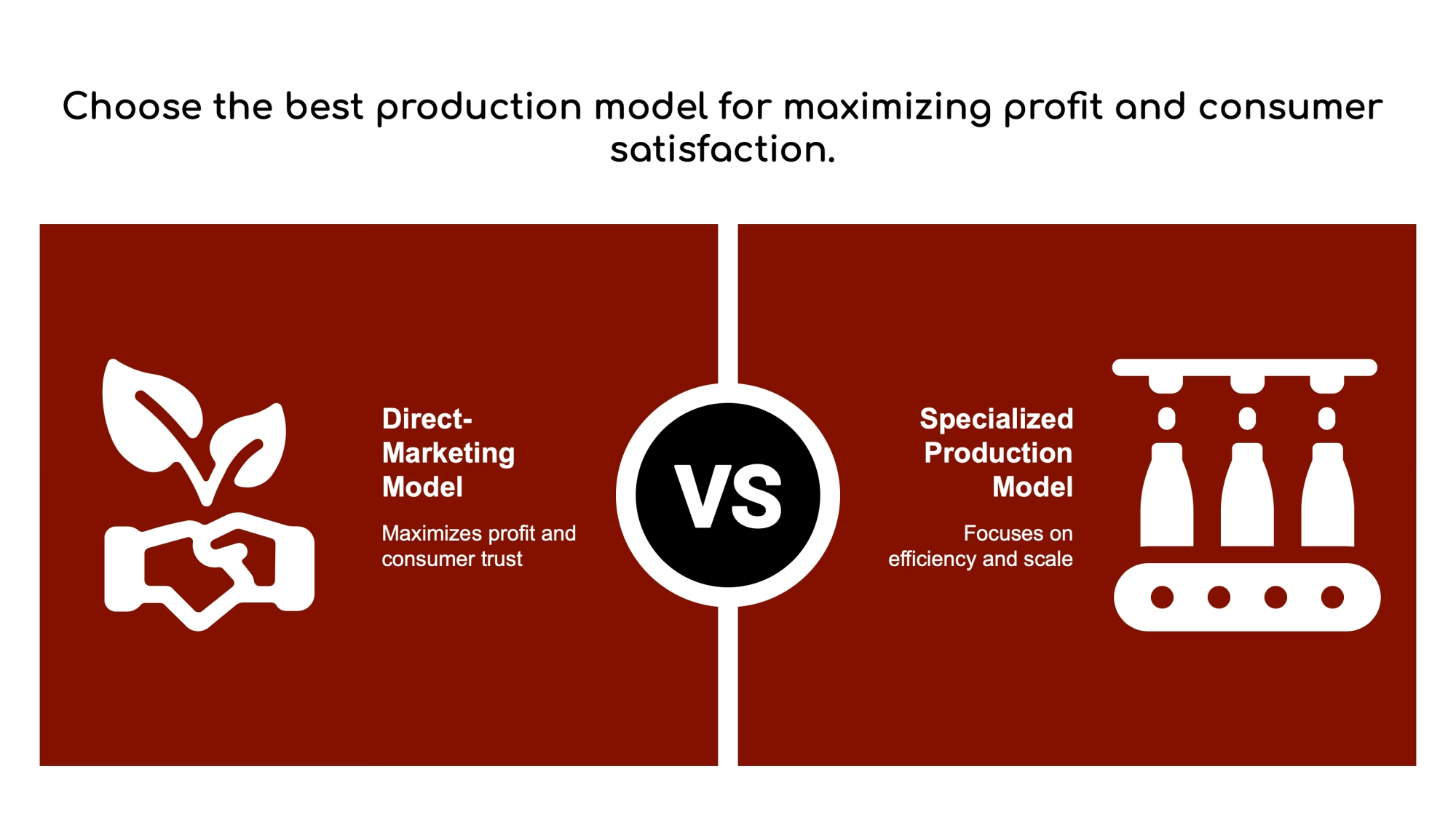
While large industry players chase incremental efficiency improvements, former dairy farmers around urban centers sell beef directly to consumers at premiums that would make a corporate accountant’s head spin. These producers aren’t competing on efficiency but on story, transparency, and relationship.

The direct-marketing model typically involves consumers purchasing a whole, half, or quarter animal, which is then processed at a small local slaughterhouse. This approach eliminates multiple intermediaries, allowing producers to capture a significantly higher percentage of the end consumer dollar while delivering what consumers increasingly demand: knowing exactly how their food was raised.

This vertical integration model – from calf to consumer – represents the antithesis of the industry’s push toward specialized, fragmented production models. Family farmers are discovering they can generate higher margins with fewer animals by controlling more of the value chain.

REGIONAL OPPORTUNITIES: Location Matters In The Beef-on-Dairy Game

The beef-on-dairy opportunity isn’t distributed equally across all regions. According to data from the USDA’s Economic Research Service and the Niche Meat Processor Assistance Network, certain areas offer distinct advantages for farmers pursuing this transition:

Northeast & Mid-Atlantic

These regions benefit from the country’s highest concentration of small USDA-inspected processors, with New York, Pennsylvania, and Vermont leading in facilities per capita. Additionally, the Northeast features densely populated urban areas with high consumer incomes and strong interest in local food, creating premium direct marketing opportunities. According to Cornell Cooperative Extension research, direct-marketed beef commands 15-30% higher prices in this region than conventional channels.

Upper Midwest

Wisconsin, Minnesota, and Michigan combine strong processing infrastructure with dairy farming expertise. The University of Wisconsin Center for Dairy Profitability highlights that these states have maintained more small to mid-sized slaughter facilities than other regions. The Wisconsin Farmers Union notes that the cultural heritage of meat processing in these areas creates infrastructure and consumer awareness advantages for small-scale beef producers.

Challenges in Other Regions

Western and Plains states face significant processing bottlenecks, with USDA data showing fewer small-scale processors per cattle producer. According to University of Georgia research, Southern states generally have lower direct marketing premiums, though urban markets like Atlanta, Nashville, and Charlotte buck this trend with strong local food movements.

PREMIUM ADVANTAGE: The Quality Edge Big Beef Can’t Match

Initial research by Texas Tech University indicates hybrid cattle produce more and higher-quality beef products without impacting milk production efficiency compared to purebred dairy calves. This quality advantage creates a compelling narrative for direct marketing: premium eating experiences from small-scale, locally raised animals.

Lisa Pederson, North Dakota State University beef quality assurance specialist, notes that “dairy steers are well known for their ability to produce the highest quality grades of beef (Prime and High Choice).” This quality potential gives former dairy farmers a significant marketing advantage when positioning their beef-on-dairy crosses in premium direct markets.

These aren’t just marketing claims – beef-on-dairy crosses deliver superior meat quality in critical consumer metrics. The research shows these crossbreds appear to inherit their Holstein ancestors’ marbling capability but finish faster, creating the perfect foundation for premium marketing messages that small producers can leverage in direct-to-consumer channels.

DAVID VS. GOLIATH: The Economic Numbers Don’t Lie

For former dairy farmers, the economics present a stark contrast to conventional commodity production:

Production ModelAdvantagesEconomic Impact
Conventional CommodityScale efficiencyThin margins, high volume required
Beef-on-Dairy Direct20% faster finishing
Lower capital requirements
Premium direct marketing
Higher margins
Viable at smaller scale
Control of value chain

When marketed directly to consumers, these producers can capture premiums that commodity channels cannot match. This approach transforms a marginal enterprise in conventional marketing channels into a highly profitable specialty business.

CORPORATE SCRAMBLE: Industry Giants Playing Catch-Up

The remarkable success of this grassroots movement hasn’t gone unnoticed forever. Industry giants scramble to understand and capitalize on what small producers have already discovered. Cargill has launched a three-year “Dairy Beef Accelerator” program in collaboration with industry partners, including Nestlé, to research the benefits of cattle crossbreeding.

Initial research from this corporate-led initiative confirms what small producers already know: “beef on dairy” calves exhibit greater feed efficiency, which lowers greenhouse gas emissions while producing more and higher-quality beef products.

“Achieving the most from the valuable resources used in beef production is a key part of Cargill’s BeefUp Sustainability initiative,” notes the company – an implicit acknowledgment that this model represents a fundamental shift in how beef production can be structured.

The question is whether small producers can establish their market position before corporate interests attempt to scale and commoditize the approach.

“While corporate agriculture spent decades telling small farmers to ‘get big or get out,’ those same farmers discovered a market opportunity that big players missed entirely – and now industry giants are scrambling to understand what small producers already know.”

NAVIGATING REAL CHALLENGES: Beyond The Hype

Despite its promise, this model faces several significant challenges that farmers must address:

1. Processing Access Bottleneck

Small-scale beef producers face a critical infrastructure challenge: limited access to USDA-inspected slaughter facilities. The consolidation of meat processing has left many rural areas without local plants capable of handling direct-to-consumer orders. This bottleneck can create scheduling delays of 6-12 months at some facilities, making consistent supply difficult for producers selling directly to consumers.

2. Residue Management Requires Vigilance

Lisa Pederson of North Dakota State University warns that residue management requires particular attention when transitioning dairy animals to beef production. “Dairy cows had a residue violation rate nine times higher than beef cows,” she notes, highlighting that about 20% of violating dairy carcasses tested positive for more than one product residue. Former dairy farmers must implement strict withdrawal protocols and maintain meticulous records to avoid costly violations.

3. Market Saturation Concerns

As more dairy operations adopt beef-on-dairy breeding strategies, the market could become saturated with crossbred animals. This potential oversupply could erode the price advantage enjoyed by beef-cross calves, which Edenfield noted was $100-300 versus just $60 for straight Holstein calves. Producers entering this space must develop marketing strategies differentiating their product beyond simply being a beef-dairy cross.

4. Consumer Price Sensitivity

While direct marketing offers premium prices, consumer willingness to pay these premiums may fluctuate with economic conditions. Direct marketers must constantly demonstrate value through quality, storytelling, and relationship-building to maintain price points that make their business model viable. This requires marketing skills and customer service that differ significantly from conventional dairy production.

5. Capital Requirements For Transition

Adapting existing dairy facilities for beef finishing often requires capital investments at a time when many existing dairy farmers face financial constraints. Strategic phasing of the transition and carefully selecting which modifications to prioritize are essential for managing this challenge.

SUSTAINABILITY DOUBLE WIN: Economic and Environmental Gains

Recent research on beef-on-dairy systems reveals a compelling sustainability story beyond economics. A 2024 case study published in Semantic Scholar titled “Beef on dairy: A case study of sustainable animal protein production” highlights how these production systems provide both economic sustainability for producers and environmental benefits for society.

“Human society has evolved over thousands of years, but in the last 35 years, we have gained access to multiple advanced technologies that can change how animal protein is produced,” the researchers note. “For the producers of animal protein, it is the economic sustainability of the farmer producers. For the consumers of animal proteins, it is the production of that protein in a manner that derives in a highly nutritious product produced in an environmentally friendly system.”

This dual sustainability – supporting farmer livelihoods while improving environmental performance – creates a powerful narrative for positioning beef-on-dairy products in today’s values-driven marketplace.

THE TIME IS NOW: Your Roadmap to Beef-on-Dairy Success

The beef-on-dairy revolution is happening with or without you. For former dairy farmers or those considering an exit from dairy production, the window of opportunity won’t remain open indefinitely. Here’s how to determine if this path is right for your operation and how to get started:

Action Steps for Dairy Farmers:

  • Contact your regional extension office about beef production workshops – University extension services across dairy states are responding to increased interest with targeted education programs
  • Research local processing options and their waitlists – Secure processing access before investing in finishing facilities by contacting USDA-inspected processors in your area
  • Consider genomic testing to identify lowest-merit dairy animals – Strategically apply beef semen to animals with lower genetic merit for dairy traits.
  • Connect with direct marketing networks in your region – Resources like the National Farmers Market Directory can help identify local marketing opportunities.
  • Investigate USDA Value-Added Producer Grants – These programs fund farmers transitioning to value-added enterprises like direct-marketed beef.

Questions to Ask Before You Start:

  1. Processing Access: Are USDA-inspected facilities available within a reasonable distance?
  2. Market Potential: Is there sufficient local demand for direct-marketed beef?
  3. Facility Adaptability: How easily can existing dairy facilities be adapted for beef production?
  4. Cash Flow Bridge: Can you manage the transition period before beef income begins?
  5. Marketing Skills: Do you have the skills or partnerships needed for direct marketing?

The rise of beef-on-dairy represents more than just a profitable niche – it’s a potential pathway to resurrect thousands of small family farms pushed out of dairy production by consolidation. While industry giants fixate on massive production systems, the humble crossbred steer quietly creates an alternative path that leverages America’s former dairy farmers’ knowledge, facilities, and grit.

The question isn’t whether this model works – the data clearly shows it does. The question is whether enough former dairy farmers will seize the opportunity before corporate interests attempt to scale and commoditize the approach. For those who do, it represents perhaps the most promising pathway to resurrect small-scale livestock production in an era of relentless consolidation – and reclaim their place in an industry that once left them behind.

Key Takeaways

  • Strategic breeding decisions create clear transition paths – breeding lower-genetic-merit dairy animals to beef bulls captures immediate calf value premiums ($100-300 vs $60 for Holstein bulls) while establishing a timeline for a complete transition out of dairy.
  • Regional advantages matter. The Northeast and Upper Midwest regions offer superior processing infrastructure and stronger direct-marketing opportunities, with processing access being the critical factor in a successful transition.
  • Minimal investment, maximum leverage – Existing dairy facilities can be adapted for beef production at 1/5 the cost of new construction, with labor requirements reduced from 40-60 hours weekly to just 10-15 hours for comparable herd sizes.
  • Docility creates management advantages – Beef-on-dairy crosses retain the temperament of bottle-raised dairy calves, eliminating the need for specialized handling equipment while providing quality grades that frequently reach Prime and High Choice.
  • Direct marketing captures the premium – By selling directly to consumers through whole, half, or quarter animal purchases, former dairy farmers can maintain viable margins on smaller herds while telling a compelling local food story.

Executive Summary

America’s dairy farmers have orchestrated a remarkable shift in breeding practices, with beef-on-dairy semen usage skyrocketing to 7.9 million units annually and becoming the second most common breeding choice in U.S. dairy herds. This transition offers former dairy farmers a unique opportunity to leverage existing facilities and expertise with minimal modifications while benefiting from crossbreds that finish 20% faster than purebred Holsteins and produce higher-quality beef. By selling directly to consumers, small producers can capture premium prices that commodity channels cannot match, particularly in regions with strong processing infrastructure like the Northeast and Upper Midwest. The economic advantages are compelling – reduced labor requirements, lower capital investment, and potentially higher margins than conventional dairy – but the window of opportunity may narrow as corporate interests catch up to what small farmers discovered first. For dairy farmers considering exit strategies or diversification, beef-on-dairy represents a proven pathway to resurrect small family farms pushed aside by industry consolidation.


Download “The Ultimate Dairy Breeders Guide to Beef on Dairy Integration” Now!

Are you eager to discover the benefits of integrating beef genetics into your dairy herd? “The Ultimate Dairy Breeders Guide to Beef on Dairy Integration” is your key to enhancing productivity and profitability.  This guide is explicitly designed for progressive dairy breeders, from choosing the best beef breeds for dairy integration to advanced genetic selection tips. Get practical management practices to elevate your breeding program.  Understand the use of proven beef sires, from selection to offspring performance. Gain actionable insights through expert advice and real-world case studies. Learn about marketing, financial planning, and market assessment to maximize profitability.  Dive into the world of beef-on-dairy integration. Leverage the latest genetic tools and technologies to enhance your livestock quality. By the end of this guide, you’ll make informed decisions, boost farm efficiency, and effectively diversify your business.  Embark on this journey with us and unlock the full potential of your dairy herd with beef-on-dairy integration. Get Started!

Learn More

Join the Revolution!

Join over 30,000 successful dairy professionals who rely on Bullvine Daily for their competitive edge. Delivered directly to your inbox each week, our exclusive industry insights help you make smarter decisions while saving precious hours every week. Never miss critical updates on milk production trends, breakthrough technologies, and profit-boosting strategies that top producers are already implementing. Subscribe now to transform your dairy operation’s efficiency and profitability—your future success is just one click away.

NewsSubscribe
First
Last
Consent

Belgian Blue: The Genetic Powerhouse Transforming Dairy Farm Profits

Discover how Belgian Blue Genetics revolutionizes dairy farming, turning low-value calves into premium beef while boosting profits and sustainability.

Executive Summary

The Belgian Blue breed is reshaping the beef-on-dairy market with its unique myostatin mutation, which drives explosive muscle growth in crossbred calves. This genetic advantage has transformed dairy farming economics by significantly increasing the value of non-replacement calves, offering returns up to 300% higher than conventional dairy bull calves. With advancements in breeding programs focusing on calving ease, feed efficiency, and methane emissions, Belgian Blue Genetics aligns with profitability and sustainability goals. The breed’s exceptional carcass yield and feed conversion efficiency make it a top choice for farmers seeking to maximize returns while addressing environmental concerns. Regional adoption varies across Europe and the U.S. However, Belgian Blue’s influence grows as producers integrate beef-on-dairy strategies into their operations.

Key Takeaways

  • Genetic Advantage: Belgian Blue’s myostatin mutation creates double-muscling, delivering superior growth and carcass yields in crossbred calves.
  • Economic Impact: Crossbred Belgian Blue calves can command up to three times the value of conventional dairy bull calves, transforming farm profitability.
  • Sustainability Focus: Research shows that Belgian Blues produce lower methane emissions per unit of meat, which aligns with climate-smart farming initiatives.
  • Breeding Innovations: Programs like Viking Genetics’ Nordic Beef on Dairy Index emphasize calving ease, youngstock survival, and feed efficiency.
  • Global Adoption: Beef-on-dairy strategies are growing worldwide, with Belgian Blue Genetics maximizing returns from dairy herds.
Belgian Blue genetics, beef-on-dairy crossbreeding, myostatin mutation, dairy farm profitability, sustainable beef production

The specialized nature of modern dairy farming has created a persistent challenge: how to maximize returns from male calves and surplus females not needed for herd replacements. The Belgian Blue breed has emerged as the solution, turning what were once low-value byproducts into premium beef animals. With explosive early muscle development and exceptional carcass yields, this breed has revolutionized beef-on-dairy programs across Europe and increasingly worldwide, demonstrating remarkable growth in adoption rates.

The Million-Dollar Mutation: How One Genetic Change Created a Breed Unlike Any Other

The Belgian Blue’s extraordinary muscle development isn’t merely the result of conventional selective breeding—it represents one of the most fascinating examples of a natural genetic mutation transforming agricultural production. Researchers identified in 1985 that the breed’s distinctive double-muscling results from a specific mutation in the myostatin gene, fundamentally altering muscle development from the earliest stages of life.

Scientific research published in the Proceedings of the National Academy of Sciences revealed the precise nature of this mutation: an 11-nucleotide deletion in the third exon of the myostatin gene causing a frameshift that eliminates virtually all of the mature, active protein region. This mutation was found in alleles of all whole-blood Belgian Blue cattle examined in the study, confirming its fixation within the breed. Unlike natural myostatin, which limits muscle growth (the term “myo” means muscle, and “statin” means stop), the mutated gene in Belgian Blues cannot perform this regulatory function.

This genetic distinction creates profound developmental differences beginning in utero. Belgian Blue calves develop approximately twice the number of muscle fibers compared to conventional calves, explaining why even first-generation crossbred calves display enhanced muscling from birth. When crossed with dairy breeds, this genetic advantage creates calves with visibly improved muscle development that continues throughout growth, dramatically increasing their value for veal and beef production.

Beef-on-Dairy Revolution: The Numbers Don’t Lie

The strategic use of Belgian Blue genetics in dairy herds has accelerated dramatically in recent years, reflecting a global shift in dairy production economics. In the Netherlands alone, the use of beef-on-dairy bulls has grown from a modest 9% to almost 27% in just the last decade, with no indication this trend is slowing. Similar patterns are emerging across major dairy regions globally, with the United States seeing beef semen usage in dairy herds increasing by millions of straws annually.

U.S. Semen Sales & Beef-on-Dairy Market (2023)Statistics
Total beef semen sales9.4 million units
Beef semen sold to dairy farmers7.9 million units (84%)
Conventional dairy semen sales7.0 million units
Gender-selected dairy semen sales8.4 million units (54% of dairy semen)
Typical crossbred calf value$800-$950
Premium crossbred calf value$900-$1,000+

Source: National Association of Animal Breeders data reported by Farm Progress, April 2024

This market transformation reflects a fundamental rethinking of dairy economics. While traditional dairy breeding focused almost exclusively on milk production traits, forward-thinking producers now recognize that strategic beef crossbreeding can significantly enhance farm profitability. The Belgian Blue’s unique ability to transmit explosive muscle development to crossbred offspring positions it advantageously in this growing market segment, particularly for dairy operations seeking to maximize returns from non-replacement animals.

“The economic impact of implementing a strategic beef-on-dairy program with Belgian Blue genetics can transform what was once a cost center into a profit driver,” explains a leading genetic consultant. “When you compare the market value of a conventional dairy bull calf against a well-muscled Belgian Blue cross, the difference often exceeds 300% in favor of the crossbred calf.”

From Farm Animal to Genetic Marvel: The Evolution of Belgian Blue

While today’s Belgian Blue is synonymous with exceptional muscle development, its original purpose was considerably more balanced. The breed originated in the early 19th century in Belgium and developed from local cattle mixed with British Shorthorn cattle imported during the latter half of the 19th century. Initially, breeders sought to create dual-purpose animals that could excel in milk and meat production, serving the diverse needs of Belgian agriculture.

The pivotal transformation of the breed occurred after World War II when selection began focusing intensively on animals exhibiting enhanced muscle development. This shift from dual-purpose to specialized beef production reflected Belgium’s changing agricultural landscape during the post-war recovery. By the early 1950s, Belgian government agricultural initiatives challenged experts to maximize retail meat production from the country’s limited resources, accelerating selection for muscle development.

Though initially called “Race de la Moyenne et Haute Belgique” (Cattle of Middle and High Belgium), the breed was officially renamed the Belgian Blue in 1973, coinciding with establishing a formal herd book. This marked the transition from a regional cattle type to an internationally recognized breed with standardized characteristics and breeding objectives.

The Genetic Elite: Who’s Driving Belgian Blue Innovation?

Several key organizations have emerged as leaders in advancing Belgian Blue genetics for crossbreeding applications. K.I.Samen has established itself as a major provider of Belgian Blue genetics, focusing specifically on beef-on-dairy applications. Their breeding program—the largest for Belgian Blue beef-on-dairy bulls in the Netherlands—emphasizes calving ease and shorter gestation periods, two critical factors for successful integration in dairy herds.

This focus on calving ease addresses one of the historical challenges with purebred Belgian Blues—the potential for calving difficulties due to enhanced muscle development. By selecting rigorously for natural calving ability while maintaining muscle development characteristics, breeding organizations have created specialized lines that better meet the practical needs of commercial dairy producers.

In the Nordic countries, Viking Genetics has become a significant player in the beef-on-dairy market. It utilizes the Nordic Beef on Dairy Index (NBDI) to evaluate beef sires. This sophisticated index includes traits such as calving ease, calf survival, daily carcass gain, carcass conformation, carcass fat score, and, most recently, youngstock survival.

Beyond Calving Ease: The Profit Traits You’re Probably Ignoring

The industry’s historical focus on calving ease as the primary selection criterion for beef-on-dairy bulls overlooks critical economic factors that impact producer profitability. Recent Nordic Beef on Dairy Index data reveals that youngstock survival between 31 and 200 days significantly affects overall returns yet receives far less attention in sire selection decisions.

This narrow focus represents a missed opportunity for dairy producers. While calving ease remains essential, progressive farmers are now selecting for a more comprehensive suite of traits, including feed efficiency, growth rates, and carcass characteristics. The data suggests that bulls ranking highest for calving ease alone often underperform in these economically critical post-birth traits, potentially costing producers significant revenue over time.

The dramatic regional variation in beef breed preferences—Danish farmers prefer Belgian Blue derivatives, Finnish producers lean toward Blonde d’Aquitaine, and Swedish farmers utilize a broader spectrum of breeds—raises important questions about whether these choices reflect optimal economic decisions or merely cultural farming traditions. Economic analysis suggests regional preferences may cost some producers significantly in unrealized genetic potential.

Climate-Smart Cattle? Belgian Blue’s Surprising Environmental Edge

As the livestock industry faces mounting pressure to reduce environmental impacts, the Belgian Blue breed presents both challenges and opportunities from a sustainability perspective. Research comparing Holstein Friesian and double-muscled Belgian Blue heifers revealed surprising differences in environmental impact patterns.

Breed ComparisonHolstein FriesianDouble-Muscled Belgian Blue
Average Weight558 ± 39 kg594 ± 42 kg
Average Age23.3 ± 1.5 months23.3 ± 1.5 months
Absolute Enteric Methane EmissionsSignificantly higherLower
Dry Matter Intake (DMI)Significantly higherLower
Energy IntakeSignificantly higherLower
Methane Yield per DMINo significant differenceNo significant difference
CH₄:CO₂ RatioHigherSignificantly lower

Source: Belgian research study comparing Holstein Friesian and Belgian Blue heifers, Dairy Global 2021

This efficiency advantage creates a sustainability paradox, which few in the industry are discussing: While Belgian Blue Crosses potentially reduce the carbon footprint per pound of beef produced through superior feed efficiency, maximizing this advantage often requires concentrated feeding systems that may increase overall environmental impact. Progressive producers are navigating this tension through innovative hybrid production models that balance efficiency with ecological considerations.

Recent research on methane emissions in cattle is particularly relevant given the increasing recognition of methane’s potent impact on climate change. Methane is over 80 times more powerful than carbon dioxide in trapping heat (though with a shorter atmospheric lifespan of about 12 years), so even modest reductions in cattle emissions could yield significant climate benefits. However, despite available solutions for reducing these emissions in dairy production, the EU has yet to address agricultural methane emissions in policy meaningfully.

Profit Revolution: Transforming Dairy Calves from Cost to Capital

Belgian Blue crossbreeding represents more than an incremental improvement in calf values—it fundamentally transforms how dairy enterprises conceptualize value creation. The industry’s traditional focus on milk production metrics has created a blind spot regarding the economic potential of non-replacement calves. Forward-thinking dairy managers are now incorporating beef-on-dairy strategies as core components of their business models rather than afterthoughts.

This shift requires reimagining breeding decisions through an enterprise-wide economic lens. While genomic selection has revolutionized dairy genetics, its application in beef-on-dairy programs remains underutilized. The Belgian Blue Group’s genomic selection program offers new opportunities for industrial crossbreeding, allowing more precise selection for traits that matter in crossbred performance.

Dairy producers evaluating beef-on-dairy strategies must decide not whether to implement these programs but how to optimize them for specific production environments and market conditions. The Belgian Blue’s unique genetic advantage in transmitting muscle development and breeding organization efforts to address historical challenges make it a compelling option for dairy producers seeking to maximize returns from every animal in their herds.

Future-Focused: What’s Next for Belgian Blue in Dairy Systems?

As dairy farming continues to specialize and improve efficiency, the strategic use of beef genetics in dairy cows will likely accelerate. The Belgian Blue’s unique muscle-development traits position it advantageously in this evolving landscape, particularly as breeding organizations continue refining lines specifically for crossbreeding applications.

Environmental considerations will increasingly influence breeding decisions, with the Belgian Blue’s demonstrated advantages in feed efficiency potentially aligning with sustainability objectives. Research efforts exploring methane emissions and carbon footprint will further clarify how different genetics contribute to environmental performance, potentially creating new selection criteria for future breeding programs.

The transformation of once low-value dairy bull calves into premium beef animals represents a financial opportunity for dairy producers and more efficient use of resources within the broader cattle industry. As beef-on-dairy adoption continues to increase across global dairy regions, Belgian Blue’s influence on both sectors seems poised for continued growth.

We challenge readers to calculate their potential return on investment from implementing a strategic Belgian Blue crossbreeding program in their dairy herds. What percentage of your herd could benefit from beef-on-dairy breeding while maintaining sufficient replacement animals? How would this affect your operation’s overall profitability? The answers might be more dramatic than expected— potentially transformative for your dairy business.


Download “The Ultimate Dairy Breeders Guide to Beef on Dairy Integration” Now!

Are you eager to discover the benefits of integrating beef genetics into your dairy herd? “The Ultimate Dairy Breeders Guide to Beef on Dairy Integration” is your key to enhancing productivity and profitability. This guide is explicitly designed for progressive dairy breeders, from choosing the best

Learn More

Join the Revolution!

Bullvine Daily is your essential e-zine for staying ahead in the dairy industry. With over 30,000 subscribers, we bring you the week’s top news, helping you manage tasks efficiently. Stay informed about milk production, tech adoption, and more, so you can concentrate on your dairy operations.

NewsSubscribe
First
Last
Consent

Beef Prices Soar: How Dairy Farmers Are Rethinking Breeding Strategies

Explore how high beef prices are changing daily strategies. Are crossbred calves the future? Uncover the changing landscape of the industry.

The escalation in beef prices has rippled across the agricultural scene, permanently shifting the dynamics for dairy producers. The USDA’s record-setting fresh beef retail price of $8.21 per pound in September 2024 marks an extraordinary spike, striking at the financial foundations of dairy operations. Dairy producers are reconsidering their breeding approaches in response to these economic challenges. One key strategy that has emerged is ‘beef-on-dairy crossbreeding, ‘which involves breeding dairy cows with beef bulls to produce calves with dairy and beef characteristics, tapping into the booming beef sector. The National Association of Animal Breeders (NAAB) reported a 4% drop in domestic dairy semen sales in 2023, contrasted by a surge of 1 million units in beef semen sales for dairies.’ Once dependent solely on dairy genetics, dairy producers are now increasingly opting for beef influences, a strategic shift born from necessity yet laden with long-term implications. As they tread this new path, these choices are molding their everyday procedures and forging the future of dairy production.

Why Are Beef Prices Swimming with the Big Fish Right Now? 

Why are beef prices swimming with the big fish right now? Two words: supply and cost. The national beef herd has taken quite a hit, shrinking to its smallest size in over seven decades. Why? Farmers and ranchers are battling against persistent droughts and climbing operational costs. It’s a tough gig out there! The USDA’s Economic Research Service reported that these relentless hardships have nudged many to cut down on their herd sizes, inevitably pushing beef prices up, up, and away! 

Last year alone, beef retail values hit an astounding $8.21 per pound—talk about sticker shock! This represents the highest they’ve ever been, with prices inching up five cents from the previous month and soaring by nearly 39¢ compared to last year [USDA Economic Research Service]. However, it’s not just beef producers who are feeling the pinch. With beef prices scaling new heights, dairy farmers are also realigning their strategies to navigate this price storm.

Moo-ving Beyond Milk: Embracing Beef Genetics in Dairy Breeding

The surge in beef prices has prompted dairy farmers to reevaluate their breeding strategies, seeking avenues to capitalize on profitable opportunities presented by the beef market. Traditionally, dairy operations have prioritized breeding with dairy bulls, focusing solely on the continuity and expansion of their milk-producing herds. However, with beef prices climbing to unprecedented levels, many dairy farmers are venturing into previously uncharted territory by integrating beef genetics into their breeding programs

This strategic pivot primarily involves substituting a portion of the breeding with beef bulls instead of dairy bulls. The result? A crossbred calf that is significantly more valuable in the current market landscape. This shift not only presents a lucrative path for boosting income by selling these crossbred calves to beef feedlots but also necessitates careful planning to ensure the sustainability of dairy operations

By embracing the integration of beef bulls, dairy farmers create a dual-purpose herd that accommodates milk production and beef calve sales. With their robust beef traits, these crossbred calves fetch a competitive price, supplementing the farmers’ revenue streams. However, the decision to divert from pure dairy breeding poses challenges, chief among them being the restricted availability of heifers, young female cattle that have not yet borne a calf, needed to replenish and grow the dairy herd.

Navigating New Financial Pastures: The Economic Gains of Selling Crossbred Calves

Let’s delve into the economic implications of dairy farmers selling crossbred calves to feedlots. With beef prices hitting unprecedented highs, many dairy producers have found a silver lining by integrating beef genetics into their herds. This strategic shift towards producing crossbred calves has proven financially rewarding for many. According to the National Association of Animal Breeders (NAAB), there is a significant trend: domestic sales of dairy semen dropped by 4% in 2023, with a parallel increase of 1 million units in beef semen sold to dairies. Remarkably, 84% of all beef semen was sold to dairies, underscoring this strategic pivot. The financial benefits of this shift are clear, offering a promising future income for dairy farmers. 

What does this mean in dollars and cents? These beef-dairy crossbred calves often command premium prices when sold to feedlots. They are valuable for their meat potential and offer a diversification strategy that bolsters dairy operations’ cash flow. Increased income from these calves can provide dairy farms with the financial cushion needed amidst fluctuating milk prices and operational costs. 

This trend highlights a new financial landscape in which dairy farmers are no longer just milk producers but strategically position themselves within the beef market. While this shift presents a welcome opportunity to maximize revenue, it also requires careful herd management to balance the number of crossbred and dairy replacement heifers. This emphasis on careful management underscores dairy farmers’ crucial role in the industry, making them feel valued and integral to its success. 

The Cost of Diversification: Weighing Short-Term Profits Against Long-Term Viability

However, as with any strategic decision, there are trade-offs involved. The switch to breeding with beef bulls, while lucrative in the short term, has restricted the pool of purebred dairy replacement heifers. A limited number of these heifers means farmers can’t grow their dairy operations even when the financial environment is otherwise favorable. 

This shortage imposes a bottleneck on dairy herd expansion. Without enough heifers to replenish the herd, dairy producers are left in a quandary: How can they increase milk production when they can’t increase herd size? This problem affects today’s operations and casts a shadow on future planning. 

The scenario leads to a complex balancing act. On one hand, the lure of immediate profits from beef crossbred calves is tough to resist. Conversely, the long-term ramifications of a constrained supply of replacement heifers should be considered. The dilemma raises a pertinent question for dairy farmers: is the short-term gain worth the potential long-term pain? This conundrum looms as the industry navigates these turbulent waters, prompting deliberation and innovation.

Crossroads Ahead: The Growing Interdependency of Dairy and Beef Markets 

As we look toward the horizon, the dairy industry’s future intertwines more with the beef market than ever. The current trajectory of breeding dairy cattle with beef genetics isn’t just a temporary strategy; it’s a seismic shift that might redefine the industry. The economics driving it are hard to ignore, as dairy producers see immediate financial benefits in the form of higher-value calves. These gains, however, come with their own set of trade-offs. 

On the one hand, we see an opportunity—crossbred calves have opened a revenue stream that supports dairy farmers amid fluctuating milk prices. But this raises a question: at what cost does this short-term gain come to traditional dairy operations? With fewer purebred dairy heifers being raised, the potential for expanding or even maintaining dairy herd sizes becomes constrained. This could eventually limit milk production capacity, posing a long-term risk to individual producers and the supply chain. This highlights the need for cautious decision-making and long-term planning, making dairy farmers feel the weight of their choices. 

If this trend continues, and all signs indicate that it will, dairy herds could plateau or even reduce in size. The decision to favor profitability now might lead to challenges in the future, as lower availability of dairy genetics could lead to a scarcity of quality cows and higher prices for dairy cattle. 

One potential outcome of sustained beef-on-dairy breeding is a fundamental restructuring of the dairy industry. Smaller, specialized dairy farms may emerge that focus significantly on milk production. At the same time, more extensive operations might increasingly resemble hybrid enterprises, balancing milk yield with beef calf sales. The key for producers will be to strike a balance, ensuring that diversification today doesn’t compromise tomorrow’s viability. 

As we navigate these uncertain waters, stakeholders in the dairy industry will need to stay vigilant, adaptable, and innovative. The decisions made now will shape the industry’s landscape for decades.

Sailing Through Complex Currents: Navigating the Heifer Dilemma in Dairy’s Evolving Landscape

The dairy and beef markets intertwining has forged a path brimming with possibilities and precariousness. Breeding dairy cows with beef bulls produces fewer heifers, so there is an anticipated scarcity of dairy replacement heifers. This shortage poses a significant risk of introducing volatility into the dairy sector. 

Supply dynamics are critical. As heifer numbers dwindle, dairy farmers might need help to expand their herds when market conditions would otherwise favor increased milk production. The scarcity of heifers, a primary replenisher of the dairy herd, could constrict supply and elevate operational costs in the dairy industry. 

What does this mean for milk prices? Naturally, prices will likely escalate when supply tightens while demand remains steady or increases. In this scenario, consumers could face fluctuating milk prices driven by the availability of replacement heifers—or the lack thereof. While this dynamic might yield some periods of profitability for farmers, it also introduces a spectrum of uncertainty that can complicate long-term planning. 

There’s a potential silver lining to navigating market ebbs and flows. Producers who master the balance between beef and dairy genetics might find themselves strategically positioned in a flexible market, ready to capitalize on shifts. Yet, for others, this might spark a storm of unpredictability, challenging traditional modes of operation. 

Are dairy producers ready to navigate these waters? As the interplay between beef and dairy deepens, this question resonates across farmsteads worldwide, demanding insight and adaptation from all involved.

Walking the Genetic Tightrope: Balancing Profit and Preservation in Dairy Breeding

Integrating beef genetics into dairy breeding introduces a critical risk: the potential reduction in genetic diversity within dairy herds. In pursuing short-term profits through crossbreeding, dairy producers might inadvertently compromise the genetic pool carefully cultivated over generations. Such a narrowing of genetics can lead to decreased herd health and resilience, leaving dairy operations vulnerable to diseases and environmental stresses. 

Genetic diversity is a cornerstone of herd robustness. It equips animals with the genetic traits necessary to survive and adapt to challenging conditions. When diversity diminishes, so does the herd’s ability to fend off infections, adapt to changing climates, and maintain overall productivity. 

Farmers must balance the financial benefits of crossbreeding with the genetic fortitude of their herds. How can they walk this tightrope? One approach is implementing genetic management strategies, such as maintaining a portion of the herd bred with dairy genetics to preserve core traits. Additionally, advanced genetic testing and monitoring can help track genetic health markers and guide breeding decisions. 

Another measure is diversifying genetic sources. Instead of solely depending on a limited selection of beef bulls, farmers should source genetics from a broader spectrum of dairy and beef breeds. This approach can help ensure critical dairy traits remain intact beyond recognition. 

These proactive steps can help dairy farmers navigate the complexities of maintaining herd health amid changing breeding practices. They can safeguard their operations’ long-term viability and resilience by prioritizing genetic diversity. 

Global Shifts: Beyond Borders in Dairy-Beef Integration

Globally, the dairy-beef integration isn’t confined to the U.S. Across the pond in the U.K., dairy producers have also embraced beef genetics. With beef prices increasing amid similar herd reductions and economic pressures, British farmers find that crossbreeding their dairy cattle can provide a lucrative revenue stream. The strategy is paying off as demand for high-quality beef continues to rise, not unlike trends in the U.S. 

Meanwhile, in Australia, the focus has been slightly different. Australian dairy farmers are leaning on technology and genetic advancements for revenue diversification and to bolster herd health and efficiency. With beef prices rising, they’re keen on breeding strategies that add value without compromising the core dairy operations. This two-fold approach offers a practical lesson in managing risk while optimizing outputs. Could these strategies find merit in your plans? 

In New Zealand, crossbreeding is only one piece of a broader puzzle. The emphasis is on sustainability alongside economic gain. Kiwi farmers are exploring integrating more environmentally friendly practices while capitalizing on beef demand. This green tactic preserves the land for future generations and has increasingly found favor with conscientious consumers. 

Examining these international approaches might reveal resonating strategies, offering a refreshing perspective on navigating the evolving market landscape. Could broadened tactics offer new opportunities for your dairy farm?

The Bottom Line

The beef market is exerting unprecedented pressure on dairy operations, pushing producers to adopt diverse breeding strategies. While crossbreeding for beef may boost short-term cash flow, it also introduces complexity in herd management and future dairy heifer supply. This delicate balance between immediate gains and long-term sustainability demands strategic foresight. How might your farm adapt to this shifting landscape to secure its future viability? Join the conversation below and share your thoughts on navigating these challenges.

Key Takeaways:

  • Record-high beef prices drive significant changes in the dairy industry, including strategic breeding decisions.
  • The shift to using beef genetics in dairy herds increases income by selling crossbred calves but reduces dairy replacement heifers.
  • Despite higher profitability from beef-on-dairy practices, dairy producers face challenges expanding their herds due to limited dairy heifer supply.
  • The tight supply of dairy heifers constrains the potential growth of dairy herd sizes despite solid economic incentives.
  • Balancing short-term profits with long-term herd sustainability poses a significant challenge for the dairy industry.
  • Producers must navigate the complex interdependency between dairy and beef markets and make informed breeding decisions.
  • There is a need for proactive strategies to ensure long-term viability and success within the evolving dairy market landscape.

Summary:

The surge in beef prices, reaching a record $8.21 per pound, is reshaping the dairy industry by pressing farmers to rethink breeding strategies to embrace beef genetics. This move has opened new revenue streams through crossbred calves but introduced the challenge of scarce dairy replacement heifers. In 2023, a notable 84% of beef semen was sold to dairies, showcasing a significant industry shift. Dairy producers have adopted the ‘beef-on-dairy crossbreeding’ strategy, where dairy cows are bred with beef bulls, creating calves with dairy and beef traits, thus tapping into the booming beef sector. This shift, driven by a national herd shrink to its smallest in seven decades due to droughts and rising costs, intertwines the dairy and beef markets. While offering new income avenues, it challenges the availability of dairy heifers and hints at a restructuring of the industry towards hybrid enterprises balancing milk yield and beef calf sales.


Download “The Ultimate Dairy Breeders Guide to Beef on Dairy Integration” Now!

Are you eager to discover the benefits of integrating beef genetics into your dairy herd? “The Ultimate Dairy Breeders Guide to Beef on Dairy Integration” is your key to enhancing productivity and profitability. This guide is explicitly designed for progressive dairy breeders, from choosing the best beef breeds for dairy integration to advanced genetic selection tips. Get practical management practices to elevate your breeding program. Understand the use of proven beef sires, from selection to offspring performance. Gain actionable insights through expert advice and real-world case studies. Learn about marketing, financial planning, and market assessment to maximize profitability. Dive into the world of beef-on-dairy integration. Leverage the latest genetic tools and technologies to enhance your livestock quality. By the end of this guide, you’ll make informed decisions, boost farm efficiency, and effectively diversify your business. Embark on this journey with us and unlock the full potential of your dairy herd with beef-on-dairy integration. Get Started!

Learn more:

Choosing the Right Beef Genetics: Boosting Your Dairy Farm’s Bottom Line

Unlock the top beef-on-dairy crossbreed for value. Increase profitability and sustainability. Is your dairy farm ready for improvement?

Summary:

Crossbreeding beef and dairy cattle has emerged as a compelling trend, promising to transform the financial landscape for dairy farmers by enhancing calf prices and quality. Selling beef-on-dairy crossbreeds can generate substantial revenue, with prices 4-6 times higher than Holstein calves and male offspring selling for around $250. This practice focuses on specific traits and uses advanced breeding strategies such as Genetically Enhanced Expected Progeny Differences (GE-EPDs) to optimize growth and carcass performance, boosting consumer confidence and positioning crossbred beef firmly in the market. Successful crossbreeding thus supports increased market value, improved meat quality, and sustainable practices, turning dairy farms into dual-purpose ventures that meet consumer preferences while ensuring farm sustainability. 

Key Takeaways:

  • The market value of crossbred calves offers significant economic gain, with revenues of 4–6 times more than traditional calves.
  • Beef-on-dairy crossbreeding improves meat quality, yielding more desirable prime- and choice-graded beef.
  • Strategic selection of beef genetics is crucial for optimizing growth and carcass performance in crossbreeding programs.
  • Sustainability practices, like using sexed semen, aid in herd management and enhance offspring quality.
  • Overall, beef-on-dairy crossbreeding presents a viable diversification strategy for dairy farmers focused on market demand and genetic advancements.
beef-on-dairy crossbreeding, dairy farming practices, market value of crossbred calves, meat quality enhancement, sustainable farming methods, beef bull selection, genetic traits in cattle, GE-EPDs advantages, SimAngus LimFlex benefits, crossbreeding profitability

Have you ever considered that your dairy farm might be sitting on an untapped goldmine? In recent years, beef-on-dairy crossbreeding has surged in popularity, reshaping the landscape for dairy farmers. This practice isn’t just a fleeting trend; it’s a promising opportunity with tangible benefits. From beef quality enhancements to a significant boost in market value, the advantages of crossbreeding are too compelling to ignore. By combining increased market value for crossbred calves, enhanced meat quality through genetic selection, and sustainable practices leading to long-term profitability, beef-on-dairy crossbreeding isn’t just about blending the best of both worlds but strategically unlocking potential for the future. But which crossbreed genuinely offers the best value? Join us on this exploration as we delve deep into beef-dairy hybrids’ genetics, economics, and sustainability to uncover the optimal choice for your operation.

The Financial Windfall of Crossbreeding: Cash Cows or Just Cows? 

The economic landscape of dairy farming is ever-evolving, and beef-on-dairy crossbreeding stands out as a lucrative innovation. What makes this practice so economically attractive? For starters, the market value of crossbred calves overshadows that of purebred dairy calves. To put it into perspective, these crossbred calves can command prices 4–6 times higher than their Holstein counterparts. This significant financial windfall is a reason for dairy farmers to feel optimistic and motivated about the potential of crossbreeding. 

The demand for such crossbred calves is spiraling upwards, consistently pushing their market prices to new highs. This dramatic price surge turns these calves from mere livestock to valuable commodities within the dairy industry. This translates into tangible financial gains for dairy farmers, significantly elevating their revenue streams. 

An often overlooked aspect is the financial impact of selling male offspring from beef-on-dairy crosses. Each male calf can bring in around $250, adding a substantial income stream for farmers navigating the often tumultuous waters of dairy production. It’s not just about the calves themselves but about the ripple effect they create, providing a consistent and reliable revenue source. Could this be the untapped potential you’re looking for in your dairy operations

Crossbreeding for Consumer Demand: More Than Just Meeting Expectations

In recent years, consumer demand for high-quality beef has surged. Folks yearn for cuts with exceptional flavor, marbling, and tenderness – essentially, beef that ticks all the right boxes for a prime- or choice-graded status. This is where the magic of crossbreeding steps in. Farmers, including dairy farmers, play a crucial role in meeting and exceeding these finicky demands by blending the best of beef and dairy genetics. This is a value that dairy farmers should feel integral to and proud of! 

Let’s discuss specifics. Breeds like Angus are celebrated for their ability to enhance meat quality. Their genetics significantly improve beef flavor and tenderness, making them a popular choice for crossbreeding programs. These programs aren’t just about producing more beef; they’re about producing better beef. They aim to create a product for which consumers are willing to pay a premium, thus justifying the investment in crossbreeding technology and practices. 

Crossbreeding isn’t just about meeting market demands—it’s about surpassing them. Producers can consistently deliver on quality by focusing on specific traits through advanced breeding strategies. This boosts consumer confidence and strengthens crossbred beef’s market position, ensuring it stays a top choice on the grill and the plate.

Mastering the Genetic Edge: The Bull Choices That Make or Break Success

In genetic and breeding insights, choosing the right beef bulls is crucial for achieving optimal growth and carcass performance in beef-on-dairy crossbreeding. The decision isn’t merely about selecting any beef bull but understanding the genetic traits that can significantly impact the quality and profitability of the resulting calves. This is where the advent of Genetically Enhanced Expected Progeny Differences (GE-EPDs) changes the game. 

GE-EPDs offer a scientific advantage by comprehensively analyzing a bull’s genetic potential. These metrics consider a wide array of data—from genomics to phenotypic records—streamlining the selection of bulls who can consistently improve carcass merit, growth rates, and the overall profitability of crossbred calves. In simpler terms, GE-EPDs are like having a crystal ball that predicts not just possible outcomes but the most probable ones, allowing dairy farmers to make informed decisions that align with their economic and operational goals. 

Among the breeds that have garnered attention for their favorable attributes in crossbreeding, SimAngus and LimFlex stand out as potent options. SimAngus, a blend of Simmental and Angus genetics, offers qualities like improved feed efficiency and exceptional meat quality without sacrificing the robustness dairy farmers value. LimFlex, a balanced cross between Limousin and Angus, is celebrated for its superior muscle development and high-yielding carcasses, contributing to higher market returns. With their unique genetic makeup, these breeds are well-suited for crossbreeding programs, offering a balance of desirable traits for dairy farmers. 

Incorporating these breeds with strategic intent, supported by GE-EPDs, facilitates achieving and surpassing expectations from crossbreeding programs. Ultimately, these choices can significantly influence a dairy operation’s bottom line, momentum, and sustainability.

Future-Proofing Farms: Crossbreeding and Sexed Semen as Catalysts for Sustainable Success

Crossbreeding stands out as a game-changer regarding sustainability in dairy farming. Imagine being able to pre-determine whether your next calf crop will be bulls or heifers. With the advent of sexed semen, this isn’t just a dream—it’s reality. By tailoring the sex of the offspring, dairy farmers can make precise decisions that enhance both herd management and genetic progress. 

Using sexed semen not only fine-tunes the genetic pool but also aligns with sustainable agricultural practices. It allows farms to be more efficient and reduces the number of unwanted male calves, addressing economic and ethical concerns. Targeted breeding for female calves increases milk production potential, directly translating into improved profitability. 

What does this mean for the long haul? Integrating these practices into your breeding program fosters a cycle of continuous improvement. As each generation inherits enhanced genetic traits, the herd becomes more resilient and productive. The adoption of sexed semen combined with strategic crossbreeding offers a robust path toward long-term sustainability. 

Dairies that embrace these advancements optimize for market demand and environmental factors. They are leaders in an ever-evolving industry, crossbreeding with a sustainable mindset. This is more than a trend—it’s about dairy farmers taking the lead in future-proofing their farms. This should empower them and encourage them to be forward-thinking.

The Bottom Line

Strategic selection of beef genetics in crossbreeding has emerged as a game-changer for dairy farms seeking to enhance market value and beef quality. Prioritizing suitable genetic matches amplifies economic gains while aligning with contemporary consumer demands. This is more than just a temporary fix; it’s a powerful diversification strategy that promises sustained profitability and operational resilience. 

Considering the potential of beef-on-dairy crossbreeding in your operations, consider how it might fit into your long-term goals. Could this be the key to unlocking new revenue streams, improving the quality of your beef products, and achieving sustainability on your farm? We’d love to hear your thoughts and experiences. Dive into the comments section below, share this article with your network, and start a conversation on the future of dairy crossbreeding! 


Download “The Ultimate Dairy Breeders Guide to Beef on Dairy Integration” Now!

Are you eager to discover the benefits of integrating beef genetics into your dairy herd? “The Ultimate Dairy Breeders Guide to Beef on Dairy Integration” is your key to enhancing productivity and profitability. This guide is explicitly designed for progressive dairy breeders, from choosing the best beef breeds for dairy integration to advanced genetic selection tips. Get practical management practices to elevate your breeding program. Understand the use of proven beef sires, from selection to offspring performance. Gain actionable insights through expert advice and real-world case studies. Learn about marketing, financial planning, and market assessment to maximize profitability. Dive into the world of beef-on-dairy integration. Leverage the latest genetic tools and technologies to enhance your livestock quality. By the end of this guide, you’ll make informed decisions, boost farm efficiency, and effectively diversify your business. Embark on this journey with us and unlock the full potential of your dairy herd with beef-on-dairy integration. Get Started!

Learn more:

Why Beef-on-Dairy Crossbreeds Are a Goldmine for Dairy Farmers

Beef-on-dairy crossbreeds are turning dairy farming into a goldmine. Ready to boost your profits and maximize your farm’s potential?

Summary: Are you looking to make your dairy operation more profitable? Beef-on-dairy crossbreeds might be the solution. With U.S. beef prices soaring due to a historic low in cattle numbers, this approach lets dairy farmers capitalize on the beef shortage while optimizing resources. Introduced in 2005 to improve herd size and milk yield, beef-on-dairy crossbreeding has evolved into a profitable strategy by minimizing excess heifers and increasing earnings. As market demands for high-quality beef rise, the financial benefits are clear. Learn effective breeding strategies and management practices that can transform your dairy farm into a lucrative venture.

  • Beef-on-dairy crossbreeds provide a profitable solution for dairy farmers facing rising beef prices.
  • This strategy capitalizes on the current beef shortage, turning an industry challenge into a financial opportunity.
  • Originally introduced in 2005, beef-on-dairy crossbreeding helps minimize the number of excess heifers, optimizing farm resources.
  • High-quality beef from crossbreeds meets market demand, offering clear financial benefits to dairy farmers.
  • Adopting effective breeding and management practices can significantly enhance the profitability of your dairy operations.
U.S. beef herd, lowest point since 1958, 28 million cattle, increase in beef prices, opportunity for dairy farmers, valuable calves, beef-on-dairy crossbreeding, improve herd size, milk output, dairy-sexed sperm, excess of dairy heifers, dilemma for dairy producers, sustainable future, minimize excess heifers, increase calf value, increase earnings, persistent droughts, limited beef cattle quantity, increased meat prices, opportunity for dairy producers, crossbreed dairy heifers with beef sires, valued beef-on-dairy calves, bullish market indications, demand for high-quality beef, record low number of cattle, premium for ethically farmed beef, beef-on-dairy business, industry advances, research, technology, genetic superiority, managerial tactics, increased profitability.

Did you know the U.S. beef herd has been at its lowest point since 1958? According to the USDA, there were just 28 million beef cattle in the United States on January 1, representing a 2% decline from 2023. This shortfall has prompted beef prices to skyrocket, with no respite in sight. However, this creates an opportunity for dairy farmers: beef-on-dairy crossbreeds might be a cash cow option. Beef-on-dairy crossbreeding is a process where dairy cows are mated with beef sires, resulting in calves that possess both dairy and beef qualities. This can help alleviate the meat shortage by producing more valuable calves for the cattle market, lowering expenses, and boosting income.

From Idea to Implementation: How Beef-on-Dairy Became a Game-Changer 

The acceptance of beef-on-dairy crossbreeding did not occur suddenly. It was a solution that arose out of need and opportunity. Let’s go back to 2005 when dairy-sexed sperm, a technological breakthrough that allows dairy producers to breed cows to produce more female calves selectively, reached the market. This was a game changer for improving herd size and milk output and paved the way for beef-on-dairy crossbreeding.

However, by 2014, this strategy resulted in a significant excess of dairy heifers. Dairy producers found themselves in a dilemma. They had too many heifers, and the expenditures of raising them much outweighed their market worth. Raising a heifer costs roughly $2,200, but their average selling price is just $1,500. Continuing along this route was untenable for long-term profitability. However, with the advent of beef-on-dairy crossbreeding, a more sustainable and prosperous future is achievable. This method minimizes the excess of heifers and raises the value of each calf, increasing your earnings.

On the other hand, the beef business had its own set of obstacles. Persistent droughts in the western United States limited the quantity of beef cattle, increasing meat prices. This presented an unprecedented opportunity for dairy producers. Crossbreeding their excess dairy heifers with beef sires might result in more valued and in-demand beef-on-dairy calves.

This transformation necessitated changes and learning within the sector. Early adopters of beef-on-dairy crossbreeding experienced challenges due to a lack of knowledge and substantial variation in the calves produced. They had to know about the best beef sires to use, the optimal breeding methods, and how to manage the resulting crossbred calves. Over time, understanding improved, and the advantages became more apparent. Dairy producers might now better manage their herds, decrease the number of dairy heifers, and increase income by selling beef-on-dairy calves.

Farmers discovered a means to transform prospective losses into successful endeavors by utilizing market dynamics in the dairy and beef sectors, opening the path for beef-on-dairy to become a routine practice. So, how about you? Have you considered how this crossbreeding approach may improve your operation? The financial benefits of beef-on-dairy crossbreeding might dramatically increase your profits. It is a question worth examining.

Genetic Superiority: How Crossbreeding Elevates Your Herd’s Performance 

Have you considered the genetic benefits of beef-on-dairy crossbreeds? Combining the most significant features of beef and dairy breeds unlocks a world of possibilities. Dairy breeds, such as Holsteins, naturally generate substantial amounts of milk. However, when mated with beef breeds like Angus, these calves receive strong beef qualities that improve their overall performance.

What is the consequence of this genetic combination? For starters, these calves are more hardy. Dairy cattle often have robust immune systems since they are bred for lifespan and milk output. Mixing in beef genetics may boost this resilience, making calves more resistant to environmental challenges and diseases. As a dairy farmer, you should feel confident in your breeding selections.

Growth rates also increase significantly. While dairy breeds are not recognized for quick development, beef genetics influence this attribute. Calves produced by beef-on-dairy crossbreeding often develop faster and reach market weight sooner, requiring less time and money to nurture. This efficiency leads to better profits.

Another significant advantage is increased feed conversion efficiency. Dairy cattle effectively convert feed into milk, but beef cattle are developed to turn feed into muscular mass efficiently. Because of the synergy of these qualities, beef-on-dairy calves may make greater use of their diet, resulting in increased muscle development and weight gain. You obtain more meat per pound of feed, which reduces your operating costs.

Beef-on-dairy crossbreeds provide a strategic advantage by combining the finest aspects of each. They are hardy, rapidly developing, and effective at turning feed into helpful weight. This is a win-win situation.

Overcoming a Surplus: Dairy Heifers to Profitable Beef-On-Dairy Crossbreeding 

In 2014, dairy producers faced a considerable problem. Many people found themselves with an excess of dairy heifers that cost more to raise than they were worth. Initially, most dairy producers spent $2,200 to grow a heifer and sold them for an average of $1,500. This unsustainable business paradigm drove farmers to seek other alternatives.

Enter beef-on-dairy crossbreeding, an idea that piqued curiosity as a possible cost-cutting approach. Farmers wondered how we could raise fewer dairy heifers. Initially, the absence of knowledge and uniformity made it difficult. Feedlots didn’t have much information on beef-on-dairy, a new dynamic for the beef industry. However, the sector gradually learned and adapted.

Testing with beef-on-dairy crossbreeding started to show promise as a viable method. Around 2012, some early adopters began aggressively managing their dairy heifer inventories. These farmers began identifying areas of their herd that might be mated with beef sires, resulting in more reliable and lucrative calf yields. 

Riding the Wave: Market Trends and Future Prospects for Beef-On-Dairy Crossbreeds

So, how does the future look for beef-on-dairy crossbreeds? Well, the market indications are bullish. As previously stated, demand for high-quality beef is increasing despite the number of beef cattle in the United States reaching a record low. Consumers are increasingly prepared to pay a premium for high-quality, ethically farmed beef, which aligns with the beef-on-dairy business.

Market experts predict that the U.S. beef market will expand due to increased domestic demand and exports. Countries such as China and Japan, in particular, have shown an increased desire for American beef, indicating a solid future need [source: USDA Beef Export Report, 2023]. As more nations seek premium beef products, the economics of producing beef-on-dairy crossbreeds are projected to increase significantly.

Furthermore, the efficiencies gained from deploying A.I. beef sires and proactively managing dairy heifer stocks allow producers to continue optimizing profits per animal. Bjurstrom’s conclusions are clear:

  • Decreased feed costs.
  • Better use of farm resources.
  • Capitalizing on rising market prices is an appealing benefit.

Consider this: a farmer may either stay with conventional dairy heifer operations or switch to a strategy that generates many revenue streams. The latter seems to be significantly more rewarding in today’s economic context. Genetic superiority and managerial tactics will improve as the industry advances via research and technology, leading to increased profitability.

So, suppose you’ve been debating whether or not to deploy beef-on-dairy crossbreeding. In that case, market patterns indicate that now is the time to act. Your farm’s financial health may reward you for this.

Effective Management Strategies for Beef-On-Dairy Crossbreeds 

Several tactics have been successful in controlling beef-on-dairy crossbreeds. Let’s examine some of the most common approaches and why they’re essential for increasing your company’s profitability.

First, think about your breeding plan. Some ranchers raise all second-lactation and older cows for meat while maintaining heifers and top cows for dairy. Others may choose the top 20% of their herd for AI-sexed dairy semen and the remainder for A.I. beef bulls. What is your approach?

Calf management is also an important consideration. Some farmers want to bring their crossbred calves to maturity. This method enables businesses to repurpose buildings and use resources such as feed and manpower, increasing income.

Then, some farmers sell newborn beef-on-dairy calves. This technique reduces labor and administrative expenses while providing instant cash flow. Furthermore, the rates for these calves may be very profitable.

Effective management also includes feeding techniques. Beef-on-dairy calves should not be fed like dairy cows. Using feed refusals and supplementing judiciously may improve feed efficiency and decrease waste. What feeding schedule is ideal for your operation

In addition, evaluate your animals’ space and housing. Some studies imply that beef-on-dairy heifers and steers can be reared together. Still, others indicate that they may perform better when kept apart. Your farm’s unique circumstances and objectives often determine the best option.

Whether considering breeding plans or everyday management practices, the success of growing beef-on-dairy crossbreeds depends on competent management. By adapting your strategy to your farm’s resources and goals, you can transform these crossbreeds into cash cows.

Unlocking Economic Gains: The Financial Upside of Beef-On-Dairy Crossbreeding 

In terms of economic considerations, beef-on-dairy crossbreeding provides significant financial advantages. One of the most compelling reasons to pursue this treatment is the potential rise in calf value. According to a University of Wisconsin Extension study, over 70% of dairy farmers who employ beef sires reported significantly boosting calves’ profitability.

Let us break down the statistics. A newborn beef-on-dairy calf may sell for up to $800, compared to $100-$150 for a pure dairy calf. That’s a significant difference and an instant financial infusion for your farm.

Furthermore, crossbreeding might reduce your total operating expenditures. Raising heifers may cost up to $2,200 per heifer, yet they generally sell for about $1,500. Adding cattle genetics lowers the number of dairy heifers you need to manage, freeing up resources and increasing efficiency.

Finally, completing beef-on-dairy cattle may result in better market pricing. Currently, these steers may fetch roughly $1.75 per pound. With an average weight of 1,400 pounds, the financial potential is substantial. Some dairy farmers see significant benefits in this strategy, which optimizes feed utilization and improves manure management for soil health.

Dairy producers that use beef-on-dairy crossbreeding are tapping into a reliable cash source, as seen by higher calf prices and lower operating expenses. Want to learn more? Download our complete beef-on-dairy guide to know how to boost your farm’s profits.

Maximizing Your Beef-On-Dairy Success with Proven Strategies 

  • Start With Strategic Breeding: Identify the underperforming 20-40% of your dairy herd. Use A.I. beef sires for these cows while reserving dairy semen for your best performers. This guarantees you get the most out of your genetic resources.
  • Optimize Calf Management: Beef-on-dairy calves should be regularly monitored during their first few weeks. Proper colostrum intake is crucial. Establish a consistent immunization and feeding plan to reduce losses and encourage healthy development.
  • Feeding Plans: Remember that beef-on-dairy calves cannot be fed like dairy cows. Create a specific feeding regimen incorporating forages and grains to promote cattle development. Utilize feed refusals from your dairy business for cost savings, but balance them with nutritional supplements tailored to cattle needs.
  • Facility Adaptation: Repurpose underused or underutilized buildings to raise beef and dairy calves. Ensure that these facilities meet the demands of beef cattle development, including enough space, ventilation, and waste management.
  • Understand Market Dynamics: Stay informed on beef market trends. Monitor beef prices and adjust your marketing methods appropriately. Whether you sell calves at birth or finish them for beef, understanding market pricing can help you maximize earnings.
  • Leverage Expert Advice: Collaborate with extension staff, agronomists, and experienced farmers. Attend seminars and keep updated with professional magazines like The Bullvine. The more you know, the more equipped you will be to make educated choices about your property.

The Bottom Line

Overall, beef-on-dairy crossbreeding is a viable answer to many difficulties dairy producers face today. We’ve seen how incorporating beef genetics into dairy herds may help close the beef market gap, improve farm resource management, and provide a significant cash stream. The economic benefits are obvious if you sell these crossbred calves shortly after birth or rear them to total weight.

By using beef-on-dairy solutions, you may address the oversupply of dairy heifers while increasing profits from your current resources. This strategy allows you to reduce expenses and improve feed efficiency while contributing to a more sustainable agricultural model.


Download “The Ultimate Dairy Breeders Guide to Beef on Dairy Integration” Now!

Are you eager to discover the benefits of integrating beef genetics into your dairy herd? “The Ultimate Dairy Breeders Guide to Beef on Dairy Integration” is your key to enhancing productivity and profitability.  This guide is explicitly designed for progressive dairy breeders, from choosing the best beef breeds for dairy integration to advanced genetic selection tips. Get practical management practices to elevate your breeding program.  Understand the use of proven beef sires, from selection to offspring performance. Gain actionable insights through expert advice and real-world case studies. Learn about marketing, financial planning, and market assessment to maximize profitability.  Dive into the world of beef-on-dairy integration. Leverage the latest genetic tools and technologies to enhance your livestock quality. By the end of this guide, you’ll make informed decisions, boost farm efficiency, and effectively diversify your business.  Embark on this journey with us and unlock the full potential of your dairy herd with beef-on-dairy integration. Get Started!

Learn more:

Why Dairy Farmers Are Turning to Beef-on-Dairy: A Game-Changer in Beef Production?

Curious about beef-on-dairy? Many dairy farmers are, and for good reason. Is this the future of American beef? Read on to find out.

Summary: Picture this: you’re sipping your morning coffee, contemplating the rising costs and market pressures of dairy farming. What if there was a way to not only sustain your dairy operation but also elevate it to a new level of profitability? Enter Beef-on-Dairy. This isn’t just a trend; it’s a game-changer in American agriculture. By combining dairy and beef production, farmers are unlocking new revenue streams and promoting sustainability. Integrating beef production into dairy operations boosts economic resilience and environmental stewardship. Beef-on-dairy crossbreeding offers benefits such as higher-quality meat, better resource utilization, and improved herd health. Despite challenges like high costs and market saturation, mastering beef-on-dairy involves consulting experts, choosing the right genetics, analyzing market demand, implementing sustainable practices, investing in training, monitoring finances, and staying updated on research and technology. Are you ready to explore this dual-purpose goldmine?

  • Beef-on-Dairy integrates dairy and beef production, elevating profitability for farmers.
  • Combining dairy and beef can open new revenue streams and promote sustainability.
  • Crossbreeding dairy cows with beef sires improves meat quality, resource efficiency, and herd health.
  • Overcoming challenges like high costs and market saturation requires expert consultation and strategic planning.
  • Key steps include choosing appropriate genetics, analyzing market demand, and implementing sustainable practices.
  • Investing in training, monitoring finances, and staying updated on research and technology are crucial for success.
beef-on-dairy crossbreeding, dairy producers, American cattle industry, higher-quality meat, resource utilization, improved herd health, milk production, meat production, manufacturing costs, market saturation, wasted goods, lost money, market pricing, marbling, softness, Holstein cattle, diversify revenue streams, cattle market, efficient feed, land utilization, disease resistance, death rates, herd health management, beef-on-dairy cross animals, initial investment expenditures, expertise, market demand, effective marketing, consulting, genetic options, sustainable practices, training, financial performance, research, technology breakthroughs.

Did you know dairy farming has the potential to revolutionize the American cattle industry? Imagine a scenario where your dairy cows play an important role in meat production. Intrigued? You should be. The beef-on-dairy movement offers significant opportunities for dairy producers. Why is this significant to you? Because branching into cattle production might dramatically increase your profits while maximizing your current resources. Let’s look further into why this trend might be the future of agriculture.

The Unpredictable Reality of Dairy Farming Today

High manufacturing costs exacerbate this problem. Feed, labor, and equipment maintenance costs are constantly increasing. Keeping the lights on and the machines running might deplete your savings quicker than you’d like to admit. The cost of feed alone has risen by more than 20% over the last five years.

Then there’s market saturation. With more companies joining the market each year, distinguishing becomes more difficult. Many farms produce more milk than the market requires, resulting in wasted goods and lost money. The law of supply and demand seldom benefits farmers. In 2022, abundant milk production led to additional price decreases.

These difficulties provide a dismal picture for dairy producers. It’s an industry full of enthusiasm but riddled with challenges, making innovation a luxury and a need.

Have You Ever Heard of Beef-on-Dairy? 

If you need more time, prepare for an informative adventure. Beef-on-dairy is the practice of breeding dairy cows with beef bulls. This produces calves that are suitable for both milk and meat production. Consider it the best of both worlds.

Why bother with this? Well, there are several perks. For starters, hybrid calves produce higher-quality meat. Holsteins, noted for their marbling, provide softness to the meat, which every steak lover values. This strategy also allows dairy producers to diversify their revenue streams by tapping into the cattle market.

But the practice does not end there. It also offers sustainability benefits. Offspring raised for meat production grow more efficiently and robustly. Producers may adapt to market demands, making their herds more efficient and adaptable to adversities like droughts.

Imagine Turning Your Dairy Operation into a Dual-Purpose Goldmine 

Doesn’t this seem too incredible to be true? Welcome to the world of beef-on-dairy, where the potential advantages for dairy producers are not just promising but revolutionary.

  • Increased Revenue: First and foremost, one of the most notable benefits of incorporating beef genetics into dairy herds is more significant earnings potential. Beef-on-dairy crosses have higher market pricing because of their better marbling and softness. Jake Thompson, a successful dairy farmer from Wisconsin, says that switching to beef-on-dairy crossbreeding increased his beef sales by 20%. The marbling we get from Holstein crossings is unsurpassed [Unlock Beef-on-Dairy Secrets That Could Skyrocket Your Profits].
  • Better Utilization of Resources: Furthermore, beef-on-dairy provides a more efficient use of existing resources. Dairy farms are traditionally focused entirely on milk production; however, including beef production results in more efficient feed and land utilization. Crossbred cattle are often more robust, needing less veterinary intervention and exhibiting faster growth rates. Essentially, you’re getting more for your money. According to Dr. Sarah Conway, a specialist in animal genetics, “Crossbreeding allows for a synergy that leverages both dairy and beef worlds, creating an optimally resource-efficient operation” [The Impact of Beef-on-Dairy on the Comprehensive Dairy Heifer Debate]. 
  • Improved Herd Health: Finally, beef-on-dairy solutions may have a significant positive impact on herd health. Crossbred animals often exhibit increased disease resistance, lowering death rates and the total cost of herd health management. Recent research found that crossbred cattle had an intermediate fat thickness at the 12th rib, making them less susceptible to metabolic problems [Mastering Beef on Dairy Programs: Strategies for Thriving in an Uncertain Future]. Veteran farmer Bill Harrison said, “Our crossbred cows are heartier and healthier, and we’ve seen a noticeable drop in vet bills since adopting this practice.”

So, dairy producers are strong reasons to use beef-on-dairy solutions. Increased income, more significant resource usage, and enhanced herd health might transform your business. Isn’t it time to test it?

Let’s Talk Dollars and Cents 

Let’s discuss money. When it comes to economic effects, the data speaks for itself. Traditional dairy farming has long been a mainstay, but integrating beef-on-dairy crossbreeding might significantly boost your profits. For example, studies have shown that beef-on-dairy crossbred calves may command much higher prices than pure dairy calves, frequently bringing in an extra $150 to $200 per head.

Holstein cattle crossed with Angus beef traits yield calves with more excellent marbling and feed efficiency, resulting in cheaper costs and more significant income streams. In 2022, it was estimated that around 23% of fed steers and heifers in the United States, or 3.25 to 3.5 million head, were beef-on-dairy cross animals [source]. Drought has pushed many farmers to aggressively cut their herds, making beef-on-dairy crossbreeding a profitable choice.

In a word, transitioning to or adopting beef-on-dairy into your business is more than simply a fad; it is an intelligent step toward increased profitability. With higher per-calf revenues and reduced total production costs, beef-on-dairy might be the game changer for your dairy farm. So, why settle with conventional when you can increase earnings and satisfy market needs more effectively?

Sustainability and Profit: How Beef-on-Dairy Is Saving Both Farms and the Planet 

So, how does beef-on-dairy come into the discussion of sustainability and environmental impact? It seems more promising than you may expect. Merging cattle and dairy operations allows farmers to cut waste and enhance resource efficiency drastically. It benefits the environment as well as your bottom line. Consider this: Traditionally, dairy cows are culled when their milk output drops, resulting in significant waste. However, introducing beef traits into dairy herds allows these animals to be nurtured for high-quality meat rather than being slaughtered prematurely. This extends their productive life and better uses resources like feed and land.

One compelling fact is that roughly 3.25 to 3.5 million head of beef-on-dairy cross animals are in the United States alone. Millions of animals contribute multiple contributions to our food chain, improving sustainability results by eliminating the need for separate beef-only herds. Expert perspectives support these assertions. Crossbred cattle have intermediate fat thickness and marbling quality, allowing for competitiveness in the beef market while maintaining excellent dairy production requirements. Another study discovered that full-blood Holsteins were the most tender compared to crossbreds and conventional beef, demonstrating that beef-on-dairy is both sustainable and high-quality.

Additionally, methane generation is an essential environmental element to consider. While methane is a potent greenhouse gas, dairy cows generate it across a more significant amount of human-edible protein, resulting in a lower overall carbon footprint than beef cows. Farmers may reduce greenhouse gas emissions by integrating cattle and dairy operations. With the globe seeking more sustainable farming techniques, beef-on-dairy is possible. It is more than a fad; it is a move toward ethical farming that can alter the future of animal agriculture.

Beef-on-Dairy: Are You Ready for the Challenges? 

As appealing as beef-on-dairy may seem, it is critical to approach this business with a thorough grasp of the possible problems. The initial investment expenditures might be high, including procuring superior beef genetics, updating facilities, and recruiting more employees. Then, there’s the particular expertise needed. Transitioning from conventional dairy farming to beef-on-dairy requires familiarity with new breeding methods, nutritional needs, and animal husbandry procedures.

Market demand is another important aspect. While there is rising demand for high-quality beef from dairy crossbreeds, it is critical to build strong connections with buyers and processors ahead of time. Effective marketing is essential for ensuring your product sells at a price that makes the investment worthwhile.

So, how can you overcome these obstacles? Consider grants, loans, or partnerships to ease financial stress for early fees. Invest in training or speak with cattle production professionals to get ahead of the learning curve. Finally, undertake extensive market research and establish strong industry ties to secure your sales channels.

Mastering Beef-on-Dairy: Expert Advice, Genetic Selection, and Market Alignment 

  1. Consult with Experts: Discuss your ideas with veterinarians and agricultural economists. These individuals may assist you in determining the feasibility and possible effect of incorporating beef-on-dairy methods into your business.
  2. Evaluate Genetic Options: Investigate several beef breeds and their compatibility with your existing dairy herd. Consult a breeding professional to determine the finest genetic matches for producing high-quality beef-dairy crosses.
  3. Analyze Market Demand: Learn about market trends and customer preferences for beef-dairy crossbreeds. Recognize how Holsteins’ marbling and softness may be helpful in the marketplace.
  4. Implement Sustainable Practices: Integrate sustainability into your beef and dairy program. This might involve improving feed efficiency and implementing eco-friendly methods. Use initiatives like the Dairy Beef Accelerator to get insights.
  5. Invest in Training: Ensure you and your staff understand the specialized care and management tactics necessary for beef-dairy crossbred animals. This will require continual training and recruiting new employees with appropriate experience.
  6. Monitor Financial Performance: Closely monitor your company’s financial condition. To determine the ROI of your beef-on-dairy effort, keep track of parameters like feed costs, growth rates, and market prices.
  7. Stay Informed: Keep up with the most recent research and technology breakthroughs. Being at the forefront of innovation may help you continuously improve your operations and remain competitive.

What’s Next for Beef-on-Dairy? Innovations That Could Shape the Future 

So, what’s the future of beef-on-dairy? Are there any new technologies or techniques that might increase efficiency or profitability

Absolutely! With advances in genetic testing and breeding technology, the future of beef-on-dairy appears bright. Imagine being able to forecast the most significant potential results for your crossbreeding efforts before the calves are born. You might choose not just for characteristics such as marbling, tenderness, health, and efficiency. Consider the possibility of precision cattle farming. Sophisticated sensors and data analytics can monitor your dairy-beef cattle’s health and growth rates in real-time. This includes faster interventions when anything goes wrong and better feeding practices to guarantee that each animal realizes its maximum potential. Companies already use artificial intelligence to improve these systems, making them more sophisticated and intuitive.

On the sustainability front, advances in feed additives and environmental management systems make it simpler to maintain environmentally friendly operations. Consider combining beef-on-dairy with sustainable energy sources such as biogas from manure or solar panels on your barns. Not only does this minimize your carbon footprint, but it also strengthens your operation’s resilience and self-reliance. Furthermore, collaborative projects like the Dairy Beef Accelerator program are pioneering new approaches to understanding the more significant implications of beef-on-dairy crossbreeding. These programs seek to assist farmers, packers, customers, and the environment using more sustainable and efficient processes. What’s the bottom line? The beef-on-dairy revolution is just beginning. As these technologies and techniques become more available, there is excellent potential for forward-thinking dairy producers to lead the way. Are you ready to become one of them?

The Bottom Line

In this quickly changing context, dairy production confronts several issues, ranging from shifting market prices to unknown environmental consequences. However, introducing beef-on-dairy is an innovative solution with economic and ecological benefits. Recent studies have shown that higher-quality beef products, greater feed efficiency, and a lower environmental impact are just a few of the advantages. This dual-purpose method has the potential to transform your dairy farm into a successful and sustainable business, effectively satisfying steady customer demand for beef. As you evaluate the future of your dairy enterprise, why not look into the exciting confluence of meat and dairy? Could this be the secret to improving your farm’s financial stability and environmental stewardship?


Download “The Ultimate Dairy Breeders Guide to Beef on Dairy Integration” Now!

Are you eager to discover the benefits of integrating beef genetics into your dairy herd? “The Ultimate Dairy Breeders Guide to Beef on Dairy Integration” is your key to enhancing productivity and profitability.  This guide is explicitly designed for progressive dairy breeders, from choosing the best beef breeds for dairy integration to advanced genetic selection tips. Get practical management practices to elevate your breeding program.  Understand the use of proven beef sires, from selection to offspring performance. Gain actionable insights through expert advice and real-world case studies. Learn about marketing, financial planning, and market assessment to maximize profitability.  Dive into the world of beef-on-dairy integration. Leverage the latest genetic tools and technologies to enhance your livestock quality. By the end of this guide, you’ll make informed decisions, boost farm efficiency, and effectively diversify your business.  Embark on this journey with us and unlock the full potential of your dairy herd with beef-on-dairy integration. Get Started!

Learn more:

Send this to a friend