Shocking: Farms lost 18% of their milk yield and $1,150 due to disease! Here’s what it means for your feed efficiency and genomic testing program.
EXECUTIVE SUMMARY: Look, I just got off the phone with a buddy in Vermont, and we’re both shaken by what’s happening in France. Some farms are losing nearly 20% of their milk production to disease outbreaks, with average losses hitting $1,150 per operation. Feed efficiency crashes by 15% during these hits – that’s serious money walking out the door when margins are already tight. However, what caught my attention was that farms using genomic testing to identify disease-resistant genetics and investing in precision feed management are recovering faster and stronger. Current research indicates that these proactive strategies can enhance herd resilience by 15% and save approximately $200 per cow annually. Don’t wait until you’re dealing with empty bulk tanks and vet bills – the time to build your defense is right now.
KEY TAKEAWAYS
Leverage genomic testing for disease resistance — Screen for genetic markers that boost immunity and reduce clinical disease by up to 15%, saving thousands in vet costs and lost production.
Invest in precision feeding technology — Automated systems improve feed conversion by 10-12%, putting an extra $200 per cow back in your pocket annually while strengthening immune function.
Deploy early detection monitoring — Activity collars and rumination sensors catch health issues 3-5 days sooner, preventing 10% production losses that compound during recovery periods.
Prioritize strategic vaccination programs — Proven vaccines cut disease impact by 85%, turning potential $2,400 farm losses into manageable $200 prevention costs per animal.
Diversify your market channels now — Establish relationships with multiple buyers before a crisis hits, protecting revenue when trade restrictions slam shut on traditional outlets.
The lumpy skin disease outbreak in France is not just a distant news story; it’s a direct warning to every dairy producer about the risks threatening modern dairy farming.
France is home to approximately 3.4 million dairy cows and produces around 23 billion liters of milk annually—that’s roughly 10% of the entire EU’s output. Since late June, 51 confirmed LSD outbreaks have emerged in key dairy regions. According to Reuters and official government sources, this rapid escalation has prompted authorities to cull over 1,000 cattle and implement vaccination programs targeting tens of thousands of animals.
Economic Fallout: Real Impact on the Ground
A recent study in Veterinary Research conducted in collaboration with WOAH examined LSD outbreaks in Thailand and Bangladesh, revealing severe farm-level losses averaging over $1,150 per operation and milk yield declines exceeding 18%. Feed efficiency dropped by up to 40%, resulting in increased feed costs of roughly two to three euros per cow per day during recovery. This is a significant hit to margins.
When these losses are applied across France’s 3.4 million dairy cows, the impact could total several billion liters of lost milk each year—comparable to the full annual production of Ireland. Past outbreaks underscore how these losses directly translate into tighter profit margins for farmers.
Trade Wars: Borders Shut Faster Than You’d Think
The UK moved quickly, suspending French raw milk imports within two days. Australia also revoked France’s LSD-free status, affecting dairy trade valued at hundreds of millions of euros, as confirmed in official government notices. Key trading partners in Europe and beyond have followed suit with various import restrictions, generating a complex patchwork of trade challenges.
This is causing significant pain for artisan cheesemakers, whose raw milk cheeses aged under 90 days are facing import bans, resulting in steep markdowns and growing inventories. The Academy of Cheese has detailed the depth of these impacts on specialty producers.
Your Farm’s Defense: Science-Backed Strategies
France deployed 250,000 doses of the long-established Neisseria meningitidis live attenuated vaccine, offering 85-95% protection with immunity developing in approximately three weeks. However, European vaccine reserves are dangerously low, indicating preparedness gaps for larger outbreaks.
Farms adopting real-time health monitoring systems, which cost roughly 15 to 25 euros per cow annually, are reducing outbreaks by an estimated 70%. Devices providing mobile PCR results in under four hours and AI-powered detection of early infection symptoms are no longer futuristic; they’re becoming standard practice.
While LSD dominates headlines, other concerns like epizootic hemorrhagic disease (EHD), bluetongue, and avian influenza compound livestock health challenges in France. The French Ministry describes this as a “perfect storm” of interacting vectors and extended disease seasons—conditions exacerbated by climate change.
To preserve export market access, some operations are investing heavily in compartmentalization—creating certified disease-free zones within their farms at costs reaching hundreds of thousands of euros.
Market Movements and What They Mean for You
French milk prices hover near €45 per 100 kilograms, but cheese export premiums have declined by up to 15%, with buyers turning to alternative suppliers such as New Zealand and Australia. European dairy futures markets reflect this turbulence with increased volatility.
The World Organisation for Animal Health has labeled this outbreak a “stress test” for regional disease response systems, highlighting the need for robust, coordinated strategies moving forward.
Conclusion: Preparing for a More Complex Future
This outbreak is a stark reminder that biosecurity is no longer optional—it’s fundamental to maintaining profitability and sustainability in dairy farming.
As the syndemic of diseases intensifies, with technology emerging as a vital ally in early detection and management, investing in resilient systems becomes essential. Diversifying market exposure and adopting proactive strategies will distinguish the farms that endure in this evolving landscape.
So, as you look out over your herd, the question is clear: are you ready? The time to start your defense is now.
Complete references and supporting documentation are available upon request by contacting the editorial team at editor@thebullvine.com.
Learn More:
HPAI H5N1: The 2025 Science-Based Dairy Farm Survival Guide (Because Hope Isn’t a Biosecurity Plan) – This article provides a tactical, how-to guide for immediate biosecurity actions. It details specific, actionable steps like implementing HEPA filters, creating closed herds, and using laser deterrents, complete with cost estimates and a clear ROI, to protect your farm from a range of contagious threats.
Milk Market Turmoil: Navigating the Global Dairy Downturn Amid Challenges and Opportunities – This piece offers a strategic, big-picture view of market dynamics. It connects disease outbreaks to broader trends like shifting trade patterns and commodity prices, providing essential advice on market diversification and financial planning to help you navigate economic volatility and secure long-term profitability.
Digital Dairy Detective: How AI-Powered Health Monitoring is Preventing $2,000 Losses Per Cow – Dive deeper into the innovative technologies mentioned in the main article. This piece presents a case study on AI-powered health monitoring, demonstrating how early detection systems can reduce labor, cut treatment costs by up to 70%, and prevent significant financial losses on a per-cow basis.
The Sunday Read Dairy Professionals Don’t Skip.
Every week, thousands of producers, breeders, and industry insiders open Bullvine Weekly for genetics insights, market shifts, and profit strategies they won’t find anywhere else. One email. Five minutes. Smarter decisions all week.
$950 lost per infected cow? Europeans are cutting disease losses 80% with biosecurity. Time to catch up, don’t you think?
Executive Summary: Look, I’ve been diving deep into this H5N1 mess, and here’s what’s keeping me up at night. European dairy producers are making us look like amateurs when it comes to disease management—they’re bouncing back from outbreaks in 60 days while we’re still scrambling. California alone lost $400 million in 2024 from a 9.2% production drop, and that’s just the beginning. What really gets me is that farms investing just 2-3% of their production value in proper biosecurity are seeing 60-80% fewer outbreak costs when disease hits. The Europeans figured this out decades ago with foot-and-mouth and bluetongue—they treat biosecurity like they treat feed costs, as essential business expenses. With milk sitting around $21.30 per hundredweight and operating loans costing 5.6%, every cow matters more than ever. You can’t afford to wait until H5N1 shows up at your gate—you need to start thinking like a European dairy producer today.
Key Takeaways
Cut potential losses by $950 per cow with proactive biosecurity audits—start by mapping your current weak spots and comparing against European protocols, especially with today’s tight margins on milk checks.
Deploy IoT rumination sensors immediately to catch production drops 3-5 days before clinical symptoms—that early warning system could save 80% of your herd like it did for that Green Bay operation.
Invest 2-3% of production value in integrated disease monitoring—with feed costs crushing everyone, this ROI of 60-80% cost reduction during outbreaks is money in the bank.
Build rapid response agreements with neighboring farms—coordinate movement controls now before disease pressure hits, protecting both your genetic program and butterfat production.
Follow Canada’s playbook with systematic milk surveillance—they’ve tested 4,500+ samples with zero H5N1 cases while maintaining strong genomic testing protocols throughout 2025.
A persistent challenge with the H5N1 outbreak in U.S. dairy herds is the reactive nature of the response, leaving producers playing catch-up as losses stack up nationwide. Recent work from Cornell University examined a 3,900-cow Ohio operation, finding economic losses of approximately $950 per infected cow, totaling nearly $ 3.7 million. These numbers reflect the reality faced by large-scale commercial operations, not just smaller farms.
In stark contrast, European dairy producers have spent decades preparing for these scenarios. Their experience in managing foot-and-mouth disease, bluetongue, and African swine fever has led to the development of well-established biosecurity protocols that consistently reduce outbreak costs. Notably, Germany’s rapid recovery from foot-and-mouth disease in early 2025 saw the country go from outbreak to disease-free status in just sixty days—a level of swift recovery that materially benefits export negotiations and market stability.
California exemplifies these challenges, experiencing a 9.2% reduction in milk production in 2024, equivalent to approximately $400 million in lost revenue amid rising feed and labor costs. The virus’s insidious impact stems from its direct targeting of the mammary gland, causing prolonged mastitis and viral shedding in milk—even among asymptomatic cows, as documented in EFSA’s comprehensive 2025 review.
Average daily milk production of infected versus non-infected cows over 60 days post H5N1 infection
Europe’s systematic approach features 3-kilometer protection zones and 10-kilometer surveillance zones, with government co-financing covering substantial response costs—facilitating rapid containment while allowing operational continuity beyond outbreak zones. Conversely, fragmented U.S. federal and state responses contribute to delayed containment and complicated ELAP compensation eligibility, limiting producer recovery.
Producers face a fundamental choice: treat biosecurity as an essential investment or accept the escalating cost of disease-related disruption. The European experience demonstrates that budgeting 2–3% of production value toward integrated biosecurity protocols can reduce outbreak costs by 60–80%, a compelling view supported by industry insights compiled by The Bullvine.
The challenges are real: rising input costs, labor shortages, and the initial capital required for advanced monitoring systems. Regulatory complexity, which varies by state, presents additional obstacles.
Your Actionable 30-60-90 Day Gameplan
Based on what’s working for progressive operations, here is a practical timeline for implementation:
First 30 Days: Conduct a Comprehensive Audit Start with a peer-reviewed biosecurity audit modeled on successful European frameworks. Simultaneously, open discussions are being held with neighboring farms about regional movement controls, an approach gaining traction in Wisconsin and Pennsylvania.
Next 60 Days: Implement Basic Monitoring You don’t need the most advanced system overnight. Begin by installing foundational tools, such as rumination sensors or milk yield meters, to establish a baseline and detect early deviations.
By 90 Days: Solidify Your Response Plan Formalize a rapid response agreement with your herd veterinarian and at least one neighboring operation. Ensure everyone understands their role before an emergency occurs.
Ultimately, successful disease management is defined by proactive investment and systematic preparation, which consistently outperform reactive responses. As climate patterns potentially extend disease pressures and mathematical models show current responses need improvement, the competitive advantage clearly belongs to operations that adapt proven strategies now.
The European playbook provides a proven path forward. The choice is no longer whether to invest in strategic biosecurity, but how quickly it can be made the centerpiece of your operation.
Complete references and supporting documentation are available upon request by contacting the editorial team at editor@thebullvine.com.
Learn More:
Biosecurity – Your first line of defense – This article provides a tactical checklist for on-farm biosecurity implementation. It details practical strategies for managing visitors, controlling animal movement, and sanitizing equipment to create a robust, cost-effective barrier against disease transmission on your operation.
The Dairy Industry’s Top 5 Trends for 2024 That Will Redefine The Future – For a strategic view, this piece connects biosecurity to larger market forces like sustainability and consumer transparency. It reveals how proactive health management is essential for building brand trust and meeting the evolving demands of the global marketplace.
Precision Dairy Farming – The next generation of dairy farm management – Dive deeper into the innovative technology discussed in our feature. This article demonstrates how to harness data from automated sensors and monitoring systems to preemptively manage herd health, optimize labor, and drive profitability through data-driven decisions.
The Sunday Read Dairy Professionals Don’t Skip.
Every week, thousands of producers, breeders, and industry insiders open Bullvine Weekly for genetics insights, market shifts, and profit strategies they won’t find anywhere else. One email. Five minutes. Smarter decisions all week.
Stop testing feed ingredients for FMD—your delivery truck poses 100x greater risk. New research exposes the $21B biosecurity blind spot.
EXECUTIVE SUMMARY: The dairy industry has been fighting foot-and-mouth disease with the wrong weapons for decades, wasting millions on feed ingredient testing while the real threats drive through farm gates daily. Groundbreaking research from the European Food Safety Authority reveals that feed ingredients pose “negligibly small” FMD transmission risks, while transport vehicles and personnel movement represent the primary disease vectors threatening global dairy operations. With FMD outbreaks capable of slashing milk yields by 80% and generating $6.5-21 billion in annual losses, most operations are defending against yesterday’s threats while tomorrow’s pandemic vectors roll up their driveways. The virus survives 37 days in soybean meal and up to 20 weeks in hay, but personnel can carry FMDV in their respiratory tract for 24-48 hours—making your feed delivery driver a bigger biosecurity risk than the grain he’s hauling. Recent European outbreaks in Hungary and Germany prove this isn’t theoretical preparation—it’s immediate operational reality requiring biosecurity protocols that match actual science, not industry assumptions. Smart dairy managers are redirecting biosecurity investments from feed testing to vehicle disinfection and personnel protocols, recognizing that a $50 boot bath could be the difference between protecting million-dollar genetic investments and watching them disappear in mandatory depopulation orders.
KEY TAKEAWAYS
Transport Vehicle Protocols Generate 100x ROI: Implementing comprehensive vehicle disinfection systems ($10,000-25,000 investment) protects operations worth millions, with FMD outbreaks capable of destroying 80% of milk production value and forcing costly herd culling across entire regions.
Personnel Biosecurity Trumps Feed Testing: Humans carry FMDV in respiratory tracts for 24-48 hours while feed ingredients pose “negligibly small” risk—redirecting biosecurity budgets from ingredient testing to personnel protocols addresses actual transmission vectors threatening high-producing herds.
Cumulative Exposure Model Changes Risk Calculation: Daily feeding regimes create 730 annual exposure opportunities per cow, making low-level contamination through transport and handling equipment more dangerous than single high-dose ingredient contamination—requiring systematic equipment sanitation protocols.
European Outbreak Reality Check: Hungary’s first FMD case in 50+ years on a 1,400-cow operation proves this threat is immediate, not theoretical—North American dairy operations maintaining conventional feed-focused biosecurity remain vulnerable to transport-mediated disease introduction.
Economic Stakes Demand Protocol Overhaul: With individual outbreaks exceeding $6 billion in economic impact and chronic FMD reducing milk yields by 80%, operations must implement evidence-based vehicle disinfection and personnel hygiene protocols rather than continuing outdated feed ingredient testing strategies.
The dairy industry has been fighting the wrong biosecurity battle for decades. While farms obsess over feed ingredient contamination, the real foot-and-mouth disease threat is literally driving through your front gate every single day. New research reveals that transport activities pose exponentially higher transmission risks than the feed itself—and most operations are completely unprepared for this reality.
This isn’t just another biosecurity update. It’s a complete paradigm shift that could save your operation millions while protecting North America’s dairy infrastructure from a disease that generates $6.5-21 billion in annual global losses. The stakes have never been higher, with recent European outbreaks demonstrating 80% reductions in milk yield and morbidity rates reaching 100% in susceptible populations.
What Makes This Research Different from Everything You’ve Heard Before?
The European Food Safety Authority study didn’t just test feed ingredients in a lab—they deliberately spiked various feedstuffs with massive viral loads and tracked what actually happened under real-world conditions. The results shatter conventional wisdom about FMD transmission pathways.
Feed ingredients themselves pose a “negligibly small” risk for FMD transmission. Even when researchers loaded feed with virus, it disappeared rapidly under normal storage conditions. But here’s the plot twist: the people and vehicles delivering that feed represent the primary transmission vector.
Think of it like this: you wouldn’t worry about bacteria in your TMR mixer if you knew the loader was tracking manure through your feed alley every morning. That’s exactly what’s happening with FMD—except the contamination is invisible and potentially catastrophic.
The Survival Data That Should Terrify Every Dairy Manager
The research reveals survival times that completely reframe FMD risk assessment. FMDV exhibits remarkable persistence in organic matter, with survival times dramatically extended when protective conditions exist:
Material/Product
Conditions
Survival Time
Soybean meal
4°C or 20°C
37 days
Hay
General
Up to 20 weeks
Slurry
Winter conditions
6 months
Bovine semen
Frozen at -50°C
320 days
Milk products
After pasteurization
Survives standard treatment
Dry feces
General
14 days
Soil
Autumn/winter
28 days
Cow hair
Temperate temperatures
4 weeks
Here’s the reality that should keep you awake at night: FMDV can remain infectious in soybean meal for up to 37 days at temperatures as mild as 20°C. Given that soybean meal represents approximately 15-20% of most dairy rations and arrives via international shipping, you’re potentially feeding contaminated protein to high-producing cows.
How Transport Vehicles Became FMD Superspreaders
Consider this real-world scenario based on documented outbreak patterns: Your feed delivery driver services three 1,000-cow dairies before reaching your operation. Each farm is producing millions in annual milk revenue. One contaminated tire well could shut down that entire corridor.
Vehicle disinfection protocols are critical because vehicles can carry dirt, manure, or other organic contaminants that harbor the virus, facilitating mechanical transfer between locations. German feed industry protocols demonstrate effective approaches:
Vehicle Security Standards:
Outside cleaning: Start at the top and work down each side, with special attention to wheel arches, tires, mudguards, and vehicle underside
Inside disinfection: Starting on the top deck and working down, ensuring ceiling, sides, divisions, and floors are thoroughly disinfected
Contact time requirements: Minimum 5-10 minutes for effective disinfectant action
Equipment sanitation: All equipment from belly boxes must be sprayed or soaked in a disinfectant solution
Why Personnel Movement Represents the Ultimate Risk
Personnel movement represents the single biggest FMD transmission risk to dairy operations. The movement of personnel has been considered the most important mechanism of FMD spread in the absence of livestock movement.
Here’s the terrifying reality: humans can carry FMDV in their respiratory tract for 24-48 hours. Your feed delivery driver doesn’t just bring contamination on his boots—he’s literally breathing it onto your property.
International guidance reflects this understanding: travelers who may have been exposed to FMD are advised to avoid all contact with livestock for at least 5 days, with some guidance extending to two weeks.
The Economic Reality: Why Getting This Wrong Is Catastrophic
Milk production: Chronic FMD leads to an 80% reduction in milk yields
Morbidity rates: Can reach 100% in susceptible animal populations
Mortality impacts: While generally low in adults (1-5%), it can reach 20%+ in young animals
Growth suppression: Significantly reduced livestock growth rates across all affected animals
Economic Impact Analysis:
Global annual losses: $6.5-21 billion in endemic regions alone
Outbreak costs: UK 2001 outbreak cost £8 billion (equivalent to $17 billion in 2023)
Additional losses: Over $1.5 billion annually in FMD-free countries and zones
Market disruption: Loss of FMD-free status shuts down export markets where meat prices are typically 50% higher
Regional Vulnerability Assessment:
Region
Dairy Animals at Risk
Annual Production Value
Export Dependency
United States
9.4 million dairy cows
$50+ billion
Moderate
European Union
23 million dairy cows
€45+ billion
High
New Zealand
5 million dairy cows
NZ$20+ billion
95% exported
Canada
1 million dairy cows
C$7+ billion
Supply managed
Building Evidence-Based Biosecurity Protocols
Based on comprehensive research and international best practices, effective FMD biosecurity requires systematic implementation across multiple vectors:
Vehicle Entry Protocols:
Designated parking areas on concrete surfaces away from animals
Thorough cleaning before disinfection application (removal of organic matter critical)
Minimum 5-10 minutes disinfectant contact time
Special attention to wheel wells and undercarriage areas
Personnel Management Standards:
Clean protective clothing is mandatory for all visitors (coveralls, boots, hats)
Hand washing stations at all animal area entry points
International travel restrictions (5-14 days livestock contact avoidance)
Cleaning sequence: Proceed from cleanest areas to dirtiest, highest level to lowest
Shared equipment focus: Water troughs, feed bunks, and corrals require separate disinfection protocols
Removal and soaking: Equipment that can be removed should be brushed and soaked in detergent before disinfection
Final cleaning priority: Hoses, connectors, troughs, and drains cleaned last as potential pathogen reservoirs
The Minimum Dose Deception That Changes Everything
While the minimum infectious dose for livestock through feed consumption appears relatively high (10^6 to 10^7 TCID50), cumulative exposure is critical.
The research reveals that the probability of infection substantially increases when the same total viral dose is consumed across multiple, smaller exposures over time compared to a single, large feeding. This “cumulative exposure” model is highly relevant to commercial dairy operations where continuous feeding regimes are standard.
Consider the math: dairy cows typically receive feed twice daily, creating 730 potential exposure opportunities annually per animal. Even low-level contamination can build toward the infectious threshold through this repeated exposure pattern.
Why Traditional Approaches Miss the Point
While processed animal feed poses a negligibly small transmission risk under normal circumstances, the focus on ingredient contamination ignores the primary transmission vectors:
Transport vehicles: Carry contamination between operations via mechanical transfer
Personnel movement: Spread virus through respiratory secretions for 24-48 hours
Equipment sharing: Create contamination networks through shared water troughs, feed bunks, and handling tools
Install dedicated vehicle parking areas on concrete surfaces
Upgrade cleaning and disinfection equipment with proper concentration controls
Implement formal service provider agreements incorporating biosecurity requirements
Develop emergency response protocols with clear action steps
Compare these costs against potential economic devastation: FMD outbreaks can result in 80% milk yield reductions and 100% morbidity rates. Such losses far exceed any biosecurity implementation costs for a 500-cow dairy, generating $3.8 million annually.
The Bottom Line
The feed industry has been solving the wrong problem for decades. While obsessing over ingredient safety, the real FMD transmission risks have been driving through farm gates daily.
Research provides definitive evidence that personnel movement, transport vehicles, and equipment sharing represent primary FMD risks—not feed ingredients themselves.
The stakes couldn’t be higher, with documented economic impacts reaching $21 billion globally and individual outbreaks costing $17+ billion. Your next steps are clear:
Audit current protocols against transport and personnel risks identified in research
Implement vehicle disinfection requirements with proper contact times for every delivery and service vehicle
Establish personnel biosecurity protocols addressing respiratory transmission and international travel restrictions
Develop equipment sanitation systems preventing contamination networks through shared facilities
Document and communicate expectations to all service providers with formal agreement requirements
Every dairy manager must answer the uncomfortable question: Are you investing in a biosecurity budget based on scientific evidence or industry tradition?
Modern dairy operations need biosecurity protocols matching actual science, not assumptions. The research proves transport and personnel represent the primary disease vectors, while feed ingredients pose a negligible risk under normal circumstances. Don’t let inadequate vehicle disinfection and personnel protocols be the difference between protecting your investment and watching it disappear in a mandatory depopulation order.
The choice is yours: continue fighting the wrong battle or finally address the real enemy that’s been hiding in plain sight.
Learn More:
Biosecurity Lessons: The FARM Program Approach – Discover practical everyday and enhanced biosecurity protocols that complement transport-focused strategies, including specific visitor management systems and quarantine procedures that reduce FMD transmission risks by up to 90%.
FMD Outbreaks, Trade Wars & China’s Collapse Create Perfect Storm for 2025 – Reveals how recent European FMD cases and global trade disruptions create strategic market opportunities worth billions, demonstrating why biosecurity investments protect both operational continuity and export market access.
How IoT and Analytics Are Transforming Farms in 2025 – Explores cutting-edge monitoring technologies that integrate vehicle tracking, personnel management, and automated health surveillance systems to create comprehensive biosecurity networks that reduce disease risks while boosting productivity by 15-20%.
The Sunday Read Dairy Professionals Don’t Skip.
Every week, thousands of producers, breeders, and industry insiders open Bullvine Weekly for genetics insights, market shifts, and profit strategies they won’t find anywhere else. One email. Five minutes. Smarter decisions all week.
Poland’s dairy sector faces a ‘ticking bomb’ as FMD outbreaks creep closer. Can biosecurity measures prevent economic catastrophe?
EXECUTIVE SUMMARY: Poland’s $1.15B dairy export industry is on high alert as Foot and Mouth Disease (FMD) outbreaks in Hungary and Slovakia threaten its borders. With 30% of production exported, an outbreak could trigger immediate trade bans, culling of millions of animals, and catastrophic revenue loss. Despite robust EU-aligned contingency plans, smaller farms’ inconsistent biosecurity practices create vulnerabilities. Authorities have ramped up border controls and surveillance, but experts warn airborne transmission and pre-clinical viral shedding could outpace defenses. The industry’s survival hinges on urgent farm-level action and cross-border cooperation to avert a crisis likened to “dairy Armageddon.”
KEY TAKEAWAYS:
Immediate threat: FMD outbreaks <60km from Poland’s borders risk wiping out 30% of dairy exports overnight.
Export apocalypse: Losing WOAH FMD-free status could trigger global trade bans lasting years, devastating a sector generating €586M in trade surplus.
Biosecurity gaps: Small farms (38% of Poland’s dairy herd) struggle with protocols, creating weak links in national defenses.
Economic domino effect: Milk yields could drop 80%, with culling costs and supply chain paralysis compounding losses.
Call to action: Farmers must treat biosecurity like “mastitis prevention on steroids” – strict access controls, disinfection, and zero tolerance for risky animal imports.
Poland’s dairy sector has faced its most serious disease threat in over 50 years. Foot and Mouth Disease (FMD) outbreaks in neighboring countries have placed this highly contagious livestock disease at Poland’s doorstep. With multiple confirmed outbreaks in Hungary and Slovakia since early March 2025, Polish authorities have mobilized extraordinary biosecurity measures to protect the nation’s vital dairy industry, which exports approximately 30% of its production.
“Right now, we’re sitting on a ticking bomb,” says Tadeusz Mroczkowski, president of Mlekpol, one of Poland’s largest dairy cooperatives. “It might end quickly with nothing but become very complicated. We don’t know that.”
The stakes couldn’t be higher. As the EU’s third-largest milk producer, Poland has transformed its dairy sector into a continental powerhouse since joining the European Union in 2004. But with FMD now confirmed just kilometers from its borders, the industry faces a threat that could devastate it overnight.
THE NIGHTMARE SCENARIO: WHAT HAPPENS IF FMD HITS POLAND
Let’s not sugarcoat this. If FMD breaches Poland’s defenses, the consequences would be catastrophic for dairy farmers and the entire agricultural economy. It’d be like having your entire herd come down with a severe case of mastitis overnight, but infinitely worse.
First, there’s the direct hit to your cows and milk check. Infected animals suffer sharp drops in milk yield – we’re talking 80% in some cases – and these losses often persist even after recovery. Imagine your best 40-liter cow suddenly struggling to produce 8 liters a day. The pain doesn’t stop there. FMD causes abortions, reduced fertility, and increased mortality rates, particularly among calves due to heart inflammation. It’s like having your entire replacement heifer program wiped out in one fell swoop.
But here’s where it gets truly brutal: the control measures. FMD detection triggers immediate “stamping out” – culling all infected animals and potentially susceptible animals on affected farms and linked premises. We’re talking about the potential slaughter of thousands or even millions of animals. It’d be like emptying your entire barn, from your prize-winning show cow to that stubborn heifer you’ve been trying to breed for months.
Strict movement controls would apply within legally mandated protection zones (minimum 3km radius around an outbreak) and surveillance zones (minimum 10km radius). Milk collection from farms within these zones would likely be prohibited or subject to stringent conditions, such as mandatory on-farm heat treatment (pasteurization) or even destruction, depending on the specific risk assessment and EU/national rules. Imagine your bulk tank full of milk, but no tanker allowed to collect it – day after day.
And then there’s the market access apocalypse. For an export-oriented dairy sector like Poland’s, losing international market access represents the most devastating economic consequence. Confirming even a single FMD case would immediately suspend the country’s World Organisation for Animal Health (WOAH) recognized FMD-free status.
This action would trigger importing countries worldwide to impose immediate bans on imports of live susceptible animals and a wide range of animal products (including fresh meat, milk, and dairy products) from Poland. These trade restrictions can remain in place for extended periods, often months or years, until the country regains its FMD-free status. It’s like having your milk processor suddenly refuse to buy your milk but on a national scale.
The resulting loss of export revenue would be catastrophic for Poland’s dairy sector, which relies on exports for nearly one-third of its production. The economic shockwaves would extend throughout the agricultural supply chain, affecting feed suppliers, transport companies, processing plants, and related service industries. Imagine not just your farm but your feed mill, your veterinarian, your equipment dealer – all suddenly without customers.
THE ADVANCING THREAT: WHY THIS TIME IS DIFFERENT
The FMD situation in Central Europe has escalated dramatically in the first quarter of 2025, shattering the region’s long-standing disease-free status. It’s like watching a wildfire spread across neighboring fields, getting closer and closer to your farm.
The sequence began in January when Germany confirmed its first FMD case since 1988 in a small herd of water buffaloes near the Polish border. While Germany successfully contained this outbreak through swift action and regained its FMD-free status by mid-March, the situation took a severe turn when Hungary reported its first FMD case in over 50 years on March 6-7.
The Hungarian outbreak occurred at a large dairy cattle farm with 1,400 animals in Győr-Moson-Sopron County, close to the Slovakian border. Unlike Germany’s isolated case, the Hungarian situation quickly escalated with confirmations in at least three additional large cattle farms within the same region. The virus was identified as FMD Serotype O but had a different lineage than that found in Germany, suggesting a separate introduction event.
Here’s what should keep you up at night: we’re not dealing with a single outbreak from a source. We’re facing multiple introduction events with different viral strains. This isn’t just bad luck – it suggests systematic failures in Europe’s biosecurity shield.
The crisis expanded further when Slovakia confirmed its first FMD cases in over 52 years on March 21. Initial outbreaks were detected in multiple cattle farms in the Dunajská Streda district, with subsequent cases bringing the total to at least six confirmed locations by early April. One particularly concerning development was the infection of a large farm with over 3,500 cattle near the Austrian border.
Poland’s proximity to these outbreaks immediately threatens its dairy sector. As Robert Piłat, deputy director for international cooperation at Poland’s Ministry of Agriculture and Rural Development, has acknowledged, “in some member states—Hungary, Slovakia, and parts of Austria—there are declared cases of foot and mouth disease.” While no cases have been reported in Poland, the nation shares borders with affected or at-risk countries.
FMD’s multiple potential transmission pathways magnify the risk. The virus can spread through direct animal contact, indirect contact via contaminated vehicles or equipment, ingesting contaminated materials, and, significantly, through airborne transmission. Under favorable conditions, FMD-laden aerosols can travel considerable distances – potentially up to 60 km over land. This creates a particularly dangerous situation for Polish farms near borders with affected countries. It’s like trying to keep flies out of your milking parlor on a hot summer day – but with infinitely higher stakes.
Adding to this concern is the virus’s remarkable environmental persistence. FMD can survive for up to a month in contaminated fodder, weeks in manure, up to 20 weeks in hay or straw, and even months in slurry or frozen meat products. This resilience creates numerous potential entry pathways despite border controls. Think of it like trying to keep Johne’s disease out of your herd – but with a pathogen that’s far more persistent and easier to spread.
THE BIOSECURITY BATTLEFRONT: YOUR FARM IS THE LAST LINE OF DEFENSE
Let’s be brutally honest: all the government measures worldwide won’t stop FMD if farmers don’t implement serious biosecurity in their operations. This is where the rubber meets the road – or, in dairy terms, the teat meets the inflations.
The virus can spread even before infected animals show symptoms – potentially up to 4 days prior in milk and 9 hours post-infection in other secretions. This pre-clinical shedding significantly complicates control efforts as seemingly healthy animals can already spread the infection. It’s like dealing with subclinical mastitis but with the potential to infect your entire herd and every herd in the country.
But let’s face an uncomfortable truth: how many Polish dairy farms practice meaningful biosecurity? Not just the large operations with 500+ cows but the thousands of smaller farms with 20-50 cows that make up the backbone of the industry. Are we prepared or just paying lip service to biosecurity while continuing business as usual?
Here’s what you need to do right now:
Access Control: Lock It Down
Implement strict visitor policies, allowing only essential personnel on farms. This isn’t the time for farm tours or casual visits. Think of your farm as a Level 3 biosecurity lab – because that’s essentially what it needs to be.
Clean protective clothing and footwear are required for anyone entering animal areas. No exceptions. This includes your veterinarian, AI technician, and even family members who might visit other farms.
Install and maintain physical barriers (fences, gates) to control entry points. Your farm should be as secure as Fort Knox.
Create clear “clean” and “dirty” zones on your farm with specific transition protocols. Think of it like the transition from the holding area to the milking parlor – but for every area of your farm.
Disinfection: Kill The Virus Before It Kills Your Business
Establish disinfection points for vehicles and personnel at farm entrances. Use approved disinfectants effective against FMDV, such as sodium carbonate (4% soda ash), citric acid (0.2%), or sodium hypochlorite (3% bleach).
Regularly clean and disinfect all equipment that contacts animals. Treat every piece of equipment like a milking machine that needs thorough cleaning after every use.
Install footbaths with fresh disinfectant at entrances to animal buildings. And make sure they’re used – a dry footbath is about as proper as an empty water trough.
New Animal Management: Think Twice
Avoid introducing new animals during this high-risk period. Full stop. It’s like voluntarily introducing a cow with Staph aureus into your milking herd – just don’t do it.
If necessary, source animals only from known disease-free herds with proper documentation. Implement strict quarantine for at least 14 days before mixing new animals with the main herd.
Never buy animals at suspiciously low prices – this is a red flag for potential disease issues. If a deal seems too good to be true, it probably is. Remember, cheap heifers can be the most expensive animals you’ll ever buy.
Feed and Water Security: Don’t Feed the Problem
Source feed, hay, and straw from FMD-free areas or ensure safe storage/treatment. Treat imported feed like you would treat colostrum from a Johne’s positive cow – with extreme caution.
Protect feed and water stores from contamination (wildlife, pests). A single contaminated feed delivery could infect your entire herd.
Implement rodent control measures. Rats and mice can be mechanical vectors for FMD like they can spread Salmonella.
Daily Monitoring: Early Detection Saves Herds
Implement rigorous daily health checks of all animals. Watch for early signs of FMD: fever, excessive salivation, reluctance to eat, and lameness. It’s like checking for mastitis – early detection is key.
Immediately report any suspicious symptoms to veterinary authorities (PIW/private vet). Don’t wait to see if animals improve – with FMD, every hour counts.
Don’t wait to see if animals improve – with FMD, every hour counts. It’s like dealing with a twisted stomach – the quicker you act, the better the outcome.
THE HARD TRUTH: OUR INDUSTRY ISN’T READY
Let’s stop kidding ourselves. Despite all the warnings and government measures, the Polish dairy industry isn’t fully prepared for an FMD outbreak. Too many farms still operate with minimal biosecurity. Too many farmers still think, “It won’t happen to me.” Too many industry leaders are afraid to speak the uncomfortable truth: we’ve grown complacent after decades without FMD.
Are we willing to bet the entire industry on the assumption that FMD won’t cross our borders? Because that’s exactly what we’re doing every time we skip a biosecurity measure, take a shortcut, and think, “Just this once won’t matter.”
The reality is that Poland’s diverse farm structure – from large, modern operations to small traditional farms – creates significant vulnerability. While larger farms often have the resources to implement robust biosecurity, many smaller operations struggle with the practical and economic challenges of maintaining high-level protection. Yet FMD doesn’t discriminate based on farm size or profitability. One breach anywhere becomes a threat everywhere.
Have we learned nothing from African Swine Fever? For years, ASF has ravaged Poland’s pig industry despite control efforts. Yet many dairy farmers seem to think FMD is someone else’s problem. It’s not. It’s our problem, and it demands our immediate attention.
THINKING THE UNTHINKABLE: ARE YOU PREPARED FOR THE WORST?
While prevention is paramount, smart dairy farmers are also preparing for the worst-case scenario. What would you do if FMD hit your area? How would you manage if milk collection was suspended? What’s your financial contingency plan if exports collapse and domestic prices plummet?
Here are some hard questions you need to answer now:
Cash Flow Resilience: How long could your operation survive with severely reduced or no milk income? Do you have financial reserves or credit lines that could sustain your business through a prolonged crisis?
Feed Security: Do you have sufficient feedstocks if movement restrictions were imposed? Could you source feed if standard supply chains were disrupted?
Animal Welfare Planning: How would you manage full udders and animal welfare issues if milk collection stopped? Do you have protocols in place for this scenario?
Disposal Capacity: In a worst-case scenario where milk couldn’t be collected or sold, do you have the capacity to dispose of it in an environmentally acceptable way?
Communication Channels: How would you stay informed about rapidly changing regulations and restrictions? Are you connected to official information sources?
Compensation Awareness: Do you understand the compensation mechanisms that would apply if your animals were culled as part of control measures? Have you reviewed your insurance coverage?
Mental Health Support: Have you identified support resources for the psychological impact of potentially losing animals or facing severe business disruption?
Are you prepared to answer these questions or gamble with your farm’s future?
BEYOND THE CRISIS: RETHINKING INDUSTRY RESILIENCE
The current FMD threat should force us to reconsider fundamental aspects of our industry structure. The ongoing consolidation trend – with fewer, larger farms producing an increasing share of the nation’s milk – creates strengths and vulnerabilities.
More extensive operations typically have more resources to implement robust biosecurity measures and can potentially better weather market disruptions. However, concentration also means that disease impacts on a large farm can outsize regional production.
The industry’s heavy export orientation has driven impressive growth and creates significant vulnerability to trade disruptions. Should we develop stronger domestic consumption to provide some buffer against future animal disease-related trade shocks? Or investing more in processed products with longer shelf life that can weather temporary market closures?
And let’s ask the question no one wants to ask: should we reconsider our approach to vaccination? The EU’s non-vaccination policy for FMD has regularly served us well, facilitating trade. But in this new era of increased global movement and climate change affecting disease patterns, is it time to debate whether strategic preventive vaccination might be a more sustainable approach for the future?
Digital technologies offer promising tools for enhancing disease surveillance and response. Real-time monitoring systems that track animal health parameters could enable earlier disease detection. At the same time, blockchain-based traceability could help maintain market access by providing verifiable proof of product origin from disease-free zones.
THE BOTTOM LINE: THE TIME FOR ACTION IS NOW
Poland’s dairy industry stands at a critical juncture as FMD threatens from neighboring countries. The economic stakes couldn’t be higher – with nearly one-third of the country’s substantial dairy production destined for export markets, an outbreak would trigger immediate and potentially long-lasting trade bans. The direct consequences for individual farms would also be severe, with significant drops in milk production, animal suffering, and potential culling.
The country’s veterinary authorities have mobilized an impressive array of preventative measures, from enhanced border controls to extensive surveillance and farmer education. However, the ultimate effectiveness of these efforts depends largely on the consistent implementation of biosecurity measures at the farm level – a significant challenge given Poland’s diverse farm structure.
For Polish dairy farmers, the coming weeks and months will require exceptional vigilance and discipline in maintaining stringent biosecurity protocols—the investments required for these preventative measures pale compared to the devastating costs of an outbreak. While the industry has already demonstrated remarkable resilience and adaptability through its post-EU transformation, the FMD threat may be its greatest challenge.
The time for half-measures and complacency is over. This is a fight for survival, and every farm is on the front line. Just as you wouldn’t ignore a somatic cell count creeping up or skip a crucial vaccination, you can’t afford to let your guard down against FMD.
Will you be part of the solution, implementing rigorous biosecurity and demanding the same from your neighbors? Or will you be part of the problem, hoping someone else will protect the industry while you continue business as usual?
The future of Polish dairy farming depends on the actions we take today. Let’s ensure we’re doing everything possible to keep FMD out and our cows healthy and productive. Because if we fail, we won’t just be dealing with a disease outbreak – we’ll be fighting for the very survival of our industry.
The choice is yours. What will you do differently tomorrow?
Learn more:
Germany Declares No More Cases of Foot-and-Mouth Disease – Details Germany’s successful containment of its January 2025 outbreak, with Agriculture Minister Cem Oezdemir confirming no new cases and explaining the regionalization approach that limited trade restrictions.
Join over 30,000 successful dairy professionals who rely on Bullvine Daily for their competitive edge. Delivered directly to your inbox each week, our exclusive industry insights help you make smarter decisions while saving precious hours every week. Never miss critical updates on milk production trends, breakthrough technologies, and profit-boosting strategies that top producers are already implementing. Subscribe now to transform your dairy operation’s efficiency and profitability—your future success is just one click away.
Explore the impact of France’s bluetongue outbreak on dairy farms. Can farmers overcome it? Learn about control efforts and regional effects.
Summary:
France is grappling with a formidable challenge as it fights an outbreak of the bluetongue virus, impacting over 9,000 farms across 52 of its 101 regions, with a stronghold in the northeastern areas near Belgium. This situation endangers the nation’s livestock stability, complicated further by concurrent epizootic hemorrhagic disease (EHD) cases. French authorities have initiated a comprehensive vaccination campaign, yet the swift spread of bluetongue virus serotype 3 remains a critical risk to dairy production and animal welfare. “The French Ministry of Agriculture has responded with urgent containment measures to address the bluetongue virus spread, emphasizing the critical need for effective disease management amid growing concerns,” states an industry expert. The ongoing spread calls for ongoing adaptation as France’s dairy industry confronts these dual threats, amid broader European epidemics and climate-related hurdles.
Key Takeaways:
France faces a significant outbreak of bluetongue virus, affecting over 9,000 farms and extending across 52 departments.
EHD infections pose additional threats to livestock, complicating the situation further with over 3,500 cases reported.
The northeastern regions bordering Belgium and southern areas near Spain are identified as major hotspots.
Efficacious control measures implemented include vaccination, emergency vaccine approvals, and movement restrictions.
Livestock farmers experience substantial challenges including high fever, reduced milk production, and potential fatalities in affected animals.
This epidemic is part of a broader European issue with neighboring nations experiencing similar outbreaks.
Continued vigilance and adaptive strategies are crucial to mitigate current losses and prepare for future outbreaks.
Picture waking up to the sight of your once-thriving dairy farm being ravaged by a virus smaller than a grain of sand. This is the harsh reality for many farmers in France as the bluetongue virus spreads rapidly across the nation. With over 9,044 farms affected and the virus now present in 52 of the 101 regions, urgent action is imperative due to the escalating threat to livestock health and the dairy industry’s stability.
“It’s like watching our livelihood slip away,” says a farmer from northeast France, where the outbreak is worst.
This outbreak is a major threat to French agriculture and the European dairy industry. The virus’s rapid spread endangers livestock health and dairy production, requiring urgent attention and action.
Extent of Outbreak: Affects 9,044 farms.
Geographical Impact: Found in 52 of 101 regions.
Hotspot: Northeast France, near Belgium.
Bluetongue Virus Strikes France: A Dual Threat to Livestock Industry
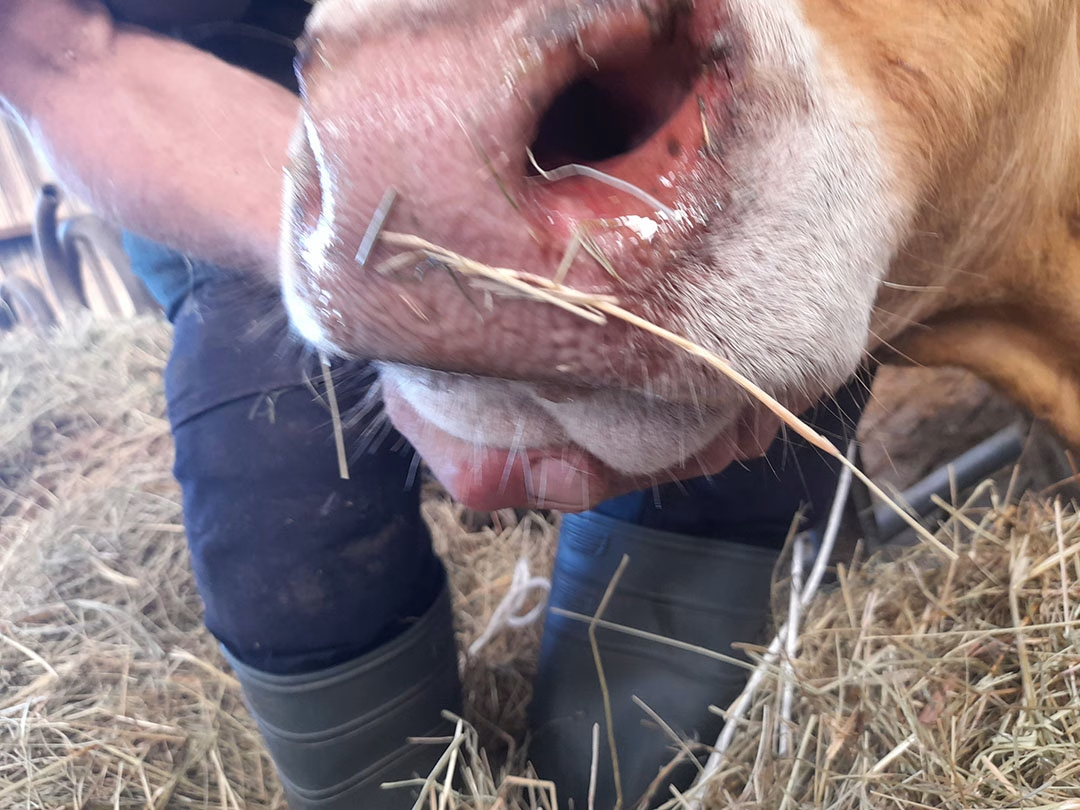
The bluetongue virus (BTV) is a viral disease that affects animals like sheep, goats, and cattle. It spreads through bites from Culicoides midges, which have a broad reach and challenging control. Infected livestock may experience fever, swollen heads, and mouth ulcers. BTV can cause a sharp drop in milk production for dairy cows, hitting the dairy industry hard.
EHD, another disease spread by midges, adds to the problems by causing cattle fever and swelling. BTV and EHD are serious threats to livestock in France, and more efforts are needed to control them. These diseases significantly affect animal health, often leading to high fevers, mouth ulcers, and severe breathing issues. For example, the bluetongue virus can cause a significant drop in milk production, leaving dairy farmers struggling to meet demands. The French Ministry of Agriculture reports that outbreaks have led to a 20% reduction in milk yield on affected farms. Financially, the burden is heavy. Farmers face the direct costs of veterinary care and treatment and lose income due to lower productivity. A report noted that farmers had extra expenses of about €5,000 to €10,000 per farm in vet costs alone during past outbreaks. This establishes a challenging cycle where reduced production exacerbates the economic pressure on farmers as they strive to maintain their businesses amid the damage caused by the disease.
The surge of bluetongue cases in France’s northeastern regions is alarming. With over 9,000 cases reported this year, the outbreak’s severity is a cause for concern, especially for the dairy industry. The bluetongue virus is spreading rapidly in France, with 9,044 cases reported this year in 52 out of 101 regions. The northeastern areas near Belgium are the most brutal hit. This highlights concerns about the virus potentially crossing borders through infected insects or animals, complicating containment efforts and emphasizing the critical need for international coordination.
Severe Bluetongue Outbreak Threatens Dairy Industry’s Stability and Output
The bluetongue outbreak in France significantly impacts the dairy industry, leading to severe repercussions for production and economic stability. Dairy cattle are susceptible to the disease and show symptoms like high fevers and mouth ulcers. Nevertheless, the most substantial effect is the decrease in milk production, which directly impacts the industry’s fundamental operations.
For dairy farmers, less milk means less income. Daily financial pressures increase as they must cover additional veterinary care costs while coping with reduced productivity. For instance, a farmer in the worst-hit region of northeast France has seen a 30% drop in milk production, leading to a significant decrease in income. This also affects the industry, disrupting supply chains and possibly causing price changes.
Diminished supplies may influence the market presence of dairy and milk processors. This situation highlights how a biological threat can evolve into a complex economic issue.
Experts warn of long-term impacts if control measures aren’t effective. These could include a prolonged decrease in livestock productivity, increased vet costs, and potential changes in market dynamics. While vaccine efforts offer some hope, recovery for farmers and the industry could be challenging and lengthy. This underscores the importance of proactive measures and ongoing vigilance.
France’s Strategic Response: Combating Bluetongue Virus with Swift Actions
The French authorities are actively tackling the bluetongue outbreak with focused control measures to protect the livestock industry:
Vaccination Campaigns: France distributes 6.4 million vaccine doses, prioritizing high-risk livestock. Rapid vaccination is crucial to stop the virus spread, especially in remote areas.
Movement Restrictions: Zones are set up to limit animal movement in affected regions. Enforcing the rules is challenging, and the economic impact on farmers is significant.
Emergency Vaccine Approval: While approving vaccines like BULTAVO 3 and BLUEVAC-3 helps, availability and effectiveness against this bluetongue strain are key concerns.
These strategies rely on quick action and cooperation among the government, veterinarians, and farmers to stabilize France’s dairy industry amid the ongoing outbreak.
The regional epidemic of bluetongue and EHD in Europe underscores the need for a unified response. The outbreaks in France and similar patterns in Belgium, the Netherlands, Germany, and Luxembourg highlight the importance of international cooperation in combating these diseases. France’s bluetongue and EHD outbreaks are part of a larger European epidemic affecting several countries. Belgium, the Netherlands, Germany, and Luxembourg report increased BTV-3 cases, showing a similar pattern. This spread suggests environmental or migratory factors potentially linked to favorable climate conditions for disease vectors. Spain and Portugal are also facing EHDV-8 outbreaks, highlighting the persistent presence of these pathogens across Western Europe.
This widespread epidemic complicates control efforts because trade and livestock movement increase cross-border transmission risks. Measures like movement restrictions and vaccinations face logistical challenges and need international cooperation. Differences in readiness among countries can create gaps for disease spread, causing ongoing outbreaks.
Mild winters and warm summers in Europe likely extend active periods for disease vectors, worsening outbreaks. Climate changes could further affect vector behavior, requiring adaptive strategies. To control bluetongue and EHD in Europe, a multifaceted response with better surveillance, shared resources, and unified policies is essential.
Adaptation and Resilience: Navigating France’s Dairy Crisis Amid Disease and Climate Challenges
The concurrent outbreaks of bluetongue and EHD present significant challenges for France’s dairy sector. Many animals, especially in new outbreak zones, have never encountered BTV-3, increasing the risk of widespread, severe infections. This complicates control efforts and worsens the economic impact.
Climate plays a crucial role in the spread of these diseases. Mild winters and warm summers create perfect conditions for disease-carrying midges. This means more frequent outbreaks, challenging established agricultural routines.
If not addressed, these outbreaks might cause prolonged decreases in livestock productivity, affecting milk yield and quality and putting farmers under economic strain. Proactive measures like vaccinations, international cooperation, and climate adaptation strategies are vital.
The French government and agriculture organizations must improve disease monitoring and explore novel solutions to make livestock more resilient. The future of French dairy farming hinges on this adaptability and commitment to sustainable approaches.
The Bottom Line
France is experiencing a significant bluetongue virus outbreak, with over 9,000 cases hitting the northeastern regions hardest. The presence of EHD adds to the urgency of ongoing vigilance and effective action from authorities and dairy farmers. Implementing comprehensive vaccination campaigns and stringent movement controls is essential in containing the bluetongue virus outbreak and safeguarding the dairy industry from further devastation.
This situation demands unity and increased awareness in the industry. We invite you to share your successful approaches to managing outbreaks and strategies for combating agricultural threats. Your valuable insights can inspire and guide others in navigating similar challenges effectively. Whether it’s a successful vaccination campaign or a unique approach to movement controls, your experiences can help others in the community. Staying informed and actively participating in discussions are crucial for keeping up with developments and collaboratively tackling the challenges presented by agricultural crises. Together, the dairy community can build resilience and protect livestock health.
What do you think of the current strategies? Have you faced similar situations, and what did you do?
Bullvine Daily is your essential e-zine for staying ahead in the dairy industry. With over 30,000 subscribers, we bring you the week’s top news, helping you manage tasks efficiently. Stay informed about milk production, tech adoption, and more, so you can concentrate on your dairy operations.
Find out how the 2024 bluetongue outbreak in the Netherlands affects the dairy sector. What does this hold for dairy farmers’ futures?
Summary:
In a year marked by unprecedented challenges for the agricultural sector, nearly 11,000 cases of bluetongue disease in the Netherlands have captured global attention. With most infections in Dinkelland, this outbreak includes a newly discovered strain, serotype 12, complicating containment efforts and necessitating strategic responses. Serotype 12, identified in provinces such as Flevoland, Utrecht, Gelderland, and Noord-Holland, highlights an epidemiological challenge, significantly affecting farm and wild animals, including sheep, cows, goats, and deer. The impact includes reduced milk production, increased veterinary costs, and potential trade bans, requiring upgraded vaccine strategies and global cooperation. Enhanced measures in countries like France and Germany signal the urgency of proactive responses, while future management may involve innovative methods like genetic engineering and artificial intelligence.
Key Takeaways:
Dutch authorities reported 10,757 bluetongue cases in 2024, indicating a significant rise in infection rates.
A new variant, serotype 12, has emerged alongside the prevalent serotype 13, complicating the outbreak management.
The majority of infections were identified via PCR testing, highlighting the role of advanced diagnostic technology.
Dinkelland, located northeast of Twente, recorded the highest number of cases, triggering concern about regional agricultural impacts.
Efforts to combat the spread involve understanding serotype dynamics and enhancing biosecurity measures.
The outbreak poses economic challenges, affecting dairy farmers’ livelihoods and the global dairy trade.
Proactive and coordinated strategies are essential in addressing both immediate threats and long-term implications of bluetongue.
This year, the bluetongue outbreak in the Netherlands has been massive, significantly affecting the dairy industry. With 10,757 cases reported, this large-scale epidemic has caused much concern in farming communities. In October, a new variant, serotype 12, was discovered, adding to these worries. This could be a turning point in how the disease spreads and is managed. How might this increase in infections—and the arrival of a new serotype—change dairy farming?
The Silent Surge: Understanding the Bluetongue Threat
Bluetongue is a viral disease affecting farm and wild animals like sheep, cows, goats, and deer. It’s caused by the bluetongue virus, which belongs to a group of viruses called Orbivirus from the Reoviridae family. This disease spreads through the bites of tiny insects called midges, particularly from the Culicoides species. These midges do well in warm and moist environments, helping spread the virus to animals nearby.
When animals catch the virus, they might show symptoms that range from mild to severe. These include fever, drooling, swollen face and tongue, and trouble breathing. The disease is called “bluetongue” because, in severe cases, the animal’s tongue swells and turns a bluish color. However, not all affected animals show symptoms, and the severity depends on the type, breed, animal health, and potency of the virus strain.
Bluetongue outbreaks in Europe, especially in the Netherlands, have happened now and then, mainly when the climate helps the midges spread. The first significant outbreaks in Northern Europe were in the early 2000s. The Netherlands had significant outbreaks in 2006 and 2007, leading to efforts like increased checks and vaccinations to control it. These incidents mainly involved serotype 8, causing significant economic damage due to lower milk production, trade restrictions, and higher animal care costs.
The resurgence of nearly 11,000 cases this year shows a significant return of bluetongue. The finding of new virus types, like serotype 12, in several areas, shows a change in how the disease spreads. This outbreak is more significant and covers more areas in the Netherlands than before, pointing to possible changes in midge behavior, weather patterns, or virus mutations as causes. This sharp increase highlights the need for ongoing alertness and immediate control strategy changes to stop the spread further and lessen the impact on the dairy industry.
Economic Shockwaves and the Silent Suffering of Dairy Farmers
The impact of nearly 11,000 bluetongue infections has been felt throughout the dairy industry, turning what seemed like a distant issue into a real problem for farmers. With dairy farms at risk, farmers face three significant financial challenges: less milk production, rising vet costs, and possible trade bans.
The first of these challenges is the drop in milk production. Bluetongue disease mainly affects animals like cattle, leading to less appetite and significant health issues, resulting in less milk production. “Our milk output has dropped by over 50% since the outbreak began,” said Hans Vermeer, a dairy farmer from Dinkelland who has seen what the disease does to his cows.
The financial hit isn’t just about less milk. Farmers also have to consider higher vet costs. They must spend more of their tight budgets on vet care to control the disease. Janine van der Velde, a vet in Utrecht, said, “We’re seeing more farmers needing advice on how to protect their cattle, and that’s making our vet costs go up.”
In addition, as the disease spreads, trade bans could be imminent, which might cut off sales to specific markets and stop economic growth. Countries worried about the spread of the disease face losing not only money but also their reputation. Industry expert Patrick Müller says, “If these outbreaks continue, Dutch dairy exports could be hit hard, just like during the last major outbreak.”
Bluetongue remains a constant worry, lingering over these dairy farmers like a storm cloud. Yet, their resilience and determination shine through. As they navigate these challenges, their struggles underscore the urgent need for new solutions and full support to combat this infectious disease.
Navigating the Serotype Maze: Staying Ahead in the Bluetongue Battle
The new bluetongue serotypes, like serotype 12, show how difficult it is to manage this disease, mainly affecting farm animals like cows. Over 24 types of this virus make it challenging for farmers and veterinarians. Each type has its genetic makeup, which means immunity to one type doesn’t protect against others. This makes it challenging to create vaccines. Most vaccines are specific to one or two types, so scientists must do extensive research to develop vaccines that can protect against many types.
The discovery of serotype 12 means we need better vaccine strategies. New virus strains cause more outbreaks and might make current tests less effective. Because of this, researchers must quickly study the new strains and update testing methods. Vaccine makers must also keep up with these changes. However, getting new vaccines approved and made available can take time and resources.
Controlling the disease becomes even more challenging with new serotypes like serotype 12. This underscores the crucial need for global cooperation. Current plans must be flexible, using the latest science to make real-time decisions. The spread of serotype 12 to new areas means countries must work together. Veteran authorities, researchers, and farmers must communicate well to protect farm animal health and the economy.
To prevent the virus, tackling bluetongue requires surveillance, research funding, and cross-border teamwork. As the situation evolves, the dairy industry must be ready to face these challenges to keep animals healthy and support farmers’ livelihoods.
Strategic Frontlines: The Dutch Response to Bluetongue’s Menace
In response to the bluetongue outbreak, the Dutch government and vets have created a plan to control and stop the virus from spreading. The central part of this plan is a vaccination program, which helps livestock build herd immunity and lower the number of infections. The government has made vaccines easy to get, aiming to vaccinate many animals across dairy farms, and this has helped reduce new cases.
Quarantine rules are also strictly enforced, especially in areas with many infections. Farms with infected animals must follow rules to limit movement and use safety measures to prevent the virus from spreading to nearby farms. These steps have helped control the spread of the virus, but enforcing quarantines can be challenging.
Efforts to control the midges that spread the virus include getting farmers to use insect repellent and change landscapes to reduce midge breeding areas. While these actions help lower midge numbers, their success depends on environmental conditions and farmers’ cooperation.
New methods like genome sequencing are used to track viruses and quickly identify new types. This modern tracking helps authorities respond faster to new threats and change strategies as needed. Also, using digital platforms to share disease information among different groups makes control efforts quicker and more organized.
Global Shocks from a Local Crisis: Bluetongue’s Ripple Effect on Dairy Trade
The bluetongue outbreak in the Netherlands is not just a local issue; it has more significant effects on the global dairy market, impacting dairy producers and consumers worldwide. The increase in cases shows possible weaknesses in the international dairy trade and brings challenges that go beyond the Netherlands. Since the Netherlands is a major player in the global dairy market, any problems in production due to cattle health issues can lead to shortages and price changes worldwide. Trade could be affected as countries relying on Dutch dairy products look for other suppliers, increasing competition and raising prices.
Countries like France and Germany have started improving their safety measures in response to the situation in the Netherlands, knowing they need to stop the disease from spreading to their herds. These countries are essential dairy exporters and help prevent the disease from spreading further into Europe. To avoid economic problems like those in the Netherlands, they are developing and sharing better tracking and quick response plans among European Union members.
There’s a worry that if bluetongue spreads to new areas, countries with climates that allow the disease to spread could suffer. Southern European countries like Italy and Spain, which have had cases of bluetongue before, need to be careful. If the weather improves for the insects that spread the disease, they could see more cases.
Because the world is more connected by trade, countries must work together more to handle these threats. Organizations like the World Organization for Animal Health (OIE) are crucial in coordinating responses and helping countries work together. By sharing information and successful strategies, countries can better manage outbreaks and reduce the effects on farming trade. Stronger cooperation can help keep a stable global dairy market that can handle disease threats.
Future Prospects: Tactical Innovations and Global Synergy in Bluetongue Management
As we consider the future of bluetongue disease management, it’s clear that new methods and technologies are needed to tackle this growing problem. The threat of bluetongue is increasing, especially with new virus versions like serotype 12. We must change how we deal with animal diseases to protect our farms better.
Looking ahead, we can expect significant improvements in vaccines. New technologies like genetic engineering might upgrade today’s vaccines to protect against more virus types. These advances could help scientists create vaccines that stay ahead of the ever-changing virus, giving dairy farmers better protection [source: Vaccine Development Journal].
In addition, diagnostic tools are getting better. Technologies like artificial intelligence (AI) could help us quickly identify infections. Just picture farmers using devices in the field that give them instant results, allowing them to act quickly and accurately [source: Diagnostics Tech Magazine].
But there’s more to consider than just technology. Climate change and globalization also play significant roles. As the climate gets warmer, disease carriers like midges spread to new areas, which raises the infection risk. This means we must look at the big picture and consider how environmental changes affect the spread of animal diseases [source: Climate Impact Reports].
Globalization also spreads these diseases, as products and animals move across borders more often. In today’s world, a local disease outbreak can quickly cause problems in other countries. To prevent these problems, industry experts must support stronger international collaborations and share information.
Ultimately, our future success depends on mixing good science, innovative policies, and global teamwork. People in the dairy industry and related fields must be alert, improve current methods, and try new strategies. Will we work together to protect our animals and businesses from these challenges? The choices we make today will shape our future.
The Bottom Line
The jump to nearly 11,000 bluetongue cases in 2024 shows how complex and changing this animal disease can be. The dairy industry faces tough economic challenges, and new serotypes add another problem. Dutch efforts in managing this crisis show the need for quick and intelligent action to fight animal diseases. However, this situation also makes us question whether the global dairy market is ready for such problems.
We must consider the dairy industry’s strength and ability to handle such shocks while maintaining production and distribution. What steps can we take to prevent future outbreaks and protect farmers’ livelihoods worldwide? To manage these disease challenges properly, stakeholders must stay alert and informed and keep up with the latest scientific studies and policies.
In today’s connected world markets and growing agricultural risks, affected areas and the international community should support collaboration and the development of new ways to prevent diseases. How we work together and plan will decide the dairy sector’s strength and future, as it faces bluetongue and other new threats.
Bullvine Daily is your essential e-zine for staying ahead in the dairy industry. With over 30,000 subscribers, we bring you the week’s top news, helping you manage tasks efficiently. Stay informed about milk production, tech adoption, and more, so you can concentrate on your dairy operations.
Uncover how bluetongue disease challenges dairy farms in Denmark, Norway, and Sweden. Are your herds vulnerable? Explore prevention and response methods.
Summary:
The recent spread of bluetongue disease across Denmark, Norway, and Sweden signifies a critical challenge for the Nordic livestock sector. Emerging in Europe in 2023, BTV-3 has now firmly established within the Nordic perimeter, drastically impacting sheep, goats, and cattle. Although cattle endure lower mortality rates, reduced milk output deeply affects economic stability. Denmark notes 863 outbreaks predominantly affect conventional and organic operations, whereas Norway battles a 30% mortality rate in sheep. Sweden faces 353 confirmed outbreaks, exacerbating pressure on its strained industry. Insurance simultaneously adapts, covering animal losses due to bluetongue in Denmark; national vaccination strategies unfold, addressing disease proliferation and underpinning the need for comprehensive insurance and safety nets as hailed by stakeholders. As expert Anders Nilsson observes, the threat to animal health is clear, with profound implications on production for Nordic dairy farmers.
Key Takeaways:
The bluetongue disease has re-emerged in Nordic countries, affecting Denmark, Norway, and Sweden.
Denmark has recorded 863 outbreaks significantly impacting organic operations, and voluntary vaccination is available.
Norway faces a high mortality rate in sheep, and vaccination policies are subject to regional exceptions.
Sweden has reported 353 infected herds, allowing both veterinarian and self-administered vaccination.
Economic implications include potential declines in milk production and insured losses in animal mortality.
This outbreak highlights the need for enhanced disease surveillance and improved preventative measures in livestock management.
Authorities are urged to develop robust contingency plans to safeguard the dairy industry against future disease impacts.
The recent outbreak of bluetongue disease, a viral affliction affecting sheep, goats, and cattle, has breached the borders of Denmark, Norway, and Sweden, serving as a wake-up call for the Nordic dairy industry. The spread of BTV-3 presents a formidable challenge by threatening livestock health and impacting milk production—a critical concern for farmers operating on tight margins. This situation demands immediate and decisive action from dairy farmers to safeguard their herds and livelihoods from disruptions in the dairy ecosystem.
Nordic Alert: Bluetongue’s Unexpected Assault on Livestock
Bluetongue disease is a viral affliction that significantly impacts livestock, primarily sheep, goats, and cattle. It is transmitted through the bites of infected midges, leading to symptoms that range from fever and swelling of the lips and tongue to severe respiratory issues and even death, particularly among sheep and goats. While the mortality rate in cattle is lower, infected animals experience notable declines in milk production, affecting both economic output and livestock health.
The detection of bluetongue disease in the Nordic countries represents a critical shift in its geographic spread following the 2023 European outbreak. These regions, previously unaffected in recent years, now face the substantial task of adapting to and managing the disease’s impacts. The spread signifies the virus’s remarkable adaptability and poses new challenges for livestock management practices. It highlights the urgent necessity for improved veterinary monitoring and possibly reevaluating vaccination strategies. The outbreak marks a heightened threat to local economies heavily reliant on livestock, emphasizing the need for proactive measures to curtail further spread and mitigate economic repercussions. The entrance of this disease into the Nordic regions underscores a pivotal moment in the ongoing efforts to control and eventually eradicate bluetongue from Europe’s agricultural landscape.
Bluetongue’s Unforeseen Grip: Denmark’s Livestock Industry at a Crossroad
The first reported case of bluetongue disease in Denmark on August 9, 2024, marked the beginning of a challenging period for the region’s livestock industry. Initially confined to a few farms, the disease rapidly spread throughout the country. By November 2024, Danish authorities had recorded 863 outbreaks, impacting conventional and organic farming operations. Notably, organic herds accounted for approximately 20 percent of these outbreaks. This revelation raised concerns among organic farmers about maintaining animal welfare and production standards amidst the viral threat.
While the bluetongue virus posed a significant risk to livestock, Denmark refrained from imposing movement restrictions. Authorities stressed the importance of disease reporting but allowed farmers some flexibility. This decision enabled the continuation of trade and animal movement, albeit with the required notification of the proper channels.
In response to the outbreak, Denmark offered voluntary vaccination programs to farmers, an option available even to organic herds—this preventative measure aimed to curb the virus’s spread and protect livestock health. Danish insurance providers began covering animal losses due to bluetongue, a unique among affected countries, providing some financial respite to affected cattle and sheep farmers. However, this coverage did not extend to losses incurred from reduced milk productivity, an issue yet to be addressed by insurers.
Norway’s Vigilance Tested: Bluetongue’s Relentless March in 2024
The bluetongue outbreak in Norway commenced with the first recorded case on September 6, 2024, likely due to midge-borne transmission mechanisms from Denmark. Since the last occurrence in 2009, Norway has maintained a vigilant monitoring program, gauging bluetongue virus antibodies biannually in September and November by testing milk tanks throughout the region. The disease has manifested in 97 confirmed outbreaks, encompassing 20 in cattle and a significantly higher incidence of 77 in sheep, all concentrated in Southeast Norway.
The mortality rate among sheep in Norway is alarmingly high at 30%, underscoring the critical need for effective control measures. Consequently, the Norwegian government has instituted zonal restrictions that regulate the movement of breeding animals and dairy commodities, mandating comprehensive blood tests before any transit from high-risk areas. The prominent agricultural cooperative Nortura has also enforced self-imposed measures exceeding governmental regulations to curb the spreading of the virus.
Given Norway’s cautious stance on vaccination, it remains prohibited mainly due to concerns about interfering with the disease’s monitoring in milk production processes. However, in areas severely impacted by the outbreak, regulatory exceptions grant veterinarians, albeit on their responsibility, the authority to vaccinate livestock. The Norwegian authorities plan to reassess the vaccination policy in 2025 to determine its feasibility, especially considering the seasonal decline of midge populations, which could aid in naturally curbing the outbreak.
Sweden Under Siege: Weathering the Bluetongue Storm
The bluetongue disease (BTV-3) outbreak in Sweden commenced on September 12, 2024, marking a significant challenge for the livestock industry. Positioned on the country’s west side, the outbreak’s proximity to Denmark and southeast Norway has raised concerns about the virus’s rapid spread across borders. Sweden recorded 353 herds affected by this outbreak, comprising 167 sheep and 188 cattle herds. Despite the widespread incidence, the Swedish authorities have not imposed any movement restrictions, allowing the transportation of animals and products without additional regulatory barriers.
Regarding preventive measures, Sweden has adopted a flexible vaccination policy. Both veterinarians and animal owners are authorized to administer vaccines, which provide a crucial line of defense against the spread of the disease. This proactive approach mitigates the impact while balancing the country’s agricultural and economic needs.
Bluetongue Shockwaves: A Nordic Challenge to Dairy Industry Stability
The surprise outbreak of bluetongue disease across Nordic countries poses significant challenges for the dairy industry. While sheep and goats historically bear the brunt of mortality, dairy cattle aren’t exempt. Bluetongue infection in cows results in a marked decrease in milk yield, a fact that Danish, Norwegian, and Swedish dairy farmers are acutely aware of following the disease’s advance.
Consequently, the supply chain is disrupted. Denmark, a substantial contributor to the EU’s milk production, is experiencing ripples in the dairy market due to the forecast of reduced output. Norwegian dairy farmers also face economic uncertainty, compounded by mortality rates in other livestock that influence mixed farming operations. The flexible vaccination approach in Sweden may offer some relief, but the impact on milk production is still unfolding. The outbreak has disrupted the supply chain and led to economic uncertainty for dairy farmers, with potential reductions in milk production and increased operational costs.
Economically, the situation translates into increased operational costs for farmers. Restricted animal movement to curb the virus spread results in logistical reconfigurations, while voluntary vaccination programs add financial burdens. Additionally, losses aren’t solely production-based; in some jurisdictions, farmers are in precarious financial positions without insurance coverage for milk losses. This underscores the need for robust financial planning and risk management strategies in the face of such outbreaks.
The ripple effects touch the broader industry. Fluctuations in milk supply may drive up prices, affecting consumers and milk-based product manufacturers. Insurance stakeholders and regulatory bodies within each country grapple with policy adaptations. The call for more comprehensive insurance models and government-backed safety nets becomes louder as the industry braces for repeated climate-influenced virus threats.
Overall, the bluetongue outbreak underscores the interconnectedness of livestock health and economic viability within the dairy sector. It prompts urgent discussions on resiliency and adaptive strategies for facing evolving environmental challenges.
The Bottom Line
The unexpected spread of bluetongue disease across Denmark, Norway, and Sweden is a stark reminder of the vulnerabilities in today’s livestock industries. The escalating outbreaks remind us how swiftly a pathogen can travel across borders, imperiling animal health and the livelihoods dependent on them. Each country’s response—from Denmark’s coverage by insurance companies to Norway’s stringent restrictions and Sweden’s voluntary vaccination—demonstrates varying strategies for combating this menace. However, these efforts underscore a larger question: are we prepared for the next wave of animal health crises? The dairy industry must remain agile, anticipating future threats rather than merely reacting to present ones.
Vigilance is paramount in these critical times. This is your call to action for dairy farmers and industry professionals: Stay informed through credible sources and actively engage with industry experts. Consider proactive measures such as vaccination programs and stricter biosecurity practices. The future of livestock disease management will depend on our collective ability to foresee challenges and implement preemptive strategies to safeguard our agricultural communities.
Bullvine Daily is your essential e-zine for staying ahead in the dairy industry. With over 30,000 subscribers, we bring you the week’s top news, helping you manage tasks efficiently. Stay informed about milk production, tech adoption, and more, so you can concentrate on your dairy operations.
Uncover how BTV-12’s unexpected spread affects dairy farmers. Are you ready for the challenges?
Summary:
The emergence of a new bluetongue virus serotype, BTV-12, has taken the livestock industry by surprise with its rapid spread across various regions in the Netherlands, affecting cattle and sheep and challenging existing control measures. As the Dutch government undertakes strategic steps to manage the outbreak, including collaboration with vaccine manufacturers, the elusive genetic makeup of BTV-12 makes it difficult to develop a tailored vaccine. These developments highlight the necessity for continual innovation and resilience in the face of emerging agricultural threats. Dedicated research efforts are crucial, with over 2,500 samples analyzed recently, emphasizing the importance of continuous monitoring. The unexpected spread of BTV-12 underlines the need for the dairy industry and agricultural professionals to remain vigilant and proactive, recognizing that a robust defense against such threats requires collective action and innovation.
Key Takeaways:
Bluetongue virus serotype 12 (BTV-12) has unexpectedly spread across multiple regions, affecting both sheep and cattle.
The Dutch agricultural authorities lifted initial transport restrictions after confirming the virus’s wider presence.
Efforts to map BTV-12’s symptoms and transmission are underway by Royal GD and the NVWA.
Vaccine manufacturers have been provided with genetic data of this new BTV-12 strain to expedite vaccine development.
Current BTV-12 vaccines do not match the new Dutch variant, prompting ongoing research into alternative solutions.
No evidence was found of unauthorized vaccine use or unauthorized animal imports linked to the new variant’s introduction.
Extensive testing of over 2,500 samples has helped identify this new variant and efforts continue to monitor further developments.
The unforeseen spread of the new bluetongue virus serotype 12 (BTV-12) has left many scratching their heads, challenging long-held assumptions about its reach and impact. As cases surface across eight companies in four provinces, this unsettling development raises a critical question: What does BTV-12 mean for the future of dairy farming and industry partners? For those of us entrenched in the field, this is not just another hurdle to overcome. It’s a wake-up call for us to take proactive measures, recalibrate our strategies, and be prepared for what’s to come. Let’s dive deeper into the intricacies of this new strain and the importance of proactive measures in safeguarding our industry.
Uncharted Territories: The BTV-12 Variant’s Surprising Reach and Its Implications for the Livestock Industry
Bluetongue disease, a viral condition transmitted by biting midges, presents significant challenges for livestock industries worldwide, with cattle and sheep most affected. This ailment results in symptoms ranging from fever and swelling to more severe outcomes like reduced milk production and eventual mortality if not managed properly. The economic implications are substantial due to increased veterinary costs and trade restrictions during outbreaks. The emergence of the BTV-12 variant, detected unexpectedly in various regions, raises critical concerns. Its appearance across multiple locations underscores the virus’s potential for rapid spread, threatening herd health and prompting urgent calls for vaccine development and enhanced biosecurity measures. This unexpected distribution pattern of BTV-12 necessitates immediate attention from policymakers and stakeholders, ensuring robust contingency plans are in place to address future outbreaks efficiently.
A New Foe in Familiar Fields: BTV-12’s Unanticipated March and Its Ramifications for Dairy Farmers
In a recent announcement, Agriculture Minister Femke Wiersma reported the identification of the bluetongue virus serotype 12 (BTV-12) within eight distinct companies spread across four different provinces. This revelation underscores the virus’s unexpected expansion and calls for increased vigilance among dairy farmers. To break it down, three sheep and eight cattle have been affected.
Examining the specifics, the Harmelen-S Graveland area is a focal point, accounting for eight positive samples. In addition, singular cases have been identified in Flevoland, Landsmeer, and the Bronckhorst municipality. These findings mirror the complexity of the BTV-12’s geographical spread, necessitating immediate attention to containment and preventive measures in these regions. The impact on cattle and sheep numbers is a critical area of concern for those in the livestock industry, as each case represents a potential disruption to operations.
Strategic Resilience: Unpacking the Dutch Government’s Calculated Response to BTV-12’s Unexpected Surge
The Dutch government’s response to the unexpected spread of the new bluetongue variant, BTV-12, has been both proactive and multifaceted. Initially, the government lifted the blockade on the first two affected companies, indicating confidence in the broader containment and monitoring strategy. This decision underscores a calculated risk-management approach, balancing economic pressures with disease control.
The Dutch Ministry of Agriculture has played a pivotal role in organizing an effort to map the symptoms and spread of the BTV-12 variant, actively enlisting the expertise of the Royal GD and the Dutch Food and Consumer Product Safety Authority (NVWA). Their involvement signifies a commitment to data-driven insights, essential for understanding the virus’s impact on livestock and formulating long-term mitigation strategies. Given the complexity of such epidemiological challenges, their role cannot be understated.
An additional noteworthy measure is proactive communication with vaccine manufacturers. By sharing detailed genetic information about the BTV-12 variant, the Dutch authorities intend to expedite the development of a tailored vaccine. This transparency and collaboration underscore the urgency and seriousness with which the Dutch authorities are addressing the situation. It also opens a pathway for innovation in veterinary medicine, which could be pivotal in addressing this outbreak and preparing for future challenges.
A Genetic Puzzle: Navigating the Complex Landscape of Developing a BTV-12 Vaccine
The emergence of the BTV-12 variant presents a significant hurdle in vaccine development. Unlike previous strains, BTV-12’s genetic makeup has proven elusive, resisting the efficacy of existing vaccines. This complexity, influenced by the virus’s genetic diversity, requires researchers to unravel a new genetic sequence, necessitating collaboration with manufacturers to spearhead the creation of a tailored vaccine. Such efforts demand substantial time and resources and hinge on precise scientific breakthroughs that can’t be hastened.
The challenges continue. Current vaccine studies have yielded limited results, unable to match the specific strain of BTV-12 found in the Netherlands. According to reports, studies also focus on a second existing vaccine, but results remain guarded and inconclusive. This underscores the R&D sector’s relentless pursuit of solutions and the frustrating roadblocks that come with scientific innovation.
Thankfully, amidst the pressing need for a suitable vaccine, concerns about illegal vaccine usage have been laid to rest. The NVWA’s investigations illuminate the industry’s commitment to integrity, as no unauthorized vaccines were found in use. This finding preserves the credibility of the Dutch livestock sector. It reinforces adherence to regulations, ensuring that only sanctioned measures prevail in response to BTV-12.
Global Puzzle: Tracing the Elusive Origins of BTV-12 Amidst Worldwide Diversity
When examining the global presence of BTV-12, one would notice its distribution in regions such as Africa, Israel, Asia, and North and South America. Each location presents challenges when pinpointing this particular strain’s precise lineage. The genetic composition of these BTV-12 variants shows significant diversity that complicates tracing the Dutch variant back to a specific origin. This complexity underscores a broader challenge scientists face, given that even within the same serotype, the virus can have numerous genetic variations influenced by the distinct ecological and epidemiological conditions prevalent in each region. While global surveillance continues, the mystery remains about how this variant arrived in the Netherlands, rendering it a scientific enigma that baffles researchers attempting to trace its ancestral path.
Illuminating Pathways: The Role of Dedicated Research in Combating BTV-12’s Expansion
The painstaking research efforts stand out as a beacon of hope in the crucial battle against the spread of BTV-12. Examining over 2,500 samples marks a significant stride, as these were meticulously analyzed between 13 September and 11 October. The attention to detail continues as samples arriving after 11 October undergo rigorous testing for the familiar BTV-3 and the novel BTV-12 variants.
Such ongoing vigilance underscores the essentiality of continuous monitoring and research in navigating this unpredictable terrain. It’s a scientific commitment that not only aids in tracking the virus’s movement but fuels the groundwork for potential solutions, such as developing effective containment strategies and vaccines. With each test, we edge closer to unraveling the complexities of BTV-12, highlighting the indispensable role of persistent research in safeguarding our livestock and, ultimately, our dairy industry.
The Bottom Line
The unexpected spread of the new bluetongue variant, BTV-12, has underscored the urgent need for the dairy industry and agricultural professionals to remain vigilant and proactive. With its presence confirmed in multiple locations and its origins still uncertain, this variant poses a unique challenge that demands swift and strategic responses. The Dutch government’s efforts to understand and manage this outbreak, including ongoing research and collaboration with vaccine manufacturers, highlight the importance of staying informed and prepared. Dairy farmers must consider the broader implications, recognizing that a robust defense against such threats requires collective action and innovation. What are your thoughts on these developments? Share your insights and experiences in the comments below, or spread the word by sharing this article with your network.
Bullvine Daily is your essential e-zine for staying ahead in the dairy industry. With over 30,000 subscribers, we bring you the week’s top news, helping you manage tasks efficiently. Stay informed about milk production, tech adoption, and more, so you can concentrate on your dairy operations.
How is bluetongue disease hitting EU milk production? What does this mean for your dairy farm? Find out the latest updates.
Summary:
In the heart of Europe’s dairy industry, bluetongue has reared its head again, prompting concern among dairy farmers and professionals. The viral disease, transmitted by biting midges, has significantly impacted milk production in regions like Germany, Belgium, and the Netherlands. While bluetongue poses no risk to humans, it severely affects ruminant livestock, leading to health issues and reduced milk output. Sick cows may lose two pounds of milk daily for nine to ten weeks, leading to health issues such as fever, swelling, and ulcers. Fertility difficulties, particularly pregnancy loss, also pose concerns for farmers. Experts advocate for a dual approach—vaccination programs and environmental management—as essential strategies for mitigating the disease’s impact. “Effective control of bluetongue lies in comprehensive vaccination coverage and diligent vector management. Only then can we anticipate a return to pre-outbreak productivity levels.” – Dr. Hans Muller, Veterinary Virologist. The far-reaching effects of this outbreak ripple through global milk markets, highlighting vulnerabilities and the need for resilient strategies. With high stakes, dairy farmers and industry stakeholders must stay informed and proactive.
Key Takeaways:
Bluetongue impacts major European dairy regions, leading to lower milk production and economic challenges for farmers.
The disease is spread by biting insects, mainly midges, and affects livestock health, fertility, and milk output.
Vaccination and reducing midge populations are the primary methods to combat the disease.
Germany, Belgium, and the Netherlands are the most heavily impacted by the current bluetongue outbreak.
Infected dairy cows can see a significant drop in milk production, sometimes 2 pounds per cow per day over multiple weeks.
The recent outbreak follows a history of bluetongue affecting European dairy sectors, with the BTV-3 variant proving particularly deadly.
Tight milk supplies are driving up milk prices in Europe and the U.S. as production struggles to meet demand.
European dairy farmers are calling for preventive measures, such as stopping cattle imports, to contain the spread of bluetongue.
The European Union’s milk production is currently under a severe threat. The re-emergence of bluetongue illness, a virus spread by biting midges, has raised significant concerns among dairy producers and industry specialists. This threat is not a distant one but a pressing issue significantly influencing milk output and the general health of animals in numerous critical milksheds. The ramifications are substantial and far-reaching, demanding immediate attention and action from all individuals involved in dairy farming or servicing the sector. Industry experts warn, “Bluetongue’s reappearance after a 14-year absence has put the entire dairy sector on high alert.” The disease’s effect on milk production is a clear call to improve preventative measures and foster industry-wide collaboration.”
Country
Pre-Outbreak Milk Production (million liters)
Post-Outbreak Milk Production (million liters)
Percentage Change
Germany
31,000
29,750
-4.0%
Netherlands
14,500
13,775
-5.0%
Belgium
4,500
4,275
-5.0%
Bluetongue: The Relentless Threat to Dairy Productivity
Bluetongue illness is a non-contagious viral infection that primarily affects ruminants such as cattle, sheep, and goats. This illness is carried by Culicoides biting midges, which transfer the virus from one animal to another. The illness affects animal health and production, with varying symptoms across species.
One of the most significant issues bluetongue offers to dairy cows is a notable decrease in milk output. USDA statistics show sick cows may lose about two pounds of milk daily for nine to ten weeks. Aside from reduced milk flow, affected dairy cows may have various health issues, such as fever, swelling, and ulcers, which may worsen their condition. Fertility difficulties, particularly the possibility of pregnancy loss, provide additional concerns for farmers.
The cumulative effect of these health risks might significantly impact the dairy business. Lower milk yields and related reproductive issues result in considerable economic losses for dairy producers. To address these issues, thorough immunization programs and proactive midge population control techniques are required to reduce the spread and impact of this stubborn illness.
A Troubling Legacy: Bluetongue’s Recurring Havoc in Europe
Bluetongue has a long history in Europe, with past outbreaks causing widespread disruptions in the dairy sector. The illness initially gained considerable notice in the early 2000s, notably with the emergence of the BTV-8 strain in August 2006. This strain spread quickly across Europe, devastating many nations and causing significant economic damage. The European dairy and livestock sectors faced lower milk output, cow illness, and high sheep mortality rates. BTV-8’s spread was not controlled until a vaccine was created two years later.
After almost a decade of relative peace, bluetongue made a troubling comeback to the Netherlands in September 2023. Many people were surprised by the disease’s comeback since it had been mostly suppressed for 14 years. The epidemic spurred immediate response, resulting in a vaccine campaign in April 2024. By June of the same year, an impressive 90% to 95% of the sheep population had been immunized, demonstrating the industry’s quick reaction and commitment to livestock safety. Despite these efforts, the effect on milk output and herd health has been noticeable, with many European dairy enterprises feeling the pressure.
Bluetongue’s Unrelenting Assault: Germany, Netherlands, and Belgium at the Epicenter
Bluetongue is now spreading havoc in many European nations, with Germany, the Netherlands, and Belgium suffering the brunt of the spread. According to the most recent assessments from September 2024, Germany is facing severe issues. The map shows blue dots for multiple afflicted beef and dairy cow enterprises. In contrast, red dots represent diseased sheep and goat farms. The figures show that the number of impacted operations has almost doubled since the previous month, with a considerable drop in milk output reported.
The situation in the Netherlands remains serious. The bluetongue virus returned in September 2023 after a 14-year break, killing almost 51,000 sheep last year alone. Because insects transmit the virus, its proliferation is intimately tied to climate conditions that favor the lifecycle of biting midges.
Belgium is also grappling with the effect of bluetongue on its livestock, particularly dairy cattle. As dairy producers work to safeguard their herds, they confront lower milk production and higher management expenditures.
Unseen Costs: Bluetongue’s Impact on Milk Production
Bluetongue’s influence on milk output should not be disregarded. Affected cows exhibit indications of frailty and produce less milk. USDA statistics show sick cows produce around two pounds less daily milk. This drop may seem slight on a per-cow basis, but it has a considerable effect when scaled across whole herds in major dairy areas. Germany’s most significant dairy sector in the European Union saw milk output fall by more than 1% in August 2024. Experts expect that September’s statistics will be considerably lower.
The impact on milk production is not limited to one nation. The Netherlands and Belgium, leading European milk producers, are seeing comparable decreases. According to a recent study from the European Food Safety Authority (EFSA), these areas are witnessing up to a 0.8% drop in milk supply owing to the illness [“EFSA Report on Bluetongue Impact,”](https://www.efsa.europa.eu/en/news/bluetongue-2024-update)
What is causing the broader declines? Bluetongue reduces the amount of milk produced and degrades the quality. Infected cows often have increased somatic cell counts, which correlates directly with worse milk quality. This reduction in quality impacts everything from cheese manufacturing to fluid milk supply, raising expenses and lowering earnings for dairy producers.
However, there is a potential for future outbreaks. As we approach October, the peak season for biting midges will fade with the cooler temperatures. Bluetongue has traditionally spread more slowly as temperatures decrease. Farmers must remain vigilant, however, since the illness may resurface if circumstances improve next summer. This potential for future outbreaks underscores the need for ongoing vigilance and preparedness.
Finally, dairy producers in the impacted areas face a challenging future. The combined loss of milk supply and quality offers a daunting challenge that must be adequately managed via coordinated initiatives such as immunization programs and tight monitoring. However, with colder weather on the way, there is optimism that this tendency will be brief, providing some respite and allowing time to prepare for future breakouts. The dairy industry’s resilience in the face of adversity offers hope for the future.
Bluetongue’s Ripple Effect on Global Milk Markets: A Double-Edged Sword
Bluetongue-related milk production declines have a severe impact on the milk market in Europe and across the world. With major dairy-producing nations such as Germany, the Netherlands, and Belgium reporting reductions, milk supplies are expected to tighten immediately. This issue has already impacted rising milk costs.
Dairy producers may see the uptick in milk prices as a silver lining. However, it is critical to evaluate the bigger picture. Higher prices result from a supply shortage rather than an increase in demand. This implies that, although farmers may earn more per liter of milk, they are also faced with lower total output. Volume losses offset price increases, resulting in a fragile equilibrium.
On a global scale, Europe’s lower production exacerbates the already limited milk supply from other vital exporters such as New Zealand and the United States. This combination of lower output may push global milk prices further higher. Higher pricing may seem helpful to dairy producers and exporters in the near run. However, it raises consumer prices and reduces total consumption.
The repercussions are equally substantial for dairy producers’ suppliers. Reduced milk output may reduce demand for dairy farm supplies and equipment. Farmers, on the other side, may see a rise in demand for veterinary services, disease prevention, and control measures as they work to safeguard their herds against bluetongue and other illnesses.
Although restricted milk supply raises prices, the overall effect on dairy farmers and the business is complicated and diverse. Better prices do not always imply better profitability, particularly when farmers confront simultaneous disease control problems and lower production levels. The sector must use appropriate solutions to address these difficulties and ensure long-term milk production sustainability.
Future Proofing Dairy: Strategies for Resilience in the Face of Bluetongue
Looking forward, periodic bluetongue outbreaks might dramatically alter the dairy industry’s environment. The disease’s persistence necessitates rethinking current agricultural methods and herd management strategies. Dairy producers may need more robust biosecurity precautions to prevent vector populations, such as investing in insect-proof buildings and implementing broad midge control tactics.
Herd management methods may also evolve. Regular health monitoring and fast response systems might become commonplace to identify and manage epidemics quickly. Dairy farms may improve herd immunity by using regular vaccination programs.
Another fascinating idea is a change in genetic selection. Some cow breeds or individual animals exhibit variable degrees of resistance to bluetongue. Thus, there may be a concentrated attempt to develop livestock with these qualities. Selective breeding for disease resistance is familiar but may become more urgent due to repeated epidemics. According to a study published in the Journal of Dairy Science, genetic breakthroughs might give a long-term solution by generating herds that are naturally less vulnerable to bluetongue[Journal of Dairy Science].
This changing environment emphasizes the need for proactive methods and forward-thinking approaches to ensuring dairy production. Dairy farmers can preserve the industry’s resilience and long-term viability by keeping ahead of the curve, capitalizing on scientific advances, and adapting to new challenges.
Combating Bluetongue: Europe’s Two-Fold Strategy of Vaccination and Environmental Management
To tackle bluetongue, European countries have primarily relied on vaccination programs and environmental management to curb the disease. To combat bluetongue, European governments have relied heavily on vaccination programs and environmental management to reduce the prevalence of biting midges. Since April 2024, most European milksheds have conducted complete immunization programs. For example, the Netherlands stated that up to 95% of their sheep herd had been vaccinated by mid-June, considerably lowering the disease’s effect on livestock.
Beyond vaccination, minimizing standing water sources has been essential for controlling midge populations. Midges, like mosquitos, flourish in areas with stagnant water. Farmers should use stringent water management methods, such as regularly emptying or cleaning water pools, to interrupt the midges’ reproduction cycles.
However, these preventative methods provide their own set of obstacles and restrictions. Vaccination programs, although practicable, need significant coordination and financial resources. The logistics of vaccinating large animal herds in diverse and often isolated geographical locales may be challenging. Furthermore, although immunizations are essential, they are not perfect. Variants such as BTV-3 may hamper these efforts, requiring frequent vaccine formulae modifications.
Regarding environmental considerations, regulating midge populations is a continuous and labor-intensive operation. It requires constant monitoring and frequent action by farmers, which may be difficult, particularly for smaller businesses with limited resources. Furthermore, climatic fluctuations may influence the efficacy of standing water management since heavy rains or floods can generate new breeding sites quicker than they can be managed.
Although vaccination and environmental management have shown effective strategies in the battle against bluetongue, they are not without challenges. Effective mitigation requires ongoing and coordinated efforts, resources, and adaptation to changing obstacles.
Global Ripples: Bluetongue’s Far-Reaching Impact on Dairy Farmers
Beyond Europe, bluetongue has shadowed dairy producers in other places. For example, in Australia and Africa, where the illness has caused periodic outbreaks, farmers use a combination of vaccine and environmental management techniques comparable to those of their European counterparts. Australia’s National Arbovirus Monitoring Program (NAMP) monitors viral activity and responds quickly to prevent epidemics. This preventive approach has dramatically decreased the effect on milk output.
In contrast, African dairy producers confront hurdles due to restricted immunizations and the availability of veterinary services. However, community-led projects are proving to be a silver lining. Local farmers work together to establish midge-free zones by controlling water and using insecticide-treated nets. These techniques, albeit primitive, have shown promise in slowing the disease’s spread.
Interestingly, South American nations such as Brazil and Argentina have used an integrated pest control strategy. These locations have reduced disruptions to milk production by combining immunization, effective waste management, and strengthened biosecurity measures. The lesson is clear: a thorough and proactive strategy, adapted to regional characteristics, may significantly impact fighting bluetongue.
The Bottom Line
As previously discussed, the comeback of bluetongue in European dairy areas considerably influences milk output. The illness has caused significant losses in production in vital milk-producing nations such as Germany, the Netherlands, and Belgium. Effective containment techniques are critical for bluetongue, as they reduce milk output and strain resources.
Addressing bluetongue has far-reaching economic repercussions; it is about preserving dairy farmers’ livelihoods and guaranteeing the integrity of the milk supply chain. Vaccination and environmental management are crucial in this struggle, but they must be applied effectively and extensively.
Given the complexity and risks involved, one must consider whether present policies are adequate to protect the future of dairy farming in Europe or whether new inventive solutions are required to resist such recurrent challenges.
Bullvine Daily is your essential e-zine for staying ahead in the dairy industry. With over 30,000 subscribers, we bring you the week’s top news, helping you manage tasks efficiently. Stay informed about milk production, tech adoption, and more, so you can concentrate on your dairy operations.
Recent bluetongue outbreaks in Italy and Portugal: Is your dairy farm ready? Essential steps to protect your herds and safeguard your livestock.
Summary:
Bluetongue disease has emerged as a significant threat to dairy farming in Italy and Portugal, impacting cattle, sheep, and camels. Italy has reported outbreaks of the BTV8 variant, predominantly in Sardinia, involving thousands of cattle and sheep. Meanwhile, Portugal’s struggle centers around a sheep farm in Torre dos Coelheiros, where the disease has led to fatalities. Both countries face the daunting task of managing and mitigating this disease, which has severe economic repercussions. According to the World Organisation for Animal Health (WOAH), the spread of bluetongue in these regions highlights the need for robust vaccination and management strategies. The new BTV3 variant, circulating in northern Europe, further complicates efforts to control the disease. “Effective control measures and timely vaccination are crucial in preventing the spread of bluetongue. Dairy farmers must remain vigilant and proactive in safeguarding their herds.” — World Organisation for Animal Health. Bluetongue, spread by biting midges, affects domestic ruminants like sheep, cattle, and goats, causing severe health issues and economic impacts, including medical costs, market constraints, and trading limitations. Proactive livestock management, stricter movement restrictions, and vaccination are vital for prevention.
Key Takeaways:
Italy faces a significant impact from bluetongue, with over 4,540 cattle affected, primarily on the island of Sardinia.
The BTV8 variant in Italy differs from the BTV3 strain, rapidly spreading in northern Europe.
Portugal’s outbreak has particularly impacted a sheep farm in Torre dos Coelheiros, involving 15 affected sheep and one fatality.
Vaccination campaigns against bluetongue are active in various parts of Europe, including France, to curb the spread of BTV3.
The disease poses severe economic and operational risks to dairy farms, necessitating preemptive protective measures.
Being informed about different BTV variants is crucial for effective farm management and disease control.
Bluetongue occurrences in Italy and Portugal cause anxiety among dairy farmers. Italy has reported bluetongue outbreaks affecting sheep, cattle, and even camels, especially on the island of Sardinia. Meanwhile, in Portugal, an epidemic has affected a sheep farm near Torre dos Coelheiros. According to the World Organisation for Animal Health (WOAH), “Bluetongue can be fatal for domestic ruminants such as sheep, cattle, and goats.” A new version of the illness, the BTV3 virus, has been spreading in Europe since late last year, prompting vaccine programs in vulnerable nations, including France. Understanding and managing bluetongue is critical for disease management and protecting our dairy farms.
Country
Outbreak Location
Affected Animals
Virus Variant
Italy
Sardinia
6 sheep, 4,540 cattle, 1 camel
BTV8
Portugal
Torre dos Coelheiros
157 sheep (15 affected, 1 died)
BTV3
The Silent Threat: Bluetongue Disease and Its Economic Toll on Dairy Farms
Bluetongue illness is a viral virus primarily affecting domestic ruminants such as sheep, cattle, and goats. It is spread by biting midges, tiny flying insects that flourish in warm, humid areas. The illness may cause serious health problems for afflicted animals, ranging from moderate to fatal.
Bluetongue illness causes many symptoms, including high temperature, swelling of the cheeks and tongue, excessive salivation, and trouble breathing. In more severe situations, it might result in hemorrhages, ulceration, and death. The illness may also cause lameness and a severe reduction in wool quality, especially in sheep. Understanding these signs is critical for the early discovery and treatment of bluetongue.
The economic effects of bluetongue epidemics are significant. Beyond the acute health effects on animals, epidemics may result in significant financial losses. Farmers may incur fees for medical care, quarantine procedures, and, in some instances, killing afflicted animals to prevent future spread. Furthermore, market constraints often impact cattle trading and mobility. The economic impact of bluetongue epidemics on dairy farms cannot be overestimated.
Unexpected Outbreaks in Italy: From Sheep to Camels
Italy has reported bluetongue infections in various species, including sheep, cattle, and camels. Most of these occurrences occurred on the island of Sardinia, where six sheep and 4,540 cattle were discovered to be sick. The variety detected in these outbreaks is the BTV8 strain, distinct from the BTV3 form now afflicting northern Europe.
The importance of the BTV8 variation cannot be overstated. This virus endangers domestic ruminants, putting additional economic hardship on afflicted farms. Due to the disease’s high susceptibility in sheep and cattle, farmers should regularly monitor their herds and implement preventive measures, such as frequent testing and immunization programs. Including a camel in the list of infected animals adds a unique twist, emphasizing the unpredictability of bluetongue transmission.
Portugal’s Battle with Bluetongue: A Sheep Farmer’s Struggle in Torre dos Coelheiros
Bluetongue has also spread to Portugal. The virus has made an unwelcome debut on a sheep farm in the little village of Torre dos Coelheiros. The World Organisation for Animal Health (WOAH) reported that this epidemic impacted 157 sheep. Out of this flock, 15 sheep tested positive for the BTV3 virus, and tragically, one died from the sickness.
Crunching the figures yields an approximately 10% infection rate among the farm’s inhabitants. The death rate, although modest, is not inconsequential, standing at little more than 6.5% among affected animals. These numbers may seem minor, but they may significantly impact a single farm enterprise’s overall production and financial health.
Given these changes, the crucial issue is: How prepared are other farms, particularly those in neighboring areas, to deal with similar outbreaks? Proactive interventions, including immunization and strict monitoring, are not just critical; they’re your best defense. By being prepared, you can take control of the situation and protect your farm.
Decoding BTV Variants: Essential Knowledge for Effective Farm Management
Understanding the unique strains of the bluetongue virus (BTV3 and BTV8) is not just critical; it’s empowering for disease management and prevention on dairy farms. Although both variations affect domestic ruminants, there are significant distinctions in their traits and dissemination that dairy producers should consider. This knowledge gives you the power to protect your livestock and farm operations.
The newest model, BTV3, has made headlines in northern Europe since late last year. Its fast spread has resulted in widespread immunization attempts in impacted areas such as France. The urgency around BTV3 arises from its high transmission rate and the issues it poses to current preventative strategies. This variation is especially dangerous because it targets a broader spectrum of hosts and adapts fast, complicating diagnosis and containment.
On the other hand, BTV8 has been a recognized presence in the agricultural community for longer, allowing for better-established defenses. However, its recent reappearance in Italy, explicitly harming 4,540 cattle, six lambs, and even a Sardinia camel, highlights its persistent danger. BTV8’s effect may be less spectacular than BTV3, but it is still a powerful enemy owing to its resilience and flexibility.
The disparities between these varieties go beyond academics for dairy producers. The quick spread of BTV3 demands urgent and extensive immunization and thorough livestock surveillance for early symptoms of illness. In contrast, addressing BTV8 requires a robust, long-term strategy supported by current knowledge and preventative infrastructure. Understanding these distinctions is not just knowledge; it’s a strategic advantage that allows you to protect your herds more successfully.
Crisis on the Horizon: Bluetongue’s Economic and Operational Threat to Dairy Farms
The recent outbreaks of bluetongue disease in Italy and Portugal have caused considerable problems for dairy farming operations in these countries. To begin, let’s discuss numbers. On Sardinia alone, the virus has infected nearly 4,540 animals. That’s not just a blip; it’s a full-fledged disaster. Consider the consequence if your dairy cattle were not producing because they were too busy fighting a virus. The immediate economic consequences might be devastating, resulting in possible milk production reductions, higher veterinary bills, and possibly animal loss.
At first look, the situation in Portugal may seem less grave, with a modest outbreak on a sheep farm. However, the ramifications remain gravely disturbing. For a sheep farmer in Torre dos Coelheiros, rapid animal losses due to bluetongue may interrupt milk production and wool and meat outputs. The consequences are clear: lower revenue, higher disease control expenses, and the emotional toll of losing animals.
One aspect that must be considered is the need for proactive livestock management. Dairy producers in Italy and Portugal must increase biosecurity precautions. This entails tighter restrictions on livestock movements, frequent health checks, and changing pasture management methods to reduce vector exposure. Though these adjustments present problems and expenses, they are necessary to prevent bluetongue spread.
Vaccination becomes a critical component of bluetongue prevention efforts. The BTV3 virus subtype spreading in northern Europe has already resulted in significant vaccination programs, mainly in France. Dairy producers should take heed and plan for similar steps. Vaccination avoids illness and provides security, enabling farmers to concentrate on output rather than possible outbreaks. Implementing these actions sooner rather than later may be the difference between a tolerable problem and a disastrous economic setback.
For those in the dairy sector, these outbreaks are a stark reminder of the significance of monitoring and proactive management—your operation’s financial health depends on your capacity to adapt and react to these viral dangers. Paying careful attention to developing biosecurity requirements and maintaining current vaccination programs will be crucial in protecting your cattle and, as a result, your livelihood.
Blueprint for Protection: Shielding Your Dairy Farm from Bluetongue
Preventative measures against bluetongue are crucial for dairy farmers aiming to protect their herds. With the recent outbreaks in Italy and Portugal, implementing robust strategies is more critical than ever. So, what can you do to safeguard your livestock?
Vaccination: Your first line of defense is vaccination. Ensure your herds, especially sheep and cattle, are vaccinated against the prevalent strains of the bluetongue virus. Consult your vet to determine the most effective vaccines available for your region.
Monitoring: Vigilant monitoring is critical. Regularly inspect your animals for signs of bluetongue, such as fever, swelling, and lameness. Early detection can make a significant difference. Keep detailed records of symptoms and consult your veterinarian immediately if you notice anything unusual.
Biosecurity Measures: Strengthen your biosecurity protocols. Limit the movement of animals to and from your farm and ensure new livestock undergoes a quarantine period. Implement vector control methods, such as insecticides and repellents, to reduce the population of midges that transmit the virus.
By being proactive and implementing these procedures, you may dramatically lower the chance of bluetongue infection in your herds. Have you previously tried any of these strategies? If not, now is the time to consider incorporating them into your farm management routine. It might differ between your cattle’s health and your farm’s financial success.
The Bottom Line
The recent bluetongue outbreaks in Italy and Portugal have highlighted this disease’s danger to the cattle industry. According to World Organisation for Animal Health studies, the BTV8 strain has harmed numerous animals in Italy, including cattle, sheep, and camels, while the BTV3 variety is still circulating in Europe, creating concern and prompting large vaccination programs.
Staying informed and proactive is critical. Understanding the many BTV variations and their effects on farm operations allows dairy farmers and experts to discern between a confined outbreak and a broad problem. Vaccination regimens, frequent health checks, and knowledge of new developments are critical for protecting your herds.
What can we do going forward? Staying one step ahead is more important than ever. Share your experiences or ask questions in the comments area below. Consider subscribing to reputable sources such as the World Organisation for Animal Health (WOAH) or local agricultural agencies for regular updates. Let us work together to guarantee that our dairy farms are resilient and healthy.
Bullvine Daily is your essential e-zine for staying ahead in the dairy industry. With over 30,000 subscribers, we bring you the week’s top news, helping you manage tasks efficiently. Stay informed about milk production, tech adoption, and more, so you can concentrate on your dairy operations.
Learn how the bluetongue outbreak is disrupting the EU dairy sector. What’s the impact on milk production and prices? Find out now.
Summary:
The recent bluetongue disease outbreak has significantly impacted European sheep and dairy farms, sparking concerns among dairy farmers and industry professionals. Originating in June in the Netherlands, the virus has swiftly spread across several countries, including Belgium, Germany, France, and others, leading to increased sheep mortality and a notable decline in milk production. Even though vaccination efforts are in place, the effects on dairy output and prices are substantial, causing a ripple effect throughout the market. Dairy prices in Europe have surged, with essential products like Emmental and butter reaching all-time highs. “Last year, milk output from affected cows fell an average of nearly 2.2 lbs. per day over ten weeks,” reported the Global Agricultural Information Network (GAIN) [source](https://www.gain.fas.usda.gov). This situation underscores the urgent need for comprehensive strategies and collective efforts to mitigate the impacts of bluetongue. How will producers respond, and what measures will be taken to protect livestock and stabilize the market? Dairy specialists are asking for increased biosecurity measures, such as enhanced farm sanitation, reducing insect vectors, and employing advanced herd management technologies to monitor cattle health closely.
Key Takeaways:
The latest bluetongue outbreak began in the Netherlands in June and has spread to numerous European countries, affecting sheep and cattle.
Bluetongue disease, caused by midge bites, does not spread from animal to animal and poses no threat to humans.
Infected cattle suffer from health and fertility issues, leading to a significant decline in milk production.
Some farmers send affected cattle to slaughter before full recovery, reducing milk output.
Milk and dairy product prices in Europe have surged in response to the outbreak, with notable increases in Emmental, whey, skim milk powder, and butter prices.
The economic impact of bluetongue is evident, with rising prices creating additional challenges for the dairy industry.
The latest outbreak of bluetongue illness has sent shockwaves across Europe’s dairy sector, jeopardizing the livelihoods of numerous farmers. This incredibly infectious virus, infamous for producing catastrophic death rates in sheep, is now wreaking havoc on dairy farms by significantly lowering milk output. What began in the Netherlands in June has spread quickly to Belgium, Germany, Luxembourg, France, Denmark, Austria, England, and even Norway. The outbreak’s rapid spread raises severe worries about its control and long-term effects. “Bluetongue does not spread from animal to animal and poses no danger to humans,” claims the USDA’s Animal and Plant Health Inspection Service. However, the effect on animal health and dairy production is considerable [USDA APHIS].
Country
Date of First Case
Number of Affected Farms
Estimated Production Decline (%)
Netherlands
June 2023
300
4.5
Belgium
July 2023
250
3.8
Germany
July 2023
400
5.2
France
August 2023
350
4.9
Austria
August 2023
150
3.5
Bluetongue Virus: A Threat Reignited
Bluetongue disease, often known as BTV, is a viral illness mainly affecting ruminants, including sheep, cattle, and goats. The virus spreads by biting microscopic insects known as midges, notably the Culicoides species. While sheep are the most badly affected, cattle and goats may suffer greatly. It is important to remember that bluetongue does not directly threaten people and does not pass from animal to animal.
Bluetongue outbreaks have historically caused havoc in the global cattle industry. Significant outbreaks have already occurred in Europe, with the 2006-2008 pandemic especially severe. This outbreak resulted in the infection of hundreds of thousands of animals in afflicted areas, causing significant economic losses. Another large epidemic occurred in 2015, mainly in France, prompting intensive vaccination attempts to stem the spread. These occurrences highlight the disease’s tendency to disrupt agricultural operations and economic stability, underlining the need for prompt reaction and prevention measures.
Bluetongue’s Devastating Spread: An Emerging Crisis in European Agriculture
The bluetongue epidemic began in the Netherlands and has quickly spread to other European countries. Since its first outbreak in June, the virus has expanded to Belgium, Germany, Luxembourg, France, Denmark, Austria, England, and Norway. According to current statistics, more than 2,200 farms have reported illnesses, raising worries within the agricultural sector.
The effect on sheep has been especially severe, with high death rates threatening animal herds. Cattle infections, on the other hand, cause a variety of health issues that significantly impact milk supply and fertility, albeit being less lethal. For example, the Global Agricultural Information Network (GAIN) reported an average daily decrease of approximately 2.2 pounds per cow over ten weeks among impacted herds last year, eerily similar to the current epidemic.
This fast spread emphasizes Europe’s need for robust containment and immunization programs. It also highlights the catastrophic economic consequences for dairy producers, who already see a significant drop in milk production and dairy products.
Bluetongue Bleeds Dairy Yield: Production and Quality Take a Hit
The outbreak’s effect on milk output is undeniable. According to Dairy Market News (DMN), weekly milk collections in Western Europe are seeing seasonal declines and direct consequences of bluetongue illness. This is more than simply fewer liters of milk being produced; the milk quality is also deteriorating. Component levels, particularly fat and protein content, have decreased with volume.
The Global Agricultural Information Network (GAIN) research delves further into the topic. Last year, the impacted cows’ milk supply decreased by an average of 2.2 pounds per day over ten weeks. Consider the implications on a broader scale: dozens, if not hundreds, of cows per farm suffering similar losses add up to considerable output shortfalls.
Infected cattle suffer chronic health difficulties, which affect their productivity and cause a lower milk supply. According to DMN, many of these animals continue battling health and reproduction issues long after infection, exacerbating the decrease in milk output. Some dairy producers may, out of despair or strategic need, choose to kill these afflicted animals sooner rather than later, exacerbating the acute shortage in milk output.
Economic Shockwaves: Bluetongue’s Ripple Effect on Dairy Product Prices
The economic impact of the most recent bluetongue epidemic on the dairy sector cannot be underestimated. As the illness spreads throughout important dairy-producing areas in Europe, we’ve seen substantial changes in market dynamics. This is notably noticeable in the recent price increase for dairy products.
Emmental cheese prices have risen 5.7% in the last month, demonstrating the market’s quick reaction to declining supplies. Whey prices in Western Europe have risen even more dramatically, by 10.8%, reaching their highest levels since late 2022. This surge is directly related to lower milk production and higher production costs due to decreased efficiency in afflicted herds.
German skim milk powder has not been immune to these impacts, with prices rising by 10.3%. However, butter has seen the most significant price rise. Butter prices in Germany have reached record highs of more than $4 per pound. Western European butter prices have risen 13.8% from a month ago, demonstrating how severely the bluetongue epidemic has impacted the dairy industry.
These price increases may seem to be a silver lining for dairy producers—higher product prices may balance some losses due to lower milk output. However, the truth is significantly more complicated. Increased pricing reflects increased input costs and more operating problems. Producers may deal with poorer herd production, higher veterinary expenditures, and, in certain situations, the need to cull diseased animals sooner than expected.
The larger supply chain is also under strain. Processors have irregular supplies and varying quality, which affects everything from manufacturing schedules to long-term contracts. Retailers may need to change their pricing methods, perhaps passing on part of the higher costs to customers.
Finally, the bluetongue epidemic demonstrates the dairy supply chain’s susceptibility to disease outbreaks. As stakeholders, examining short-term mitigation techniques and long-term resilience planning is critical. How are you preparing your operations to handle this kind of shock? Understanding and predicting these economic repercussions is critical to our dairy industry’s long-term viability.
Combating Bluetongue: Collective Efforts and Strategic Measures
Dairy farmers and industry experts are working on numerous fronts to tackle the bluetongue epidemic. Vaccination initiatives are at the vanguard of these efforts, with a coordinated drive to immunize susceptible cattle and slow the virus’s spread. However, the immunization push confronts logistical problems and variations in vaccine supply between locations.
In regions with significant outbreaks, many farmers have taken the painful but necessary step of sending infected animals to slaughter. This approach helps to avoid more losses and keeps the herd healthy. While this choice is far from ideal, it is a pragmatic approach to crisis management and reducing long-term effects on agricultural output.
Furthermore, dairy specialists are asking for increased biosecurity measures. This involves increasing farm sanitation, reducing insect vectors, and establishing tight monitoring techniques to identify and treat bluetongue cases early. Technological improvements, such as herd management software and real-time monitoring systems, are also being used to monitor cattle health closely.
The industry has not stopped there. Collaboration among farmers, veterinarians, and government organizations has increased as stakeholders exchange information, resources, and best practices. Educational activities are in place to keep farmers up to date on the newest advances and herd-protection techniques.
Despite the considerable obstacles the bluetongue epidemic faces, the industry’s proactive approach displays resilience and dedication to protecting Europe’s dairy sector. The collaborative effort seeks to alleviate present effects and set the framework for improved preparation for future epidemics.
Bluetongue Outbreak: Raising Alarms and Demanding Action
The developing bluetongue epidemic in Europe has aroused concerns beyond the agricultural community. For dairy producers, the issue highlights livestock’s constant susceptibility to illness and the critical necessity for strong biosecurity policies and practices. According to industry experts, the unprecedented scope of this spread needs a two-pronged approach: emergency intervention and long-term prevention measures.
Dr. Michael O’Leary, a well-known veterinary epidemiologist, emphasizes the need for immunizations while advocating for more research into more effective and long-lasting remedies. “Vaccinations are our frontline defense, but we need to look into developing more resilient livestock breeds and more comprehensive monitoring systems,” he tells the Dairy Reporter.
From an economic viewpoint, the rise in dairy product prices, such as Emmental and butter, calls into doubt market resiliency. Professor Ian Kilgore of the Agricultural Policy Research Institute believes government action may be required to stabilize the market. “In the near term, subsidies and financial assistance for impacted farmers may help to minimize economic shocks. However, we should also concentrate on market diversification to lessen our reliance on a particular location,” Kilgore argues [Agricultural Policy Research Institute].
Furthermore, confident industry leaders emphasize the value of international cooperation. John Edmunds, CEO of a prominent dairy cooperative in the EU, emphasized the need for a unified effort. “To avoid the spread, the EU requires a coordinated plan encompassing both impacted and peripheral nations. He says sharing resources, research, and best practices will be critical [EU Dairy Coops].
Conservatives advocate for practical solutions that balance immediate assistance and long-term sustainability. “Rather than pouring funds into temporary fixes, we need to design frameworks that build resilience from the ground up—starting with farmer education and extending to international policy adjustments,” says Margaret Wilkins, a policy analyst [Conservative Policy Papers].
The ongoing bluetongue epidemic is a sobering warning that fast remedies will not suffice in an increasingly linked society. Policymakers, dairy farmers, and industry stakeholders must cooperate to protect the business from future crises, implementing urgent and long-term initiatives.
The Bottom Line
The current bluetongue epidemic has posed substantial issues for European dairy and sheep producers and has had far-reaching consequences for the whole agricultural industry. With milk supply and quality suffering significantly and prices for essential dairy products such as butter and skim milk powder skyrocketing, the economic consequences are clear and immediate. Despite current immunization attempts, the recurrent nature of this virus raises severe concerns regarding its long-term viability and the efficacy of existing disease management measures.
Looking forward, the EU dairy sector must address the possibility of further outbreaks and devise comprehensive risk-mitigation strategies. Enhanced surveillance, more effective immunizations, and robust contingency plans will be critical to maintaining the industry’s productivity and stability. The issue remains: Are we prepared to take these required actions, or will we continue to respond to the repercussions of this ongoing threat?
Bullvine Daily is your essential e-zine for staying ahead in the dairy industry. With over 30,000 subscribers, we bring you the week’s top news, helping you manage tasks efficiently. Stay informed about milk production, tech adoption, and more, so you can concentrate on your dairy operations.
To provide the best experiences, we use technologies like cookies to store and/or access device information. Consenting to these technologies will allow us to process data such as browsing behavior or unique IDs on this site. Not consenting or withdrawing consent, may adversely affect certain features and functions.
Functional
Always active
The technical storage or access is strictly necessary for the legitimate purpose of enabling the use of a specific service explicitly requested by the subscriber or user, or for the sole purpose of carrying out the transmission of a communication over an electronic communications network.
Preferences
The technical storage or access is necessary for the legitimate purpose of storing preferences that are not requested by the subscriber or user.
Statistics
The technical storage or access that is used exclusively for statistical purposes.The technical storage or access that is used exclusively for anonymous statistical purposes. Without a subpoena, voluntary compliance on the part of your Internet Service Provider, or additional records from a third party, information stored or retrieved for this purpose alone cannot usually be used to identify you.
Marketing
The technical storage or access is required to create user profiles to send advertising, or to track the user on a website or across several websites for similar marketing purposes.
To provide the best experiences, we and our partners use technologies like cookies to store and/or access device information. Consenting to these technologies will allow us and our partners to process personal data such as browsing behavior or unique IDs on this site and show (non-) personalized ads. Not consenting or withdrawing consent, may adversely affect certain features and functions.
Click below to consent to the above or make granular choices. Your choices will be applied to this site only. You can change your settings at any time, including withdrawing your consent, by using the toggles on the Cookie Policy, or by clicking on the manage consent button at the bottom of the screen.
Functional
Always active
The technical storage or access is strictly necessary for the legitimate purpose of enabling the use of a specific service explicitly requested by the subscriber or user, or for the sole purpose of carrying out the transmission of a communication over an electronic communications network.
Preferences
The technical storage or access is necessary for the legitimate purpose of storing preferences that are not requested by the subscriber or user.
Statistics
The technical storage or access that is used exclusively for statistical purposes.The technical storage or access that is used exclusively for anonymous statistical purposes. Without a subpoena, voluntary compliance on the part of your Internet Service Provider, or additional records from a third party, information stored or retrieved for this purpose alone cannot usually be used to identify you.
Marketing
The technical storage or access is required to create user profiles to send advertising, or to track the user on a website or across several websites for similar marketing purposes.









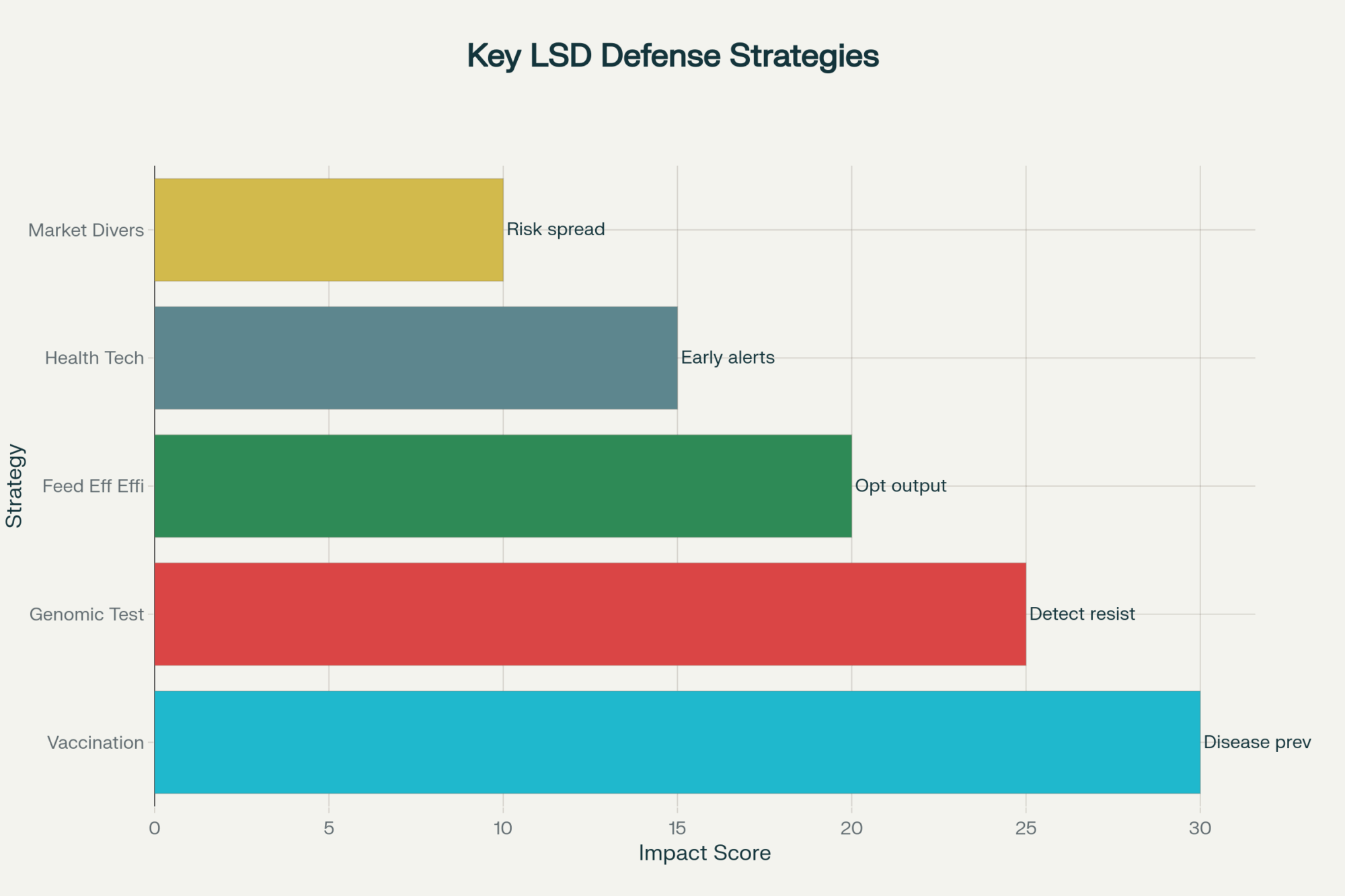
 The Sunday Read Dairy Professionals Don’t Skip.
 The Sunday Read Dairy Professionals Don’t Skip.