Archive for oleic acid

Breaking the Rules: How Strategic Fatty Acid Feeding is Revolutionizing Fresh Cow Performance

Old rule: avoid fat for fresh cows. New science: Strategic fatty acids boost milk & health. Time to rethink transition nutrition!

Executive Summary:

Traditional warnings against feeding fats to fresh cows are being overturned by research showing targeted fatty acid blends can revolutionize transition success. Dr. Adam Lock’s work reveals palmitic acid drives milk fat, while oleic acid improves digestion and metabolic health. Timing is critical: delay high-palmitic supplements until post-21 DIM to avoid body condition loss, and balance starch levels to maximize benefits. By prioritizing fatty acid profiles over generic “fat,” dairy farmers can increase milk yield, reduce metabolic disorders, and improve profitability. This paradigm shift turns transition cows from energy deficits into optimized production engines.

Key Takeaways:

  • Ditch the dogma: Strategic fatty acids (not generic “fat”) help fresh cows-when timed and balanced correctly.
  • Palmitic vs. Oleic: Use palmitic acid post-21 DIM to boost milk fat; oleic acid early to protect body condition.
  • Starch matters: High-starch diets negate fatty acid benefits-keep starch <25% in fresh cow rations.
  • Economic win: Proper blends cut ketosis risks by 30%+ and add $0.50-$1.00/cow/day in returns.
  • Future-proofing: Omega-3s and MCFAs show promise for immune health-stay ahead of the curve.
transition cow nutrition, fatty acid supplementation, palmitic acid, oleic acid, metabolic health

For decades, nutritionists have religiously followed the dogma of “no fat for fresh cows.” But what if we’ve been getting it completely wrong? What if strategic fatty acid supplementation is the key to unlocking transition cow performance that conventional approaches have failed to deliver?

The relationship between dairy nutritionists and fat supplementation during the transition period has historically been complicated, like that friend who keeps breaking up and getting back together with their ex. One minute, it’s “never again,” and the next, they’re planning a future together.

The industry mantra was clear for years: avoid supplementing fat to fresh cows. The reasoning seemed sound to add dietary fat when cows are already mobilizing body fat reserves at alarming rates. Won’t this just exacerbate negative energy balance and metabolic disorders? Besides, unprotected fats could disrupt rumen function and potentially reduce dry matter intake (DMI) at a time when every mouthful counts.

But here’s the uncomfortable truth: while we’ve been avoiding fat supplementation, our transition cows continue to suffer metabolic disorders at unacceptable rates. Dr. Adam Lock and his team at Michigan State University have challenged this paradigm, demonstrating that specific fatty acids, when used strategically, help transition cows to navigate their metabolic tightrope walk with greater success.

The Transition Period: Why It’s Make or Break for Your Entire Lactation

The transition period, critical three weeks before and after calving, represents the ultimate physiological challenge for modern dairy cows. It’s when the metabolic engine shifts from idle to full throttle practically overnight.

Consider this: a cow’s energy requirements can nearly triple within days after calving. Her mammary tissue suddenly demands massive amounts of glucose, fatty acids, and amino acids to synthesize milk. Meanwhile, her appetite typically lags, creating that dreaded negative energy balance that drives fat mobilization from body reserves.

This metabolic perfect storm explains why approximately 75% of diseases in dairy cows occur during the first month after calving, with the highest incidence during the first two weeks. Let’s be brutally honest: if 75% of your equipment failures happened during one specific maintenance period, you’d fire your service tech and find a new approach.

Managing transition cows is a lot like planting season on a crop farm-what happens during those few critical weeks dictates your success for the entire year. Just as skimping on seed quality or proper soil preparation can limit yield potential for the entire growing season, mismanaging your transition program can cap production, compromise reproduction, and erode profitability for the entire lactation.

Are your transition protocols still stuck in the last decade while your genetics and production goals have moved into the future? The industry has tried numerous approaches to navigate this challenge: controlled-energy dry cow diets, amino acid balancing, ionophores, direct-fed microbials, and specialized additives. Yet the transition period remains the most vulnerable time in a cow’s lactation cycle.

Not All Fats Are Created Equal: The Molecular Revolution

Here’s where the story gets interesting. As research has evolved, we’ve understood that viewing fat as a generic energy source is like claiming all protein sources are the same. The hard truth is that many nutritionists are still treating fat like another energy source, completely missing the biological revolution happening right under their noses.

“The paradigm has completely shifted,” explains Dr. Lock. “We now know individual fatty acids function as bioactive molecules with distinct effects on digestibility, metabolism, and production responses. It’s not just about energy density anymore.”

This conceptual breakthrough explains why older “fat supplementation” research often showed inconsistent or negative results. Those studies typically used traditional fat sources like tallow, vegetable oils, or oilseeds without accounting for their specific fatty acid profiles or providing adequate rumen protection.

Modern research focuses on three primary fatty acids that dominate commercial supplements and milk fat itself:

Palmitic Acid (C16:0): The Milk Fat Driver This 16-carbon saturated fatty acid consistently increases milk fat concentration and yield. It’s like putting high-octane fuel directly into your milk production system. But this benefit comes with a notable downside in fresh cows because it drives energy toward milk fat synthesis, high levels can worsen body condition loss and elevate blood NEFAs (non-esterified fatty acids), potentially increasing metabolic disorder risk.

Oleic Acid (C18:1): The Digestibility Enhancer & Metabolic Modulator This monounsaturated fatty acid is the unsung hero of the transition period. When provided in a rumen-protected form, it improves the intestinal digestibility of all fatty acids, including other saturated FAs. Research shows it can help reduce body fat mobilization by promoting lipogenesis (fat storage) in adipose tissue and improving insulin sensitivity.

Stearic Acid (C18:0): The Enigmatic Player The most abundant fatty acid in the rumen due to biohydrogenation of unsaturated fats, stearic acid has shown inconsistent results when supplemented. Its lower digestibility compared to palmitic or oleic acid may limit its benefits. Some studies suggest it might direct energy more toward body condition than milk production, which is useful in certain scenarios but generally less impactful than its counterparts.

Strategic Blends: Finding the Perfect Balance for Fresh Cows

The most exciting development in this field is the emergence of strategic fatty acid blends designed explicitly for transition cows. While old-school nutritionists are still debating whether to feed fat, progressive producers are already fine-tuning which specific fatty acids work best in their herds. Dr. Lock’s research demonstrates that particular palmitic and oleic acid combinations can help fill a cow’s unique needs during this critical time.

In a landmark study, Lock’s team found that a blend of approximately 60% palmitic acid and 30% oleic acid, fed at 1.5% of diet dry matter, showed significant promise for fresh cows. This blend combines the milk-fat-driving effect of palmitic acid with the digestibility-enhancing and metabolic-modulating properties of oleic acid.

Choosing the right fatty acid supplement is like selecting the ideal sire for your heifers. Just as you wouldn’t pick a bull based solely on a single trait like milk production without considering components, daughter fertility, or herd life, you shouldn’t select a fat supplement based solely on its energy content without considering its specific fatty acid profile and how those fatty acids will influence your cows’ metabolism.

What’s particularly fascinating is how cows’ responses to fatty acid supplementation change with their lactation stage and milk production level. High-producing cows had greater DMI and energy-corrected milk (ECM) when fed the 60:30 palmitic: oleic blend. However, low-producing cows performed better when fed a mix with more palmitic acid (80:10 blend).

“There’s also a surprising carryover effect,” notes Dr. Lock. “When we fed fatty acids in early lactation, we saw continued performance differences during the next 25 to 63 days in milk, even though all cows were fed the same lactation diet.”

Real-World Success: The Wilkenson Dairy Case Study

Jim Wilkenson of Wilkenson Dairy in Wisconsin was skeptical about fatty acid supplementation after years of following conventional wisdom. “My nutritionist kept telling me to avoid fat in fresh cows, but our transition problems weren’t improving,” he explains.

In January 2024, after reading about Dr. Lock’s research, Jim implemented a strategic approach with his 800-cow Holstein herd. He delayed introducing palmitic-rich supplements until 21 days in milk, using a 60:30 palmitic: oleic blend for the first three weeks post-calving at 1.5% of diet dry matter.

The results? Clinical ketosis cases dropped by 32% in the first three months. Fresh cow milk production increased by 4.7 lbs per cow during the first 60 days, with component percentages holding steady. His veterinary costs for fresh cow treatments decreased by $14,200 for the quarter.

“I was spending all this money trying to treat metabolic problems after they happened,” says Jim. “Now I’m preventing them with a smarter nutrition strategy. It’s not just about feeding or not feeding fat- it’s about feeding the right fats at the right time.”

Why This Matters For Your Operation

Let’s cut to the chase: you’re leaving money on the table if you’re not strategically supplementing fatty acids. If you wonder whether this science translates to real-world results, the answer is a resounding yes. Progressive dairies implementing these strategies are reporting:

  • Improved peaks and higher lactation persistency
  • Reduced incidence of ketosis and other transition disorders
  • Better early lactation reproduction
  • More consistent body condition scoring throughout lactation
  • Enhanced component production, particularly valuable in today’s milk markets

The economic impact is substantial. A 1.0 kg increase in peak milk can translate to approximately 200-250 kg more milk over the entire lactation. Reducing just one case of clinical ketosis saves roughly $375 while avoiding a single displaced abomasum can save over $700. Are you willing to forfeit this performance and profit by clinging to outdated nutritional dogmas? When multiplied across your herd, strategic fatty acid supplementation offers a compelling return on investment that could significantly improve your income over feed cost (IOFC).

Making the Science Actionable: Practical Implementation

So, how do you translate this complex science into practical feeding strategies? Here are key considerations for implementing fatty acid supplementation in your transition program:

Supplement Selection

The primary driver should be the fatty acid profile, not just crude fat content. Stop asking, “How much fat?” and start asking, “Which fatty acids?” Identify your specific goals- maximizing milk fat percentage, improving energy balance in fresh cows, and enhancing fatty acid digestibility. Select a supplement enriched in the fatty acid(s) most likely to achieve that outcome.

Rumen protection is essential, particularly when supplementing unsaturated fatty acids like oleic acid, to ensure they bypass the rumen intact and reach the small intestine for absorption. This is where calcium salts, prilled fats, and other technologies become valuable tools in your nutritional toolbox.

Feeding Rates and Timing

Here’s where conventional wisdom gets completely flipped on its head:

Prepartum (Close-up Dry Period): Supplementing fat during this phase is generally not recommended. There’s little evidence of benefit, and it adds unnecessary cost.

Fresh Period (0-21 DIM): This is the most challenging period. While high-palmitic acid supplements can boost early milk fat, they carry a significant risk of exacerbating body condition loss. Therefore, using blends with a higher proportion of oleic acid during this phase may be a more prudent strategy. Alternatively, delaying the introduction of high-palmitic acid supplements until after the first 3-4 weeks postpartum is well-supported.

Peak/Mid-Lactation: Once cows have passed the negative energy balance and DMI increases, high-palmitic acid supplements become a primary tool for maximizing milk fat yield and energy-corrected milk.

Typical inclusion rates for commercial fatty acid supplements range from 1.5% to 2.0% of diet dry matter. There appears to be an optimal response to palmitic acid, which often plateau or decline (due to reduced digestibility) beyond 1.5-2.0% DM.

Critical Diet Interactions

The composition of the rest of the diet heavily influences the effectiveness of any fatty acid supplementation strategy:

Starch Content: This interaction is critical. One of the nutritionists’ biggest mistakes is combining high-fatty acid supplements with high-starch diets in early lactation. Research demonstrates that combining high levels of fatty acid supplements (especially palmitic acid-rich) with high-starch diets (> ~25-27% starch) in early lactation can negate the benefits of the fat supplement.

It’s like trying to run a parallel parlor system with an outdated vacuum pump. No matter how well-designed your parlor is, you’ll never achieve optimal performance if the supporting infrastructure isn’t matched correctly. Similarly, your fatty acid supplement won’t deliver maximum benefits if your carbohydrate fraction isn’t properly balanced to support it.

Total Dietary Fat Load: Account for the fat contributed by all dietary ingredients when adding supplemental fat. The negative effects of excessive fat relate to the total fatty acid load reaching the rumen and intestine, not just the supplemental portion.

Cost-Benefit Analysis: Is Strategic FA Supplementation Worth It?

Fatty Acid StrategyApprox. Cost/Cow/DayExpected Milk ResponsePotential ReturnBest Application
High Palmitic Acid (80%+)$0.35-0.45+3-5 lbs milk fat-corrected milk$0.60-1.00/cow/dayPeak/mid-lactation cows
Palmitic/Oleic Blend (60/30)$0.40-0.50+2-4 lbs milk, improved BCS retention$0.50-0.90/cow/dayFresh cows (0-21 DIM)
No Supplemental Fat$0Baseline (potential for increased metabolic disorders)Baseline minus potential health costsNot recommended for high producers
Medium-Chain FAs$0.30-0.40Potential improved immune function, variable milk responseDependent on herd health statusHerds with significant transition health challenges

Note: Actual results will vary based on basal diet composition, management, and individual herd characteristics. Return calculations based on average milk prices of $20/cwt.

Would you rather invest $0.45/cow/day in strategic fats or risk spending $2-4/cow/day in treatment costs, reduced milk, and impaired reproduction?

The Fatty Acid Playbook: A Strategy By Lactation Stage

StagePrimary GoalsRecommended FA ApproachTarget RateKey Diet ConsiderationsWhat to Monitor
Close-up Dry (3 wks prepartum)Maintain DMI, control BCS gain, prepare for lactationGenerally, avoid supplemental fatControlled energy intake, negative DCAD, adequate MPDMI, BCS, urine pH (for DCAD)
Fresh Period (0-21/28 DIM)Support energy balance, minimize BCS loss, optimize FA digestibilityHigher oleic acid/palmitic acid blend (e.g., 30% OA) OR delay high PA supplement1.5-2.0% DMModerate starch (21/28 DIM)Maximize milk fat yield and energy-corrected milk

What’s Next? Emerging Research and Future Directions

The nutritional management of transition dairy cows has evolved tremendously, but exciting frontiers remain to be explored:

Medium-Chain Fatty Acid Supplementation: Research from the Journal of Dairy Science suggests MCFAs (C8:0-C12:0) may improve animal metabolic and immune status during transition. A 2023 study found that supplementation significantly decreased inflammatory markers like serum amyloid A and myeloperoxidase concentrations during early lactation.

Omega-3 Fatty Acids: These may benefit immune function and reproduction, although sometimes at the expense of milk fat yield.

Individual Cow Variation: Understanding why some cows respond more dramatically to fatty acid supplementation than others could lead to more precisely targeted nutrition programs, similar to how genomic testing has revolutionized breeding decisions by allowing for cow-specific mating strategies.

Are you prepared to be at the cutting edge, or will you play catch-up when these approaches become standard practice? As research continues, we can expect even more precise recommendations tailored to specific farm situations, cow genetics, and production goals. The strategic use of specific fatty acid supplements represents a powerful tool forward-thinking producers should leverage.

“Feeding fat to fresh cows isn’t heresy-it’s homework. The science is clear: it’s not whether you feed fat, but which fatty acids you provide and when.”

The Bottom Line

The traditional dogma advising against fat supplementation in fresh cows is not just outdated- it’s actively holding back your herd’s performance. The science supports a more sophisticated approach of targeted supplementation with specific fatty acids. By moving beyond generic “fat” and leveraging the distinct biological activities of individual fatty, particularly the strategic combination of palmitic and oleic acids, you can more effectively support your cows through the metabolic challenges of the transition period.

This approach is revolutionary because it works with, rather than against, the cow’s natural metabolic adaptations. Instead of simply trying to minimize body reserve mobilization (which is nearly impossible given the genetic drive for milk production in modern Holsteins), strategic fatty acid supplementation helps manage this process more effectively while simultaneously supporting the cow’s production potential.

It’s time to ask yourself a hard question: Is your transition program based on outdated dogma, or is it built on cutting-edge nutritional science? Start by examining your current fresh cow performance metrics, including rates of metabolic disorders, peak milk, and early lactation body condition loss. Then, consult your nutritionist about fatty acid supplementation strategies specifically designed for your herd’s needs and feeding system.

The fresh cow fat revolution is underway in progressive dairies nationwide. Those who embrace this approach will reap the benefits of healthier cows, higher production, and improved profitability. Those who cling to outdated practices will continue to struggle with the same transition challenges they’ve always faced.

Which side of the revolution will you be on?

Learn more:

Join the Revolution!

Join over 30,000 successful dairy professionals who rely on Bullvine Weekly for their competitive edge. Delivered directly to your inbox each week, our exclusive industry insights help you make smarter decisions while saving precious hours every week. Never miss critical updates on milk production trends, breakthrough technologies, and profit-boosting strategies that top producers are already implementing. Subscribe now to transform your dairy operation’s efficiency and profitability—your future success is just one click away.

NewsSubscribe
First
Last
Consent

The Heart-Healthy Benefits of Milk: Lowering Hypertension Naturally

Uncover the potential of milk in reducing blood pressure and boosting cardiovascular health. Could this common drink be essential in combating hypertension? Delve into the evidence here.

Recent research underscores the potential of milk in significantly reducing blood pressure and preventing cardiovascular disease, potentially revolutionizing heart health treatment. Extensive studies on the link between milk consumption and cardiovascular health have consistently shown that milk can lower blood pressure, a key factor in preventing heart disease. Given the critical role of blood pressure in conditions like strokes and heart attacks, it’s vital to highlight this knowledge to keep medical professionals and consumers informed about its implications for heart health. Join us as we delve into the data and explore how milk could be a boon for heart health.

The robust scientific evidence firmly supports milk’s role in mitigating hypertension. 

Scientific data strongly supports the claim that milk and milk products may dramatically decrease blood pressure and reduce the risk of hypertension. A thorough meta-analysis published in the Journal of Human Hypertension found that regular dairy intake, particularly milk, is associated with a 13% decrease in hypertension risk. This compelling information emphasizes milk’s cardiovascular advantages and potential involvement in hypertension prevention and health promotion, allowing people to make educated dietary choices for cardiovascular well-being.

The findings from the CARDIA Study (Coronary Artery Risk Development in Young Adults) provide solid data on the relationship between dairy intake and blood pressure. The results reveal a significant inverse association, with higher dairy consumption linked to lower blood pressure readings. Specifically, those who consumed more dairy products had a 15% lower risk of developing hypertension, with an average decrease of 3.0 mmHg in systolic blood pressure and 2.5 mmHg in diastolic blood pressure.

Milk’s Mineral Richness: A Pillar for Cardiovascular Health

A critical feature of milk’s positive benefits is its high mineral content. Calcium in milk helps to regulate blood pressure by keeping blood vessels flexible and responsive. Potassium, another vital mineral, counteracts the effects of sodium, so improving cardiovascular health by facilitating salt excretion via urine. Magnesium boosts these advantages by relaxing blood vessels, lowering vascular resistance, and easing hypertension. The nutritional composition of milk, taken as a whole, contributes to cardiovascular health and wellness.

A standard 8-ounce (240 ml) serving of milk typically contains: 

  • Calcium: Approximately 300 milligrams, about 30% of the daily recommended intake for adults.
  • Potassium: Around 370 milligrams, accounting for about 11% of the daily recommended intake.
  • Magnesium: About 24 milligrams, close to 6% of the daily recommended intake.

These vital nutrients play significant roles in maintaining optimal blood pressure and cardiovascular health.

Milk’s Fatty Acid Spectrum: A Multifaceted Shield for Cardiovascular Wellness 

Milk’s fatty acids contribute to cardiovascular health, providing benefits beyond needed nourishment. Oleic acid, present in olive oil, is essential in reducing the development of fatty plaques inside arteries, lowering the risk of atherosclerosis. The percentage of oleic acid in milk varies depending on the cow’s diet and the kind of milk. Whole milk contains around 1.0-1.5 grams of oleic acid per 100 grams. Conjugated linoleic acid (CLA) helps decrease cholesterol and improve endothelial function, promoting improved blood vessel health and optimum blood flow. These fatty acids emphasize milk’s nutritional importance and support dietary recommendations for heart health. Individuals may strategically protect themselves against hypertension and cardiovascular disease by adding milk to a healthy diet.

Challenges and Opportunities Arising from Recent Findings 

The most current results highlight problems and possibilities for numerous parties.

These findings require the medical community to reevaluate dietary recommendations, particularly those based on out-of-date assumptions. Emerging research supports including milk in cardiovascular health guidelines.

Recent research encourages consumers, especially those treating hypertension, to choose low-fat, no-added-sugar alternatives to maximize health advantages.

The dairy sector may capitalize on these discoveries by developing products supplemented with beneficial minerals and fatty acids. Milk’s heart health advantages may be marketed to reposition it as an essential component of a well-balanced diet, benefiting public health.

The Converging Evidence: Meta-Analyses, Longitudinal Studies, and Comparative Research

A meta-analysis of 29 randomized clinical studies published in the American Journal of Clinical Nutrition found that dairy intake substantially influences blood pressure. The study found that eating dairy products daily reduced systolic and diastolic blood pressure by an average of 2.4 mm Hg and 1.3 mm Hg, respectively. The positive benefits were more evident in those with hypertension, highlighting dairy’s potential therapeutic utility in controlling this illness.

The EPIC-Norfolk research broadened the investigation’s scope and presented convincing longitudinal data. This cohort research methodically followed over 25,000 individuals for an average of 12 years. The results were surprising: those who consumed dairy products regularly had a 16% reduced chance of getting hypertension than those who drank little dairy. This inverse correlation suggests a strong connection between frequent dairy intake and lower hypertension risk.

Research published in the Journal of Dairy Science investigated the subtle advantages of dairy type. It focused on hypertensive people and compared the effects of skim vs. whole milk intake. The study revealed that skimmed milk significantly decreased blood pressure by an average of 4.9 mm Hg without negatively impacting cholesterol levels, indicating that milk’s antihypertensive advantages are inherent rather than primarily based on its fat content.

Skimmed Milk vs. Whole Milk: Evaluating the Hypertensive Benefits and Cholesterol Neutrality

Research on the effects of skimmed milk vs. whole milk in hypertensive people has shown persuasive data favoring the former. Research published in the Journal of Dairy Science looked into this comparison and found surprising findings. Individuals who had skimmed milk had a considerable decrease in blood pressure, with systolic pressure dropping by around 5 mm Hg and diastolic pressure falling by about 3 mm Hg. This decrease in blood pressure occurred without a rise in cholesterol levels, highlighting skimmed milk’s distinct benefit.

These results are significant for those with hypertension, as they demonstrate that skimmed milk can be a strategic tool in their dietary arsenal to lower blood pressure. The absence of high cholesterol alleviates common concerns about dairy intake, making skimmed milk a practical and healthy choice for cardiovascular health. This knowledge empowers individuals to take control of their health and make informed dietary decisions.

The Bottom Line

Reaffirming critical findings, milk is a caring factor and a powerful ally in the fight against hypertension and cardiovascular disease. Comprehensive research and meta-analyses have repeatedly shown that milk intake is associated with lower blood pressure and a decreased risk of hypertension. This emphasizes milk’s critical function in promoting heart health due to its high mineral content and healthy fatty acids. Integrating milk into your everyday routine provides both sustenance and several health advantages. Its minerals, including calcium, potassium, magnesium, and health-promoting fatty acids, help to build a robust cardiovascular system. This makes milk a crucial element of a well-balanced diet, especially for individuals looking to lower their blood pressure and cardiovascular risk. As we accept these facts, people, healthcare practitioners, and the dairy business must promote and integrate milk carefully into their diets. Every glass of milk eaten is a step toward a better, more heart-conscious lifestyle. Elevate your diet with this ancient vitamin powerhouse, knowing that milk is a scientifically proven source of health and well-being. So, when you pour your next glass of milk, remember you’re investing in your long-term health. Here’s to milk, a constant friend on our road to improved health.

Key Takeaways:

  • Dairy consumption is linked with a 13% reduction in hypertension risk, according to a meta-analysis of prospective studies.
  • The CARDIA Study highlights that higher dairy intake correlates with significantly lower blood pressure.
  • Milk’s nutrient richness, including calcium, potassium, and magnesium, plays a crucial role in blood pressure regulation.
  • Beneficial fatty acids in milk, such as oleic acid and conjugated linoleic acid (CLA), contribute to cardiovascular health.
  • Moderate consumption of milk fat does not increase cardiovascular disease risk and might offer substantial benefits.
  • Dairy products, especially those low in fat and without added sugar, can aid in controlling blood pressure.
  • Recent findings offer the dairy industry opportunities to innovate products that capitalize on milk’s health benefits.
  • A meta-analysis of randomized clinical trials shows significant reductions in both systolic and diastolic blood pressure from dairy consumption.
  • The EPIC-Norfolk Cohort Study associates regular dairy intake with a 16% reduction in hypertension risk over 12 years.
  • Research indicates that skimmed milk is as effective as whole milk in managing blood pressure without raising cholesterol levels.

Summary:

Milk has been found to lower blood pressure and prevent cardiovascular disease, potentially altering heart health treatment. Its high mineral content and healthy fatty acids contribute to its role in heart health. A meta-analysis in the Journal of Human Hypertension found that regular dairy intake, particularly milk, is associated with a 13% decrease in hypertension risk. The CARDIA Study also found a substantial inverse association between dairy intake and blood pressure, with high dairy drinkers having a 15% lower chance of developing hypertension. Milk’s fatty acids, such as oleic acid, are essential for cardiovascular health, reducing the risk of atherosclerosis. The percentage of oleic acid in milk varies depending on the cow’s diet and type of milk.

Learn more:

Boosting Milk Yield: How Adjusting Palmitic and Oleic Acid Ratios Enhances Dairy Cow Performance

Discover how adjusting the palmitic to oleic acid ratio in dairy cow diets can boost milk yield and efficiency. Curious about the optimal ratio for peak performance?

Ensuring an adequate energy supply for dairy cows during early lactation is paramount for maintaining optimal production performance. This critical period, which follows calving, demands significant energy as cows adjust to increased milk output and replenish their reserves. Without sufficient power, cows can encounter various health issues, including decreased milk production and poor reproductive performance. 

Fatty acids (FA) have emerged as vital components in lactating cows’ diets due to their role in boosting energy supply. FAs vary in chain length and degree of saturation, influencing their impact on the cow’s metabolism and productivity. Specifically, integrating these components into feed has shown promise in addressing energy deficits during early lactation. 

“This study was conducted to evaluate the effect of different ratios of palmitic acid (C16:0) to oleic acid (cis-9 C18:1) on the production performance, nutrient digestibility, blood metabolites, and milk FA profile in early lactation dairy cows.”

By examining the variations in the ratios of palmitic acid to oleic acid, researchers aimed to discern how these changes could optimize dairy cow performance. The potential benefits of this study’s findings could lead to better dietary formulations supporting lactating cows’ health and productivity, offering a promising future for dairy cow nutrition.

The Balancing Act: Harnessing the Dual Benefits of Palmitic and Oleic Acids in Dairy Cow Nutrition

Palmitic acid, a saturated fatty acid known chemically as C16:0, is commonly found in palm oil, meat, butter, cheese, and milk. Being a long-chain fatty acid, it is solid at room temperature. It plays a significant role in animal energy storage and cell membrane structure. Conversely, oleic acid is a monounsaturated fatty acid denoted as cis-9 C18:1, predominantly sourced from olive oil, avocados, and nuts. Its liquid state at room temperature and single and double bonds contribute to its distinctive properties, including enhancing cell permeability and fluidity. 

Previous research has highlighted the distinctive impacts of these fatty acids on milk production and overall cow health. Palmitic acid has been associated with increasing milk fat content, potentially elevating milk’s energy density. However, excessive amounts can sometimes lead to metabolic issues in cows, such as impaired liver function and increased body fat stores. Conversely, oleic acid has been shown to enhance milk yield and improve the milk’s fatty acid profile, promoting healthier milk fat composition. Studies have also indicated that oleic acid could improve feed efficiency and nutrient digestibility, offering potential benefits for early lactating dairy cows. 

The cumulative findings from these studies suggest a nuanced interplay between palmitic and oleic acids in dairy cow diets. While palmitic acid predominantly boosts fat content, oleic acid supports overall milk yield and cow health, making it a valuable component in balanced dairy cow nutrition.

A Meticulously Controlled Study: Tailoring Fatty Acid Ratios for Optimal Dairy Cow Performance 

The study was meticulously designed to evaluate the influence of varying ratios of palmitic acid (C16:0) to oleic acid (cis-9 C18:1) on early lactation dairy cows’ production performance and health. This  meticulous design ensures the reliability and accuracy of the study’s findings, instilling confidence in the research’s outcomes. 

The cows were randomly divided into three treatment groups, each consisting of 24 cows. These groups were assigned distinct iso-energy and iso-nitrogen diets, ensuring uniform energy and nitrogen intake across all groups but differing in the ratios of C16:0 to cis-9 C18:1 fatty acids: 

  • Group 1: 90.9% C16:0 + 9.1% cis-9 C18:1 (90.9:9.1)
  • Group 2: 79.5% C16:0 + 20.5% cis-9 C18:1 (79.5:20.5)
  • Group 3: 72.7% C16:0 + 27.3% cis-9 C18:1 (72.7:27.3)

The fatty acids were added to the diets at 1.3% on a dry matter basis, ensuring the cows received consistent and controlled amounts of the specific fatty acids to accurately assess their effects on production performance, nutrient digestibility, blood metabolites, and milk fatty acid profiles.

Maximizing Dairy Cow Performance: The Impact of Higher cis-9 C18:1 Ratios

As the ratio of cis-9 C18:1 increased, notable improvements were observed in milk yield, milk protein yield, and feed efficiency, all of which showed linear increases. Specifically, a higher cis-9 C18:1 ratio correlated with a boost in milk production and protein output. Although the percentage of milk protein and milk fat yield remained consistent across treatments, milk fat percentage tended to decrease. Additionally, the study indicated that higher cis-9 C18:1 ratios resulted in a linear increase in lactose yield and a slight increase in lactose percentage. In contrast, the overall rate of total solids and somatic cell count in milk experienced a decline. 

Body weight loss among cows decreased linearly with the rising cis-9 C18:1 ratio, underscoring the dietary benefit of this fatty acid in maintaining healthier body conditions. The nutrient digestibility for ether extract and neutral detergent fiber improved linearly, improving overall nutrient absorption. On the blood metabolite front, plasma glucose levels increased linearly, whereas triglyceride and nonesterified fatty acid concentrations decreased linearly. These results underscore that a 72.7:27.3 C16:0 to cis-9 C18:1 ratio yields the most significant benefits for dairy cows in early lactation, enhancing performance metrics and reducing body weight loss.

Nutrient Digestibility and Blood Metabolite Adjustments: The Role of Higher Oleic Acid Ratios 

Regarding nutrient digestibility, the study found a significant linear increase in both ether extract and neutral detergent fiber digestibility as the ratio of cis-9 C18:1 increased. This suggests that higher levels of oleic acid provide more energy and enhance the cows’ ability to process fibers and fats, which are critical for maintaining overall health and production efficiency. These findings highlight the potential for dietary adjustments to optimize feed efficiency and minimize wastage, empowering dairy farmers in their feeding regimens

Regarding blood metabolites, the research showed notable changes linked to the incremental inclusion of cis-9 C18:1. Plasma glucose levels rose linearly, indicating an improved energy status critical for sustaining high milk production. On the other hand, concentrations of triglycerides and nonesterified fatty acids (NEFA) decreased linearly. These decreases in NEFA can be particularly beneficial as high NEFA levels are often associated with metabolic stress and health disorders in dairy cows. Thus, by better balancing fatty acid ratios, dairy farmers might be able to mitigate some common health issues and support more robust milk production.

Optimizing the Milk Fatty Acid Profile: A Symbiotic Adjustment 

Delving into the milk fatty acid profile, it became evident that altering the ratios of C16:0 to cis-9 C18:1 had a considerable impact. Specifically, as the proportion of cis-9 C18:1 increased, there was a noteworthy quadratic decline in de novo fatty acids synthesized directly within the mammary gland by approximately 10%. Concomitantly, there was a linear rise in mixed and preformed fatty acids by 15% and 20%, respectively, the latter being directly absorbed from the diet or mobilized from body fat reserves. This shift in the fatty acid profile highlights the body’s adaptive responses to dietary modifications, aiming to optimize energy utilization and milk production.

Revolutionizing Dairy Nutrition: Strategic Fatty Acid Ratios for Peak Early Lactation Performance 

The implications of this study are profound for dairy farmers striving to optimize their herd’s performance during early lactation. By carefully adjusting the ratios of palmitic acid (C16:0) and oleic acid (cis-9 C18:1) in the cows’ diets, farmers can substantially enhance milk production, protein yield, and feed efficiency. The study suggests that increasing the proportion of oleic acid to 27.3% in the dietary fat blend boosts milk yield and supports better lactose production, which is crucial for milk quality. 

Moreover, this targeted nutritional strategy appears to mitigate body weight loss typically observed in early lactation, promoting better overall health and longevity of dairy cows. Enhanced nutrient digestibility and favorable changes in blood metabolites, such as increased plasma glucose levels and reduced triglycerides, further underscore the health benefits of this diet adjustment. Implementing these findings in feeding regimens can thus lead to more robust cows that maintain high milk productivity with improved metabolic health. 

For practical application, dairy farmers should consider incorporating higher oleic acid ratios into their feeding programs, particularly during the critical early lactation period. This approach supports optimal production performance and contributes to the herd’s well-being, promising long-term benefits in milk yield and dairy cow health.

The Bottom Line

This study underscores the critical role that the dietary ratio of palmitic acid (C16:0) to oleic acid (cis-9 C18:1) plays in enhancing the production performance of early lactation dairy cows. Key benefits emerge from increasing the cis-9 C18:1 ratio, which includes improved milk yield, protein yield, feed efficiency, and a reduction in body weight loss. Notably, the research identifies the optimal C16:0 to cis-9 C18:1 ratio as 72.7:27.3, achieving the most substantial positive effects on dairy cow health and productivity

Based on these findings, adjusting the fatty acid ratios in the cow’s diet could be a game-changer for dairy farmers aiming to optimize their herd performance. By carefully incorporating a higher proportion of cis-9 C18:1, you can maximize milk production and improve the overall well-being of your cows during the critical early lactation period. 

Farmers are encouraged to consult additional resources and scientific literature to explore practical implementation and further details. Reviewing dairy nutrition journals or seeking guidance from cattle nutrition experts may be beneficial for a deeper dive into the study’s methodology and comprehensive results. 

Embrace the potential to revolutionize your dairy farming approach by fine-tuning dietary fatty acid ratios—your cows’ performance and health could significantly benefit.

Key Takeaways:

  • Enhanced Milk Production: Increasing the ratio of cis-9 C18:1 led to a linear increase in milk yield and feed efficiency. Milk protein yield also saw significant improvement.
  • Variable Fat Content: While the milk fat percentage tended to decrease, lactose yield and lactose percentage increased with higher cis-9 C18:1 ratios.
  • Body Weight Dynamics: Cows experienced decreased body weight loss, highlighting better energy utilization and overall health.
  • Nutrient Digestibility: There was a linear enhancement in nutrient digestibility, particularly in ether extract and neutral detergent fiber.
  • Blood Metabolites: A rise in plasma glucose concentration was observed, though triglyceride and nonesterified fatty acid concentrations decreased.
  • Milk Fatty Acid Profile: The concentration of mixed and preformed fatty acids increased, while de novo fatty acids saw a quadratic reduction.

Summary:

A study aimed to assess the effects of different palmitic and oleic acid ratios on early lactation dairy cows’ performance, nutrient digestibility, blood metabolites, and milk FA profile. The researchers aimed to understand how these changes could optimize dairy cow performance and improve dietary formulations. Palmitic acid, a saturated fatty acid found in palm oil, meat, butter, cheese, and milk, plays a crucial role in animal energy storage and cell membrane structure. On the other hand, oleic acid, a monounsaturated fatty acid from olive oil, avocados, and nuts, enhances cell permeability and fluidity. The study found that increasing the cis-9 C18:1 ratio led to improvements in milk yield, milk protein yield, and feed efficiency. Higher oleic acid ratios significantly improved nutrient digestibility and blood metabolites. The optimal C16:0 to cis-9 C18:1 ratio is identified as 72.7:27.3.

How High-Oleic Soybeans Could Increase Your Herds Profitability by $33,000/year

Discover how high-oleic soybeans can boost dairy profits by increasing milkfat production and farm profitability. Could this be the game-changer for dairy farmers?

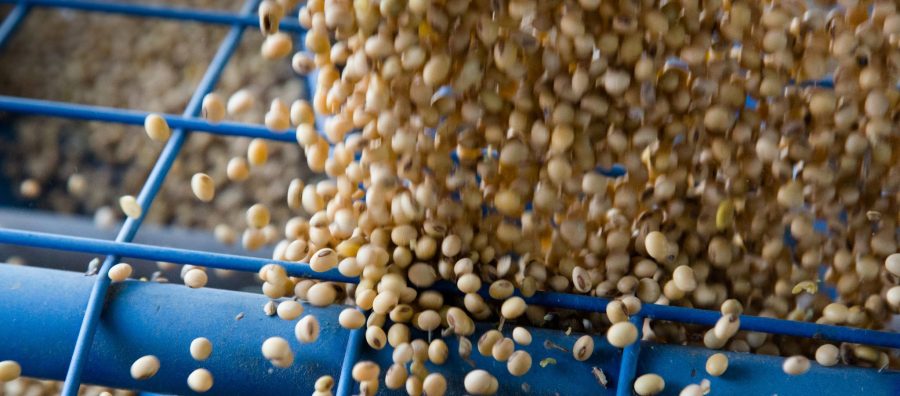
Dairy farming is evolving with innovative feed strategies to maximize productivity and profitability. Among these innovations are high-oleic soybeans (HOS), which are gaining attention for their potential to enhance milk production and improve farm economics. But what exactly are high-oleic soybeans, and how do they integrate into dairy farming? 

High-oleic soybeans are genetically modified to contain more monounsaturated fats, specifically oleic acid. This type of fat is known to be heart-healthy for humans and beneficial for livestock feed. It provides a concentrated source of energy and is easily digestible, making it an ideal feed ingredient for dairy cows. HOS also offers advantages like improved heat stability and longer shelf life, making them attractive to various industries, including dairy farming

The dairy industry traditionally relies on a mix of corn silage, alfalfa, and soybean meal. Still, these come with challenges like fluctuating feed costs. High-oleic soybeans present an innovative alternative that can potentially increase milk fat content and enhance milk value. Recent studies suggest that substituting 5% of ration dry matter with HOS could significantly increase milk income less feed costs (MILFC), offering a promising opportunity for dairy farmers

Integrating high-oleic soybeans into dairy rations could revolutionize milk production methods and enhance farm profitability. This analysis explores how HOS could become a game-changer for the dairy industry.

The Rise of High-Oleic Soybeans

Integrating high-oleic soybeans (HOS) into dairy rations offers more than cost benefits. A review of five feeding trials, conducted by reputable research institutions, highlights a promising trend: HOS can boost both economic and nutritional returns in dairy production. These trials involved large sample sizes and rigorous data collection methods, ensuring the reliability of the results. By incorporating HOS, a key metric, milk income less feed costs (MILFC) significantly improve, optimizing profitability while maintaining high milk quality. 

Substituting 5% of ration dry matter with whole HOS (about 1.4 kg per cow daily) boosts milkfat yields. It enhances MILFC by up to $0.27 per cow daily. This translates to an increased average milk value of $0.29 per 45.4 kg for cows producing 41 kg daily, highlighting HOS’s positive impact on farm revenues. 

Notably, the correlation between MILFC and butter prices supports the financial viability of HOS adoption. Despite market fluctuations, the trials show a positive MILFC trend, particularly with butter prices from January 2014 to September 2020, providing stability for dairy farmers navigating volatile markets. 

Envision the potential for significant annual profitability increases, such as [$33,000] for a farm with 500 cows. Despite the possibility of slightly reduced butterfat prices due to increased supplies, the overall economic benefits at the farm level remain substantial. This underscores the pivotal role of high-oleic soybeans (HOS) in not just enhancing dairy profitability, but also in promoting sustainability.

How High-Oleic Soybeans Improve Milk Production

High-oleic soybeans (HOS) have emerged as a potent enhancer of milk production by altering dairy cow rations. Integrating HOS into the diet, mainly substituting 5% of the ration dry matter, significantly improves milkfat output. This change boosts milk income less feed costs (MILFC), a critical metric for assessing dairy farm profitability. 

The key to this enhancement is the fatty acid profile of HOS, which offers a higher concentration of oleic acid than conventional soybeans. Oleic acid, a monounsaturated fat, is more stable and efficiently absorbed in dairy cows‘ digestive systems. This improved absorption rate increases milk fat yield, directly correlating with the overall value of milk produced. Economically, every 1.4 kg of HOS consumed per cow per day can increase MILFC by up to $0.27, driving dairy farm revenues upward. 

Beyond individual farm profitability, widespread adoption of HOS across the US dairy industry could significantly boost butterfat supply, influencing market dynamics. This increase in supply may cause a slight decline in butterfat prices. However, the rise in MILFC offsets these market fluctuations, enhancing overall farm economics. Moreover, the increased supply of high-quality butterfat can open up new market opportunities, further boosting the dairy industry’s profitability. 

This economic advantage is consistent across various butter price ranges, as historical data from January 2014 to September 2020 indicates. Despite fluctuating butter market conditions, HOS consistently positively impacts MILFC, demonstrating its value as a strategic feed ingredient. Thus, dairy producers adopting HOS gain immediate financial benefits and boost their resilience against market volatility, ensuring stable growth in the competitive dairy sector.

Environmental Impact

Integrating high-oleic soybeans (HOS) into dairy rations offers notable environmental benefits:

  1. HOS can reduce greenhouse gas emissions by enhancing milk production efficiency, thus lowering emissions per liter of milk.
  2. HOS cultivation demands significantly less water compared to conventional feed crops, conserving vital water resources.
  3. Using HOS diminishes the need for deforestation since these soybeans are typically grown in crop rotation, promoting sustainable agriculture and preserving forest ecosystems.

Potential Challenges: Addressing the Costs and Supply of HOS

While the benefits of high-oleic soybeans are clear, there are some challenges to consider when adopting them into dairy rations. Transitioning to HOS requires changes in feeding protocols and a clear understanding of its benefits over traditional feed. Convincing farmers to adopt HOS necessitates comprehensive education on its economic advantages, demonstrated through consistent results from feeding trials. The learning curve and hesitation to change established practices can hinder adoption, making targeted outreach essential. 

Resistance from traditional soybean growers also presents a hurdle. These producers may be reluctant to switch crops due to perceived risks like market acceptance and yield stability. Established soybean markets make farmers hesitant to disrupt existing supply chains, and concerns about sustained HOS demand warrant efforts to build robust market linkages and guarantees. 

Regulatory challenges further complicate the widespread use of HOS in dairy rations. However, it’s important to note that HOS has undergone rigorous safety testing and has been approved for use in livestock feed by regulatory agencies. Navigating agricultural and food safety regulations requires compliance with various standards, which can be time-consuming and costly. Addressing these hurdles through collaboration with regulatory bodies and advocating for supportive policies is crucial. Ensuring HOS meets safety and nutrition standards is essential for gaining approval and trust from regulatory agencies and end-users.

The Bottom Line

Including high-oleic soybeans (HOS) in dairy rations offers notable economic benefits. By substituting just 5% of ration dry matter with whole HOS, dairy operations can enhance their milk incomeless feed costs (MILFC) by up to $0.27 per cow per day. This translates to a significant increase in farm profitability. Moreover, the use of HOS can optimize the dairy industry’s overall efficiency, leading to increased competitiveness and sustainability. 

Despite these promising results, it’s clear that more research is needed to fully understand the long-term impacts and optimize usage rates. This underscores the crucial role of dairy farmers, industry stakeholders, and researchers in collaborating to adopt and refine high-oleic soybeans (HOS) feeding strategies. Your continued efforts are essential for ensuring the sustained success of HOS in the dairy industry. 

High-oleic soybeans hold the potential to revolutionize milk production by boosting milkfat levels and economic outcomes. As agricultural innovation advances, integrating HOS into dairy farming could mark a new productivity, profitability, and sustainability era. The path to widespread adoption is just beginning, promising a future where dairy farming thrives.

Key Takeaways:

  • High-oleic soybeans (HOS) can significantly enhance farm profitability by increasing milk income less feed costs (MILFC).
  • Replacing 5% of dairy ration dry matter with HOS can result in a notable rise in milk fat production and overall milk value.
  • The economic benefits of using HOS are highly correlated with butter prices, remaining positive during periods of average butter prices observed from January 2014 to September 2020.
  • Integrating HOS into dairy feeds could potentially add $33,000 annually for a dairy operation with 500 milking cows.
  • Widespread adoption of HOS in US dairy farms is likely to increase butterfat supplies, slightly affecting market prices but not negating the economic gains at the farm level.

Summary: High-oleic soybeans (HOS) are genetically modified to contain more monounsaturated fats, specifically oleic acid, which is heart-healthy for humans and beneficial for livestock feed. HOS offers advantages like improved heat stability and longer shelf life, making it attractive to dairy farming. Traditional dairy feeds, such as corn silage, alfalfa, and soybean meal, face challenges like fluctuating feed costs. HOS presents an innovative alternative that can increase milk fat content and milk value. Recent studies suggest that substituting 5% of ration dry matter with HOS could significantly increase milk income less feed costs (MILFC), offering a promising opportunity for dairy farmers. Integrating HOS into dairy rations could revolutionize milk production methods and enhance farm profitability. The key to this enhancement is the fatty acid profile of HOS, which offers a higher concentration of oleic acid than conventional soybeans. Oleic acid is more stable and efficiently absorbed in dairy cows’ digestive systems, increasing milk fat yield and directly correlating with milk value. Economically, every 1.4 kg of HOS consumed per cow per day can increase MILFC by up to $0.27, driving dairy farm revenues upward.

Send this to a friend