Archive for Herd Health – Page 2

Reducing Lameness and Injuries in Dairy Cattle: Effective Strategies and Overcoming Barriers for Farmers

Discover effective strategies to reduce lameness and injuries in dairy cattle. Learn how to overcome common barriers and improve herd welfare. Ready to make a change?
Lameness, a condition characterized by abnormal gait or stance, and leg injuries in dairy cattle are not just serious issues, they are economic threats. They cause pain for your cows and can lead to significant welfare concerns. Plus, they directly impact your farm’s profitability, with decreased milk production, higher vet costs, and sometimes early culling. Understanding and tackling these problems is essential for your herd’s well-being and the financial health of your farm. 

In this article, we’ll cover: 

  • The current prevalence of Lameness and injuries
  • Main risk factors
  • Effective prevention and treatment methods
  • Barriers to implementing best practices

Dealing with Lameness and injuries isn’t just about animal health; it’s crucial for your farm’s sustainability and profitability.  But don’t worry, we’re here to provide you with practical insights and actionable advice that you can implement on your farm. Keep reading to empower yourself with the knowledge to tackle these challenges.

Lameness and Injuries: An Underscored Challenge for Dairy Farmers 

Injury TypePrevalence RangeAverage Prevalence (%)
LamenessVariable22.8%
Hock Injuries12% – 81%46.5%
Knee Injuries6% – 43%24.5%
Neck Injuries1% – 33%17%

Regrettably, lameness injuries in dairy cattle are a global challenge, affecting dairy farmers worldwide. It’s not just your farm; nearly a quarter of all herds may experience Lameness at any given time, impacting their welfare and productivity. Hock injuries are also widespread, affecting between 12% and 81% of cows within a herd. This shared struggle underscores the importance of implementing best practices in preventing, controlling, and treating Lameness and injuries among dairy cattle. 

While knee and neck injuries are less common, they still present a significant issue, ranging from 6% to 43% Lameness injuries and 1% to 33% for neck injuries. These stats underscore the critical need for best practices in preventing, controlling, and treating Lameness and injuries among dairy cattle

Lameness and injuries impact animal welfare and have significant economic consequences. Lame cows often produce less milk, have poorer reproductive Lameness, and face higher culling rates. However, by addressing these issues, you cannot only fulfill your ethical responsibility but also significantly improve your farm’s financial health. 

To tackle Lameness and injuries effectively, you must understand the diverse risk factors, including housing conditionsmanagement practices, and individual cow characteristics. Adopting evidence-based strategies from recent studies can improve your herd’s well-being and boost yoLamenesss productivity and profitability.

Understanding the Risk Factors: Effective Prevention and Management 

Understanding the risk factors linked to Lameness and injuries in dairy cattle is essential for effective prevention and management. These risks include housing, management, and cow-level factors. 

Housing Factors 

How you house your cattle directly impacts their health, especially concerning Lameness and injuries. 

  • Bedding Depth and Type: Deep, soft bedding like sand helps reduce hock and knee injuries.
  • Access to Pasture: Grazing decreases time on hard surfaces, lowering lameness risk.
  • Flooring Type: Rubber flooring offers better hoof cushioning and tracLamenessn concrete.
  • Stall Design: Well-sized stalls prevent neck and knee injuries.

ManagemeLamenessrs 

Good management practices, such as [insert specific examples here], are vital to minimize Lameness and injuries. 

  • Stall Cleanliness: Clean stalls prevent infections that could cause Lameness.
  • Frequency of Trimming: Regular hoof trimming keeps hooves healthy.
  • Holding Times: Shorter holding times reduce leg stress.
  • Stocking Density: Avoid overcrowding to minimize injury risks.

Cow-Level Factors 

Individual characteristics also affect lameness and injury risks. 

  • Body Condition: Poor body condition makes cows more prone to Lamenessies.
  • Parity: Older cows or those with more calves are at higher risk.
  • Previous Injuries:  Existing injuries are more likely to develop Lameness.

Focusing on these risk factors and taking appropriate actions significantly reduces Lameness and injuries in your herd.

Preventing Lameness and Injuries: Essential Strategies for a Healthy Herd 

Preventing lameness and injuries is critical to keeping your cows healthy and productive on your dairy farm. One essential strategy is routine hoof trimming, which involves [insert specific details here]. Regular trims maintain proper hoof shape and function, reducing stress on your cows’ legs and feet. 

Improving hoof cushioning is another vital step. Providing access to pasture, using deep-bedded stalls, or adding rubber flooring can all reduce injury risk. Sand bedding also offers excellent cushioning and drainage. 

Ensure appropriate stocking densities to avoid overcrowding, which can lead to lameness and injuries. Give your cows enough space to move freely. Reducing time spent on hard surfaces by minimizing waiting times also helps prevent Lameness. 

Footbaths are crucial, too. Regular footbaths clean and disinfect hooves, preventing infections. Make footbaths a part of your herd’s weekly routine. 

Lastly, keep stalls clean, check for injuries regularly, and ensure your cows are in good physical condition. These practices can create a healthier environment and reduce injuries.

Early Detection and Intervention: Key to Managing Lameness and Injuries 

Early detection and intervention are crucial when treating Lameness and injuries in dairy cattle. Catching problems early allows you to manage them before severely affecting your herd’s health and productivity

EffectiLamenessment Options 

Here are some effective treatment methods: 

  • Hoof Trimming: Regular hoof trimmiLameness hooves in proper shape, helping to prevent Lameness.
  • Footbaths: Footbaths with solutions like copper sulfate can treat infections that lead to Lameness.
  • Anti-inflammatory Medications: Medications can reduce pain and swelling, helping cattle recover faster.
  • Topical Treatments: Ointments and sprays can aid in healing injuries like hock sores.
  • Bandaging: Proper bandaging supports and protects injured areas for quicker healing.
  • Environmental Modifications: Improving beddiLamenesstall designs can create a more comfortable environment, reducing injuries.

The Role of Early Detection 

Early detection is critical to managing Lameness and injuries effectively. Regular hoof inspections, observing cattle movements, and using tech tools can help identify issues earlLamenessg promptly can prevent minor problems from escalating. 

By focusing on early detection and using these treatment options, you can better manage LamLamenessd injuries on your dairy farm, keeping your cattle healthy and productive.

Overcoming Barriers: Your Path to Improving Herd Welfare 

Addressing Lameness and injuries on your dairy farm can feel like a tough climb, especially when facing barriers to best practice adoption. These barriers can significantly impact the welfare of your herd. 

Extrinsic barriers are tangible obstacles like time, money, and space. For example, routine hoof trimming or installing better flooring can be costly and time-consuming, particularly for farms with tight budgets. Limited physical space can also be challenging, especially for retrofitting lameness facilities. 

Intrinsic barriers involve mindset and Lamenesson. Whether you see it as a minor or severe welfare concern, your attitude towards Lameness impacts your management decisions. Some might think Lameness is inevitable in dairy farming, affecting your willingness to adopt new practices. Habits and resistance to change also play a role in making new approaches harder to implement. 

Understanding these barriers is the first step towards overcoming them and ensuring the well-being of your herd. Recognizing where you stand can help you develop strategies to addressLamenessbstacles, leading to a healthier and more productive operation.

Teamwork: The Key to Lameness and Injury Management on Your Dairy Farm

Managing Lameness and injuries on your dairy farm is a team effort. Each player has a unique role in keeping your herd healthy and productive. Lamenessrs make crucial decisions about housing, nutrition, and healthcare. Your proactive management and regular monitoring are essential for reducing Lameness and injuries. 

Farm staff provide lameness care and need the training to spot early signs of lameness. Please encourage them to report any issues quickly. 

Veterinarians diagnose and treat lameness, guide lameness, and devise preventive measures and treatment plans. Regular check-ups are vital. 

Hoof Trimmers maintain hoof health through regular lameness, preventing Lameness and ensuring cow comfort

Nutritionists design balanced diets that impact overall health and hoof condition, preventing Lameness linked to poor nutrition. 

Other advisors, like consultants and welfare auditors, offer insights and strategies to overcome barriers and adopt best practices. 

By leveraging the strengths of each stakeholder, you can create a comprehensive approach to manage Lameness and injuries, ensuring a healthier, more productive herd.

The Bottom Line

Lameness and leg injuries are significant concerns in dairy farming, impacting cattle welfare and productivity. Knowing the risk factors—housing, management, and cow-specific—helps you adopt lameness prevention strategies. Lameness is essential for regular hoof trimming, good bedding, well-designed stalls, early detection, and timely intervention. 

Addressing barriers to best practices means tackling external challenges, like time and resources, and internal ones, like attitudes and priorities. A team of appaLamenessfarm staff, vets, hoof trimmers, and advisors ensures thorough care and decision-making for your herd. 

Prioritizing cattle welfare by managing Lameness and injuries improves cows’ quality of life and boosts farm profitability and sustainability. These strategies and overcoming barriers lead to a healthier, more productive dairy farm.

Key Takeaways:

  • Prevalence: Lameness affects an average of 22.8% of cows within herds globally, while hock injuries range from 12% to 81%.
  • Housing Factors: Variables such as bedding type and depth, stall design, and access to pasture significantly impact lameness and injury rates.
  • Management Practices: Regular hoof trimming, maintaining clean stalls, and controlling stocking density are crucial for preventing lameness.
  • Cow-Level Factors: Body condition, age, and previous injuries play a role in a cow’s susceptibility to lameness and injuries.
  • Preventive Measures: Effective strategies include rubber flooring for better hoof traction, deep-bedded stalls, and routine footbaths.
  • Barriers to Best Practices: Challenges include limited time, financial constraints, space issues, and farmer mindset and priorities.
  • Collaborative Effort: Managing lameness and injuries requires teamwork involving farmers, veterinarians, hoof trimmers, nutritionists, and other advisors.

Summary: 

Lameness and leg injuries in dairy cattle are significant issues that can lead to welfare concerns, economic impacts, decreased milk production, higher vet costs, and early culling. These problems affect nearly a quarter of all herds, with hock injuries also widespread. Knee and neck injuries are less common but still significant, ranging from 6% to 43% for leg injuries and 1% to 33% for neck injuries. To effectively tackle lameness and injuries, it is essential to understand risk factors, adopt evidence-based strategies, and implement early detection and intervention methods. Regular hoof inspections, observing cattle movements, and using tech tools can help identify issues early and prevent minor problems from escalating. Overcoming barriers to best practice adoption is crucial for improving herd welfare and fostering teamwork on dairy farms.
Learn More: 

Fresh Heifer Mastitis: Tackling Hidden Somatic Cell Count Issues to Boost Dairy Production

Tackling hidden somatic cell count issues in fresh heifers can boost your dairy production. Are your fresh heifers secretly contributing to high SCC? Learn how to manage it.

Mastitis in fresh heifers is a critical issue that often goes unnoticed but significantly impacts somatic cell count (SCC) and dairy production. Many dairy managers assume fresh heifers will enhance milk quality because they haven’t faced daily milking routines or pathogens. This misconception overlooks potential issues fresh heifers might bring to the herd. However, by implementing early intervention strategies, you can take control of managing SCC and achieve optimal milk production. This article highlights how fresh heifers can elevate herd SCC and provides methods to manage these issues effectively. By addressing hidden SCC problems in fresh heifers, you can make informed decisions to improve dairy production and maintain milk quality, empowering you in your role as a dairy manager.

Debunking Misconceptions: Why Fresh Heifers Aren’t Always the Silver Bullet for Milk Quality

Many dairy managers assume fresh heifers will enhance milk quality because they haven’t faced daily milking routines or pathogens. This misconception stems from a few specific reasons: 

  • Lack of exposure: Fresh heifers are perceived as having fewer chances to encounter pathogenic bacteria since they have not yet been introduced to the milking environment. This gives an illusion that they are inherently healthier and less likely to contribute to high SCC.
  • Youth and vitality: Younger animals are often thought to have a more robust immune system, which presumably could fight off infections more effectively than older cows. This belief overlooks that their immune systems are still maturing and might not yet be fully equipped to handle specific pathogens.
  • Clean slate: The notion of fresh heifers having a “clean slate” – free of previous infections and health issues – makes managers assume that these animals will naturally produce higher-quality milk. This perspective fails to consider the potential exposure to pathogens pre-calving and the critical period immediately post-calving.
  • Optimism bias: Managers may have an inherent optimism bias, believing fresh heifers will perform better and improve overall herd quality without considering the hidden risks and the necessity of close monitoring and preventive measures.

By understanding these misconceptions, dairy managers can take a more informed and proactive approach to monitoring and managing fresh heifers. This proactive approach can lead to better milk quality and herd health outcomes, as it allows for early detection and management of SCC issues in fresh heifers, ultimately improving the overall performance of the dairy operation.

The Invisible Threat: Unmasking Somatic Cell Count (SCC) Issues in Fresh Heifers 

Somatic cell count (SCC) issues in fresh heifers often remain hidden, making prompt management difficult. These elevated SCC levels don’t always show visible signs like udder swelling or discomfort, which allows them to go undetected and negatively impact milk quality and herd health. 

Statistics highlight the prevalence of this issue: despite the aim for less than 10% of heifers calving with an SCC over 200,000, records show that 25% to 35% of fresh heifers exceed this threshold on their first test. This significant gap underscores the need for vigilant monitoring and improved management practices to maintain milk quality and herd performance.

The Economic Repercussions of Elevated SCC in Fresh Heifers 

The economic impact of high SCC in fresh heifers is not to be underestimated. Dr. Steve Stewart’s 1990 study of over 200,000 heifers showed that those with SCC over 200,000 at their first test produced 1,400 pounds (636 kilograms) less milk in that lactation. This significant loss in milk production underscores the urgency and importance of managing SCC in fresh heifers, as it directly affects the profitability of dairy operations. 

Dr. Mark Kirkpatrick’s 2015 study of 164,000 heifers confirmed these results. Heifers with SCC over 200,000 at the first test produced 1,583 pounds (720 kilograms) less milk than lactation, had a higher herd turnover rate, and experienced clinical mastitis 57 days sooner. Additionally, they were open 17 more days compared to their herdmates. The economic impact of a high SCC at the first test (1,583 pounds of milk loss) was more severe than a clinical mastitis case (1,007 pounds loss).

A Proactive Approach: Early Detection and Management of SCC in Fresh Heifers

I developed a straightforward program to monitor fresh heifers for issues at calving time, providing earlier results than the first test day. This can be implemented in herds ranging from 100 to over 7,000 cows. 

Here’s how it works: Heifers that calve on Sunday, Monday, or Tuesday get purple duct tape on their rear legs, while those calving on Wednesday through Saturday get yellow tape. On Fridays, the herd manager performs a California Mastitis Test (CMT) on the heifers with purple tape. Any positive CMT results are cultured and treated based on herd protocol. The exact process is repeated for heifers with yellow tape on Wednesdays. This requires two extra weekly milking sessions, but the positive outcomes can be significant. 

The key benefit of this CMT protocol is better management of milk quality issues. Identifying whether heifers are freshening with high SCC or getting infected within two weeks post-calving helps determine the most effective management approach.

Creating a Clean and Comfortable Environment to Prevent Infections in Fresh Heifers 

Preventing infections in fresh heifers is critical for optimal milk quality and herd health. One of the most effective ways to do this is by maintaining a clean and comfortable environment pre- and post-calving. Providing enough space and avoiding overcrowding helps reduce stress and pathogen spread. A well-designed free-stall system offers a cleaner and more efficient alternative to bedded packs, significantly lowering infection risks. By ensuring these environmental controls, you can dramatically reduce the risk of infections in fresh heifers, improving milk quality and herd health. 

Proper maintenance of milking equipment is also crucial. The milking parlor for fresh animals often has older or less efficient equipment, which can harbor bacteria. Upgrading to larger-diameter nipples (e.g., 3/4-inch) can improve milk flow and reduce restrictions. Regular checks and maintenance of all milking apparatuses are vital to prevent equipment-induced infections. 

Combining environmental controls with good milking practices creates a robust defense against infections in fresh heifers. Collaborating with a herd veterinarian to develop tailored prevention protocols can ensure a proactive approach to managing environmental and equipment-related risks.

Proven Preventive Measures: Pretreatment and Dry Cow Treatments for Optimal SCC Management in Fresh Heifers

Effective prevention protocols greatly assist in managing somatic cell count (SCC) and mastitis in fresh heifers. Two main strategies are pretreating heifers before calving and using dry cow treatments. 

Research by Dr. Stephen Oliver from the University of Tennessee shows that pretreating heifers 10 to 14 days before calving with an approved lactating tube lowers mastitis rates, decreases SCC, and improves milk production. Another effective method involves dry-treating heifers 30 to 45 days before calving with an approved dry cow treatment, adding either an internal or external teat sealant. 

Many dairies, particularly those with bulk tank SCCs under 100,000, use one of these pre-calving treatments. Approximately 75% of these dairies follow these protocols, backed by solid veterinary guidance. These measures ensure superior milk quality by effectively reducing SCC levels and preventing new infections, providing you with the confidence that these strategies are proven and effective.

The Bottom Line

Managing SCC and mastitis in fresh heifers is crucial for high milk quality and the economic success of dairy operations. High SCC levels can reduce milk production and lead to earlier culling. Early detection and consistent care are essential. Working with herd veterinarians to develop tailored protocols can help address specific challenges and use proven preventive measures. This proactive approach improves milk quality and overall operational success.

Key Takeaways:

  • Fresh heifers are commonly thought to improve milk quality, but they often contribute to higher herd SCC.
  • The goal is to have less than 10% of heifers calve with an SCC over 200,000, yet studies show 25%-35% exceed this threshold on their first test.
  • High SCC in fresh heifers can result in significant milk production losses, with studies indicating a reduction of over 1,400 to 1,583 pounds of milk per lactation.
  • Proactive management, including early detection and proper treatment protocols, can reduce high-SCC levels in fresh heifers to under 10%.
  • Maintaining a clean, comfortable environment for heifers pre- and post-calving is essential to prevent infections and manage SCC effectively.
  • Implementation of preventive measures, such as pretreatment and dry cow treatments, has shown positive results in reducing mastitis and improving milk quality.
  • Collaborating closely with a herd veterinarian can help in developing and optimizing SCC management protocols, safeguarding the economic success of dairy operations.

Summary: Mastitis in fresh heifers is a significant issue that often goes unnoticed, impacting somatic cell count (SCC) and dairy production. Many dairy managers assume that fresh heifers will enhance milk quality due to their lack of exposure, youth, vitality, and optimism bias. However, understanding these misconceptions can lead to a more informed and proactive approach to monitoring and managing fresh heifers, leading to better milk quality and herd health outcomes. Statistics show that 25% to 35% of fresh heifers exceed the threshold on their first test, highlighting the need for vigilant monitoring and improved management practices. High SCC in fresh heifers has an economic impact, as those with SCC over 200,000 at their first test produced 1,400 pounds (636 kilograms) less milk in that lactation. A proactive approach to managing SCC and mastitis is essential for the economic success of dairy operations. A simple program can be implemented in herds ranging from 100 to over 7,000 cows, allowing for early detection and management of issues at calving time. Preventing infections in fresh heifers is crucial for optimal milk quality and herd health.

Essential Tips for Successful Robotic Milking with Fresh Cows: Maximize Milk Production

Maximize milk production with robotic milking. Learn essential tips for managing fresh cows, optimizing diet, and ensuring frequent robot visits. Ready to boost your yield?

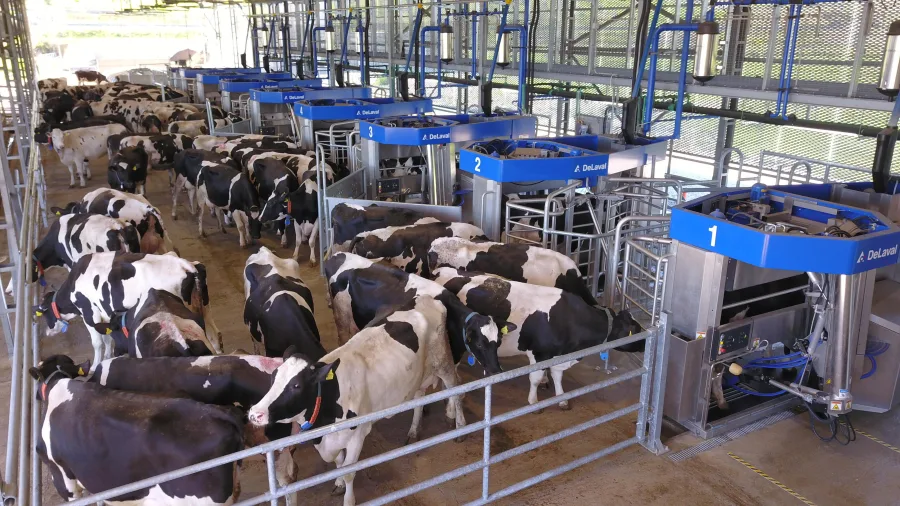
Robotic milking systems are revolutionizing the dairy farming landscape, and the success stories are truly inspiring. Consider the case of [Farm A], where the adoption of a robotic milking system led to a remarkable 20% increase in milk production. This achievement was made possible by encouraging cows to visit the robots frequently, a key strategy for optimizing milk production. Frequent visits not only boost milk yield but also enhance overall herd health, reduce stress, and improve cow comfort. These benefits are not just theoretical, they are proven and can be a reality for your dairy farm. 

“Frequent visits to the robotic milker can boost milk yield and improve overall herd health,” notes dairy expert Jamie Salfer, a University of Minnesota Extension educator, 

As a dairy farmer, you are not a mere observer in this process; you are a key player in the success of robotic milking systems. Your role in ensuring cows visit the robots on their own is vital, and you have the power to create the right environment for this. By [maintaining a calm and quiet atmosphere around the robots], you can encourage cows to visit more frequently. This behavior starts in early lactation and is supported by good pre-calving management. Your focus on these areas can unlock the full potential of your robotic milking system, leading to higher milk production and better farm efficiency.

The Foundation of Robotic Milking Success: Fresh Cows and Early Lactation

Early lactation, the period immediately after calving, is a critical phase for the success of a robotic milking system. This is when cows develop habits that greatly influence their willingness to visit milking robots, highlighting the importance of timing and preparation in maximizing milk production. Focusing on early lactation and pre-calving management can inspire higher milk production and better farm efficiency. 

In early lactation, cows naturally have an enormous appetite and higher milk production needs. This drives them to seek food and milk more often. By providing comfort, proper nutrition, and a smooth transition, you encourage cows to visit robots voluntarily, boosting overall production and cow well-being. 

Effective pre-calving management and a robust transition program are not just empty promises; they are provensuccessful strategies. This includes [ensuring cows are in good body condition before calving], [providing a clean and comfortable calving area], and [monitoring cows closely for signs of calving]. These strategies have been tested and have shown promising results. They help fresh cows start healthy and adapt to the robotic system quickly. In short, the more cows visit the robot, the better the milk production and efficiency. So, you can be confident in the effectiveness of these strategies.

Nurturing Success: Essential Precalving Strategies for Robotic Milking 

Success with robotic milking starts before calves even arrive. Key factors include a stocking rate of 80% to 90% for fresh cows and ensuring at least 30 inches of bunk space. This reduces stress and boosts feed intake for a smoother lactation transition. 

A good transition cow program , a set of management practices designed to prepare cows for the transition from dry to lactating, is crucial. Daily monitoring of rumination, activity, and manure is essential to spot health issues early. A balanced diet before calving meets nutritional needs and boosts post-calving intake. By emphasizing the importance of daily monitoring and a balanced diet, you can instill confidence in your ability to optimize milk production. 

Investing in a solid transition program trains cows to voluntarily visit robotic milking systems after calving. This reduces manual work and maximizes milk production, making the automation process much smoother.

Keys to Optimizing Robotic Milking Efficiency: Stocking Rates and Bunk Space 

Maintaining a proper stocking rate, the number of cows per unit of land, is critical to optimizing robotic milking. Ensuring an 80% to 90% stocking rate for refreshed cows creates a less stressful environment, helping cows adapt to the new milking routine. Overcrowding can cause resource competition and stress, reducing visits to the milking robot and lowering productivity. 

Equally important is providing at least 30 inches of bunk space per cow. Adequate space ensures each cow can comfortably access the feed, promoting better partial mixed ration intake (PMR). This supports higher nutritional intake, which is essential for the energy needed for frequent robot visits and high milk production. 

When cows are less stressed and have easy access to nutritious feed, they are more likely to visit the robotic milking system independently. This boosts the system’s overall efficiency and helps increase milk production. Proper stocking rates and bunk space are foundational for a smooth transition to robotic milking and enhanced farm productivity.

Daily Observations: The Cornerstone of Fresh Cow Health and Robotic Milking Readiness 

Regular checks of fresh cows are not just necessary; they are crucial for their health and readiness for robotic milking. Monitoring rumination, the process by which cows chew their cud, activity, and manure daily allows for quick adjustments, ensuring cows are fit for frequent robot visits and high milk production. This emphasizes the need for continuous monitoring and adjustment.

Feeding Success: The Role of Nutrition in Robotic Milking Systems 

A well-balanced diet is fundamental for high post-calving intake. Proper nutrition supports fresh cows’ health and encourages frequent visits to the robotic milking system. 

Fresh cows are sensitive to dietary changes. Providing a consistent and nutrient-rich diet makes a big difference. High-quality feed maintains energy, supports immune function, and ensures healthy digestion. This keeps cows active and engaged, leading to more visits to the milking robot. 

Frequent visits are essential as they boost milk production. Each visit maximizes milk yield and optimizes components like fat and protein. A well-formulated diet greatly enhances the cow’s comfort and willingness to visit the robot. 

A solid nutrition plan is crucial for a robotic milking system. High post-calving intake improves cow health and well-being and encourages behavior that maximizes milk production.

The Central Role of Partial Mixed Rations (PMR) in Robotic Milking Success 

The Partial Mixedration (PMR) delivered to the feedback is crucial to robotic milking systems. The PMR supplies 80% to 90% of the essential nutrients dairy cows need. This ensures cows have a balanced diet, which is vital for their health and milk production. 

Importance of PMR: A consistent, high-quality PMR at the feedback is essential. It gives cows continuous access to necessary nutrients, reducing the risk of metabolic disorders and supporting high milk yields. 

Boosting Milk Production: A well-formulated PMR delivers essential proteins, carbs, fats, vitamins, and minerals. For instance, a balanced PMR might include 16-18% crude protein, 30-35% neutral detergent fiber, 3-4% fat, and a mix of vitamins and minerals. These nutrients sustain peak lactation, maximizing milk output and providing better economic returns. 

Encouraging Robot Visits: The PMR keeps cows healthy and energetic, prompting them to visit the milking robot. The optimized feed composition entices cows to the robot for supplementary feed, creating a positive cycle of frequent milking and higher milk production. A well-formulated PMR can also reduce the risk of metabolic disorders, improve immune function, and support healthy digestion, all of which contribute to higher milk yields.

The Bottom Line

Success with robotic milking starts before calving. Proper pre-calving management and preparing fresh cows for early lactation are crucial. Maintaining the appropriate stocking rates and ensuring enough bunk space lets cows thrive. 

Daily checks of rumination, activity, and manure matter. A balanced diet boosts post-calving intake and promotes frequent robot visits. Partial Mixed Ratios (PMR) are crucial to driving milk production. 

Automated milking aims to meet cows’ needs, keep them healthy, and optimize milk production efficiently. Focusing on these aspects ensures your robotic milking operation runs smoothly and sustainably.

Key Takeaways:

  • Early Lactation is Crucial: Habits formed during early lactation influence the cow’s willingness to visit the robots.
  • Precalving Management Matters: A solid transition cow program is essential to get cows off to a good start.
  • Optimal Stocking Rates: Aim for a stocking rate of 80% to 90% for prefresh cows to encourage voluntary robot visits.
  • Bunk Space Requirements: Ensure at least 30 inches of bunk space per cow to prevent overcrowding and stress.
  • Daily Monitoring: Pay close attention to rumination, activity, and manure to keep fresh cows healthy.
  • Nutritional Focus: A good diet and precalving management promote high post-calving intake, leading to more visits to the robot and increased milk production.
  • Importance of PMR: Partial Mixed Rations are indispensable for maintaining high milk production and encouraging robot visits.


Summary: Robotic milking systems are transforming dairy farming by increasing milk production by 20%. This success is attributed to the optimal environment for cows to visit the robots, which can boost milk yield, herd health, reduce stress, and improve cow comfort. Dairy farmers play a crucial role in the success of robotic milking systems by creating the right environment for cows to visit the robots. Early lactation is crucial as cows develop habits that influence their willingness to visit the robots. Key factors for success include a stocking rate of 80% to 90% for fresh cows and at least 30 inches of bunk space. A good transition cow program and a balanced diet before calving meet nutritional needs and boost post-calving intake. Optimizing robotic milking efficiency involves maintaining a proper stocking rate, providing at least 30 inches of bunk space per cow, and monitoring rumination daily.

Top 5 Must-Have Tools for Effective Calf Health and Performance

Boost calf health and performance with top tools: sanitary colostrum vessels, reusable naval dippers, refractometers, scales, and ammonia monitors. Ready to up your game?

In the demanding world of dairy farming, the health and performance of your calves and heifers can’t be left to chance. Effective calf and heifer management is crucial for a successful dairy operation, ensuring that young animals grow into productive, high-yielding cows. 

The Dairy Calf and Heifer Association Annual Conference, a renowned platform for the latest advancements in calf and heifer management, unveiled five key innovations this year. From sanitary colostrum vessels to ammonia monitors, these tools have the potential to revolutionize your calf management practices. Incorporating these innovations into your routine could be the game-changer your dairy operation needs.

Spotlight on Colostrum Hygiene: The First Step to Robust Calf Health 

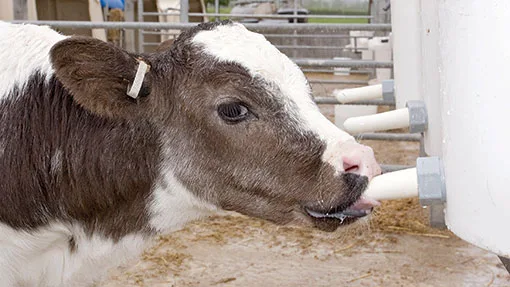
Using sanitary colostrum vessels is not just a hygiene measure, it’s a direct investment in your calves’ health. By ensuring newborn calves receive clean, uncontaminated colostrum, you’re preventing the spread of disease and boosting calf immunity. This simple step can significantly reduce the risk of illnesses in vulnerable newborns. 

Maintaining high hygiene standards ensures colostrum remains rich in essential antibodies and nutrients, protecting calves’ immune systems. Clean vessels promote better health during the crucial early days of life and lay a strong foundation for growth and resilience. It’s a small investment with significant benefits for healthier, more robust calves.

Reusable Navel Dippers: A Small Tool with Big Benefits 

Reusable navel dippers are essential tools in calf management. By disinfecting the navel area, these tools help reduce the risk of infections, a crucial step right after birth. 

These dippers ensure that each calf gets the disinfectant, promoting faster healing and overall health. Keep them clean and sanitized for reliable infection prevention: They are a small tool that significantly impacts calf health.

Refractometers: Precision Tools for Optimal Calf Nutrition 

Refractometers are not just precision tools, they’re decision-making aids. By measuring total proteins in colostrum and blood serum, they provide essential data about colostrum quality and calf nutrition. This instant feedback allows you to make timely, informed decisions that can have a profound impact on calf health and growth

Accurate protein measurements are crucial for calf health. High-quality colostrum with ample immunoglobulins transfers necessary immunity to newborn calves, safeguarding them from early diseases. Ensuring colostrum’s protein levels meet standards helps build a robust immune system. 

Checking total proteins in calf blood serum reveals overall health and nutritional status. Low levels indicate malnutrition or poor colostrum absorption, necessitating timely care. Refractometers provide precise readings, aiding in tailored feeding and care, which promotes better health and improved growth in your herd.

Heifer Growth Tracking: The Key to Breeding Success and Herd Performance 

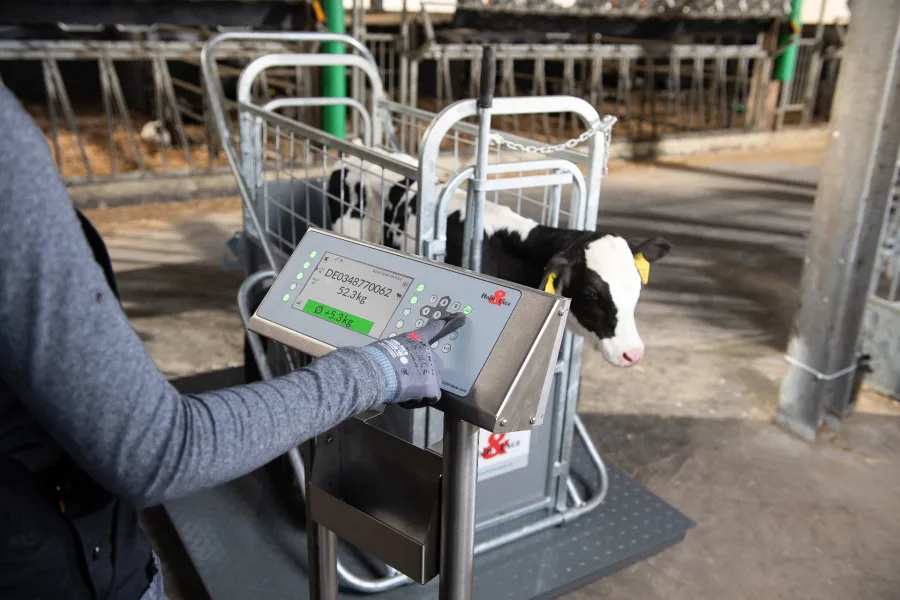
Monitoring heifer growth before breeding is crucial for their health and future productivity. Regularly using scales to track weight gives you a clear picture of how effective your feeding and care strategies are. Accurate growth metrics let you adjust nutrition and management practices, ensuring heifers reach optimal size and condition for breeding. 

Tracking these metrics helps identify growth patterns and potential issues early on. If a heifer isn’t gaining weight as expected, it might indicate health or dietary problems. Addressing these promptly prevents breeding delays and improves overall herd performance. Investing in scales for weight monitoring is a practical step toward better herd management, leading to higher success rates in breeding and milking productivity.

Ammonia Monitors: Breathing Easier for Healthier Calves 

Ammonia monitors can be a game-changer for your calf housing facilities. These devices measure air quality and help protect calf respiratory health. Elevated ammonia levels can increase infection risk and reduce overall well-being. 

By monitoring ammonia levels, you can spot problems early and improve ventilation, ensuring your calves breathe healthier air. This approach boosts hygiene and overall calf performance. 

Investing in and using ammonia monitors diligently promotes healthier calves and a more productive herd.

Non-Negotiables in Calf Management: Start with Cleanliness 

When it comes to calf management, cleanliness is critical. Here’s how to give your calves the best start: 

  • Avoid Dirty Equipment: Always clean and sanitize bottles, feeders, and other equipment after each use.
  • Use Single-Use Paper Cups: Opt for disposable paper cups for medications and supplements to prevent cross-contamination.
  • Practice Rigorous Cleaning Routines: Regularly disinfect pens, feeding areas, and water troughs.
  • Hand Hygiene: Wash your hands with disinfectant soap before and after handling calves.
  • Colostrum Collection and Storage: Use clean containers and store colostrum appropriately to prevent bacterial contamination.
  • Regular Health Checks: Conduct routine health checks to catch and address issues early.

Implementing these practices promotes disease prevention and overall calf health, producing more robust and high-performing animals. 

The Bottom Line

The Dairy Calf and Heifer Association Annual Conference highlighted essential tools to boost calf and heifer management. These tools include ensuring colostrum hygiene, using reusable navel diapers, measuring protein with refractometers, tracking growth with scales, and monitoring ammonia levels. By adopting these practices, you play a crucial role in leading to healthier calves, robust growth, and improved breeding outcomes. Embrace these tools to enhance your calf management and see tangible improvements in your herd’s health and productivity, knowing that your efforts are integral to the success of your dairy operation.

Key Takeaways:

  • Sanitary Colostrum Vessels: Ensure the first feeding is free from contaminants to boost immunity in newborns.
  • Reusable Navel Dippers: Disinfect the navel area to prevent infections and promote healthy growth.
  • Refractometers: Accurately measure total protein levels for optimal calf nutrition.
  • Scales for Pre-breeding Heifer Growth Goals: Track growth to meet breeding objectives and improve herd performance.
  • Ammonia Monitors: Monitor air quality to protect respiratory health in calf housing facilities.

Summary: The Dairy Calf and Heifer Association Annual Conference highlighted five key innovations in calf and heifer management that can revolutionize practices. These innovations include ensuring colostrum hygiene, using reusable navel dippers, measuring protein with refractometers, tracking growth with scales, and monitoring ammonia levels. Colostrum hygiene is crucial for preventing disease spread and boosting calf immunity in newborn calves. Reusable navel dippers disinfect the navel area, reducing the risk of infections. Refractometers provide accurate protein measurements, promoting better health and improved growth in the herd. Heifer growth tracking is essential for breeding success and herd performance, allowing for adjustments in nutrition and management practices. Ammonia monitors can measure air quality in calf housing facilities, protecting calf respiratory health by detecting problems early and improving ventilation. Cleanliness is also essential in calf management, with regular cleaning and sanitizing of bottles, feeders, and equipment. Disposable paper cups for medications and supplements prevent cross-contamination, and regular health checks can catch and address issues early, promoting disease prevention and overall calf health. Adopting these tools can lead to healthier calves, robust growth, and improved breeding outcomes in dairy farming.

Rethinking Mid-Lactation Milk Fevers: Causes, Solutions, and Prevention Tips for Producers

Are mid-lactation milk fevers a misnomer? Discover causes, solutions, and prevention tips to tackle this syndrome and keep your herd healthy and productive.

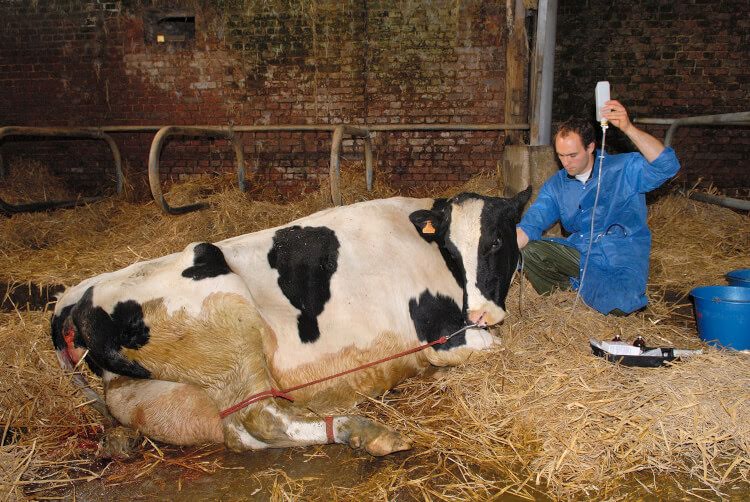
Imagine finding one of your top-producing cows suddenly unable to stand. You might think it’s mid-lactation milk fever(MLMF), often compared to traditional milk fever in fresh cows. But is that accurate? 

MLMF may mislead you. Unlike typical milk fever linked to calcium deficiencies, MLMF often involves low magnesium levels. This difference means that using the term “milk fever” might not give you the whole picture and could lead to ineffective treatments. 

As a dairy producer, your role is crucial in working closely with management teams to accurately spot risk factors for mid-lactation syndromes. Your understanding of these issues is critical to keeping your herd healthy and productive. 

In this article, we’ll delve into MLMF, its causes, and solutions to help you safeguard your herd. The key to protecting your cows from this condition, often misdiagnosed due to its misleading name, is to accurately identify and address the true risk factors .

The Mid-Lactation Conundrum: Different Symptoms and Causes

MLMF primarily impacts high-producing, multiparous cows that seemed fine at the last milking. These cows often show symptoms similar to fresh cow milk fever but with crucial differences. Typically, MLMF cows are more alert and exhibit paralysis more prominently in the hind legs. 

Treatment for MLMF with calcium and magnesium often results in noticeable improvement unless recumbency exceeds 12 hours or injuries occur. This variation in treatment response emphasizes the different causes of MLMF compared to traditional milk fever in fresh cows due to low blood calcium from the onset of lactation. 

In contrast, MLMF usually stems from low magnesium. This mineral must be constantly absorbed from the diet as it isn’t stored in the body. These differing nutritional deficiencies show why “mid-lactation milk fever” can be misleading.

Magnesium: The Unsung Hero in Preventing Mid-Lactation Milk Fever 

Magnesium plays a pivotal role in preventing MLMF. Unlike calcium, it can’t be stored and requires constant intake from the diet. Low magnesium levels often trigger hypomagnesemia, a leading cause of MLMF. 

Soil types impact the mineral content of forages. Low-magnesium soils or those with low pH levels produce plants lacking in magnesium. Some plants even block magnesium absorption. 

High potassium forages can also impede magnesium absorption. Forages like corn silage may accumulate trans-aconitic acid, which binds magnesium, making it unavailable. 

To mitigate these risks, test forages using wet chemistry. Increase dietary magnesium to 0.4-0.45%, and ensure it’s easily absorbed.

The Potassium-Magnesium Balancing Act: Ensuring Optimal Mineral Absorption for Your Herd

Feeding forages high in potassium (K) can hinder magnesium (Mg) absorption, a key player in preventing hypomagnesemia. Low magnesium levels or magnesium antagonists in the diet can worsen this issue. 

Testing forages using wet chemistry is essential. Accurate analysis reveals the mineral content, including K and Mg levels, helping you create balanced diets for your herd. 

Evaluate the bioavailability of magnesium sources in the diet, as not all are equally effective. Work with your nutritionist to choose the best magnesium supplements for optimal herd health and productivity.

Gut Inflammation: The Silent Saboteur in Dairy Herd Health 

The gut’s function extends beyond digestion; it acts as a vital barrier against toxins and pathogens. This barrier weakens when inflammation occurs, a condition commonly known as ‘leaky gut.’ This disruption not only hampers the absorption of essential minerals like calcium and magnesium but also poses a significant risk for MLMF. 

An inflamed gut becomes permeable, allowing unwanted substances into the bloodstream. This triggers an immune response that uses up glucose needed for milk production and lowers blood calcium levels, leading to MLMF symptoms like downer cows and general weakness. 

The fallout doesn’t stop there. Gut inflammation can lead to secondary issues like pneumonia, laminitis, and weight loss, compounding the risks associated with MLMF. Managing gut health is crucial for preventing MLMF and maintaining the overall well-being of your dairy herd.

On-Farm Stressors: Invisible Triggers of Gut Inflammation 

Various on-farm stressors can contribute to gut inflammation, impacting rumen function and nutrient absorption. Some common culprits include: 

  • Suboptimal Bunk Management: Empty bunks or inconsistent feeding lead to significant, infrequent meals (slug feeding), disrupting the rumen and nutrient absorption.
  • Pen Overcrowding: Overstocked pens cause competition for feed, leading to stress and irregular feeding, affecting digestion and nutrient uptake.
  • Heat Stress: High temperatures decrease feed intake and rumen activity, causing cows to overeat during cooler periods, disrupting rumen fermentation, and lowering immune function.

These stressors increase the feed passage rate through the digestive system, resulting in undigested feed entering the lower gut and causing irritation and inflammation. This weakens the gut’s protective barrier, triggering an immune response and complicating mineral absorption. 

To mitigate these issues, ensure ample non-sortable total mixed ration (TMR) is always available, provide comfortable cow environments to minimize stress, and use time-lapse cameras to monitor feeding behavior for improvement.

Proactive Measures to Combat Mid-Lactation Milk Fevers

Mid-lactation milk fevers (MLMF) often stem from nutritional imbalances and inflammatory challenges. Low magnesium forages, high potassium levels, and specific soil conditions can disrupt mineral absorption. Inflammatory issues like gut inflammation further hinder nutrient absorption and contribute to down cow syndrome. 

Here are some steps for producers and nutritionists to address these challenges: 

  • Sample forages for minerals using wet chemistry.
  • Check the bioavailability of magnesium sources in the diet.
  • Ensure sufficient magnesium in high-production lactating diets.
  • Test ration ingredients for toxins and pathogens.
  • Monitor bunk management and feeding behavior with time-lapse cameras.
  • Feed research-proven compounds to stabilize the gut barrier and reduce inflammation. Consult your nutritionist for effective products.

The Bottom Line

By identifying and mitigating risk factors with your management team, you can significantly reduce the occurrence of mid-lactation milk fever. Understanding nutritional imbalances, inflammatory responses, or on-farm stressors allows you to create tailored solutions for your herd. With accurate diagnosis and proactive management, you can look forward to a significant enhancement in productivity and health, ensuring your cows remain healthy throughout lactation.

Key Takeaways:

  • MLMF is not a traditional calcium deficiency like fresh cow hypocalcemia; rather, it often involves low magnesium levels in the diet.
  • Magnesium is crucial for dairy cows and must be constantly absorbed from their diet, as it is not stored in their bodies or resorbed from bone.
  • Hypomagnesemia, also known as tetany, can lead to symptoms similar to calcium milk fever but typically affects multiparous, higher-producing cows in mid-lactation.
  • High levels of dietary potassium can inhibit magnesium absorption, especially in forages like corn silage grown in soils with specific conditions.
  • Gut inflammation caused by factors like leaky gut syndrome can impair mineral absorption and significantly contribute to MLMF.
  • On-farm stressors such as suboptimal bunk management, pen overcrowding, and heat stress accelerate passage rates and exacerbate the issue.
  • Producers should regularly test forages for major minerals, ensure adequate magnesium levels, and employ research-proven strategies to maintain gut health and minimize inflammatory events.

Summary: Mid-lactation milk fever (MLMF) is a common issue in dairy herds, often misdiagnosed as a calcium-deficit disorder. However, it is actually a condition involving low magnesium levels, which must be constantly absorbed from the diet due to its lack of storage in the body. Low magnesium levels often trigger hypomagnesemia, a leading cause of MLMF. Soil types, such as low-magnesium soils or those with low pH levels, can impact the mineral content of forages, leading to plants lacking in magnesium or blocking magnesium absorption. High potassium forages may also impede magnesium absorption by accumulating trans-aconitic acid. To mitigate these risks, dairy producers should test forages using wet chemistry and increase dietary magnesium to 0.4-0.45%. Gut inflammation is another significant risk associated with MLMF, as it weakens the gut’s barrier against toxins and pathogens, hampering the absorption of essential minerals. Proactive measures to combat MLMF include sampling forages for minerals, checking the bioavailability of magnesium sources in the diet, ensuring sufficient magnesium in high-production lactating diets, testing ration ingredients for toxins and pathogens, monitoring bunk management and feeding behavior with time-lapse cameras, and feeding research-proven compounds to stabilize the gut barrier and reduce inflammation.

USDA Launches Pilot Program to Combat H5N1 in Dairy Herds with $824 Million Support

Discover how the USDA’s new $824M pilot program aims to combat H5N1 in dairy herds. Will your state participate in this innovative approach to safeguard livestock?

The USDA’s new H5N1 Dairy Herd Status Pilot Program aims to revolutionize cattle health monitoring and expedite cattle movement. Starting in select states, this voluntary program promises to usher in an era of diligent health surveillance. 

The innovative program has three main goals: 

  • Enhanced Monitoring: Systematic testing of cows for H5N1.
  • Streamlined Movement: Swift shipment of cattle after consistent negative tests.
  • Flexible Testing: Alternative methods to confirm herd health regularly.

“We are deeply committed to providing our dairy producers with the tools to maintain herd health and ensure dairy supply chain stability,” said Ag Secretary Tom Vilsack, highlighting USDA’s unwavering and proactive approach to disease management.

Empowering Dairy Producers: The Flexibility and Efficiency of the H5N1 Dairy Herd Status Pilot Program

The voluntary H5N1 Dairy Herd Status Pilot Program empowers dairy producers to choose participation based on their needs, providing flexibility without regulatory compulsion. This initiative aids in efficiently monitoring herds and mitigating Influenza A spread among dairy cattle, ensuring the health and safety of your herds and the stability of the dairy supply chain. 

Revolutionizing Dairy Herd Management through Proactive H5N1 Testing: A New Era of Efficiency and Welfare

The H5N1 Dairy Herd Status Pilot Program provides dairy producers with new testing options after their herds test negative for H5N1 for three consecutive weeks. This initiative shifts from reactive to proactive, allowing producers to ensure consistent herd health and efficient cattle movement. The program reduces labor and costs by enabling weekly bulk milk tests instead of individual animal tests while minimizing animal stress and enhancing herd welfare. 

The National Animal Health Laboratory Network (NAHLN) is a key player in the H5N1 Dairy Herd Status Pilot Program. Its rigorous standards ensure reliable results, which in turn, build trust in the program’s diagnostic capabilities. This trust is crucial for enabling continuous, proactive herd management and encouraging dairy producers to participate.

Strategic State Collaborations: The Keystone of the H5N1 Dairy Herd Status Pilot Program 

Strategic state collaborations are at the heart of the H5N1 Dairy Herd Status Pilot Program. APHIS is working closelywith state officials to select the best candidates for the program. This careful selection process ensures that regions with the highest potential for success and impact are chosen, providing dairy producers with the assurance that the program is well-planned and effective. 

Once participating states are finalized, enrollment will begin the week of June 3. Producers can contact their state veterinarian for details. This straightforward process allows producers to join the program quickly and benefit from improved testing and movement options.

Upholding Safety and Compliance: Mandatory Regulations for Non-Participant Dairy Producers

Producers opting out of the pilot program must follow the Federal Order for pre-movement testing of lactating dairy cattle. Every interstate movement of dairy cows requires a negative Influenza A test within the specified timeframe before transit. This stringent testing protocol ensures that only healthy cows are relocated, reducing the risk of disease spread. 

Non-enrolled producers must also adhere to regular herd monitoring practices to identify any H5N1 symptoms promptly. In line with state and federal regulations, routine health inspections are crucial to maintaining herd health and preventing outbreaks. Staying updated with these regulations is essential, as compliance protects individual herds and supports broader public health goals.

Securing America’s Agriculture: Strategic Investments in Biosecurity and Disease Management 

Ag Secretary Tom Vilsack has approved $824 million from the Commodity Credit Corporation to invest in the nation’s biosecurity and disease management. These funds are earmarked for APHIS to enhance efforts against HPAI and the H5N1 strain, especially in the dairy sector

This funding will be allocated to several key areas: 

  • Diagnostics: Improving lab capabilities for rapid and accurate H5N1 detection.
  • Field Responses: Supporting immediate response efforts in affected areas.
  • Pre-Movement Testing: Funding comprehensive testing protocols to maintain herd health and safe cattle movement.
  • Other Surveillance: Expanding programs to monitor HPAI and H5N1 spread and mutations.
  • Vaccine Development: Investing in vaccines for various species to prevent and control the disease long-term.

USDA’s deployment of these resources underscores its commitment to safeguarding the agricultural industry, ensuring food production resilience, and fostering fairer markets. This financial support addresses immediate needs while paving the way for a more secure and sustainable future in American agriculture. 

The Bottom Line

The H5N1 Dairy Herd Status Pilot Program marks a pivotal change in managing potential H5N1 outbreaks for dairy producers. Simplifying testing for those who consistently show negative results allows greater operational flexibility and reduces economic strain. This initiative, backed by substantial funding and state collaboration, bolsters herd health and strengthens America’s agricultural biosecurity.

Key Takeaways:

  • The program is voluntary and targets herds that test negative for H5N1 for three consecutive weeks.
  • Testing will be conducted through National Animal Health Laboratory Network facilities.
  • Producers will have the option to conduct weekly bulk milk tests to confirm the herd’s status.
  • State officials and APHIS are currently determining participating states, with enrollment commencing the week of June 3.
  • Non-enrolled producers must adhere to existing interstate testing and movement regulations as outlined in the Federal Order.
  • Ag Secretary Tom Vilsack has authorized $824 million from the Commodity Credit Corporation to support diagnostics, field responses, pre-movement testing, surveillance, and vaccine development.

Summary: The USDA is launching the H5N1 Dairy Herd Status Pilot Program to improve cattle health monitoring and dairy supply chain stability. Starting in select states, the program aims to provide dairy producers with tools to maintain herd health and streamline movement. The National Animal Health Laboratory Network (NAHLN) is a key player in the program, with rigorous standards ensuring reliable results and building trust in its diagnostic capabilities. Enrollment will begin on June 3, and producers can contact their state veterinarian for details. Non-enrolled producers must follow the Federal Order for pre-movement testing of lactating dairy cattle and adhere to regular herd monitoring practices to identify H5N1 symptoms promptly. The USDA has approved $824 million from the Commodity Credit Corporation for biosecurity and disease management.

How Calf Birth Weight Influences Dairy Cow Performance: Insights from a Large-Scale Study

Discover how calf birth weight impacts dairy cow performance. Can lighter calves boost milk yield and efficiency? Dive into insights from a large-scale study.

Consider the birth of a calf, a routine event on a dairy farm. Yet, the weight of a newborn calf can significantly impact its mother’s future performance. Recent research sheds light on the relationship between calf birth weight and dairy cow productivity, providing farmers with valuable insights. 

This association is crucial for dairy farmers aiming to optimize their herd’s performance. Key findings from a study analyzing over 11,000 lactation records include: 

  • For primiparous cows (first-time mothers), lower calf birth weight was linked to higher milk yield in the first 60 days and shorter intervals to the first service.
  • In multiparous cows (experienced mothers), higher calf birth weight correlated with increased total milk, fat, and protein yield.
  • The sire breed also influenced 60-day milk yield in multiparous cows when calf birth weight wasn’t considered.

These findings have direct implications for dairy farmers, underscoring the importance of calf birth weight as a predictor of dairy dam performance. By incorporating these insights into their practices, farmers can potentially enhance their herd’s productivity and overall efficiency.

Factors Influencing Calf Birth Weight

Understanding the role of genetic factors in calf birth weight is crucial for dairy farm management . The genetic makeup of the sire and dam significantly influences calf birth weight, making strategic breeding choices and maintaining genetic diversity within the herd key factors in optimizing calf birth weight. 

Maternal nutrition during pregnancy profoundly impacts calf birth weight. Balanced nutrition is vital for the pregnant dam’s health and fetal growth. Nutritional deficiencies or excesses can lead to variations in birth weight, affecting subsequent calf performance

Environmental factors, such as stress and climate, also induce variability in birth weights. Extreme temperatures, poor housing conditions, and other stressors can affect the dam’s pregnancy and, thus, the calf’s birth weight. Mitigating these stressors can promote consistent and favorable birth weights, enhancing overall well-being

These insights highlight the need for a holistic dairy herd management approach, harmonizing genetic selection, nutritional planning, and environmental control to optimize outcomes for both calves and dams.

Impacts of Calf Birth Weight on Dairy Cow Performance

The association between calf birth weight and dairy dam performance extends beyond immediate post-calving metrics, impacting long-term productivity and health. Higher birth weight calves generally exhibit better growth rates, which enhance overall herd health and operational efficiency. This growth is often coupled with improved immune function, reducing early-life diseases and calf mortality, leading to a healthier adult herd and lower veterinary costs. 

Calf birth weight significantly influences future milk production and reproductive performance. Heavier birth-weight calves tend to transition to adulthood with fewer health issues, reaching peak milk production more efficiently. For dairy dams, calving heavier calves can improve milk yield and reproductive metrics. In primiparous cows, this includes shorter intervals to first service and higher body condition scores. In multiparous cows, there’s a notable association with total milk, fat, and protein yield and a reduced drop in body condition score from calving to nadir. 

By managing calf birth weight, dairy farmers cannot only optimize immediate lactation outcomes but also enhance the long-term efficiency of their farms. This underscores the importance of strategic breeding and nutrition in achieving optimal birth weights, which can lead to a more productive and sustainable dairy farming environment.

Recommendations for Dairy Farmers

Given the intricate ties between calf birth weight and the dairy dam’s post-calving performance, dairy farmers play a crucial role in proactively managing their herds. Here are detailed recommendations: 

  • Monitor and Record Calf Birth Weights: Keeping meticulous records of calf birth weights allows for identifying patterns and anomalies within the herd. This data can be invaluable for making informed management decisions and refining breeding strategies that align with the farm’s productivity goals.
  • Improve Maternal Nutrition and Reduce Stress: Ensuring cows receive optimal nutrition and experience minimal stress during pregnancy can positively affect calf birth weight. Farmers should focus on balanced diets that cater to the specific needs of pregnant cows and adopt management practices that reduce stress factors such as overcrowded housing or abrupt environmental changes.
  • Genetic Selection for Optimal Birth Weights: Implementing breeding programs prioritizing genetic traits associated with favorable birth weights can enhance calf and dam health. Selecting sires with a proven track record of producing calves with optimal birth weights can improve overall herd performance in milk yield, fertility, and body condition scores.

By integrating these recommendations, dairy farmers can foster a more robust and productive herd, ultimately enhancing farm sustainability and efficiency. This not only promises improved milk yield and cow health but also sets the stage for a more prosperous and sustainable dairy farming environment.

The Bottom Line

The study reveals a subtle yet notable link between calf birth weight and the performance of dairy dams. These findings, while the effects are generally small, provide valuable insights for dairy farmers. Primiparous cows showed associations with calf birth weight across performance metrics like milk yield and body condition scores. The calf’s weight influenced total milk, fat, and protein yields for multiparous cows. Interestingly, multiparous cows with traditional beef breed calves produced more milk than those with Holstein-Friesian calves. 

These results emphasize the importance of more research. Understanding how calf birth weight impacts dairy cow performance could drive new strategies for optimizing dairy farming efficiency, which is pivotal for productivity and animal welfare

Dairy farmers should consider calf birth weight in herd management. This focus can lead to better decisions on milk yield, cow health, and overall performance, promoting a productive and sustainable dairy farming environment.

Key Takeaways:

  • Calf birth weight is linked to critical dairy performance metrics, influencing both immediate and long-term productivity.
  • Primiparous cows (first-time mothers) show a direct correlation between lower calf birth weight and higher milk yield within the first 60 days of lactation.
  • Multiparous cows (experienced mothers) with lower birth-weight calves demonstrate decreased milk, fat, and protein yields over the first 305 days of lactation.
  • The sire breed of the calf plays a crucial role, with traditional beef breeds leading to higher milk production than those sired by Holstein-Friesians in multiparous cows.
  • The biological impact of these associations, though statistically significant, is relatively small, underscoring the complexity of dairy cow performance factors.

Summary: Research indicates a significant correlation between calf birth weight and dairy cow productivity, particularly in primiparous cows. Primiparous cows have lower calf birth weight, while multiparous cows have higher total milk, fat, and protein yield. The sire breed also influences milk yield in multiparous cows. Factors influencing calf birth weight include genetic factors, maternal nutrition during pregnancy, environmental factors, and environmental control. The genetic makeup of the sire and dam significantly influences calf birth weight, making strategic breeding choices and maintaining genetic diversity crucial. Maternal nutrition during pregnancy is vital for fetal growth, while environmental factors like stress and climate can induce variability in birth weights. The association extends beyond immediate post-calving metrics, impacting long-term productivity and health. Higher birth-weight calves generally show better growth rates and operational efficiency.

Strategies for Dairy Farmers: Managing Feed Variation to Minimize Economic Stress

Find out how to handle feed variation and reduce stress on your dairy farm. See how you can cut losses and increase profits with better feed management.

Are you a dairy farmer trying to increase profitability without sacrificing your cows’ health or stress-free condition? Your daily operations depend on feed management, which frequently makes up 45% of your expenses. A well-controlled feed saves money and reduces stress for your staff and herd. Adjusting feed methods may mitigate financial losses and improve cattle health.

Read more for advice on reducing feed variability and stress. From bunkers to total mixed rations (TMR), these pointers will assist in simplifying processes and improving output. All set for some practical, financially wise guidance? Let’s go right in.

Overcoming Feed Variations: Ensuring Herd Health and Economic Stability 

Your herd’s health and the financial stability of your dairy farm may be much influenced by control of feed changes. At the bunker silo, silage packing and sealing are very vital. Here, poor methods cause oxygen intrusion and feed spoiling, compromising nutrients and generating financial waste.

Inconsistent mixing periods and imbalanced ingredient loading at the feed mixer might produce a TMR lacking consistency. This encourages cows to sort the feed, therefore upsetting their balanced diet and raising their chance of stomach problems.

Uneven particle sizes in feed may impede digestion in the cow’s stomach. Too tiny particles increase the danger of acidosis, while coarse particles lower the microbial digesting efficiency. Both badly affect herd health and milk output.

Economically, feed spoilage and digestive problems may cause wasted feed investments, decreased milk output, more veterinary bills, and less profitability. Strict feed management techniques assist in guaranteeing that your feed investment optimizes herd health and production.

Mastering Bunker Management: The Cornerstone of Dairy Farm Success 

The success of a dairy farm depends on good bunker management, which affects feed quality and the economy. Concentrate silage face management, feed-out rates, sealing quality, and packing density to save feed and lower spoilage.

When cutting silage, silage face management involves maintaining a smooth, vertical face. This reduces rotting and air exposure. Sharp cutting tools can also protect the silage integrity and prevent jagged edges.

Remove around thirty centimeters of silage daily for feed-out rates to minimize aerobic deterioration. Timing and amount are critical to maintaining a fresh, constant-quality feed for your herd.

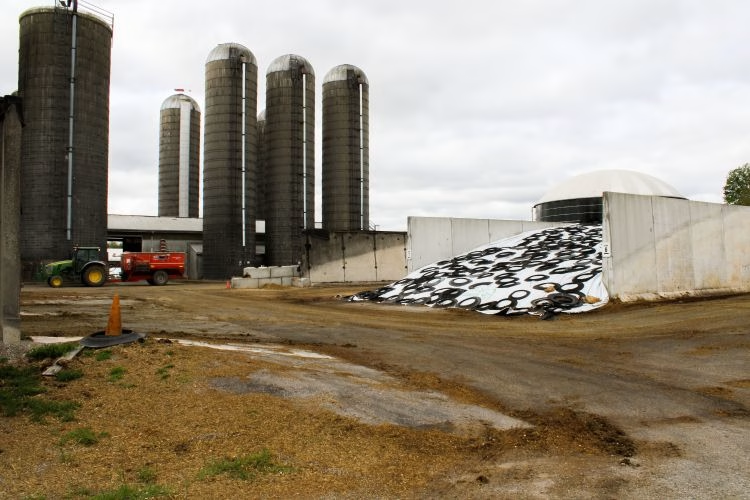
Sealing Quality is really crucial. Seal the bunker silo with premium plastic and oxygen-limiting barrier films; fasten them with tires or sandbags. This maintains an anaerobic condition, therefore conserving feed nutrients and avoiding spoiling.

Over 700 kg of dry stuff per cubic meter is a necessary packing density. Layer and crush silage completely with heavy equipment to remove oxygen pockets and preserve silage quality.

Using these techniques improves dairy profitability and helps reduce feed waste. Proper bunker management is critical to the financial viability of your farm.

Optimizing Silo Dimensions: A Key to Safe and Efficient Feed Management

Silo dimensions are crucial for safety, cost, and feed management. Ensure the maximum height is accessible by defacing equipment and the minimum width matches two packing trailers. 

Remove 30 centimeters of silage daily to limit oxygen infiltration and minimize spoilage. Pack and seal the pile carefully, using plastic and oxygen-limiting barrier films secured with tires or sandbags.

Adhering to these guidelines maintains a reasonable feedout rate, enhances safety, and boosts dairy farm profitability.

Effective Silo Packing and Covering: Your Key to Reducing Spoilage and Boosting Silage Quality 

Packing and covering your silo correctly is critical to keeping oxygen out and preserving silage quality. Spread the silage evenly during filling to ensure uniform density. Use heavy machinery for tight packing to minimize air pockets. 

Cover the silo immediately with high-quality plastic and oxygen-limiting films to create an airtight seal. Lay the plastic carefully, avoiding gaps or tears. 

Secure the cover with tires or sandbags placed closely side by side. This helps maintain the seal and adds pressure. Focusing on these steps can reduce dry matter loss and preserve nutritional value, boosting profitability.

The Art of Feedout: Safeguarding Your Silage and Your Bottom Line

Removing silage from the bunker is a vital part of feedout practices. Proper removal prevents spoilage and ensures quality feed for your cows. Aim to remove about 30 centimeters of silage daily to keep it fresh and maintain the silage face. Please ensure no leftovers are at the bottom, as they can spoil and lead to economic losses.

Total Mixed Ration (TMR): The Backbone of Effective Feed Management 

The Total Mixed Ration (TMR) is vital for effective feed management in dairy farming. It ensures each cow gets a balanced diet, providing a mix of forages, grains, proteins, vitamins, and minerals crucial for cow health and milk production. 

Fiber and forage in TMR are essential for chewing and saliva production, which help maintain ruminal pH and a healthy rumen. Proper pH levels prevent digestive issues like acidosis, which can harm cow health and milk yield. 

However, TMR benefits can be recovered if forage particles are shorter. Otherwise, cows will sort the feed and miss essential nutrients. Conversely, particles that are too short may not provide enough fiber. 

Accurate measurement and mixing of feed ingredients are crucial. Tools like Feed Supervisor can track TMR composition and allow real-time adjustments. By doing so, dairy farms can enhance herd nutrition and farm profitability.

Optimizing Forage Particle Size: A Catalyst for Higher DMI and Enhanced Milk Production

The physical characteristics of the ration are crucial for increasing dry matter intake (DMI) and meeting your cow’s energetic needs for milk production. When forage particles are sized correctly, cows can consume more feed efficiently. However, if particles are too long, they can cause rumen distention and potential health issues. 

Proper particle length helps maintain rumen health by preventing selective eating, where cows leave behind coarser feed. This can lead to an unbalanced diet and digestive disorders like acidosis. Addressing this ensures balanced intake, promotes cow health, and optimizes milk production.

The Meticulous Preparation of Total Mixed Ration (TMR): How to Optimize Productivity and Profitability 

The meticulous preparation of Total Mixed Ration (TMR) directly impacts your farm’s productivity and profitability. Here’s how to ace it: 

  • Ingredient Order: Load long forages first, then smaller forages, grains, and supplements. This ensures even mixing.
  • Scale Accuracy: Calibrate your scales regularly. Accurate weighing guarantees a balanced diet for every cow.
  • Mixing: Use moderate speed and recommended times. This ensures a uniform mix.
  • Ration Distribution: Distribute TMR evenly in the feed bunk to avoid nutrient imbalances.
  • Feeding Frequency: Feed and push up frequently to keep TMR fresh, boosting intake and preventing selective eating.

Following these TMR prep steps enhances feed investment returns. Balanced nutrition boosts rumen health, dry matter intake, and milk production, leading to higher profits.

The Bottom Line

Effective feed management is critical to your dairy farm’s success. By addressing feed variations—from silage prep and silo dimensions to TMR consistency—you can reduce waste and boost milk production. Proper bunker management and meticulous silo packing maintain silage quality while optimizing forage particle size in the TMR ensures a balanced diet and reduces digestive issues. 

Comprehensive feed management improves herd health and dry matter intake (DMI), driving milk production efficiency. Reporting tools help make informed decisions, reducing feed costs and boosting profitability. Consistent feeding practices enhance livestock health and productivity, proving that well-managed feed solutions are crucial for your dairy farm’s economic stability.

Key Takeaways:

  • Effective feed management is critical to reducing economic losses in dairy farming.
  • Proper bunker management techniques can minimize feed spoilage and maximize profits.
  • Well-optimized silo dimensions are essential for safety and efficient feed management.
  • Packing and covering silage properly can significantly reduce the risk of oxygen infiltration and spoilage.
  • The total mixed ration (TMR) must be balanced to avoid digestive disorders and improve cow health.
  • Ensuring the correct forage particle size can enhance dry matter intake (DMI) and milk production.
  • Precise TMR preparation, including correct ingredient loading and mixing instructions, can boost farm productivity and profitability.

Summary: Dairy farmers must prioritize feed management to increase profitability without compromising cow health. Feed management accounts for 45% of daily expenses and can save money, reduce stress, and improve cattle health. Poor bunker management methods can lead to oxygen intrusion, feed spoiling, nutrient compromise, and financial waste. Inconsistent mixing periods and imbalanced ingredient loading can cause a TMR lacking consistency, leading to cows sorting the feed and increasing the risk of stomach problems. Uneven particle sizes in feed can also hinder digestion, affecting herd health and milk output. Mastering bunker management is crucial for dairy farm success, as it affects feed quality and the economy. Focusing on silage face management, feed-out rates, sealing quality, and packing density can save feed and lower spoilage. Optimizing silo dimensions is essential for safety, cost, and feed management. Feedout practices are essential for dairy farming, ensuring quality feed and preventing spoilage. Accurate measurement and mixing of feed ingredients are crucial, and optimizing forage particle size is essential for higher dry matter intake and enhanced milk production. Preparing TMR directly impacts farm productivity and profitability, boosting rumen health, dry matter intake, and milk production, leading to higher profits.

Manure Evaluation: Key to nutrition and herd health

Awareness is one of the best tools dairy managers can make use of.  A daily barn or pasture walk with boots that don`t hesitate to poke into manure piles behind the cattle, can be a valuable signal of what`s happening with herd health and nutrition.  No special equipment is required to make a speedy determination of the color, consistency and content of the manure being passed by a group of dairy cows.

The Three C’s: Consistency, Color and Content

If the cows share the same diet, their manure should share similar characteristics.  In a 200-cow dairy, a walk-through that checks the manure of 15 to 20 cows should be able to provide enough observations to draw conclusions. The expectation is that less than five per cent will stand out as significantly different from the general herd.  It is important to determine what is causing the difference.

Check Consistency First!

Feed drives production.  Knowing the digestion status of the working cows is an important tool for making management decisions. What you see in the manure output, should be porridge-like and produce the dome-shaped  1 or 2 inch thick ‘plop’ that is the sign of healthy digestion.   Feed type, the nutrient and fibre content, water quality and intake and passage rate all have an impact on the final product.  Restricted water or protein produces firmer feces.  Dehydration results in firm balls of manure. Seeing loose feces or diarrhea may indicate excessive protein intake or high levels of rumen degradable protein.  Manure may be loose during periods of stress.  Other cases of loose manure are far more serious and their actual causes seem to be harder to pinpoint. For example, sub-clinical acidosis (SARA) causes loose manure consistency to vary amongst herd members as well as other multiple changes over time for each suffering cow.

Color Paints a Management Checkpoint

Fecal color is influenced by feed type, bile concentration, and the passage rate of feedstuffs and digesta. Recognizing what is `normal` for the current type of diet being fed, sets up the opportunity to identify variations that could indicate a need for action. Typically, manure is dark green when cattle graze fresh forage and darkens to a brown-olive if animals receive a hay ration.  When cows consume a typical TMR, feces are usually a yellow-olive color. This color results from the combination of grain and forage and will vary by the amount of grain and processing of that grain. If an animal experiences diarrhea, feces may change to a gray color. Animals undergoing medical treatment may excrete abnormal colored feces as a result of drugs that are administered.  Dark or bloody manure may indicate hemorrhaging in the gastrointestinal tract from watery dysentery, mycotoxins, or coccidiosis.  Light-green or yellowish manure combined with watery diarrhea can result from bacterial infections such as salmonella. Of course, any rapid change in colors signals that something is not right and immediate corrective action needs to be taken.

Content is Last but Not Least!

The third “c” to inspect is content. The contents of manure can provide dairy managers with information about how the dairy diet is working. Manure that is produced from cows fed a well-balanced nutritious ration (with adequate effective fibre) is very uniform. It contains digested feed particles with the majority of processed forage fibre no greater than 1/2 inch, and with little escaped grain.

Long forage particles or undigested grains are a sign that rumination has been challenged and the cause needs to be determined.  It could be a problem with the animal or with the processing of the grain itself.  Obviously these large particles in the manure mean that the nutrition in them has not been made available to the animals or to rumen microbes.

Mucus is another indicator to use as an alert.  The presence of excessive amounts of mucus indicates chronic inflammation of or injury to gut tissue. Mucin casts also may be observed. These indicate damage to the large intestine, possibly caused by extensive hindgut fermentation and low pH. The mucin is produced by cells lining the intestine in an attempt to heal the affected area. As well manure that appears foamy or bubbly may indicate lactic acidosis or excessive hindgut fermentation resulting in gas production.

A Poop Picture Helps with Informed Decision Making

manure scoring

Manure scores 1 and 5 are not desirable and may reflect a health problem besides dietary limitations. Score 4 droppings may reflect a need to rebalance the ration. As cows progress through their lactation, manure score may also shift as outlined below.

  • Fresh cows (score 2 to 2 ½)
  • Early lactation cows (2 ½ to 3)
  • Late lactation cows (3 to 3 ½)
  • Far off dry cows (3 to 4)
  • Close up dry cows (2 ½ to 3 ½)

Increasing the amount of degradable, soluble, or total protein; deceasing the amount or physical form of the fiber; increasing starch level, decreasing grain particle size (such as fine grinding or steam flaking), and consuming excess minerals (especially potassium and sodium) can cause manure scores to decline (for example from 3 to 2).

The color of manure is influenced by feed, amount of bile, and passage rate. Cows on pasture are dark green while hay based rations are more brown. High grain-based diets are more gray-like. Slower rates of passage causes the color to darken and become more ball-shaped with a shine on the surface due to mucus coating. Score 1 may be more pale due to more water and less bile content. Hemorrhage in the small intestine causes black and tar-like manure while bleeding in the rectum results in red to brown discoloration or streaks of red.

Physical Analysis

When it comes right down to manure evaluation, you have to get right down to it.  After the 3 C’s inspection using eyes, boots and cow sense information, it’s time to look deeper. Collect at least five manure samples that appear to be representative of the group of animals. Mix the collected samples and place a pint-sized sample on a .05-.08- inch mesh sieve or in a strainer. Using a hose, wash a gentle, steady stream of water over the sieve, passing across the sample continuously until the water running from the bottom of the sieve is clear. Then gently use running water to roll or float the particles to one corner of the sieve and remove all material from the sieve.

Place the washed sample on a flat dark surface and examine it for the following:

  • Long fiber particles — It is inevitable that some long forage particles will appear, but if most are greater than 0.5 inch there may be cause for concern. Poor digestion of forages may be due to the makeup of the fiber component of the diet (low quality forages) or to the ability of the animal to digest the forage being fed (poorly balanced rations).
  • Grain particles — The small intestine is capable of digesting starch, allowing the cow to utilize this nutrient. However, the amount of starch digested is limited by the rate of digesta passage through the small intestine.

The Bullvine Bottom Line

It cannot be overemphasized how important it is to effectively manage herd health and nutrition.  Every tool that informs that decision making process is valuable and manure evaluation is a valuable link in that chain of understanding.  Don`t overlook the simplicity of a boots through the barn examination of your herd’s manure production.  It’s not science but it gives the start to analyzing how your dairy diet is being consumed, digested and left behind.


Get original “Bullvine” content sent straight to your email inbox for free.


[related-posts-thumbnails]

How Healthy Are Your Cows?

There are  some herds where the temperature is checked on fresh cows twice a day for the first couple of days after calving. But for the rest, how many of us know the temperatures and the borderline sicknesses of animals in our herds?  Should we?

Let’s look at this a little closer.

Lost Dollars

“The economics of animal disease are huge and often unrecognized.”

“A goal of every dairy producer is to have healthy cows that breed back quickly.”

“Early detection of disease reduces the cost of disease to the farm and increases the length of animals’ lives.” These are three quotes from Dr Jeffrey Bewley, a University of Kentucky Professor whose research focus is precision economics.

Consider your own farm. If you are not 100% aware of the health status of every animal on your farm, how can you know the dollars disease is costing you?

There are  numbers reported that say  each mastitis case costs us $350-$400 or that each extra day open for our milking herd costs us $4 – $5 in lost profit.  But do we know anything about our heifer herds?  What does a case of calf pneumonia or scours cost? How much of our labor costs are associated with treating sick animals? And then there are costs to subclinical disease that we do not even know exist (Read more: Dollars and Sense: Herd Health and Reproduction).

The Big Unknown

How many disease incidents get missed on our farms?  Let’s admit it, we do not know.  If we could have an army of herd persons, we might come close to knowing but then our bank balance would be a very large negative number.

So let’s step away from dairy farming for a minute.  Let’s go to our local hospital, where sick people are nursed back to health. The patient is hooked up to machines for constant monitoring so that the Doctors and Nurses can use the numbers to make decisions.  Continuous monitoring.

Wouldn’t it be great to make informed decisions by having numbers provided by continuous animal health monitors on dairy farms??

Enter Precision Dairy Farming

The Bullvine has discussed milking robots (Read more: Robotic Milking: More than just automation it’s a new style of herd management and FRANCISCO RODRIGUEZ: Passion with a Purpose) but they are just one of many devices that capture continuous observations on our dairy farms.  Besides milk yields robots have information on milking speed, milk temperature and electrical conductivity by each quarter.  Someday soon they may be able to capture fat % and protein%.

Is it any wonder that robot owners tell us that they have never known as much about their cows and managed them so well?

But robots exist beyond the milking herd.  Calves can now be fed robotically.  And other devices are arriving on the market every year to capture more animal performance information.

Another way to consider precision dairy farming is to think in terms of more data to manage with and  make more profit from.

Like to “Know”

However before going further into what equipment is out there to capture on-farm animal data. it is important to know where you’re starting from. What are the biggest health challenges on your farm?

How would you rank the following?

  • heat detection / timing of breeding / cows not showing heats until over seventy days in milk
  • heifers not detected in heat until after fifteen months of age / heifers not calving until 27 months
  • LDAs / milk fever / ketosis
  • lameness followed by loss in production, hoof trimming, medication and milk being discarded
  • difficult calvings followed by retained placentas, metritis,… resulting in cost and delayed conception
  • animals off feed and off on performance
  • calves or heifers with health challenges
  • not able to detect the onset of sickness prior to it becoming a major problem

We all have problems. First we need to identify our problems. Only after that can we plan to manage to not have them.

Systems Available

State-of-the art milking systems will measure drops in yield. Robots will do it by each quarter of the cow’s udder, and in particular, electrical conductivity of the milk at the quarter level during milking.  Parlor systems measure it at the cow level. There is a good association between electrical conductivity, somatic cell count and mastitis.

Tags will measure rumination, or cud chewing, providing an opportunity to react quickly to, say, the onset of illness or disadvantageous feeding changes, at the single-animal and herd level

Another system uses ear tags to take the surface temperature of the inside of the right ear of each transition and fresh cow every five minutes.

A passive rumen bolus system will monitor animal core temperature, which provides information for early disease detection, ovulation detection, heat stress and timing of parturition.

Another ear tag will monitor ear temperature and  head-ear movement to identify potential peripheral shock (cold extremities), which may be particularly useful for early identification of milk fever or for detecting cows moving their head or ears more when they are in heat.

Another technology will monitor lying behavior and activity. Activity monitoring is a comparatively new technology that is gaining in use for monitoring animal health including estruses.

Yes there are new systems continually becoming available but the question is how accurate are they and do their benefits out-weigh their cost? For example, $25 more profit per cows per year from using a device may not be worth it but $200 more profit per cow definitely requires serious consideration of the technology.

Plan for Profit

It is no longer good enough to not know or ignore health (that includes fertility) details on your cows. Past approaches of ‘not sweating the small health stuff’ are not appropriate as profit on today’s dairy farms depends on taking a total package approach. Remember: you need to continually looking for ways to improve; you need to decide on the limiting factors on your farm; you need to prioritize your technological enhancements; you need to capture the information accurately and economically; and you need to manage for profit.

The-Bullvine-Bottom-Line

None of this is new information to people who work with dairy cows. We all breathe a sigh of relief when a cow gets through the transition period disease free and we can look forward to a productive lactation and a confirmed pregnancy ahead. Or when a healthy calf in born that grows quickly and enters the milking herd at a young age. Obviously the first line of defence or attack is always a proactive plan to grow and have healthy, disease free, disease resistant profitable cattle. When it comes to profitable dairy cows, raising health is a good thing!


Get original “Bullvine” content sent straight to your email inbox for free.


[related-posts-thumbnails]

Send this to a friend