Archive for dairy cow genetics

The Genetic Gut Lottery: Why Some Herds Are Born Winners (And What You Can Do About It)

Two identical twins. Same feed. Same environment. One produces 15% more milk with 20% less mastitis. The difference? It’s written in their DNA.

Two identical twins. Same feed. Same environment. One produces 15% more milk with 20% less mastitis. The difference isn’t management—it’s written in their DNA. And now we can read the code.

But here’s the uncomfortable truth: While you’ve been obsessing over the latest parlor technology and fine-tuning your TMR formulations down to the last gram, you’ve been completely ignoring the most powerful biological engine determining your cows’ success or failure. That engine? The trillions of microbes living in their rumens—and, more importantly, the genetic blueprint that controls them like a master cheesemaker controls his starter cultures.

Ask yourself this: If someone told you there was a way to identify cows genetically programmed to convert your feed 20% more efficiently, resist disease naturally, and maintain production during heat stress, would you be interested? Of course, you would. So why are 90% of dairy operations still breeding like it’s 1995?

The dairy industry stands at the threshold of a revolution that will make genomic selection look like switching from hand-milking to machine milking. We’re talking about microbiome-informed breeding—the ability to select for cows whose DNA programs them to cultivate internal microbial ecosystems that drive superior milk production, bulletproof udder health, and feed conversion ratios that would make your nutritionist weep with joy.

The question isn’t whether this technology will transform dairy farming. It’s whether you’ll be among the early adopters who capitalize on it or wonder why your neighbor’s cows suddenly started outperforming yours by margins that separate profit from breaking even.

The $2 Billion Secret You’ve Been Ignoring

Every cow in your herd carries around a hidden organ that weighs more than her liver and works harder than her heart during peak lactation. Yet, I bet you’ve never once considered it in your breeding decisions. It’s not listed on any veterinary anatomy chart, but her gut microbiome is arguably the most important organ for converting your expensive feed into profitable milk.

Here’s what should make you uncomfortable: You spend thousands of dollars on genomic testing for traits like milk yield and protein percentage, but you’re completely blind to the biological machinery that actually drives those traits. It’s like buying a Ferrari based on its paint job while ignoring the engine specifications.

Research tracking 750 dairy cows found that host genetics explained up to 24% of the variation in enteric methane production, with some microbial populations showing heritability estimates reaching 41%. Translation? Nearly half of whether a cow harbors beneficial fiber-digesting bacteria or problematic methane-producing archaea is written in her genetic code—just like her ability to produce milk protein or resist ketosis.

Think about this: You’ve probably noticed that some cow families just seem to “milk easier” than others in your herd. They convert your ration better, rarely show up on your treatment sheets, and bounce back from calving stress faster than a fresh heifer finding the feed bunk. You attributed this to “good genetics” or management, but what if I told you, it’s actually their genes programming superior microbial communities?

The rumen alone houses trillions of microbes that convert your forage into volatile fatty acids (VFAs), providing 60-70% of a cow’s energy requirements. But here’s the kicker that should keep you awake at night: Not all rumens are created equal. Some are genetic Ferrari engines optimized for peak VFA production and maximum dry matter intake. Others are genetic pickup trucks built for basic function but never destined for the top of your production sheets.

And you’ve been breeding them exactly the same way.

The Economic Reality: What This Costs You Every Day

Let me put this in terms of your profit margins that will grab your attention. A comprehensive study using 454 genotyped Holstein cows in the U.S. and Canada with individually measured feed efficiency found that specific microbial genes in the rumen explained 86% of the variation in feed conversion efficiency across different cows.

Here’s the uncomfortable math: With feed representing 50-60% of your total production costs, even a 5% improvement in feed conversion efficiency translates to substantial savings. For a 1,000-cow herd producing 70 pounds per cow per day at current feed costs:

  • 5% efficiency improvement = $87,500-$131,250 annually in feed savings alone
  • 10% improvement = $175,000-$262,500 annually
  • 15% improvement = $262,500-$393,750 annually

These aren’t theoretical numbers but are based on documented genetic-microbiome variations already present in commercial dairy herds.

The Mastitis Connection That’s Costing You Millions

Let me challenge everything you think you know about mastitis prevention. You spend thousands on teat dips, post-milking protocols, and dry cow therapy. But what if the most effective mastitis prevention strategy was selecting bulls whose daughters are genetically programmed with superior gut-mammary connections?

Emerging research has identified an “entero-mammary pathway” where gut microbes or their metabolites can influence mammary gland health. This isn’t just correlation—it’s a biological highway connecting rumen health to udder health. When mastitis costs the U.S. dairy industry an estimated $2 billion annually through reduced milk yield, discarded milk, treatment expenses, and premature culling, genetic selection for healthier gut-mammary connections represents a massive opportunity that you’re completely ignoring.

Feed Efficiency: The Hidden Gold Mine

Studies have demonstrated that different microbial genes control methane emissions versus feed conversion efficiency, suggesting you can improve both simultaneously without trade-offs. This means genetic selection could deliver cows that milk better while reducing your carbon footprint—critical as processors increasingly demand sustainability metrics from suppliers.

The research identified 49 distinct microbial genes that collectively explained approximately 86% of the variation in feed conversion efficiency, while a separate set of 20 microbial genes accounted for about 81% of the variation in methane emissions. The host animal’s genetics were shown to play a role in determining the relative abundance of these crucial microbial genes.

The Inconvenient Truth About Your Breeding Program

Let me ask you something uncomfortable: How much of your breeding strategy focuses on what happens inside your cows versus what comes out of them?

Traditional breeding—the approach 90% of you are still using—focuses on observable outcomes: milk yield, component percentages, and linear scores. But what if I told you that’s like judging a manufacturing plant by its output while completely ignoring the efficiency of its machinery?

Studies using calves with varying genetic backgrounds from 100% Bos taurus (like your Holsteins) to 100% Bos indicus found distinct microbial profiles that correlated directly with pedigree, even when feed, housing, and management were identical. It’s like having different starter cultures in your cheese vats—same milk, different genetics, completely different end products.

Here’s where it gets really uncomfortable for your current AI program: Research has shown that the gut microbiota of preweaning calves, as young as 3 months old, is significantly affected by host genetics, with a particularly strong influence noted from the paternal genome. This means bull selection doesn’t just determine what your replacement heifers will look like—it programs the internal biological machinery that will drive their lifetime milk checks and veterinary bills.

Scientists have identified specific genetic mechanisms driving these differences. Single nucleotide polymorphisms (SNPs)—the same genetic markers used in your genomic evaluations—in genes controlling mucin production directly influence which bacteria can thrive in each cow’s digestive tract. Consider mucins as the protective coating on your rumen wall, like the biofilm in your bulk tank that can harbor beneficial or harmful bacteria, depending on its composition.

Microbiome-Informed Breeding: The Revolution You’re Not Ready For

Let me be blunt: Traditional breeding got us this far by selecting for what we could measure in the parlor and show ring. But what if I told you that approach is like buying a car based only on its speedometer reading?

Microbiome-informed breeding integrates information about an animal’s genetic predisposition to establish beneficial gut microbiome characteristics into breeding decisions—similar to how genomic selection revolutionized dairy breeding by using SNP markers to predict genetic merit without waiting for daughter performance.

The technology pipeline already exists and plugs into your current AI program. Genome-wide association studies (GWAS) have identified numerous SNPs associated with microbiome composition and function—the same type of genetic markers already used in genomic evaluations from major AI companies. If these SNPs can reliably predict genetic predisposition for desirable microbiome characteristics, then existing genomic selection pipelines can be enhanced with this new layer of information.

Real-World Applications That Will Transform Your Bottom Line

Research has identified specific, heritable microbial components that correlate directly with performance:

Superior Milk Production: Bacteria such as Fibrobacter sp900143055, known for degrading complex plant polysaccharides, and Pseudoruminococcus massiliensis, a butyrate producer, show significant positive associations with both milk yield and milk fat percentage. Studies have shown that individual heritable bacterial taxa can disproportionately affect milk production compared to non-heritable microbes.

Enhanced Disease Resistance: Host genetic markers associated with mastitis resistance—including genes like SPP1, CXCR1, NOD2, and LF—may work partly through their influence on gut microbiome composition, suggesting that breeding for genetic gut health could be one of the most effective strategies for reducing mastitis incidence.

Heat Stress Resilience: Heat-tolerant breeds and individuals maintain more stable gut microbiomes under stress, experiencing 25-30% less production decline compared to heat-susceptible animals. The gut microbiome appears to be a key physiological system mediating genetic predispositions to heat tolerance.

Your Action Plan: Time to Stop Ignoring the Obvious

The early adopters will set the pace, just like the producers who embraced genomic testing in the early 2000s. The cautious observers will catch up eventually. However, the producers who dismiss this opportunity as “too complex” or “too futuristic” may find themselves wondering why their neighbors’ cows suddenly started dramatically outperforming their own.

Implementation Timeline and ROI Projections

Short-term (1-2 years):

  • Begin tracking microbiome-related genetic markers in your breeding program
  • Expected ROI: 2-5% improvement in feed efficiency through better sire selection
  • Investment: Minimal additional cost to existing genomic testing programs

Medium-term (3-5 years):

  • Full integration of microbiome-informed breeding values
  • Expected ROI: 8-12% improvement in combined feed efficiency and health outcomes
  • Potential annual savings: $150,000-$400,000 for a 1,000-cow operation

Long-term (5-10 years):

  • Complete microbiome-optimized herd replacement
  • Expected ROI: 15-25% improvement across multiple performance metrics
  • Potential annual benefits: $500,000-$1,000,000 for a 1,000-cow operation

For Progressive Producers Ready to Lead:

  1. Audit your current breeding strategy: Are you considering gut health indicators in sire selection from your AI company?
  2. Challenge your genetics supplier: Ask your ABS, CRV, or Zoetis representatives about microbiome-related research and when markers might become available
  3. Start paying attention: Track which cow families consistently outperform in health traits, feed efficiency, and stress resilience
  4. Get involved: Participate in university or industry research initiatives building reference populations

Questions You Should Be Asking Your AI Company Today:

  • When will microbiome-related genetic evaluations be available?
  • How are you incorporating gut health genetics into your breeding programs?
  • What research are you funding to identify genetic markers for beneficial microbiome traits?

Implementation Checklist

Baseline Assessment: Document current feed conversion ratios, health costs, and production metrics
Genetics Evaluation: Review current bull lineup for families showing superior gut health indicators
Technology Readiness: Ensure genomic testing infrastructure can accommodate new markers
Economic Planning: Budget for potential technology adoption costs and expected returns
Education Investment: Train staff on microbiome-breeding concepts and implementation

The Bottom Line: Your Competitive Advantage Is Waiting

The future of dairy breeding involves managing not just the cow but the trillions of microbes that determine her success. The genetic gut lottery is about to become much less random and more strategic—like moving from guessing which bulls will work to knowing their genetic merit before their daughters even calve.

Studies demonstrating rumen content exchanges between high and low milk production efficiency cows reversed efficiency status for approximately 10 days, proving the microbiome’s direct impact on performance. This proves that microbiome composition directly drives productivity—and genetics control that composition.

Here’s what should keep you awake at night: The cows being born today with superior genetic gut lottery tickets will be your competition in tomorrow’s marketplace. Make sure some of them are in your herd—because standing still means falling behind in dairy farming.

The revolution in dairy breeding is underway. The question isn’t whether genetics control the gut microbiome—the science is already proven. The question is whether you’ll be among the producers who benefit from this knowledge or whether you’ll be left wondering why you’re still breeding like it’s 1995.

Your Call to Action

Stop for a moment and honestly evaluate your current breeding program. Are you inadvertently selecting against beneficial microbiome traits with your current sire selection? Are you ignoring genetic factors that could transform your operation’s profitability and sustainability?

The genetic gut lottery is real. The winners are already being identified in research herds. The only question left is: Will you be playing to win?

What conventional breeding practice will you challenge first? The future of dairy genetics is being written now—make sure you’re holding the pen.

Key Takeaways

  • Host genetics are heritable microbiome controllers: Up to 41% of gut microbial composition is determined by DNA, making beneficial microbiome traits as selectable as milk yield or udder conformation
  • Massive economic opportunity exists: Feed efficiency improvements of 5-15% through genetic selection could generate $87,500-$393,750 in annual savings for 1,000-cow operations, while reducing mastitis costs from the industry’s $2 billion annual burden
  • Technology integration is ready now: Existing genomic selection infrastructure can incorporate microbiome-related genetic markers, allowing breeding companies to enhance current programs without rebuilding systems
  • Multiple performance benefits converge: Genetic selection for optimal gut microbiomes simultaneously improves milk production, feed conversion, disease resistance, heat stress tolerance, and environmental sustainability through reduced methane emissions
  • Early adoption creates competitive advantage: Progressive producers who embrace microbiome-informed breeding today will gain significant performance advantages over operations still using traditional breeding approaches, similar to the genomic selection revolution of the early 2000s

Executive Summary

The dairy industry stands on the brink of a revolutionary breakthrough: host genetics significantly control the gut microbiome composition in cattle, which directly impacts milk production, feed efficiency, disease resistance, and environmental sustainability. Research demonstrates that genetic factors explain up to 24% of variation in gut microbiome function, with some microbial populations showing heritability estimates reaching 41%. This genetic influence on internal microbial ecosystems creates unprecedented opportunities for “microbiome-informed breeding”—selecting cattle based on their genetic predisposition to harbor beneficial gut bacteria rather than just observable traits. The technology pipeline already exists through current genomic selection infrastructure, potentially revolutionizing breeding programs by targeting the biological mechanisms that drive performance. Early applications could deliver substantial economic benefits, including improved feed conversion efficiency worth $87,500-$393,750 annually for a 1,000-cow operation, reduced mastitis incidence, and lower methane emissions. While challenges remain in data complexity and cost scalability, the science is clear: the genetic gut lottery isn’t random chance—it’s a code that progressive dairy operations can learn to read and manipulate for competitive advantage.

Learn more:

Join the Revolution!

Join over 30,000 successful dairy professionals who rely on Bullvine Weekly for their competitive edge. Delivered directly to your inbox each week, our exclusive industry insights help you make smarter decisions while saving precious hours every week. Never miss critical updates on milk production trends, breakthrough technologies, and profit-boosting strategies that top producers are already implementing. Subscribe now to transform your dairy operation’s efficiency and profitability—your future success is just one click away.

NewsSubscribe
First
Last
Consent

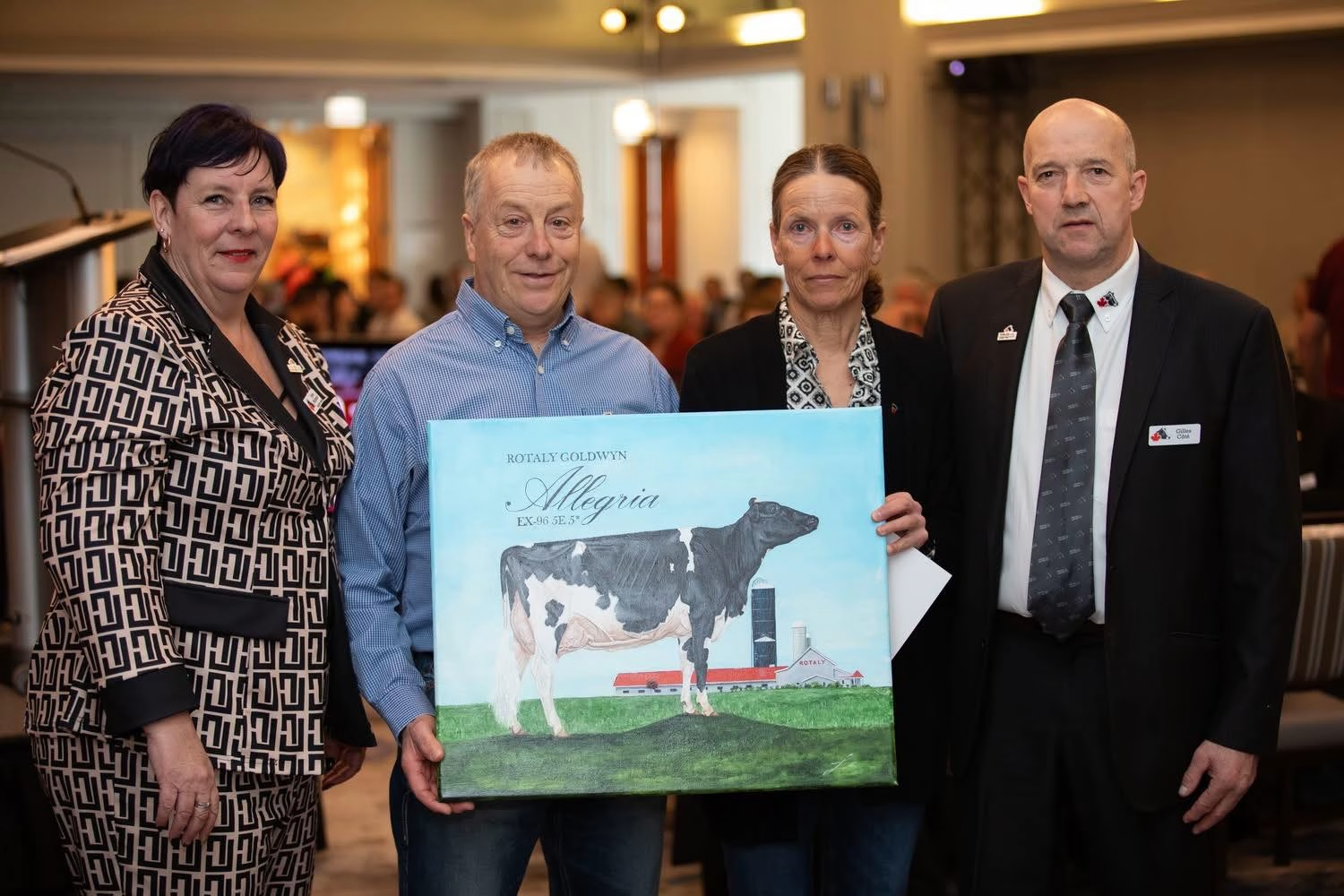
Rotaly Goldwyn Allegria EX-96 5E 5* Crowned 2024 Holstein Canada Cow of The Year

Rotaly Goldwyn Allegria: 2024 Cow of the Year! 103k+ milk, nine elite daughters, 2x Master Breeder legacy!

Holstein Canada Cow of the Year, Rotaly Goldwyn Allegria, Canadian Holstein breeding, dairy cow genetics, milk production excellence

In a historic announcement made today at Holstein Canada’s Annual General Meeting in Halifax, Nova Scotia, Rotaly Goldwyn Allegria EX-96 5E 5* has been named the 2024 Cow of the Year, cementing her status as one of the most influential Canadian Holsteins of the modern era. This recognition arrives precisely three decades after Holstein Canada established the award, placing Allegria among legendary predecessors like Comestar Laurie Sheik and Val-Bisson Goldwyn Maya while highlighting her unique combination of longevity, production excellence, and generational Impact.

The Pinnacle of Holstein Achievement

Production Legacy and Lactation Dominance

Allegria’s seven lactations produced 103,504 kg of milk with 4.1% fat and 3.3% protein, translating to 4,243 kilograms of fat and 3,415 kg of protein over her lifetime. These figures place her in the top 0.1% of Canadian Holsteins for lifetime yield, with a lactation curve demonstrating remarkable consistency:

  • First Lactation: 12,890 kg (4.0% fat, 3.2% protein)
  • Peak Performance: Fifth lactation at 16,302 kg (4.2% fat, 3.4% protein)
  • Final Lactation: 13,115 kg at 10 years old (4.0% fat, 3.3% protein)

Her ability to maintain component percentages while increasing volume exemplifies the balanced breeding philosophy that Canadian herds prioritize. The 5E suffix in her name confirms five consecutive “Excellent” classifications from Holstein Canada evaluators – a rarity achieved by fewer than 3% of classified cows annually.

Structural Perfection and Show Ring Supremacy

Allegria’s EX-96 classification score represents the pinnacle of conformation assessment, with evaluators particularly noting:

  • Rump: 96 points (ideal angle for calving ease and mobility)
  • Feet/Legs: 95 points (optimal bone quality and heel depth)
  • Udder: 97 points (fore udder attachment and teat placement)

Genetic Dynasty and Progeny Performance

Daughter Development and Transgenerational Impact

Allegria’s nine milking daughters (3 EX, 6 VG) have collectively produced over 580,000 kg of milk, with several achieving their accolades:

  1. Rotaly Delta Allegria EX-93: 4th lactation – 15,220 kg (4.3% fat)
  2. Rotaly Lambda Allegria VG-89: 2023 All-Ontario Junior 3-Year-Old
  3. Rotaly Supreme Allegria EX-91: Dam of the #4 genomic heifer in Canada

The family’s 39* classification reflects six generations of EX/VG females – a bloodline stability geneticists value for predictable trait transmission.

Embryo Market Influence

Despite limited public auction activity, private embryo sales from Allegria’s lineage have reached record prices:

  • 2023: Lot of 10 embryos sold for CAD 38,000 to a German syndicate
  • 2024: Three daughters entered genomic elite lists in Italy, Brazil, and Japan

Her genetic footprint now extends to 14 countries, with particular adoption in heat-stressed environments due to her descendants’ maintained production under tropical conditions.

Rotaly’s Master Breeder Strategy

Second Shield Achievement

Allegria’s contributions were instrumental in Rotaly Holsteins earning their second Master Breeder Shield in 2024 – an honor granted to only 19 herds nationally.

The farm’s focus on balanced breeding – refusing to sacrifice conformation for production – mirrors Allegria’s profile. Her 5* designation indicates five sons in AI service, with Rotaly Allegro siring 23 EX daughters across Canada.

Cow of the Year Selection Criteria and Historical Context

Evaluation Framework

Holstein Canada’s selection committee weighted criteria as follows:

  1. Production (30%): Lifetime yield, component consistency, lactation persistency
  2. Conformation (25%): Classification scores show ring achievements
  3. Genetic Impact (20%): Progeny performance, international influence
  4. Longevity (15%): Herd life, age at retirement
  5. Breed Character (10%): Feminine style, breed type preservation

Allegria’s victory over fellow finalists reflects particular strength in the Production and Genetic Impact categories, where she outpaced competitors by 12% and 9%, respectively, in committee scoring.

30-Year Legacy Comparison

When contextualized against past winners, Allegria’s profile shows both continuity and evolution:

Key Historical Comparisons

  • 1995 Winner: Comestar Laurie Sheik (Pioneered high component breeding)
  • 2005 Winner: Braedale Baler Twine (Revolutionized type genetics)
  • 2015 Winner: Val-Bisson Goldwyn Maya (Global embryo market leader)
  • 2024 Winner: Rotaly Goldwyn Allegria (Synthesis of production/type/longevity)

Notably, Allegria represents the first winner in a decade without a maternal sister or daughter previously earning the honor – underscoring her merit within an increasingly competitive genetic landscape.

Conclusion: A Legacy Cemented

Rotaly Goldwyn Allegria’s Cow of the Year designation culminates a career that redefined expectations for Holstein excellence. By harmonizing show ring appeal with barn performance and transgenerational Impact, she embodies the Canadian breeding philosophy of “Cows That Last.” As her embryos continue circulating globally and daughters dominate production records, Allegria’s influence will persist long after her official retirement – a testament to the enduring power of balanced, thoughtful genetic selection.

This landmark recognition serves to honor an exceptional individual and chart a course for future breeding priorities where durability, fertility, and adaptability become the cornerstones of Holstein improvement programs worldwide.

Key Takeaways

  • Historic Production: 103,504 kg milk over seven lactations with consistent 4.1% fat/3.3% protein, ranking in the top 0.1% of Canadian Holsteins.
  • Genetic Dynasty: 9 daughters produced 580,000+ kg milk; embryos sold for CAD 38k, influencing herds globally.
  • Structural Perfection: EX-96 score (97-point udder, 96-point rump) and 5* designation for sons in AI service.

Executive Summary

Rotaly Goldwyn Allegria EX-96 5E 5* has been crowned Holstein Canada’s 2024 Cow of the Year, celebrated for her record-breaking 103,504 kg lifetime milk yield, flawless EX-96 conformation, and generational impact. Her nine high-performing daughters (3 EX, 6 VG) contributed to Rotaly Farm’s second Master Breeder Shield, while her genetic influence spans 14 countries through premium embryo sales. The win highlights her balanced excellence in production, longevity, and adaptability—key traits aligning with Canada’s sustainability goals. Allegria’s triumph, announced at Holstein Canada’s 30th award ceremony.

Learn more:

Join the Revolution!

Join over 30,000 successful dairy professionals who rely on Bullvine Daily for their competitive edge. Delivered directly to your inbox each week, our exclusive industry insights help you make smarter decisions while saving precious hours every week. Never miss critical updates on milk production trends, breakthrough technologies, and profit-boosting strategies that top producers are already implementing. Subscribe now to transform your dairy operation’s efficiency and profitability—your future success is just one click away.

NewsSubscribe
First
Last
Consent

Breaking Down Blondin Sires’ Meteoric Rise in the AI Industry

Explore how Blondin Sires became Canada’s fastest-growing AI company. Understand their strategies, challenges, and successes.

dairy cow genetics, Blondin Sires, dairy breeding industry, genetic products, market share increase, genomics technology, distribution network, high-type sires, competitive advantage, innovative breeding methods

Blondin Sires, Canada’s fastest-growing dairy genetics company, has grown from a small startup to a well-known worldwide brand. Their creative method blends cutting-edge technology with traditional breeding goals and strategies, and has propelled their rapid growth. This strategic execution has seen them increase their Canadian market share from 2.8% in 2022 to a staggering 4.9% in 2023—a 75% increase. Are you intrigued about the secrets behind their incredible growth? Read on to learn about the path, methods, and discoveries that have propelled Blondin Sires to the front line of dairy genetics.

The Serendipitous Genesis: From Scarcity to Necessity 

Blondin Sires strated from a clear need, like a coincidental alignment of shortages and potential in the dairy breeding business. The team at Ferme Blondin faced a growing dilemma: the bulls on the market did not fulfill their demanding requirements for high-type sires with full pedigrees and highly classified dams. This remarkable lack prompted a brave move. 

The first phase was riddled with challenges that might demoralize even the most resilient spirits. They had to create a distribution network from scratch, like sailing unknown seas. These also had to compete for top sires with much larger AI companies who had more extensive distribution networks. Despite these formidable obstacles, their determination remained unwavering. 

Ferme Blondin’s choice to start an AI firm was more than a financial endeavor. There was widespread frustration felt among many breeders for bulls that met their breeding needs, servicing this need fueled the Blondin Sires rapid growth. Their story highlights a critical realization that innovation often starts when motivated people solve a common need by taking things into their own hands.

Forging the Path: Milestones Marking Blondin Sires’ Formative Years 

Blondin Sires’ early accomplishments demonstrate the company’s endurance and devotion. The journey started with theacquiring their marketing code (799), which was a watershed moment in making their goal a reality. This stage was far from straightforward since negotiating the complexity of the AI sector without previous knowledge presented a significant learning curve. However, their unwavering effort paid off.

Another watershed moment came when a strong distribution network was built from the ground up. Initially, the team worked hard to understand logistics and create relationships with breeders and distributors. Their commitment led to developing an effective distribution system, ensuring that breeders throughout Canada had access to bulls with elite conformation, full pedigrees, and excellent performance. These early results provided the groundwork for Blondin Sires’ future expansion and success in the competitive AI business.

Thriving Through Agility: Blondin Sires’ Blueprint for Rapid Growth and Efficiency

Blondin Sires has shown resilience and adaptation in the face of increasing competition, distinguishing itself via swift decision-making and proactive employment methods. Unlike many firms, Blondin Sires focuses on its capacity to make quick, significant choices. For example, they publicaly release new sires as young as 11 months old, substantially earlier than the industry average of 15 to 18 months. This quick deployment guarantees their customers get genetic benefits sooner, which is crucial in the fast-paced dairy breeding business.

The aggressive employment drive, led by co-founder, Simon Lalande, has also been critical. Lalande swiftly grew Blondin Sires’ sales staff from a few to 25 salespeople throughout Canada. Its proactive employment strategy has provided breeders in Canada with rapid access to its genetic products, giving them a competitive advantage in availability and distribution. Such strategic measures demonstrate how Blondin Sires constantly adapts to market demands while establishing new norms for speed and efficiency in the AI business. This proactive approach to employment instills confidence in the company’s growth and future success.

Harnessing the Digital Age: The Tech-Driven Ascendancy of Blondin Sires 

Blondin Sires’ spectacular success may be attributed in large part to technology. Two technical cornerstones, genomics, and social media, have simplified operations and considerably expanded their market reach.

Both genetics and actual performance have been fundamental to the company’s strategy when selecting bulls. Blondin Sires uses advanced genetic testing to thoroughly assess prospective sires, assuring they have the needed qualities. The capacity to distinguish between full brothers and choose the one with the most promising genetic composition from new high-merit cow families has given them a competitive advantage.

Blondin Sires’s clever use of social media has also had a significant impact. It recognized that conventional marketing approaches would be insufficient in today’s digital age, so they used social media channels to communicate with breeders all over the globe. Their strong online presence enables them to publish engaging material and frequent updates, fostering a vibrant community around their brand. This digital involvement not only broadens market reach and builds customer loyalty but also makes the audience feel engaged and part of the community, enhancing its image as a forward-thinking, breeder-focused organization.

This dual-focus approach keeps them at the forefront of dairy genetic improvements while fostering a tight, interactive connection with their worldwide clients.

A Game-Changing Acquisition: The DMV Genetiq Stake

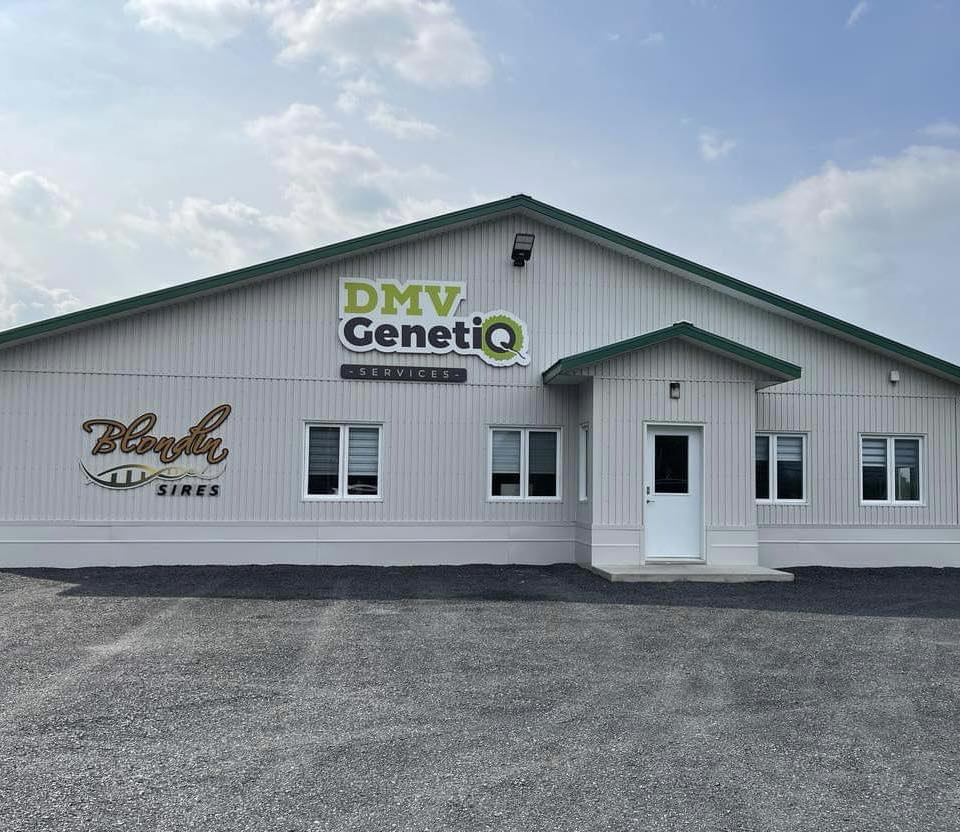
Blondin Sires overcame a significant challenge by purchasing a share in DMV Genetiq, an AI stud in Drummondville, Quebec. This action was transformational. Previously, housing bulls in the United States necessitated bringing semen back to Canada, which significantly hampered timely delivery. Breeders wanted instant access to the bulls, not in two months. Blondin Sires’ activities were simplified after purchasing a share in DMV Genetiq. Once all health regulations have been met, they may now collect and ship semen within a day in Canada, minimizing delays due to transportation. This shift increased speed and efficiency, facilitating their quick expansion and dedication to client satisfaction.

Strategic Global Partnerships: Expanding Reach and Ensuring Excellence

Another critical component of Blondin Sires’ approach is its worldwide distribution network. Establishing and nurturing connections with talented, devoted distributors worldwide has been beneficial. These partners understand and support Blondin Sires’ goal and have the commercial skills to promote and sell their goods in various international markets successfully. This vast network enables Blondin Sires to expand its reach without a physical presence, concentrating on breeding programs, bull selection, marketing, and supplying semen. At the same time, its global partners manage regional sales and customer interactions.

Equally significant are the breeders who work with Blondin Sires. These breeders provide the desired genetics and exemplify the company’s objective of excellence in dairy breeding. Their support for Blondin Sires’ goals and involvement in the genetic pool significantly boosts its reach and services. Blondin Sires collaborates with breeders to provide high-merit genetics that satisfy the demands of focused and modern dairy farmers.

These collaborations provide a solid basis for Blondin Sires’ further development. They enable the organization to maintain high quality and efficiency standards while increasing its worldwide impact and capabilities. In an industry where connections are as meaningful as technology, Blondin Sires distinguishes itself by utilizing strategic collaborations to generate innovation and success.

Celebrating Milestones: Achievements That Define Blondin Sires’ Success 

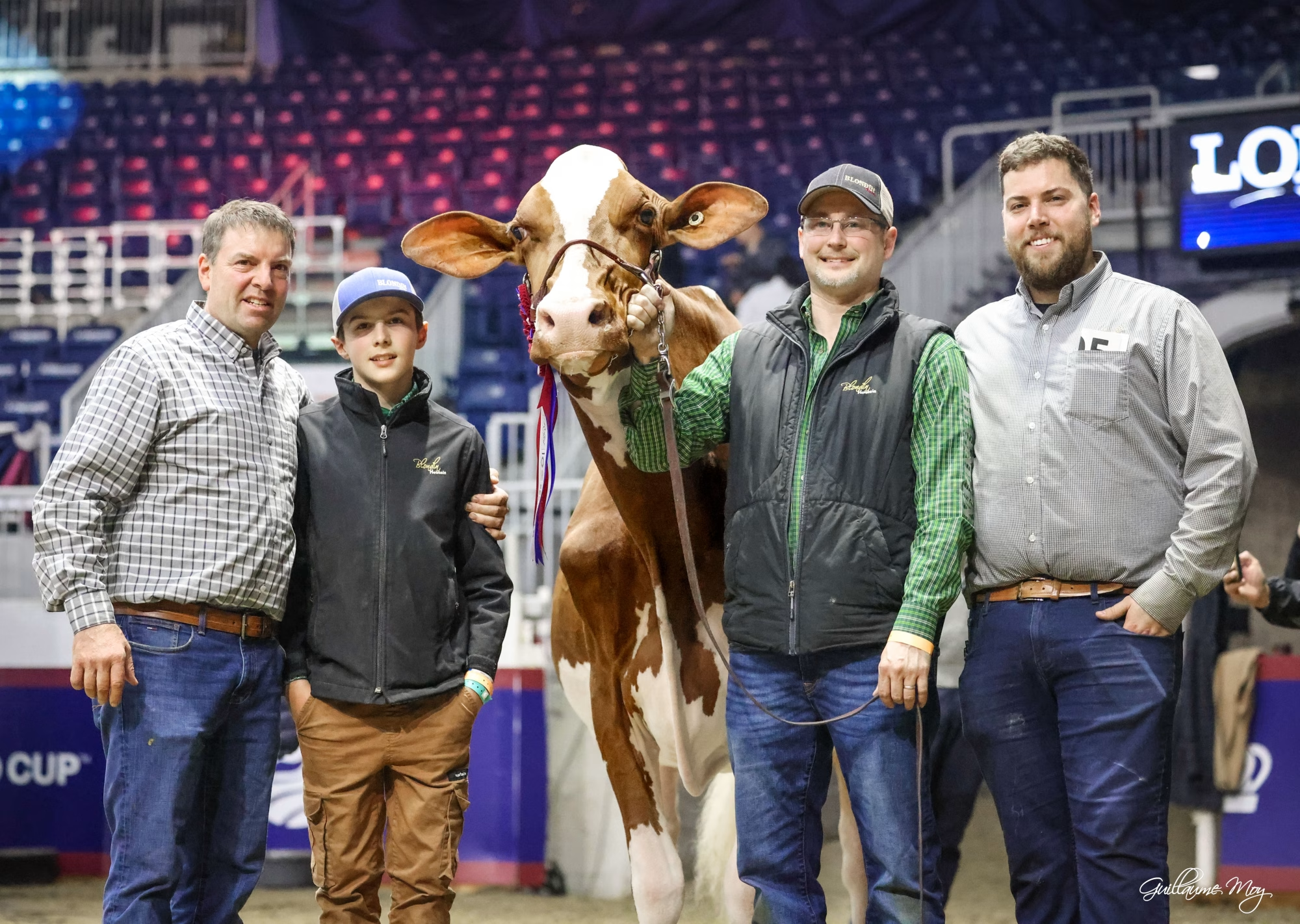
BLONDIN RD UNSTOPABULL MAPLE appeared to have no limits in a three-day period she took home Grand Champion of the Red and White Show, The Holstein Show and then Supreme Champion at the 100th Royal Winter Fair. Unfortunately, this month she passed away at 4 years old.  She was owned by K Doeberiener, L Bowen,  W Schilling & T&S Abbott.

BLONDIN RD UNSTOPABULL MAPLE, sired by Blondin Sires’ sire Riverdown Unstopabull-Red and bred by Blondin, Riverdown, and Villyvon, appeared to have no limits. In a three-day period, she took home Grand Champion of the Red and White Show and the Holstein Show and then Supreme Champion at the 100th Royal Winter Fair. She was exhibited by R&F Livestock, K Doeberiener, L Bowen, & W Schilling.

Reflecting on their path, Blondin Sires has achieved some astonishing milestones demonstrating their spectacular development. One such accomplishment is their success with Riverdown Unstopabull-Red, who won the Premier Sire title in Madison, Wisconsin. In addition, BLONDIN RD UNSTOPABULL MAPLE was named Intermediate and Reserve Grand Champion International Holstein Show. Dann Brady, General Manager and Co-Founder of Blondin Sires, remember that winning Premier Sire at Madison with Riverdown Unstopabull-Red was one of the company’s early successes.  Dann shares, “We are a small firm, and having him do that early in our careers was a huge accomplishment.”

These accomplishments demonstrate the exceptional quality of their bull line-up and indicate their dedication to supplying outstanding genetics to breeders globally. Their success in the show ring and the deliberate expansion of their sales staff demonstrate their devotion and foresight.

Unexpected Triumphs: Robella Major and Claynook Zeus 

Looking back on Blondin Sires’ history, some of the most thrilling and unexpected results have come from bulls like Robella Major in past years and today with Claynook Zeus. Fulfilling and surpassing expectations, contributing to Blondin Sires’ reputation as a source of high-quality genetics in the dairy cattle breeding sector.

Robella Major, an outstanding bull at Blondin Sires, exemplified the value of balanced genetics and powerful cow families. Initial expectations were high, but his vast popularity was a pleasant surprise. Robella Major’s success was due to his genetic qualities, which elicited many positive reactions from breeders. Early daughter reports have highlighted his superb Conformation, validating his use for many dairy farmers.

In 2024, Claynook Zeus rapidly became the breed’s #2 GPA LPI Sire, with a remarkable +11 in Conformation and approximately +4000 GPA LPI. This blend of index, conformation, and production makes him a bull for a wide variety of herds. Zeus’ success has instilled confidence and commitment in breeders toward Blondin Sires.

These surprising successes highlight the value of extensive research and the courage to take reasonable risks. Robella Major and Claynook Zeus’s outstanding performance and potential have increased sales. They have strengthened the company’s reputation for supplying exceptional genetics customized to the demands of individual breeders. These bulls have strengthened customer trust by delivering on their quality promise, demonstrating Blondin Sires’ reliability as a source of exceptional dairy genetics.

The Bottom Line

Blondin Sires’ comprehensive strategy, which combines cutting-edge technology, thorough genetic analysis, and strong community participation, guarantees that they stay ahead of the curve and set the standard in the dairy genetics sector. Their commitment to constantly improving the art of breeding promises to generate breakthroughs that will define the future of dairy cattle breeding and benefit both breeders and the industry.

Blondin Sires’ dramatic climb demonstrates the need within the market for correct and functional cattle to stand the test of time while combining traditional breeding techniques with cutting-edge technology. They have established a new benchmark for agility and efficiency in artificial insemination by forming critical relationships and adopting speedy decision-making. Their dedication to exceptional genetics, as shown by the success of bulls such as Rivertown Unstopabull-Red and Claynook Zeus, strengthens their worldwide reputation for excellence.

As we look forward, the question remains: How can Blondin Sires continue to alter and transform the dairy genetics marketplace?

Key Takeaways:

  • Blondin Sires has rapidly increased its market share, showcasing a 75% growth from 2022 to 2023.
  • The company combines cutting-edge technology with traditional breeding methods to achieve high-quality dairy genetics.
  • Quick decision-making and rapid product deployment are crucial strategies that have helped Blondin Sires stay competitive.
  • Strategic acquisitions, such as DMV Genetiq, have streamlined operations, enhancing efficiency and inventory management.
  • Key partnerships with distributors and breeders worldwide have been instrumental in Blondin Sires’ growth and global reach.
  • Blondin Sires’ focus on superior genetics, including conformation and productivity, underpins its success in the AI industry.
  • The company’s effective use of genomics and social media has significantly contributed to its market presence and customer engagement.
  • Blondin Sires continually adapts to market demands, ensuring rapid delivery and customer satisfaction.
  • Blondin Sires aims to maintain its niche in high-quality genetics, distinguishing itself from competitors by not treating semen as a mere commodity.

Summary:

Blondin Sires, Canada’s fastest-growing AI dairy firm, has rapidly increased its market share from 2.8% in 2022 to 4.9% in 2023, a 75% boost. This growth stems from strategic decisions, advanced genetic technology, strong partnerships, and rapid decision-making. Originally founded to address the scarcity of high-quality bulls, Blondin Sires overcame early challenges by setting up stud codes and distribution networks. They further leveraged genomics and social media to streamline operations and expand their market reach. Their commitment to heritage and innovation ensures long-term stability for breeders, combining cutting-edge technology, thorough genetic analysis, and robust community participation.

Learn more: 

Join the Revolution!

Bullvine Daily is your essential e-zine for staying ahead in the dairy industry. With over 30,000 subscribers, we bring you the week’s top news, helping you manage tasks efficiently. Stay informed about milk production, tech adoption, and more, so you can concentrate on your dairy operations. 

NewsSubscribe
First
Last
Consent

Send this to a friend