







66% of feed samples contain multiple mycotoxins—quietly costing dairy operations $300-900 per cow annually
EXECUTIVE SUMMARY: Recent global research reveals that mycotoxin contamination has evolved into a complex challenge affecting two-thirds of dairy feed samples worldwide, with multiple toxins working together to multiply their damage beyond what individual toxins could achieve alone. Moderate mycotoxin exposure reduces milk production by 3-5 pounds per cow per day, while also dropping conception rates by up to 25%, resulting in annual losses of $300-900 per cow that many producers attribute to other factors. The traditional reliance on clay binders and rumen protection is proving inadequate against these multi-toxin combinations, particularly in high-producing cows, where faster feed passage rates reduce natural detoxification capacity. Blood biomarker testing is revealing that up to 80% of actual mycotoxin exposure goes undetected by conventional feed testing, while comprehensive management programs combining advanced binding, enzymatic degradation, and immune support demonstrate ROI figures exceeding 200%. Climate change is intensifying these challenges as warmer, wetter conditions expand mycotoxin risks into regions previously considered low-risk, making proactive management increasingly critical. Progressive producers implementing multi-modal approaches focused on transition cows and high-producers are documenting significant improvements in production, reproduction, and profitability within months.
KEY TAKEAWAYS:
- Comprehensive mycotoxin management programs deliver 225-330% ROI by preventing $300-900 annual losses per cow through improved production, reproduction, and health outcomes
- Blood biomarker testing reveals up to 80% more mycotoxin exposure than feed testing alone, enabling targeted protection for transition cows and high-producers where investment generates the highest returns
- Multi-modal defense strategies combining advanced binding, enzymatic degradation, and immune support outperform traditional clay binders, which show only 3-6% effectiveness in real feed conditions
- Climate change is expanding mycotoxin risks northward and intensifying contamination patterns, making proactive monitoring and protection essential for maintaining a competitive advantage
- Focusing initial implementation on vulnerable populations—transition cows and peak lactation animals—provides the most cost-effective entry point for comprehensive mycotoxin management programs
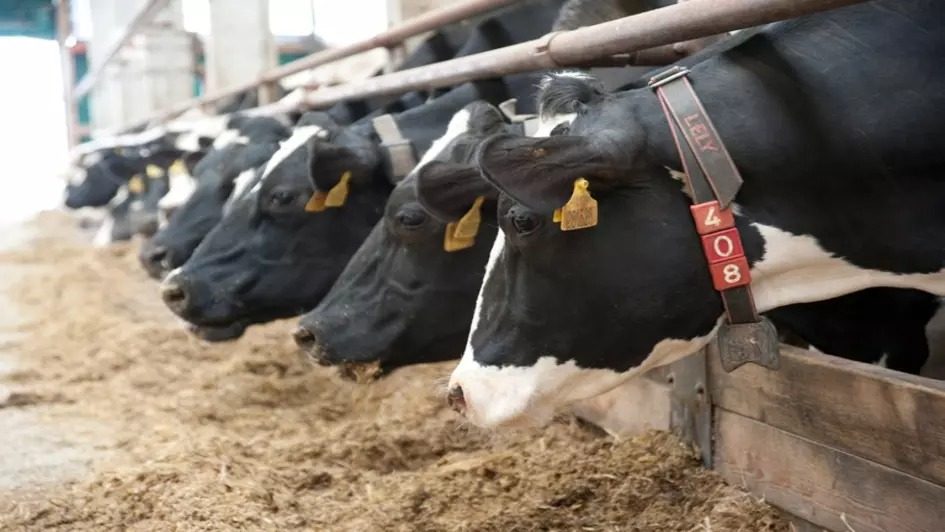
What if a silent thief is stealing from your bottom line, costing you $300 to $900 per cow every year? You see it in the data: milk production that falls short, a stubborn conception rate, and animals that just don’t seem to hit their peak. You’ve checked the feed, you’ve optimized the genetics, and you’ve managed the herd carefully. Yet, something is quietly costing you. For a growing number of dairy producers, that unseen culprit is a complex mix of mycotoxins in the feed—a challenge that has become far more widespread and damaging than most realize.
What’s interesting here is that many of us are running into this same puzzle. What’s quietly stealing from the bottom line isn’t always obvious—and increasingly, mycotoxins seem to be part of the story. Research around the world, including a comprehensive review from Selko in 2024, shows that about two-thirds of feed samples now contain multiple mycotoxins together. These aren’t just your run-of-the-mill toxins but blends of things like DON, zearalenone, and fumonisins showing up regularly in the mix.
Unpacking the Impact

Take a step back and think about what this means. Research has shown that moderate levels of mycotoxins can drag a cow’s milk yield down by 3 to 5 pounds a day. In Wisconsin, where producers are pushing high production, losing that amount really adds up fast. It might explain why some herds aren’t hitting their predicted yields despite solid management.
But it’s not just about volume. I remember chatting with a producer in Vermont who noticed his somatic cell counts creeping up—impacting his quality premiums—and strangely, the milk was behaving differently at the cheese plant, with altered protein and coagulation performance. It turns out, mycotoxins mess with more than just milk secretion—they degrade milk protein quality too.
And from the reproductive side, zearalenone is a culprit we can’t ignore. Studies tell us conception rates can slip by a quarter when these toxins are present. You can see these effects in farm records when pregnancies don’t stick, and open days creep up beyond expectations.
When Mycotoxins Team Up

Here’s what’s particularly noteworthy: DON and zearalenone aren’t just causing separate problems—they’re interacting in ways that multiply their damage. That Pennsylvania producer I mentioned saw fertility issues worse than what single toxin data would suggest. This aligns with broader findings from global studies, which show that these toxins often co-occur and synergize to have a more severe impact on production and fertility than either could have alone.
Rethinking the Old Assumptions
Many producers have leaned on the idea that the rumen microbes act like a natural filter for mycotoxins. But that’s proving less true than we thought. High-producing cows gobble up feed quickly, so these microbes don’t have as much time to break down toxins. And when cows face subacute ruminal acidosis—as a good portion experience during the fresh cow period—those microbes are weakened, leaving the animals more vulnerable.
Even more to chew on: zearalenone can actually convert into a more potent toxin after ruminal metabolism. That’s a twist many of us didn’t appreciate fully until recently.
Why Don’t We Hear More About This?
The mycotoxin effects are often subtle, looking like general health or fertility issues, so many producers chalk problems up to other causes. And the old staple solution—clay binders—only captures part of the problem. It’s like fighting a multifaceted battle with a single arrow.
New Testing Insights
What I’ve found is that more herds using blood biomarker testing get a clearer picture of what’s actually passing into cows’ systems. Unlike feed-only tests, blood tests can show cumulative exposure and toxins missed by traditional methods. While the cost and access can be barriers, they’re often worthwhile for herds with unexplained production issues.
Beyond Clay: New Defense Strategies
Clay binders still have a role, but progressive farmers I talk with combine them with enzymatic detoxifiers and supplements that support gut and liver health. This layered approach is where the research shows real promise, often yielding return on investment figures exceeding 200 percent.
Real-World Examples
A friend running a 200-cow dairy in Vermont saw significant milk production and reproductive improvements within months after adopting a multi-stage mycotoxin management program focused on his fresh cows.
Whether you’re running a hundred cows or a thousand, prioritizing the most vulnerable groups first makes the most sense financially and operationally.
Climate Change and Emerging Tech
One thing we’re all watching closely is how climate variability is making mycotoxin issues more erratic. Wetter springs in the Midwest are raising fusarium risks, while the Northeast sees more aflatoxin creeping upward. Producers report new challenges in storage and feed quality that didn’t exist a decade ago.
The good news? Technology is responding. AI is emerging as a valuable tool for forecasting fungal growth and toxin risk well in advance of harvest. Rapid on-farm testing is becoming quicker and more comprehensive, detecting multiple toxins in minutes. Enzymatic detoxifiers, with increasing efficacy, promise to break down toxins rather than merely bind them.
What Can You Do Right Now?
Here’s what I’d recommend: start integrating mycotoxin testing beyond just your feed—look at biomarkers in your cows to get the full picture.
Focus protection on your transition and highest-producing animals. Use multi-modal mitigation strategies rather than relying on clay binders alone.
Work closely with your nutritionist and vet to tailor your strategy to your farm, considering local climate, forage sources, and herd health.
Start early and stay consistent to avoid surprises during critical production times.
Final Takeaways
Mycotoxins aren’t new, but the scale and complexity of the problem are growing. They quietly erode our herds’ health and our farms’ profitability if unaddressed.
What’s encouraging is that we’re getting better at spotting and fighting these hidden threats. The key is awareness and proactive management, aided by solid data and collaboration.
The dairy farmers who embrace this evolving knowledge and adapt thoughtfully will be the ones turning these challenges into competitive advantages.
Let’s keep the conversation going and continue sharing what’s working out there on the farms. Together, we’ll keep our dairies thriving through these invisible storms.
Complete references and supporting documentation are available upon request by contacting the editorial team at editor@thebullvine.com.
Learn More:
- Managing Mycotoxin Risks and Enhancing Dairy Cattle Health: Essential Strategies for Feed Management and Reproduction – This article provides a tactical, how-to guide for a comprehensive mycotoxin strategy. It outlines specific prevention and management techniques, including feed storage practices and the use of binders, offering immediate operational steps producers can take.
- Hidden Threats Exposed: Key Findings from Selko’s 2024 Global Mycotoxin Review – This piece offers a strategic perspective by revealing a high-level review of the global mycotoxin challenge. It showcases the economic reality of the problem and the high ROI of multi-modal solutions, framing mycotoxin control as a long-term business strategy.
- Anti-Mycotoxin Feed Additives Improve Milk Safety and Cattle Health Without Affecting Production – This article presents an innovative, research-backed perspective. It reviews a specific study on advanced anti-mycotoxin additives, demonstrating how new technologies provide superior, targeted results to improve milk safety and cow health without compromising milk production.
 The Sunday Read Dairy Professionals Don’t Skip.
 The Sunday Read Dairy Professionals Don’t Skip.
Every week, thousands of producers, breeders, and industry insiders open Bullvine Weekly for genetics insights, market shifts, and profit strategies they won’t find anywhere else. One email. Five minutes. Smarter decisions all week.






